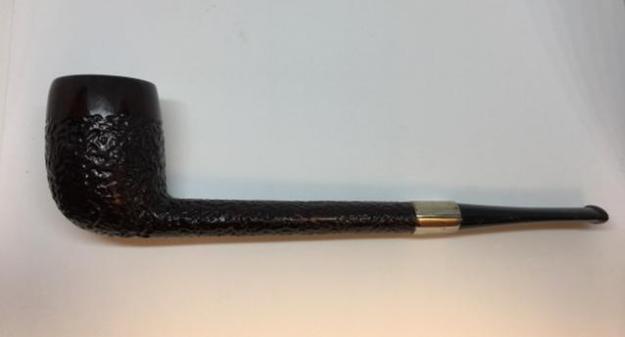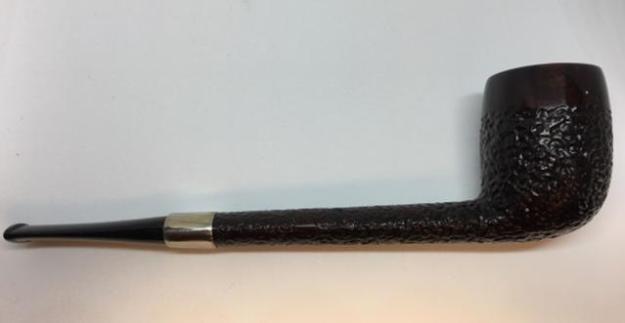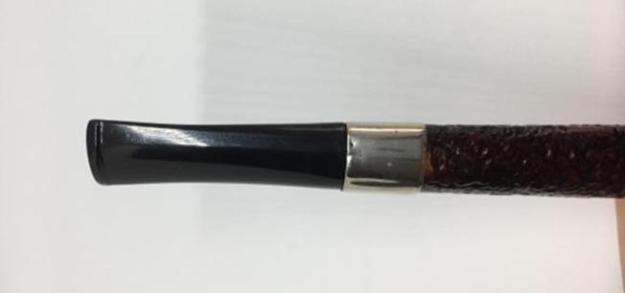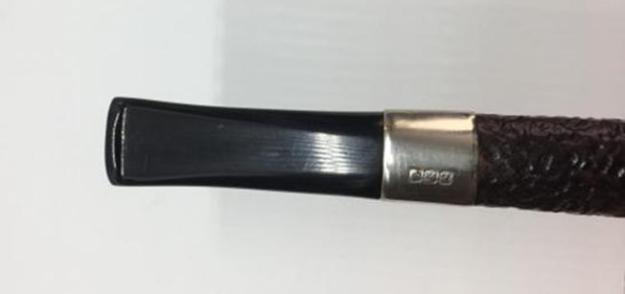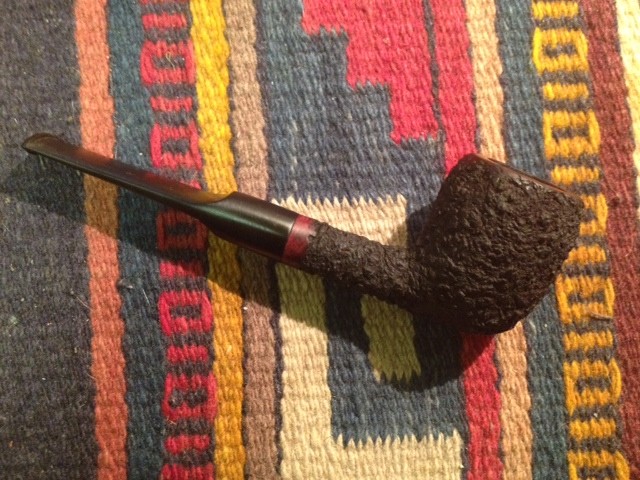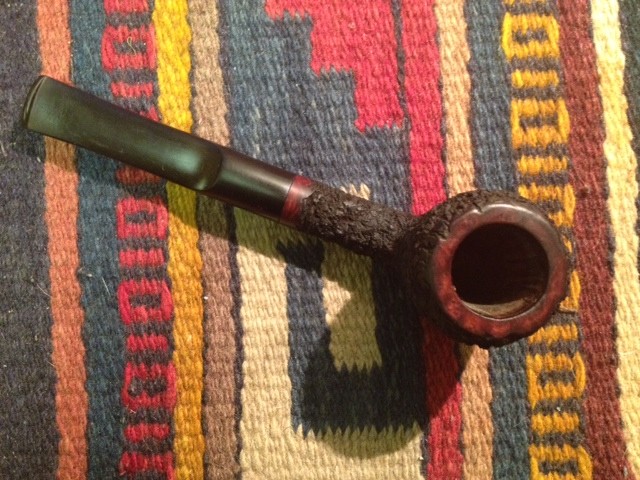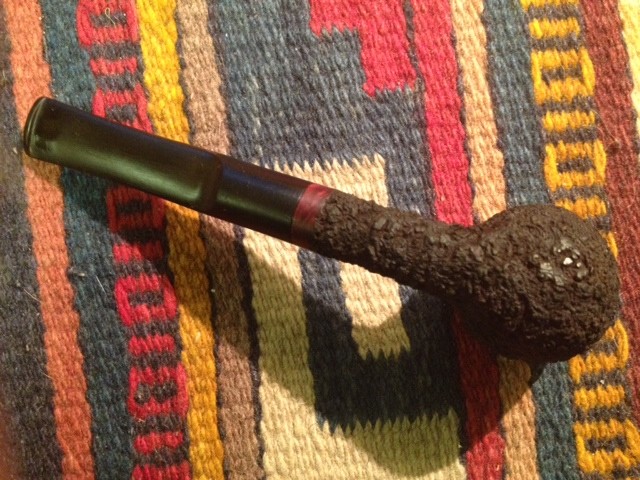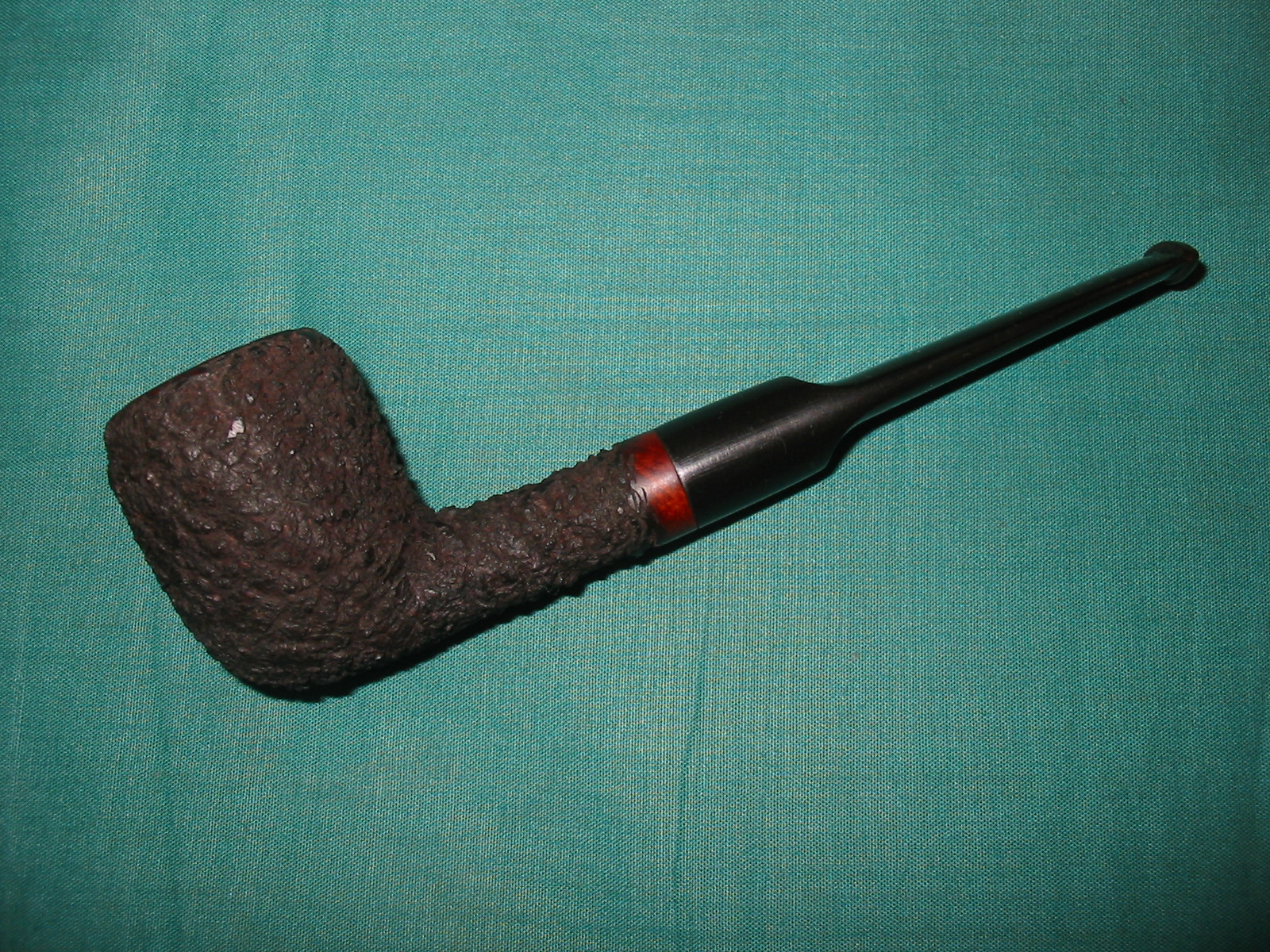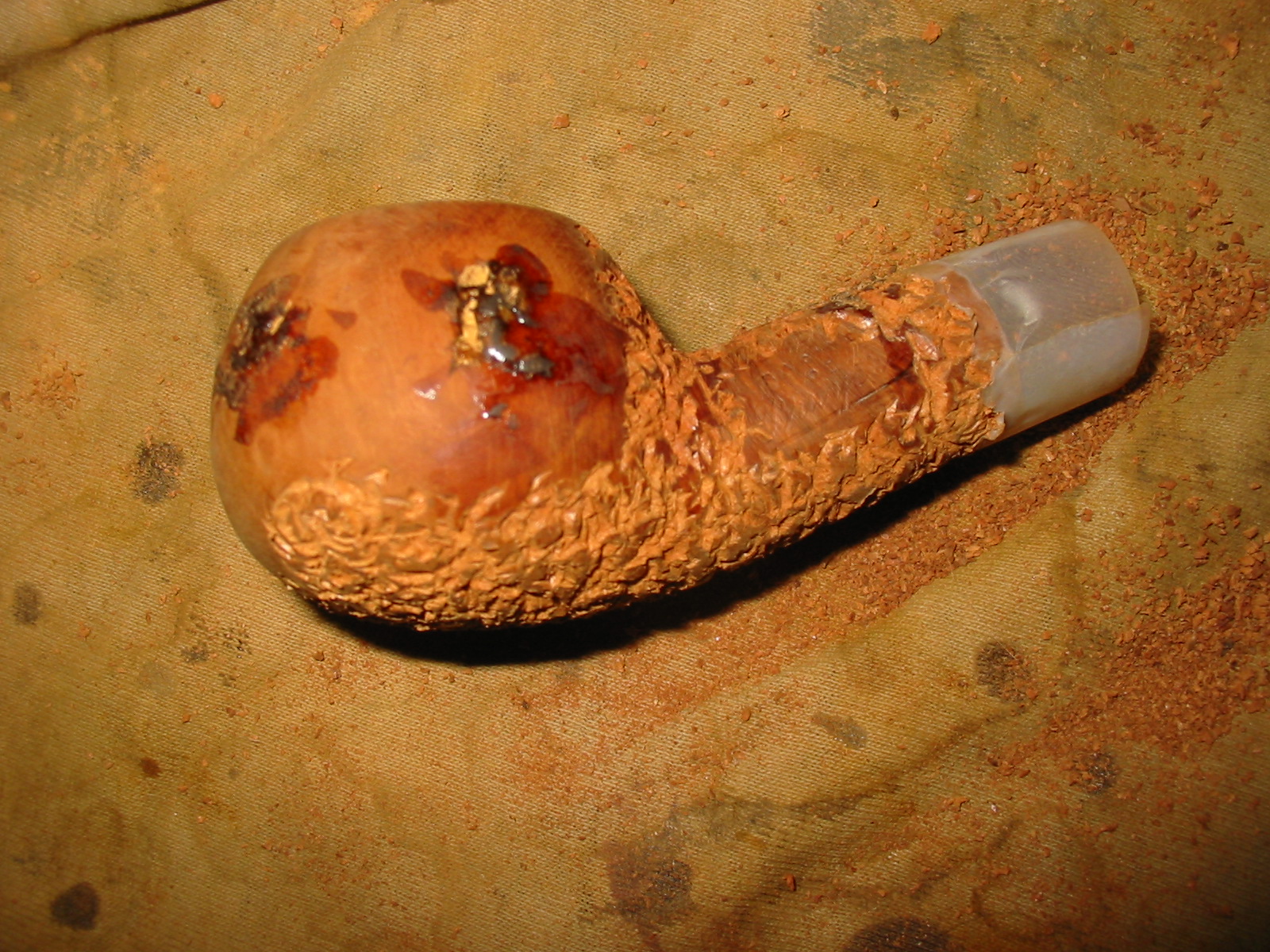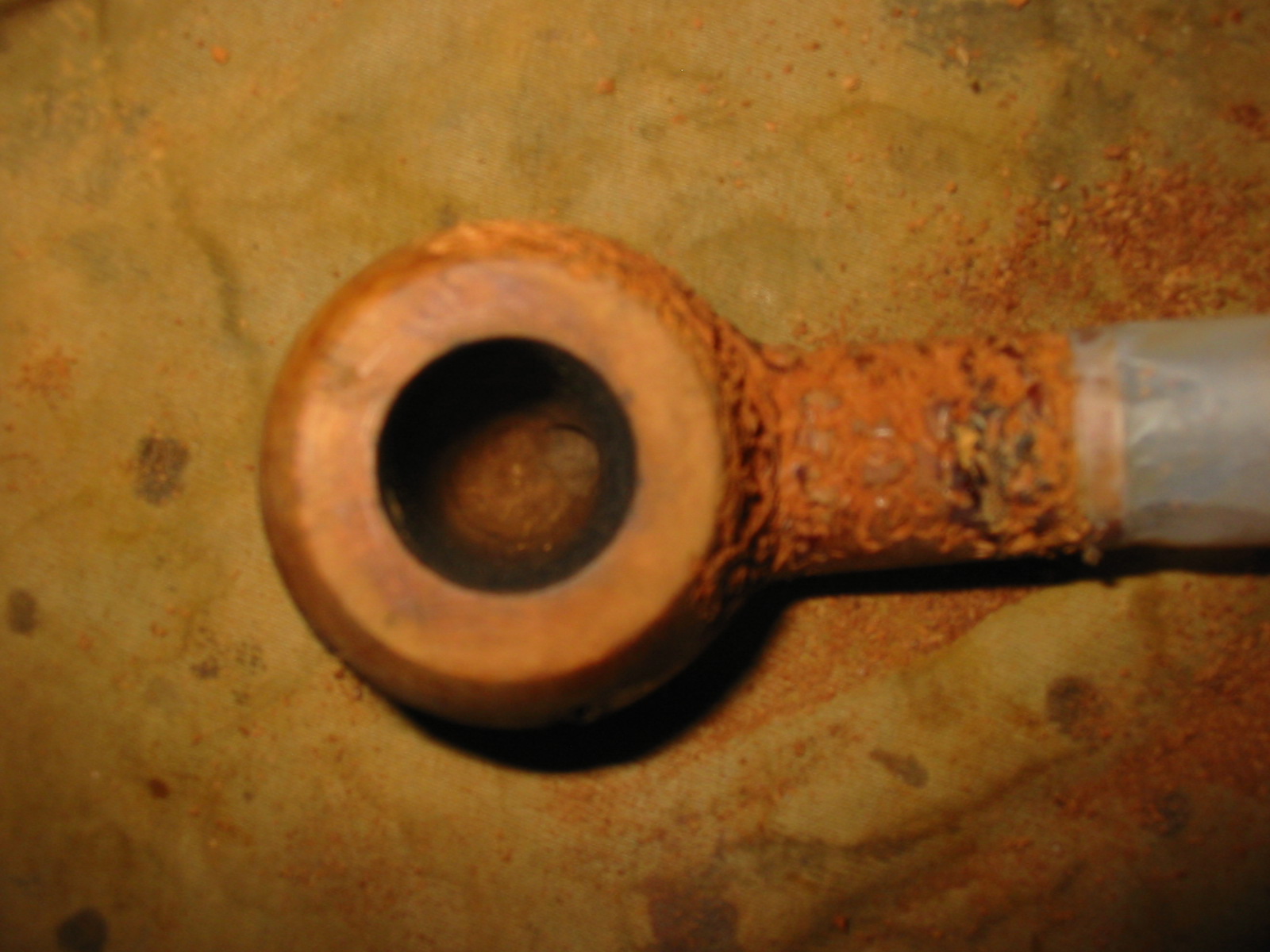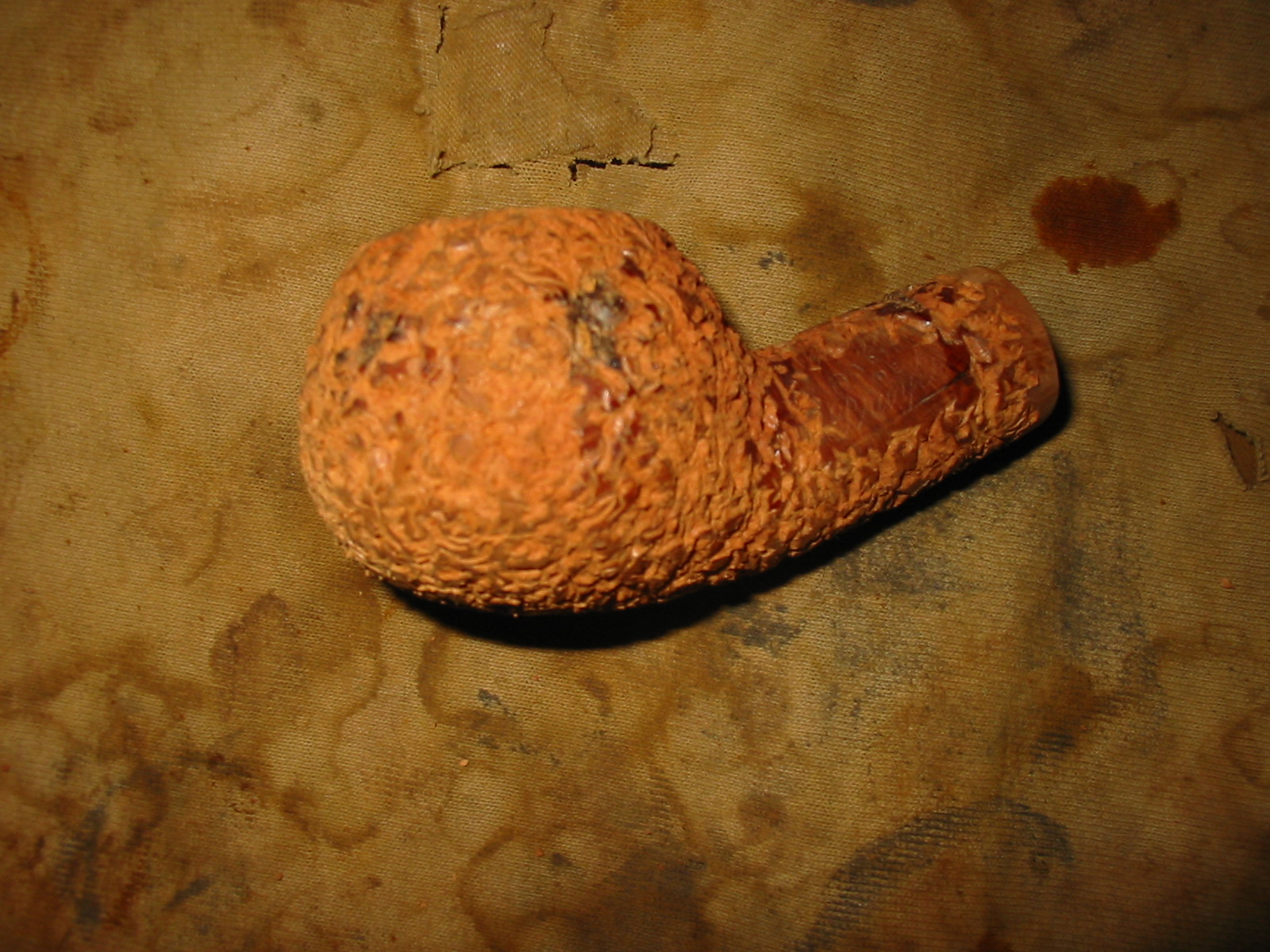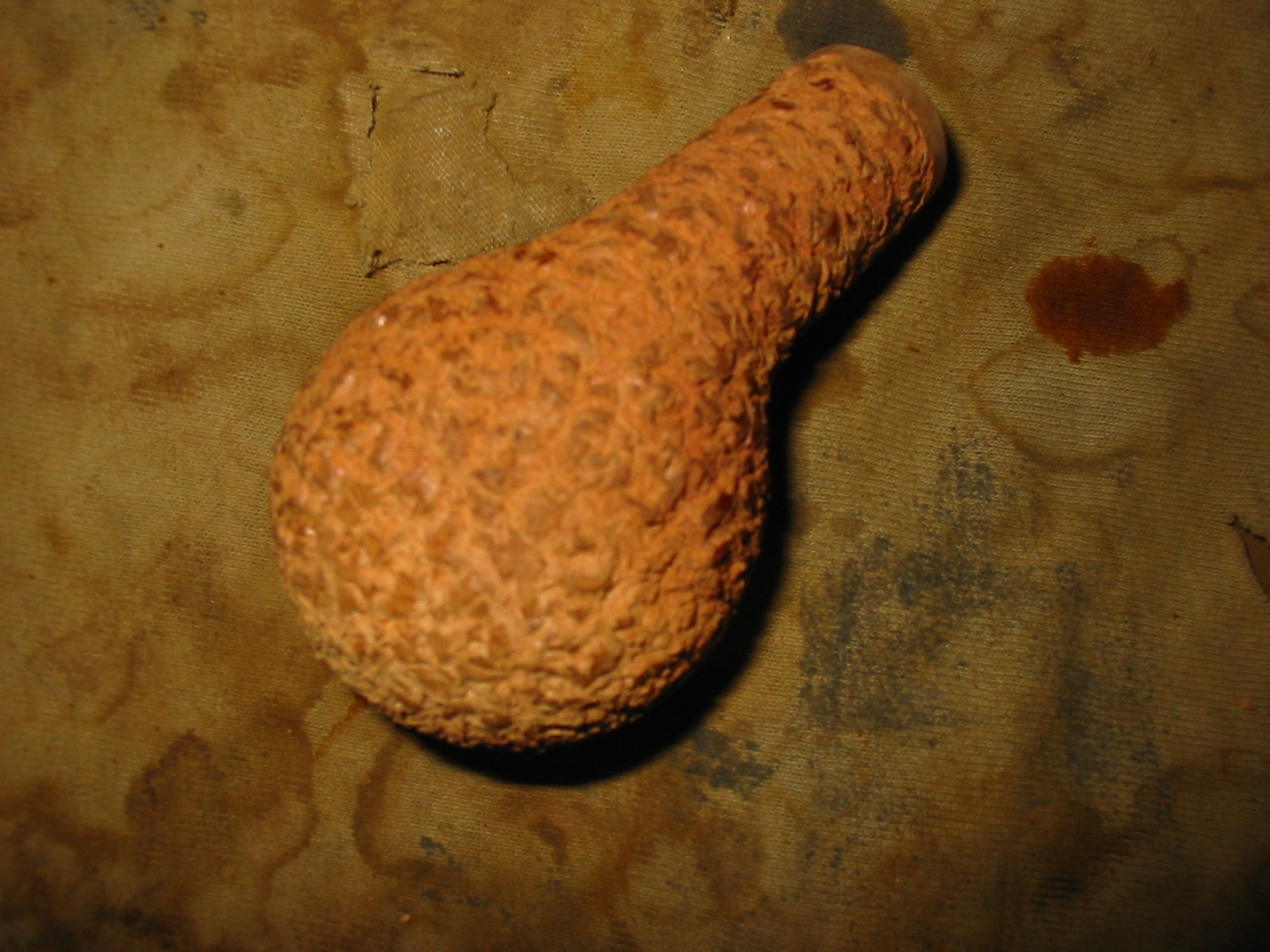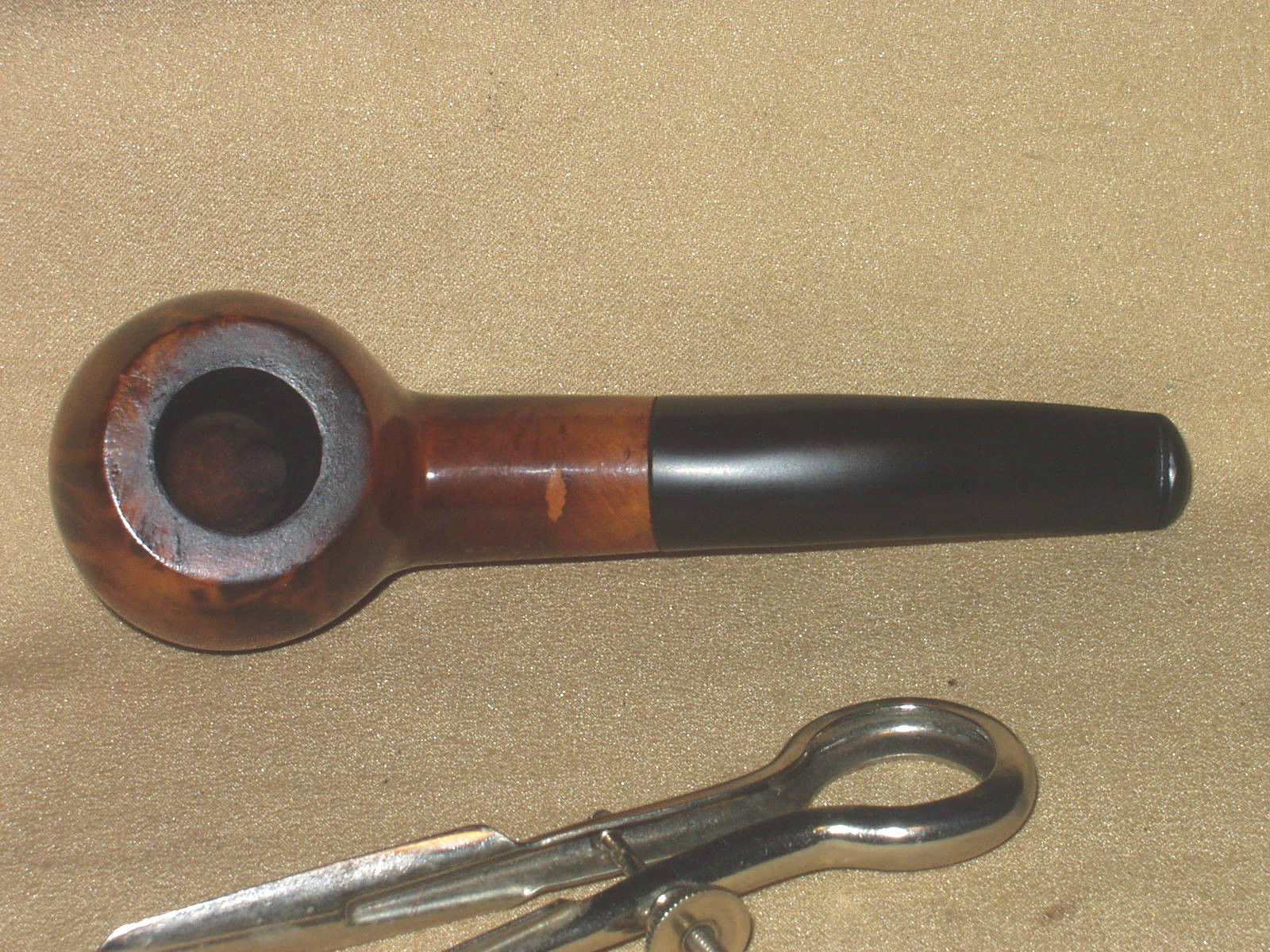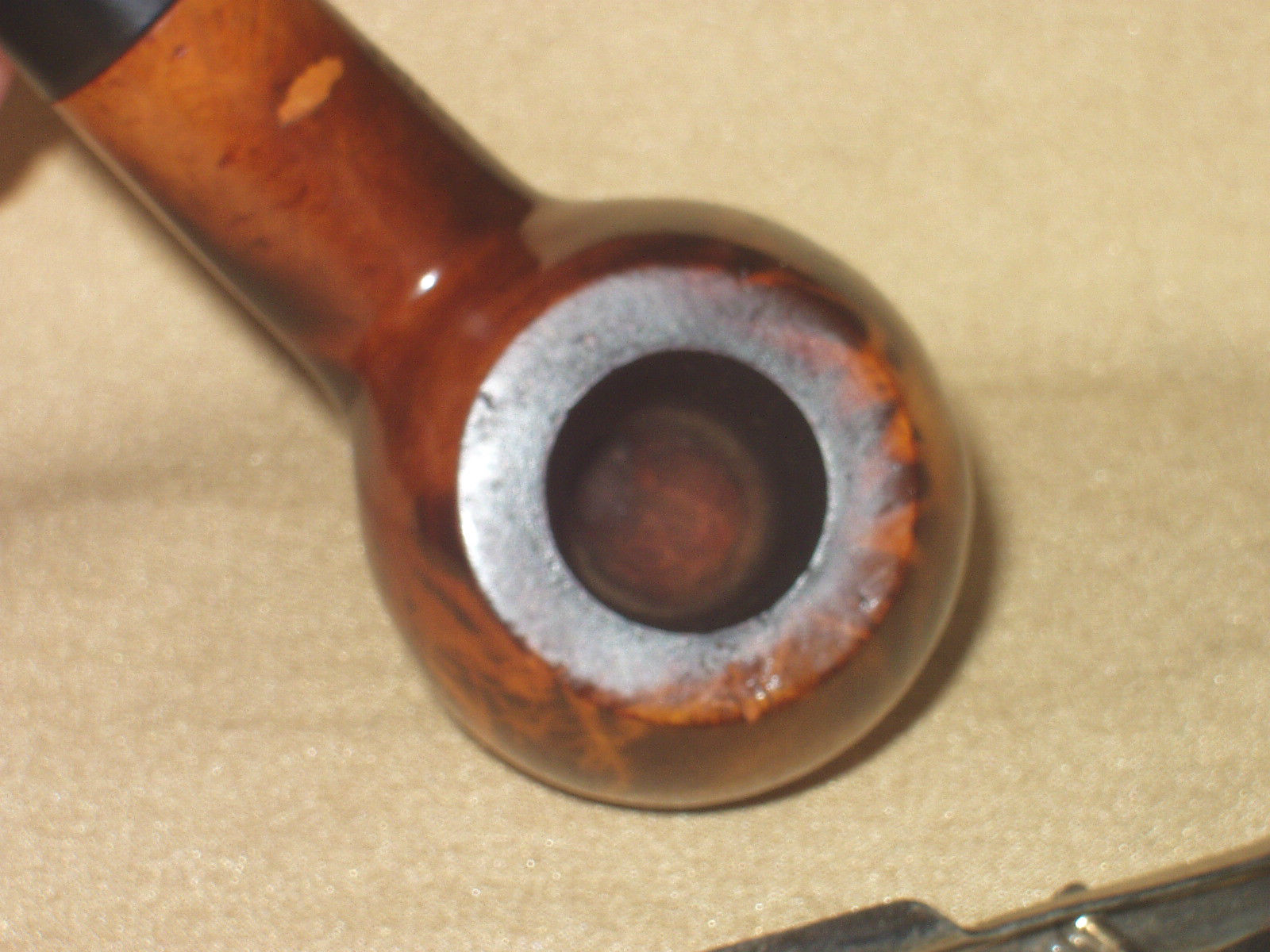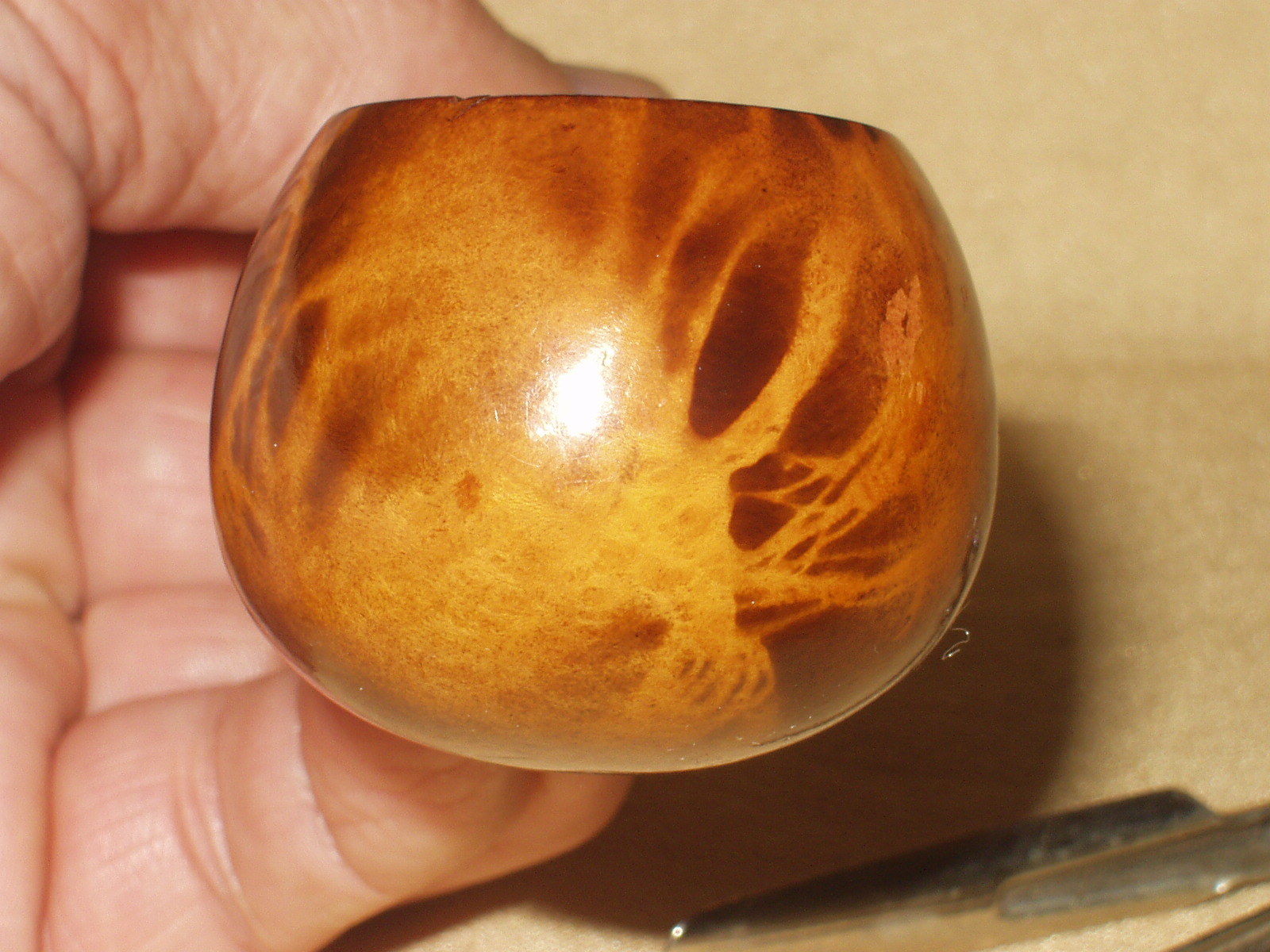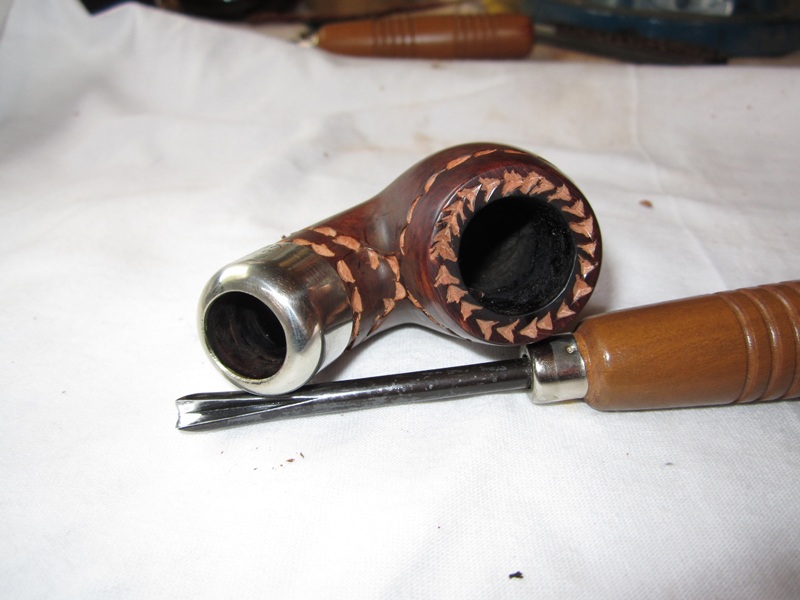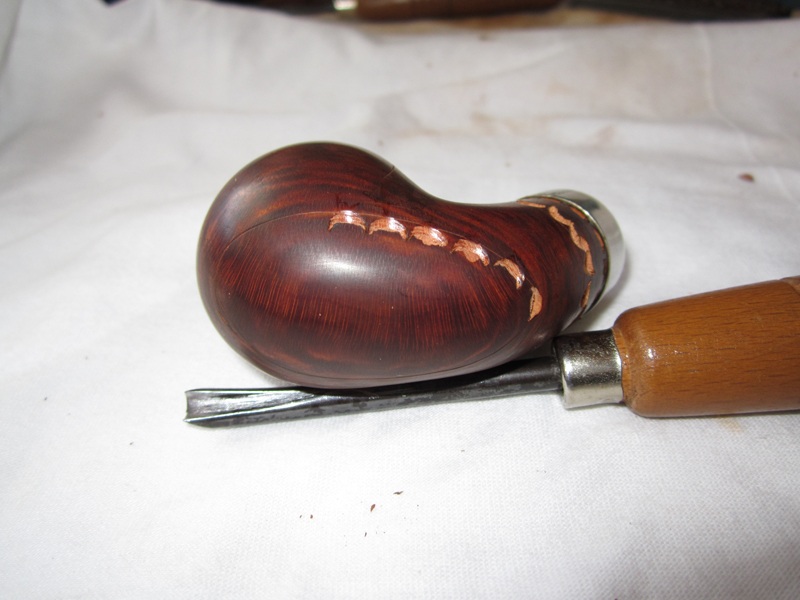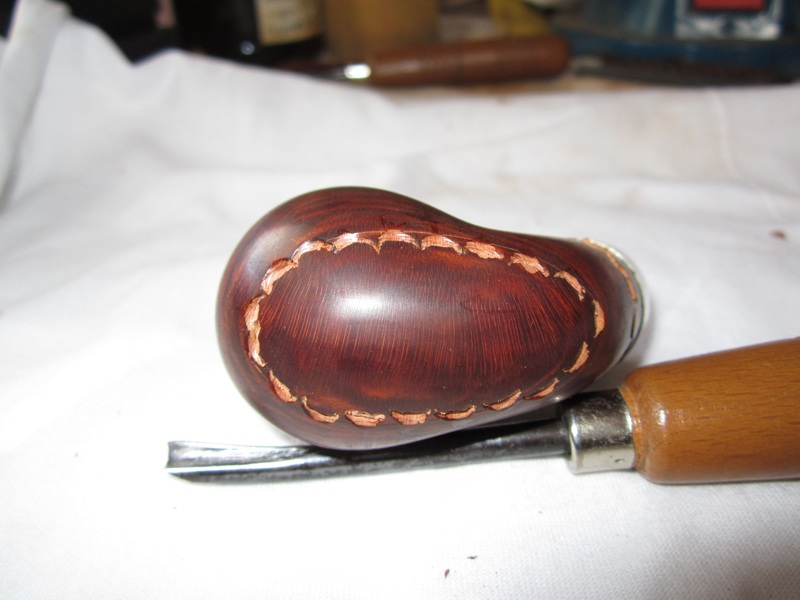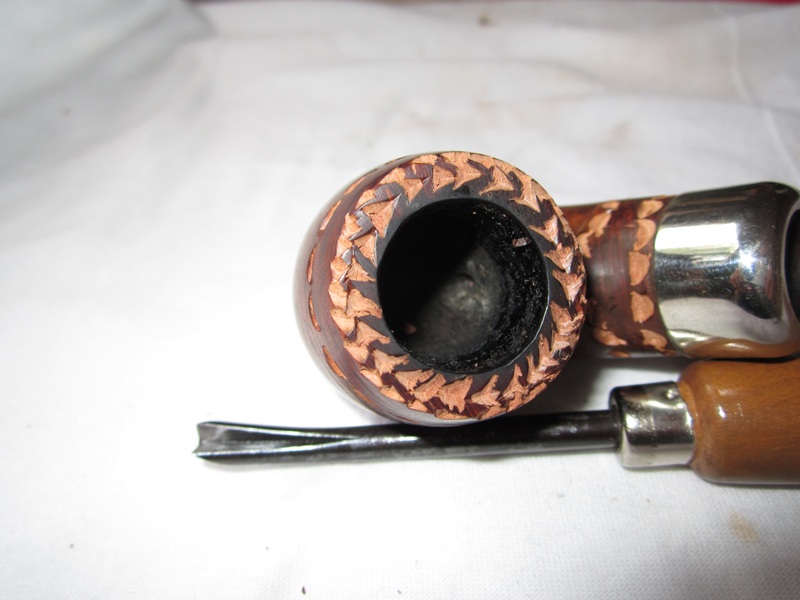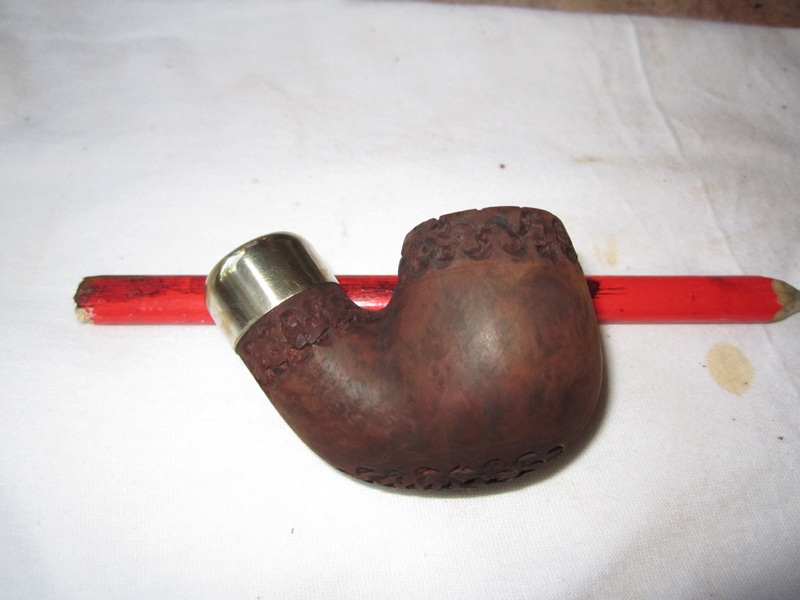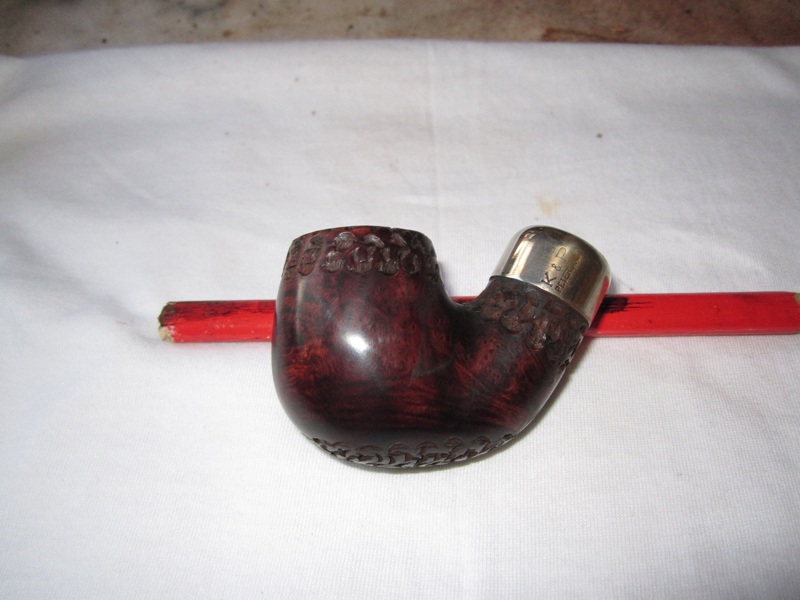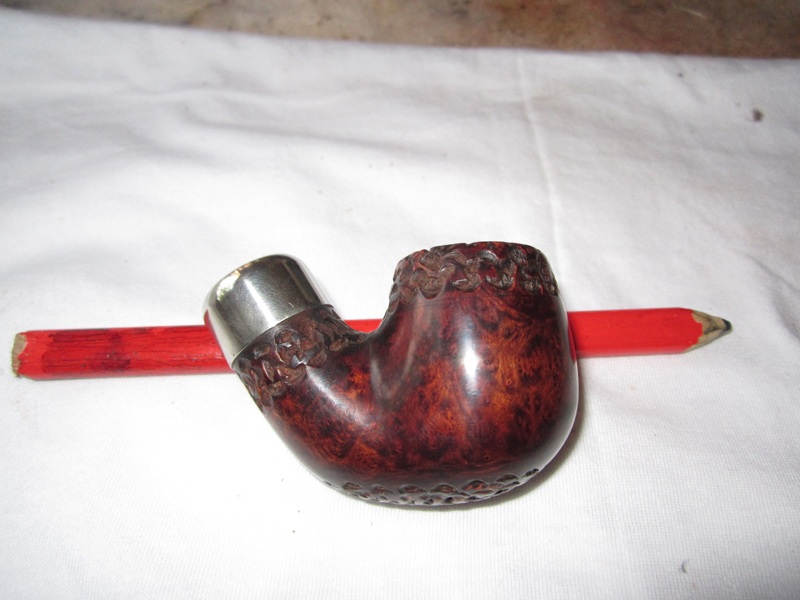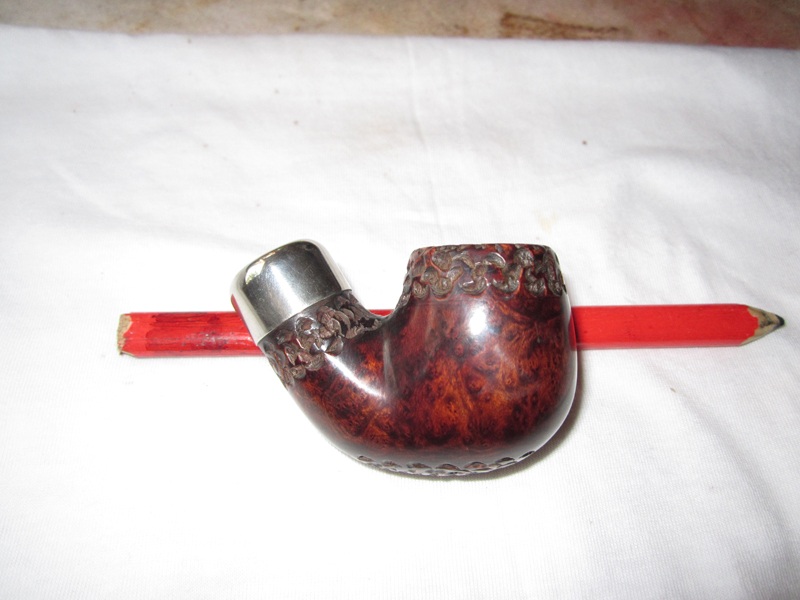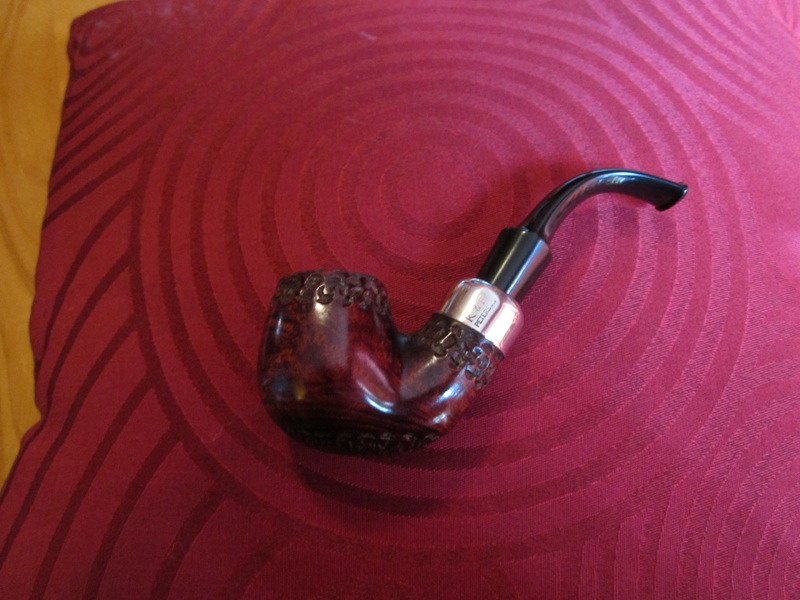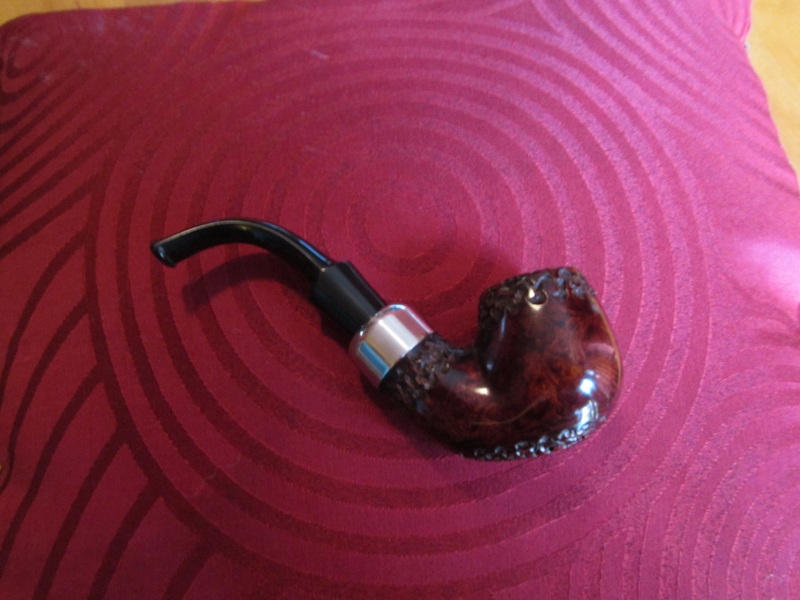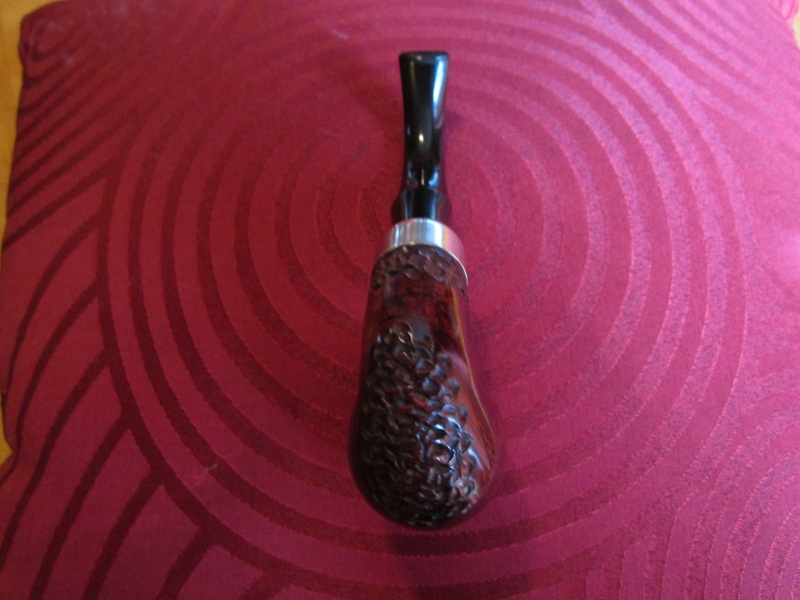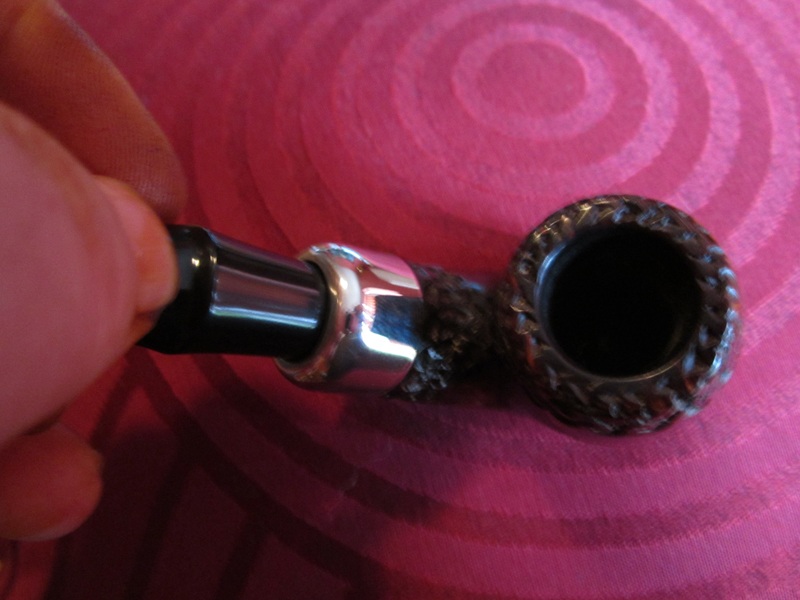
Tag Archives: rusticating a pipe

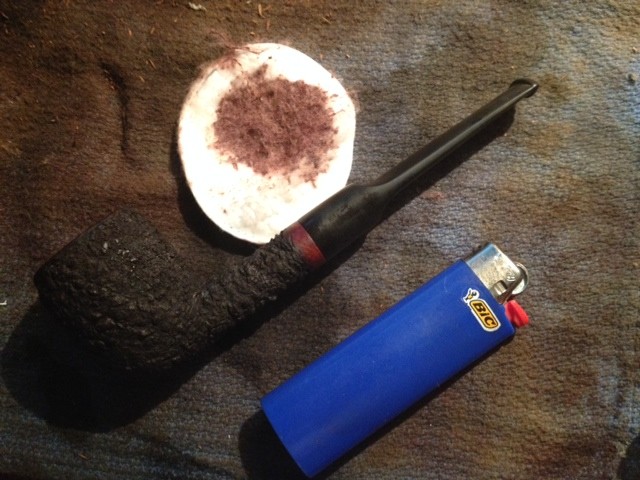
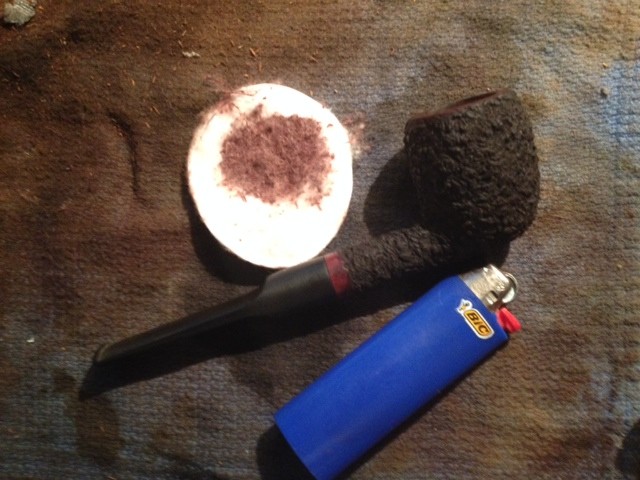
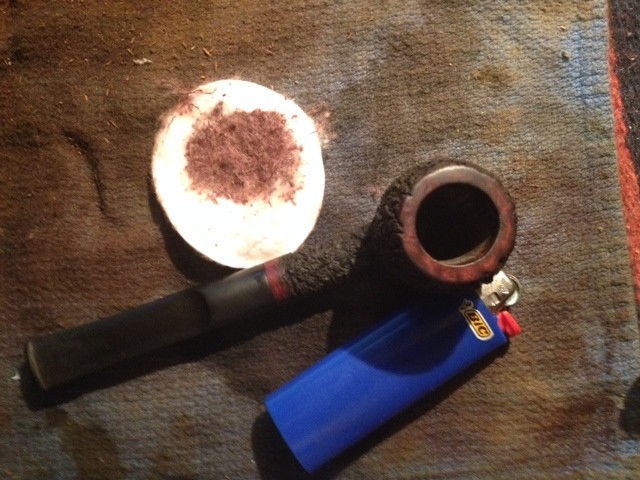
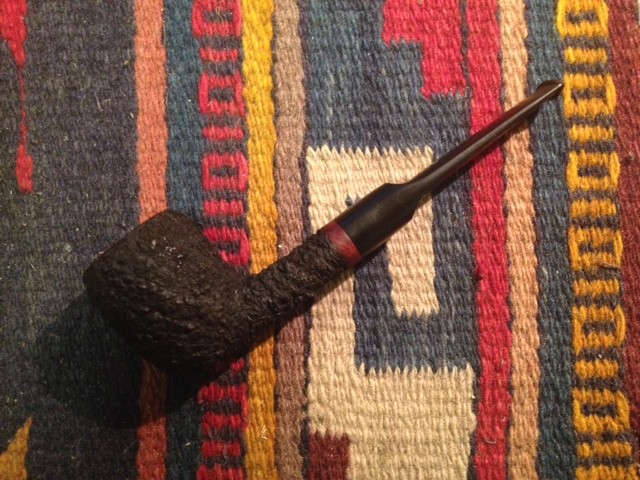
Reworking and Restemming What Looked Like a Lost Cause


Blog by Ryan Thibodeau

I have been following Ryan’s work on FaceBook’s Tobacco Pipe Restorers Group and have been impressed with his work. When he posted the work on this old Canadian stummel with a lot of issues I wrote and asked if he would be willing to post it on rebornpipes. He said sure and sent me the following write up. I am happy to welcome Ryan to the pages of the blog. It is a pleasure to have you here. Without further ado I will let Ryan introduce himself to you all. — Steve

My name is Ryan Thibodeau, I live in the Hamilton Ontario region I stumbled upon this hobby by accident. When my Father learned of my new hobby, he gave me his 1959 Dunhill shell briar pipes. They hadn’t been smoked in 38 years and needed some TLC. I had them restored and they were the first two pipes in my rack.

From there I joined various Facebook Groups and happened upon Steve’s blog “Reborn Pipes”, I was inspired immediately. Since that time I’ve been collecting tired worn out pipes and testing my ability to return them to a condition that I would be proud of. It is a wonderful hobby, that doesn’t require a lot of space to do.

Every pipe has a story! Usually the smoker who owned it, and their story, is more interesting than the pipe itself.

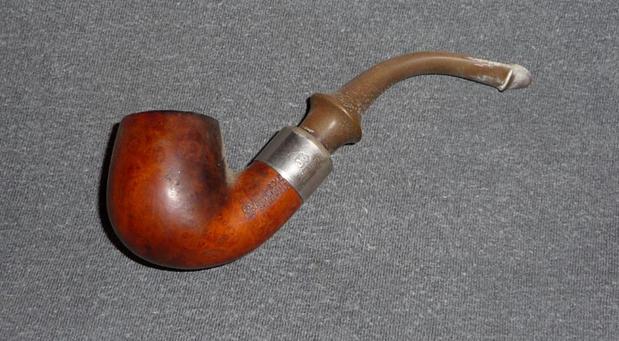
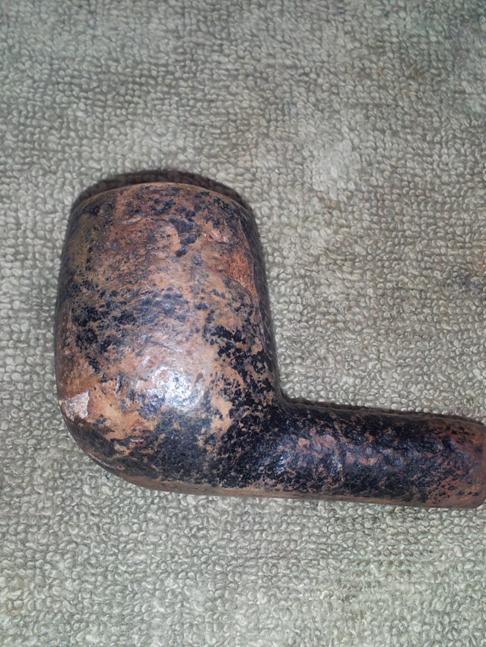
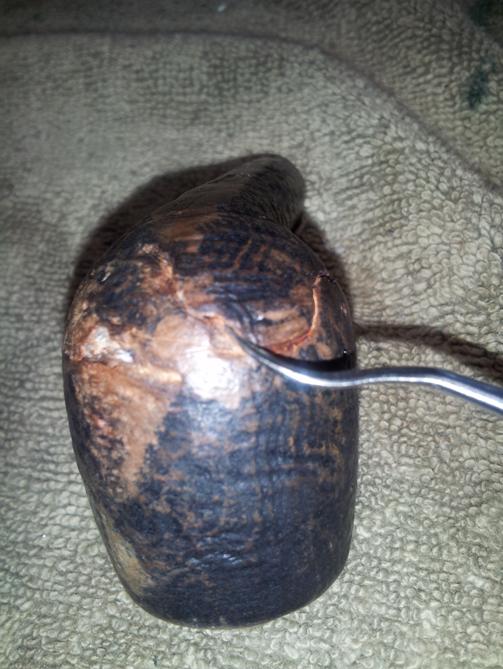
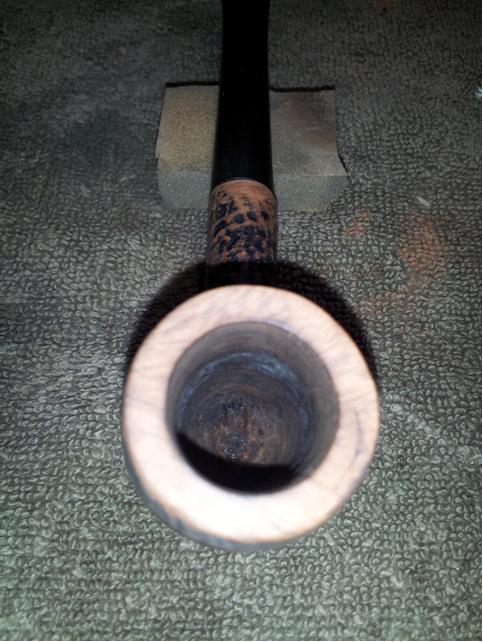
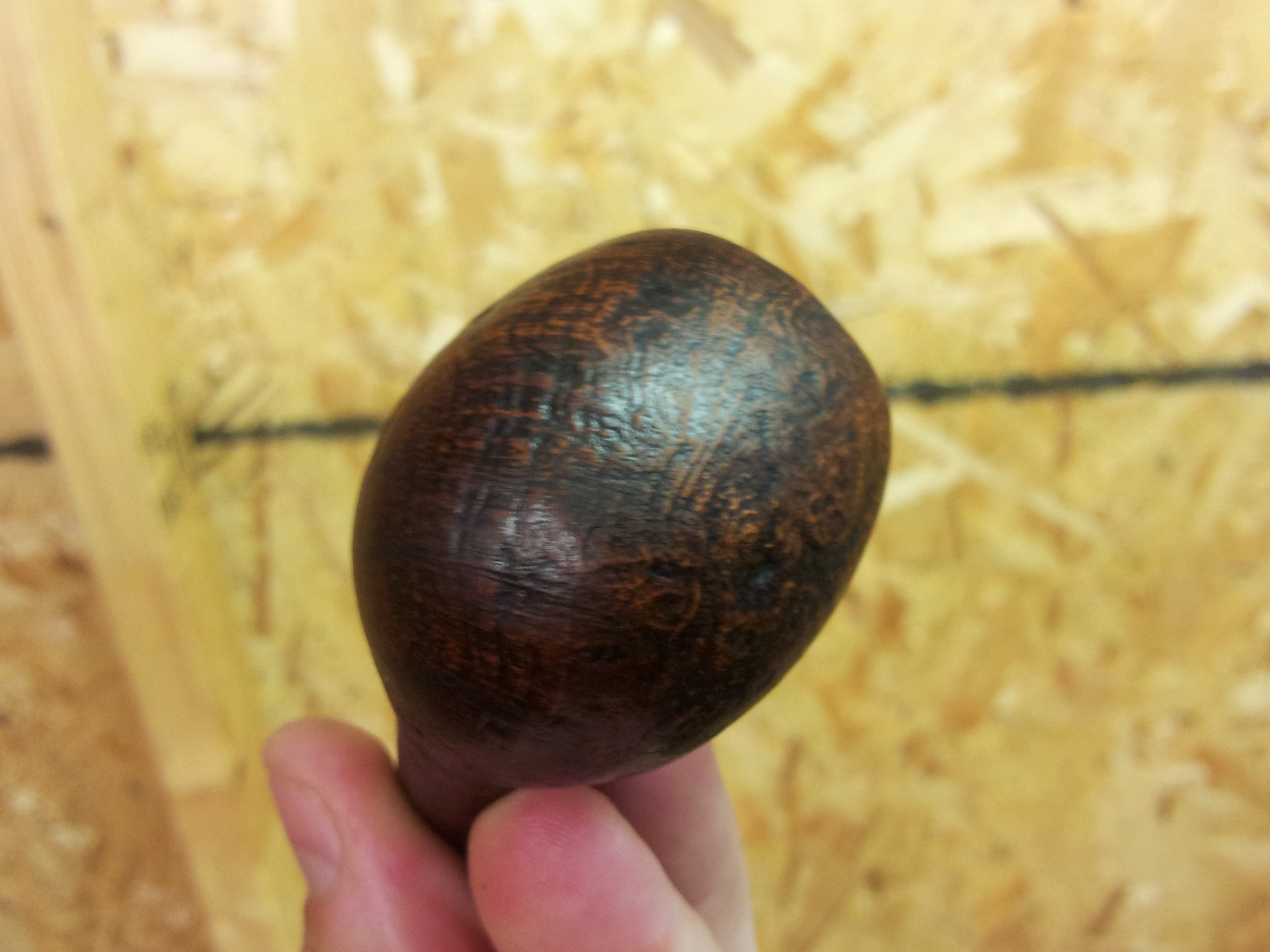
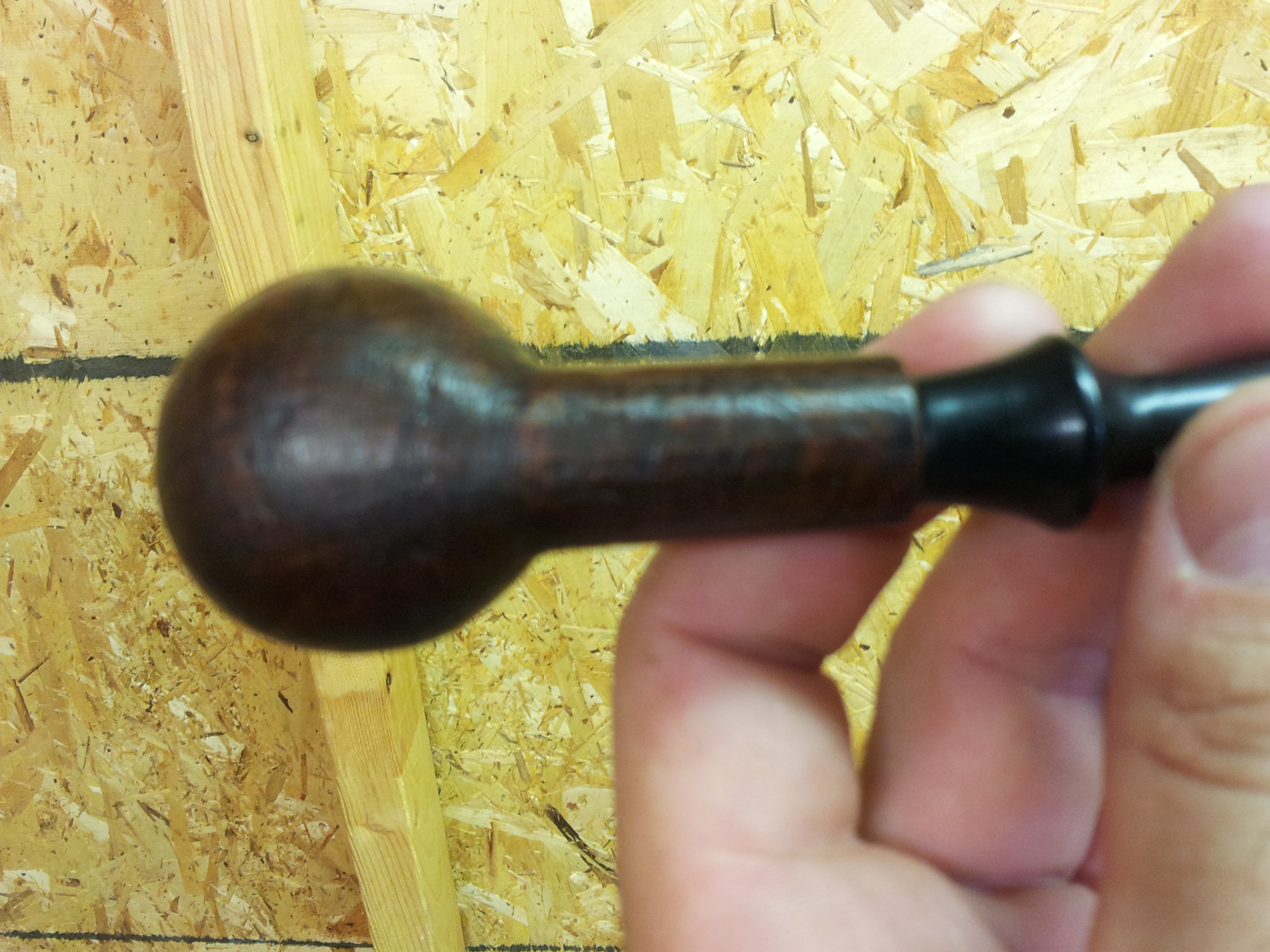
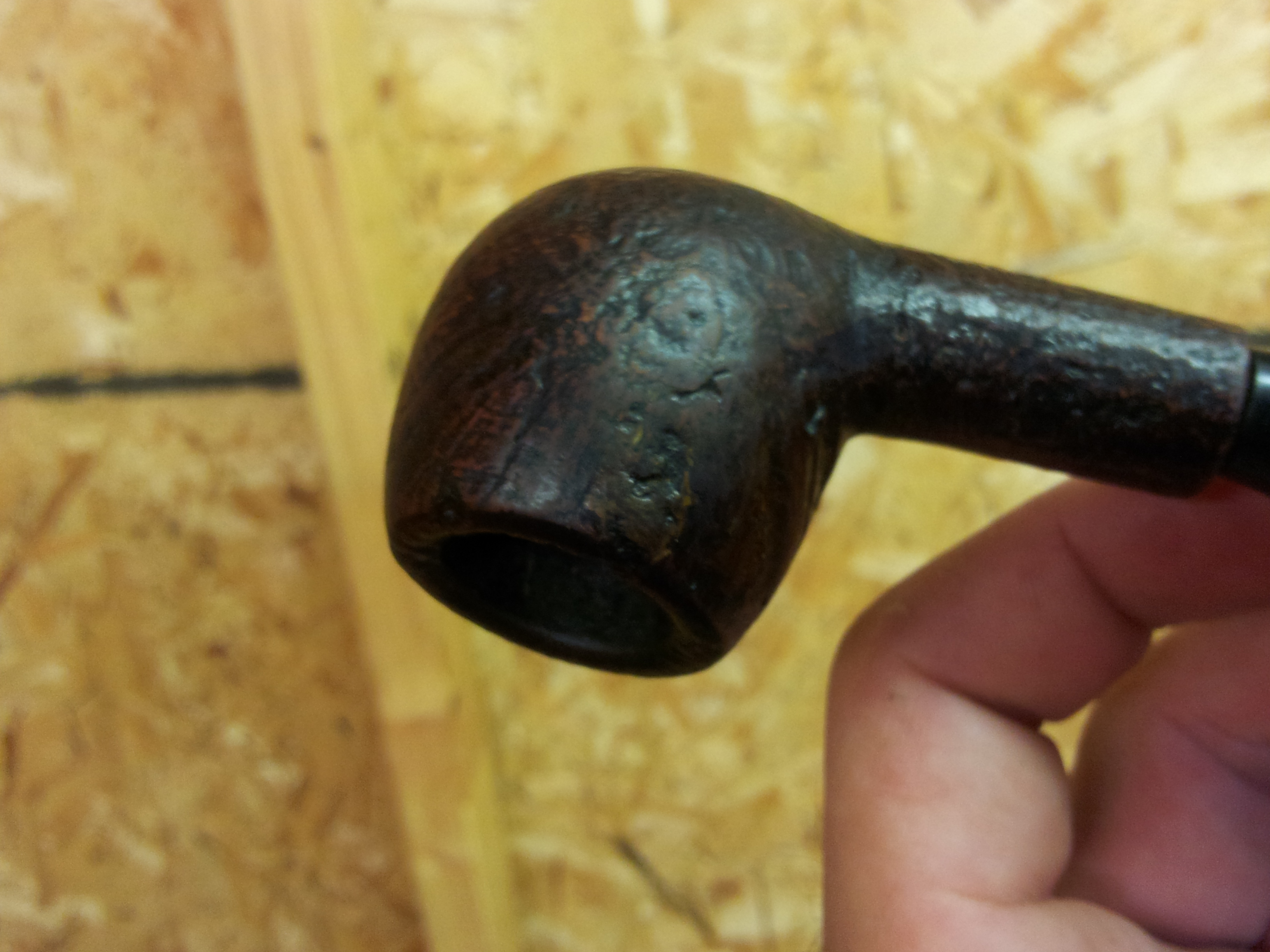
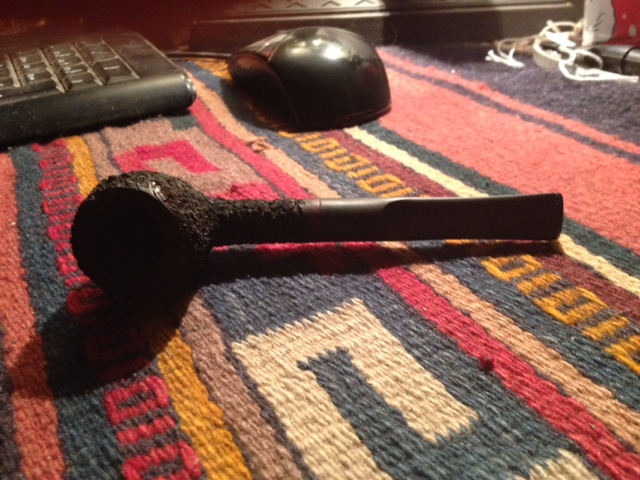
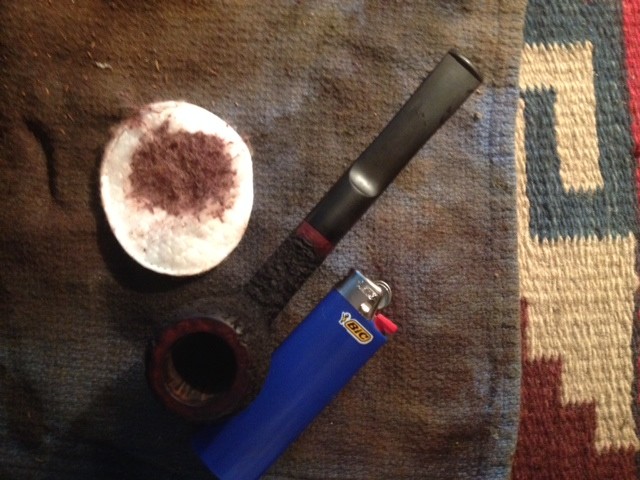
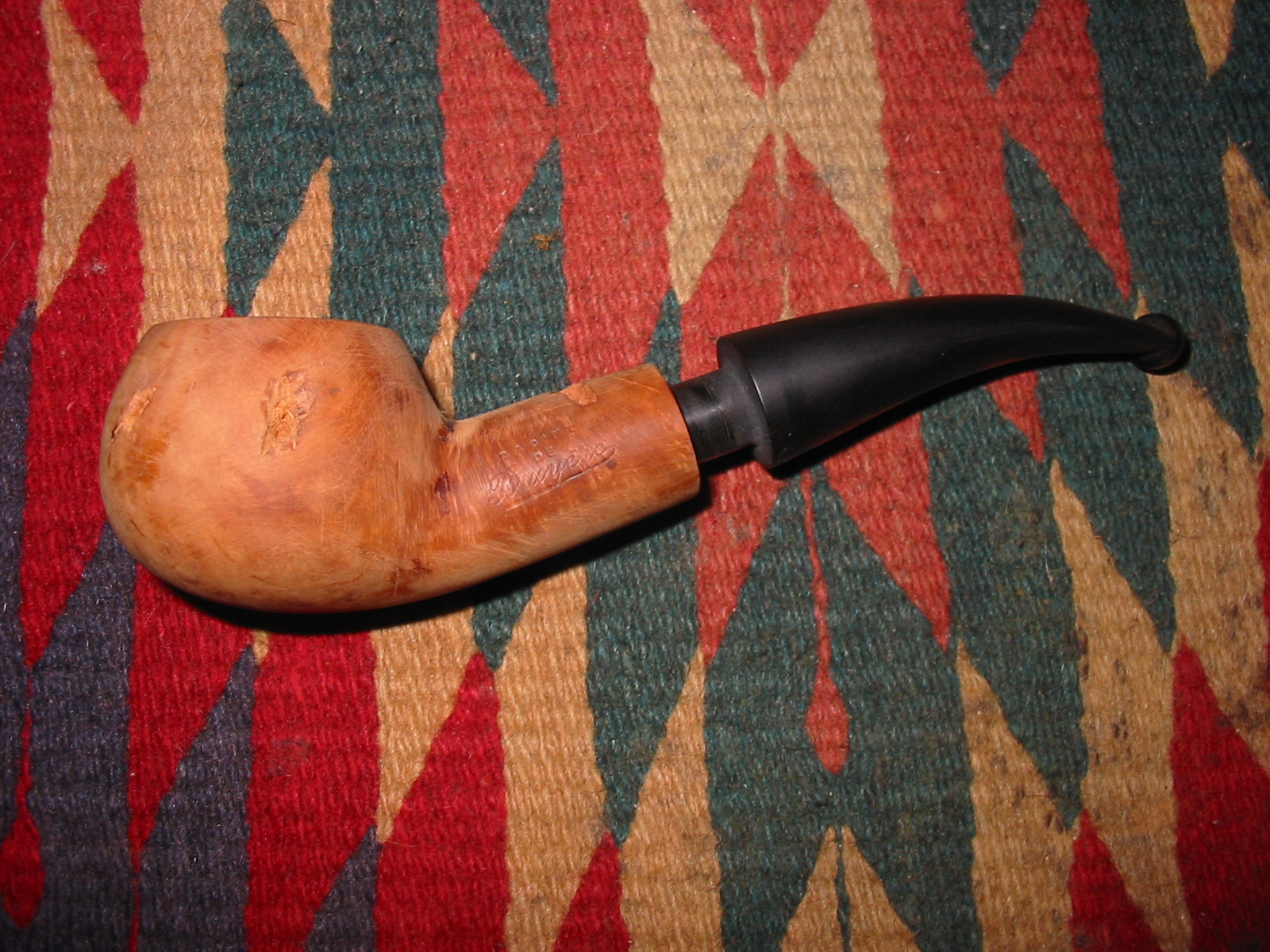
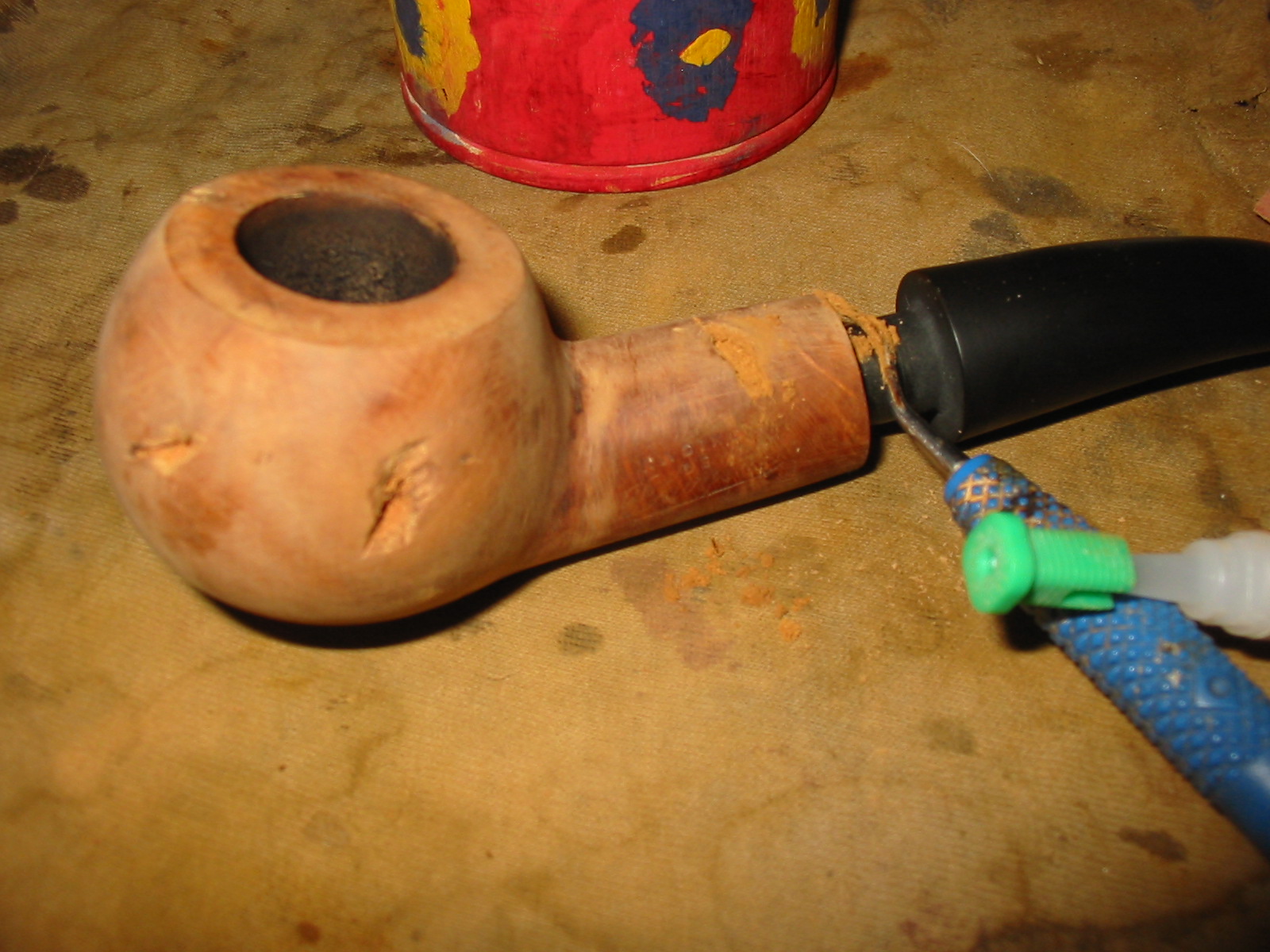
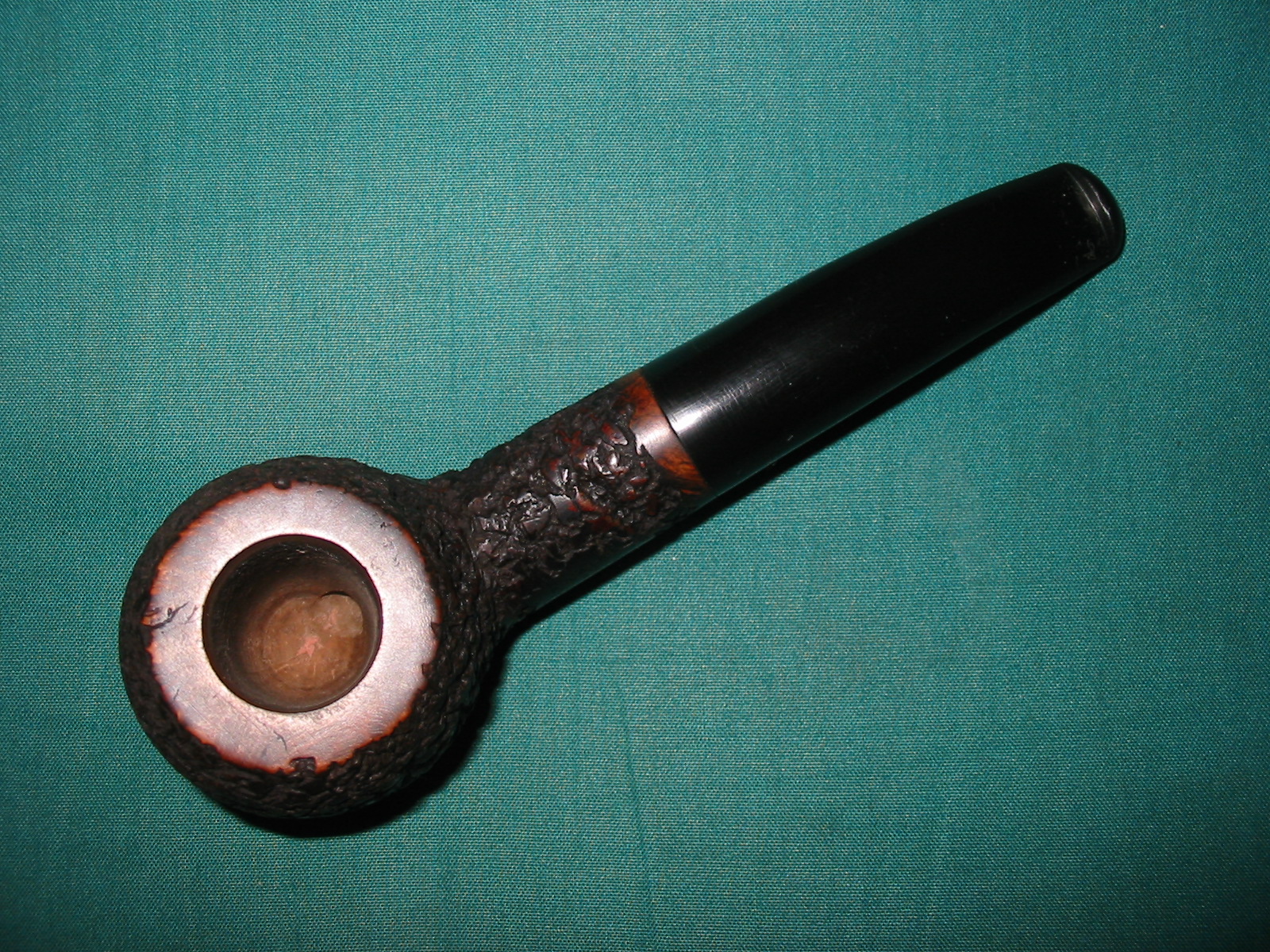
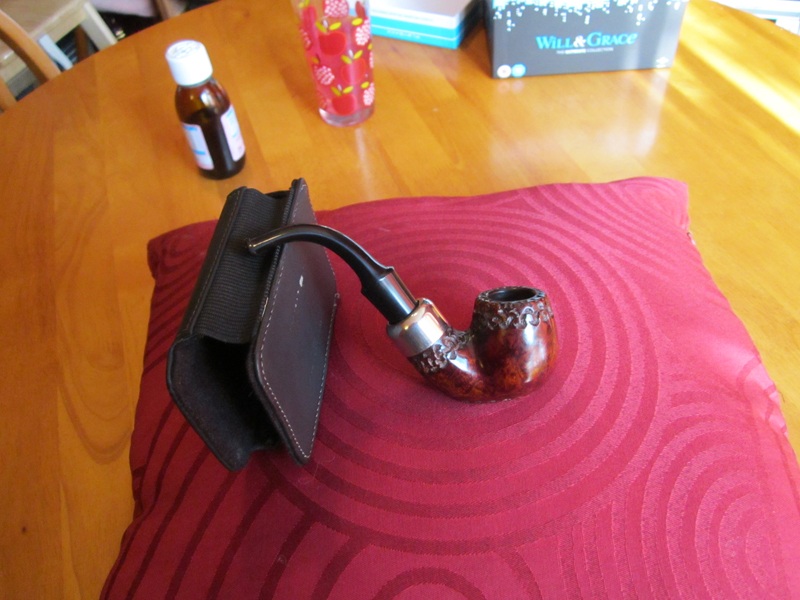
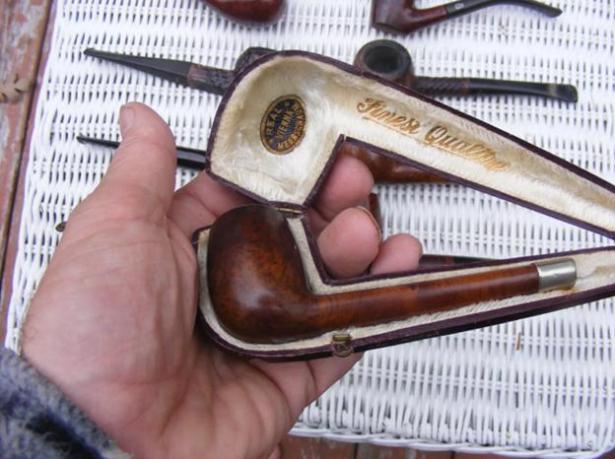
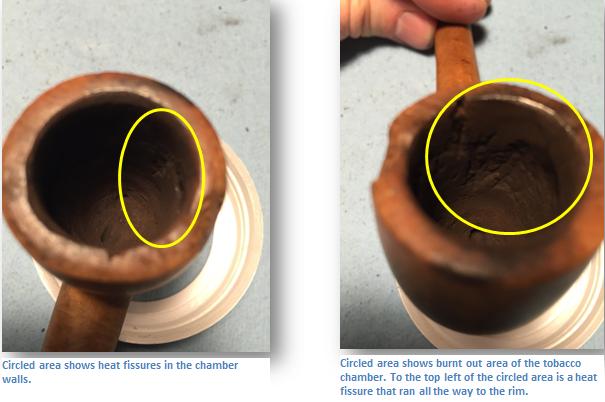
I purchased this pipe in a lot of 12. There were only one or two pipes in the lot that I really wanted and the price was right, so I wasn’t heartbroken if the rest came to rest in the bottom of my box of pipes. One of them came in a case that was meant for a meerschaum, and it looked decent when in the picture, but further investigation revealed a lot of issues that would need to be repaired. I started by removing the silver band, which came off without any effort and used Heirloom Stripper to remove all the dirt, grime, old finish and lift some of the stain. This allowed me to get a real good look at the damage to this pipe. Next I used my Castleford reamer to remove all the cake out of the bowl. There was very little cake lining the bowl, however; once I removed the cake I found that walls of the tobacco chamber were severely charred. I suspect this pipe was smoked very hot and the briar was charred to charcoal. I wanted to see how much of the chamber was damaged ( I prefer to ream my bowls right back to fresh briar. This way I can see if there are any heat fissures or major issues that would make a restoration go sour after the first smoke)
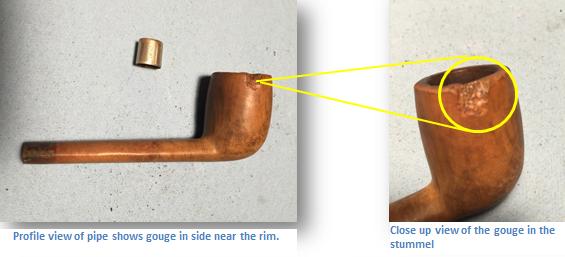
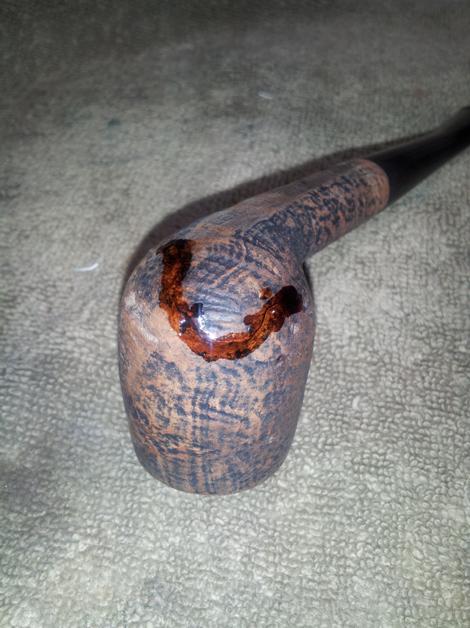
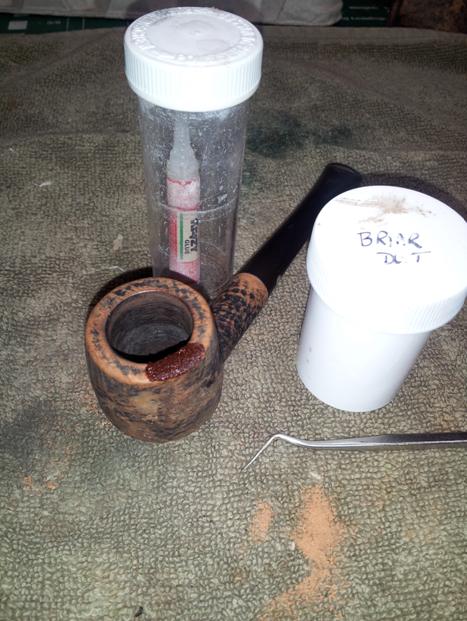
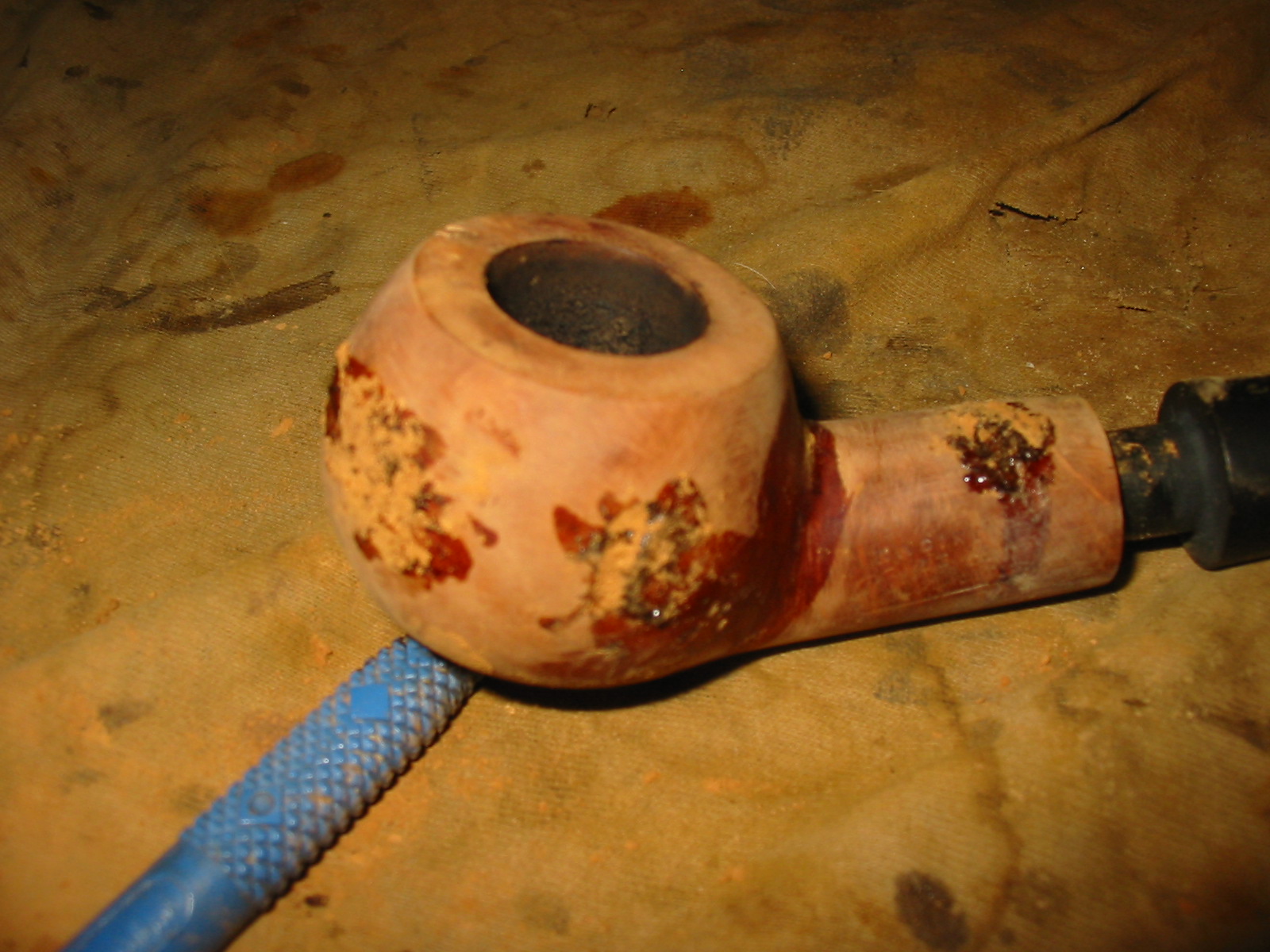
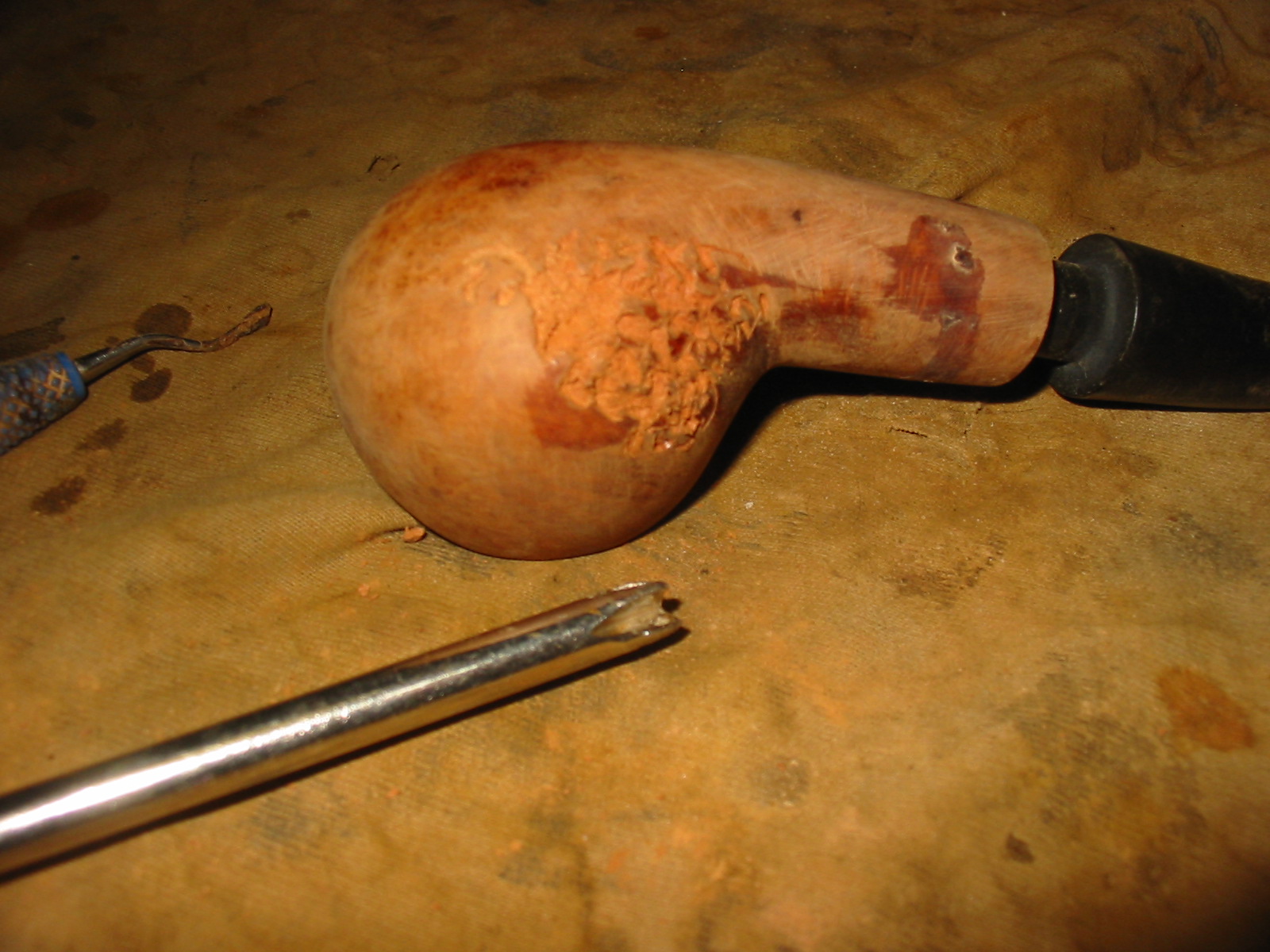
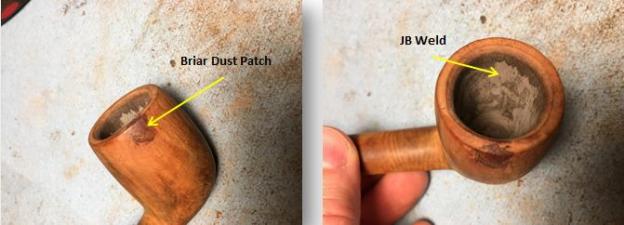
I removed the charred wood. The reamers will shave away the charred wood, once you feel the resistance of the blades rubbing the fresh briar you know you’ve removed the charring.I used a combination of Briar dust and CA Glue to create a patch for the gouge on the side of the bowl. Using a flat file, I filed the patch down to the profile of the pipe. Afterwards I topped the bowl to level out the rim and the patch. The bowl was also over reamed by its previous owner so I added a bevel to the inside of the bowl at the rim to blend everything in.
There was a lot of filing and sanding through this process to get it just right. Unfortunately I get hyper focused during this process and forgot to take step-by-step pictures.

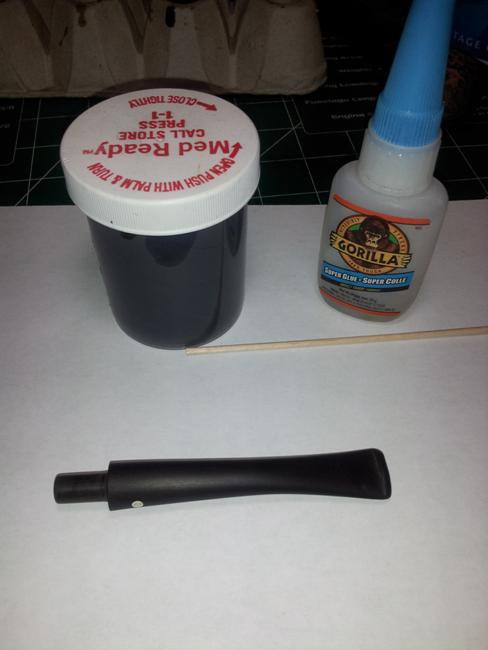
The grey patches you see inside the bowl is a product called JB Weld. I mixed up a batch and filled the problem areas in the chamber, afterwards I sanded it down to blend with the rest of the chamber. In my experience the product is completely inert once cured. It is handy for a reconstruction of this kind, but I’d recommend adding a bowl coating as an added barrier.This pipe came to me without a stem. Fortunately I had a stem that would be the perfect length, I just needed to shape the tenon to fit the pipe. For this I used the Pimo Tenon cutter from Vermont Freehand.
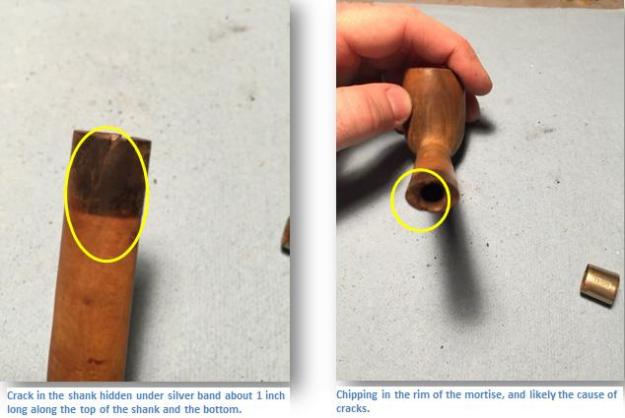
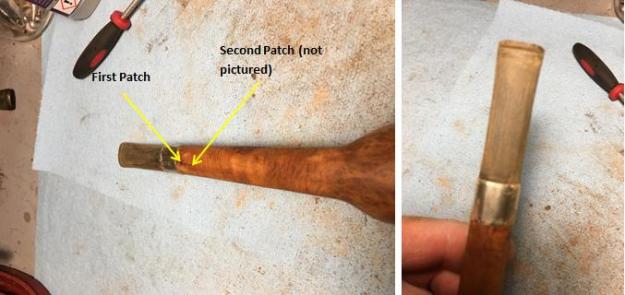
I also used the opportunity while I was at this end of the pipe to drill a hole ahead of the crack in the shank and filled used briar dust and CA Glue. As sometimes happens with restorations, I thought I stopped the crack from spreading, well I was wrong and it continued from the patch further up the shank about ¼ of an inch. So I drilled another hole and patched it again. This time I seemed to have everything under control.

The stem was quite simple to shape to the profile of the pipe and was a welcome change from the frustrations of the other repairs that didn’t go according to plan.

Once I had all the parts and repairs completed. I sanded the entire pipe and stem with 320 grit sandpaper up to 8000 grit (1500-8000 with micro mesh pads) Rustication
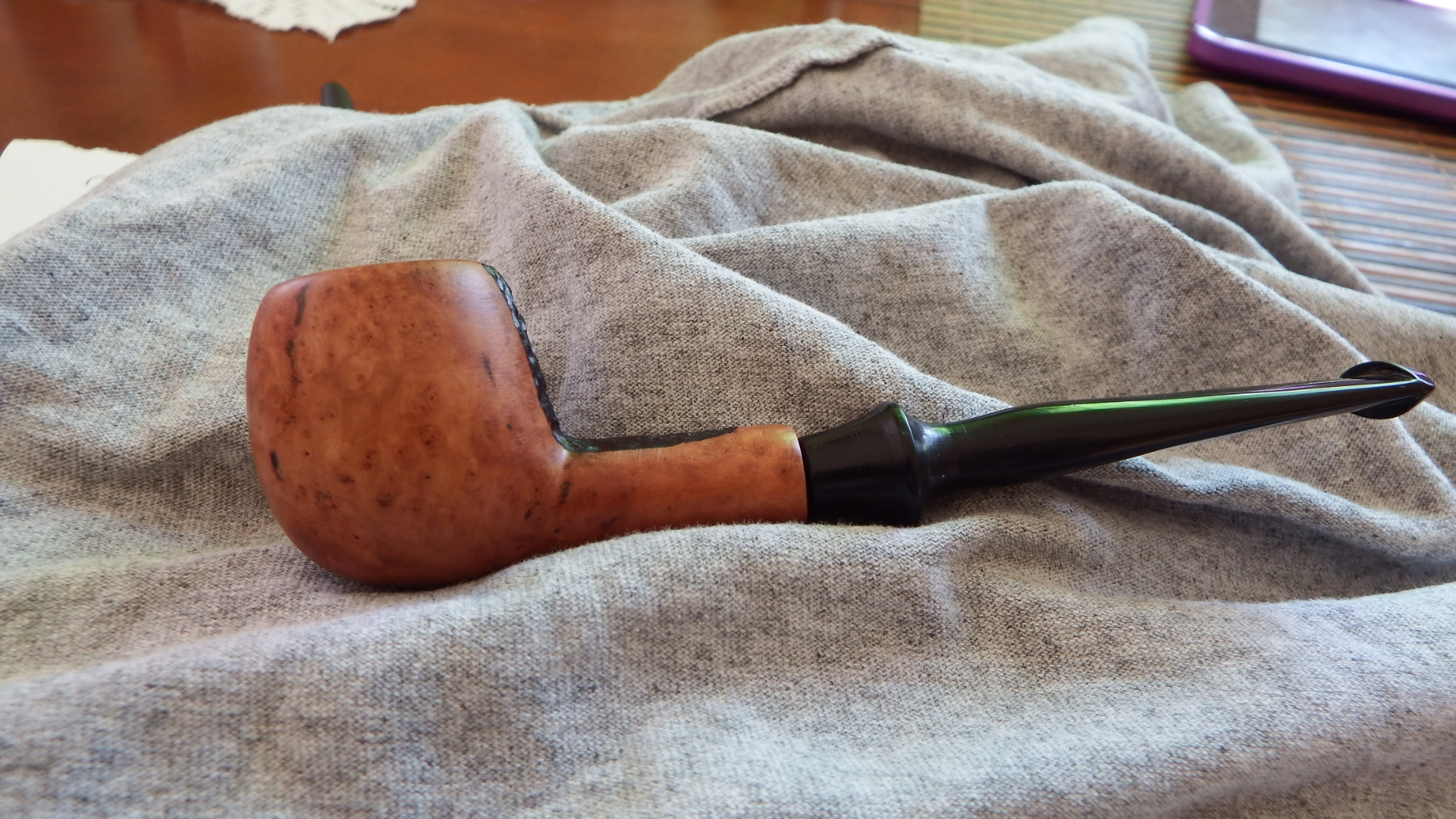
At this point I had to consider how I was going to finish this pipe. Originally this was a smooth finish Canadian Billiard, but those days were long behind this tired old pipe. I originally thought of using a really dark stain to hide all the imperfections, polish it and call it a day, then I thought I’d take a risk and create something new, and breath new life into this pipe. For all the effort I put into this pipe up to this point I figured I’d let my creativity flow.

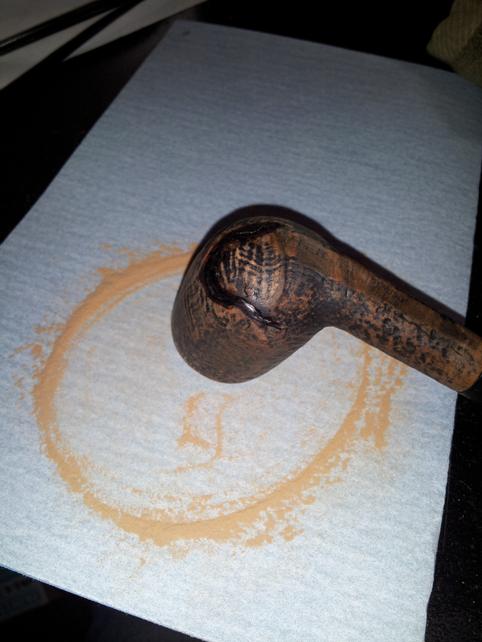
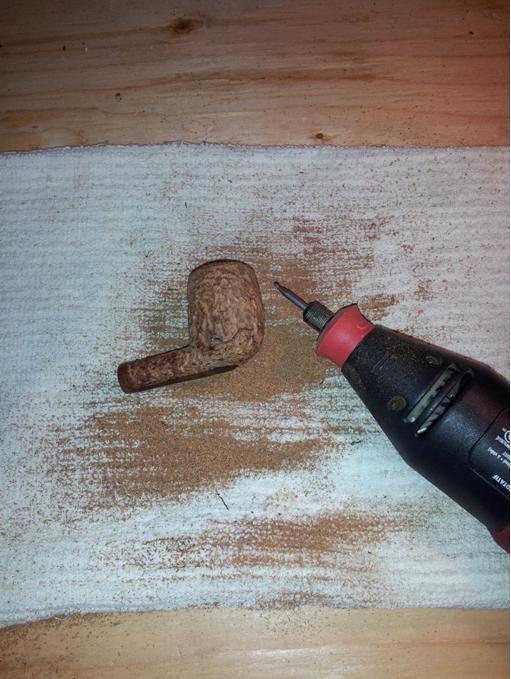
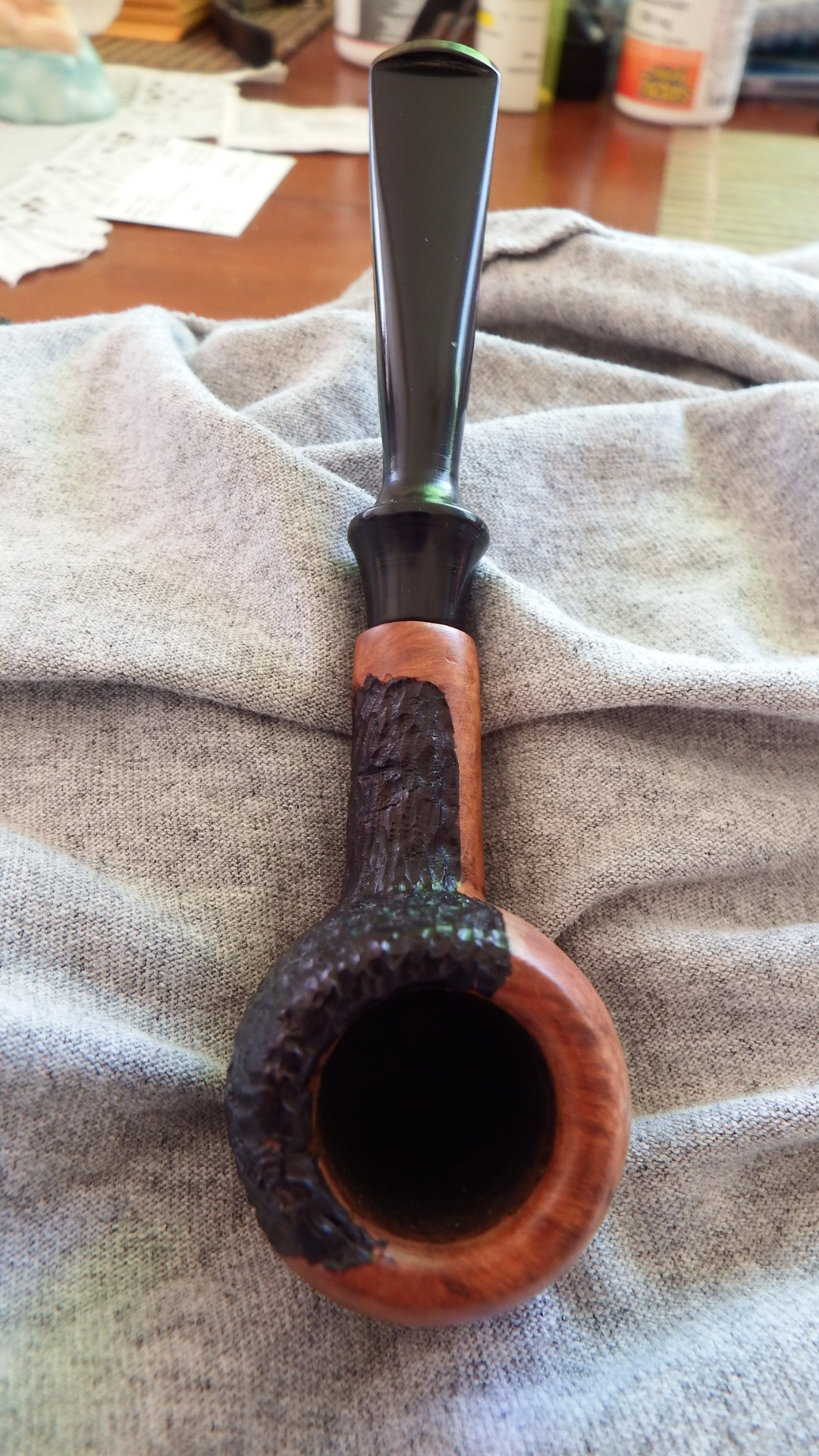
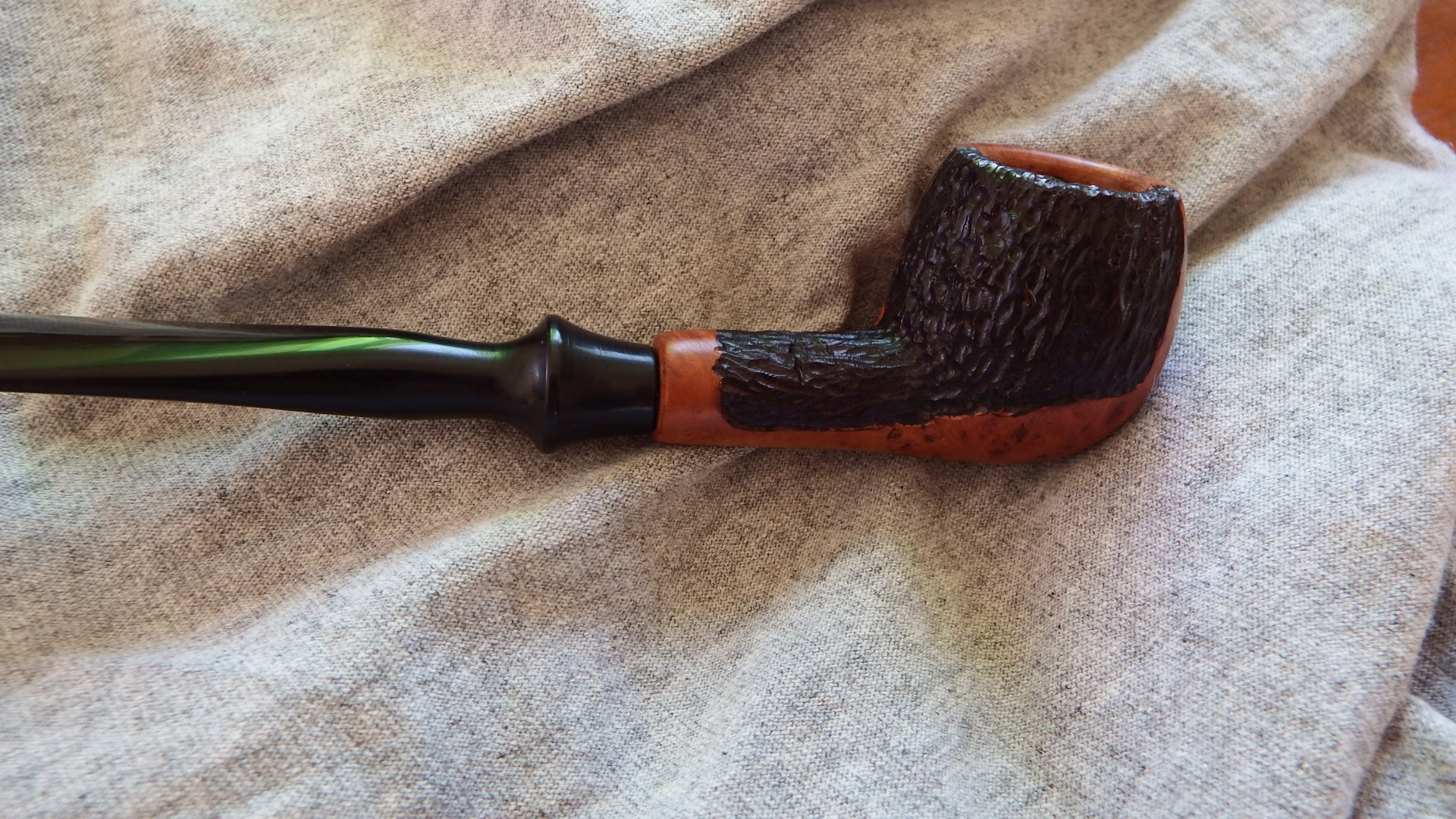
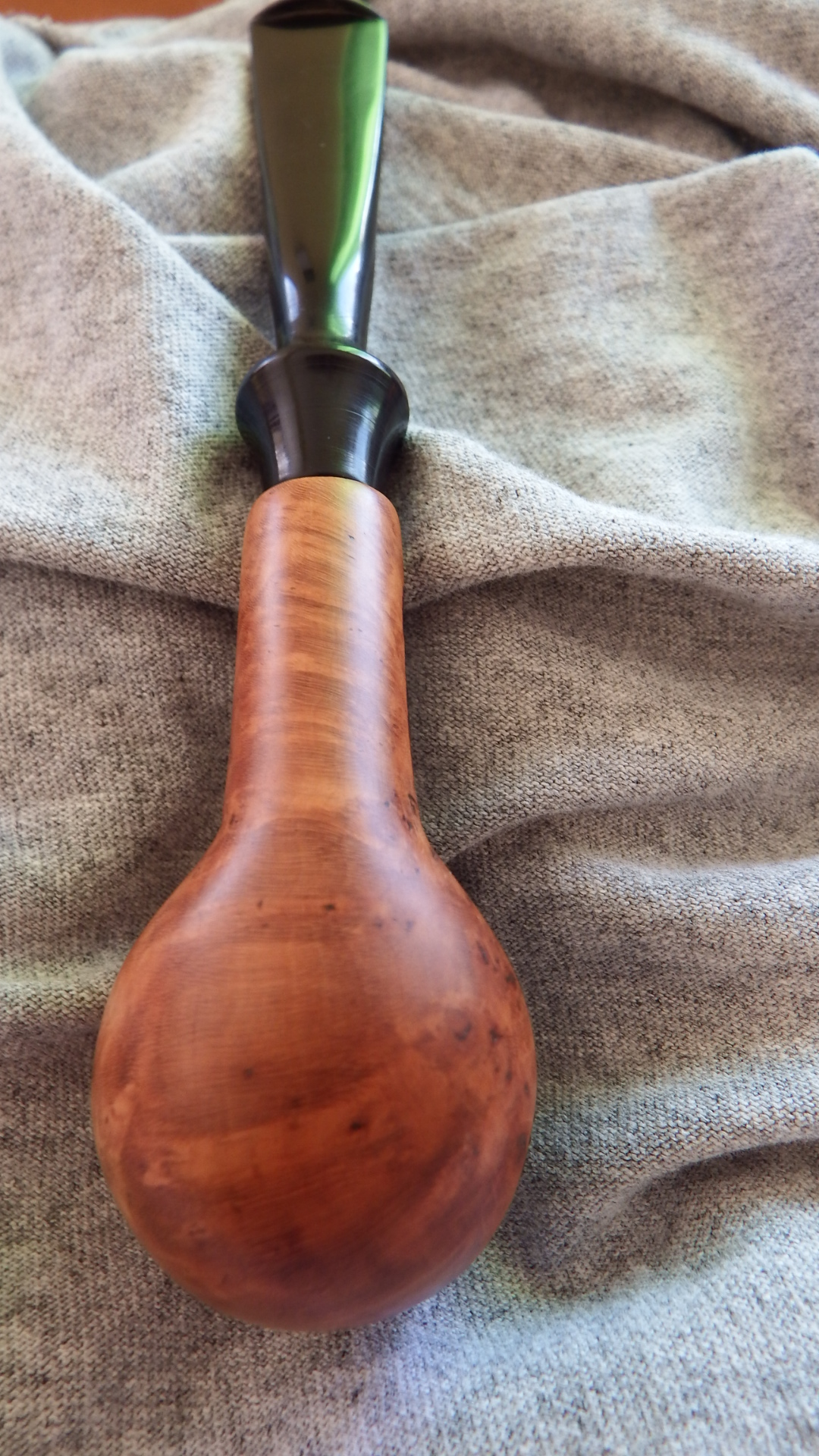
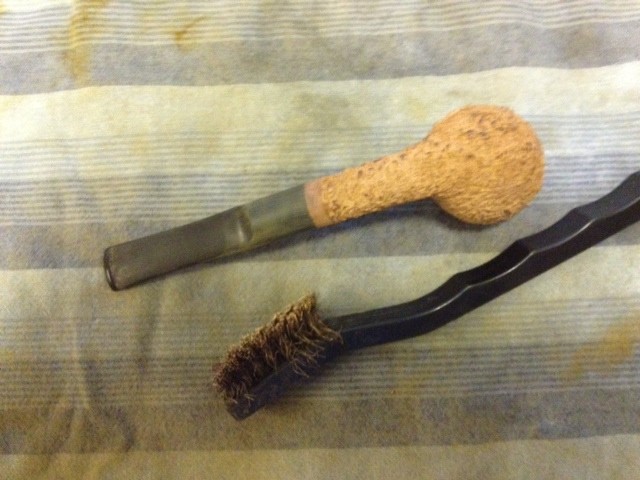
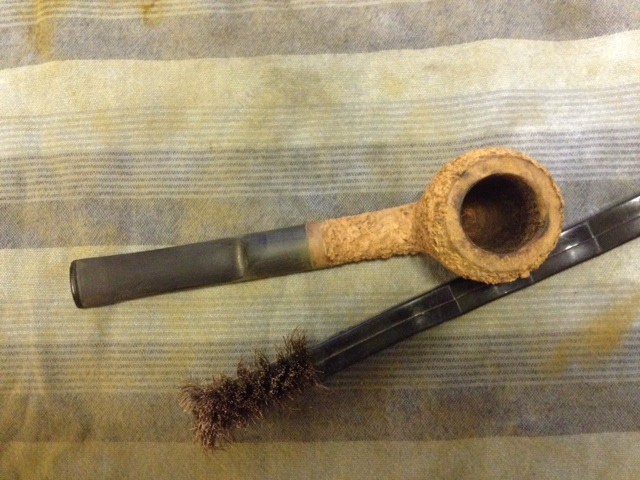
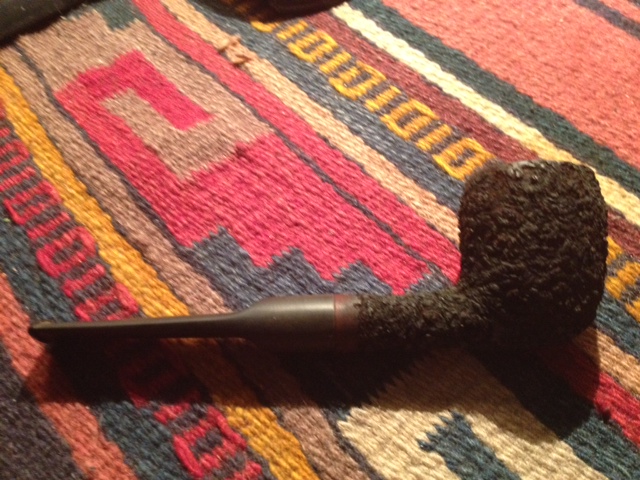
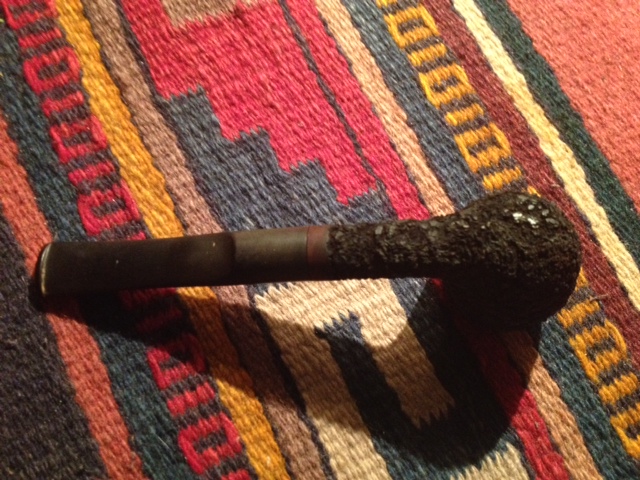
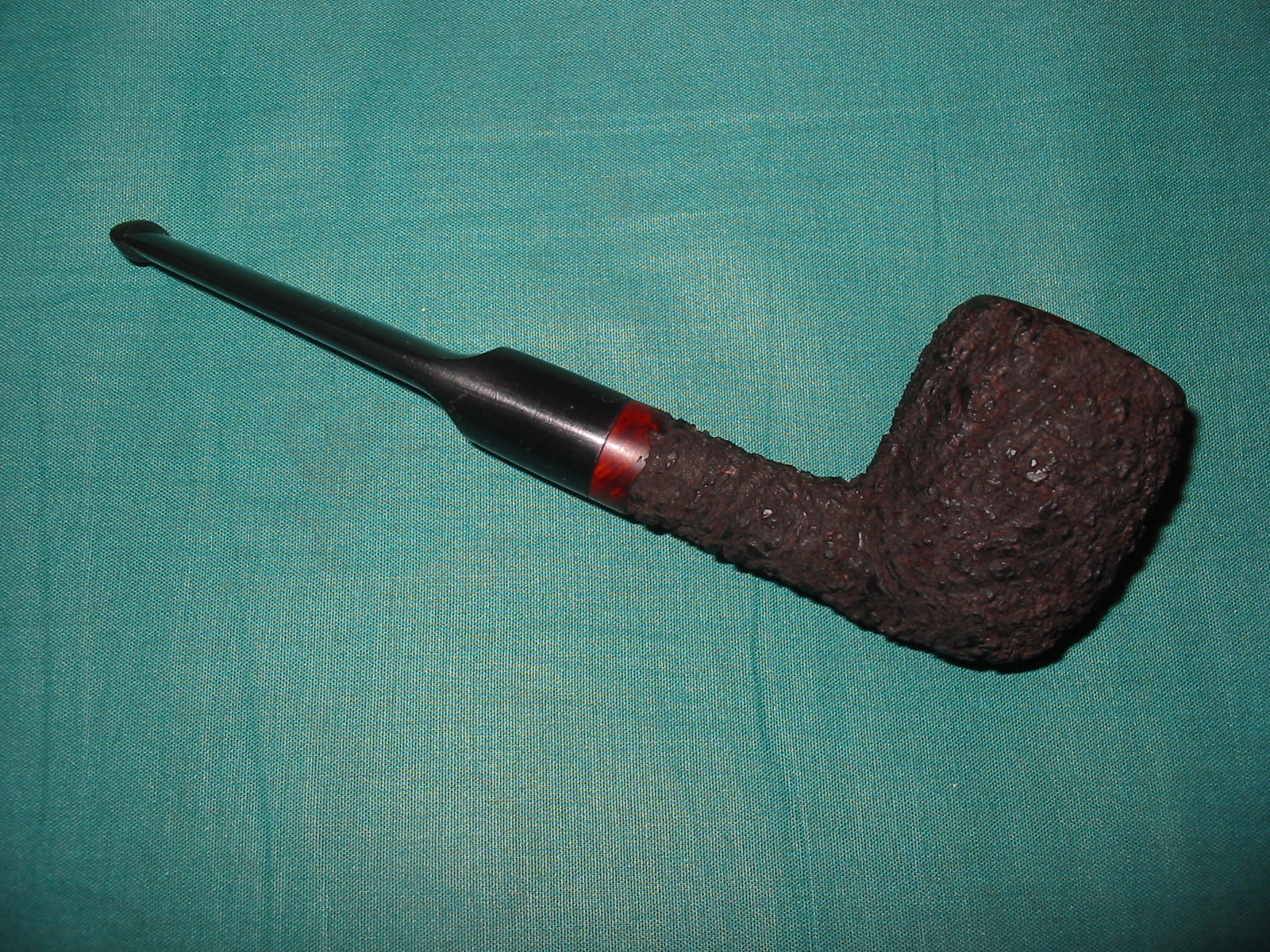
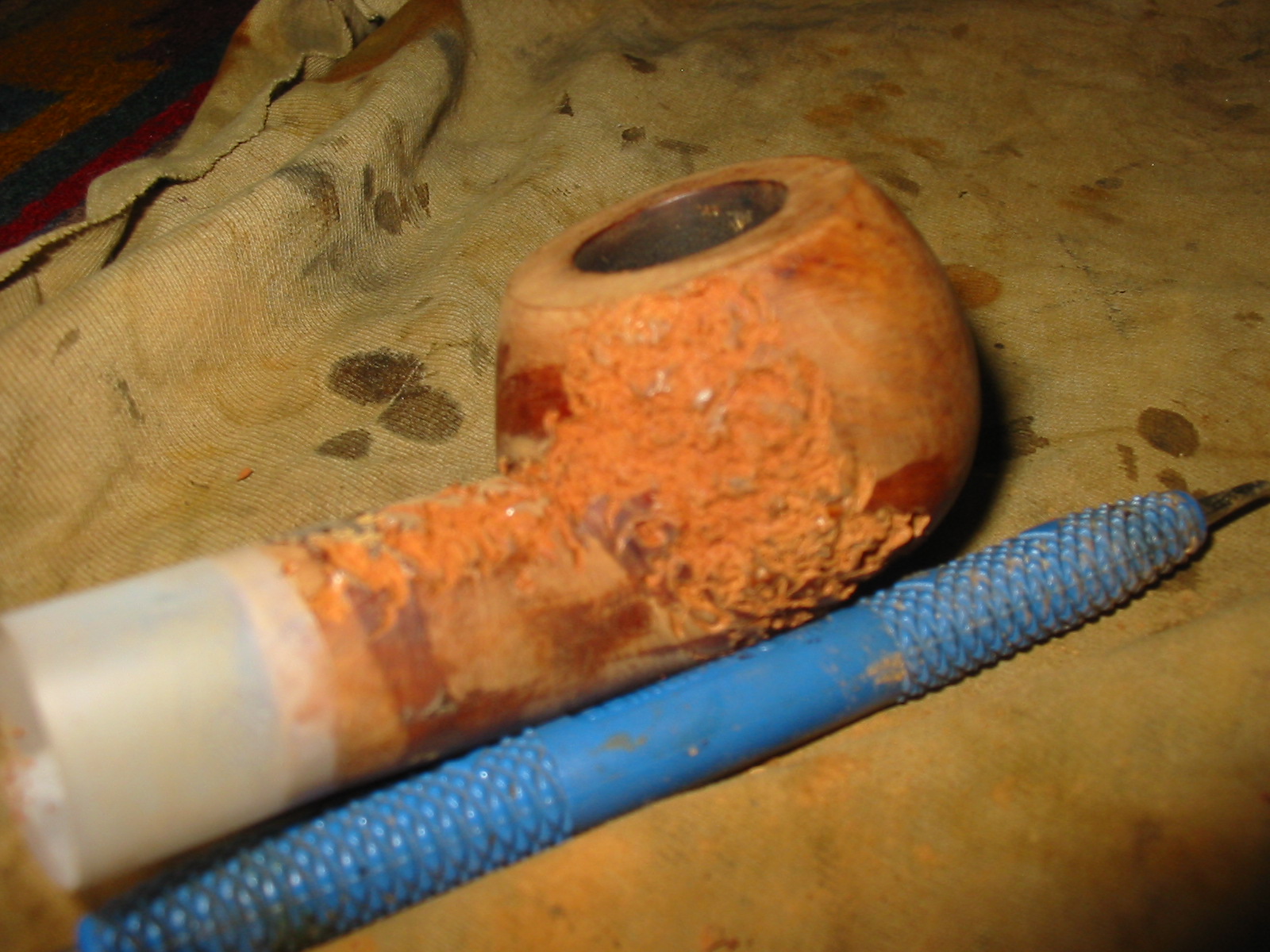
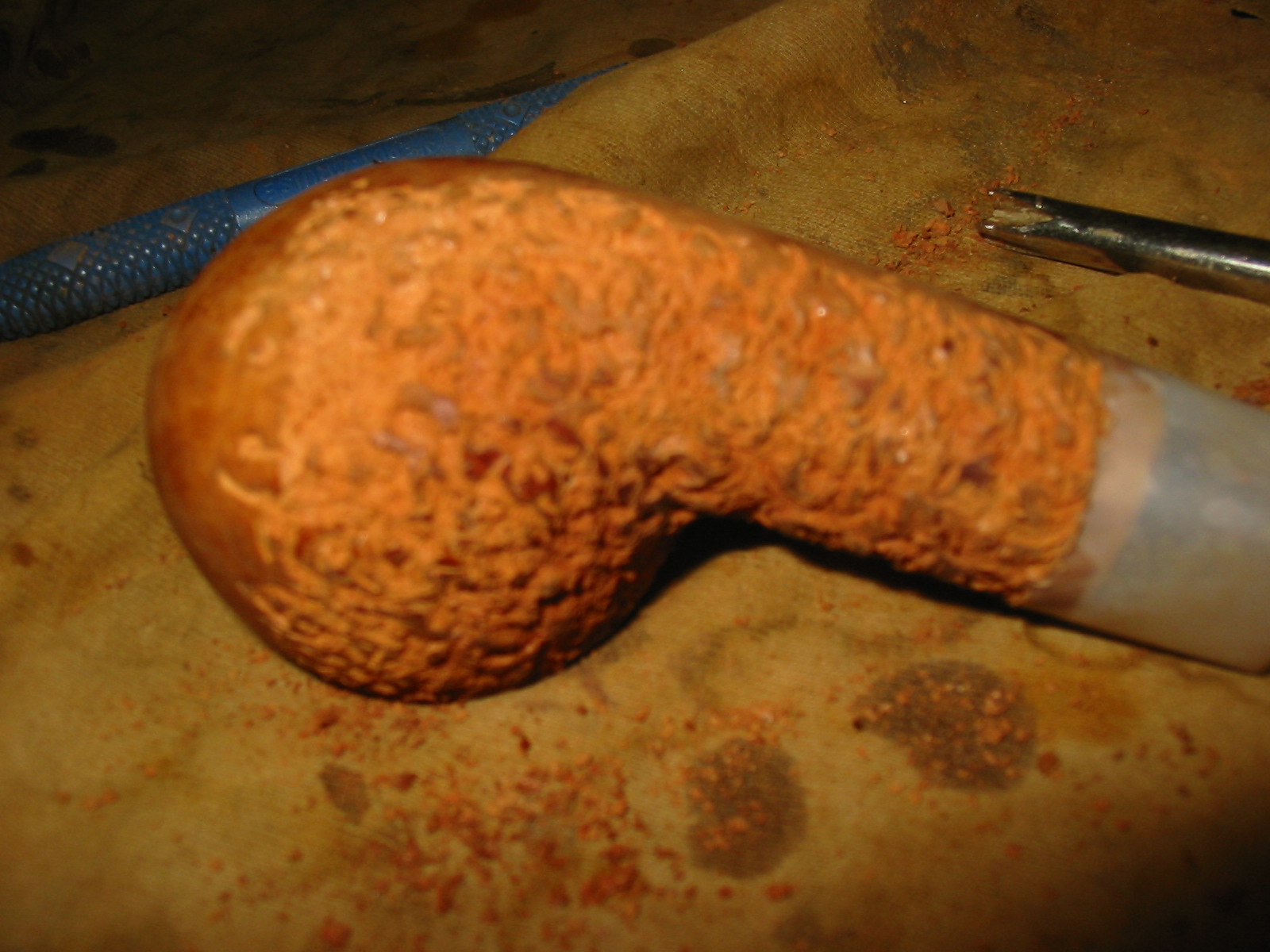
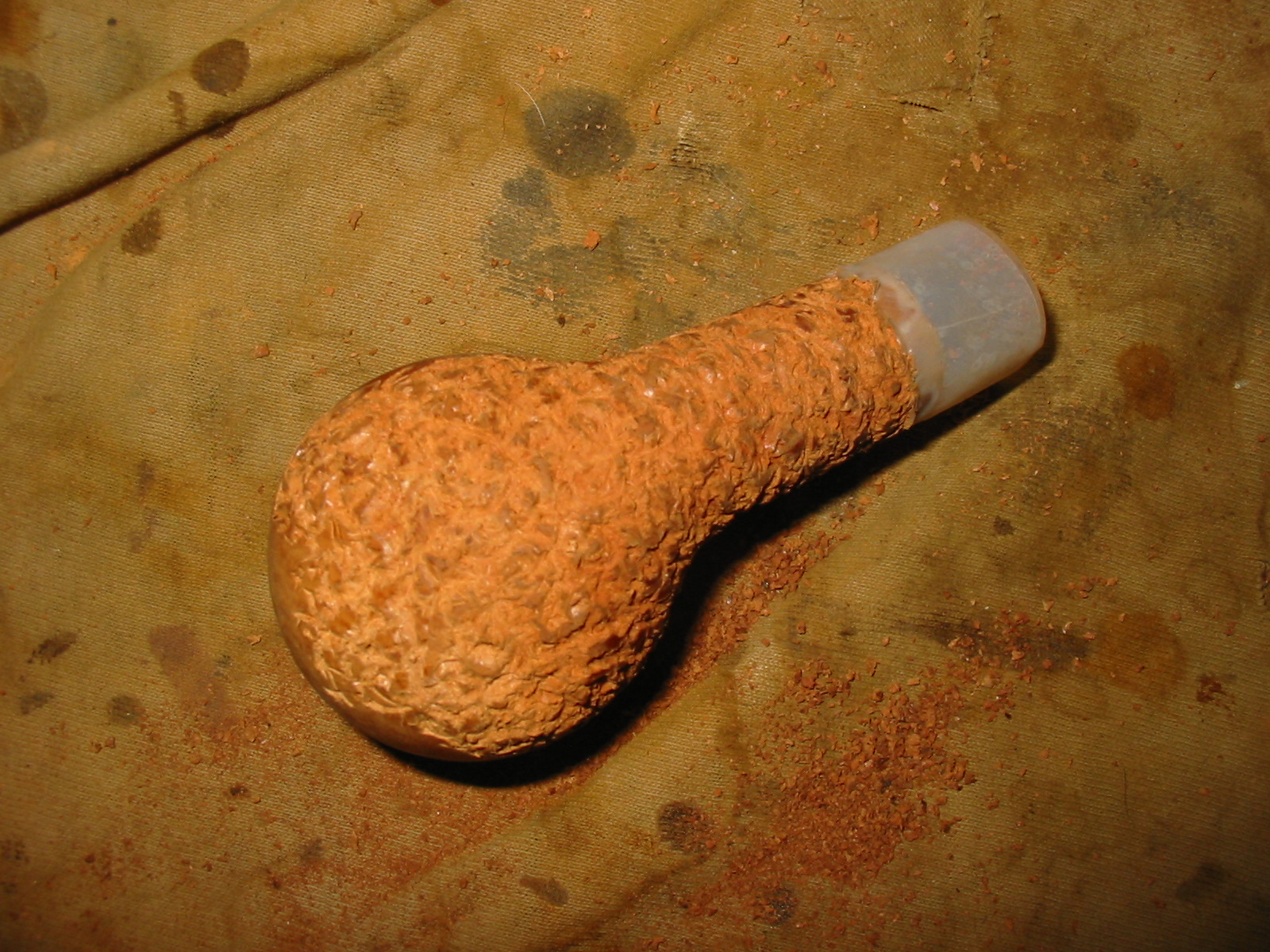
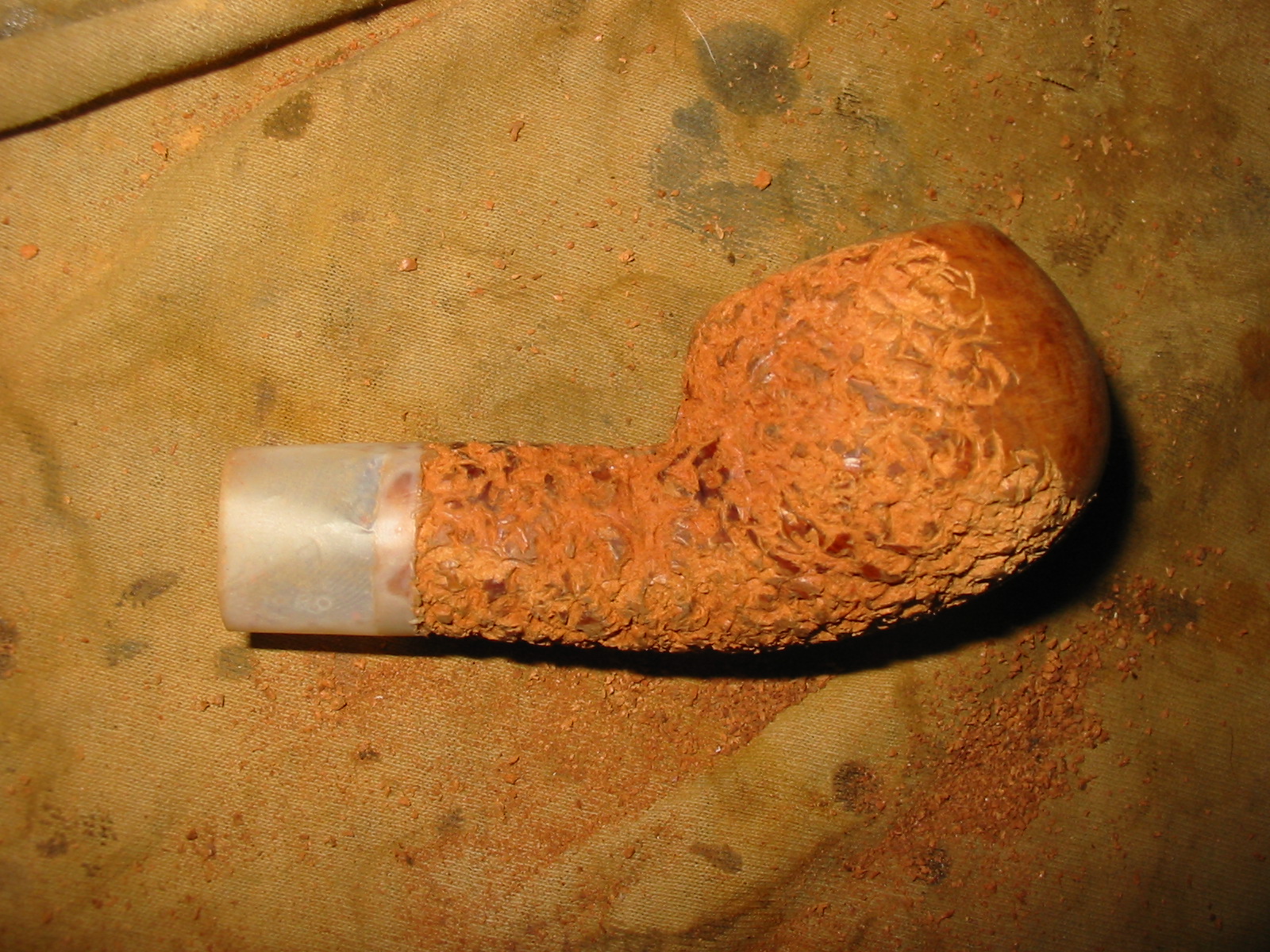
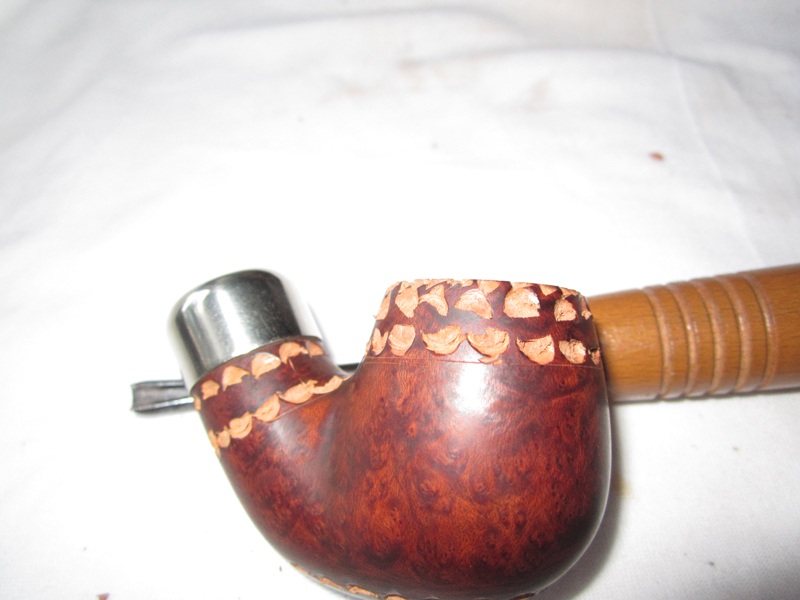
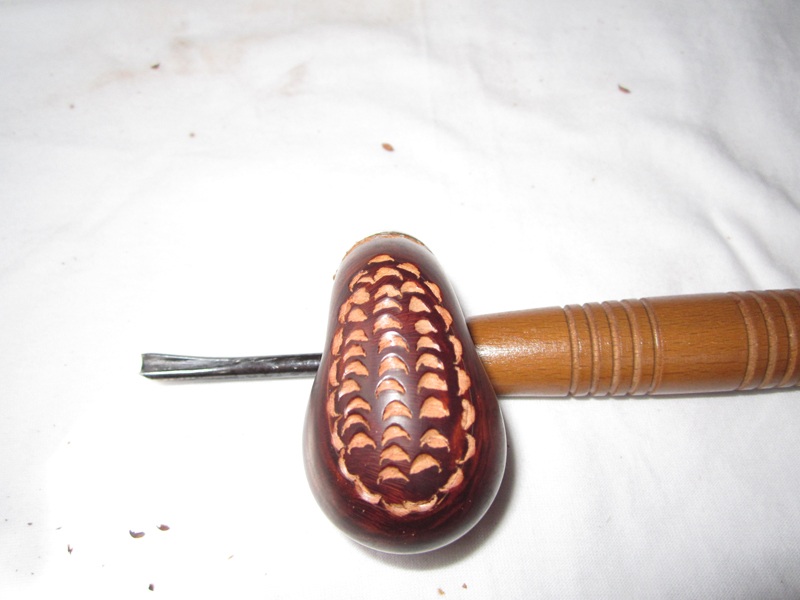
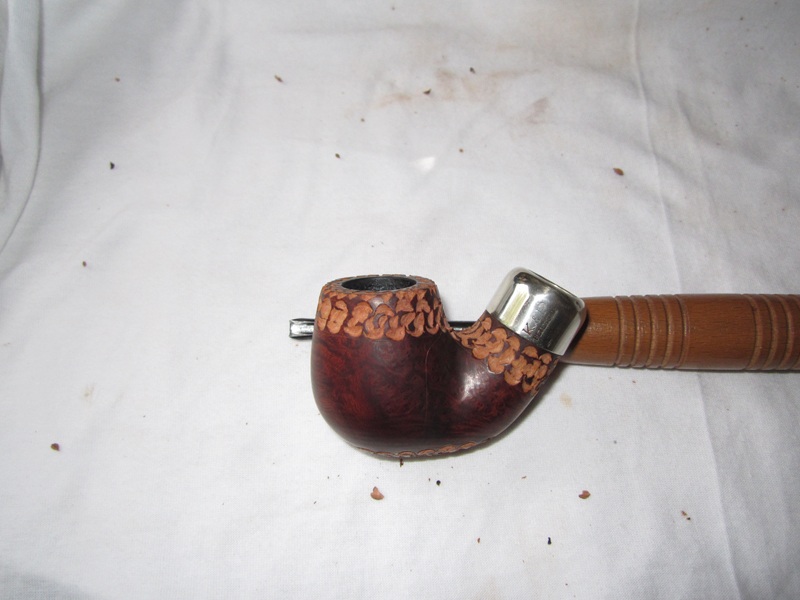
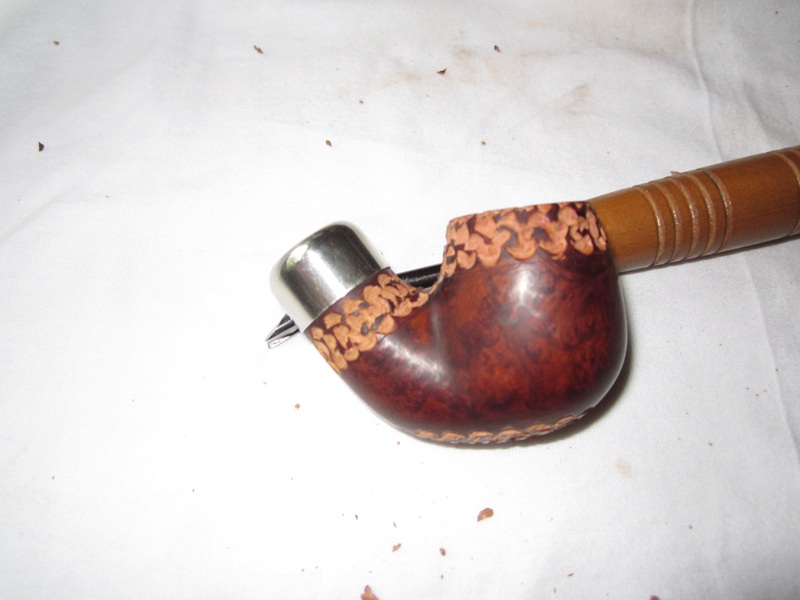
I decided that I would rusticate this pipe and leave a smooth patch somewhere, where I hadn’t determined yet. Using a Dremel and a 107 Carving bit I started to rusticate the shank and worked my way to the heel, then up the stummel. Halfway up the stummel the pipe revealed its final design-leave the top of the bowl smooth! I wasn’t sure at first because it would mean I had to blend in that CA patch, but I now avoided trying to rusticate it.

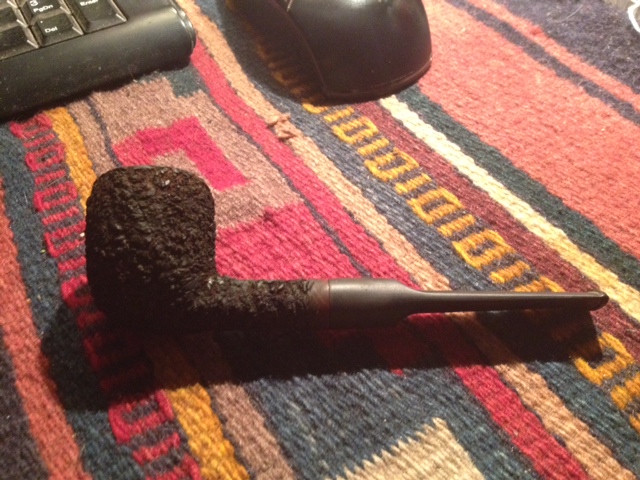
I was very pleased with the result.

Staining & Finishing

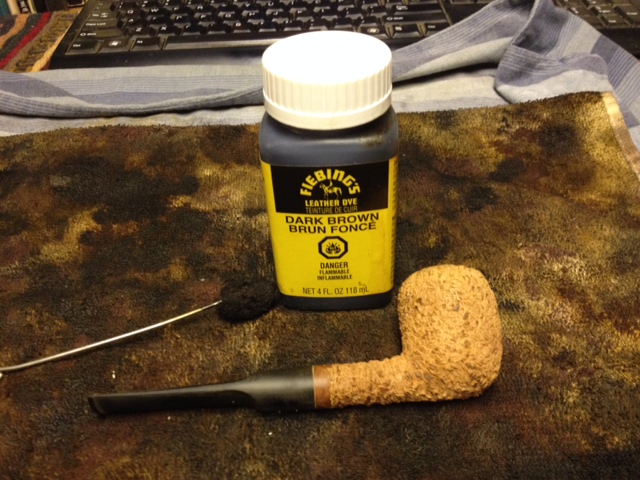
I used Fiebings Dark Brown alcohol based dye over the entire pipe as a base, then wiped on Fiebings Oxblood till I achieved the colour I wanted. To seal the stain in the pipe I applied a thin layer of shellac which gave it a glossy look I didn’t like. I left it, and just stayed the course with this experiment to see how it turned out.

In the morning the Shellac had cured. I began the polishing process at this point. I don’t have a buffing wheel yet, so I use cotton wheel buffing bits that fit to my dremel.

I started with Tripoli and thoroughly went over the entire pipe and stem. The tripoli did a good job of taking down the shellac, and making it less pronounced. I followed that up with white diamond and then finally carnauba wax.  I used a fluffy felt bit to polish the whole pipe.

Bowl Coating

You will find a variety of recipes and opinions on bowl coatings. I use them when needed and I prefer the waterglass recipe that a pipe maker shared with me. It is a combination of Sodium Silicate, Activated Charcoal and White Pumice. Once cured it provides a refractory layer on the inside of the bowl, and it feels like 800 grit sandpaper which promotes new cake build up without putting a lot of heat stress on the worn out briar.

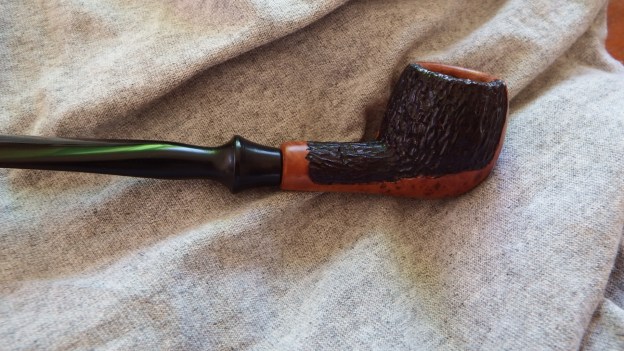
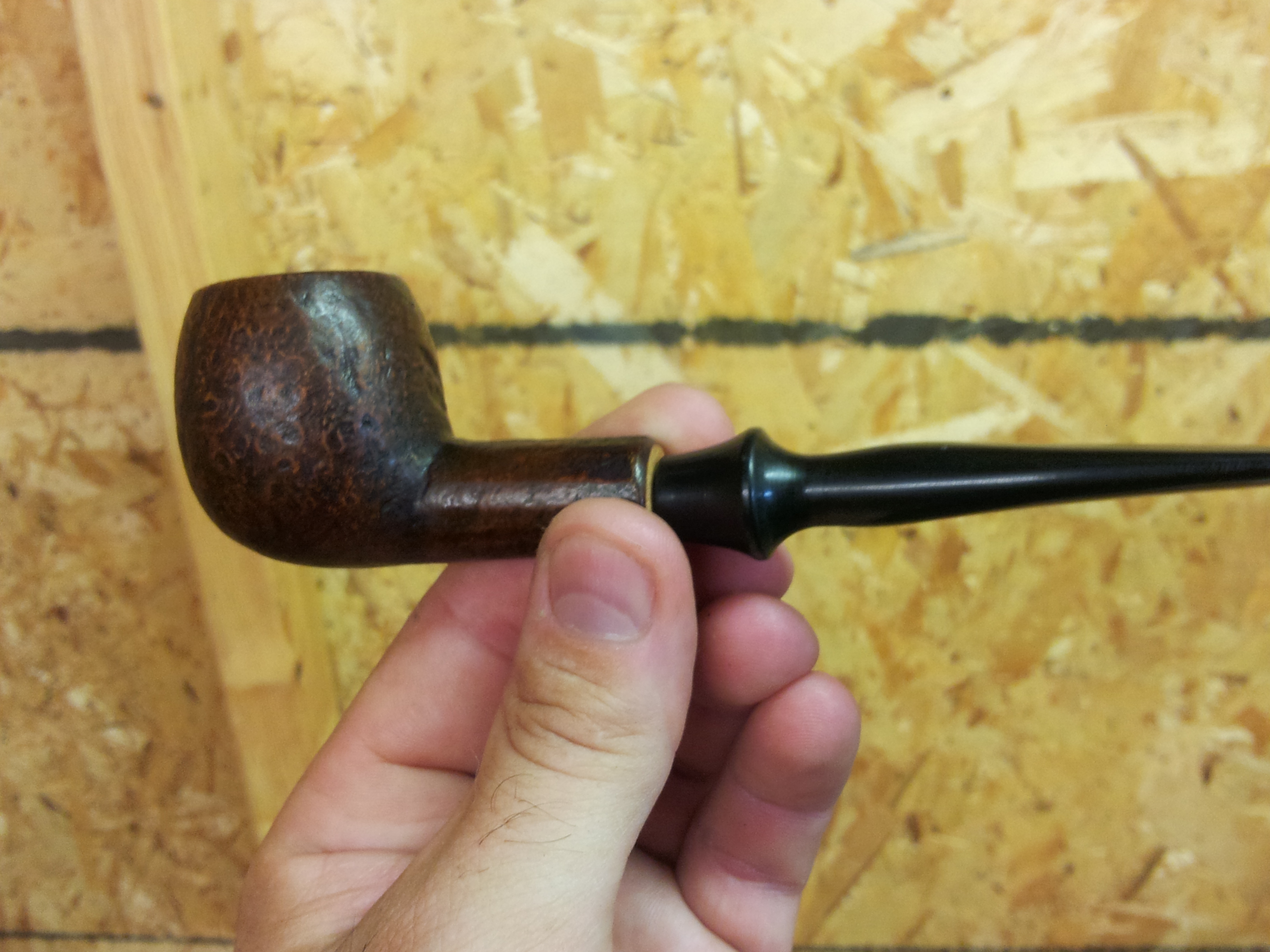
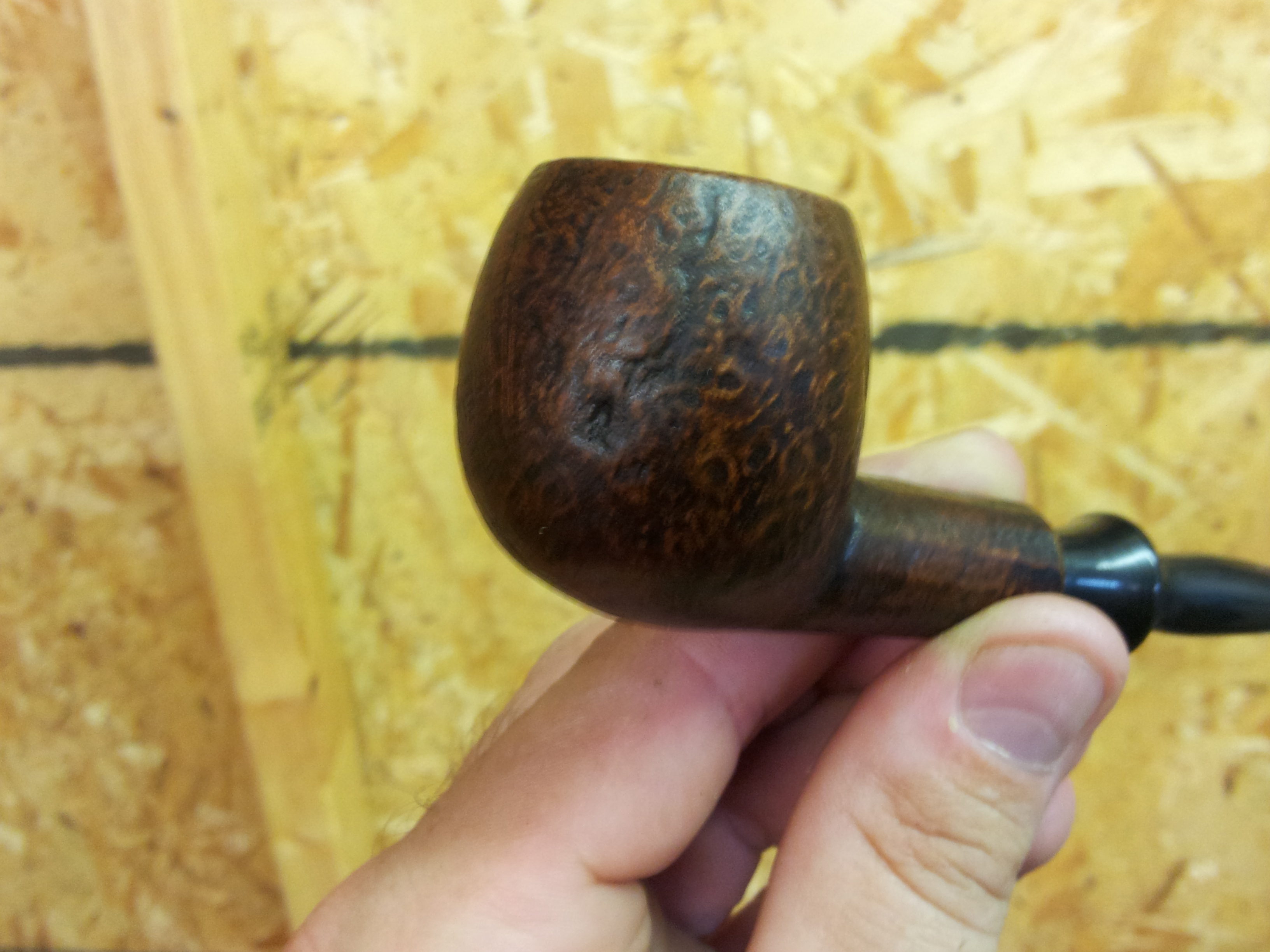
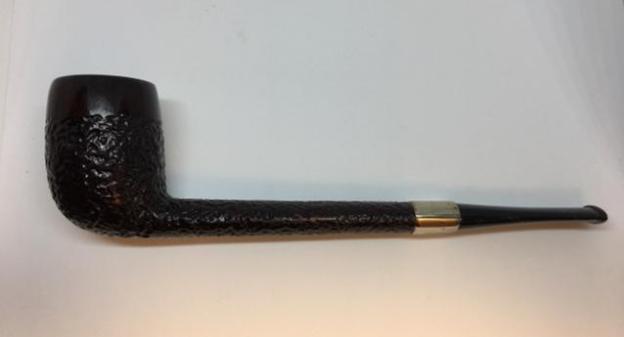
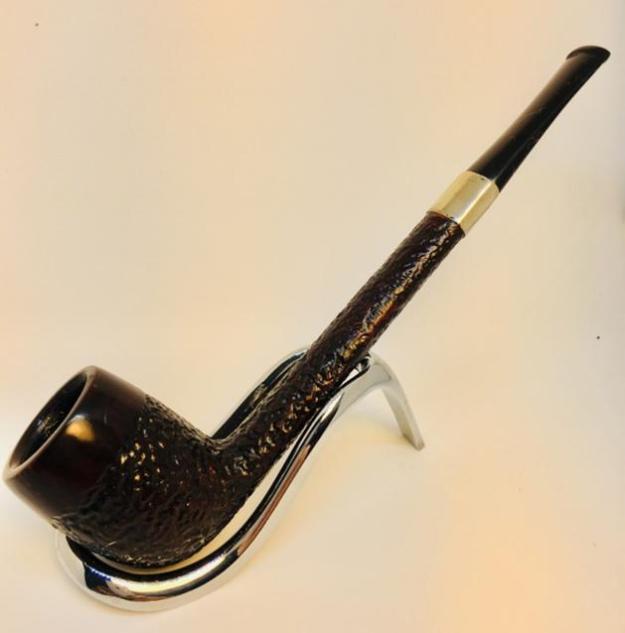
This pipe definitely tested the limits of my abilities  and I learned some new techniques that I had only seen others use. Here’s the finished pipe!
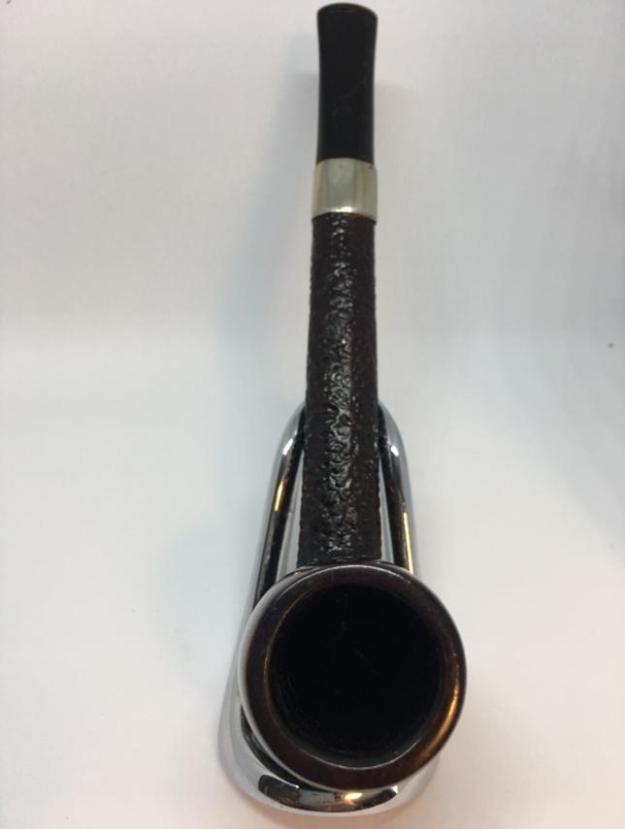


A Facelift for Colored Billiard


Blog by Aaron Henson

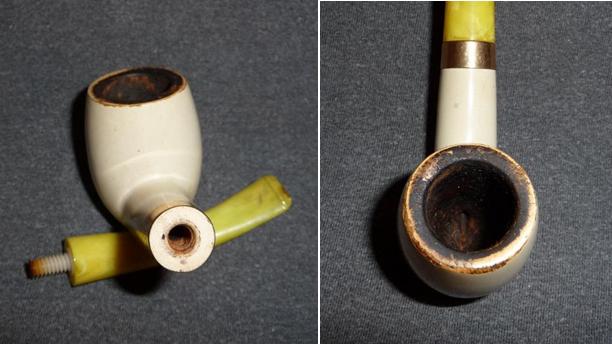
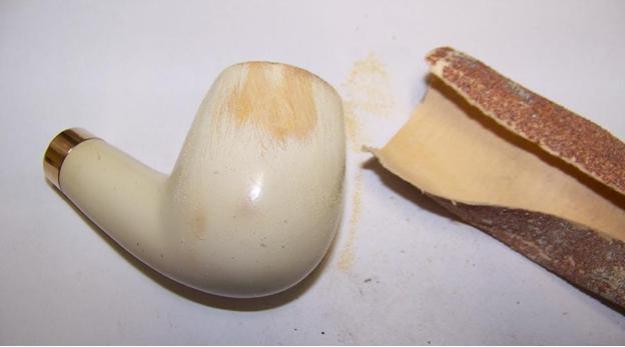
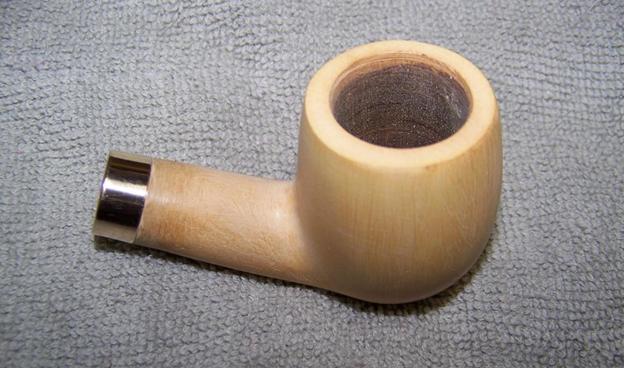
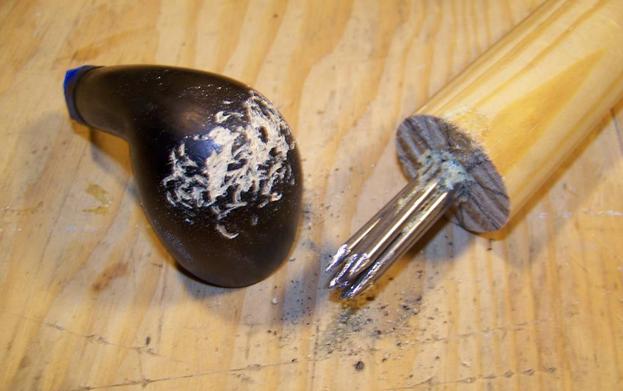
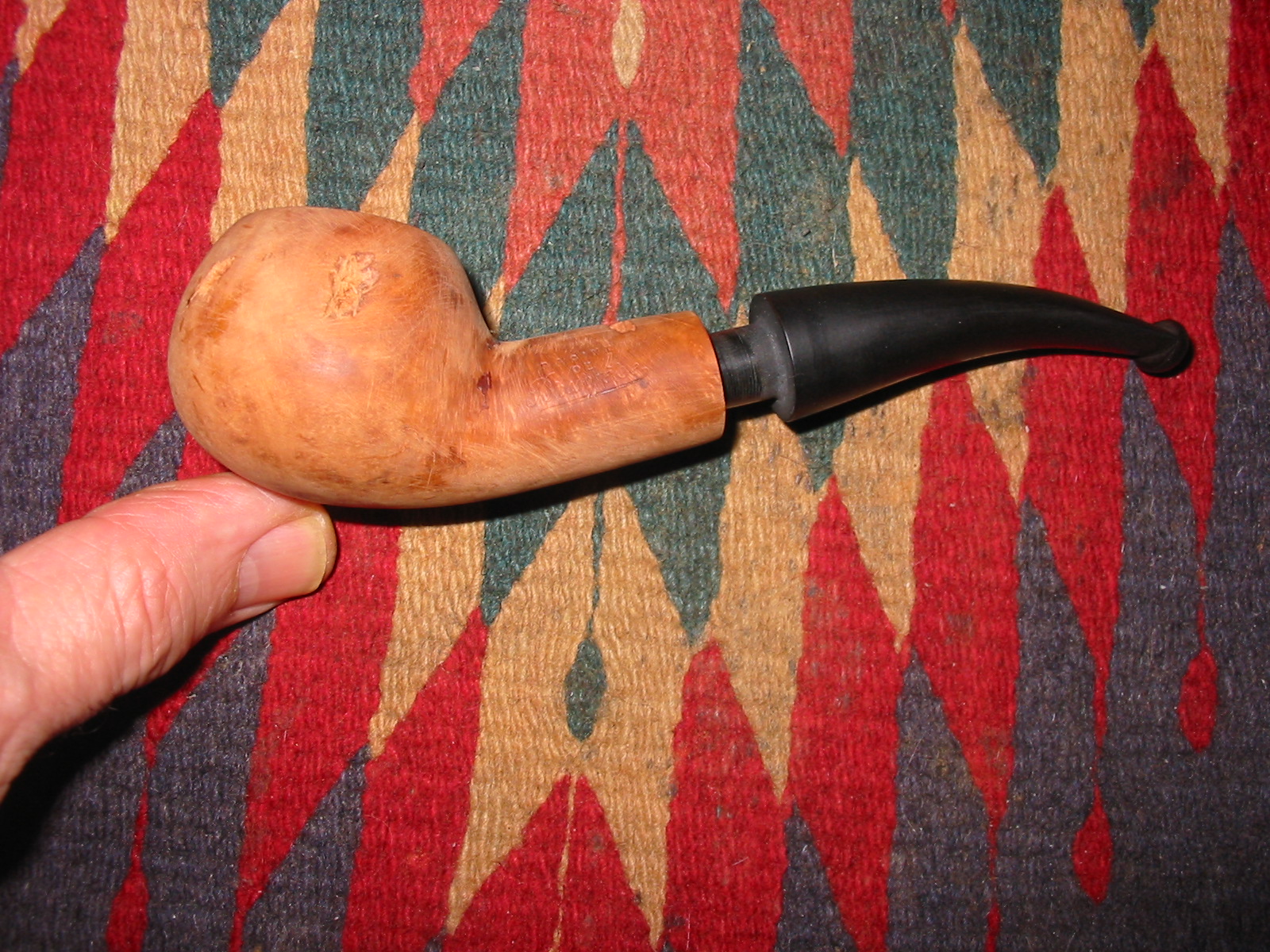
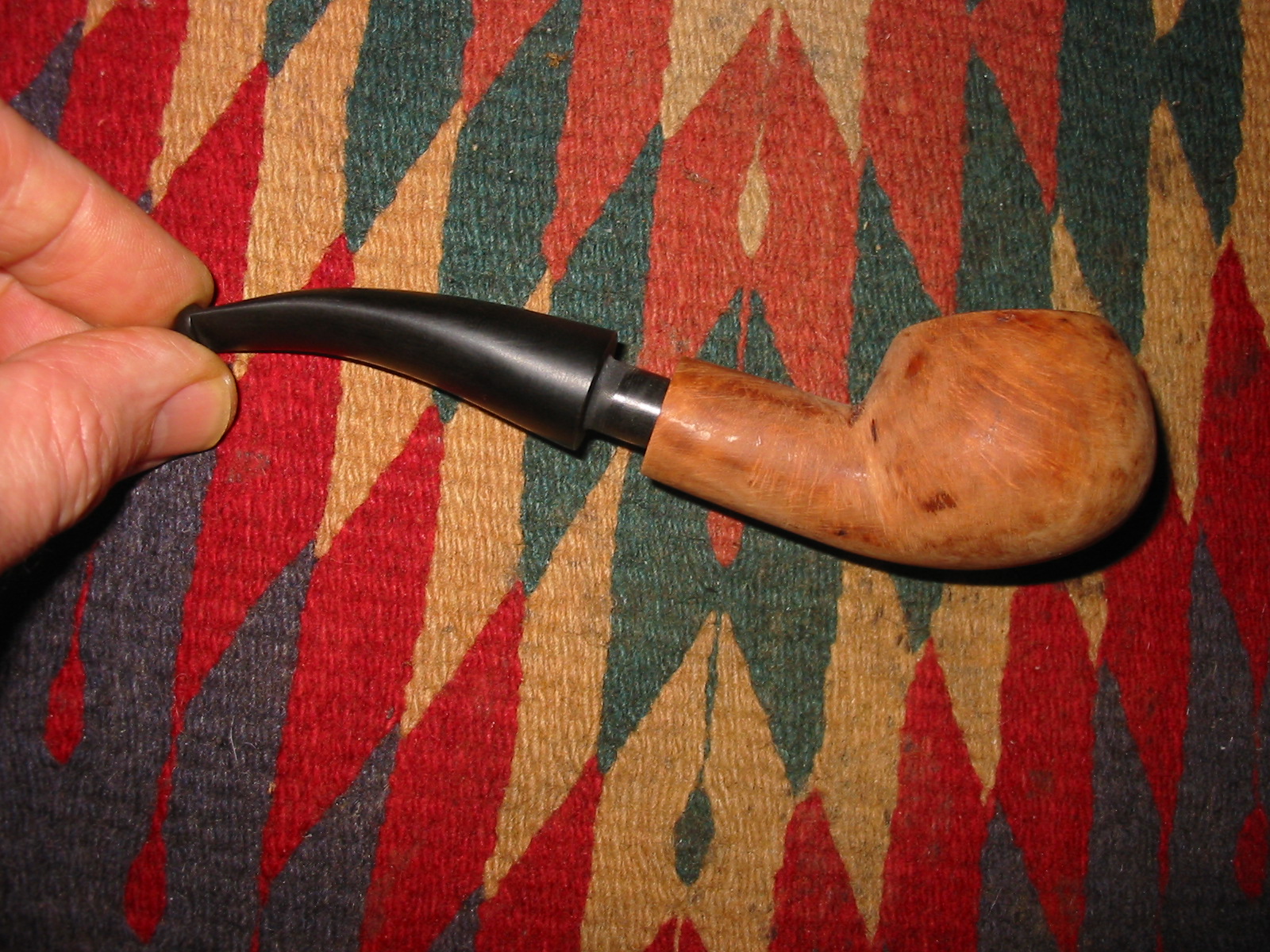
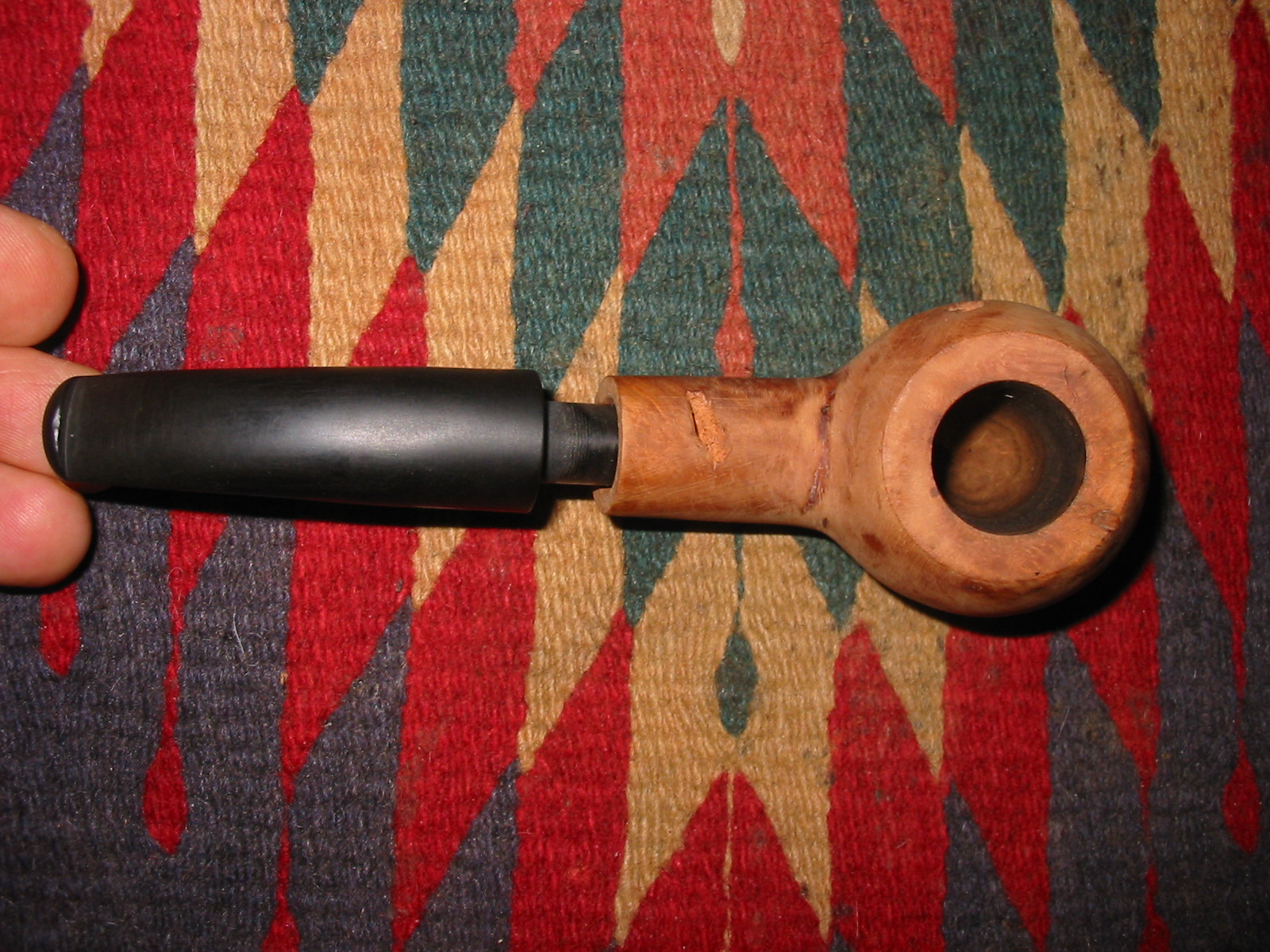
Last fall I went to a flea market at our fair grounds and found a pipe that I could not leave without. It is was a Yello-Bole, Chesterfield, bent billiard with P-lip stem and nickel-plated shank band. It had been well used but was in good shape. When I got into restoring it I found that it had two significant issues, one of which was a deep burn on the outside of the rim. After a consultation email with Steve, I decided to build up the outside of the bowl and then rusticate the bowl to hide the repair. Since I had not rusticated a bowl before I thought I should try my hand on another pipe first. This is the story of my first pipe rustication. I’ll do a write up on the Chesterfield when I get it done.Aaron1Incidentally, I also picked up a white bent billiard at the same flea market. Truth be told (and revealing my inexperience), I thought I was buying a smooth meerschaum. It had a nice smooth bowl, with a gold shank band and a yellow acrylic stem. The stem attached to the bowl with a tenon that threaded into an insert in the shank. The rim was dark and heavy with tar. It wasn’t until I cleaned off the rim that I noticed the chipped paint and the wood underneath and realized my error.Aaron2 Aaron3After deciding to rusticate the Chesterfield, I thought that this pipe would be a perfect candidate on which to practice. I began by reaming the bowl and cleaning the shank. The tar was very thick and hard even the stem was plugged about halfway. Once the internal of the stummel were cleaned I started removing the white paint. Not a necessary step but I wanted to see just what kind of wood lay underneath the white coat of paint. To my surprise it wasn’t briar at all. I’m still not certain what it is; very little grain, very light in color and quite soft compared to briar. My guess is pear wood but it could be any of a variety of alternate woods.Aaron4 Aaron5I used 60-grit sand paper to remove the paint which left a rough surface. I didn’t bother to smooth in any further but rather applied a heavy coat of black aniline dye. The dye was sacrificial and would help me see the extent and depth of the rusticating.Aaron6I made my rustication tool using ten 10d nails set with Gorilla Glue into the hollowed out end of a large dowel. Before gluing the nails, I cut off the heads and sharpened the points. Taping them all together so the points were even I set them in the dowel and waited for glue to set. The nails extended a little more than 2 inches from the dowel and I later found that this was too far. Using the push and twist method the nails would flex and separate while twisting the tool. Placing a hose clamp around the nails about half an inch from the end kept the nails together and the tool worked much better. Aaron7 Aaron8At this point the bowl had a very sharp and coarse texture so I knocked it down with a wire brush and then switched to a light sanding with 60-grit sandpaper. With the texturing done, I applied another two coats of black Feibing’s dye and flamed them to set the color.Aaron9I wanted to try a contrasting stain, so I took some 400 grit paper and worked the stain off high points. By the time I got done and wiped the stummel down with alcohol, I had a slightly rusticated pipe with white high points and blue (faded black) low points. I was not very happy with the results so I set it aside to dwell on it for a while.Aaron10Reflecting on the pipe I realized that the wood was not very interesting and did not seem to absorb stain well; I can see why it was painted in the beginning. I also reminded myself not to get ‘attached’ to this pipe. It was for practice after all; experiment and learn.

The texture that I got with my rustication tool was not what I wanted for the Chesterfield. So I took the white and blue stummel back to the workbench again and this time used a small carving bit on my Dremel. I went over the low spots and making them more defined and just randomly played with the tool. In the end I had something I kind of liked, and more importantly, something that I felt I could use on the Chesterfield.

To finish the stummel I decided to go simple and leave it all black. I gave it two coats of black dye and set it aside to dry. Because the wood didn’t seem to hold the stain well I was concerned about buffing the finish. Instead I finished the stummel with two coats of clear shellac.

Then, I turned my attention to the stem. I had decided early on that the yellow acrylic stem would not work with the new look so I would need to fashion a new one. I liked the idea of an acrylic stem but after looking at stems online I could not find just what I wanted. So I ordered two different round tapered vulcanite stems from Vermont Freehand.Aaron11Having only worked with vulcanite stems with integral tenons I was on the low end of the learning curve for this type of tenon. In the shank, there is a threaded (female) insert. The tenon itself (the other part) is double ended (male-male) – one threaded and other end smooth. The threaded end is simple enough to understand and the smooth part fit into the end of the stem.Aaron12When I received the stems I selected the one I thought would look best and took it to the work bench. First I cut off the formed tenon, then using progressively larger drill bits, enlarged the air hole. I made the mortise for the smooth end of the plastic tenon. I have a detachable chuck for my hand drill and I used it to hold the bit while I turned the stem by hand. Aaron13I then had to counter sink the mortise to seat the tenon ring. Aaron14After the tenon was fit to the shank and the stem was rotated correctly, I marked the top of the stem and taped off the band to protect it. Using a flat micro file I shaved off stem material until it closely match the shank diameter. I finished the shaping with 240-grit wet/dry sand paper taking care not to round the shoulder of the stem.Aaron15Once the stem was fully fitted and shaped to the stem I used a heat gun to soften the vulcanite and bend it to match the shape of the original stem. I set the shape by dipping the stem in cool water. This is where I ran into my next challenge. The heat from bending the stem also expanded the mortise and now the tenon was too loose. My solution was to coat the inside of the mortise with a thin layer of super glue. I am not sure how this will hold up long term but it works well for now.

Lastly I polished the stem with micro mesh pads (1500–12,000) using a little mineral oil between each set of three. I finished the stem with white diamond on the buffing wheel then three coats of carnauba wax.Aaron16 Aaron17 Aaron18 Aaron19 Aaron20All things considered, I am happy with the results. I am under no illusions, this pipe is no master piece, but I did learn a few things and that was what I was after. Hopefully this will help someone else too. Your feedback is very welcomed. Thank you for taking the time to read this.

A DadsPipe is Reborn! – Reinventing a Fletcher Billiard
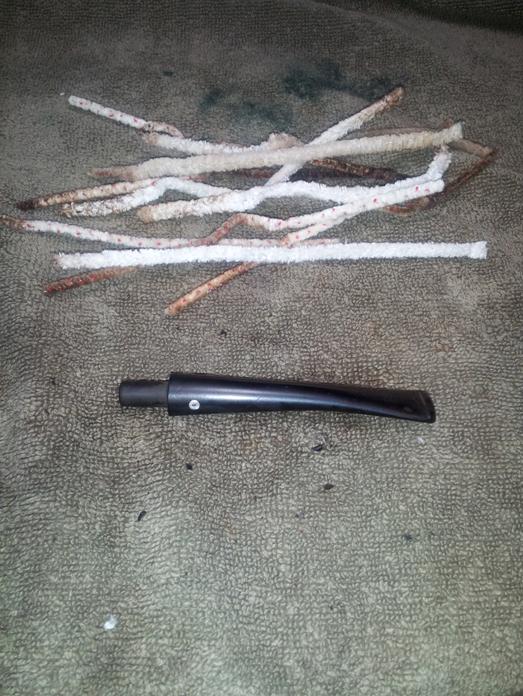

Blog by Charles Lemon

I was just putting the finishing touches on this pipe refurb when Steve Laug invited me to write a guest blog for rebornpipes. Timing couldn’t have been better, as the restoration of this old Fletcher billiard epitomizes for me the spirit of rebornpipes – taking an old, worn pipe and creating from it a beautiful and functional smoking companion.

Thanks for having me drop in on rebornpipes, Steve. I hope you and your readers enjoy this restoration journey.
– Charles
—–
I’ve had this old billiard pipe in my refurb box for a while now, so I decided that it was time to do something with it. It’s stamped “Fletcher, Genuine Briar, 4” on the flat bottom. A search online turned up absolutely nothing about the brand, though I can surmise that it was made somewhere in the USA circa 1950 to 1970 or so.

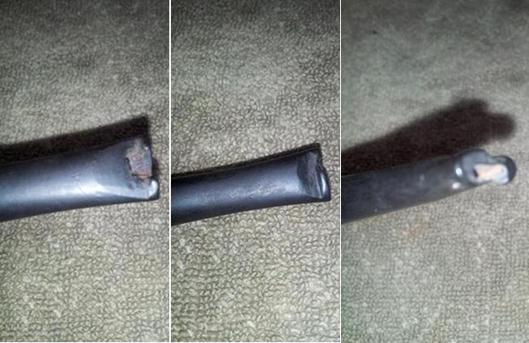
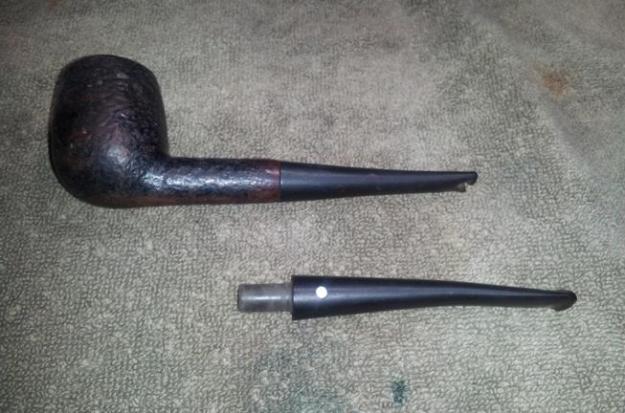
The bowl had a worn sandblast finish, and though covered in dirt, appeared to be in decent shape. There was a bit of cake buildup and tar on the rim that would clean up easily enough, but the stem was another matter. At some point in its history, the button had broken or been bitten off, and the remaining stem had been crudely “MacGuyvered” to allow the piper to continue smoking it. A file had been used to roughly gouge a line across the top and bottom of the broken bit to give at least some purchase in the teeth, and it had been left like that until the piper again bit through the stem, this time removing a chunk from the bottom of the “new bit”. This guy was a real pitbull! Charles1
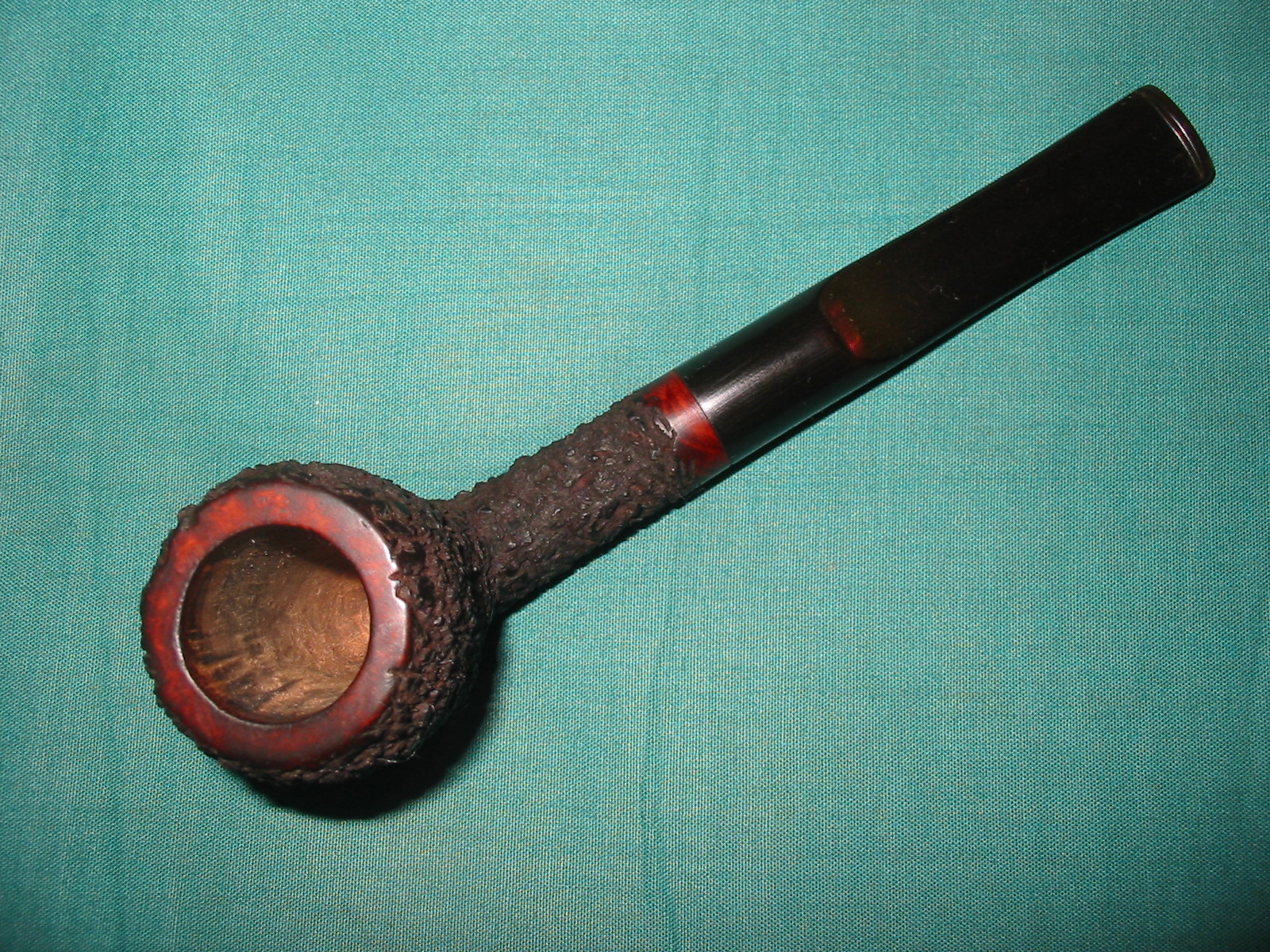
Charles2

Charles3

Charles4

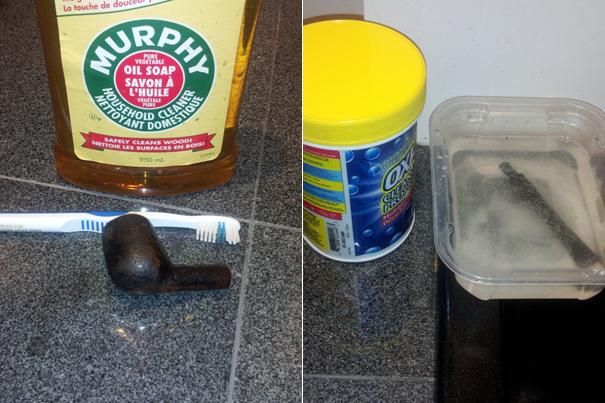
Charles5 I decided that, with about 3/4 of an inch missing, the mangled stem was too far gone to attempt to save it so I dug about in my stem box and came up with a replacement that fit the bill. This stem is brother to the one I used on my first parts pipe. They were both salvaged from estate pipes with ruined bowls, and both have the large silver dot on the side.Charles6 The tenon on the replacement stem needed only a bit of tweaking with sandpaper to fit snugly in the mortise. As you can see in this pic, the shank diameter is a bit larger than that of the stem, so there will be some reshaping to do to get the flow right from bowl to button, but I like the shape of things to come.Charles5a With the stem problem sorted, I got to work cleaning both stem and stummel before I got too far ahead of myself. I used my Castleford reamer to take the cake in the bowl back to bare wood. Luckily there was no damage hiding underneath, so I moved to the exterior, scrubbing the sandblast finish with Murphy’s Oil Soap and an old toothbrush. This lifted an inordinate amount of gunk from the stummel, leaving the briar quite patchy in places. I decided that a complete stripping of the old finish was in order, so I dropped the stummel into an alcohol bath, the stem into a Oxyclean bath, and left them to soak overnight.Charles7

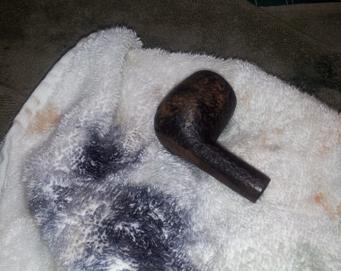
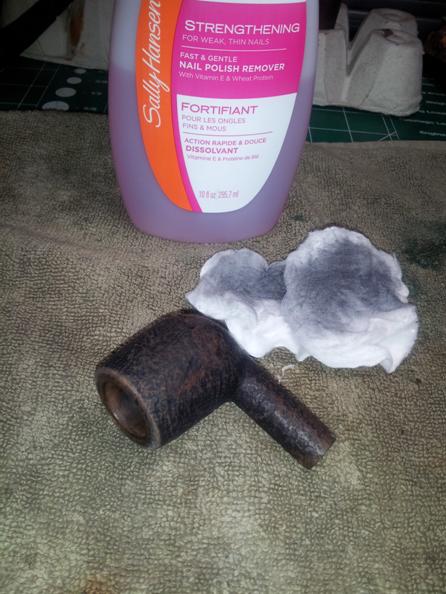
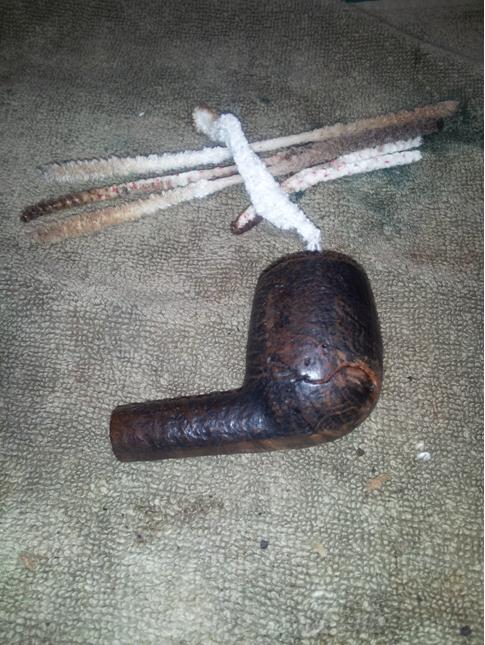
Charles8 The following day I retrieved the stummel from its soak and rubbed it in an old towel. To my surprise, most of the black topcoat came off on the towel! My guess is that our intrepid DIY piper “fixed” his pipe’s worn finish with a liberal application of black shoe polish….. I wiped the stummel down with acetone to remove as much of the loose colour as I could and then finished the basic cleanup of the stummel by scrubbing the airway and shank with alcohol & pipe cleaners.Charles9

Charles10

Charles11

Charles12 The stem cleaned up easily enough after its Oxyclean soak with a run of 600 – 2000 grit wet sandpapers and a few pipe cleaners dipped in alcohol.Charles13 Removing the built-up wax and dirt from the stummel had revealed a flaw in the briar. A “fault line” of sorts wound its way across the lower front face of the bowl. There was no indication that the flaw extended through to the tobacco chamber, but I flowed some CA glue into the line anyway. This may or may not have been necessary, but at least this way I hope that the line won’t expand to a crack the first time I light the pipe.Charles14

Charles15 I also found a small flaw in the rim, which I filled with CA glue and briar dust. I topped the bowl lightly after the fill cured to sand it down flush with the rim and remove a few small rim dents at the same time.Charles16

Charles17

Charles18 As I pondered how to refinish the pipe, I worked on the shank with various grades of sandpaper to reduce the diameter to match that of the stem and generally improve the flow of the shape from shank to stem. This smoothed out the sandblast on the shank, so I decided to rusticate the entire stummel to replace the texture and hopefully disguise the stabilized fault line on the bowl face. For this I used a round carving burr mounted in my rotary tool, working my way around the stummel until the entire surface had been carved, eradicating the sandblast. I then made a second pass with the burr, carving deeper lines and pits into the briar to give a chunkier finish and help blend in a few deeper pits left from the sandblasting process. I finished up the new rusticated finish by going over the entire stummel very lightly with a wood rasp to knock off a few sharp points and rough edges.Charles19

Charles20 I left the stummel at this point and went back to the stem to address a few issues there. The bite area had several deep tooth dents top and bottom and the button was quite worn. I dealt with both issues by mixing up some CA glue and activated charcoal powder and layering this mixture onto the stem, filling the tooth dents and building up enough material to carve a new button.Charles21

Charles22

Charles23 This repair always looks plain nasty at this point, but quickly improves once the CA has cured and I can get at the rough lumps of material with a file. I start by cutting the sharp leading edge of the button. This establishes the demarcation point between button and stem. After I have a nice sharp line all the way around the stem, I use files and sandpaper to remove excess material and create an even button height that matches the curvature of the stem.Charles24

Charles25

Charles26 Now in the home stretch of this restoration, I cleaned up the dust generated by the stem repair and set up my workbench for staining the pipe. I applied a two-step finish to the briar, starting with a diluted mixture of Fiebing’s Saddle Tan and Brown leather dyes. This matched the original colour of the smooth area on the bottom of the stummel, which will help tie this area in with the new smooth area on the bowl rim. When the first stain coat was dry, I rubbed off the excess colour with an old towel and applied a topcoat of stain made with Dark Brown and a little Black dye mixed together. I let this dry fully before scrubbing the stain off the high areas with 0000 steel wool. This exposed the lighter tan colour underneath, but left the black in the low areas of the rustication.

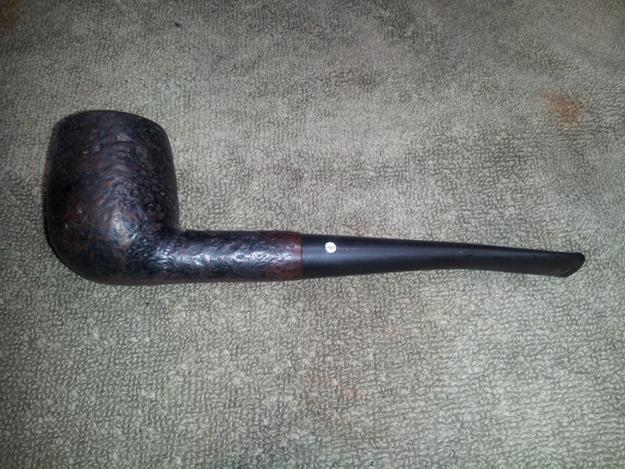
I finished the staining by wiping the stummel with mineral oil to add depth to the finish and moisturize the briar. Then it was off to the buffer for a run of White Diamond and several coats of Carnauba wax. This old Fletcher pipe is unrecognizable as the pipe I started with. I rather like the chunky rustication and the new stain. The grain on the rim and flat bottom really pops. A side benefit of old briar like this is the light weight. The pipe tips the scales at a mere 32 grams or 1.1 ounce. This rejuvenated old soul will be a comfortable all-day companion to its next piper. Here’s the finished pipe:
Charles27

Charles28

Charles29

Charles30

Charles31

Charles32

Reviving an Unknown Pipe – Bill Tonge


It is a pleasure to post this second blog piece by Bill Tonge. In this particular refurb what makes it of interest to me is that it was a pipe that I sent him. I figured it might be a good project for him to play around with. It had solid bones and a new stem that I had fit to the shank. There were definitely some issues with the pipe but I figured Bill would come up with something creative. And he certainly did. This reworking of a pipe epitomizes what I quoted Bill as saying in his first post. I am quoting it again here as it is very apropos to his old pipe: “As a person that is economically challenged, I enjoy fixing up the ugly ducklings. I take pride in taking that $5.00 pipe that no one else wants and converting it to something that fits beautifully in a pipe collection.” Here is Bill’s article on reviving or reimagining an old pipe. I think that he has indeed taken an ugly duckling and created something to be proud of. Thanks so much Bill, for sharing your work with us yet again.

I received this pipe in the mail from Steve. He thought it was an interesting project. He had turned a new stem as well as cleaned the bowl and shank.

This pipe had quite a rough texture on the outside, some very deep crevices, as well as what turned out to be a crack about a quarter of the way down the bowl.
20140630_134359

20140630_134405

20140630_134345

20140630_134412

20140630_134425
So I decided to sand this pipe down as smooth as it would go and then fill the crevices. After sanding it I filled the crevices with a Gorilla Glue & wood dust mixture. After it set up I sanded down the creviced area and applied the rustication. I then proceeded to sand the whole pipe down in stages starting at 100 grit and finishing with 1000 grit. Then I put the micro mesh pads to it and finished up with a wax and buff again only using a Dremel to apply the wax.
DSCF0614

DSCF0616

DSCF0619

DSCF0617

bill6
I have to say that I like the way this pipe turned out and that the other small blemishes add character to this pipe. I also like the grain on the bottom of the pipe. For anyone that is interested I do not own any dyes but rather use either a Sharpie marker or food colouring to colour my rusticated areas.

Thanks to Steve for the interesting pipe.

Now that the pipe has been restemmed it is time to rusticate it


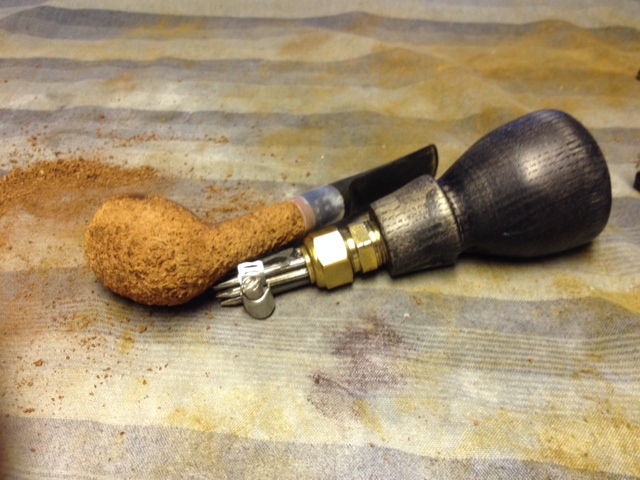
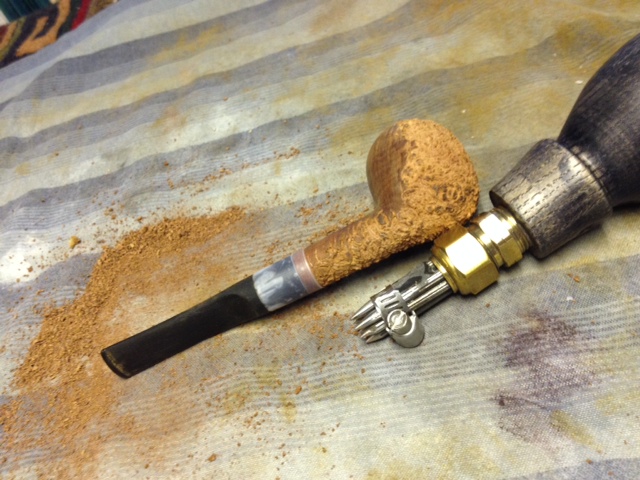
I wrote about restemming this pipe in the post on Replacing a tenon in a stem with a minimum of tools (https://rebornpipes.com/2014/06/15/replacing-a-tenon-in-a-stem-with-a-minimum-of-tools/). The thing I forgot to mention is that the bowl originally had a threaded metal stem and a metal insert in the shank. I was able to remove the insert from the shank with no trouble and craft a push stem for the shank as a replacement. The stem came out great and with some work came out looking like new. In figuring out how to finish the bowl I was faced with a few choices. The briar was not terrible, I have seen worse but there were fills in the bowl. I could have picked them out and refilled them as I have done on many occasions but somehow that just did not attract me with this bowl. I had been given a rustication tool by Chris and had not used it yet so that was very attractive to me for this bowl (https://rebornpipes.com/2014/06/07/a-handmade-rustication-tool-gifted-by-a-friend-and-reader-of-rebornpipes/). The stamping on the shank was virtually buffed away so it was not something that needed to be preserved. So the decision was made. I would get to try out the new tool and see what kind of rustication pattern it would make on the briar and how comfortable it was in the hand as I pressed and twisted it into the wood. I also wanted to see if I could use it in tight spots up against the bowl and shank and close to the stem/shank junction.
rustic1
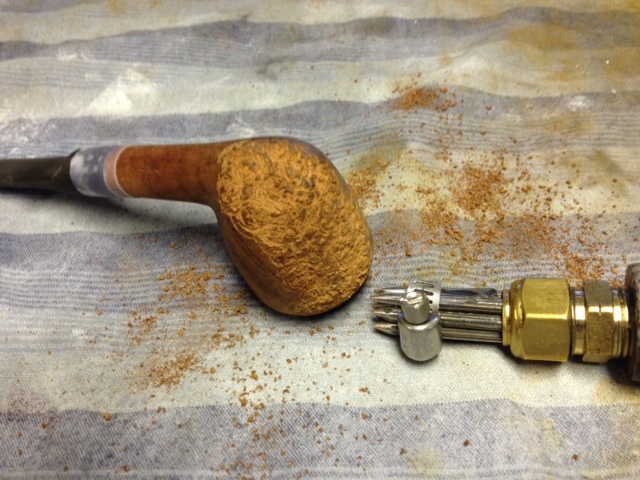
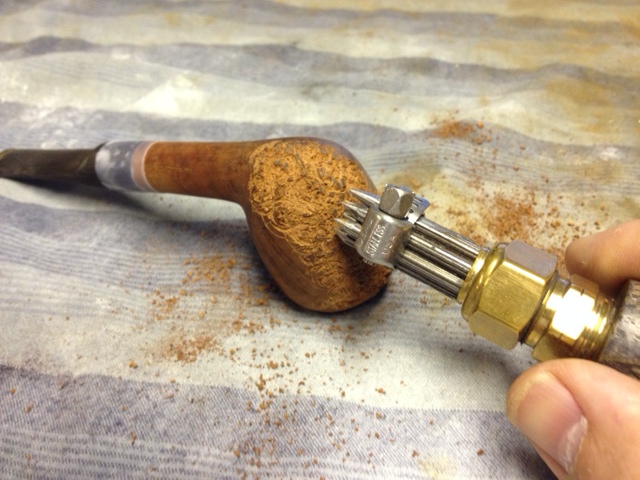
I started on the front of the bowl and pressed and turned the tool into the briar. It worked like a charm. The nails were sharp, the grouping tight and workable on the pattern, the handle was extremely comfortable and spread out the pressure across my palm. This was going to be a piece of cake. It would be no problem to finish rusticating this pipe with a lot less pain in my hands. I wrapped a strip of scotch tape around the shank to make a protective line to work toward on the shank. I wanted to leave a smooth band on the shank so this would remind me where to quit twisting the tool into the wood. The next series of eight photos show the process from start to completion. It probably took me the better part of an hour and a half to rusticate the bowl and shank. I worked it over several times during that time to get a rough finish. I wanted it to be very tactile and rough kind of like a sea rock finish so I pressed hard when I worked over the wood. I left the rim smooth as I wanted to stain it to match the band I was leaving around the shank. The two would provide some contrast to the rustic finish on the rest of the pipe.
rustic2

rustic3

rustic4

rustic6

rustic7

rustic8

rustic9

rustic10
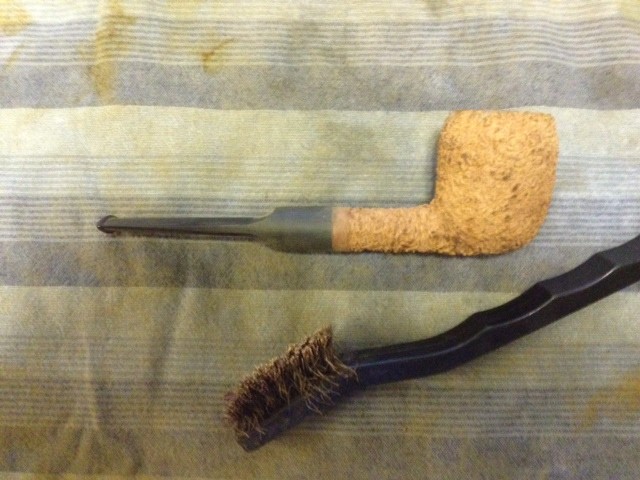
When I finished rusticating the briar unwrapped the scotch tape from the shank. The line was fairly straight and provided a nice contrast of finishes between the stem and the rustication. Then I used a brass tire brush to knock off any loose pieces of briar on the bowl. I find that using the tire brush evens out the finish and cleans up the briar once I have finished with the hard work.
rustic11

rustic12

rustic14

rustic15
I sanded the band on the shank and the rim with a medium and a fine grit sanding sponge and a fine grit sanding sponge to prepare them for staining. I decided to use two different stains on the bowl to get some depth to the finish. I began with a dark brown aniline stain. I applied it with a wool dauber and let the stain permeate deep into the briar. I flamed it to set it. Reapplied the stain a second time and then flamed it again.
rustic16

rustic17

rustic20

rustic21

rustic22

rustic23
I wiped the bowl down with acetone and isopropyl alcohol on a cotton cloth to remove the stain from the highpoints on the bowl finish and on the band and the rim. I repeated the wash until I had the stain coat the colour I wanted. The dark brown sat deep in the grooves and the high spots were lighter in colour. I then stained the bowl with the second colour, a oxblood or cherry coloured aniline stain. I applied it with a cotton pad and daubed it onto the band, the rim and the high spots on the bowl. I flamed it, reapplied it and flamed it again. Once it was dry to the touch I hand buffed it with a soft cotton cloth.
rustic25

rustic27

rustic29

rustic30
The cherry/oxblood stain worked well on the band and the rim. It made them stand out against the darker brown of the rustication. In the light the texture of the rustication has both a dark brown look in the crevices and a reddish tint on the high spots. The contrasts in the stain on the rustication came out well and the smooth band and the rim work well with the rest of the pipe. Interestingly, and this does not always happen for me, the stain came out exactly the way I was hoping it would when I started the process.
rustic31

rustic32

rustic33

rustic34
At this point all I had left to do was to work over the stem with the micromesh sanding pads and then give it a buff to polish it. I followed my normal process on the stem. I wet sanded it with 1500-2400 grit micromesh sanding pads and dry sanded with 3200-12,000 grit pads. I rubbed the stem down with Obsidian Oil and then took it to the buffer to give a light buff with White Diamond and a blue plastic polish. I finished by giving the rim, the band and the stem multiple coats of carnauba wax and a final buff with soft flannel buffing pad. The finished pipe is shown below. It has come a long way from the neglected bowl that sat in my refurbishing box for a long time with no stem. Now it is ready to fire up and enjoy.
IMG_6848

IMG_6849

IMG_6850

IMG_6851

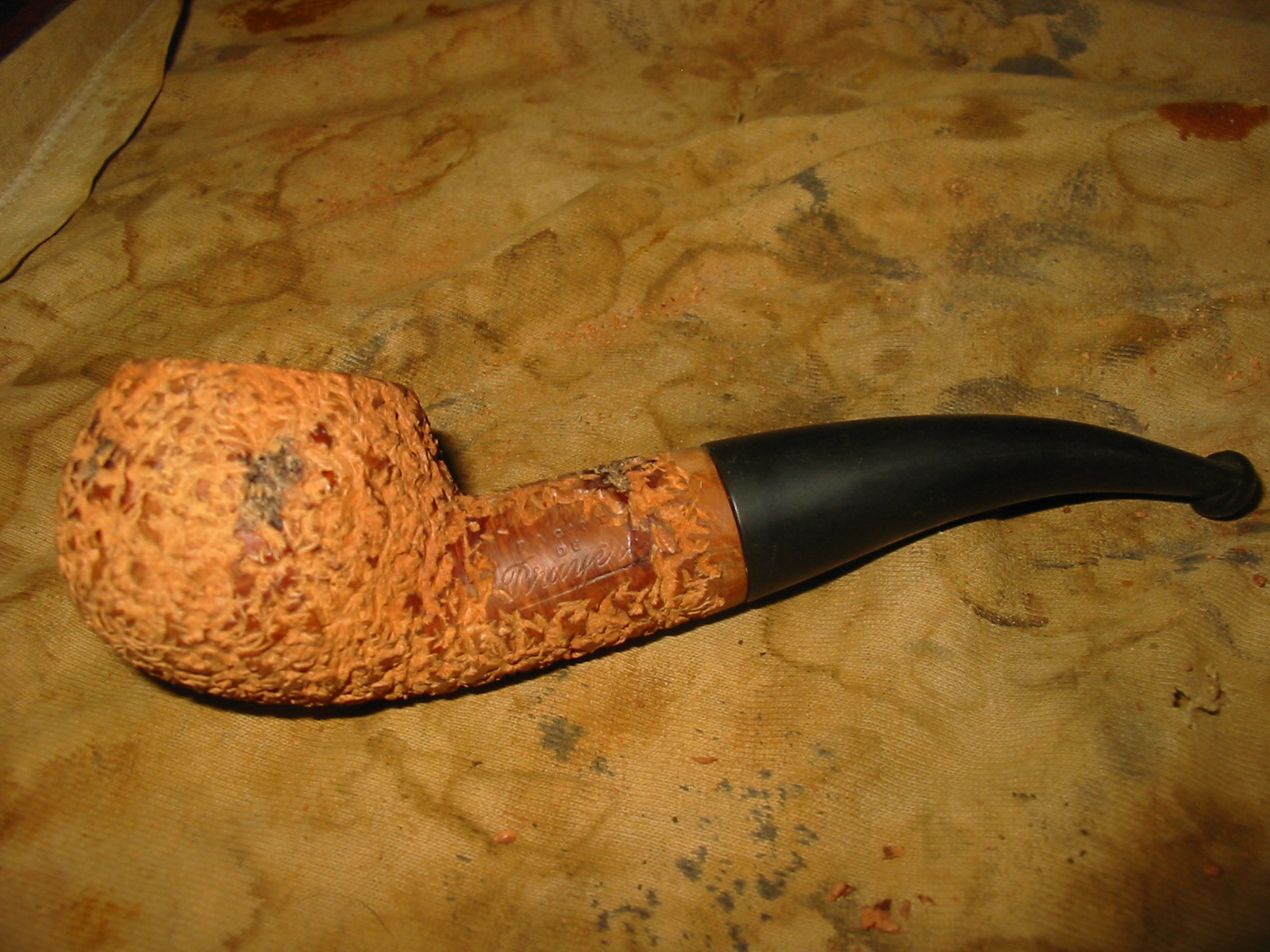
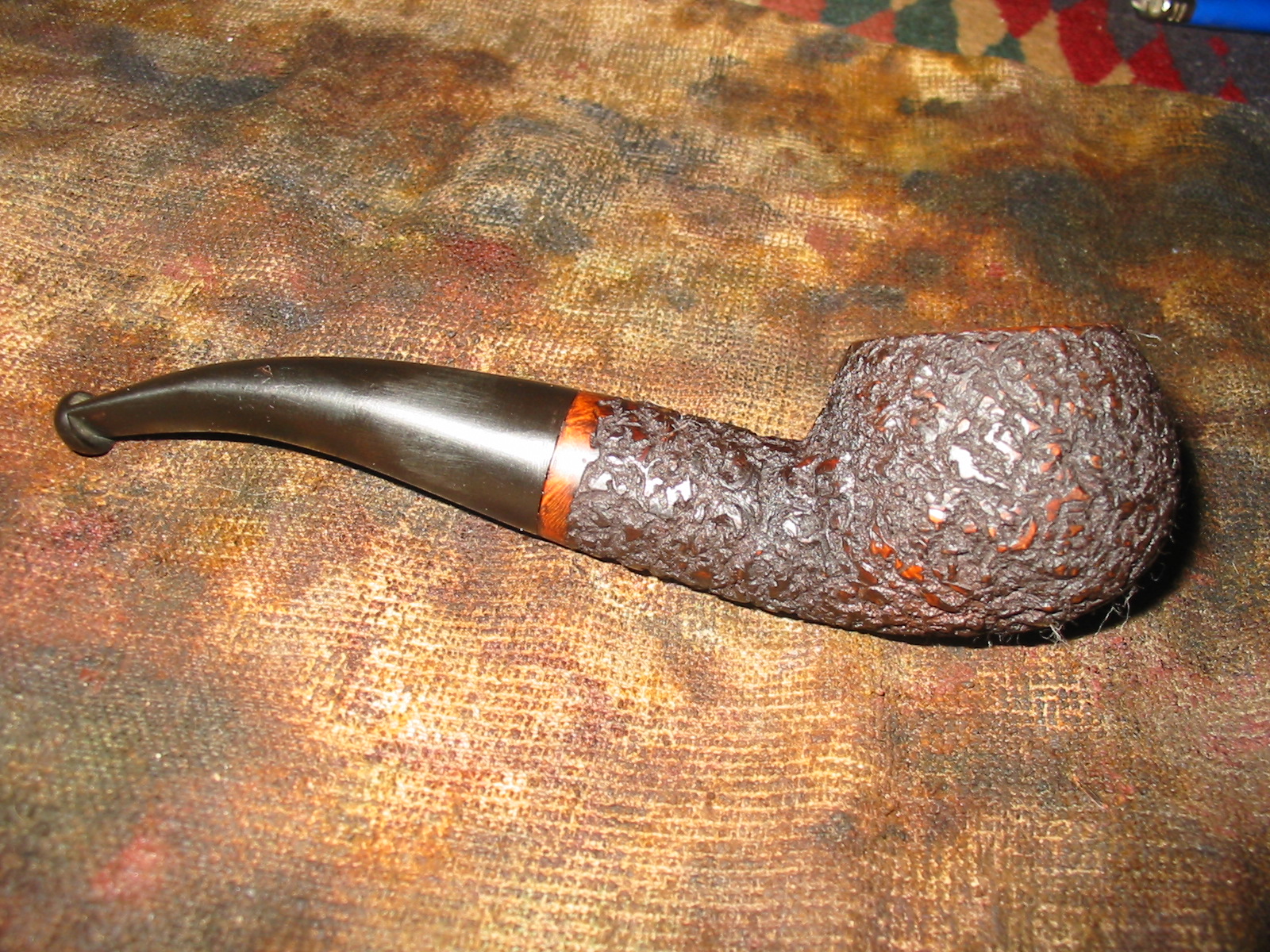
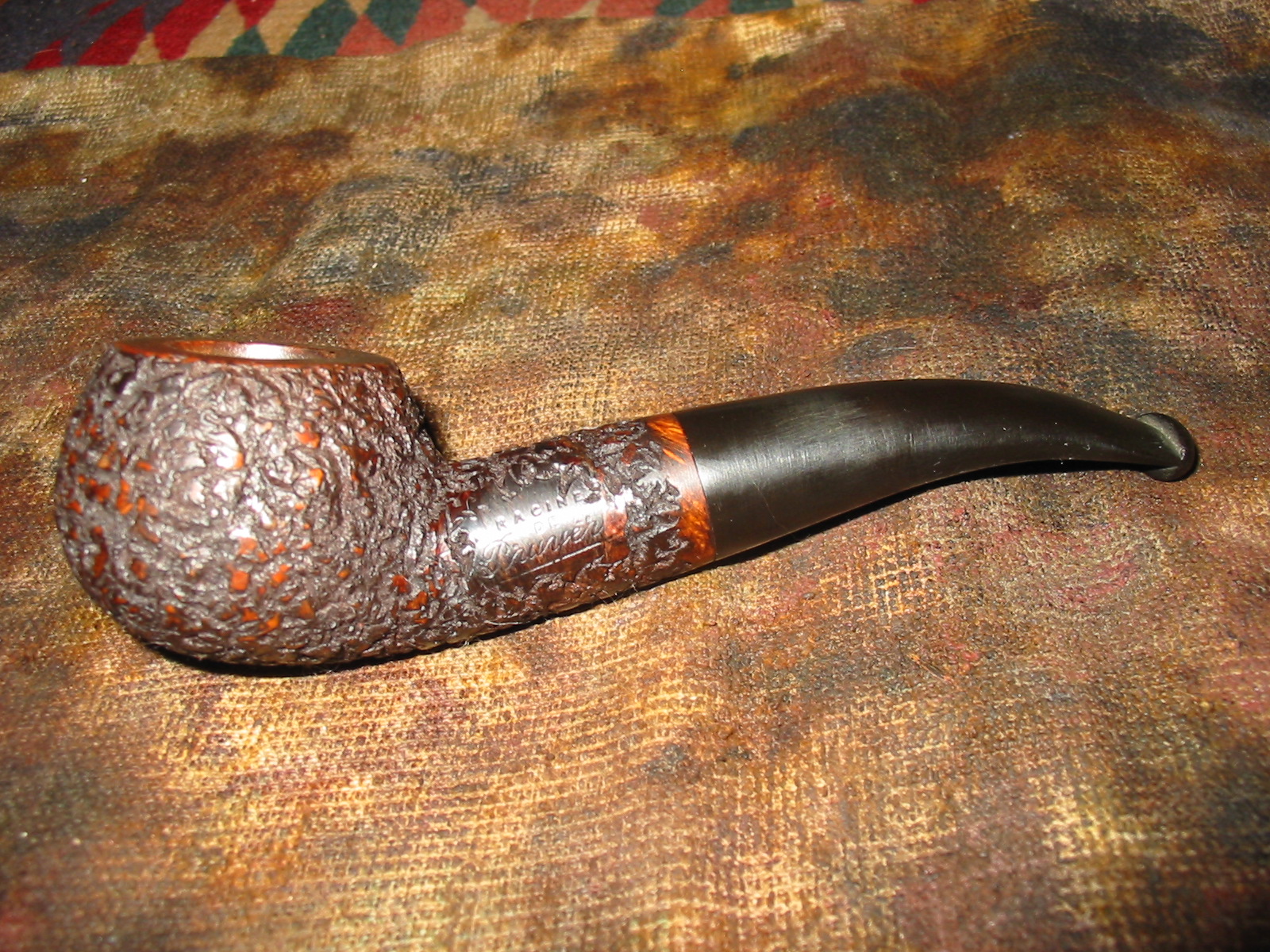
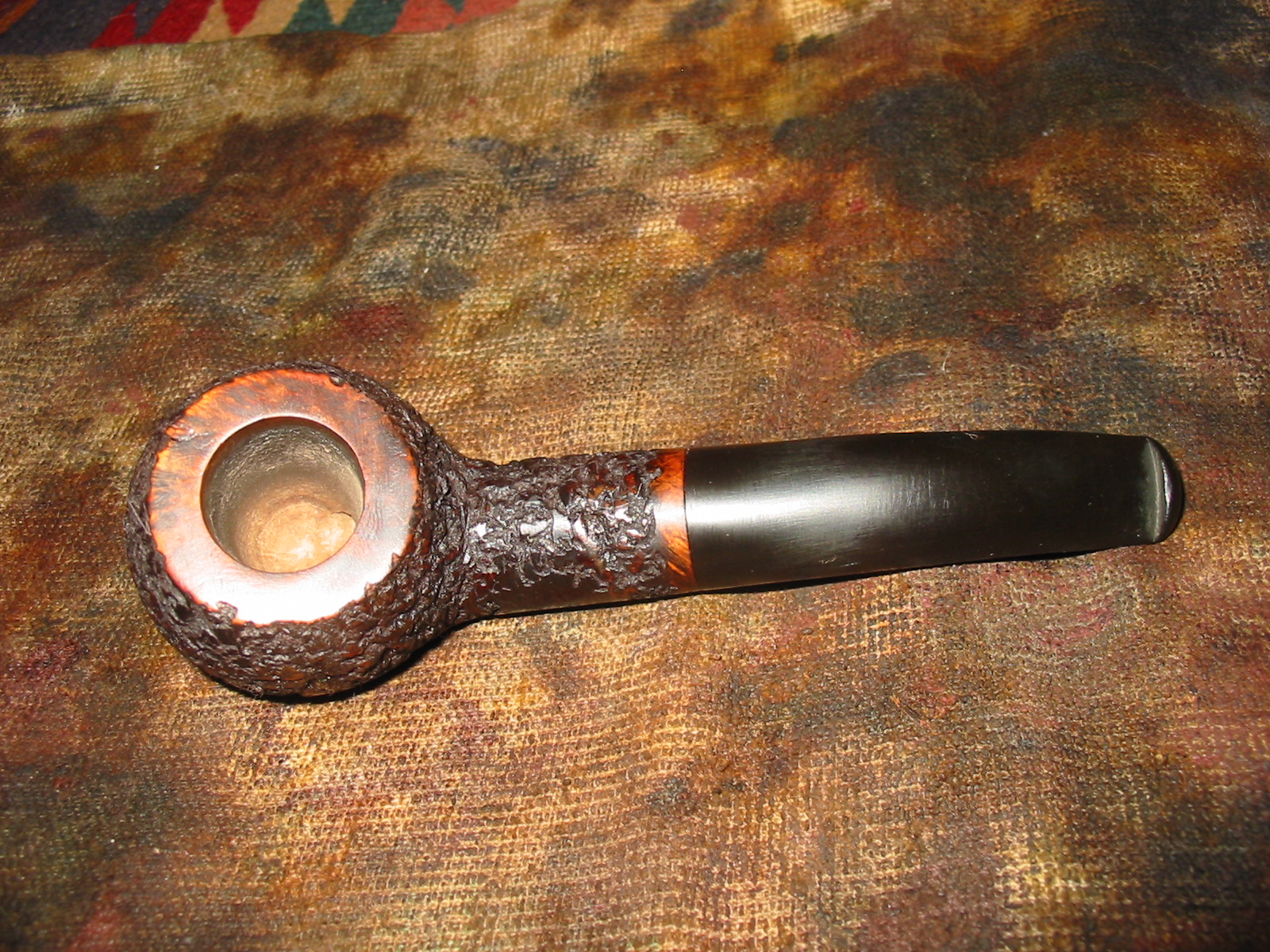
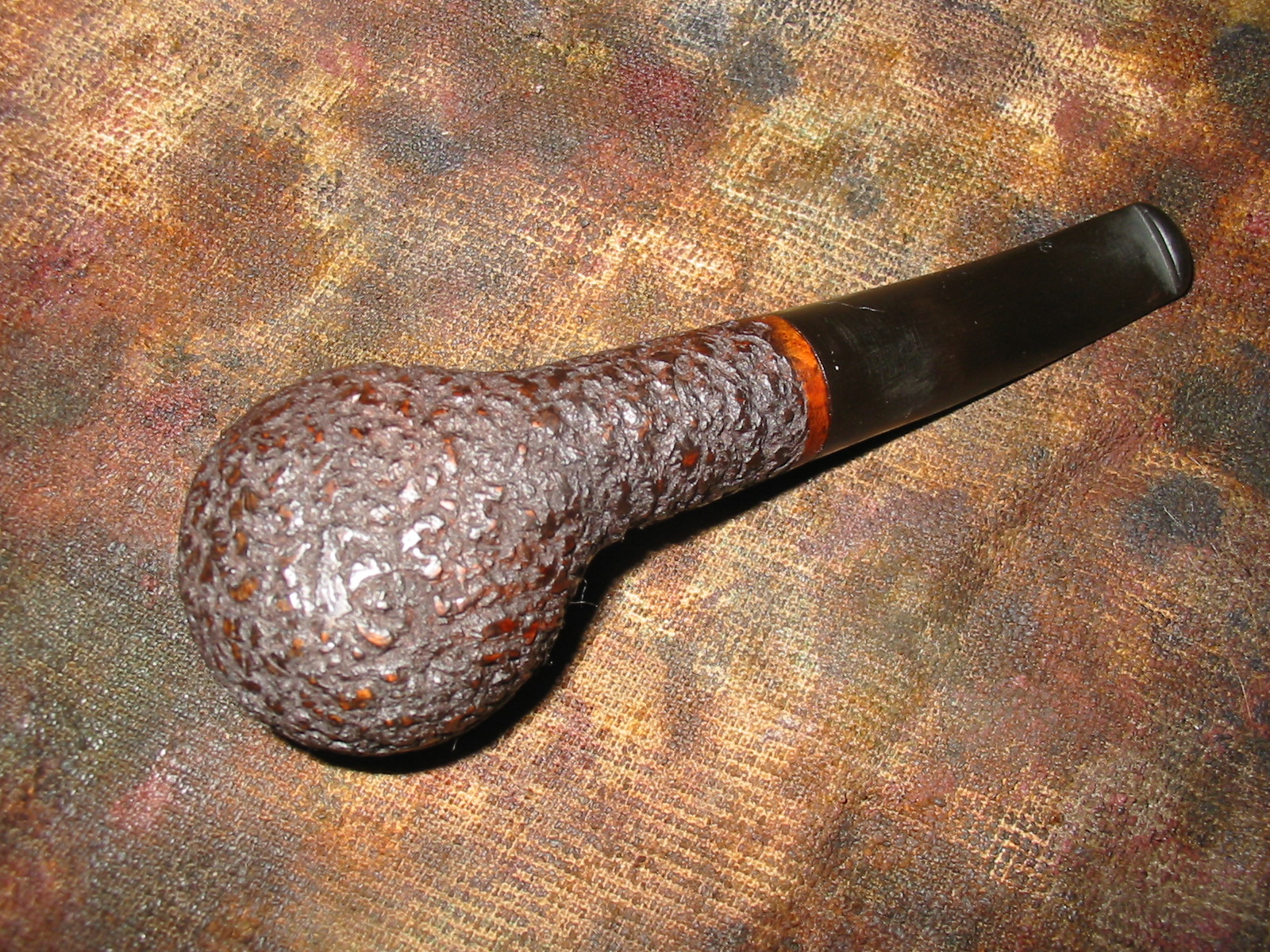
Rustication & Rebirth of a Racine de Bruyere Author


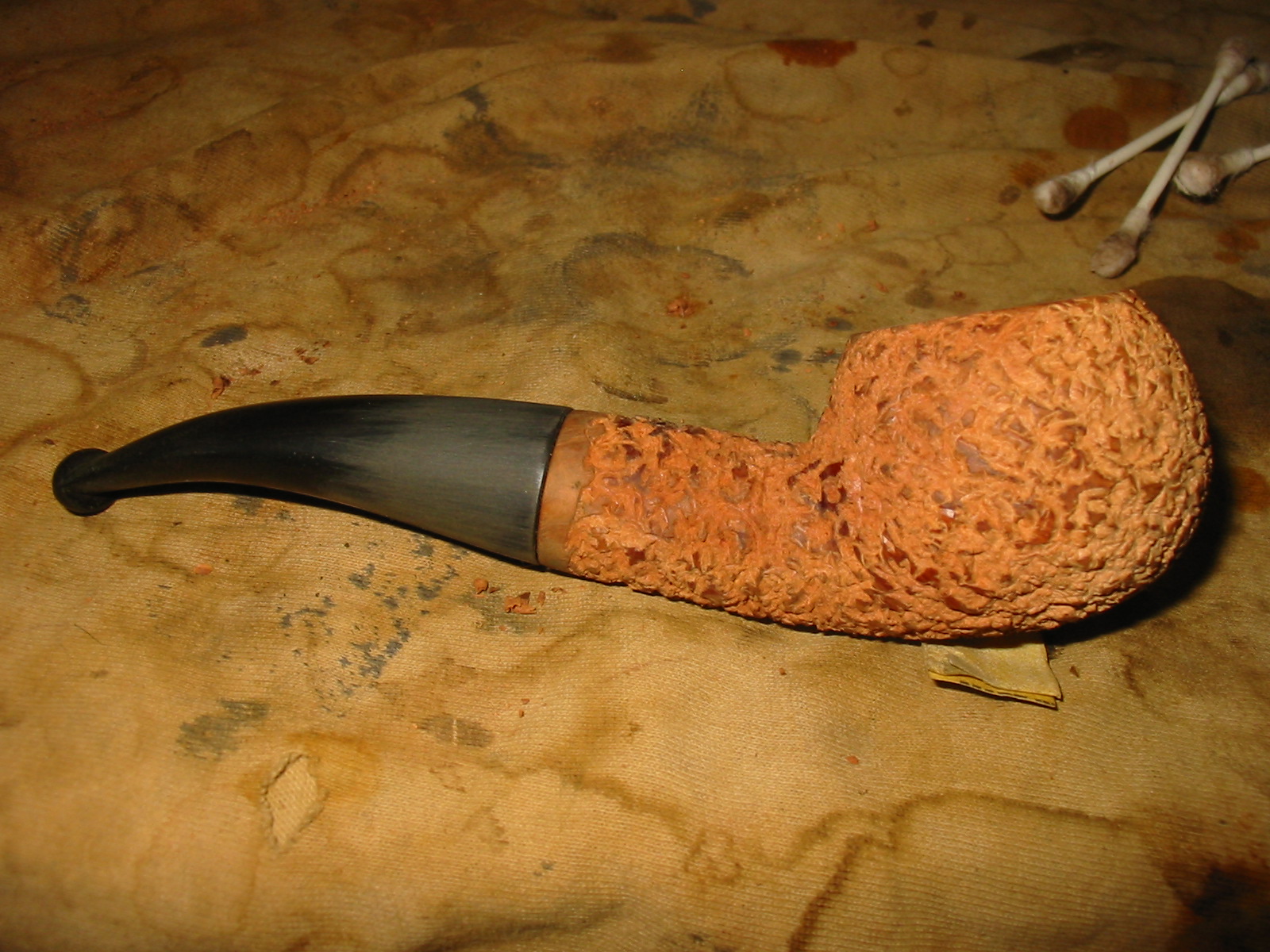
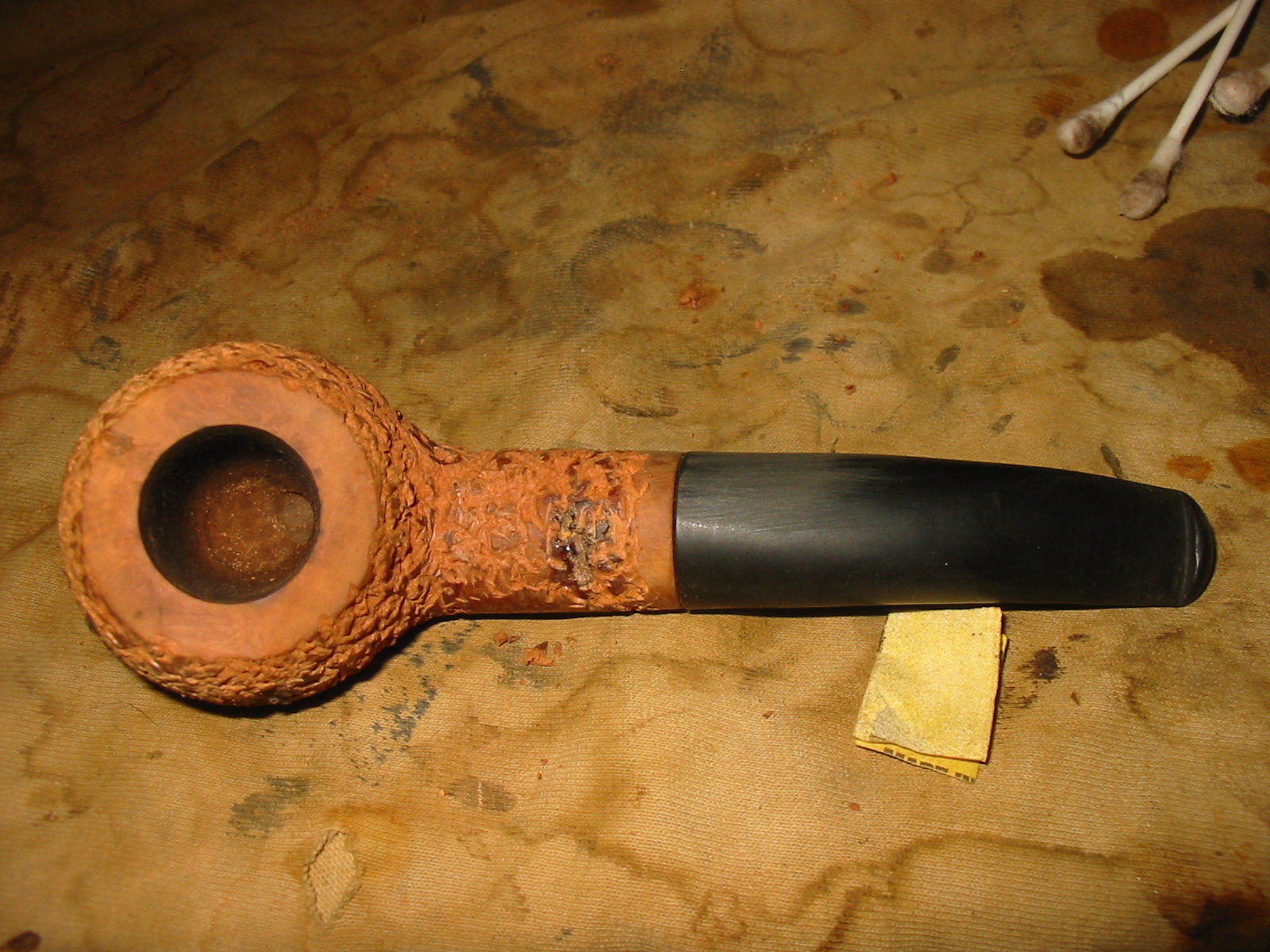
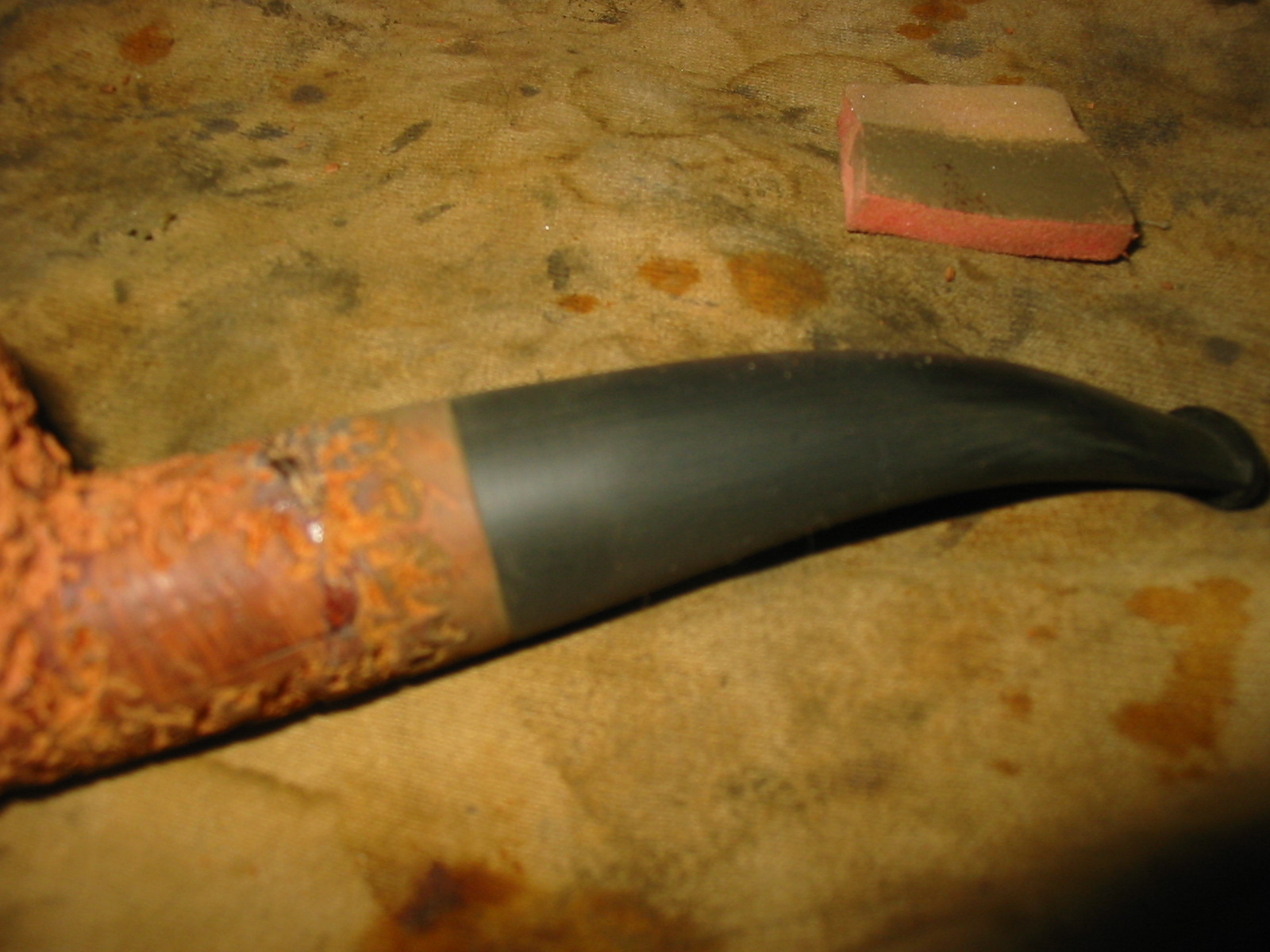
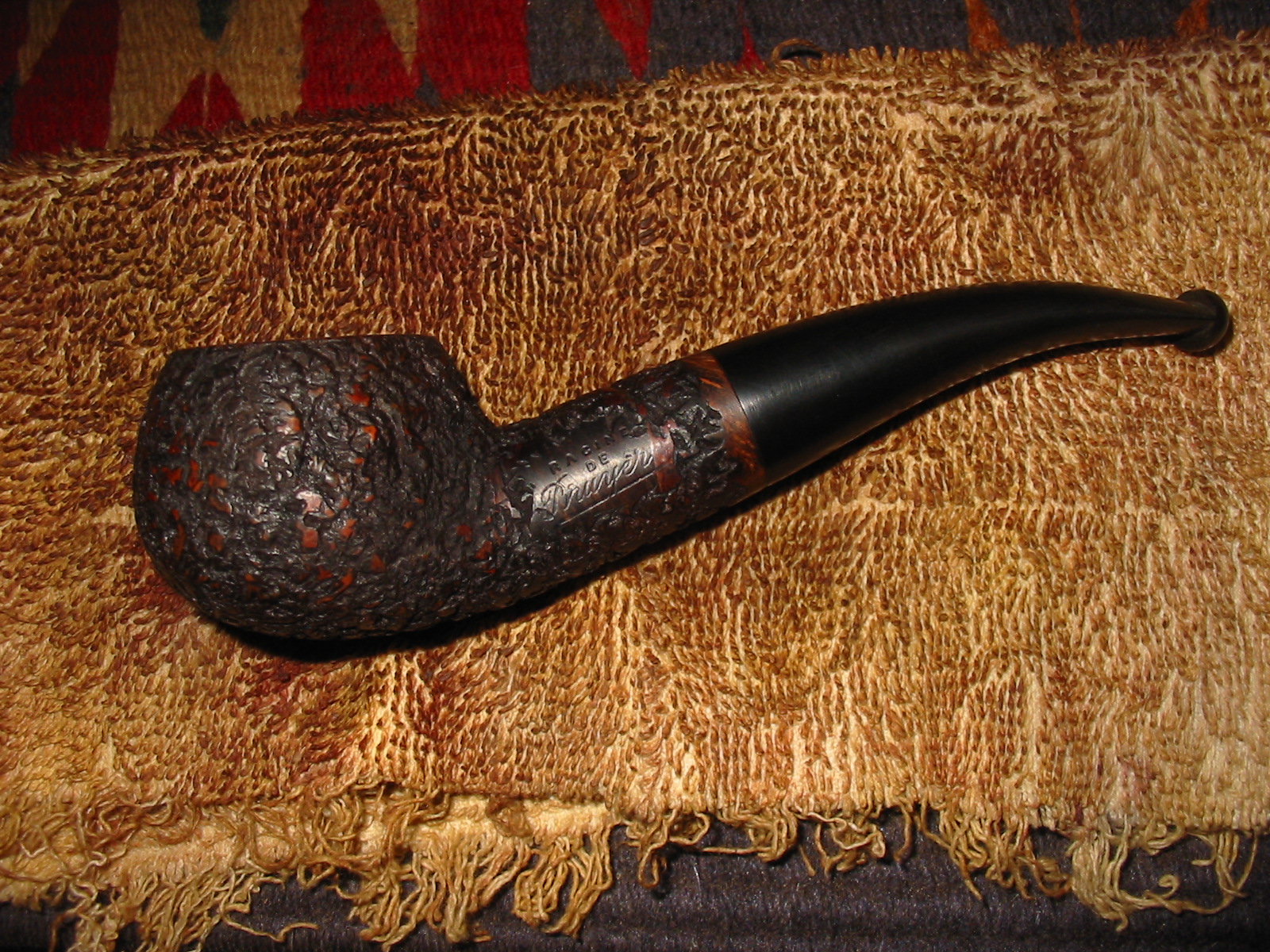
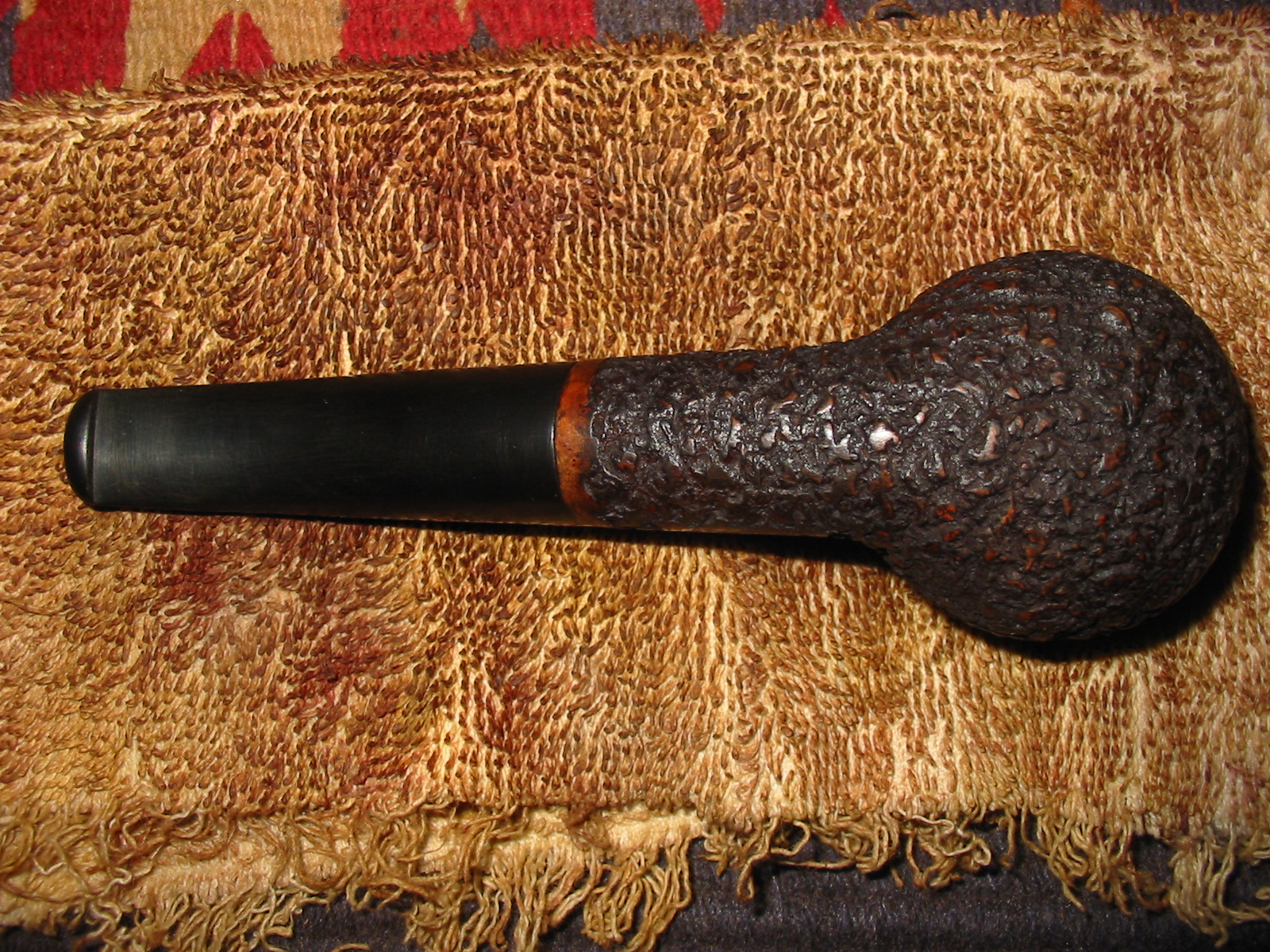
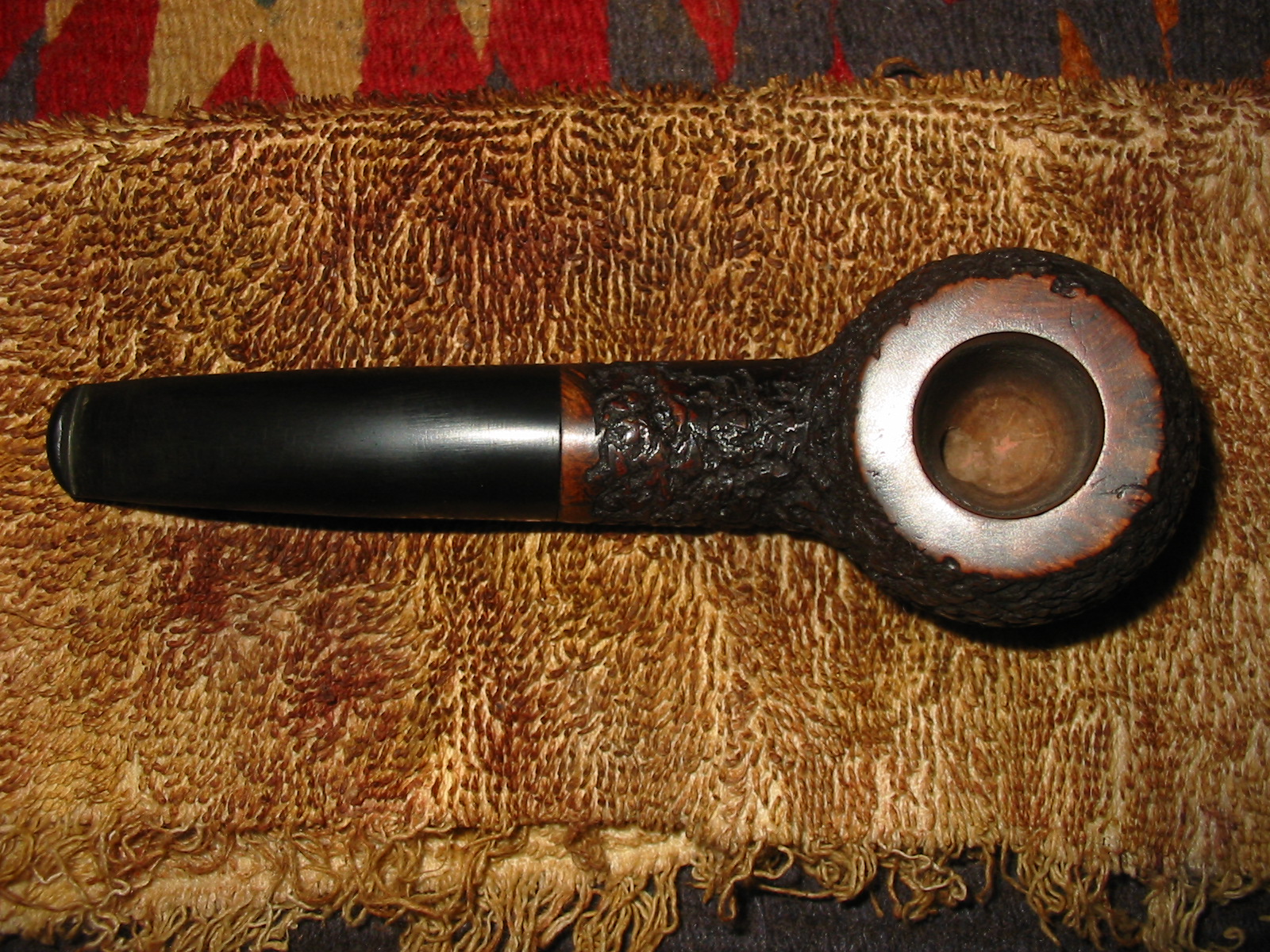
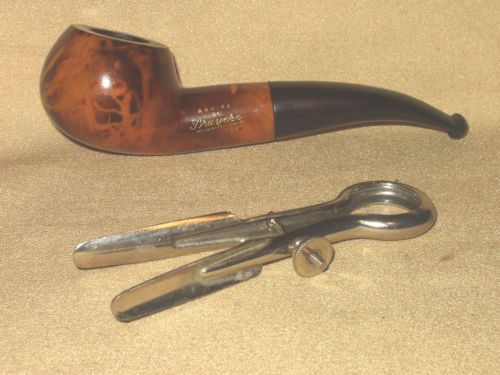
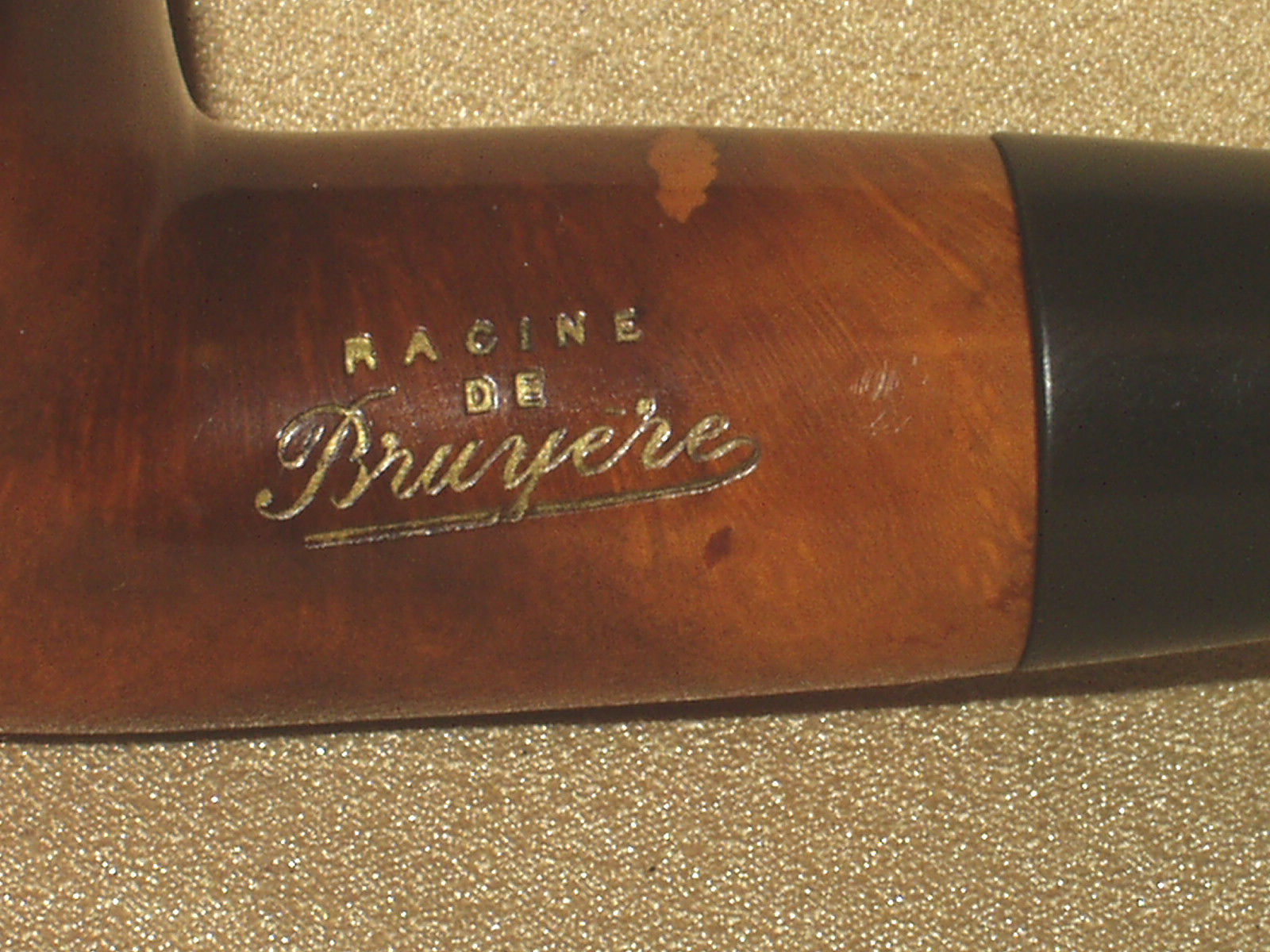
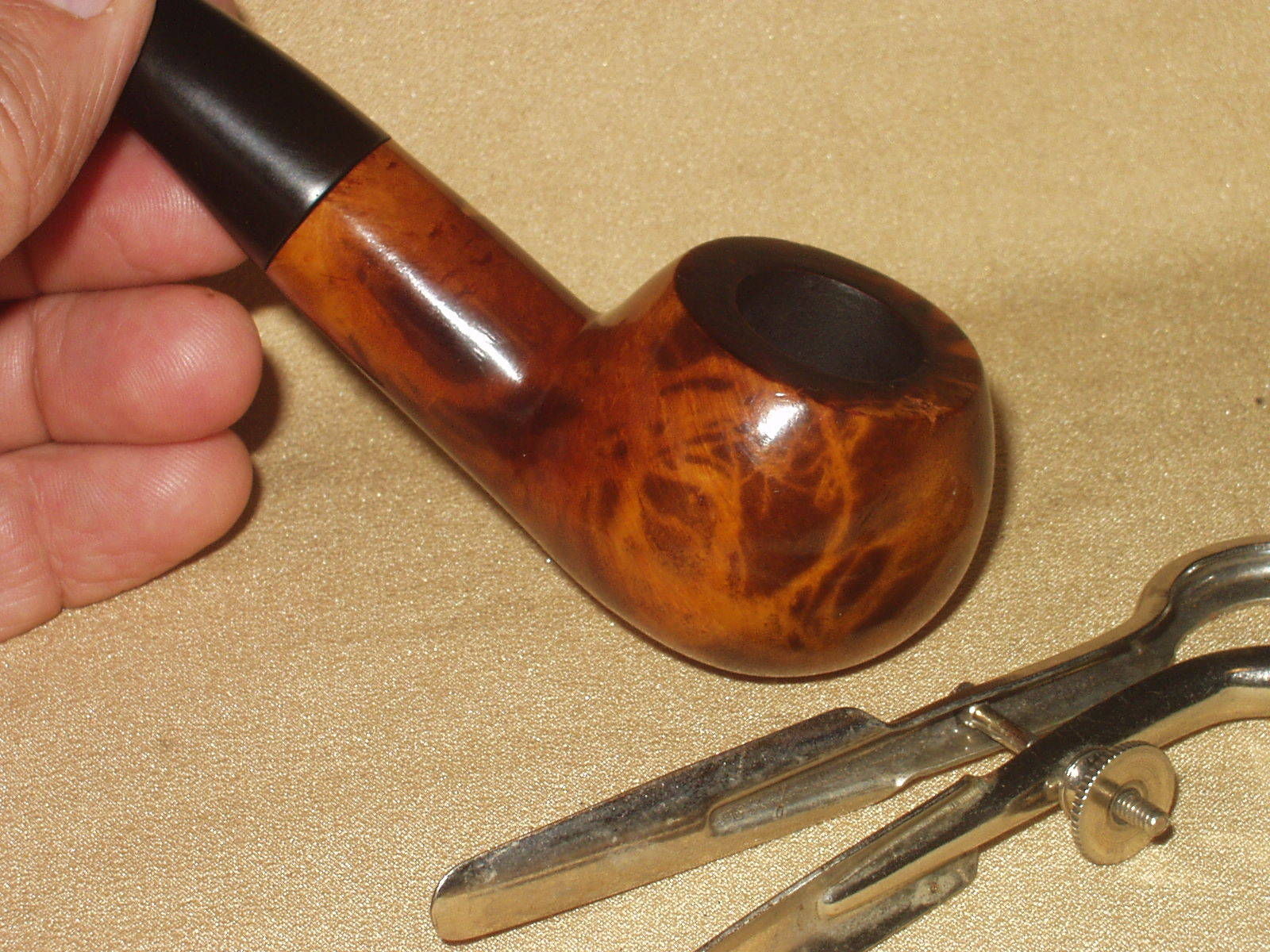
Another pipe that Mark included in the trade was stamped Racine de Bruyere. I have no idea about the maker or the time period of the pipe. The stem is an older style orific button (round hole in an end cap style button). Ron had stripped the finish off of the bowl and also had picked out the fills. The flaws in the briar that remained behind sans fills were deep crevices. The stem was stuck in the shank and would not insert the whole way. The stem itself was in great shape – good, hard older vulcanite. There was minor tooth chatter at the button on the top and the bottom of the stem. Once I had removed the stem the tenon was in great shape with a Dunhill style inner tube that extended all the way from the tenon into the airhole in the bowl. The photos below show the extent of the damage to the bowl in terms of the serious flaws in the briar. On top of the shank, on the left side and on the front of the bowl there were deep holes. There were also minor holes in other areas around the bowl. The shape is actually one of my favourite shapes so it would of course be worked on and brought back to life.
IMG_4748

IMG_4749

IMG_4750

IMG_4751

IMG_4752

IMG_4753

I used a dental pick to scrape away the debris in the pits. There were loose bits of briar and dust build up. I wiped the bowl down with acetone on a cotton pad to remove surface grit. I packed briar dust in layers alternating with superglue into the pits. Once they were filled to the top I tamped them down and then dripped superglue into the briar dust. I added more briar dust and also more superglue.
IMG_4754

IMG_4755

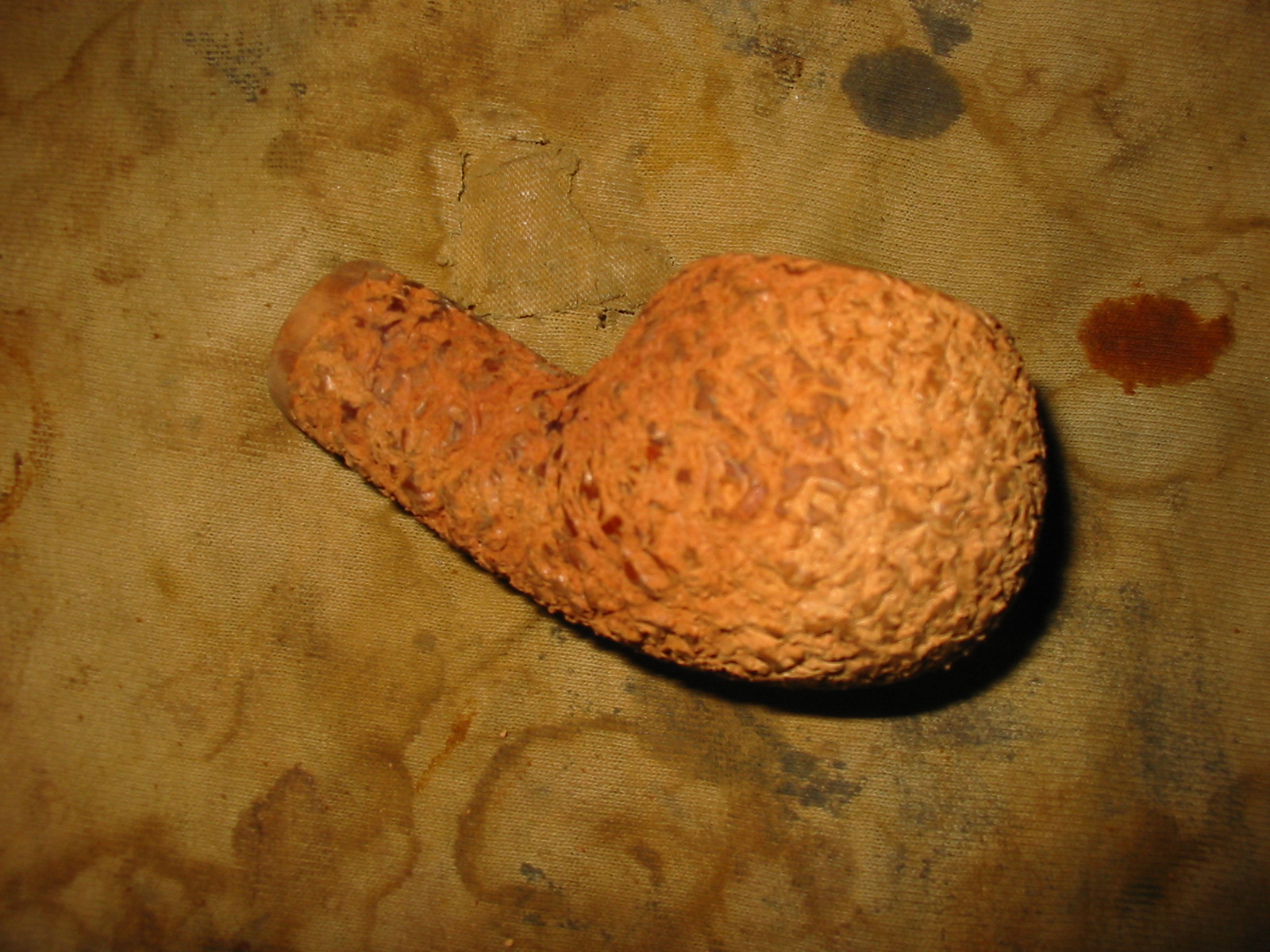
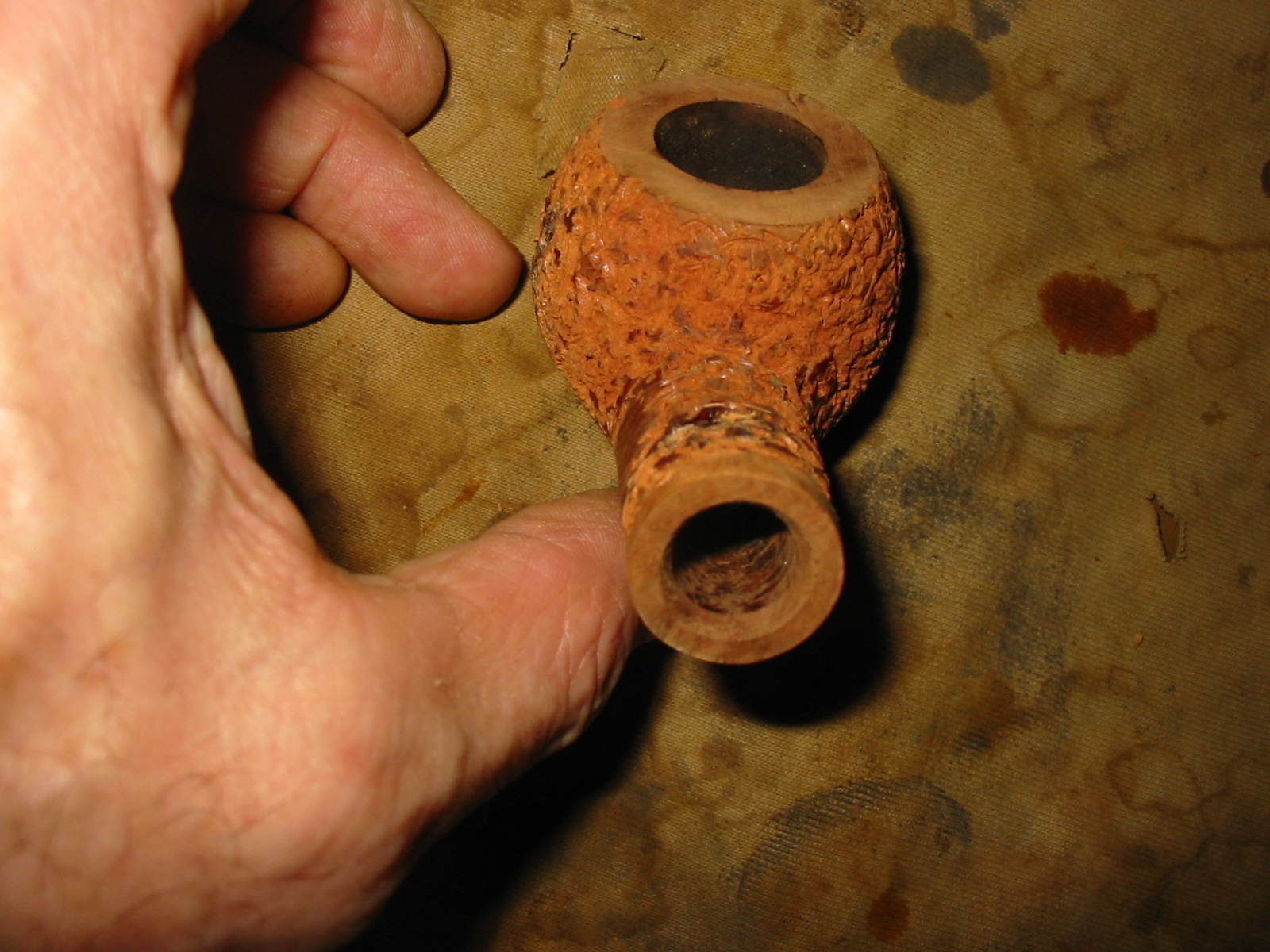
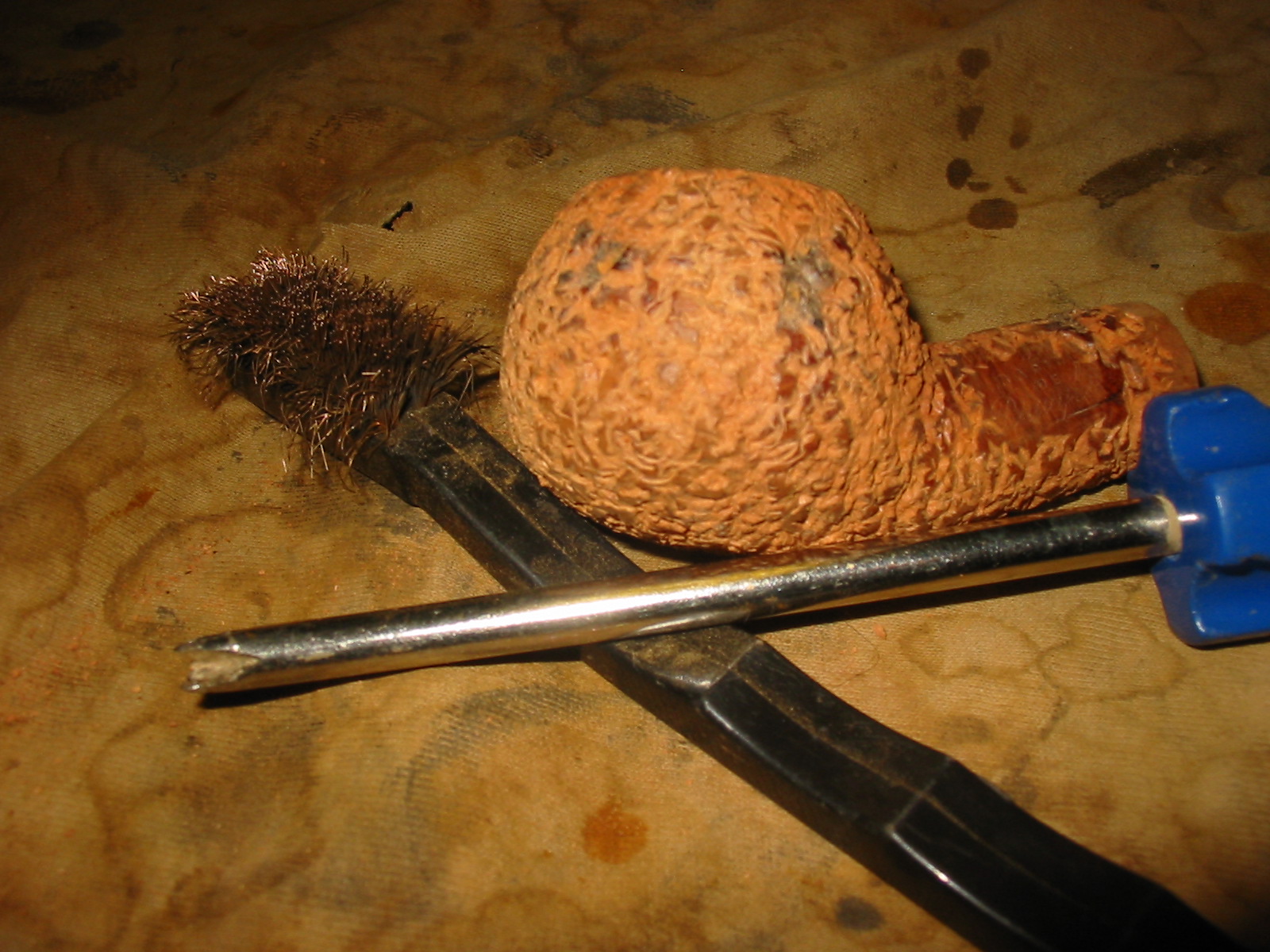
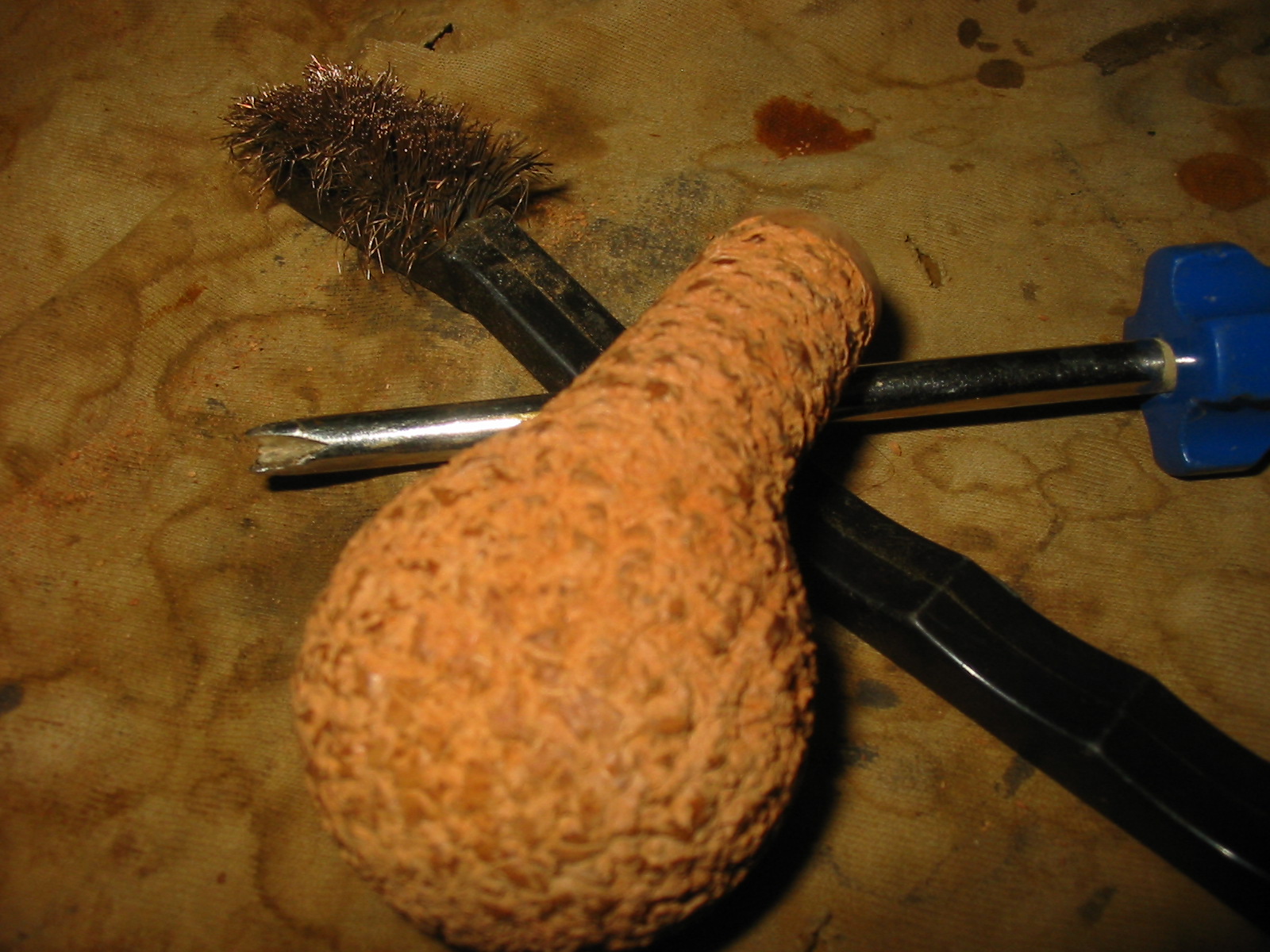
The sandpits, even with the fills, were large and there were many other small pits around the bowl. It made it an easy decision to rusticate the bowl. I used the modified Philips screwdriver to rusticate the bowl. I wrapped several layers of tape around the end of the shank so that I could leave a smooth band there making a stem fit more simple. I also put a piece of tape over the stamping on the left side of the shank. The next series of thirteen photos shows the progressive rustication of the bowl. I decided to do a deep rustication so I worked the tool deep into the wood of the bowl.
IMG_4756

IMG_4757

IMG_4758

IMG_4759

IMG_4760

IMG_4761

IMG_4762

IMG_4763

IMG_4764

IMG_4765

IMG_4766

IMG_4767

IMG_4768

When the rustication was complete I used a brass tire brush on the surface of the briar to knock off the sharp points and loose pieces of debris from the work of the tool. My aim was to leave behind some smooth spots that would end up have a contrast stain on them when I was finished.
IMG_4769

IMG_4770

IMG_4771

In order to get the stem to seat properly in the shank I used a knife and beveled/chamfered the inside edge of the mortise so that the stem would sit well. I also found in measuring the tenon that it was slightly too long for the mortise and the original manufacturer had left the end slightly at an angle so that it did not seat well in the mortise. I used a file to reseat the tenon and then put the stem in place. The fit was good, but the diameter of the stem was slightly more than the diameter of the smooth band on the shank so I sanded the band and the stem with 220 grit sandpaper. I was able to remove the excess diameter and bring the stem into line with the shank. I finished sanding it with a medium and fine grit sanding sponge to remove scratches.
IMG_4772

IMG_4773

IMG_4774

IMG_4775

IMG_4776

IMG_4777

IMG_4778

With the sanding finished the fit was tight and the transition was smooth. I scrubbed down the shank and the stem with some Everclear on a cotton pad to get rid of the sanding dust from the stem. With that done the pipe was ready to stain.
IMG_4779

IMG_4780

IMG_4782

IMG_4783

I decided to use a black aniline stain as the undercoat of the pipe. The stain would hide the repaired flaws well as they were also dark. I applied the stain with a cotton swab and made sure that it went into all the nooks and crannies of the briar.
IMG_4784

IMG_4785

IMG_4786

IMG_4787

IMG_4788

Once the stain was applied I flamed it with a lighter to set the stain and then took it to the buffer to see if I could buff away the stain on the higher parts of the rustication. I used red Tripoli to do the buffing. I kept a pretty light touch as I did not want the Tripoli to build up in the rustication. With that done, the finish was closer to what I was aiming for. I still wanted a few more of the high spots showing.
IMG_4790

IMG_4791

IMG_4792

IMG_4793

I wiped the bowl down with Everclear on a soft cloth to remove some more of the black and then buffed it with White Diamond. I then gave it a top coat of oxblood stain to bring out the contrast and highlight the high portions of the rustication. I buffed it again with White Diamond.
IMG_4794

IMG_4795

IMG_4796

IMG_4797

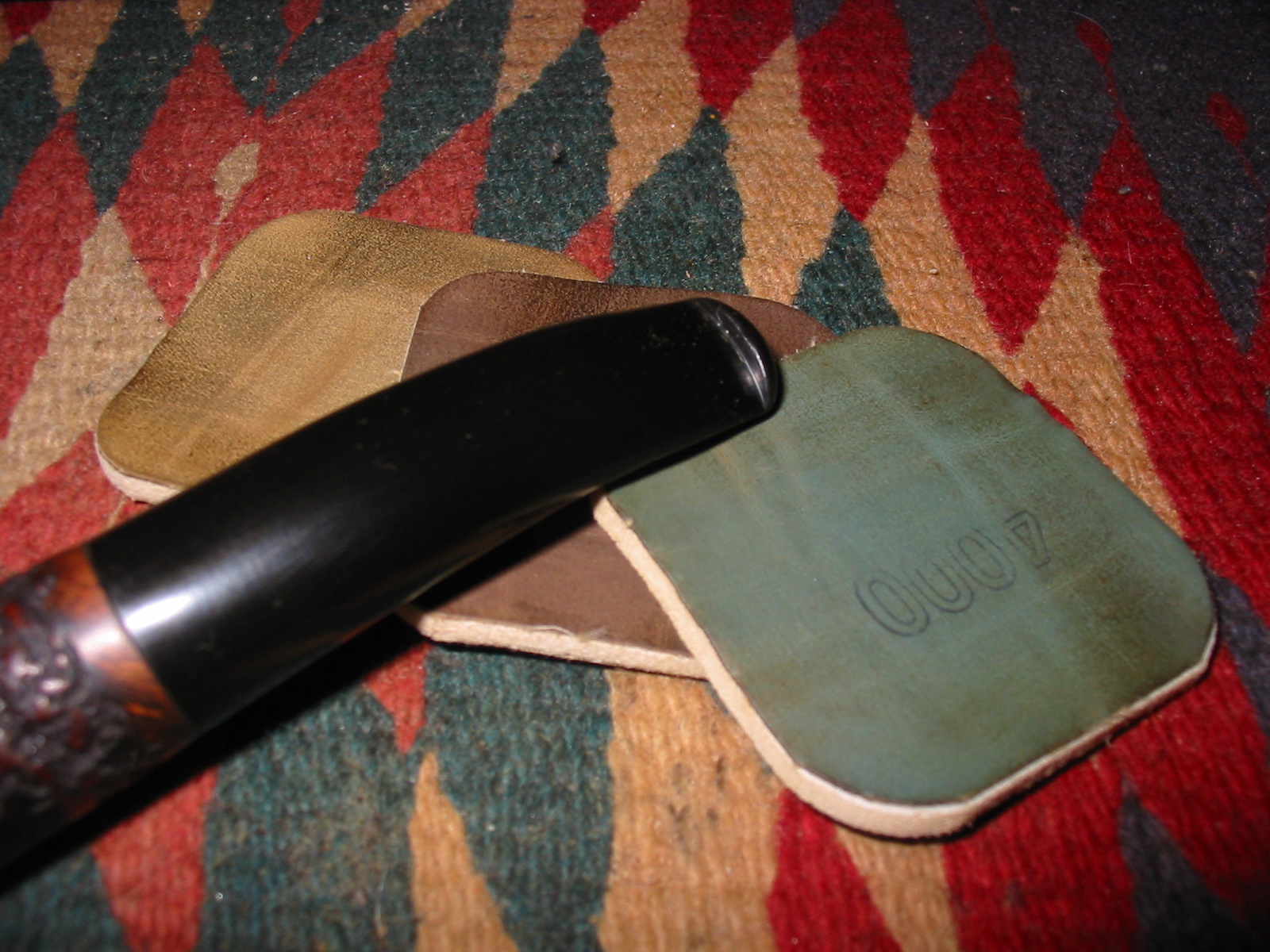
To remove the tooth chatter and the scratches from fitting the stem to the shank I used my usual array of micromesh sanding pads. I wet sanded with 1500-2400 grit pads and dry sanded with the 3200-12,000 grit pads. I rubbed the stem down with Obsidian Oil and let it dry.
IMG_4798

IMG_4800

IMG_4802

Once the stem was done I used 2400 grit micromesh sanding pads and dry sanded the high spots on the rustication on the bowl and the shank to further accentuate the contrast. I buffed the bowl lightly with White Diamond and then buffed the pipe as a whole with White Diamond yet again. Once it was done, I gave the stem multiple coats of carnauba wax. I also gave the bowl a very light buff with the carnauba wheel – too heavy a touch and the wax fills in the crevices of the rustication. I then hand buffed it with a shoe brush to finish the shine. The completed makeover is shown in the photos below. The pipe is ready to enter into a new chapter of its life.
IMG_4803

IMG_4804

IMG_4806

IMG_4807

Since posting this I have found out some information about the stamping. Racine de Bruyere means Genuine Briar. It was stamped on pipes coming out of St. Claude. The stamping does not define the maker but the region. The pipe was probably made in late 20’s to early 30’s. I found the original eBay sale description that showed the pipe as it was when Mark received it. I have included those pictures below. Note the gold leaf/paint in the stamping.
Racine2

Racine3

Racine4

Racine5

Racine6

Racine7

Racine8

Racinea

Peterson Rustication pictorial – Kirk Fitzgerald


When Kirk Fitzgerald posted this step by step tutorial on Smokers Forums I thought it would be great to have it on the blog. I asked Kirk if I could post it on the blog and he granted his permission. So without further introduction here is his rustication process. Kirk is the founder of the Pipe Smokers Cubby Web Forum http://www.pipesmokerscubby.com/cubby.php

I was asked if I would do a step-by-step rundown on my own rustication process, so I have rusticated my own Peterson bent bowl for this purpose.

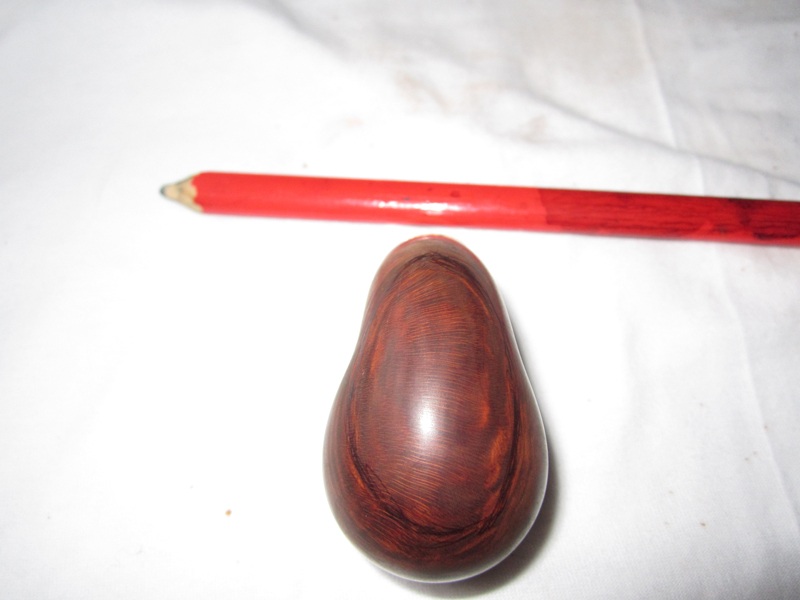
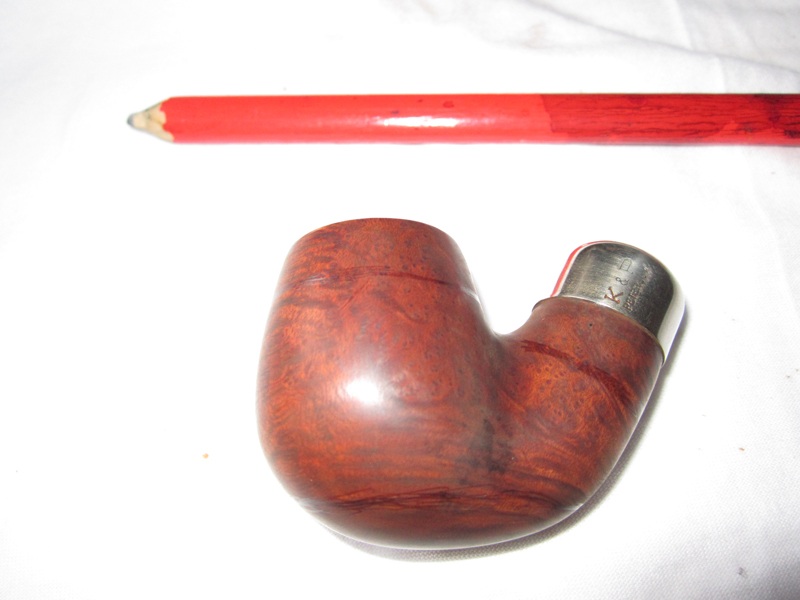
So before we get going, let’s see what the process will do to the bowl of the pipe

Image

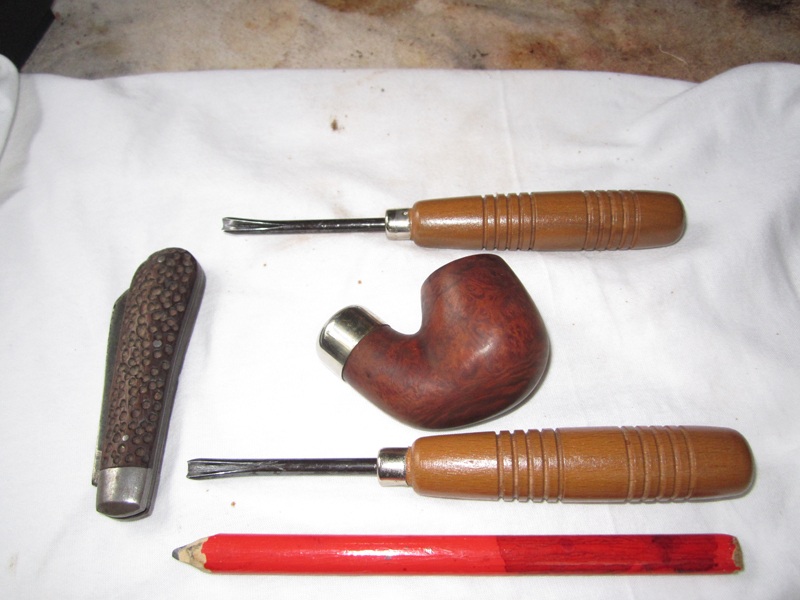
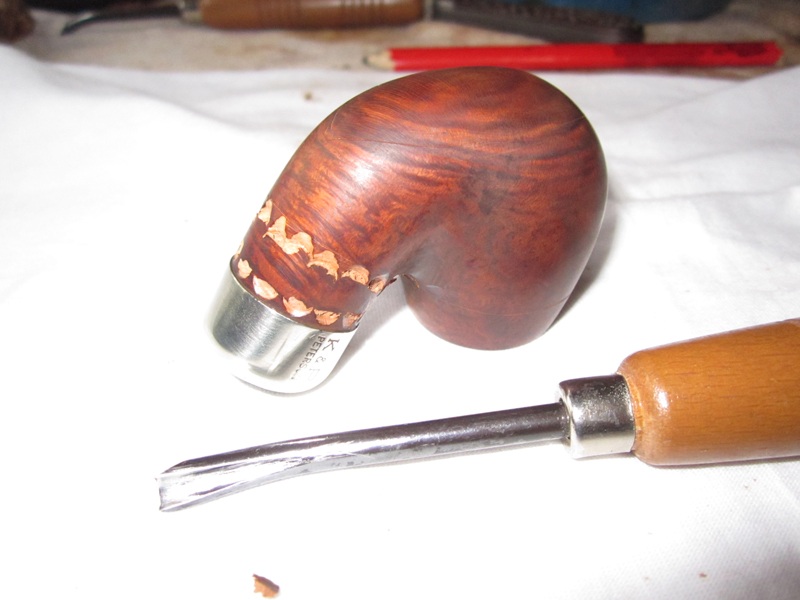
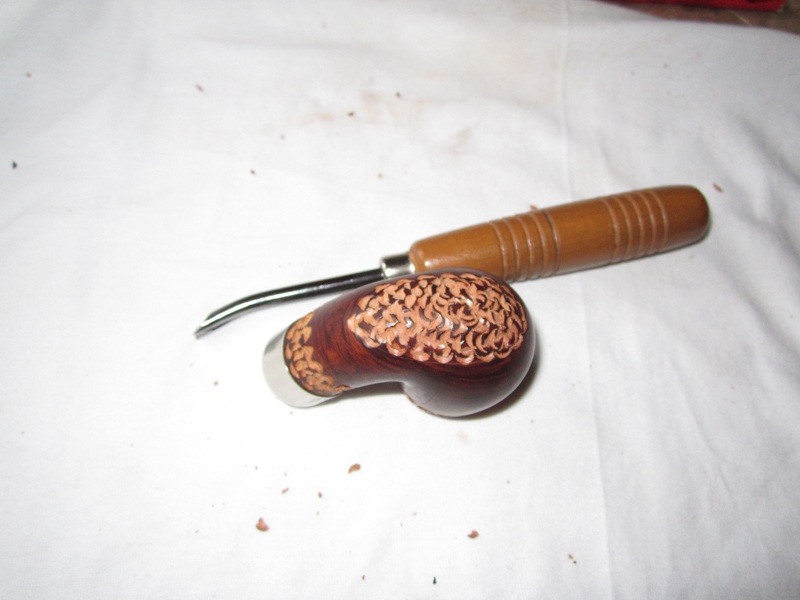
The pipe’s bowl, the two chisels I use, my crappy pencil and the knife I use to perma-line the boundaries for the areas to be rusticated

Image

Here we mark the rustication boundaries in pencil

ImageImageImage

Here we perma-mark the boundaries using a sharp knife to scratch out the linesImageImageImage

Notched out the shank boundary linesImage

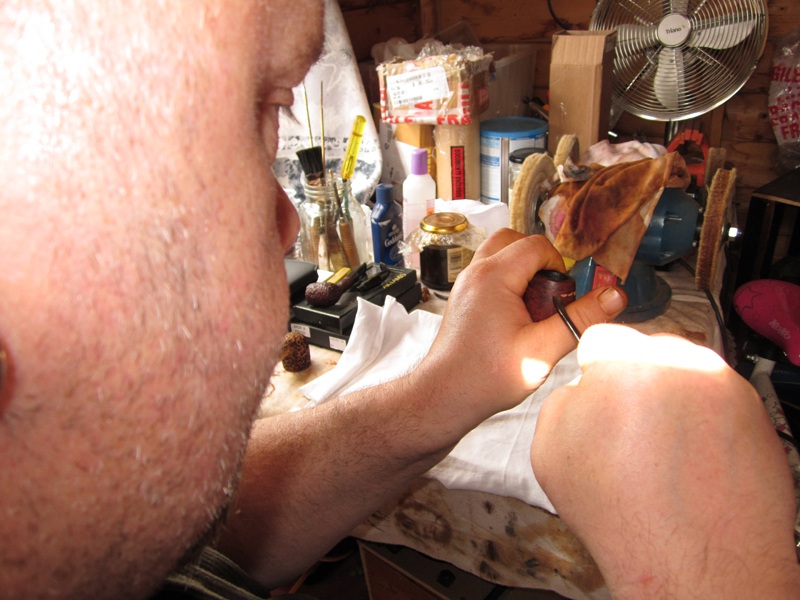
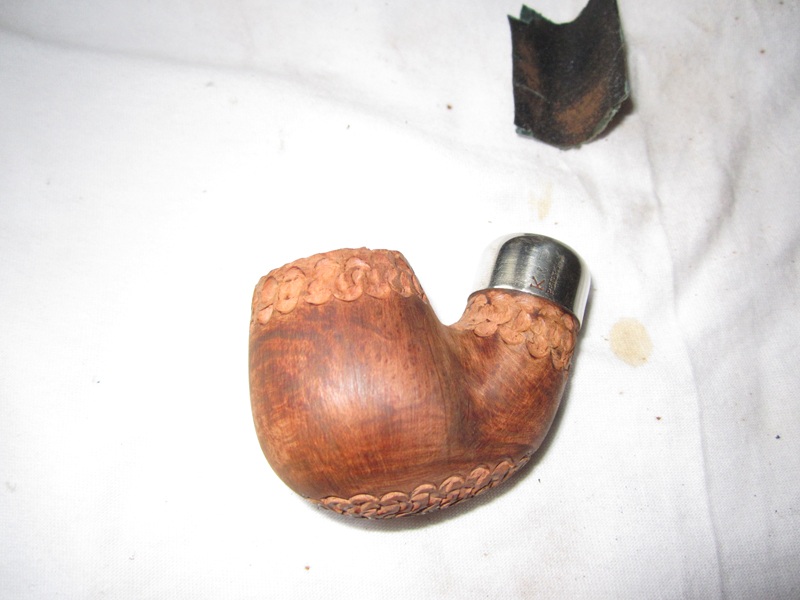
Here’s me notching the bowl rim boundariesImage

Notched the bowl rim boundaryImage

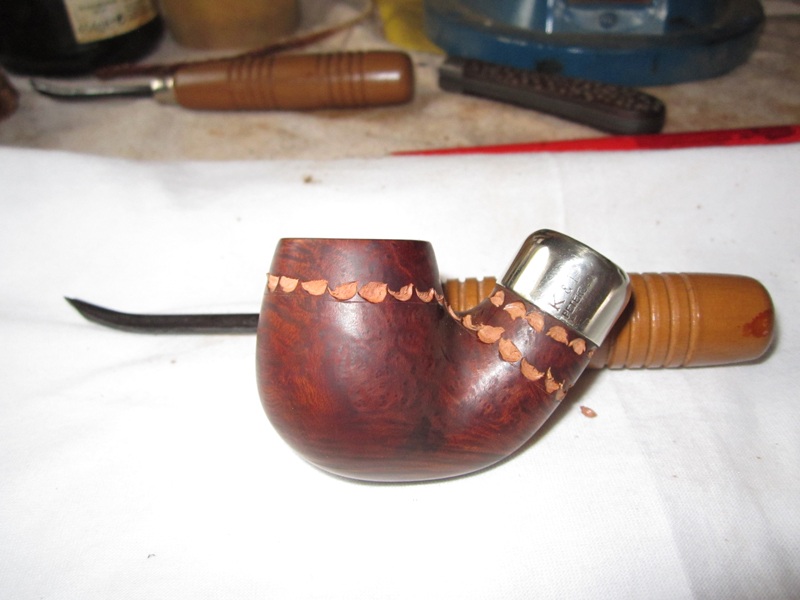
Here I have started notching the bowl topImage

Here’s the bowl top notchedImage

Start of the base boundary notchesImage

The base boundary notches are now doneImage

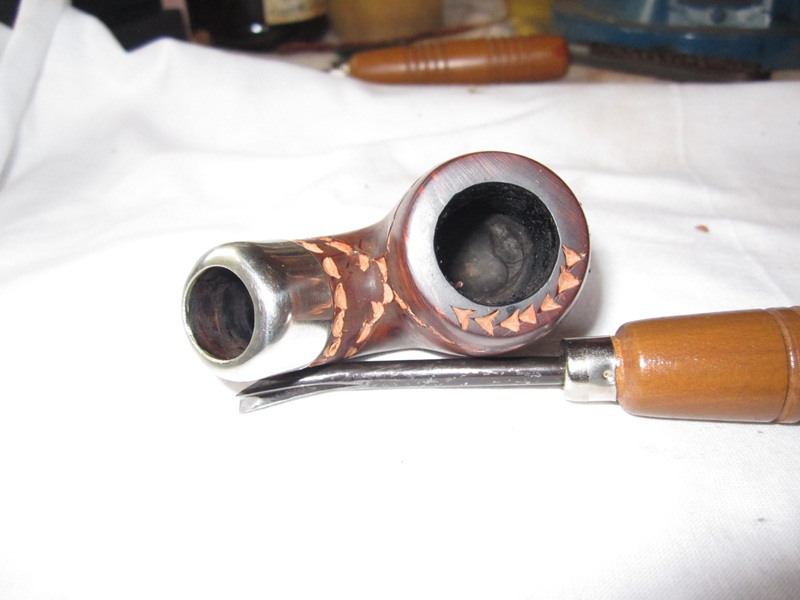
This is where we are so far, getting thereImage

Start to notch the bowl rim edgeImage

Finished notching the bowl rim edgeImage

Here I have now notched the bowl top rimImage

Notching the bulk of the base interiorImage

Here I have notched out the bulk of the bowl top rim interiorImageImage

Here I have notched the remainder of the base interiorImage

Here I am starting to remove the remaining surface finish with 180 wet and dryImage

Here the remaining finish is now removed; note I have made sure it looks distressedImage

Here I have now sanded the bowl smooth using 400, 600, 1200 grit wet and dry sand paper, note the effect is looking distressedImage

Here I have applied a dark brown stain, note it is a full and generous applicationImage

Here I have applied a dark red stain, again note the fullness of the coatingImage

Now I have applied the final stain, a mid-brown, coverage is not so important with this one, a quick cover would do but I have opted for a full and generous application.Image

Now I have given the bowl an alcohol rub-down using a clean cloth and Isopropyl alcohol, note I have almost wiped the stains away, but only ‘almost’Image

I have now applied 2 very generous applications of Tripoli using the buffer wheels, this stage is vital to the finish of the bowlImage

This is after I have brutalised the bowl on the buffer wheels to remove some staining to distress the bowl furtherImage

Here I have used White Diamond on the buffer wheels to remove the Tripoli much and shine the surface a little before the waxImage

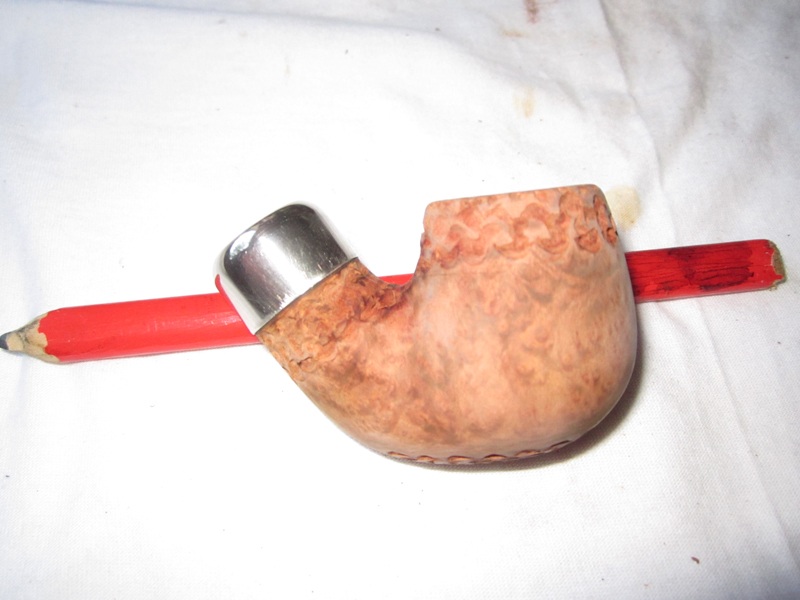
Here I have applied the first coat of wax and carnaubaImage

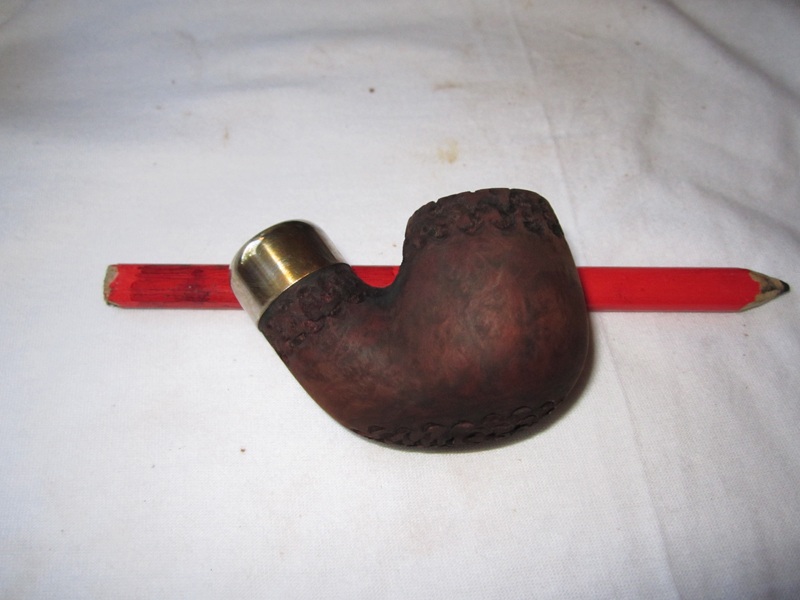
All done now, here is the final bowl re-attached to its polished stem.ImageImageImageImageImageImageImage

Rustication – A Pictoral Essay


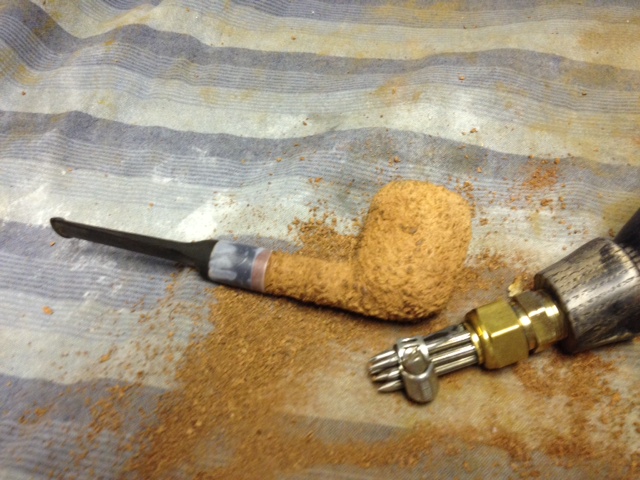
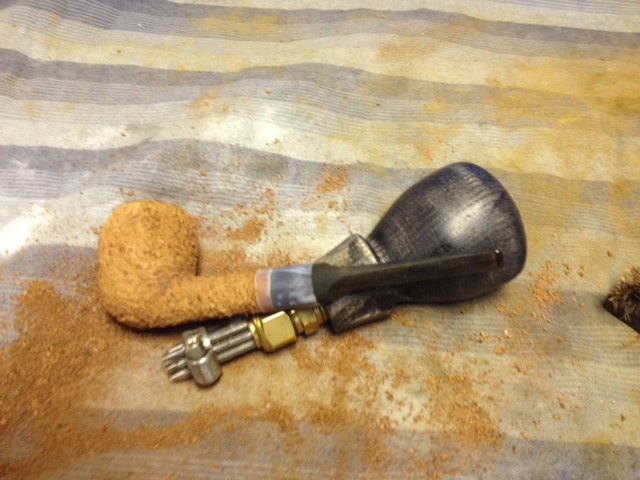
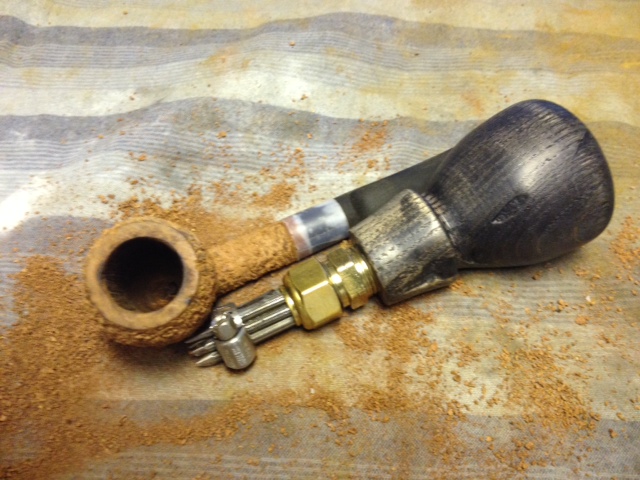
Over the years I have been developing a process for rusticating pipes. I have used it on old estates that I have been given or purchased where the finish did not work for me or it had too many fills or pits. The tools I use are pictured below. The one on the left is a variation of a tool that I made from plans on Tyler Lane’s Pipe making site. It is made of a piece of black 1 inch pipe. I packed it with galvanized nails and then a cap is put on the end of it. The cap is packed with steel wool to keep the nails from shifting. I plan to make another variation on this and use a T union that will serve as a handle. The current cap is hard on the palm of the hand as I twist it into the surface of the pipe. I also want to weld the nails in place to avoid any shifting of them as I use the tool. The second tool is a florist’s frog – it has a lead base with sharp spikes (watch your hands and fingers on this one) that is used in floral arrangements. I got this at an antique shop. I want to create a wooden handle for this one to give me a bit more distance from the surface of the briar when I am working it over the wood.

I start rusticating the briar with the large tool on the left and then finish with the smaller one on the right should I want to achieve a bit different pattern or rustication. Either individually or together they provide an interesting rustication. The larger tool does the gross work and the smaller one adds finesse to the rustication.

ImageImage 

For the sake of showing the process I have chosen the following old timer – a Dr. Plumb carved apple that had a finish that I did not like. It had a carved finish of lines around the bowl and then horizontally on the shank. The original pipe is pictured below in the first two pictures to give an idea of the original state of the pipe. I also include pictures of a Canadian that is riddled with fills. It smoked great but just looked awful in my opinion. I wanted to show pictures of both a previously carved finish and one with fills to show what I see as an improvement in both of these pipes after rustication. Each one has a slightly different rustication pattern to it as I was trying to achieve something different in each case. The pictures that follow will give you an idea of how the process works from start to finish. I conclude the essay with two added pipes that I rusticated to give a broad sampling of the finished look of my rustication method.

ImageImage 

To begin the process I want to work with clean pipes that do not have any finish on them other than the stain. I put the bowls in an alcohol bath for an hour to remove all the waxes, finishes and grime that is on the outside of the bowl. I also ream and clean the pipe as I will handle it pretty roughly as I rusticate it. I don’t want added grime on my work table and hands so for me a clean pipe is what I like to work with. On the Canadian I removed the band and set it aside so that it would not be damaged in the rustication process.

ImageImage 

For the purpose of this essay I will begin with the Dr. Plumb apple. I worked the rustication tool into the wood, twisting it back and forth until it had the rough look to it as can be seen below in the picture on the left. Once that was done I gave it a coat of black aniline stain. I find that the stain facilitates seeing any part of the wood that still needed to be worked or showed a pattern that was to uniform. I reworked the rustication with the larger tool to get it a bit more rough and random looking. Once I had the rustication the way I wanted it I stained the pipe a second time using a medium brown stain. This was to be the finish coat. I stained it, flamed it to set the stain, restained and set it a second time. The result was the matte finish pictured below on the right. In the light it showed some depth and variation in colour coming through from the earlier black stain that I put on after the first rustication. The third picture from taken from above shows the finished rustication before I buffed the stem and gave the entire pipe a light buff with white diamond.

ImageImageImage    


The next step is to take the pipe to my buffer. I buffed the stem with red Tripoli and then white diamond. I buffed the bowl with white diamond to knock off some of the rough edges and to soften the edges of the rustication a bit and polish the smooth areas to highlight them. From pictures below the effect of the buff can be seen. It helps to differentiate the smooth areas from the rusticated ones and give a nice contrast to the finished look. The smooth areas have been polished and have a sheen. The rough areas have a softer glow that highlights the depth of the rustication and the pebbled finish of the pipe. The tactile surface of the “new” pipe is pleasant to the hand. It also has a better look than the pipe that existed before with the carved finish.

ImageImageImageImage 


I have included the remaining pictures to show several other pipes that I have rusticated. These will give you an idea of the variety of finishes that can be achieved with the tools. It also shows a unique texture finish that I have developed that I like and repeat. The key here is to work the process repeatedly to develop your own distinctive look and feel. Rustication is an individual process as can be seen by the wide variety in rusticated pipes seen on the market. I continue to develop my method and try different patterns and also try to repeat the ones I like.

The first set of pictures show the finished Canadian that was pictured above before rustication. I used only the larger tool on this pipe. When I had finished rusticating it to my satisfaction I used a brass whitewall brush to smooth out the rustication. I took it to the buffer and used white diamond to soften and flatten out the roughness. I wanted to have a different look with this pipe which explains the process variations. I stained it with a medium brown aniline stain and was aiming for the look of old leather. The flaws and fills on this old Canadian are now hidden and a pipe that is much more pleasing to the eye is the result.

ImageImageImage Image


The second pipe is a John Bessai bent apple. I cannot find the pictures of the pipe before rustication but I remember it well. It had many fills and flaws in the wood and was a light tan colour. The pink putty fills stood out against this nice tan backdrop. They made me always bypass this pipe in my rotation. It smoked well but it was just ugly. I would pick it up and then put it down and take another one in hand. I was going to sell it but thought I would rusticate the bowl and see what it would look like. Again I was going for a leathery look. I used only the larger tool on this one as well. Once I finished the rustication I again used the brass whitewall brush to soften the rustication and buffed it with white diamond. The final rustication before staining looked much as it does in the finished pipe. The colour of the pipe is achieved by a combination of an oxblood undercoat stain and then a buff followed by a medium brown topcoat. I left the shank smooth with the stampings still visible. To me the much improved look draws me to it and the tactile nature of the pipe in hand is a bonus. As it heats up the feel is very pleasant.    

 ImageImage

The final pipe pictured below is one I carved. It was a kit I picked up from eBay. It was a small block and stem stamped Caveman pipes. I carved the shape I saw in the block. As I did, the flaws and sand pits became visible. It became clear that once more rustication was the solution yet again. I used the larger tool followed by the brass whitewall brush to soften the rustication and give the pipe my favourite old leather look. The first two pictures below show the unstained pipe after rustication. Note that I wrapped the shank with electrical tape at the stem/shank junction to protect the stem and to give a band of smooth briar. The third two pictures show the pipe after the undercoat of black stain. The final colour (seen in the last two pictures) was achieved by a combination of a black undercoat of aniline stain and a top coat of medium brown. I buffed between coats of stain. All of the above pipes were then polished with Halcyon wax and buffed with a flannel buff.

ImageImageImageImageImageImage 


The above process is demonstrated in the four pipes pictured. It is very simple. I stained each of the pipes before I rusticated them so that I could easily see where I was working. I used the larger rustication tool on all of the pipes. For the first one I used the second tool to change the rustication and then applied stain. In the last three I used a brass whitewall brush to soften the rustication and give it a leathery texture. Once I got the desire rustication I stained the pipe again for the finished colouring. The first was merely buffed with a soft touch on a white diamond buff. The remaining three were polished by hand with Halcyon wax and then buffed with a flannel buff to give it a polished look.

Give the process a try and see what you can come up with. It is a creative outlet and a means of exercising some creativity. Let us know what the finished product looks like.