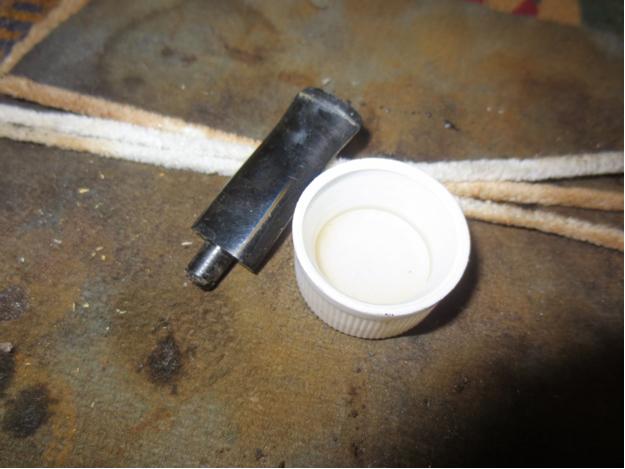
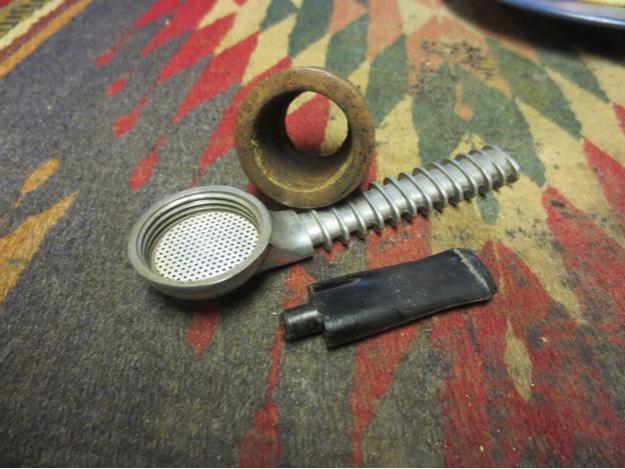
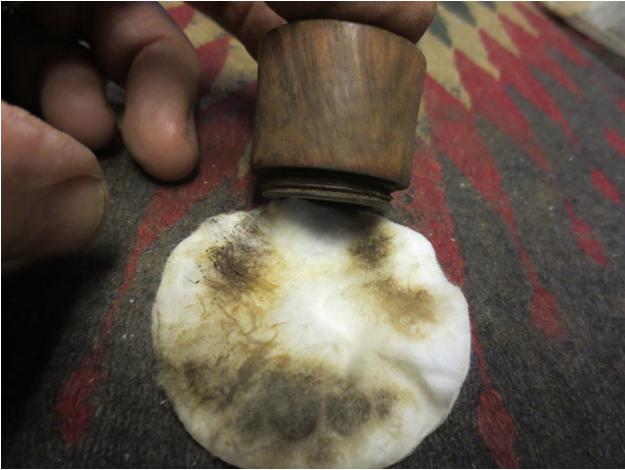
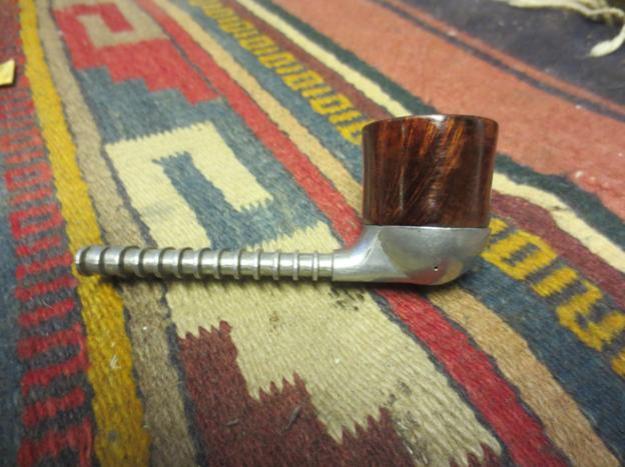
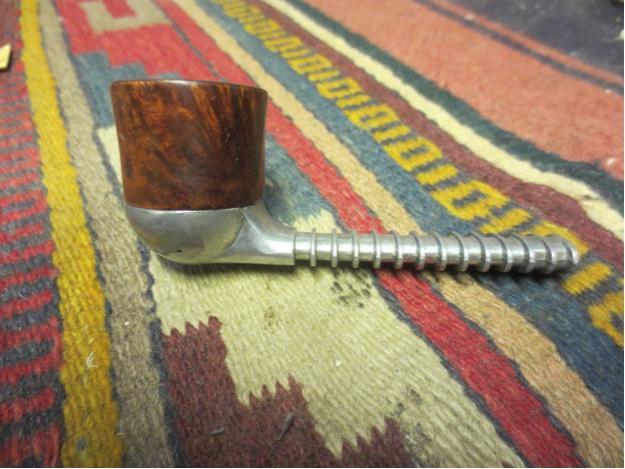
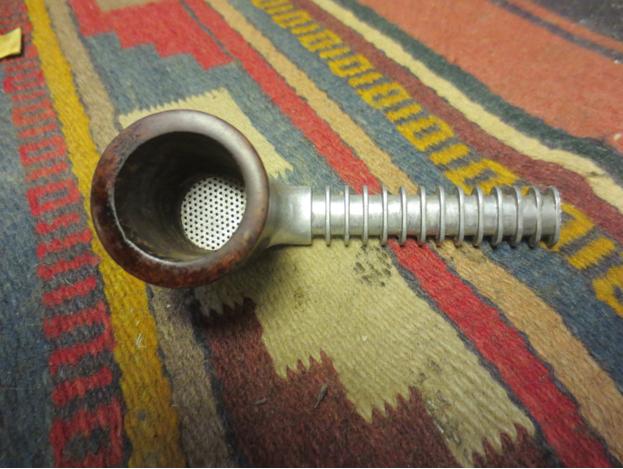
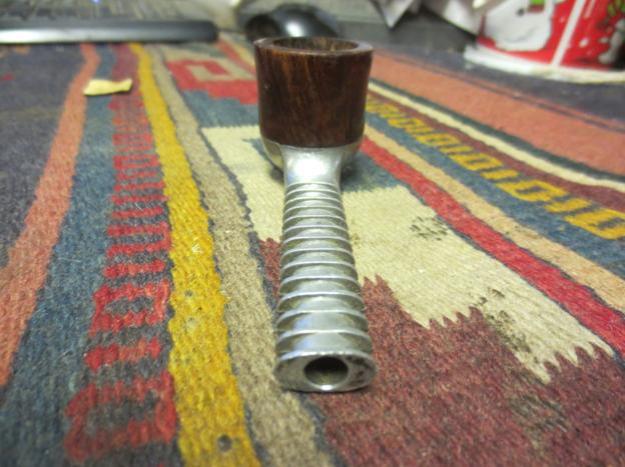
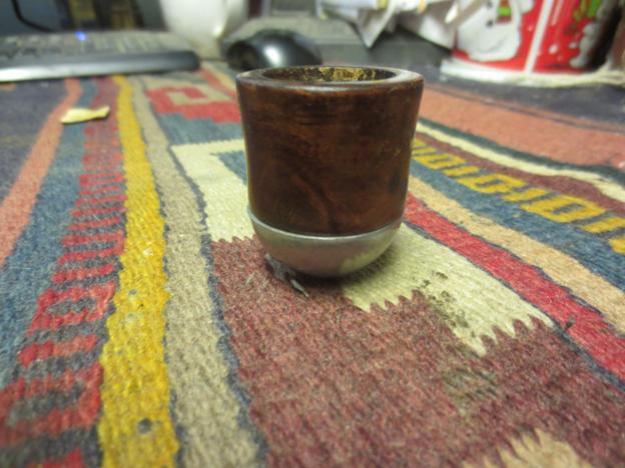
Tag Archives: restaining a bowl and rim

A Facelift for Colored Billiard


Blog by Aaron Henson

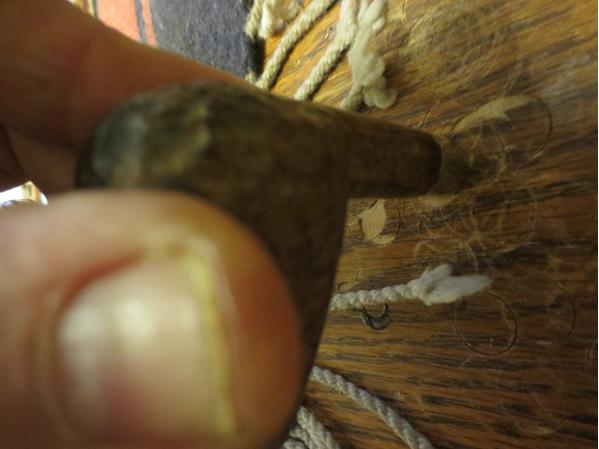
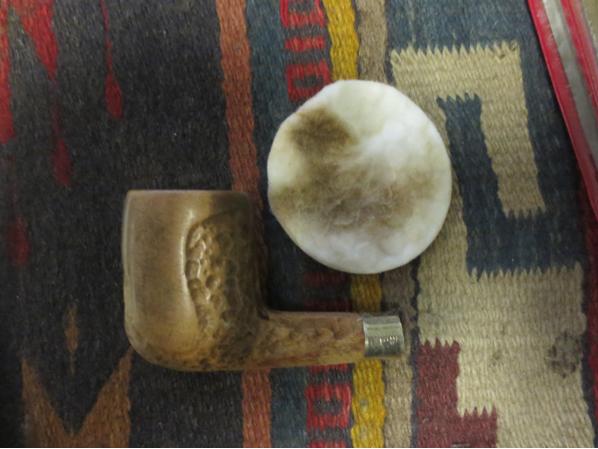
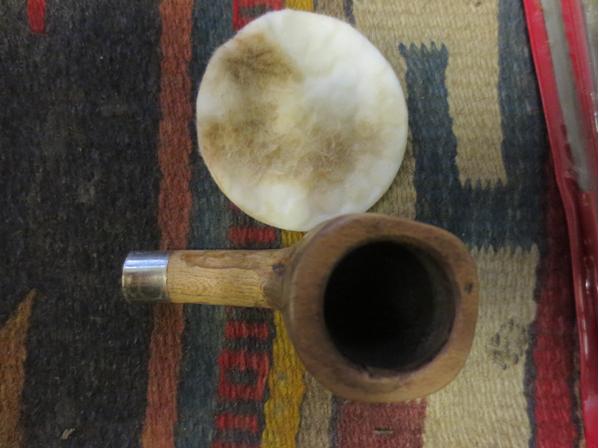
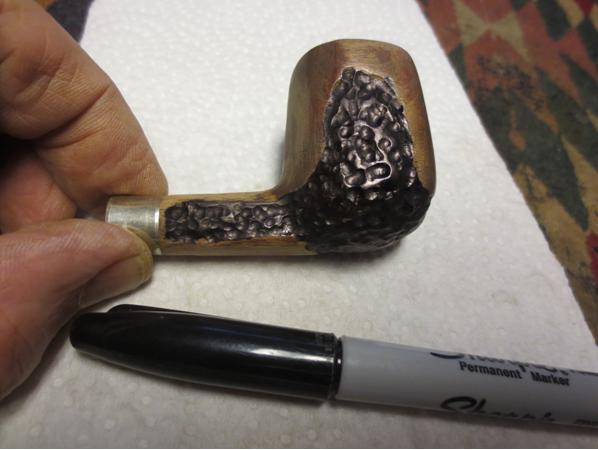
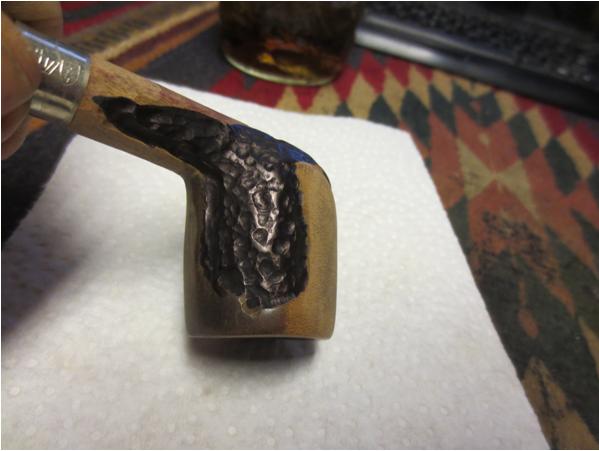
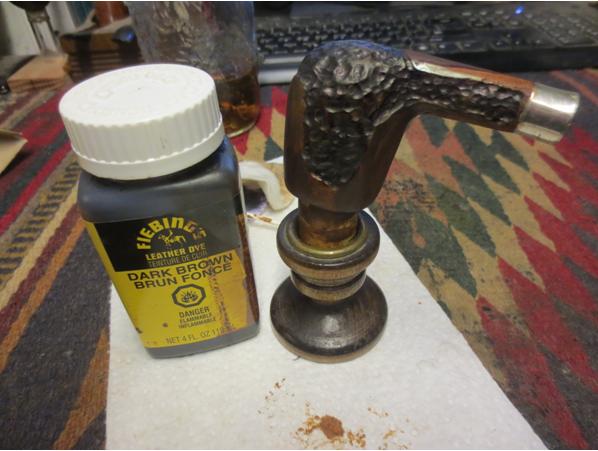
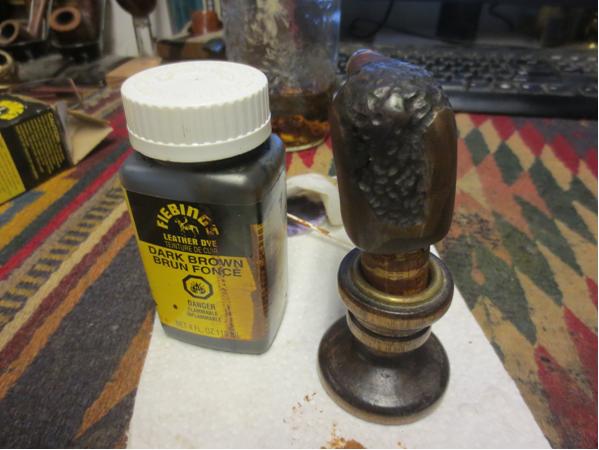
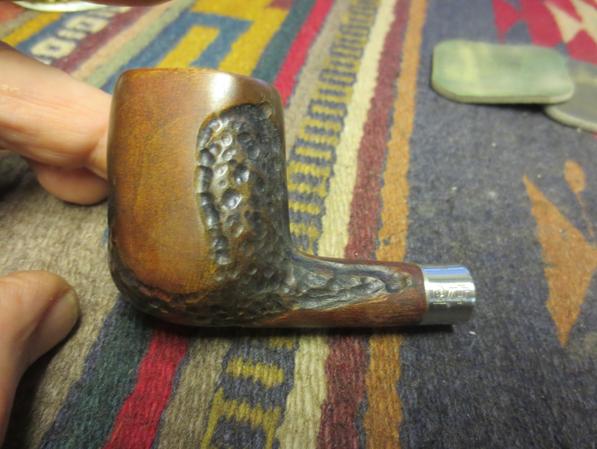
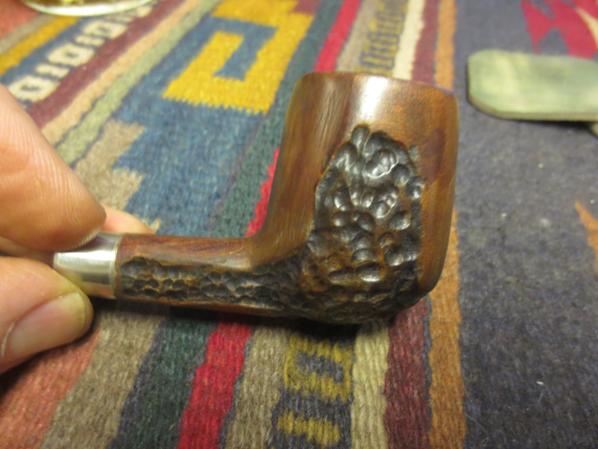
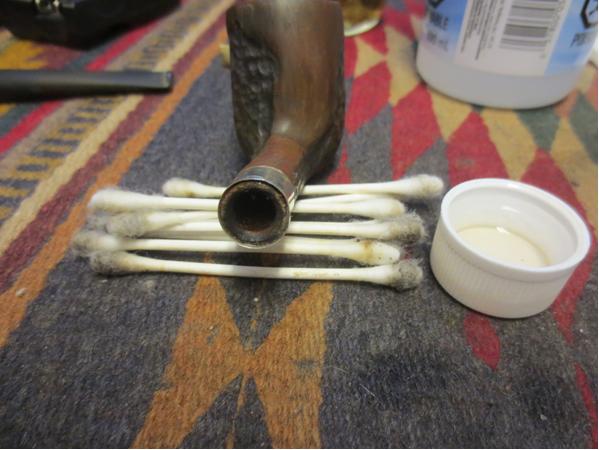
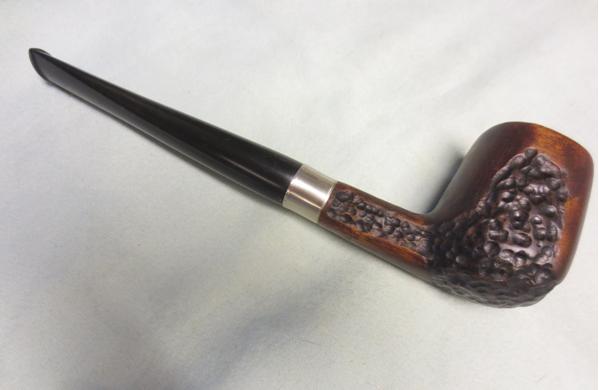
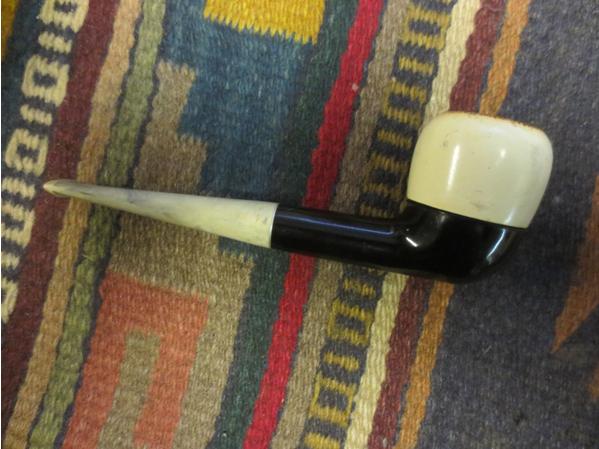
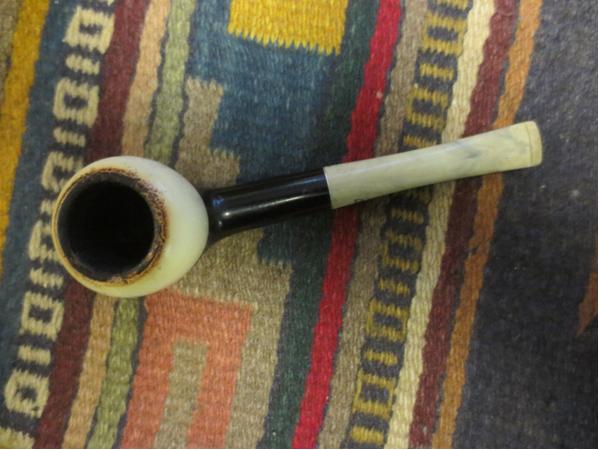
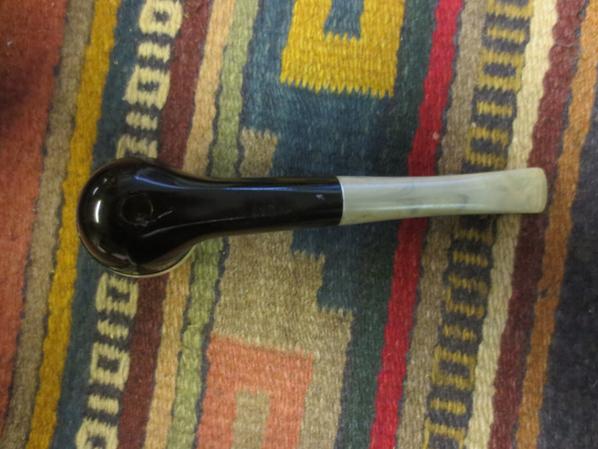
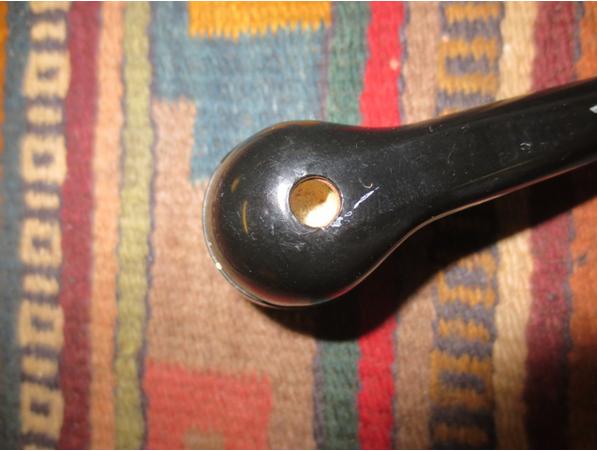
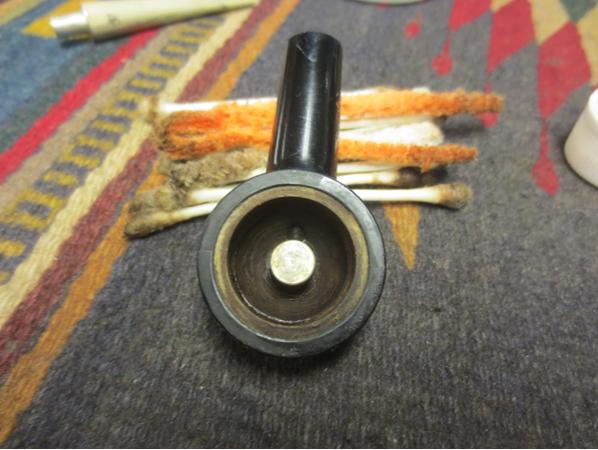
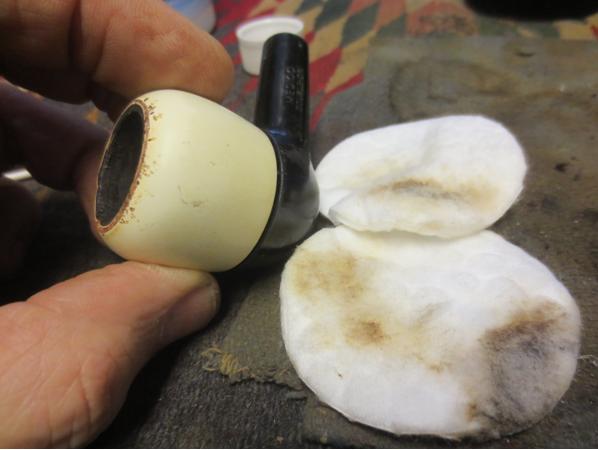
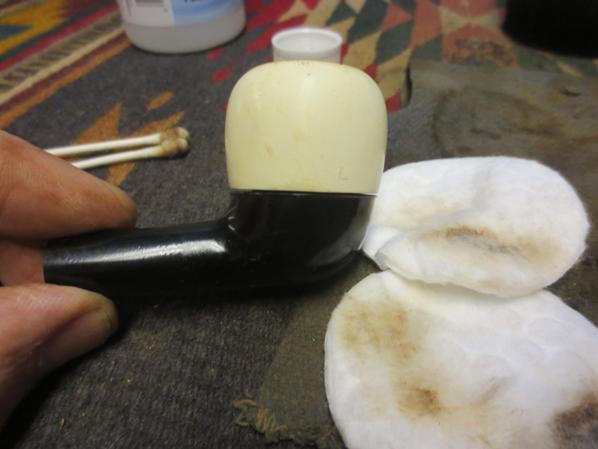
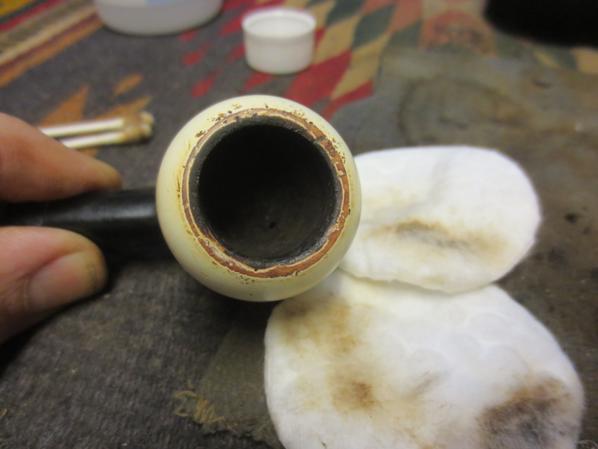
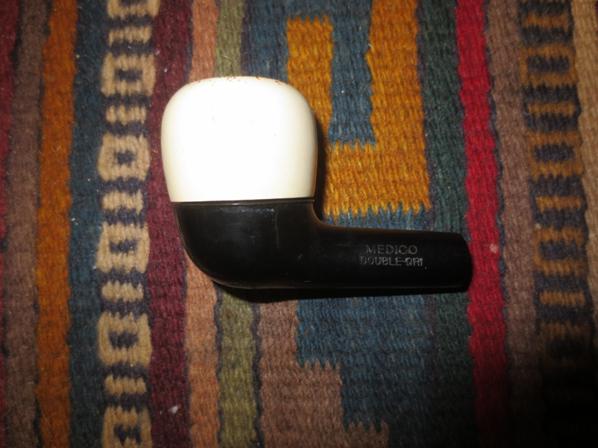
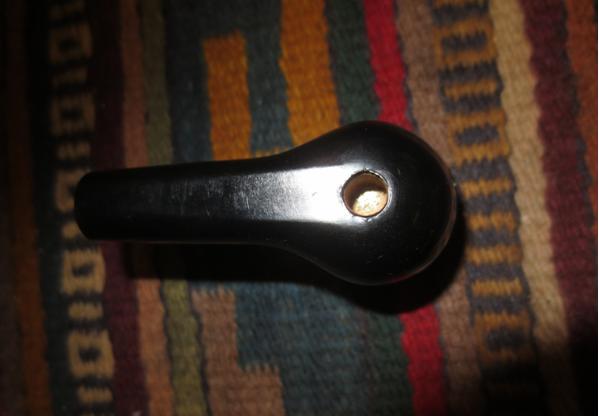
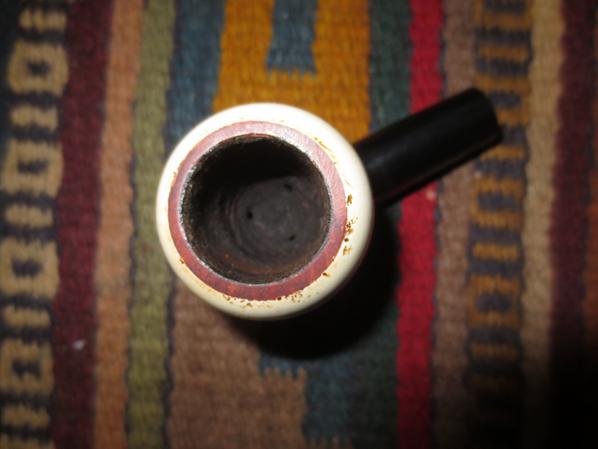
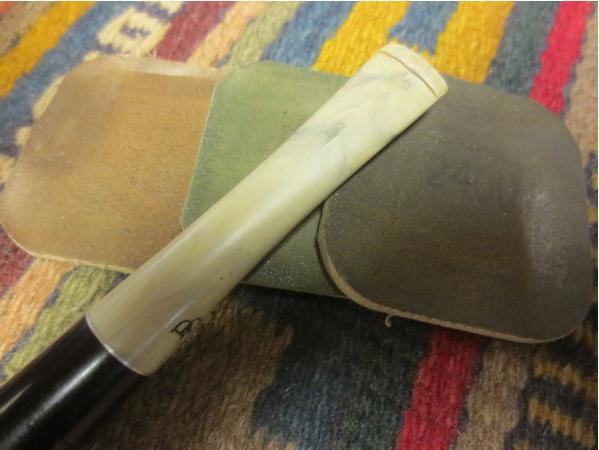
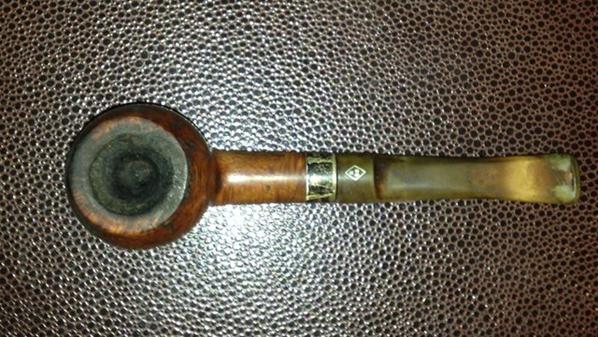
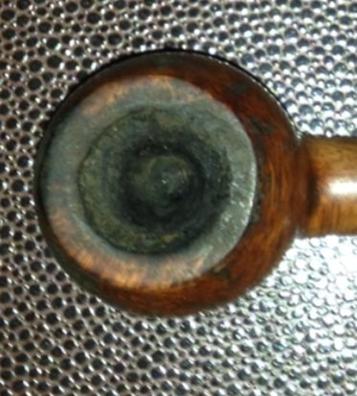
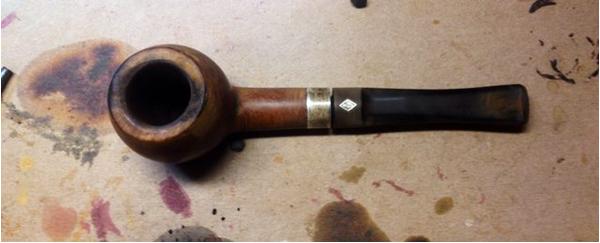
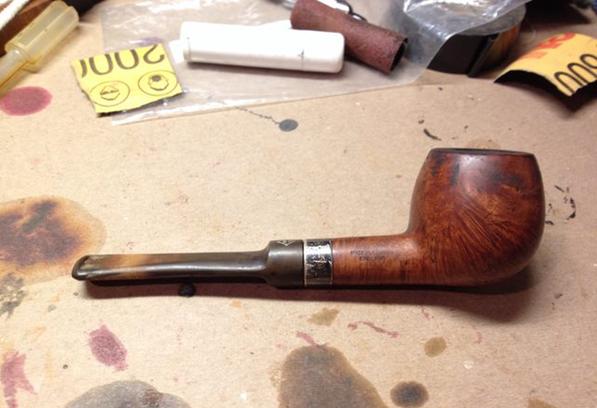
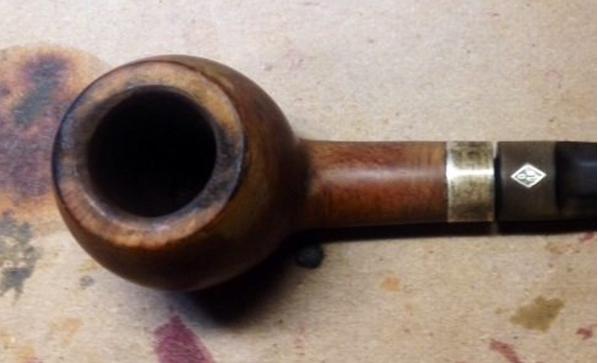
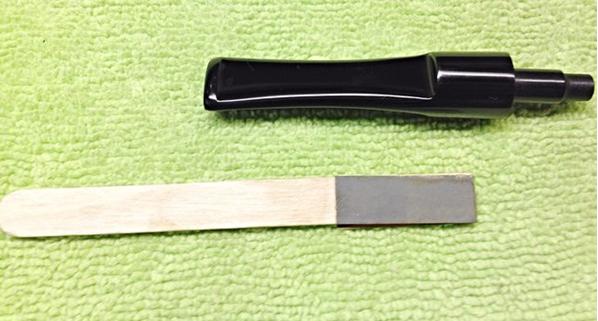
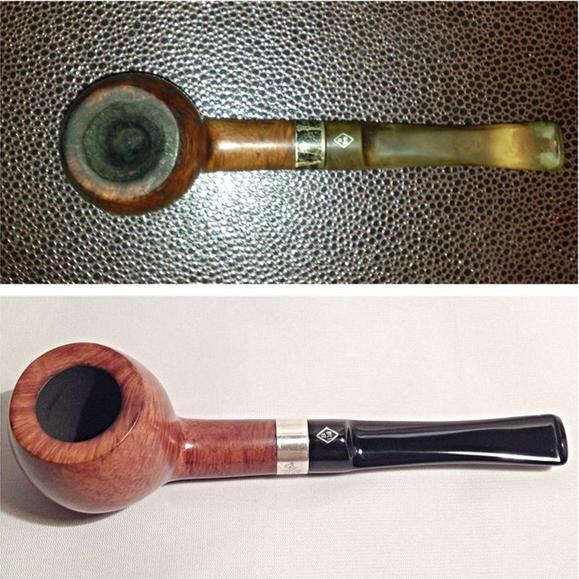
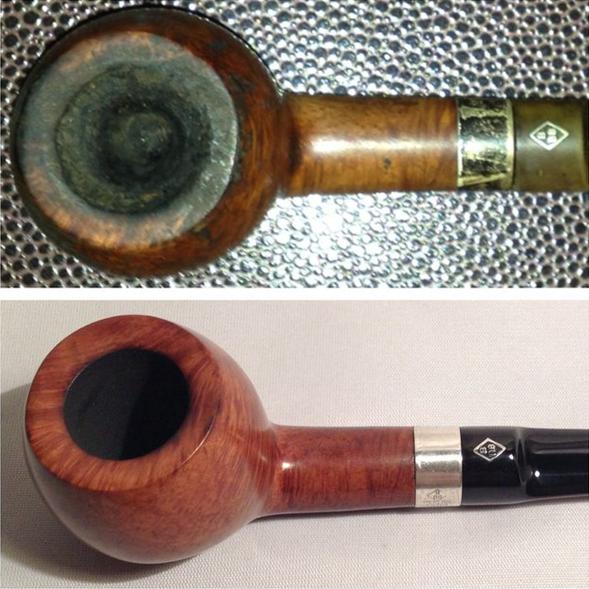
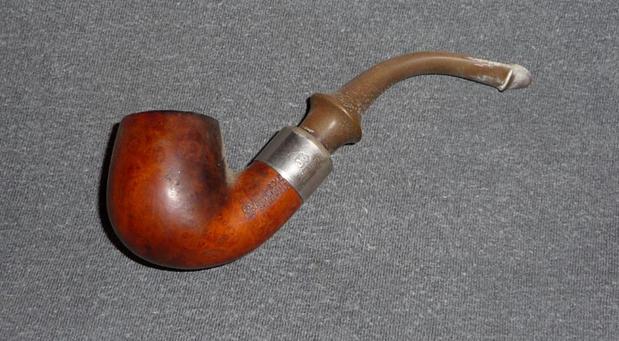
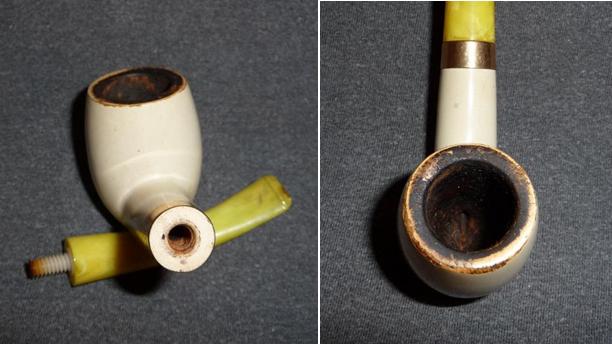
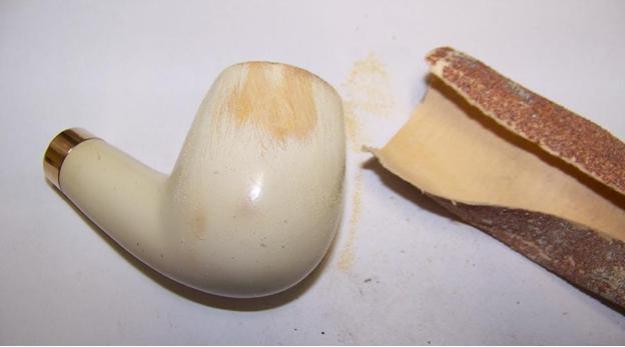
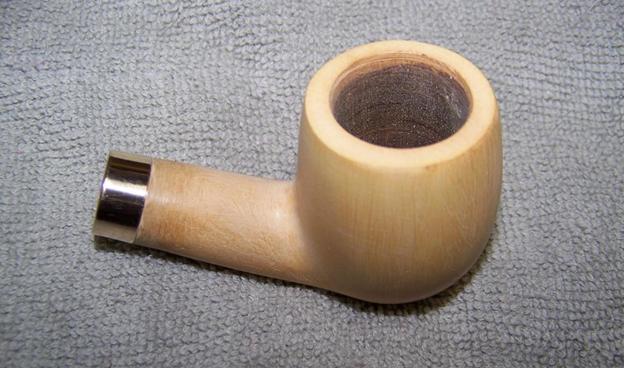
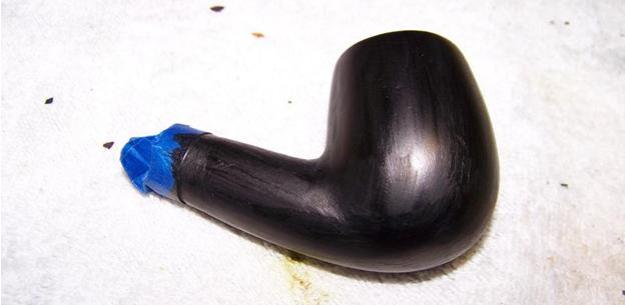
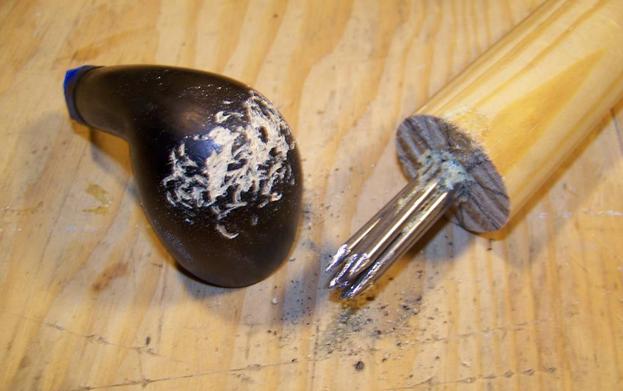
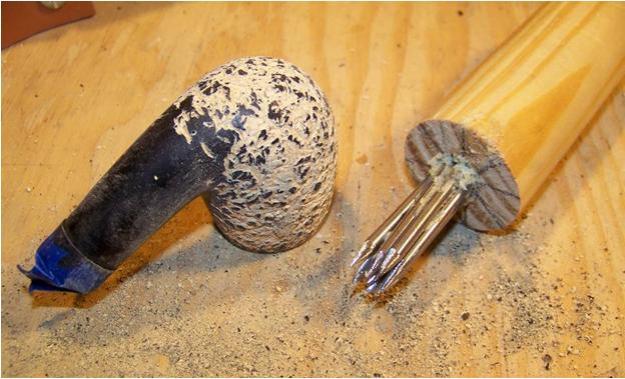
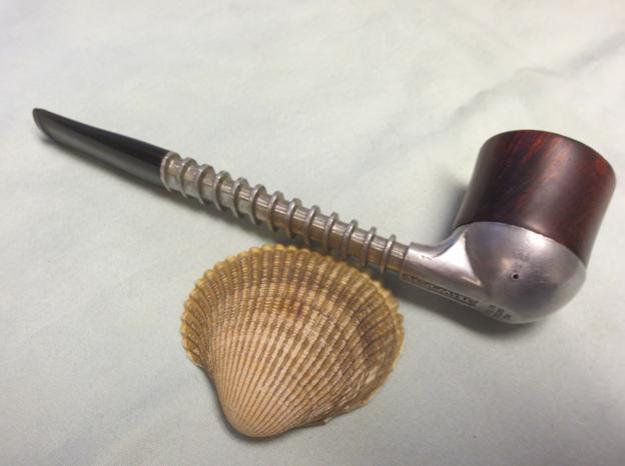
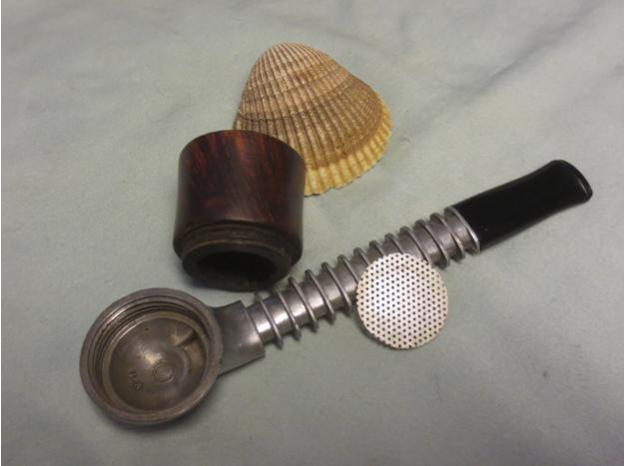
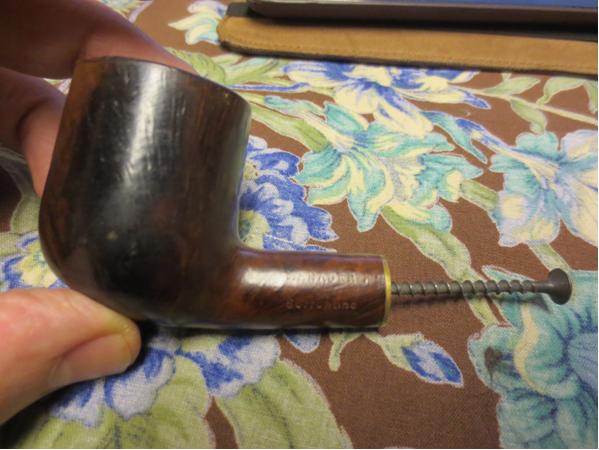
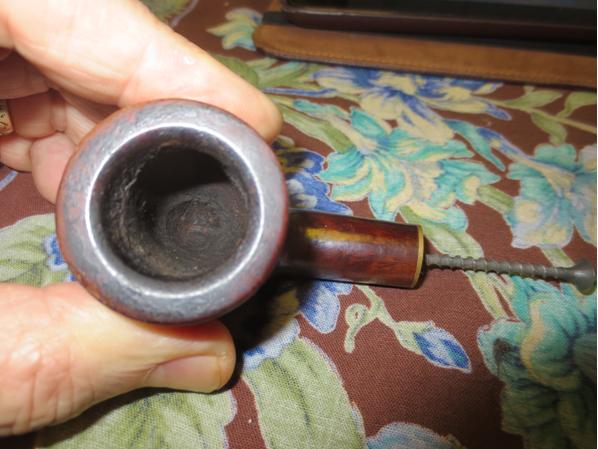
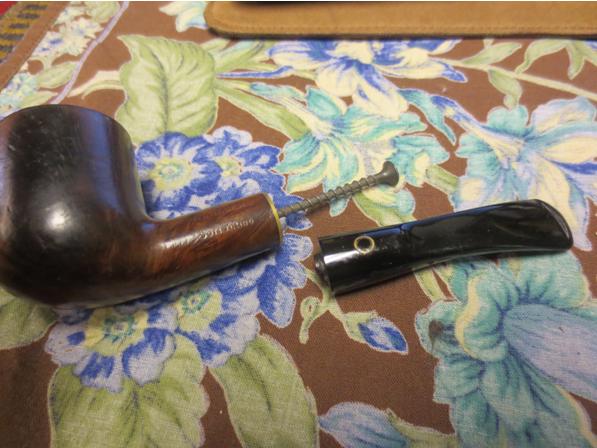
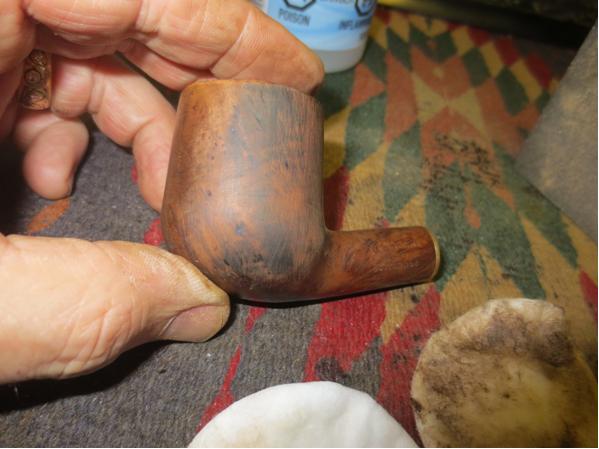
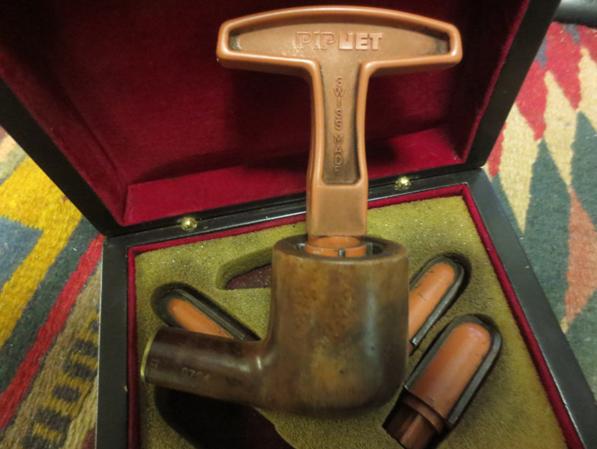
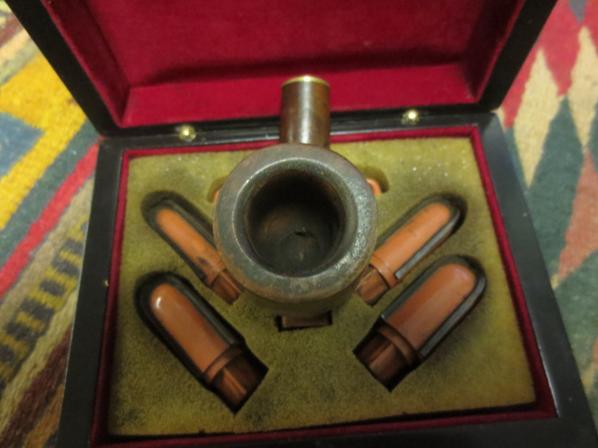
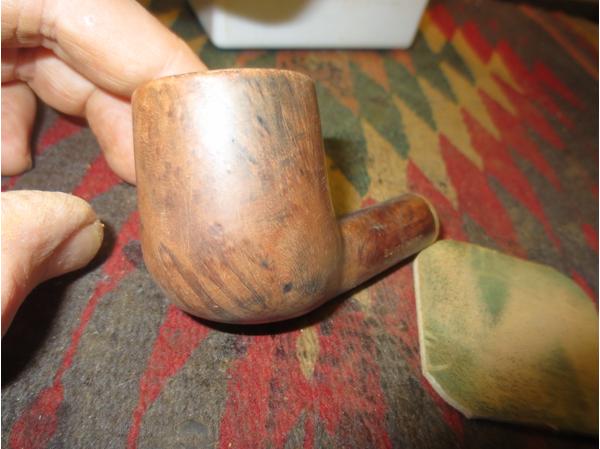
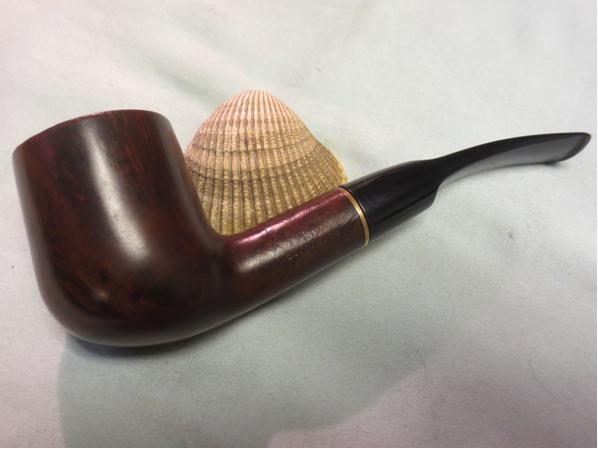
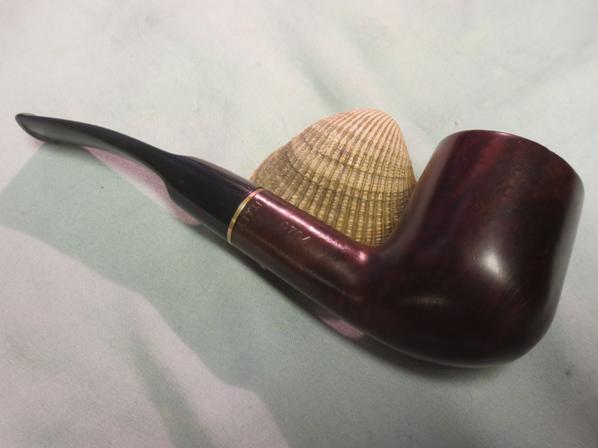
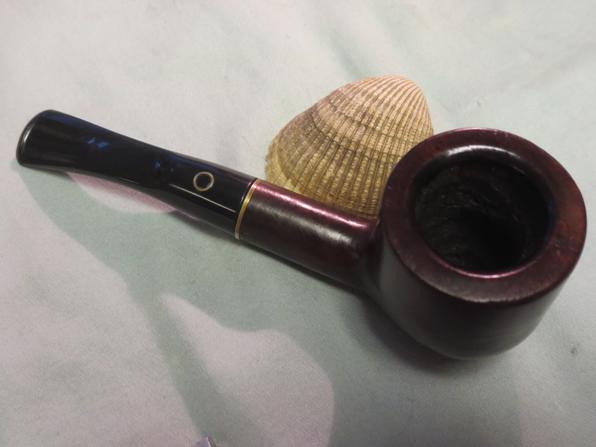
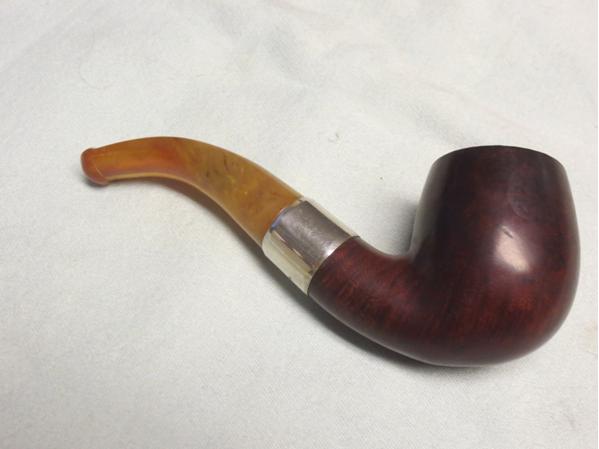
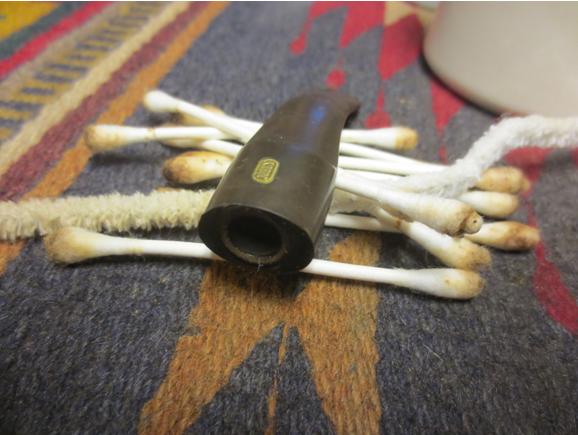
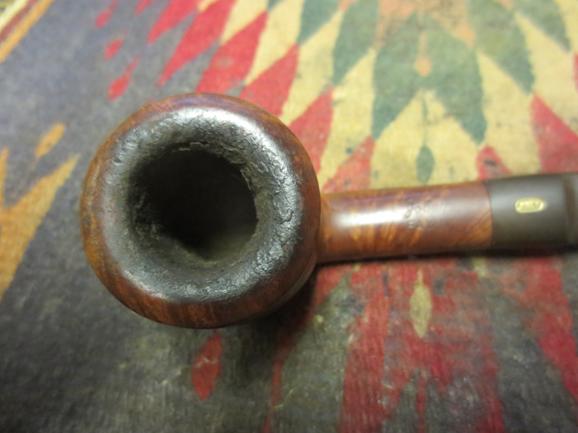
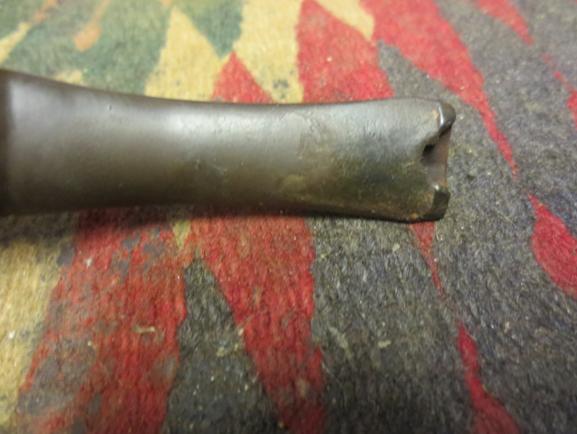
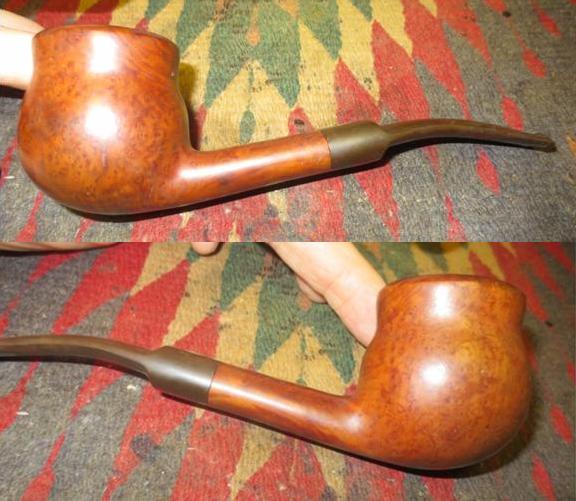
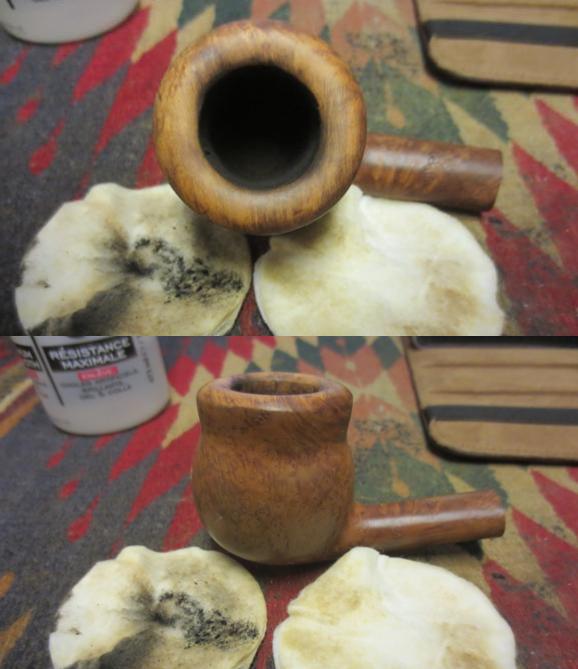
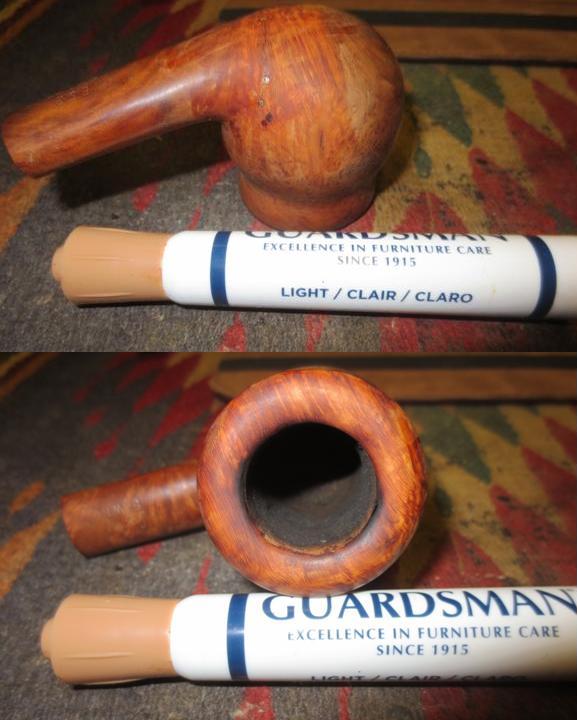
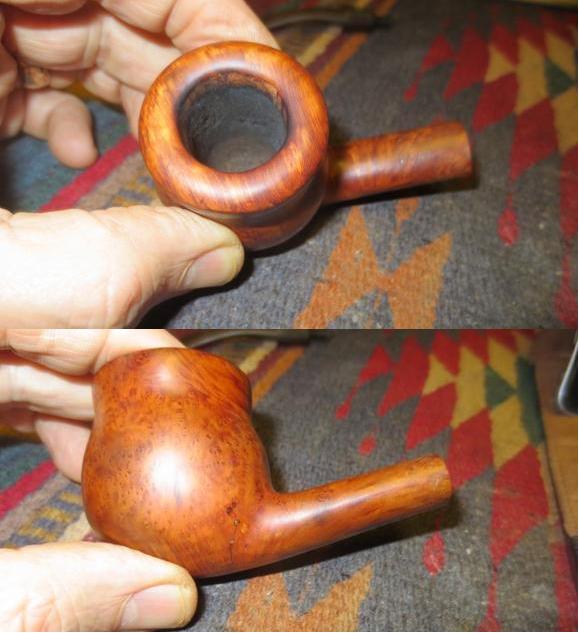
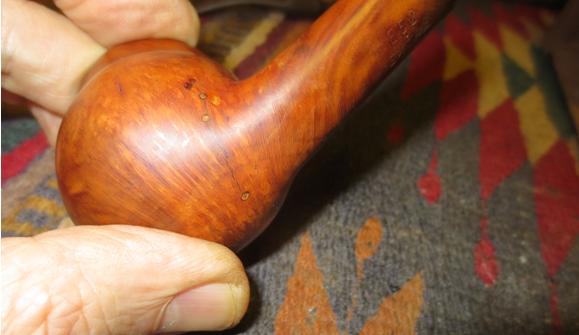
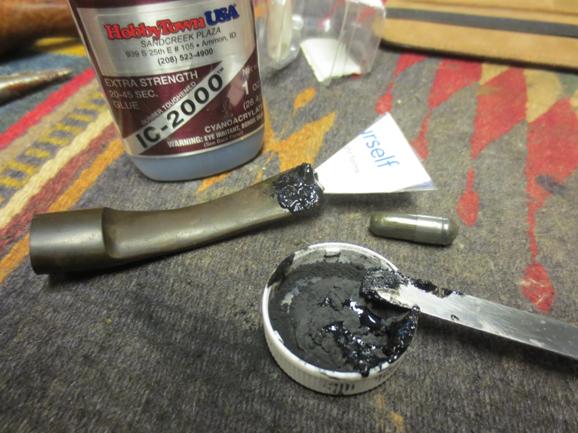
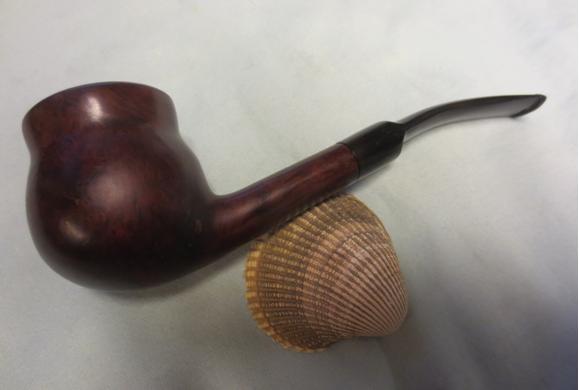
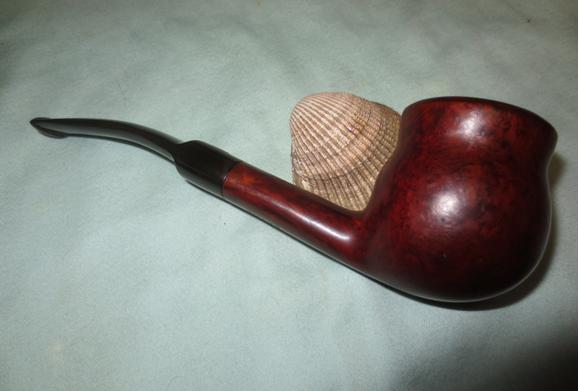
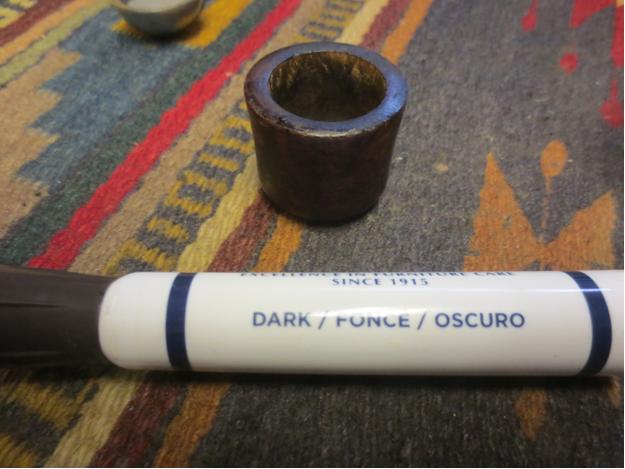
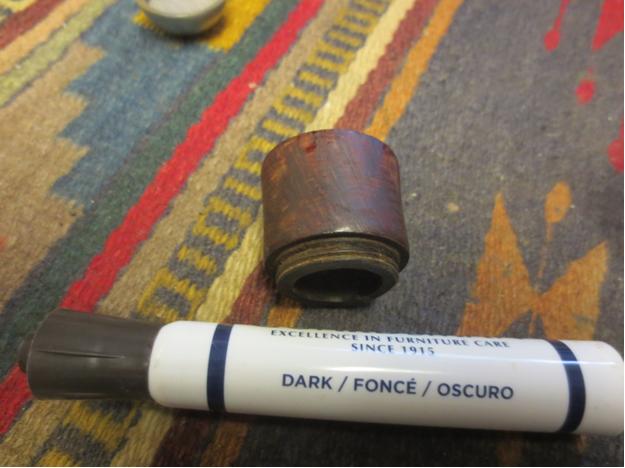
Last fall I went to a flea market at our fair grounds and found a pipe that I could not leave without. It is was a Yello-Bole, Chesterfield, bent billiard with P-lip stem and nickel-plated shank band. It had been well used but was in good shape. When I got into restoring it I found that it had two significant issues, one of which was a deep burn on the outside of the rim. After a consultation email with Steve, I decided to build up the outside of the bowl and then rusticate the bowl to hide the repair. Since I had not rusticated a bowl before I thought I should try my hand on another pipe first. This is the story of my first pipe rustication. I’ll do a write up on the Chesterfield when I get it done.Aaron1Incidentally, I also picked up a white bent billiard at the same flea market. Truth be told (and revealing my inexperience), I thought I was buying a smooth meerschaum. It had a nice smooth bowl, with a gold shank band and a yellow acrylic stem. The stem attached to the bowl with a tenon that threaded into an insert in the shank. The rim was dark and heavy with tar. It wasn’t until I cleaned off the rim that I noticed the chipped paint and the wood underneath and realized my error.Aaron2 Aaron3After deciding to rusticate the Chesterfield, I thought that this pipe would be a perfect candidate on which to practice. I began by reaming the bowl and cleaning the shank. The tar was very thick and hard even the stem was plugged about halfway. Once the internal of the stummel were cleaned I started removing the white paint. Not a necessary step but I wanted to see just what kind of wood lay underneath the white coat of paint. To my surprise it wasn’t briar at all. I’m still not certain what it is; very little grain, very light in color and quite soft compared to briar. My guess is pear wood but it could be any of a variety of alternate woods.Aaron4 Aaron5I used 60-grit sand paper to remove the paint which left a rough surface. I didn’t bother to smooth in any further but rather applied a heavy coat of black aniline dye. The dye was sacrificial and would help me see the extent and depth of the rusticating.Aaron6I made my rustication tool using ten 10d nails set with Gorilla Glue into the hollowed out end of a large dowel. Before gluing the nails, I cut off the heads and sharpened the points. Taping them all together so the points were even I set them in the dowel and waited for glue to set. The nails extended a little more than 2 inches from the dowel and I later found that this was too far. Using the push and twist method the nails would flex and separate while twisting the tool. Placing a hose clamp around the nails about half an inch from the end kept the nails together and the tool worked much better. Aaron7 Aaron8At this point the bowl had a very sharp and coarse texture so I knocked it down with a wire brush and then switched to a light sanding with 60-grit sandpaper. With the texturing done, I applied another two coats of black Feibing’s dye and flamed them to set the color.Aaron9I wanted to try a contrasting stain, so I took some 400 grit paper and worked the stain off high points. By the time I got done and wiped the stummel down with alcohol, I had a slightly rusticated pipe with white high points and blue (faded black) low points. I was not very happy with the results so I set it aside to dwell on it for a while.Aaron10Reflecting on the pipe I realized that the wood was not very interesting and did not seem to absorb stain well; I can see why it was painted in the beginning. I also reminded myself not to get ‘attached’ to this pipe. It was for practice after all; experiment and learn.

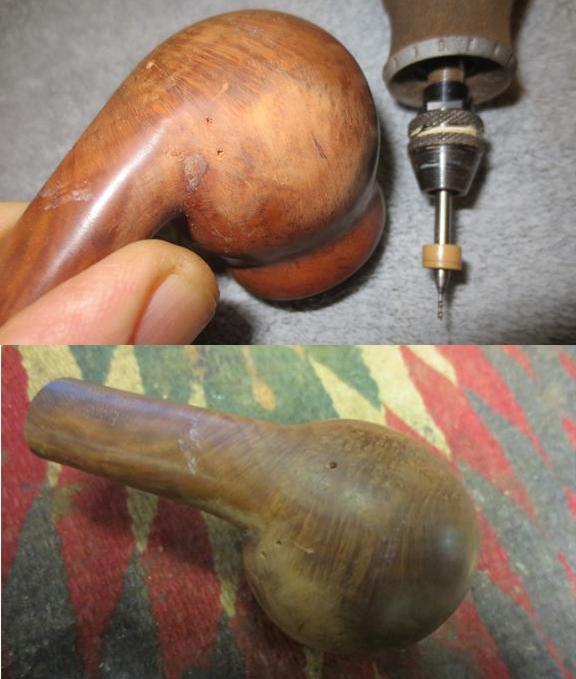
The texture that I got with my rustication tool was not what I wanted for the Chesterfield. So I took the white and blue stummel back to the workbench again and this time used a small carving bit on my Dremel. I went over the low spots and making them more defined and just randomly played with the tool. In the end I had something I kind of liked, and more importantly, something that I felt I could use on the Chesterfield.

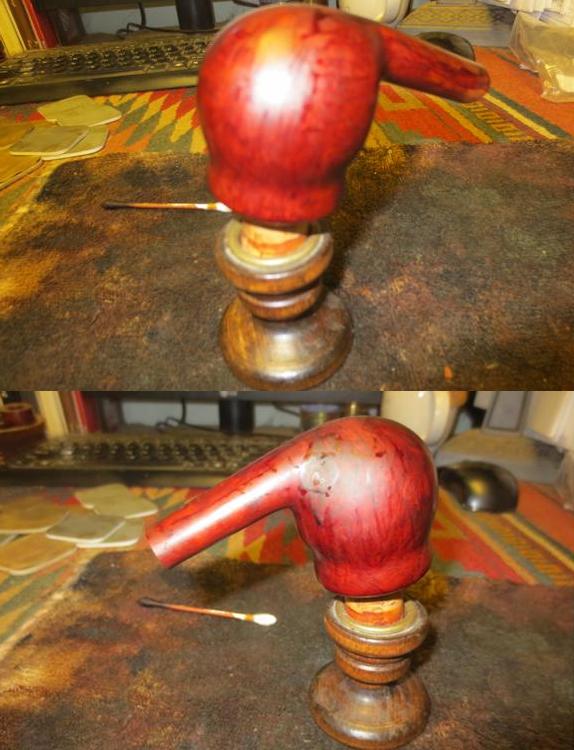
To finish the stummel I decided to go simple and leave it all black. I gave it two coats of black dye and set it aside to dry. Because the wood didn’t seem to hold the stain well I was concerned about buffing the finish. Instead I finished the stummel with two coats of clear shellac.

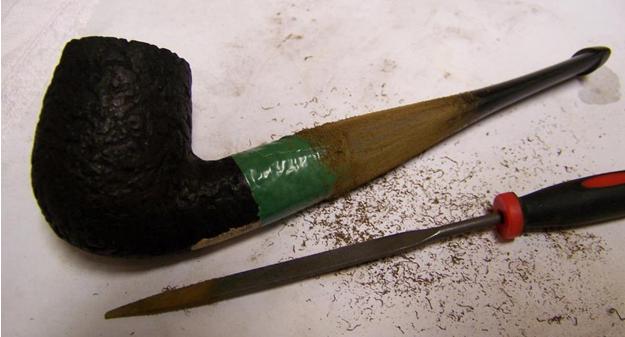
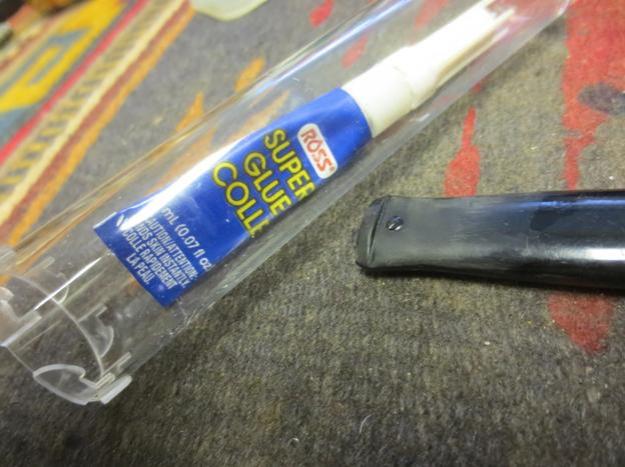
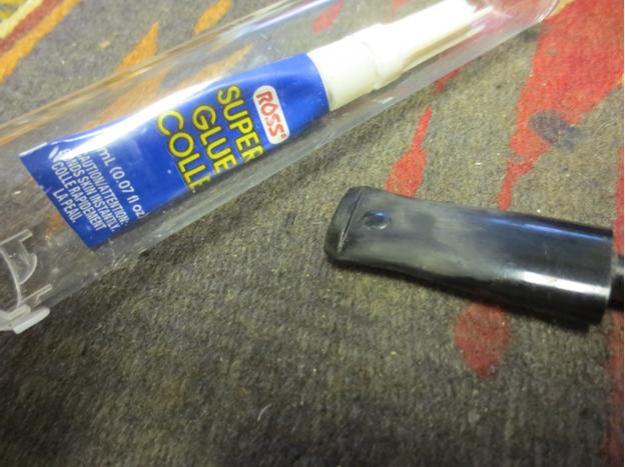
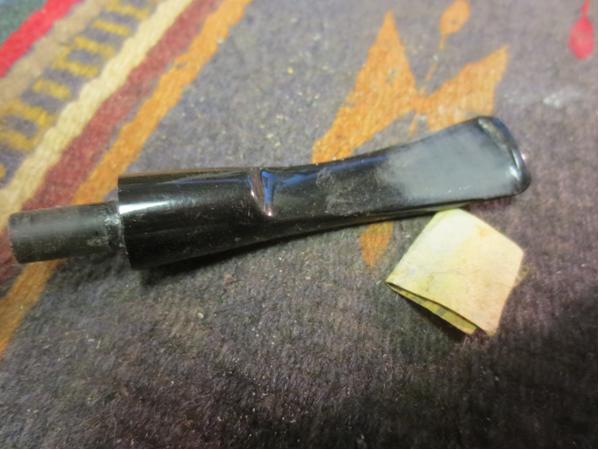
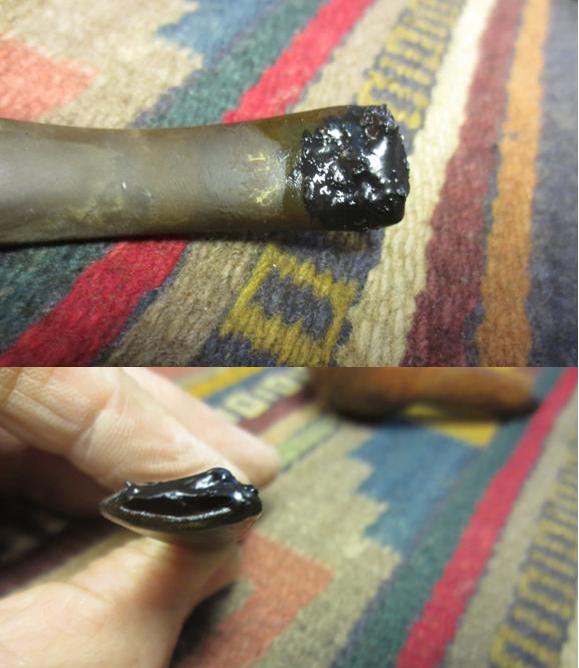
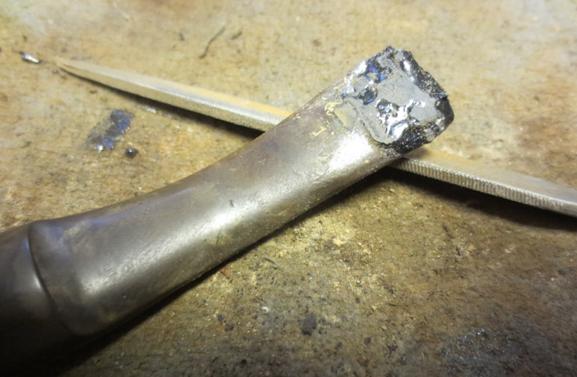
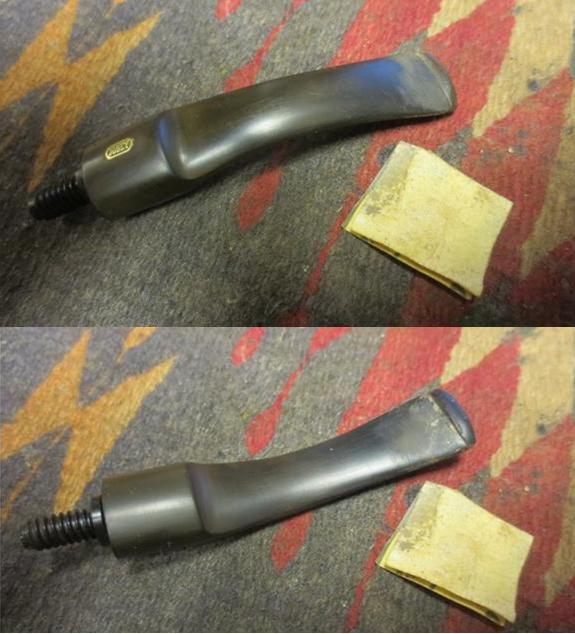
Then, I turned my attention to the stem. I had decided early on that the yellow acrylic stem would not work with the new look so I would need to fashion a new one. I liked the idea of an acrylic stem but after looking at stems online I could not find just what I wanted. So I ordered two different round tapered vulcanite stems from Vermont Freehand.Aaron11Having only worked with vulcanite stems with integral tenons I was on the low end of the learning curve for this type of tenon. In the shank, there is a threaded (female) insert. The tenon itself (the other part) is double ended (male-male) – one threaded and other end smooth. The threaded end is simple enough to understand and the smooth part fit into the end of the stem.Aaron12When I received the stems I selected the one I thought would look best and took it to the work bench. First I cut off the formed tenon, then using progressively larger drill bits, enlarged the air hole. I made the mortise for the smooth end of the plastic tenon. I have a detachable chuck for my hand drill and I used it to hold the bit while I turned the stem by hand. Aaron13I then had to counter sink the mortise to seat the tenon ring. Aaron14After the tenon was fit to the shank and the stem was rotated correctly, I marked the top of the stem and taped off the band to protect it. Using a flat micro file I shaved off stem material until it closely match the shank diameter. I finished the shaping with 240-grit wet/dry sand paper taking care not to round the shoulder of the stem.Aaron15Once the stem was fully fitted and shaped to the stem I used a heat gun to soften the vulcanite and bend it to match the shape of the original stem. I set the shape by dipping the stem in cool water. This is where I ran into my next challenge. The heat from bending the stem also expanded the mortise and now the tenon was too loose. My solution was to coat the inside of the mortise with a thin layer of super glue. I am not sure how this will hold up long term but it works well for now.

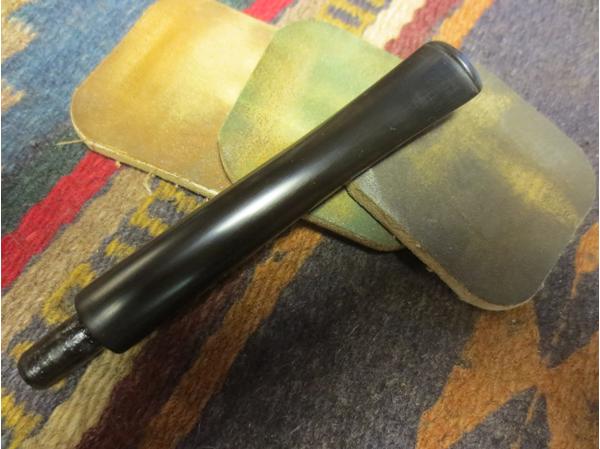
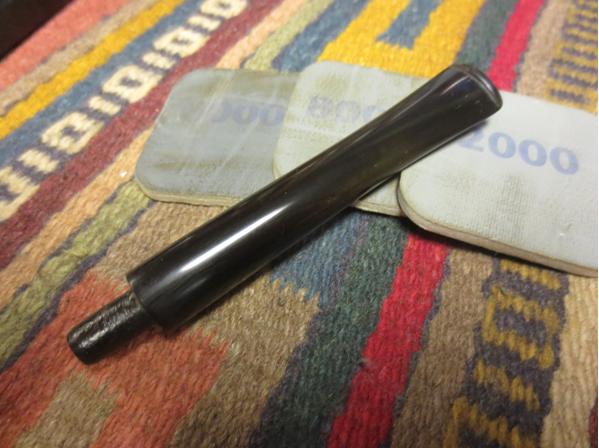
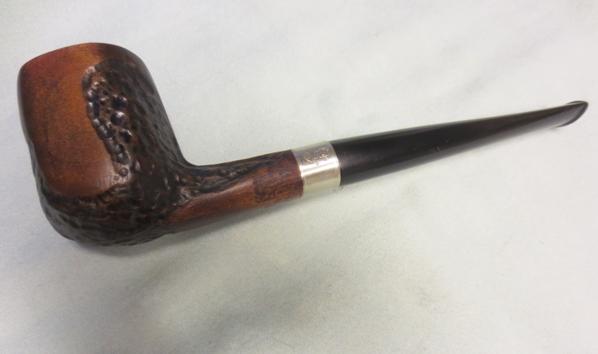
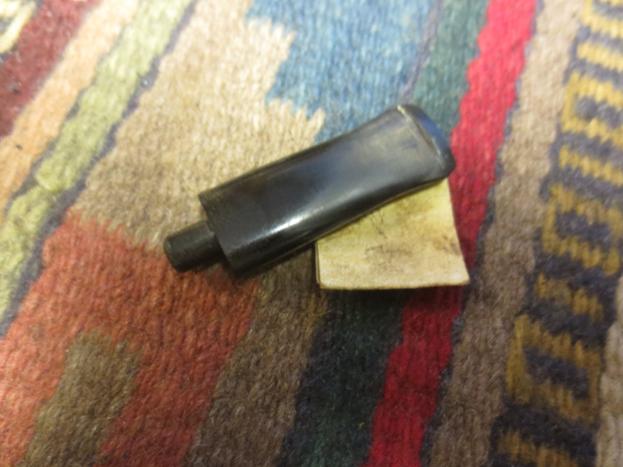
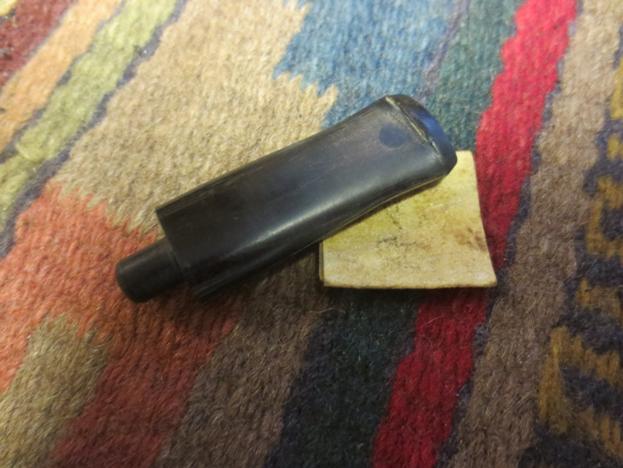
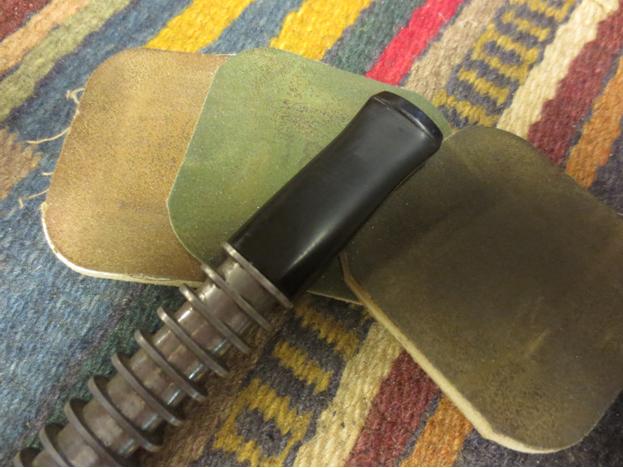
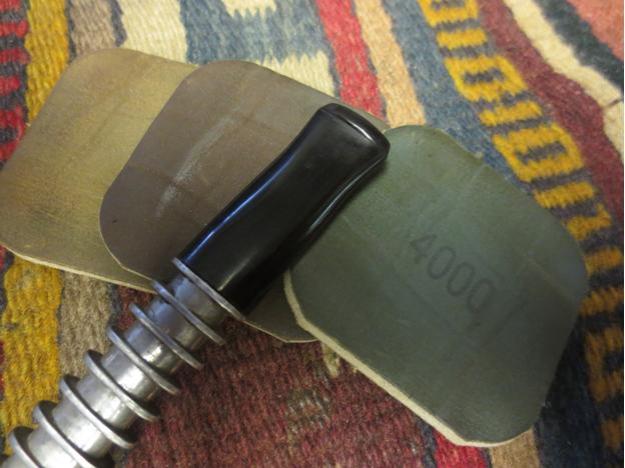
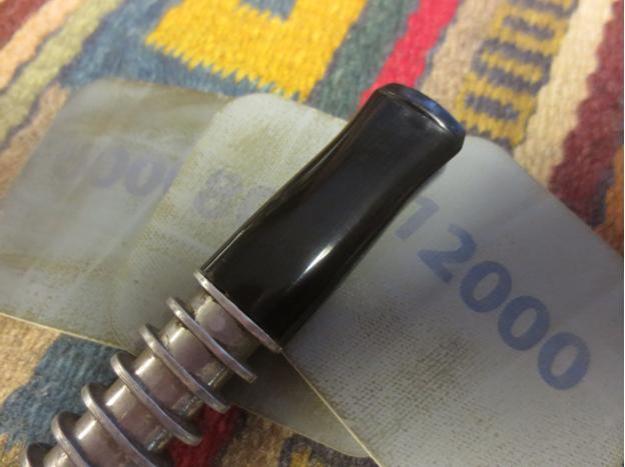
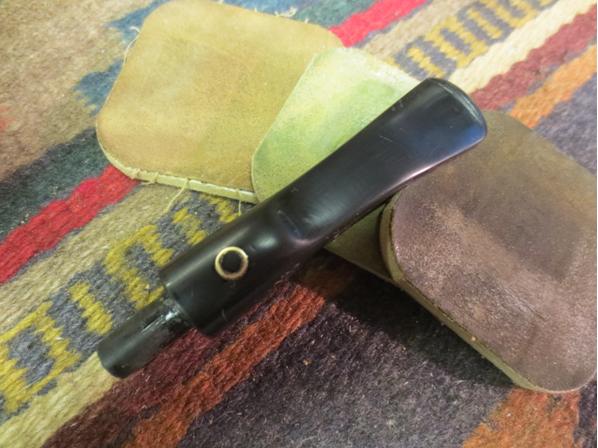
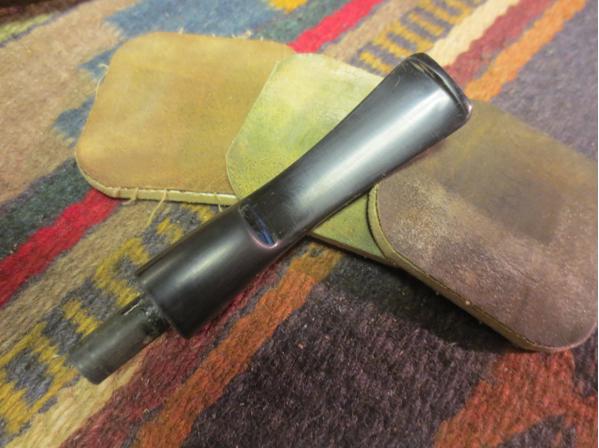
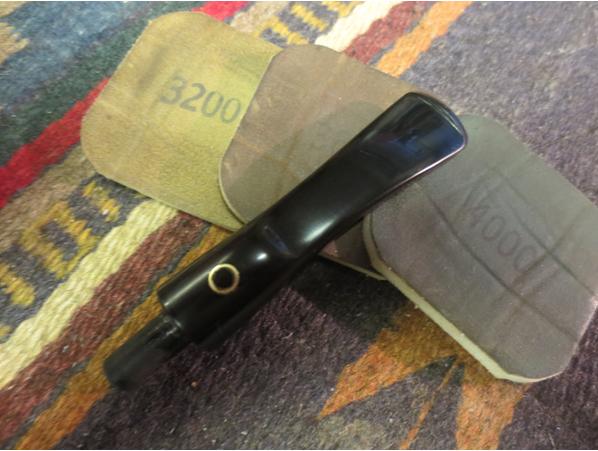
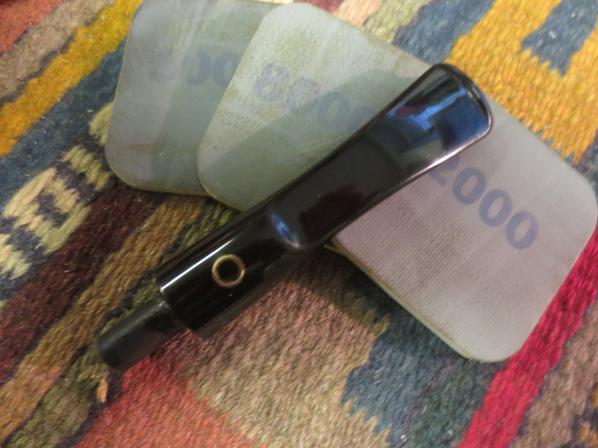
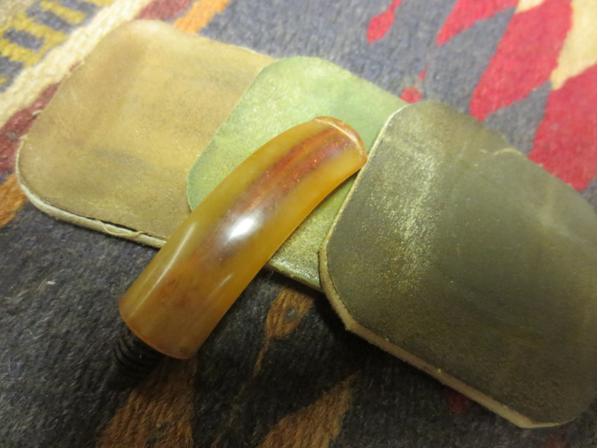
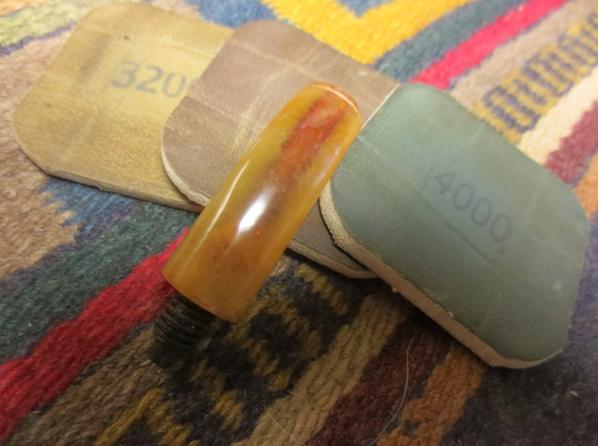
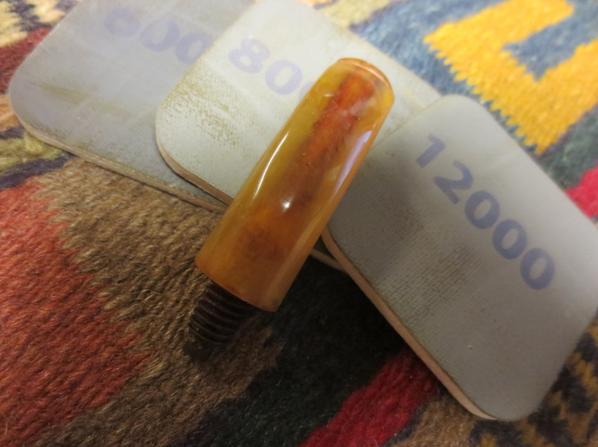
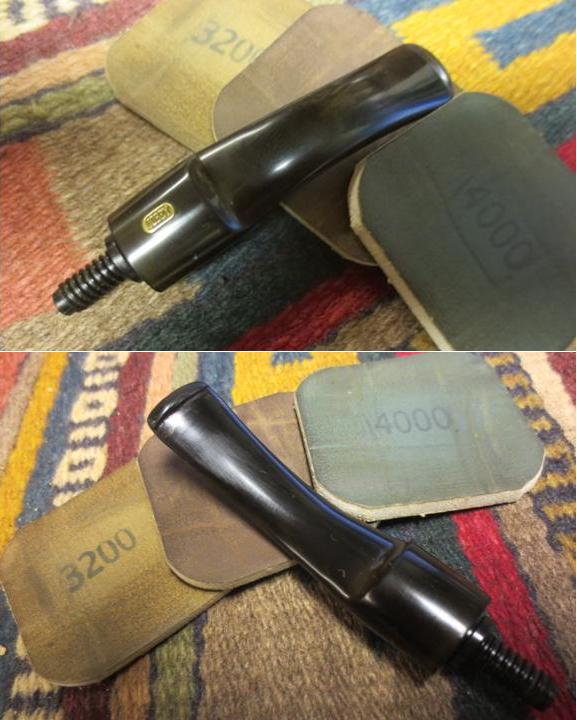
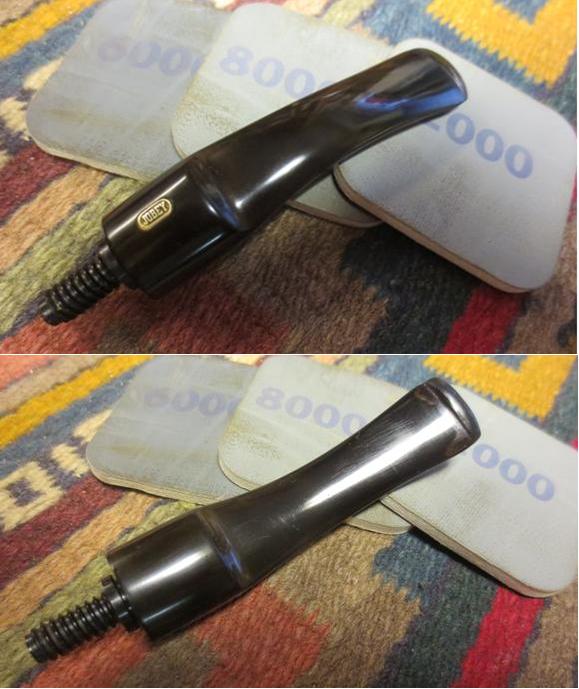
Lastly I polished the stem with micro mesh pads (1500–12,000) using a little mineral oil between each set of three. I finished the stem with white diamond on the buffing wheel then three coats of carnauba wax.Aaron16 Aaron17 Aaron18 Aaron19 Aaron20All things considered, I am happy with the results. I am under no illusions, this pipe is no master piece, but I did learn a few things and that was what I was after. Hopefully this will help someone else too. Your feedback is very welcomed. Thank you for taking the time to read this.

Bringing New Life to a Yello-Bole Metal


Blog by Steve Laug

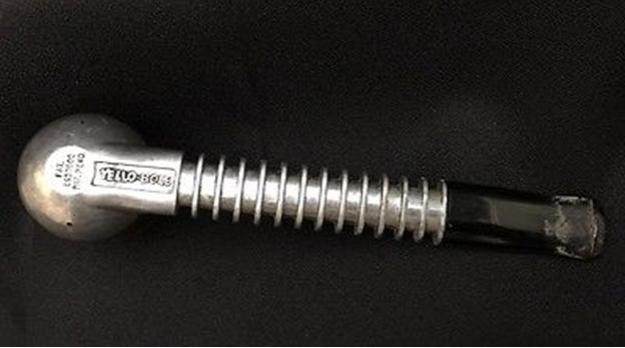
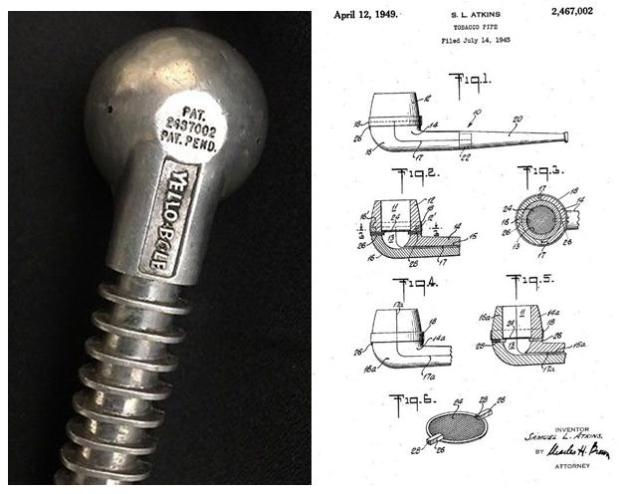
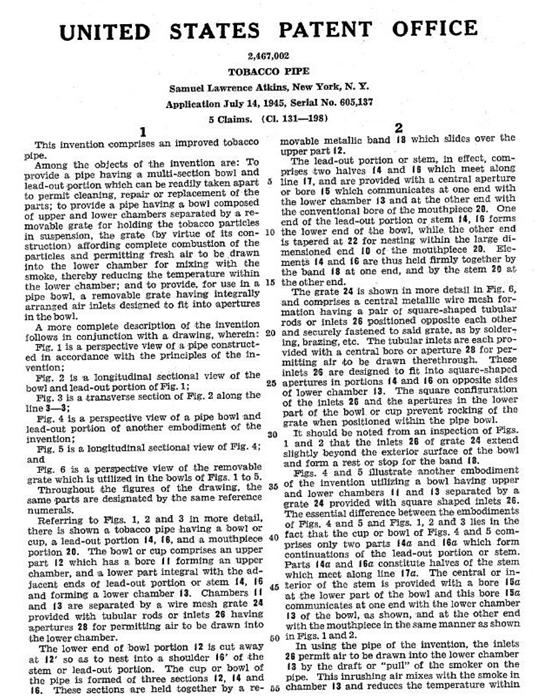
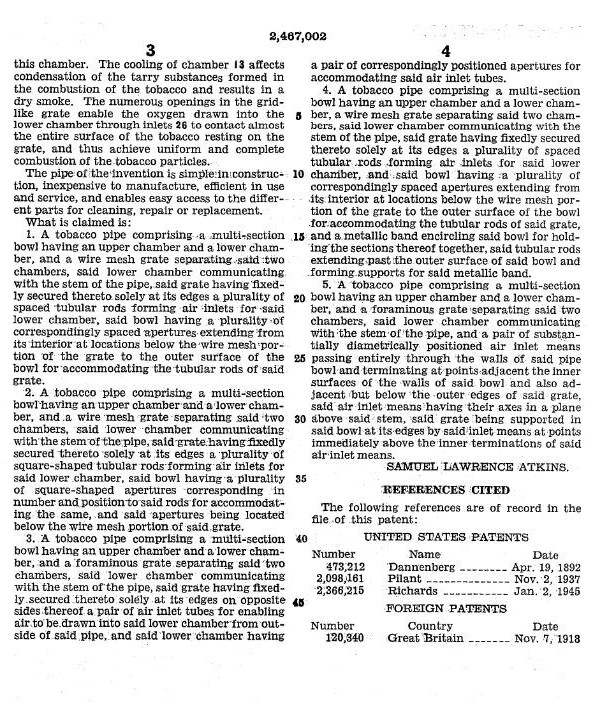
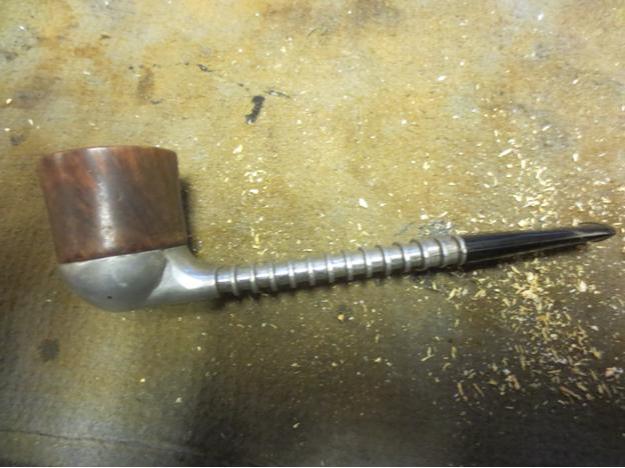
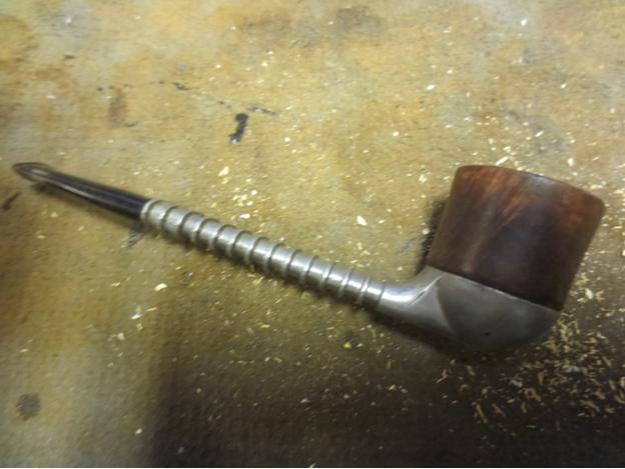
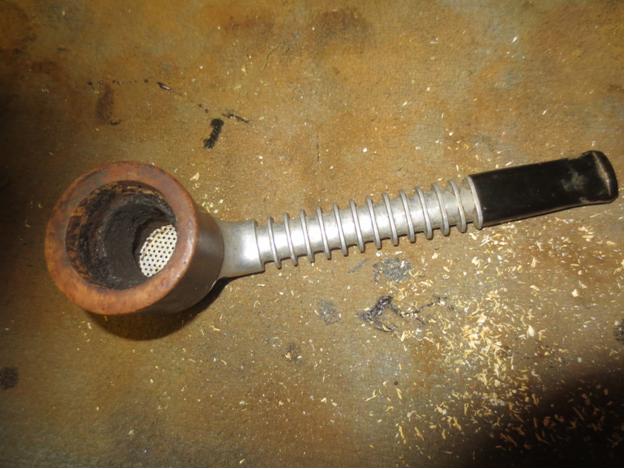
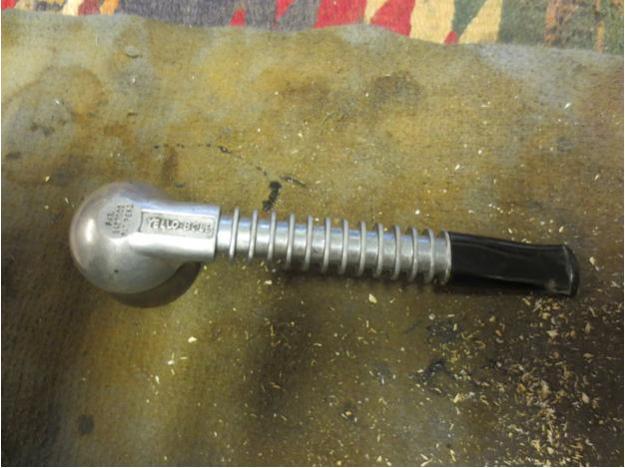
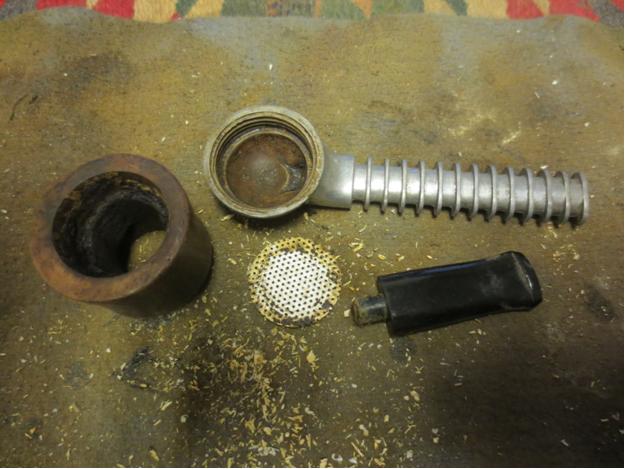
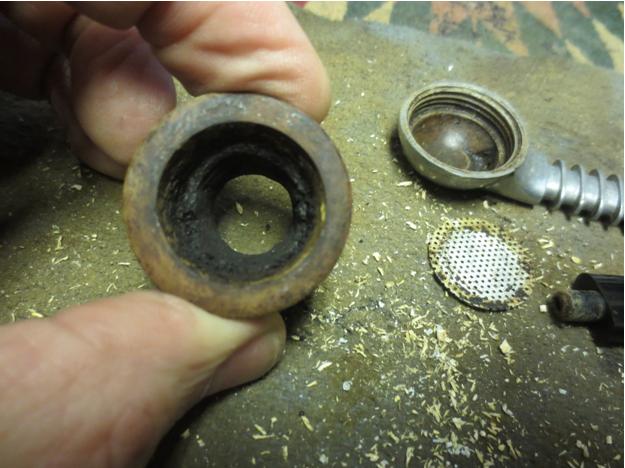
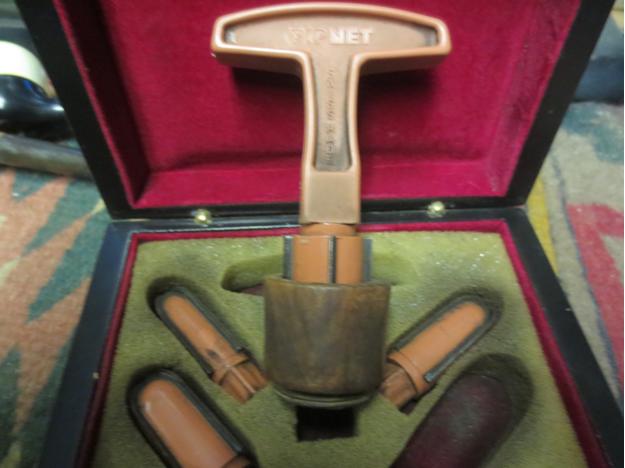
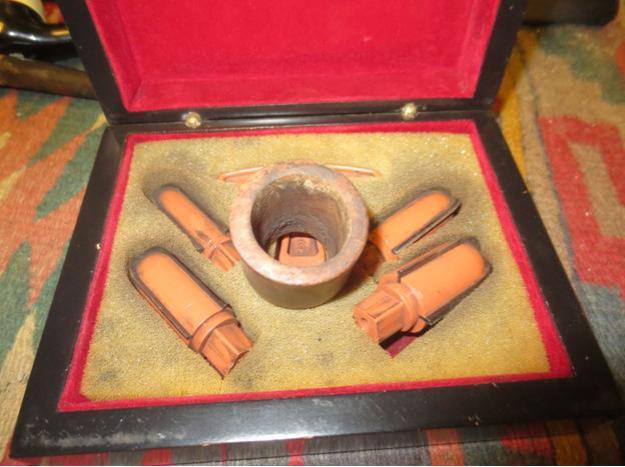
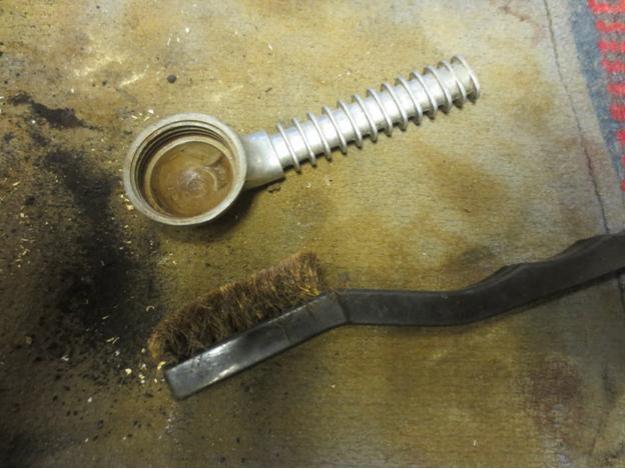
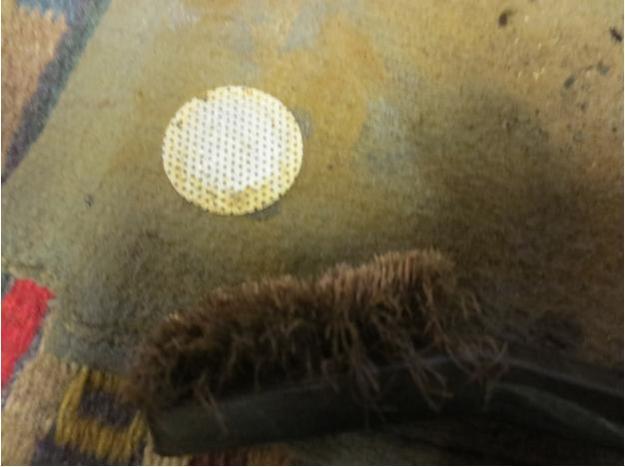
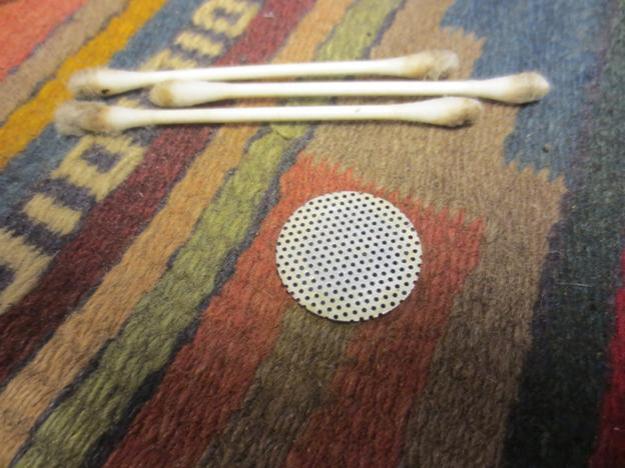
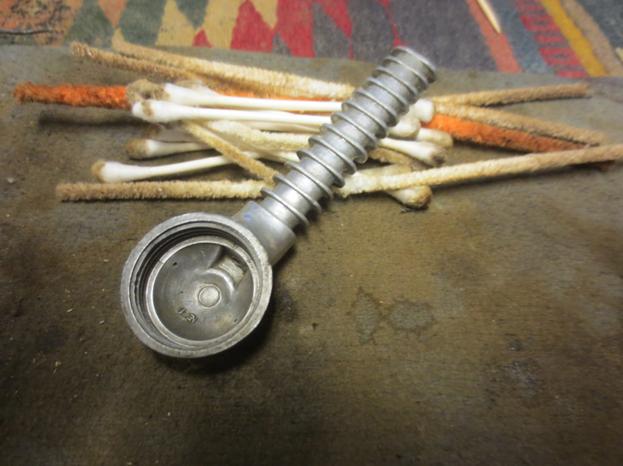
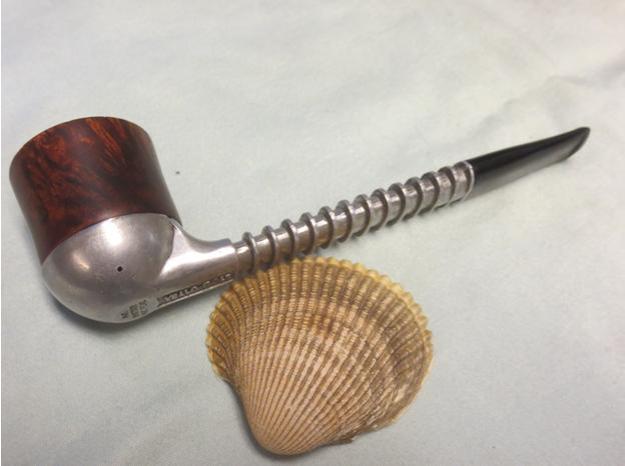
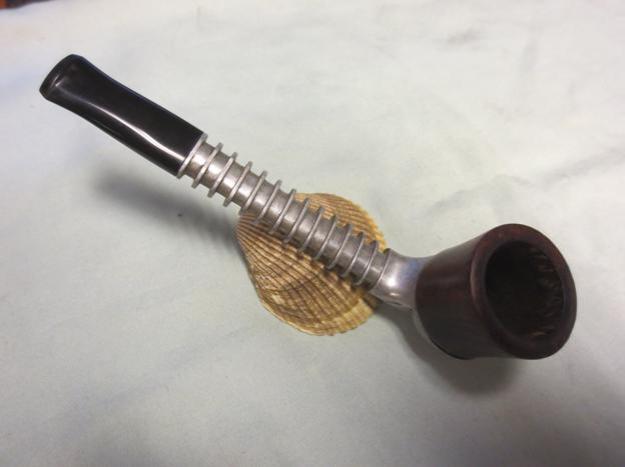
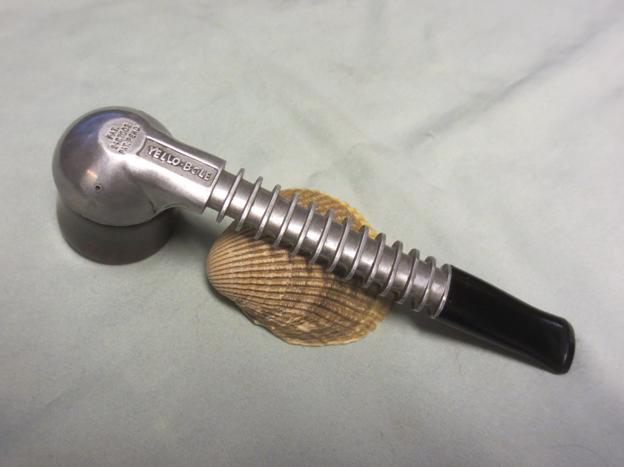
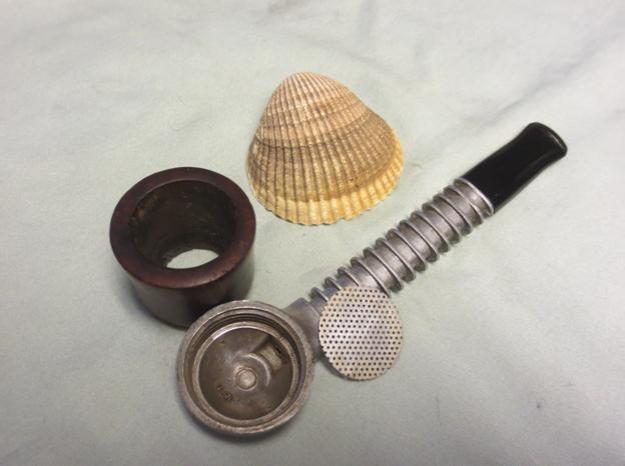
My brother found this older Yello-Bole metal pipe. It is a lot like the older Grabow Vikings but the bottom of the bowl is different from the Grabow. Between the bowl and the metal base there is a flat perforated screen or disk that the tobacco sits on. It acts as the bottom of the bowl. The wooden bowl itself is a threaded tube that screws into the base. There are two pin holes on the sides of the base (one on each side about mid base below the bowl). These serve as openings to draw air into the bowl. This one was in decent shape and would take a little work to clean up. The photos below were provided by the eBay seller and show the state of the pipe. From the first two photos below you can see the wear on the stem and the white calcification that generally builds up under a rubber softee bit. The finish on the bowl is shot. There is nothing but bare briar showing. The outer edge of the rim looks good. YB1 YB2The next two photos give a top and underside view of the pipe. You can see the ring of cake in the bowl around the middle and lighter on the top and bottom edges. You can see the metal disk in the bottom of the bowl. I have purchased a few of these over the years and almost all of them were missing the metal disk that sat in the base between the bowl and base. The stem shows some tooth marks on the top and underside.YB3 YB4The final photo included by the seller showed the stamping on the underside of the base. It read Yello-Bole horizontally along the bottom of the shank. It also gave the patent number on the bottom of the base. It read PAT. over 2467002 over PAT. PEND. That was enough data to do a patent search on the US Patent Information site. http://www.uspto.gov/patents-application-process/search-patents. From there I copied the patent drawing and included it below.YB5The diagram and the accompanying documents show the conceptual and descriptive narrative of what the pipe was about and what its maker hoped to achieve with his design. The inventor was a Samuel Laurence Atkins of New York. He filed his patent application on July 14, 1945. The patent was granted April 12, 1949. The pipe that I have is stamped Patent Pending thus it is easy to extrapolate that it was made between the dates July 14, 1945 and April 11, 1949 which are the dates before the patent was granted. That makes this pipe between 67-71 years old. It is in pretty decent shape for a pipe of that age.YB6 YB7I took the following photos when the pipe arrived. The seller’s photos were pretty good at showing the issues with the pipe. All the things noted above were correct.YB8 YB9 YB10 YB11The pipe was quite easy to take apart. I unscrewed the bowl and tapped out the disk in the base. The stem came out of the shank with little effort. I took the photo below to show the parts. The second photo shows the cake in the bowl.YB12 YB13I started the clean up with reaming the bowl. I used the PipNet reamer and the largest cutting head to ream from the top of the bowl. I used the second head to ream the bowl from the bottom. I reamed it back to bare briar. There was still some of the signature Yello-Bole bowl coating showing near the top just below the rim.YB14 YB15I scrubbed the bowl base with a brass bristle brush to loosen up the dried tars and oils in the base. I used a dental pick to clean out the threads. I also scrubbed the disk with the brush. YB16 YB17I used pipe cleaners, cotton swabs and alcohol to clean the surface of the disk and the inside of the base and airway.YB18 YB19

I scrubbed the interior and exterior of the stem with alcohol and pipe cleaners to remove the build up on the outside and the oils on the inside.YB20With the cleanup finished I set the parts on the table and took a few photos of the cleaned up pipe. Now it was time to restore it.YB21 YB22I wiped down the bowl with cotton pads and acetone to remove the grime and the remaining finish on the bowl.YB23

I stained the bowl with a dark brown stain pen.YB24 YB25I buffed the bowl with red Tripoli to spread and polish the stain. I buffed it with Blue Diamond and rubbed the bowl down with a light coat of olive oil. At this point in the process the bowl and the metal base was complete. I took the following photos to show the state of the progress thus far.YB26 YB27 YB28 YB29 YB30I cleaned the stem and used a clear super glue to repair the deep tooth marks in the top and underside of the stem near the button.YB31 YB32I sanded the repairs with 220 grit sandpaper to blend it into the surface of the stem. YB33 YB34I worked on the stem with micromesh sanding pads. I wet sanded with 1500-2400 grit sanding pads and then rubbed the stem down with Obsidian Oil. I wet sanded with 3200-4000 grit pads and gave it another coat of oil. I finished by dry sanding with 6000-12000 grit pads. I gave it a final coat of oil and let it dry.YB35 YB36 YB37I buffed the bowl and stem with Blue Diamond on the wheel and then gave both multiple coats of carnauba wax. I buffed it with a clean buffing pad and then by hand with a microfiber cloth. The finished pipe is shown in the photos below. Thanks for looking.YB38 YB39 YB40 YB41 YB42 YB43

Replacing a Tenon and Doing a Restoration on a Sorrentino Manager 0704


Blog by Steve Laug

I received this one from a fellow who wanted the tenon replaced but being the way I am I could not just replace the tenon and leave the pipe looking tired and worn so I wrote and offered to clean it up for him. It took more work than I had originally thought it would but the added effort made for a beautiful looking pipe. It is stamped on the left side of the shank MANAGER over SORRENTINO. On the right side it says 0704 which is the shape number and Italy. The briar was really in need of some work. The left side was stained with a dark patch that ran from the top to the bottom of the bowl. The finish was also rough to the touch over that section. On the bottom, front and right side of the bowl there was a lot of dents and dings like the pipe had been dropped. The rim had a coat of lava and the bowl had a very uneven cake with more on the left side of the bowl than the right. The finish was basically shot. The stem came with lots of tooth chatter and a broken tenon. The tenon snapped right at the shank and was stuck in the shank. The brass band on the shank was loose. The pipe was tired and needed some TLC. Here is what it looked like when I started.Briar1 Briar2 Briar3In the photos above I had already turned the wood screw into the broken tenon. I use that to pull a broken tenon and it never disappoints in effectiveness. Note the state of the bowl in the photos.Briar4I used a Dremel and sanding drum to flatten out the remnant of the broken tenon on the stem. Once it was flat it was time to drill the stem to take the new tenon. I started with a bit slightly larger than the airway to center the drilling and turned the stem onto the bit by hand. I find that though it is harder to do it by hand, turning it by hand and not drilling it gives me more control of the stem. I worked my way up to a ¼ inch bit and then cleaned it out with a needle file. I had a Delrin tenon I purchased from Tim at JH Lowe and I roughed up the surface of the portion that would go into the stem and gave it a coat of two part slow drying epoxy to hold it in place.Briar5 Briar6 Briar7I lined up the stem in the shank and then set it aside to let the epoxy cure over night. While it dried I worked on the bowl. I stripped off the remaining finish with acetone and cotton pads. I sanded the dark stain mark on the left side of the bowl with 220 grit sandpaper to remove the damaged briar and smooth things out. I scrubbed that side with acetone to finish.Briar8 Briar9I reamed the bowl with a PipNet reamer to even out the cake that had been there. I decided to strip it back to bare wood. I wanted to check out the inside of the bowl walls. The interior was sound and there was no damage on the bowl walls. Briar10 Briar11I sanded the bowl with 1500-2400 grit micromesh sanding pads to clean up the scratches left behind on the briar by the sand paper and by the wear and tear of age. The stripped and sanded bowl was looking pretty good.Briar12 Briar13 Briar14I sanded the inner bevel of the rim to clean it up and prepare the bowl for staining. I wiped it down a final time with isopropyl alcohol. I stained the bowl with a dark brown aniline stain. I flamed it and restained it with a second coat of the stain. I flamed it again.Briar15 Briar16Before setting the bowl aside to dry I wiped it down with alcohol on a cotton pad to smooth out the stain and lighten it slightly. I wanted the grain to show through.Briar17I buffed the bowl with Blue Diamond on the buffing wheel and gave it several coats of carnauba wax to seal and preserve the finish. I buffed it with a clean buffing pad to raise the shine. (Forgive the poor focus on the first photo below. It is blurry but still gives you an idea of how the dark area had been reduced.)Briar18 Briar19 Briar20 Briar21With the bowl finished I set it aside and worked on the stem. I sanded the tooth marks and chatter on the stem with 220 grit sandpaper until they were smoothed out. I was able to easily remove most of the tooth damage to the stem. There was one small tooth dent on the top of the stem that I left as it is minimal and I did not want to thin the stem.Briar22 Briar23I wet sanded the stem with 1500-2400 grit micromesh sanding pads. I dry sanded it with 3200-4000 grit pads. I finished with 6000-12000 grit pads. I buffed the stem with Blue Diamond on the wheel.Briar24 Briar25 Briar26 Briar27I put the pipe together and lightly buffed it with some more carnauba wax to finish it. I hand buffed it with a microfibre cloth for the final buffing. The photos below show the finished pipe. Hopefully when it is returned to the pipeman who owns it he will be pleased with the finished pipe. Thanks for looking.Briar28 Briar29 Briar30 Briar31 Briar32 Briar33 Briar34

An LHS Purex Patented Lovat that showed promise


Blog by Steve Laug

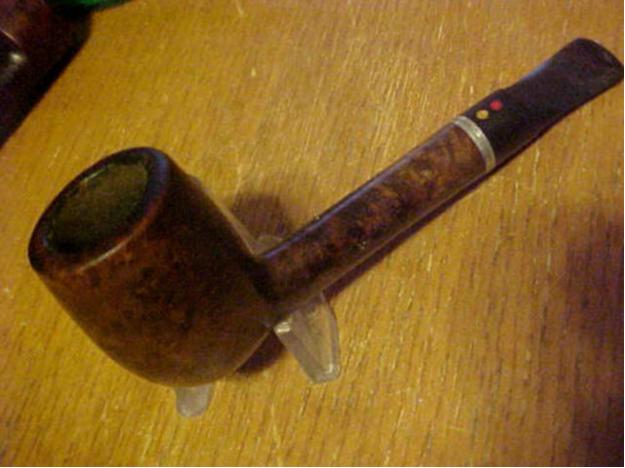
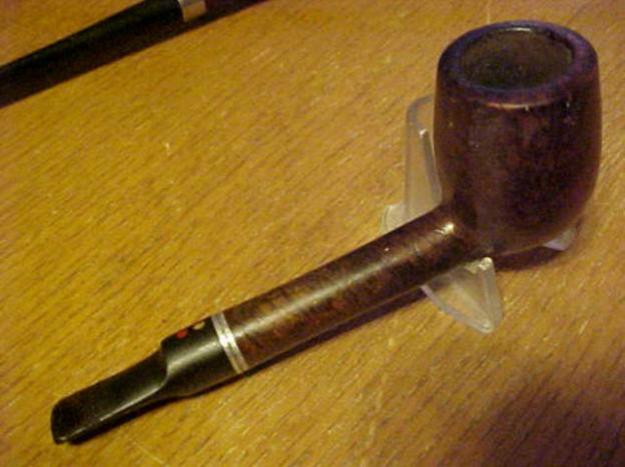
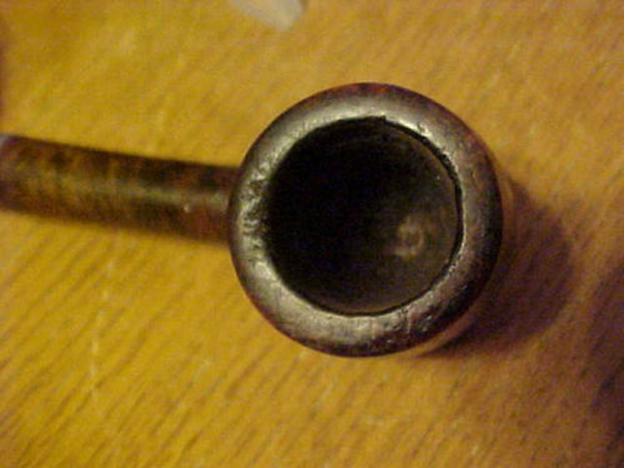
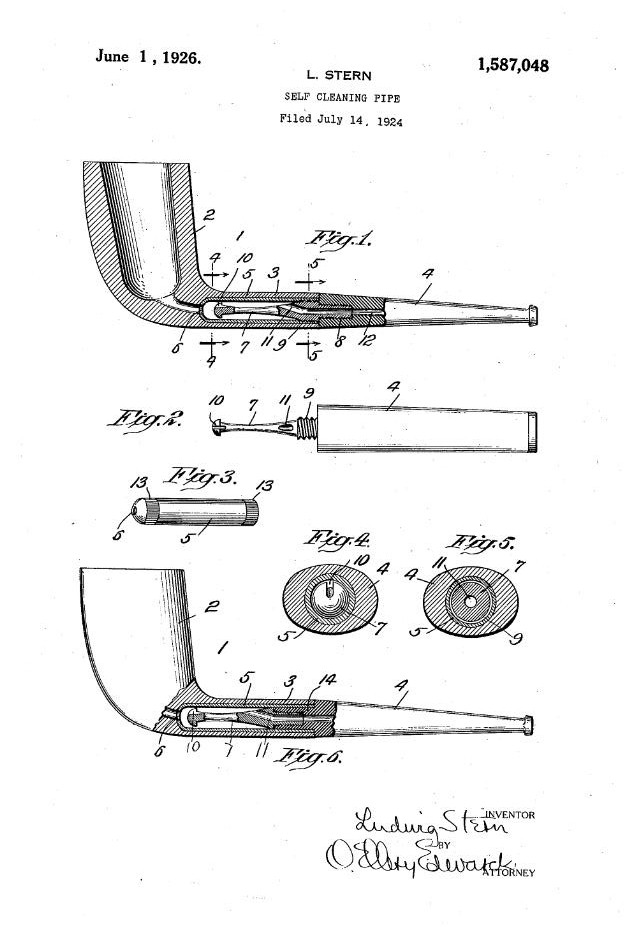
My brother showed me a link on eBay that showed this older LHS Lovat. It was stamped LHS in a diamond. Next to that was stamped PUREX over the patent number, PAT.No1587048. Under that was stamped REAL BRIAR. The shape number 12 was stamped on the underside of the shank. LHs2The pipe looked decent. There was some damage to the rim but the bowl was nice other than the usual dirtiness and dents. The shank also looked good. There did not appear to be any fills in the bowl or shank. There was very little cake in the bowl and it appeared that it had been recently reamed. The finish was in okay shape though there were paint flecks on the sides of the bowl near the rim. lhs3 LHS4 LHS5The seller included a close up photo of the rim to show the extent of damage. It looked to me that the outer rim was the roughest. It was rounded and the defined sharp edge was gone. The front edge had more damage than the back. The inner edge showed damage and would take some work to round it out. The top of the rim was pretty beat up from what I could see in the photos.LHS6The stem was in rough shape with lots of tooth chatter and wear. It was oxidized and also had a thick coat of some substance that appeared to be flaking or peeling. The dots on the stem were probably white and red though the photos showed the white dot as almost yellow. I was pretty sure that the coat on the coat on the stem accounted for that.LHS7 LHS8I weighed the work it would take to bring it back to life and we put in the only bid on the pipe. It did not take too long for the seller to send it to my brother and for him to send it to me. Even with the double postage it is cheaper to send it to him in the US and then to me in Canada than to ship it directly to Canada. When the pipe arrived in Canada I was able to see that the seller’s photos had shown the condition of the pipe very well. The only thing not shown was that the stem was quite plugged from the slot to the metal threaded tenon. I was not able to push a pipe cleaner through it. The other thing was that the patented stinger apparatus was missing. I have included a picture of the missing apparatus from the patent information.LHS1I went through my collection of tenons and I did not have one like the one shown in the drawing above. I took the next photos to show the state of the pipe from my perspective before I started on the refurb.LHS9 LHS10 LHS11 LHS12I found that the stem was slightly underclocked and needed to be rotated. The first photo below shows the turn of the tenon when it arrived. I heated the tenon with a Bic lighter to soften the glue in the stem. Once it was softened I was able to turn the stem straight. The second photo shows the corrected stem.LHS13 LHS14I took a close up photo of the rim and the bowl interior. There was still some cake in the bowl that needed to be scraped off.LHS15I reamed the bowl with the PipNet reamer and took out the remaining cake.LHS16 LHS17I cleaned out the shank with pipe cleaners, cotton swabs and alcohol. This was one dirty shank and mortise. I would need to use the retort to clean it out. I cleaned out the airway in the stem. It was clogged so I used a dental pick to open the slot area and then I was able to push a thin pipe cleaner through the airway. It took quite a few pipe cleaners to open the airway. I scrubbed the metal tenon with a brass bristle brush and then with alcohol and cotton pads. It was stained but all of the debris was cleaned.LHS18 LHS19I set up my retort, filling the test tube with isopropyl alcohol and then putting the stopper in place in the tube. I put a cotton ball in the bowl and the slid the rubber end of the retort over the stem. I lit a candle and heated the alcohol to boil through the bowl and shank. I boiled two test tubes of alcohol through the airway in the stem and shank before the alcohol came out clean. Once it was finished I ran pipe cleaners and cotton swabs through the mortise and airway to clean out the remaining alcohol and debris. Once I was finished the pipe smelled clean.LHS20 LHS21It was time to address the rim top. I topped it on the topping board using 220 grit sandpaper to remove the damage to the surface and sharpen the inner and outer edges of the rim. Fortunately I did not need to remove much of the surface to clean up the rim surface and edges.LHS22 LHS23I scrubbed the finish with acetone on cotton pads to remove the sticky surface of the finish and the dirt and grime of the years.LHS24 LHS25I sanded the stem with 220 grit sandpaper. I removed the “varnish” coat or whatever the substance was as well as the oxidation and tooth marks.LHS26 LHS27Once I had the surface clean of oxidation and tooth marks I wet sanded it with 1500-2400 grit micromesh sanding pads. I gave the stem a rub down of Obsidian Oil. I dry sanded it with 3200-4000 grit pads and gave it another coat of oil. I finished by sanding it with 6000-12000 grit pads and then gave it a final coat of oil.LHS28 LHS29 LHS30I sanded the rim with 1500-3200 grit micromesh sanding pads to smooth out the scratches left behind when I topped the bowl. I used a light brown stain pen to match the rim to the rest of the finish. I gave the pipe a light wipe down with olive oil and then buffed it with Blue Diamond plastic polish on the wheel. I gave it multiple coats of carnauba wax and buffed it with a clean buffing pad. I took it back to the table and gave it a final hand buff with a microfiber cloth. The finished pipe is shown in the photos below. I have no idea how old the pipe is but the patent number at least gives me a post 1926 date as a starting point. I don’t know how long LH Stern included the Pat.No. stamping on the shank but my thinking is that the pipe is from the mid to late 30s. Thanks or looking.LHS31 LHS32 LHS33 LHS34 LHS35 LHS36 LHS37 LHS38 LHS39

A Restoration Project – A Small Bent Billiard from a Past Era


Blog by Steve Laug

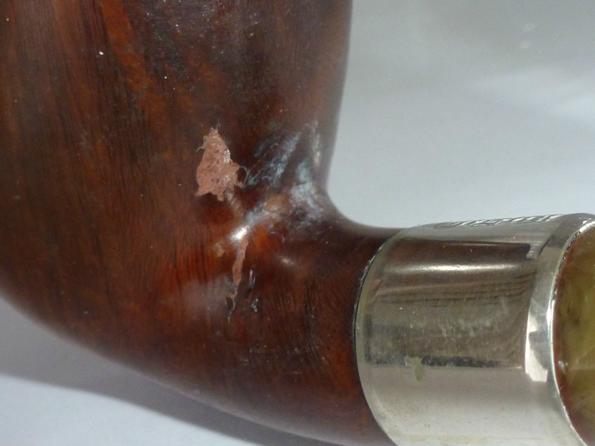
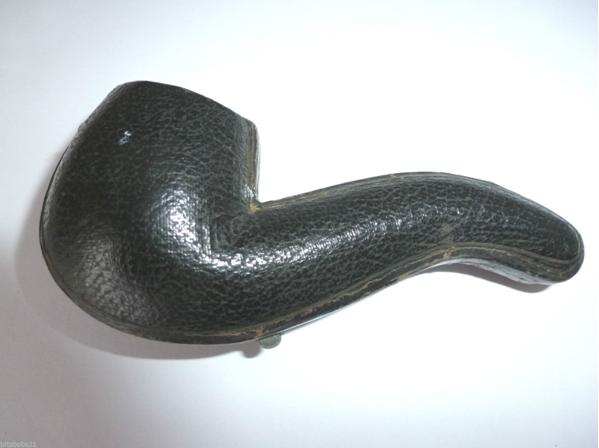
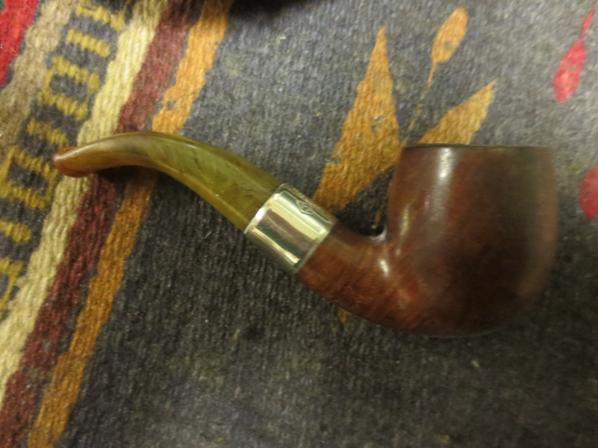
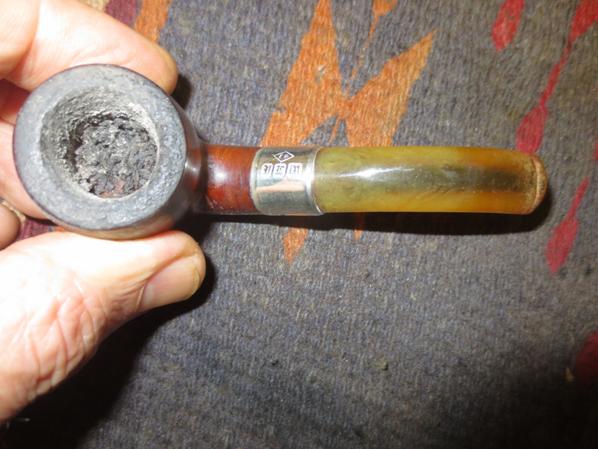
When I saw this pipe on Ebay I decided I wanted to have it in the collection. The seller said the stem was amber and it may be though I am thinking it is more of an Amberoid. The bowl had a fill on the back left side at the shank bowl junction. The band on the shank was rotated to the right and a little loose. The finish was worn and dirty. The rim was covered in tars and lava and the bowl was caked and half filled with the last unfinished bowl of tobacco. There was no information from the seller as to stampings or markings on the bowl or shank. It appeared to be a no name pipe. The seller thought the stem was horn or amber but it did not look like that to me. The stem looked to be in decent shape though it had tooth marks on the top and the underside near the button. The stem was very dull in appearance and the airway was black. The case was in decent shape with a lot of ash and detritus from the years. All in all the pipe was tired but it looked to be easily restorable. The photos below came from the seller.amber1 amber2 amberr3The next two photos show the stem damage. It does not appear to be extensive more chatter than any deep bite marks. The way the marks look on the stem it looks to me that the stem is amberoid or Bakelite not amber or horn.amber4 amber5The pipe is diminutive – a small one all the way around. It is well proportioned but is 4 inches long with a bowl height of 1 ½ inches. The inside diameter of the bowl is 5/8 inches.amber6The seller also included several close up photos – one of a large fill on the back left side of the bowl. It appeared to be tight and smooth but I would know more once I cleaned up the bowl. The other photo was of the metal band. It was stamped with faux hallmarks and an EP in a diamond that signified that the band was electroplated.amber7 amber8The case was in decent shape for a pipe this age.amber9When the pipe arrived I unpacked it and took it out of the case and took a few photos of my own to confirm my assessment from the seller’s photos. The pipe was solid and clean. The finish was worn and tired – dirty but would clean up nicely. The lava on the rim and the damage to the rim edges would need some work. The stem was not amber or horn but amberoid or Bakelite. It had some interesting swirls and would clean up nicely. The material on the inside of the case had a lot of ash and was dirty but intact.amber10 amber11 amber12 amber13 amber14I removed the stem from the shank and was surprised that I was able to unscrew the bone tenon from the stem. It was a little sticky but with a bit of wiggling it came free.amber15With the stem out I worked on the inside of the stem. The airway was almost black with tars and oils. I wanted to clean out the stem as much as possible and bring it back to a clean airway that blended with the stem material. I used alcohol, pipe cleaners and cotton swabs. The photo below shows the first stage of the cleaning. Following the scrubbing I also used Barkeepers Companion with pipe cleaners dipped in it and using that to scrub out the airways. I was able to clean out the majority of the stains.amber16 amber17I reamed the bowl with a PipNet reamer and took the cake back to bare briar. amber18 amber19To clean up the rim I topped it with 220 grit sandpaper. I was able to take off all of the lava and cleaned up the edges of the rim. I sanded the inside edge of the rim with a folded piece of sandpaper. I cleaned up the rough edges and the inside of the bowl.amber20 amber21 amber22I scrubbed the exterior of the bowl with acetone on cotton pads. It removed the finish and the grime from the bowl.amber23 amber24 amber25I removed the loose band and cleaned the outside of the shank. I reglued the band with Wellbond white all purpose glue.amber26I cleaned out the inside of the mortise and airway with cotton swabs, pipe cleaners and alcohol.amber27I used a black Sharpie to hide the fill on the back of the bowl and then stained the pipe with Dark Brown aniline stain. I flamed it and restained and reflamed it.amber28 amber29 amber30 amber31I sanded the tooth chatter with 220 grit sandpaper to remove it. I wet sanded the stem with 1500-2400 grit micromesh sanding pads to begin the process of polishing the stem. I rubbed it down with Obsidian Oil and then dry sanded it with 3200-4000 grit pads. I gave it another coat of oil and then sanded it with 6000-12000 grit pads. I gave it a final coat of oil and let it dry.amber32 amber33 amber34I lightly buffed the stem and bowl with Blue Diamond and then gave the pipe several coats of carnauba wax. I buffed it with a clean flannel buffing pad and then with a microfibre cloth. I brushed out the inside of the case with the shoe brush to remove the dust and ash. The finished pipe is shown in the photos below.amber35 amber36 amber37 amber38 amber39 amber40 amber41 amber42 amber43This is a great old pipe and one that will hold a spot in my collection. I will keep it in trust, using it and caring for it until I pass it into the hands of the next pipe man. Thanks for looking.

More than met the eye: Would I be able to bring this Jobey Fawn Cauldron back to life?


Blog by Steve Laug

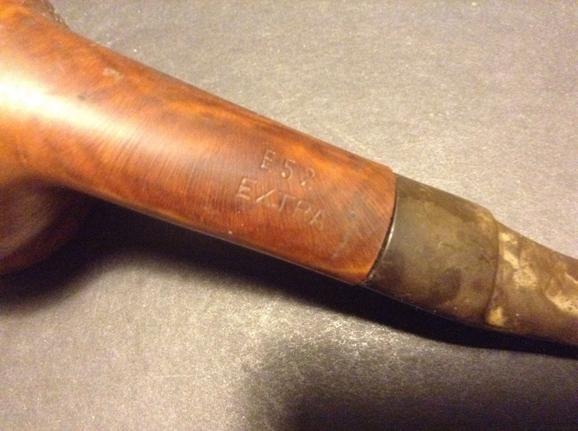
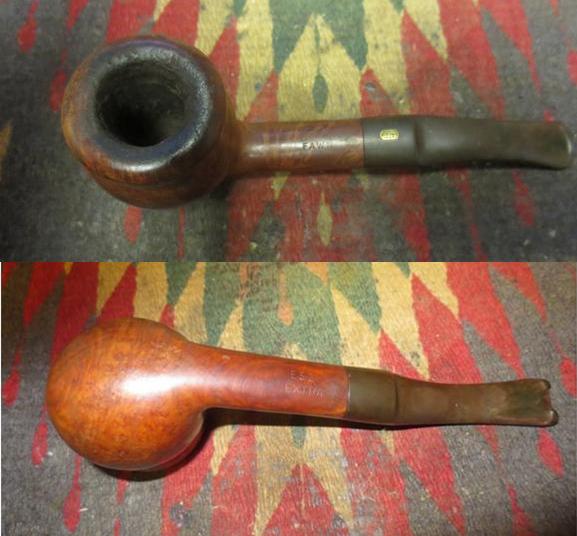
My brother sent me the Ebay link to this Jobey Cauldron and I was hooked. It was in pretty worn shape in terms of the finish and the rim. There was a thick cake in the bowl and some serious lava had overflowed the rim. There were nicks around the outer edge of the rim and the bevel on the inner edge was pretty well covered with lava. There were scratches in the sides of the bowl and it was truly filthy. The stem was oxidized and spotty on the stop side and the saddle. Underneath it was missing a large triangular chunk from the button forward. It was a Jobey so it had the Jobey link tenon that screwed into the shank and the stem fit over the tenon. It was made for a quick and easy replacement. The photos below are from the Ebay seller and clearly show the state of the pipe he was selling. We bid on it and won. Little did I know that what I saw in terms of issues with this pipe were only part of the problems that I would need to deal with in restoring it. Cauldron1 Cauldron2 Cauldron3The seller included a few close up photos to show some of the damage to the pipe. The oxidized and spotty stem is shown in the first photo and the second shows the state of the rim and bowl.Cauldron4 Cauldron5The next two photos show the stamping on the pipe. The top of the shank is stamped Jobey in script over FAWN. The underside is stamped E52 over EXTRA.Cauldron6 Cauldron7The seller also included the following photos to give a clear picture of the profile of the pipe and the damage to the underside of the stem. He gets full props for full disclosure of the issues with this pipe (at least those that were visible through the grime and build up on the briar and stem).Cauldron8 Cauldron9 Cauldron10I went online and searched for a photo of what the pipe had originally looked like and found this one on Smokingpipes.com. Looking at it gave me hope for the repairs and restoration of the one we purchased.Cauldron11When the pipe arrived I put it in my box of pipes to be refurbed and it sat for several months. When I took it out and looked it over I found that the stem was not aligned. I tried to unscrew it from the shank and it would not turn. I tried to wiggle the stem free from the shank and in the process heard that awful cracking sound which refurbishers the world over have come to dread. The tenon snapped off. Great! Now I added one more issue to the refurbishing process on this old pipe. Fortunately, I was able to clear the broken end out of the stem with very little problem but the one in the shank took a bit more ingenuity. I finally was able to remove it by hand turning a drill bit into the broken end and then turning it free of the shank. I cleaned out the shank with pipe cleaners, cotton swabs and alcohol, and then put the parts aside. Since I had no Jobey Link tenons in my kit I would need to wait until I could get some. I called Tim West at JH Lowe and put in an order for tenons. Even that turned out to be far more of an issue than I expected – they came in five sizes and the one I had was so shattered that I was unable to get the measurements. I could estimate the measurements but not get an accurate diameter on either the threaded end or the insert. So I had to order one of each of the three sizes that Tim had in stock. I was hoping that when they arrived that one of them would fit the stem and the shank. Now I would have to wait for their arrival.

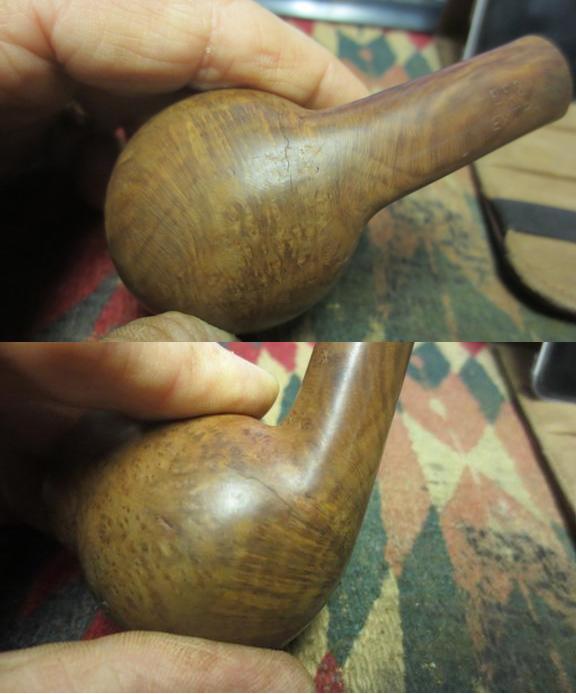
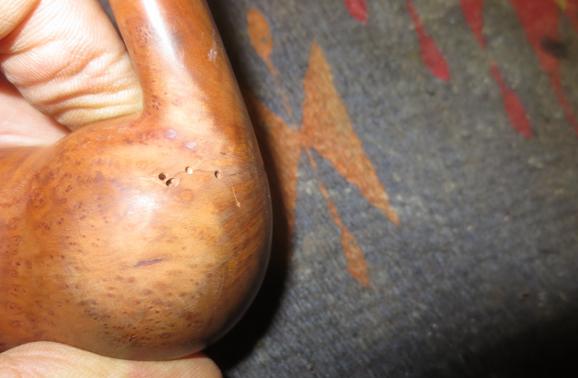
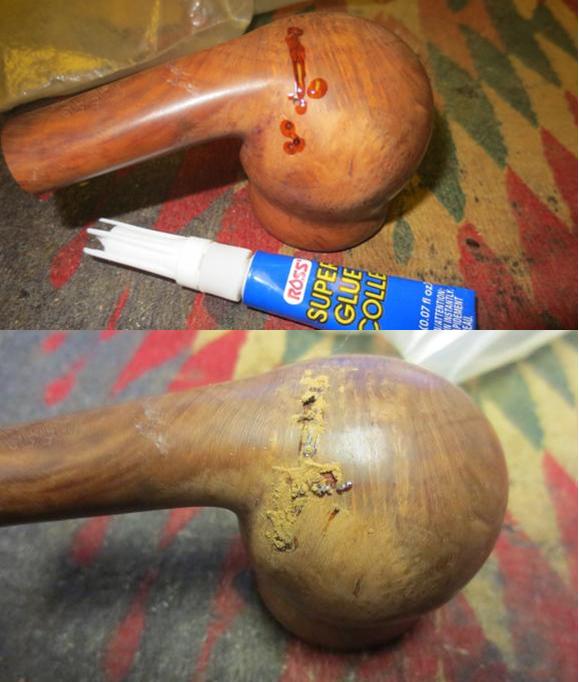
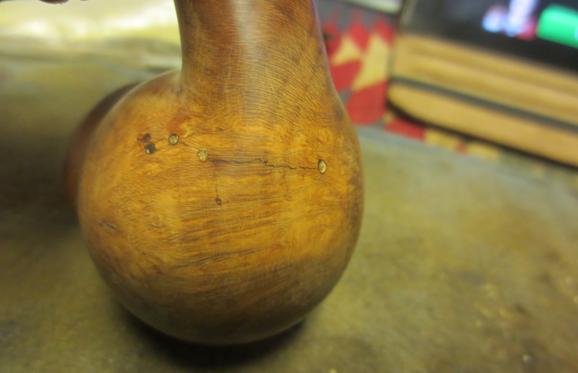
It did not take too long of the package to come from Tim. I took out the various Jobey Links that he included and breathed a sigh of relief when the middle sized link was a perfect fit in the shank. The end of the tenon is slotted so that it can be screwed into the shank and unscrewed with a slotted screw driver. In this case it turned into the shank with no issues. The stem did not fit over the end of the tenon but the measurements were correct so I cleaned out the end of the stem and was astonished at the amount of grit that came out of it. I used cotton swabs and alcohol to scrub it clean. Once it was clean the stem fit snuggly over the end of the tenon and all parts aligned perfectly.Cauldron12 Cauldron13 Cauldron14 Cauldron15With the stem fit completed and the new tenon in place it was time to clean up the pipe and see what I was dealing with underneath the grime and dirt. I took some close up photos of the bowl and the stem issues and a complete set of photos of the pipe from multiple angles to show what it looked like when I started.Cauldron16 Cauldron17 Cauldron18 Cauldron19The bowl on this pipe is quite large. I reamed it with the two largest cutting heads on the PipNet pipe reamer and took the cake back to bare briar. I cleaned up the ridges and edges of the broken cake shown in the second photo below with a pen knife and the bowl inside was smooth and clean.Cauldron20I lightly sanded the rim with 220 grit sandpaper to cut through the thick lava on the rim and the inner edge of the bowl. I was able to remove most of it with the sandpaper and finished by scrubbing the bowl down with acetone on cotton pads. The next photo shows the beauty of the rim that lay beneath the lava flow.Cauldron21Once I had removed the grime and the finish I examined the bowl to look for issues that I would need to deal with. Sadly I found that there was a hairline crack where the shank connected to the bowl. It was on the underside of that junction and went up the left side. It was about an inch long. This Jobey Cauldron was turning out to be far more work than I originally imagined when my brother and I had looked at the Ebay photos.Cauldron22This crack, though not deep and pretty cosmetic at this point, would need to be dealt with so that it would not become a bigger issue. I used a micro drill bit on the Dremel and drilled both ends of the crack. I examined it with a lens and saw that it went a little further than I had expected originally and redrilled the end of the crack on the side of the bowl.Cauldron23I decided to also drill some small holes along the crack to make sure that I could seal it further.Cauldron24I pressed some briar dust into the drill holes with a dental pick and then put drops of super glue into the filled holes. I pressed some more briar dust into the surface of the holes to deal with expected shrinkage as the patches dried. At this point the repair always looks ugly and over done but I have found if I skip the last step I have to repeat the process to ensure that the holes are filled.Cauldron25I sanded the repairs with 220 grit sandpaper and then with a medium and fine grit sanding sponge.Cauldron26I stained the repair area and the top of the rim with a light brown stain pen to blend it into the colour of the bowl and shank. This would not be the final colour of the bowl but I wanted to minimize the difference between the sanded areas and the rest of the bowl and shank when I gave it a final stain coat.Cauldron27

I buffed the bowl with Blue Diamond to even out the stain. While the repairs showed through the stain at this point I intended to darken the stain later and it would blend in the repairs a bit more.Cauldron28 Cauldron29With the bowl basically finished at this point I worked on the stem. The missing chunk in the stem end was the expected major repair that needed to be addressed. I mixed up a batch of black super glue and activated charcoal powder to make a paste. I put a wedge of cardboard wrapped in packing tape in what remained of the slot in the stem and applied the paste to the hole in the stem with a dental spatula. At this point I was more interested in getting a good thick coat of the paste in place than in making it look pretty. Shaping and smoothing would be done once it cured.Cauldron30 Cauldron31Once the patch had cured I used a file to define the edge of the button and to smooth out the surface of the stem. I used the topping board to smooth out the end of the stem.Cauldron32It took a lot of filing with needle files to clean up and define the button and then sanding with 220 grit sandpaper to blend the patch into the surface of the surround stem. I used a round, an oval and a flattened oval needle file to open up and shape the slot on the bottom side to match that of the top side.Cauldron33I continued to sand the stem surface with 220 grit sandpaper to shape the blade and the button. The stem was beginning to take shape. The new button and the repair to the bottom of the stem were complete.Cauldron34I wanted to make sure to stain the bowl before I called it a night so I set the stem aside for a bit and stained the bowl. I gave it several coats of dark brown aniline stain and flamed it between to set the colour in the briar. The darker colour would bring the pipe to a similar colour to the one that I found on Smoking pipes.com (shown above).Cauldron35In the morning I worked some more on the stem. I wet sanded it with 1500-2400 micromesh sanding pads. I gave it a coat of Obsidian Oil and then dry sanded it with 3200-4000 grit pads. I gave it another coat of oil and then finished sanding it with 6000-12000 grit pads. I gave it a final coat of Obsidian Oil and set it aside to dry. Cauldron36 Cauldron37 Cauldron38At this point in the process you can see the scratches on the underside of the stem. No matter how much I sanded them with the micromesh pads these still remained. I started over the process of sanding with the pads – beginning with 1500 grit I worked my way through them until I had finished with 12000 grit. Finally I was able to remove the scratches. I buffed the stem and bowl with Blue Diamond on the wheel and then gave both the bowl and stem several coats of carnauba wax. I buffed it with a clean flannel buff and then with a microfiber cloth before taking the photos below. The finished pipe is shown in the photos below. The repairs to the hairline crack and the stem repair though still visible under scrutiny blend in well with the rest of the bowl and stem. The darker stain covers the repairs on the bowl and look quite natural. The bowl has been brought back to life and I like the rich colour of the buffed and polished dark brown stain. Thanks for looking.Cauldron39 Cauldron40 Cauldron41 Cauldron42 Cauldron43 Cauldron44 Cauldron45 Cauldron46

A Humpty Dumpty Cross Canada Project – Could this Poor Richards Select Square Shank Billiard 9489 ever be whole again?


Blog by Steve Laug and Charles Lemon

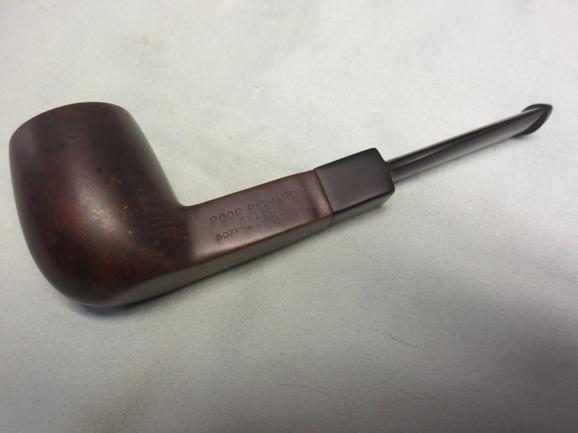
My brother sent me a box of pipes and bowls that he had picked up. In it was an old square shank billiard that had seen far better days. The bowl sported a thick cake and was cracked 2/3rds of the way down the bowl on the front and another crack on the back of the bowl that went across the bowl to the left side. The finish was rough but there was some nice grain. Its stem was chewed up and was broken and smelly. I threw the unredeemable stem away. The bowl went into the parts box to be cannibalized for repairs. It was interesting that the pipe was stamped Poor Richard’s over Select over Bozeman, Montana on the left side of the shank. I grew up in Idaho and spent a lot of time in my early years in Bozeman. My youngest brother went to school there and my second brother was married there. Lots of family ties. It was stamped London England over 9489 on the right side. The 9489 stamp told me that it was a GBD product. Something about it intrigued me. I wondered if it might not be a candidate for a second collaboration with Charles Lemon of Dadspipes. It would be another test to our theory that just about any pipe can be restored and reused. I wrote to him and sent him some photos to see if he was game for taking it on. This project would provide some unique challenges to us both or it may end up as kindling.Dick1 Dick2 Dick3 Dick4I took a photo of the bowl from the top looking into it. The cake is unbelievable even to me with all the pipes I have worked on. This stuff was as hard as concrete and seemed impervious to the reamers in my kit. No wonder the bowl was cracked on the front and the back sides.Dick5 I dropped the bowl in an alcohol bath to soak and while it soaked I decided to see what I could find out about the connection of the pipe to Bozeman. I did a Google search for Poor Richard’s and found that the pipe shop is still open. It is located in downtown Bozeman. I read through their website and gleaned the following photo and history. http://poorrichardsbozeman.com/about-poor-richards/Dick6From its beginnings in 1962 as the Ellen News at 17 West Main Street, owners Dick Wike and Hal McDowell wanted to achieve a modern-looking newsstand in the building which had formerly been home to Cuttings Newsstand, Lawton’s News and the Stag Pipe Shop. After the partnership dissolved the following year, Wike went on to expand the line of pipes and tobaccos offered, as well as the variety of paperback books, magazines and newspapers offered. A theatre expansion project in 1968 necessitated a move a few doors down, and a name change in the process. On September 9, 1968, Poor Richard’s opened at its current location at 33 West Main Street. Successive owners Richard Fish, sisters Nicole and Glenn Close, Sarah and Dan Cole, and Kate Wiggins added their personal stamp to the offerings.
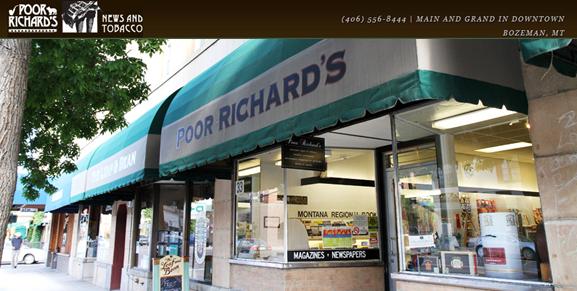
Today, Poor Richard’s offers its customers a wide variety of merchandise:
• Local Montana and regional books, including Falcon Guides
• Local, regional and national newspapers, including the Wall Street Journal and the Sunday New York Times
• Over 500 magazines and periodicals
• A large selection of fine cigars, including Padron, Arturo Fuente, Partagas, Macanudo, Punch, Romeo y Julieta, Oliva, and more…
• Pipes, including Peterson, Savinelli, Federico Rovera and more…
• Fine tobaccos and accessories

Knowing the background to a pipe is always interesting to me and adds another dimension to the restoration. It was time to stop reading however, and address the issues of the cake and a new stem. I soaked the bowl in an alcohol bath for over three days hoping to soften it. It did not work. It was impervious to the cutting blades on the PipNet and the KleenReem reamers. They would not even dent the hard carbon. I chipped at it with a pen knife and was able to clean off the rim and scrape a bit of the cake around the bowl edge. I tried the reamer again with no success. Knowing that Charles would work on the bowl and that was the hardest part, I did not want to send him the bowl with the cake intact. I put the sanding drum on the Dremel and attacked the bowl. It was slow going but after working at it for over 30 minutes I was able to get about half way down the bowl. I used a sharp knife to open the bottom half of the bowl more and then the Dremel once more to take it to the bottom. I have never fought a cake this hard before. I wrapped the cutting head on the PipNet reamer with sandpaper and worked on the inside of the bowl. I used a folded piece of sandpaper to clean up the inner edge of the bowl. There is still a lot to be done but at least Charles has a bit of a “clean” slate to begin with. You can see the crack from the top of the bowl on both the front and the back. The one on the front goes down over half way on the front side. The one on the back descends half way down and turns toward the left for about a half an inch.Dick7With the bowl cleaned I want to rough fit the stem before I sent it to Charles. I turned the tenon and made a snug fit of the square shank replacement stem. Fitting a new stem to these old timers is always a pain because none of the angles are actually square and the sides are of different sizes. Thus the stem has to be custom fit. I used the Dremel and sanding drum to take down a lot of the excess vulcanite and then followed up with a flat file to make the transition from the shank to the stem smooth and even.Dick8Once the fit was close I sanded the stem with 220 grit sandpaper to bring the angles in line with the shank and to smooth out the file marks. It took a lot of sanding and it is still not finished at this point. I would finish sanding and fitting it after Charles had repaired the bowl.Dick9 Dick10 Dick11 Dick12The bowl and shank had a white scum on the briar and in the stamping. It was hard to remove. I lightly sanded it and then scrubbed the bowl down with acetone on cotton pads to remove it and the remaining finish on the bowl. The pipe has some nice grain and once it cleaned up and repaired it will be interesting to see.Dick13 Dick14 Dick15 Dick16With the bowl cleaned up I was ready to send the reamed and cleaned stummel to Charles for the bowl repair work on the pipe this time. Once Charles had it in hand he would carry on with the repairs….
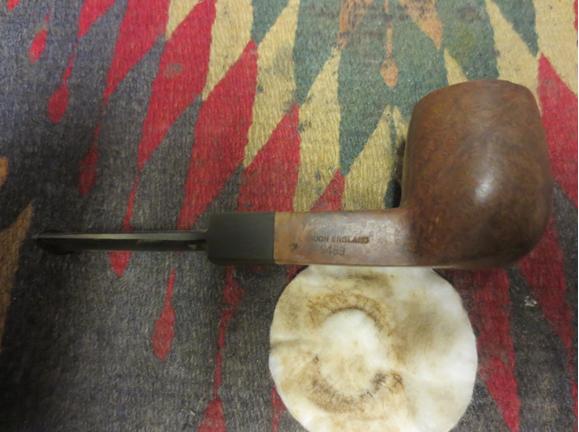
Time passed slowly for me as the pipe travelled from British Columbia to Ontario. Charles sent me a message on Skype saying that the pipe had arrived and he was ready to start the work on it. I turn over this part of the narrative to him.

(Charles picks up the narrative now.)

The cracked stummel arrived from Steve today. I was keen to get my first close-up look at it – Steve had sent me pictures of course, but nothing beats a hands-on examination. I was pleasantly surprised by the amount of clean-up work Steve had already done. I knew he had reamed it (at great effort), but he’d also done a nice job removing the dirt and grime on the outside of the bowl. Apart from a small amount of rim tar, I could concentrate immediately on the major issue of the crack repairs. I shot these pics to show the state of the stummel when I received it.Dick17 Dick18 Dick19There were two major cracked areas at the front and back of the bowl. Both cut all the way through the chamber walls, all but slicing the bowl in half lengthwise. The front crack looked like a clean break running from the rim down the face of the bowl to the bottom of the tobacco chamber. The rear crack wasn’t as straightforward. Instead of a single linear crack, the damage at the rear started at the rim, dropped down to roughly the centre of the bowl, and took a sharp left as it sought out an old fill – a natural weak spot in the briar. From the fill the crack had “spidered”, with thinner cracks running up, down and across the bowl. Yikes! Its times like this that I marvel at the sheer power of neglected cake to inexorably break a pipe bowl into pieces. Pipers take heed – ream your bowls!

I’ve worked on cracked bowls before, but the majority that have come across my work table have been tight cracks that don’t penetrate the chamber walls. These cracks, by contrast, could be visibly moved by squeezing and releasing the bowl in my hand. Without some way to lock the briar in position, this bowl would have to be retired.

While I worked on a plan to knit Humpty Dumpty back together again, I took steps to ensure that the existing spider cracks did not run further into the briar. I fitted a micro drill bit to my electric hand drill and popped a tiny hole at the end of each fissure in the wood, careful not to drill through to the tobacco chamber. These “end cap” holes would stop the cracks in their tracks, though there were quite a few of them around the back of the bowl.Dick20 Dick21Glue alone would not provide sufficient holding power to keep the cracks tight and immobile. I would need to add physical reinforcement of some kind to ensure that the bowl stayed in one piece after being placed back in service. I had never used the procedure before, but I decided that I’d have to try to pin the cracks. I dug about in my supplies and found a length of 1.2mm brass rod I thought would do the trick, and matched it up to a micro drill bit from my tool kit. I would have to drill pin shafts across the crack, through the curved walls of the bowl, without drilling into the chamber. I muttered a short prayer to the Pipe Gods, and then sank the first shaft just below the rim across the rear crack.

This close-up pic shows the flat angle at which I drilled, and the brass rod in position. I marked the rod length and then cut it a bit shorter so that when fully seated in the shaft, the outer end of the rod would be below the outer surface of the briar. I roughed up the brass pin with 220-grit sandpaper to give the glue more gripping surface, and then ran a drop of CA glue into the shaft before pushing the pin home.Dick22Sharp-eyed readers will also have noticed that the second shaft had been drilled when I took the pic above. Note the angle of this shaft relative to the first one – it’s not even close to parallel. This is deliberate. Each pin was drilled at an opposing angle to its neighbours. This way any movement of the briar as it heats and cools will be blocked by one or more pins. If the pins were parallel, pressure in the wrong direction could push the crack open again.

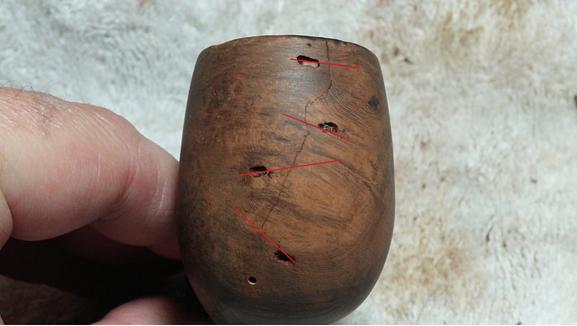
In all I installed ten brass pins – four in front and six in back – and sank seven end cap holes (all but one of these in the back). I had expected the pinning to be both nerve wracking and time consuming, but after the first couple of pins I caught my stride and set the stummel aside to let the glue cure a short 30 minutes later. The Pipe Gods must have approved of the work as I didn’t drill through the chamber wall once. Whew! I snapped these pictures of the bowl after the pinning. The red lines show the direction of the pin shafts. You can see how the pins work to stitch the crack shut. The front repair doesn’t look too bad, but the rear of the bowl looks like it was attacked by termites!Dick23 Dick24The proof of any repair is in the pudding, so to speak. I won’t be on hand to witness the first firing of this pipe after the work is done, but I can happily report that I can no longer make the cracks move no matter how hard I squeeze the bowl. That’s a very good sign, as it shows that the bowl is acting as a single piece of briar instead of several bits of loosely connected wood.
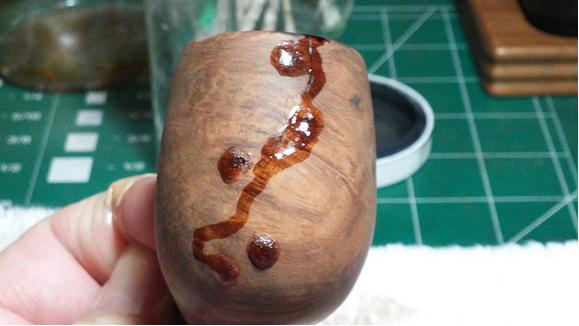
With the bowl structurally sound again, it was time to sort out the damage inflicted on the stummel by some maniac with a drill. I patched over all 17 (!!) holes with CA and briar dust and let the CA cure before filing and sanding the fills flush with the surface of the briar. This is a process I’ve done many times on many different pipes, so I figured this would be the easy part of the repair. Ironically, the fills took up more of my time, energy and patience than the pinning as I had to revisit several of the fills more than once to ensure a smooth finish. I also realized that a few of the pins were left slightly too long – the brass kept shining through two of the fills – which necessitated extra work to get everything in order before staining. Eventually, though, perseverance paid off.Dick25 Dick26 Dick27 Dick28I topped the bowl gently at this point to remove the excess CA glue and remove a few tiny dings. I then prepped the stummel for stain by sanding with 1500 – 2400 grit Micromesh sanding pads.Dick29 Dick30 Dick31With the crazy number of fills in the briar, I knew I’d have to go with a darker finish than I’d usually select. I started with a coat of Fiebing’s Black water-based leather dye to bring out the grain as much as I could. I let the colour dry and then wiped off the excess with 0000 steel wool and a bit of fresh water. This left the grain stained black while the rest of the wood remained lighter. I then made a wash of Fiebing’s Dark Brown dye diluted about 50%. I washed the colour over the briar repeatedly until I got close to the amount of coverage I was looking for. I let the dye dry so I could assess how well the fills were hidden. Still fairly prominent. A few scribbles with a medium stain marker helped push the fills to the background without obliterating the grain altogether.Dick32I left the stummel overnight at this point. I wasn’t sure that I was done with the stain, but I was getting tired and didn’t want to mess up the work with a bad decision or a shaky hand. The next morning, however, the stain seemed to have settled into its intended depth and coverage. The fills were reasonably subdued by the stain, so I took the stummel to the bench and gave it a light buffing with White Diamond compound followed by Carnauba wax. I’ve got to buy a lotto ticket this week – if the Lotto Gods smile on me even half as much as the Pipe Gods did here, I’ll be retiring early. The fills and cracks have disappeared almost completely, though the stain is translucent enough to allow the grain to shine through. Even the cracks across the rim are hard to find. What a relief after the hours of filling and sanding! The repairs are still visible under strong light, but the stummel certainly passes the casual inspection test.Dick33 Dick34 Dick35 Dick36Before sending the stummel back to Steve, I filled and further stabilized the repair from the interior of the bowl by pressing JB Weld into the cracks. There was also a spot on the front chamber wall that looked suspiciously like the beginnings of a burnout that I filled in the same way. I let the JB cure and then sanded out the excess epoxy. This produced nice smooth chamber walls with JB Weld left only in the repaired areas. JB doesn’t “breathe” like wood as it heats and cools, so I wanted only the required amount of it left in the bowl.Dick37 Dick38 Dick39 Dick40I finished off the repair with a bowl coating of activated charcoal powder and maple syrup. This coating is largely cosmetic in this case, used to hide the JB, but it will provide an extra layer of protection for the repairs as well as a consistent surface upon which to build a new (and hopefully well-trimmed) layer of cake. Dick41 Dick42(Steve picks up the narrative again.)
Charles had sent the package Express Post and it did not take long to get it back. When I got home from a short business trip I went to the post office to pick it up. I carried the box home excited to see what Charles had done with the mess that I had sent him. It is one thing to see the photos and follow the process but truly a different story when you hold it in hand.

When I opened the box I was not prepared for the beautifully restored bowl that was carefully wrapped inside. Charles had done a masterful job on the bowl repair. The cracks were virtually invisible. The measles of the end caps were basically small specks and hardly visible at all. It was amazing! Charles had accomplished a bit of a miracle in my book. This one was a pipe I wondered if we would be burning rather than loading up. But the bowl was perfect.

Now it was back in my hands to finish the stem that I had previously roughly fit to the shank before sending the bowl off to him. I also needed to address the small dent that went all around the end of the shank. It looked like there had been a band of some sort on the shank for adornment as the shank was the one thing on the pipe that was not cracked. I would have to address that later in the process.

First I worked on the stem. I sanded it with 220 grit sandpaper to bring the surface of each side of the square stem to the same height as the shank.Dick43 Dick44 Dick45 Dick46The fit was good and once the band was in place would look even. I wet sanded the stem with 1500-2400 grit micromesh sanding pads and rubbed the stem down with Obsidian Oil. I dry sanded with 3200-4000 grit pads and then gave it another coat of oil. I finished sanding it with 6000-12000 grit pads and gave it a final coat of Obsidian Oil. I let the oil dry.Dick47 Dick48 Dick49I buffed the stem with Blue Diamond on the wheel and then inserted it in the shank. Things lined up nicely but there was an indentation around the top, bottom and sides of the shank where it appeared there had been a band of some sort. The photo below shows the worst of the indentations.Dick50I went through my box of bands which are almost all round. That is not a problem as it is easy to square up a round band. But as Charles said above, the Pipe Gods were smiling on me and I found that I had one square band and it was exactly the size and depth I needed to fit the shank, cover the indentations and cover the stamping on the sides. I pressed the band in place. The band is worn and battered but it adds a bit of flair to the pipe.Dick51 Dick52 Dick53 Dick54 Dick55To clean up the dents and wear on the band I used a tiny upholstery hammer to tap out many of the dents and wrinkles on it. I also used it to flatten the end of the shank and smooth it out. I heated the band with a lighter to warm the metal and then tapped it until it was as smooth as I could get it. The photos below show the pipe at this point in the process. The new stem fits well and the band sets of the pipe very nicely in my opinion. It smooths out the transition between the shank and the stem.Dick56 Dick57 Dick58 Dick59However, I was not happy with the still battered appearance and some of the rounded edges on the corners of the band. I took the band off the shank and used a flat blade screw driver to square up the angles and to flatten the band from the inside. I was able to remove more of the dents and wrinkles. I put some all purpose glue on the shank and pressed the band back in place. I took the following photos. Thanks for looking.Dick60 Dick61 Dick62 Dick63 Dick64Charles, this was a fun project to work on together. I look forward to firing up this old timer.  The proof is indeed in the pudding as you said above. That will be the real test of the new life of this pipe repair. I am also thinking of contacting the Poor Richard’s Pipe Shop in Bozeman, Montana with a bit of a story of the resurrection of this pipe and its cross Canada journey from Vancouver to Kitchener and back again. Let’s keep our eyes open for another joint project… there still may be another pipe out there that stymies us… until then keep up the good work my friend. IT is always a pleasure to work together. I think you said it best in one of our back and forth interchanges – if we lived closer together we would be in trouble. Take care.
With a Little Work I have a DR Ardor Urano Fantasy Apple


Blog by Steve Laug

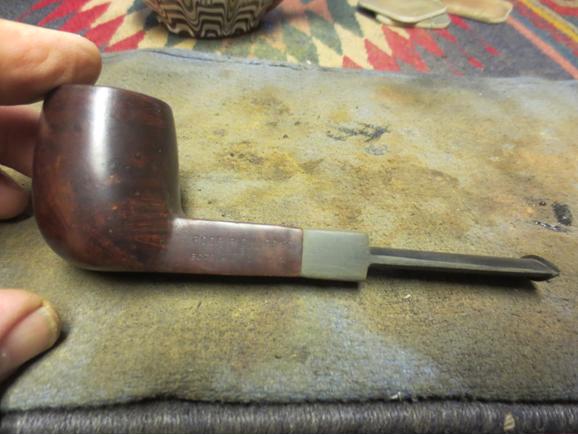
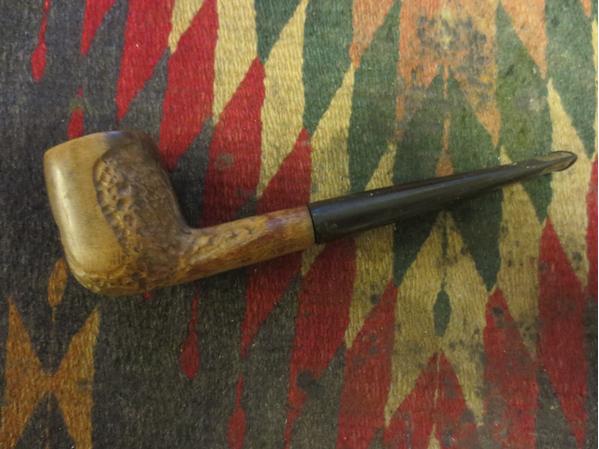
When I found this pipe on Ebay I wanted it. It actually does not happen too much anymore as it is becoming rarer that I want a pipe for myself. Generally I purchase pipes to repair that can teach me something or that I can repair and sell to someone I know is looking for a particular pipe. My brother will show me pipes that he finds and I look at them in terms of saleability or marketing. Rarely do I see one that I go “I want that one”. When I saw this one I wanted it. I don’t know what it is about the pipe but the combination of the blue Lucite stem and end cap, the flow and bend of the stem, the rusticated finish of the bowl and my favourite shape captured my imagination. Not even the chunk missing out of the right hand side rear top of the bowl deterred me from sending him a message to place a bid on it for me. That missing chunk would provide me with a challenge that I could imagine fixing. The pictures below came from the seller and gave a pretty accurate picture of the condition of the pipe.Ardor1
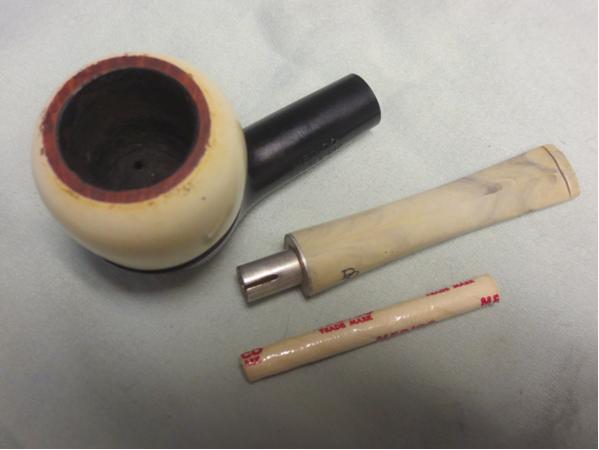
Ardor2 The bowl had a thick cake that filled the bottom half of the bowl and closed it off. The top half of the bowl had an uneven thick cake and looked like the pipe man who had the pipe before had continued to smoke it even after the chunk came out of the bow side. It would be hard to know what the condition of the inner edge of the rim without removing the cake. The rim had a tarry buildup and overflow of lava. The stem had a lot of tooth marks and wear on the top and bottom surfaces and also on the top and bottom sides of the button. The stem was oxidized and dull. The finish was actually in quite decent shape and was pretty clean other than the rim. The stamping on the bowl was very clear. It was stamped in a column on the smooth underside of the shank DR in script over Ardor over Urano over Italy over Fatta A Mano over Fantasy. The stamping was clear and distinct.Ardor3

Ardor4

Ardor5 When I got home from work I was excited to find that the package from my brother arrived while I was away. I had been looking forward to working on this one. When I removed it from the bubble wrap packaging that my brother had used there were no surprises. Things were pretty much as they had been described by the seller and shown in the photos. The stem had quite a few tooth marks and the sharp edge of the button was worn on both sides. The thin button would be comfortable but it needed to be cleaned up.Ardor6 Cleaning up the bowl and rim was going to be an interesting challenge. I wondered what I would find behind the thick cake. To have a chunk of briar break free like it had on this pipe made me wonder what was under the cake. I expected to find a fairly thin wall on the back of the pipe and around the broken area. I also wanted to see if there were any cracks running away from the broken area or if the break was clean.Ardor7 The interior of the shank looked pretty clean. The band on the end of the stem was oxidized and I wondered if it was brass or silver.Ardor8 I decided to start working on the bowl almost immediately. I needed to clean it up and see what I was dealing with. I reamed it using all four of the cutting heads on the PipNet pipe reamer. With the cake removed I could see the extent of damage to the rear wall of the bowl. The area on the left of the broken spot was thin and scored by what looked like a knife blade when it had been reamed before I got it. The top of the rim disappeared at the back of the bowl to the left of the break. The bowl was significantly out of round at the front as well.Ardor9

Ardor10 In preparation for the bowl repair I sanded the inside of the rim with 220 grit sandpaper. I topped the bowl on the topping board to square up the rim. I cleaned out the edges of the break with a dental pick and then washed it with alcohol and cotton swabs.Ardor11

Ardor12

Ardor13 I cut a piece of briar from an old broken bowl that I keep around for this purpose. I used the Dremel and sanding drum to shape the piece of briar to fit in the broken notch. It was still too tall for a good fit but you can see it in place in the next photo.Ardor13 I held it place and used the Dremel and sanding drum to shorten the plug to the same height as the bowl rim. It was too thick for the shape of the bowl so I sanded it with the Dremel to reduce the thickness.Ardor15

Ardor16 I held it place and used the Dremel and sanding drum to shorten the plug to the same height as the bowl rim. It was too thick for the shape of the bowl so I sanded it with the Dremel to reduce the thickness.Ardor17

Ardor18

Ardor19

Ardor20 I sanded the inside of the bowl with the Dremel and sanding drum to smooth out the inside edge of the repair.Ardor21 At this point in the process I set the bowl aside for a bit and worked on the stem. I cleaned the band on the stem with silver polish and the tarnish and brass look disappeared and underneath was a beautiful silver band with an oval 925 stamp.Ardor22 I cleaned out the inside of the stem with alcohol and pipe cleaners. It did not take too long before it was clean.Ardor23 I cleaned out the mortise and airway in the shank with alcohol, cotton swabs and pipe cleaners. I also used the drill bit from the KleenReem pipe reamer and cleared out the airway to the bowl. Once I ran the drill bit through the shank I cleaned it again with the pipe cleaners and alcohol. The finished pipe smelled clean.Ardor24

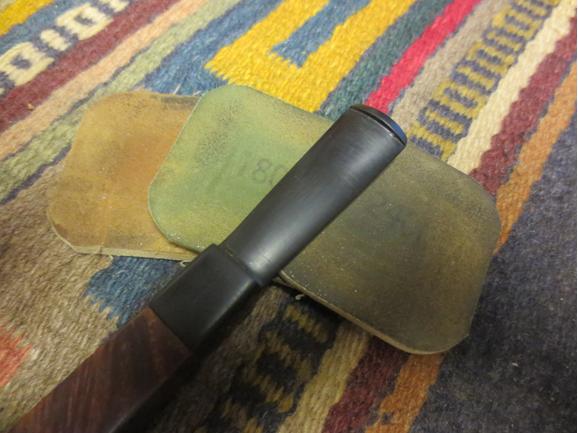
Ardor25 I wet sanded the stem with 1500-2400 grit micromesh sanding pads. I dry sanded with 3200-4000 grit pads. I used a needle file to reshape the edge of the button and redefine the curve of the button from the end. I cleaned up the slot. I finished sanding the stem with 6000-12000 grit micromesh pads and then buffed the stem with Blue Diamond on the wheel.Ardor26

Ardor27

Ardor28 With the stem finished I turned my attention to the rim and the thin inner wall of the bowl at the back of the pipe. I used clear super glue and briar dust to build up the inner edge of the rim. My thinking at this point was that this would be my base coat. From here I would build it up until I was satisfied with the thickness.Ardor29 Once the glue dried I sanded it and took a picture of the rim to this point.Ardor30 I used a Dremel with several different burrs to rusticate the patch on the outside of the bowl. I was aiming to match the cuts and random pattern of the rustication on the rest of the bowl. It took several cylindrical burrs, pointed burrs and a ball burr to get the pattern I wanted. The photo below shows the finished rustication. I needed to clean it up and then stain it.Ardor31 The next two photos show the clean up and the staining process. I used a black Sharpie permanent marker to fill in the deeper grooves in my rustication and then went over the whole thing with a dark brown stain pen. I finished by touching it up with a medium brown stain pen.Ardor32

Ardor33 I waxed the bowl with Conservator’s Wax and buffed it with a shoe brush. The next photo shows the bowl at this point in the process. All that remains is to work on the rim and the inner edge.Ardor34 At this point I have not done any work on the rim. I still need to clean up the rim top and the smooth edge on the outside of the bowl but it is getting there.Ardor35 I built up the inner edge with some JB Weld. I used a dental spatula to lay the mixture on the inner wall of the bowl. Once it is dry JB Weld is impermeable and does not disperse chemicals. My intention is to use this and then finish with a coat of pipe mud and a finish coat of bowl coating.Ardor36 I lightly topped the bowl once the JB Weld dried and gave the inner edge of the rim a light bevel. The bowl is slightly out of round but it far better than it was.Ardor37 I gave the bowl a hand buff with a shoe brush and a light rub down with olive oil. Once the oil was absorbed into the finish I hand buffed the bowl once more with the shoe brush. The finished pipe is shown in the photos below. The outside of the bowl looks excellent. The damage on the rim and the inner bowl wall made it very difficult to bring the bowl back to round. By and large considering where I started I am happy with the finished product. I am going to let the repair cure for another 24 hours before giving it a coat of pipe mud and then a bowl coating.Ardor38

Ardor39

Ardor40

Ardor41 I took a few close-up photos of the repaired area so you can have a closer look at the repair. The first photo below is the right side. The repair is toward the back of the right side. The second photo shows the left side for comparison sake. The third photo is a top view of the rim repair. The final photos show the bowl with the stem out. Thanks for looking.Ardor42

Ardor43

Ardor44

Ardor45

Ardor46

***ADDENDUM – I just finished a morning cigar and mixed a batch of pipe mud. I coated the inside of the bowl with a thick layer of pipe mud. It is now drying. Here is a photo.Ardor47

A Piece of Art Deco – Greenwich House Thoro-Kleen


Blog by Steve Laug

For some crazy reason I have always liked odd pipes – pipes that pushed the envelope in the search for a cool dry smoke. Together they are alike a museum display of odd and inventive contraptions. When my brother sent me this metal pipe it certainly fit the category of the unusual. The design and shape to me bring back memories of watching the Jetsons on Saturday morning cartoons. The metallic spaceship like pipe encourages those connections for me. It has a streamlined metal shank with an end cap on one end and a stem on the other. It flows. The bowl is a finned affair with a briar insert. I think the idea was to make an indestructible easy to clean pipe. The fact that many remain on the market speaks to the indestructibility of the pipe but as for easy to clean well to me the jury is still out.Green1 Evidently the pipe originally came with two bowls – a choice of looks. The first like the one shown in the advertisement about was metal finned affair with a briar insert. The second was a briar bowl of various shapes. Both bowls were held to the shank with a hollowed out screw that served as the airway from the bottom of the bowl to the shank. The stem and end cap come off for ease of cleaning. The body of the pipe can be hexagonal, square (Thoro-Kleen only seen in this shape) or circular in cross section. The unmarked version tends to be regarded as the COMET, all the others being stamped with a name. The Smoking Metal website shows variations on the brand. Follow the link and you can see photos and information. http://www.smokingmetal.co.uk/pipe.php?page=99
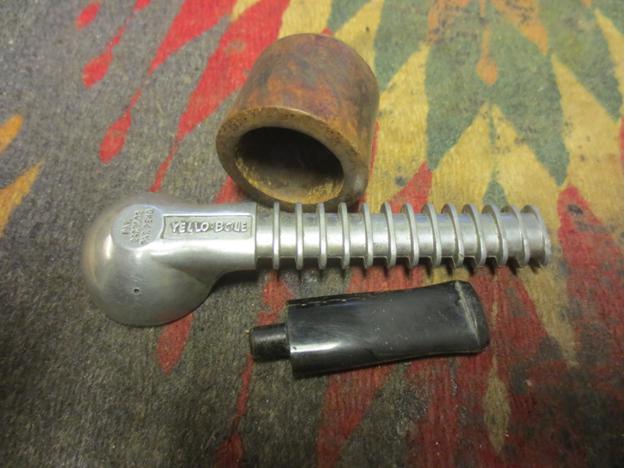
According to Pipedia the Greenwich House Thoro-Kleen was a metal pipe system from the same family as the Roybrooke, Comet, and Original Gridiron pipes, and parts from all are believed to be interchangeable. The pipes were sold by the Greenwich House Corporation, located in 1947 at 939-M 8th Avenue, N.Y. 19, N.Y… The pipe set sold for $2.50 in 1947. https://pipedia.org/wiki/Thoro-Kleen

From all of this I learned that the probable year of the pipe’s manufacture was 1947. It was a pretty sweet little pipe that definitely wore its age well. I did a bit more research as I wanted to find out what the packaging and the additional bowl looked like as the one I had, came only with the attached bowl. I found some photos that show the original packaging and have included them below.Green2

Green3 I also found a picture of the pipe taken apart showing all of the pieces. This was an important picture for me as it helped to understand how to take apart the bowl and the end cap. The one I was working on was so dirty and caked that I could not see the screw in the bottom of the bowl and the end cap was stuck. I was not sure if it was pressure fit like a Kirsten or threaded. This answered those questions for me. Once I took mine apart I found that it did not have a paper filter but rather a metal stinger.Green4 I took the following photos of the pipe to record the condition it was in when I started. Part of the fun for me is to work on a pipe and then compare the finished pipe to where it was when I started the process. The aluminum bowl and base were oxidized and dull. The stamping on the side of the shank was readable but lightly stamped in the middle portion. It read Thoro-Kleen in flowing script over Greenwich House.Green5 The end cap had a slot that fit a standard 25 cents piece that could be used to open it. In this case it was stuck and I could not turn it. The stem was oxidized and had many tooth dents on the top and bottom sides. The bowl was badly caked to the point that no air could get from the bowl to the base. I was unable to see the bottom of the bowl and know what held it to the base. The briar bowl insert was damaged and had burn marks toward the bowl front.Green6

Green7

Green8

Green9 I took some close up photos of the bowl and stem to show the condition they were in when I began the restoration.Green10

Green11 In order to take the pipe apart I reamed the cake enough to be able to get to the screw in the bottom of the bowl. The funny thing is that while I was turning the handle on the PipNet pipe reamer the bowl twisted free of the base and I was able to take it apart. At this point the pipe looked like the photo below. I was not able to remove the end cap as it was still stuck.Green13 I finished reaming the bowl with the PipNet reamer and took the cake back to bare briar.Green14

Green15 I heated the end of the pipe with the flame from the lighter to loosen and soften the tars that held the threads tightly in place. After several failed attempts to turn it and then reheating it I was able to turn if free of the base with a pair of padded pliers. You can see from the photos below the thick dark substance that filled the end cap and the base.Green16

Green17 I used a dental pick to begin to pick out the sludge on the inside of the cap and the base. You can see from the photo the amount of dried hard material that came out and this was only the beginning.Green18 The inside of the base was lined with hardened material. I plugged the tube with cotton pads and ran alcohol through the base to begin to soften the material. It took a lot of work to loosen it and the cotton pads came out darkened.Green19 I lightly topped the bowl to remove the damaged area and the burned area.Green20

Green21 I removed the stinger from the stem and cleaned the airway with fluffy and bristle pipe cleaners, cotton swabs and alcohol. I sanded the stem with 220 grit sandpaper to remove the oxidation and minimize the tooth marks.Green22 I used thick folded bristle pipe cleaners to run through the base to remove the grime and oils that were left behind once I had scraped it clean.Green23 With the first level of cleaning done on the pipe I laid out the parts and took a picture. I also took a photo of the stamping on the shank now that I had cleaned it up enough for it to show more clearly.Green24

Green25 I scrubbed the fins and grooves on the bowl with alcohol and cotton swabs.Green26 I scrubbed out the inside of the screw, end cap, threads and the inside of the metal bowl with pipe cleaners, cotton swabs and alcohol.Green27 Once the end cap was clean and the inside of the base was clean I greased the threads on the cap with Vaseline and turned it into the base.Green28 I polished all of the aluminum parts of the pipe with Meguiar’s Scratch X2.0 to remove some of the scratches and oxidation.Green29 With the bowl and shank finished I put the pipe back together minus the stem. I put the briar bowl in the metal bowl and turned the screw into the base.Green30 I set the bowl and base aside and worked on the stem. I cleaned up the edge of the button on the stem with needle files to give it more of a sharp definition and remove the tooth marks.Green31 I sanded the file marks with 220 grit sandpaper and further cleaned up the stem.Green32

Green33 I wet sanded the stem with 1500-2400 grit micromesh sanding pads and then gave it a coat of Obsidian Oil. I dry sanded with 3200-4000 grit pads and gave it another coat of oil. I finished by sanding it with 6000-12000 grit pads and gave it a final coat of the oil and let it dry.Green34

Green35

Green36

Green37 I buffed the stem with Blue Diamond on the wheel and then gave it several coats of carnauba wax. I buffed it with a clean buff and then by hand with a microfibre cloth. I gave the base and bowl a coat of Conservator’s Wax and hand buffed it with a cloth. The finished pipe is shown in the photos below. I can’t help but saying at this point – “Meet George Jetson…” Thanks for looking.Green38

Green39

Green40

Green41

Green42

Green43

Green44

This one was a labour of love – A Custombilt Bullmoose


Blog by Steve Laug

My brother sent me a pipe that is a shape I have had two previous times and always sold or gifted. It is a Bullmoose or a Scoop shape. Tracy Mincer did a great job with this shape and it is one I have never seen repeated as chunky as he did them. This one was stamped on the right side of the shank with the words Custombilt over Imported Briar.CB1 The pipe was solid but dirty. The stem would not push into the shank and the grooves and trails in the briar were dusty. The bowl had a thin, uneven cake in it and the lava overflowed slightly onto the rim leaving a thin coat of tars and oils. There were some dings and dents in the smooth parts of the pipe and the finish was worn. There were some fills in the grooves that showed through the worn finish. Overall it was in good shape. The stem had tooth chatter on the top and bottom sides with a few deeper tooth marks near the button. The photos below show what the pipe looked like when I started working on it.CB2CB3CB4CB5 I took a few close-up photos of the bowl rim, front and back views and the stem to show what I had to deal with in the restoration of this one.CB6CB7CB8CB9CB10 The stamping gave me a bit of information on the date of the pipe. The one word Custombilt stamping rather than the Custom-Bilt stamping would help to pin down the date a bit. I decided to pause a few moments and do a bit of reading to help narrow down the date. I looked on one of my go to resources – Pipedia.org. I also have Bill Unger’s book but it is packed away at the moment and this article on pipedia quotes extensively from the book. Here is the link to the article: https://pipedia.org/wiki/Custom-Bilt
Under the heading, Custom-Bilt History is the following information.

“The book (Bill Unger’s Book, my comment) opens up with an intriguing statement that unfortunately is never fully followed up: Before beginning this history, I need to emphasize an important fact and to ask the reader to keep it firmly. Spelling-Custom-Bilt, Custombilt, and other variations-is extremely important to the various aspects of the following discussions. It was not, however, important to many people in the company’s early days. [Emphasis mine] {Page 9}.”

“Tracy Mincer started the original Custom-Bilt pipes it appears in 1934. Bill meticulously details the start of the Company, how it was financed, the changes in the original ownership, how the company distributed its product, the manufacturing process, certain patented items, and other interesting stuff… In 1946, the name was changed to Custombilt after Mincer began an association with Eugene J. Rich, Inc. (my emphasis). There were some big changes in advertising and distribution. The slogan “AS INDIVIDUAL AS A THUMBPRINT” began at this time as well.”

“In the early 1950’s, Tracy Mincer developed severe financial problems that caused him to stop making the Custombilt, and he lost the name. In 1953, Leonard Rodgers bought the company and emphasized tobacco pouches and butane lighters. (However, it appears Mincer was working on his new pipe, the Doodler.) In 1968, Rodgers sold the Company to Consolidated Cigars. In the early 1970s, Wally Frank Co. bought the Custombilt trademark and began to produce their version of the pipe in 1974 or 1975. Hollco Rohr owned the Weber pipe factory, located in New Jersey, and produced the Custombilt pipes there. In 1987, the pipes were made out of the Butz-Choquin factory (France) and then Mexico until the late 1990s. Currently, the Custombilt name is owned by Tobacalera of Spain.”

From this information I am pretty sure my pipe is made after the change in 1946 and before Tracy Mincer lost the name in the early 1950s. It has the characteristic Mincer like rustication patterns and shape. It could very well be from the Rich era of the brand.

I went to work cleaning up this old timer. I scrubbed the bowl with a toothbrush and Murphy’s Oil Soap. I was able to clean out the rustication and the grooves with this method. I rinsed the bowl under warm water to remove the soap and the grime. The first picture shows the soap on the bowl and the second through the fifth picture that follows show the cleaned and dried bowl. You can see the putty fills in the grooves. Fortunately all of them were in the grooves and not in the smooth portion of the bowl.CB11 cb12 cb13 CB14 CB15I scrubbed out the airway in the shank, mortise and stem with alcohol, pipe cleaners and cotton swabs until they came out clean. I thought about using the retort but chose not to on this pipe as it smells sweet and clean.CB16 CB17To clean up the scratches and lava on the rim of the bowl I used a medium grit sanding sponge and “topped” the bowl on it. I find that this sponge removes the grime and leaves the rim intact with no briar removed. I worked it on the sponge until it was clean and then used a cotton swab and alcohol to clean up what remained.CB18 CB19I sanded the stem with 220 grit sandpaper to remove the tooth chatter and deeper tooth marks as well as the small gouges and oxidation on the vulcanite.CB20 CB21With the internals of the shank and mortise cleaned I was able to put the stem back in place. I reamed the bowl with a PipNet pipe reamer and took the cake back to briar.CB22 CB23I used a Black Sharpie Permanent Marker to stain the rustication patterns on the bowl and shank. Once I finished with that I wiped the bowl down with alcohol to soften the black and prepare the surface for the contrast stain.CB24 CB25 CB26 CB27 CB28 CB29 cB30I warmed the briar with a blow dryer and then stained it with Feibings Dark Brown that I had thinned with alcohol 1:1. I applied the stain and then flamed it with a lighter to set it. I repeated the process until I got good coverage.CB31 CB32 CB33 CB34I buffed the pipe with Blue Diamond on the wheel to give it a shine and even out the stain coat. The next photos show the bowl at this point in the process. The contrast of the dark in the grooves with the brown really gives the briar a bit of pop.CB35 CB36 CB37 CB38I was careful with buffing around the stamping as I did not want to damage the pristine stamping on this pipe.CB39With the bowl done I turned my attention to the stem. I wet sanded with 1500-2400 grit micromesh sanding pads until the majority of the scratches left behind by the sandpaper were gone. I rubbed the stem down with Obsidian Oil. I dry sanded it with 3200-4000 grit micromesh pads and gave it another coat of oil. I finished by sanding it with the 6000-12000 grit micromesh pads and giving it a final coat of oil. I set it aside to dry while I worked on another pipe.CB40 CB41 CB42I buffed the pipe with Blue Diamond to raise the shine and then gave the stem multiple coats of carnauba wax. I gave the bowl several coats of Conservator’s Wax and then buffed both the bowl and stem with a clean flannel buff. I hand buffed the pipe with a microfibre cloth to deepen the shine. The finished pipe is shown in the photos below. I love the finished look of this old timer and the feel of the hefty bowl in the hand. In my opinion it turned out to be a beautiful pipe. Thanks for looking.CB43 CB44 CB45 CB46 CB47 cb48