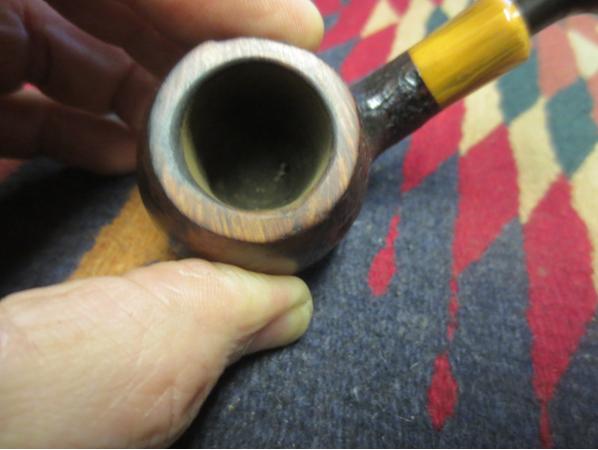
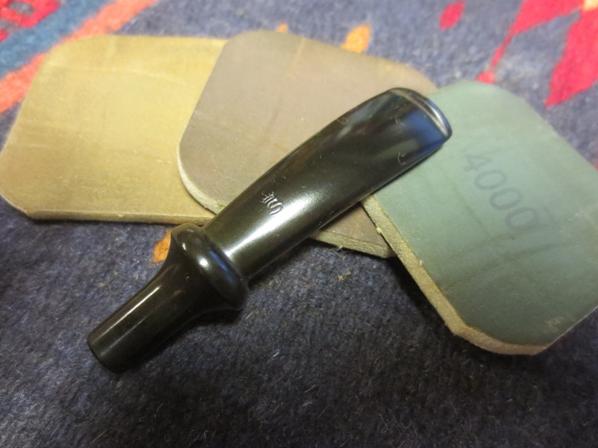
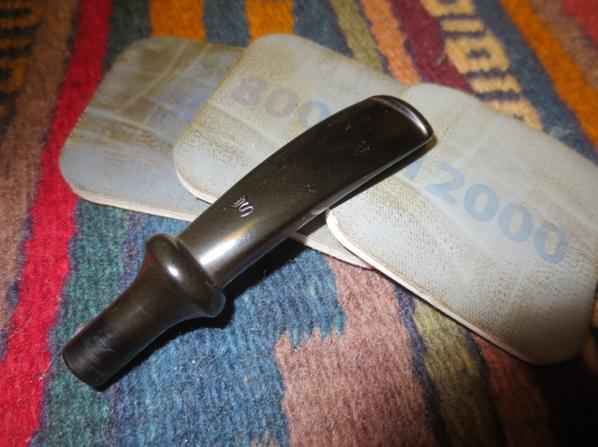
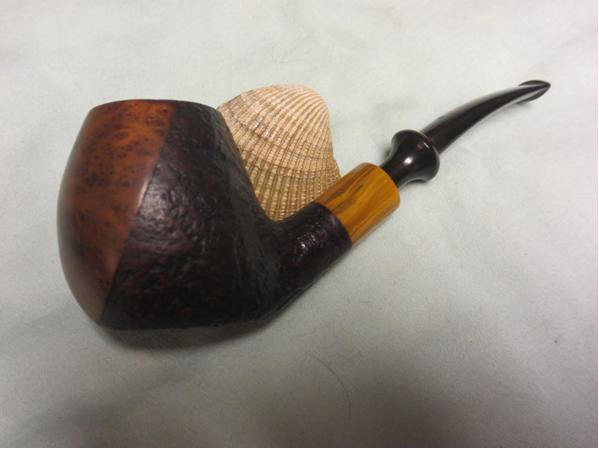
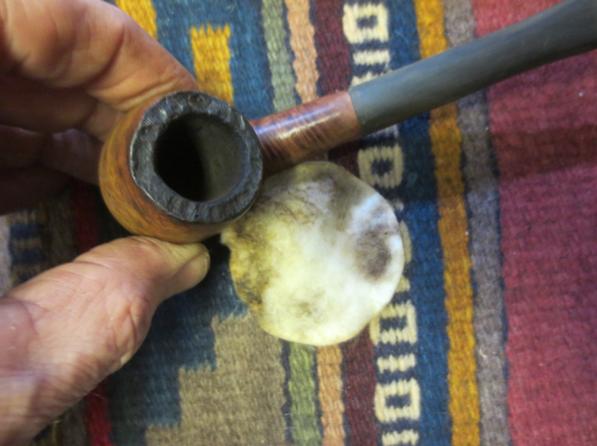
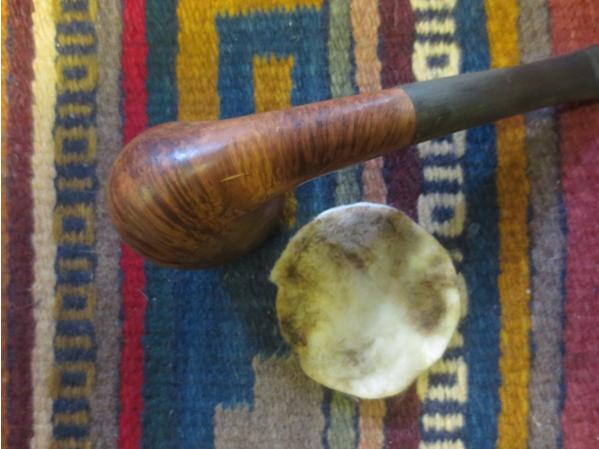
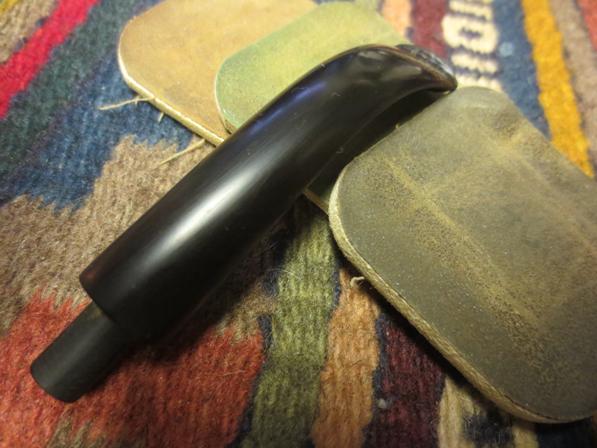
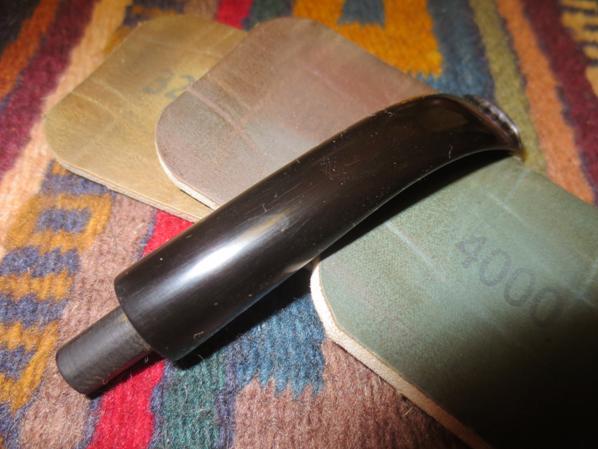
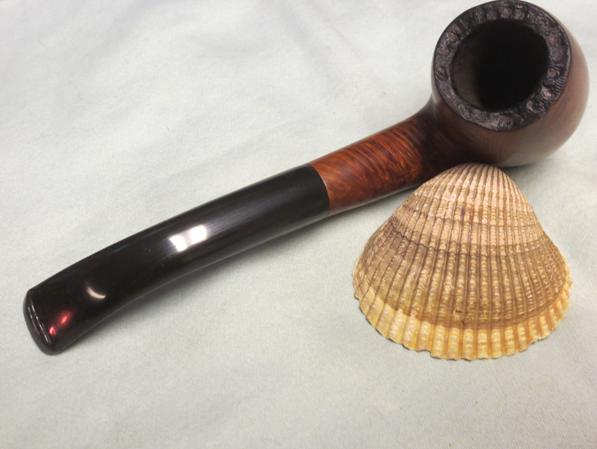
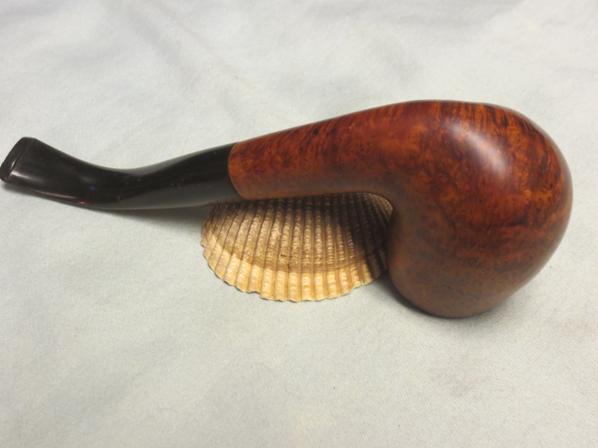
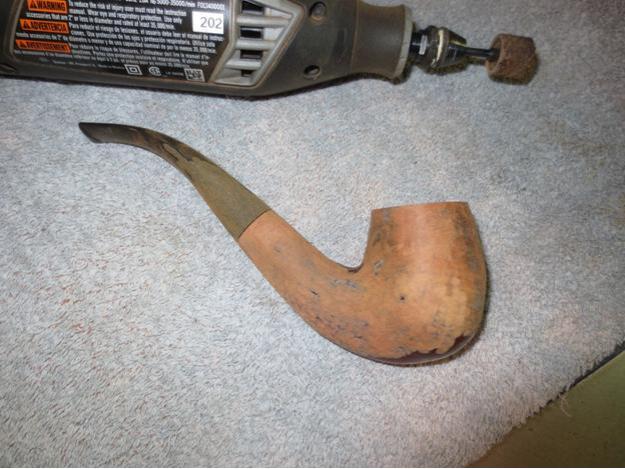
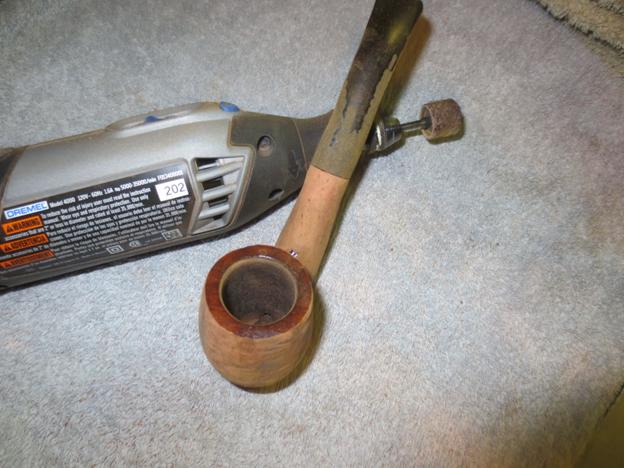
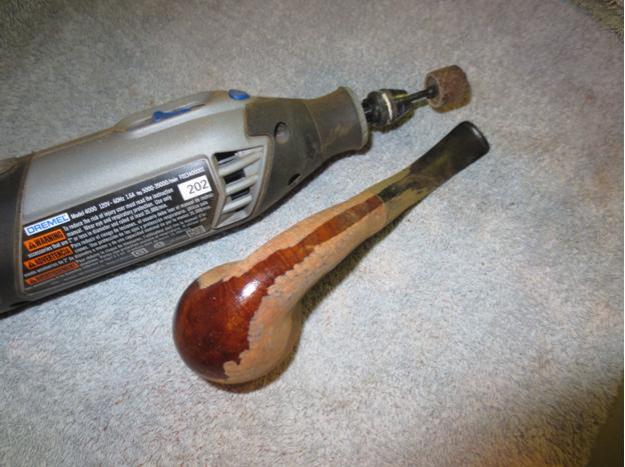
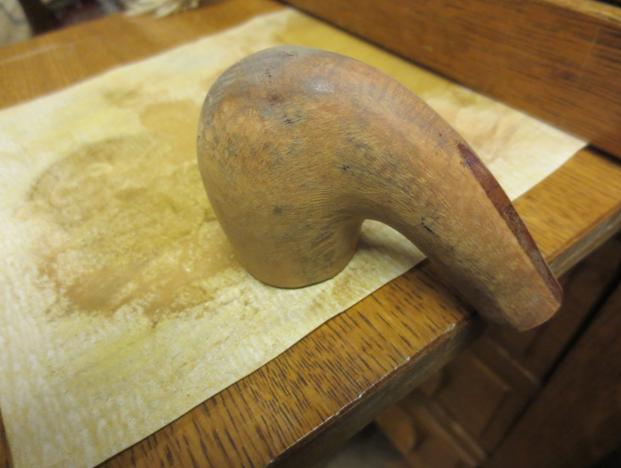
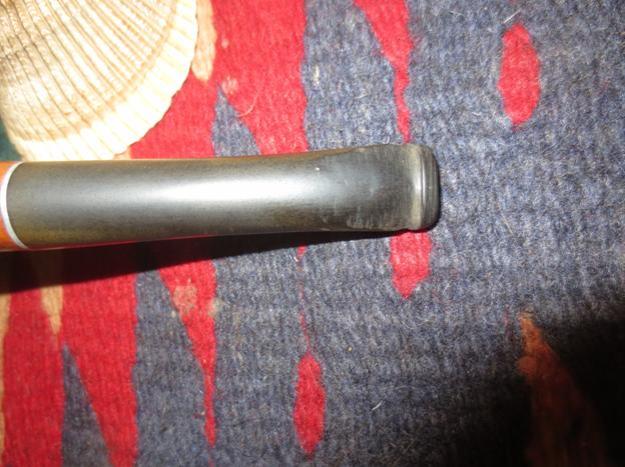
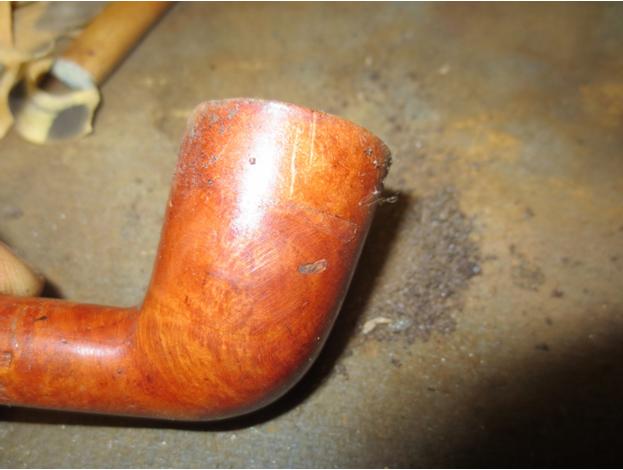
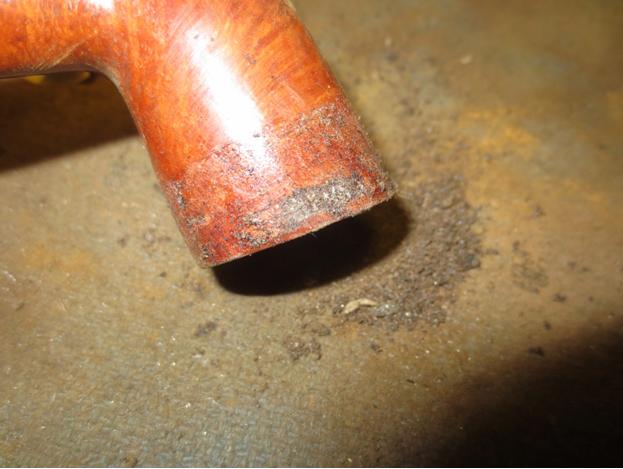
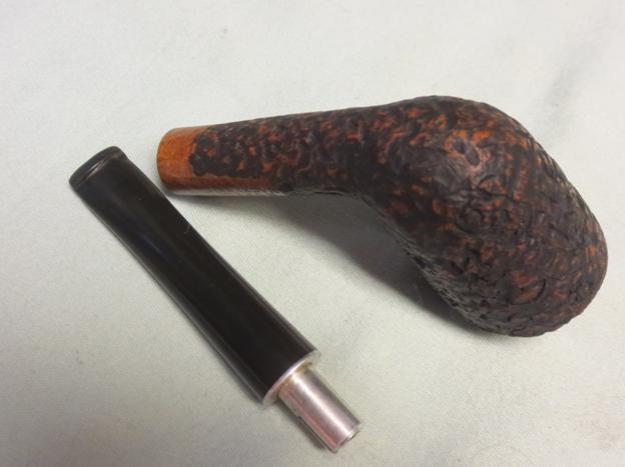
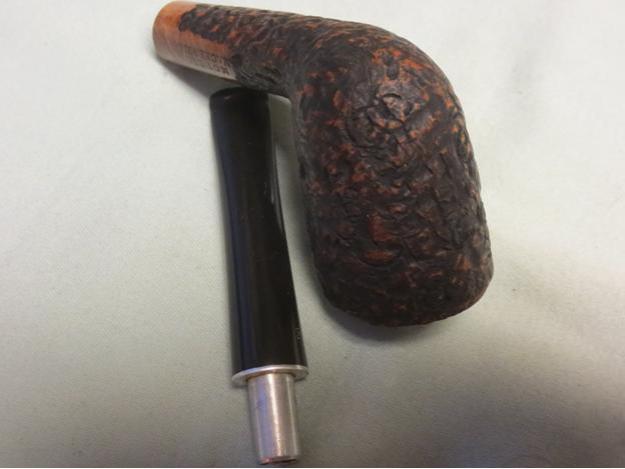
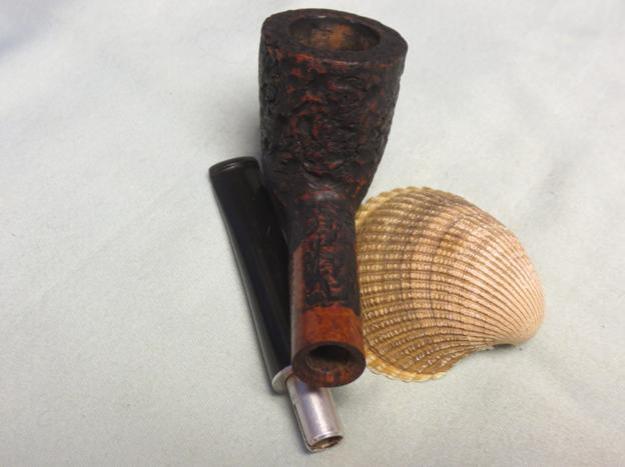
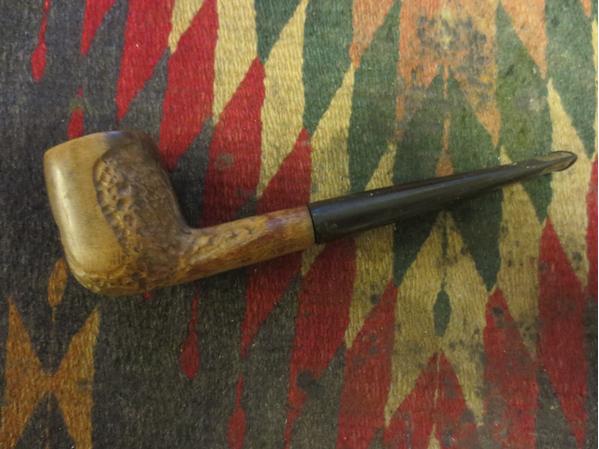
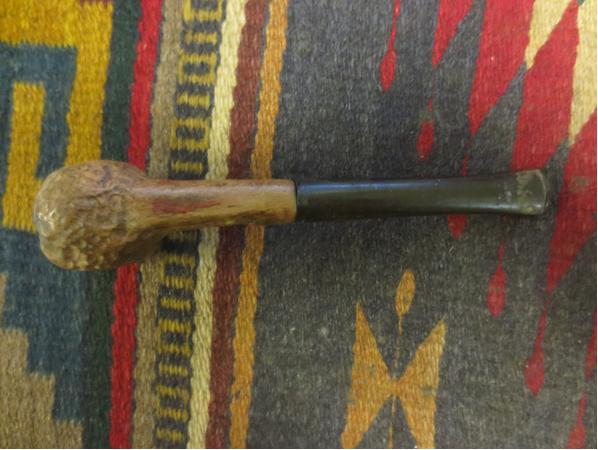
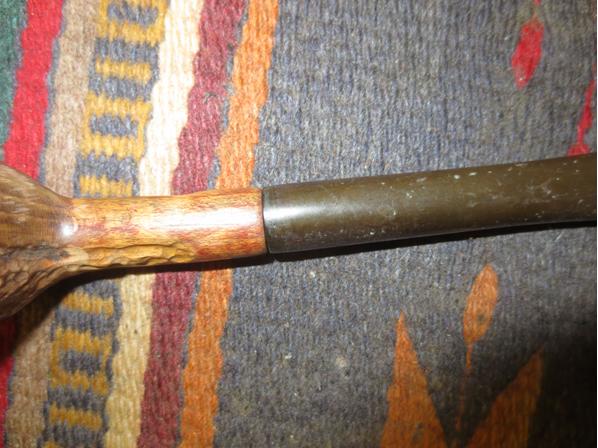
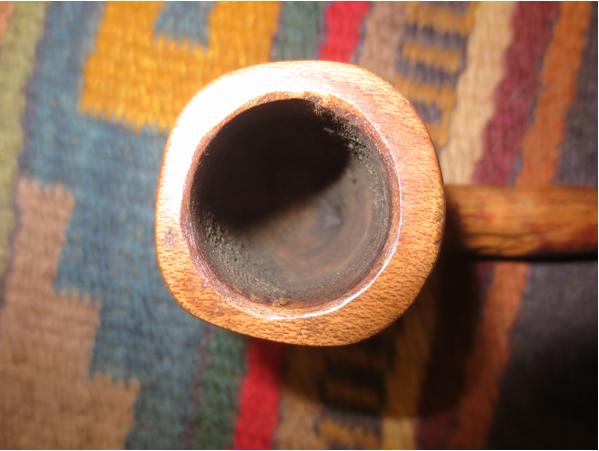
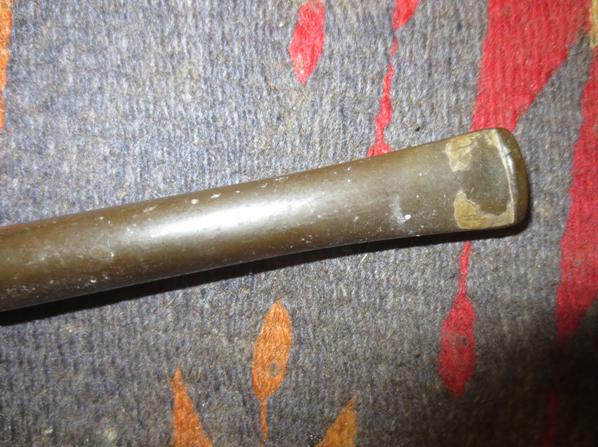
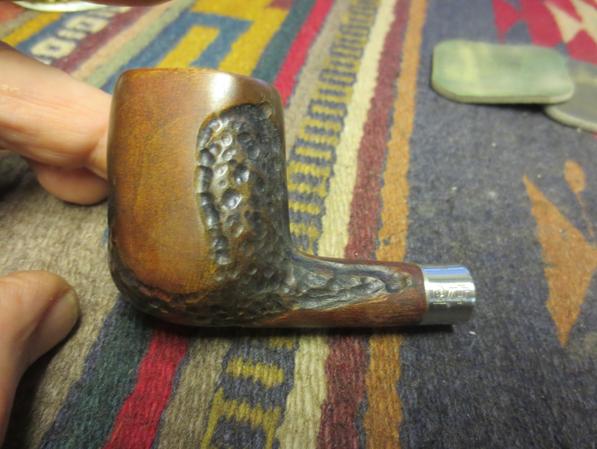
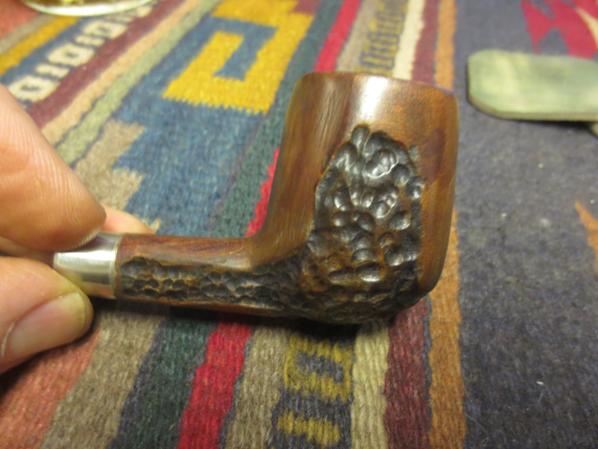
Tag Archives: restaining a bowl and rim

Spotlight: Ladies Pipes, Part 1/7, a FRASA French Bent Billiard


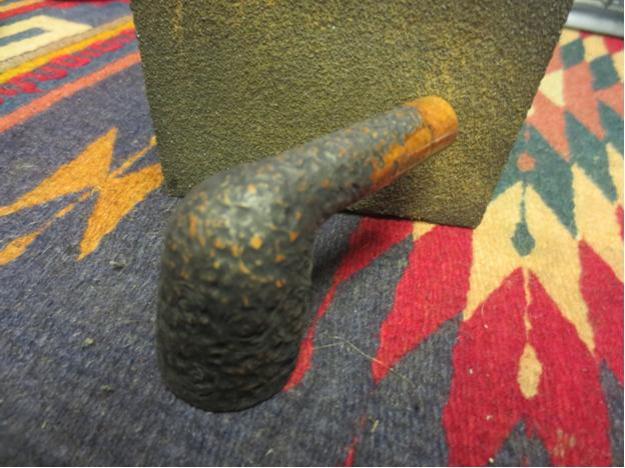
Guest Blog by Robert M. Boughton
Member, International Society of Codgers
Member, North American Society of Pipe Collectors
http://www.naspc.org
http://www.roadrunnerpipesnm.biz
http://about.me/boughtonrobert
Photos © the Author

LadyA pipe in the mouth makes it clear that there has been no mistake–you are undoubtedly a man.
— Alan Alexander Milne (1892-1956) – English author, playwright, poet essayist and storyteller best known for Winnie the Pooh – from “Smoking as a Fine Art,” in Not That It Matters, 1919, a collection of wide-ranging and manly essays

INTRODUCTION
I admit, my choice of the above quote was calculated, but not to raise the ire of any female smokers I indeed admire and whose attention I hope to draw to this forum and others, with the goal of opening a dialogue between the genders who share at least one common love. Of course, as with all well-meaning attempts at good natured humor mixed with more than a grain of satire, I should not be surprised if this one, in the spirit of political incorrectness, backfires in my face like a good ole boy’s sawed-off shotgun packed with too much rock salt.

But no, I think my message is clear. A.A. Milne was a good man and without doubt one of the most celebrated and creative writers of children’s stories of his time, albeit the product of the languid ease and floating, hypnotic comfort of his youth in the English countryside and predetermined defining crucible at Cambridge’s Exeter College at a time when his contemporaries were such traitors as Guy Burgess and Kim Philby to name but two. Yet Milne chose the right path, whatever unavoidable world-view of woman and their “rightful places” in the homes and gardens and still grander scheme of the universe. Milne escaped the abyss of prison, execution or exile to a dacha on the steppes of Mother Russia – outside of his day-to-day harrowing home life. All in all, notwithstanding the opening and somewhat tasteless quote, Milne turned out a bit alright.

So now, a few words about the earth-shattering day at the Stag Tobacconist in Albuquerque, New Mexico, US of A, deep in the Land of Enchantment. How â propos is that, I ask? Holy Shades of a Midsummer Night’s Dream, Batman! You see, I was sitting in my customary spot with a view of the entire room against the unlikely and therefore ever-present threat of imminent attack by unknown sinister forces, which seem to lurk in every corner of this wannabe city. The place continues to groan and grumble with unnatural growing pains.

I was sitting there in my comfortable cushioned chair in the smoker’s lounge, working on my laptop, when I overheard a woman who had come in looking for a “lady’s pipe.” I wasn’t eavesdropping, I just couldn’t help overhearing, along with the rest of the conversation, although my interest was piqued and my ears pricked. From her demeanor, I guessed it was her first visit to the shop. She was a rather large lady, dressed in a heavy long black coat. I knew right off that I had exactly what she was looking for at my apartment in an assortment of nice smaller pipes that nevertheless were not minis. I knew not to interfere with Chuck Richards, my friend and mentor, who had engaged the good woman

Scanning my mental knowledge of the shop’s inventory, I settled on a few of the no-name Italians and some mini carved meerschaums in the glass case below where Chuck and the lady stood at the end of the service counter, only a few yards from my curious ears and eyes. To my immense surprise, I watched Chuck (whose lips were pulled back in a look of distaste I recognized, whether or not the woman detected it) as he produced with appropriate care the open box of one of the meerschaums. The woman made a definite sound of pleasure that was stifled by Chuck’s masterful discourse on the pros and cons of meerschaum minis. He went on about the quality of the material and their ability to burn any type of tobacco without a lingering taste; their fragility and special precautions needed to use them, and in particular their construction with small push-in tenons that can be difficult to maneuver the vital cleaners through. He demonstrated and then explained how the cleaner would also be inserted into the shank after smoking but that he couldn’t handle the surface of the pipe because of its porous nature that absorbs skin oils and dirt, leading to serious damage.

Choking back a laugh, I thought I could not have discouraged a sale better if I had tried! I happen to know Chuck despises fancy, carved meerschaums for his own collection but would never hesitate to sell one to the right person. And so he moved on to several nice, shiny, natural finish no-names of medium length and bowl size. My excitement was growing. I decided if and only if Chuck proved unsuccessful in matching the female customer with a pipe – a wholly unlikely event – would I scurry out the door after her and offer the prospective customer my card and services.

But of course, Chuck sold her a very nice pipe, albeit twice the size of those I will show in this series. Thus was conceived the idea for this series, which, in my original plans, I envisioned, as usual, in a single blog. After a mere glimpse at the boggling research needed to undertake the endeavor, however, not to mention the difficulty of blogging seven restores in one space, I had the brainstorm of splitting the project into a series.

My friend on the Smokers Forums UK (http://www.smokersforums.co.uk/), who goes by the username “im2for1” there, is a Team Member at the Forums and owner of Ladies of the Briar for women only on Yahoo Groups and Friends of the Ladies of Briar of Facebook. She is also vice president of New Jersey Fellowship of Pipe Smokers on Yahoo and Facebook. With some careful, specific prodding, I hope to elicit some invaluable intelligence from Liz as this series progresses.

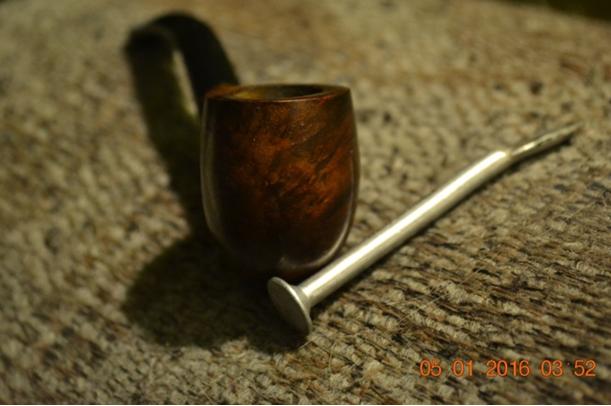
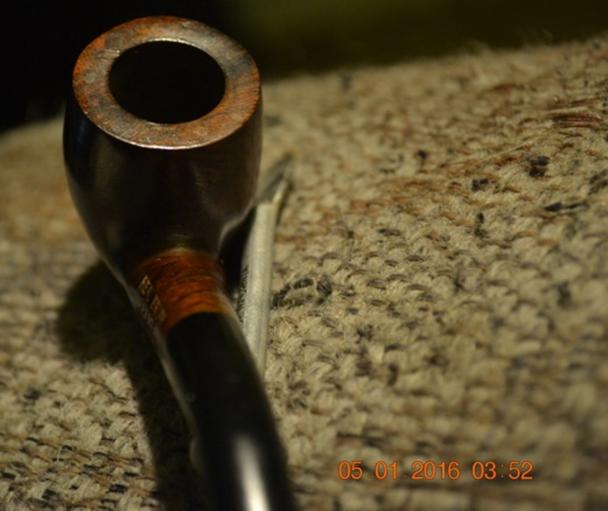
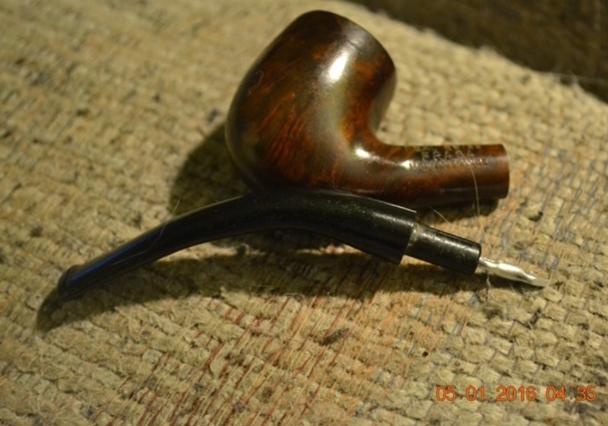
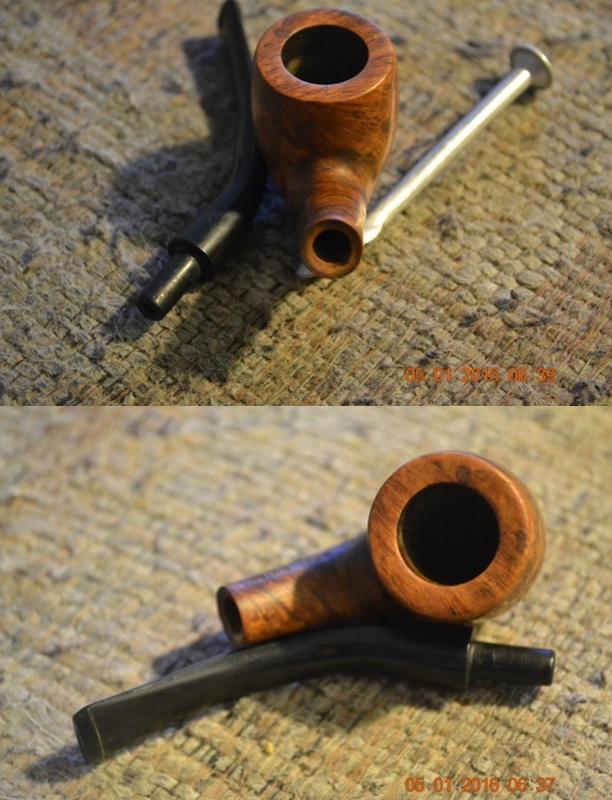
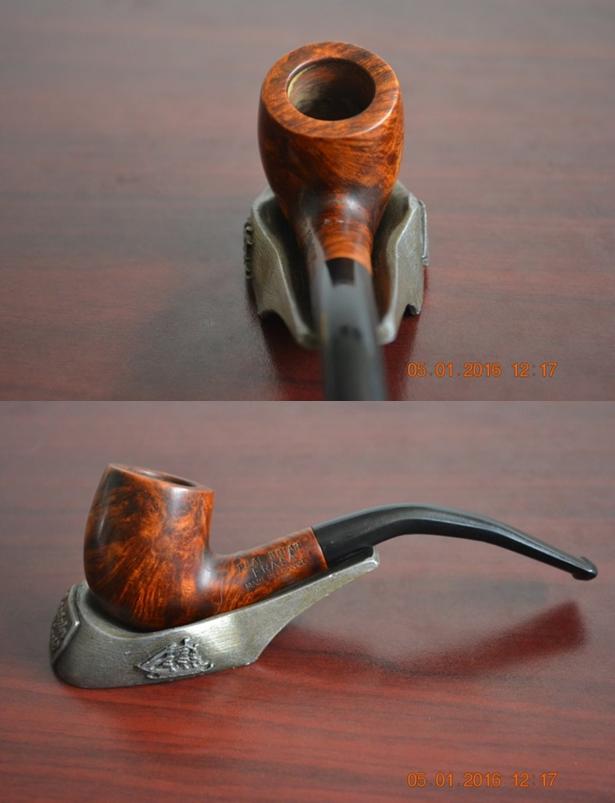
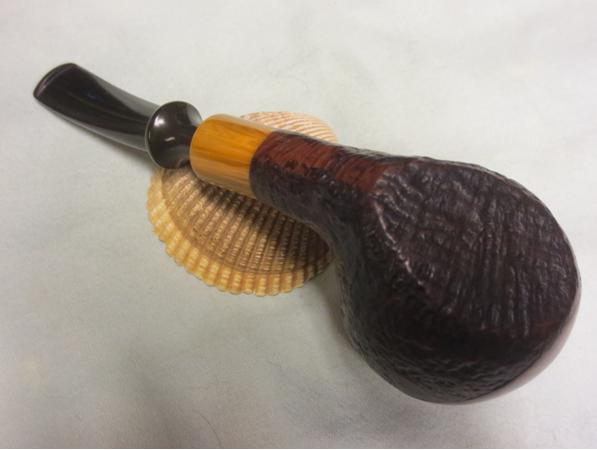
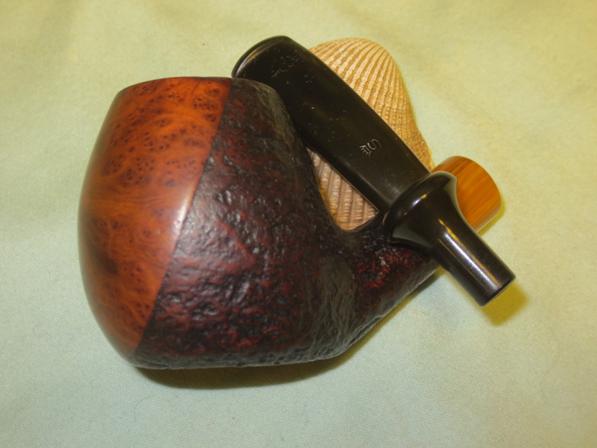
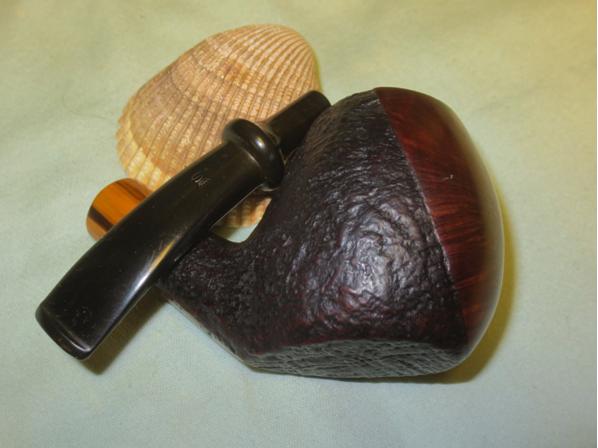
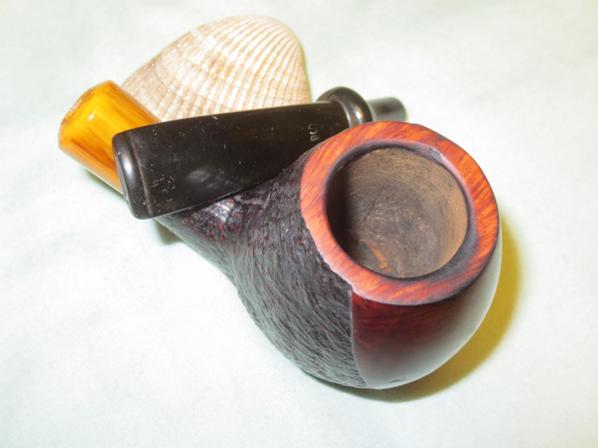
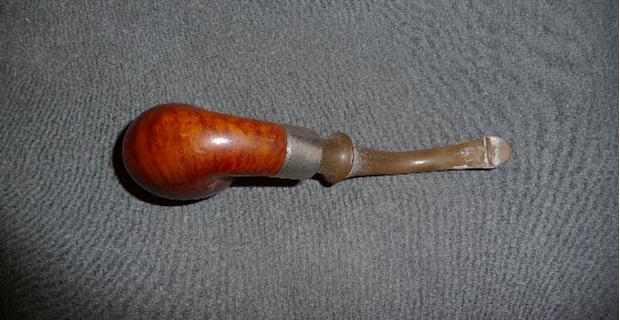
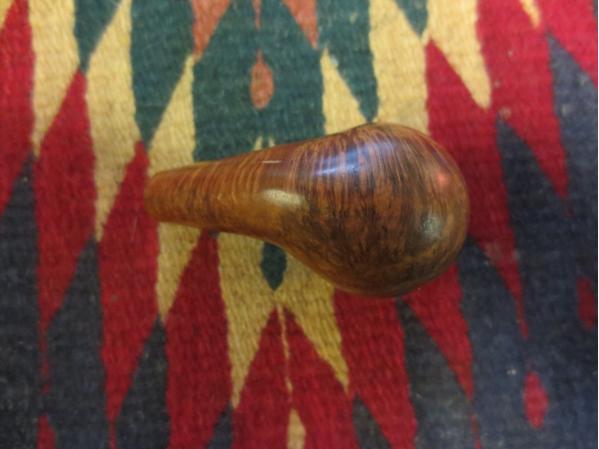
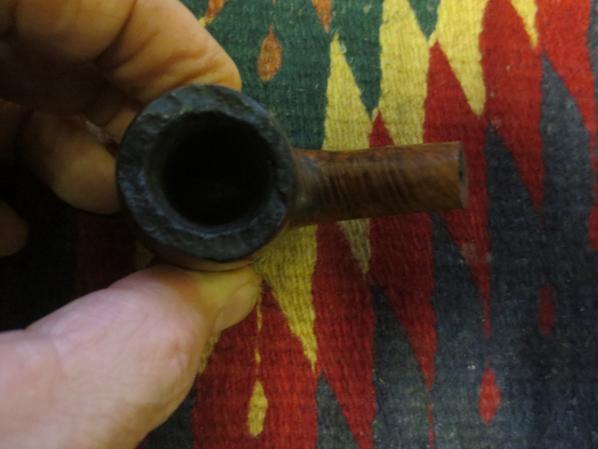
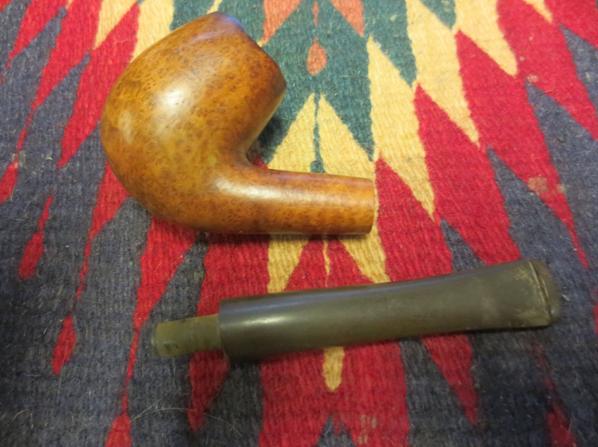
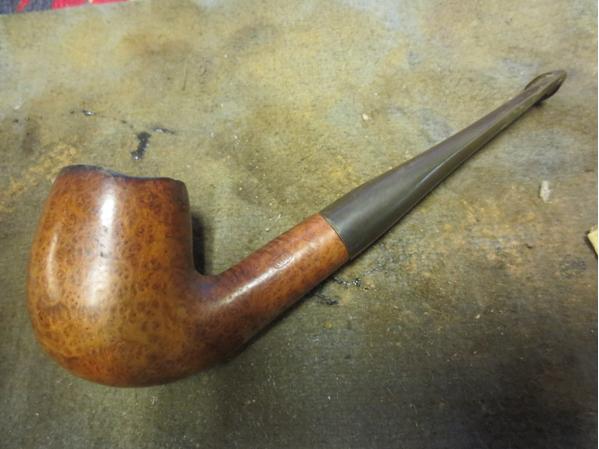
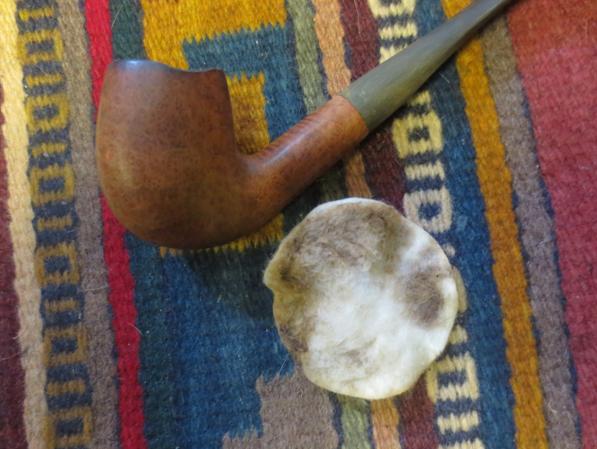
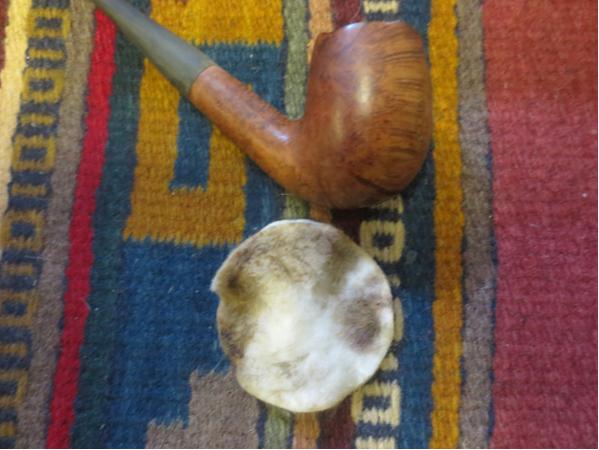
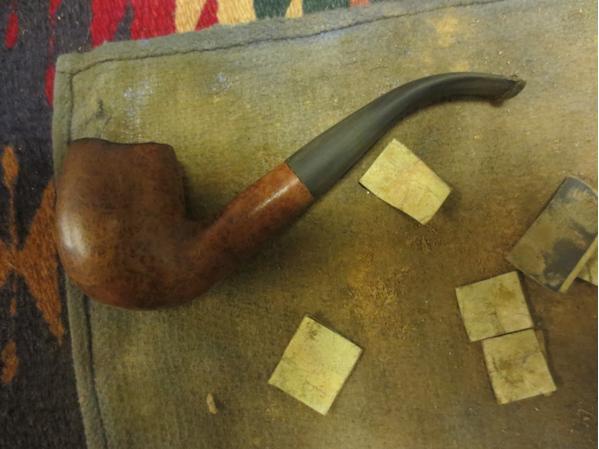
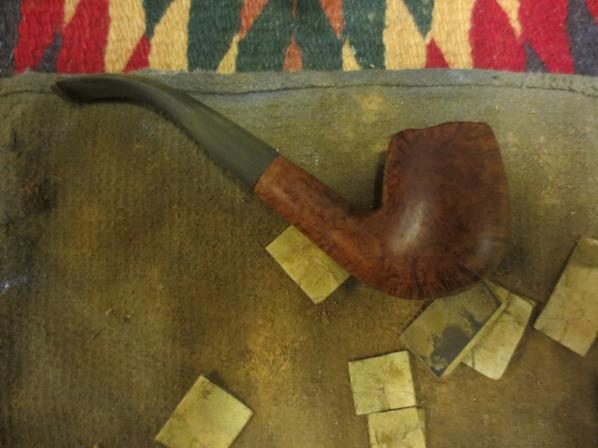
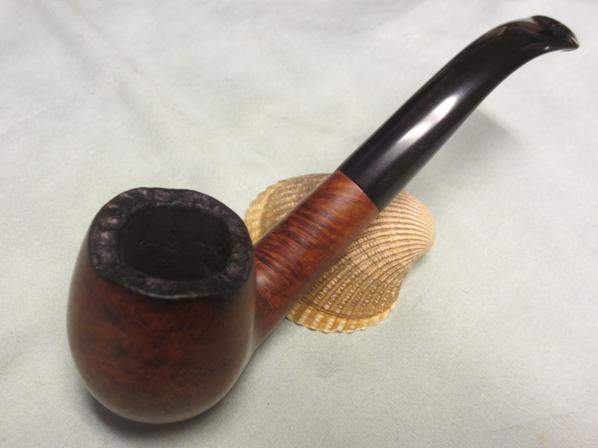
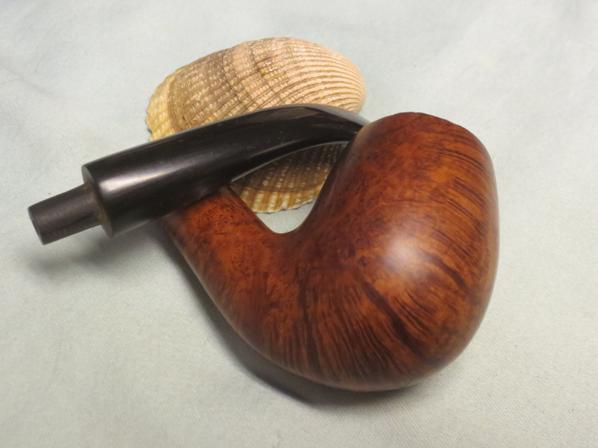
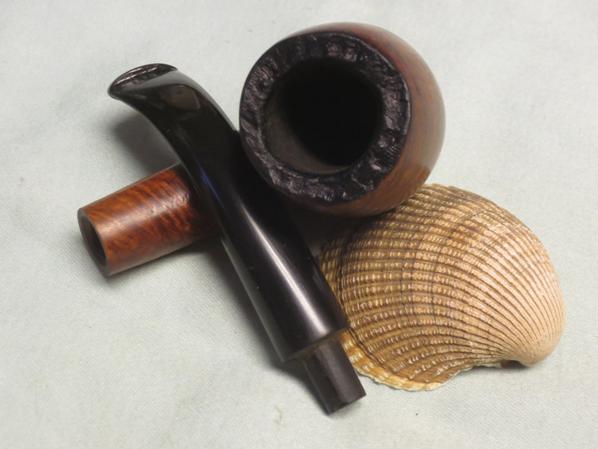
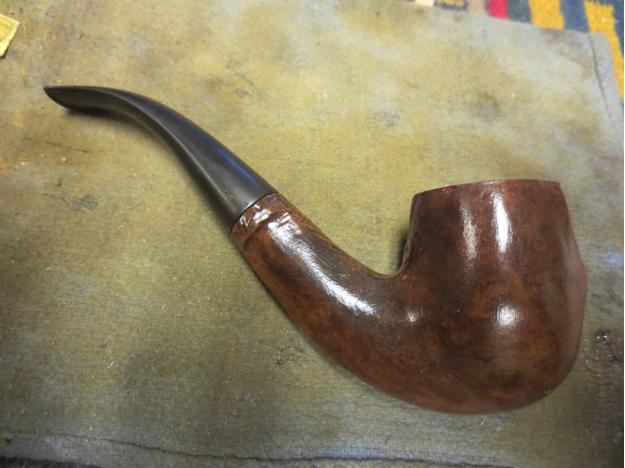
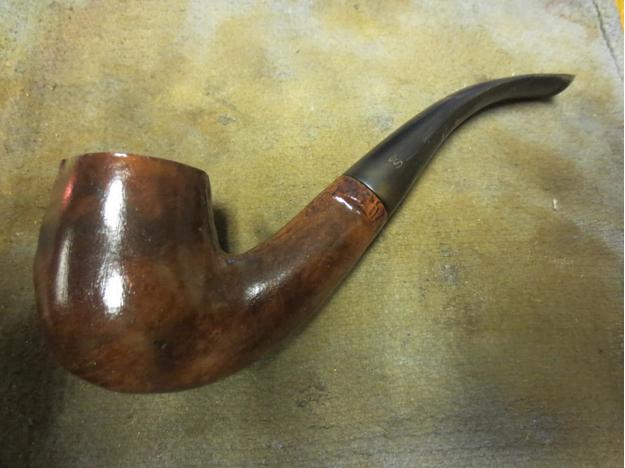
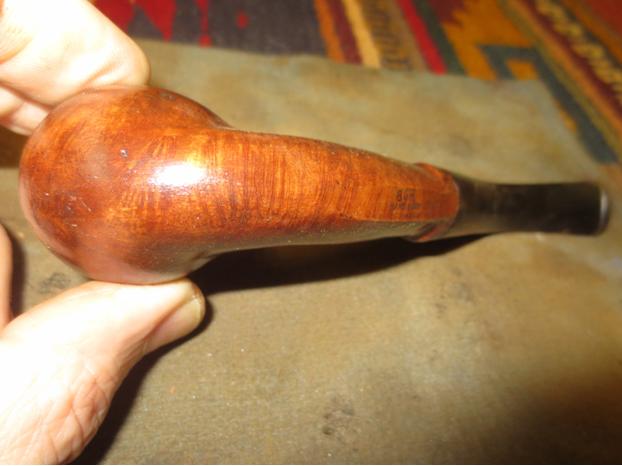
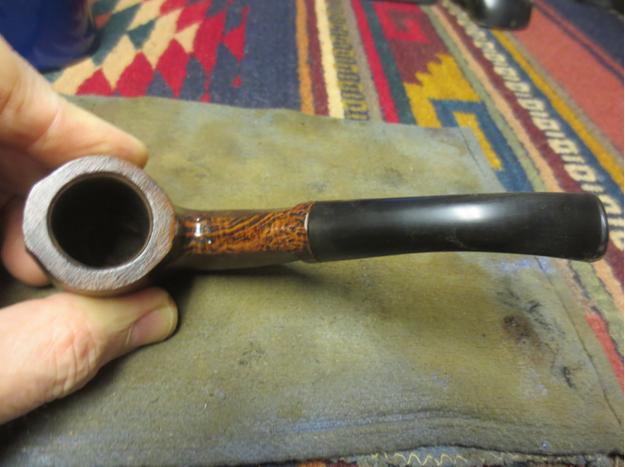
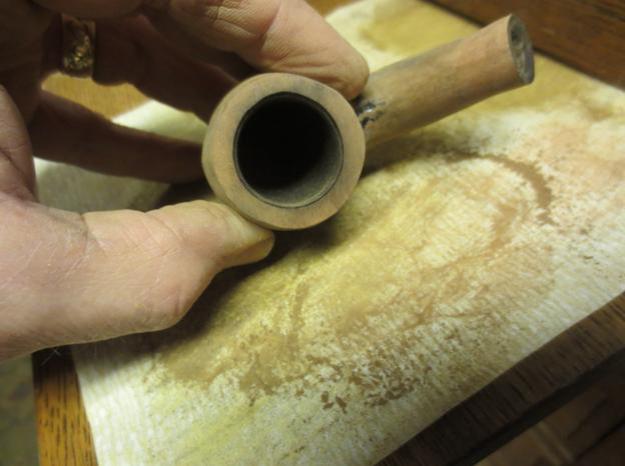
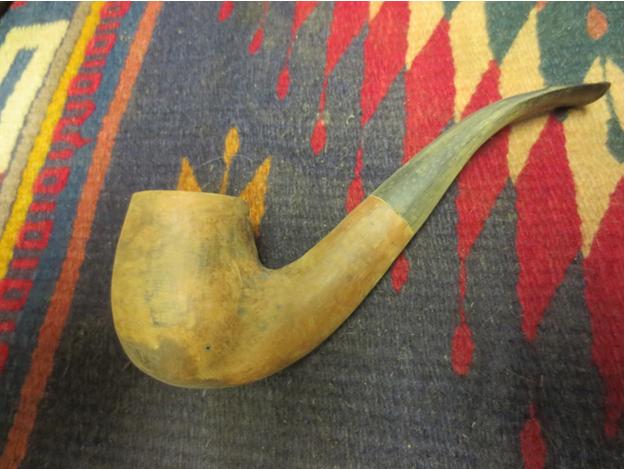
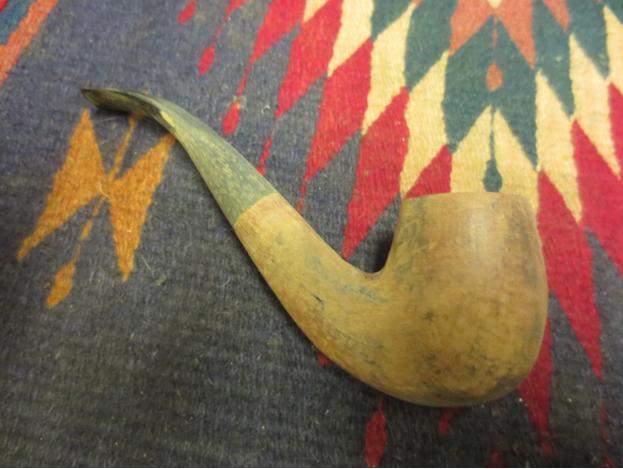
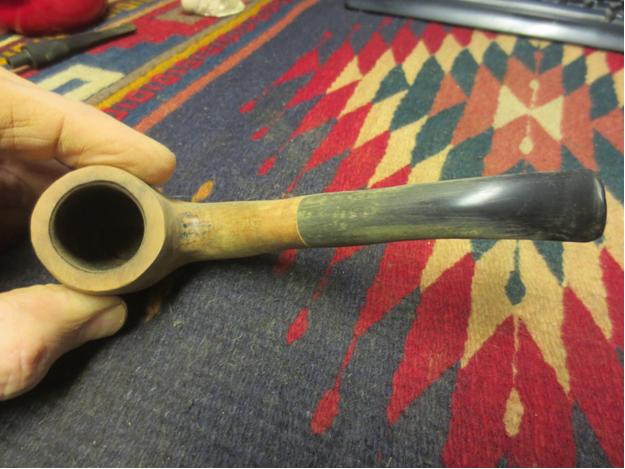
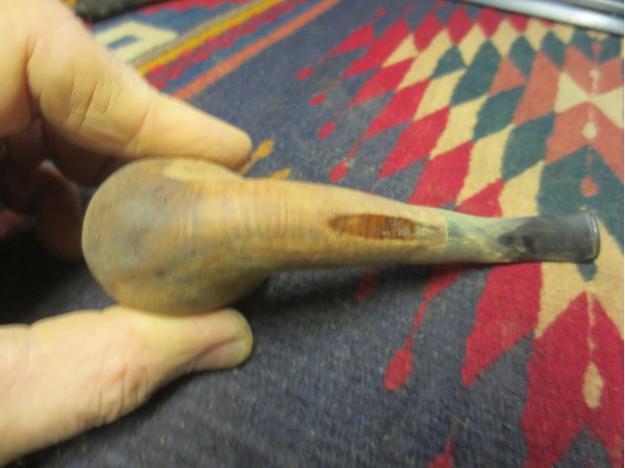
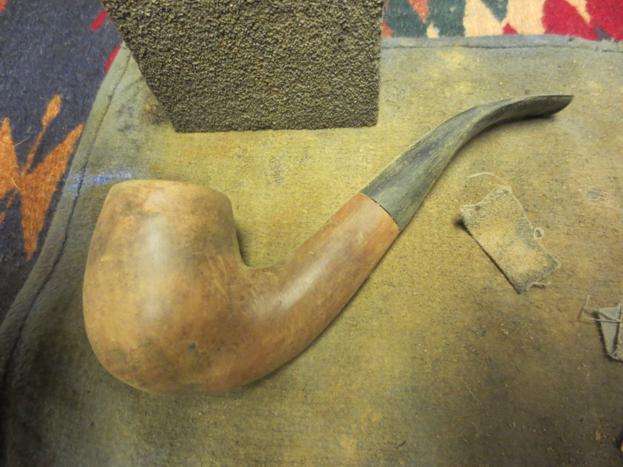
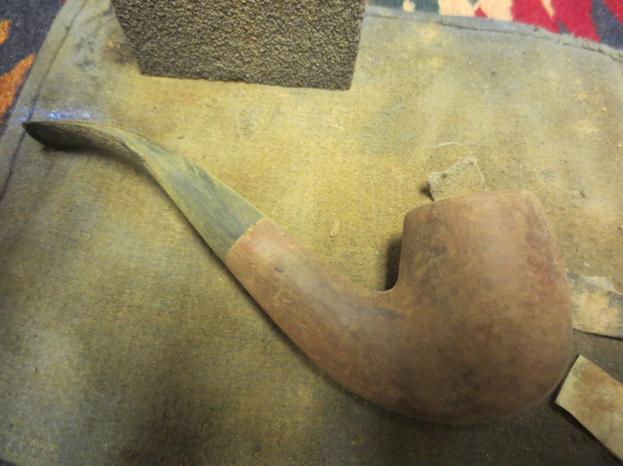
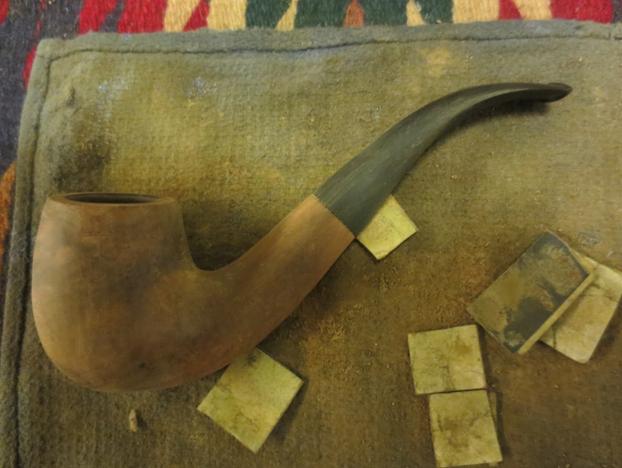
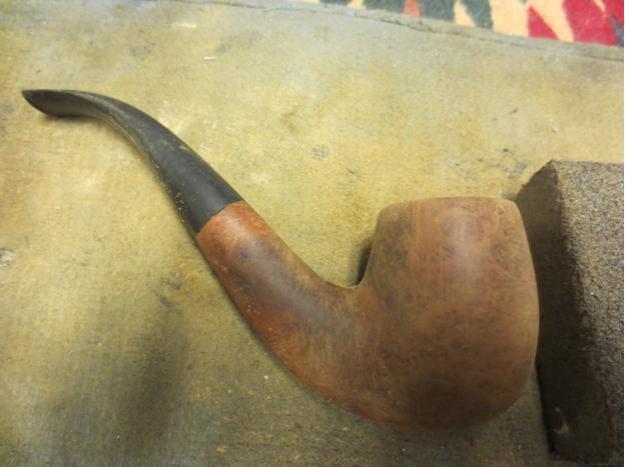
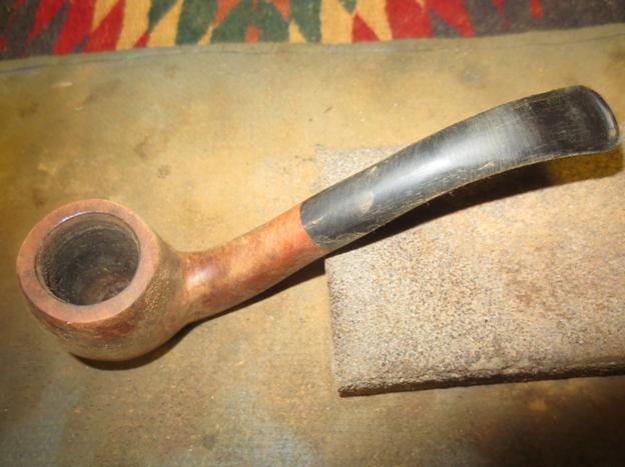
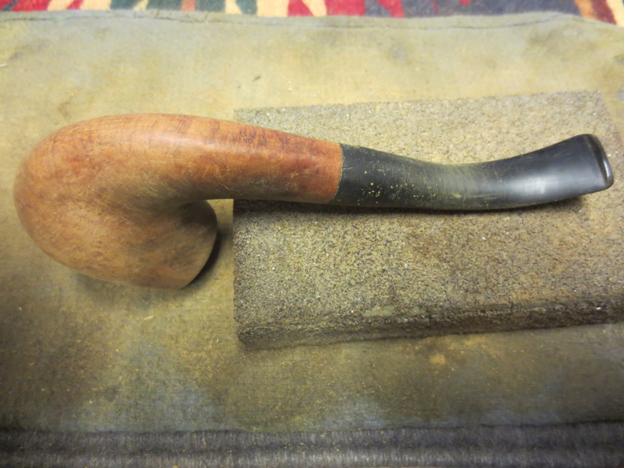
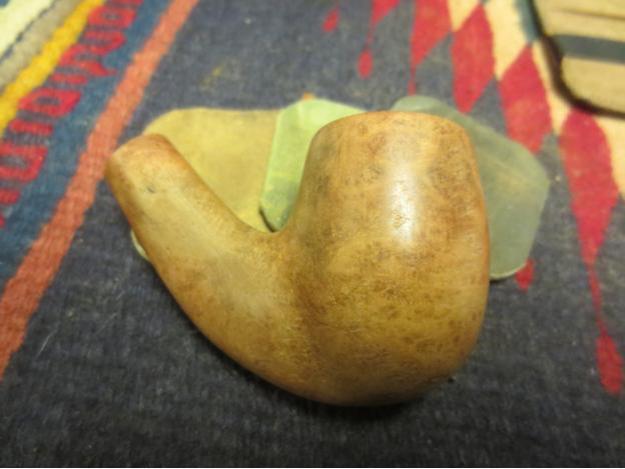
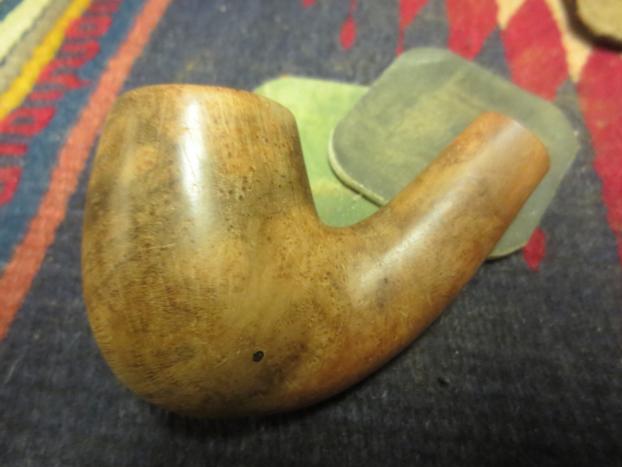
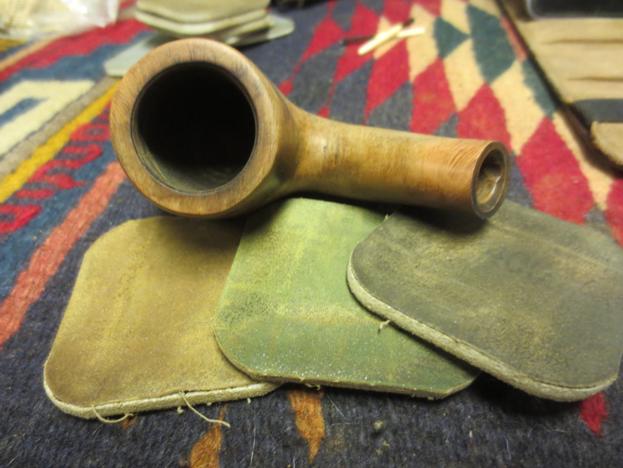
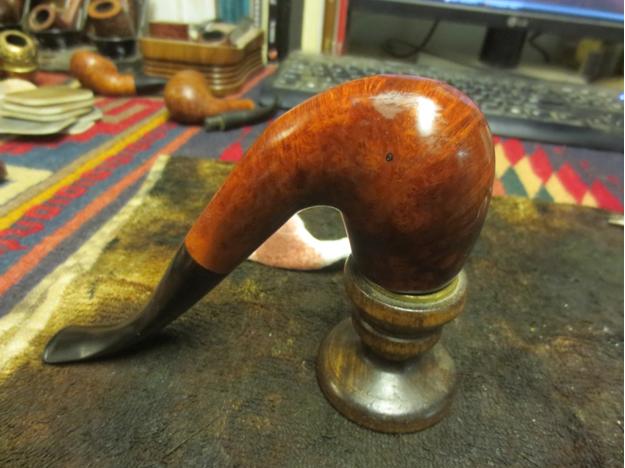
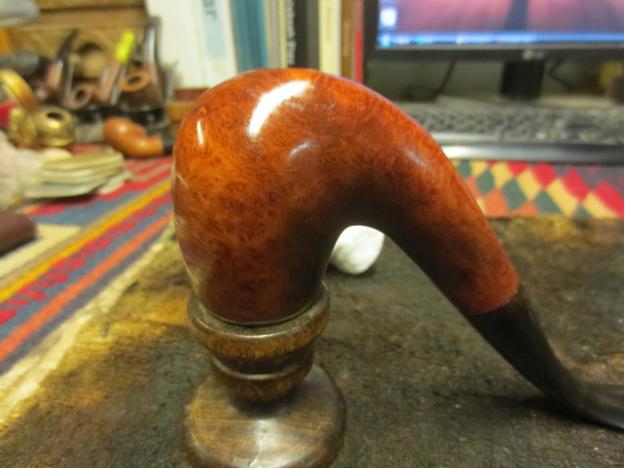
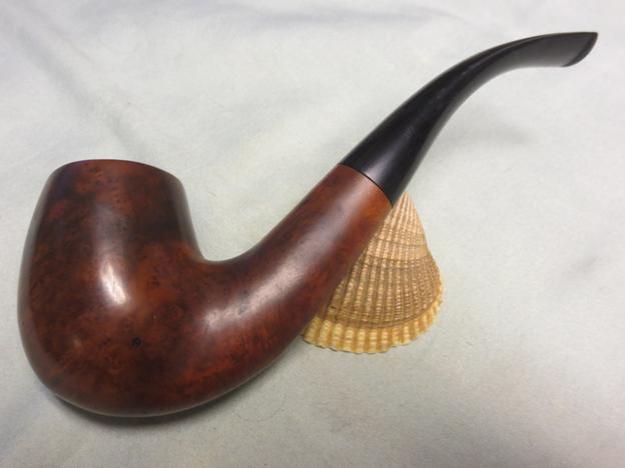
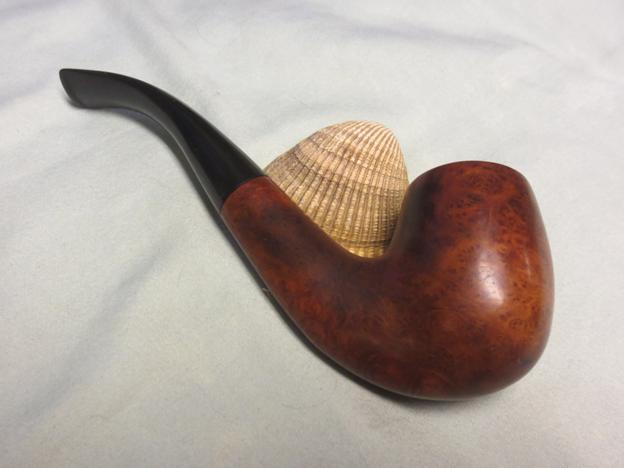
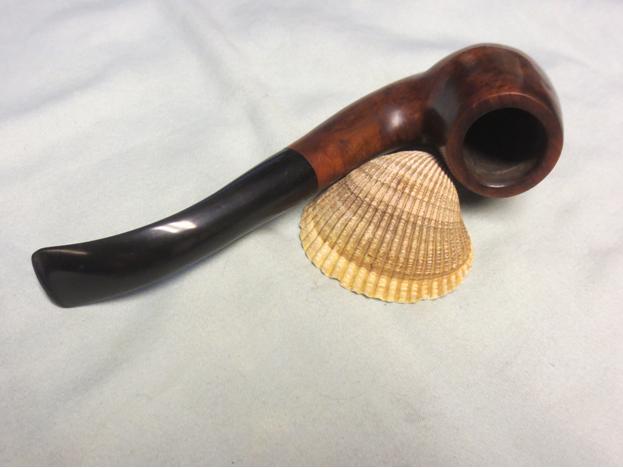
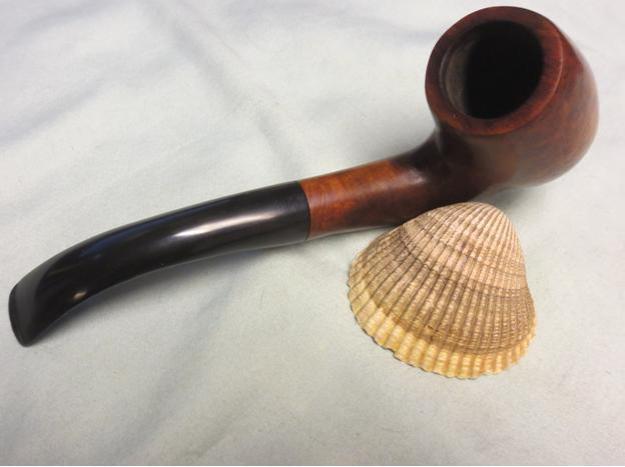
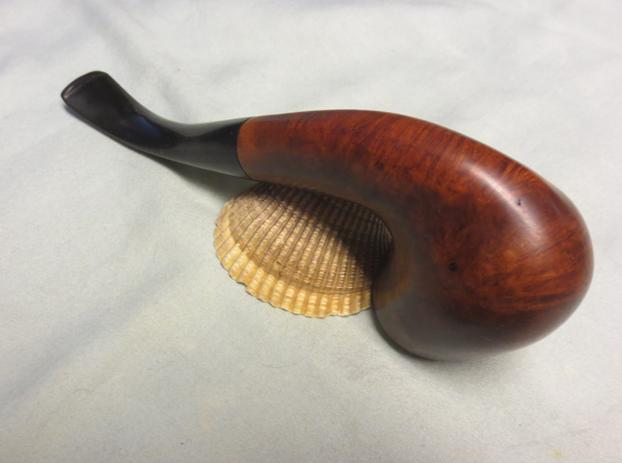
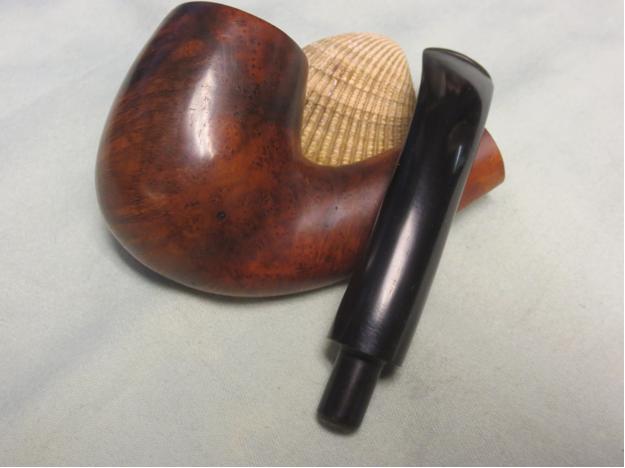
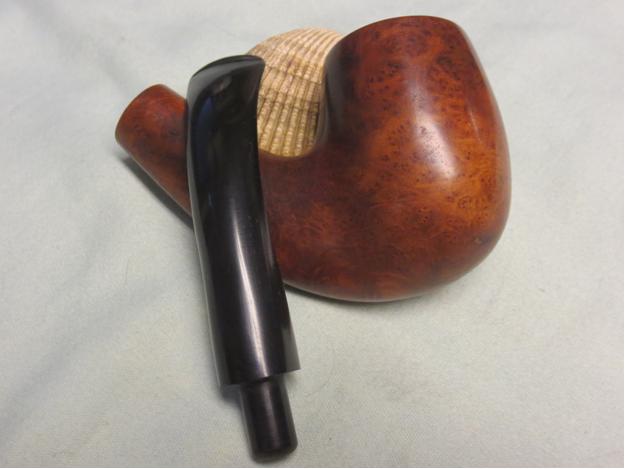
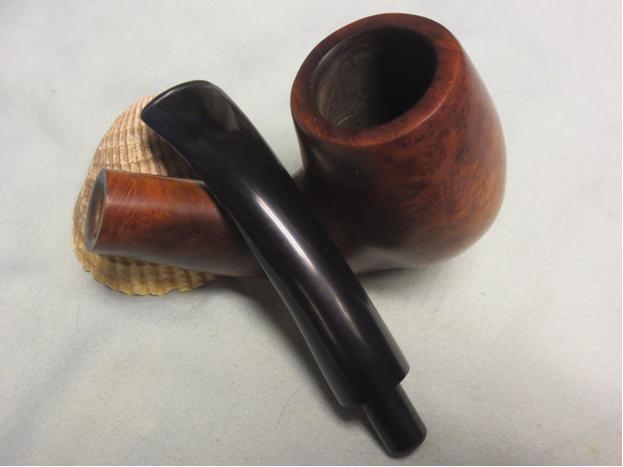
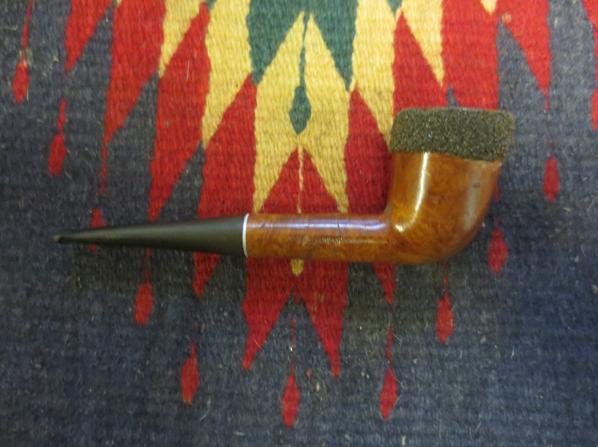
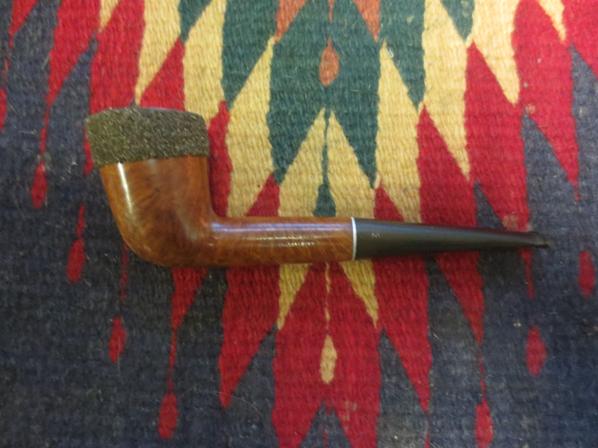
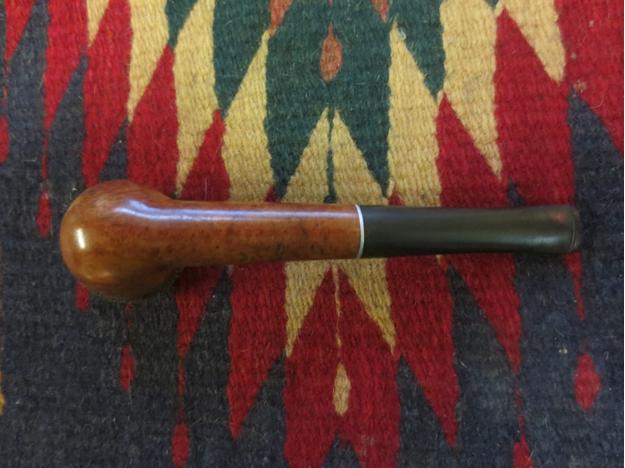
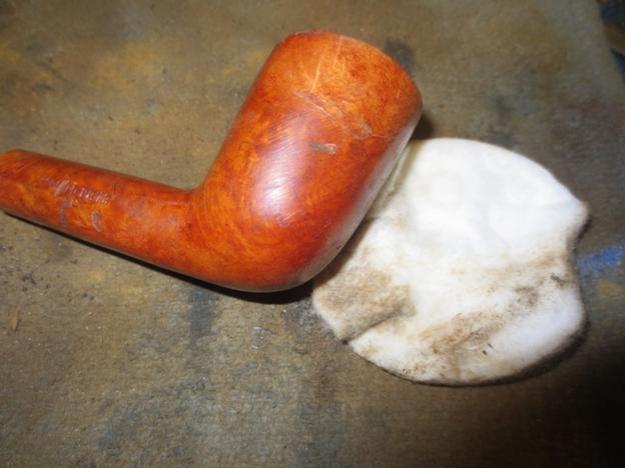
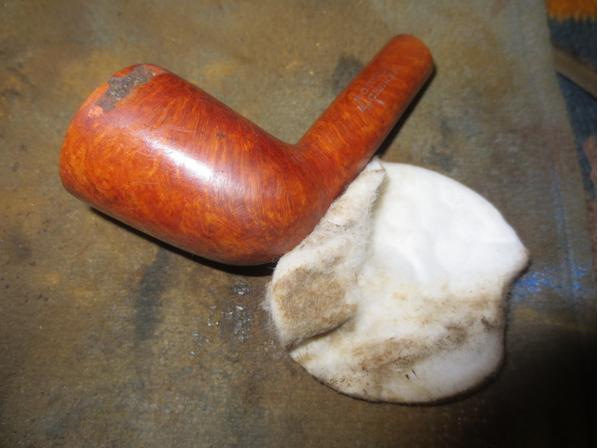
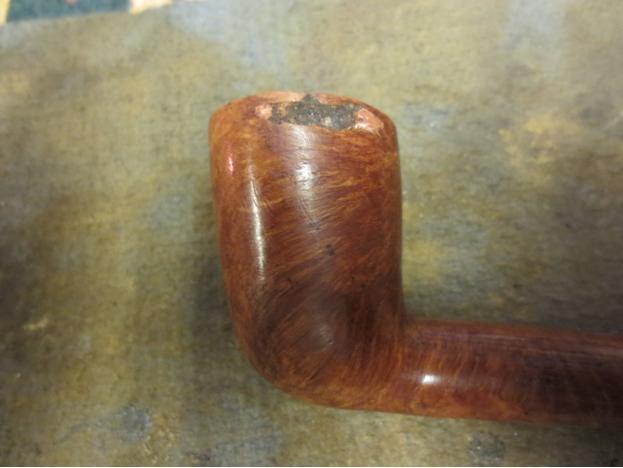
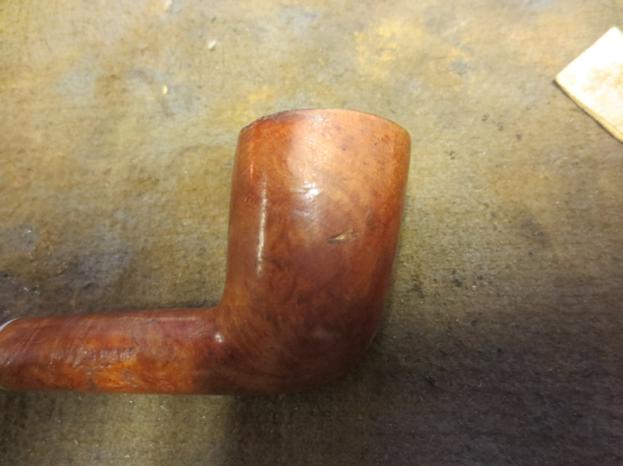
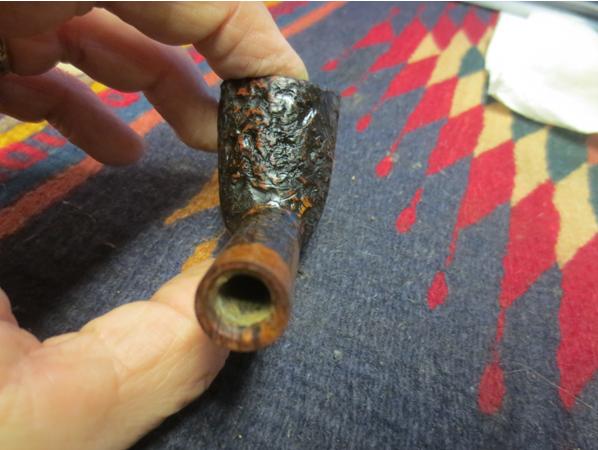
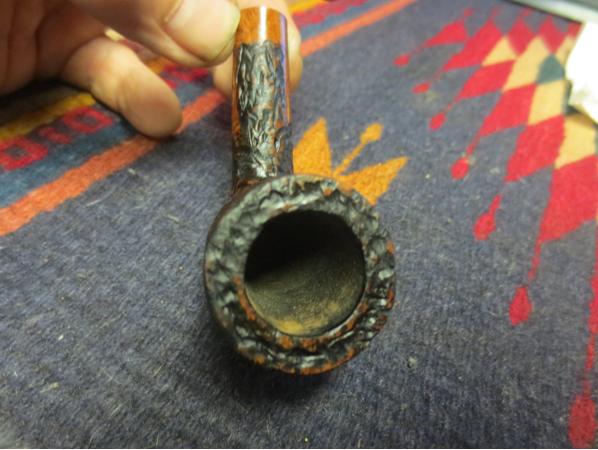
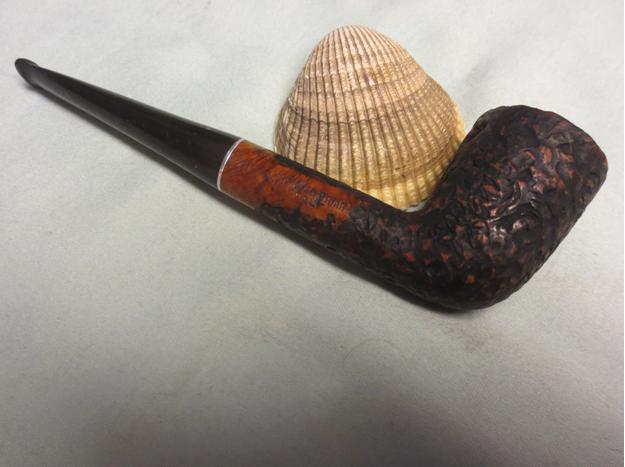
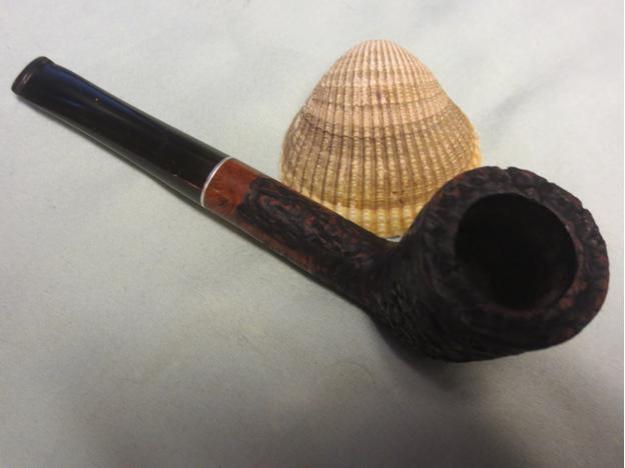
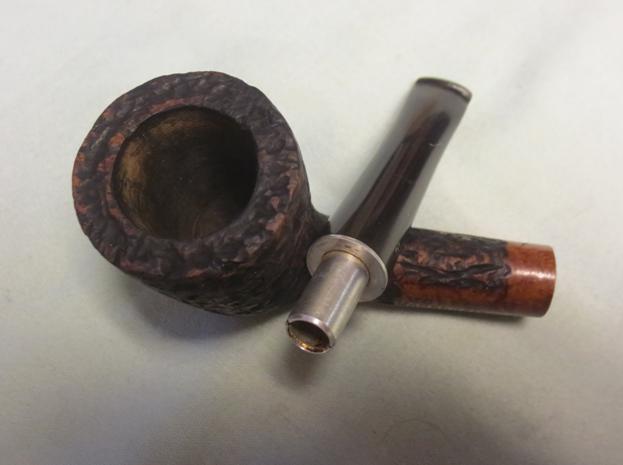
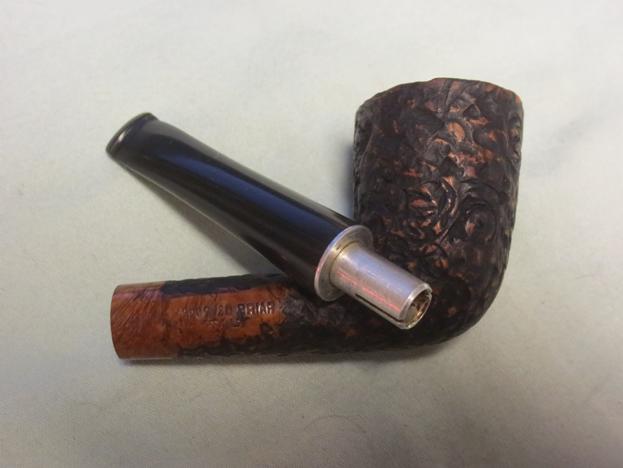
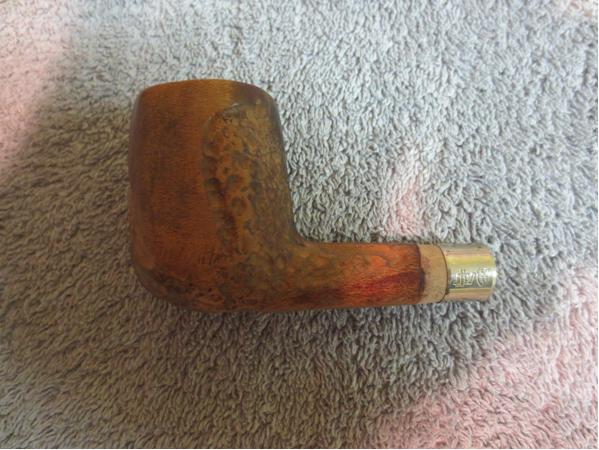
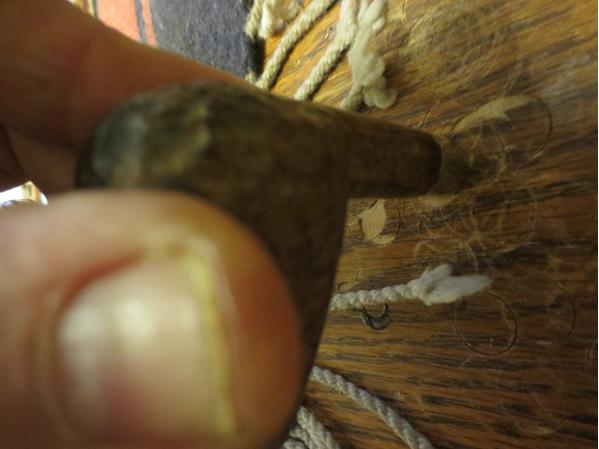
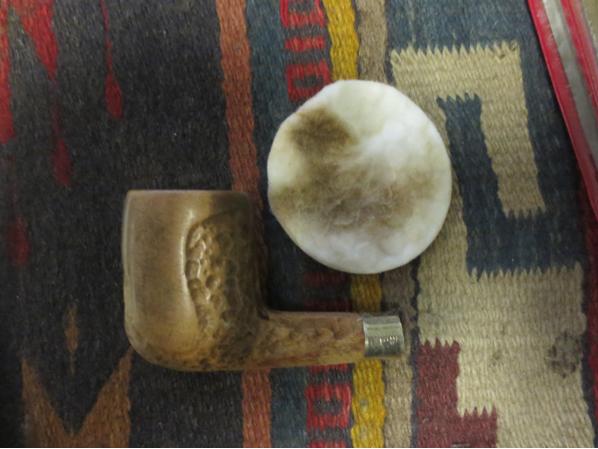
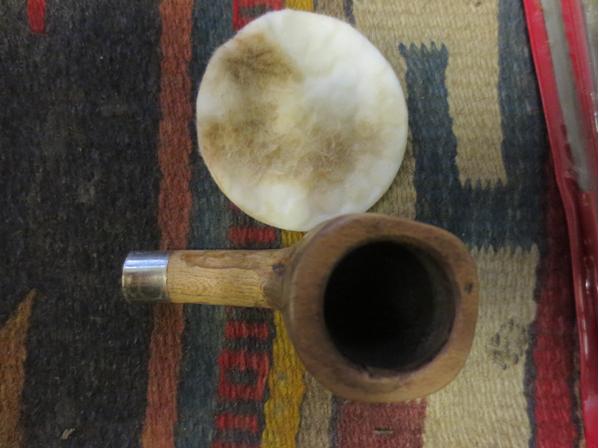
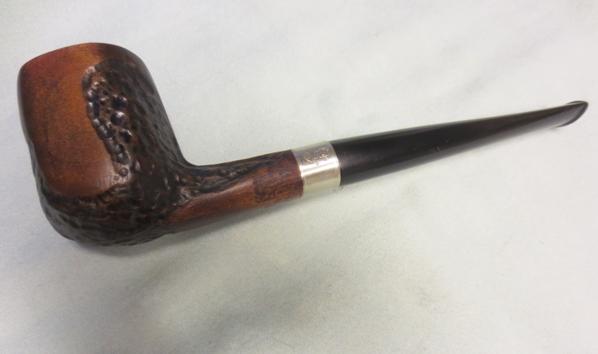
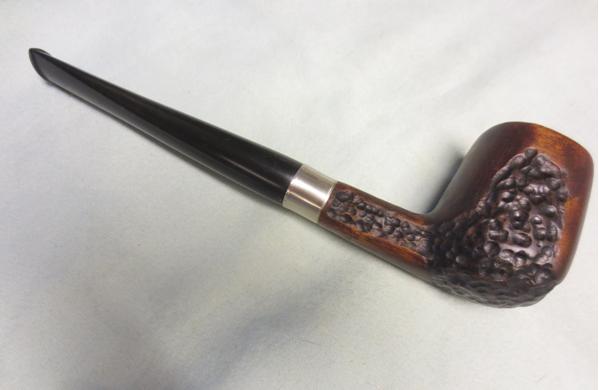
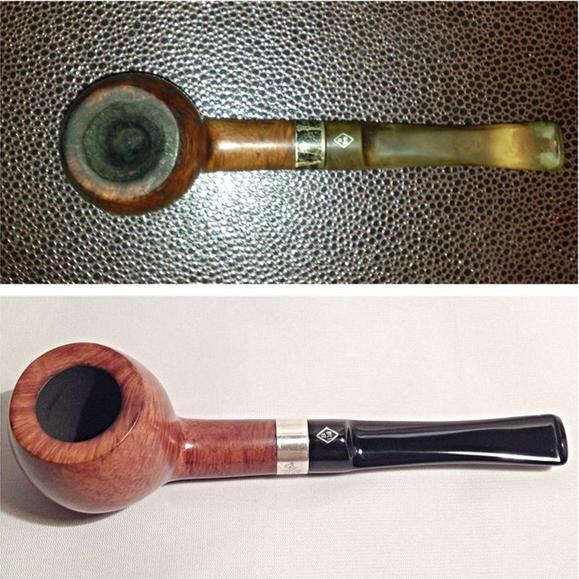
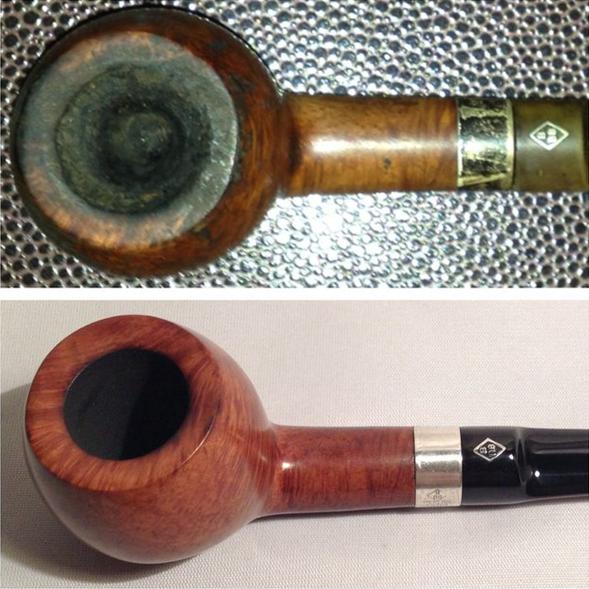
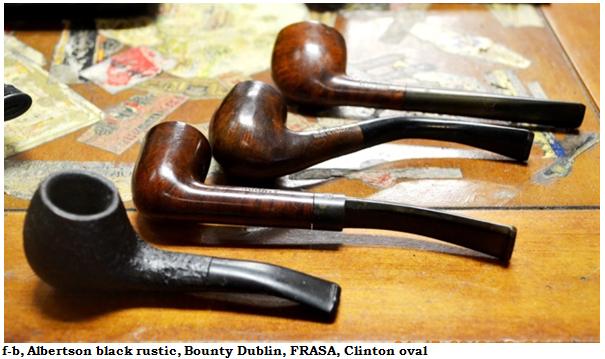
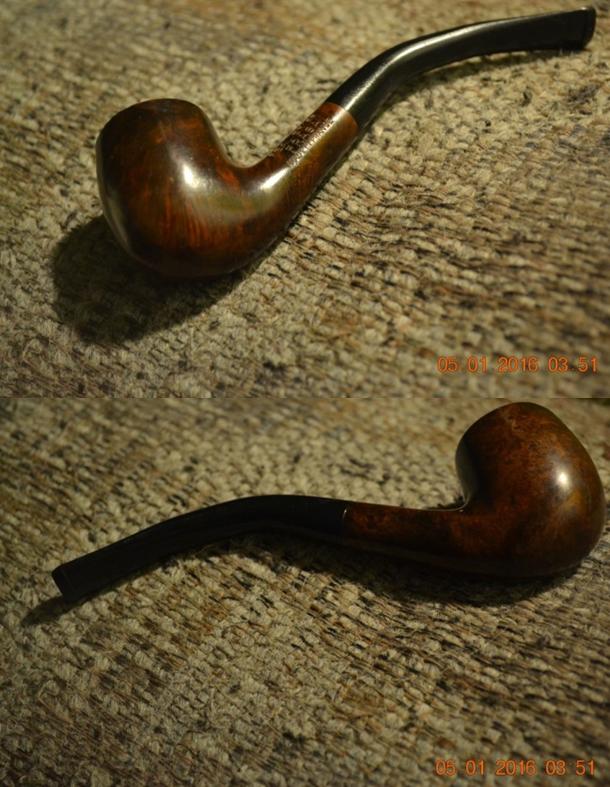
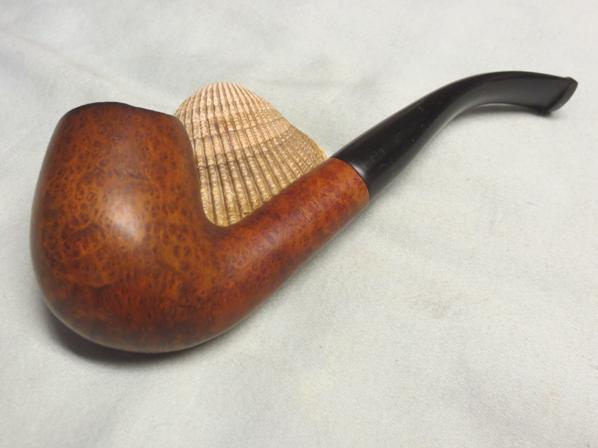
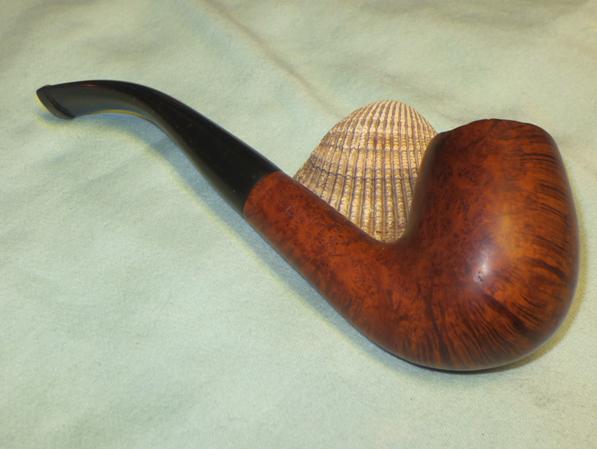
Here are some pictures of the seven pipes, which I relegated to a special pile on the big work desk in my office. I automatically segregated them for their unusual small sizes but had no idea that distinction would someday come in handy.Lady1 Lady2Now, for a description of my first foray into a so-called Ladies Pipes, although it could be smoked without shame by a man (if I didn’t already sell it to one of my best customers, known to some readers here as Ashley and going back to my first real restore). This is a FRASA (from the brand mark on the shank), a French piece of work about which I can find no background. Lady3I wonder if the larger capital letters indicate an acronym. It’s a lovely, little, delicately curved, natural, dark red briar billiard.Lady4 Lady5 Lady6 Lady7 Lady8RESTORATION
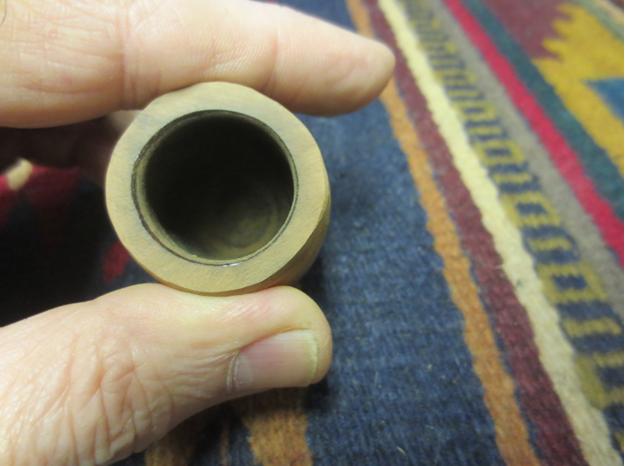
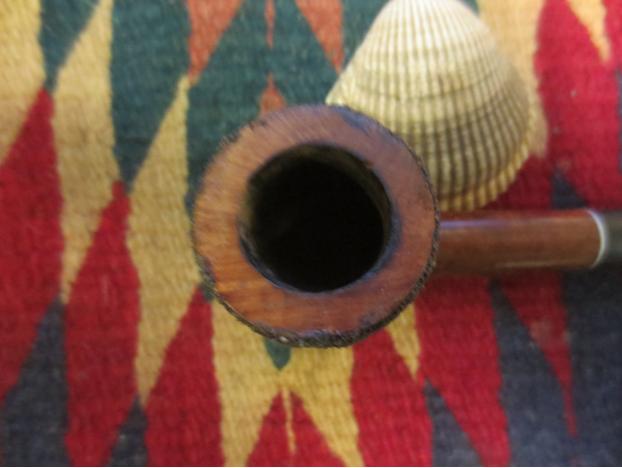
This was one of the cleanest pipes I’ve ever come across in a lot, but I’ve never seen one yet on which I couldn’t improve. I showed all of the pipes I’m restoring for these blogs to Ashley at one of our weekly pipe meetings a few weeks back, and I had a good idea which one she would like best. I’ve come to know her tastes, having sold her several pipes, not to mention one to her husband, Stephen. Her hand went straight for the FRASA and her eyes sparkled with P.A.D. I knew I had her. I pointed out the clean but slightly rough to the touch chamber, which took a flashlight to determine that it had indeed been lightly smoked. Then there were some minor blemishes on the bowl. I also said I’d like to lighten it up a bit, unless she liked it the way it was.

“Go for it!” she said.

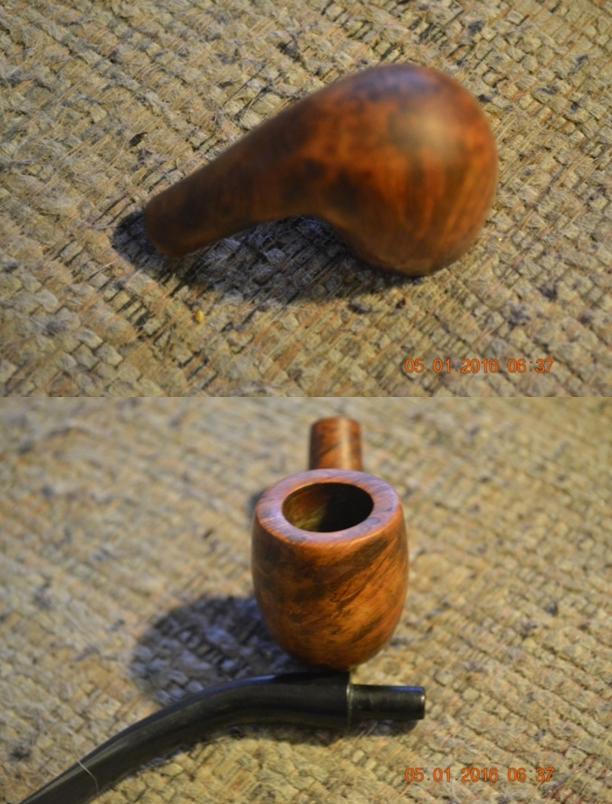
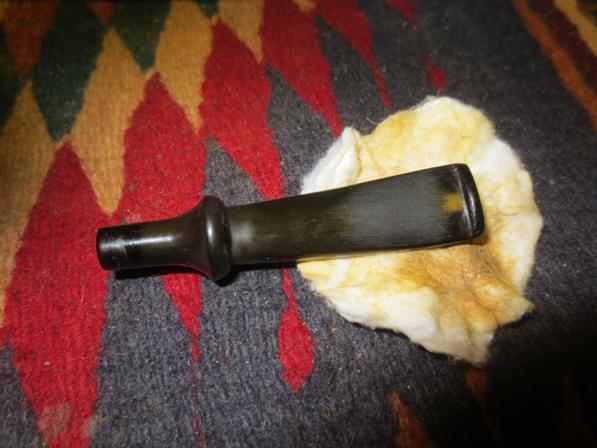
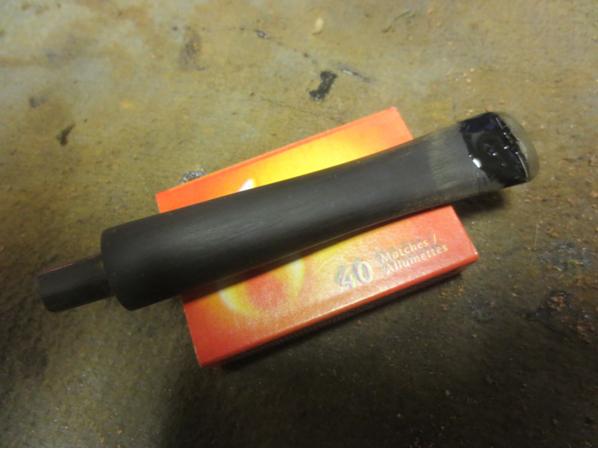
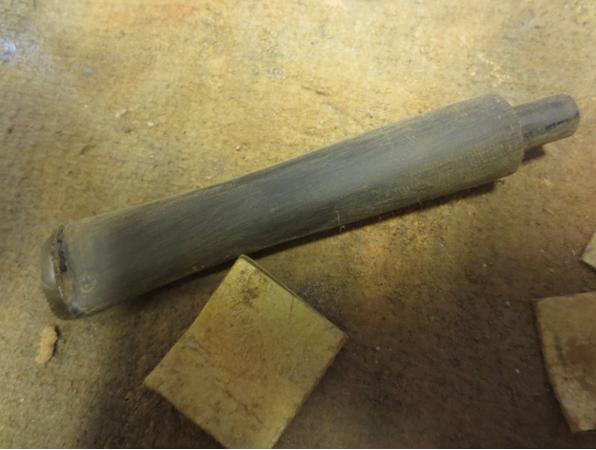
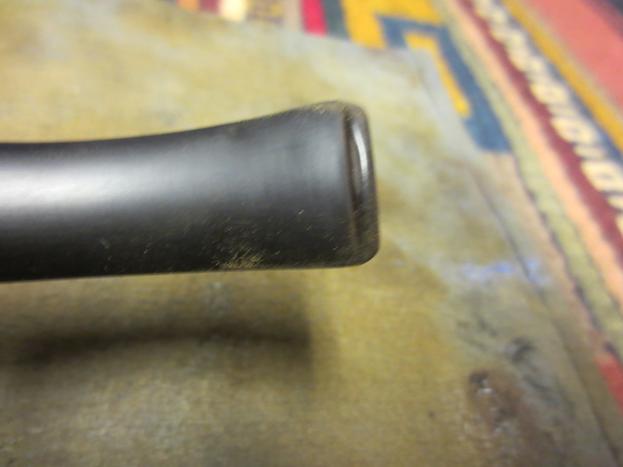
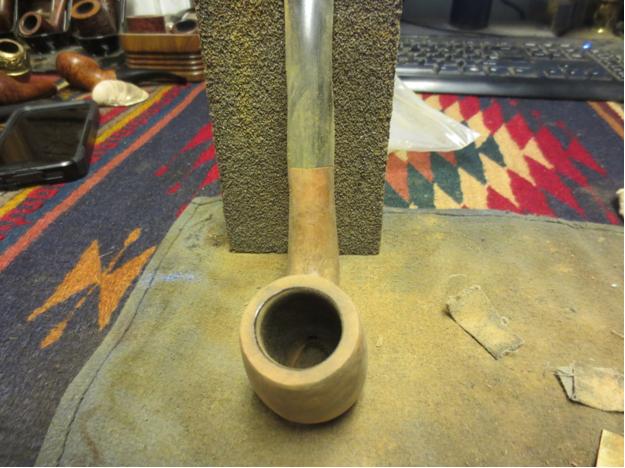
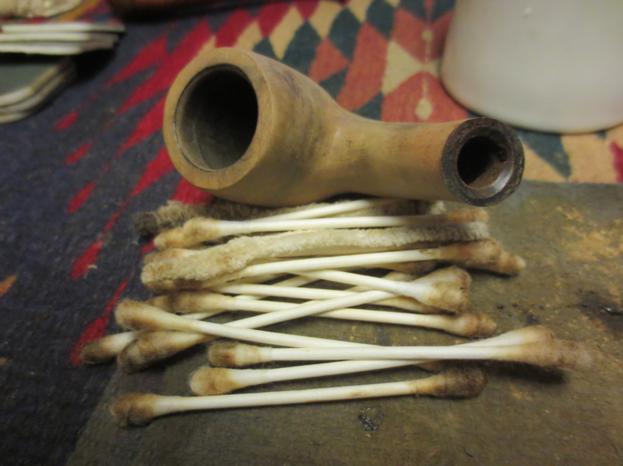
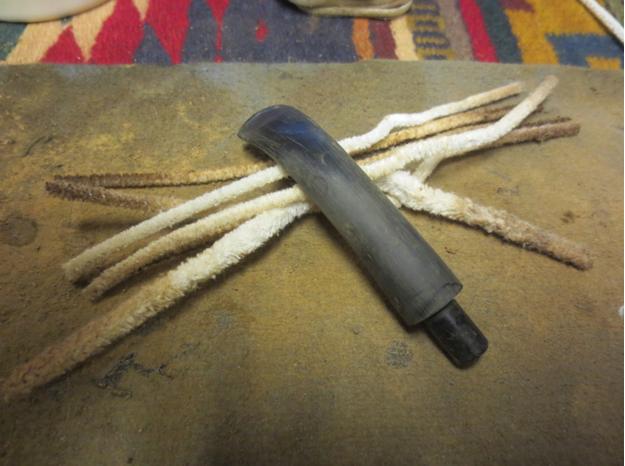
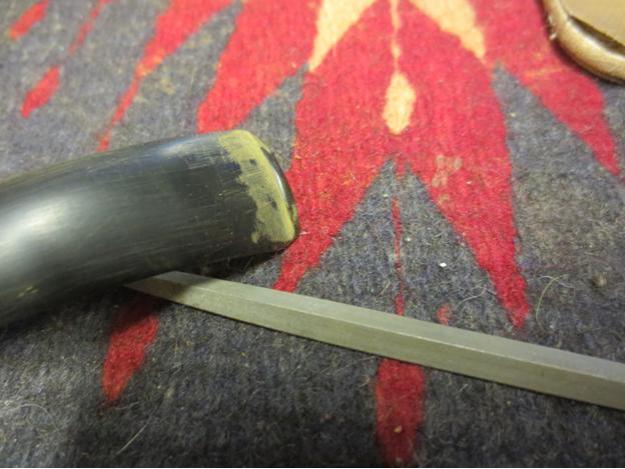
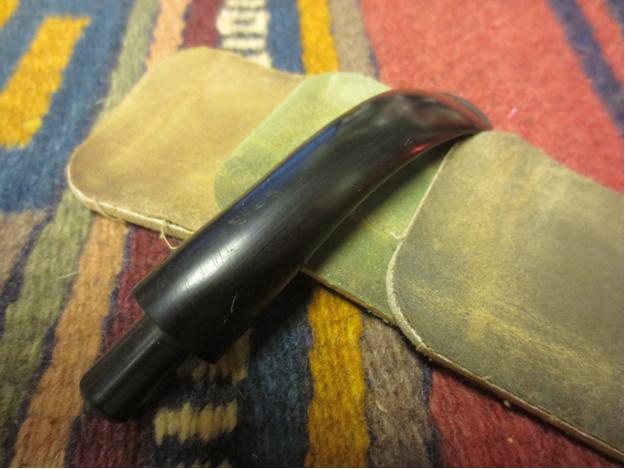
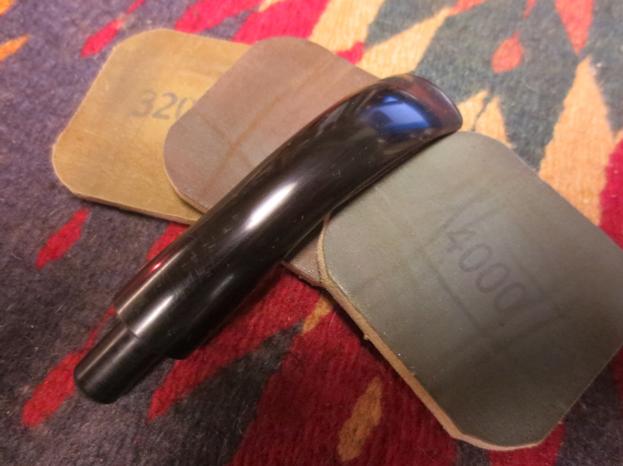
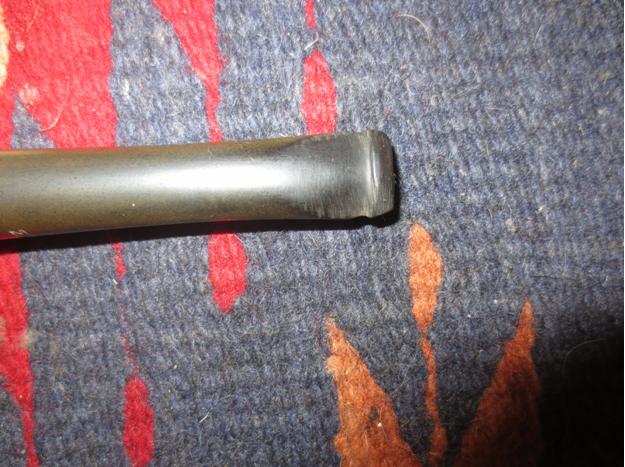
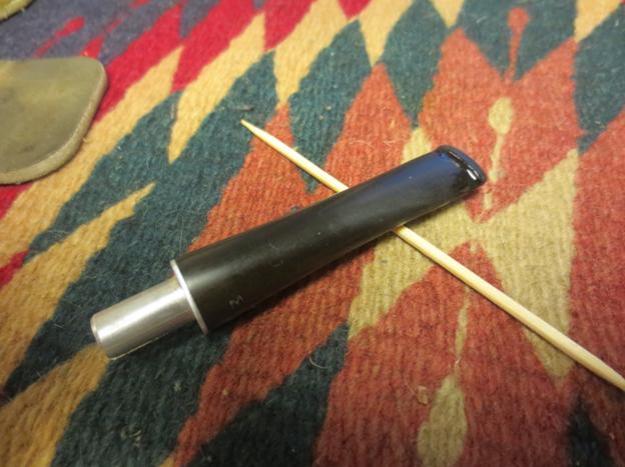
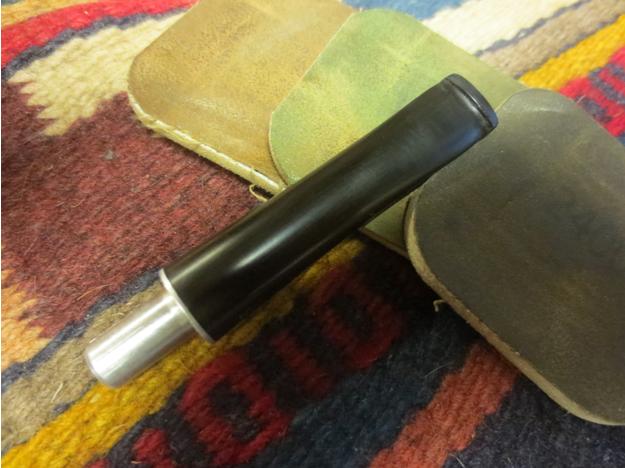
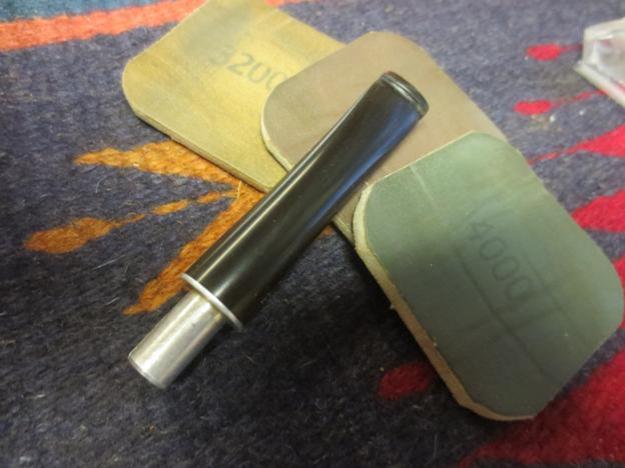
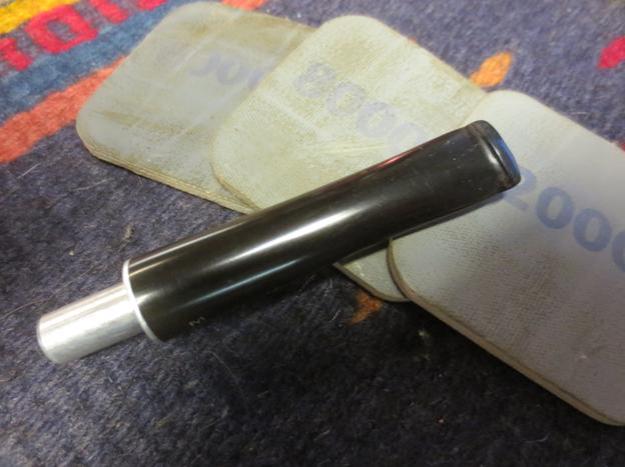
And so I tossed the bit in an OxiClean bath.Lady9Moving to the stummel, I wiped it down with purified water and soft cotton cloth gun cleaners before using 320-grit paper gently and evenly before micro-meshing from 1500-12000.Lady10 Lady11 Lady12Removing the bit from the OxiClean and rinsing it, I wet micro-meshed it to a nice dark shine.Lady13I sanded the small chamber with 200- and 320-grit papers and retorted it just to be thorough, but I didn’t expect to find anything, and I didn’t. Now, that’s a clean pipe!

I finished by buffing the stummel with white Tripoli, White Diamond and carnauba, and the bit the red and white Tripoli, White Diamond and carnauba.Lady14 Lady15CONCLUSION
In the next installment, I plan on getting more to the meat and potatoes issues of relative numbers of women who partake of the magic instrument of divine contemplation – recognizing, of course, the futility of trying to get anywhere near exact numbers. I also hope to have feedback from Liz and others like her who are as active as any men in their smoking communities, with some insights into the kinds of pipes they actually enjoy, whether “ladylike” or more “manly.” Yes, sir (or ma’am), the times, they are a-changin‘.

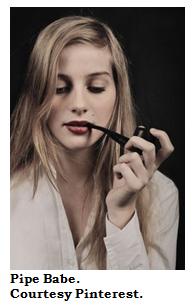
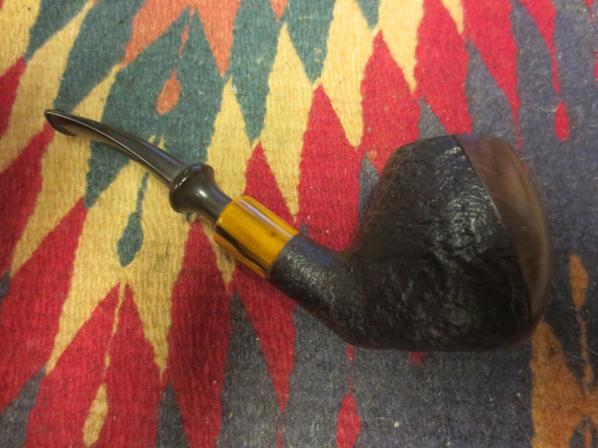
I’ll leave you with these parting shots of two lady smokers, one real and one – ahem – well, never mind.Lady16 Lady17

An Interesting Multi-Finish Stanwell Buffalo Sitter 606


Blog by Steve Laug

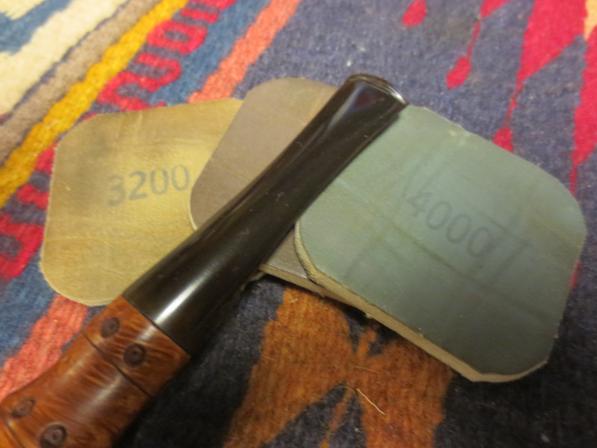
This pipe came to me in the last box of pipes that my brother sent me. It is a Stanwell as can be seen from the shape and finish. From my research I came to understand that it came from the Stanwell Buffalo line. It is stamped on the smooth underside of the shank with the words Stanwell Made in Denmark and the shape number 606. The shape number is very visible and I was unable to locate that number on the internet shape charts.The front of the bowl was smooth and there was an acrylic horn-like material as a shank extension. The bowl had a light cake and looked as if it had been reamed recently. The rim of the pipe was really dirty with lava overflow from the bowl but underneath I could see that it was originally smooth like the front of the bowl and the portion where the stamping was on the underside of the shank. There was some burn damage on the outer and the inner edges of the rim that would need to be addressed. The pipe was a mix of medium and dark brown stains and the finish had a light sand blast on the surface of the sides, back and bottom of the bowl and the top and sides of the shank. The finish was dirty with lots of grime in the grain of the blast. The stem is a military style stick bit. The stem was in good shape with only one tooth mark on the underside toward the right side of the pipe. The fit in the shank was snug. The stamping on the stem showed the Stanwell Crown and S and it was faint but visible.Buff1 Buff2 Buff3 Buff4I took a close up photo of the rim to show the state of things when I started. You can see the buildup on the surface and the burn damage on the front inner edge of the rim.Buff5I cleaned up the reaming with the Savinelli Pipe Knife and then cleaned out the internals of the bowl, shank, mortise and airway in the stem. I used pipe cleaners, cotton swabs and alcohol to remove all of the oils.Buff6 Buff7I scrubbed the stem with Meguiar’s Scratch X2.0 plastic polish to remove the oxidation. I sanded the tooth marks on the underside of the stem with 220 grit sandpaper until the stem was smooth.Buff8 Buff9I lightly topped the bowl on the topping board. I wanted to remove the damaged surface and clean up rim edges. I also wanted to expose the burn marks so that I could address them.Buff10I sanded the rim top with 1500-2400 grit micromesh sanding pads to smooth out the scratching. I then stained it with a medium brown stain pen to match the smooth portions of the pipe. You can see the burn damage on the inside edge of the front of the bowl.Buff11I folded a piece of sandpaper and worked on beveling the inside edge all the way around the bowl to minimize the damaged area on the right front edge. While the damage is still visible it is much more subtle than it was before the beveling.Buff12 Buff13I set the bowl aside and worked on the stem. I sanded it with 220 grit sandpaper to clean up some of the oxidation and then worked on it with micromesh sanding pads. I wet sanded the stem with 1500-2400 grit sanding pads and then rubbed the stem down with Obsidian Oil. I dry sanded with 3200-4000 grit pads and gave it another coat of oil. I finished sanding with 6000-12000 grit pads and gave it a final coat of oil. I set it aside to dry.Buff14 Buff15 Buff16I buffed the pipe with Blue Diamond (lightly on the bowl except for the smooth areas and the rim top and more concentrated on the stem). I gave the stem several coats of carnauba wax and buffed with a clean buffing pad. I hand waxed the bowl with Conservator’s Wax. I hand buffed the bowl with a shoe brush. I finished buffing the pipe with a microfiber cloth. The finished pipe is shown in the photos below. I am still debating rusticating the rim to match the bowl and stain it darker to blend with the sandblast but not sure… time will tell. Thanks for looking.Buff17 Buff18 Buff19 Buff20 Buff21 Buff22 Buff23

Introduced to a Bamboo Briar of Spain Oval Shank Billiard


Blog by Steve Laug

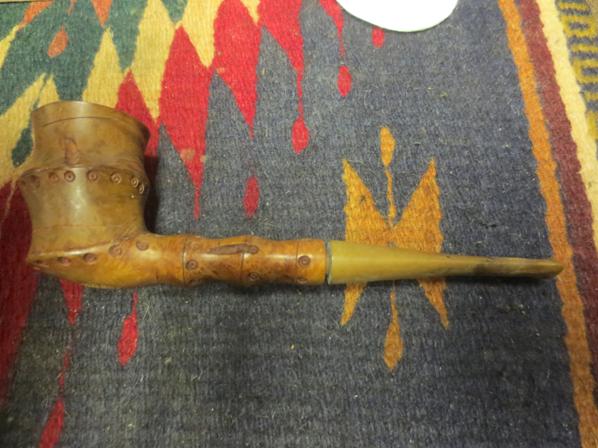
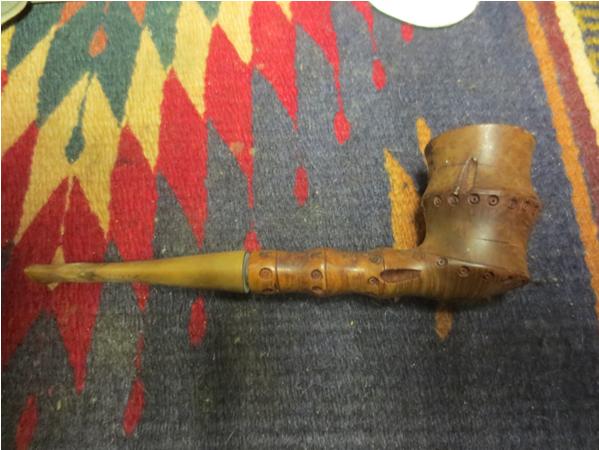
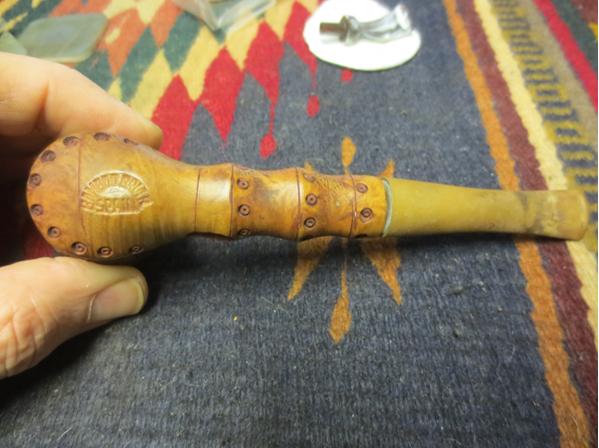
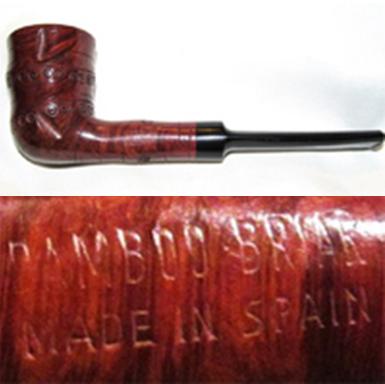
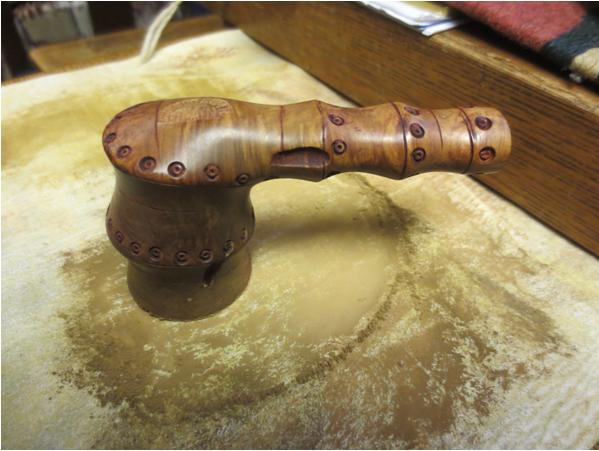
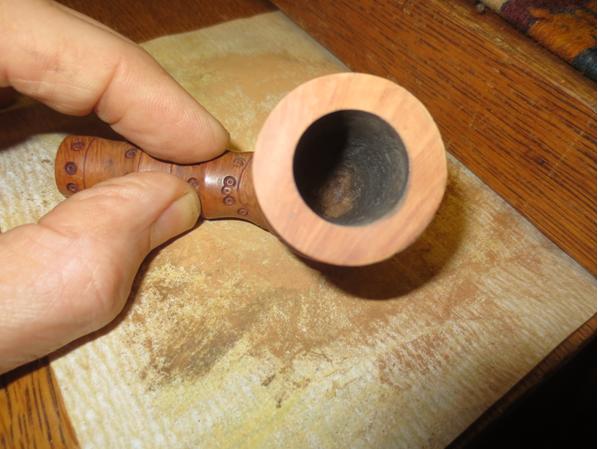
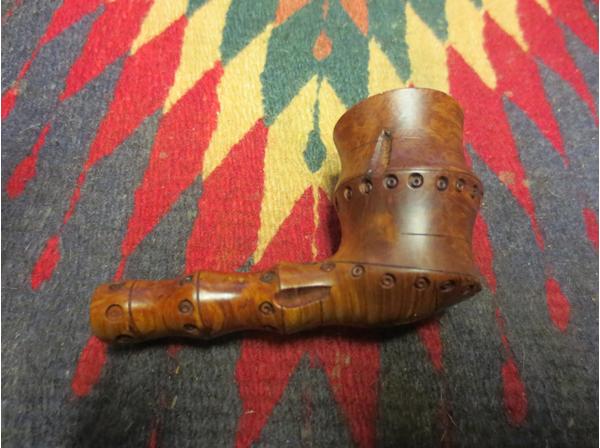
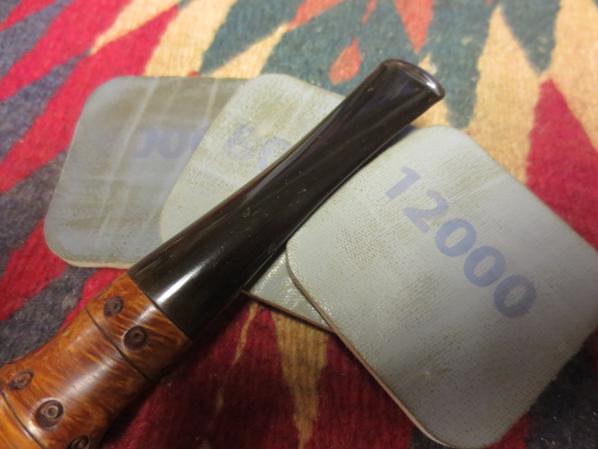
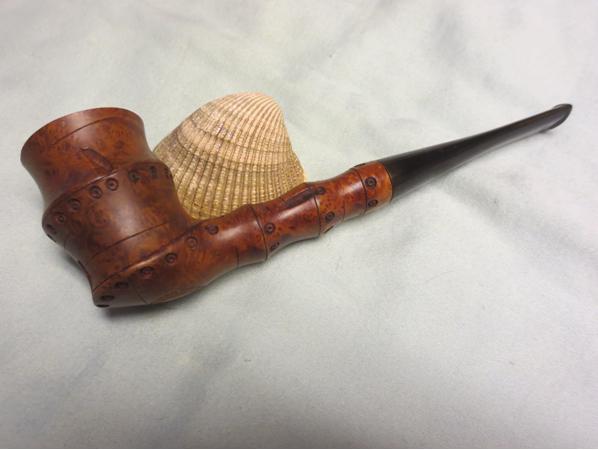
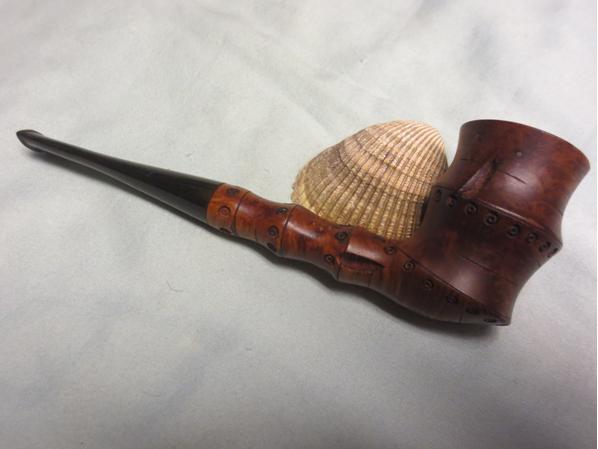
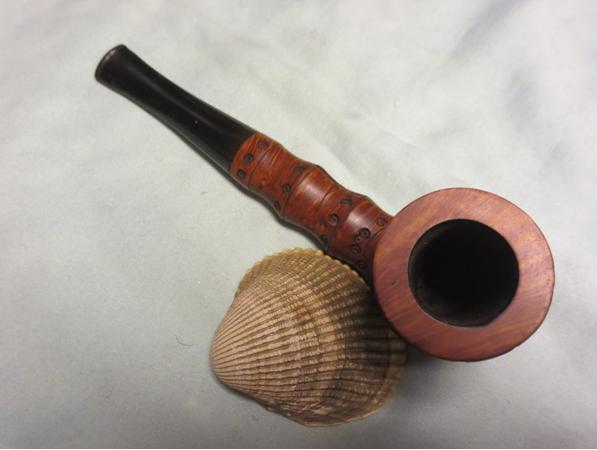
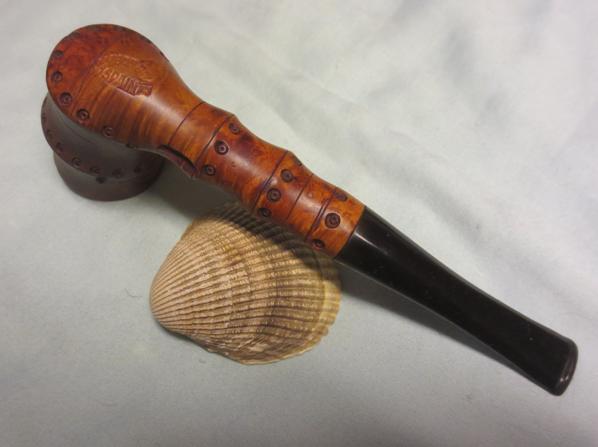
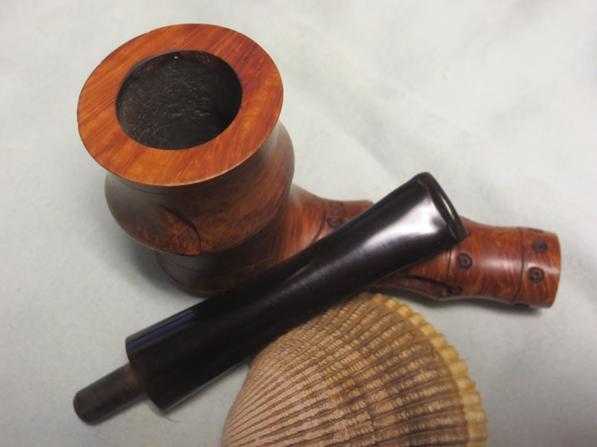
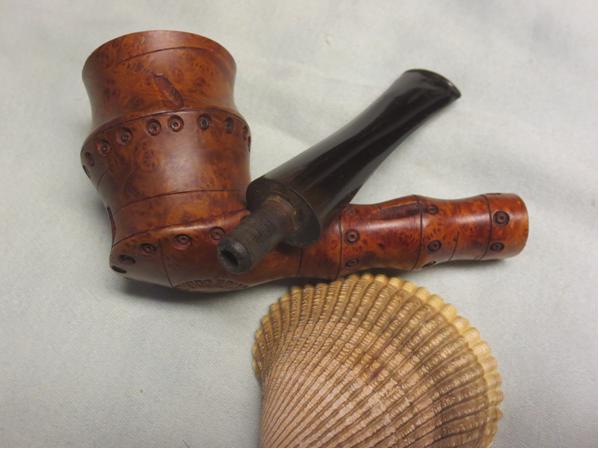
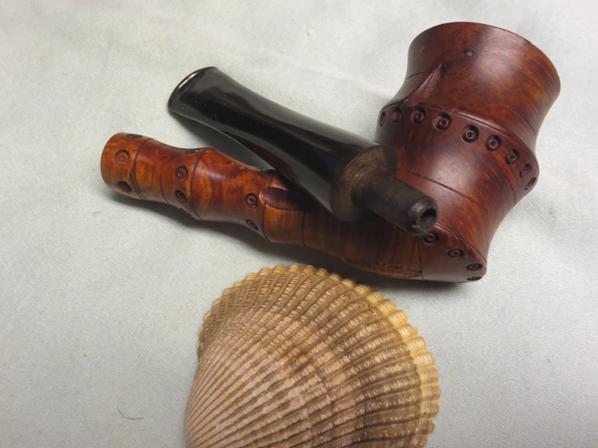
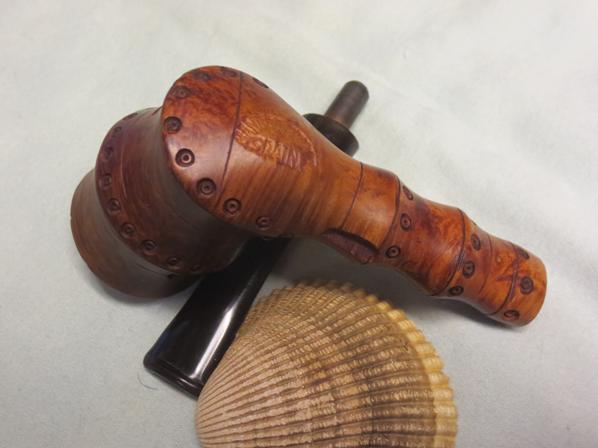
I don’t know why but I keep taking out some unique pipes from the box my brother Jeff sent me. He has an uncanny ability to find the unusual and interesting pipes for me to restore. This one is one I had never heard of before. I have seen other bamboo rusticated pipes but not one that had the stamping that this one does. It is stamped on the underside of the bowl with the words BAMBOO BRIAR in an arch over the word Spain. The carver did a marvelous job of replicating the look of bamboo in the briar. The nodules, lines and grooves that he/she put in the briar really look like bamboo. To give it even more of an interesting look they left the briar natural to highlight the subdued grain of the briar coming through the smooth areas of the bamboo and the carved nicks in the surface. It is really beautiful.

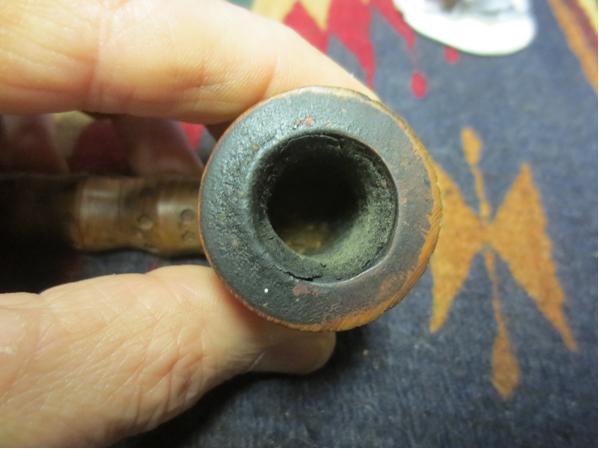
When I took it out of the box the bowl had a thick cake of carbon built up in the bowl. The rim was thickly caked as well with lava. The outer edges of the bowl had some nicks in it and there was a small burn mark on the front right inner edge of the bowl. The stem did not fully seat in the mortise because of the tars and oils there. The exposed portion of the tenon and the stem were badly oxidized. There was some light tooth chatter on the stem but overall it was in decent shape underneath the oxidation.Bamboo2 Bamboo3 Bamboo4 Bamboo5I took some close up photos of the rim and the bottom of the bowl. The picture of the rim shows the thickness of the cake and the state of the top of the rim. This old pipe was pretty clogged up with cake and tars. The picture of the bottom of the bowl shows the stamping. It reads Bamboo Briar over Spain.Bamboo6 Bamboo7Bamboo1I removed the stem and dropped in a jar of Oxyclean to soak the heavy oxidation for several hours. Before working on the bowl I did a little research on the brand and found that on my go to site, Logos and Stampings, or pipephil there was a notation. Here is the link: http://www.pipephil.eu/logos/en/logo-b1.html#bamboobriar.

On that site the pipe is described as follows: The bamboo like decorative carving was typical of Valencia’s manufacturers since the early 20th century. However it’s difficult to say who exactly the maker was.

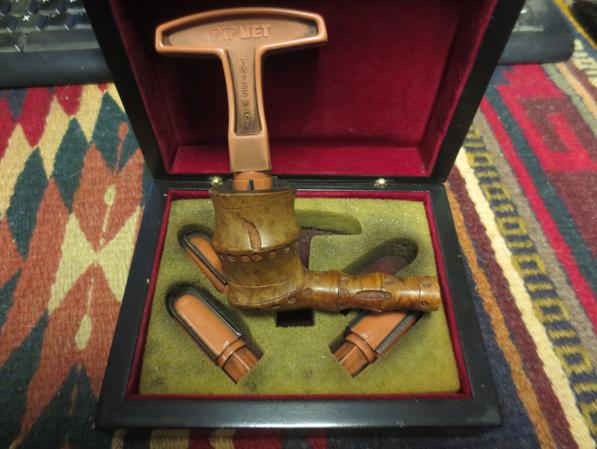
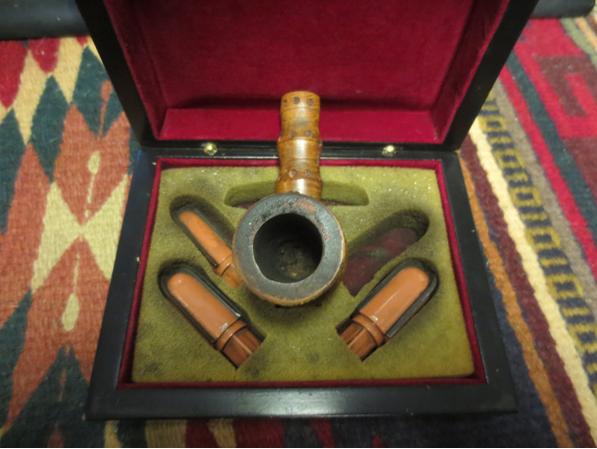
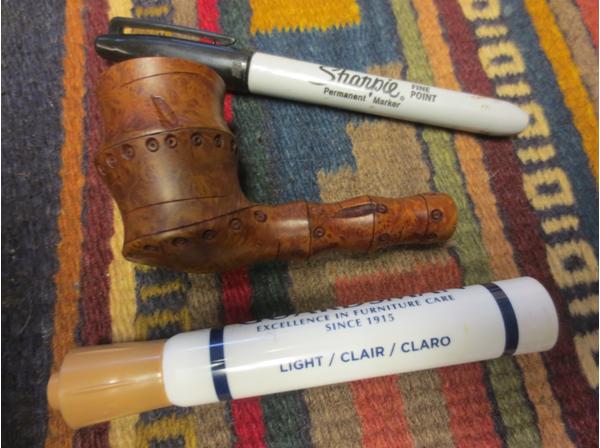
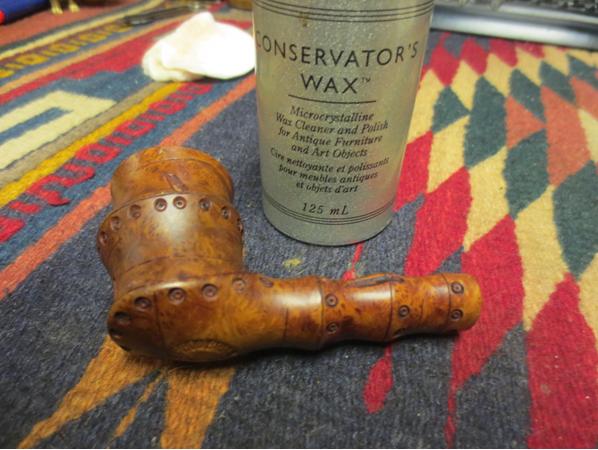
With that information in hand I went to work on the bowl. I reamed it with a PipNet pipe reamer beginning with the smallest cutting head and working up to one that was the same diameter as the bowl. I removed the cake and took it back to bare wood. I finished the reaming and cleaned up the bowl walls with the Savinelli Pipe Knife.Bamboo8 Bamboo9 Bamboo10The outer edge of the rim was rough and the top had some nicks in the briar that made topping the bowl necessary. I topped it to remove the damaged areas of the rim using a topping board and 220 grit sandpaper.Bamboo11 Bamboo12I scrubbed the exterior of the bowl with acetone (fingernail polish remover) on cotton pads to clean up the dirt and oils from the natural finish of the briar.Bamboo13 Bamboo14 Bamboo15 Bamboo16I sanded the topped rim with 1500-2400 grit micromesh sanding pads and then used a light brown stain pen to stain it to match the patina on the bowl. I used a black Sharpie pen to touch the “root nodules” of the simulated bamboo. Bamboo17I hand applied some Conservators Wax to the bowl and once it dried hand buffed it with a shoe brush.Bamboo18I took photos of the pipe after buffing it. The colour of the rim and the patina that came out on the bowl with the wax gives it an aged bamboo look that I really like.Bamboo19 Bamboo20 Bamboo21 Bamboo22I cleaned out the shank with alcohol, cotton swabs and pipe cleaners to remove the tars and oils. I was quite surprised by how little came out of the shank with the cleaning. I expected it to be far worse.Bamboo23The stem had been soaking in Oxyclean for about four hours so it was time to work on that. I set the bowl aside and removed the stem from the Oxy soak. The soak had softened and removed much of the oxidation from the surface. It had also brought the deeper oxidation to the surface.Bamboo24I rubbed the stem down to remove the softened oxidation and then used needle files to clean up and define the edges of the button.Bamboo25I used pipe cleaners and alcohol to clean out the inside of the stem and again was surprised by the lack of real oils and tars.Bamboo26I sanded the stem with 220 grit sandpaper to smooth out the file marks and to remove the oxidation on the surface. I wet sanded the stem with 1500-2400 grit micromesh sanding pads and gave it a coat of Obsidian Oil. I dry sanded with 3200-4000 grit pads and gave it another coat of oil. I finished sanding it with 6000-12000 grit pads. I gave it a final coat of Obsidian Oil and let it dry.Bamboo27 Bamboo28 Bamboo29I buffed the stem on the buffer with Blue Diamond and then gave the pipe multiple coats of carnauba wax. I used a light touch on the bowl and shank so as not to clog up the nodules or grooves in the bamboo carving with too much wax. I raised the shine with a clean flannel buff on the buffer and then gave it a hand buff with a microfibre cloth. The finished pipe is shown in the photos below. I really like the way the patina of the briar and the carvings on the bowl and shank give the pipe a look of aged bamboo. The unknown Spanish carver did a great job on this one in my opinion. Now I have to decide whether to keep this one or not. It is so unique that I think it deserves a place in my collection. Thanks for looking.Bamboo30 Bamboo31 Bamboo32 Bamboo33 Bamboo34 Bamboo35 Bamboo36 Bamboo37

A Challenging Yello-Bole Chesterfield


Blog by Aaron Henson

Although this is a standalone write up, it is also part 2 of an adventure I started with the rustication of a bent billiard about a month ago.

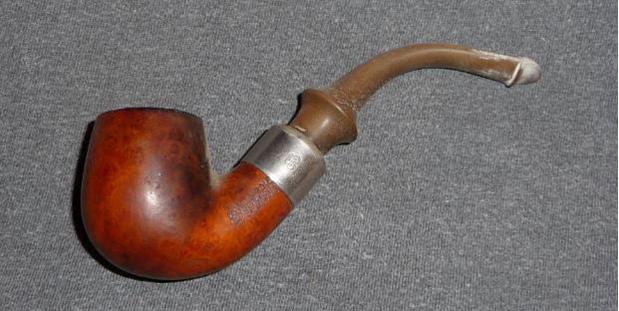
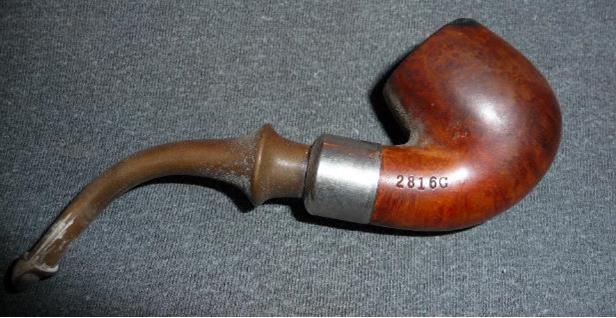
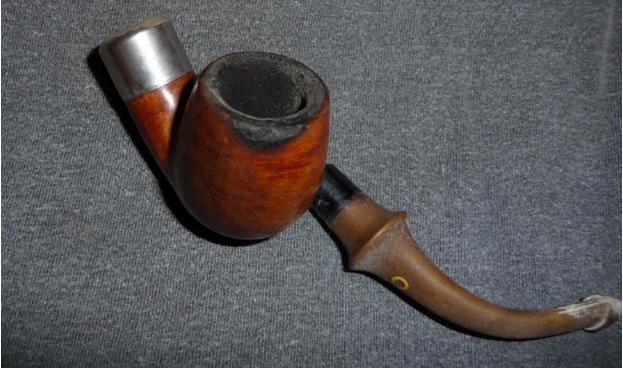
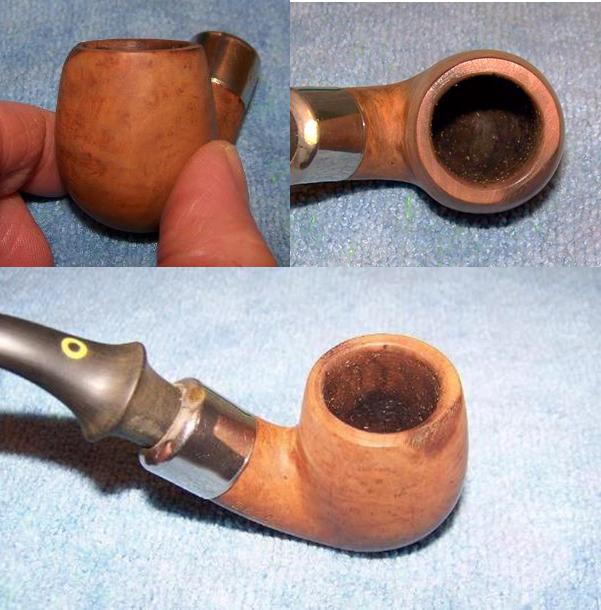
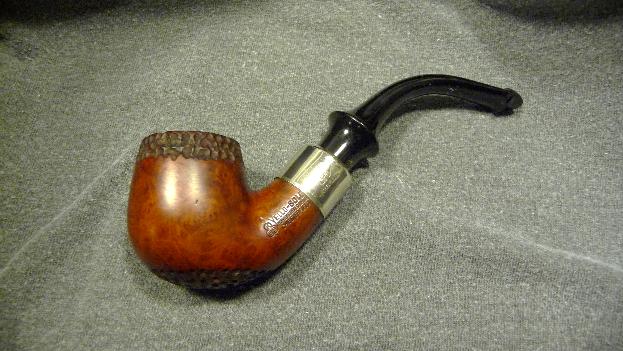
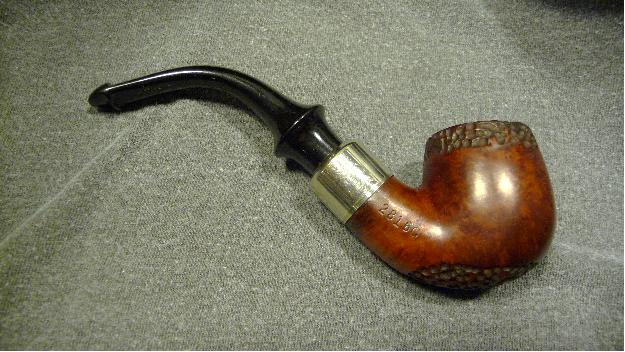
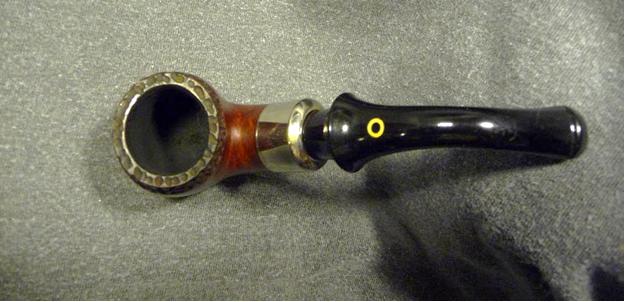
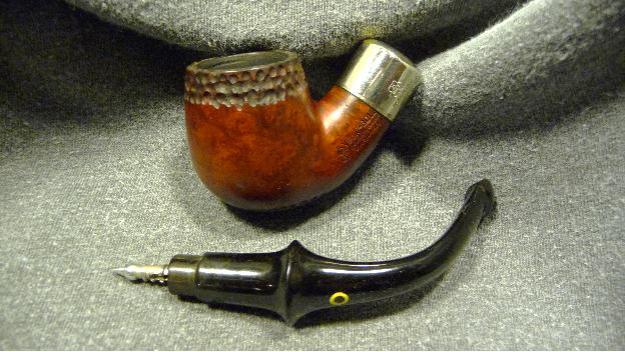
I found this Yello-Bole Chesterfield at a local flea market in town. It was part of a large estate collection, most of which were unsmoked uniquely carved pipes. My eye, however, was immediately attracted to the Peterson-like shape with military bit and P-lip stem and I was surprised to see that it was a Yello-Bole. The pipe was a bit grimy and oxidized with burn marks but after some talking we agreed on a price and I took it home.Chesterfield1The stampings on the bowl were very clear and deep, some of the nicest I have seen on an estate pipe that is as well used as this one. The left side shank read YELLO-BOLE over HONEY CURED BRIAR over CHESTERFIELD with the KBB inside the clover leaf on the left. The band was stamped with KB&B inside the clover leaf over NICKEL PLATED. The right side shank was stamped with shape number 2816C. The stem had the Yello-Bole yellow circle inset in the top and SOLID RUBBER stamped deep into the underside of the stem.

A quick search online and I was able to use the markings to date the pipe to the 1933-1936 time manufacturing period.

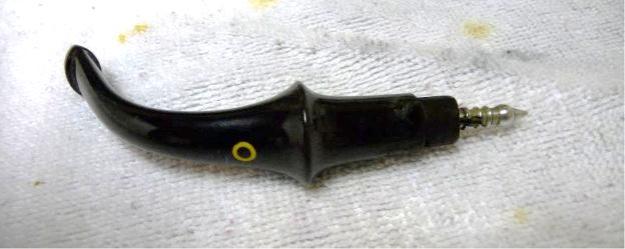
The briar was in great shape with beautiful bird’s eye pattern. The pipe was dusty and grimy and after wiping down with an alcohol soaked cotton pad I continued with my assessment. The rim was coated with a heavy crust of tar and there was a deep burn mark on the outside of the rim (major issue number 1). The bowl did not have a large amount of cake so I had to assume that the previous owner had reamed out at some point. And perhaps it had been over reamed, because the air hole entered the bowl about 2/3 the way down the chamber wall. This would lead to a mouth full of hot ash when you were half way through the bowl (major issue number 2). There were some minor bumps and scratches in the surface of the bowl but nothing that could not be buffed out.Chesterfield2 Chesterfield3The stem was in great shape. It was heavily oxidized with some minor tooth chatter but the airway was clear and the stinger was intact and in great condition.Chesterfield4I set the stem to soak in a Oxiclean solution and turned to the stummel. First I reamed the chamber back to bare wood. Next, I tried to clean the rim with Oxiclean on a wet green pad but the tar was just too stubborn so I resorted to a topping board and lightly sand away the tar build up. This is where I made my first mistake: I scuffed off a bit of the nickel plating when topping the bowl (I still don’t have a fix for this!). I have thought about taking the ring off and having it re-plated but several attempts to remove the ring with heat have not been successful.

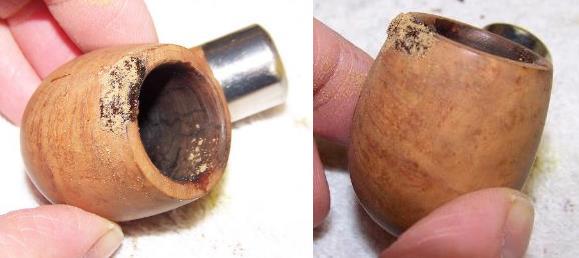
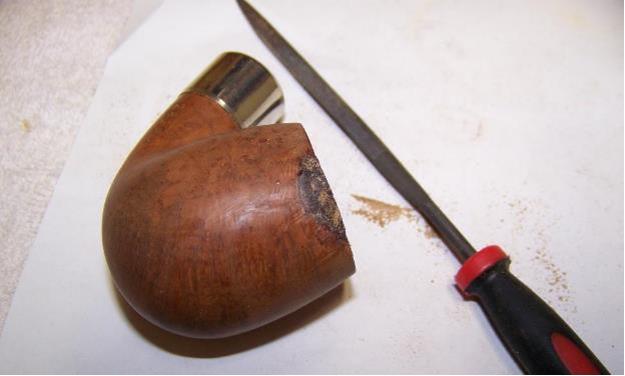
To address the burn mark on the rim I used a worn piece of 220 grit sand paper I removed the burned wood trying not to remove any of the sound briar under the burn. I was surprised to see how deep the burn went and was at a bit of a loss on how to address it. As you can see below, a significant amount of wood as damaged.Chesterfield5I figured I had two options: 1) replace the burned material with glue/briar dust or 2) sand the rest of the rim to match and change the shape of the pipe. In either case I was going to need to refinish the briar so I wiped it down with acetone to remove as much of the finish as I could while I decided what I was going to do.

Looking into the chamber again, I listed out my options for addressing the air way issue. Again I came up with two options; 1) fill in the bottom 1/3 of the bowl with pipe mud, or 2) drill a new airway that comes out at the bottom of the chamber. I didn’t like either option. The first would have been a very large fill and volume change for the pipe and the second was fraught with potential problems – chiefly aligning the drill bit to come out at just the right point in the bottom of the bowl

So I figured it was time for some consultation. I outlined the issue in an email and included some picture and sent them off to Steve – our worthy “Professor of Pipe-ology” and blog host.

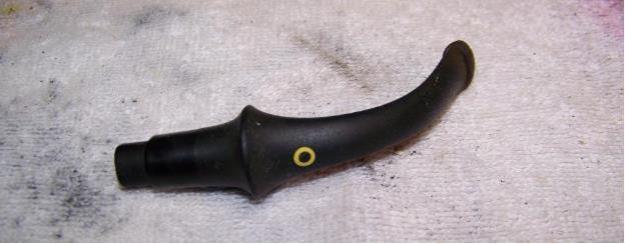
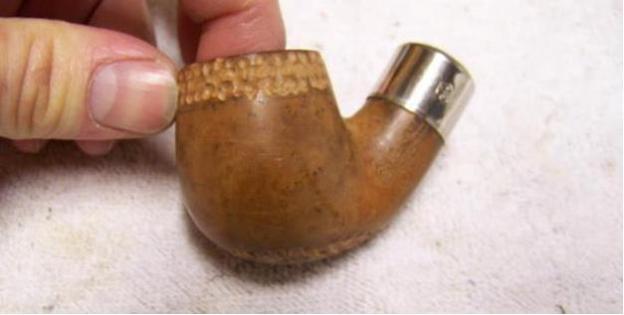
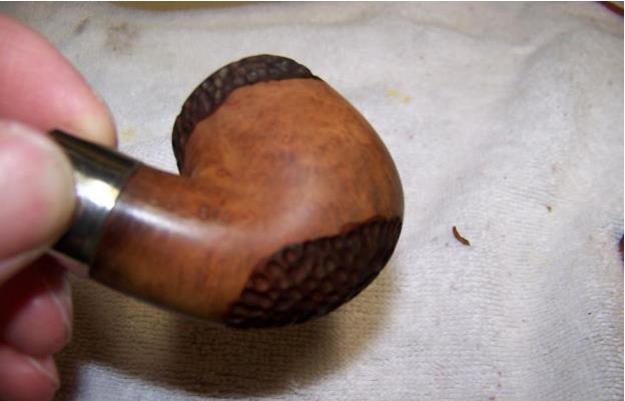
While I waited for Steve’s response I cleaned the inside of the shank and with alcohol soaked cotton swabs and pipe cleaners until then came out as clean as they went in. I also took the stem from the Oxiclean bath and removed the loose oxidation with a magic eraser. I cleaned the internals of the stem then polished it with micromesh pads 1500 – 12000. I used mineral oil every three pads to freshen the vulcanite and give the pads some traction. There was only one minor tooth mark that didn’t raise with heat and I filled it with a dab of black super glue and sanded it smooth with the 1500 mirco-mesh pad.Chesterfield6 Chesterfield7Steve responded with the recommendation of building up the burn spot with super glue and briar dust confirmed that I had the right idea. I was hoping that he had another trick up his sleeve because I knew that the repair would have to be covered up with either a very dark stain or rusticated. I applied three separate layers of clear super glue and briar dust to build up the rim then carefully sanded the repair to blend it into the shape of the rim. Chesterfield8 Chesterfield9I came across and older post where Kirk Fitzgerald rusticated a Peterson that looked very similar to my Chesterfield. Taking some note, I decided to try a similar type rustication. I lightly mark a ½” band around the top of the bowl with a pencil and corresponding area on the bottom of the bowl to balance the appearance. Using the 1/8” carving tool on a Dremel I added a dimpled texture in offset rows. I was glad I had tried using this tool on the previous project because the carving tool did have a tendency to skip on the harder grain. Chesterfield10The final texture hid the repair and was not so extensive as to hide the grain. I sanded the outside of the bowl with micro mesh pads 1500 – 3600 to smooth out the scratches.

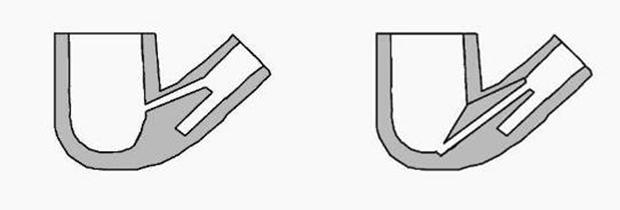
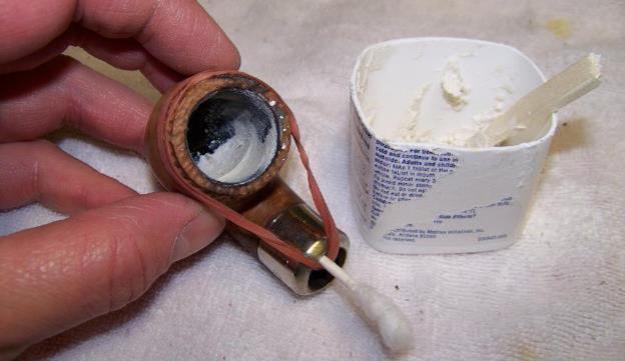
Instead of drilling a new airway, which posed the risk of additional misalignment, Steve recommended using a needle file to elongate the opening so it extended to the bottom of the bowl. The excess space could then be filled with plaster creating a new airway. This proved to be tedious work. Below are two rough cross-section of the pipe. On the left is the airway as it was and on the right is the revised airway (in theory).Chesterfield11Filing was a slow process and it took some effort to keep the elongated hole from drifting off course. I went slow and checked the progress often. Once the hole was about where I thought it should be I used the stick of a cotton swab as the place holder for the new airway. It was the rolled paper type stick that could be bent to match the curve of the bowl. Holding stick in place with a rubber band around the rim I mixed a batch of thick plaster and pushed it into the elongated hole with my finger. When plaster came out the top of the hole I removed the excess from inside the bowl and set it aside to dry for 24 hours. Chesterfield12In my first attempt at this repair, I did not have plaster so I used pipe mud (a slurry of cigar ash and water). This did not work at all. It is great for filling in the bottom of a bowl but it was too loose to stand on its own as a fill/patch. I removed the pipe mud and started over with the plaster.

The next evening, I used 100 grit sand paper wrapped around a ¼” dowel to remove the excess plaster and smooth out the repair. I carefully twisted the swab stick and it came free without damage to the patch. The next time I do this I will coat the stick with wax before securing it in place. The wax should help the stick pull free without bonding to the plaster.

It was time to finish the bowl. I chose to use straight Fiebing’s dark brown stain on the rusticated areas and then wiped it down with alcohol pad. Chesterfield13Next I applied straight light brown to the rest of the bowl. After setting the color with heat I wiped the entire bowl with an alcohol pad to blend the colors. Happy with the results I took the pipe to the buffing station. I buffed the stem and stummel separately so I could get to all the area a little more easily. I started with white buffing compound then finished with multiple coats of carnauba wax.

With the outside of the pipe complete I wanted to cover up the plaster patch inside the bowl so I applied a bowl coating. Using my finger I spread a thin coat of maple syrup evenly over the inside of the bowl then poured in the contents of a dietary charcoal capsule. I put my palm over the top of the pipe and shook the pipe so the charcoal powder covered the inside of the bowl. I set the pipe aside to dry for 5 days before emptying out the loose powder.

I want to say “Thank you” to Steve for his advice on this one… and thank you for reading.Chesterfield14 Chesterfield15 Chesterfield16 Chesterfield17 Chesterfield18

Restemming a GBD International London Made – 508 Bent Billiard


Blog by Steve Laug

Quite a while ago now my brother Jeff picked up a handful of pipes from an antique shop in Montana. There were quite a few GBD pipes in the lot. One of them was this GBD International bent billiard. It came with a gnawed off stem that was irreparable. The bowl was caked and dirty and the rusticated/plateau top was filled with grime to the point that it was almost smooth. The bowl looked good under the grime and the finish looked salvageable. The pipe was stamped GBD in an oval over International over London Made on the left side of the shank. On the right side it was stamped with London England over the shape number 508. I failed to take photos of the bowl before I cleaned it up as I was on a roll with about four bowls going at the same time. Here is what it looked like after I had wiped it down with alcohol. I scrubbed the plateau top with a brass bristle brush and some Murphy’s Oil Soap. I rinsed it down with cool water and dried it off. It is in very good shape. I had reamed the bowl with a PipNet reamer and cleaned out the shank and the bowl. GBD1 GBD2 GBD3 GBD4I went through my stem can and had several potential stems there. I chose one that was slightly larger in diameter than the shank. I had to shorten the tenon as it was too long to sit correctly in the shank.GBD5 GBD6With the tenon shortened the stem fit nicely in the mortise. The diameter was close and I would adjust it to fit.GBD7The stem was a used one that I recycled and it had one deep bit mark on the top side near the button. I sanded it smooth and cleaned it before I filled it in with black super glue. Once the glue cured I sanded the repair with 220 grit sandpaper to smooth it out.GBD8 GBD9I used the Dremel and sanding drum to reduce the diameter of the stem. I sanded it with 220 grit sandpaper until the transition was smooth. I wiped down the bowl with acetone on cotton pads to clean off the remaining grime before restaining the rim with a Black Sharpie.GBD10 GBD11 GBD12 GBD13I heated the stem over a heat gun until it was pliable and bent it to the proper angle. I set the bend with cold water. I sanded the stem with 220 grit sandpaper to remove the scratches left behind by the Dremel and smooth out the flow of the stem.GBD14 GBD15I sanded the stem with micromesh sanding pads – wet sanding with 1500-2400 grit pads. I rubbed the stem down with Obsidian Oil and then dry sanded it with 3200-4000 grit pads. I gave it another coat of oil and then finished sanding it with 6000-12000 grit pads. I gave it a final coat of oil and let it dry.GBD16 GBD17 GBD18I buffed the bowl and stem with Blue Diamond on the buffing wheel and then gave the pipe multiple coats of carnauba wax. I buffed it with a clean buffing pad and then hand buffed it with a microfibre cloth. The finished pipe is shown in the photos below. The grain on this pipe is spectacular – great birdseye on the sides and cross grain on the front, back and bottom. The plateau or rustication on the rim that I stained black gives it a unique look. I think it is a beauty! Thanks for looking.GBD19 GBD20 GBD21 GBD22 GBD23 GBD24 GBD25 GBD26 GBD27

A Ruined Stanwell Handmade 80R Bent Billiard – another ugly duckling


Blog by Steve Laug

Out of the three pipes from the “hackster” – the cut off Rhodesian, the coffee grounds Dublin and this Stanwell 80R Bent Billiard I have to say that the work he did on this one was by far the worst abomination. This pipe is stamped Stanwell Hand Made 80R Made in Denmark on the underside of the shank. It was a sandblast brown contrast bent billiard that would have been beautiful when it was made. The “hackster” decided to improve upon the finish and believe it or not he desecrated the pipe. He used a Dremel or sander to remove the majority of the sandblast finish leaving a dab of it on the back of the bowl at the joint of the shank and the bowl and a dab on the front side about 1 inch long from the rim. In removing the blast he completely ruined the shank leaving a thick band near the stem and the two thick sandblasted dabs. He sanded off the blast on the shank leaving it looking anemic and awful. He ruined the shape of the bowl and left it totally out of round on the outside. He also over reamed the bowl with what looked like a Dremel and sanding drum and took the bottom of the bowl almost ¼ inch below the entrance of the airway.

He did not leave the stem safe either he reshaped the button by removing the majority of the sharp edge. Then to add insult to injury he left the stamping intact on the bottom of the shank giving credit to Stanwell for the ruination of this fine briar pipe. It went from handmade to hand ruined. Over the entire bowl and slopping onto the stem was a thick coat of shellac. Runs and drips had hardened. The file and Dremel marks were held in perpetuity under a thick coat of shellac. That is where I started with this abomination. The question was could I do anything to redeem this mess.blast1 Blast2 blast3 blast4I took some photos of the stem and the left over sandblast sections. There is also a photo of the rim shows the out of round condition of the outer edge of the rim.blast5 blast6 blast7 blast8 blast9I sanded off the remaining sandblast sections on the bowl and shank and rounded the bowl with a Dremel and sanding drum. I used the Dremel to reshape the shank and the bowl and shank. The damage done to the shank made it necessary to shape the stem into an oval instead of a round.blast10 blast11 blast12 blast13With the rough shaping work done there was a lot of fine tuning to be done to the shape of the bowl. I topped the bowl with a topping board and 220 grit sandpaper to remove the deep saw and file marks and to flatten the surface. I sanded the areas on the bowl where I left the shellac and existing finish until they were smooth as well. I left the band on the bottom of the shank where the faint stampings that the “hackster” had left behind remained. I had still not decided whether to remove them as the pipe was certainly not a Stanwell any longer and when I was finished reclaiming it the pipe would be two times removed from the pipe that came out of the Stanwell factory.blast14 blast15I hand sanded the bowl and shank with 220 grit sandpaper to further shape it. I sanded the stem as well to remove the damage that had been done to it and also to reshape it to the oval shank.blast16 blast17 blast18 blast19I worked on the outer edge of the rim and shaped the bowl with 220 grit sandpaper. Fortunately, the inner beveled rim was undamaged. The bottom of the bowl was a mess that I would need to fill with pipe mud to restore the depth of the bowl to the bottom of entry of the airway into the bowl.blast20I sanded the bowl and shank with a coarse grit sanding block to smooth out more of the curves. The larger surface of the block ensures and evenness to the contours of the bowl and shank.blast21 blast22 blast23 blast24I used the heat gun to bend the end of the stem to the angle that would have originally been present when the pipe left Denmark. I sanded the stem and bowl further with sandpaper and gradually the pipe was taking shape. The swan was beginning to appear. During the sanding process I found that there were several flaws in the briar and at least one fill. During the course of the sanding these may well disappear. Overall this is a nice piece of briar with enough meat on it that I can still end up with a nice pipe.blast25I cleaned out the shank and the airway to the bowl and in the stem with alcohol, pipe cleaners and cotton swabs. It was amazingly dirty for a pipe that had been “refurbished”. The “hackster” had left the inside absolutely filthy while destroying the outside of the bowl and stem.blast26 blast27I continued to sand the bowl and stem with a coarse grit sanding block to remove the remaining scratches left behind by the Dremel and sanding drum. Gradually the swan was beginning to emerge. I was getting excited about what this one was going to look like when it was finished. There was some nice grain emerging as I sanded.blast28 blast29 blast30 blast31I sanded the bowl with micromesh sanding pads to further remove the scratches. I wet sanded the bowl with 1500-2400 grit pads and sanded until the grain began to shine.blast32 blast33 blast34I dry sanded with 3200-12000 grit pads and then rubbed on a coat of Danish Oil Cherry stain. I gave the bowl several coats of the finish and then set it on a cork stand to dry over night.blast35 blast36I cleaned up the sharp edge of the button with needle files to redefine it as the shape was blurred into the body of the stem. I shaped the button with 220 grit sandpaper at the same time to give it definition.blast37 blast38I sanded the file marks out with 220 grit sandpaper to blend the edge of the cut into the surface of the stem. I wet sanded the stem with 1500-2400 grit micromesh sanding pads and then gave the stem a coat of Obsidian Oil. I dry sanded with 3200-4000 grit pads and gave it another coat of oil. I finished by sanding with 6000-12000 grit pads and giving it a final coat of oil. I set the stem and pipe aside for the night.blast39 blast40 blast41In the morning I buffed the bowl and stem with Blue Diamond on the wheel to bring out the shine and then gave the pipe several coats of carnauba wax. I buffed it with a clean buffing pad and then by hand with a microfibre cloth. The finished pipe is shown in the photos below. To me it looks far better than the mess I started with but what is your verdict? Did a swan emerge? The pipe certainly has some nice grain and the flaws are small in comparison to the overall look of the pipe. Thanks for looking.blast42 blast43 blast44 blast45 blast46 blast47 blast48 blast49

The Transformation of a Second Ugly Duckling – Can it be done a second time?


Blog by Steve Laug

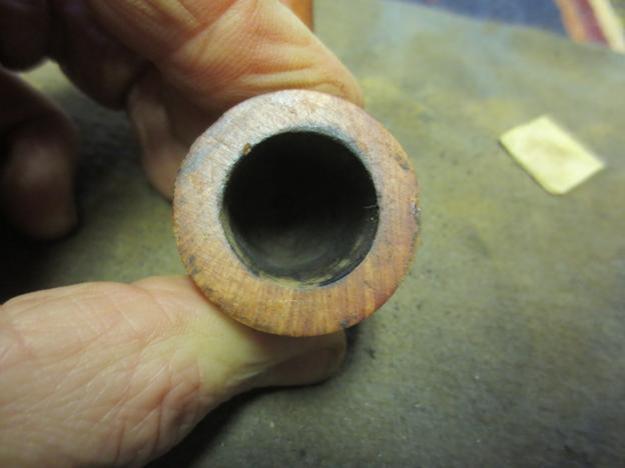
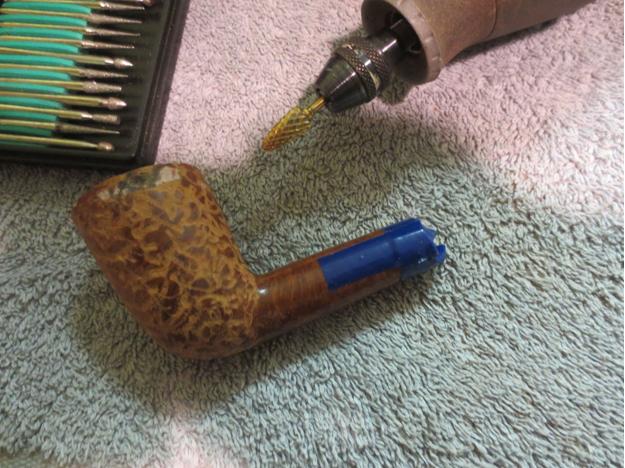
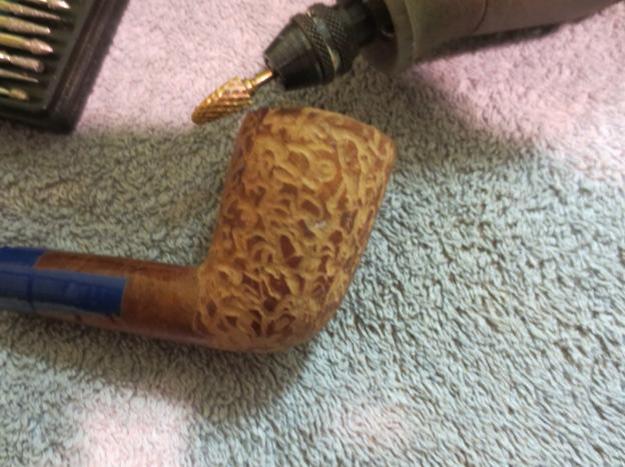
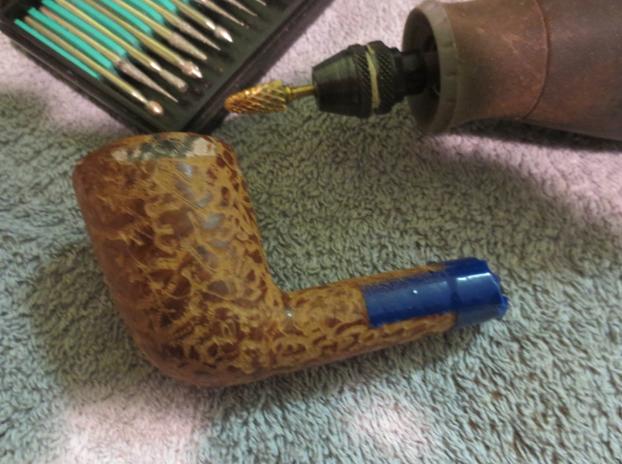
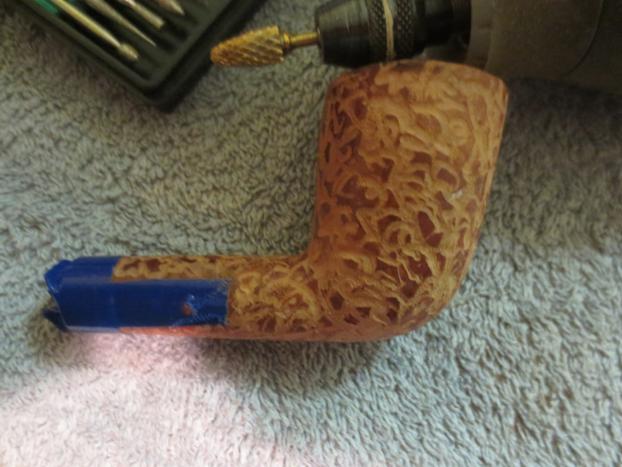
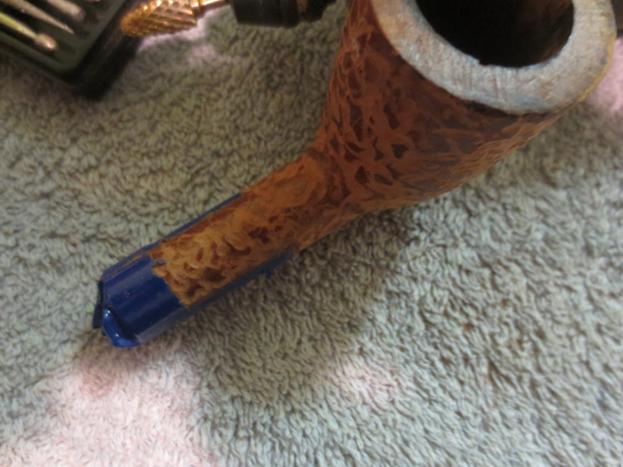
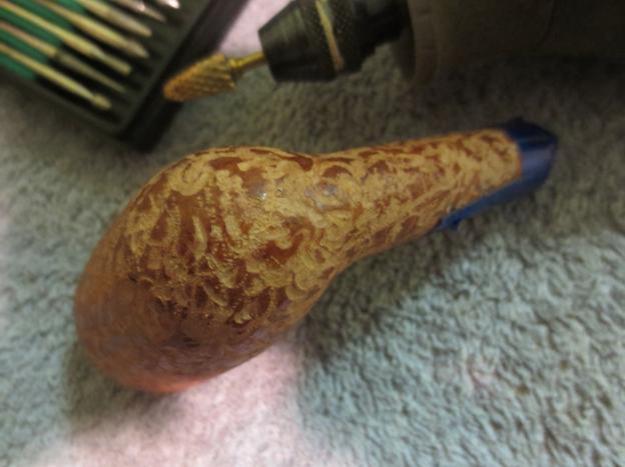
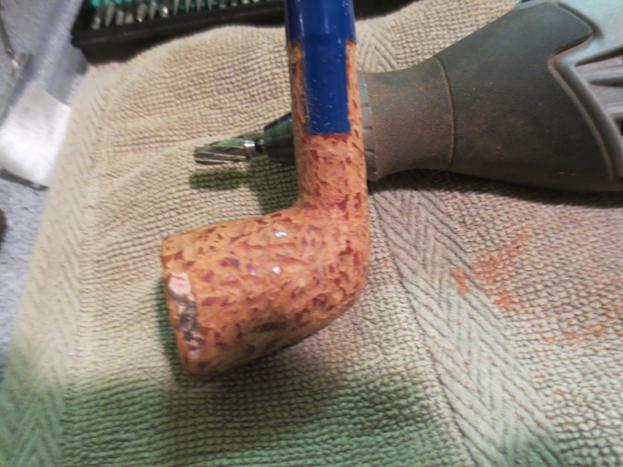
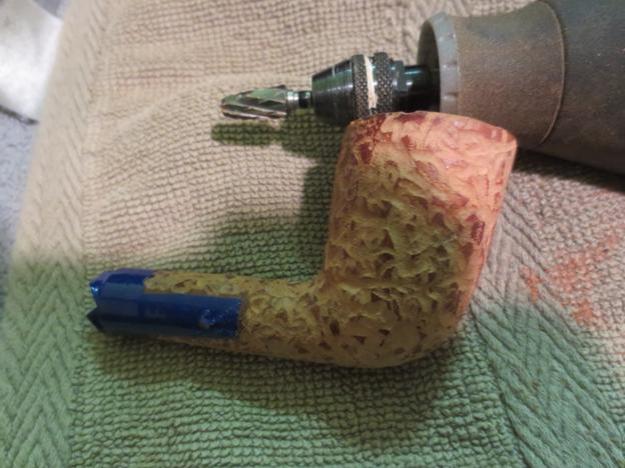
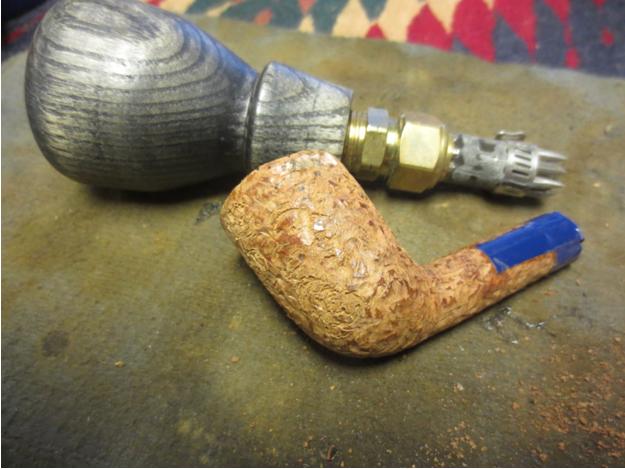
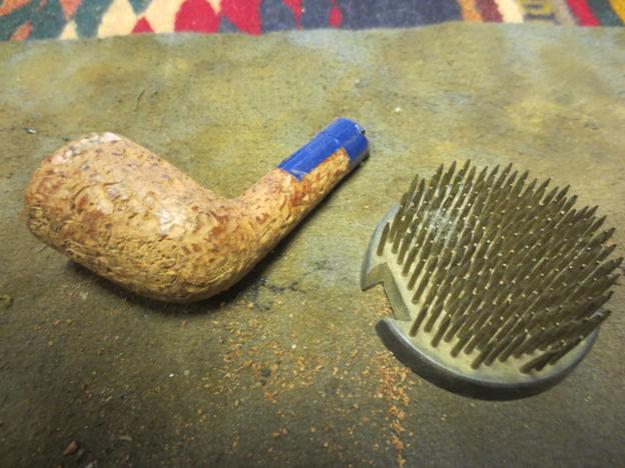
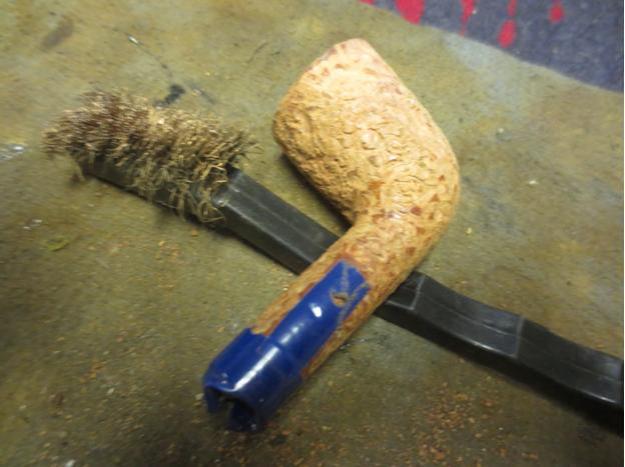
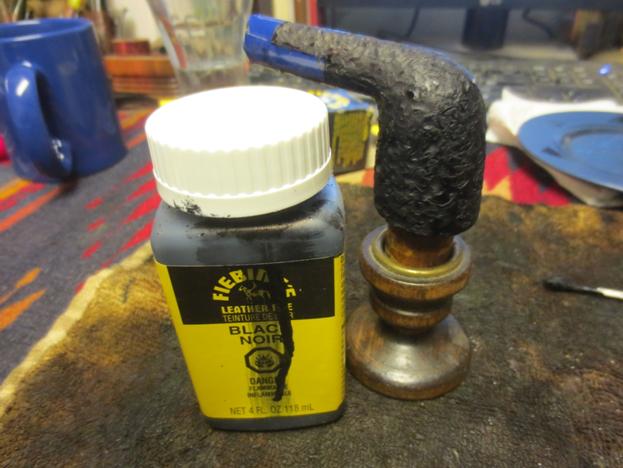
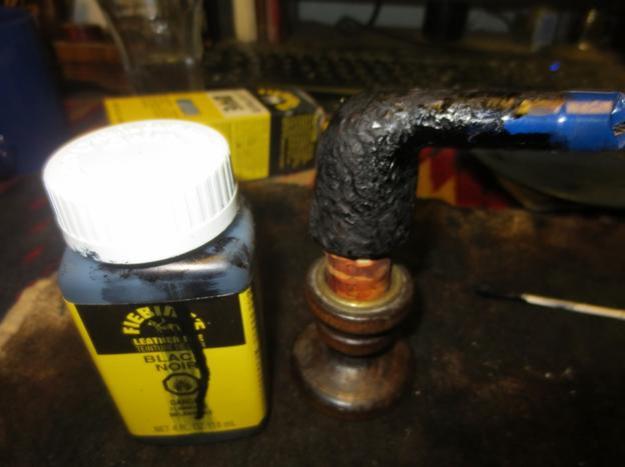
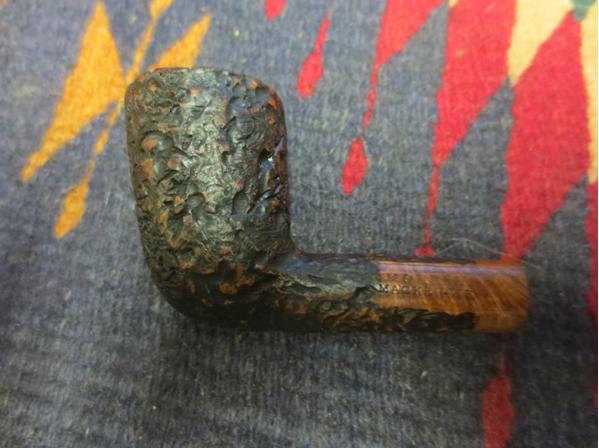
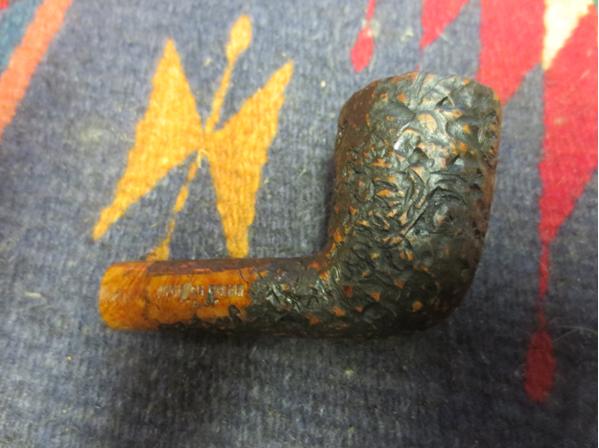
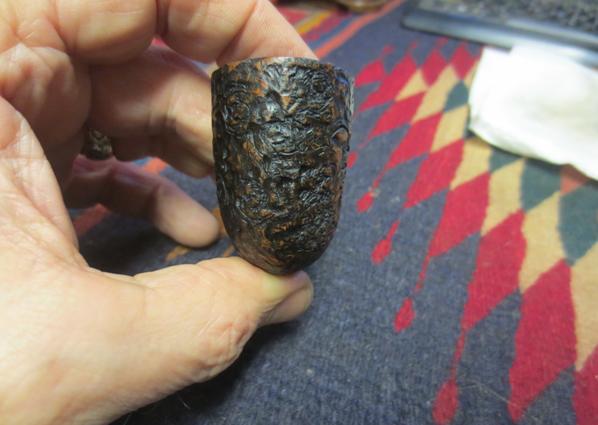
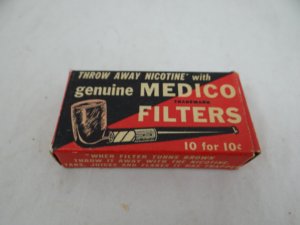
This afternoon I took on the second ugly duckling from the eBay “hackster” who had ruined the pipe that I transformed into a swan earlier. This one is stamped Morell over Mackenzie on the left side of the shank and Imported Briar over Italy on the right side. The Morell was a filter pipe so it was made to accommodate a Medico style paper filter. The pipe was a mess. Picture with me what it looked like. It had been painted with a band of coffee grounds (?) around the rim going down the sides of the bowl about a ¼ inch. The rim had been roughly sawn off and the tooth marks of either the file or saw were still present. The shank had damage that was ignored. The entire pipe had then been coated with a thick, runny coat of shellac that had rippled over the surface and given the pipe an obscene shininess that highlighted the atrocities that had been done to it. The stem was original but the “hackster’s” hand had not missed it either. It was cut off and a poorly cut button was carved into the stem. No care of thought was taken to account for the angles of the stem to the button and nothing had been done to open a slot in the end of the button. If you cannot picture it in your mind’s eye here are some photos.Dublin1 Dublin2 Dublin3 Dublin4I took some close up photos of the rim and stem. The rim photo is a little out of focus but you can see what I was talking about above. It was a mess. The issues with the stem are pretty self evident.Dublin5 Dublin6 Dublin7 Dublin8I scraped the coffee grounds off of the bowl edge with a sharp pen knife. In doing so I found a large pink/white fill on the left side of the bowl across the top just below the rim edge. In the next two photos you can see the coffee grounds on the cloth I put on the work table to collect them when I scraped them off. The bowl was pretty full of fills all the way around.Dublin9 Dublin10I scrubbed off the shellac with acetone on cotton pads until I had removed all the thick, runny coat that covered the bowl.Dublin11 Dublin12I took a close up photo of the fill area on the left side to give you an idea of the size of it. It was large and ugly. The other side of the bowl also had several and one larger one mid bowl.Dublin13 Dublin14I took a photo of the rim to show the detail of the file or saw marks.Dublin15With fills this large and a pipe this ugly something had to be done with it or it would end up looking worse than it did when I started. The ugly duckling would just be a duck of another colour. There would not be any swan emerging unless I took some drastic measures. I taped off the stamping on the bowl and a band around the shank stem union with some electrical tape to protect it during the rustication and the staining. I used a series of burrs on the Dremel to cut a random rustication pattern on the sides of the bowl. Different burrs gave a different effect so follow the photos until the end of the rustication to get a full idea of how each burr worked.Dublin16 Dublin17 Dublin18 Dublin19 Dublin20 Dublin21 Dublin22 Dublin23When I finished with a series of five different burrs I then used the rustication tool that was gifted to me and tore up the finish even more. I wanted to cut some deep gouges in the briar to give it heavy rustication.Dublin24I followed that up with a flower frog (see picture below) to further rusticated the finish.Dublin25Once finished with the serious weapons I used a brass bristle brush to knock of the loose particles of briar and smooth things out a bit.Dublin26My next step in the transformation process was to stain the bowl. I chose an aniline black stain to go into the grooves of the rustication because of the large fills. The black stain would penetrate even the white stain in the grooves I cut into it. I applied the stain and flamed it to set it in the briar.Dublin27 Dublin28When the stain dried I removed the tape from the smooth areas. I sanded the high points on the rustication with a sanding block to remove the black from those areas. I wanted to have a contrast that blended well with the smooth areas. I chose on this bowl to also rusticate the rim because of the amount of damage that the “hackster” had done to that area of the pipe. With the sanding done you can see the contrast beginning to show.Dublin29 Dublin30 Dublin31 Dublin32After I sanded the bowl and rim I rubbed it down with a light coat of olive oil to enliven the briar. I let is absorb into the wood before I hand buffed the pipe with a shoe brush.Dublin33 Dublin34 Dublin35 Dublin36 Dublin37With the bowl finished it was time to tackle the damage done to the stem. It had been clipped off and then sloppily tapered to the hand cut new button. I worked on the taper with a flat file and a sandpaper until the transition on both sides of the stem matched. I also cleaned up the button as it was wider on the top than the bottom. I also shaped the button so that it was uniform. The button was pinched and there was an indentation on both sides of the stem in front of the button. I sanded the sides of the stem to remove that indentation.Dublin38The end of the stem was left with a raw air hole. I used needle files to clean up the shape of the button from the end and also to cut and shape a slot.Dublin39 Dublin40The photo above shows the general shape of the slot. I still needed to flatten the face of the button and to clean up the slot but you get the idea. I also used some tiny spots of superglue to fill in the areas on the left side of the stem near the button where the “hackster” had cut back too much material. Once it dried I sanded it with 220 grit sandpaper to smooth it out and blend it into the surface of the stem.Dublin41With the reshaping and tapering done to the stem I went on to use my usual array of micromesh sanding pads. I wet sanded with 1500-2400 grit pads and gave it a coat of Obsidian Oil. I dry sanded with 3200-4000 grit pads, another coat of oil and then finished with 6000-12000grit pads. I gave it a final coat of oil and let it dry.Dublin42 Dublin43 Dublin44I buffed the bowl and stem with Blue Diamond – making sure to use a light hand on the bowl. Then I gave the stem several coats of carnauba wax. I gave the bowl a coat of Halcyon II wax and hand buffed the bowl with the shoe brush. I gave the entire pipe a final buff with a microfibre cloth. I think the ugly duckling once again became a swan. What do you think? I may well have to make a new stem for it one day. Dublin45 Dublin46 Dublin47 Dublin48 Dublin49 Dublin50 Dublin51 Dublin52 Dublin53

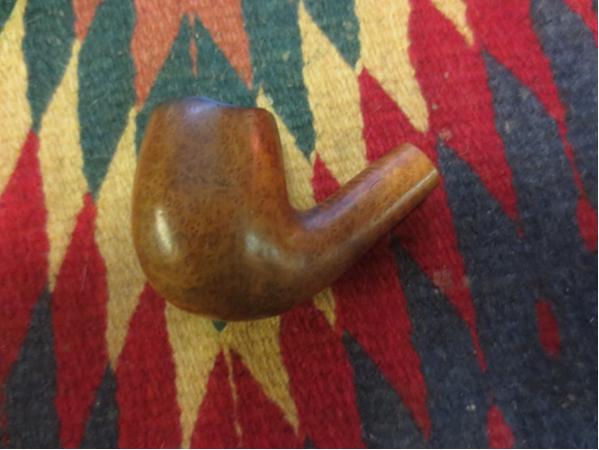
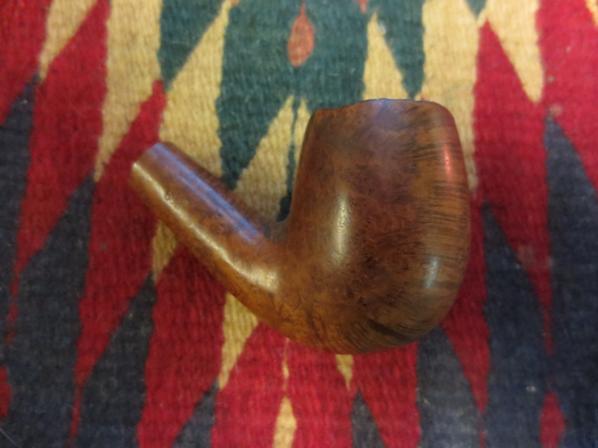
Dressing up a no name Walnut Billiard


Blog by Steve Laug

My brother Jeff found this homemade no name Walnut Billiard on eBay and was drawn to it. He has sent me more panel pipes than I have ever bought myself… the funny thing is that I am starting to really like them. This one is quite unique and almost a folk-art piece. It is a panel but the carver did not worry about making things symmetrical. All of the sides are different sizes. The rustication is quite nice and I like it – almost like the surface of a golf ball. The rim is smooth and the bowl is almost round. The pipe had a little cake building but not enough to keep. The pipe was stained with a bland tan coloured stain but there appeared to be remnants of red stain in some places. The sanding on the smooth parts was a little rough and there were scratch marks left behind by a file or some carving knife. The stem was good quality vulcanite and there was some buildup around the button and some oxidation. The fit of the stem to the shank was not good as the end of the shank was cut at an angle. The stem was also too large for the shank and neither the shank nor the stem was round. The tenon was also not round – it looked as if it had been sanded and was a little conical. The concept for the pipe was good but the execution left a lot of unfinished angles and left a mediocre handmade pipe.Bill1 Bill2 Bill3 Bill4I took a close up photo of the shank/stem union to show what I am talking about when I say that they do not match.Bill5I have also included a photo of the bowl to show the “almost round” bowl. It looked as if the carver had tried to bevel the inner edge of the rim.Bill6The stem was oxidized and had some spots and build up on the surface. At the stem/shank union it was rough and there were some deep scratches.Bill7To take care of the bad angle on the shank I used the topping board to face the end. It squared up pretty neatly. The out of round shank and stem required something a little different. I decided to use a nickel band to break up the shank and stem union and give me a round edge to bring the stem against. That way I could at least make the stem round and clean up the junction. I used the Dremel and sanding drum to round out the shank enough to take the band. I smoothed out the flow of the shank to the bowl and round the top of the shank. Once I had the area sanded for the band I pressed the band lightly onto the shank and then heated the band with a heat gun. Once it heated and expanded I pressed it into place on the shank.Bill8 Bill9 Bill10 Bill11The band fit well with the shank and actually dressed up the pipe. I wiped the bowl down with acetone on cotton pads to remove the finish and prepare the bowl for a contrast stain.Bill12 Bill13 Bill14 Bill15I used a black Sharpie pen to colour/stain the rustication on the whole pipe. I wanted that portion of the pipe to contrast with the smooth portions of the walnut.Bill16 Bill17 Bill18I wiped the bowl down with alcohol on cotton pads to lighten the shiny black of the Sharpie and dull it slightly. I then stained and flamed the bowl with a dark brown aniline stain mixed 50/50 with alcohol to make it more of a wash. I stained the entire bowl including the black portion to make sure to get stain into all of the grooves.Bill19 Bill20 Bill21I buffed the bowl with Blue Diamond on the wheel paying particular attention to the smooth portions of the bowl. I wanted the contrast to be stark between the rusticated parts and the smooth parts.Bill22 Bill23 Bill24 Bill25 Bill26I cleaned out the airway in the stem with pipe cleaners and alcohol. I was surprised with how clean it was.Bill27The carver who had fit the stem to the pipe had not finished working on the slot. It looked like he had started by using a small cutting wheel to cut a line across the airway in the end of the stem. That was all that had been done to the slot at this point.Bill28I used needle files and sandpaper to open up the airway and shape the slot. I smoothed out the transition from the cut to airway and made the entire slot more oval. The general shape of the airway is a Y with it following the curve of the button and creating an open airway. A pipe cleaner slides easily into the airway with the new open end.Bill29To prepare the mortise to accept the curve of where the tenon met the stem, I beveled the inside edge of the mortise with a knife. I also beveled the end of the tenon into a funnel while I had the knife out. When I pushed the stem into the shank it fit snugly against the end of the tenon.Bill30I took out the stem and cleaned out the airway to the bowl and the mortise with pipe cleaners, cotton swabs and alcohol. I scrubbed it until it was clean.Bill31I sanded the stem with 220 grit sandpaper to break up the oxidation and also to remove some of the dings and marks on the stem surface. I wet sanded the stem with 1500-2400 grit micromesh sanding pads. I rubbed the stem down with Obsidian Oil and then dry sanded it with 3200-4000 grit pads. I gave it another coat of oil and then finished sanding with 6000-12000 grit pads. I gave it a final coat of oil and let it dry.Bill32 Bill33 Bill34I sanded the smooth portions of the bowl with micromesh sanding pads to lighten the stain there. I lightly buffed the bowl and buffed a bit harder on the stem with Blue Diamond on the buffing wheel. I gave the stem multiple coats of carnauba wax and buffed it with a clean buff. I applied some Conservator’s Wax to the bowl and hand buffed it with a shoe brush. The finished pipe is shown in the photos below. It came out pretty well with the adjustments and tweaks that I added. The band sets off the bowl and stem. The contrast stain works with the walnut. The smooth and the rusticated finish go well with the stains I chose. It is now a better looking workable pipe. Thanks for looking.Bill35 Bill36 Bill37 Bill38 Bill39 Bill40 Bill41 Bill42 Bill43
Restoring A Medico Double-Dri Bakelite Pipe


Blog by Steve Laug

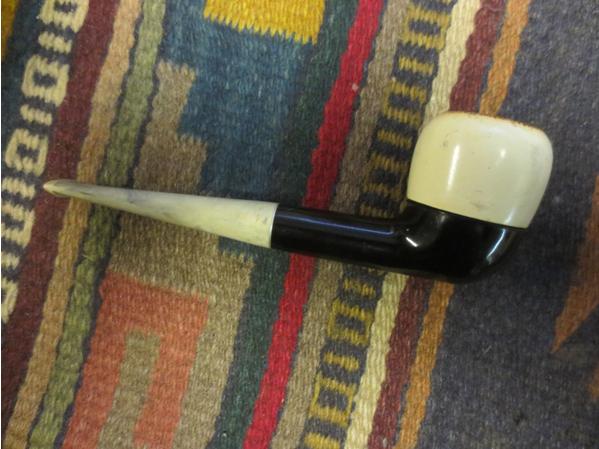
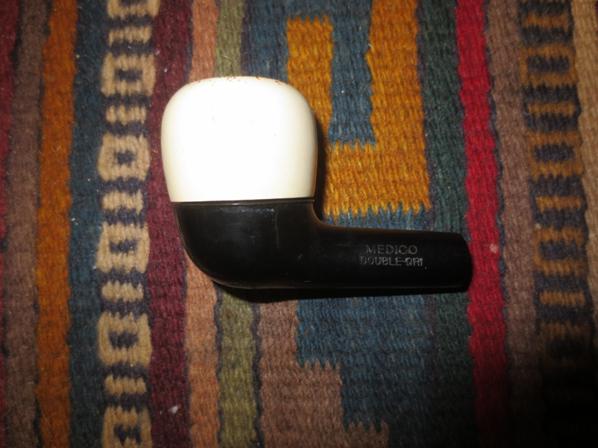
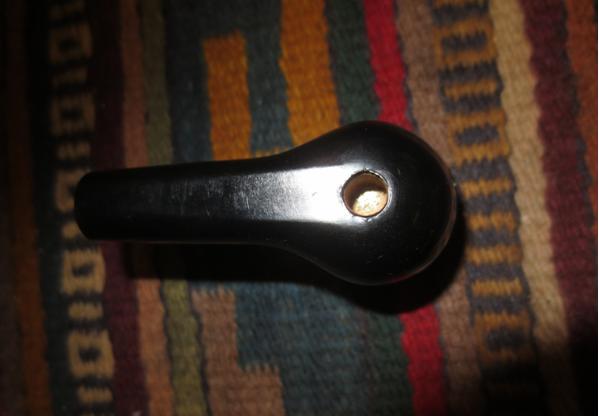
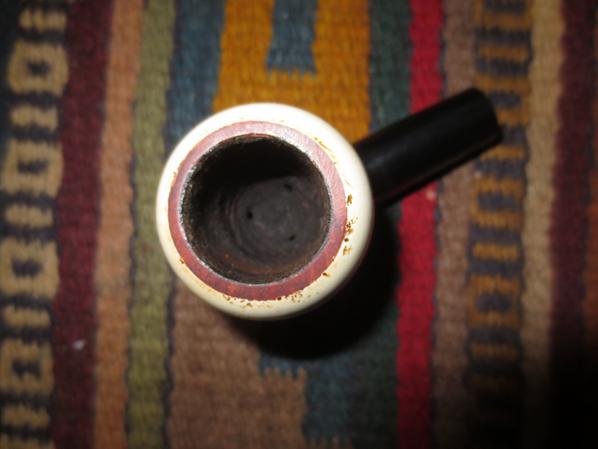
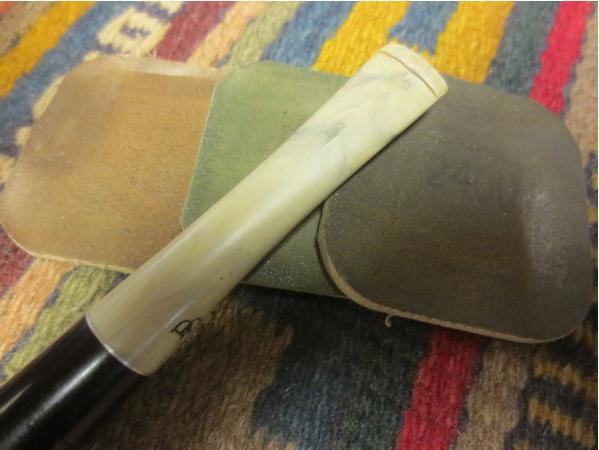
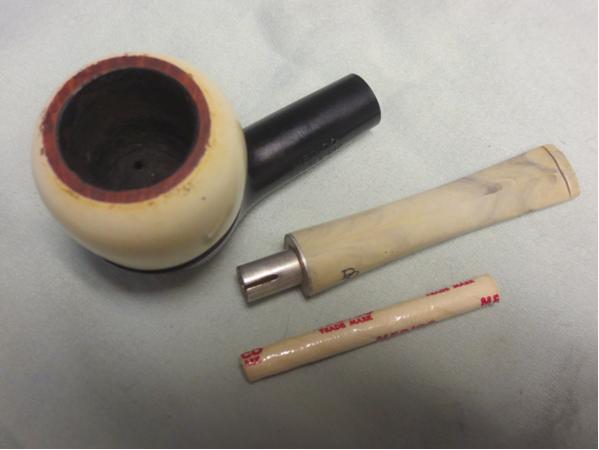
In the ongoing adventure of discovery of the quest for the drier smoking pipe I keep finding new ones that intrigue me. This latest addition that my brother Jeff picked up is unique even if it was not part of that adventure of discovery. It is stamped Medico over Double-Dri and it is unusual to say the least. The base of the pipe I believe is made of Bakelite. The bowl is painted briar or at least looks to be. The bowl is friction fit into the base and is held in place by a cork or composition ring around the edges of the base. The bottom of the bowl is a hard clay or ceramic material. The bowl is U shaped and has three holes in the bottom of the bowl that angle outward toward the edge of the external bottom of the bowl that fits in the base. The bottom of the base has a raise metal pillar that sits in an indentation on the bottom of the bowl once it is in place. Double-dri3

This directs the airflow into the rounded bottom of the base and the airway on the back of the pipe. There is a Medico paper filter that sits in the shank of the pipe and the tenon of the stem to further dry out the smoke. Thus there are two traps for moisture so that the smoke that is drawn into the mouth of the smoker is Double Dry. The stem on the one I have is made of a multi-coloured white/grey and has a raised interlocking DD logo. The white/grey nylon looks quite nice with the dark of the base and the white of the bowl.

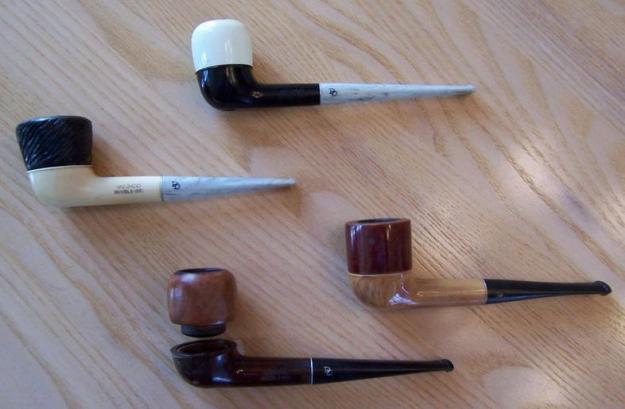
The pipes seemed to come in a variety of colours and bowl configurations and materials from meerschaum to briar and painted briar. The bases also came in a variety of colours as did the stems. I found the next photo on the web that gives some idea of the wide variety of choices in this 50’s era pipe. Double-Dri1Charles Lemon at Dadspipes wrote about one he did a refurb on and it got my attention so I have had an eye out for one. Here is his write up http://dadspipes.com/2015/10/30/1041/ He wrote that the “Double-Dri was Medico’s foray into the field of removable and interchangeable bowls, though where the Falcon pipe used aluminum for its shank, the Double-Dri used another 1950’s Space Age material, Nylon, for both shank and stem. Press-fit bowls were available in briar or the more expensive meerschaum.”Double-dri2

There was not much information on the brand. The PipePhil site just had the brand and a few photos of two different pipe configurations. The Smoking Metal site gave the name and a picture of the pipe put together and taken apart. There was nothing that I could find that spelled out what Charles spoke of in terms of the base and stem being nylon. It appeared to me that he was right about the stem on the one I had. It was nylon. The base however was exactly like earlier Bakelite pipes that I have in my collection. I know there is a way to check that but the look and feel certainly makes me think I am right in that assessment.

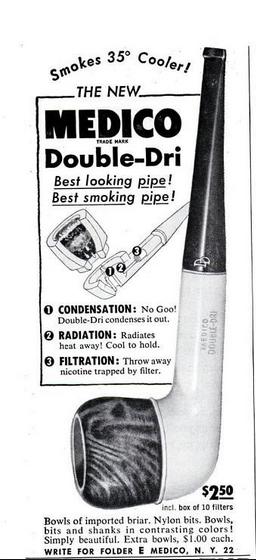
Like Charles I also found a few advertisements in 1950s era magazines that sold the pipe. I could not resist using the one to the left.It is a Medico advertisement in the March 1955 edition of Popular Mechanics magazine. The language of the advert makes for great reading. It says that it is the Best Looking Pipe and the Best Smoking Pipe. It smokes 35 degrees cooler. The Double-Dry system is shown in the line drawing as made up of three parts – Condensation, Radiation and Filtration. If you buy the press on this pipe you will wonder why it is not still being sold 60+ years later. (I would love to get a hold of a copy of the folder that is mentioned at the bottom of the advertisement if any of you have one around.)

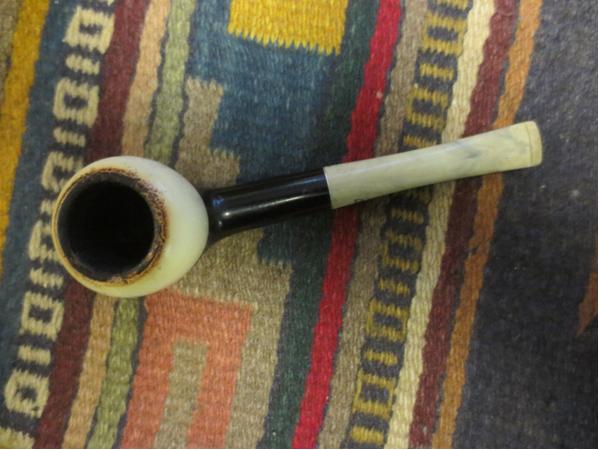
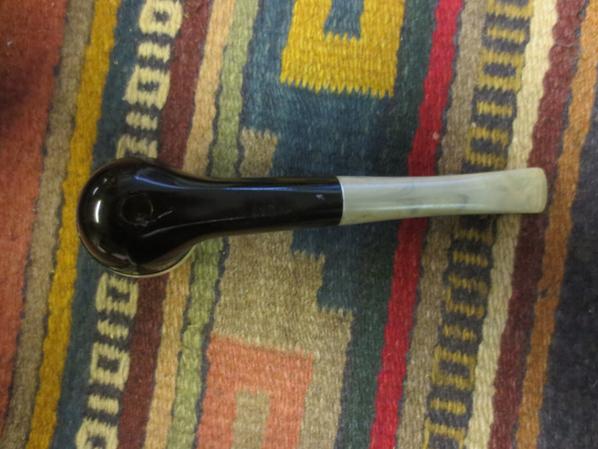
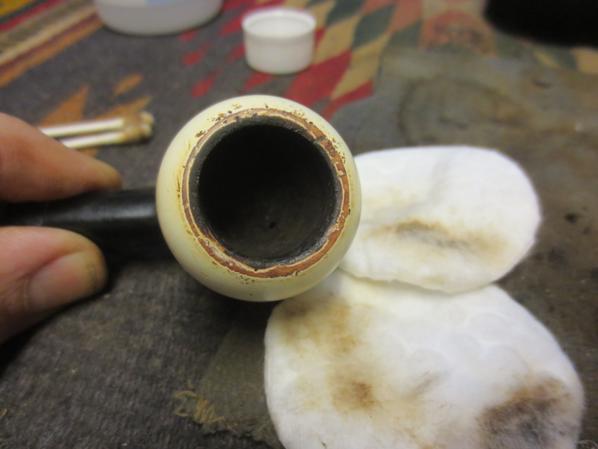
When the pipe arrived I brought it to the worktable I took a few photos to show what the condition was when I started the clean up. It was in decent shape. The bowl was caked and the holes in the bottom of the bowl were clogged. I could not see how the airflow worked with the bowl and base from looking inside the bowl. The bowl had some nicks and damage on the top edge and had a thick coating of tars. The bowl exterior was also dirty and there were some black marks on the sides of the bowl. The base was dirty and caked with hardened tars and oils. The inside of the shank and airway were black and the airway into the base was reduced in size. The stem had a lot of tooth chatter on the top and the bottom sides near the button and the contrasting grey and white of the stem material were dull. The double DD on the stem looked to be in excellent shape.Double-dri4 Double-dri5 Double-dri6 Double-dri7I took a close up photo of the rim to show the damage that would need to be dealt with. I also did a close up photo of the bottom of the base to show the inset up into the bowl base.Double-dri8 Double-dri9

I took two photos of the base and the bowl – one looking at it from the top down and the other with the bottom side of the bowl showing.Double-dri10 Double-dri11

I removed the stem from the pipe and the old paper Medico Filter was present.Double-dri12

I cleaned out the inside of the base with cotton swabs and alcohol and cleaned out the airways in the shank and stem with pipe cleaners, cotton swabs and alcohol.Double-dri13 Double-dri14

The bowl had a rounded bottom so I used a PipNet reamer and reamed the bowl to remove the cake and enable me to see the airways in the bottom of the bowl.Double-dri15 Double-dri16

I used a paper clip to break through the airways from the underside of the bowl.Double-dri17I scrubbed the bowl exterior and rim with cotton pads and alcohol. I was able to remove most of the grime from the bowl and a fair bit of the lava from the rim. I could see that the rim was actually unpainted briar.Double-dri18 Double-dri19 Double-dri20 Double-dri21I sanded the bowl with 1500-2400 grit micromesh pads to remove some of the pieces of tar and oil that were stuck to the surface of the bowl. I also sanded the base with the micromesh to give it a shine.Double-dri22 Double-dri23I lightly topped the bowl to clean up the outer edge of and the top of the rim. I sanded the inner edge of the rim to smooth that out as well. I followed up on it by sanding it with 1500-2400 grit micromesh pads.Double-dri24I sanded the tooth chatter and marks out of the stem with 220 grit sandpaper and then wet sanded it with 1500-2400 grit micromesh sanding pads. I dry sanded it with 3200-12000 grit pads and the shine came back to the stem. The contrast of grey and white really began to stand out.Double-dri25 Double-dri26 Double-dri27I gave the nylon stem several coats of Conservator’s Wax and hand buffed the stem with a microfibre cloth. I put the pipe back together piece by piece including a new Medico paper filter in the stem.Double-dri28 Double-dri29 Double-dri30I gave the entire pipe another coat of Conservator’s Wax and hand buffed the pipe to a shine. The finished pipe is shown in the photos below. Other than the damage on the curve of the bowl the pipe looks very good. Thanks for looking.Double-dri31 Double-dri32 Double-dri33 Double-dri34 Double-dri35

BBB Own Make #166 Reconditioning


Blog by Dave Gossett

I’ve owned a few BBB’s for years but lately I’ve taken a real liking to the Own Make. I picked this up from eBay on the cheap. Even with the blurry pictures it looked rough, but it was even worse upon arrival.

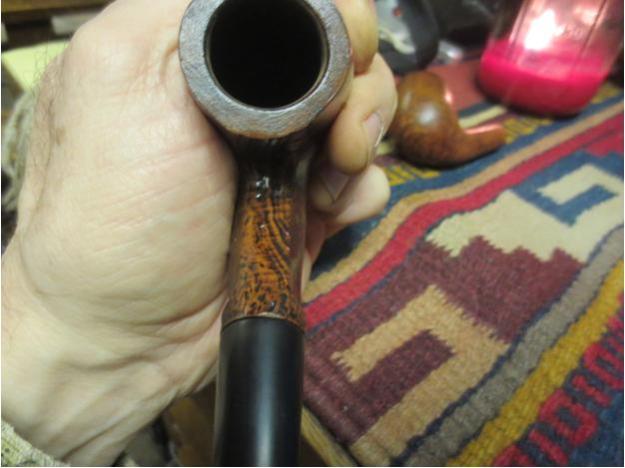
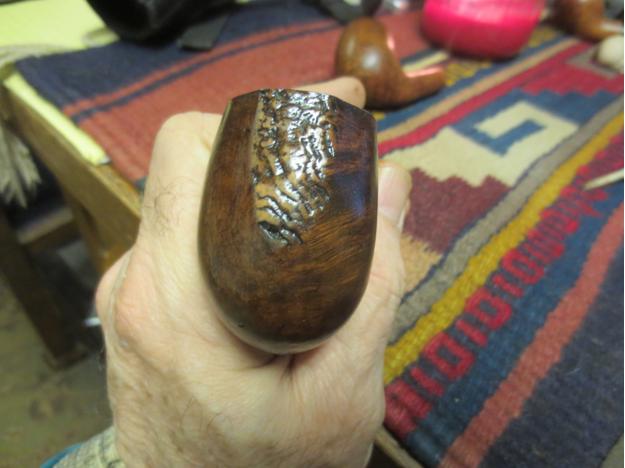
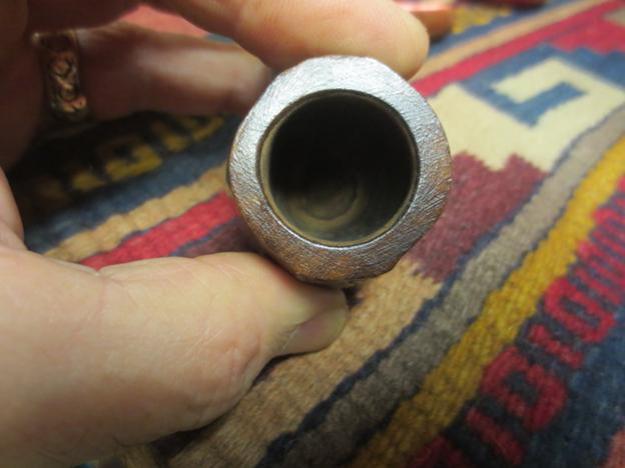
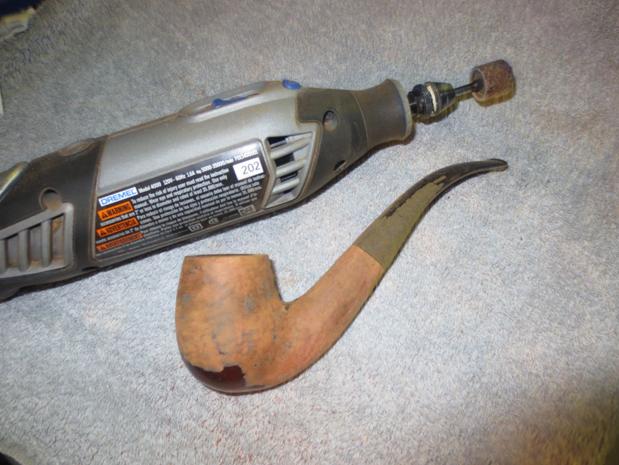
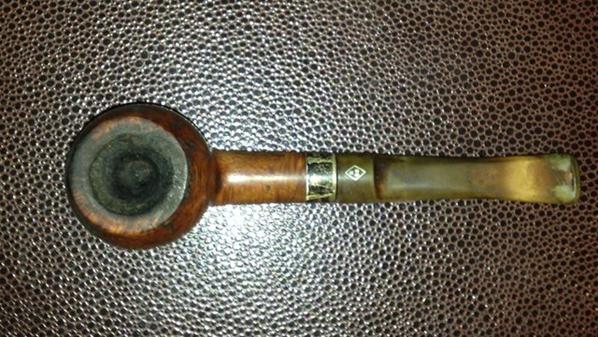
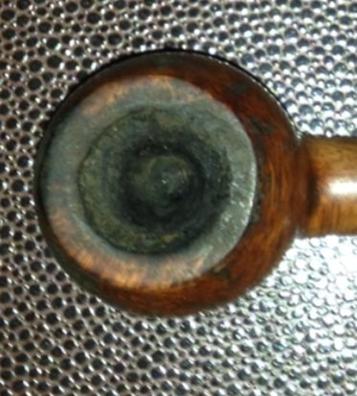
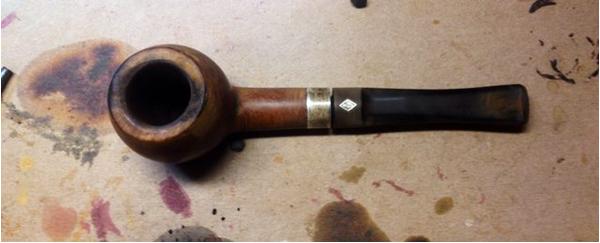
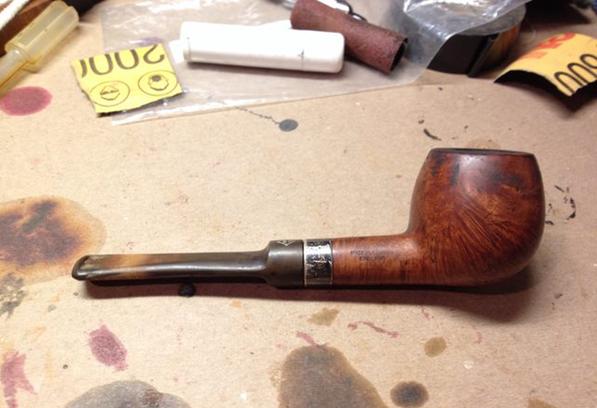
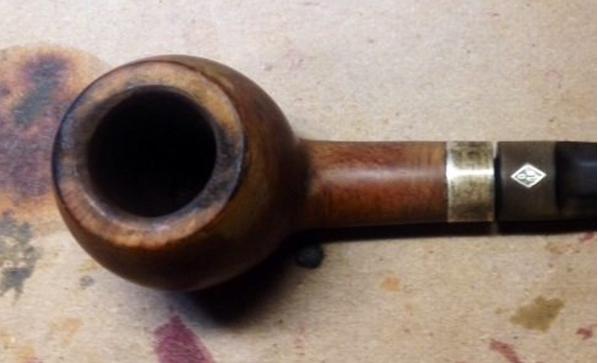
The one time this pipe was actually reamed, I think it was with a knife. The inner rim was hacked up and the top was charred. Dave1 Dave2 Dave3 Dave4 Dave5I like a challenge so I got to work. I used a Dremel drill with a barrel sander to make way for a reamer.

Here is it after the initial cleaning. Lots of rim char and missing briar. Dave6I started with a slight topping to give it a crisp symmetrical outer rim ring and then beveled the inner rim to smooth out the damage. Next I sanded the outside of the bowl to remove the scratches. Once the rim and stummel repairs were finished, I sanded the bowl chamber smooth and added a fresh carbon coating.

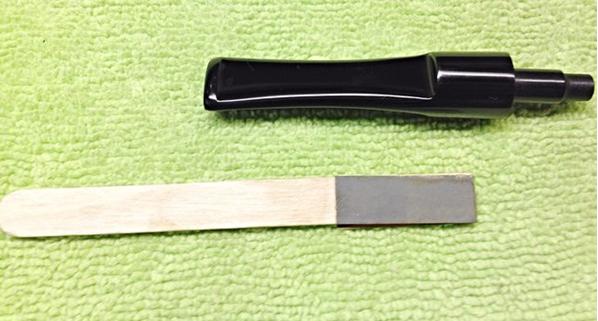
Next up: the stem. Once the stem was cleaned and sanitized I removed the tooth chatter with needle files and began wet sanding. I use craft sticks and glue various grits of sand paper to them for wet sanding the sharp edges and angles. Wet sanding the entire stem by hand can soften the crisp edges of the original design. Using these small sticks, can remove all the oxidation without compromising the original shape.

Here is an example from another project pipe. The stem in this picture also has a button patch repair. Dave7To finish up, I gave it few coats of carnauba wax and polished the silver band. Dave8 Dave9 Dave10 Dave11