Tag Archives: polishing a gourd calabash bowl

Finishing Touches for a Lovely Gourd Calabash


Blog by Kenneth Lieblich

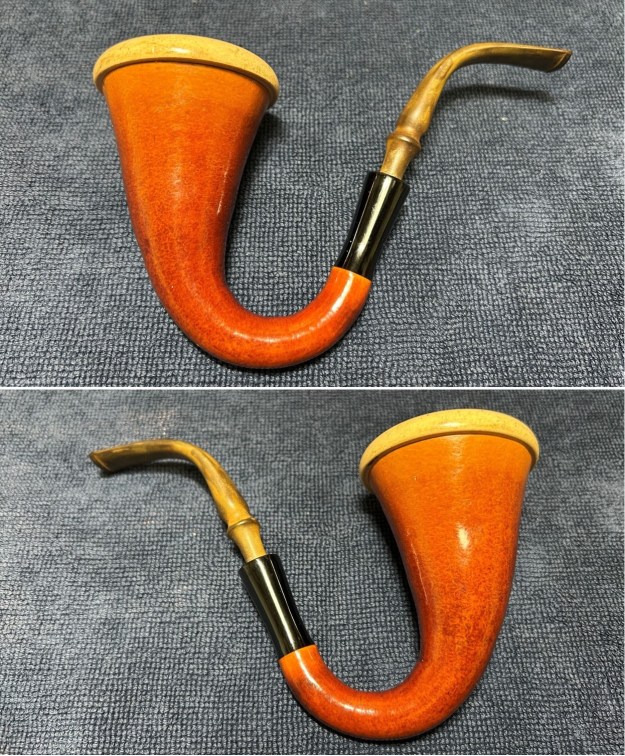
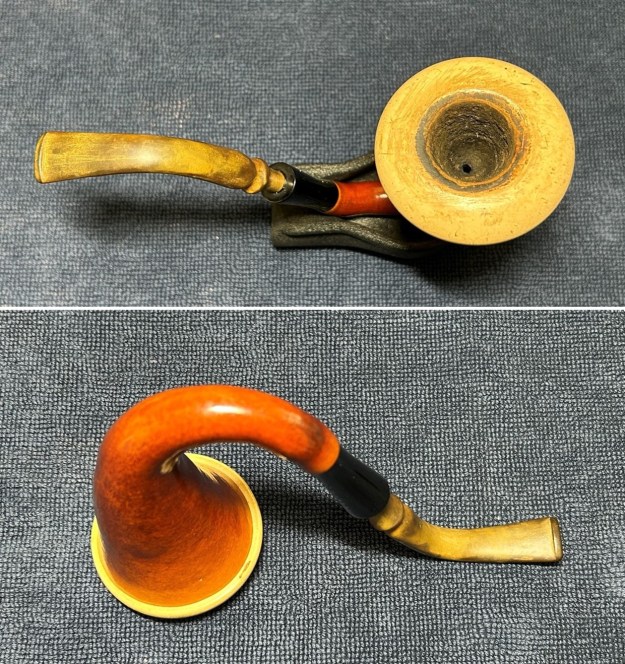
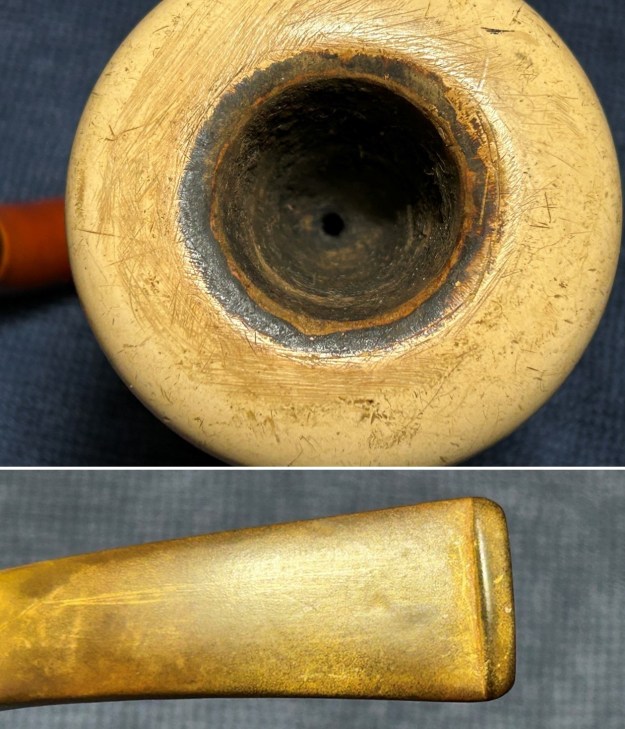
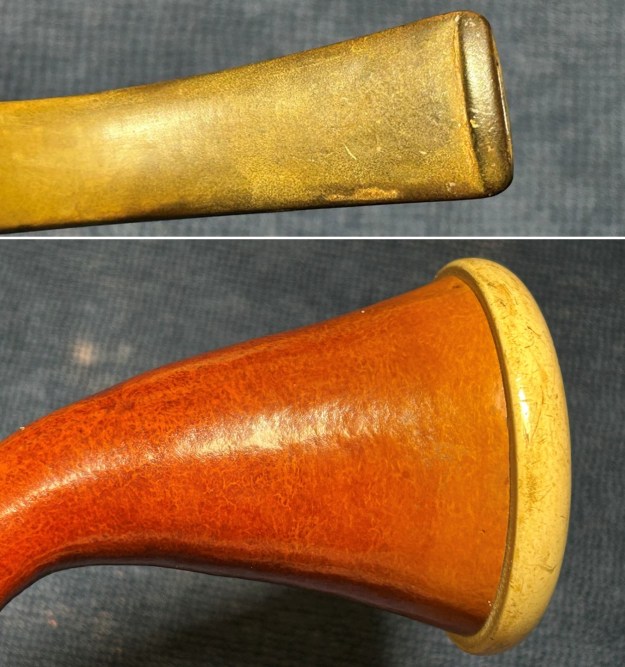
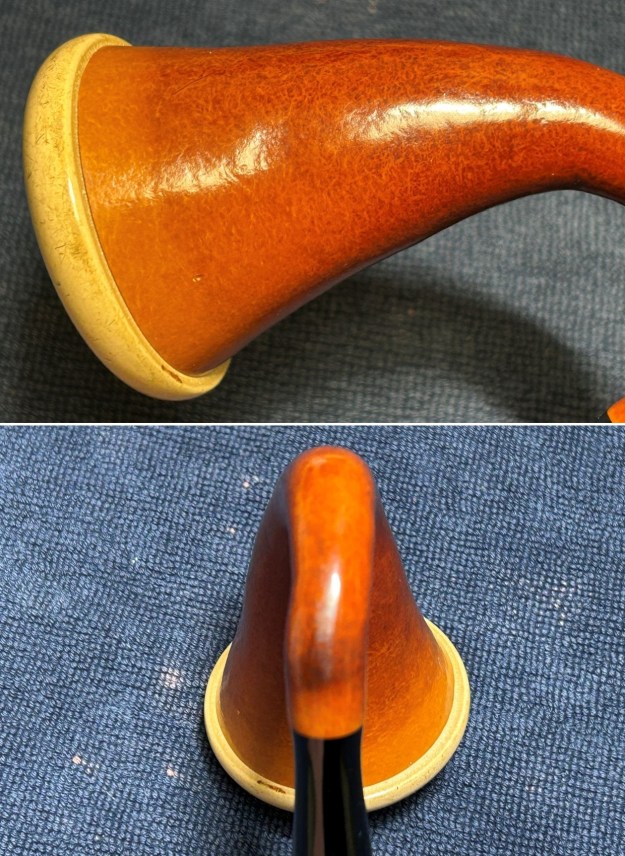
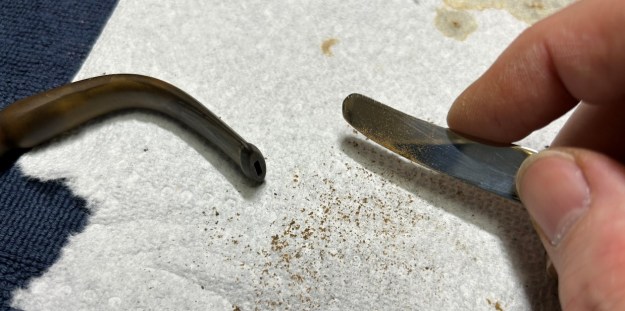
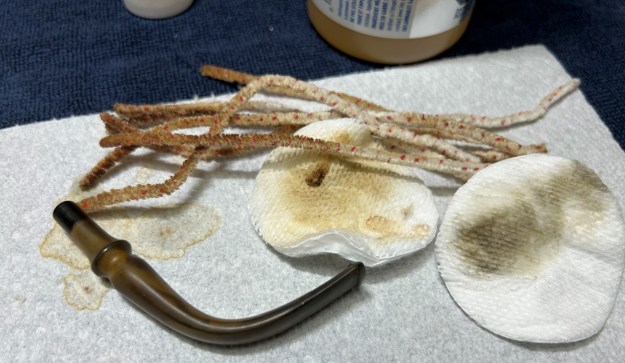
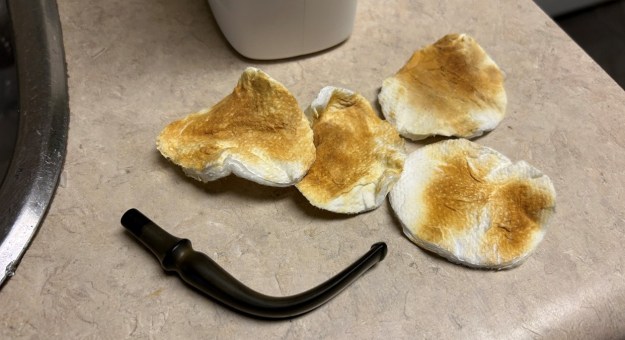
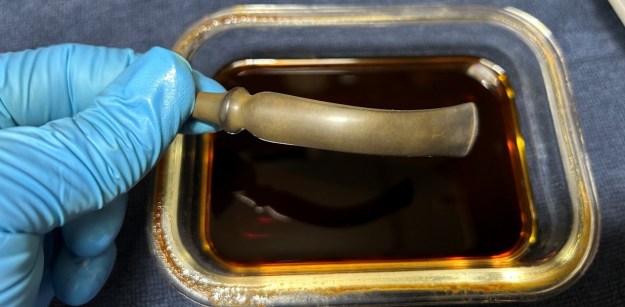
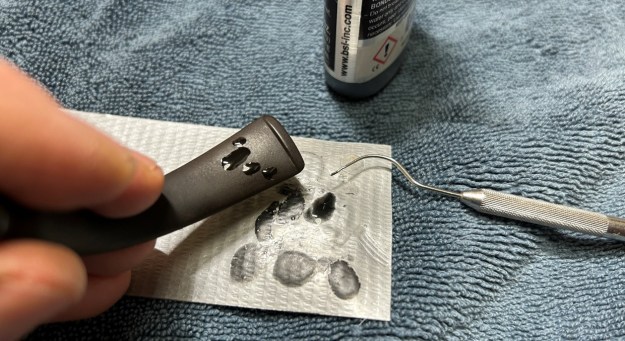
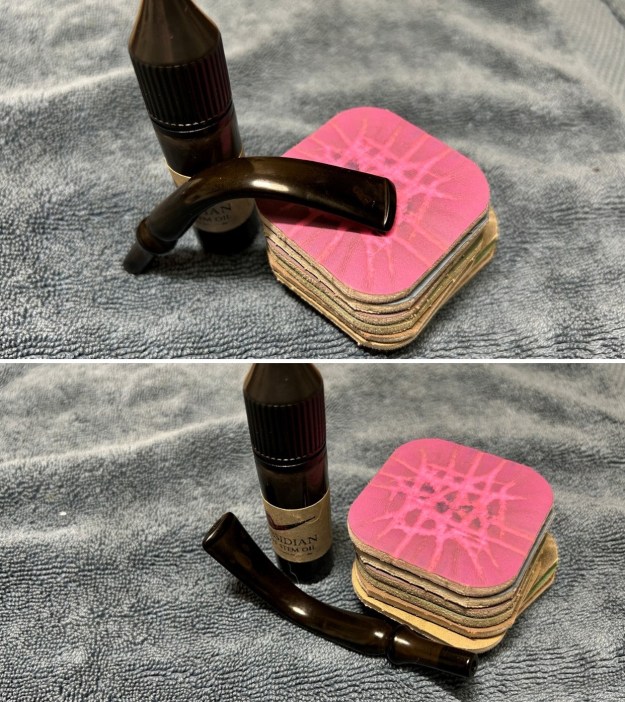
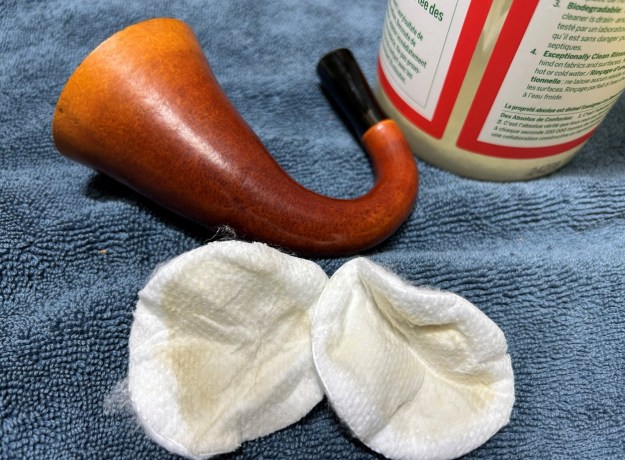
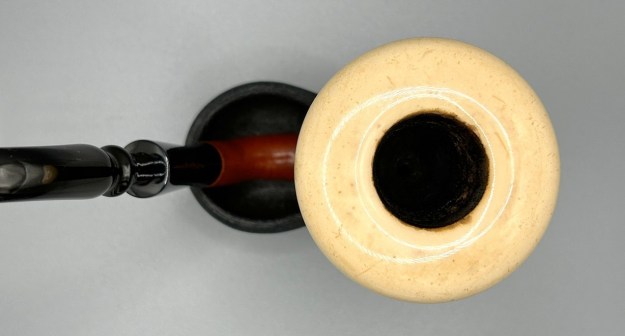
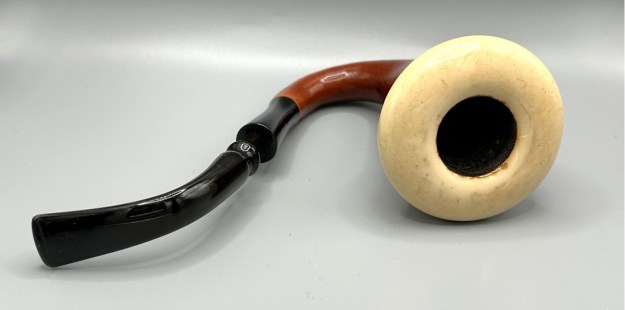
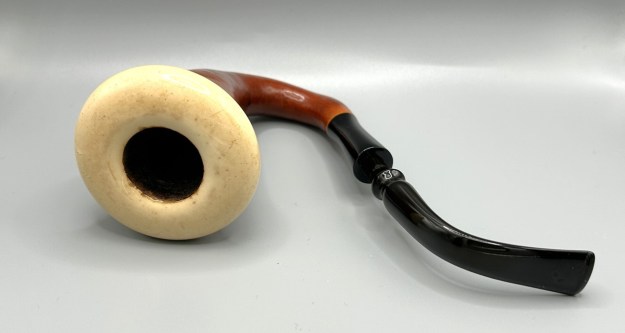
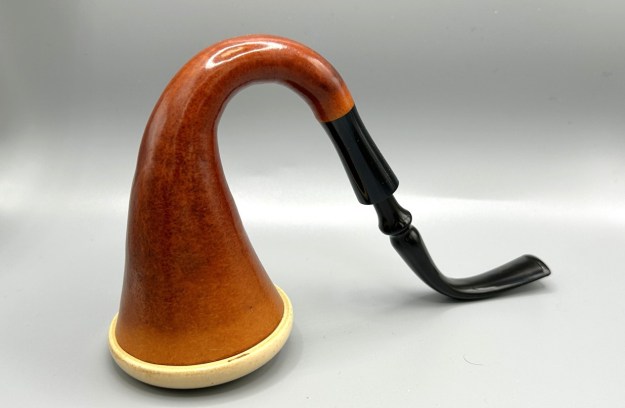
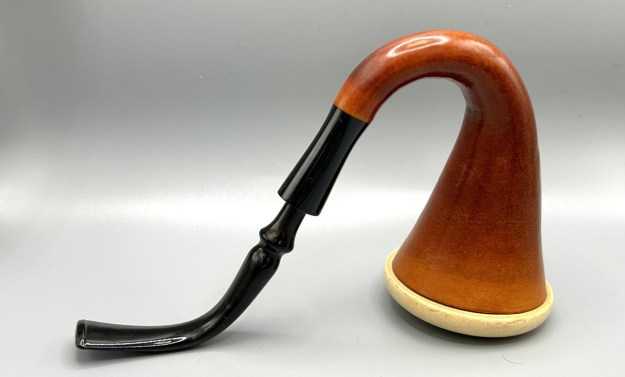
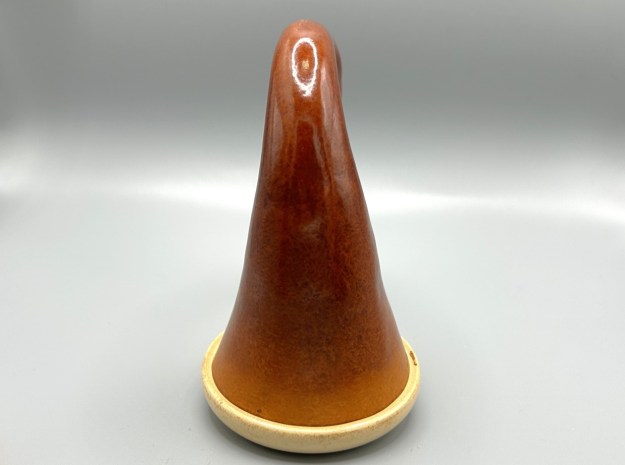
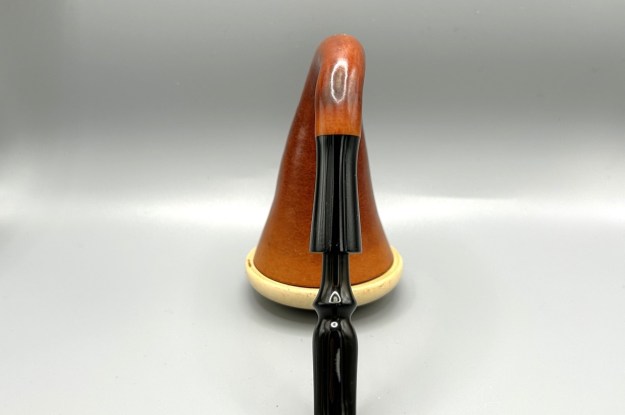
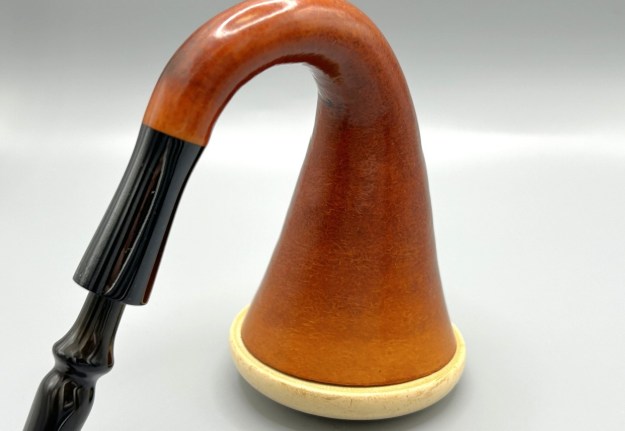
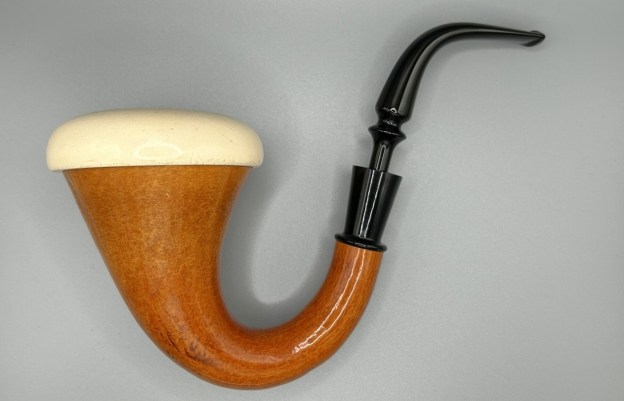
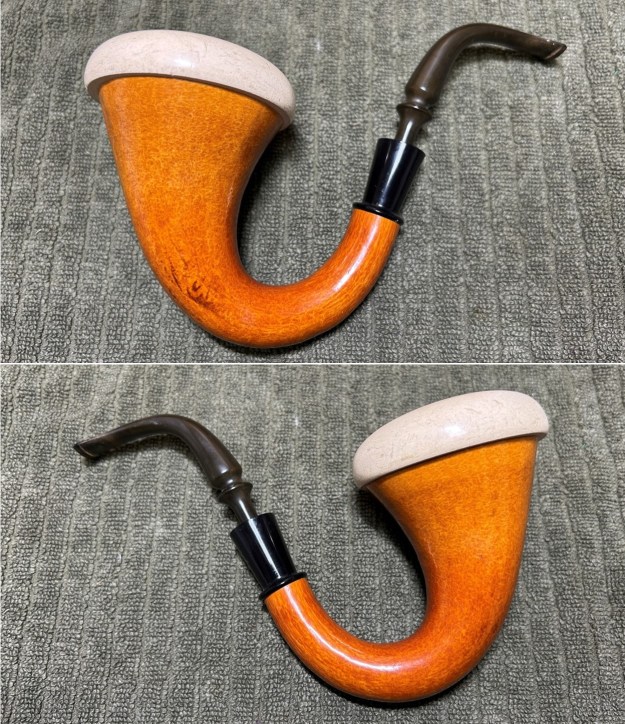
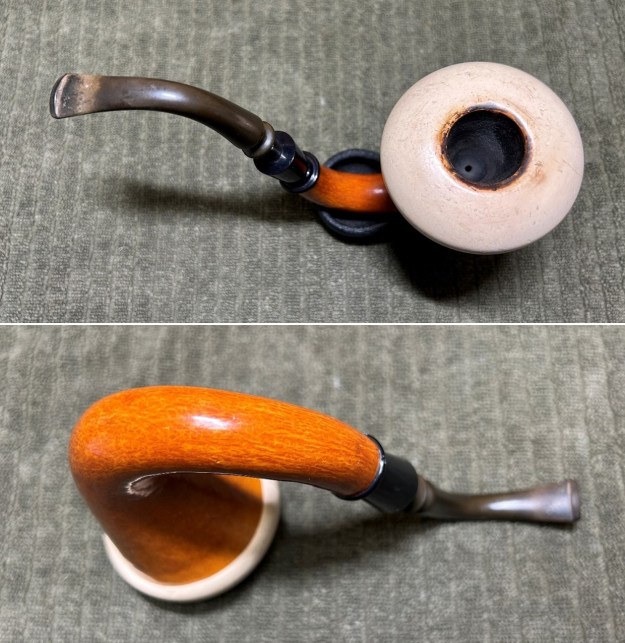
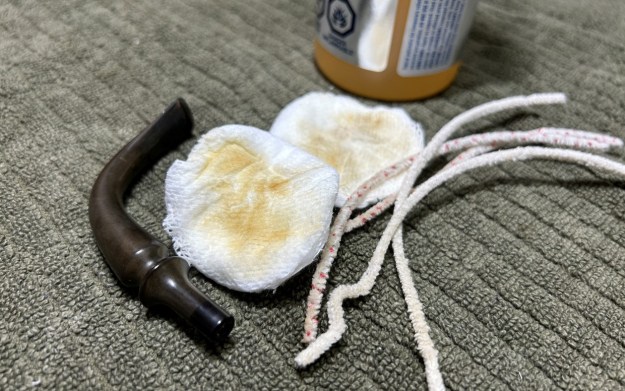
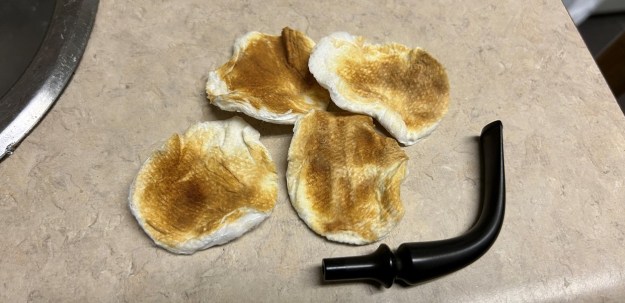
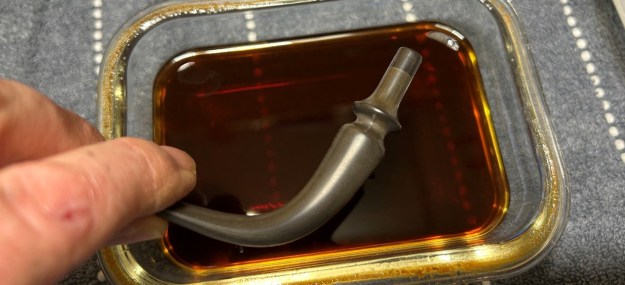
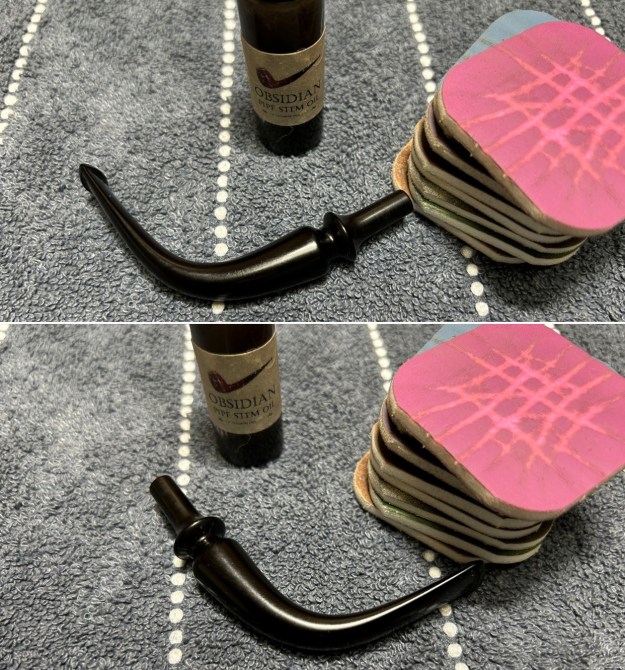
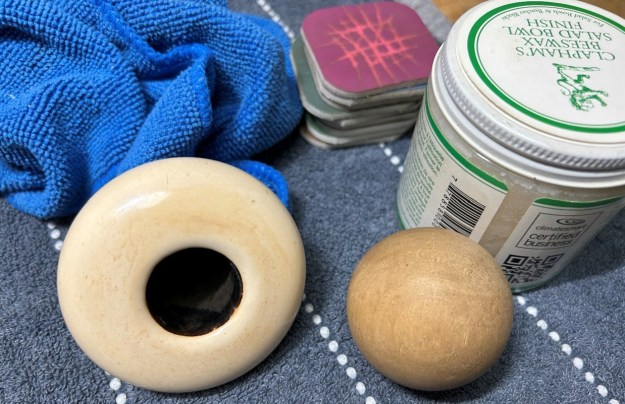
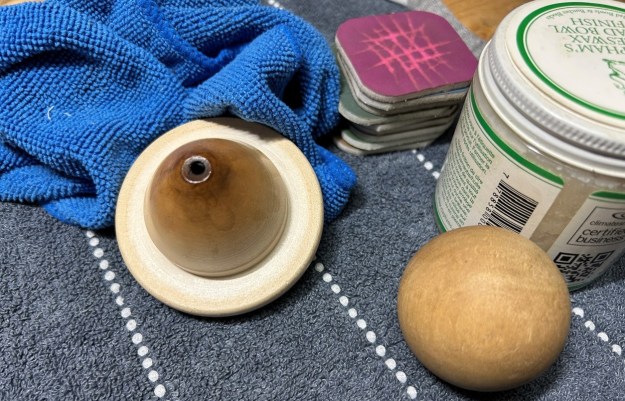
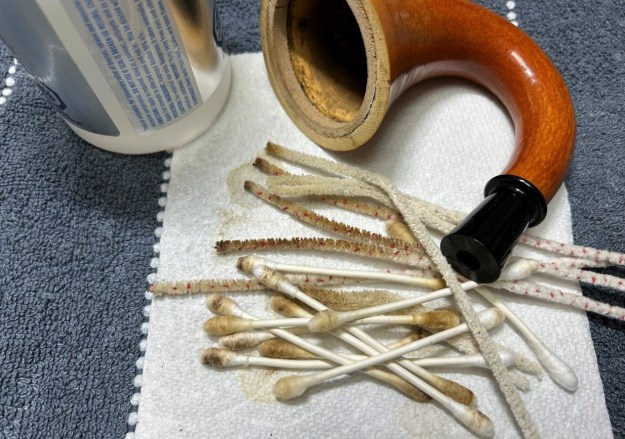
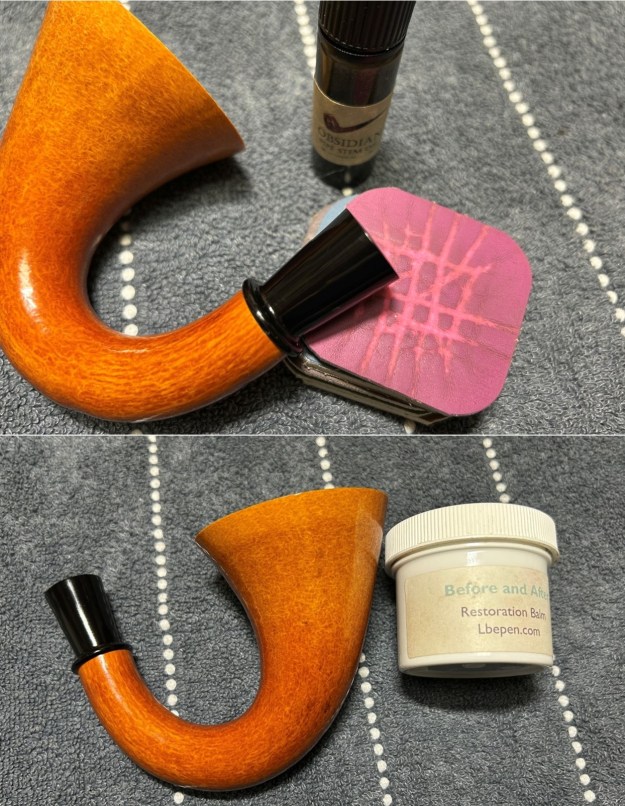
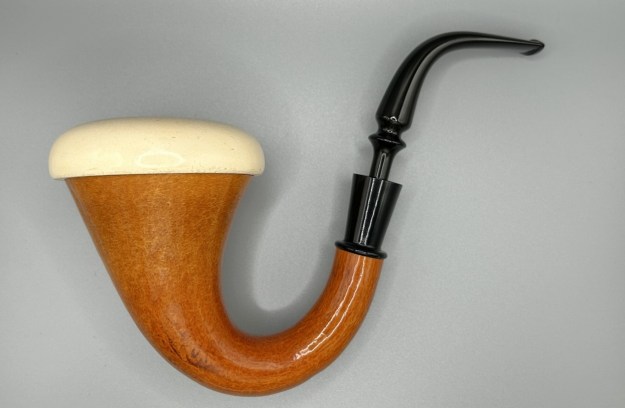
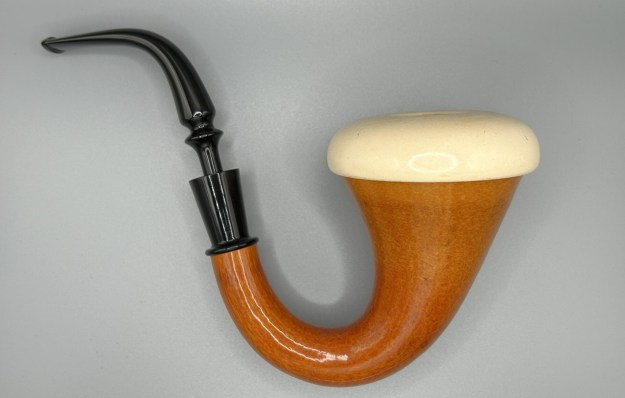
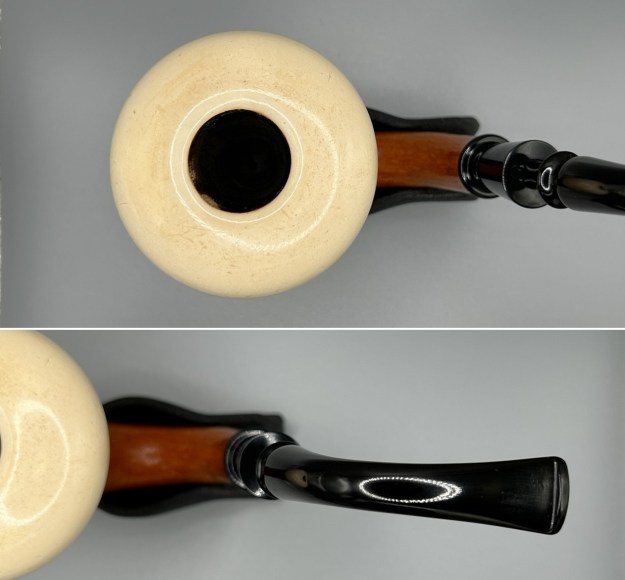
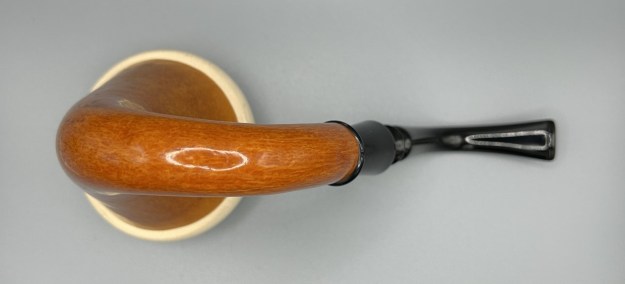
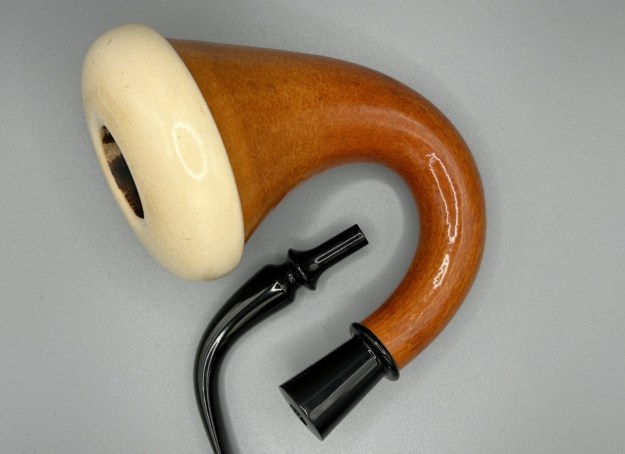
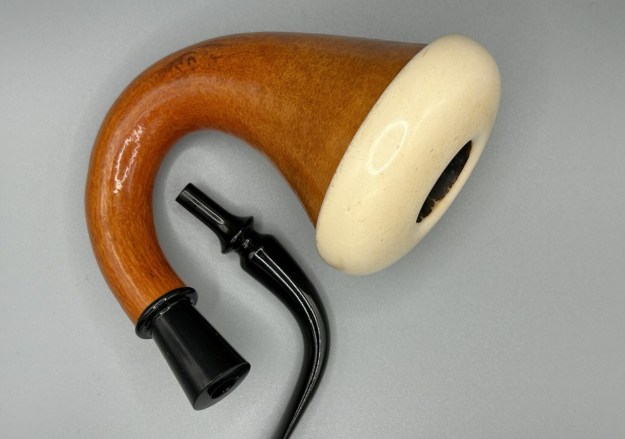
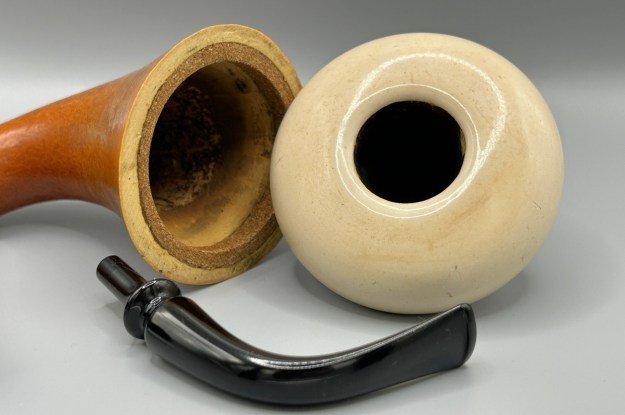
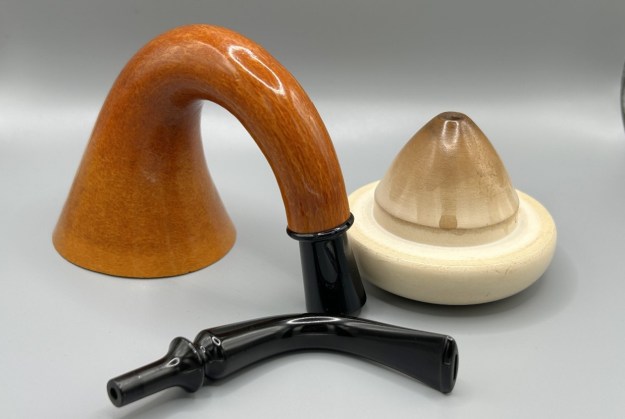
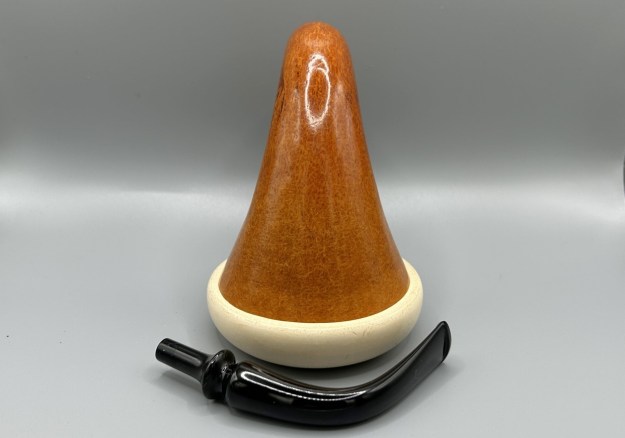
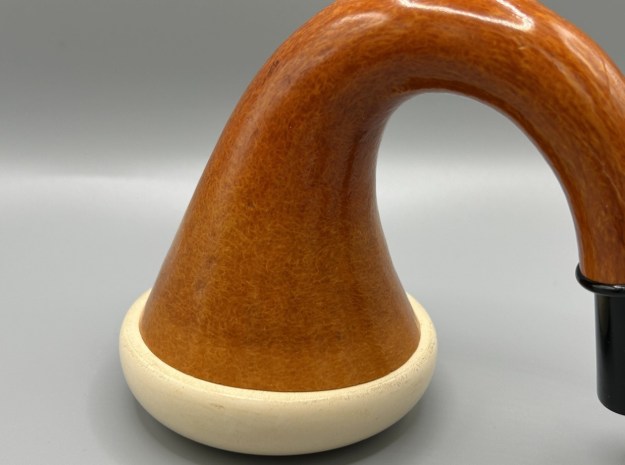
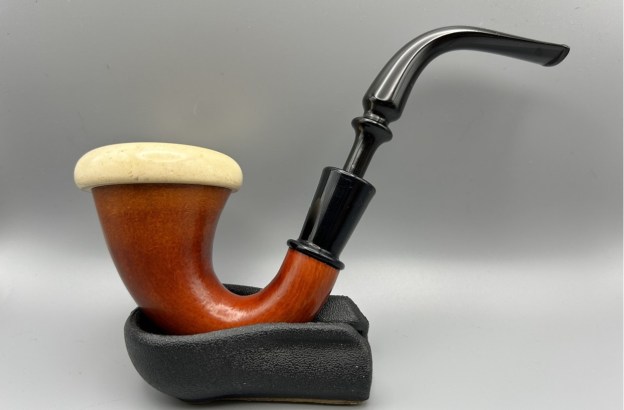
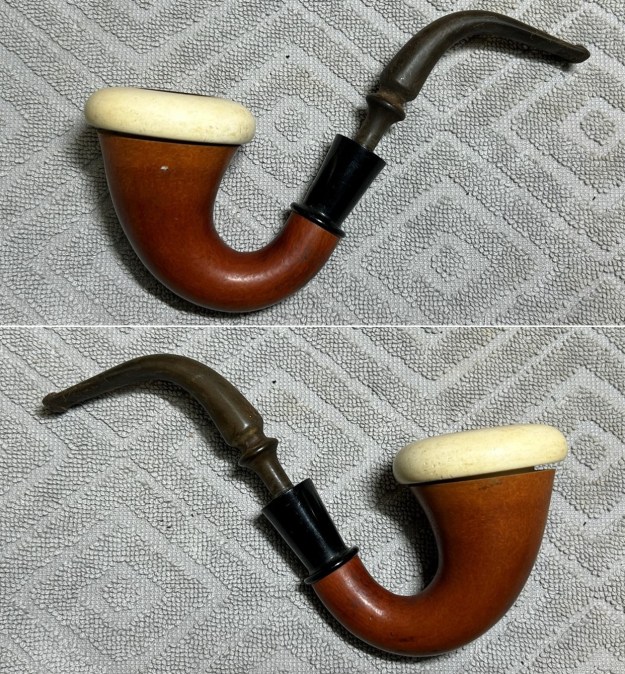
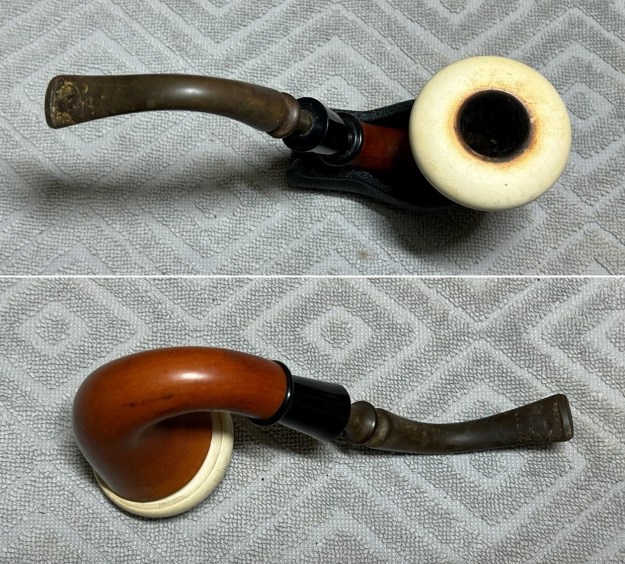
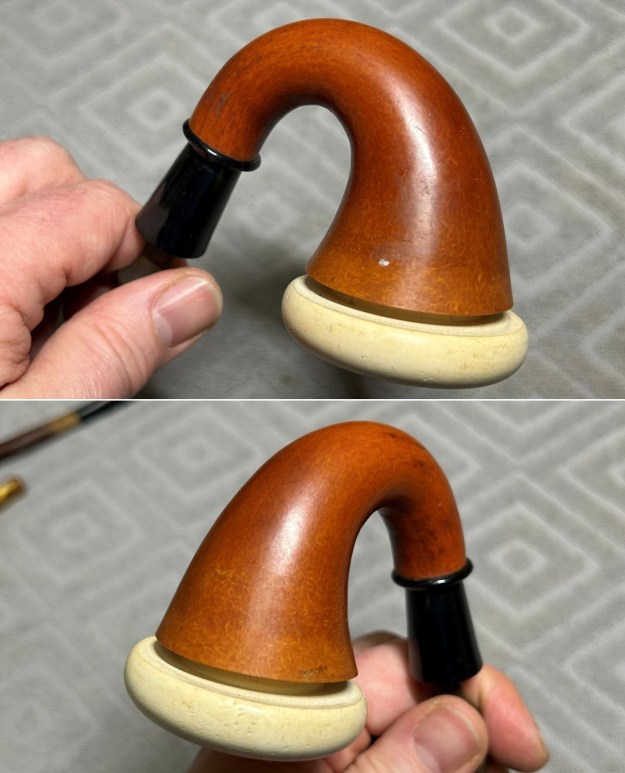
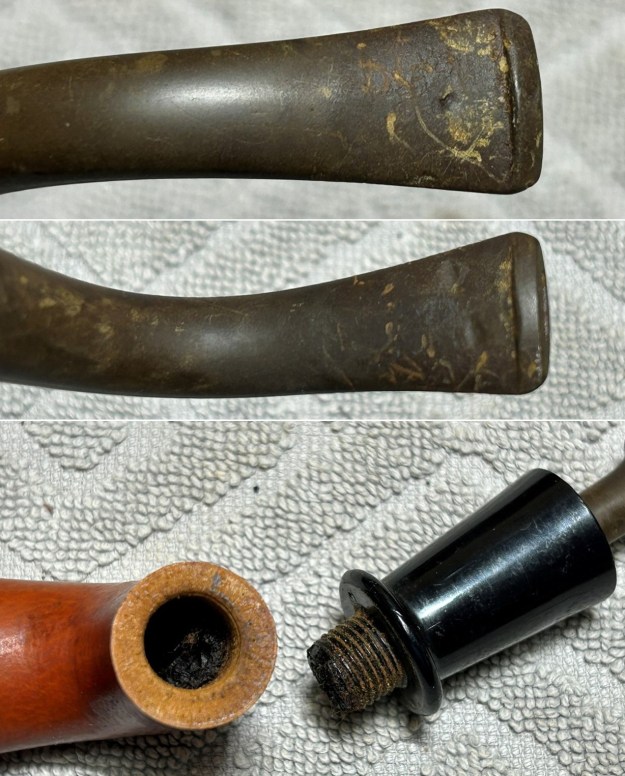
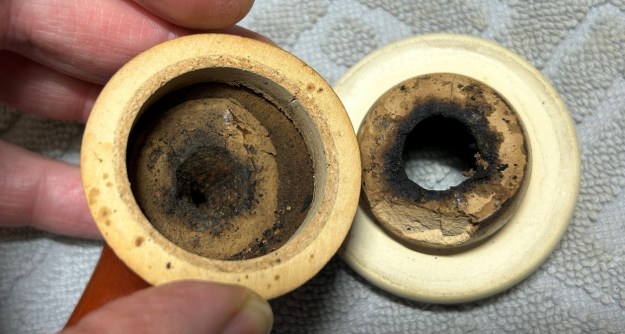
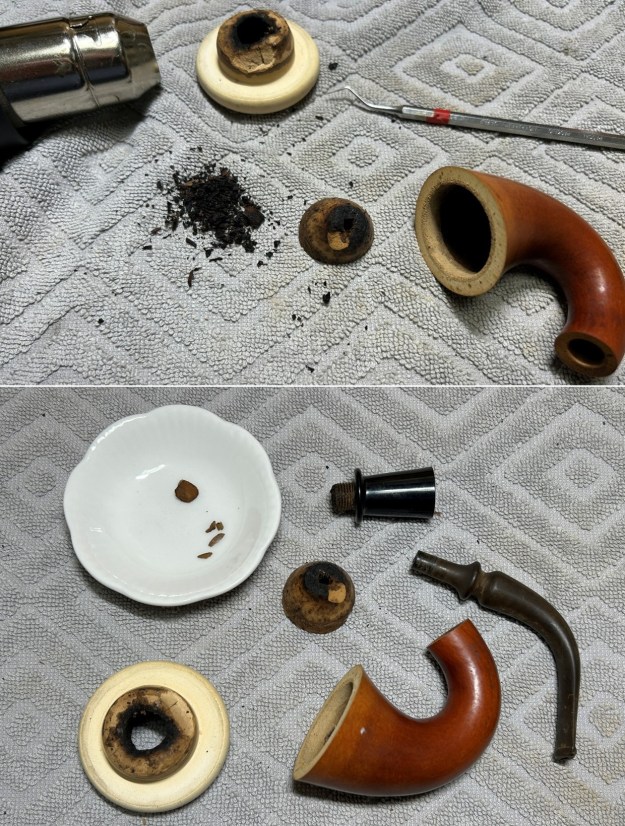
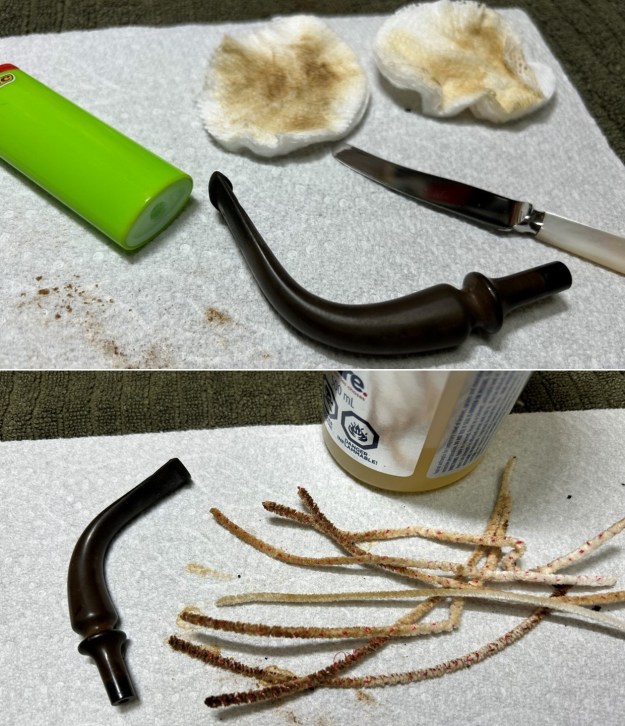
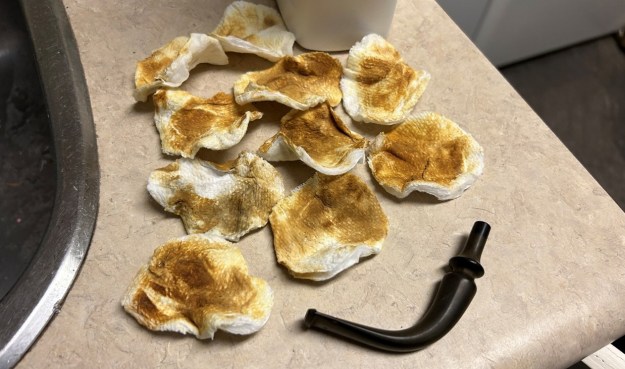
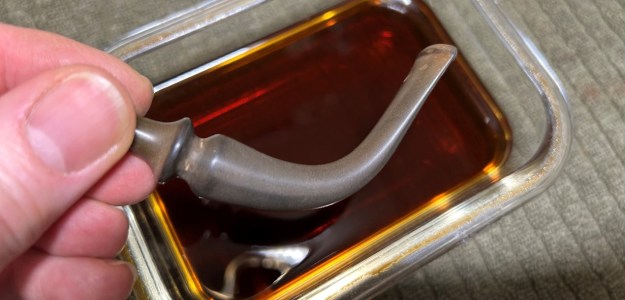
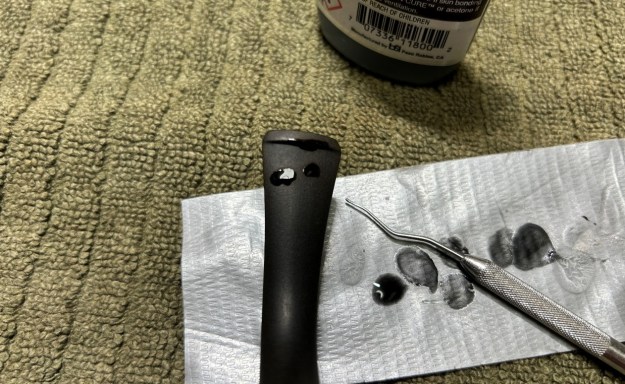
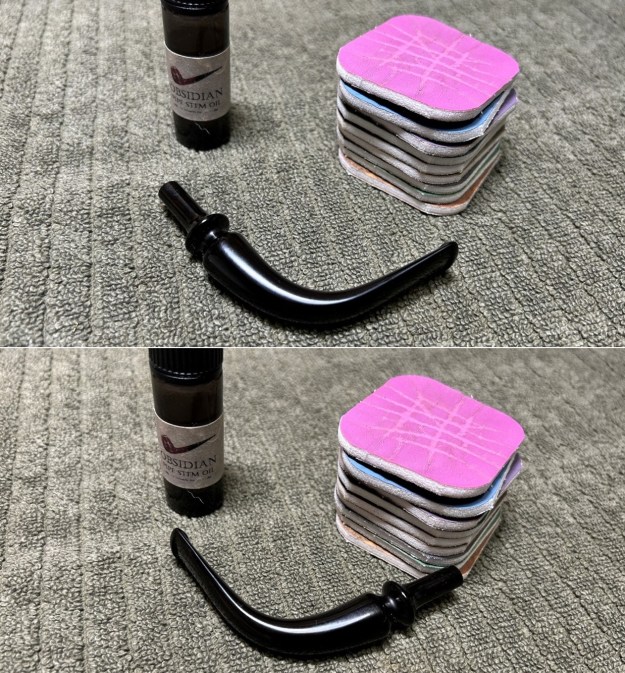
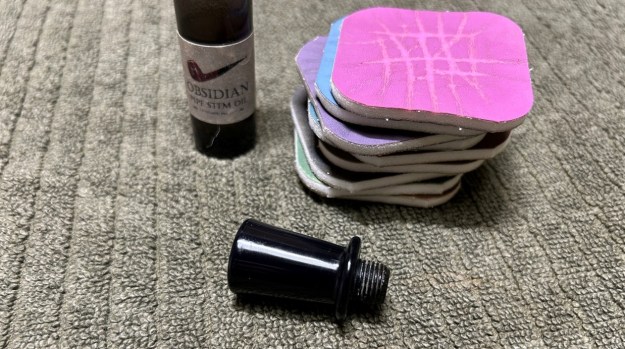
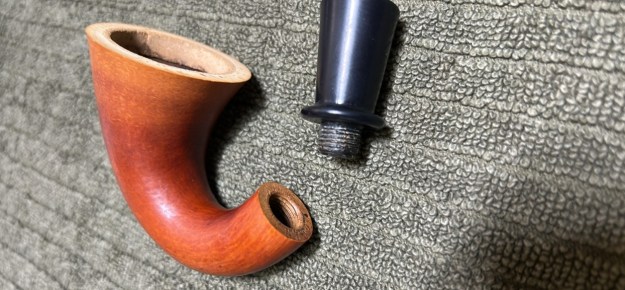
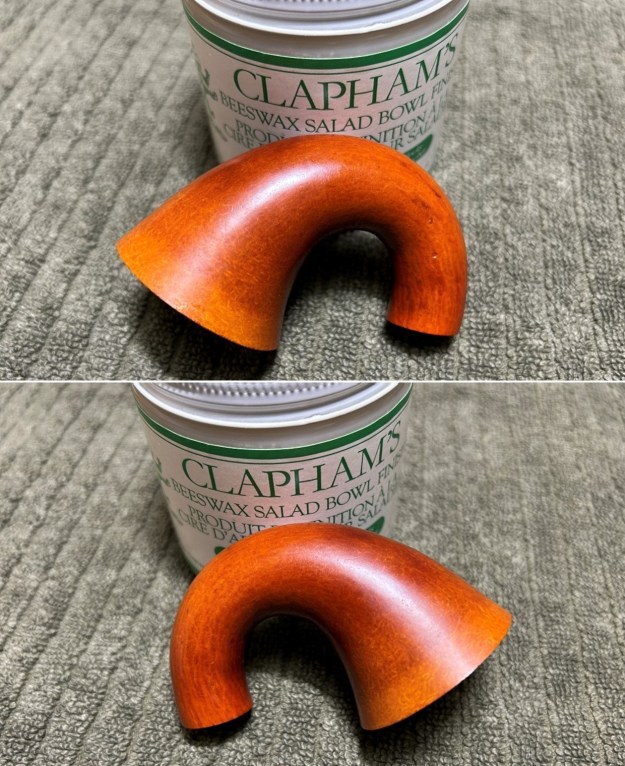
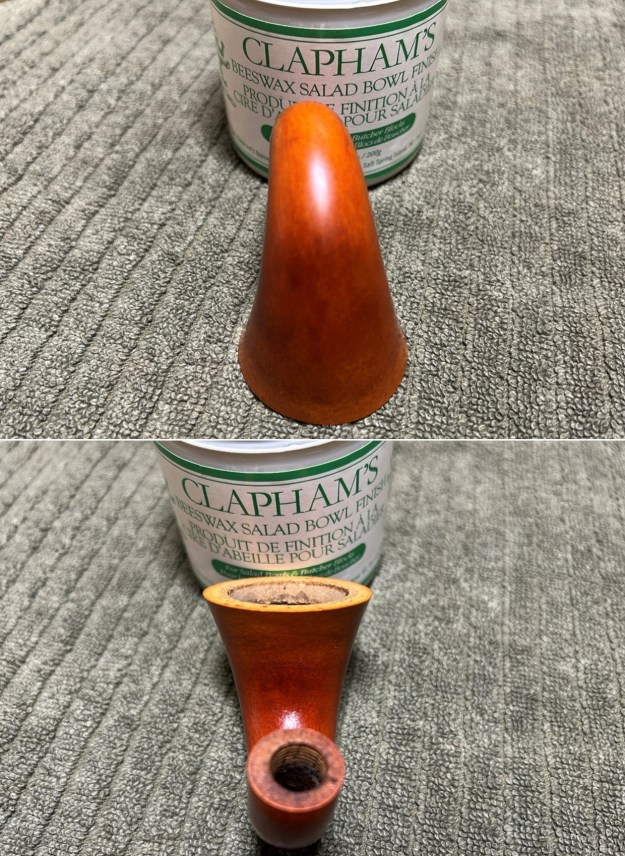
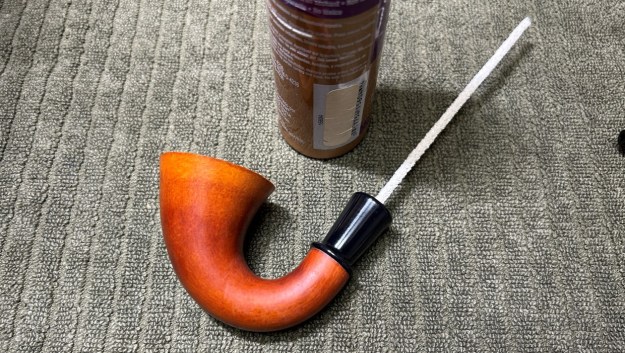
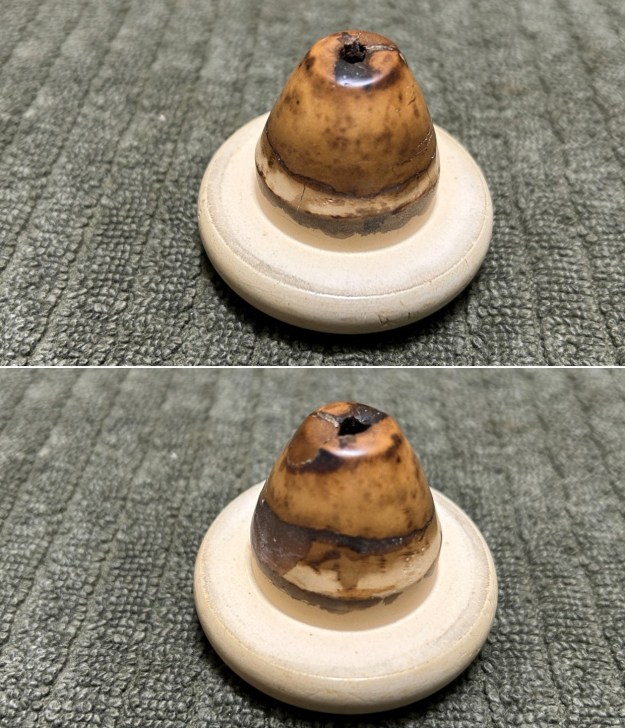
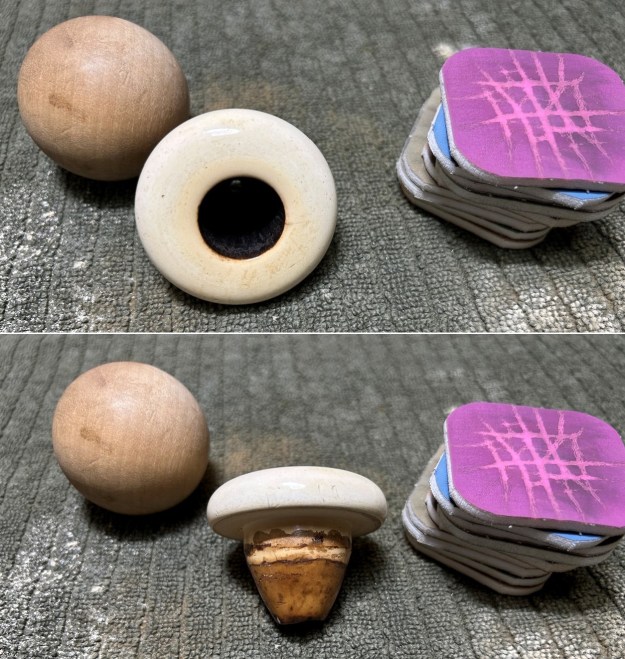
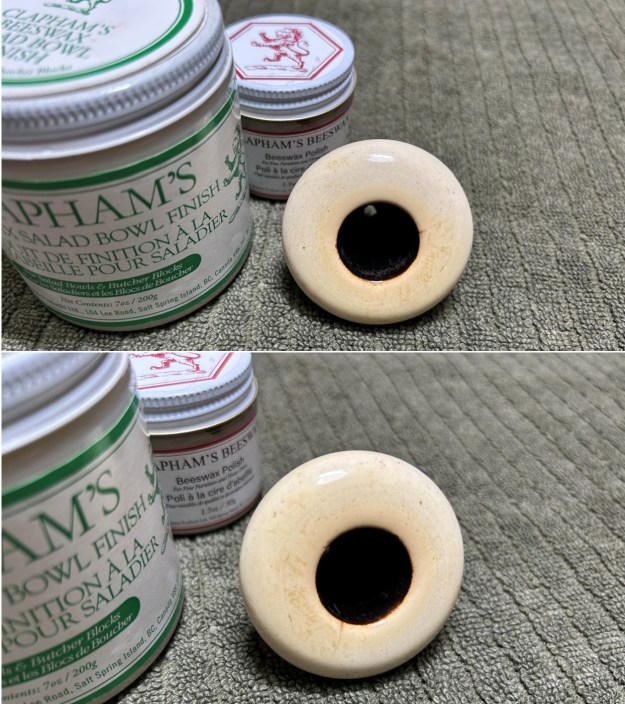
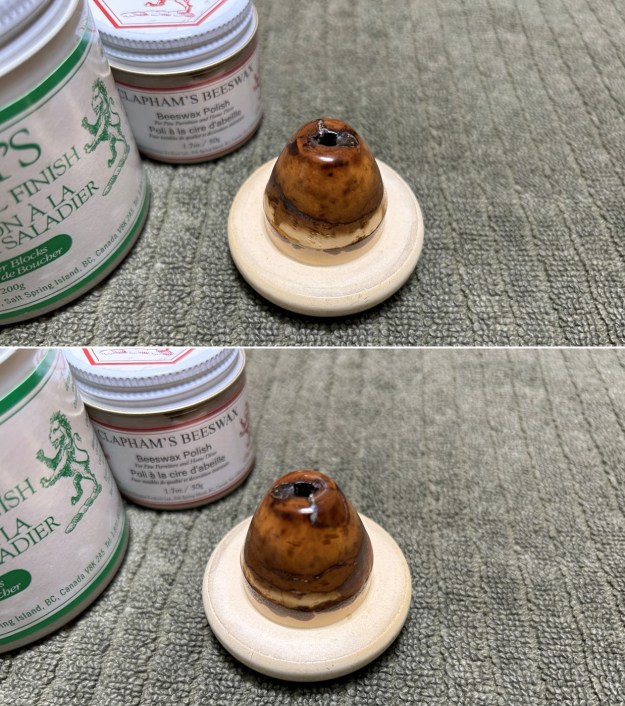
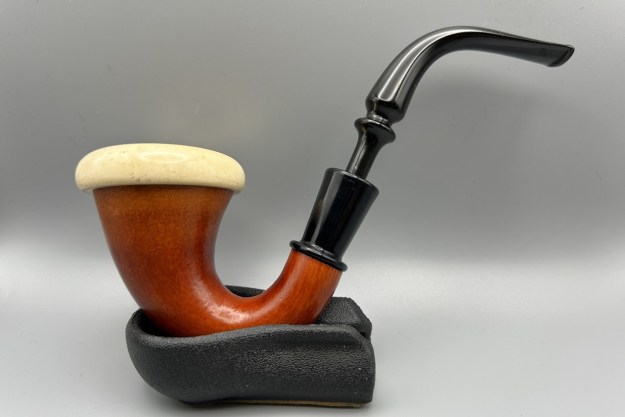
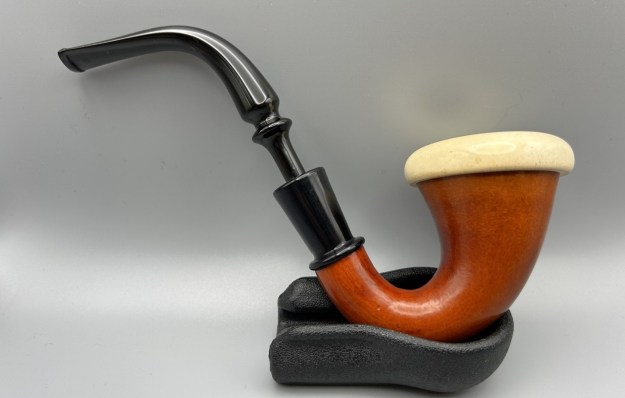
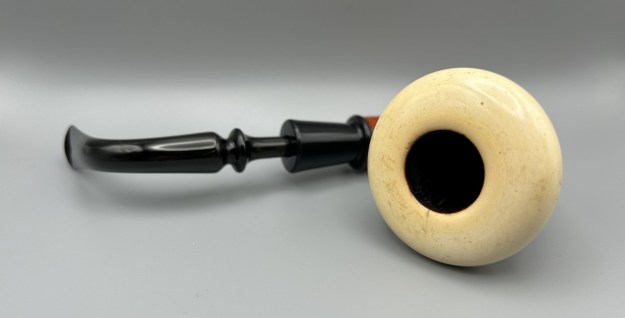
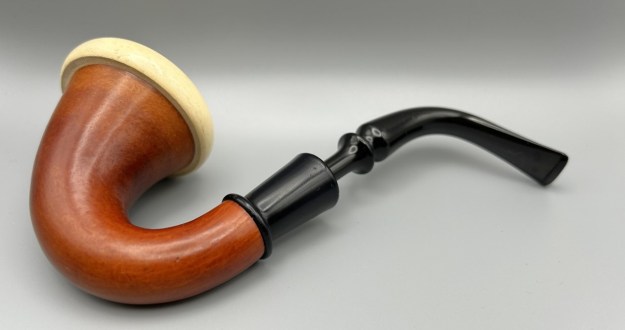
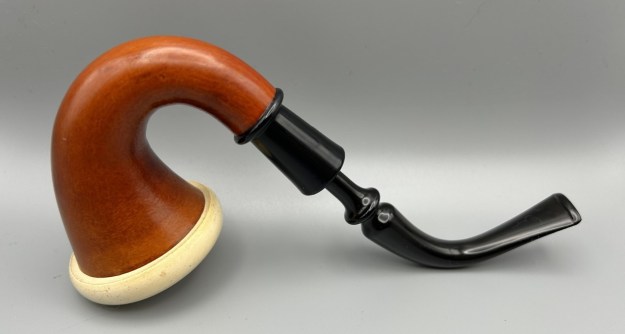
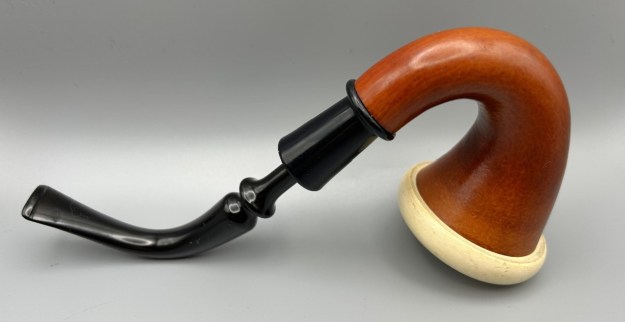
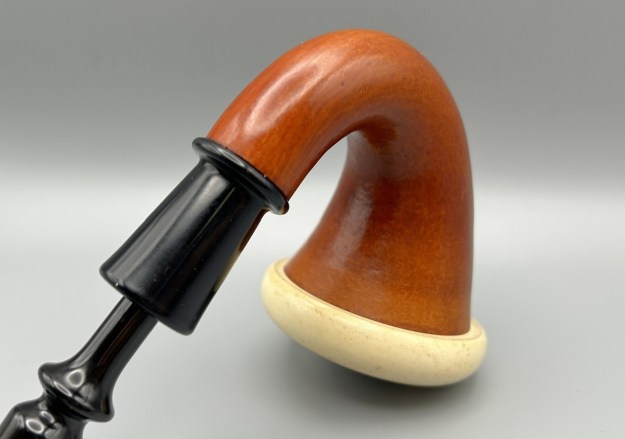
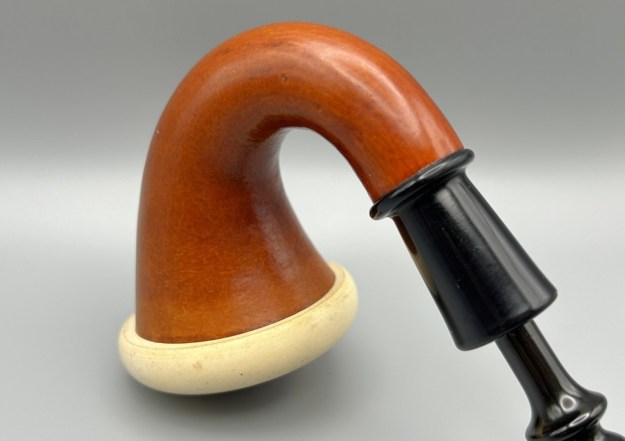
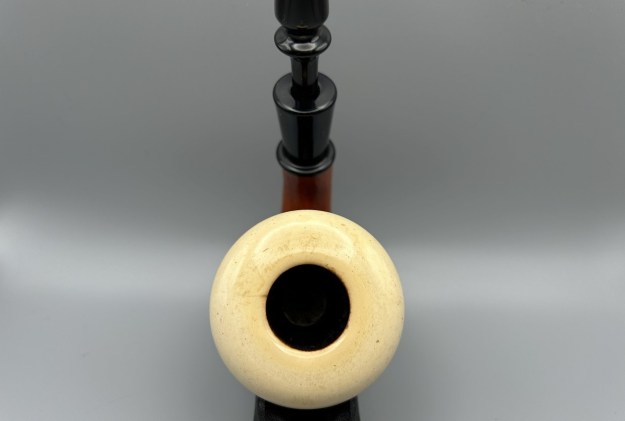
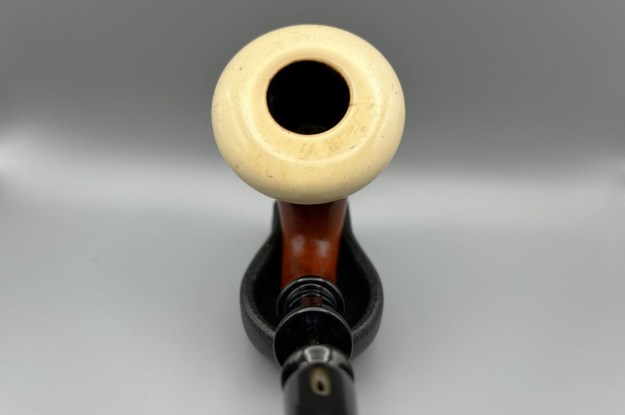
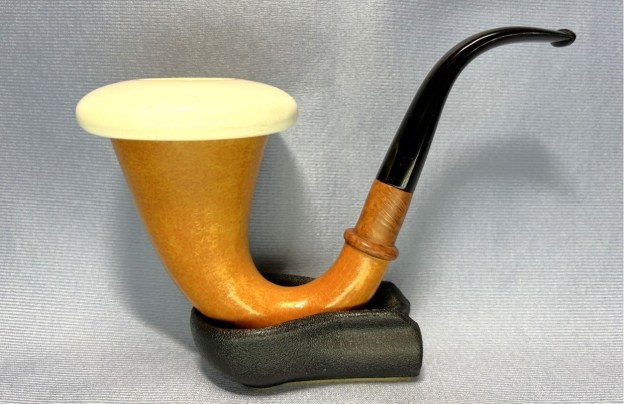
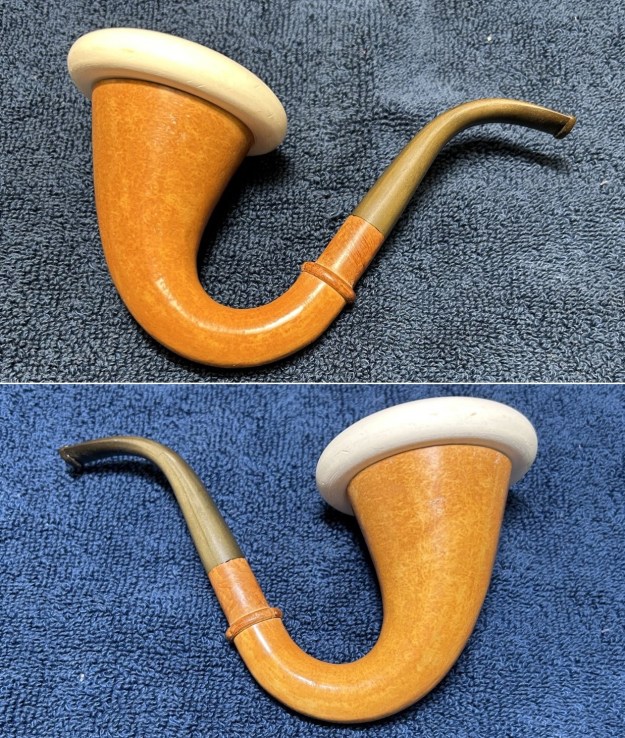
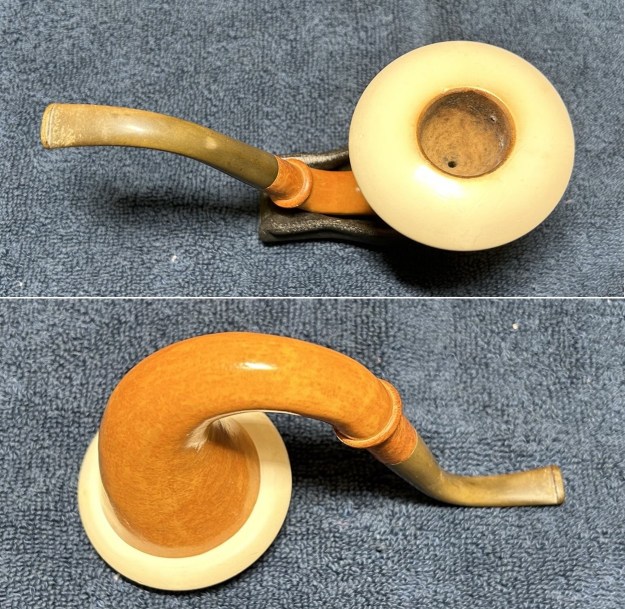
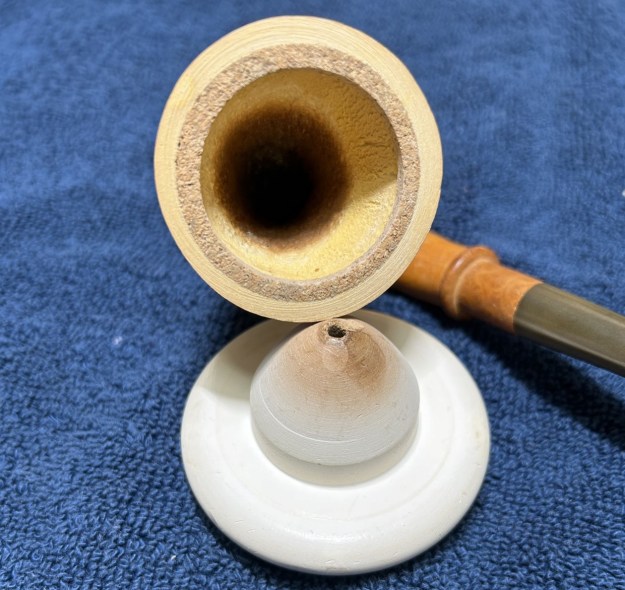
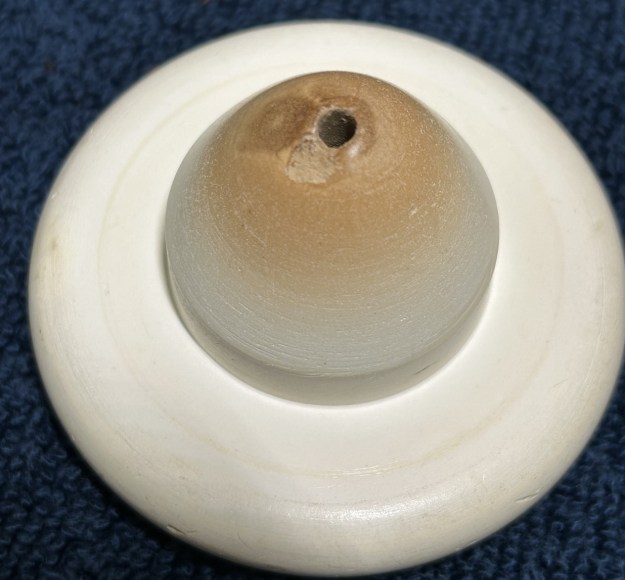
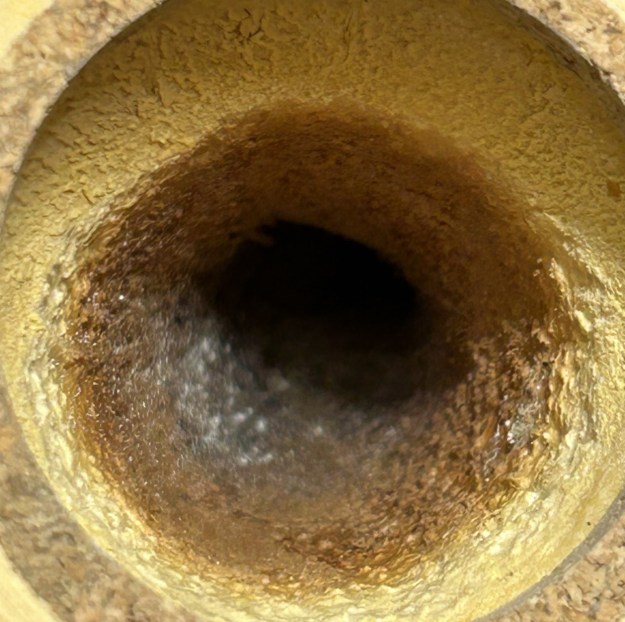
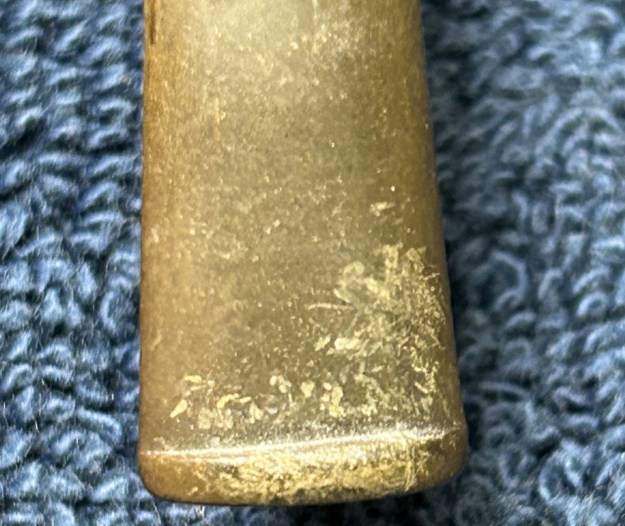
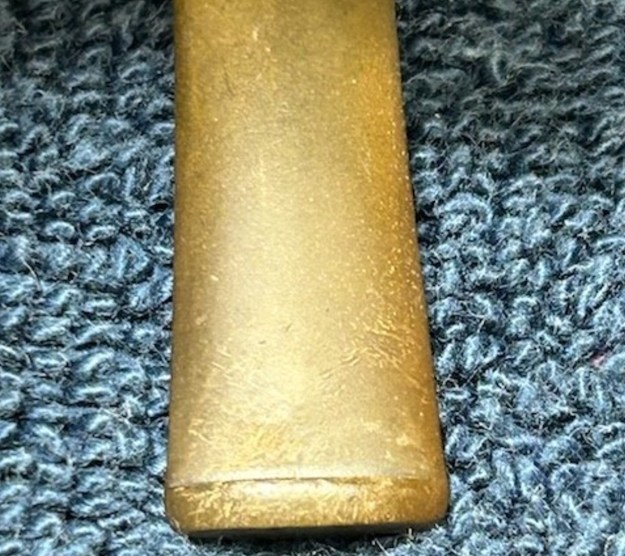
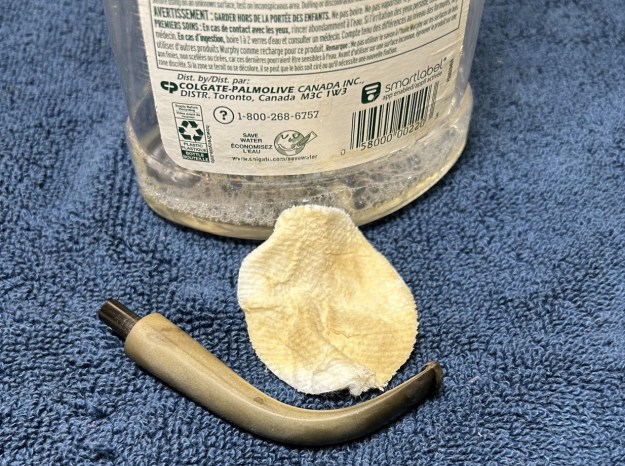
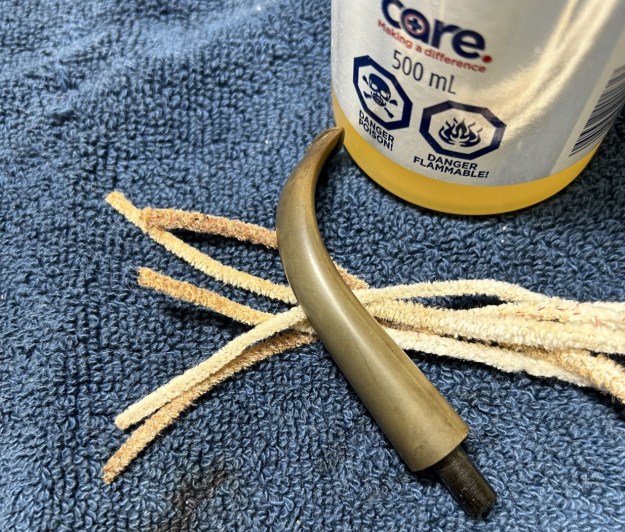
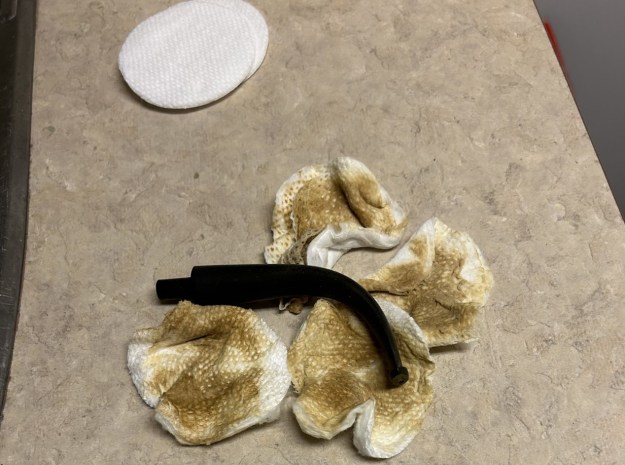
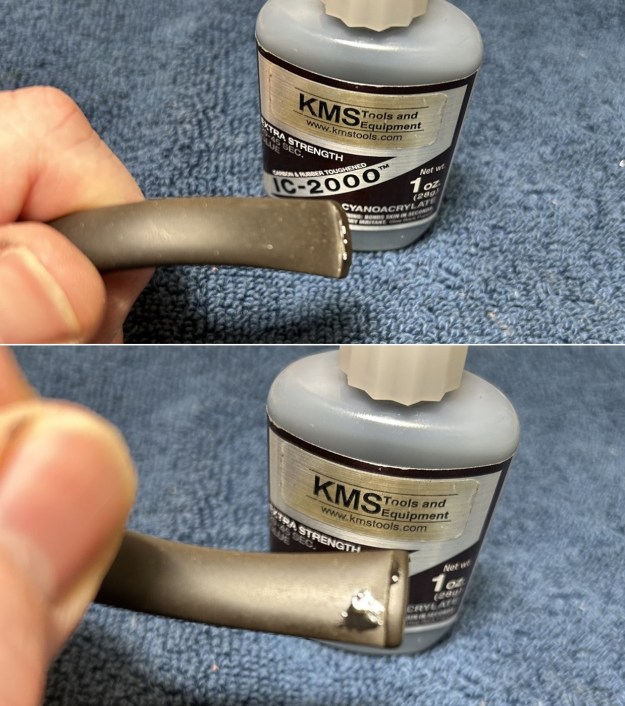
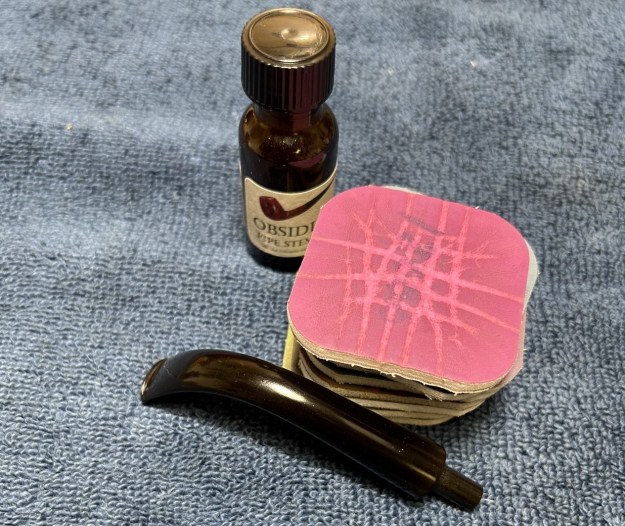
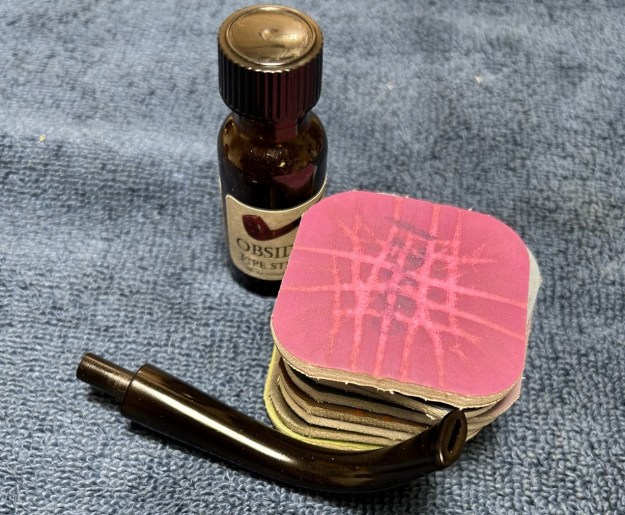
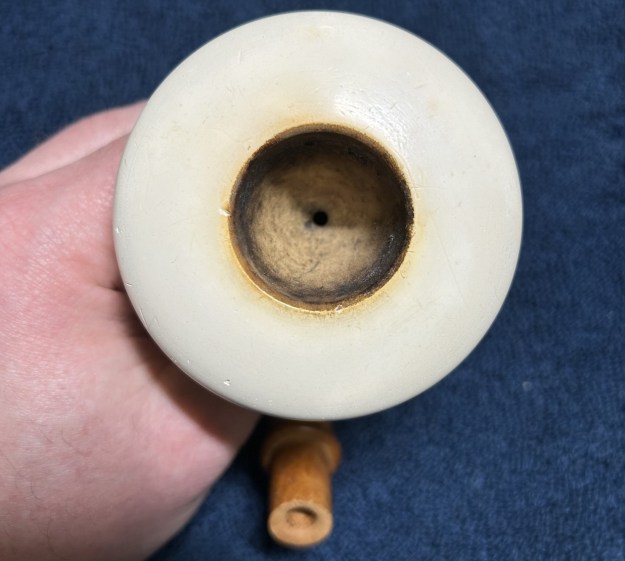
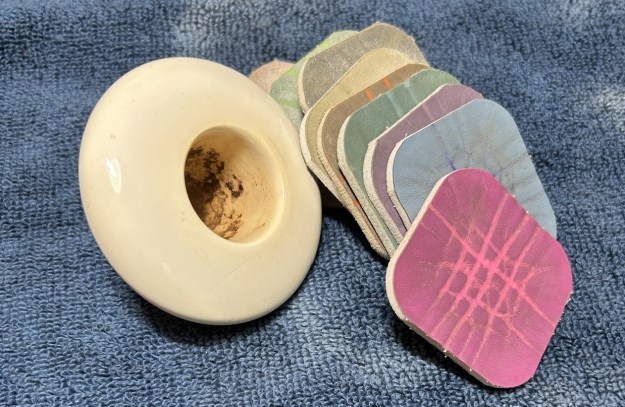
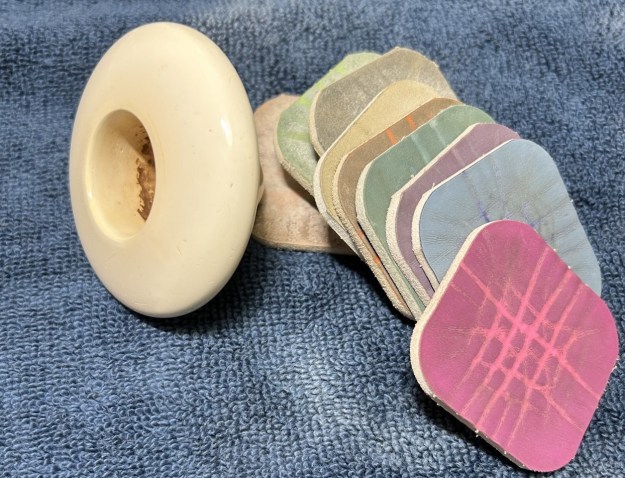
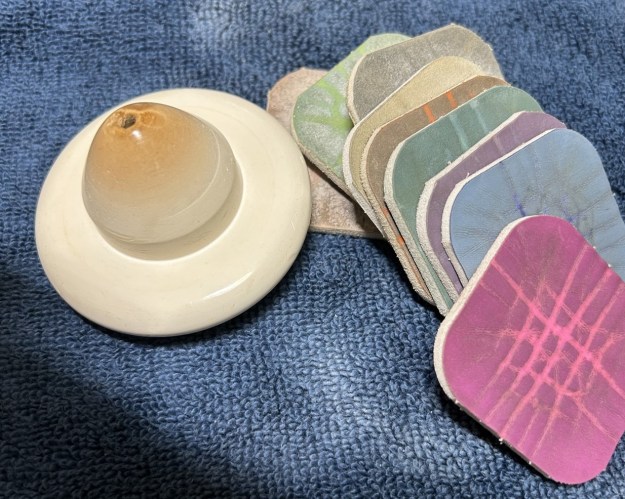
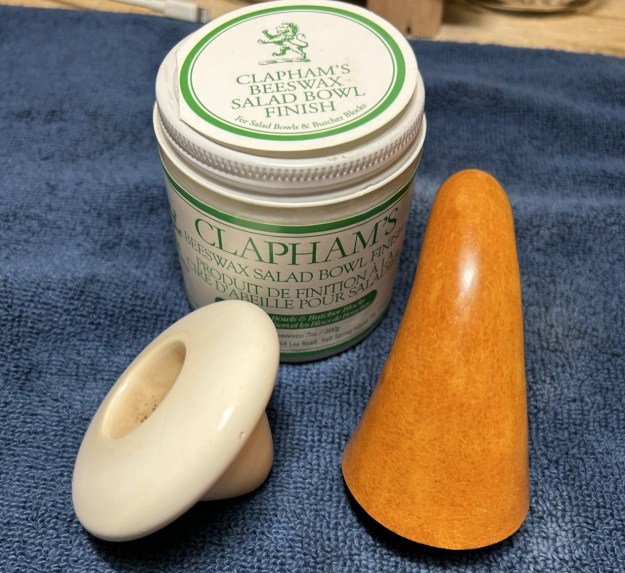
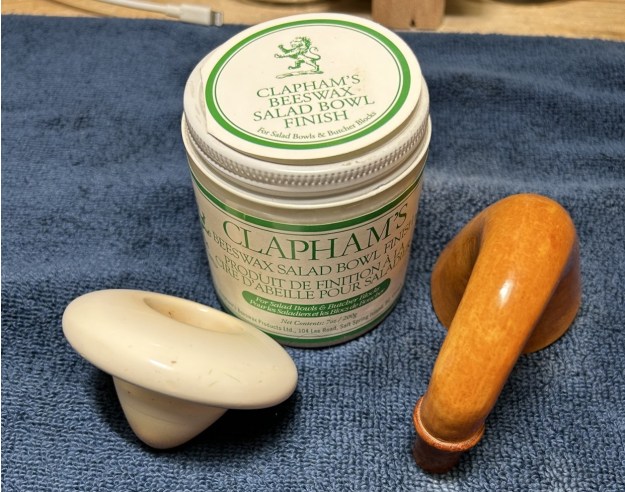
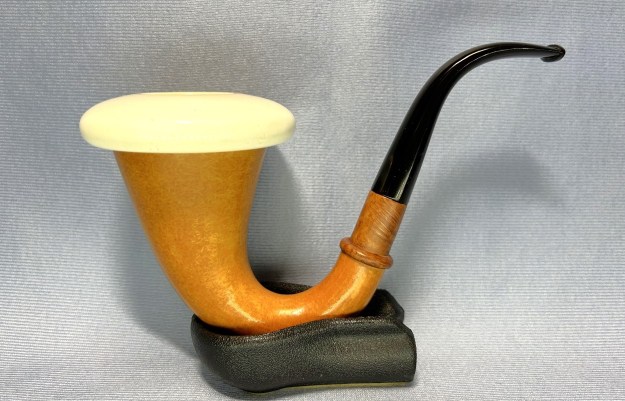
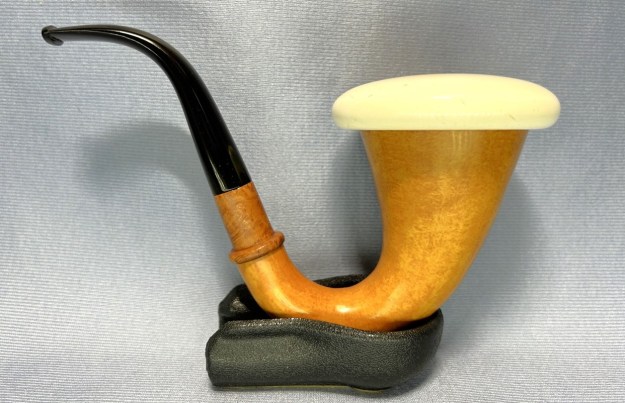
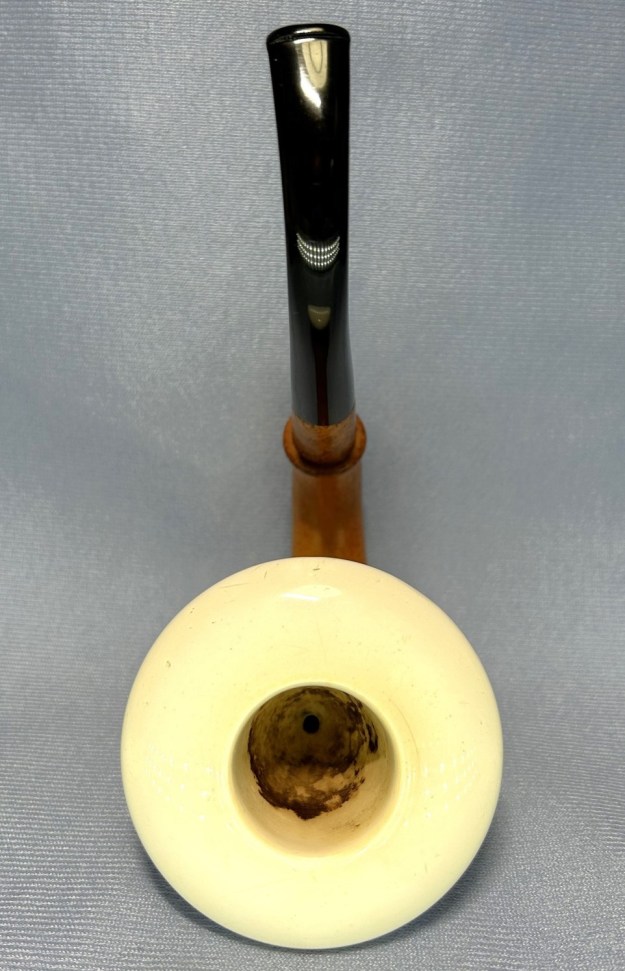
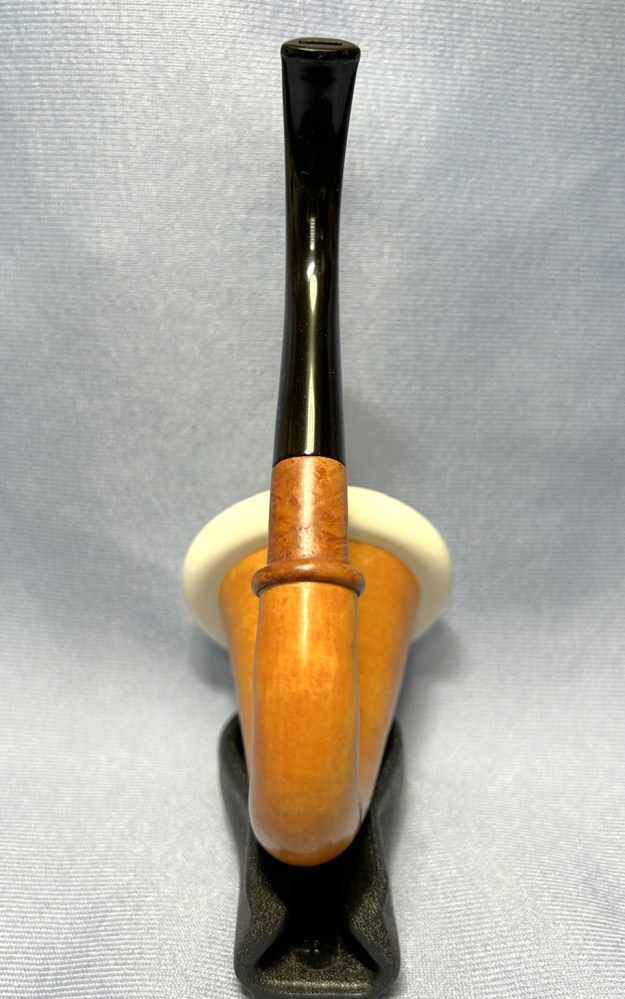
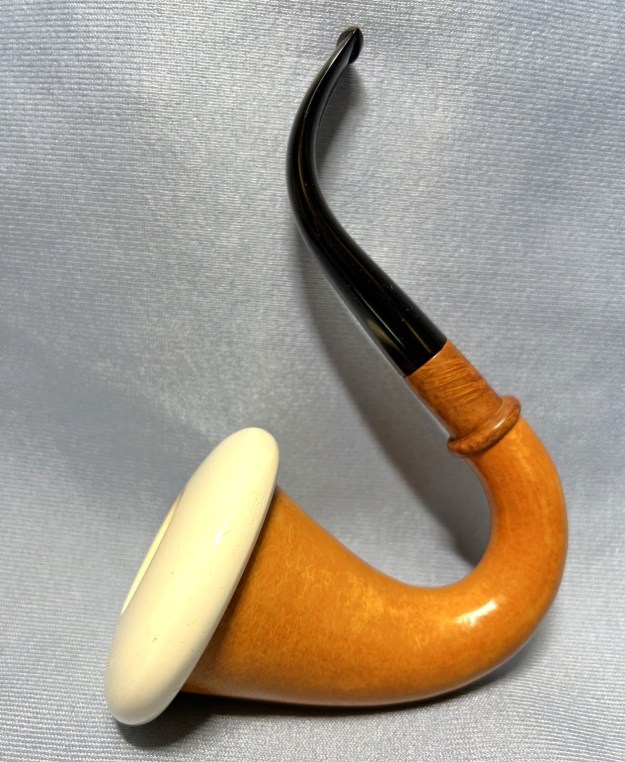
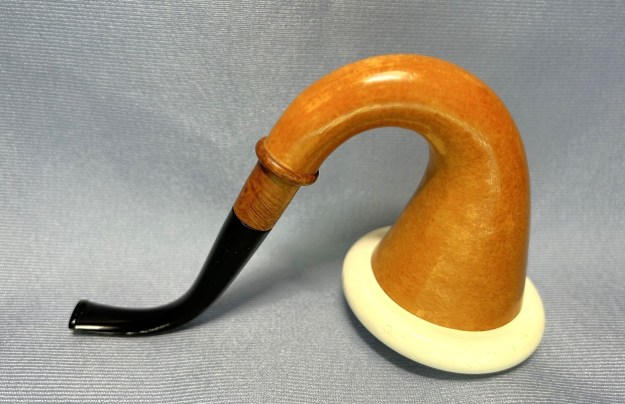
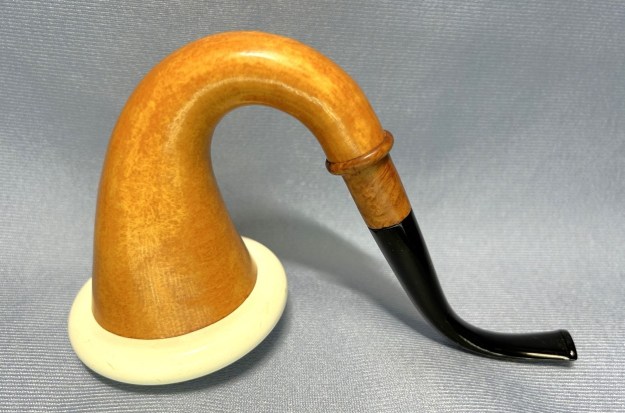
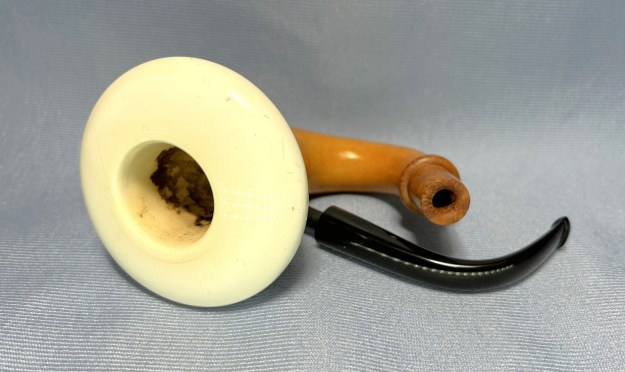
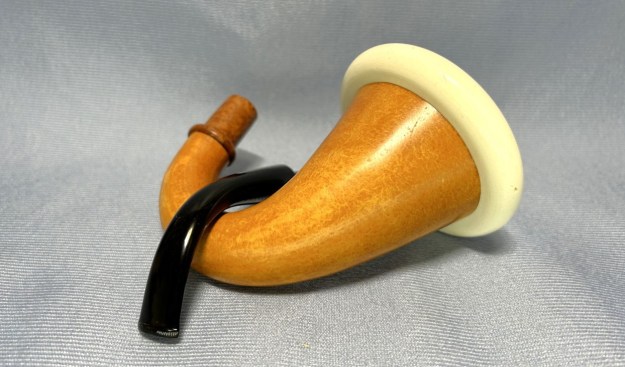
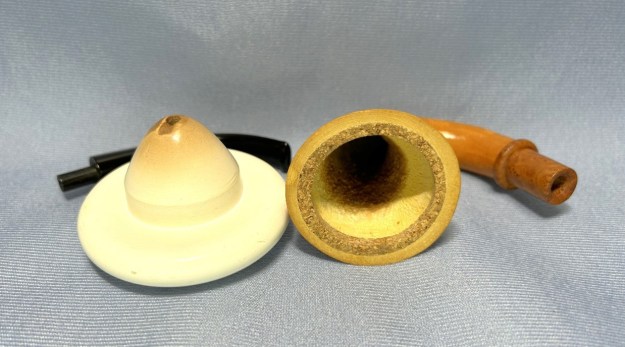
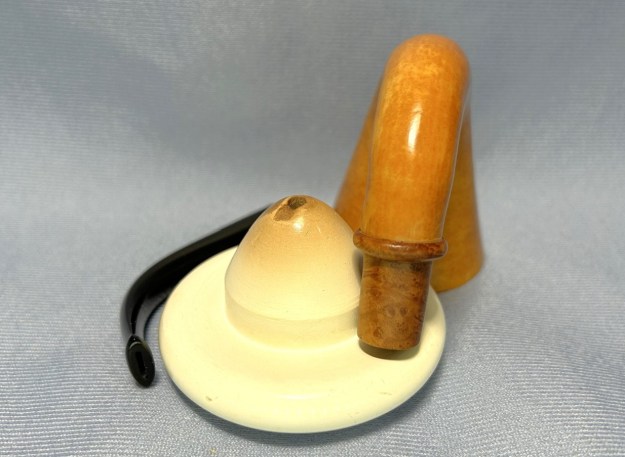
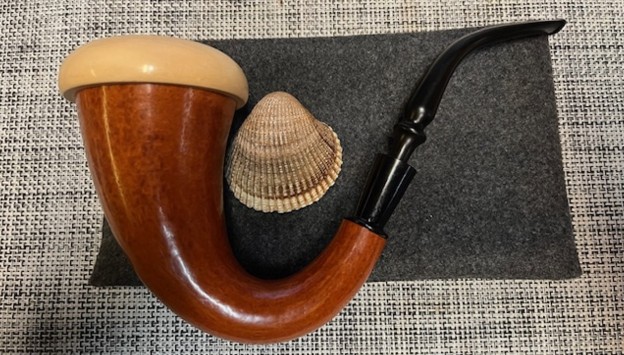
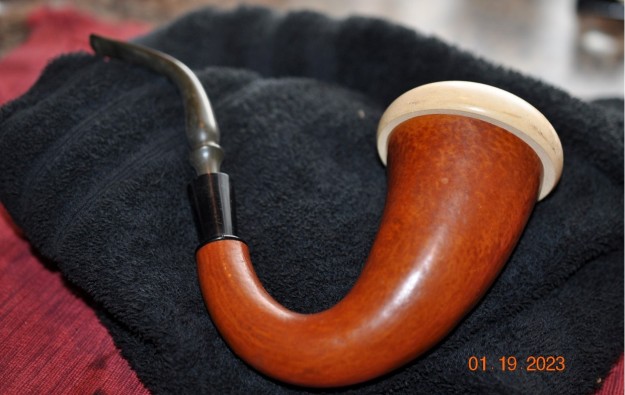
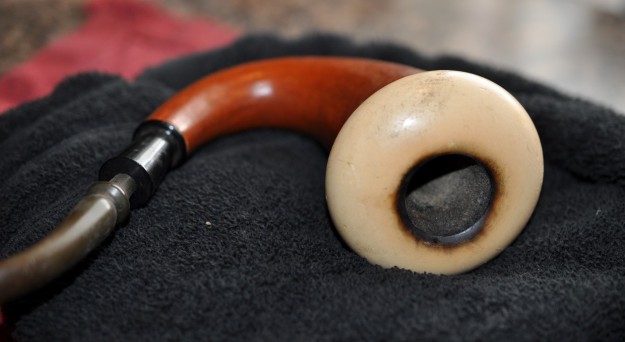
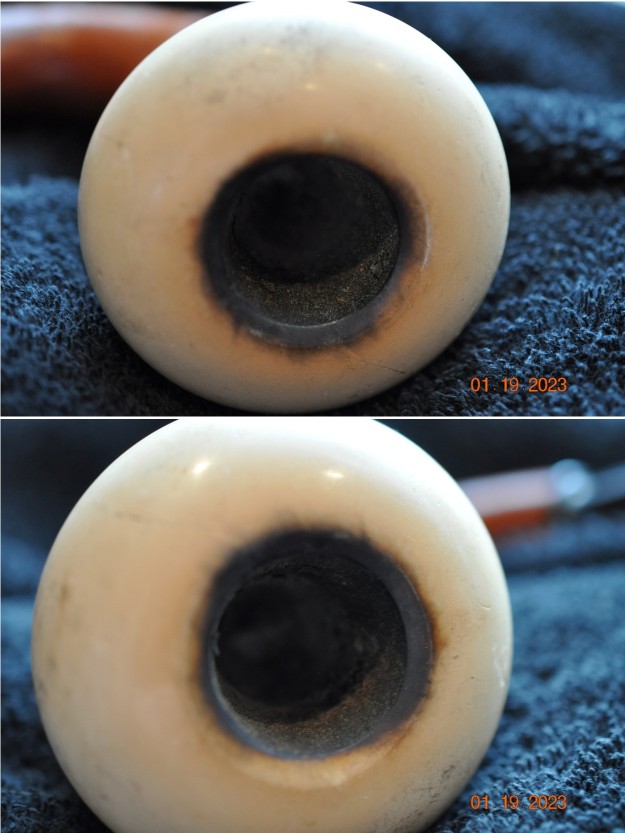
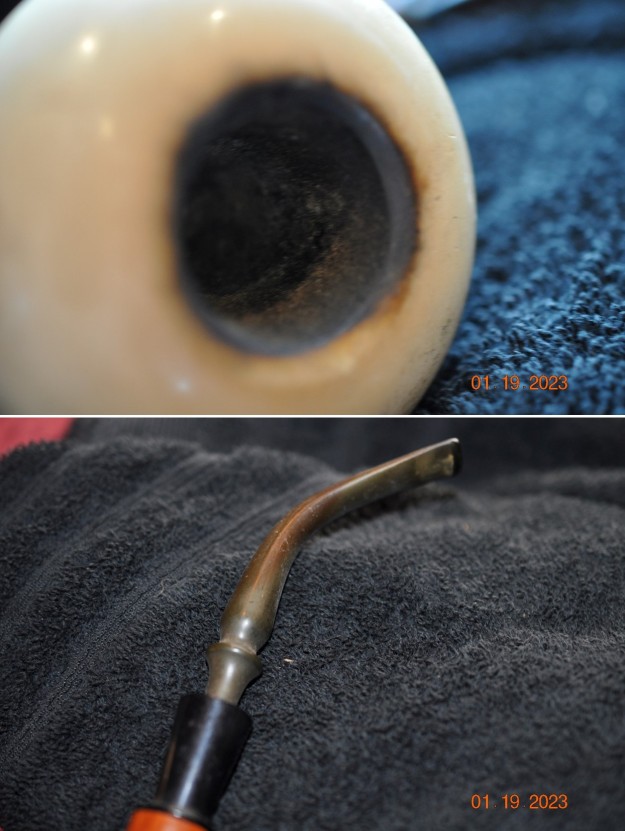
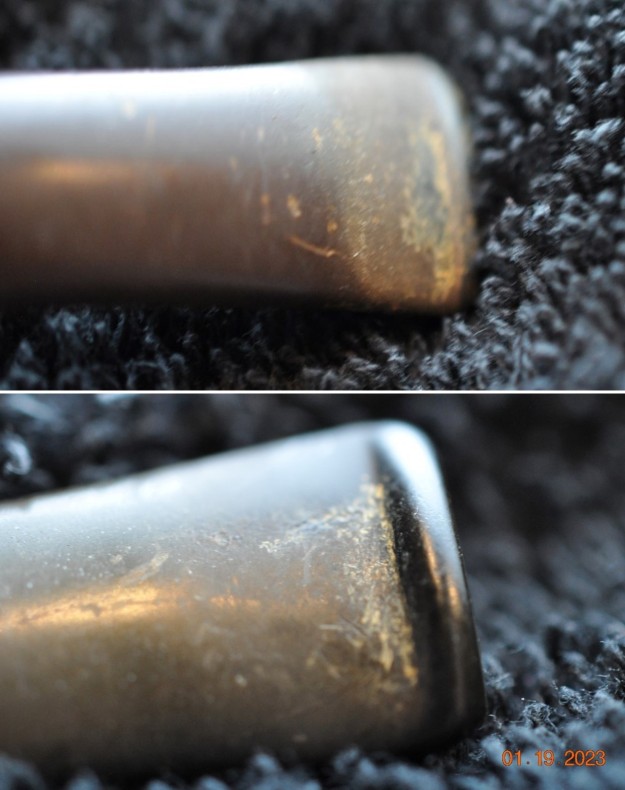
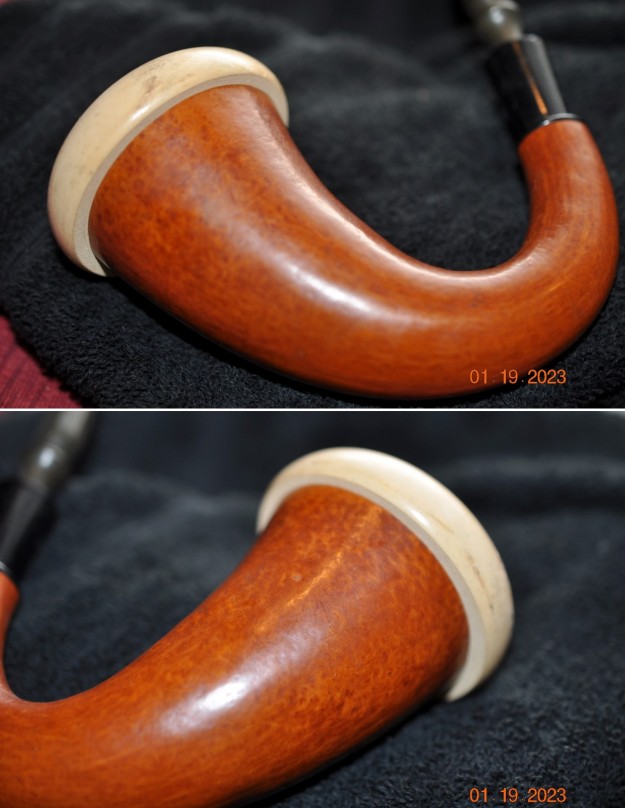
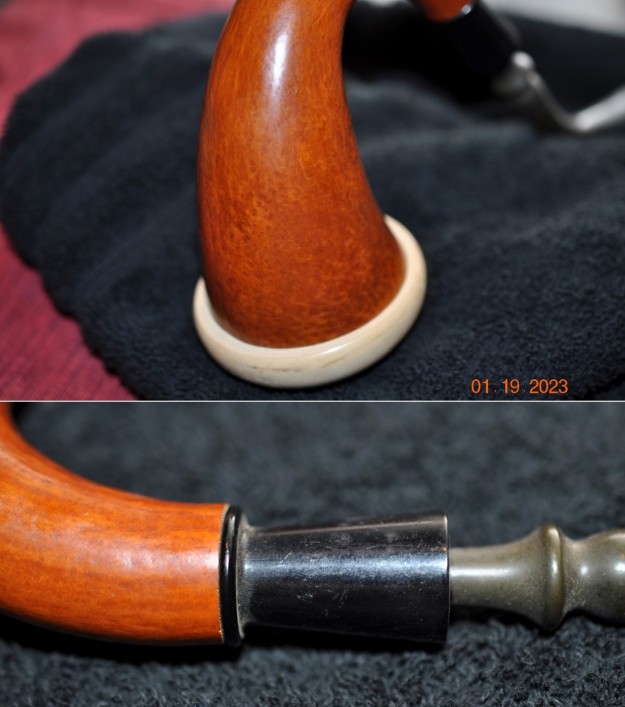
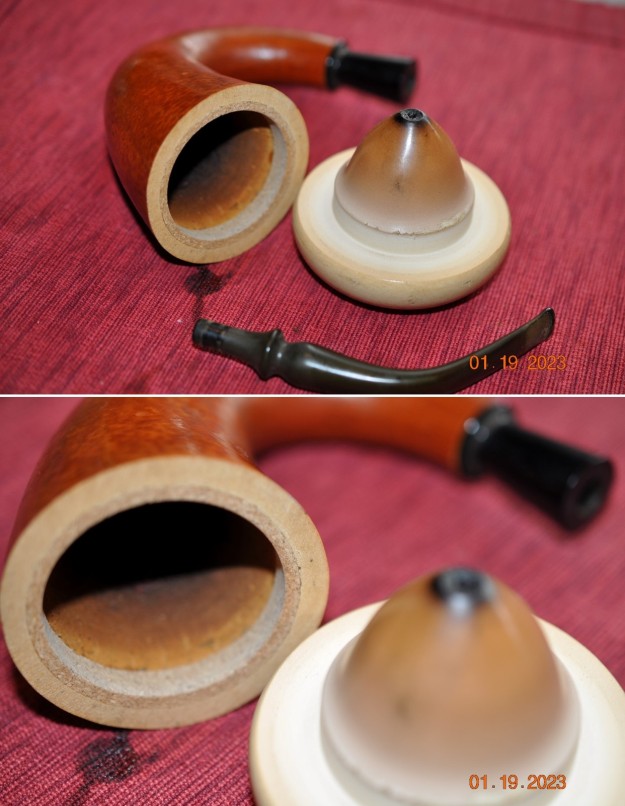
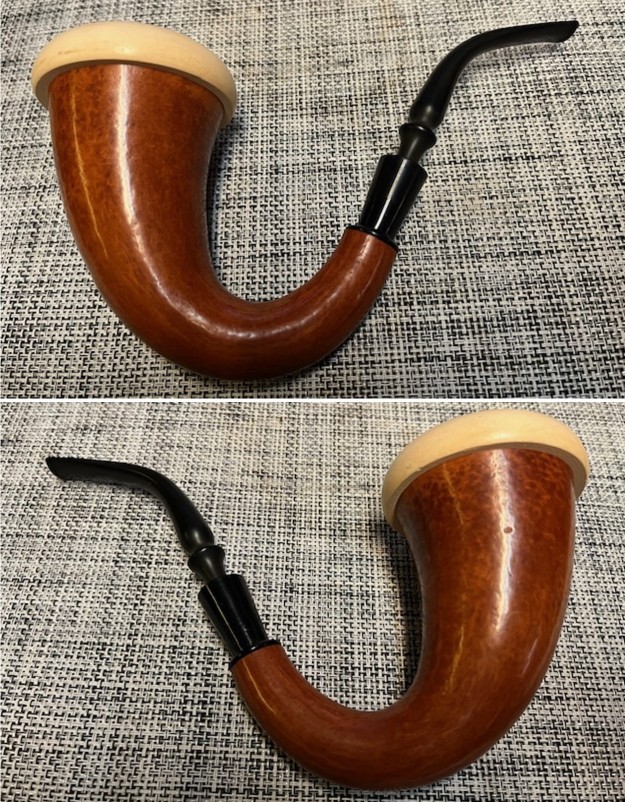
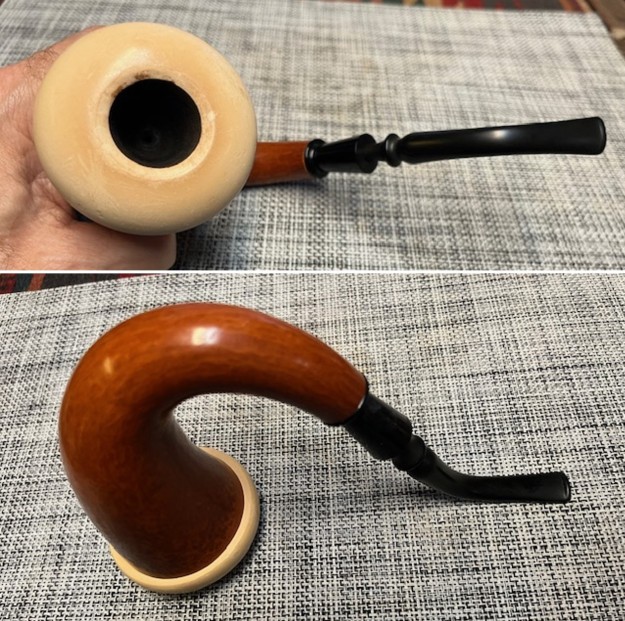
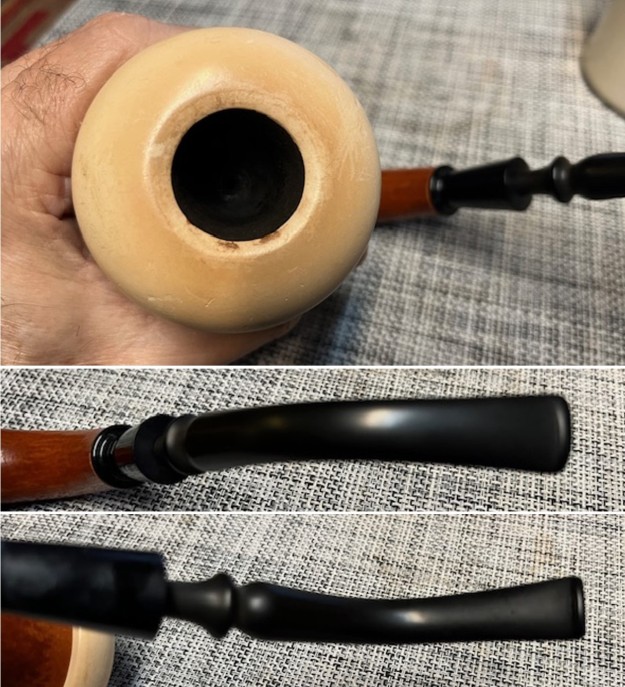
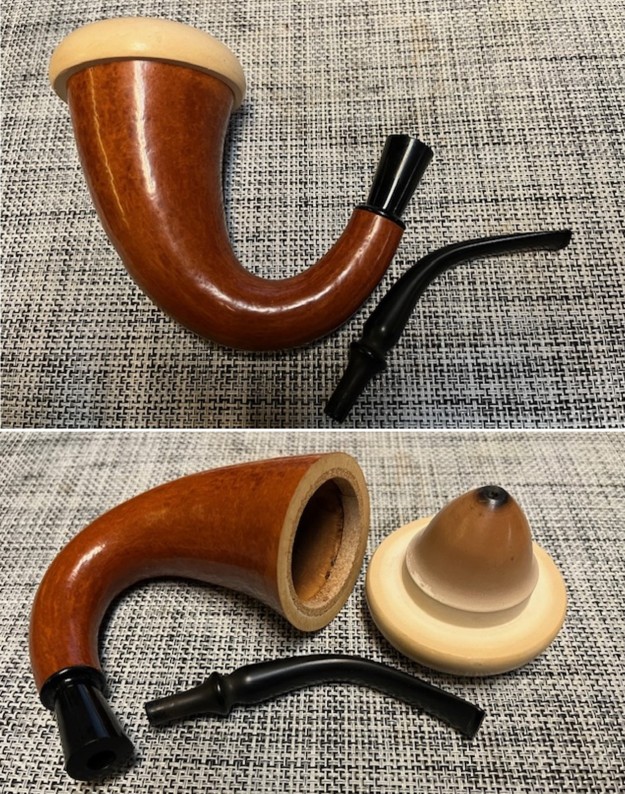
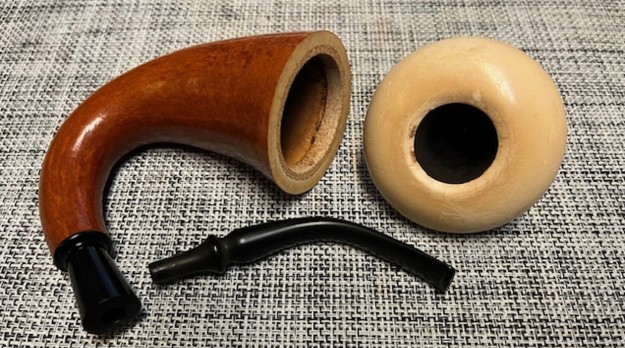
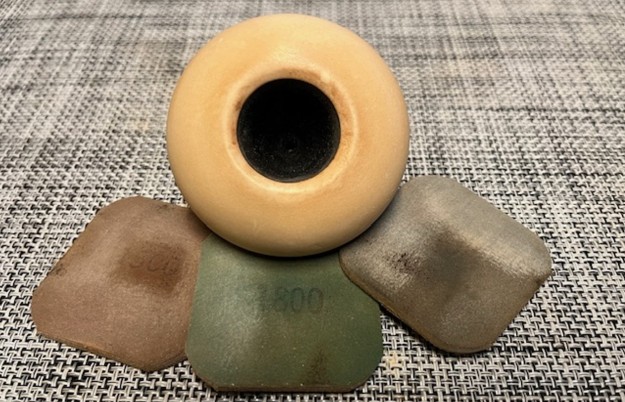
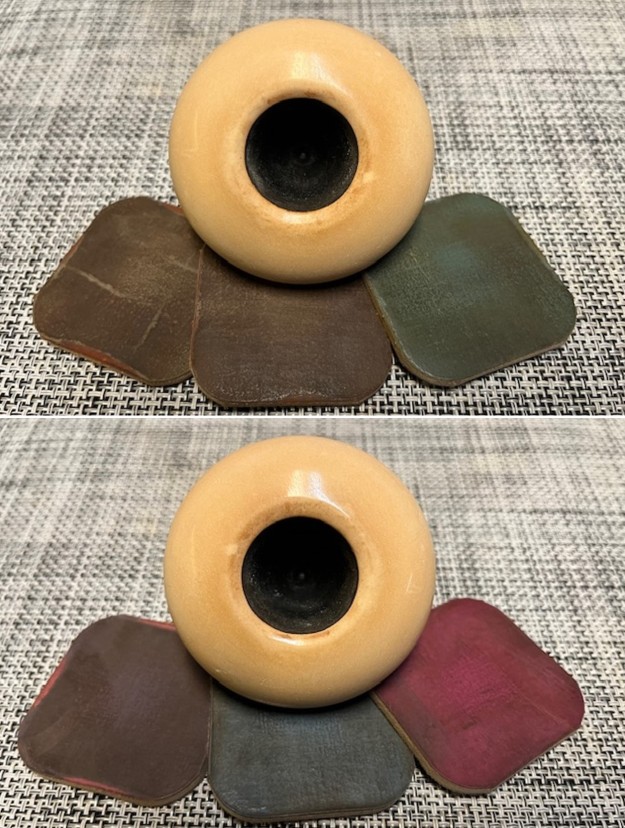
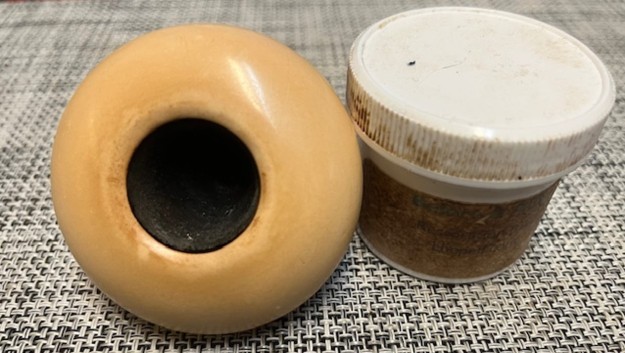
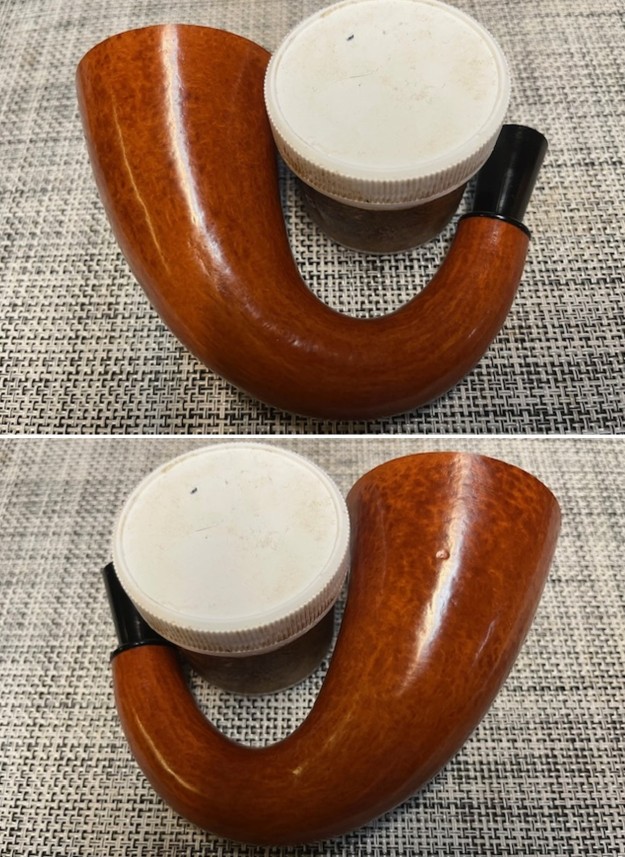
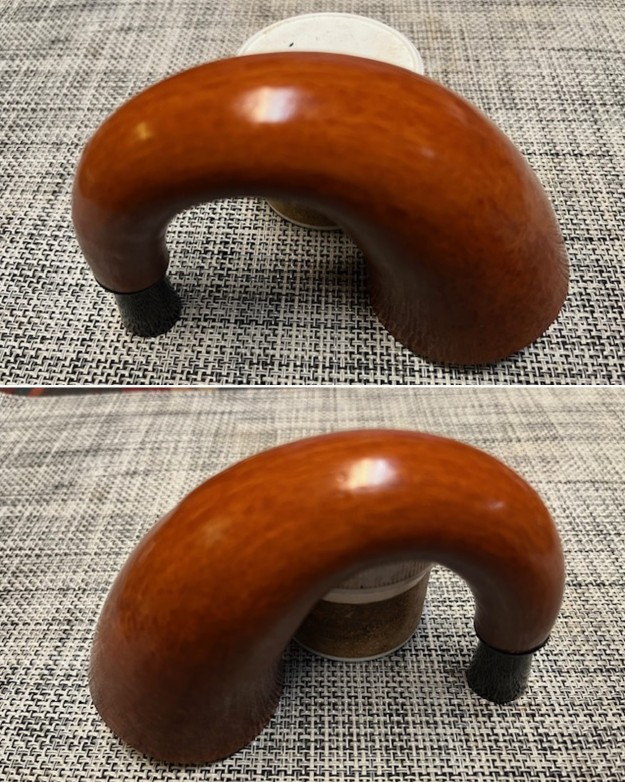
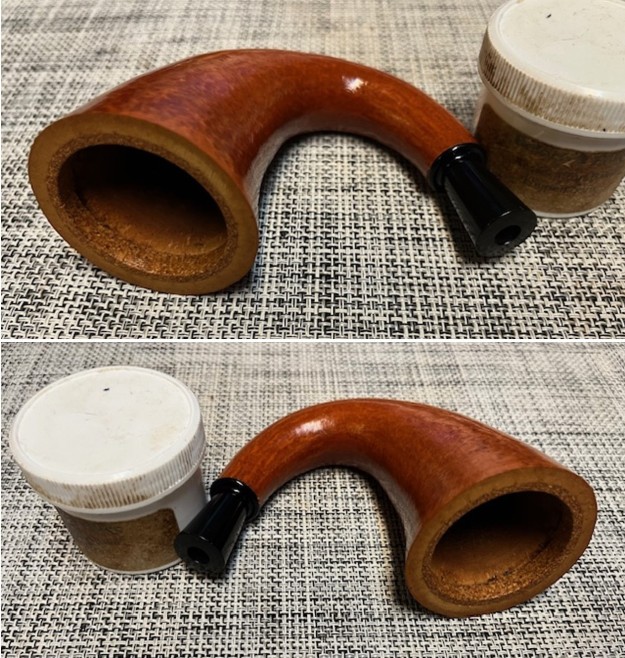
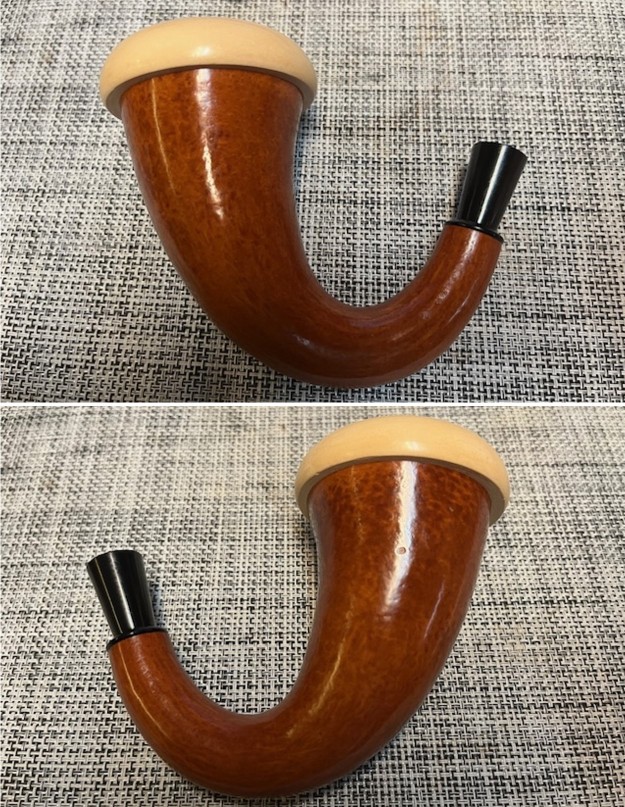
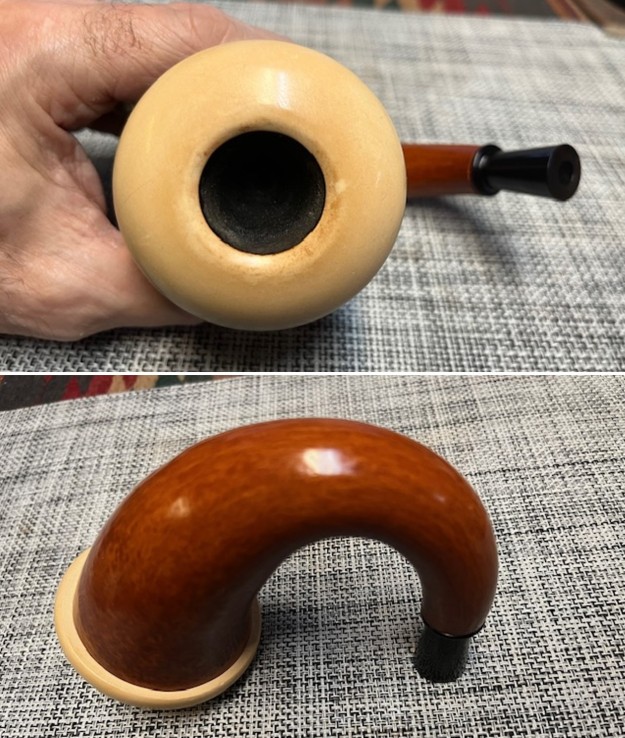
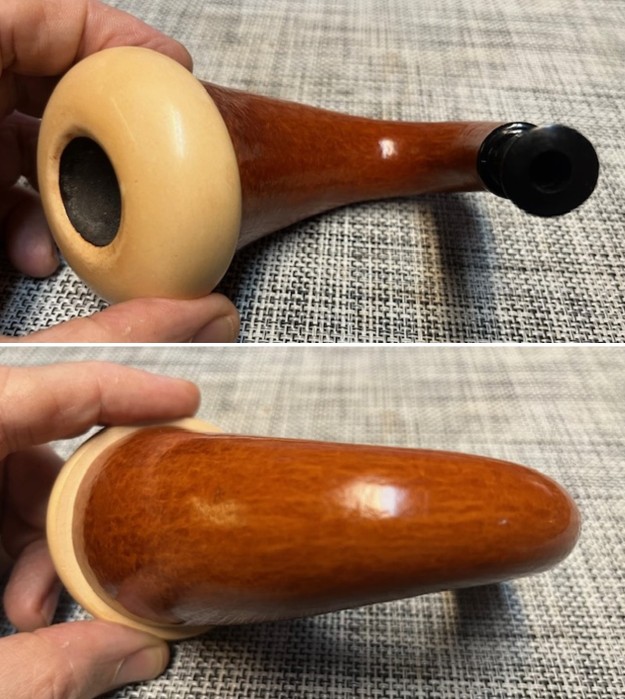
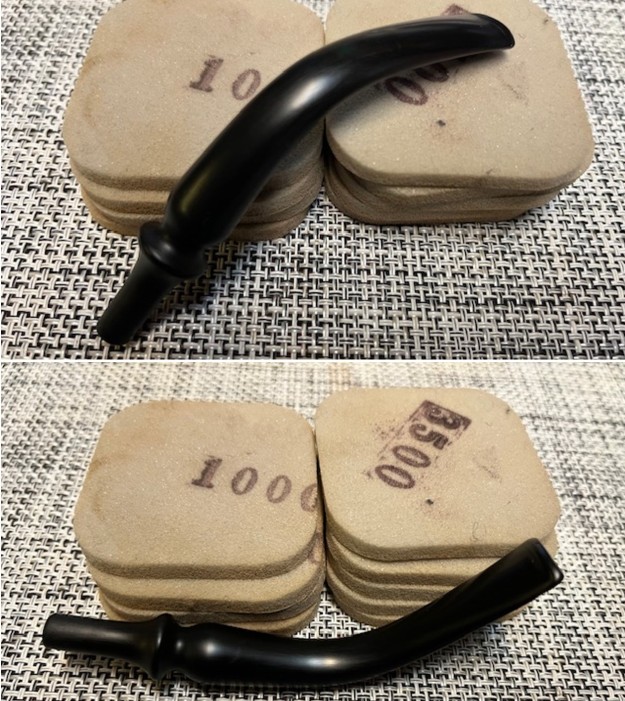
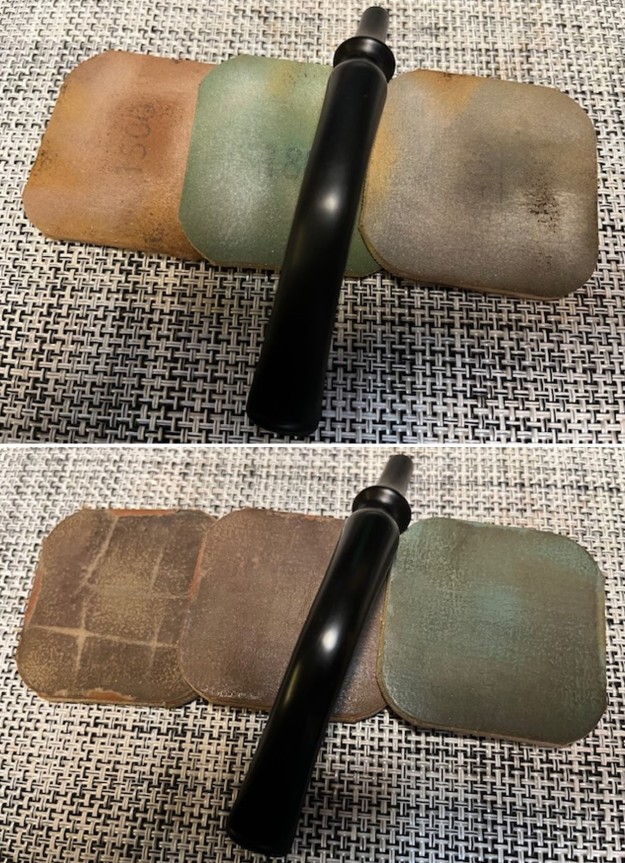
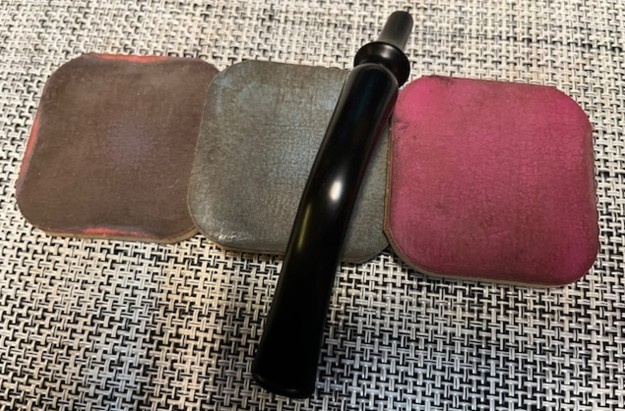
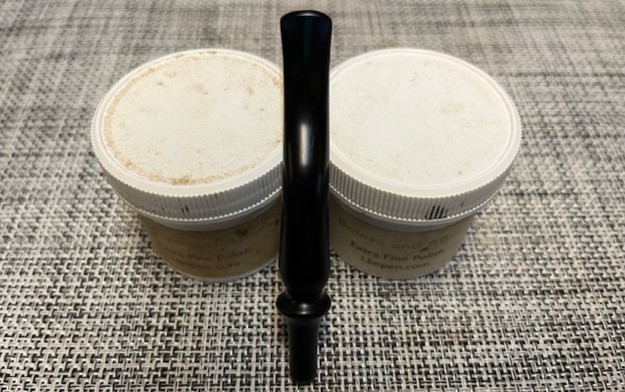
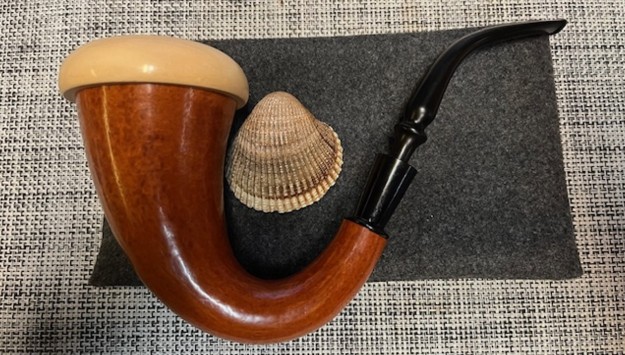
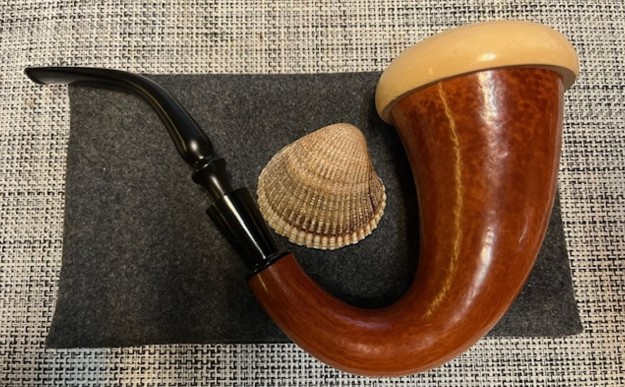
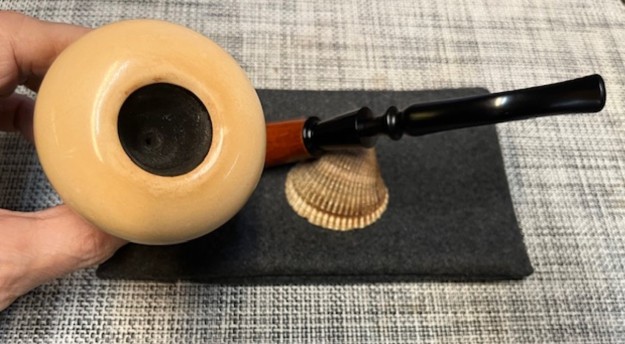
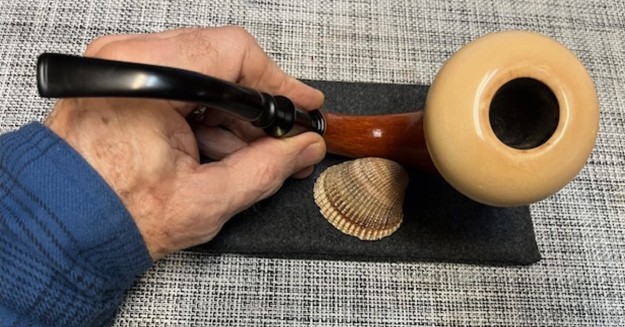
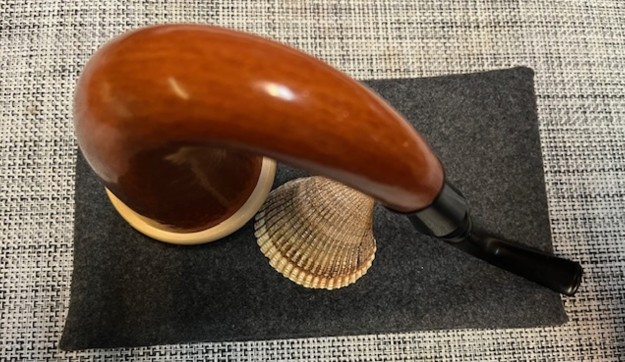
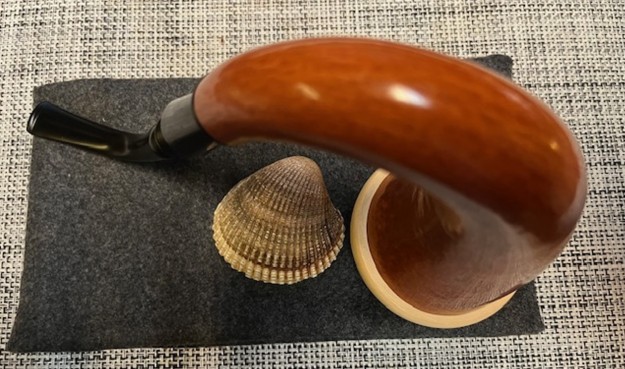
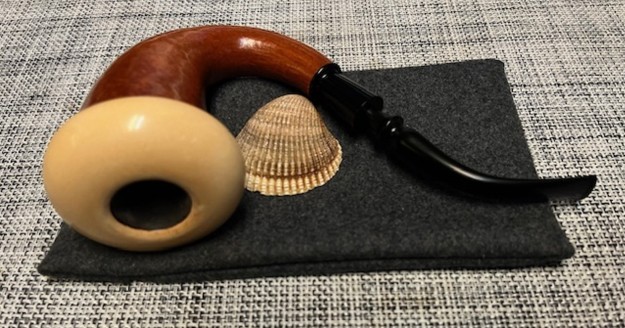
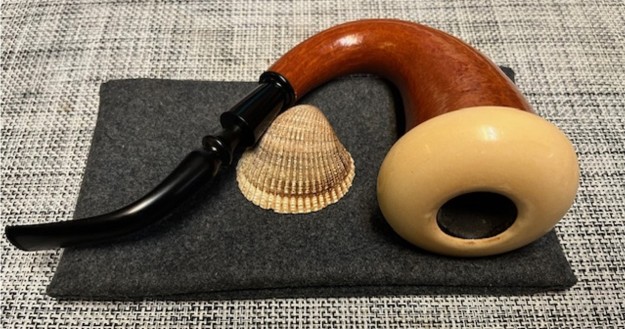
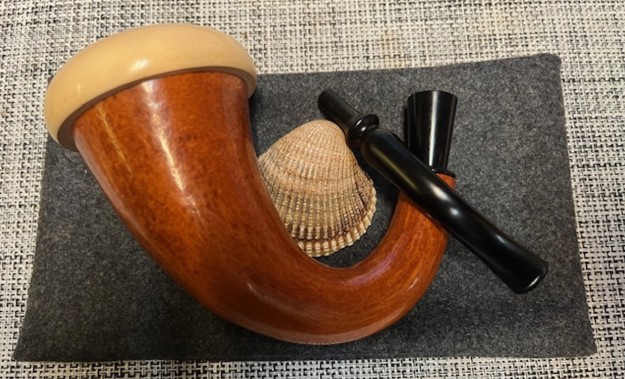
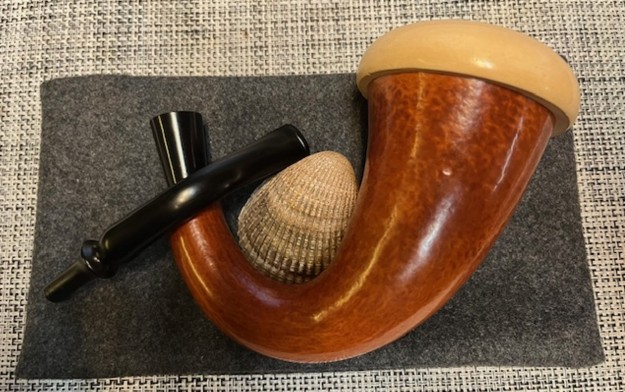
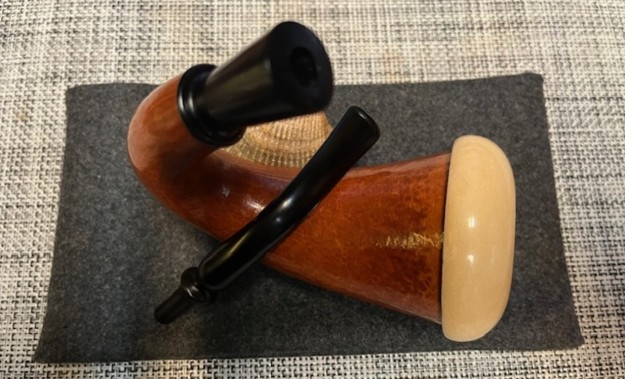
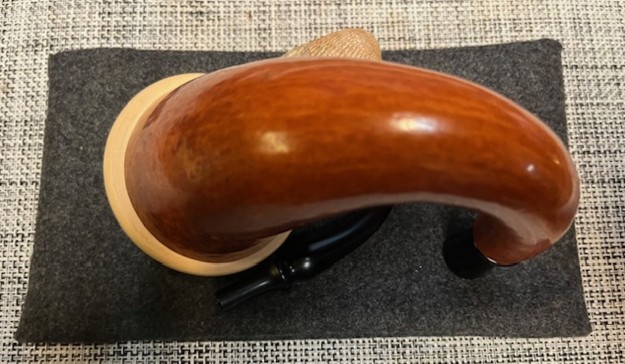
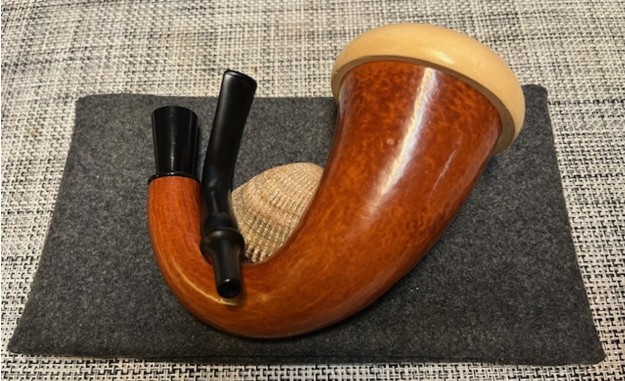
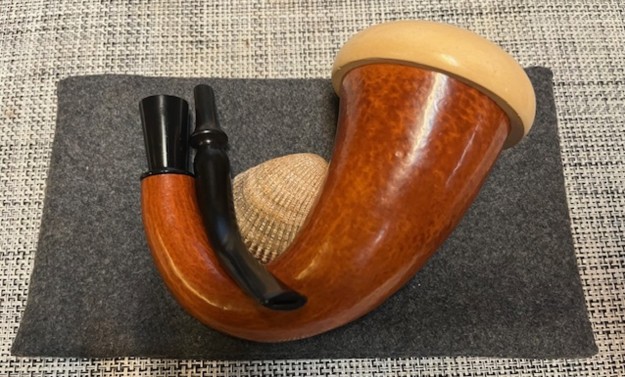
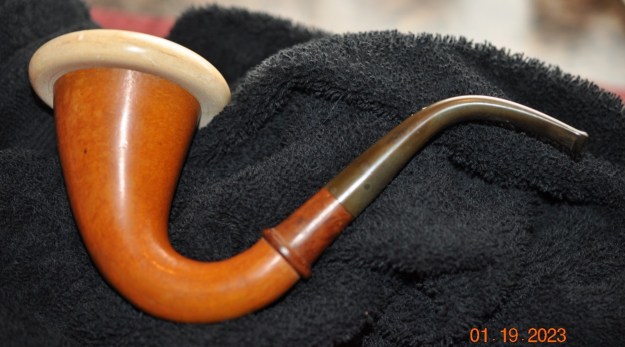
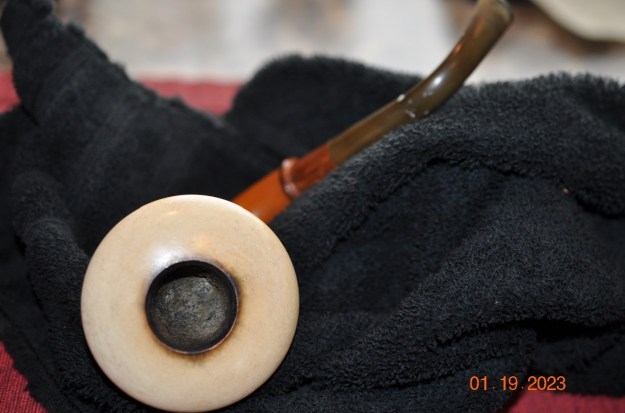
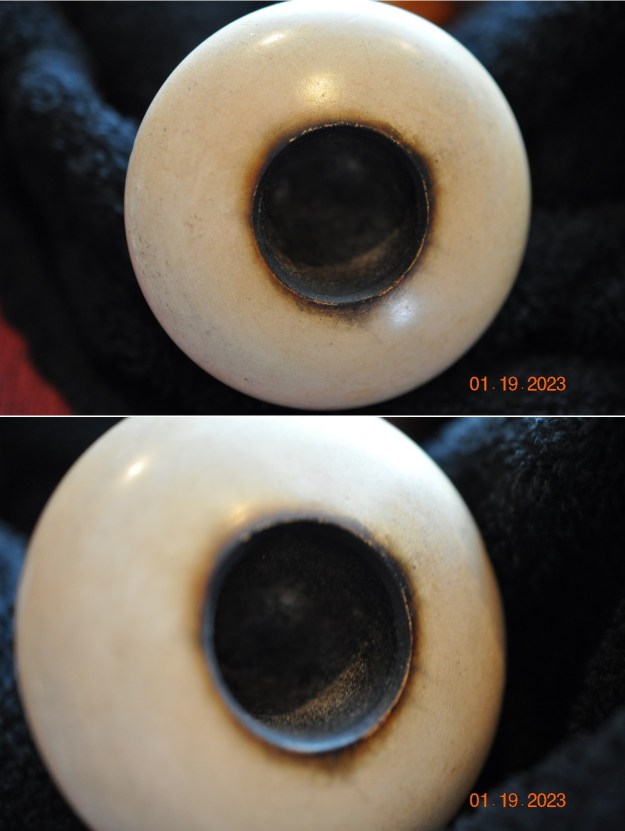
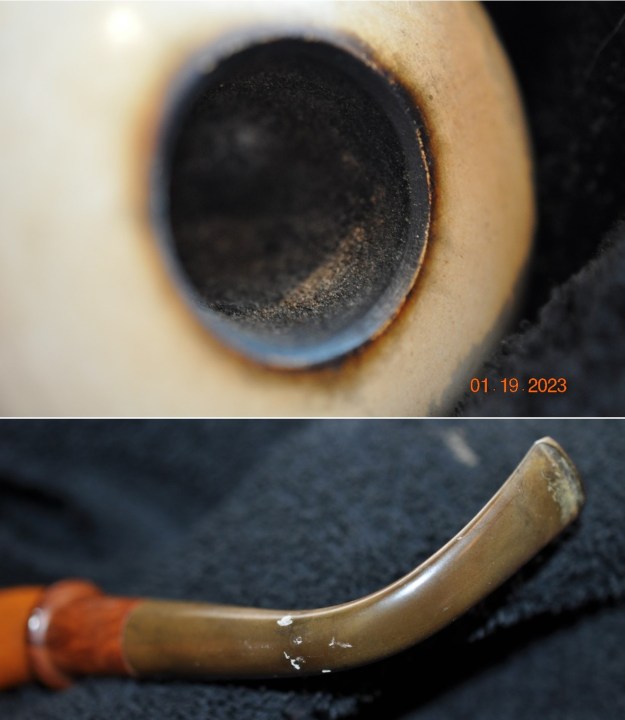
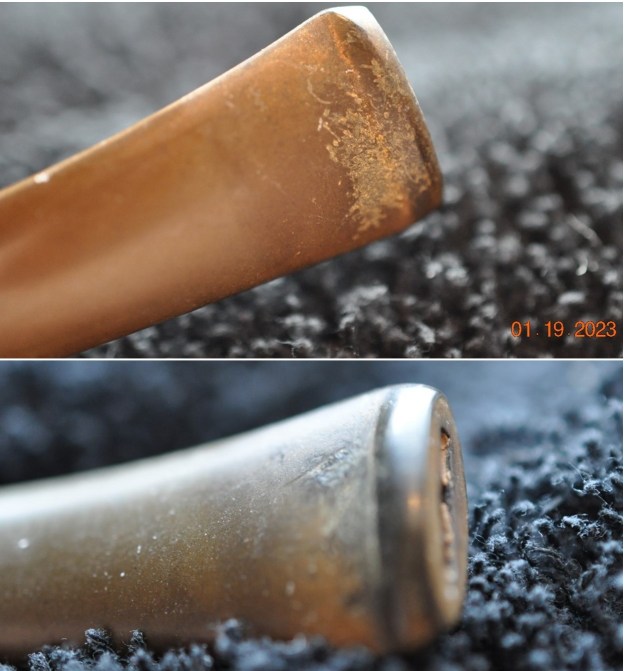
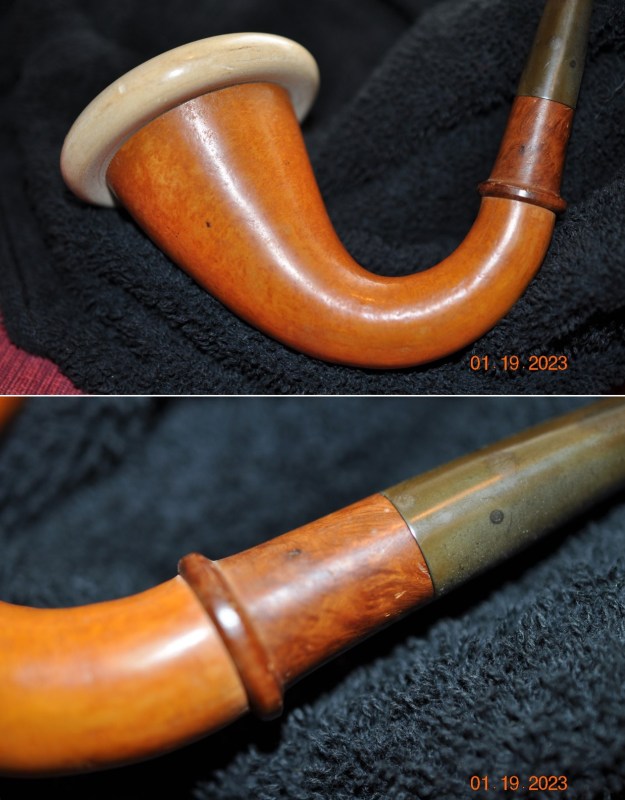
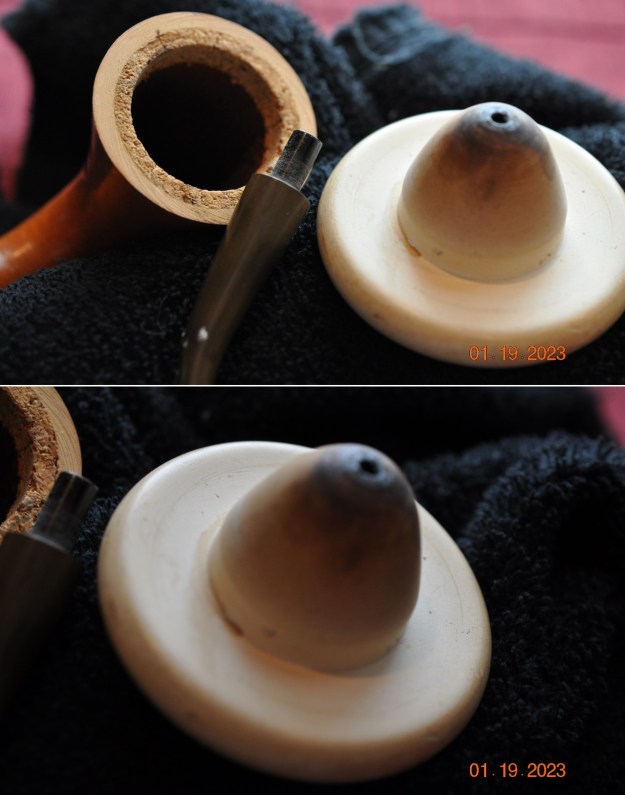
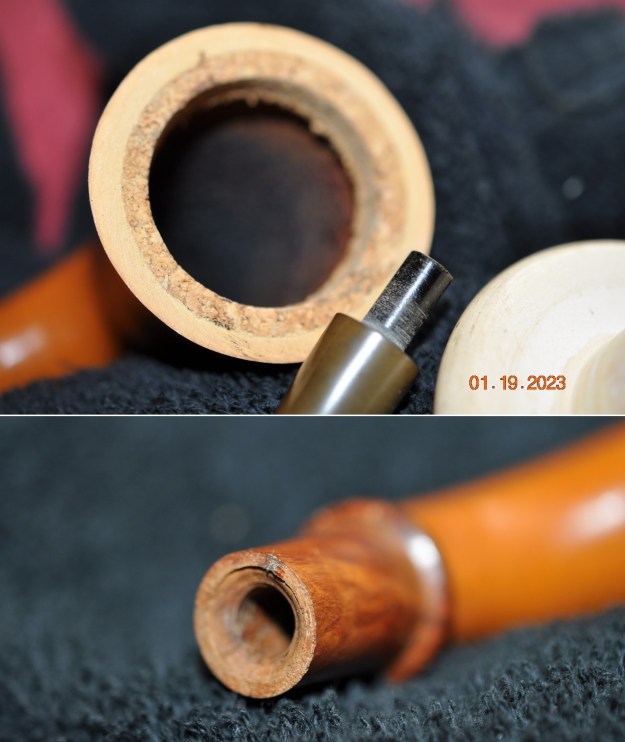
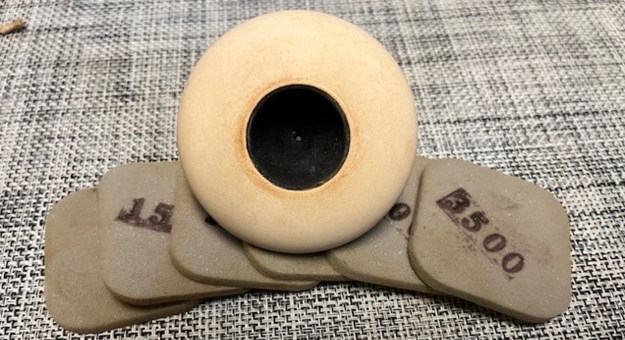
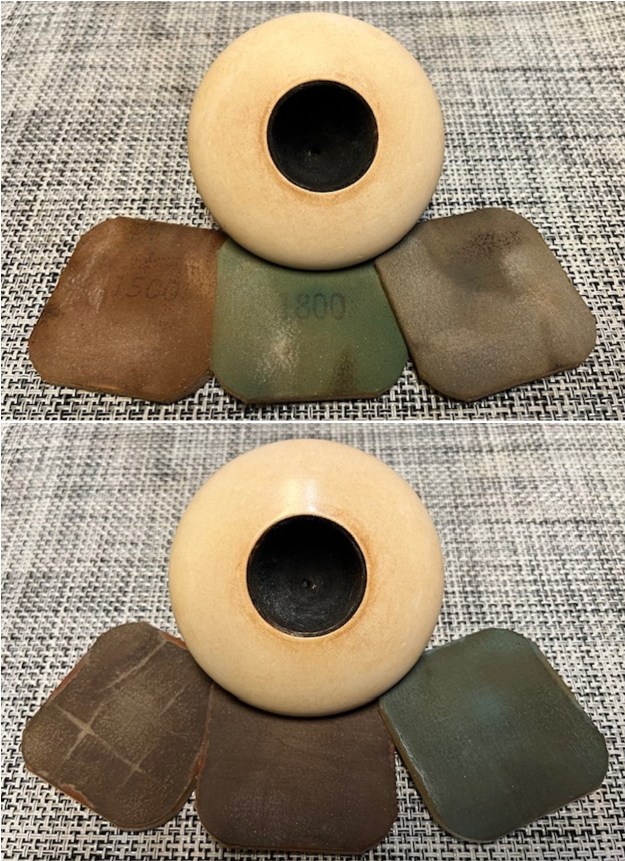
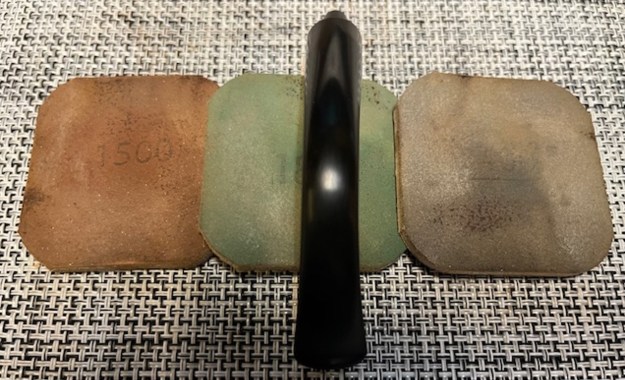
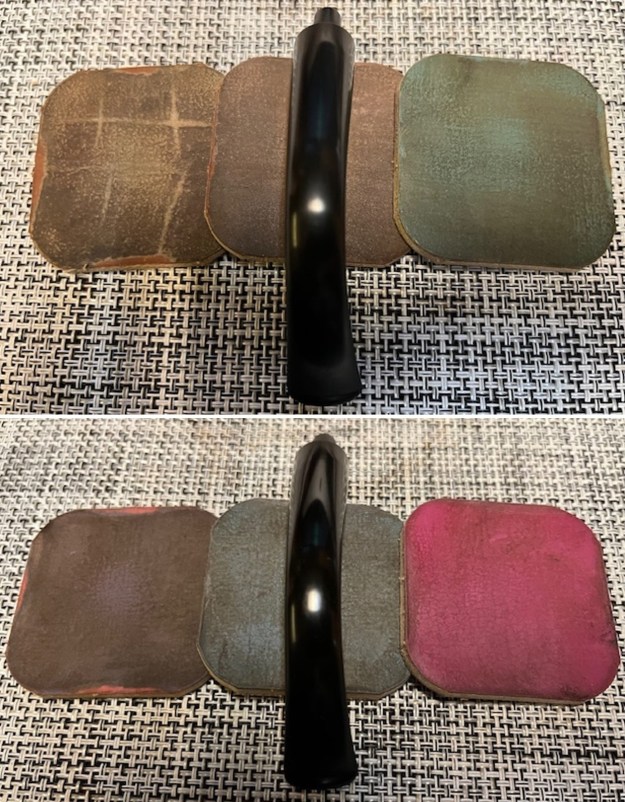
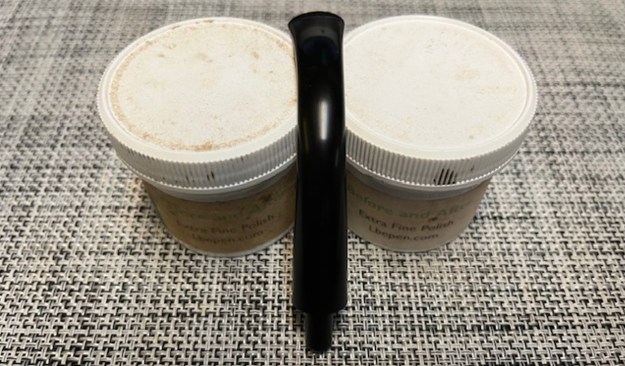
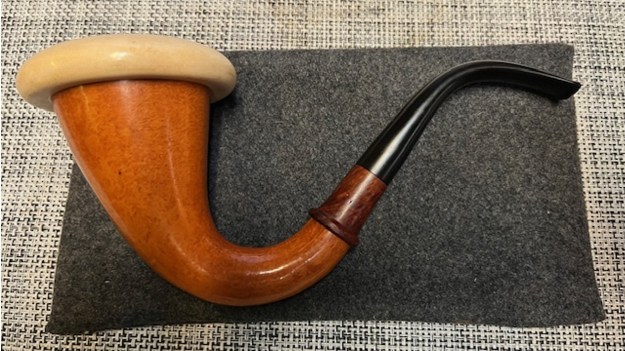
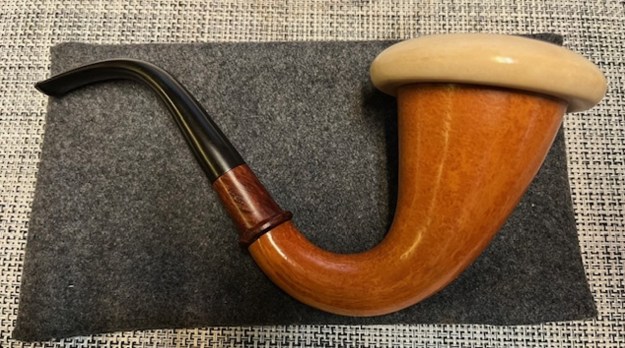
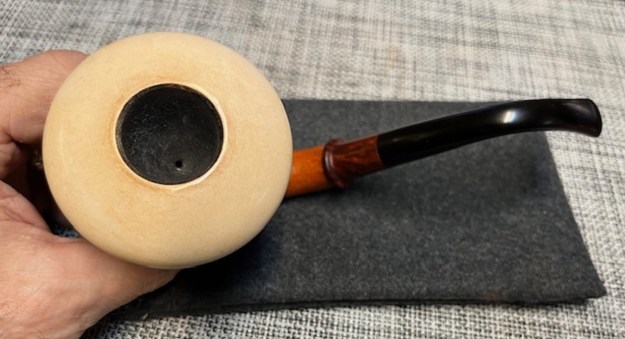
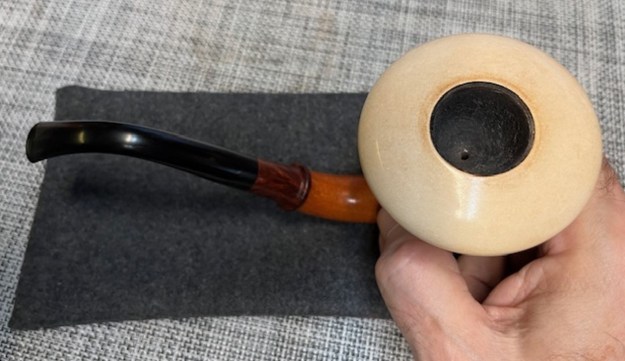
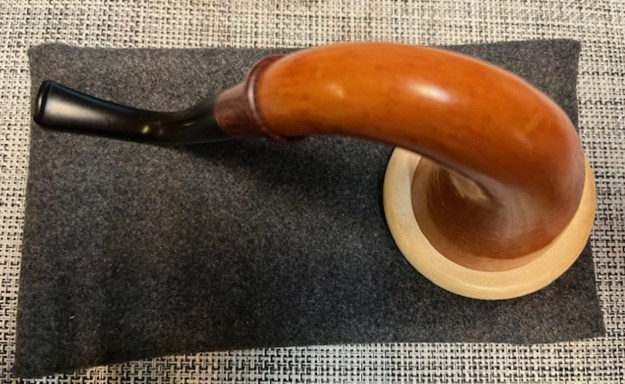
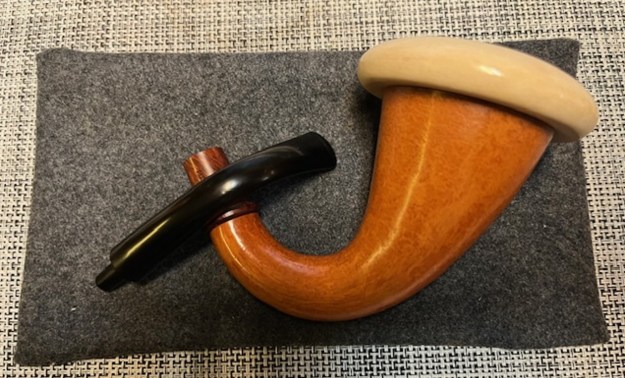
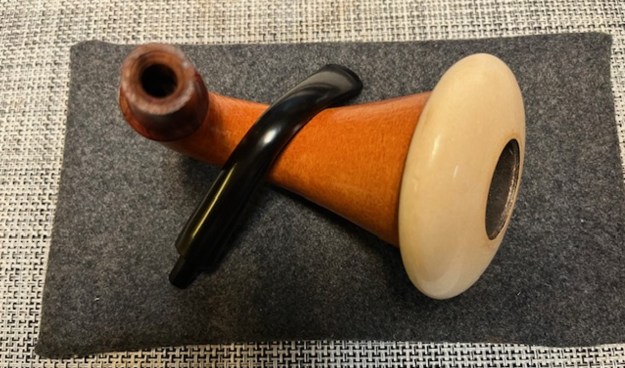
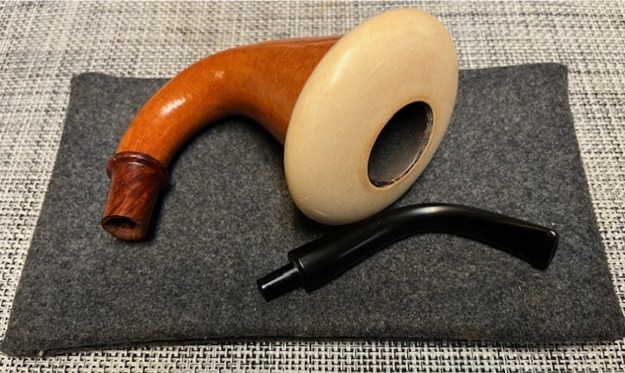
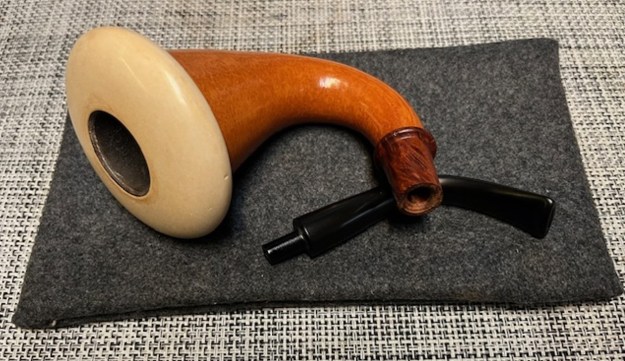
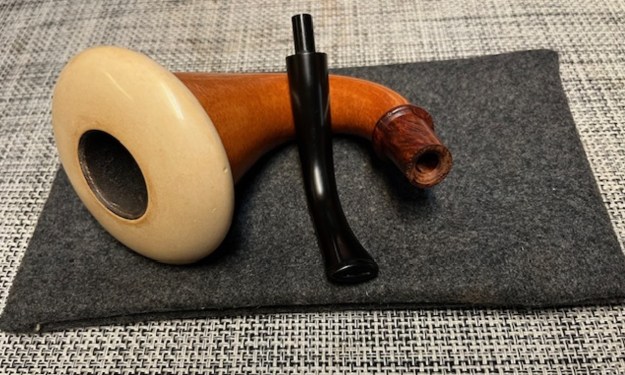
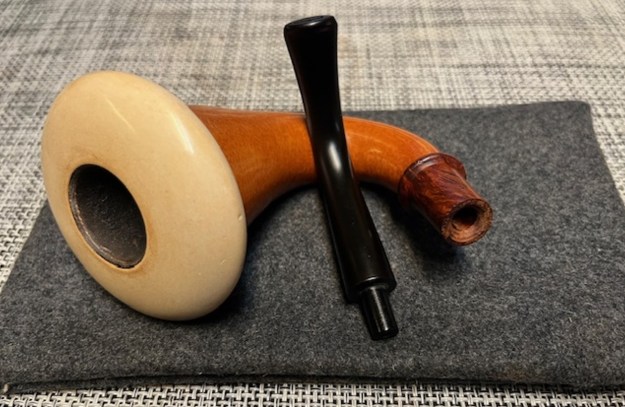
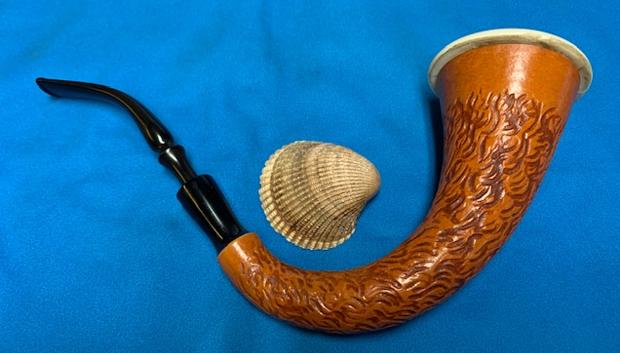
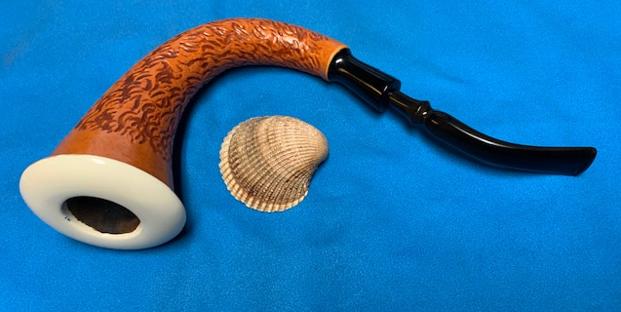
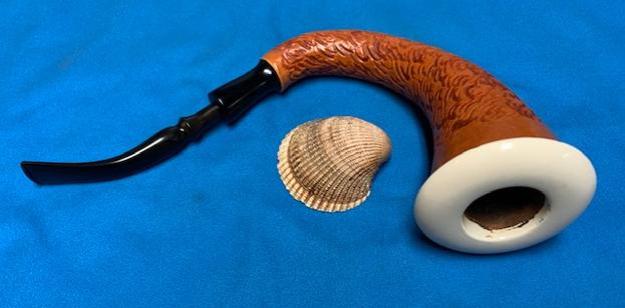
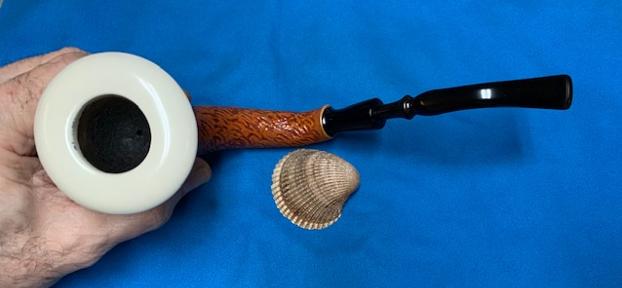
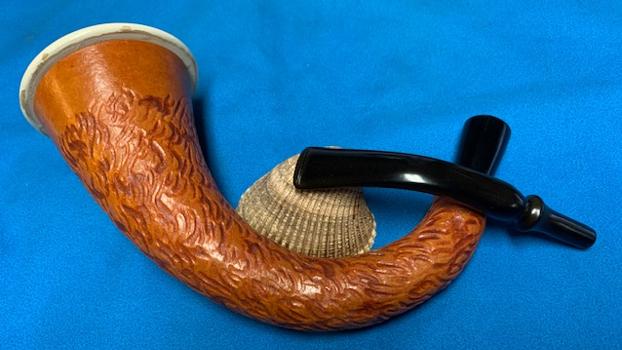
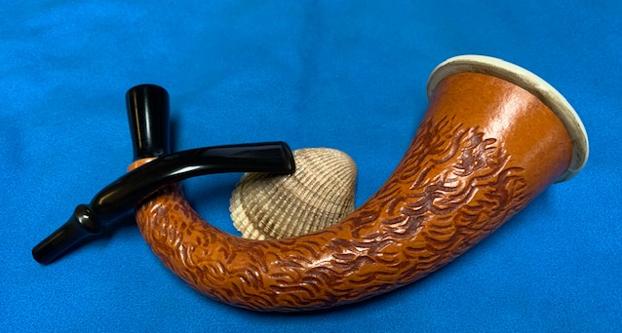
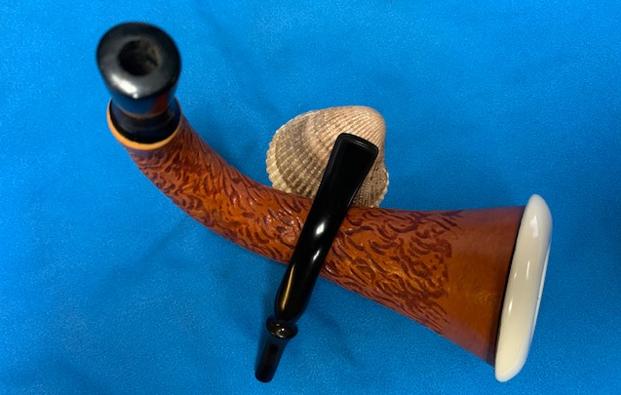
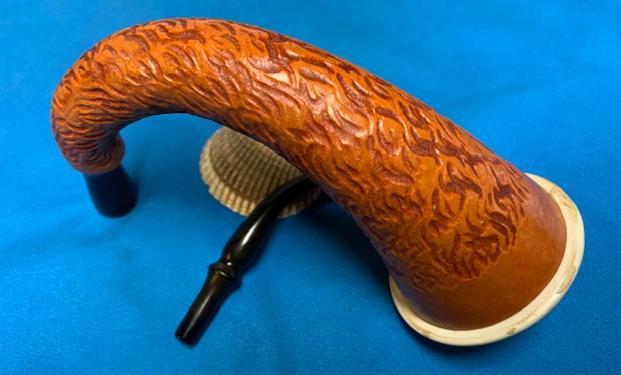
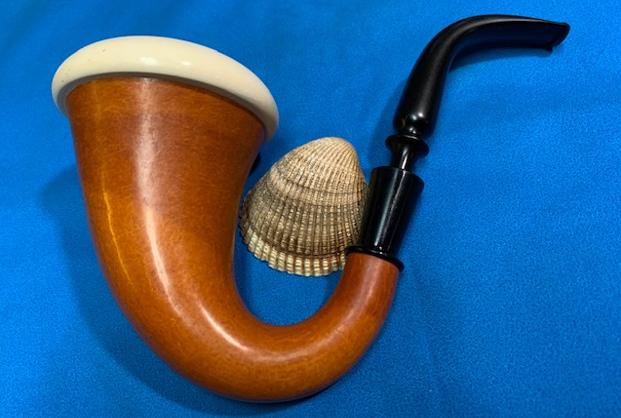
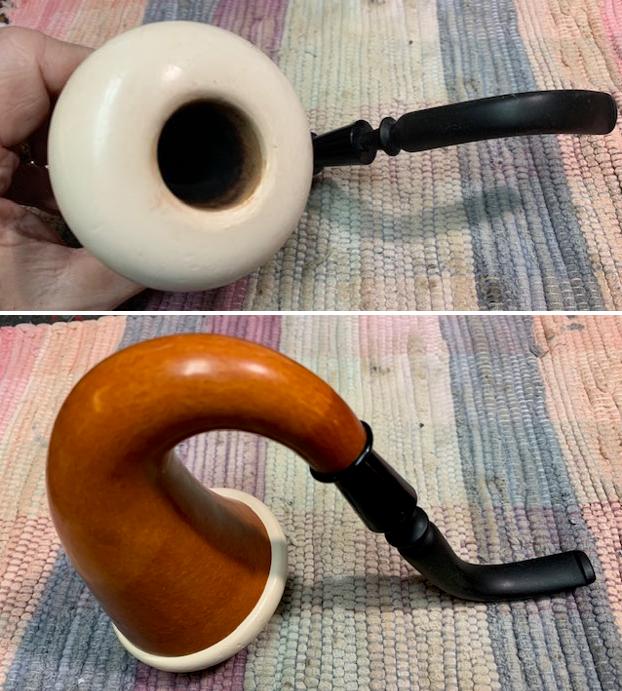
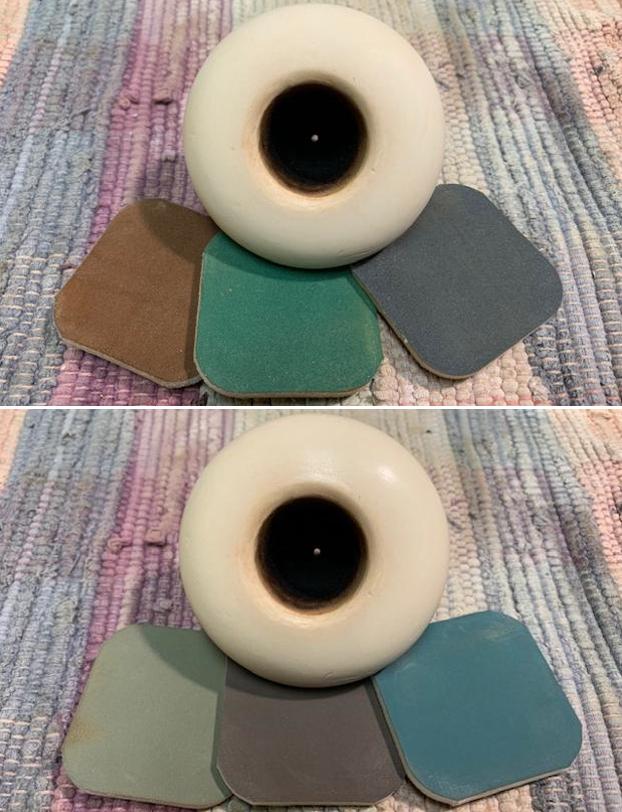
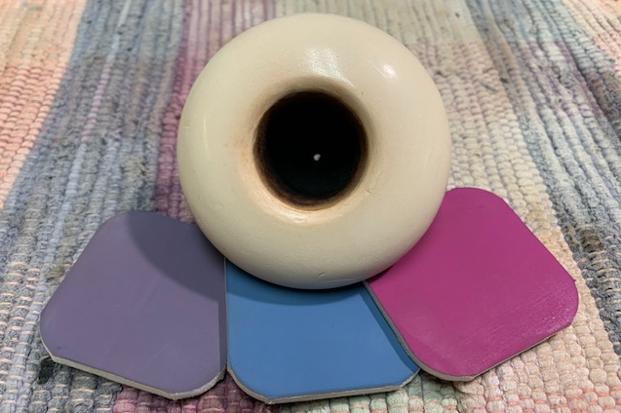
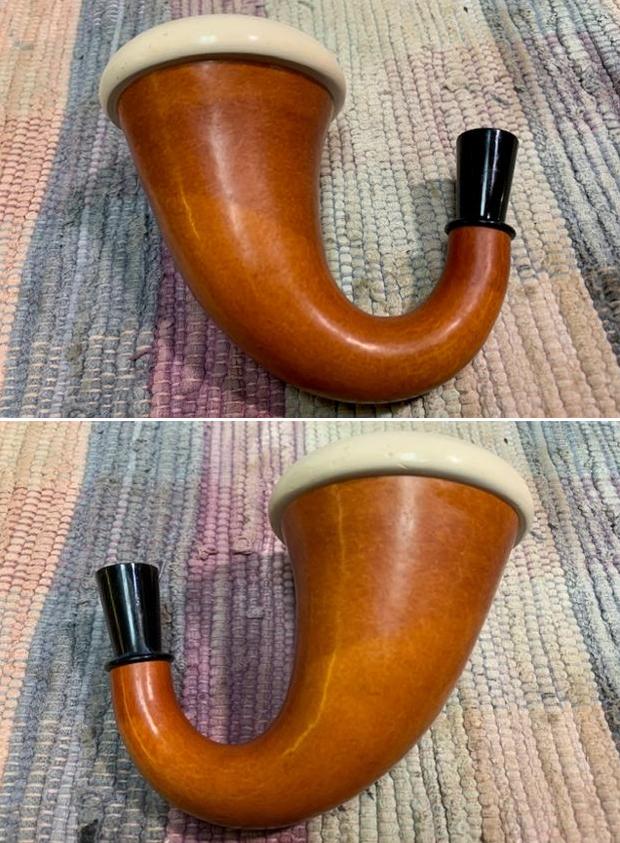
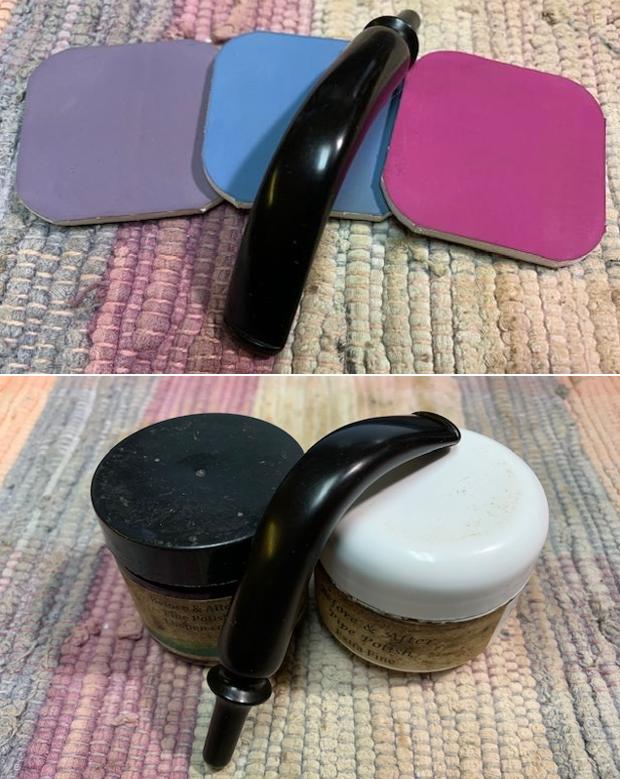
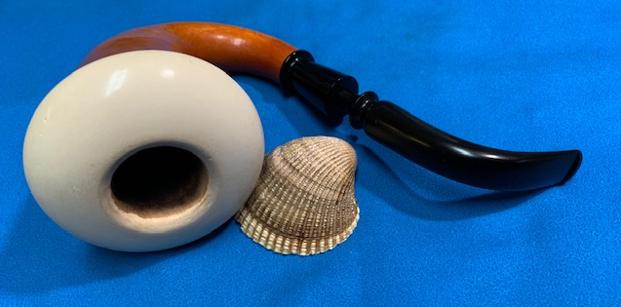
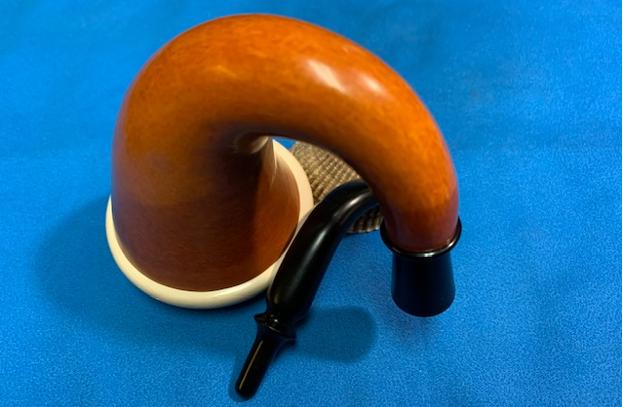
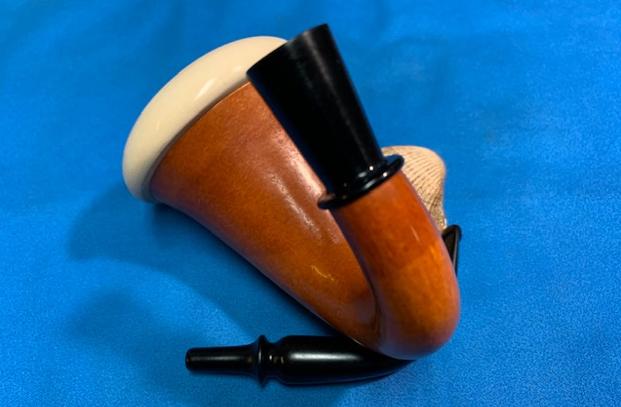
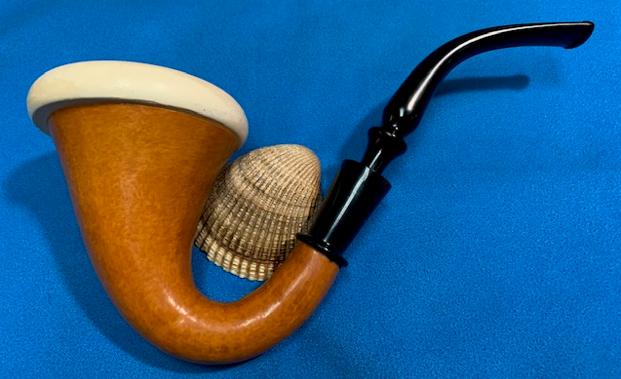
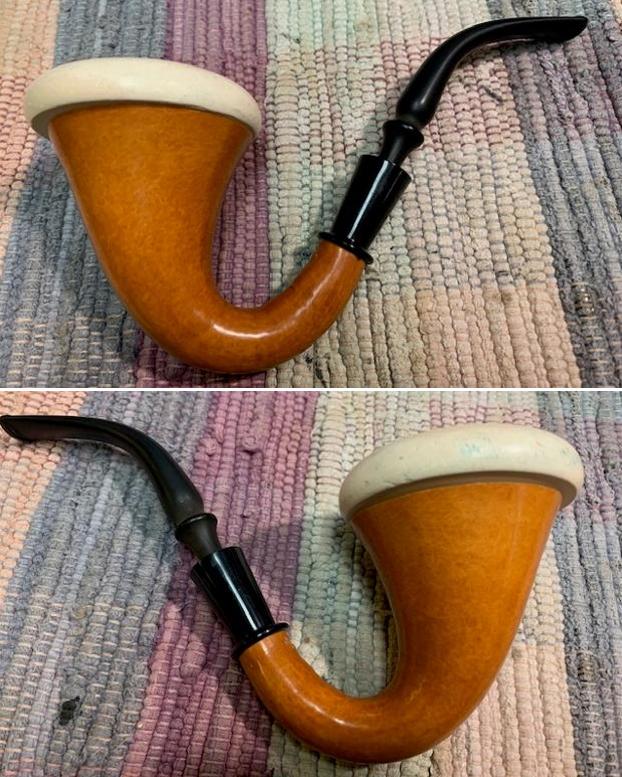
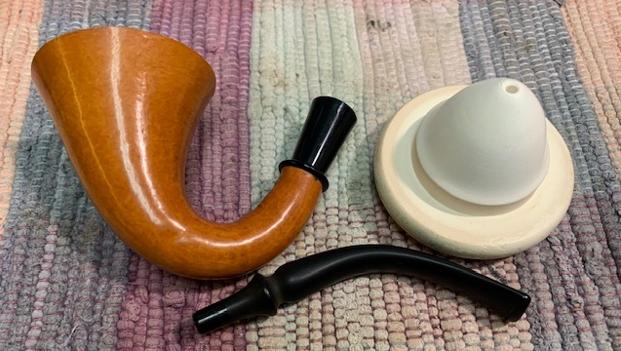
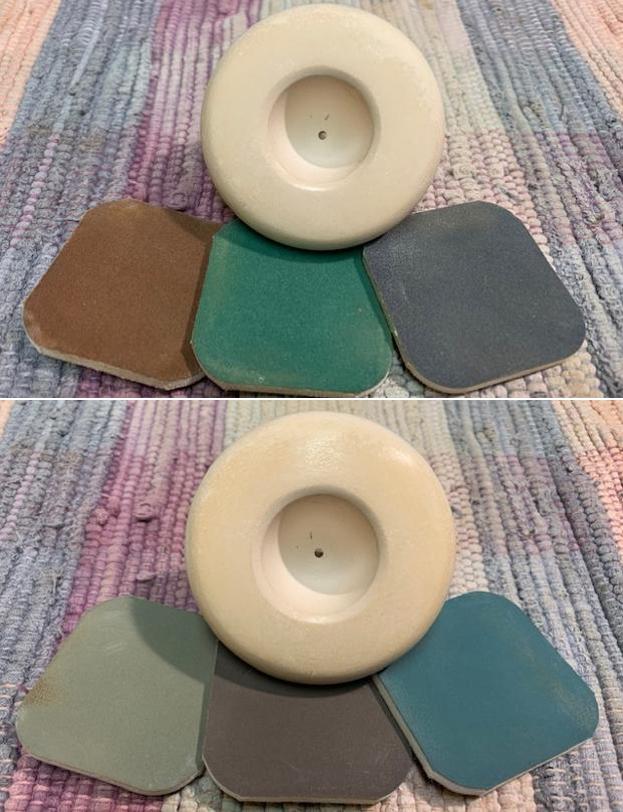
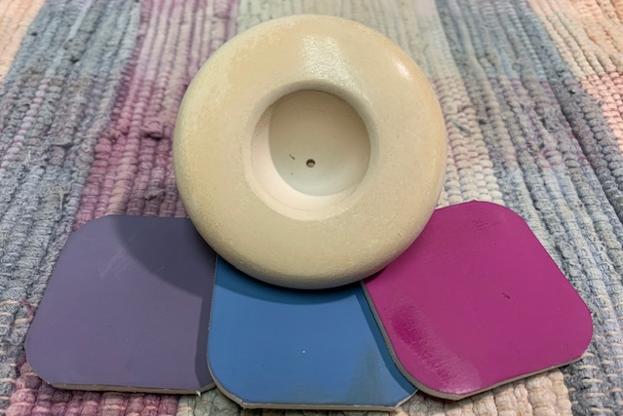
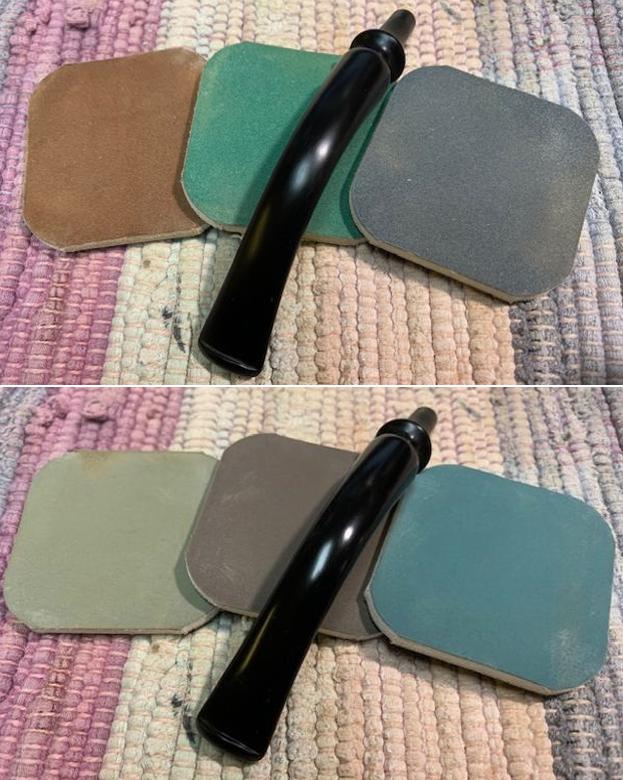
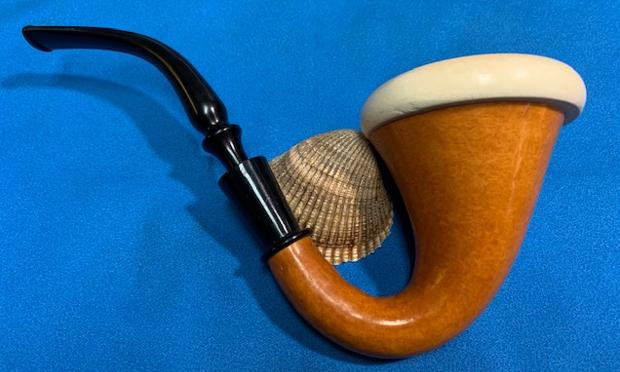
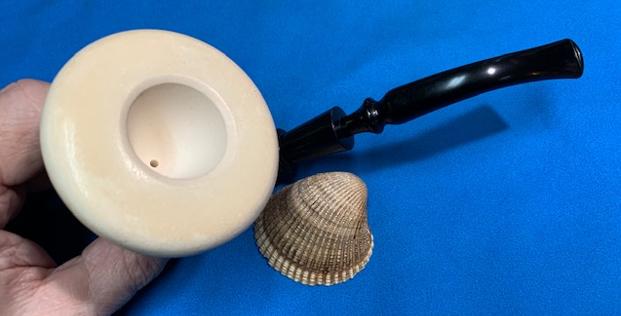
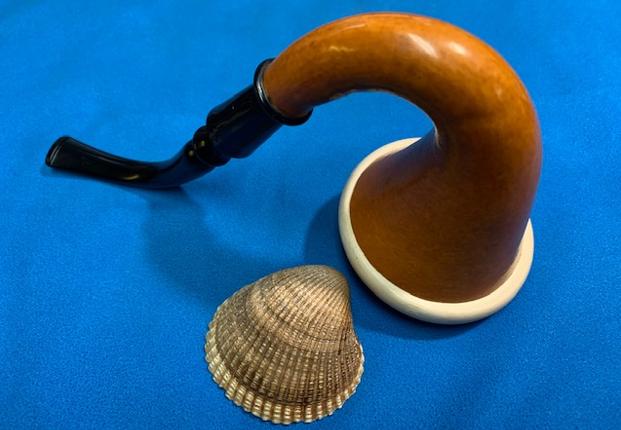
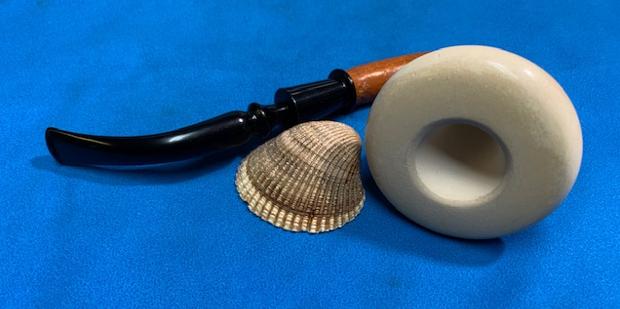
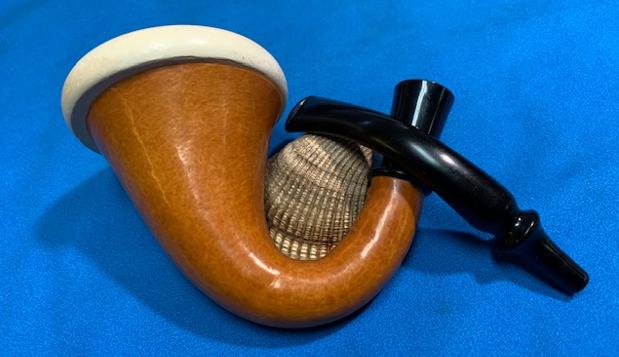
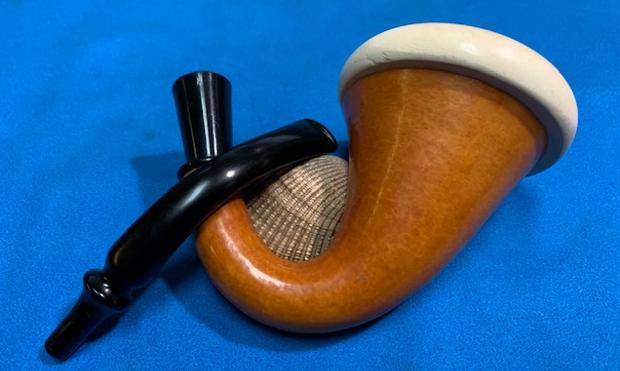
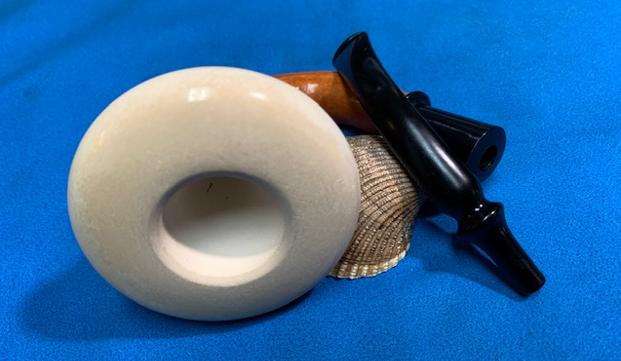
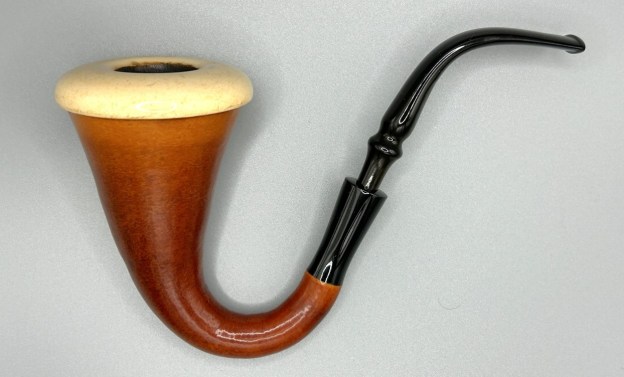
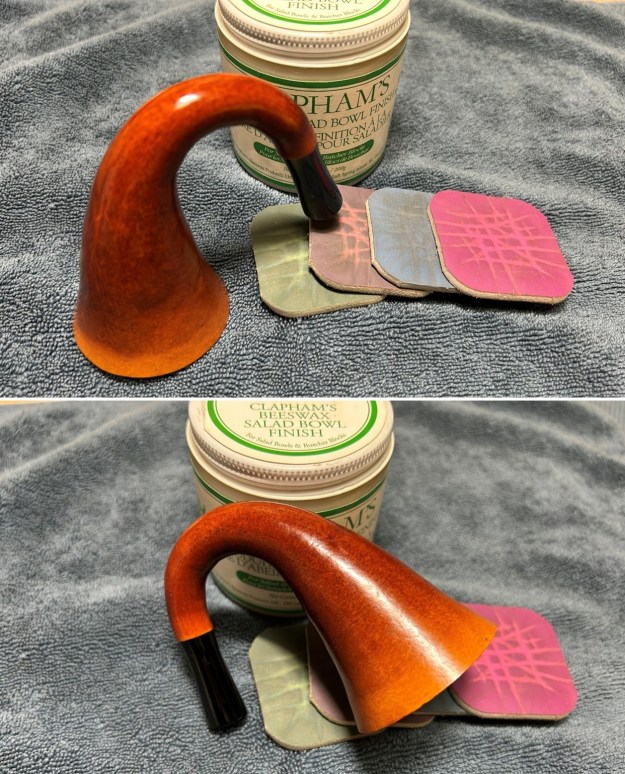
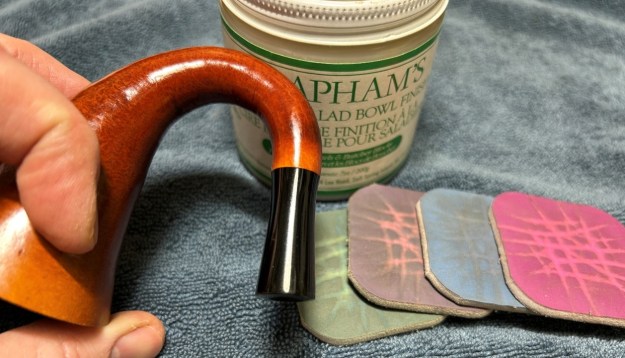
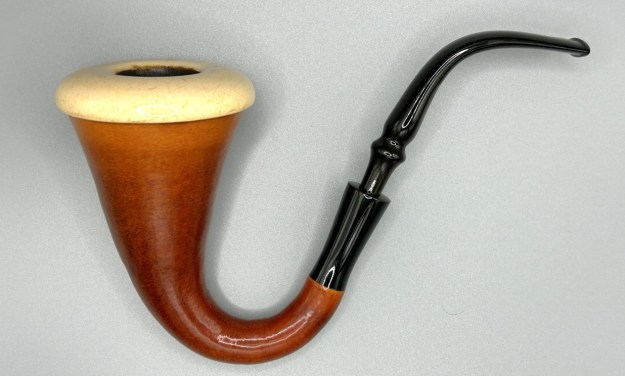
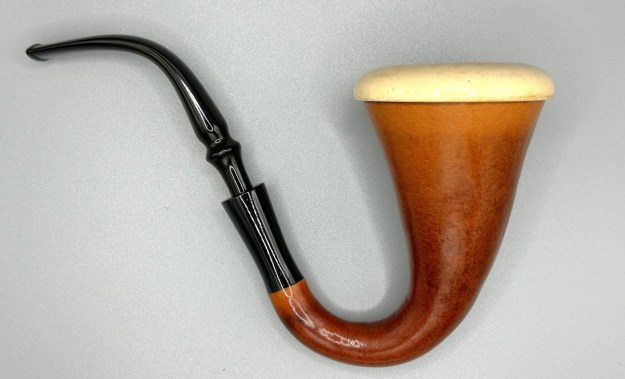
I recently came upon this calabash pipe and thought it was terrific. There is an elegance to the lines of this pipe, with its swan-like curves. Really nice looking, and in good shape. This one had obviously been seldom smoked – maybe a couple of times only. And maybe this is the pipe for you! Let’s take a closer look at it. The bowl is beautifully-shaped meerschaum. It has some minor signs of wear, but nothing serious. Similarly, the gourd is in lovely condition. No wear to speak of and the cork gasket is perfect. The gourd also has a wood shank extension in nice shape. Finally, the stem is also great. It has some notable oxidation and some small signs of wear, but nothing to worry about. The stem was first on my list. I wiped down the outside of the stem with Murphy’s Oil Soap on some cotton pads. Then, I cleaned out the insides of the stem with pipe cleaners and isopropyl alcohol. Once this process was done, I used SoftScrub and cotton pads to wipe down the stem before throwing it in the Pipe Stem Oxidation Remover. The following day, I cleaned all of the de-oxidizing mess and again scrubbed with SoftScrub on some cotton pads to remove the leftover oxidation. This worked well.Before I moved on to the Micromesh pads, I built up the dents on the stem with cyanoacrylate adhesive and let them fully cure.I sanded the adhesive down with 220- and 400-grit sandpapers to meld seamlessly into the stem. I then used all nine Micromesh pads (1,500 through 12,000 grit) to bring out the lovely black lustre on the stem. I also used Obsidian Pipe Stem Oil in between each pad scrubbing. On to the bowl. Meerschaum is too fragile for a proper reamer, so I used 220-grit sandpaper on the end of a wooden dowel to clean out the bowl and it turned out very well. I sanded down the entire piece of meerschaum with my Micromesh pads. One of the frustrations of cleaning meerschaum is that once smoked, the stains never go away. However, I did what I could and it definitely improved. I also rubbed some Clapham’s Beeswax into the meerschaum. Then I let it sit for 20 minutes, buffed it with a microfiber cloth and then repeated the beeswax process. Worked like a charm!
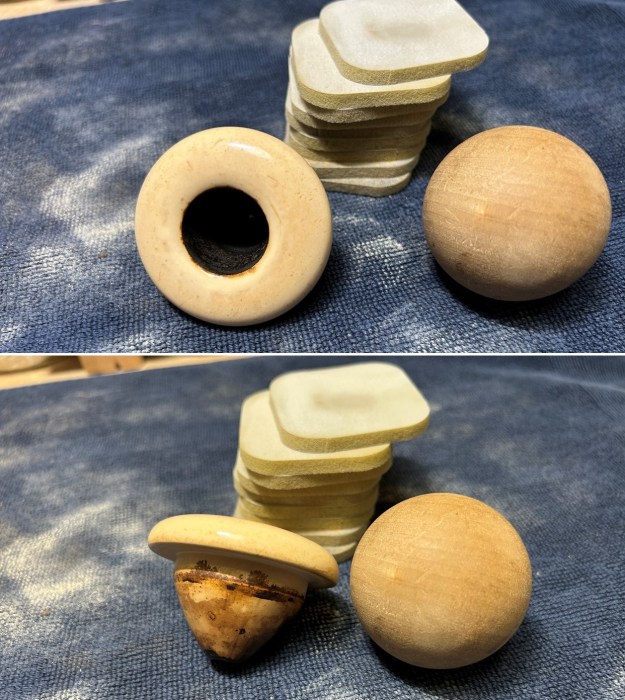
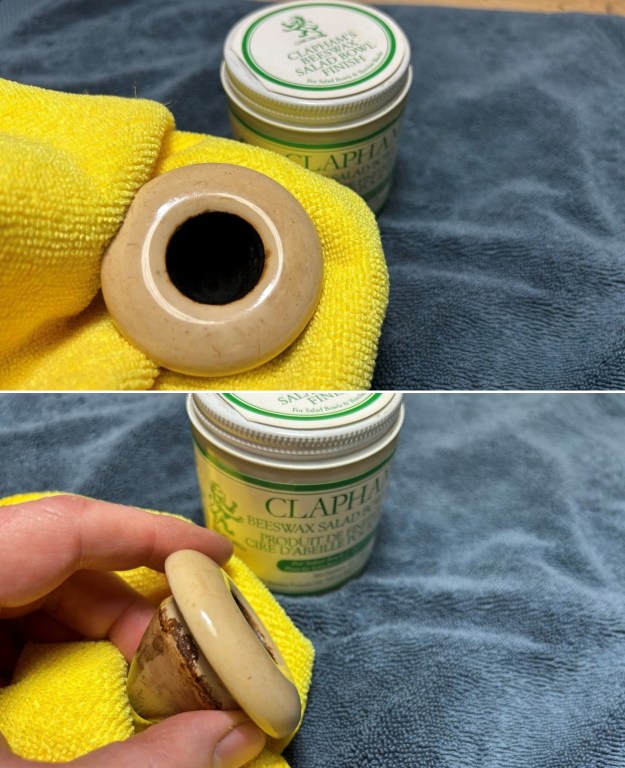
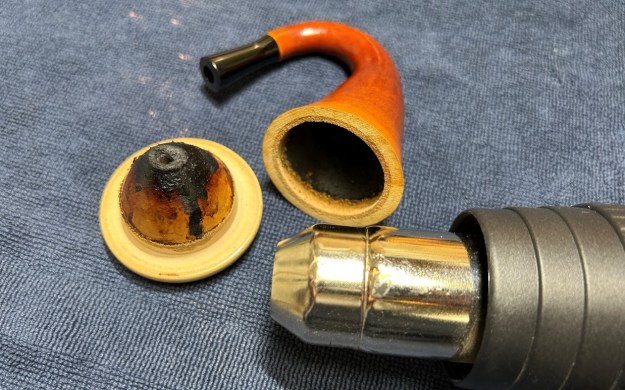
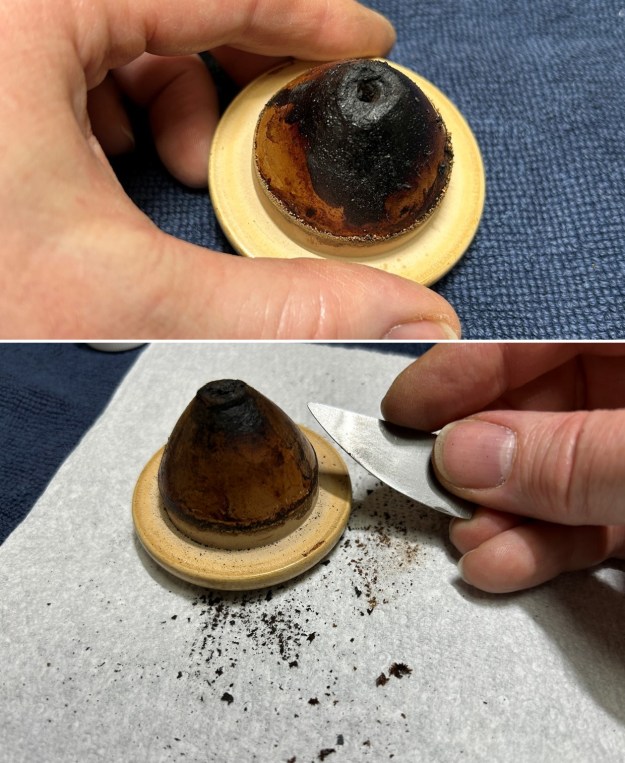
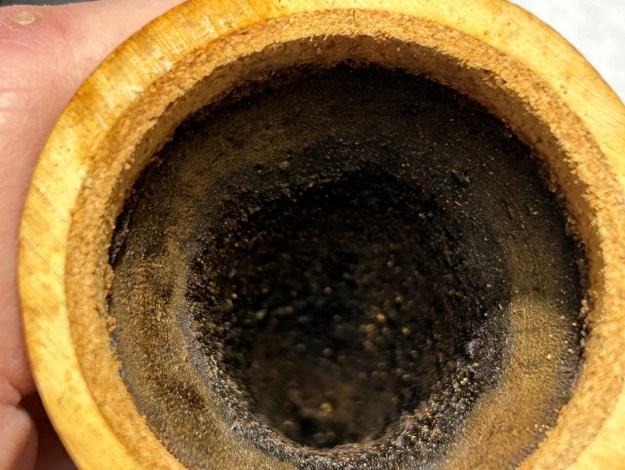
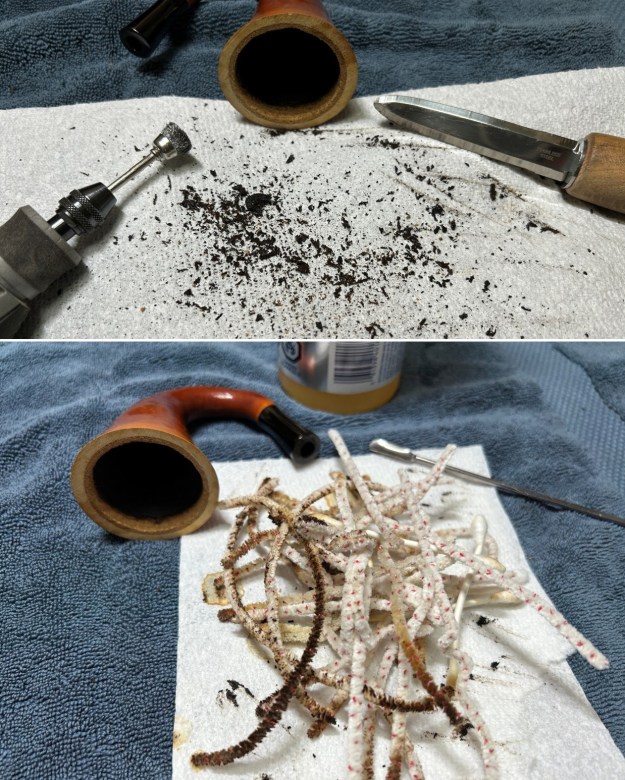
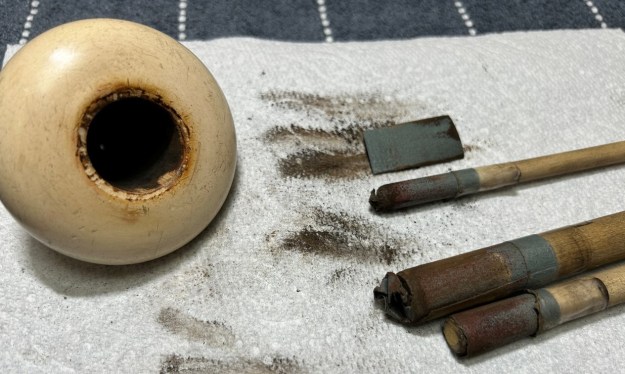
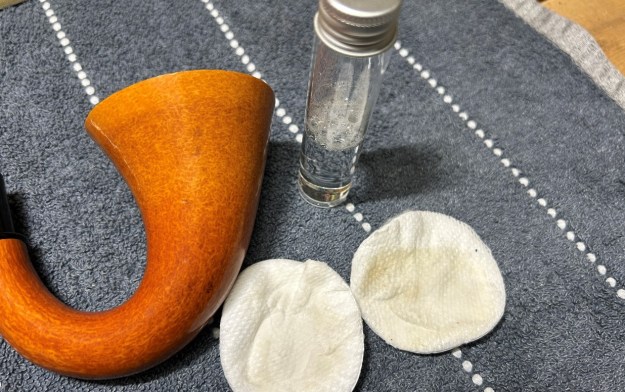
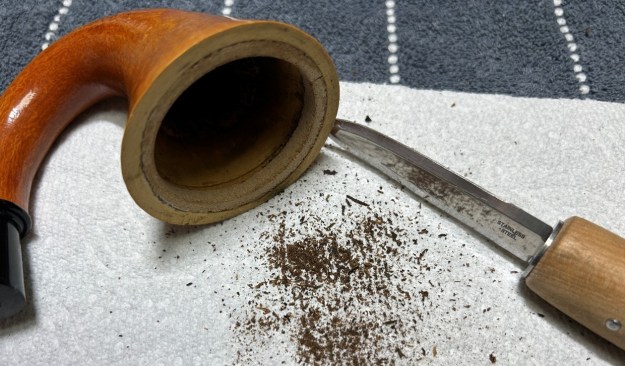
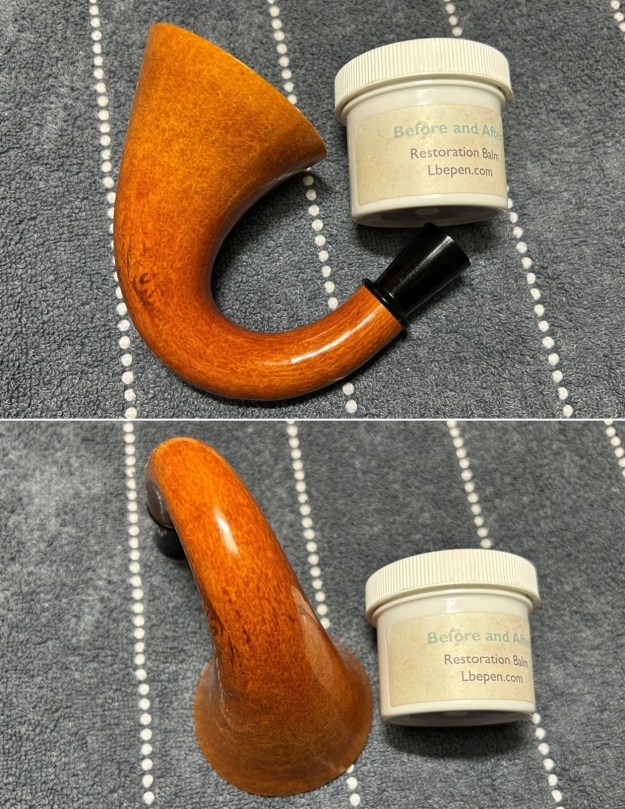
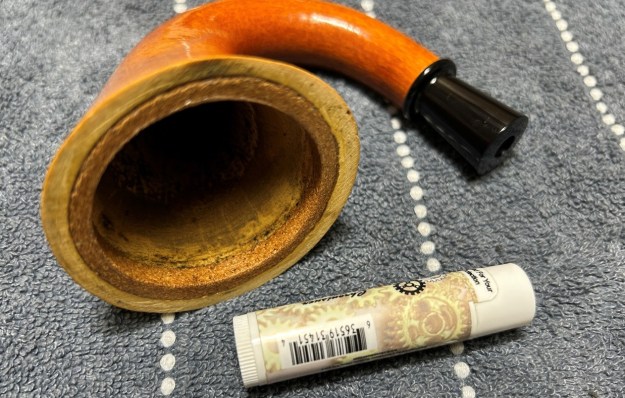
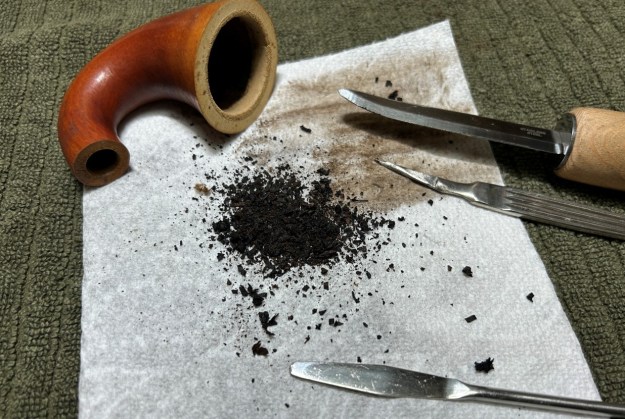
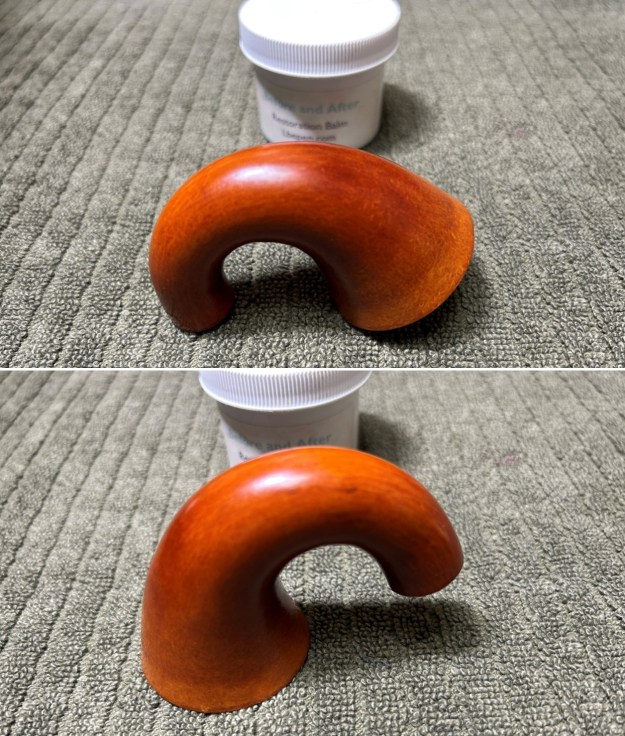
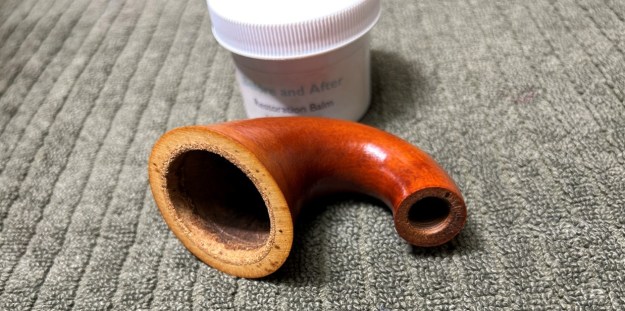
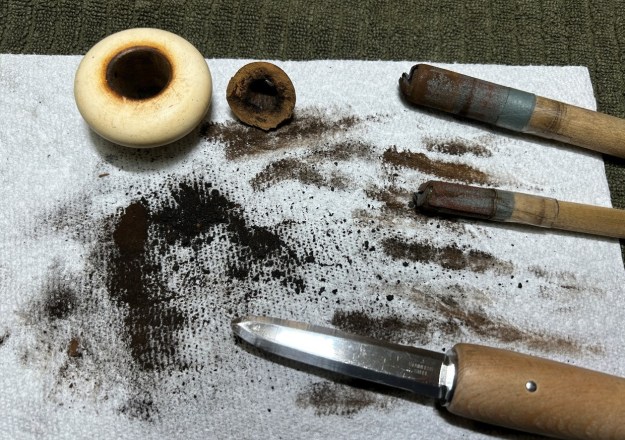
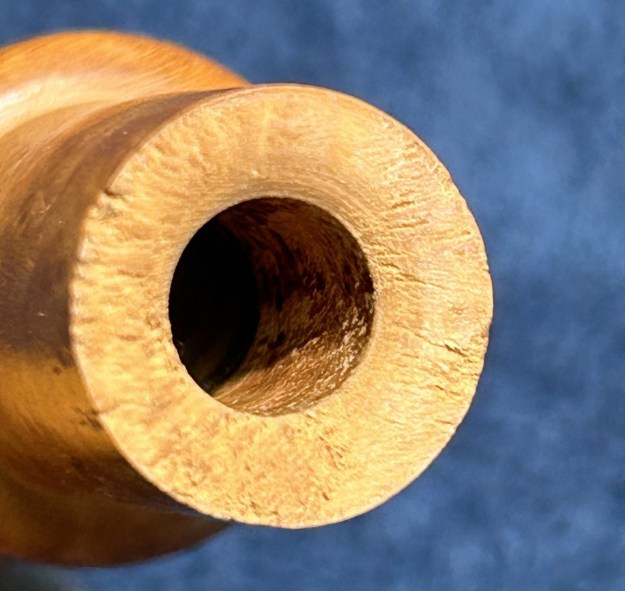
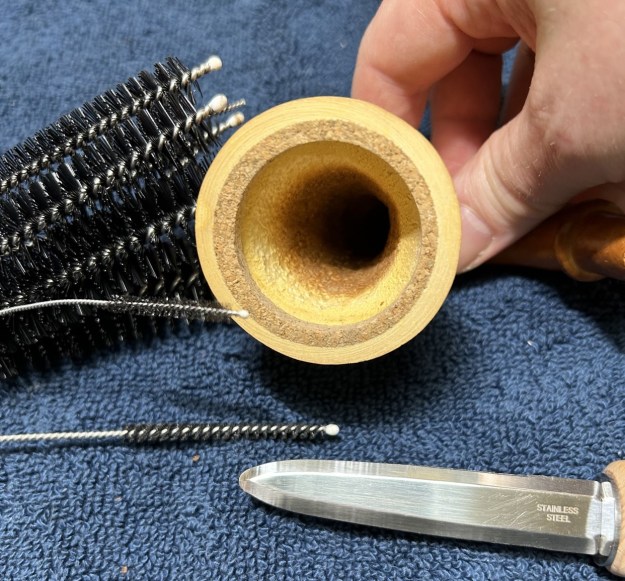
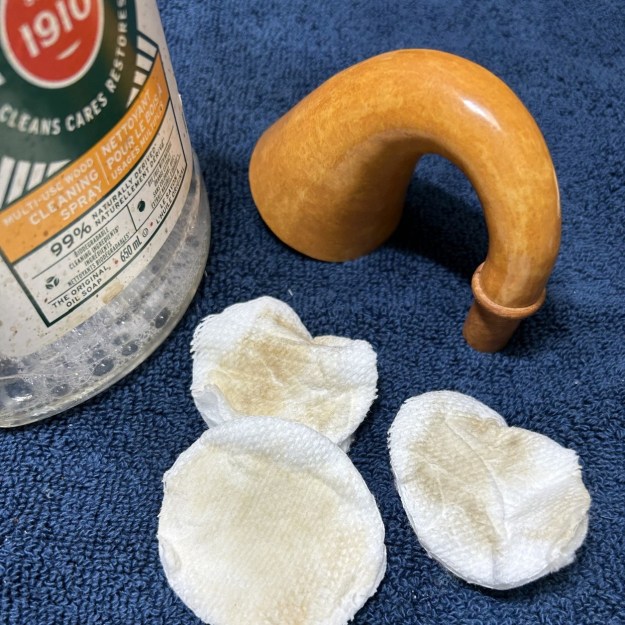
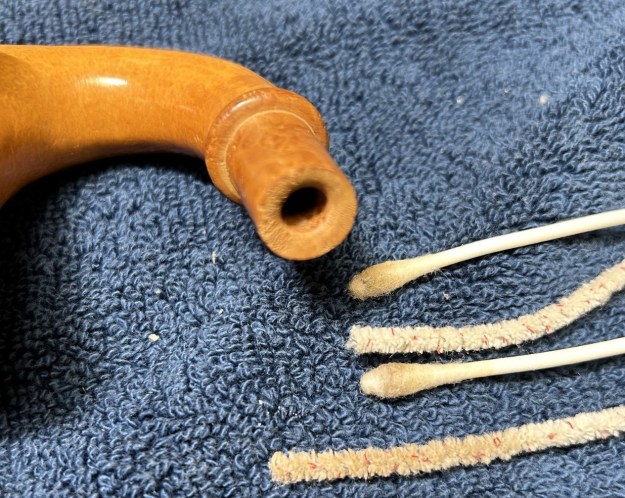
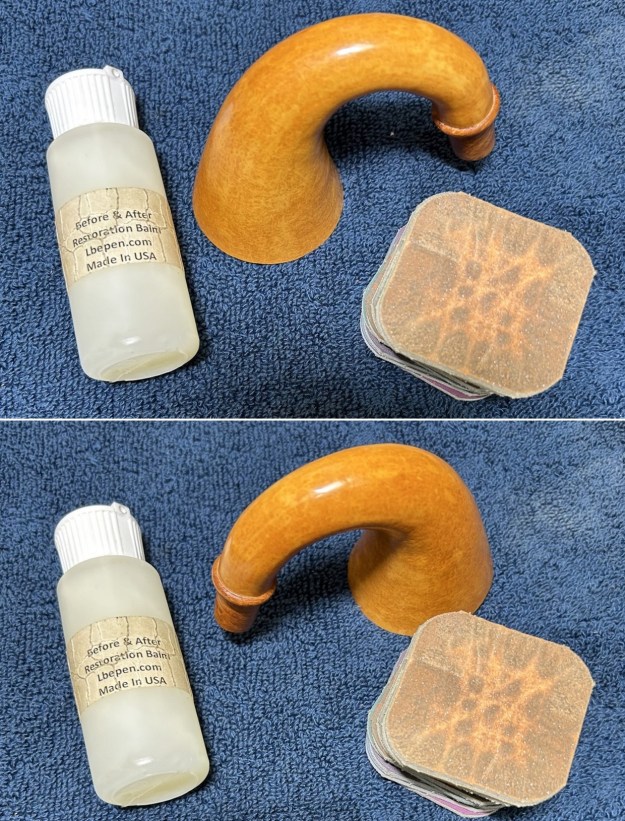
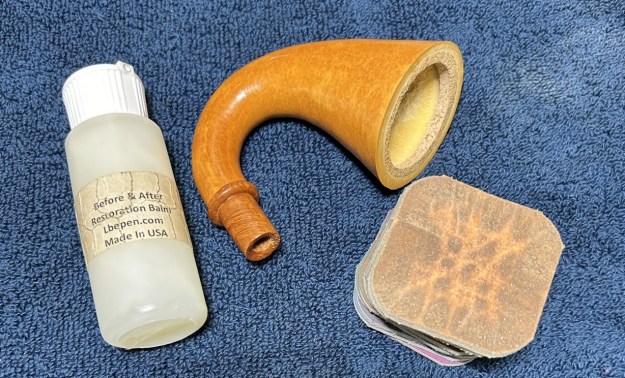
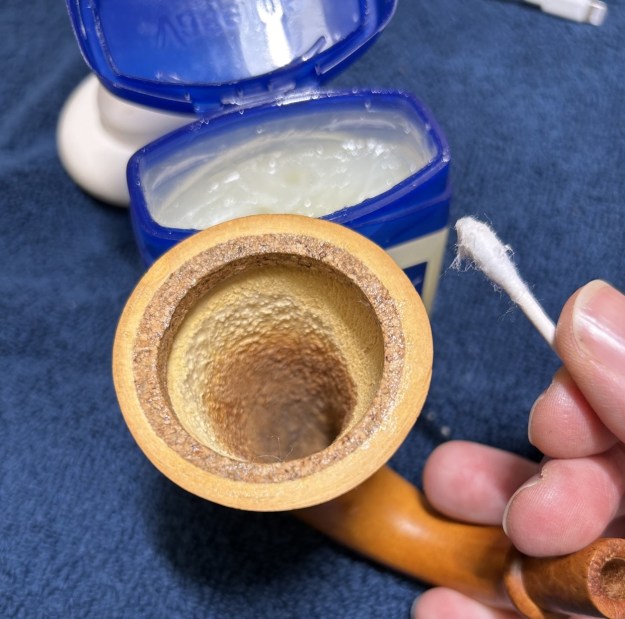
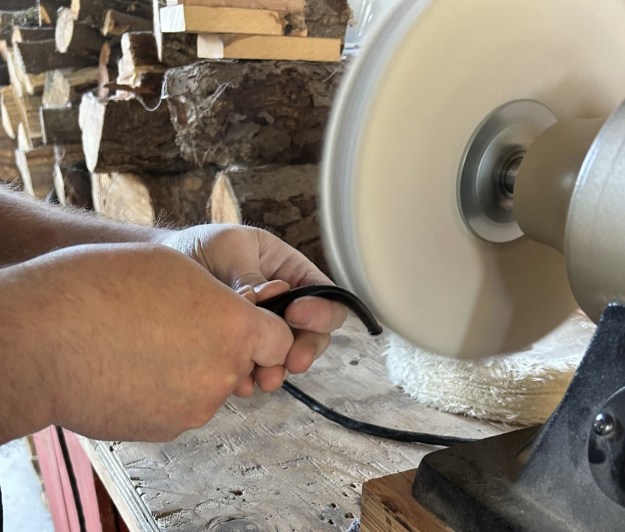
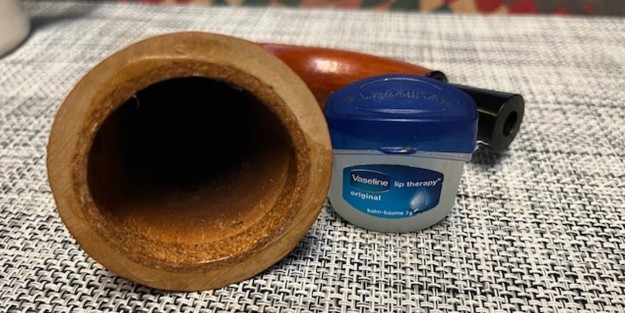
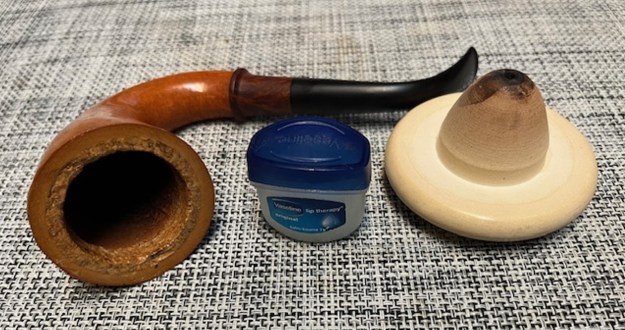
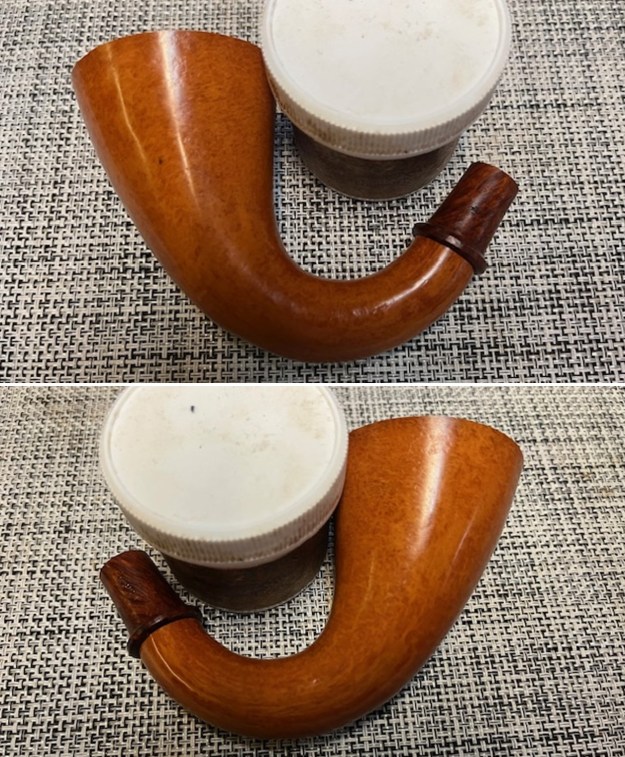
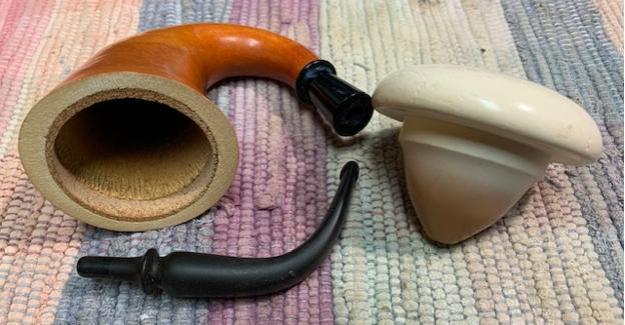
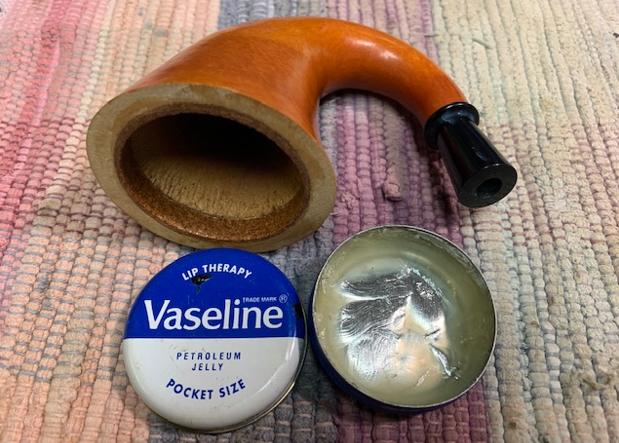
I cleaned the exterior of the gourd with some Murphy’s Oil Soap on a few cotton rounds. I cleaned inside the gourd gently by scraping with my reaming knife and some tube brushes. I was pleased with the results. I sanded down the wooden shank extension (but not the gourd) with my Micromesh pads. I also cleaned out the inside with cotton swabs and alcohol. It wasn’t very dirty. I then coated the gourd and shank extension with Restoration Balm and let it sit for 20 minutes. After that, I buffed it with the microfibre cloth. Finally, I applied some Vaseline to the cork gasket. Even though the gasket was in perfect shape, it’s a good idea to lubricate it in this way in order to maintain its elasticity. I set it aside to absorb and moved on.Before I went off to the buffer, I gave the meer and the gourd another going over with Clapham’s beeswax rub. This really worked well. I only took the stem to the buffer, as meerschaum and gourds don’t tolerate those high speeds very well! This gourd calabash was a delight from the start and its beauty only increased through the restoration process. I am pleased to announce that this pipe is for sale! If you are interested in acquiring it for your collection, please have a look in the ‘Calabash’ pipe section of the store here on Steve’s website. You can also email me directly at kenneth@knightsofthepipe.com. The approximate dimensions of the pipe are as follows: length 6¼ in. (160 mm); height 4½ in. (115 mm); bowl diameter 2¾ in. (70 mm); chamber diameter 1⅛ in. (28 mm). The weight of the pipe is 3 oz. (88 g). I hope you enjoyed reading the story of this restoration as much as I enjoyed restoring it. If you are interested in more of my work, please follow me here on Steve’s website or send me an email. Thank you very much for reading and, as always, I welcome and encourage your comments.
Restoring a Gourd Calabash with a Meerschaum Bowl from an Estate


Blog by Steve Laug

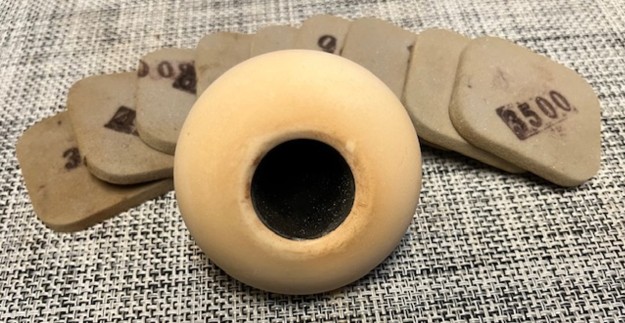
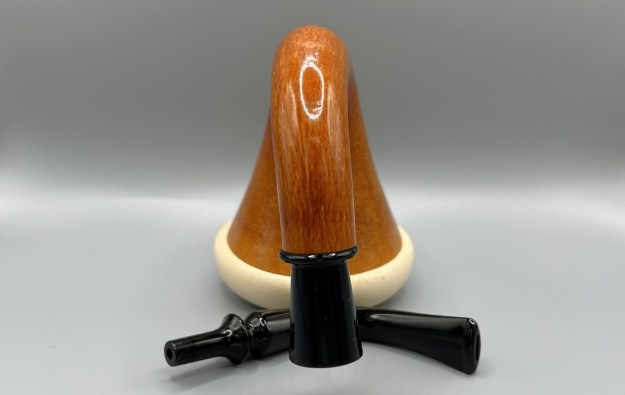
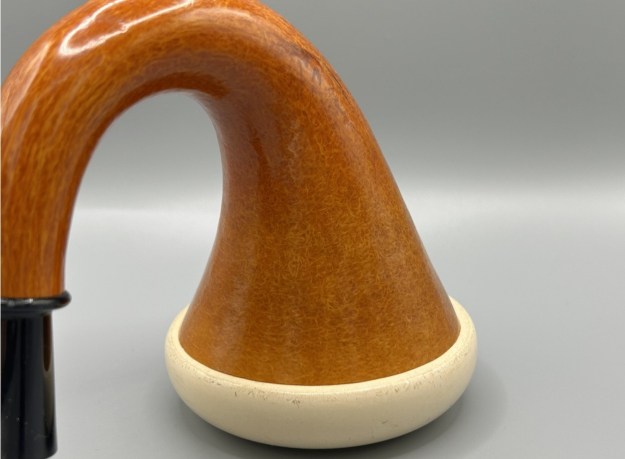
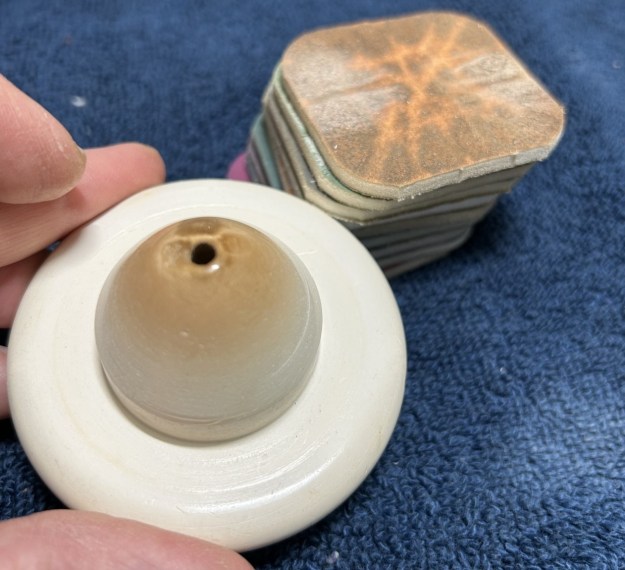
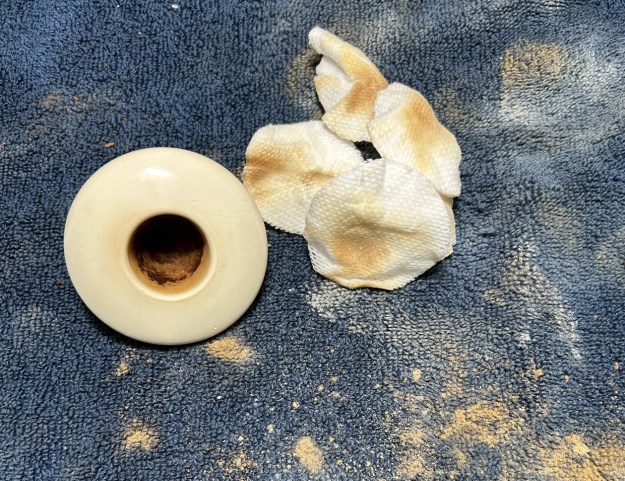
Jeff and I always keep an eye for Gourd Calabash pipes. We pick them up at a variety of spots – antique shops, auctions and periodically we purchase them in estates that we buy. We bought two calabashes from an estate of a pipeman in Plano, Texas, USA on 03/30/2022. This was a great example of a great looking Calabash. It has a well-made block meerschaum cup that fits well in the gourd. The meerschaum cup had a thick cake in the bowl some darkening around the inner edge and rim top. The cup had some patina developing around the cup top. The gourd itself was quite clean on the inside with some tars on the sides of the gourd. There is a new cork gasket around the gourd top that was dry but was in good condition and when rejuvenated would hold the cup in place. At the shank end of the gourd there was an acrylic shank extension. There was no stamping on the shank or gourd but it reminds me of many of the Pioneer Gourd Calabash pipes that I have worked on. The stem was well made fancy vulcanite and was oxidized, calcified and had light tooth marks and chatter on both sides ahead of the button. Jeff took photos of the pipe before he started the clean up on the pipe. It should clean up amazingly well. Jeff took photos of the meerschaum cup, bowl and inner edge. You can see the moderate cake in the bowl. tars/lava around the inner edge of the bowl and the lava and darkening on the op round the bowl edge. He also took photos of the stem. It is oxidized, calcified and has light tooth marks and chatter on both sides near the button. He took a photo of the gourd bowl and a close up of the briar shank extension. The fit of the meerschaum cup to the top of the gourd is snug and looks good. The acrylic shank extension fits well against the gourd and against the stem. He removed all the parts and took photos of the parts of the pipe showing the inside and the outside of the gourd and the meerschaum cup.Over the years I have worked on quite a few Gourd Calabash pipes like this one. The shank extension, the stem and the way the bowl fits all say to me that it is an American made Pioneer Gourd Calabash. As such it is hard to pin down a date for it. So, it was time to work on it. Jeff cleaned up the pipe for me. He carefully reamed the bowl with a Savinelli Fitsall Pipe Knife. He scrubbed the exterior of the gourd and the meerschaum with Murphy’s Oil Soap and a tooth brush to clean off the grime off the finish and the overflow of lava on the rim top. The cleaning had removed the grime on the rim top. He cleaned up the internals of the gourd with the soap and a brush as well. He cleaned the airway in the shank, mortise and stem with pipe cleaners, cotton swabs and alcohol to remove all of the oils and tars in the pipe. He soaked the stem in Briarville Pipe Stem Deoxidizer and was able to remove much of the oxidation, calcification. When it arrived here in Vancouver it was a clean pipe and I knew what I had to work with. I took photos of it before I started my part of the restoration. I took a photo of meerschaum rim top and the stem to show their condition once it arrived in Canada. Jeff was able to clean up the cake and the lava overflow that was shown in the rim and bowl photos above. The rim top looked very good but there was some darkening to the top and inner edge of the bowl. The stem looked better, though there were light tooth marks and chatter on both sides near the button.I took a photo of the bowl with the stem removed to give a sense of how it looked. I also took it apart to show how clean the parts are. I started my work on the pipe by greasing the cork gasket in the inner edge of the gourd. I worked some Vaseline into the cork and set it aside to let it soften the cork and make it more elastic.I set the gourd aside to let the cork absorb the Vaseline and turned my attention to the meerschaum cup. I sanded the rim top and the underside of the cup with a set of 2 inch sanding pads for 320-3500 grit sanding pads. I used the 320-600 grit pads on the underside, the cone of the cup. I used the 1000-3500 grit pads on the rim edge and top. They work amazingly well and are easy to manage and sand smooth.I worked on the meerschaum cut with micromesh sanding pads – dry sanding with 1500-12000 grit pads and wiping it down after each pad with a damp cloth. It really began to have a rich shine by the last pad.   At this point I rubbed the meerschaum cup down with some Restoration Balm and buffed it off with a soft cloth. The cup really shone.I set the meerschaum cup aside and rubbed the gourd down with Before & After Restoration Balm to deep clean the finish on the bowl and shank. The product works to clean, enliven and protect the gourd. I worked it in with my fingers to get it into the bowl and shank surface. I let it sit for 10 minutes then I wiped it off and buffed it with a soft cloth. The gourd really began to have a rich shine. I took some photos of the bowl at this point to mark the progress in the restoration. I put the cup on the gourd and gave both several coats of Conservator’s Wax and buffed them by hand. The pipe really looked good at this point and once the stem was on it would be a beautiful pipe. I set the bowl aside and worked on the stem at this point in the process. I sanded out the chatter and marks on the stem surface with a set of 2 inch sanding pads for 320-3500 grit sanding pads. They work amazingly well and are easy to manage and sand close to the sharp edge of the button. I polished the stem with micromesh sanding pads – dry sanding with 1500-12000 grit pads. I wiped the stem down after each sanding pad with Obsidian Oil. I polished the stem with Before & After Pipe Stem Polish – both Fine and Extra Fine. I gave it a coat of Obsidian Pipe Stem Oil. It works to protect the stem from oxidizing. I set it aside to dry. I put the stem back on the “Pioneer” Gourd Calabash with a Meerschaum Cup and took it to the buffer. I buffed the stem with Blue Diamond to polish the vulcanite. Blue Diamond does a great job on the smaller scratches that remain in the vulcanite. I gave the bowl multiple coats of Conservator’s Wax and the stem several coats of carnauba wax and buffed the pipe with a clean buffing pad to raise the shine. I hand buffed it with a microfiber cloth to deepen the shine. I am amazed at how well it turned out. The finished pipe is shown in the photos below. This is a beautiful Meerschaum Cup Gourd Calabash – the vulcanite taper stem, the polished gourd and meerschaum cup combine to give the pipe a great look. The dimensions of the pipe are Length: 8 inches, Height: 4 inches, Outside diameter of the bowl: 2 ½ inches, Chamber diameter: 1 inch. The weight of the pipe is 4.13 ounces/117 grams. This is another pipe that I will be putting on the rebornpipes online store in the Ceramic and Meerschaum Section shortly, if you are interested in adding it to your collection. Thanks for walking through the restoration with me on this beauty!
As always, I encourage your questions and comments as you read the blog. Thanks to each of you who are reading this blog. Remember we are not pipe owners; we are pipe men and women who hold our pipes in trust until they pass on into the trust of those who follow us.

Cleaning up an Austrian Made Gourd Calabash with a Meerschaum Bowl


Blog by Steve Laug

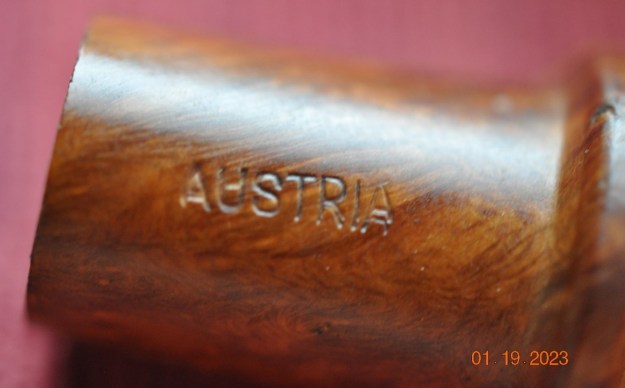
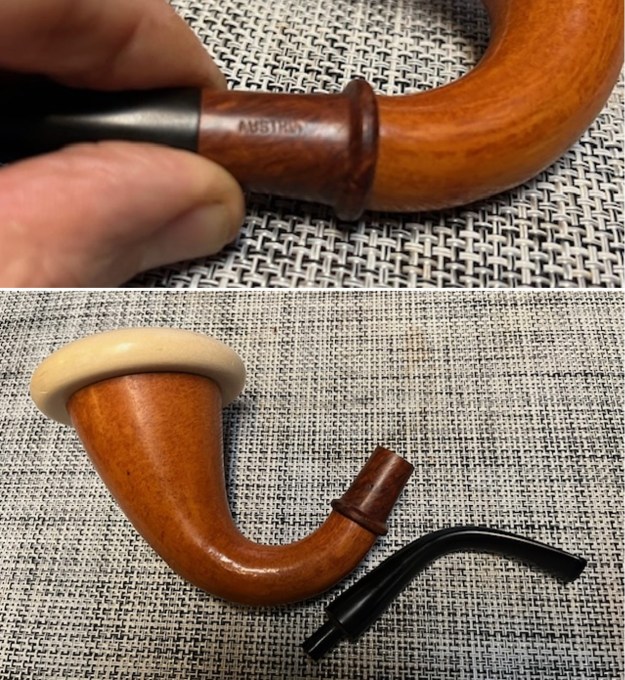
Jeff and I always keep an eye for Gourd Calabash pipes. We pick them up at a variety of spots – antique shops, auctions and periodically we purchase them in estates that we buy. We bought two calabashes from an estate of a pipeman in Plano, Texas, USA on 03/30/2022. This was a great example of a great looking Calabash. It has a well-made block meerschaum cup that fits well in the gourd. The meerschaum cup had a thick cake in the bowl some darkening around the inner edge and rim top. The cup had some patina developing around the cup top. The gourd itself was quite clean on the inside with some tars on the sides of the gourd. There is a new cork gasket around the gourd top that was dry but was in good condition and when rejuvenated would hold the cup in place. At the shank end of the gourd there was wood shank extension. The wood was briar and it was stamped on the right side and read AUSTRIA. There was no other stamping on the shank or gourd. The stem was well made vulcanite and was oxidized, calcified and had light tooth marks and chatter on both sides ahead of the button. Jeff took photos of the pipe before he started the clean up on the pipe. It should clean up amazingly well. Jeff took photos of the meerschaum cup, bowl and inner edge. You can see the moderate cake in the bowl. tars/lava around the inner edge of the bowl and the lava and darkening on the op round the bowl edge. He also took photos of the stem. It is oxidized, calcified and has light tooth marks and chatter on both sides near the button. He took a photo of the gourd bowl and a close up of the briar shank extension. The fit of the meerschaum cup to the top of the gourd is snug and looks good. The shank extension fits well against the gourd and against the stem.He removed all the parts and took photos of the parts of the pipe showing the inside and the outside of the gourd and the meerschaum cup. He also took a photo of the mortise end of the shank extension. The shank extension is stamped on the right side and reads AUSTRIA. It is double stamped and shows the ghost of a second stamp underneath it.I did a quick Google search on Austrian Made Gourd Calabash pipes. There were several with one referring to a Calabash that I had restored with a silver band stamped Austria. The other was a link to a blog on an Austrian made pipe that Charles Lemon restored on Dadspipes.com (https://dadspipes.com/2016/06/20/freshening-an-andreas-bauer-gourd-calabash/). That pipe is identical in terms of the way it is made – the meerschaum bowl, the gourd and the briar shank extension. His is stamped AB for Andreas Bauer and he concluded that it was made in Turkey. The one that I am working on is definitively stamped AUSTRIA but does not bear the Andreas Bauer stamp. My guess would be that it is a Bauer but I do not have definitive proof of that.

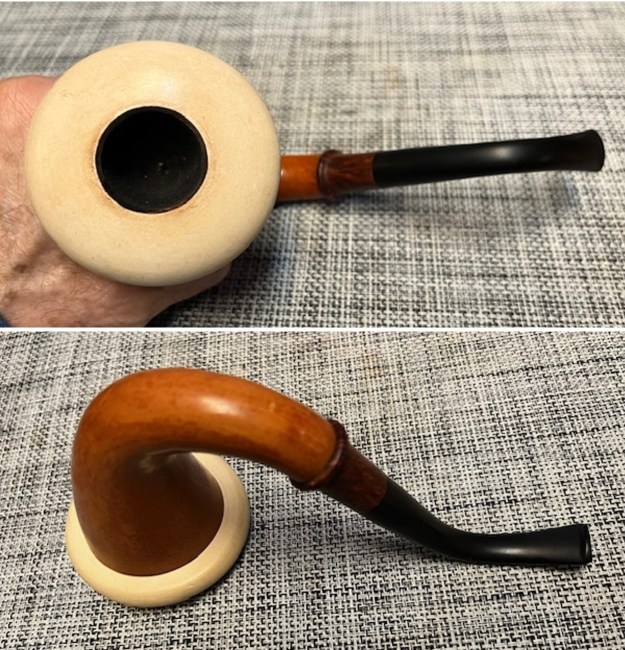
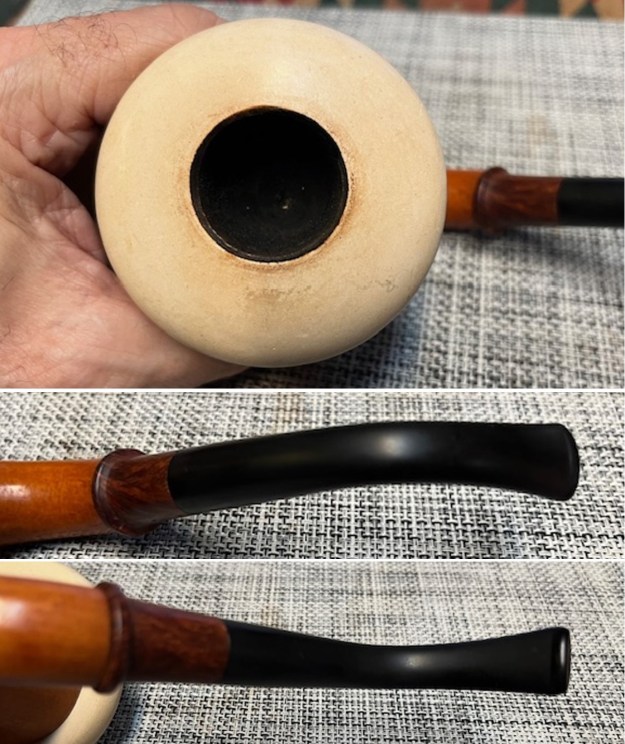
Jeff cleaned up the pipe for me. He carefully reamed the bowl with a Savinelli Fitsall Pipe Knife. He scrubbed the exterior of the gourd and the meerschaum with Murphy’s Oil Soap and a tooth brush to clean off the grime off the finish and the overflow of lava on the rim top. The cleaning had removed the grime on the rim top. He cleaned up the internals of the gourd with the soap and a brush as well. He cleaned the airway in the shank, mortise and stem with pipe cleaners, cotton swabs and alcohol to remove all of the oils and tars in the pipe. He soaked the stem in Briarville Pipe Stem Deoxidizer and was able to remove much of the oxidation, calcification. When it arrived here in Vancouver it was a clean pipe and I knew what I had to work with. I took photos of it before I started my part of the restoration. I took a photo of meerschaum rim top and the stem to show their condition once it arrived in Canada. Jeff was able to clean up the cake and the lava overflow that was shown in the rim and bowl photos above. The rim top looked very good but there was some darkening to the top and inner edge of the bowl. The stem looked better, though there were light tooth marks and chatter on both sides near the button. I took a photo of the stamping on the right side of the shank extension. It was clear and read as noted above. I also took a photo of the bowl with the stem removed to give a sense of how it looked.I started my work on the pipe by greasing the cork gasket in the inner edge of the gourd. I worked some Vaseline into the cork and set it aside to let it soften the cork and make it more elastic.I set the gourd aside to let the cork absorb the Vaseline and turned my attention to the meerschaum cup. I sanded the rim top and the underside of the cup with a set of 2 inch sanding pads for 320-3500 grit sanding pads. I used the 320-600 grit pads on the underside, the cone of the cup. I used the 1000-3500 grit pads on the rim edge and top. They work amazingly well and are easy to manage and sand smooth. I rubbed the gourd down with Before & After Restoration Balm to deep clean the finish on the bowl and shank. The product works to clean, enliven and protect the gourd. I worked it in with my fingers to get it into the bowl and shank surface. I let it sit for 10 minutes then I wiped it off and buffed it with a soft cloth. The briar really began to have a rich shine. I took some photos of the bowl at this point to mark the progress in the restoration. I set the gourd aside to let the balm absorb into the finish. I turned my attention to polishing the meerschaum cup. I worked on it with micromesh sanding pads – dry sanding with 1500-12000 grit pads and wiping it down after each pad with a damp cloth. It really began to have a rich shine by the last pad.   At this point I rubbed the meerschaum cup down with some Restoration Balm and buffed it off with a soft cloth. The cup really shone. I put the cup on the gourd and gave both several coats of Conservator’s Wax and buffed them by hand. The pipe really looked good at this point and once the stem was on it would be a beautiful pipe. I set the bowl aside and worked on the stem at this point in the process. I sanded out the chatter and marks on the stem surface with a set of 2 inch sanding pads for 320-3500 grit sanding pads. They work amazingly well and are easy to manage and sand close to the sharp edge of the button. I polished light tooth marks and chatter out of the stem with micromesh sanding pads – dry sanding with 1500-12000 grit pads. I wiped the stem down after each sanding pad with Obsidian Oil. I polished the stem with Before & After Pipe Stem Polish – both Fine and Extra Fine. I gave it a coat of Obsidian Pipe Stem Oil. It works to protect the stem from oxidizing. I set it aside to dry.I put the stem back on the Austrian Made Gourd Calabash with a Meerschaum Cup and took it to the buffer. I buffed the stem with Blue Diamond to polish the vulcanite. Blue Diamond does a great job on the smaller scratches that remain in the vulcanite. I gave the bowl multiple coats of Conservator’s Wax and the stem several coats of carnauba wax and buffed the pipe with a clean buffing pad to raise the shine. I hand buffed it with a microfiber cloth to deepen the shine. I am amazed at how well it turned out. The finished pipe is shown in the photos below. This is a beautiful Meerschaum Cup Gourd Calabash – the vulcanite taper stem, the polished gourd and  meerschaum cup combine to give the pipe a great look. The dimensions of the pipe are Length: 7 ½ inches, Height: 3 ½ inches, Outside diameter of the bowl: 2 ¾ inches, Chamber diameter: 1 inch. The weight of the pipe is 3.49 ounces/99 grams. This is another pipe that I will be putting on the rebornpipes online store in the Ceramic and Meerschaum Section shortly, if you are interested in adding it to your collection. Thanks for walking through the restoration with me on this beauty!

As always, I encourage your questions and comments as you read the blog. Thanks to each of you who are reading this blog. Remember we are not pipe owners; we are pipe men and women who hold our pipes in trust until they pass on into the trust of those who follow us. 

Cleaning up another Carved Bowl Gourd Calabash with Porcelain Cup


Blog by Steve Laug

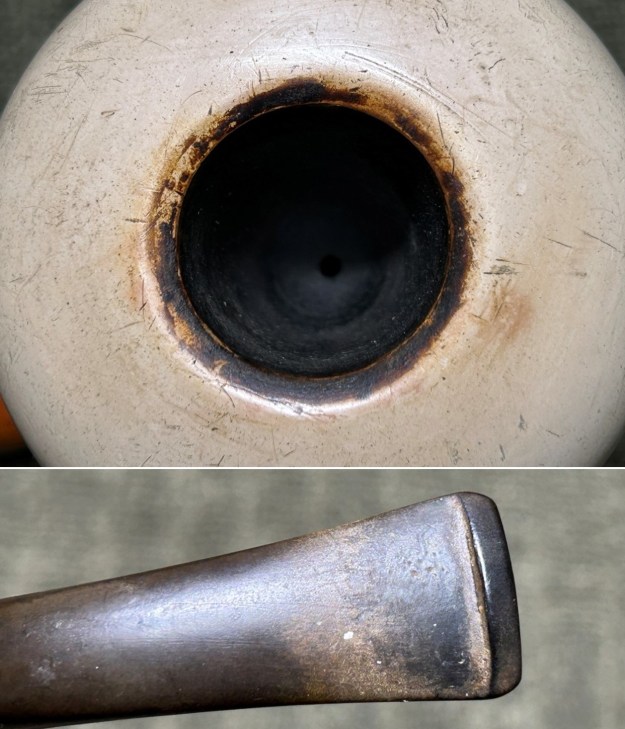
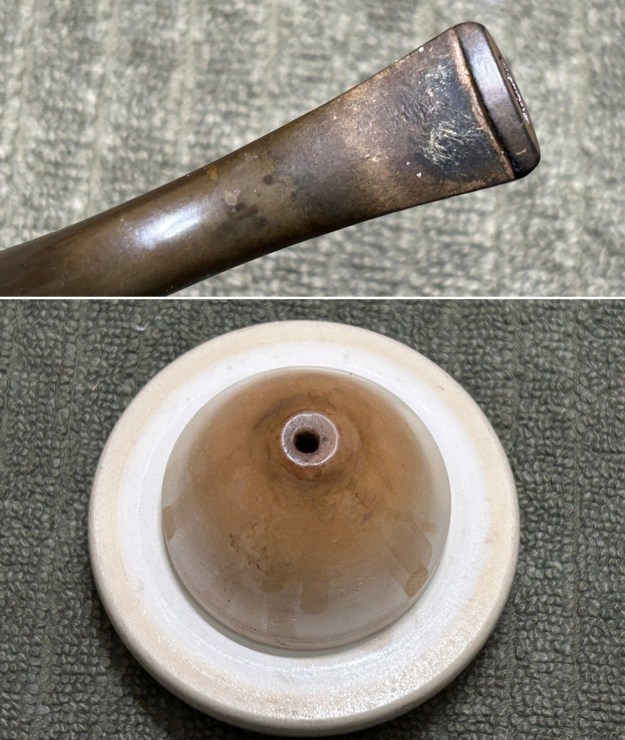
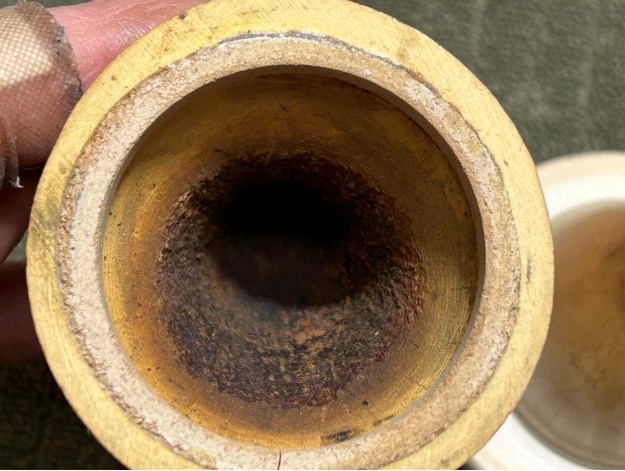
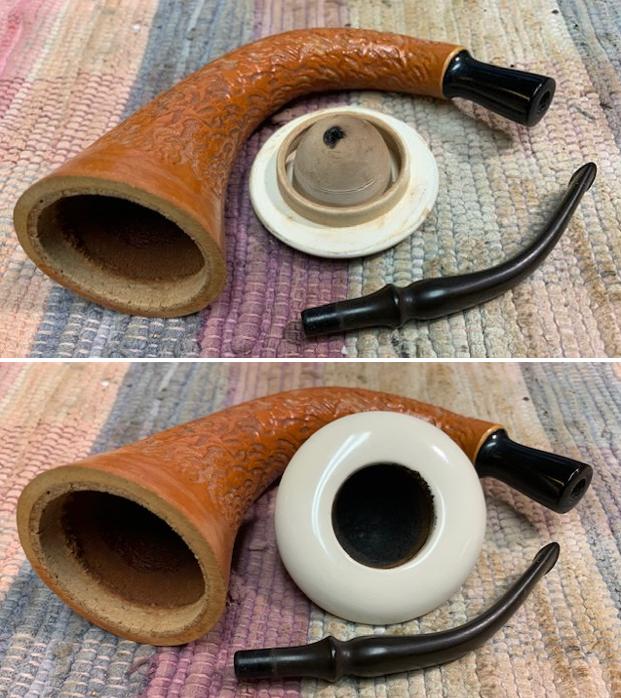
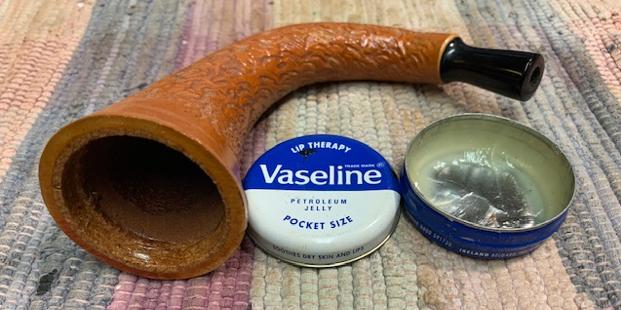
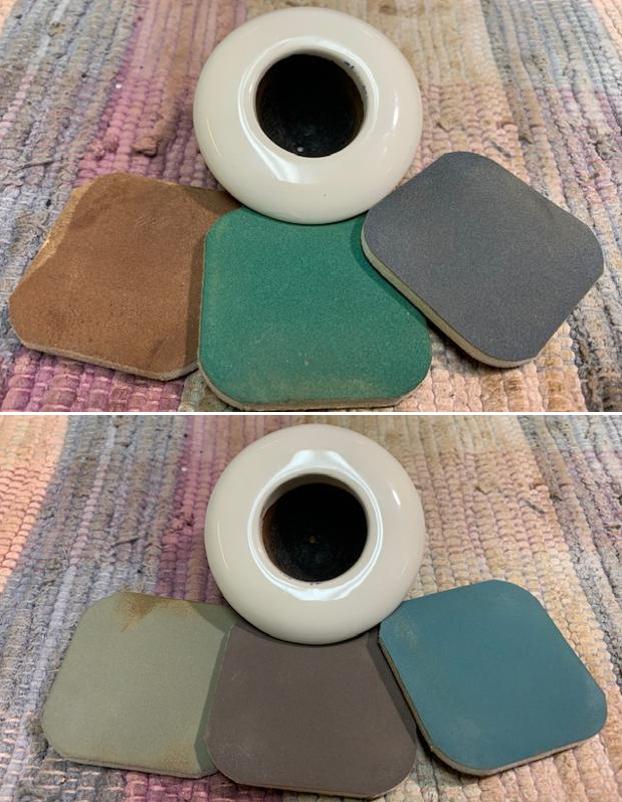
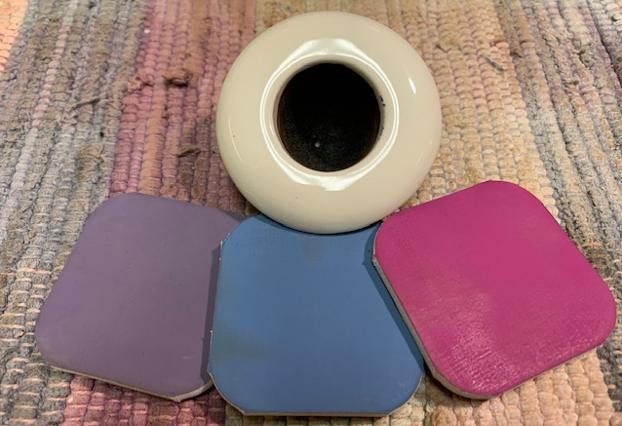
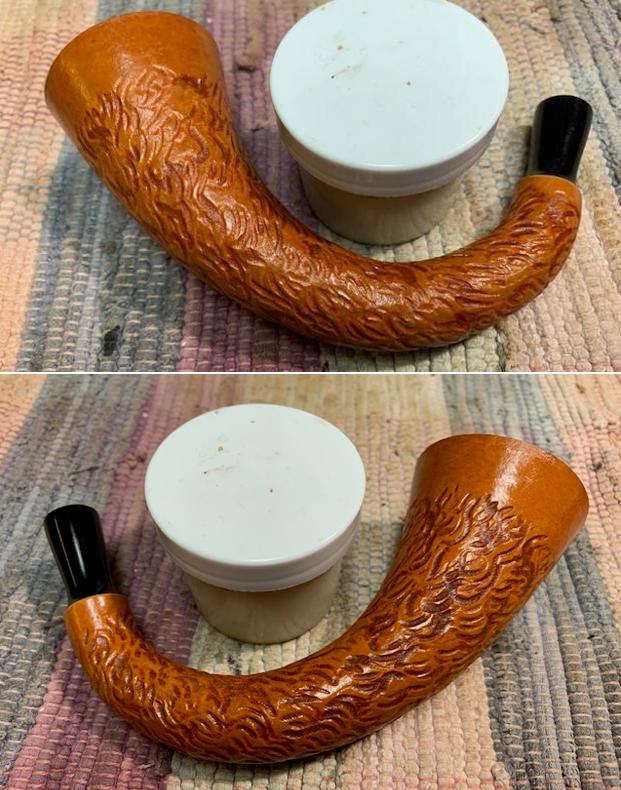
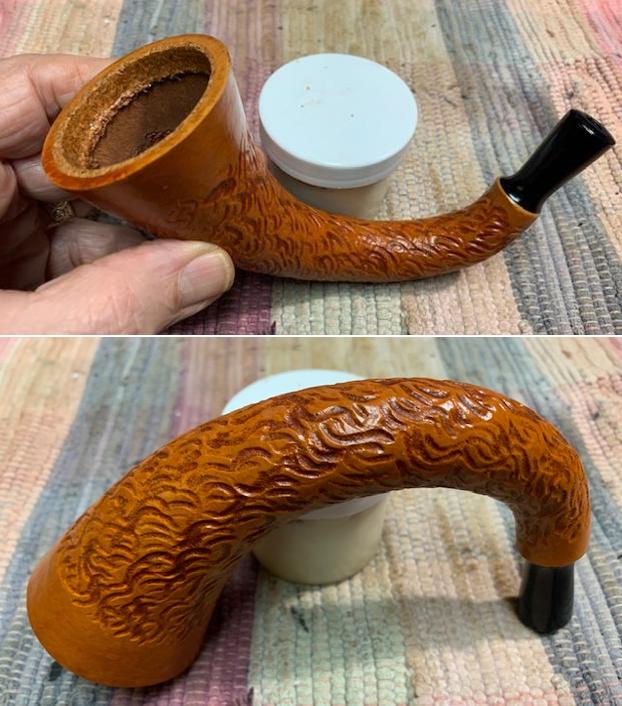
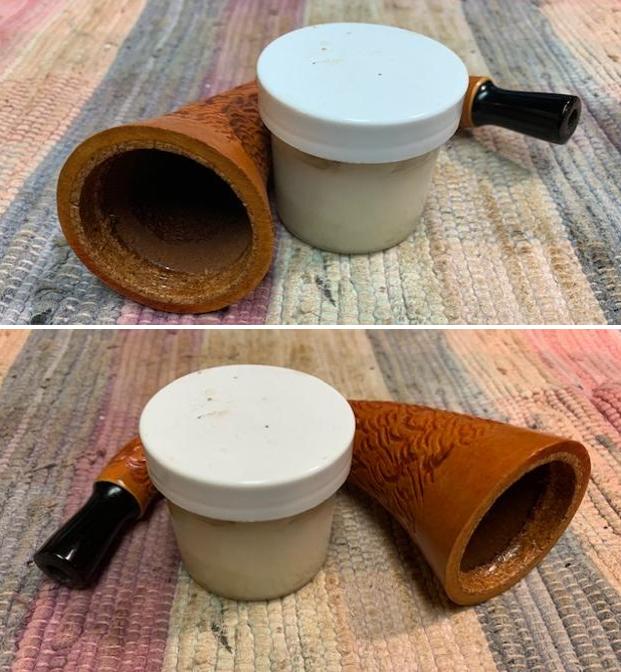
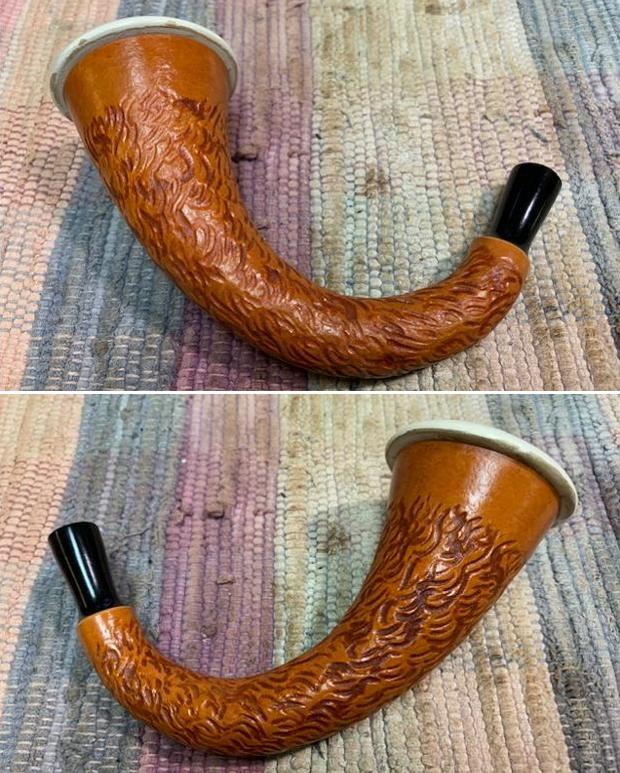
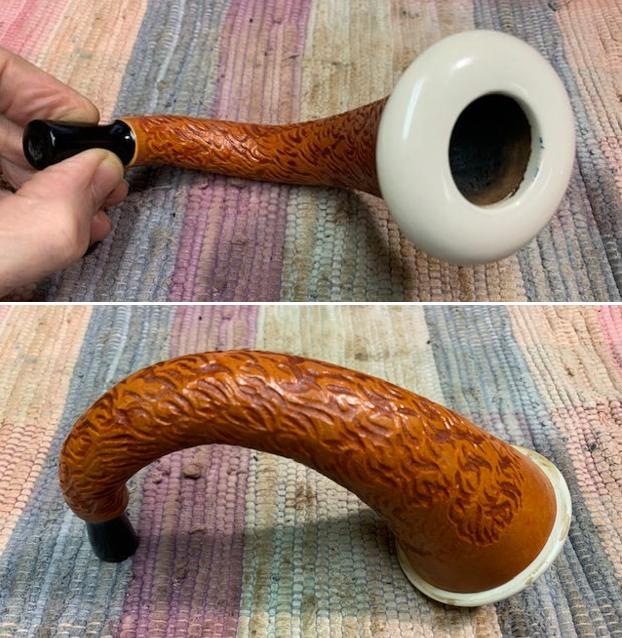
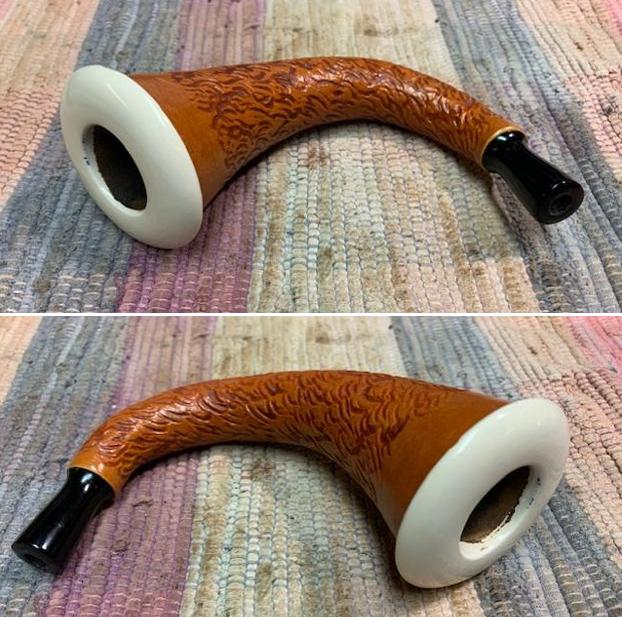
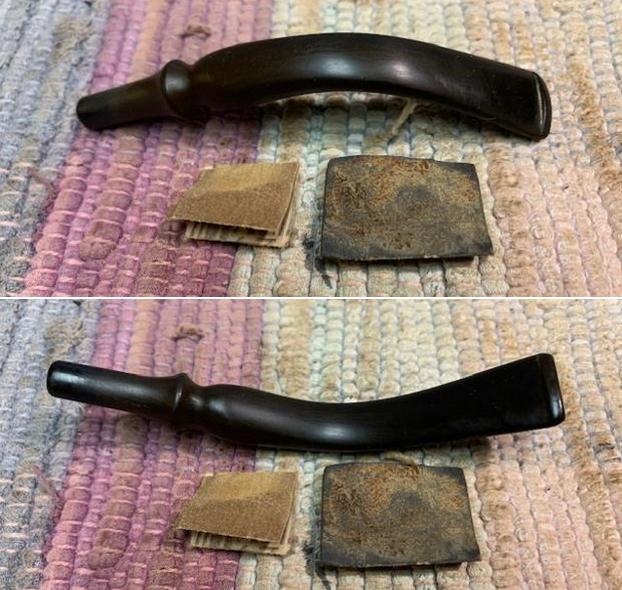
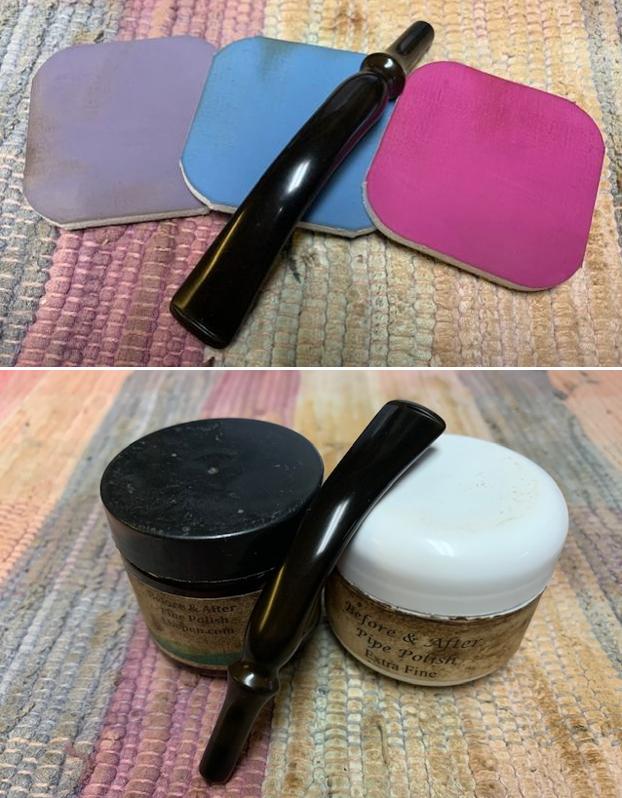
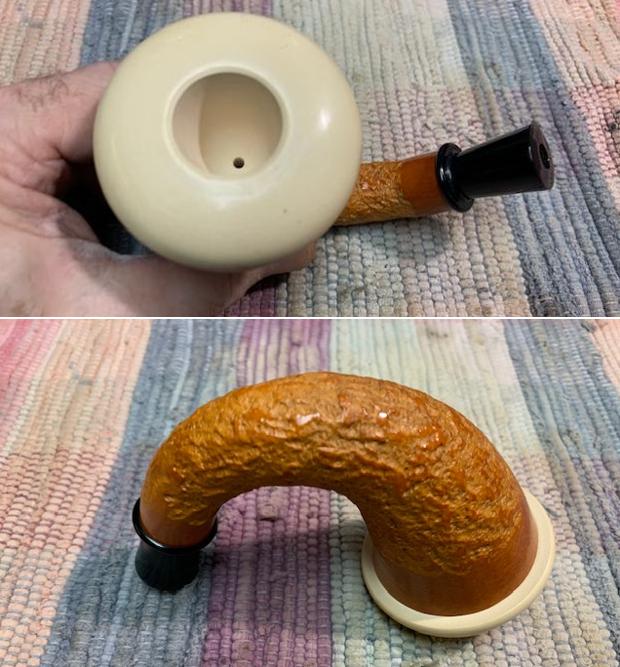
With all of the work I have been doing the last couple of days on gourd calabash pipes I decided to look through some my pipes awaiting restoration and found three more calabashes. Last night I tried to remove the stem from the top pipe with the yellow stem and the tenon broke off in my hand. That left me with the bottom pipe in the photo below. It had a carved finish on the gourd surface and a unique Porcelain cup instead of meerschaum. It was a tall narrow pipe. Jeff had done the clean up work on the interior of the gourd and the porcelain cup. There was still some darkening on the rim top but nothing serious. He had soaked the stem in Before & After Deoxidizer and then scrubbed it with Soft Scrub. I have had it in boxes here for at least a year if not longer The vulcanite stem is lightly oxidized and the porcelain is dull and needing to be polished but otherwise they are in excellent condition.The calabash on the bottom of the above photo is a tall, narrow, drawn out gourd. The gourd has a carved finish that does not come through well in the above photo. It is well done and very tactile. Its measurements are Length: 9 inches, Height: 4 ½ inches, Diameter of the porcelain cup: 2 ½ inches, Diameter of the chamber: 1 inch, Depth of the chamber: 1 inch. I took photos of that pipe before my polishing work. I took photos of the cup to show the cleanness of the bowl. It is a little scratched which I will polish out. The stem is lightly oxidized and has light tooth chatter and marks. It should clean up easily.      I took the pipe apart and took a series of photos to show its condition and the overall appearance of the pipe. The cork gasket it dry and lifeless and needs to be rejuvenated. The porcelain bowl is quite different from the normal meerschaum bowl that is generally used on these calabash pipes.     I used some Vaseline Petroleum Jelly to rejuvenate the cork gasket in the bowl. I worked it into the cork with my finger tips to soften the gasket. Once it had absorbed a bit it would be soft and hold the porcelain bowl in the gourd easily.I polished the porcelain cup/bowl with micromesh sanding pads – polishing with 1500-12000 grit pads and wiping them down with a damp cloth after each pad.  Because the gourd had been carved and the surface opened up the calabash was quite dry. I worked some Before & After Restoration Balm into the finish with my finger tips and a horsehair shoe brush. The product cleans, protects and enlivens the surface of the material that it is rubbed into and in this case it really enhanced the rustication on the gourd.   I put the porcelain cup in the gourd calabash bowl and took photos of the restoration of this pipe to this point in the process.      I sanded out the tooth marks in the vulcanite with 220 grit sandpaper and blended them into the surface of the surrounding stem. I started the polishing with 400 grit wet dry sandpaper. I wiped it down with Obsidian Oil after the sanding.    I set aside the bowl and turned my attention to the stem. I polished the stem with micromesh sanding pads –sanding it with 1500-12000 grit pads. I wiped it down after each pad with Obsidian Oil. I polished it further with Before & After Pipe Stem Polish – both fine and extra fine. I gave it a final coat of Obsidian Oil.     I really enjoyed refurbishing this pipe because I love the final touches that make it sing. I put the Gourd Calabash back together and lightly buffed the bowl with Blue Diamond on the buffing wheel. I gave the gourd and stem multiple coats of carnauba wax. I buffed the pipe with a clean buffing pad to raise the shine. I hand buffed it with a microfiber cloth to deepen the shine. It is fun to see what the polished porcelain bowl looks like with the smooth finished gourd and the black vulcanite stem. This richly finished Gourd Calabash is light weight and ready for you to load up a tobacco of preference and enjoy smoking it. The porcelain bowl is clean and ready load up with your favourite tobacco. Have a look at it in the photos below. As noted above, Its measurements are Length: 8 inches, Height: 3 ½ inches, Diameter of the meerschaum cup: 2 ¼ inches, Diameter of the chamber: ¾ of an inch, Depth of the chamber: 1 ¼ inches. The weight of the pipe is 71grams/2.50oz. This is one will be going on the rebornpipes store in  CERAMIC & MEERSCHAUM PIPES – CALABASHES, SMOOTH & FIGURALS section. Thanks to each of you who are reading this blog. Remember we are not pipe owners; we are pipemen and women who hold our pipes in trust until they pass on into the trust of the next generation.           

Cleaning Up an Older Meerschaum Bowled Gourd Calabash


Blog by Steve Laug

With all of the work I have been doing the last couple of days on gourd calabash pipes I decided to look through some my pipes awaiting restoration and found three more calabashes. I received an email from a fellow wanting one that would cost a little less than the unsmoked ones that have all sold. I sent him the photo below and he chose the second pipe the one in the middle toward the right of the photo. Jeff had done the clean up work on the interior of the gourd and the meerschaum cup. There was still some darkening on the rim top but nothing serious. He had soaked the stem in Before & After Deoxidizer and then scrubbed it with Soft Scrub. I have had it in boxes here for at least a year if not longer The vulcanite stem is lightly oxidized and the meerschaum is dull and needing to be polished but otherwise they are in excellent condition. The calabash is a well formed gourd with a nicely crowned meerschaum cup. Its measurements are Length: 7 inches, Height: 4 inches, Diameter of the meerschaum cup: 3 inches, Diameter of the chamber: 1 inch, Depth of the chamber: 1 ½ inches. I took photos of the cup to show the cleanness of the bowl. It is a little scratched which I will polish out. The stem is lightly oxidized but surprisingly unmarked by tooth chatter or marks. It should clean up easily.     I took the pipe apart and took a series of photos to show its condition and the overall appearance of the pipe. The cork gasket it dry and lifeless and needs to be rejuvenated. I used some Vaseline Petroleum Jelly to rejuvenate the cork gasket in the bowl. I worked it into the cork with my finger tips to soften the gasket. Once it had absorbed a bit it would be soft and hold the meerschaum bowl in the gourd easily.I polished the meerschaum cup/bowl with micromesh sanding pads – polishing with 1500-12000 grit pads and wiping them down with a damp cloth after each pad.   I put the meerschaum cup in the gourd calabash bowl and took photos of the restoration of this pipe to this point in the process.  I set aside the bowl and turned my attention to the stem. I polished the stem with micromesh sanding pads –sanding it with 1500-12000 grit pads. I wiped it down after each pad with Obsidian Oil. I polished it further with Before & After Pipe Stem Polish – both fine and extra fine. I gave it a final coat of Obsidian Oil.     I really enjoyed refurbishing this pipe because I love the final touches that make it sing. I put the Gourd Calabash back together and lightly buffed the bowl with Blue Diamond on the buffing wheel. I gave the gourd and stem multiple coats of carnauba wax. I buffed the pipe with a clean buffing pad to raise the shine. I hand buffed it with a microfiber cloth to deepen the shine. It is fun to see what the polished meerschaum bowl looks like with the smooth finished gourd and the black vulcanite stem. This richly finished Gourd Calabash is light weight and ready for you to load up a tobacco of preference and enjoy smoking it. The bowl has a light patina from just sitting unsmoked. It should colour very well as you smoke it. Have a look at it in the photos below. As noted above, its measurements are Length: 7 inches, Height: 4 inches, Diameter of the meerschaum cup: 3 inches, Diameter of the chamber: 1 inch, Depth of the chamber: 1 ½ inches. The weight of the pipe is 109grams/3.84oz. This is one is already sold and will soon go to pipeman who purchased it. Thanks to each of you who are reading this blog. Remember we are not pipe owners; we are pipemen and women who hold our pipes in trust until they pass on into the trust of the next generation.   

Easy Cleanup of the third NOS Unsmoked Gourd Calabash with a rusticated bowl


Blog by Steve Laug

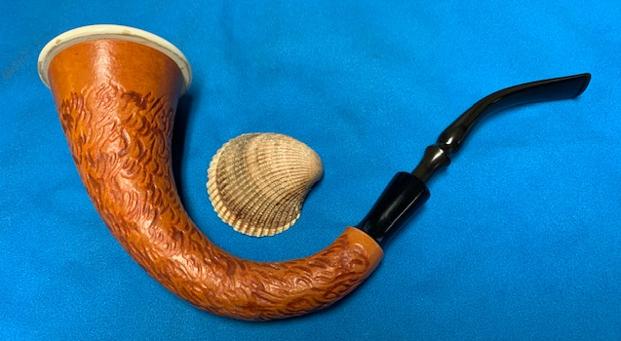
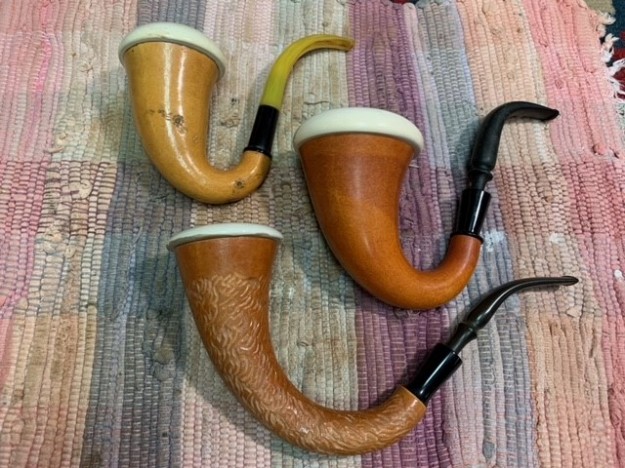
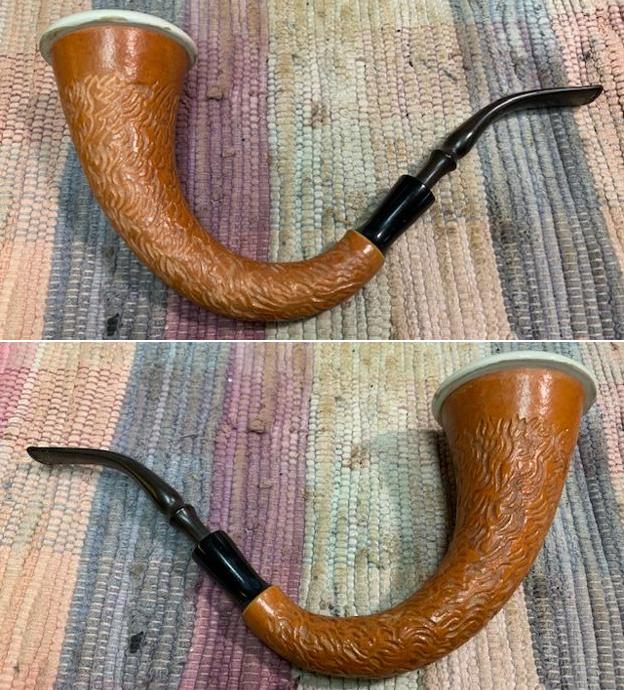
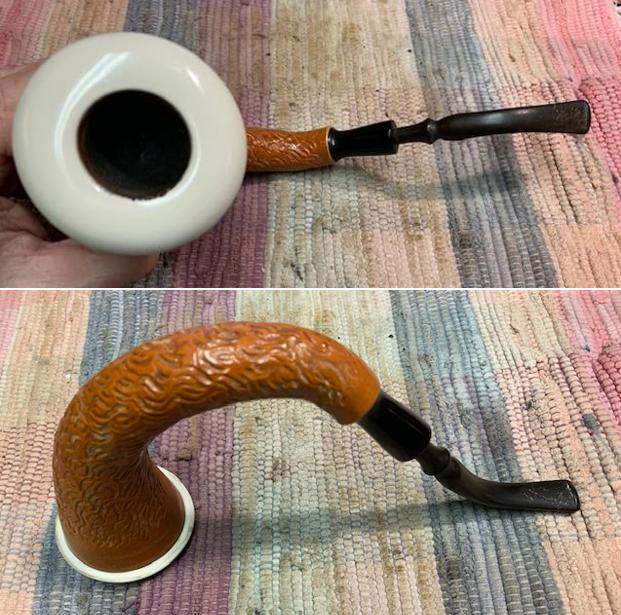
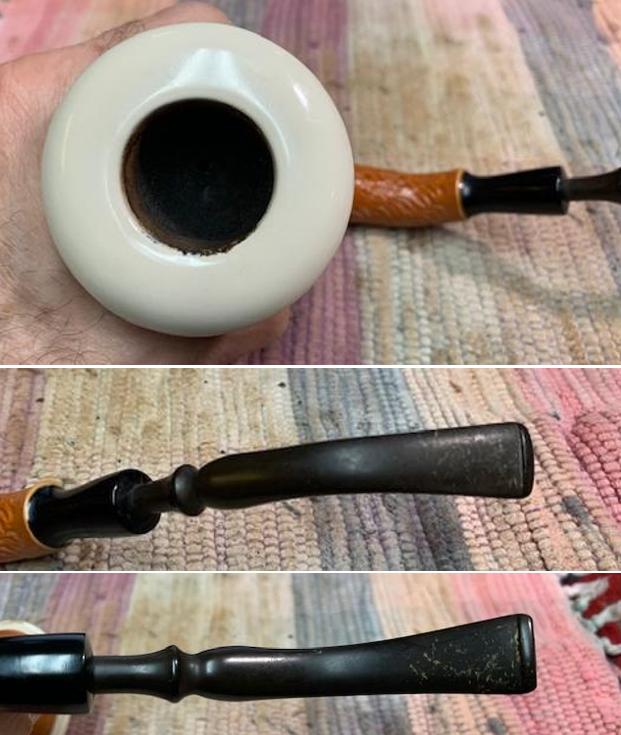
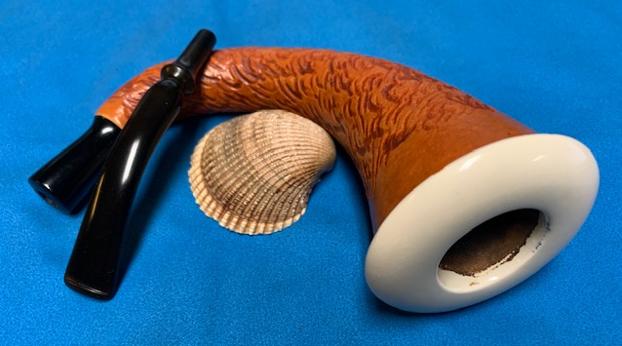
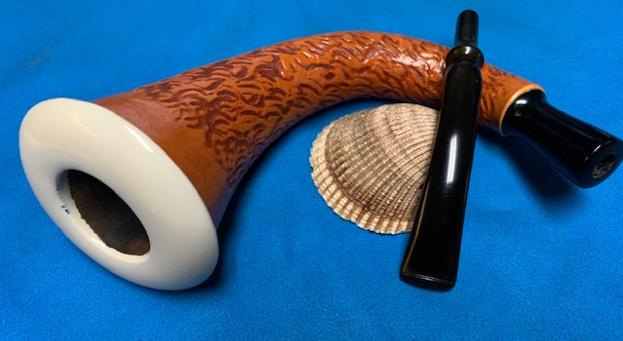
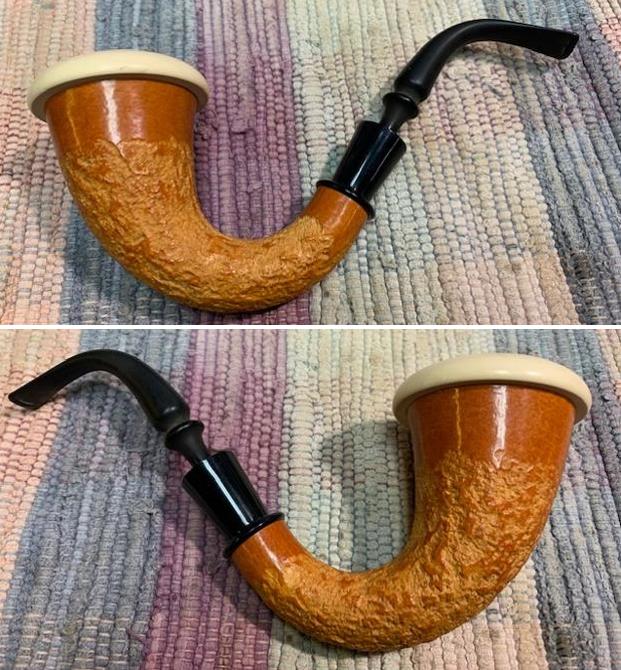
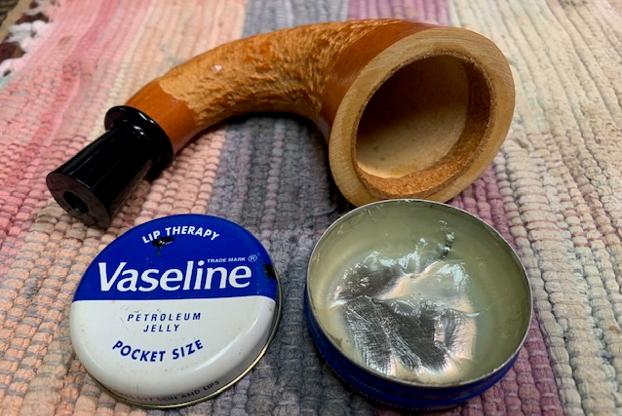
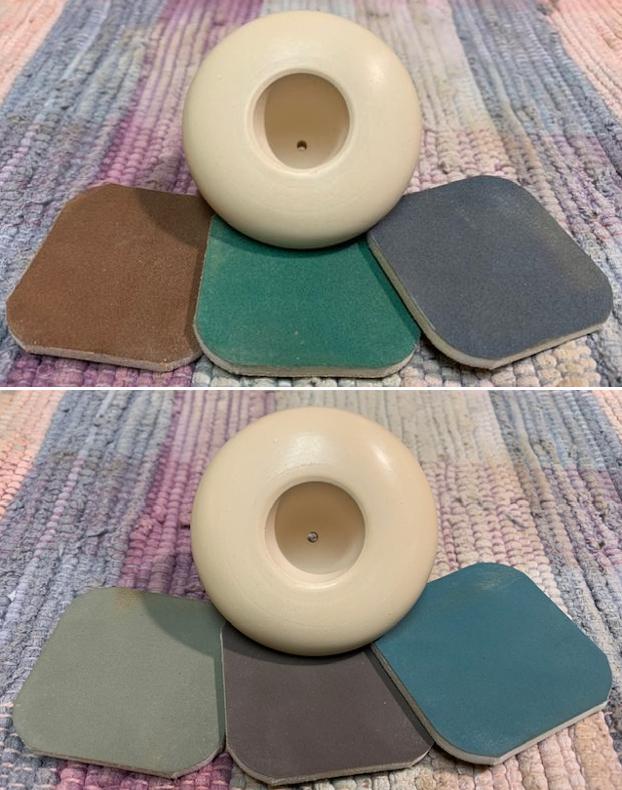
Yesterday I received a box of pipes that Jeff had cleaned up and sent to me. It is a nice assortment of pipes that should be fun to work on. In the box were three unsmoked, NOS Meerschaum bowled Gourd Calabash pipes. I lined them up and took a photo of them that I have included below. The vulcanite stems are lightly oxidized and the meerschaum is dull and needing to be polished but otherwise they are in perfect condition. The top two are smooth calabashes that I have cleaned up and posted. The bottom one is etched/rusticated. I will finish my polishing work on the last of them below.The calabash on the bottom left side of the above photo is a well formed gourd. The gourd has a nice rustication that does not come through to well in the above photo. It is well done and very tactile. Its measurements are Length: 8 inches, Height: 3 ½ inches, Diameter of the meerschaum cup: 2 ¼ inches, Diameter of the chamber: ¾ of an inch, Depth of the chamber: 1 ¼ inches. I took photos of that pipe before my polishing work.    I took photos of the cup to show the cleanness of the bowl. It is a little scratched which I will polish out. The stem is lightly oxidized but unmarked by tooth chatter or marks. It should clean up easily and allow whoever takes it in trust to put their own teeth marks on it.    I took the pipe apart and took a series of photos to show its condition and the overall appearance of the pipe. The cork gasket it dry and lifeless and needs to be rejuvenated.    I used some Vaseline Petroleum Jelly to rejuvenate the cork gasket in the bowl. I worked it into the cork with my finger tips to soften the gasket. Once it had absorbed a bit it would be soft and hold the meerschaum bowl in the gourd easily.I polished the meerschaum cup/bowl with micromesh sanding pads – polishing with 1500-12000 grit pads and wiping them down with a damp cloth after each pad.    Because the gourd had been rusticated the calabash was quite dry. I worked some Before & After Restoration Balm into the finish with my finger tips and a horsehair shoe brush. The product cleans, protects and enlivens the surface of the material that it is rubbed into and in this case it really enhanced the rustication on the gourd.  I put the meerschaum cup in the gourd calabash bowl and took photos of the restoration of this pipe to this point in the process.      I set aside the bowl and turned my attention to the stem. I polished the stem with micromesh sanding pads –sanding it with 1500-12000 grit pads. I wiped it down after each pad with Obsidian Oil. I polished it further with Before & After Pipe Stem Polish – both fine and extra fine. I gave it a final coat of Obsidian Oil.    I really enjoyed refurbishing this pipe because I love the final touches that make it sing. I put the Gourd Calabash back together and lightly buffed the bowl with Blue Diamond on the buffing wheel. I gave the gourd and stem multiple coats of carnauba wax. I buffed the pipe with a clean buffing pad to raise the shine. I hand buffed it with a microfiber cloth to deepen the shine. It is fun to see what the polished meerschaum bowl looks like with the smooth finished gourd and the black vulcanite stem. This richly finished Gourd Calabash is light weight and ready for you to load up a tobacco of preference and enjoy smoking it. The bowl has a light patina from just sitting unsmoked. It should colour very well as you smoke it. Have a look at it in the photos below. As noted above, Its measurements are Length: 8 inches, Height: 3 ½ inches, Diameter of the meerschaum cup: 2 ¼ inches, Diameter of the chamber: ¾ of an inch, Depth of the chamber: 1 ¼ inches. The weight of the pipe is 80grams/2.82oz. This is one is already sold and will soon go to pipeman who purchased it. Thanks to each of you who are reading this blog. Remember we are not pipe owners; we are pipemen and women who hold our pipes in trust until they pass on into the trust of the next generation.        

Easy Cleanup of a Nice Midsized Bowled Gourd Calabash


Blog by Steve Laug

Yesterday I received a box of pipes that Jeff had cleaned up and sent to me. It is a nice assortment of pipes that should be fun to work on. In the box were three unsmoked, NOS Meerschaum bowled Gourd Calabash pipes. I lined them up and took a photo of them that I have included below. The vulcanite stems are lightly oxidized and the meerschaum is dull and needing to be polished but otherwise they are in perfect condition. The top two are smooth calabashes and the bottom one is etched/rusticated. I will start my polishing work and go through them in the order below.The calabash in the middle, toward the right side of the above photo is a well formed gourd. Its measurements are Length: 7 inches, Height: 3 ¼ inches, Diameter of the meerschaum cup: 2 ½ inches, Diameter of the chamber: 1 inch, Depth of the chamber: 1 inch. I took photos of that pipe before my polishing work.    I took photos of the cup to show the cleanness of the bowl. It is a little scratched which I will polish out. The stem is lightly oxidized but unmarked by tooth chatter or marks. It should clean up easily and allow whoever takes it in trust to put their own teeth marks on it.  I took the pipe apart and took a series of photos to show its condition and the overall appearance of the pipe. The cork gasket it dry and lifeless and needs to be rejuvenated. I used some Vaseline Petroleum Jelly to rejuvenate the cork gasket in the bowl. I worked it into the cork with my finger tips to soften the gasket. Once it had absorbed a bit it would be soft and hold the meerschaum bowl in the gourd easily.  I polished the meerschaum cup/bowl with micromesh sanding pads – polishing with 1500-12000 grit pads and wiping them down with a damp cloth after each pad.  I put the meerschaum cup in the gourd calabash bowl and took photos of this portion of the restoration of this pipe.       I set aside the bowl and turned my attention to the stem. I polished the stem with micromesh sanding pads –sanding it with 1500-12000 grit pads. I wiped it down after each pad with Obsidian Oil. I polished it further with Before & After Pipe Stem Polish – both fine and extra fine. I gave it a final coat of Obsidian Oil.     I really enjoyed refurbishing this pipe because I love the final touches that make it sing. I put the Gourd Calabash back together and lightly buffed the bowl with Blue Diamond on the buffing wheel. I gave the gourd and stem multiple coats of carnauba wax. I buffed the pipe with a clean buffing pad to raise the shine. I hand buffed it with a microfiber cloth to deepen the shine. It is fun to see what the polished meerschaum bowl looks like with the smooth finished gourd and the black vulcanite stem. This richly finished Gourd Calabash is light weight and ready for you to load up a tobacco of preference and enjoy smoking it. The bowl has a light patina from just sitting unsmoked. It should colour very well as you smoke it. Have a look at it in the photos below. As noted above, its measurements are Length: 7 inches, Height: 3 ¼ inches, Diameter of the meerschaum cup: 2 ½ inches, Diameter of the chamber: 1 inch, Depth of the chamber: 1 inch.  The weight of the pipe is 80grams/2.82oz. This is one that will go on the Meerschaum Pipemakers section of the rebornpipes online store shortly. Thanks to each of you who are reading this blog. Remember we are not pipe owners; we are pipemen and women who hold our pipes in trust until they pass on into the trust of the next generation.

Easy Cleanup of a Nice Large Bowled Gourd Calabash


Blog by Steve Laug

Yesterday I received a box of pipes that Jeff had cleaned up and sent to me. It is a nice assortment of pipes that should be fun to work on. In the box were three unsmoked, NOS Meerschaum bowled Gourd Calabash pipes. I lined them up and took a photo of them that I have included below. The vulcanite stems are lightly oxidized and the meerschaum is dull and needing to be polished but otherwise they are in perfect condition. The top two are smooth calabashes and the bottom one is etched/rusticated. I will start my polishing work and go through them in the order below.The calabash at the top of the above photo is the largest of the three pipes. Its measurements are Length: 7 inches, Height: 4 ½ inches, Diameter of the meerschaum cup: 3 inches, Diameter of the chamber: 1 inch, Depth of the chamber: 1 ¼ inches. I took photos of that pipe before my polishing work. I took photos of the cup to show the cleanness of the bowl. It is a little scratched which I will polish out. The stem is lightly oxidized but unmarked by tooth chatter or marks. It should clean up easily and allow whoever takes it in trust to put their own teeth marks on it.     I took the pipe apart and took a series of photos to show its condition and the overall appearance of the pipe. You can see that the cork gasket it dry and lifeless and needs to be rejuvenated. I used some Vaseline Petroleum Jelly to rejuvenate the cork gasket in the bowl. I worked it into the cork with my finger tips to soften the gasket. Once it had absorbed a bit it would be soft and hold the meerschaum bowl in the gourd easily.I polished the meerschaum cup/bowl with micromesh sanding pads – polishing with 1500-12000 grit pads and wiping them down with a damp cloth after each pad.    I put the meerschaum cup in the gourd calabash bowl and took photos of this portion of the restoration of this pipe. I set aside the bowl and turned my attention to the stem. I polished the stem with micromesh sanding pads – wet sanding it with 1500-12000 grit pads. I polished it further with Before & After Pipe Stem Polish – both fine and extra fine.     I really enjoyed putting this pipe together and restoring it because I love the final touches that make it sing. I put the Gourd Calabash back together and lightly buffed the bowl with Blue Diamond on the buffing wheel. I gave the gourd and stem multiple coats of carnauba wax. I buffed the pipe with a clean buffing pad to raise the shine. I hand buffed it with a microfiber cloth to deepen the shine. It is fun to see what the polished meerschaum bowl looks like with the smooth finished gourd and the black vulcanite stem. This richly finished Gourd Calabash is light weight and ready for you to load up a tobacco of preference and enjoy smoking it. Have a look at it in the photos below. As noted above, its measurements are Length: 7 inches, Height: 4 ½ inches, Diameter of the meerschaum cup: 3 inches, Diameter of the chamber: 1 inch, Depth of the chamber: 1 ¼ inches. The weight of the pipe is 146grams/5.15oz. This is one that will go on the Meerschaum Pipemakers section of the rebornpipes online store shortly. Thanks to each of you who are reading this blog. Remember we are not pipe owners; we are pipemen and women who hold our pipes in trust until they pass on into the trust of the next generation.            

Restoring an Austrian Made GS 1957 Gourd Calabash


Blog by Steve Laug

We always have an eye out for Gourd Calabash pipes so we can pick them up and restore them. This one is a pipe Jeff picked up on an online auction in Georgia. We had no idea of the maker but liked the shape of the gourd, the black shank extension and amber coloured Bakelite stem. The finish on the gourd was very dirty with dust and grime. The bowl had a thick cake but the rim top was quite clean. The rim top had some darkening on the inner edge and there was a chip in the meerschaum on the inner edge. There were also scratches in the meerschaum cap of the bowl. The inside of the bowl looked undamaged under the cake so it was a good pick up. The underside of the cup and the outer edge were also clean and undamaged. The stem is Bakelite and has tooth chatter and light tooth marks on both sides near the button. The surface of the button looks very good on both sides. Jeff took photos of the pipe before he started his cleanup work. The conditions noted above are evident in the photos. Jeff took close up photos of the meerschaum cup from various angles to show the general condition of the bowl and rim. The first photo shows the thickness of the cake in the bowl and the chip on the inner edge. I have used a red arrow to point out the chipped edge. It shows more clearly in the second photo. There are some deep scratches and gouges in the surface of the cup around the rim top. There appears to be little damage to the outer edge. The photos give a clear picture of the bowl cup and rim edges. Jeff took the meerschaum cup out of the gourd and took photos of the underside of the meerschaum and the inner edge of the gourd. What it reveals is some very fascinating information. The first photo below has the initials GS over the date 1957. The second photo shows the number 85 which I am assuming is the production number or possibly the shape number of this particular bowl. The third and fourth photos show that inked stamp Austria on the edge of the gourd next to the cork gasket. Now I have a bit of information to go on and do some detective work on the maker! The photos of the stem show the condition of the stem on both sides. The first one shows the tooth marks and chatter on the top of the stem and on the button. The second photo though out of focus still shows the same tooth chatter. Both side have some calcification on the surface.The tenon on this one is aluminum and the mortise is lined with what appears to be a thin piece of fiber. Very hard to tell. The fit of the stem is very snug and there is little slop to it. The aluminum tenon also potentially points to war years manufacture.I looked up Austrian Made Gourd Calabash pipes that have a GS stamp and the year 1957 on the gourd. It was a long shot but I thought there may be some information available. There were some links to Strambach Meerschaum pipes and Gourd Calabash pipes but the maker was Robert Strambach. That was a dead end. I looked on Pipedia and on Pipephil and again there were no leads. Another possibility was that the pipe was purchase in 1957 by GS. I guess I will chalk this up to the ongoing mysteries of pipe maker identification.

Hitting the dead end, I turned my attention to the pipe itself. Jeff had cleaned the pipe with his usual penchant for thoroughness that I really appreciate. He carefully reamed it with a Savinelli Fitsall Pipe Knife, scraping the cake and grime out of the bowl. He scrubbed out the internals of the gourd and shank with alcohol, pipe cleaners and cotton swabs until the pipe was clean. He scrubbed the exterior of the bowl with Murphy’s Oil Soap and a tooth brush to remove the grime and grit on the gourd surface. The gourd looks to be in great condition once it is cleaned. Jeff scrubbed the internals and externals of the stem with pipe cleaners, cotton swabs and alcohol. When the pipe arrived here in Vancouver for the second stop of its restoration tour it looked very good. I took photos before I started my part of the work. I took some close up photos of the rim top and also of the stem surface. The bowl and the rim top look good. The inner edge of the rim is clean and you can see the chip and nick on the right side of the photo.  There was some wear in the finish on the rim top.  I also took close up photos of the stem to show how clean the stem was. There were light tooth marks on both sides of the stem.  I took the cup off the gourd to show the interior of the gourd and the underside of the meerschaum cup. You can see the marking on the cup and the bowl and gourd are very clean.There were some very deep gouges around the flat platform of the rim top and the bowl itself. It almost looked like these were caused by the lathe when the bowl was turned. I filled them in with clear super glue. The chip on the inside edge of the cup was ragged. I mixed some meerschaum dust with clear super glue and filled it in so it would be smooth. I know that it won’t colour the same as the rest of the bowl but it will not be ragged and splinter either. I opted for smooth and safe. I sanded it smooth with a folded piece of 220 grit sandpaper and started polishing it with 400 grit wet dry sandpaper. I wiped down the surface with a damp cloth. The repairs looked very good. I wet sanded the meerschaum cup with micromesh sanding pads – 1500-12000 grit sanding pads. I wiped the bowl surface down with a damp cloth after each sanding pad to remove the sanding dust. Once I finished the cup looked pretty nice. I wet sanded the gourd with micromesh sanding pads – 1500-12000 grit sanding pads. I wiped the bowl surface down with a damp cloth after each sanding pad to remove the sanding dust. Once I finished the exterior of the gourd was clean and it shone. I rubbed the bowl down with Before & After Restoration Balm. I worked it into the surface of the gourd with my fingertips to clean, enliven and protect it. I let the balm sit for a little while and then buffed with a cotton cloth to raise the shine. Mark Hoover’s Balm is a product that I have come to appreciate and one I use on every pipe I have been working on. I rubbed Vaseline into the cork gasket to bring life to the material. I let it sit and the Vaseline absorbed into the cork softening it and adding elasticity.I put the cup back in the bowl and it worked perfect with the softened cork. The fit was snug and perfect. I took photos of the pipe at this point to show the progress. I set the bowl aside and turned my attention to the stem. I polished the stem with micromesh sanding pads – wet sanding with 1500-12000 grit pads. I wiped the stem down after each sanding pad with Obsidian Oil. I polished it with Before & After Pipe Stem Polish – both Fine and Extra Fine. Once I had finished the polishing I gave it final coat of oil and set it aside to dry.   I am excited to be on the homestretch with this old 1957 Gourd Calabash pipe. This is the part I look forward to when it all comes back together, polished and waxed. I carefully and gently polished the gourd bowl by itself and the meerschaum cup separately with Blue Diamond. I carefully polished the Bakelite stem on the wheel with a very gentle touch. I gave the gourd and the stem multiple coats of carnauba wax. I buffed the pipe with a clean buffing pad to raise the shine. I hand buffed it with a microfiber cloth to deepen the shine. The pipe polished up pretty nicely. The completed pipe looks really good with the white of the cup, the black of the shank extension and the amber Bakelite stem. This Gourd Calabash was another fun pipe to work on thanks to Jeff’s cleanup work. It is one of those gourds that is just the right shape, compact and well bent and looks great. The combination of the parts really makes the pipe look attractive. It is another comfortable pipe to hold in the hand. The finished pipe is shown in the photos below. The dimensions of the pipe are Length: 6 ¼ inches, Height: 3 ½ inches, Outside diameter of the bowl: 2 ½ inches, Chamber diameter: 1 of an inch. This is another nice older calabash that will be going on the rebornpipes store soon. If you are interested in purchasing it and carrying on the trust let me know. Thanks for reading this blog and my reflections on the pipe while I worked on it. This is an interesting estate to bring back to life.