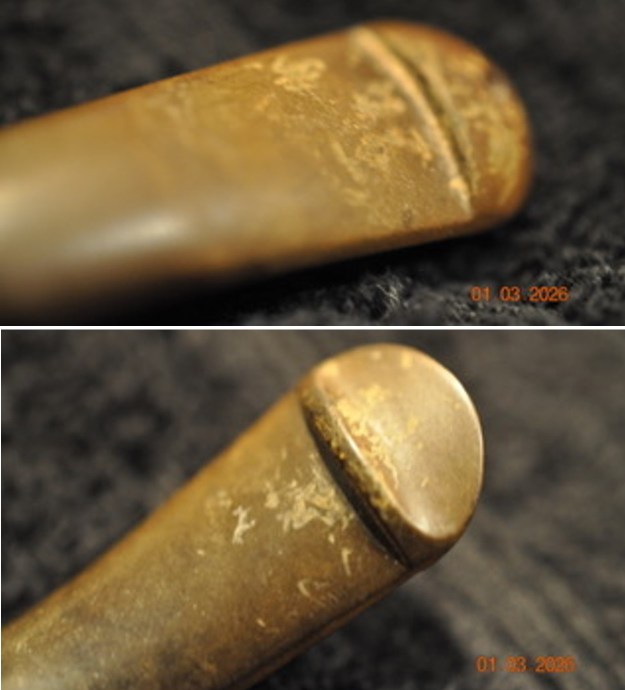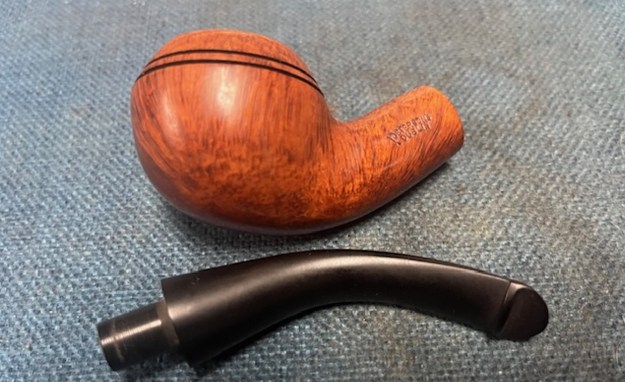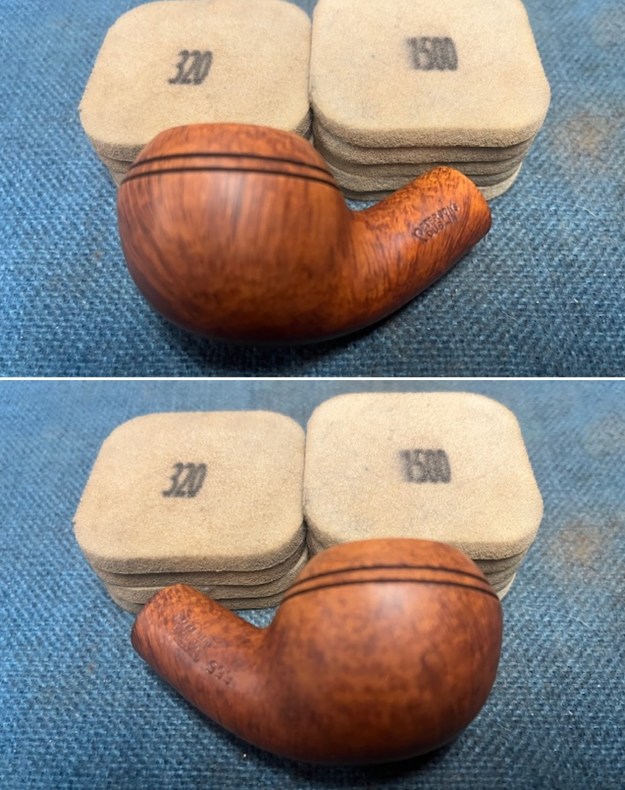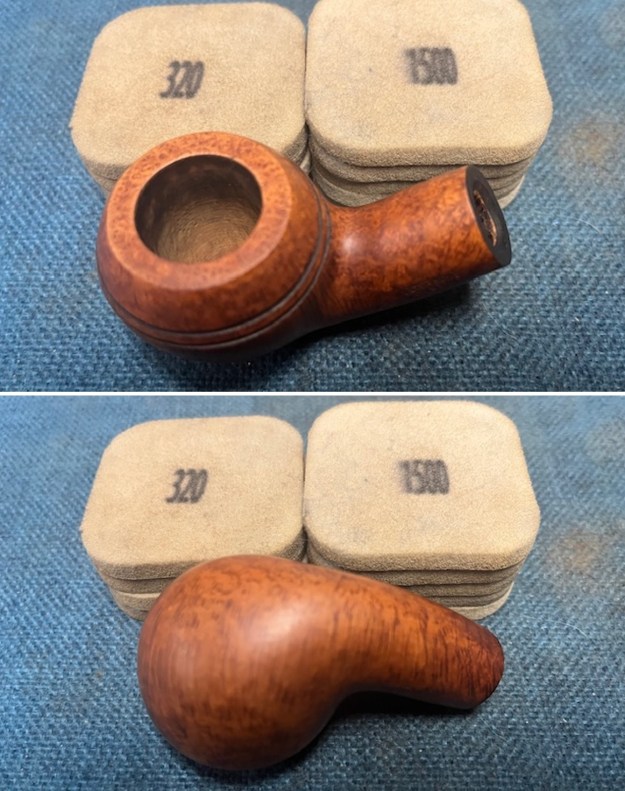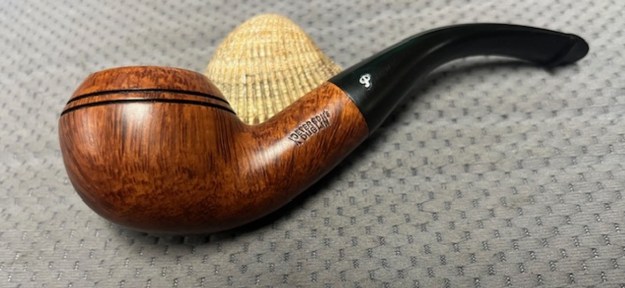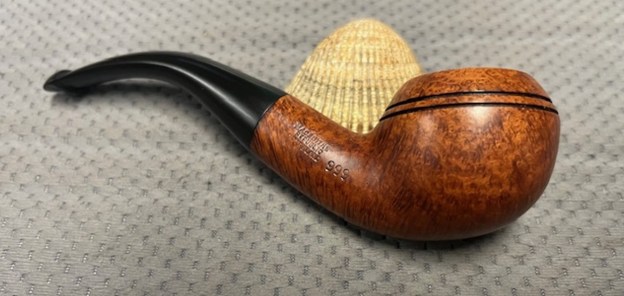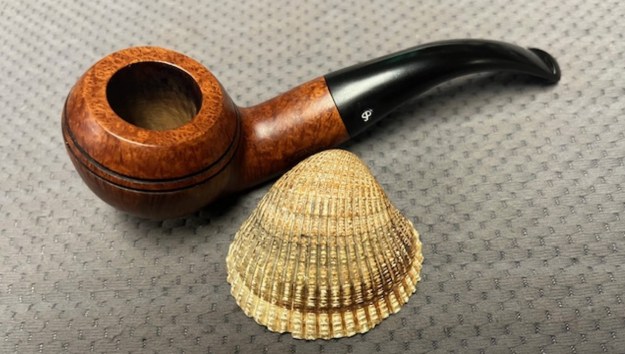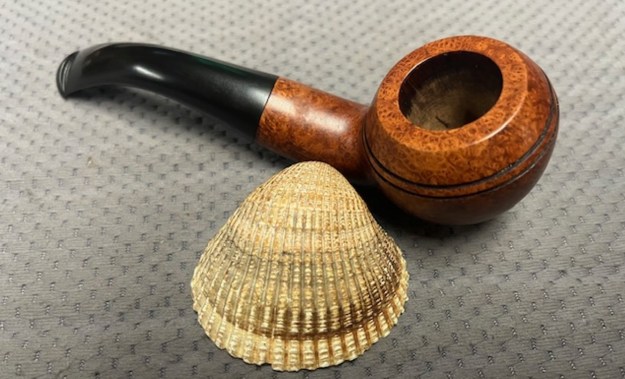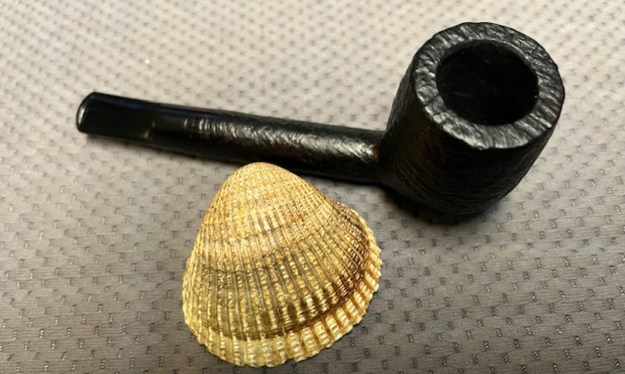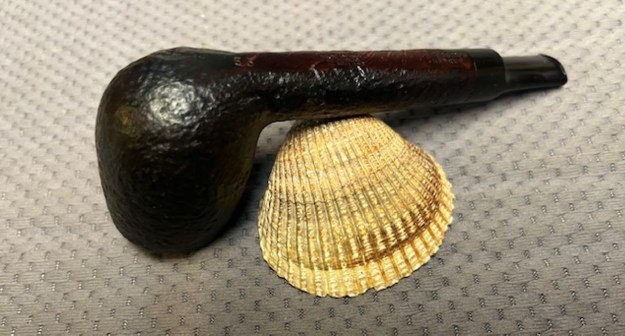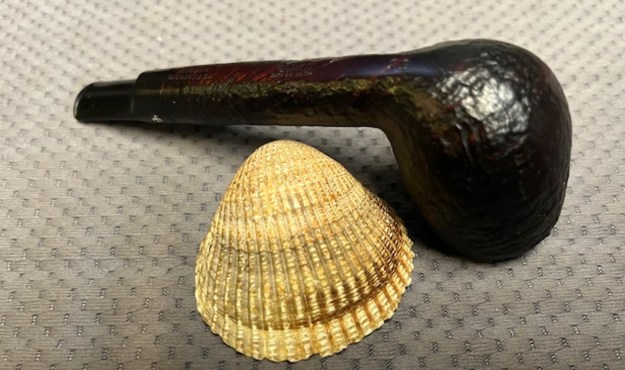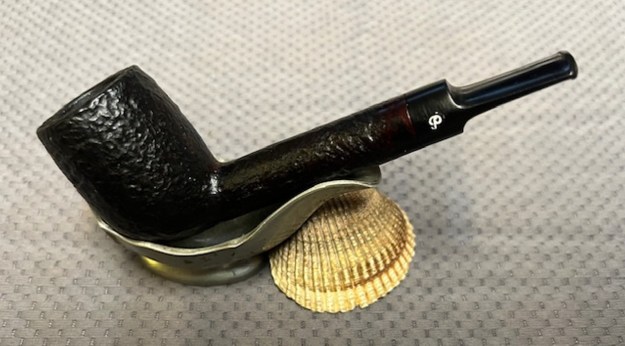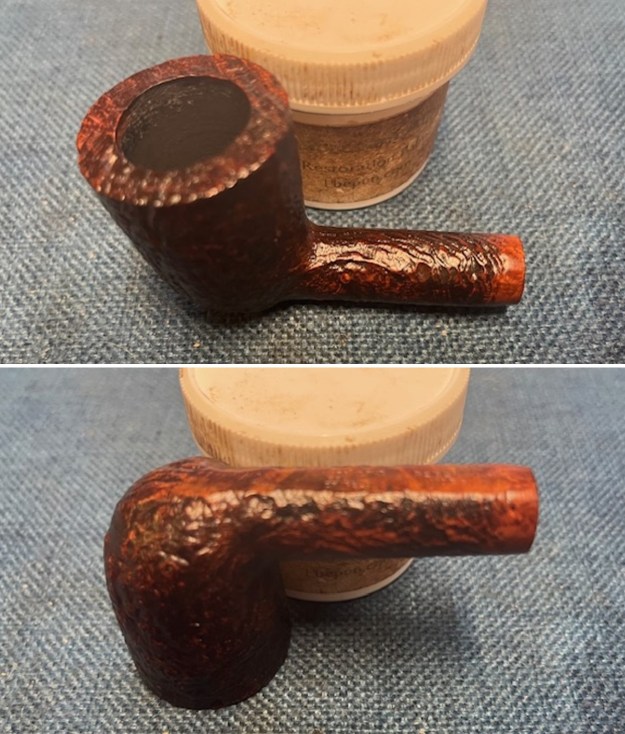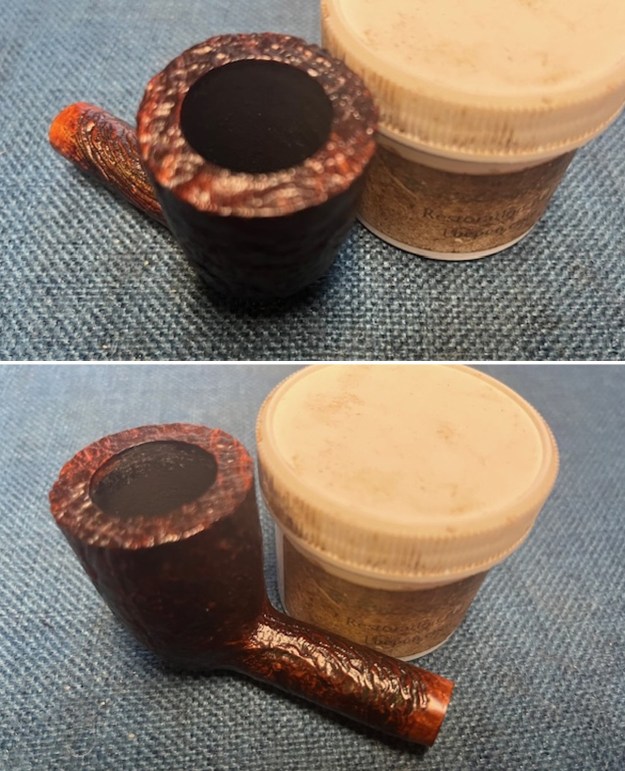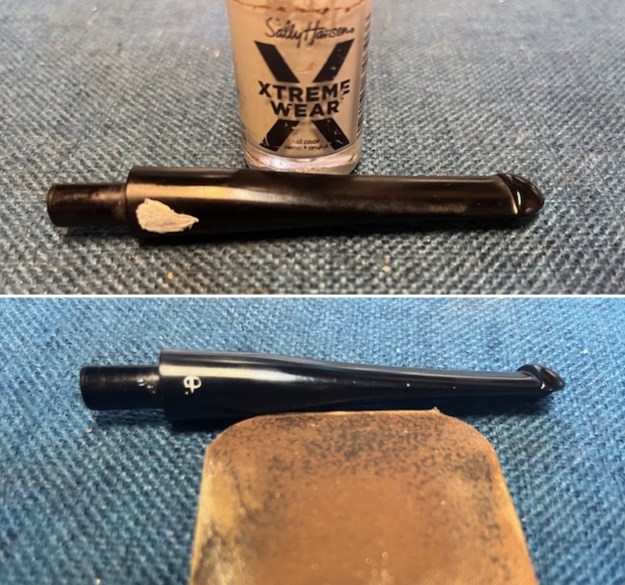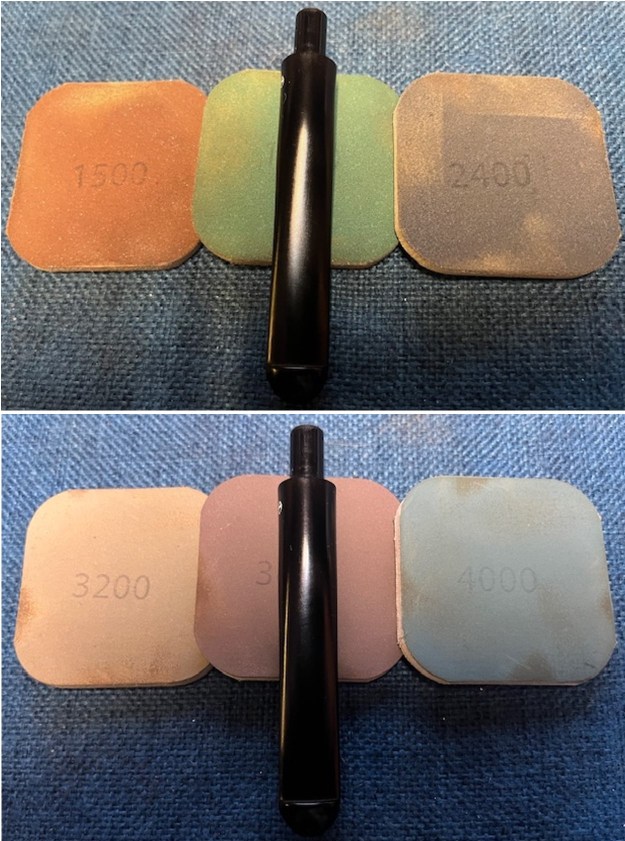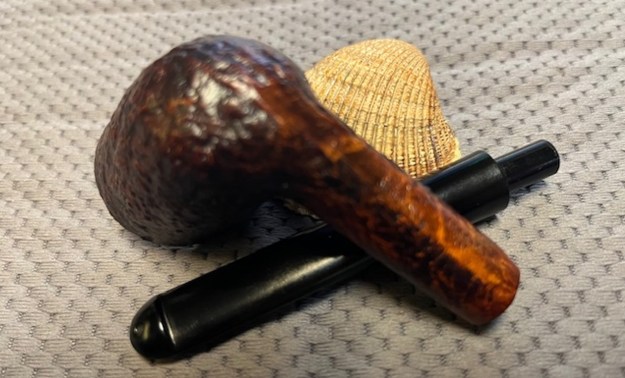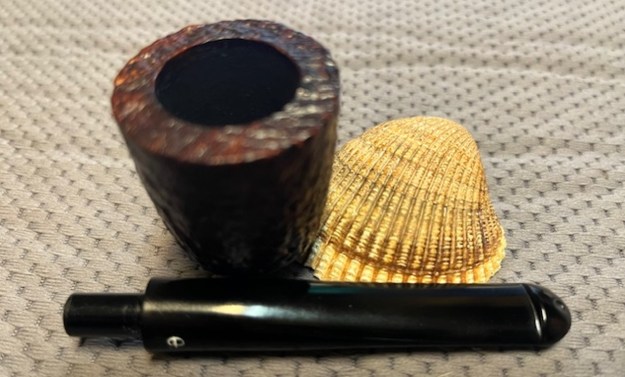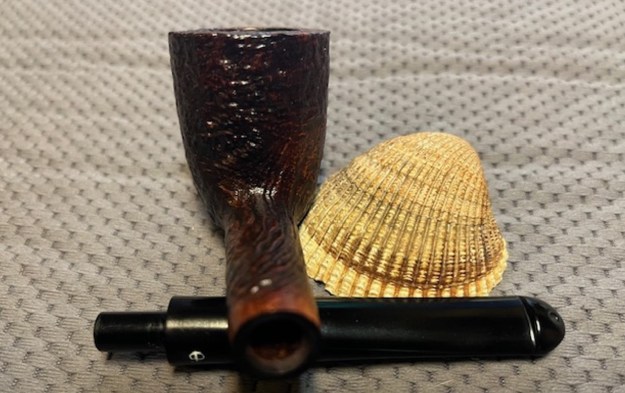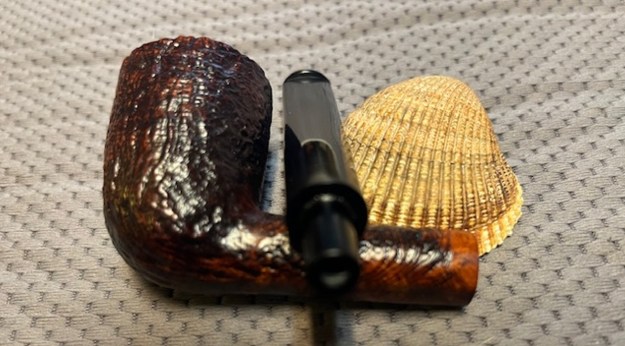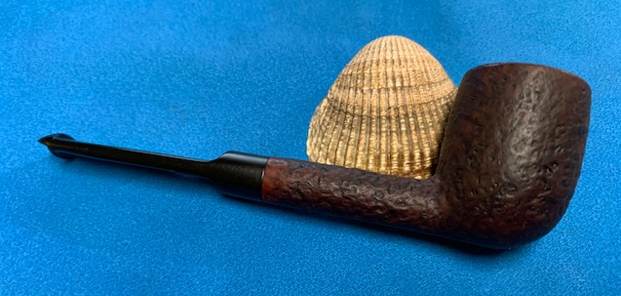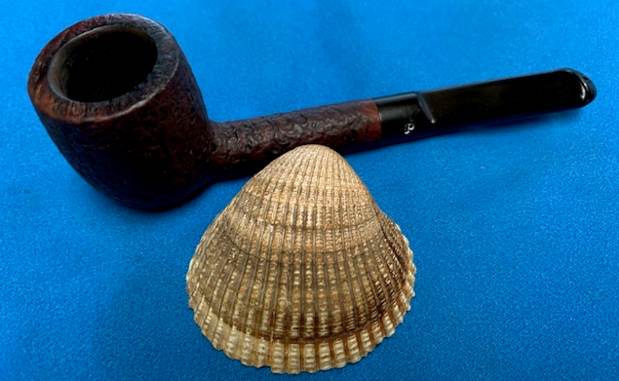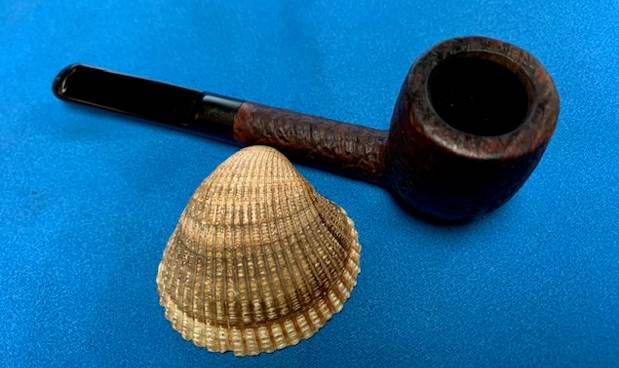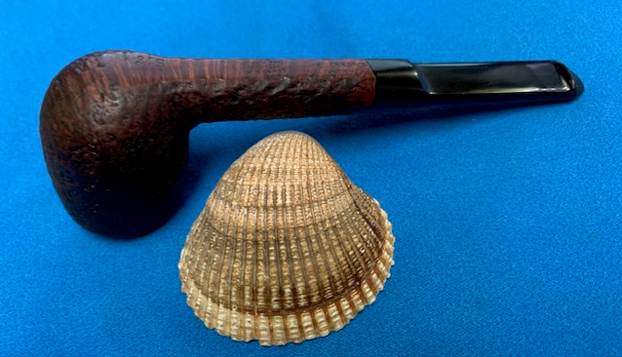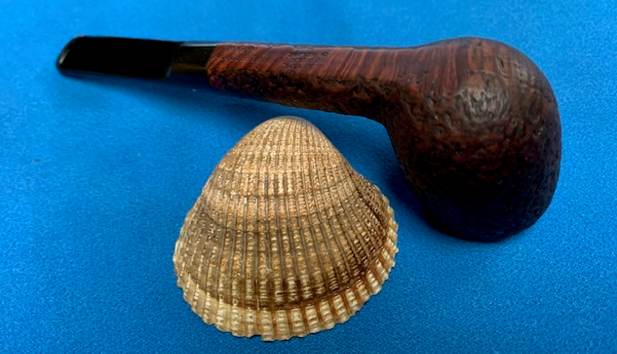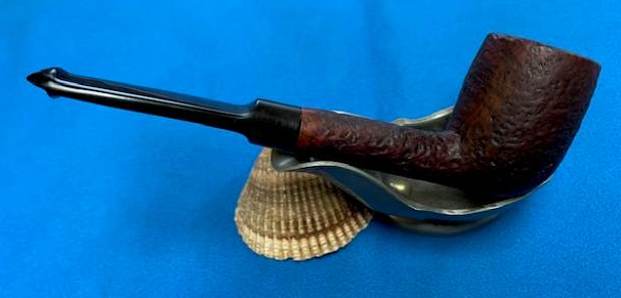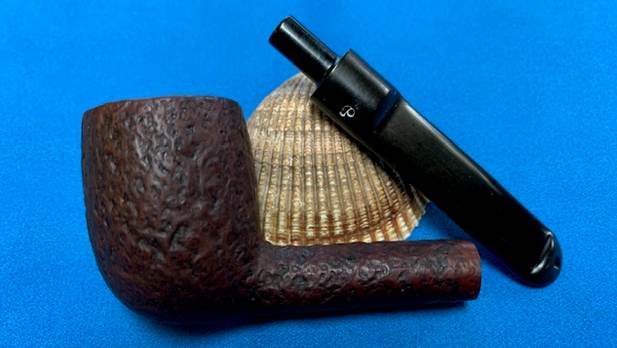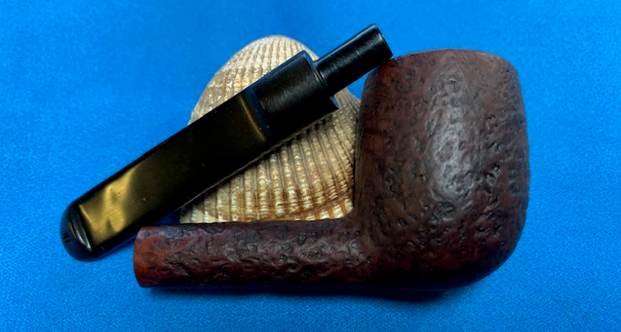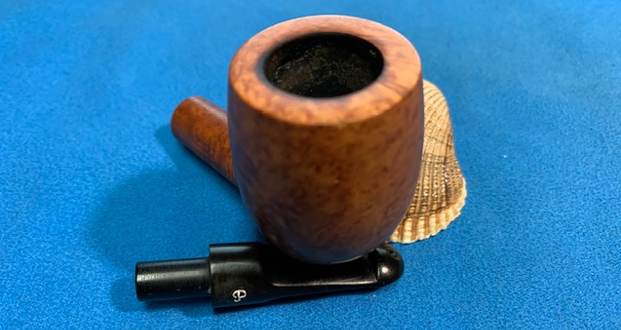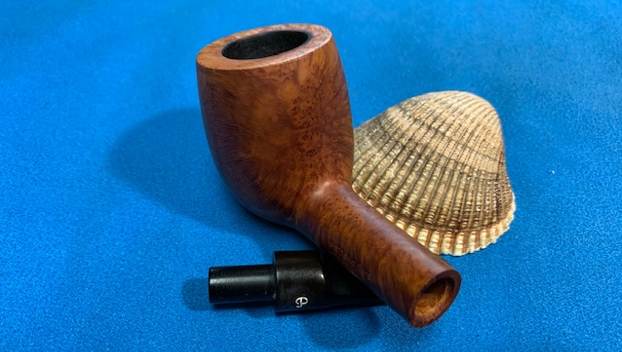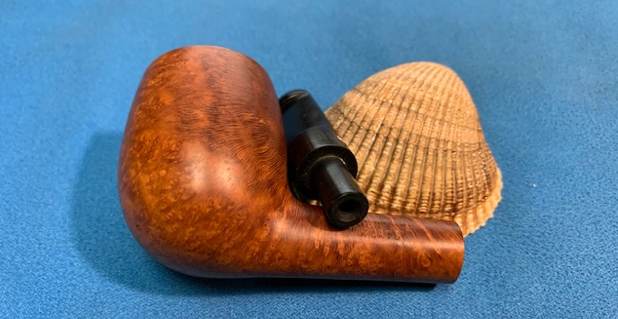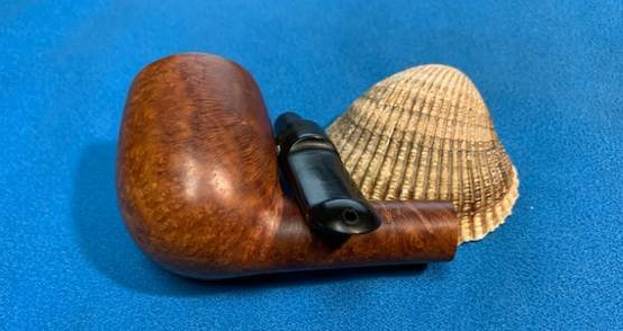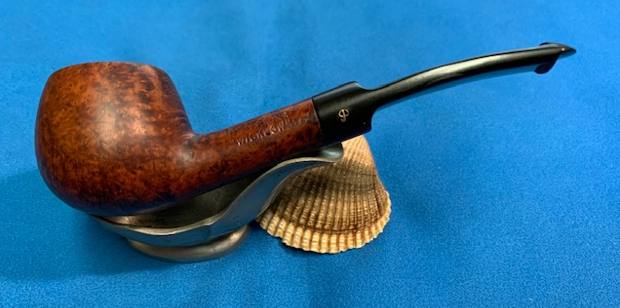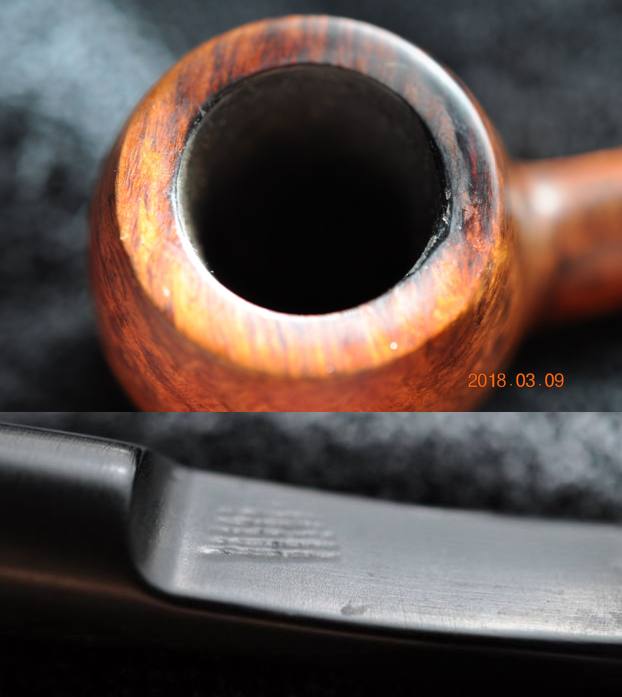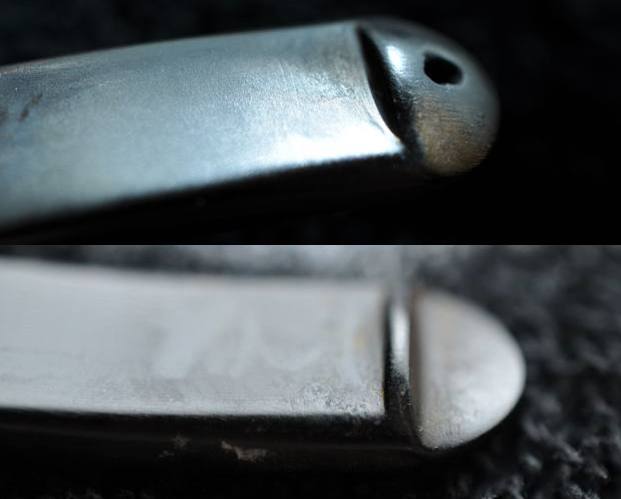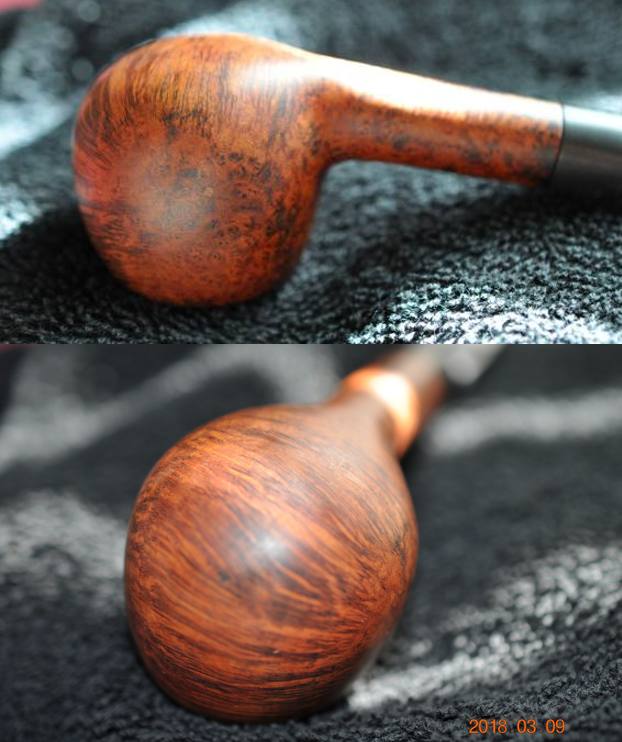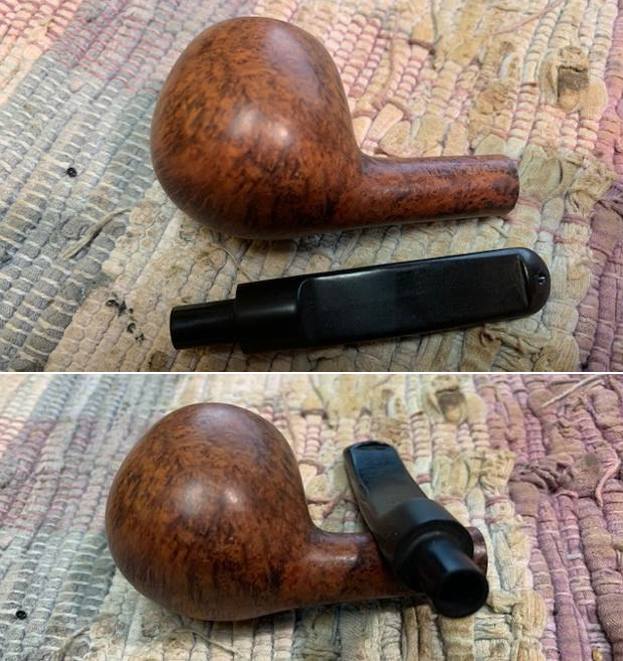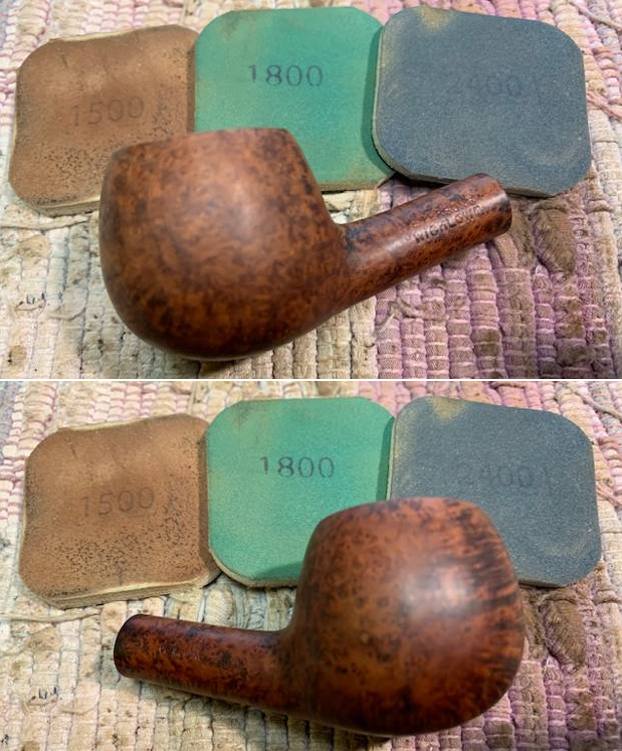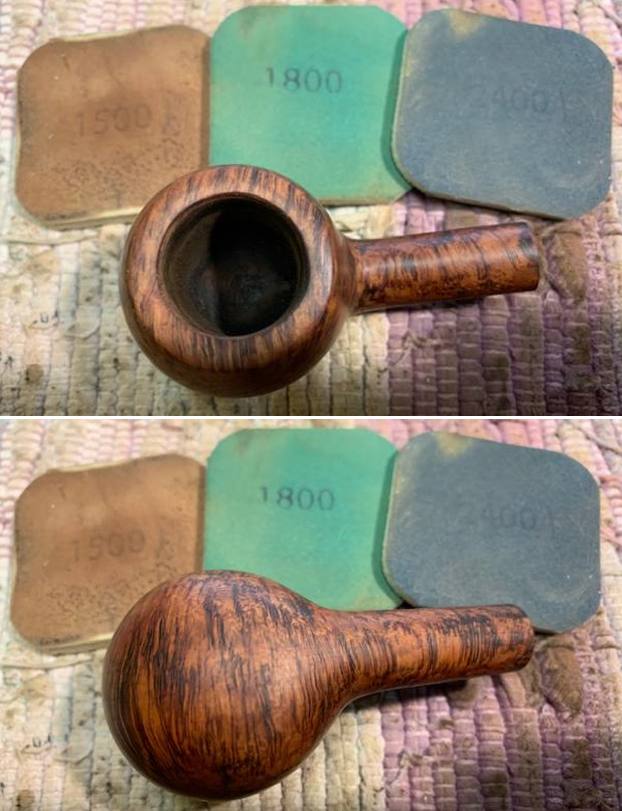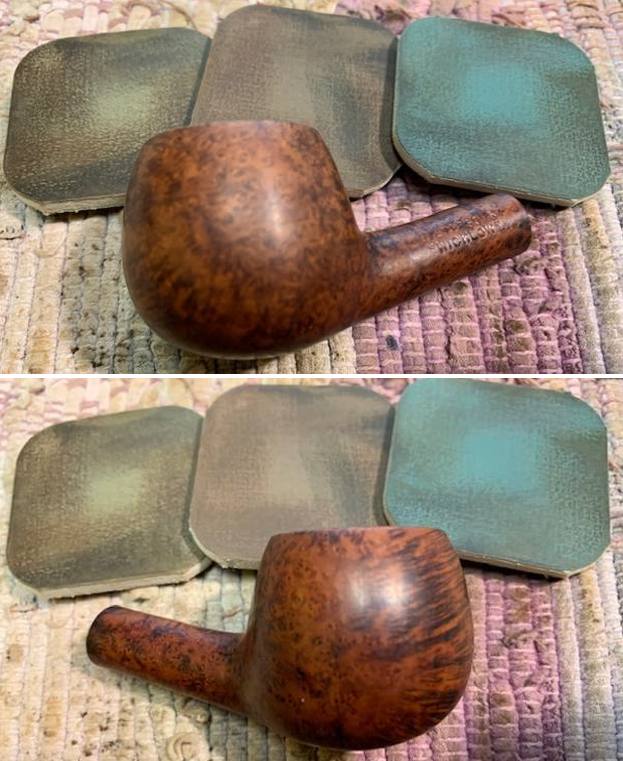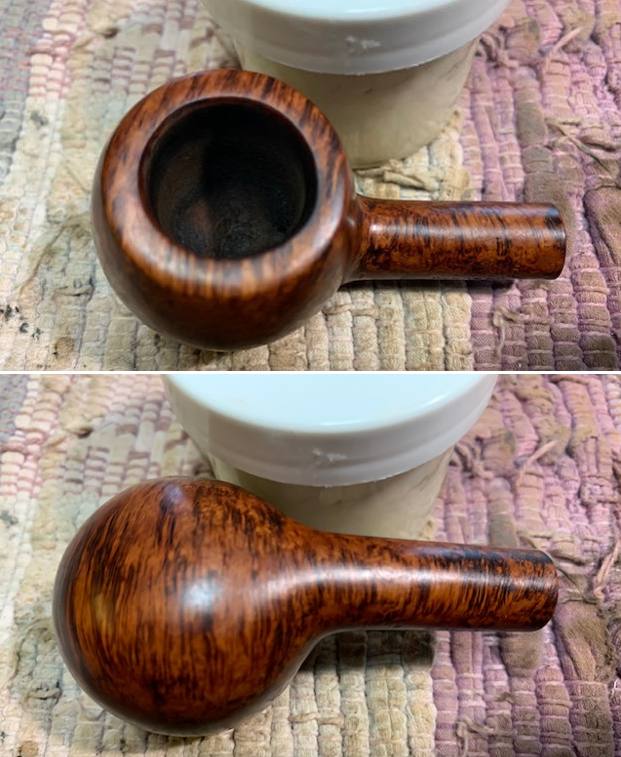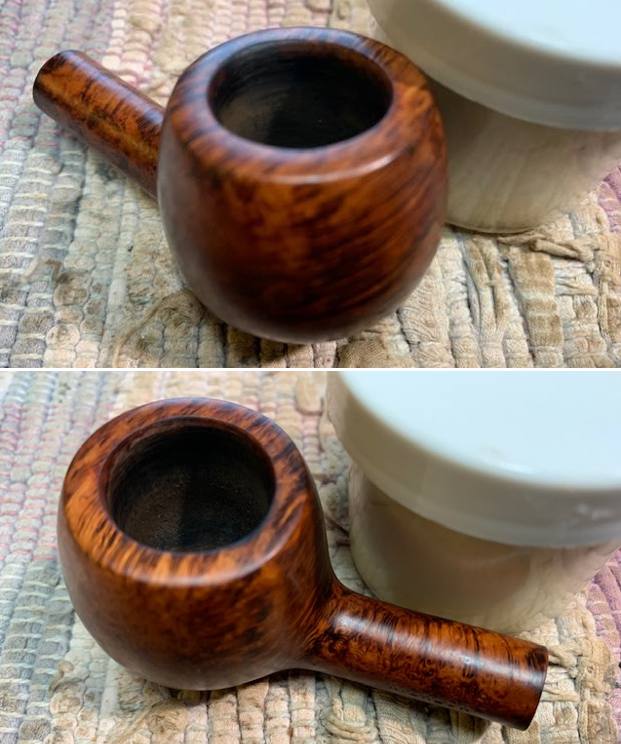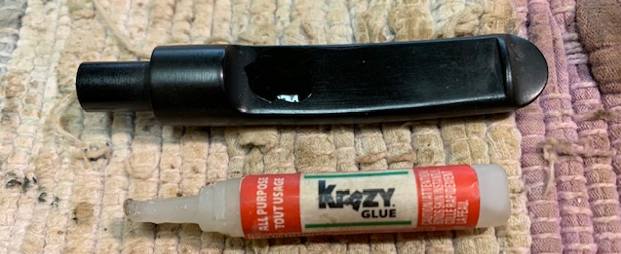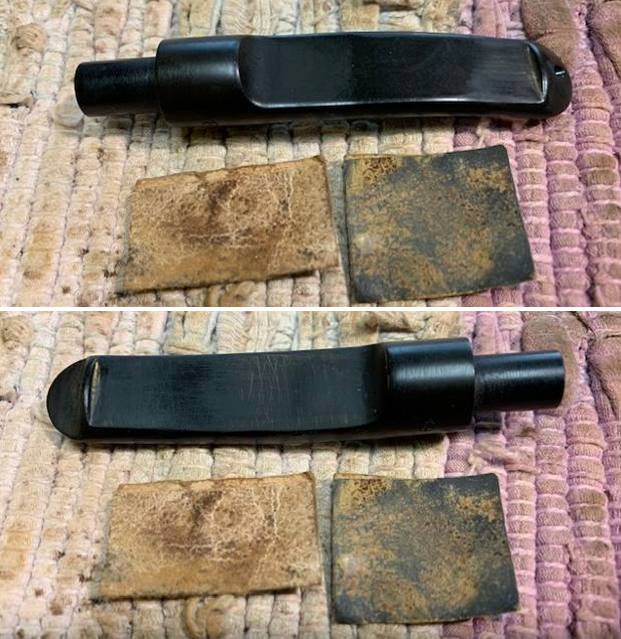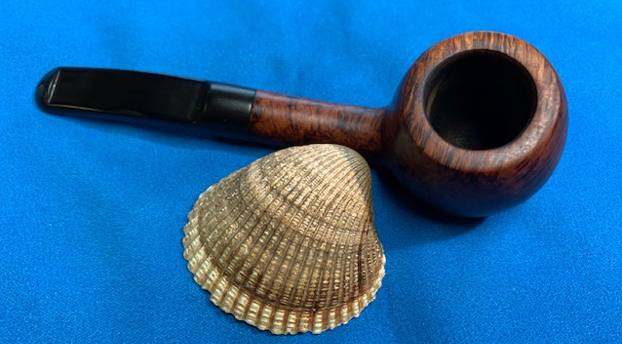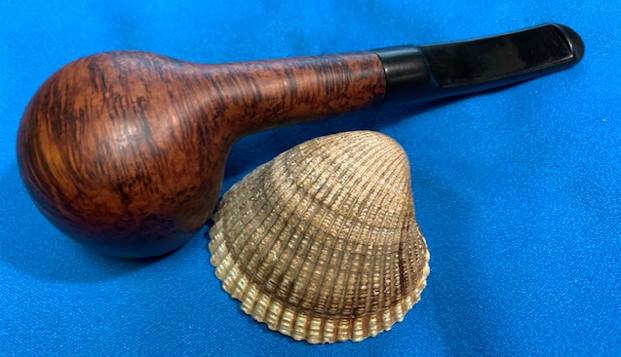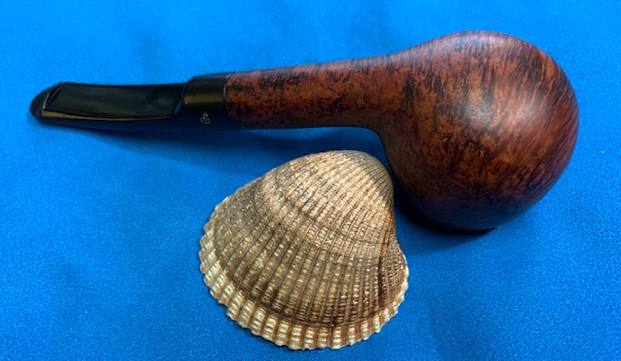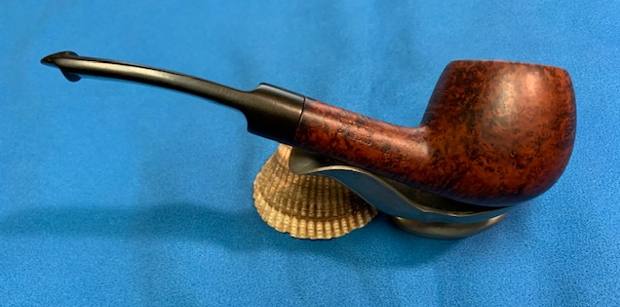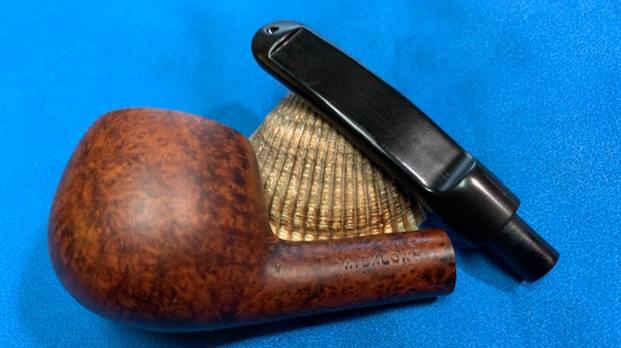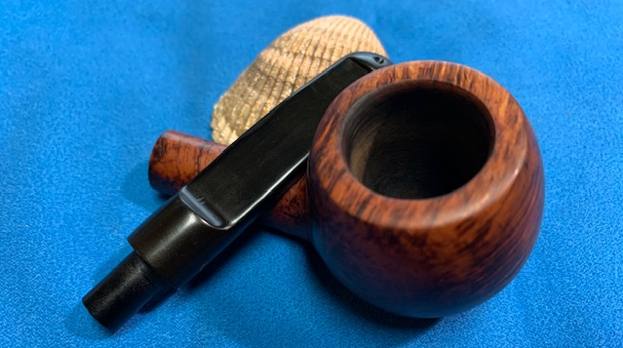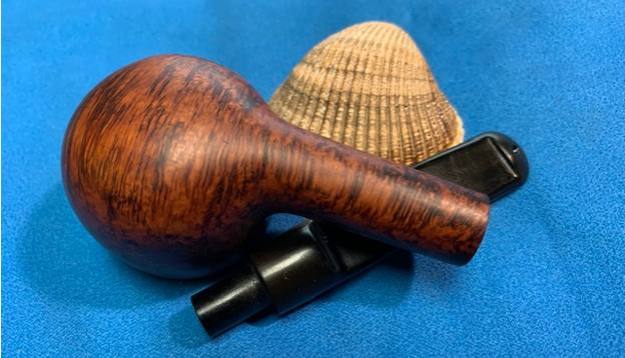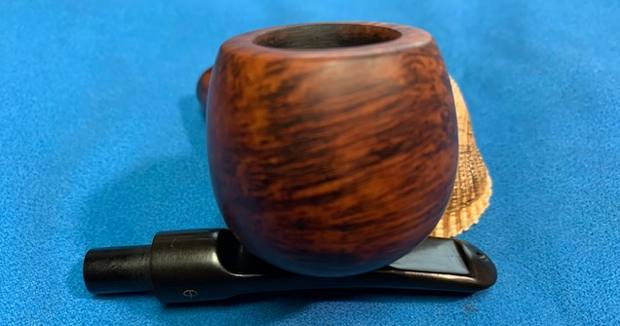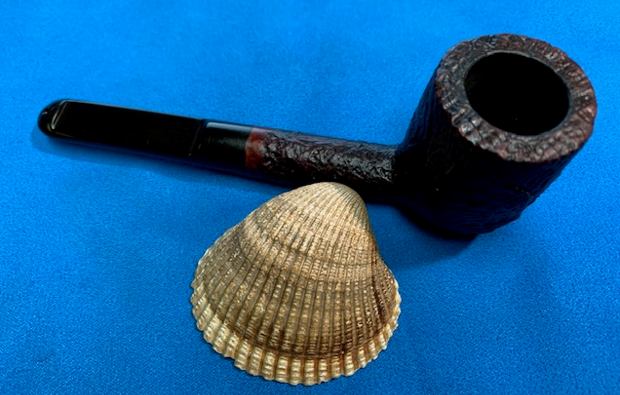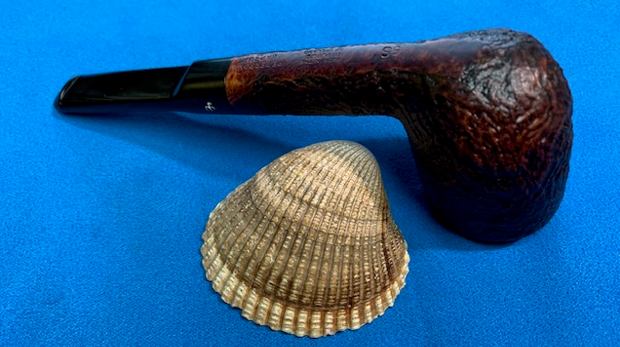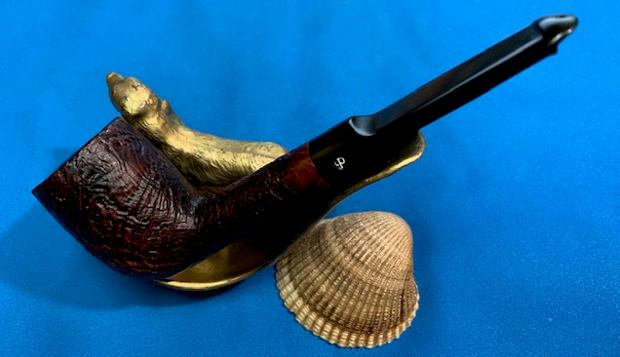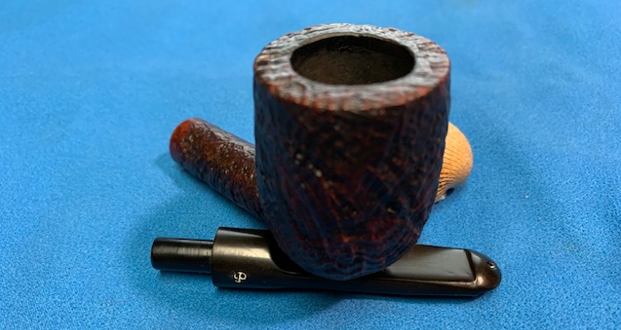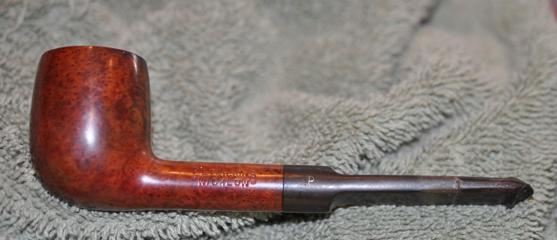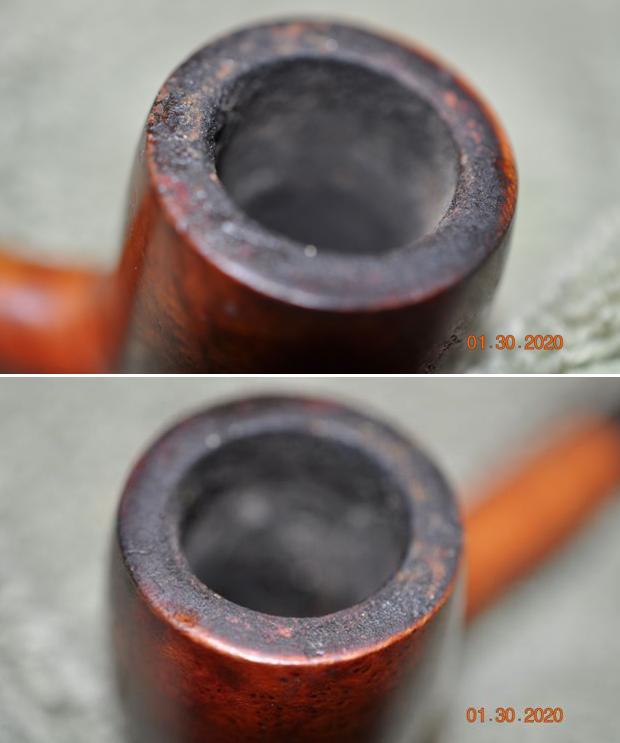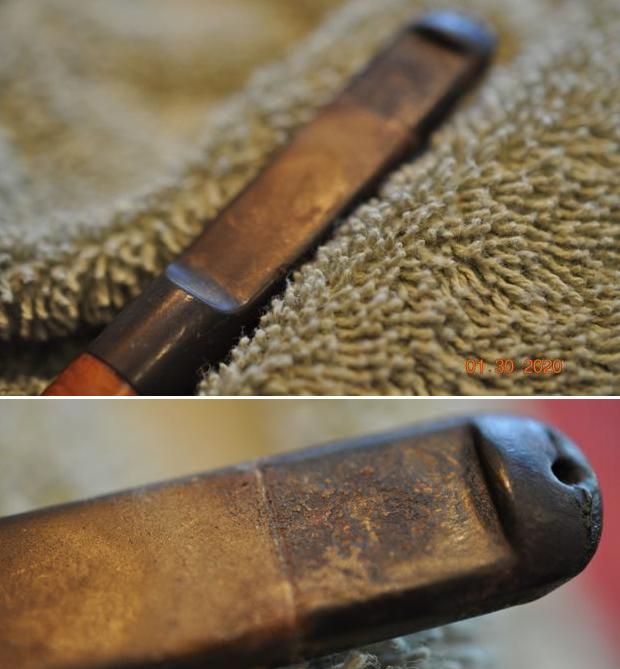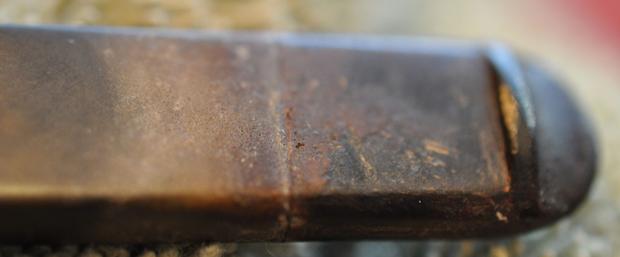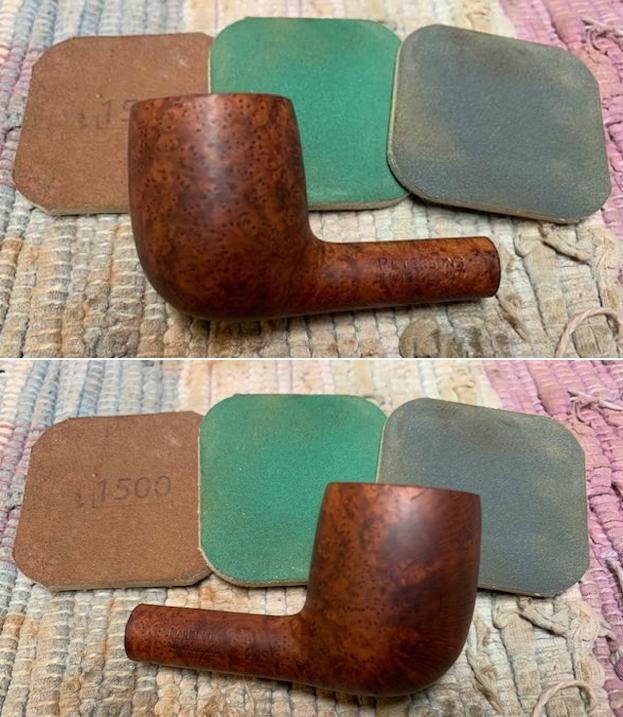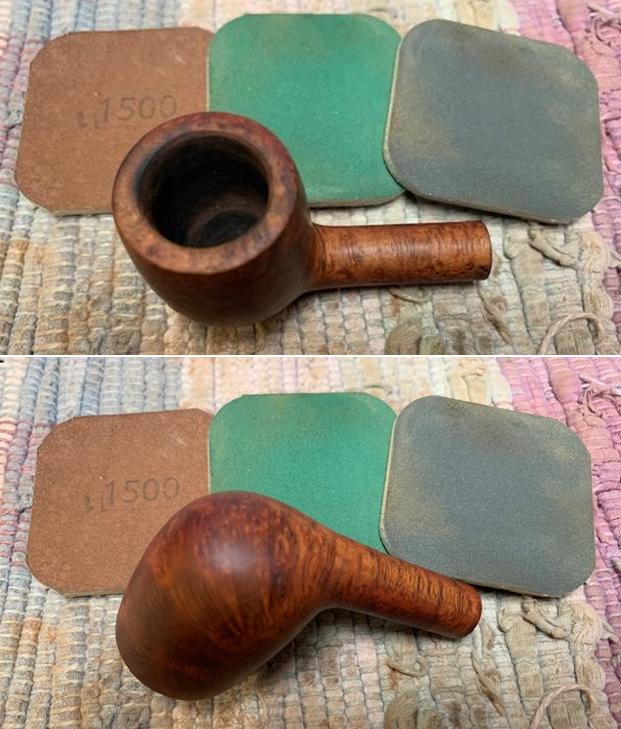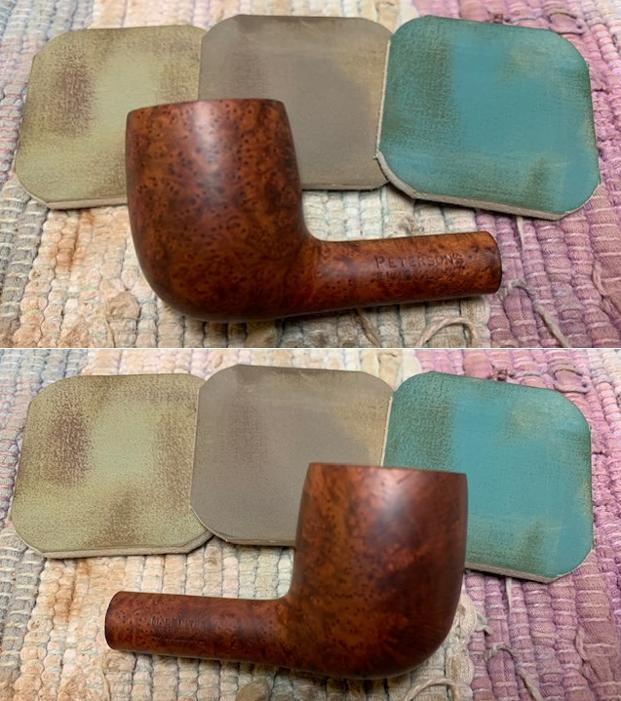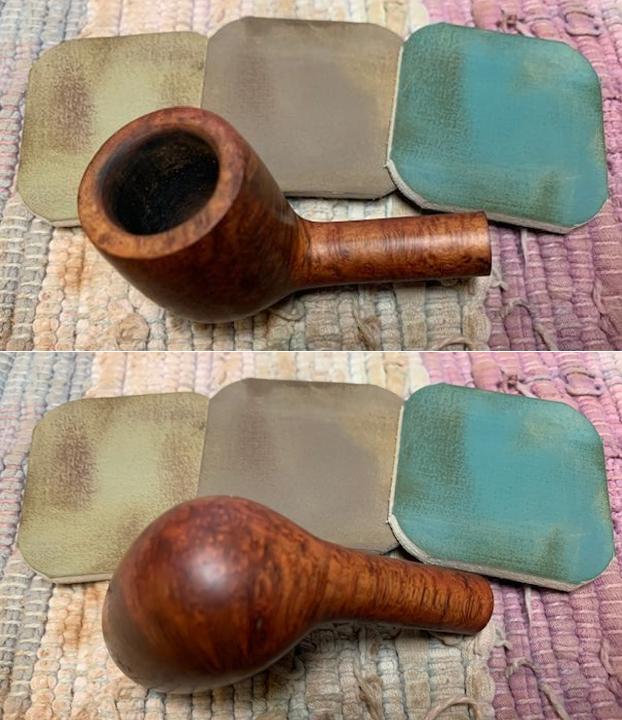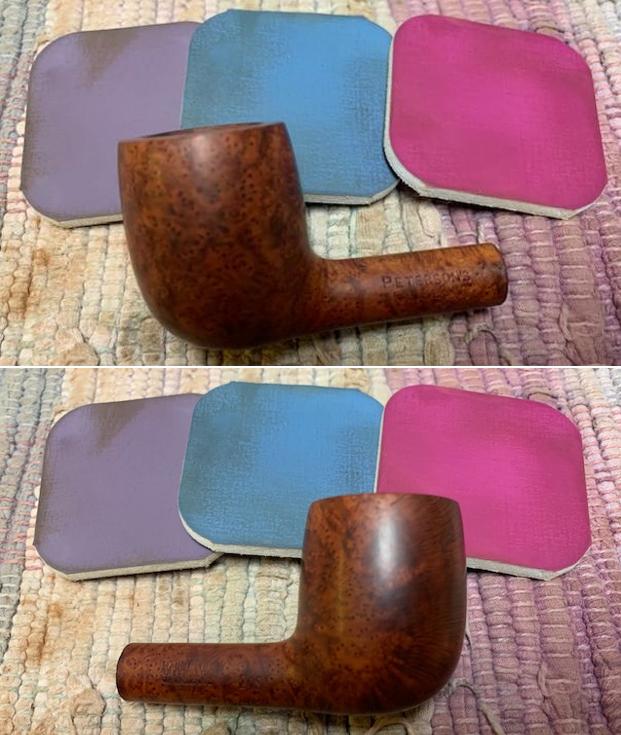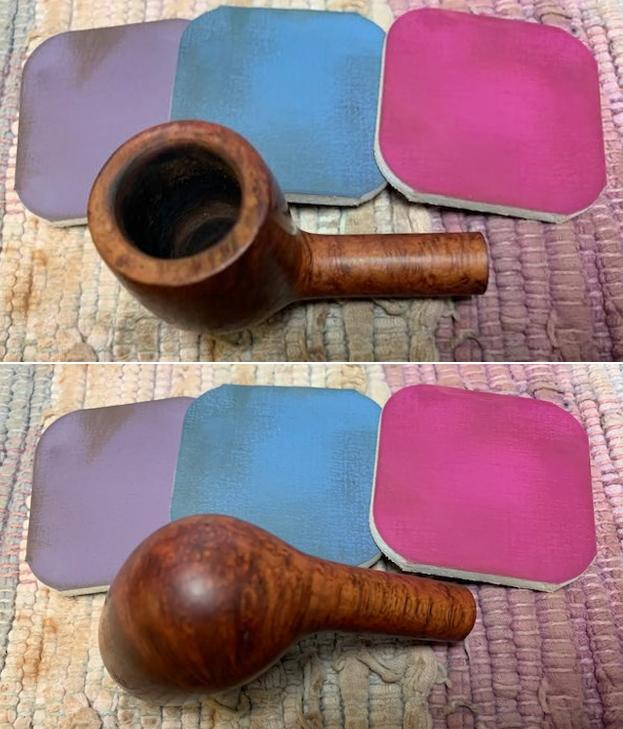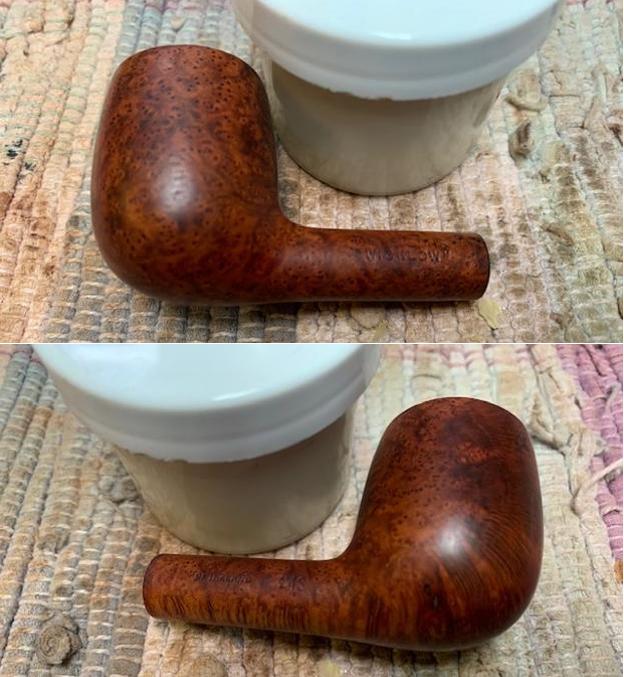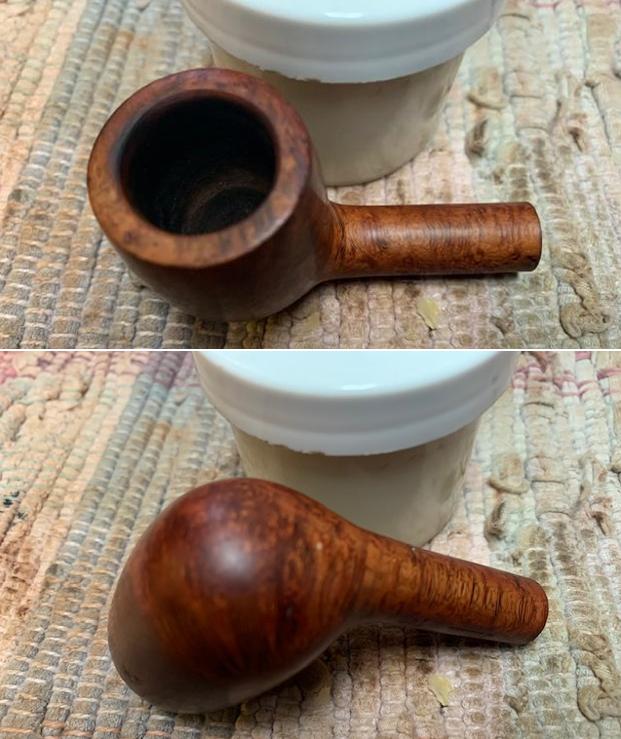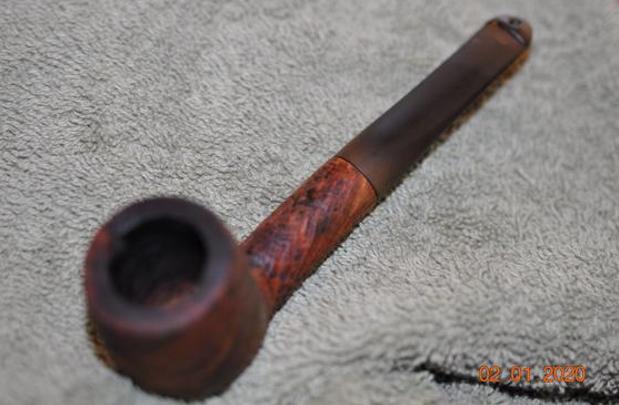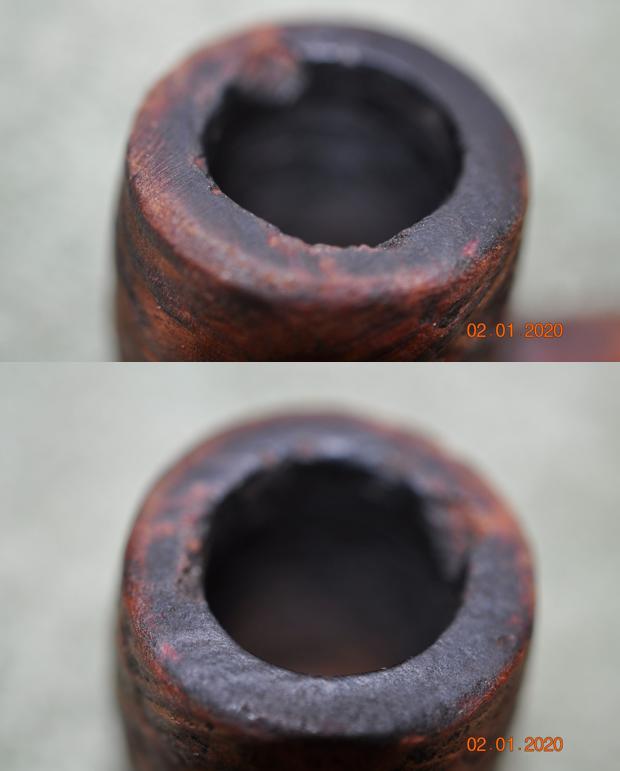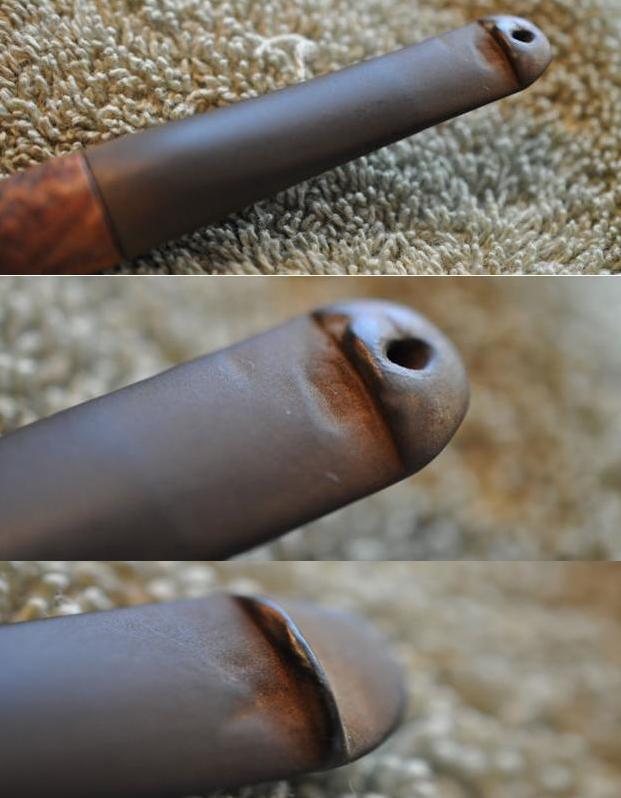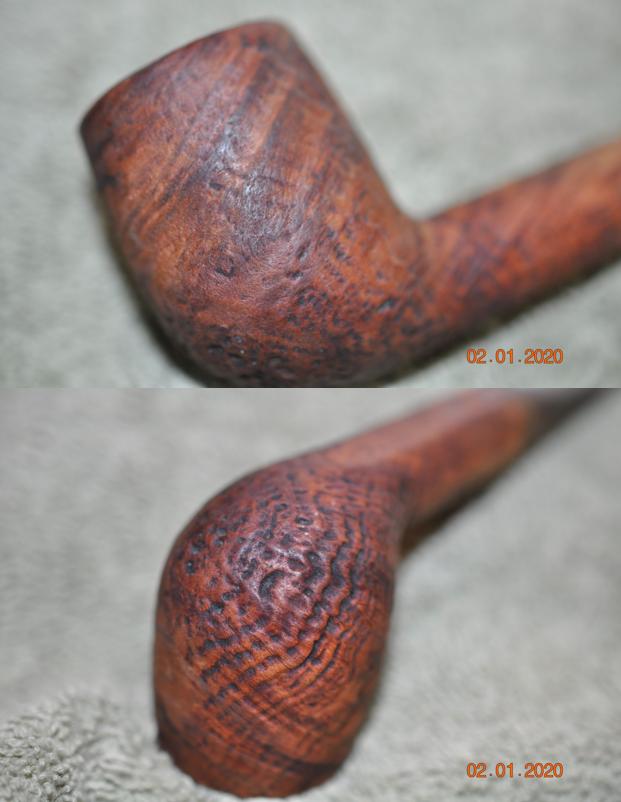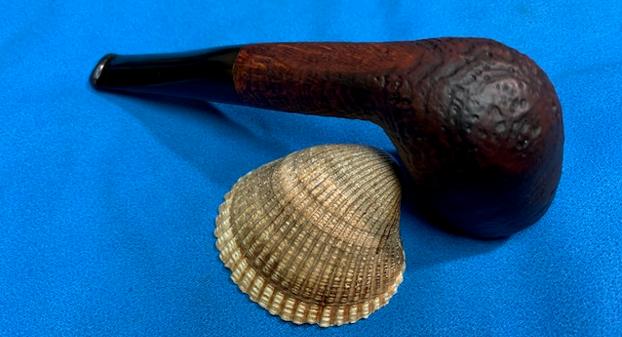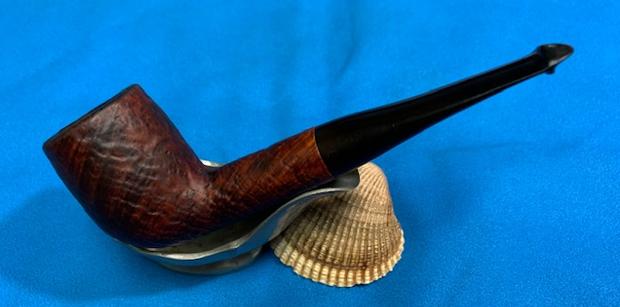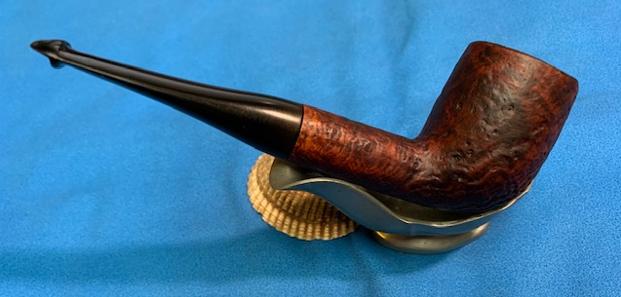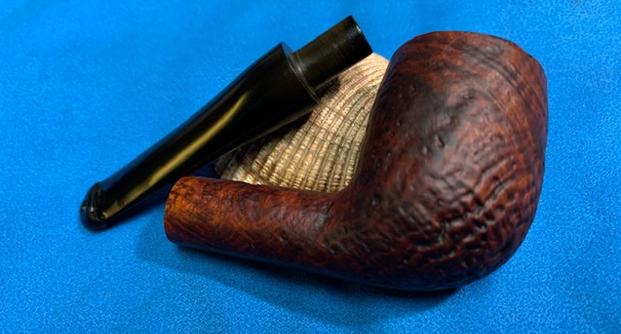
Tag Archives: Peterson’s Republic Era Pipes

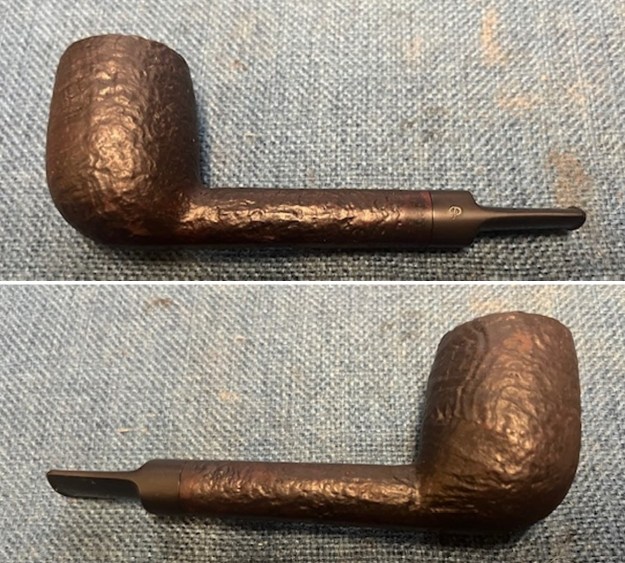
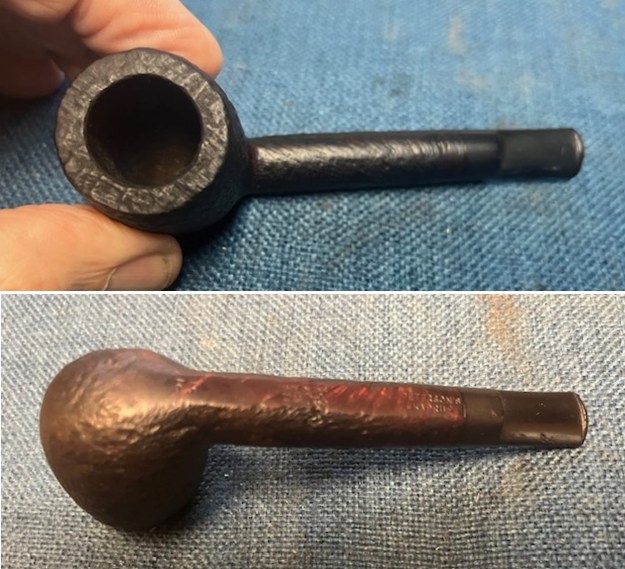
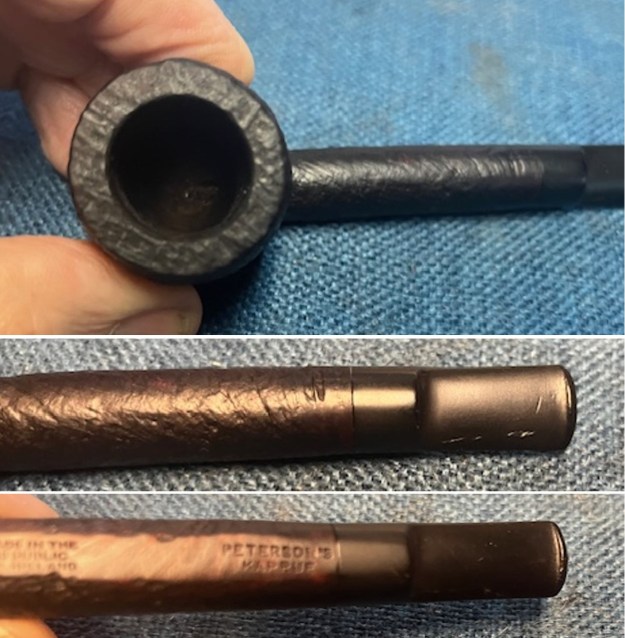
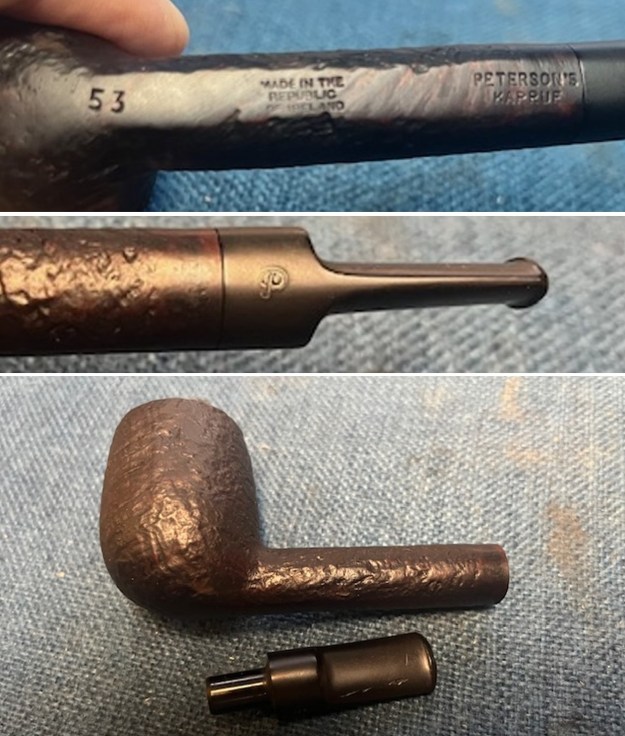
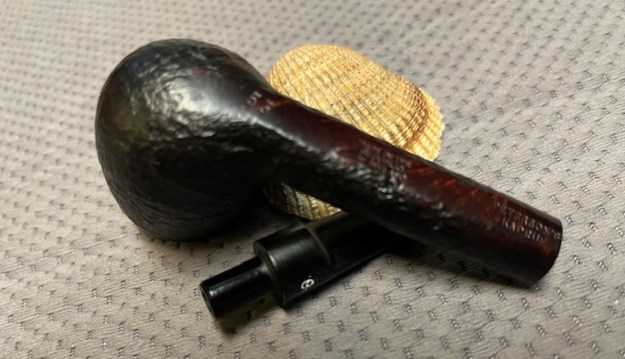
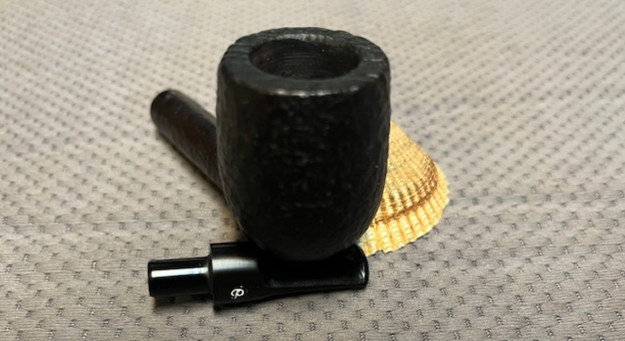
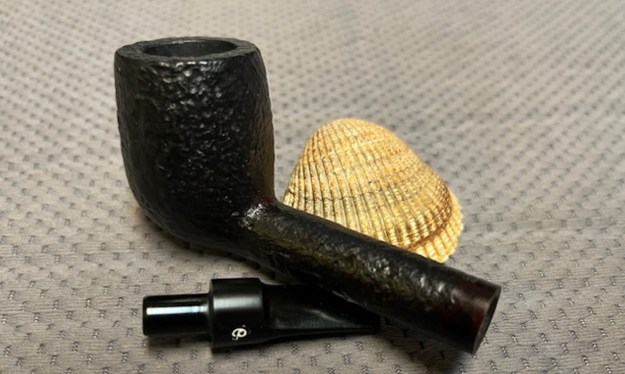
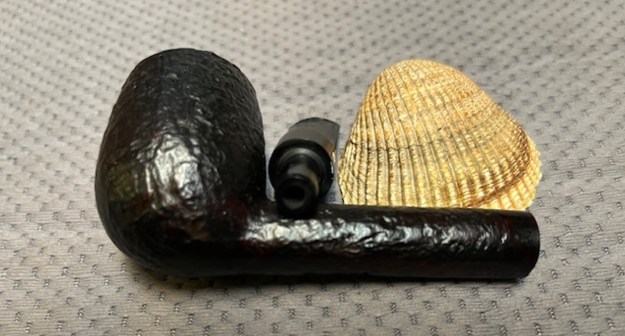
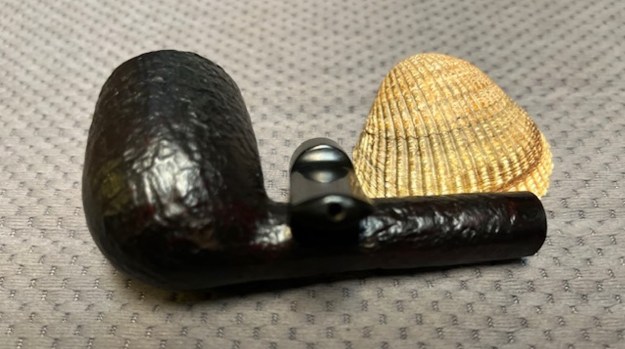
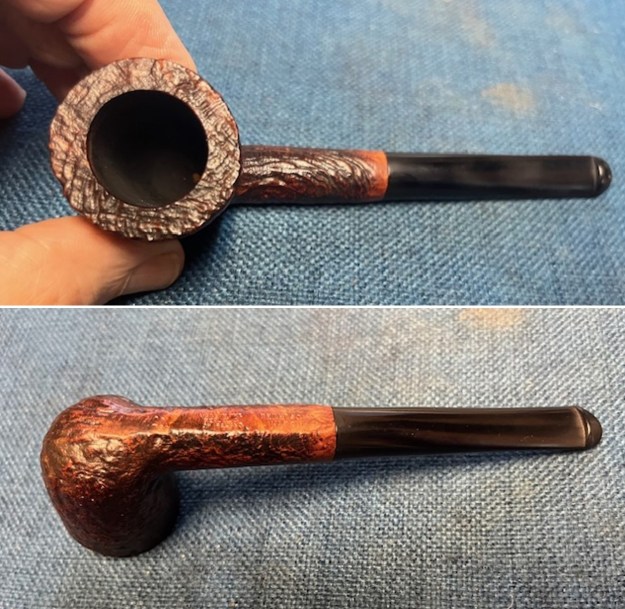
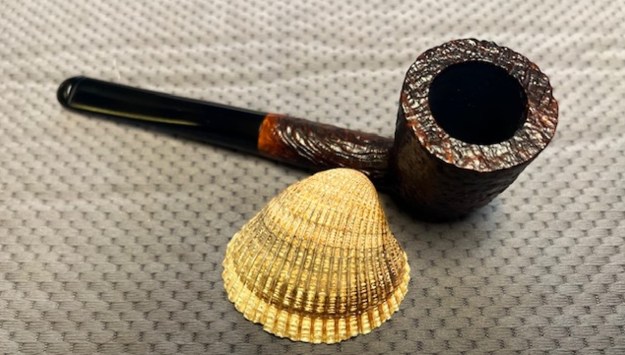
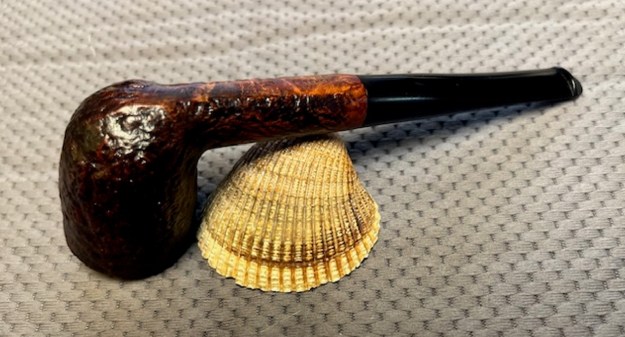
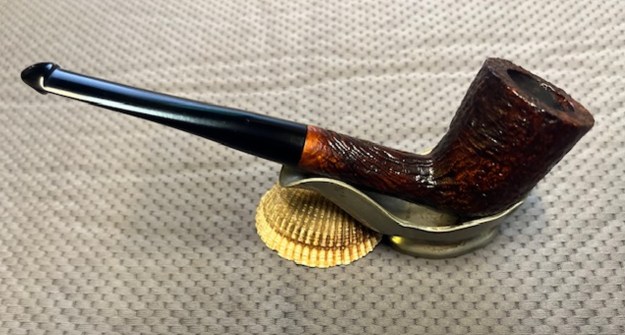
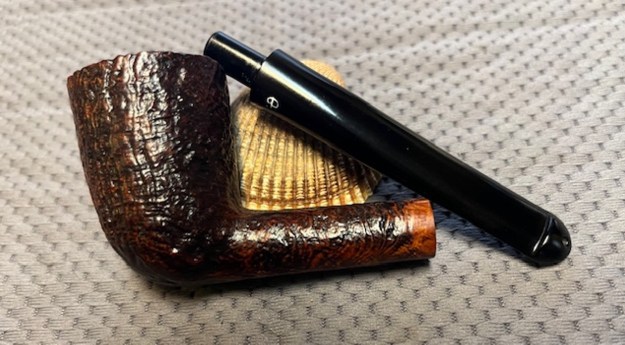
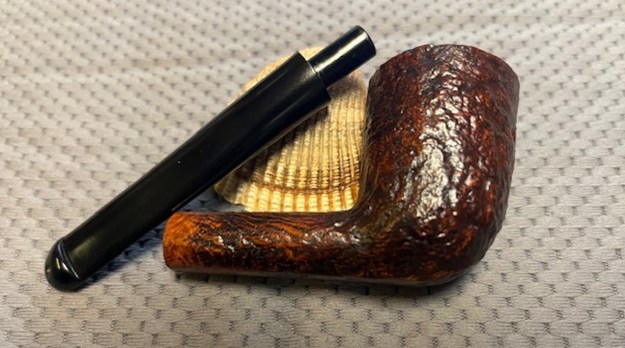
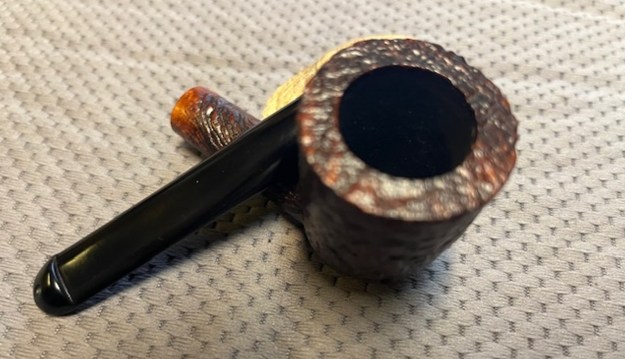
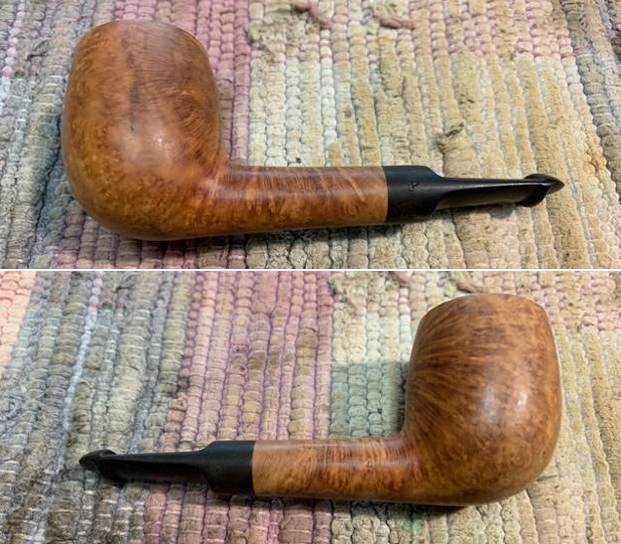
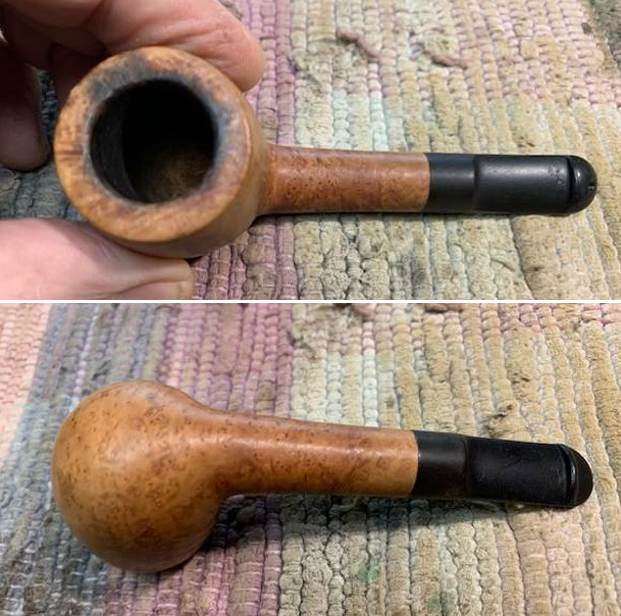
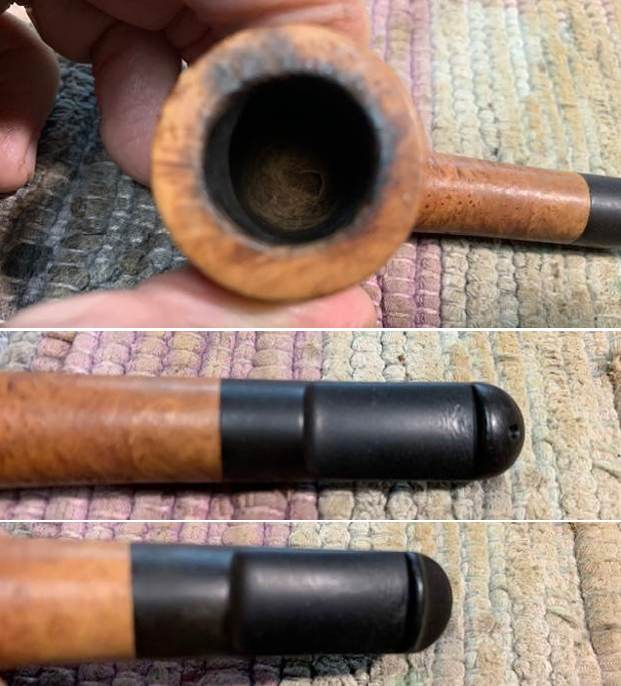
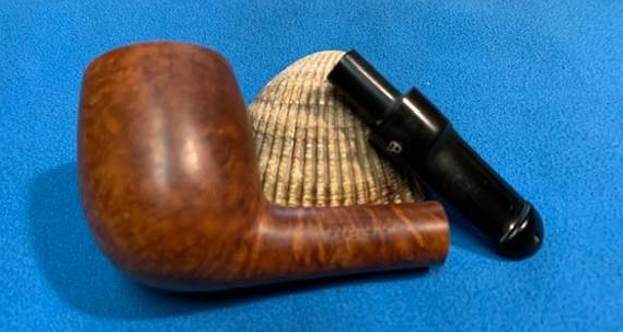
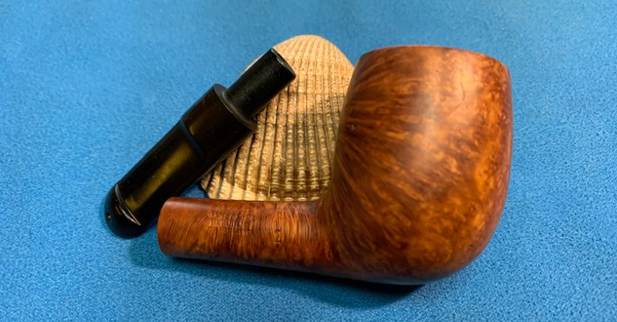
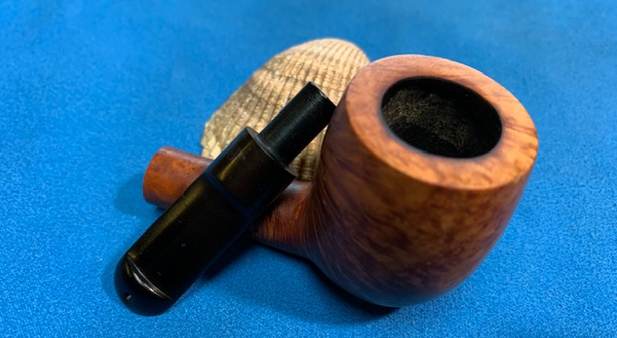
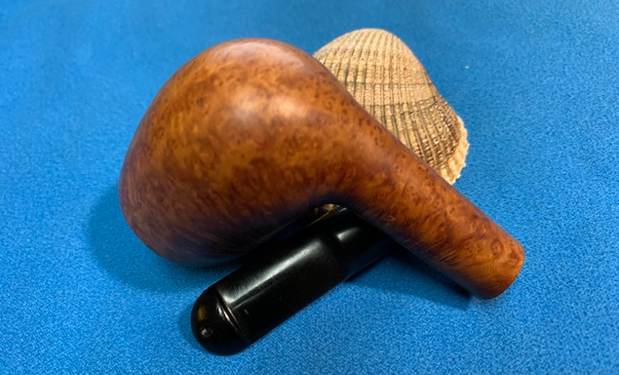
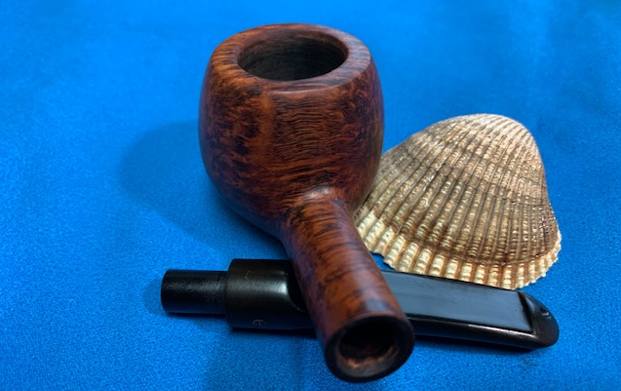
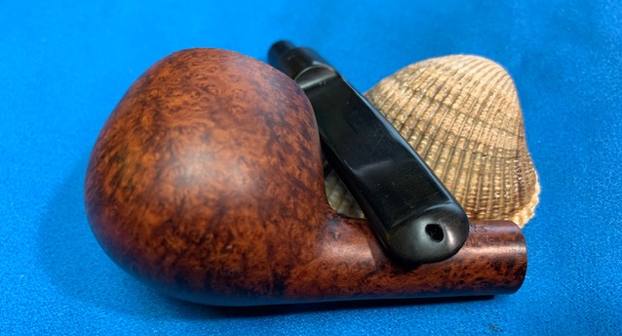
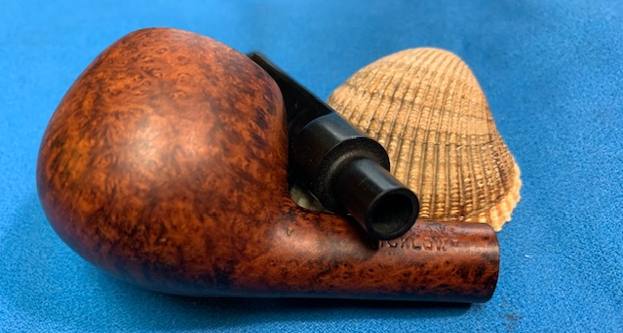
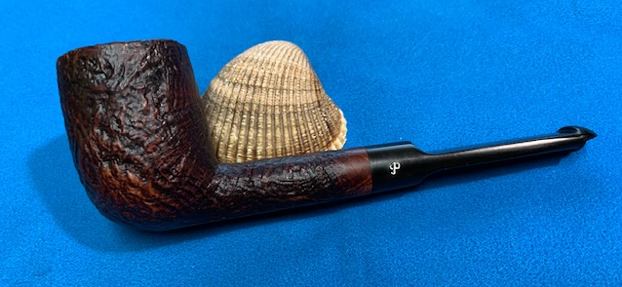
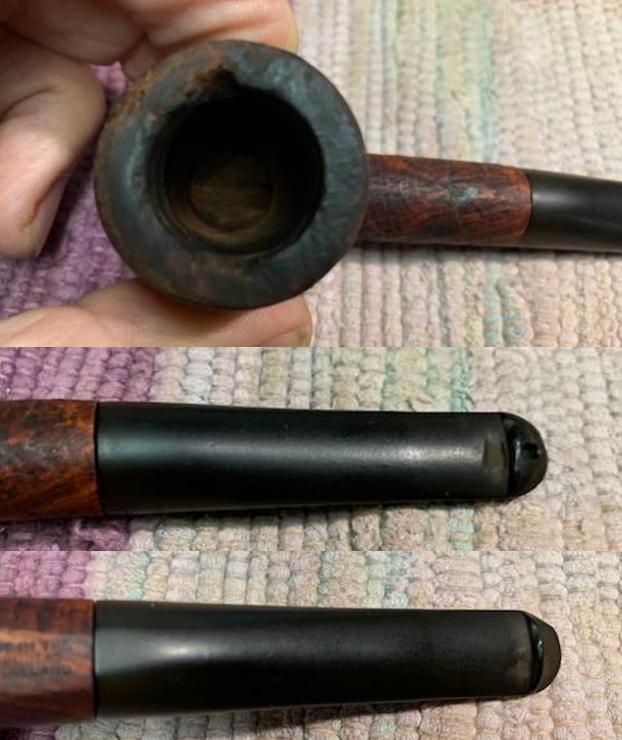
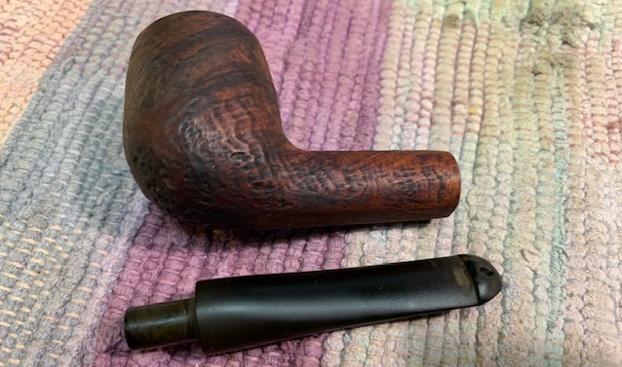
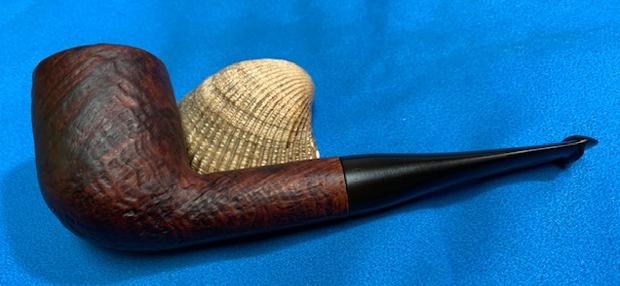
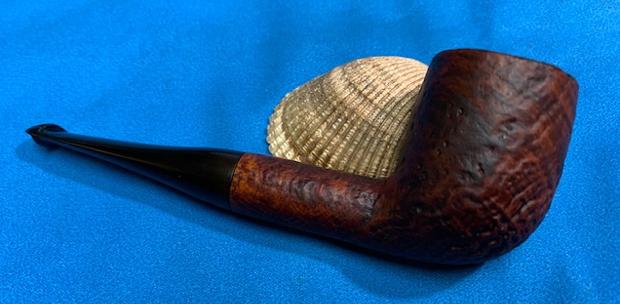
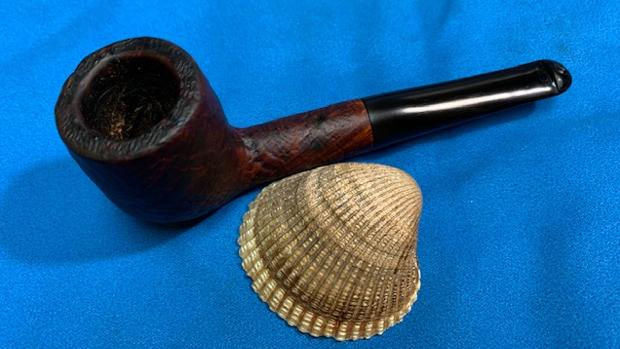
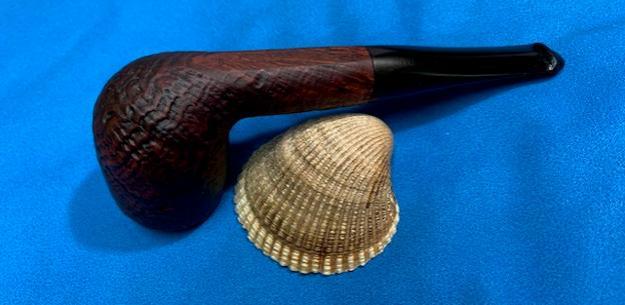
Restoring a Republic Era Peterson’s Kapruf Sandblast Lovat 53


by Steve Laug

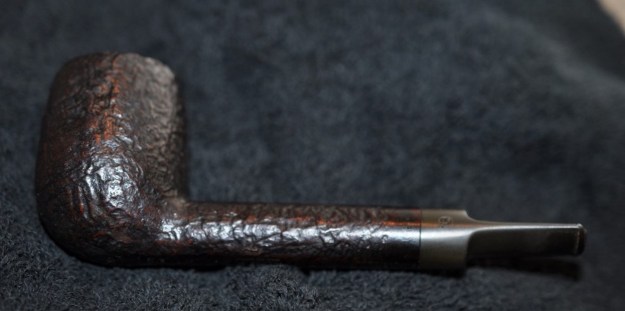
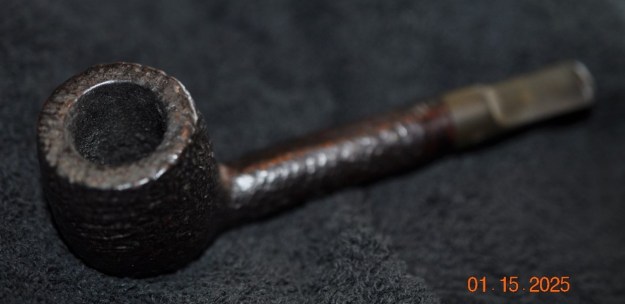
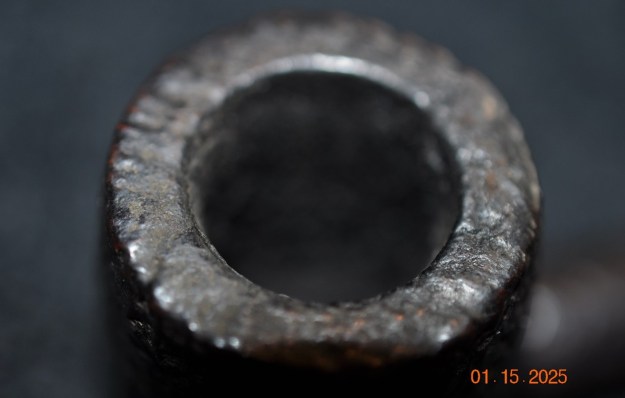
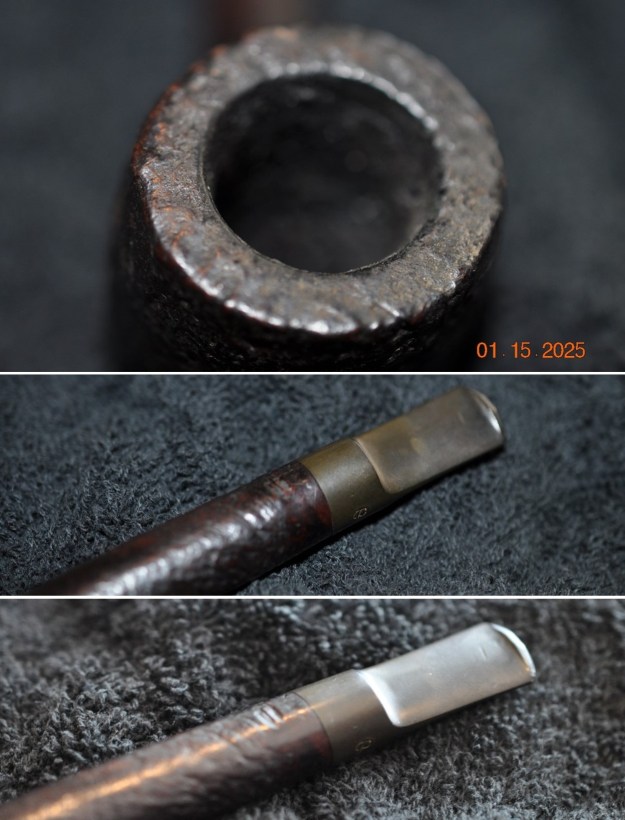
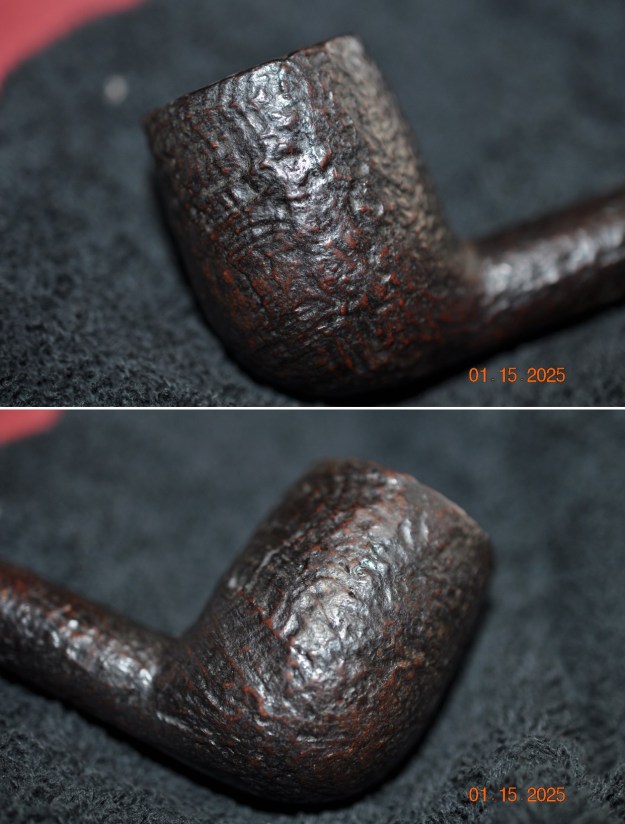
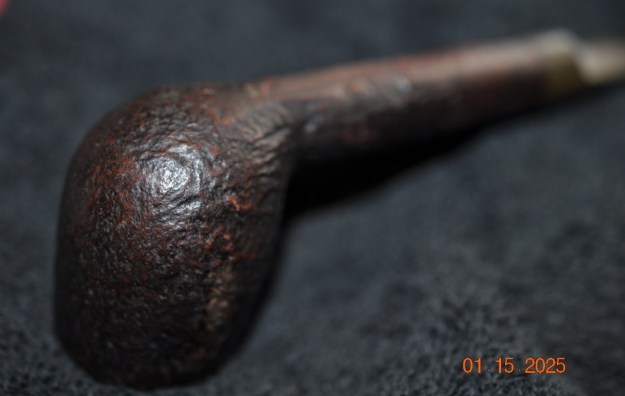
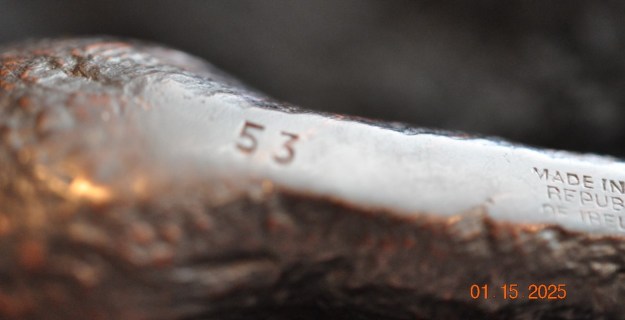
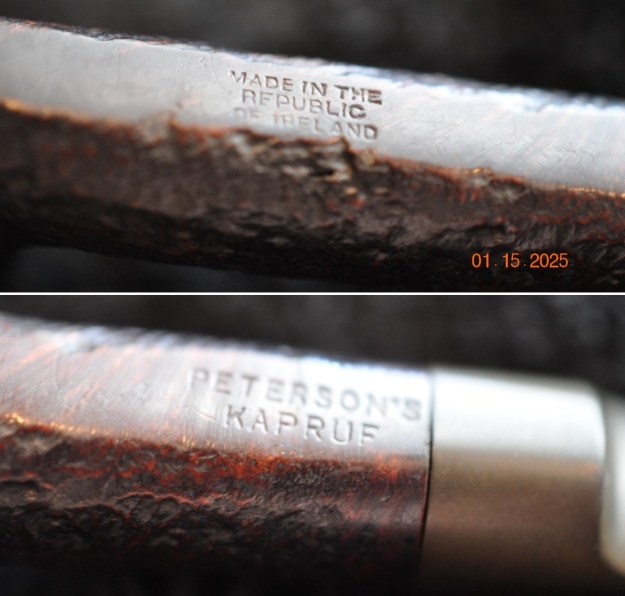
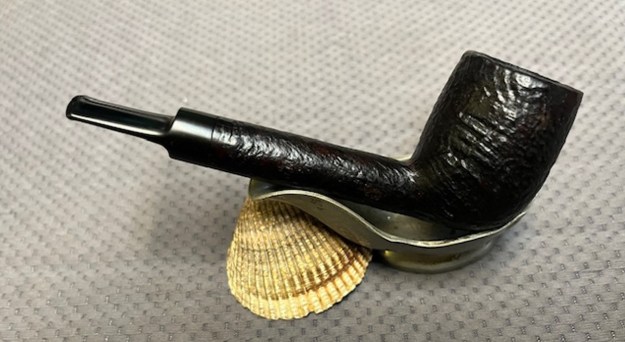
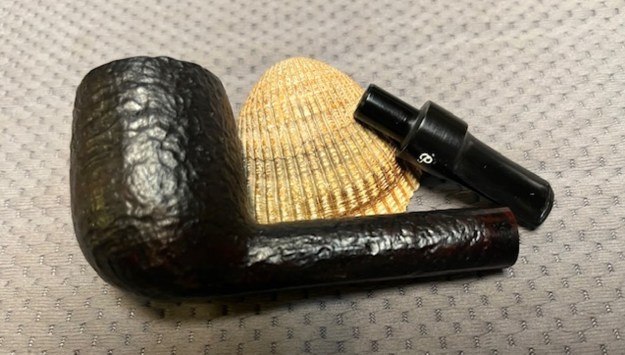
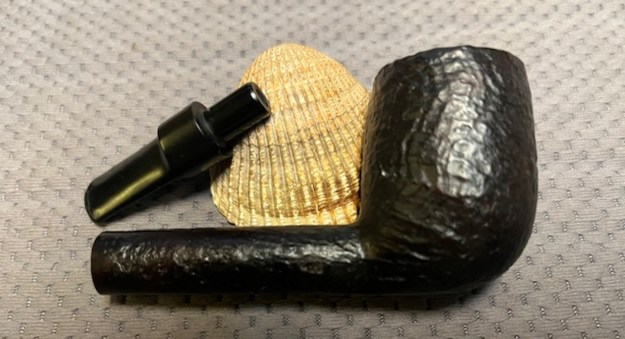
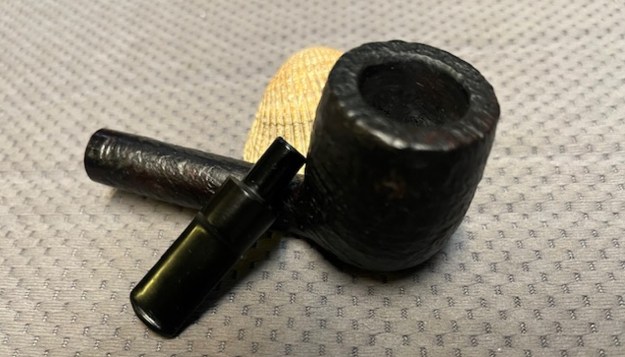
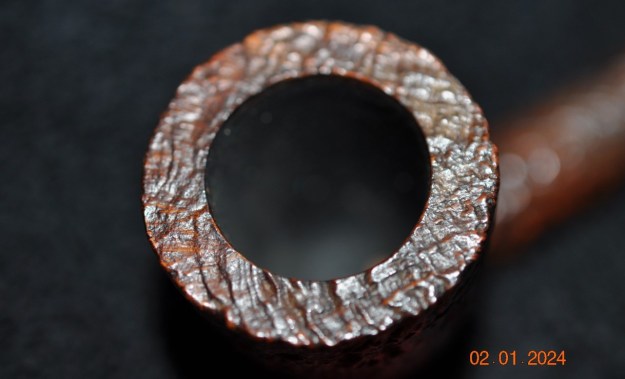
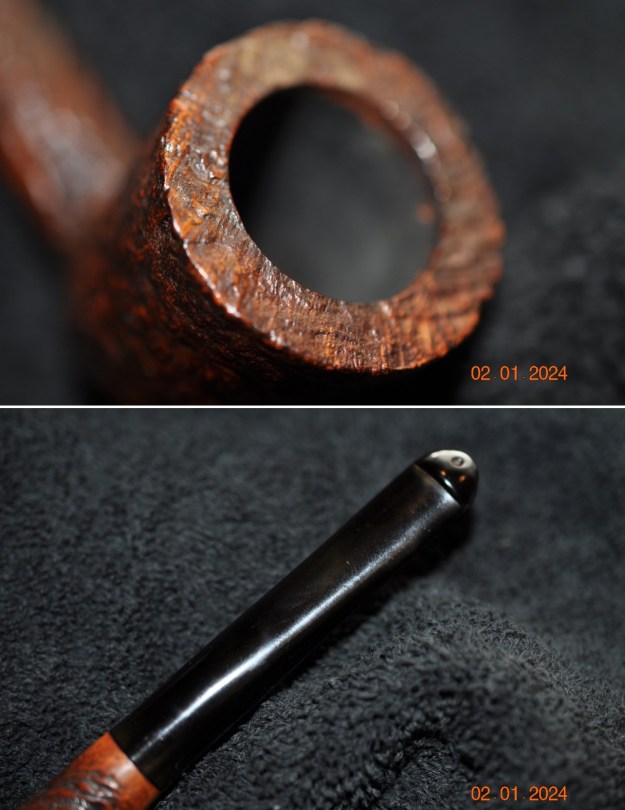
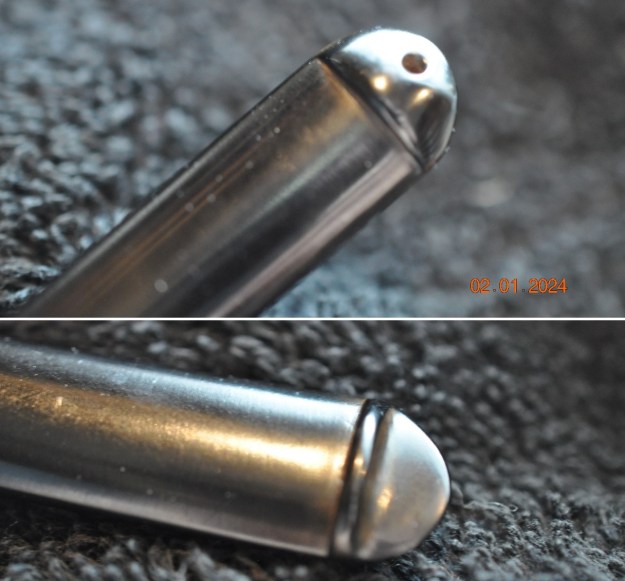
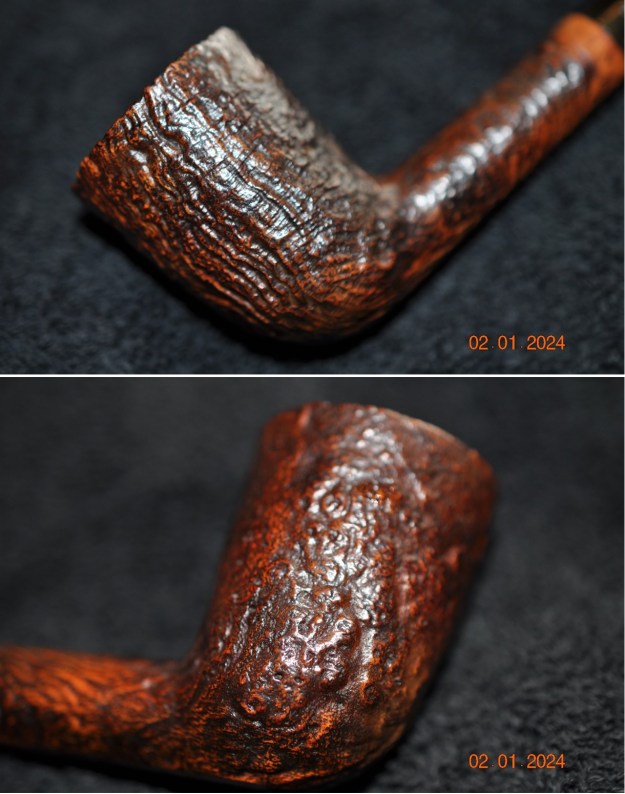
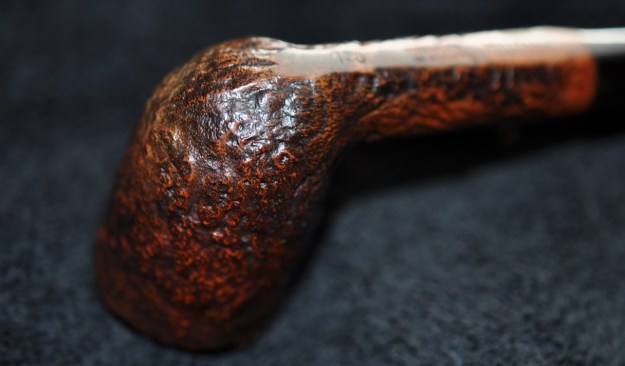
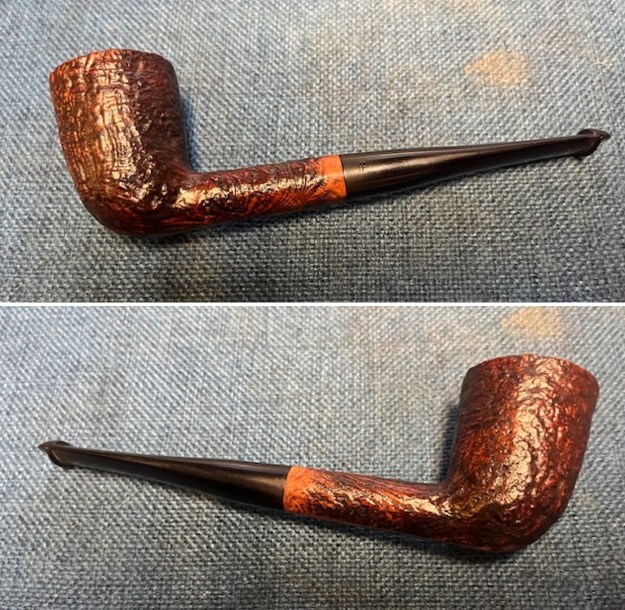
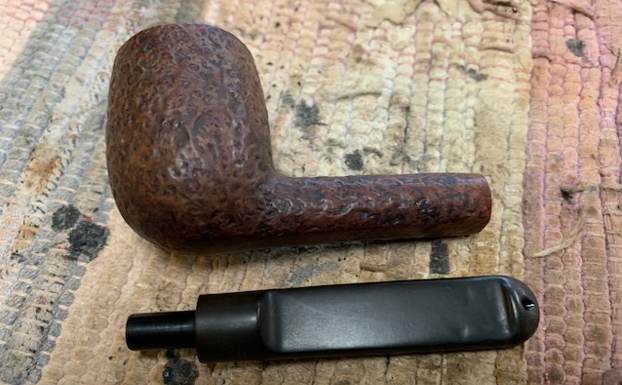
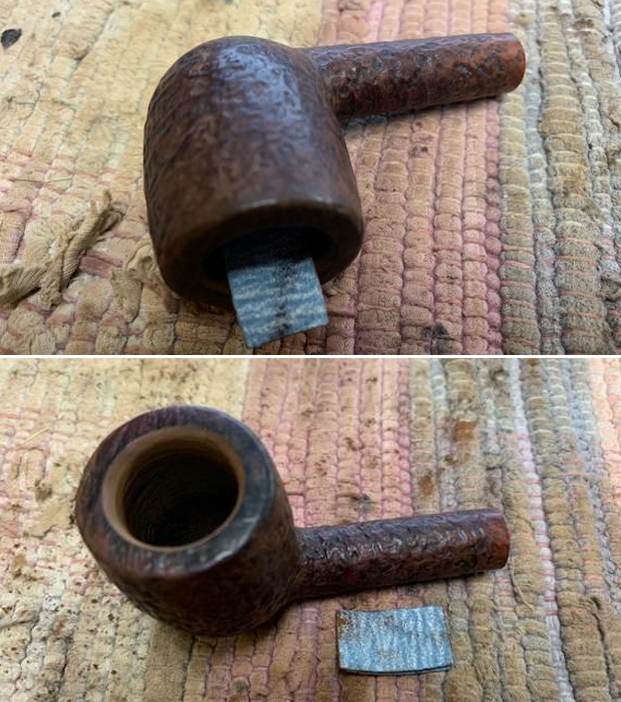
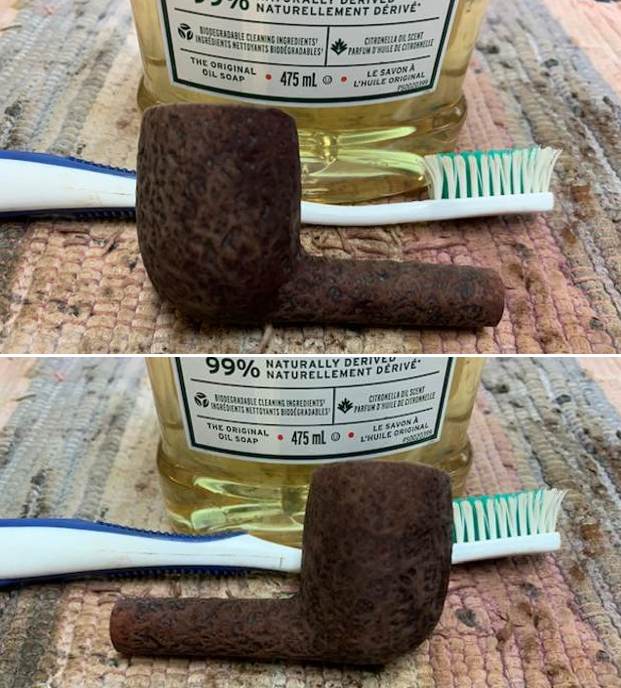
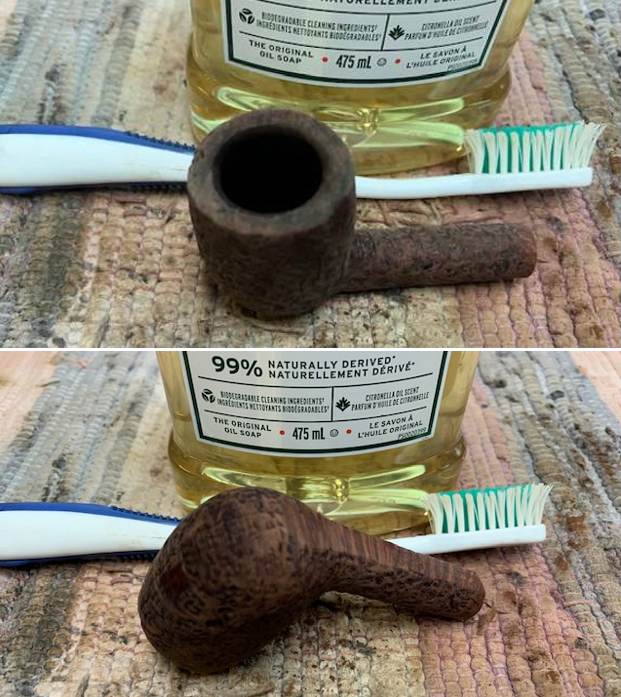
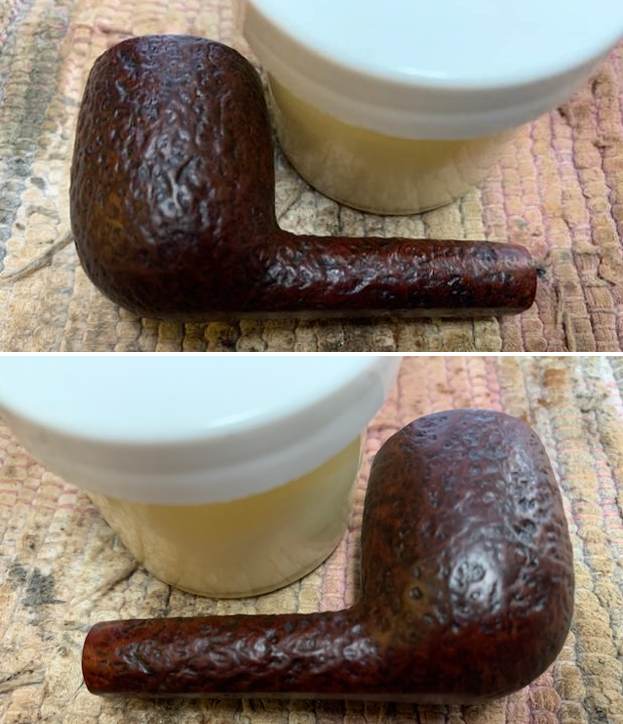
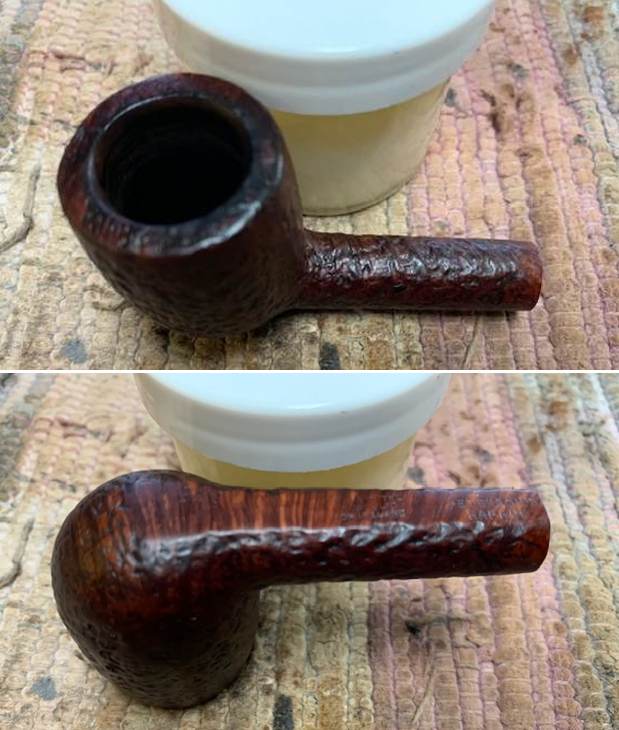
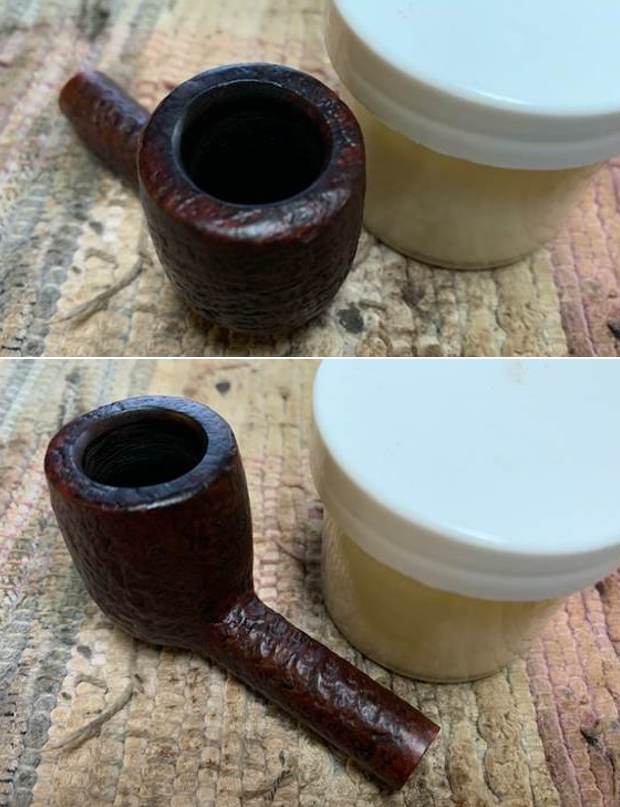
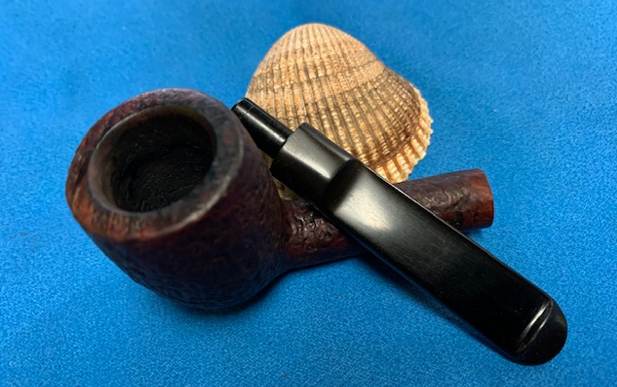
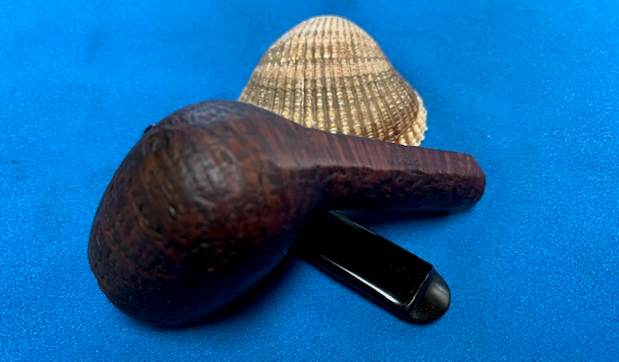
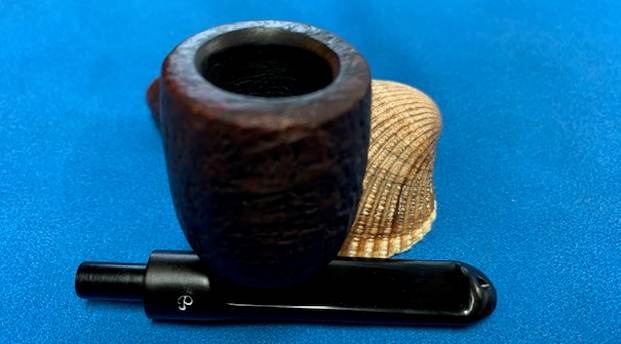
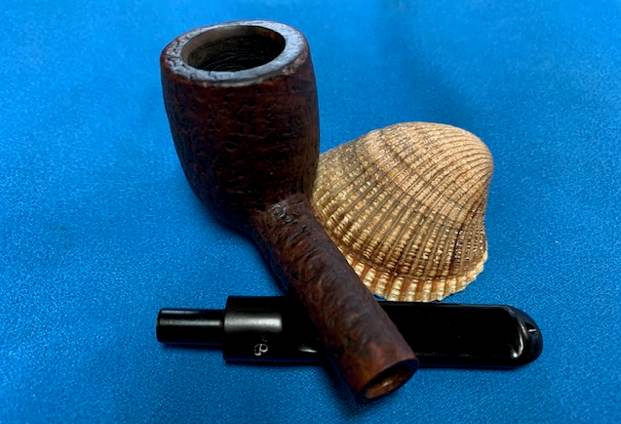
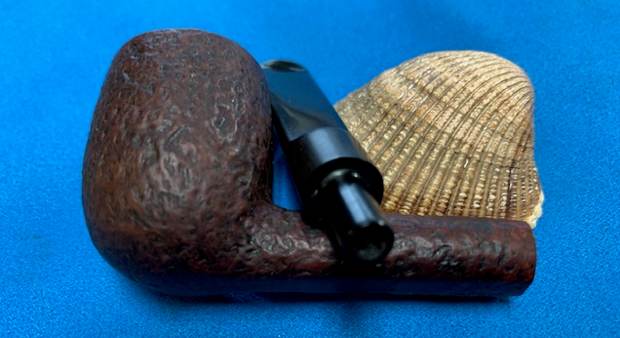
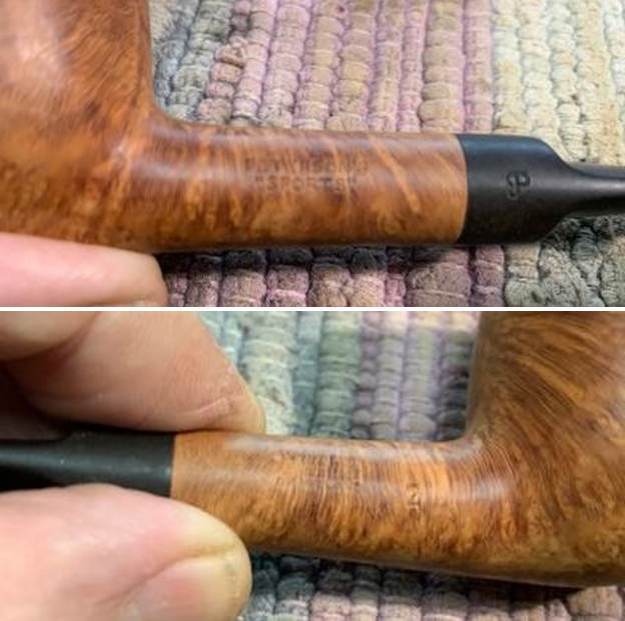
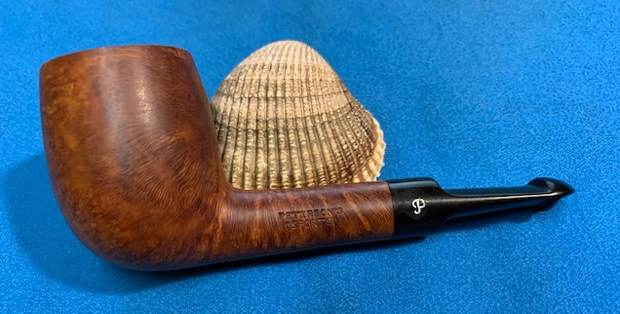
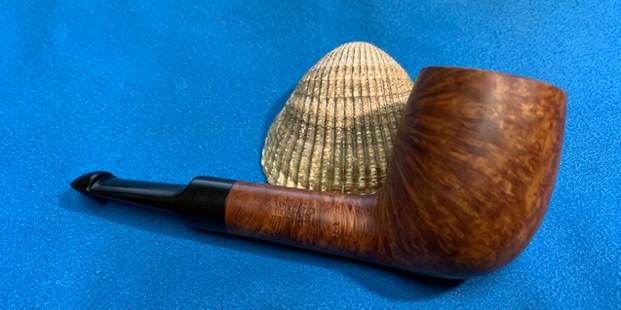
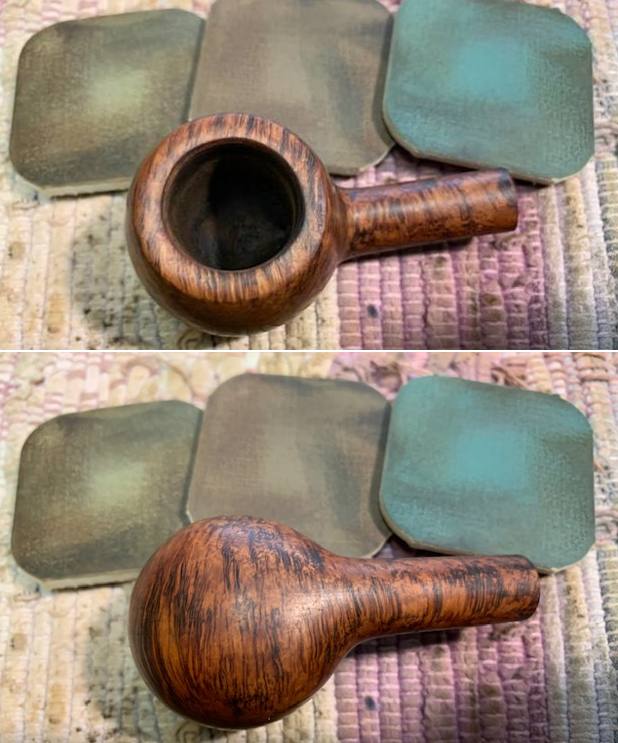
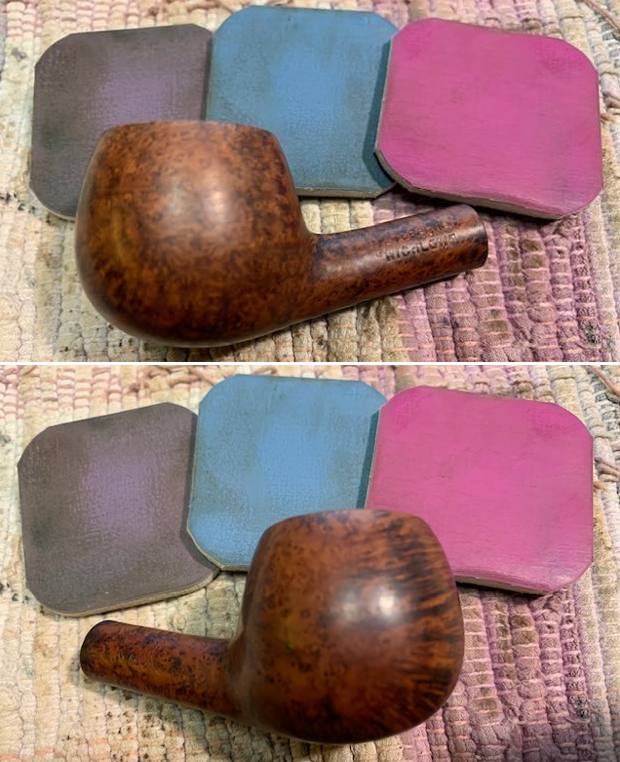
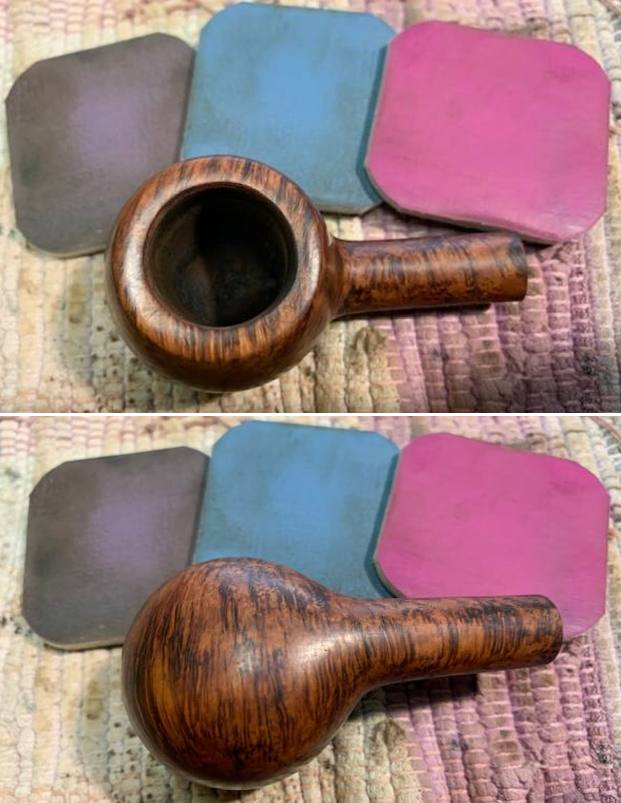
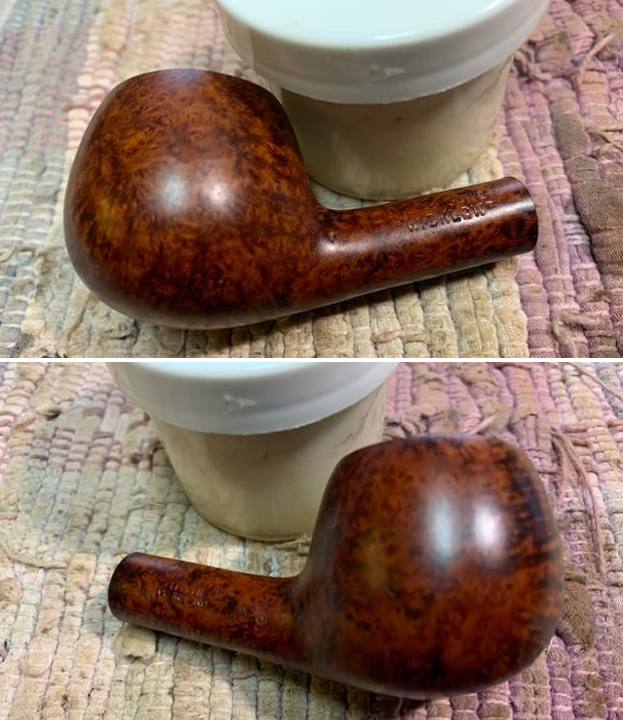
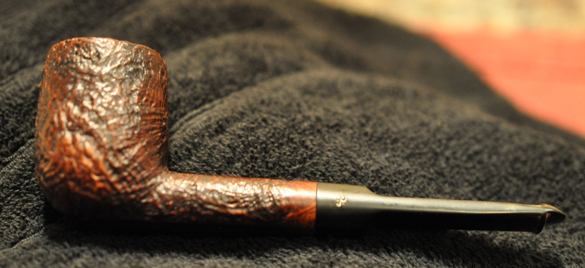
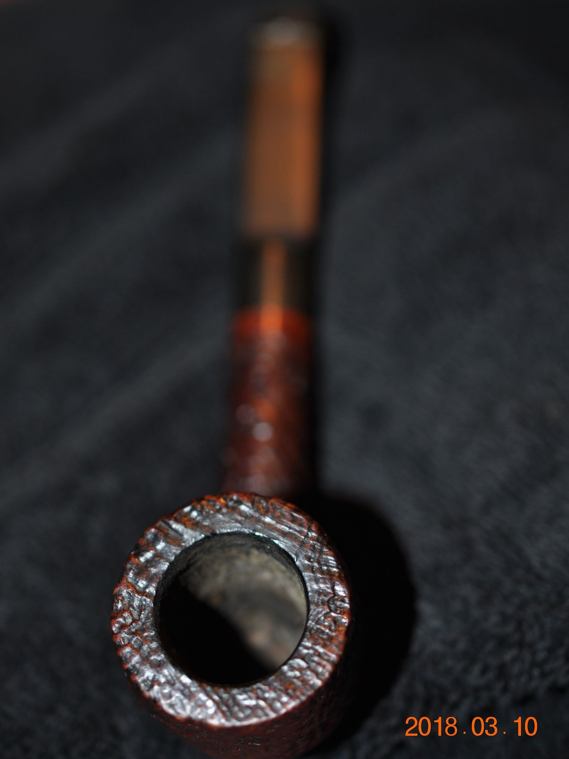
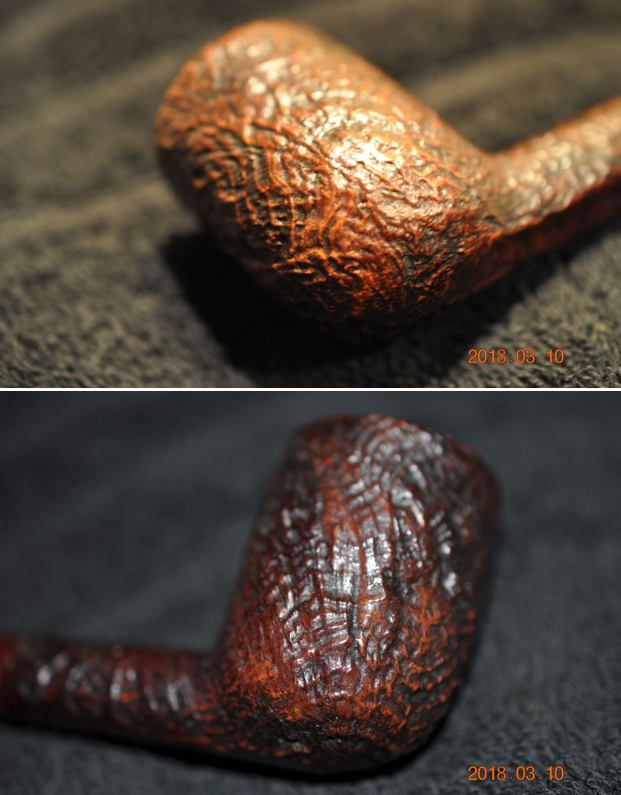
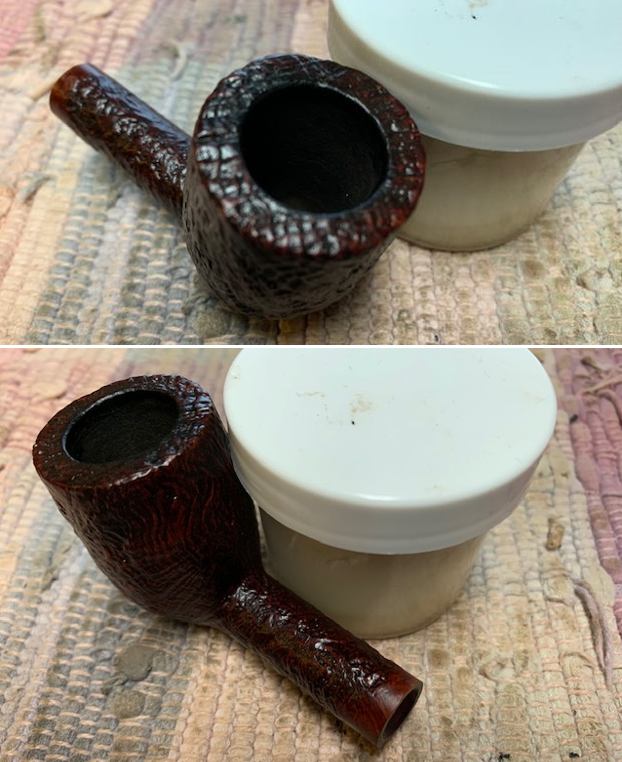
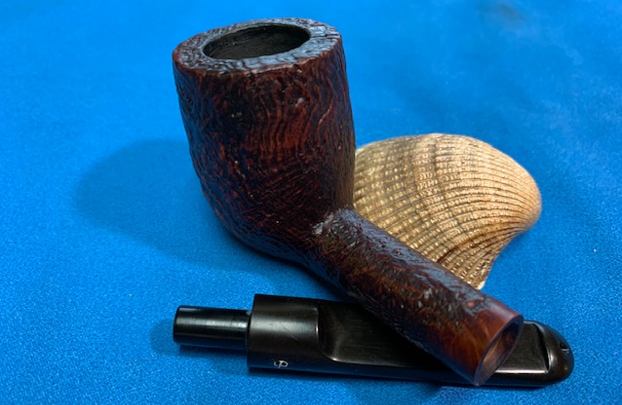
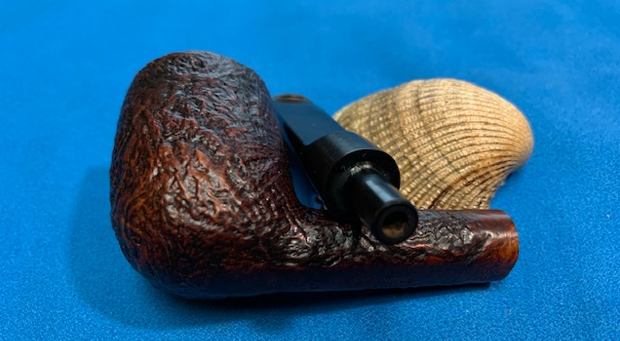
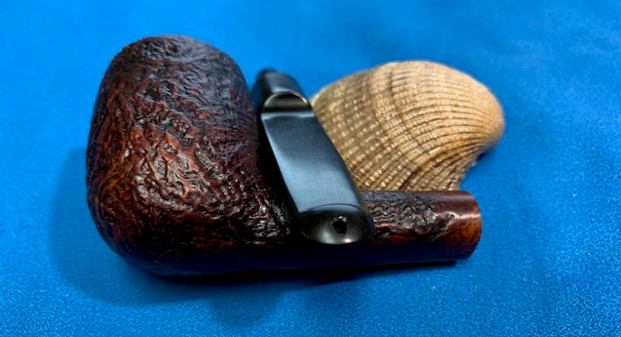
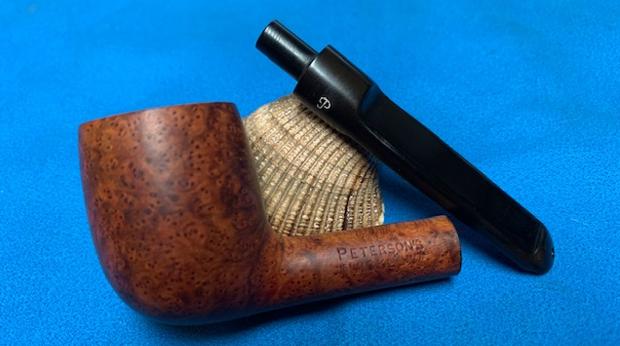
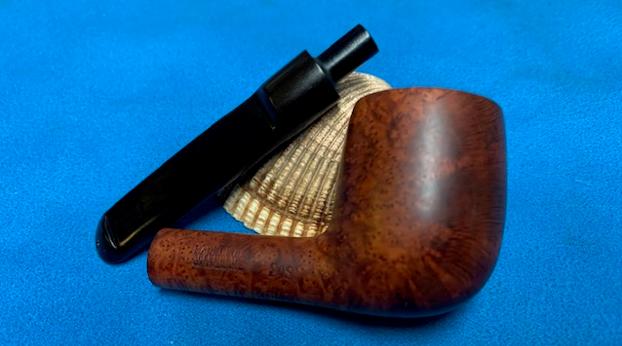
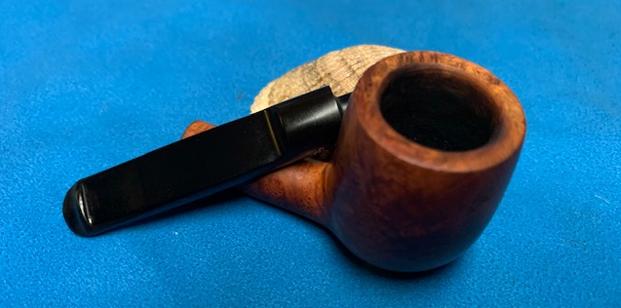
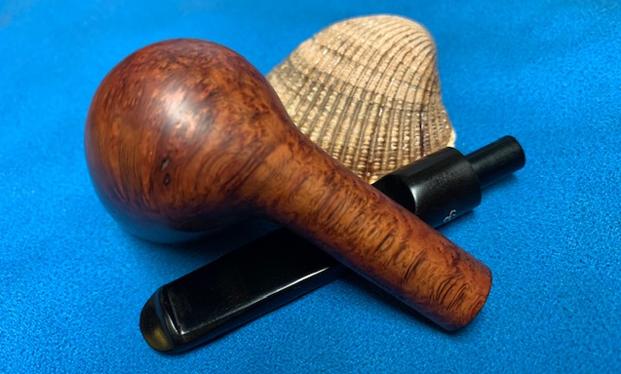
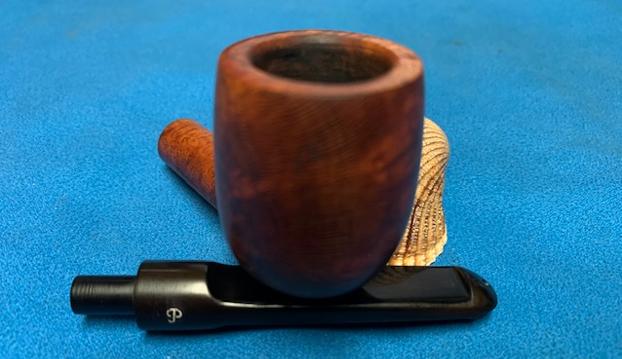
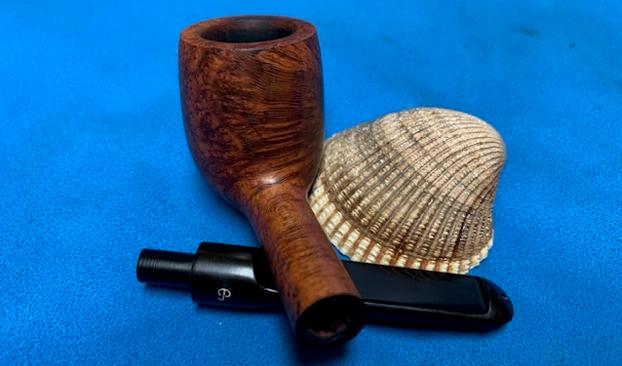
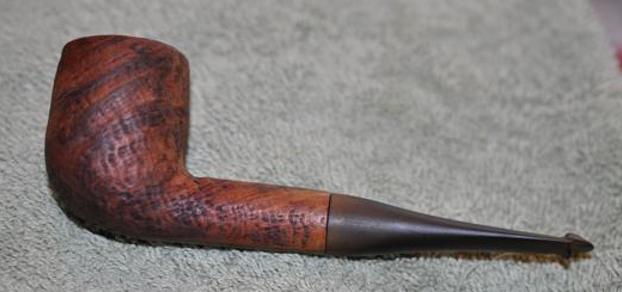
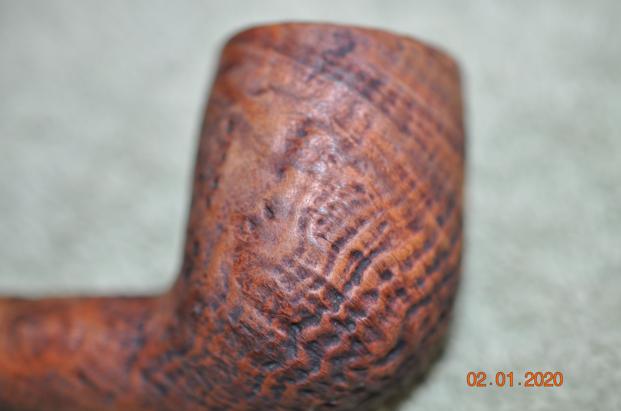
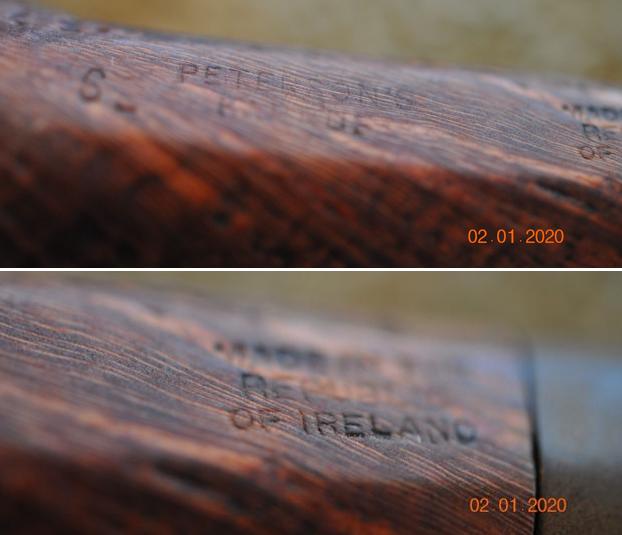
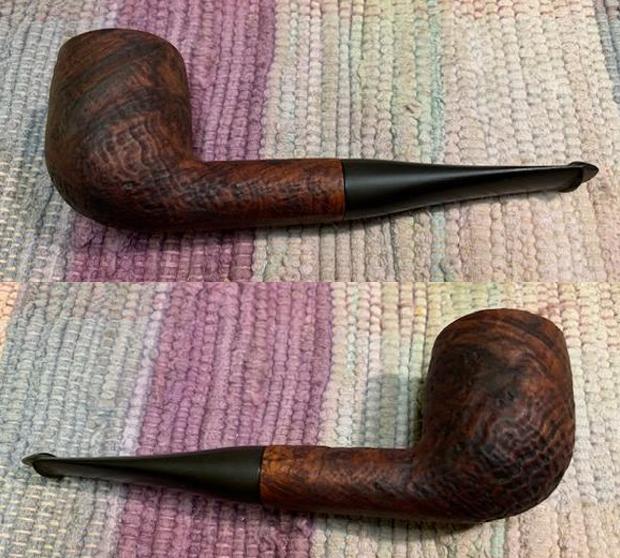
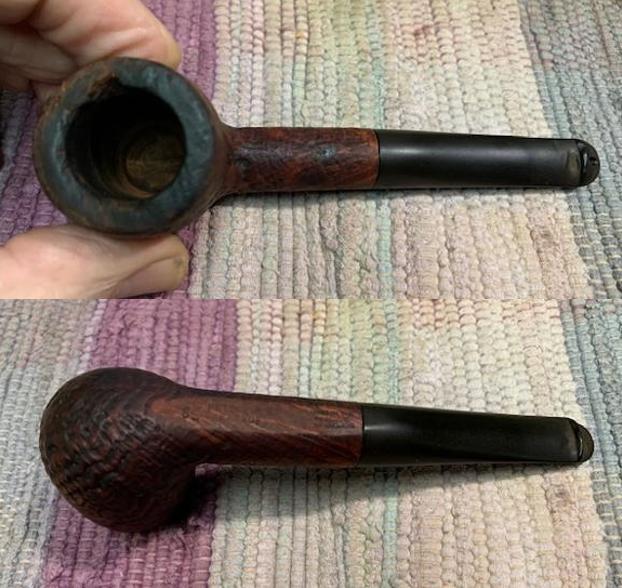
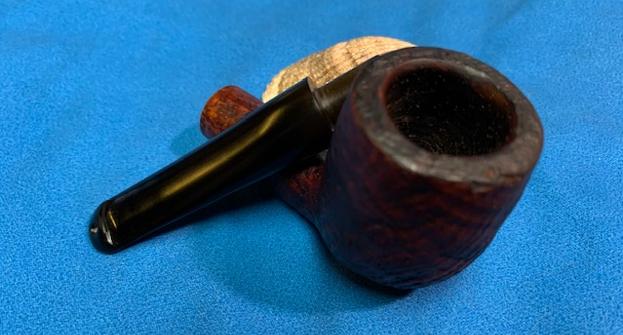
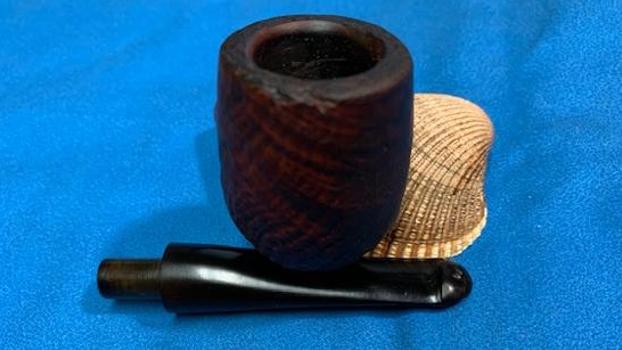
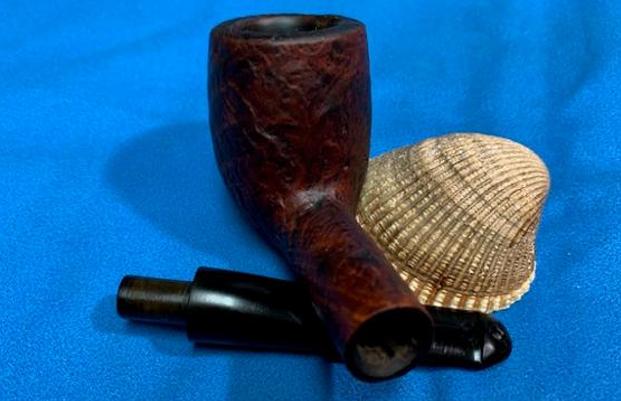
Today is cold and snowy day in Vancouver. I know in comparison to where many of you live it is not cold but to us it is. I am preparing for a trip to Asia for work so this is likely the last pipe I will work on for a while. I have chosen a Peterson’s Lovat. It is a sandblast pipe that came to us from our contact in Copenhagen, Denmark on 04/11/2024. There was grime ground into the sandblast finish on the bowl sides. I love the way the contrast of the brown and black stains gave the blast a sense of depth. It was stamped on the flat underside of the shank and had the shape number 53 on the heel of the bowl followed by Made in the Republic of Ireland (three lines). To the right of that it is stamped Peterson’s [over] Kapruf. This pipe must have been a favourite of the pipe man who used it as it had been well smoked. There was a thick cake in the bowl and some lava overflowing onto the sandblast rim top. The inner edge of the bowl looked good. The stem is an original fishtail style but the slot is merely a single opening like an old style orific button. Strange but original! The stem was oxidized and there were light tooth marks and chatter on the top and underside ahead of the button on both sides. Jeff took photos of the pipe before his cleanup work. Jeff took photos of the rim top and stem to show the general condition of the pipe. The bowl is thickly caked and the rim top and edges look to be in good condition despite the lava overflow in the sandblast of the rim top. The photos of the stem show the oxidation and the light tooth marks on the top and underside near the button. Jeff took a photo of the bowl sides and heel to show the blast that was around this bowl. It is a great sandblast and the choice of stain adds depth to the appearance of the bowl. He took photos of the stamping on the underside of the shank. It is clear and readable and reads as noted above. I turned to “The Peterson Pipe” by Mark Irwin and Gary Malmberg to get some background on the Kapruf line. On page 306 it had the following information.

Kapruf and “Kapruf” (c.1922-87) Sandblast (hence the name, Kapp-rough) P-lip or fishtail mouthpiece, in catalogs from 1940-87. Early documented specimens stamped IRISH over FREE STATE, no Eire specimens documented. Mid-century specimens may be stamped LONDON MADE [over] ENGLAND or MADE IN ENGLAND forming a circle or MADE IN [over] IRELAND, all dating no later than 1970. Those of recent vintage stamped MADE IN THE [over] REPUBLIC [over] OF IRELAND.

I knew that I was working on a KAPRUF that was made between 1970-1987 as it is stamped MADE IN THE REPUBLIC OF IRELAND as noted above. Now it was time to work on the pipe.

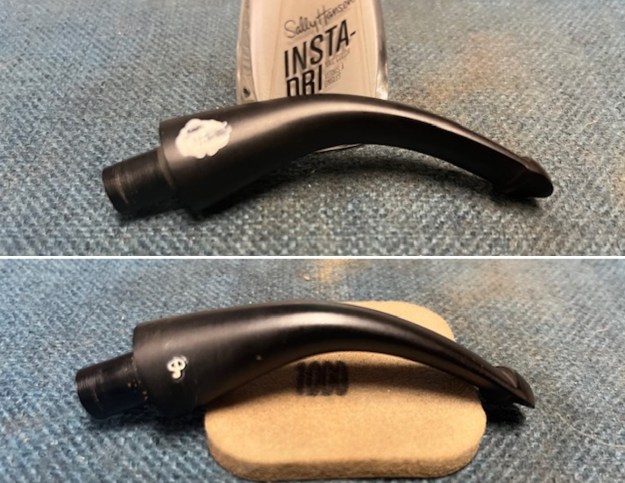
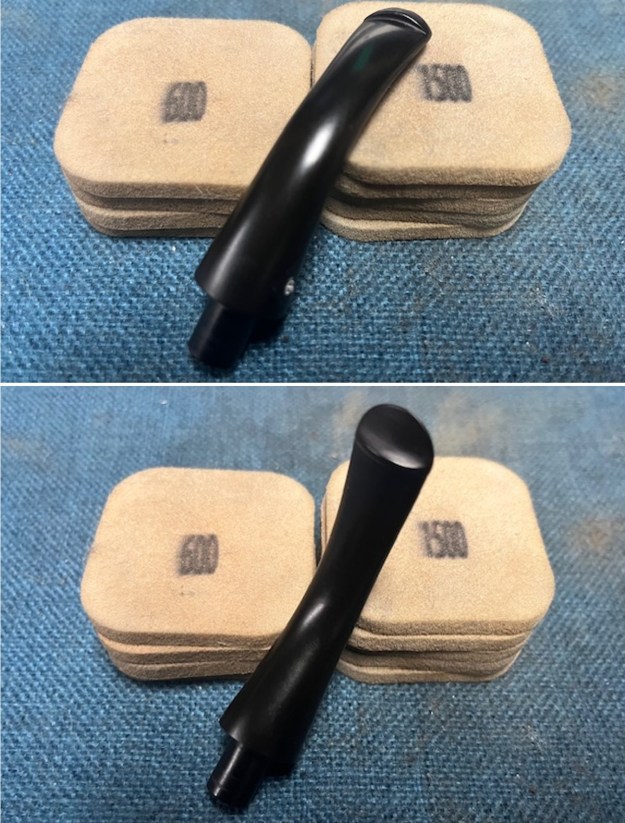
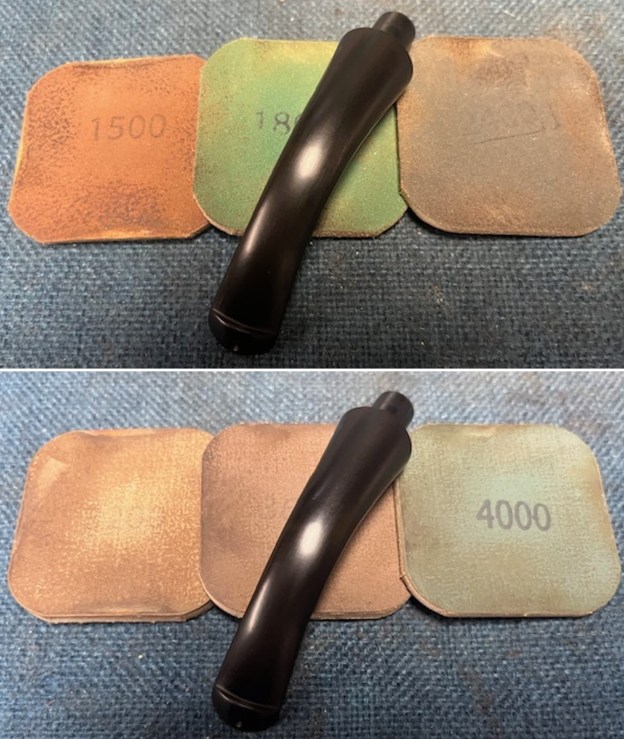
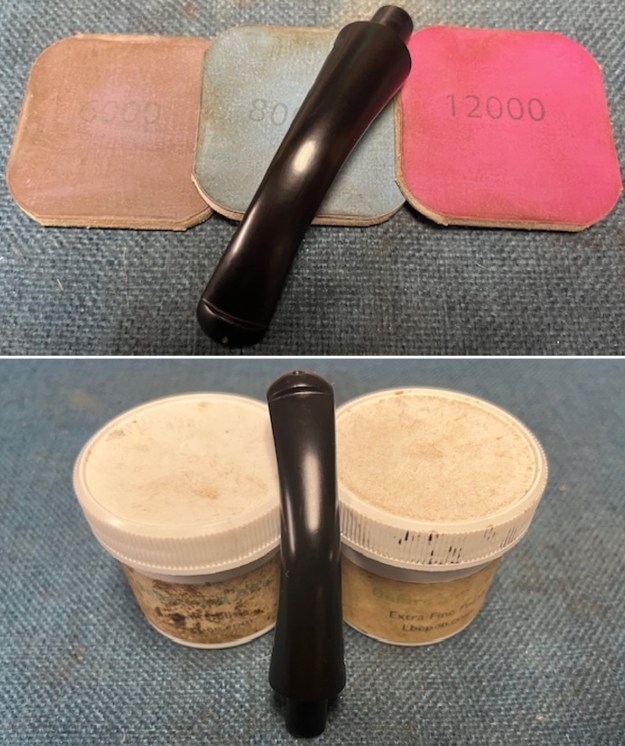
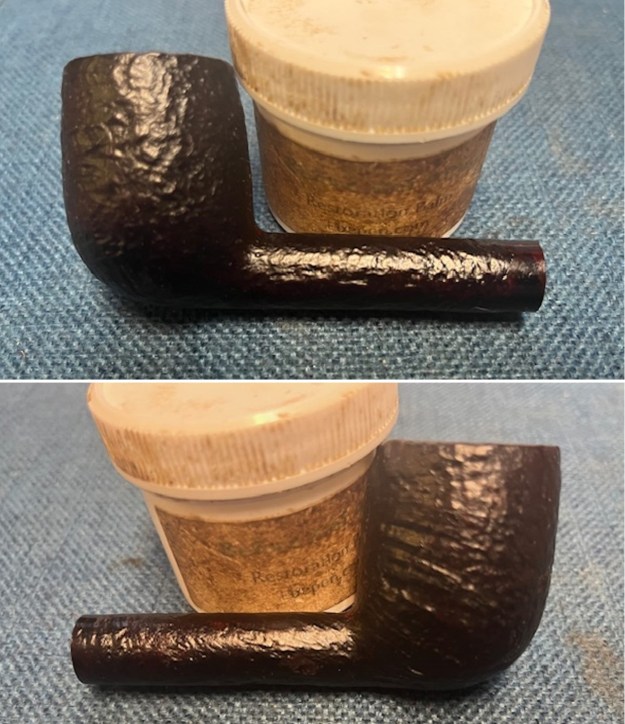
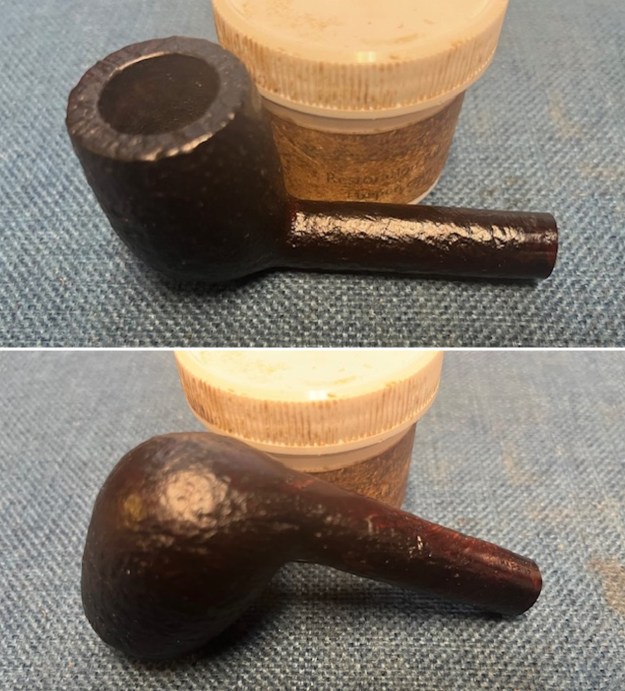
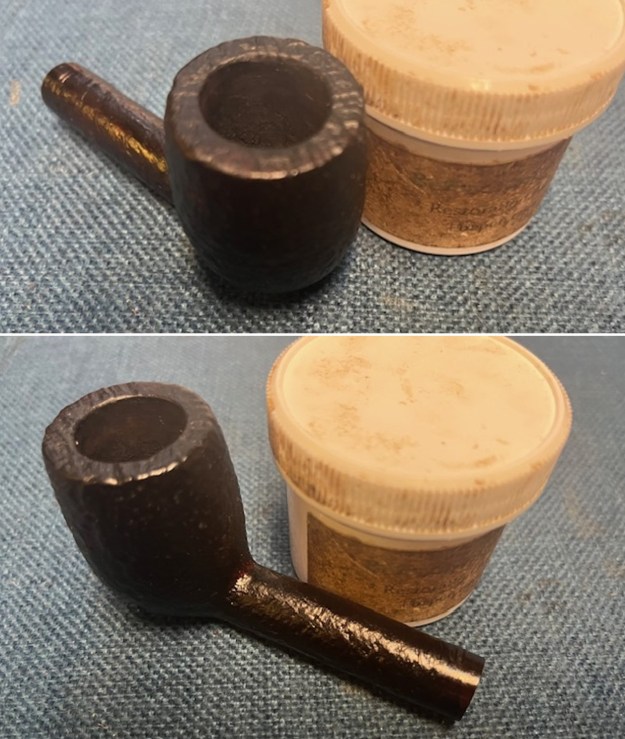
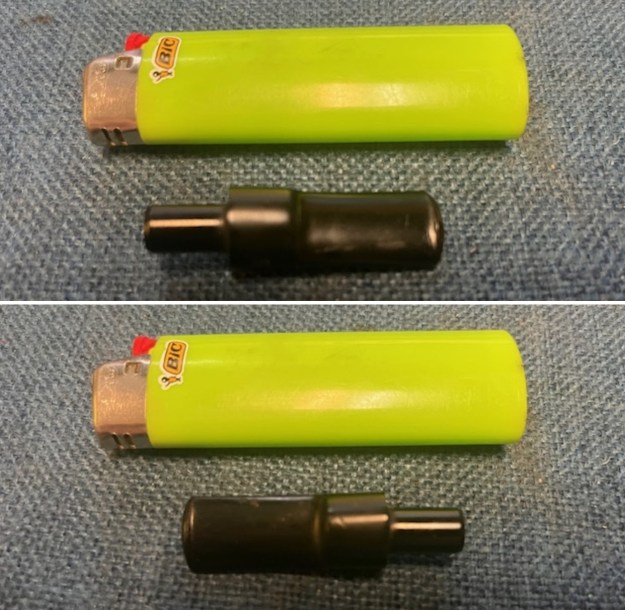
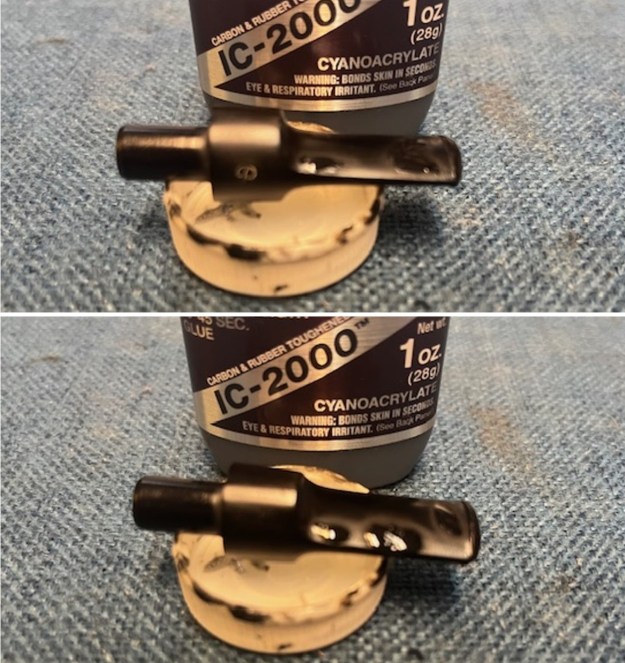
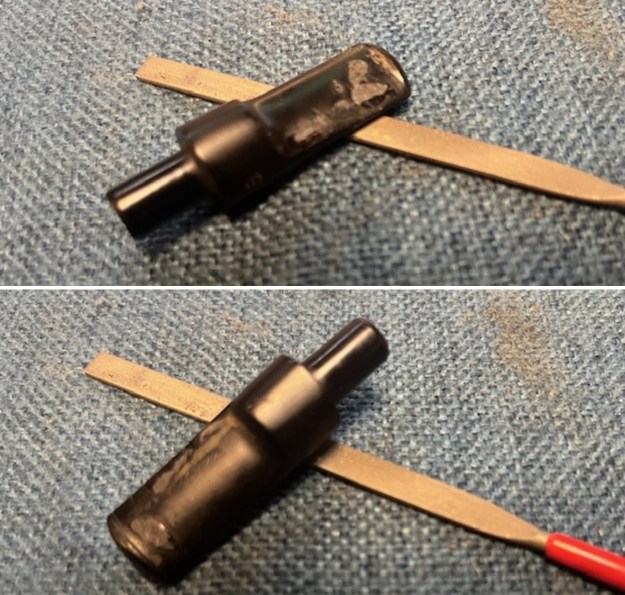
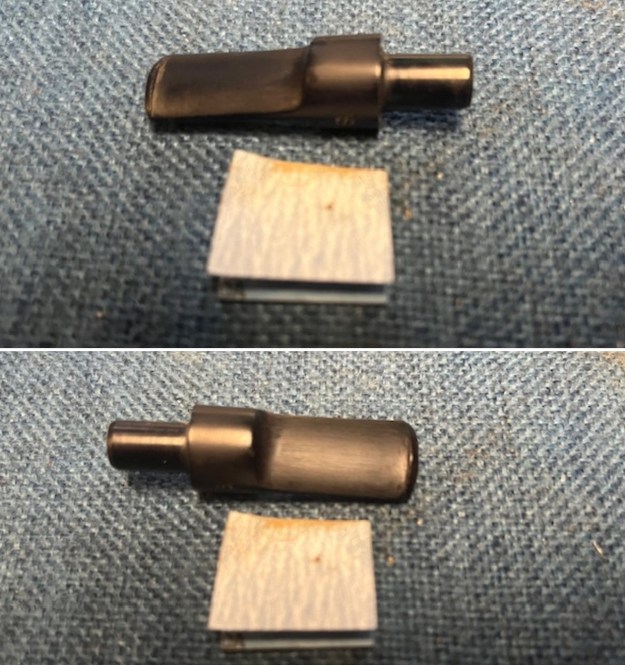
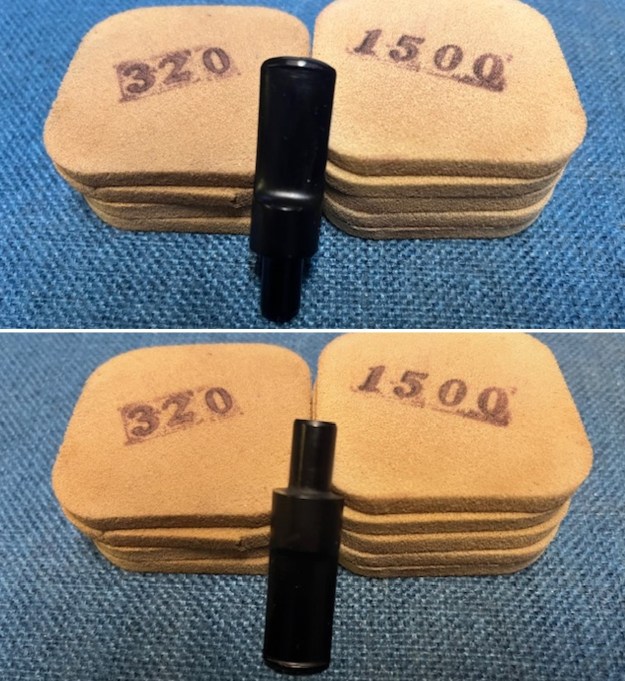
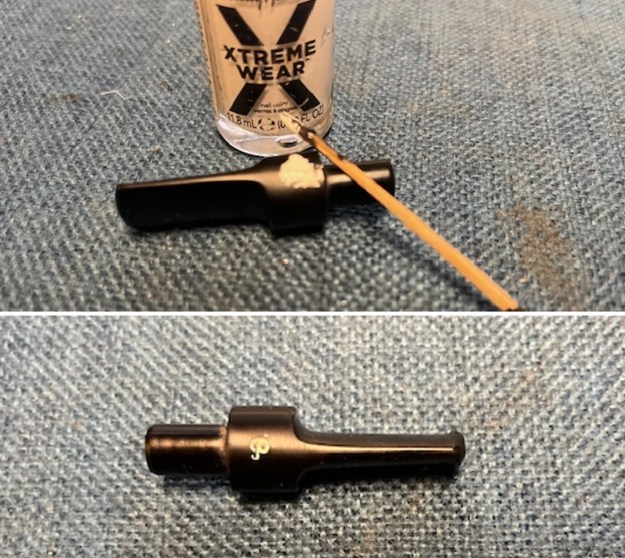
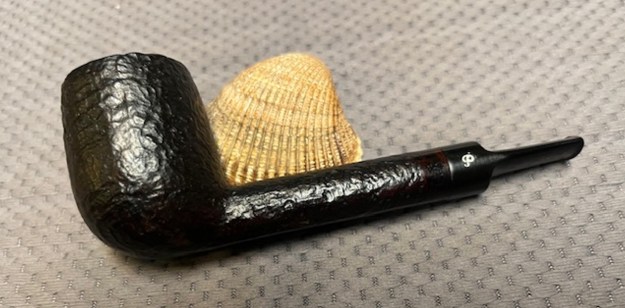
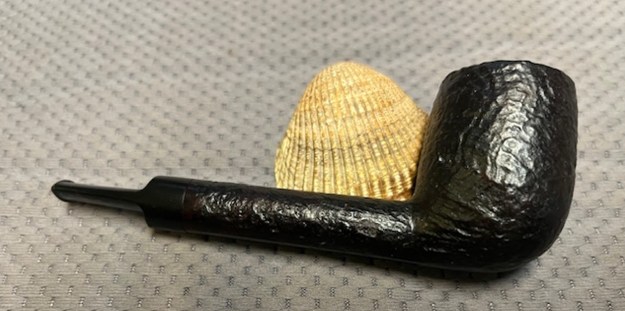
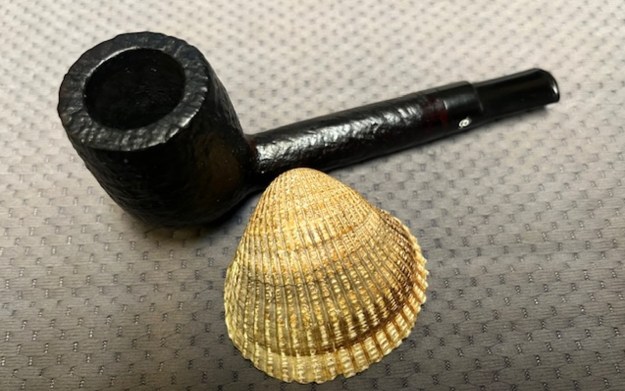
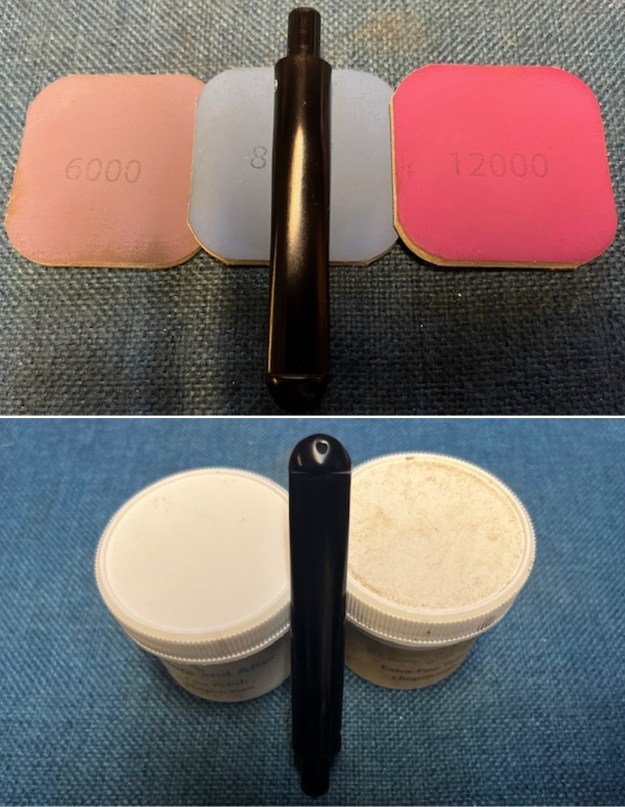
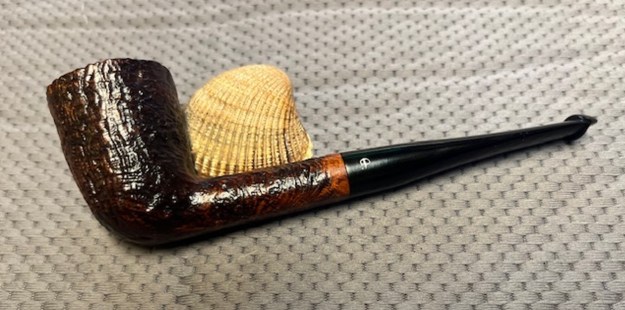
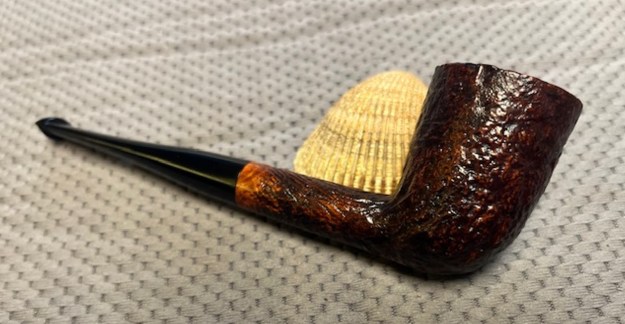
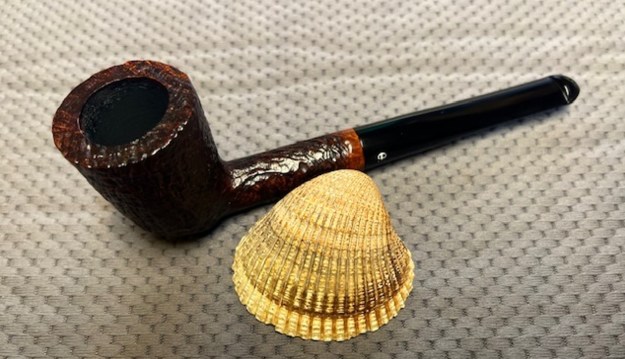
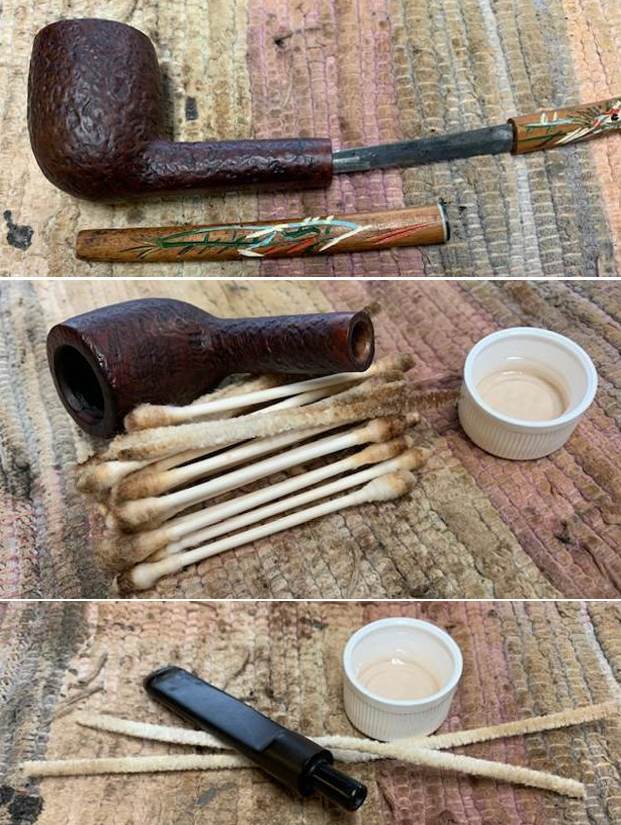
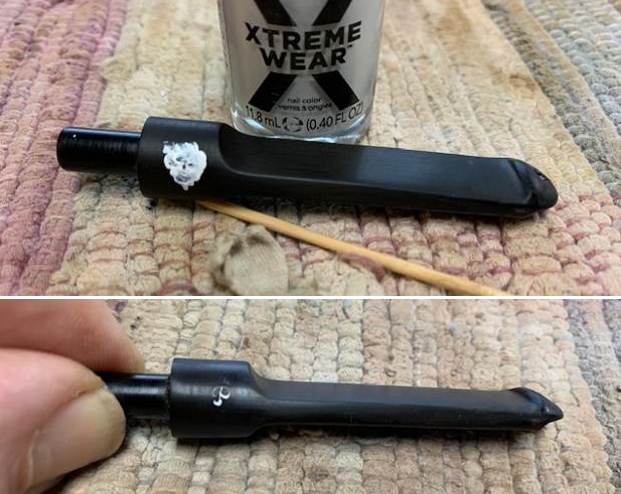
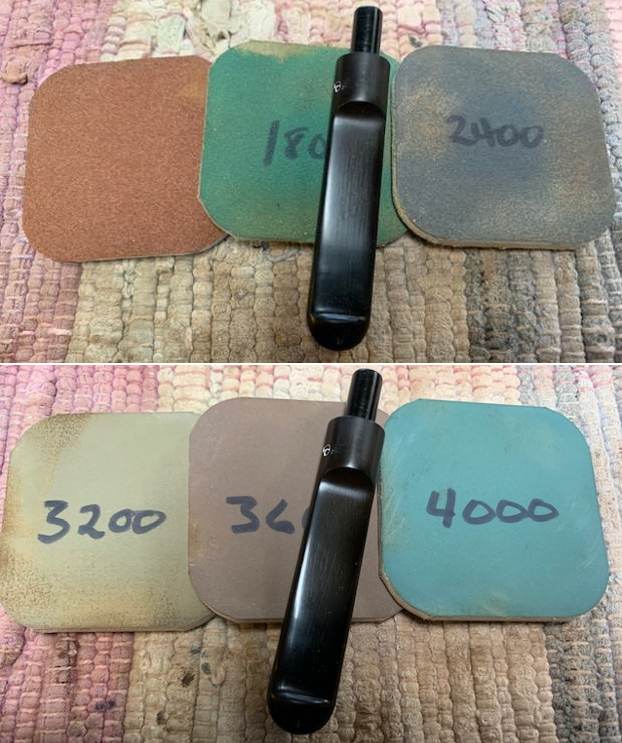
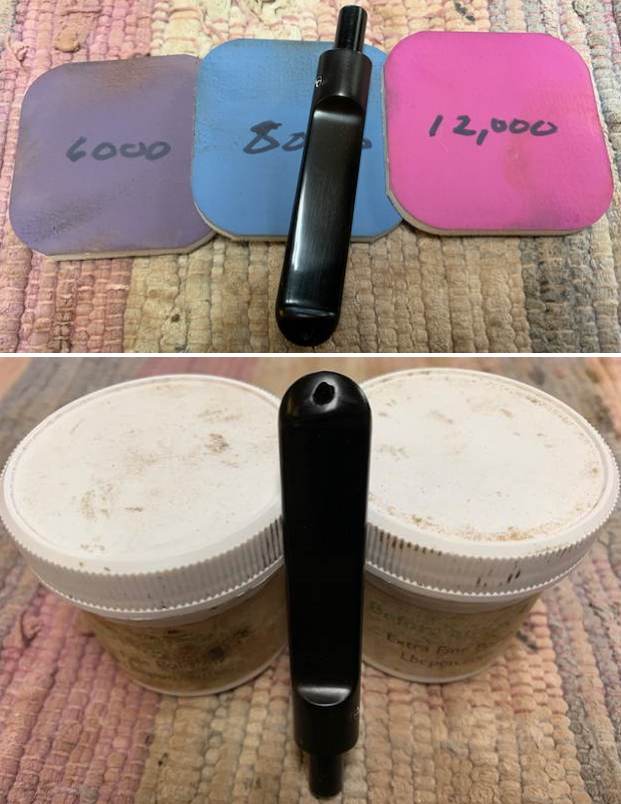
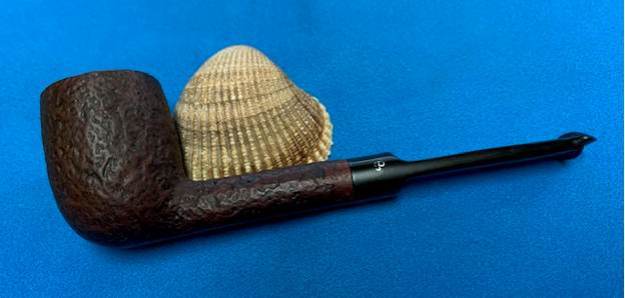
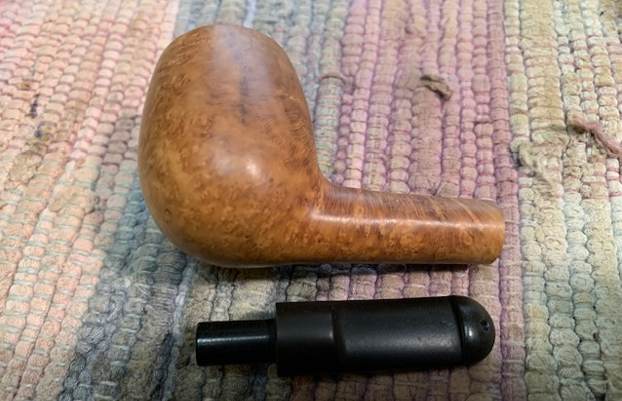
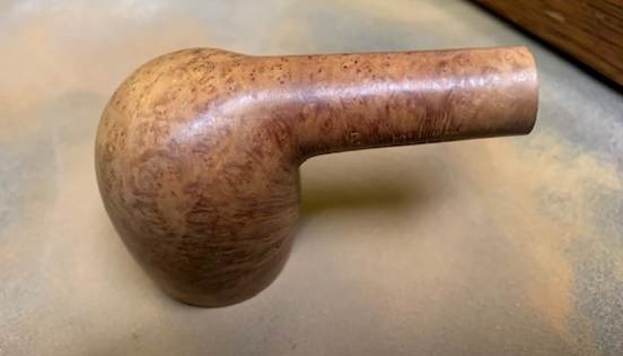
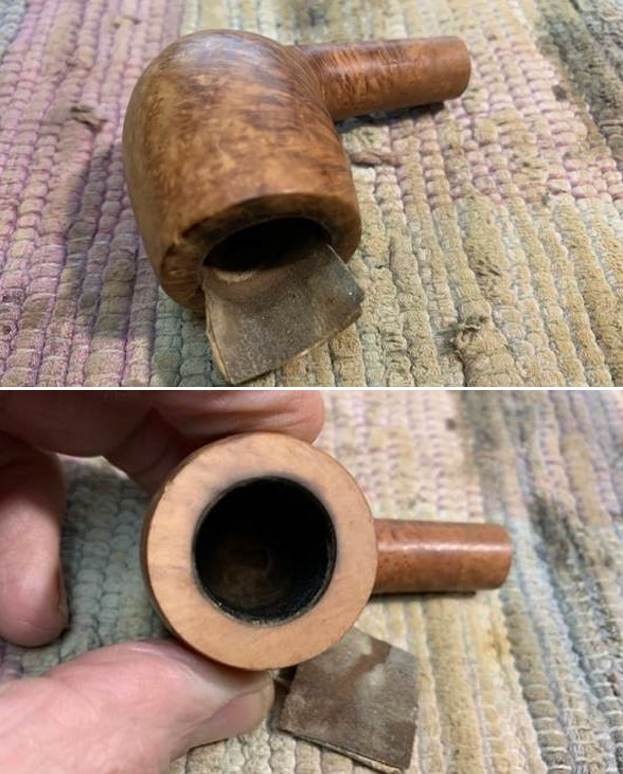
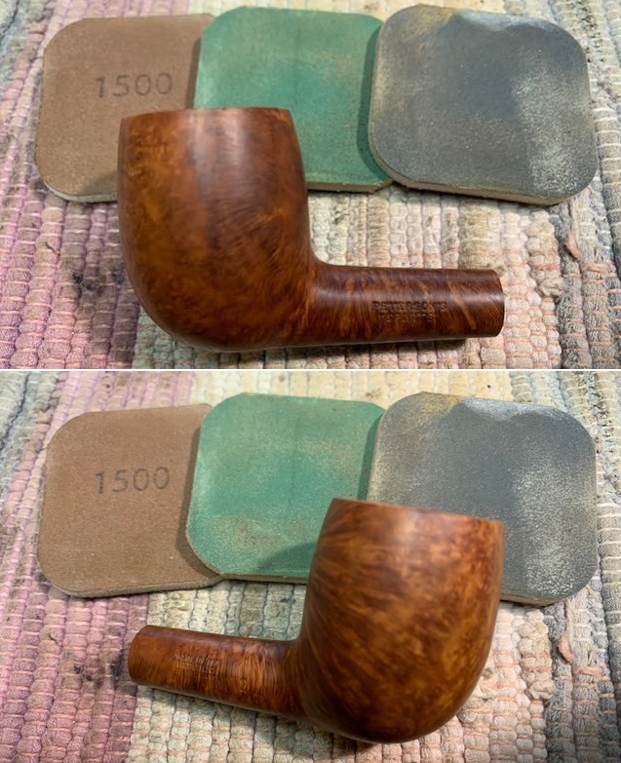
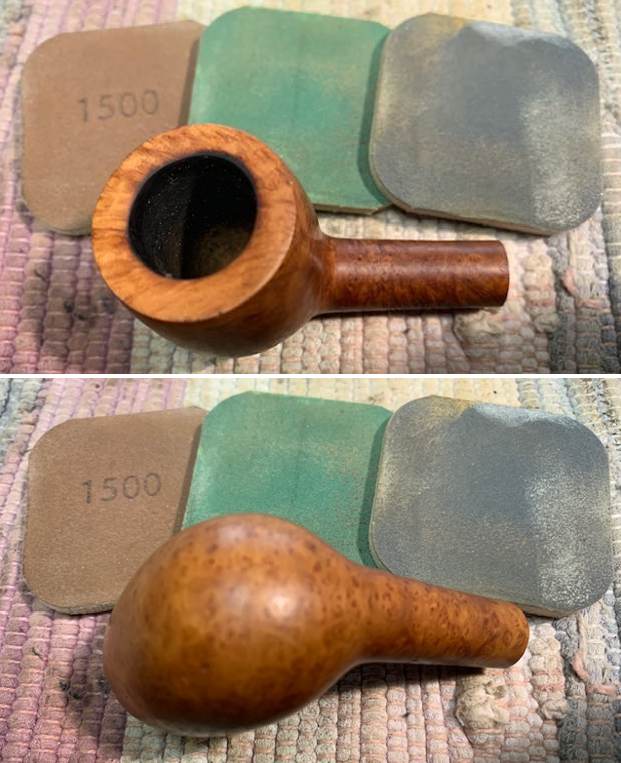
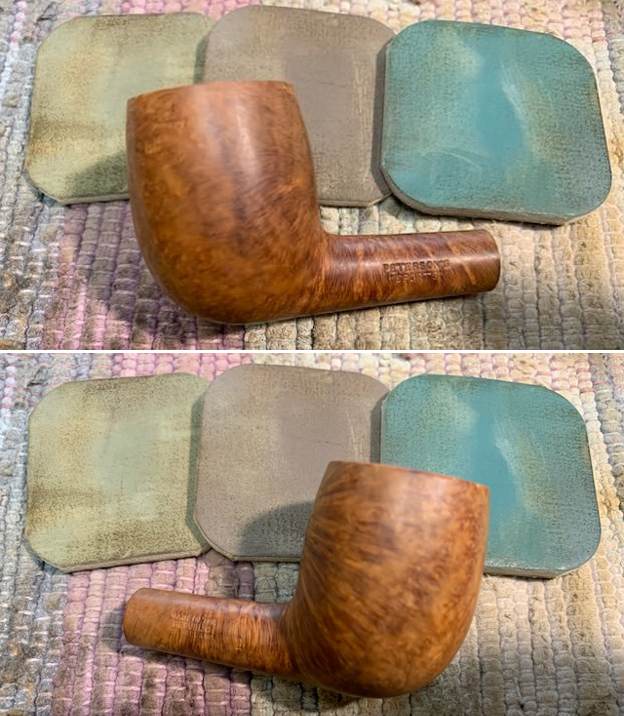
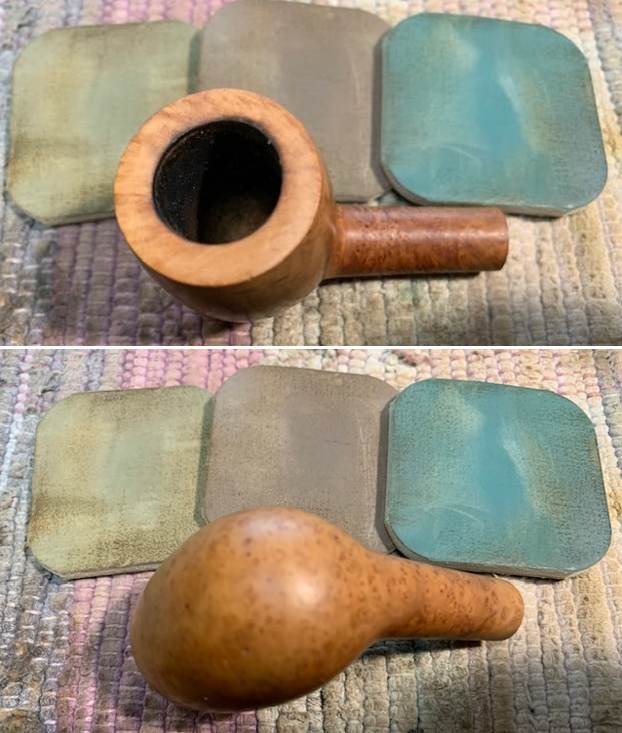
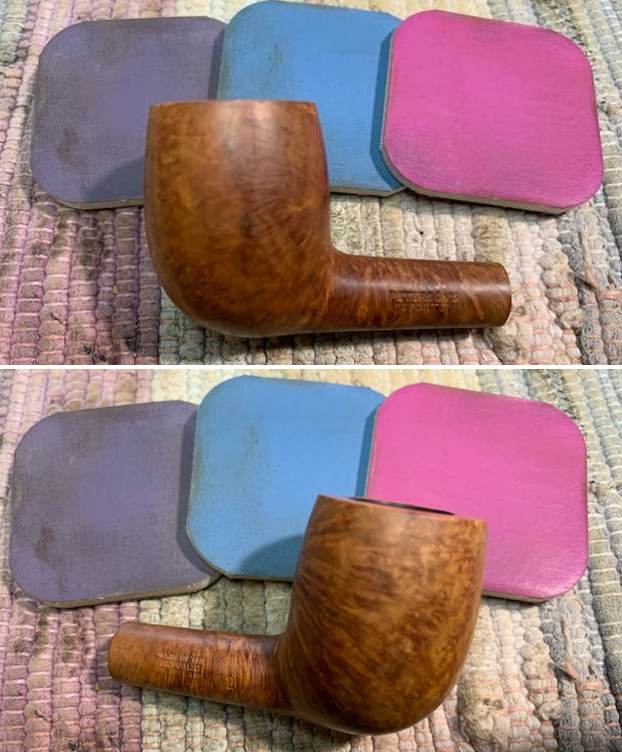
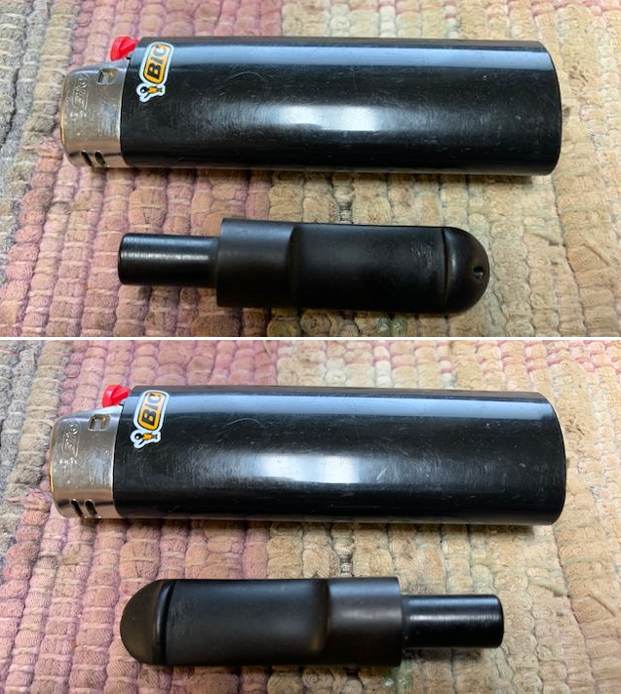
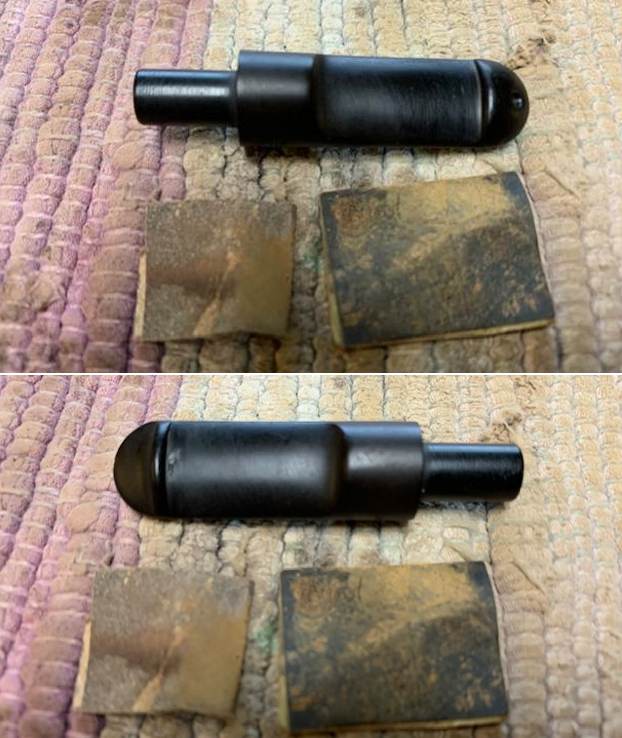
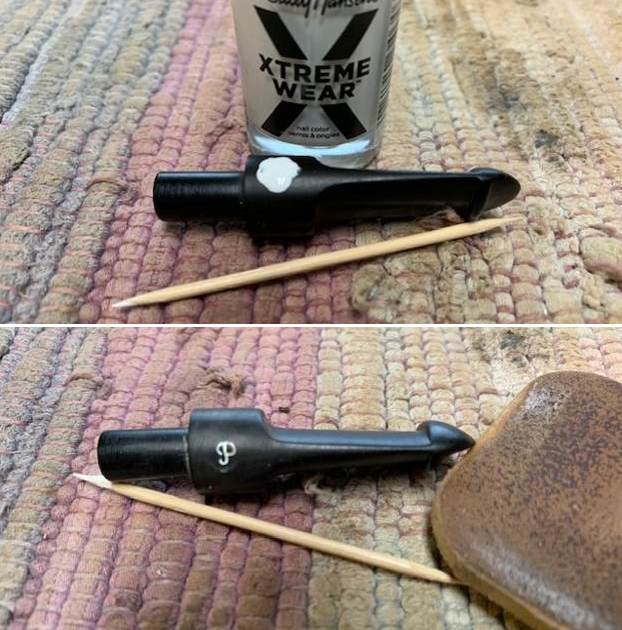
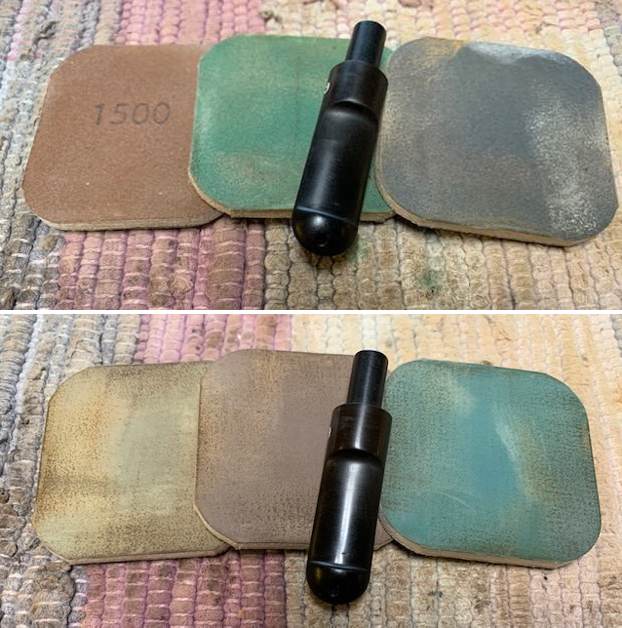
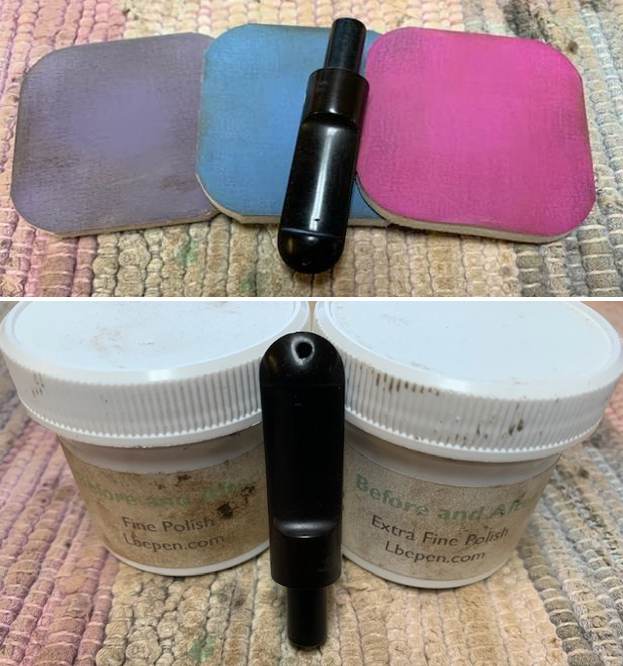
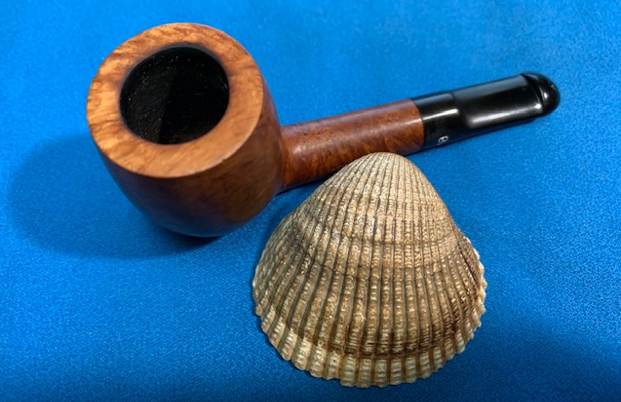
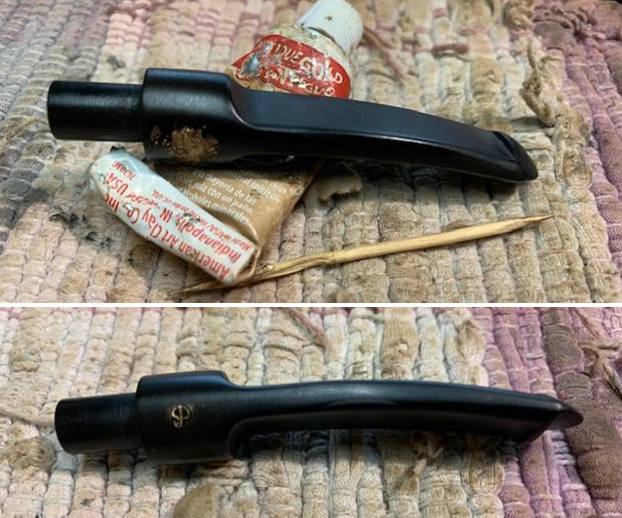
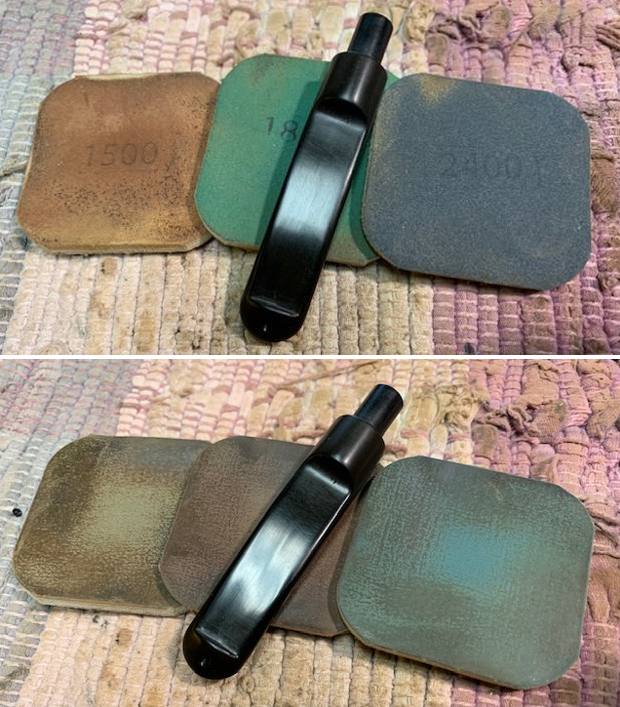
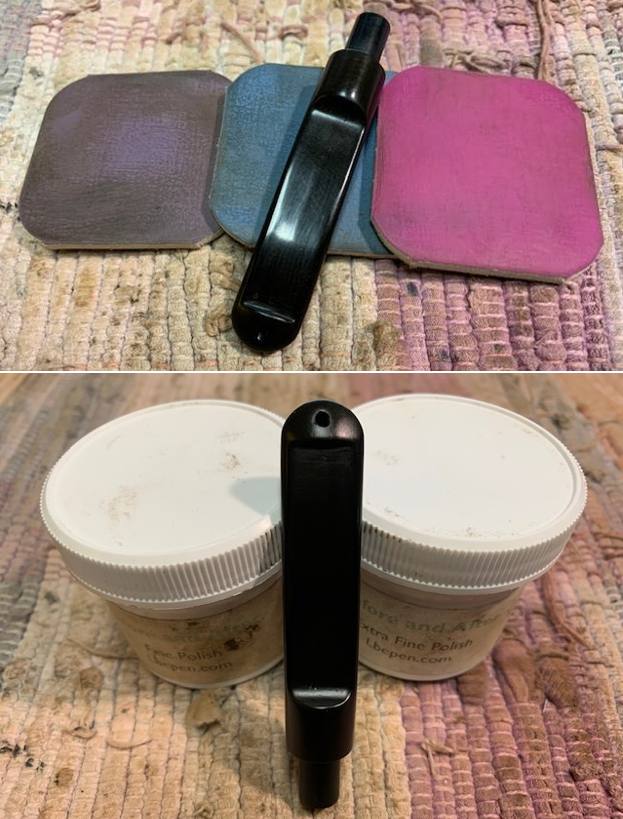
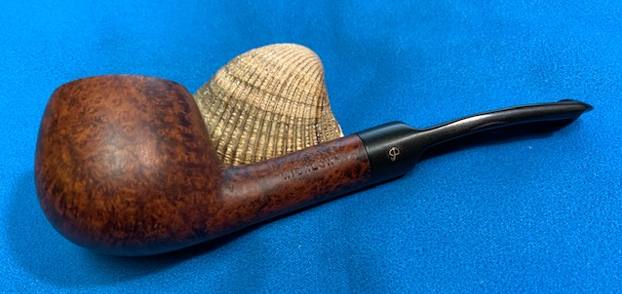
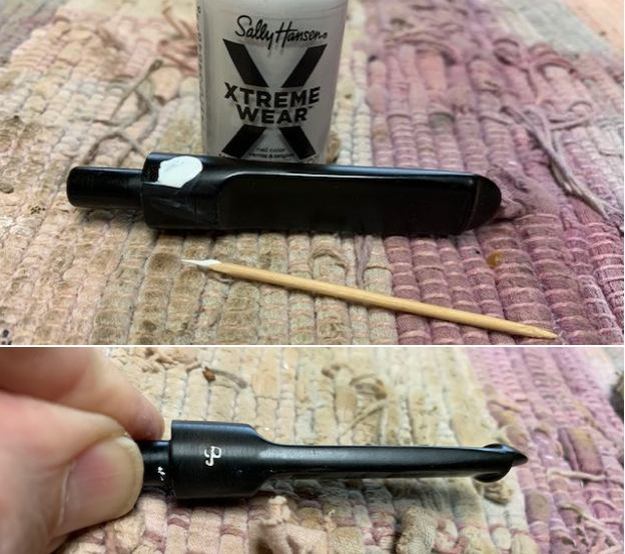
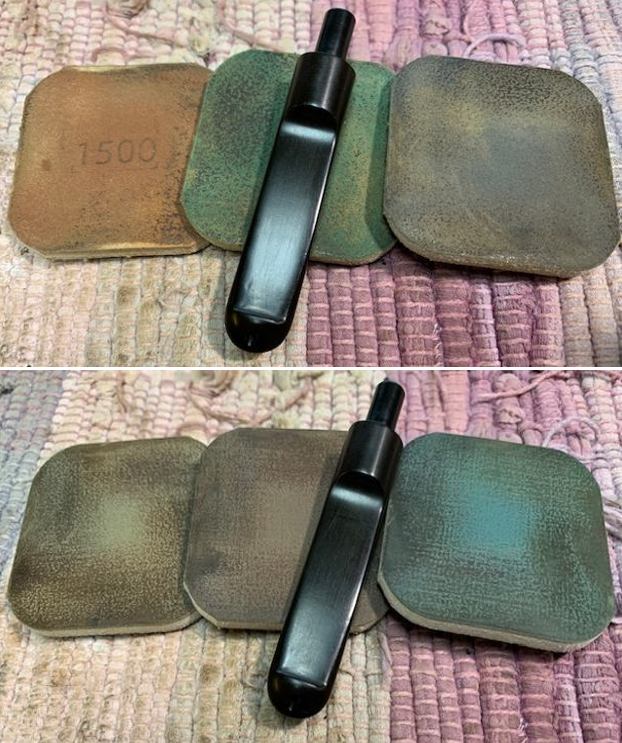
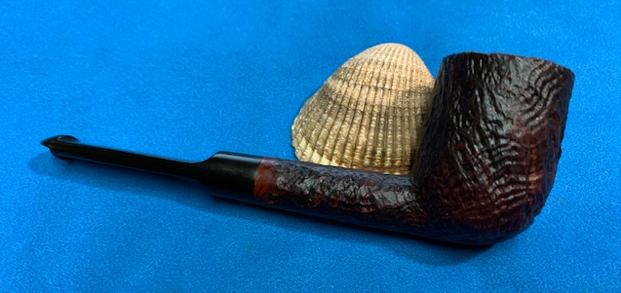
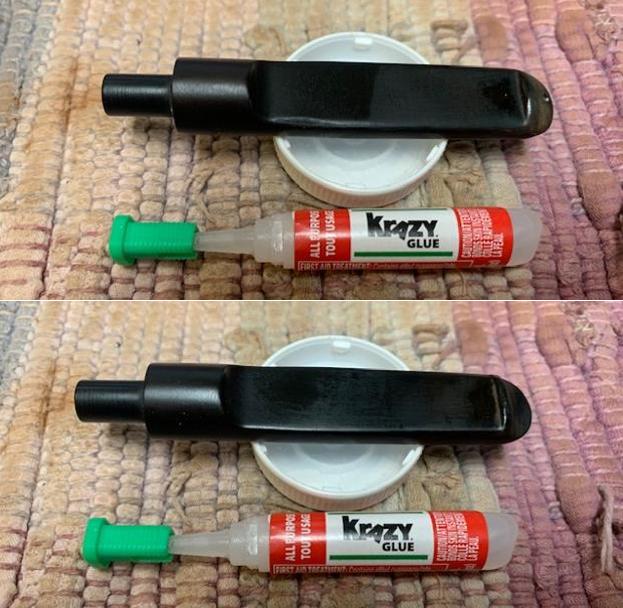
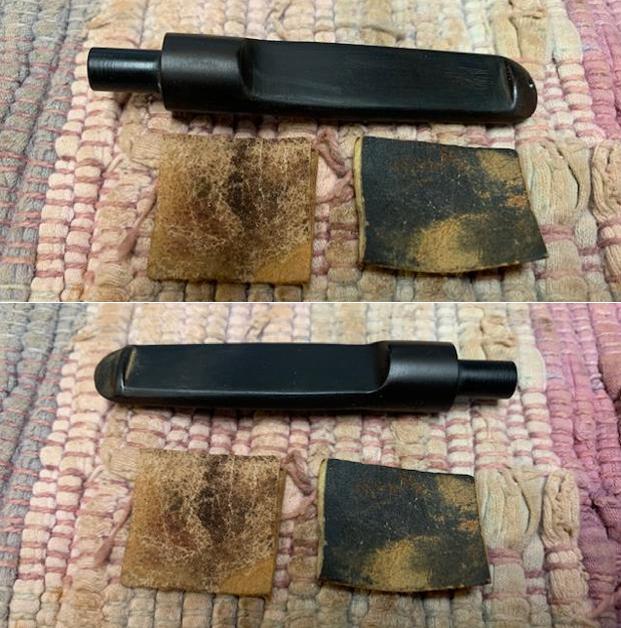
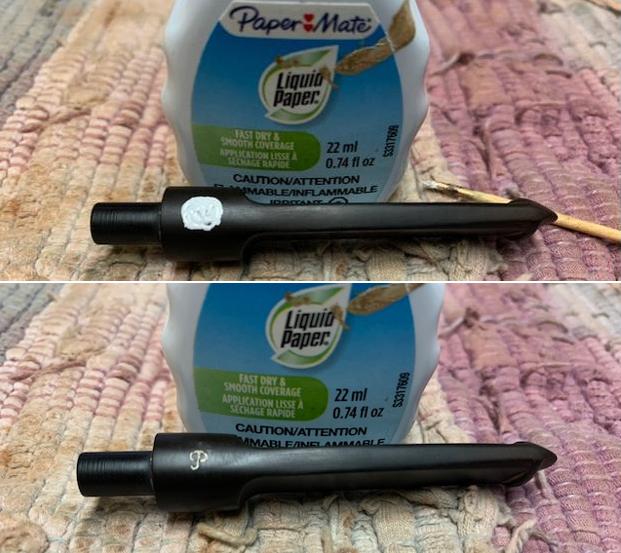
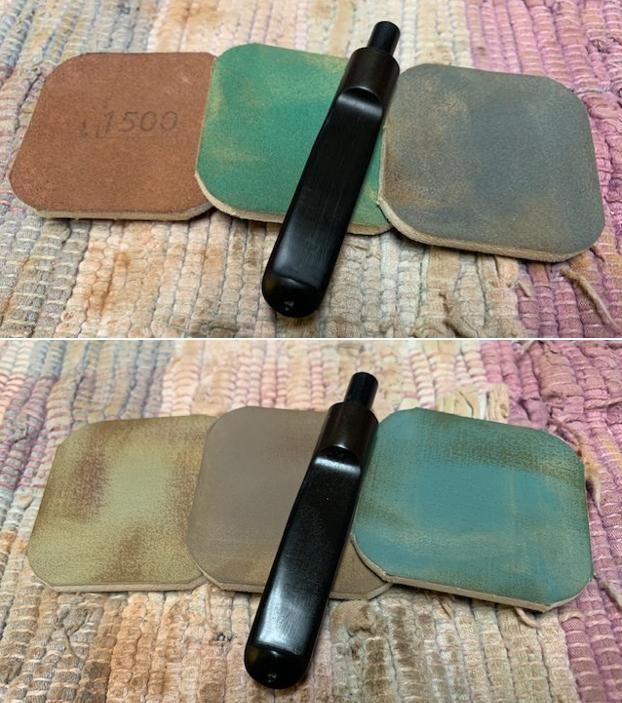
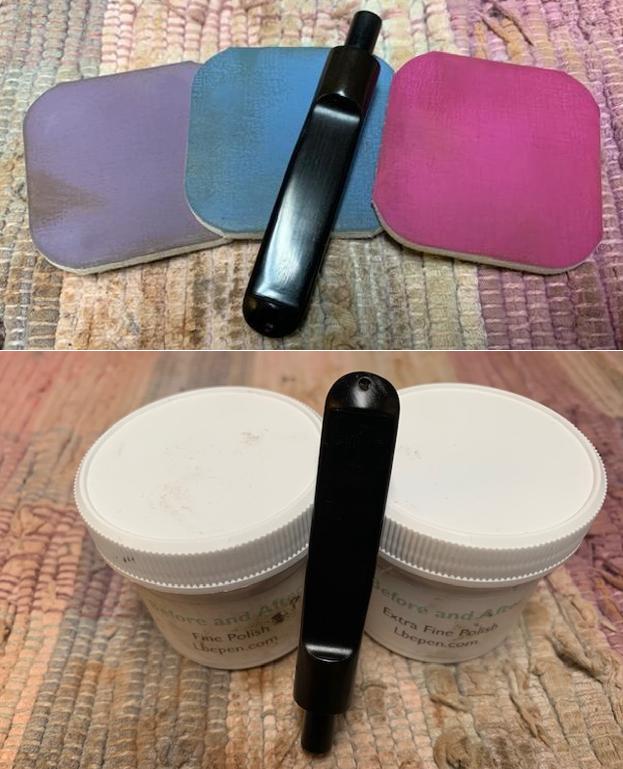
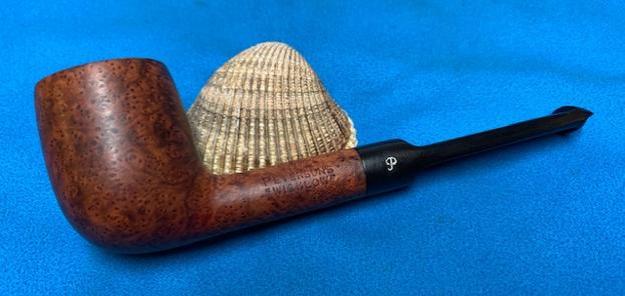
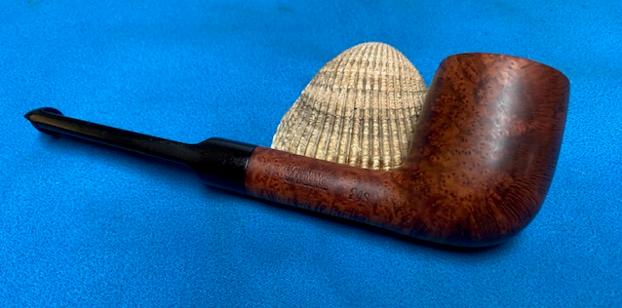
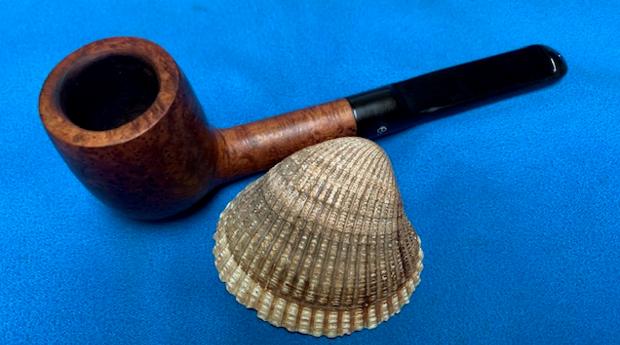
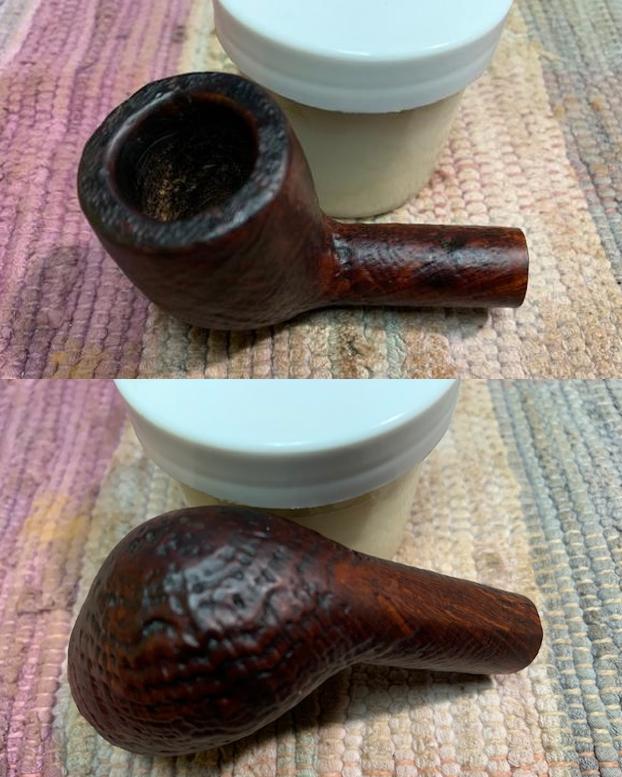
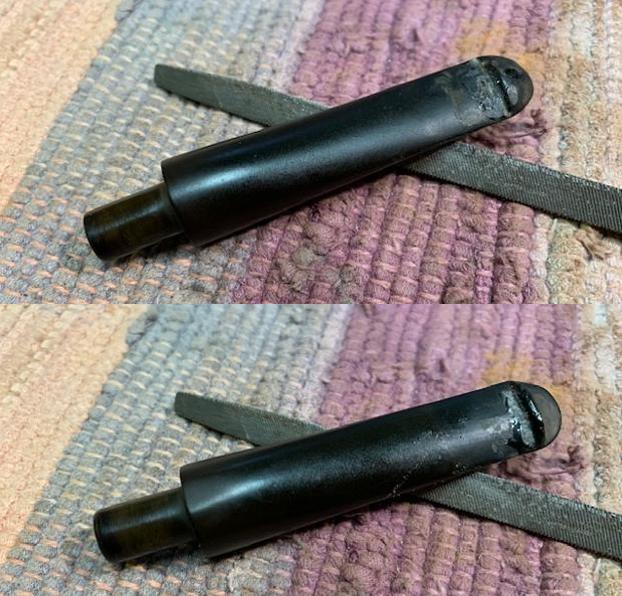
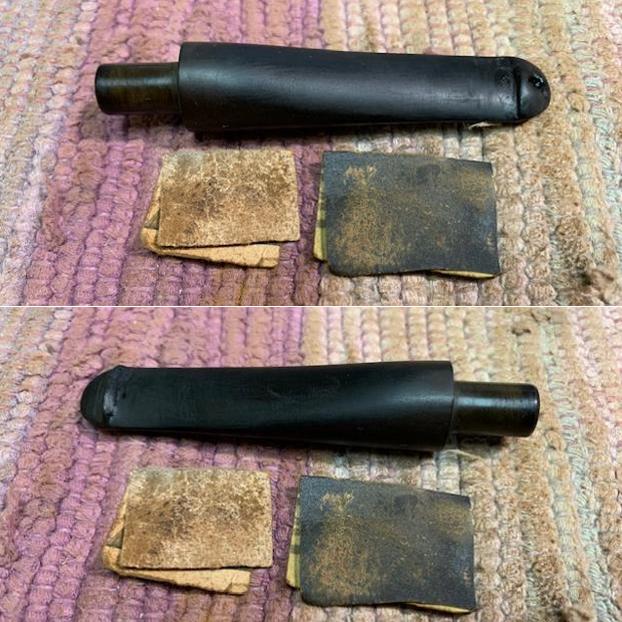
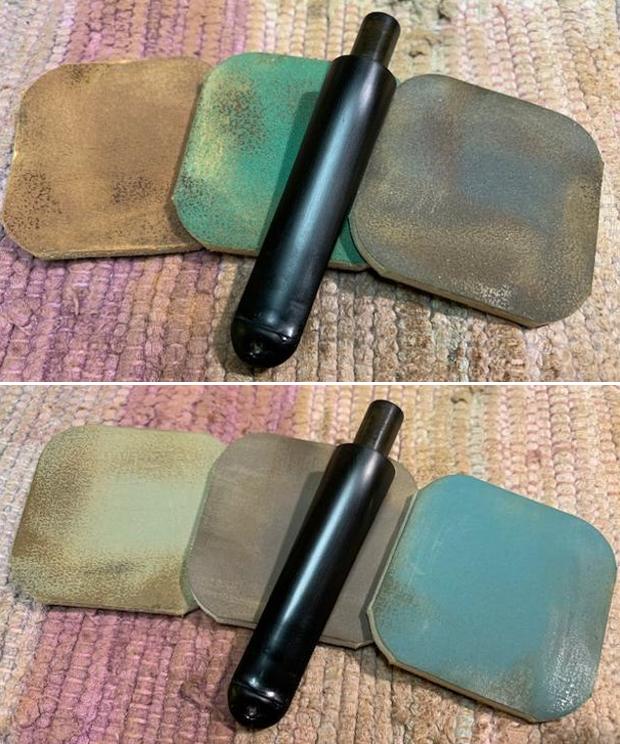
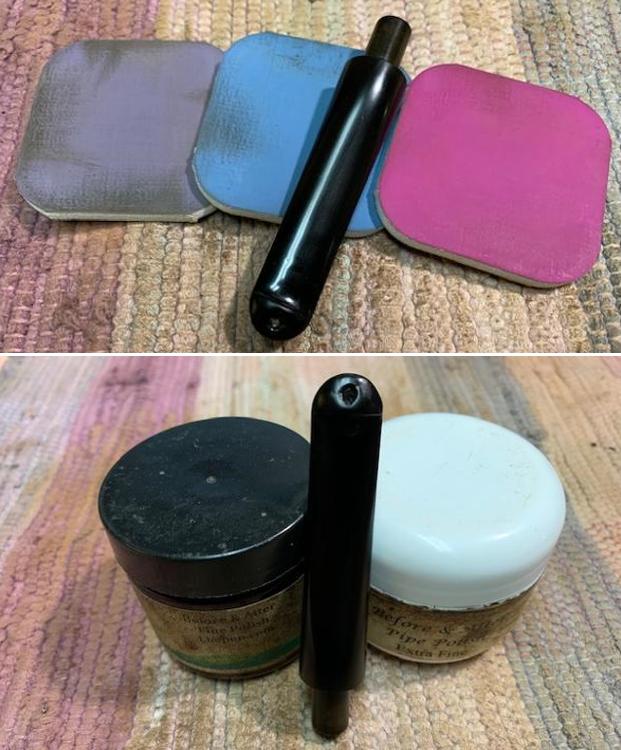
Jeff had done a great job cleaning up the pipe as usual. He reamed the pipe with a PipNet reamer and cut back the cake back to the bare briar. He cleaned up the walls with a Savinelli Fitsall Pipe Knife. He scrubbed the interior of the bowl and shank with pipe cleaners, cotton swabs and alcohol to remove the tars and oils. He scrubbed the exterior of the pipe with Murphy’s Oil Soap and a tooth brush to remove the grime from the finish. He worked on the rim top lava and darkening with the soap and tooth brush. He scrubbed the inside of the stem with alcohol and pipe cleaners. He scrubbed the exterior with Soft Scrub and then soaked it in Briarville Pipe Stem Deoxidizer. He washed it off with warm water to remove the Deoxidizer. The pipe looked far better when it arrived. I took some close-up photos of the rim top and the stem surface. I wanted to show how well it had cleaned up. The rim top and the inner and outer edges look very good. I also took close up photos of the stem to show the light chatter and marks on the surface near the button.I took a photo of the stamping on the underside of the shank. You can see that it is stamped as noted above. It is faint but readable. I took the pipe apart and took a photo of the pipe. It is a good looking pipe and has an interesting sandblast on the bowl.I worked some Before & After Restoration Balm into the surface of the briar with my fingertips and a horse hair shoe brush to clean, enliven and protect the briar. I let the balm sit for 15 minutes and then buffed with a cotton cloth to raise the shine. The photos show the bowl at this point in the restoration process. I set the bowl aside and turned my attention to the stem. I “painted” the stem surface with the flame of a lighter to try and lift the marks. It did not do much. I repaired the tooth marks and deep scratches in the surface with black CA glue. Once they cured I used a small file to flatten them and then sanded them further with 220 grit sandpaper. I sanded the stem with 320-3500 grit sanding pads. I wiped it down after each sanding pad with an Obsidian Oil impregnated cloth. It really began to take on a shine.I paused the polishing to touch up the P stamp on the left side of the saddle stem with some acrylic fingernail polish. I worked it into the stamp with a toothpick and then scraped off the excess once it had dried.I polished the stem with micromesh sanding pads – wet sanding with 1500-12000 grit sanding pads. I wiped it down after each sanding pad with Obsidian Oil. I polished it with Before & After Pipe Stem Polish – both Fine and Extra Fine. I wiped the stem down with Obsidian Oil and set it aside to dry. I am always excited to finish working on a pipe. This Peterson’s Made in the Republic of Ireland Kapruf 53 Lovat is no exception. I put the pipe back together and buffed it with Blue Diamond on the buffing wheel. I gave the bowl and the stem multiple coats of carnauba wax. I buffed the pipe with a clean buffing pad to raise the shine and hand buffed it with a microfibre cloth to deepen the shine. It is fun to see what the polished sandblast bowl looks like with the black vulcanite saddle stem. This Classic looking Peterson’s Kapruf Sandblast 53 Lovat feels great in my hand. It is light and well balanced. Have a look at it with the photos below. The dimensions are Length: 4 ¾ inches, Height: 1 ¾ inches, Outside diameter of the bowl: 1 ¼ inches, Chamber diameter: ¾ of an inch. The weight of the pipe is 28 grams/.95 ounces. I will be putting it on the rebornpipes store shortly in the Irish Pipe Makers section if you are interested in it. Thanks for walking through the restoration with me as I worked over this pipe. Thanks to each of you who are reading this blog.

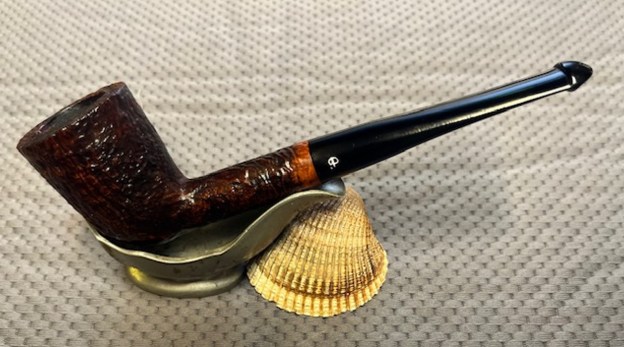
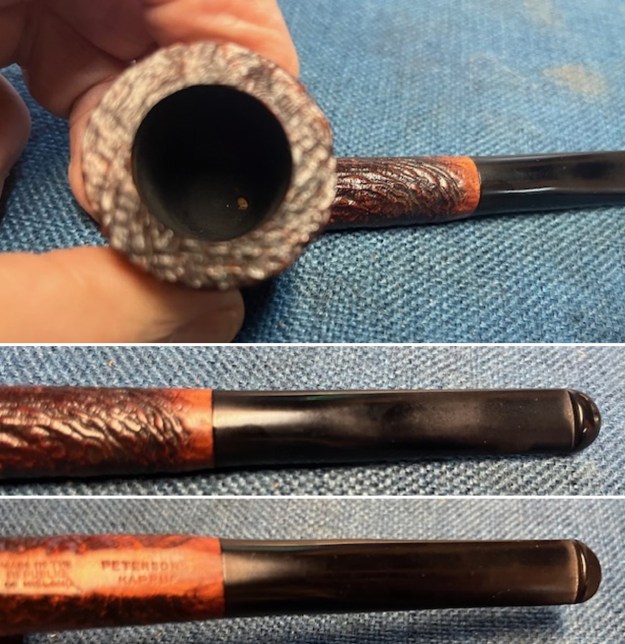
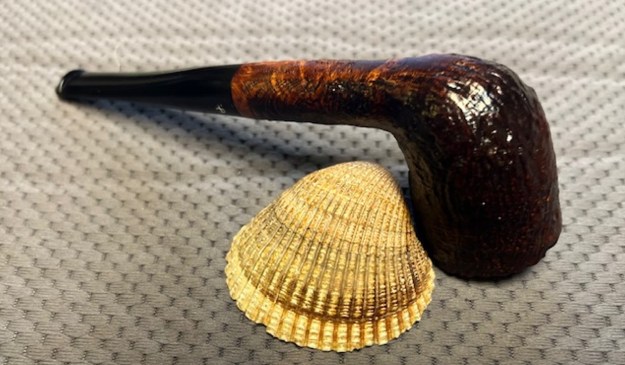
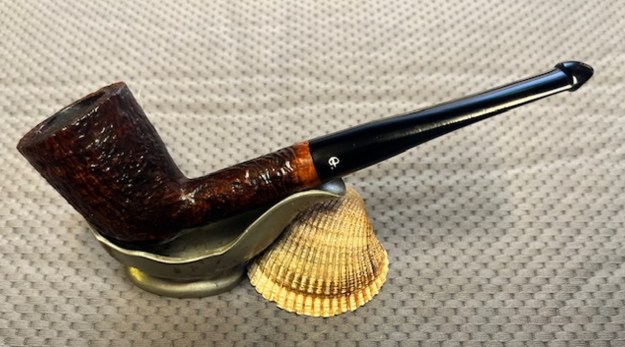
Peterson’s Kapruf Made in the Republic of Ireland 120 Dublin


by Steve Laug

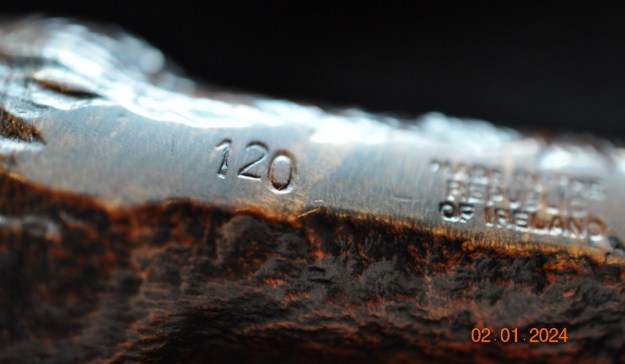
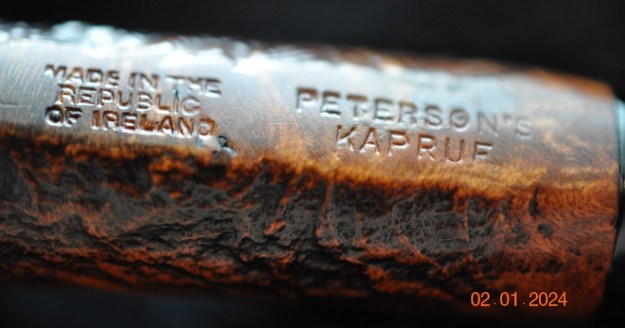
Today is rainy, chilly day in Vancouver. I know in comparison to where many of you live it is not cold but to us it is. The next pipe I have chosen is another Peterson’s Dublin. It is a sandblast pipe that came to us from our contact in Copenhagen, Denmark. There was grime ground into the sandblast finish on the bowl sides. I love the way the contrast of the brown and black stains gave the blast a sense of depth. The stain is almost tiger striped. It was stamped on the flat underside in the centre of the shank and read Made in the Republic of Ireland (three lines). To the right of that it is stamped Peterson’s [over] Kapruf. To the left of the Republic stamp, on the heel was the shape number 120. This pipe must have been another favourite of pipe man as it had been well smoked. There was a well-maintained cake in the bowl and some darkening on the rim top. The inner edge of the bowl looked good. The stem was in good condition and there were light tooth marks and chatter on the top and underside on and near the button. Jeff took photos of the pipe before his cleanup work. Jeff took photos of the rim top and stem to show the general condition of the pipe. The bowl is lightly caked and the rim top and edges look to be in good condition despite a little darkening. The photos of the stem show the light tooth marks on the top and underside near the button. Jeff took a photo of the bowl sides and heel to show the blast that was around this bowl. It is a great sandblast and the choice of stain adds depth to the appearance of the bowl. He took photos of the stamping on the underside of the shank. It is clear and readable and reads as noted above. I turned to “The Peterson Pipe” by Mark Irwin and Gary Malmberg to get some background on the Kapruf line. On page 306 it had the following information.

Kapruf and “Kapruf” (c.1922-87) Sandblast (hence the name, Kapp-rough) P-lip or fishtail mouthpiece, in catalogs from 1940-87. Early documented specimens stamped IRISH over FREE STATE, no Eire specimens documented. Mid-century specimens may be stamped LONDON MADE [over] ENGLAND or MADE IN ENGLAND forming a circle or MADE IN [over] IRELAND, all dating no later than 1970. Those of recent vintage stamped MADE IN THE[over] REPUBLIC [over]OF IRELAND.

I knew that I was working on a KAPRUF that was made between 1970-1987 as it is stamped MADE IN THE REPUBLIC OF IRELAND as noted above. Now it was time to work on the pipe.

Jeff had done a great job cleaning up the pipe as usual. He reamed the pipe with a PipNet reamer and cut back the cake back to the bare briar. He cleaned up the walls with a Savinelli Fitsall Pipe Knife. He scrubbed the interior of the bowl and shank with pipe cleaners, cotton swabs and alcohol to remove the tars and oils. He scrubbed the exterior of the pipe with Murphy’s Oil Soap and a tooth brush to remove the grime from the finish. He worked on the rim top lava and darkening with the soap and tooth brush. He scrubbed the inside of the stem with alcohol and pipe cleaners. He scrubbed the exterior with Soft Scrub and then soaked it in Before & After Deoxidizer. He washed it off with warm water to remove the Deoxidizer. The pipe looked far better when it arrived.     I took some close-up photos of the rim top and the stem surface. I wanted to show how well it had cleaned up. The rim top looks very good. There is a little darkening on the top at the back of the bowl but is not too bad. I also took close up photos of the stem to show the oxidation that remained and the light chatter and marks on the surface near the button.I took a photo of the stamping on the underside of the shank. You can see that it is stamped as noted above. It is faint but readable. I took the pipe apart and took a photo of the pipe. It is a good looking pipe and has an interesting sandblast on the bowl.I worked some Before & After Restoration Balm into the surface of the briar with my fingertips and a horse hair shoe brush to clean, enliven and protect the briar. I let the balm sit for 15 minutes and then buffed with a cotton cloth to raise the shine. The photos show the bowl at this point in the restoration process. I set the bowl aside and turned my attention to the stem. I touched up the P stamp on the left side of the saddle stem with some acrylic fingernail polish. I worked it into the stamp with a toothpick and then scraped off the excess once it had dried. I polished the stem with micromesh sanding pads – wet sanding with 1500-12000 grit sanding pads. I wiped it down after each sanding pad with Obsidian Oil. I polished it with Before & After Pipe Stem Polish – both Fine and Extra Fine. I wiped the stem down with Obsidian Oil and set it aside to dry.  I  am always excited to finish working on a pipe. This Peterson’s Kapruf 120 Dublin, Made in the Republic of Ireland is no exception. I put the pipe back together and buffed it with Blue Diamond on the buffing wheel. I gave the bowl multiple coats of Conservator’s Wax and the stem multiple coats of carnauba wax. I buffed the pipe with a clean buffing pad to raise the shine and hand buffed it with a microfibre cloth to deepen the shine. It is fun to see what the polished sandblast bowl looks like with the black vulcanite taper stem. This Classic looking Peterson’s Kapruf Sandblast Dublin feels great in my hand. It is light and well balanced. Have a look at it with the photos below. The dimensions are Length: 6 inches, Height: 1 ¾ inches, Outside diameter of the bowl: 1 ¼ inches, Chamber diameter: ¾ of an inch. The weight of the pipe is 29 grams/.99 ounces. I will be putting it on the rebornpipes store shortly in the Irish Pipe Makers section if you are interested in it. Thanks for walking through the restoration with me as I worked over this pipe. Thanks to each of you who are reading this blog.

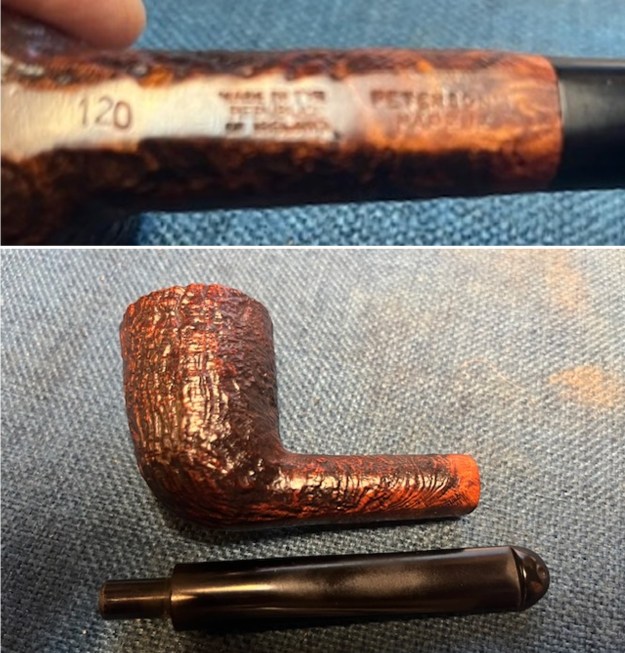
New Life for a Peterson’s Sterling Silver 999 Rhodesian


Blog by Steve Laug

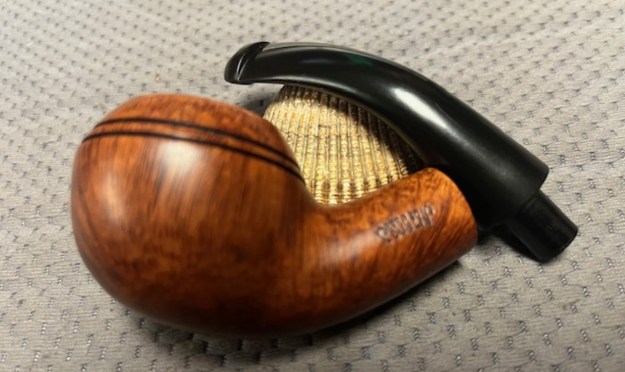
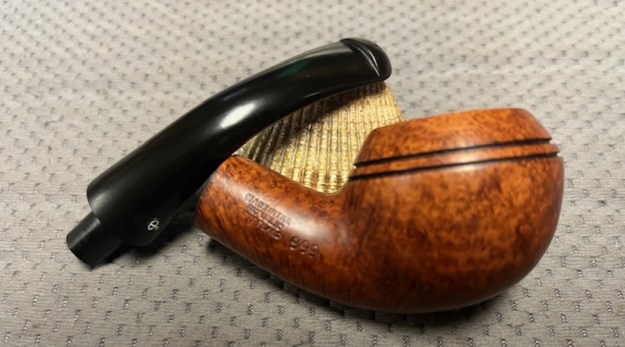
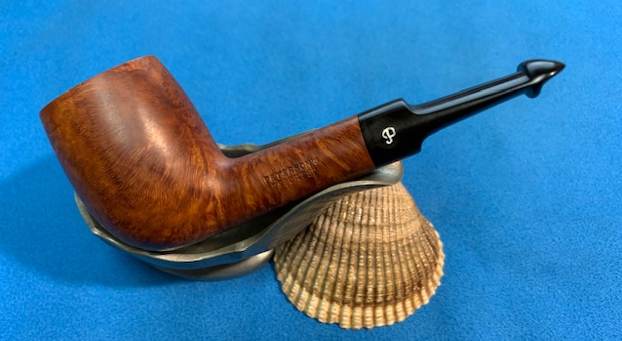
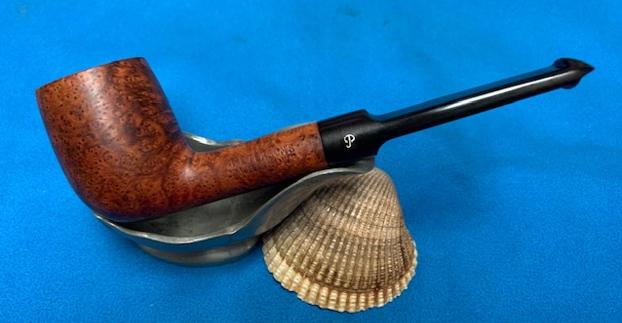
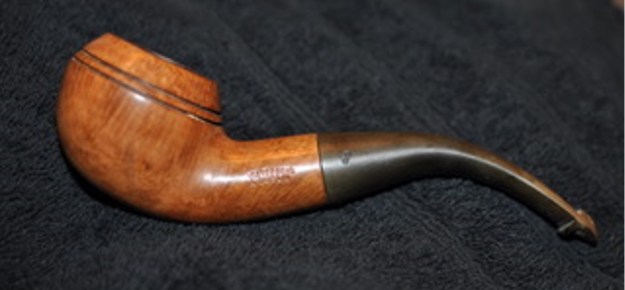
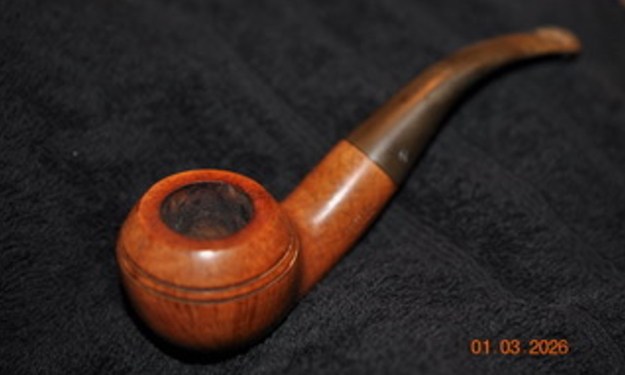
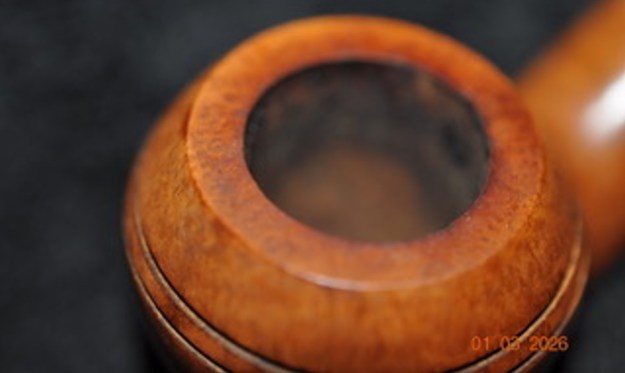
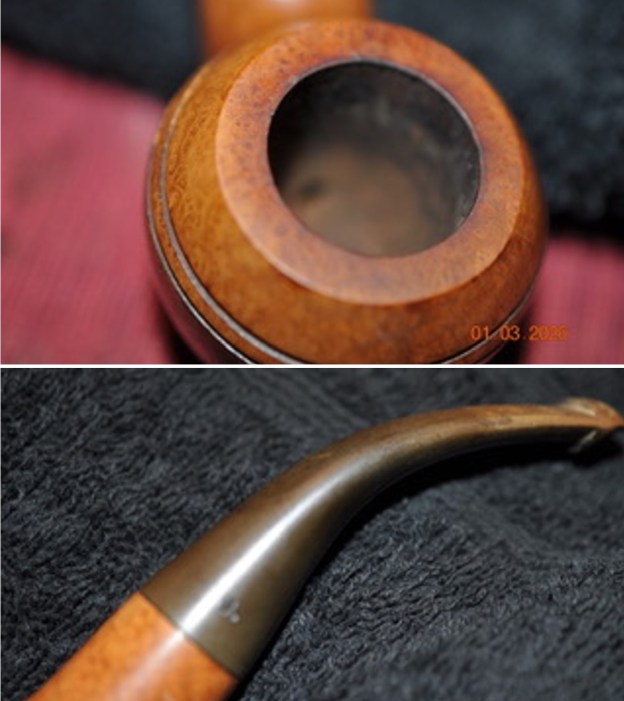
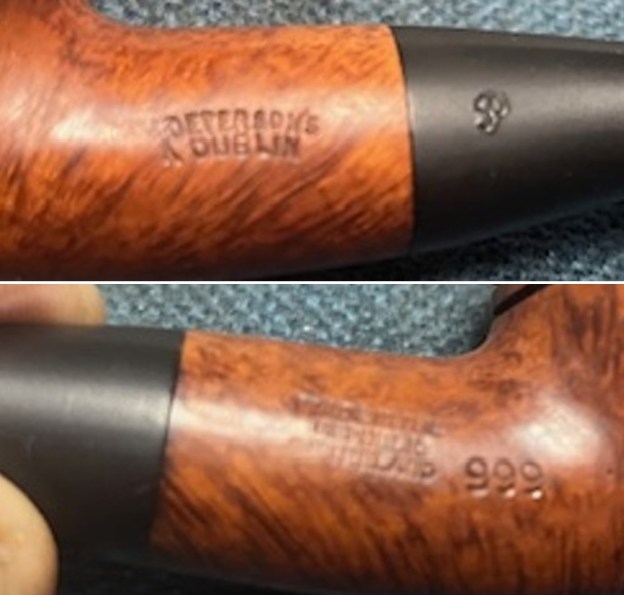
The next pipe on the table was purchased on 04/11/2023 our contact in Copenhagen, Denmark. It is stamped on the left side of the shank and reads Peterson’s [over] Sterling Filter. On the right side it is stamped Made in the Republic of Ireland (three lines) followed by the shape number 999. It had a Sterling Silver band on the shank that was stamped K&P in shield shaped cartouches. Underneath it was stamped Sterling [over] Silver. Next that there are three silver hallmarks. The first was Hibernia seated, arm on a harp for the country of manufacture. The second was a Crowned Harp designating sterling quality. The third mark was a date stamp and, in this case, a lower-case cursive “p” which dated the pipe as a 1981. Next to that it is engraved Zell am Lee in script followed by the date 1982. It was another pipe that was someone’s favourite. The bowl had a thick cake and lava build up on the rim top. The finish looked good underneath all of the grime and oils that were ground into the bowl sides and heel. The stem was made for a 9mm filter. It had light tooth marks and chatter on both sides ahead of the P-lip and on the underside edge of the button. The “P” stamp on the left side of the stem was clear and just needed to be touched up otherwise it looked good. Jeff took photos of the pipe before he started his clean up work on it. It is another pretty pipe! The next photos show the bowl and rim top as well as the stem condition. The bowl had a thick cake that is very visible. The rim top and edges have a heavy coat of tar. It is hard to know what the rim edge looked like underneath the lava. The rim top also had some darkening. The stem looked good with some tooth chatter and marks on both sides and the button. Jeff took photos of the sides and the heel of the bowl and shank to show birdseye and cross grain around the briar. It is unique and quite beautiful. I can’t wait to see it once it is cleaned and polished. The stamping on the shank sides and the Sterling Silver band was clear and very readable. It read as noted above. The band also has and engraved name and date on the centre of the band around the shank. It is readable and clear. It is a unique name that I am unfamiliar with. The “P” stamp on the left side of the taper stem is readable. I checked on Pipephil’s website to see what I could learn about the stamping on the pipe. I scrolled down the page (http://www.pipephil.eu/logos/en/logo-peterson-rep.html). There was a Peterson’s Sterling on the page and it had similar stamping on the shank though lacking the Filter stamp. I found the following photo of the band that was stamped similar to the one I am working on. The silver bears the K & P stamping like the one I have. Below that it reads Sterling Silver. The hallmarks on this one Are similar to mine other than the date stamp with the one on mine is a lower case “p”.I turned to Pipedia’s article on Peterson pipes to see what I could garner from that information. It is a great read in terms of the history of the brand (https://pipedia.org/wiki/Peterson#1950_-_1989_The_Republic_Era). It is well worth the read.
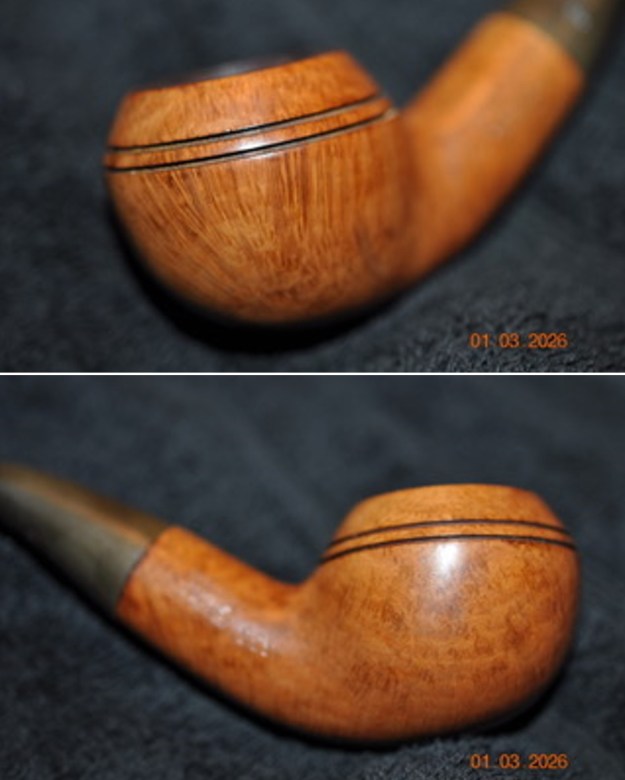
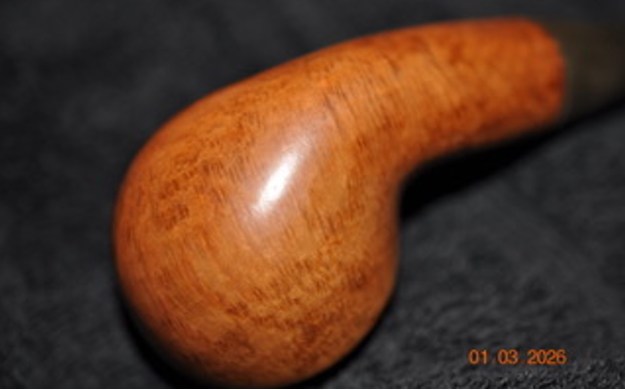
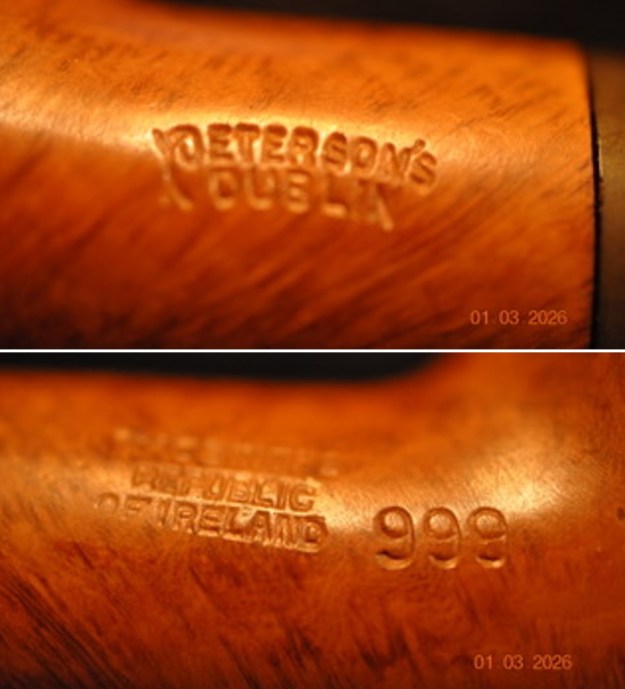
I then turned to the book I should have consulted first, The Peterson Pipe, by Mark Irwin and Gary Malmberg. On page 155 I found some information on the line.

Peterson’s US distributor during the early Republic era was Rogers Imports, Inc., a New York firm whose catalogs offered all varieties of smoker’s products. Rogers was the exclusive wholesale dealer for several prominent European pipe manufacturers, they also marketed accessories under their own name. On behalf of Kapp & Peterson they registered the Killarney, Shamrock and Sterling trademarks with the US Patent Office in the 1950s, and their catalogs also featured the System, Premier Selection and Supreme.

On page 156-157 in the same book there is a catalogue page with the Sterling shown on it. It sold for $7.50 in 1953. It read:

As the name implies the Sterling quality of this fine pipe is distinguished in a careful selection of its fine Mediterranean Bruyere, its careful workmanship and sparkling finish. Banded with a Sterling Silver band – a Hallmark of quality – the pipe is available in a handsome natural or dark rich walnut finish. Patent P-lip stem. Individually boxed.

With that information in hand I knew what I was dealing with in terms of the stamping on the pipe. It is a Republic era pipe. The three line Made in the Republic of Ireland stamp on the right side of the shank along with the K&P stamp with hallmarks tell me it was made in 1981 and the previous pipe man engraver it 1982. It is a beautiful pipe in a popular shape – 999.

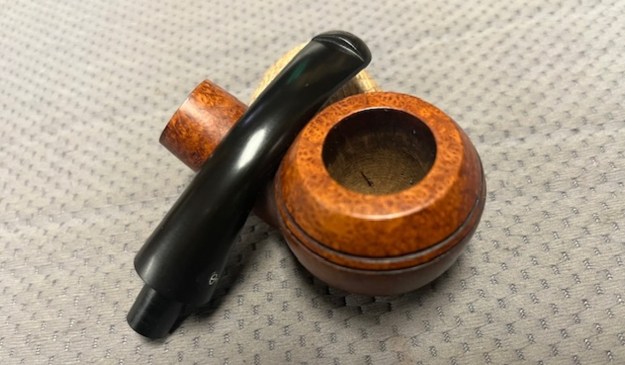
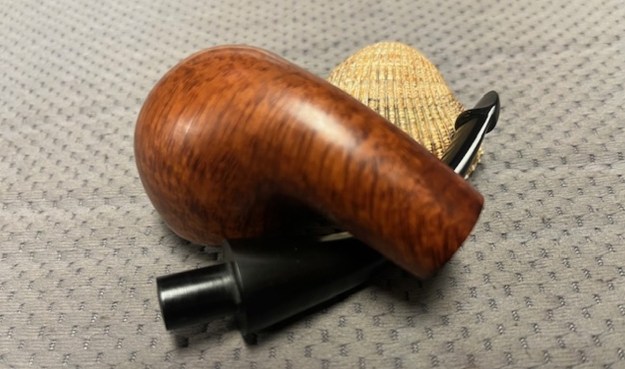
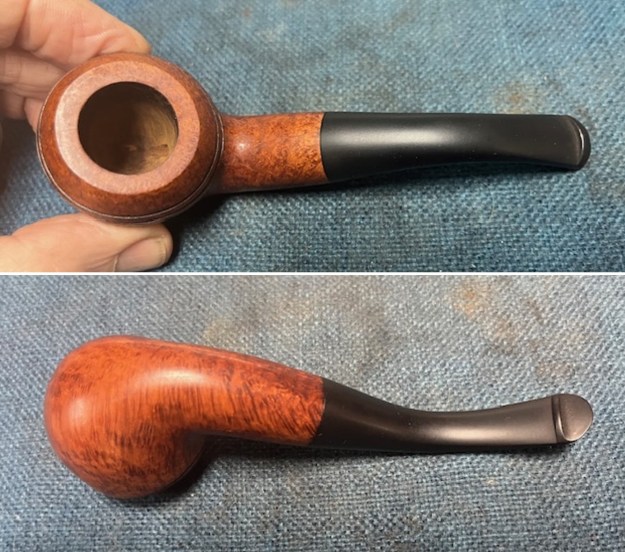
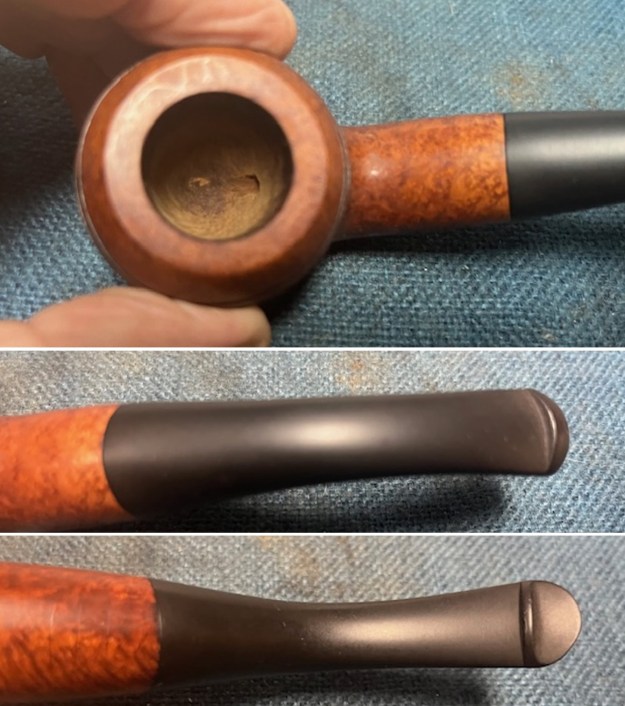
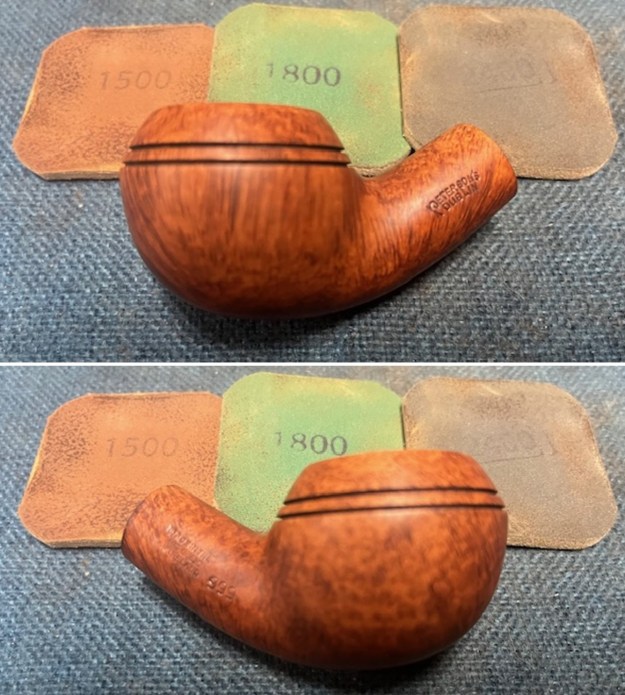
Now, on to the restoration of this beautifully grained Peterson’s Sterling Filter 999 Rhodesian. With that information at hand I turned to work on the pipe itself. Jeff had thoroughly cleaned up the pipe. He reamed the pipe with a PipNet Pipe Reamer and cleaned up the remnants with a Savinelli Fitsall Pipe Knife.  He scrubbed the bowl with undiluted Murphy’s Oil Soap with a tooth brush. He rinsed it under running warm water to remove the soap and grime. He cleaned out the inside of the shank and the airway in the stem with alcohol, cotton swabs and pipe cleaners. He scrubbed the exterior of the stem with Soft Scrub to remove as much of the oxidation and calcification as possible. He soaked the stem in Before & After Deoxidizer and rinsed it off with warm water. I took photos of the pipe once I started to work on it. I took close up photos of the bowl and the stem. You can see the reamed bowl and the darkening and damage on inner edge of the bowl. The stem surface was clean but there is light tooth marks and chatter on both sides on and ahead of the button.I took a photo of the stamping on the sides of the shank. It is clear and readable as noted above. There is also a “P” stamp on the right side of the stem. I took photos of the stamping around the sterling silver band on the shank. They are clear and read as noted above. I removed the stem from the shank and took a photo to give a sense of the proportions of the pipe. It is really quite nice looking. I took a photo of the shank end of the stem to show the 9mm filter tenon.I decided to start my work on this one by reworking the inner edge of the rim with a folded piece of 220 grit sandpaper giving it a light bevel. I sanded the darkening on the rim top at the same time. It looked much better.I polished the briar and the rim top with micromesh sanding pads – dry sanding with 1500-12000 grit pads. I wiped the bowl down after each pad with a damp cloth. You can see the grain around the bowl and shank in the photos below. The bowl looks great and took on a shine as I finished the polishing. I rubbed the bowl and shank down with Before & After Restoration Balm. I worked it into the surface of the bowl sides and shank with my fingertips to clean, enliven and protect the briar. I let the balm sit for 10 minutes, then buffed with a cotton cloth to raise the shine. I polished the Sterling Silver band with a jewellers polishing cloth to remove the tarnish and protect it from further tarnishing. The photos show the bowl at this point in the restoration process. I set the bowl aside and turned my attention to the stem. Before I started working on it I fit a new 9mm Dr. Perl Junior in the tenon of the stem. It fits well and looks good. I touched up the stamped P on the left side of the tapered stem with white acrylic fingernail polish. I applied it to the stem with the applicator and scraped off the excess material with a 1500 grit micromesh sanding pad. It came out looking very good.I polished the stem with micromesh sanding pads – dry sanding with 1500-12000 grit sanding pads. I wiped it down after each sanding pad with a cloth containing some Obsidian Oil. I finished polishing the stem with Before & After Pipe Stem Polish – both Fine and Extra Fine and buffed it off with a cotton cloth. I gave it a coat of Obsidian Oil to preserve and protect the stem.I don’t know how many times I have said this but I love it when I come to the end of a restoration and all of the parts come together and the pipe looks better than when we started the cleanup process. I put the stem back on the Peterson’s Sterling Filter 999 Rhodesian and buffed the pipe with Blue Diamond on the buffing wheel. I carefully avoided the stamping on the shank sides during the process. I gave the bowl and stem multiple coats of carnauba wax on the buffing wheel and followed that by buffing it with a clean buffing pad on the buffer. I hand buffed the pipe with a microfiber cloth to deepen the shine. The finished pipe is a real stunning example of a Republic Era Peterson’s Sterling Filter 999 Rhodesian. Once again, the grain and the way the shape follows the grain is amazing. Give the finish pipe a look in the photos below. I can only tell you that it is much prettier in person than the photos capture. The dimensions of the pipe are Length: 5 ½ inches, Height: 1 ½ inches, Outside diameter of the bowl: 1 ½ inches, Chamber diameter: ¾ of an inch. The weight of the pipe is 1.55 ounces/44 grams. This Peterson’s Deluxe 4S is a great piece of pipe history that is in exceptional condition. Thanks for walking through the restoration with me as I worked over another beautiful pipe. I will be putting this one on the rebornpipes store in the Irish Pipemakers Section. Let me know if you are interested in adding it to your collection. Thanks for your time.
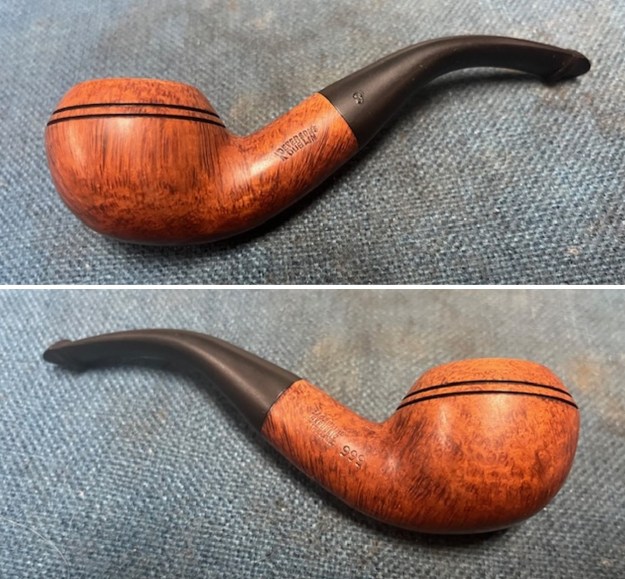
As always, I encourage your questions and comments as you read the blog. Thanks to each of you who are reading this blog. Remember we are not pipe owners; we are pipe men and women who hold our pipes in trust until they pass on into the trust of those who follow us.

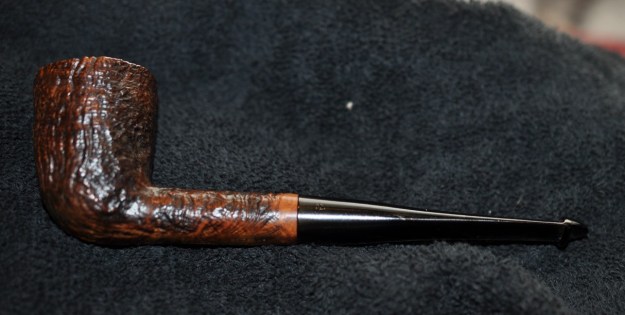
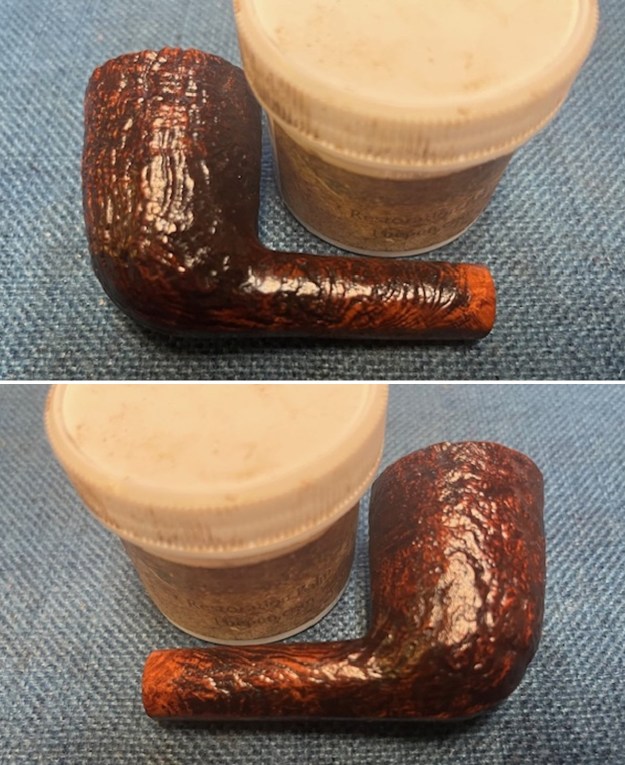
Rebirthing a Republic Era Peterson’s Kapruf 24S Saddle Stem Billiard


Blog by Steve Laug

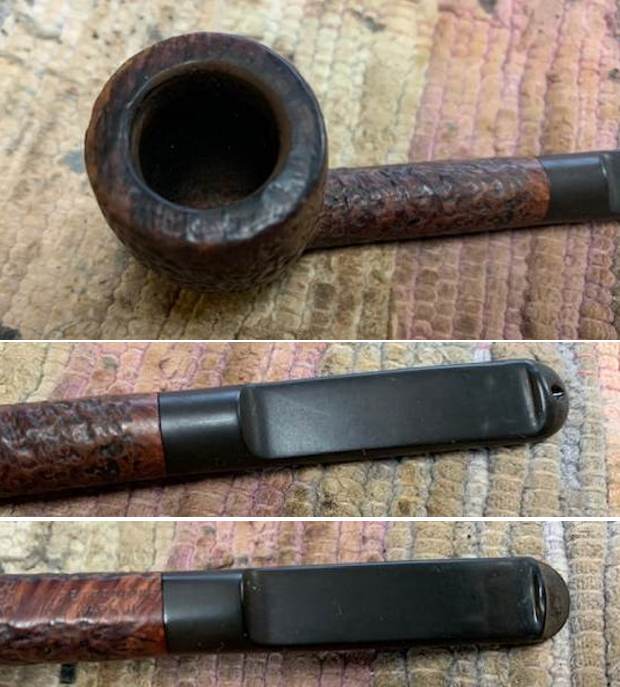
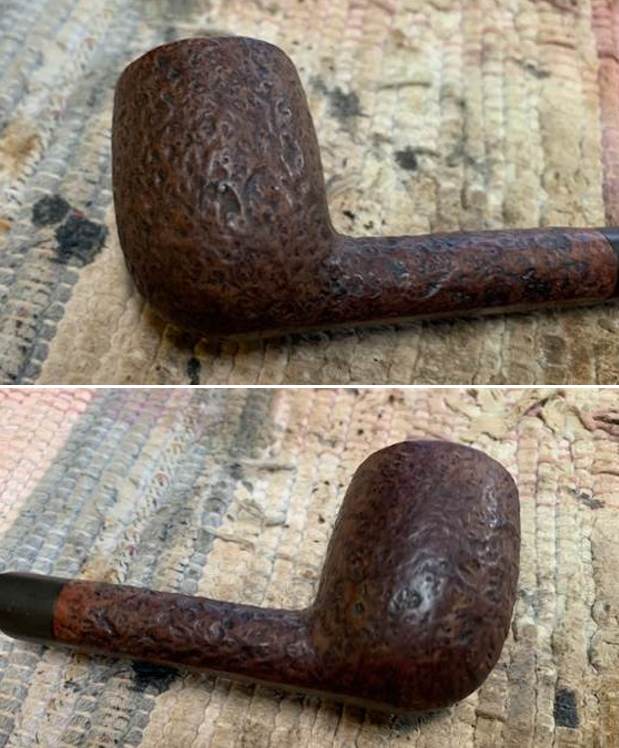
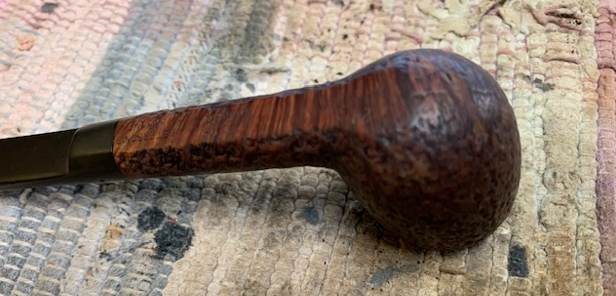
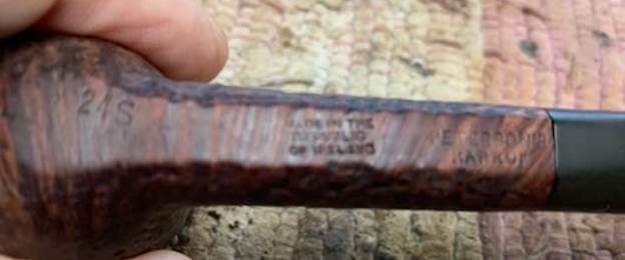
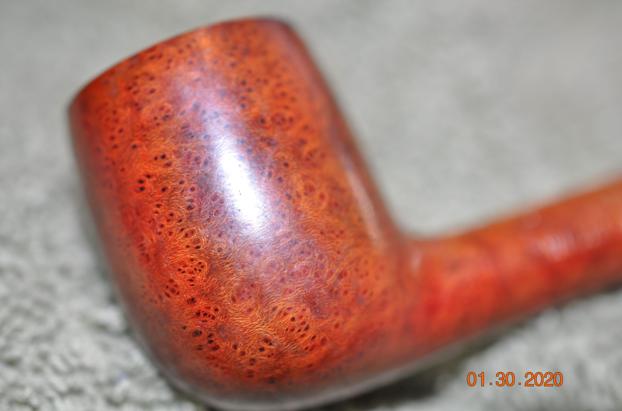
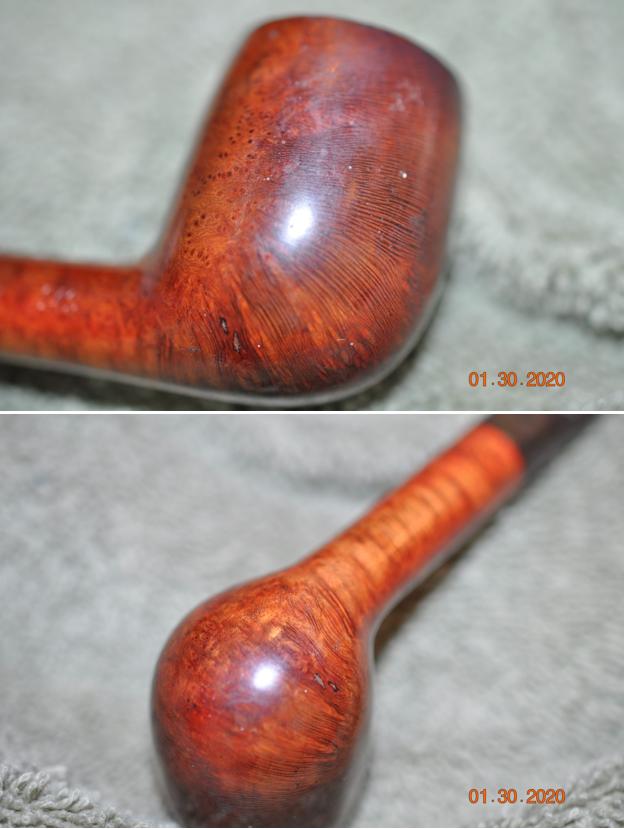
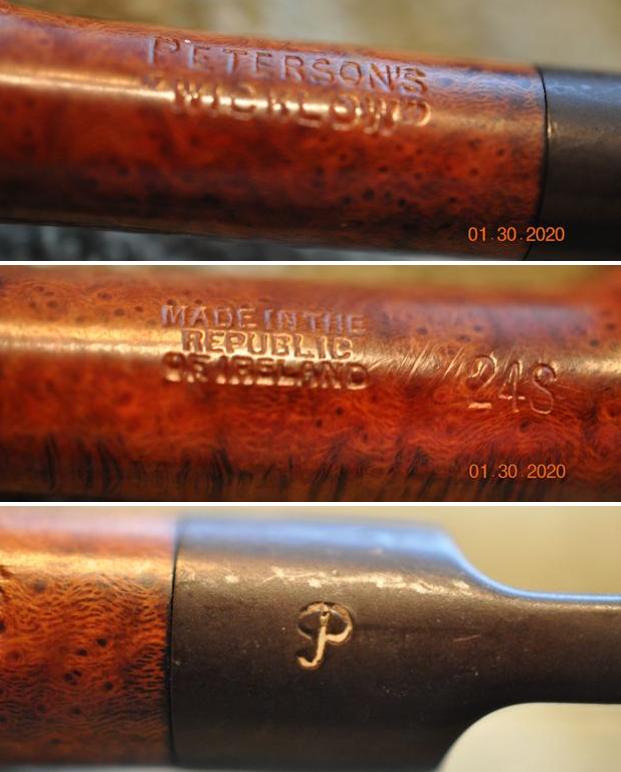
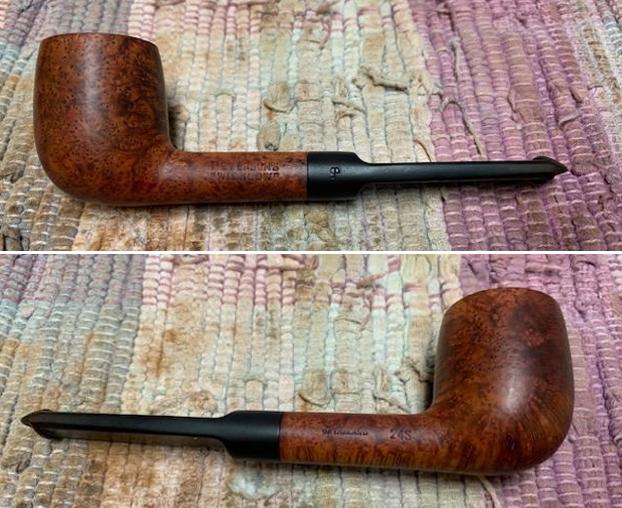
Today is New Year Day 2023 and it is a rainy, chilly day in Vancouver. I know in comparison to where many of you live it is not cold but to us it is. The next pipe I have chosen to work on is another Peterson’s Billiard. It is a sandblast pipe that is a bit of a mystery to Jeff and me as to its provenance. There was grime ground into the sandblast finish on the bowl sides. I love the way the contrast of the brown and black stains still manage to give the blast a sense of depth. The stain is almost tiger striped. It was stamped on the flat underside in the center of the shank and read Made in the Republic of Ireland (three lines). To the right of that it is stamped Peterson’s [over] Kapruf. To the left of the Republic stamp, on the heel was the shape number 24S. This pipe must have been someone’s favourite as it had been well smoked. Somewhere on its journey the bowl had been reamed and the pipe cleaned. The inner edge of the bowl had some nicks and marks that made the bowl slightly out of round. The stem was lightly oxidized from sitting around here for a long time. It had tooth marks and chatter on the top and underside on and near the button. I took photos of the pipe before my cleanup work. I took photos of the rim top and stem to show the general condition of the pipe. The bowl is clean and has been recently reamed. The rim top and edges had some darkening and there was some lava in the sandblast of the finish on the back side. The photos of the stem show that it was lightly oxidized and has tooth marks on the top and underside near the button.I took photos of the bowl sides and heel to show the blast that was around this bowl. It is a great sandblast and the choice of stain adds depth to the appearance of the bowl. I took a photo of the stamping on the underside of the shank. It is clear and readable and reads as noted above. I took the pipe apart and took a photo of the pipe. It is a good looking pipe and has an interesting shallow sandblast on the bowl.I turned to “The Peterson Pipe” by Mark Irwin and Gary Malmberg to get some background on the Kapruf line. On page 306 it had the following information.

Kapruf and “Kapruf” (c.1922-87) Sandblast (hence the name, Kapp-rough) P-lip or fishtail mouthpiece, in catalogs from 1940-87. Early documented specimens stamped IRISH over FREE STATE, no Eire specimens documented. Mid-century specimens may be stamped LONDON MADE [over] ENGLAND or MADE IN ENGLAND forming a circle or MADE IN [over] IRELAND, all dating no later than 1970. Those of recent vintage stamped MADE IN THE[over] REPUBLIC [over]OF IRELAND.

I knew that I was working on a KAPRUF that was made between 1970-1987 as it is stamped MADE IN THE REPUBLIC OF IRELAND as noted above. Now it was time to work on the pipe.

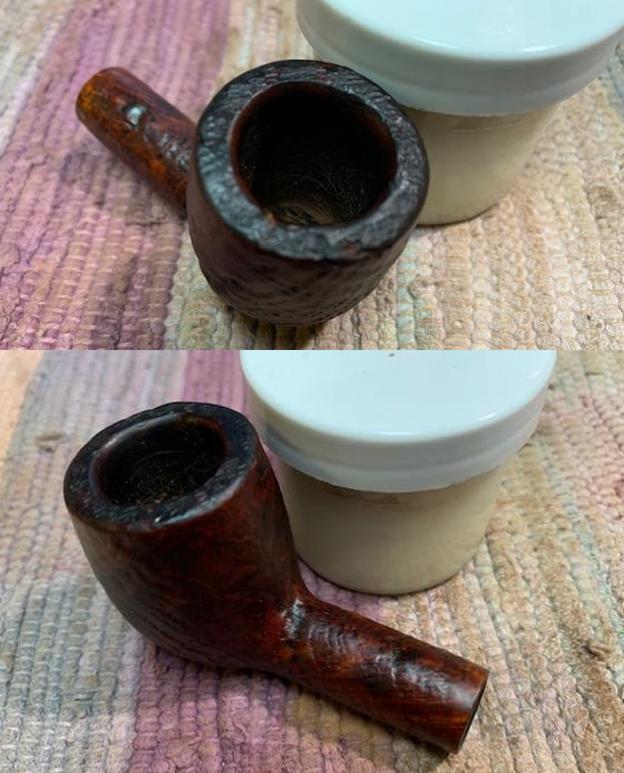
I started my work on the pipe by working over the buildup that remained on the rim top with a brass bristle wire brush. It looked better once I was finished.I cleaned up the inner edge of the rim with a folded piece of 220 grit sandpaper. I was able to remove almost all of the darkening with the sandpaper. I scrubbed the externals of the pipe with undiluted Murphy’s Oil Soap with a tooth brush. I rinsed it under running warm water to remove the soap and grime. The bowl and rim top cleaned up really well with the lava coat removed. The inner edge of the rim was in good condition.  I worked some Before & After Restoration Balm into the surface of the briar with my fingertips and a horsehair shoe brush to clean, enliven and protect the briar. I let the balm sit for 15 minutes and then buffed with a cotton cloth to raise the shine. The photos show the bowl at this point in the restoration process. I scraped out some thick tar on the mortise walls with a pen knife. Afterwards, I cleaned out the inside of the mortise, shank and airway in the stem with alcohol, cotton swabs and pipe cleaners.I set the bowl aside and turned my attention to the stem. I “painted” the stem surface on both sides with the flame of the lighter to try and lift the deep tooth marks. I was able to lift them significantly but some deep spots remained. I filled those in with black CA glue and set the stem aside to let the repairs harden. I flattened the cured repairs with a small file and then sanded them with 220 grit sandpaper to blend them into the stem surface. I started polishing the stem with 400 grit wet dry sandpaper. I touched up the P stamp on the left side of the saddle stem with some acrylic fingernail polish. I worked it into the stamp with a toothpick and then scraped off the excess once it had dried.    I polished the stem with micromesh sanding pads – wet sanding with 1500-12000 grit sanding pads. I wiped it down after each sanding pad with Obsidian Oil. I polished it with Before & After Pipe Stem Polish – both Fine and Extra Fine.    I always am excited to finish working on a pipe. This Made in the Republic of Ireland Peterson’s Kapruf 24S Billiard is no exception. I put the pipe back together and buffed it with Blue Diamond on the buffing wheel. I gave the bowl multiple coats of Conservator’s Wax and the stem multiple coats of carnauba wax. I buffed the pipe with a clean buffing pad to raise the shine and hand buffed it with a microfibre cloth to deepen the shine. It is fun to see what the polished smooth rim top and the sandblast bowl looks like with the black vulcanite taper stem. This Classic looking Peterson’s Kapruf Sandblast Billiard feels great in my hand. It is light and well balanced. Have a look at it with the photos below. The dimensions are Length: 5 ½ inches, Height: 1 ½ inches, Outside diameter of the bowl: 1 inches, Chamber diameter: ¾ of an inch. The weight of the pipe is 29 grams/.99 of an ounce. I will be putting it on the rebornpipes store shortly in the Irish Pipe Makers section if you are interested in it. Thanks for walking through the restoration with me as I worked over this pipe. Thanks to each of you who are reading this blog.
Restoring a Republic Era Peterson’s “Sports” 2 Lovat


Blog by Steve Laug

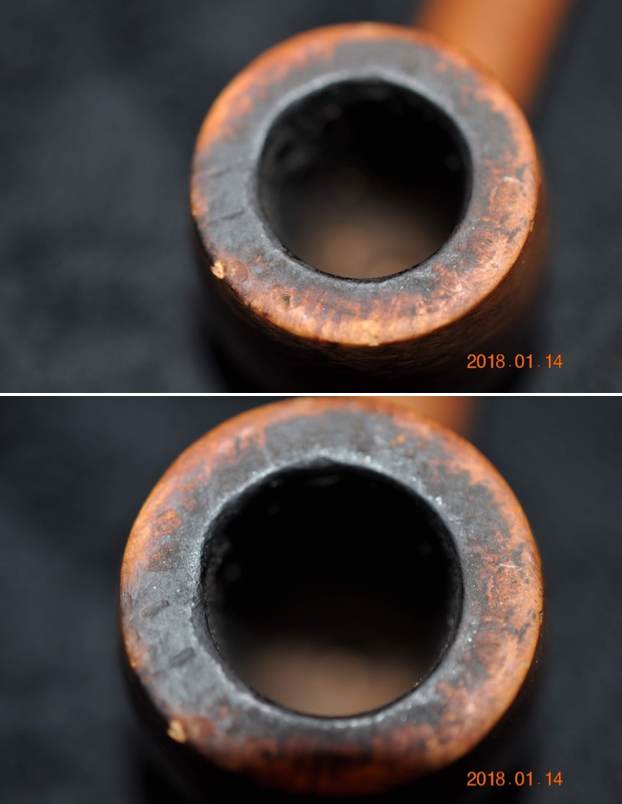
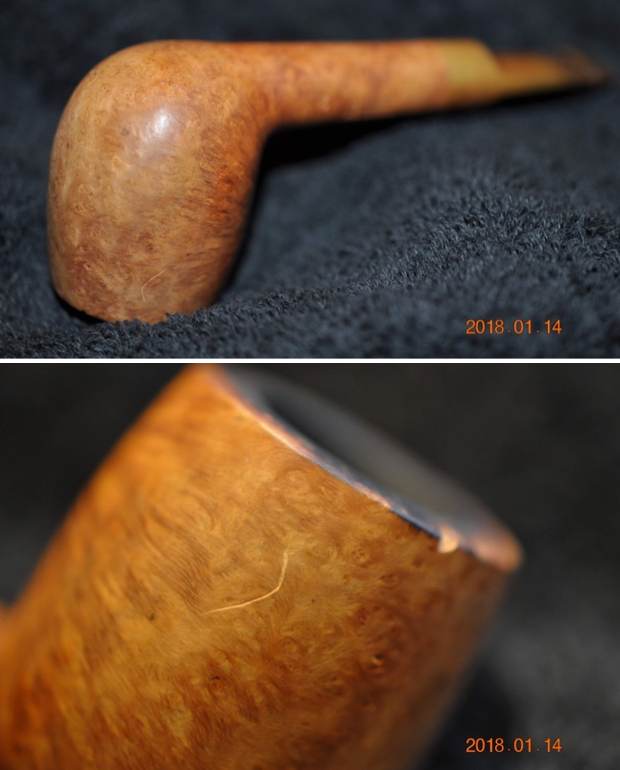
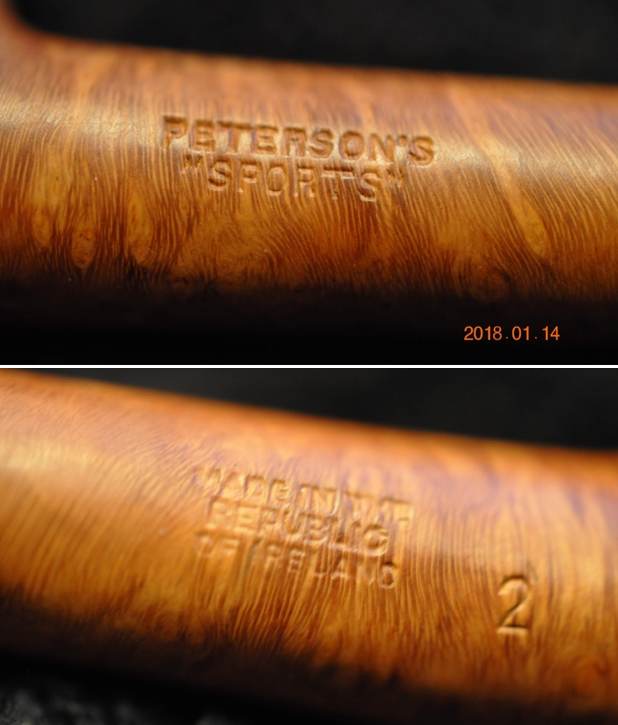
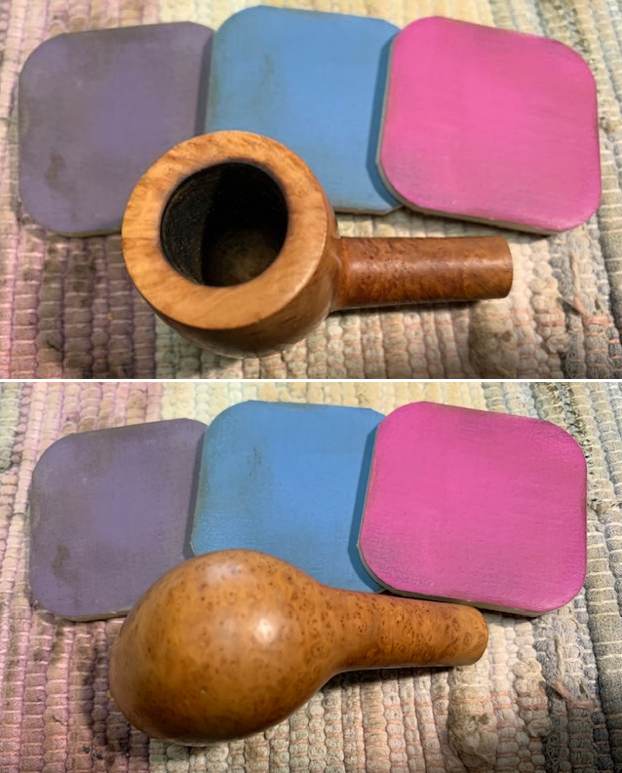
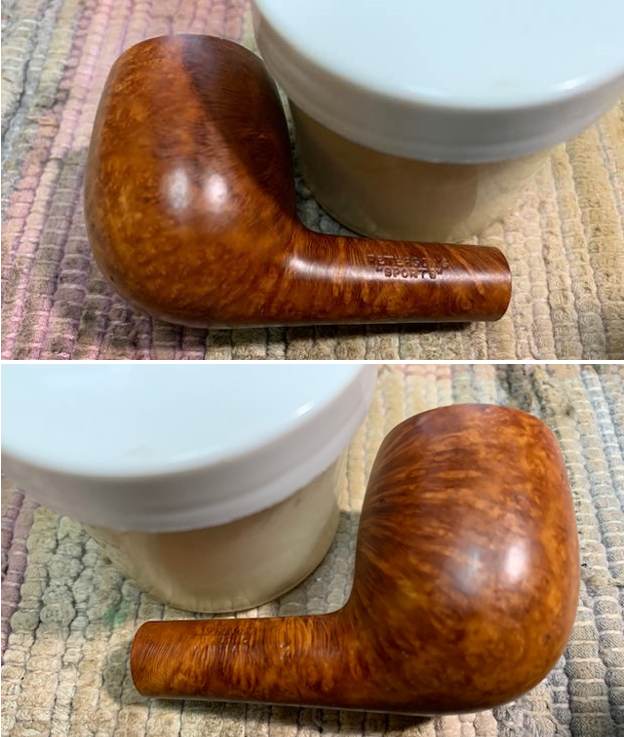
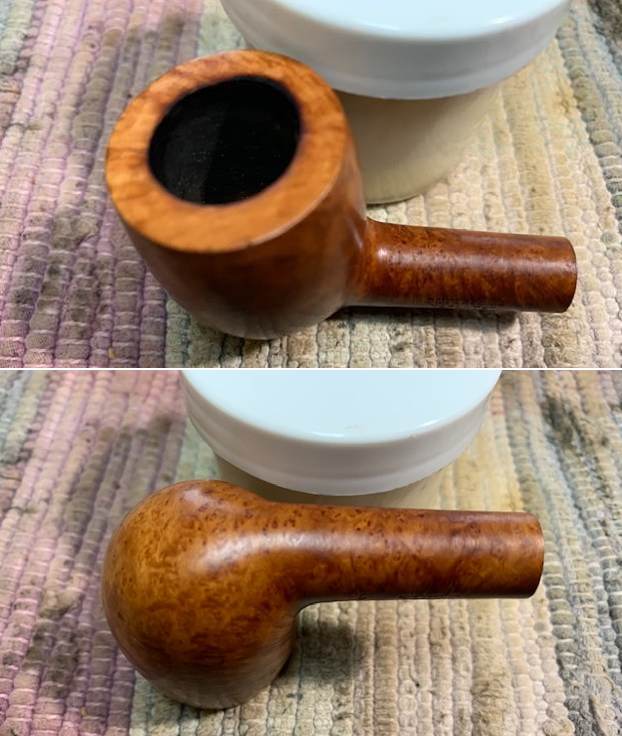
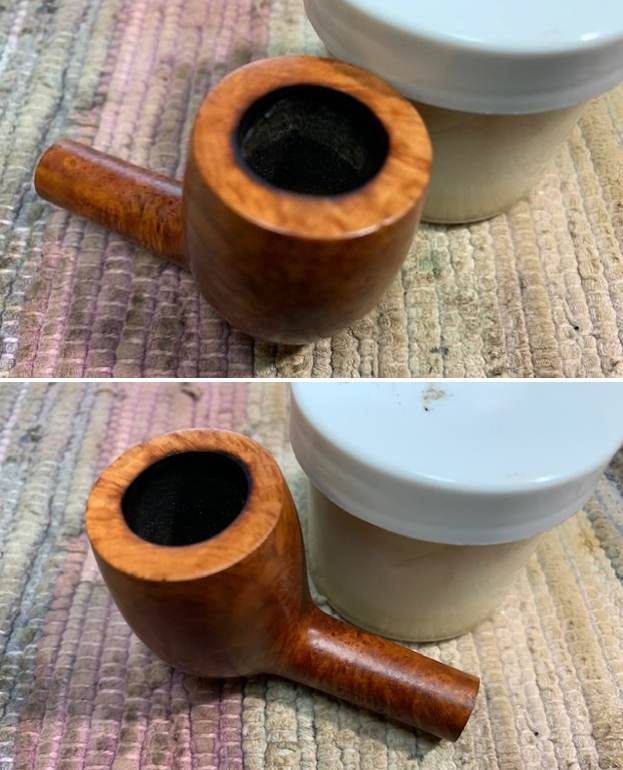
The next pipe I have chosen is smooth finished Peterson’s Small Lovat shaped pipe that had a bit of a bland looking finish but had some good looking grain around the bowl sides and shank. It also came to us from eBay on January 1, 2018 from Bellingham, Washington, USA. This Lovat did not have a nickel ferrule on the shank end. It was stamped on the left side of the shank and read Peterson’s [over] “Sports”. It was stamped on the right side and reads Made in the Republic of Ireland (3 lines). Next to the bowl it is stamped 2. The pipe was in filthy condition when he brought it to the table. The finish was dirty with grime ground into the briar sides and rim. There was a thick cake in the bowl and there was some burn damage to the rim top and the inner edge of the rim. The stem was oxidized, calcified and had tooth marks and chatter on the top and underside on and near the button. Jeff took photos of the pipe before his cleanup work. They tell the story and give a glimpse of the promise that we see in this pipe. Jeff took photos of the rim top and stem to show the general condition of the pipe. The bowl is caked and the rim top and edges show quite a bit of damage around the bowl, inner and outer shank. There were no photos of the stem but I have it in hand and it had tooth marks on both sides ahead of the button. You can also see from above photos that the stem was oxidized.Jeff took some photos of the bowl sides and heel to show the amazing grain that was around this bowl. There were also some nicks in the outer edge of the rim and scratches on the briar. It is a nice looking pipe.     He took photos of the sides of the shank and stem side to show the stamping. The stamping is worn but is still readable in the photos below and is as noted above.     I am including the link to the Pipedia’s article on Peterson pipes. It is a great read in terms of the history of the brand (https://pipedia.org/wiki/Peterson).

I turned to “The Peterson Pipe” by Mark Irwin and Gary Malmberg to get some background on the Peterson’s Sports. On page 313-314 it had the following information.

“SPORTS” (1947-) A “Sport” is traditionally a compact pipe made for smokers engaged in athletic pursuits, most notably equestrian riders who do not want the bowl to bounce up and down. Six shapes described in 1947 shape chart. Occasional later catalogs show as many as 11 shapes. Last  appeared in shape chart in ’98, but still made in small numbers. Recorded specimens are stamped MADE IN IRELAND (forming a circle) or MADE IN THE over REPUBLIC over OF IRELAND. See Outdoor and Outdoor Sportsman.

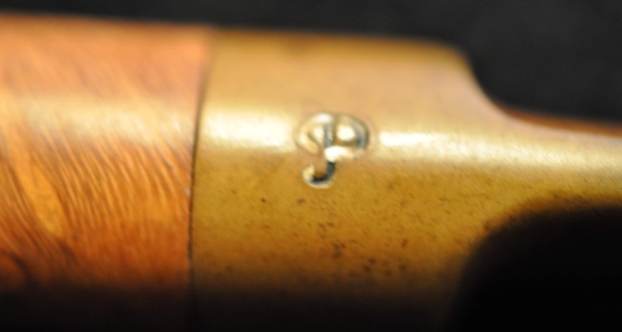
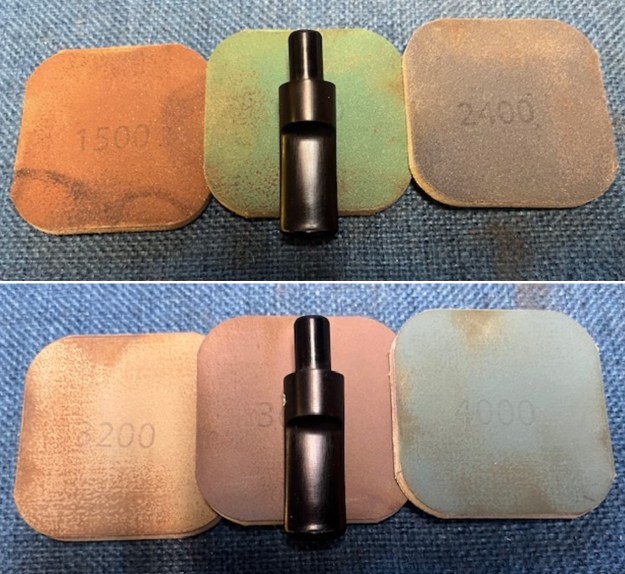
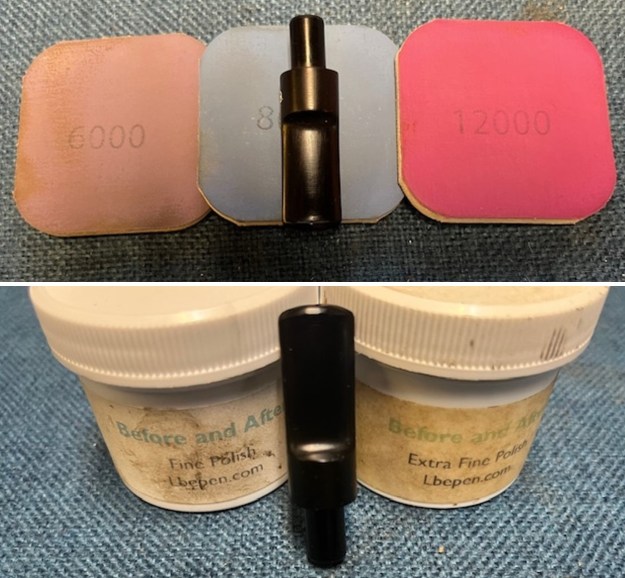
Now it was time to work on the pipe. Jeff had done a great job cleaning up the pipe as usual. He reamed the pipe with a PipNet reamer and cut back the cake back to the bare briar. He cleaned up the walls with a Savinelli Fitsall Pipe Knife. He scrubbed the interior of the bowl and shank with pipe cleaners, cotton swabs and alcohol to remove the tars and oils. He scrubbed the exterior of the pipe with Murphy’s Oil Soap and a tooth brush to remove the grime from the finish. He worked on the rim top lava and darkening with the soap and tooth brush. He scrubbed the inside of the stem with alcohol and pipe cleaners. He scrubbed the exterior with Soft Scrub and then soaked it in Before & After Deoxidizer. He washed it off with warm water to remove the deoxidizer. The pipe looked far better when it arrived.    I took some close up photos of the rim top and also of the stem surface. I wanted to show how well it had cleaned up. The rim top had some looked quite good and the inner and outer edges had some darkening and damage. I also took close up photos of the stem to show the tooth marks on the surface near the button. I took photos of the stamping on the sides of the shank. You can see that it is stamped as noted above. It is clear and readable.     I removed the stem and took a photo of the pipe to have a look at the parts and overall look. I decided to address the damage to the edge of the bowl and the rim top first. I topped the bowl on a topping board with 220 grit sandpaper to smooth out the damage to the rim top. I used a folded piece of 220 grit sandpaper to give the inner edge of the bowl a slight bevel to accommodate the burned areas and blend them into the surrounding briar. I polished the briar with micromesh sanding pads – dry sanding with 1500-12000 grit sanding pads. I wiped the bowl down with a damp cloth after each sanding pad.   I worked some Before & After Restoration Balm into the surface of the briar with my fingertips to clean, enliven and protect the briar. I let the balm sit for 15 minutes and then buffed with a cotton cloth to raise the shine. The photos show the bowl at this point in the restoration process.    I set the bowl aside and turned my attention to the stem. I “painted” the stem surface with the flame of a lighter to lift the tooth marks and chatter on both sides. I was able to lift most of them. I sanded the remaining tooth marks smooth with 220 grit sandpaper and started polishing the stem with 400 grit wet dry sandpaper. I used some white acrylic fingernail polish to touch up the “P” stamp on the left side of the saddle stem. I worked it into the stamp with a tooth pick. Once the acrylic had dried I scraped off the excess leaving the “P” stamp white. It looked quite good.   I polished the stem with micromesh sanding pads – wet sanding with 1500-12000 grit sanding pads. I wiped it down after each sanding pad with Obsidian Oil. I polished it with Before & After Pipe Stem Polish – both Fine and Extra Fine. I gave it a final rub down with Obsidian Oil and set it aside to dry.       I am excited to finish this Republic of Ireland Made Peterson’s “Sports” 2 Lovat. I put the pipe back together and buffed it with Blue Diamond on the buffing wheel. I gave the bowl and the stem multiple coats of carnauba wax. I hand buffed the pipe with a clean buffing pad to raise the shine. It is fun to see what the polished bowl looks like with beautiful mixed grain all around it. Added to that the polished black vulcanite stem combined with the bowl and made a stunning pipe. This smooth Classic Older Peterson’s “Sports” 2 Lovat is great looking and the pipe feels great in my hand. It is light and well balanced. Have a look at it with the photos below. The dimensions are Length: 4 inches, Height: 1 ¾ inches, Outside diameter of the bowl: 1 ¼ inches, Chamber diameter: ¾ of an inch. The weight of the pipe is 28 grams/.95 oz. It is a beautiful pipe that I will soon be putting on the rebornpipes store in the Irish Pipe Makers section. If you are interested in adding it to your collection send me an email or a message. Thanks for walking through the restoration with me as I worked over this pipe. Thanks to each of you who are reading this blog.

Breathing Life into a Peterson’s Republic Era ¼ Bent “Wicklow” 405S Saddle Stem Apple


Blog by Steve Laug

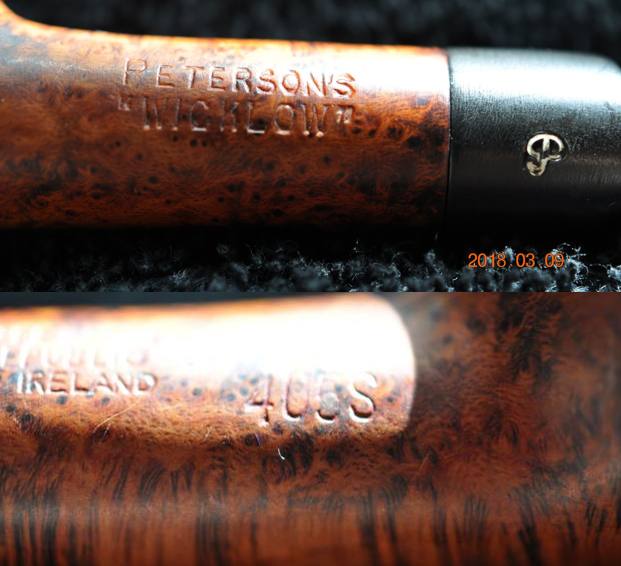
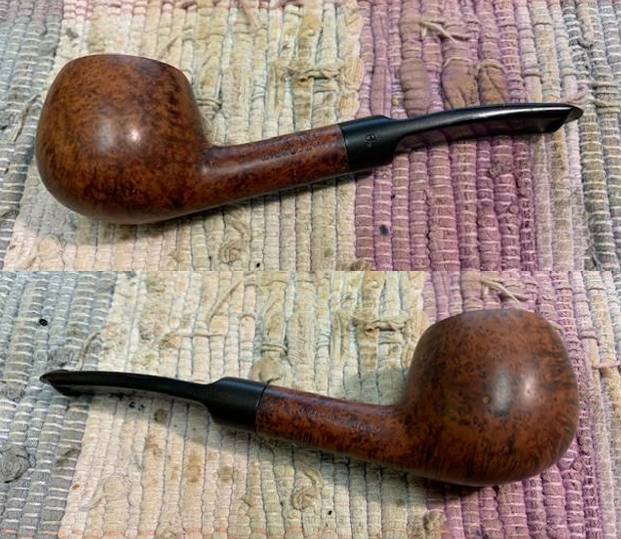
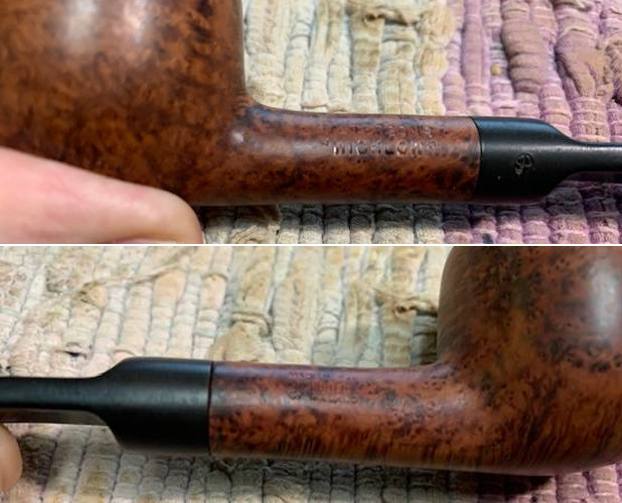
The next pipe I have chosen is smooth finished Peterson’s Saddle Stem Apple with a filter stem. This Apple has a medium brown finish around the bowl sides and rim top. It also came to us from the estate of Anglican minister that was a great friend of mine here in Canada. The Apple had a great grain on the shank that was in great condition. The finish on the bowl sides was dirty. It was stamped on the left side of the shank and read Peterson’s [over] “Wicklow”. On the right side of the shank it is stamped Made in the Republic of Ireland in three lines. Next to the bowl it was stamped with the shape number 405S. There was a thick cake in the bowl and light spattering of lava on the rim top and the inner edge of the bowl. There was darkening on the back side of the rim top. The stem was lightly oxidized and had light tooth marks and chatter on the top and underside on and near the button. There were some deep hash marks on the underside of the stem next to the saddle. The “P” stamp on the left side of the saddle stem is clear. Jeff took photos of the pipe before his cleanup work. They tell the story and give a glimpse of the promise that we see in this pipe.   Jeff took photos of the rim top and stem to show the general condition of the pipe. The bowl is thickly caked and the rim top and edges have some light lava overflow and some darkening on the back side of the rim top. The stem is lightly oxidized and there are some hash marks near the saddle on the underside of the stem. There are light tooth marks on the top and underside near the button. Jeff took some photos of the bowl sides and heel to show the grain that was around this bowl. It is a nice looking pipe.  He took photos of the underside of the shank to show the stamping. The stamping is readable in the photos below and is as noted above.   I am including the information from Pipedia’s article on Peterson pipes. It is a great read in terms of the history of the brand (https://pipedia.org/wiki/Peterson). I have included a bit of the pertinent history here.

1950 – 1989 The Republic Era – From 1950 to the present time, the stamp for this era is “Made in the Republic of Ireland” in a block format generally in three lines but two lines have been used with or without Republic being abbreviated.

During the 1950’s and 60’s the Kapp & Peterson Company was still in the ownership of the Kapp family. However 1964 saw the retiral of the company Managing Director Frederick Henry(Harry) Kapp. 

I turned to “The Peterson Pipe” by Mark Irwin and Gary Malmberg to get some background on the Wicklow Pipe. On page 315 it had the following information on the Wicklow pipe.

Wicklow (1969-) First appearance of this line exclusive to Iwan Ries, handmade black sandblast finish with twin bore mouthpiece. In 1987 offered with a matte-brown finish, nickel band and P-lip mouthpiece; in 2011 as a custom line from Smokingpipes.com in a deep-red sandblast finish with a nickel band. In 2014 released for Italy in brown with a sterling band, vulcanite mouthpiece in fishtail or P-lip, hot-foil P. 

I knew that I was dealing with a Republic Era pipe made between 1969 and the present. It is bit of anomaly in that it does not match any of the descriptions above. The one I have has a matte-brown finish but does not have a band. It does have a P-lip mouthpiece. It is also a smooth finished pipe and not sandblast. It also has a tenon drilled to receive a 6mm filter. Now it was time to work on the pipe. 

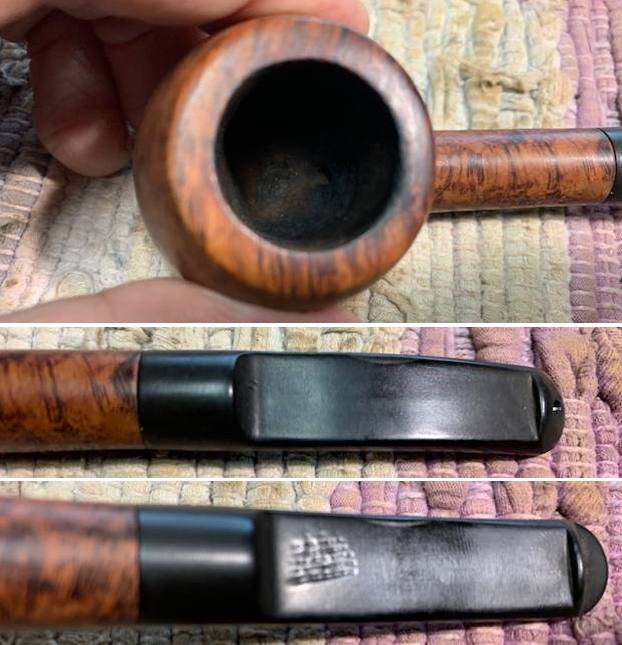
Jeff had done a great job cleaning up the pipe as usual. He reamed the pipe with a PipNet reamer and cut back the cake back to the bare briar. He cleaned up the walls with a Savinelli Fitsall Pipe Knife. He scrubbed the interior of the bowl and shank with pipe cleaners, cotton swabs and alcohol to remove the tars and oils. He scrubbed the exterior of the pipe with Murphy’s Oil Soap and a tooth brush to remove the grime from the finish. He worked on the rim top lava and darkening with the soap and tooth brush. He scrubbed the inside of the stem with alcohol and pipe cleaners. He scrubbed the exterior with Soft Scrub and then soaked it in Before & After Deoxidizer. He washed it off with warm water to remove the Deoxidizer. The pipe looked far better when it arrived.   I took some close up photos of the rim top and also of the stem surface. I wanted to show how well it had cleaned up. There was some darkening on the back of the rim top and some damage on the inner edge of the bowl at the back. I also took close up photos of the stem to show the light tooth marks on the surface near the button and the hash marks near the saddle on the underside.I took a photo of the stamping on the sides of the shank. You can see that it is stamped as noted above. It is clear and readable. I took the pipe apart and took photos of the pipe. It is a good looking pipe and has some great grain around the bowl. In the second photo you can see the drilled tenon made to receive a filter.   I cleaned up the darkening on the rim top and the damage to the inside edge of the bowl with a folded piece of 220 grit sandpaper. It looked much better.I polished the briar bowl and shank with micromesh sanding pads. I dry sanded it with 1500-12000 grit pads and wiped it down with a damp cloth after each pad. I worked some Before & After Restoration Balm into the surface of the briar with my fingertips to clean, enliven and protect the briar. I let the balm sit for 15 minutes and then buffed with a cotton cloth to raise the shine. The photos show the bowl at this point in the restoration process.   I set the bowl aside and turned my attentions to the stem. I filled in the hash marks on the underside of the stem with clear CA glue and set it aside for the repair to cure.Once the repair had cured I sanded it smooth with 220 grit sandpaper. I also sanded out the tooth chatter and marks on the stem surface near the button. I started the polishing of the stem with 400 grit wet dry sandpaper.I touched up the gold stamping on the “P” with Rub’n Buff Antique Gold. I pressed it into the stamping with a tooth pick and buffed it off with a soft cotton pad. The product works very well to give that gold foil look to the stamp. I polished out the light tooth marks on the stem with micromesh sanding pads – wet sanding with 1500-12000 grit sanding pads. I wiped it down after each sanding pad with Obsidian Oil. I polished it with Before & After Pipe Stem Polish – both Fine and Extra Fine.    I am excited to finish this Republic Era Peterson’s “Wicklow” 405S Saddle Stem Apple with a filter stem. I put the pipe back together and buffed it with Blue Diamond on the buffing wheel. I gave the bowl and the stem multiple coats of carnauba wax. I buffed the pipe with a clean buffing pad to raise the shine. I also hand buffed it with a microfibre cloth to deepen the shine. It is fun to see what the polished bowl looks like with the grain popping all around it. Added to that the polished  black vulcanite saddle stem was beautiful. This shapely Classic Peterson’s Apple is nice looking and the pipe feels great in my hand. It is light and well balanced. Have a look at it with the photos below. The dimensions are Length: 5 ½ inches, Height: 1 ½ inches, Outside diameter of the bowl: 1 ¼ inch, Chamber diameter: ¾ of an inch. The weight of the pipe is 37 grams/1.31 ounces. It is a beautiful pipe and one that I soon put on the rebornpipes store in the Irish Pipe Makers section if you are interested in carrying on the pipeman’s legacy. Thanks for walking through the restoration with me as I worked over this pipe. Thanks to each of you who are reading this blog.

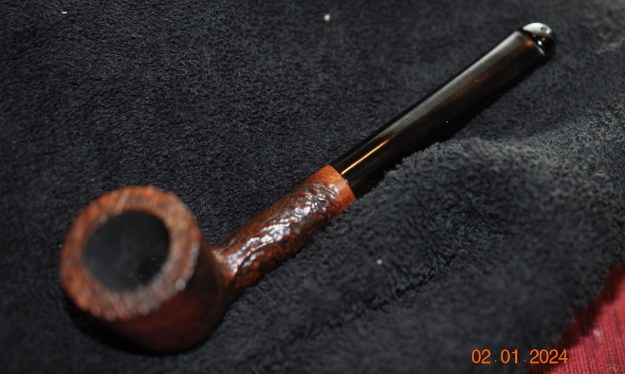
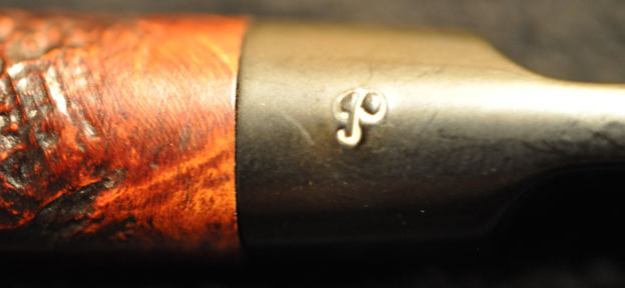
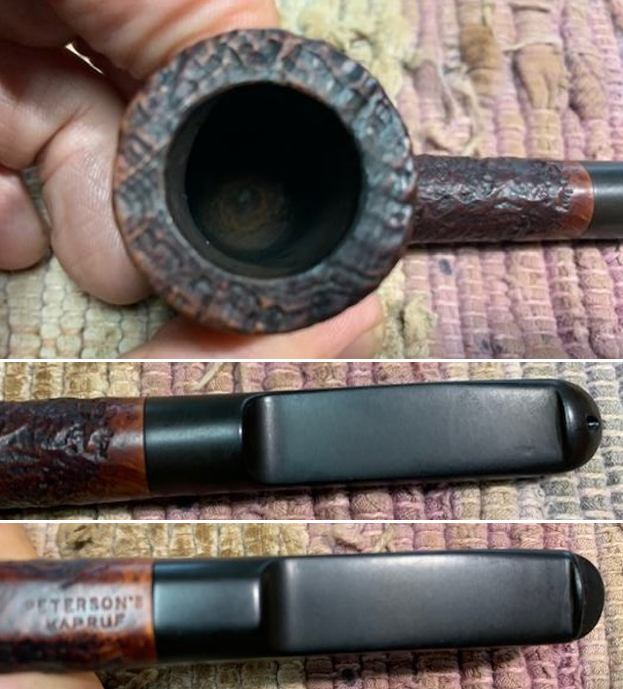
Rebirthing a Republic Era Peterson’s Kapruf  5S Saddle Stem Billiard


Blog by Steve Laug

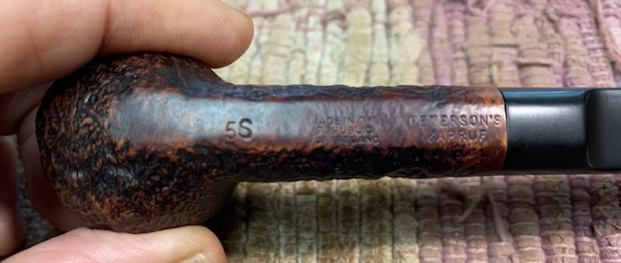
Today is rainy, chilly day in Vancouver. I know in comparison to where many of you live it is not cold but to us it is. It is also one of those kinds of day that my old friend Spencer would have been next to my work table begging for a treat and keeping company. I can’t believe that he died just over a year ago now. I miss him a lot on days like today. The next pipe I have chosen is another Peterson’s Billiard. It is a sandblast pipe that came to us from the estate of an old friend in Ontario, Canada. There was grime ground into the sandblast finish on the bowl sides. I love the way the contrast of the brown and black stains gave the blast a sense of depth. The stain is almost tiger striped. It was stamped on the flat underside in the center of the shank and read Made in the Republic of Ireland (three lines). To the right of that it is stamped Peterson’s [over] Kapruf. To the left of the Republic stamp, on the heel was the shape number 5S. This pipe must have been another favourite of my old friend as it had been well smoked. There was a well maintained cake in the bowl and some darkening on the rim top. The inner edge of the bowl looked good. The stem was oxidized, calcified and had light tooth marks and chatter on the top and underside on and near the button. Jeff took photos of the pipe before his cleanup work. Jeff took photos of the rim top and stem to show the general condition of the pipe. The bowl is lightly caked and the rim top and edges look to be in good condition despite a little darkening. The photos of the stem show that it was oxidized, calcified and has light tooth marks on the top and underside near the button. Jeff took a photo of the bowl sides and heel to show the blast that was around this bowl. It is a great sandblast and the choice of stain adds depth to the appearance of the bowl. He took photos of the stamping on the underside of the shank. It is clear and readable and reads as noted above. I turned to “The Peterson Pipe” by Mark Irwin and Gary Malmberg to get some background on the Kapruf line. On page 306 it had the following information.

Kapruf and “Kapruf” (c.1922-87) Sandblast (hence the name, Kapp-rough) P-lip or fishtail mouthpiece, in catalogs from 1940-87. Early documented specimens stamped IRISH over FREE STATE, no Eire specimens documented. Mid-century specimens may be stamped LONDON MADE [over] ENGLAND or MADE IN ENGLAND forming a circle or MADE IN [over] IRELAND, all dating no later than 1970. Those of recent vintage stamped MADE IN THE[over] REPUBLIC [over]OF IRELAND.

I knew that I was working on a KAPRUF that was made between 1970-1987 as it is stamped MADE IN THE REPUBLIC OF IRELAND as noted above. Now it was time to work on the pipe.

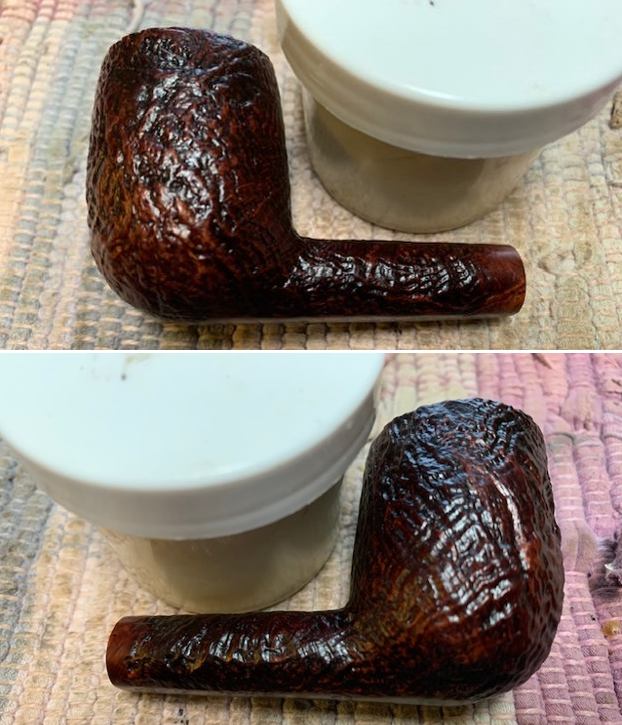
Jeff had done a great job cleaning up the pipe as usual. He reamed the pipe with a PipNet reamer and cut back the cake back to the bare briar. He cleaned up the walls with a Savinelli Fitsall Pipe Knife. He scrubbed the interior of the bowl and shank with pipe cleaners, cotton swabs and alcohol to remove the tars and oils. He scrubbed the exterior of the pipe with Murphy’s Oil Soap and a tooth brush to remove the grime from the finish. He worked on the rim top lava and darkening with the soap and tooth brush. He scrubbed the inside of the stem with alcohol and pipe cleaners. He scrubbed the exterior with Soft Scrub and then soaked it in Before & After Deoxidizer. He washed it off with warm water to remove the Deoxidizer. The pipe looked far better when it arrived.       I took some close up photos of the rim top and also of the stem surface. I wanted to show how well it had cleaned up. The rim top looks very good. There is a little darkening on the top at the back of the bowl but is not too bad. I also took close up photos of the stem to show the light chatter and marks on the surface near the button. I took a photo of the stamping on the underside of the shank. You can see that it is stamped as noted above. It is faint but readable. I took the pipe apart and took a photo of the pipe. It is a good looking pipe and has an interesting shallow sandblast on the bowl.The exterior of the bowl was in great shape. I used a brass bristle wire brush to knock of some of the darkening on the rim top.  I worked some Before & After Restoration Balm into the surface of the briar with my fingertips and a horse hair shoe brush to clean, enliven and protect the briar. I let the balm sit for 15 minutes and then buffed with a cotton cloth to raise the shine. The photos show the bowl at this point in the restoration process.  I set the bowl aside and turned my attention to the stem. I touched up the P stamp on the left side of the saddle stem with some acrylic fingernail polish. I worked it into the stamp with a toothpick and then scraped off the excess once it had dried.    I polished the stem with micromesh sanding pads – wet sanding with 1500-12000 grit sanding pads. I wiped it down after each sanding pad with Obsidian Oil. I polished it with Before & After Pipe Stem Polish – both Fine and Extra Fine.      I always am excited to finish working on a pipe. This Peterson’s Kapruf 5S Billiard, Made in the Republic of Ireland is no exception. I put the pipe back together and buffed it with Blue Diamond on the buffing wheel. I gave the bowl multiple coats of Conservator’s Wax and the stem multiple coats of carnauba wax. I buffed the pipe with a clean buffing pad to raise the shine and hand buffed it with a microfibre cloth to deepen the shine. It is fun to see what the polished smooth rim top and the sandblast bowl looks like with the black vulcanite taper stem. This Classic looking Peterson’s Kapruf Sandblast Billiard feels great in my hand. It is light and well balanced. Have a look at it with the photos below. The dimensions are Length: 5 ½ inches, Height: 1 ¾ inches, Outside diameter of the bowl: 1 ¼  inches, Chamber diameter: ¾ of an inch. The weight of the pipe is 34 grams/1.20 oz. I will be putting it on the rebornpipes store shortly in the Irish Pipe Makers section if you are interested in it. Thanks for walking through the restoration with me as I worked over this pipe. Thanks to each of you who are reading this blog.

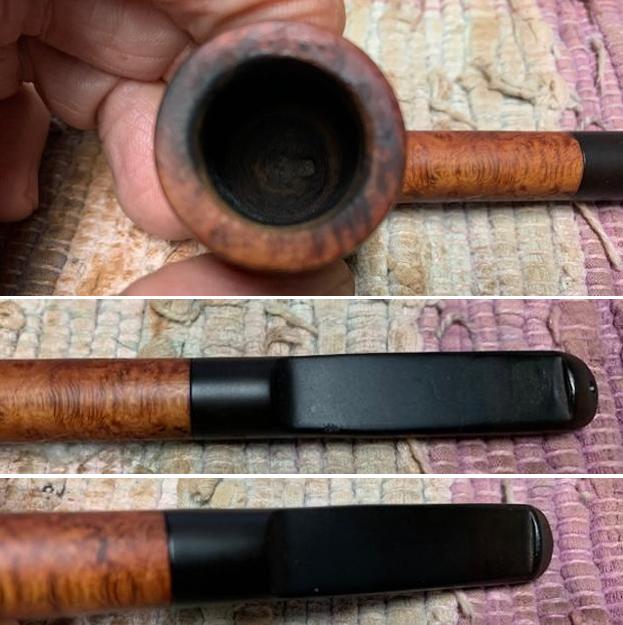
Breathing Life into a Peterson’s Republic Era “Wicklow” 24S Saddle Stem Billiard


Blog by Steve Laug

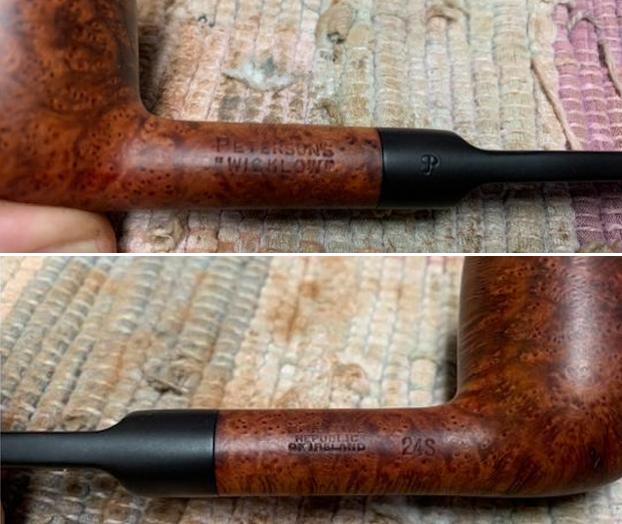
The next pipe I have chosen is smooth finished Peterson’s Saddle Stem Billiard. This Billiard has a medium brown finish around the bowl sides and shank. The pipe has great grain on the bowl and shank but was dirty. It was stamped on the left side of the shank and read Peterson’s [over] “Wicklow”. On the right side of the shank it is stamped Made in the Republic of Ireland in three lines. Next to the bowl it was stamped with the shape number 24S.  There was a thick cake in the bowl and lava on the rim top and the inner edge of the bowl. The stem was lightly oxidized and had light tooth marks and chatter on the top and underside on and near the button. The “P” stamp on the left side of the saddle stem is clear but had lost colour. Jeff took photos of the pipe before his cleanup work. They tell the story and give a glimpse of the promise that we see in this pipe. Jeff took photos of the rim top and stem to show the general condition of the pipe. The bowl is heavily caked and the rim top and edges have a thick lava overflow. The stem is lightly oxidized and has light tooth marks on the top and underside near the button.  It obviously had a Softee Bit on the stem during its lifetime as it left a mark on the stem surface. Jeff took some photos of the bowl sides and heel to show the grain that was around this bowl. It is a nice looking pipe.     He took photos of the underside of the shank to show the stamping. The stamping is readable in the photos below and is as noted above.     I am including the information from Pipedia’s article on Peterson pipes. It is a great read in terms of the history of the brand (https://pipedia.org/wiki/Peterson). I have included a bit of the pertinent history here.

1950 – 1989 The Republic Era – From 1950 to the present time, the stamp for this era is “Made in the Republic of Ireland” in a block format generally in three lines but two lines have been used with or without Republic being abbreviated.

During the 1950’s and 60’s the Kapp & Peterson Company was still in the ownership of the Kapp family. However 1964 saw the retiral of the company Managing Director Frederick Henry(Harry) Kapp.

I turned to “The Peterson Pipe” by Mark Irwin and Gary Malmberg to get some background on the Wicklow Pipe. On page 315 it had the following information on the Wicklow pipe.

Wicklow (1969-) First appearance of this line exclusive to Iwan Ries, handmade black sandblast finish with twin bore mouthpiece. In 1987 offered with a matte-brown finish, nickel band and P-lip mouthpiece; in 2011 as a custom line from Smokingpipes.com in a deep-red sandblast finish with a nickel band. In 2014 released for Italy in brown with a sterling band, vulcanite mouthpiece in fishtail or P-lip, hot-foil P.

I knew that I was dealing with a Republic Era pipe made between 1969 and the present. It is bit of anomaly in that it does not match any of the descriptions above. The one I have has a matte-brown finish but does not have a band. It does have a P-lip mouthpiece. It is also a smooth finished pipe and not sandblast. Now it was time to work on the pipe.

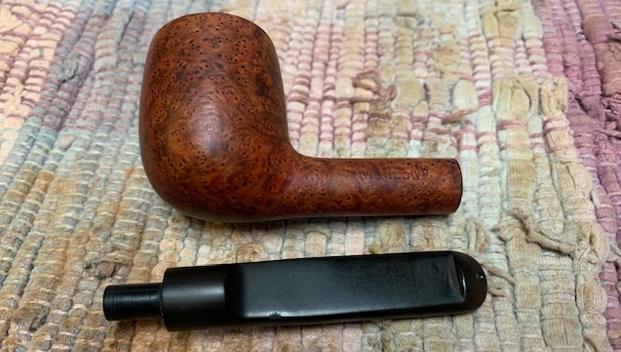
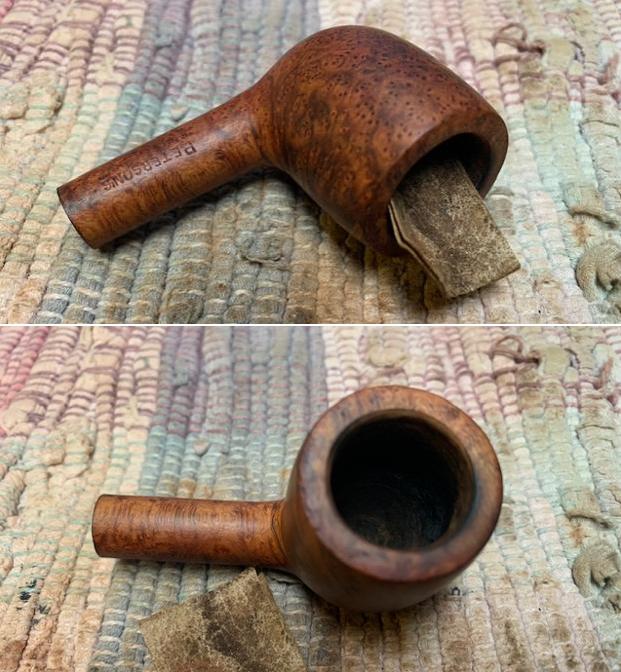
Jeff had done a great job cleaning up the pipe as usual. He reamed the pipe with a PipNet reamer and cut back the cake back to the bare briar. He cleaned up the walls with a Savinelli Fitsall Pipe Knife. He scrubbed the interior of the bowl and shank with pipe cleaners, cotton swabs and alcohol to remove the tars and oils. He scrubbed the exterior of the pipe with Murphy’s Oil Soap and a tooth brush to remove the grime from the finish. He worked on the rim top lava and darkening with the soap and tooth brush. He scrubbed the inside of the stem with alcohol and pipe cleaners. He scrubbed the exterior with Soft Scrub and then soaked it in Briarville’s Pipe Stem Deoxidizer. He washed it off with warm water to remove the deoxidizer. The pipe looked far better when it arrived. I took some close up photos of the rim top and also of the stem surface. I wanted to show how well it had cleaned up. There was some darkening on the front of the rim top and on the back as well. I also took close up photos of the stem to show the light tooth marks on the surface near the button.    I took a photo of the stamping on the sides of the shank. You can see that it is stamped as noted above. It is clear and readable.     I took the pipe apart and took a photo of the pipe. It is a good looking pipe and has some great grain around the bowl. I cleaned up the darkening on the rim top and the damage to the inside edge of the bowl with a folded piece of 220 grit sandpaper. It looked much better.   I polished the briar bowl and shank with micromesh sanding pads. I dry sanded it with 1500-12000 grit pads and wiped it down with a damp cloth after each pad.  I worked some Before & After Restoration Balm into the surface of the briar with my fingertips to clean, enliven and protect the briar. I let the balm sit for 15 minutes and then buffed with a cotton cloth to raise the shine. The photos show the bowl at this point in the restoration process. I wiped the stem down with a cotton pad and alcohol and filled in the tooth marks on both sides with clear CA glue. Once the glue dried I sanded the repair with 220 grit sandpaper to blend it into the vulcanite and then started polishing it with 400 grit wet dry sandpaper. I touched up the stamping on the “P” with PaperMate Liquid Paper. I pressed it into the stamping with a tooth pick and buffed it off with a soft cotton pad. The product works very well to give new life to the original white stamp. I polished out the light tooth marks on the stem with micromesh sanding pads – wet sanding with 1500-12000 grit sanding pads. I wiped it down after each sanding pad with Obsidian Oil. I polished it with Before & After Pipe Stem Polish – both Fine and Extra Fine.  I am excited to finish this Republic Era Peterson’s “Wicklow” 24S Saddle Stem Billiard. I put the pipe back together and buffed it with Blue Diamond on the buffing wheel. I gave the bowl and the stem multiple coats of carnauba wax. I buffed the pipe with a clean buffing pad to raise the shine. I also hand buffed it with a microfibre cloth to deepen the shine. It is fun to see what the polished bowl looks like with the grain popping all around it. Added to that the polished  black vulcanite saddle stem was beautiful. This shapely Classic Peterson’s Billiard is nice looking and the pipe feels great in my hand. It is light and well balanced. Have a look at it with the photos below. The dimensions are Length: 5 inches, Height: 1 ½ inches, Outside diameter of the bowl: 1 1/8 inch, Chamber diameter: ¾ of an inch. The weight of the pipe is 21grams/.74oz. It is a beautiful pipe and one that I soon put on the rebornpipes store I you are interested in carrying on the pipeman’s legacy. Thanks for walking through the restoration with me as I worked over this pipe. Thanks to each of you who are reading this blog.

Rebirthing a Republic Era Peterson’s Kapruf 62 Billiard


Blog by Steve Laug

Today is rainy, chilly day in Vancouver. I know in comparison to where many of you live it is not cold but to us it is. It is also the kind of day that my old friend Spencer would have been next to my work table begging for a treat and keeping company. I can’t believe that he died almost four months ago now. I miss him a lot on days like today. The next pipe I have chosen is another Peterson’s Billiard. It is a chunky sandblast pipe but it also was a very dirty pipe. It also came to us from Garson, Ontario, Canada. The grime was ground into the light grooves of the sandblast finish on the bowl sides. I love the way the contrast of the brown and black stains gave the shallow blast a sense of depth. The stain is almost tiger striped. It was faintly stamped on the flat underside of the shank and read Peterson’s [over] Kapruf. To the left of that on the heel was the shape number 62. To the right of the Kapruf stamp it read Made in the Republic of Ireland (three lines). This pipe must have been another favourite as it had been well smoked. There was a thick cake in the bowl and an overflow of lava and darkening on the rim top. The inner edge of the bowl was badly damaged with a chunk missing on the front and the right side. The stem was oxidized, calcified and had deep tooth marks and chatter on the top and underside on and near the button. Jeff took photos of the pipe before his cleanup work. Jeff took photos of the rim top and stem to show the general condition of the pipe. The bowl is badly damaged and heavily caked. The rim top and edges have a lava overflow does little to obscure the damage to the inner edge. The photos of the stem show that it was oxidized, calcified and has deep tooth marks on the top and underside near the button.   Jeff took a photo of the bowl sides and heel to show the blast that was around this bowl. It is a shallow sandblast but the choice of stain adds depth to the appearance of the bowl. He took photos of the stamping on the underside of the shank. It is clear and readable and reads as noted above.I turned to “The Peterson Pipe” by Mark Irwin and Gary Malmberg to get some background on the Kapruf line. On page 306 it had the following information.

Kapruf and “Kapruf” (c.1922-87) Sandblast (hence the name, Kapp-rough) P-lip or fishtail mouthpiece, in catalogs from 1940-87. Early documented specimens stamped IRISH over FREE STATE, no Eire specimens documented. Mid-century specimens may be stamped LONDON MADE [over] ENGLAND or MADE IN ENGLAND forming a circle or MADE IN [over] IRELAND, all dating no later than 1970. Those of recent vintage stamped MADE IN THE[over] REPUBLIC [over]OF IRELAND.

I knew that I was working on a KAPRUF that was made between 1970-1987 as it is stamped MADE IN THE REPUBLIC OF IRELAND as noted above. Now it was time to work on the pipe.

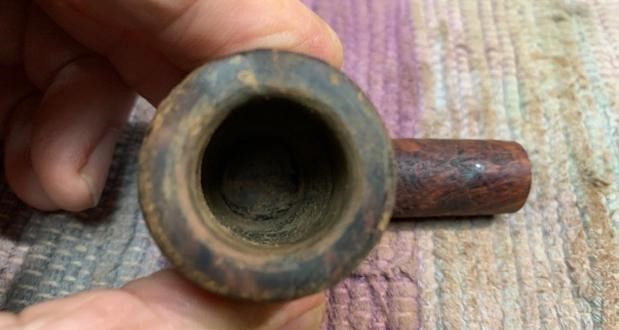
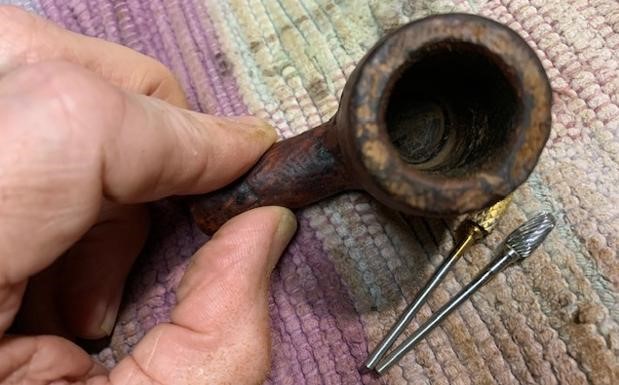
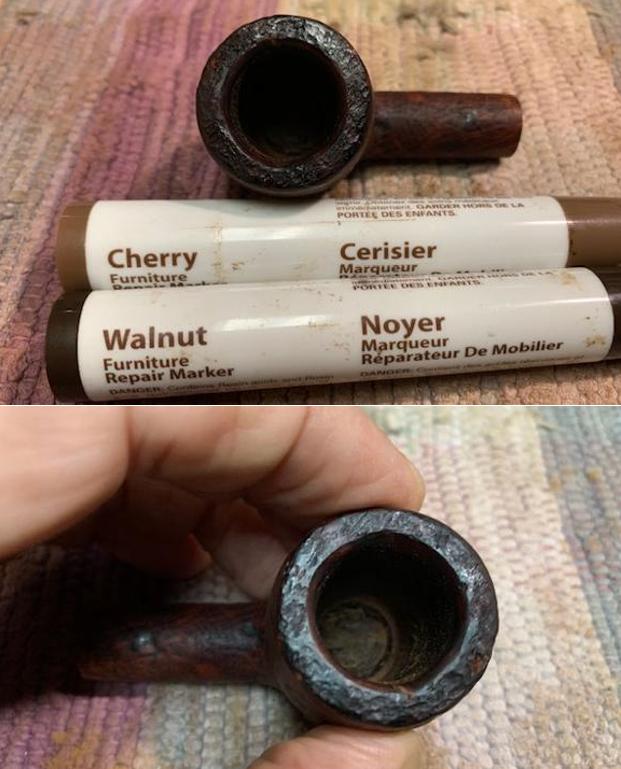
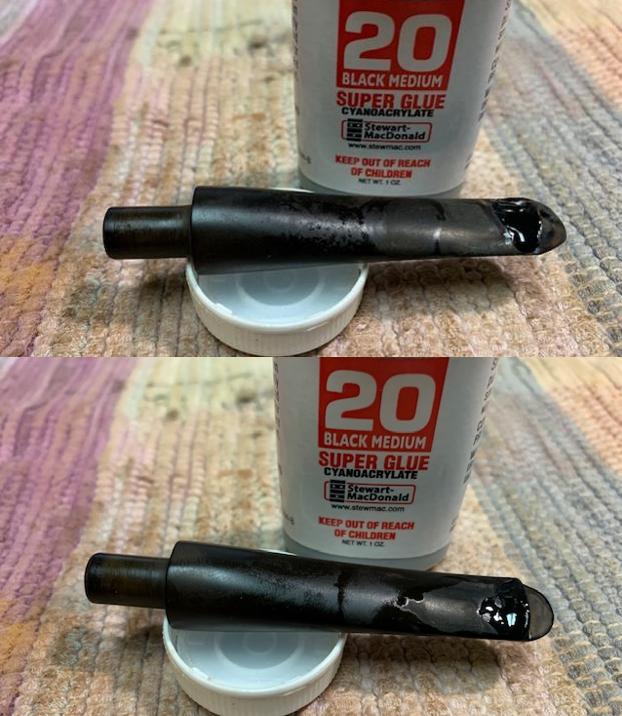
Jeff had done a great job cleaning up the pipe as usual. He reamed the pipe with a PipNet reamer and cut back the cake back to the bare briar. He cleaned up the walls with a Savinelli Fitsall Pipe Knife. He scrubbed the interior of the bowl and shank with pipe cleaners, cotton swabs and alcohol to remove the tars and oils. He scrubbed the exterior of the pipe with Murphy’s Oil Soap and a tooth brush to remove the grime from the finish. He worked on the rim top lava and darkening with the soap and tooth brush. He scrubbed the inside of the stem with alcohol and pipe cleaners. He scrubbed the exterior with Soft Scrub and then soaked it in Before & After Deoxidizer. He washed it off with warm water to remove the deoxidizer. The pipe looked far better when it arrived.    I took some close up photos of the rim top and also of the stem surface. I wanted to show how well it had cleaned up. The rim top photo shows some heavy damage on the right top and inner edge. There is also damage on the front inner edge. The sandblast on the rim top is virtually destroyed. It will take some work to rebuild and refinish it. I also took close up photos of the stem to show the deep tooth marks on the surface near the button.I took a photo of the stamping on the underside of the shank. You can see that it is stamped as noted above. It is faint but readable.I took the pipe apart and took a photo of the pipe. It is a good looking pipe and has an interesting shallow sandblast on the bowl.I started my work on the pipe by repairing the damage on the inner edge and rim top. I rebuilt the inner edge and the rim top damage with clear CA glue and briar dust. I put the glue in place and used a dental spatula to apply the briar dust on top of the glue. I layered it on until I was looking far better.  I wrapped a dowel with 220 grit sandpaper (virtually the same diameter as the chamber of the bowl). I inserted it in the bowl and turned it until the edge was round again. I worked on the inner edge itself with a folded piece of sandpaper to give the rim edge a slight bevel. That took care of the damaged edge very well. The photos below tell the story.  With the edge and top cleaned up it was time to try to match the rim top to the sandblast finish on the bowl. I used my Dremel with the two dental burs shown in the photo below. I carefully attempted to make it look like a light blast. When I got it to the point I was happy I stained it with an Oak and a Cherry stain pen. I intermix the streaks of both pens to approximate the colour of the briar on the bowl sides. I touched up some of the spots that showed up in the photo above with a Black Sharpie Pen to further blend it in. I worked some Before & After Restoration Balm into the surface of the briar with my fingertips and a horse hair shoe brush to clean, enliven and protect the briar. I let the balm sit for 15 minutes and then buffed with a cotton cloth to raise the shine. The photos show the bowl at this point in the restoration process. I set the bowl aside and turned my attention to the stem. I “painted” the stem with the flame of a Bic lighter to lift the dents. I forgot to take photos of the process. However it worked very well and I was able to lift them significantly. What remained I filled in with Black Super Glue and sprayed with an accelerator to keep it from running everywhere. I set the stem aside to cure. Once the repair cured I smooth out the repair and recut the edge of the button with a small file. I sanded the stem with 220 grit sandpaper to blend the repairs into the rest of the stem. I started polishing it with 400 grit wet dry sandpaper.    I polished the stem with micromesh sanding pads – wet sanding with 1500-12000 grit sanding pads. I wiped it down after each sanding pad with Obsidian Oil. I polished it with Before & After Pipe Stem Polish – both Fine and Extra Fine.      I am excited to finish this Peterson’s Kapruf 62 Billiard, Made in Ireland. I put the pipe back together and buffed it with Blue Diamond on the buffing wheel. I gave the bowl multiple coats of Conservator’s Wax and the stem multiple coats of carnauba wax. I buffed the pipe with a clean buffing pad to raise the shine and hand buffed it with a microfibre cloth to deepen the shine. It is fun to see what the polished smooth rim top and the sandblast bowl looks like with the black vulcanite taper stem. This Classic looking Peterson’s Kapruf Sandblast Billiard feels great in my hand. It is light and well balanced. Have a look at it with the photos below. The dimensions are Length: 5 ½ inches, Height: 1 ¾ inches, Outside diameter of the bowl: 1 ¼  inches, Chamber diameter: ¾ of an inch. The weight of the pipe is 36grams/1.27oz. It is a beautiful pipe and one that is already sold, or as Dal calls it “commissioned”. The gentleman who asked for it has the first right of refusal. Thanks for walking through the restoration with me as I worked over this pipe. Thanks to each of you who are reading this blog.

Restoring a Republic Era Peterson’s “Sports” 4 Apple


Blog by Steve Laug

The next pipe I have chosen is smooth finished Peterson’s Apple shaped pipe that had a bit of a bland looking finish but had some good looking grain around the bowl sides and shank. It also came to us from the estate of Anglican minister that was a great friend of mine here in Canada. This Apple did not have a nickel ferrule on the shank end. It was stamped on the left side of the shank and read Peterson’s [over] “Sports”. It was stamped on the right side and reads Made in the Republic of Ireland (3 lines). Next to the bowl it is stamped 4. The pipe was in filthy condition when he brought it to the table. The finish was dirty with grime ground into the briar sides and rim. There was a thick cake in the bowl and there was some damage to the rim top and the inner edge of the rim. The stem was oxidized, calcified and had tooth marks and chatter on the top and underside on and near the button. Jeff took photos of the pipe before his cleanup work. They tell the story and give a glimpse of the promise that we see in this pipe. Jeff took photos of the rim top and stem to show the general condition of the pipe. The bowl is thickly caked and the rim top and edges show quite a bit of damage around the bowl. The photo of the stem shows some oxidation and light tooth marks on both sides near the button. Jeff took some photos of the bowl sides and heel to show the amazing grain that was around this bowl. It is a nice looking pipe. He took photos of the sides of the shank to show the stamping. The stamping is worn but is still readable in the photos below and is as noted above.   I am including the link to the Pipedia’s article on Peterson pipes. It is a great read in terms of the history of the brand (https://pipedia.org/wiki/Peterson).

I turned to “The Peterson Pipe” by Mark Irwin and Gary Malmberg to get some background on the Peterson’s Sports. On page 313-314 it had the following information.

“SPORTS” (1947-) A “Sport” is traditionally a compact pipe made for smokers engaged in athletic pursuits, most notably equestrian riders who do not want the bowl to bounce up and down. Six shapes described in 1947 shape chart. Occasional later catalogs show as many as 11 shapes. Last  appeared in shape chart in ’98, but still made in small numbers. Recorded specimens are stamped MADE IN IRELAND (forming a circle) or MADE IN THE over REPUBLIC over OF IRELAND. See Outdoor and Outdoor Sportsman.

Now it was time to work on the pipe. Jeff had done a great job cleaning up the pipe as usual. He reamed the pipe with a PipNet reamer and cut back the cake back to the bare briar. He cleaned up the walls with a Savinelli Fitsall Pipe Knife. He scrubbed the interior of the bowl and shank with pipe cleaners, cotton swabs and alcohol to remove the tars and oils. He scrubbed the exterior of the pipe with Murphy’s Oil Soap and a tooth brush to remove the grime from the finish. He worked on the rim top lava and darkening with the soap and tooth brush. He scrubbed the inside of the stem with alcohol and pipe cleaners. He scrubbed the exterior with Soft Scrub and then soaked it in Before & After Deoxidizer. He washed it off with warm water to remove the Deoxidizer. The pipe looked far better when it arrived.    I took some close up photos of the rim top and also of the stem surface. I wanted to show how well it had cleaned up. The rim top had some looked quite good and the inner edge had some darkening and damage. It should clean up really well. I also took close up photos of the stem to show the tooth marks on the surface near the button.   I took photos of the stamping on the sides of the shank. You can see that it is stamped as noted above. It is clear and readable.    I removed the stem and took a photo of the pipe to have a look at the parts and overall look. I decided to address the damage to the edge of the bowl and the rim top first. I topped the bowl on a topping board with 220 grit sandpaper to smooth out the damage to the rim top. I used a folded piece of 220 grit sandpaper to give the inner edge of the bowl a slight bevel to accommodate the burned areas and blend them into the surrounding briar. I polished the briar with micromesh sanding pads – dry sanding with 1500-12000 grit sanding pads. I wiped the bowl down with a damp cloth after each sanding pad.    I touched up the rim top with an oak stain pen to match it to the surround briar of the bowl.I worked some Before & After Restoration Balm into the surface of the briar with my fingertips to clean, enliven and protect the briar. I let the balm sit for 15 minutes and then buffed with a cotton cloth to raise the shine. The photos show the bowl at this point in the restoration process. I set the bowl aside and turned my attention to the stem. I polished the stem with micromesh sanding pads – wet sanding with 1500-12000 grit sanding pads. I wiped it down after each sanding pad with Obsidian Oil. I polished it with Before & After Pipe Stem Polish – both Fine and Extra Fine.          I am excited to finish this Republic of Ireland Made Peterson’s “Sports” 4 Apple. I put the pipe back together and buffed it with Blue Diamond on the buffing wheel. I gave the bowl and the stem multiple coats of carnauba wax. I hand buffed the pipe with a clean buffing pad to raise the shine. It is fun to see what the polished bowl looks like with beautiful mixed grain all around it. Added to that the polished black vulcanite stem combined with the bowl and made a stunning pipe. This smooth Classic Older Peterson’s “Sports” 4 Apple is great looking and the pipe feels great in my hand. It is light and well balanced. Have a look at it with the photos below. The dimensions are Length: 5 inches, Height: 1 ¼ inches, Outside diameter of the bowl: 1 ½ inches, Chamber diameter: ¾ of an inch. The weight of the pipe is 33grams/1.16oz. It is a beautiful pipe that I will soon be putting on the rebornpipes store in the Irish Pipe Makers section. If you are interested in adding it to your collection send me an email or a message. Thanks for walking through the restoration with me as I worked over this pipe. Thanks to each of you who are reading this blog.