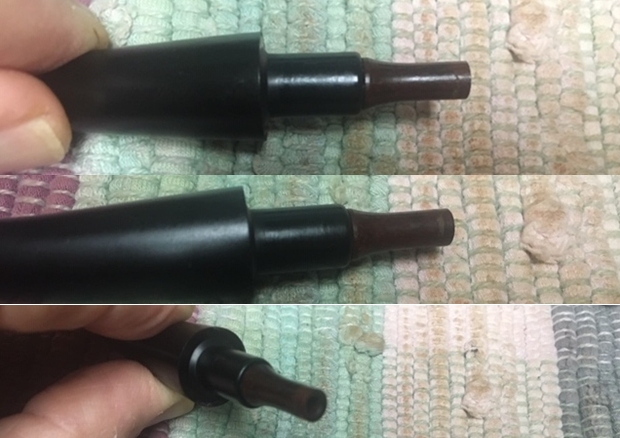
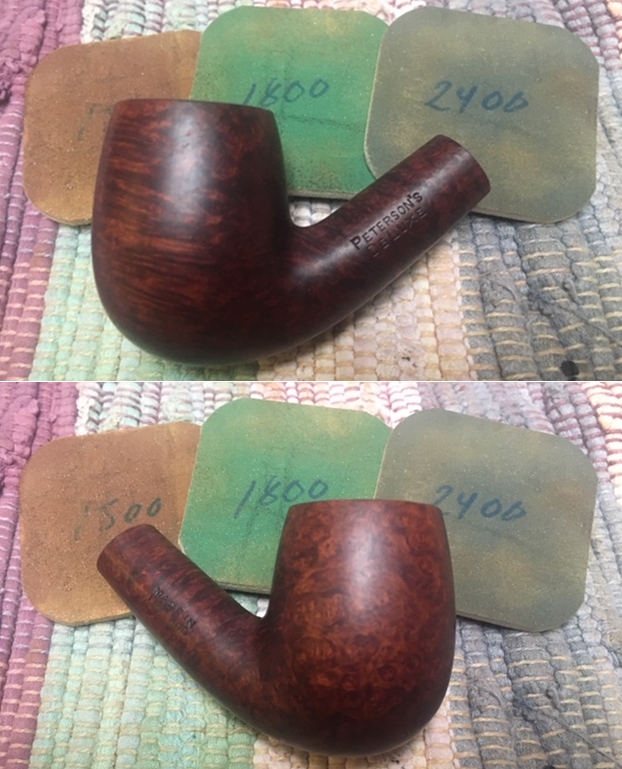
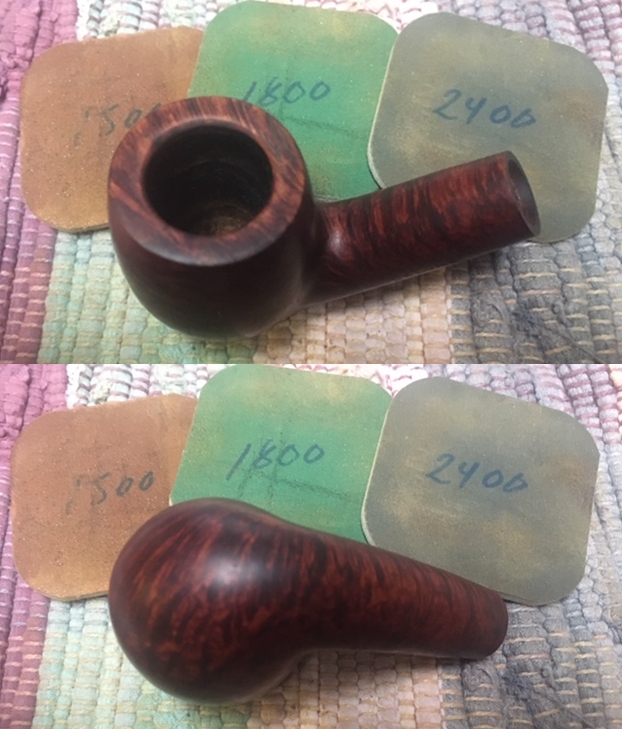
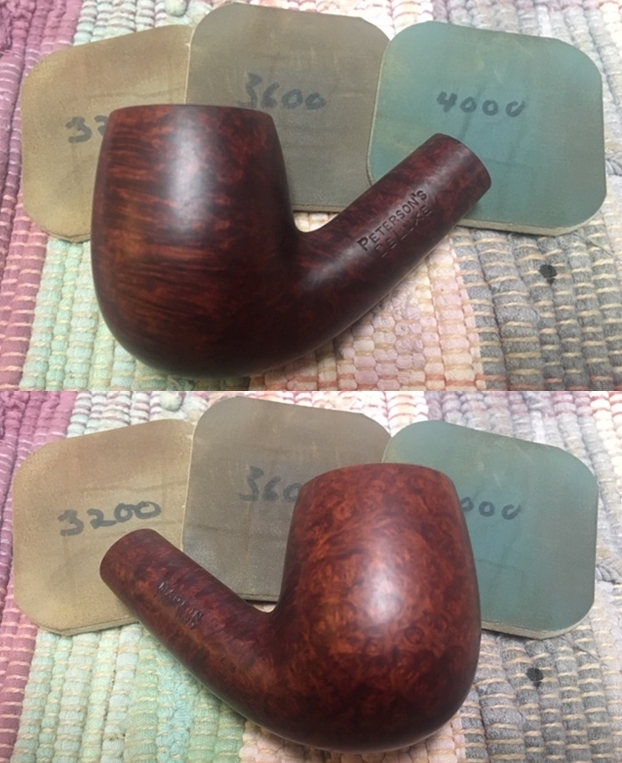
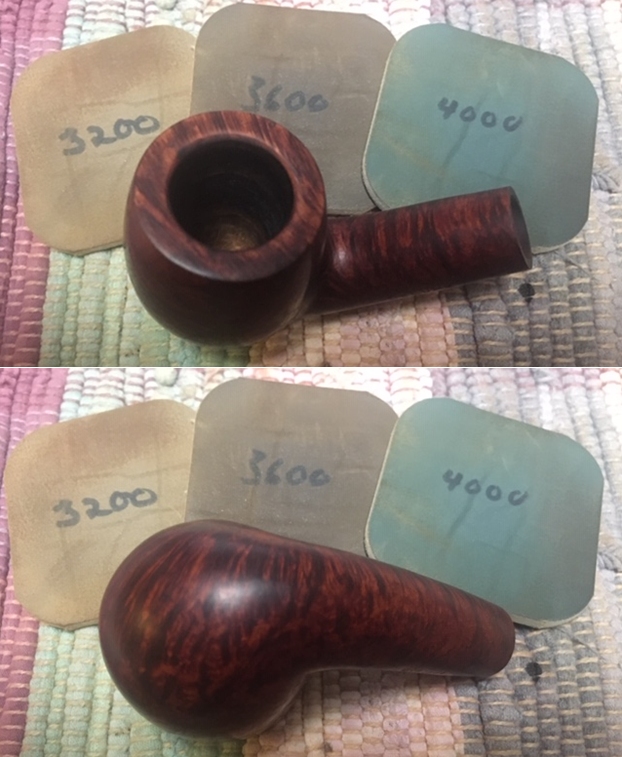
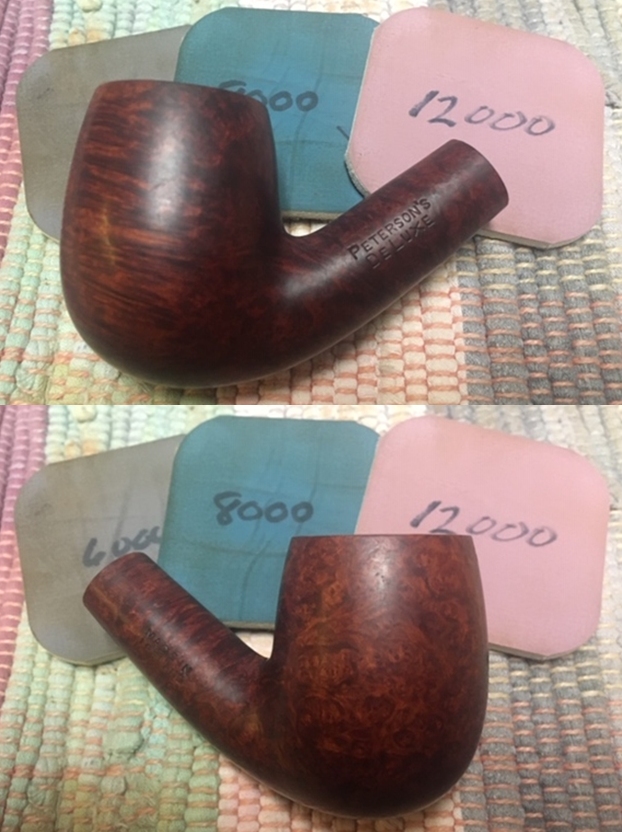
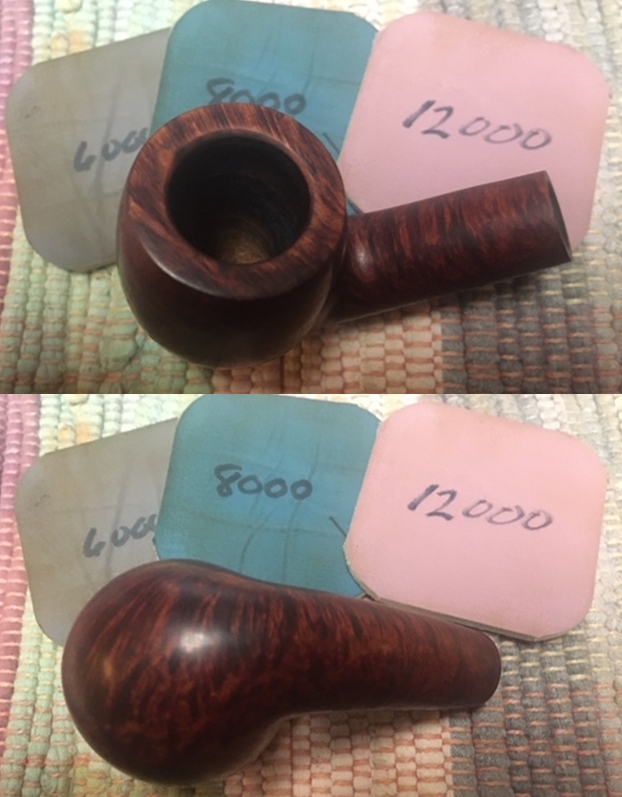
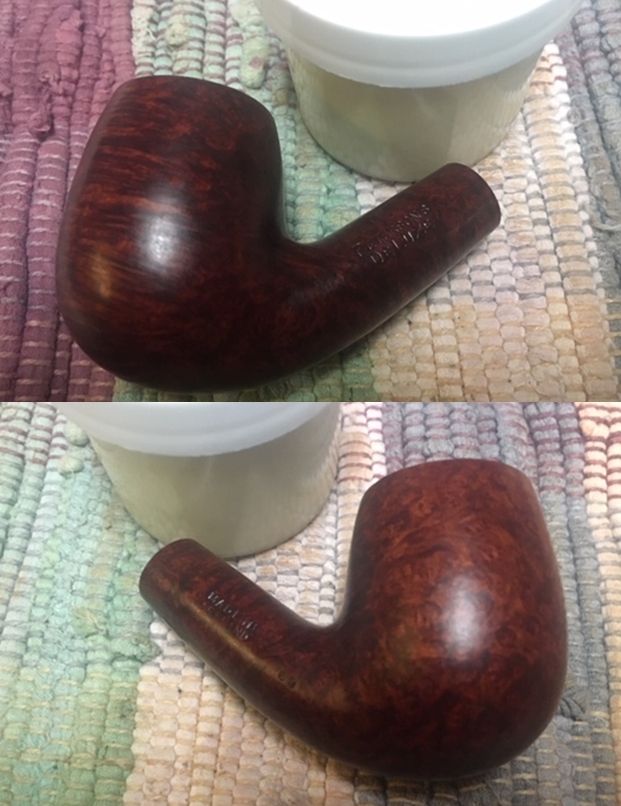
Tag Archives: Petersons Pipes

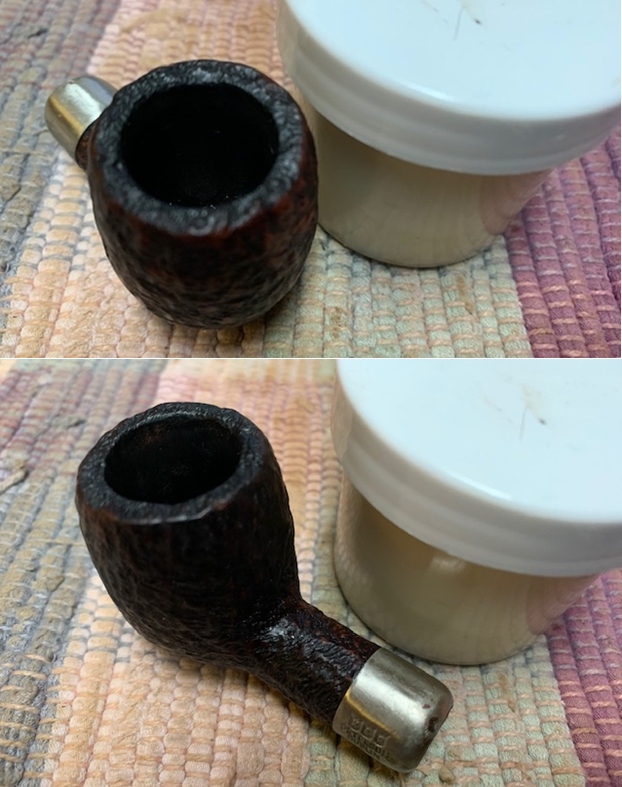
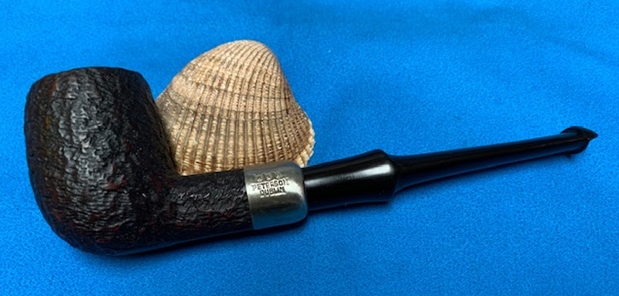
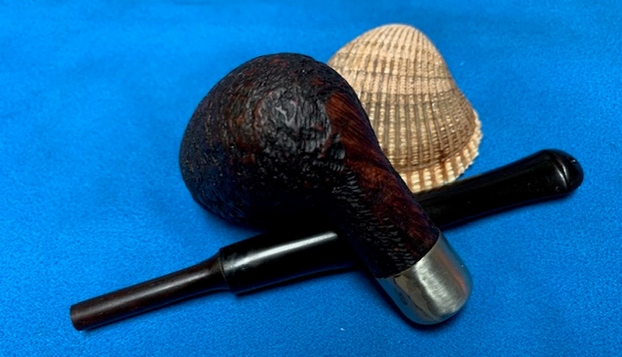
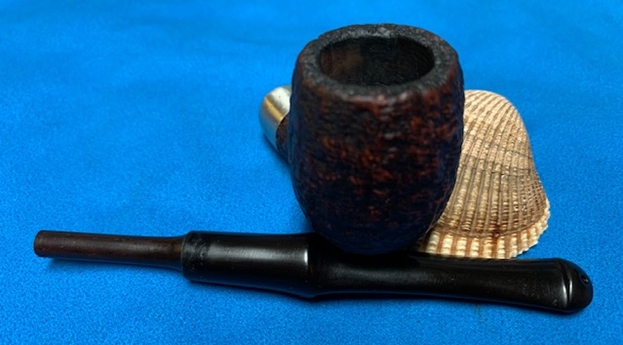
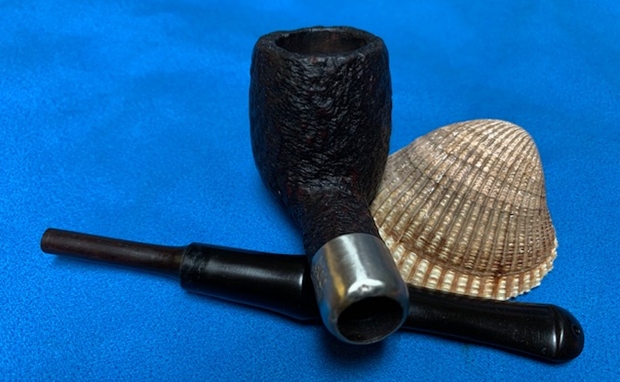
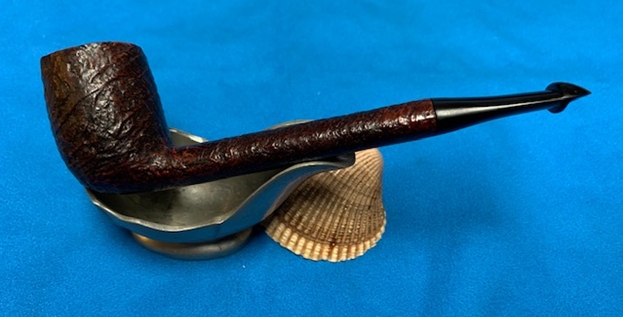
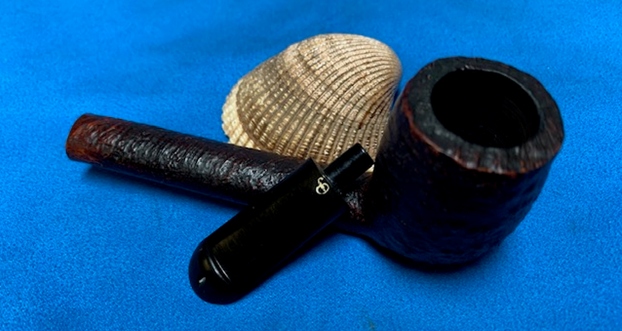
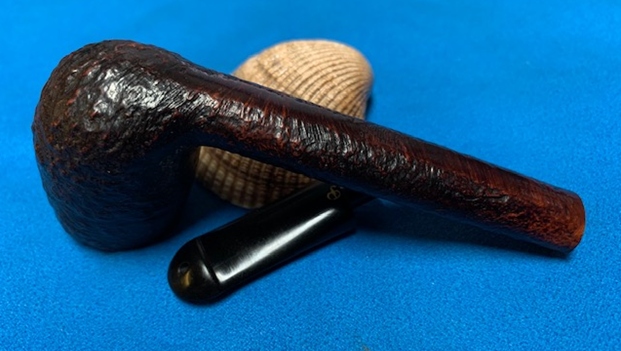
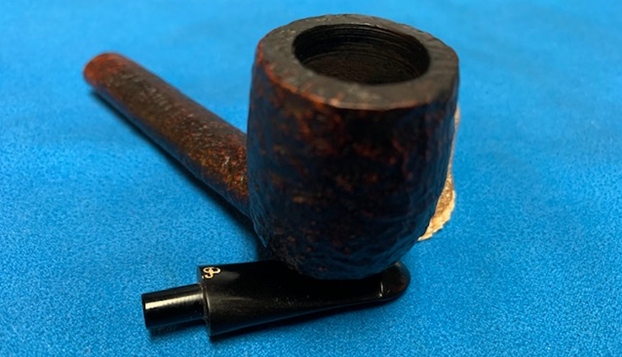
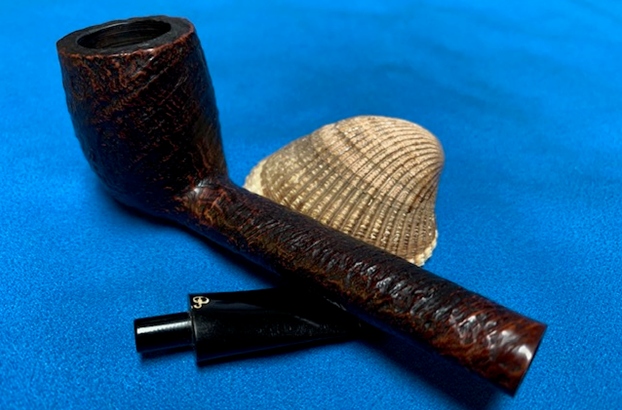
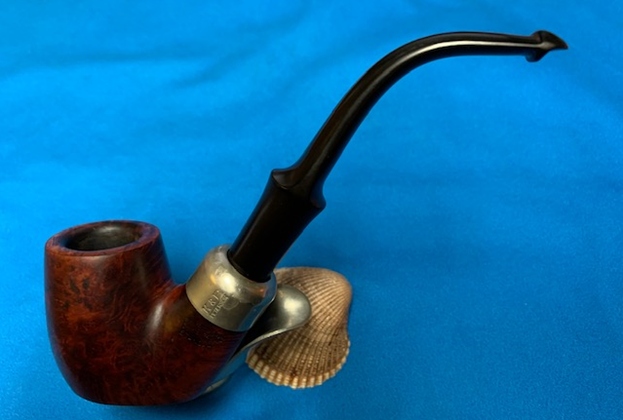
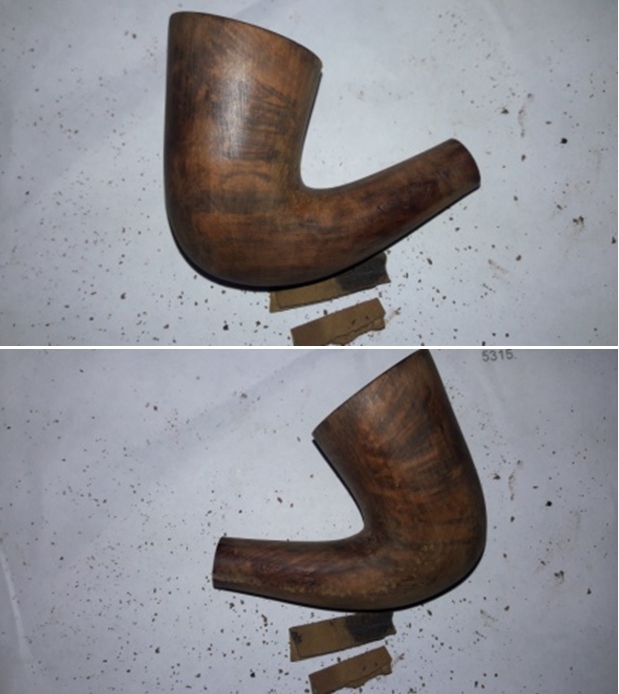
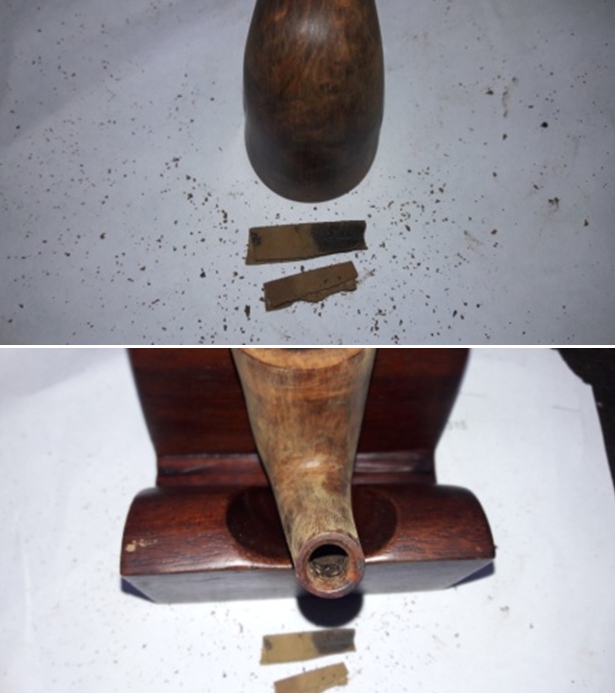
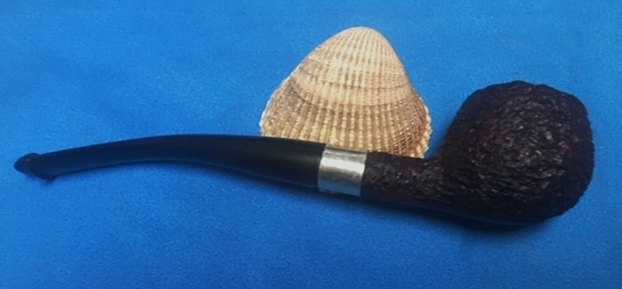
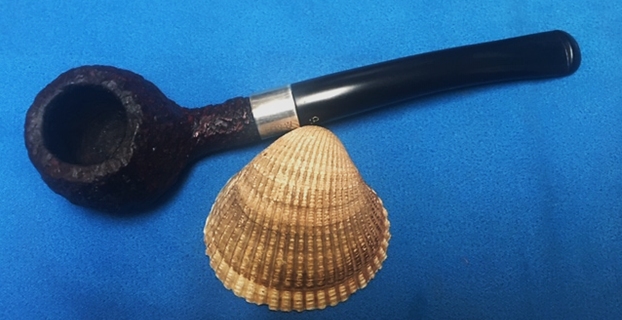
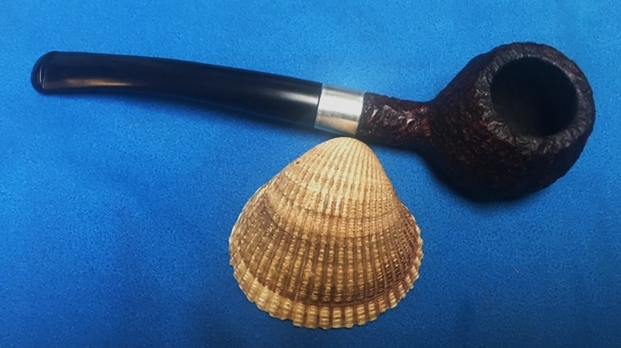
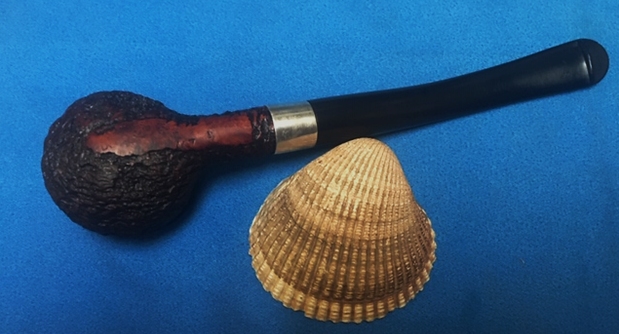
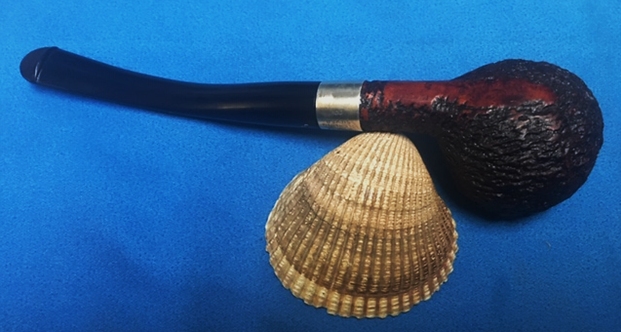
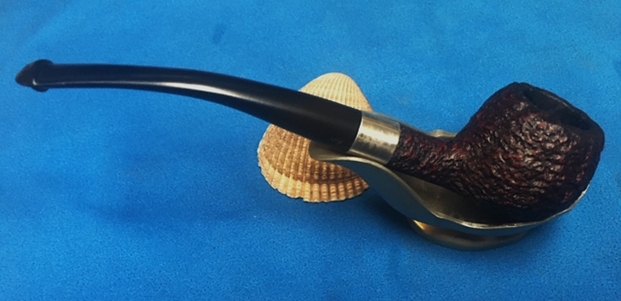
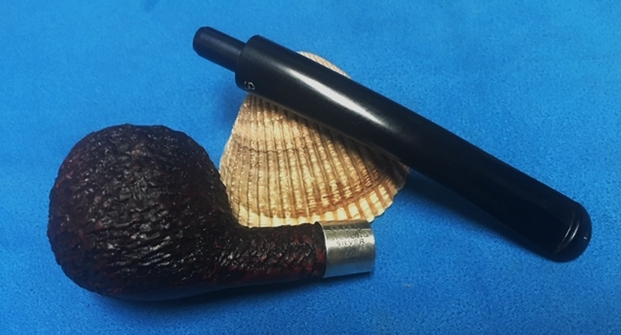
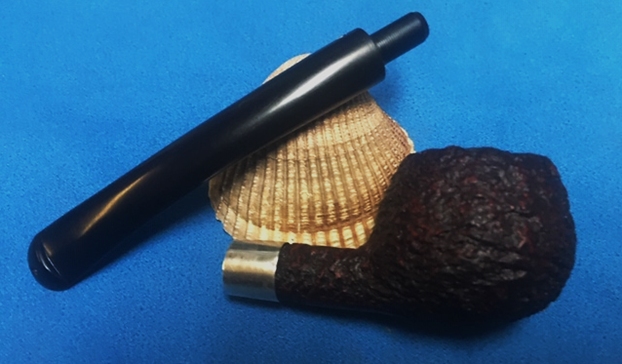
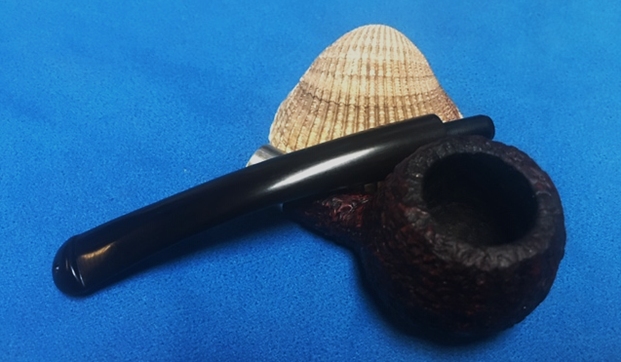
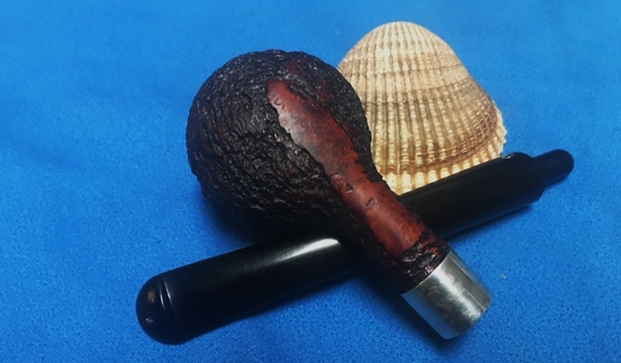
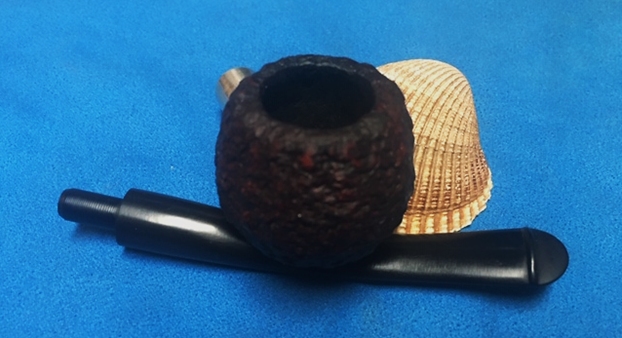
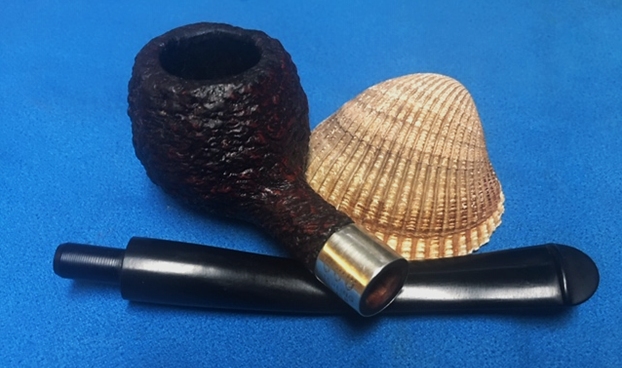
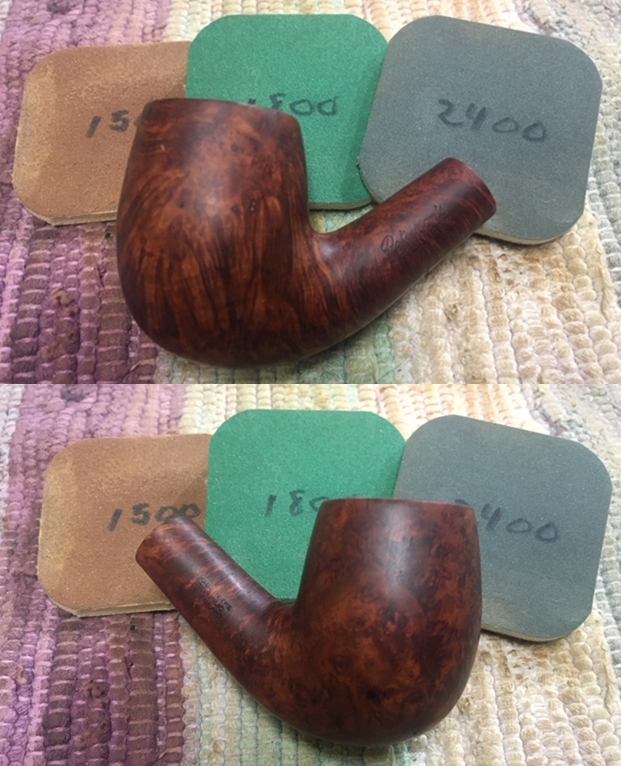
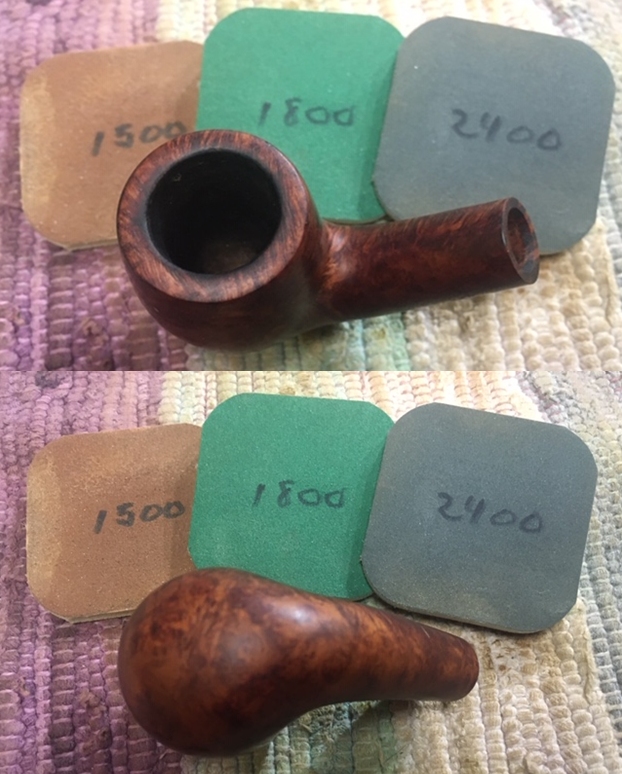
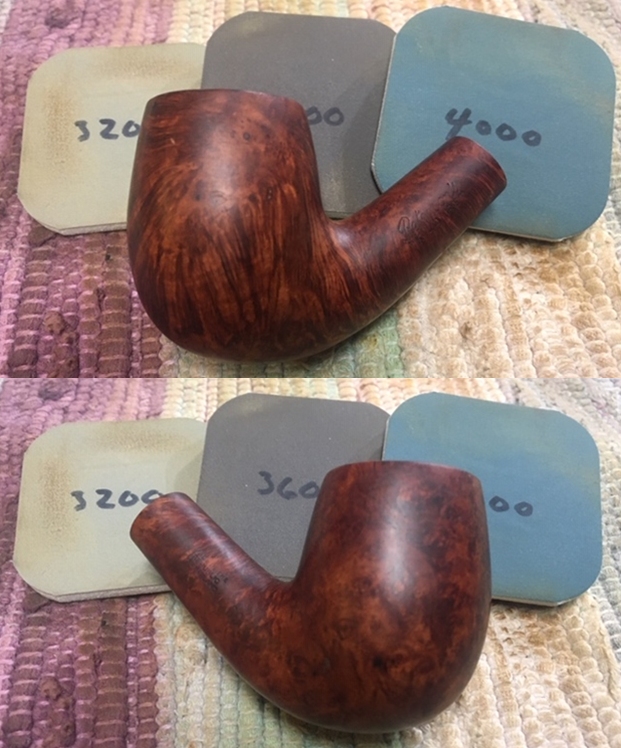
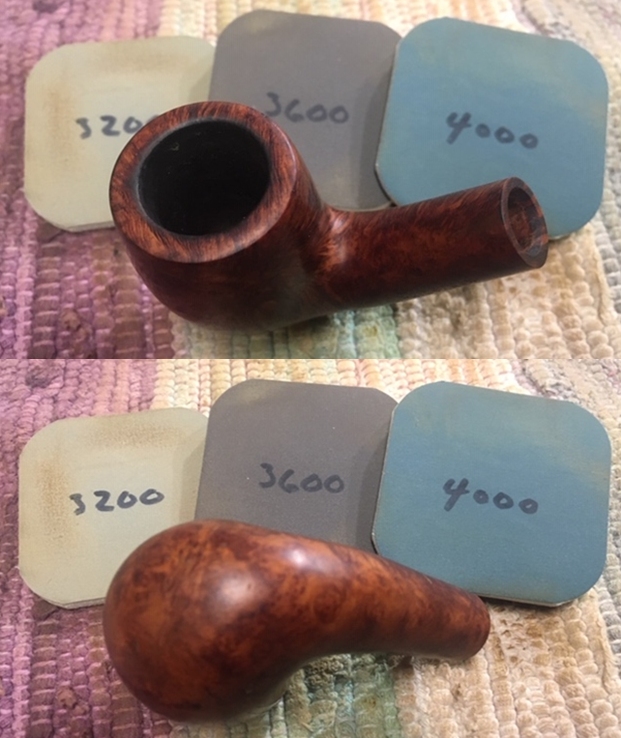
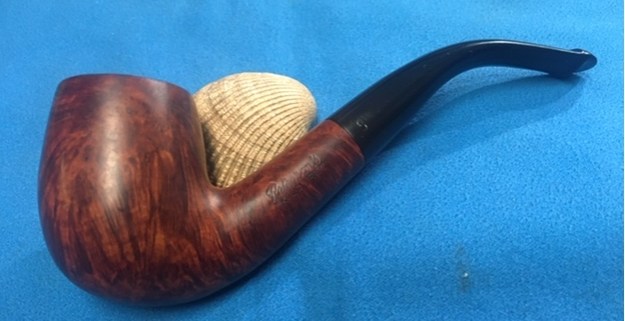
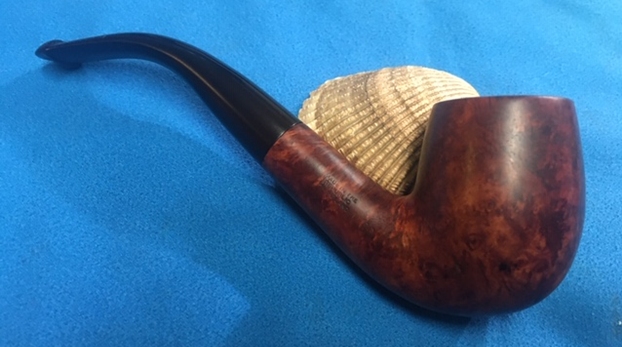
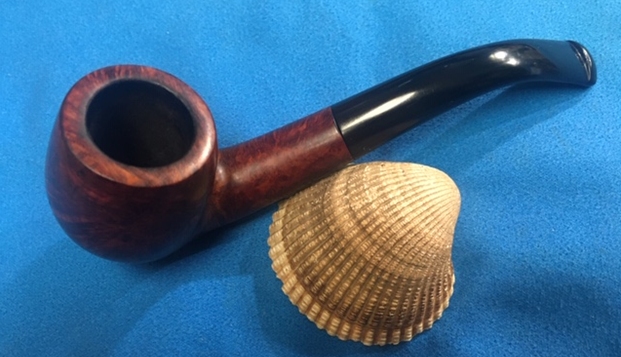
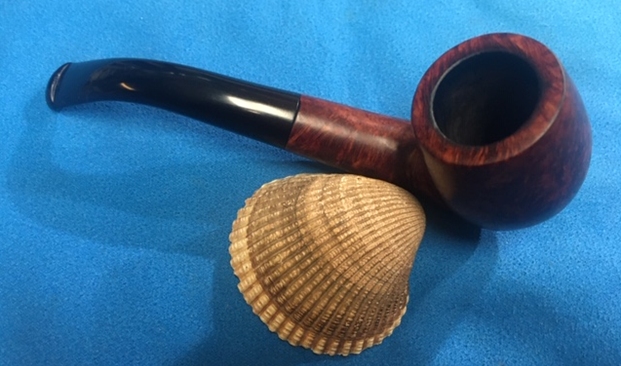
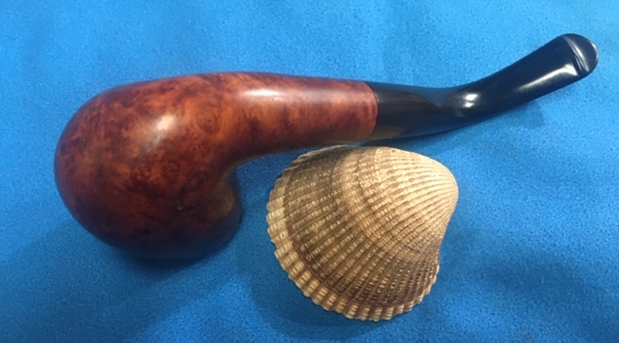
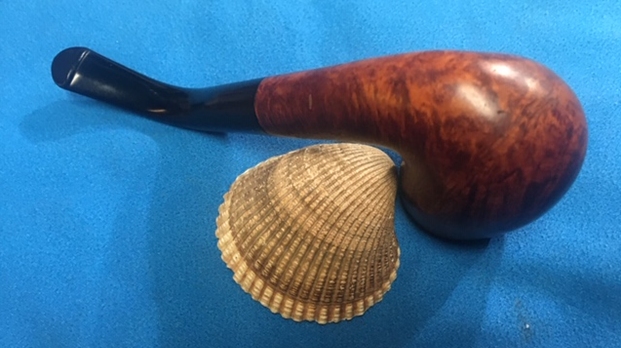
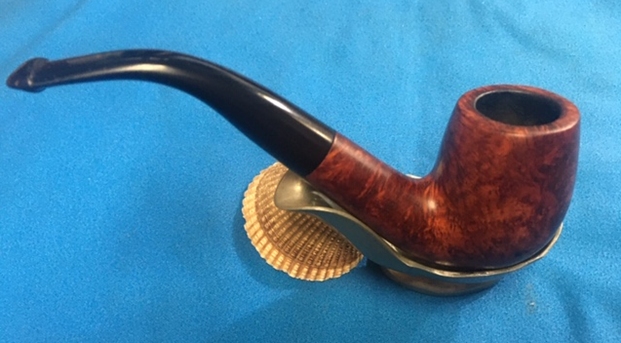
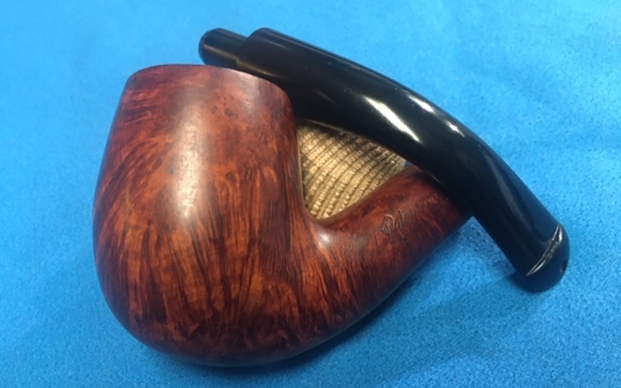
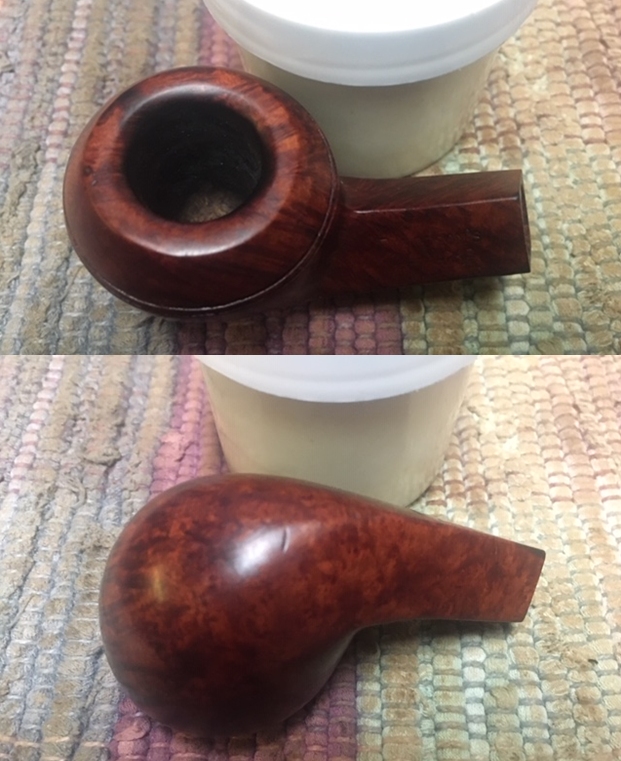
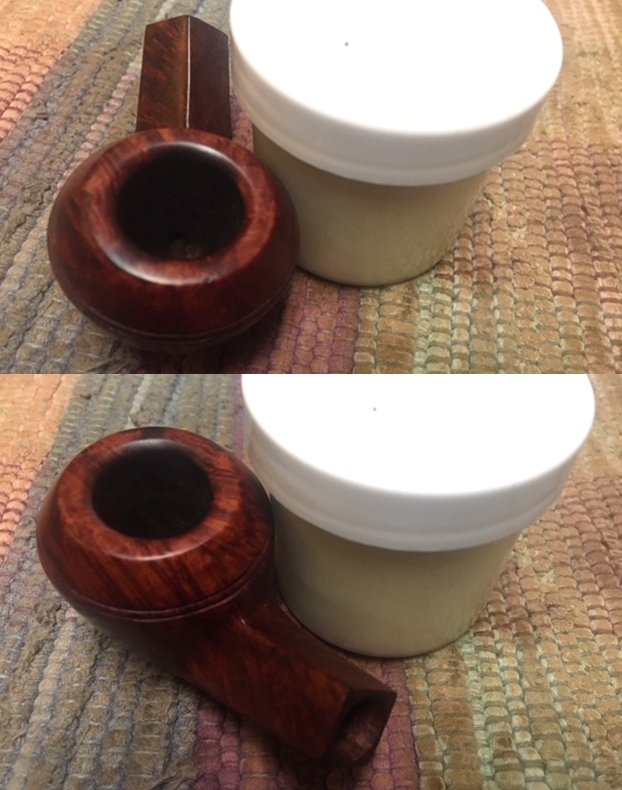
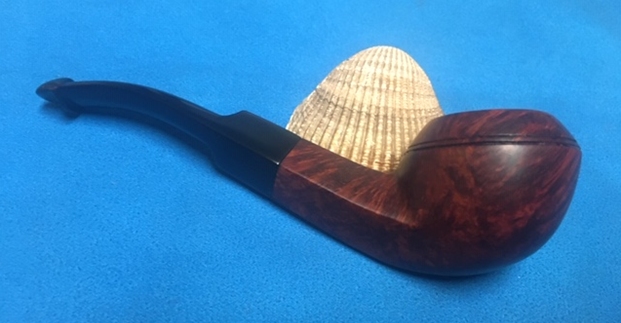
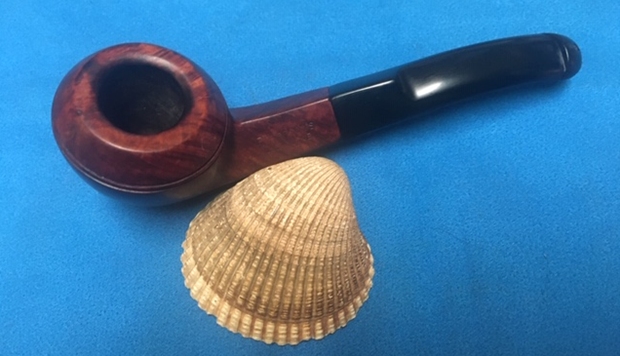
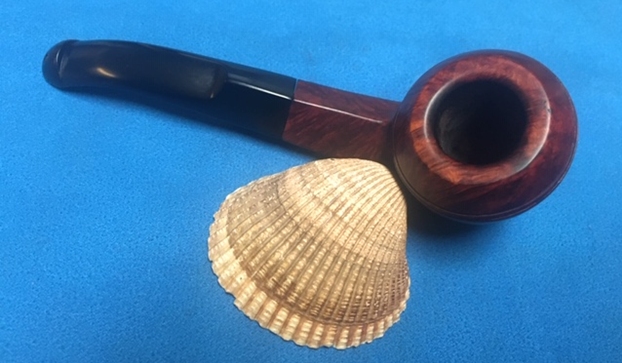
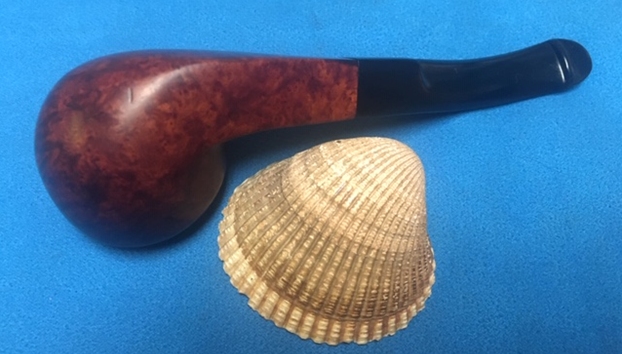
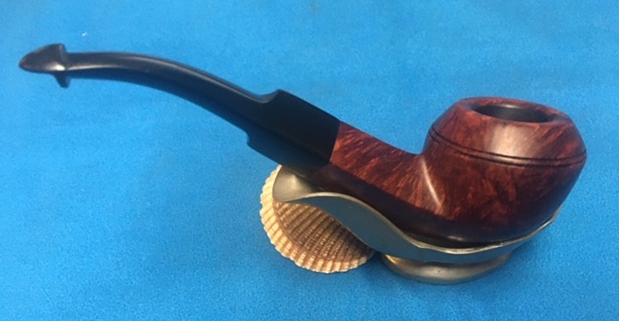
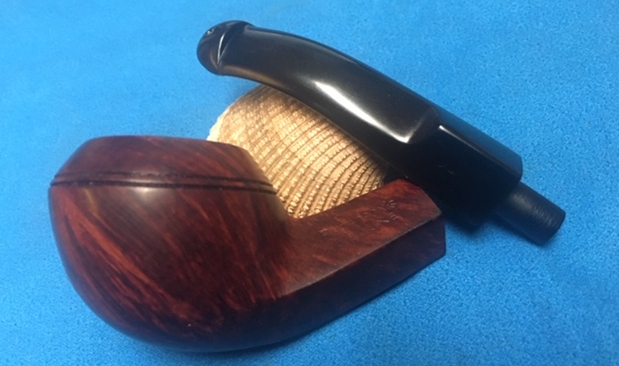
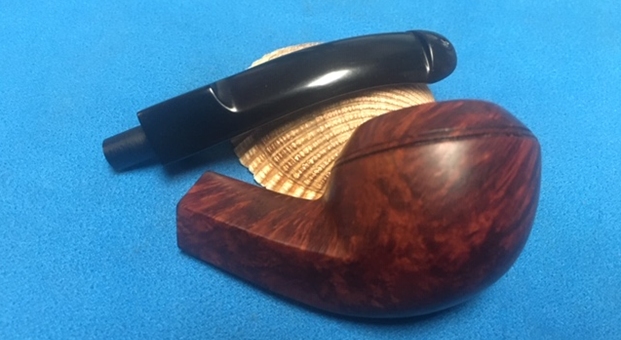
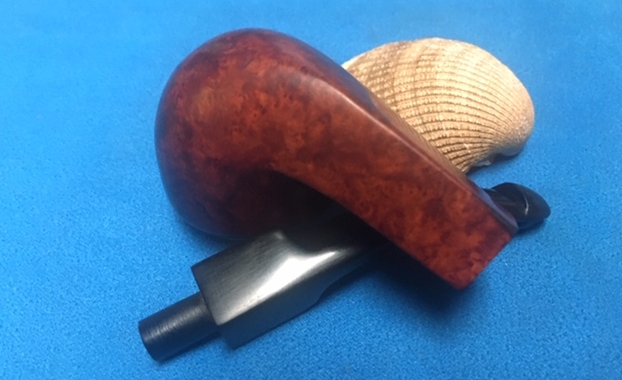
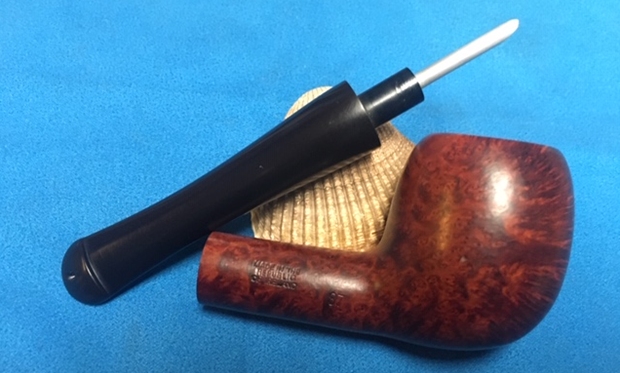
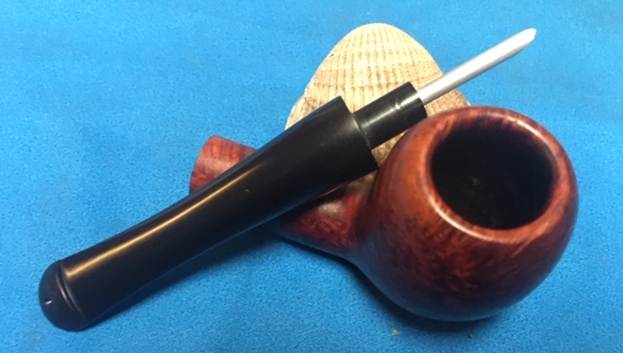
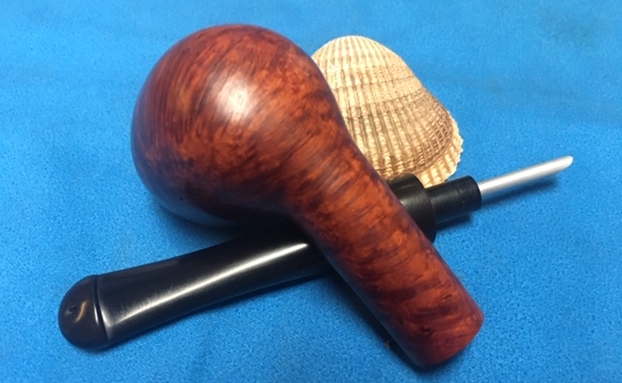
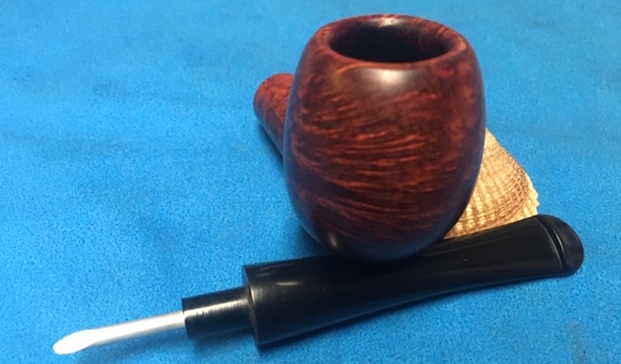
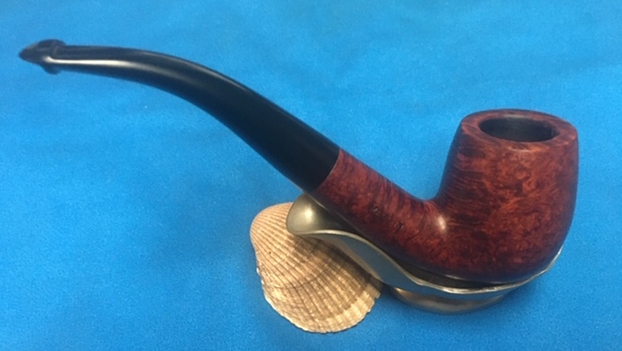
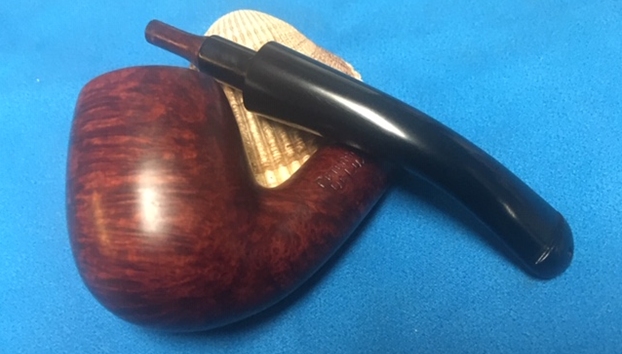
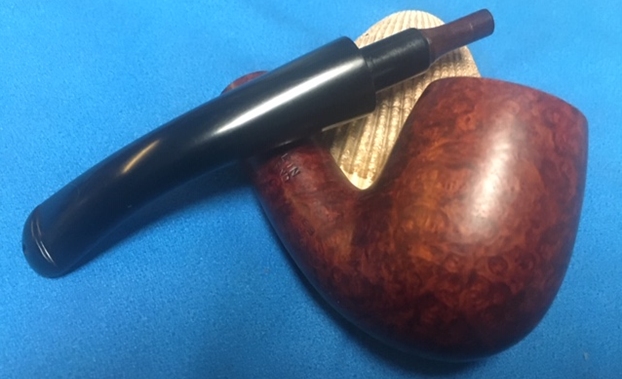
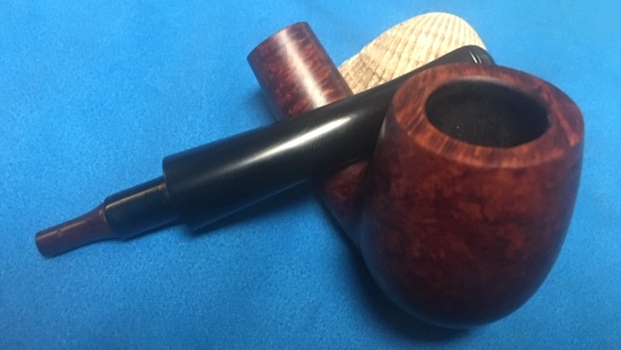
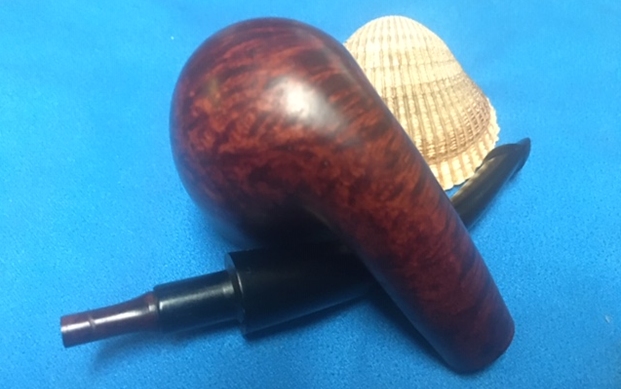
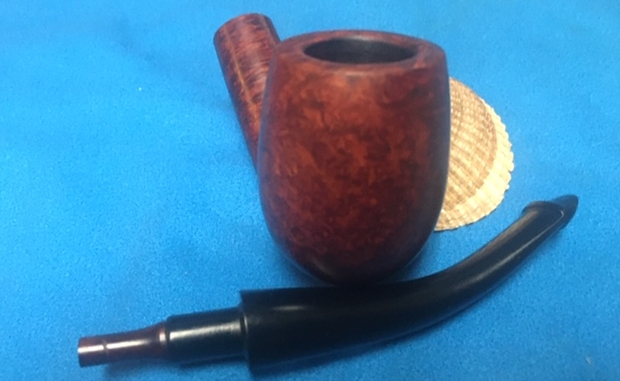
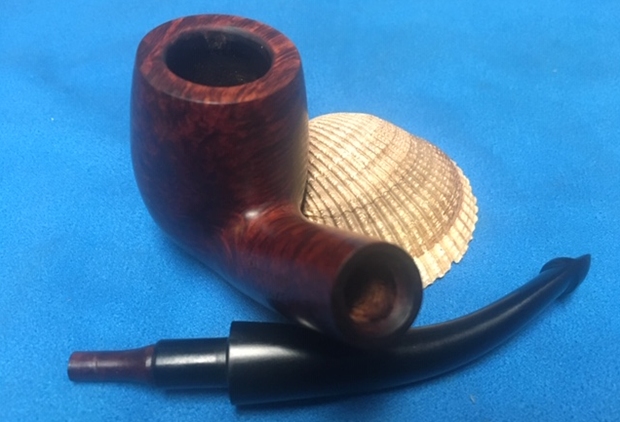
Readying a Beautiful Vintage London Made Peterson’s Of Dublin Calabash For It’s Second Inning


Blog by Paresh

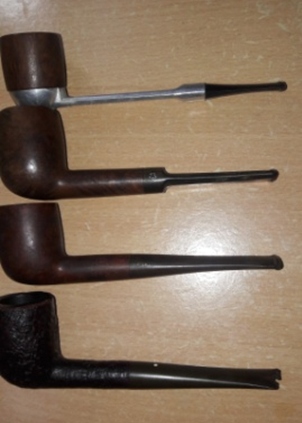
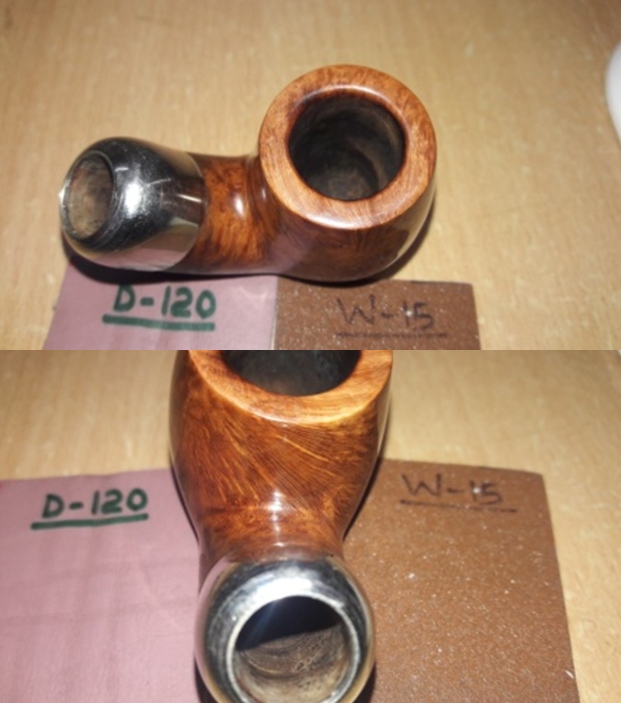
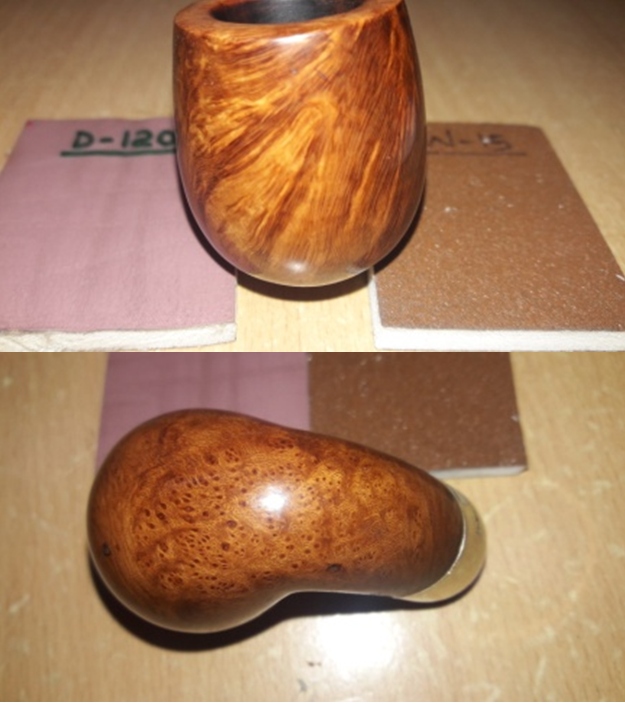
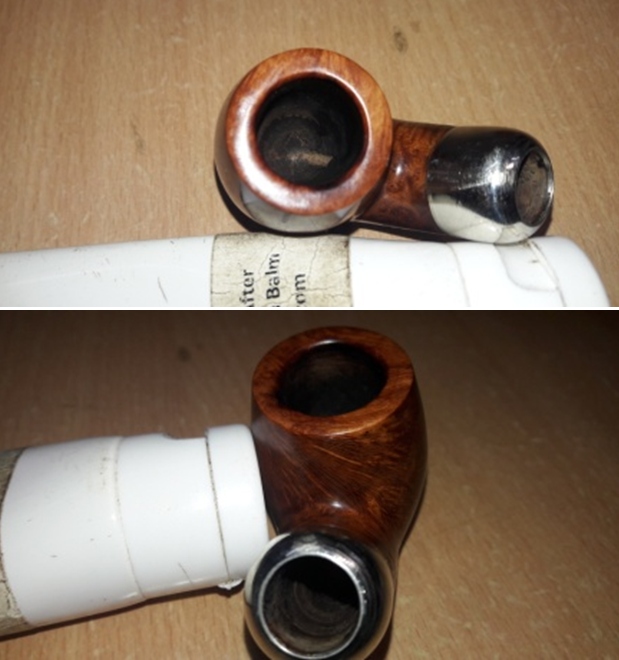
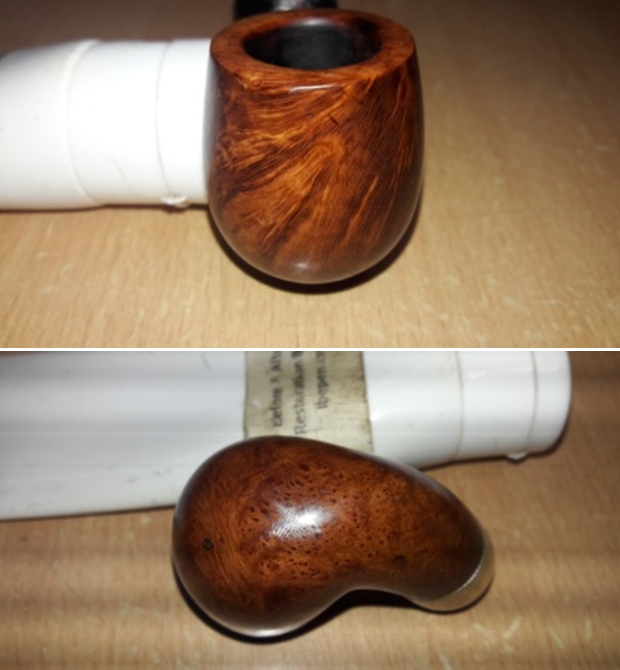
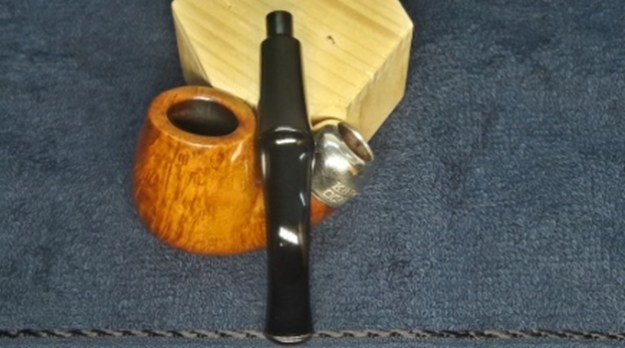
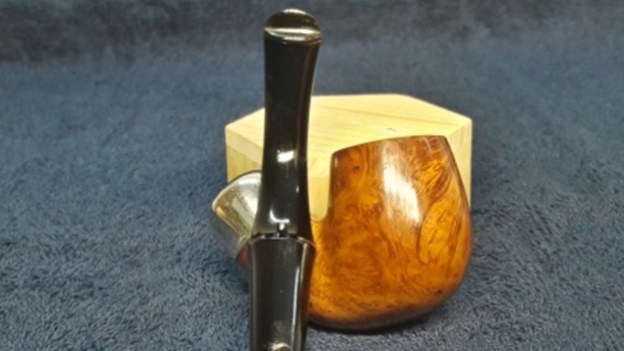
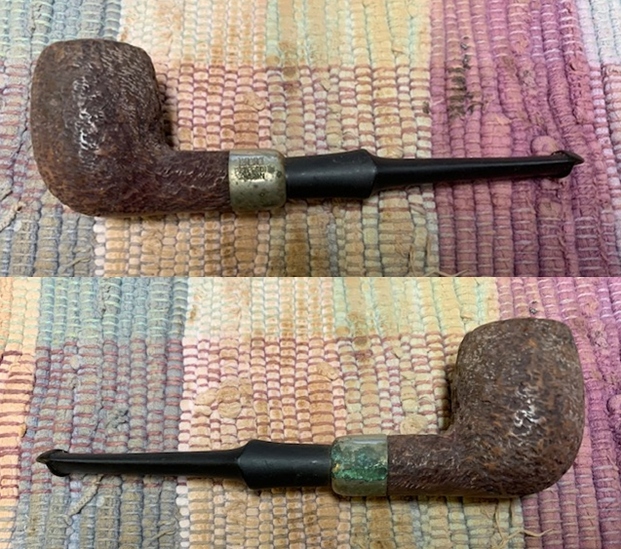
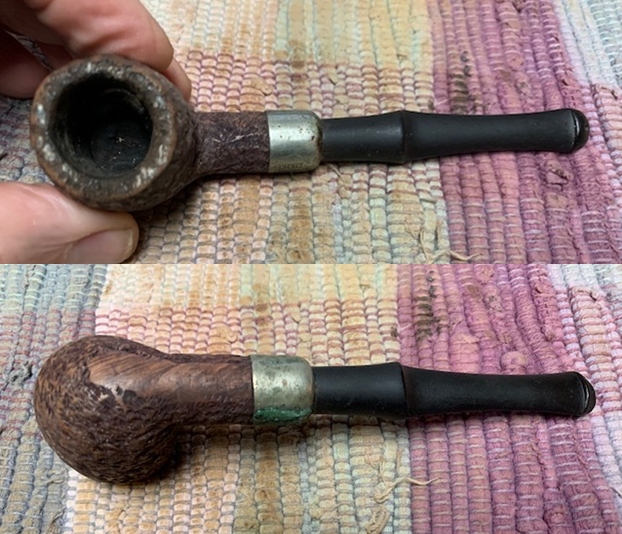
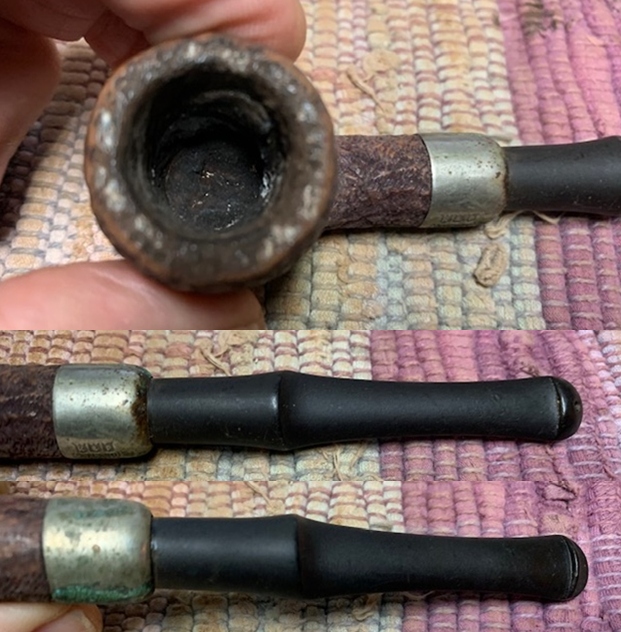
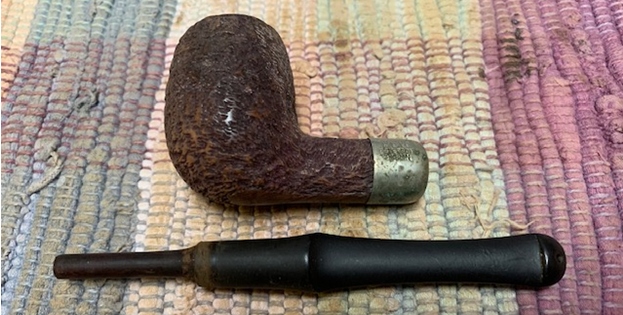
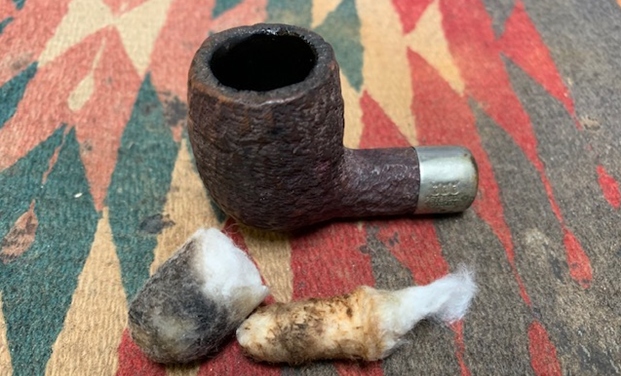
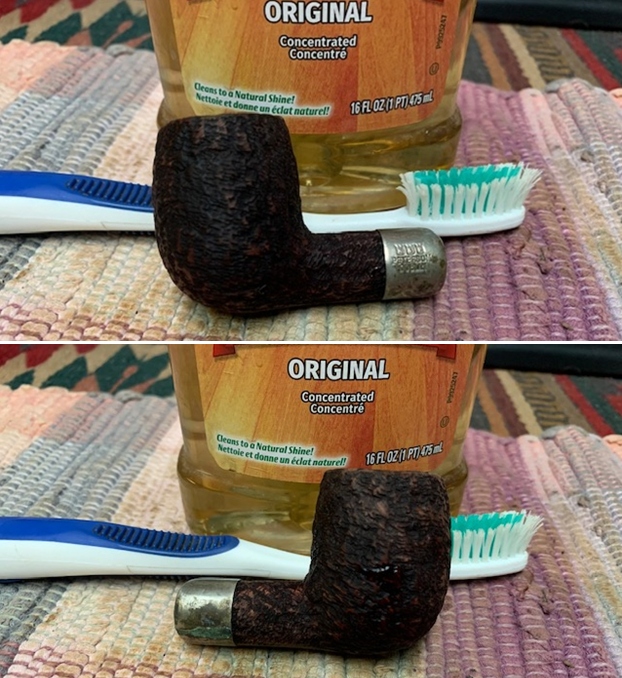
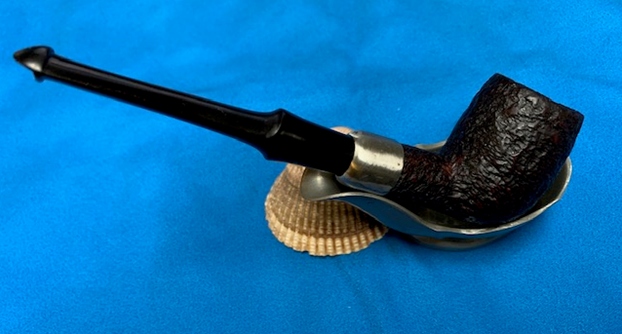
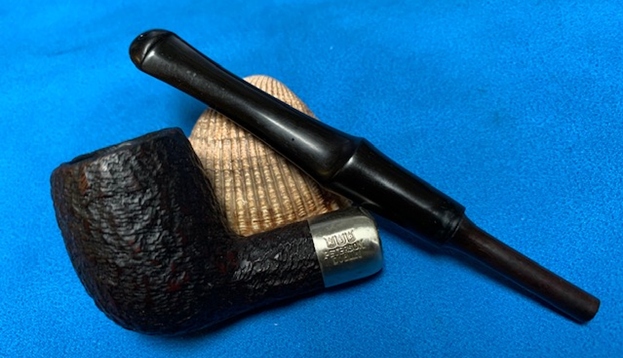
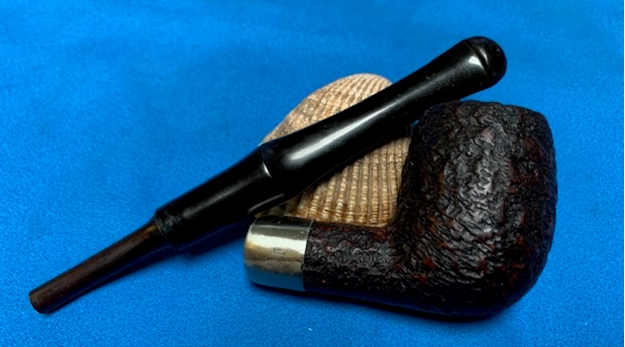
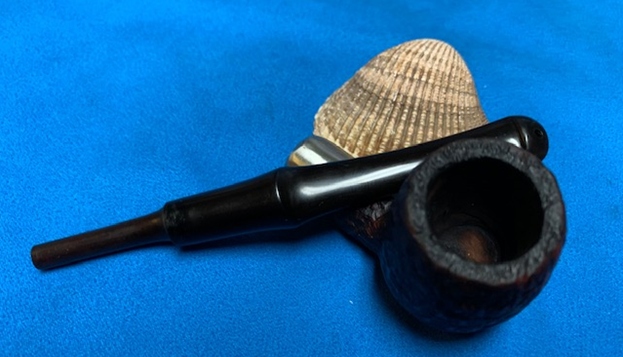
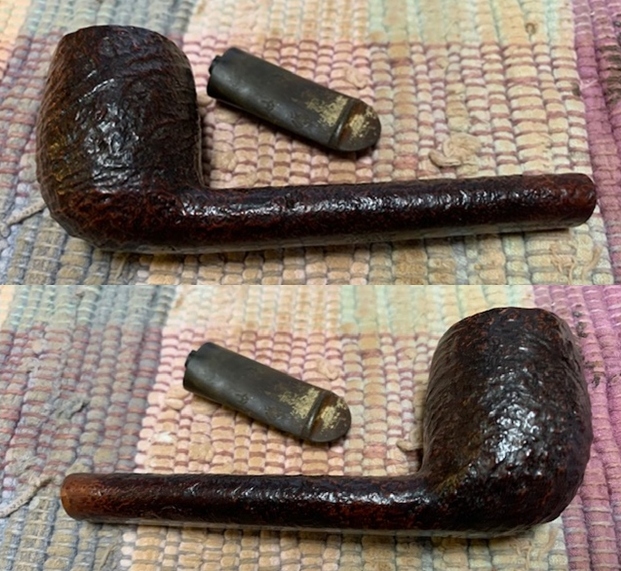
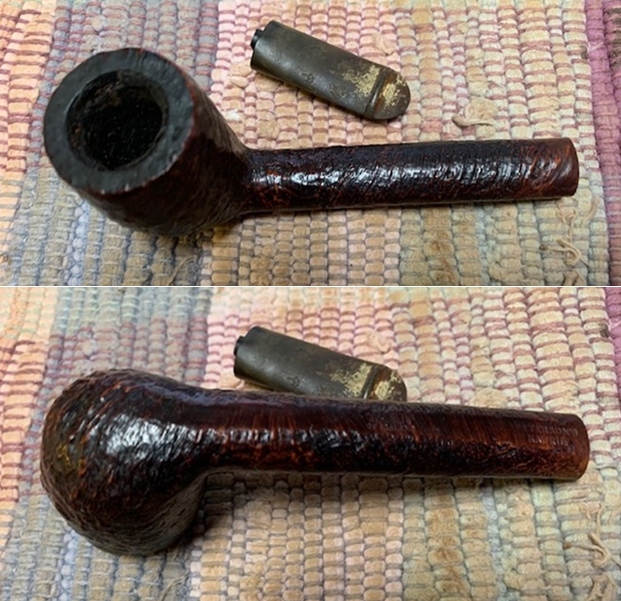
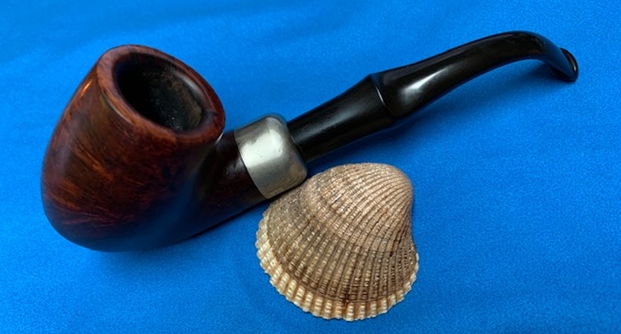
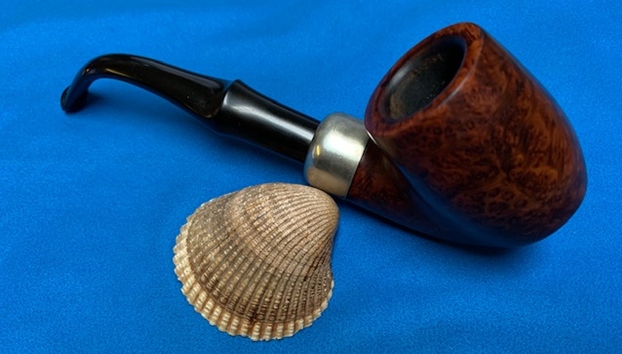
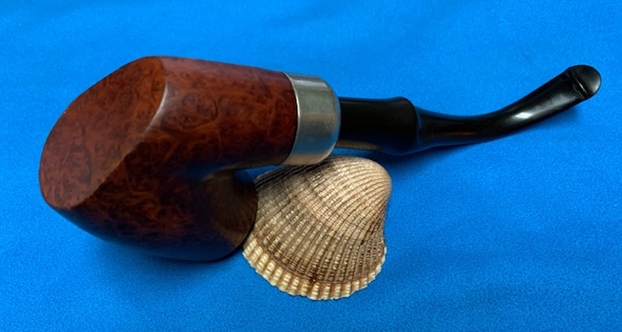
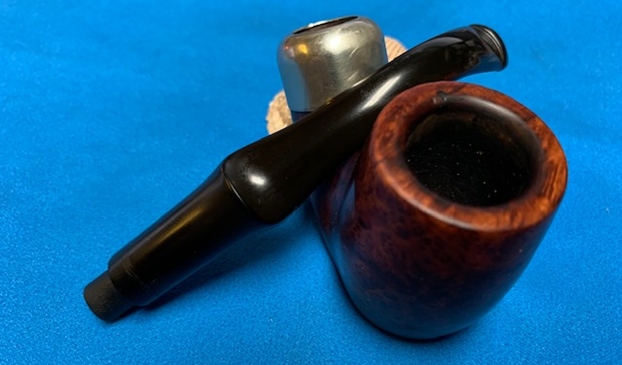
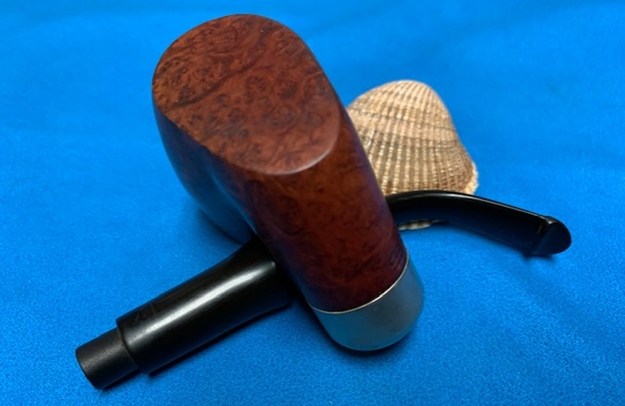
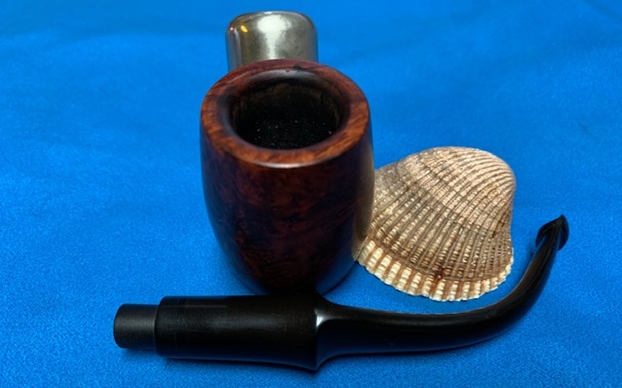
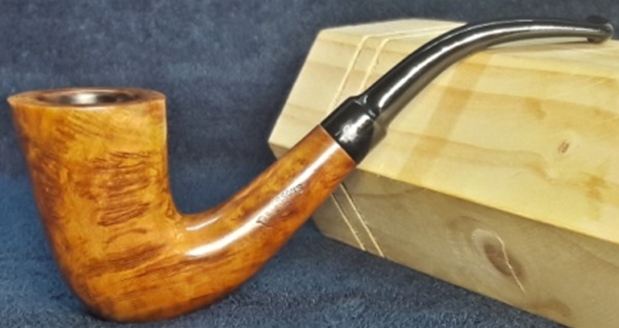
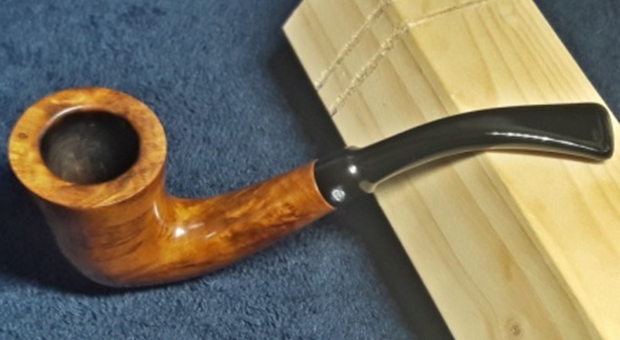
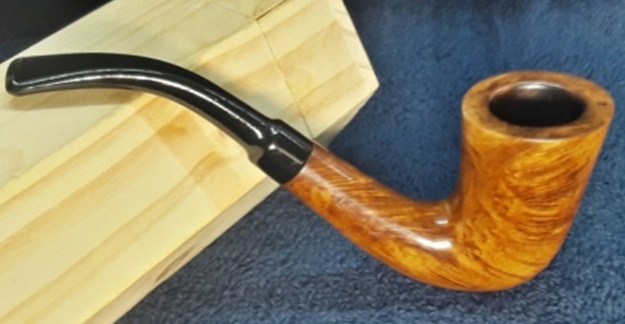
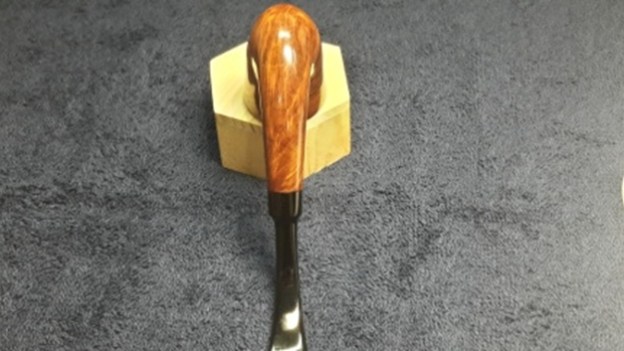
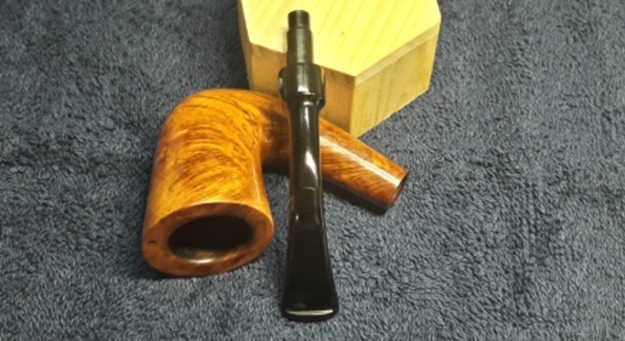
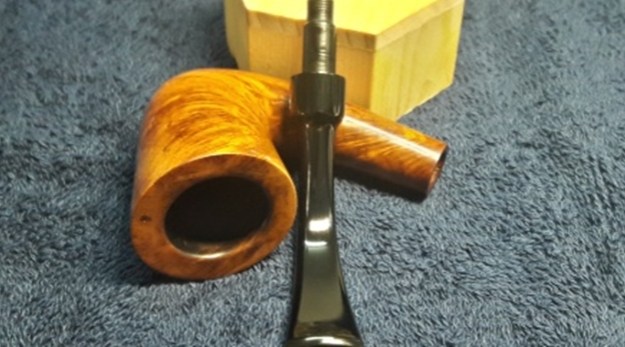
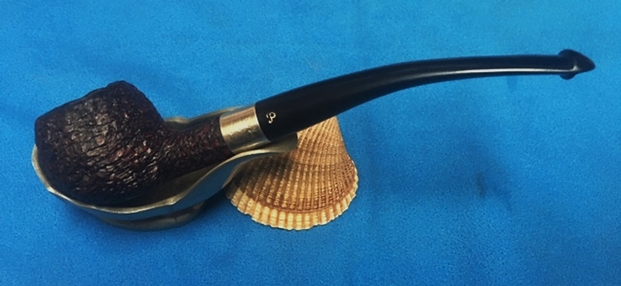
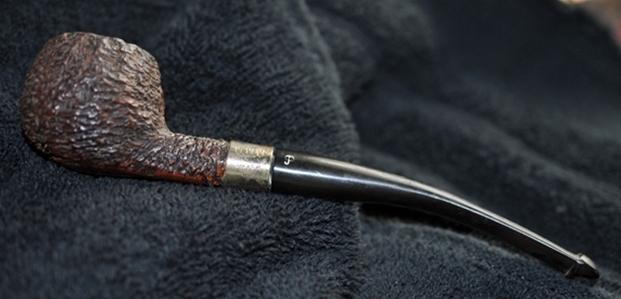
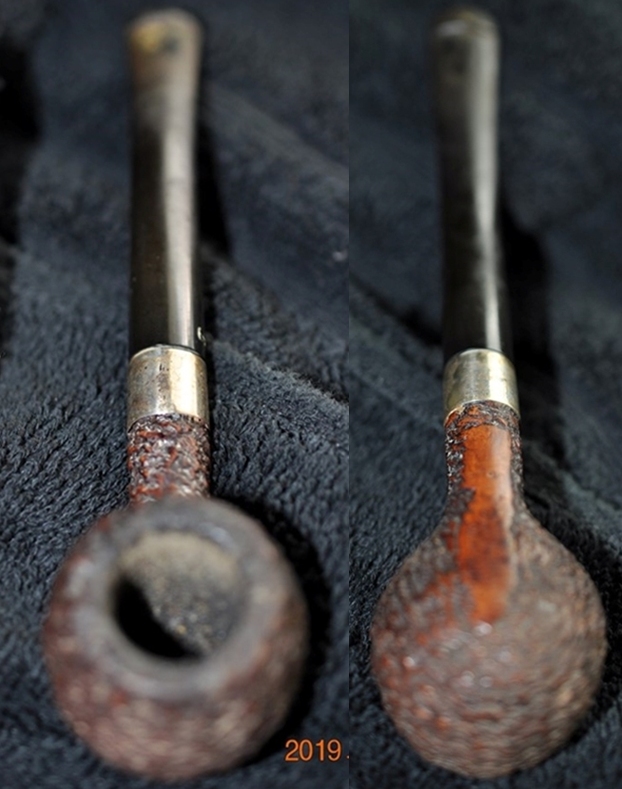
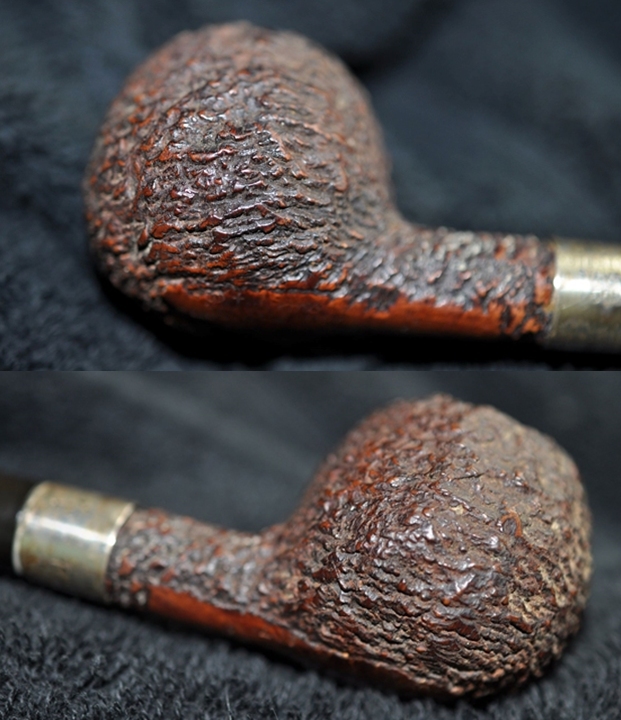
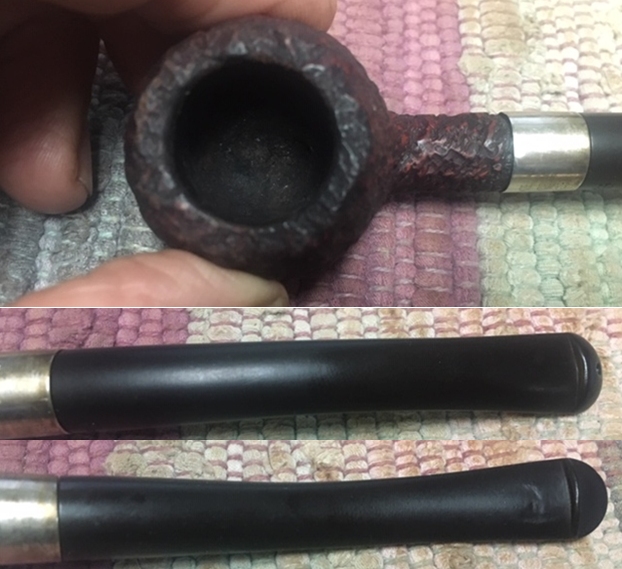
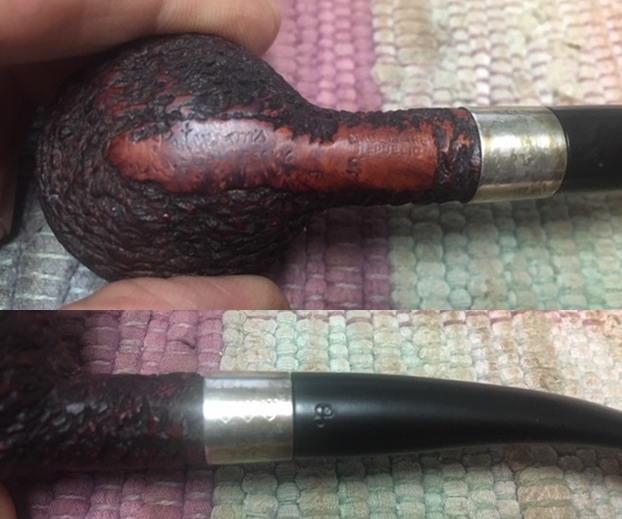
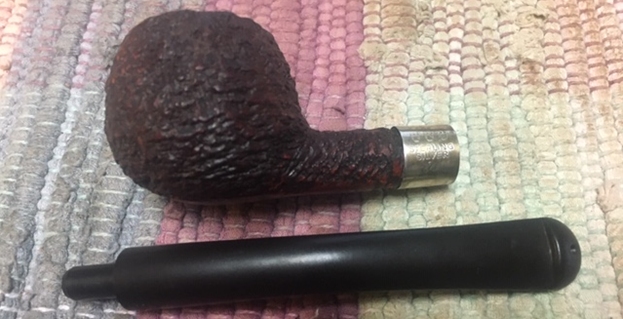
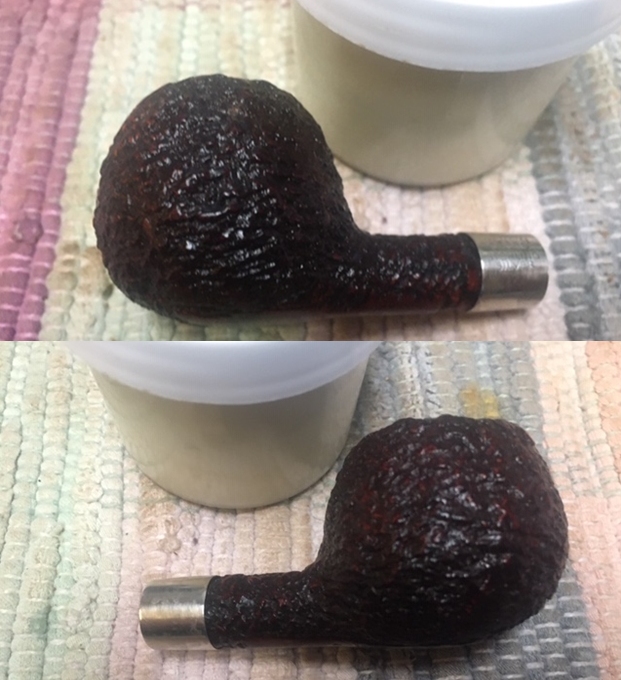
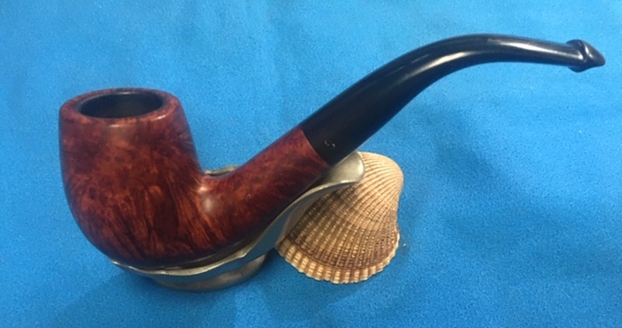
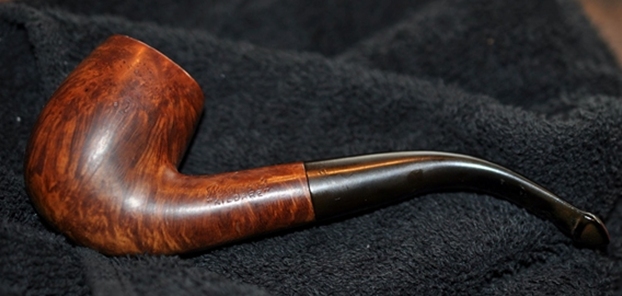
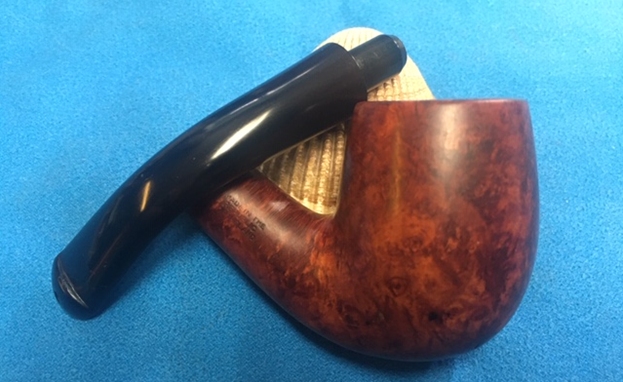
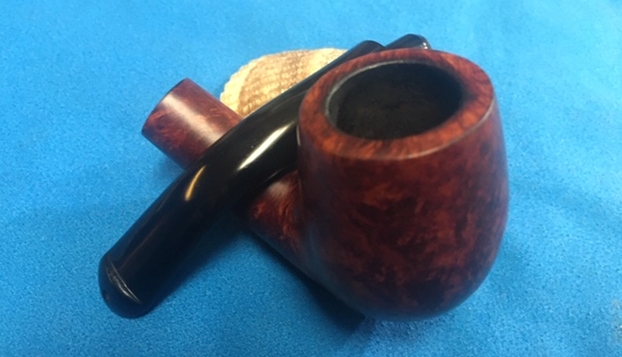
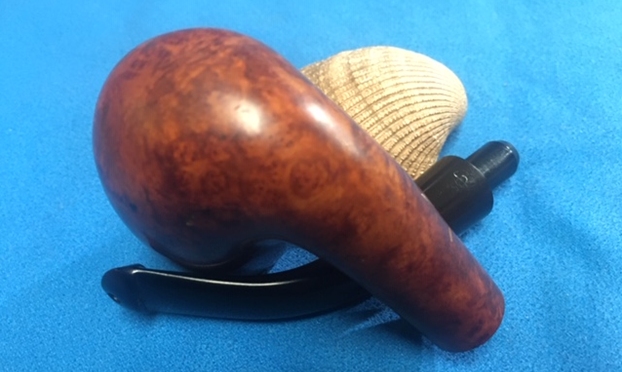
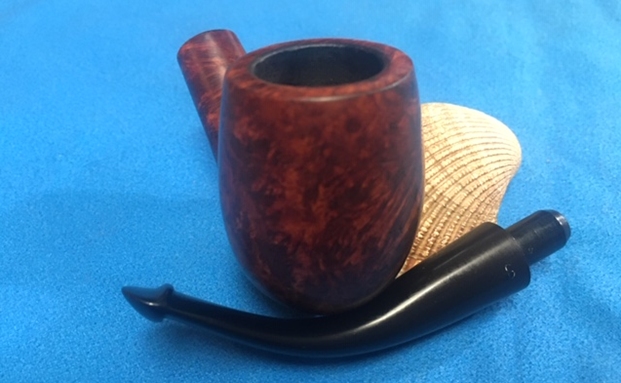
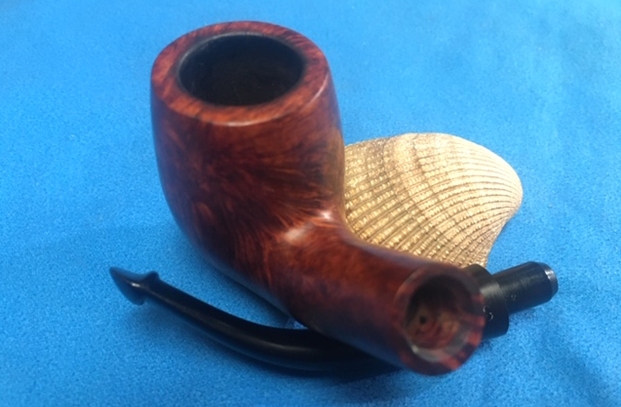
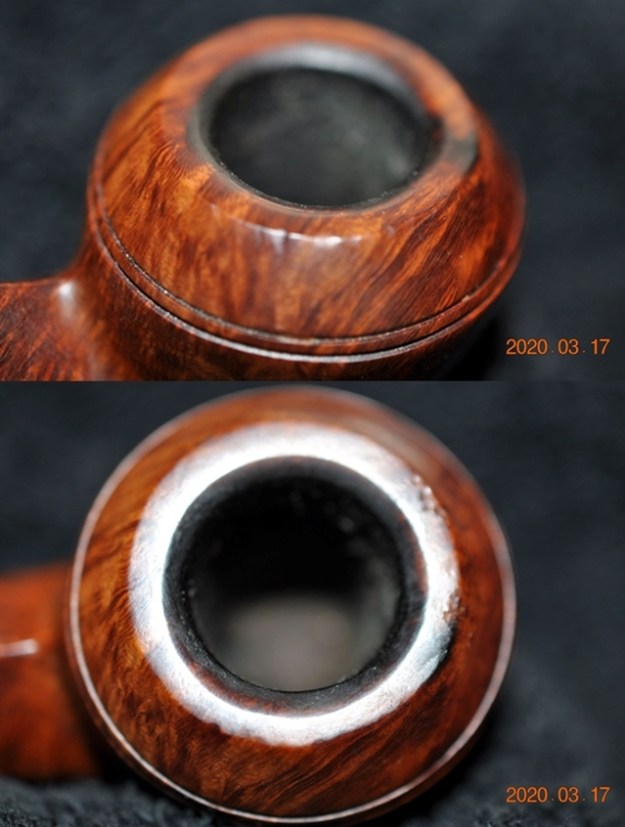
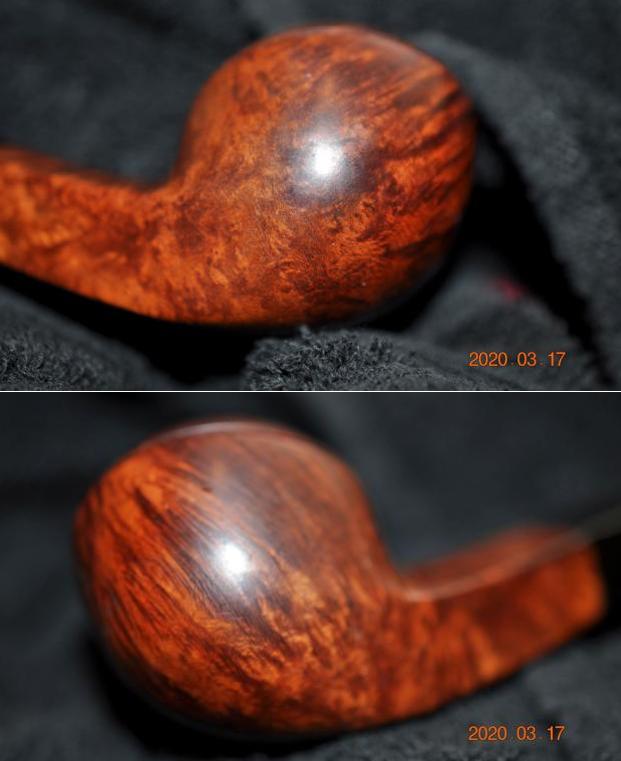
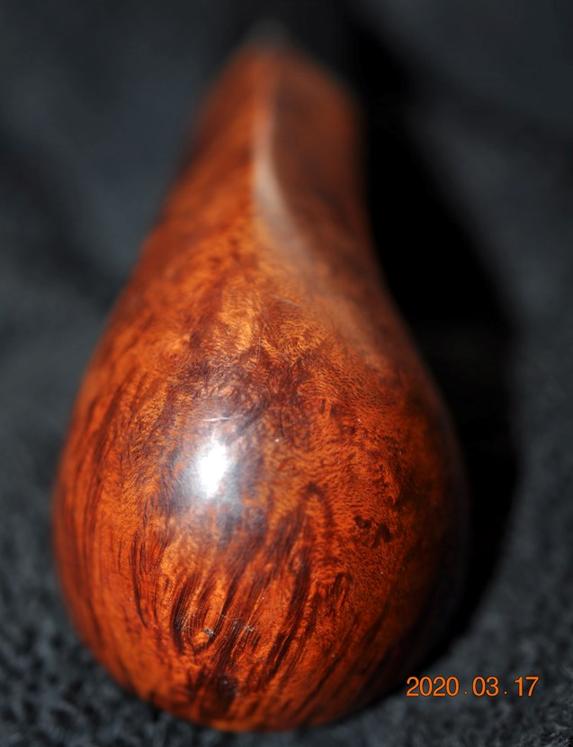
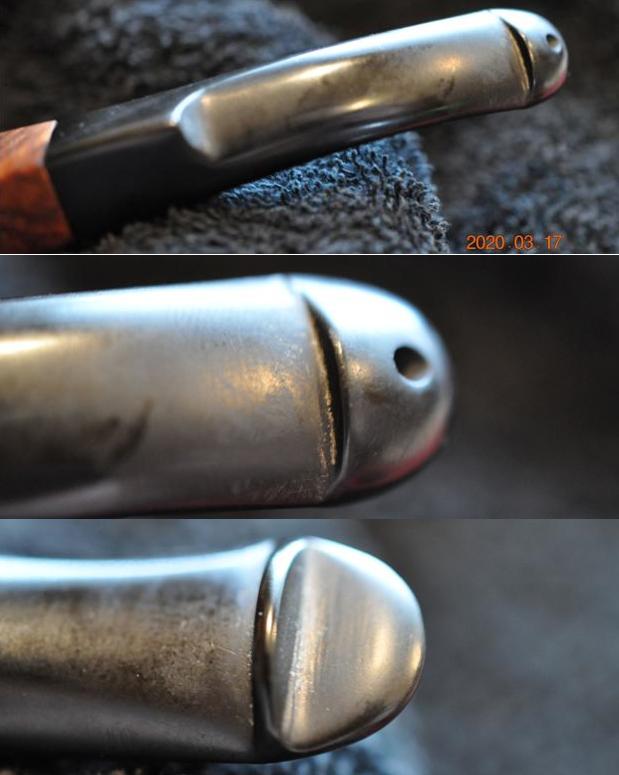
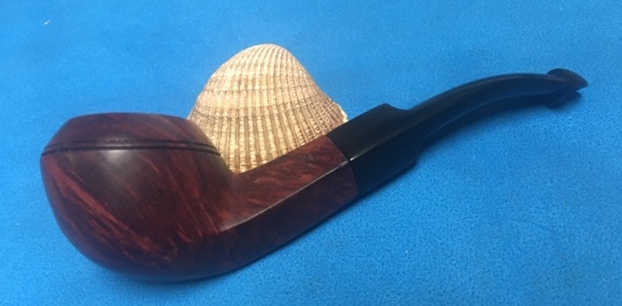
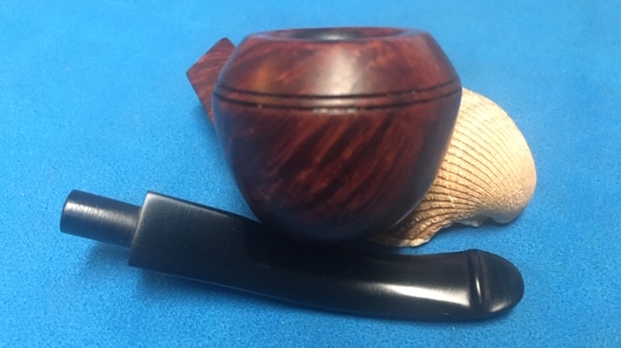
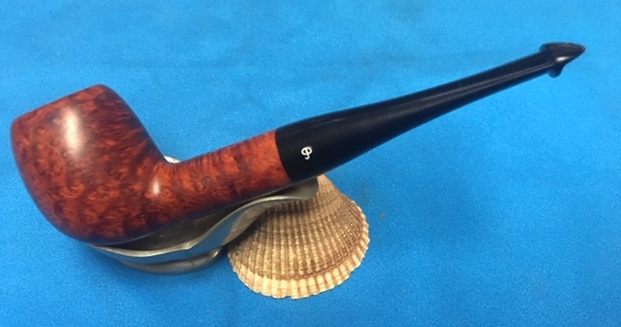
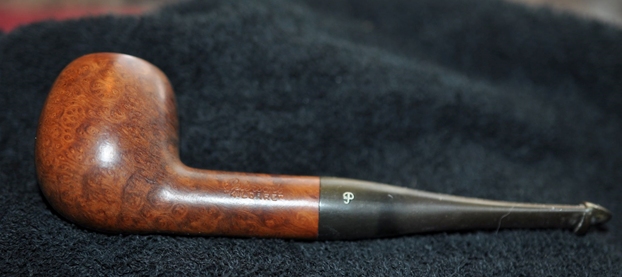
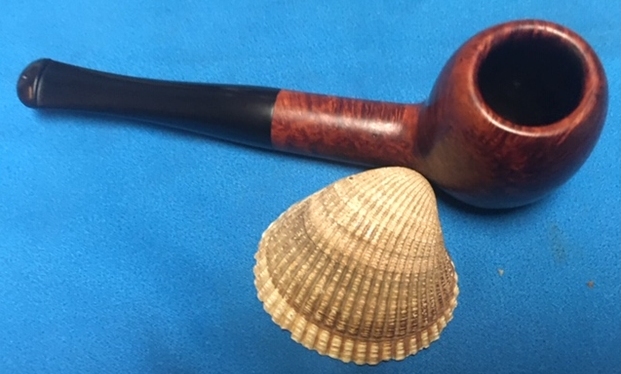
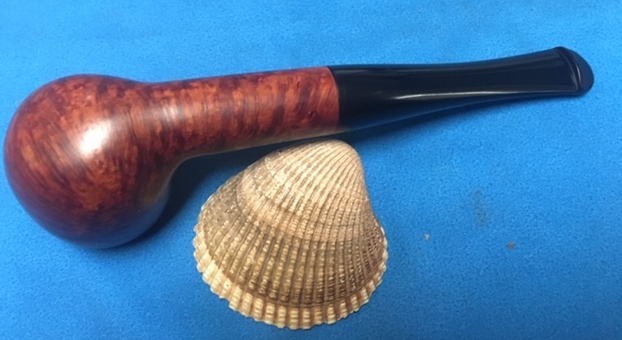
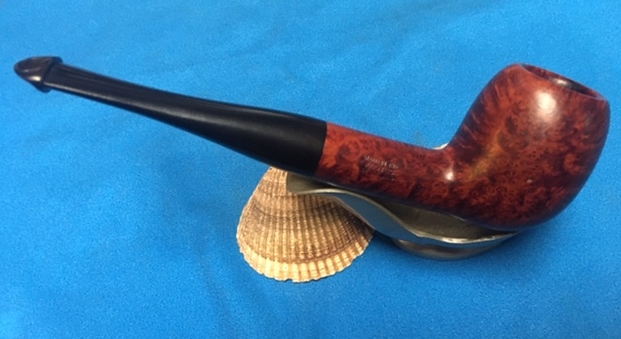
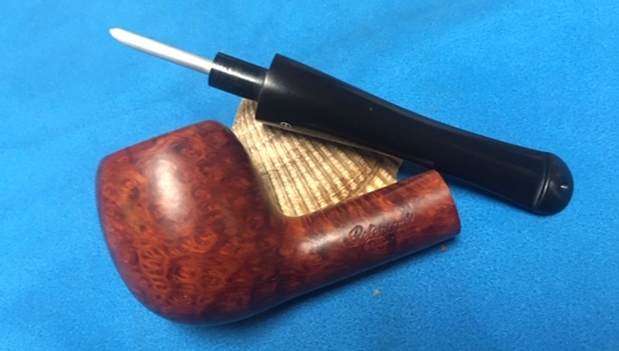
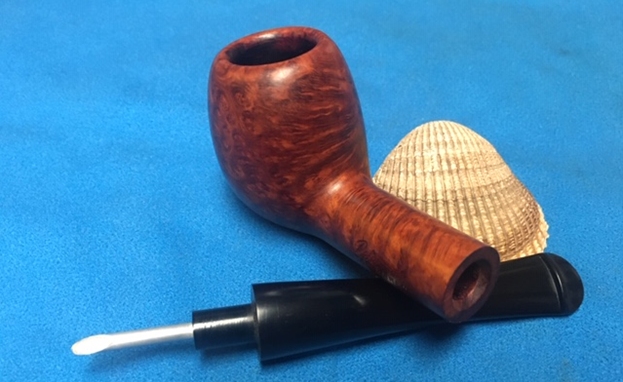
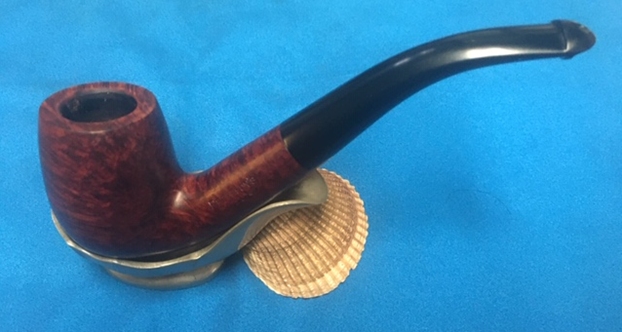
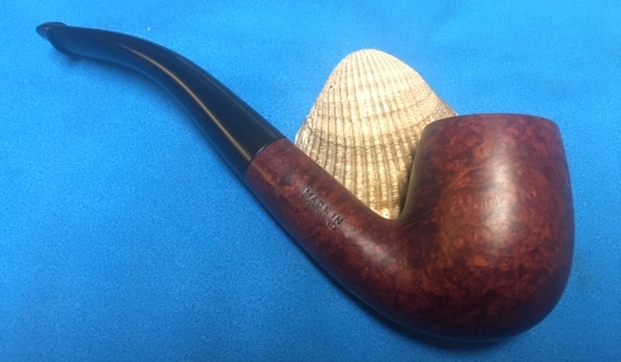
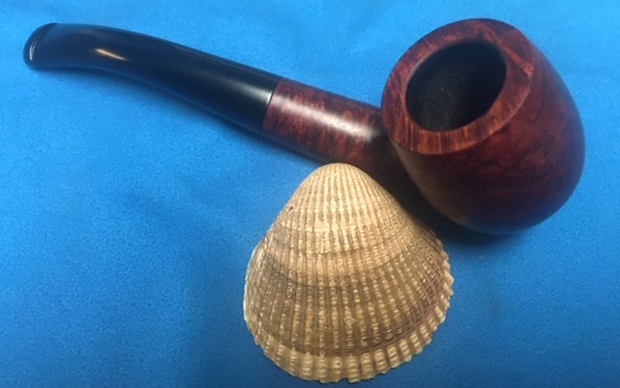
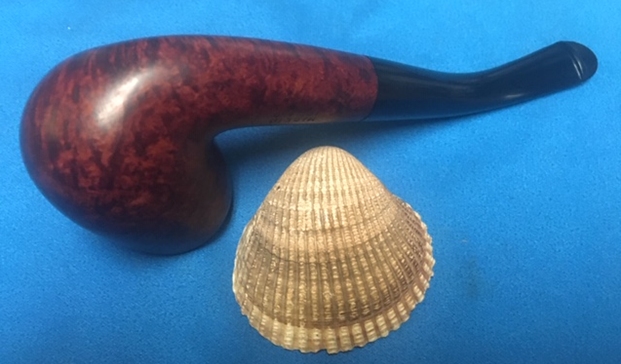
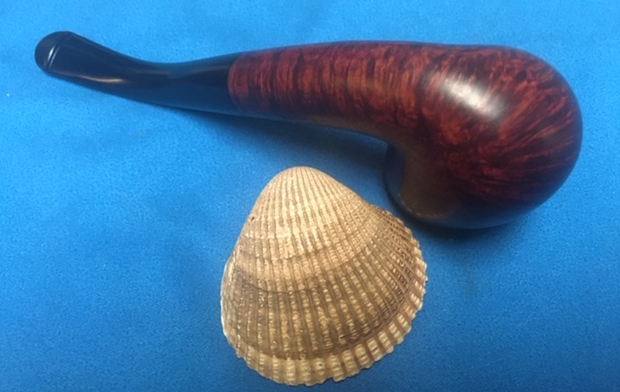
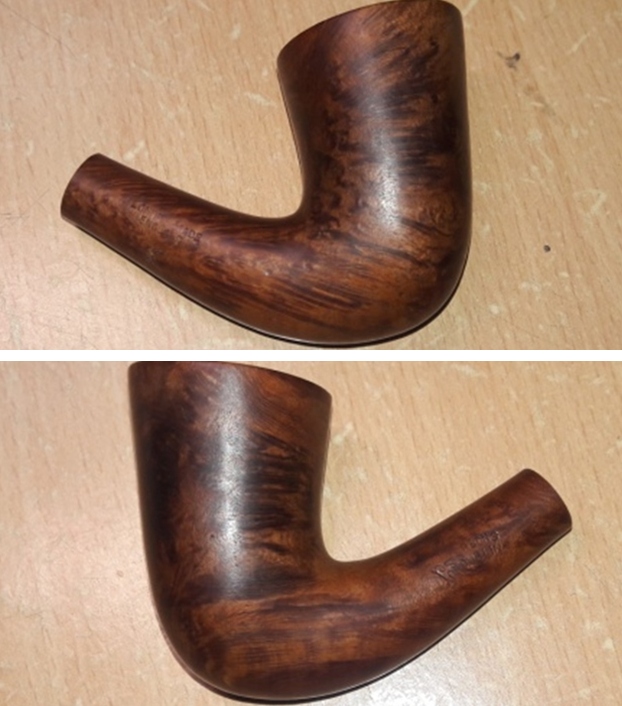
While going through the second box of my inherited pipes, I came across a beautiful delicate Calabash shaped pipe which called out to me for restoration. That this would be a Peterson’s pipe came as a surprise since it did not have the patented Peterson’s P-lip and obviously, it was not a System pipe. I remembered that one of the first pipes from my inheritance that I had sent to Steve for restoration had been a Peterson’s rusticated petite Calabash pipe. I revisited the blog and memories of my early association with Steve, the gentleman, a great friend and now my Guru and constant companion on my journey in to the beautiful world of pipe restorations, came flooding back. I cherish his friendship and our association. Here is the link to the write up he had done on that rusticated tiny Calabash pipe (https://rebornpipes.com/2018/04/22/pareshs-grandfathers-pipe-5-a-tiny-peterson-bent-calabash-pipe/).

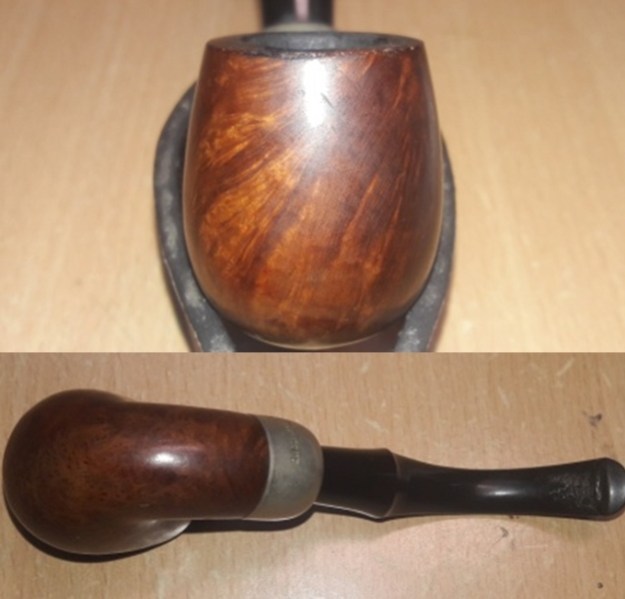
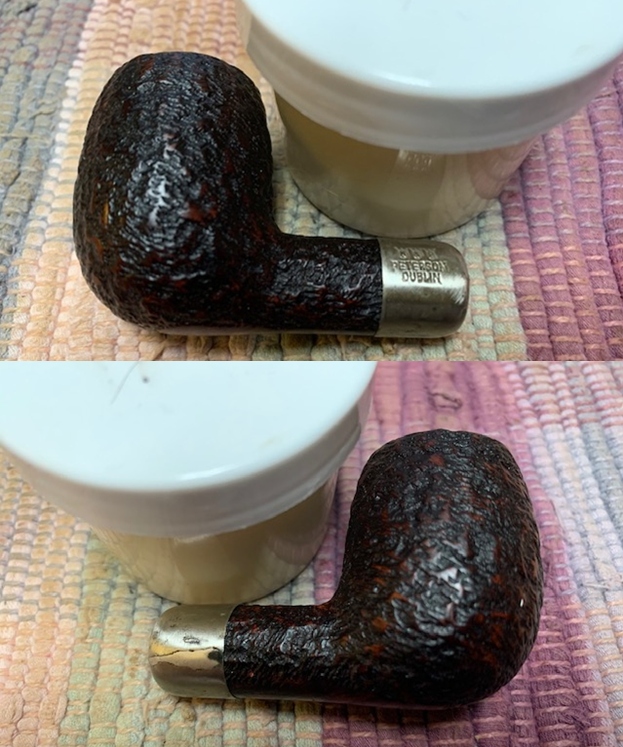
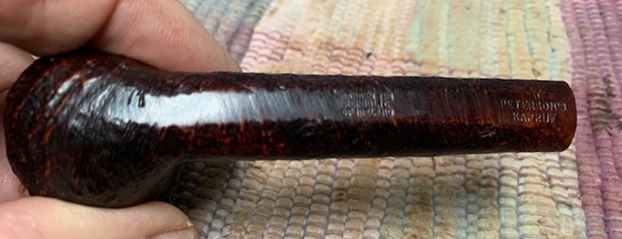
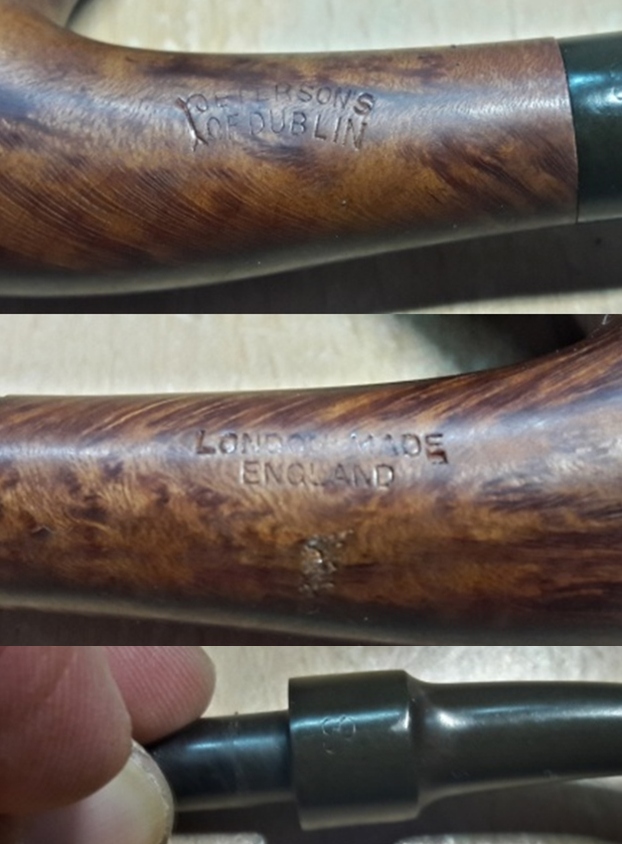
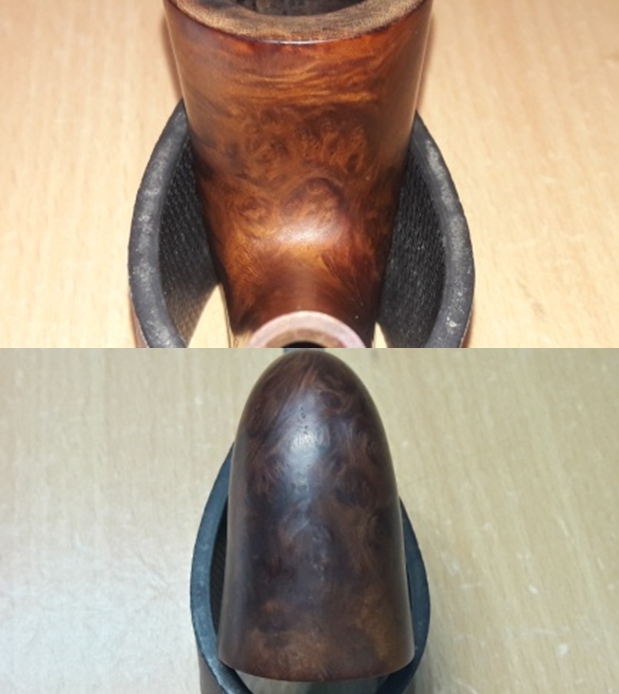
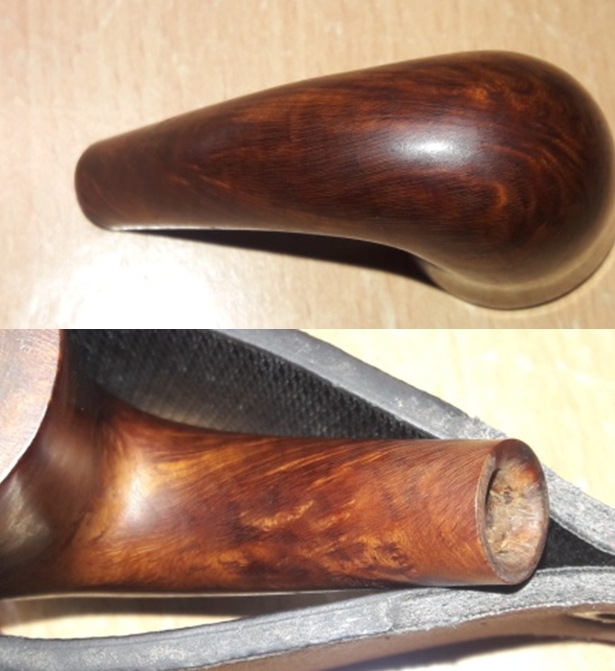
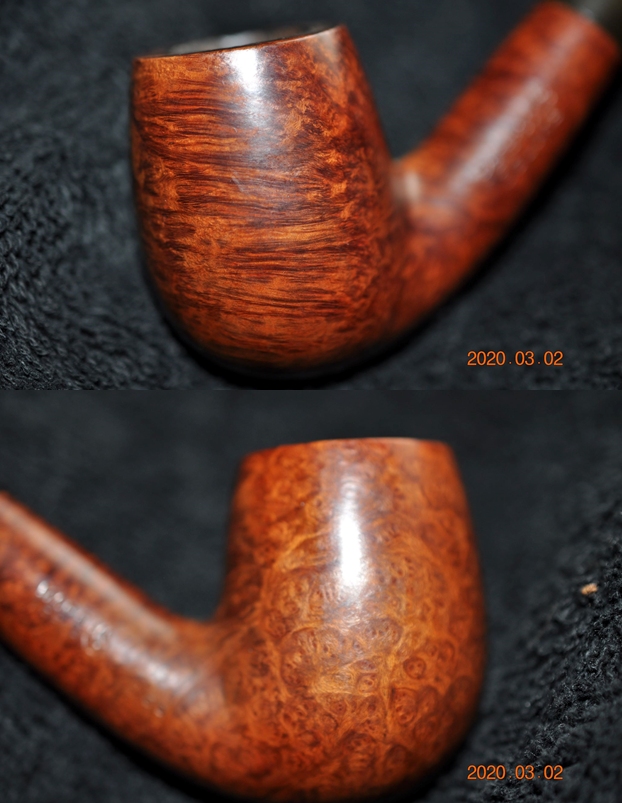
I have researched and worked on a few vintage as well as new Peterson’s and seeing the stampings on this calabash, I knew this had to be an old Peterson’s. The stummel has a nice spread of mixed grains all around and a nice feel in the hand. It is stamped on the left side of the shank as “PETERSON’S” in an arch with a forked ‘P’ over “OF DUBLIN”. The right of the shank bears the COM stamp “LONDON MADE” over “ENGLAND”. The familiar script “P” on the saddle adorns the left side of the saddle stem.  While dating a Peterson’s pipe, I always fall back to my under mentioned favorite site; http://thepetersonpipeproject.blogspot.com/2007/07/dating-peterons-pipes.html

I quote from the above site

“English made Peterson pipes actually span between the pre-Republic and Republic eras. In 1895, Peterson opened a shop in London England that lasted until the late 1950s or early 1960s. So the English Era, for a simplified date, will be from 1895 through 1959. The stamps Peterson used in London and that we have seen are:

Made in England – block format

Made in England – circle format

Made in London

Made in London England

Simply, London England

Great Britain

Though there are a couple of more, the above will give one the general idea. We believe the earliest stamp of this era was the “Made in England” in a block format since Peterson was using the “Made in Ireland” block format at about the same time on their Irish production pipes. The “Made in England” circle format was used during the same time frame as the “Made in Eire” and “Made in Ireland” circle formats.

From the start of the Patent Era until somewhere in the early 1930s, Peterson used the “Old Style” lettering that used a forked tail “P” in Peterson.

Thus from the above, it can be concluded that the pipe on my work table is from the English Era and dates from the period 1895 to1930s.

Initial Input By Abha About The Condition Of The Pipe
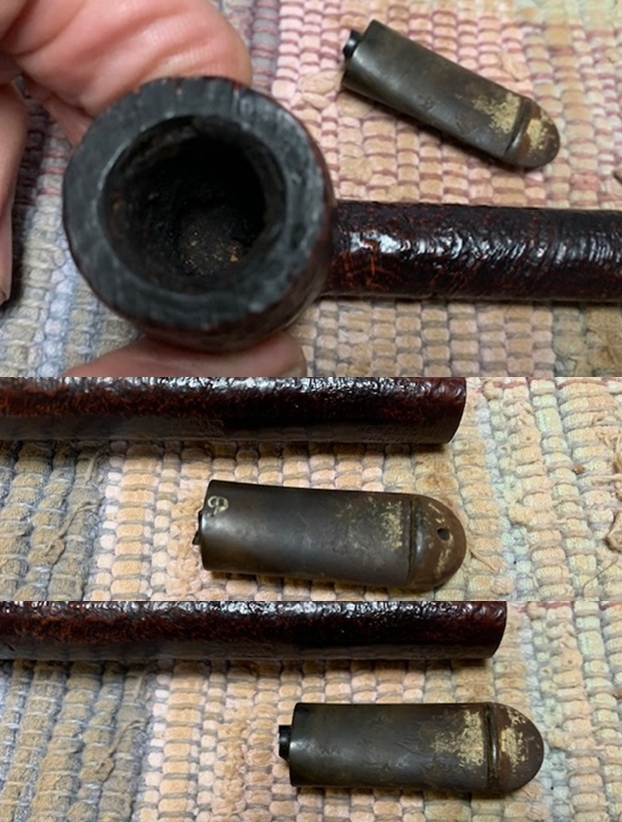
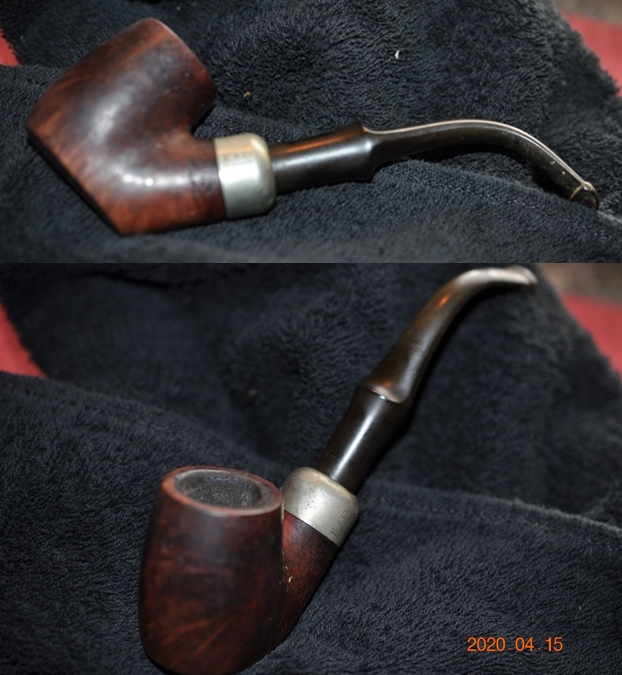
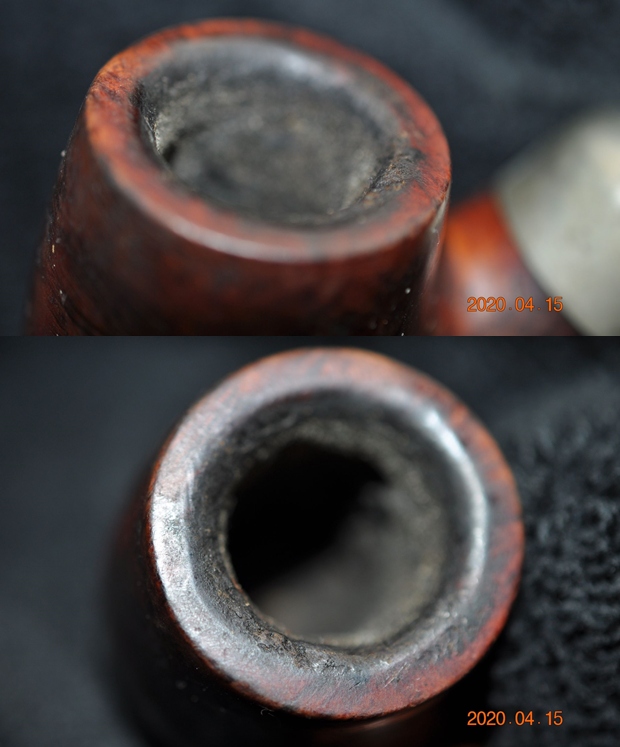
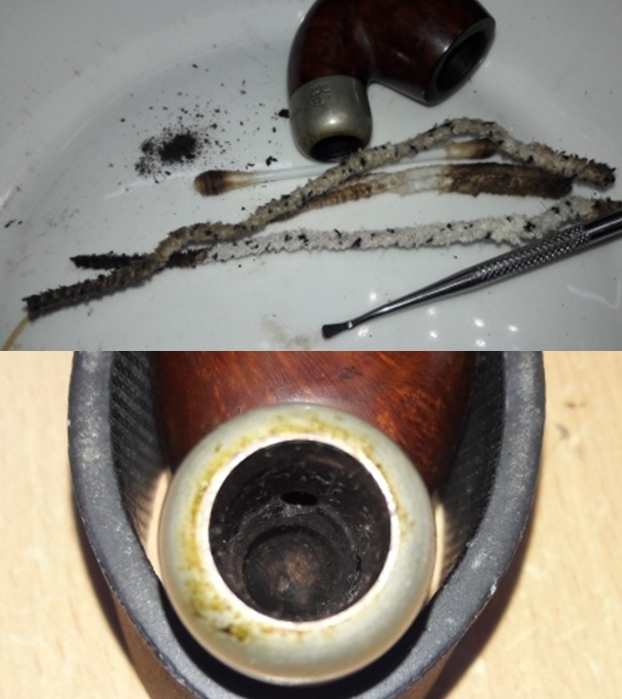
As is her habit, Abha my wife, had not taken any pictures of the pipe before she carried out her initial cleaning of the pipe and the only remembrance about this pipe she had was that there was a very heavy build up of cake in the chamber that had spilled over the rim top and over the stummel surface. The mortise was choked and the stem did not sit flush with the shank end. The stem was deeply oxidized.

Initial Cleaning By Abha…
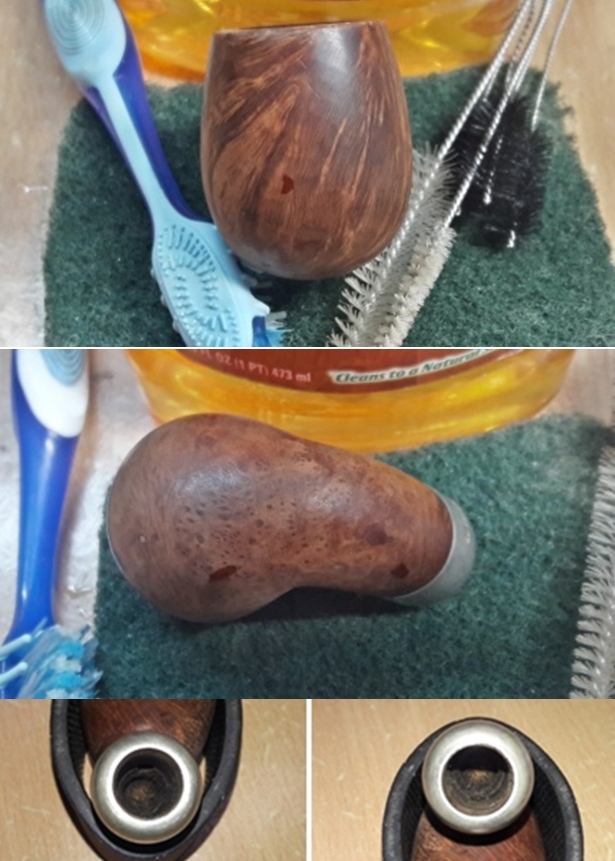
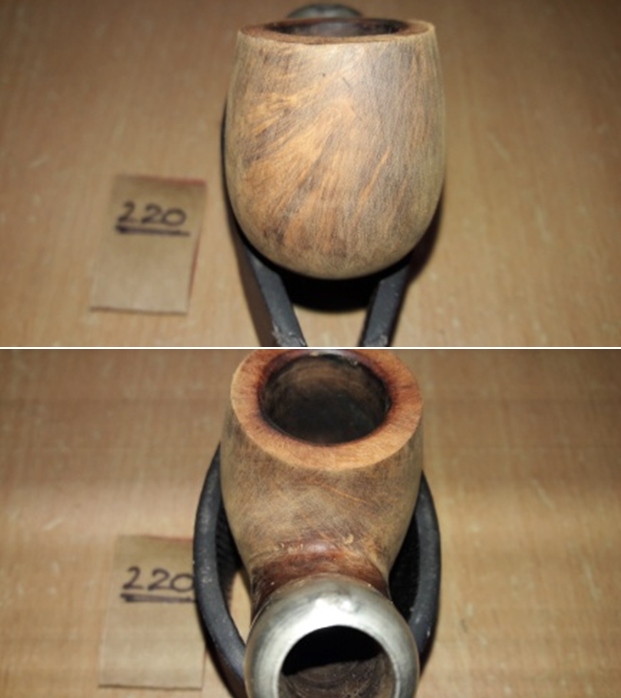
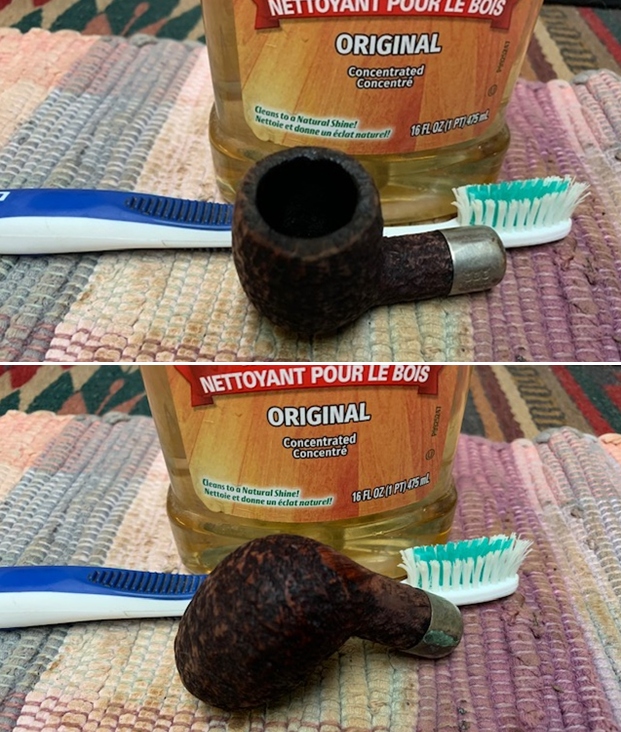
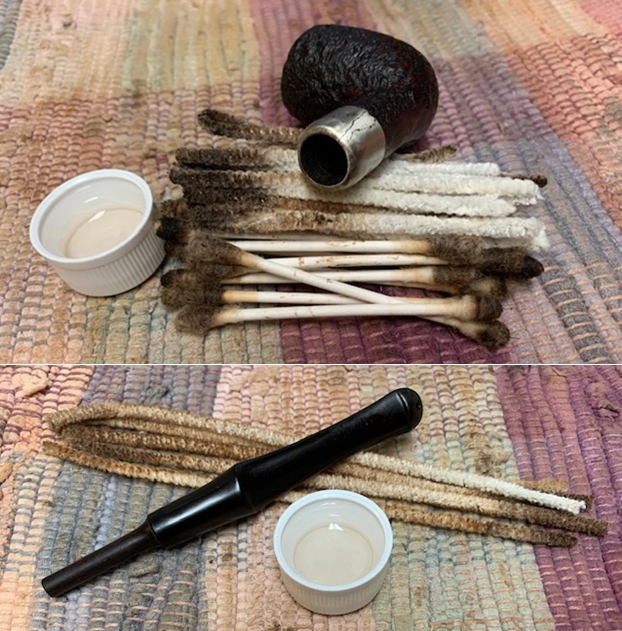
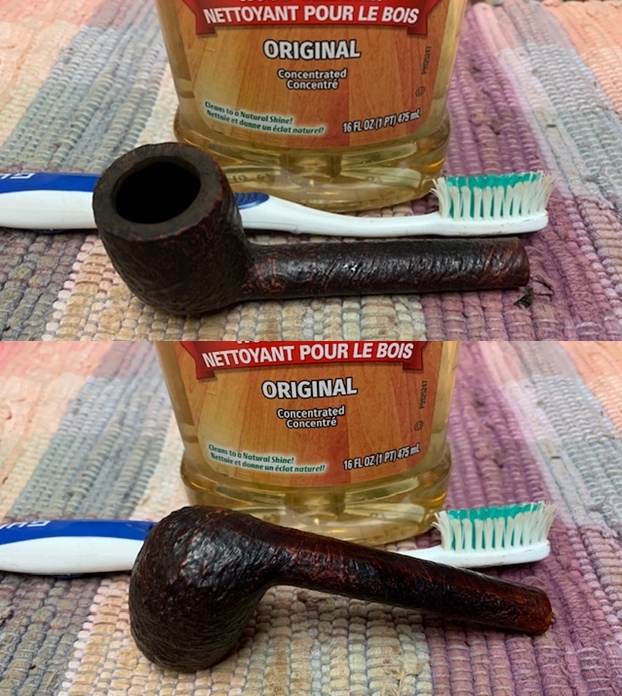
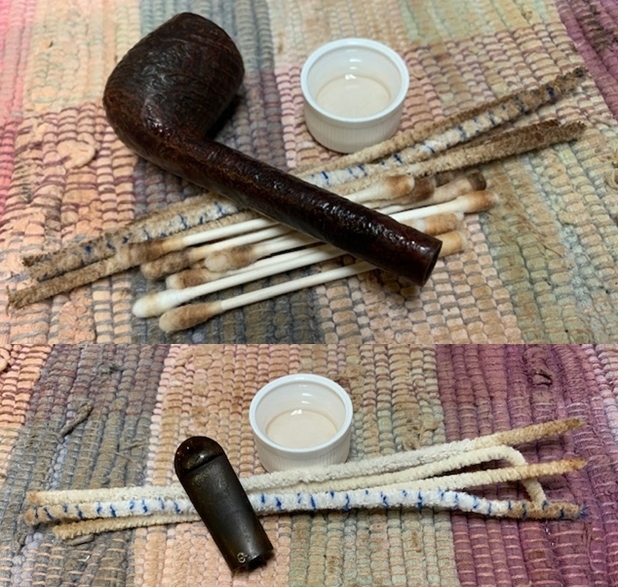
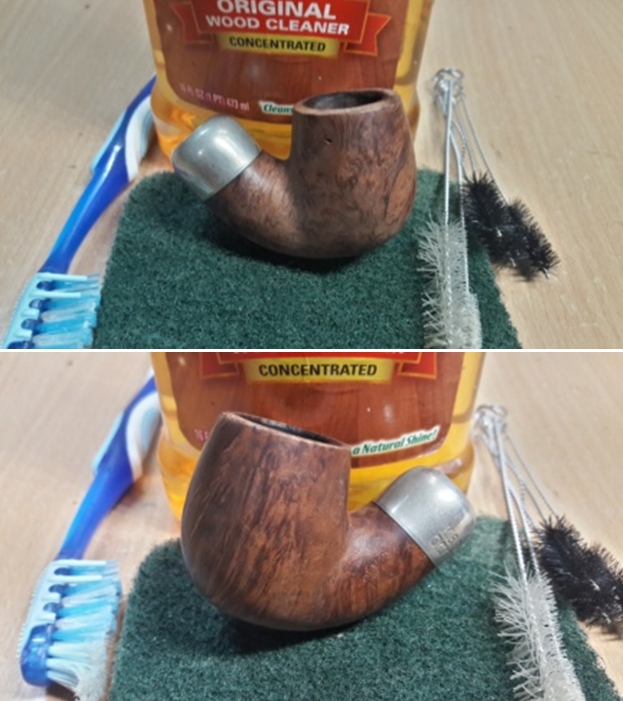
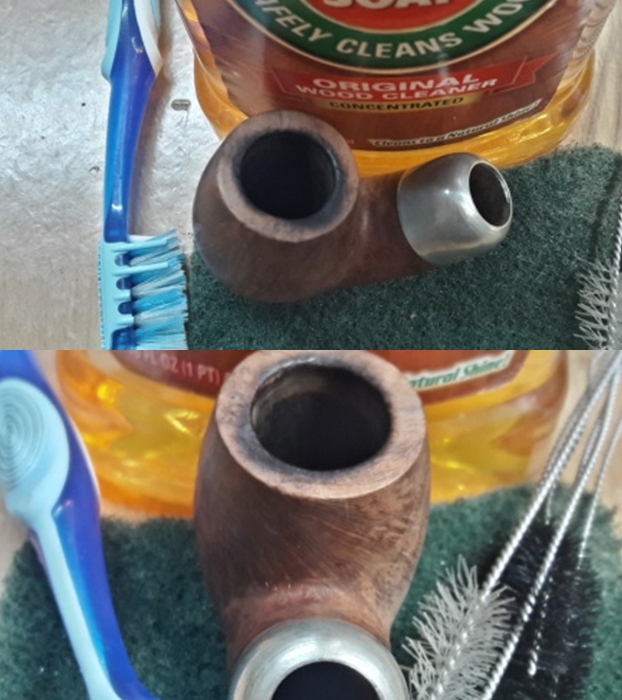
The initial cleaning on this pipe was done by Abha, my wife (she has cleaned up around 60 pipes for my further restoration and I am gradually inching forward completing these pipes). She reamed out the complete cake and further smoothed out the chamber walls with a folded piece of 220 grit sand paper. She further cleaned out the internals of the shank with pipe cleaners and alcohol and cotton buds. She followed the internal cleaning of the shank with external cleaning of the stummel using Murphy’s Oil soap and hard bristled tooth brush and dried it with paper napkins and cotton cloth.

Next she cleaned out the internals of the stem air way and immersed it in “Before and After Deoxidizer” solution along with the stem of other pipes in line for restoration. Once the stem had soaked overnight, she cleaned the stem under running warm water and scrubbed the raised oxidation from the stem surface using scotch brite pad. She further removed the oxidation by scrubbing the stem with 0000 grade steel wool and applied a little olive oil to rehydrate the stem.

Once The Pipe Is On My Work Table…
The cleaned up pipes presents a very clear picture of what needs to be done to restore this pipe to a pristine and smokable condition. I really cannot thank Abha, my wife, enough for all the help and support that she extends me in my pursuance of this hobby. I proceed to carry out my appreciation of the work that needs to be done on this pipe to restore it.

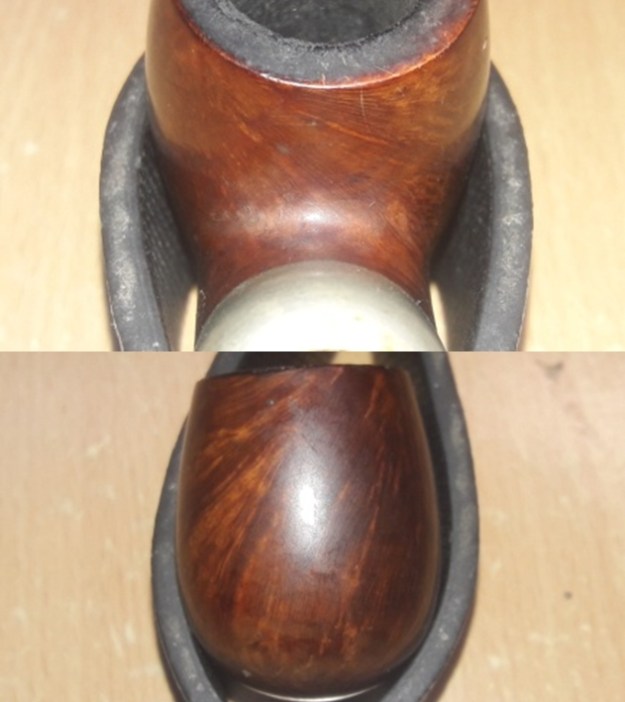
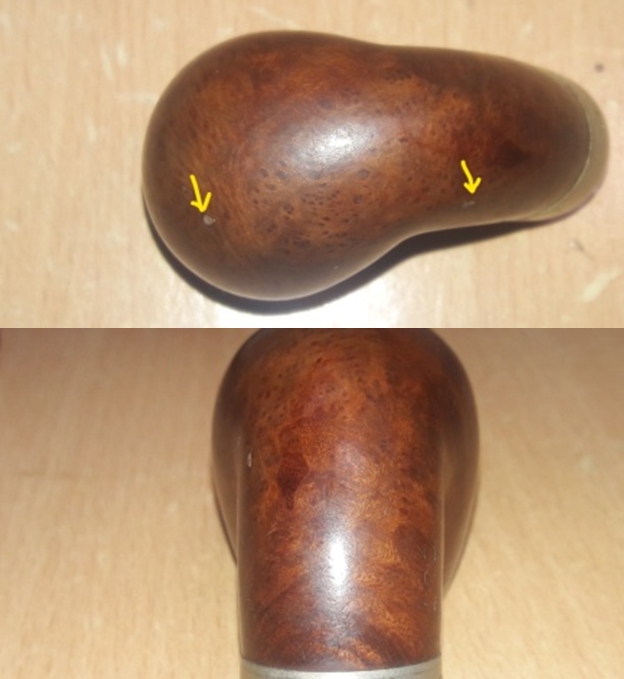
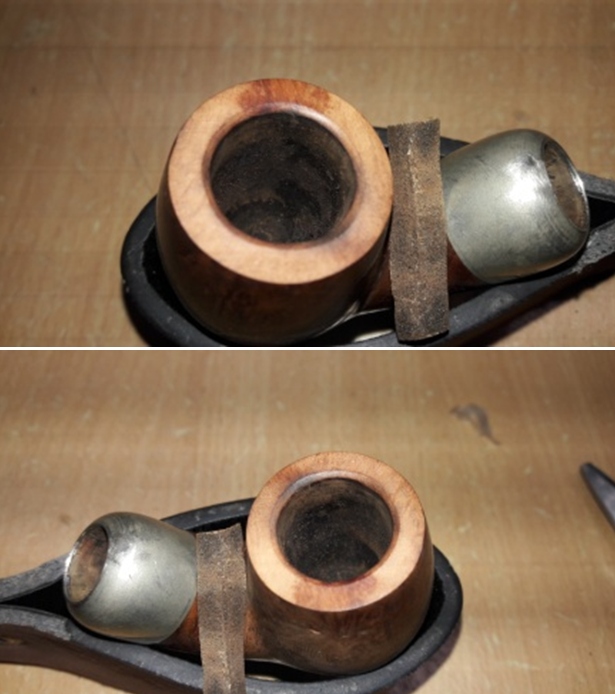
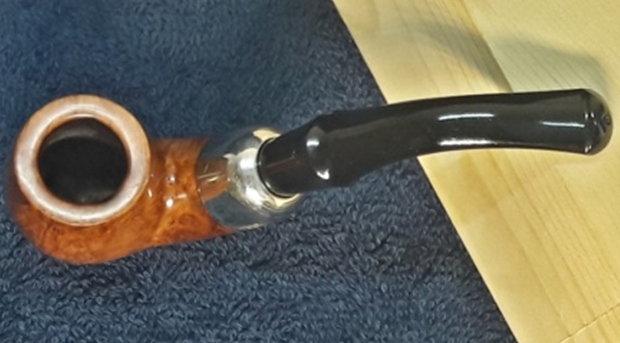
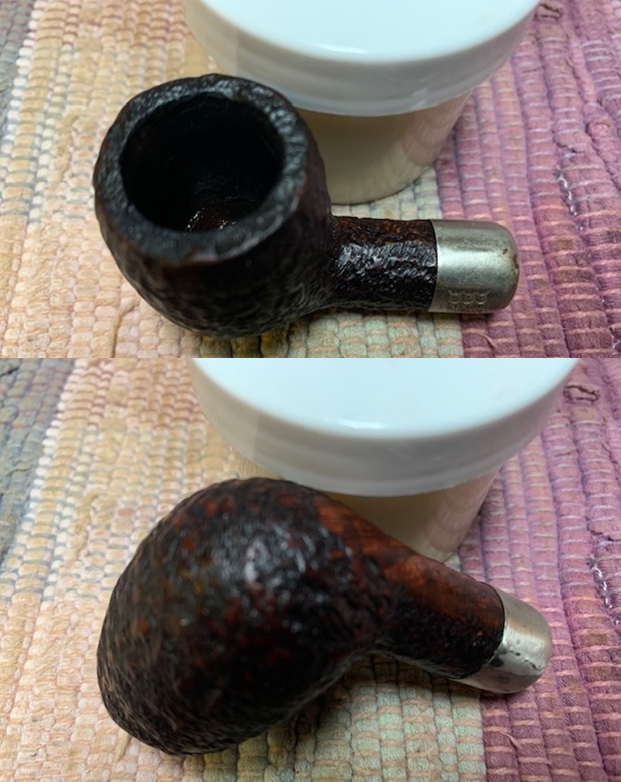
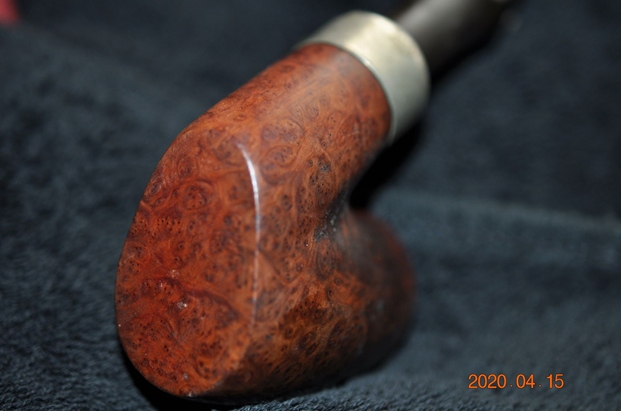
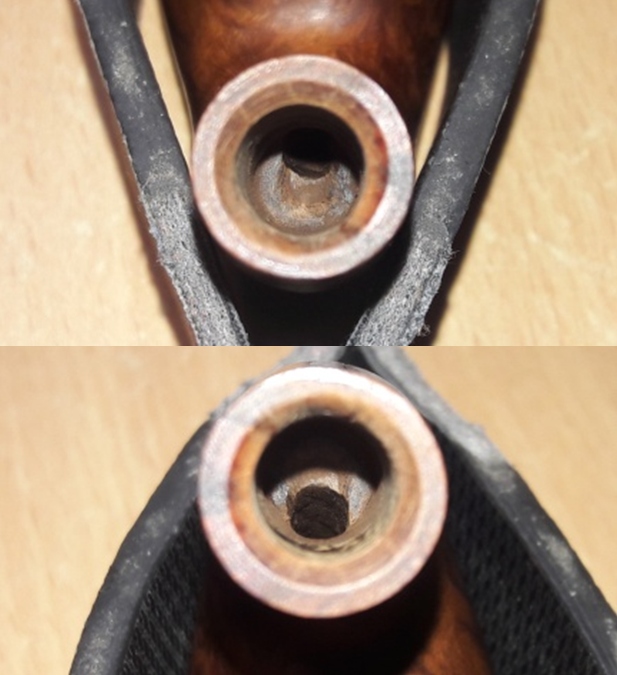
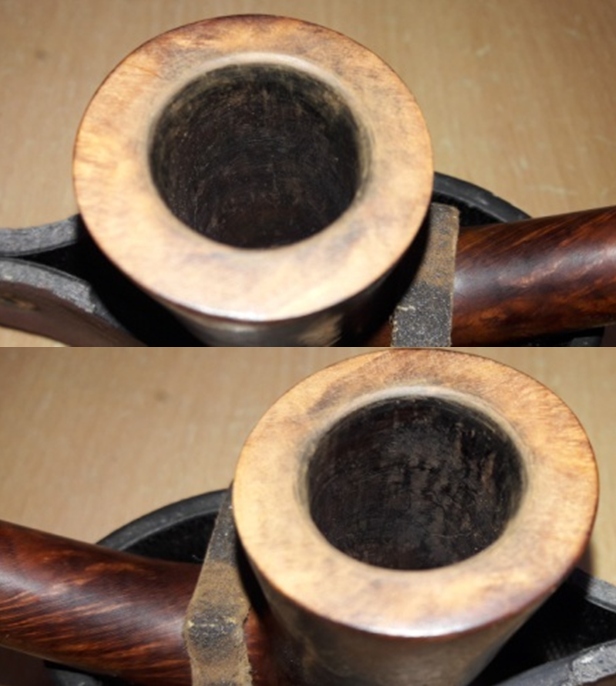
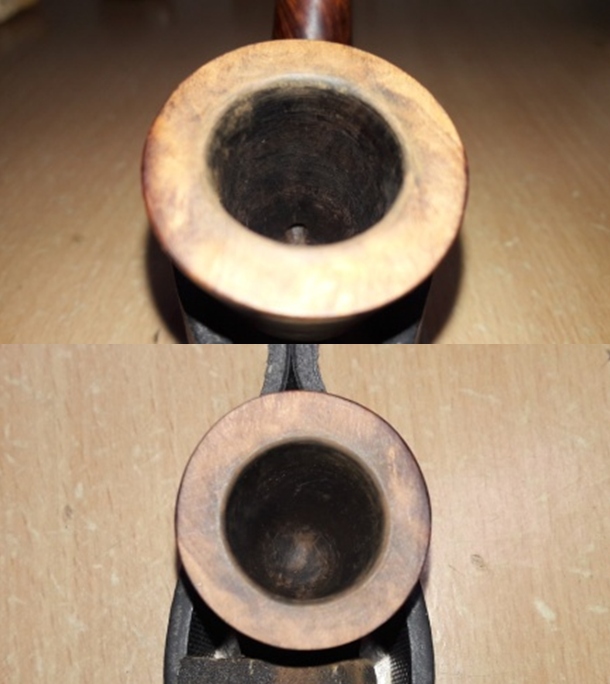
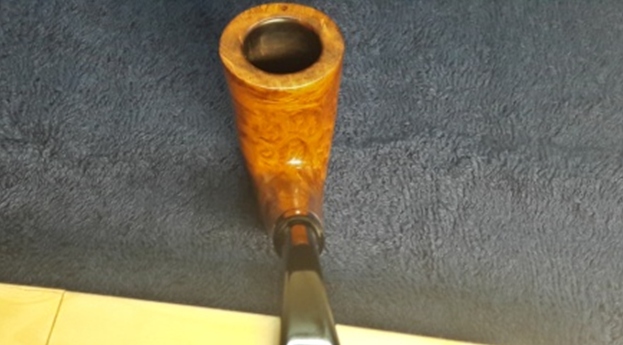
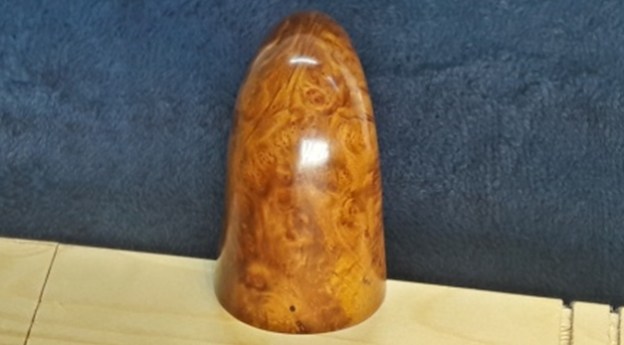
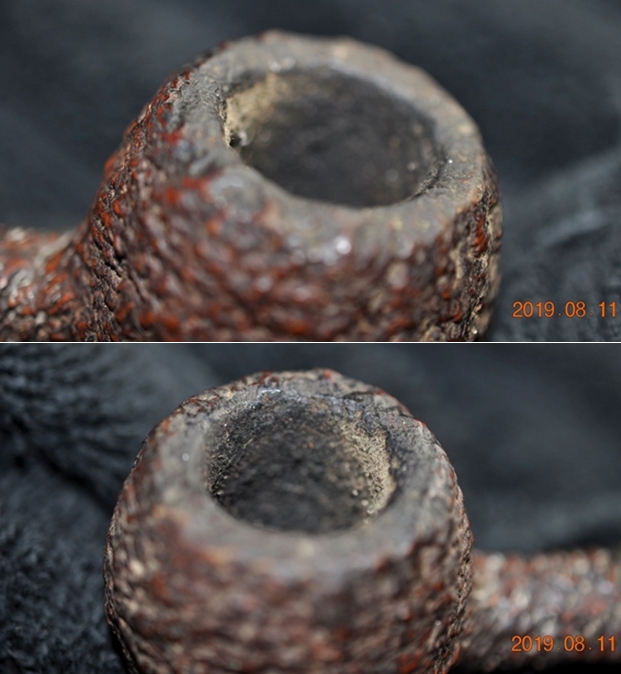
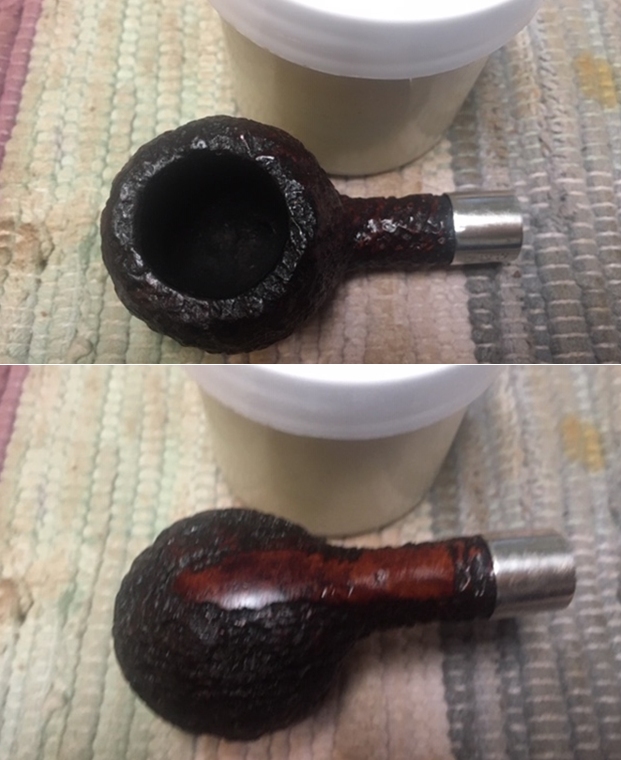
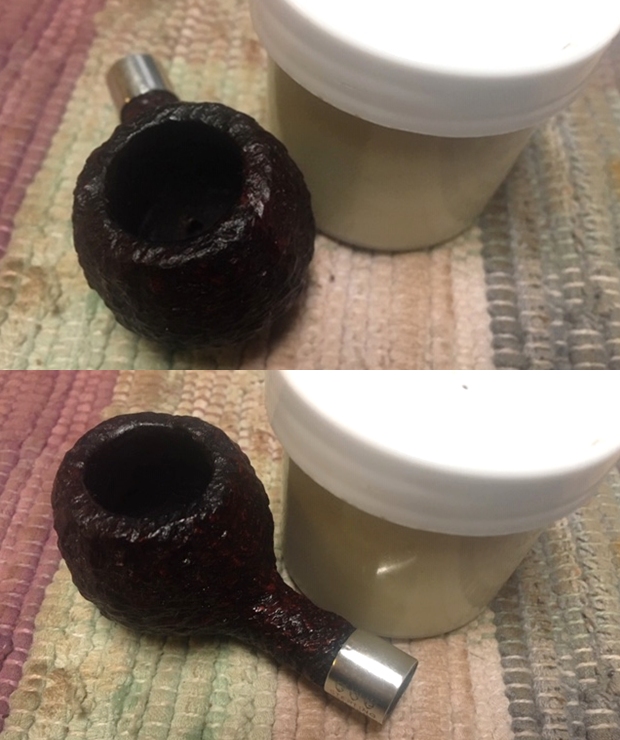
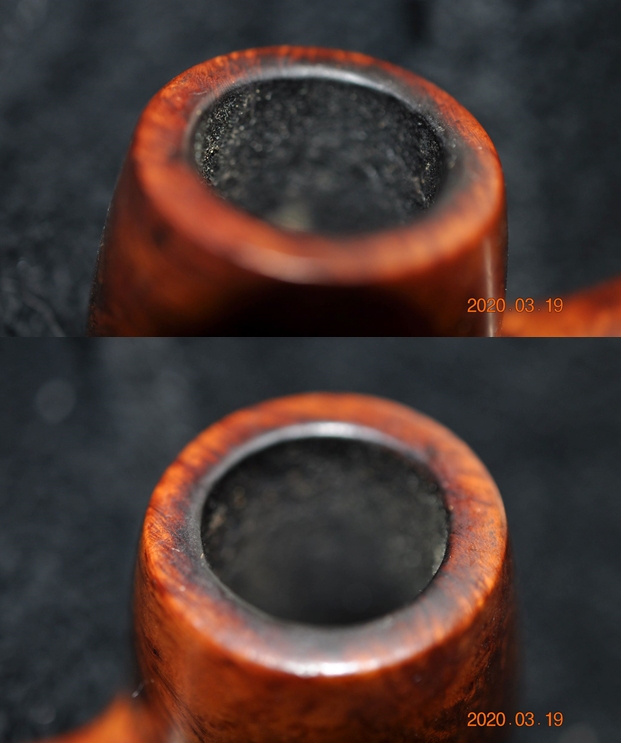
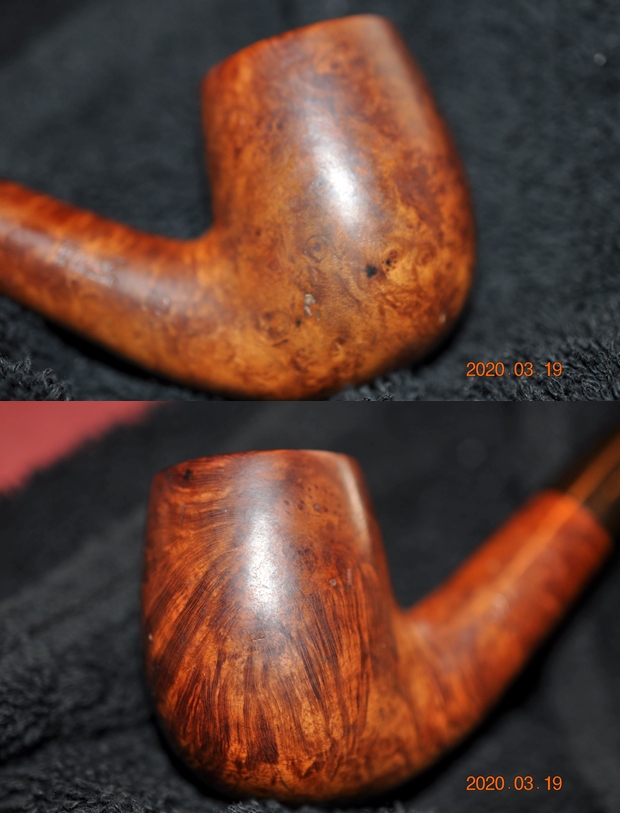
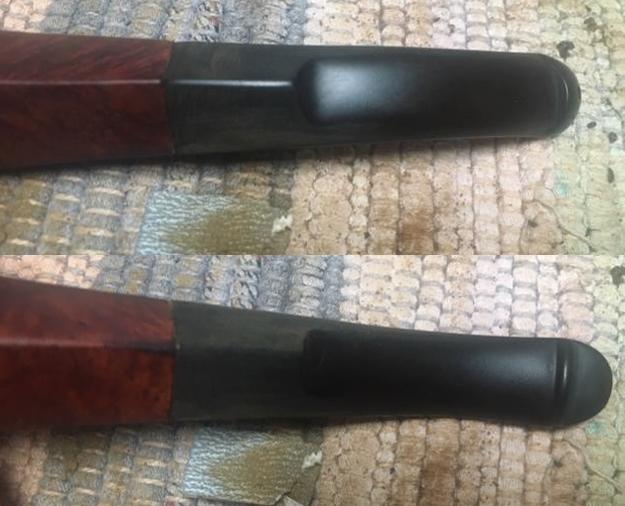
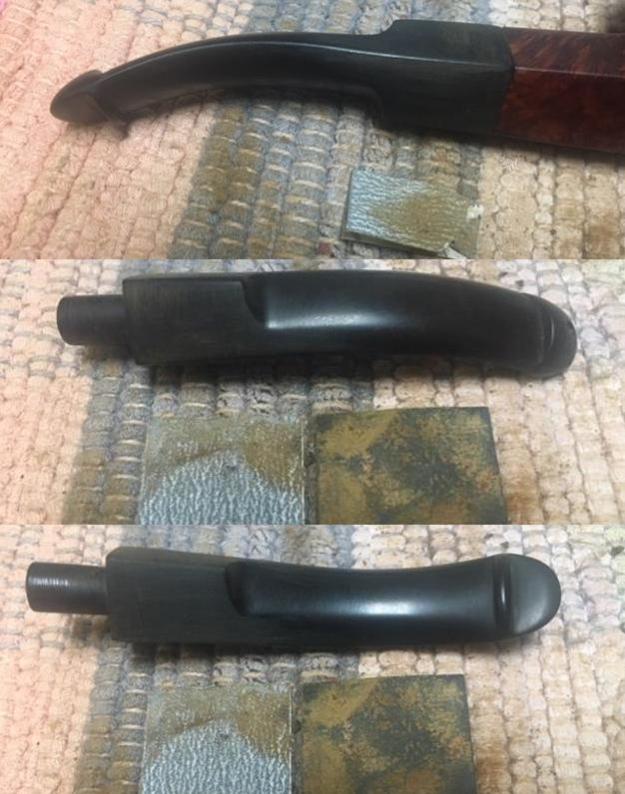
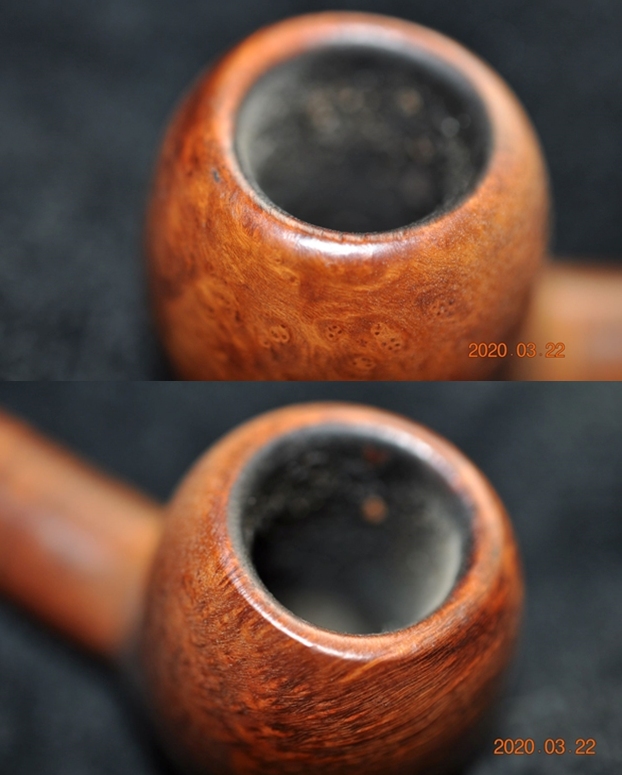
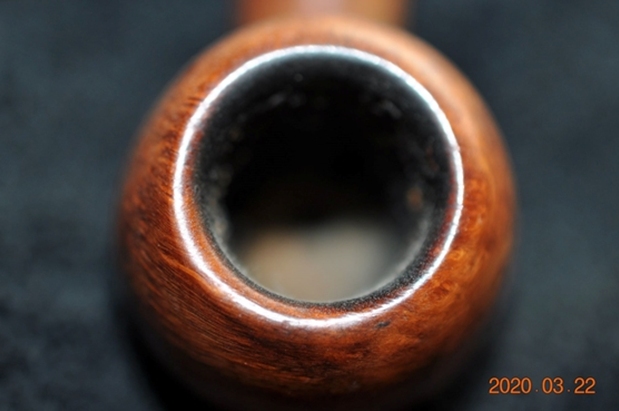
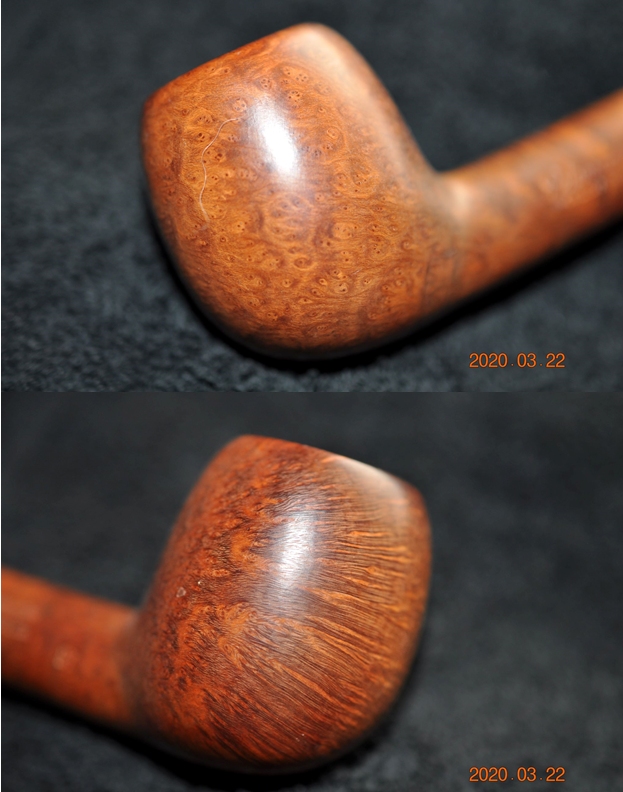
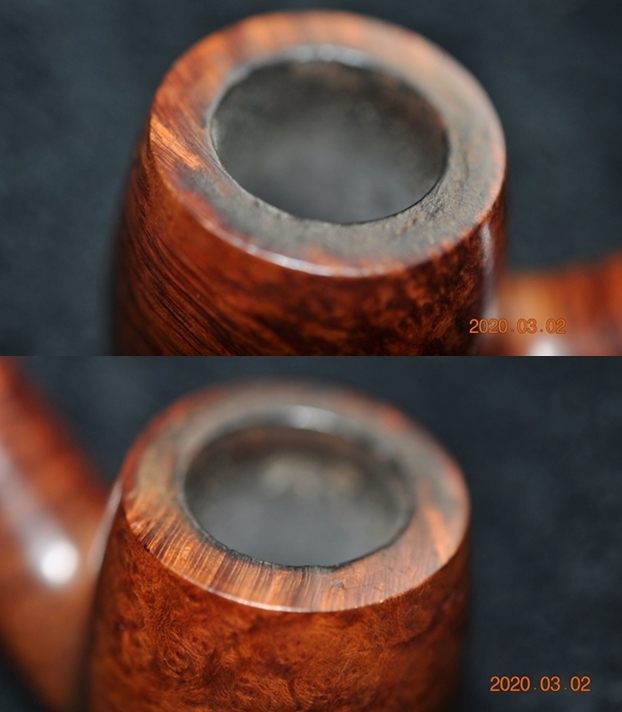
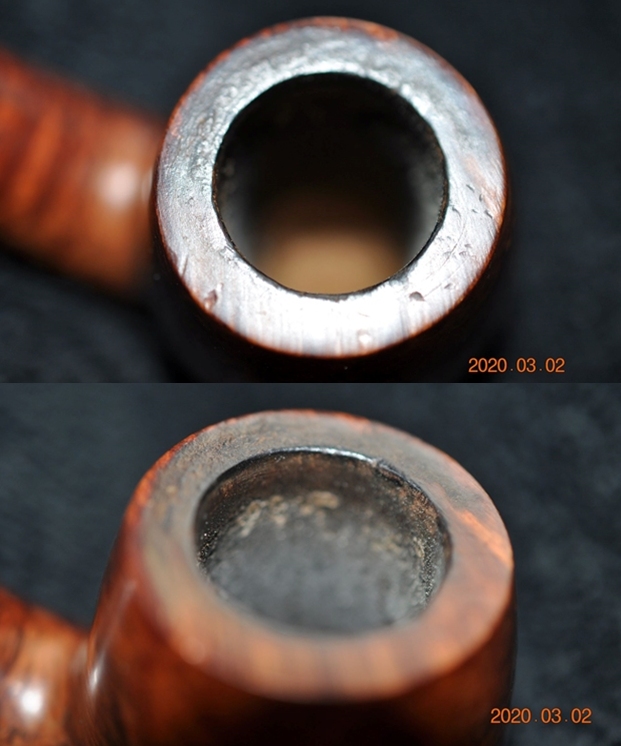
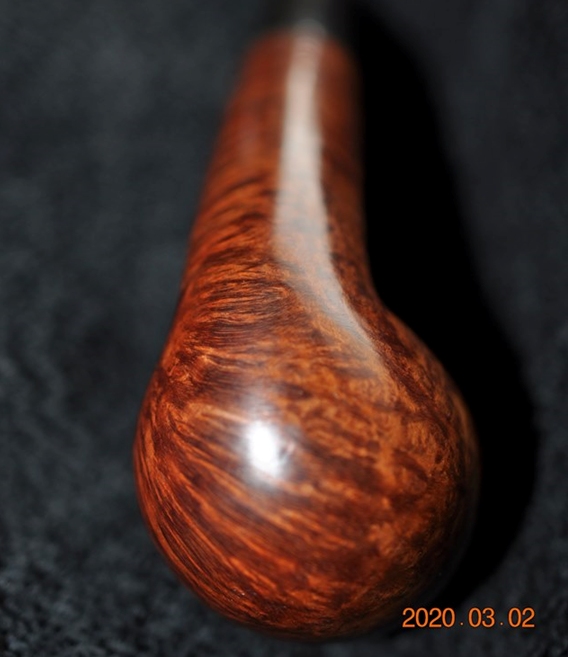
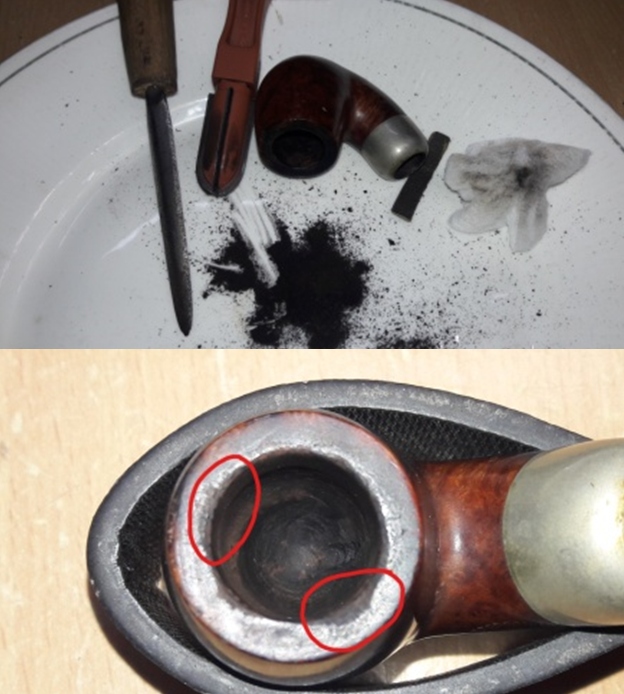
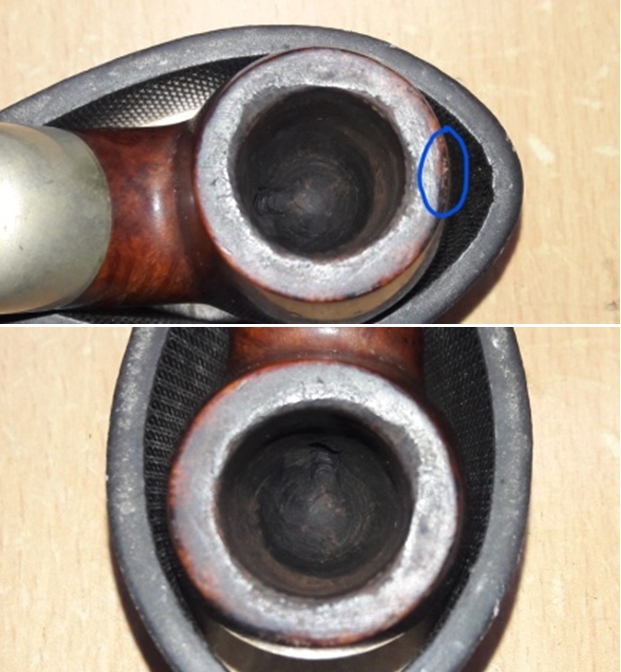
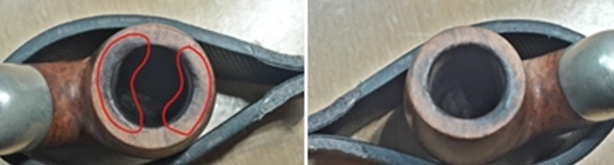
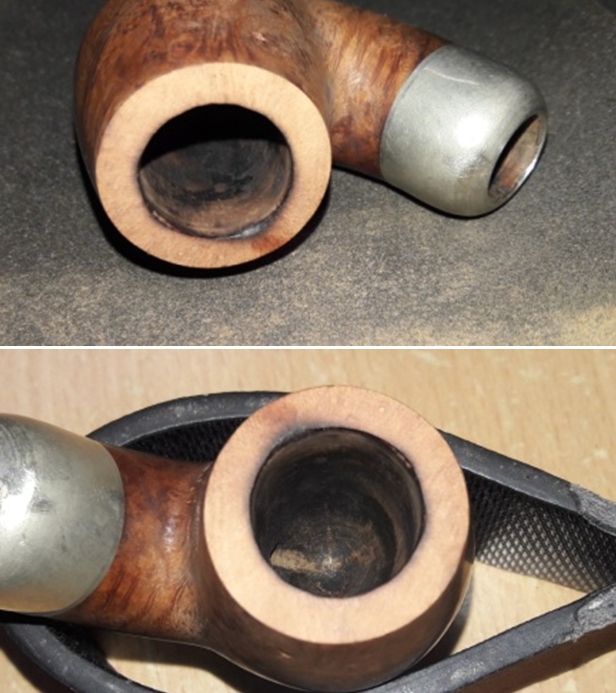
The chamber is of a decent size with a depth of about 1.8 inches. The wide flared out mouth of the chamber tapers down towards the heel, giving the pipe its classic calabash shape. The walls of the chamber are in pristine condition with no signs of heat lines or fissures. The rim top surface is uneven, scratched and darkened. The inner edge has a couple of minor dents and dings and is slightly charred on the left side in 7 o’clock direction. Close observation of the outer edge under magnification shows what appears to be a hairline crack in the 12 o’clock direction (encircled in red). The chamber smells clean and fresh, thanks to the thorough cleaning by Abha. The hairline crack, hopefully, is superficial and may be addressed when the rim is topped on a sandpaper to remove the scratches, dings to the inner edge and the darkening over the rim surface.The nicely cleaned stummel looks solid with nice mixed grains and swirls all around. There is not a single fill in the entire stummel surface, signifying excellent briar selection by Peterson’s carvers. Abha had painstakingly cleaned out the mortise and the sump. The briar looks dark, dull and lifeless. A nice polish and revitalizing the briar with “Before and After” restoration balm will rejuvenate the briar and make things interesting!! The cleaned up stem that came to me shows bite marks to the upper surface and button edge and there is a need to sharpen the button first by filling and then sanding the surface. Similarly, the lower button edge has a few tooth chatter and indentations and will need a fill to repair. The Process
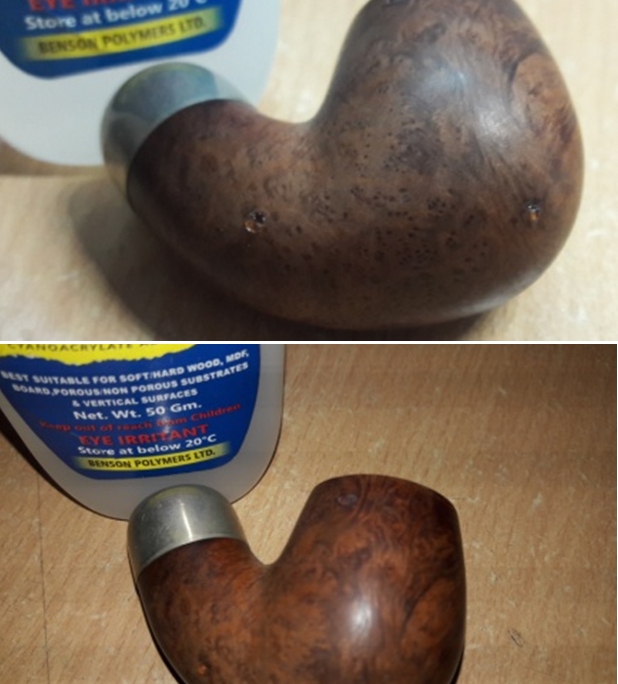
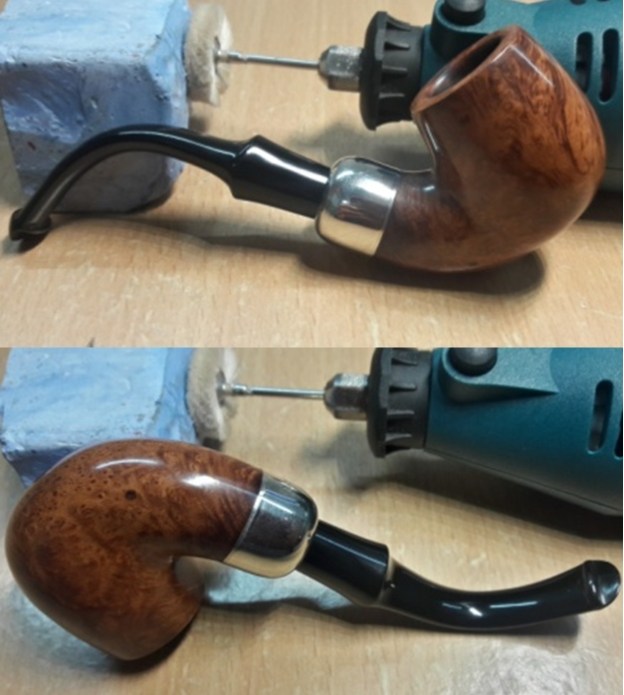
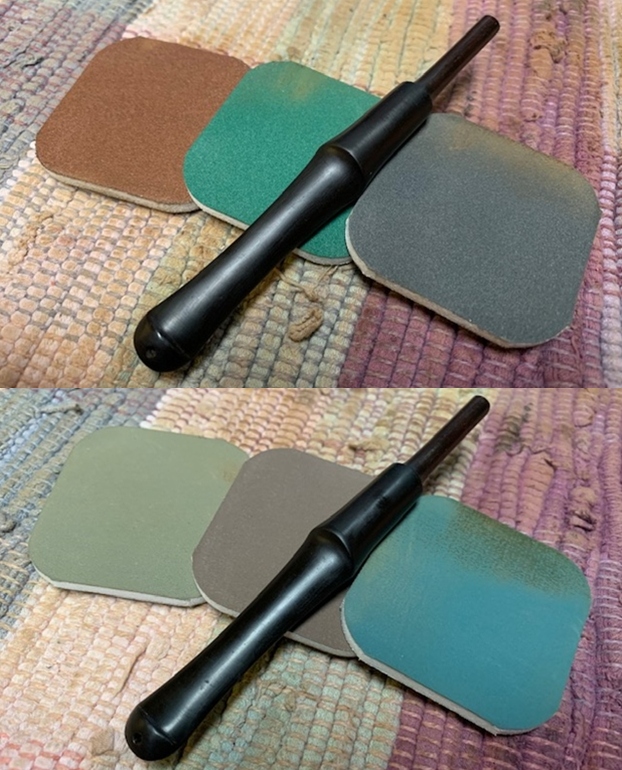
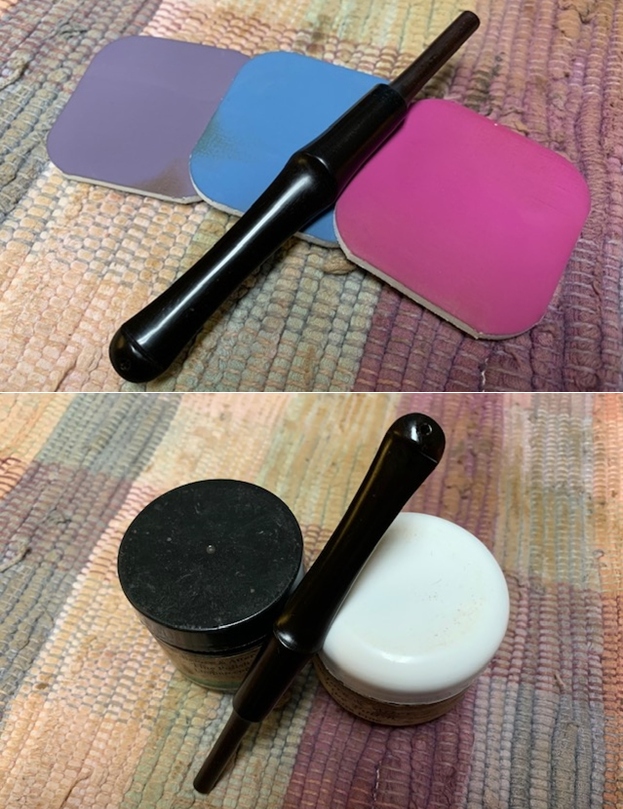
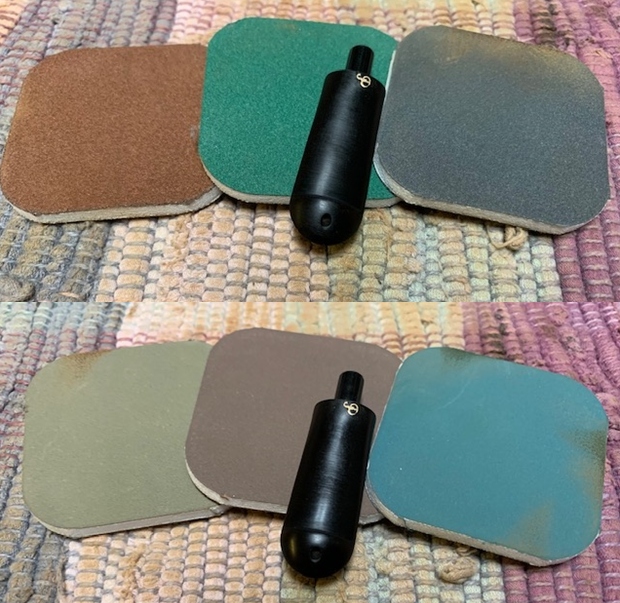
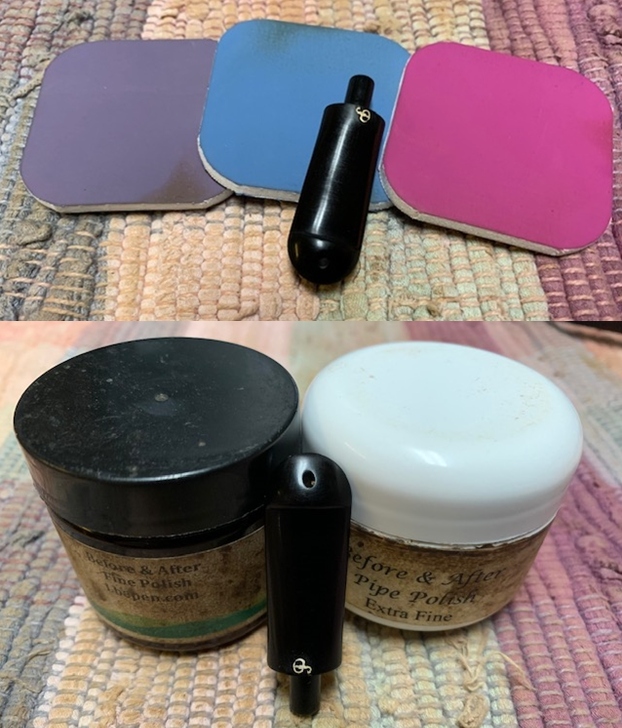
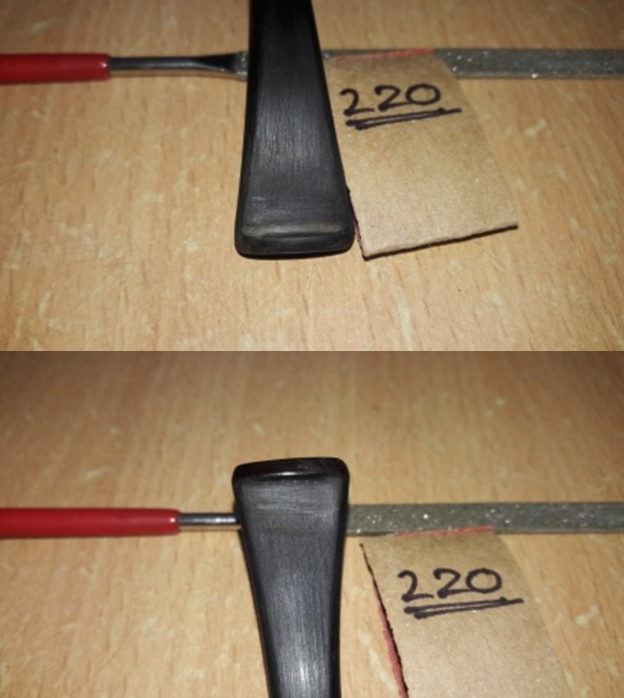
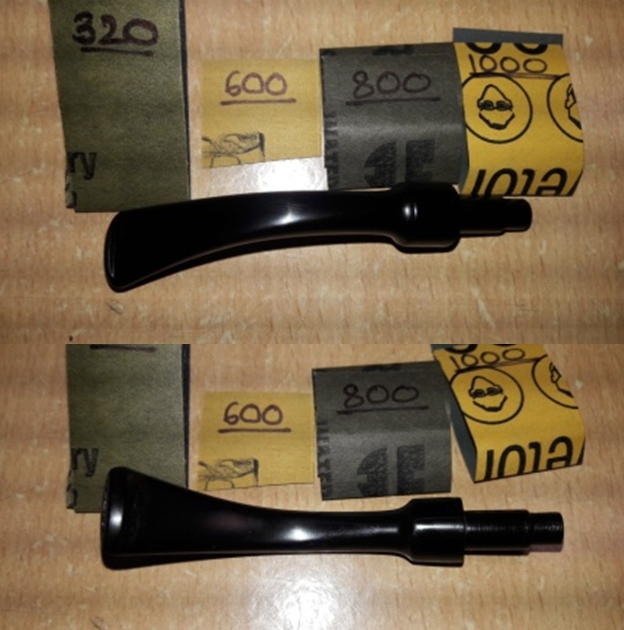
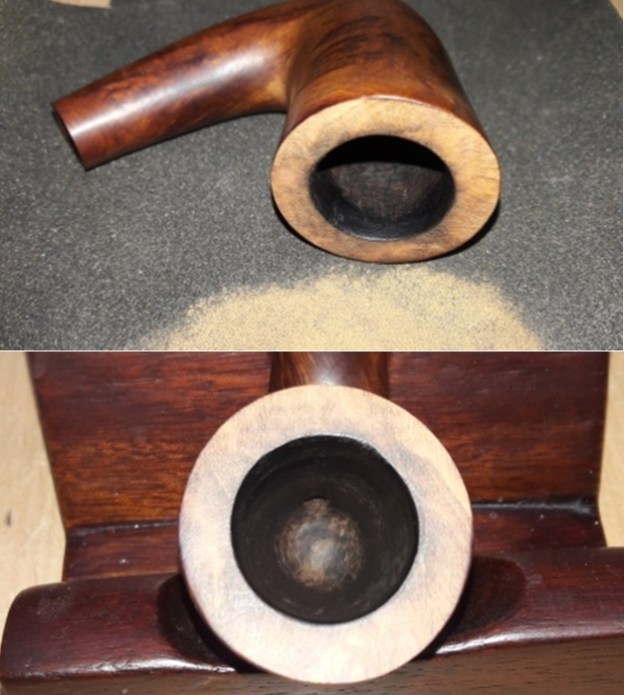
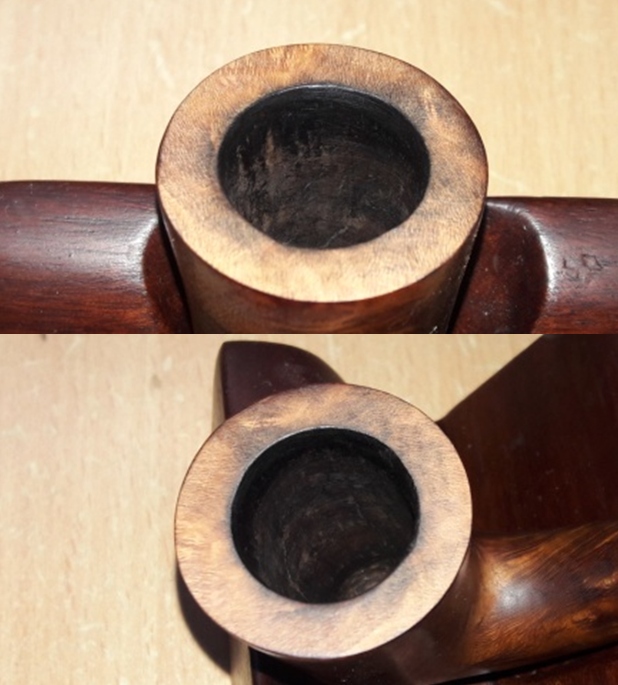
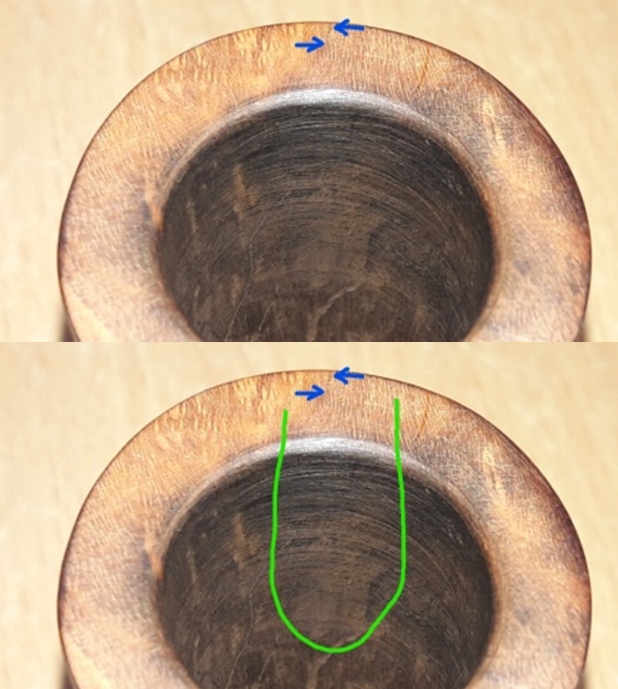
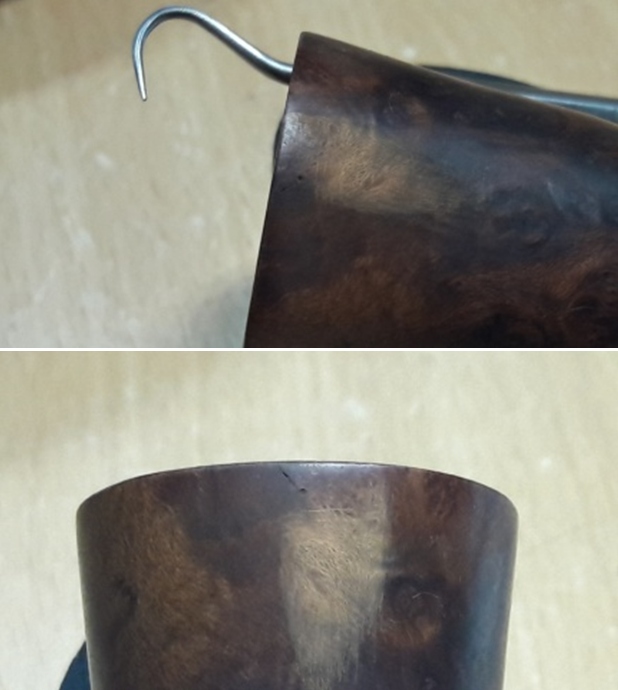
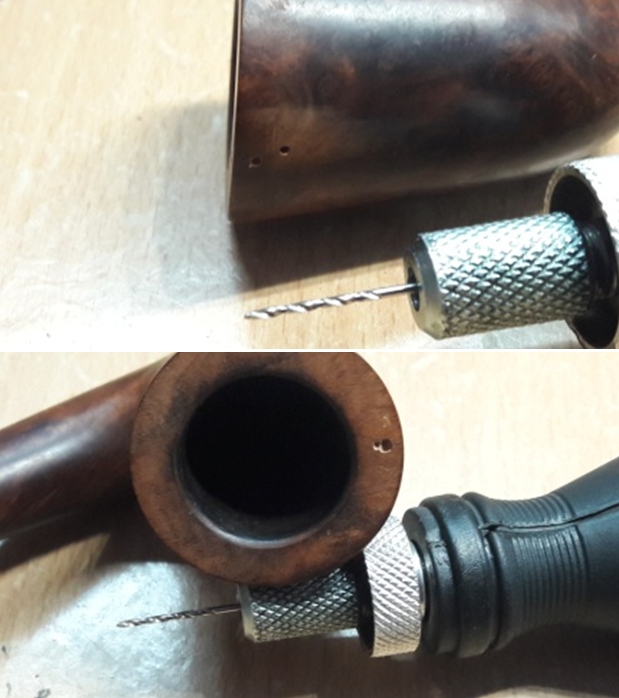
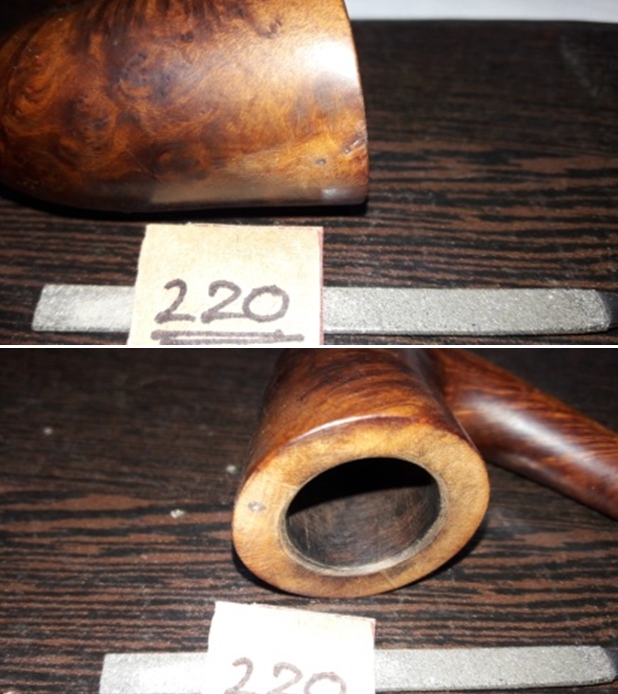
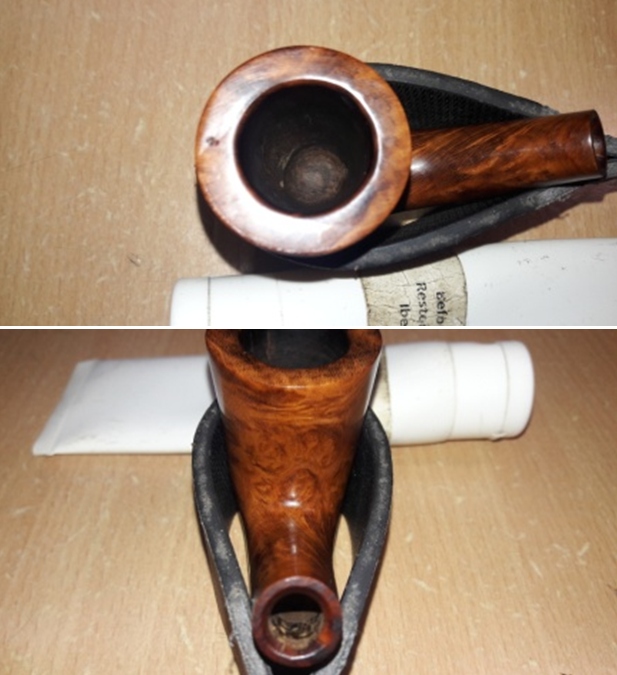
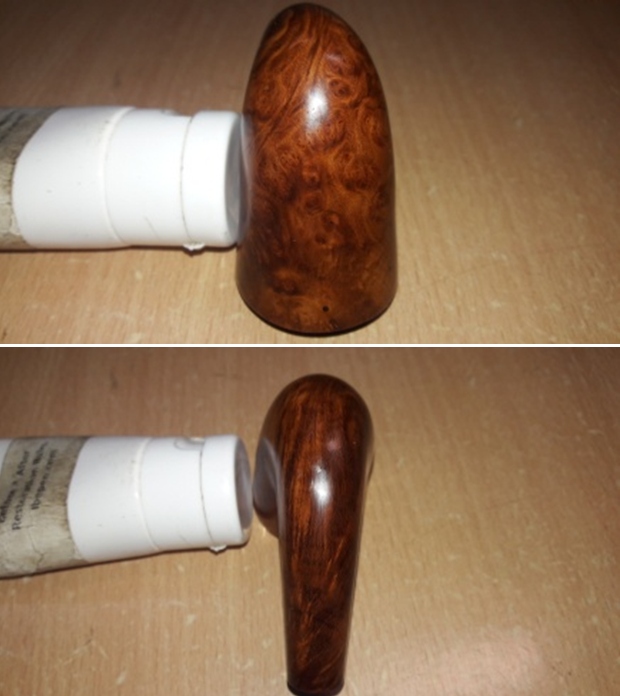
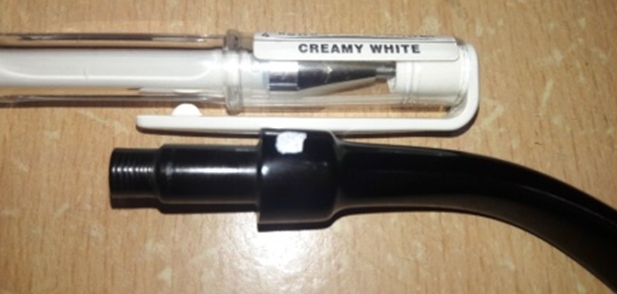
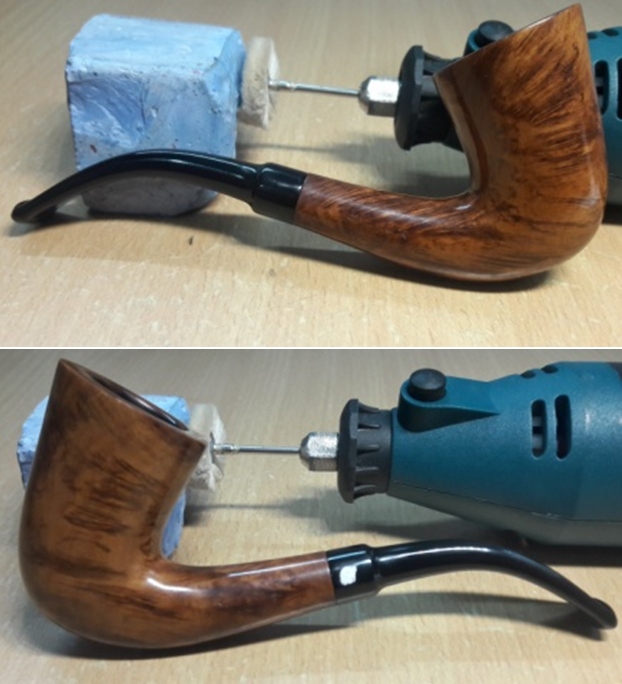
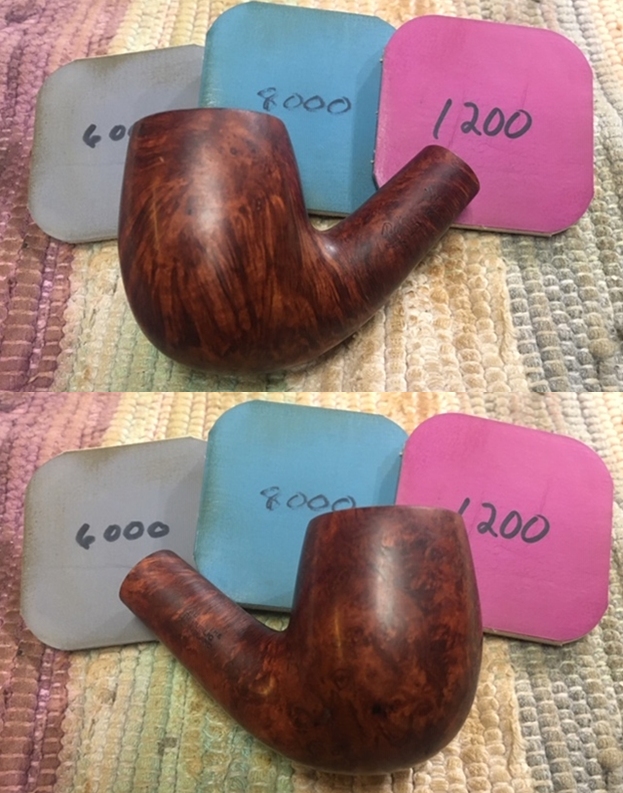
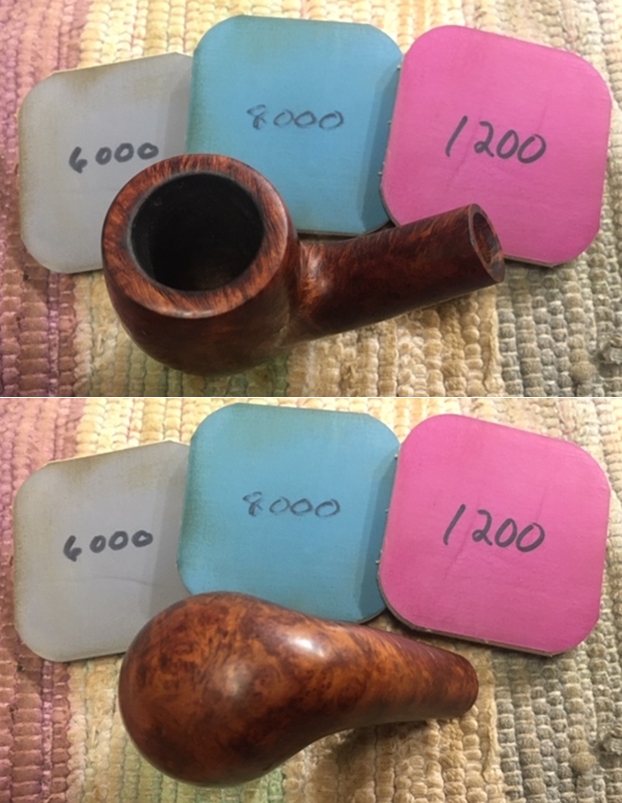
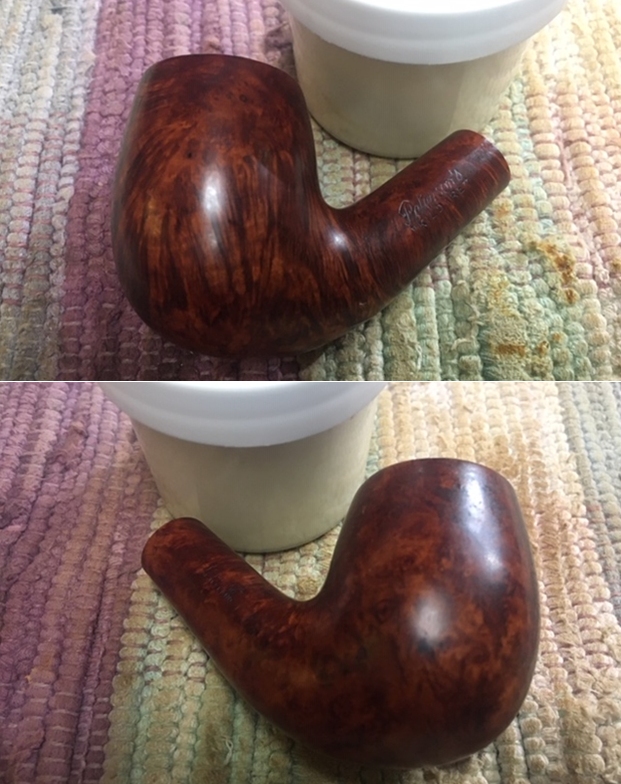
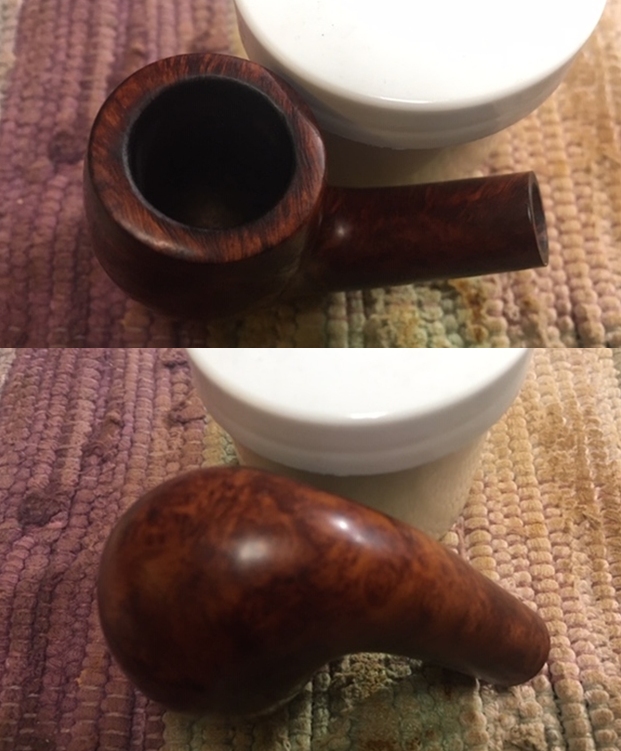
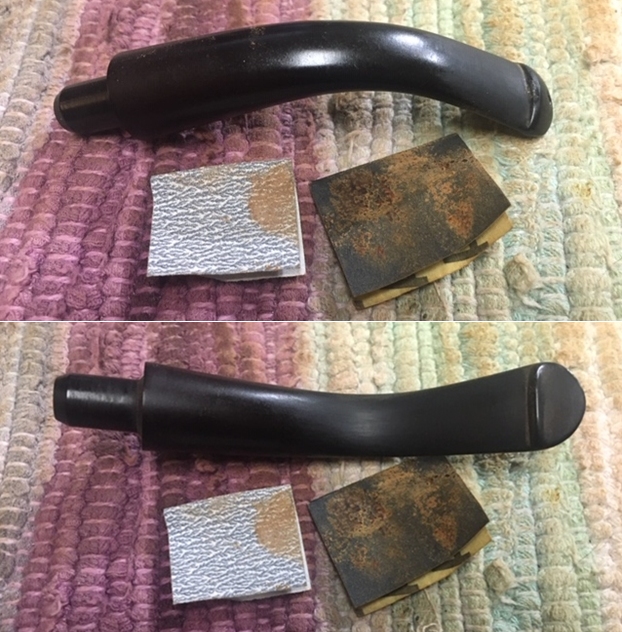
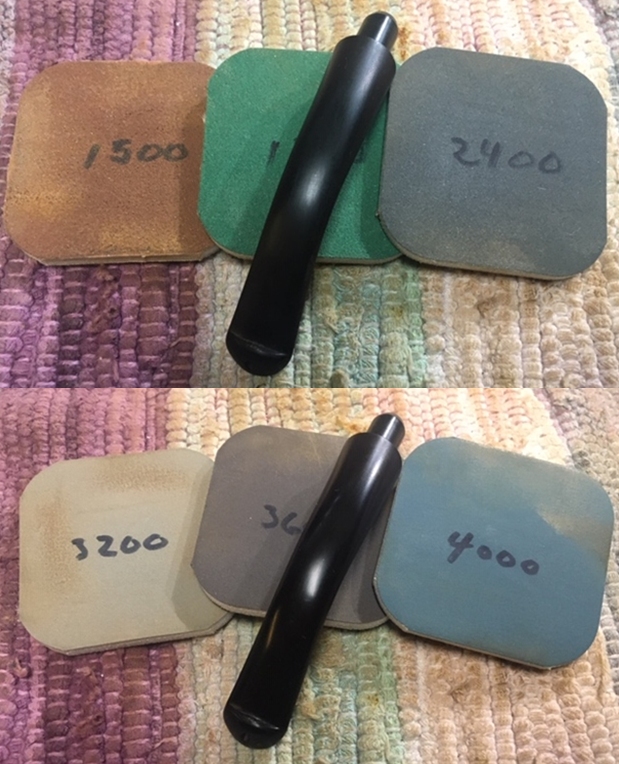
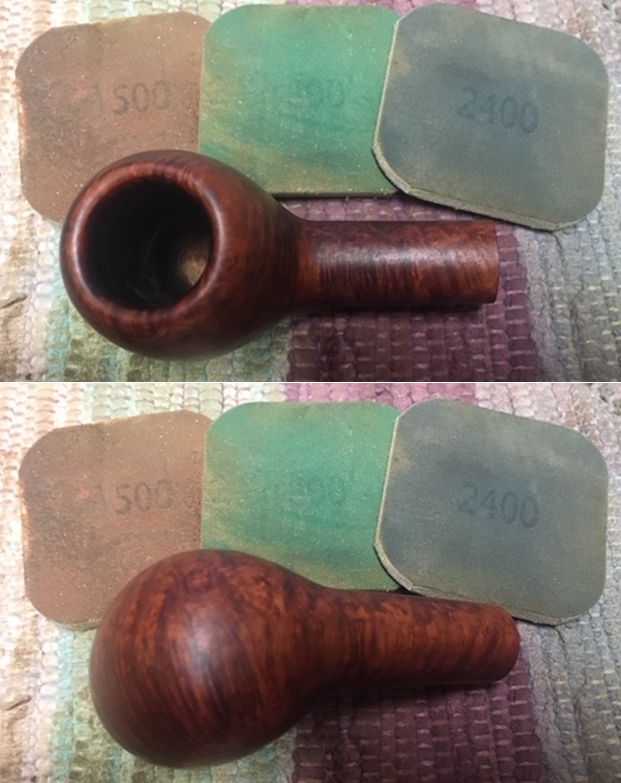
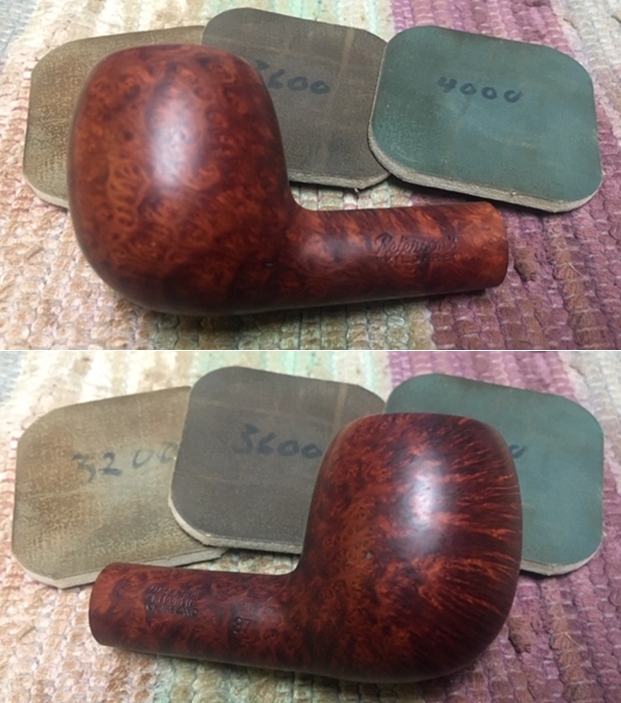
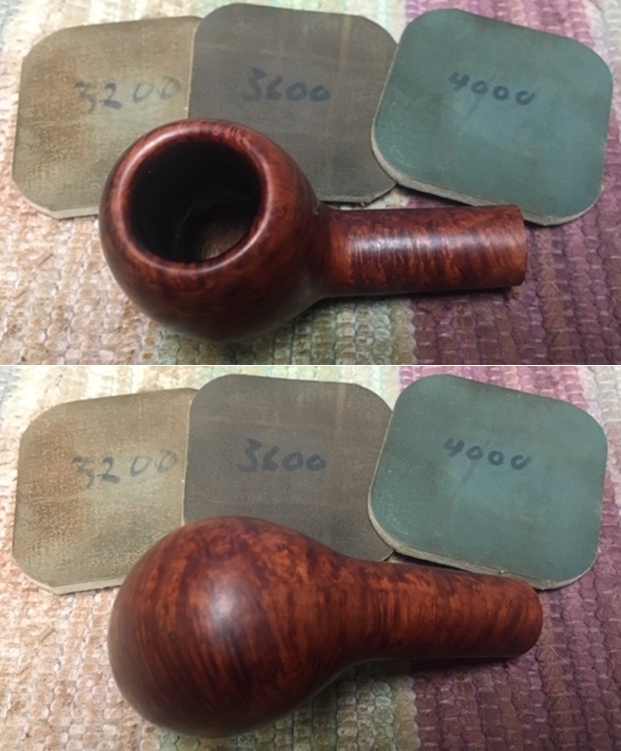
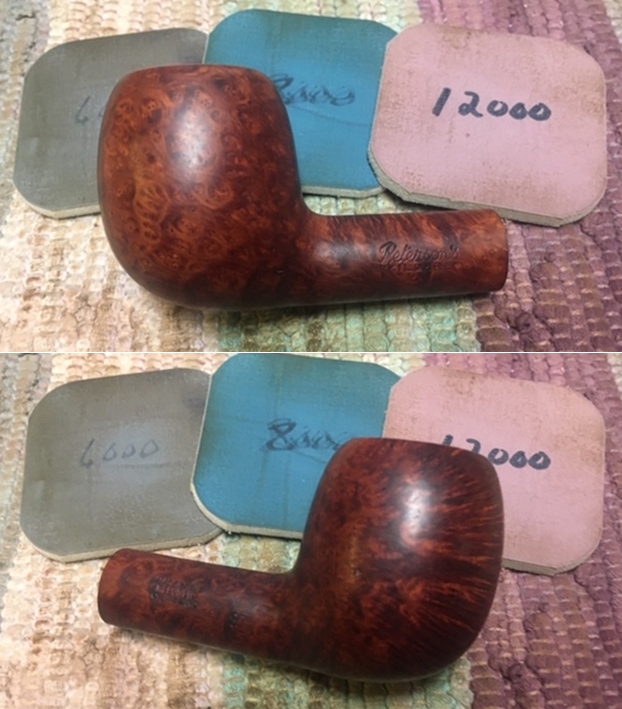
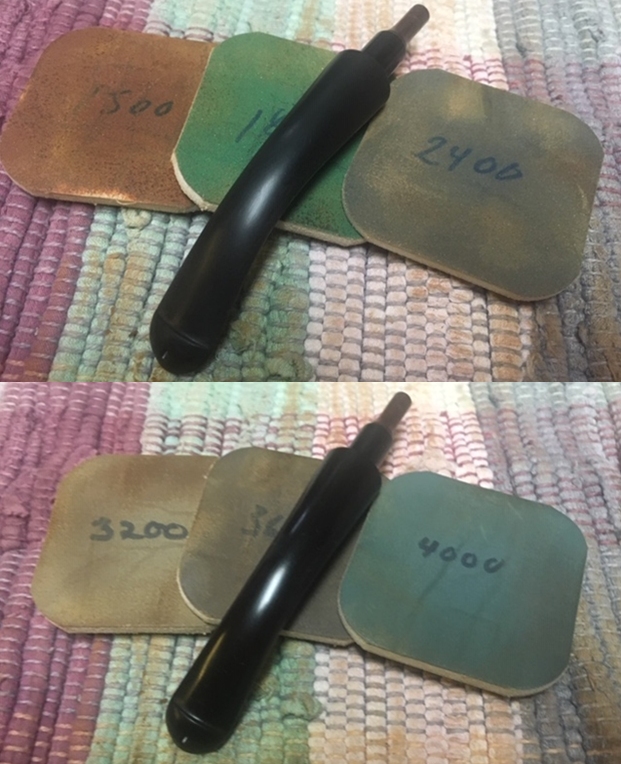
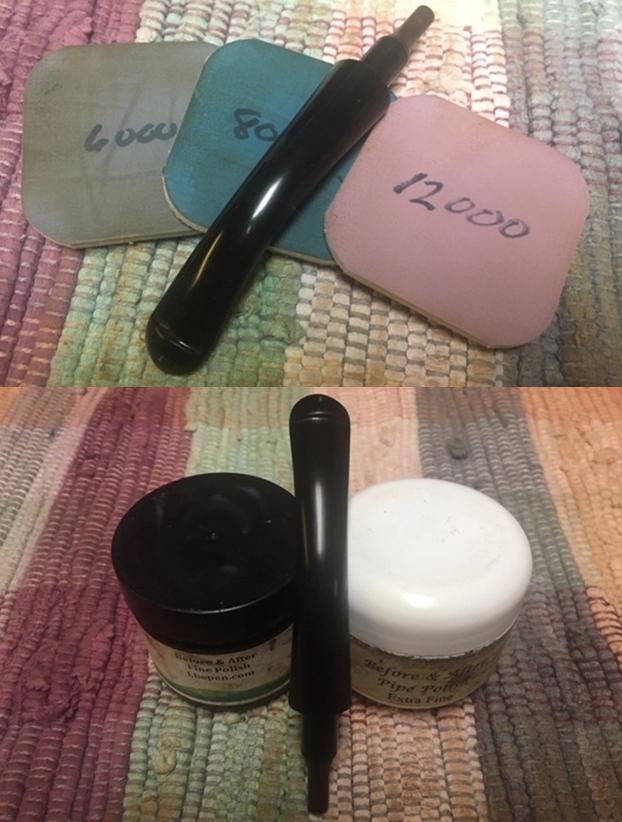
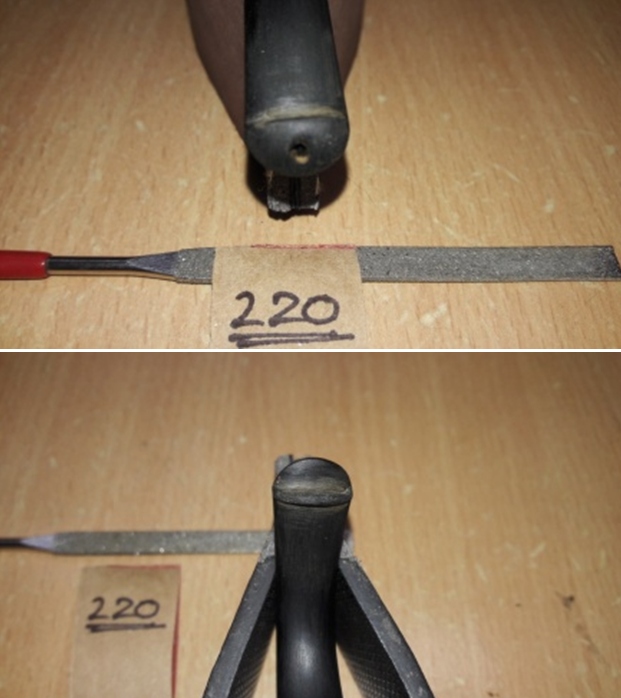
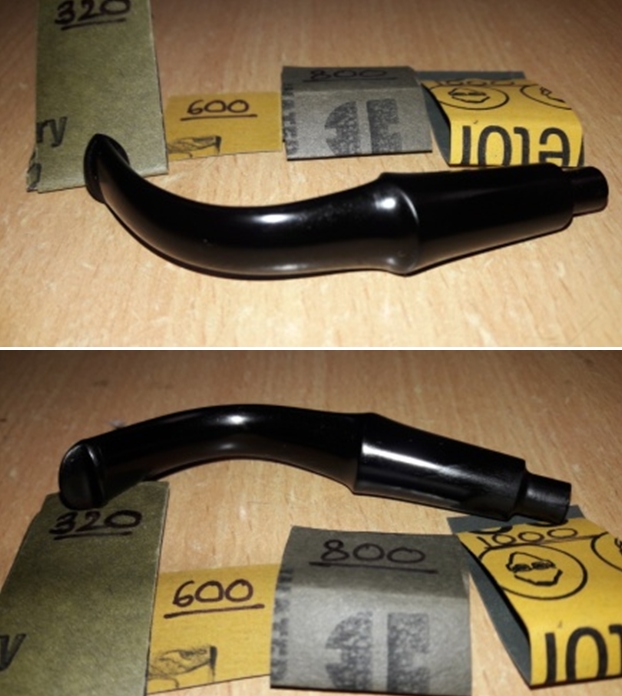
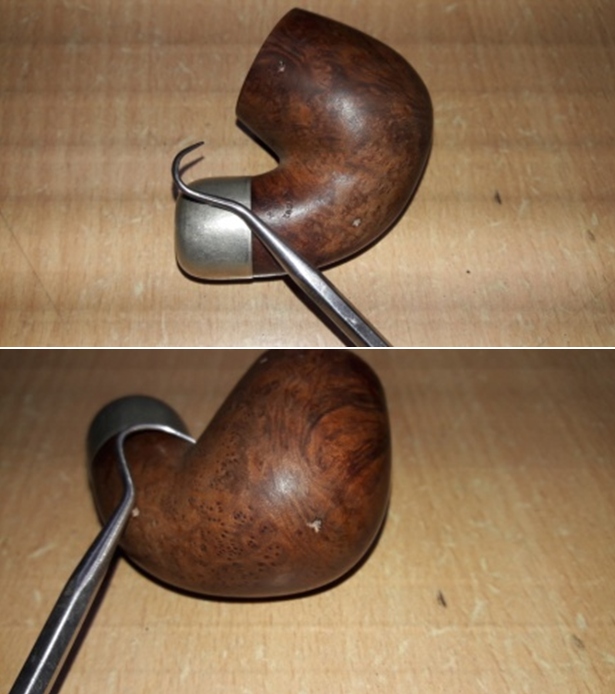
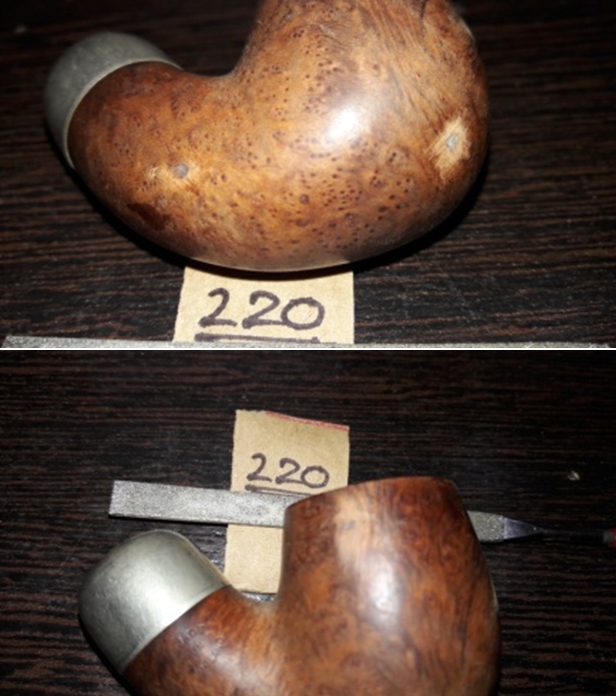
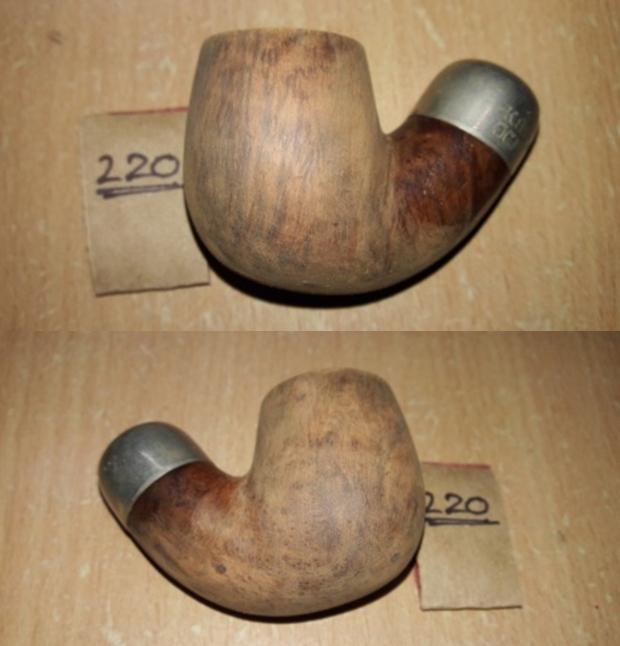
I started this project by sanding the stem surface with a 220 grit sand paper to address the issue of tooth chatter. I wiped the stem with alcohol on a cotton swab to remove all the sanding dust from the stem surface. I followed it up by wiping the surface with Murphy’s Oil soap. This step also helps to remove the oxidation from the stem’s surface. The tooth chatter and the tooth indentations from both the upper and lower surface have been greatly reduced. The remaining tooth indentations and the button edges will need to be filled with charcoal and superglue. I mix clear superglue and activated charcoal and applied it over the both button edges, upper P-lip surface and lower surface of the P-lip. I set the stem aside for the fills to cure.Once the stem fills had hardened considerably, with a flat head needle file, I sand these fills to achieve a rough match. I further fine tuned the match by sanding the filled area with a folded piece of 220 grit sand paper pinched between my thumb and forefinger. I followed it up by sanding the entire stem surface using 320, 600, 800 grit sand papers and finally with a piece of 1000 grit sandpaper. This serves to remove the deep seated oxidation and also reduces the sanding marks of the more abrasive sand papers. I also sharpened the button edges while sanding. I wiped the stem with a cotton swab and alcohol to remove all the oxidation and sanding dust from the surface. I applied a little Extra Virgin Olive oil over the stem and set it aside to be absorbed by the vulcanite. The next issue that I addressed was that of the rim top surface damage. I topped the rim on a piece of 220 grit sand paper, checking frequently till I was satisfied that the charred inner rim edge on the left side in 7 o’clock direction was addressed to a great extent and the rim top surface is nice, smooth and even. The inner edge is still uneven, though much better than before topping, and shall be addressed next. With a folded piece of a 220 grit sand paper pinched between my thumb and forefinger, I created a slight bevel on the inner edge of the rim top surface. This helped to mask the out of round chamber and address the minor dents that had remained on the inner rim edge. It can never be perfect; it’s a repair after all, but the repairs sure looks good.   I was very happy by the way the rim surface appeared at this stage in restoration. The crack that was observed under camera magnification, is neither visible to the naked eye nor in the pictures that I had clicked of the rim surface after topping. However, I wanted to be doubly sure that the hairline crack was only superficial and had been addressed with topping the rim surface. I increased the magnification of my mobile phone camera to 5x and sure enough, I could make out the crack (indicated with blue arrow). Just on a haunch, I traced the path of the crack over the stummel surface and sure enough, it extended below the outer rim edge for about ¼ of an inch, though very thin (indicated with blue arrow). Ahhhhh… What a pain that revelation was!! Though it’s a very fine hairline crack, I would address it to prevent it from enlarging and expanding over the rest of the stummel surface and /or the rim top. Just to be sure that the crack had not penetrated inside the chamber, I double checked and traced the extent of the crack over the inner edge and in to the chamber. Thankfully, the corresponding inner edge and chamber walls are sans any damage (enclosed in green). I now address the crack that is seen to the front of the stummel in 12 o’clock direction. Firstly, I clean off all the dirt from the stummel surface by sanding it to reveal the extent of the crack. I follow up this cleaning of the crack by marking the end points and turning points of the crack with a sharp dental pick. These marks also help to guide the drill bit when drilling the counter hole. I take care that the drill is just sufficiently deep enough to arrest the further spread of the crack and not a through hole. I generally drill two counter holes; first at the exact end point of the crack and second at the suspected/ likely progression end of the crack.  I fill this crack and the counter holes with a mix of CA superglue and briar dust. Once the fill has cured for couple of hours, I sand it down with a flat needle file to achieve a rough match with the rest of the stummel surface. I fine tune the match with a piece of 220 sand paper.   I continued the stummel repairs by sanding the fill and the entire stummel with a folded piece of 220 grit sand paper. I was especially very careful around the stummel stampings, least I obliterate it by sanding.   Turning my attention back to the stem, I decided to polish and shine up the stem surface. I wet sand the stem with 1500 to 12000 grit micromesh pads. Next I rub a small quantity of extra fine stem polish that I had got from Mark and set it aside to let the balm work its magic. After about 10 minutes, I hand buffed the stem with a microfiber cloth to a nice shine. I rub a small quantity of olive oil in to the stem surface to hydrate it and set it aside.   Next, I polished the stummel with micromesh pads, dry sanding with 1500 to 12000 pads. I polished the freshly topped rim surface and the newly created inner rim bevel. I wiped the surface with a soft cloth at the end of the micromesh cycle. The stummel looks amazing with a deep shine and beautiful grains popping over the stummel surface. I am surprised that the rim top surface has the same deep brown coloration as the rest of the stummel surface and use of stain pen was not required.   I massaged a small quantity of “Before and After Restoration Balm” with my fingers into the briar. The immediate and incredible transformation that takes place is a worthy reward for all the efforts!! I let the balm sit on the surface to be absorbed in to the briar for about 20 minutes. The bowl now looks fresh and attractive with the grains popping out any which way you look at the briar; it feels somewhat like DIWALI, the festival of lights celebrated here in India. I polished off the balm with a soft cloth to a lovely shine.    Before I could move on to polishing with Blue Diamond and carnauba wax, there was one issue yet to be addressed; that of refreshing the stem logo. I coated the stem logo with the ink of white correction pen and set it to dry out.I mount a cotton cloth buffing wheel on to my hand held rotary tool and apply a coat of Blue Diamond to the stummel and the stem to polish out the minor scratches. With a cotton buffing wheel that I use for carnauba wax, I apply a coat of carnauba wax and continue to work on it till the complete coat of wax had been polished out. I mount a clean cotton cloth buffing wheel and give the entire pipe a once over buff. I finished the restoration by giving the entire pipe a rigorous hand buffing using a microfiber cloth to raise the shine further. The finished pipe looks beautiful and will be an addition to my collection of Peterson’s pipes!! P.S. The stem logo did not turn out to be as crisp as it usually does!! Maybe, the stamping was not as deep as I thought it would be.

This project presented me with an unexpected repair work. The crack, even though a fine hairline crack it may have been, has the potential for developing in to a much more serious issue of a burnout. The counter holes stand out against the highly polished stummel surface and I have let them be. The only way to mask these was to resort to staining the entire stummel which would be at the cost of the beautiful natural briar color and not to mention the grains.

Sincere gratitude to all the readers who have shared this part of my journey in to the world of pipe restoration…Cheers!!


Restoring a “Made In England” Peterson’s System 3 # 367 From Mumbai Bonanza Lot


Blog by Paresh

I have quite a few inherited Peterson’s System pipes ranging from the period 1915 to 1947 to present!! I also have these pipes in System Standard, System 0 and System 3. So when Abha, my wife, sent me pictures of pipes that I had purchased from a Mumbai trash collector, I saw two distinct Peterson’s System pipes, one large and the other very small!! When Abha confirmed the COM stamping on both these pipes, I knew that I had Peterson’s System pipes from the 1930s-40s. Another two vintage Peterson’s System pipes added to my collection, I say. And I am not complaining, mind you readers!!

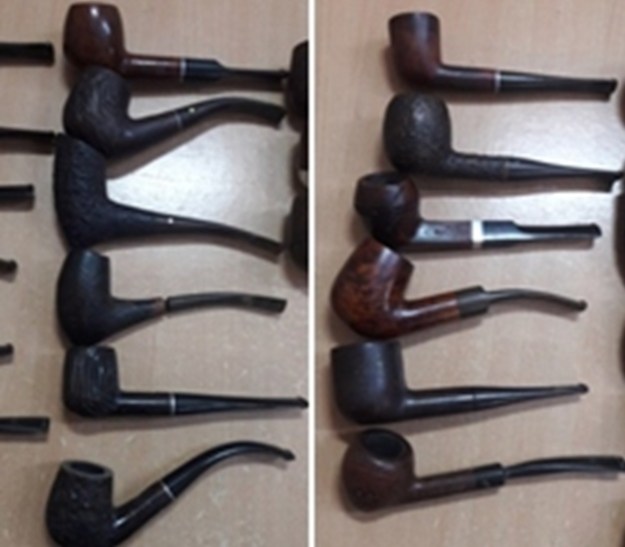
I was fortunate enough to have heeded the advice of my dear friend and mentor, Steve, and struck a deal with a junk collector from Mumbai. He did not know what he was selling and I did not know what I was buying as we reside in different cities!! The argument that Mr. Steve presented was that if not anything, I shall at least have some spares and this was logical. I struck a deal and here are pictures of the pipes that I received in this lot. This lot contains some very nice collectible pipes, a few well known brands and some mediocre brands. Overall, with seven Dunhill pipes, a Preben Holm #1 FH, a couple of “Made in England” Pete System pipes, a couple of  Charatan’s Belvedere, Custom-Bilt, Stanwell and other assorted pipes, I would say that I had struck a decent haul!! This is indeed my “Mumbai Bonanza”.
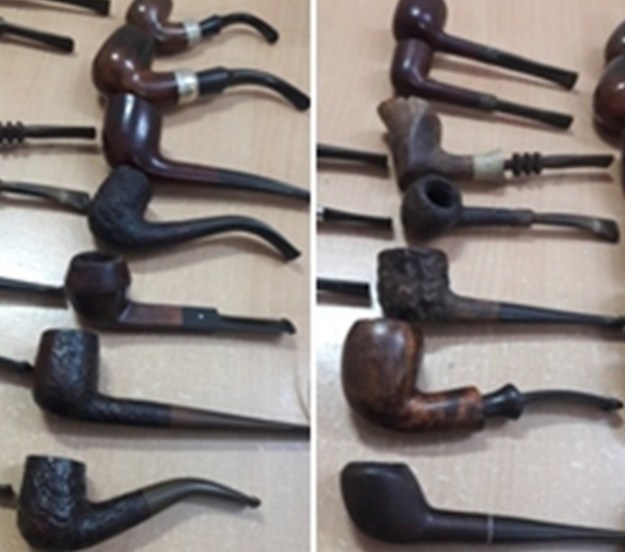
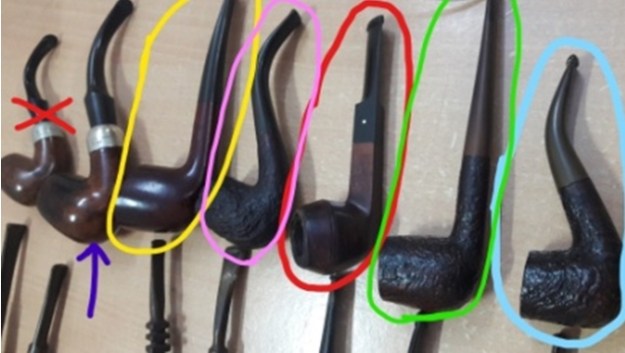
I had recently completed the refurbishing of a Savinelli seconds, a “ROYAL OAK” with a twin bore or a bite proof stem from my Mumbai Bonanza. Here is the link to this 18th pipe from this lot (https://rebornpipes.com/2020/08/17/refurbishing-an-interesting-royal-oak-207-apple/).

The 19th pipe that I decided to work on from this find is a petite Peterson’s System 3 pipe with a nickel ferrule and is indicated by a red cross.This pipe is stamped on the left of the shank towards the shank end as “PETERSON’S” in an arched block capital letters over arched “SYSTEM” in block capital over grade “# 3” over the shape number “357”. The tail of the P in Peterson’s is forked. The right side of the shank is stamped with football shaped COM stamp “MADE IN ENGLAND” with centered “in”. The ferrule has the usual three cartouche with first having Shamrock, the second a Prone Fox and lastly a Stone Tower. Stamped above the cartouche are the letters “K & P” followed by “PETERSON’S” all in a straight line. The stem is devoid of any logo. All the stampings are crisp and easily readable. In my earlier restoration of my inherited Peterson’s System pipes, I had extensively researched the dating of these old Peterson’s and I can say with certainty that this pipe is from the period 1938 to 1940/ 41. Also the forked tail of “P” in Peterson’s with the inward coiling upper part corroborates the vintage of this pipe.
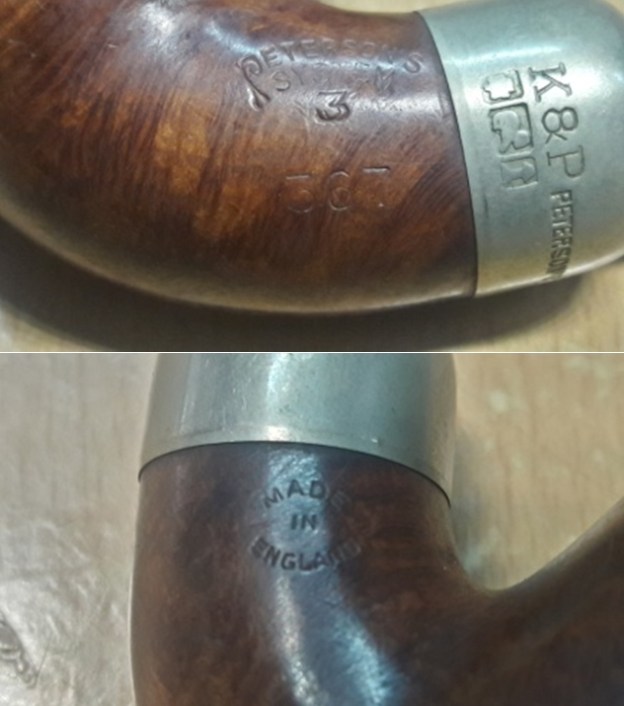
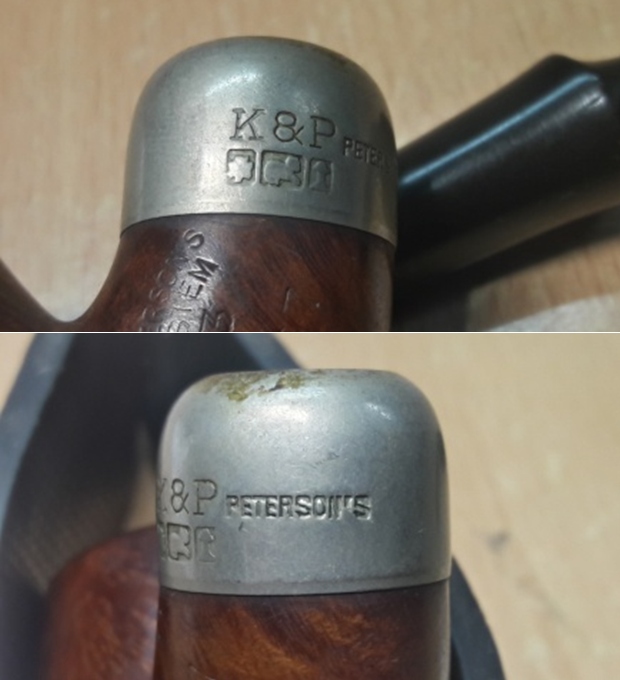
I reconfirmed and refreshed my learning by visiting my favored site (link given below) and my memory has served me right. Here is the link to dating Peterson’s pipes (http://thepetersonpipeproject.blogspot.com/2007/07/dating-peterons-pipes.html).

I quote the relevant portions extracted from the site that would help in understanding the dating of this pipe

Peterson now stamped their pipes with “Made in Eire” in a circle format with “Made” and “Eire” in a circle with the “in” located in the center of the circle. This COM was used during the years of 1938 – 1940? /41?

English made Peterson pipes actually spans between the pre-Republic and Republic eras. In 1895, Peterson opened a shop in London England that lasted until the late 1950s or early 1960s. So the English Era, for a simplified date, will be from 1895 through 1959. The stamps Peterson used in London and that we have seen are:

Made inEngland – block format

Made in England – circle format

Made in London

Made in London England

Simply, London England

Great Britain

Though there are a couple of more, the above will give one the general idea. We believe the earliest stamp of this era was the “Made in England” in a block format since Peterson was using the “Made in Ireland” block format at about the same time on their Irish production pipes. The “Made in England” circle format was used during the same time frame as the “Made in Eire” and “Made in Ireland” circle formats.

From the start of the Patent Era until somewhere in the early 1930s, Peterson used the “Old Style” lettering that used a forked tail “P” in Peterson.

Thus I can conclusively say that the Peterson’s System pipe on my work table is from the English Era and dates from the period 1930s to 1940/41 when the “Made in Eire” football stamp had been in use.

Initial Visual Inspection
The Peterson’s system pipe that is currently on my work table has a small bowl with a chamber depth of about 1.1 inch, bowl height of about 1.2 inches, chamber inner diameter of 0.7 inches and overall pipe length of 4.5 inches. The stummel is covered in dirt and grime through which beautiful flame grains can be seen around the sides, front, back and over the shank surface while Bird’s eye adorns the foot of the stummel. There are a couple of small fills in the stummel. There is a thick layer of cake in the chamber with lava overflow over the rim top surface. The inner rim edge has many dents and dings and appears charred in 8 ‘O’ clock direction. The chamber is out of round due to the inner rim edge damage. The nickel ferrule is oxidized and without any dents or dings. The vulcanite P-lip stem is heavily oxidized with the bite zone on either surface peppered with deep tooth chatter. The buttons on both surfaces are deformed due to the bite marks. The following pictures will give the Readers an idea of the overall condition of the pipe as it sits on my work table. Detailed Visual Inspection
A thick and uneven layer of cake is seen in the chamber. The rim top surface has suffered the maximum damage and is uneven. It is covered in thick overflow of lava, dirt, dust and grime. The condition of the inner walls of the chamber and rim top surface will be known once the cake has been taken down to bare briar and the rim top crud has been scraped off completely. The inner rim is uneven with suspected burn/ charred surfaces in 8 ‘O’ clock and 12 ‘O’ clock direction (marked in yellow circle). Only once the stummel has been thoroughly cleaned that I can be sure of my initial appreciation. The outer rim edge too has dents, chips and dings (encircled in green), but not very severe, likely caused due to knocking against the hard surface. In spite of the thick cake, the chamber odor is, surprisingly, not strong and should be addressed once the cake has been taken down to the bare briar and the shank internals have been thoroughly cleaned. The bowl is out of round with the lower left half being thinner than the rest of the rim top. The stummel feels solid to the touch and I do not foresee any major issues with the condition of the chamber walls. The bowl is, to start with, is small in size and to top it will further reduce the size. I need to be very careful while I top the rim and keep it to bare minimum. A few blemishes to the rim are very much acceptable if I am able to preserve the size and profile of the stummel. To be honest with you, being a grade 3 System pipe, there is nothing much to boast about the grains on the stummel. It has a smattering of beautiful flame grains that can be seen around the sides, front, back and over the shank surface while Bird’s eye adorns the foot of the stummel. The stummel surface is covered in lava overflow and grime giving the stummel a dirty appearance. The stummel surface is peppered with a number of dents and ding. A couple of fills are noticeable on the right side near the shank- stummel junction, rim outer edge and the foot of the stummel (shown with yellow arrows). These will be clear when the stummel is cleaned of all the grime. In spite of all these flaws, the pipe has a nice look and feel to it. It does have a quality which is seen on vintage pipes, but difficult to explain in words. And not to forget, this is nearly an 80 year old pipe!! The fills will need to be refreshed and the dents and dings will be addressed to a great extent once the stummel is sanded with sandpaper. A nice polish with micromesh grit pads will bring a nice shine to the stummel and highlight the grains.  The shank end is adorned with a nickel ferrule that is covered in old oils and grime. The ferrule has oxidized a fair bit but should polish up nicely. The sump shows a heavy deposition of accumulated dried gunk. The sump will need to be cleaned to get the pipe fresh and ready for its new innings. I intend to polish the nickel ferrule with micromesh pads. This will be the first time that I would be doing so and keen to see if it is any better than the usual methods of polishing. I need to be careful with the faux hallmarking and stampings on the ferrule when I polish it. The P-lip vulcanite stem is heavily oxidized and has calcification deposits towards the button end. There are deep tooth marks on the lower and upper stem surface in the bite zone and appears that the previous owner has literally chomped on the bite zone of the stem. The button edges also have bite marks, in fact, they are badly worn out. The bite marks are deep enough to cause significant thinning of the surface and complete disfigurement of the button edges. The tenon end shows heavy accumulation of oils and tars. The part of the stem that seats in to the mortise is heavily scratched. I shall try to raise the tooth chatter and bite marks to the surface by heating and the deeper ones will be filled with activated charcoal and superglue.    The Process
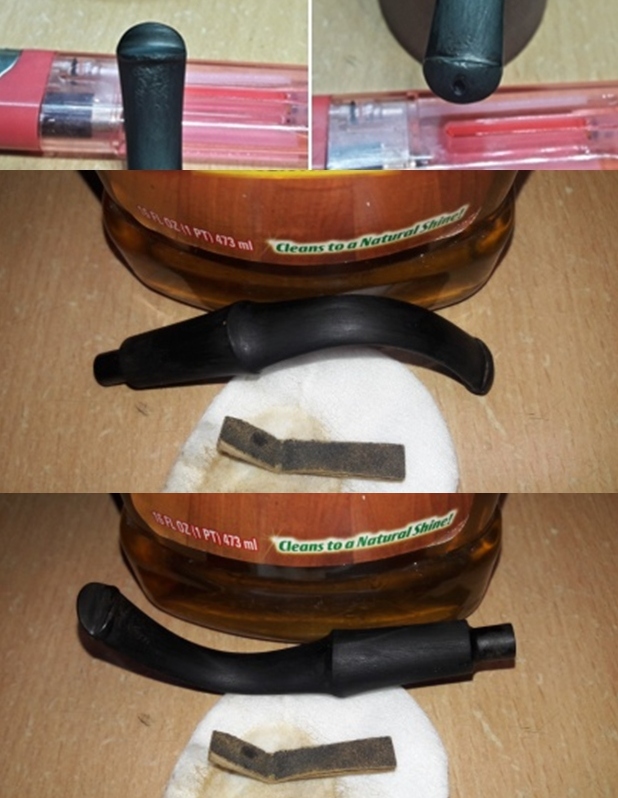
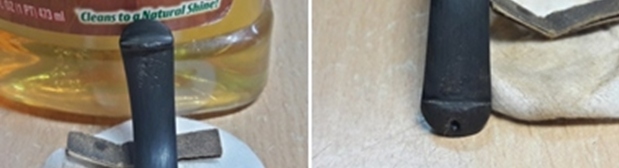
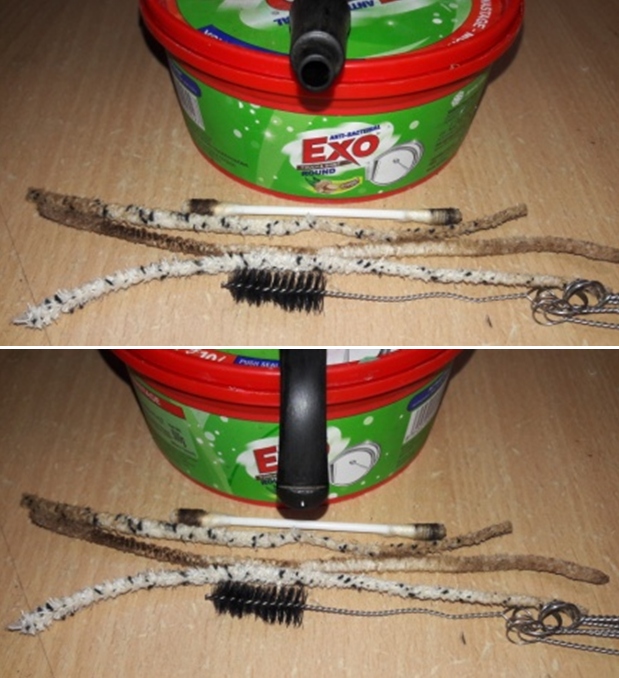
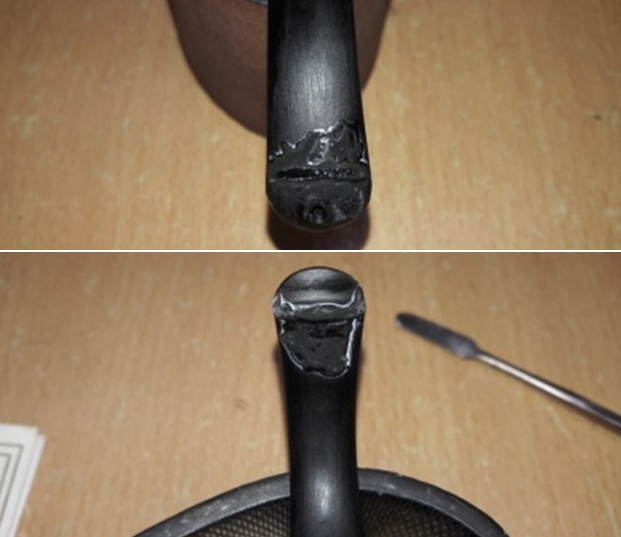
I started the restoration with the stem repairs as this would take the maximum of my time to clean, repair and spruce up. I flamed the damaged button edge and the nicks and dents with the flame of a lighter. This helps the vulcanite to rise to the surface as it has an inherent property to regain its original shape when heated. At this stage, I could clearly make out the extent of damage on either surface in the bite zone. I further sand bite zone to even out the raised bite marks and further eliminate the minor ones. I addressed the deeper oxidation by sanding the entire stem with a folded piece of 150 and followed by 220 grit sand paper. This also helps to prevent the fills turning brown once polished. Once the oxidation was completely removed, I wiped the surface clean with Murphy’s oil soap on a cotton swab and rubbed a little Extra Virgin Olive oil to hydrate the stem. I cleaned the internals of the stem using hard and normal bristled pipe cleaners and isopropyl alcohol. The gunk that came out with the pipe cleaners tells the sordid tale of the stem condition. To save on to the requirement of number of pipe cleaners, I have resorted to cleaning the stem internals using thin shank brushes with anti-oil dish washing soap and finally rinsing the stem with warm water to clean and freshen up the stem internals. With a pointed dental tool, I scraped out the entire dried gunk from the tenon end.   Continuing with the stem repair, I tightly wrapped a scotch tape around the thin tapered end of a pipe cleaner so that I had achieved a snug fit of the pipe cleaner in the small rounded slot of the P-lip stem. The scotch tape prevents the mix of charcoal and superglue from sticking over the pipe cleaners and keeps the slot end open. Thereafter, I mixed superglue and activated charcoal powder and generously applied it over the bite zone on either side, including over the button and set it aside to cure.  Using a flat head needle file, I reshaped the button and roughly matched the fills in the bite zone with the rest of the stem surface. I sand the entire stem surface with a piece of folded 220 grit sandpaper to even out the fills as well as remove the oxidation from the stem surface. I followed it up by further dry sanding the stem with 320, 600, 800 and wet sanding with 1000 grit sand papers to achieve a perfect blending of the fills with the stem surface and build a crisp button edge on either side of the P-lip. The repairs look good and the stem should polish up nicely. With the stem repairs and refurbishing nearly complete, save for the final micromesh polishing, I started with cleaning of the stummel as I was keen to know the condition of the walls of the chamber. With size 1 head of a PipNet pipe reamer, I took the cake down to bare briar. With my sharp fabricated knife, I removed the cake from the chamber where the reamer head could not reach and thereafter, using a folded piece of 180 grit sand paper, I sand out the last traces of cake and expose the walls of the chamber. I wiped the chamber with a cotton pad dipped in isopropyl alcohol to remove the carbon dust left behind by all the reaming and sanding process. Once the chamber walls were cleaned out, I was pleased to note a pristine chamber with no signs of heat fissures/ lines/ pits. With the same sharp knife, I gently scraped off the lava overflow from the rim top surface. The charred and uneven rim surface (encircled in red) and damaged outer rim edges (major damage is encircled in blue) are now clearly seen and should be easily addressed with simple topping of the bowl. Next, I cleaned out the internals of the shank and mortise. Using my dental tool, I scraped out all the dried oils, tars and gunk that had accumulated in the draught hole, airway and sump. The amount of crud that was scrapped out and the condition of the pipe cleaners that were used leaves no surprise why air flow through it was restricted. I finished the cleaning by running a few pipe cleaners dipped in isopropyl alcohol. I also wiped the sump with cotton buds and alcohol. I shall continue further cleaning of the mortise and the sump with shank brushes and dish washing soap while cleaning the external stummel surface.Next, I cleaned the external surface using a hard bristled toothbrush and Murphy’s Oil Soap. With a soft bristled brass wired brush, I removed the overflowing lava from the rim top surface and cleaned the internals of the shank with a shank brush and dish washing soap to remove what little crud remained in the shank. I rinsed it under running tap water and wiped the stummel dry with an absorbent soft cotton cloth. The external cleaning of the stummel has brought to the fore a few more scratches over the surface. The cleaning of the chamber and shank internals with the dish washing soap has completely eliminated all the ghost smells and the internals now smell and look clean and fresh. Now that the rim top surface is clean and free of the entire lava overflow, the extent of the charring and dents and dings to the inner rim edge is fairly apparent. The charring at 8 o’clock and 12 o’clock direction (marked in red) is far deeper than I had expected and also the dents and dings to the inner and outer rim edges are far more severe than what it had appeared to me during the detailed inspection. However, topping and creating bevels will address these issues. Now that I had a fair idea of the requirement of the extent of topping the rim surface, I top the rim on a piece of 220 grit sand paper to even out the rim surface dents and dings and also to reduce the charred rim surface. I addressed the out of round inner edge by creating a bevel to inner edge with a folded piece of 220 grit sand paper pinched between my thumb and index finger. I agree with the Readers who are of the opinion that the issue of charred rim has not been addressed completely. However, I am ready to accept minor blemishes as against losing too much of briar estate. I am very happy at the way the chamber and rim top surface appears at this in restoration.   The old fills observed earlier during initial inspection were addressed next. Very carefully and painstakingly, I completely removed the old fill with a pointed dental pick. I cleaned the fill of all the debris of old fill material, wiped it with alcohol and refreshed the pits by spot filling with CA superglue in each fill and set it aside to cure overnight.   By next day, the fill was nice, hard and well set. Using a flat head needle file, I sand these fills to achieve a rough match with the stummel surface. With a folded piece of 220 grit sand paper, I worked the fill till I had achieved a nice blend with the rest of the stummel surface. It turned out much better than I had anticipated. I further sand the entire stummel surface with the same grit sand paper to further smooth the stummel surface in preparation for a polish by micromesh pads. I subjected the stummel to a complete cycle of micromesh polishing, wet sanding with 1500 to 12000 grit pads. I paid greater attention to polish the rim top surface and the bevels created on the inner and outer rim edges. I wiped the stummel with a moist cloth after every grit pad to remove the sanding dust left behind by the pads. This also helps in monitoring the progress being made and provides an opportunity to take early corrective action, if required. I am happy with the progress being made till now. As decided earlier, I polished the ferrule with each of the micromesh pads and I am very pleased with the appearance of the ferrule.   Next, I rub a small quantity of “Before and After Restoration Balm” in to the briar with my finger tips and worked it deep in to the surface and let it rest for a few minutes. The balm almost immediately works its magic and the briar now has a nice vibrant appearance with the beautiful flame and Bird’s eye grain patterns on full display. The contrast of the dark browns of the grain with the light hues of the rest of the stummel adds an interesting dimension to the appearance of the stummel. I further buffed it with a horse hair brush to further deepen the shine.   With the stummel repairs and polishing completed, I turned to polishing the stem before I move on to final polishing the entire pipe with Blue Diamond and Carnauba wax. Using the micromesh pads, I completed the polishing cycle by wet sanding the surface with 1500 to 12000 girt pads. The stem looks great with the fills nicely matched with the rest of the surface. I gave a final rub with “Before and After Extra Fine” stem polish compound from Mark to remove fine scratches from the stem surface. I rub a little quantity of Extra Virgin Olive oil in to the stem surface and set it aside to be absorbed by the vulcanite. The stem polished up nicely and appears as good as when new.     To put the finishing touches, I mount a cotton cloth buffing wheel on to my hand held rotary tool and polished the stummel and stem with Blue Diamond compound. This compound helps to remove the minor scratch marks that remain from the sanding.    Next, I mount another cotton buffing wheel that I have earmarked for carnauba wax and applied several coats of the wax. I mount a clean cotton cloth buffing wheel and give the entire pipe a once over buff. I finished the restoration by giving the entire pipe a rigorous hand buffing using a microfiber cloth to raise the shine further. I gave a final polish to the ferrule with a jeweler’s cloth and worked up a nice deep shine to the ferrule. The finished pipe with a natural finish to the briar looks amazingly beautiful and is now ready for its long second innings with me. P.S. I had a thought of staining the stummel with a Dark Brown stain and vacillated a long time on trying to reach a decision. Though the fills are discernible in the pictures, in person, these have blended in quite well and the natural finish of the briar against the dark grain makes for a visual treat, in my opinion. However, I am open to the valuable suggestions from the esteemed readers of rebornpipes on the issue of staining the stummel or leave it be.
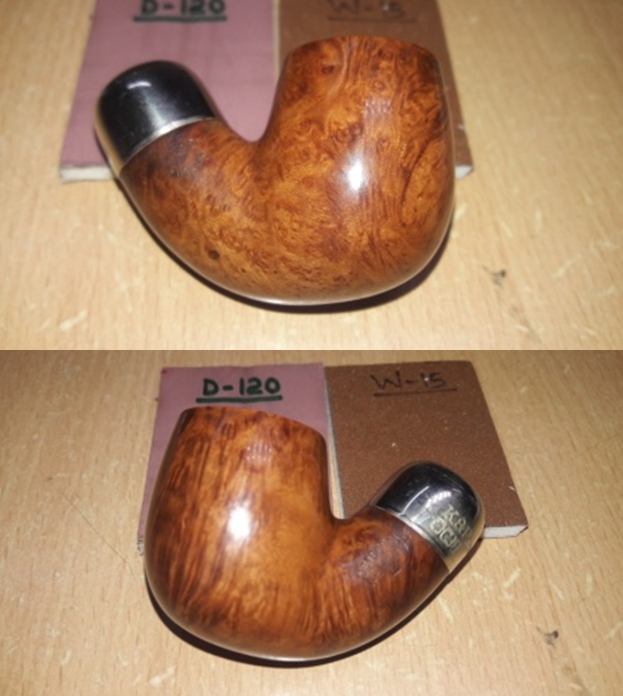
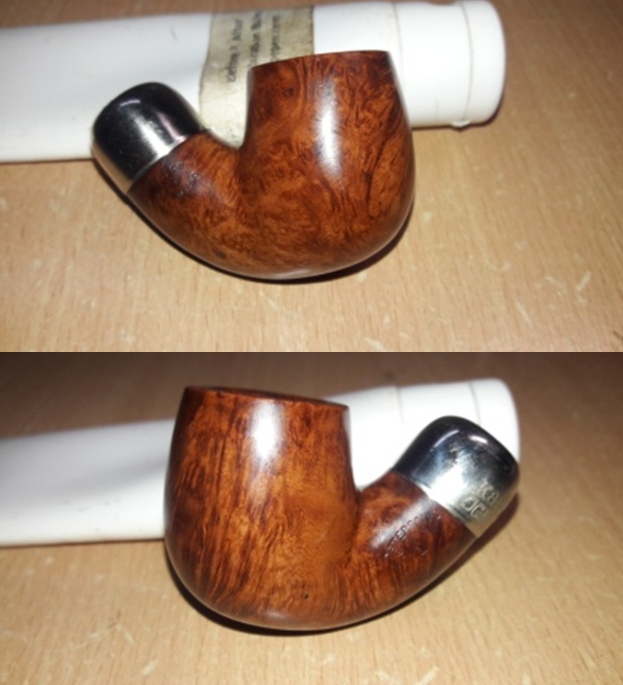
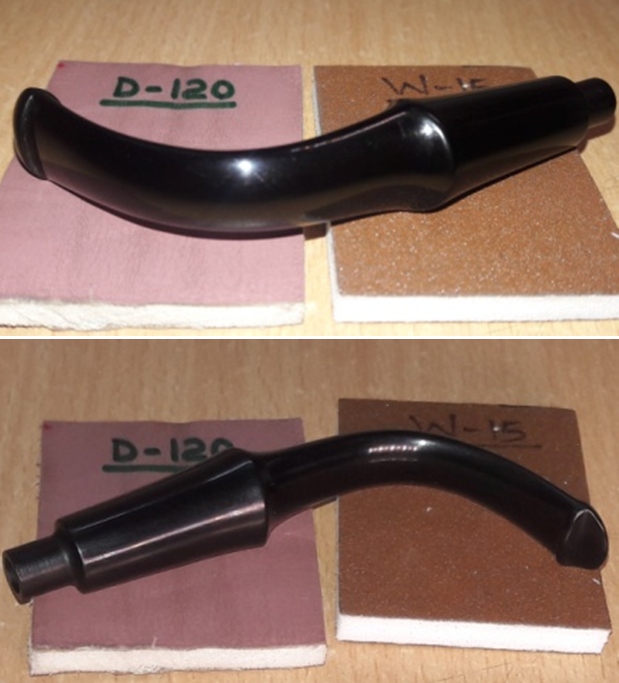
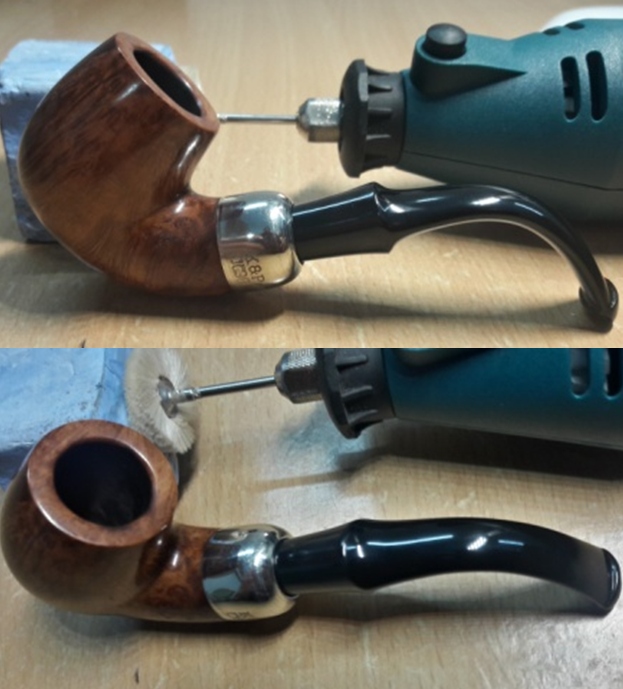
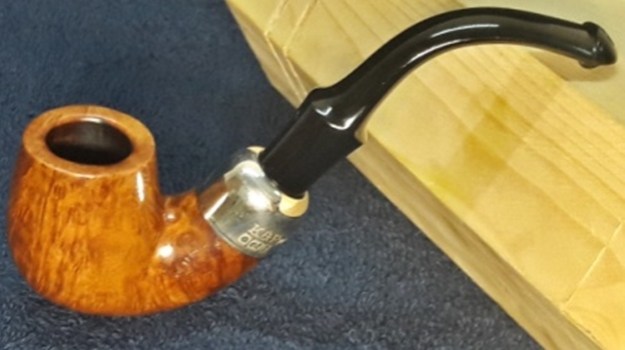
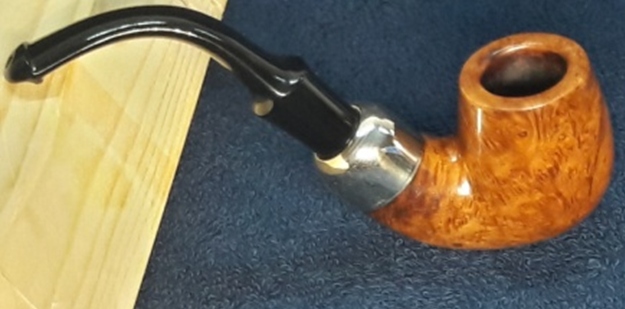
Praying for the health and safety of all the readers and their loved ones in these troubled times…

New Life for a Peterson’s Republic Era “Donegal” Rocky 407 Prince


Blog by Steve Laug

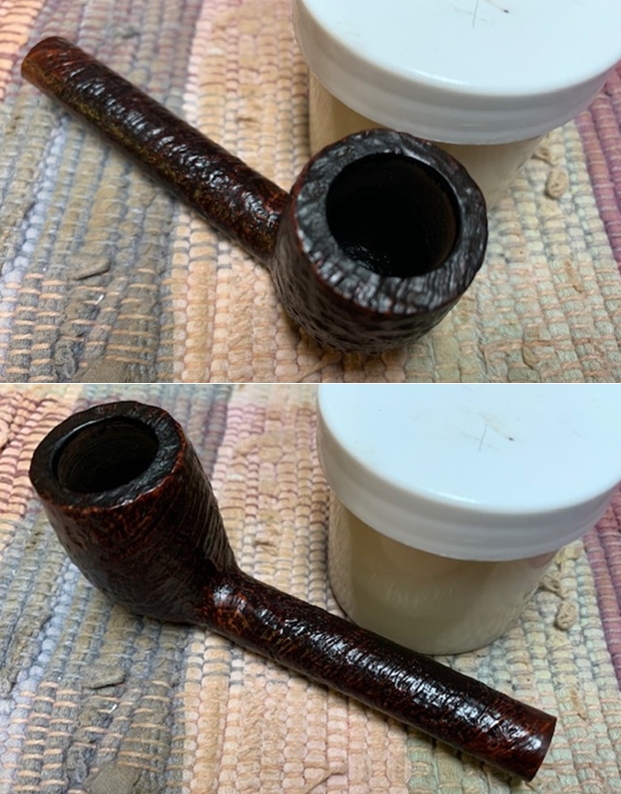
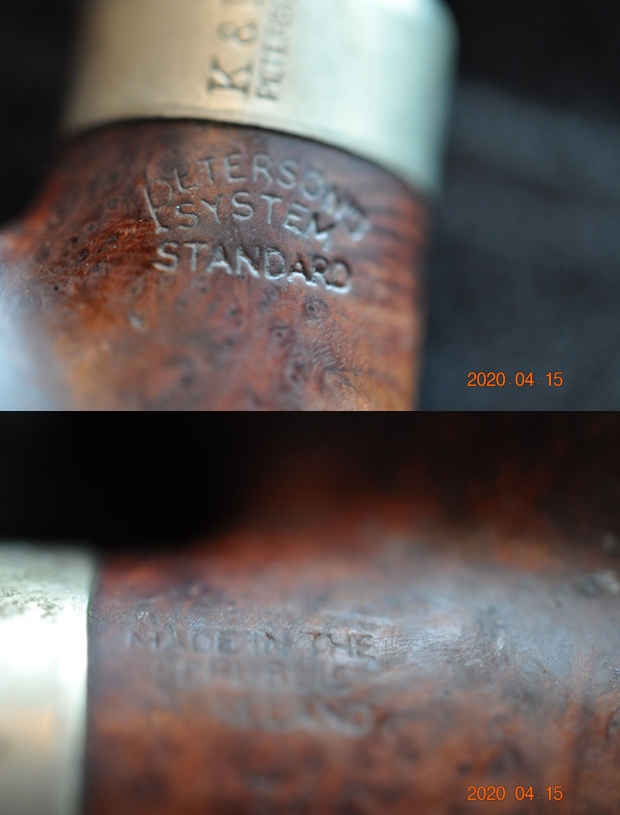
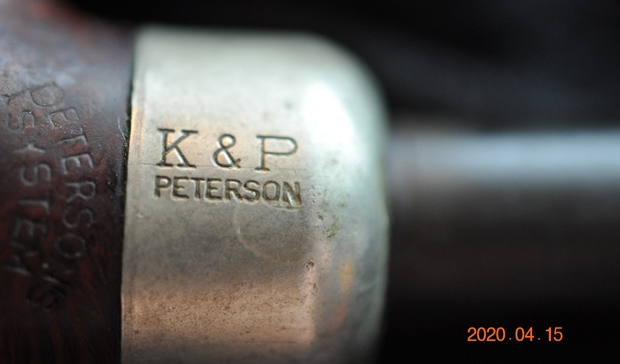
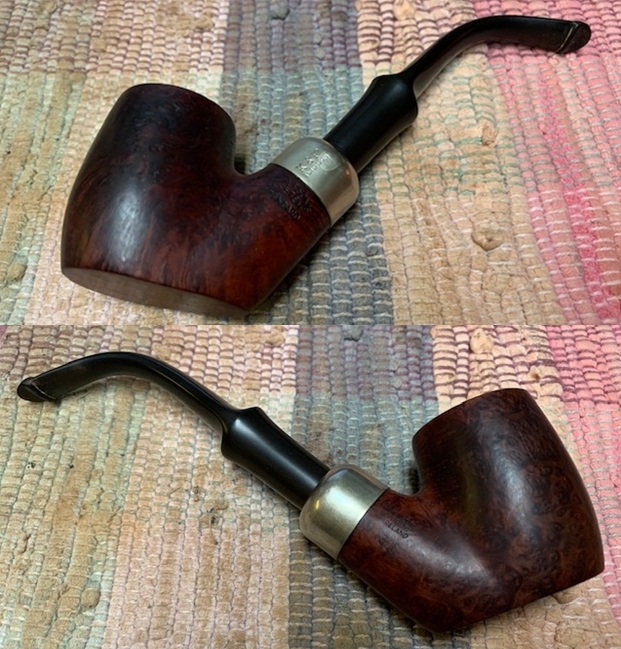
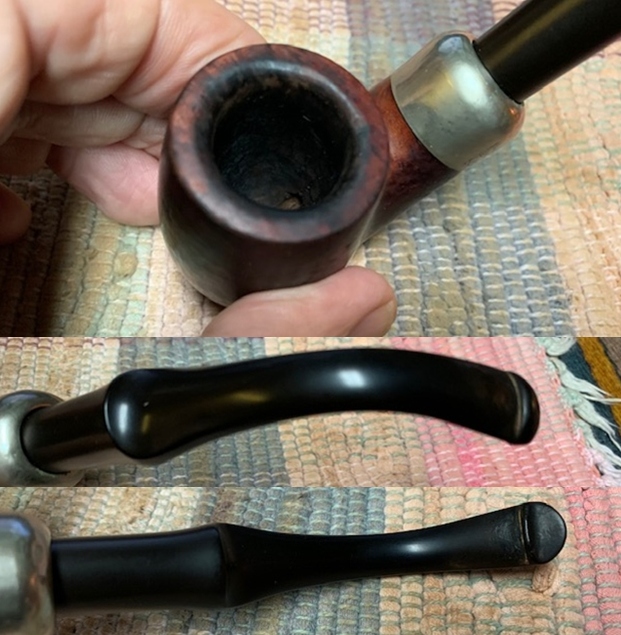
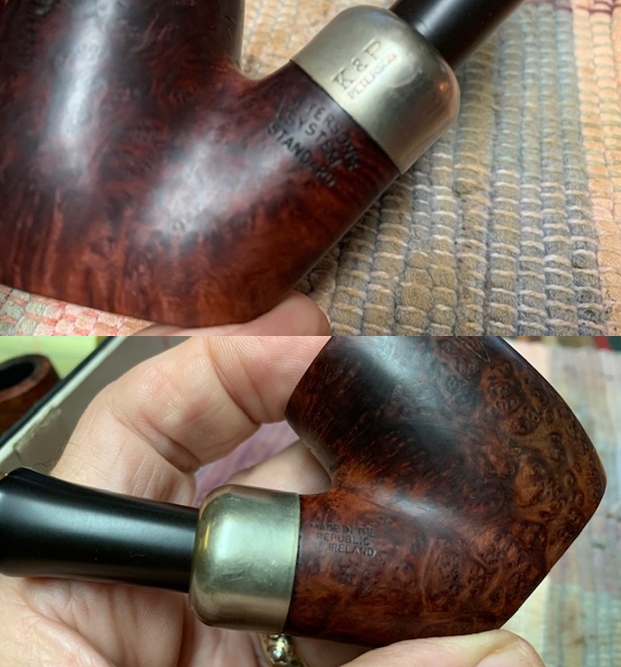
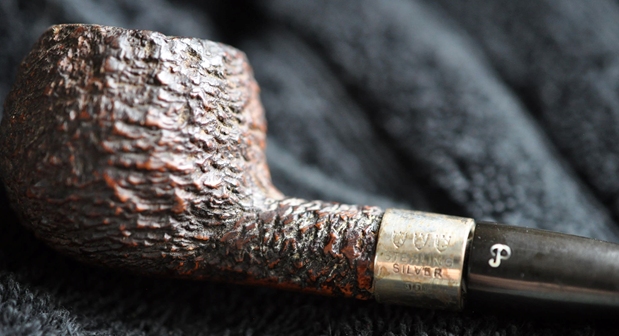
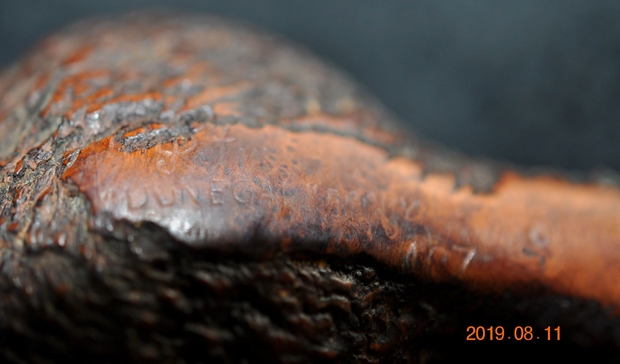
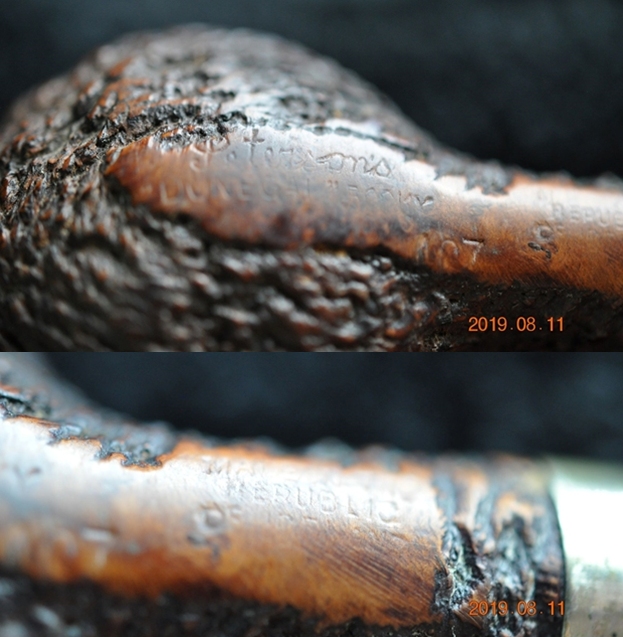
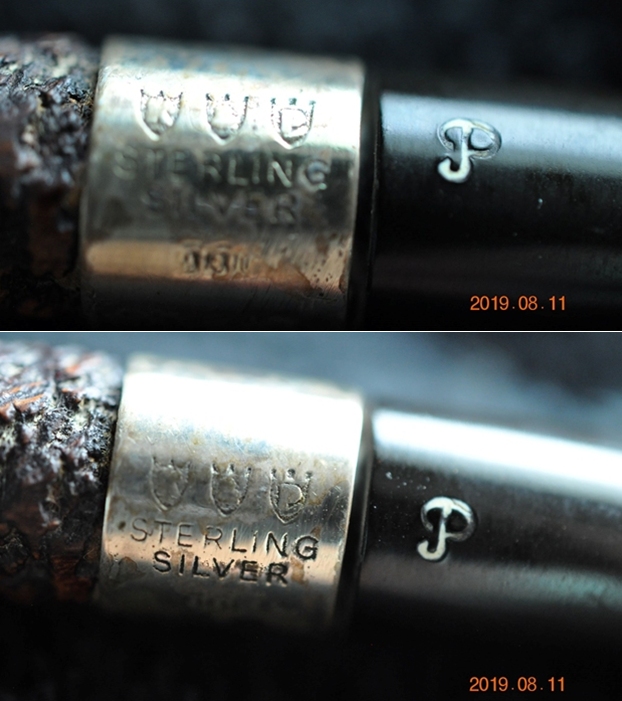
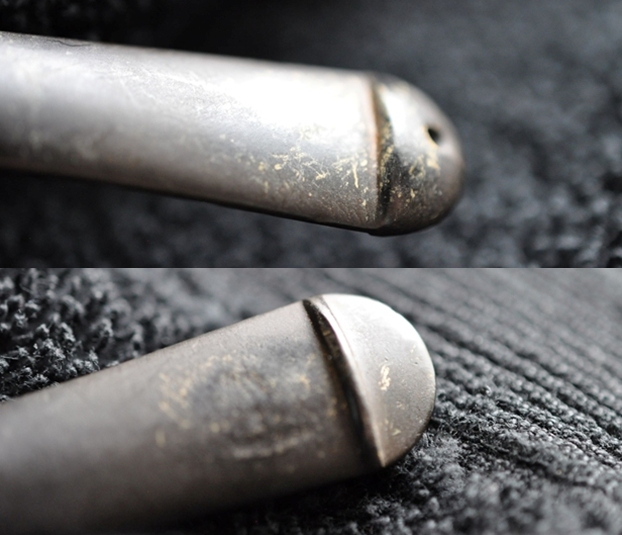
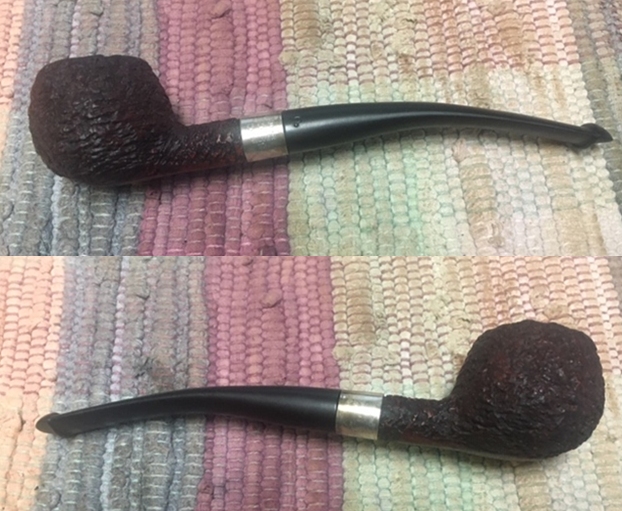
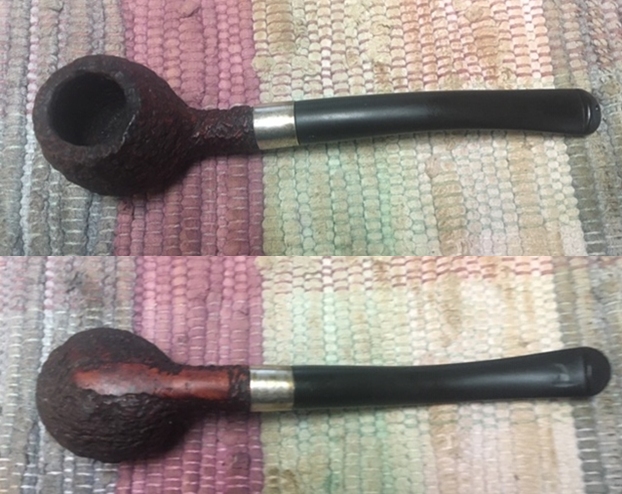
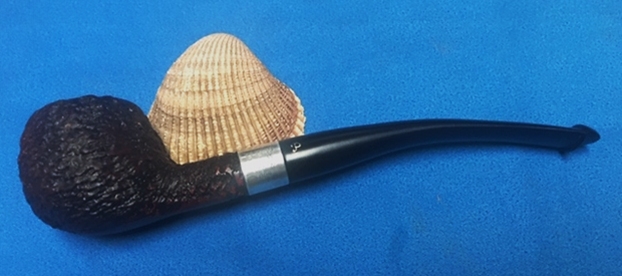
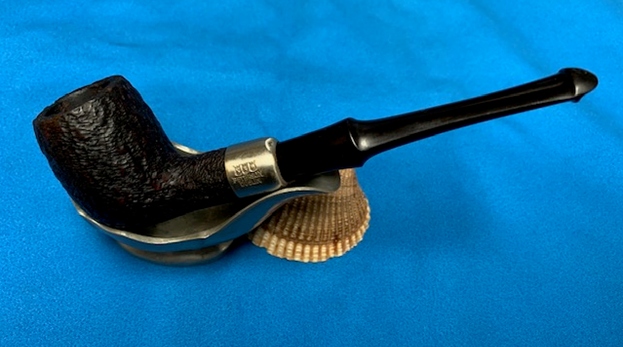
The next pipe on the table came to us from one of Jeff’s pipe hunts or auctions. It is a smaller nicely grained and I would say classic Peterson’s “Donegal” Rocky 407 Prince with a bent P-lip stem. The rusticated finish is quite rugged and has an instantly recognizable Peterson’s look. The pipe was dirty, with grime and dust ground into the finish. The bowl had a thick cake in the bowl and a lava overflow on the inner edge of the rim and spilling onto the rim top and filling in the rustication there. The pipe is stamped on underside of the shank and reads Peterson’s “Donegal” Rocky. It is stamped Made in the Republic of Ireland followed by the shape number 407. The silver band is stamped K&P over Sterling Silver. There are also silver hallmarks. The first is the mark for the city of Dublin (woman on a throne). The second mark is the mark for the quality of silver (Irish harp). The third mark looks like an “I” (the date stamp). The stamping is clear and readable on the pipe and ferrule. The stem was dirty, oxidized and calcified. There were light tooth marks and chatter on the stem near the button on both sides and some on the surface of the button as well. There was a Peterson’s “P” on the left side of the taper stem. Jeff took photos of the pipe before he cleaned it up. Jeff took photos of the rim top to show the cake in the bowl and the overflow of lava onto the rim top and filling in the rustication. The photos show the rim top and bowl from various angles.He took some photos of the bowl sides and heel to show the tight rustication pattern that was on this bowl. It is a dirty but quite beautifully crafted pipe. The stamping on the underside of the shank read as noted above. It took a few photos to show the entirety of the stamping. The stamping is faint but readable. He also took photos of the Sterling Silver band on the shank. The P on the left side of the stem is clear and the stamping on the stem side is in good condition. The stem was a poor fit to the shank. It was oxidized, calcified and had debris stuck to the surface of the vulcanite. There were tooth marks and chatter on both sides of the stem. I am including the information from Pipedia’s article on Peterson pipes. It is a great read in terms of the history of the brand (https://pipedia.org/wiki/Peterson). I have included a bit of the pertinent history here.
1950 – 1989 The Republic Era  – From 1950 to the present time, the stamp for this era is “Made in the Republic of Ireland” in a block format generally in three lines but two lines have been used with or without Republic being abbreviated.

During the 1950’s and 60’s the Kapp & Peterson company was still in the ownership of the Kapp family. However 1964 saw the retiral of the company Managing Director Frederick Henry(Harry) Kapp.

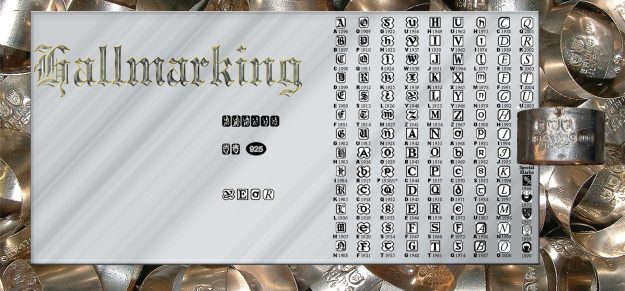
I turned to the Peterson’s pipe notes site to have a look at the hallmark chart and see if I can identify the stamping (https://petersonpipenotes.org/tag/peterson-pipe-hallmarks/). I have included the chart below. It looks to me like it is stamped with the letter I that looks like the letter stamp for 1976.With that information in hand I knew what I was dealing with in terms of the stamping and the age of this pipe. I knew from the information that the pipe was made during the Republic Era between 1950 and 1989. Pipedia then qualifies the dating as follows: From 1950 to the present time, the stamp for this era is “Made in the Republic of Ireland”. The date stamp on the Sterling Silver cued it to 1976. Now it was time to work on the pipe.

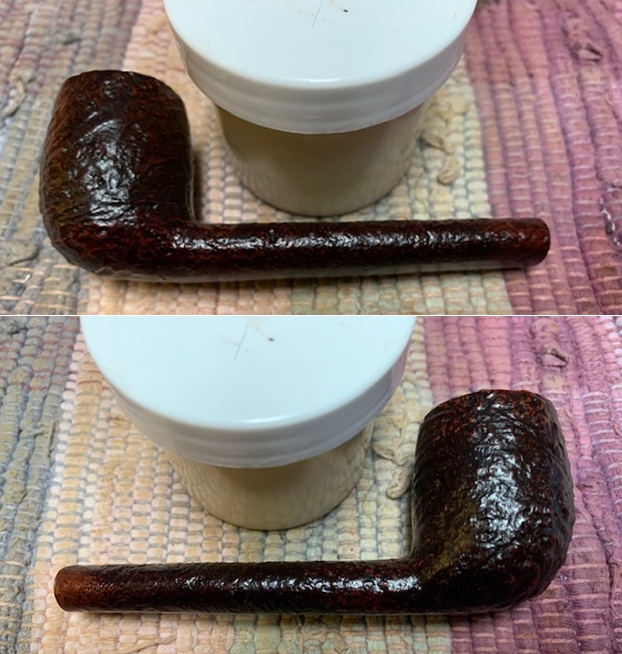
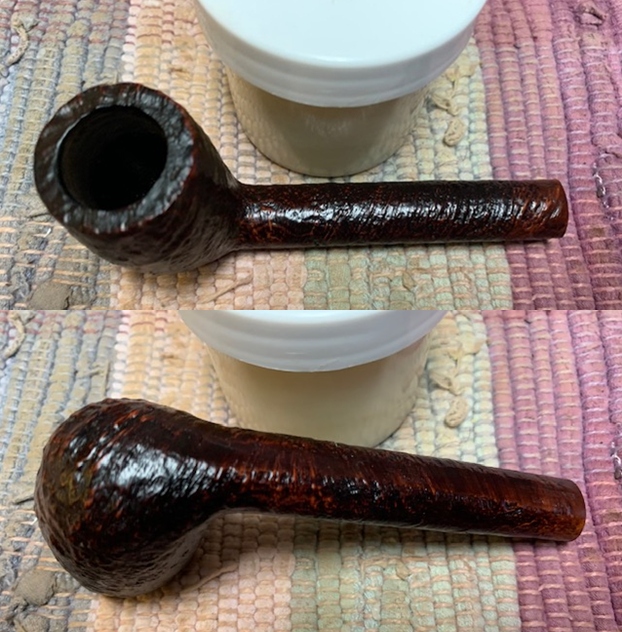
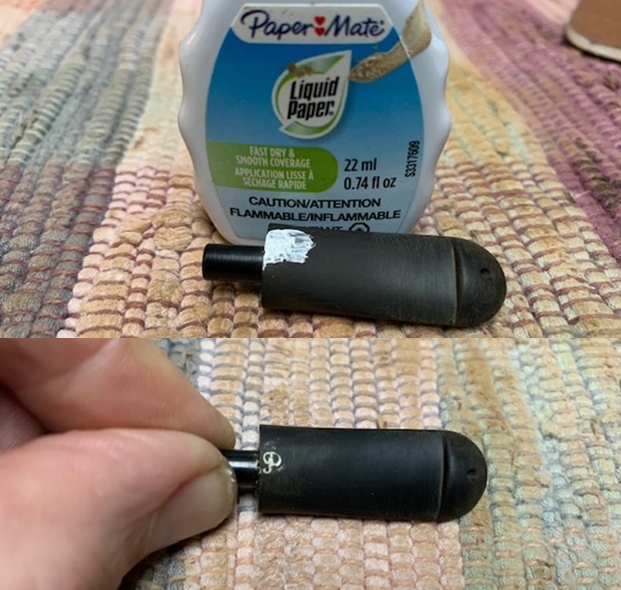
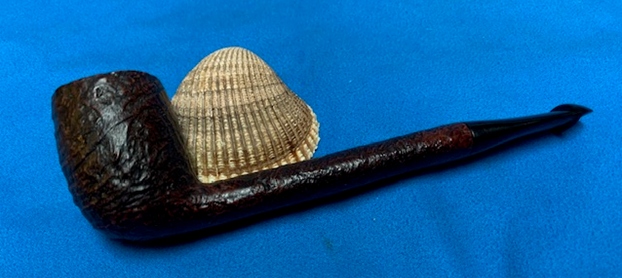
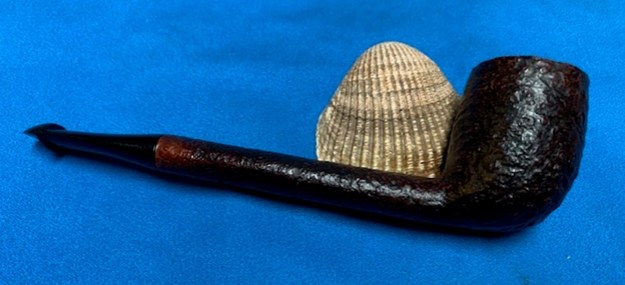
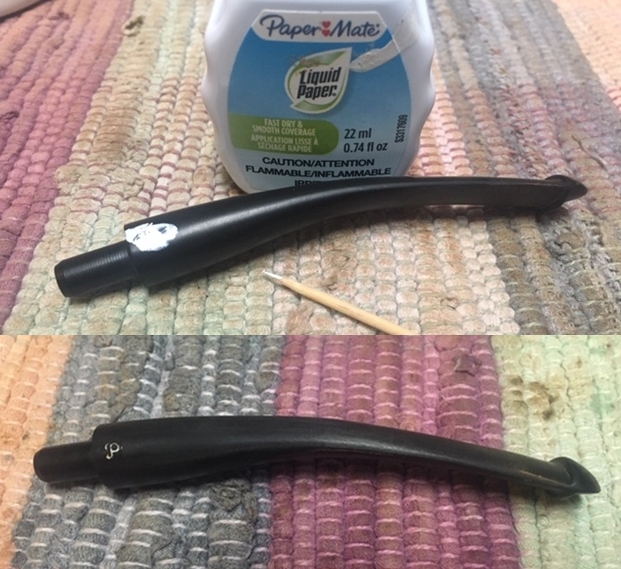
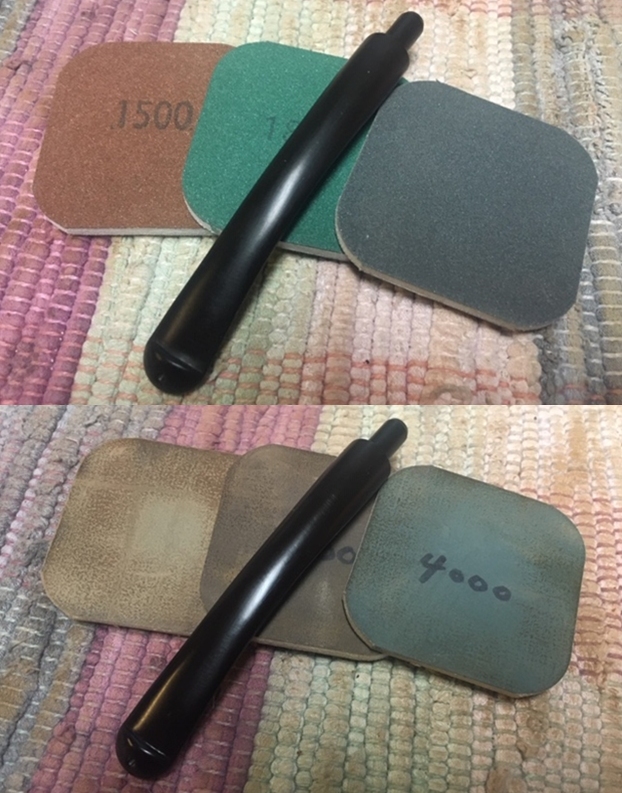
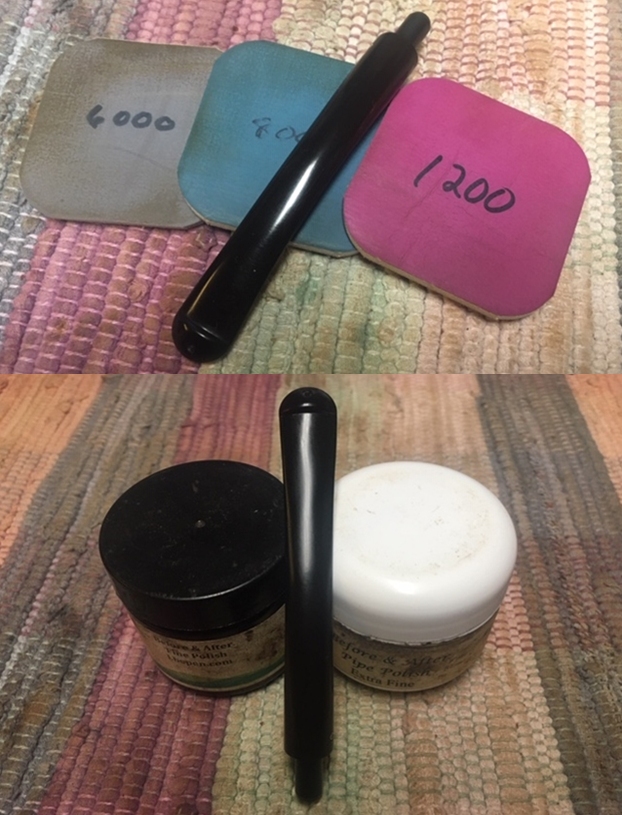
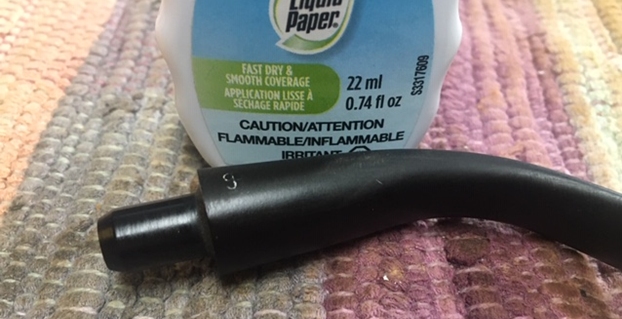
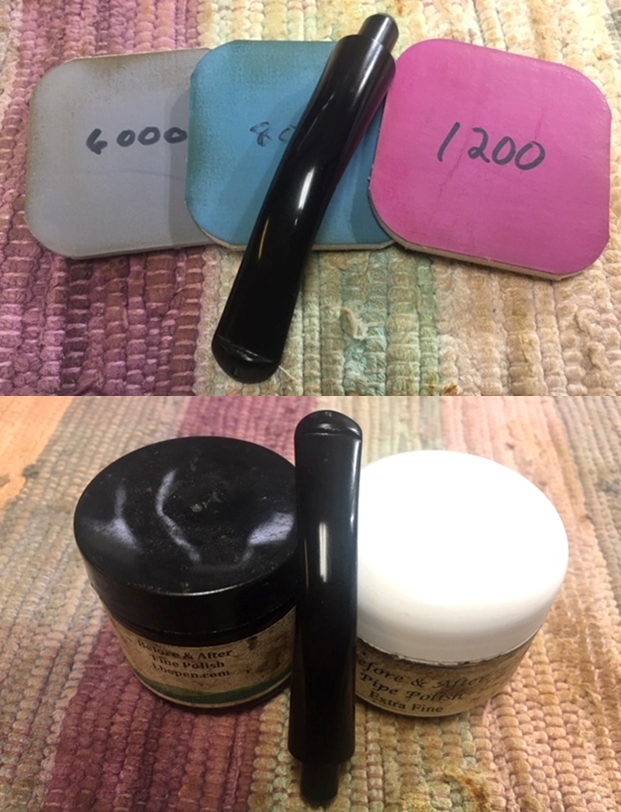
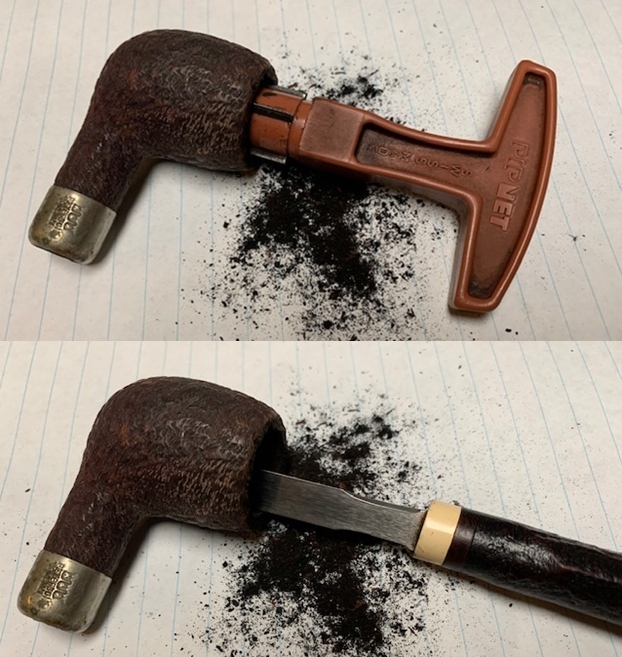
Armed with that information I turned to work on the pipe itself. Jeff had done an amazing job cleaning up the pipe. He reamed the pipe with a PipNet reamer and cut back the cake back to the bare briar. He cleaned up the walls with a Savinelli Fitsall Pipe Knife. He scrubbed the interior of the bowl and shank with pipe cleaners, cotton swabs and alcohol to remove the tars and oils. He scrubbed the exterior of the pipe with Murphy’s Oil Soap and a tooth brush to remove the grime from the finish. He scrubbed the inside of the stem with alcohol and pipe cleaners. He cleaned the oxidized silver with Soft Scrub and buffed it off with a soft pad. He scrubbed the exterior with Soft Scrub and then soaked it in Before & After Deoxidizer. He washed it off with warm water to remove the Deoxidizer. The pipe looked far better. I took photos of the pipe when I received it before I started working on it. I took photos of the bowl and rim top to show how clean it was. The rustication on the rim top is very clean and there is darkening that will be hidden by the contrast stains. The stem looks clean of oxidation and there are some deep tooth marks and chatter on both sides of the stem.The stamping on the underside of the shank was faint but readable as noted above. The second photo shows the P stamp on the left side of stem.I took a photo of the pipe with the stem removed to show the overall look of stem, tenon and profile of the pipe. It is a great looking pipe.I rubbed the briar down with Before & After Restoration Balm. I worked it into the rustication with my fingertips and a shoe brush to get it into the deep briar. The product works to clean, enliven and preserve the briar. I let it sit for 10 minutes while I worked on the stem. After the time passed I buffed it with a cotton cloth to deepen the shine. The rustication came alive with the balm. I set the bowl aside and turned my attention to the stem. I heated the vulcanite to lift the dents but they had sharp edges so they did not lift at all. I filled in the deeper tooth marks with clear super glue and set it aside to cure.Once the repairs cured I sanded them smooth with 220 grit sandpaper. I usually file them first with a needle file but last night my daughters were using my desk top and that is where the files were so I just sanded them smooth. I started the polishing with 400 grit wet dry sandpaper.I touched up the P stamp on the left side of the stem with Paper Mate Liquid Paper and once it dried I scraped off the excess. The P stamp is far from perfect but it definitely looks better.This stem was in great condition so I polished it with micromesh sanding pads – 1500-12000 grit pads. I wiped it down with Obsidian Oil after each sanding pad. I used Before & After Pipe Polish – both Fine and Extra Fine to further polish the stem. This Republic Era Peterson’s “Donegal” Rocky 407 Prince is a nice looking rusticated pipe. The combination of brown stains really makes the rustication almost sparkle around the bowl sides and shank. They begin to really stand out with the polishing. The finish on the pipe is in excellent condition and the contrasting stains work well to give some contrast to the pipe. The polished black vulcanite P-lip taper stem and the Sterling Silver band just add to the mix. With the grime and debris gone from the finish and the bowl it is really is eye-catching. I put the stem back on the bowl and lightly buffed the pipe with Blue Diamond on the buffing wheel, carefully avoiding the stamping on the shank. I gave the bowl multiple coats of Conservator’s Wax and the stem multiple coats of carnauba wax on the buffing wheel and followed that by buffing it with a clean buffing pad. I hand buffed the pipe with a microfiber cloth to deepen the shine. The finished Peterson’s “Donegal” Rocky Prince is quite nice and feels great in the hand. Give the finished pipe a look in the photos below. The dimensions of the pipe are Length: 6 inches, Height: 1 ¼ inches, Outside diameter of the bowl: 1 ¼ inch, Chamber diameter: ¾ of an inch. Thanks for walking through the restoration with me as I worked over another interesting pipe. This Peterson’s “Donegal” Rocky will be added to the Irish Pipe Makers section of the rebornpipes store soon. If you want to add it to your collection send me an email or a message! Thanks for your time.

New Life for a Peterson’s Republic Era “Kildare” 69 Bent Billiard


Blog by Steve Laug

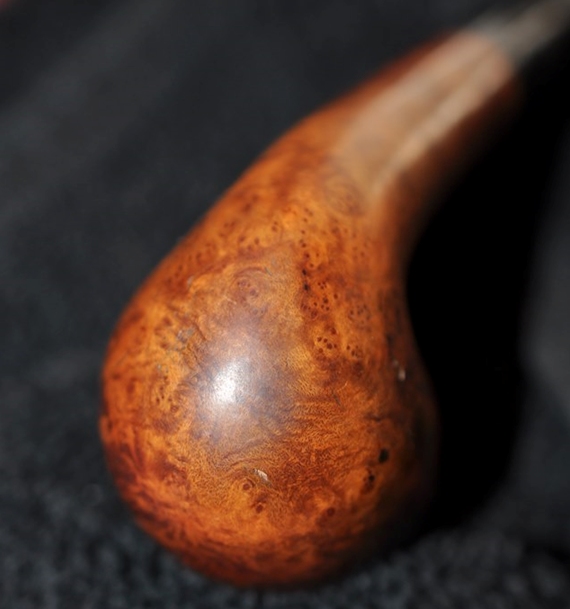
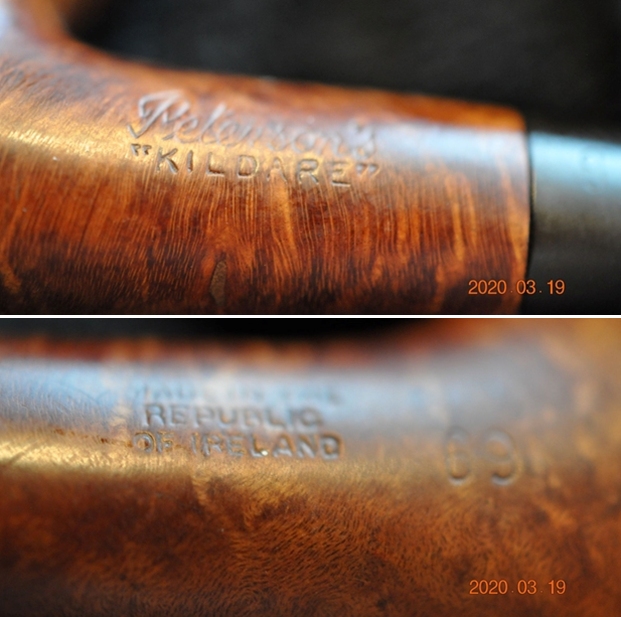
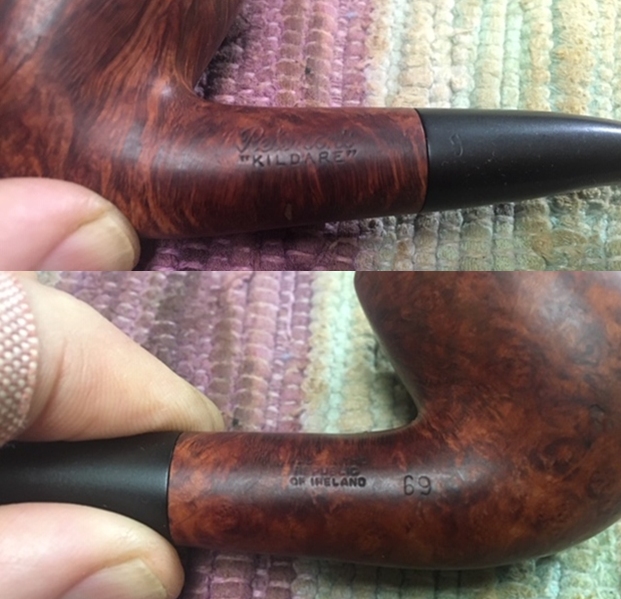
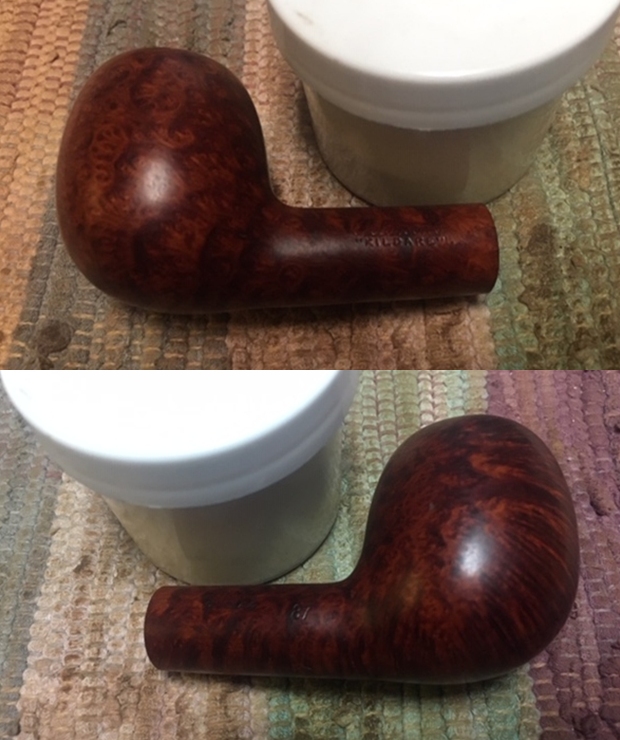
The next pipe on the table came to us from one of Jeff’s pipe hunts or auctions. It is a nicely grained and I would say beautiful Peterson’s “Kildare” 69 Bent Billiard. The finish is quite nice with at that classic Peterson’s look. The pipe was dirty, with grime and dust ground into the finish. The bowl had a thick cake in the bowl and a lava overflow on the inner edge of the rim and spilling onto the rim top in some spots. The pipe is stamped on both sides of the shank and reads Peterson’s “Kildare” on the left side of the shank. It is stamped Made in the Republic of Ireland followed by the shape number 69 on the right side of the shank. The stamping is clear and readable on the pipe. The stem was dirty and oxidized. There were tooth marks and chatter on the stem near the button on both sides and some on the surface of the button as well. There was a faint partial Peterson’s “P” on the left side of the taper stem. Jeff took photos of the pipe before he cleaned it up. Jeff took photos of the rim top to show the cake in the bowl and the relatively clean rim top and beveled edge. The photos show the rim top and bowl from various angles.He took some photos of the bowl sides and heel to show the interesting grain that was on this bowl. It is a dirty but quite beautifully crafted pipe. The stamping on the underside of the shank read as noted above. The photo shows that they are very clear and readable. The P on the left side of the stem faint and part of it not stamped into the surface of the stem. The stem was a very good fit to the shank. It was oxidized, calcified and had debris stuck to the surface of the vulcanite. There were tooth marks and chatter on both sides of the stem.  I am including the information from Pipedia’s article on Peterson pipes. It is a great read in terms of the history of the brand (https://pipedia.org/wiki/Peterson). I have included a bit of the pertinent history here.

1950 – 1989 The Republic Era  – From 1950 to the present time, the stamp for this era is “Made in the Republic of Ireland” in a block format generally in three lines but two lines have been used with or without Republic being abbreviated.

During the 1950’s and 60’s the Kapp & Peterson company was still in the ownership of the Kapp family. However 1964 saw the retiral of the company Managing Director Frederick Henry(Harry) Kapp.

With that information in hand I knew what I was dealing with in terms of the stamping and the age of this pipe. I knew from the information that the pipe was made during the Republic Era between 1950 and 1989. Pipedia then qualifies the dating as follows: From 1950 to the present time, the stamp for this era is “Made in the Republic of Ireland”. Now it was time to work on the pipe.

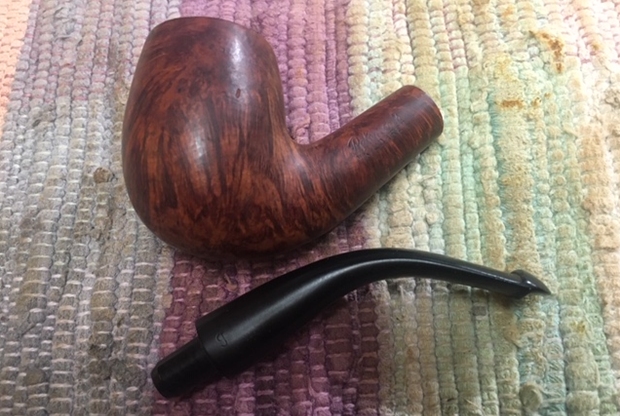
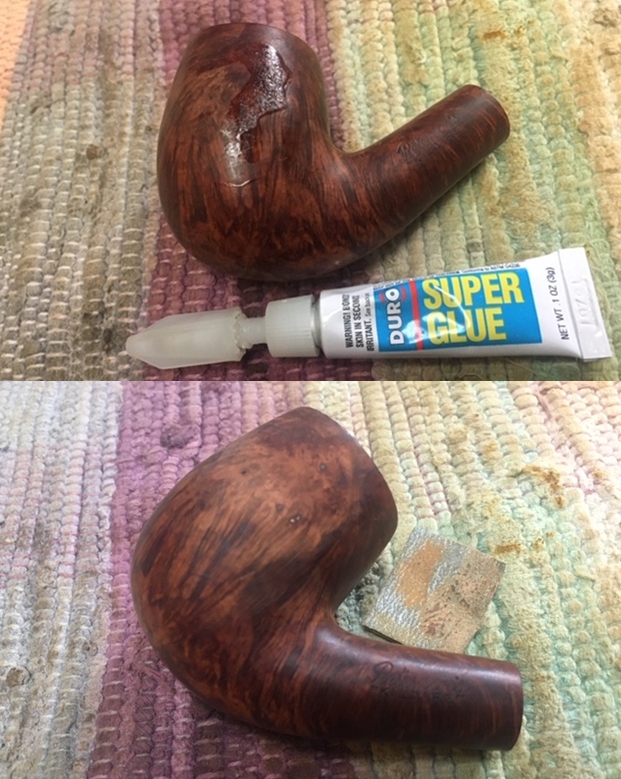
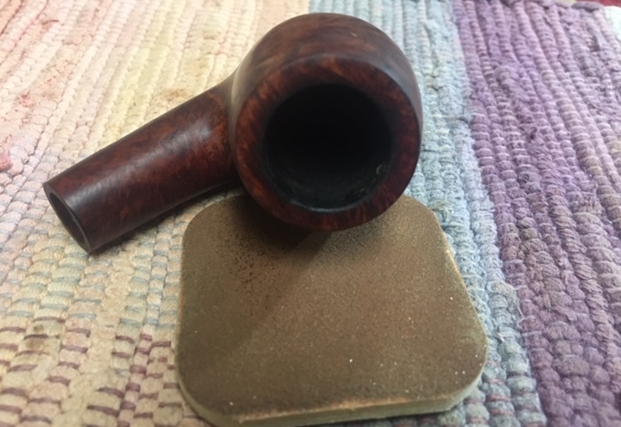
Armed with that information I turned to work on the pipe itself. Jeff had done a great job cleaning up the pipe as usual. He reamed the pipe with a PipNet reamer and cut back the cake back to the bare briar. He cleaned up the walls with a Savinelli Fitsall Pipe Knife. He scrubbed the interior of the bowl and shank with pipe cleaners, cotton swabs and alcohol to remove the tars and oils. He scrubbed the exterior of the pipe with Murphy’s Oil Soap and a tooth brush to remove the grime from the finish. He scrubbed the inside of the stem with alcohol and pipe cleaners. He cleaned the oxidized silver with Soft Scrub and buffed it off with a soft pad. He scrubbed the exterior with Soft Scrub and then soaked it in Before & After Deoxidizer. He washed it off with warm water to remove the Deoxidizer. The pipe looked far better. I took photos of the pipe when I received it before I started working on it. I took photos of the bowl and rim top to show how clean it was. There is some darkening around the inner edge and the rim top is roughened. The stem looks clean of oxidation and there are some tooth marks and chatter on both sides of the stem.The stamping on both sides of the shank was very clear and readable as noted above.I took a photo of the pipe with the stem removed to show the overall look of stem, tenon and profile of the pipe. It is a great looking pipe.There was a cluster of sandpits on the mid left side of the bowl. They were in a tight pattern and were quite deep.  I usually fill these in with a drop of clear super glue then sand the repairs smooth. This afternoon the glue came out in a large clump on the area in question. I wiped off some of the excess but the majority of it hardened very quickly. I now officially had a mess of my own making on the side of the bowl that needed to be cleaned up. I sanded the area smooth with a folded piece of 220 grit sandpaper until it had blended into the surrounding area. I sanded the rim top with a 1500 grit micromesh pad to smooth out the roughened rim top. I polished the briar with micromesh sanding pads – wet sanding with 1500-12000 grit pads and wiping the briar down with a damp cloth after each pad. I rubbed the briar down with Before & After Restoration Balm. I worked it into the briar with my fingertips and a horse hair shoe brush to get it into the deep briar. The product works to clean, enliven and preserve the briar. I let it sit for 10 minutes while I worked on the stem. After the time passed I buffed it with a cotton cloth to deepen the shine. The grain came alive with the balm. I set the bowl aside and turned my attention to the stem. I “painted” the surface of the stem to try to lift the tooth marks in the vulcanite. I was able to lift them quite a bit.There were still some marks on both sides of the stem near the button. Once the repair I flattened them with a needle file to start the process of blending them into the surrounding material. I sanded out the tooth marks and chatter on both sides of the button surface and stem with 220 grit sandpaper and began the polishing with 400 grit wet dry sandpaper.I touched up the P stamp on the left side of the stem with Paper Mate Liquid Paper and once it dried I scraped off the excess. The P stamp is far from perfect but it definitely looks better.I polished the stem with micromesh sanding pads – 1500-12000 grit pads. I wiped it down with Obsidian Oil after each sanding pad. I used Before & After Pipe Polish – both Fine and Extra Fine to further polish the stem. This Republic Era Peterson “Kildare” 69 Smooth Bent Billiard is a nice looking pipe. The combination of brown stain really highlights the grain around the bowl sides and shank. They begin to really stand out with the polishing. The finish on the pipe is in excellent condition and the contrasting stains work well to give some contrast to the pipe. The polished black vulcanite P-lip taper stem adds to the mix. With the grime and debris gone from the finish and the bowl it is really is eye-catching. I put the stem back on the bowl and buffed the pipe with Blue Diamond on the buffing wheel, carefully avoiding the stamping on the shank. I gave the bowl and stem multiple coats of carnauba wax on the buffing wheel and followed that by buffing it with a clean buffing pad. I hand buffed the pipe with a microfiber cloth to deepen the shine. The finished Bent Billiard is quite nice and feels great in the hand. Give the finished pipe a look in the photos below. I can only tell you that like the other pipes I am working that it is much prettier in person than the photos capture. The dimensions of the pipe are Length: 5 ½ inches, Height: 2 inches, Outside diameter of the bowl: 1 ¼ inches, Chamber diameter: ¾ of an inch. Thanks for walking through the restoration with me as I worked over another interesting pipe. This Peterson’s “Kildare” Bent Billiard 69 will be added to the Irish Pipe Makers section of the rebornpipes store soon. If you want to add it to your collection send me an email or a message! Thanks for your time.

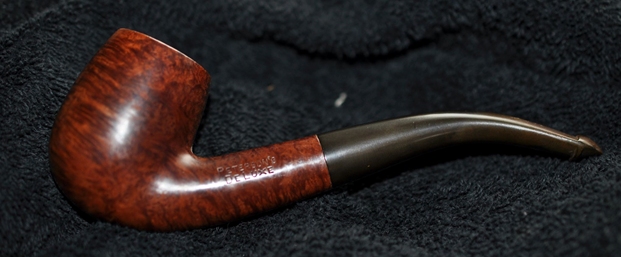
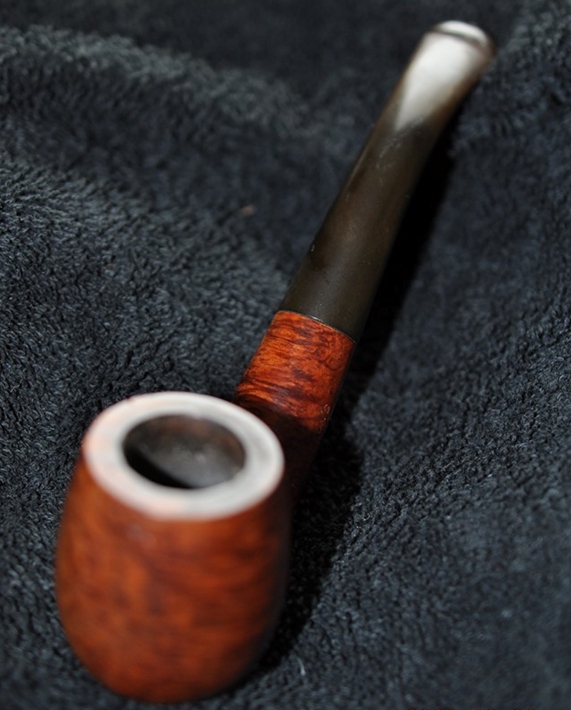
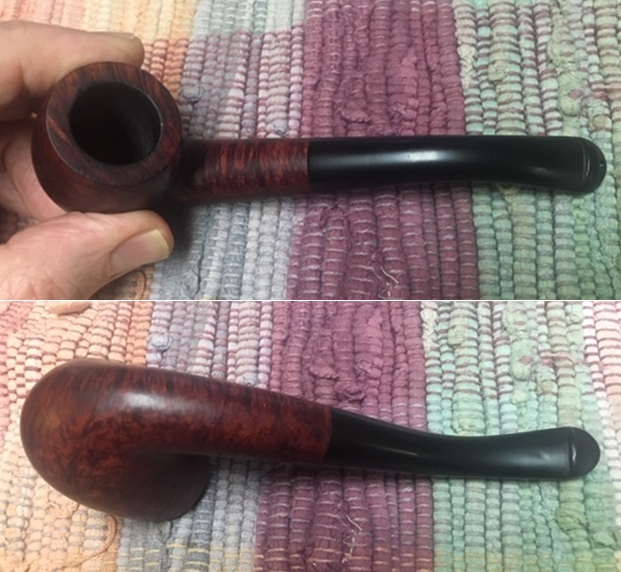
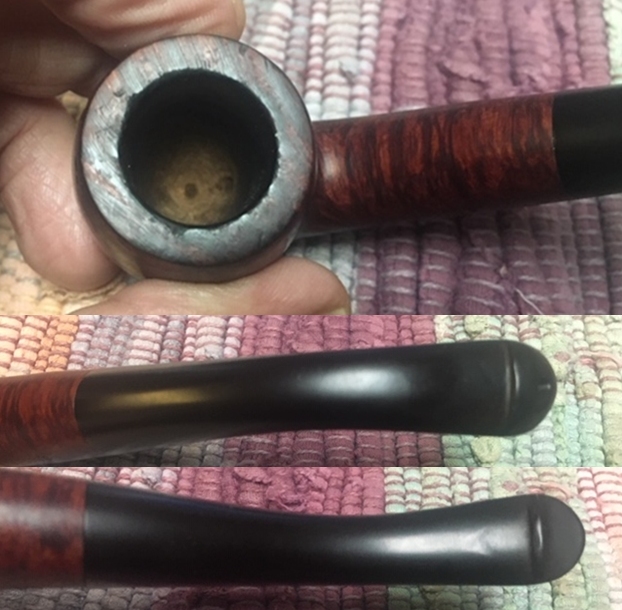
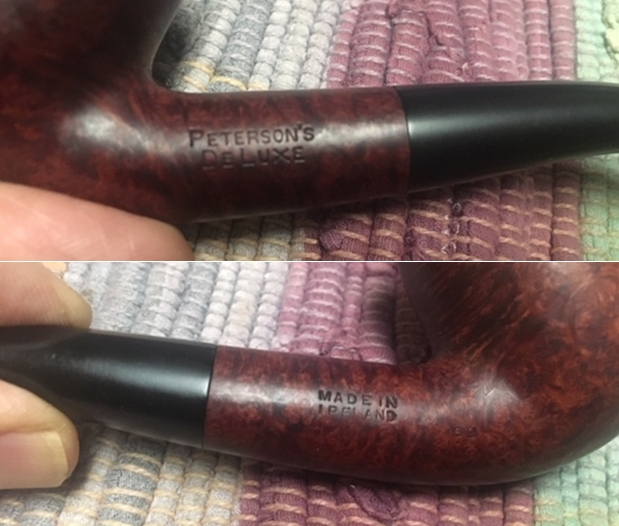
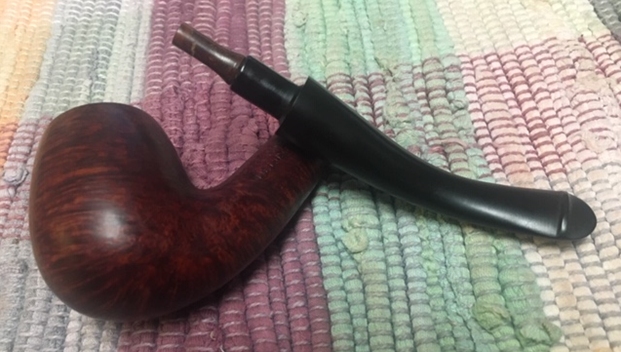
New Life for a Peterson’s DeLuxe,  Made in Ireland 595 Bulldog (Rhodesian)


Blog by Steve Laug

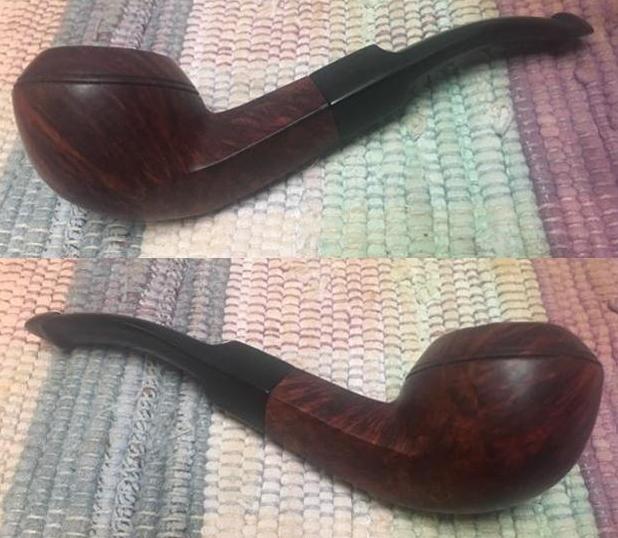
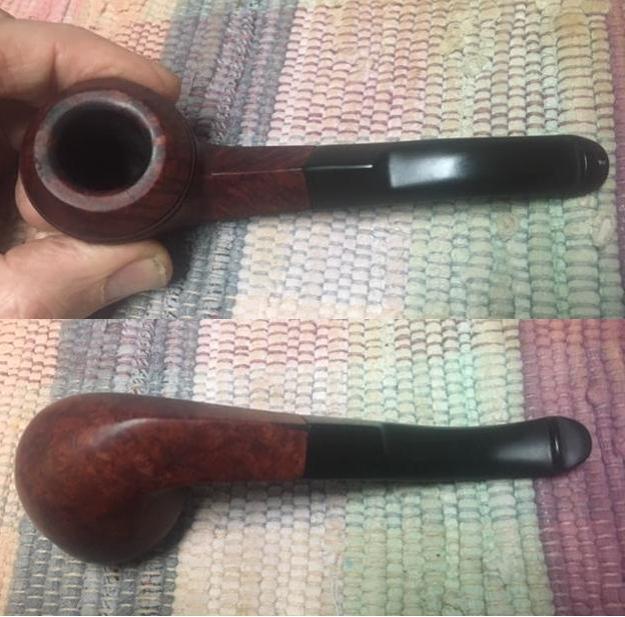
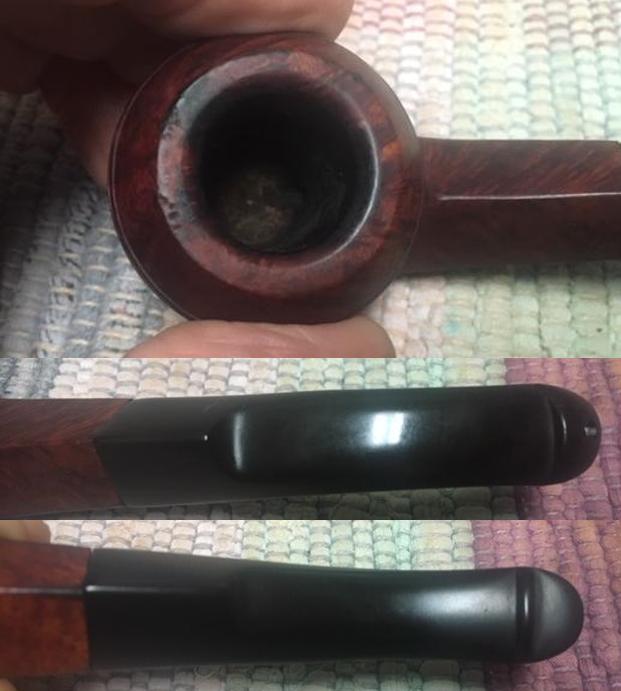
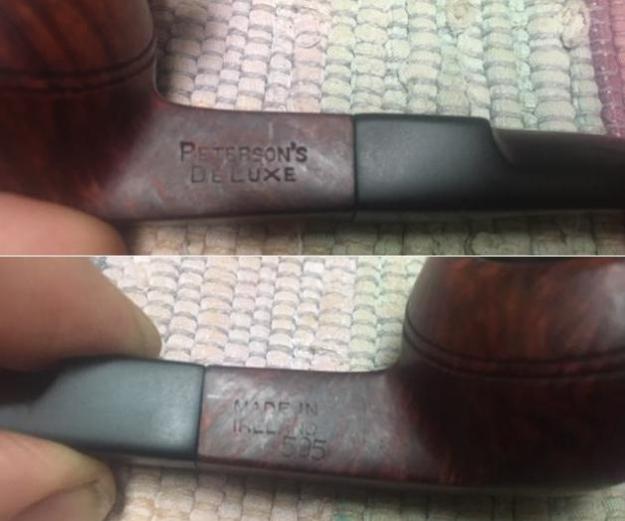
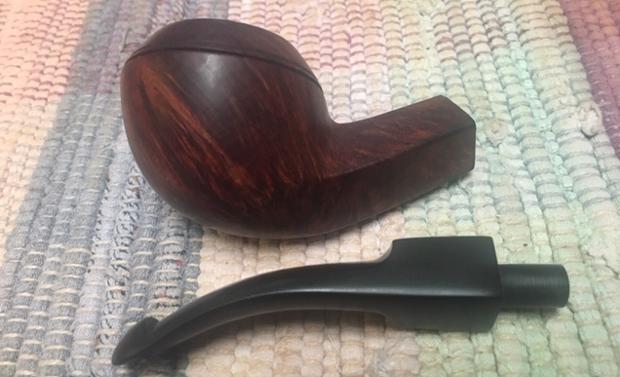
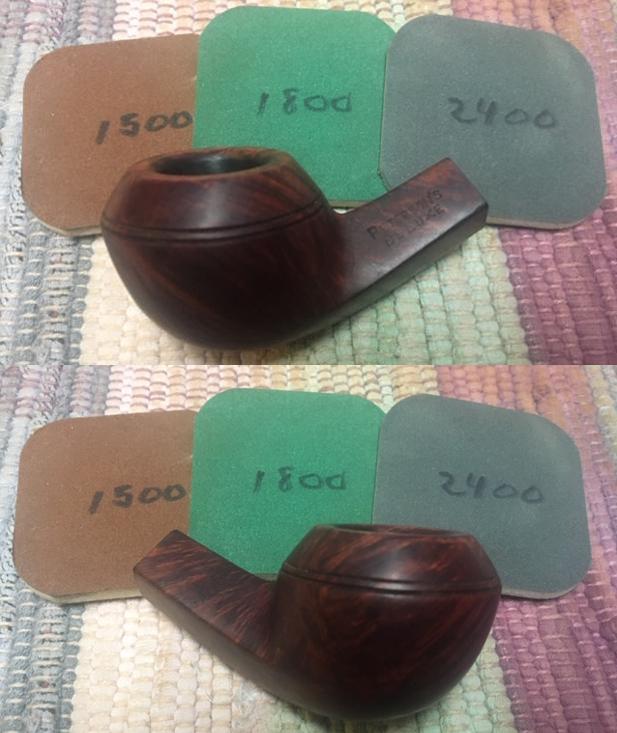
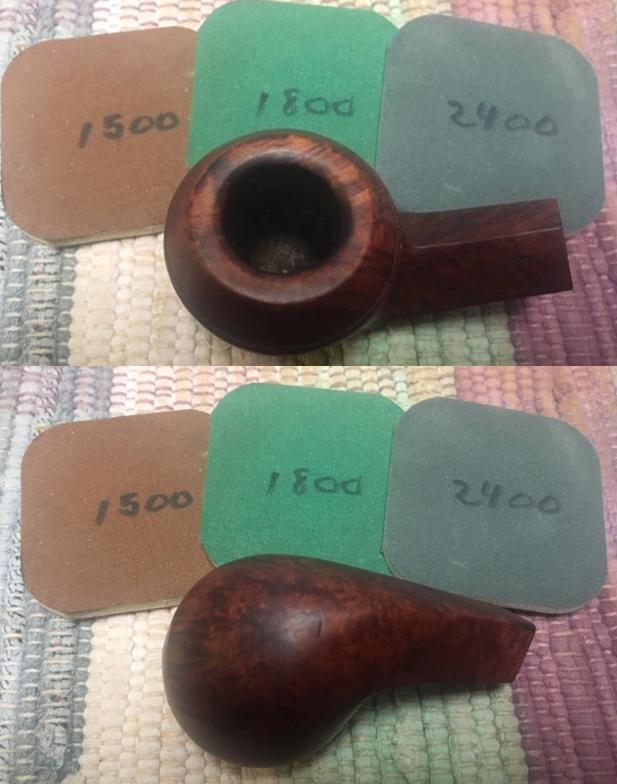
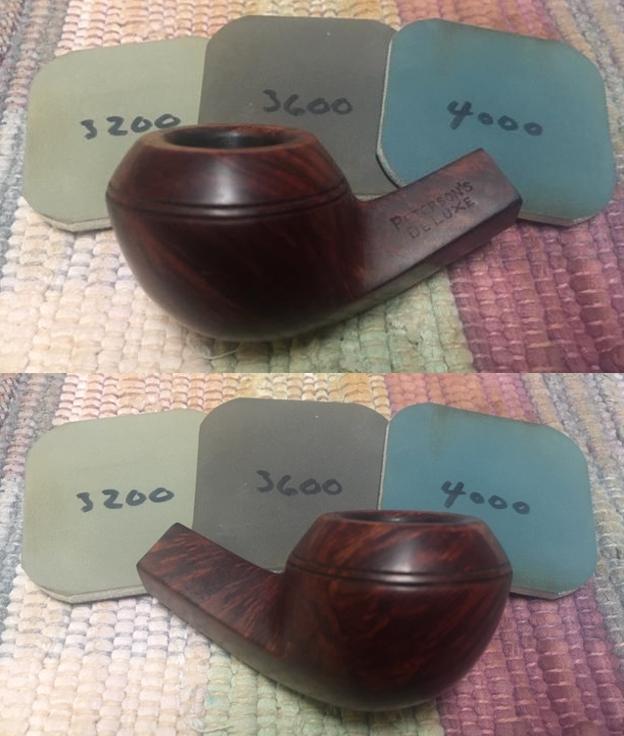
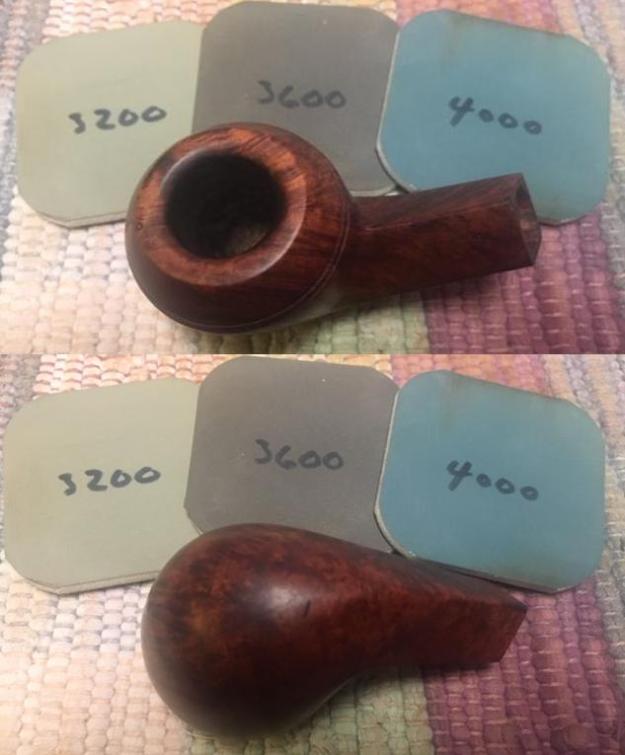
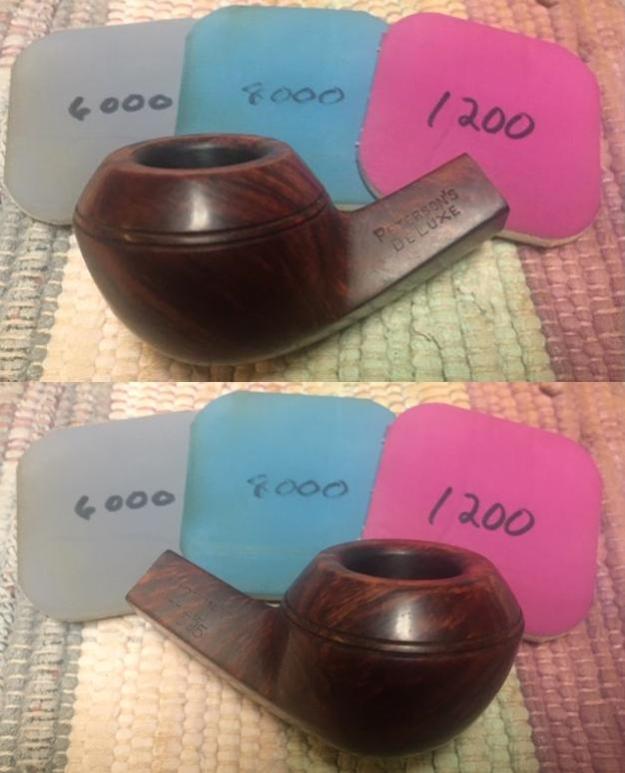
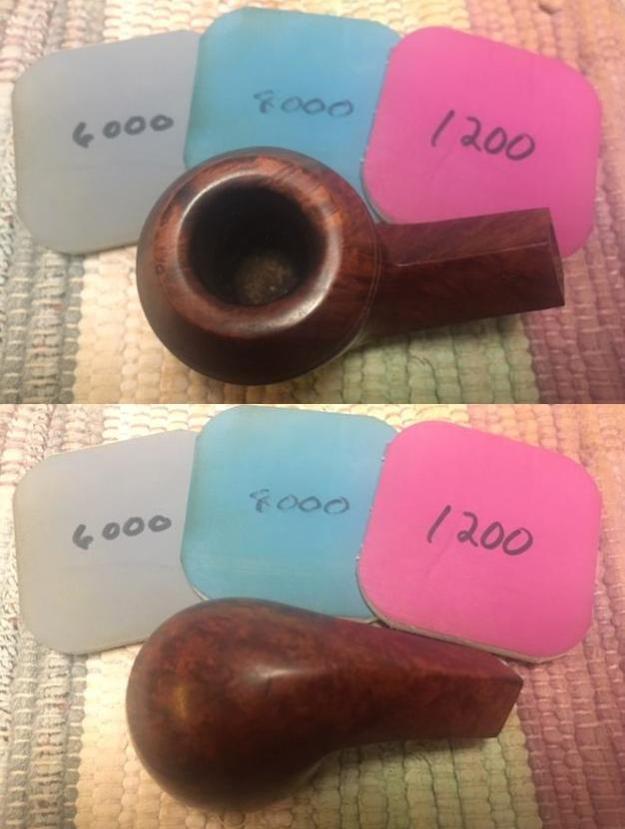
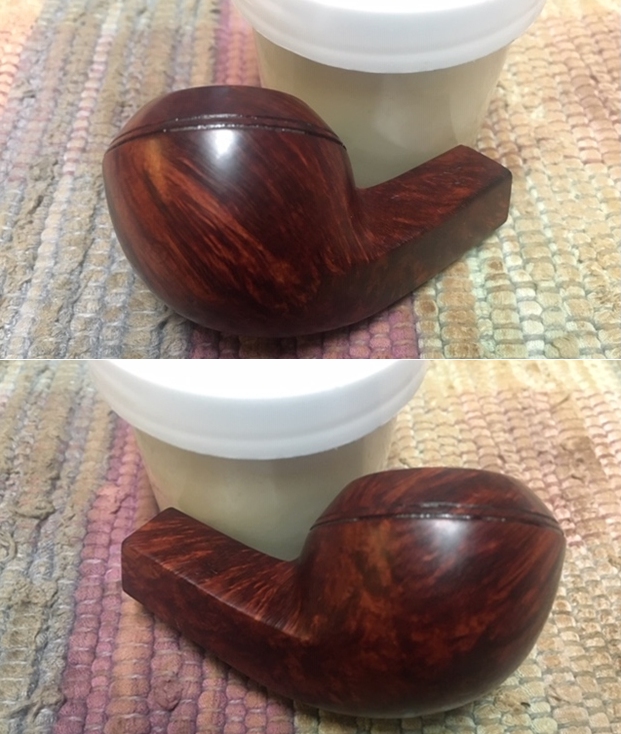
The next pipe on the table came to us from one of Jeff’s pipe hunts or auctions. It is a smooth finished Peterson’s DeLuxe 595 Bulldog. The smooth finish is quite nice with at that classic Peterson’s look. The brown stains on the bowl really highlight the grain on the bowl. The pipe was very dirty, with grime and dust deep in the twin rings around the rim cap. The bowl had a thick cake in the bowl and surprisingly and some lava on the rim top. There was darkening on the rim top and on the inner bevel of the rim. The pipe is stamped on a left side of the diamond shank and reads Peterson’s DeLuxe. On the right side is stamped Made in the Ireland over the shape number that looks like 595. The stamping is clear and readable on the pipe. The stem was dirty and lightly oxidized. The stem was in otherwise good shape. There were no tooth marks or chatter on the surface. It was in good condition under the grime. The stem showed one of pet peeves – someone had rounded the sharp edges on the stem/shank junction in their work cleaning it. That look really bothers me. Jeff took photos of the pipe before he cleaned it up. Jeff took photos of the rim top to show the cake in the bowl and the lava on the beveled edge and spots of it on the rim top. There were also dents and marks in the rim top toward the front of the bowl like the pipe had been dropped. The photos show the rim top and bowl from various angles. Jeff took some photos of the bowl sides and heel to show the grain around the bowl sides. It is a quite beautifully crafted pipe. The finish is quite dirty. The stamping on the sides of the shank read as noted above. The photo shows that they are very clear and readable. You can also see the rounded corners at the stem/shank joint.The stem was oxidized, calcified and had debris stuck to the surface of the vulcanite. There was light tooth chatter and marks on both sides of the stem and on the button surface.  I was confused by several things about the stamping. The first was the shape designation. No matter where I looked I could not find a 595 shape at all and all the Bulldog shapes that were like it were stamped 80S. I was also confused by the MADE IN IRELAND stamp on the shank. From what I read it seemed like a Pre-Republic stamp but the shape number did not fit in that period. With those two issues at hand I turned to Mark Irwin. I wrote him several emails with my questions and pictures of the stamping on the pipe seeking his help and some clarification. I have included his email responses without my questions as they are in themselves great information.

Hey Steve, this is from the 500 shape group, although I’ve not documented the 595 before. It’s an upsized-version of the 80s. Peterson would call this shape a Rhodesian, incidentally, saving bulldog for their round shanks. You can see more 500s at https://petersonpipenotes.org/2016/10/24/the-peterson-500-shapes-and-new-old-stock/ . [Editor’s note: this connection to the 500 series shape group turns out to be incorrect from later research. The dating of the pipe to the Later Republic Era of 1969-1990 is more accurate as the shape has been around for a long time]. The POY 2019 for Peterson was taken from this group as well. I make the argument in that blog post that these shapes were made in the late 1970s and early 1980s when they owned their own US distributor, Allied, and were going after the US market. c. 1980-85, so Late Republic Era, 1969-1990.

So I wrote back and thanked him and asked again about the Made in Ireland stamp. I told him that everything I read pointed to that stamp being Pre-Republic. His response was a clear NO. Here is what he wrote:

No it’s not (a Pre-Republic). It has documented use in every decade from 1930 to 2010. My hunch is that it is an indication that the pipe is a high grade. It’s found on several of the special collections Tom Palmer released in the 1990s and 2000s. Pre-1949 stamps are found in the Peterson book at the very beginning pages of each of the “pipe” chapters—IFS, Eire, Early Republic, Late Republic.

With that information in hand I knew what I was dealing with in terms of the stamping and the age of this pipe. I knew from the information that the pipe was part of the 500 series of shapes made during the Late Republic Period and the stamping dates it as being made between 1980-1985. I also learned that the Made In Ireland stamp could well be an indication of a high grade pipe The pipe that I call a Bulldog Peterson’s calls a Rhodesian – go figure. Now it was time to work on the pipe.

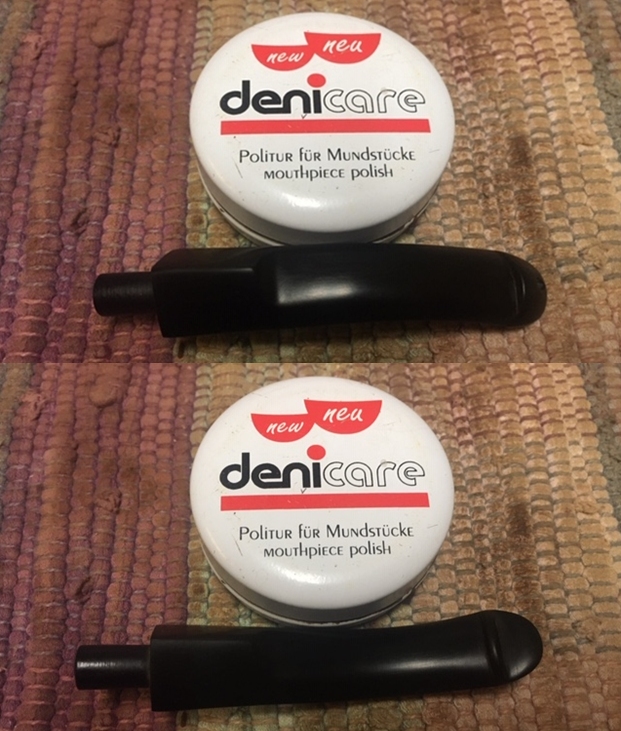
Armed with that information I turned to work on the pipe itself. Jeff had done a great job cleaning up the pipe as usual. He reamed the pipe with a PipNet reamer and cut back the cake back to the bare briar. He cleaned up the walls with a Savinelli Fitsall Pipe Knife. He scrubbed the interior of the bowl and shank with pipe cleaners, cotton swabs and alcohol to remove the tars and oils. He scrubbed the exterior of the pipe with Murphy’s Oil Soap and a tooth brush to remove the grime from the finish. He scrubbed the inside of the stem with alcohol and pipe cleaners. He scrubbed the exterior with Soft Scrub and then soaked it in Before & After Deoxidizer. He washed it off with warm water to remove the deoxidizer. The pipe looked far better. I took photos of the pipe when I received it before I started working on it. I took photos of the bowl and rim top to show how clean it was. The rim top and edges look good. There were some nicks on the front rim top as noted above and the inner beveled edge had some darkening. The stem looks clean of oxidation and the only issue was the rounded edges at the shank/stem junction.I took photos of the stamping to show what they looked like after the cleanup. They are very readable with faint spots in the middle of each stamp. They read as noted above. You can also see the rounded edges at the stem/shank junction in the photos.I took a photo of the pipe with the stem removed to show the overall look of stem, tenon and profile of the pipe. It is a great looking pipe.I sanded the beveled inner edge of the rim and the damaged areas on the rim top at the front of the bowl with a folded piece of 220 grit sandpaper. I carefully worked on it and was able to remove the damage and majority of the darkening.I polished the rim top and bowl with micromesh sanding pads – wet sanding with 1500-12000 grit pads. I wiped the briar down with a damp cloth after each pad to remove the debris. By the end of the cycle the bowl took on a rich glow. I rubbed the briar down with Before & After Restoration Balm. I worked it into the briar with my fingertips and a horse hair shoe brush to get it into the twin rings around the rim cap. The product works to clean, enliven and preserve the briar. I let it sit for 10 minutes while I worked on the stem. After the time passed I buffed it with a cotton cloth to deepen the shine. The briar came alive with the balm. I set the bowl aside and turned my attention to the stem. I sanded the saddle junction between the stem and shank with 220 grit sandpaper to flatten out the rounded edges and rounded corners. Once I had it looking better I began the polishing with 400 grit wet dry sandpaper. I rubbed the stem down with Denicare Mouthpiece Polish – a red, gritty Tripoli like substance that is a paste. I rubbed it into the surface of the stem and polished it off with a cotton pad. I have found that is a great intermediary step before polishing with micromesh pads. I am not sure what I will use once the final tin I have is gone!I polished the stem with micromesh sanding pads – 1500-12000 grit pads. I wiped it down with Obsidian Oil after each sanding pad. I used Before & After Pipe Polish – both Fine and Extra Fine to further polish the stem. This Late Republic Peterson DeLuxe 595 1/4 Bent Bulldog is part of the 500 series of pipes released between 1980 and 1985. It is a great looking pipe. The brown stain on the mixed grain is beautiful around the bowl sides and shank and they really stand out with the polishing. The finish on the pipe is in excellent condition and the contrasting stains work well to give some contrast to the finish of the pipe. The polished black vulcanite P-lip saddle stem adds to the mix. With the grime and debris gone from the finish and the bowl it is really is eye-catching. I put the stem back on the bowl and buffed the pipe with Blue Diamond on the buffing wheel, carefully avoiding the stamping on the shank. I gave the bowl and the stem multiple coats of carnauba wax on the buffing wheel and followed that by buffing it with a clean buffing pad. I hand buffed the pipe with a microfiber cloth to deepen the shine. The finished Bent Bulldog is quite nice and feels great in the hand. Give the finished pipe a look in the photos below. I can only tell you that like the other pipes I am working that it is much prettier in person than the photos capture. The dimensions of the pipe are Length: 5 ½ inches, Height: 1 ½ inches, Outside diameter of the bowl: 1 5/8 inches, Chamber diameter: ¾ of an inch. Thanks for walking through the restoration with me as I worked over another interesting pipe. This nice 595 DeLuxe Bulldog will be going on the rebornpipes store shortly. Keep an eye on the Irish Pipe Makers section of the store. If you want to add it to your collection send me an email or a message! Thanks for your time.

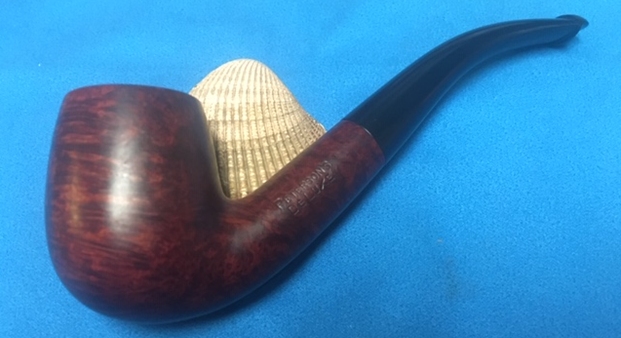
New Life for a Peterson’s Republic Era Kildare 87 Apple


Blog by Steve Laug

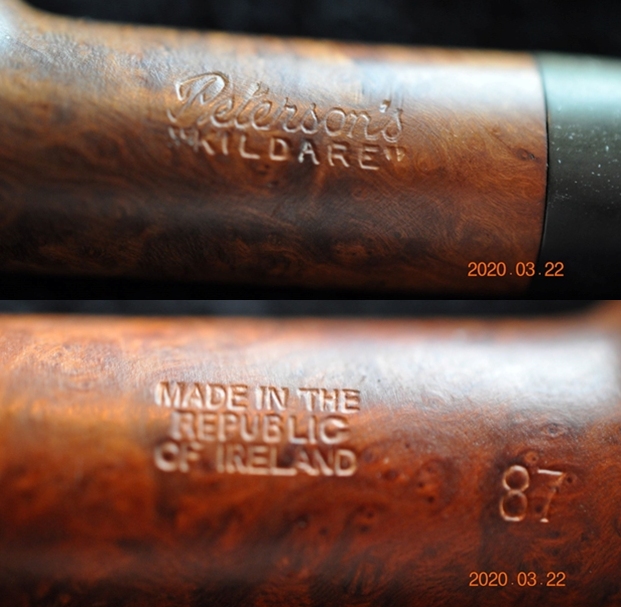
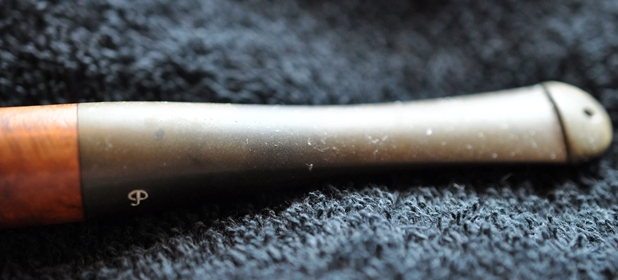
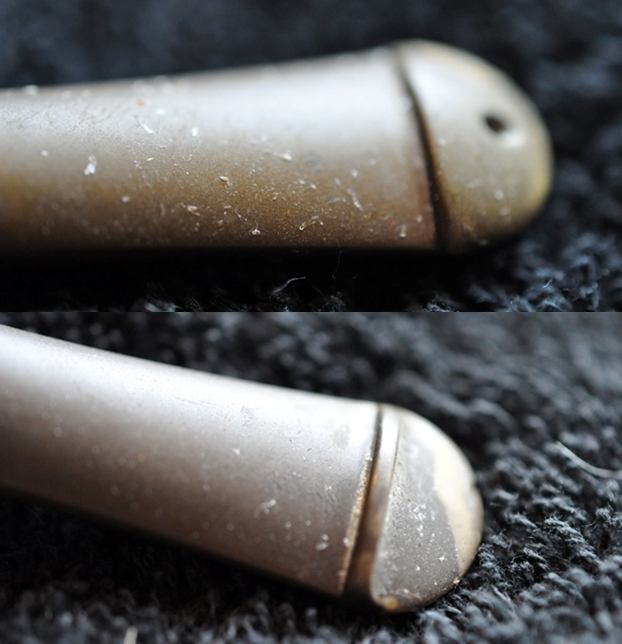
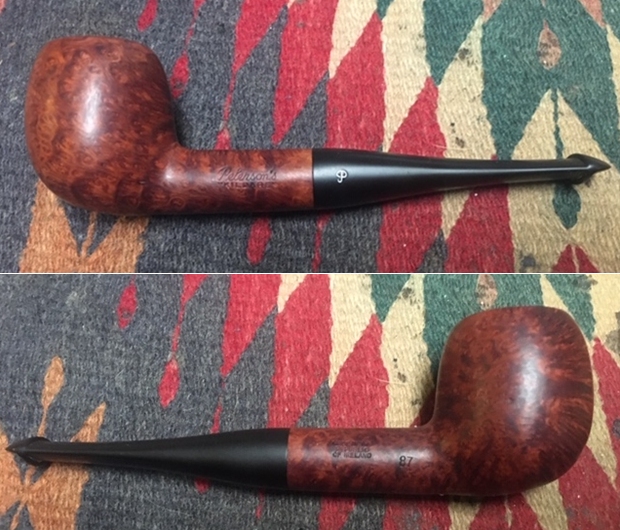
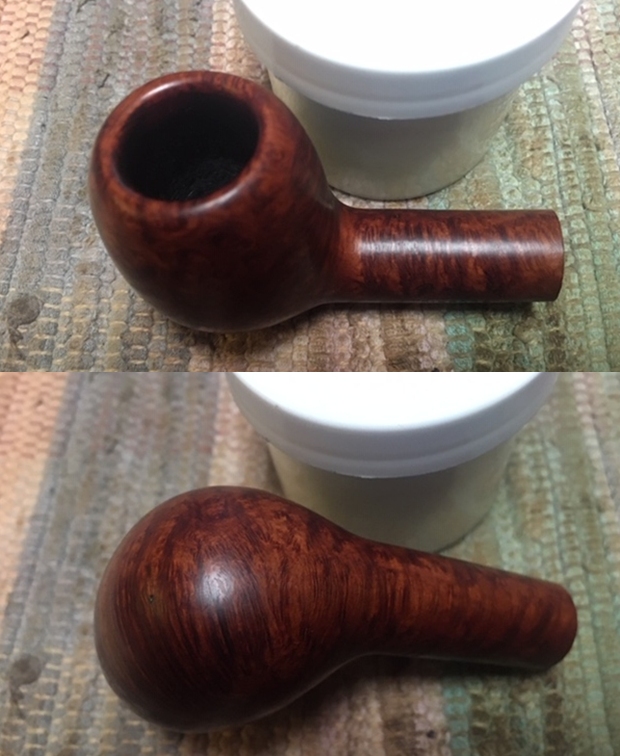
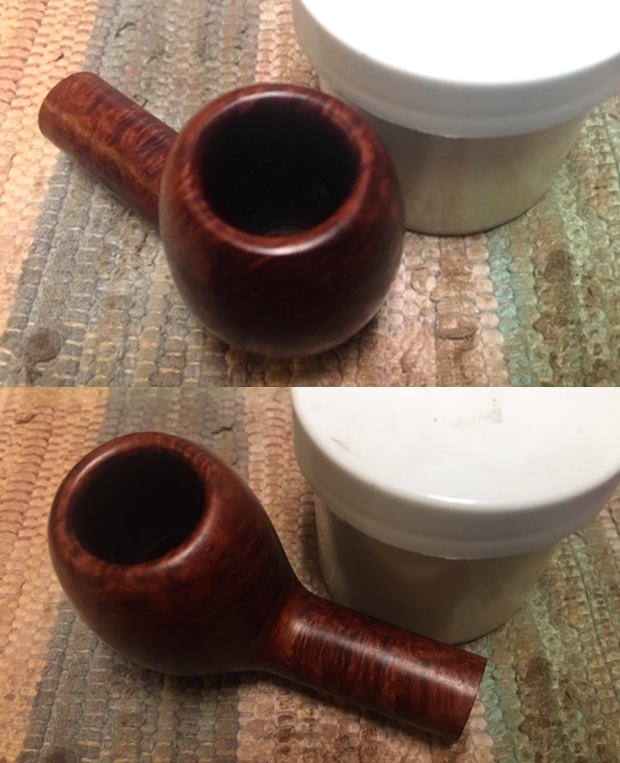
The next pipe on the table came to us from one of Jeff’s pipe hunts or auctions. It is a beautifully grained Peterson’s “Kildare” 87 Apple. The shape follows the grain around the bowl which is a combination of cross grain and birdseye. The finish was very dirty but the grain shone through the grime. The bowl had a thick cake in the bowl and a lava overflow on the inner edge of the rim top. There was darkening on the briar around the inner edge of the rim. The pipe is stamped on the left side of the shank and reads Peterson’s “Kildare”. On the right side of the shank In the Republic of Ireland followed by the shape number 87. The stamping is clear and readable on both sides. The stem was dirty and oxidized. There were tooth marks and chatter on the stem near the button on both sides and some on the surface of the button as well. There was the Peterson’s “P” on the left side of the taper stem. Jeff took photos of the pipe before he cleaned it up. Jeff took photos of the rim top to show the thick cake in the bowl and the lava overflow on the rim edge. The photos show the rim top and bowl from various angles. Jeff took some photos of the bowl sides and heel to show the nice grain that was on this bowl. It is a quite beautifully grained pipe. The stamping on the sides of the shank read as noted above. The photos show that they are very clear and readable. The P on the left side of the stem is in good condition. The stem was a very good fit to the shank. It was oxidized, calcified and had debris stuck to the surface of the vulcanite. There was light tooth chatter and marks on both sides of the stem and on the button surface. I am including the information from Pipedia’s article on Peterson pipes. It is a great read in terms of the history of the brand (https://pipedia.org/wiki/Peterson). I have included a bit of the pertinent history here.

1950 – 1989 The Republic Era  – From 1950 to the present time, the stamp for this era is “Made in the Republic of Ireland” in a block format generally in three lines but two lines have been used with or without Republic being abbreviated.

During the 1950’s and 60’s the Kapp & Peterson company was still in the ownership of the Kapp family. However 1964 saw the retiral of the company Managing Director Frederick Henry(Harry) Kapp.

With that information in hand I knew what I was dealing with in terms of the stamping and the age of this pipe. I knew from the information that the pipe was made during the Republic Era between 1950 and 1989. Now it was time to work on the pipe.

Armed with that information I turned to work on the pipe itself. Jeff had done a great job cleaning up the pipe as usual. He reamed the pipe with a PipNet reamer and cut back the cake back to the bare briar. He cleaned up the walls with a Savinelli Fitsall Pipe Knife. He scrubbed the interior of the bowl and shank with pipe cleaners, cotton swabs and alcohol to remove the tars and oils. He scrubbed the exterior of the pipe with Murphy’s Oil Soap and a tooth brush to remove the grime from the finish. He worked on the rim top lava and darkening with the soap and tooth brush. He scrubbed the inside of the stem with alcohol and pipe cleaners. He scrubbed the exterior with Soft Scrub and then soaked it in Before & After Deoxidizer. He washed it off with warm water to remove the deoxidizer. The pipe looked far better. I took photos of the pipe when I received it before I started working on it. I took photos of the bowl and rim top to show how clean it was. The rim top and edges look very good. The stem looks clean of oxidation other than a little around the P-lip. There is also light tooth marks and chatter on both sides of the stem.I took photos of the stamping on both sides of the shank. It is very clear and readable.I took a photo of the pipe with the stem removed to show the overall look of stem, tenon and profile of the pipe. It also shows the aluminum tube in the tenon end. It extends into the bottom of the bowl.I polished the briar with micromesh sanding pads – sanding it with 1500-12000 grit pads and I wiped the bowl down after each sanding pad with a damp cloth. The bowl began to take on a shine. I rubbed the briar down with Before & After Restoration Balm. I worked it into the briar with my fingertips. The product works to clean, enliven and preserve the briar. I let it sit for 10 minutes while I worked on the stem. After the time passed I buffed it with a cotton cloth to deepen the shine. The briar came alive with the balm. I set the bowl aside and turned my attention to the stem. It was in great condition so I polished out the tooth chatter and remaining oxidation on the vulcanite with micromesh sanding pads – 1500-12000 grit pads. I wiped it down with Obsidian Oil after each sanding pad. I used Before & After Pipe Polish – both Fine and Extra Fine to further polish the stem. This Republic Era Peterson “Kildare” 87 Straight Apple is a beautiful pipe. The grain around the bowl sides and shank really stand out with the polishing. The finish on the pipe is in excellent condition and the contrasting stains work well to highlight the grain on the pipe. The polished black vulcanite P-lip taper stem adds to the mix. With the grime and debris gone from the finish and the bowl it is really is eye-catching. I put the stem back on the bowl and buffed the pipe with Blue Diamond on the buffing wheel, carefully avoiding the stamping on the shank during the process. I gave the bowl and the stem multiple coats of carnauba wax on the buffing wheel and followed that by buffing it with a clean buffing pad. I hand buffed the pipe with a microfiber cloth to deepen the shine. The finished Straight Apple is quite nice and feels great in the hand. Give the finished pipe a look in the photos below. I can only tell you that like the other pipes I am working that it is much prettier in person than the photos capture. The dimensions of the pipe are Length: 5 ¾ inches, Height: 1 ¾ inches, Outside diameter of the bowl: 1 ¼ inches, Chamber diameter: ¾ of an inch. Thanks for walking through the restoration with me as I worked over another interesting pipe. This Peterson’s “Kildare” will be added to the Irish Pipe Makers section of the rebornpipes store soon. If you want to add it to your collection send me an email or a message! Thanks for your time.

Restoration of a Made in Ireland Peterson’s Deluxe 69 Bent Billiard


Blog by Steve Laug

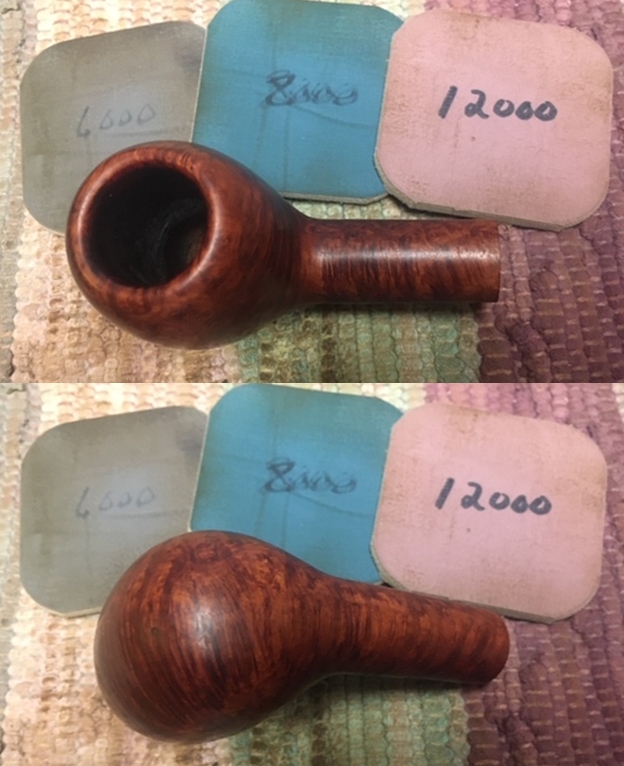
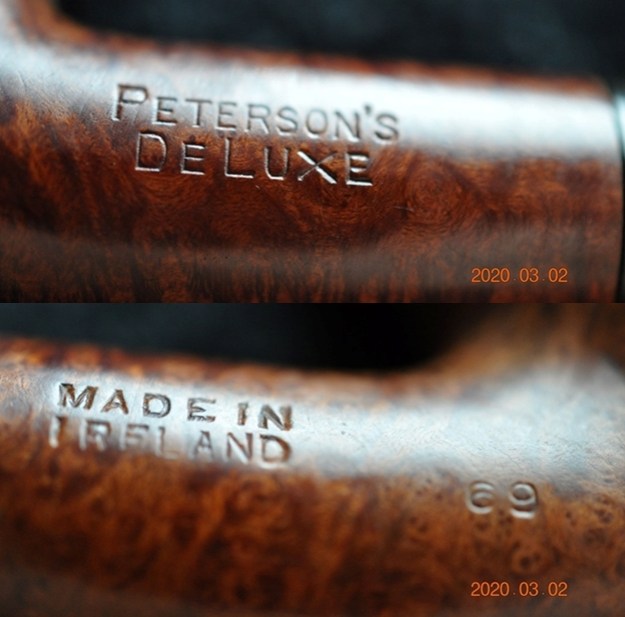
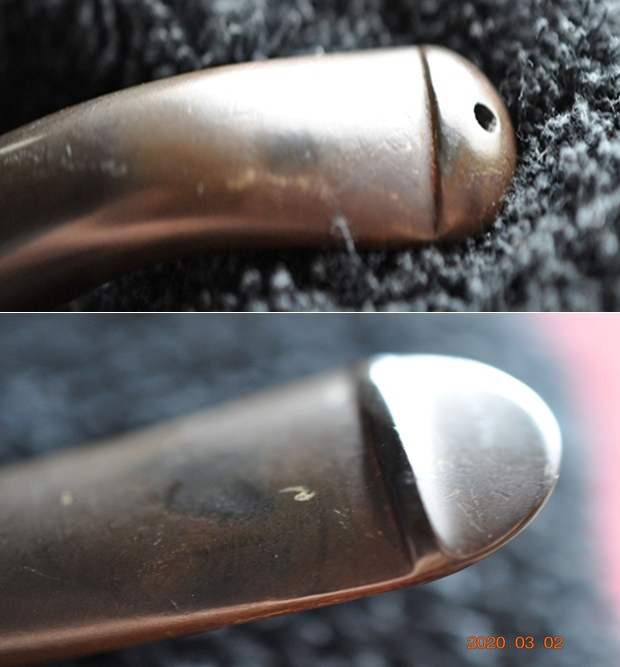
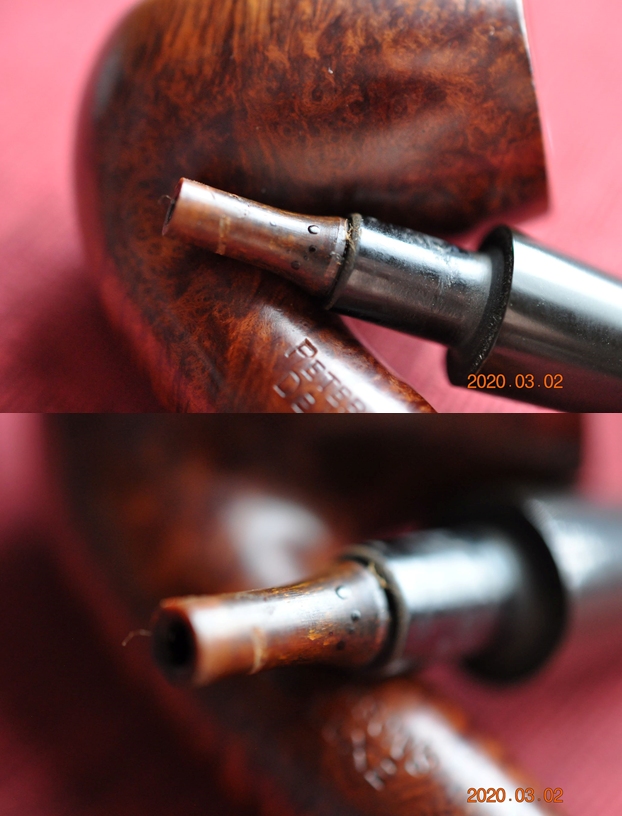
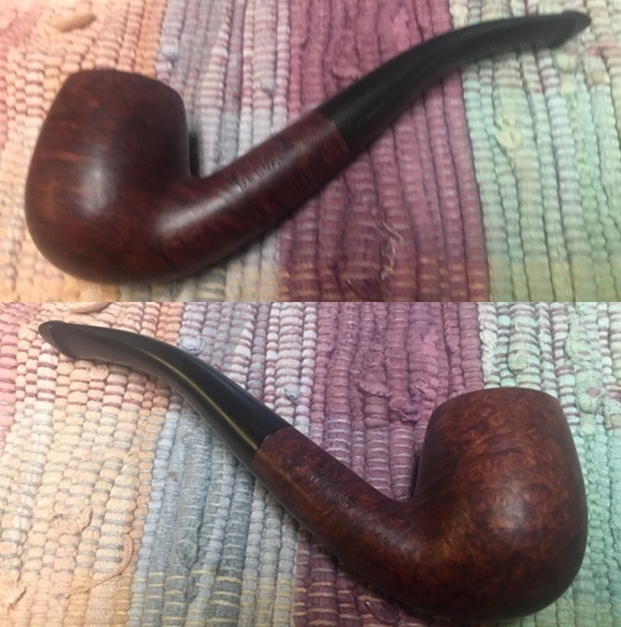
In the last box of pipes Jeff sent me there was one final pipe that was left to restore. This one is a Peterson’s 69 Bent Billiard. It is stamped on the left side of the shank Peterson’s Deluxe and on the right side it bears the 69 shape number near the bowl shank junction and Made in Ireland. It was a dirty pipe when we received it. There was a thick coat of lava on the rim top and some damage on the inner edge of the rim. The rim top had some nicks and dents in it that were quite deep. There was a thick cake in the bowl that had remnants of tobacco stuck in it. The finish was dirty and there were spots of grime and oils. The stem was oxidized and there were tooth marks on the top and underside ahead of the button. There was tooth chatter on both sides of the stem. Jeff took some photos of the pipe before he started his cleanup work. He took photos of the bowl and rim top to show their general condition. You can see the tars on the inner edge of damaged rim top. The cake in the bowl is quite thick and there is tobacco debris on the walls of the bowl. The finish on the bowl is dull but still very stunning. Jeff took some photos of the sides and heel of the bowl to give an idea of the grain on this particular piece of briar. It is amazing and I cannot wait to see what it looks like once it is polished and waxed. He took photos of the stamping on both sides of the shank to capture it for me. The first photo shows the left side of the shank and the stamping as noted above. The second shows the right side of the shank with the Made in Ireland stamp and shape number 69.This pipe has a classic Peterson’s P-lip stem that has some oxidation on the surface of the vulcanite that is quite deep. There seems to be some tooth marks and chatter on the top and underside.He removed the stem from the shank and took photos of the bone chimney screwed into the end of the tenon.I turned to Pipephil’s site to get a quick overview of the Peterson’s Made in Ireland pipes. (http://www.pipephil.eu/logos/en/logo-peterson.html).  I have included a screen capture of the pertinent section from the site. The summary to the right of the photos is always succinct and quite pointed. In this case it says that the Made in Ireland stamp refers to a Pipe of the Pre-Republic era (Before 1949). Notice the Country of Manufacture stamp in two lines and block letters.I turned to Pipedia and reread the history of the Peterson’s brand and focused on the Pre Republic Era (1915-1949). I quote from that article below:

…Around 1916, Peterson began stamping their pipes “Made in Ireland” in what is referred to as a block format…

Prior to 1920 it was rare for a country of origin to be stamped on the pipe, just Peterson’s Dublin on the band. After 1921/22, if it is stamped “MADE IN IRELAND” and the “Made in” is stacked over “Ireland” or “MADE IN EIRE” or several other forms, it was made between 1922 and 1938

Peterson initially graded their mass -produced System pipes, i.e., regular catalogue pipes (in descending order) “Deluxe,” “First Quality,” “0” grade, “2nd grade,” and “3rd grade.”

I moved forward to work on the pipe itself and see what I had to do with it. It had come back looking amazingly clean. Even the stem looked like new, with most of the tooth chatter gone. I was impressed. Jeff had done his normal thorough clean up – reaming, scrubbing, soaking and the result was evident in the pipe when I unpacked it. I took photos of the pipe before I started my work on it. Just look at the grain on this delicate pipe. Stunning! I took some photos of the rim top and stem. The rim top and bowl looked very good. The cake and lava overflow were gone and the inward beveled rim was very clean. Jeff had been able to get rid of the darkening and lava and tars. The rim top had nicks and marks and the inner edge of the bowl was damaged and out of round. The close up photos of the stem shows that it is a much cleaner and better looking stem. The light tooth chatter was gone and the stem looked really good.I took some photos of the stamping on the shank sides to show the condition after the cleanup. Often the stamping takes a hit with the cleaning and is lessened in it clarity. Jeff does a great job in leaving the stamping looking very good.I removed the stem from the shank and took a photo of the pipe at this point. Like other Peterson’s Deluxe pipes that I have worked on this stem had a bone chimney threaded into the tenon to extend into the lower part of the mortise and provides a funnel for drawing the smoke into the mouth of the smoker.I took photos of the bone extension and did some research into the design and purpose. I googled and found the following information:
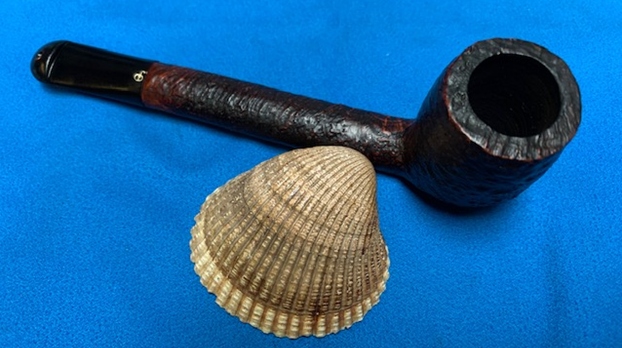
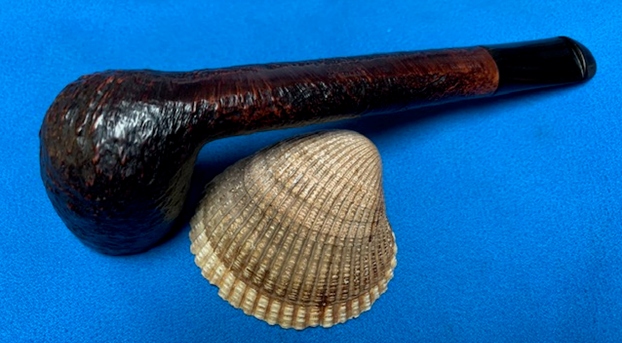
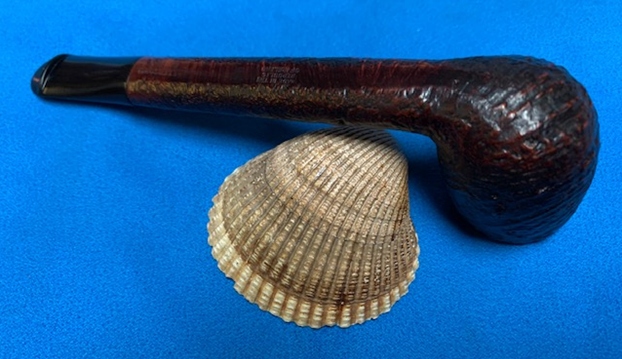
I turned to the blog Peterson Pipe Notes (http://petersonpipenotes.org/tag/peterson-chimney/). There I came on an article on the chimney. I quote a part of that below and you can read more by going to the site.

I’ve seen a lot of old De Luxe Systems from Peterson, spanning most of the 20th century. I’ve seen a lot fewer Standard Systems. I understand from the book that the Standard Systems never had the bone (later aluminum) chimney. Were those System Standard stems just tapered all the way down? The current version has that little stepped tenon, and for the life of me, I can’t understand what that really achieves. If it’s just about increasing the length of the stem, wouldn’t a natural taper all the way down look better? I’m just wondering if you know when Standard Systems developed that tenon thing.

I then continued to read through the links that were shown. The next one was a discussion on the Pipesmagaizine about the bone tenon extension or chimney. It was a fascinating discussion and I am including pertinent portions here (https://pipesmagazine.com/forums/threads/need-help-bone-extension-on-a-pre-republic-peterson-straight-dublin-120f-delux.68650/).
…The extension was detailed in the patent application in 1894 (US519135A), although it doesn’t detail the material used or the fixture type. I read somewhere (unverified I’m afraid) that the chimney changed from bone to aluminum late 60s but, as with most things ‘Pete’, I don’t think this change happened overnight since I had a 1971 Deluxe with a bone chimney (it may have been scavenged from a different pipe, I guess). As others have said, trying to remove it if it is stuck will almost certainly break it. If you’re desperate, you can put a micro-screwdriver through two of the holes in the side and gently turn, but personally, I wouldn’t risk it…

…The third thing I want to call your attention to is the tenon extension. Traditionally (if not during the Dublin Era), tenons and mouthpieces have been of great importance to Peterson. This one, while molded and not a bone screw-in, features the extended “chimney” so crucial to correct tenon-mortise airflow for the P-Lip mouthpiece. The graduated bore of the P-Lip as well as this extension makes the pipe a “sub-System” (as we call it in the book), which means that it will perform considerably better than a traditional fishtail. This type of molded extension goes all the way back to the original molded-stem Patent mouthpieces, incidentally, and doesn’t seem to have disappeared (alas!) from the Peterson workshop until the 1950s. This may have been due in part to the fashion of implanting stingers, and not merely to brand amnesia, but whatever the reason, it is unfortunate…

…Here’s what the patent app says: (extension 10 is chimney, pocket 5 is sump) the stem and mouth-piece may be made round, oval or of any other desired shape. It will be seen that the tubular extension 10 extending into the pocket 5, not only serves to deflect the nicotine and other obstructions into the said pocket as well as to conduct the saliva into the latter, but that it will also serve effectually to prevent any obnoxious matter from the said pocket to return into the stem, even if the pipe be inverted; the annular space around said flange serving to receive the contents of the pocket in case the pipe should be tilted.

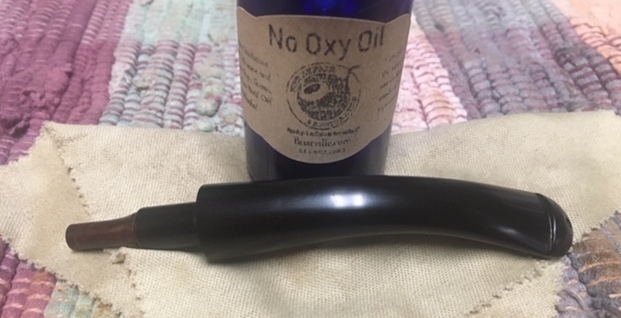
I found this a fascinating read. The chimney was an integral part of the airflow of a P-lip system.I started my restoration work on this pipe by addressing the out of round inner edge of the bowl and the damage to the rim top. I used a folded piece of 220 grit sandpaper to clean up the edge and give it a slight bevel and worked over the rough areas on the rim top with the same sandpaper. The finish rim top looked very good. All that remained was to polish it with micromesh.I started my polishing regimen on the bowl. I used nine worn micromesh sanding pads and dry sanded the bowl with 1500-12000 grit pads. I wiped the bowl down with a damp cloth after each pad. The bowl really shines by the final three pads. I worked some Before & After Restoration Balm into the surface of the briar with my fingertips to clean, enliven and protect it. I let the balm sit for a little while and then buffed with a cotton cloth to raise the shine. The photos show the bowl at this point in the restoration process. I set the bowl aside and turned my attention to the stem. I sanded out the tooth chatter and blended in the repairs with 220 grit sandpaper and started to polish it with a folded piece of 400 wet dry sandpaper. Once it was finished it was smooth.I used some Denicare Mouthpiece Polish that I have in my kit to start polishing out some of the scratches and remaining oxidation on the stem. I rubbed it in with a cotton pad and my finger tip and buffed it off with a cotton pad.I polished the stem with micromesh sanding pads – dry sanding with 1500-12000 grit sanding pads. I wiped it down after each sanding pad with a cloth containing some Obsidian Oil. I finished polishing it with Before & After Pipe Stem Polish – both Fine and Extra Fine and buffed it off with a cotton cloth. I gave it a coat of Briarville’s No Oxy Oil to preserve and protect the stem. I don’t know how many times I have said this but I love it when I come to the end of a restoration and all of the parts come together and the pipe looks better than when we started the cleanup process. I put the stem back on the bowl and buffed the pipe with Blue Diamond on the buffing wheel. I carefully avoided the stamping on the shank sides during the process. I gave the bowl and stem multiple coats of carnauba wax on the buffing wheel and followed that by buffing it with a clean buffing pad on the buffer. I hand buffed the pipe with a microfiber cloth to deepen the shine. The finished pipe is a real stunning example of an Irish Made Pre-Republic Deluxe 69. Once again the grain and the way the shape follows the grain is amazing. Give the finish pipe a look in the photos below. I can only tell you that it is much prettier in person than the photos capture. The dimensions of the pipe are Length: 6 inches, Height: 2 inches, Outside diameter of the bowl: 1 ¼ inches, Chamber diameter: ¾ of an inch. This Made In Ireland Pre-Republic shape 69 Peterson’s Deluxe is a great piece of pipe history that is in exceptional condition. Thanks for walking through the restoration with me as I worked over another beautiful pipe. This one will be staying in my collection for now while I think about what to do with it. Thanks for your time.


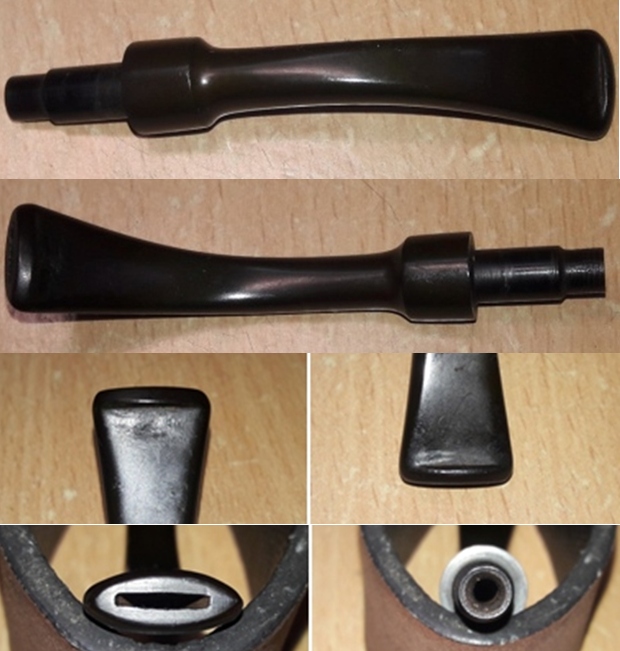
A New Beginning For An Inherited Peterson’s # 3 System Pocket Pipe…


Blog by Paresh Deshpande

Over the last month and a half, I have worked on five Peterson’s pipes to be added to my personal collection; two from my inherited lot (DONEGAL ROCKY # 999 and KAPMEER # 120S) and three that I had purchased on eBay, a Peterson’s SYSTEM # 31 just so that I could include it in my rotation, a Peterson’s BARREL and a Peterson’s OLD ENGLISH COLLECTION. Continuing with my work on Peterson’s in my collection, the next and sixth pipe that is now on my work table is one from my inheritance; a unique small system pipe with oval shaped chamber/ stummel. The stem folds itself over the rim top, further making it compact enough in size to be carried in one’s vest pocket.

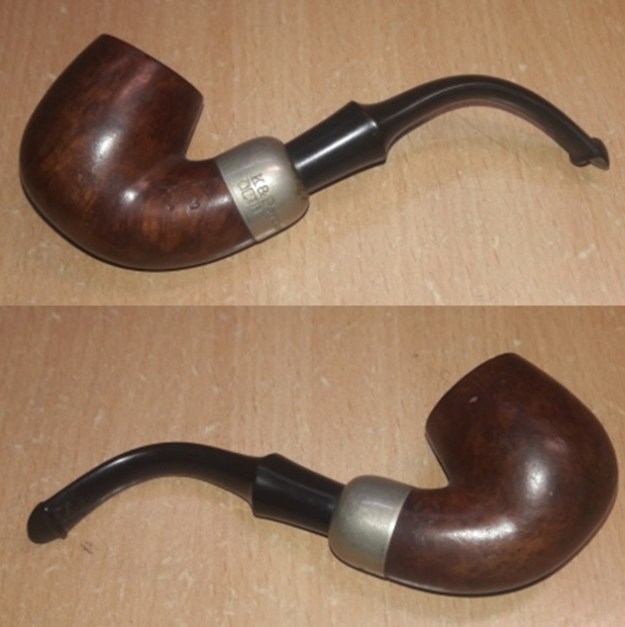
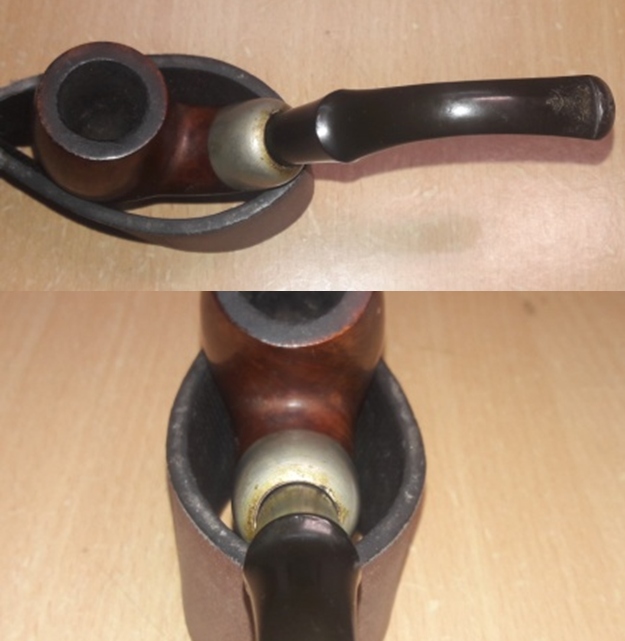
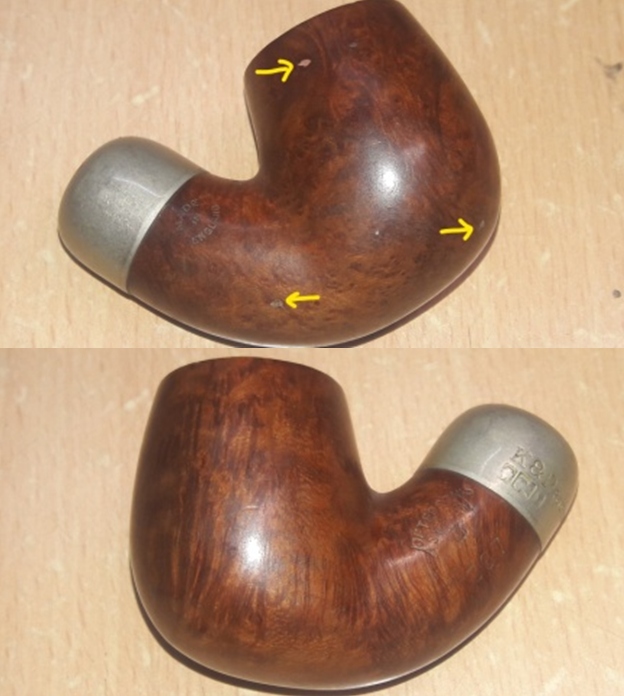
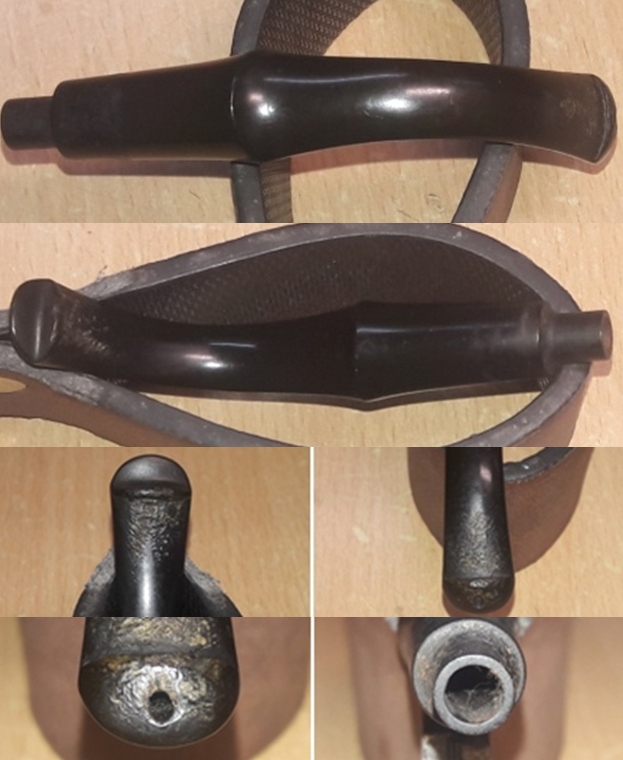
The smooth stummel of this pipe has a beautiful mix of Bird’s eye on the foot of the stummel and cross grain on the front, back, sides and the upturned shank of the stummel. An oval shaped stummel, short upturned shank with a nickel plated ferrule at the shank end and a proportionate vulcanite stem with an orifice for a slot, makes it a visually appealing pipe. It is stamped on the left side of the shank as “K & P” over “3”. The shank end is adorned with a nickel ferrule that is stamped in three shields as “K” “&” “P” over three faux hallmarks a Shamrock, a Prone Fox, and a Stone Tower. The stummel is devoid of any COM stamp that would help in dating this pipe. Even the stem is unstamped. Since I have been recently working on Peterson’s pipes in my collection and reading about it as much as I could, I knew that K & P pipes did not have any COM stamp during the early part of the Patent Era. Furthermore, this pipe has a reservoir/ sump in the mortise making it a System pipe!! The stem slot is a round orifice which points to this pipe being an old one. Thus from these facts, I can safely presume this pipe to be from the Patent Era, that is from 1875 to 1922.

However, in spite of my extensive research on Peterson’s pipes for shapes and models from this era, I came a cropper!!!! In case any of the esteemed readers has some additional information on this pipe, I would request you to share it on Reborn pipes for the benefit of our community.

Initial Visual Inspection
The smooth stummel on this pipe is covered in a thick layer of dust and sticky grime giving it a dull and lackluster appearance. Through all the grime, bird’s eye and cross grains can be still seen at the foot and on sides, front and back of the stummel respectively. The rim top surface appears uneven and is covered in dust, heavy lava overflow, grime and will need to be cleaned and polished. There are a few scratches on the left side of the stummel which will need to be addressed. A few fills seen on either side of the stummel need to be refreshed. The stummel has developed a nice patina which I shall endeavor to preserve. The chamber has a thick layer of uneven cake with lava overflow over the rim top surface. Remnants of half burnt tobacco can be seen at the bottom half of the stummel. The condition of the inner walls of the chamber will be ascertained once the existing cake has been taken down to the bare briar. The draught hole is completely blocked with absolutely no draw. This needs to be addressed. The thin and delicate rim edge appears to be severely damaged with dents and dings all around; however, the extent of this damage will be ascertained once the cake and lava overflow from the chamber and rim top is entirely removed. There is a very strong smell to the chamber which, perhaps, may reduce appreciably after the chamber has been cleaned. The mortise and sump are clogged with dried oils and tars. The nickel ferrule at the shank end, though heavily oxidized, is undamaged. It is cut at an angle to accommodate the stem when it is turned over the stummel. The ferrule, once cleaned should polish up nicely. The vulcanite stem is heavily and deeply oxidized with tooth indentations on the button edge and chatter on either surfaces of the stem in the bite zone. The tenon end shows heavy traces of dried oils and tars. It’s going to take some elbow grease to clean up this stem to a nice deep and shining black. The perpendicular tenon end will make the internal cleaning a bit challenging. The orific slot shows deposition of dried oils and tars. The stink from the stem and clogged airway will take a lot of effort and time to clean up. The Process
I began the process of refurbishing this pipe by using my fabricated knife to remove the unburnt tobacco and thick layer of cake. I further took the cake down to the bare briar with a folded piece of 150 grit sand paper. Once the walls of the chamber were rid of all the remnants of the cake, the chamber walls were found to be smooth and without any damage. With my modified and straightened cloth hanger used as a poker, I cleaned the grime and cake that covered the draught hole at the heel of the stummel. I further wiped the chamber with a cotton swab wetted with isopropyl alcohol to completely remove the sanding dust. While handling the stummel for internal cleaning of the chamber, the nickel ferrule came off, revealing a crack on the left side. This crack extends from the shank end rim surface (indicated with a yellow arrow) and along the shank on the left side (indicated with blue arrows). The extent of the crack will be determined once the dirt, grime and dried glue are removed from the surface. The edges of the ferrule are slightly uneven while the insides of it have traces of deeper oxidation.   I scraped the shank internals with a fabricated tool to remove all the crud that had accumulated along the shank walls and further cleaned it with bristled and regular pipe cleaners dipped in isopropyl alcohol. A huge pile of q-tips, pipe cleaners and lots of elbow grease later, the sump and mortise still appear dirty. I shall further draw out all the residual oils, tars and gunk by subjecting the chamber and the shank to a salt and alcohol bath. I gently scraped the shank end rim surface to remove all the accumulated oils and grime. Now that the shank end rim was cleaned, a second crack on the right side came to the fore (indicated in yellow arrows). This project is turning out to be more time consuming than I had anticipated. I shall deal with these cracks after I am done with internal and external cleaning of the stummel. I cleared the draught hole using a fabricated poker and further cleaned it using pipe cleaners and alcohol. I continued with the cleaning of the chamber and shank internals with a salt and alcohol bath. I use cotton balls which is an at par substitute to Kosher salt as I have realized over the years. I draw out a wick from the cotton and along with a folded regular pipe cleaner; insert it in to the mortise and through the draught hole into the chamber. Thereafter, I packed the chamber with cotton balls to about quarter of an inch below the rim’s inner edge and soaked the cotton balls with isopropyl alcohol up to the brim. About half an hour later, the level of alcohol had gone down, having being absorbed by the cotton. I topped it up once again and set it aside overnight. By the next afternoon, the cotton and alcohol had drawn out all the remaining oils and tars from the chamber and mortise, fulfilling its intended task. I removed the cotton balls and ran pipe cleaners through the mortise to clean out all the loosened tars and gunk. Using my fabricated tool, I scraped out the entire loosened gunk from the sump and further cleaned it with alcohol and q-tips. The chamber now smells clean and fresh. I set the stummel to dry out naturally. Now that the internals of the stummel were cleaned, I scrubbed the external surface of the bowl with undiluted Murphy’s oil soap and hard bristled tooth brush. I deliberately cleaned the thin delicate rim top and the surface just below the rim edge with Scotch Brite and a soft bristled brass wire brush to remove the entire lava overflow and dried it using paper towels and a soft cotton cloth. The shank end rim surface and the shank were deliberately cleaned to remove the grime and dirt so that the exact extent of the two cracks could be fathomed. The thin rim top is generously peppered with nicks, dings and dents. The fills and cracks that are visible on the stummel surface are marked in yellow circles and blue arrows respectively. I removed the old fills and prepared the stummel for a fresh fill. Using my dental tools, I progressed to removing the fills. I know these pictures do not present a very encouraging scenario at this stage, but I shall prevail… I wiped the surface from where the old fill was gouged out, with isopropyl alcohol to clean the area. I let the stummel dry out completely and after all the alcohol had evaporated, proceeded to fill the gouges with CA superglue and briar dust using the layering technique where I put down a thin layer of superglue in to the fill and press briar dust over the glue. I continue with this process till the fill rises above the rest of the stummel surface. Once all the gouges were filled up, I set the stummel aside to cure for the next 24 hours.While the stummel fills were curing, I worked the stem. The stem air way was filthy to say the least. Using a shank brush and dish washing soap, I cleaned the stem air way. I further cleaned the stem internals with hard and regular pipe cleaners and isopropyl alcohol. A lot of elbow grease and a pile of pipe cleaners later, the pipe cleaners did not emerge as white as I wanted. The perpendicular positioning of the tenon to the rest of the stem made cleaning of the air way all the more difficult. In my exuberance, I chipped the very end of the tenon… Some additional unwarranted work and time penalty!! With the stem internals now somewhat clean, I moved to external cleaning of the stem surface by sanding the surface with a piece of 220 grit sand paper and thereafter dunking the stem in to “Before and After Deoxidizer” solution developed by my friend Mark Hoover. The solution helps to draw out heavy oxidation to the surface making its further removal a breeze, while the minor oxidation is eliminated to a very great extent. I usually dunk stems of 5-7 pipes that are in-line for restoration and the K & P # 3 pipe is marked in pastel pink arrow. I generally allow the stems to soak in this solution overnight for the solution to do its work.Next day, I remove the stems from the deoxidizer solution and clean them under warm running tap water to remove all the solution. I scrubbed the stem surface first with scotch brite pad followed by a piece of 0000 grade steel wool. This helps in removing all the raised oxidation from the stem surface. I rubbed a little Extra Virgin Olive oil in to the stem and wiped the excess with a paper napkin. This was followed by inserting a petroleum jelly smeared folded pipe cleaner in to the tenon for reconstruction of the tenon end. Using a mix of CA superglue and food grade activated charcoal, I began the arduous process of rebuilding the chipped tenon end and also the bite marks on the button edges on both sides in the bite zone. I set the stem aside for the fill to cure and harden completely. I took a stock of the progress made till now on this pipe; stummel internals/ externals cleaned, old stummel fills have been refreshed and cured, stem internals cleaned, stem oxidation removed to a great extent, stem repairs set aside for curing. Addressing the stummel cracks, sanding of the stummel and stem fills, refurbishing the nickel band and final polishing is all that remains to be completed.

Next, I address the two cracks at the shank end. Using a magnifying glass and a white correction pen, I marked the points for the counter holes at the end points along the extent of the cracks seen on the stummel. I drilled counter holes with a 1mm drill bit mounted on to my hand held rotary tool, deep enough to serve as a counter hole while taking care that I did not drill a through and through hole. These counter holes arrest and prevent the spread of the cracks further. I filled these cracks and counter holes with a mix of briar dust and CA superglue using the layering method (layer of superglue followed by sprinkling of briar dust and repeated it till desired thickness of fill was achieved) and set it aside for the fills to cure. I ensured that I filled the thin outer edge of rim top surface that I will subsequently sand down to match with the rest of the rim surface. I set the stummel aside for the fills to harden. I cleaned the nickel shank band with Colgate Toothpowder, which Abha, my wife, uses to polish her silver and gold cutlery and jewelry. This compound is a very fine powder and is least abrasive with fantastic results. The band is now a nice shining piece of nickel and should provide a nice contrast to the shining black stem and the dark brown stummel. The patches of deep oxidation that were observed were also completely eliminated.  With the stummel fills nicely cured, it was time again to work on it. Using a flat head needle file, I sanded the fills and followed it by sanding with worn out folded piece of 150 grit sand paper. I sand the thin rim top surface with the same sand paper to minimize the numerous chips, dents and dings. I did not resort to topping since the oval shape with a slight saddle dip in the centre makes it difficult to top without compromising the shape of the rim top. A couple of dents and chips are still visible, but I shall let them be as a part of this pipe’s journey from my grandfather then to with me now!!! The fills have blended in quite well. However, I shall strive to further achieve a near perfect blend during further sanding and polishing with micromesh pads. The shank end crack repairs are now solid and have blended in really well. Yeah, I am pleased with this progress. Thereafter, I polished the entire stummel with micromesh pads, wet sanding with 1500 to 12000 pads. I wiped the surface with a soft moist cloth at the end of the micromesh cycle. The stummel looks amazing with a deep shine and beautiful grains over the stummel surface. Another issue that was addressed to a great extent was that of the minor scratches and nicks that were observed on the stummel. The rim top surface looks good with the few nicks and chips still visible, if observed closely. The refreshed fills distinctly stand out because of their dark coloration, and I shall let it be as a testimony of the journey of this beautiful pipe. I am very happy with the appearance of the rim top and stummel at this stage. I rubbed a small quantity of “Before and After Restoration Balm” in to briar and let it rest for a few minutes. The balm almost immediately works its magic and the briar now has a nice vibrant appearance with the dark hues of the grain contrasting with the rest of the stummel surface. I further buff it with a horse hair shoe brush. I set the stummel aside and took up the stem repairs. The tenon tip rebuild had cured nicely. With a flat head needle file, I sand the rebuilt portion of the tenon and the button edges to achieve a rough match. Using a round needle file, I shaped the opening of the tenon to a perfect round. I resorted to topping the tenon end on a piece of 220 grit sand paper to achieve the correct tenon size, which is just below the opening of the draught hole in the mortise. This ensures that the Pete’s famed “System” functions as effectively. I further sand the entire stem surface with a folded piece of a 220 grit sand paper to achieve a perfect blend of the fill with the stem surface. With the same piece of sand paper, I sharpened the button edges on both the upper and lower surface. I wiped the stem with a cotton swab and Murphy’s oil soap to further remove the oxidation and sanding dust. I rubbed some extra virgin olive oil into the stem and set it aside to be absorbed into stem. I polished the stem with micromesh pads, wet sanding with 1500 to 12000 grit pads. I rubbed a little extra virgin olive oil in to the stem at the end of all the micromesh pads. Next I rubbed a small quantity of extra fine stem polish that I had got from Mark Hoover and set it aside to let the polish work its magic. After about 10 minutes, I hand buffed the stem with a microfiber cloth to a nice shine. The stem is now nice, smooth and shiny. Now with the stummel nicely polished, the nickel band polished and shining and stem repairs and polishing completed, all that remained to be done was to get these parts together for a final polishing with carnauba wax. I glued the nickel ferrule to the shank end with CA superglue.To apply the finishing touches, I mount a cotton cloth buffing wheel on to my hand held rotary tool and apply a coat of Blue Diamond to the entire pipe to polish out the minor scratches. With a cotton buffing wheel that I use for carnauba wax, I apply a coat of carnauba wax to the stummel and stem and continue to work on it till the complete coat of wax is polished out. I mount a clean cotton cloth buffing wheel and gave the entire pipe a once over buff. I finished the restoration by giving the entire pipe a rigorous hand buffing using a microfiber cloth to raise the shine further. The finished pipe is shown below. P.S. – This is another unique and vintage pipe of my grandfather that has been passed on to me. I feel singularly fortunate and honored to carry forward his legacy while at the same time preserving a part of history of these pipe brands. Thanks for your patience and looking forward to inputs about the write up.

I had decided to let the fills be seen and not mask it under a darker stain; I am still open to suggestions from esteemed readers!!

 Cheers…

Final Pipe from the 19 Pipe Eastern Canada Lot – a Republic Era Peterson 1312 System


Blog by Steve Laug

I am finishing the last of the 19 pipes for the fellow in Kitchener, Ontario I decided to work on the last one of them. He had been referred to me by my local pipe and cigar shop. While I am not currently adding more pipes to my queue of repairs I have made a commitment to the shop to work on pipes for their customers. Generally they have one or two pipes that need a bit of work. This fellow sent me the following email:

I just came across my smoking pipes that I’ve had in storage for about 40 years. I’m wondering what you’d charge to have them refurbished. There are 17 in total (11 are Brighams and 6 are various).

It turns out he said he had 17 pipes. That was certainly more than I expected but I communicated that there was a large queue ahead of him and I would have to fit them in as I could. He was fine with whatever time it took. He sent me the following photos of his collection that he wanted restored. The first photo shows his eleven Brigham pipes – all very interesting shapes. The second photo shows the six various pipes in the collection – A Republic Era Peterson’s System 1312 (Canadian Import), A Bjarne Hand Carved Freehand, a Comoy’s Everyman London smooth billiard, a GBD Popular Dublin 12, an English made Kaywoodie Rustica 72B, a Kriswill Bernadotte 60 with a broken tenon. When the box arrived there were two additional pipes included for a total of 19 – a Ropp 803 Deluxe Cherrywood Poker and a Comoy’s Sandblast Everyman Canadian 296. It was a lot of pipes! I have been randomly choosing the next pipe to work on and chose the Bjarne Hand Carved Freehand that is shown in the second photo below. I have drawn a red box around the Peterson’s System Standard 1312 in the photo below. I have also put and X through all of the pipes that I have finished. I am making progress on the lot – I have finished all the pipes now.The 19th and last pipe that I took out of the box was a Peterson’s System Standard pipe. It had a smooth finish. It was stamped on both sides of the shank. On the left side it read Peterson’s System Standard. On the right side it was stamped Made in the Republic of Ireland and under that was the shape number 1312. The nickel ferrule was in great condition and was stamped K&P Peterson. There were faux hallmarks under that. The finish was probably the cleanest of the 19 pipes so I am glad it is the last one. The rim top had some lava on the flat surface and the inner rim is damaged and slightly out of round. The bowl appeared to have been recently reamed and not smoked since the reaming. The vulcanite stem was lightly oxidized and had tooth marks and chatter near the button on both sides. There was also some calcification around the button. I took close up photos of the bowl and rim top to show the condition of the bowl and the darkening and damage to the inner edge as well. You can also see the light lava on the rim and clean bowl. I also took close up photos of the stem to show its condition as mentioned above.   I took photos of the stamping on both sides of the shank to show what I was speaking about above. It is very readable. On the left side it reads Peterson’s System Standard. On the right side it read Made in the Republic of Ireland over the shape number 1312.  The nickel ferrule stamping is very readable and undamaged.    I have included the information on the shape number on this pipe that I picked up on researching the other pipes. It is a Peterson’s System Standard pipe with a 1312 shape number. The 312 is identical in shape, size and marking. I started my hunt for information by turning to a Peterson Catalogue that I have on rebornpipes and looked up the System Standard pipes (https://rebornpipes.com/tag/peterson-hallmark-chart/). I have put a red box around the 312 shown in the catalogue page shown below. That should give a clear picture of the size and shape of the pipe. But there was nothing to give me any information on what the first number 1 meant in the shape number 1312 that I am working on.Since this is stamped with the same “1” as previous Peterson pipes that I have worked on I turned to the blog and had a look. I am including the information on the unique numbering. Mark pointed me in the direction that I needed. I quote the pertinent part of his email. The underlined portion was the clue I was looking for on this pipe. I have already cleaned up several of Bob’s pipes that were sold through GT&C (Genin, Trudeau and Company, Montreal, Quebec).

The index at the back of the book is pretty good, and points you to all the GT&C goodies, but 155 has a photo from the catalog with your 1307, while 318 and 323 explain the rationale for the “1” prefix. In a nutshell, just drop the “1” and you’ve got the shape. My theory is that GT&C added this to aid them in warranty work, so they’d know the pipe was bought on Canadian soil.

I turned then to a previous blog I had written on a Kapruf 54 that had an odd shape number stamp and referred to the Canadian numbering system used by GT&C. Here it the link to that blog (https://rebornpipes.com/2019/08/09/back-to-bob-kerrs-estate-another-canadian-import-petersons-kapruf-a-54/). In the blog I included a link to a blog I did on the GT&C Catalogue that came to me in some paperwork the family gave me. I have included the cover of the catalogue and the page on the system pipes showing the 1312 shape. I have put a red box around the shape for ease of reference (https://rebornpipes.com/2016/09/13/petersons-pipes-brochure-from-genin-trudeau-co-montreal-quebec/). Be sure to check out the rest of the document on the link.

The GT&C Catalogue combined with the earlier Peterson Pipe Catalogue page make the link definitive. I am also including the information from Pipedia’s article on Peterson pipes. It is a great read in terms of the history of the brand (https://pipedia.org/wiki/Peterson). I have included a bit of the pertinent history here.

1950 – 1989 The Republic Era – From 1950 to the present time, the stamp for this era is “Made in the Republic of Ireland” in a block format generally in three lines but two lines have been used with or without Republic being abbreviated.

During the 1950’s and 60’s the Kapp & Peterson company was still in the ownership of the Kapp family. However 1964 saw the retiral of the company Managing Director Frederick Henry(Harry) Kapp.

Pipedia also included a section of information on the System pipes including a diagram of the sytems look (https://pipedia.org/wiki/Peterson#Republic_Era_Pipes). I quote a section of the article in part and include a link to another article on Pipedia on the System pipe.

The Peterson System pipes are the standard bearers of the Peterson pipe family, famous for the excellent smoking pleasure they provide. Often imitated but never equaled, the Peterson System smokes dry, cool and sweet, thanks to the scientific effectiveness of the original design. The heart of the System is the unique graduated bore in the mouthpiece. This makes the suction applied by the smoker 15 times weaker by the time it reaches the tobacco chamber. The result is that all the moisture flows into the reservoir and, thus cannot reach the smoker’s mouth. The Peterson Lip further enhances the effectiveness of the graduated bore by directing the flow of smoke upwards and away from the tongue. This achieves a uniquely even distribution of smoke and virtually eliminates any chance of tonguebite or bitterness. Furthermore, the shape is contoured so that the tongue rests comfortably in the depression under the opening. Each “PLip” mouthpiece is made from Vulcanite. For the Peterson System pipes to work properly, the stem/tenon has to have an extension, the tip of which will pass by the draft hole from the bowl and into the sump. Upon the smoker drawing in smoke, this extension then directs the smoke down and around the sump to dispense a lot of the moisture before the smoke enters the extension and stem. On the System Standards and other less expensive systems, this extension with be made of Vulcanite turned integrally with the stem. On the more expensive System pipes this extension will be made of metal which screws into the Vulcanite stem. This extension on the earlier pipes will be of brass and the newer pipes will be of aluminium. Most smokers not knowing this function of the metal extension, assumes that it is a condenser/stinger and will remove it as they do with the metal condensers of Kaywoodie, etc. Should you have a System pipe with this metal extension, do not remove it for it will make the System function properly and give you a dryer smoke (https://pipedia.org/wiki/A_closer_look_at_the_famous_Peterson_Standard_System_Pipe).

With that information in hand I knew what I was dealing with in terms of the stamping and the age of this pipe. I knew from the information that the pipe was made during the Republic Era between 1950 and 1989. Most of the pipes in this lot seemed to come from the 60s so my guess is that this is also a 60’s era pipe. I also knew that the pipe was brought into Canada by the Canadian Importer, Genin, Trudeau & Co. in Montreal, Quebec. Noting above that the catalogue postal code puts it in the late 60s early 70s which also fits the story. Now it was time to work on the pipe.

I cleaned up the thin cake in the bowl with a Savinelli Fitsall Pipe Knife and sanded the bowl with a piece of 220 grit sandpaper wrapped around a piece of dowel.   I used a folded piece of 220 grit sandpaper to clean up the top of the rim and to lightly bevel the inner edge to clean up the out of round bowl. I was able to make it look better.    I cleaned the mortise and the airway in the shank and stem with alcohol, cotton swabs and pipe cleaners. They were dirty but the pipe is clean now.    I polished the bowl and rim top with micromesh sanding pads – wet sanding with 1500-12000 grit pads. I wiped the rim down after each sanding pad to remove the dust and debris from the sanding. The rim top was looking very good after the final polishing pad.  I rubbed the bowl and shank down with Before & After Restoration Balm. I worked it into the surface of the briar with my fingertips to clean, enliven and protect it. I let the balm sit for a little while and then buffed with a cotton cloth to raise the shine.    I set the bowl aside and turned my attention to the stem. I rubbed the stem down with Soft Scrub on with a cotton pad and it removed the oxidation. It was looking better.   I sanded out the remaining tooth marks, chatter and oxidation with 220 grit sandpaper and started the polishing with 400 grit wet dry sandpaper.     I rubbed down the stem with Denicare Mouthpiece Polish, a red gritty paste and a cotton pad to remove the remnants of oxidation and to blend in the sanding. The stem is starting to show promise at this point in the process.     I polished the stem with micromesh sanding pads – wet sanding it with 1500-12000 grit pads. I wiped the stem down after each sanding pad with a cotton pad to remove the sanding debris.  I finished polishing the stem with Before & After Pipe Stem Polish – both fine and extra fine. I finished by wiping it down with Briarville’s No Oxy Oil and buffing it to a shine.     It feels good to be finishing the restoration of this 19 pipe lot from Eastern Canada. With the completion of this one I have finished the entire of the pipes. I look forward to the final look when it is put back together, polished and waxed. I put the bowl and stem back together. I polished the bowl and stem with Blue Diamond to polish out the scratches in the briar and the vulcanite. I gave the bowl and the stem multiple coats of carnauba wax. I buffed the pipe with a clean buffing pad to raise the shine. I hand buffed it with a microfiber cloth to deepen the shine. The pipe polished up pretty nicely. The grain is quite stunning and really pops with the wax and polish. The shiny black vulcanite stem is a beautiful contrast to the browns of the bowl and thick shank. This Peterson’s System Standard 1312 Bent Billiard was a great pipe to end the restoration work on. The polished nickel Ferrule works as a contrast between the stem and the briar and binds it all together. It really is a quite stunning piece of briar whose shape follows the flow of the briar. The pipe is comfortable pipe to hold in the hand. The finished pipe is shown in the photos below. The dimensions of the pipe are Length: 6 ½ inches, Height: 2 inches, Outside diameter of the bowl: 1 ¼ inches, Chamber diameter: ¾ of an inch. This beautiful pipe will be going in the box with the others and be sent back to Eastern Canada. I look forward to hearing what the pipeman there thinks when he sees his collection now that it has been restored. Thanks for reading this blog and my reflections on the pipe while I worked on it. This was an interesting estate to bring back to life.

A Simple Refurbishing Of Peterson’s Barrel Pipe


Blog by Paresh Deshpande

In the last couple of weeks, I have worked on three Peterson’s pipe, two from my inherited lot (DONEGAL ROCKY # 999 and KAPMEER # 120S) and one that I had purchased on eBay (PETERSON’S SYSTEM # 31)  just so that I could include it in my rotation. Continuing with my work on Peterson’s in my collection, the next pipe that is now on my work table is a rusticated Peterson’s “BARREL” with a thin delicate and long P-lip stem.

The rusticated stummel of this pipe has beautiful texture and feels tactile in the hand. A short shank with a nickel ferrule at the end and a long, tapered delicate P-lip stem makes it a visually stunning pipe. It is stamped on the bottom flat smooth surface at the foot of the stummel as “Peterson’s” in a cursive hand over “BARREL” in capital letters over “MADE IN THE” over “REPUBLIC” over “OF IRELAND” in capital letters. The shank end is adorned with a nickel ferule that is stamped as “K & P” over three faux hallmarks a Shamrock, a Prone Fox, and a Stone Tower. Further to the right, it is stamped as “PETERSON’S”. The stampings are crisp and easily readable less the Shamrock hallmark which has been slightly rubbed off.  Having researched and worked on a few early Peterson’s pipes, I knew that the stampings identified this pipe as being from Republic era i.e. 1949 to until the present, making it a newer generation pipe. Also during my search on Donegal Rocky # 999 pipe that I had researched earlier, I knew that BARREL belonged to the Group 4 basic entry level pipes from Peterson’s. Given below are snippets of relevant information that I had learned from pipedia.org:

Group 4, Basic Entry Level Pipes

In this group you will find the basic entry level pipes which many smokers desire and are most comfortable with for every day and rotation use. The two most famous and popular issues probably being the System and the Classic shape pipes. All of the pipes in this group can be purchased for relatively little cost and probably accounts for the majority of Petersons worldwide pipe sales

Tankard & Barrel: Two attractively shaped pipes finished in red polish or rustic. A quality briar fitted with a nickel mount. Available with Peterson lip or fishtail mouthpiece. Prices start from $45.With this information, I now know that this pipe is a pipe from the newer generation that is most comfortable and desired and I move ahead with my initial visual inspection.

Initial Visual Inspection
The pipe, as it sits on my work table, is dirty with a thick layer of cake in the chamber, a stummel that is covered in dust and grime and a military mount tapered vulcanite stem that is lightly oxidized. Here are a few pictures of the pipe before I proceed with a detailed visual inspection of each part of the pipe. The chamber has a thick cake with lava overflow over the rim top surface. The condition of the inner walls of the chamber will be ascertained once the existing cake has been taken down to the bare briar. The inner and outer rim edges appear to be in good condition, however, the same will be ascertained once the cake and lava overflow from the chamber and rim top respectively, is entirely removed. There is a very strong smell to the cake which, perhaps, may reduce appreciably after the chamber and the shank has been cleaned. The draught hole is right at the bottom and center of the wide and rounded heel of the stummel, making it an excellent smoker. The mortise is filled with oils and tars and specks of dried ash are seen on the walls of the mortise. The mortise is filled with dried oils, tars and gunk. The walls, however, are intact and well protected under the nickel ferule.  The rusticated stummel on this pipe is covered in a thick layer of dust and grime giving it a dull and lackluster appearance. The rim top surface is also covered in dust, lava overflow, grime and will need to be cleaned and polished. The nickel ferule at the shank end appears dull due to oxidation. The bottom of the ferrule has a patch that is heavily oxidized. The saving grace is that it is intact and undamaged.The tapered, thin and long slightly bent vulcanite P-lip stem is lightly oxidized with negligible, but visible on close inspection, scratches on either surfaces of the stem in the bite zone and over the P-lip. The shank end opening on the stem is constricted with dried oils and gunk. This should be a relatively simple cleaning up job of the stem.The Process
I began the process of refurbishing this pipe by reaming the chamber with a Castleford reamer tool, using size 2 followed by size 3 head. Using my fabricated knife; I further took the cake down to the bare briar. With a 150 grit sand paper, the walls of the chamber were rid of all the remnants of the cake, revealing smooth chamber walls. I further wiped the chamber with a cotton swab wetted with isopropyl alcohol to completely remove the sanding dust. I gently scraped the lava overflow from the rim top with a brass bristled brush. The inner and outer rim edge is in good condition. I scraped the shank internals with a fabricated tool to remove all the crud that had accumulated along the shank walls and further cleaned it with bristled and regular pipe cleaners dipped in isopropyl alcohol. I shall further draw out all the residual oils, tars and gunk by subjecting the chamber and the shank to a salt and alcohol bath. I continued the cleaning of the chamber and the short shank internals with a salt and alcohol bath. I use cotton balls which is an at par substitute as I have realized over the years. I draw out a wick from the cotton and along with a folded regular pipe cleaner; insert it in to the mortise and through the draught hole in to the chamber. Thereafter, I pack the chamber with cotton balls to about quarter of an inch below the rim inner edge and soaked the cotton balls with isopropyl alcohol up to the brim. About half an hour later, the level of alcohol had gone down, having being absorbed by the cotton. I topped it up once again and set it aside overnight. By next afternoon, the cotton and alcohol had drawn out all the remaining oils and tars from the chamber and mortise, fulfilling its intended task. I removed the cotton balls and ran pipe cleaners through the mortise to clean out all the loosened tars and gunk. Using my fabricated tool, I scraped out the entire loosed gunk from the shank walls and further cleaned it with alcohol and q-tips. The chamber now smells clean and fresh. I set the stummel to dry out naturally. Now that the internals of the stummel were cleaned, I scrubbed the external surface of the bowl with undiluted Murphy’s oil soap and hard bristled tooth brush. I deliberately cleaned the rim top surface with a soft bristled brass wire brush to remove the entire lava overflow and dried it using paper towels and soft cotton cloth. I rubbed a small quantity of “Before and After Restoration Balm” in to briar and let it rest for a few minutes. The balm almost immediately works its magic and the briar now has a nice vibrant appearance with the reddish brown hues of the raised rustications contrasting with the dark stummel surface. I further buff it with a horse hair shoe brush. With the stummel refurbishing completed, I turned my attention to the stem. The stem air way was filthy to say the least. Using a shank brush and dish washing soap, I cleaned the stem air way. I further cleaned the stem internals with hard and regular pipe cleaners and isopropyl alcohol. A lot of elbow grease and a pile of pipe cleaners later, when the pipe cleaners emerged white I knew that the stem internals were clean and fresh.With the stem internals now clean, I moved to external cleaning of the stem surface by dunking the stem in to “Before and After Deoxidizer” solution developed by my friend Mark Hoover. The solution helps to draw out heavy oxidation to the surface making its further removal a breeze, while the minor oxidation is eliminated to a very great extent. I usually dunk stems of 5-7 pipes that are in-line for restoration and the BARREL is marked in yellow arrow. I generally allow the stems to soak in this solution overnight for the solution to do its work.I sand the entire stem surface with a folded piece of a 220 grit sand paper to remove the tooth chatter and minor oxidation from the stem surface. With the same piece of sand paper, I sharpened the button edges on both the upper and lower surface. I wiped the stem with a cotton swab and Murphy’s oil soap to further remove the oxidation. I rubbed some extra virgin olive oil in to the stem and set it aside to be absorbed in to stem. I polished the stem with micromesh pads, wet sanding with 1500 to 12000 grit pads. I rubbed a little extra virgin olive oil in to the stem at the end of all the micromesh pads. I finished the polishing of the stem by rubbing a small quantity of Paragon wax and giving it a final polish with a soft cotton cloth. The stem is now nice, smooth and shiny.I cleaned the nickel ferrule at the shank end with a local compound that Abha, my wife, uses to polish her silver and gold jewelry and cutlery. This compound is a very fine powder and is least abrasive with fantastic results. The results were appreciated by Steve during his visit to India. The band is now a nice shining piece of nickle and provides a nice contrast to the shining black stem and the dark brown stummel. Unfortunately, I missed out on taking pictures as I was keen to finish this pipe!

To apply the finishing touches, I mount a cotton cloth buffing wheel on to my hand held rotary tool and apply a coat of Blue Diamond to the stem to polish out the minor scratches. With a cotton buffing wheel that I use for carnauba wax, I apply a coat of carnauba wax to the stummel and stem and continued to work on it till the complete coat of wax had been polished out. I mount a clean cotton cloth buffing wheel and gave the entire pipe a once over buff. I finished the restoration by giving the entire pipe a rigorous hand buffing using a microfiber cloth to raise the shine further. The finished pipe is shown below. P.S. – This was one of the easiest and most straight forward refurbishing works that I have undertaken till date. It was also a nice change from restoring pipes only from my inheritance. I am really privileged to have had an opportunity to carry forward the trust that the previous owner had posed in his pipes. Thanks for your patience and looking forward to inputs about the write up. Cheers…