
Blog by Steve Laug
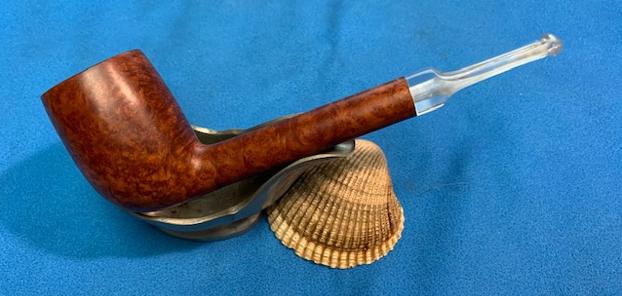
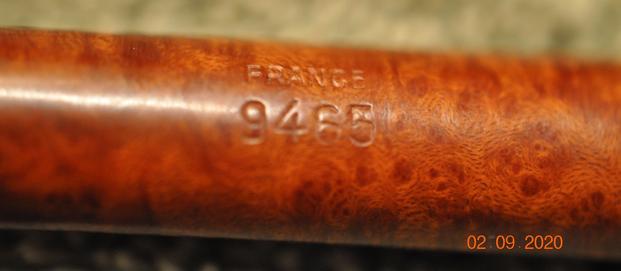
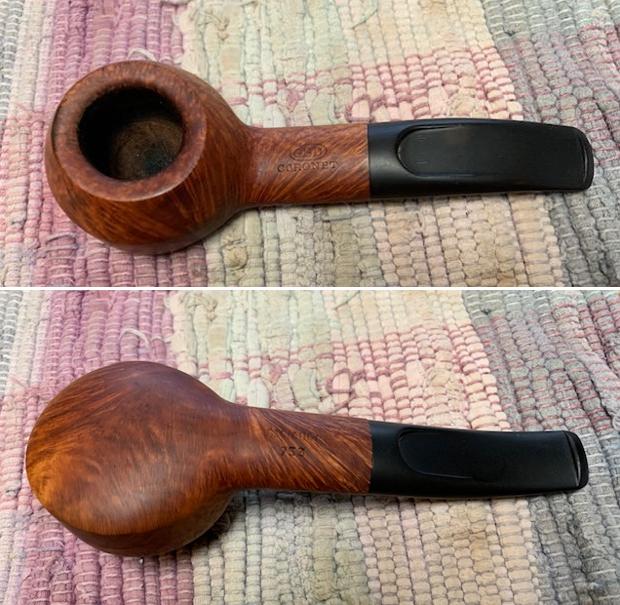
Sometimes when you are pipe hunting there is one that just grabs you. That was the case with this pipe as well as several of the previous pipes. It is a classic Liverpool shaped pipe with a clear Perspex stem. We have picked up a lot of pipes over the years, whether GBD or others that have had either the clear Perspex stem or a clear acrylic stem we obviously are attracted to the unique look of them. We picked this little pipe up from a fellow in Brazil, Indiana, USA early in 2020 and are finally getting around to working on it. The pipe was stamped on the right side of the shank and reads France [over] the shape number 9465. The shape number points to a French Made GBD pipe as does the stem but there is no GBD logo on either the stem of the shank of the pipe. It was in filthy condition. The bowl was thickly caked and there was a thick lava overflow in the rim top. It was easy to assume there was some darkening and burn damage under the grime but the cleaning would reveal the full story. The briar was very dirty with grit and grime ground into the surface. The clear Perspex stem was dirty and had darkening from tobacco stains in the airway from the tenon to the button. There were light deep tooth marks and chatter on the top and the underside of the stem near the button. Jeff took photos of the pipe before he did his clean up on it.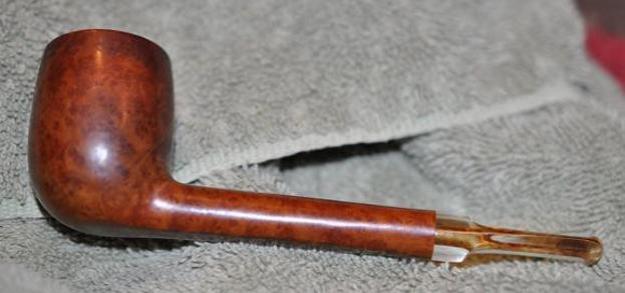
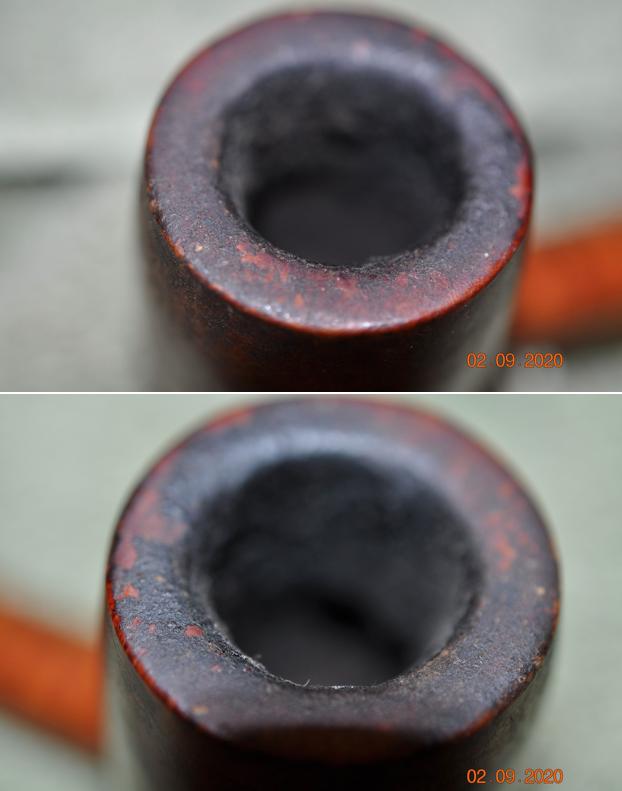
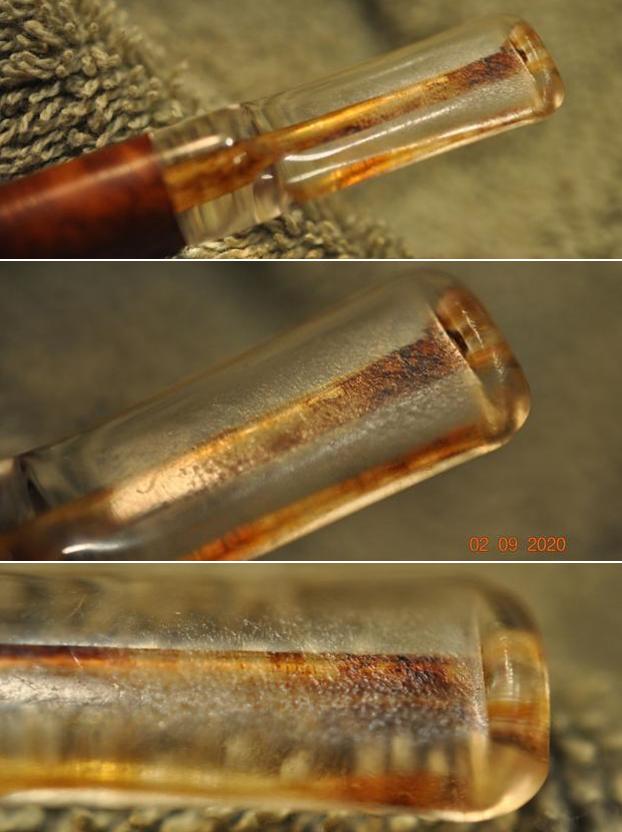
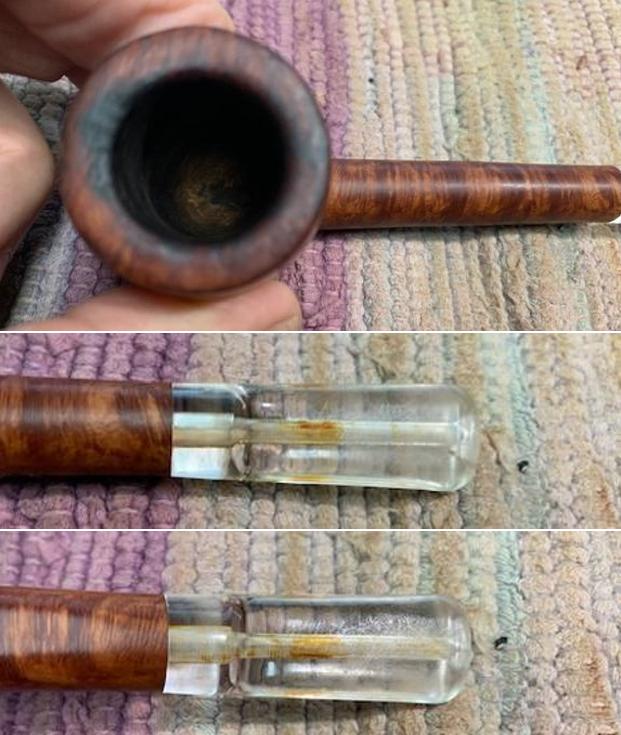
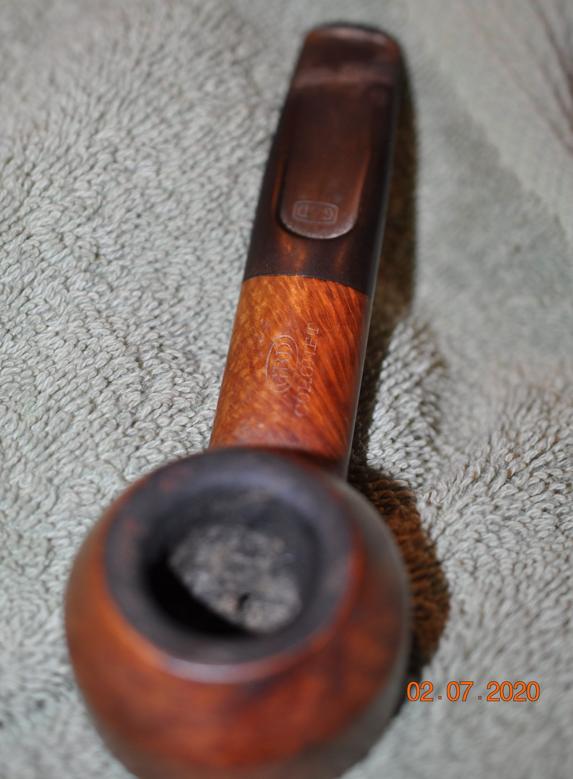
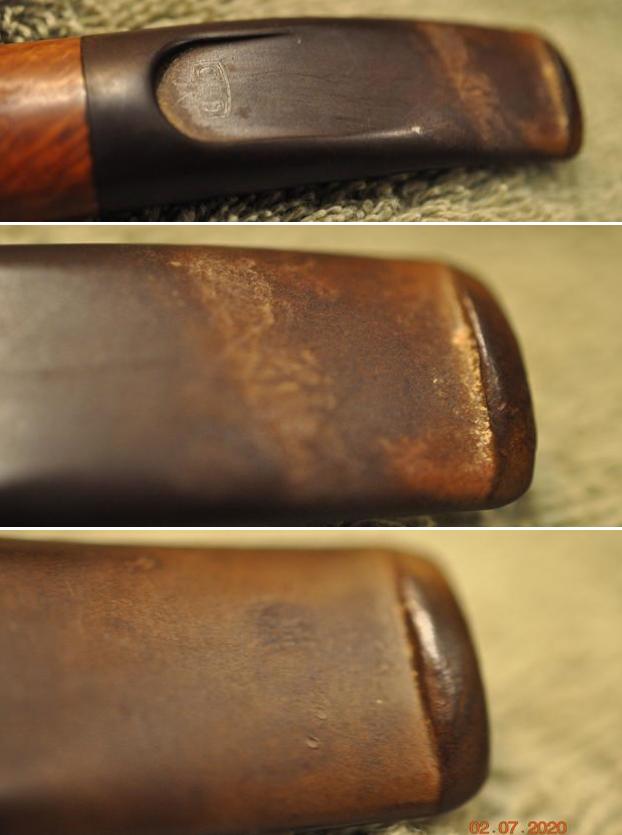
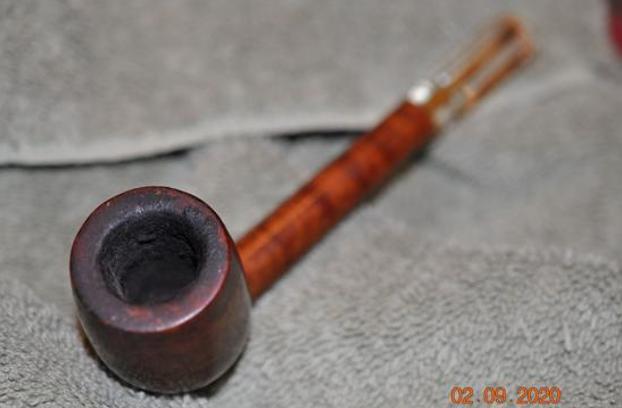 Jeff took photos of the rim top and the stem to show the condition of the pipe when we received it. You can see the cake in the bowl and the lava on the rim top. It is hard to know the condition of the rim edges with certainty until the pipe is clean. The stem is Perspex and has staining from the tobacco in the airway in the tenon and stem. There is chatter and light tooth marks on both sides near the button.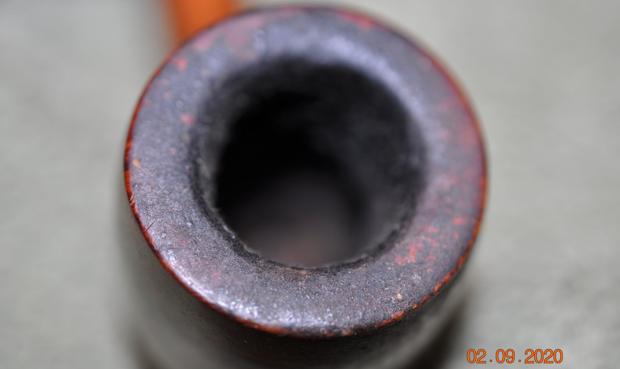
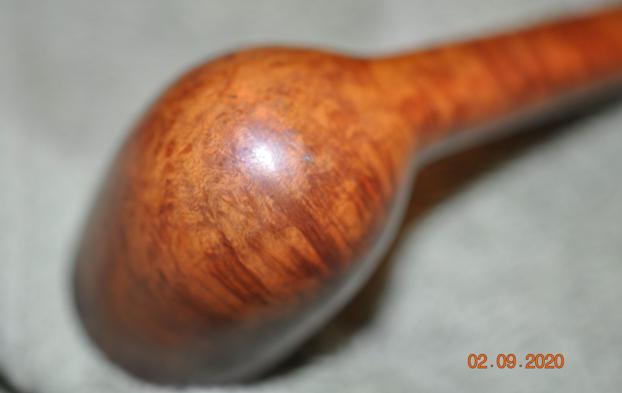
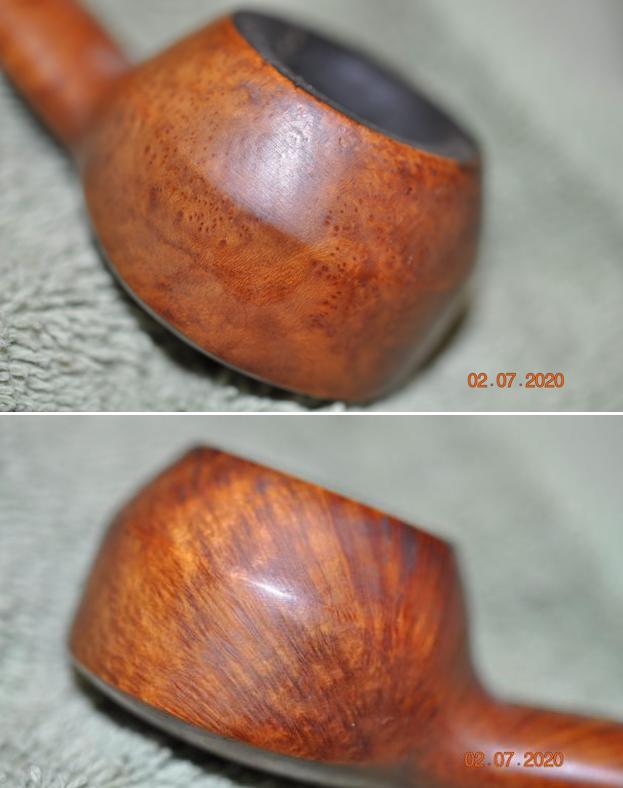
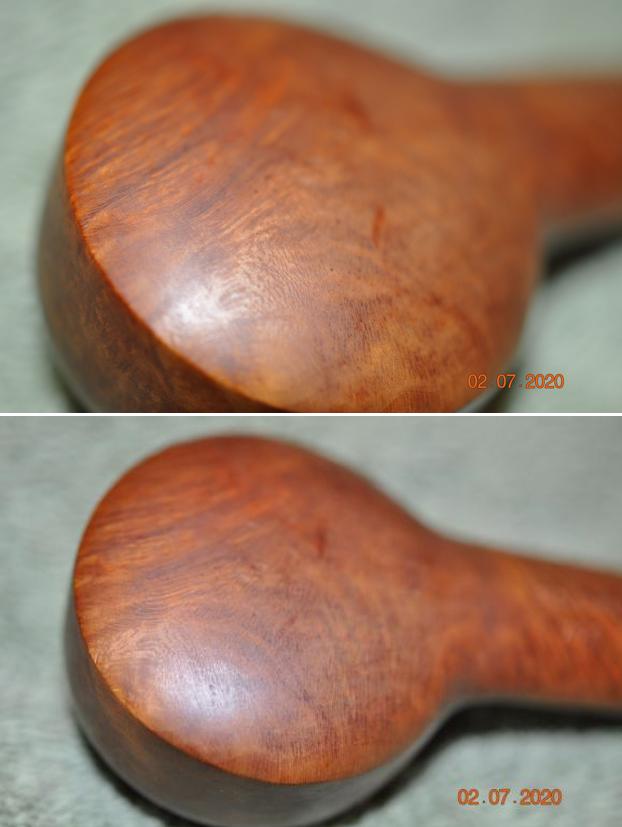
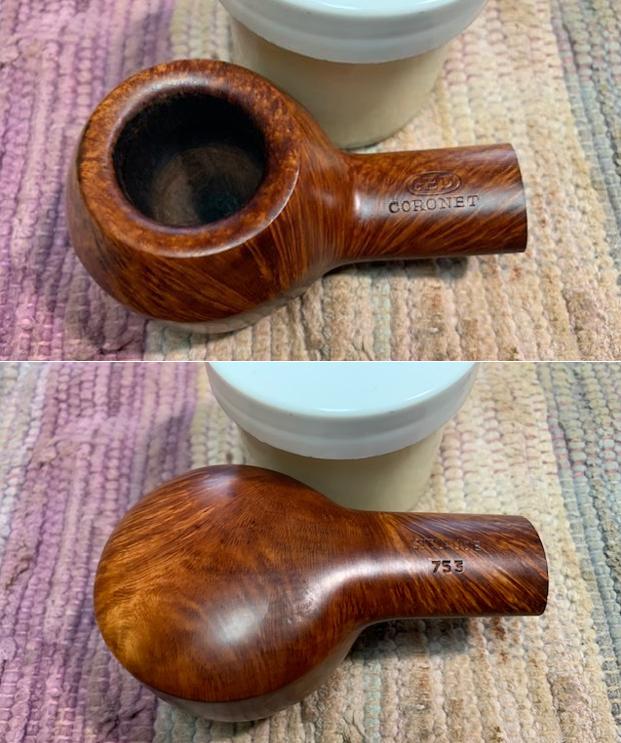
 He took photos of the sides of the bowl and the heel to give an idea of the shape and the condition of the briar around the bowl. It really is a nicely shaped pipe that has classic charm and elegance.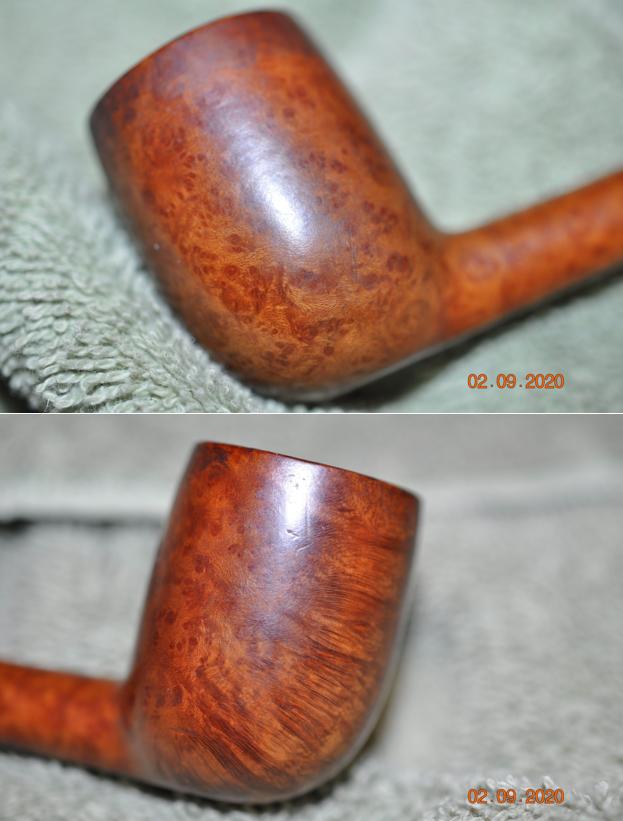
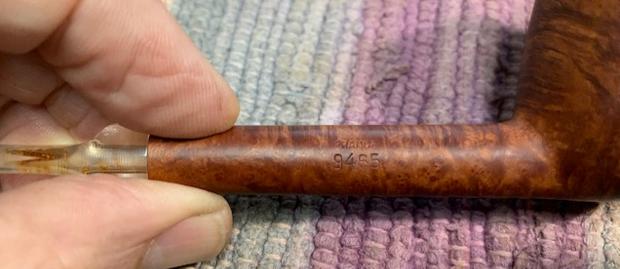
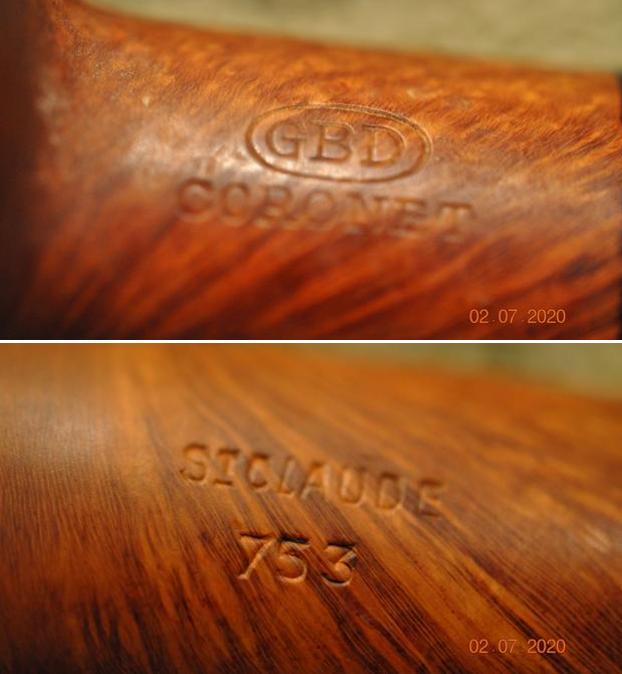
 The pipe is stamped solely on the right hand side of the shank and does not appear to have any buffed out or partial stamping anywhere else on the pipe. It clearly reads France [over] 9465 as noted above. I am still thinking it is a French GBD but the research that follows will tell.
 I turned first to Pipedia to read about the time frame when GBD moved from Paris/St. Claude France to England (https://pipedia.org/wiki/GBD). That would help to narrow down the date the pipe was made. I quote the pertinent information from the article below.
There is a very simple explanation for GBD’s program to turn more “British”: GBD became a British company soon after the turn of the century! In 1902 Marechal and Ruchon sold GBD to A. Oppenheimer & Co. in London. Charles Oppenheimer had founded this successful trade business in 1860 as an import-/export house. His brothers David and Adolphe and brother-in-law Louis Adler soon joined him. Adolphe took over when Charles went to Germany as British ambassador. Briar pipes were among the first products traded. The business relation to GBD in Paris began as early as 1870. Being the most important customer in the English speaking world, Oppenheimer & Co. were designated as sole distributor for Great Britain, the USA and Canada in 1897. Especially Adolphe Oppenheimer had a burning interest in the pipe business, and Louis’ son James Adler shared that. He should play the most important role in the amicable merger of GBD. A. Marechal, Ruchon and Cie. in Paris was now Marechal, Ruchon & Co. Ltd. (see Marechal Ruchon & Cie. page) – a British firm with four directors: Adolphe Oppenheimer and James Adler had their seat in the head office in London while Auguste Marechal and Ferdinand Ruchon went on leading the GBD factory in the Rue des Balkan in Paris, which was considerably extended and modernised. Ruchon acted as CEO.
At the same time when the negotiatios with GBD started Oppenheimer also acquired two pipe factories in Saint-Claude: Sina & Cie. and C.J. Verguet Freres. Merging them a huge plant came into being that was thoroughly reconstructed and reorganized. The management was headed by Lucien Verguet. This new Saint-Claude factory was ready to operate in 1906. Beside it’s very own commercial activities in pipe production it’s main task was to supply prefabricated bowls.
Simultaneously Oppenheimer started to build a pipe factory in London. It was opened in 1903, but the forecasts had been over-optimistic for it’s capacity could not be utilized to the full until World War I. Things changed as the French pipe factories lacked more and more workers who were called to the front. In 1916 the ledgers registered that 18,000 of 27,000 dozens bowls manufactured in Saint-Claude were determined via GBD Paris for GBD London. Wherewith London had become the more important location.
After the war, GBD continued production both in London and in Paris. London GBDs mainly went into the national trade and as well into the British Empire and the USA. Paris on the other hand served the French and the other European markets. The location of the factories influenced the GBD history furthermore in the future although later on the products of both countries occasionally were marketed side to side to match special market requests.
Now I knew that it probably came post WWI when the French side of the company served the European Markets. There is no indication of the pipe being made in St. Claude so my thinking it is a French made pipe that at least entered the market through Paris.
I followed the links on the article to the GBD shape numbers article to link the shape stamp to GBD (https://pipedia.org/wiki/GBD_Shapes/Numbers). Sure enough the 9465 was a GBD shape number and it matches the pipe I am working on. I have included a screen capture of the section on the shape chart below. I have to say that once again I was looking forward to what Jeff had done to this French Made GBD Liverpool pipe when I took it out of the box. It had shown such beauty through the grime so I was quite sure it would be stunning. He reamed the bowl with a PipNet pipe reamer and cleaned the remnants of cake back with a Savinelli Fitsall Pipe Knife. He scrubbed the bowl with Murphy’s Oil Soap and a tooth brush to remove the grime and oils. He cleaned the internals of the shank with pipe cleaners, cotton swabs and alcohol to remove all of the tars and oils there. He scrubbed the interior and the exterior of the stem with Soft Scrub. He was able to remove much of the tobacco darkening on the inside of the stem. There is still some on the tenon and the middle of the airway that I will need to work on. He rinsed off the cleaner with warm water and wiped the bowl and stem down with a light coat of olive oil to rehydrate both. The pipe really was quite stunning. You can see the burn mark/charring on the front top and inner edge of the bowl but it does not lessen the beauty of the pipe.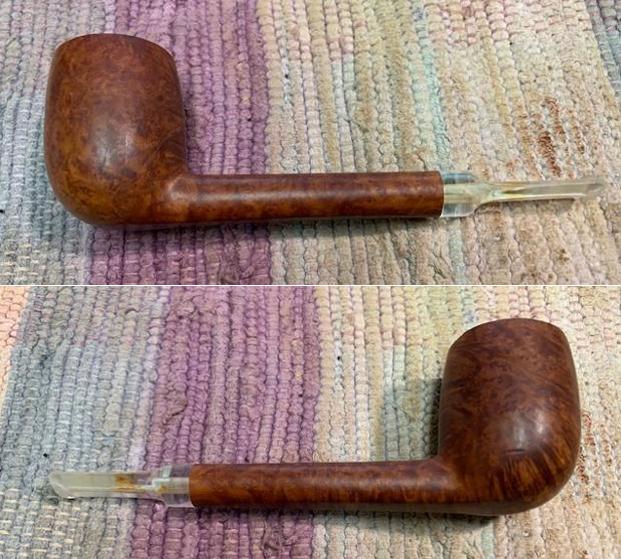
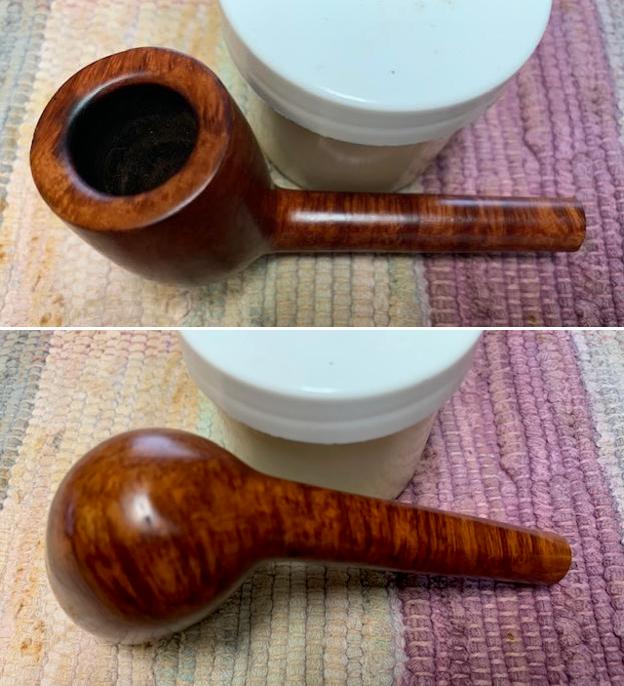
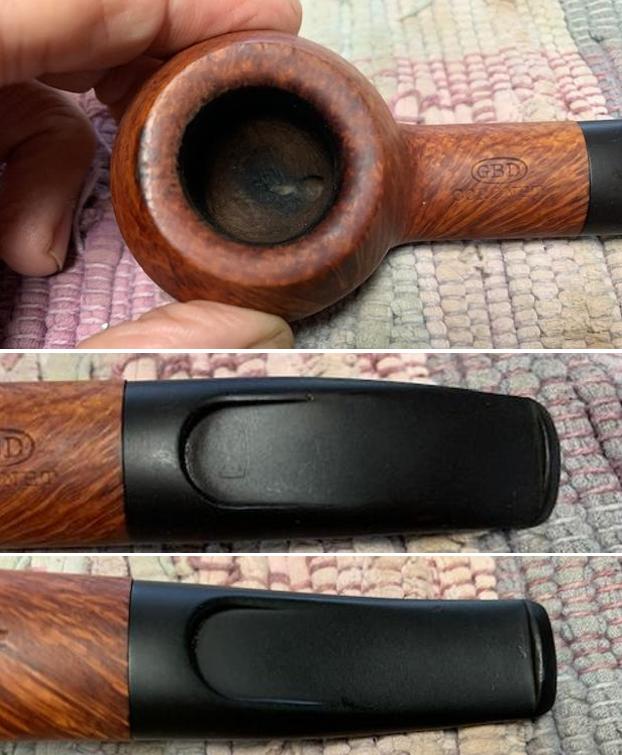
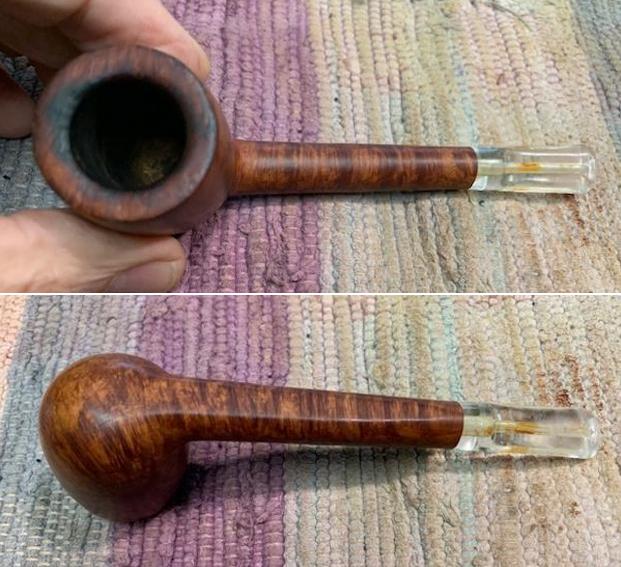 I took close up photos of the stem and the rim top to show both how clean they were and what needed to be addressed with both. The bowl had some burn damage on the front top and inner edge. The stem looked better but the tobacco staining in the airway and tenon were bothersome to me. The tooth chatter on both sides was still present. I would need to work on those issues with the stem to bring it back.
 I took another photo of the stamping on the shank side. You can see how clear and readable it is.
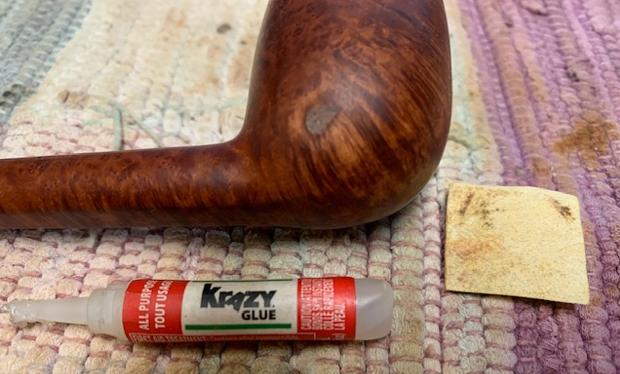
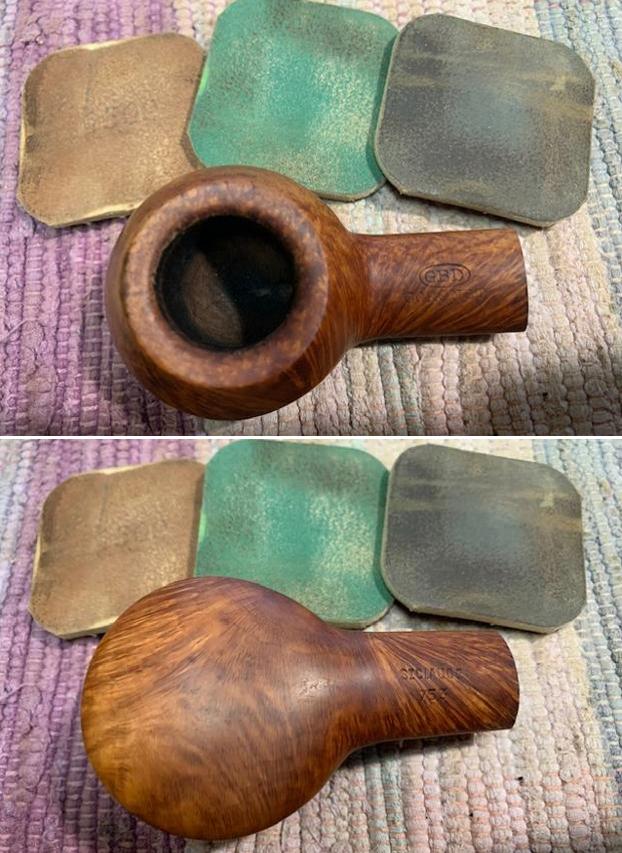
 I decided to addressing the burn damage to the front inner edge and rim top. I used a folded piece of 180 grit sandpaper to smooth out the damage and work on the inner edge bevel to minimize the burn damage.
 There was a deep gouge on the right side of the bowl. I filled it in with some clear CA glue and when the repair cured I sanded it smooth with 220 grit sandpaper to blend it into the surface.
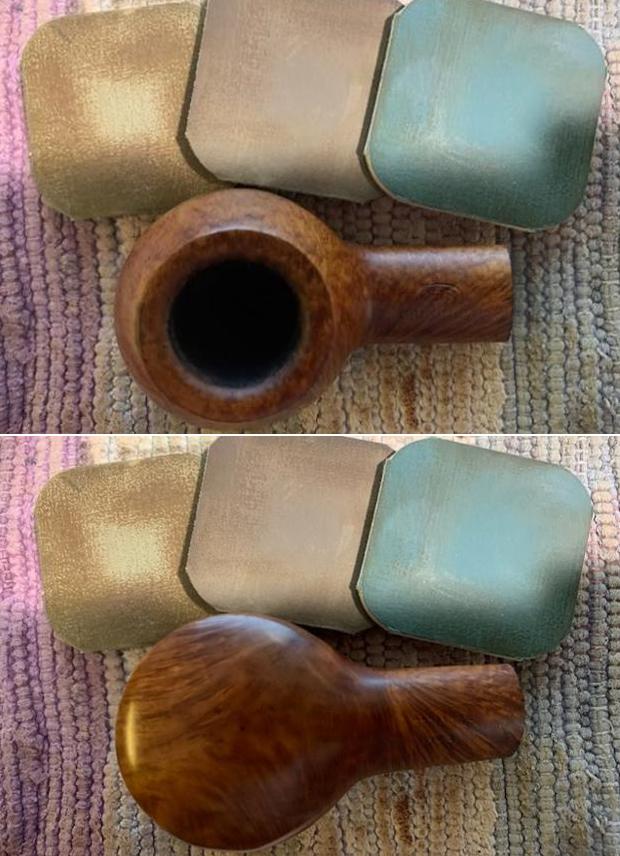
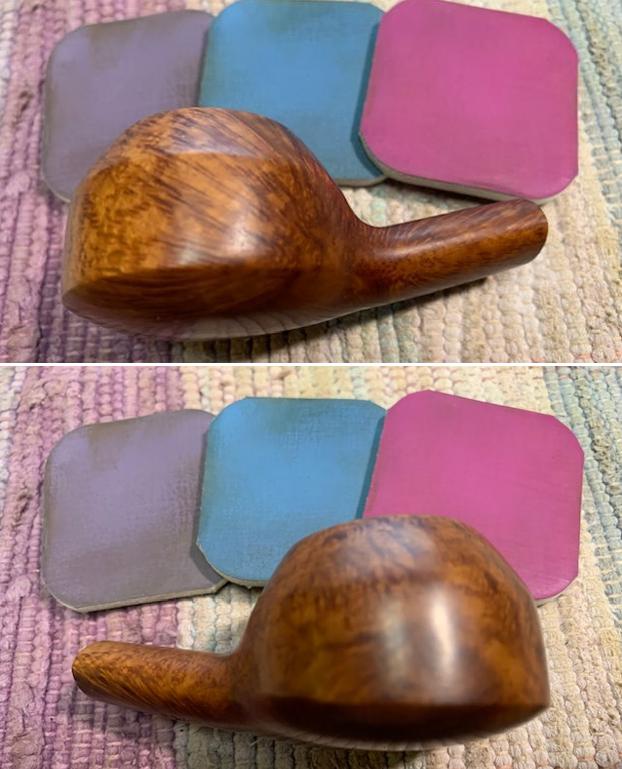
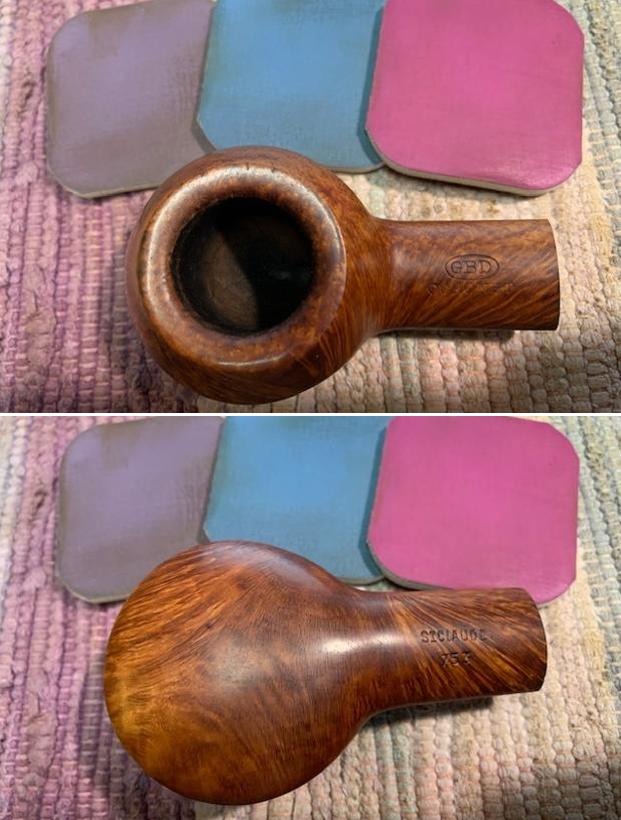
  I polished the repair and the rest of the briar with micromesh sanding pads – wet sanding with 1500-12000 grit pads. I wiped the briar down after each pad. The grain began to really come alive through the polishing.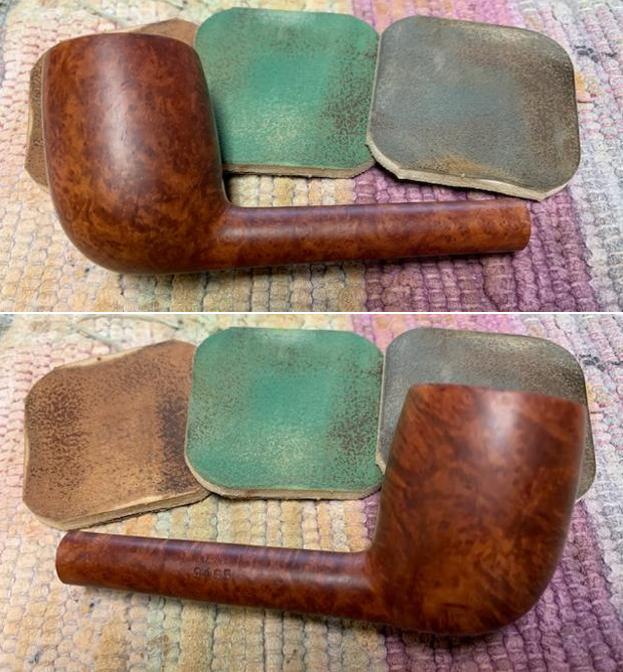
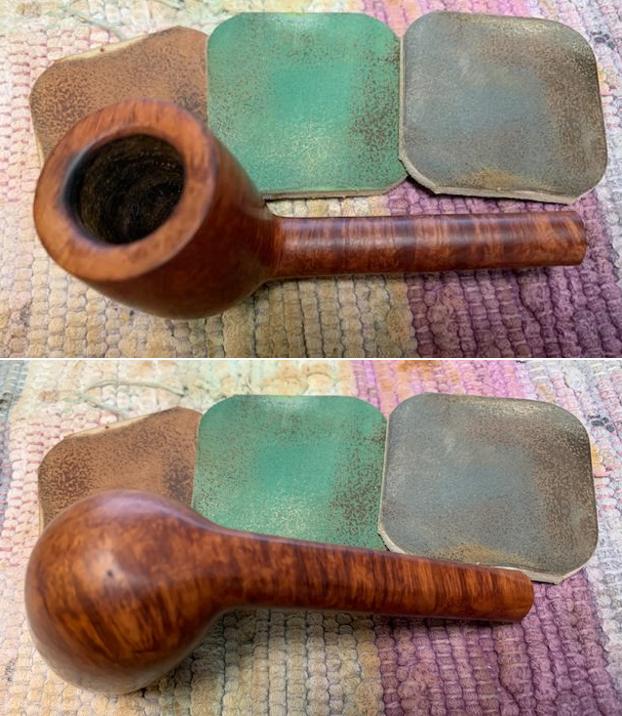
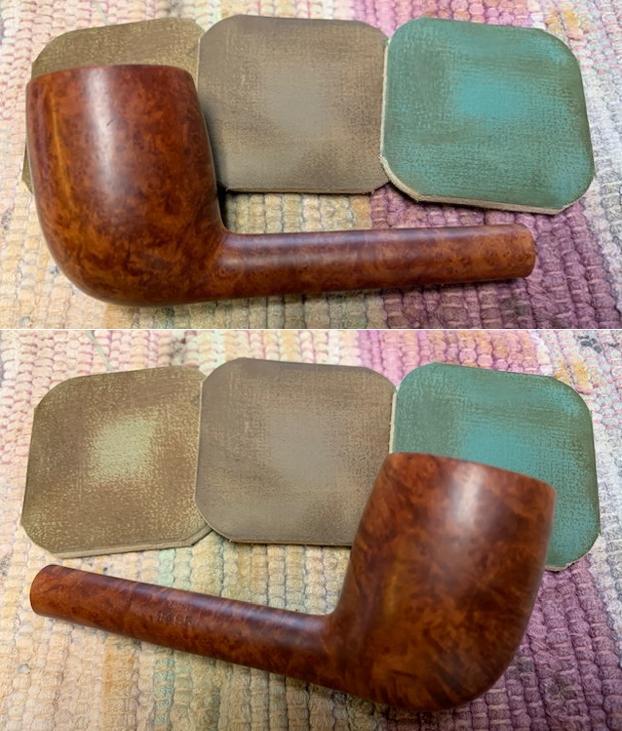
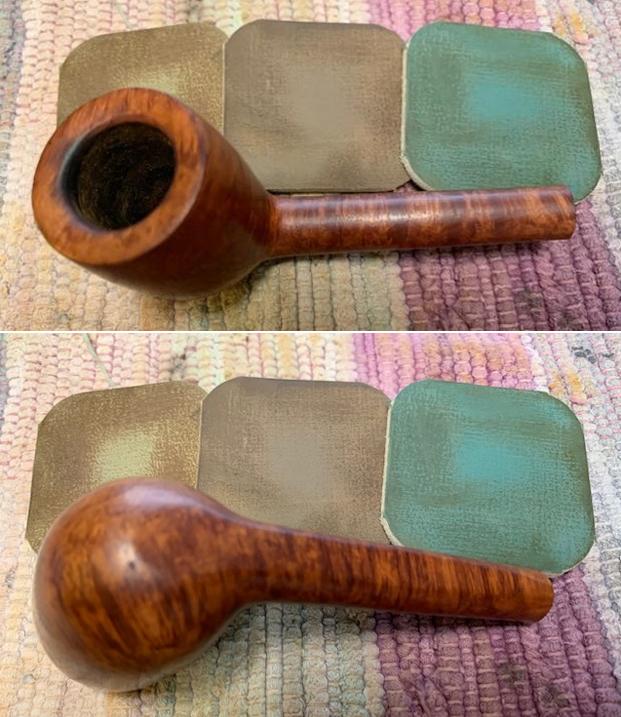
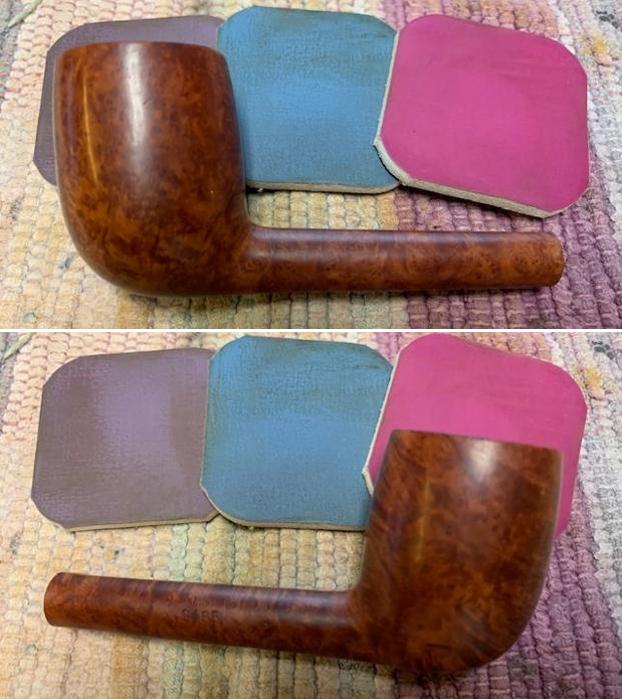
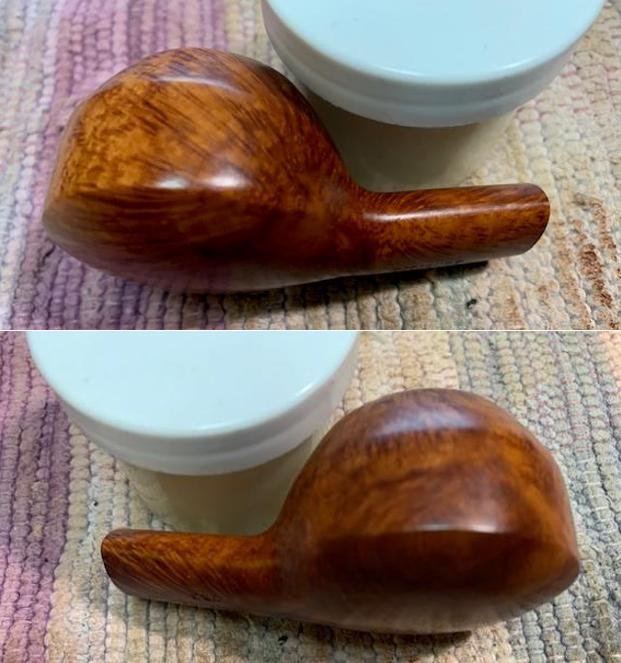
 I worked some Before & After Restoration Balm into the surface of the briar of the bowl with my finger tips. The product is incredible and the way it brings the grain to the fore is unique. It works to clean, protect and invigorate the wood.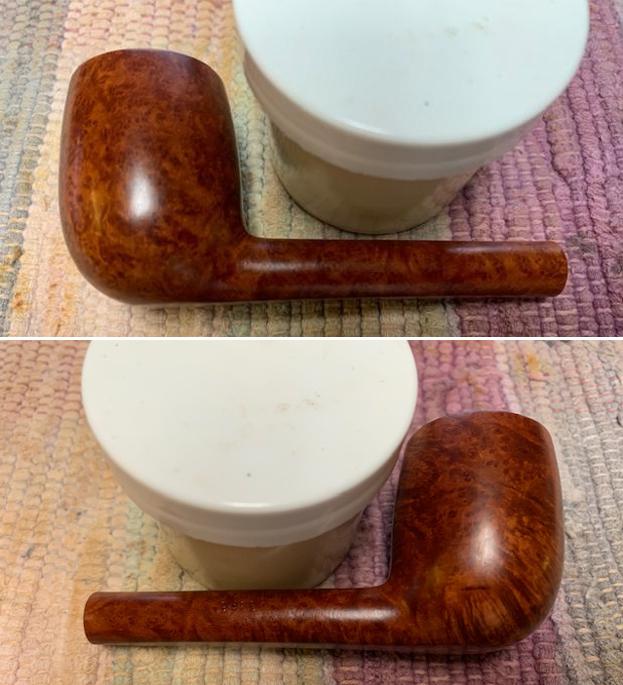

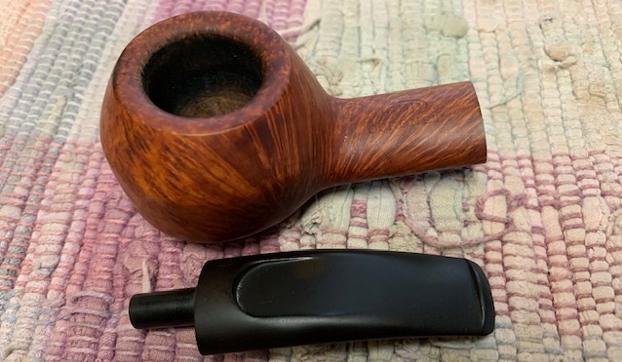
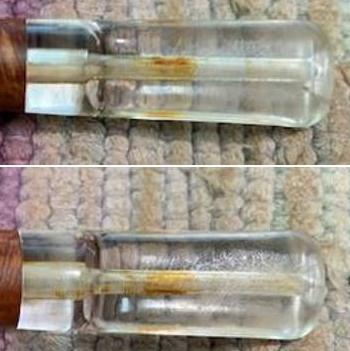 I set the bowl aside and turned my attention to the stem. The stem had quite a bit of residual stain in the airway and on the tenon interior. The picture to the left shows the remainder in the airway. I forgot to take a photo of the tenon before I started working on it.
I used small round and oval needle files to work over the inside of the airway. I entered from the tenon end and worked the back and forth and around to remove the remnant and smooth out the walls of the airway. I have found that often the drilling on the stem is rough on the inside and it collects this debris and even if it looks clean there is tar trapped in the valleys of the drilling. The files smoothed it out very well. I followed that with pipe cleaners and warm water to remove the dust from the filing. The photos below show the files and the stem as I worked on it.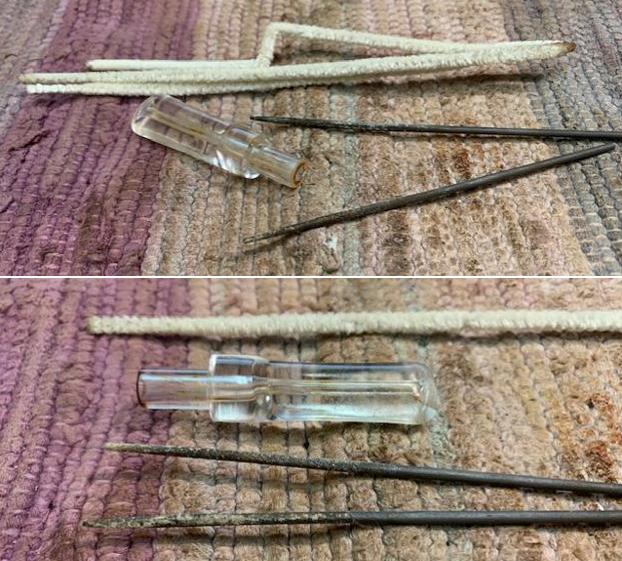 I sanded out the tooth marks and chatter on the stem surface with 220 grit sandpaper and started the polishing with 400 grit wet dry sandpaper.
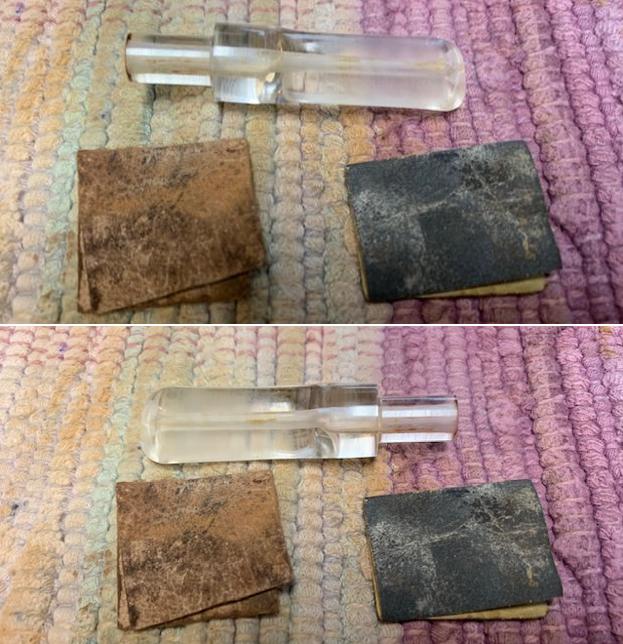 As I sanded the stem I found a tooth mark mid stem on the underside. I filled it in with clear CA glue and when it cured sanded it smooth with 220 and 400 grit sandpaper. Once it was polished it would blend in perfectly.
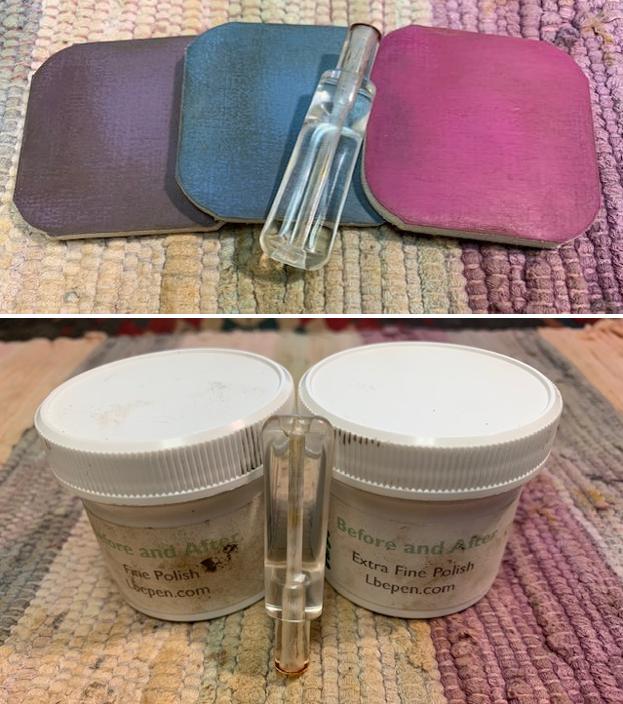
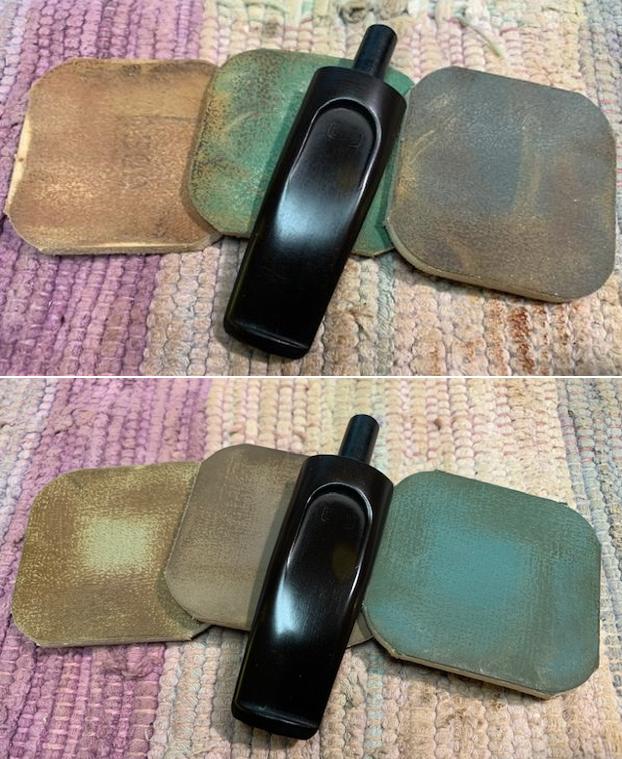
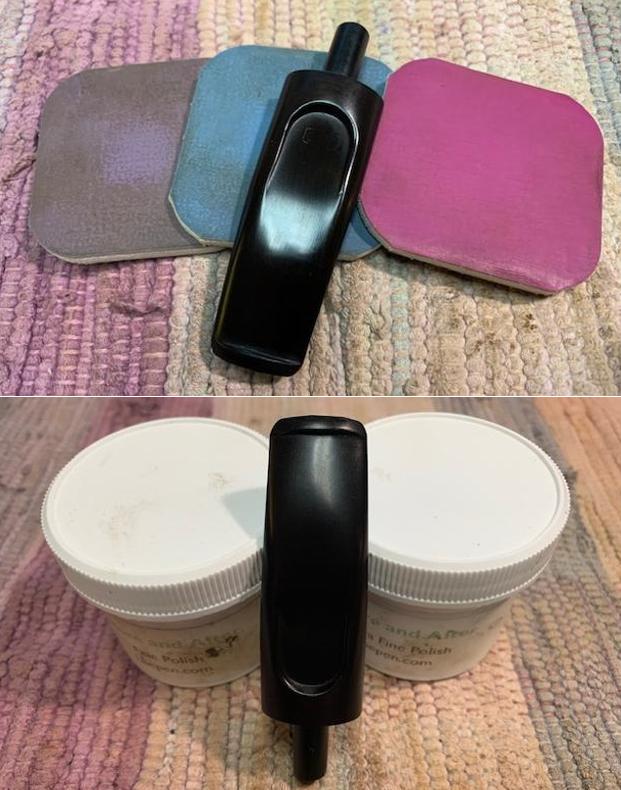
 I polished the stem with micromesh sanding pads – wet sanding it 1500-12000 pads. I wiped it down with Obsidian Oil after each pad to protect it and preserve it. I polished it with Before After Pipe Polish – both Fine and Extra Fine. I finished the polishing with a final coat of Obsidian Oil.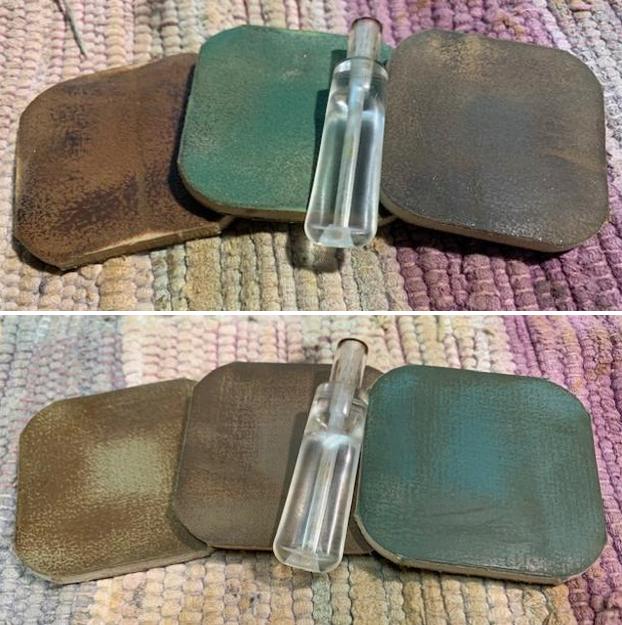
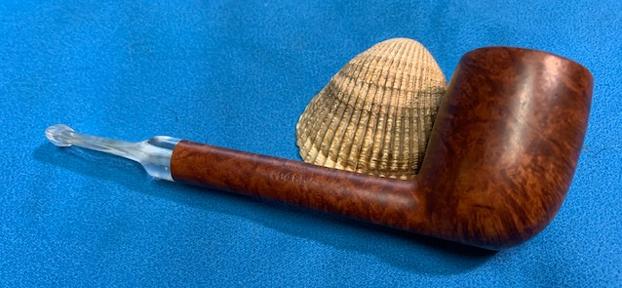
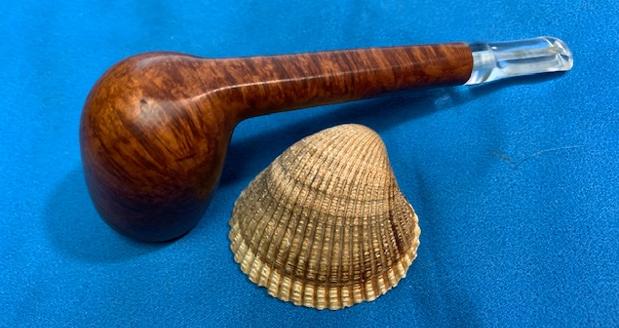
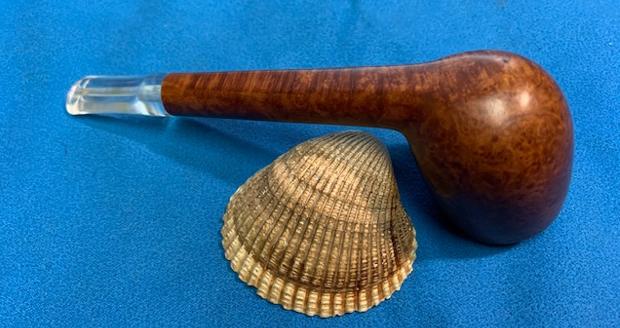
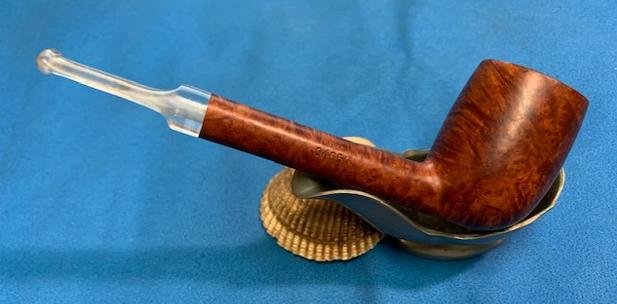
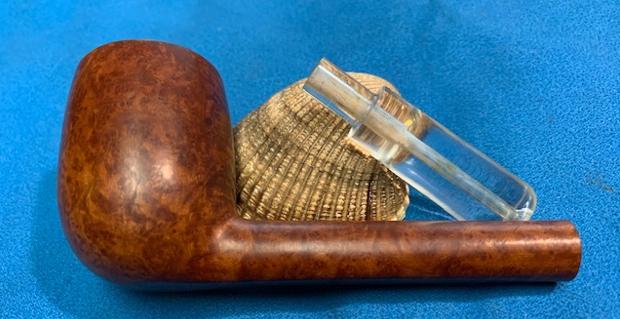
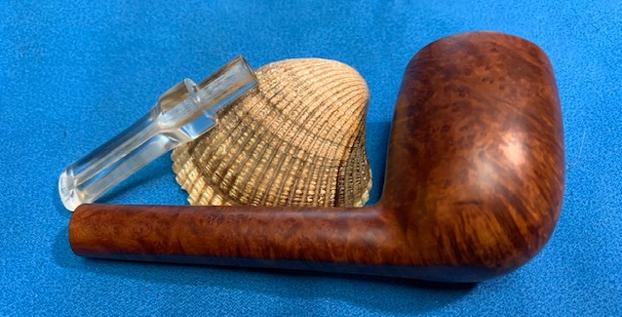
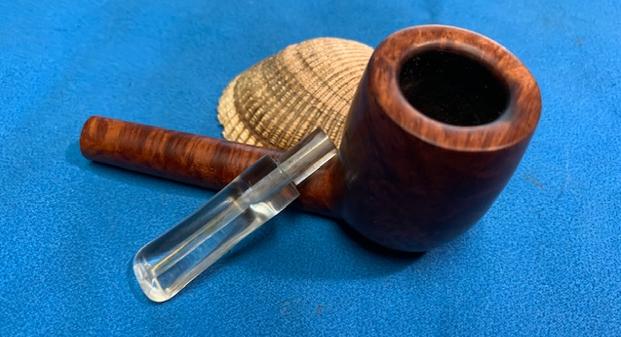
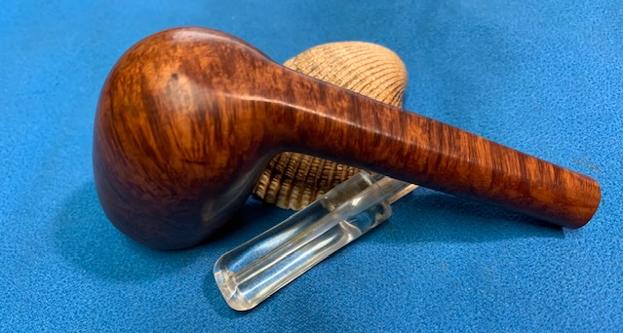
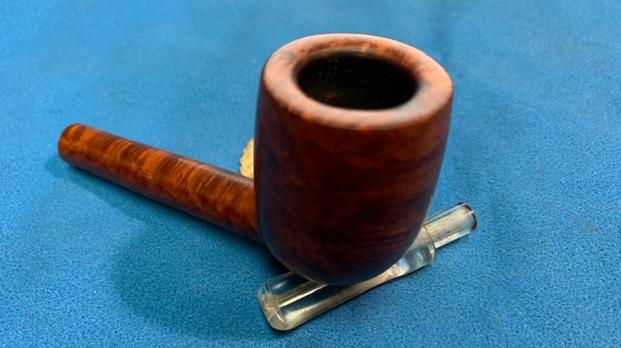
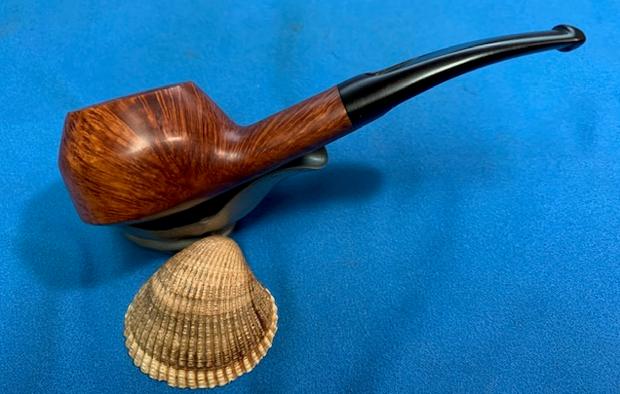
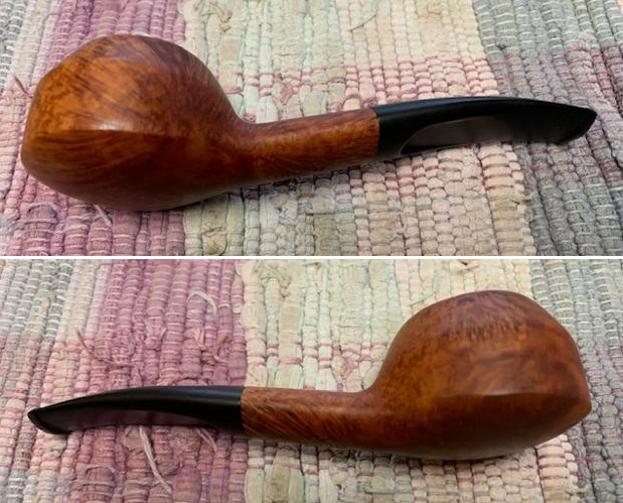
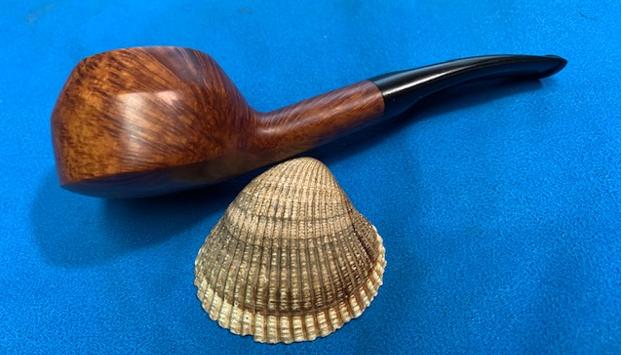
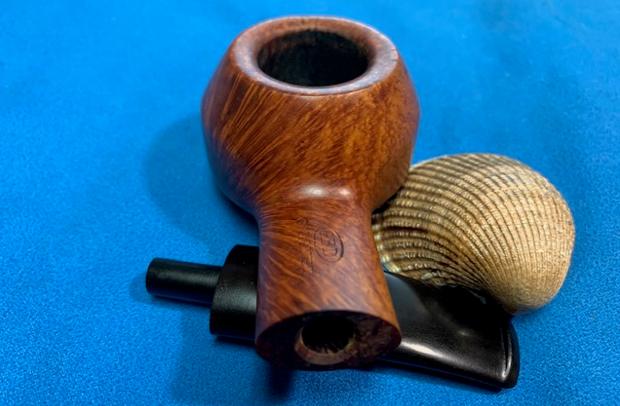
 I am really happy with the way that this GBD French Made Liverpool 9465 turned out. It really is a great looking pipe with character. The Perspex mouthpiece is a unique feature of this pipe and I was able to remove much of the staining on the inside of the airway. The grain really came alive with the buffing. The rich brown stains of the finish gave the grain a sense of depth with the polishing and waxing. The grain really popped. I put the stem back on the bowl and carefully buffed the pipe with Blue Diamond on the buffing wheel using a light touch. I gave the bowl and the stem multiple coats of carnauba wax on the buffing wheel. I buffed the pipe with a clean buffing pad to raise the shine. I hand buffed the pipe with a microfiber cloth to deepen the shine. The finished GBD Made Liverpool really is a beauty and feels great in the hand and looks very good. Give the finished pipe a look in the photos below. The dimensions of the pipe are Length: 5 ¼ inches, Height: 1 ¾ inches, Outside diameter of the bowl: 1 ¼ inches, Chamber diameter: ¾ of an inch. The weight of the pipe is 33 grams/1.16 oz. The pipe will be going on the rebornpipes store soon. It will be in the section on French Pipe Makers if you would like to add it to your collection.Thanks for reading this blog and my reflections on the pipe while I worked on it. It was a fun one to work on!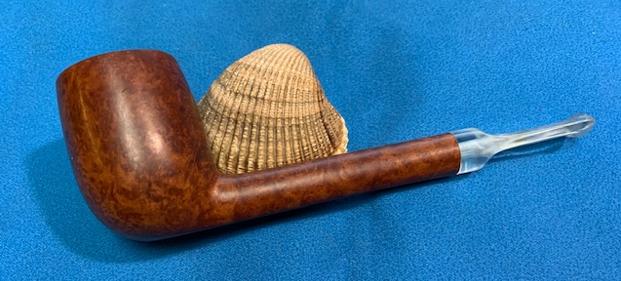





 I
I






 rebornpipes