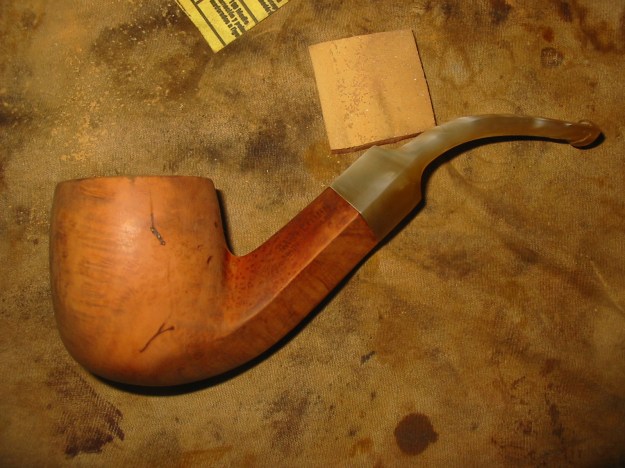
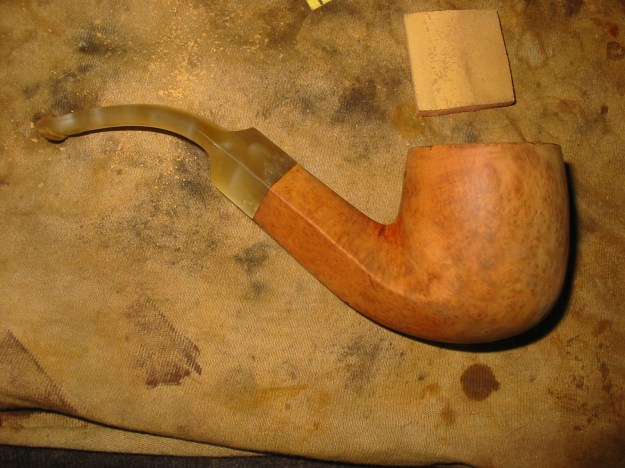
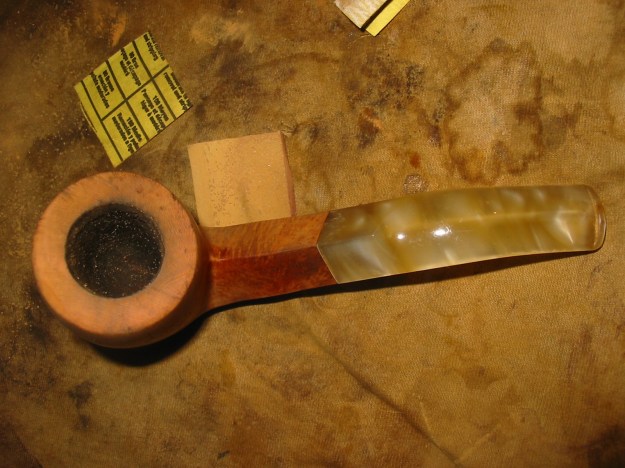
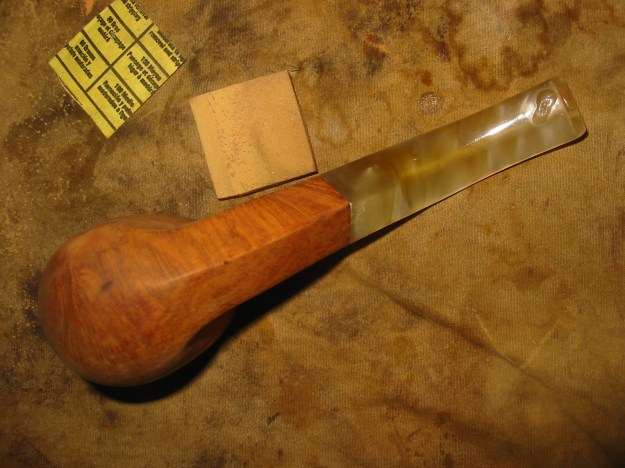
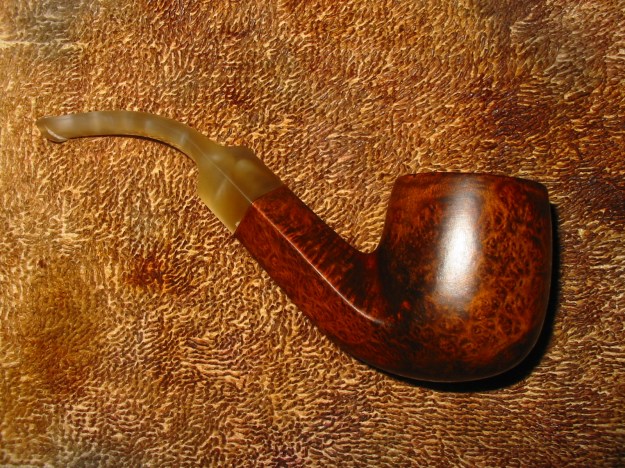
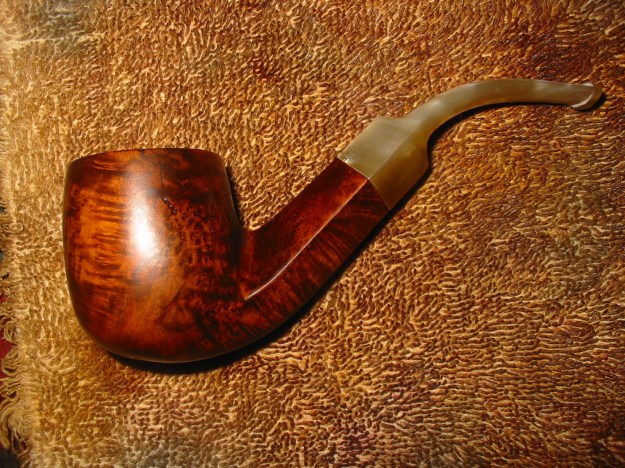
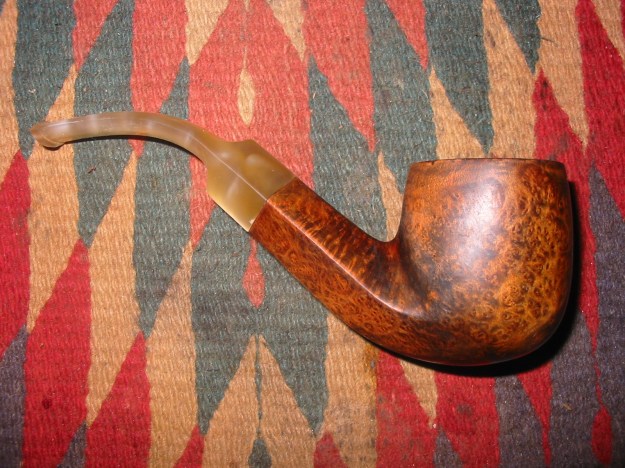
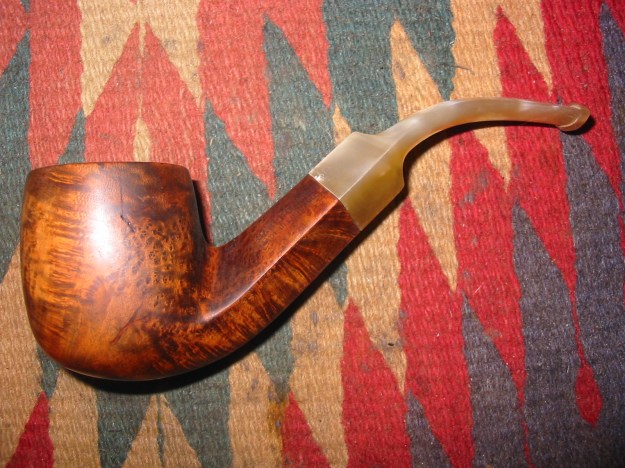
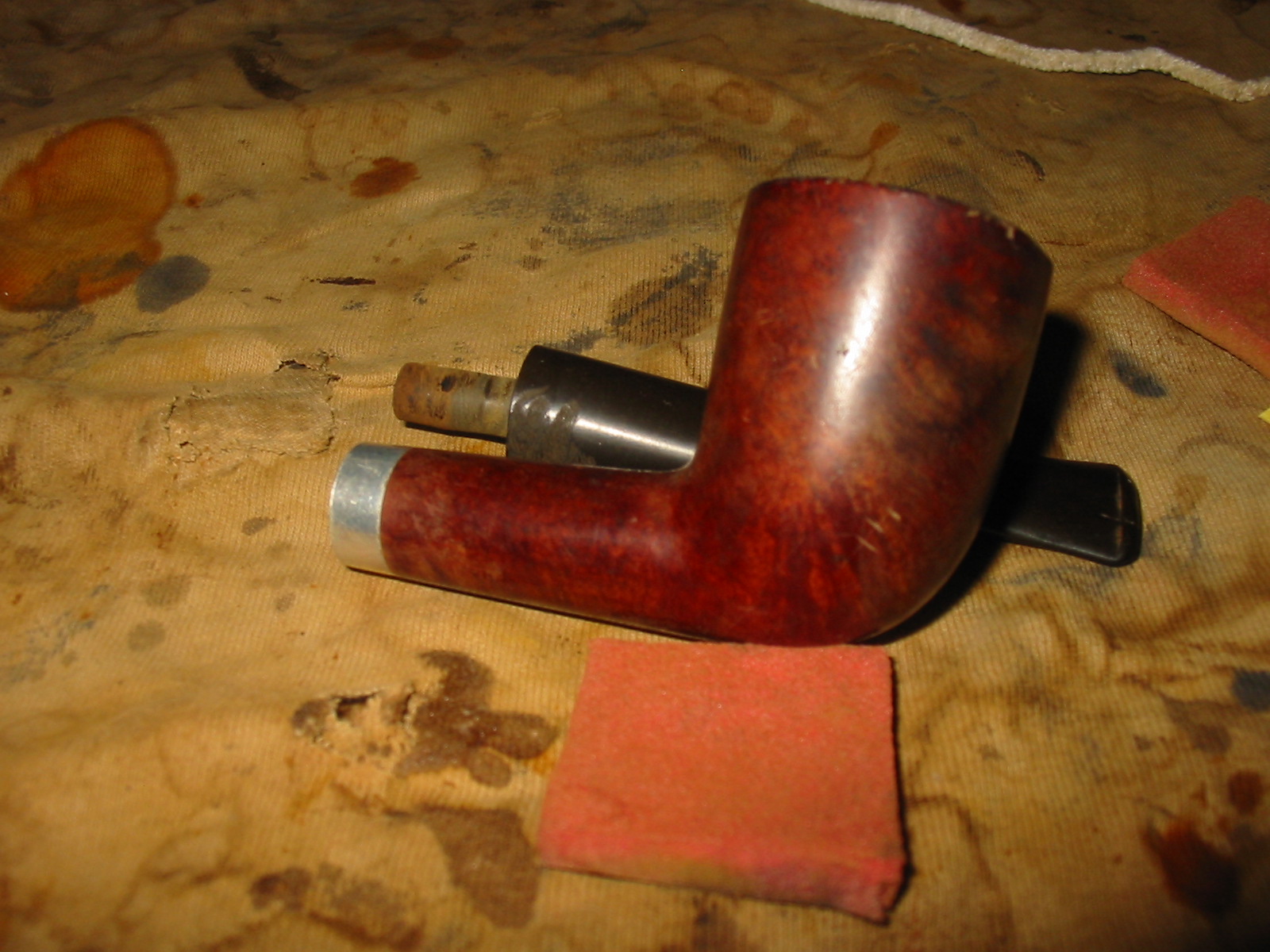
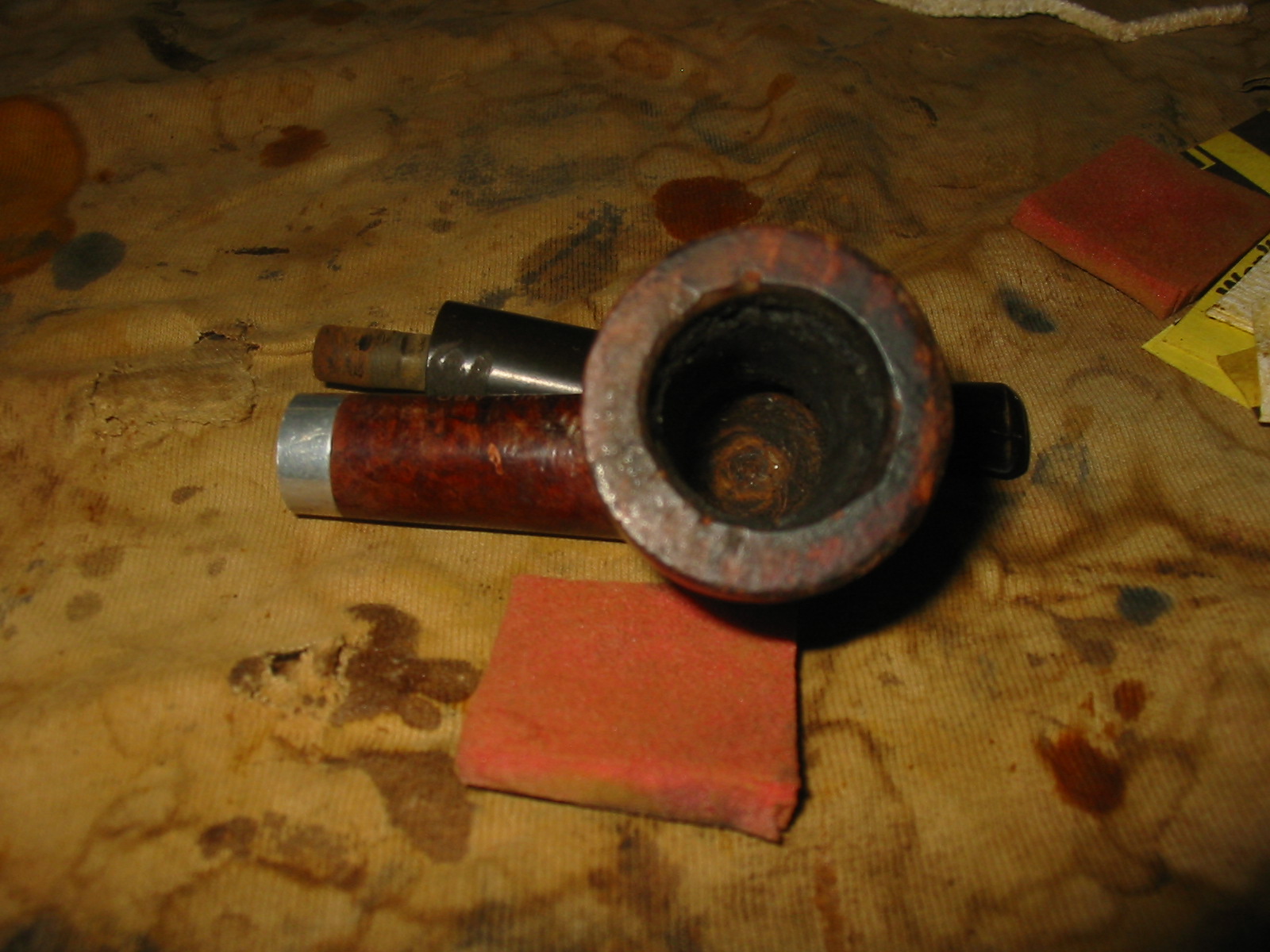
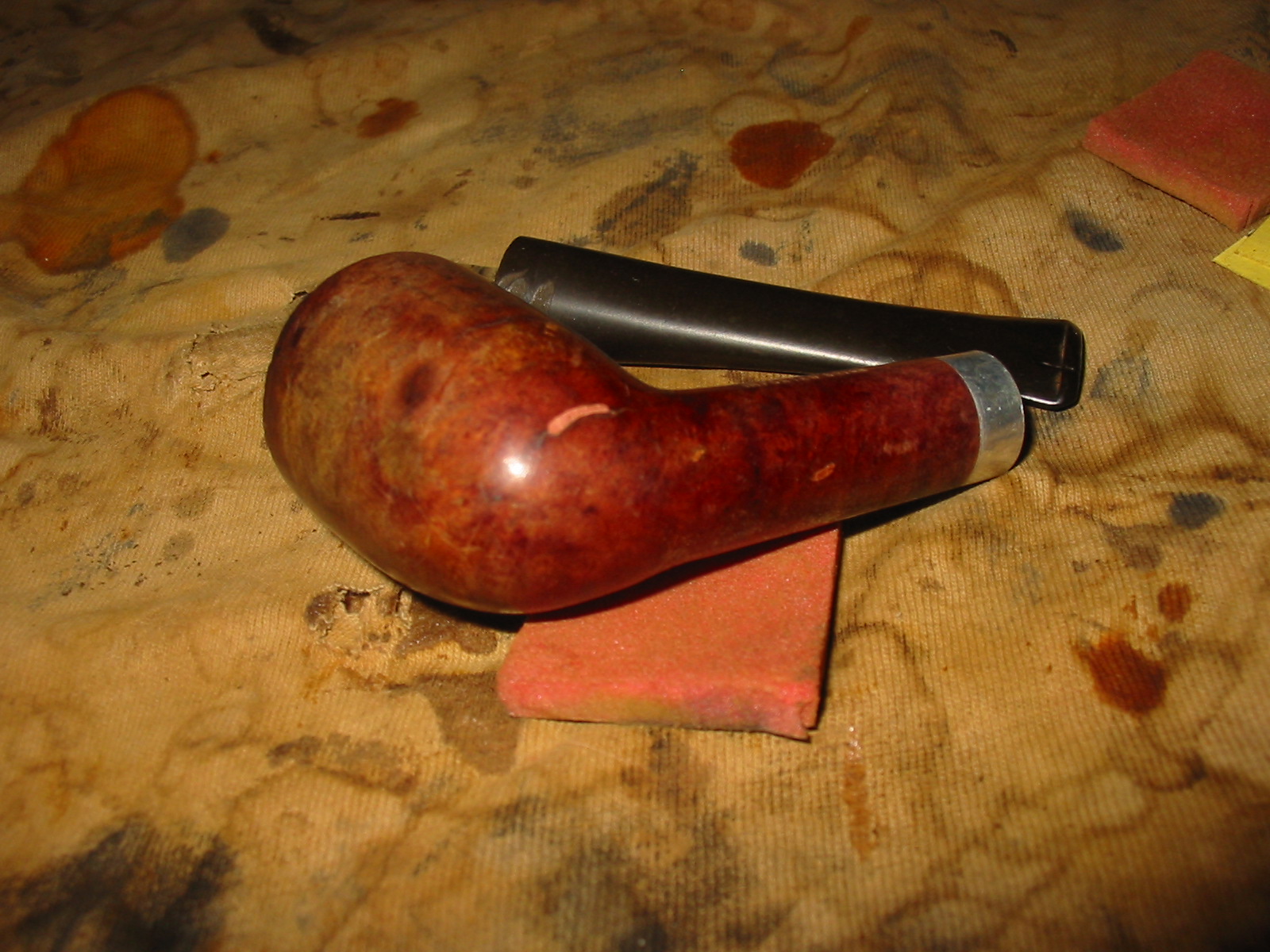
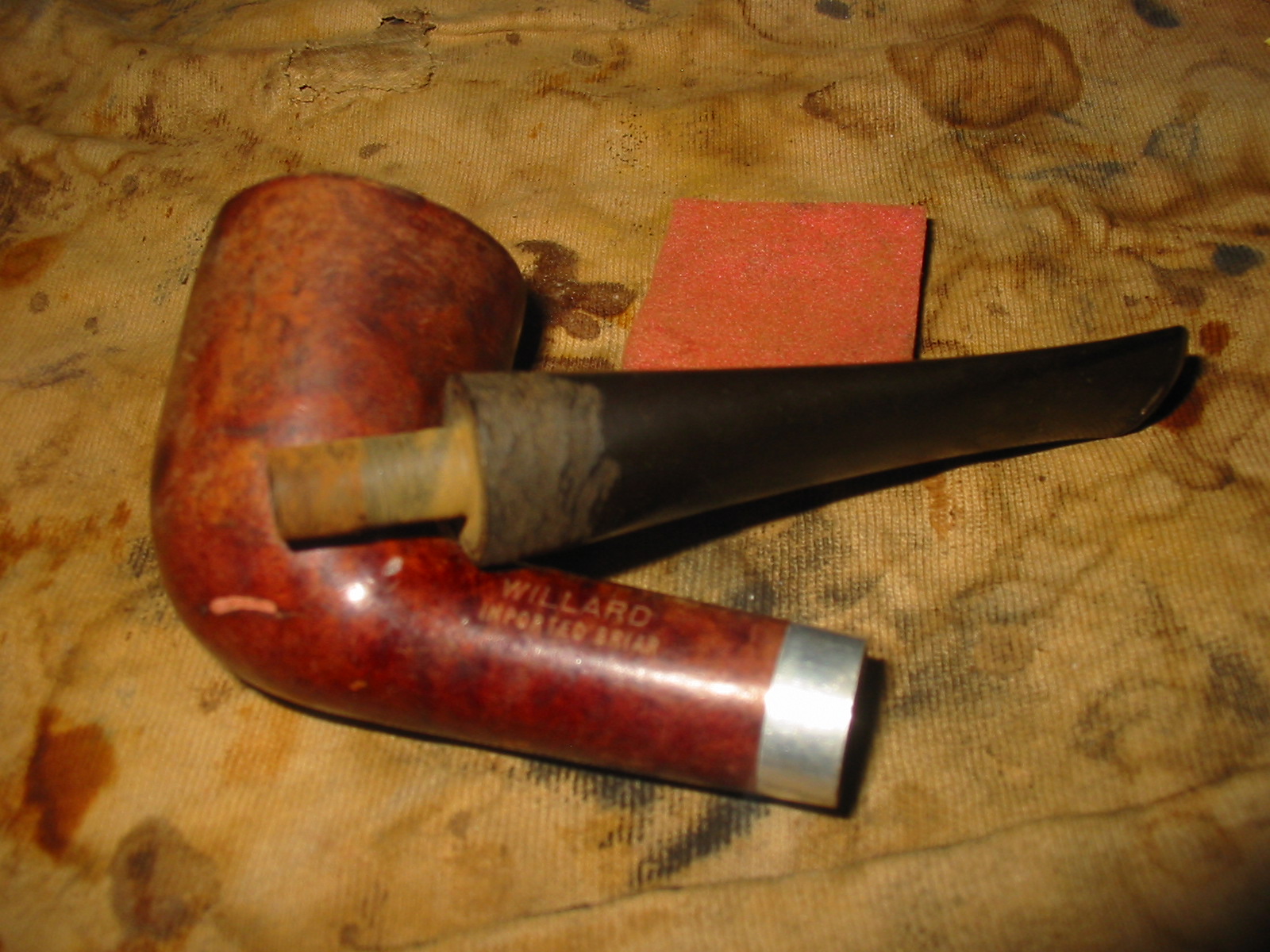
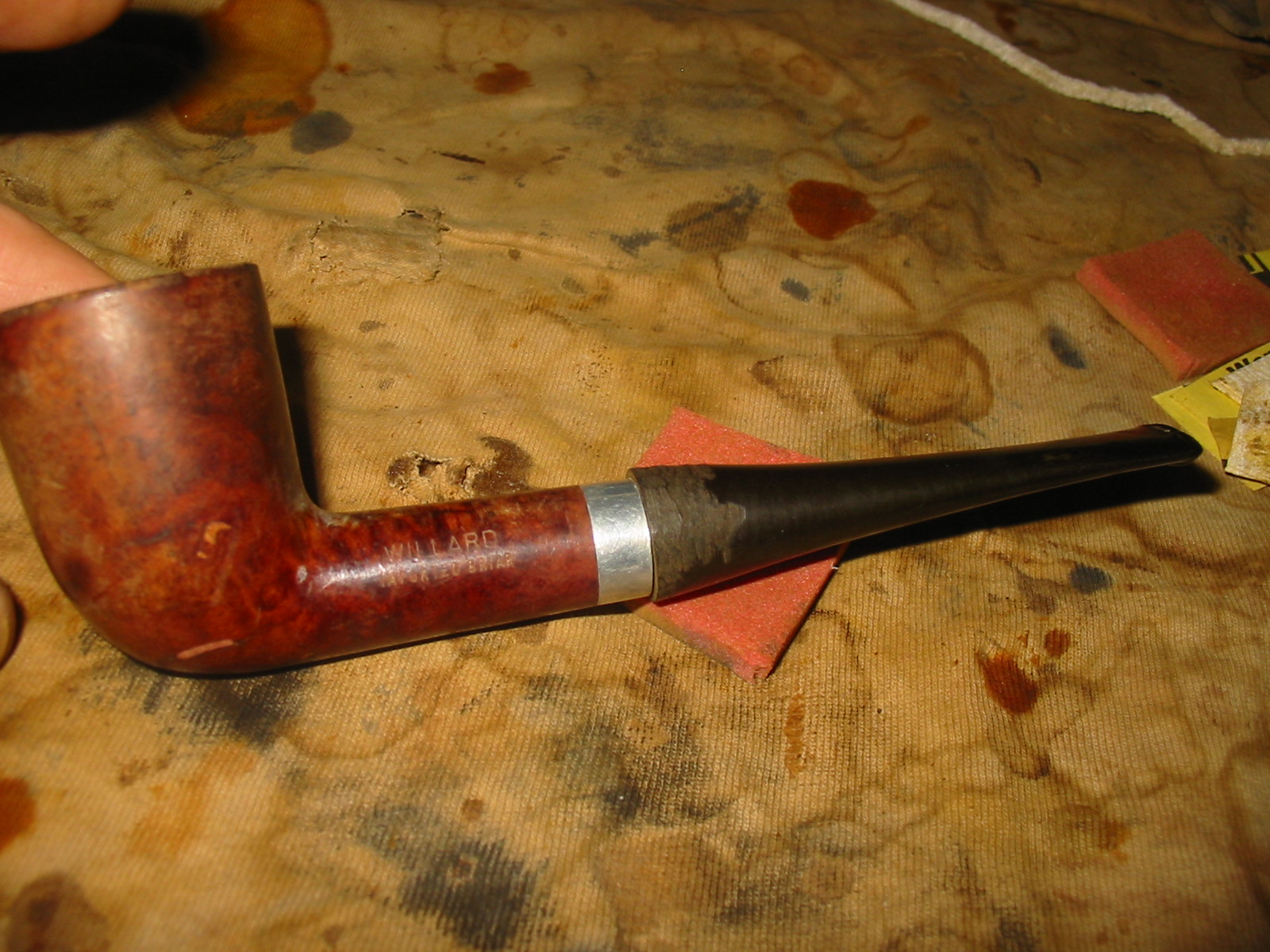
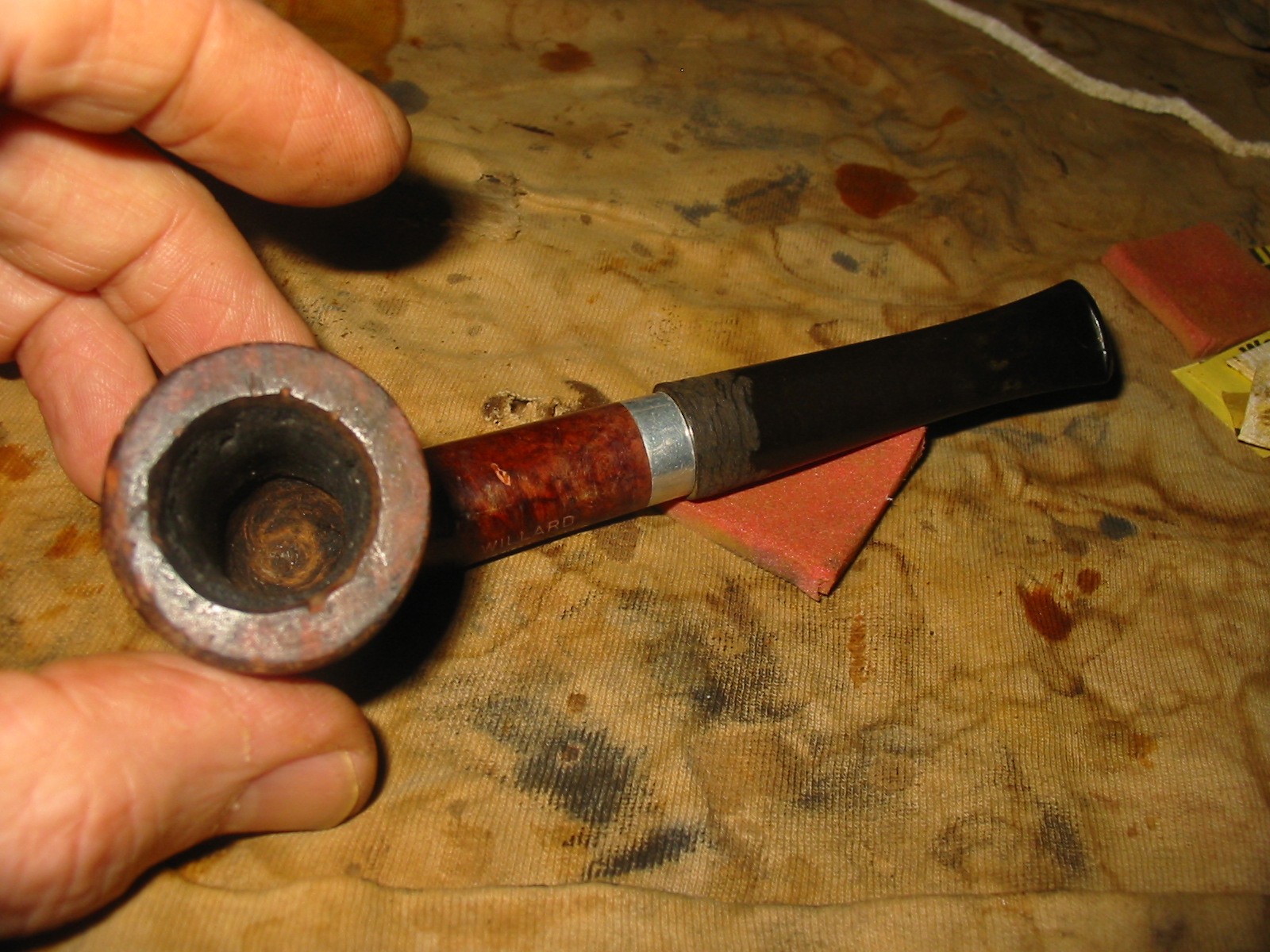
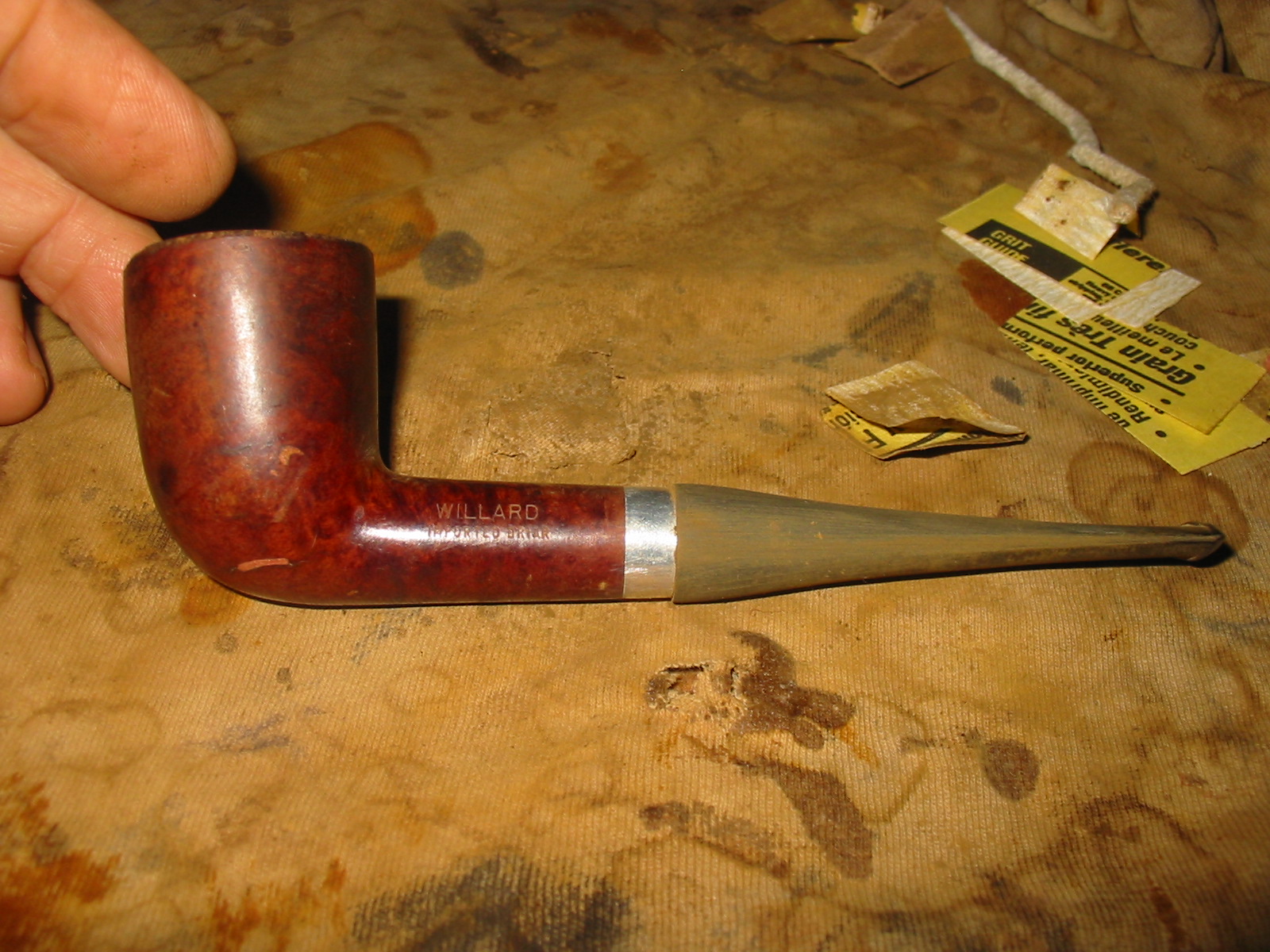
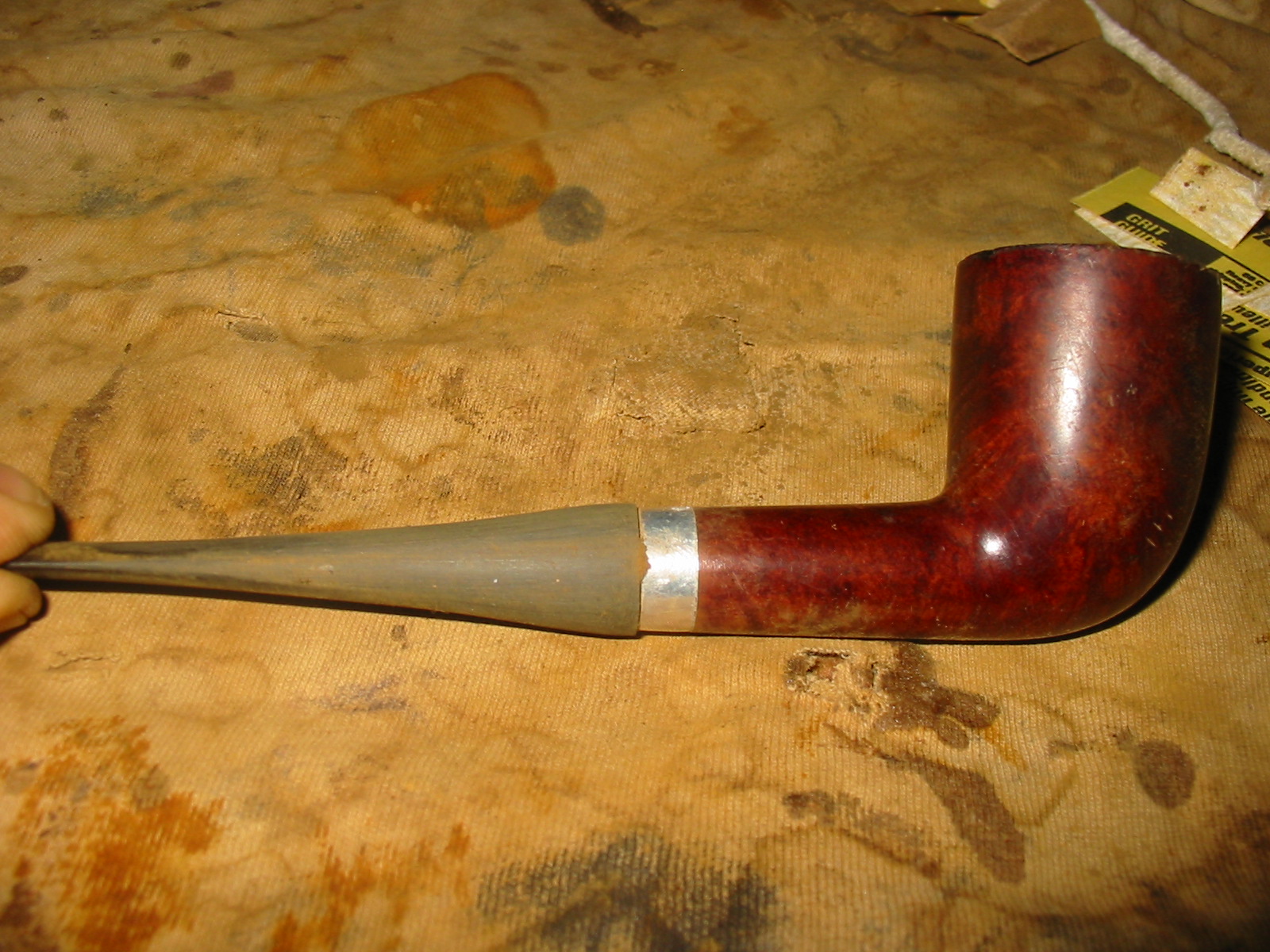
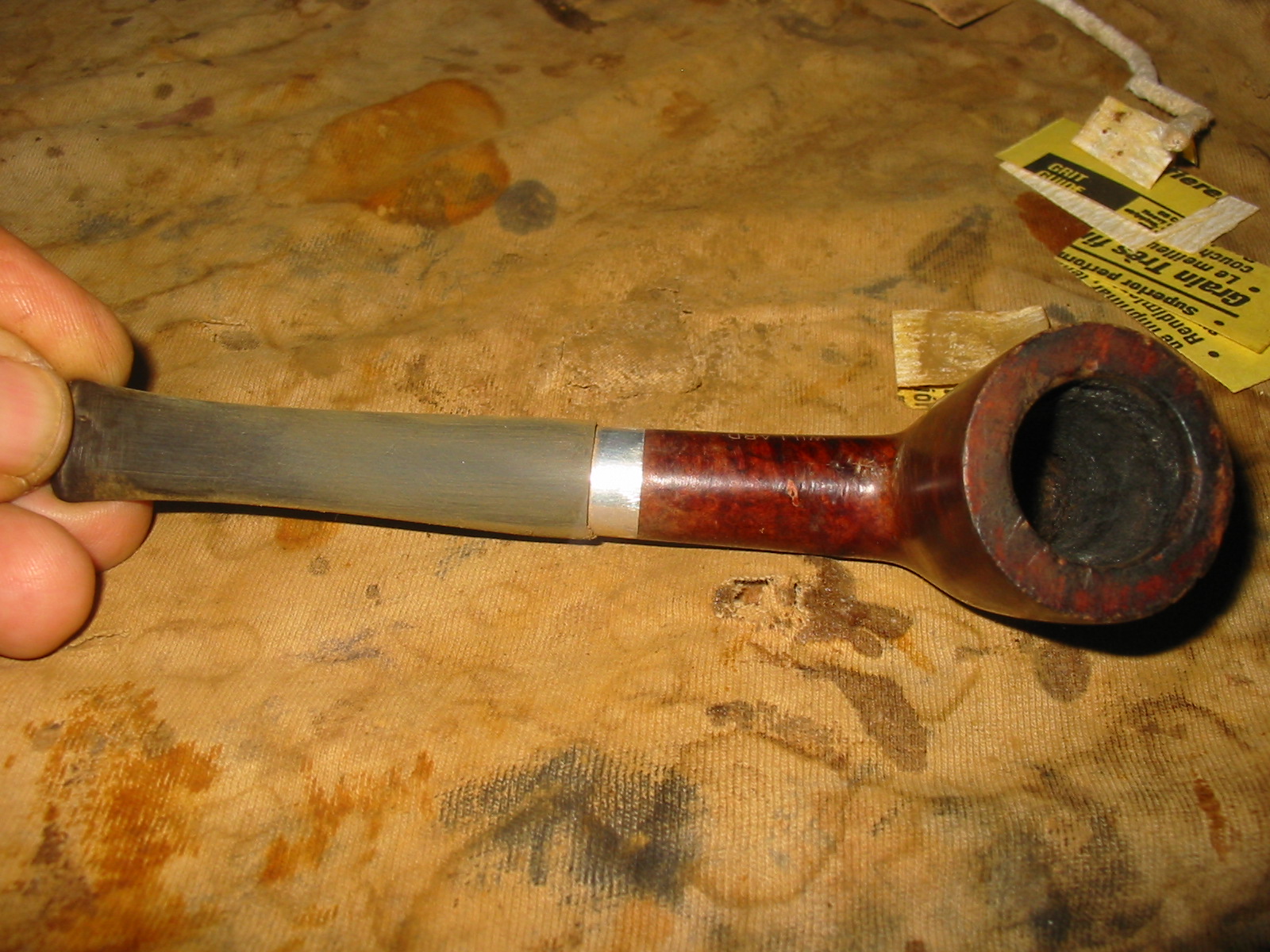
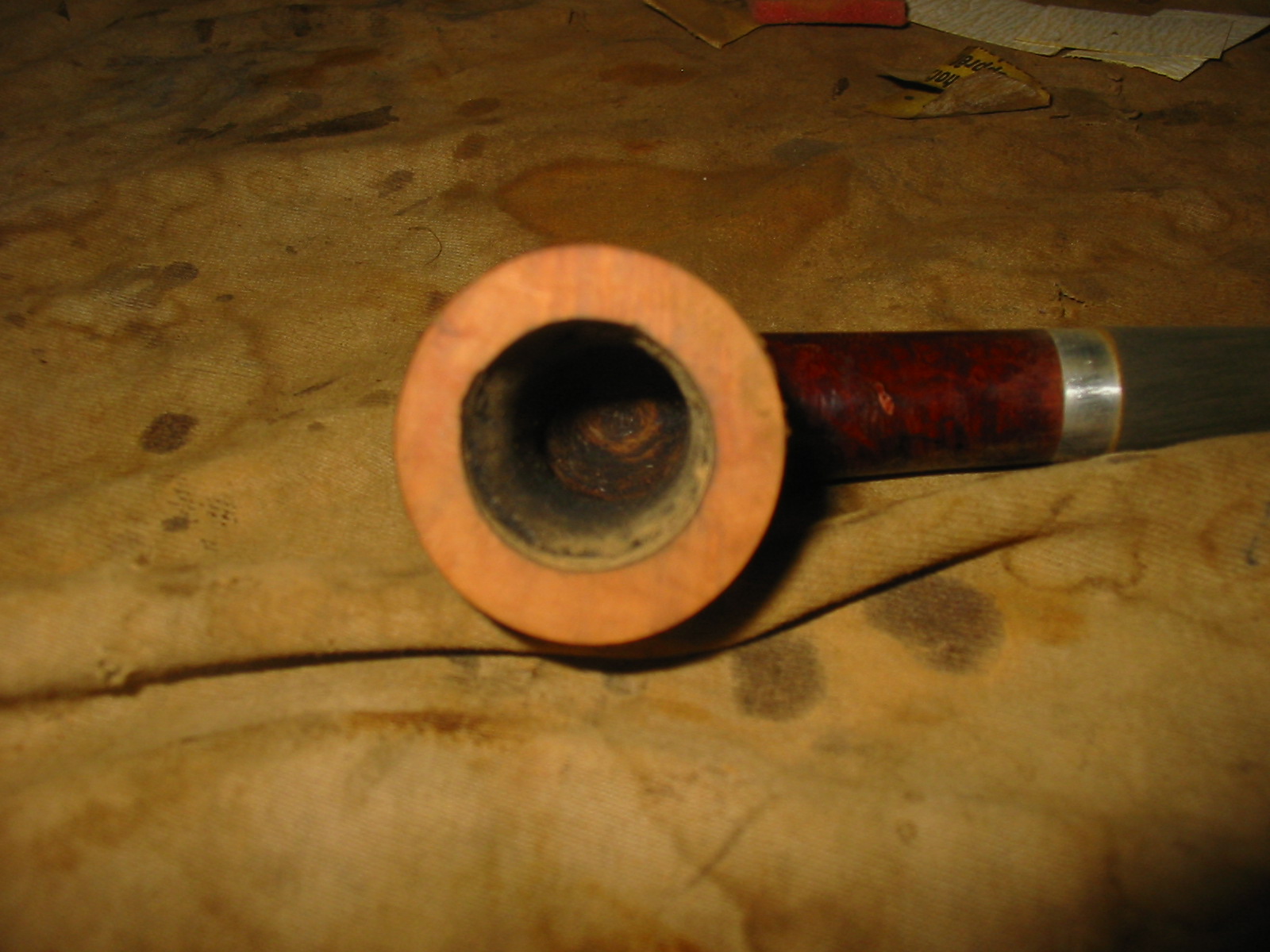
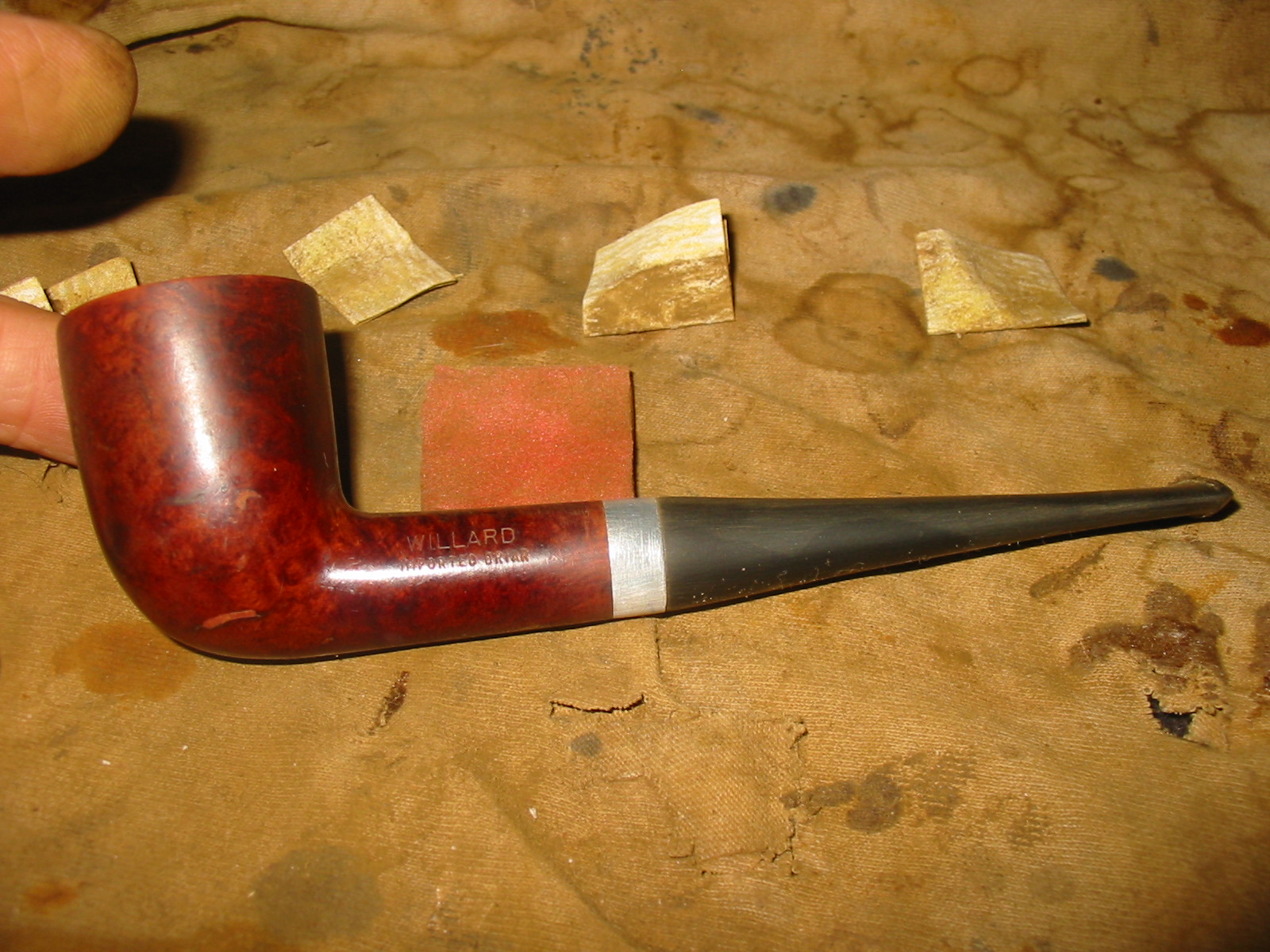
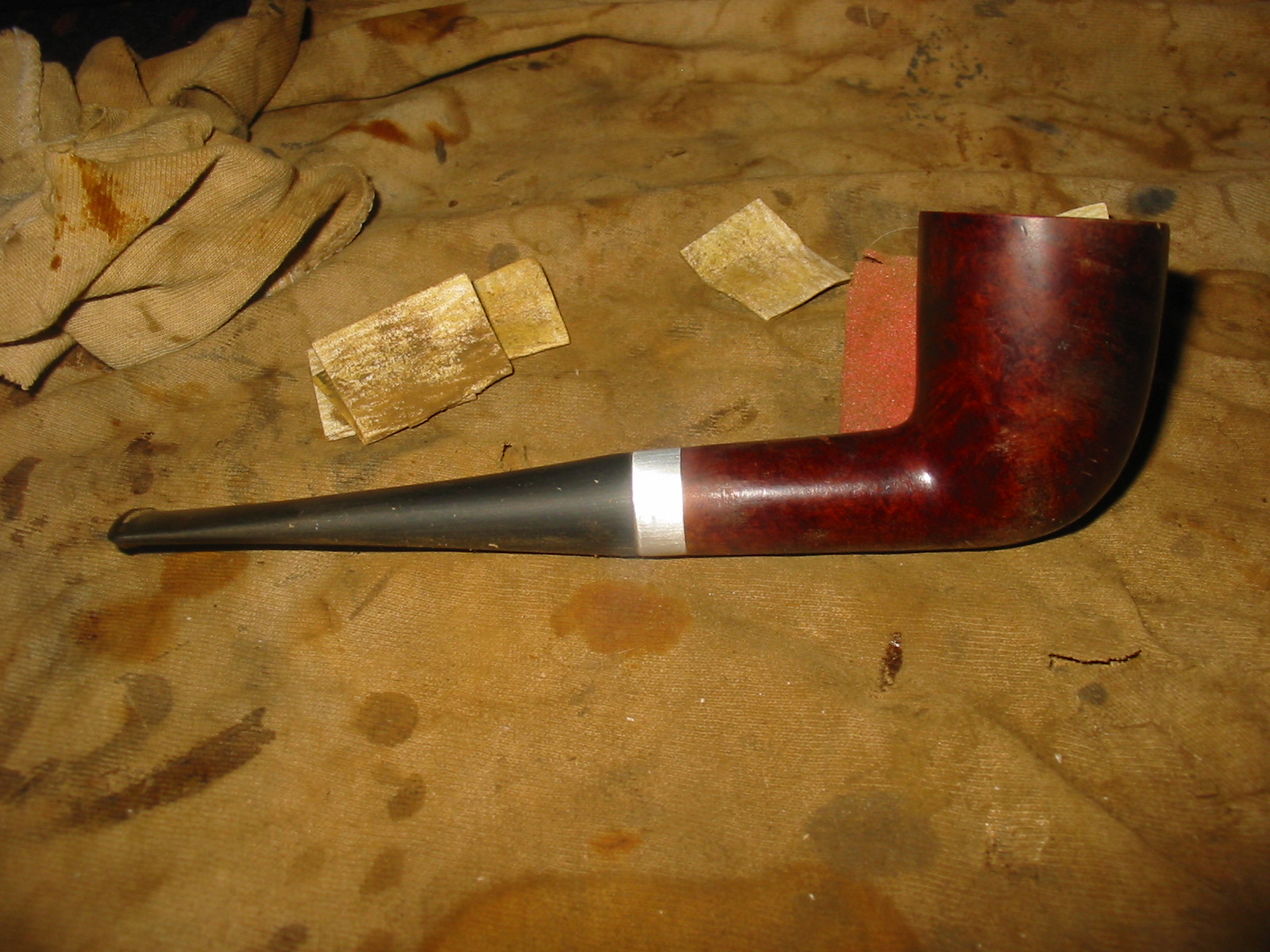
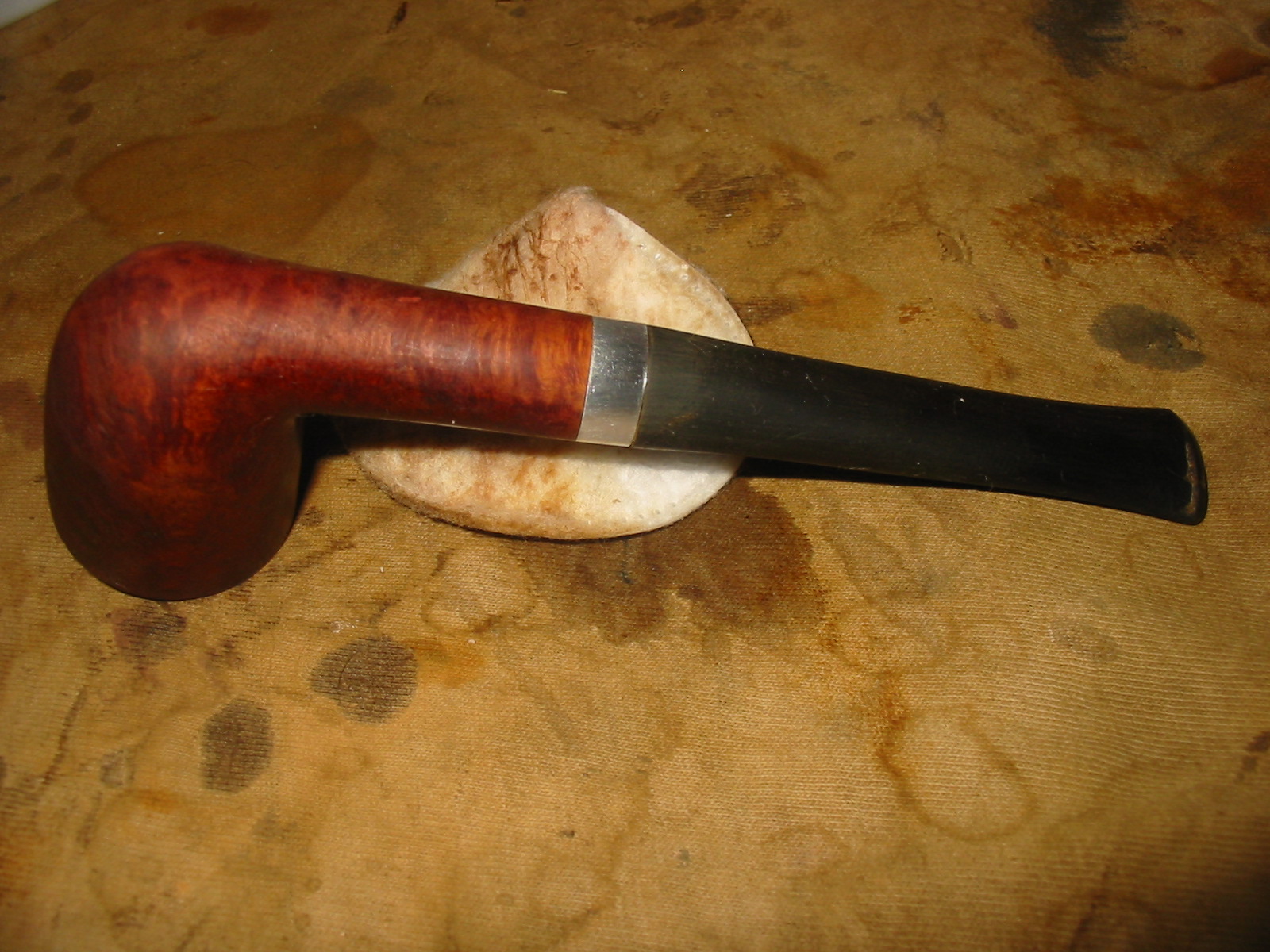
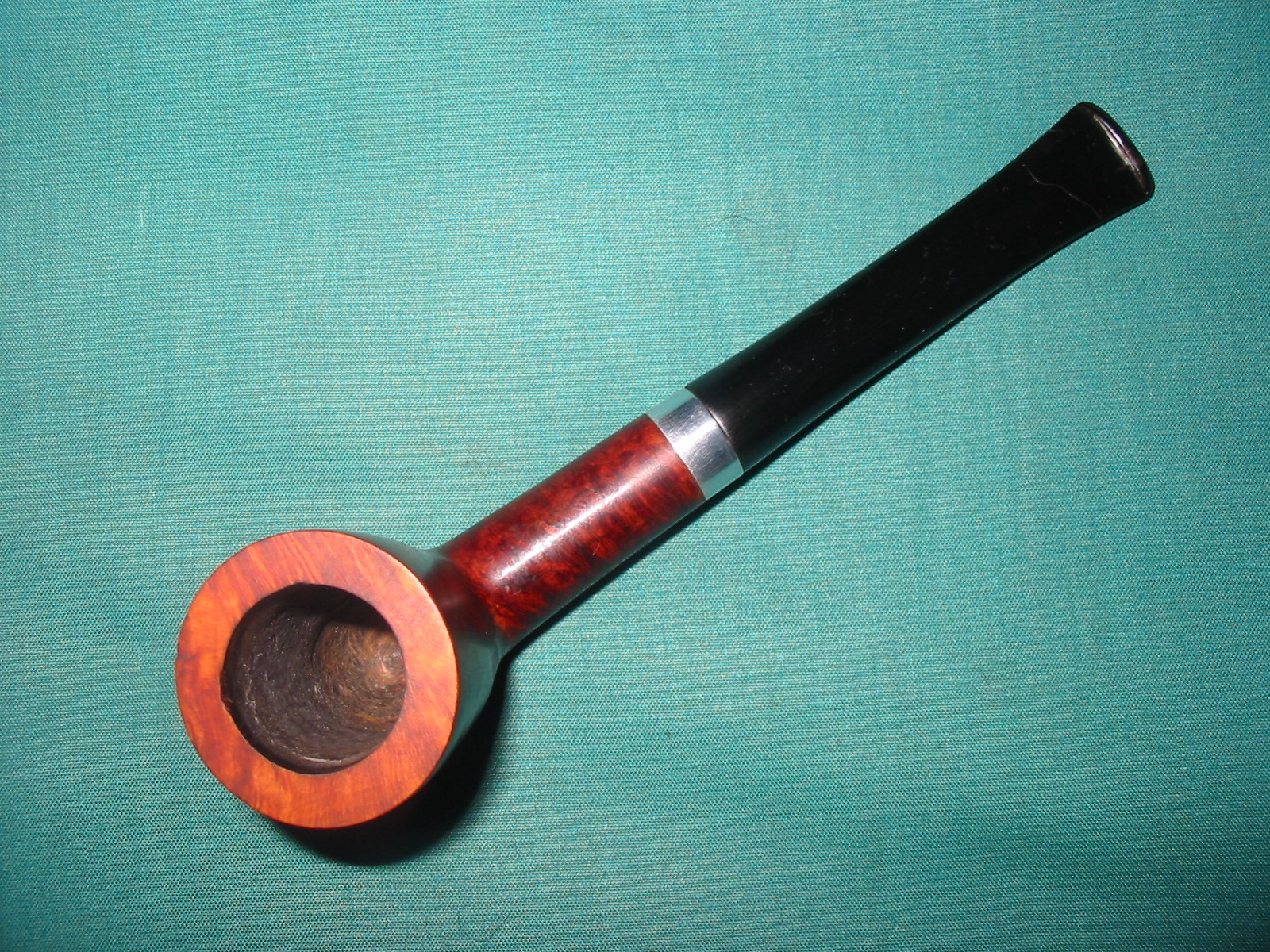
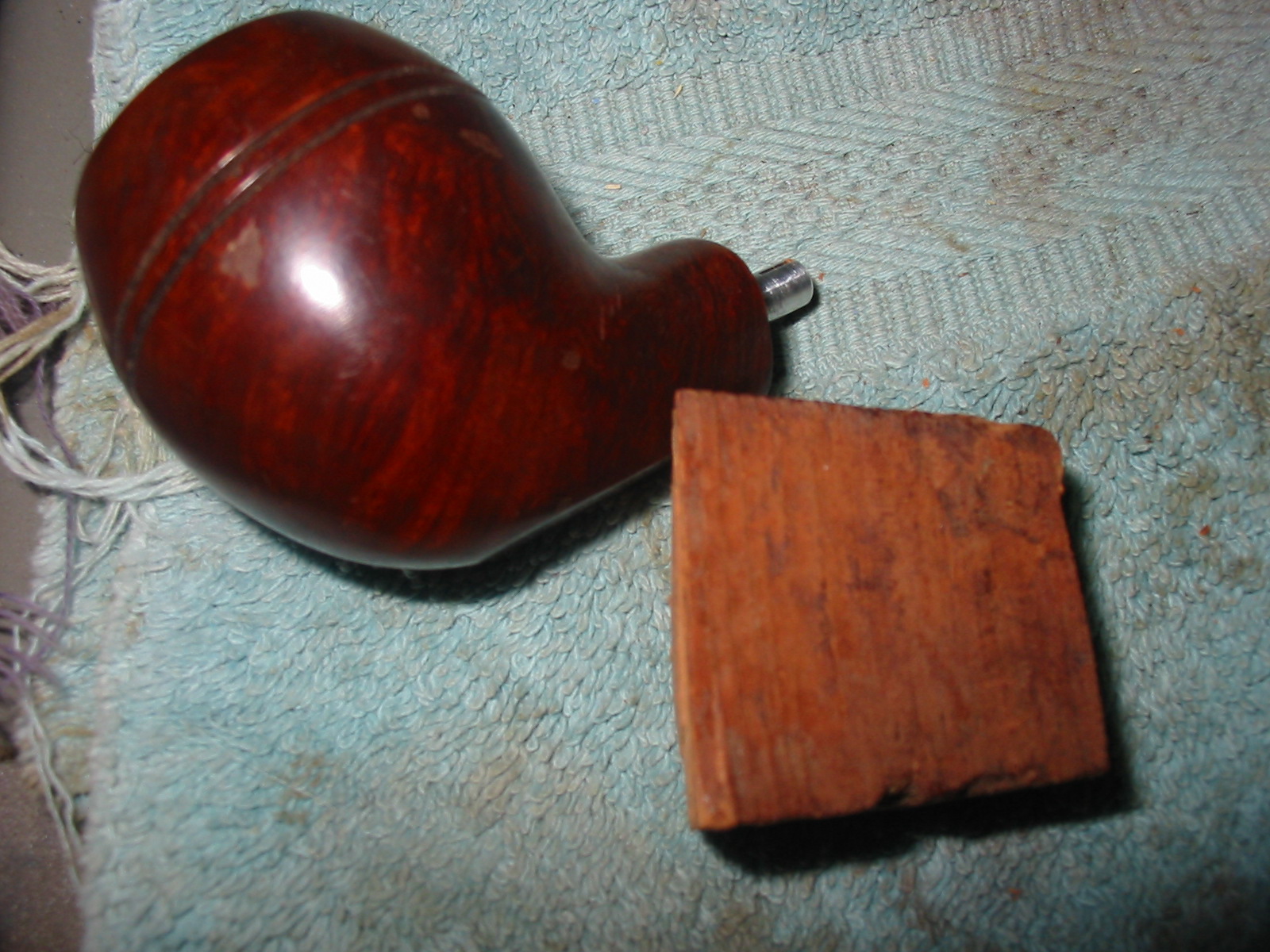
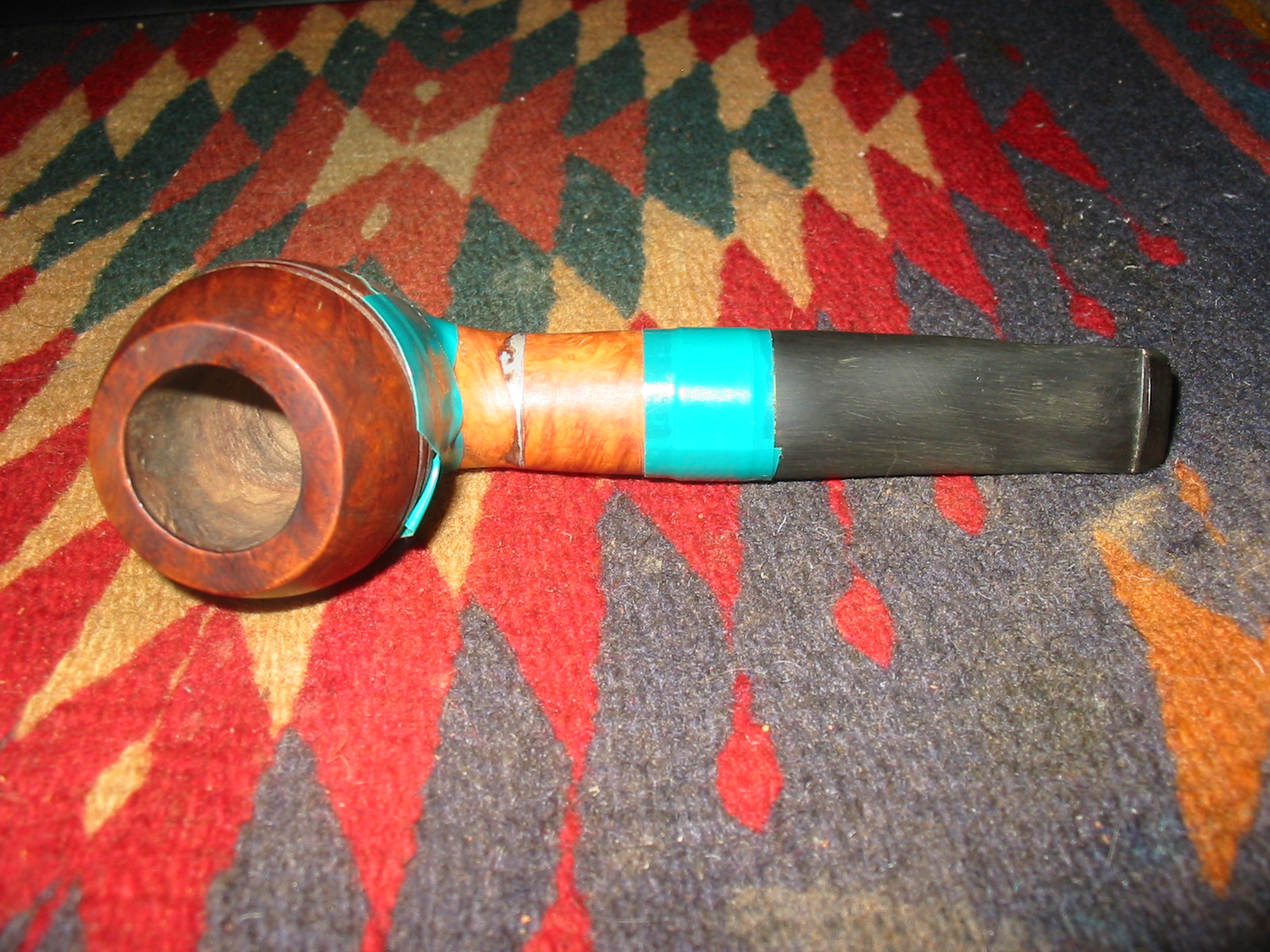
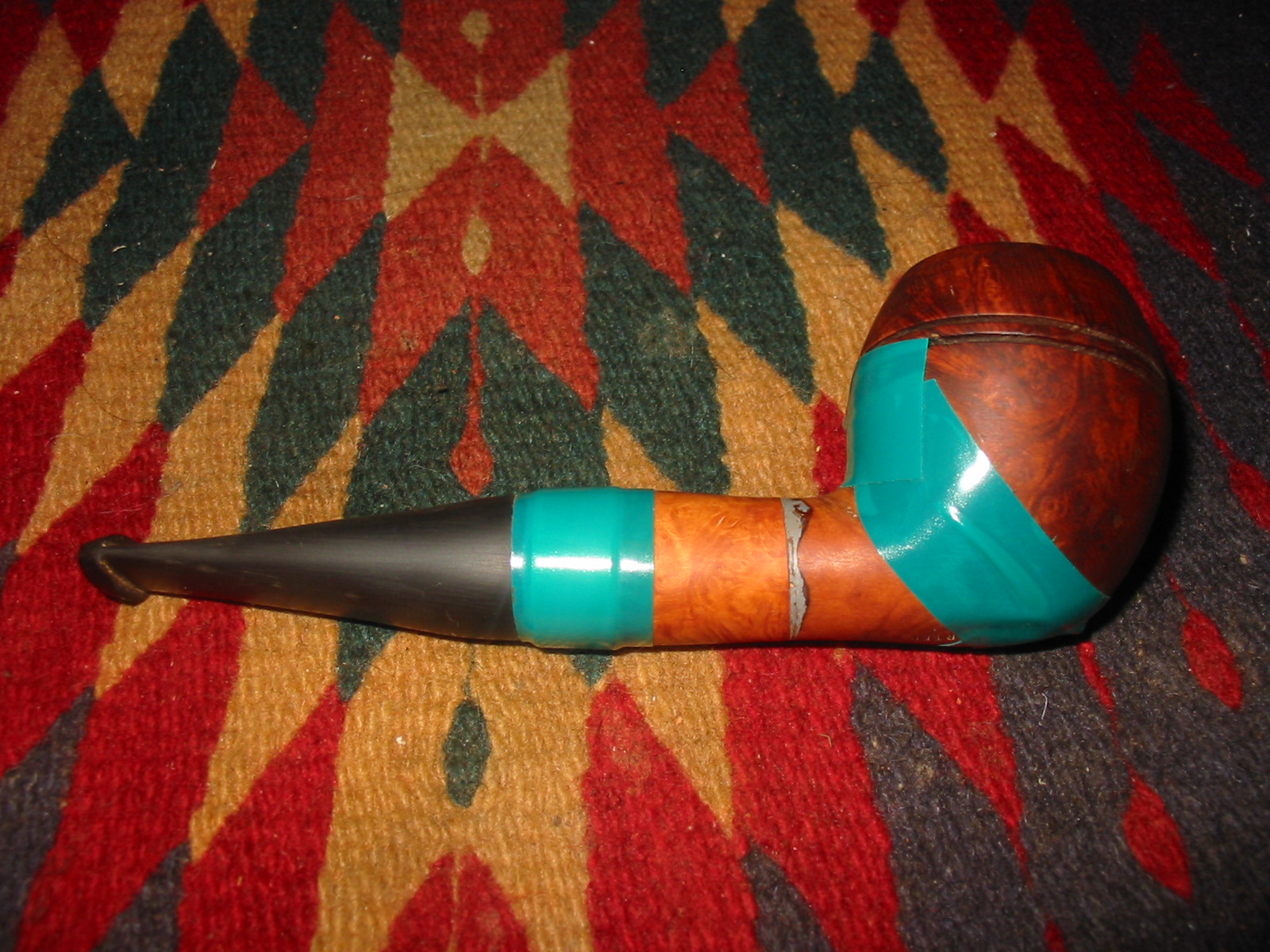
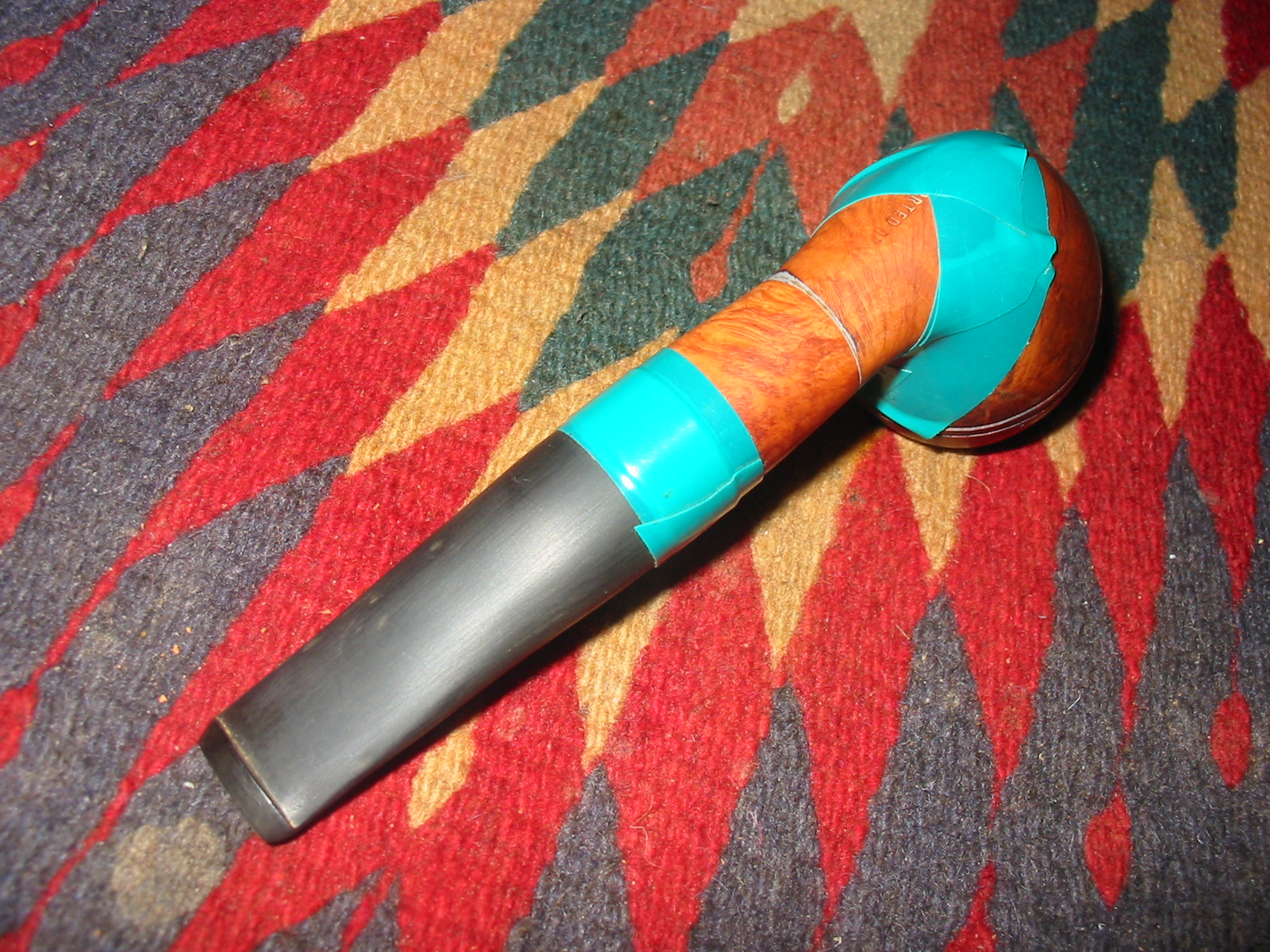
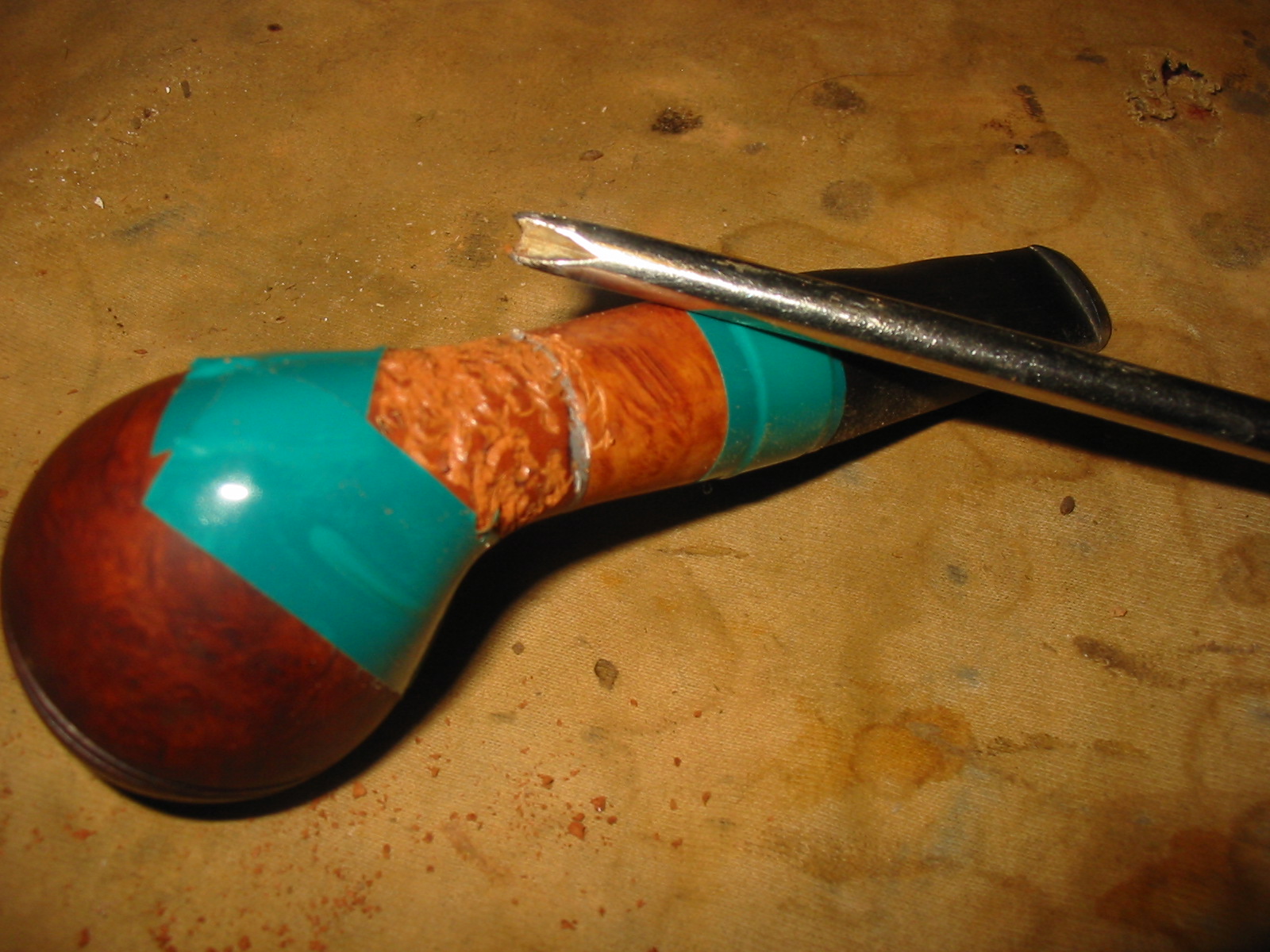
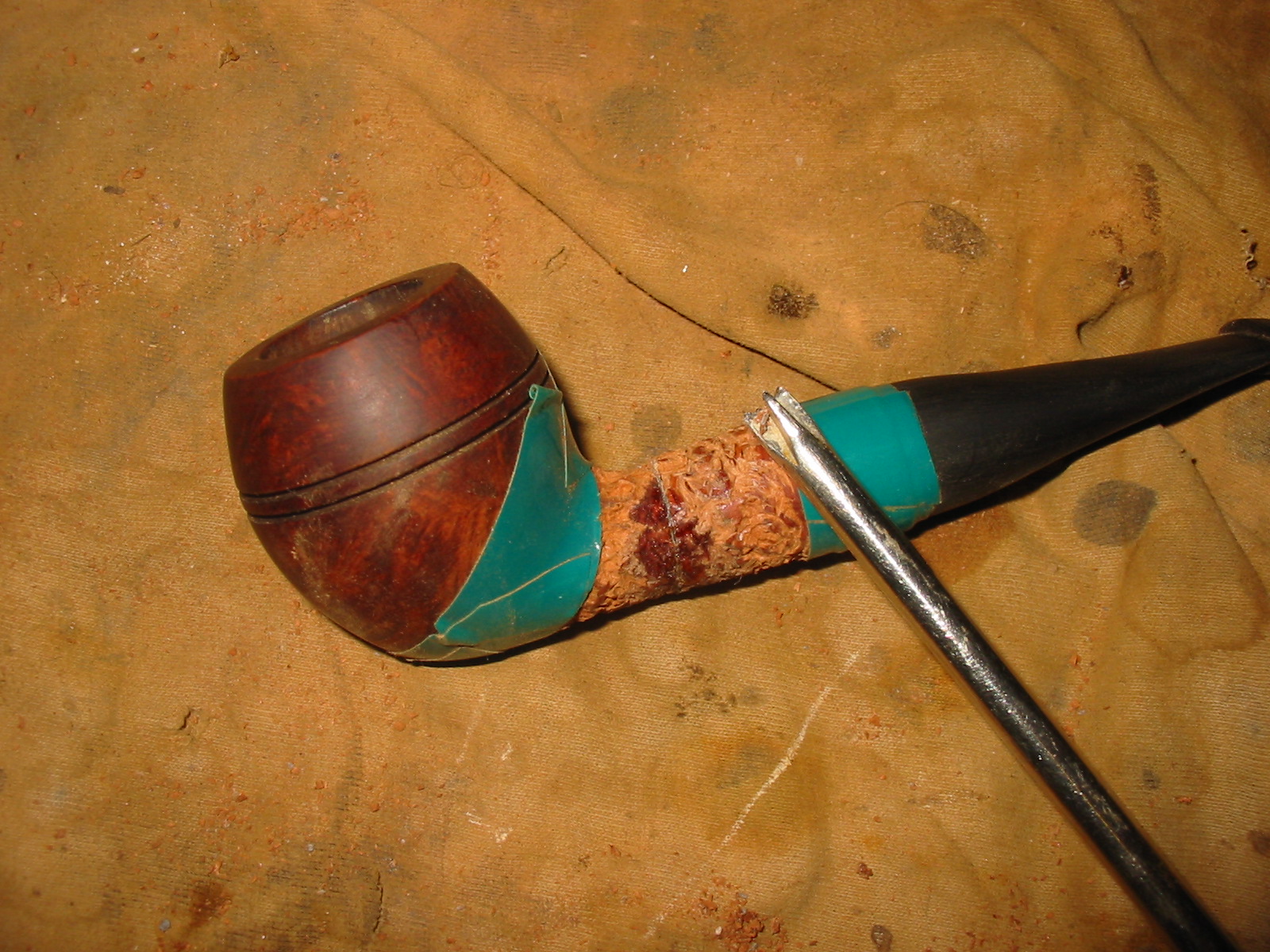
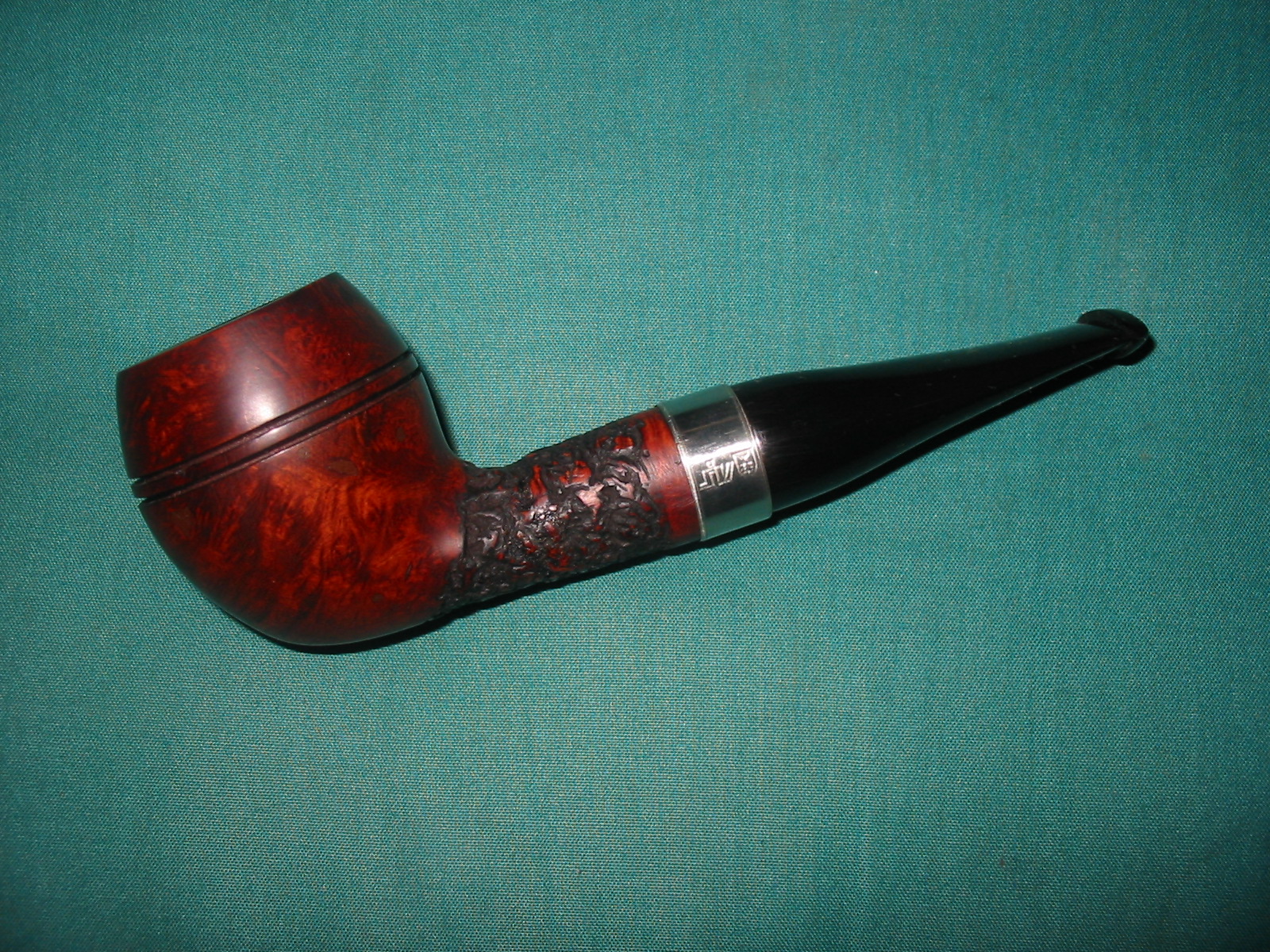
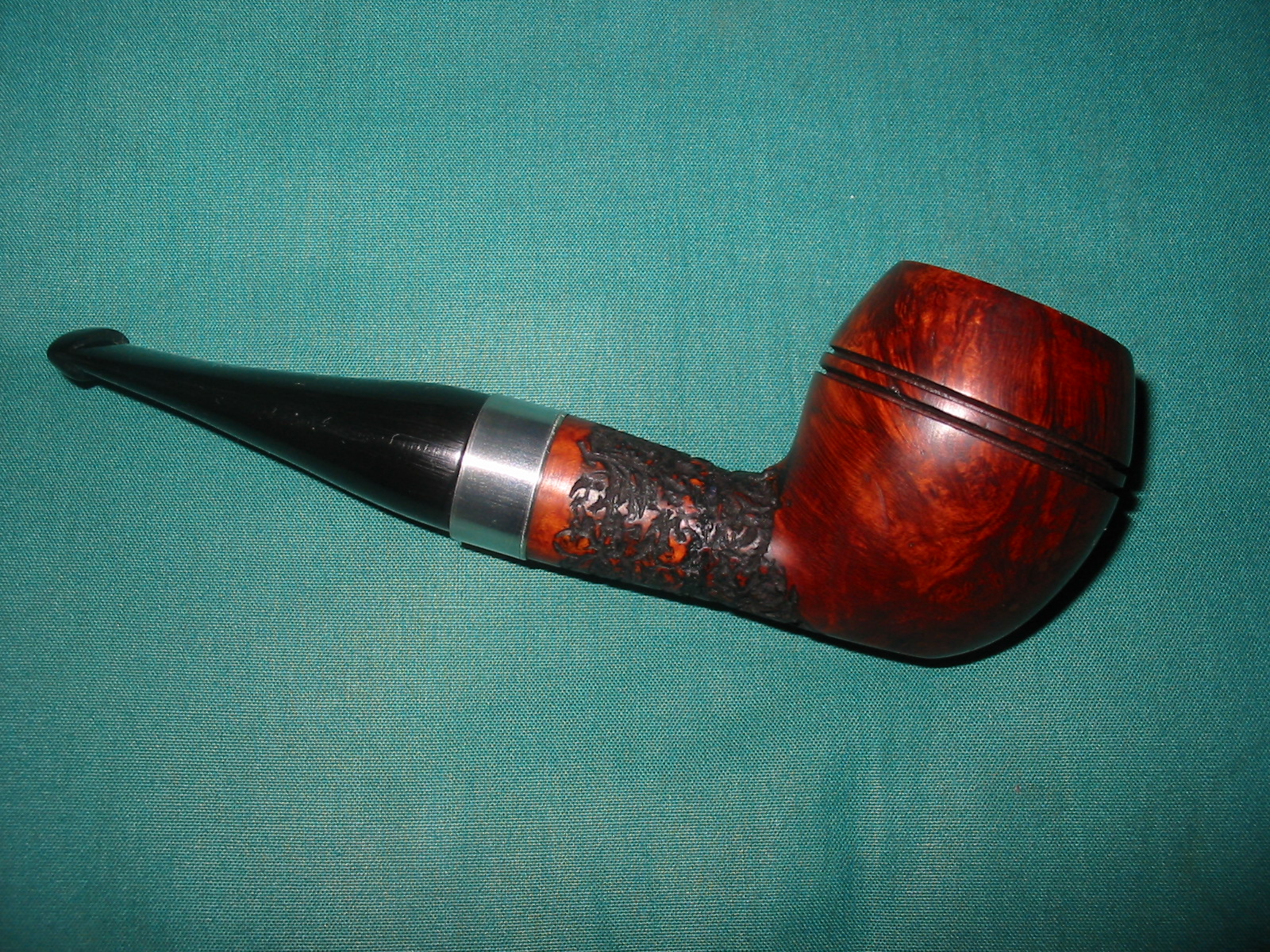
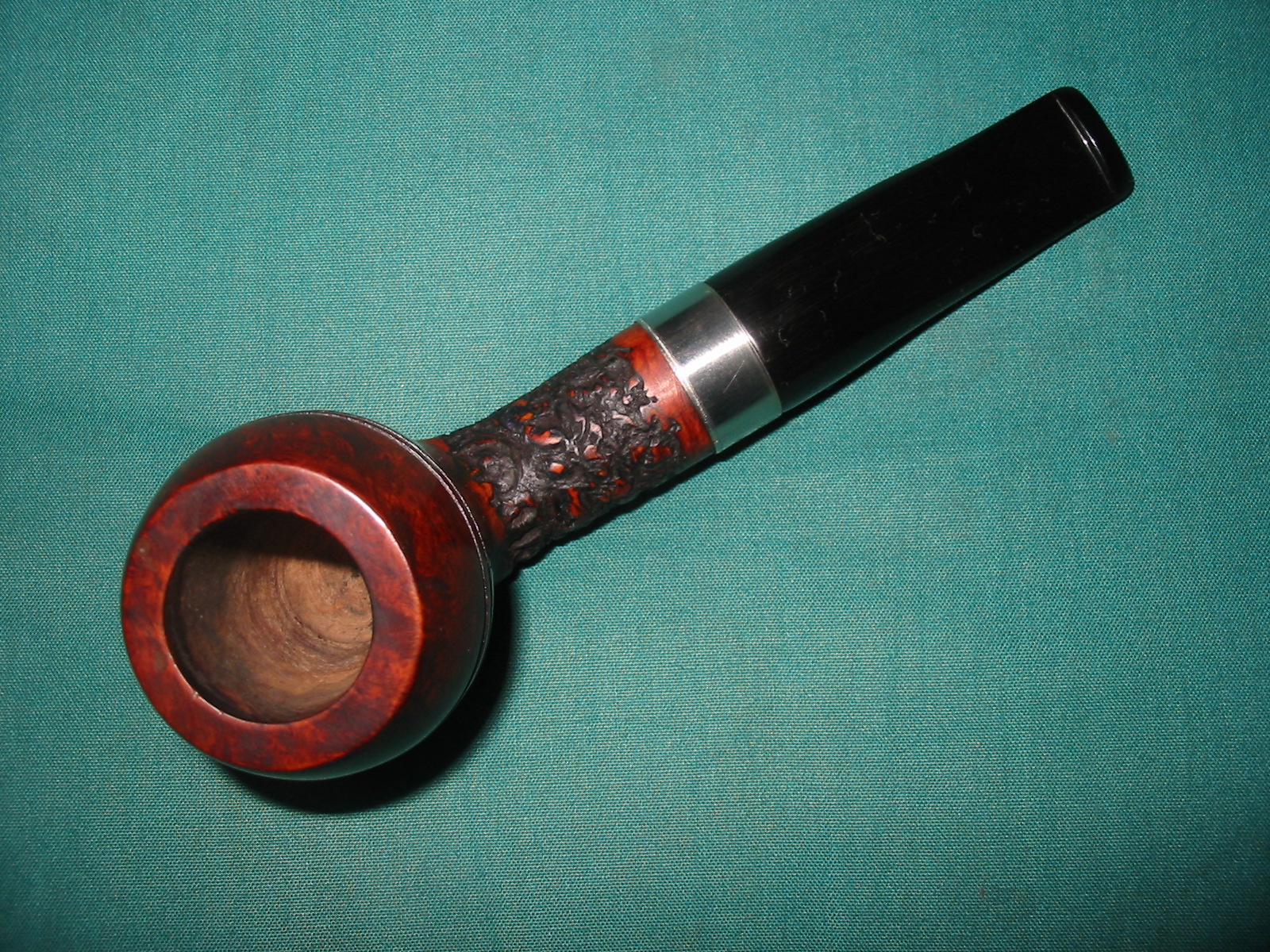
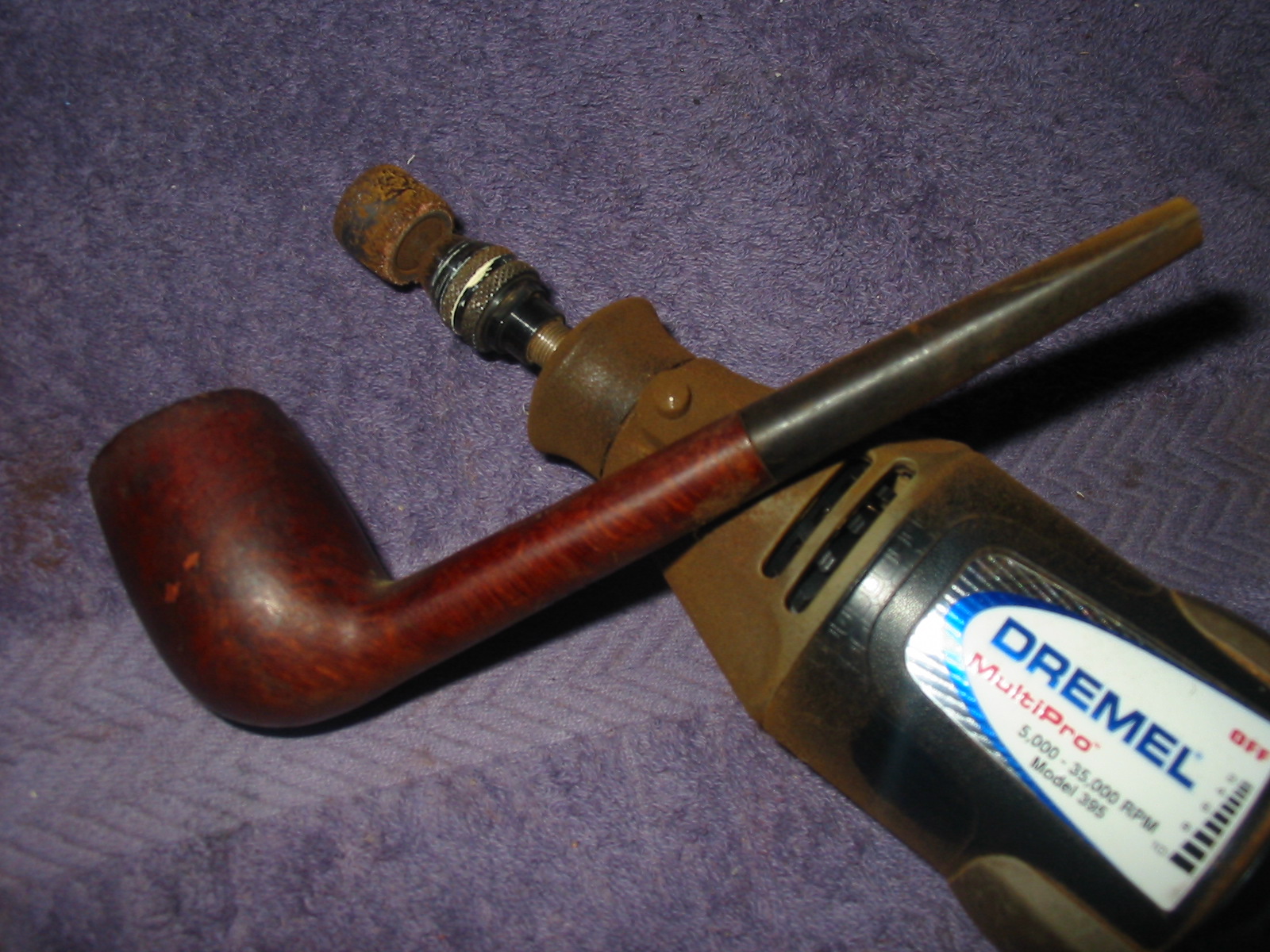
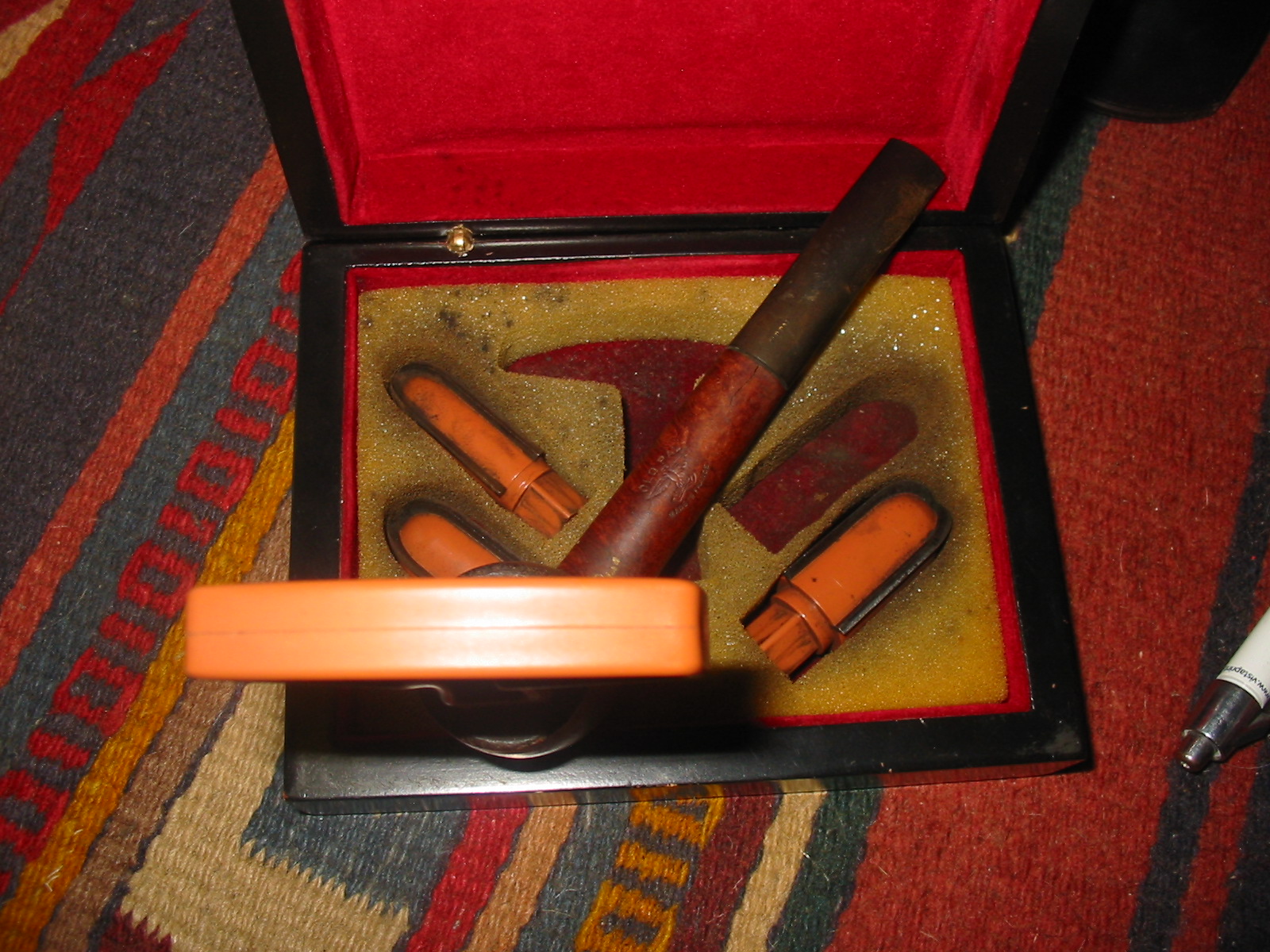
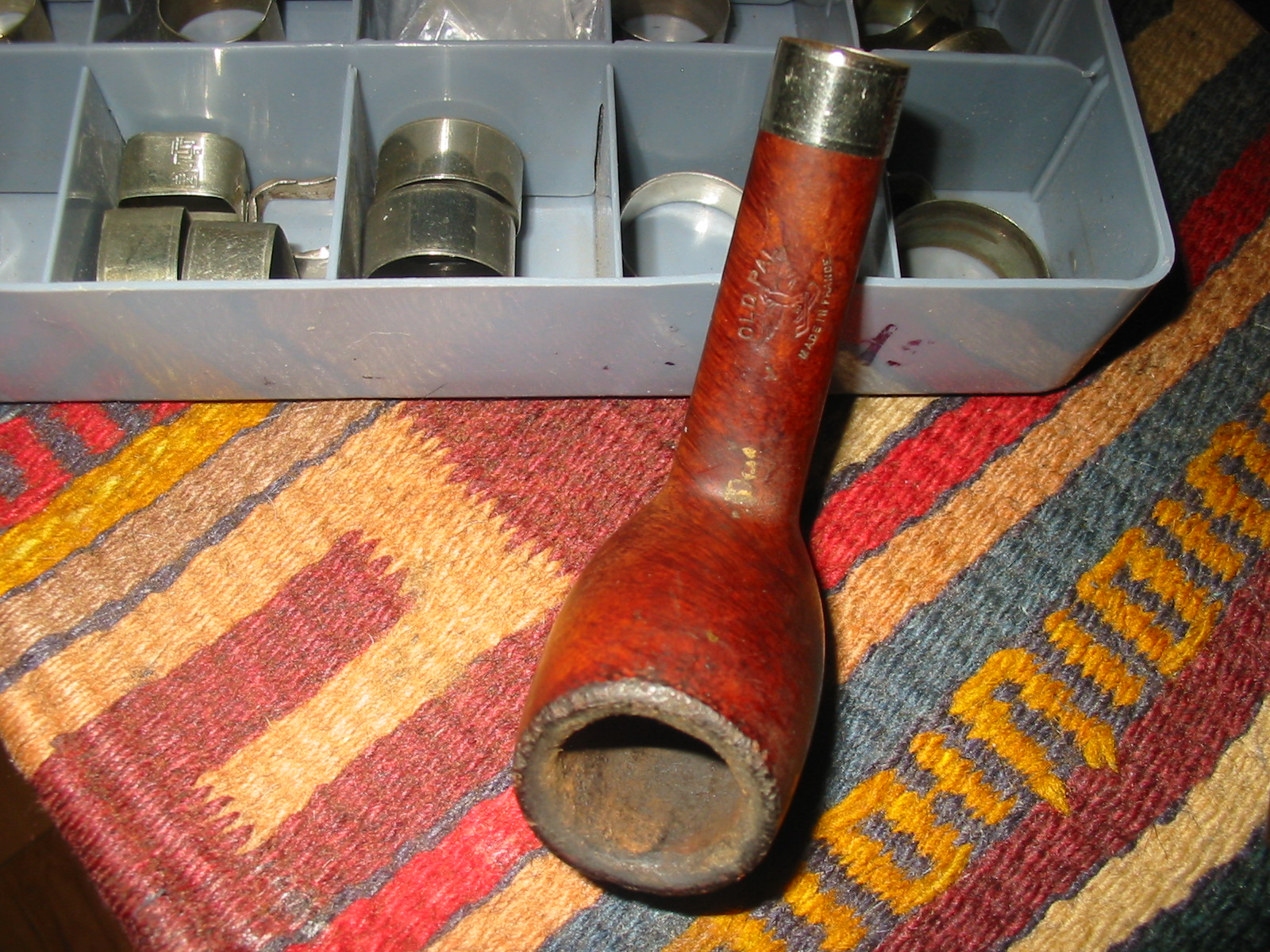
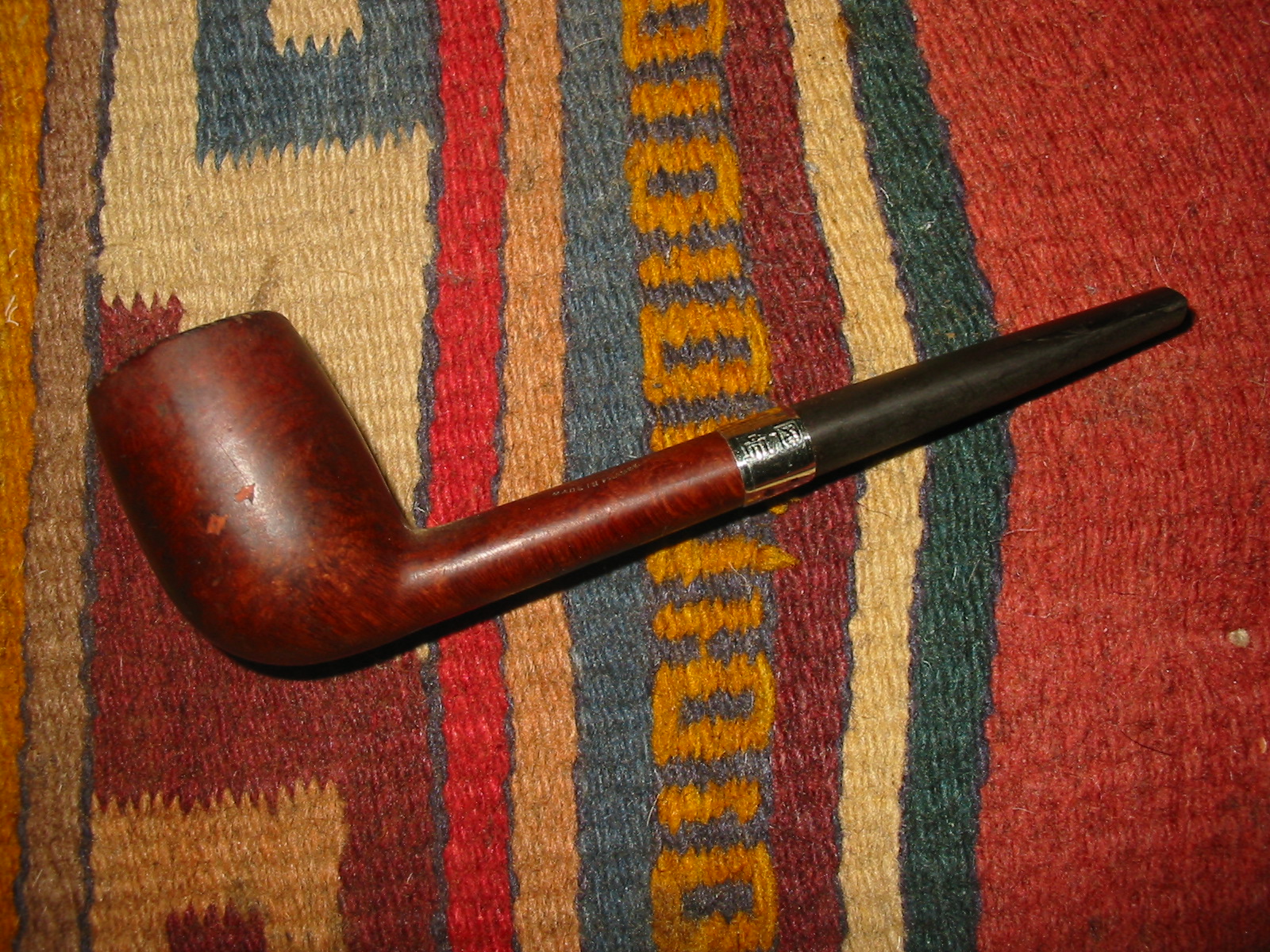
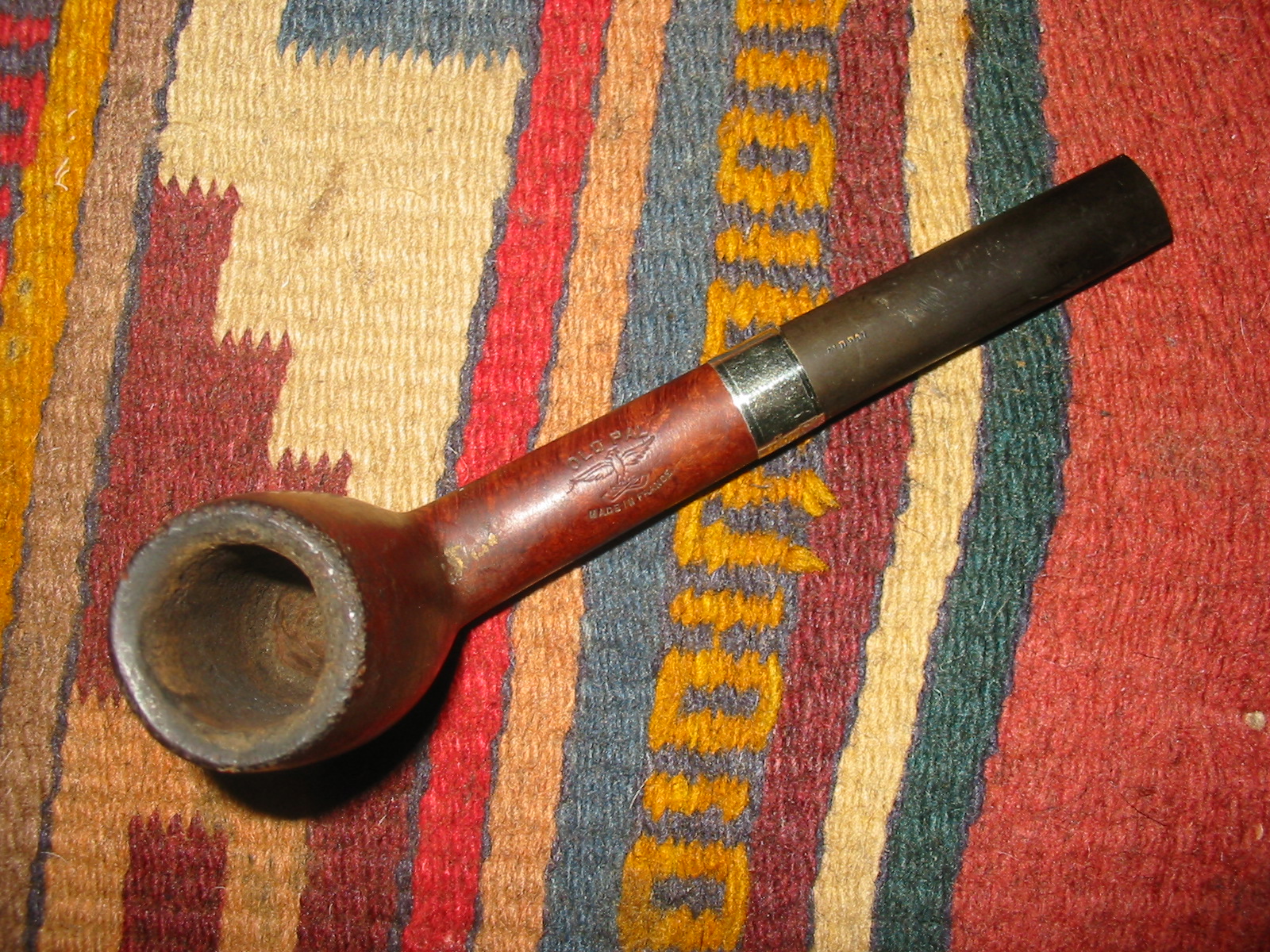
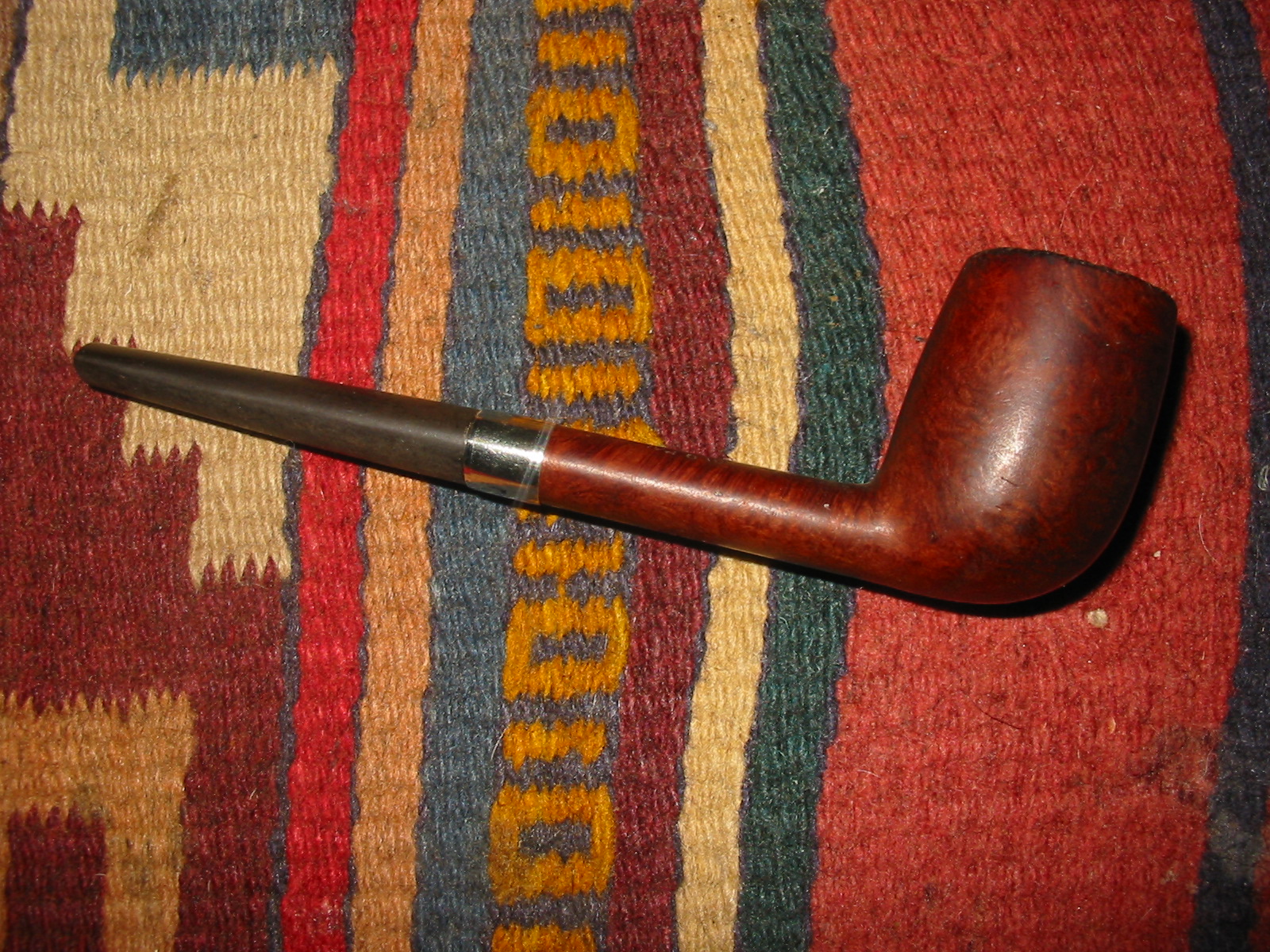
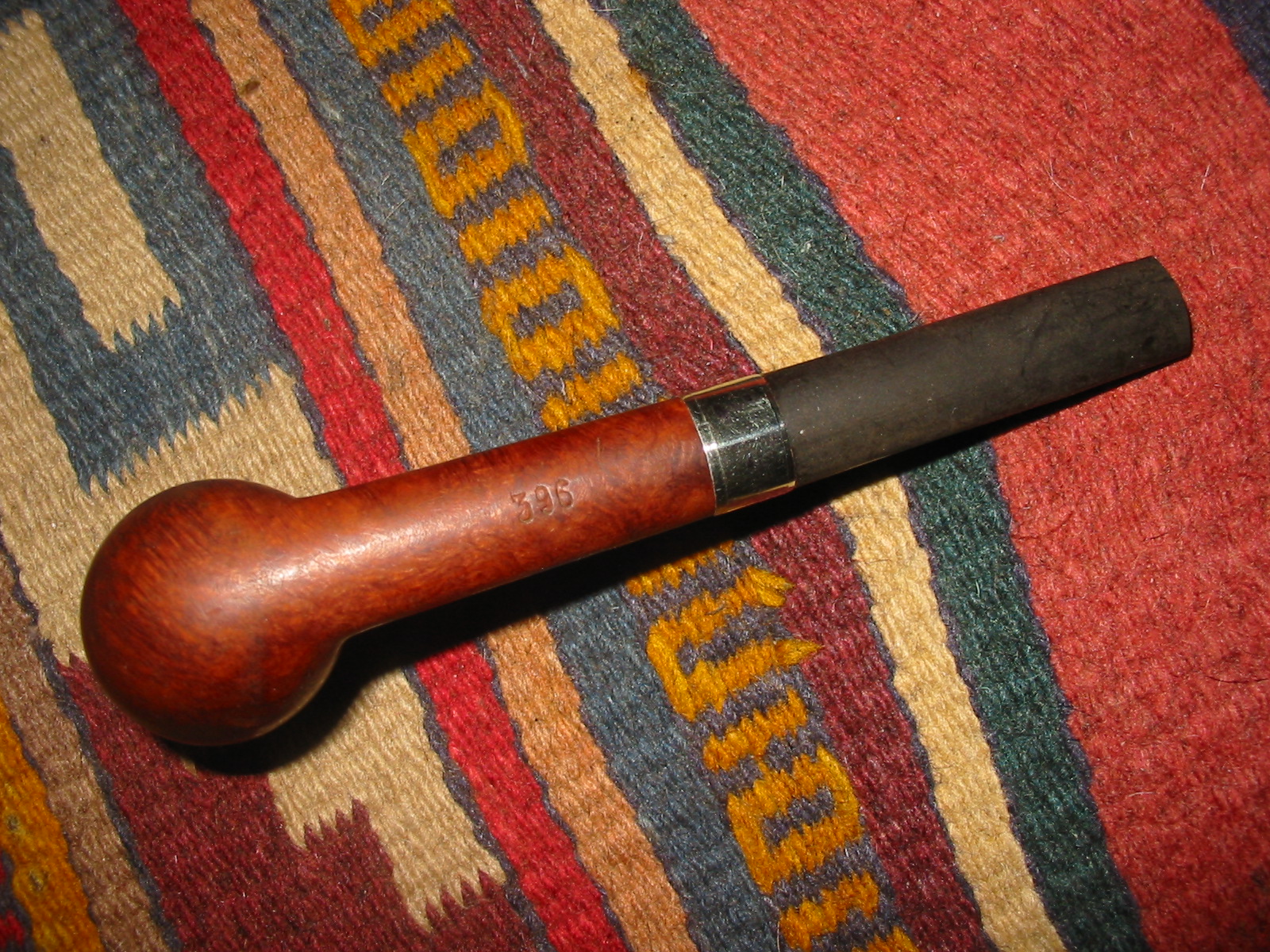
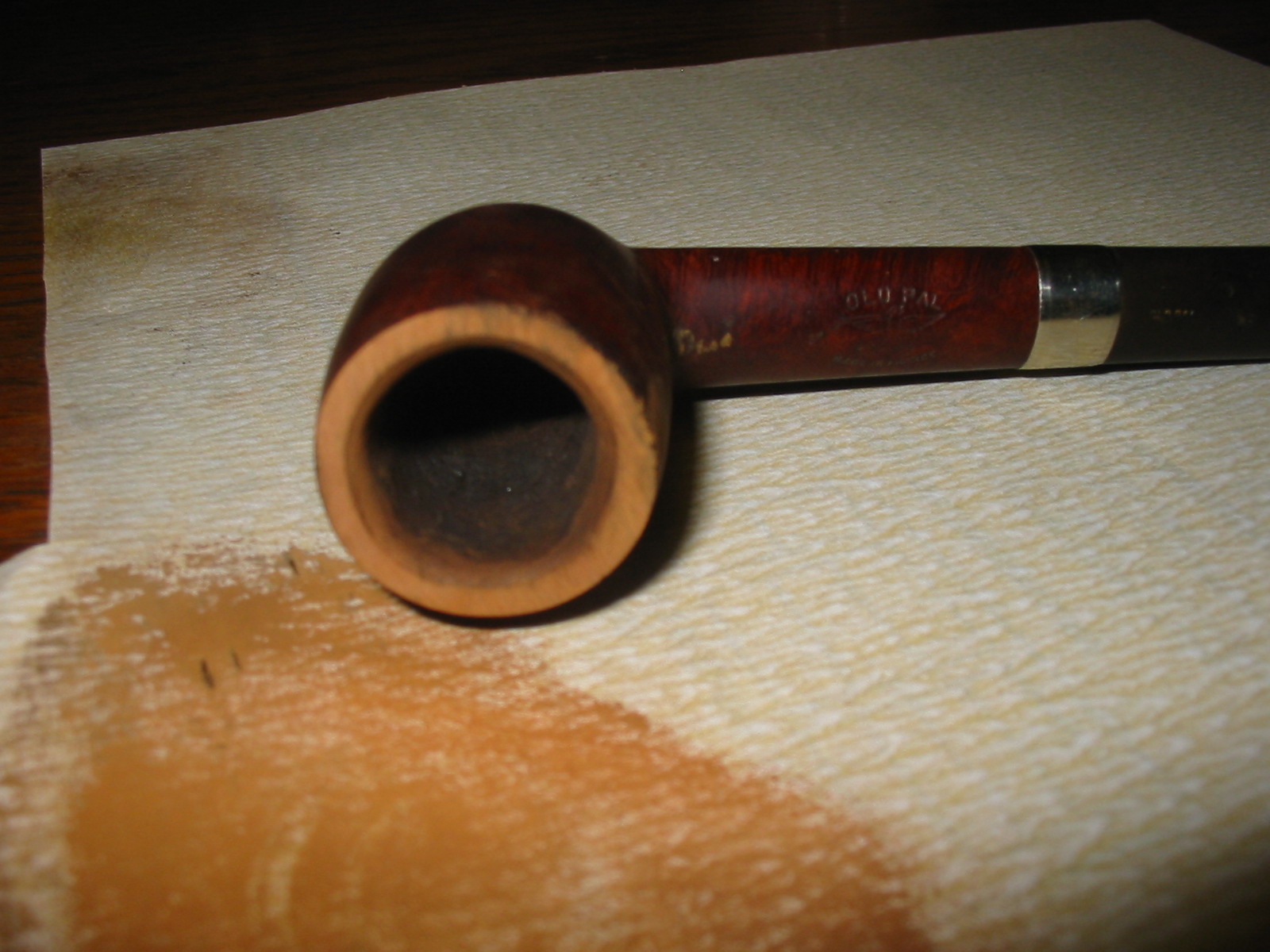
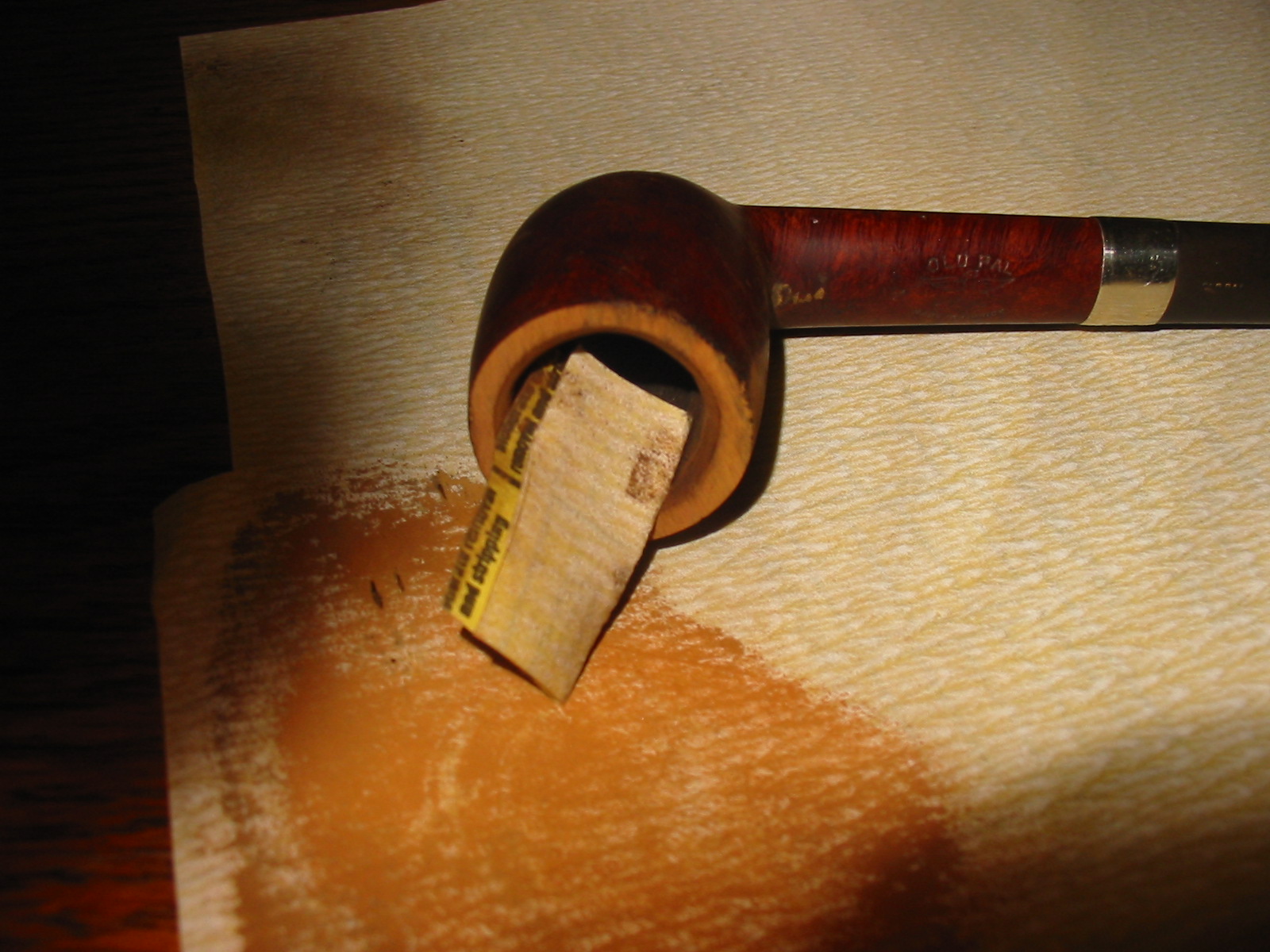
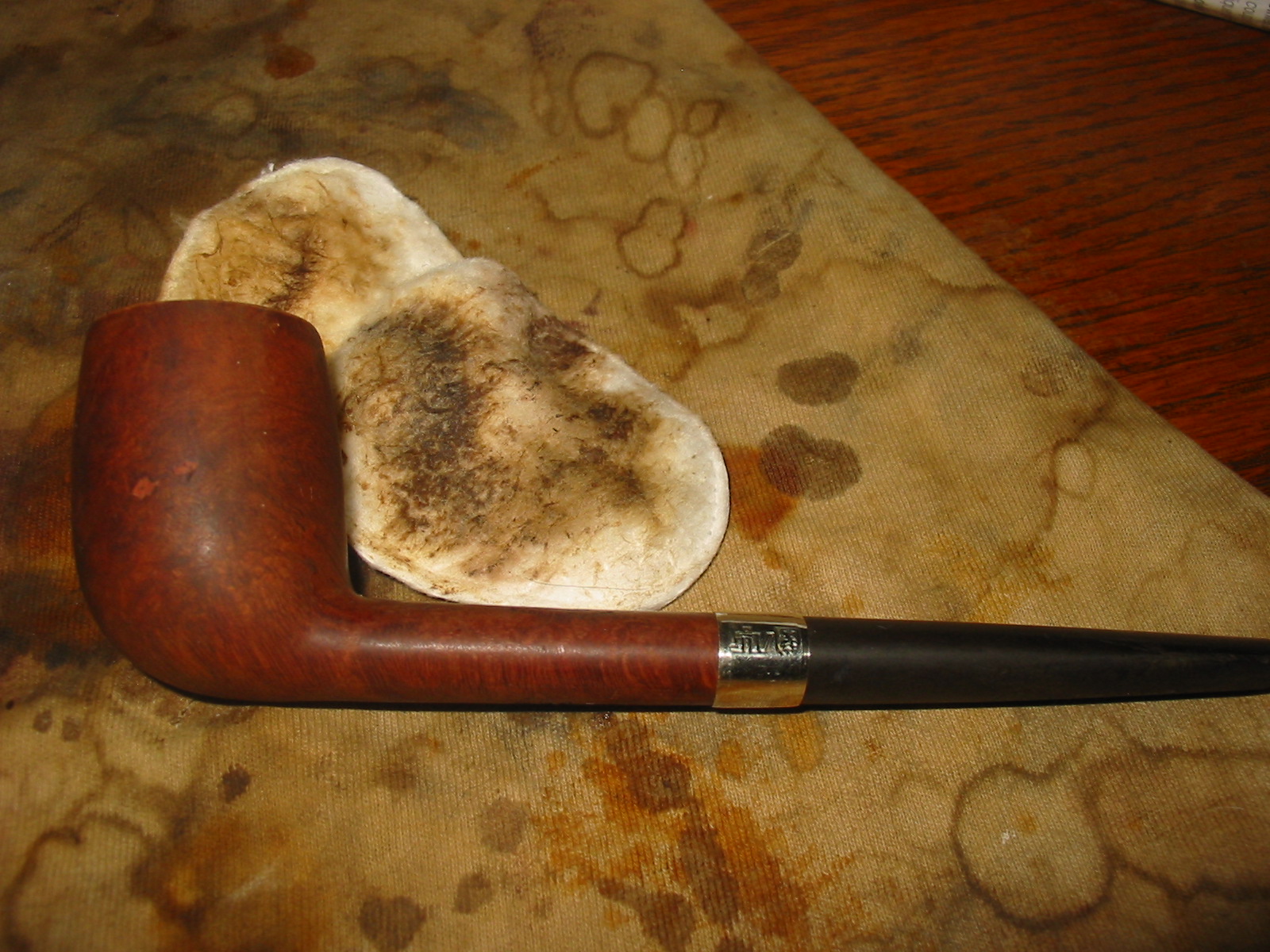
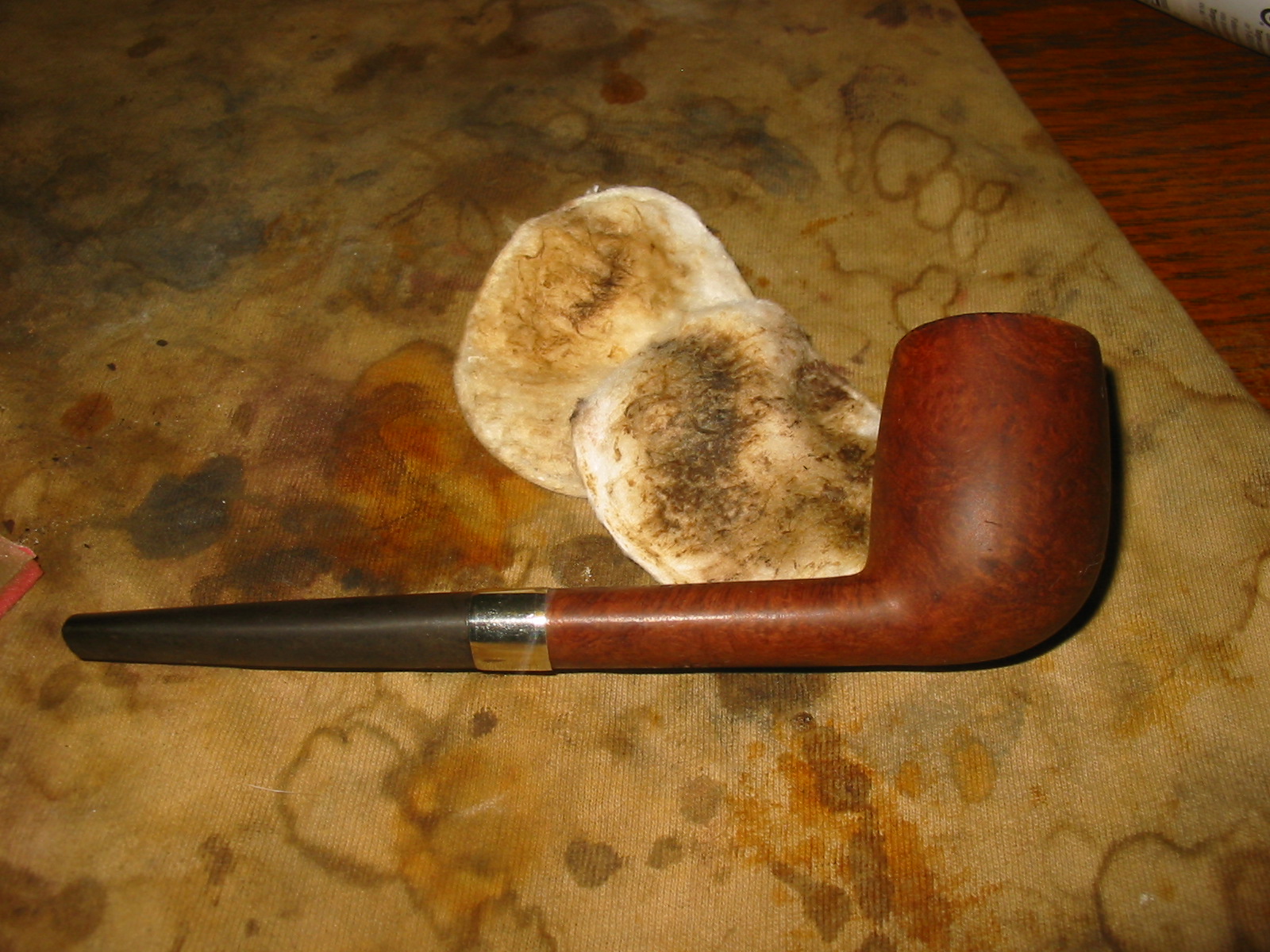
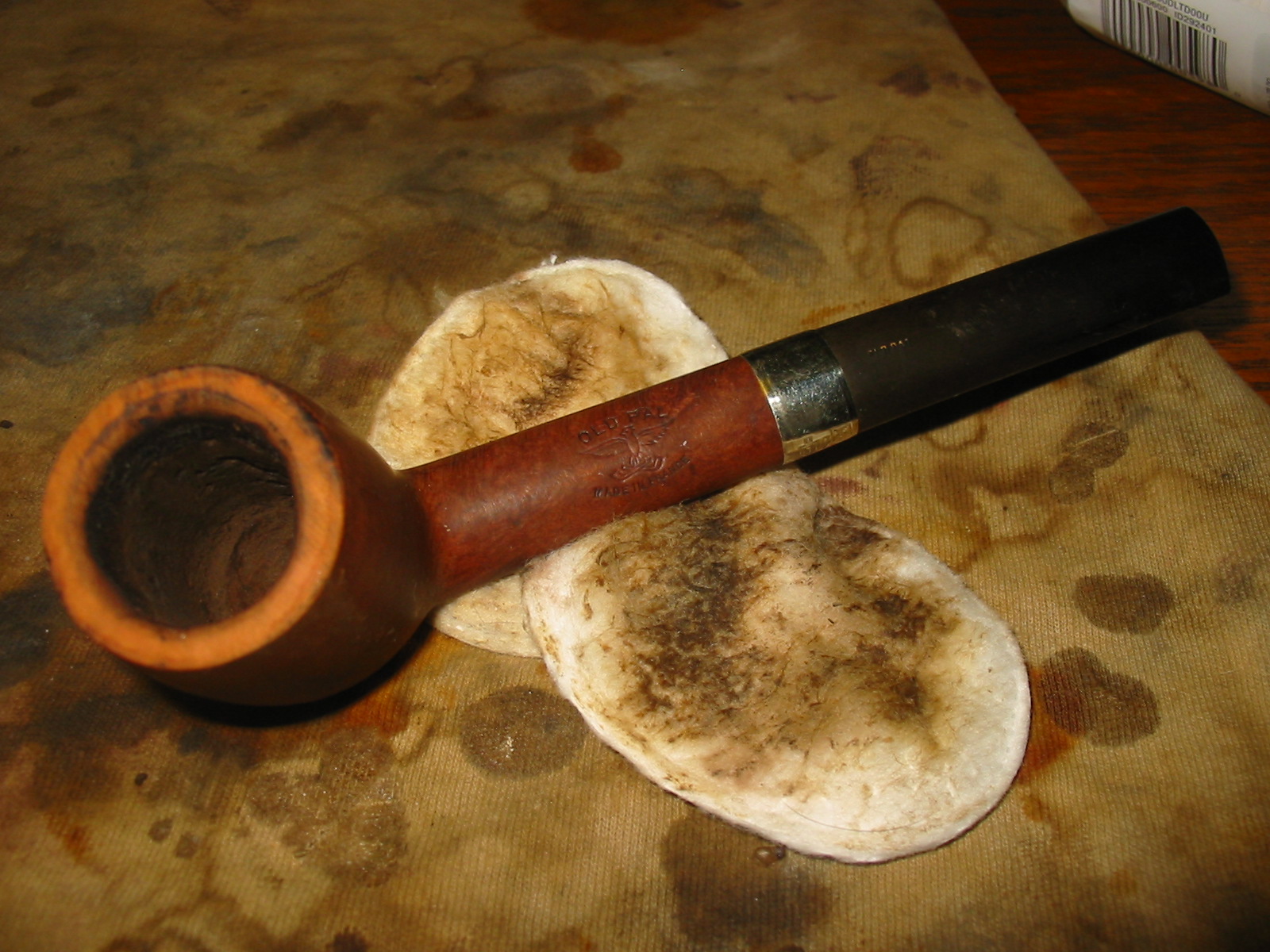
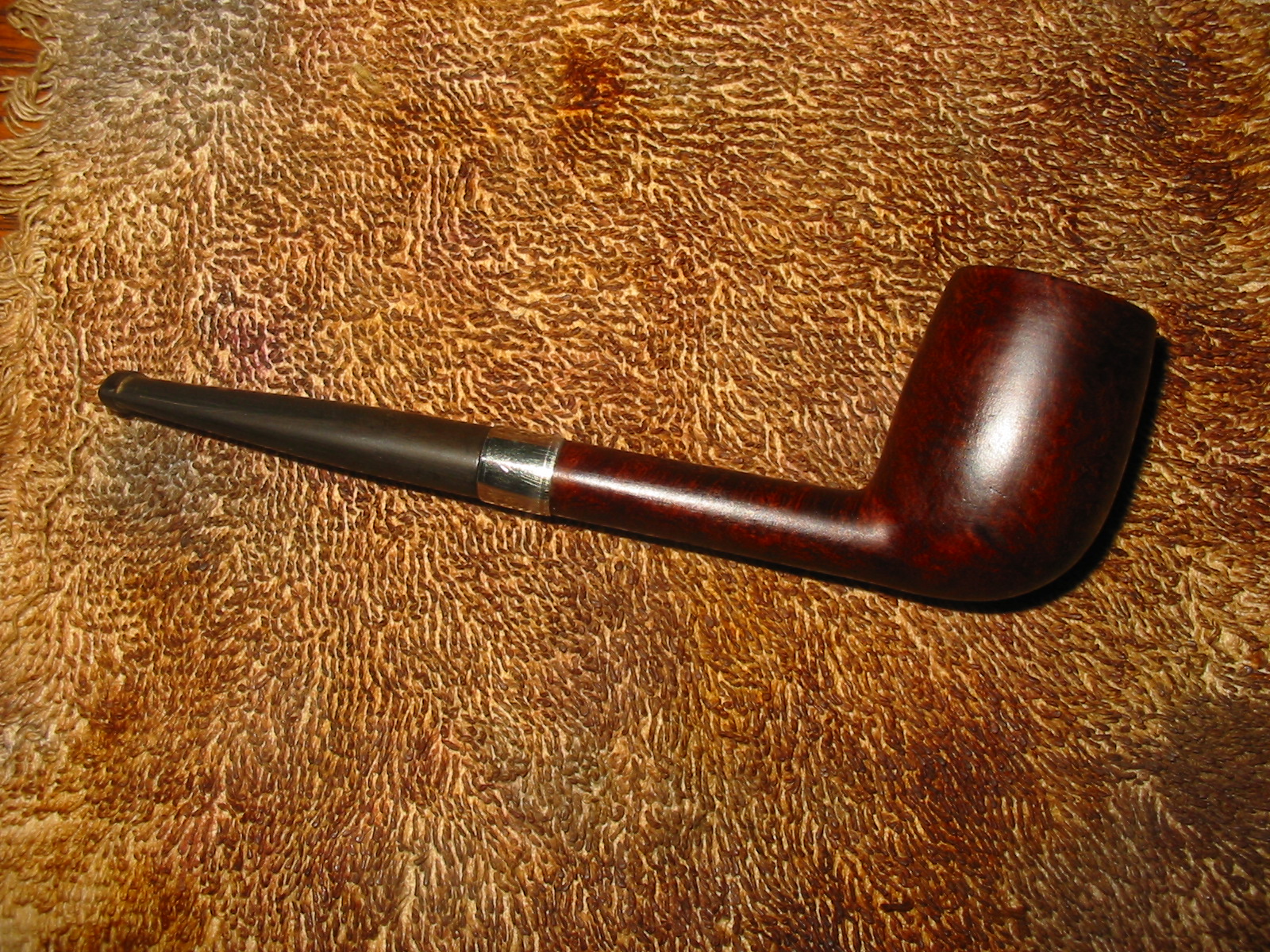
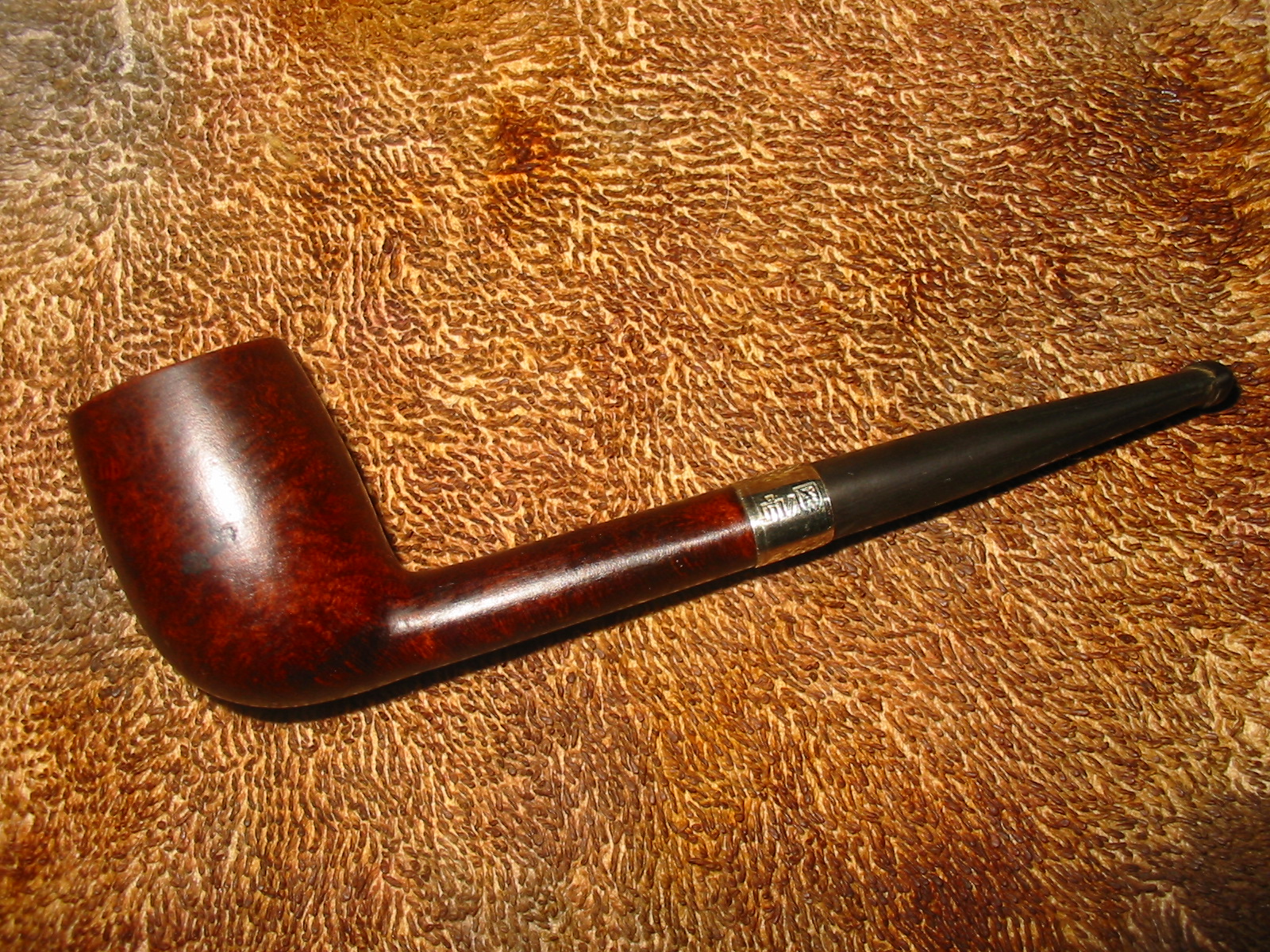
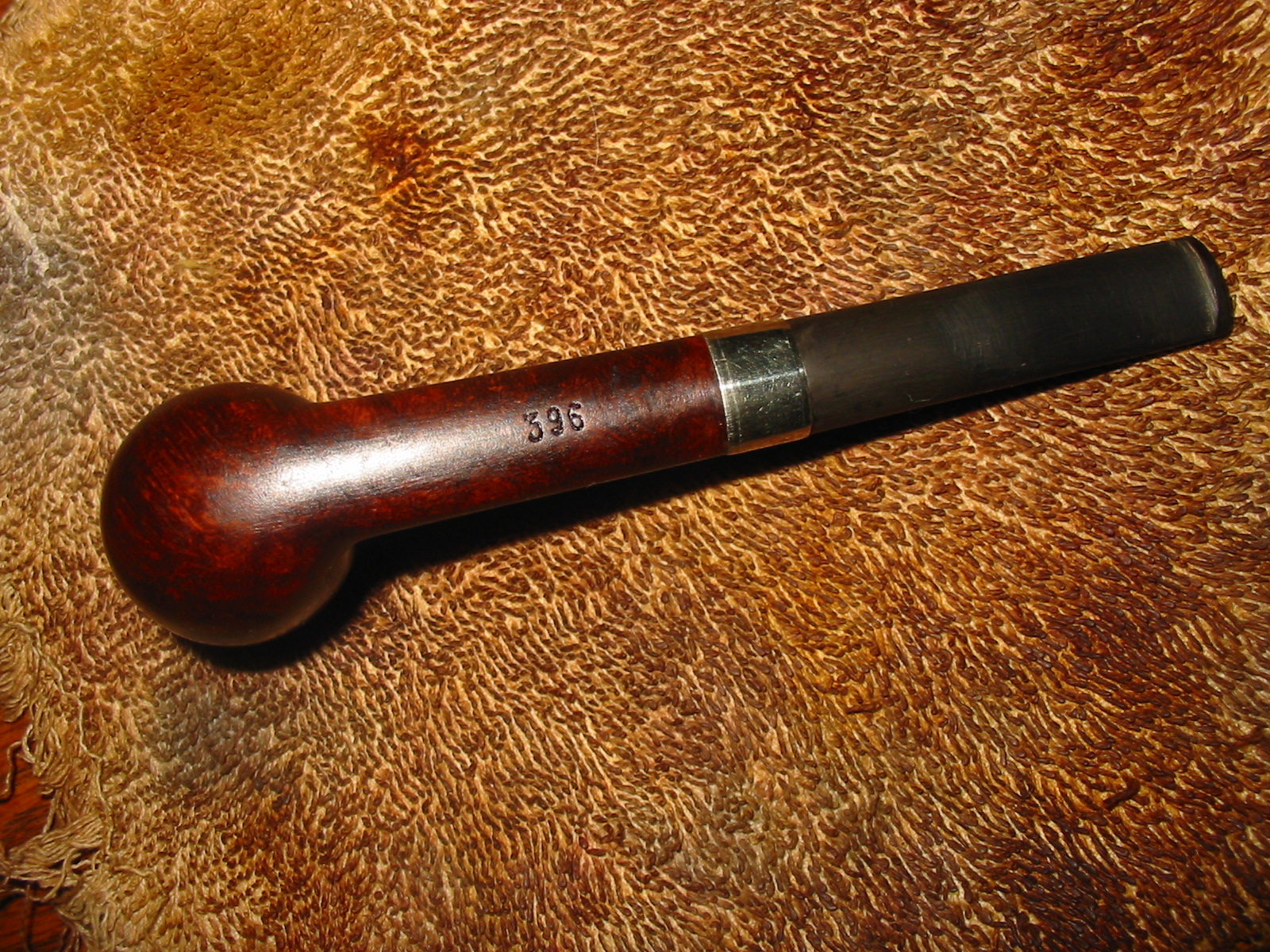
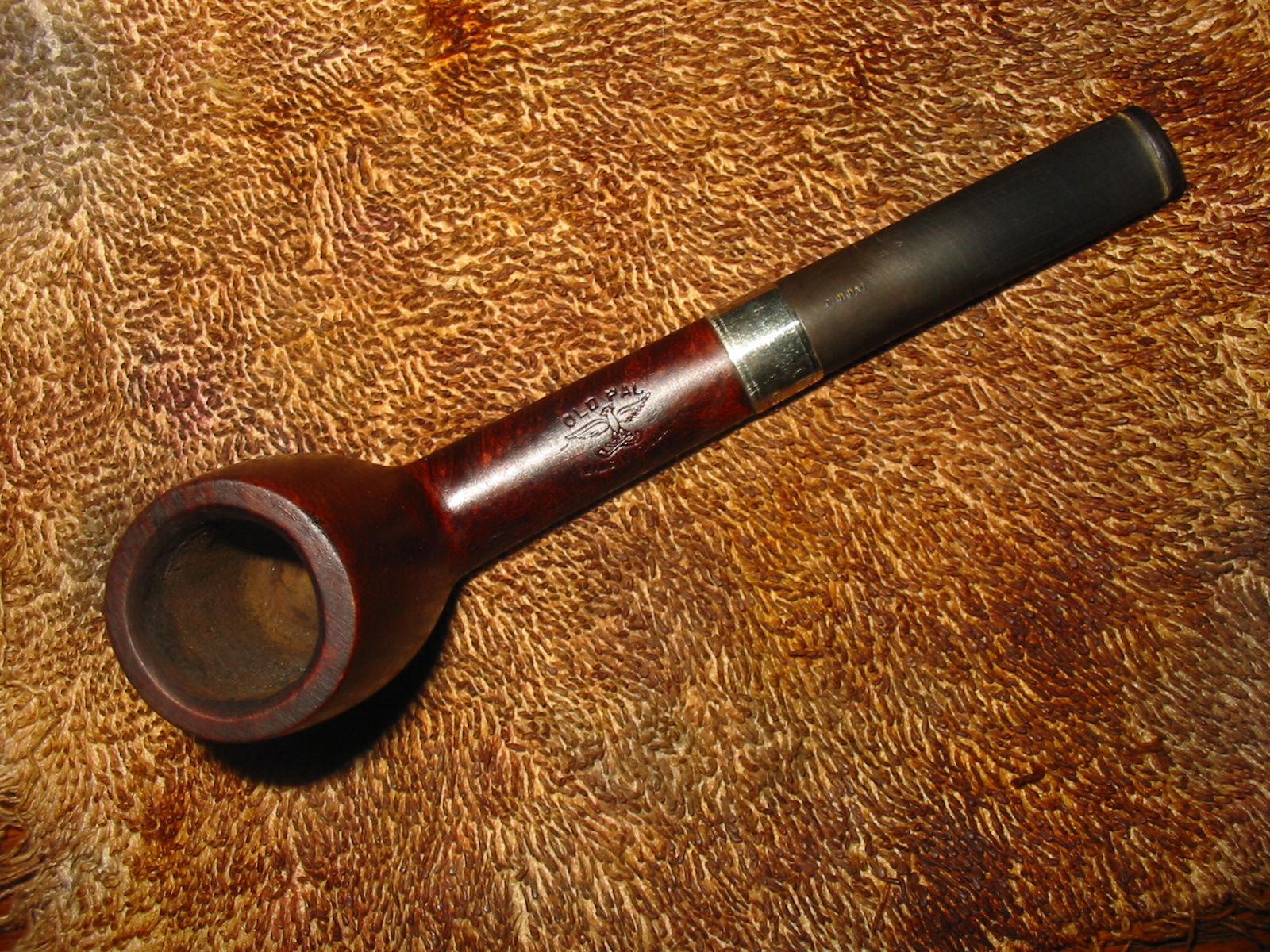
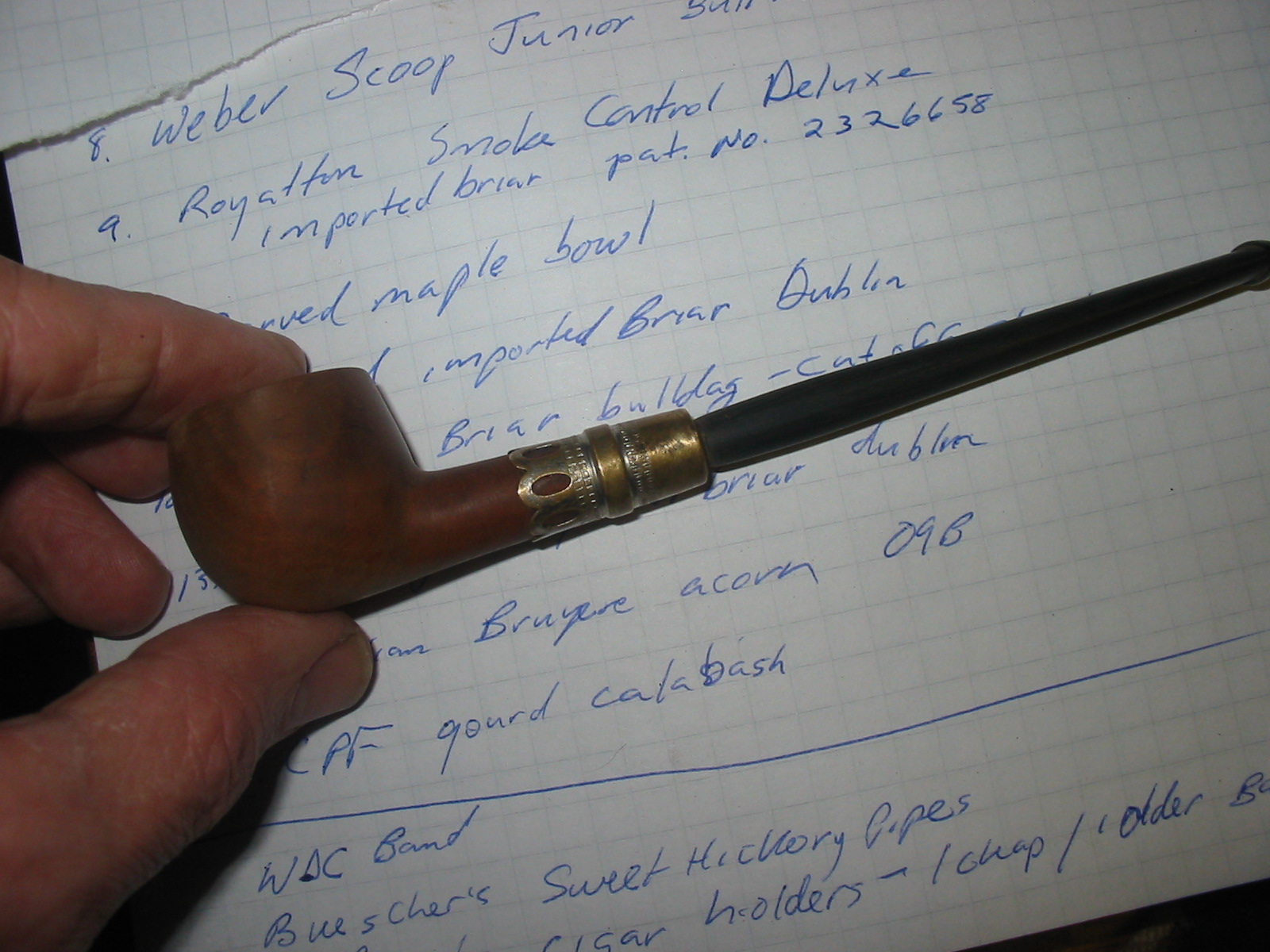
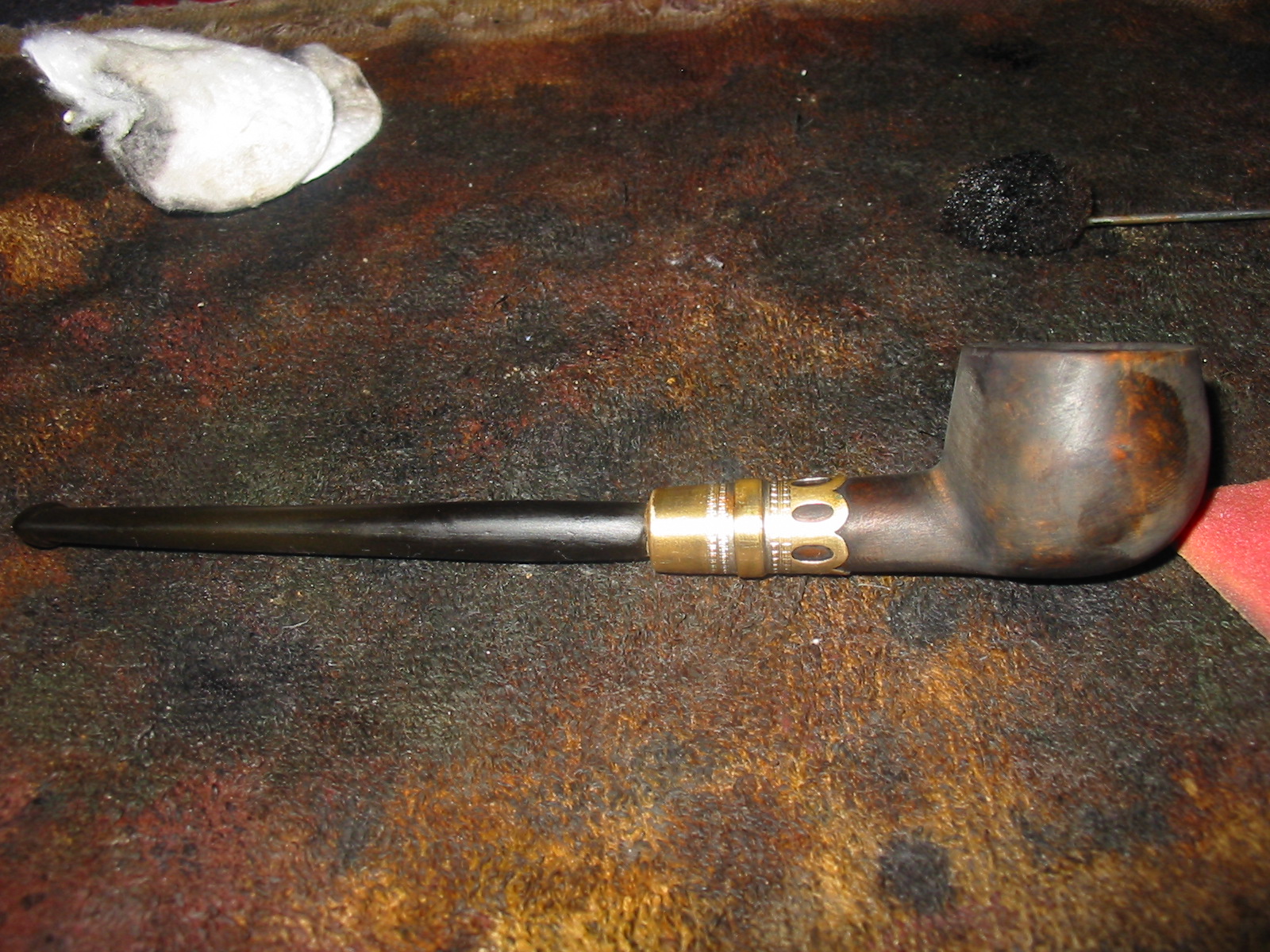
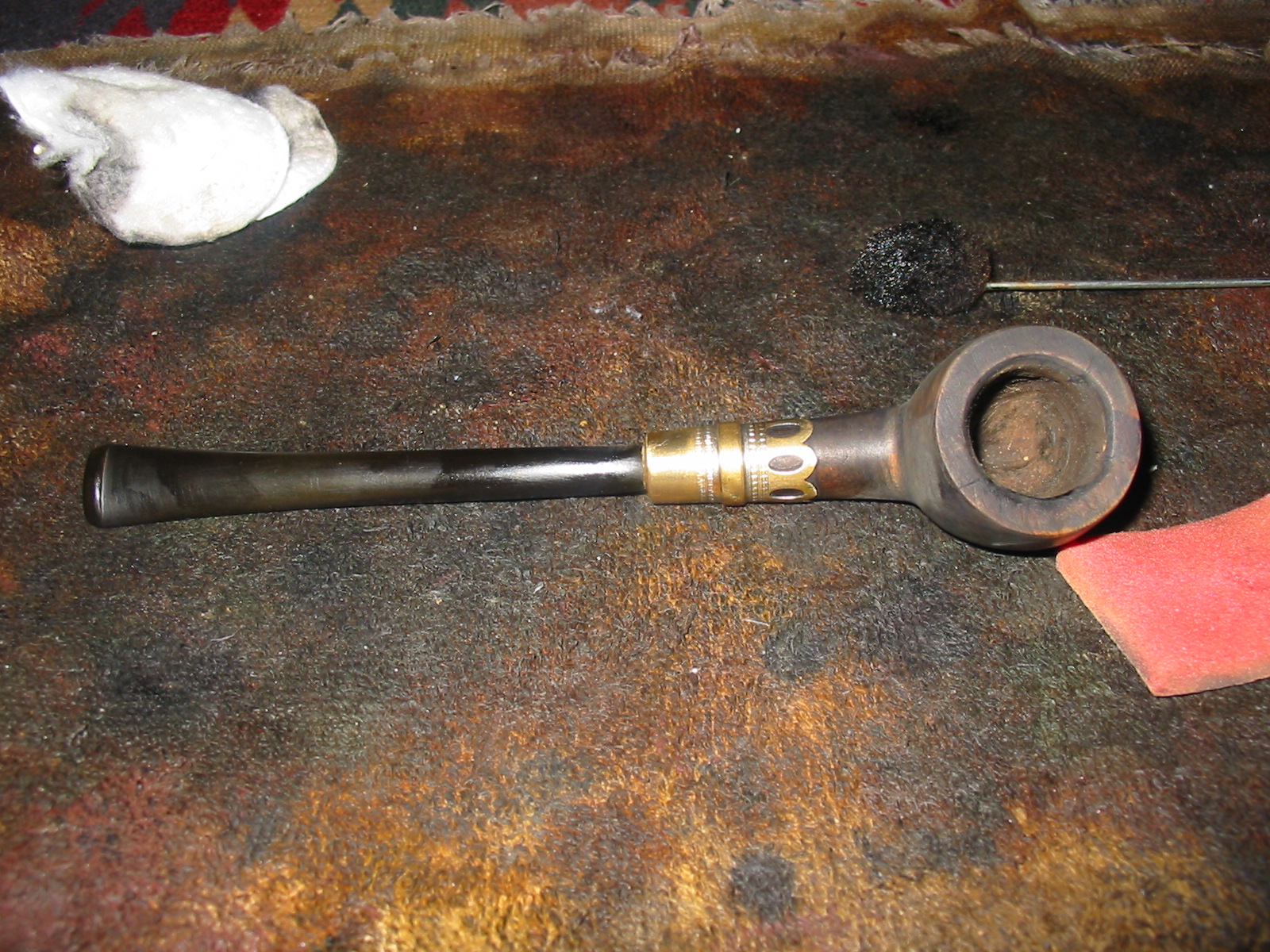
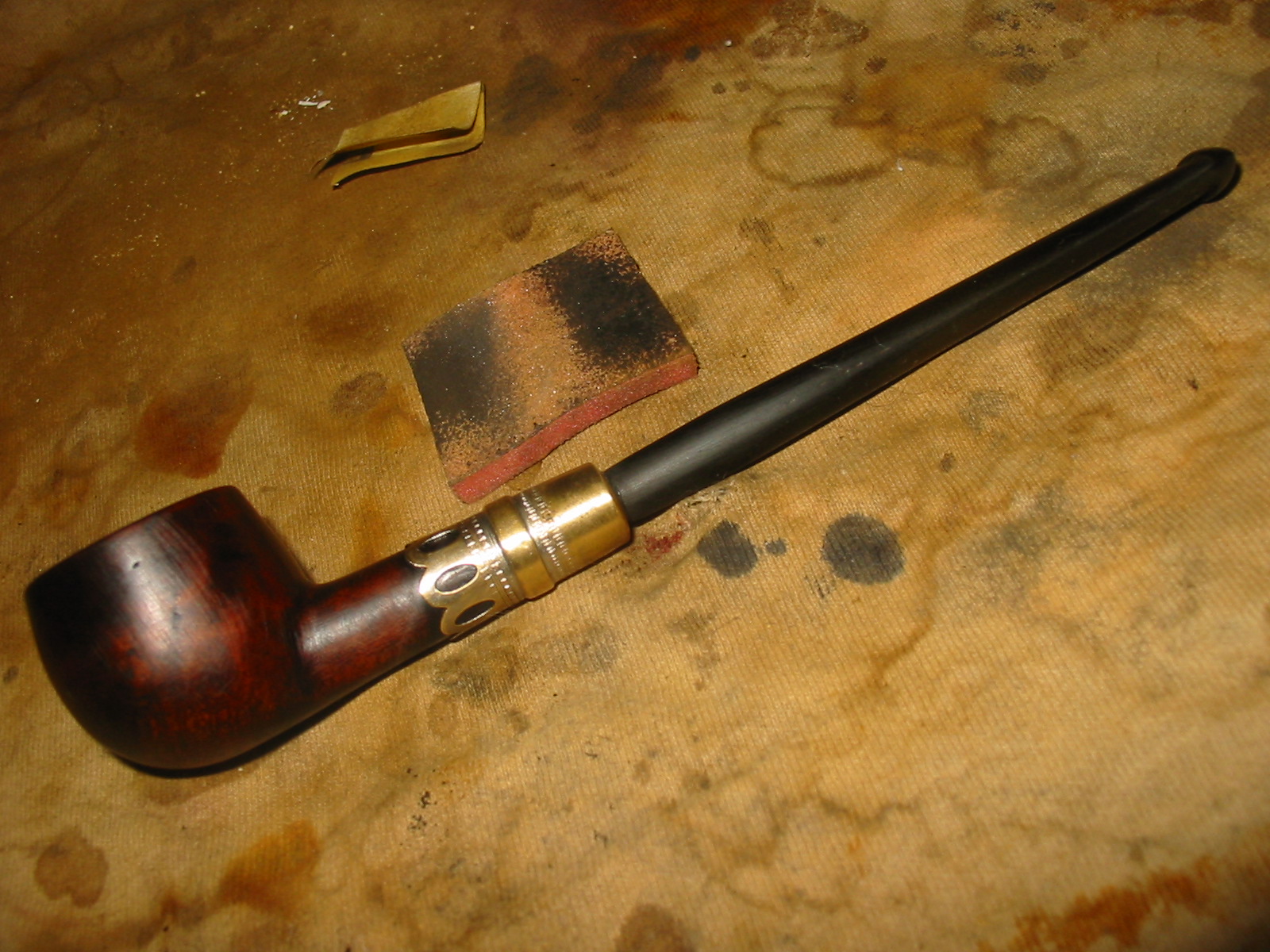
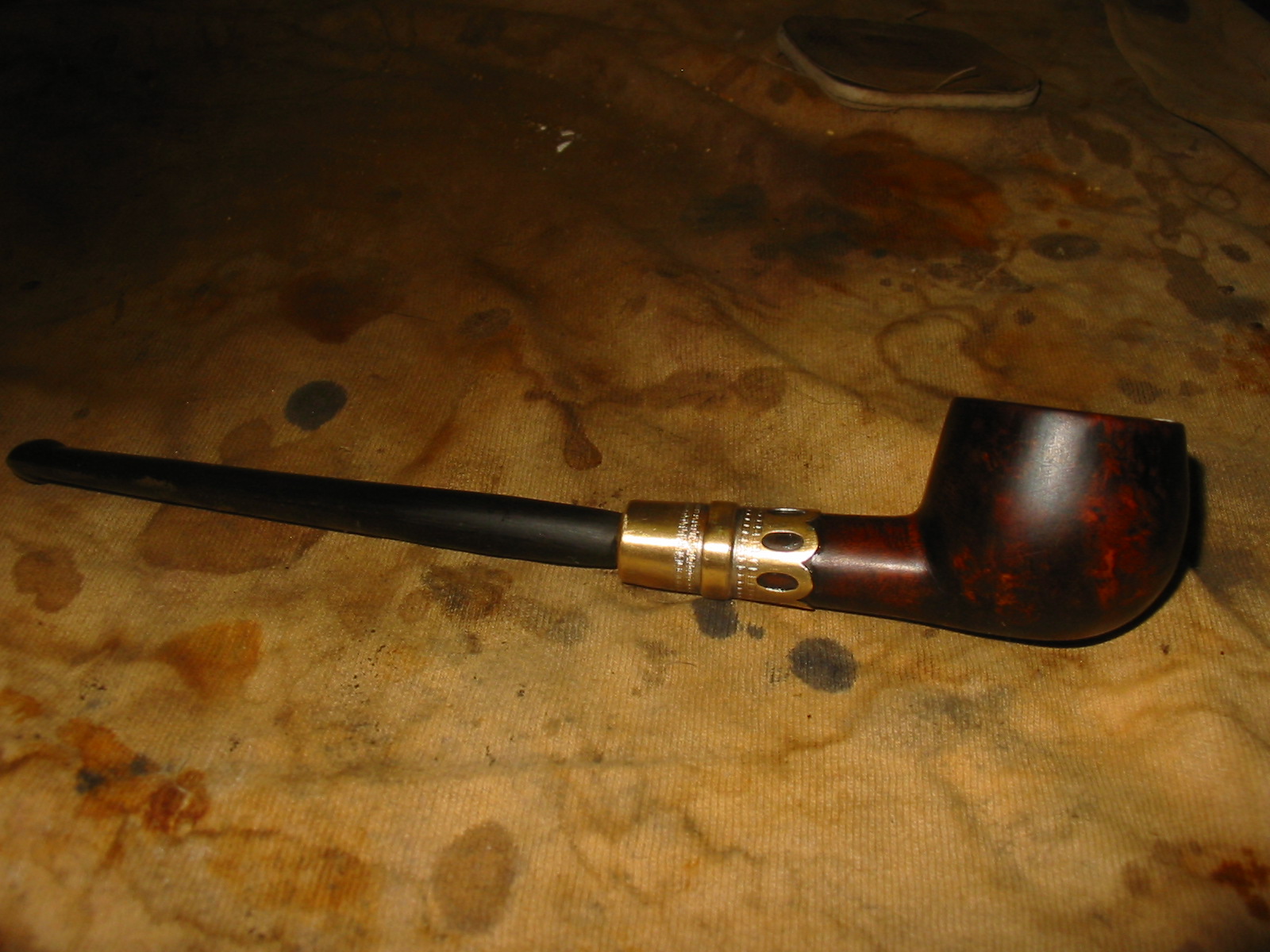
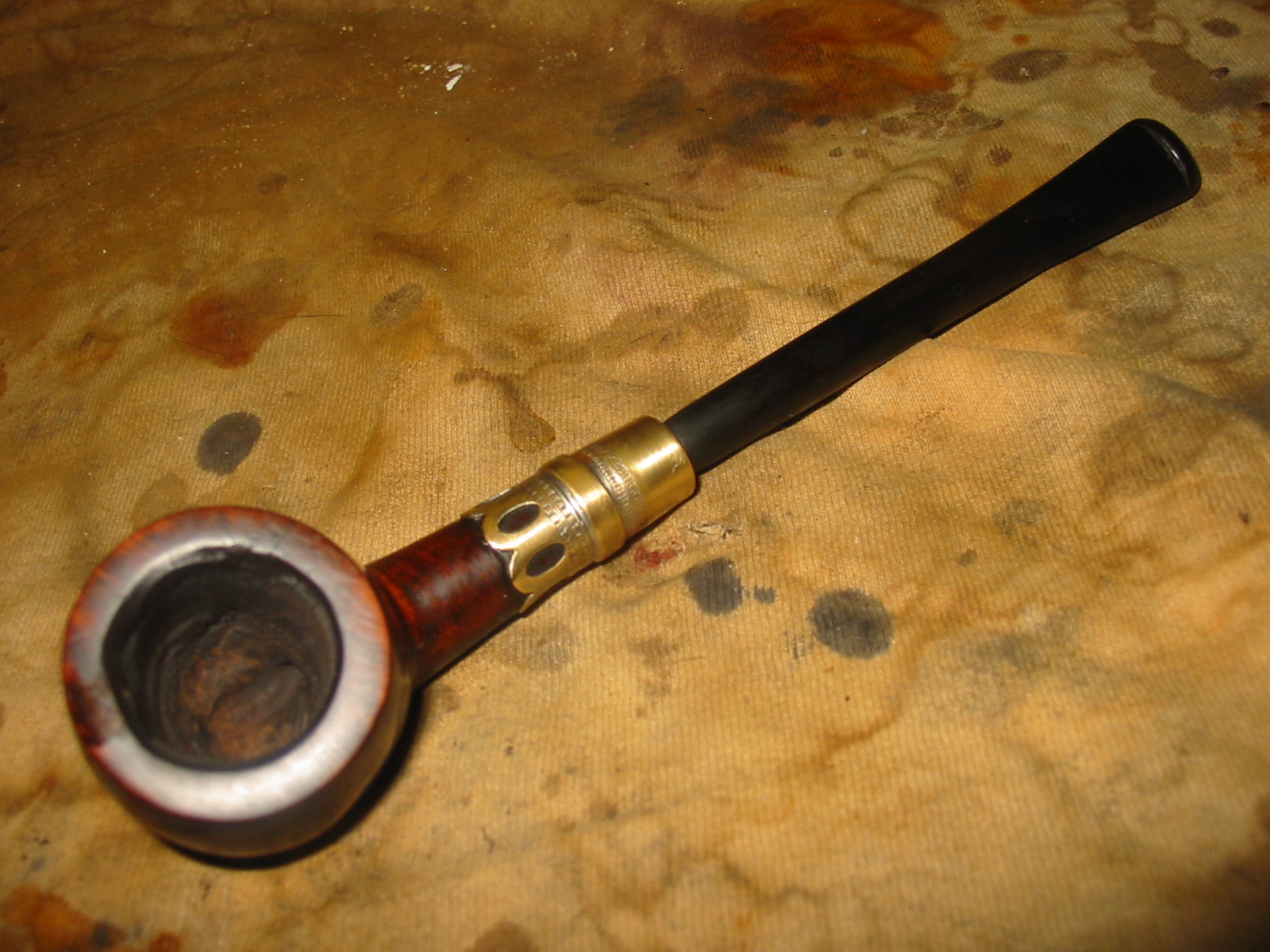
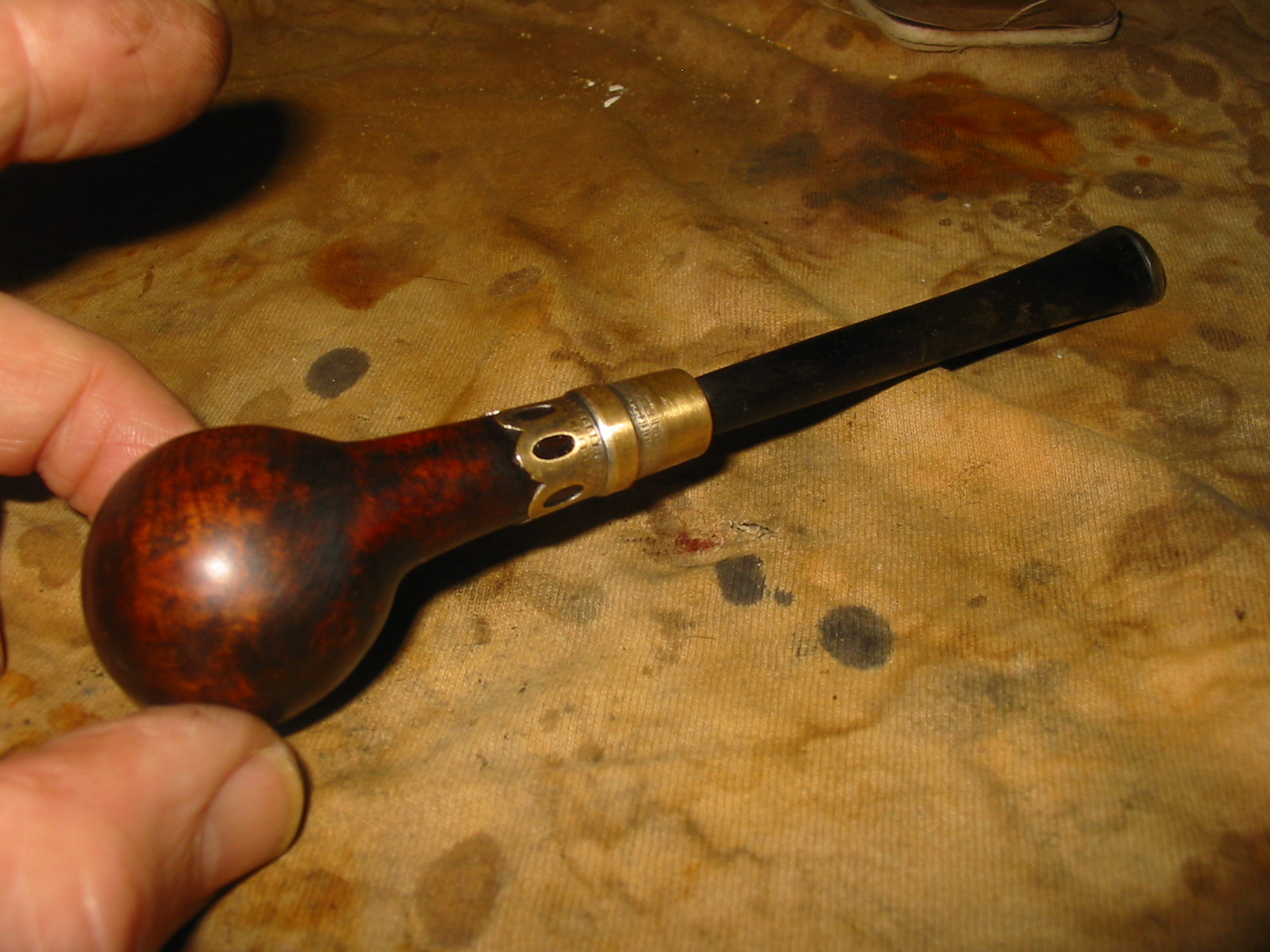
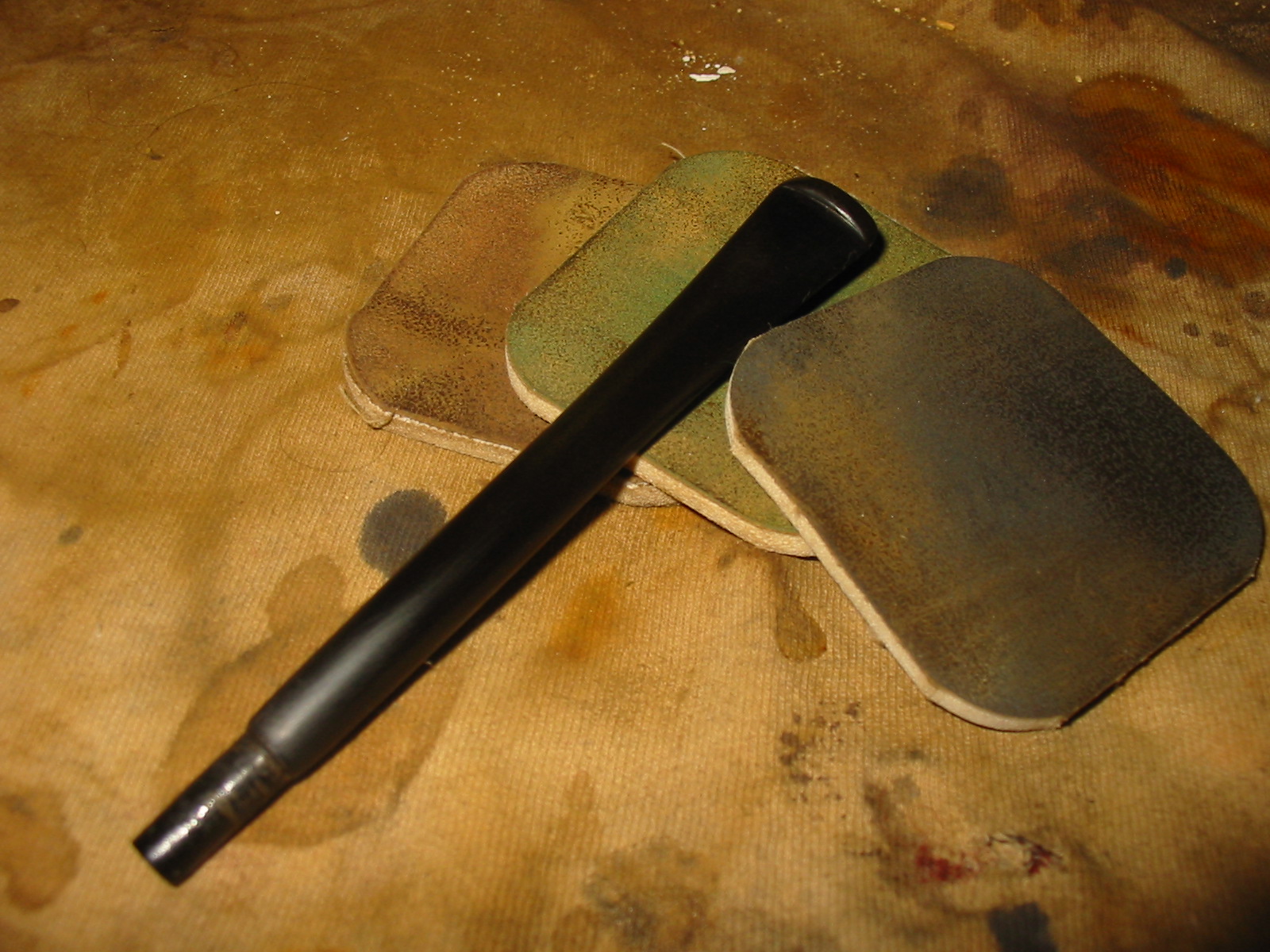
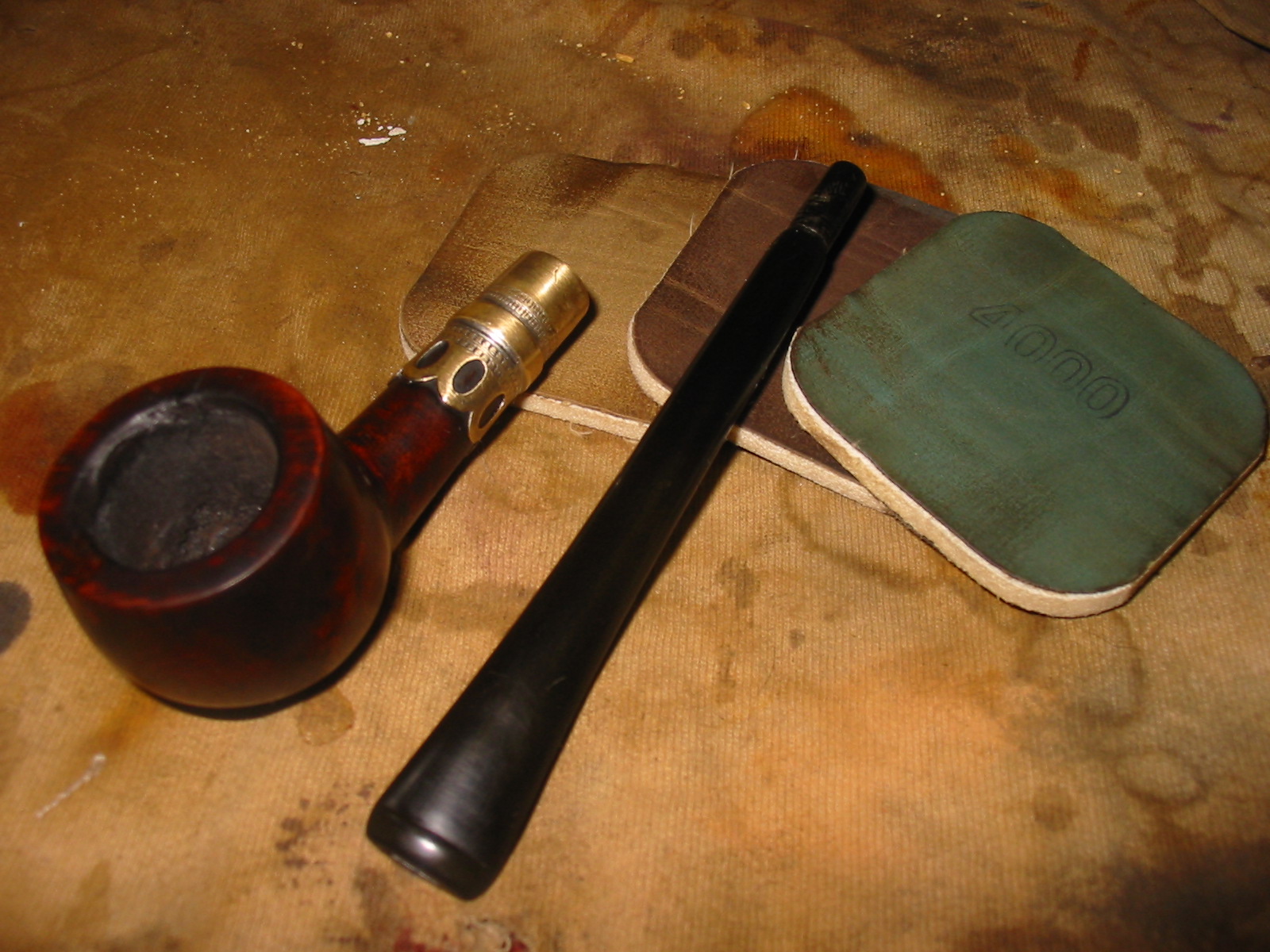
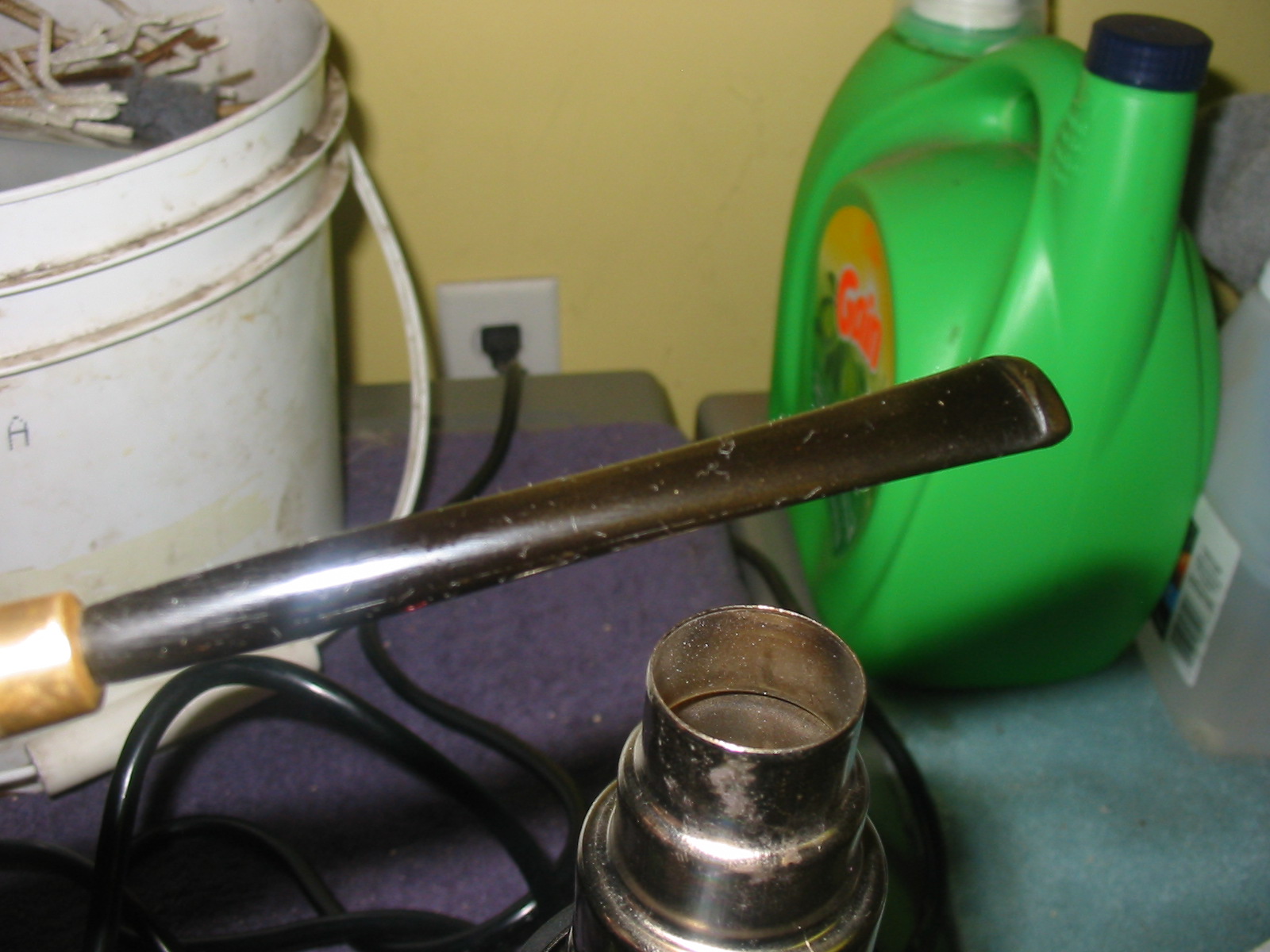
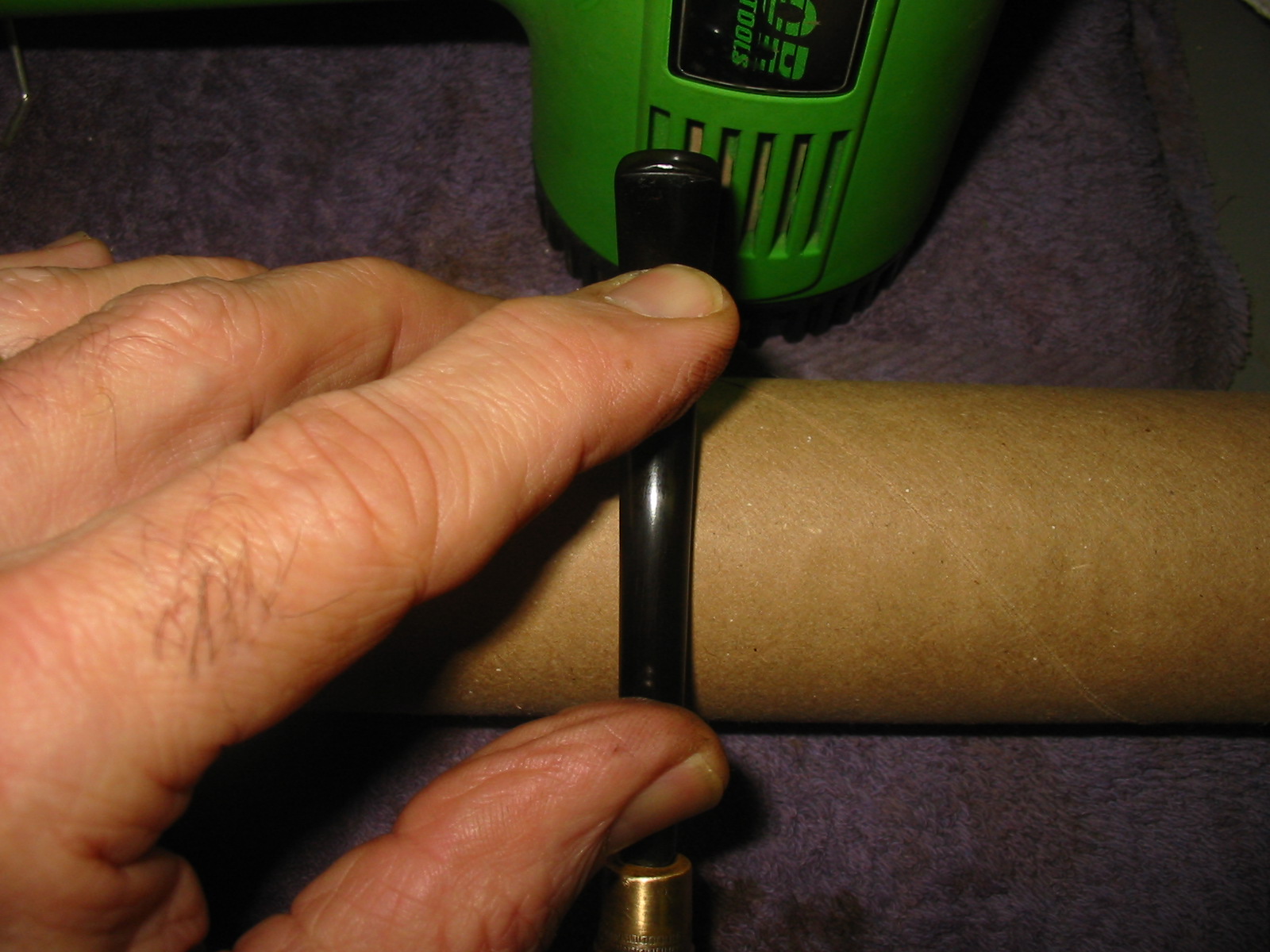
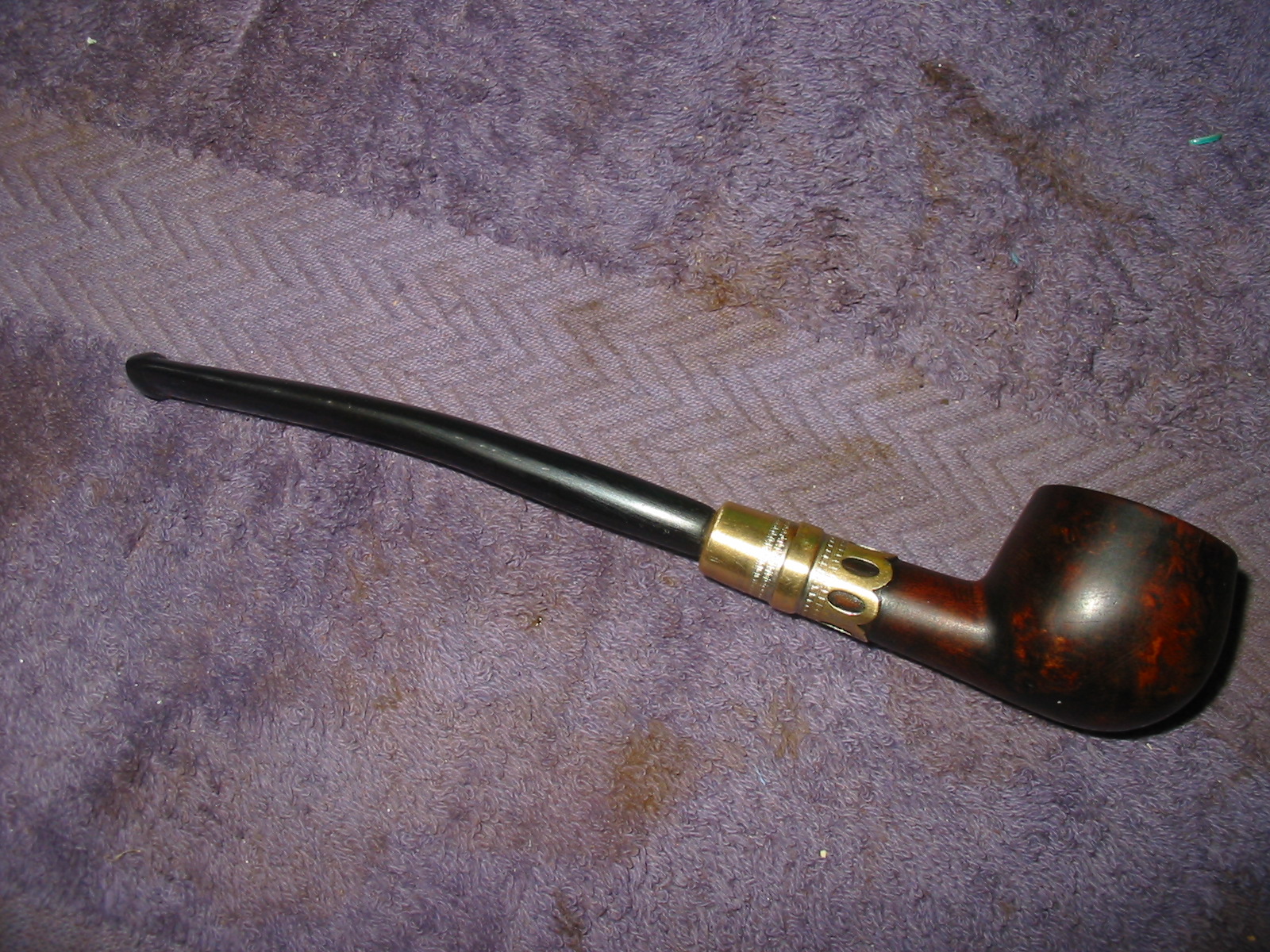
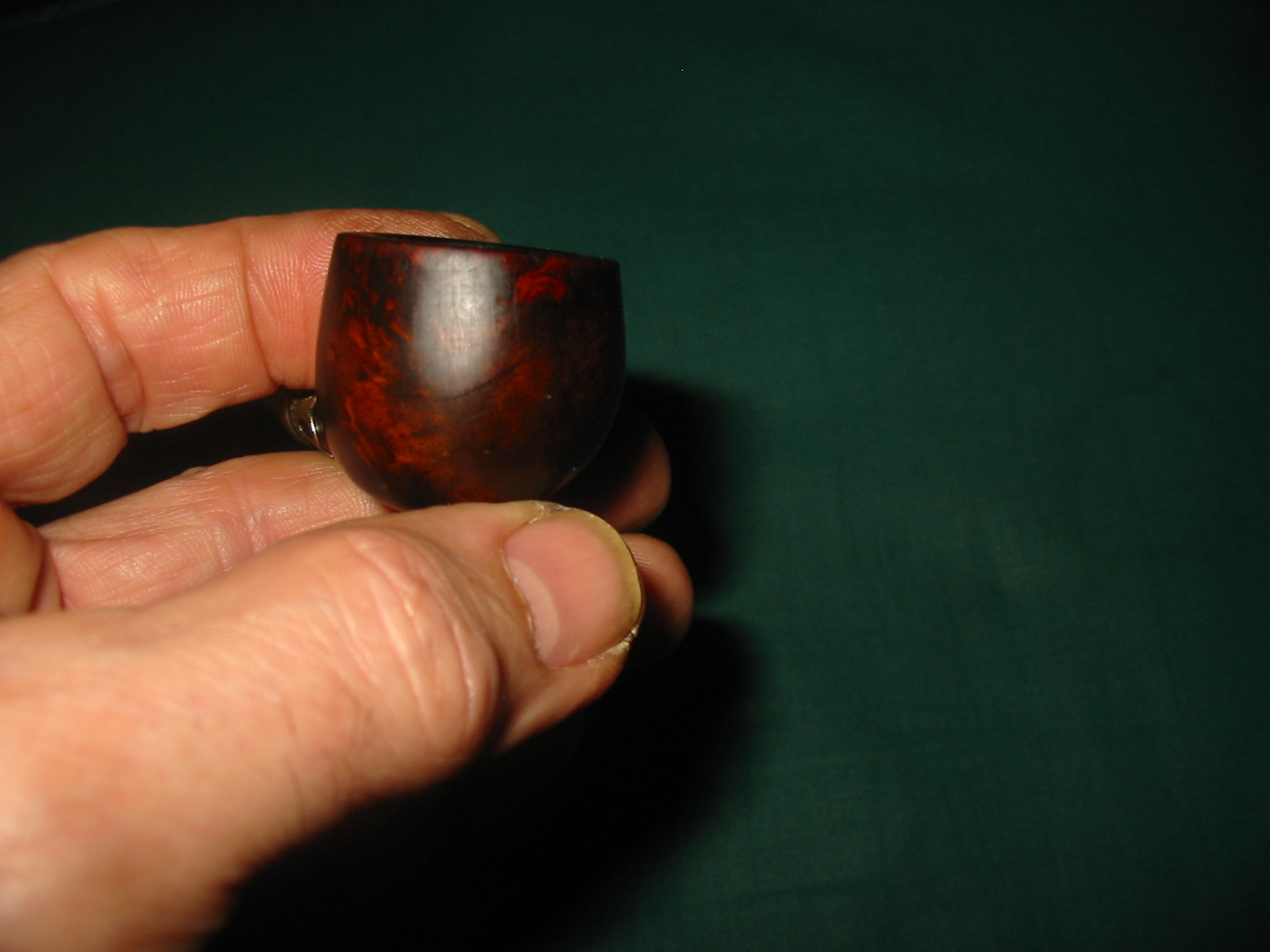
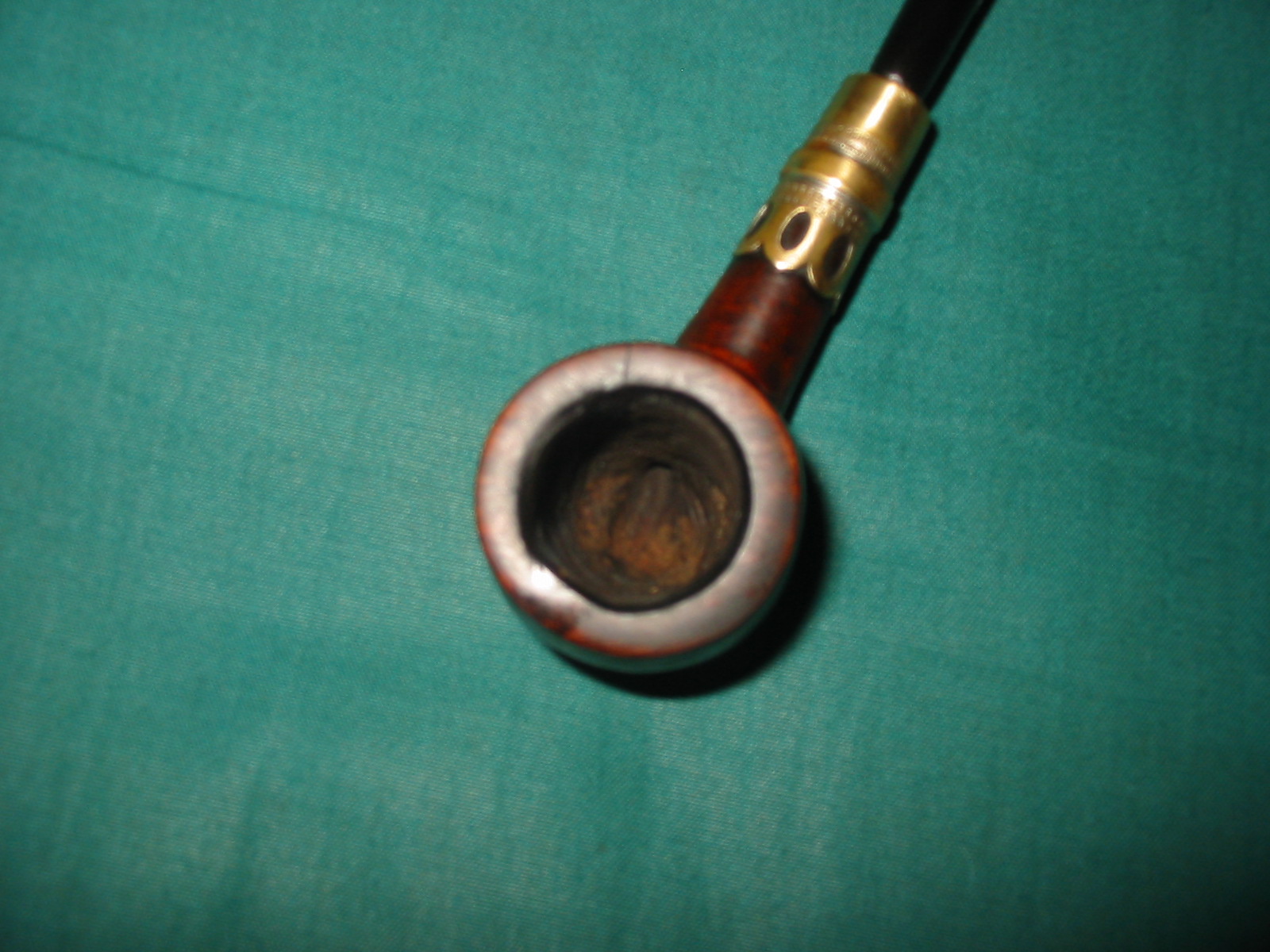
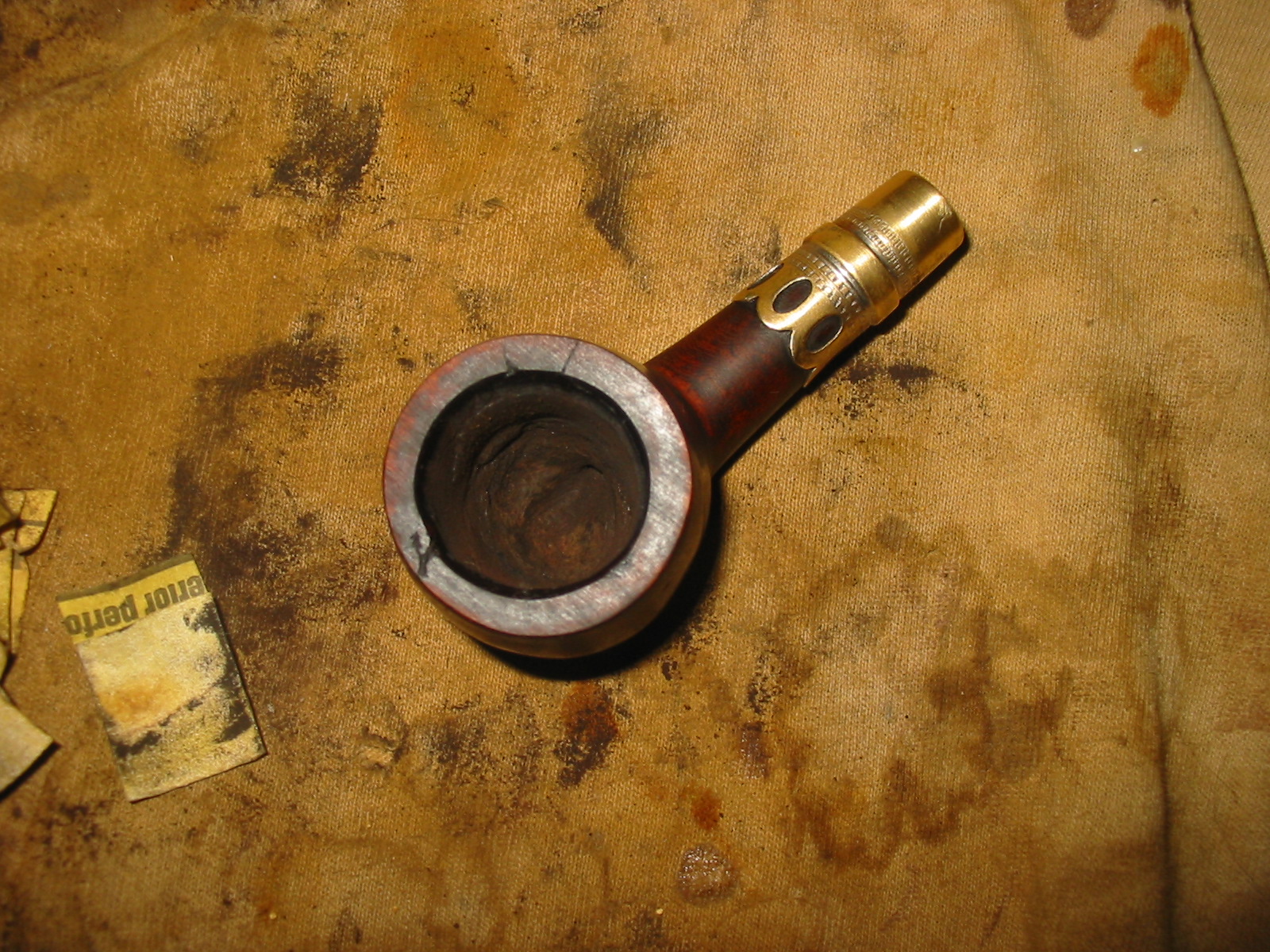
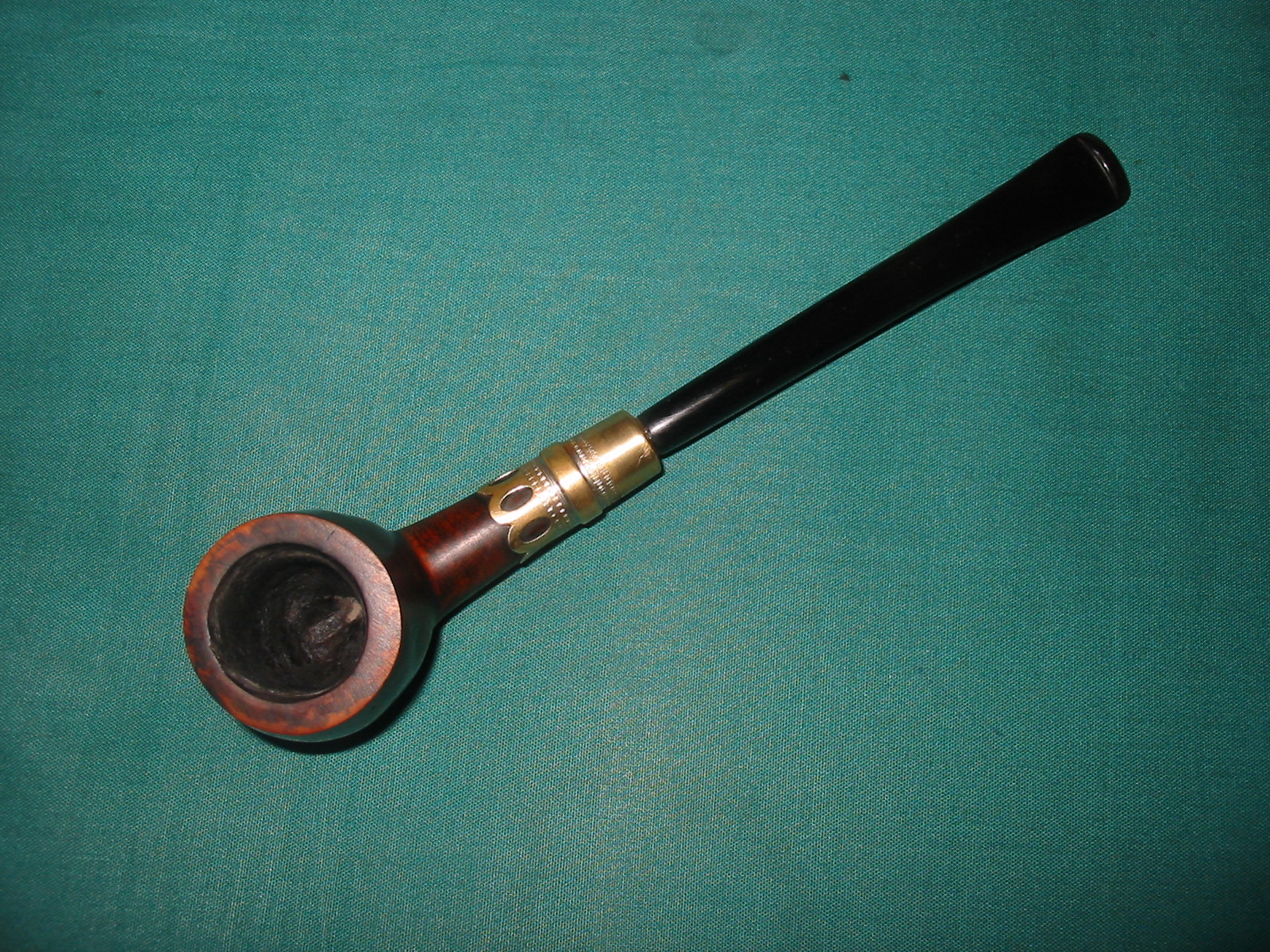
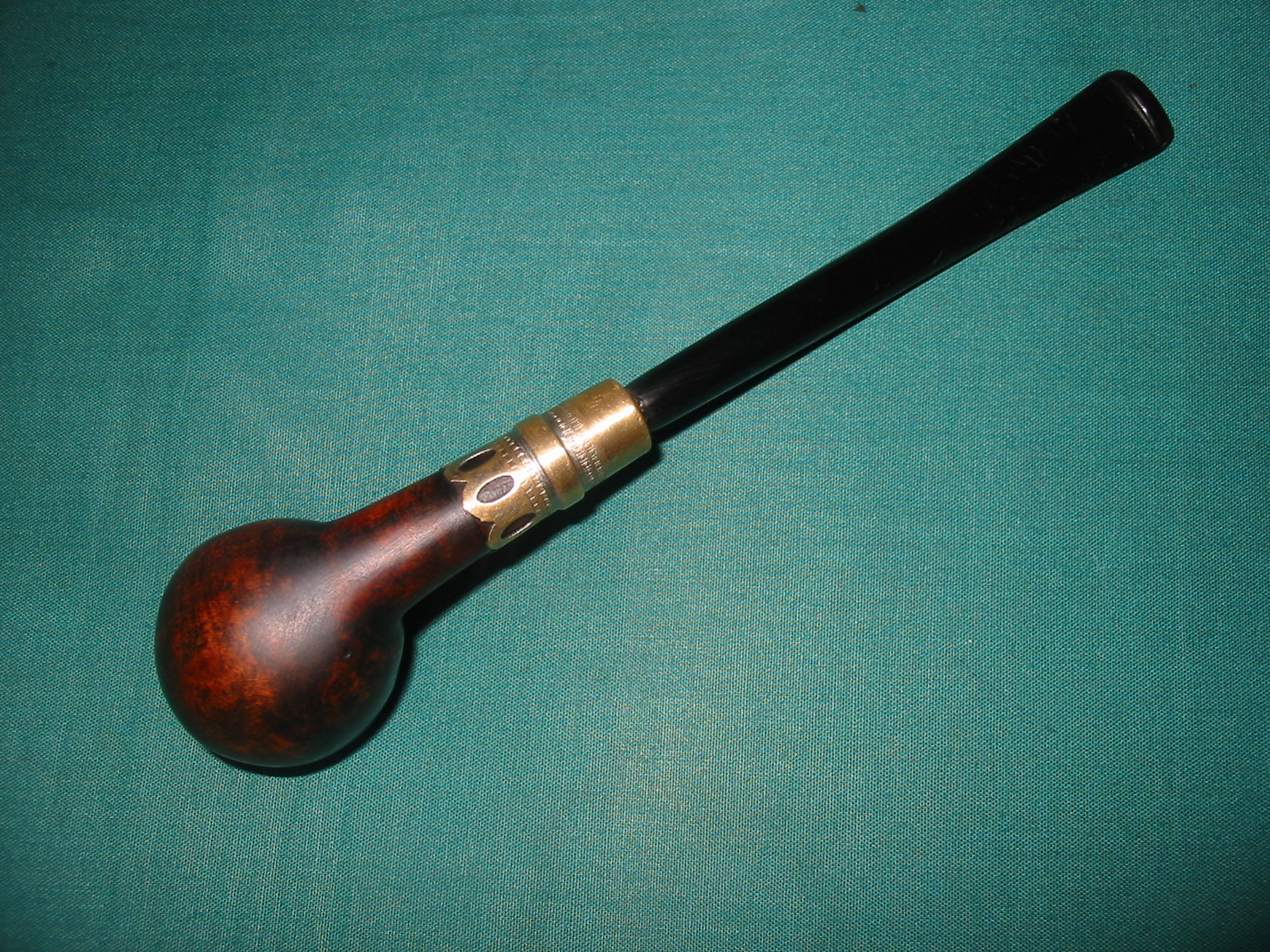
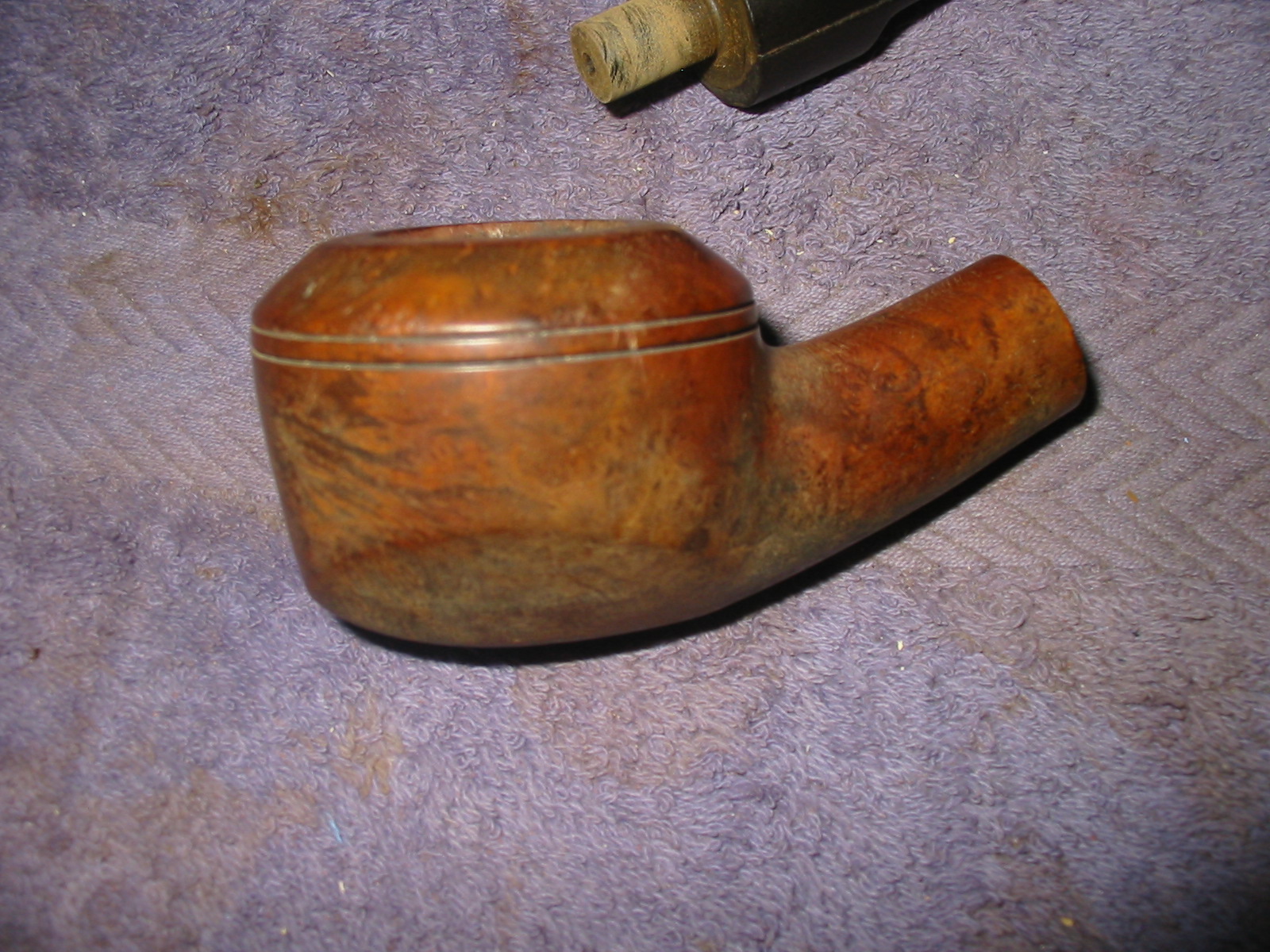
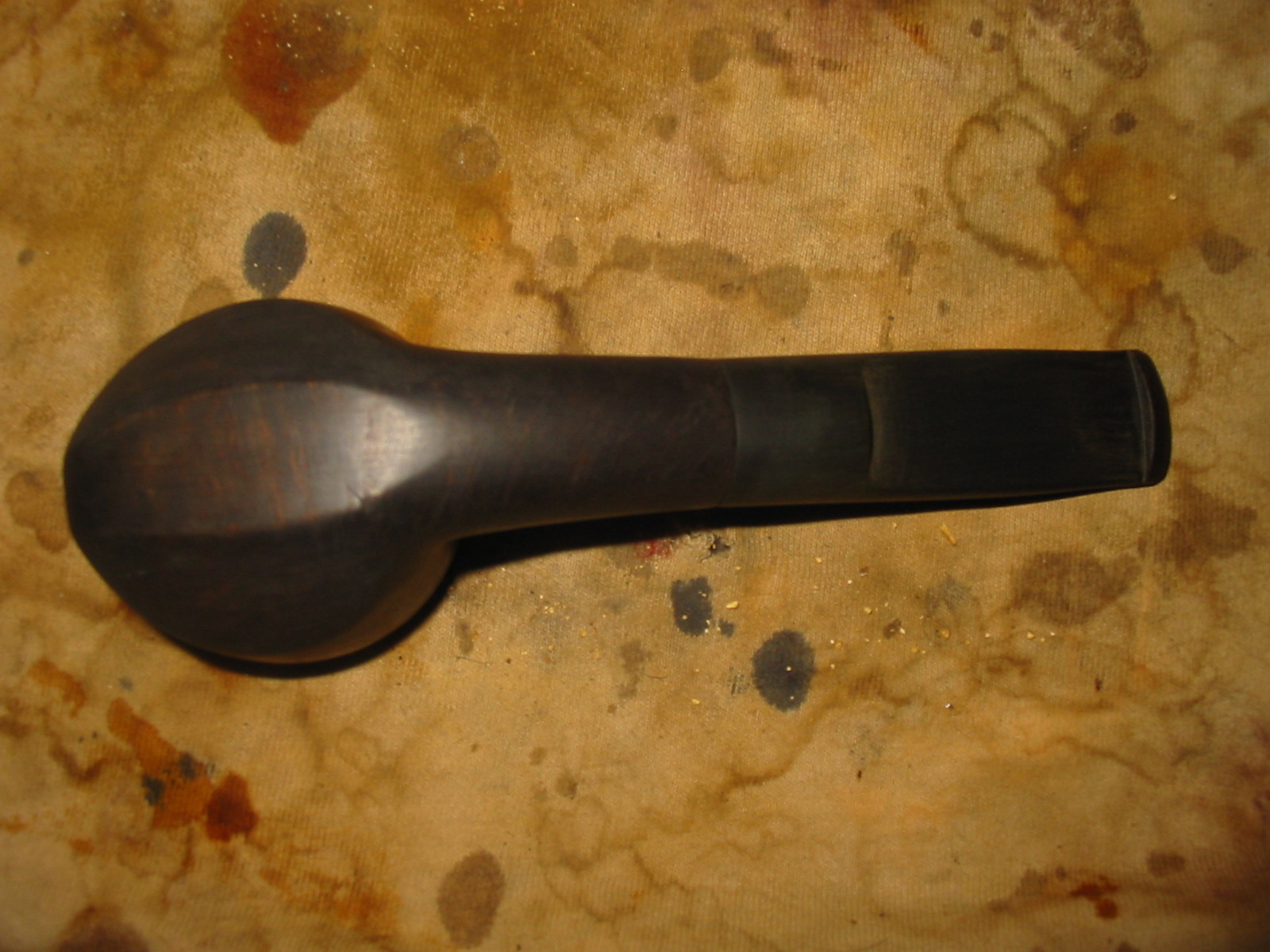
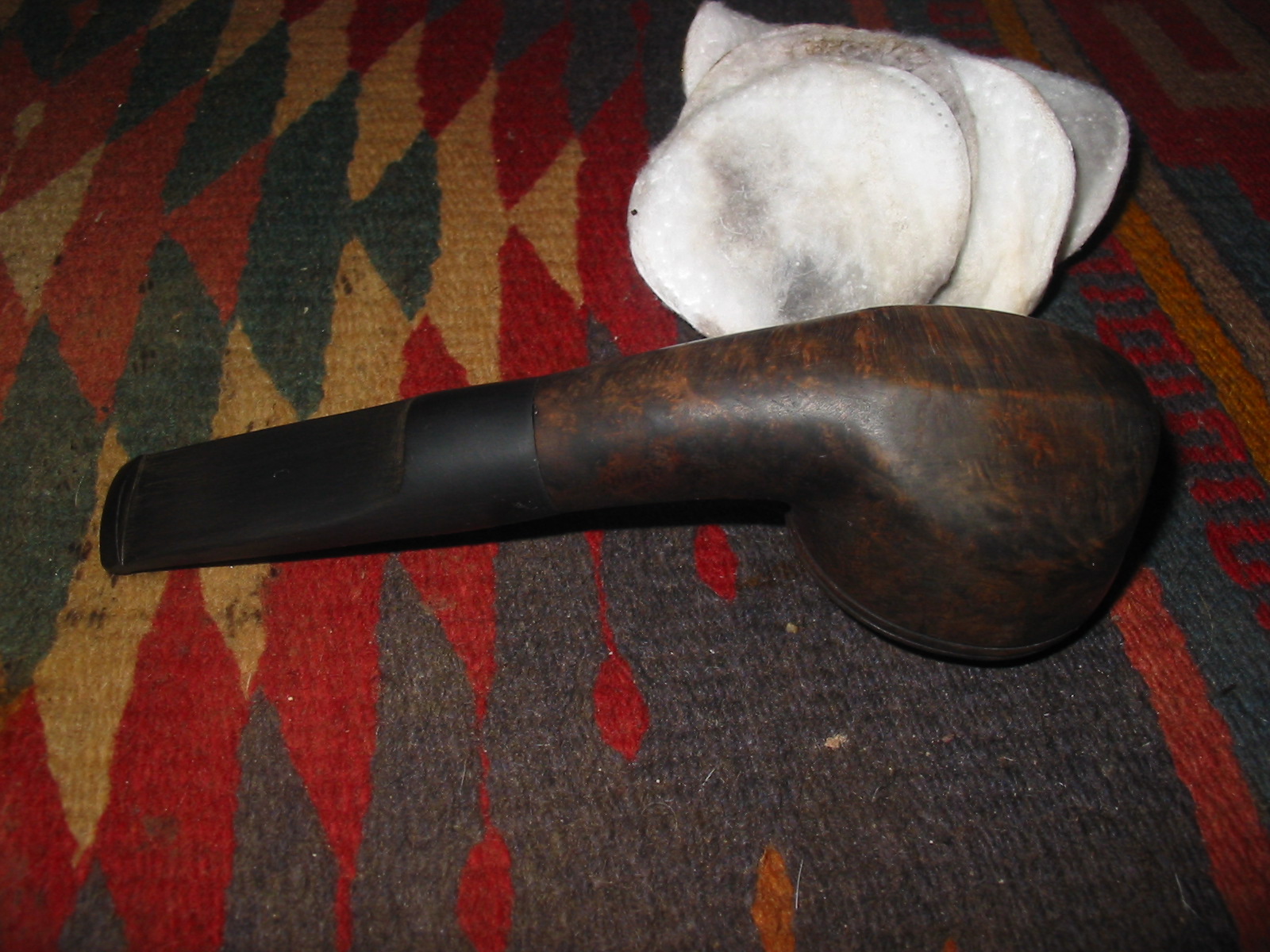
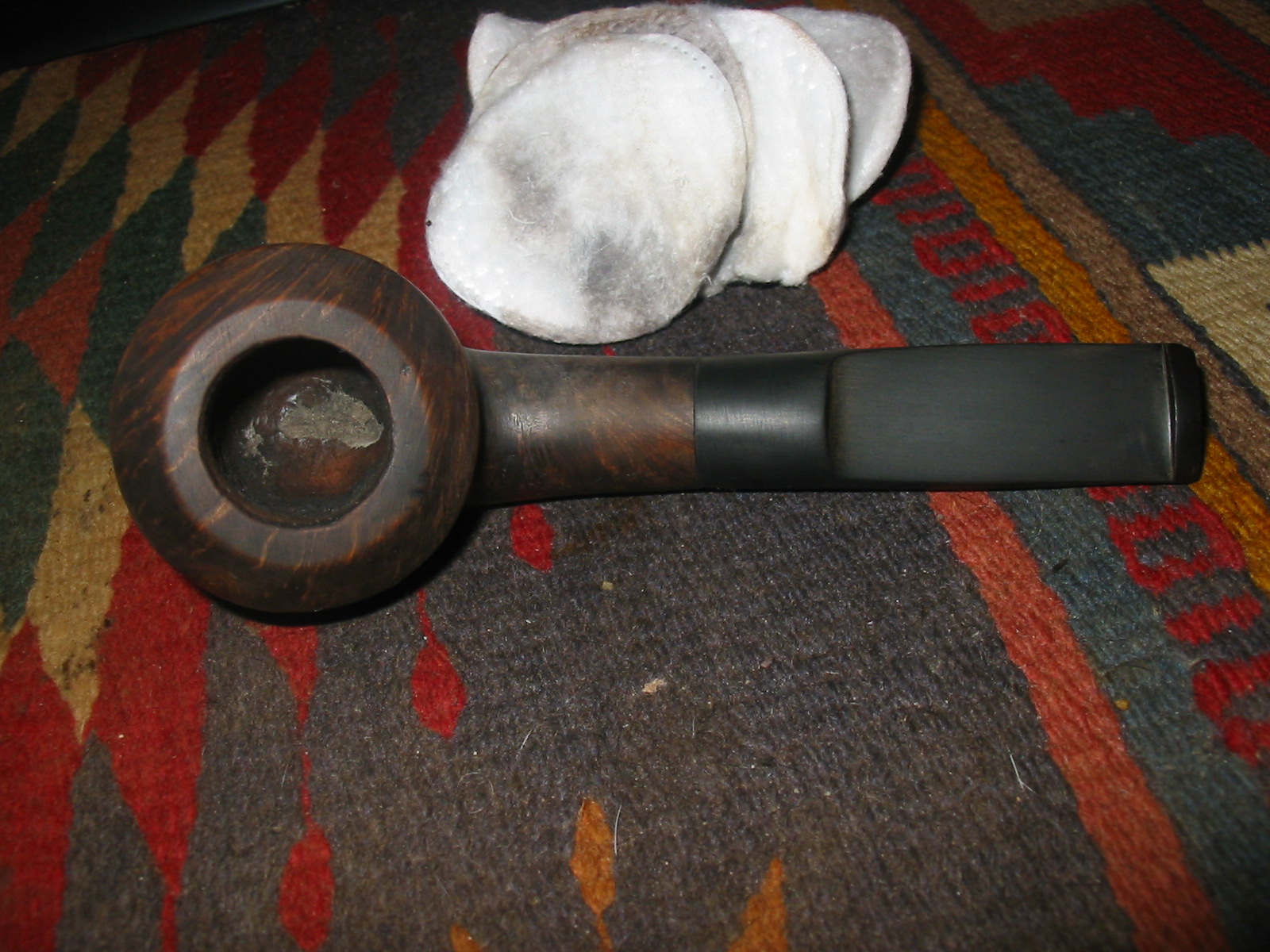
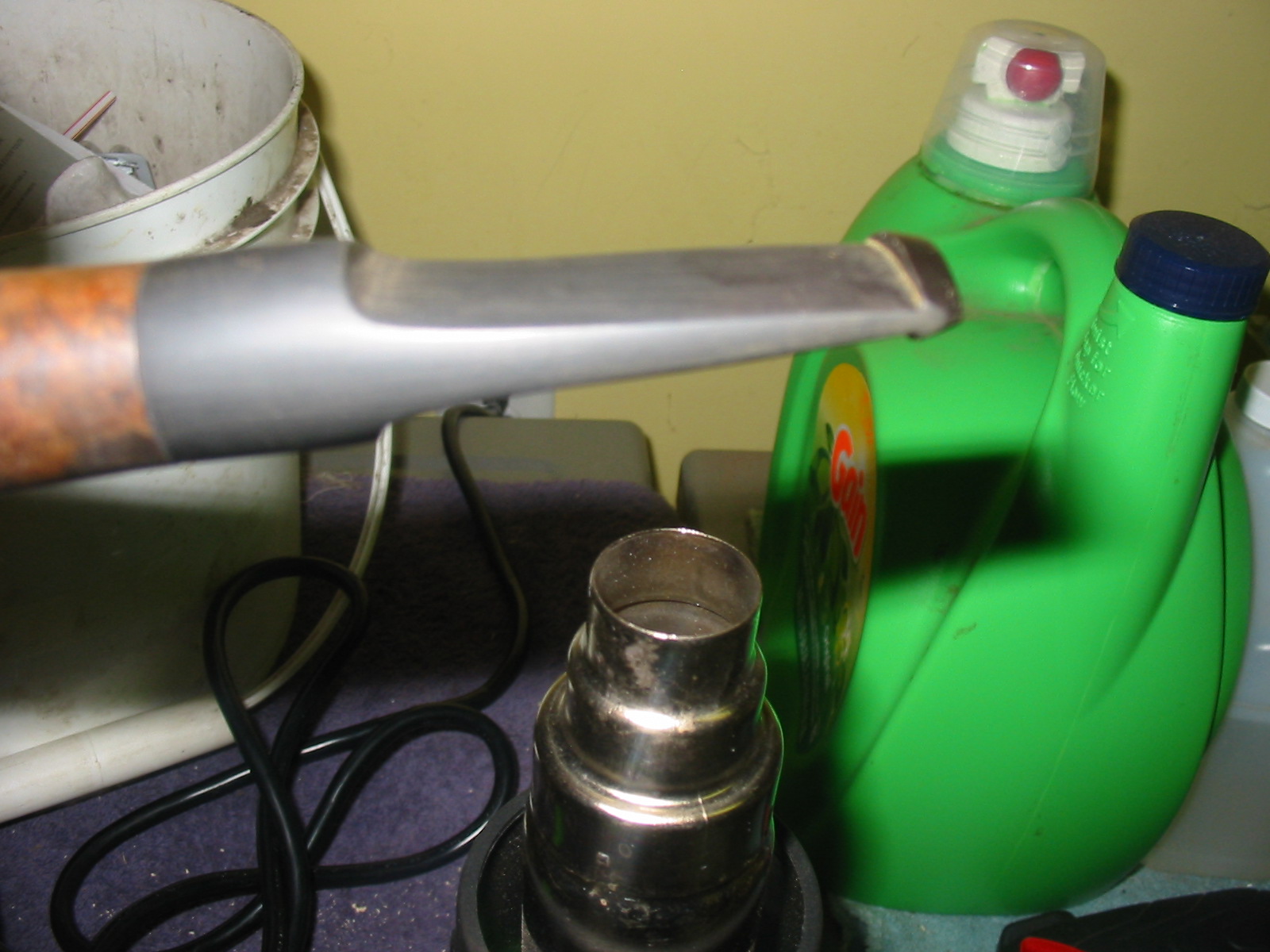
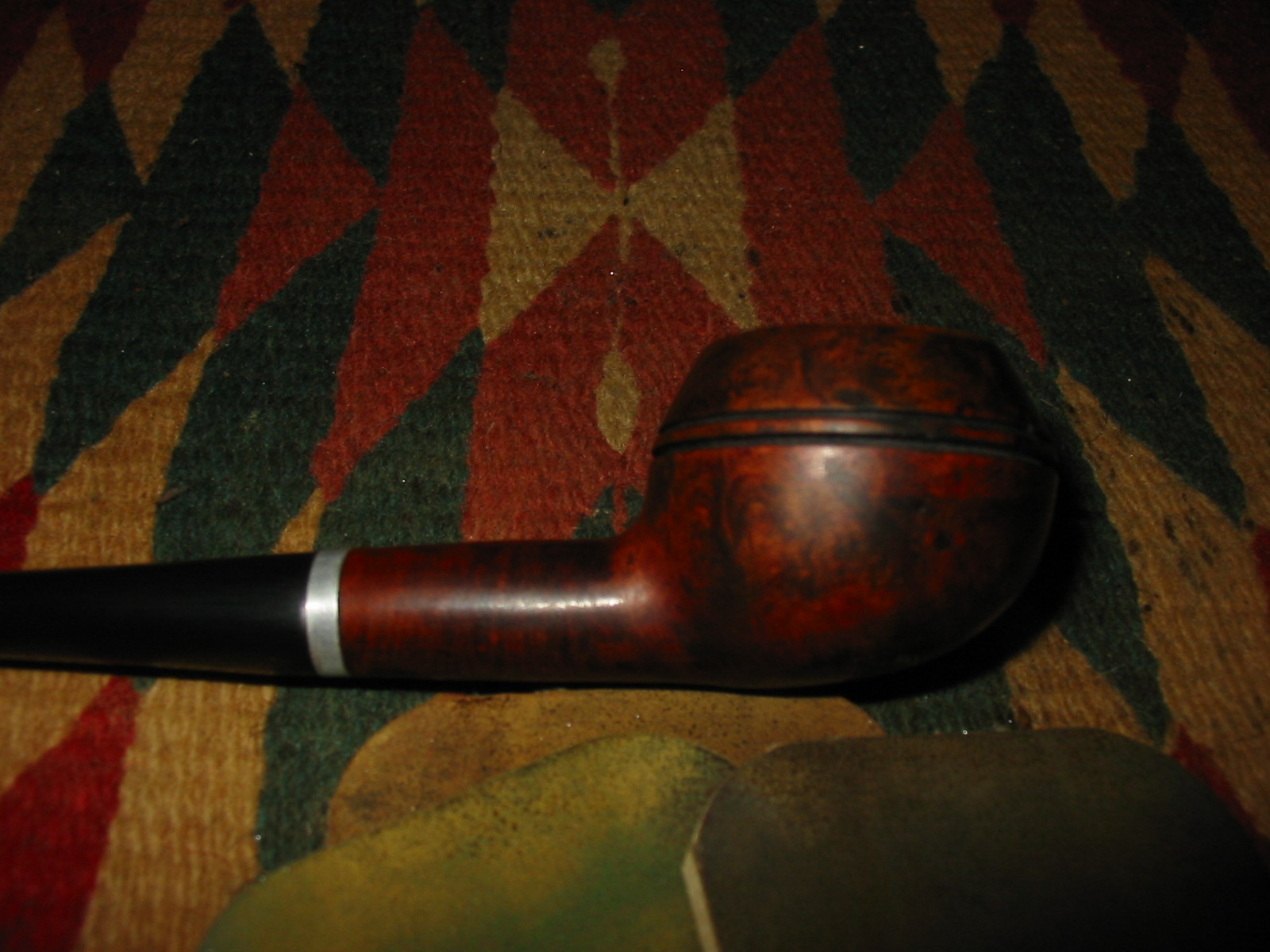
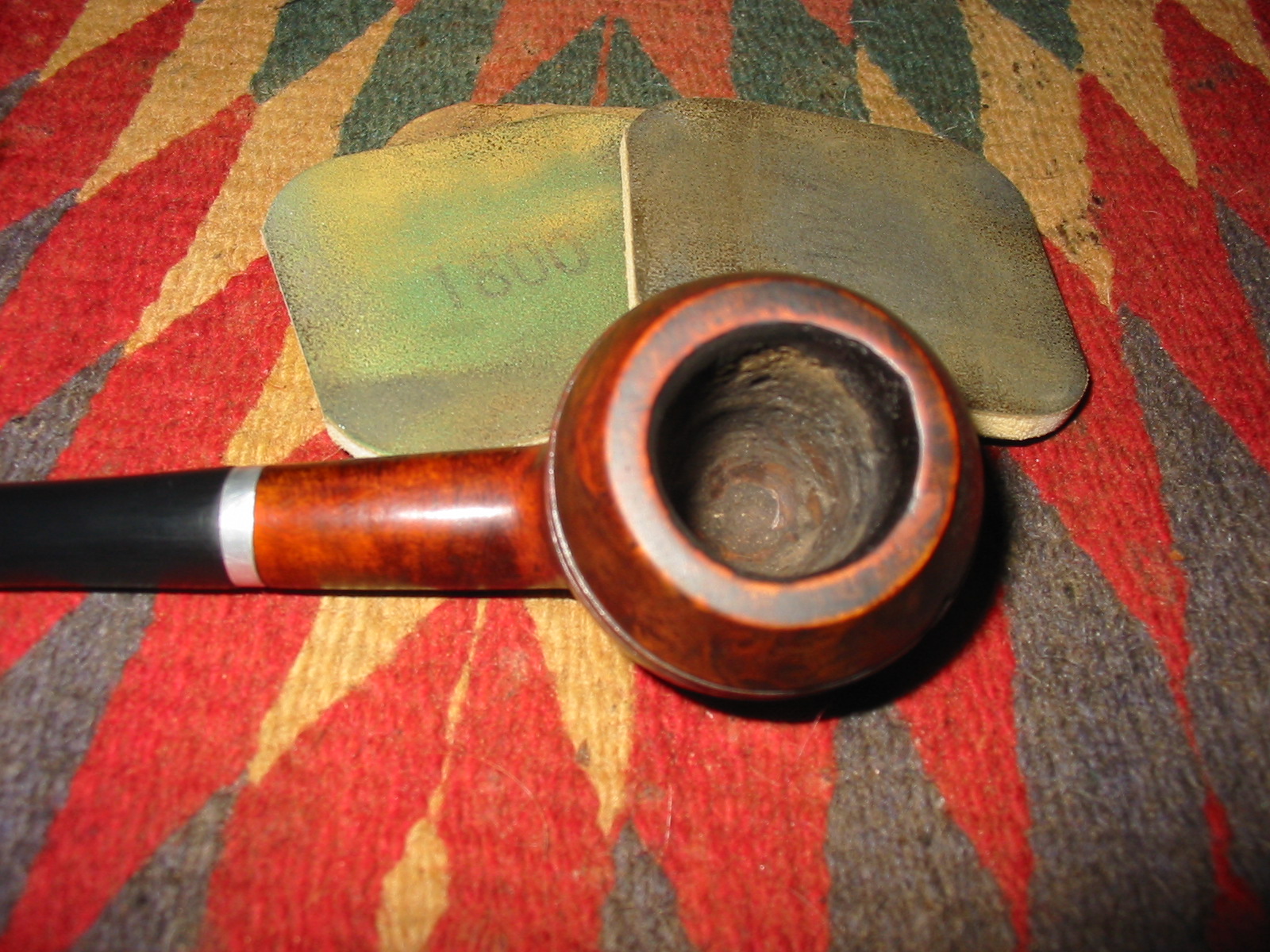
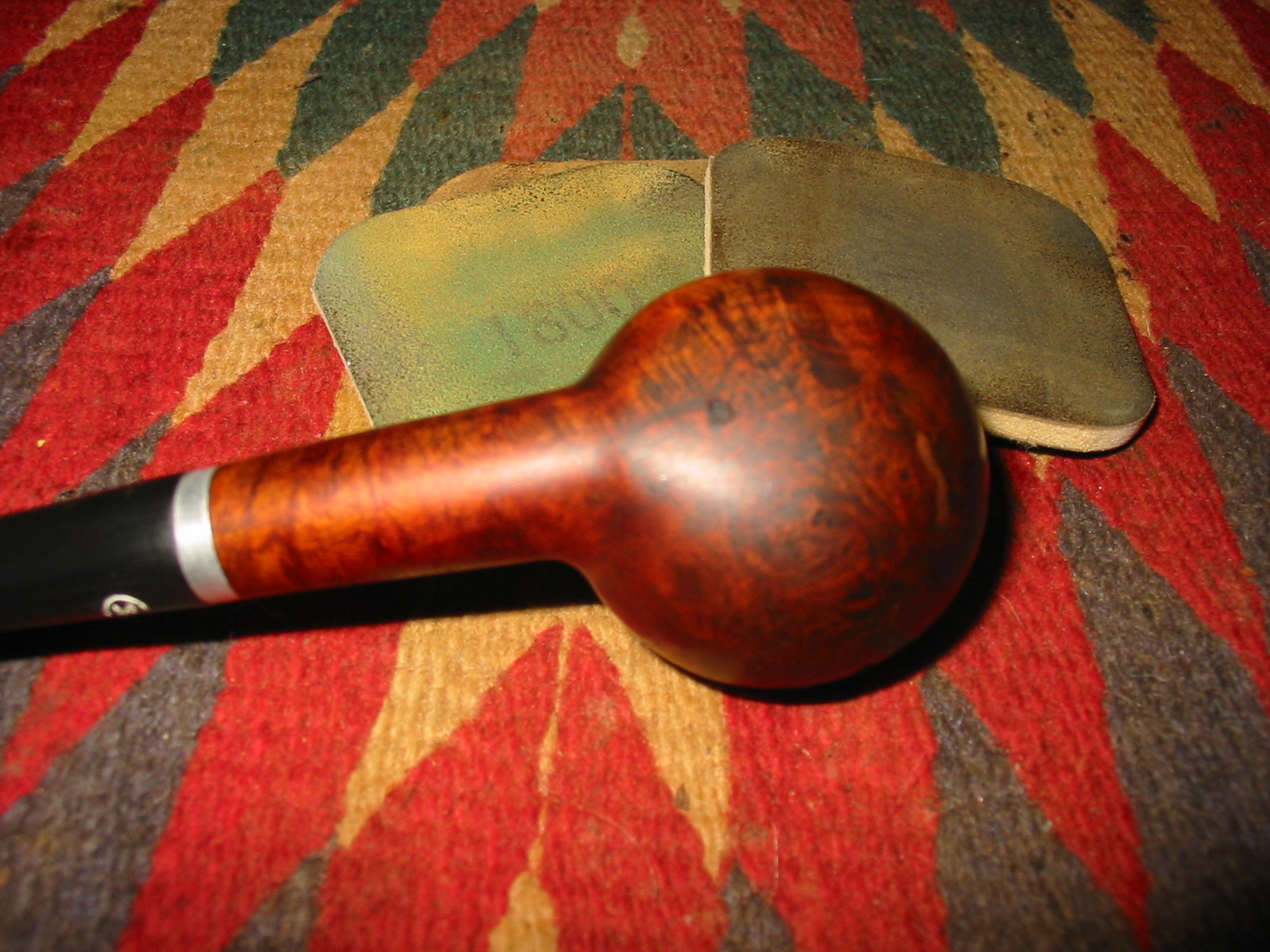
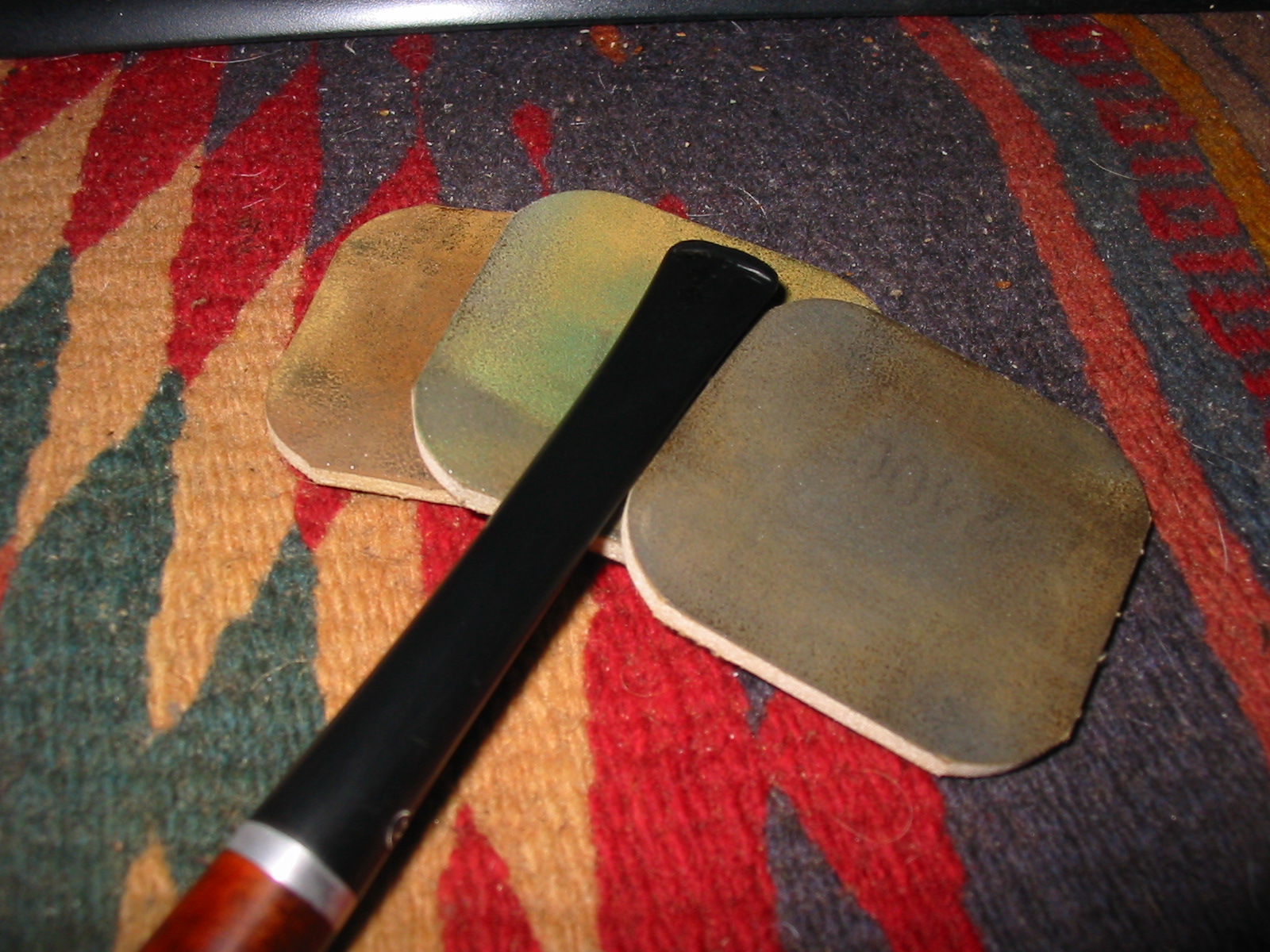
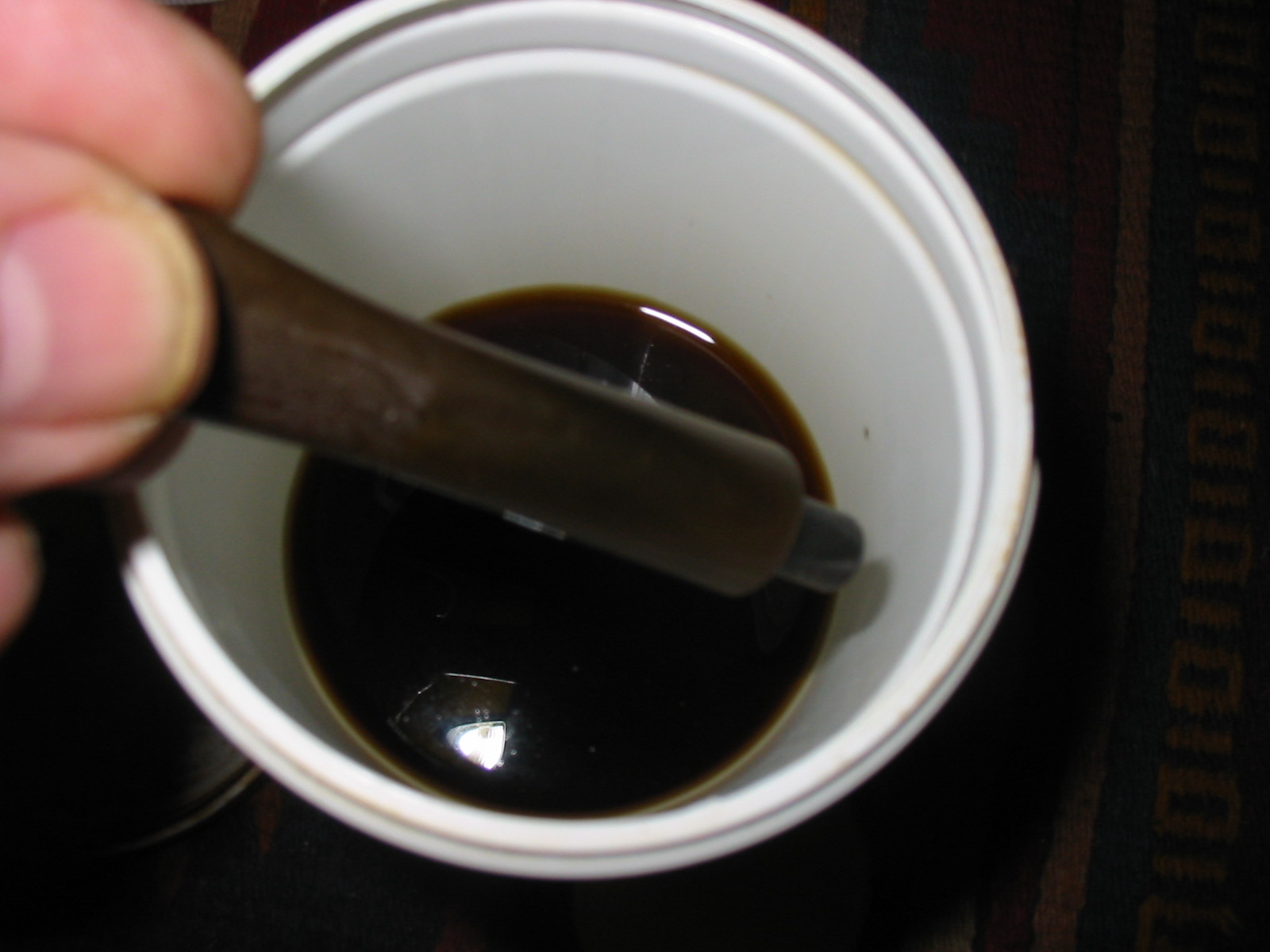
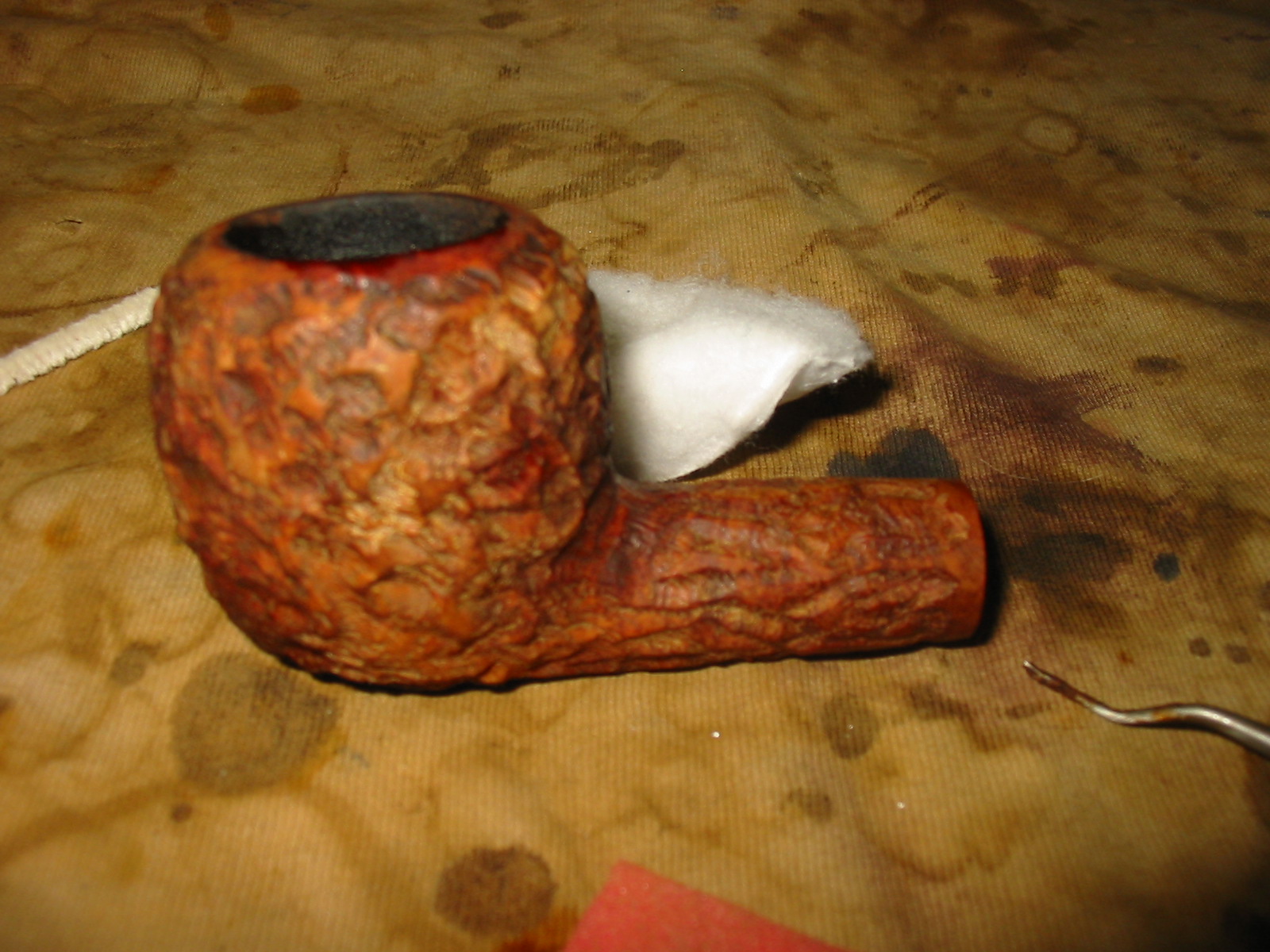
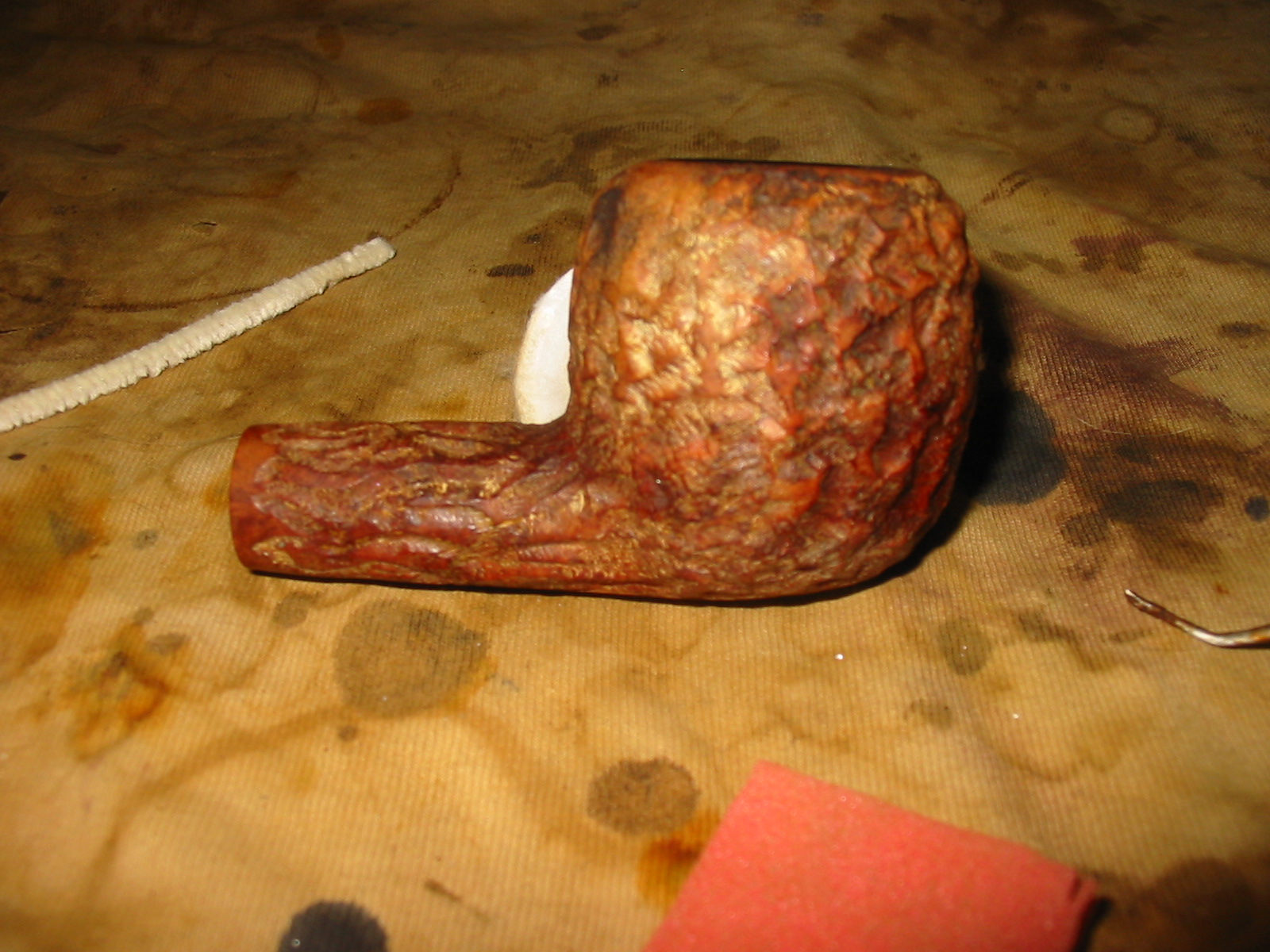
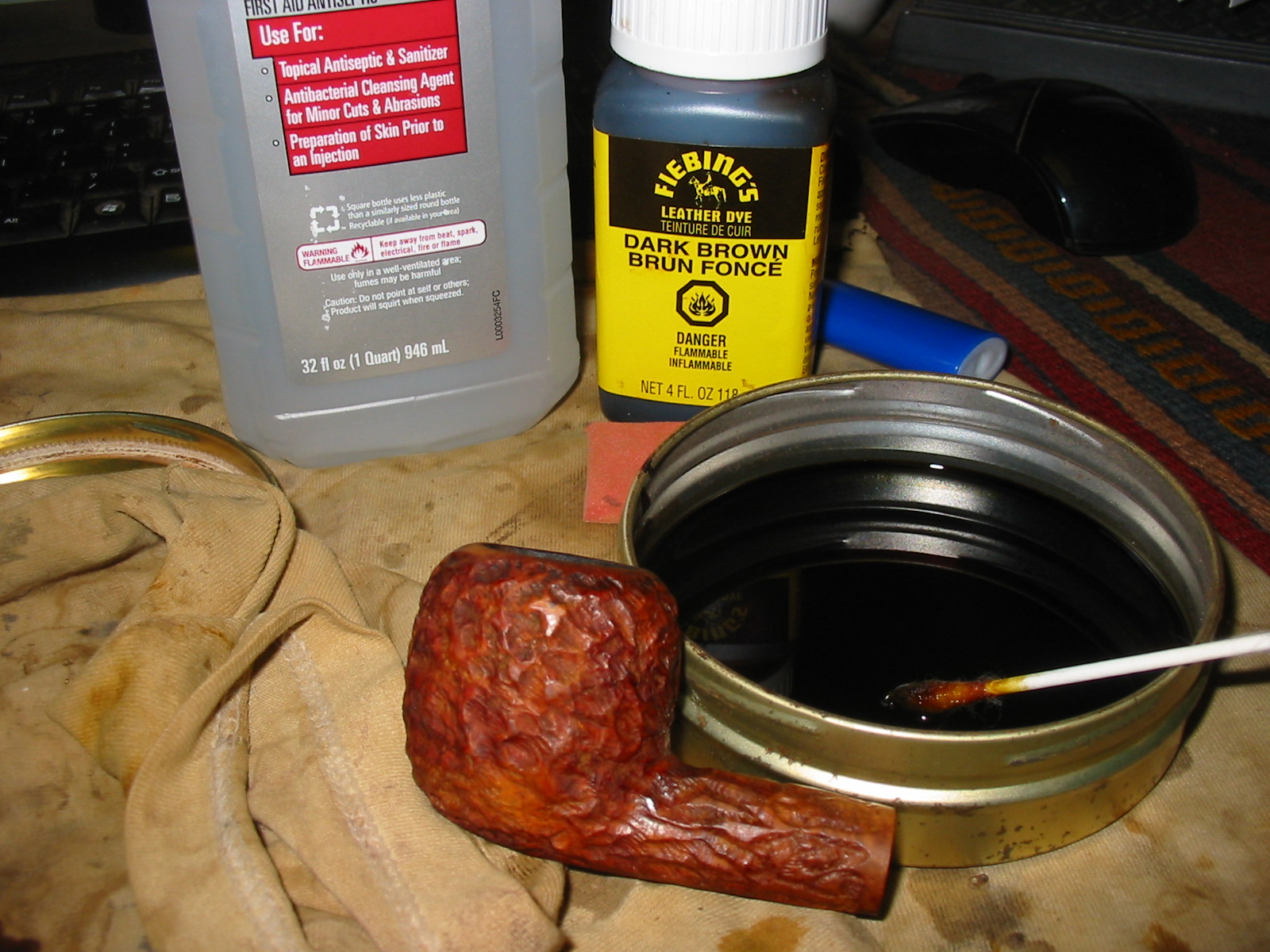
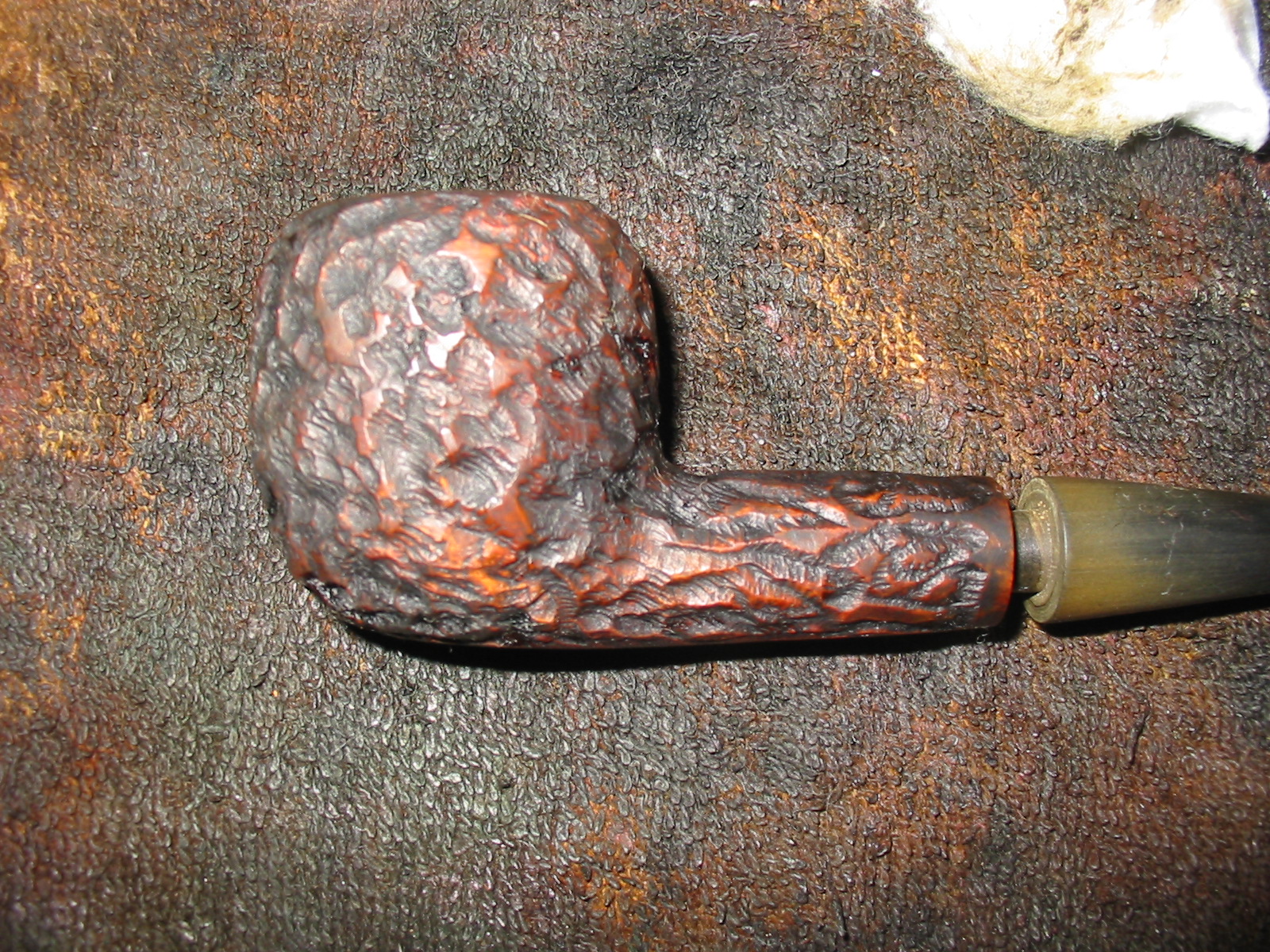
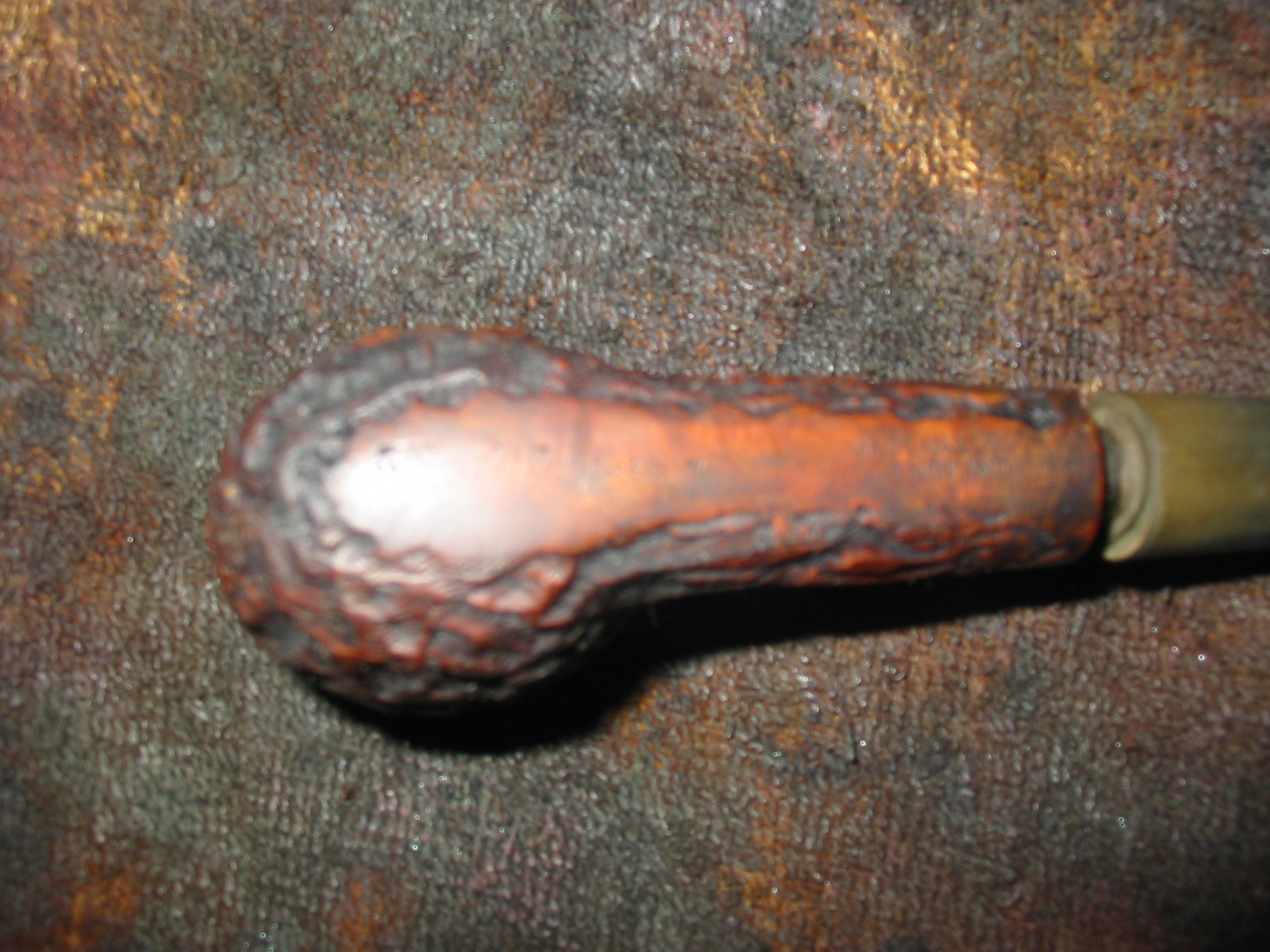
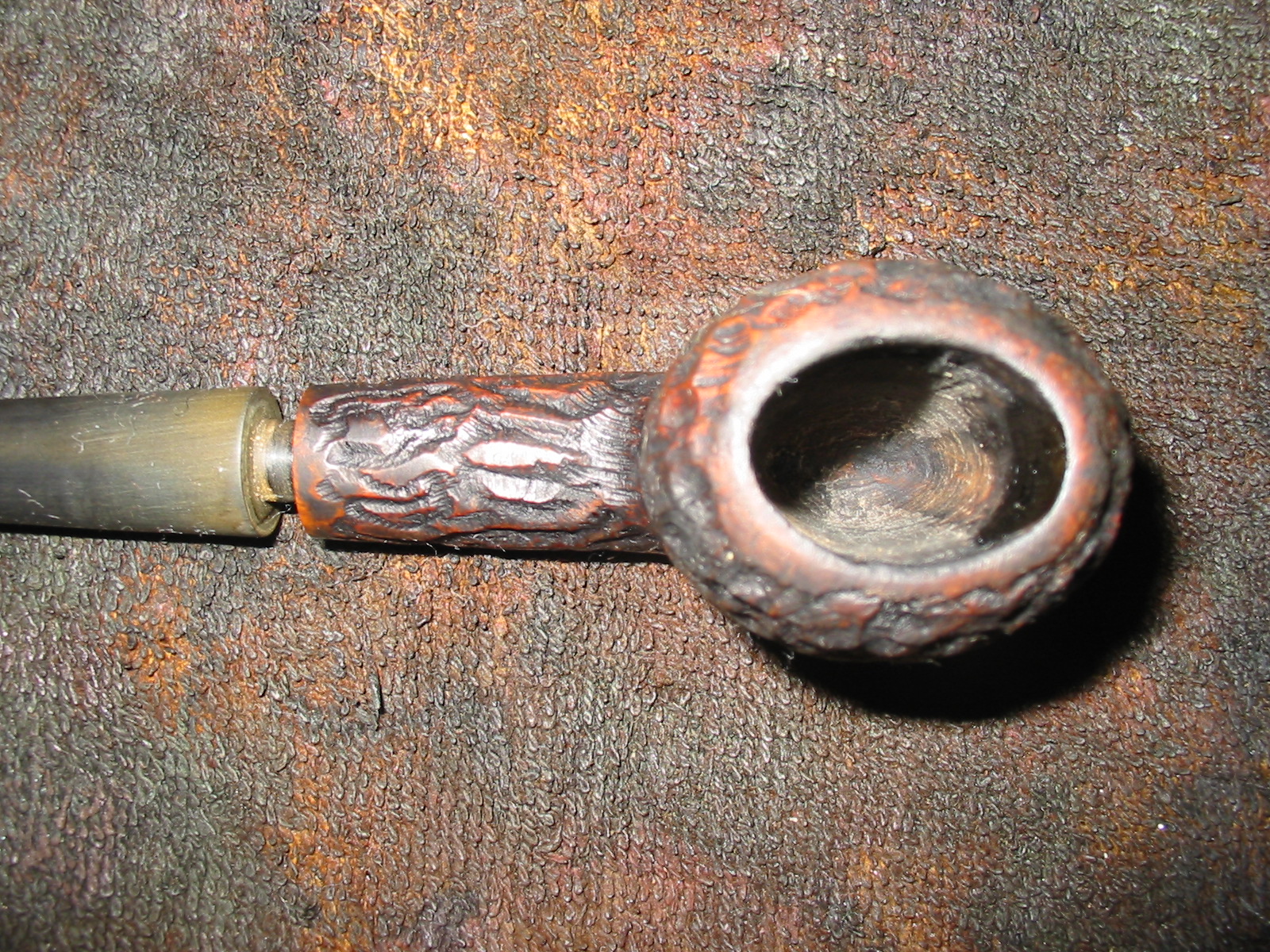
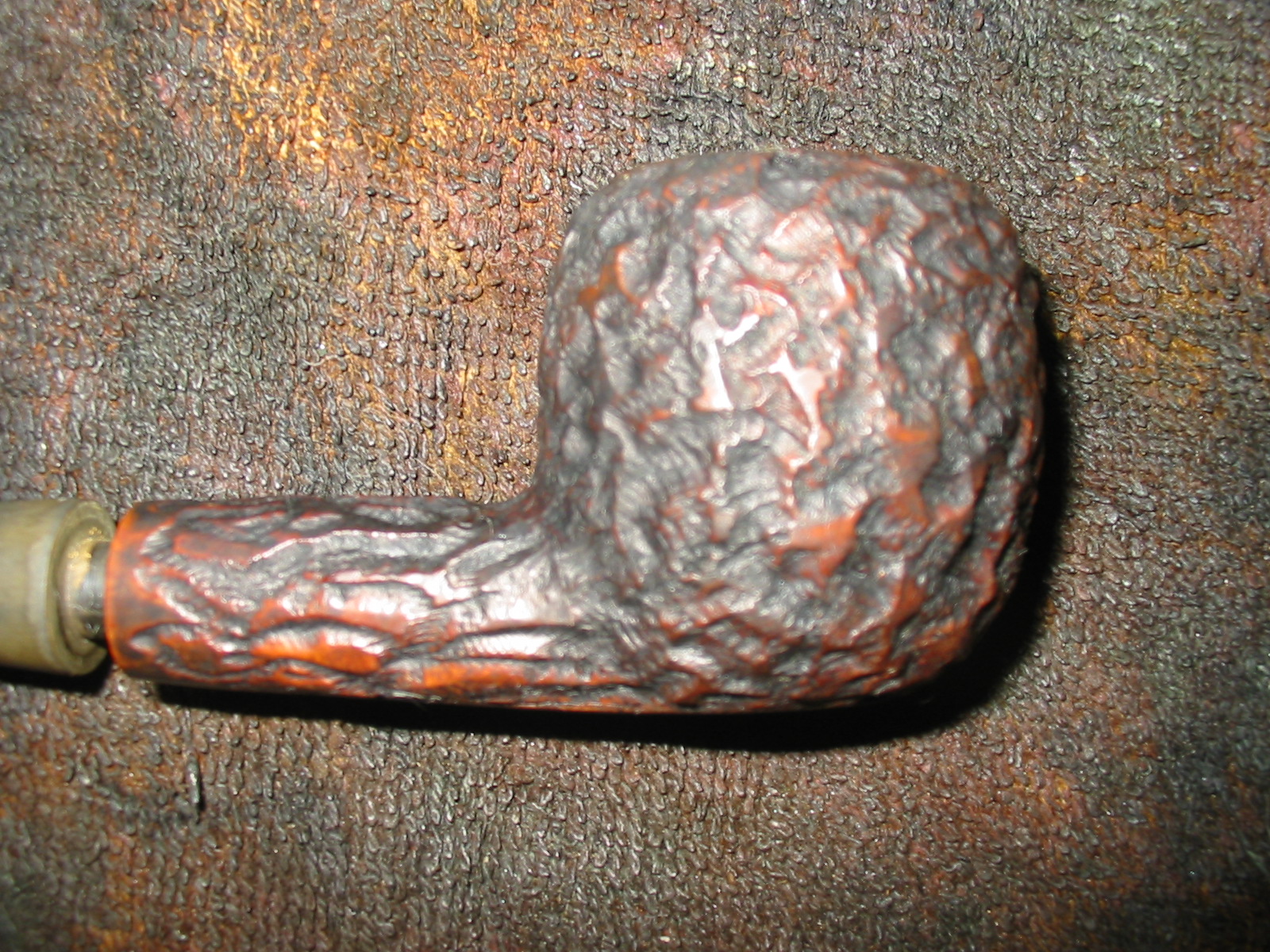
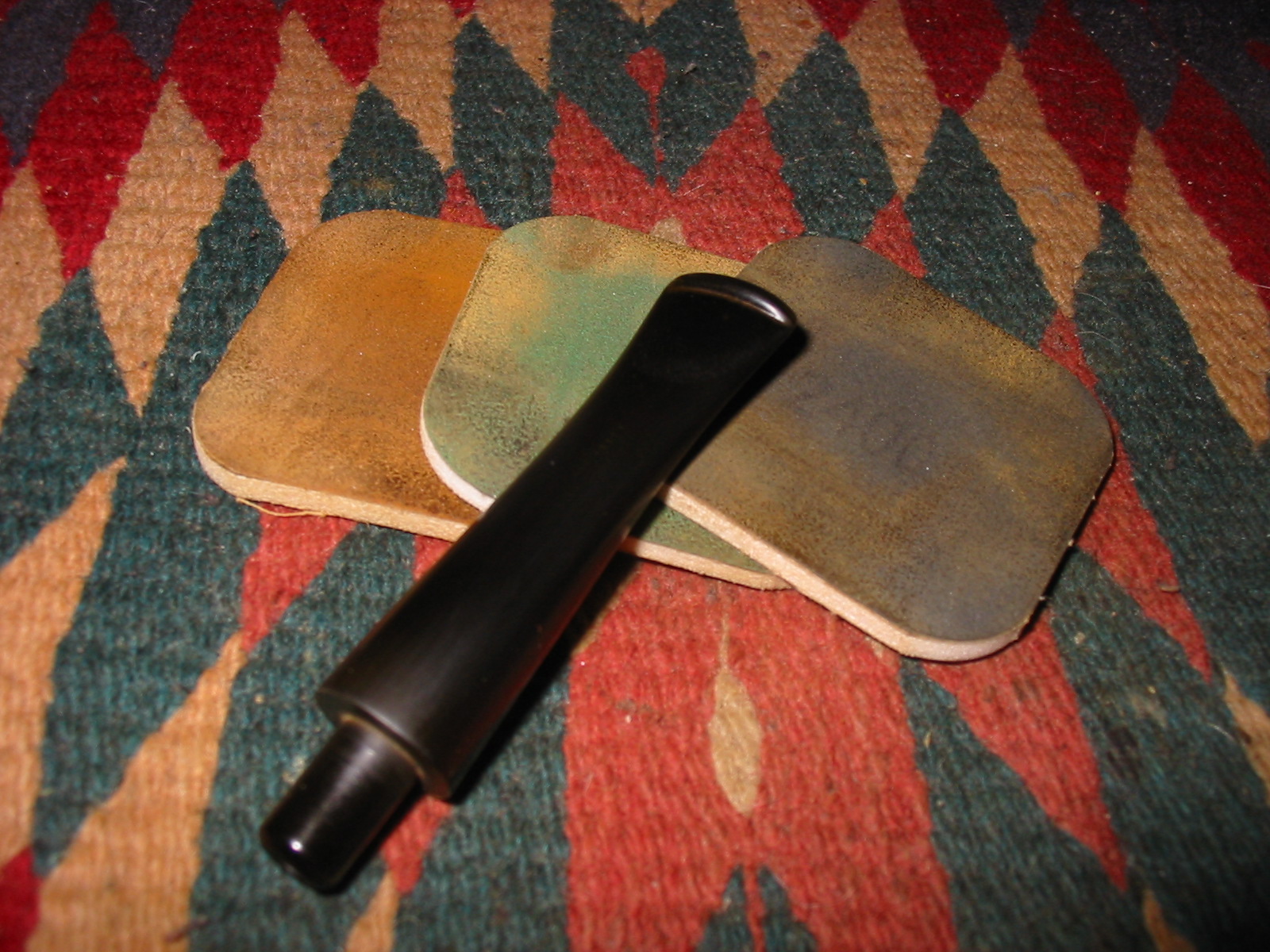
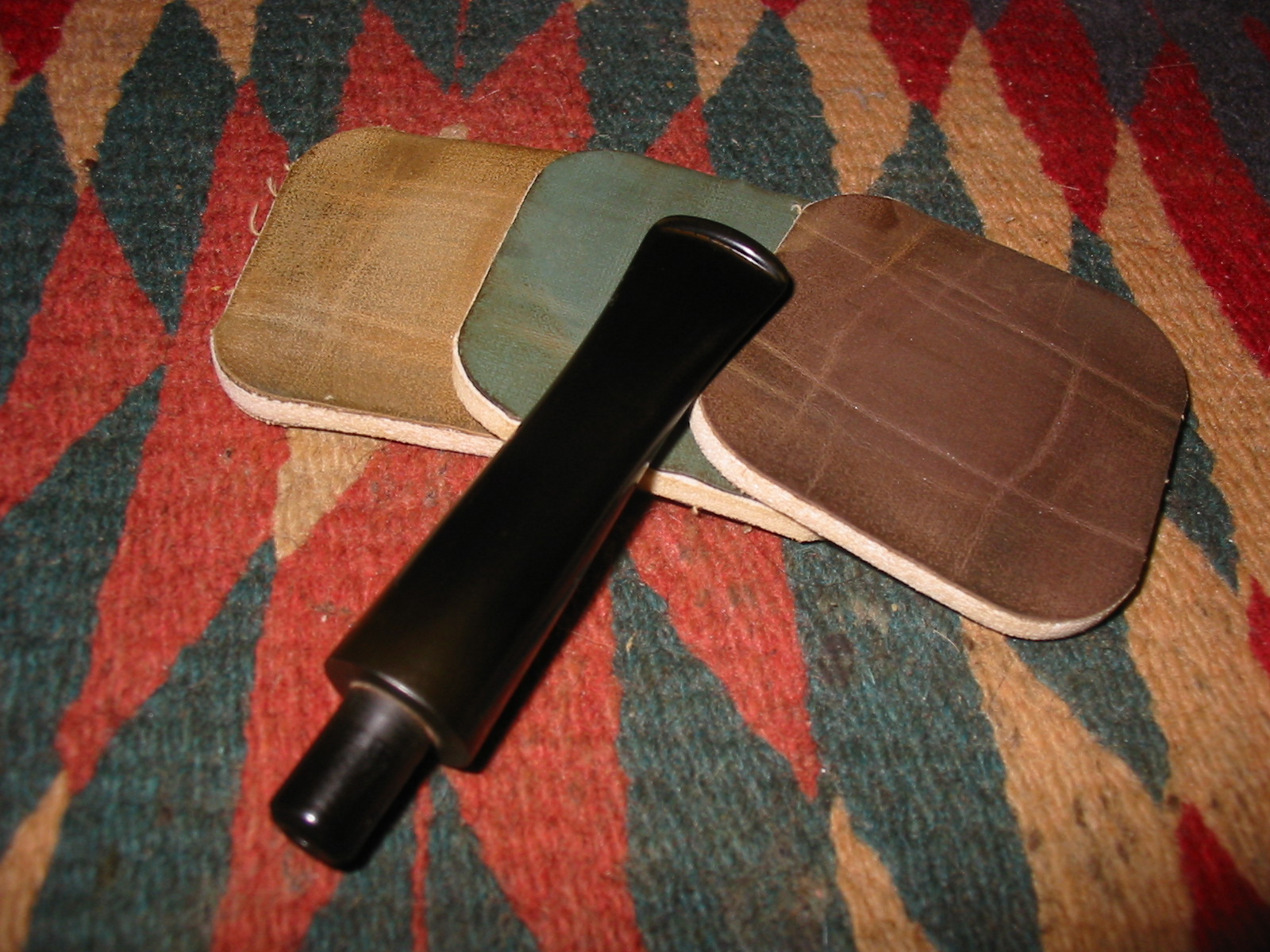
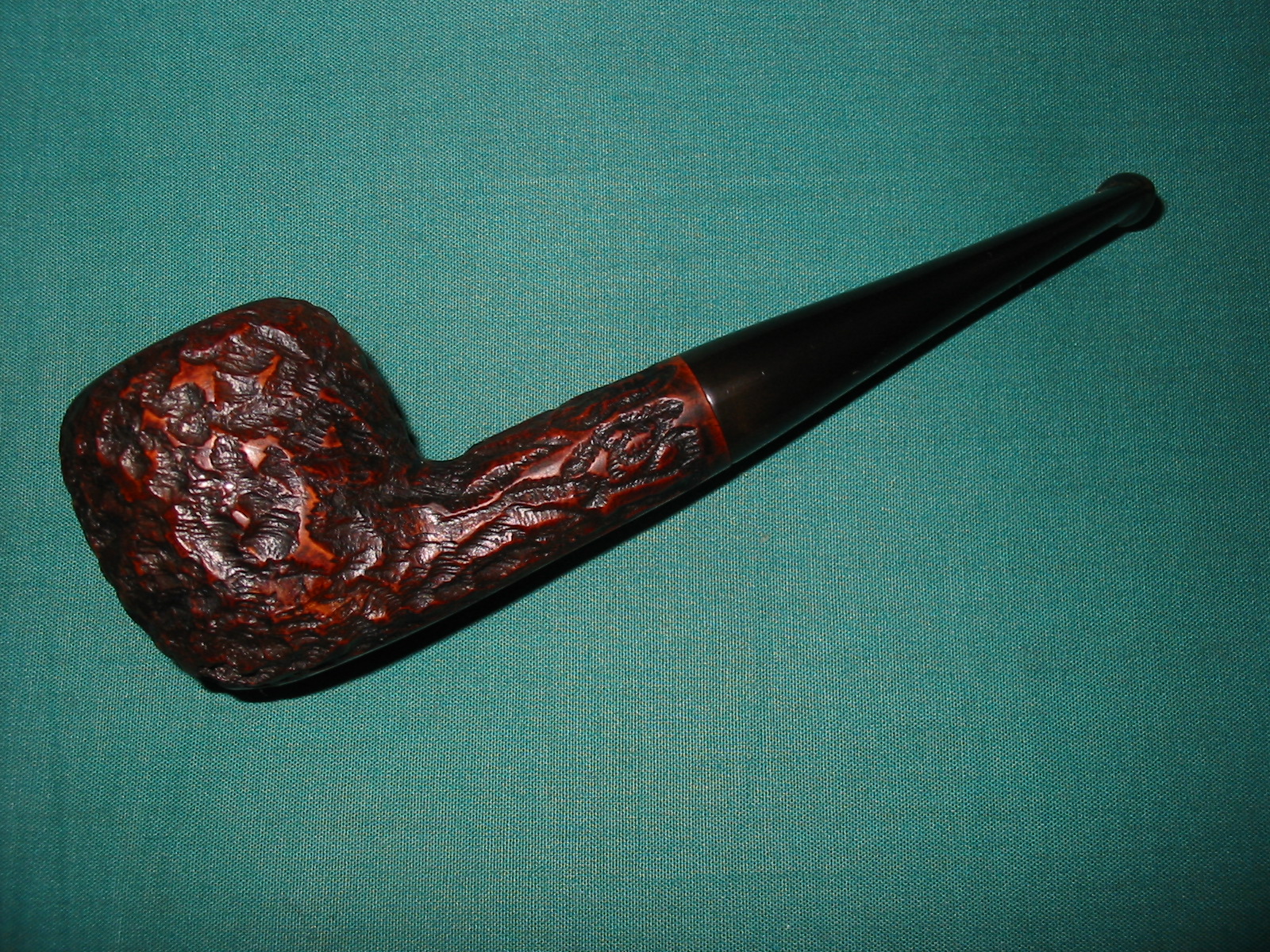
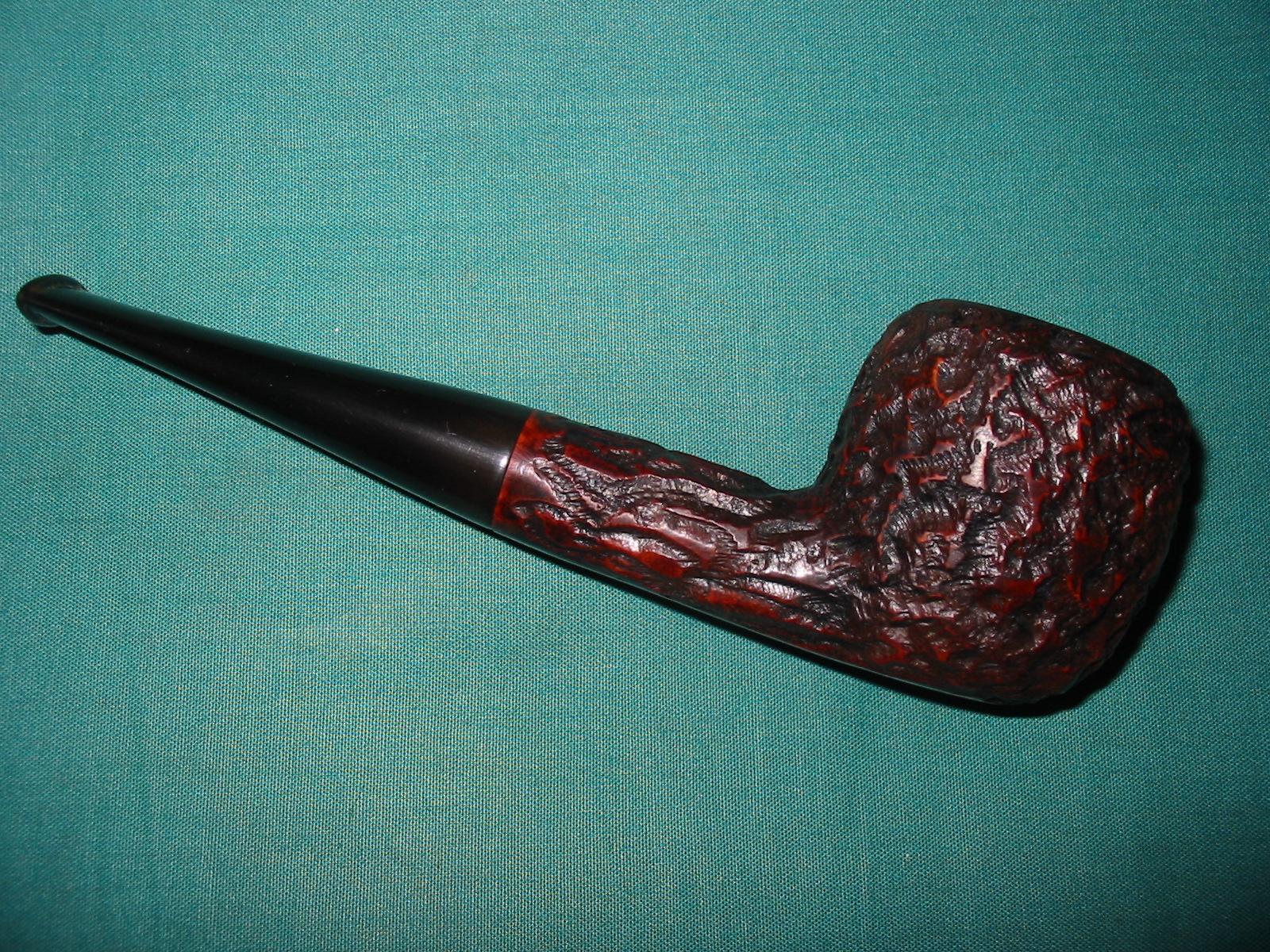
Tag Archives: contrast staining

Weber Scoop Junior Restemmed and Renewed


Blog by Steve Laug

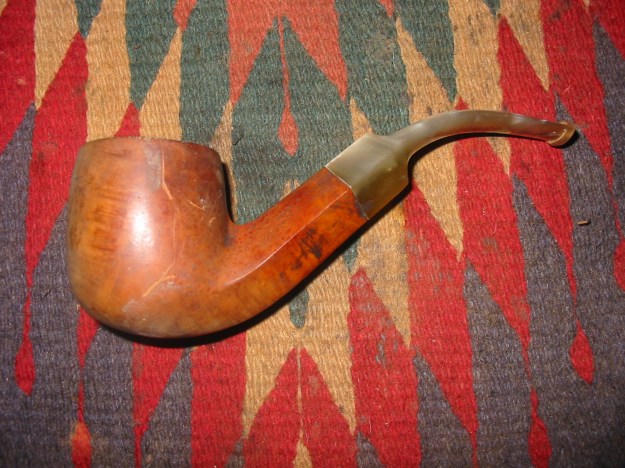
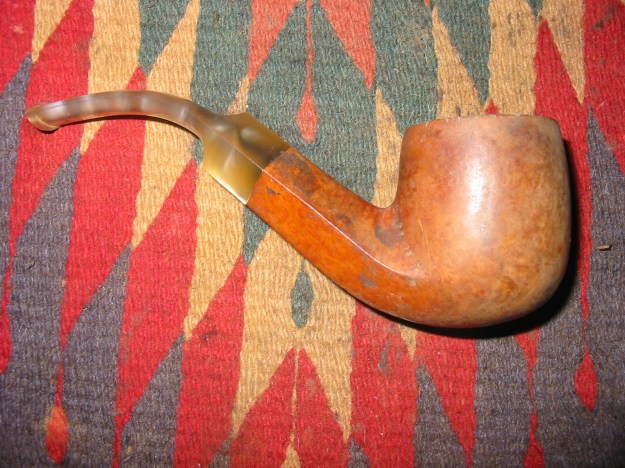
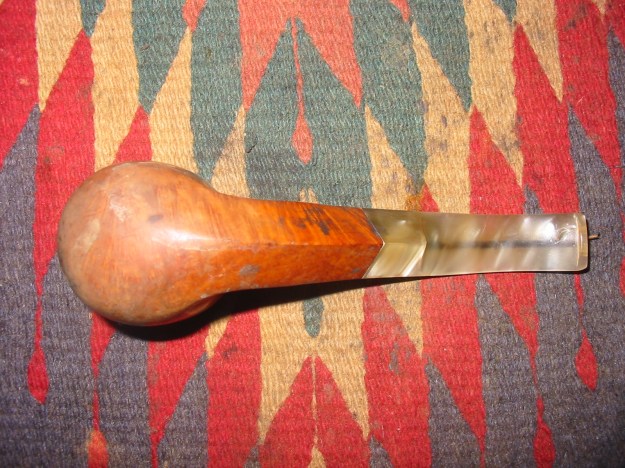
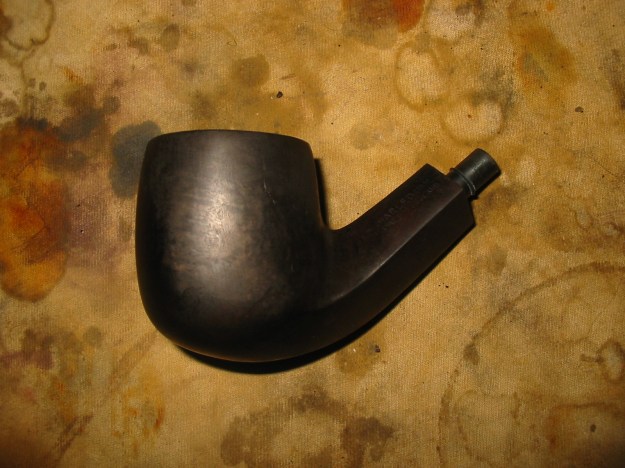
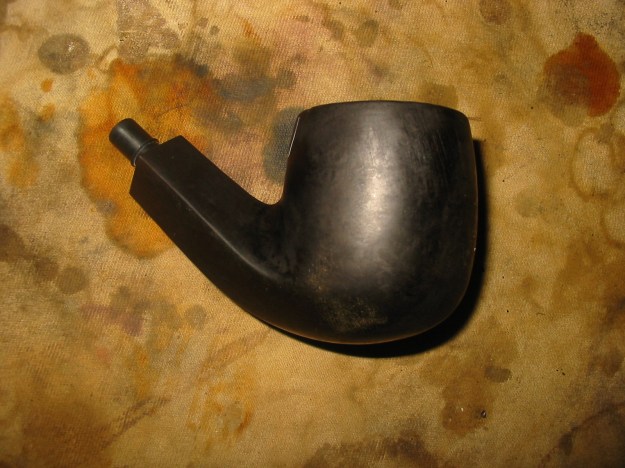
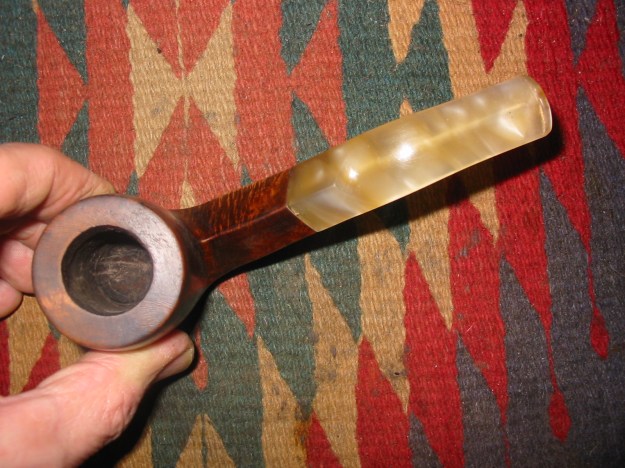
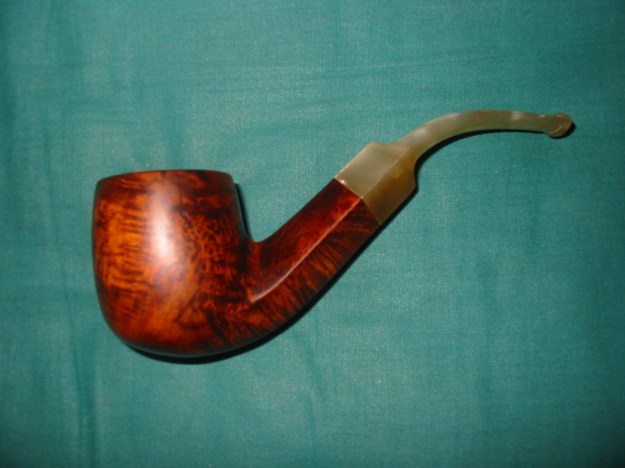
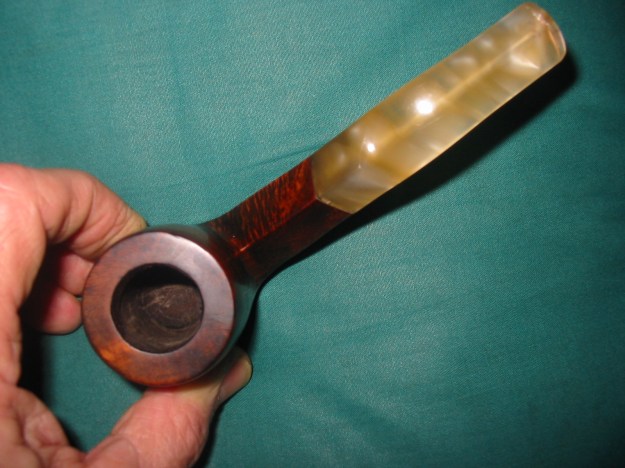
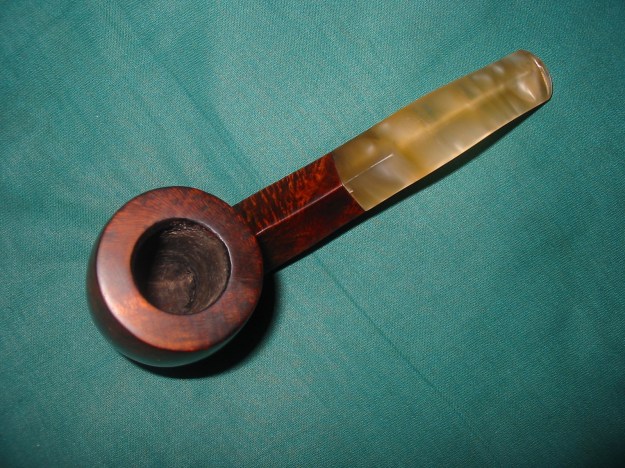
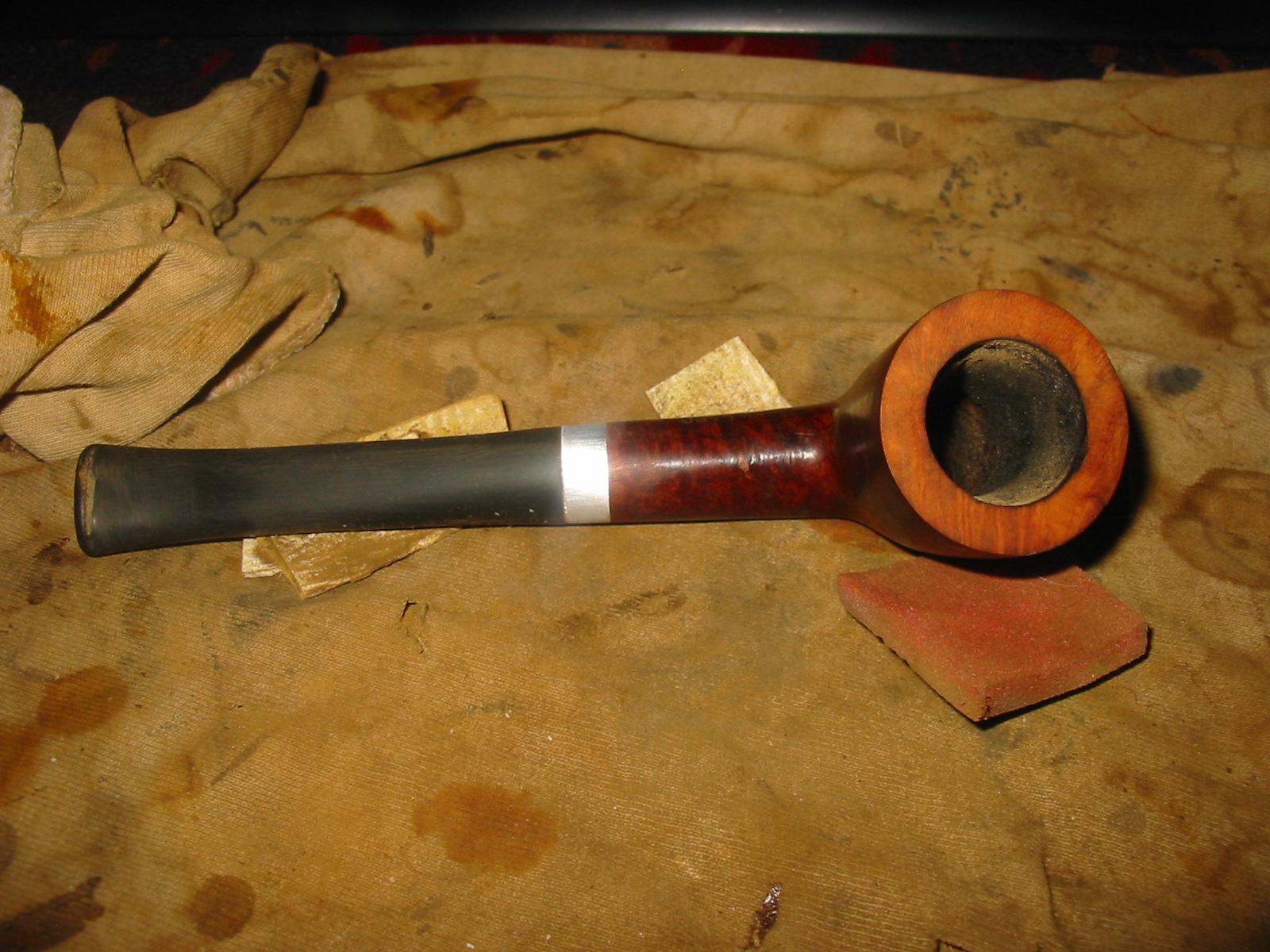
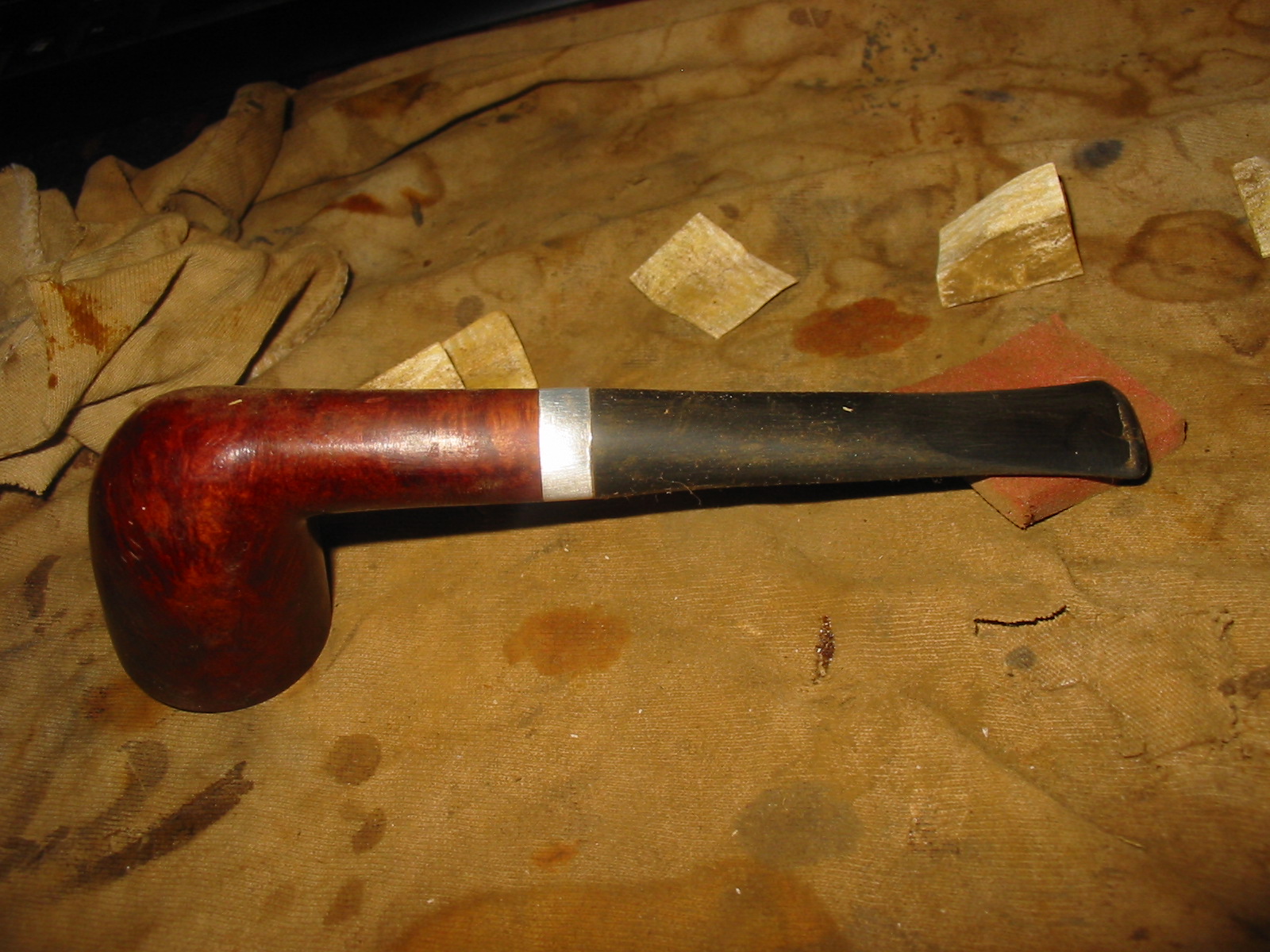
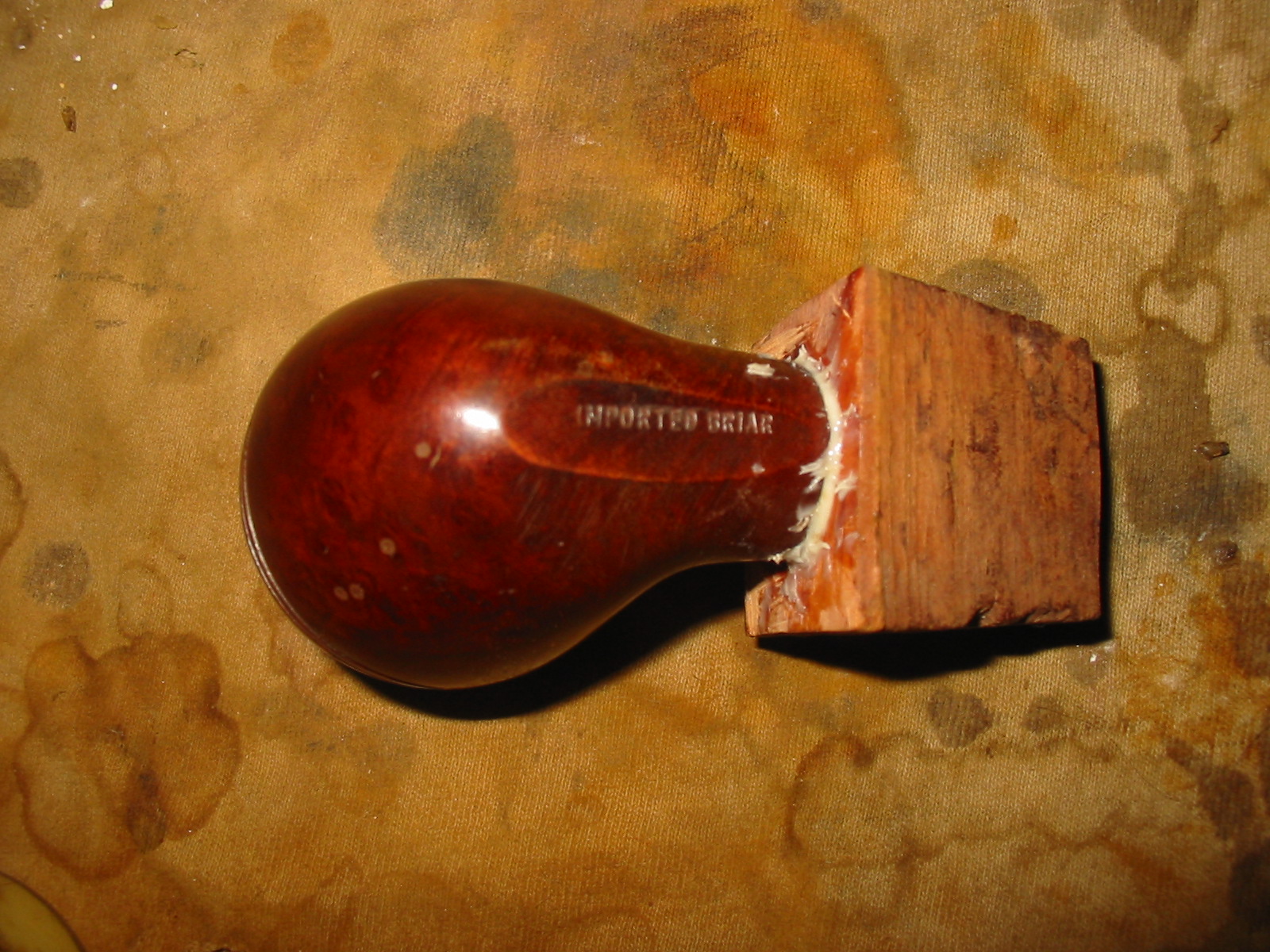
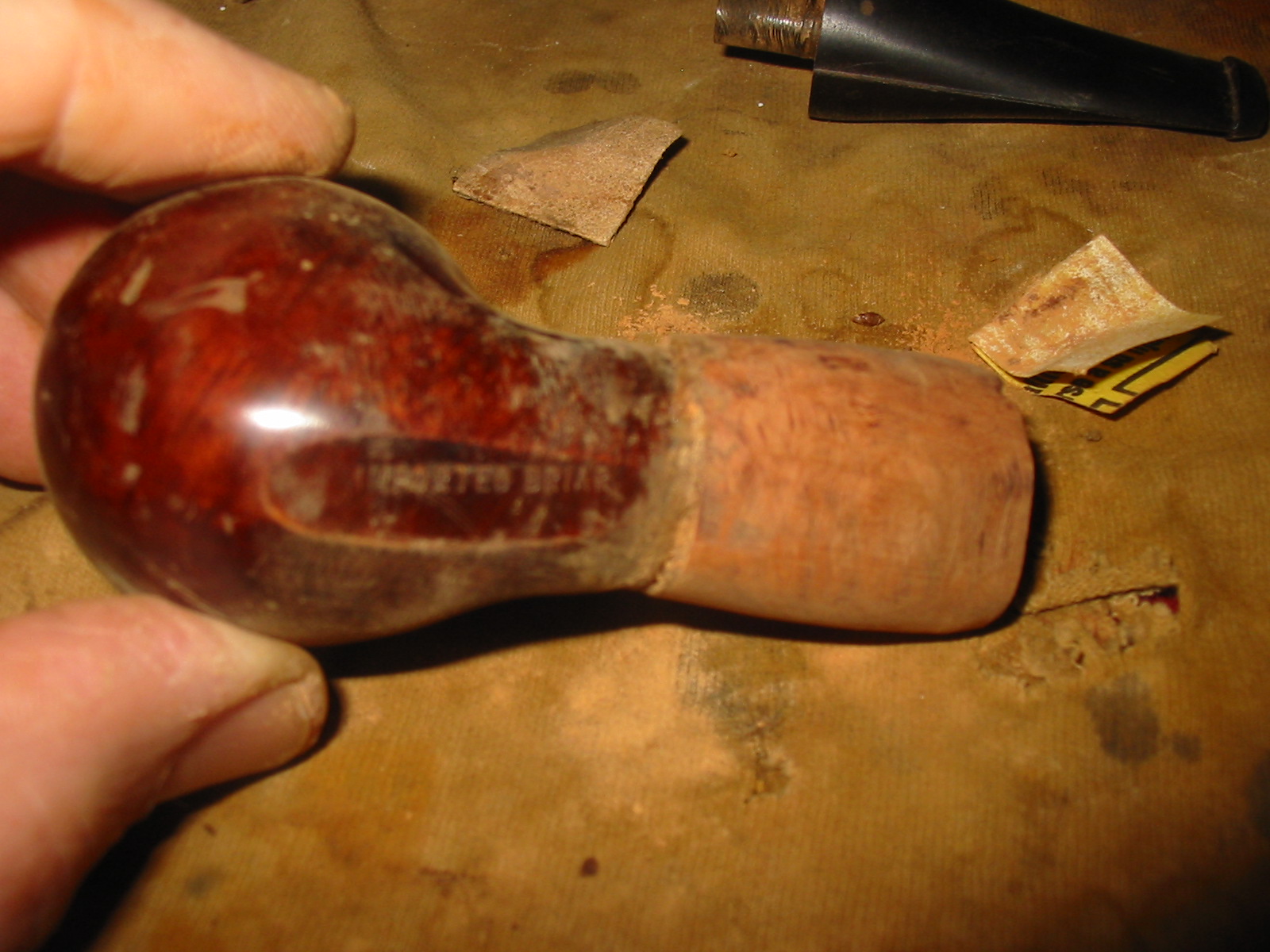
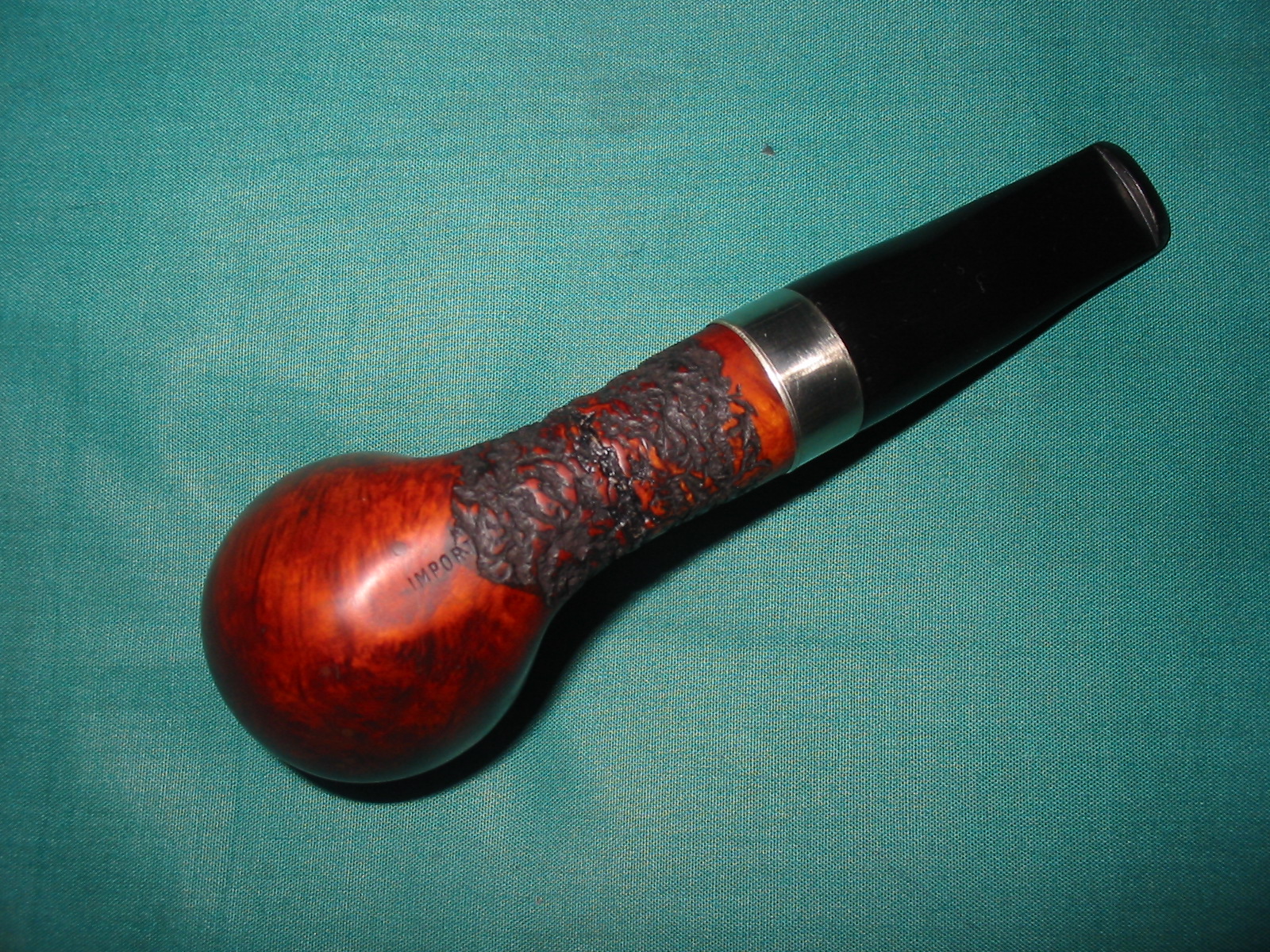
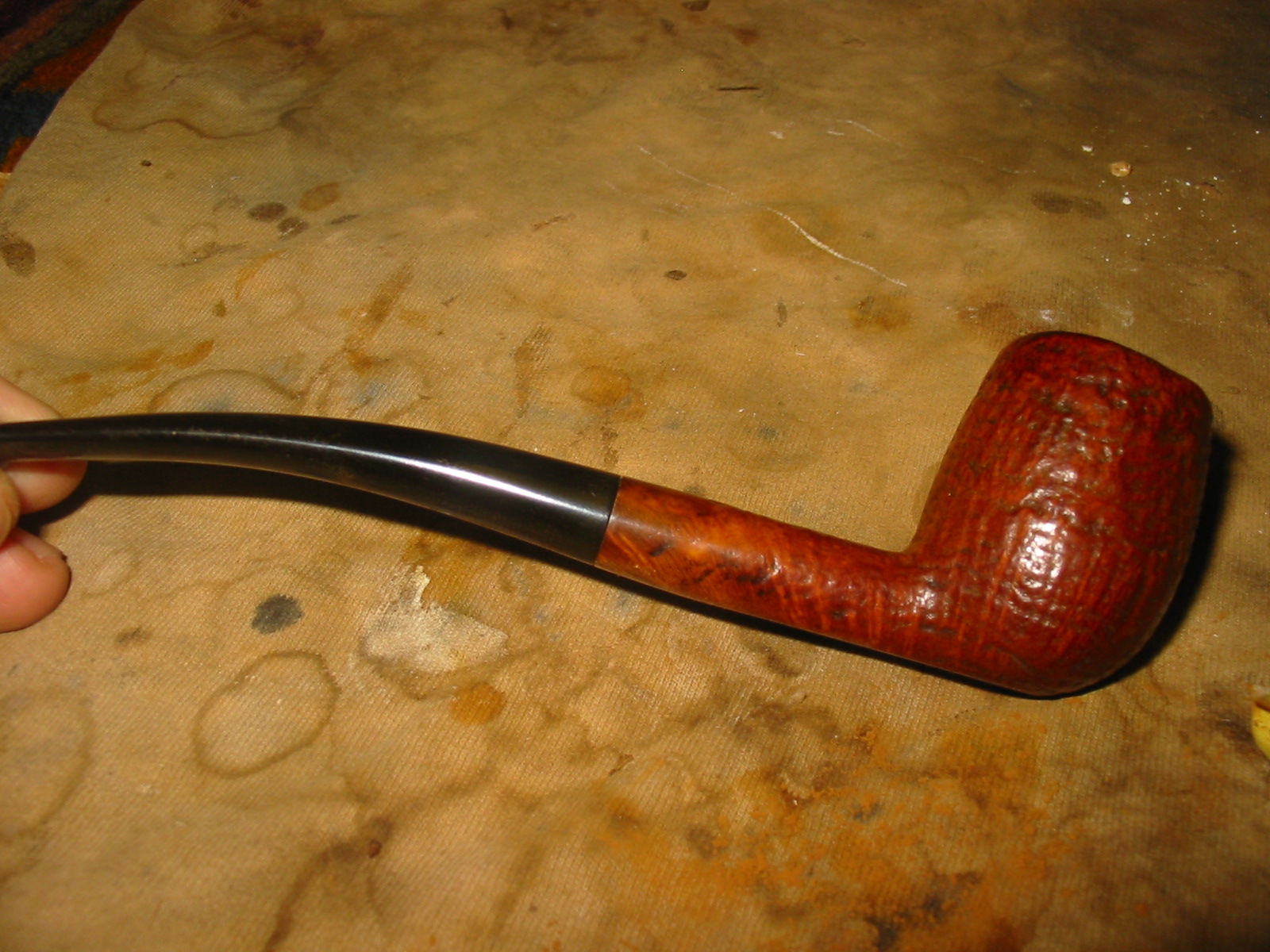
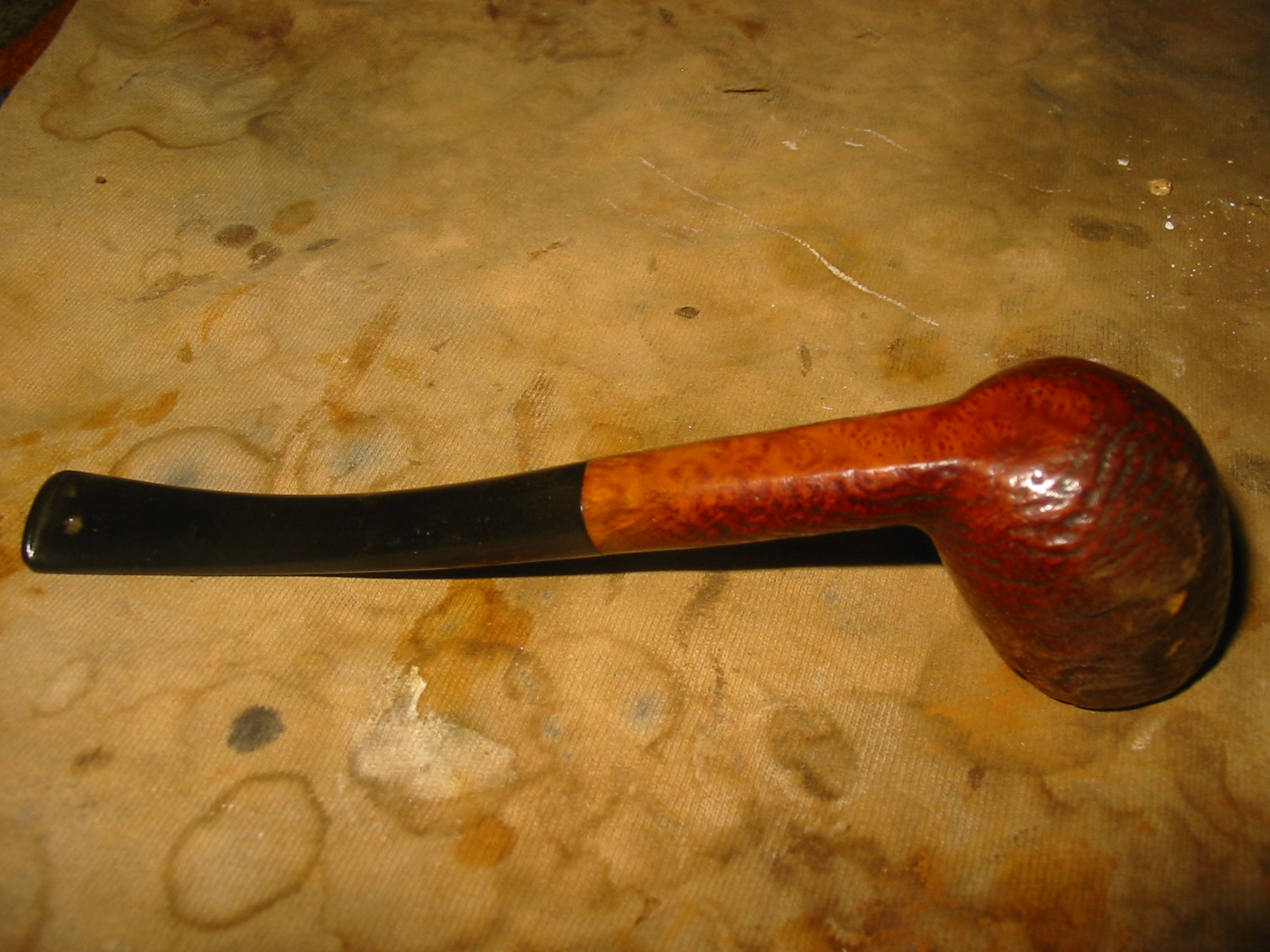
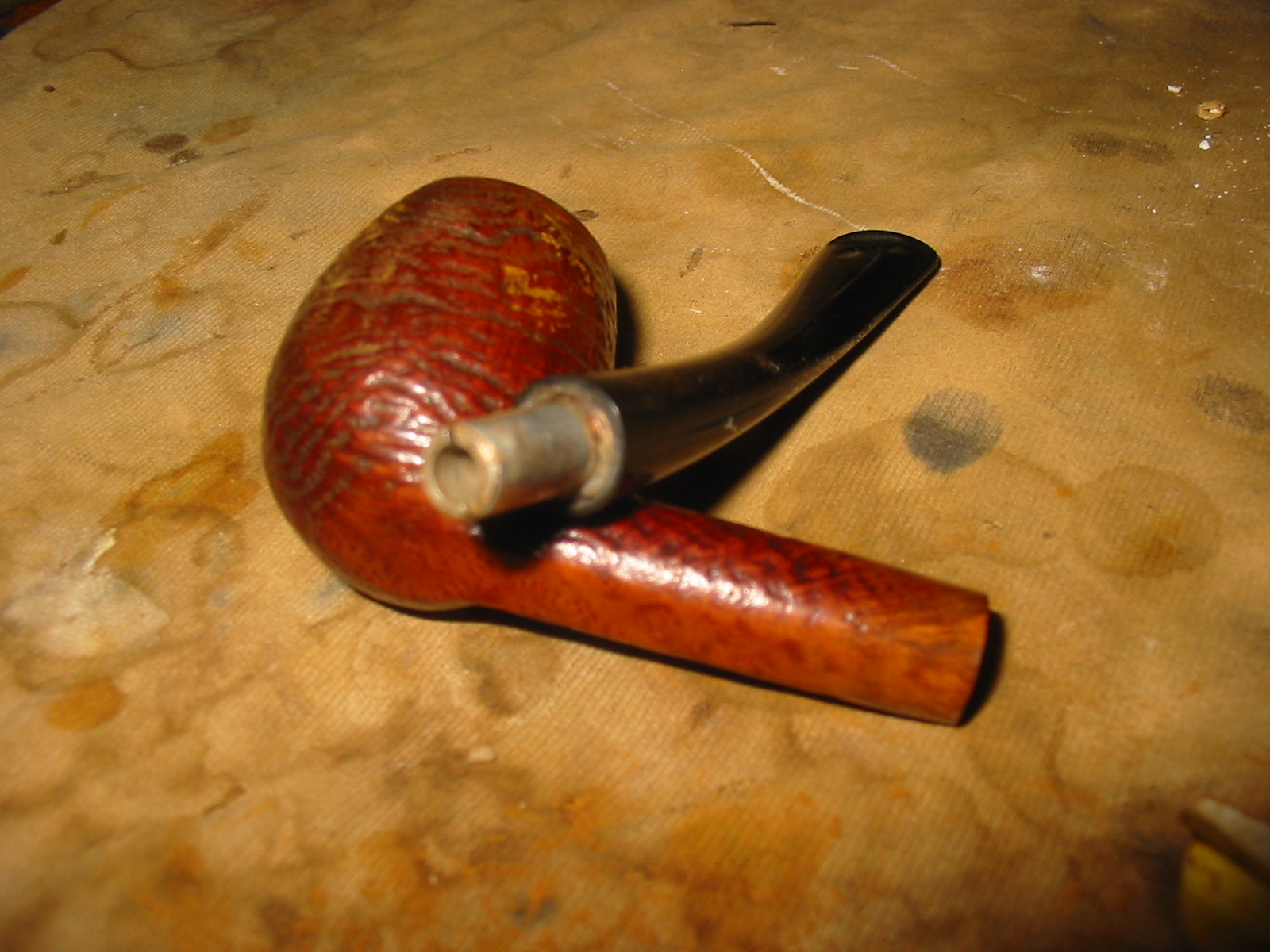
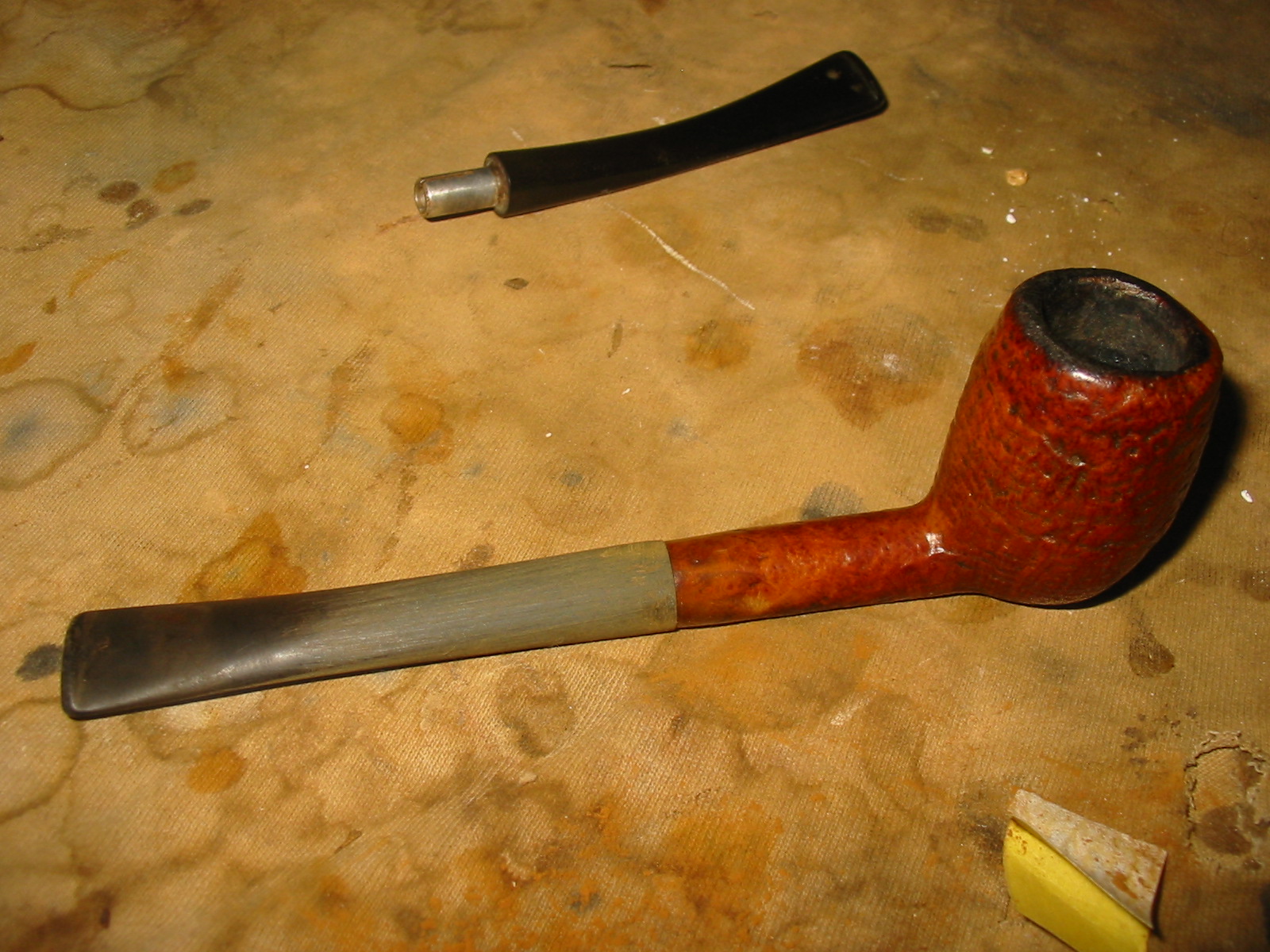
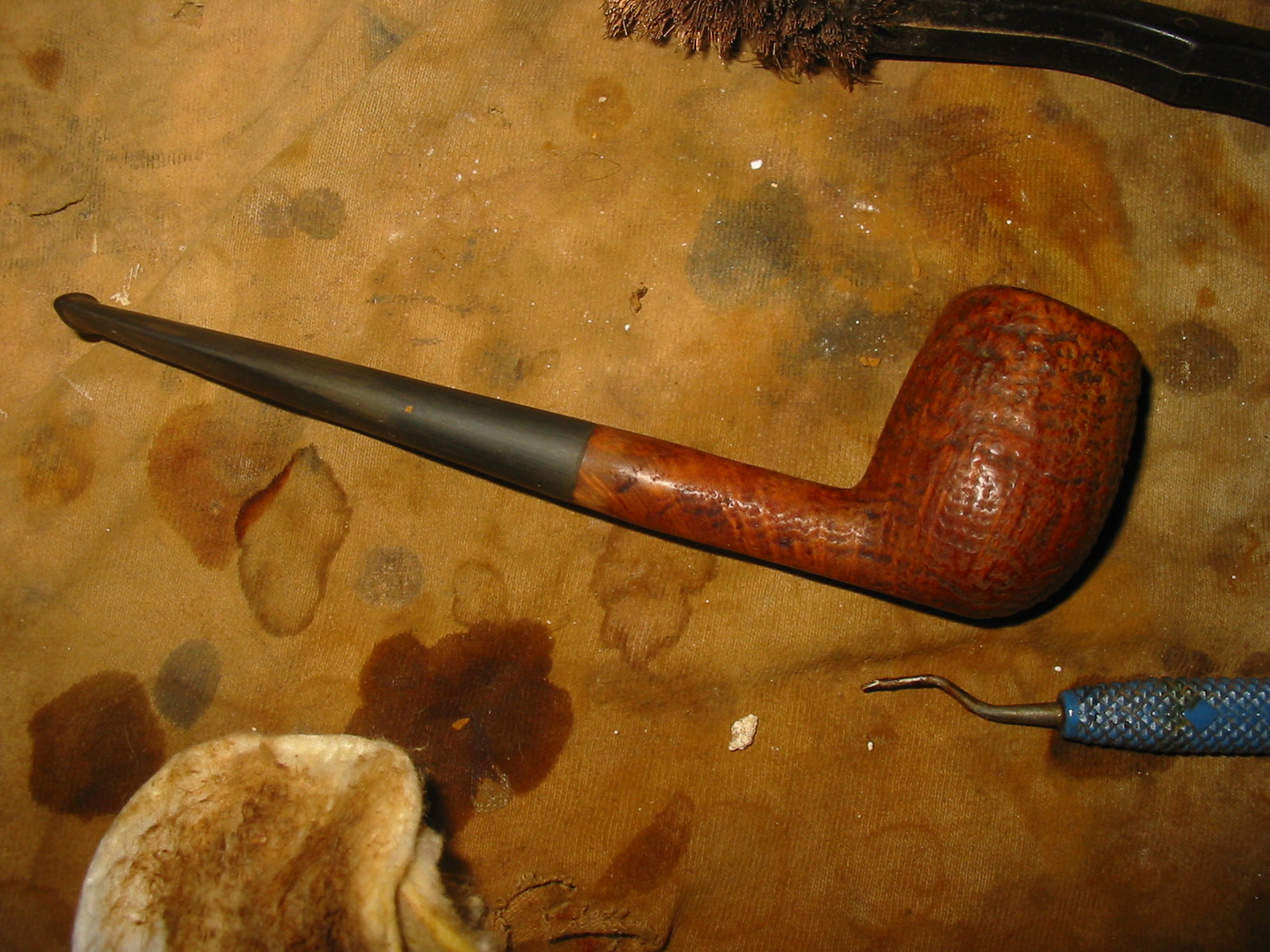
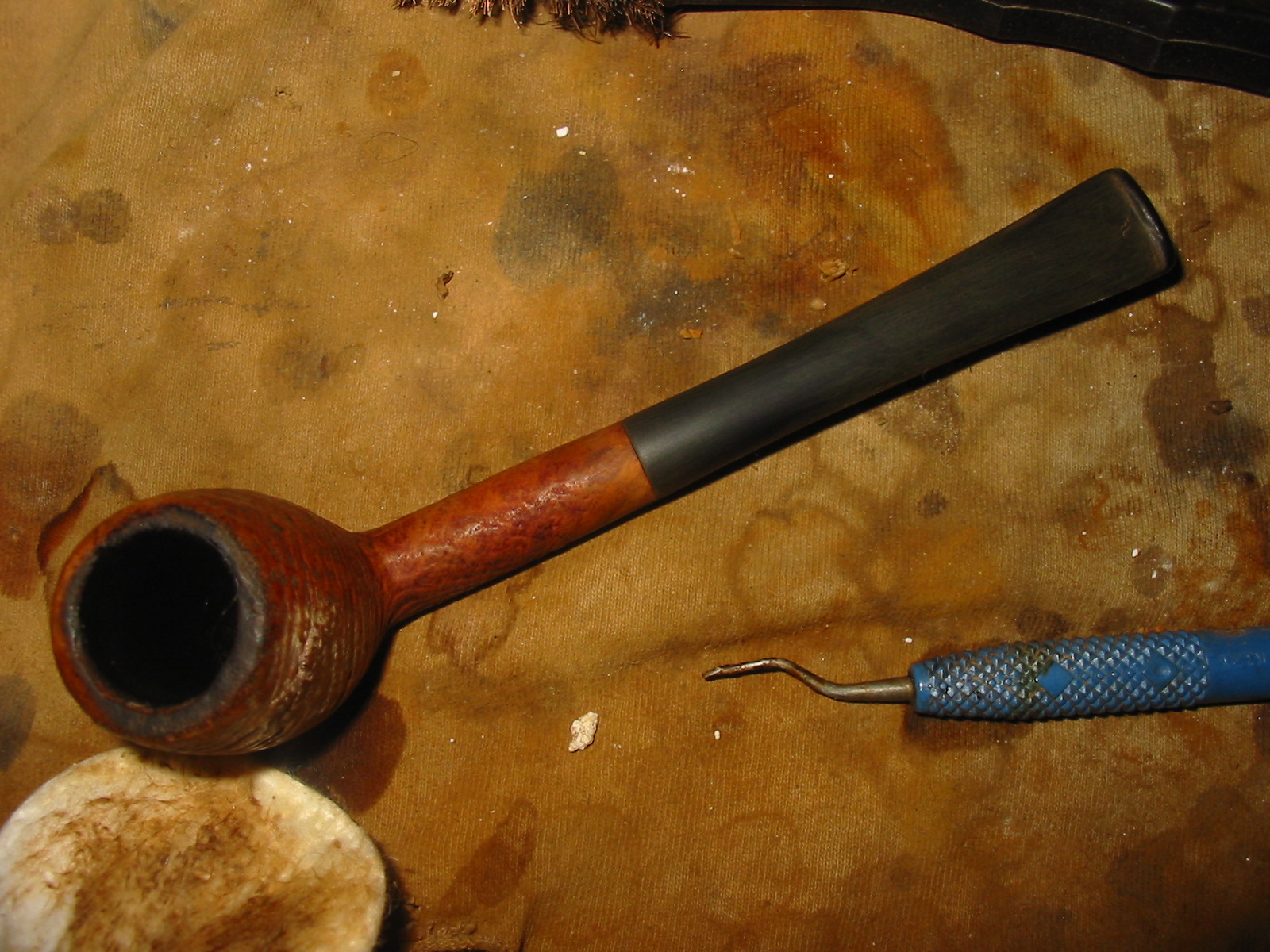
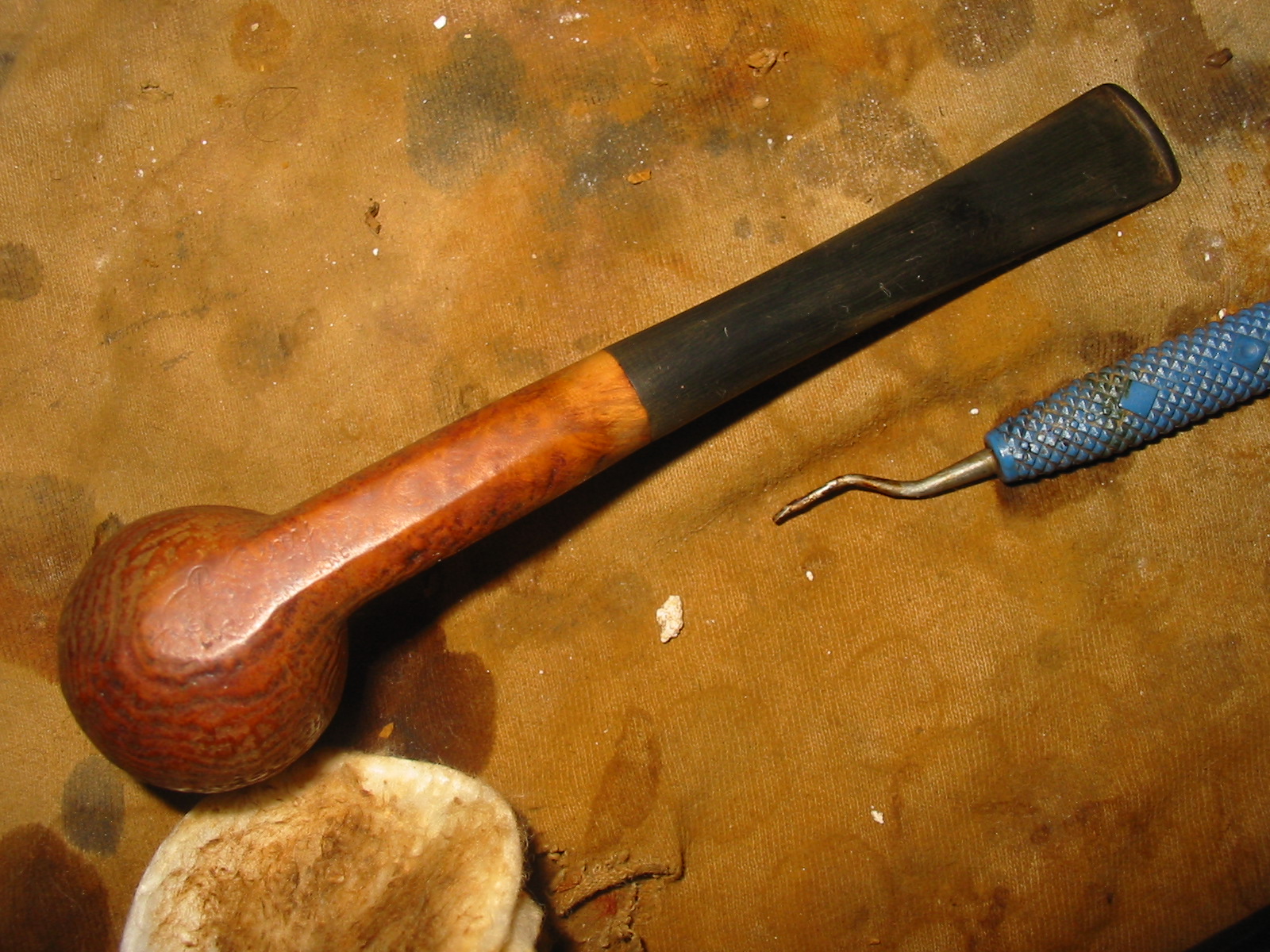
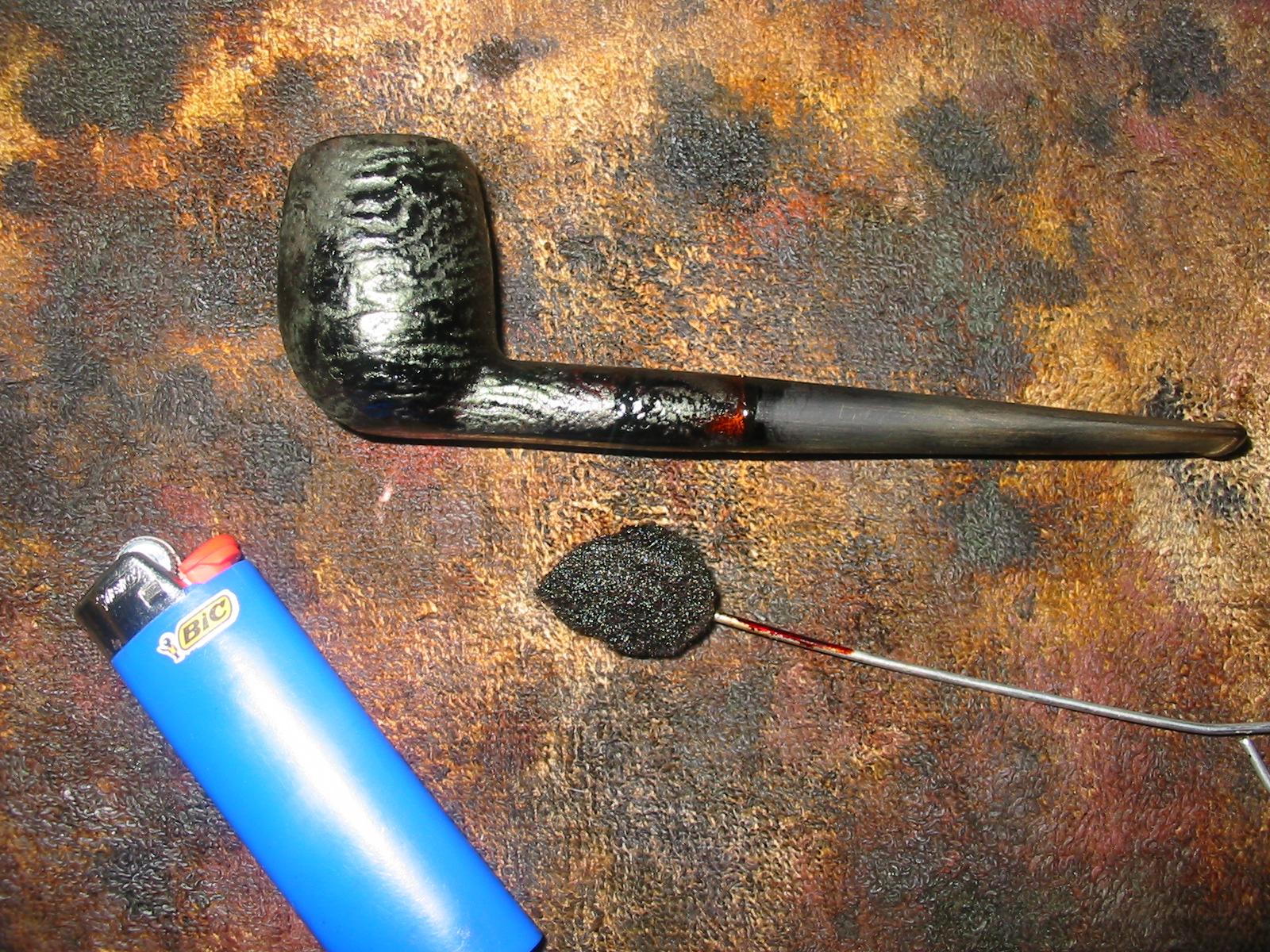
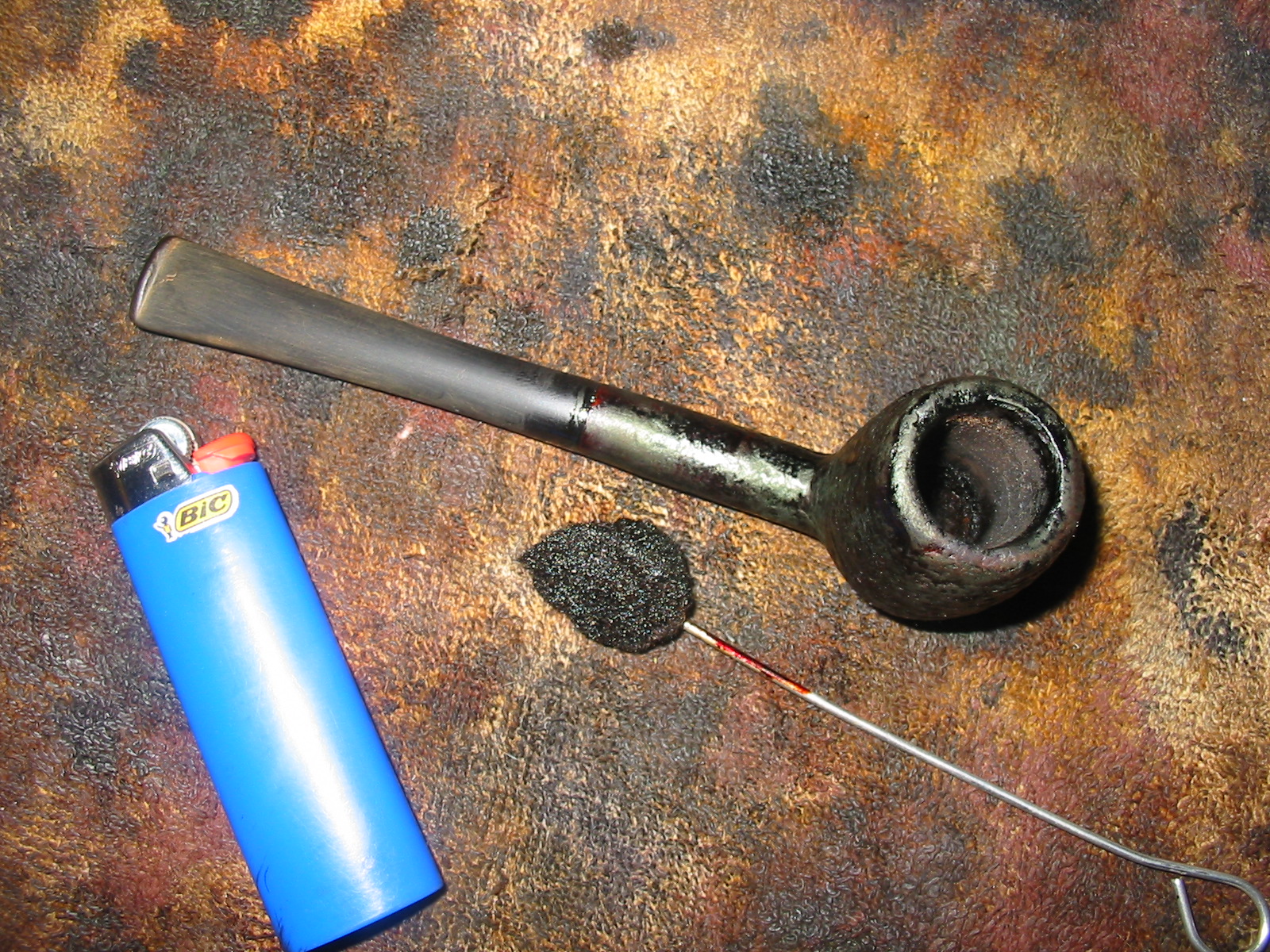
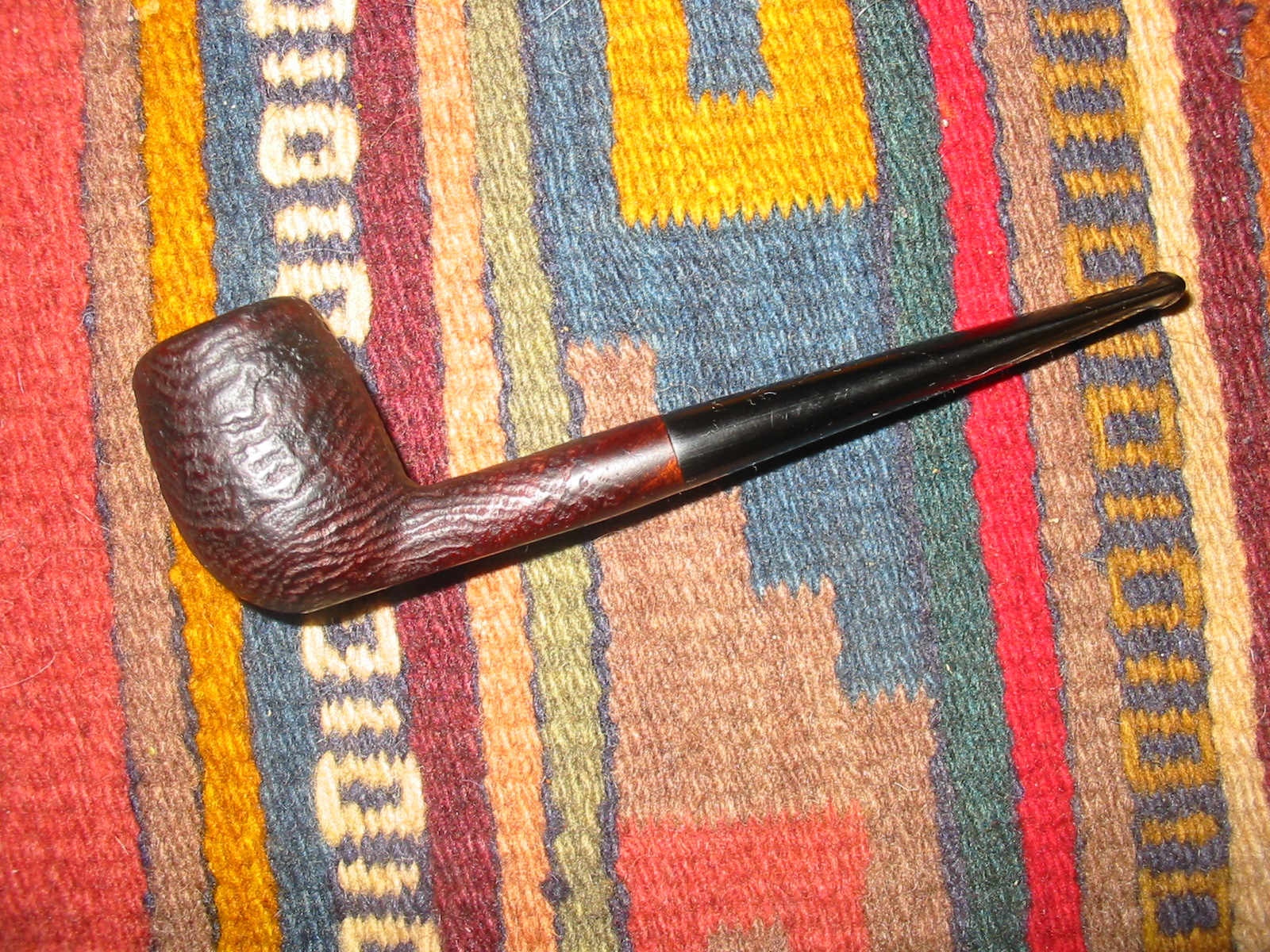
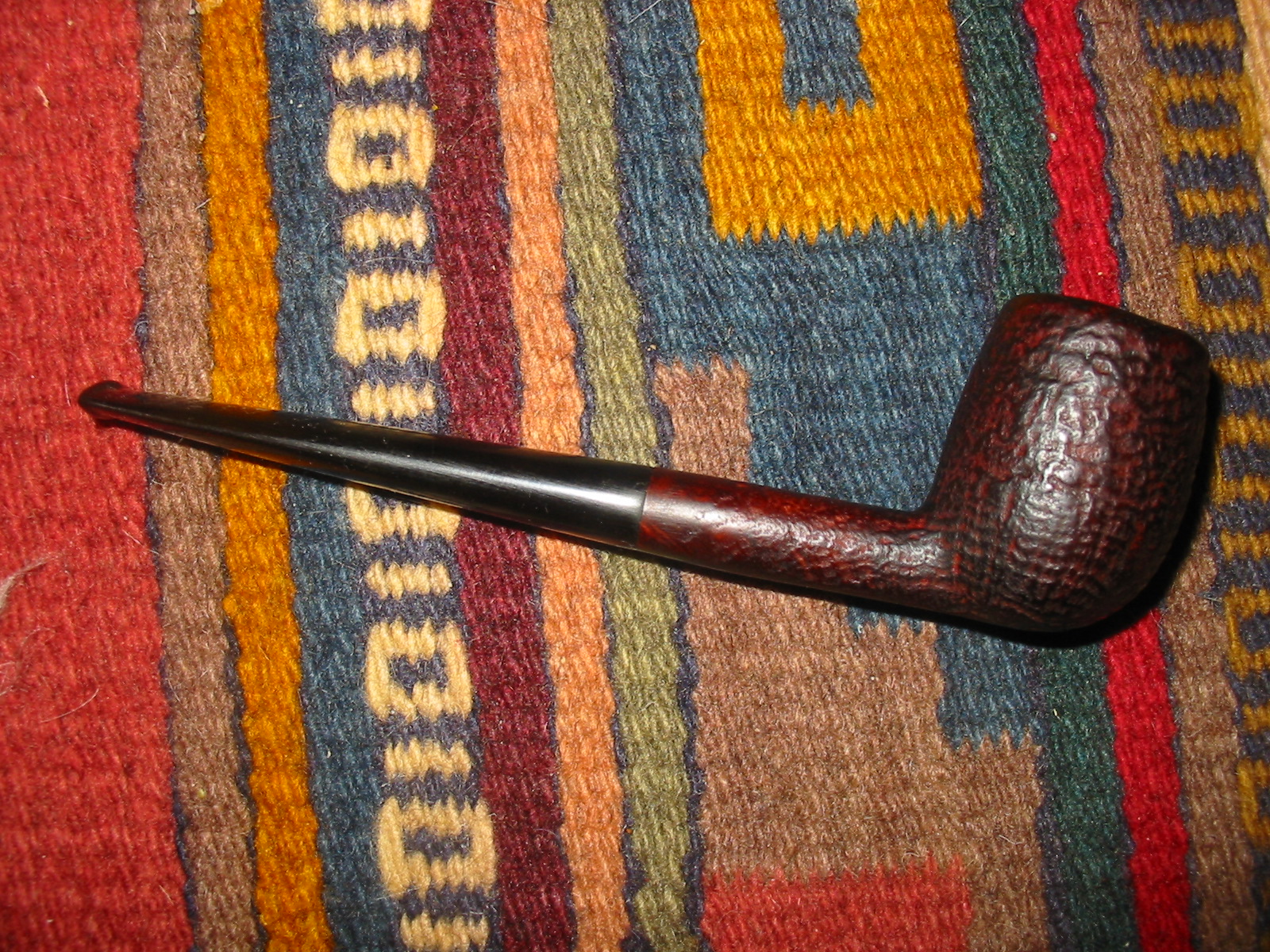
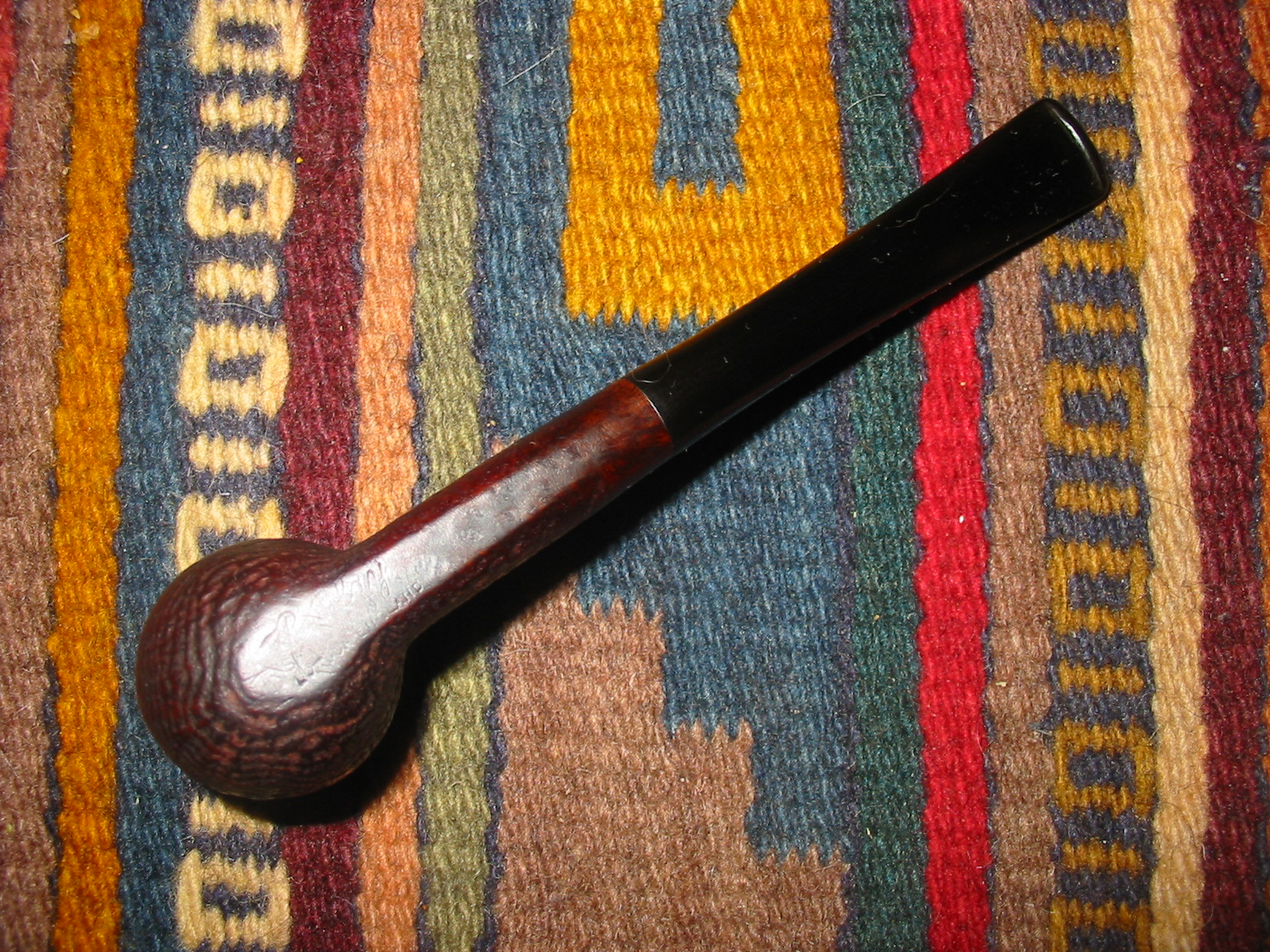
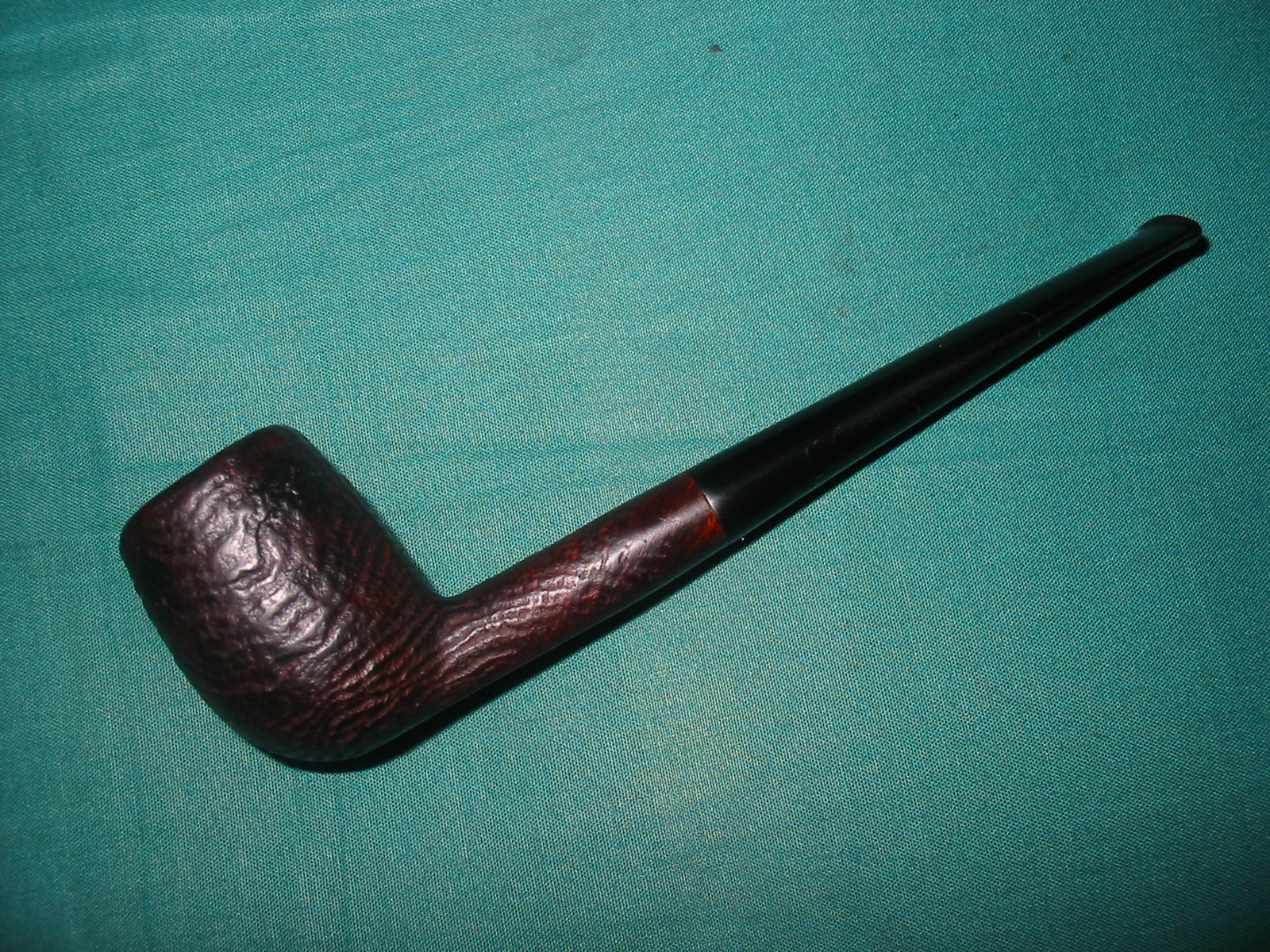
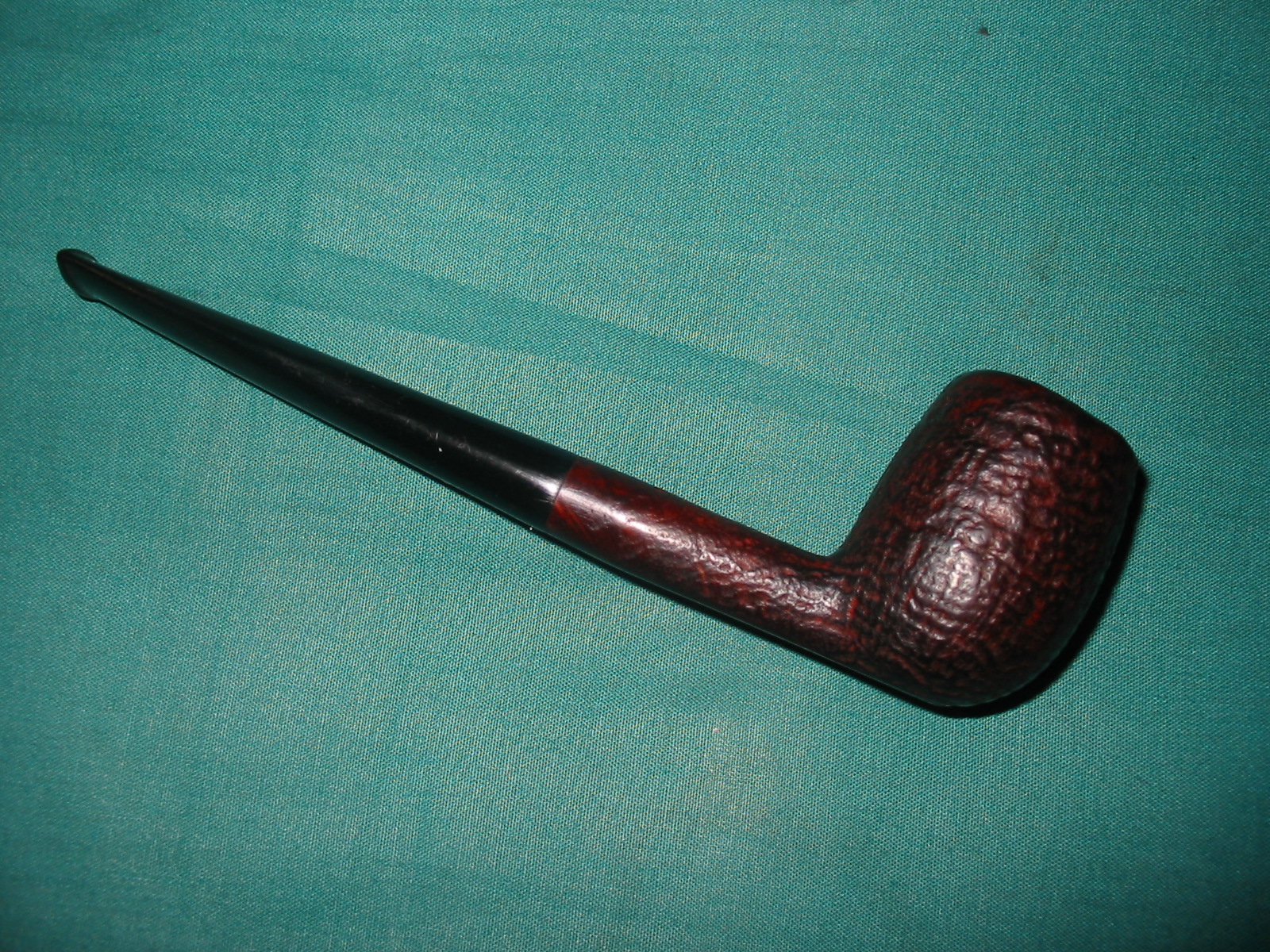
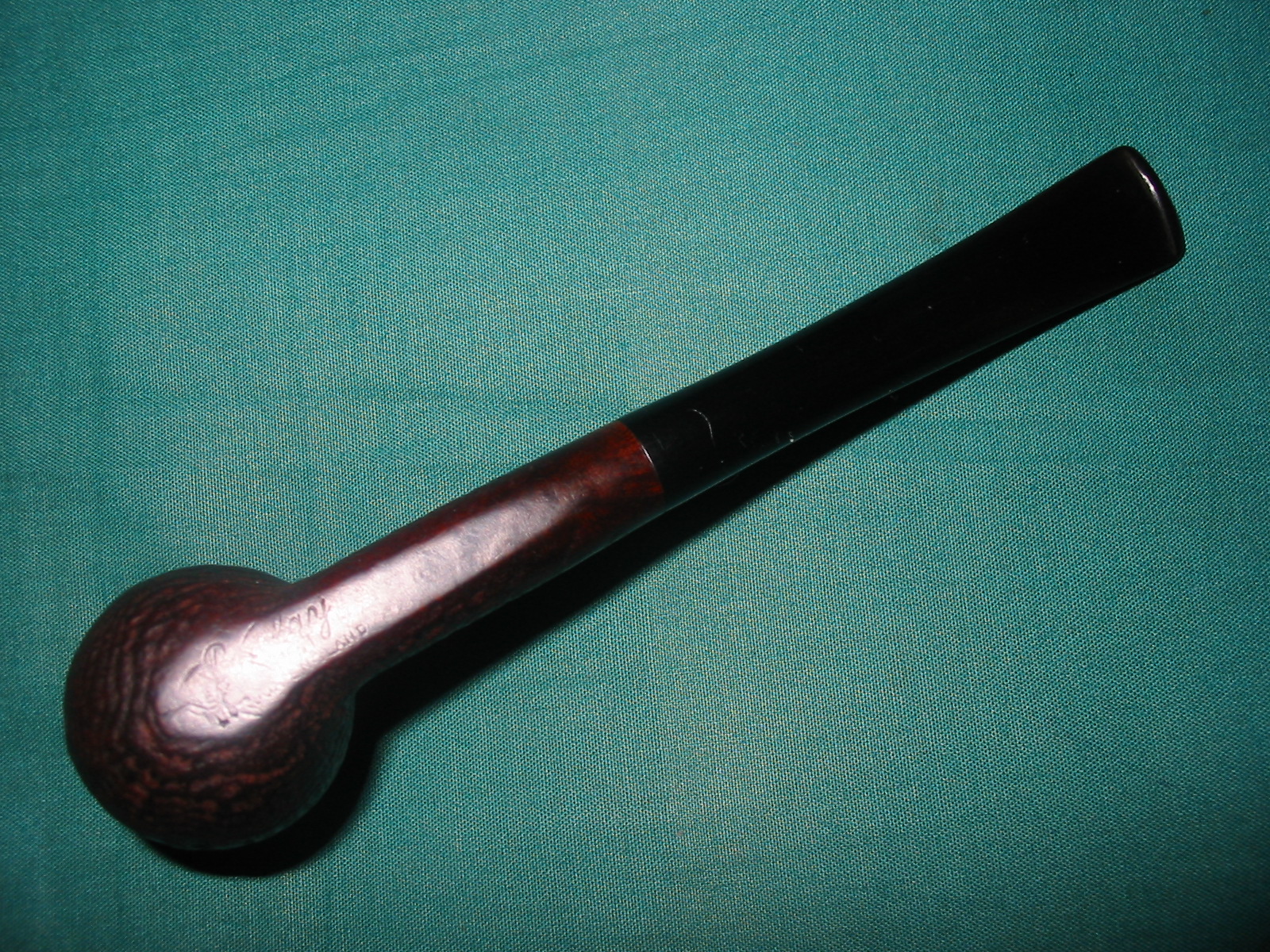
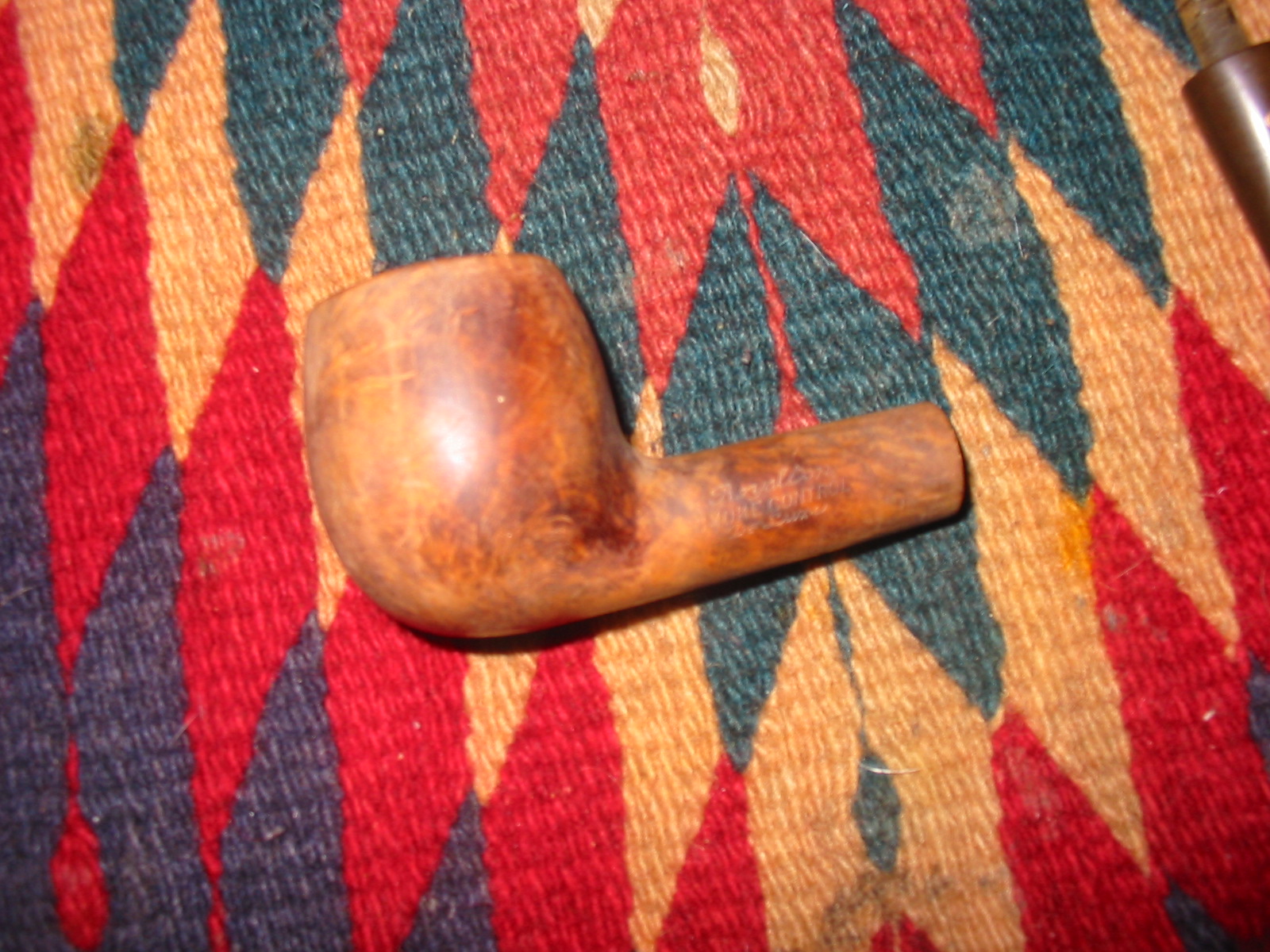
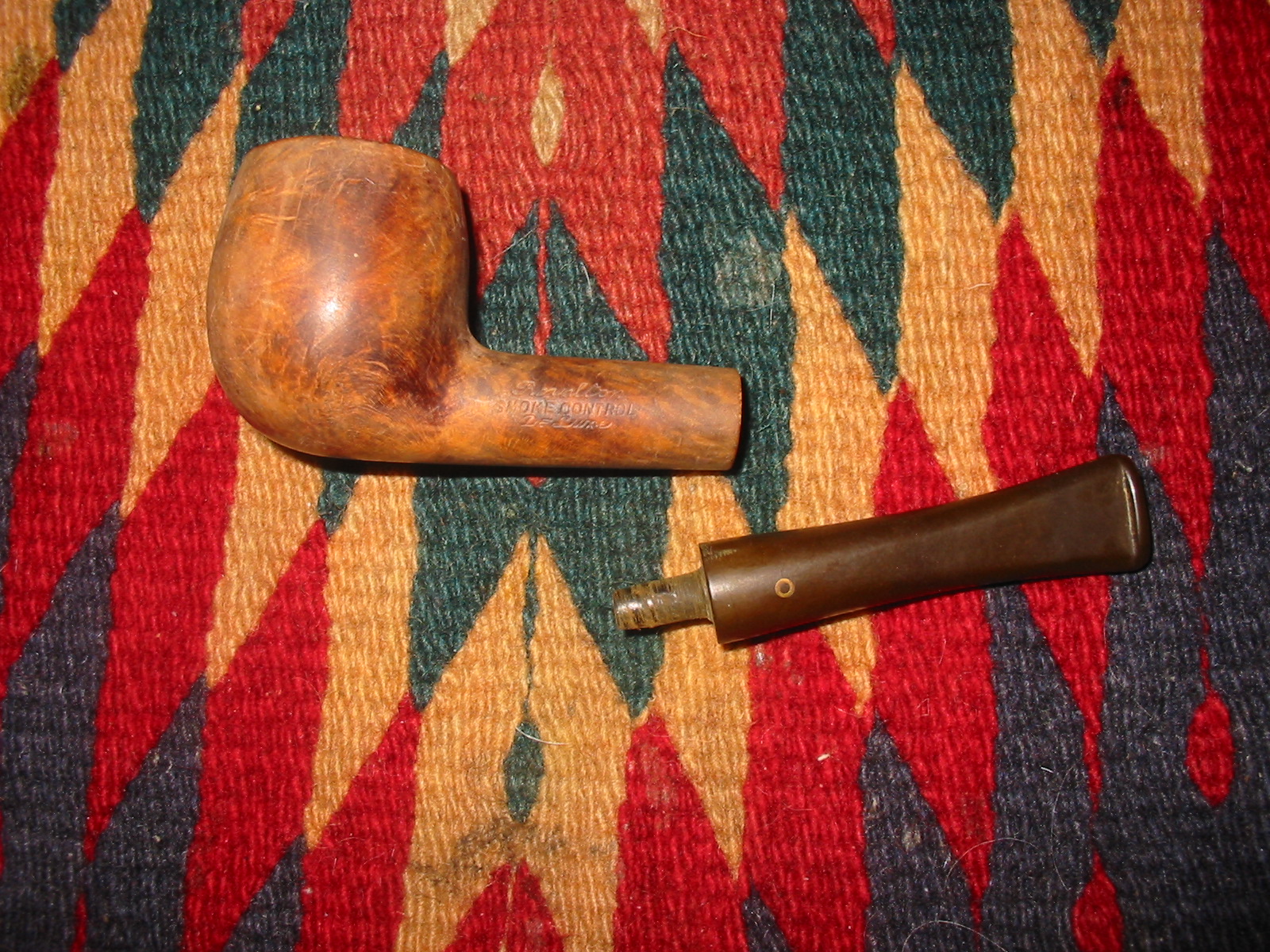
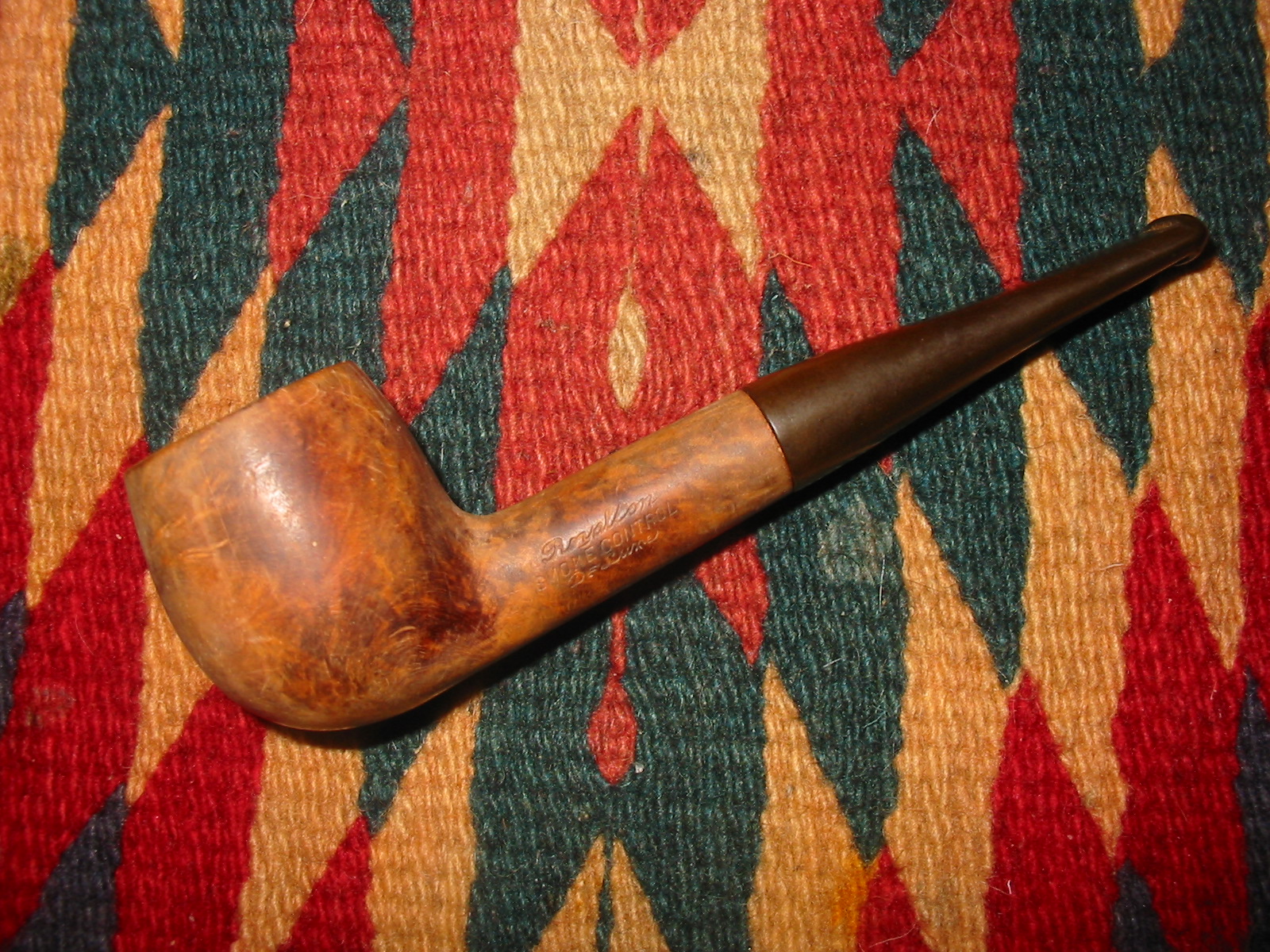
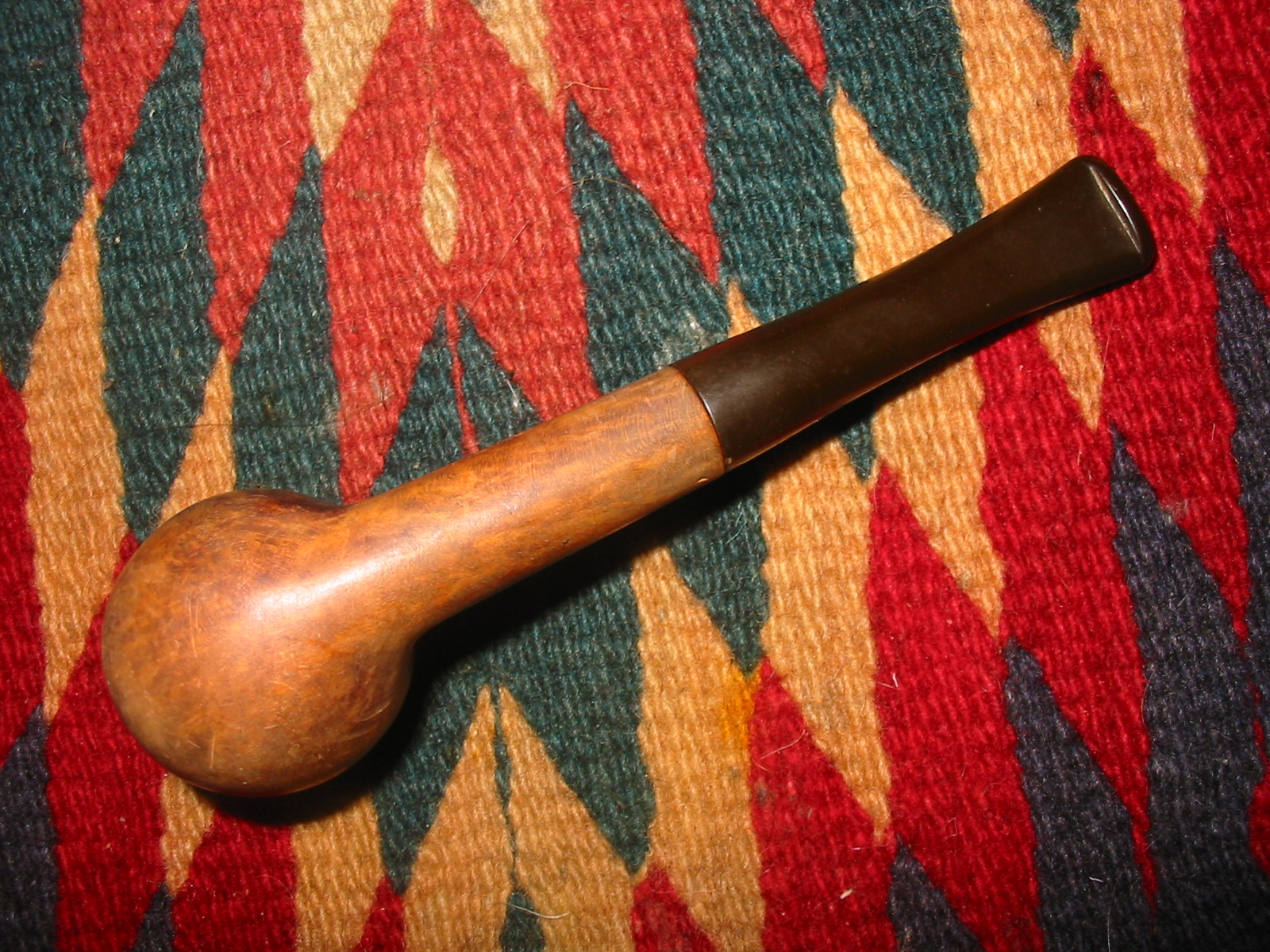
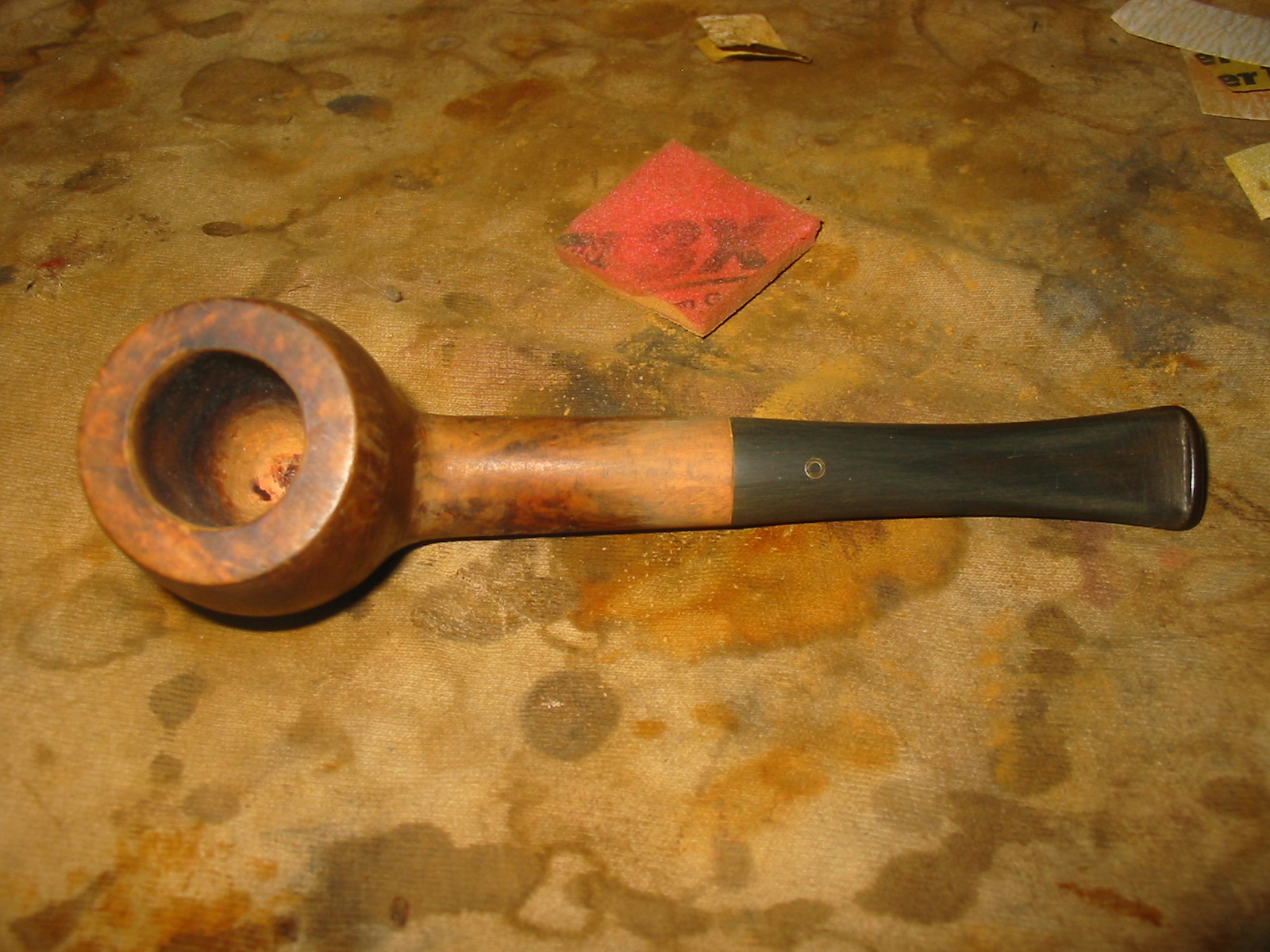
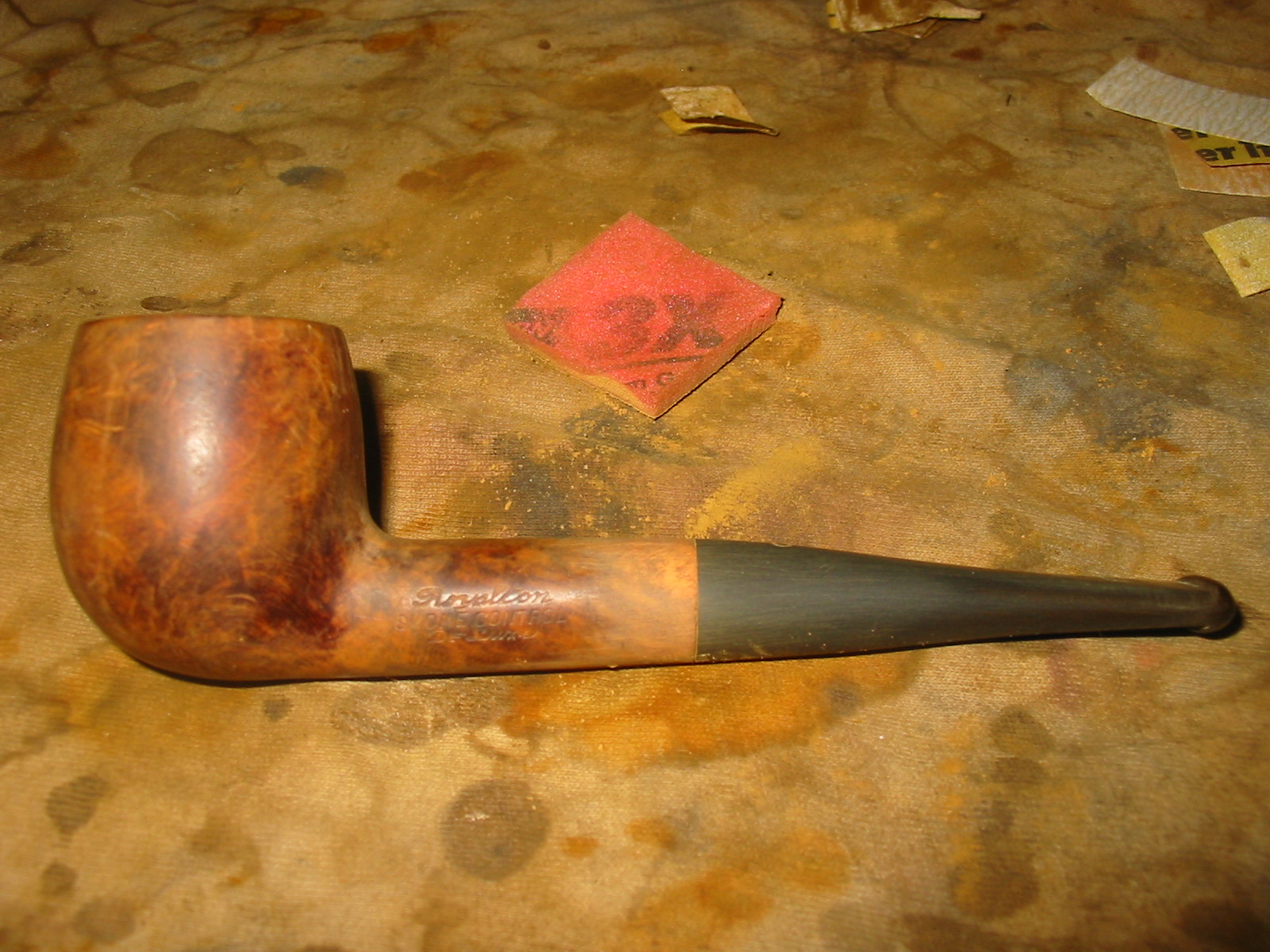
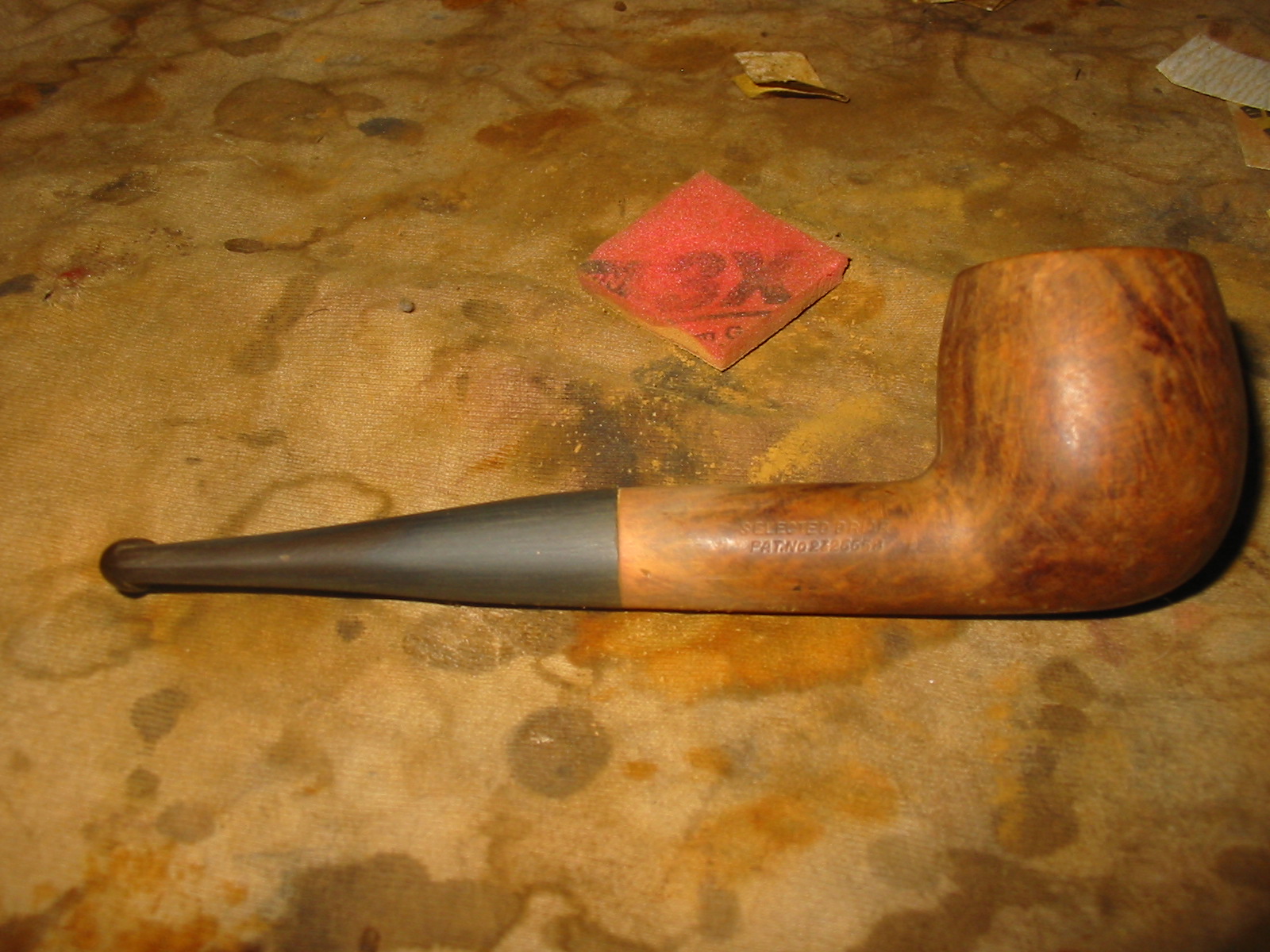
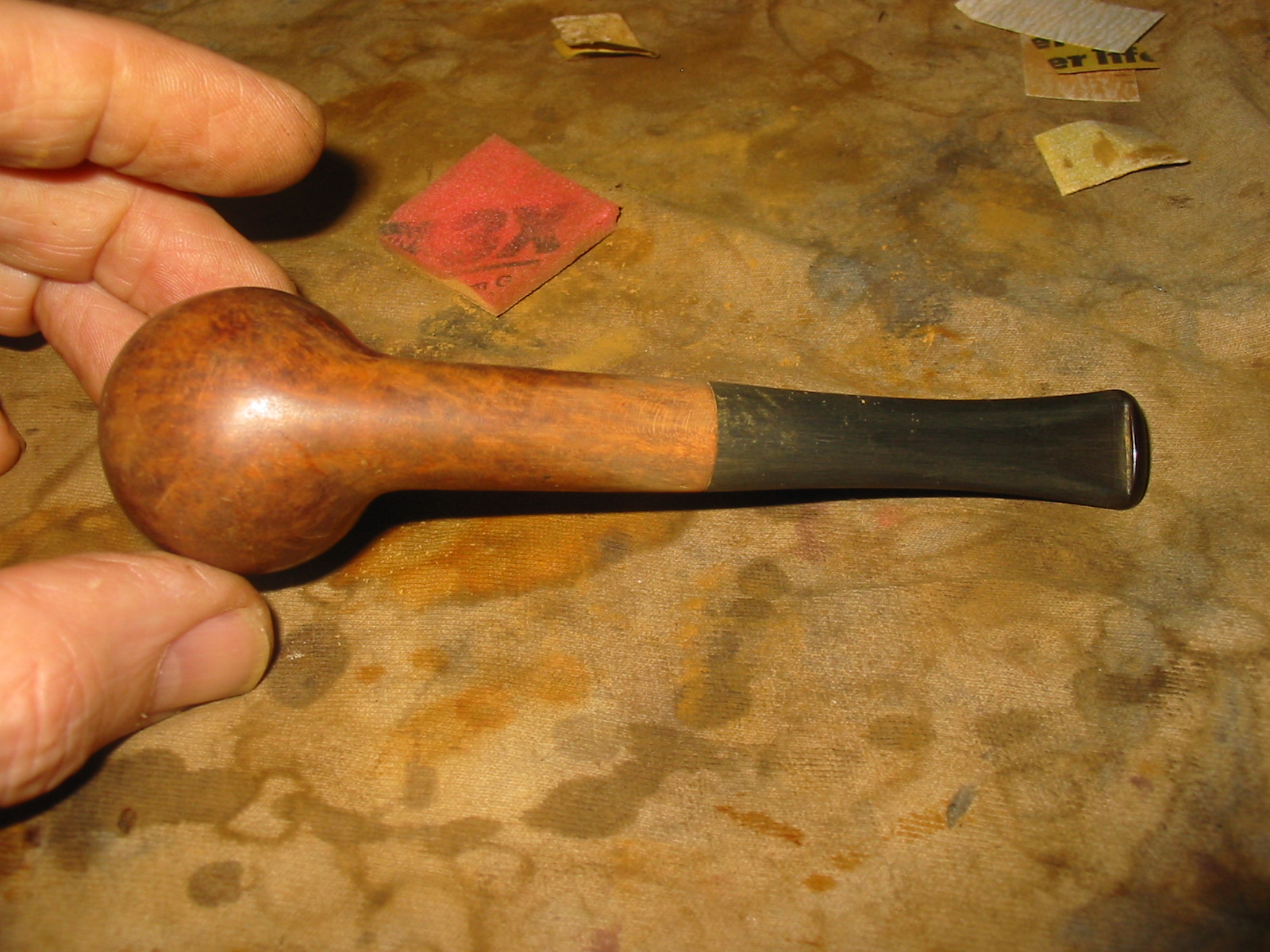
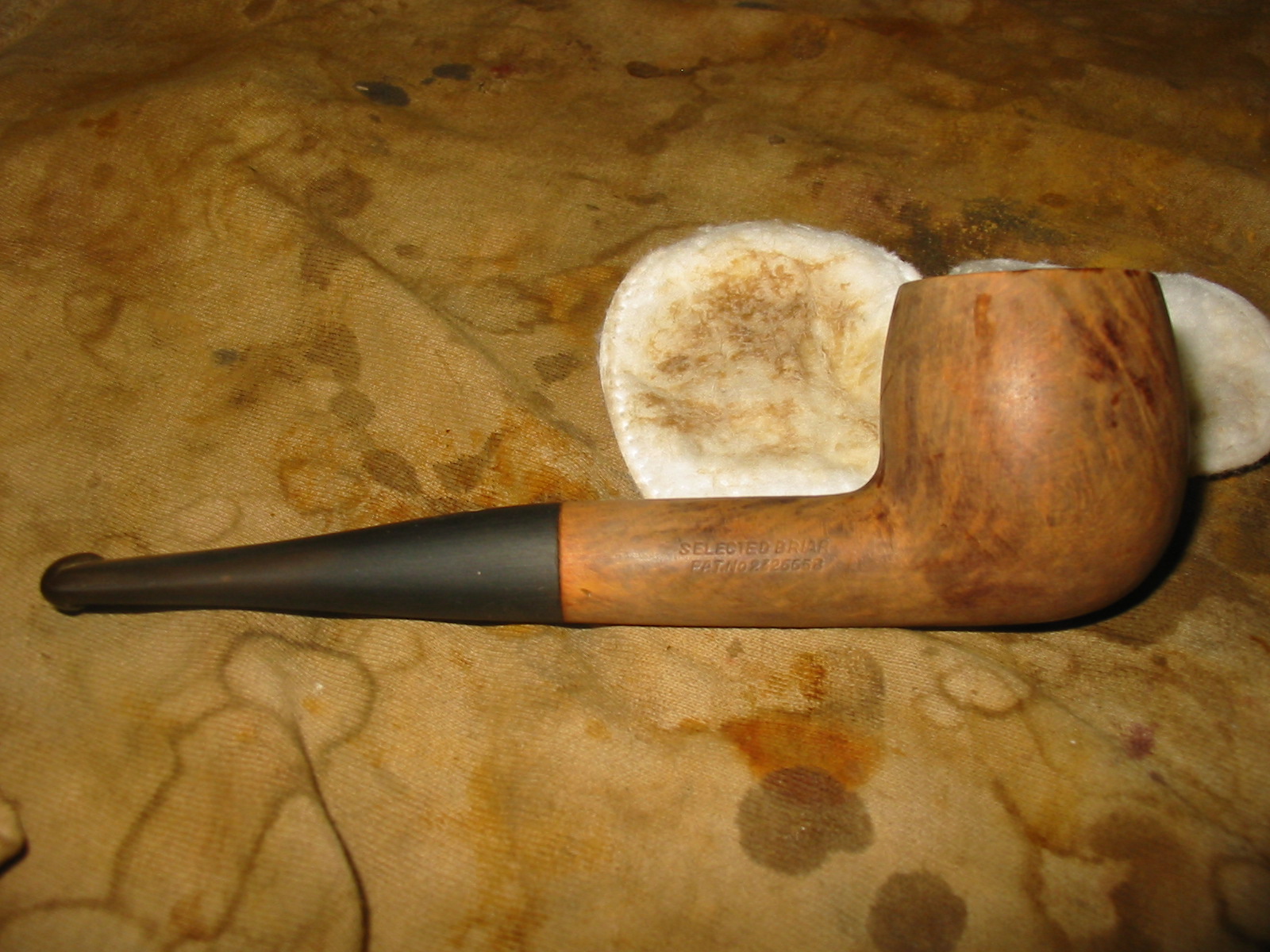
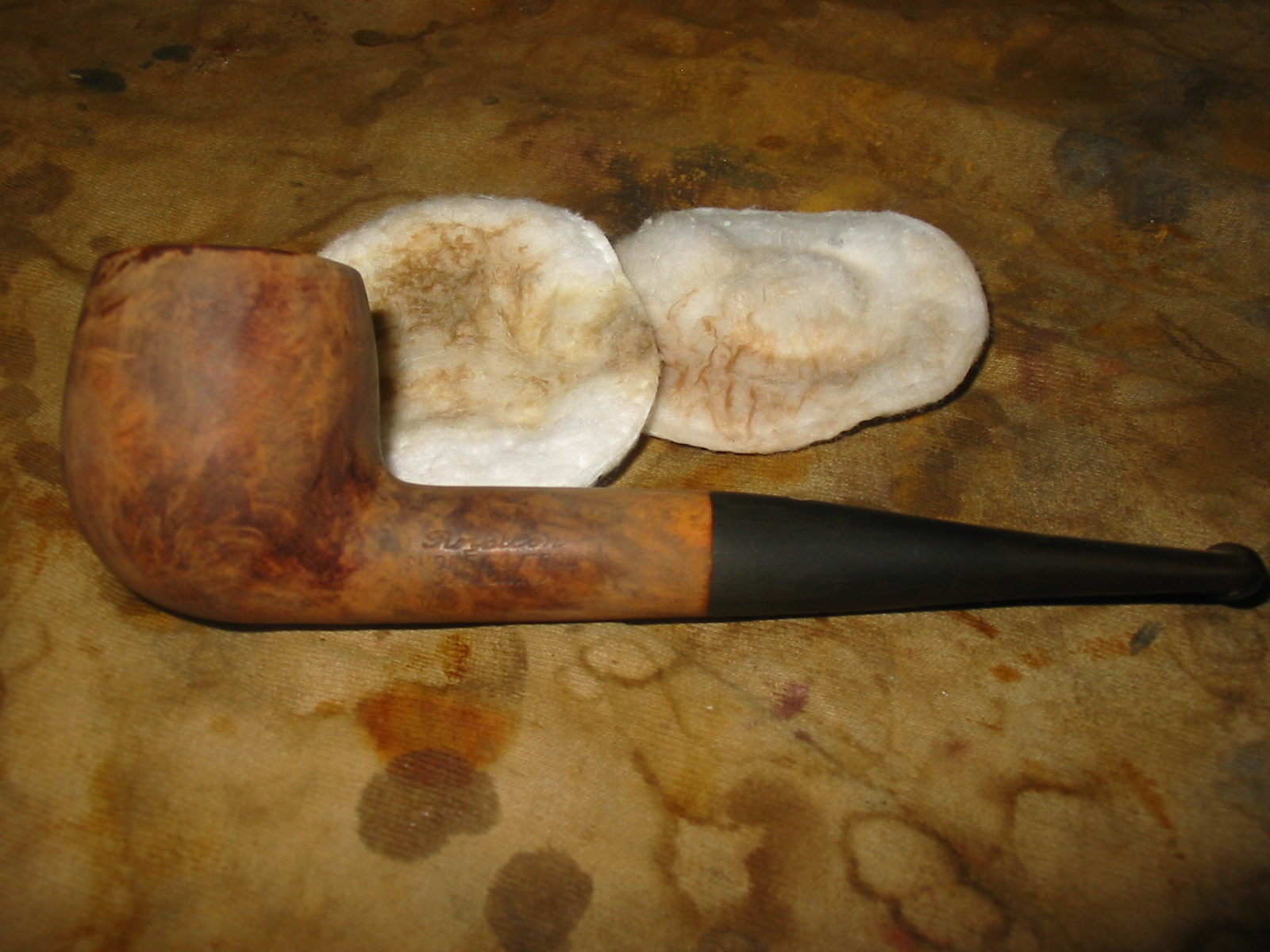
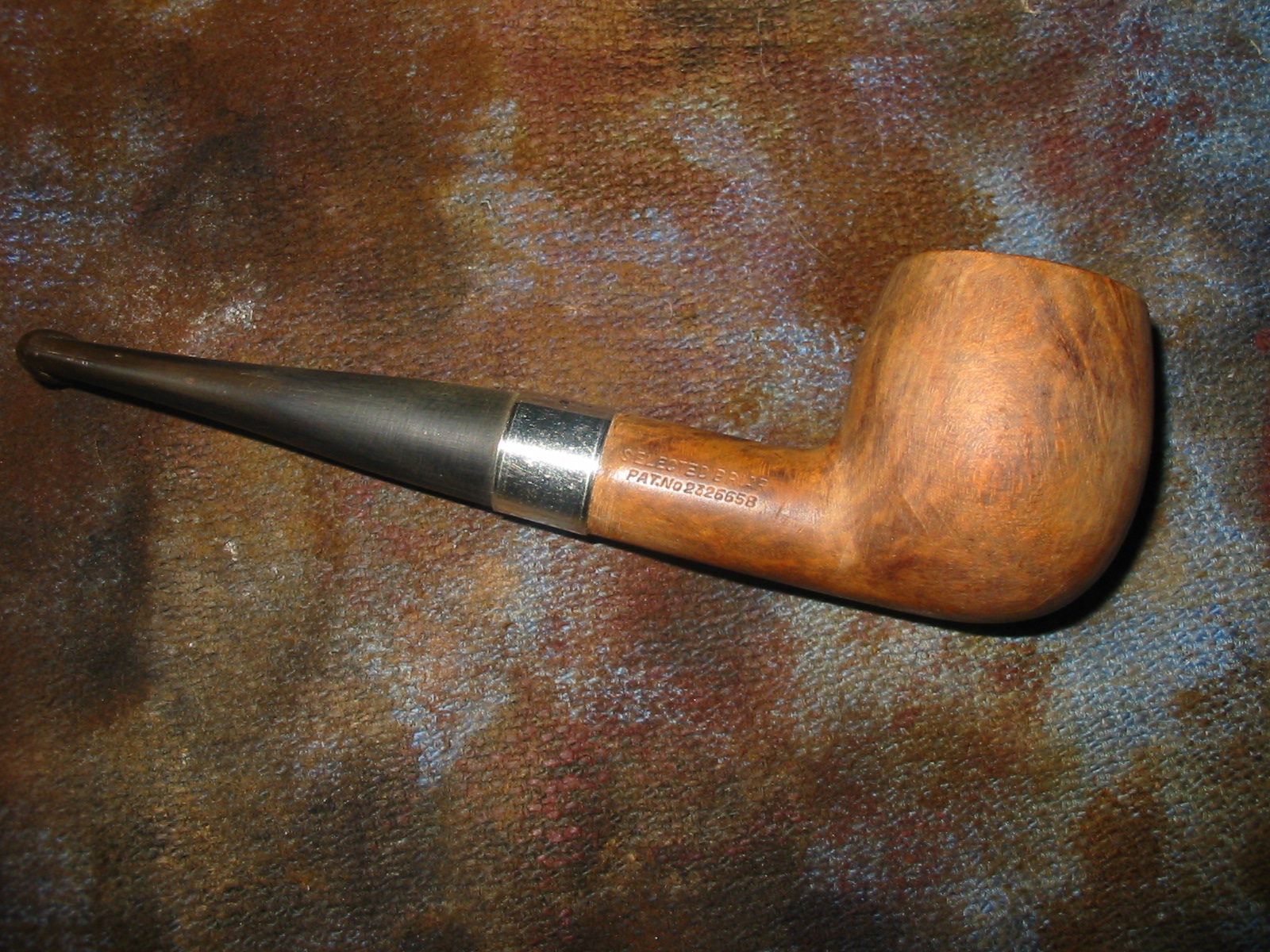
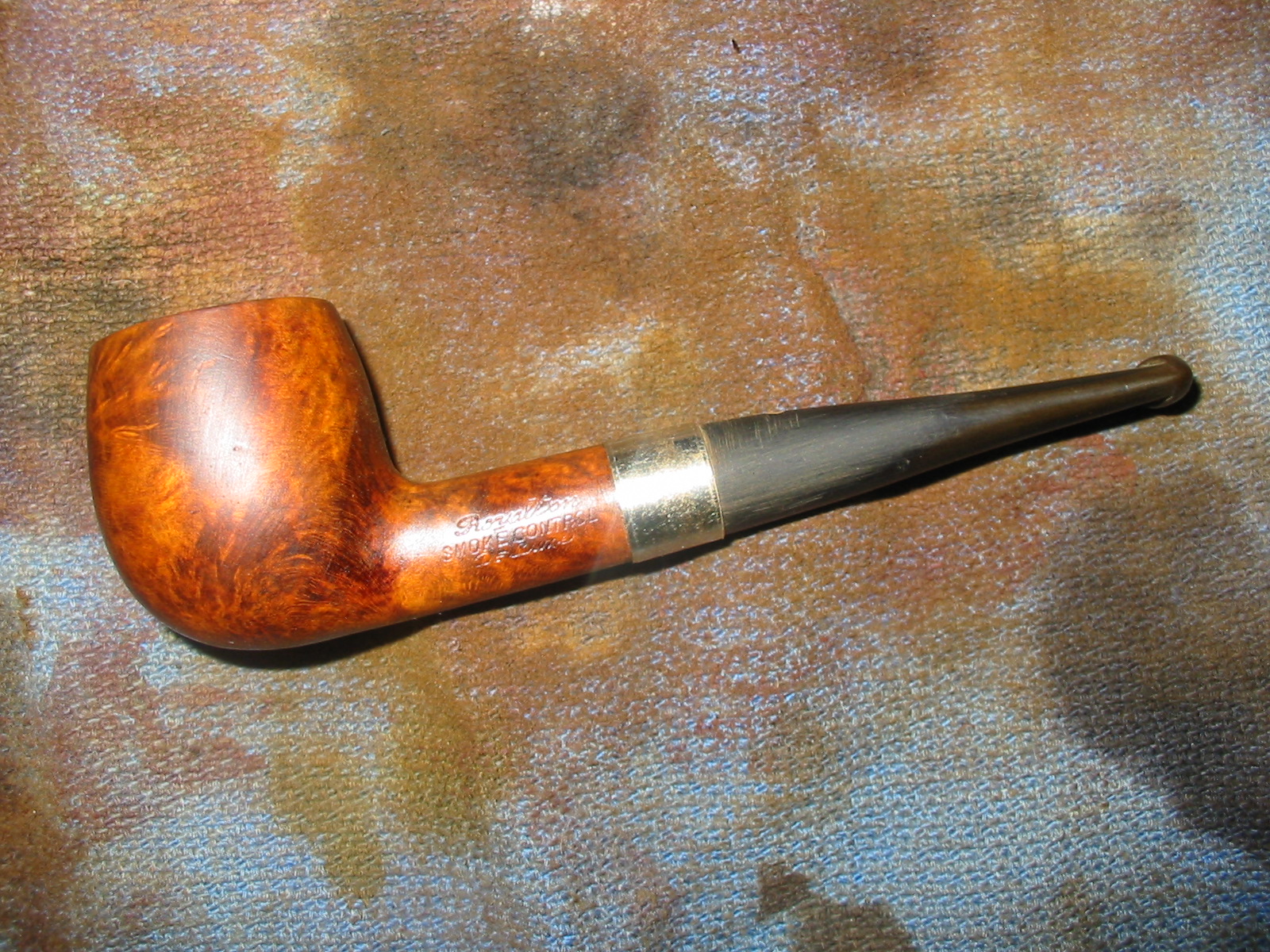
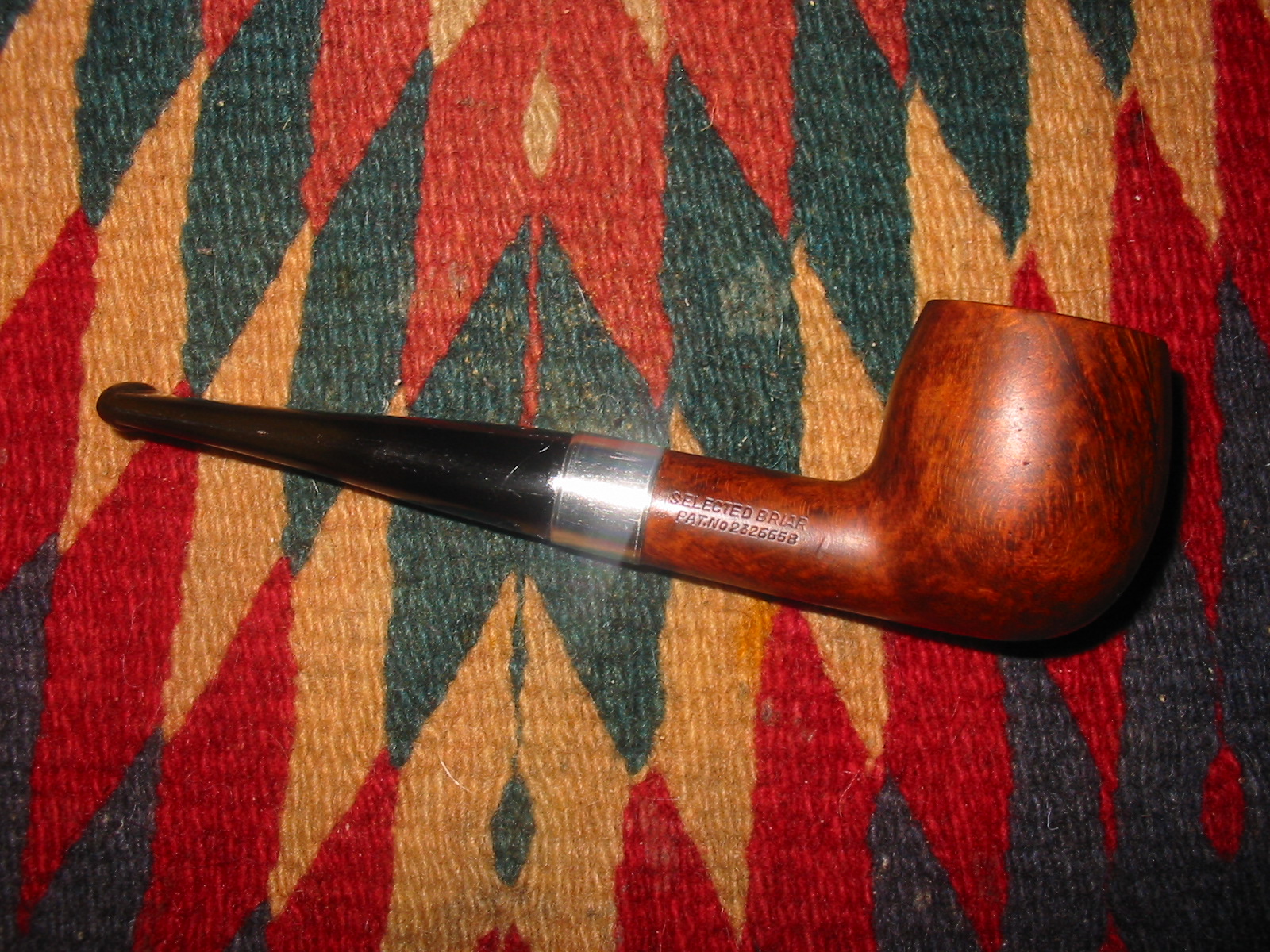
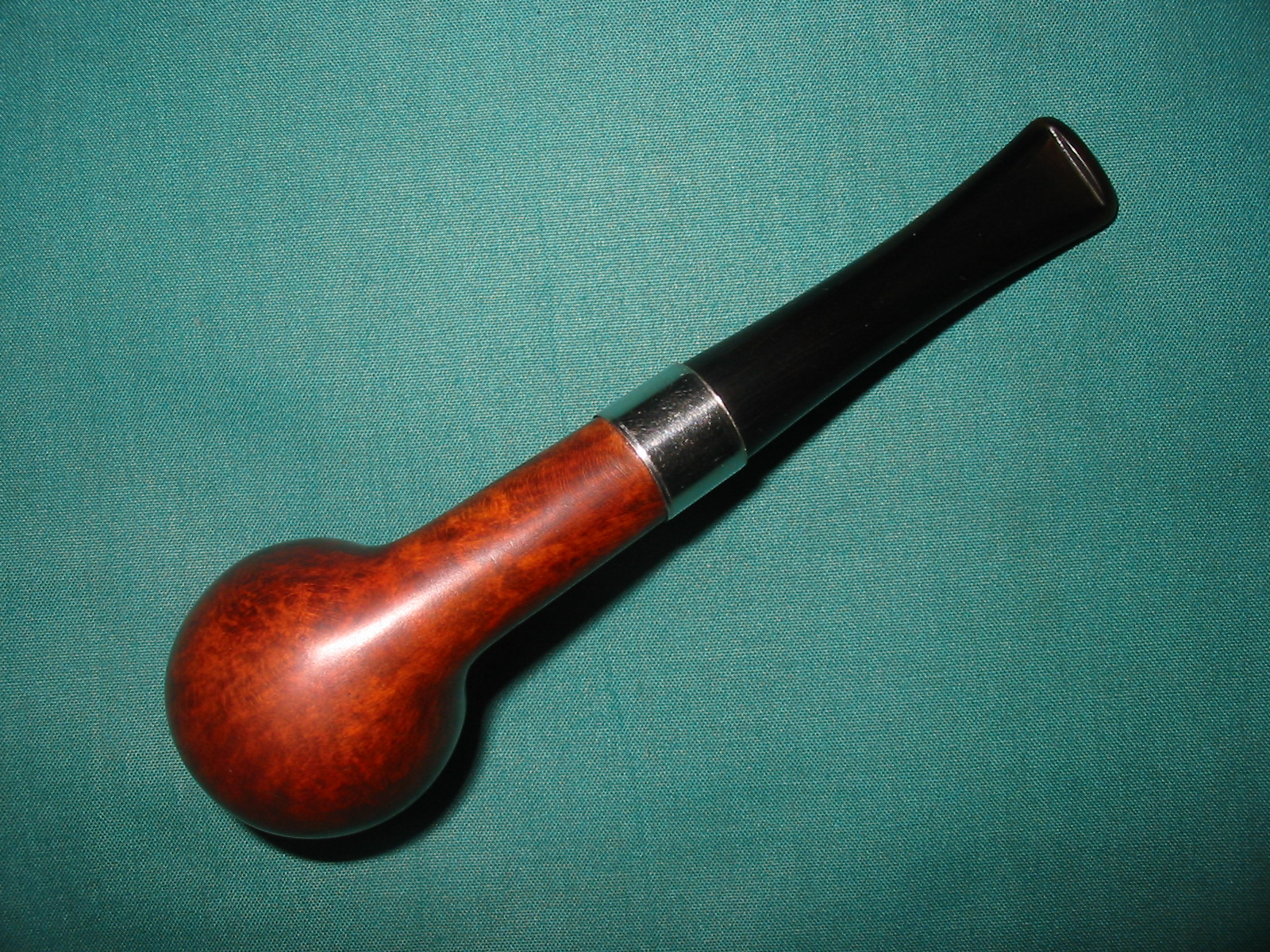
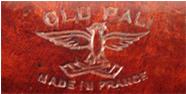
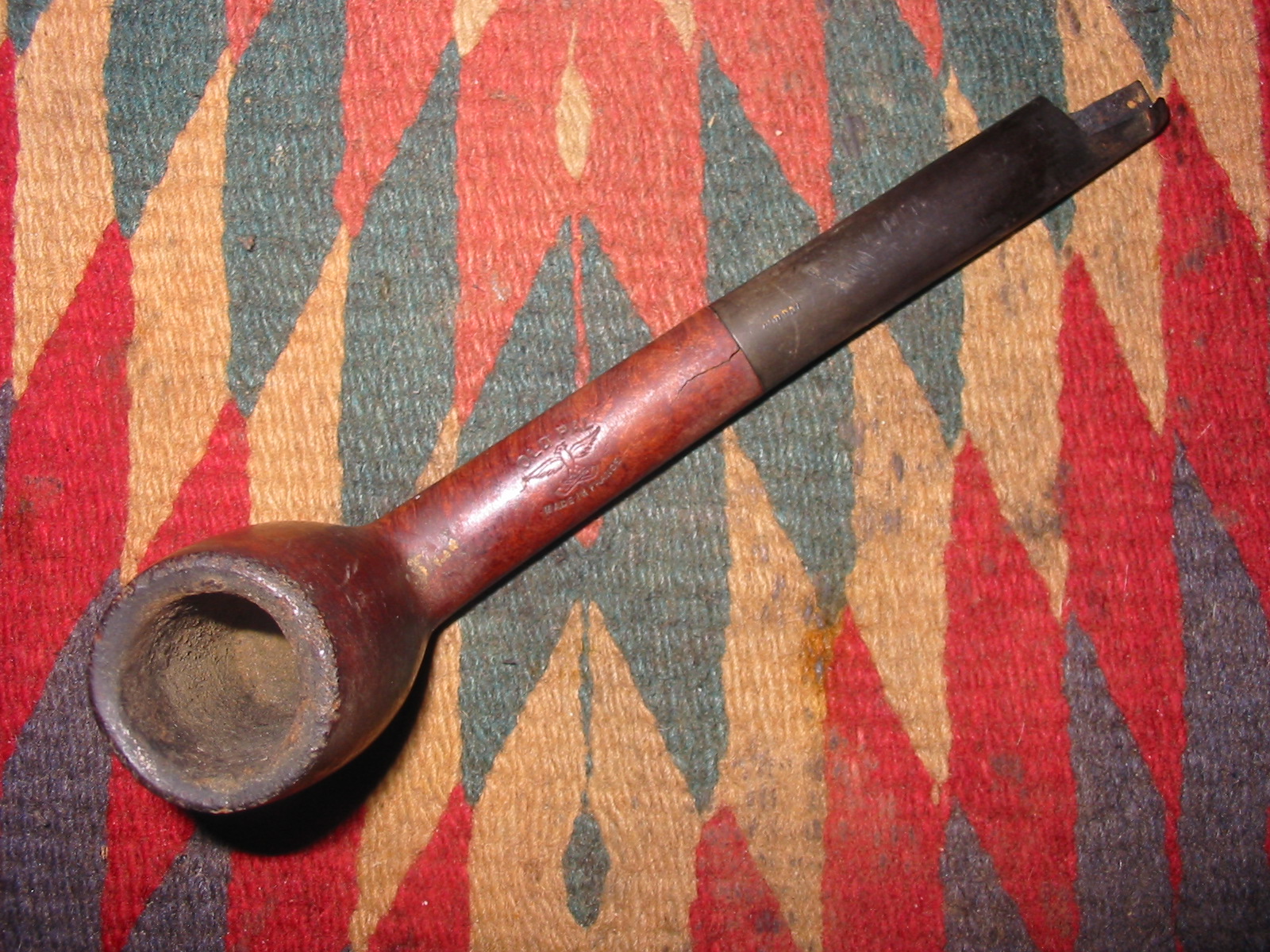
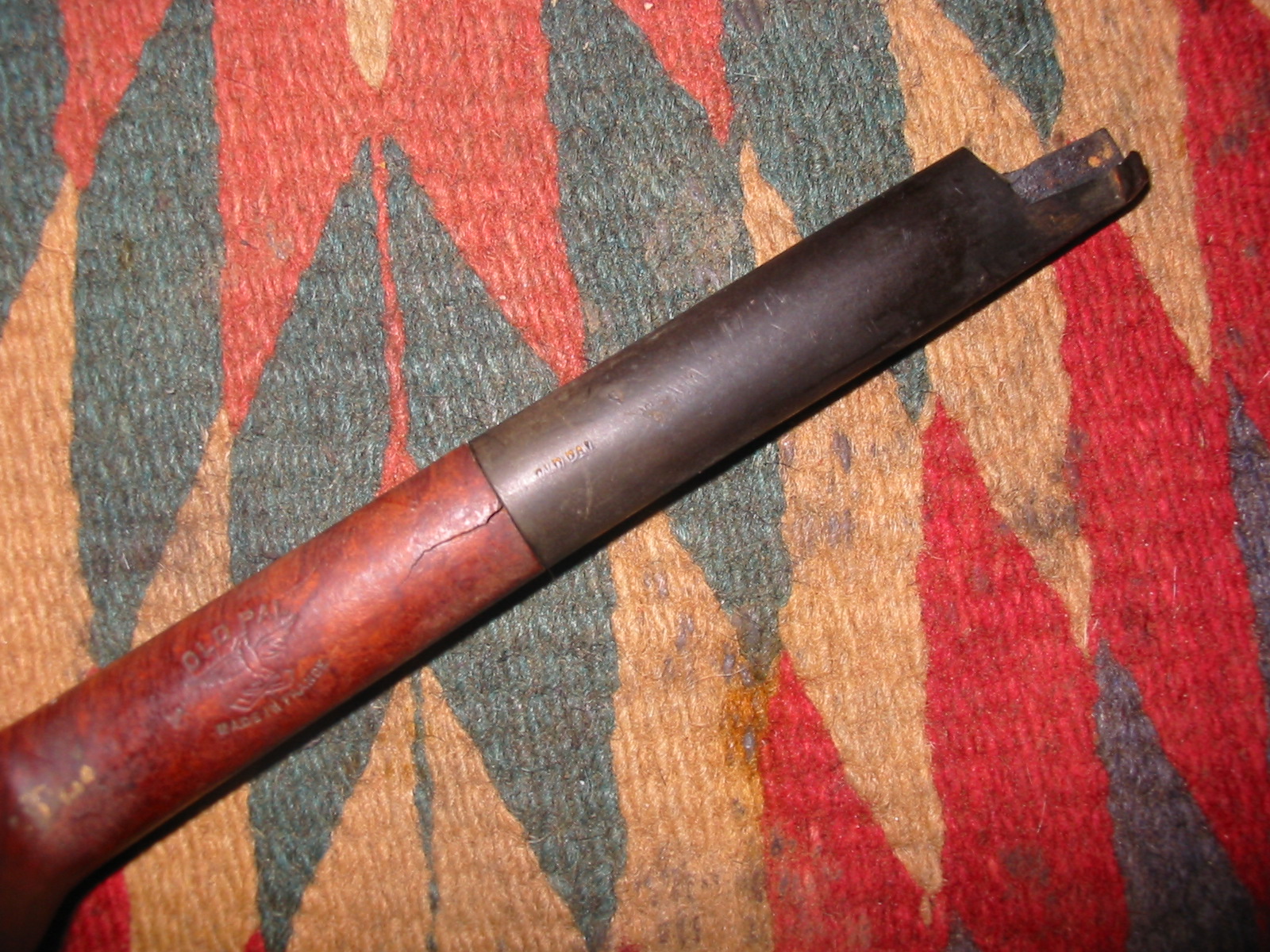
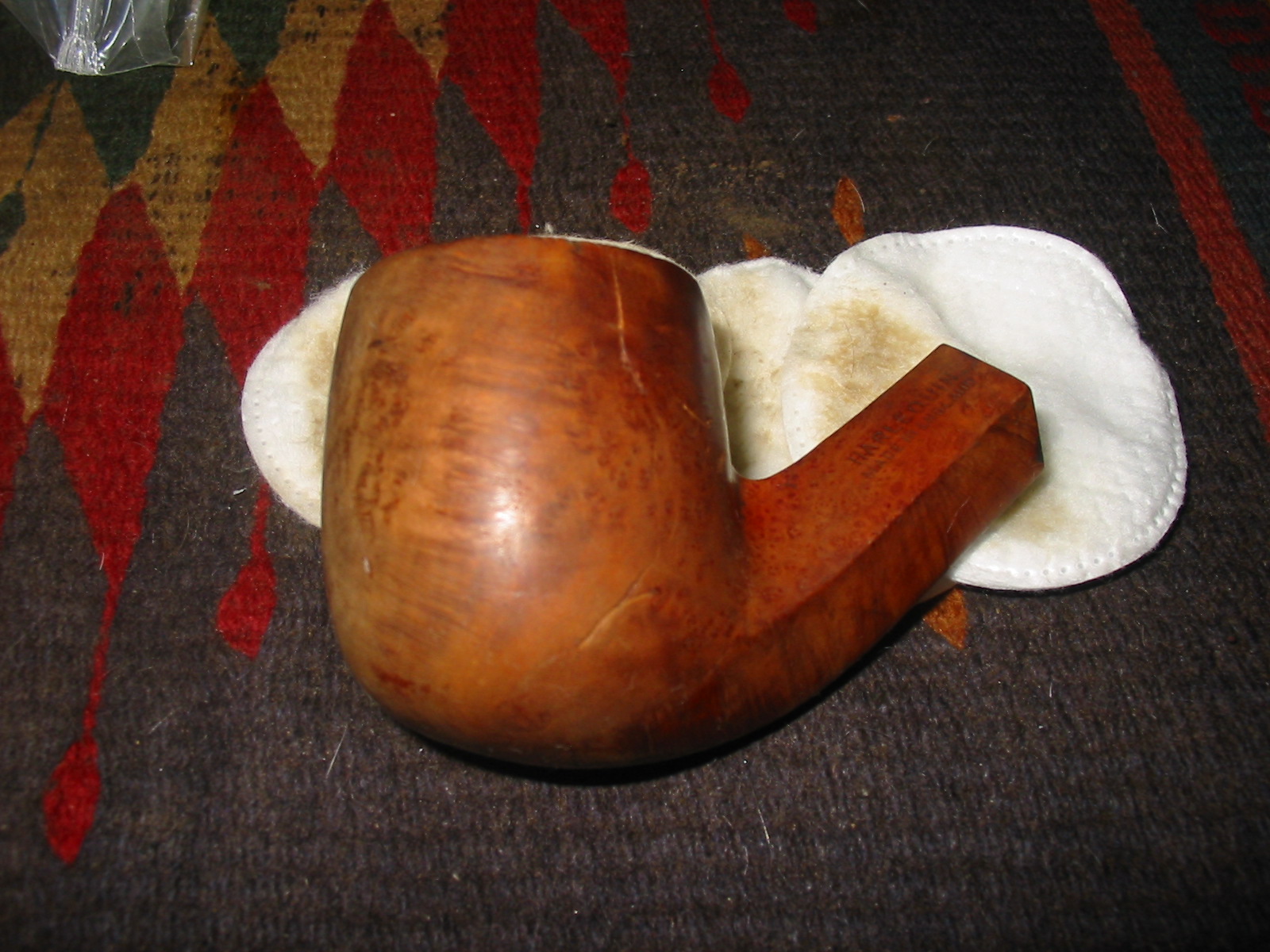
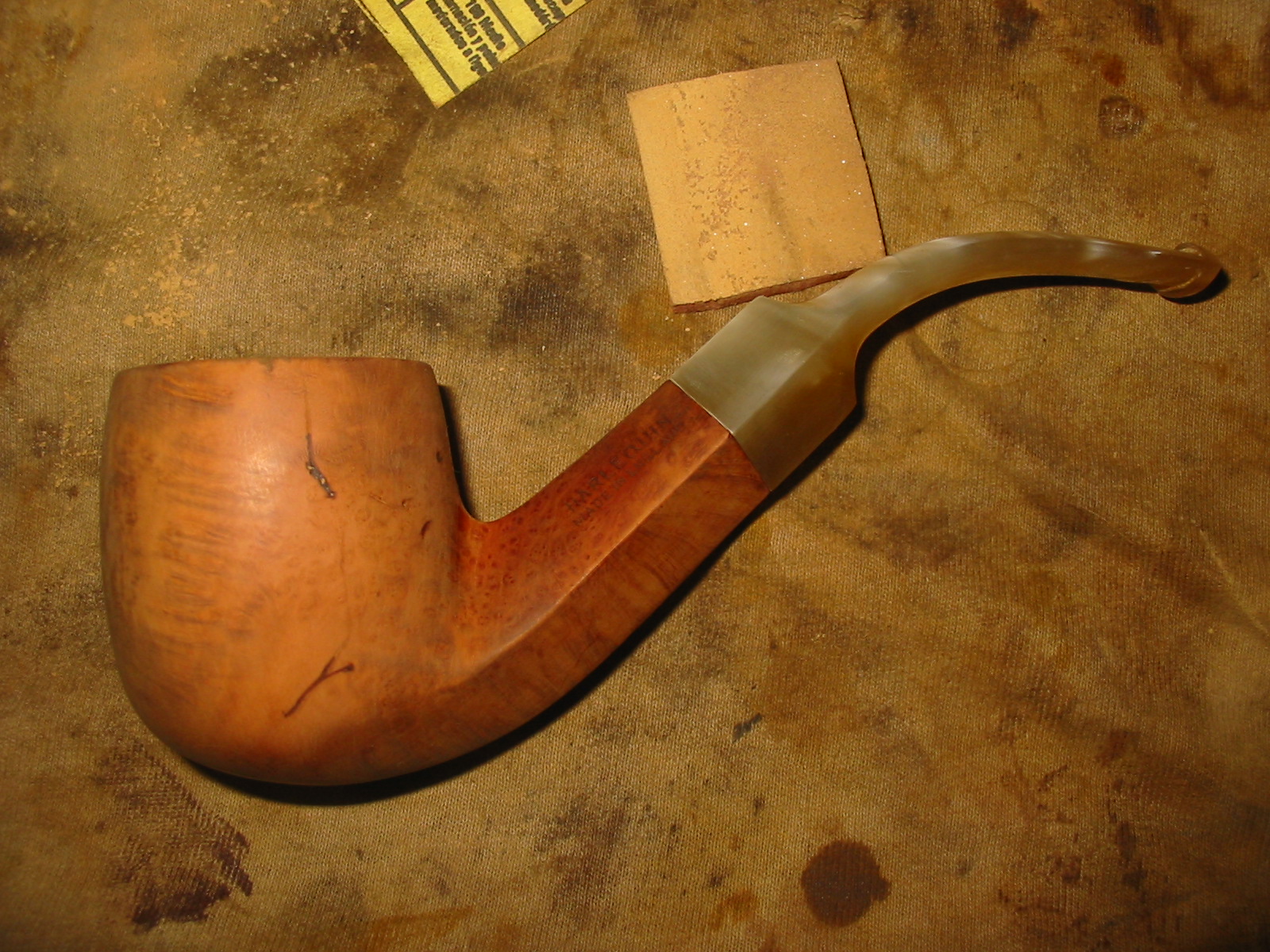
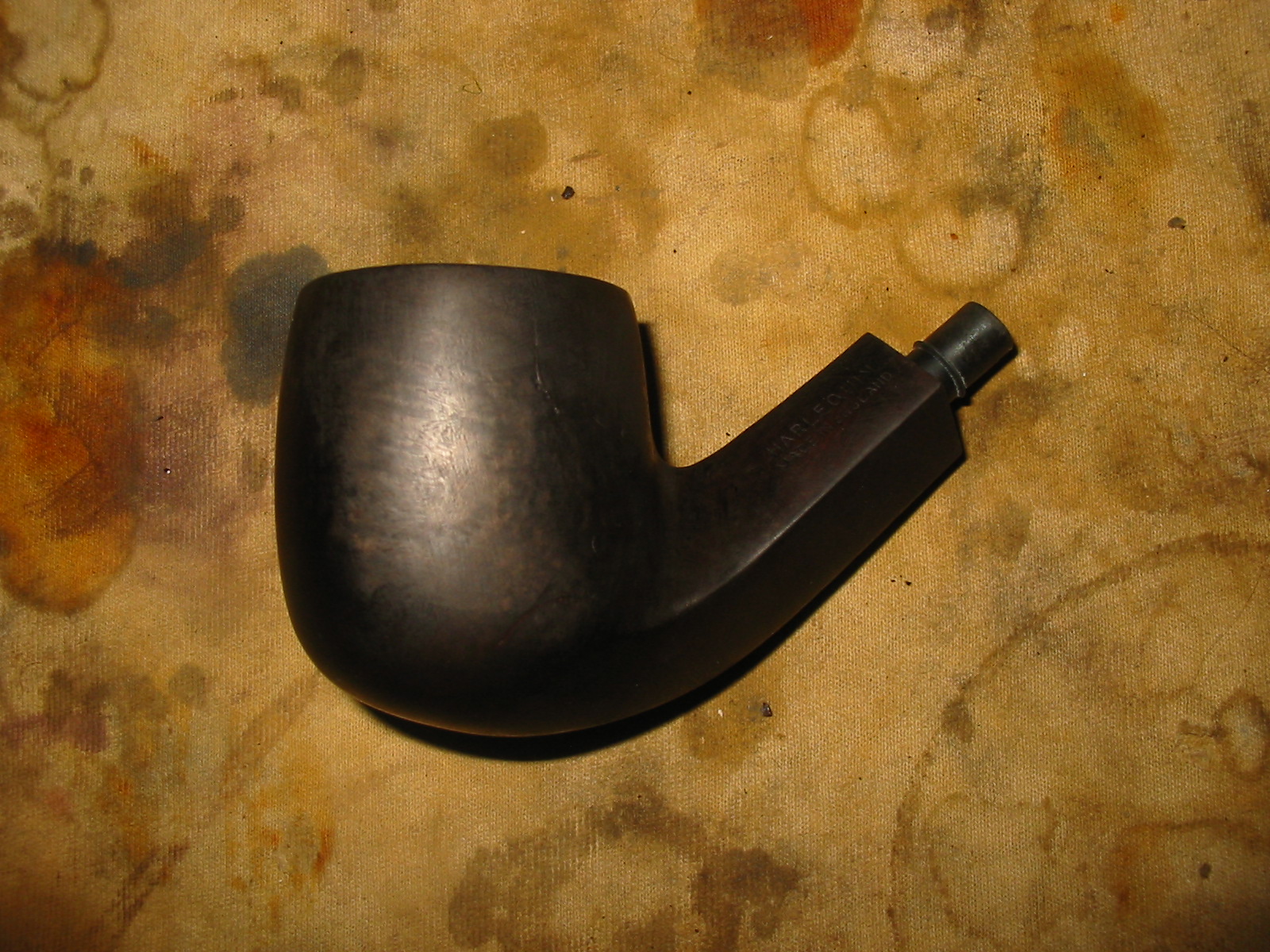
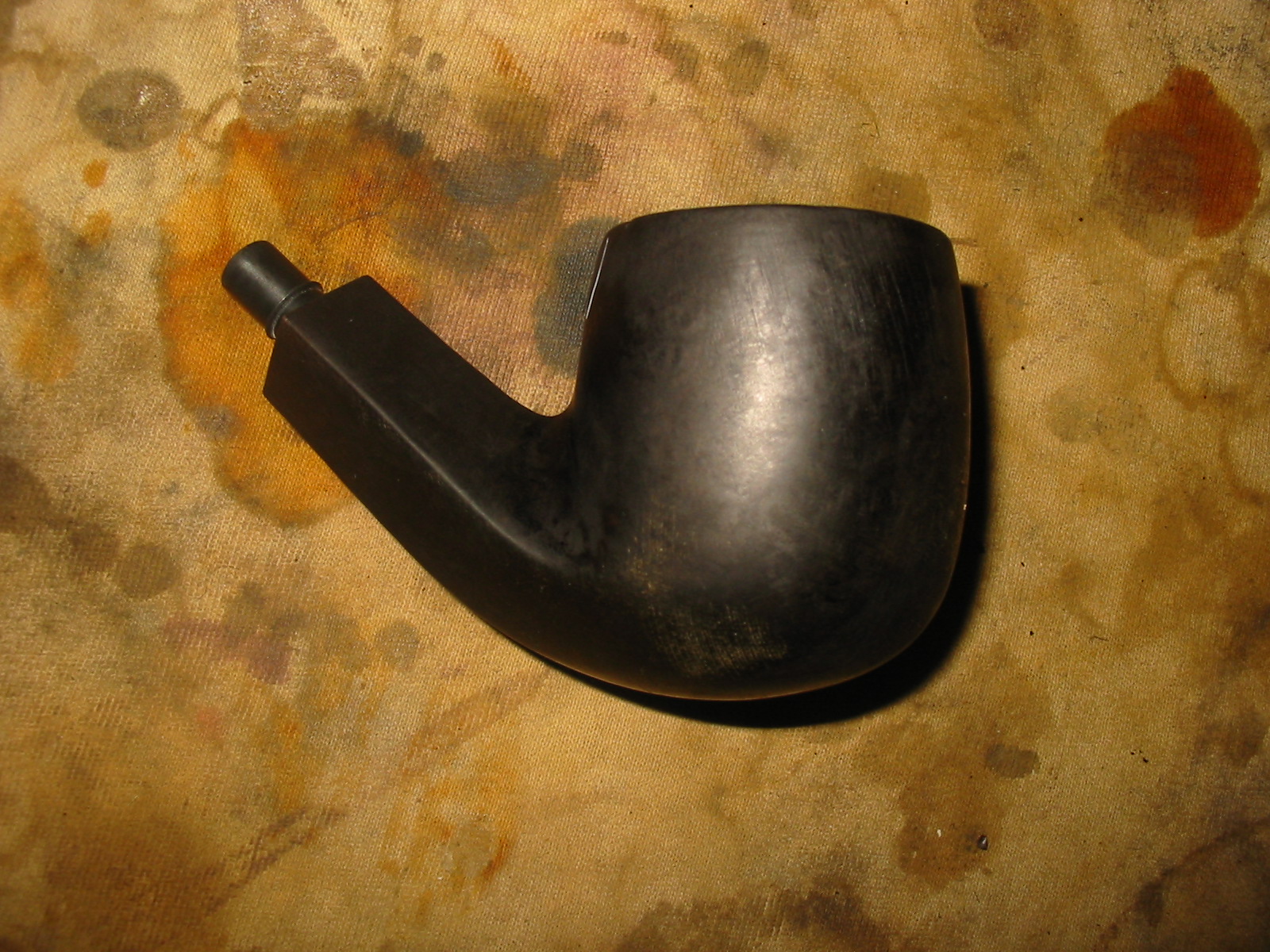
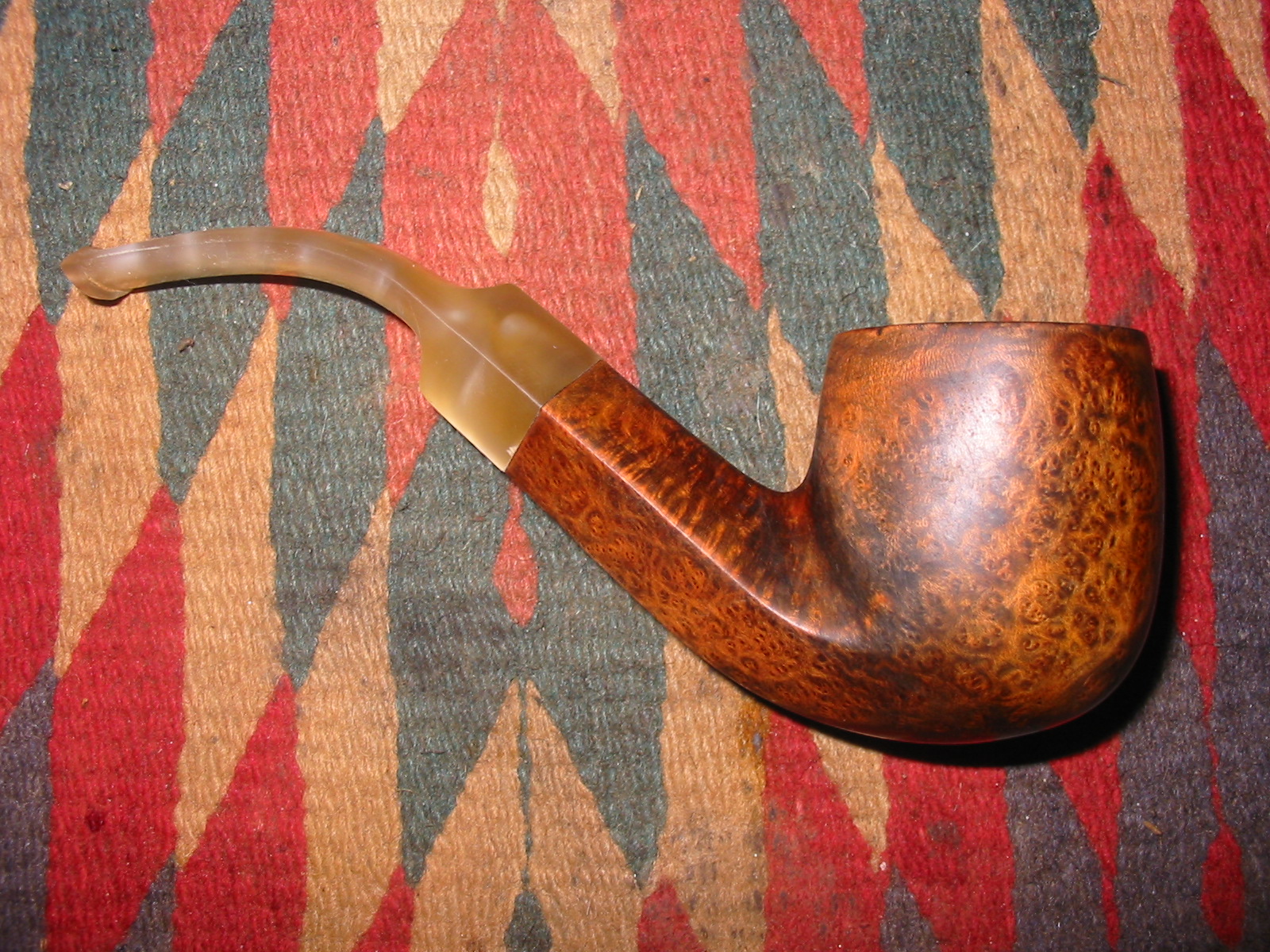
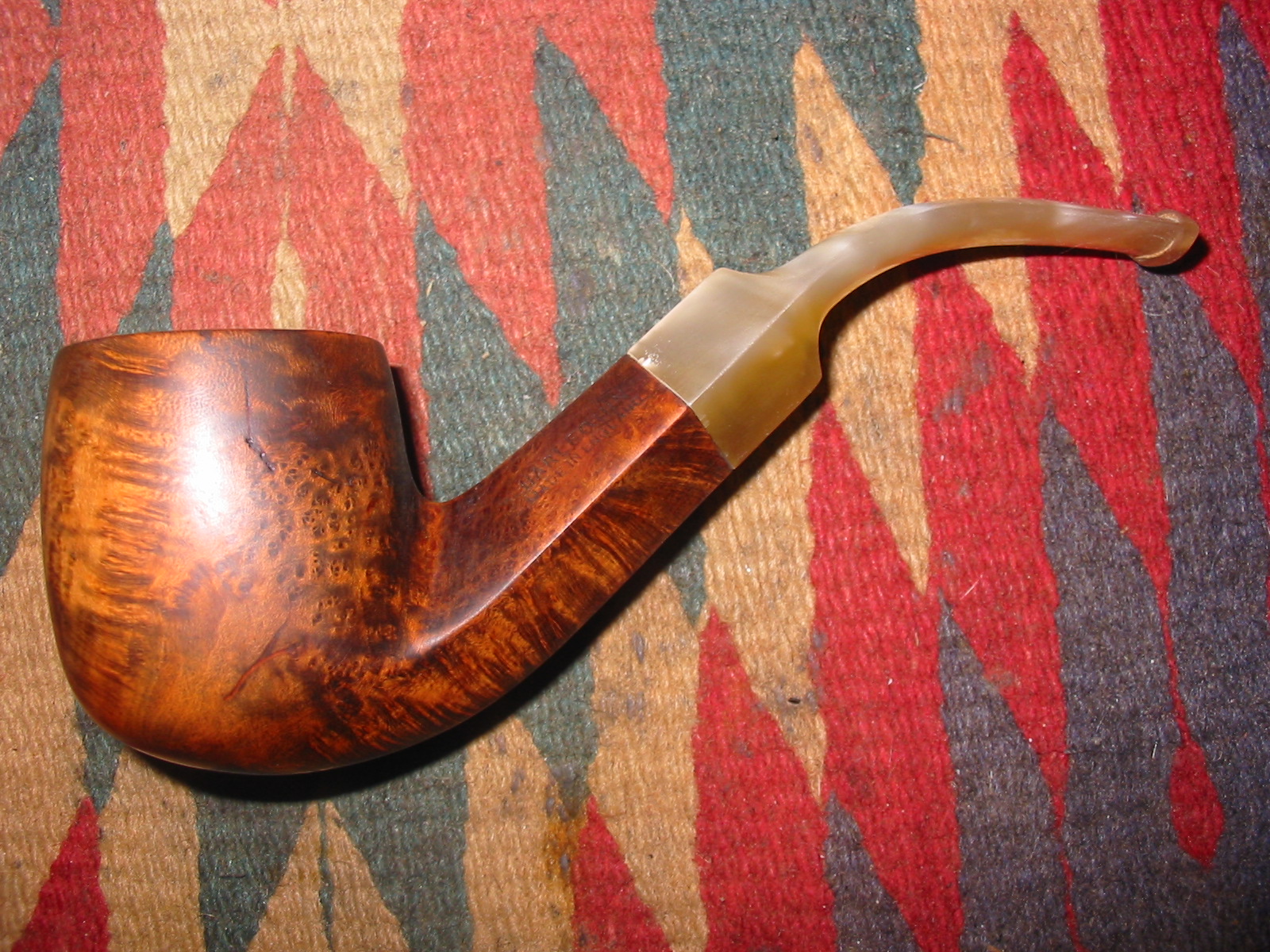
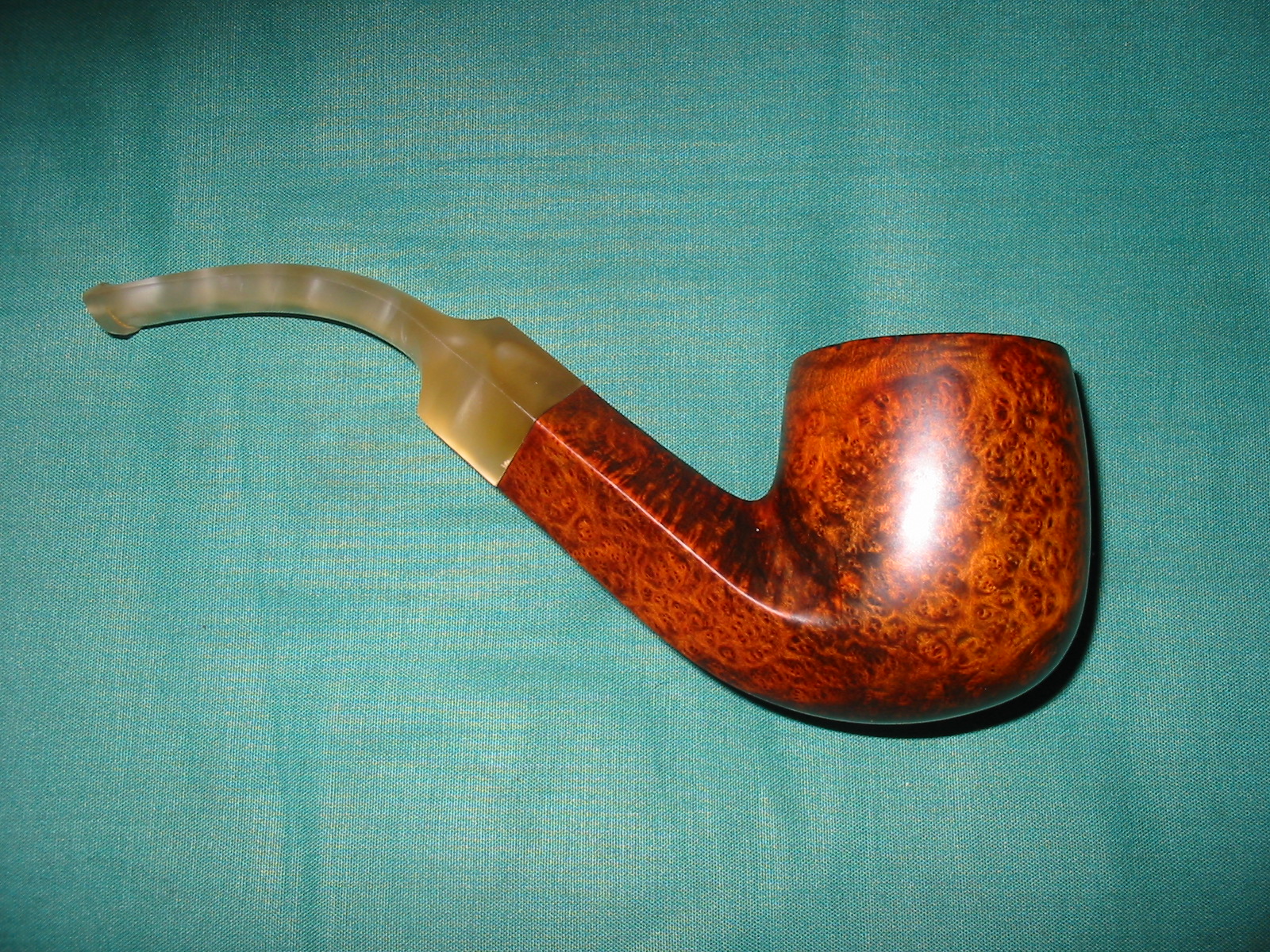
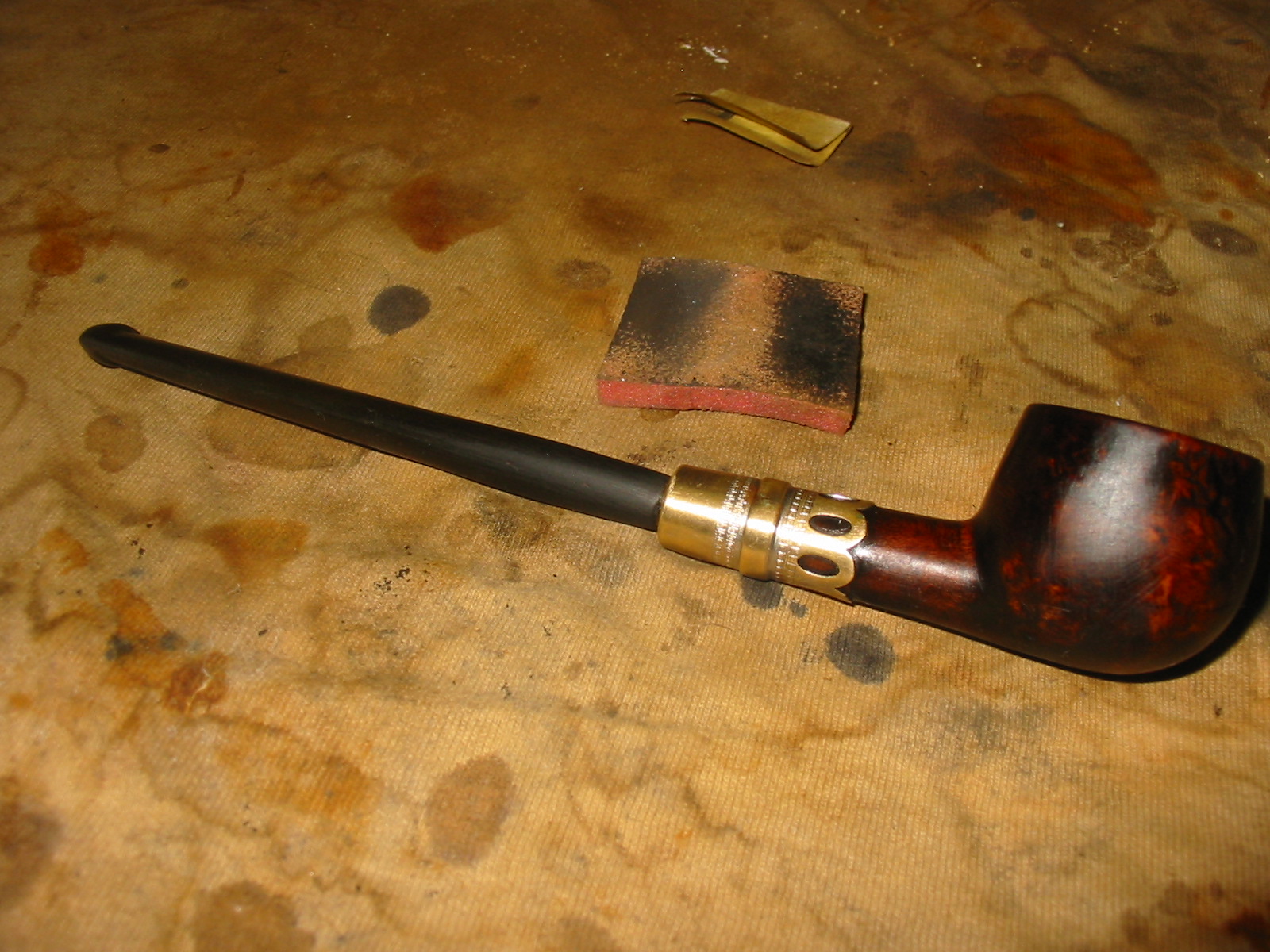
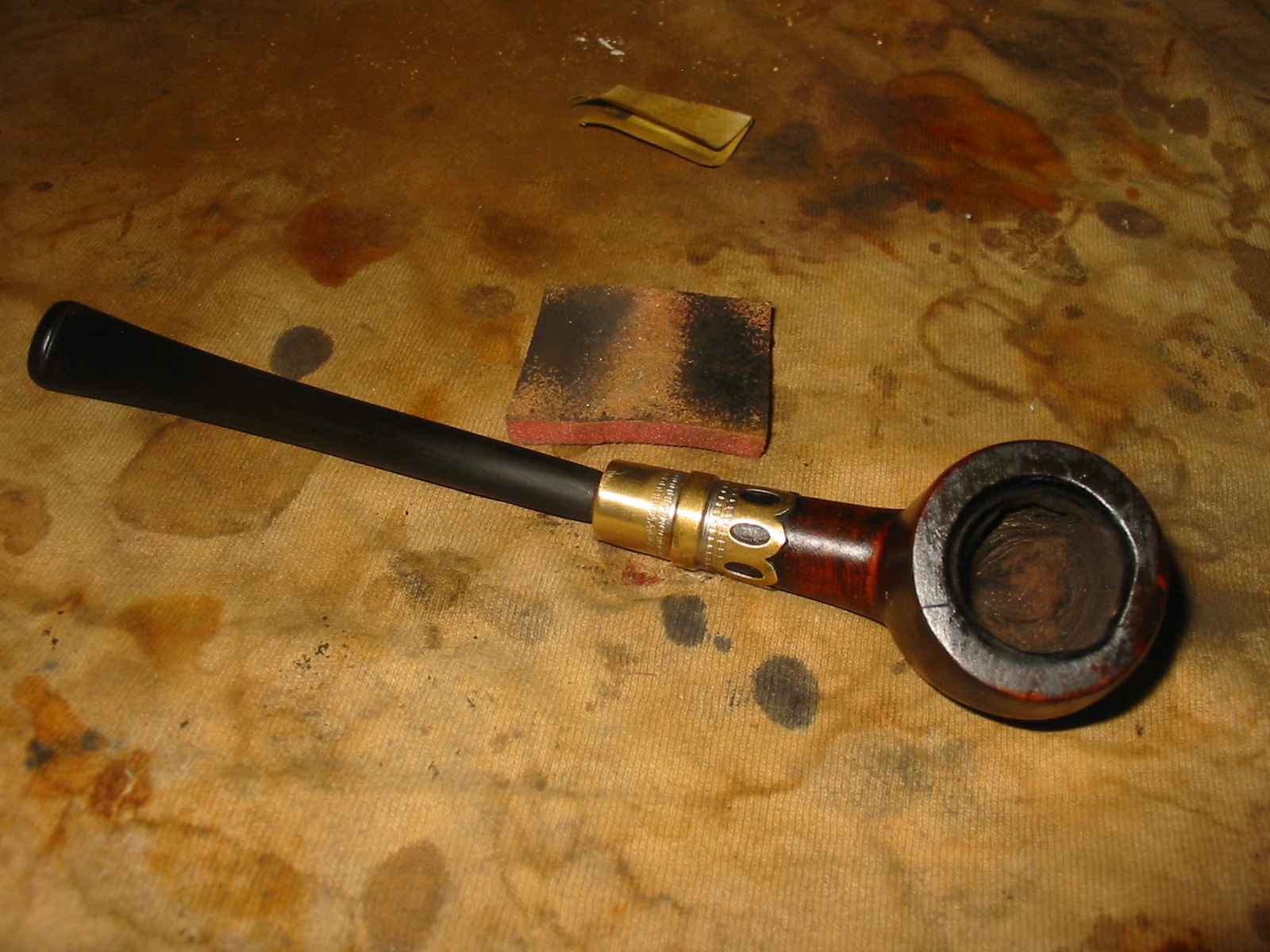
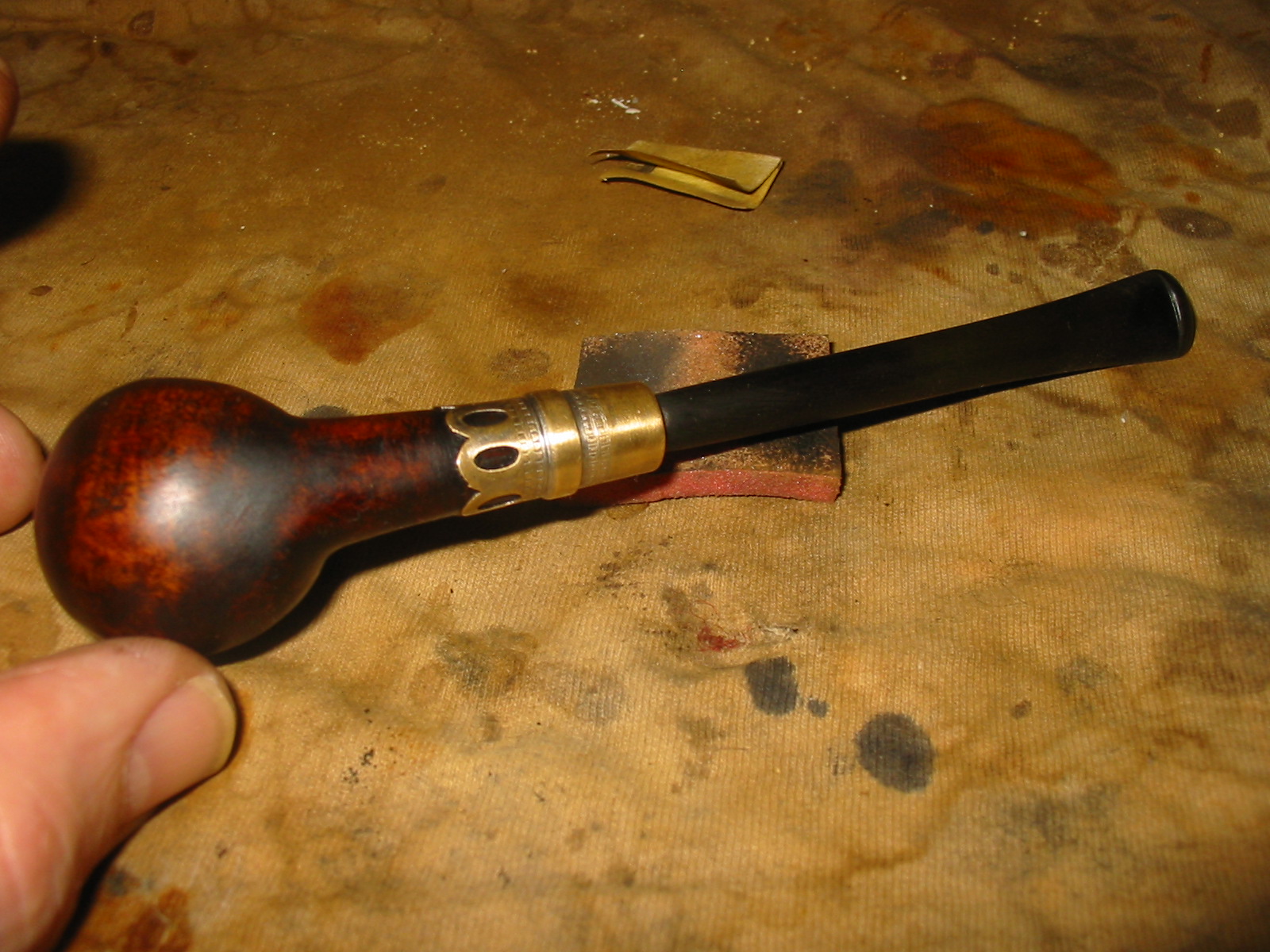
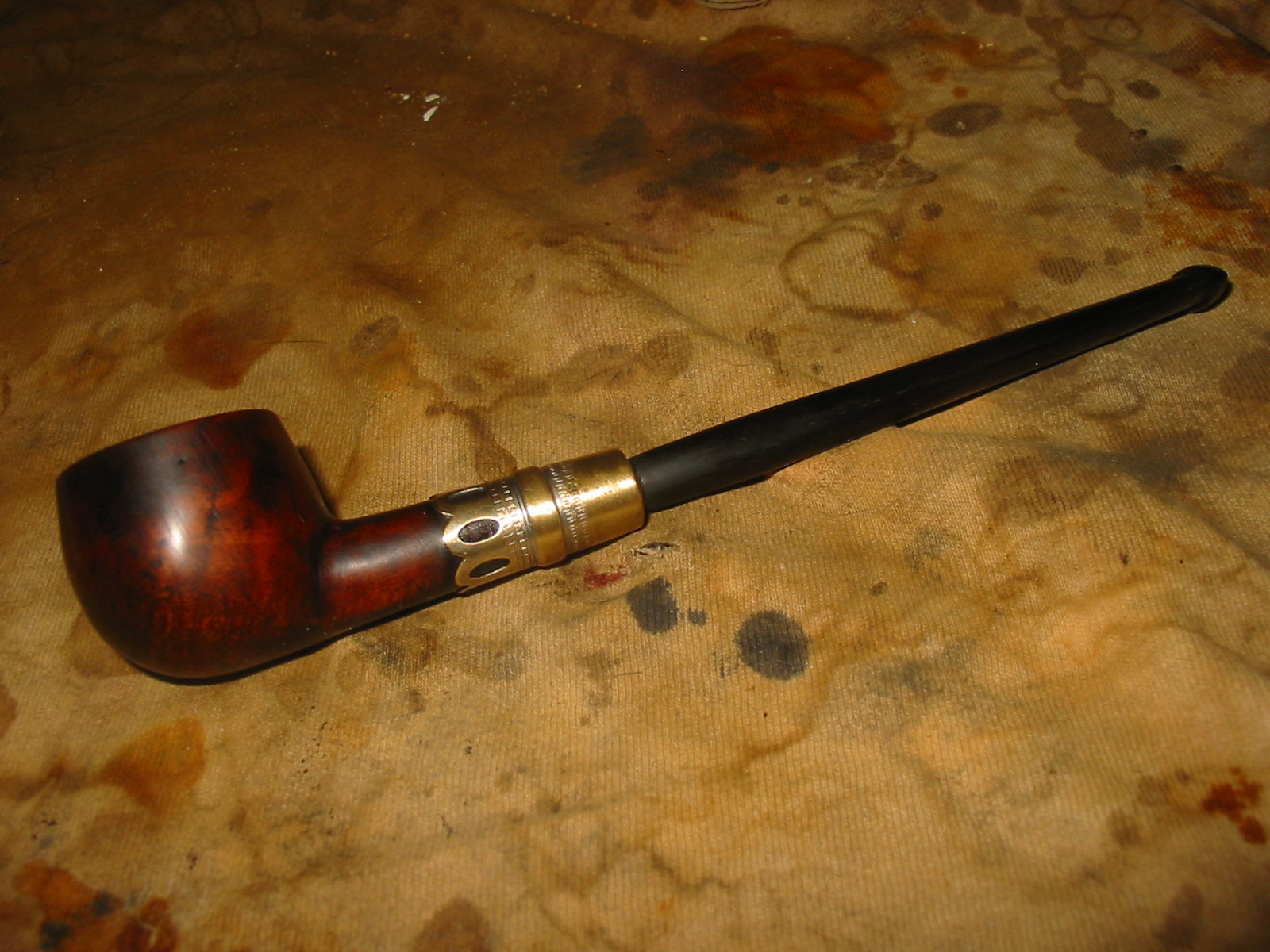
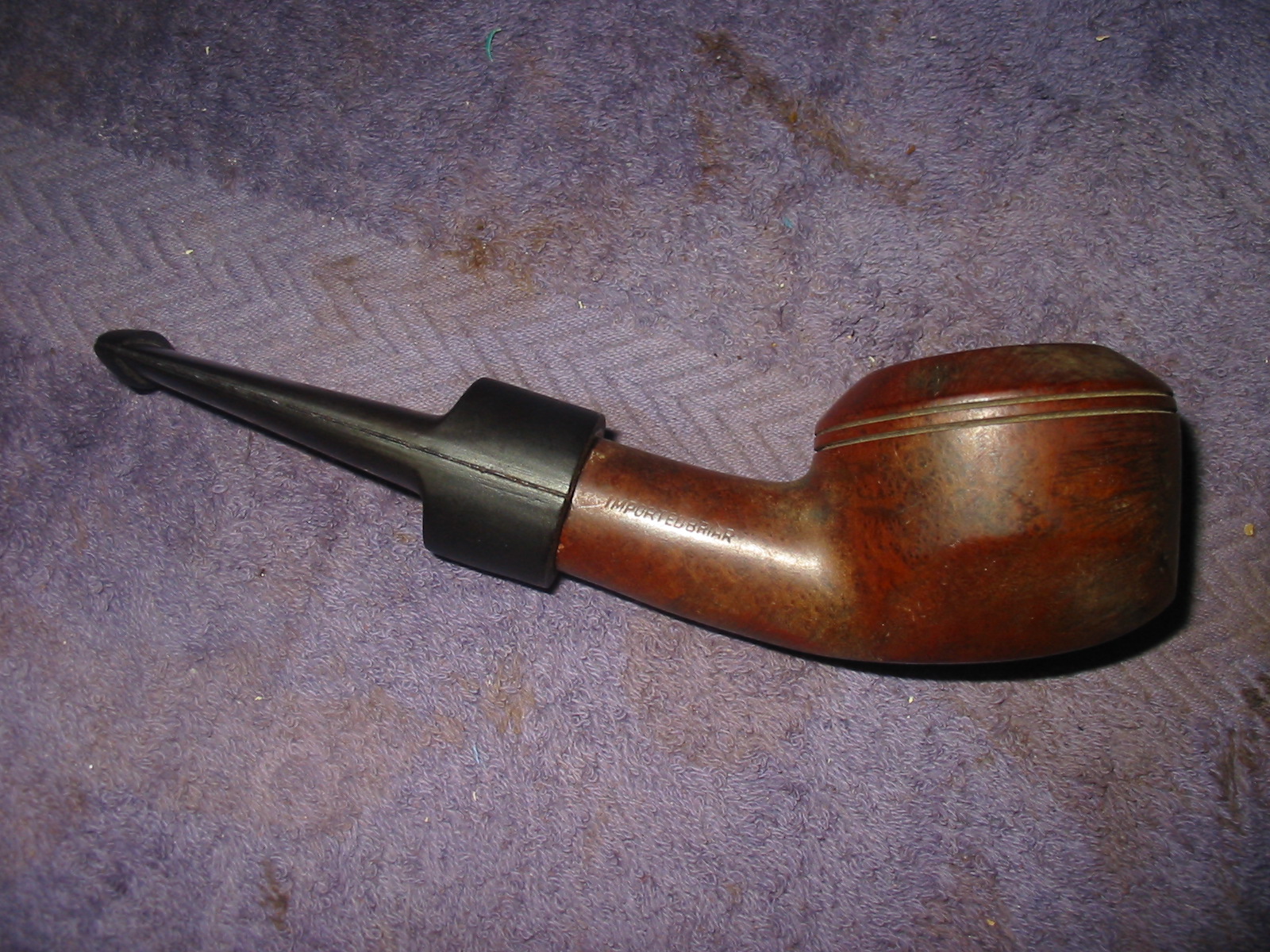
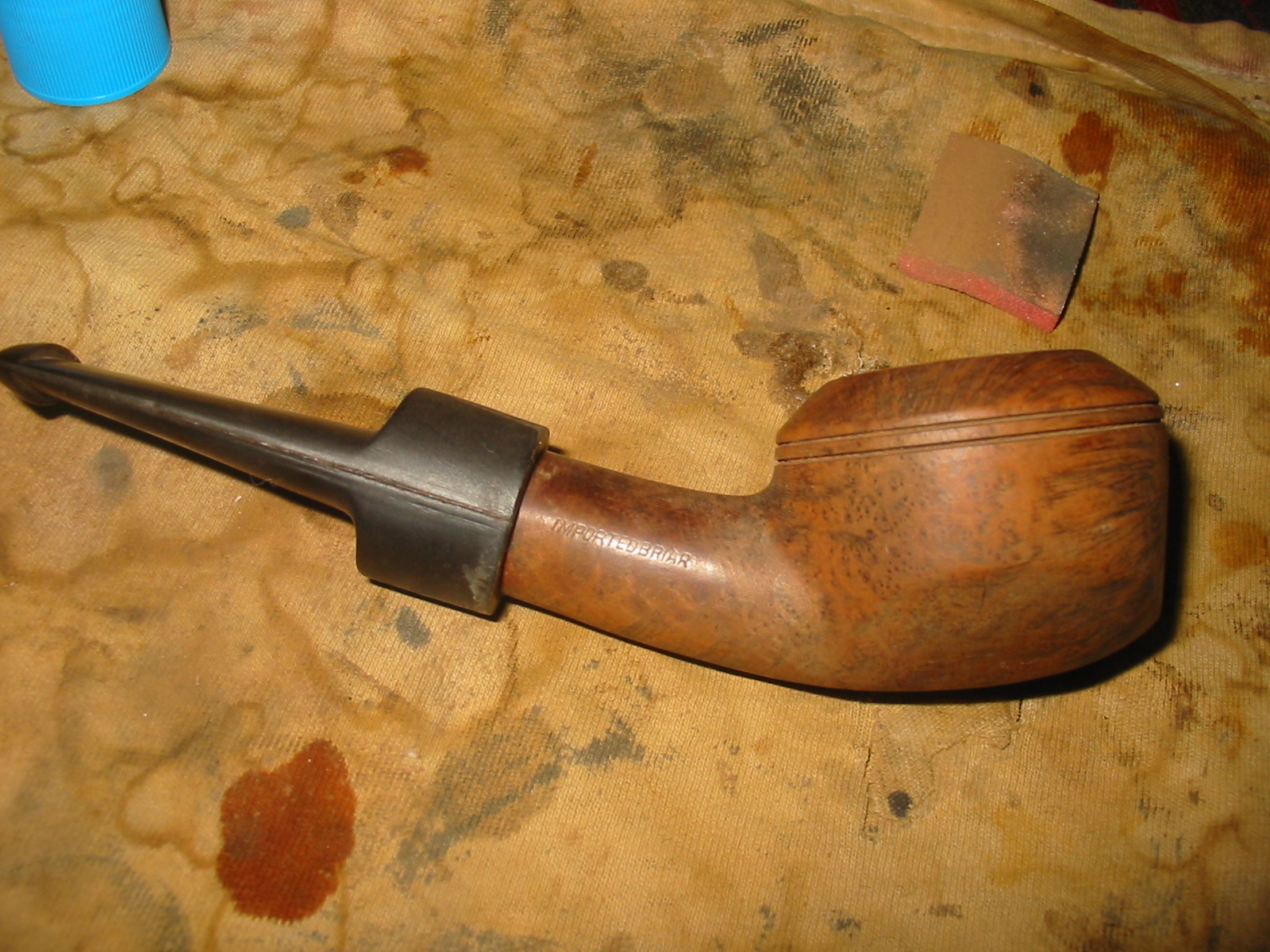
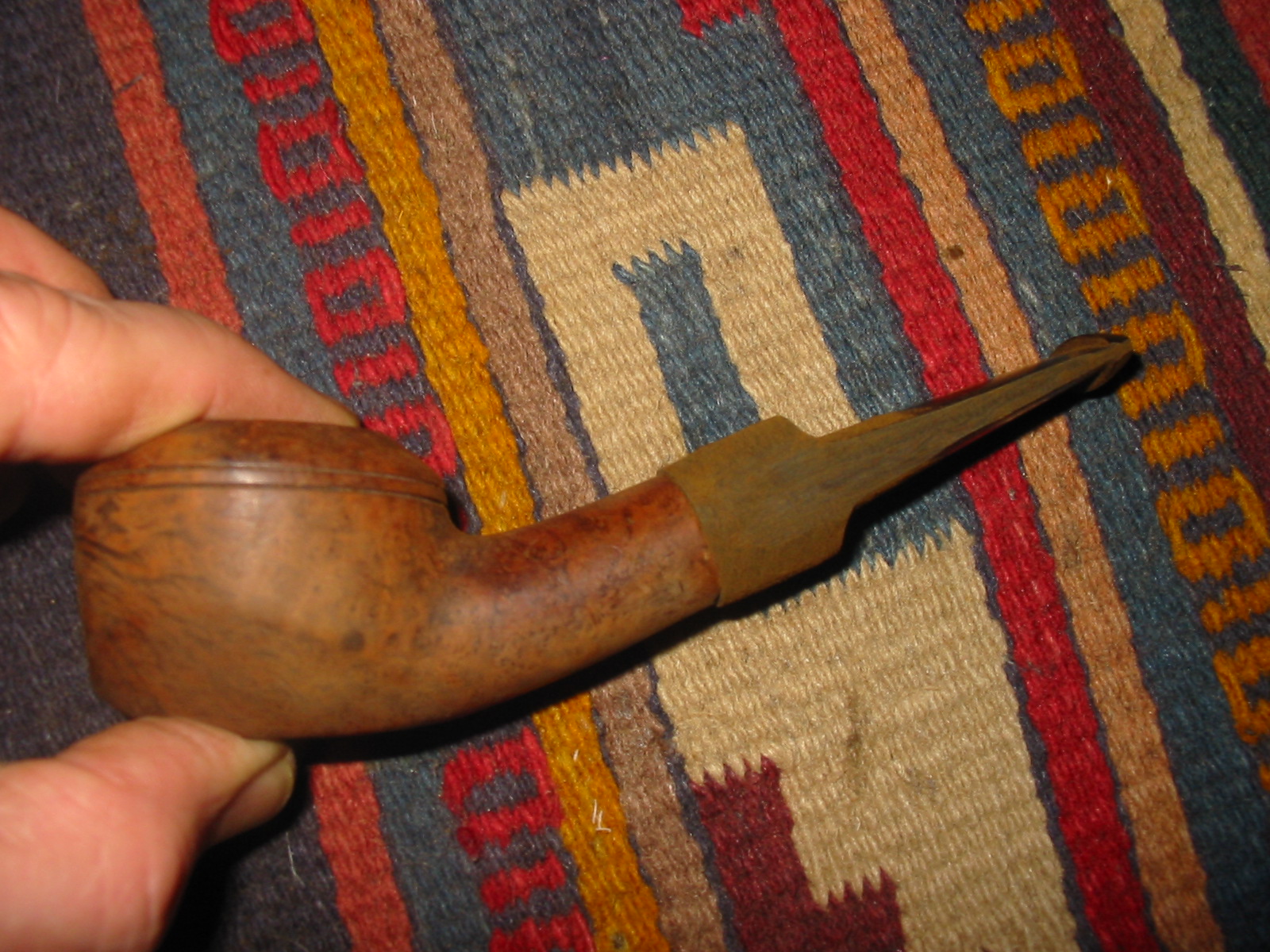
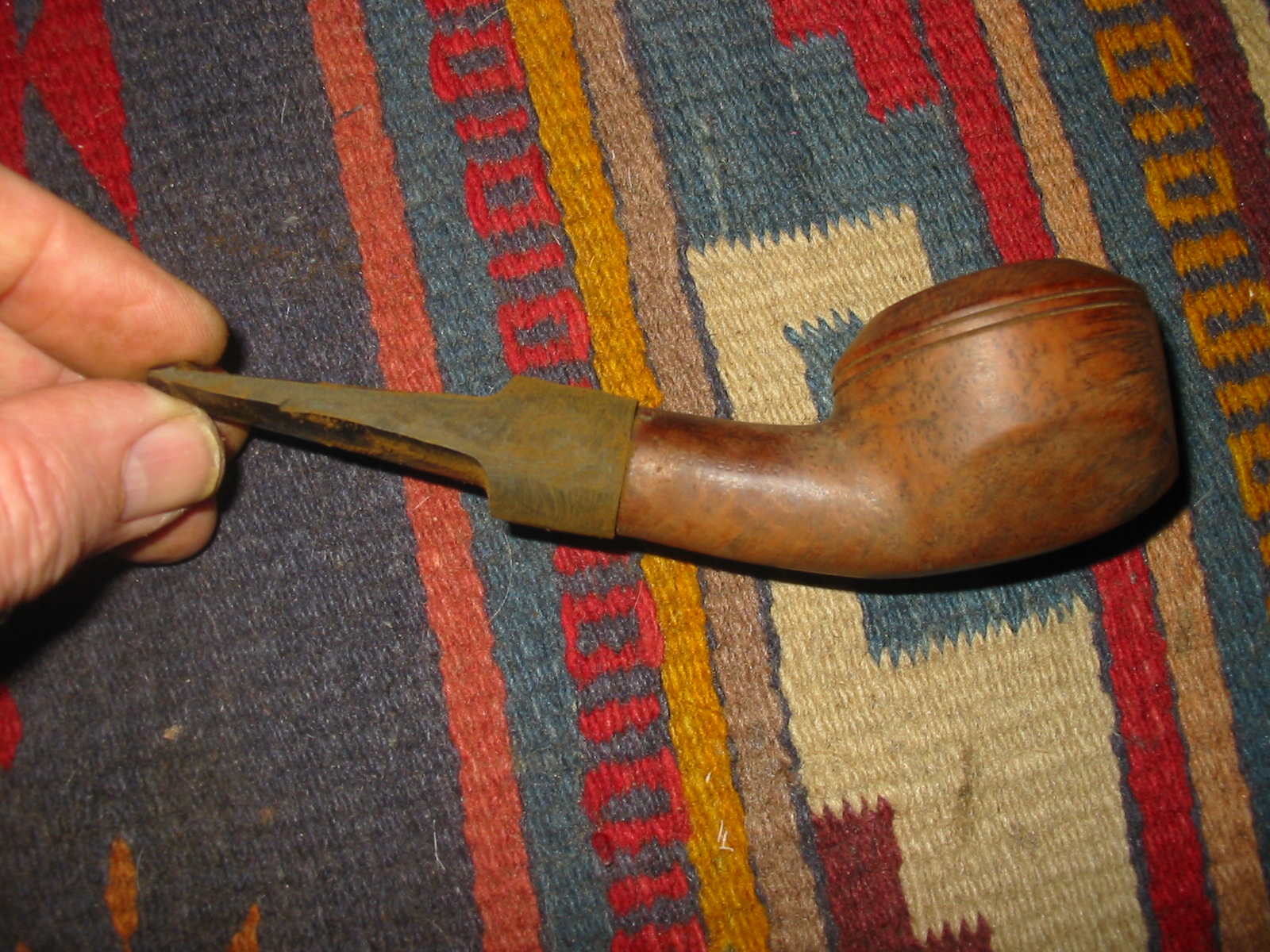
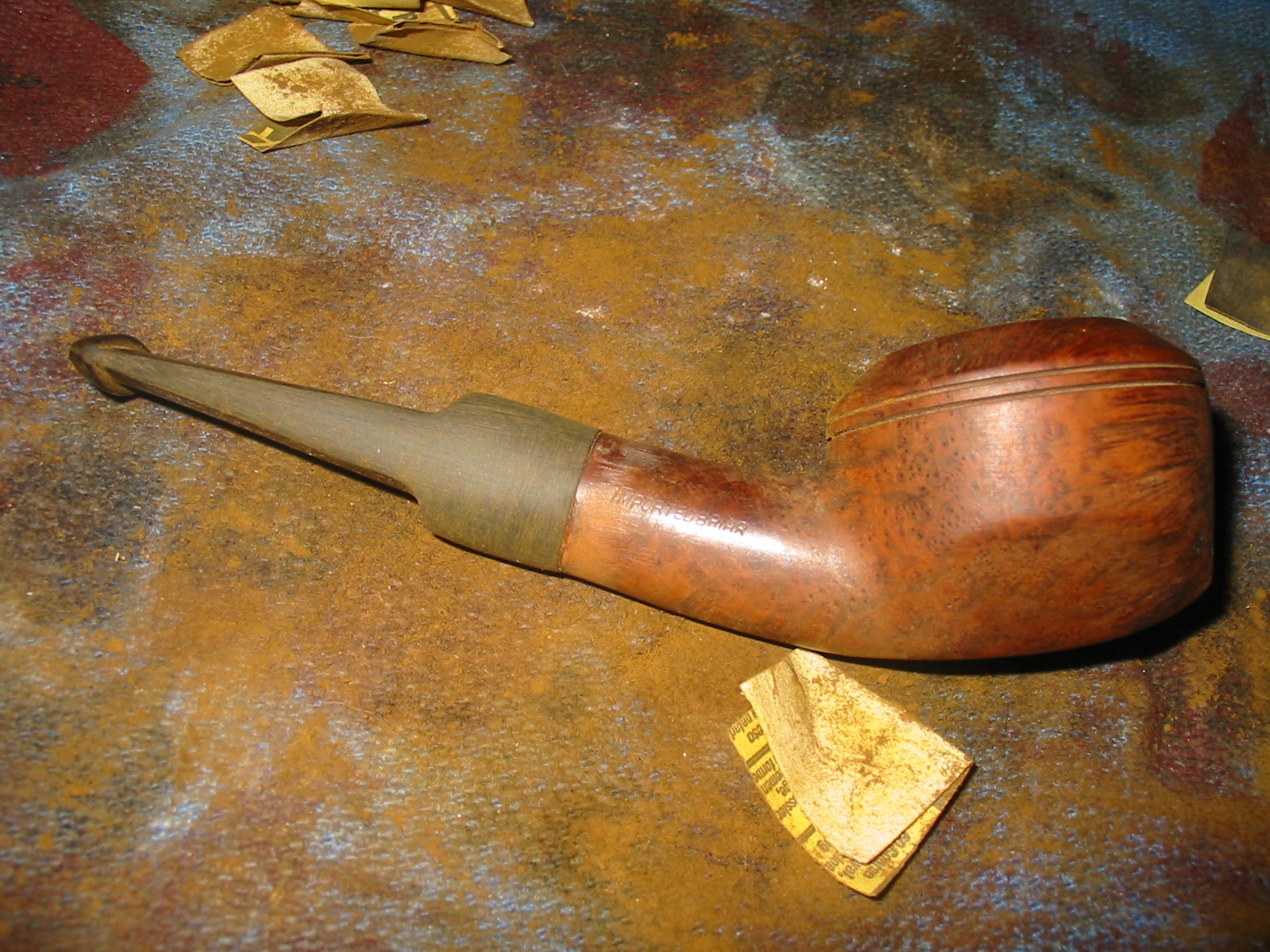
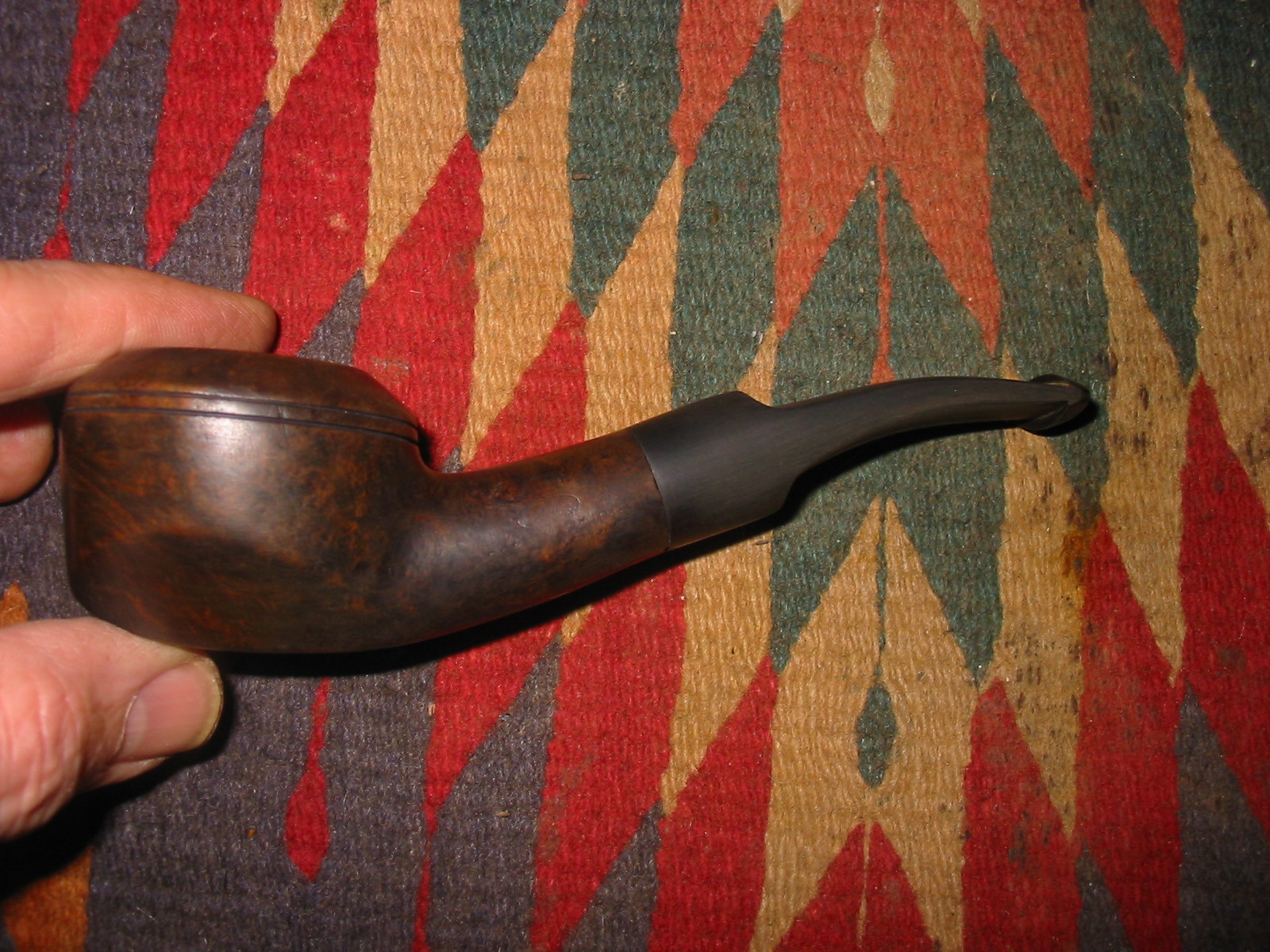
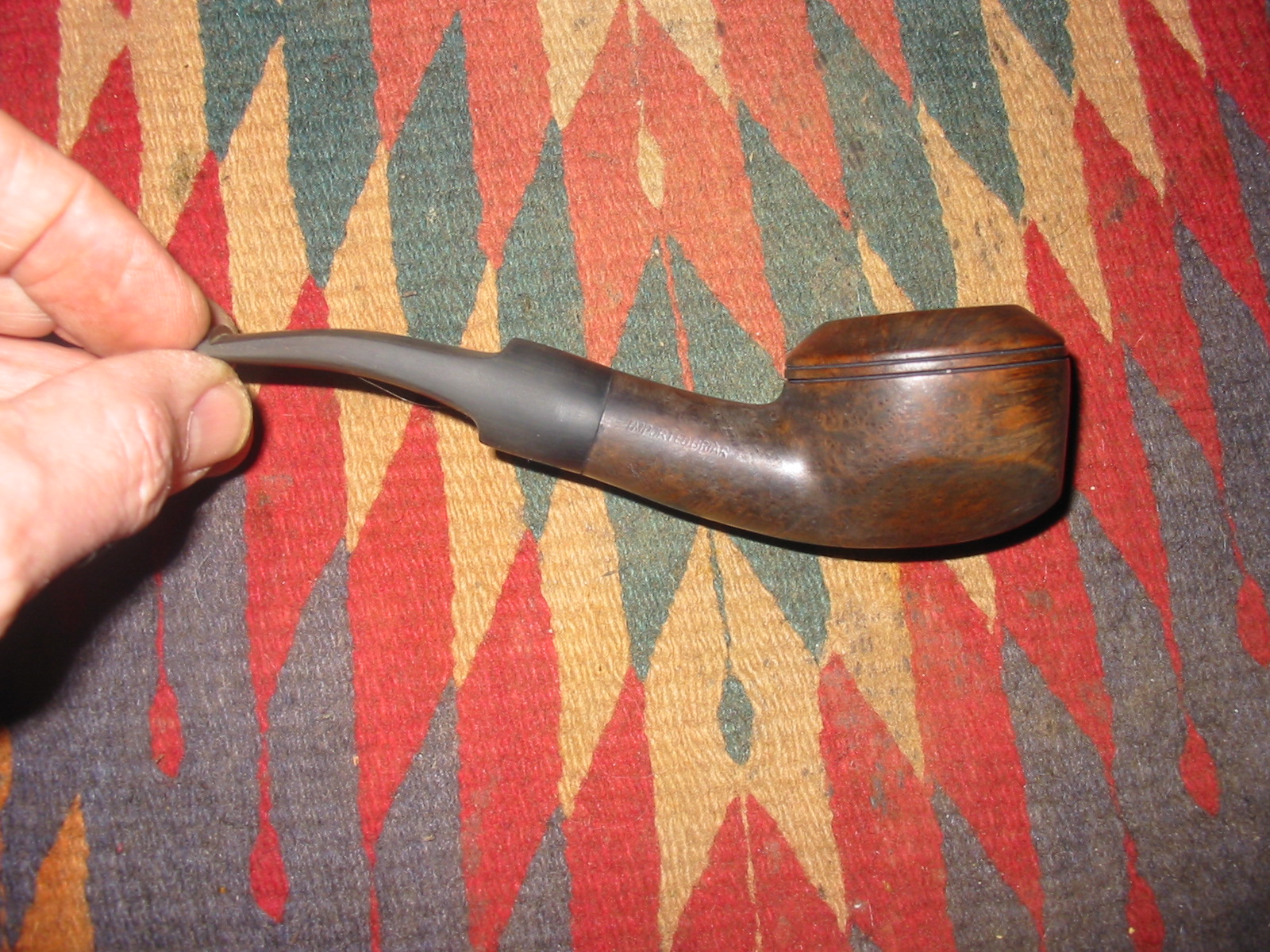
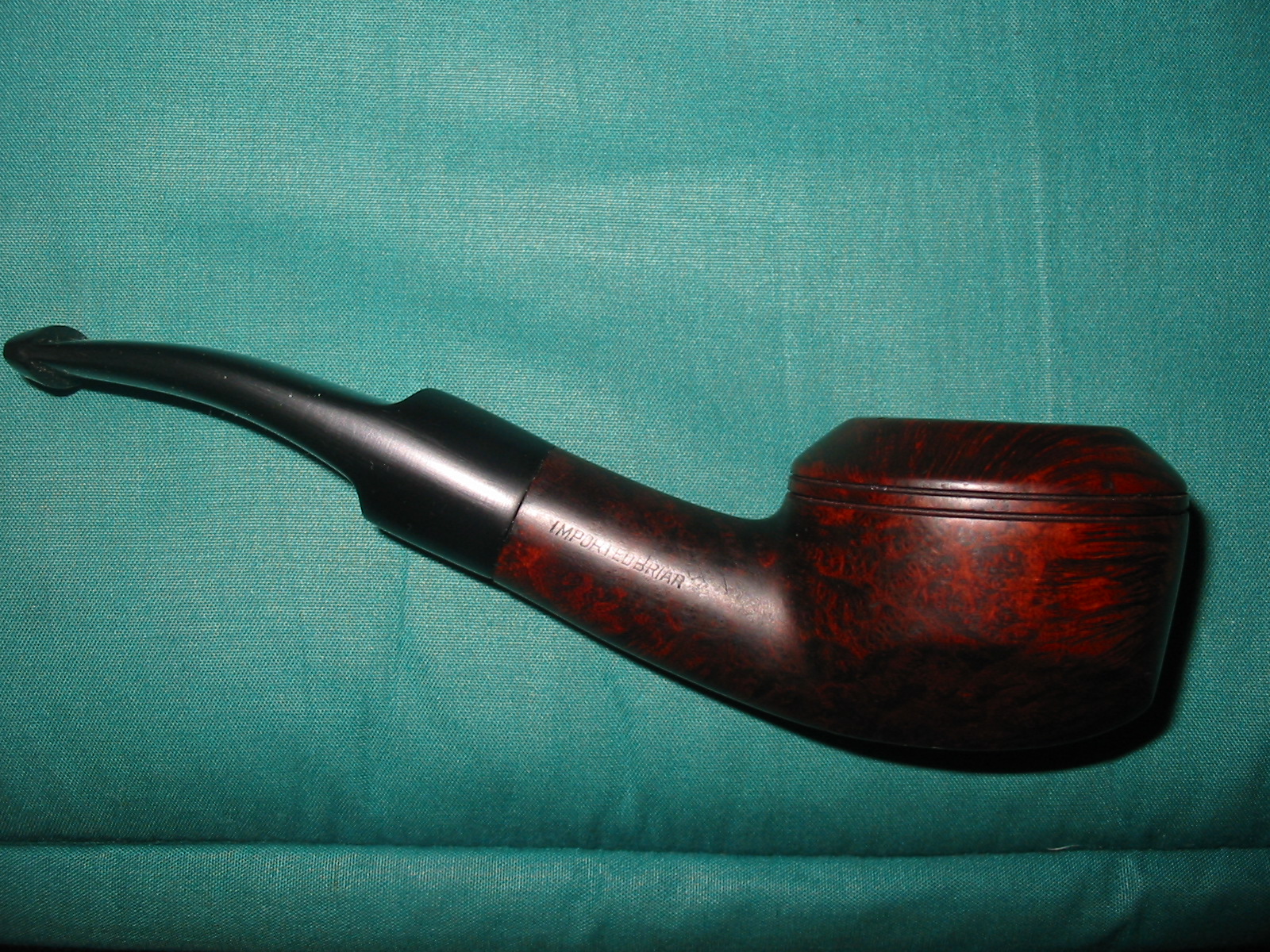
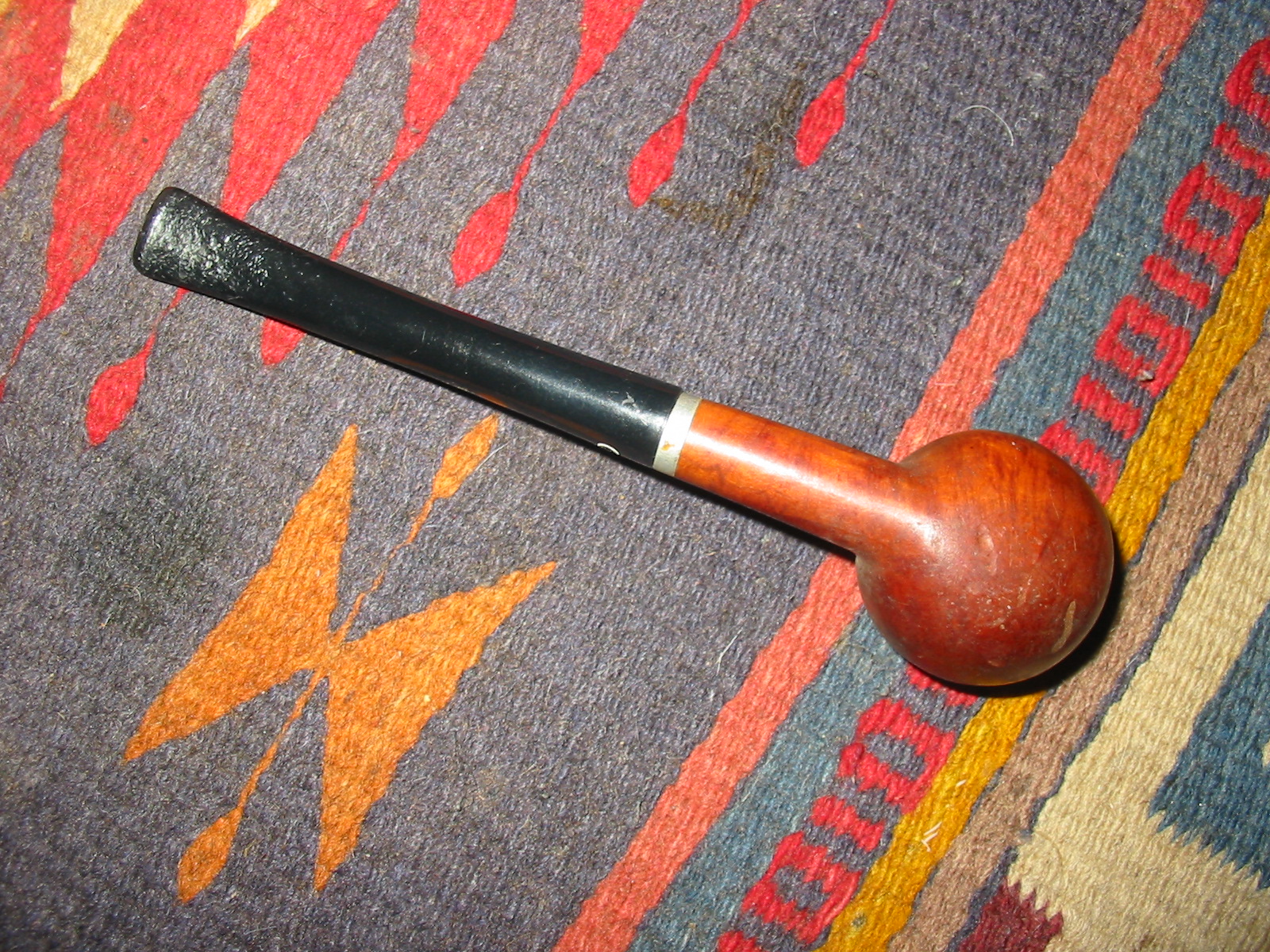
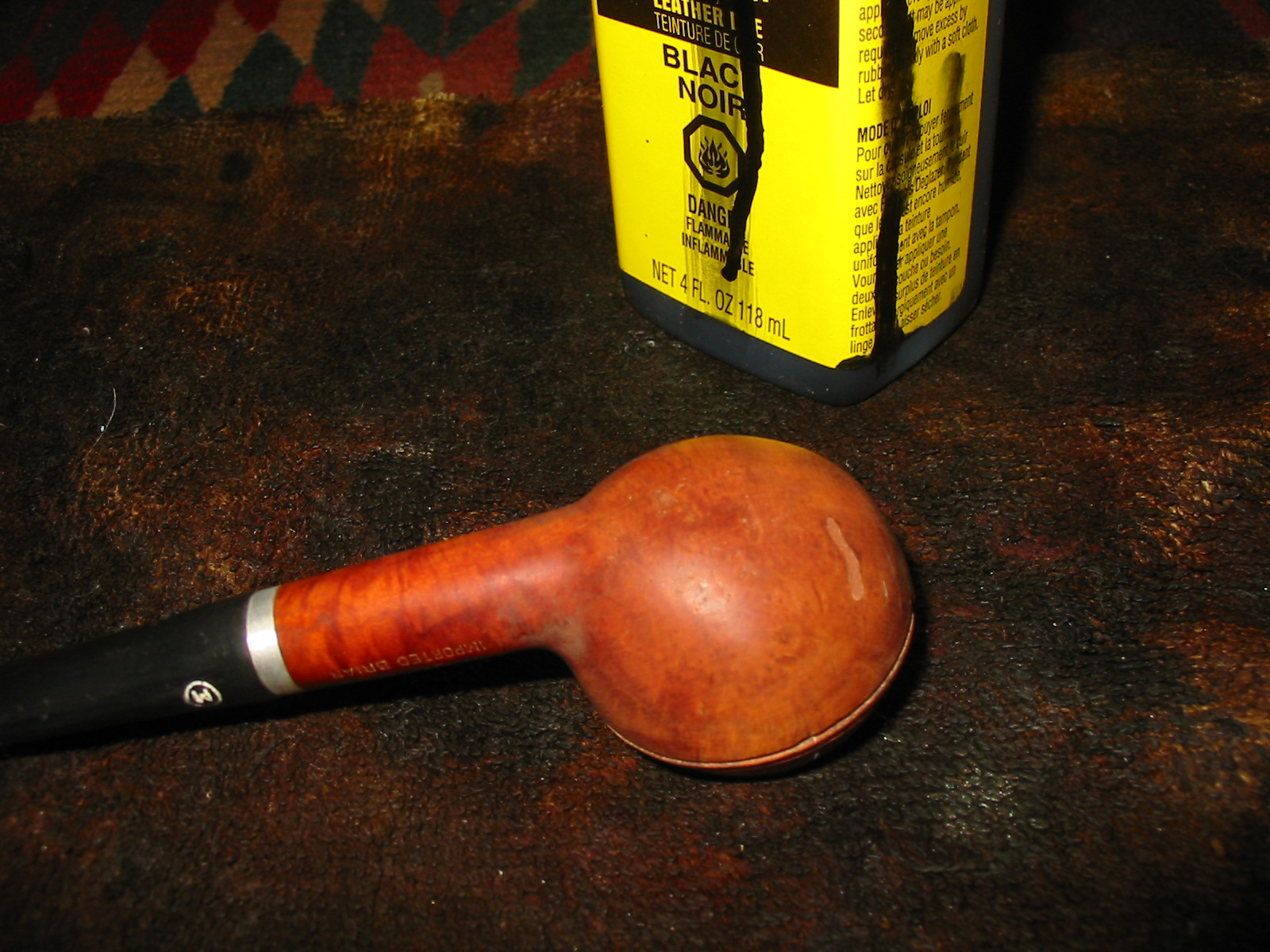
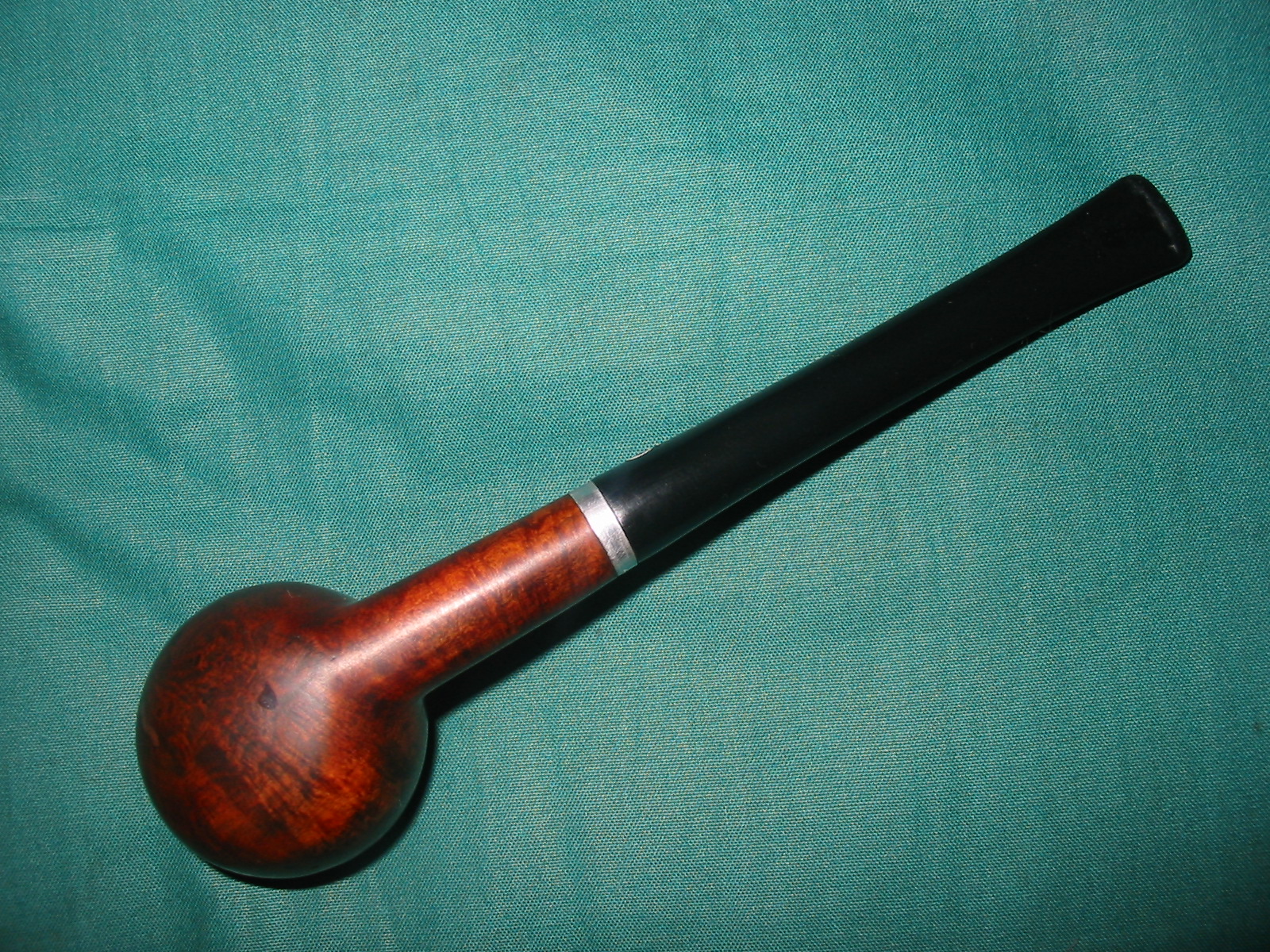
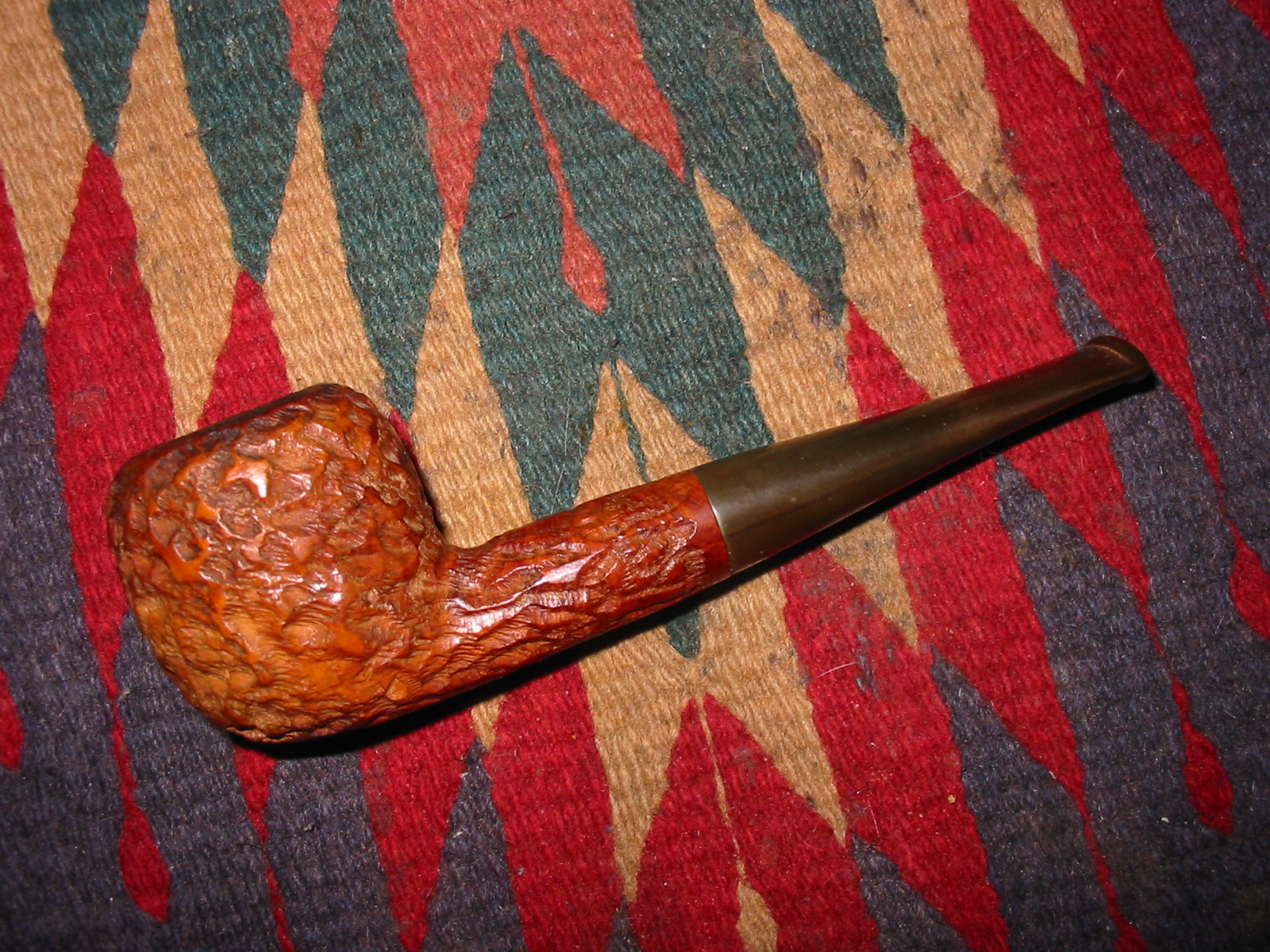
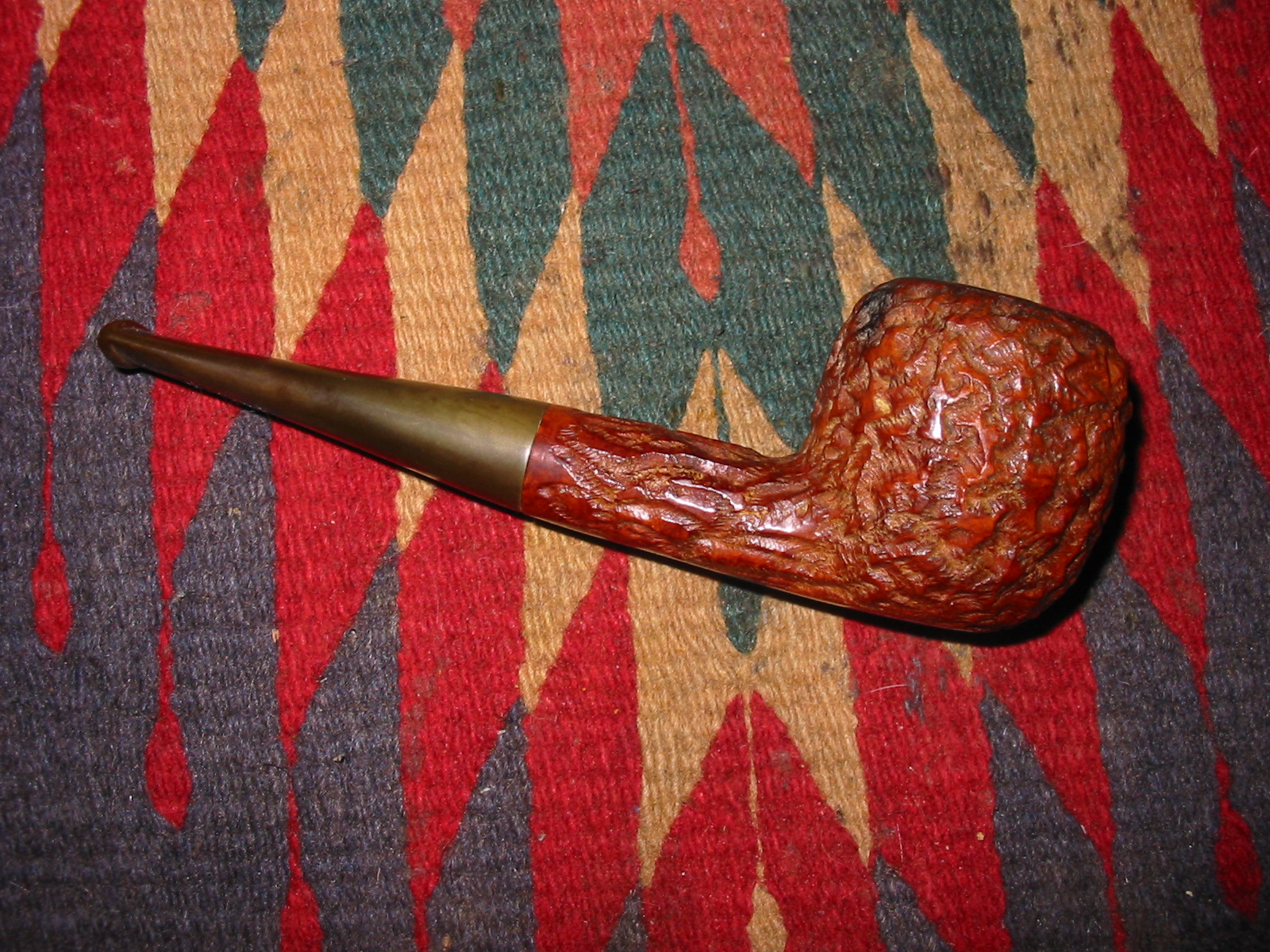
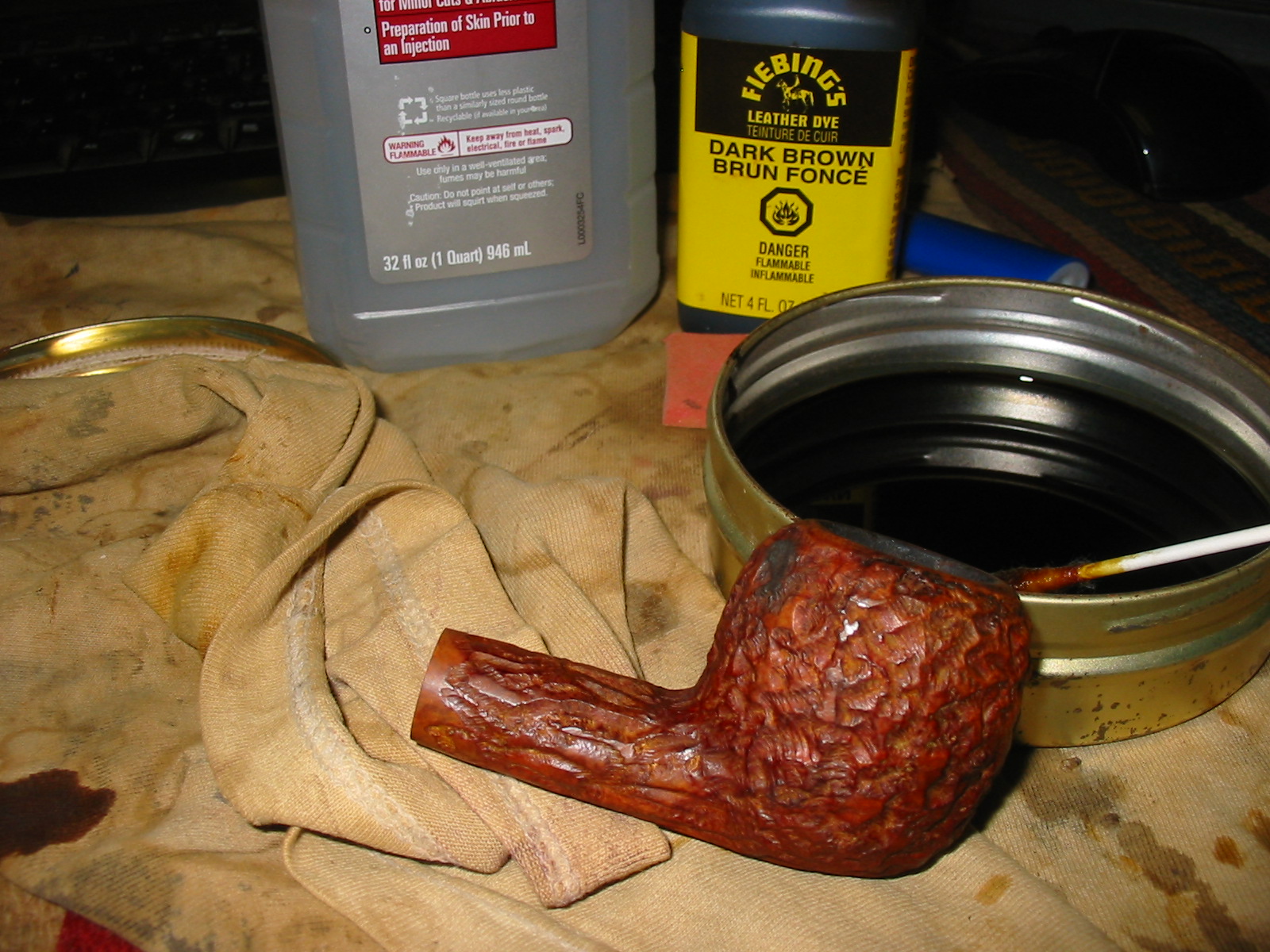
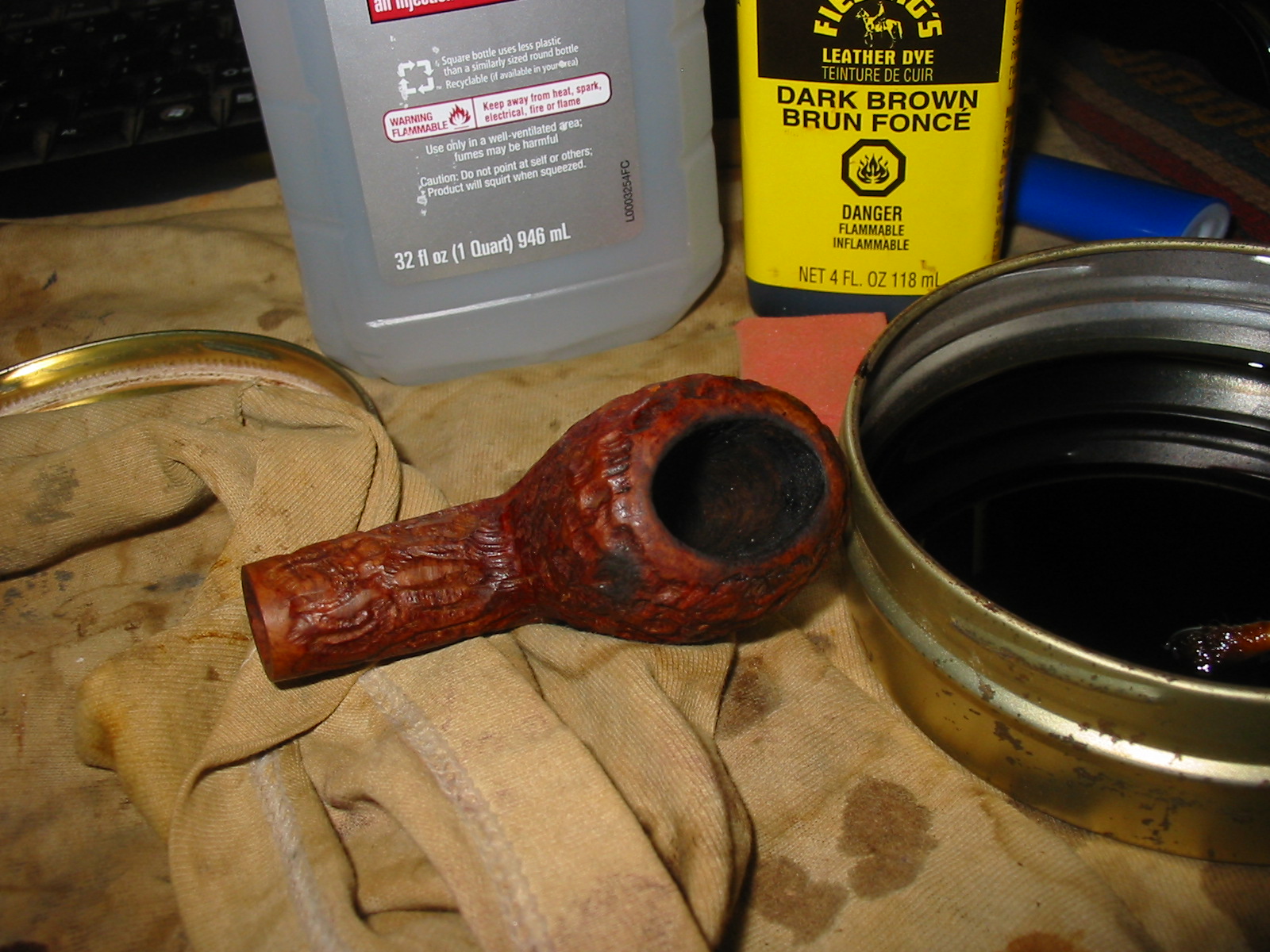
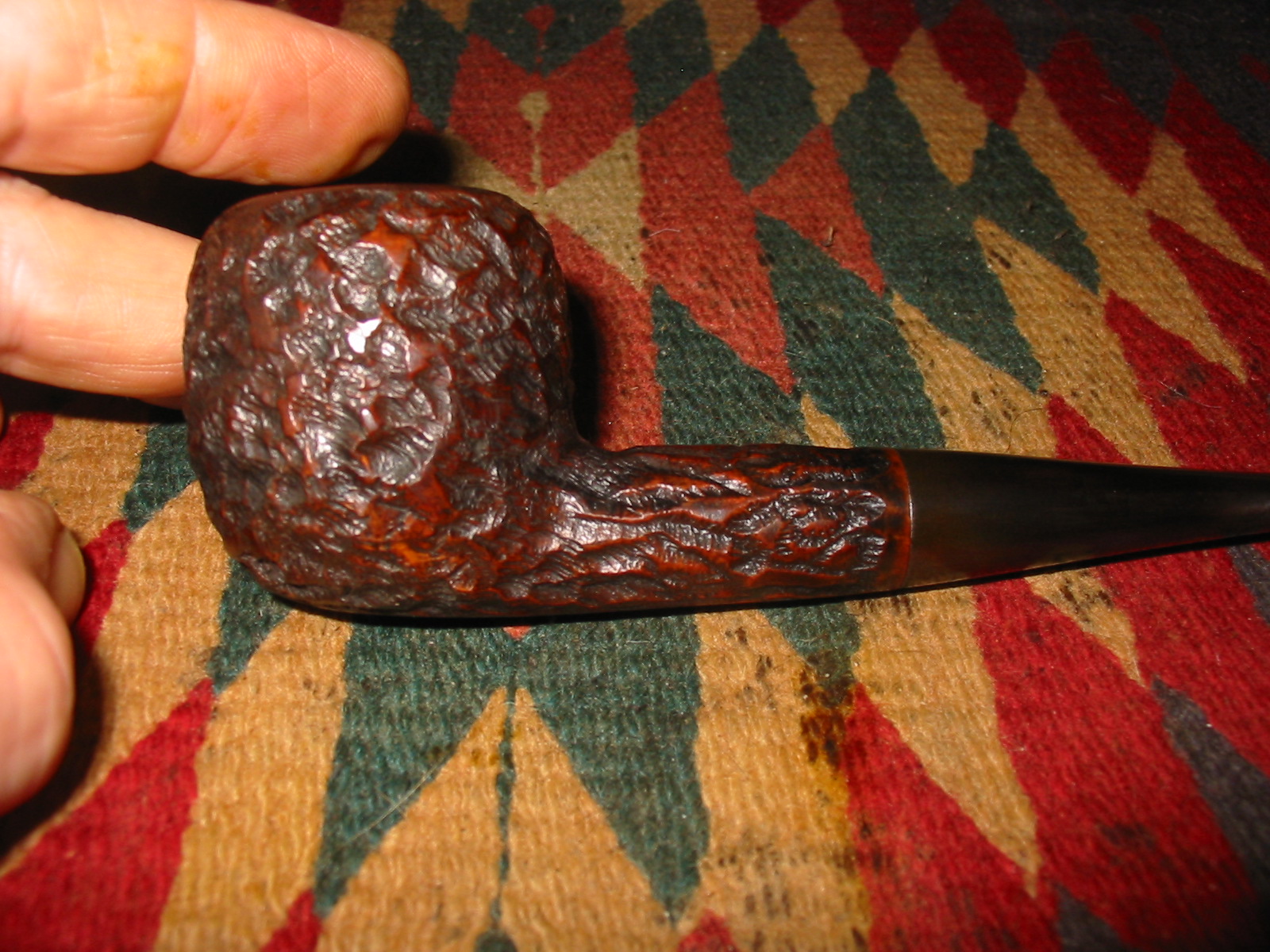
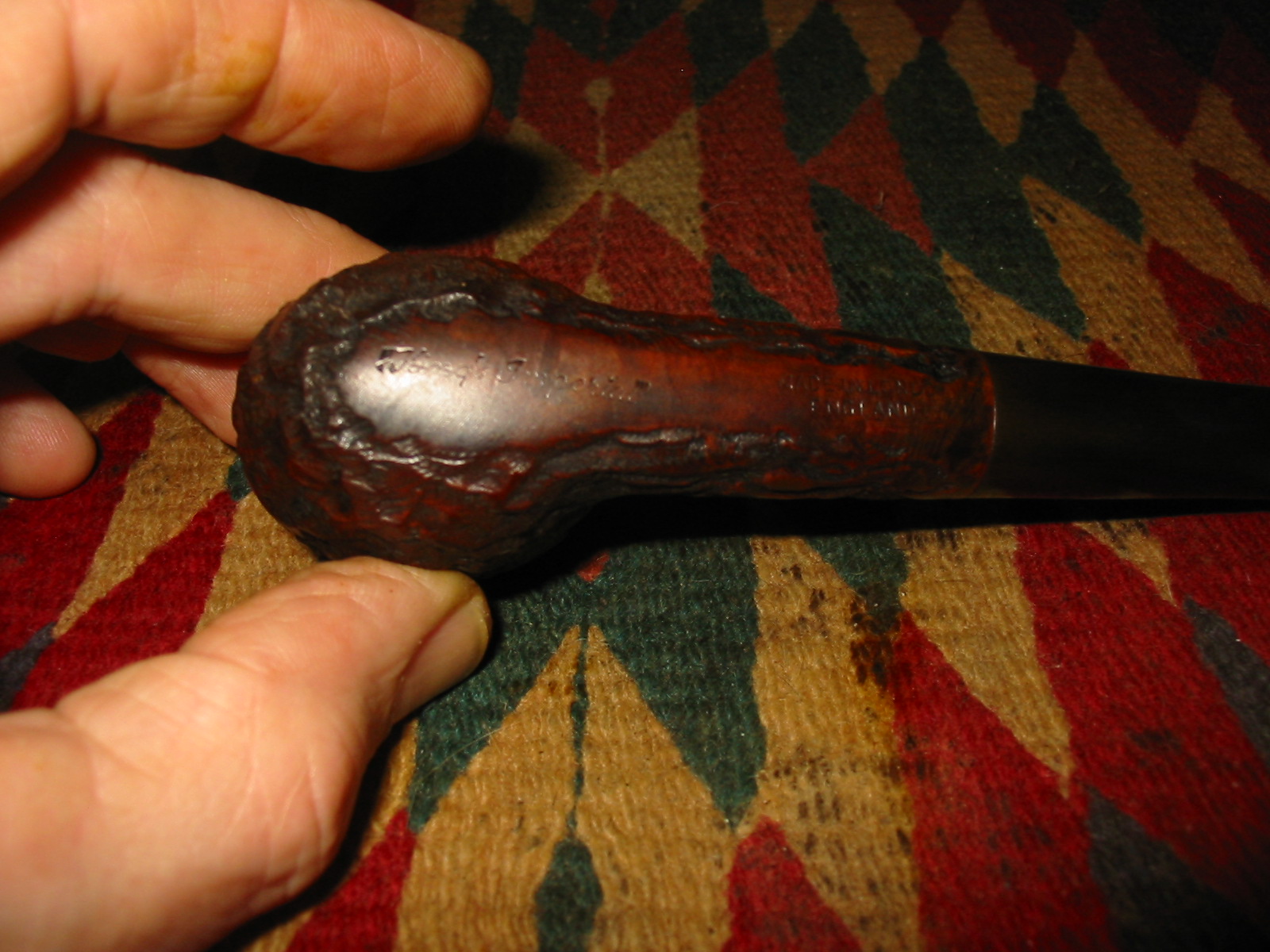
The next pipe on the work table is pictured below. The stamping is faint on the left side of the shank but it reads Weber in and oval over Scoop Junior. On the right side of the shank it is stamped Imported Briar. I decided to do a bit of reading on Weber pipes. I looked on Pipedia and found the following information.

Carl B. Weber was a German from Bavaria. Aged 21 he immigrated to the USA in 1911. In 1938 he established Weber Briars Inc. in Jersey City, New Jersey – later renamed the Weber Pipe Co. The firm grew to be one of the giants of American pipe industry focusing itself in the middle price and quality zone. Trademark: “Weber” in an oval. Beside that Weber – especially in the years after 1950 – was a most important supplier for private label pipes that went to an immense number of pipe shops. In New York alone for example, exactly the same pipes were found at Wilke’s, Barclay Rex, Trinity East, Joe Strano’s Northampton Tobacconist in Ridgewood, Queens, Don-Lou in Bensonhurst, Brooklyn. Nearly all pipes for Wilke were unstained and many models, for example the “Wilke Danish Bent”, could hardly deny originating of Weber. Among others well reputed pipemaker Anthony Passante worked for Weber.

Weber Pipe Co. owned and manufactured Jobey pipes – when mainly sold in the USA by The Tinderbox from 1970’s – 80’s. In addition Jobey / Weber bought Danish freehands from Karl Erik (Ottendahl). These pipes were offered as Jobey Dansk. Ottendahl discontinued exports to the United States in 1987 and in the very same year – obviously only as a ghost brand – Jobey was transferred to Saint-Claude, France to be manufactured by Butz-Choquin. Carl B. Weber is the author of the famous book “Weber’s Guide to Pipes and Pipe Smoking”.

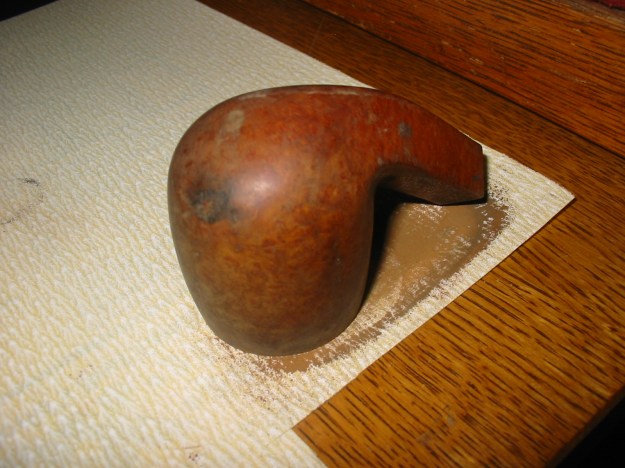
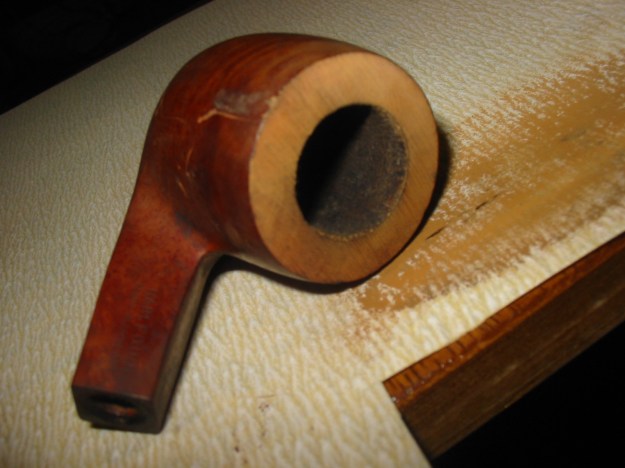
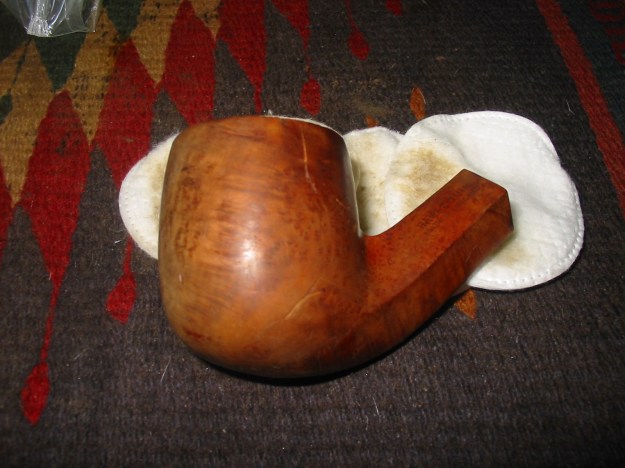
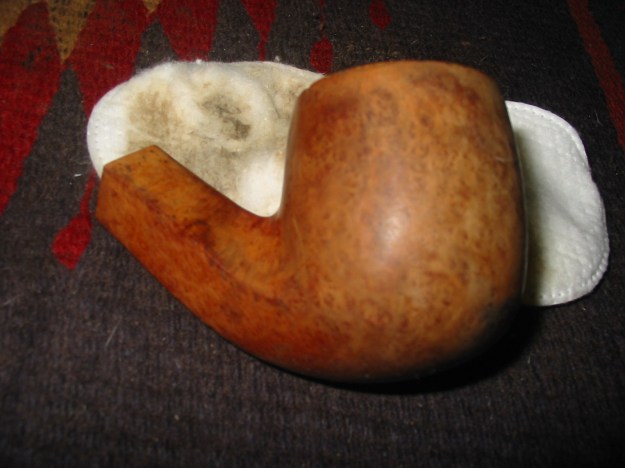
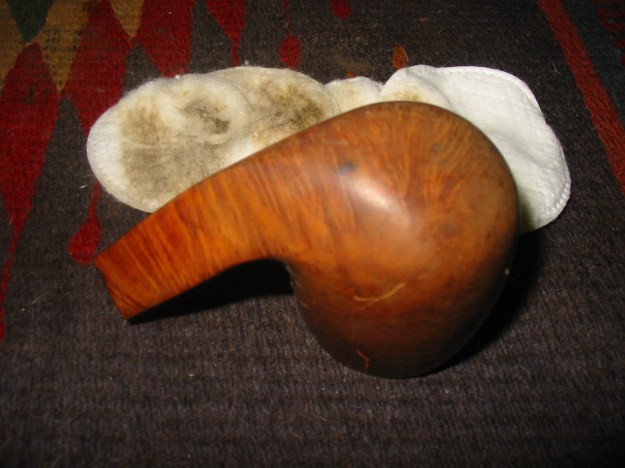
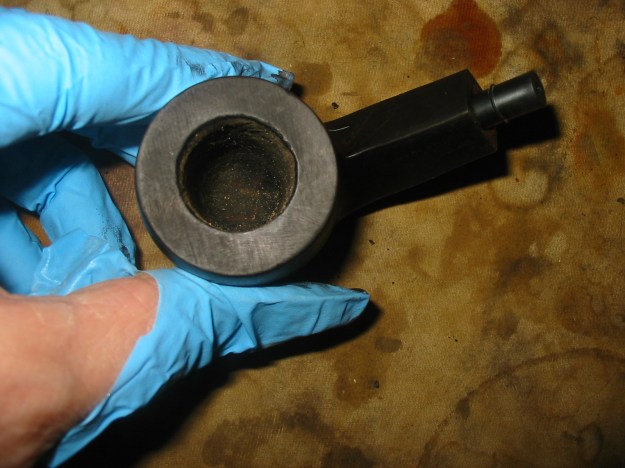
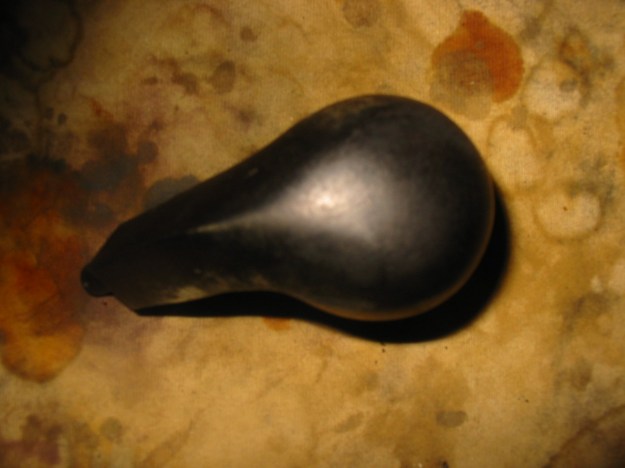
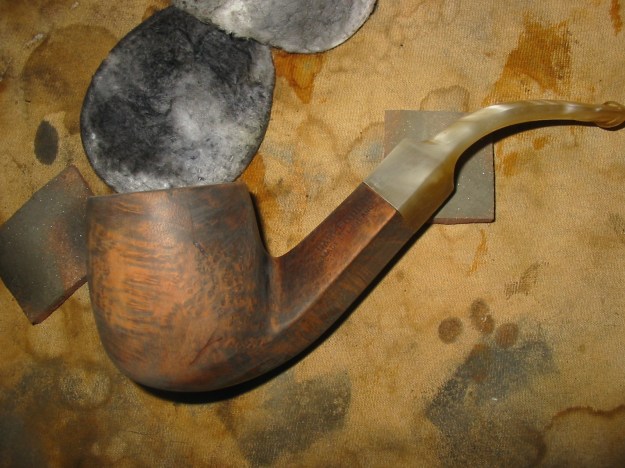
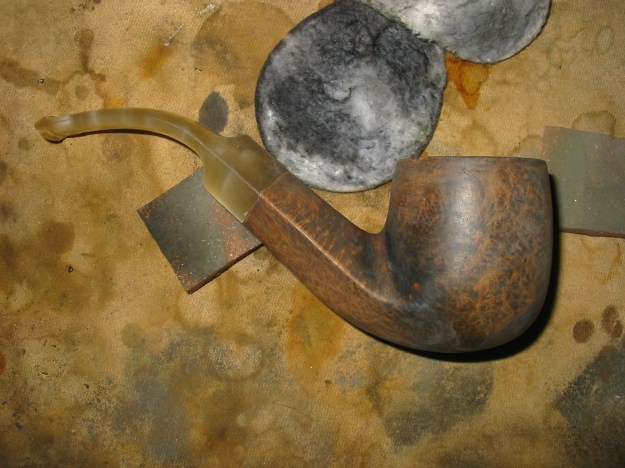
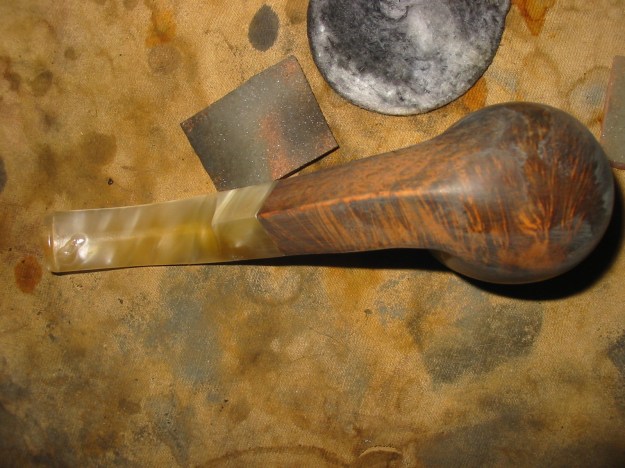
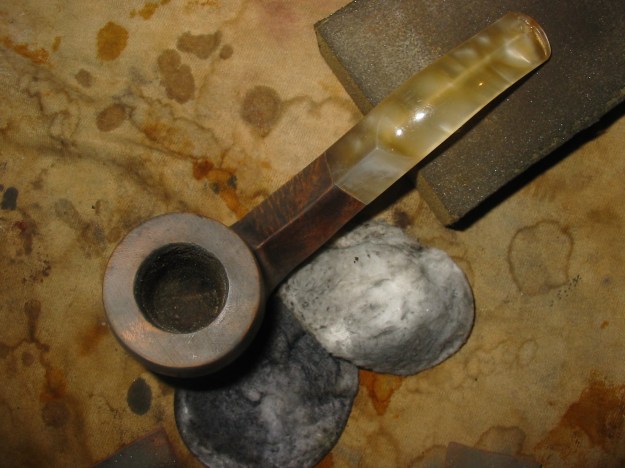
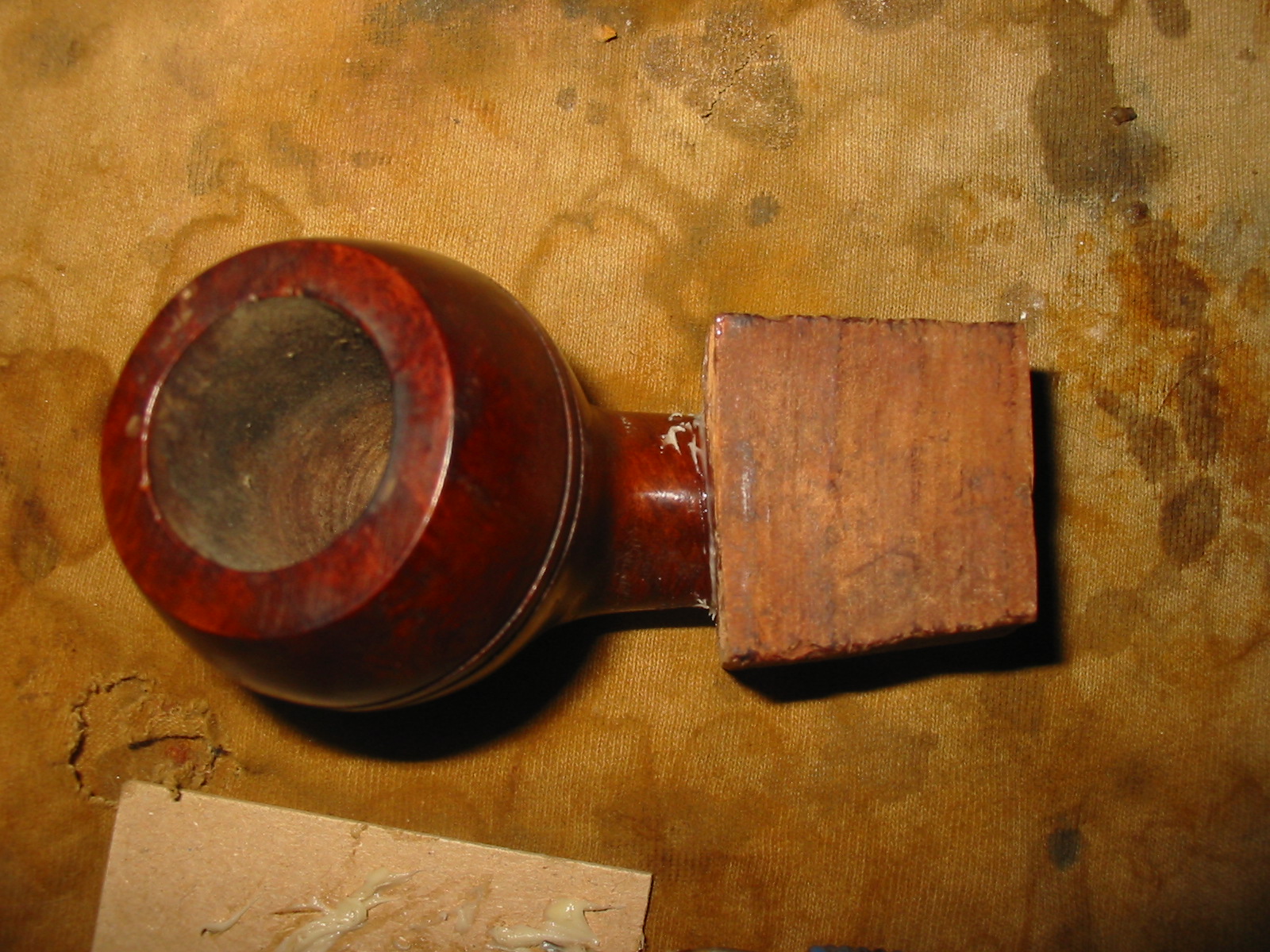
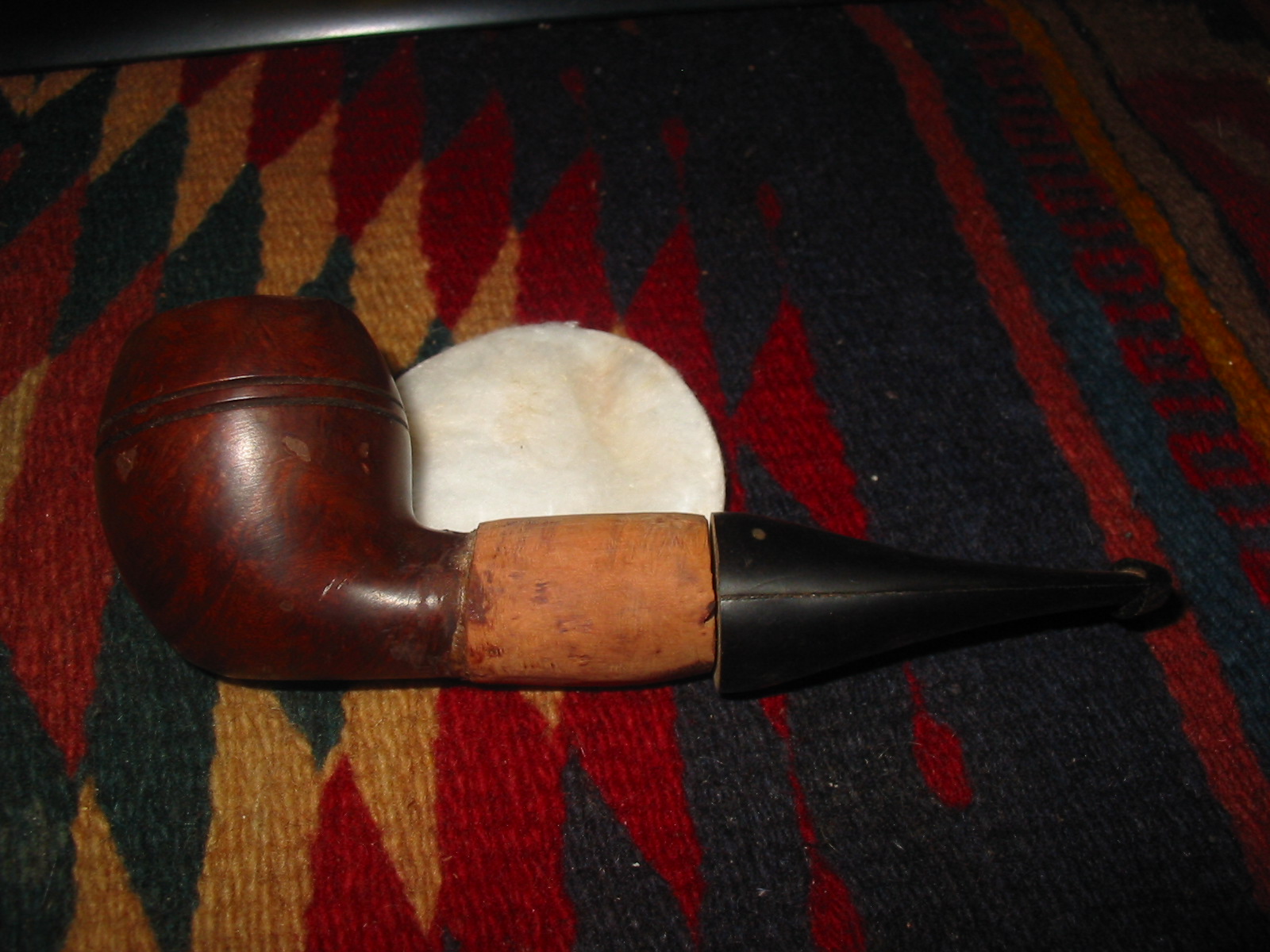
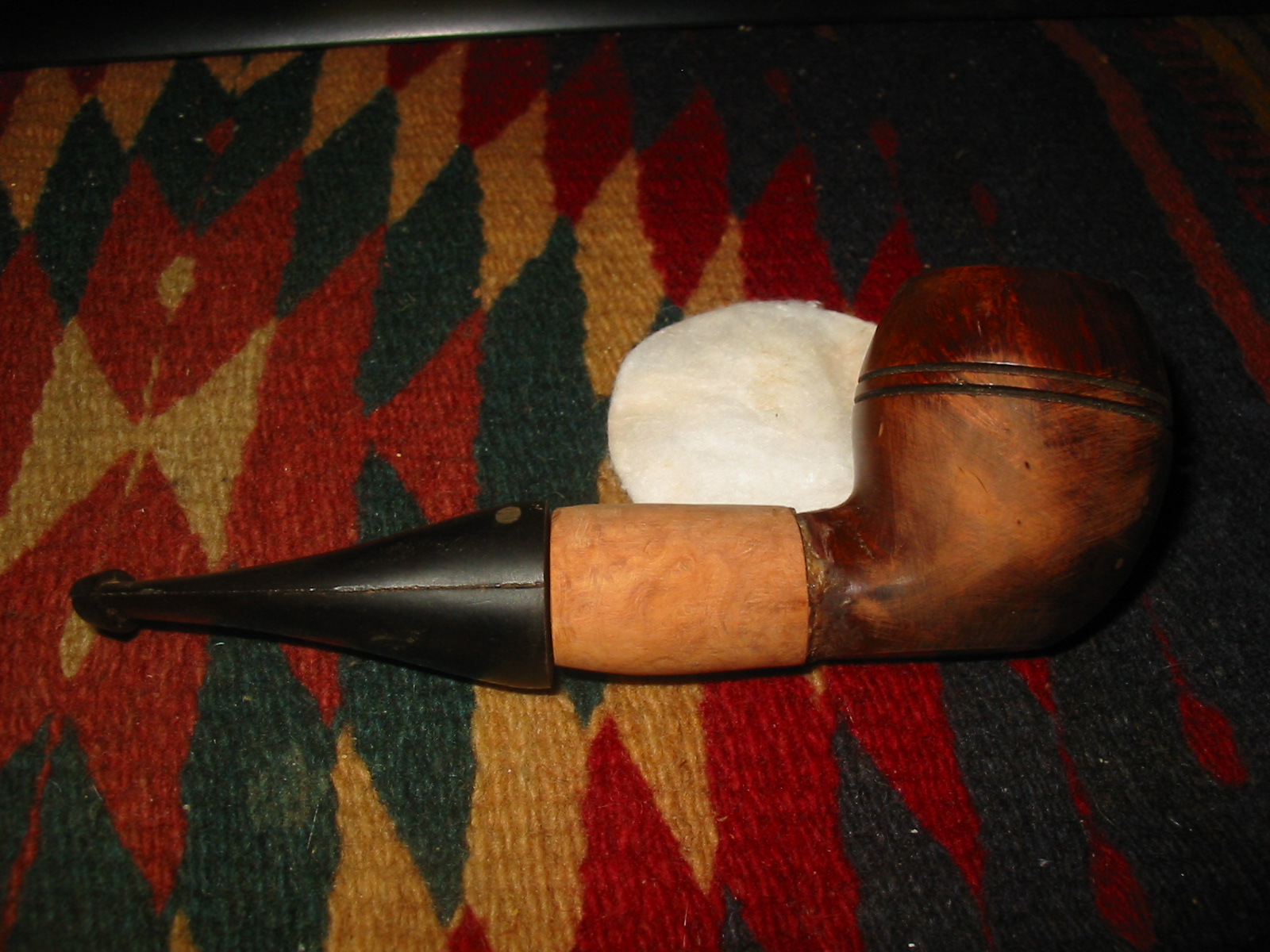
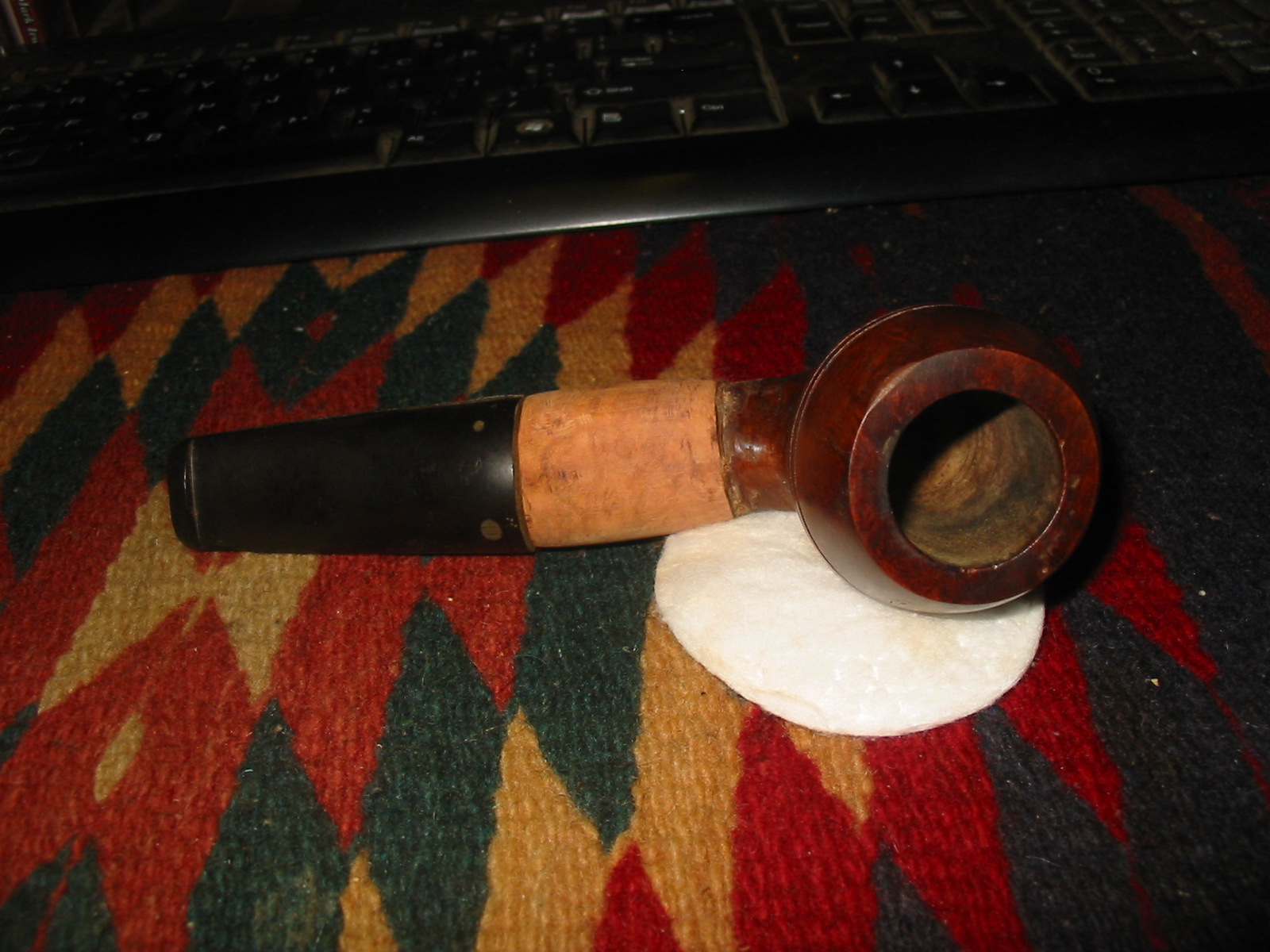
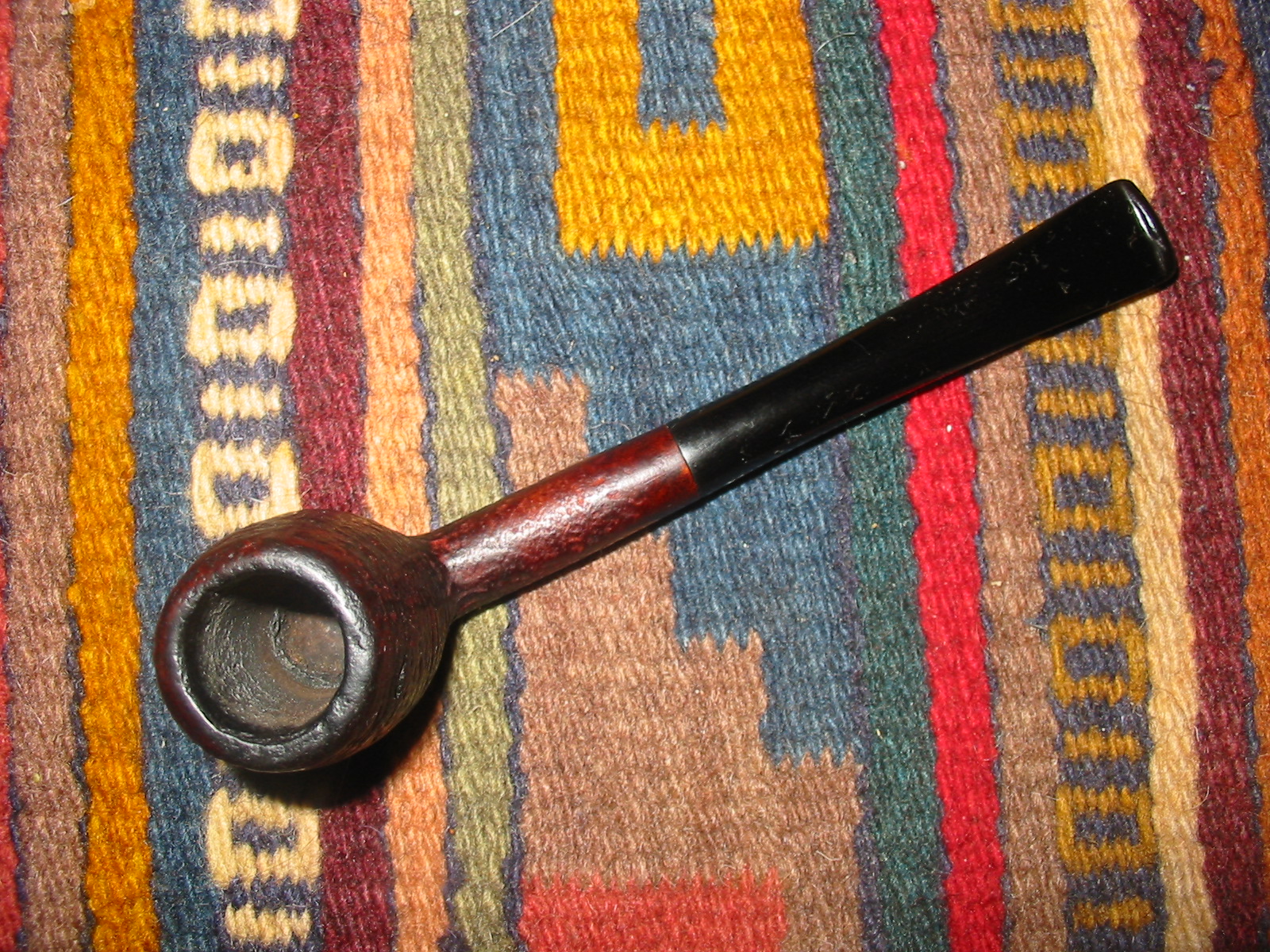
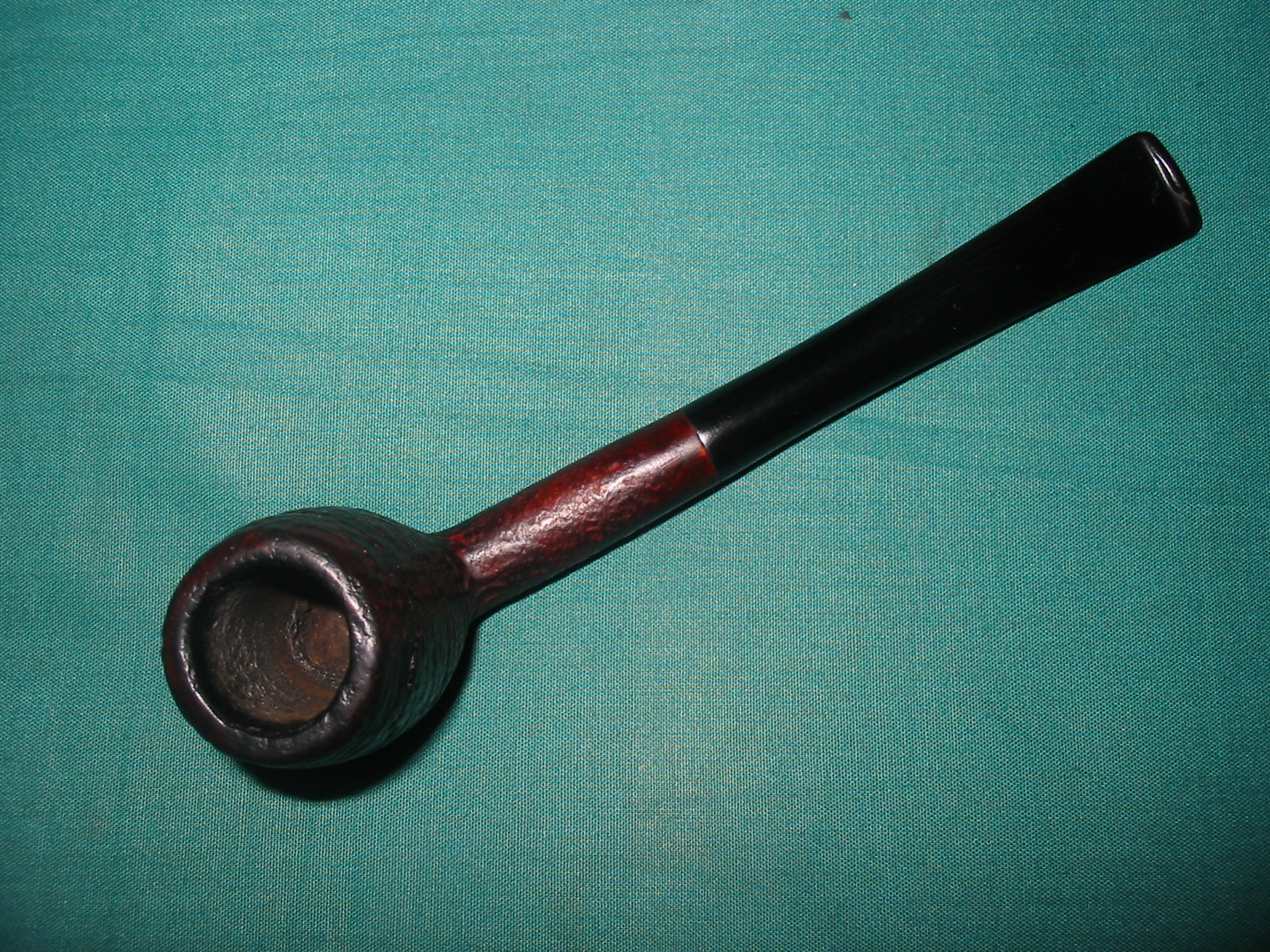
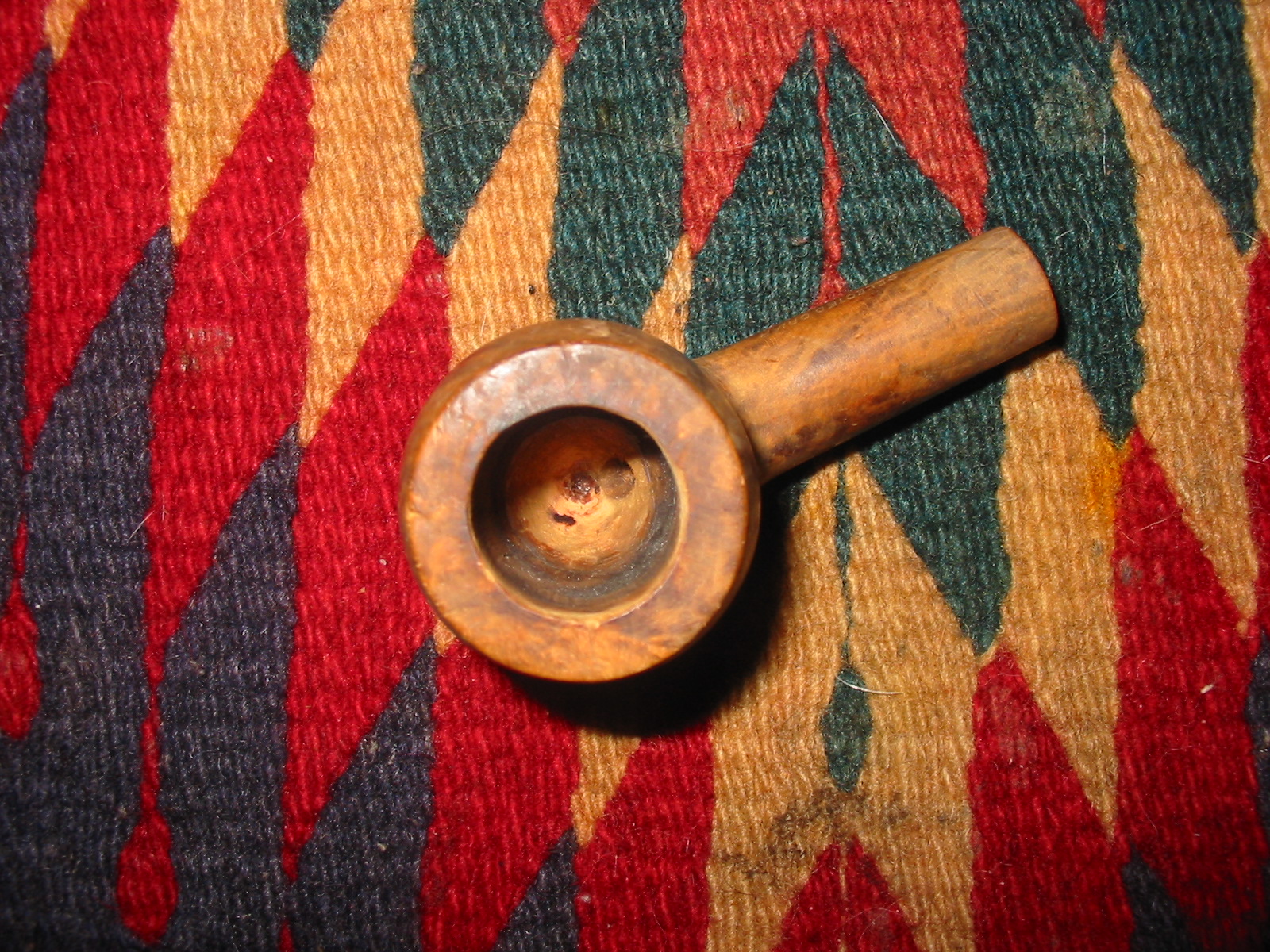
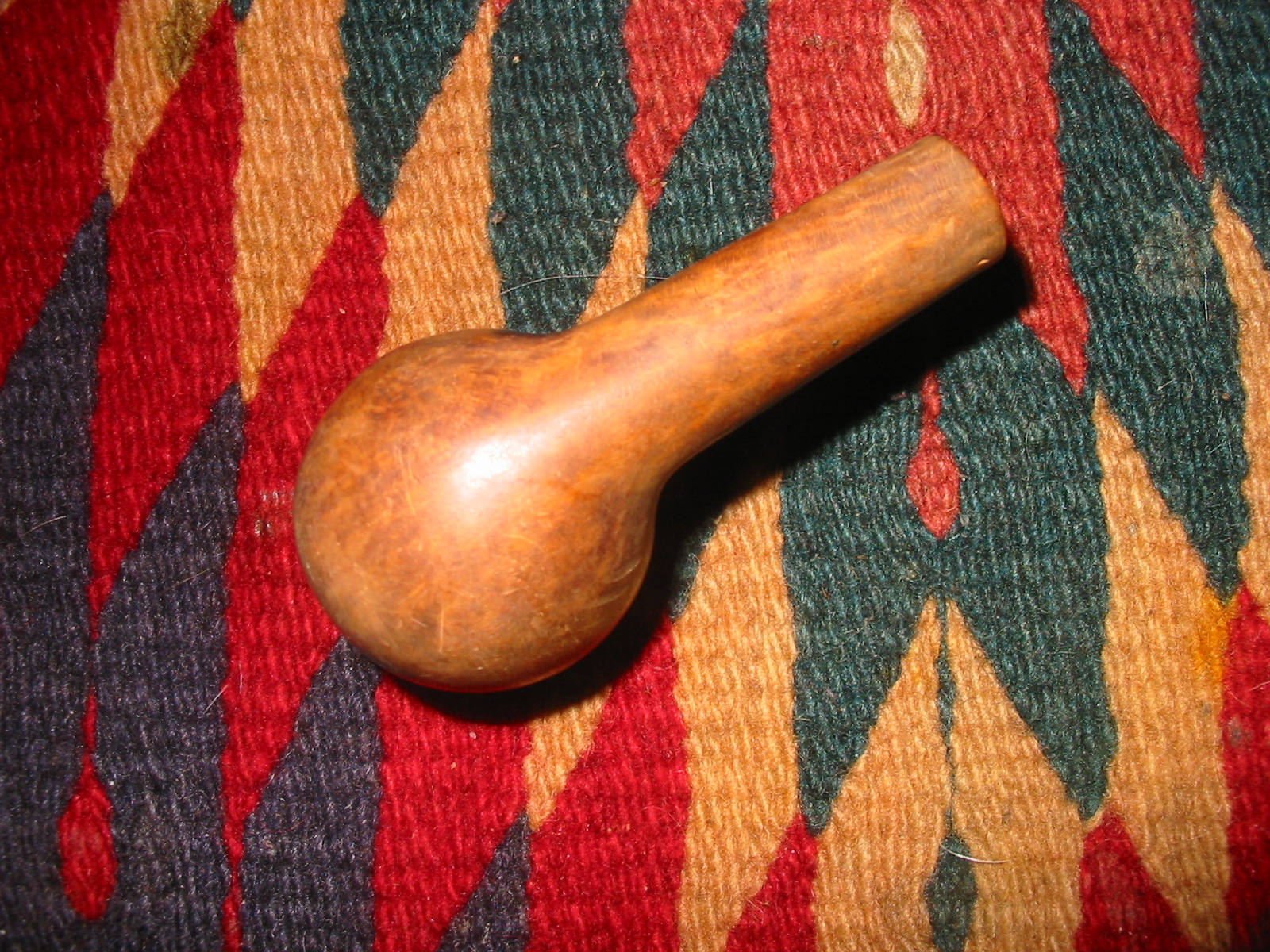
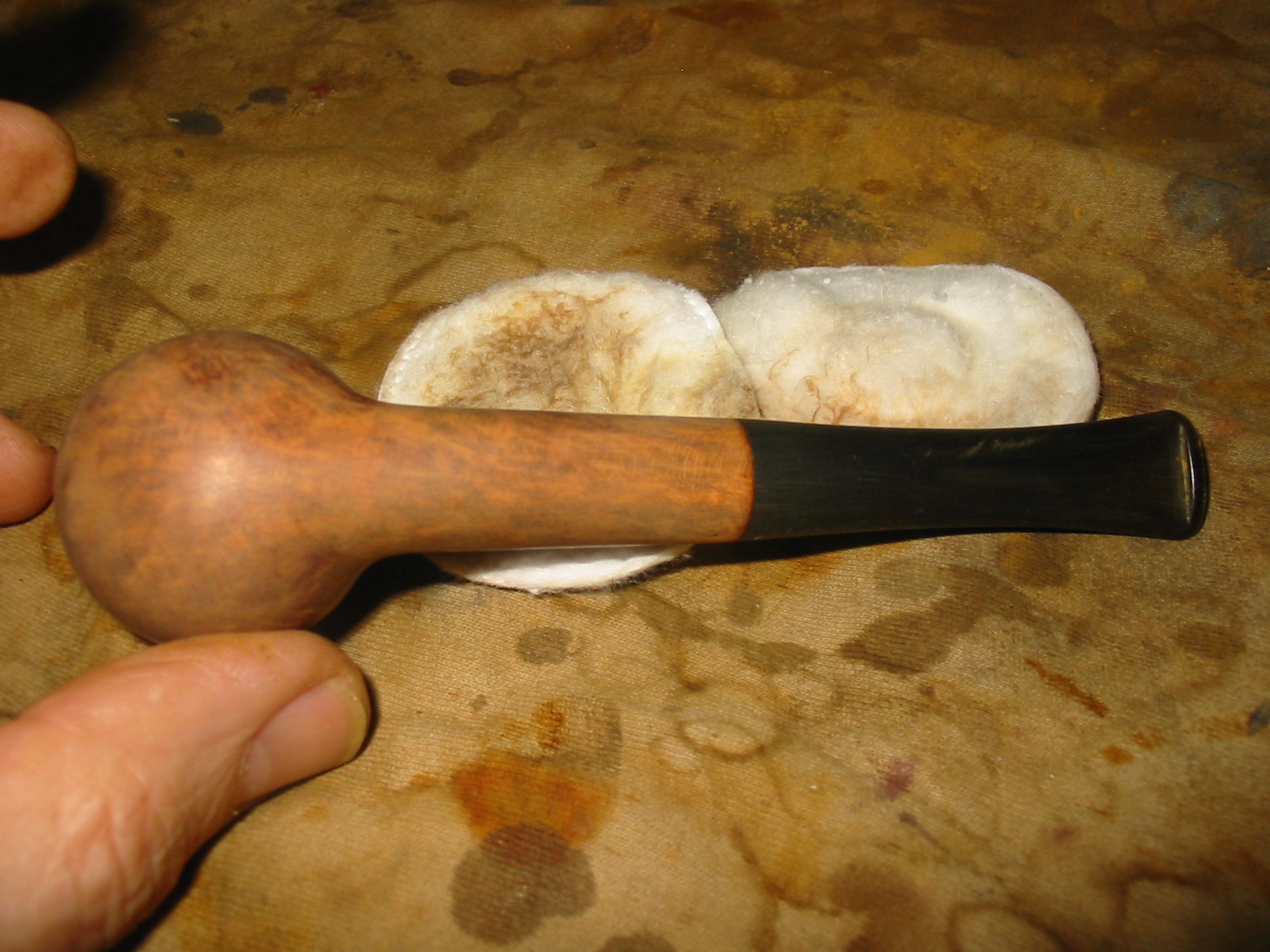
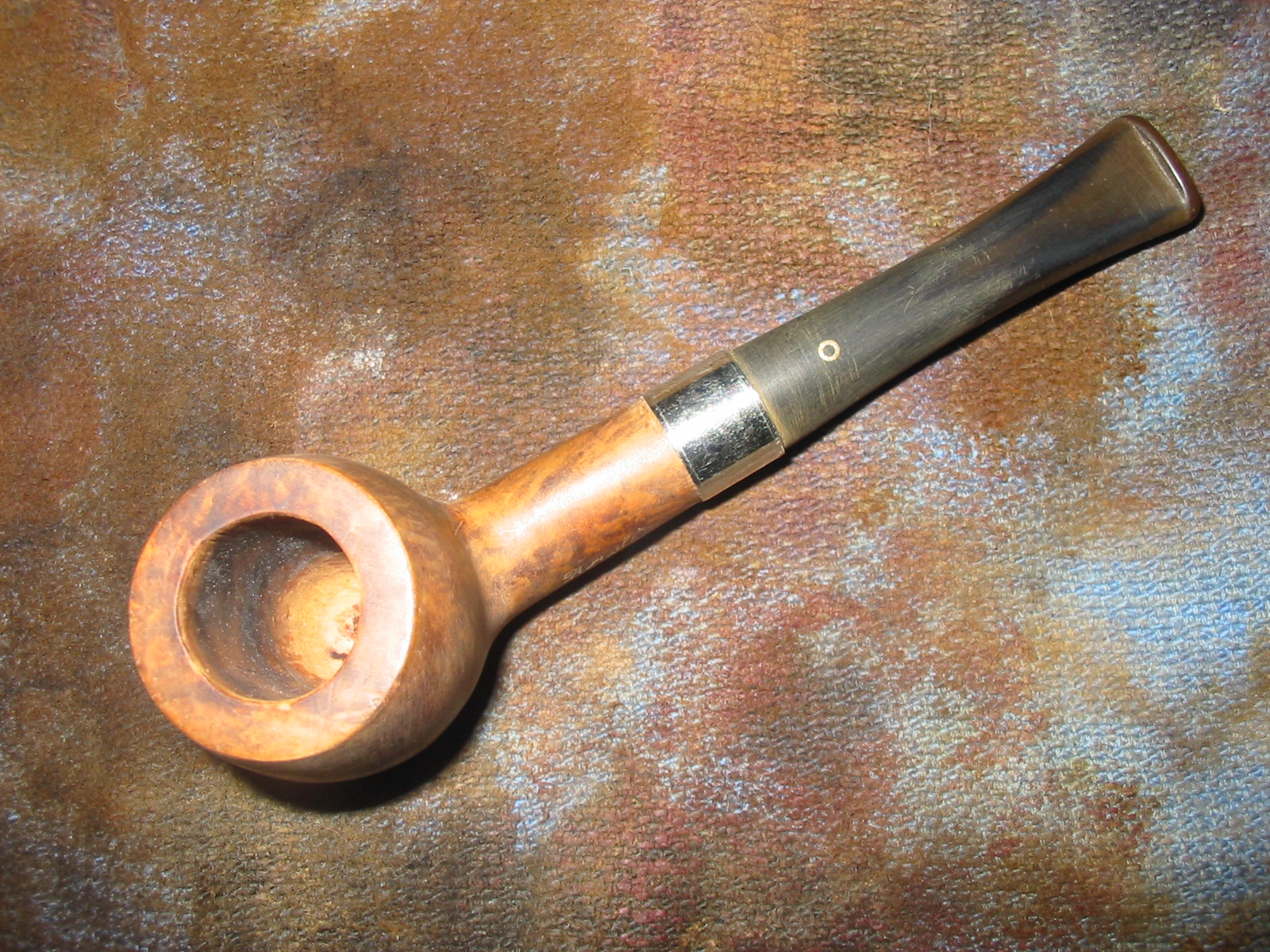
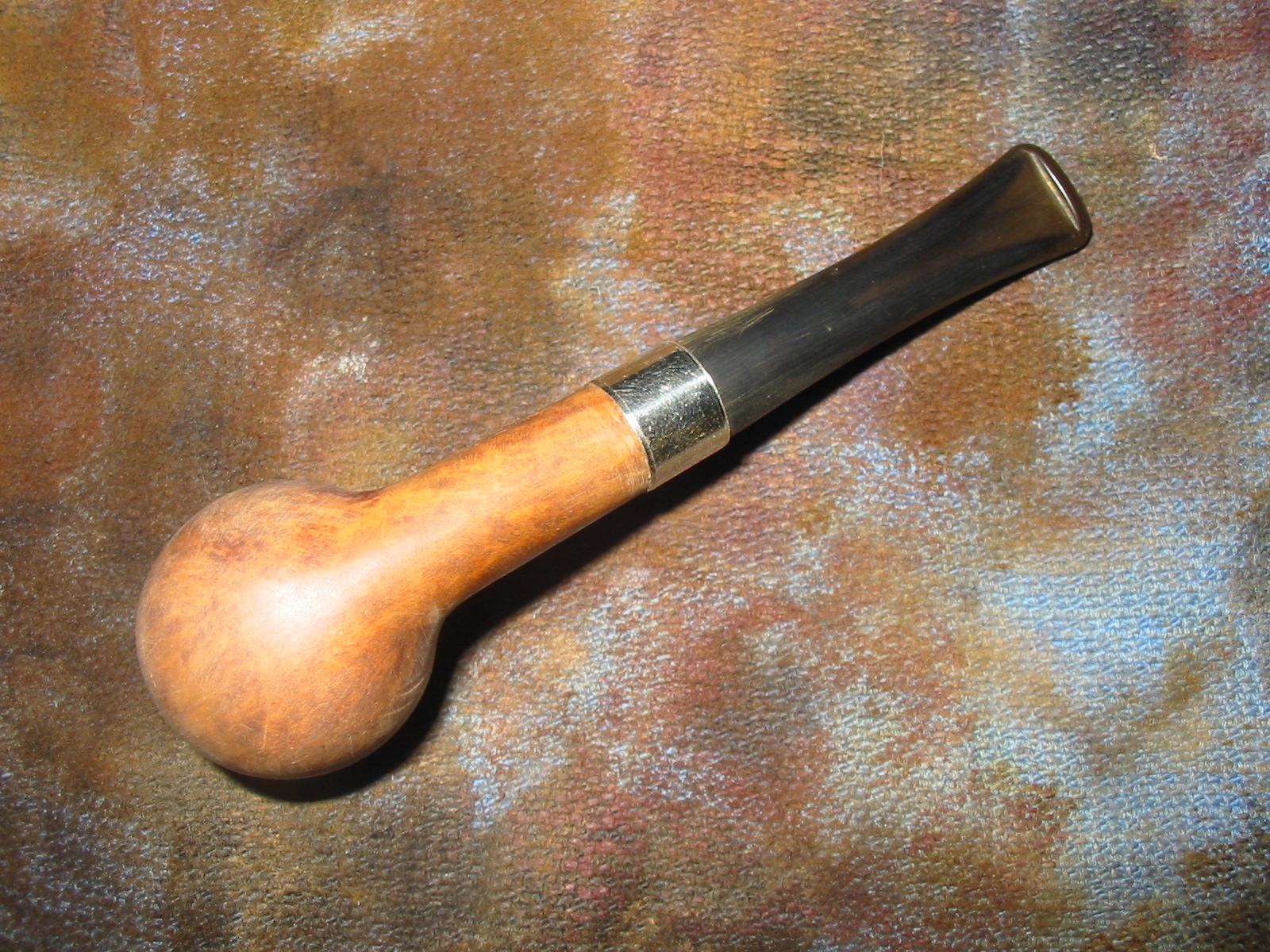
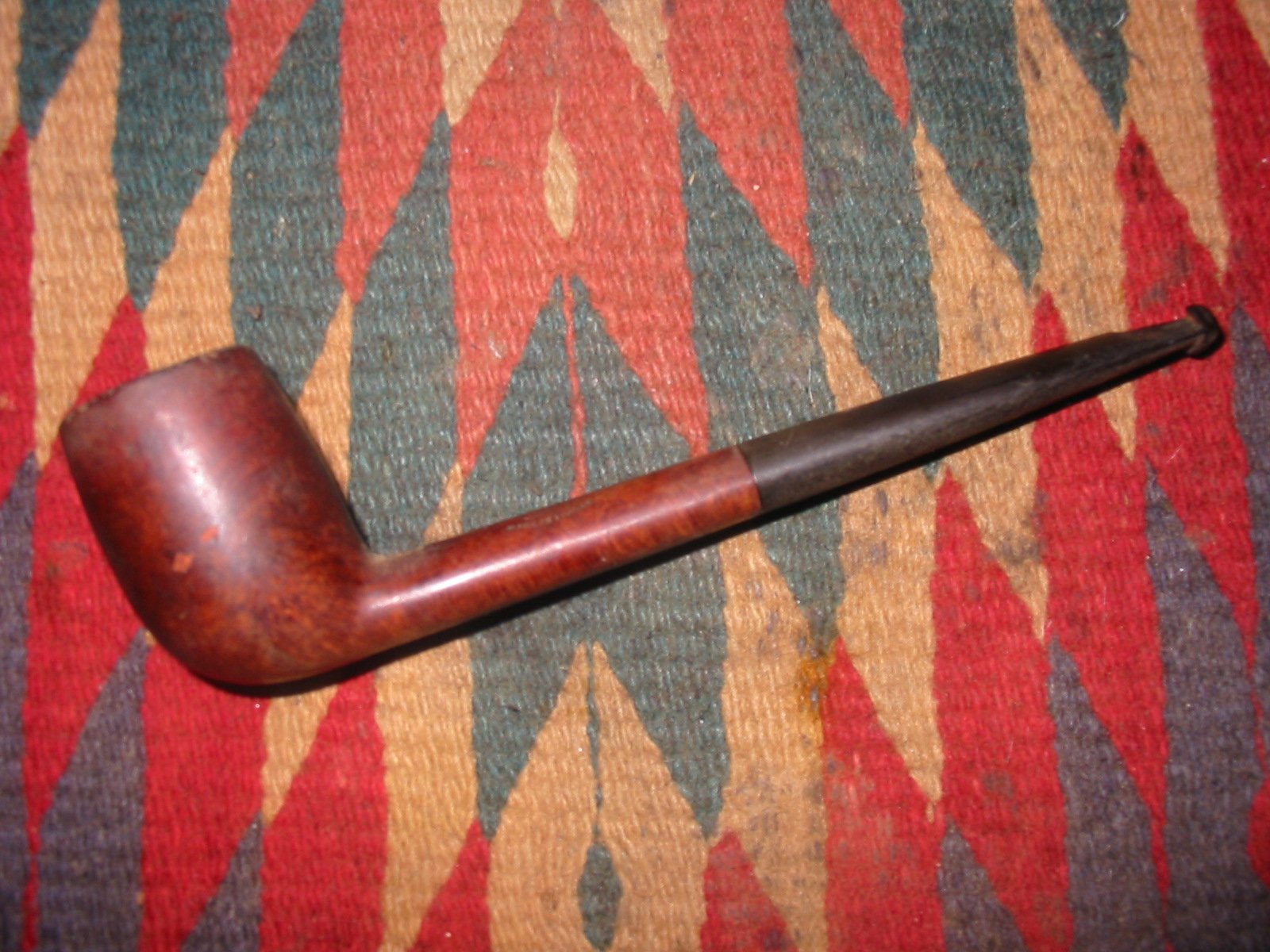
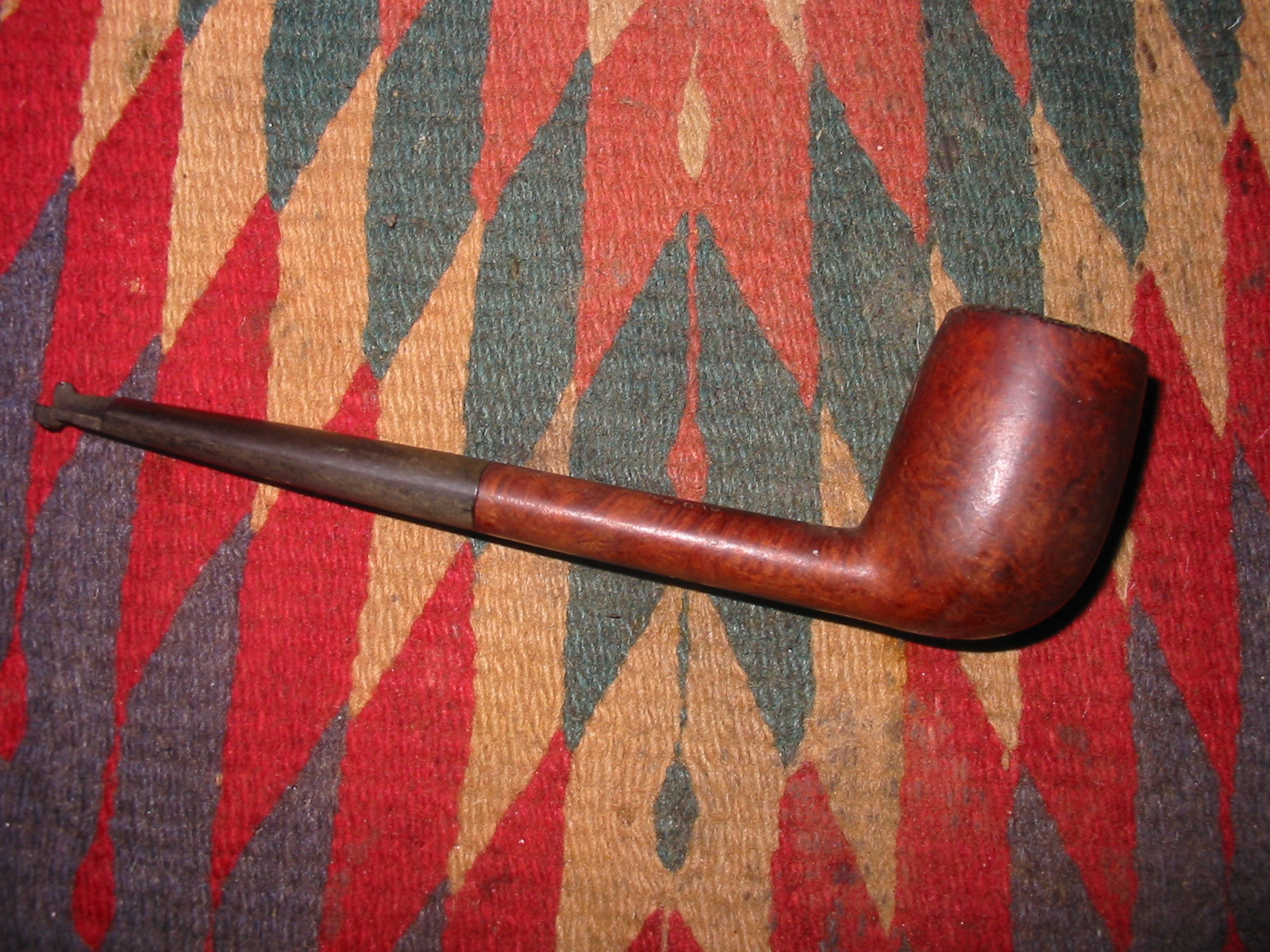
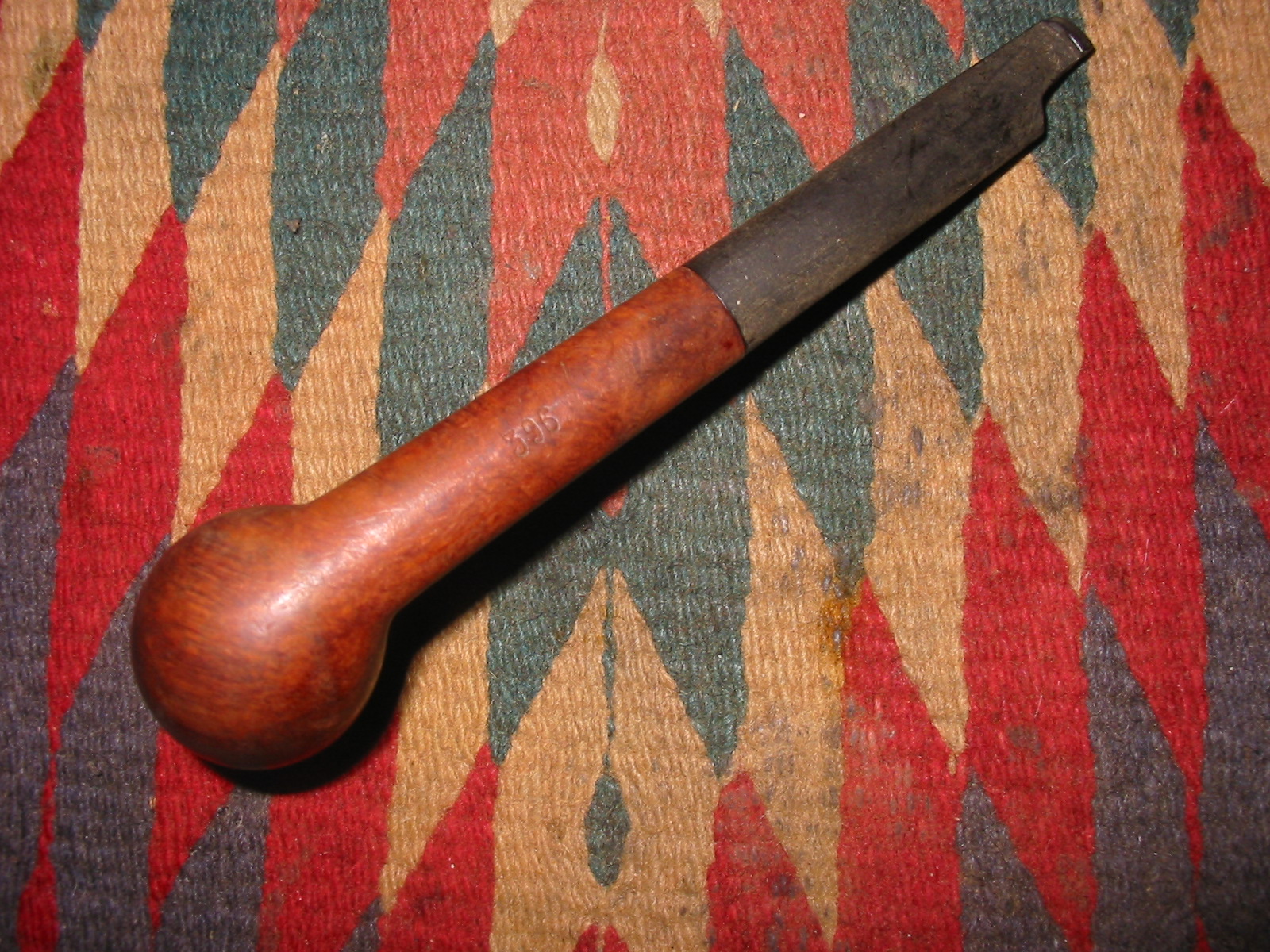
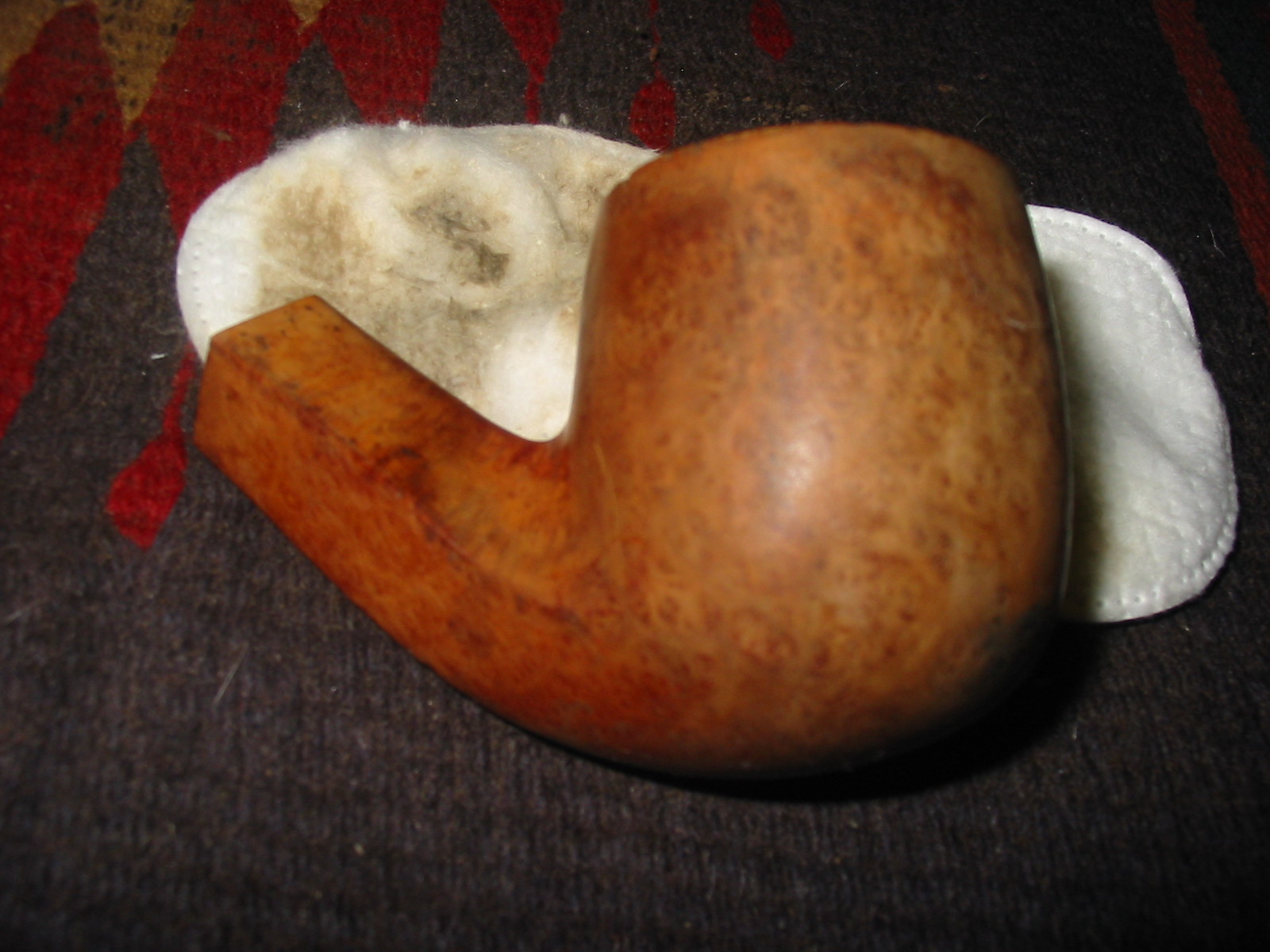
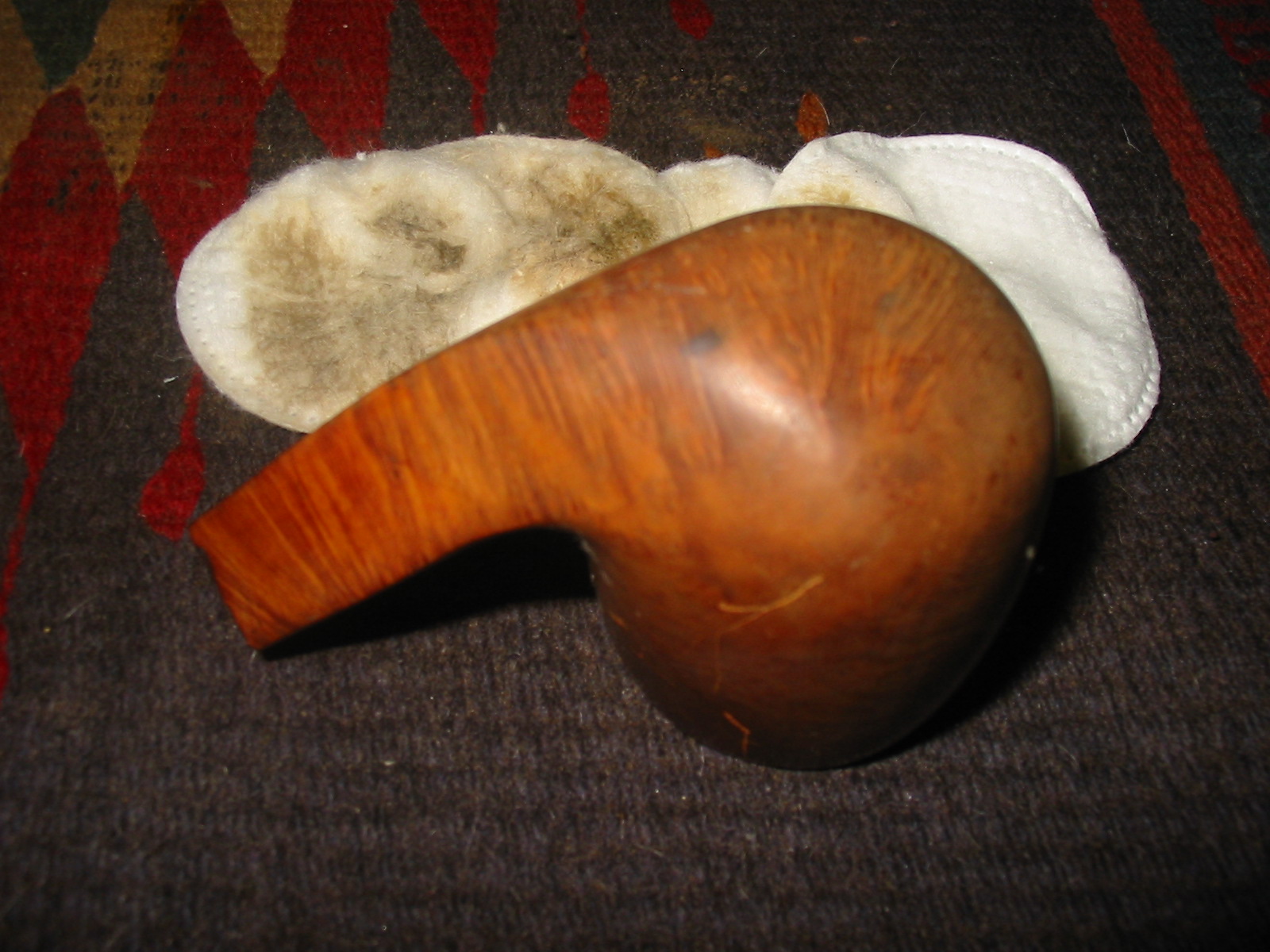
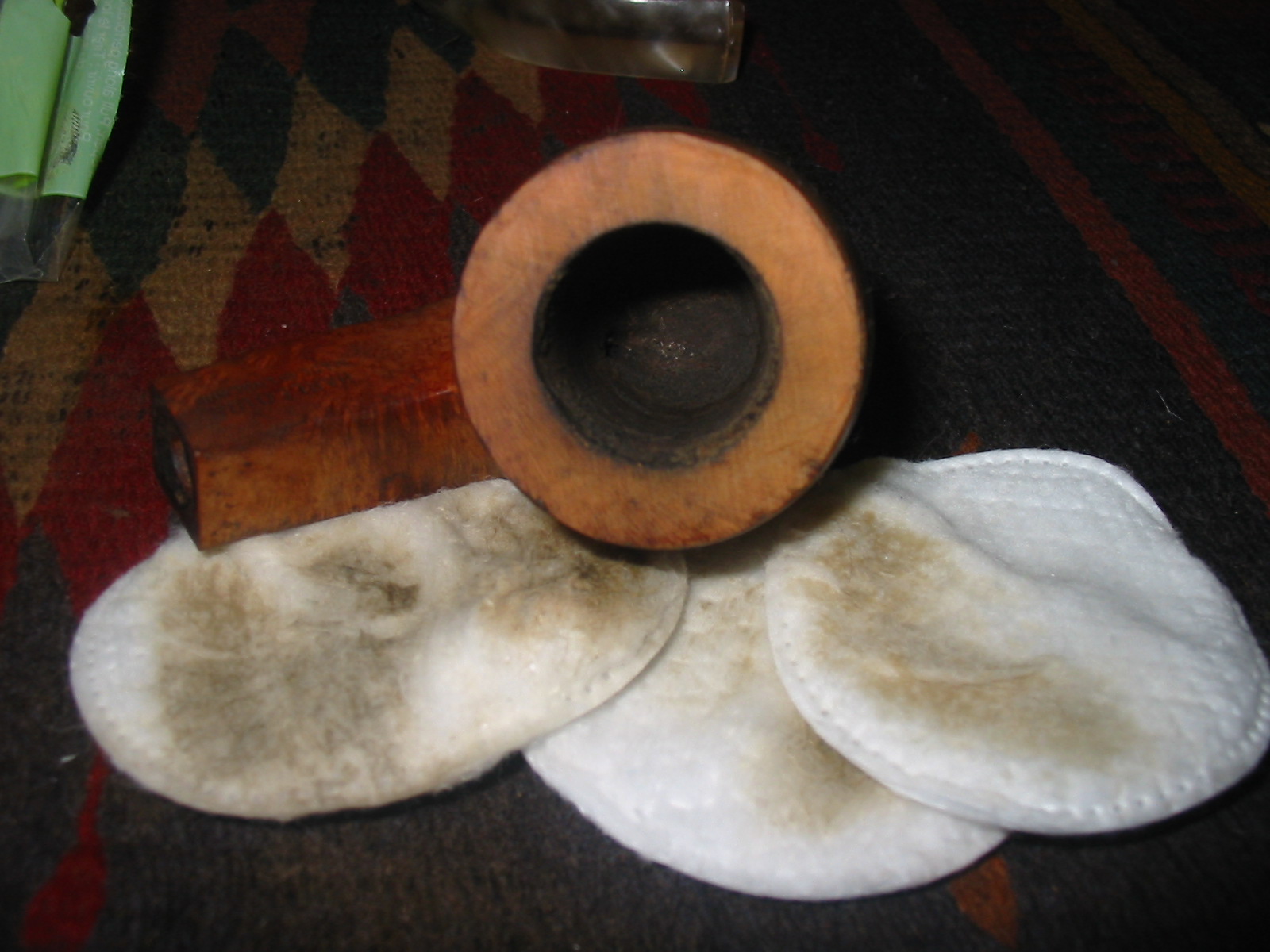
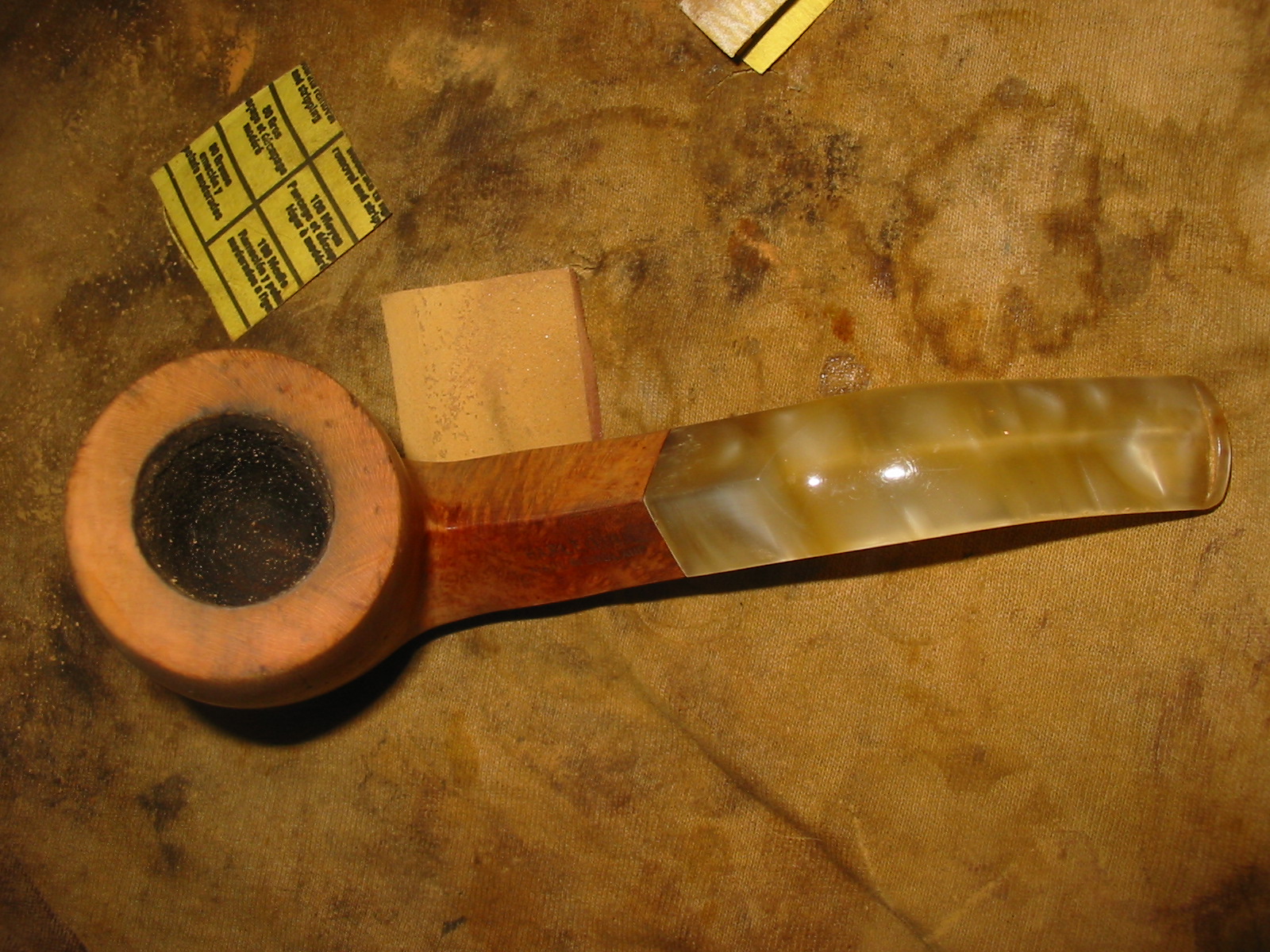
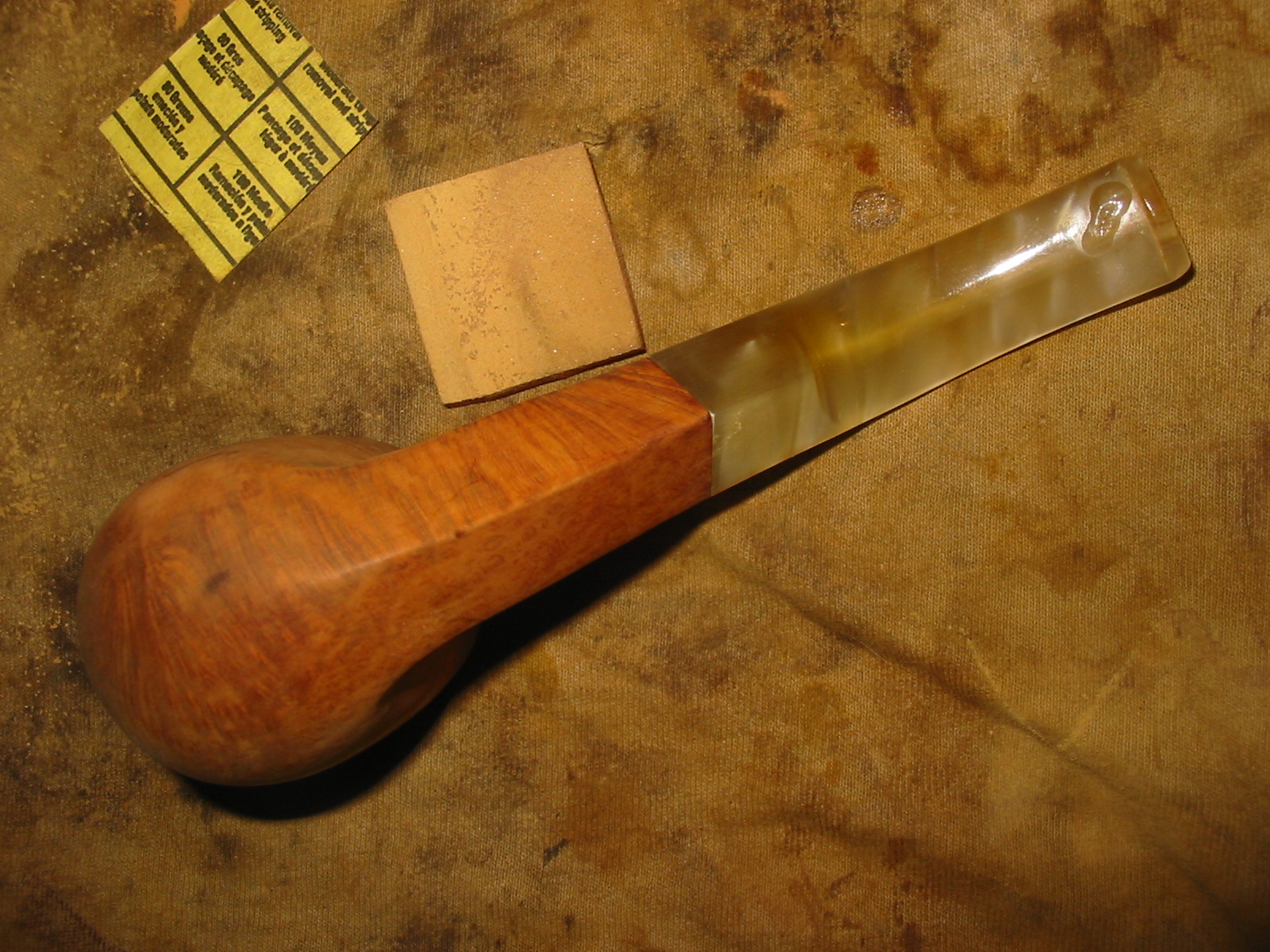
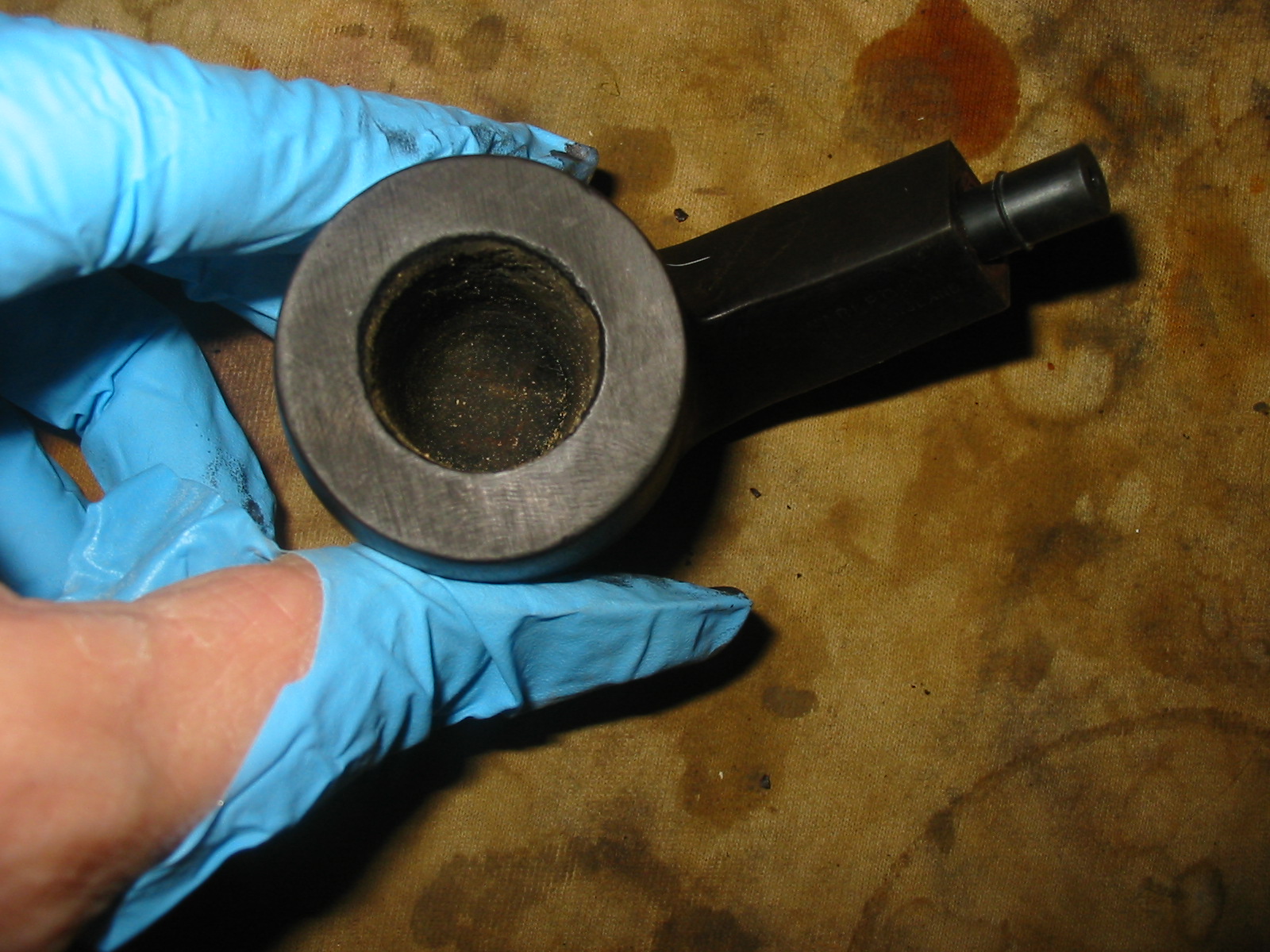
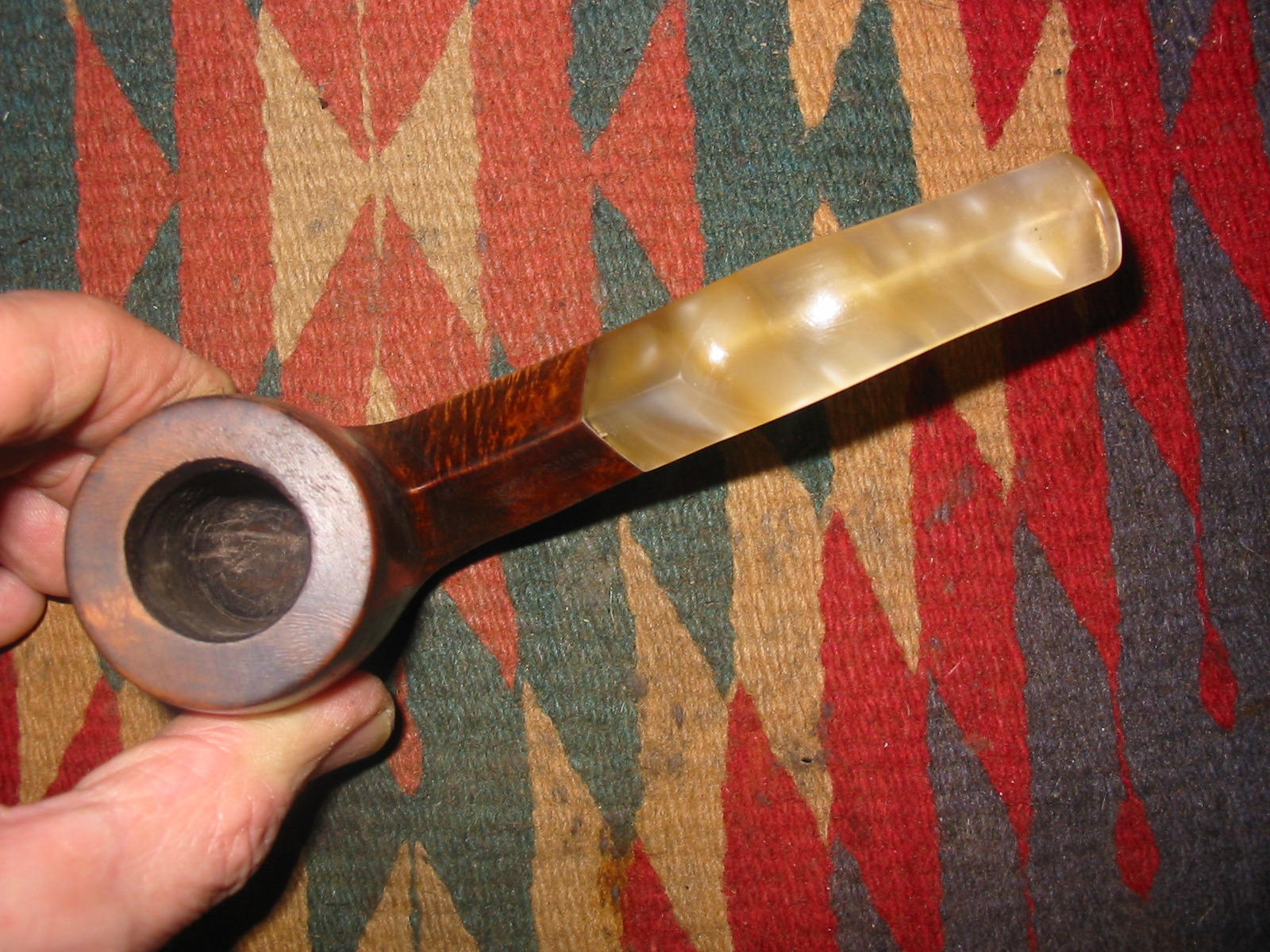
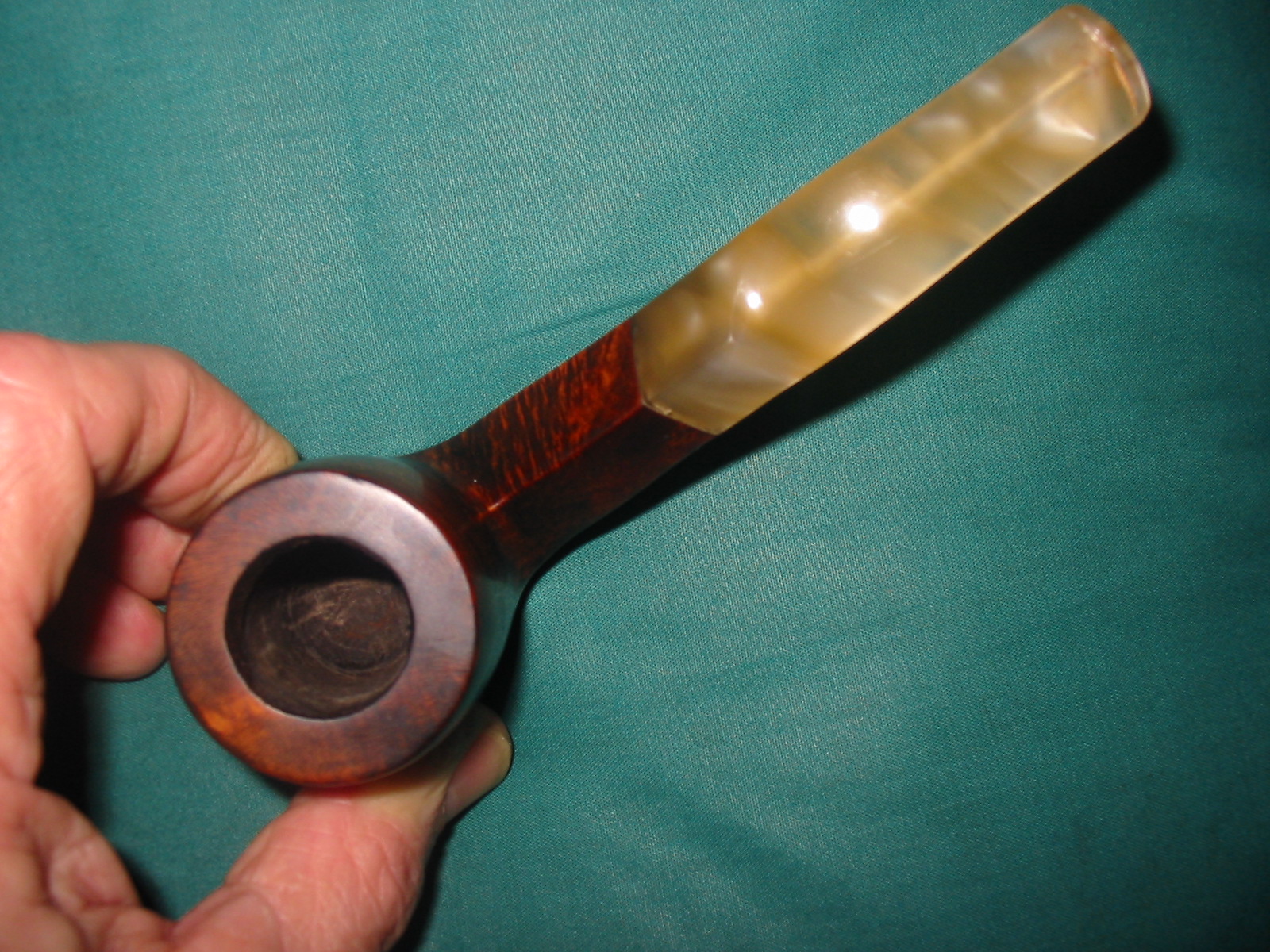
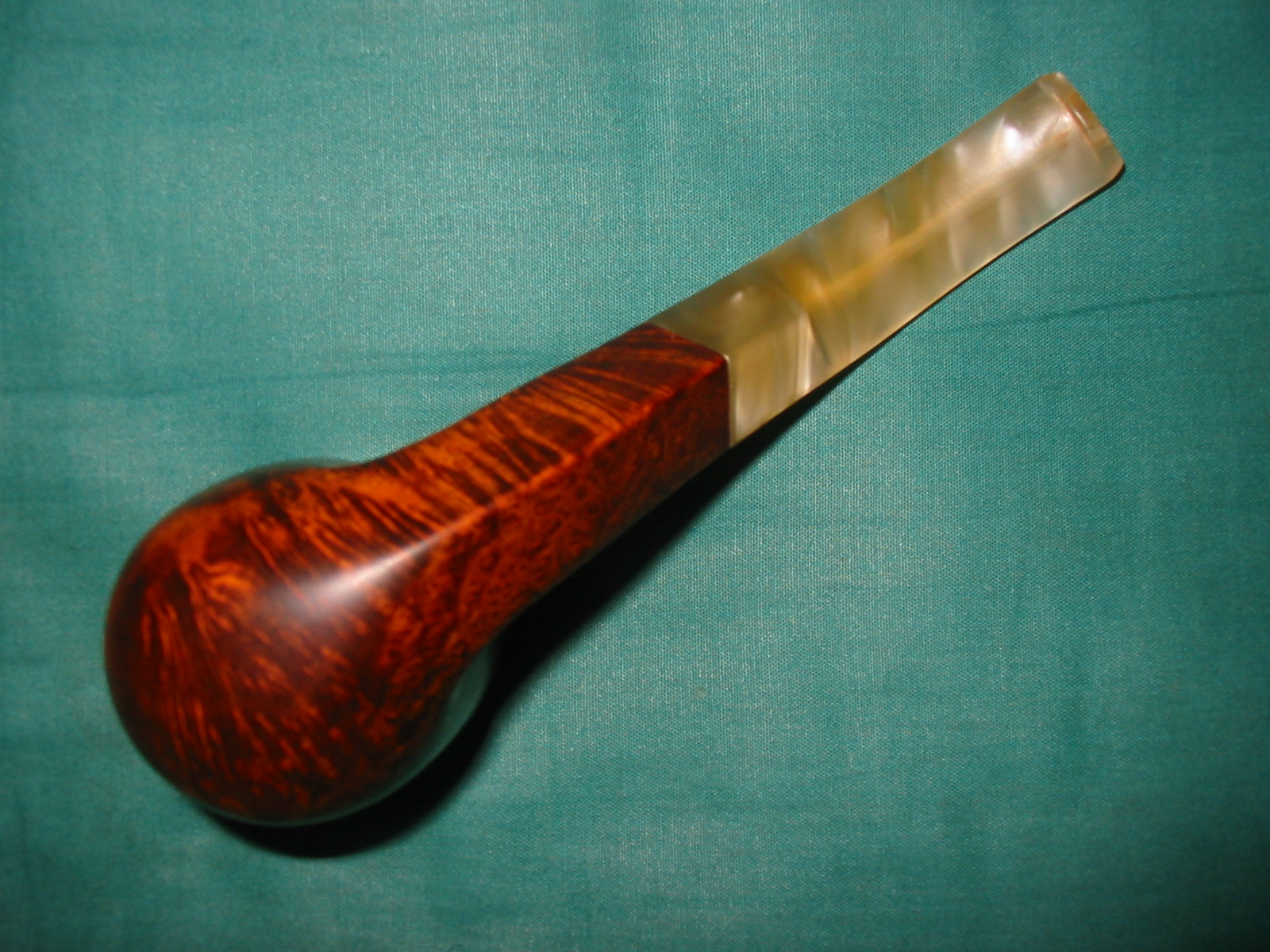
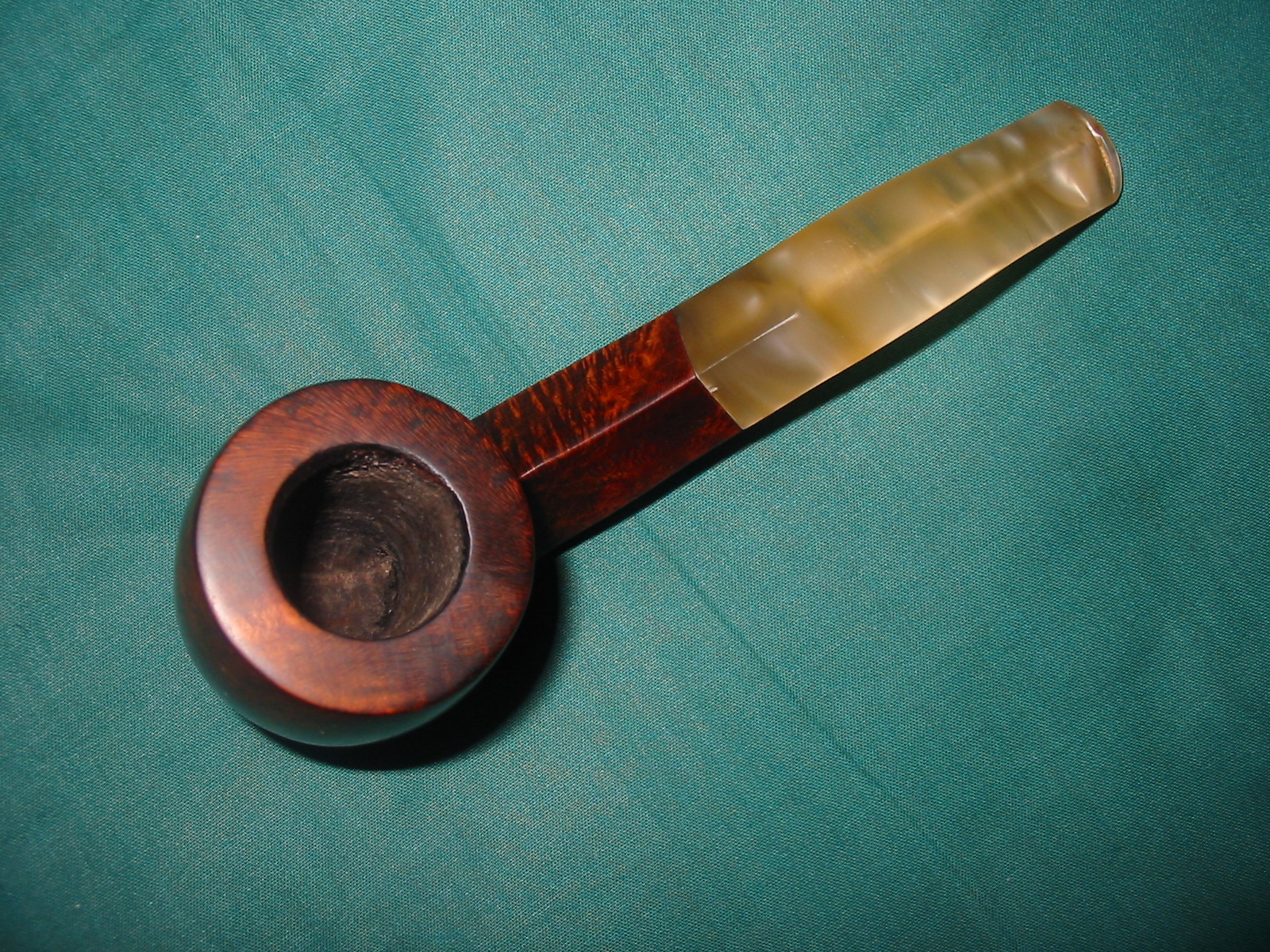
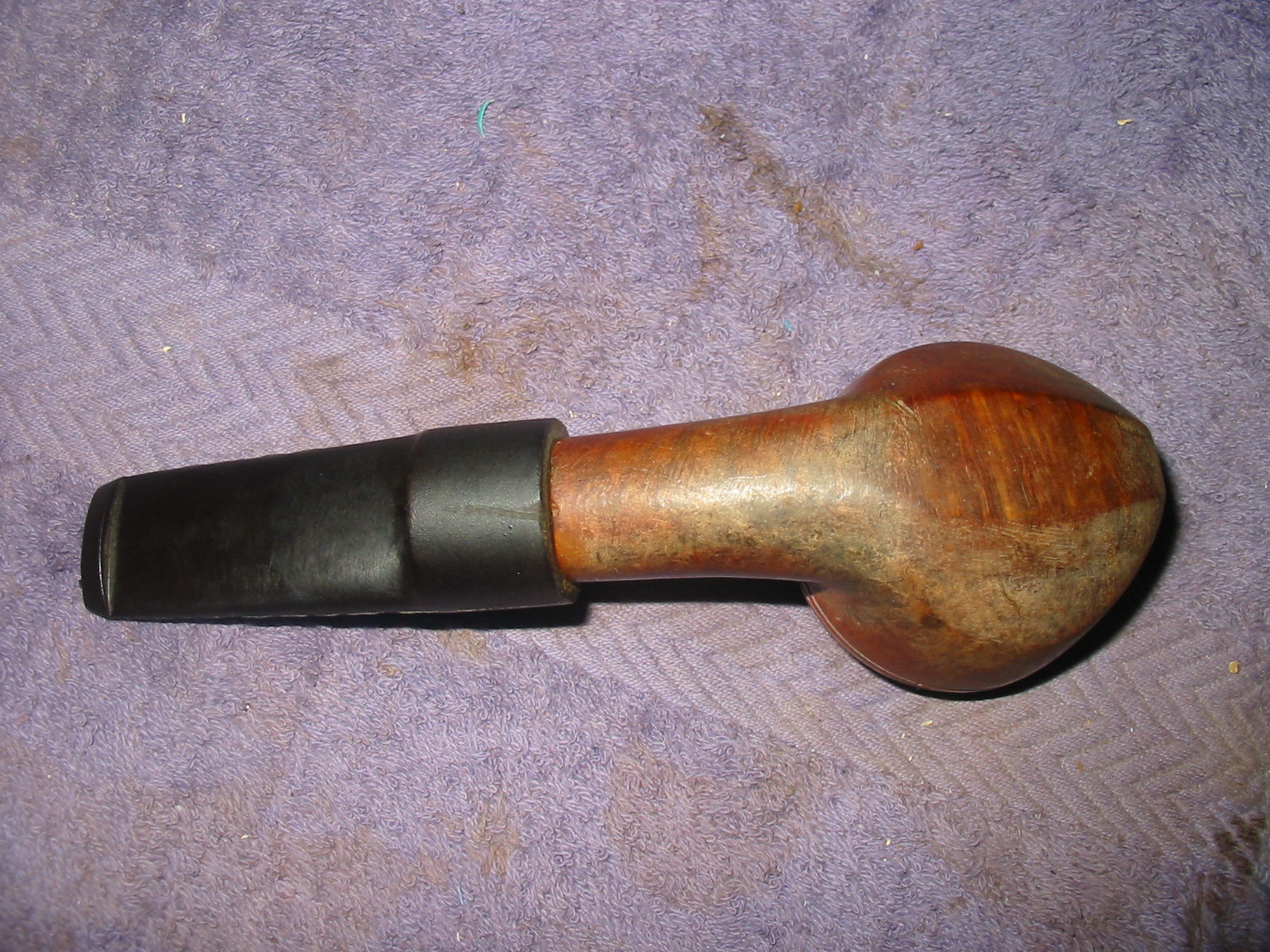
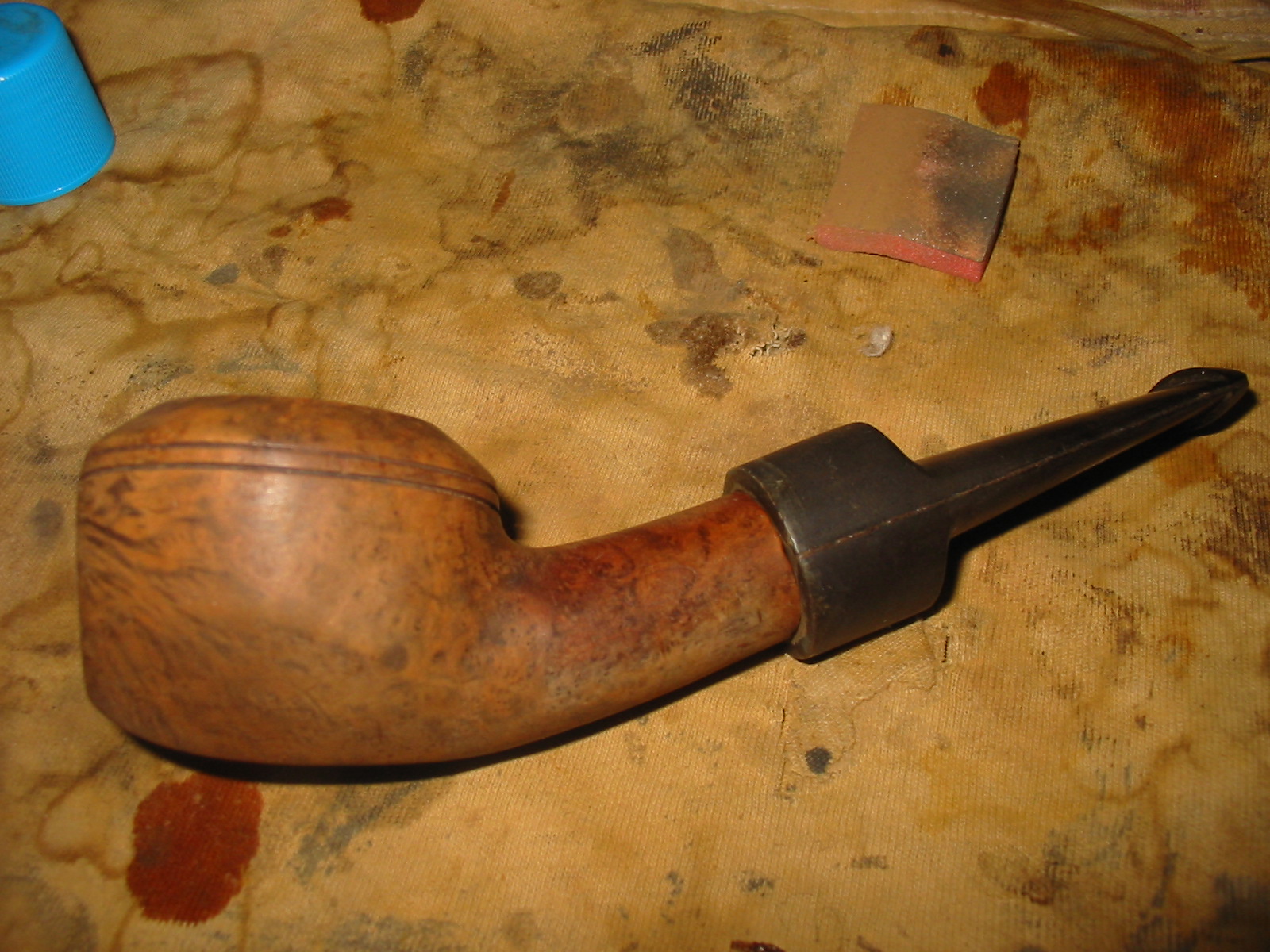
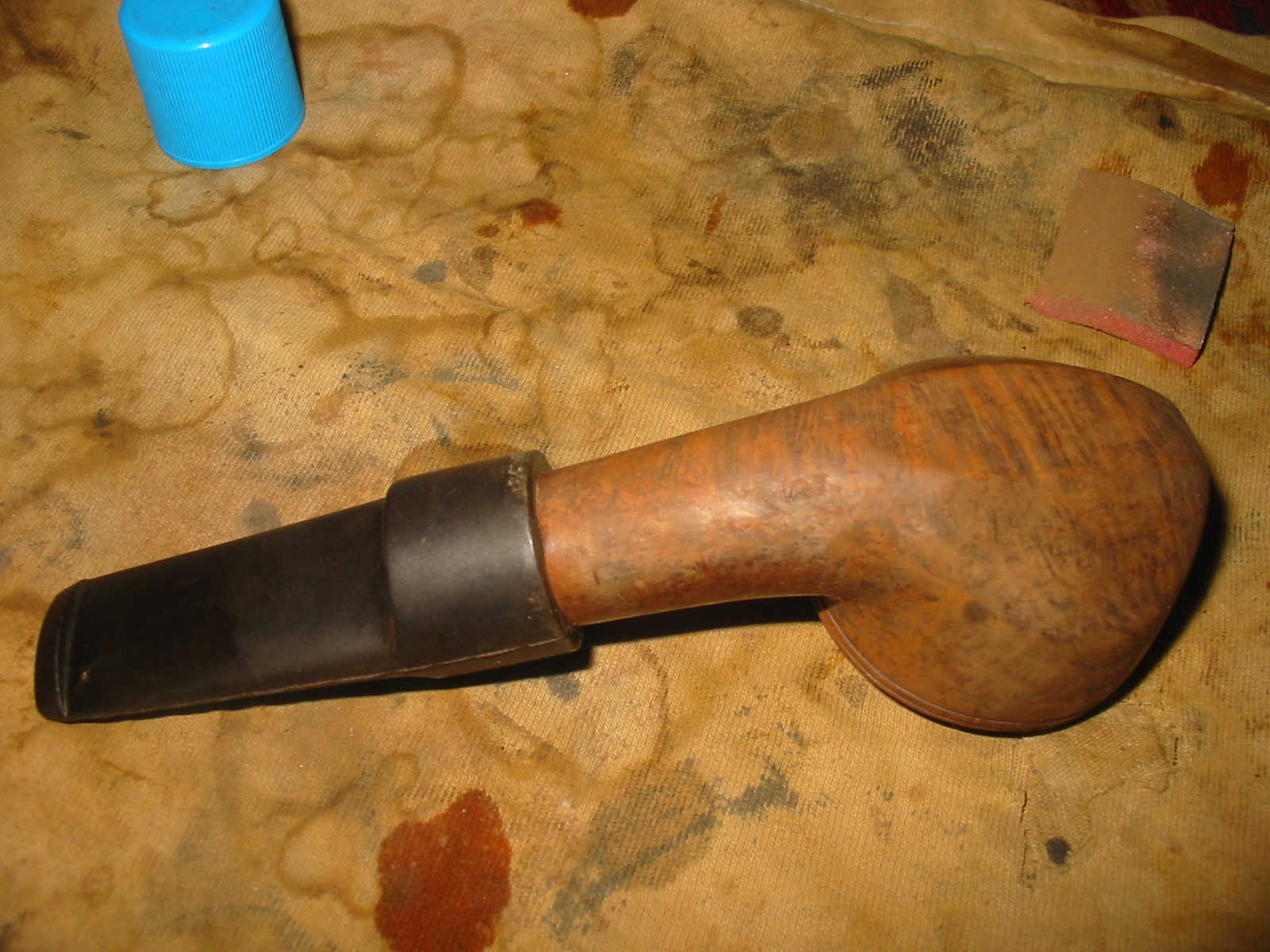
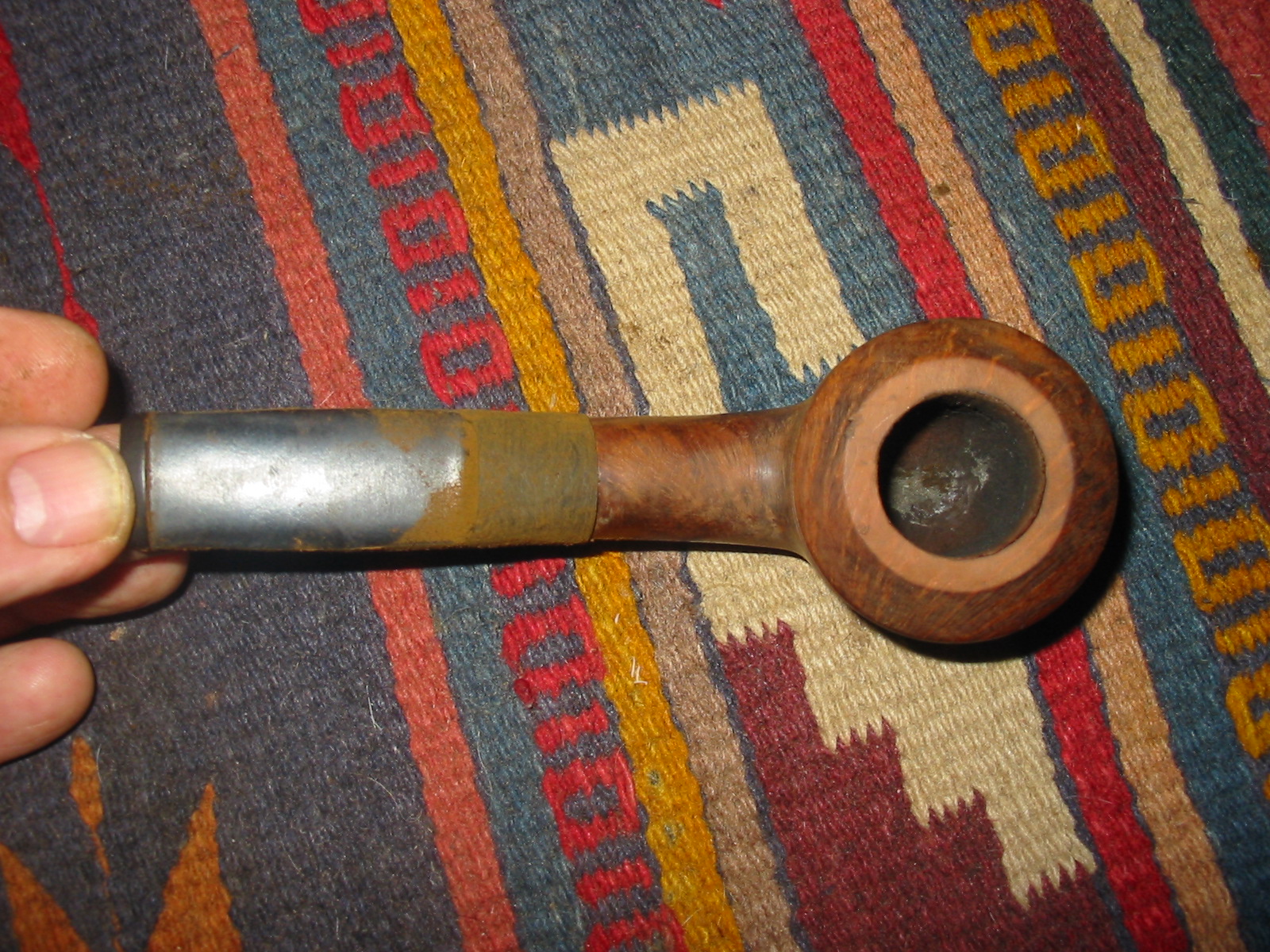
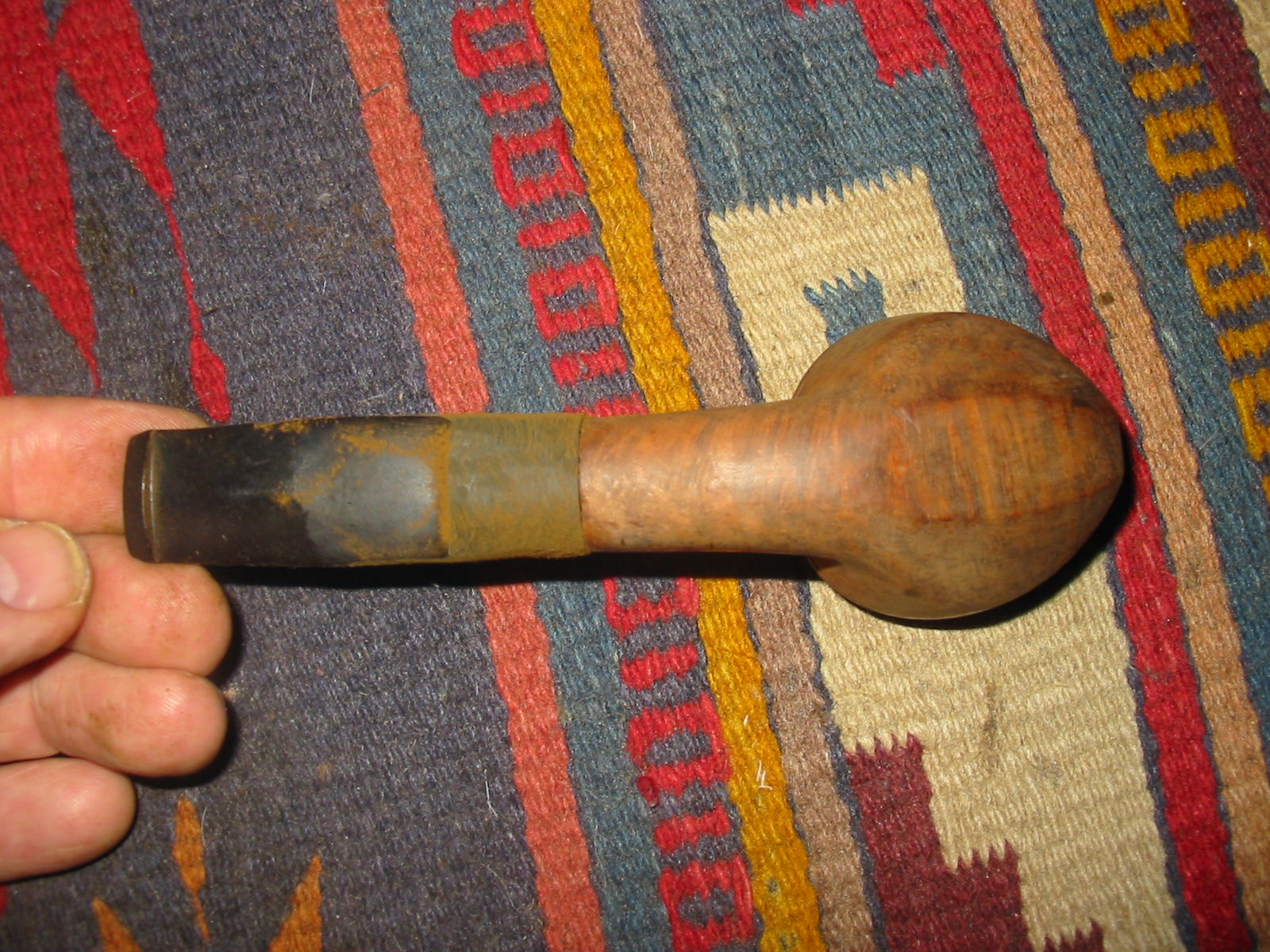
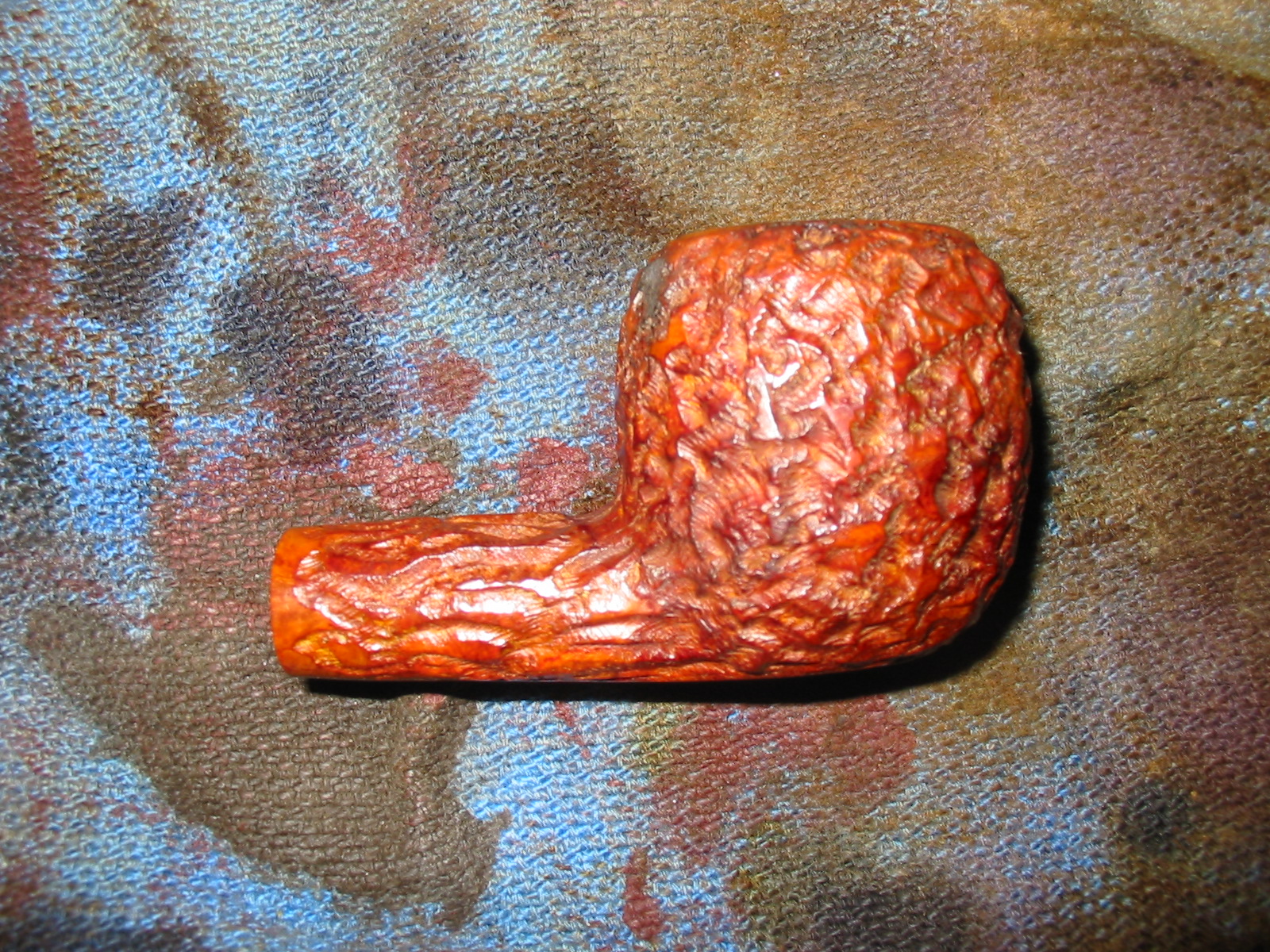
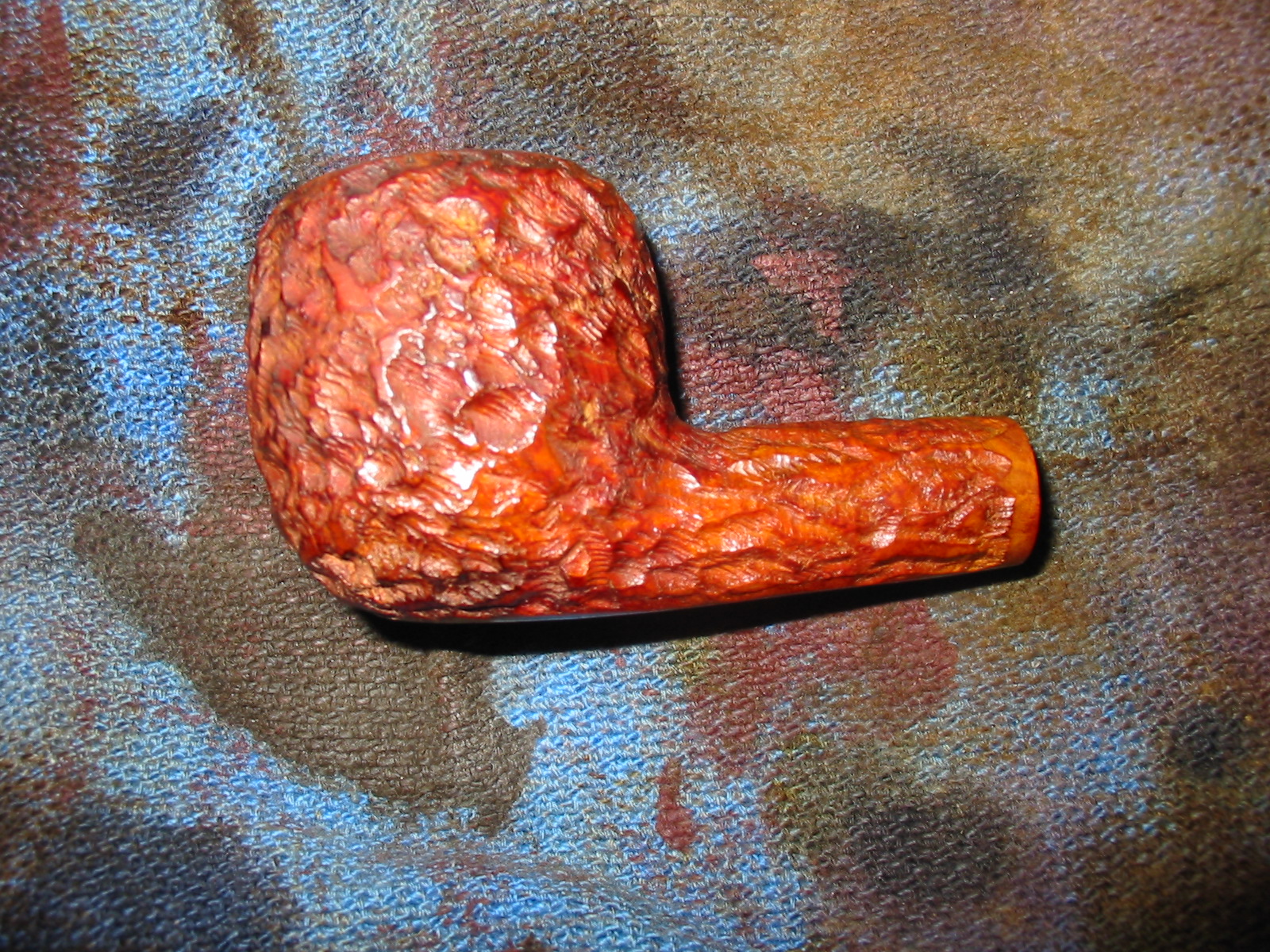
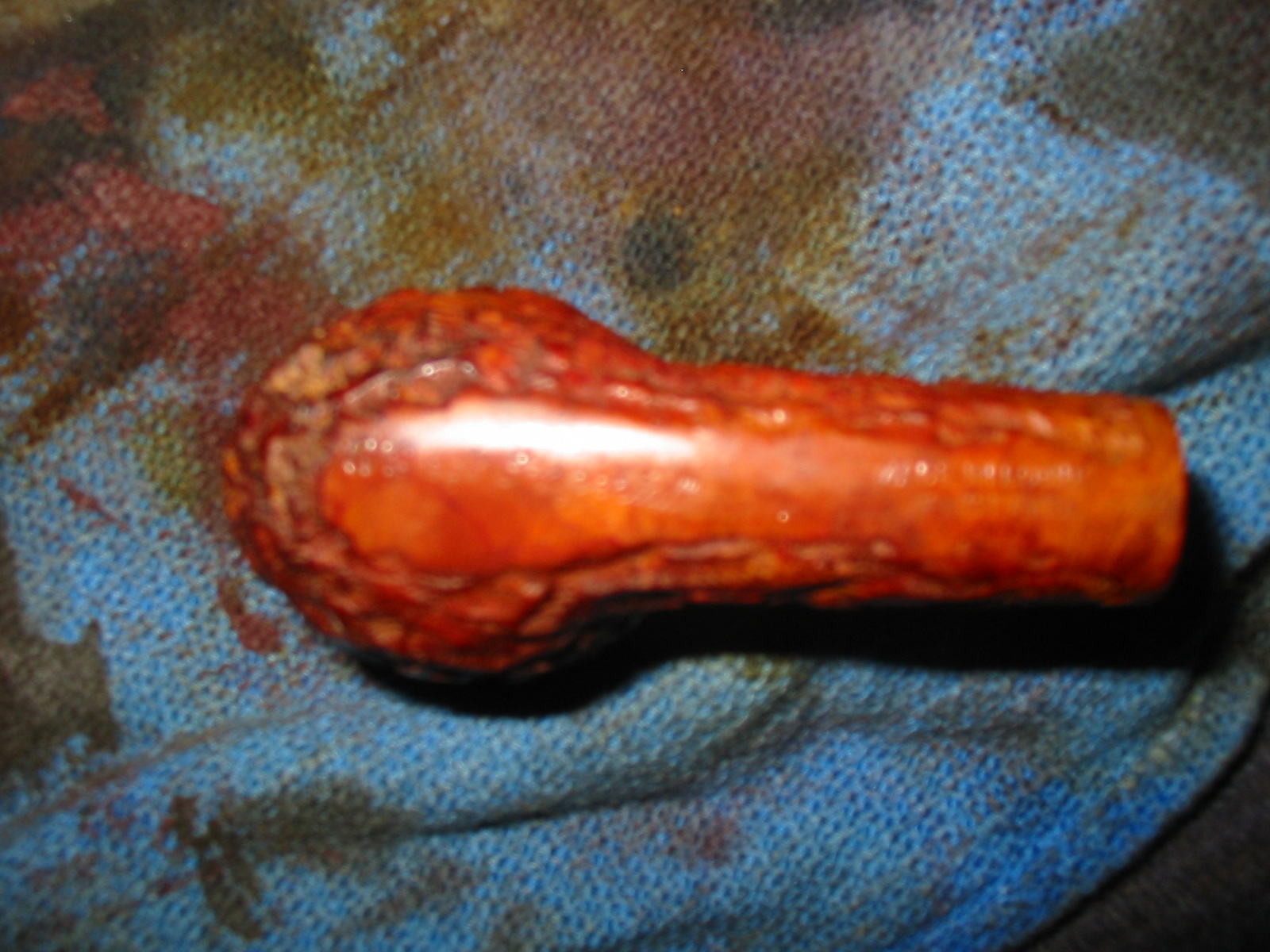
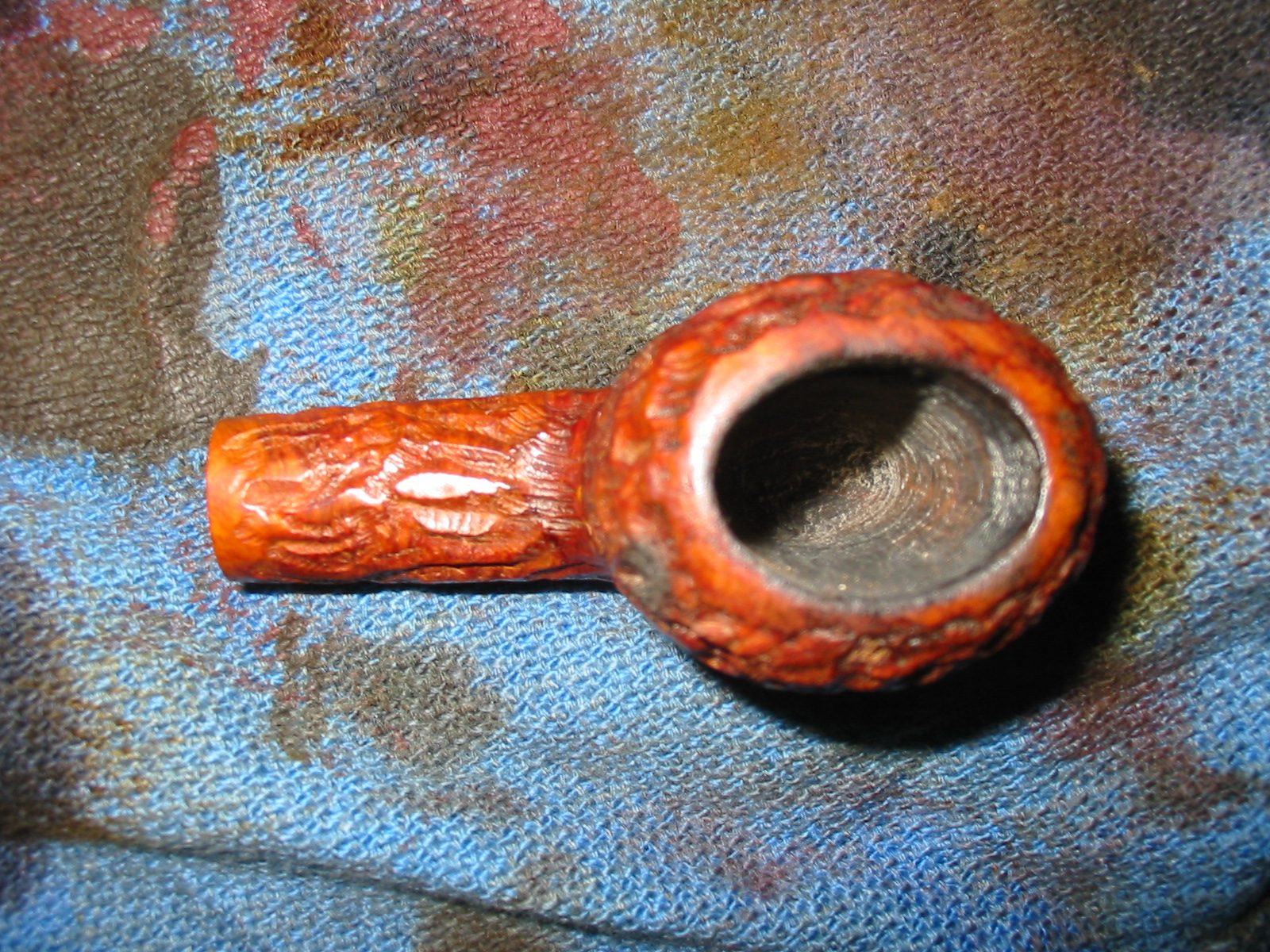
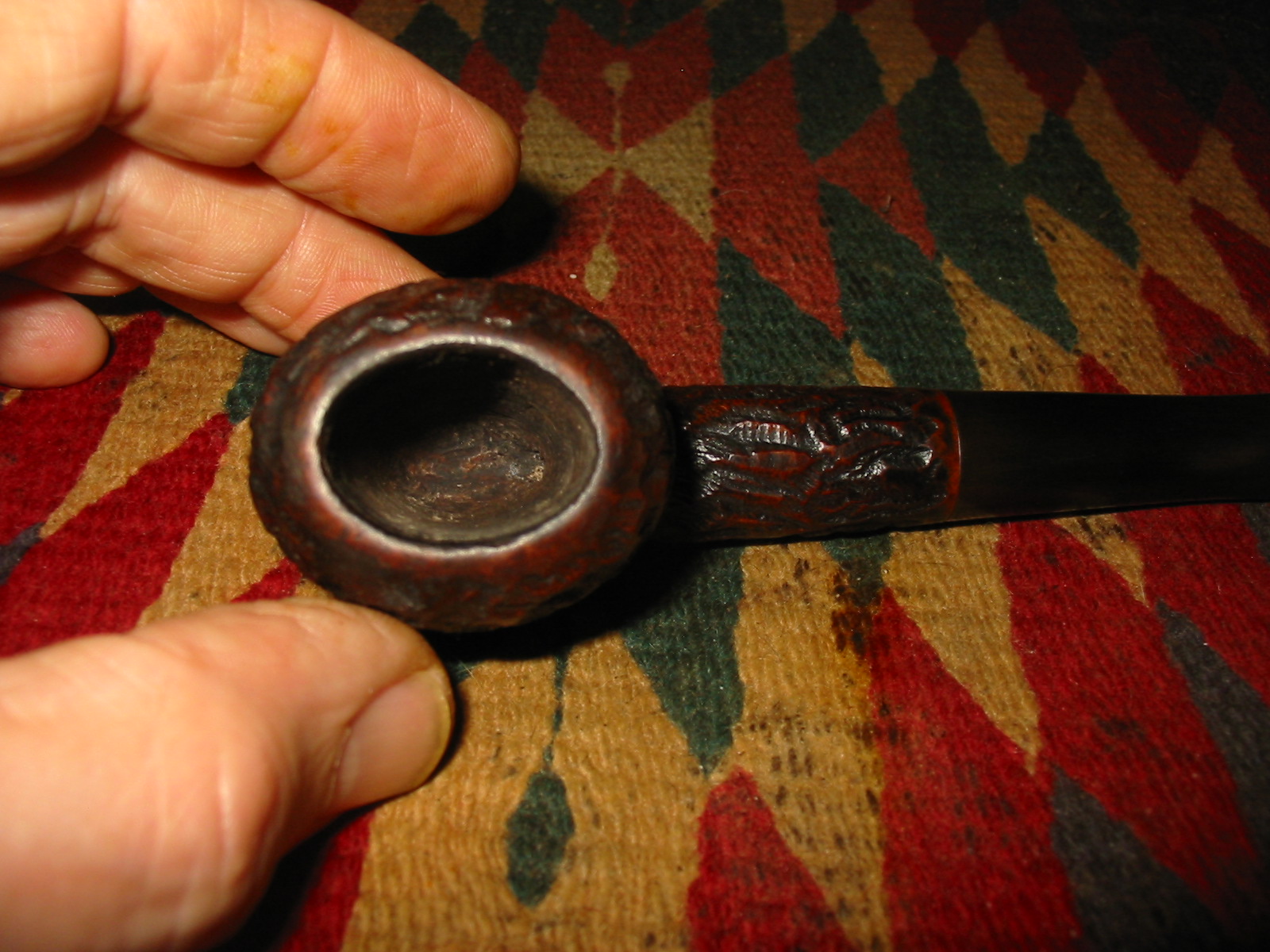
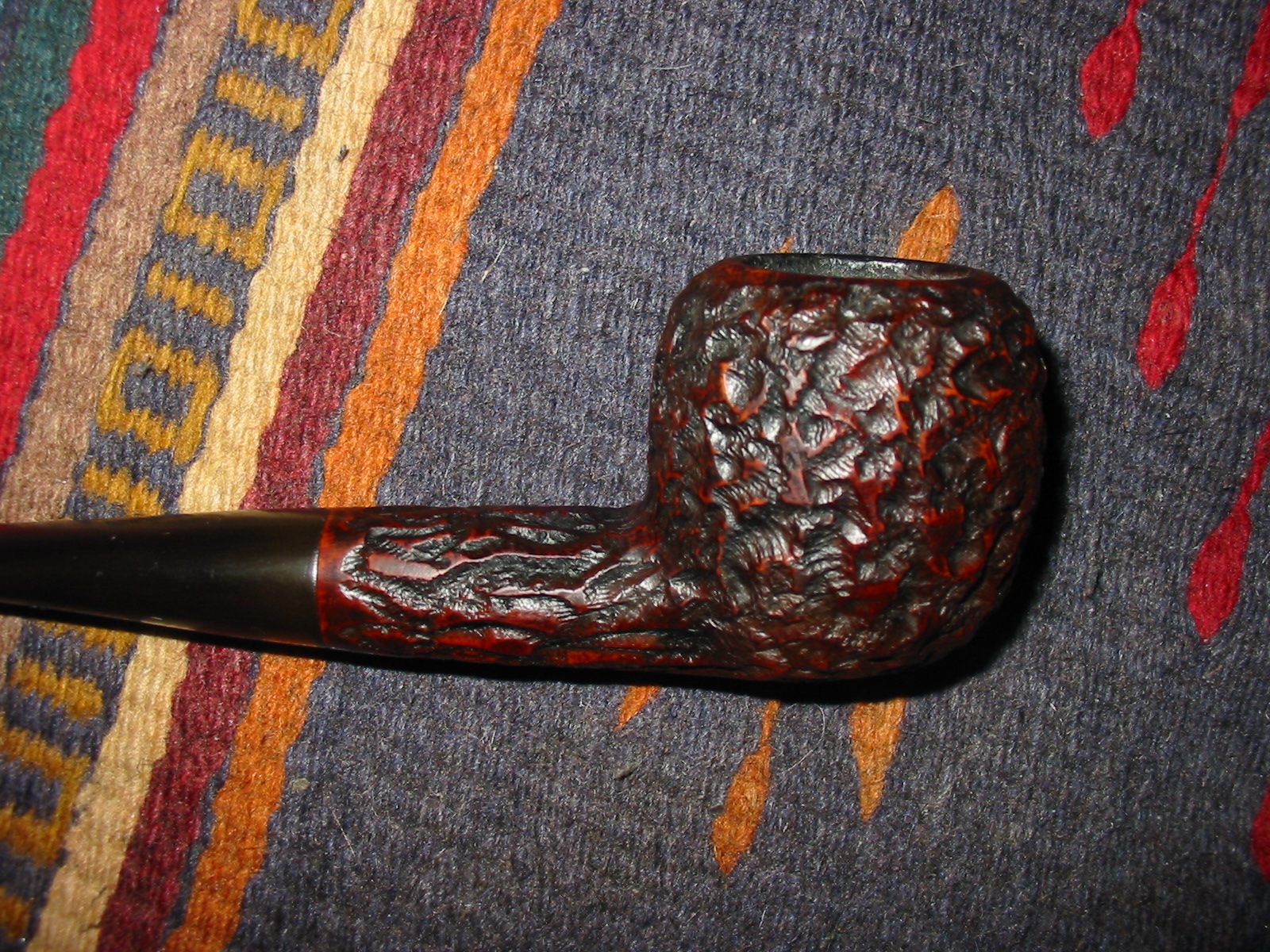
This particular Weber was a shape that he made famous. I have had several different version of this pipe – mostly straight or ¼ bent and all were rusticated with Weber’s recognizable rustication. This one was different – it was smooth, with no fills and very interesting grain. The bottom of the bowl and shank was beautiful cross grain; the sides were a mix of grain and some stunning birdseye. The finish was shot and the briar was weathered and dry. There were two fine cracks on the rim at 7 and 11 but they did not extend into the bowl – more like hairline cracks. The flat rim and the crowned portion above the parallel lines encircling the bowl was almost tiger striped. The parallel lines were filled with dust and grime. It had a broken cake in the bowl and had been repaired at some point in its history with pipe mud to build up the bottom of the bowl at the airway. The end of the shank had some small nicks on both sides and the bottom edge that would make lining up a stem for a tight fit difficult but not impossible. The bowl did not come with a stem so a stem would have to be fit and shaped.
IMG_6096

IMG_6097

IMG_6098

IMG_6099
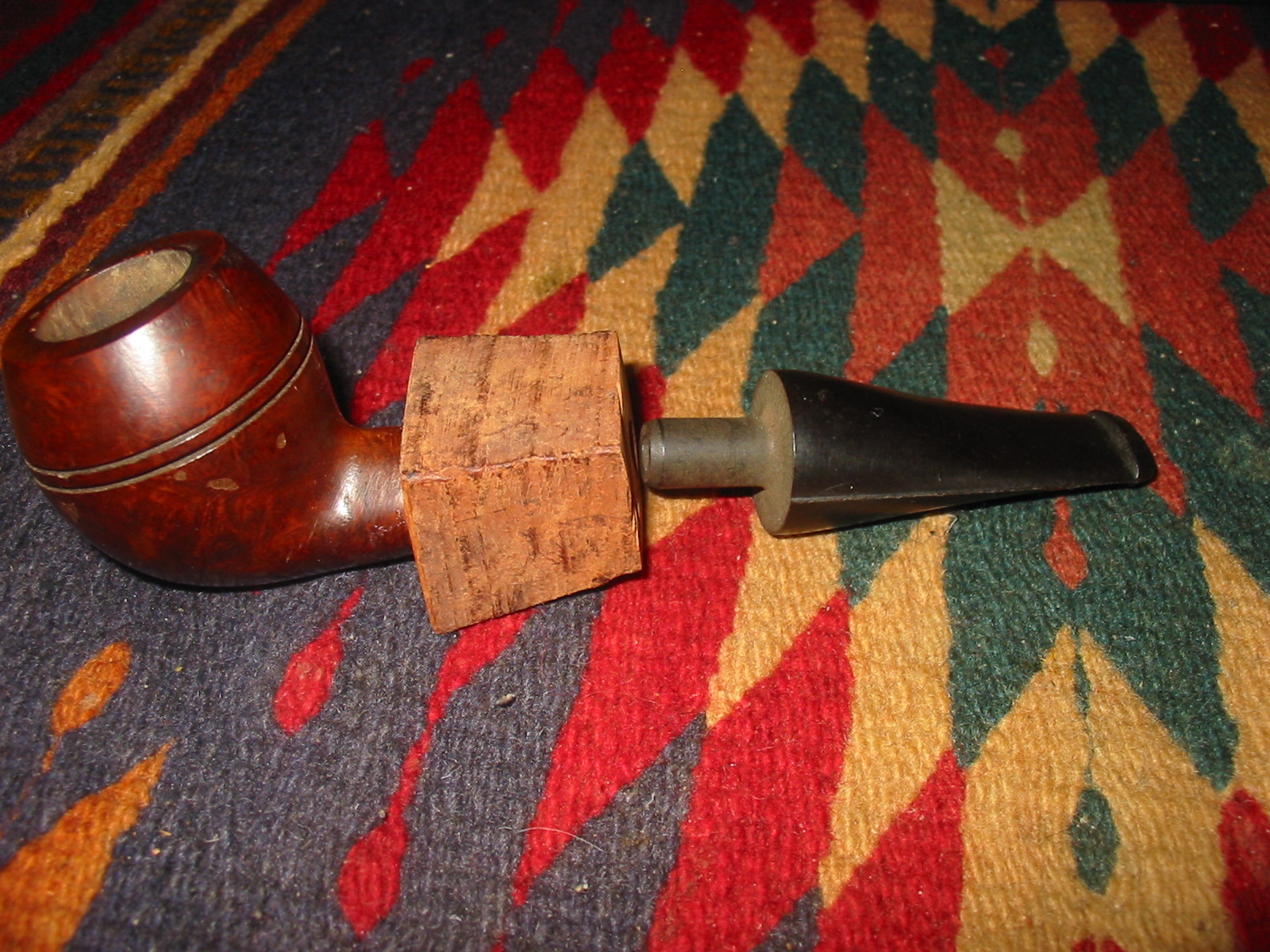
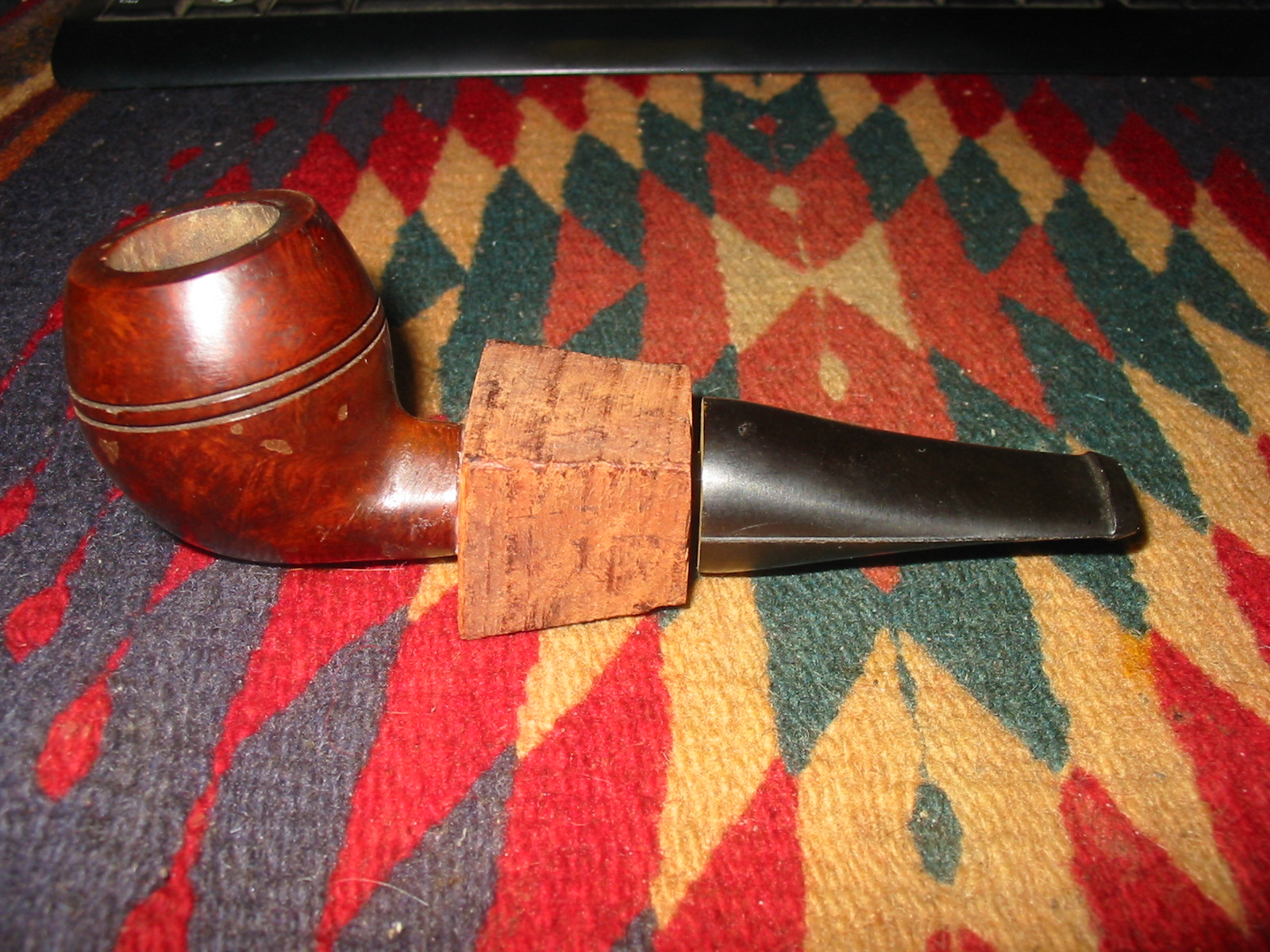
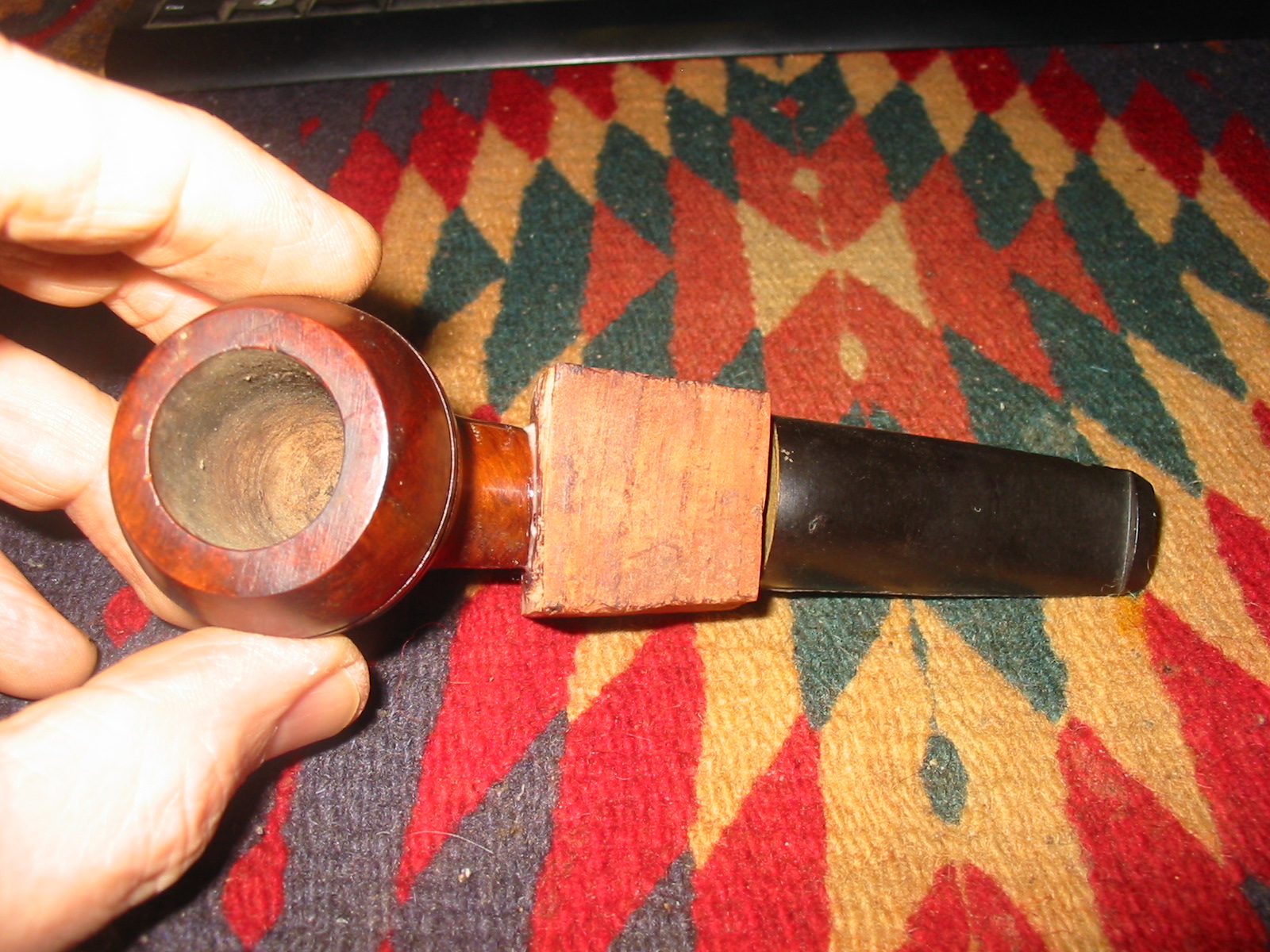
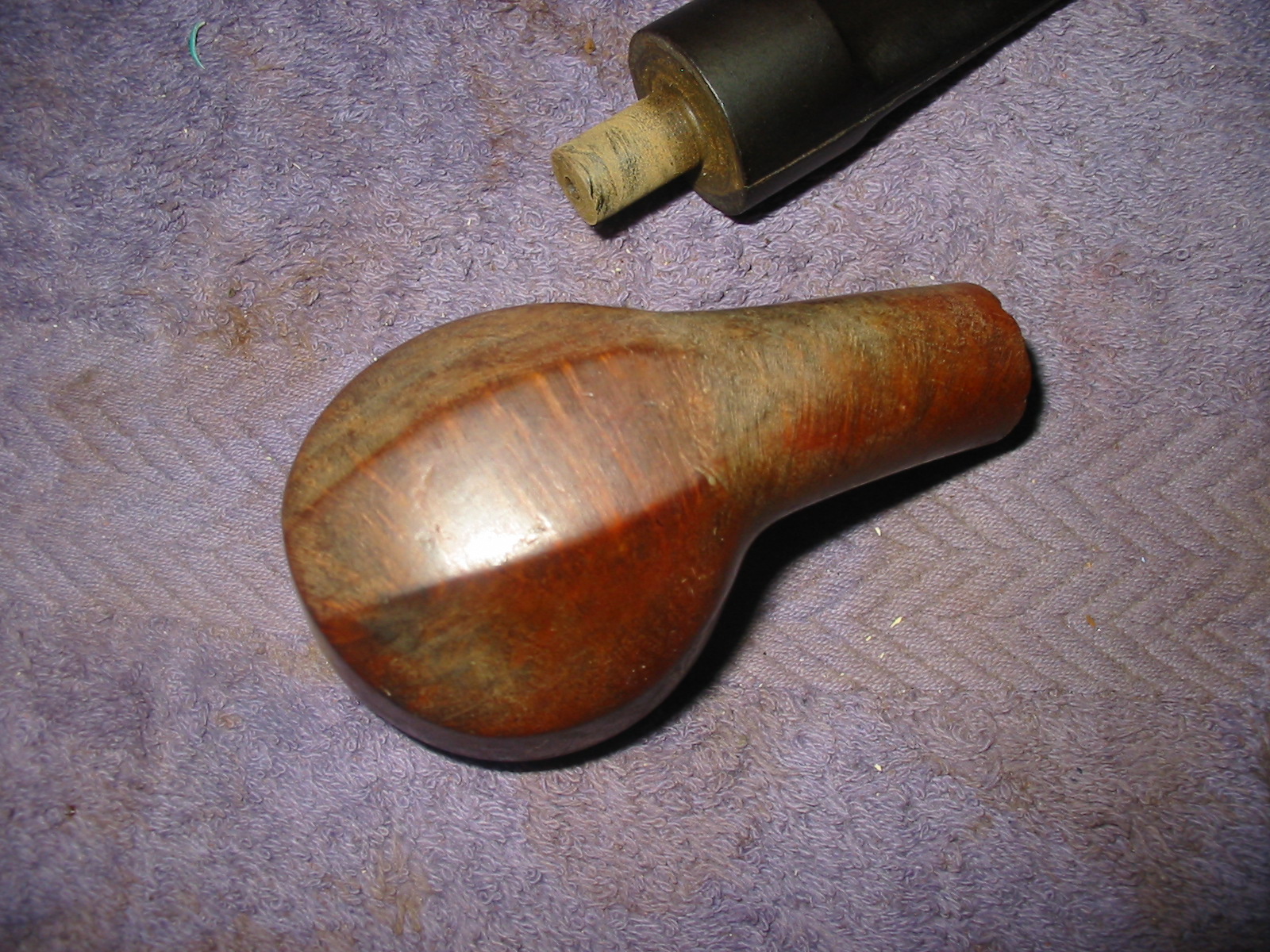
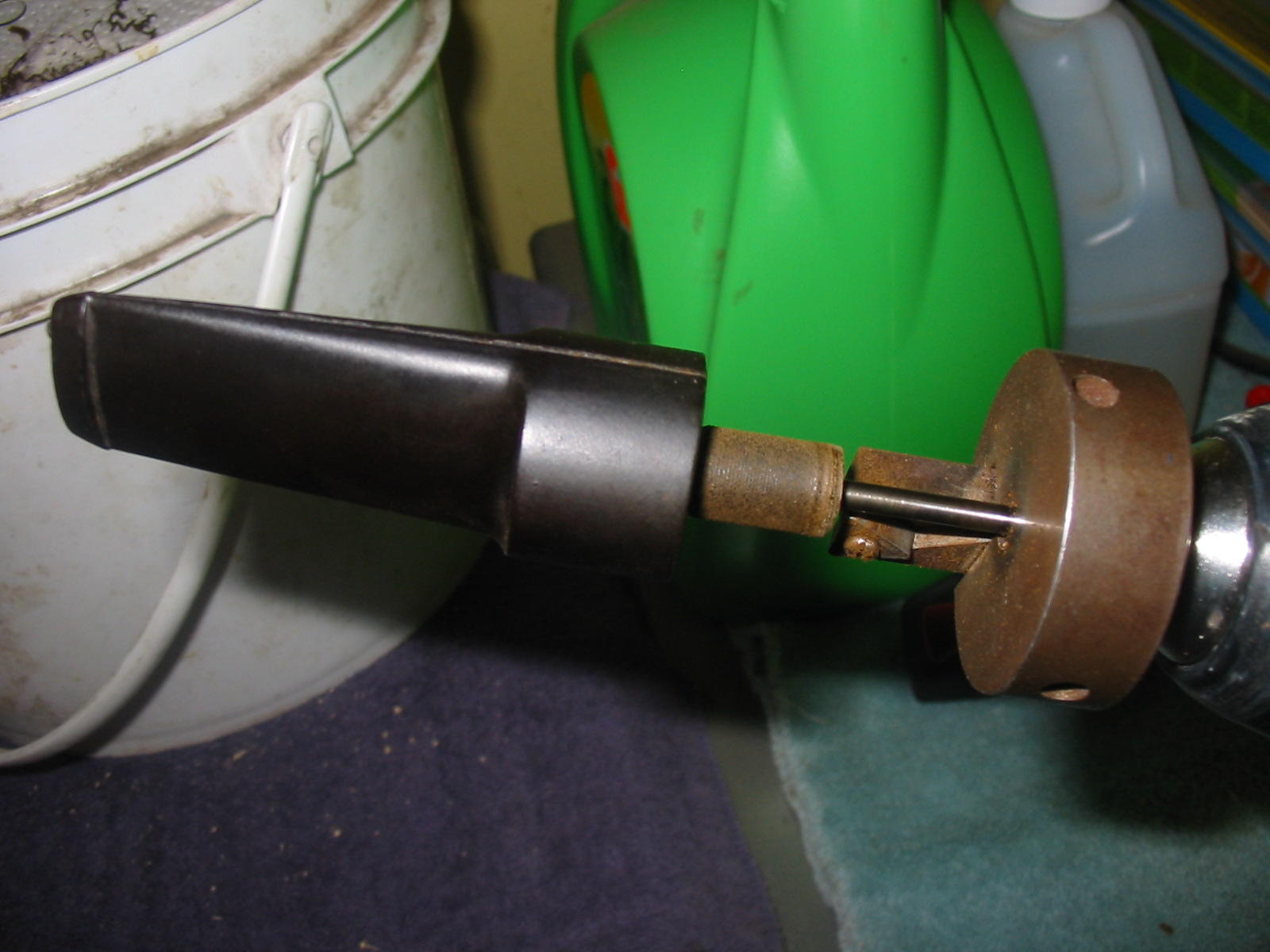
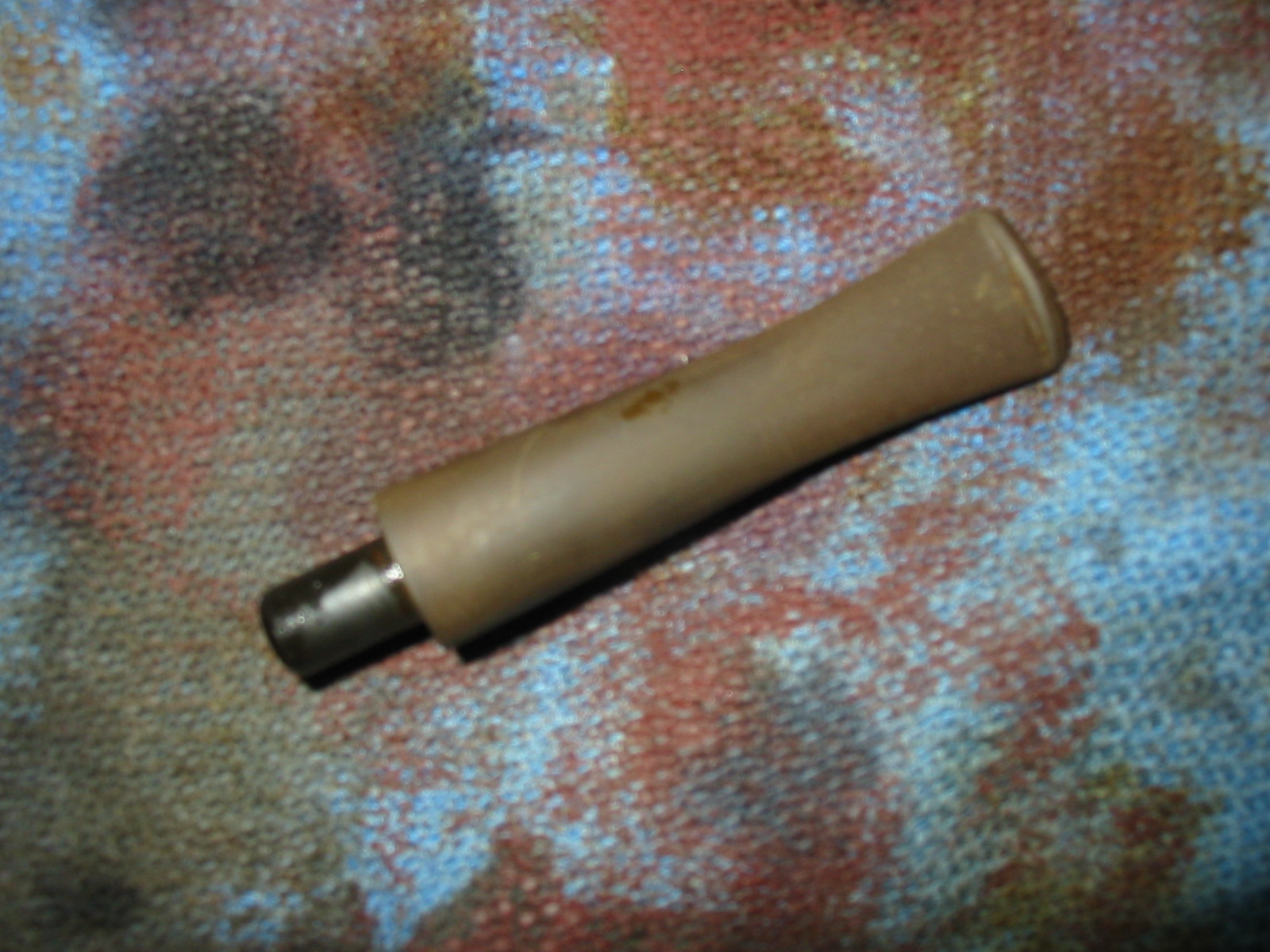
The only stem I had in my box of stems was a chunky saddle bit that would work but would need to have major adjustments in terms of diameter. I turned the tenon on a PIMO tenon turning tool until the stem fit snuggly in the shank of the pipe.
IMG_6091
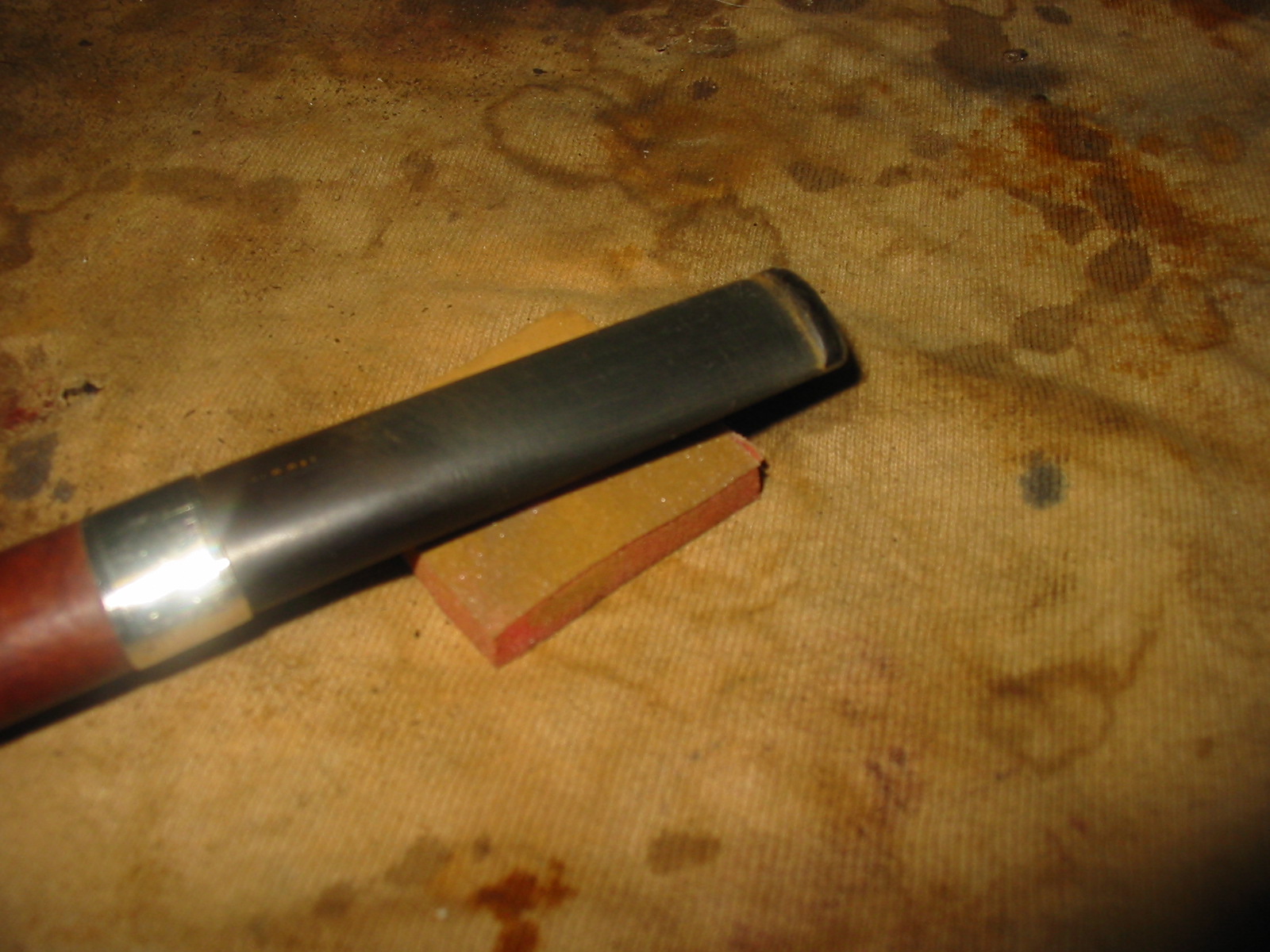
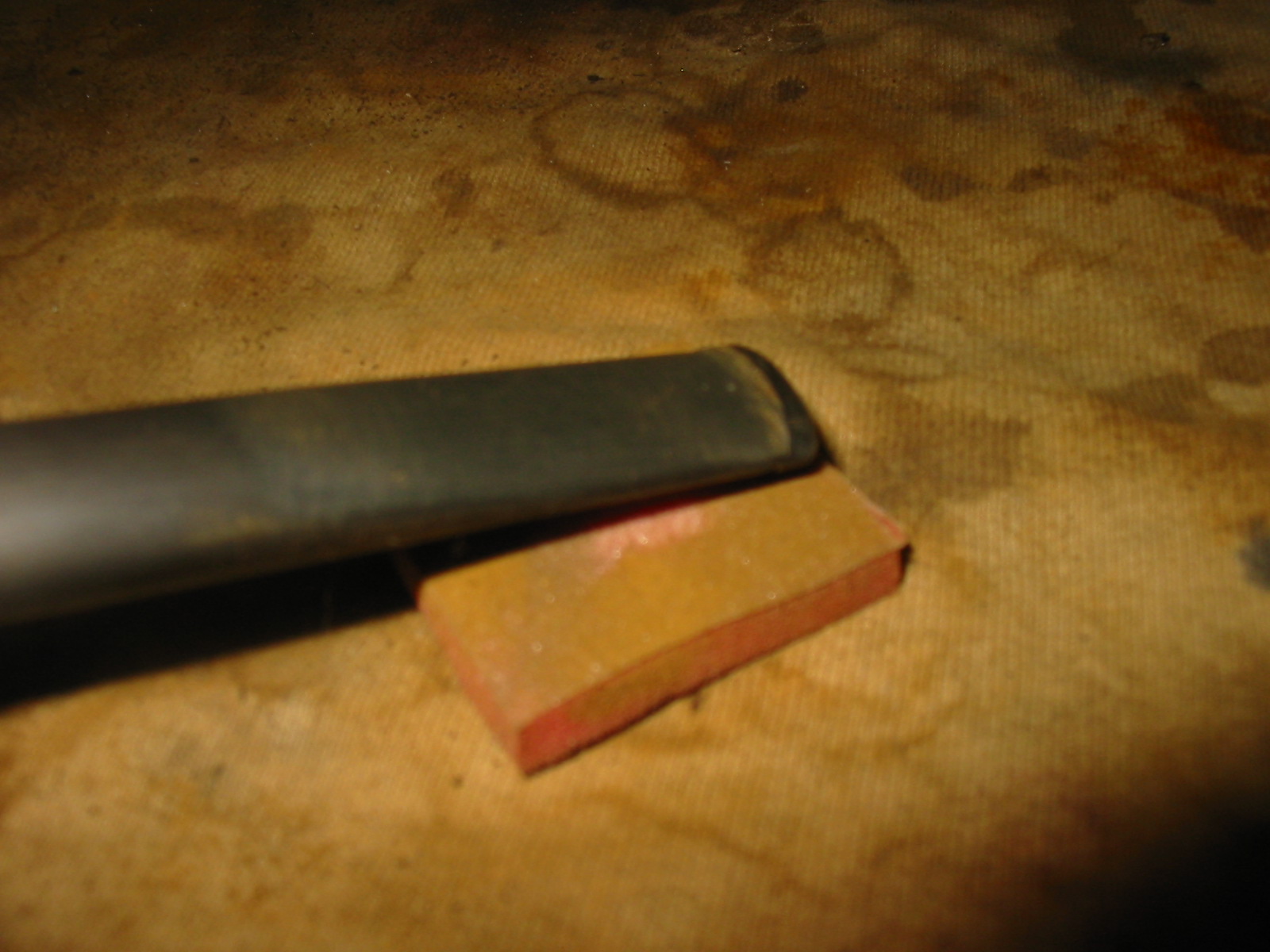
You can see from the next series of photos that the stem was far too wide in diameter and would need to be trimmed to size for a good fit against the shank.
IMG_6092

IMG_6093

IMG_6094

IMG_6095
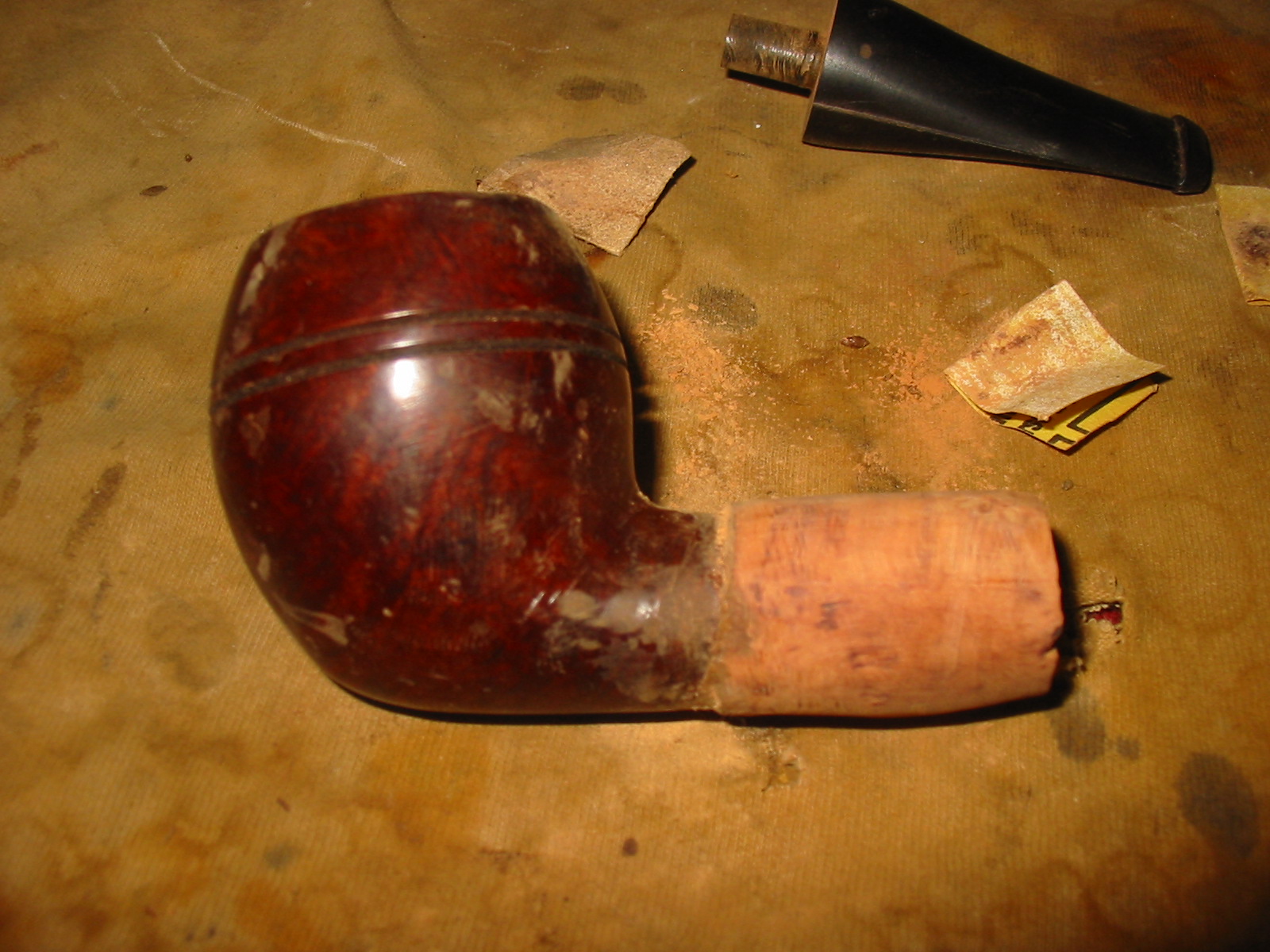
Before I worked on the stem I decided to do a bit of clean up on the bowl. I quickly reamed the bowl with a PipNet pipe reamer. I used the largest cutting head to ream the bowl.
IMG_6100
I lightly topped the bowl on a piece of sandpaper to remove the damage and the hard buildup on the surface of the rim.
IMG_6101
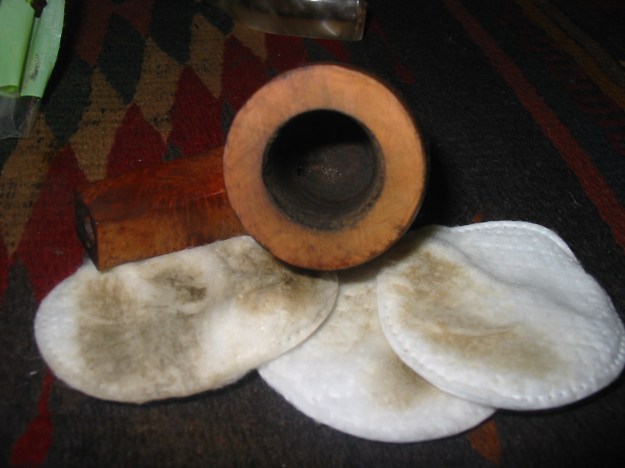
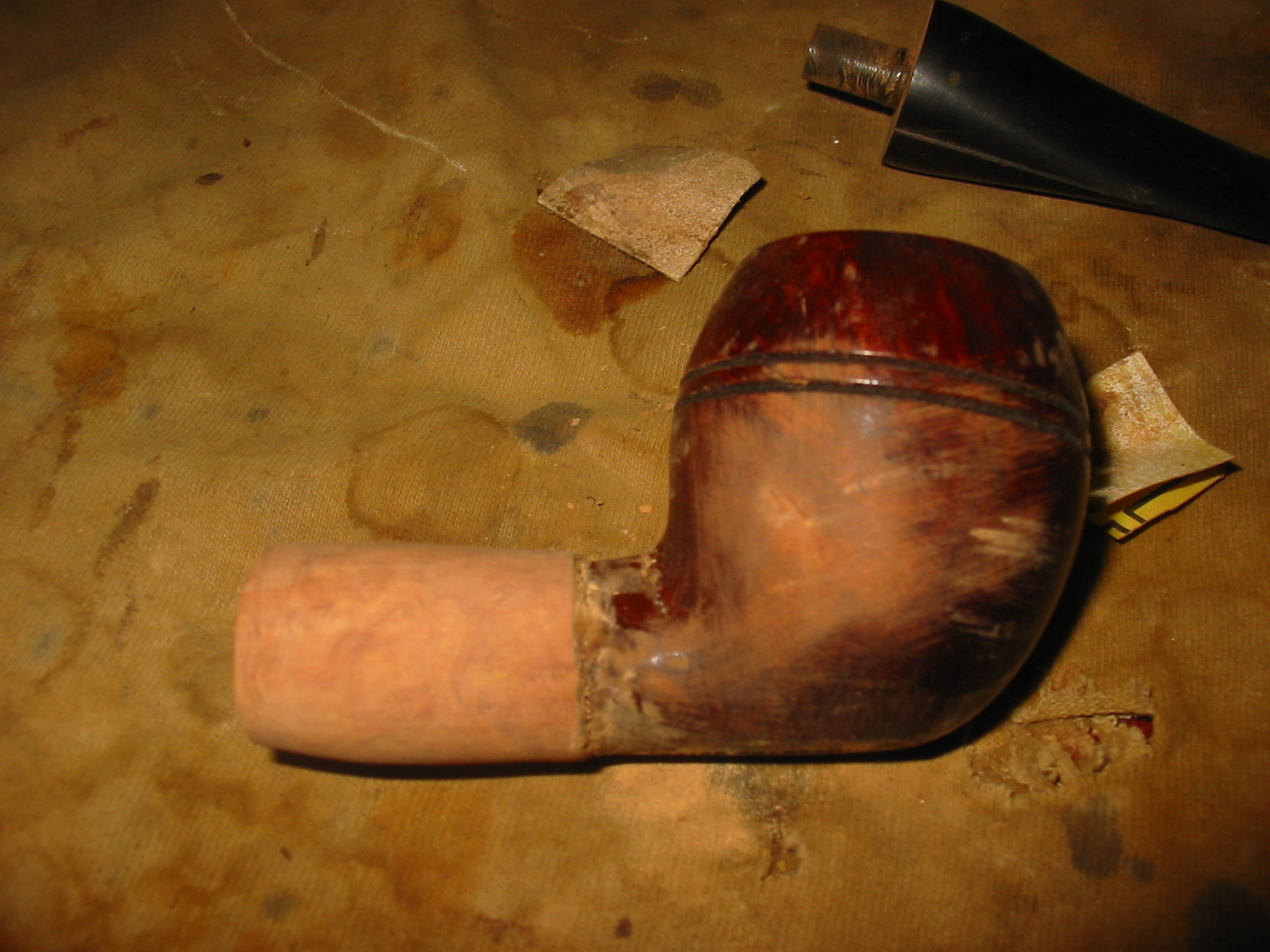
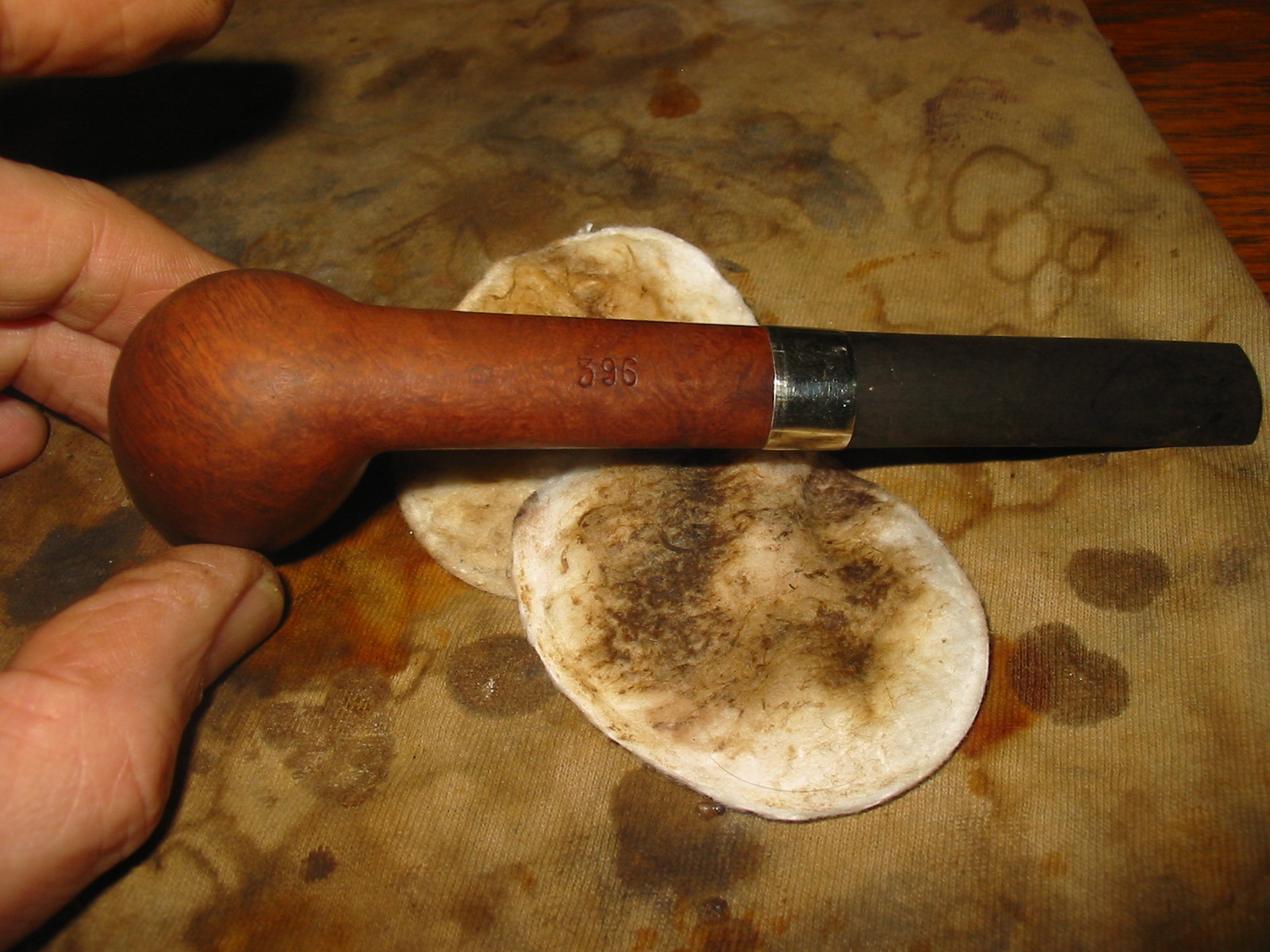
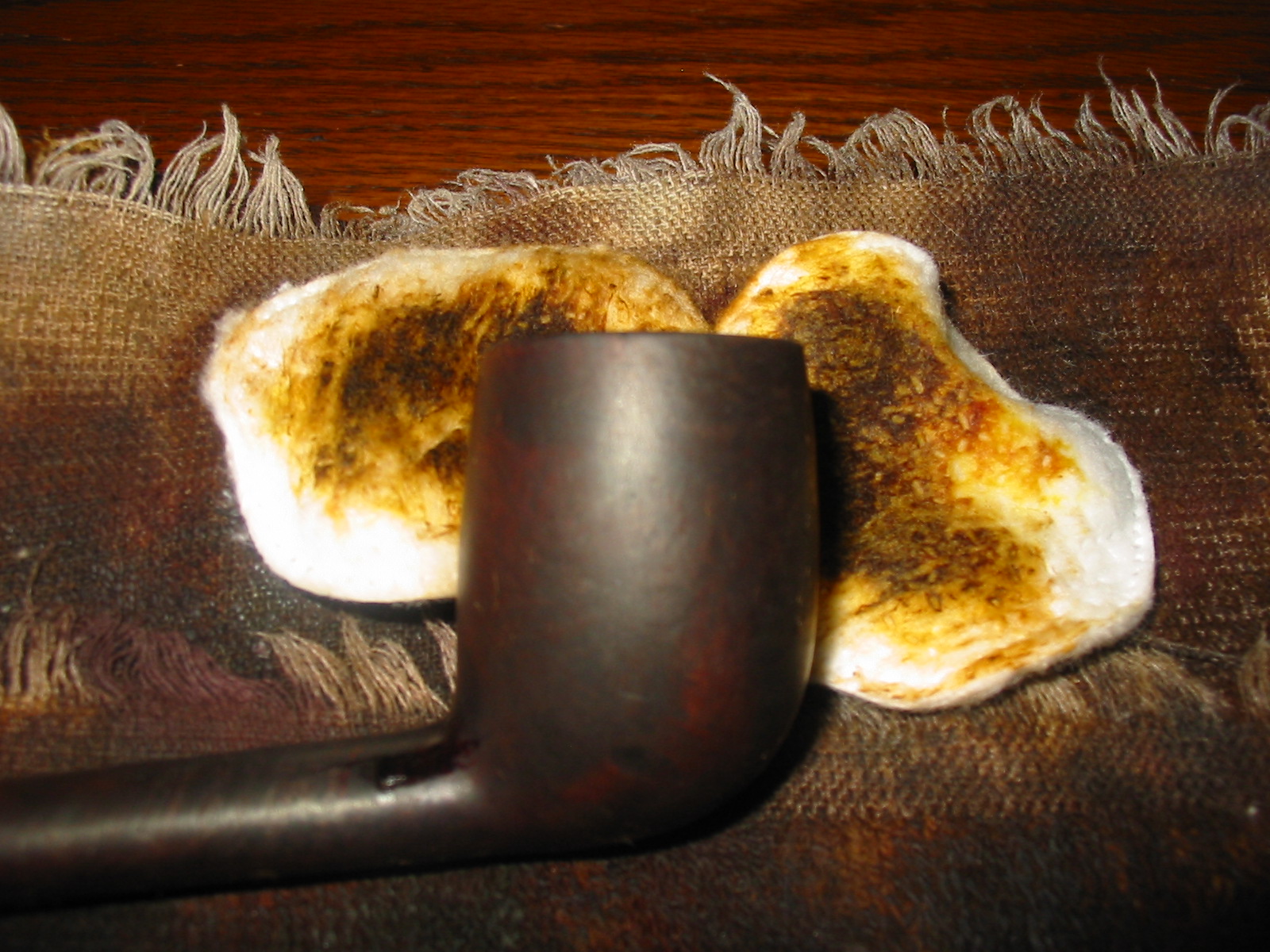
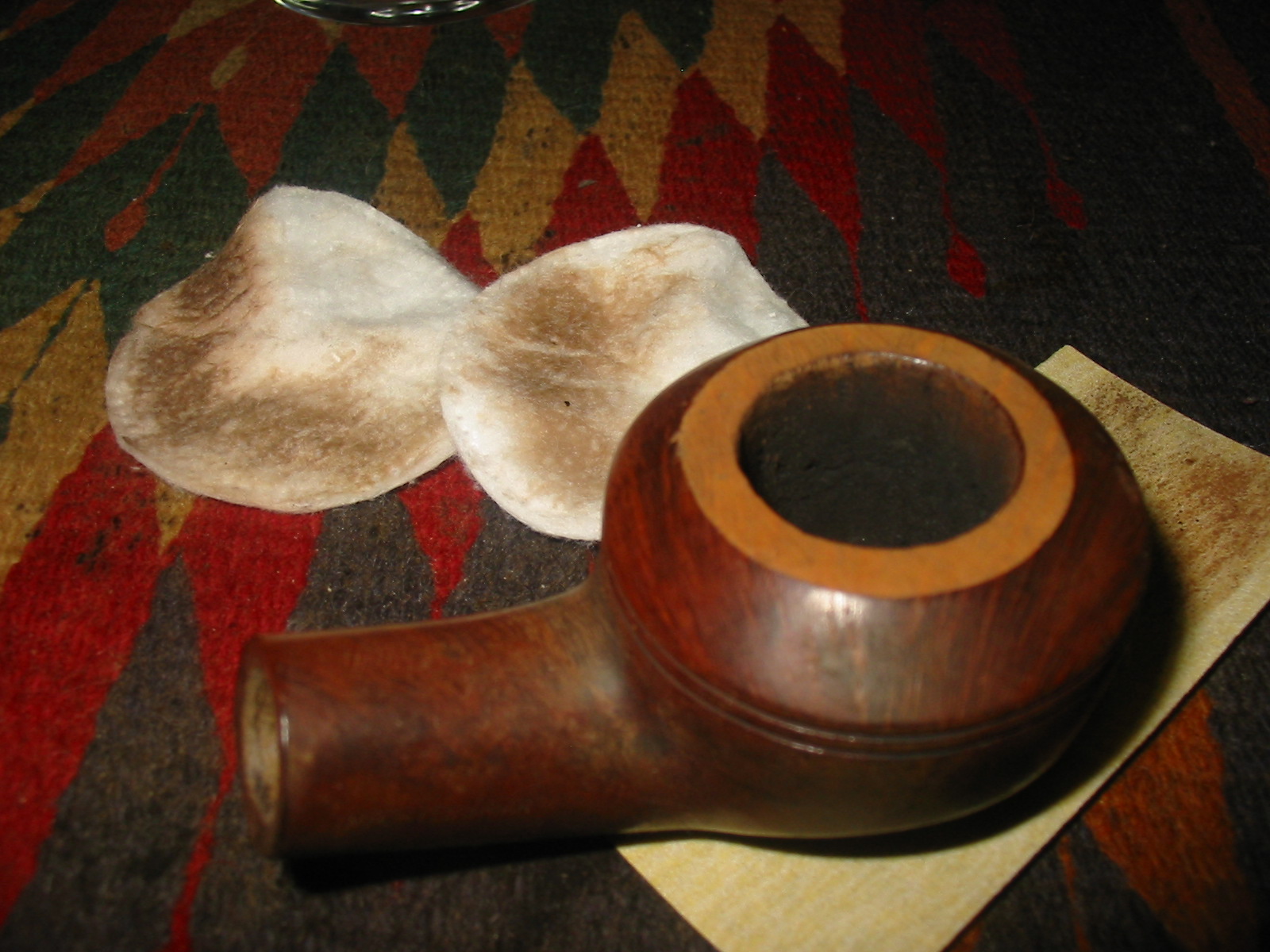
I wiped the bowl down with acetone on cotton pads to remove the damaged finish. I sanded the bowl with a medium and a fine grit sanding sponge to smooth out the rough spots on the bowl and to further remove the finish.
IMG_6104

IMG_6105

IMG_6106

IMG_6107

IMG_6108
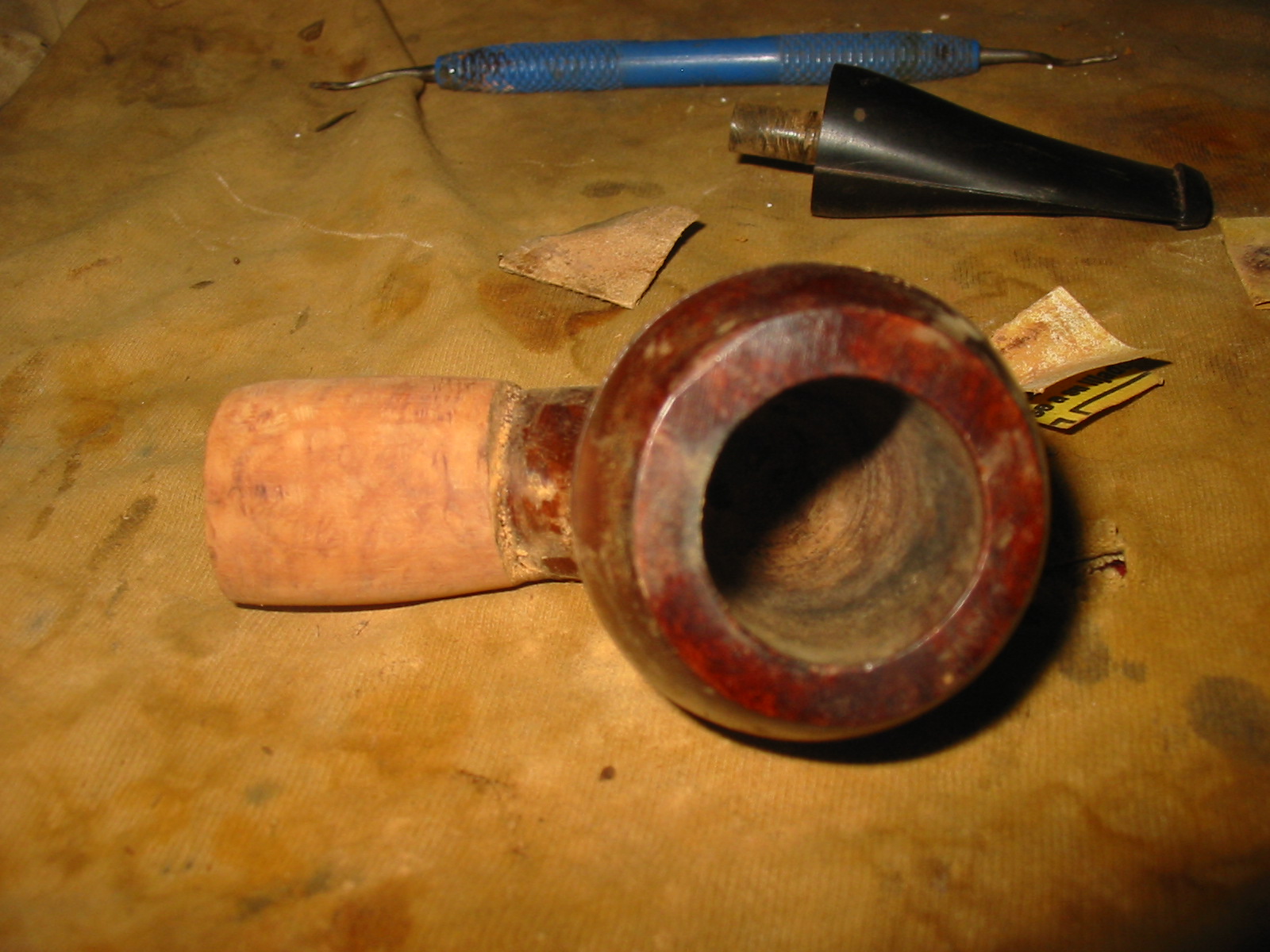
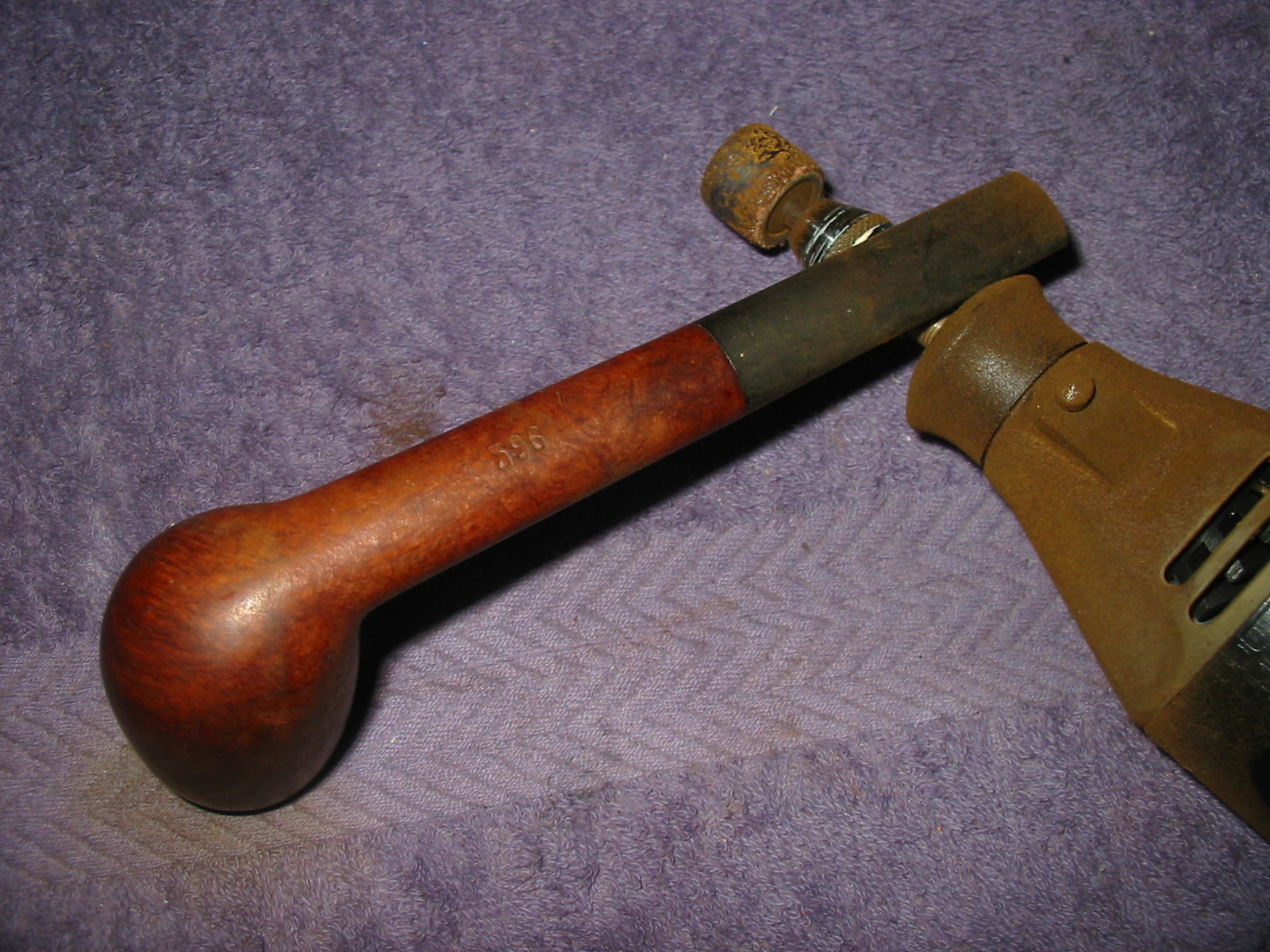
I trimmed the diameter of the stem with a sanding drum on a Dremel. A steady hand is essential in doing this to get close to the shank of the pipe but not nick it with the fast moving drum. I generally do this in several stages to get it even and the alignment with the sides and top of the shank correct. I also take as much off as possible with the Dremel so that the hand sanding is really fine tuning the shape of the stem.
IMG_6109

IMG_6110

IMG_6111

IMG_6112
When the majority of the excess material has been removed with the Dremel I continue shaping the stem with 220 grit sandpaper squares. I sand until the marks from the Dremel are gone and the sides of the stem align with the line of the shank on each side. I want a good flow between the shank and the stem. I also sand the junction of the shank and stem until the flow is also correct. It takes a lot of sanding to get it to the place where the transitions are smooth and the old round chunky stem is a thing of the past.
IMG_6113

IMG_6114
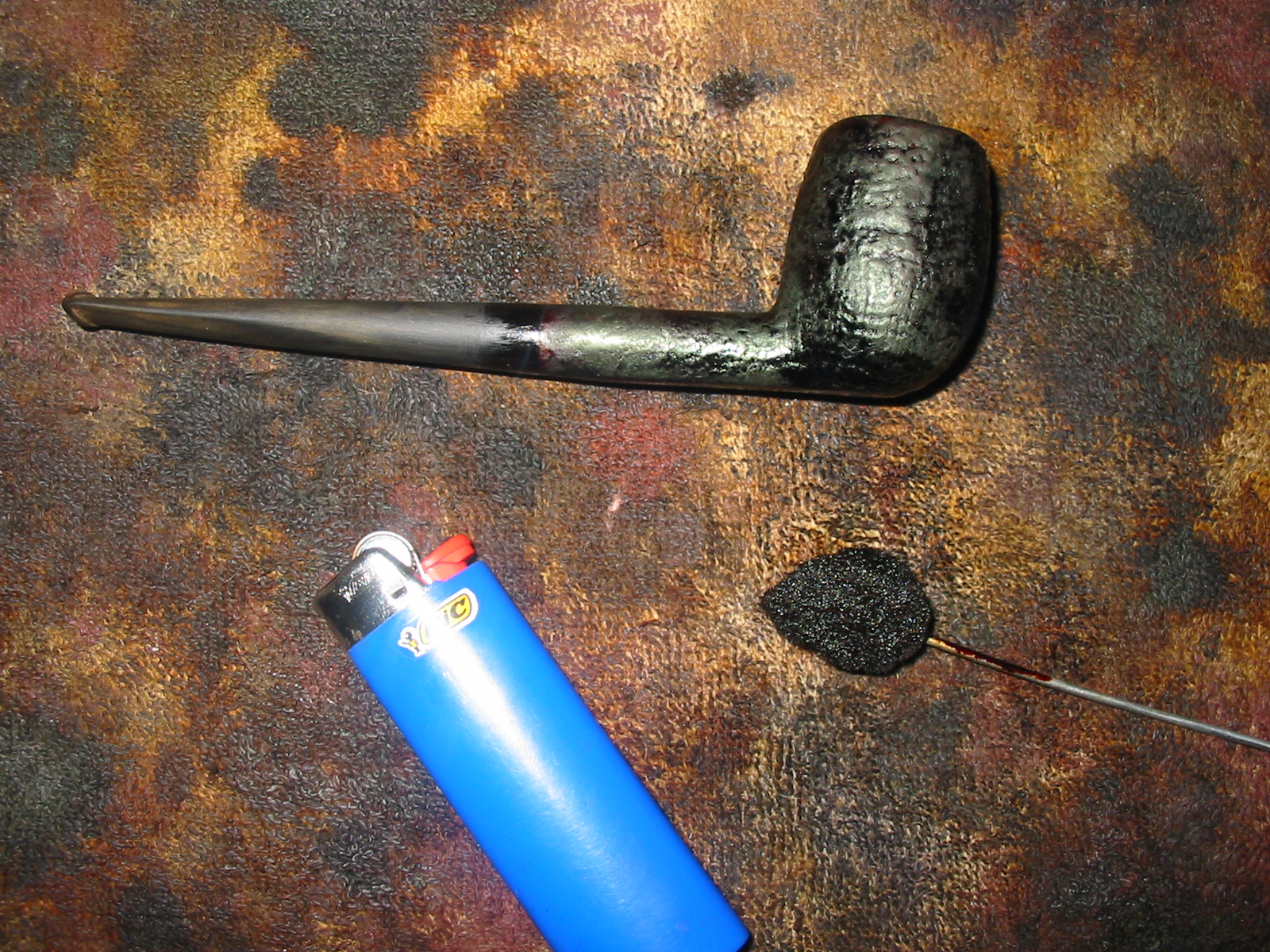
Once I had the stem fitted there was still fine tuning to do to it. There were still scratches and marks on the saddle and the sides of the stem. The sides of the stem were too thick and needed to be thinned and shaped. However, I decided to change my pace a little and stain the bowl with a black aniline stain undercoat. I applied it and flamed it several times until the coverage was even.
IMG_6115

IMG_6116

IMG_6117

IMG_6118
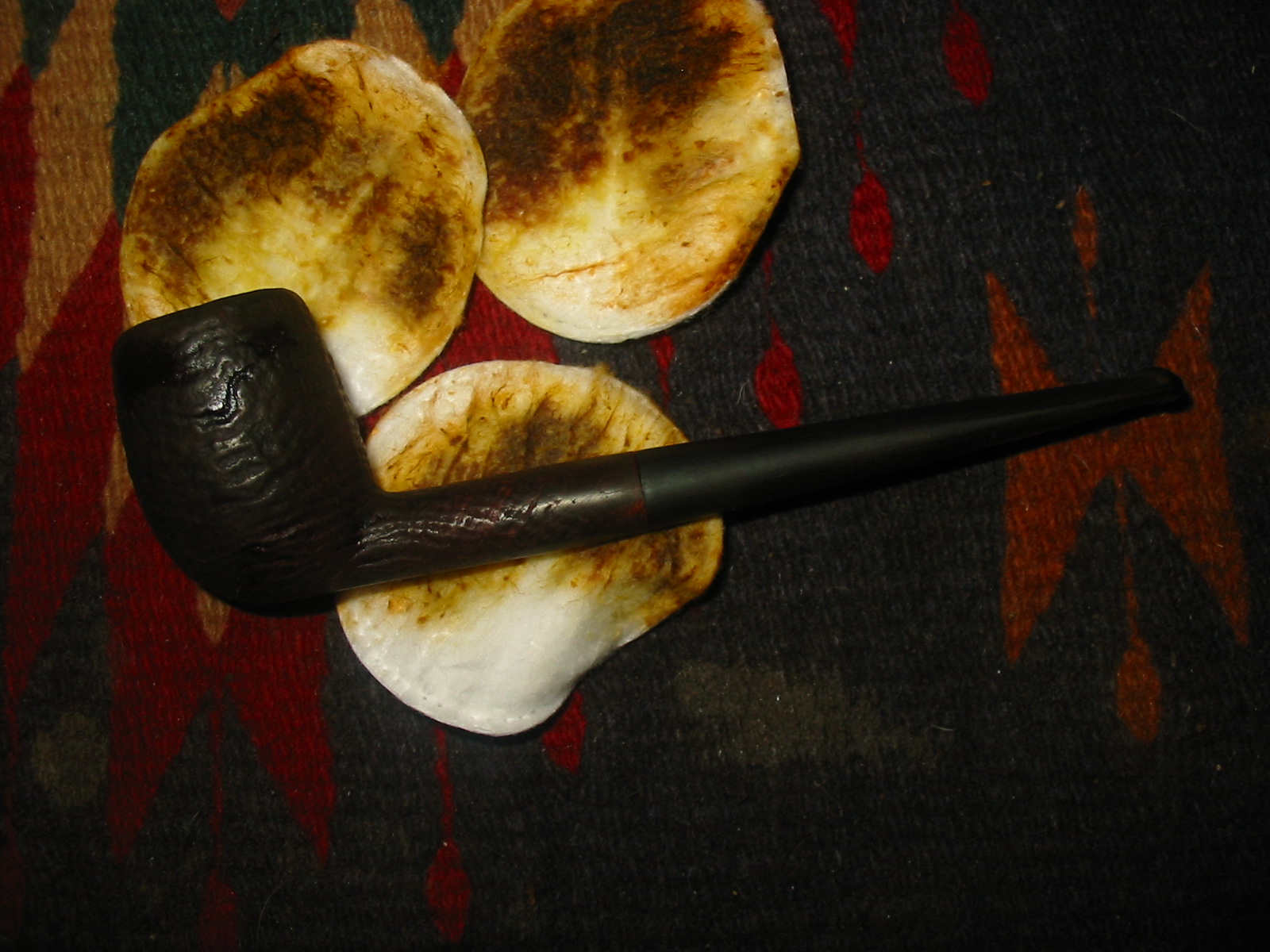
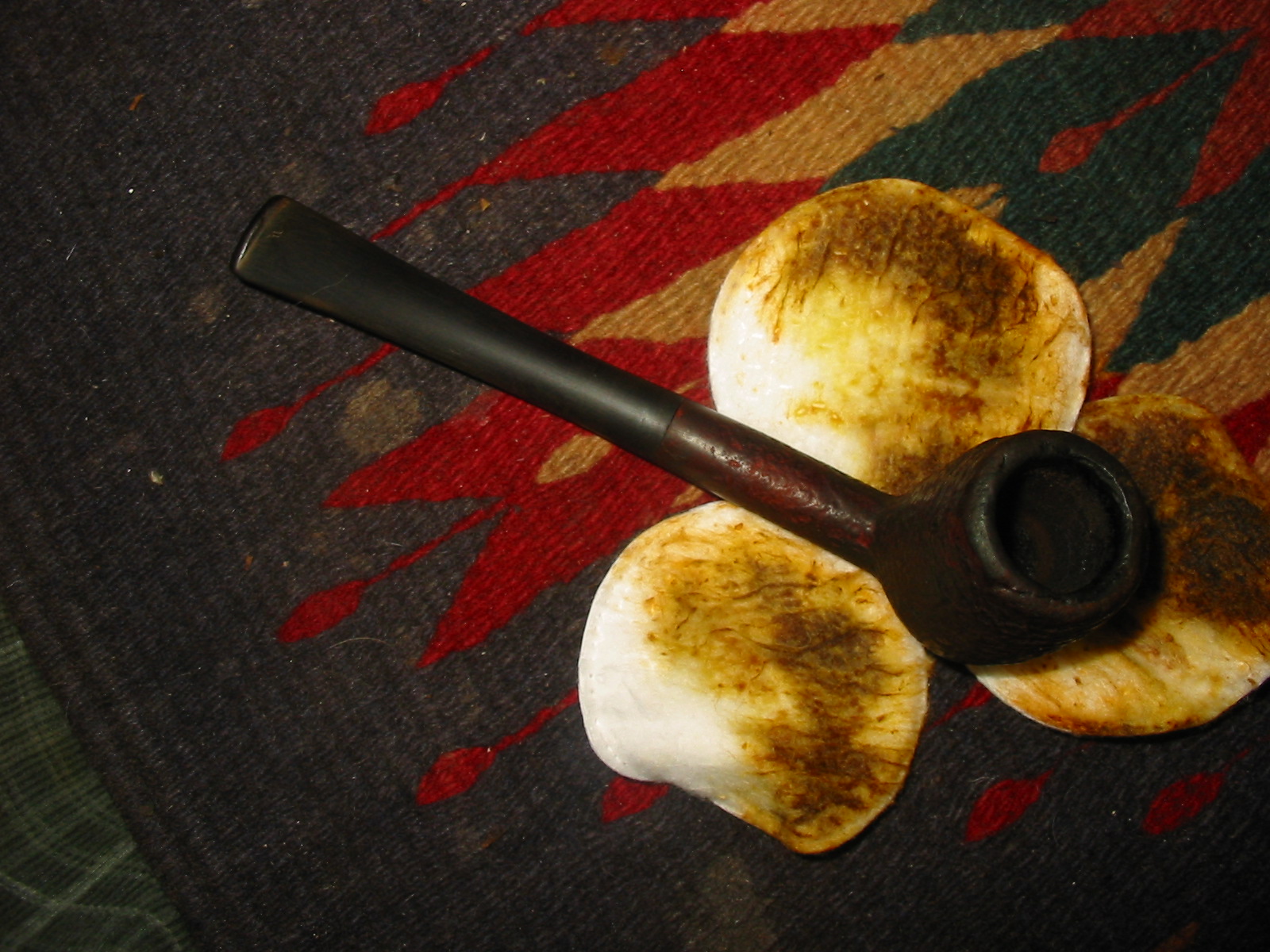
When the stain was dry I wiped the bowl down with acetone on a cotton pad to remove some of the top black stain, while leaving it deep in the softer parts of the briar – the grain. I repeated the process until much of the black top coat was gone and the grain began to stand out on the bowl. It still would require some sanding and buffing to remove all that I wanted to remove before I applied a second coat of stain – an oxblood colour that would really set off the grain in this pipe.
IMG_6119

IMG_6120

IMG_6121

IMG_6122
Before calling it a night I decided to bend the stem so I set up a heat gun and heated the stem until the vulcanite was pliable. Once it was soft I bent it over a wooden rolling pin that I use to keep the bend even. In this particular case because the stem was quite thick it took several reheatings until I got the bend the way I wanted it.
IMG_6123

IMG_6124

IMG_6125
In the morning when I got up I went down to the work table and gave the bowl its top coat of stain. I used an oxblood stain for the top coat as I thought the contrast between the black undercoat and the red would look good with this particular pipe.
IMG_6126

IMG_6127

IMG_6128

IMG_6129
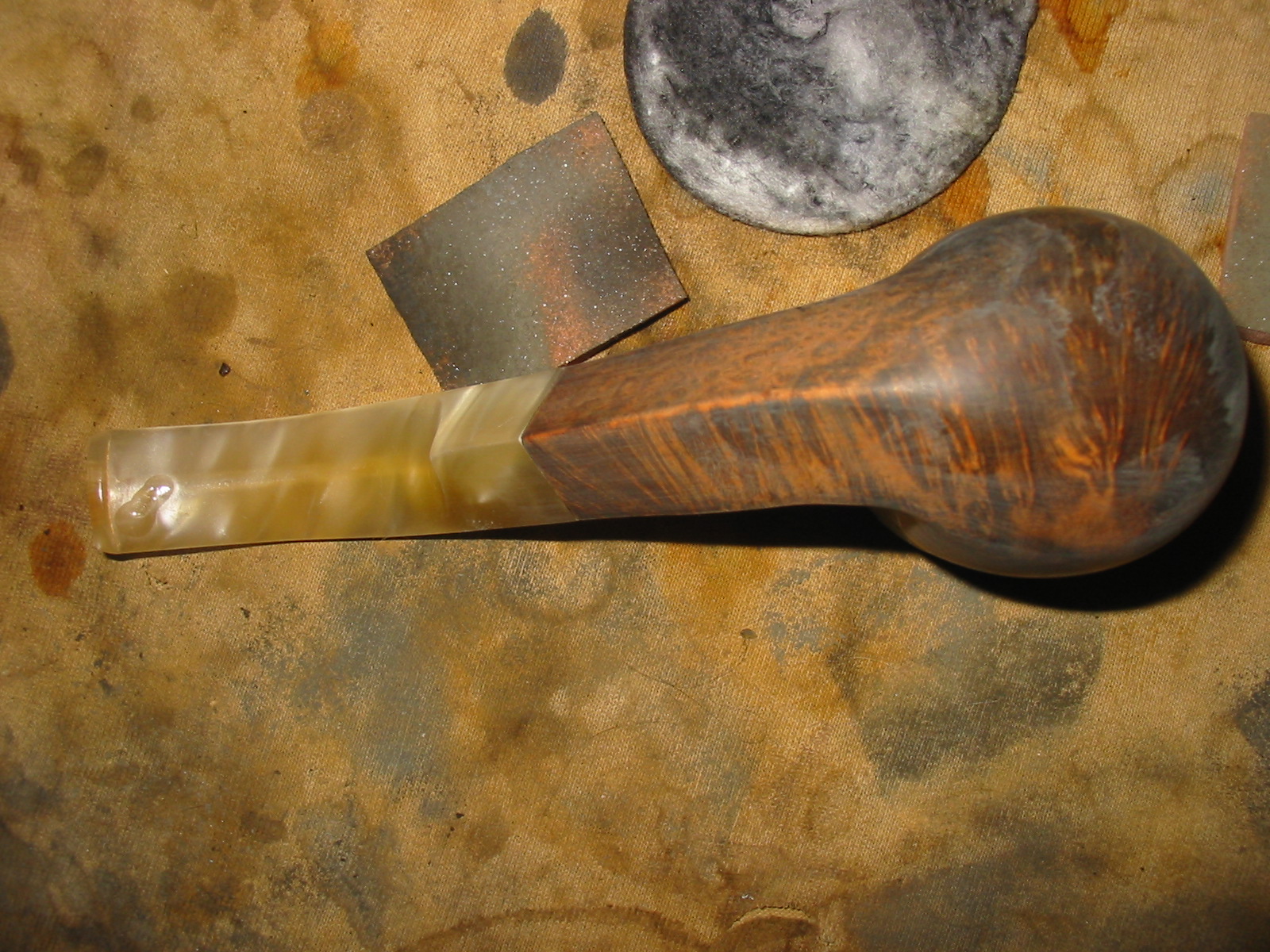
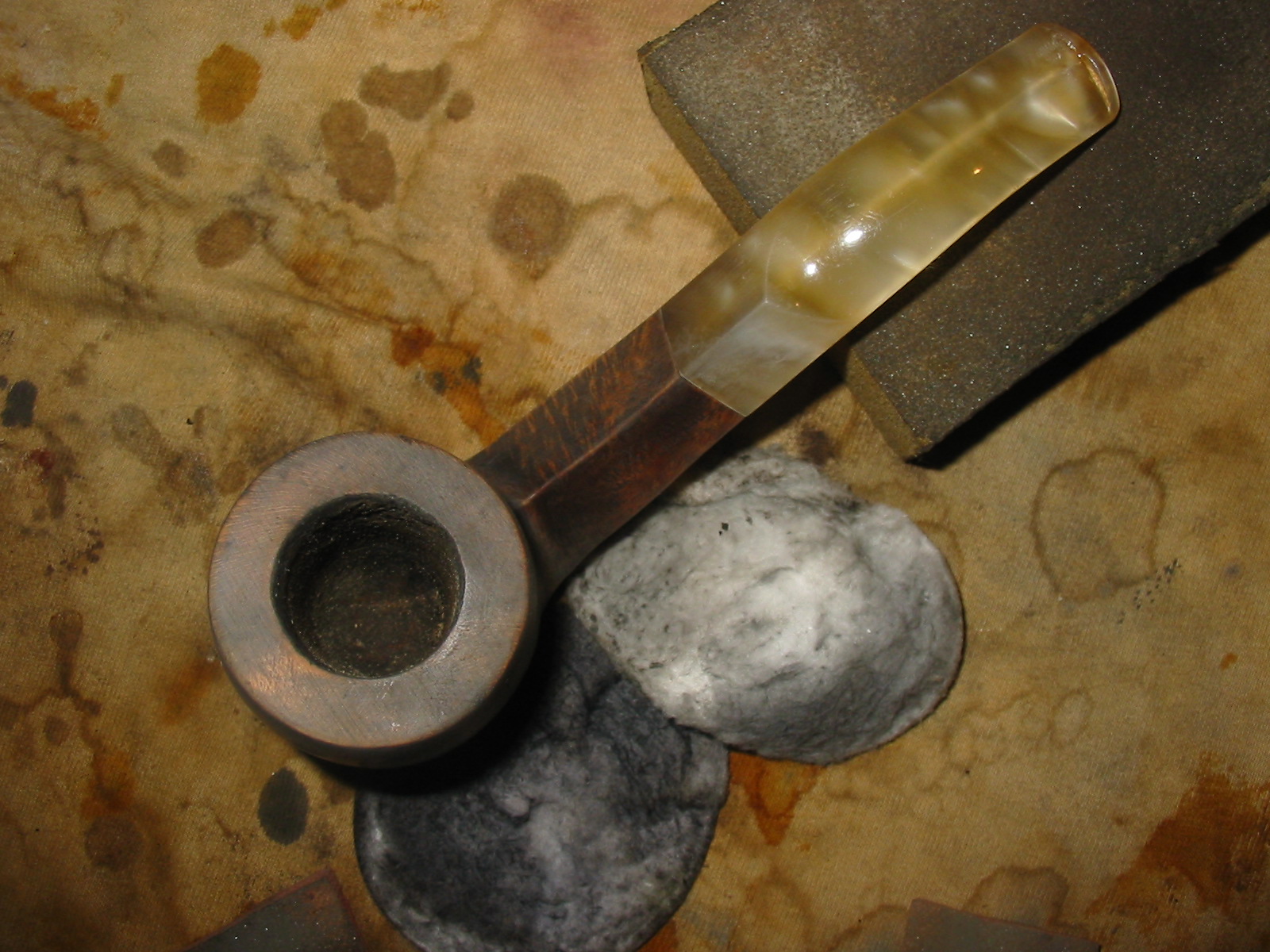
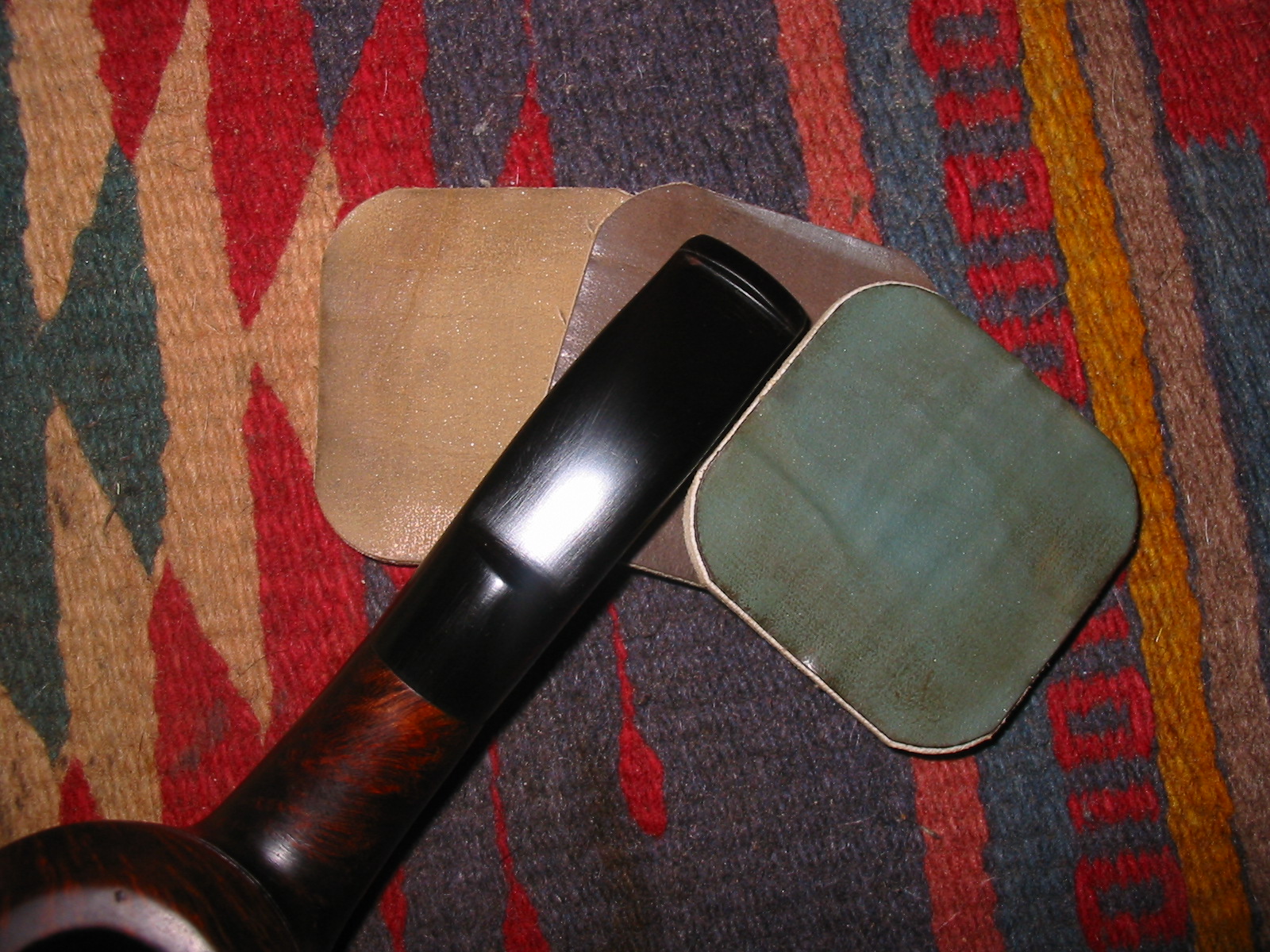
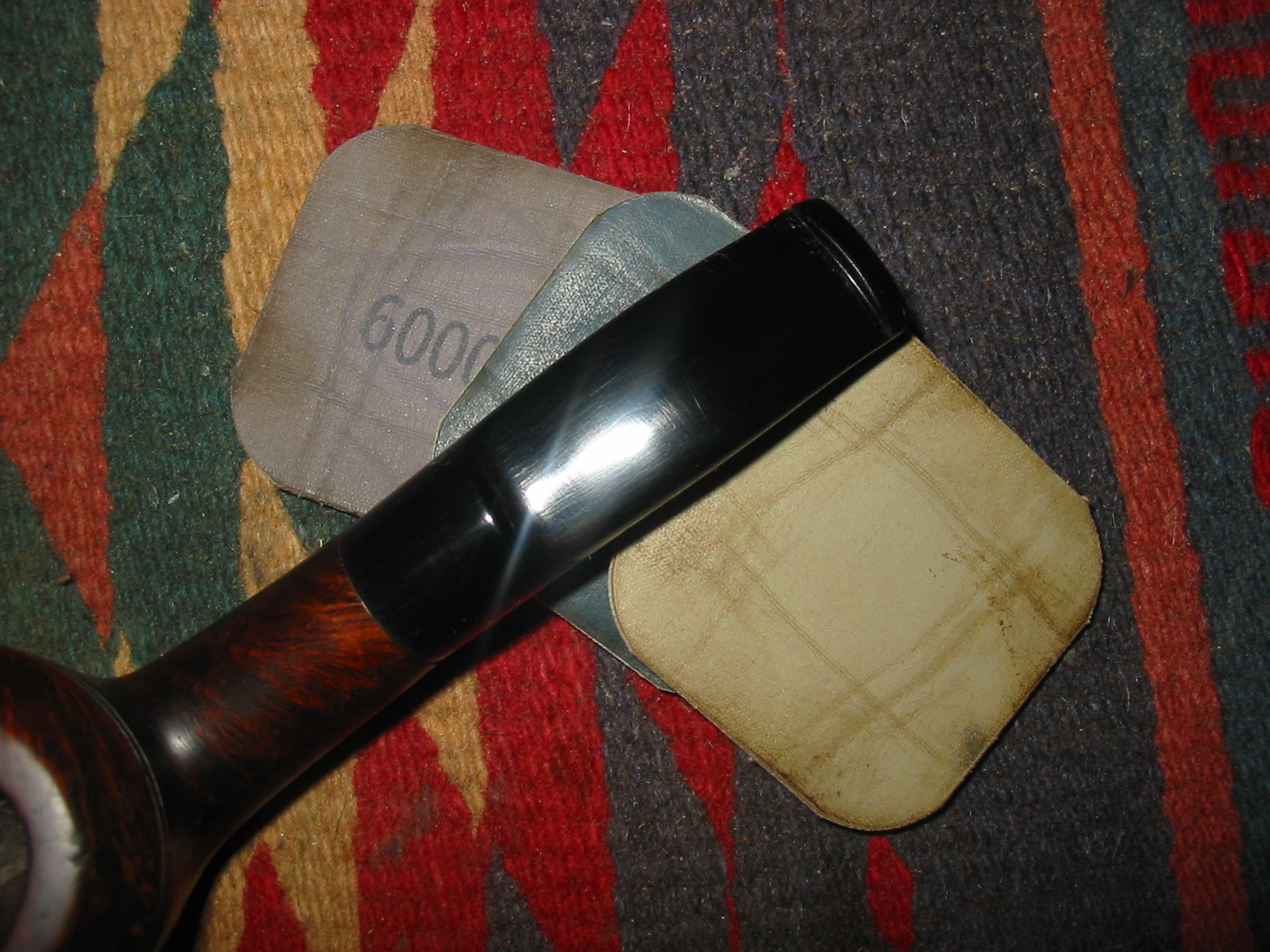
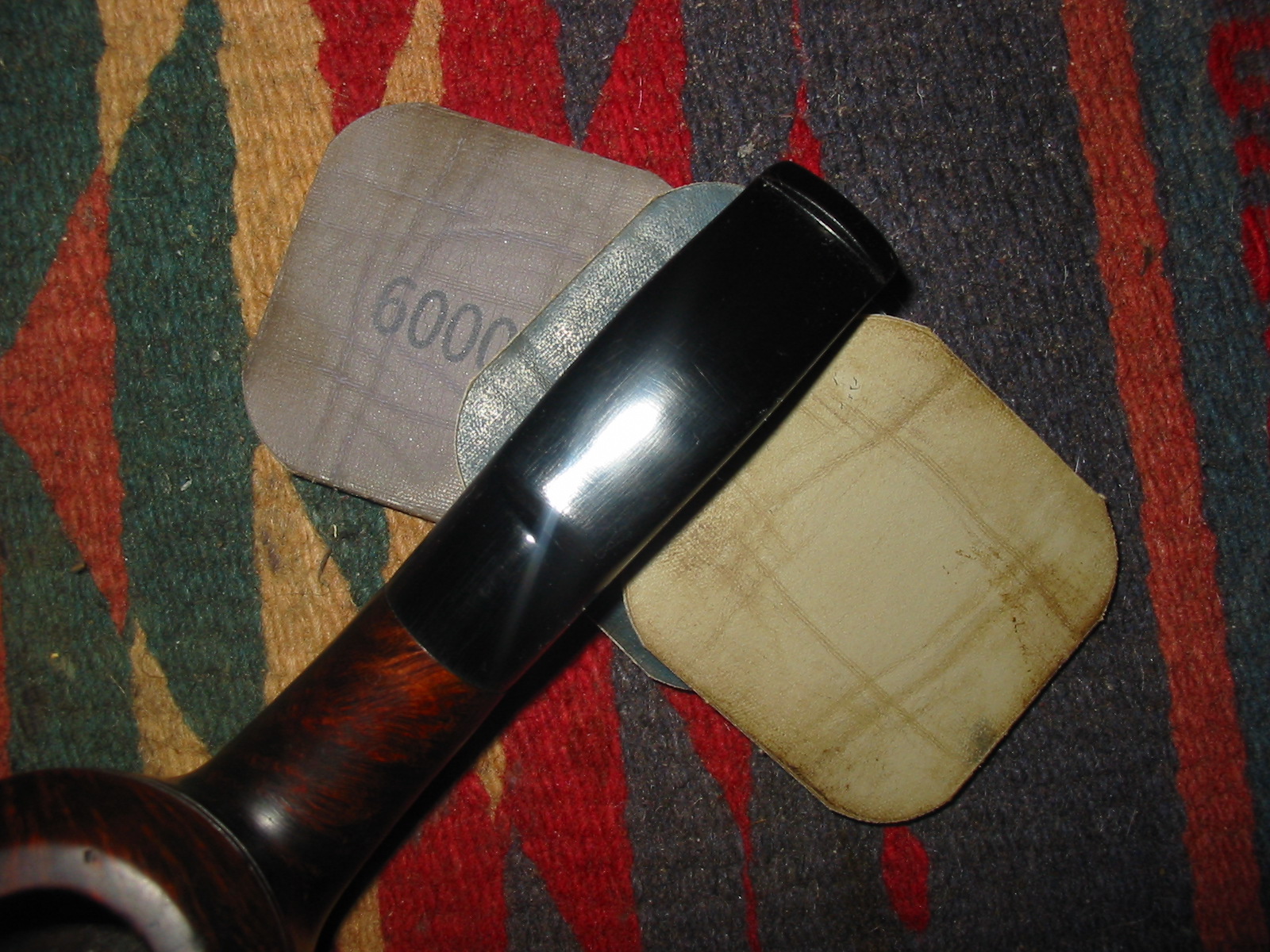
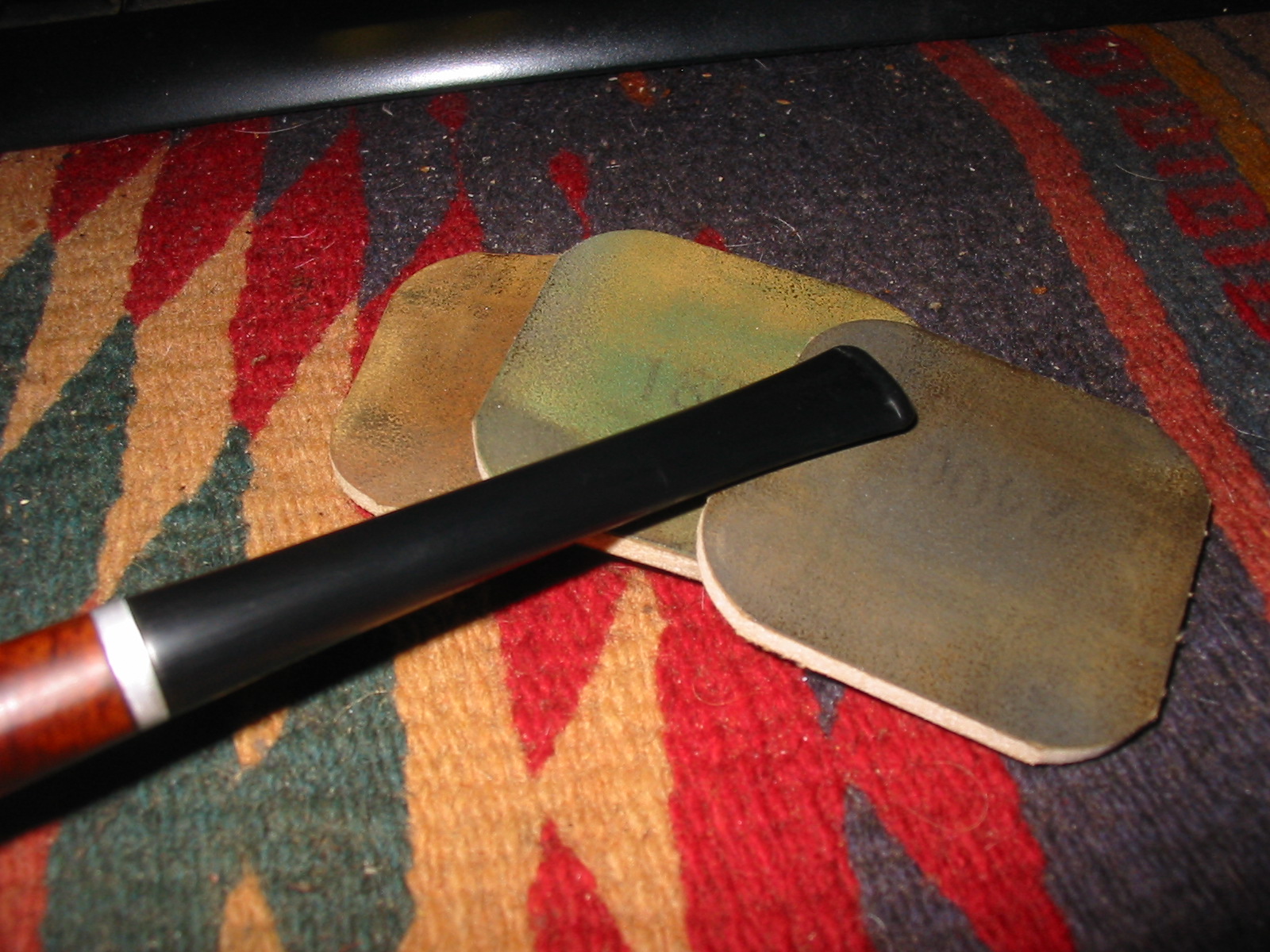
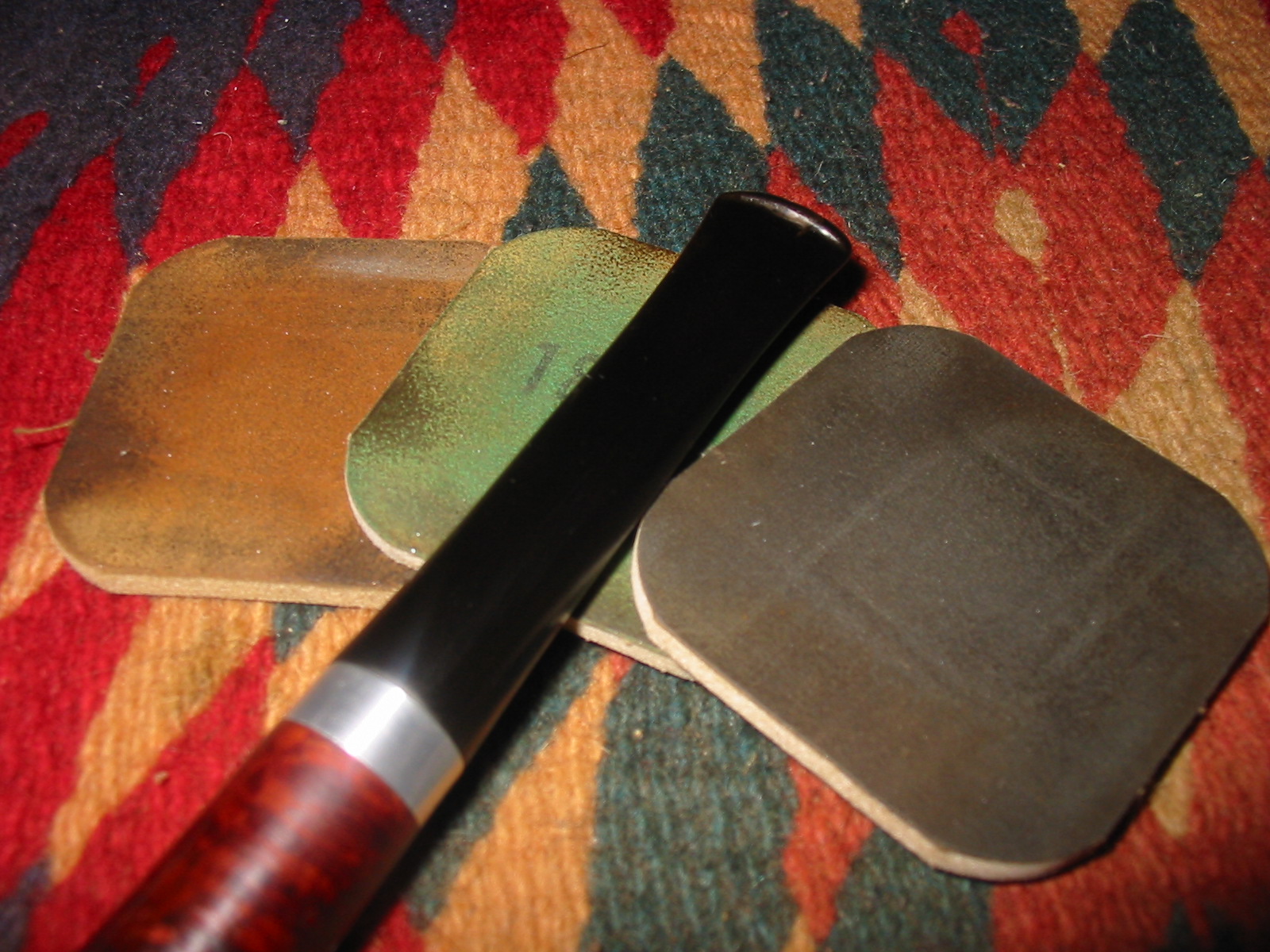
I set the bowl aside and went to work, letting it dry for 8 or more hours. When I returned home in the evening I worked on the shaping of the stem. I sanded it with 220 grit sandpaper to thin it down and shape the edges on the blade. I also worked on the fit of the saddle to the shank to make sure the transition was smooth and as seamless as possible. Once I had the fit correct I sanded it with medium and fine grit sanding sponges and then my usual array of micromesh pads. I wet sanded with 1500-3200 grit pads and dry sanded with 3600-12000 grit pads.
IMG_6131

IMG_6132

IMG_6133
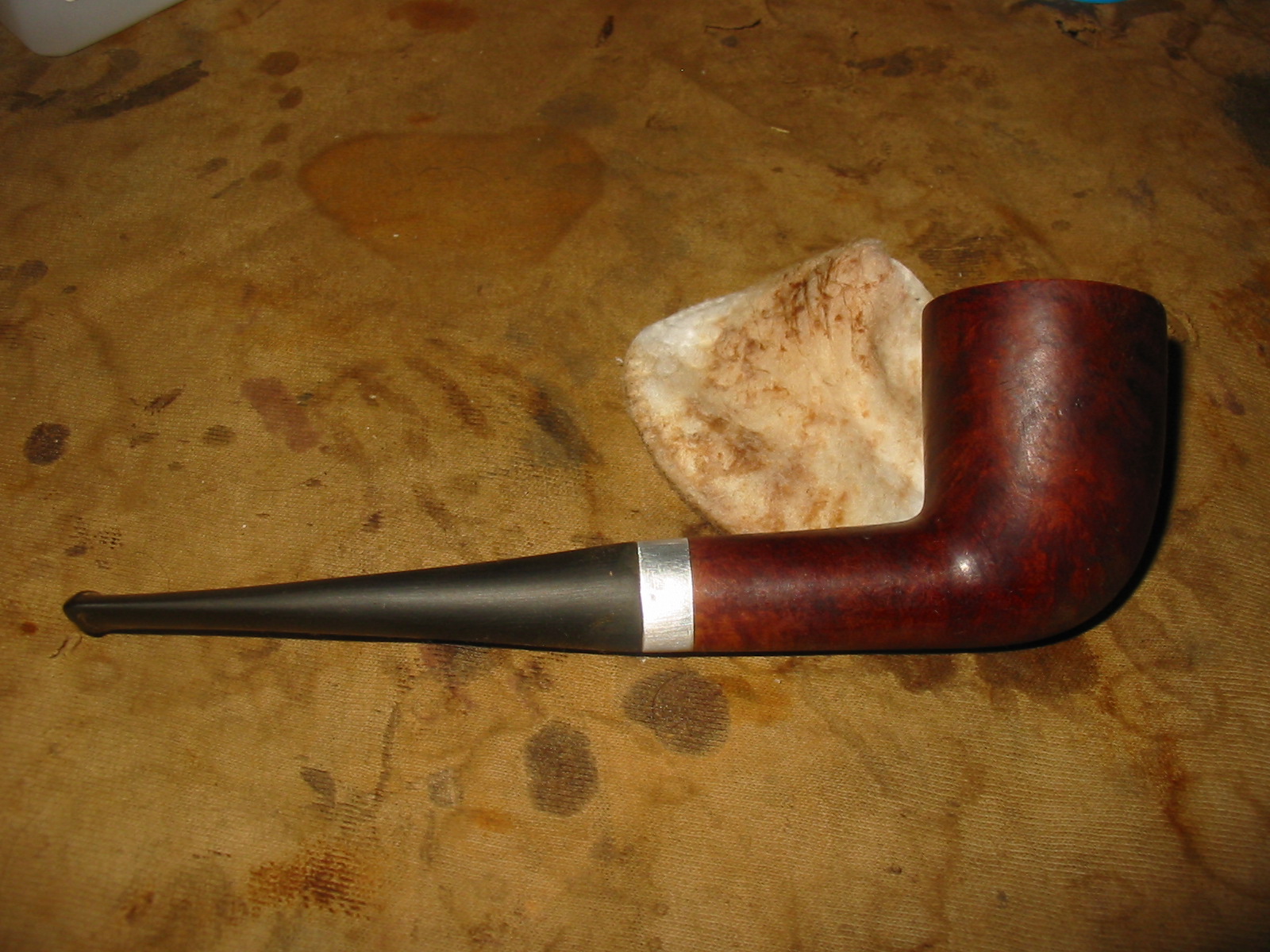
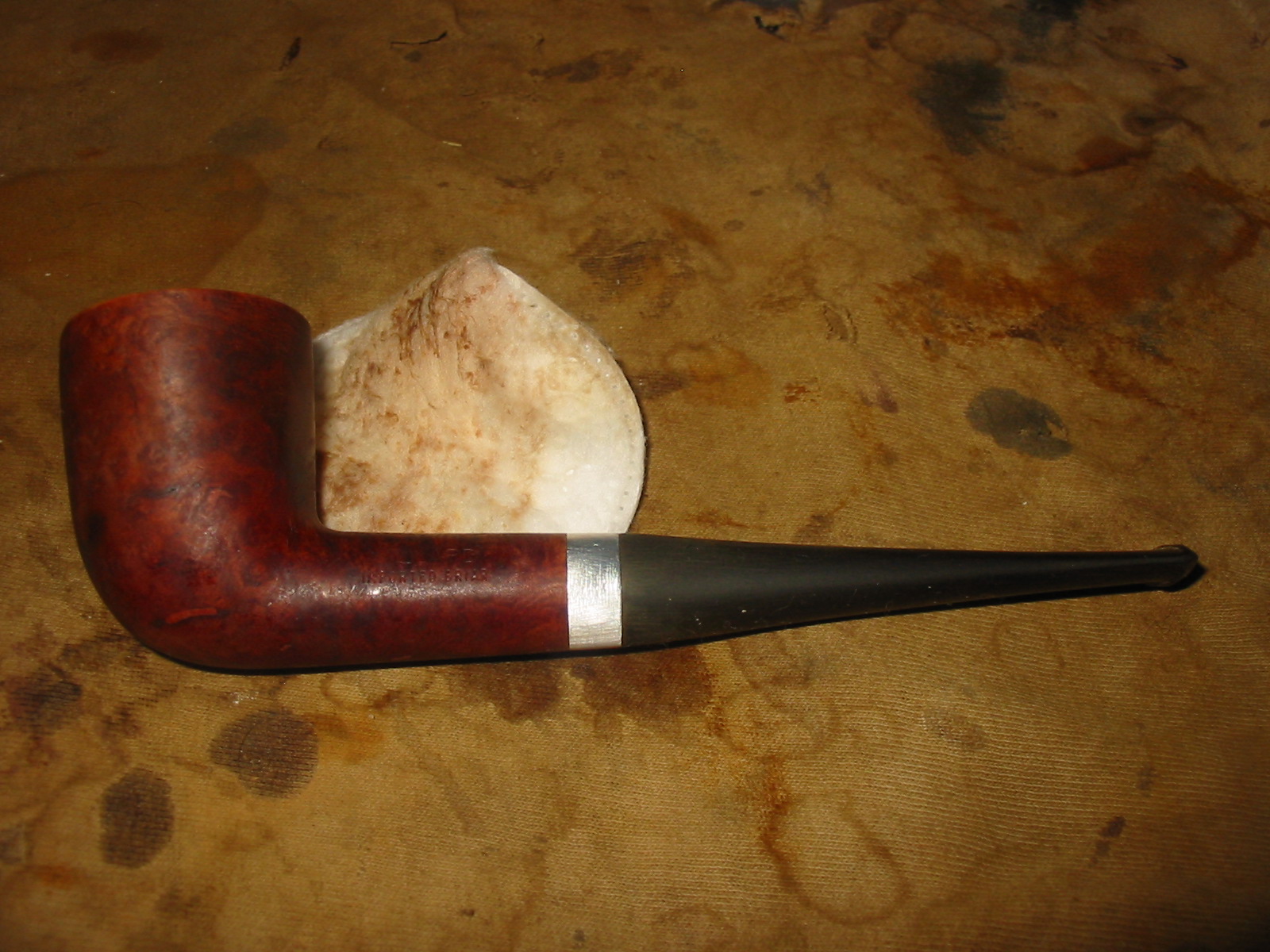
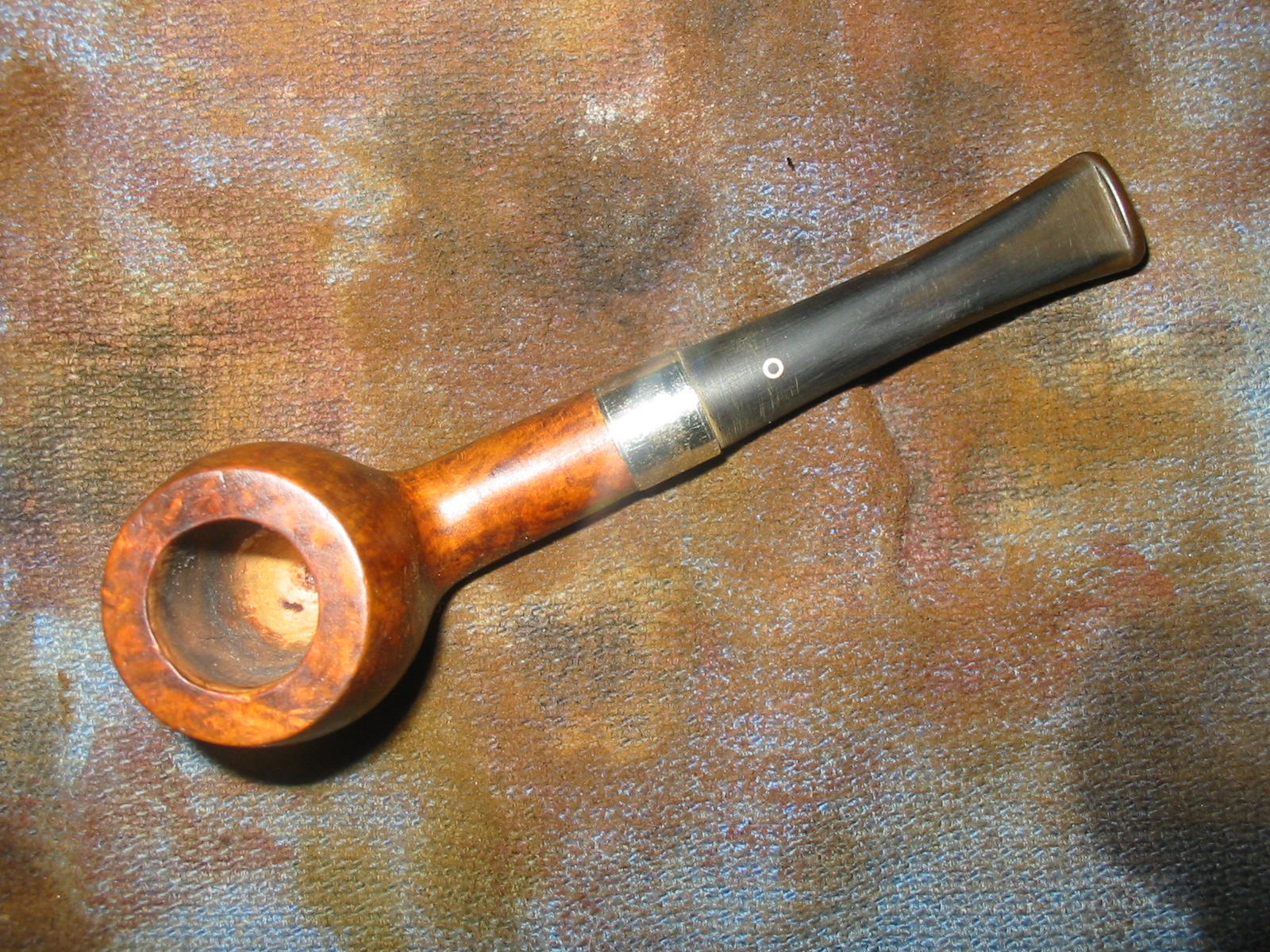
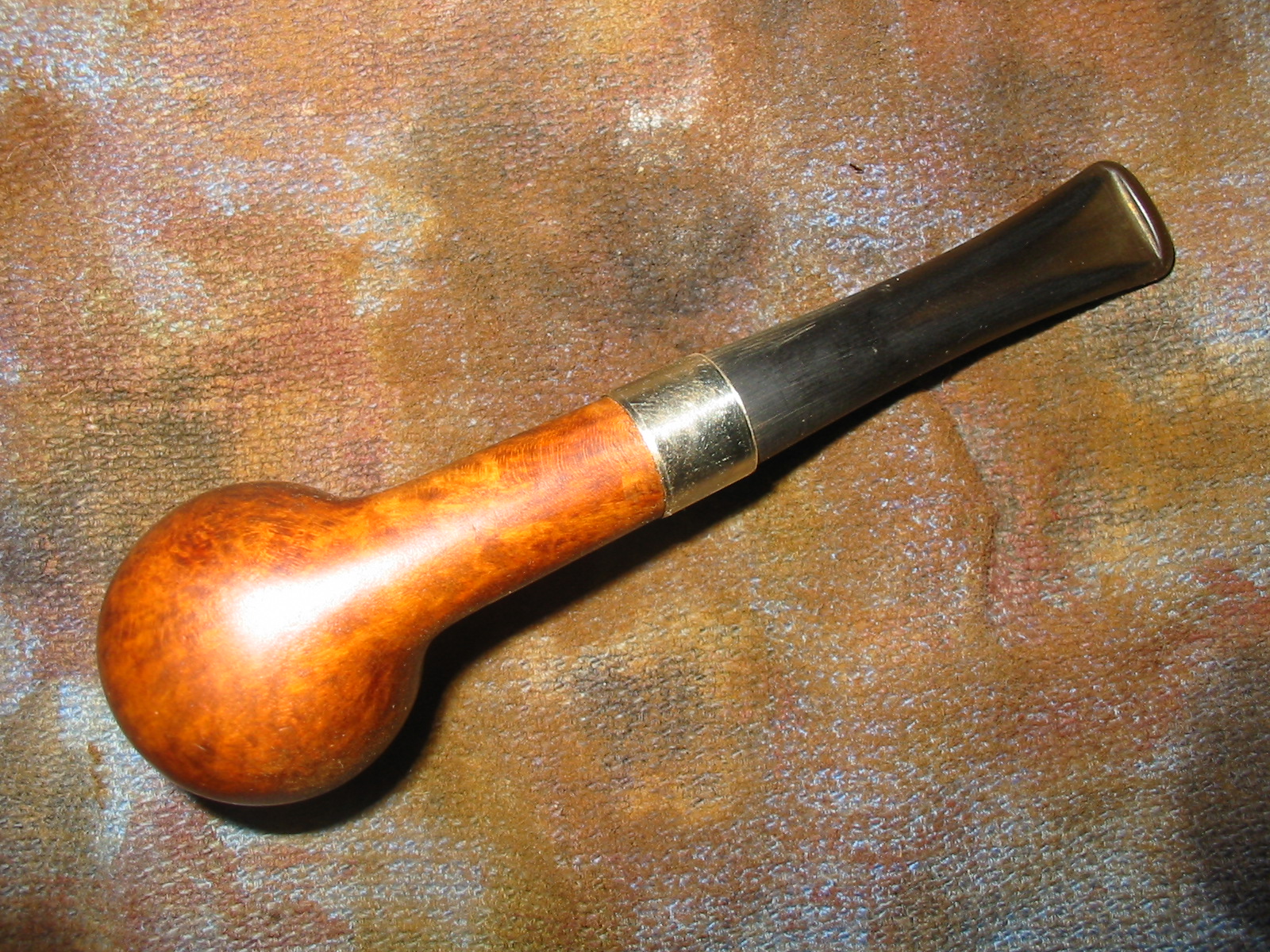
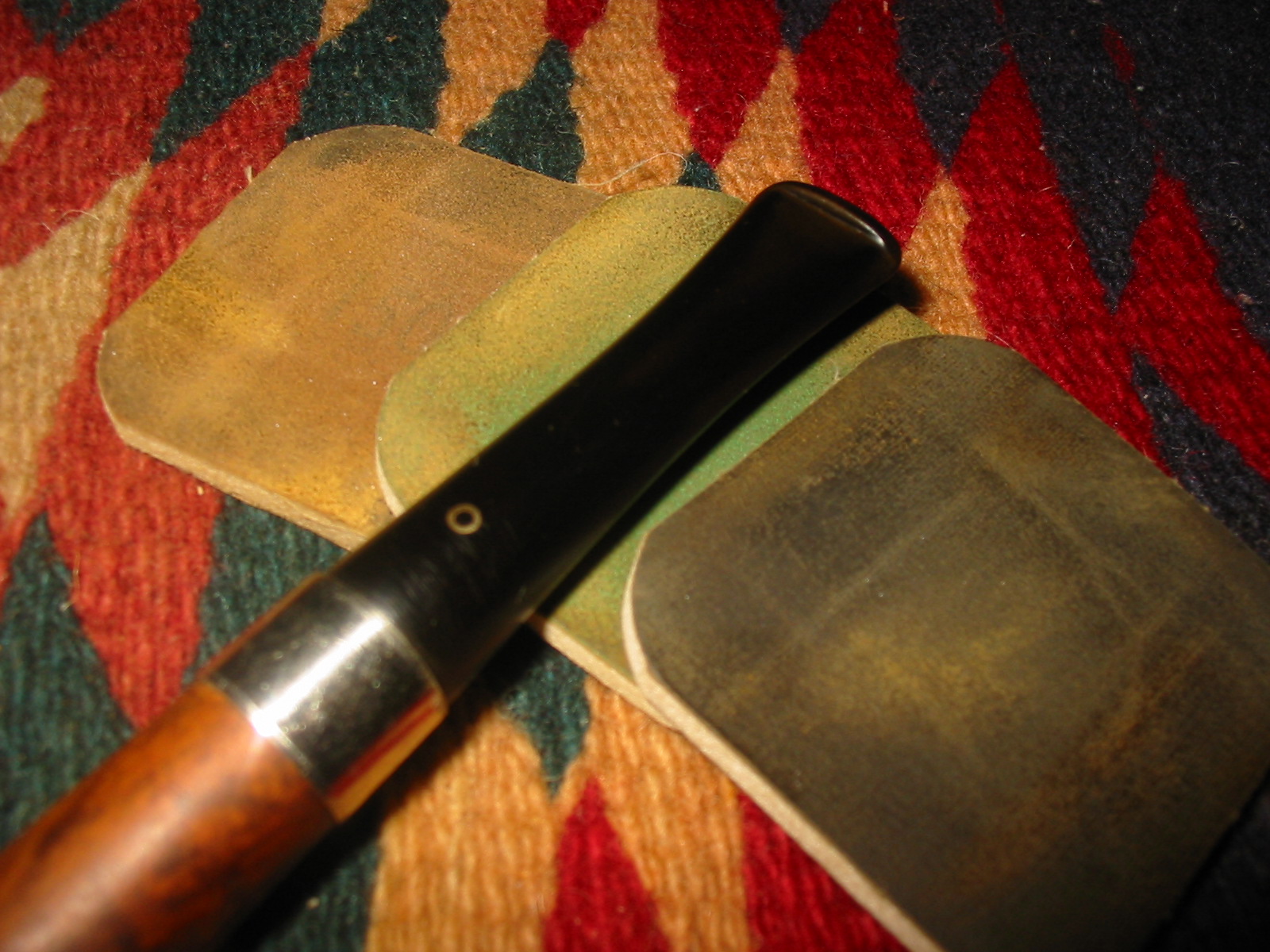
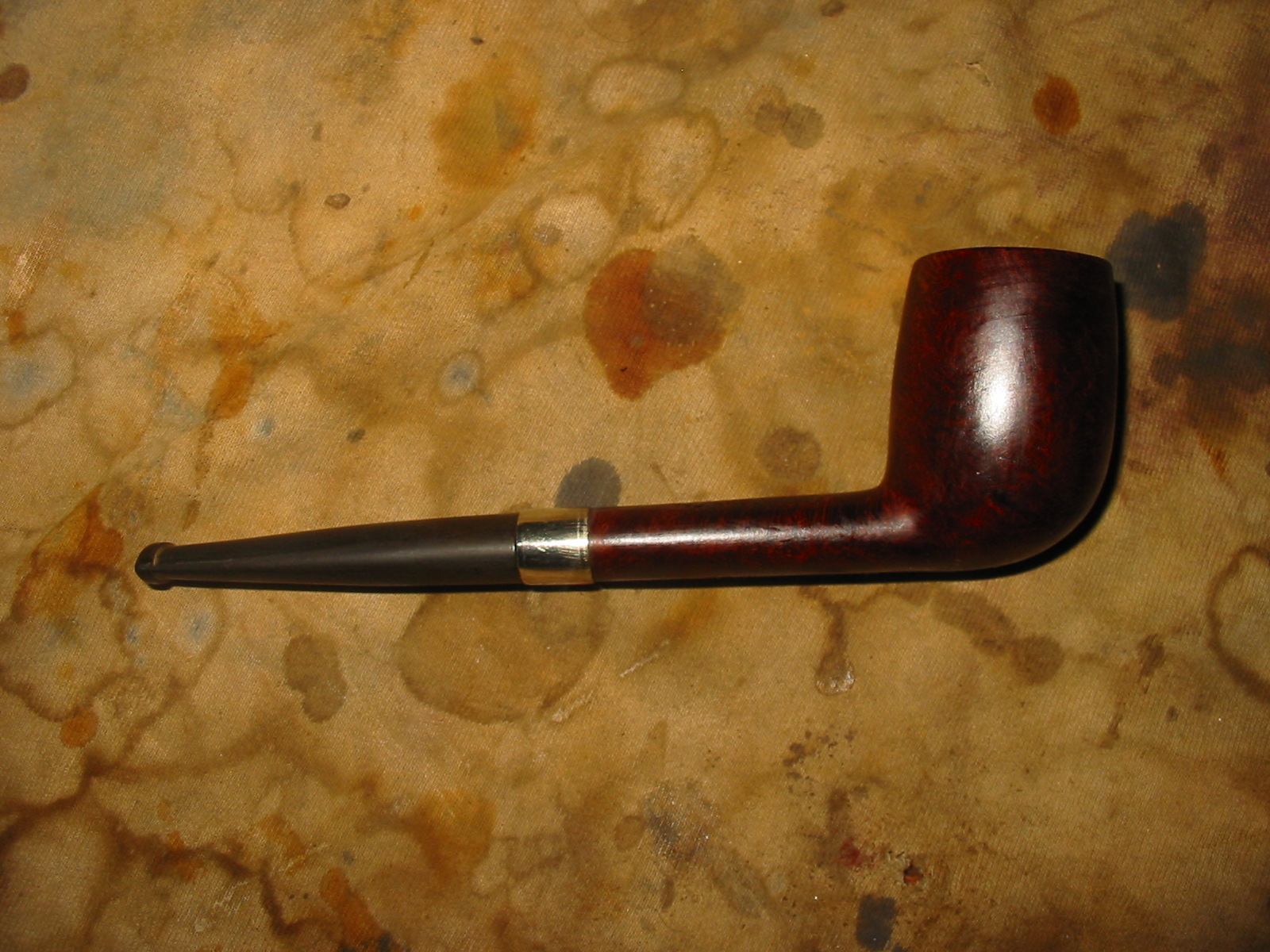
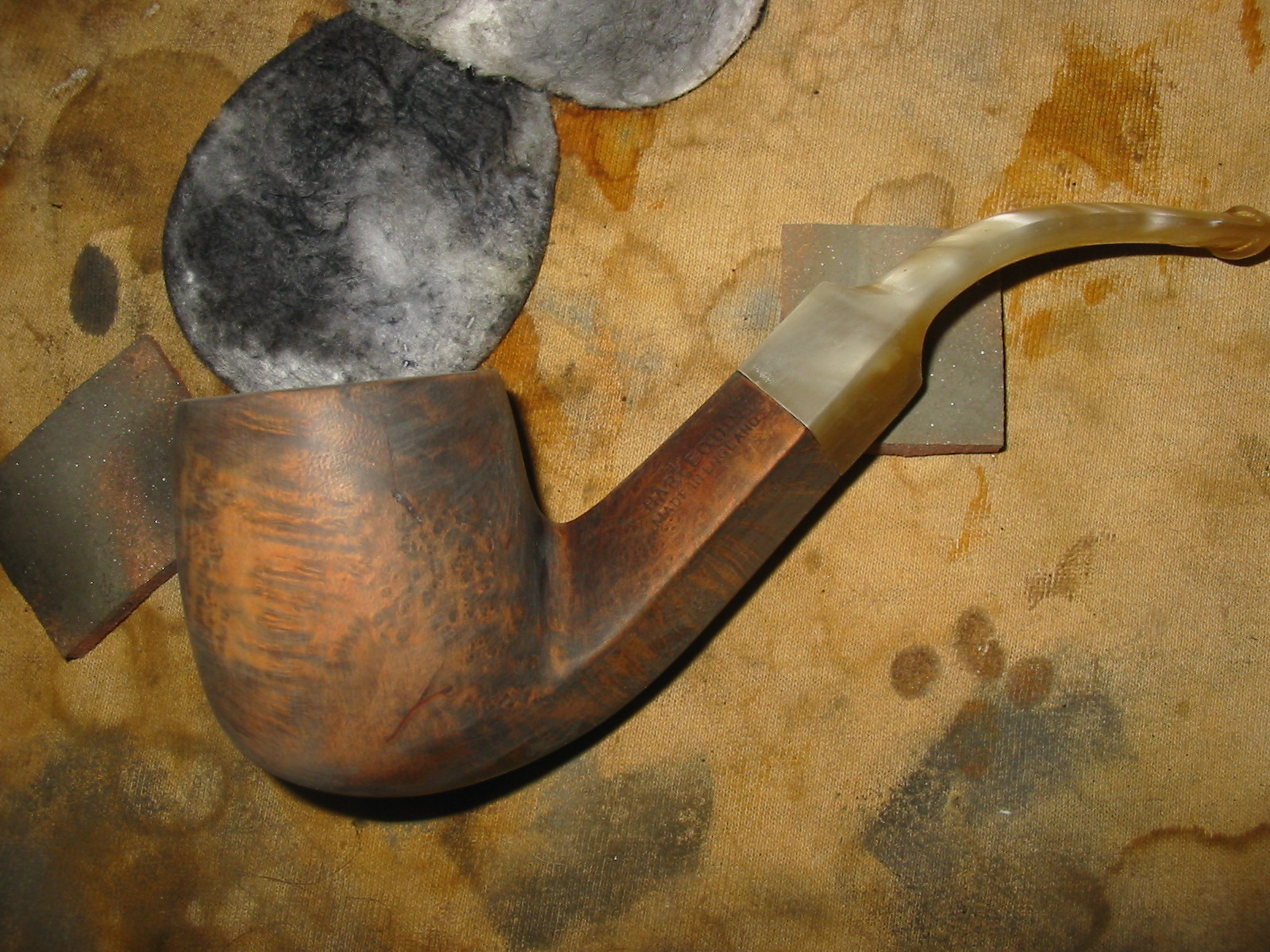
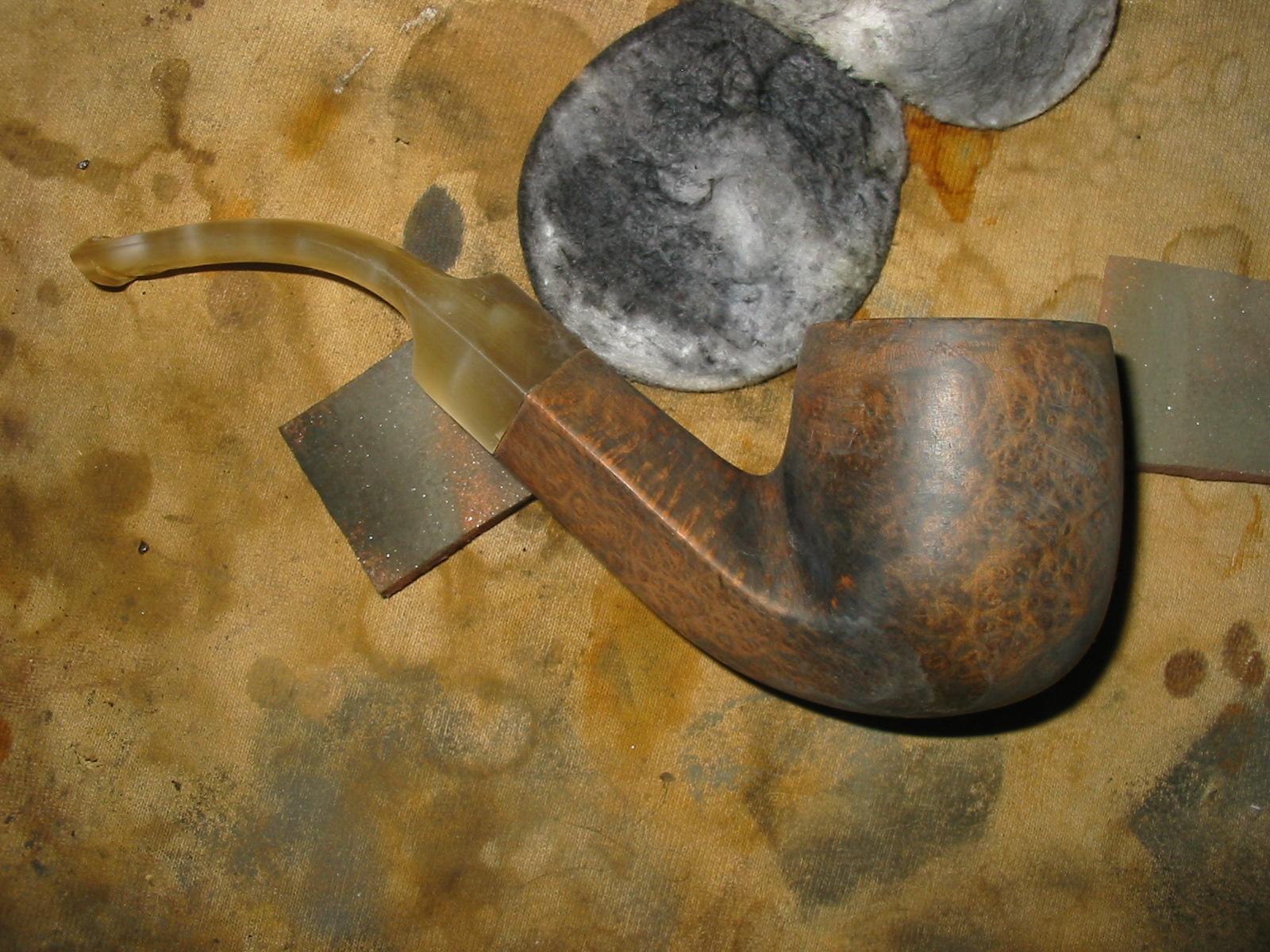
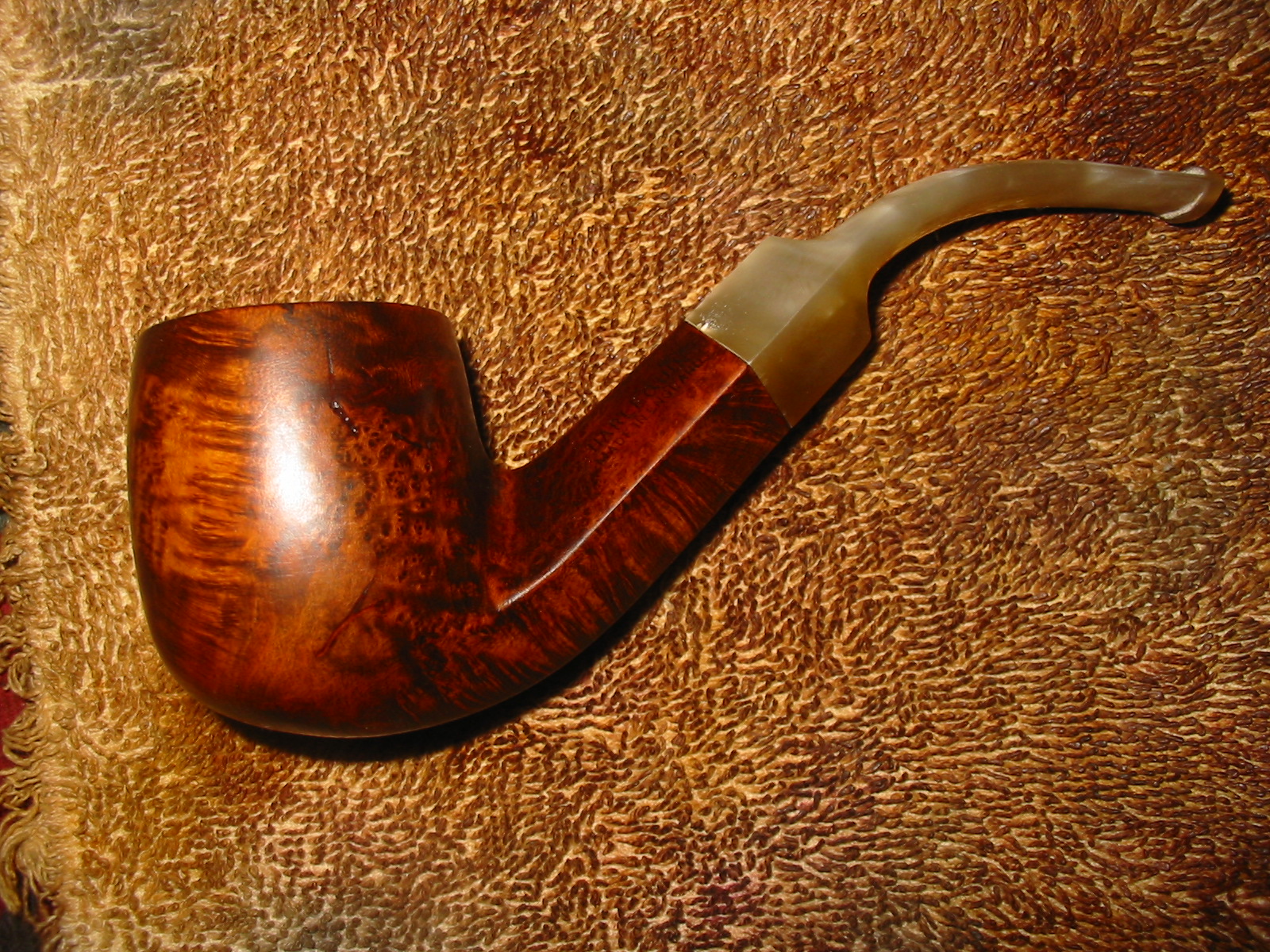
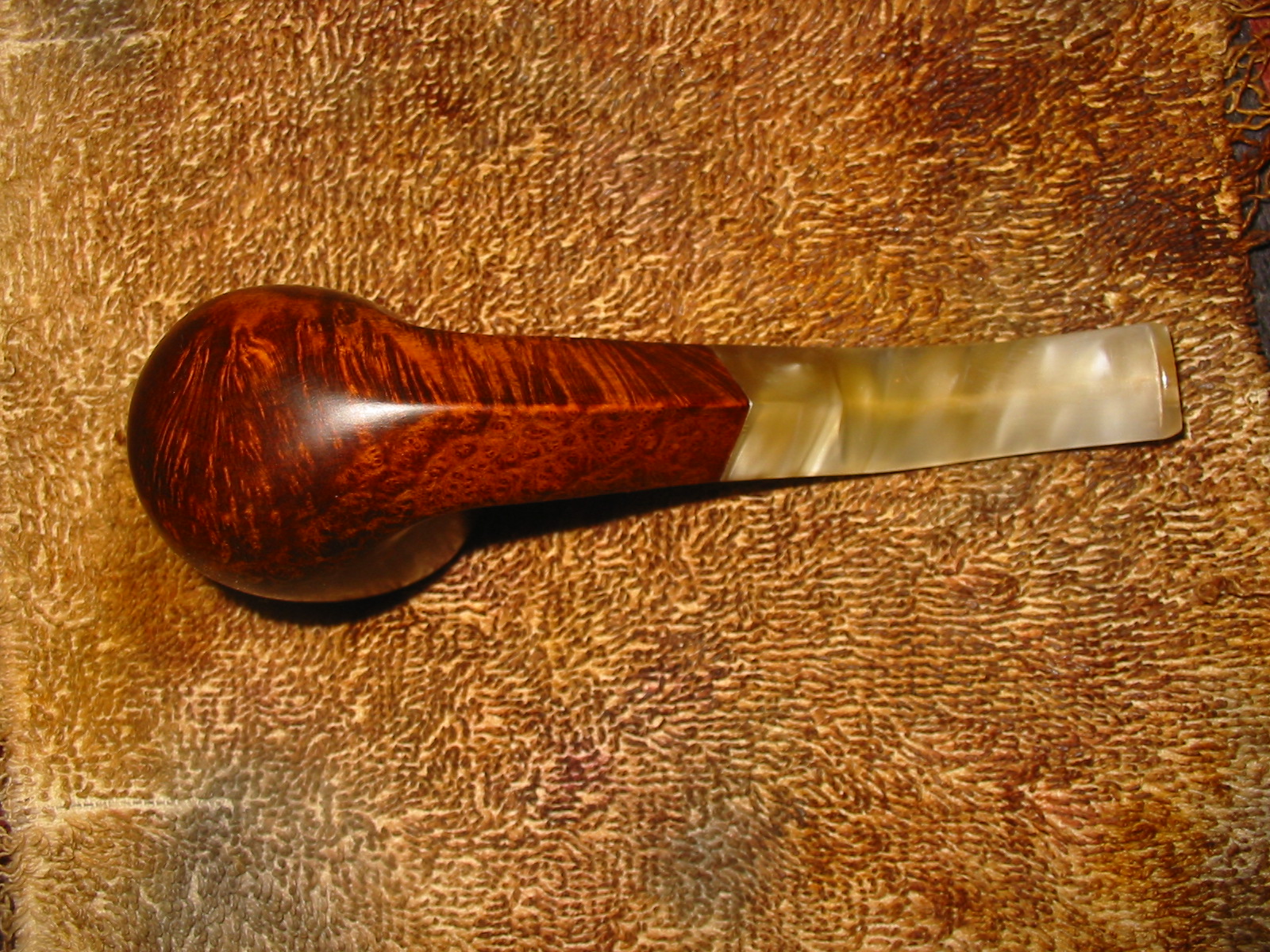
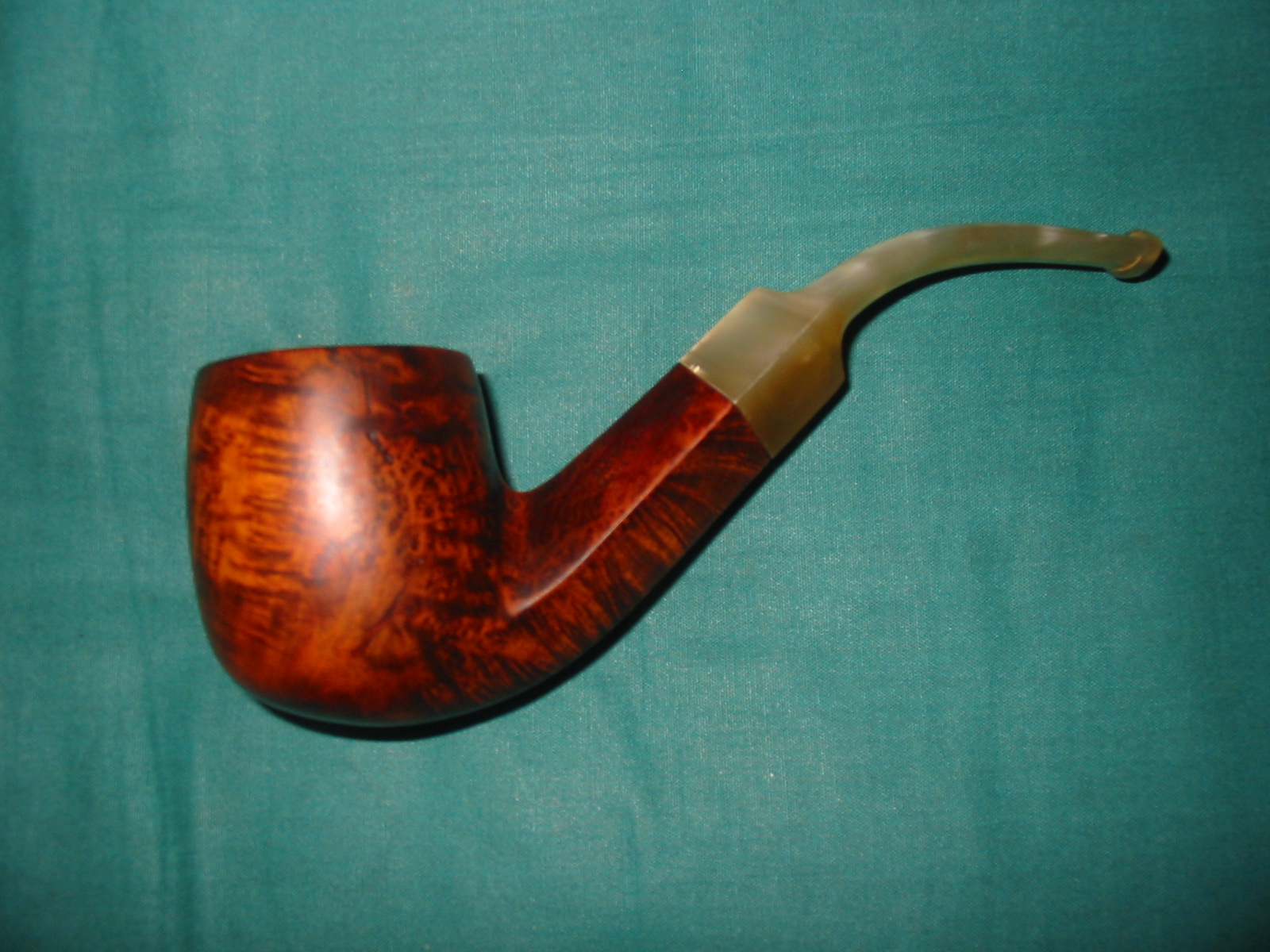
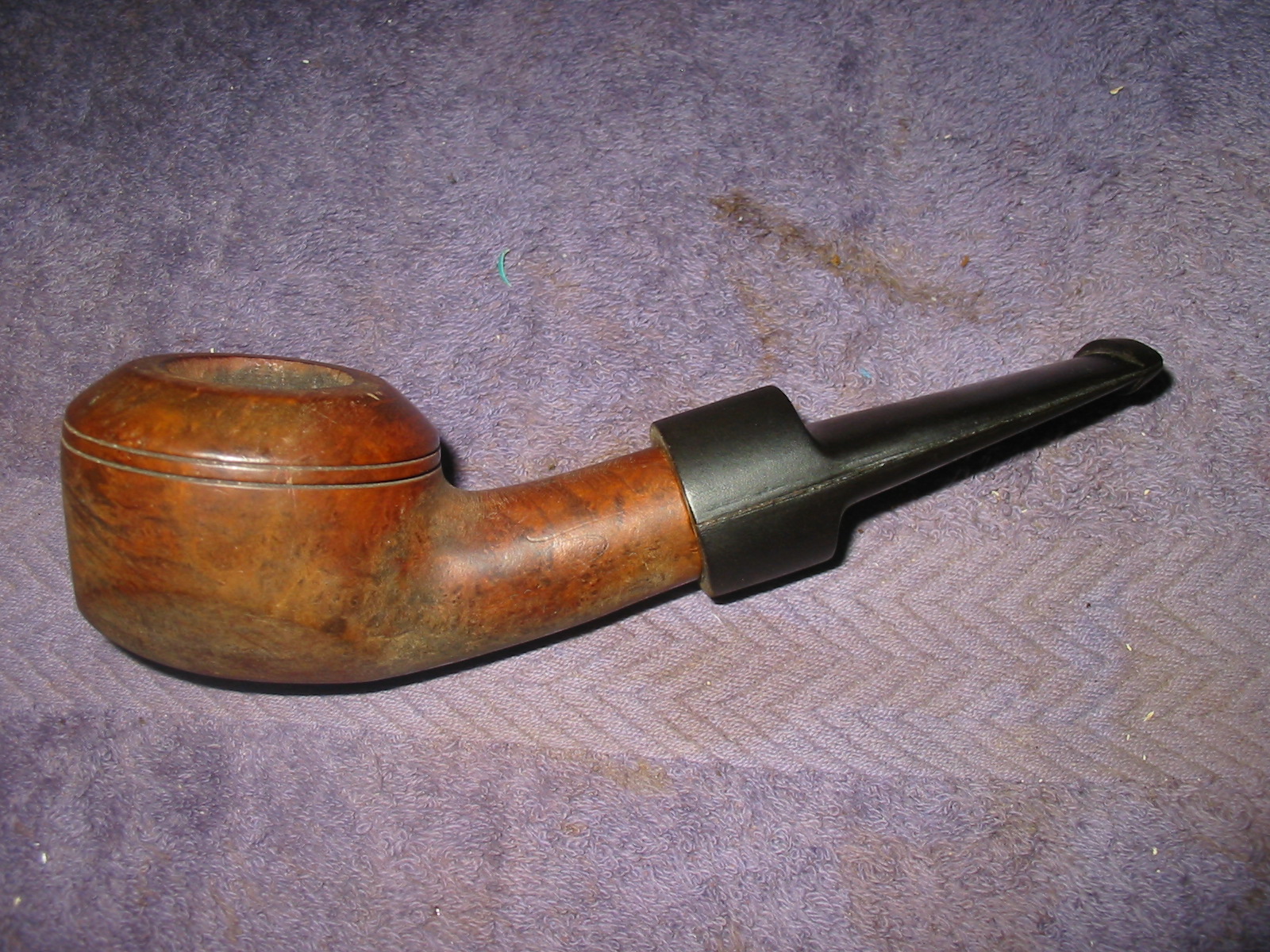
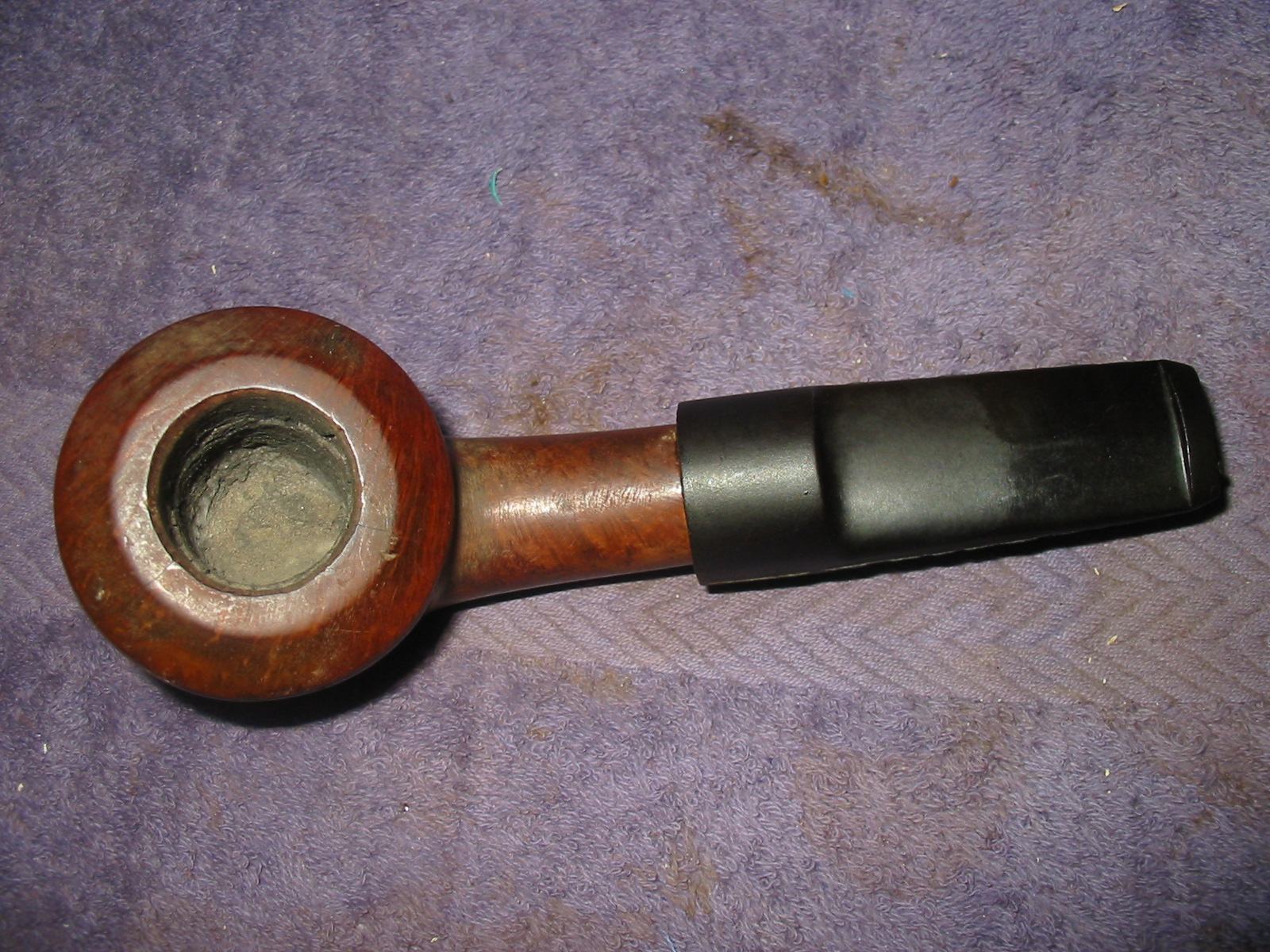
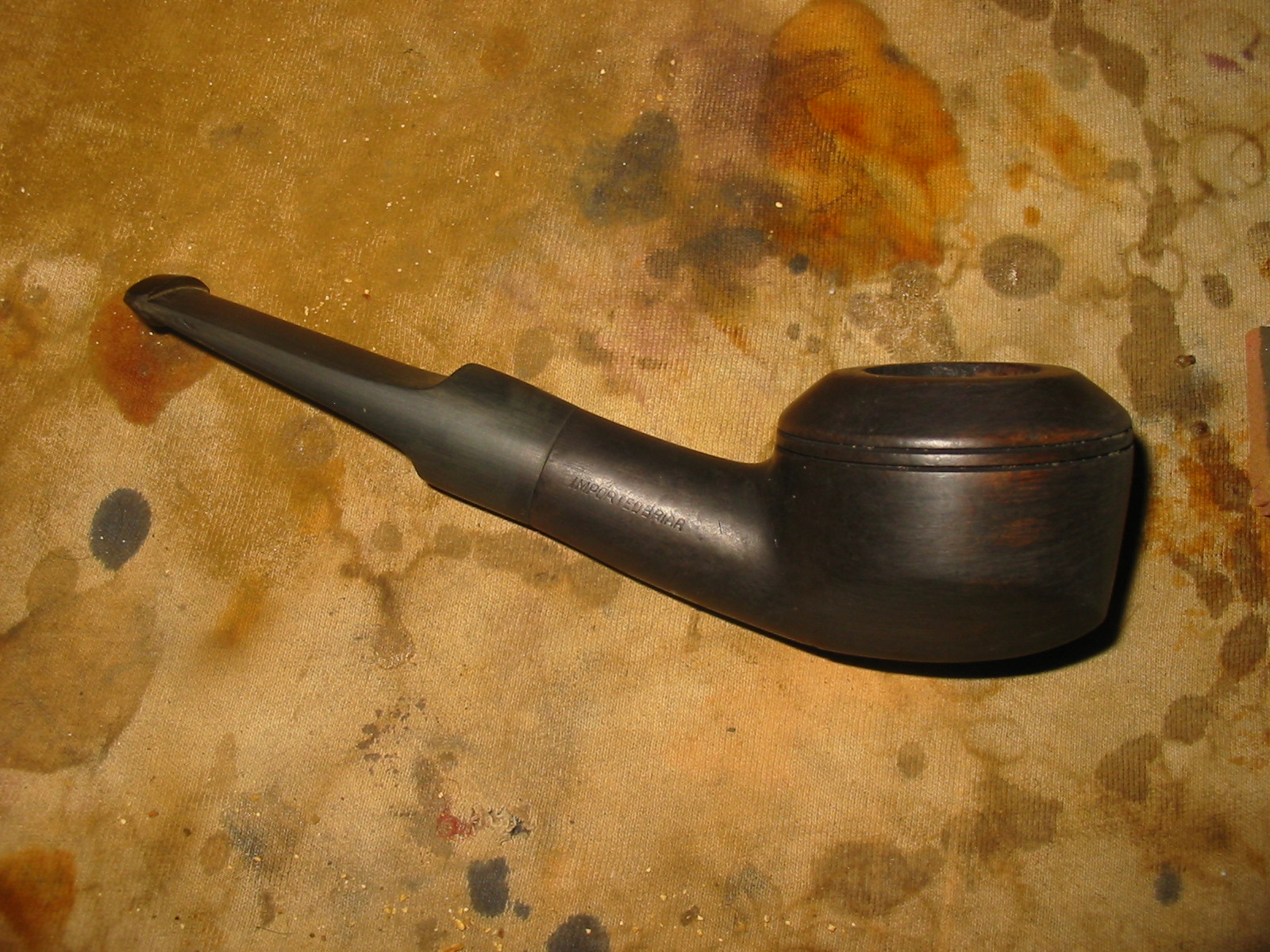
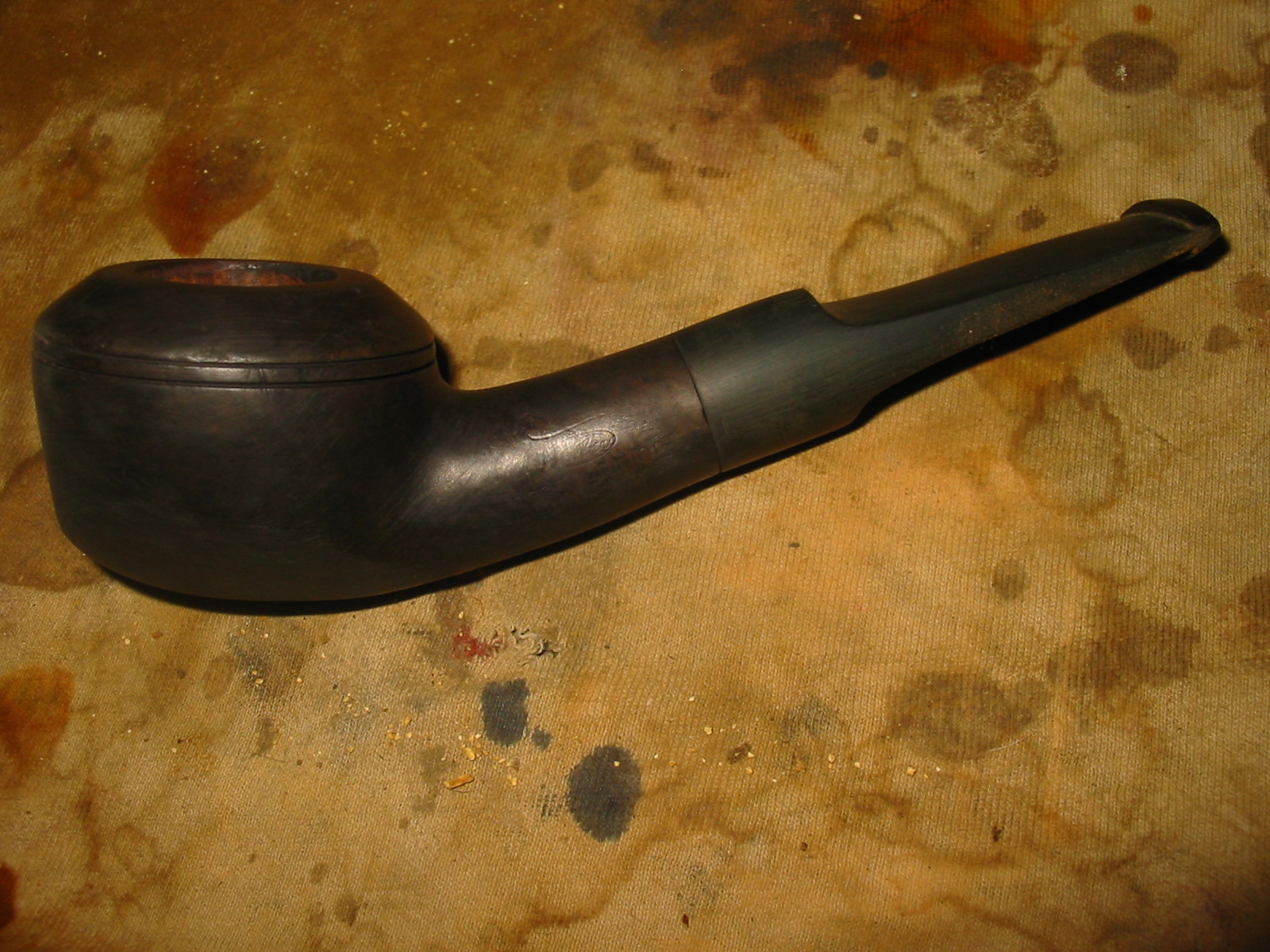
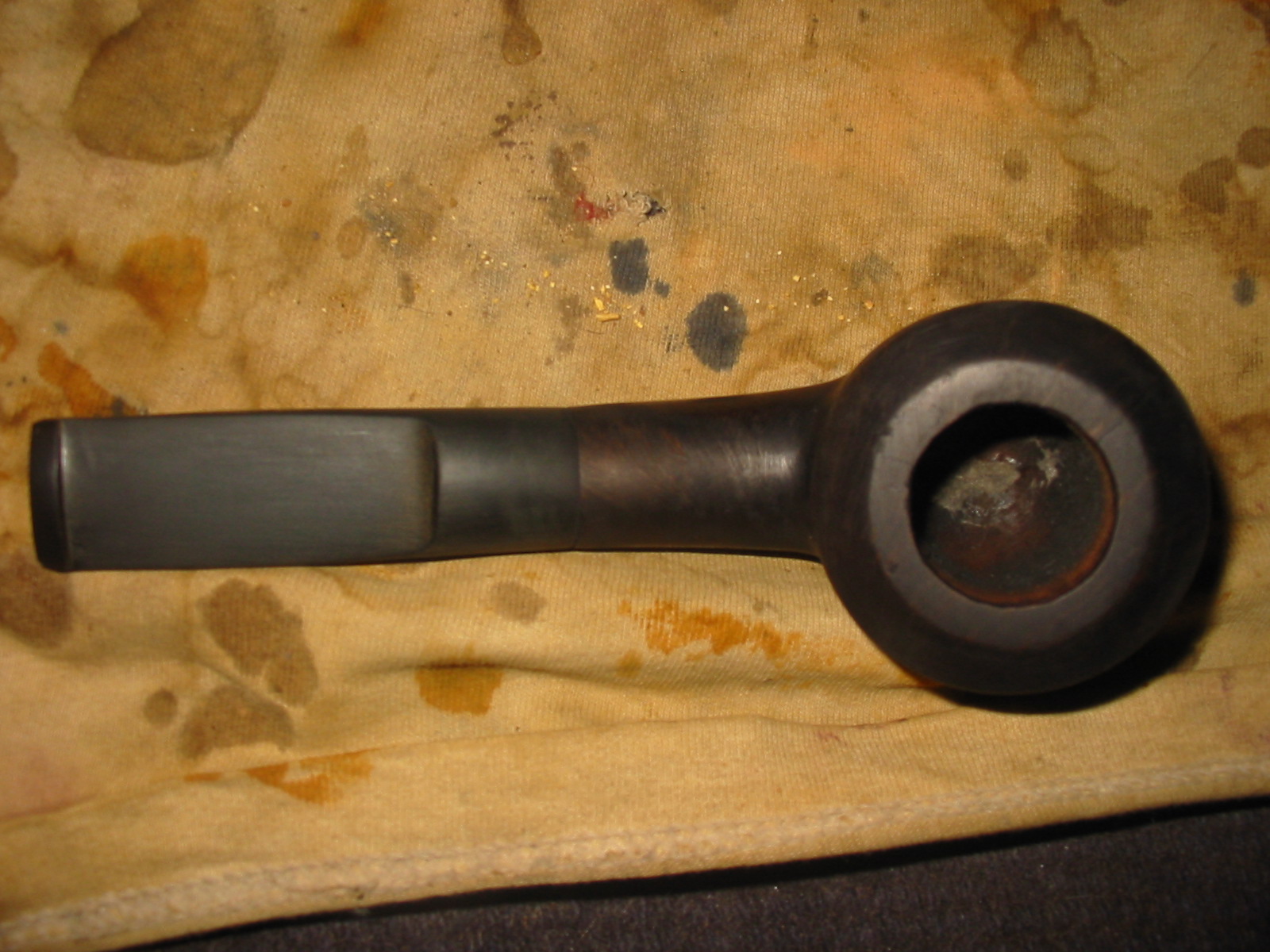
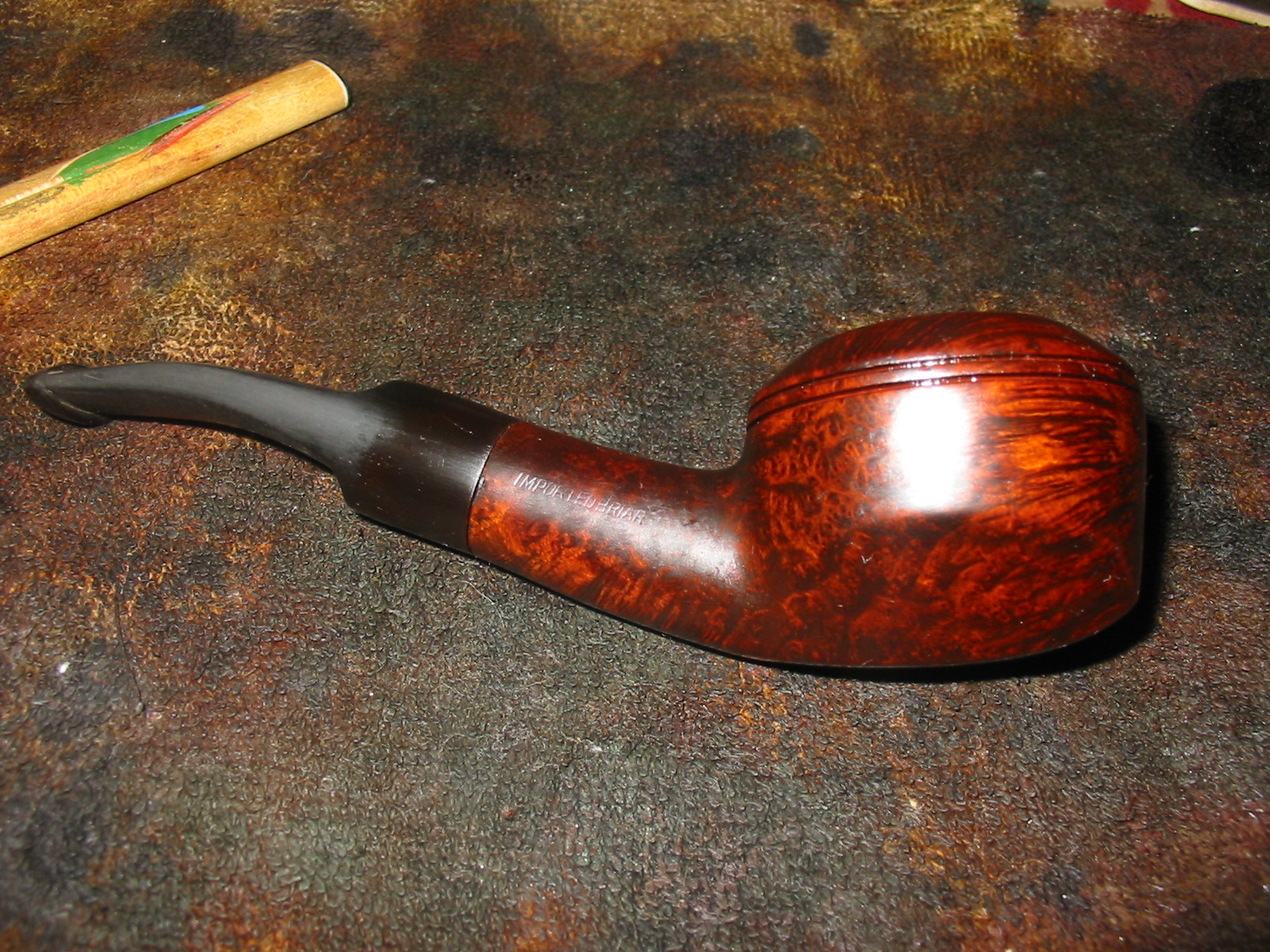
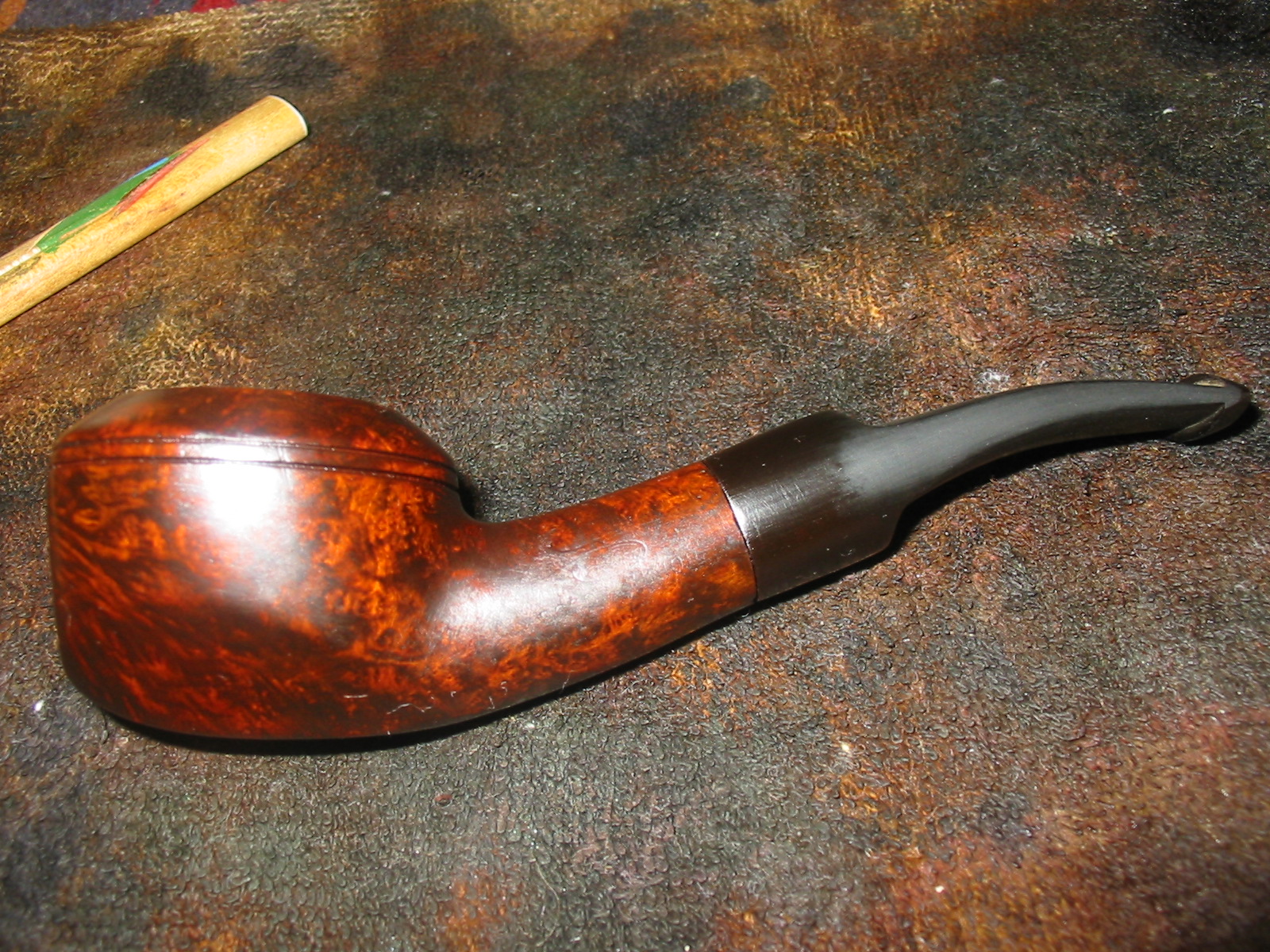
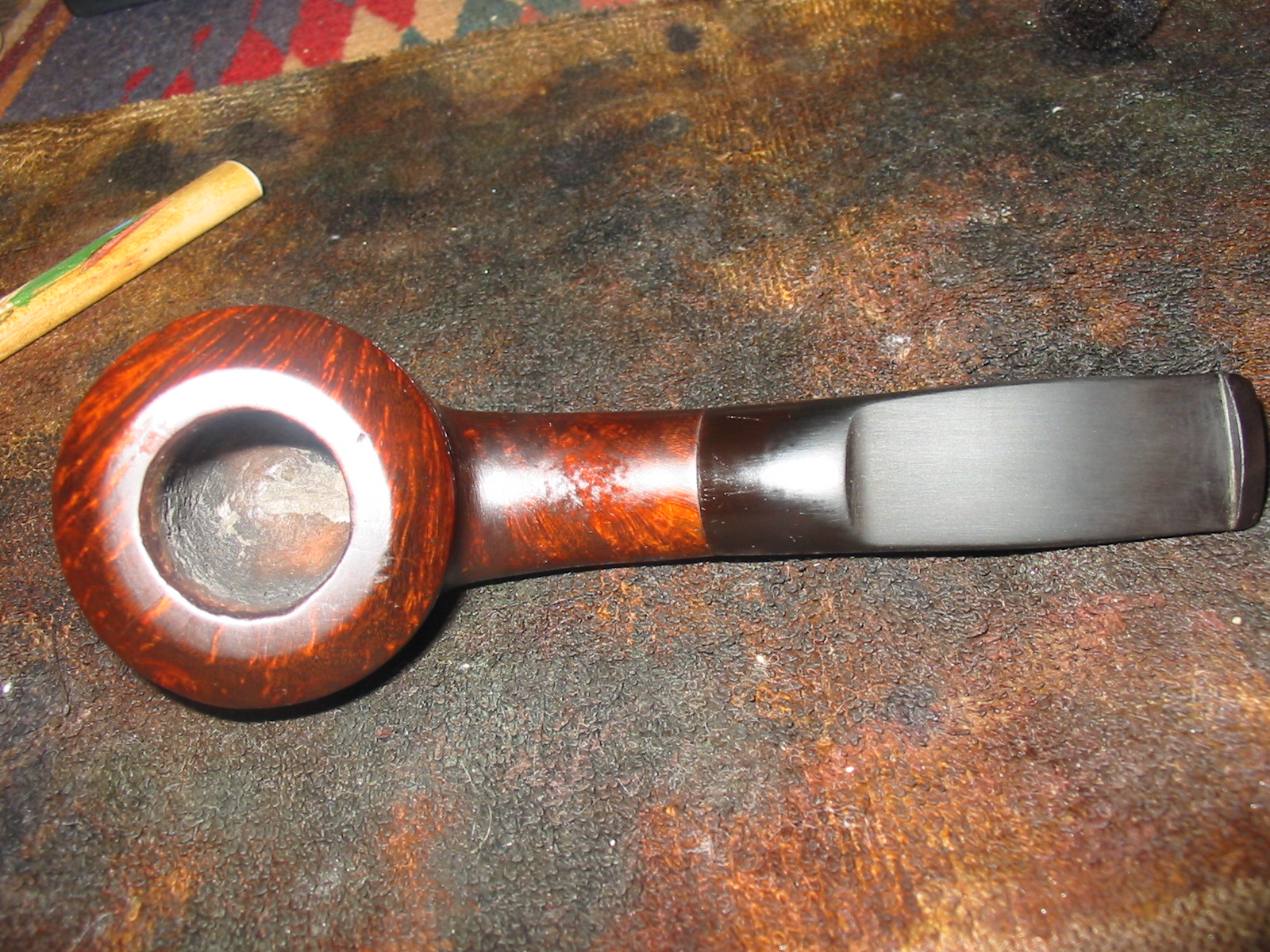
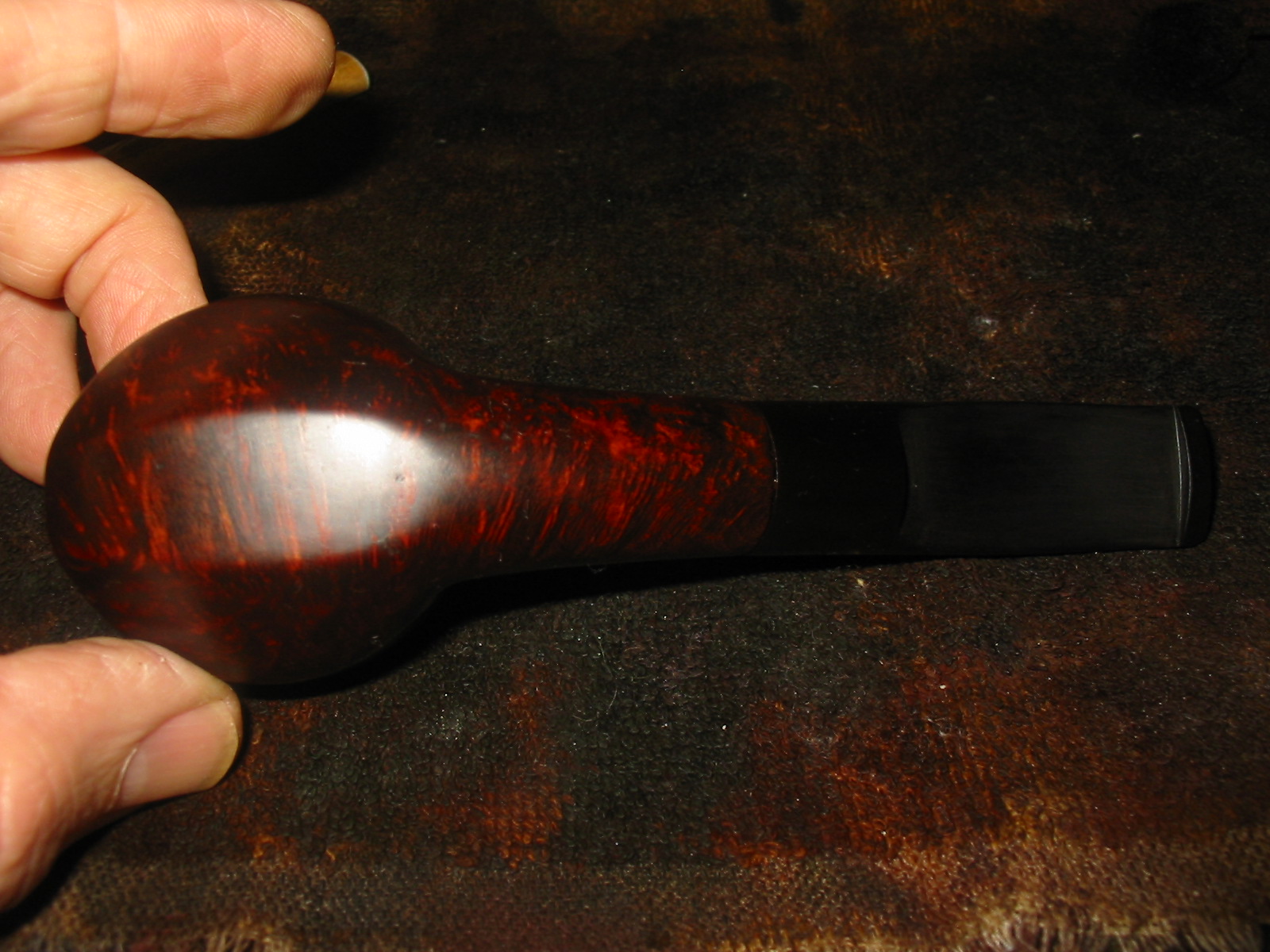
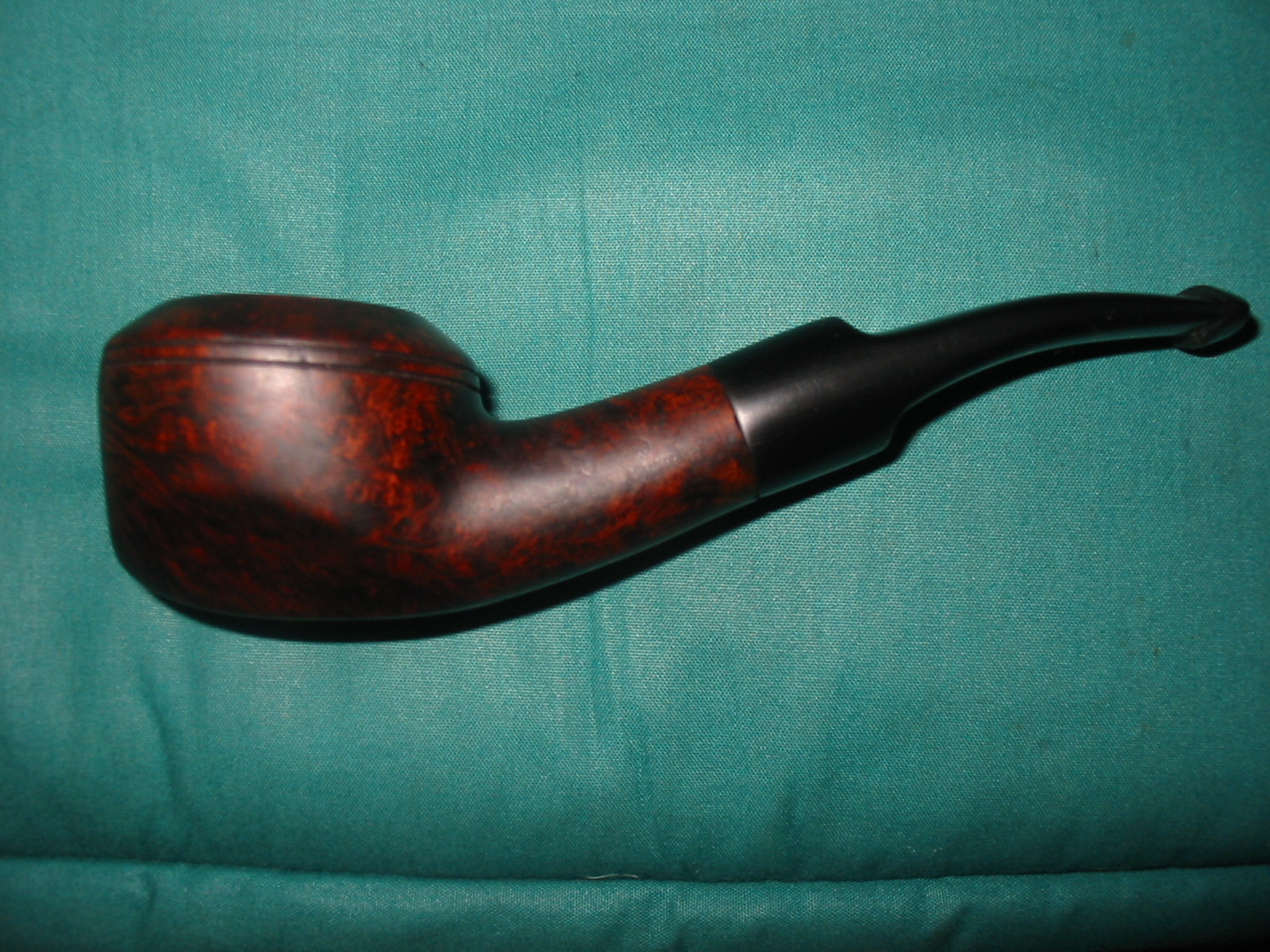
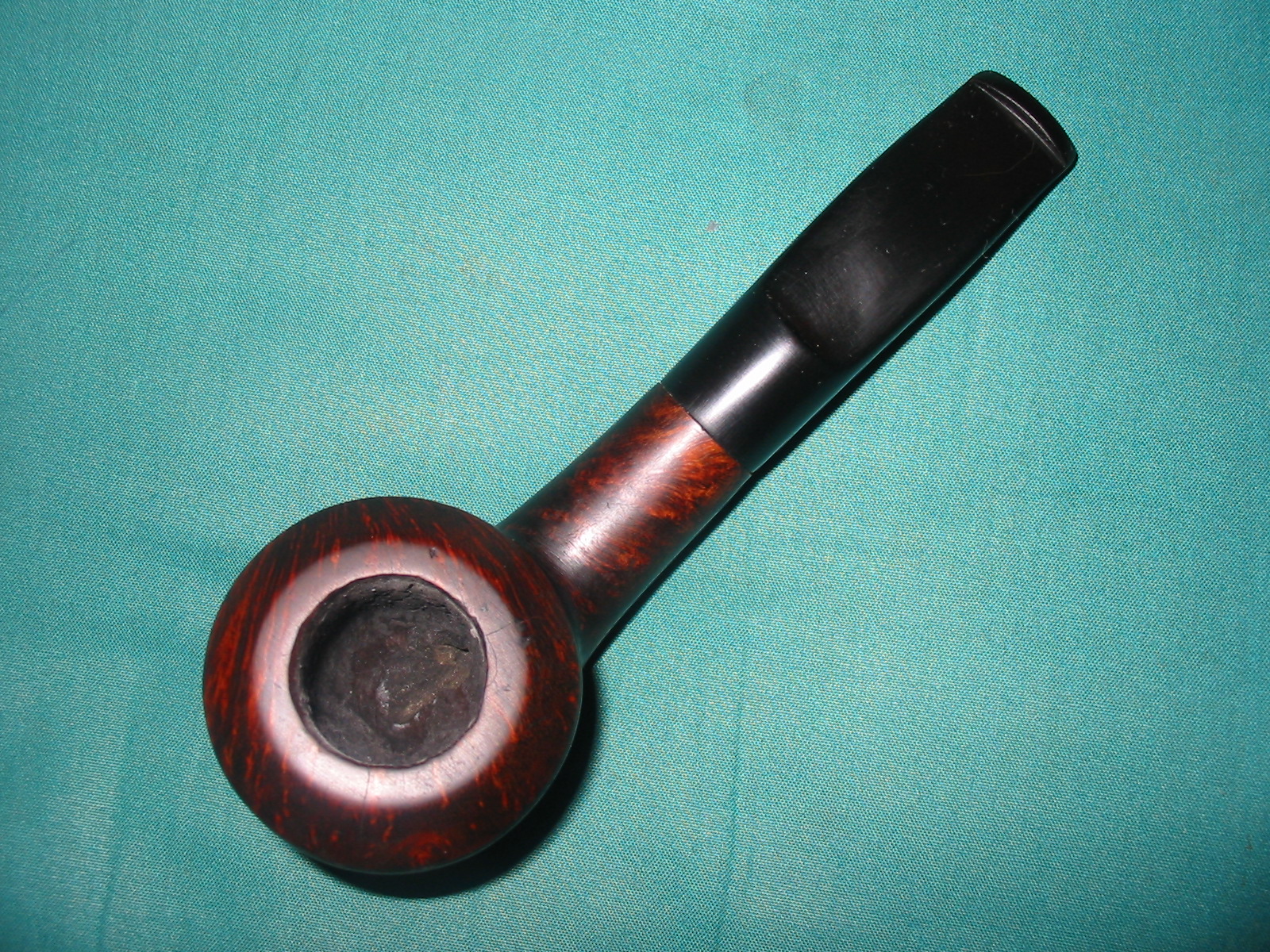
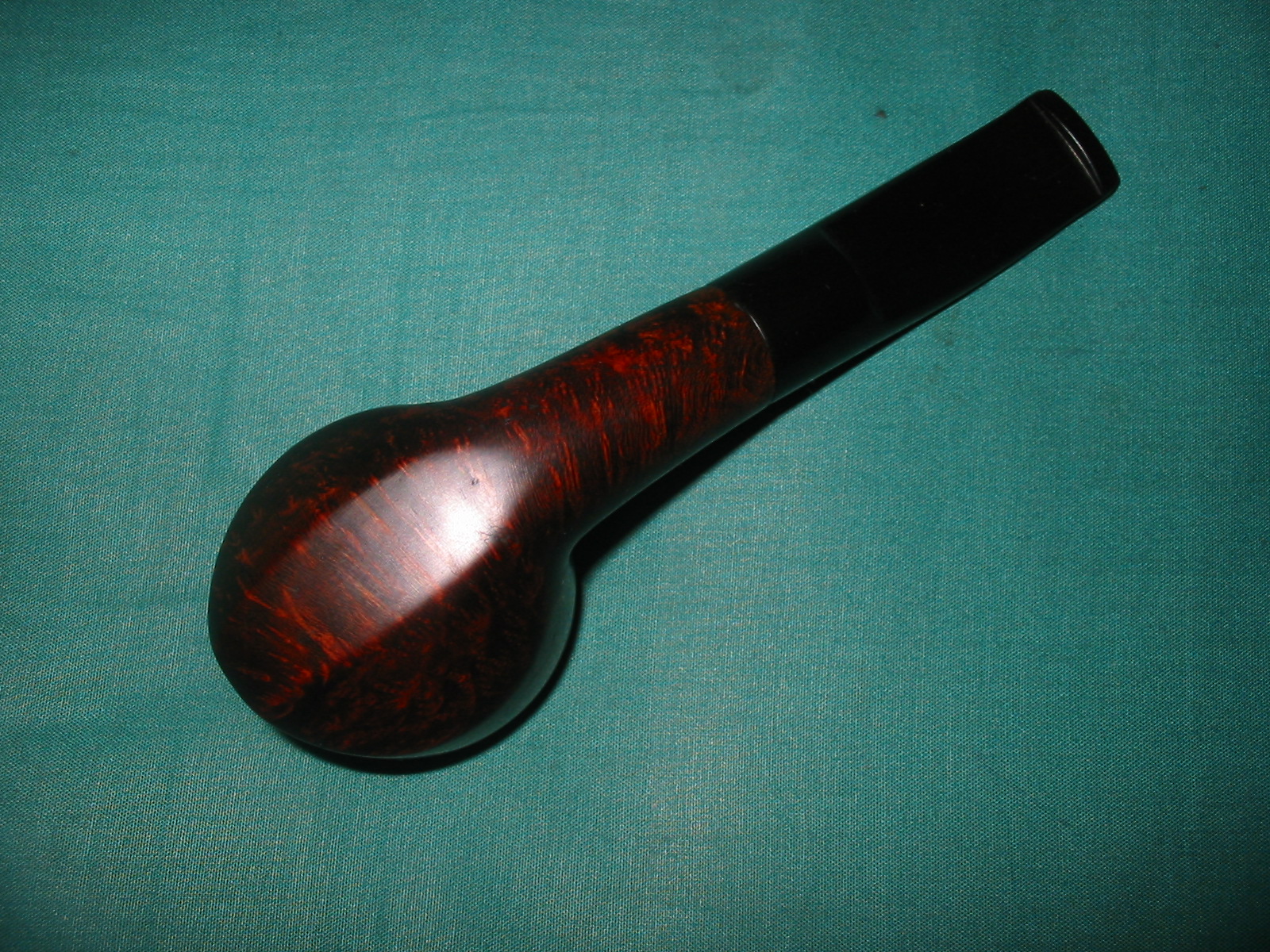
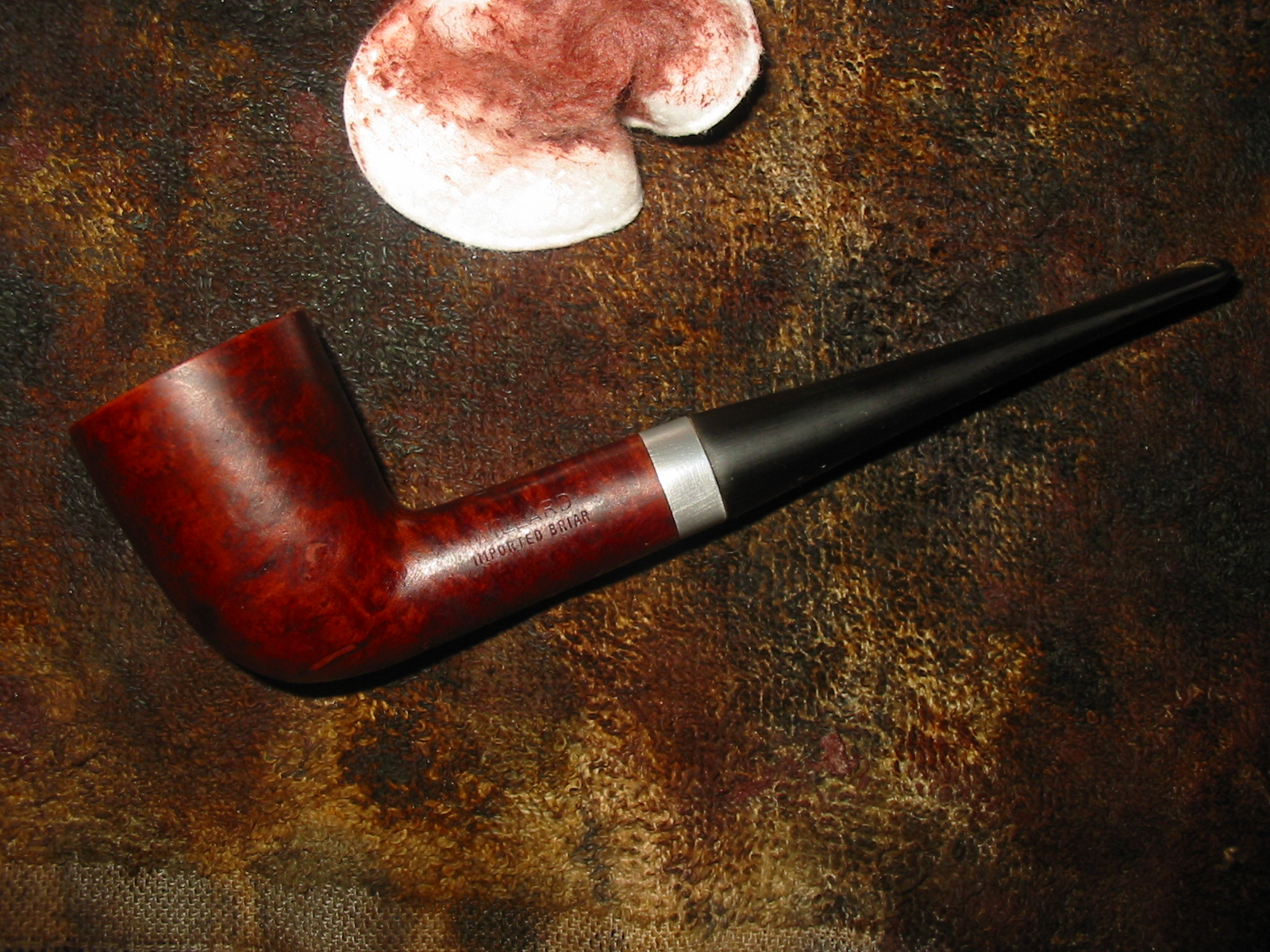
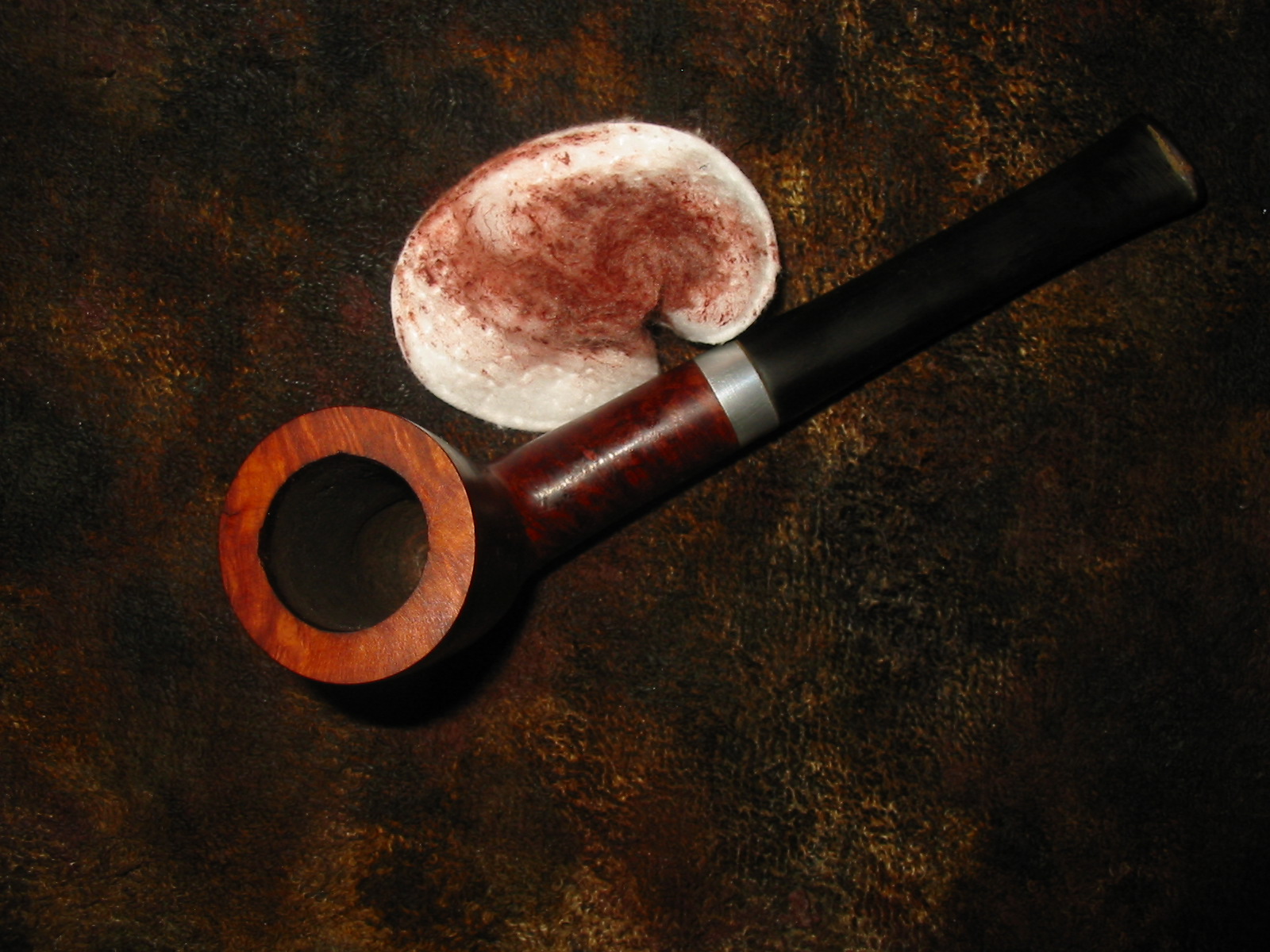
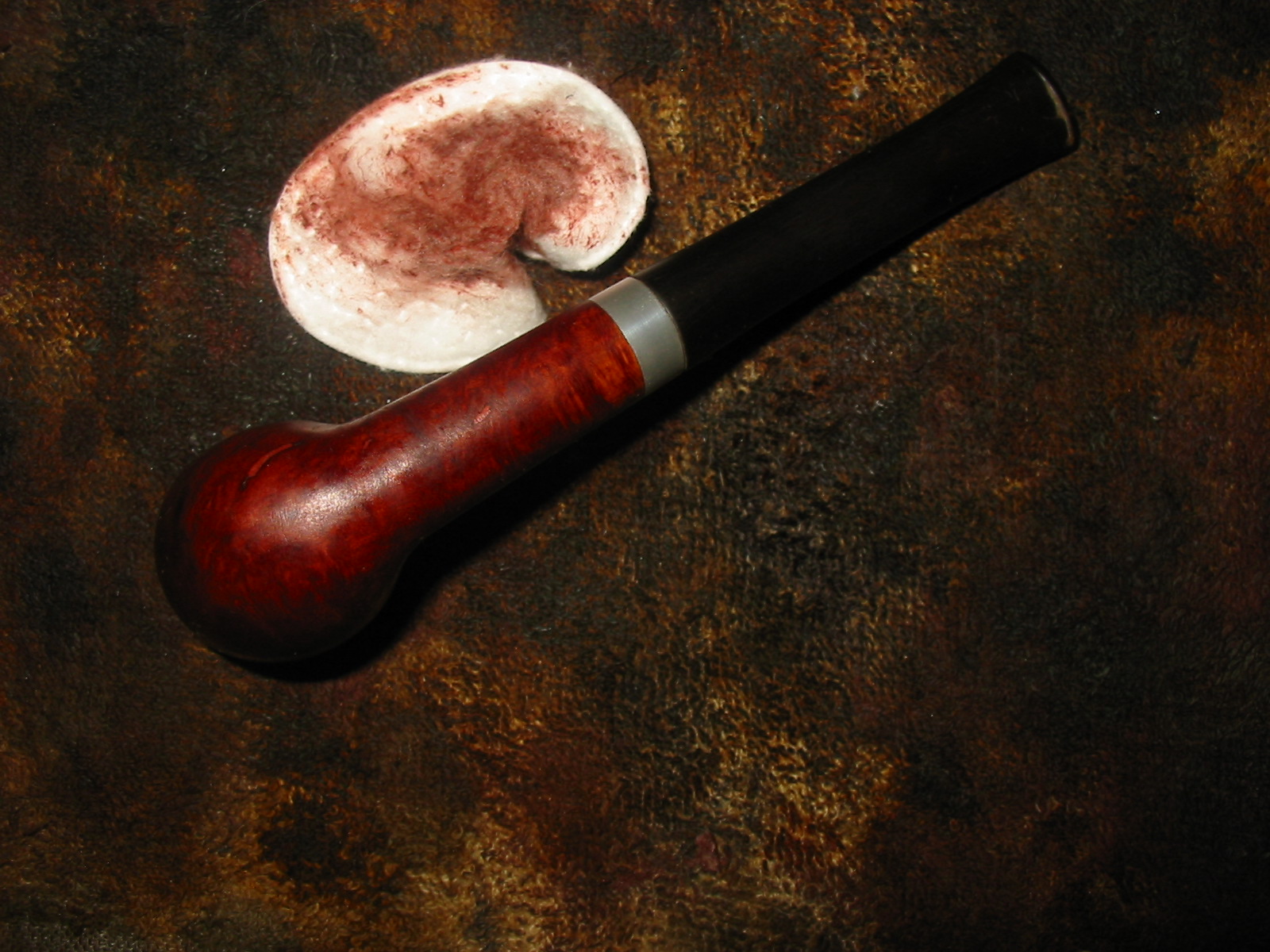
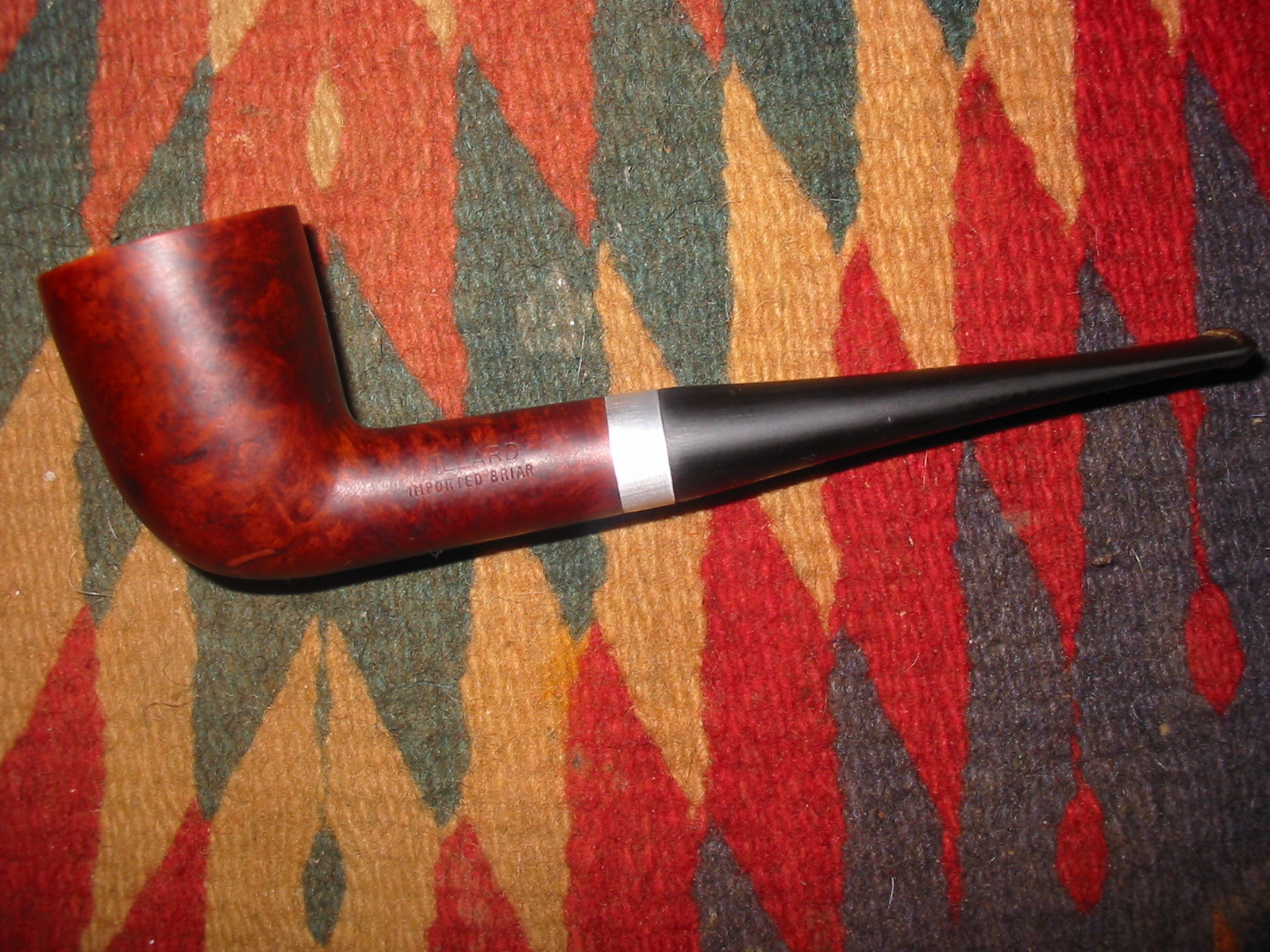
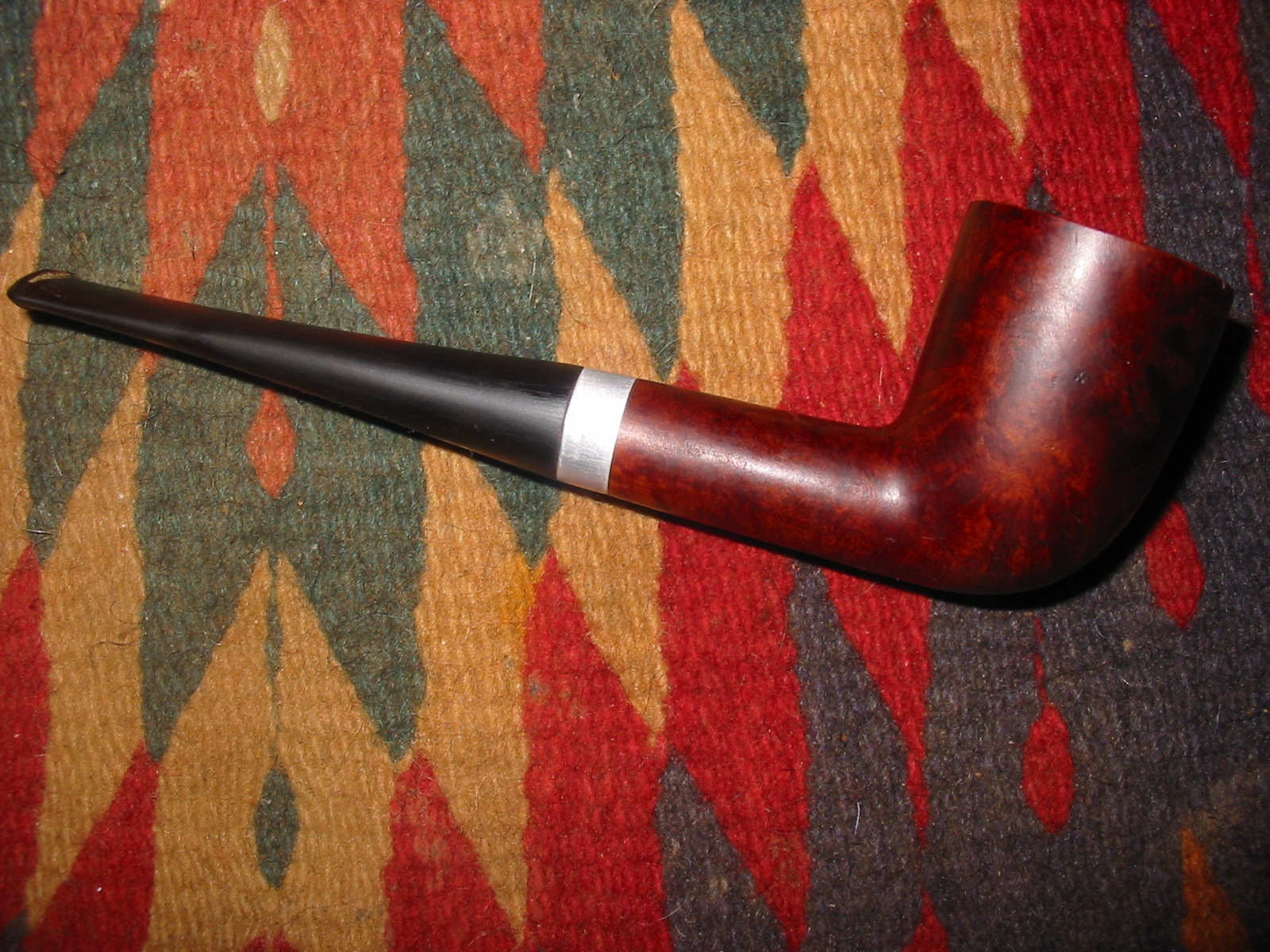
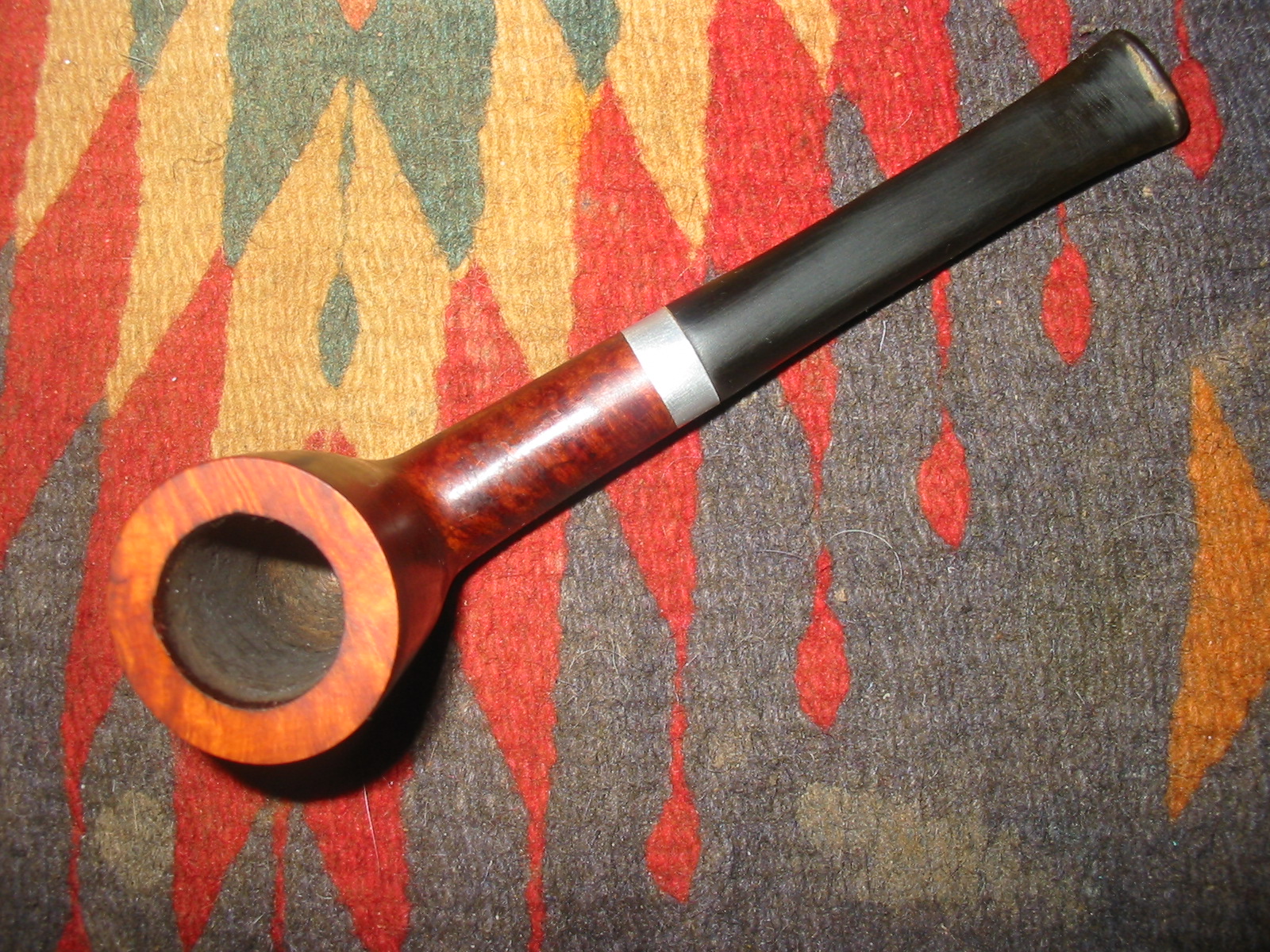
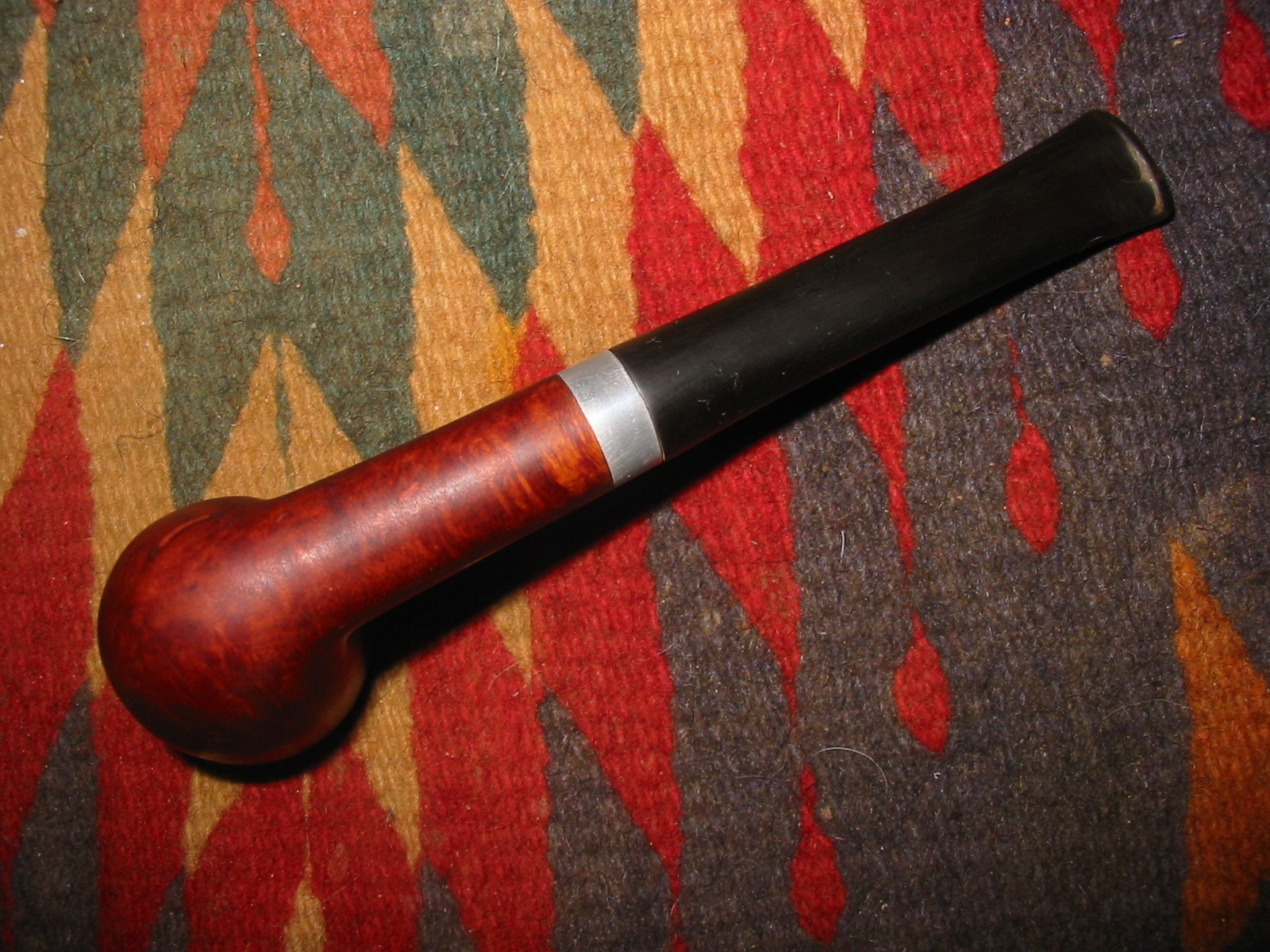
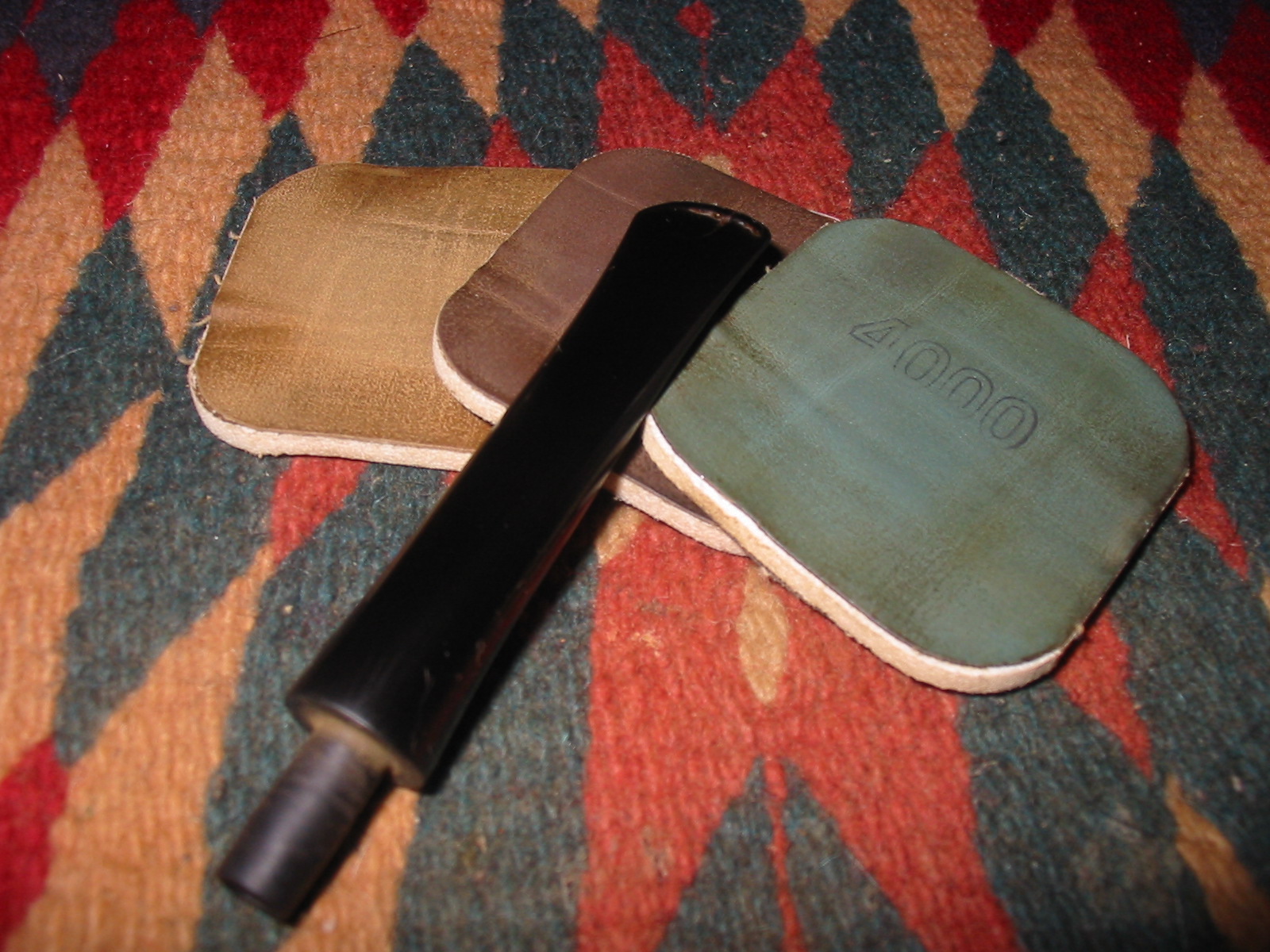
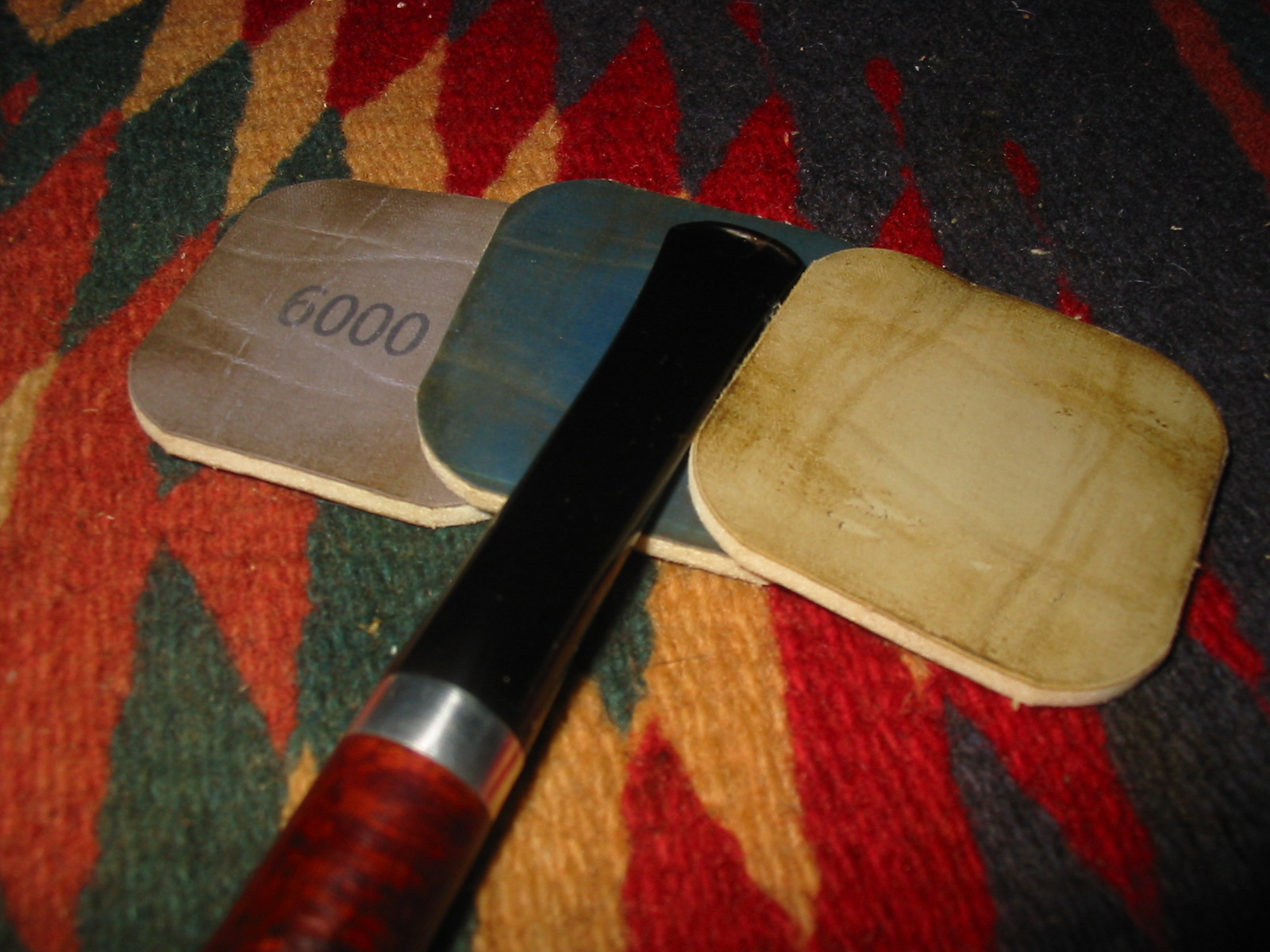
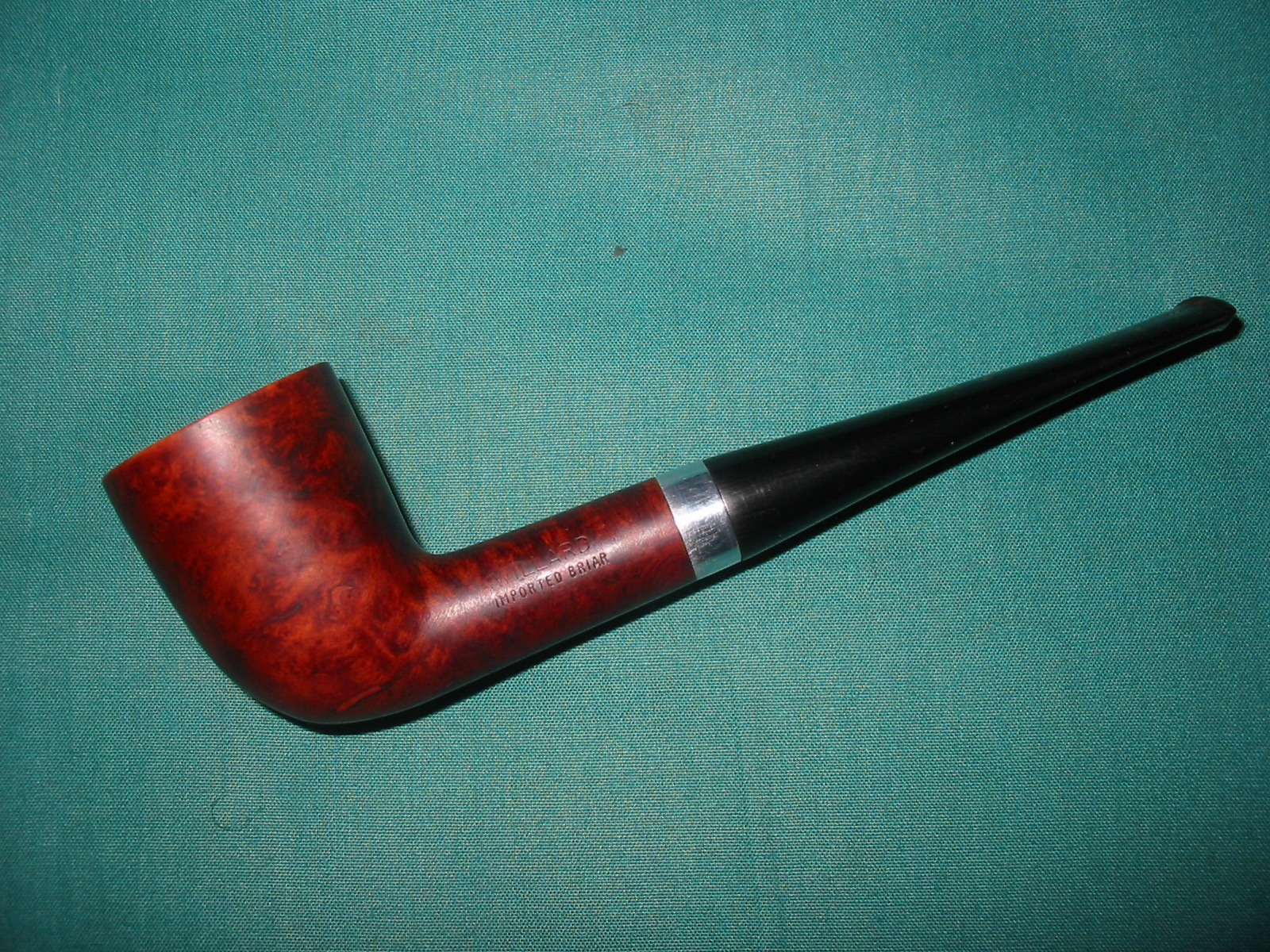
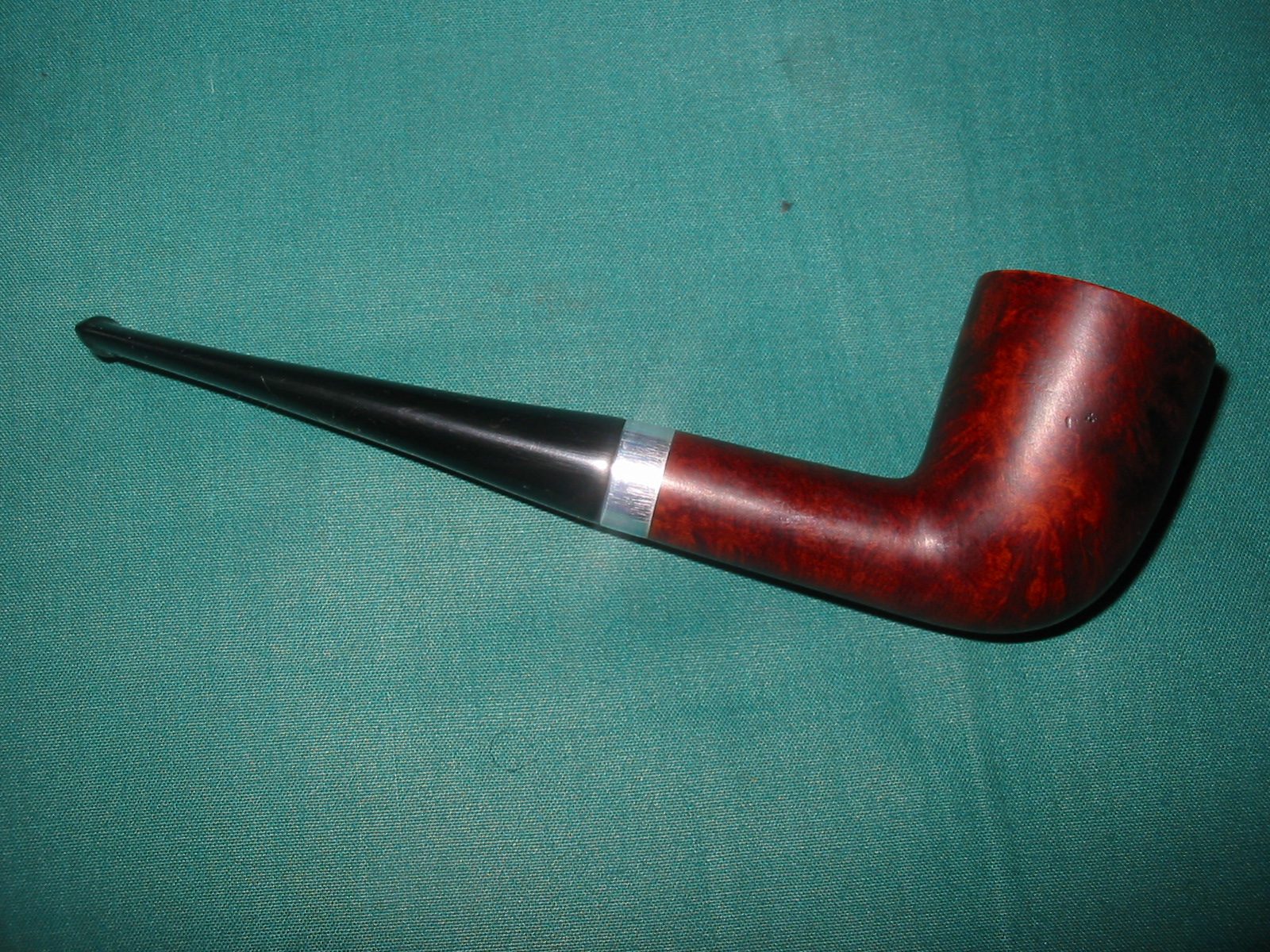
Once the stem was polished with the pads I buffed it with White Diamond on the wheel to further polish it and then gave it a final sanding with the last three grits of micromesh pads – 6000-12000 grit pads. I was not happy with the finish on the stem as it still showed scratches in the first batch of finished photos so I resanded it with the medium and fine grit pads to remove the scratches and then went through the micromesh pads again. I rubbed the stem down with Obsidian Oil and when dry buffed the pipe with White Diamond and gave it multiple coats of carnauba wax. The finished pipe is picture below. The finish came out quite nice. The contrast stain highlights the great grain on the pipe and makes the finish interesting to look at while smoking it.
IMG_6139

IMG_6140

IMG_6141

IMG_6138

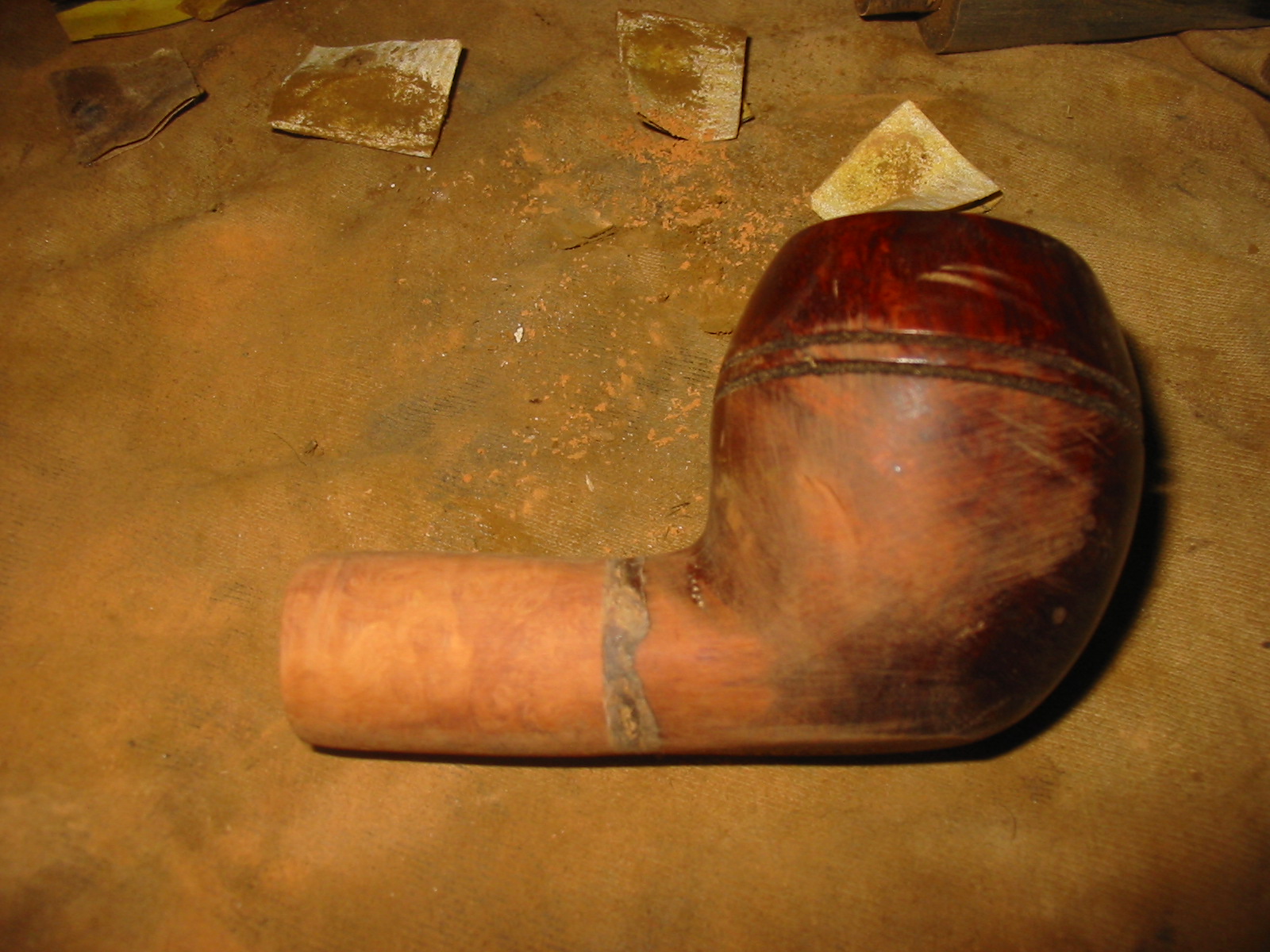
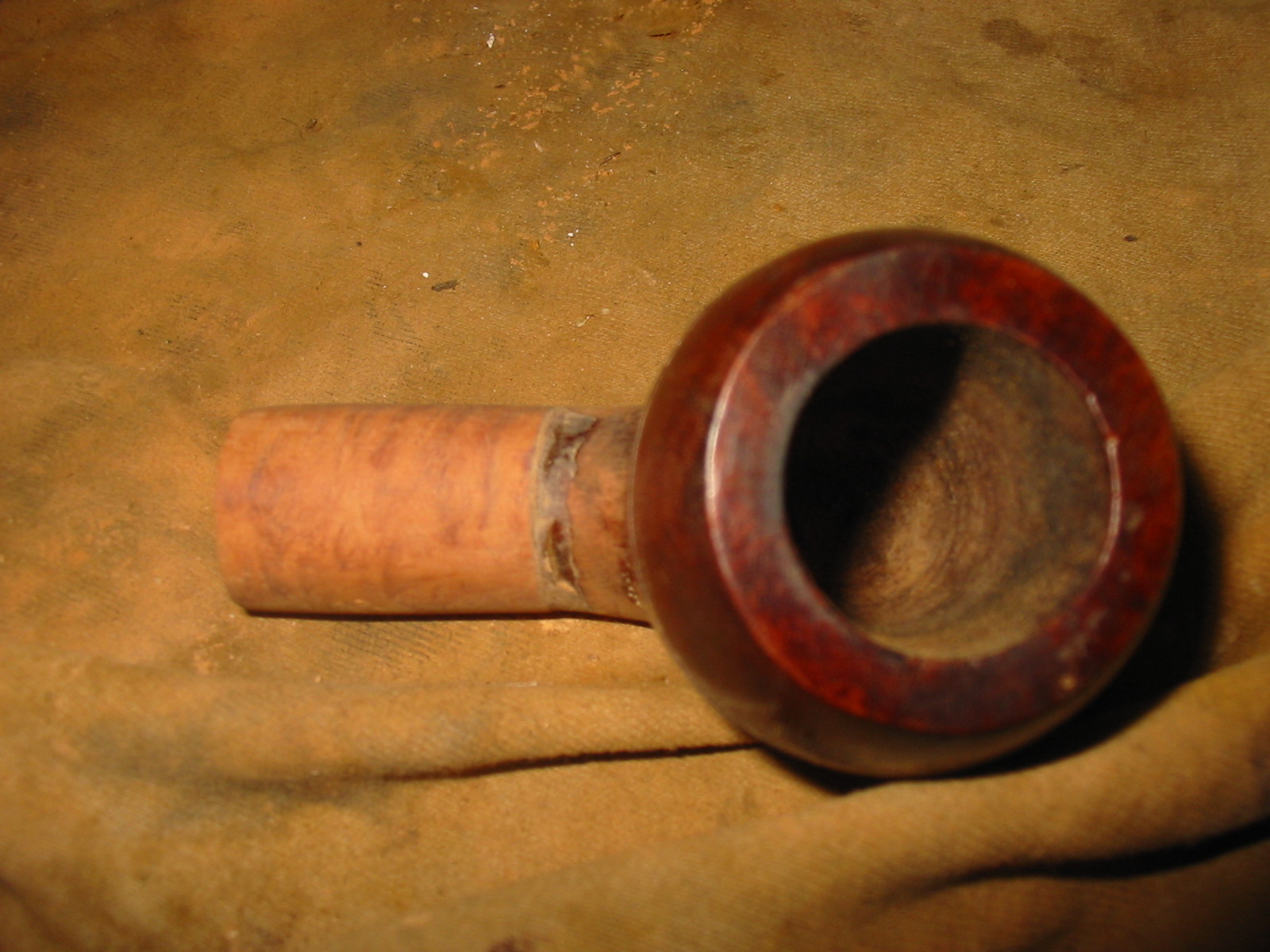
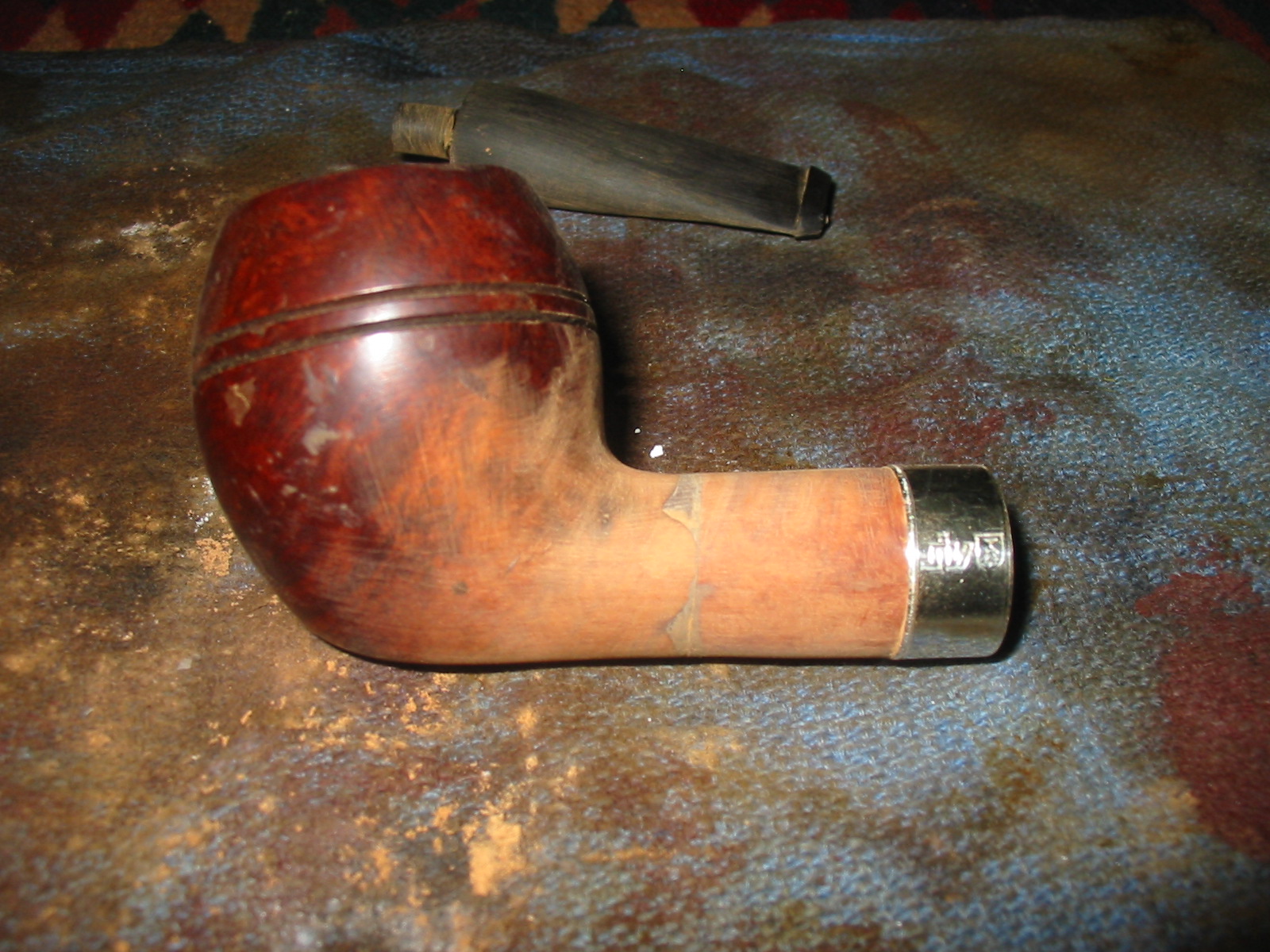
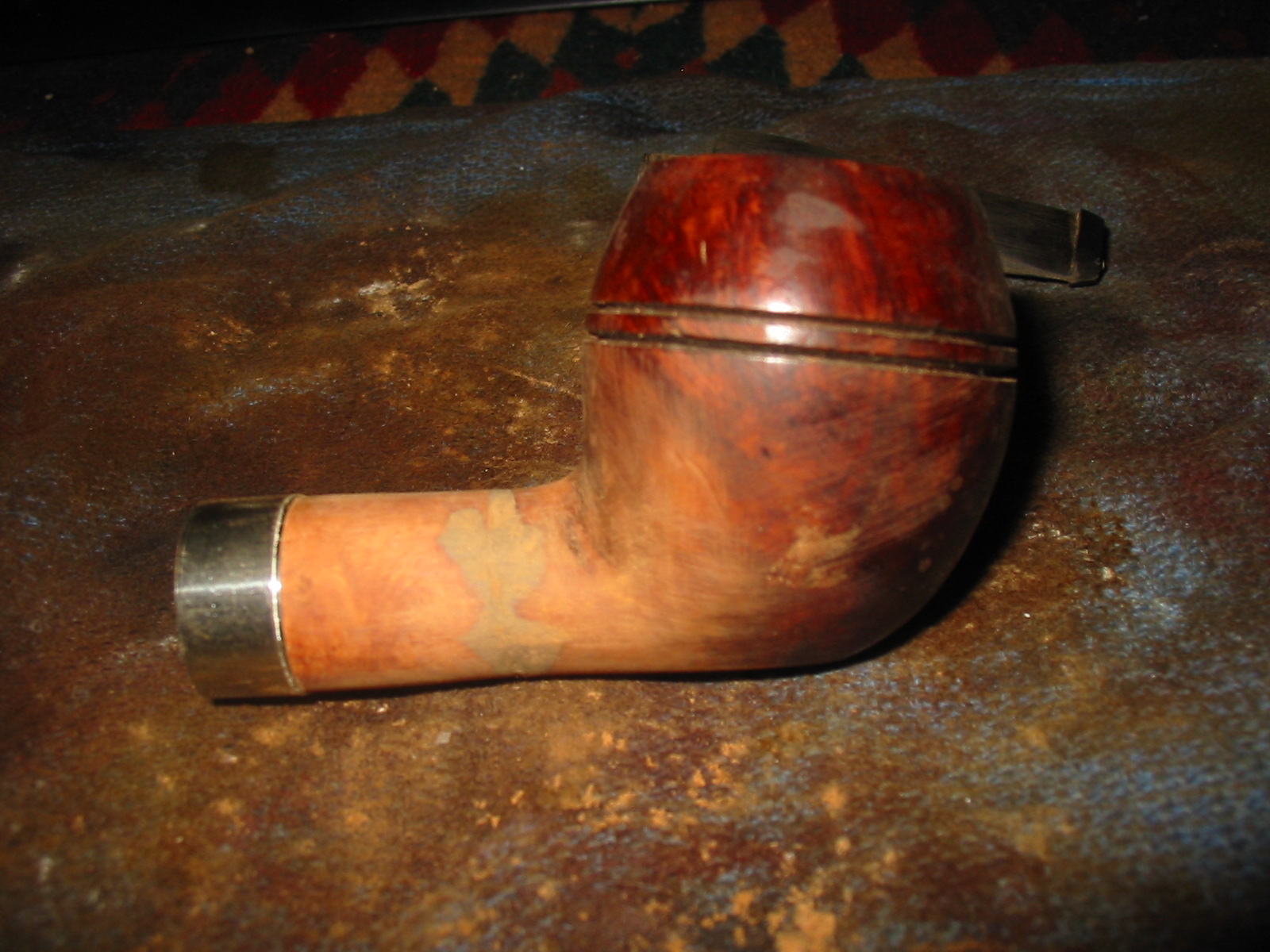
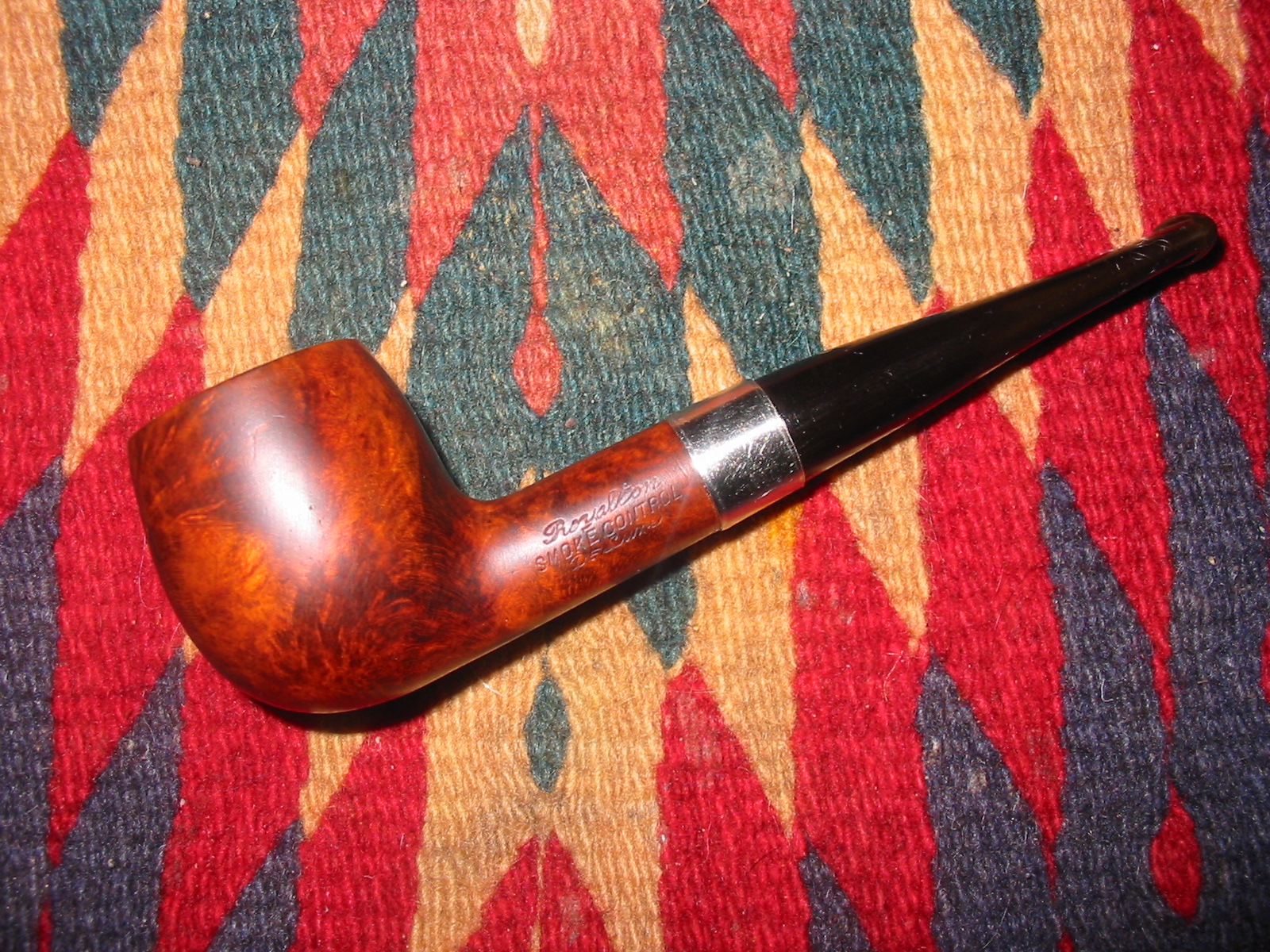
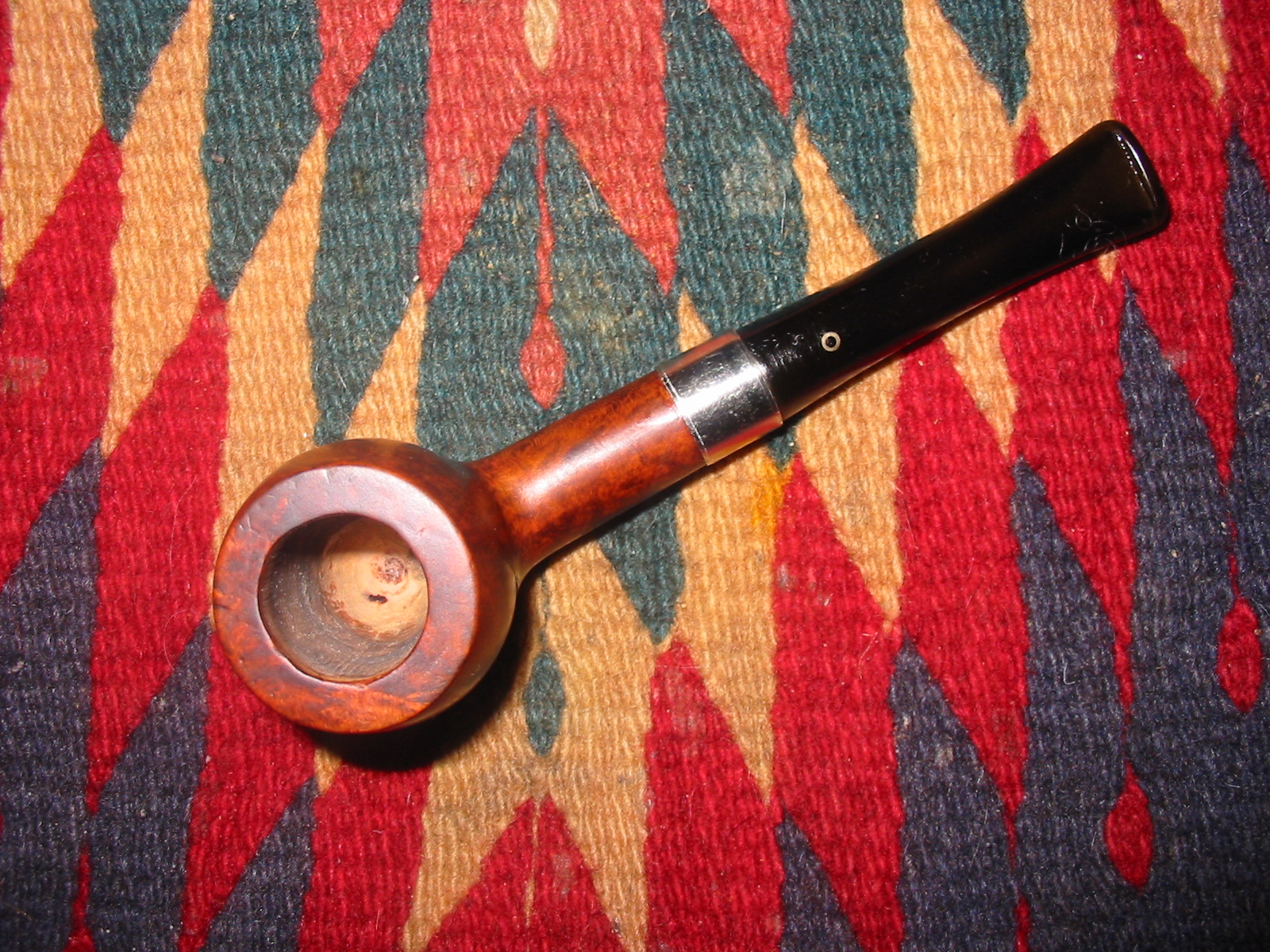
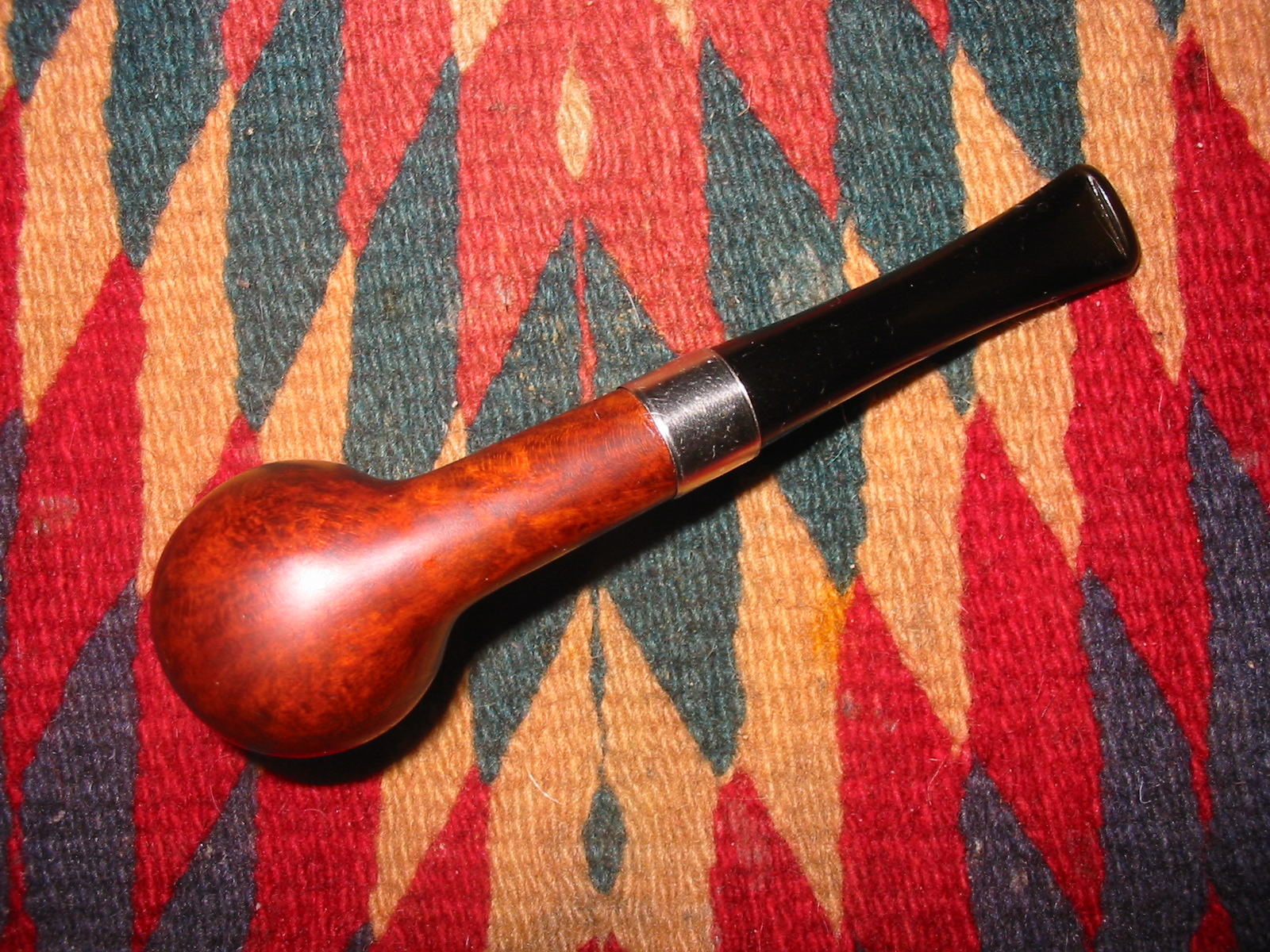
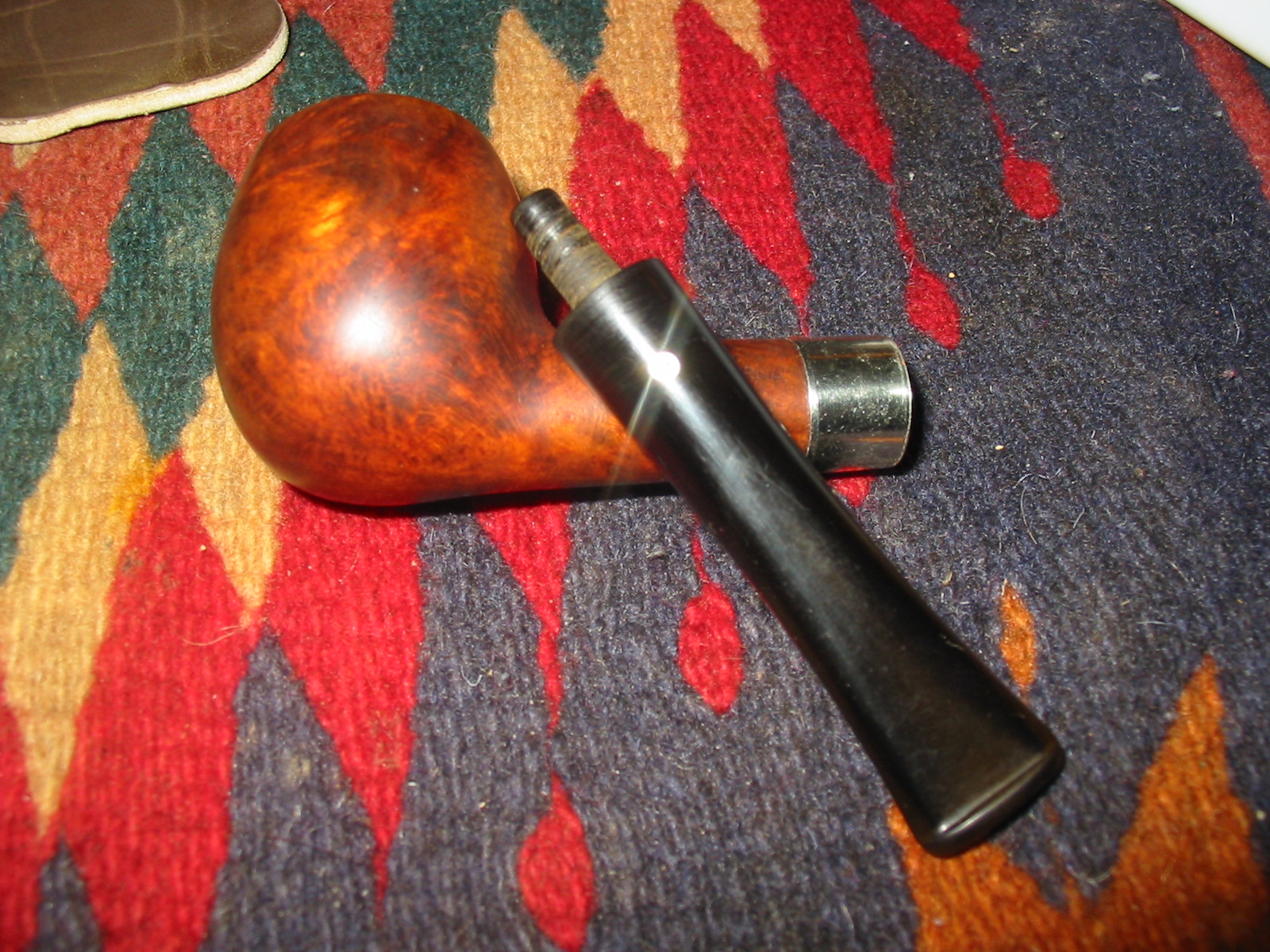
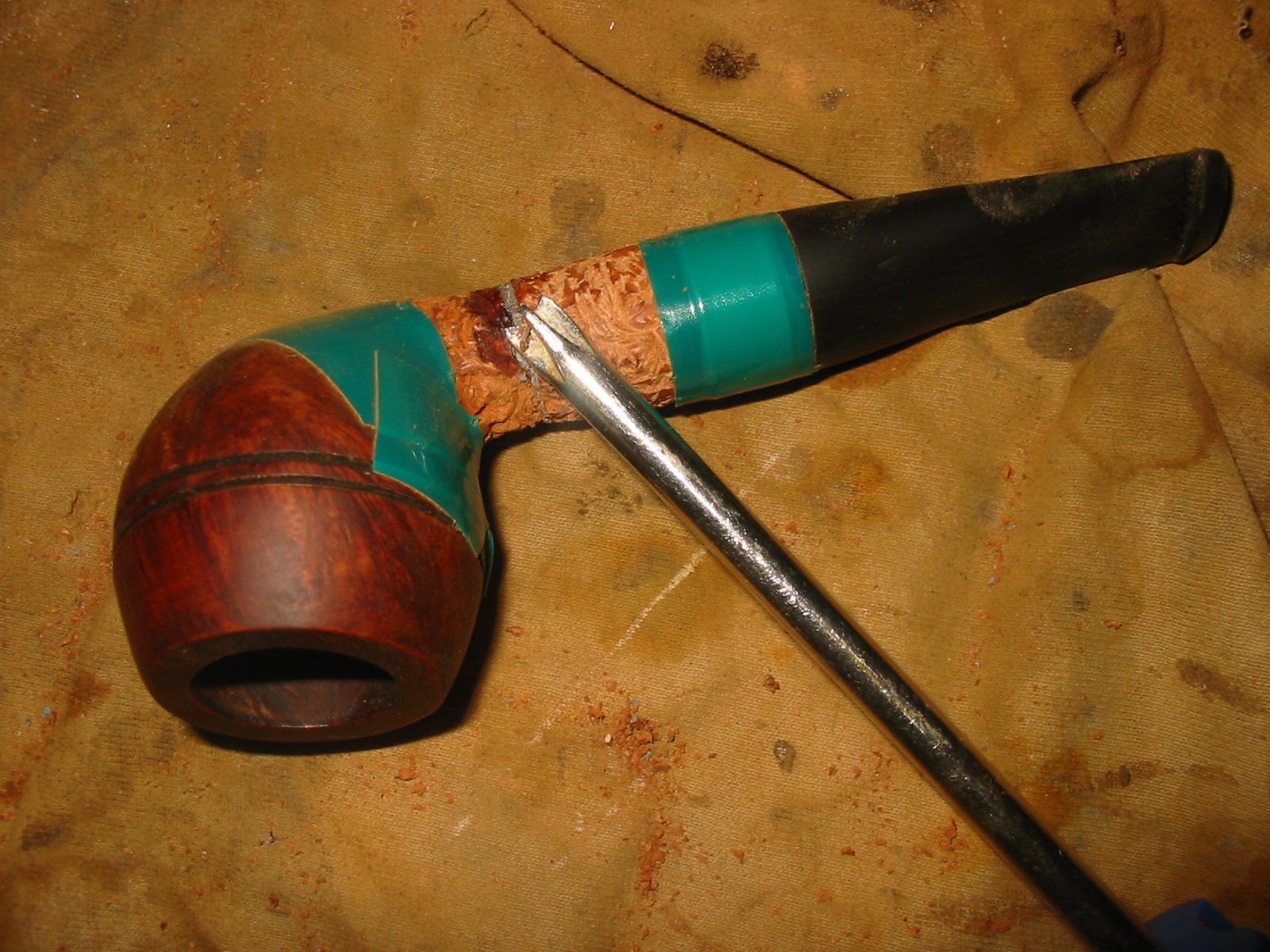
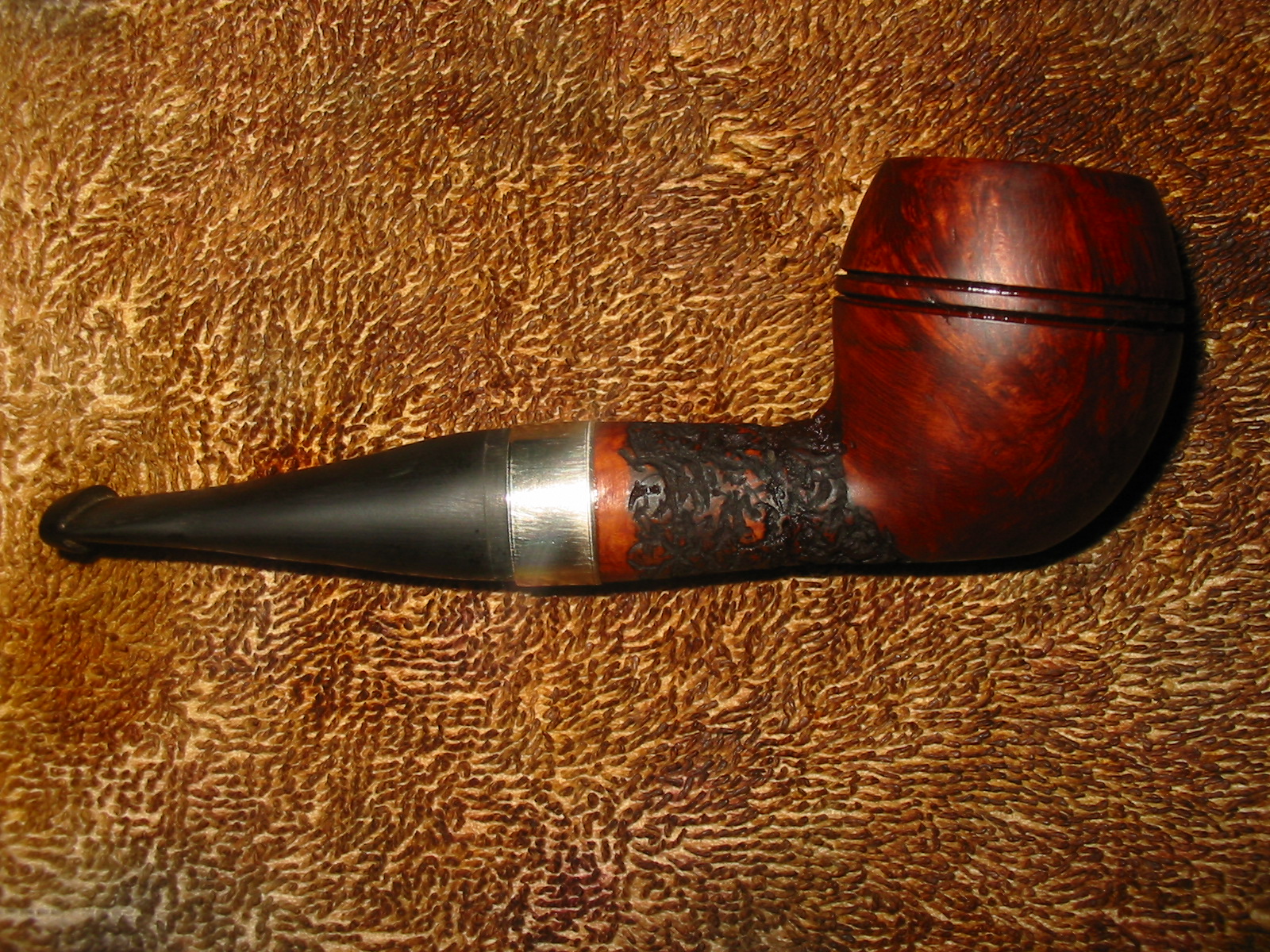
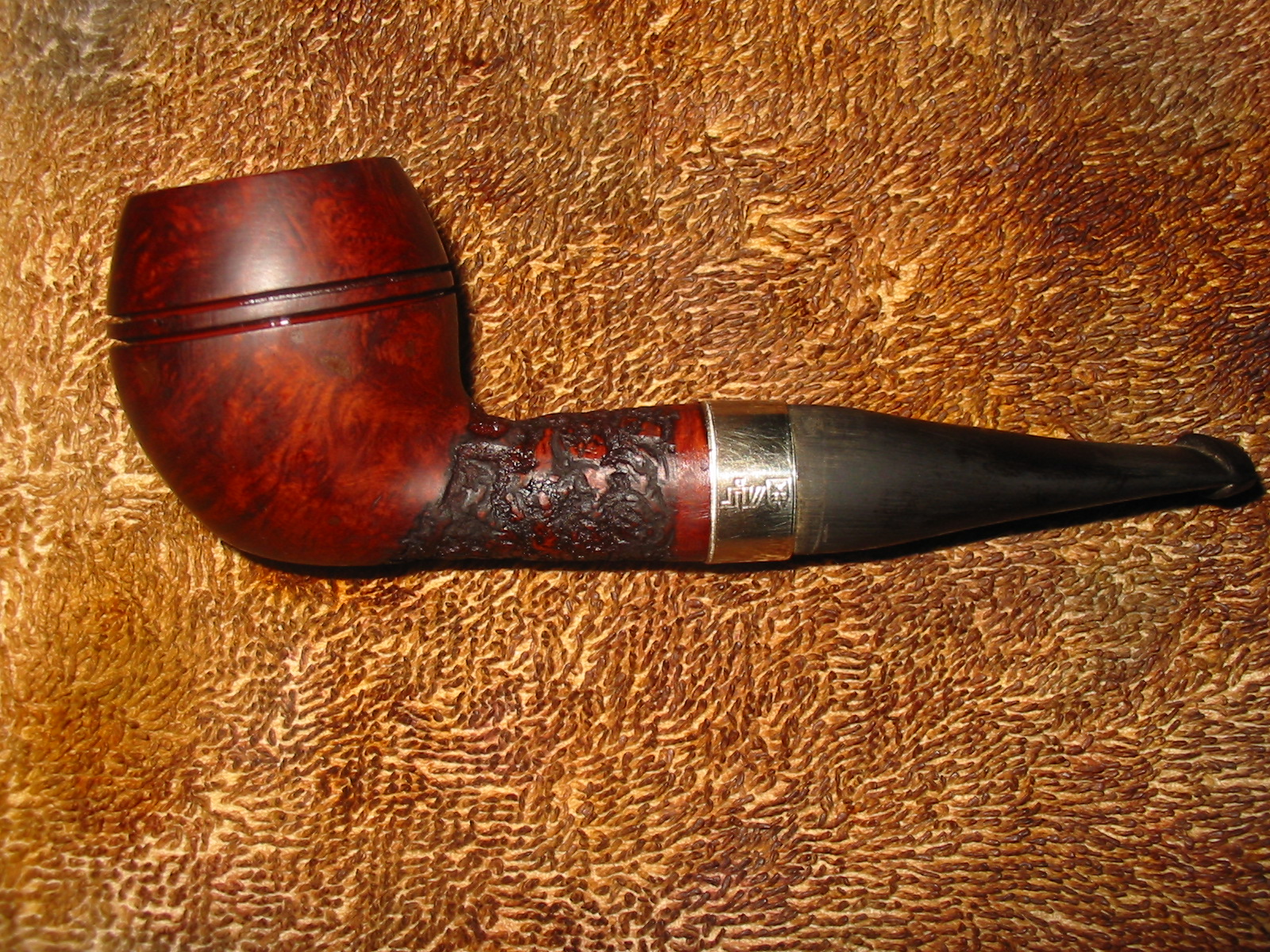
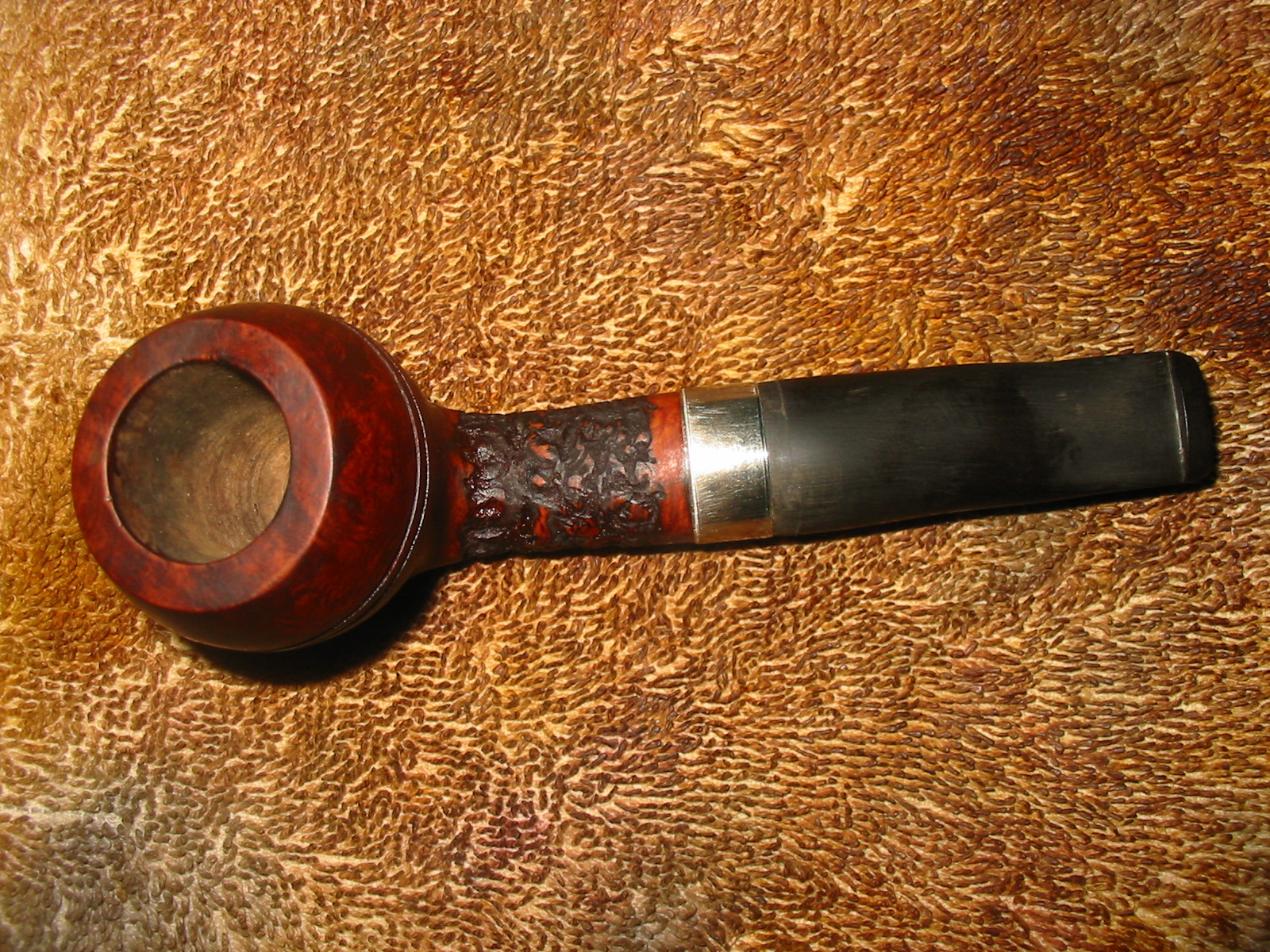
Restoring a Princely Rhodesian Medico – New Stem and New Life


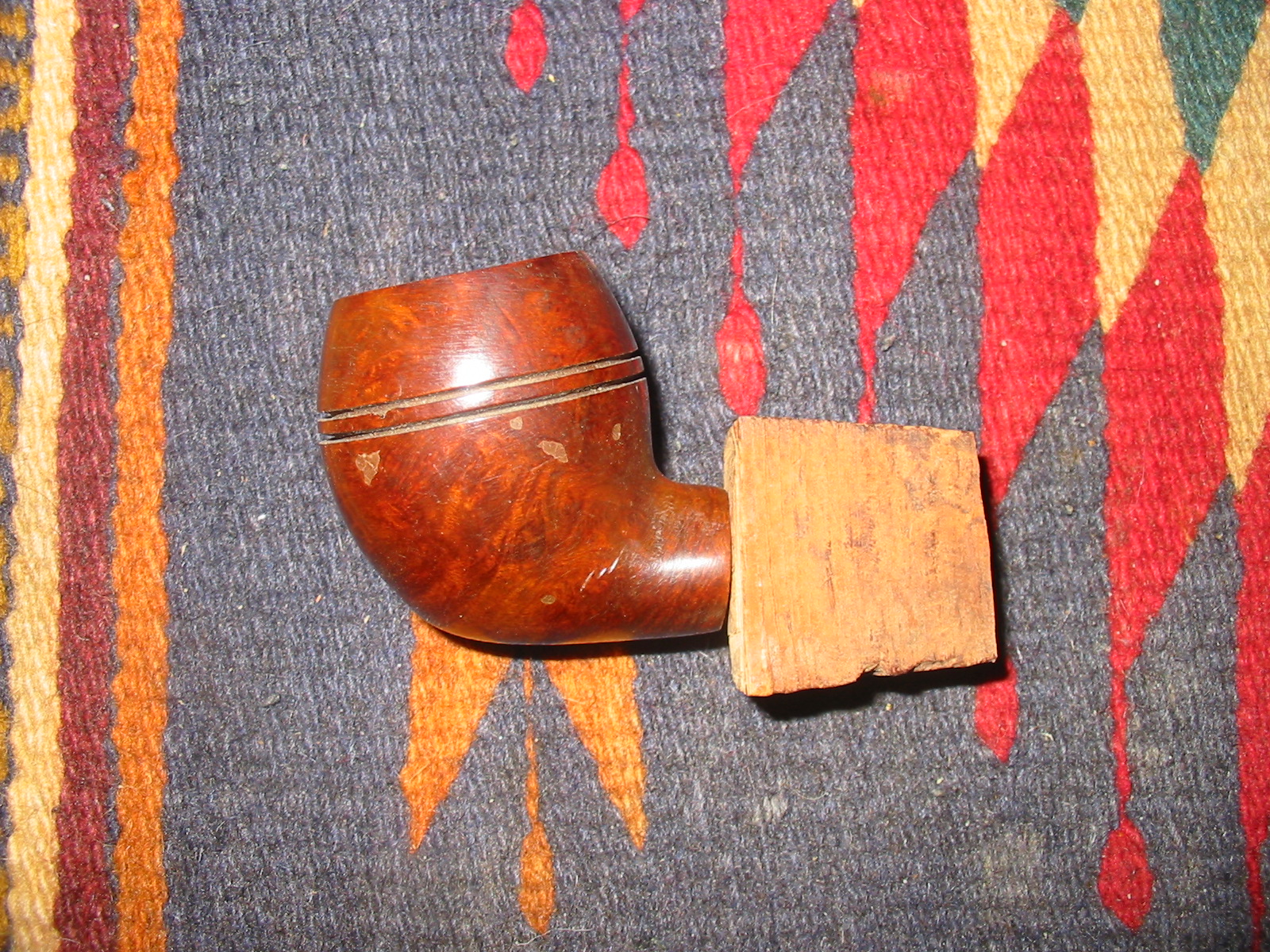
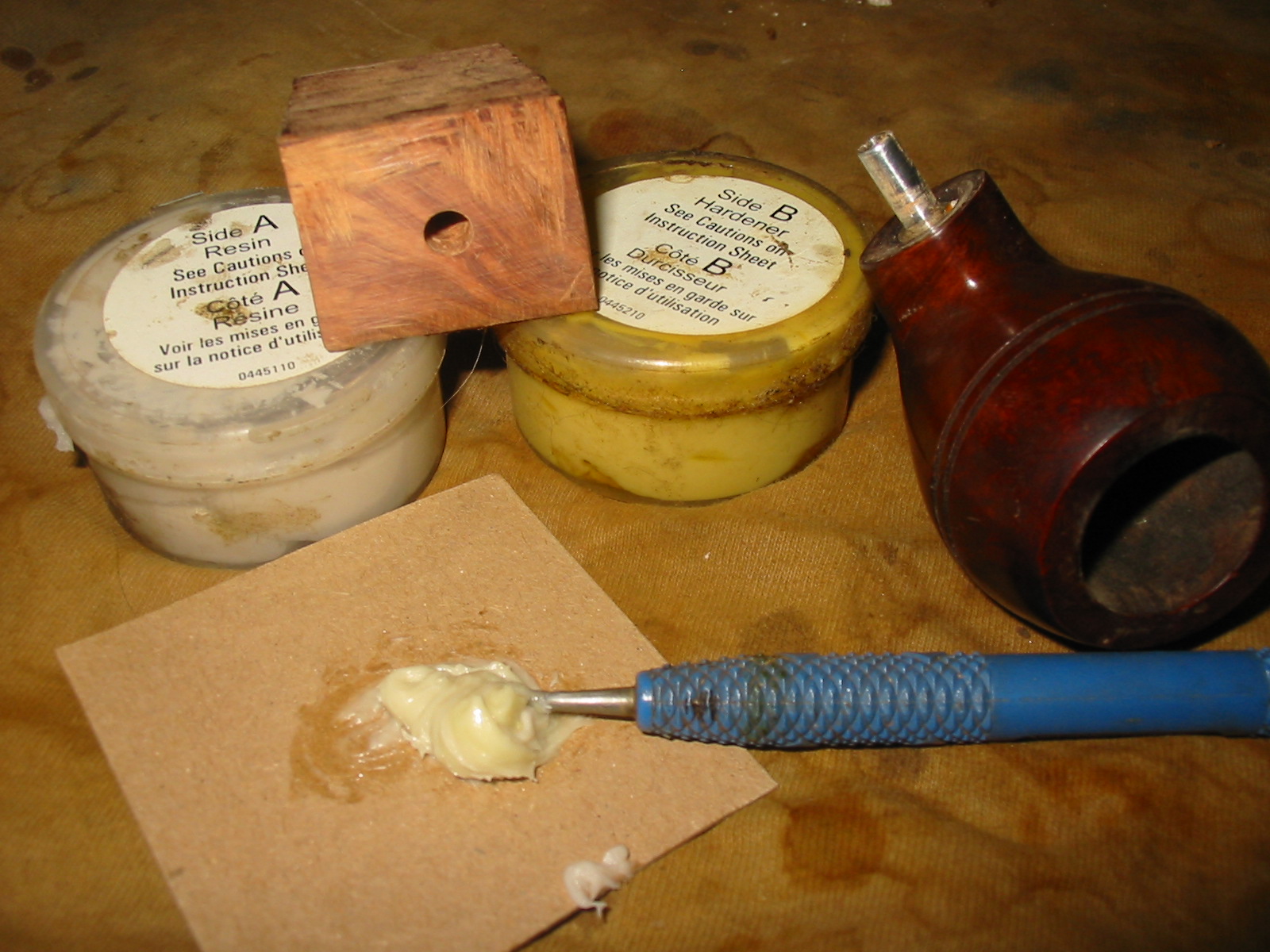
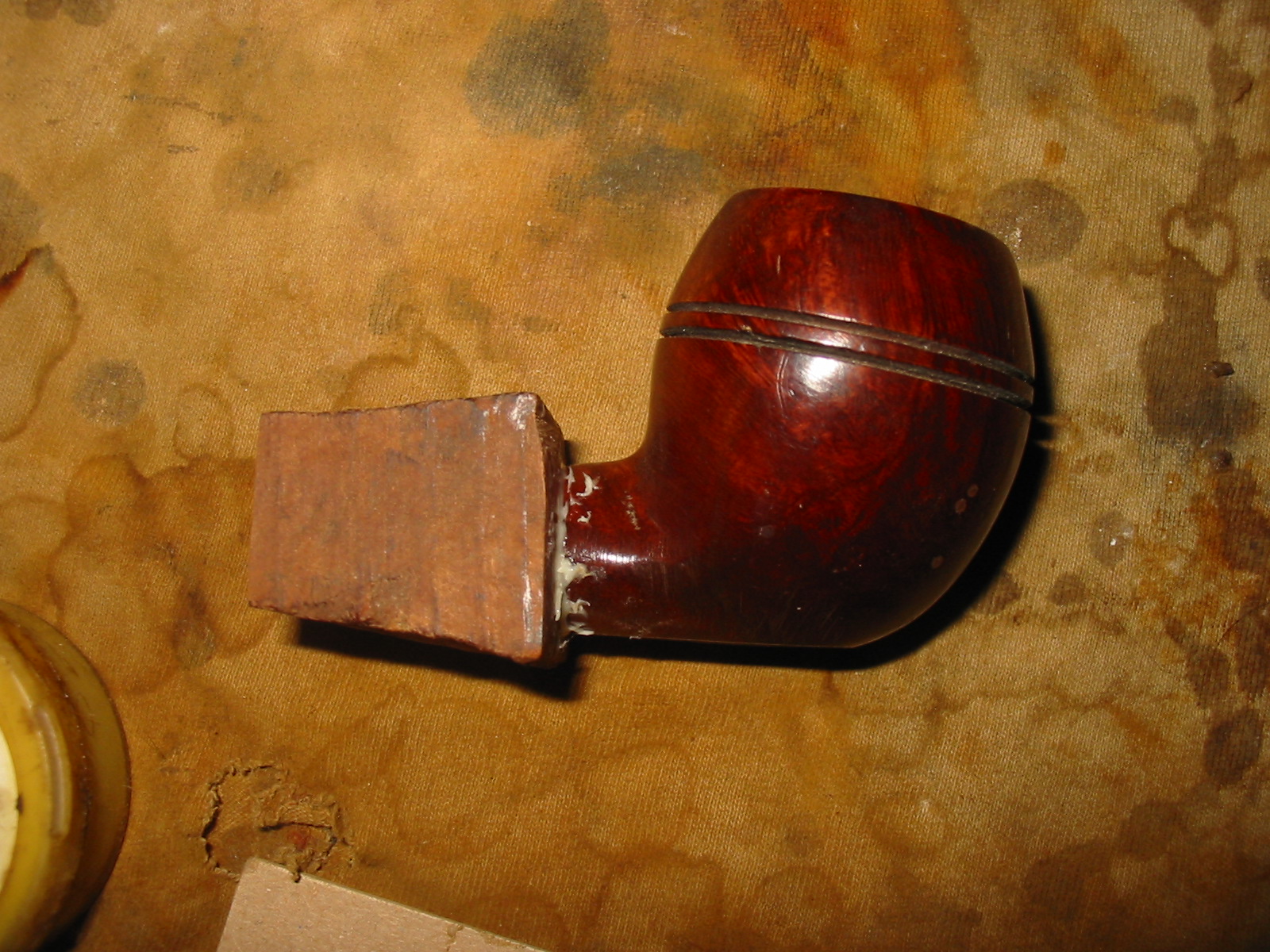
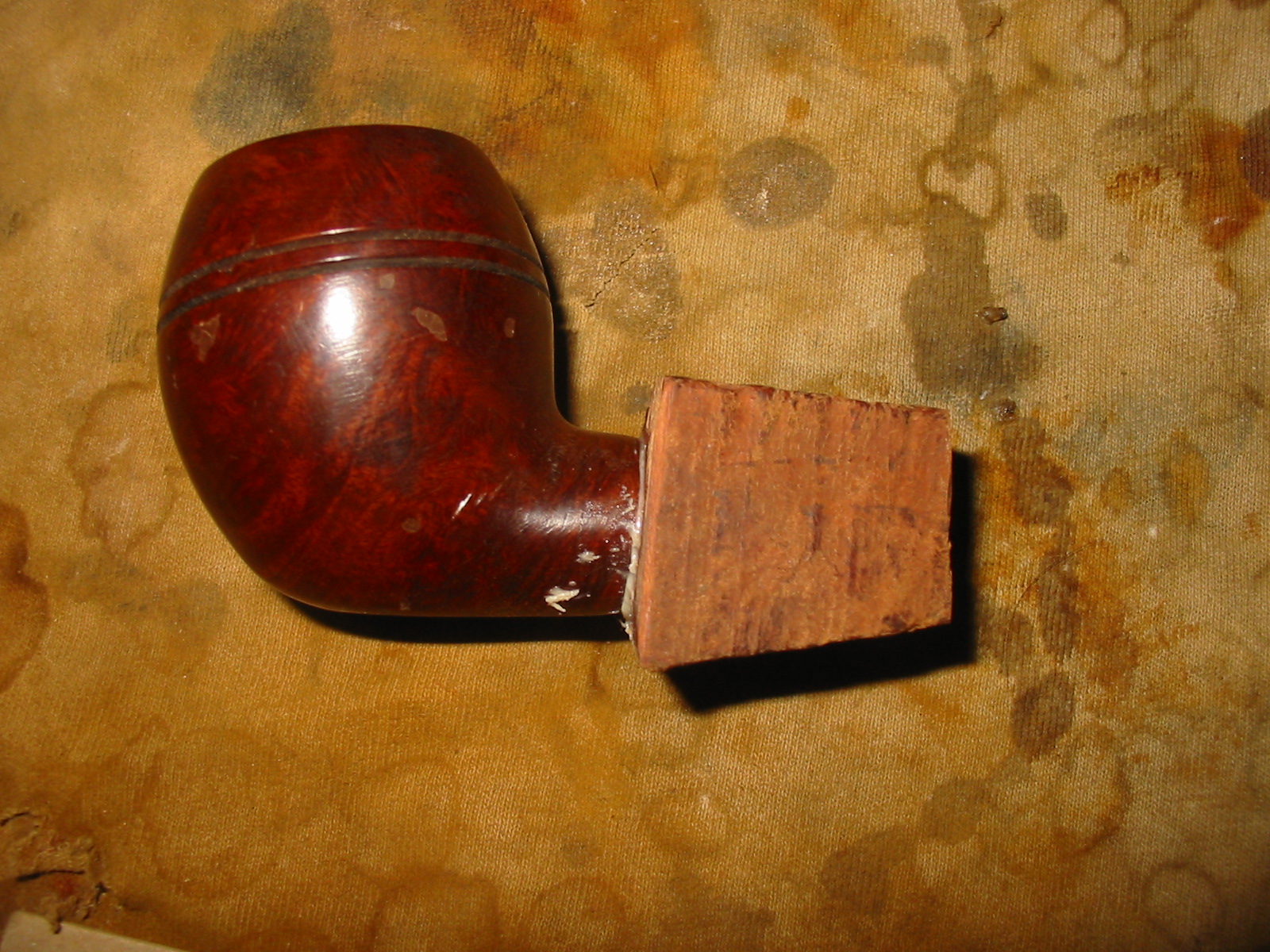
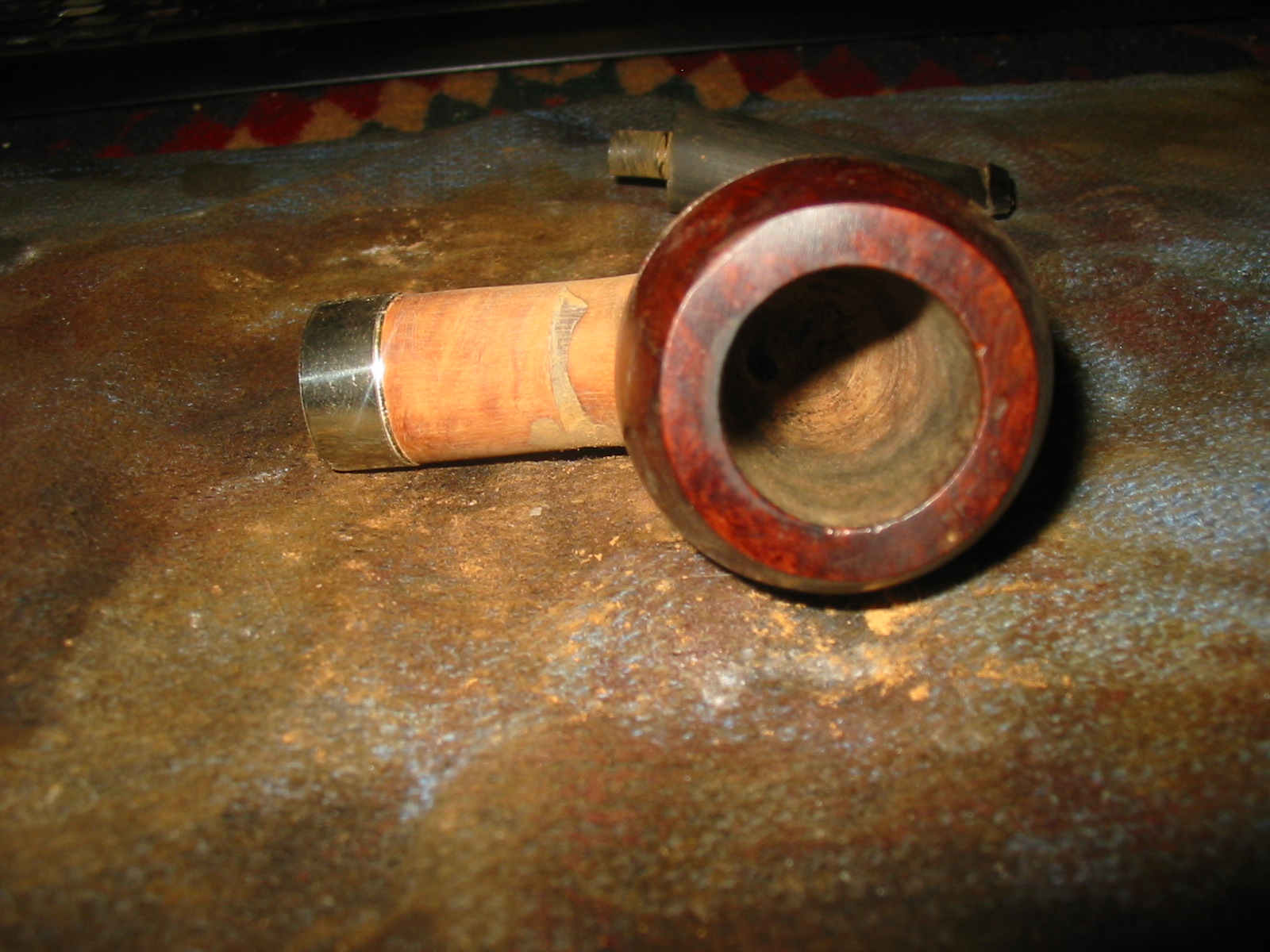
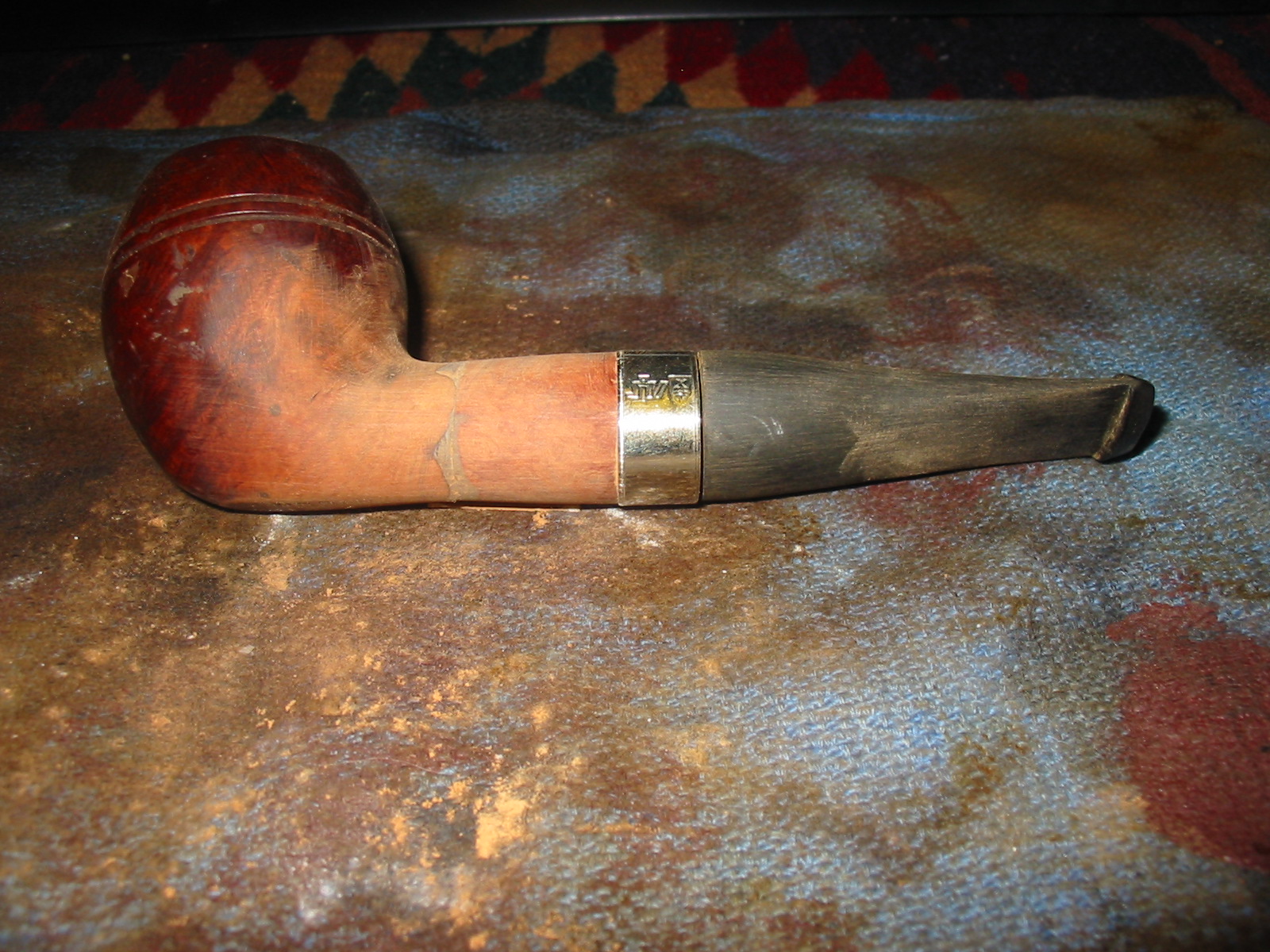
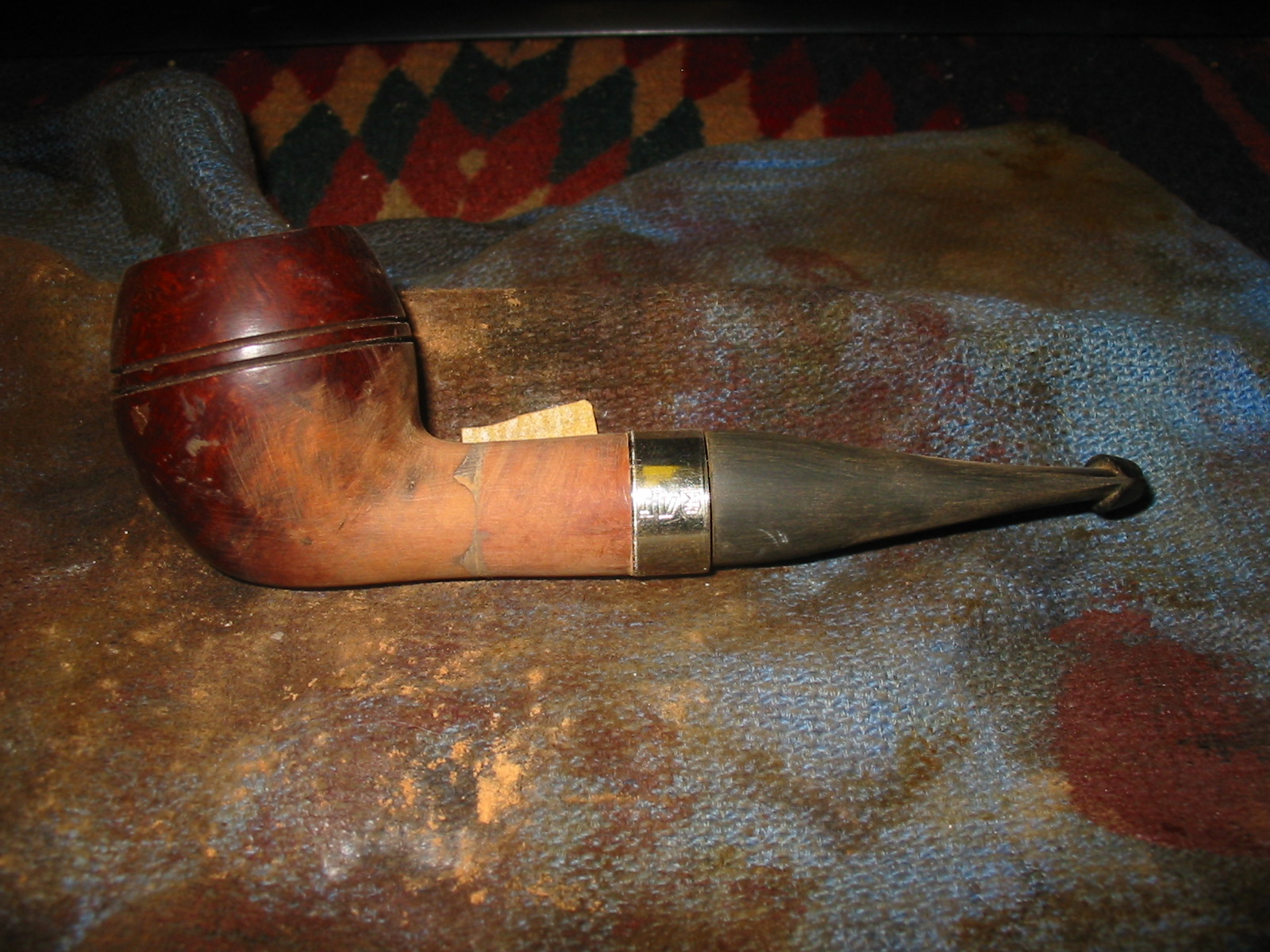
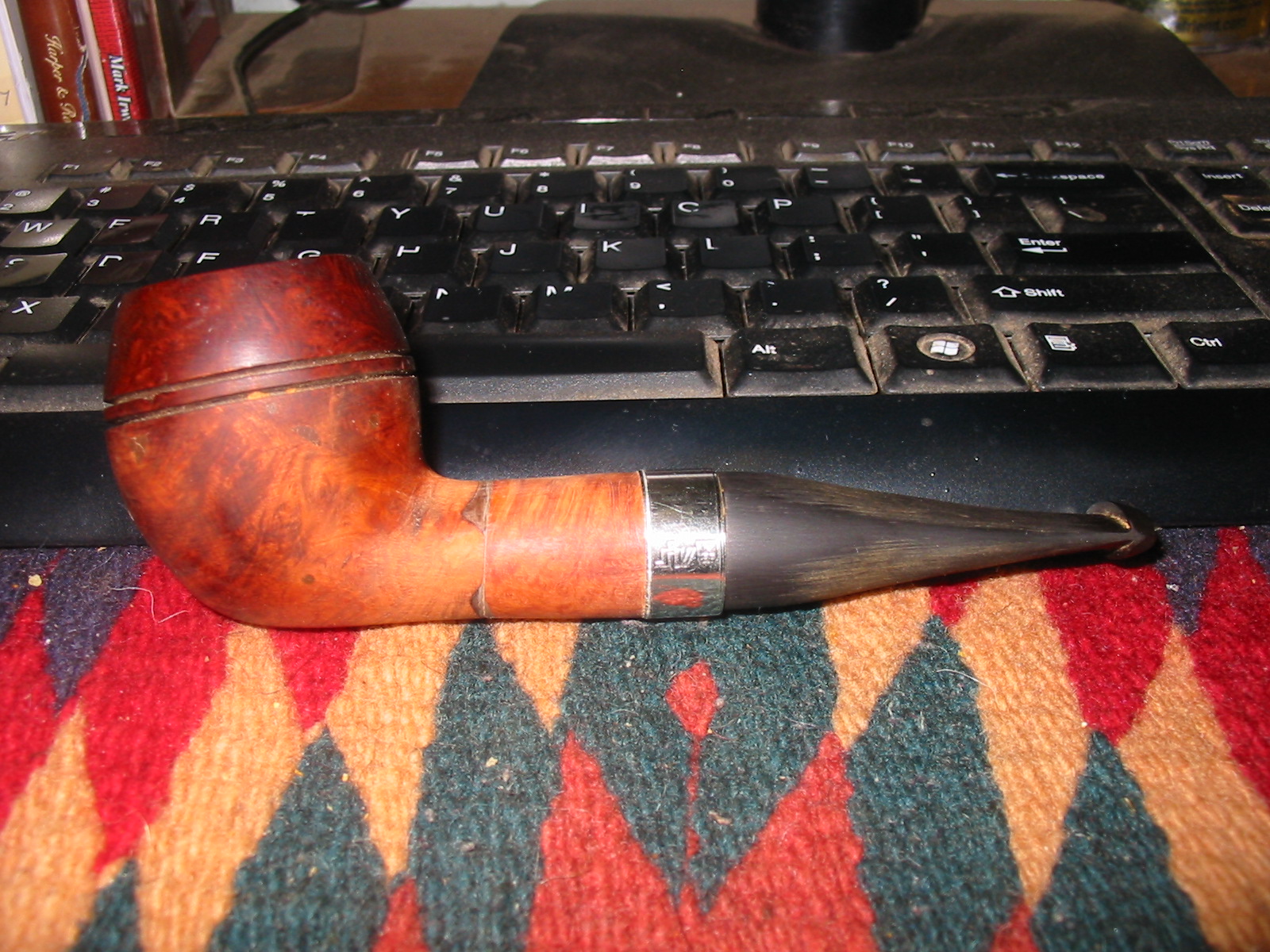
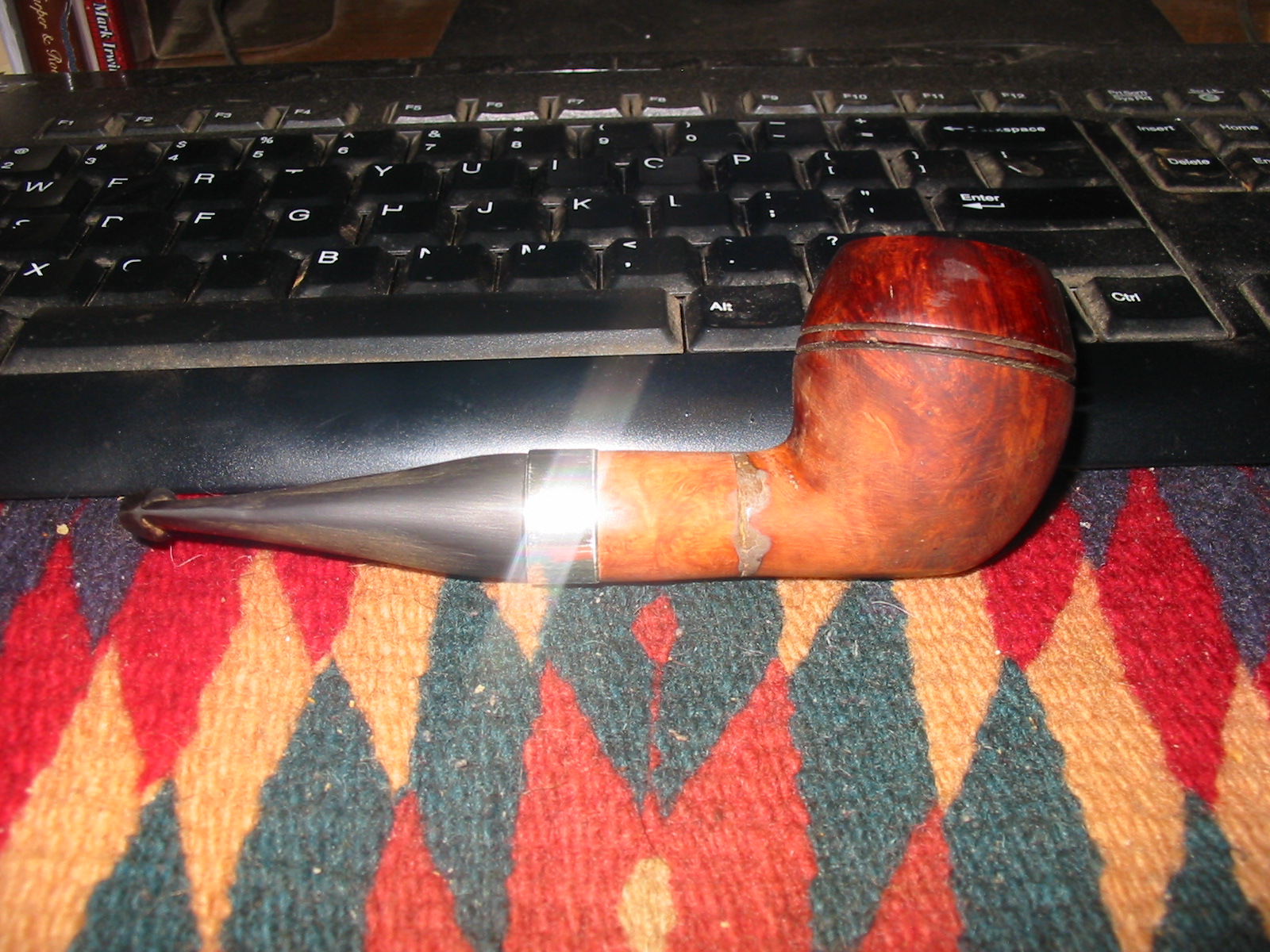
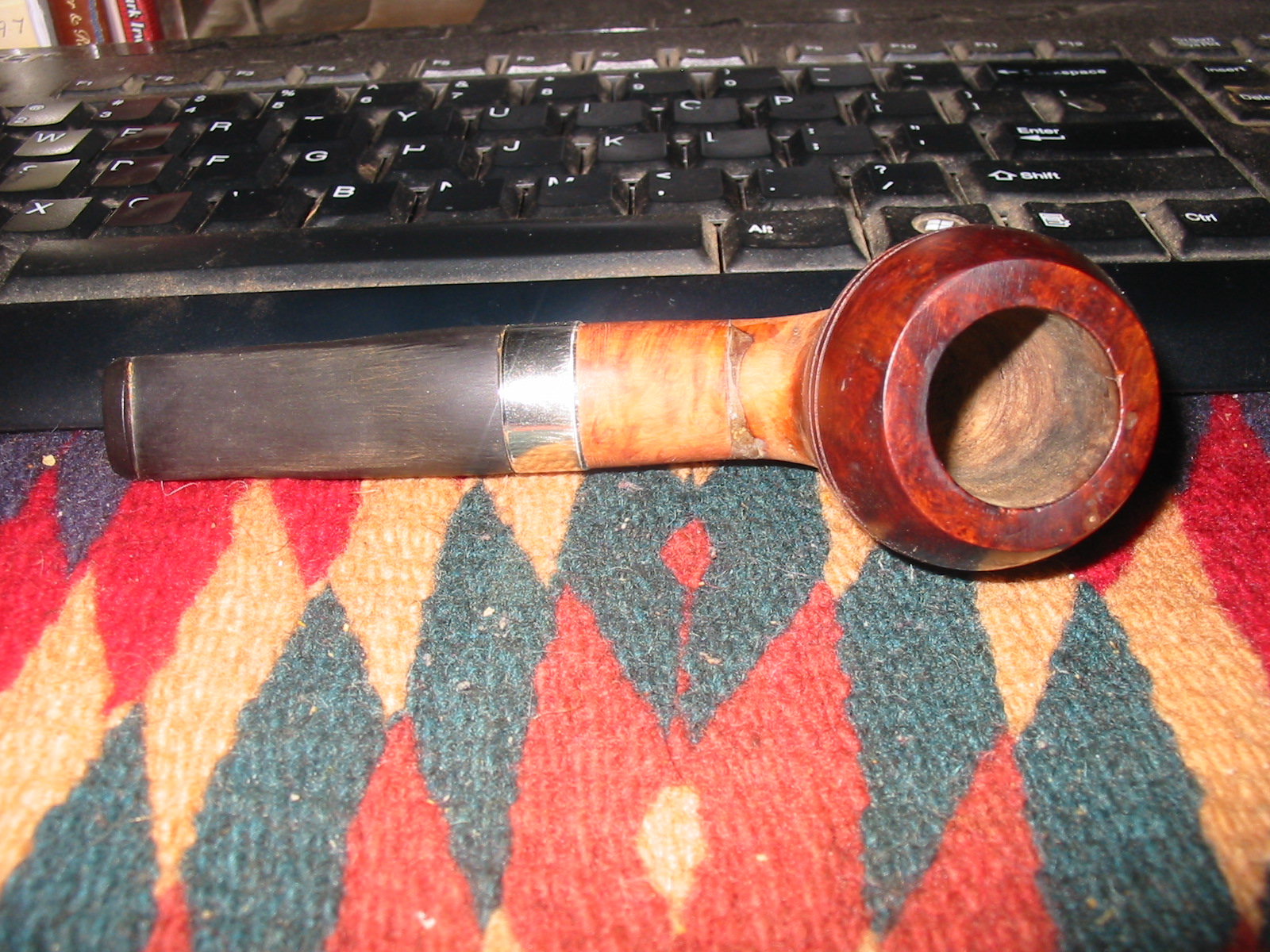
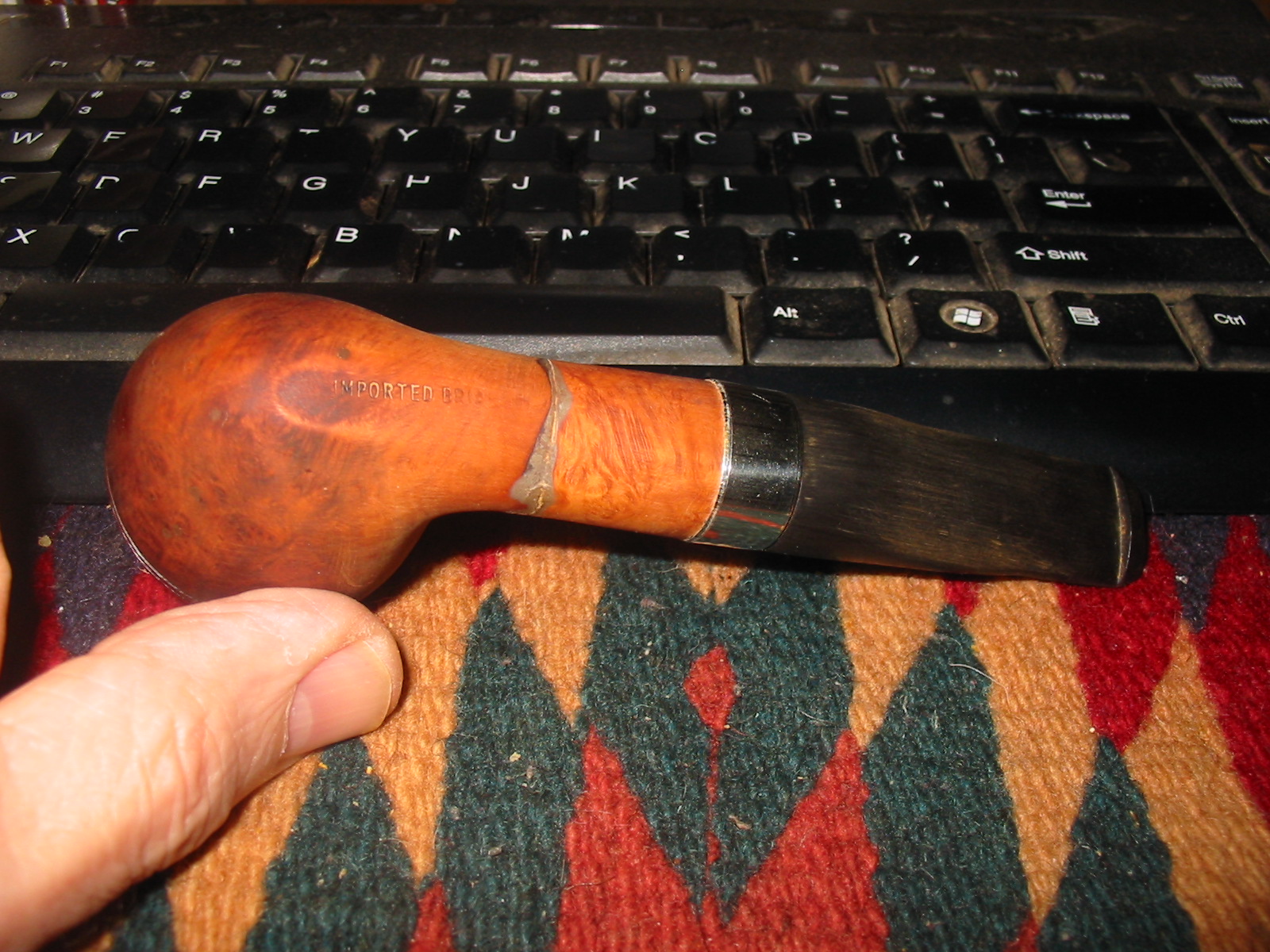
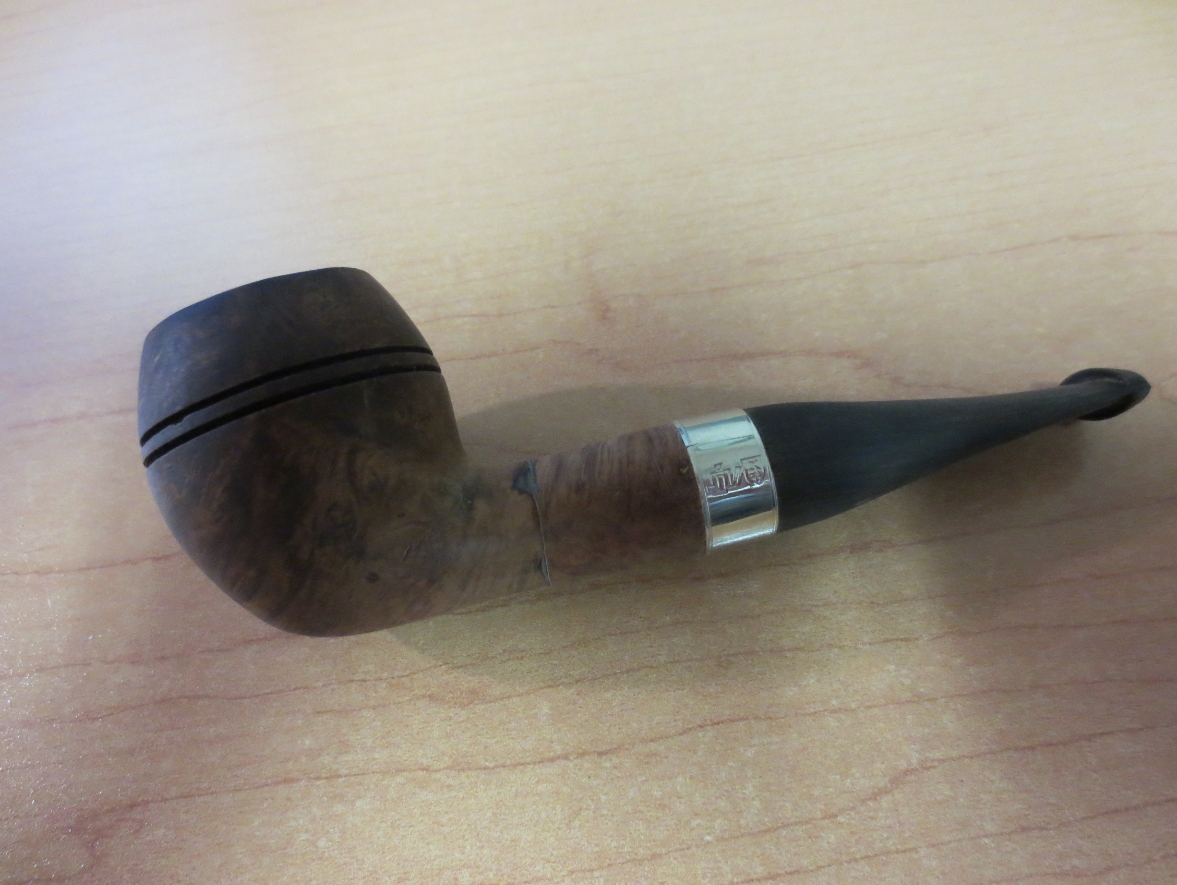
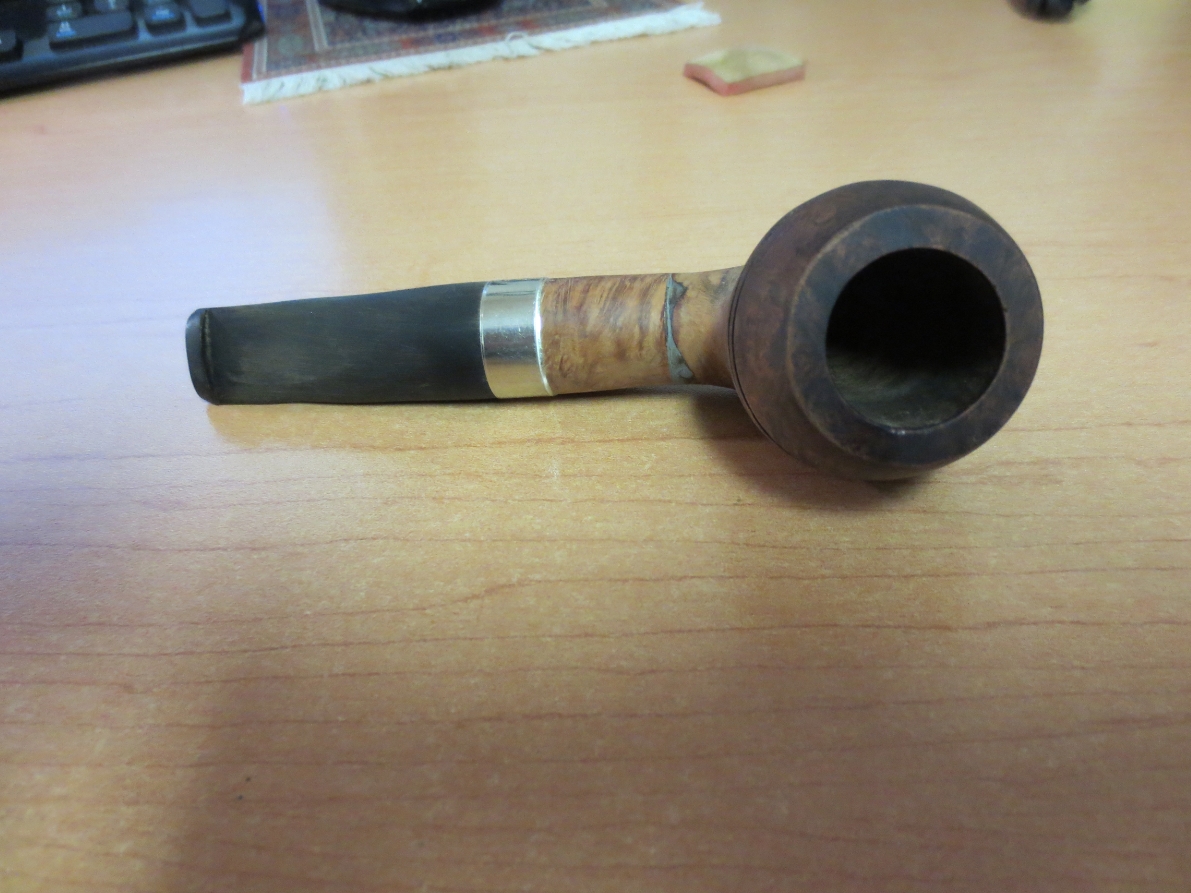
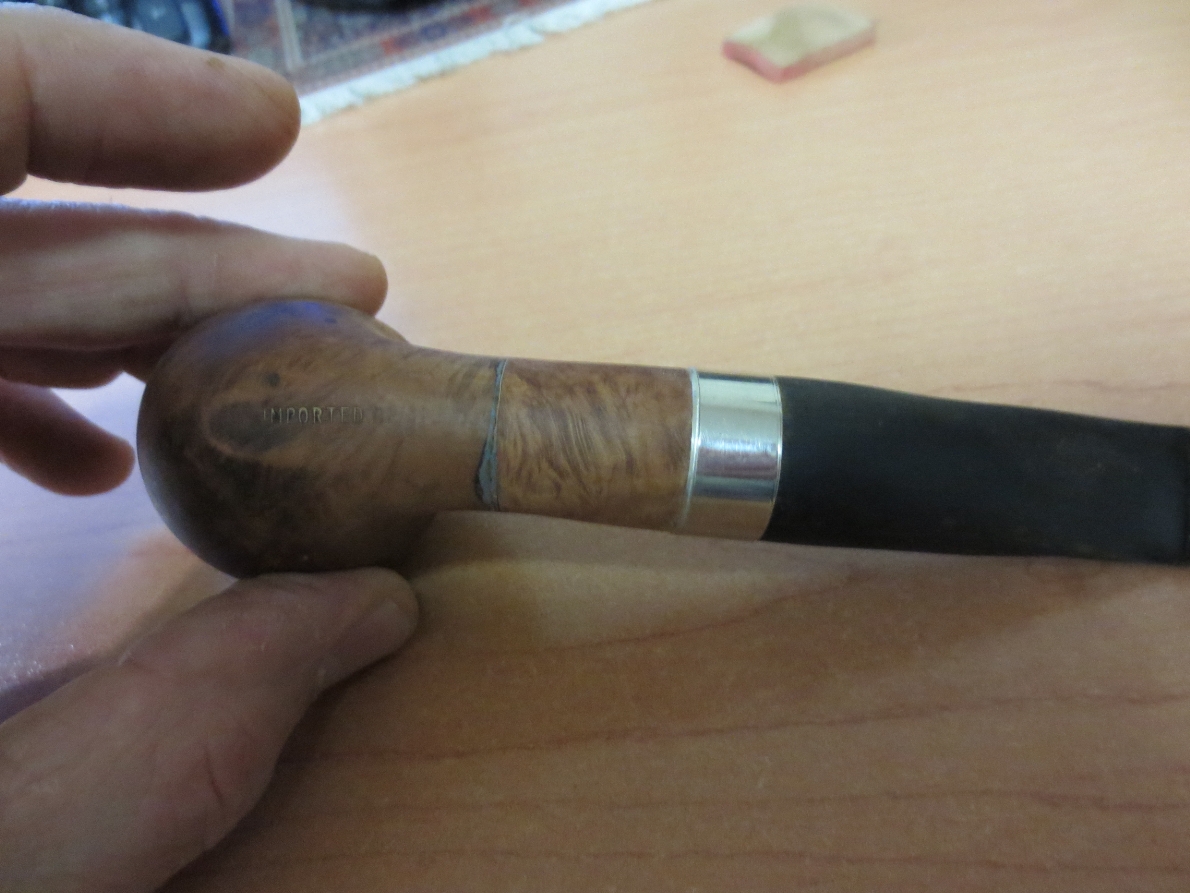
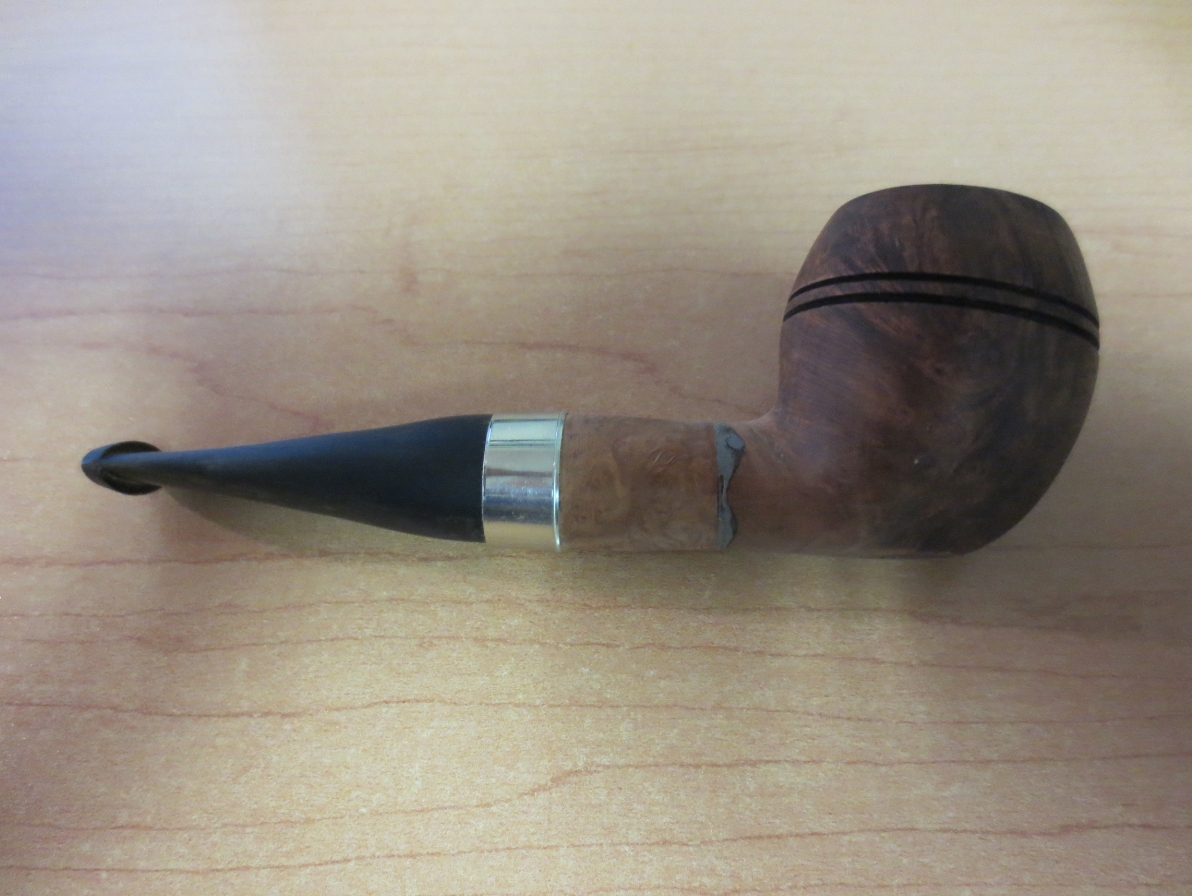
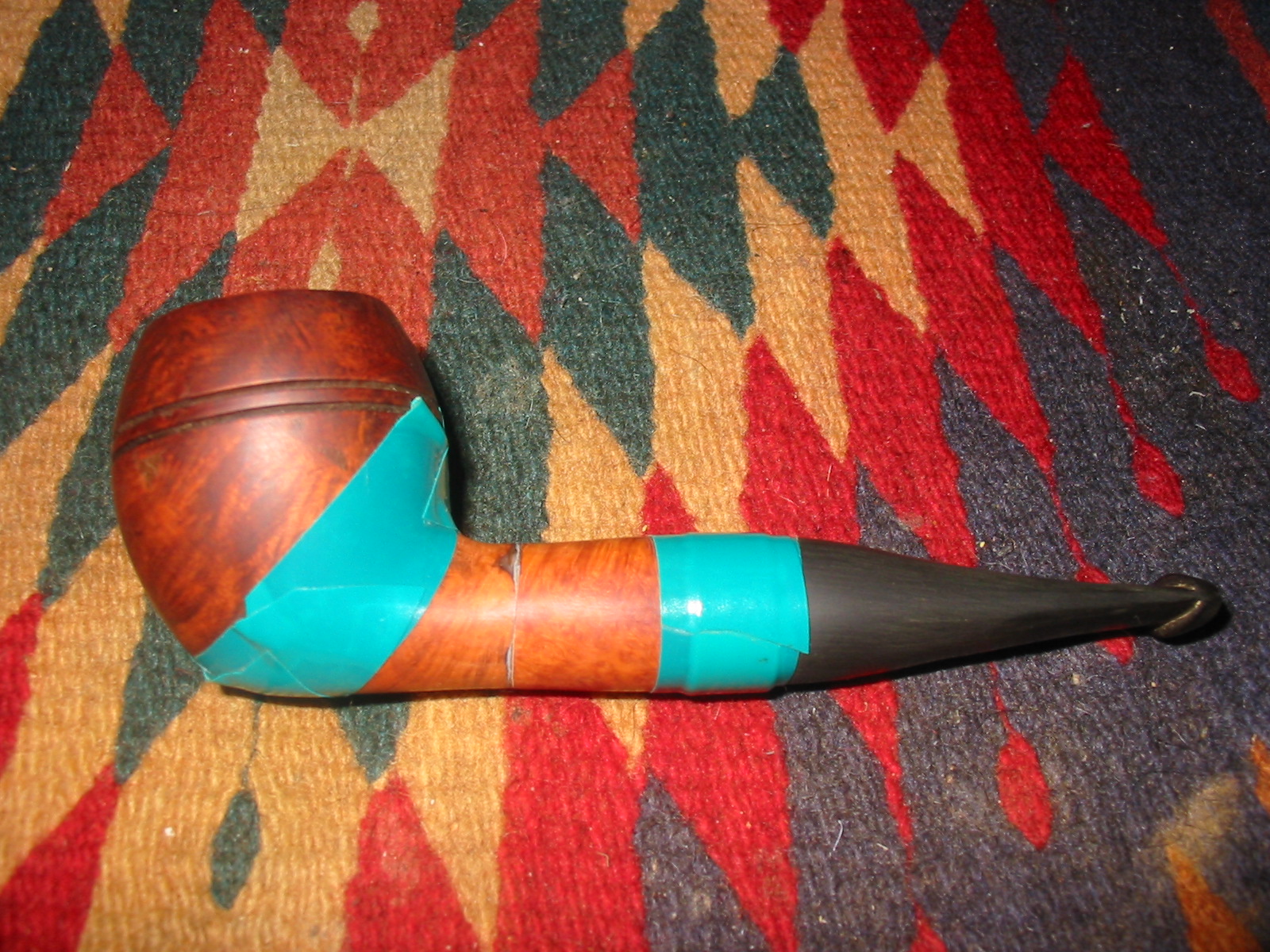
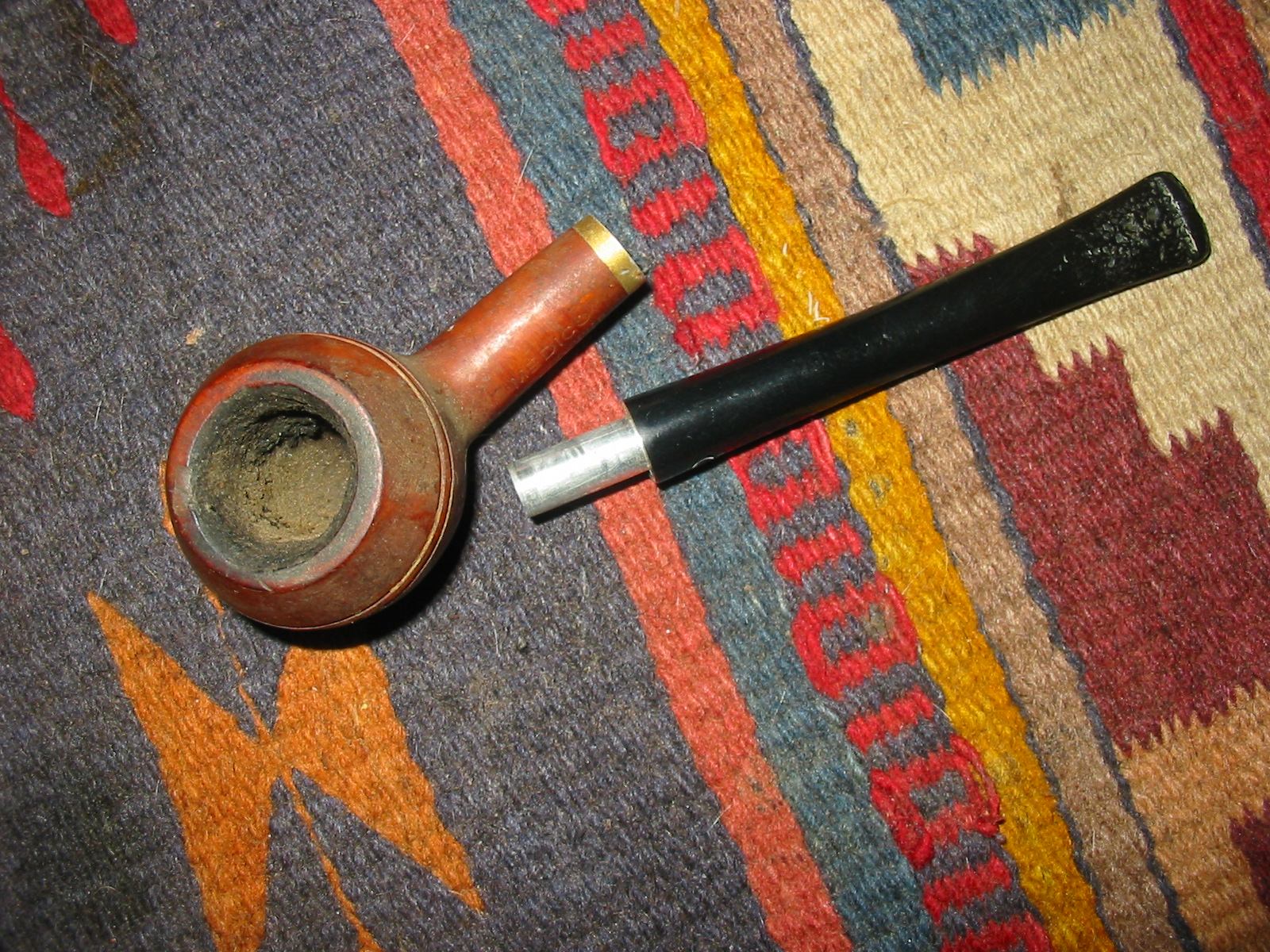
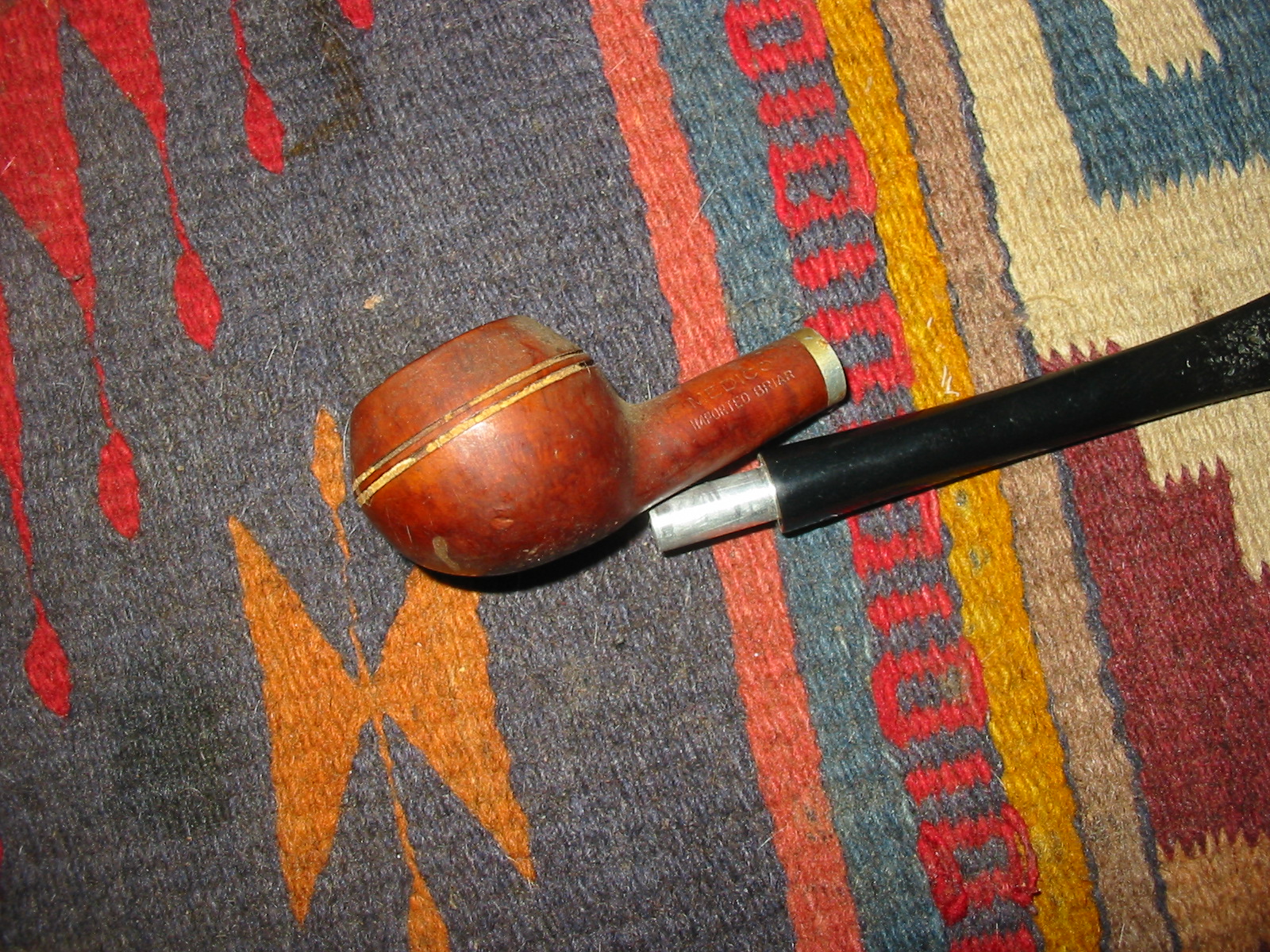
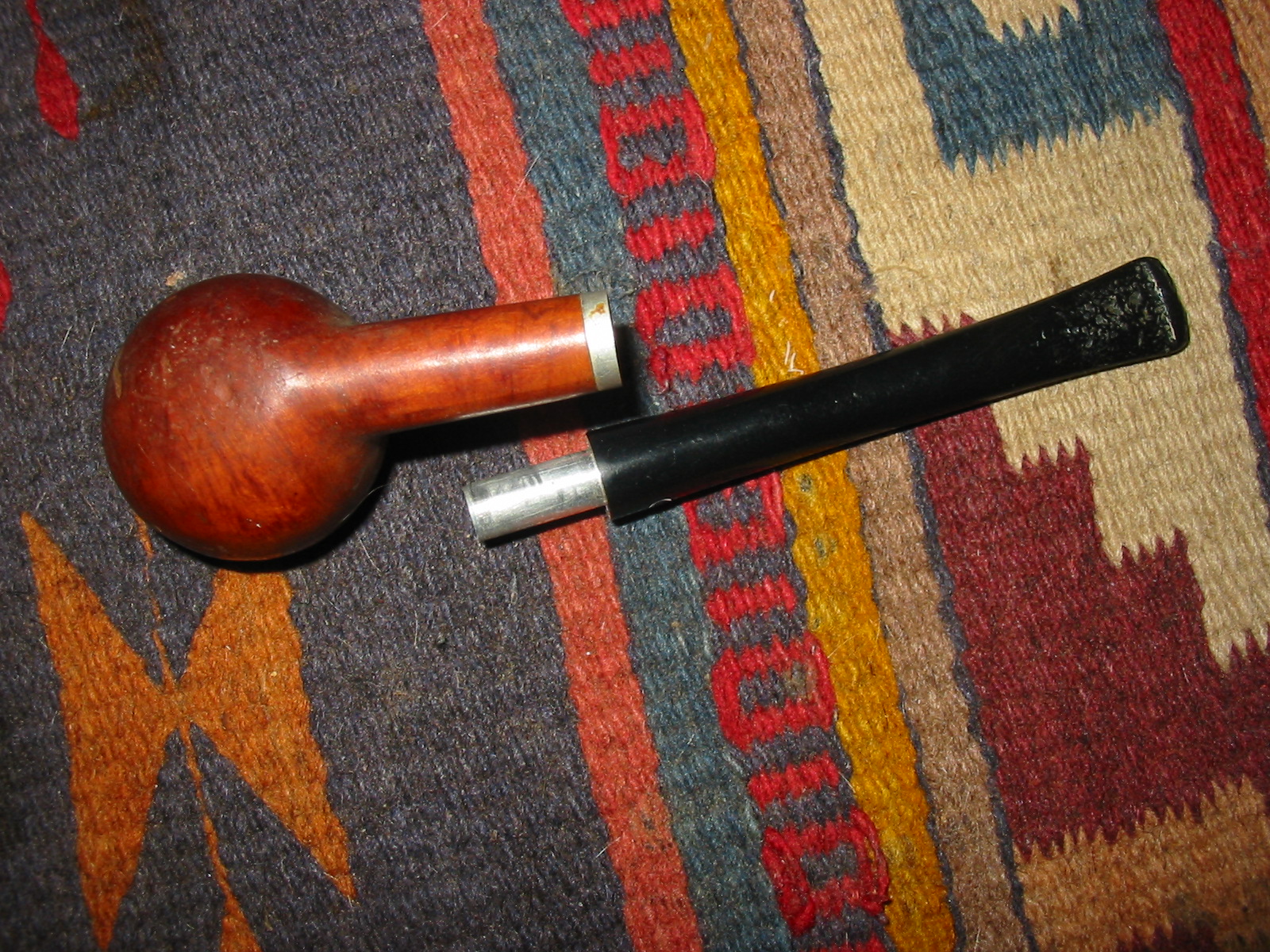
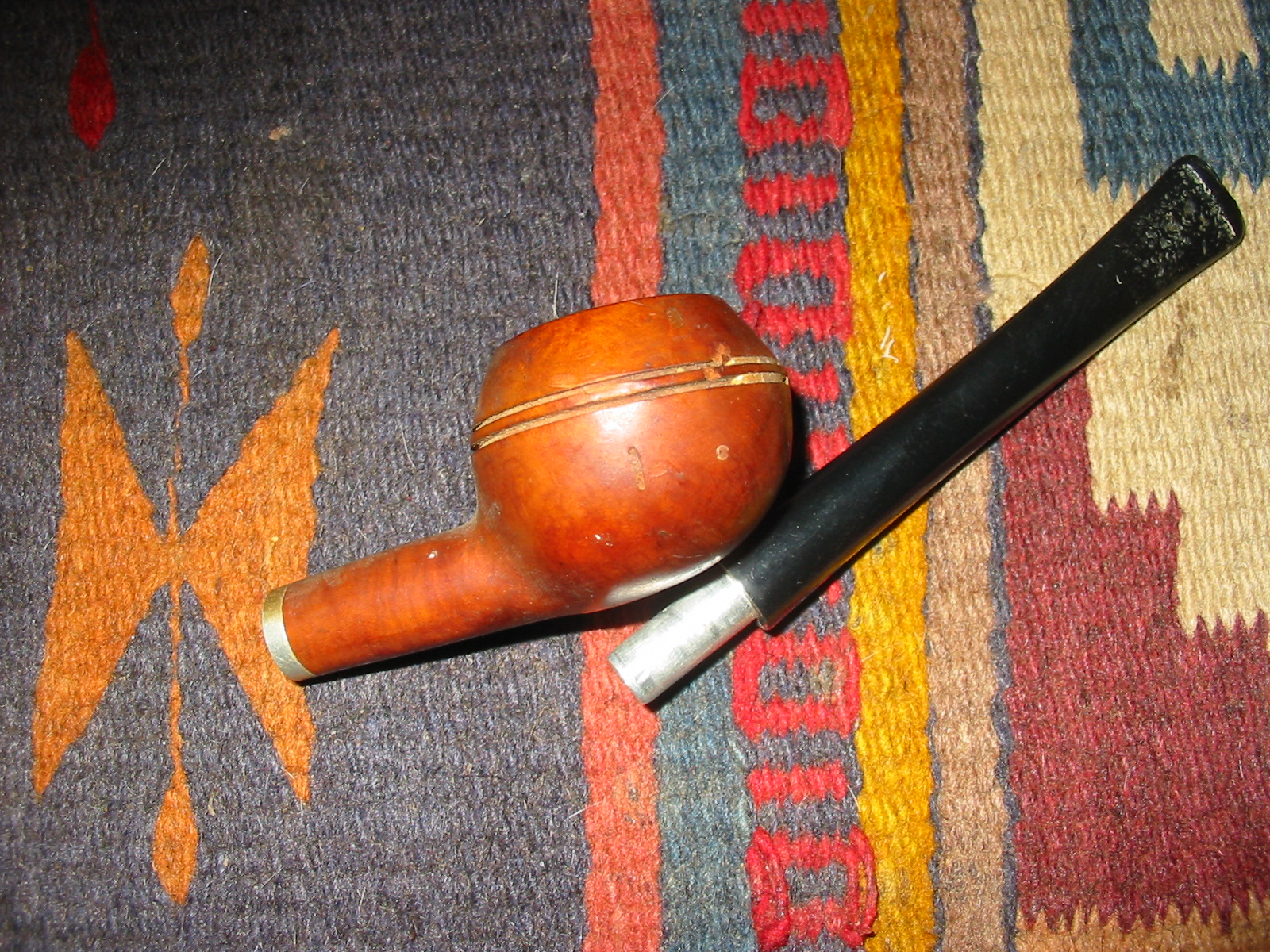
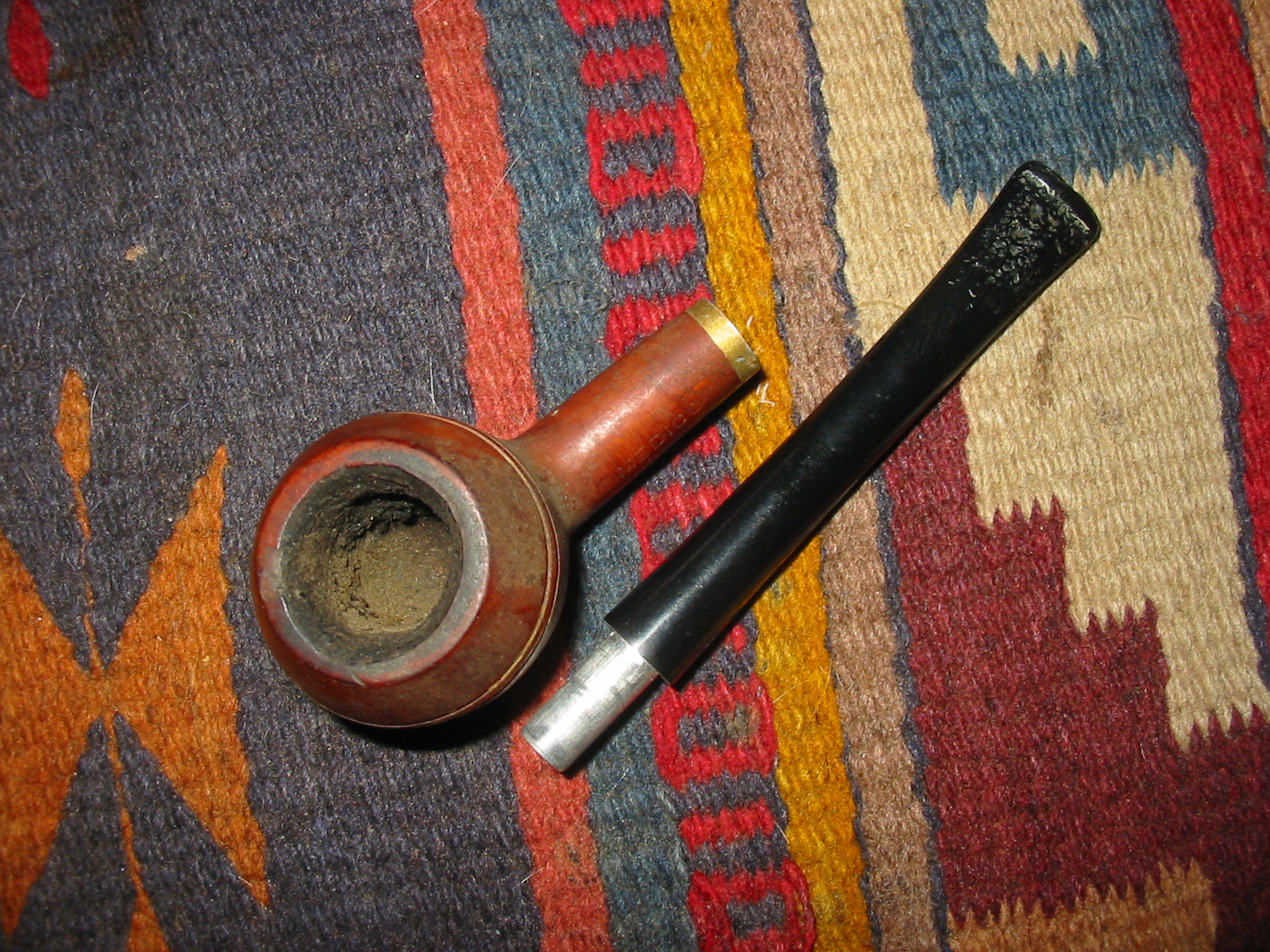
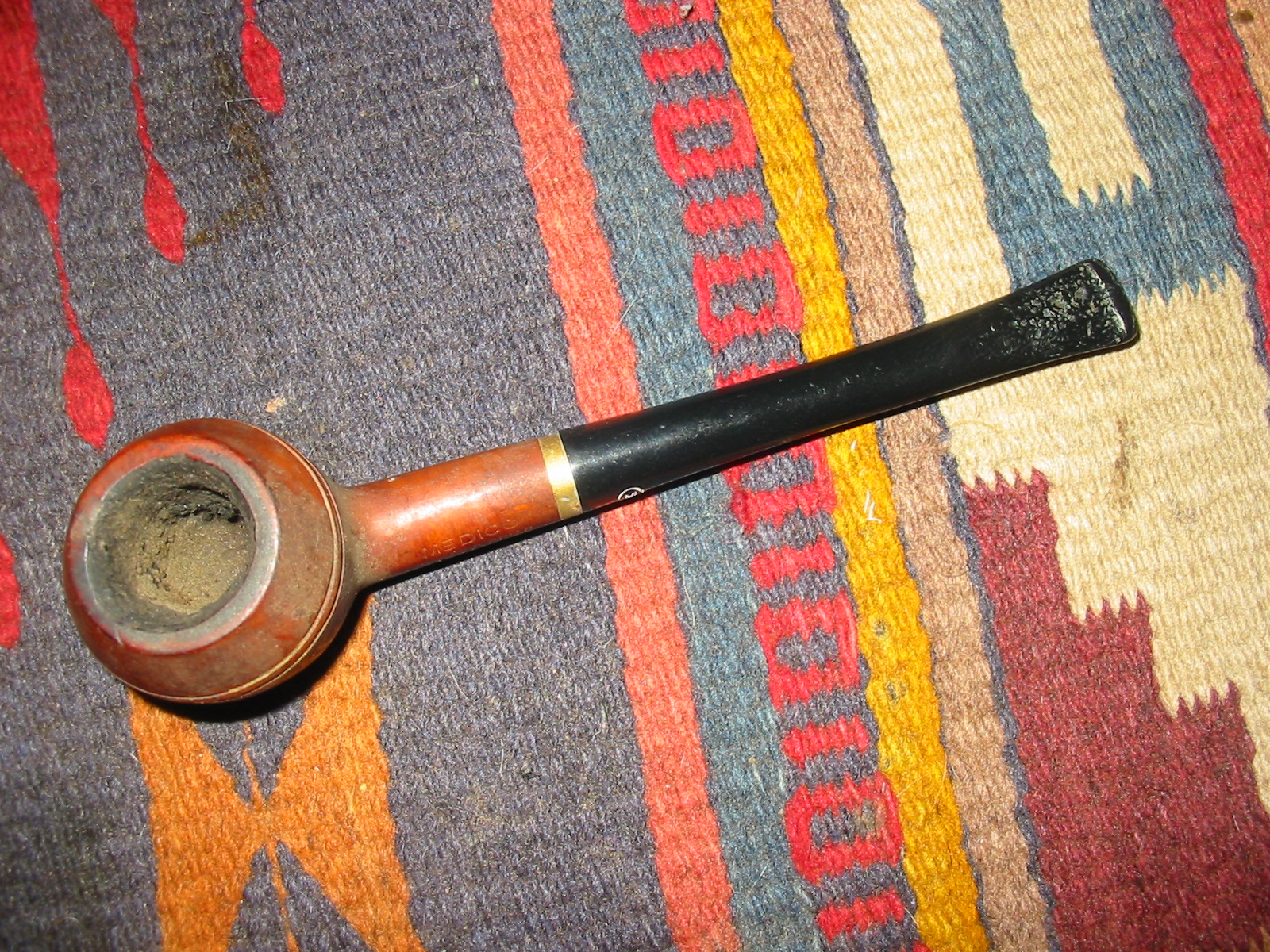
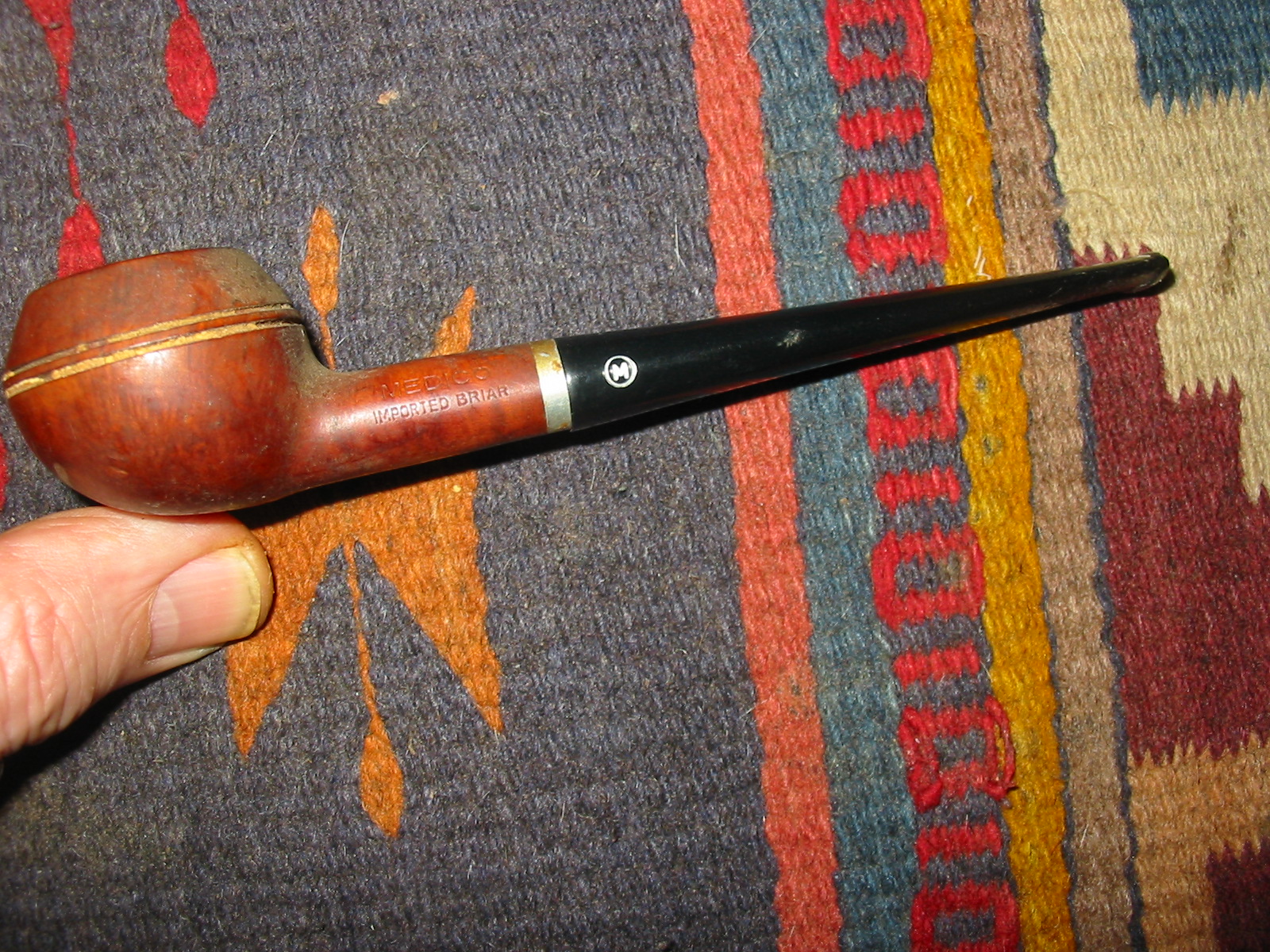
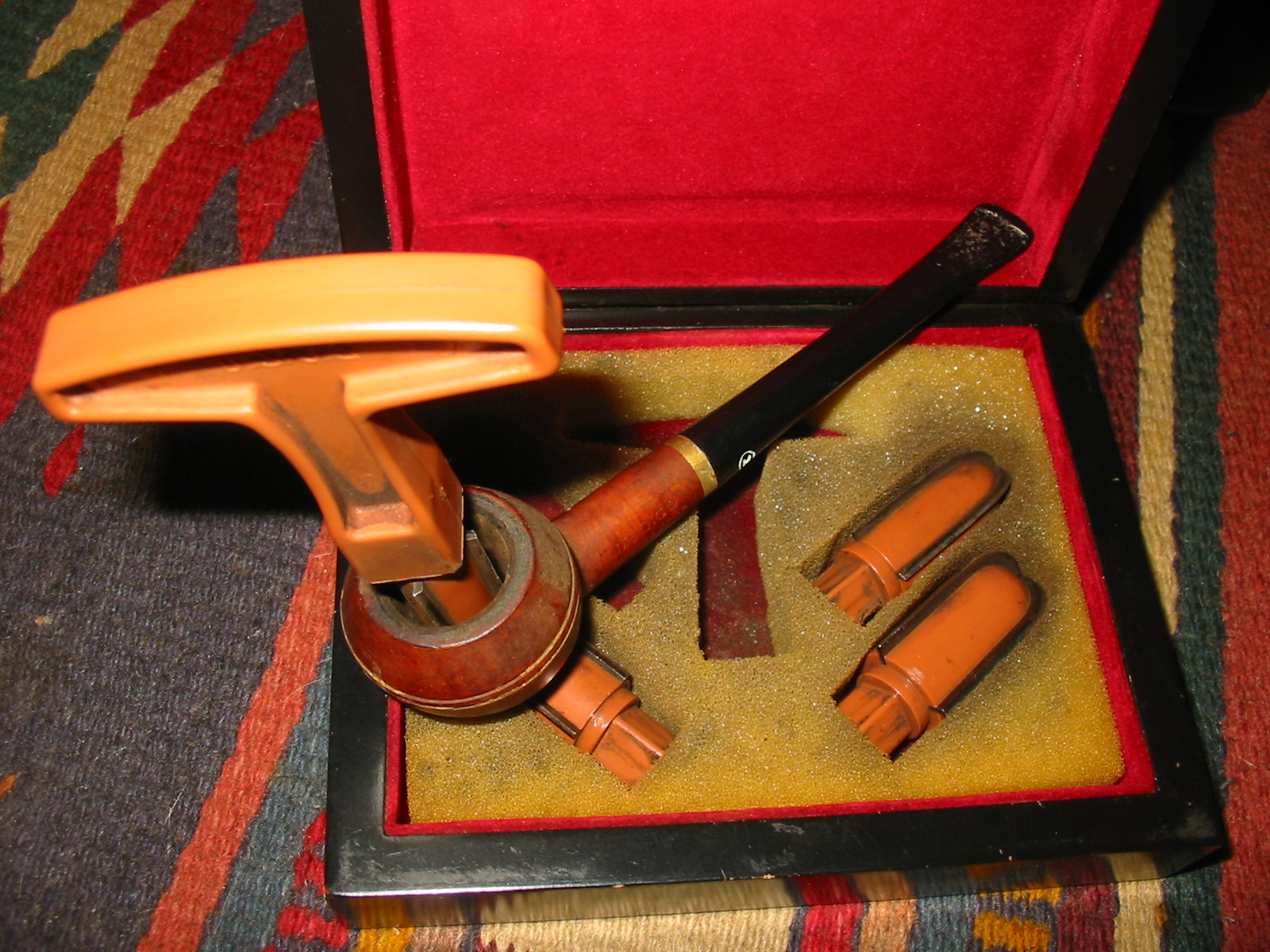
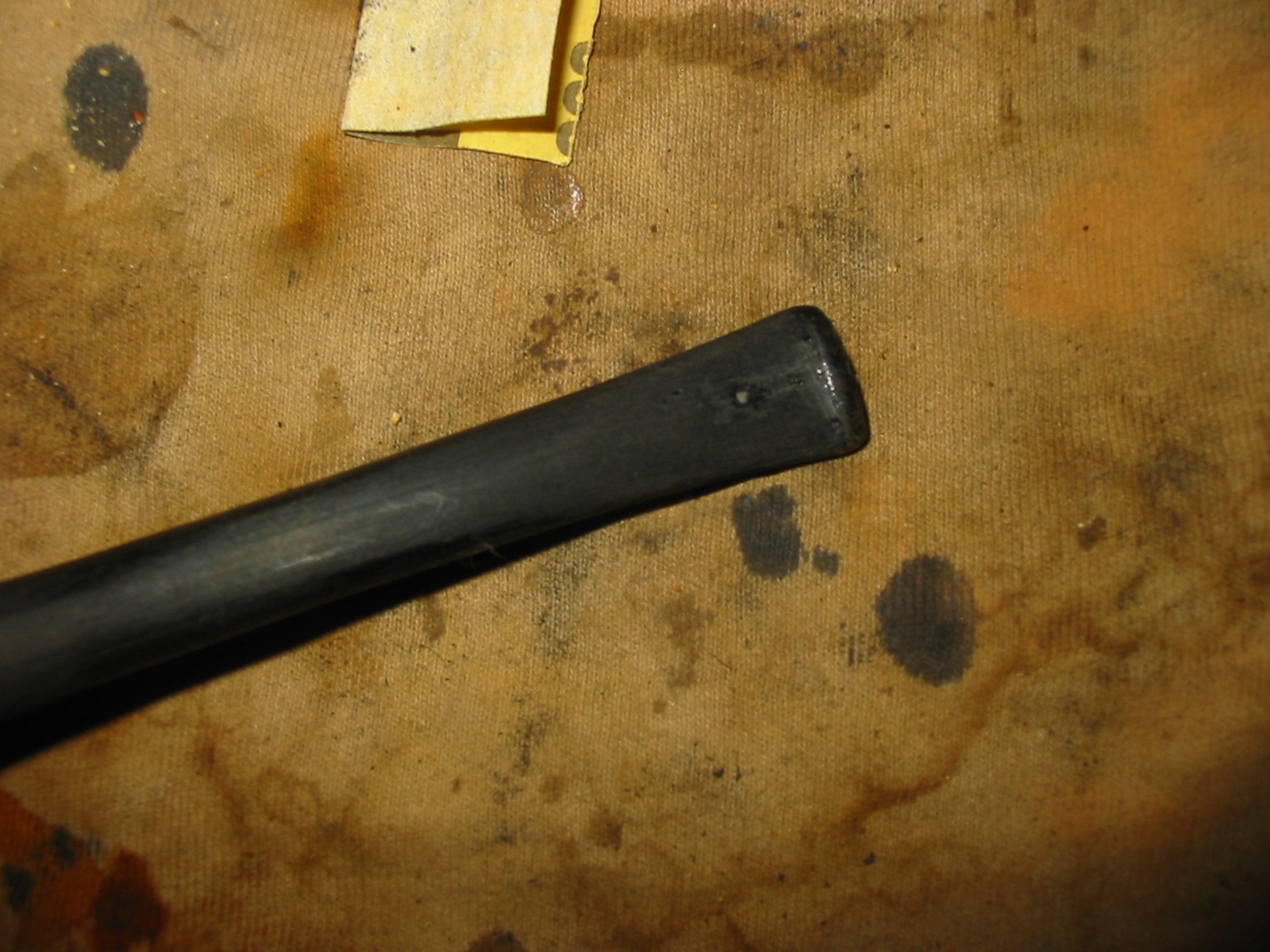
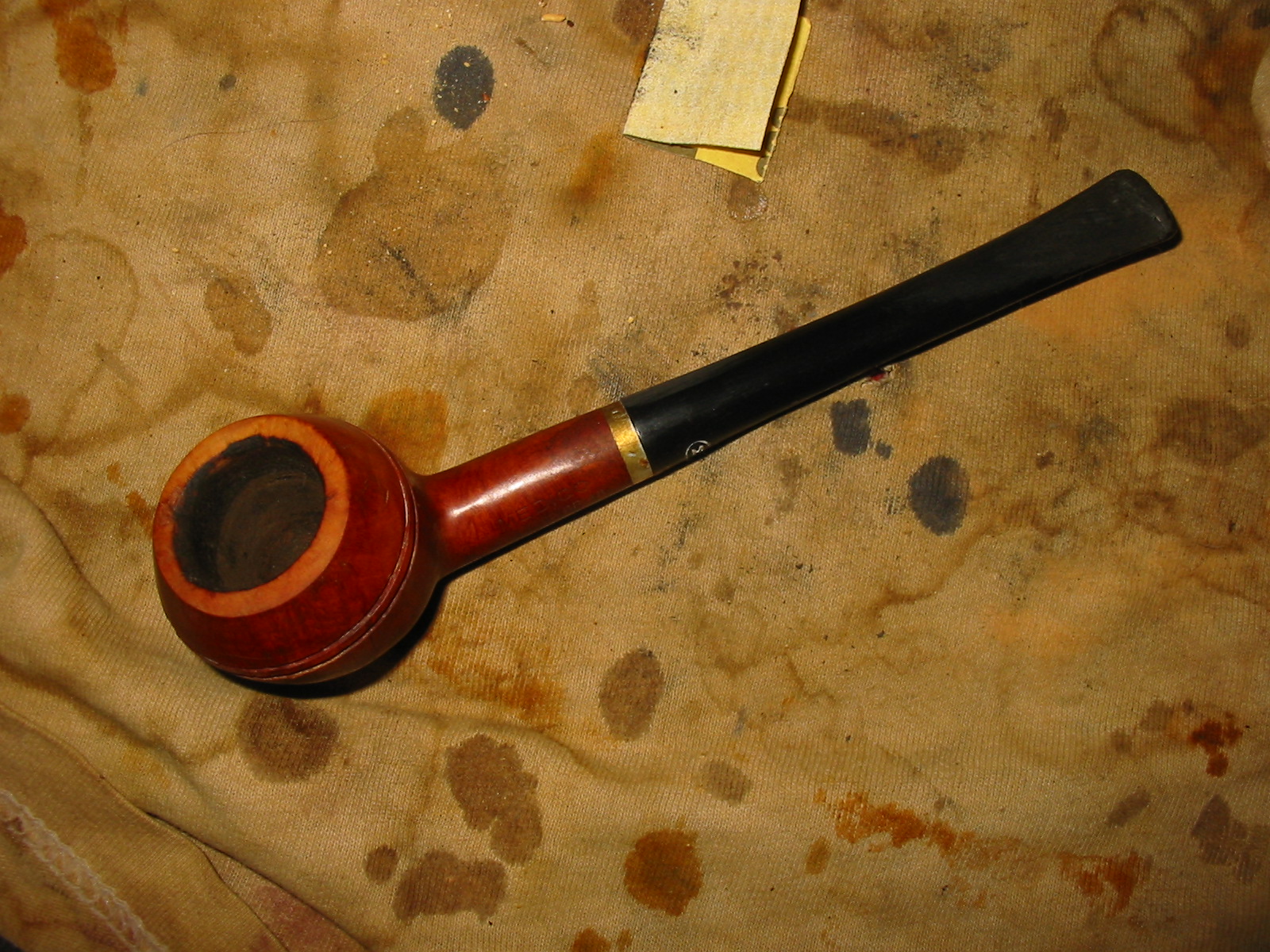
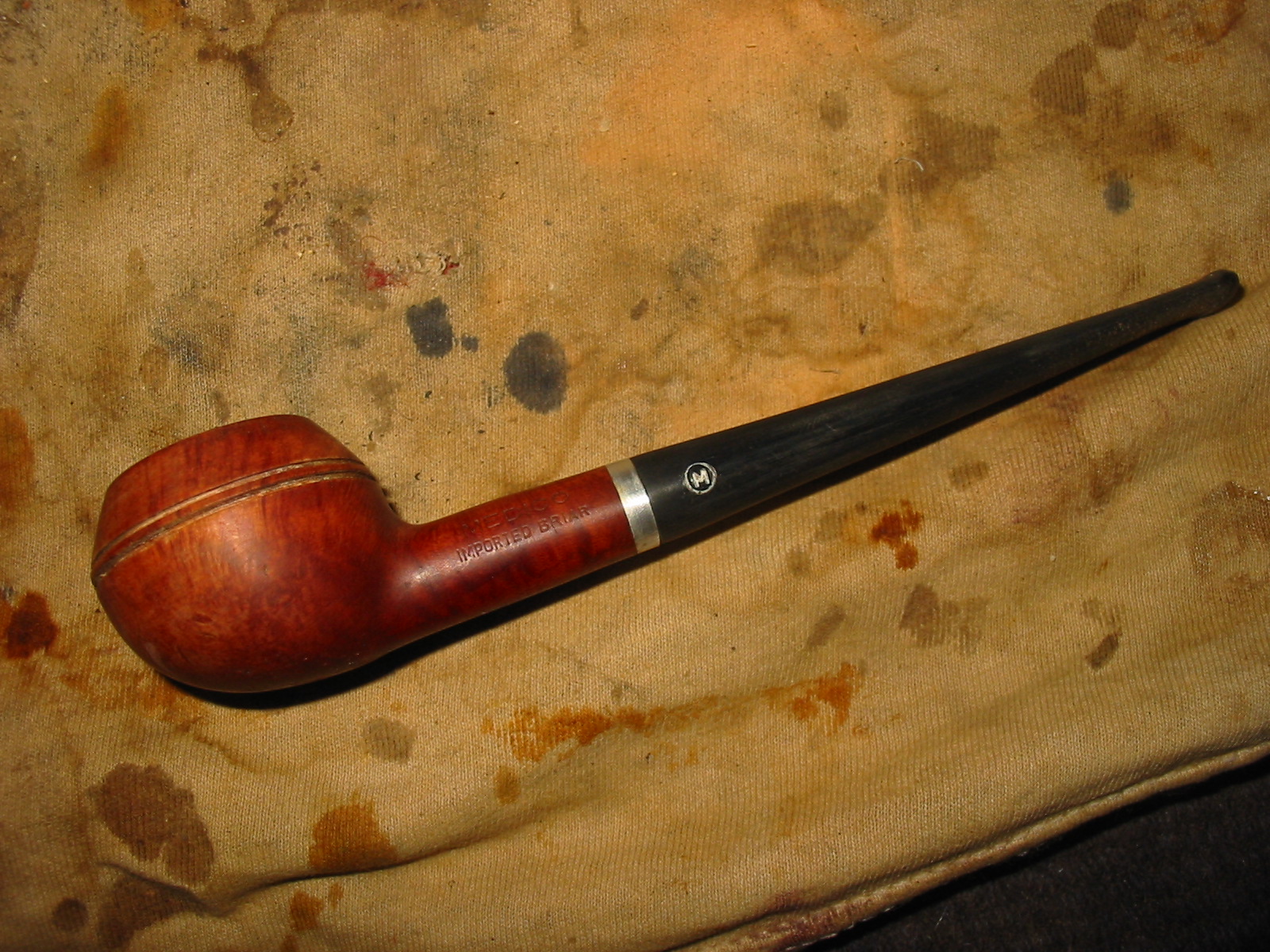
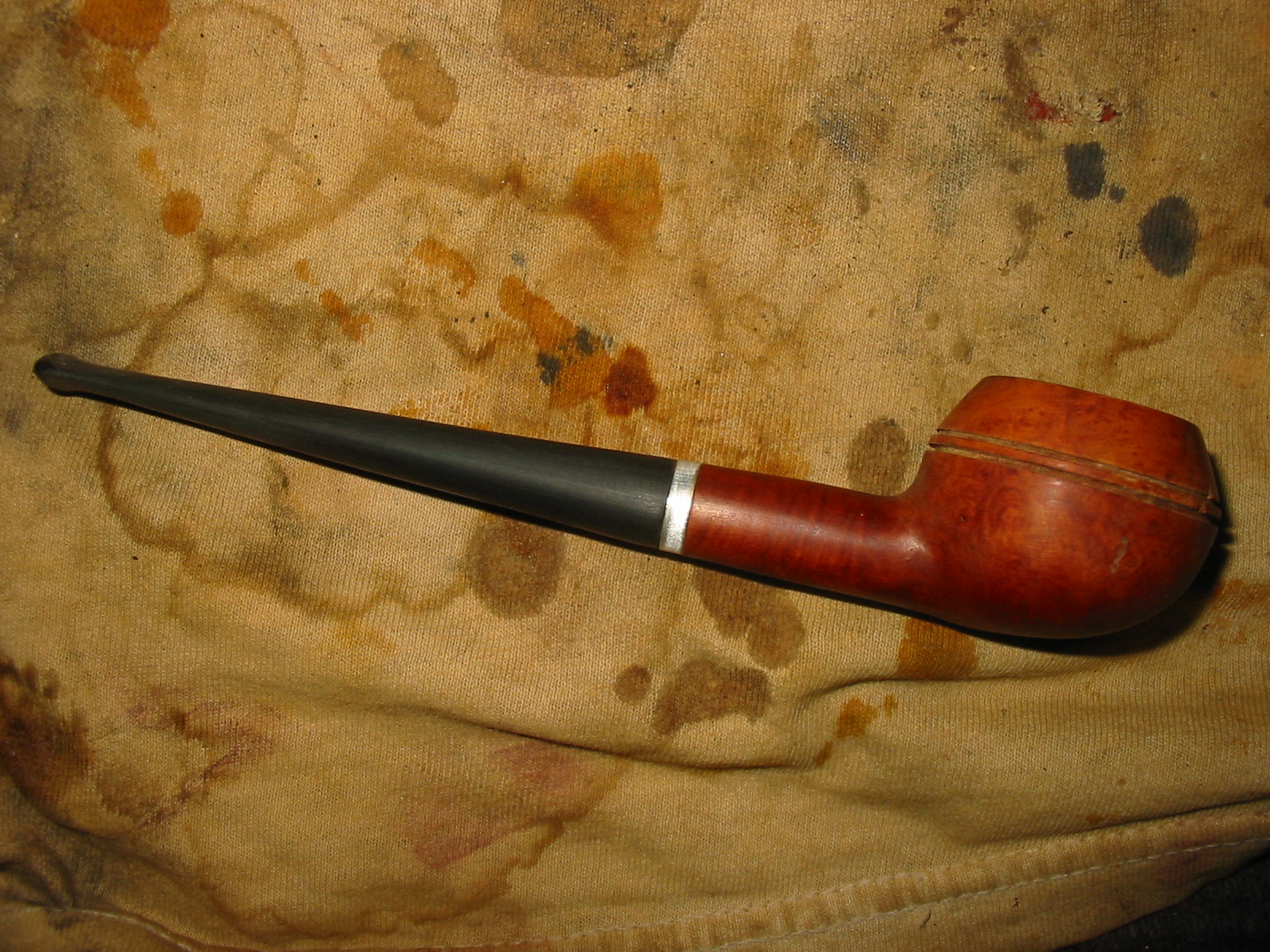
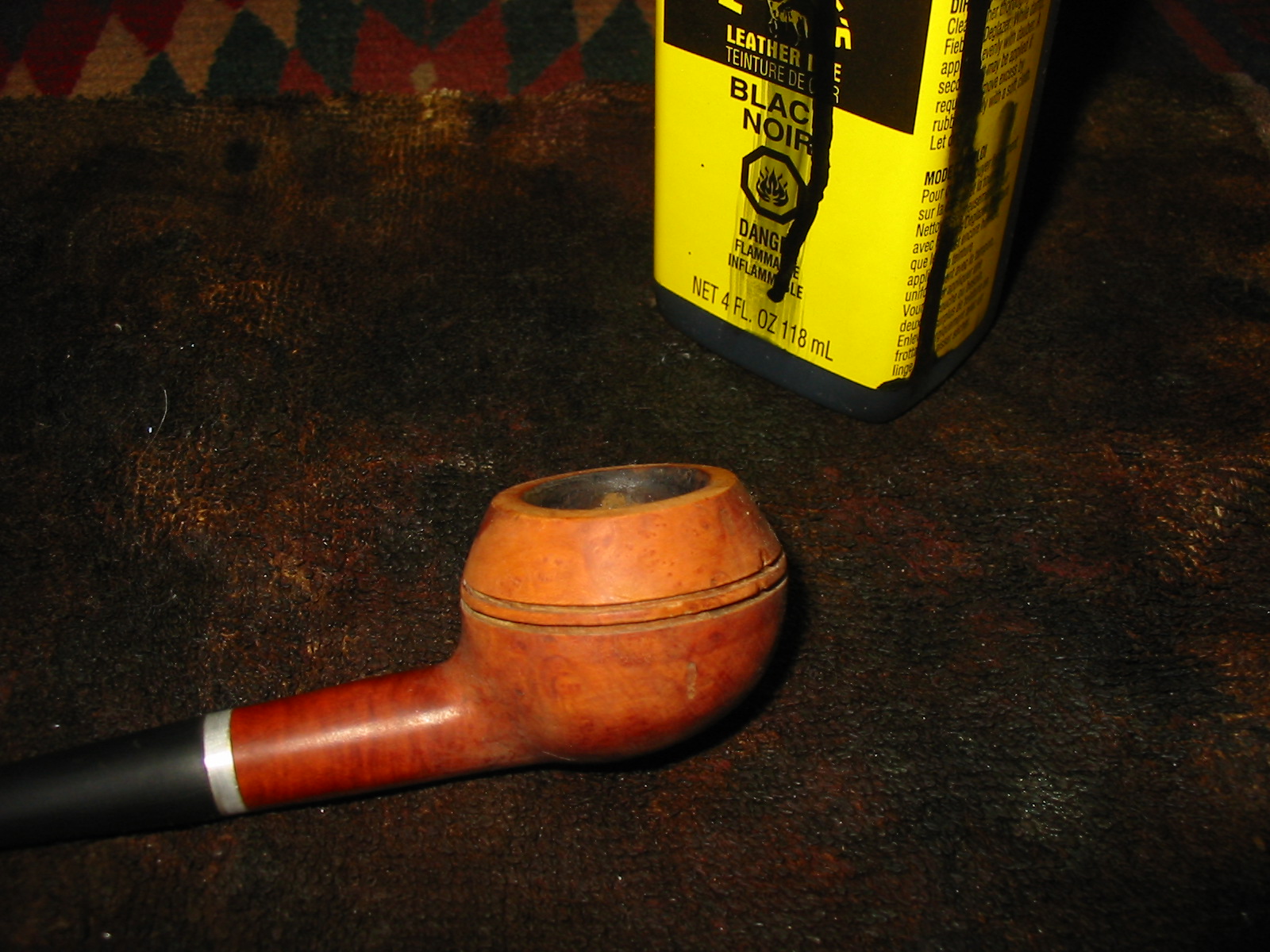
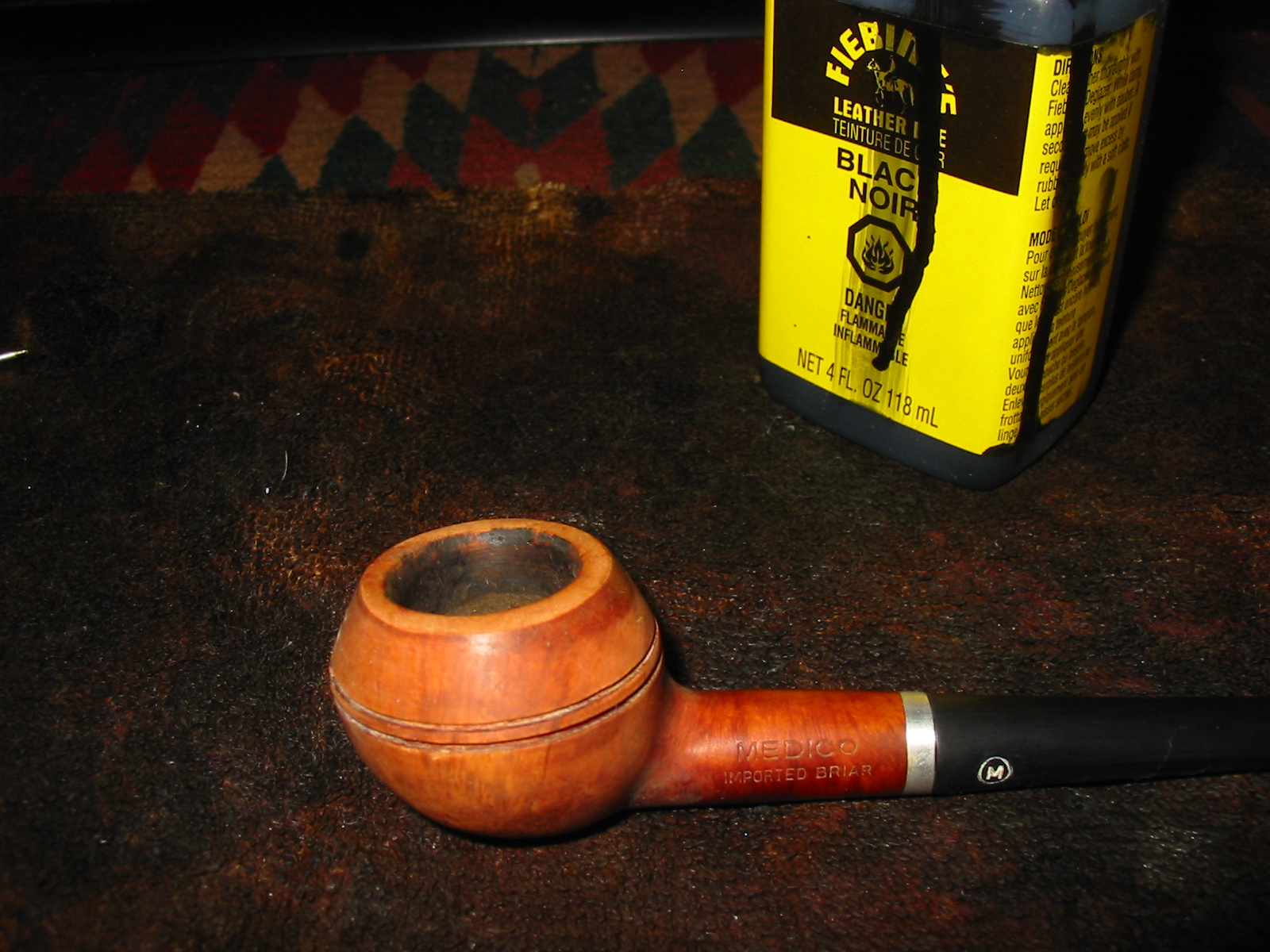
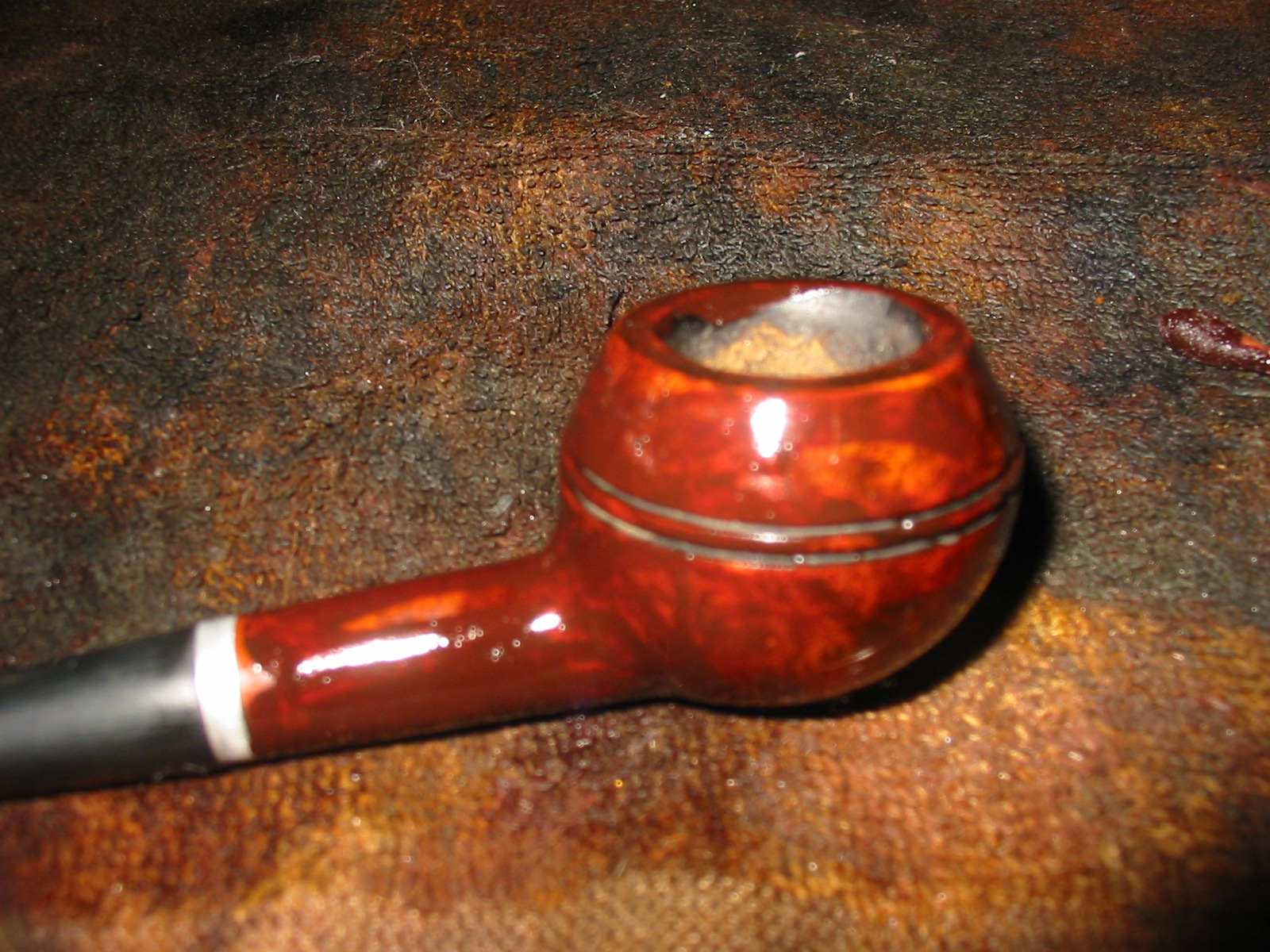
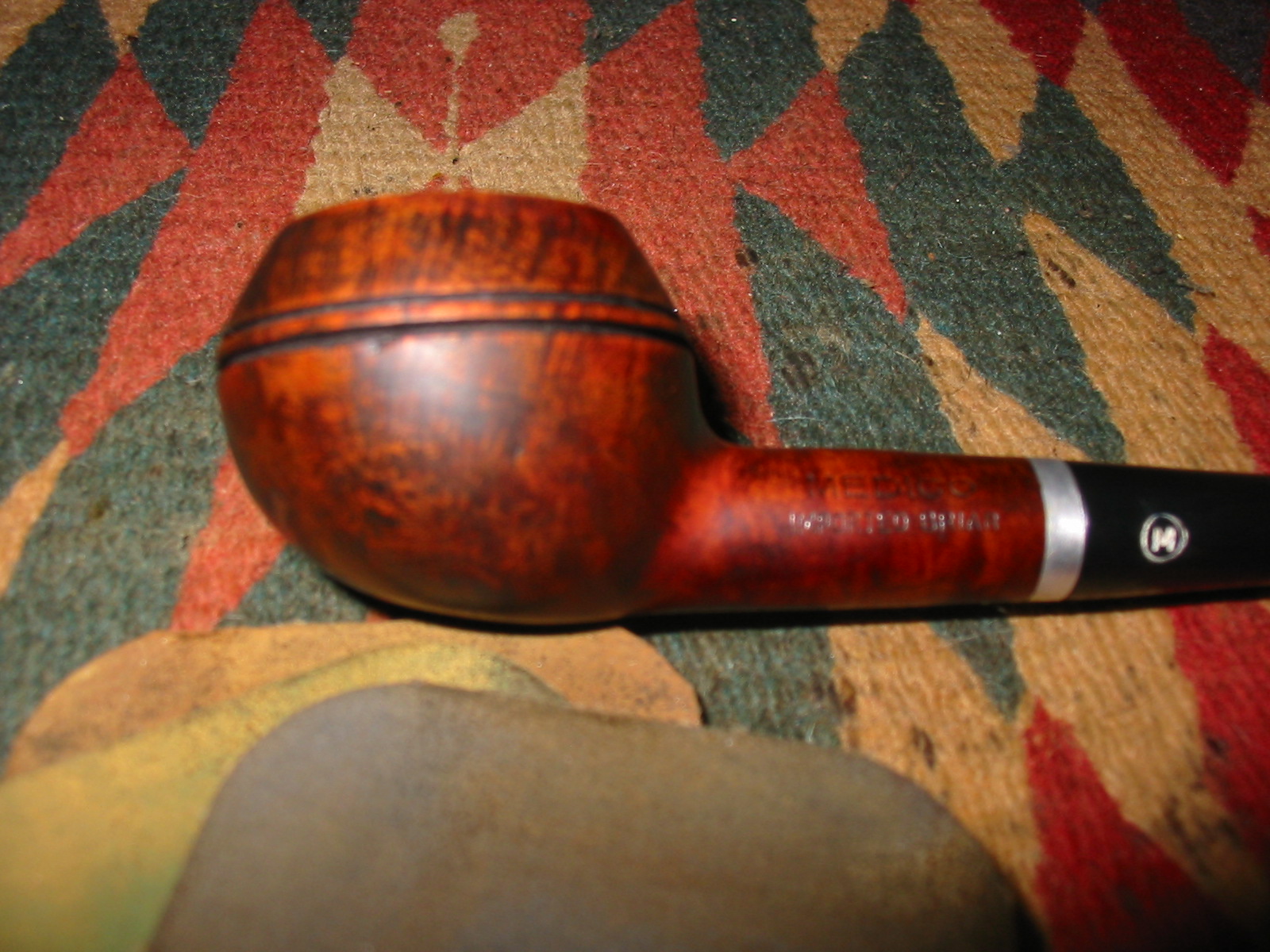
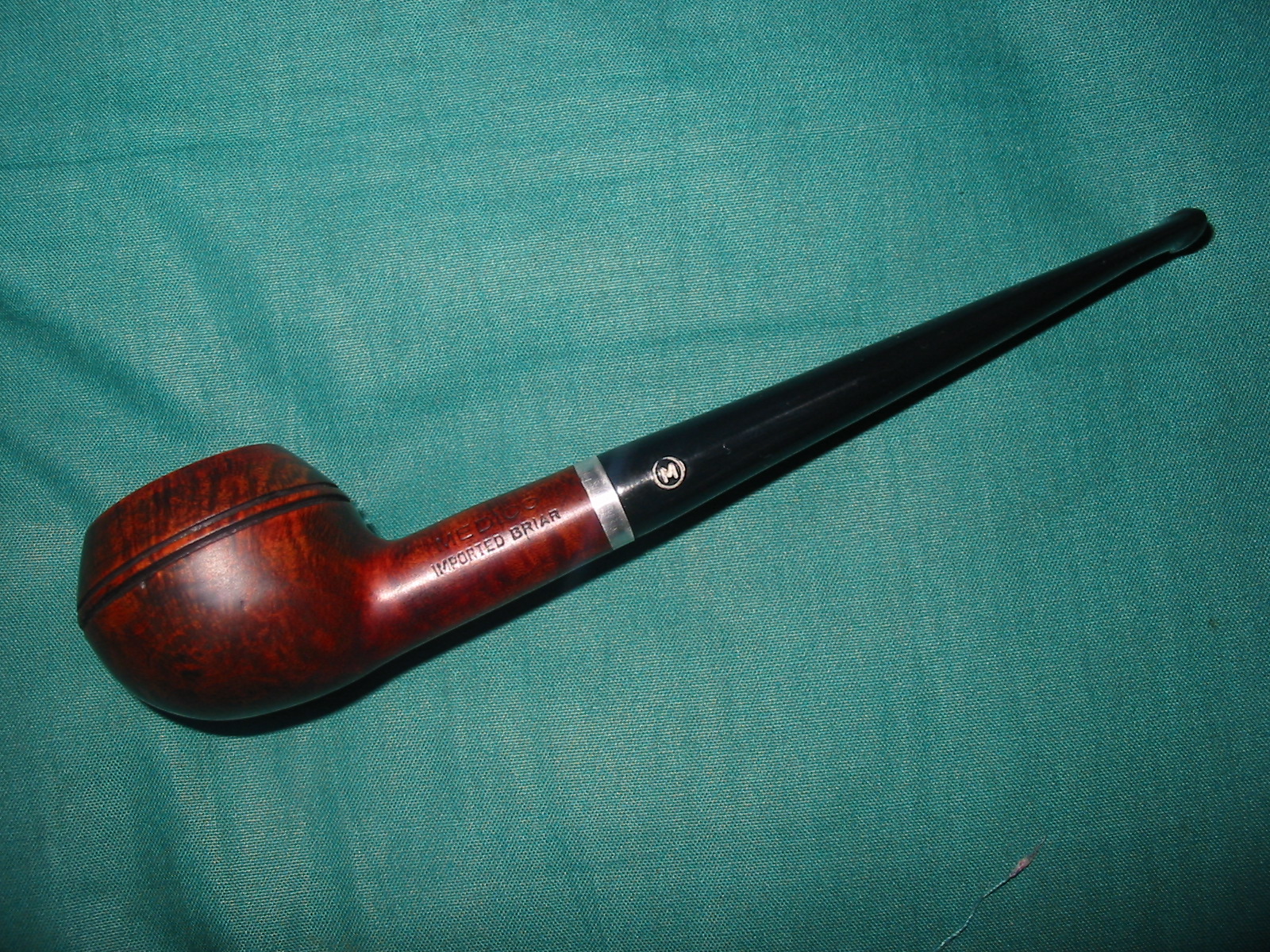
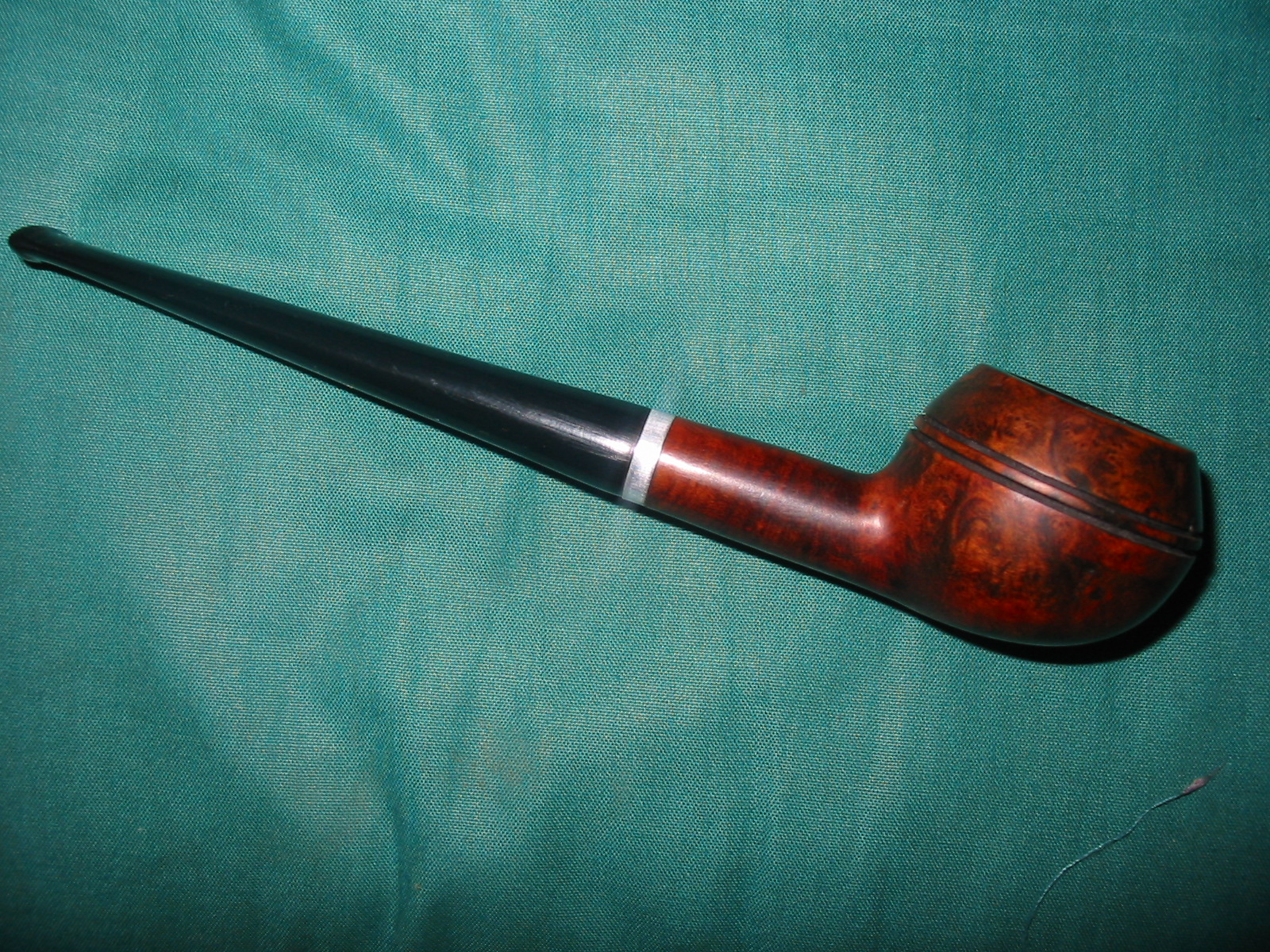
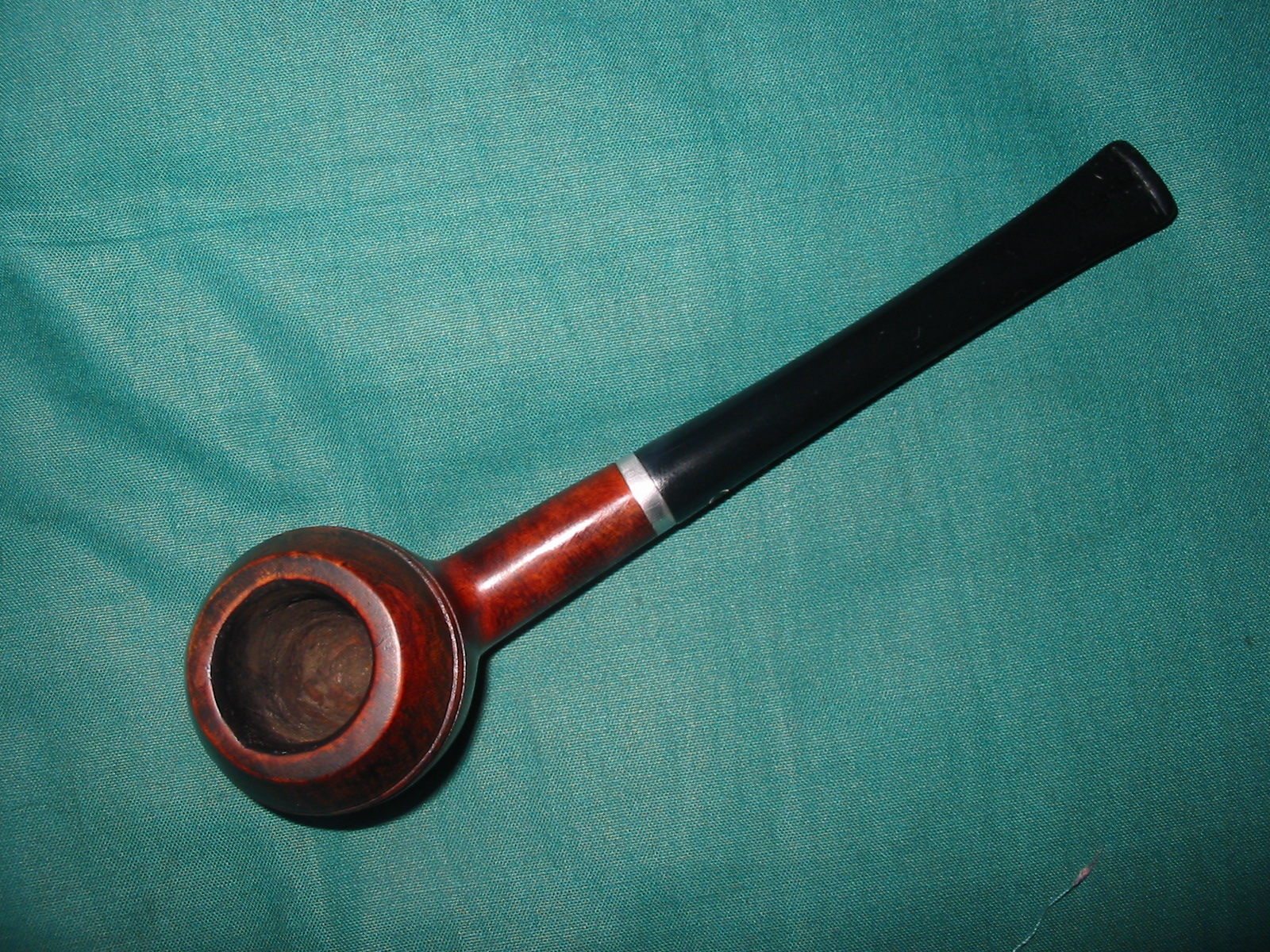
The second pipe I took out of the box of finds from the weekend antique mall score was a little Medico Prince. It is stamped Medico over Imported Briar on the left side of the shank. It had an aluminum band that was coated with a plastic coat that made it appear to be gold. This coating was peeling leaving the band looking unusable. The bowl also did not have a stem. The bowl itself had several fills on the sides and bottom, nicks around the double scored lines on the bowl and the lines themselves were filled in with hard white putty like substance. I am not sure what the purpose of the filling of the lines was but it gave the old pipe a despairing look. The rim was rough and slightly out of round. The cake was built up in the bowl and overflowing onto the rim. I looked through my stem can and found a Medico stem that had originally been on a pipe I made into a Churchwarden. It was from one of my first pipes when I came back to pipes in 1982. The stem was nylon and covered with tooth chatter and deep tooth marks. The metal tenon and the diameter of the stem were a perfect fit. I would only have to make a slight adjustment on the bottom side of the stem and the right side to make the transition smooth.
IMG_6048

IMG_6049

IMG_6050

IMG_6051

IMG_6052
The next series of four photos show the stem in place. The tooth marks are visible on the top and bottom sides of the stem and the shank union on the bottom and right side show the need of adjustment.
IMG_6053

IMG_6054

IMG_6055

IMG_6056
I reamed the bowl with a PipNet reamer to remove the cake so that I could work on the out of round inner edge of the rim.
IMG_6057
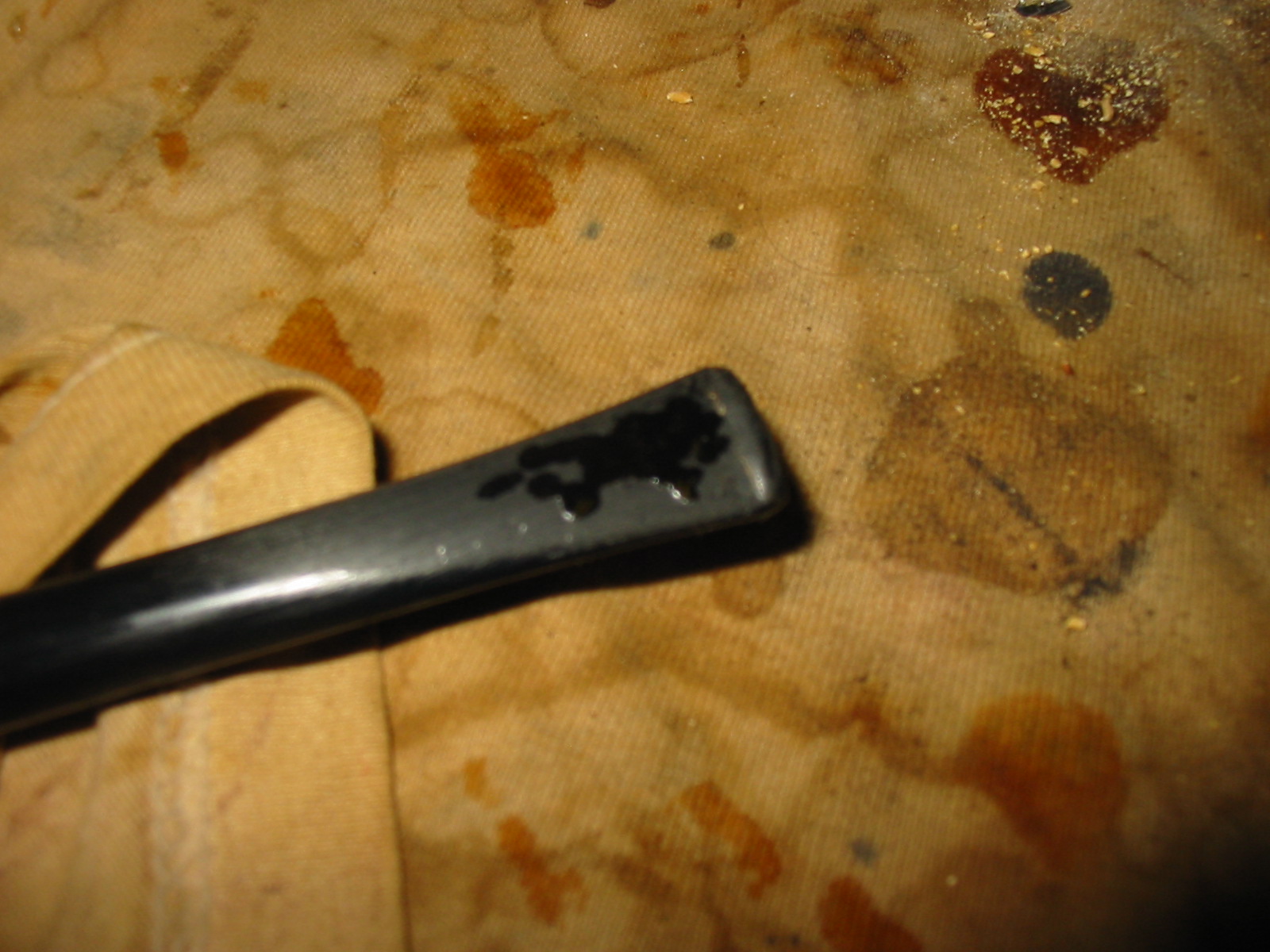
I sanded the tooth chatter on the nylon stem to remove as much of the surface chatter as possible and wiped it down with a wet cotton pad to wipe off the dust. Don’t use acetone or alcohol on nylon stems as they potentially can make a mess of the stem material. I used clear superglue to repair the deep tooth marks because heating the nylon does not raise the dents. It is yet another problem to be avoided as heating only makes the material quite soft and it easily collapses. I repaired the topside first and when it dried I repaired the underside of the stem with the super glue.
IMG_6058
When the glue dried I sanded it with 220 grit sandpaper to smooth out the surface of the stem and blend in the repairs. I sanded until the surface was smooth and the patch was flush with the stem material. I followed that by sanding with a medium and a fine grit sanding sponge to remove the scratches left behind by the sandpaper.
IMG_6062

IMG_6063
I lightly topped the rim to remove the surface damage and to remove some of the damage on the inner edge. I sanded the inner edge with a folded piece of 220 grit sandpaper to smooth out the rough edges and give it a more rounded appearance. I wiped down the bowl and rim with acetone on a cotton pad and then isopropyl on a cotton pad to remove the finish. I used a dental pick to remove the white putty like substance that filled the two parallel bands around the bowl and then wiped it down a final time with alcohol. I also removed the stem and wiped down the aluminum band to remove the plastic coating that was on it.
IMG_6061

IMG_6064

IMG_6065

IMG_6066

IMG_6068
I decided to give the bowl a contrast stain. The first coat of stain was a black aniline stain. I heated the bowl and then applied the stain, flamed it, applied it and flamed it again until the stain coat was even across the bowl. My photos of the black stained bowl did not turn out do to camera failure. For some reason the flash did not work and the four photos of the black stained bowl were not visible. I applied the stain with a wool dauber and made sure that the black stain went into the parallel rings around the bowl.
IMG_6069

IMG_6070

IMG_6071
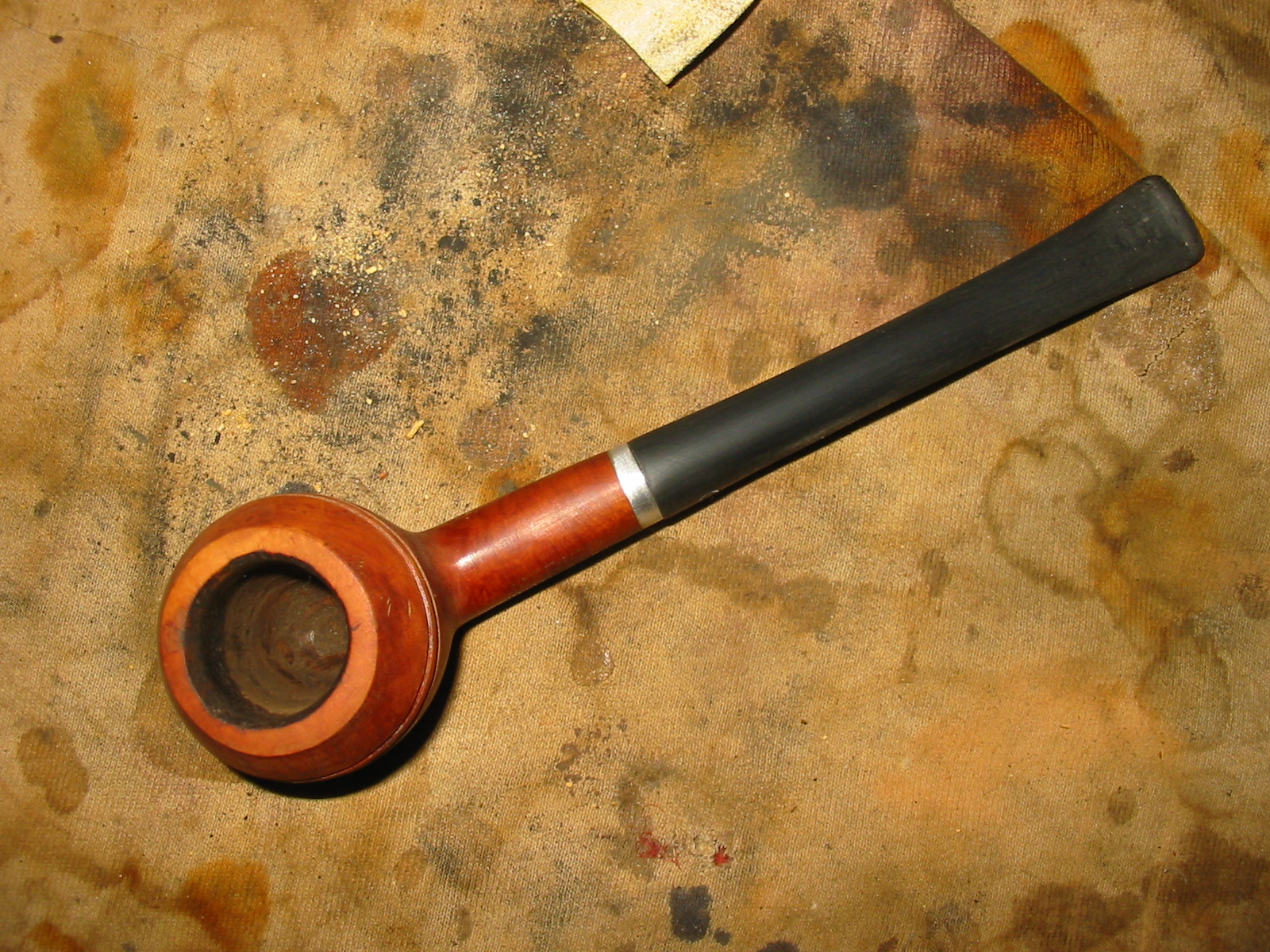
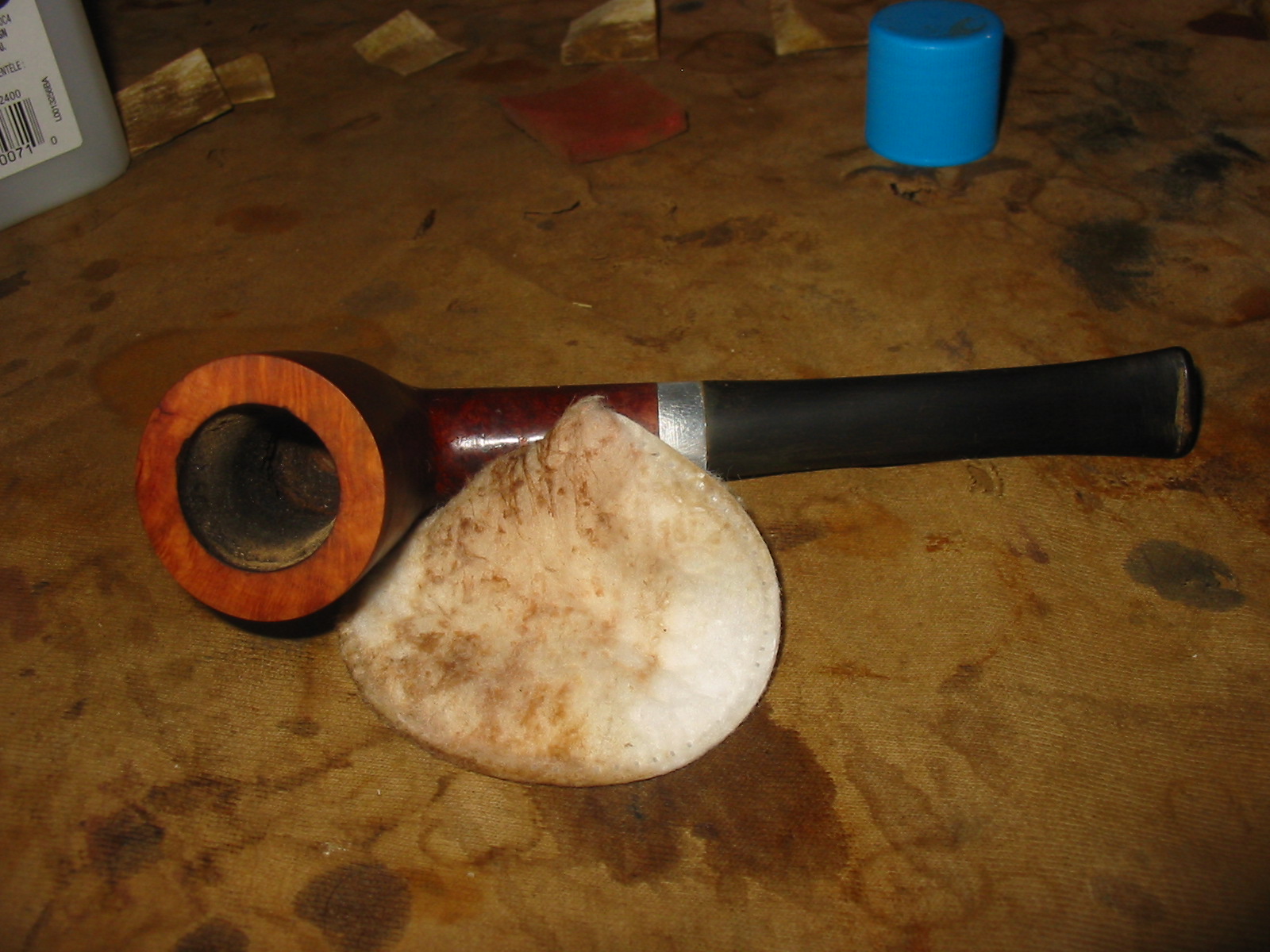
I wiped down the bowl with cotton pads and alcohol to remove the majority of the black stain and to leave it in the deep grain. I buffed the pipe with Tripoli and White Diamond and then wiped it a final time with alcohol. The finish at that point had black deep in the grain of the bowl highlighting the grain variations on the briar. It also served to provide some blending for the fills that were obvious on the bottom of the bowl. I sanded the bowl with a fine grit sanding sponge and 1500-2400 grit micromesh sanding pads to further remove the top finish. Once it was done I gave the bowl a coat of oxblood stain as a topcoat. I wanted the red stain to highlight the red of the briar and to be a contrast to the black grain on the bowl.
IMG_6072

IMG_6073
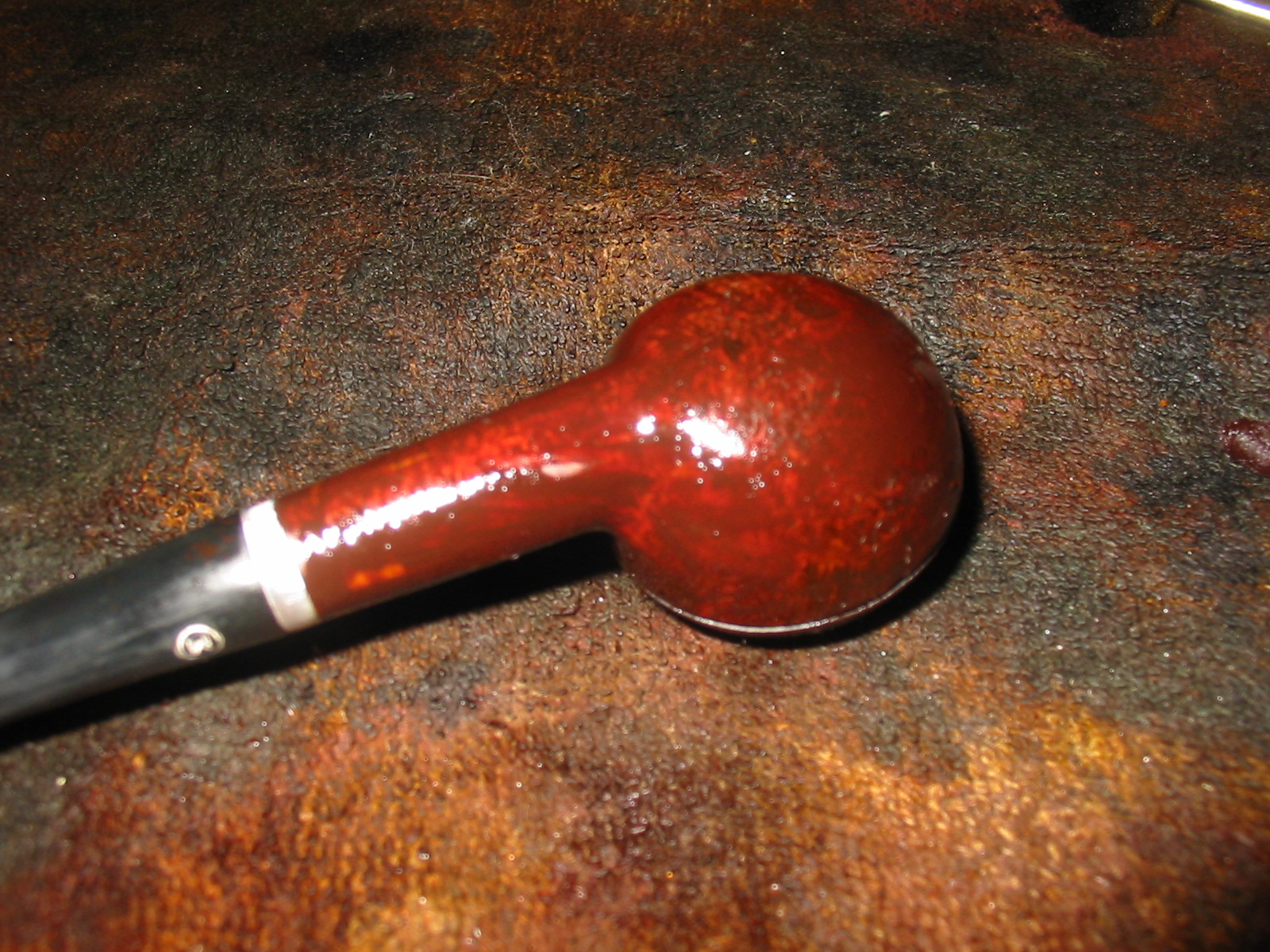
After the stain was applied I wiped it off with a rag and hand polished the bowl. The contrasting stains went a long way toward giving the pipe a great look and blending the fills into the background of the bowl.
IMG_6077

IMG_6078

IMG_6079

IMG_6080
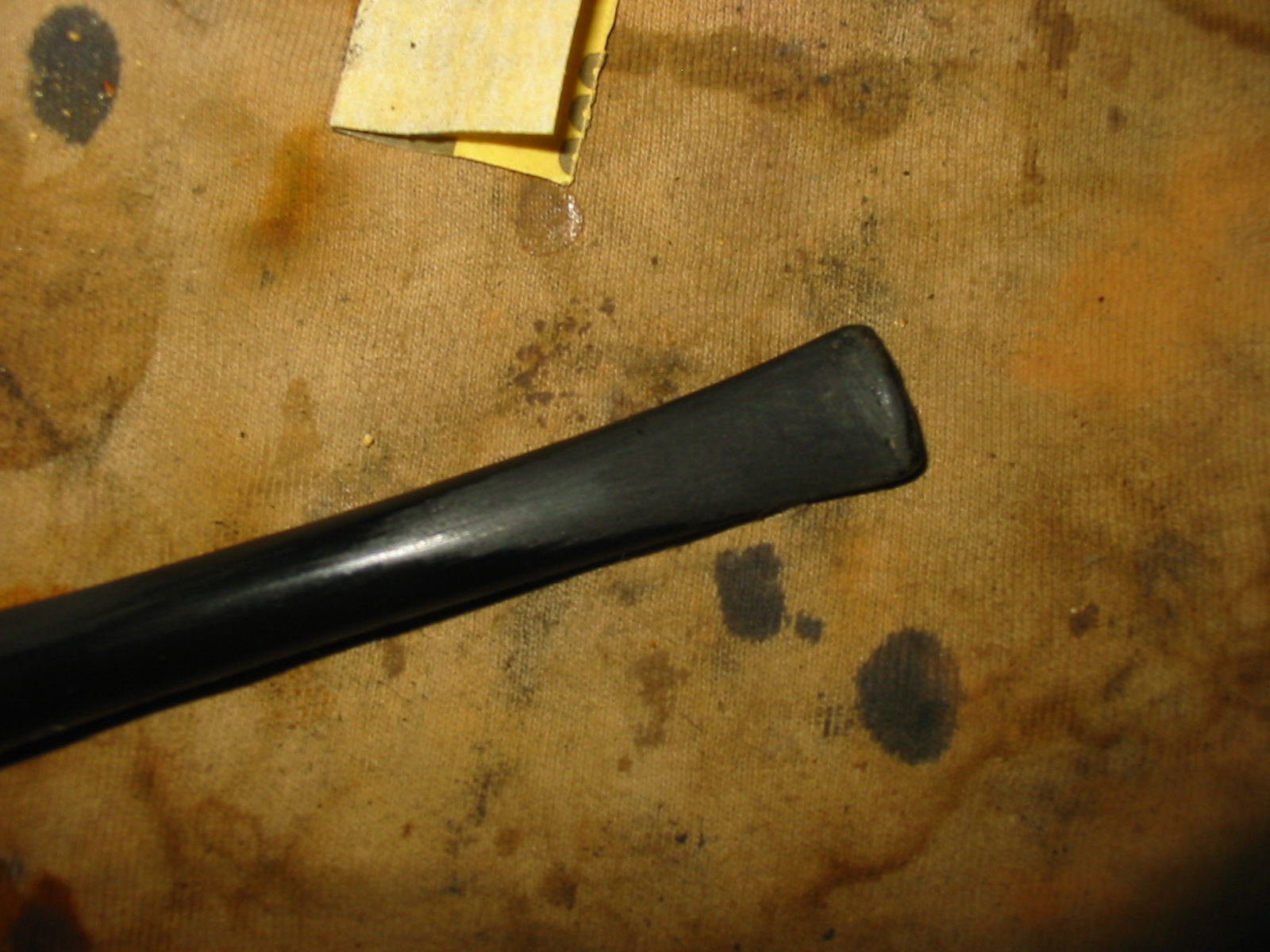
I sanded the stem with medium and fine grit sanding sponges and then followed up that with my usual stack of micromesh sanding pads – wet sanding with 1500-2400 grit pads and dry sanding with 3200-12000 grit pads. The progressive rich blackness of the nylon is revealed with each successive set of sanding pads.
IMG_6074

IMG_6075

IMG_6081

IMG_6082
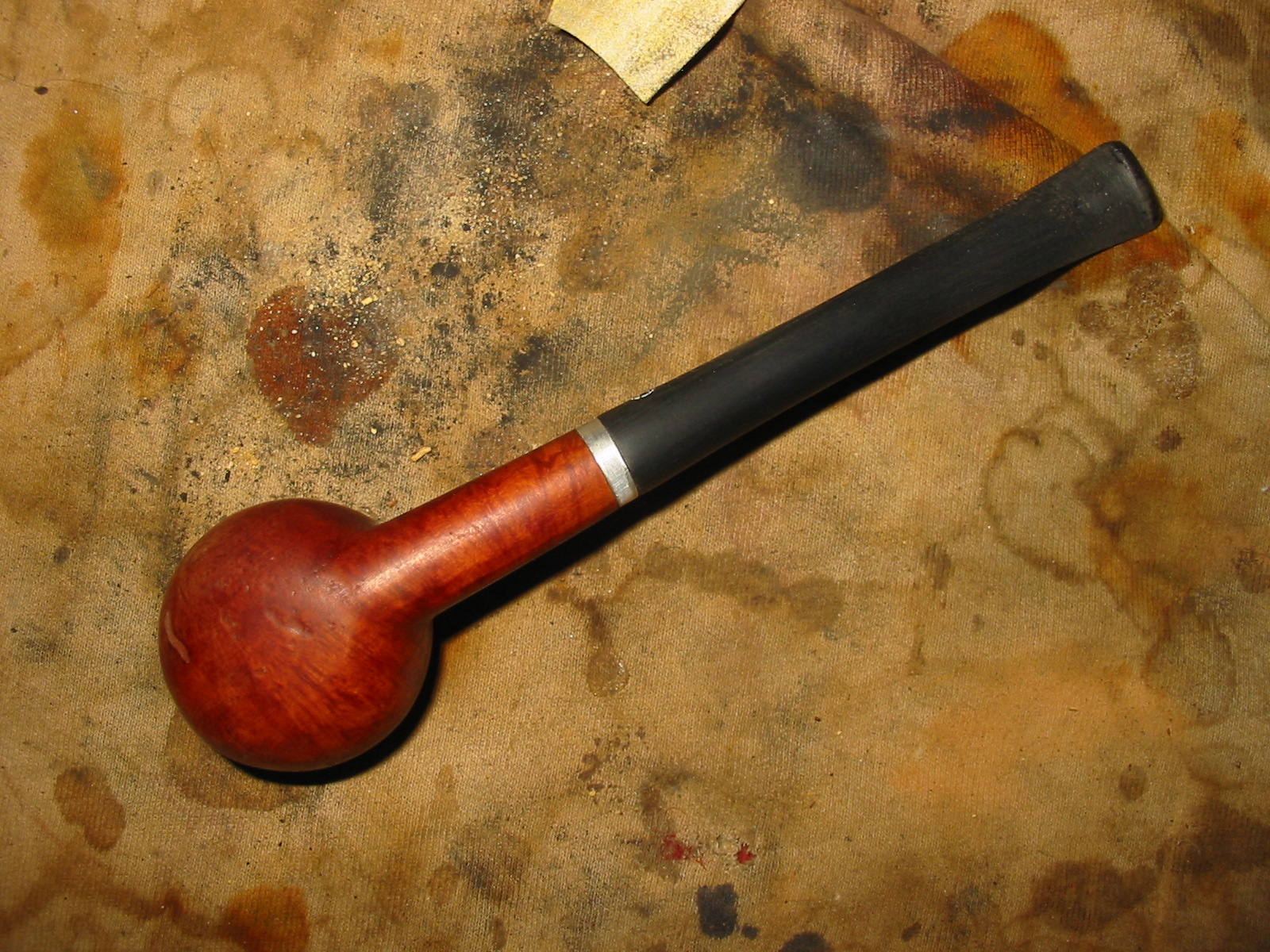
When I finished sanding I rubbed the stem down with Obsidian Oil and then gave it multiple coats of Paragon Wax and hand buffed it. I reinserted it in the shank and gave the entire pipe a light buff with White Diamond and then gave the bowl multiple coats of carnauba wax. I am very careful with nylon stems on the buffer after having several of them damaged by the heat of the wheel and having to start over. I have learned to hand buff the stems and if I am using the wheel at all with them to do it lightly and quickly. The finished pipe is pictured below. It is as good as new and ready to provide a good smoke to the next pipeman who carries on the trust.
IMG_6086

IMG_6088

IMG_6089

IMG_6090

A “King’s Imperial” Opera Pipe Reborn


Blog by Steve Laug

Looking over my latest box of pipes that I picked up at an antique mall in Edmonton, I chose to work on one that did not need to be restemmed and had a bit of a mystery attached to it. In the photo below it on the right side just above the batch of stems that were included in the purchase. It was hard to read the stamping while I was in the shop as I had forgotten to bring along a loop to examine it but I could read Made in London England stamped on the underside of the shank near the stem. It was priced at $20 which I figured it was worth in this condition so I added it to the lot.
Pipe finds2
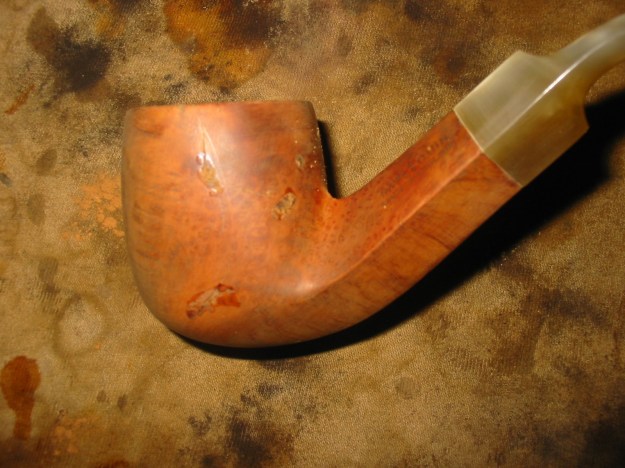
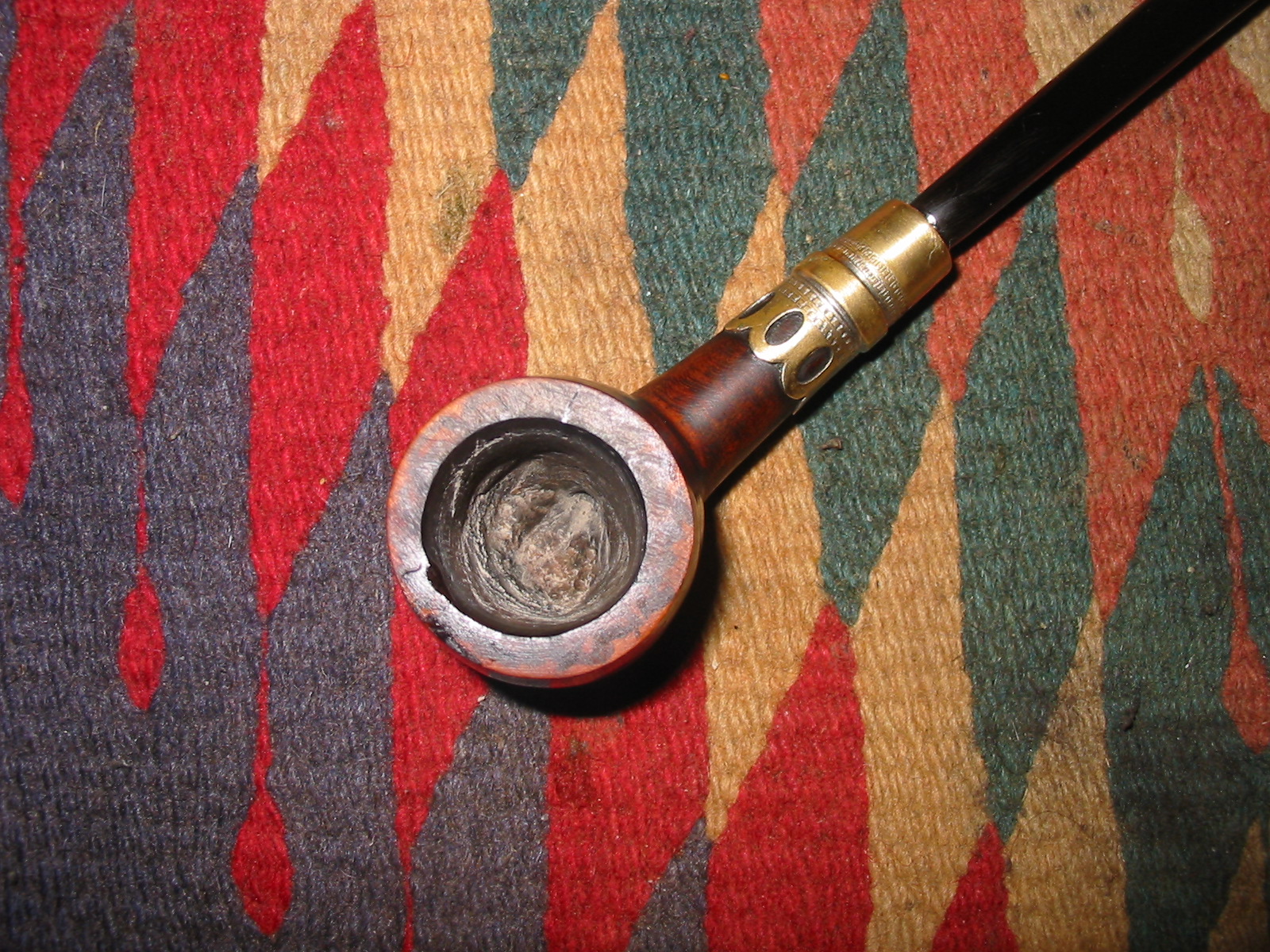
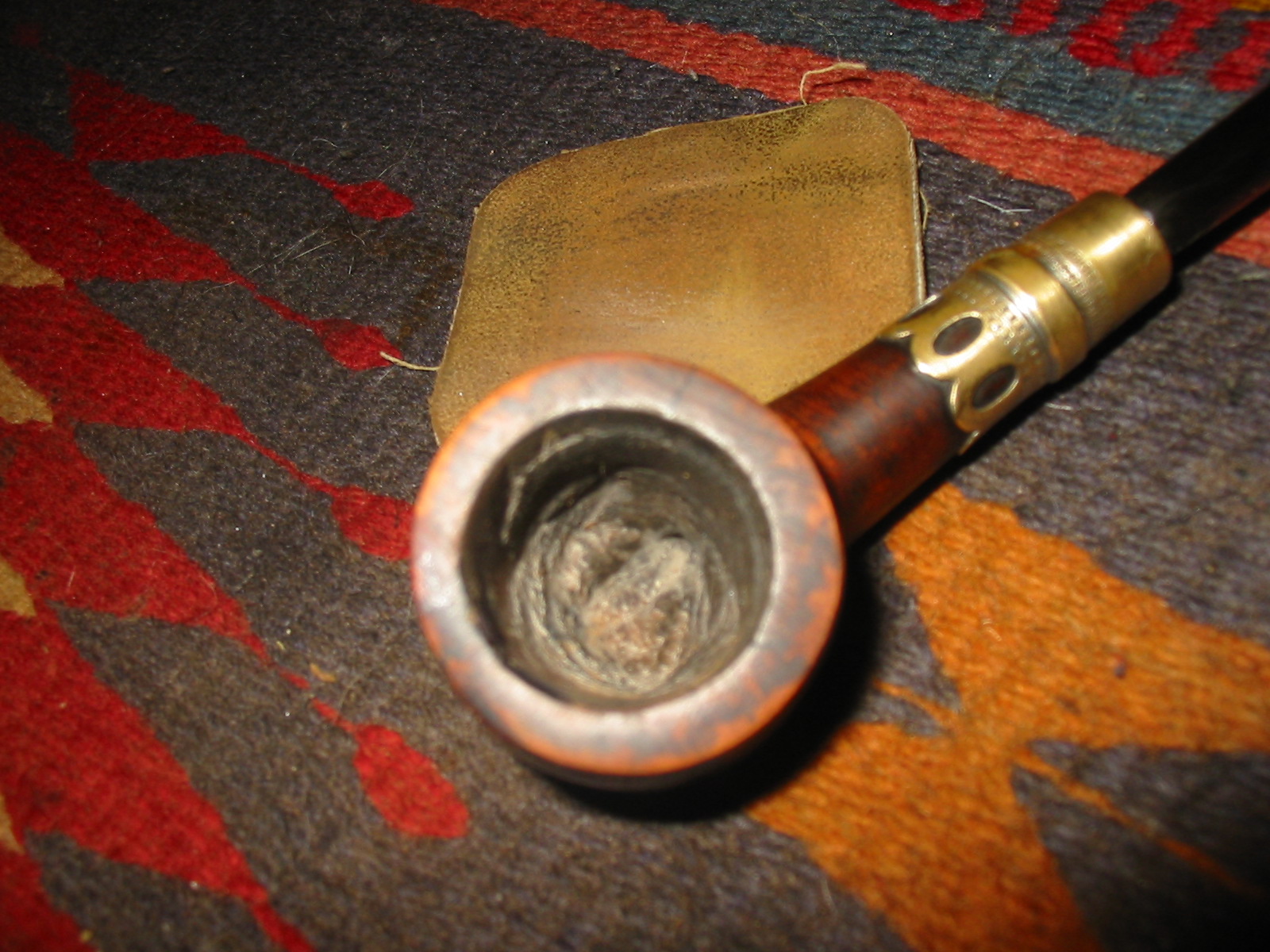
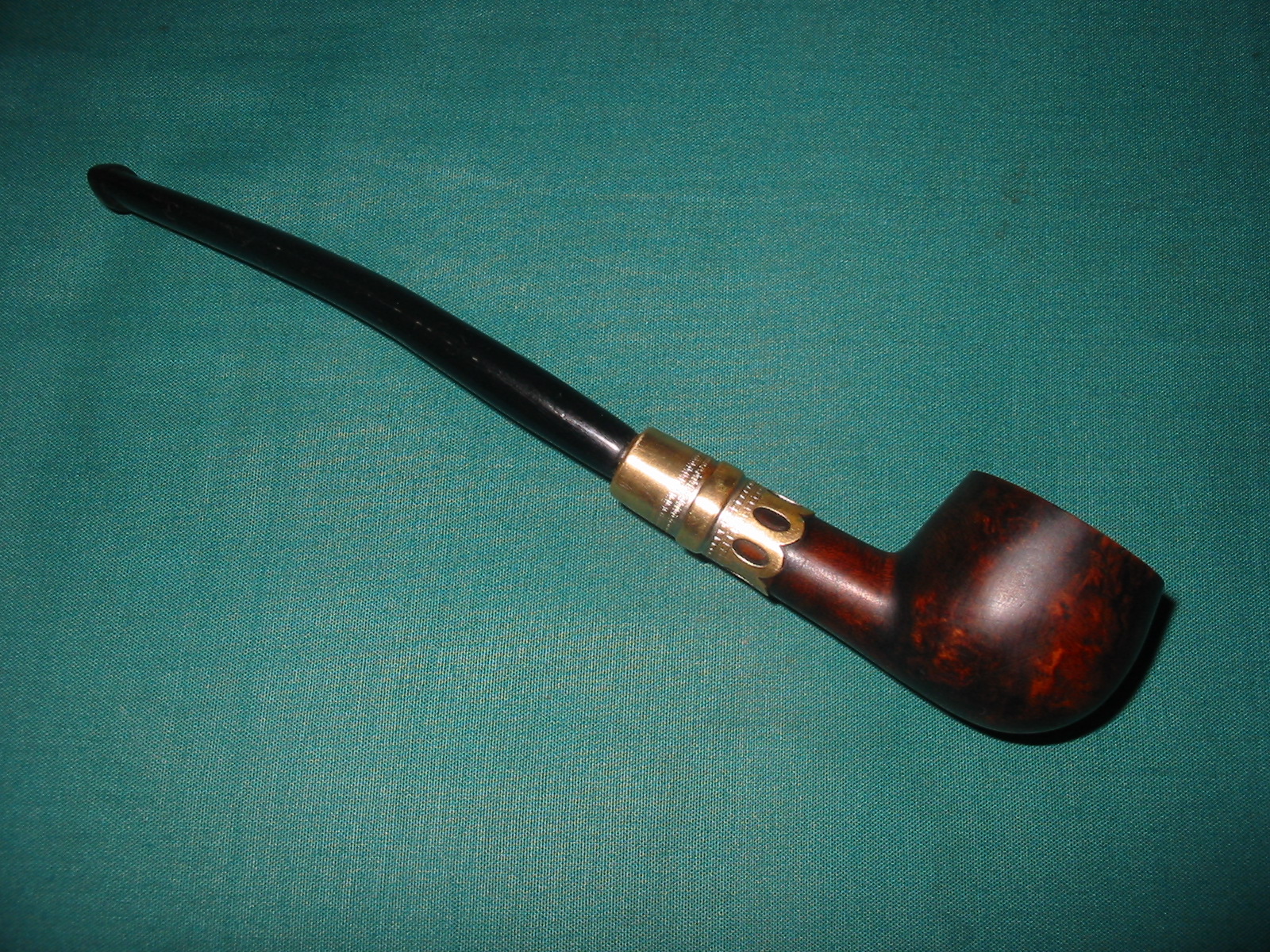
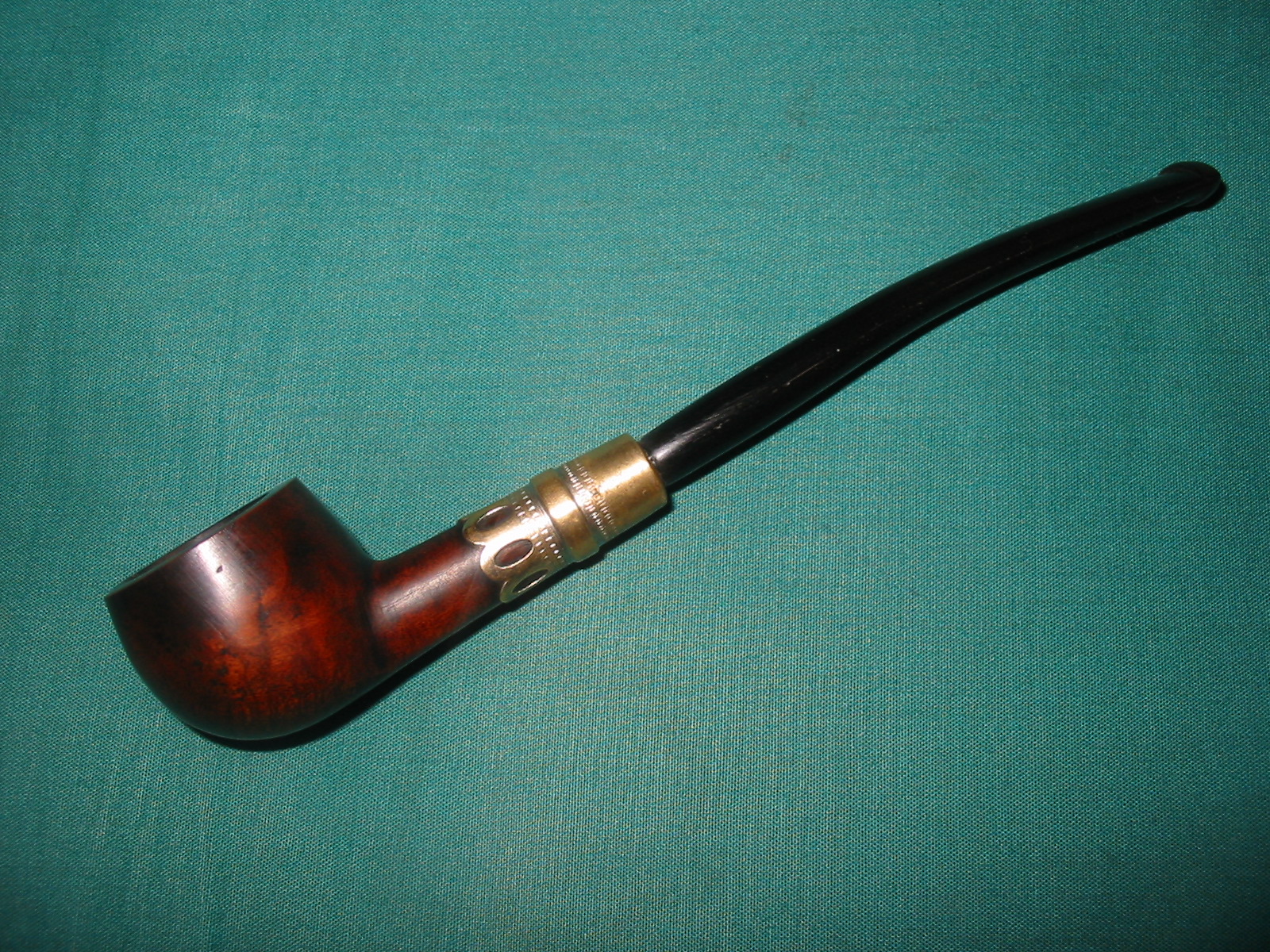
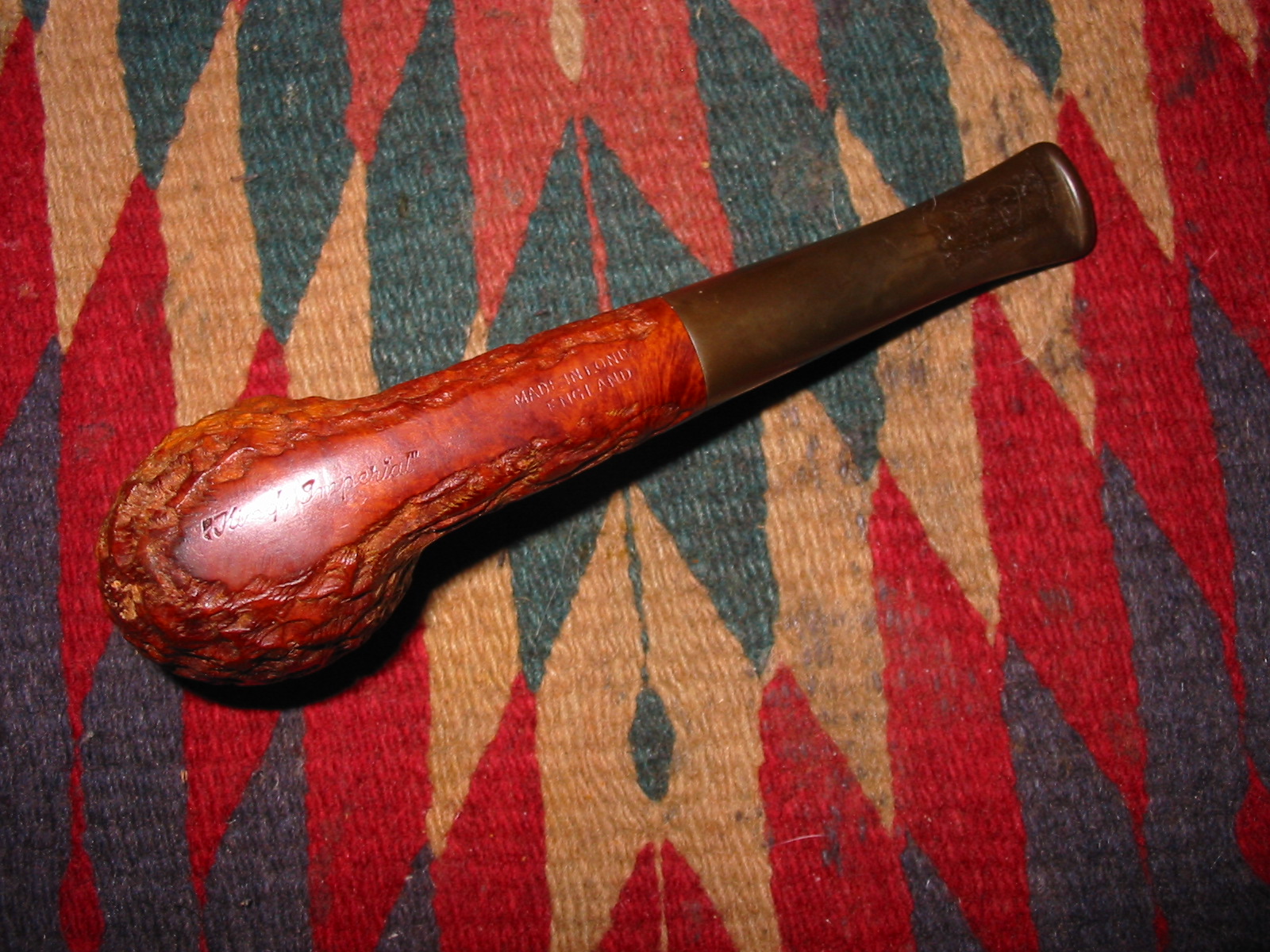
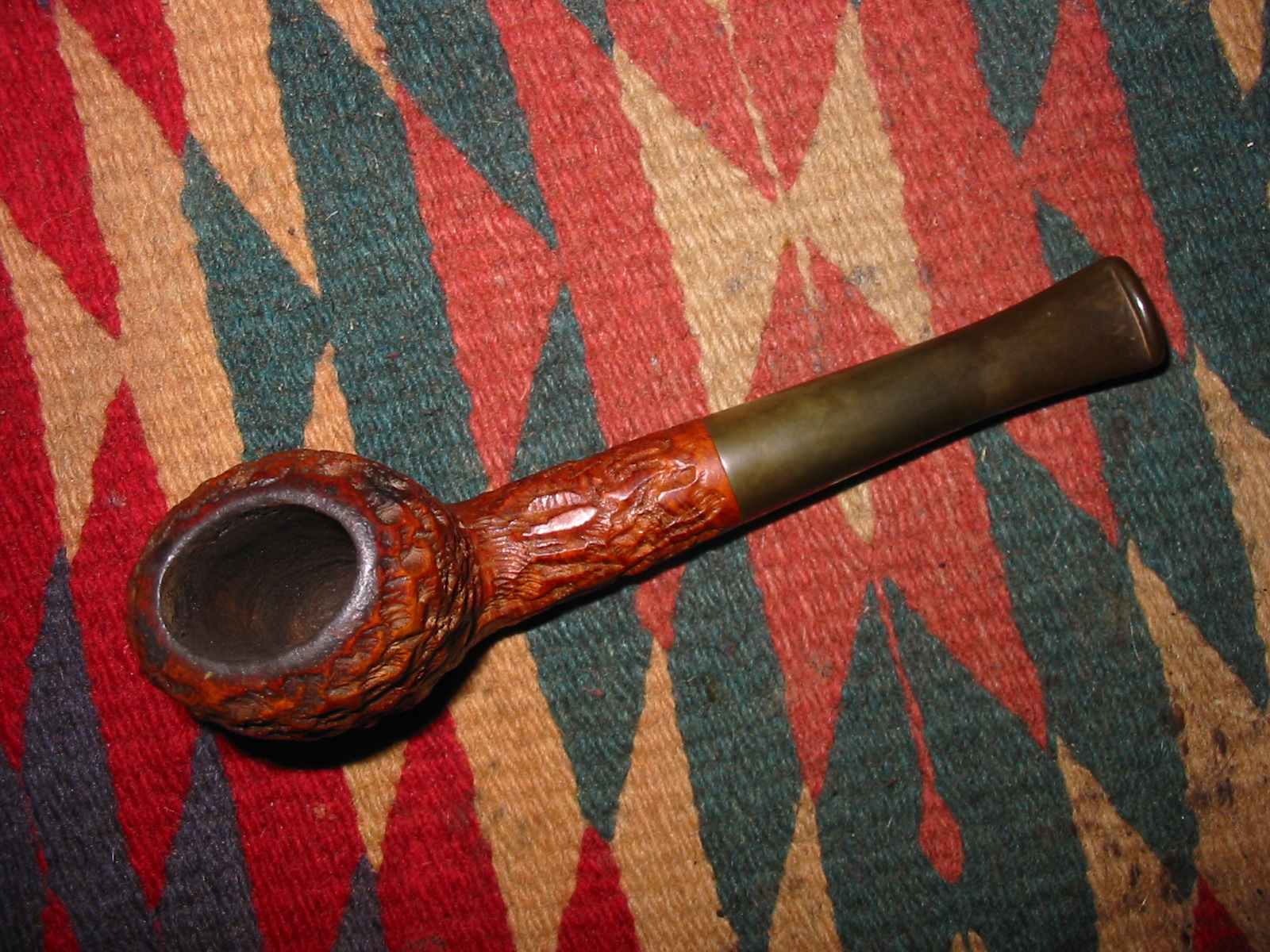
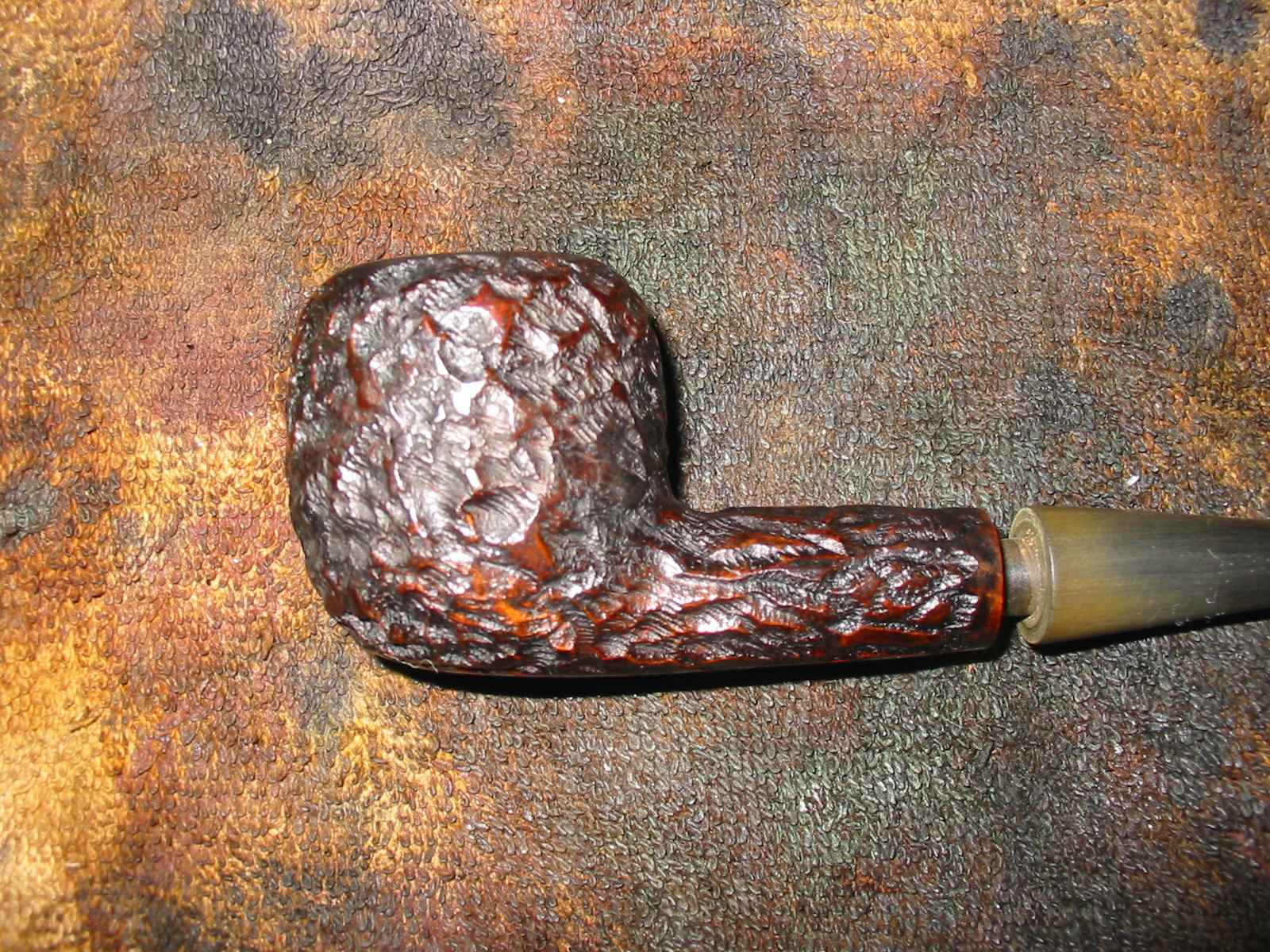
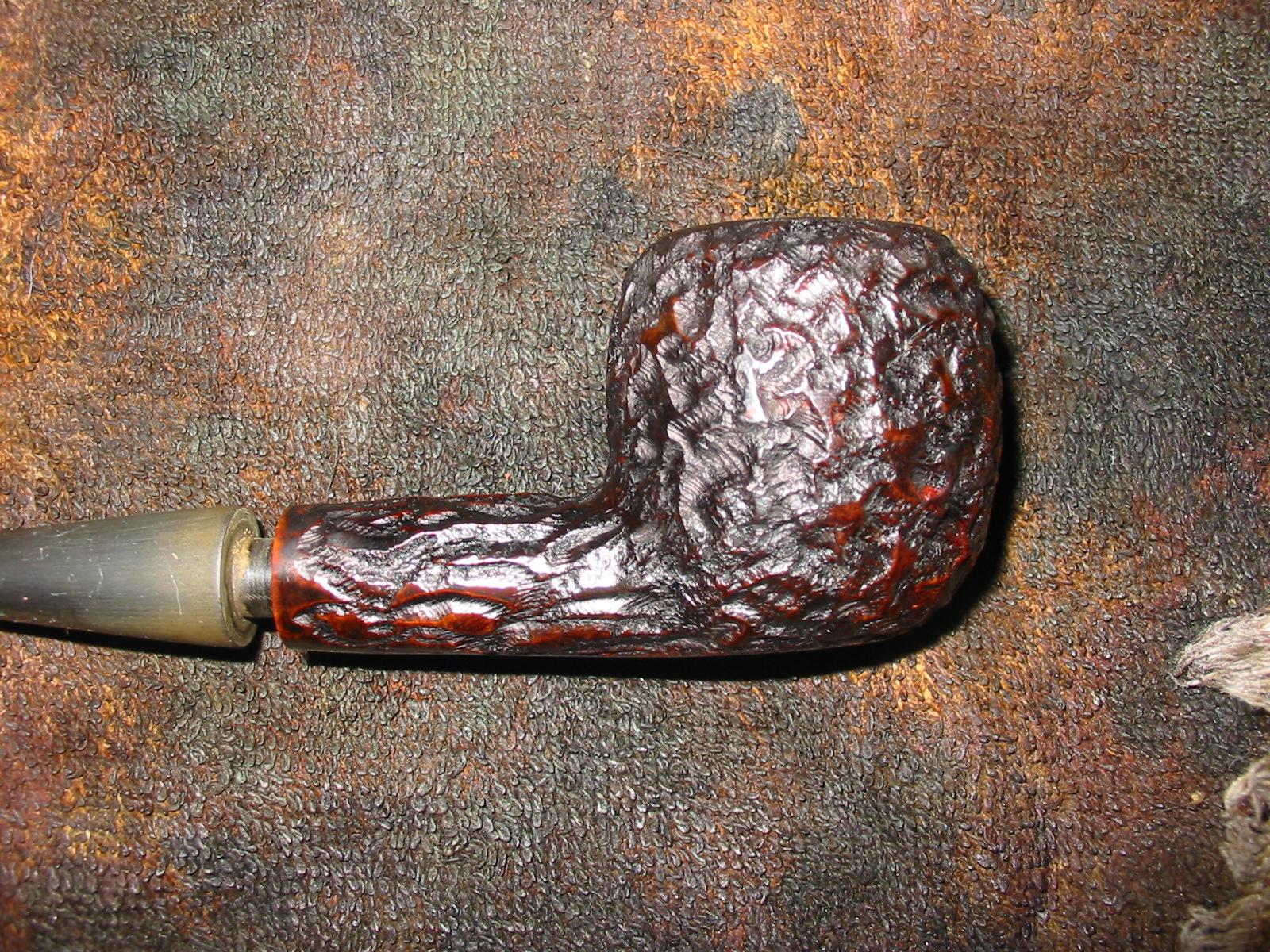
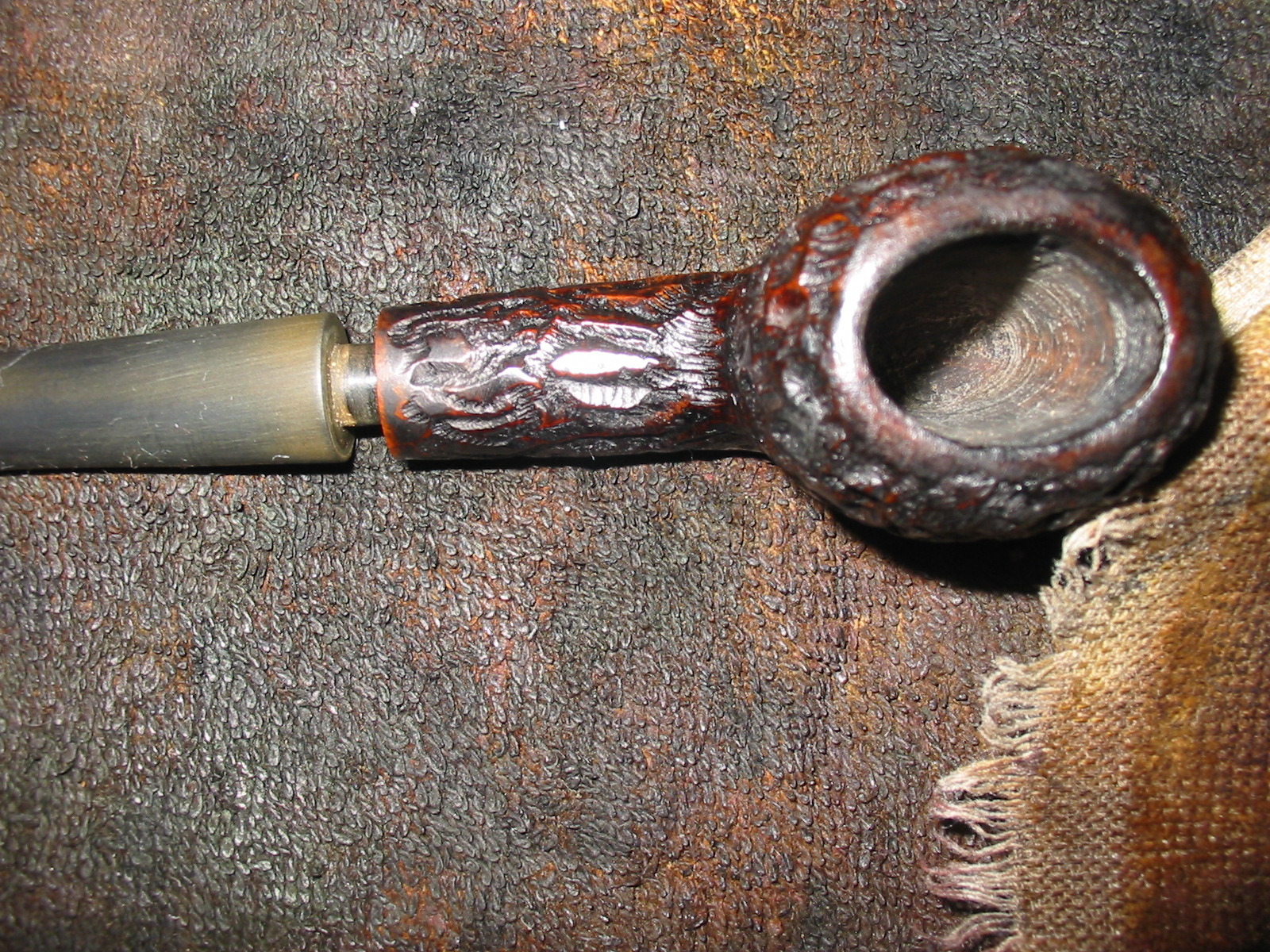
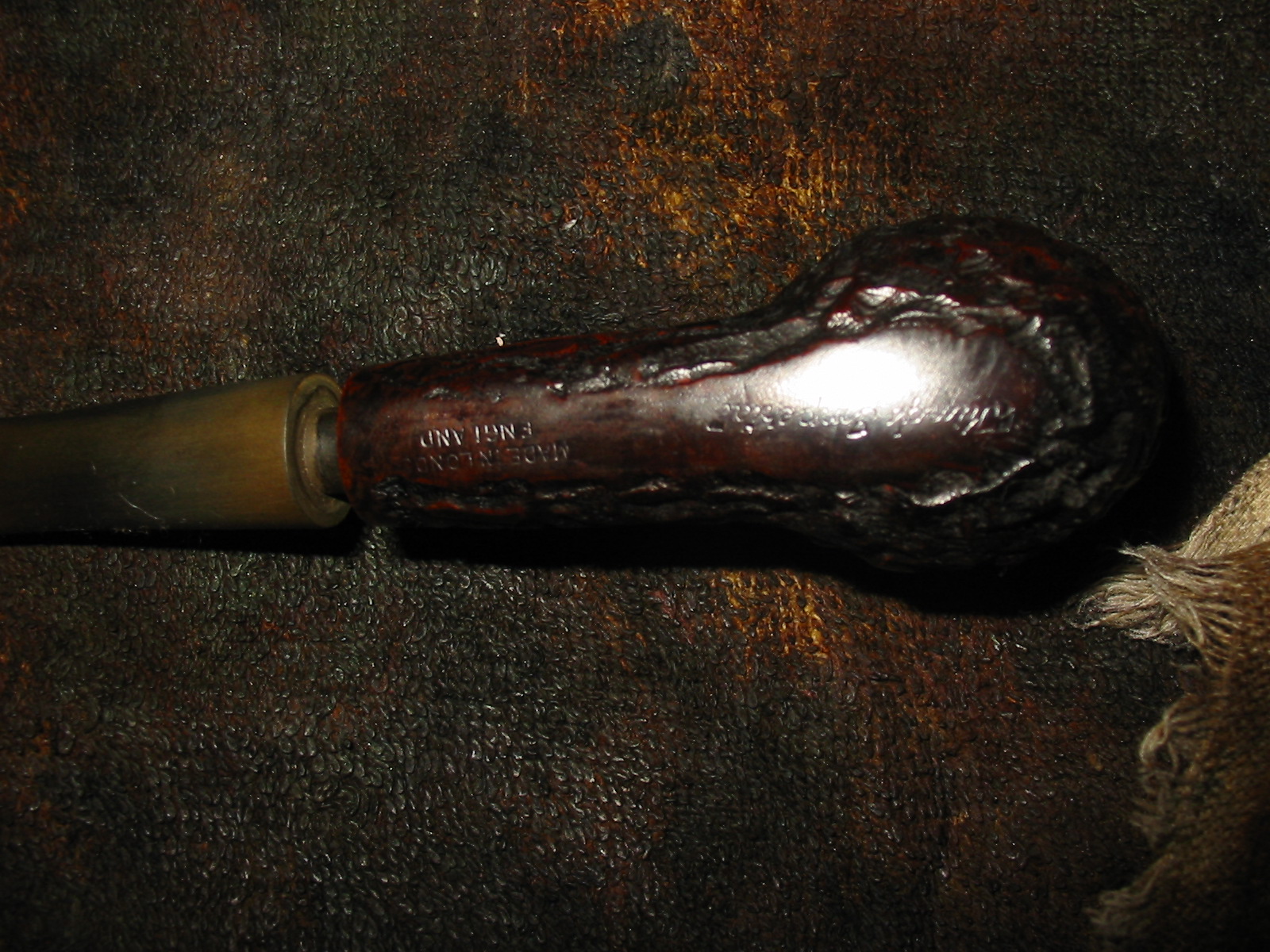
When I got home I looked at it more closely under a magnifier and saw that the stamping read “King’s Imperial” Made in London England. The pipe was rusticated in an identifiable manner that I had seen on several pipes before so it looked promising. The finish was actually far rougher than it appears in the photos below. The stain was gone in many of the high spots and the low spots in the rustication were also pretty raw briar. There were two burn marks on the top back side and front side of the bowl that had darkened, though they were not scorched and rough. There was also a rough place on the left side bottom front of the bowl where it looked as if it had been knocked about. These marks would make it unlikely that I would be able to stain the bowl a natural tan colour. The bowl was oval both inside and outside. The rim had some scorching and darkening. It had been reamed in the centre of the oval but both ends were still caked and needed to be cleaned. The stem was oxidized and had a shallow tooth mark on the topside near the button.
IMG_5992

IMG_5993

IMG_5994

IMG_5999
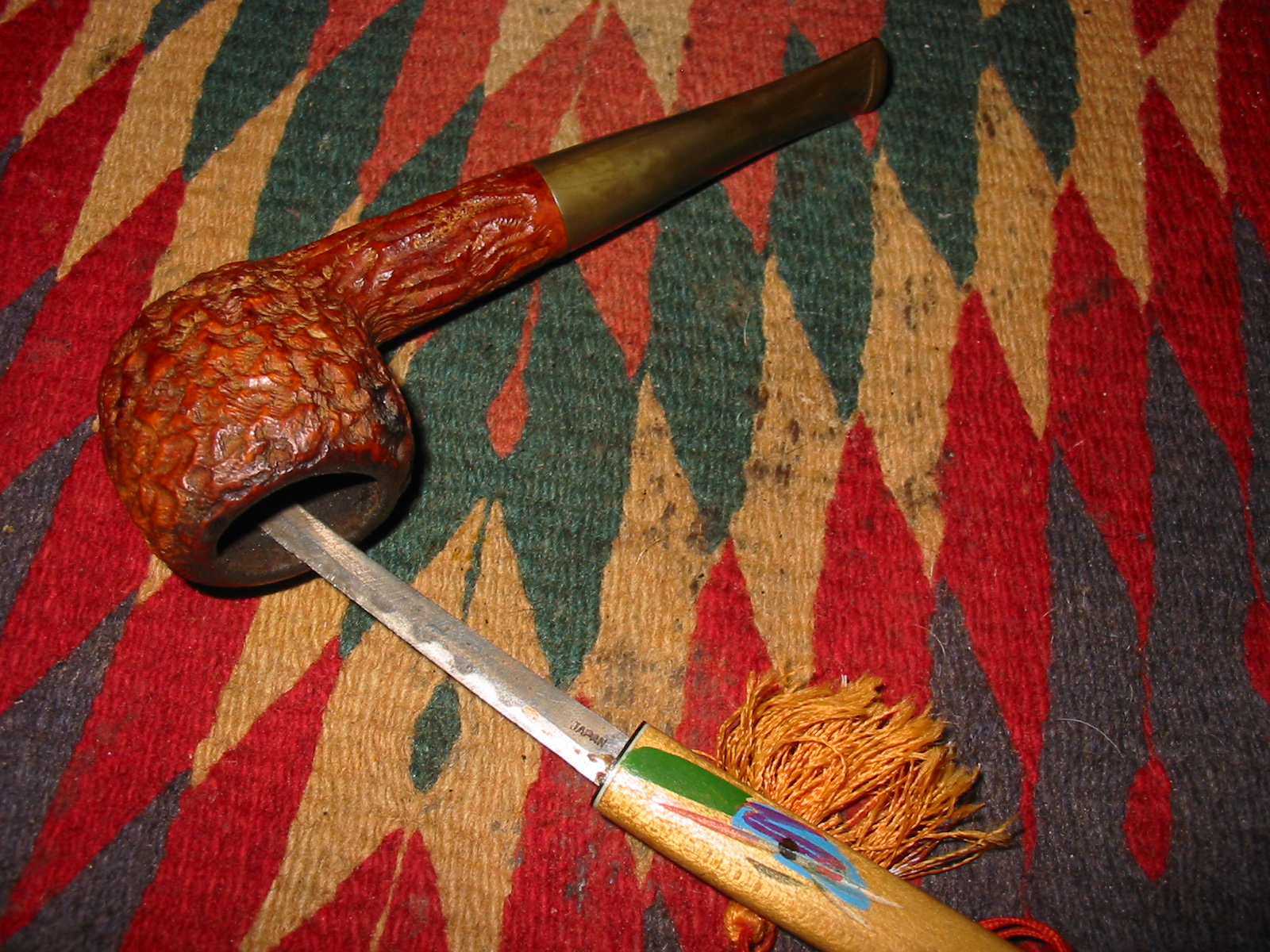
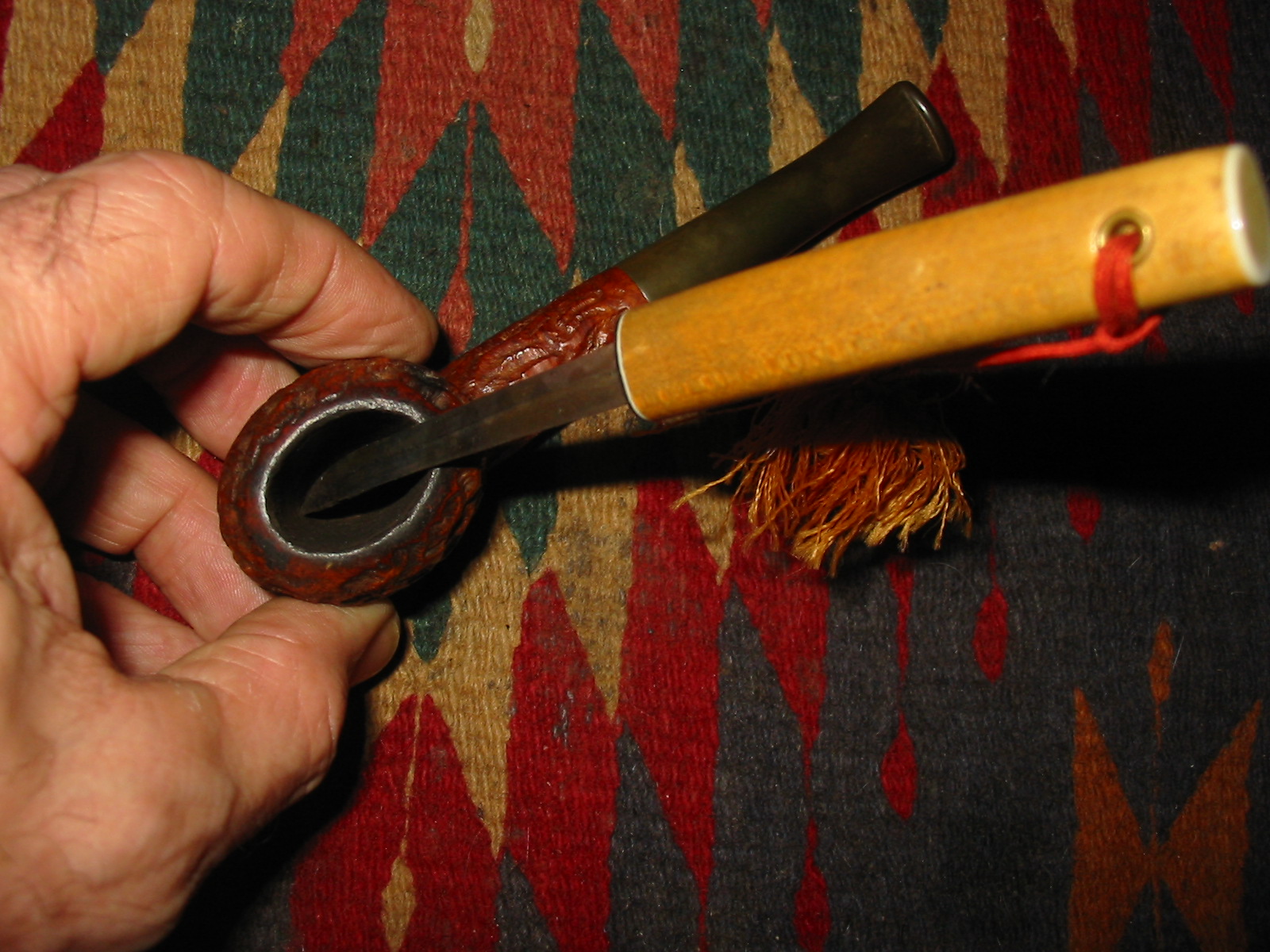
I have a sharp bladed Japanese letter opener that was a gift from my grandfather that worked very well to ream the oval ends of the bowl. I proceeded to slowly scrape away the buildup of carbon and took the cake back to the bare briar.
IMG_6000

IMG_6001
After reaming the bowl I dropped the bowl into an alcohol bath to soak for an hour and then scrubbed it with a brass bristle tire brush to clean up the surface of the bowl and to scrub the burned areas on the bowl. I also put the stem into an Oxyclean bath to soften the oxidation on the vulcanite so that it would clean up more easily when removed.
IMG_6003
After an hour of soaking the alcohol bath I took the bowl out and dried it off with cotton cloths. I scrubbed it with a soft bristle tooth brush to remove any remaining grit in the grooves of the finish and then dried it off again. I wiped the bowl down with acetone on cotton pads to remove stubborn areas of the old finish. I wanted the bowl clean and free of any remnant of the old finish before I was ready to restain the briar. I sanded the rim with a fine grit sanding sponge to clean off the softened tar buildup and wiped it down with the acetone as well. I used a dental pick to pick out grime that was stubbornly remaining in the grooves of the rustication. I finished by cleaning out the inside of the bowl and shank with clean isopropyl alcohol and cotton swabs until they came out clean.
IMG_6004

IMG_6005

IMG_6006
I decided to try and stain the pipe with a light brown stain – almost tan coloured to mimic the original appearance of the bowl. I mixed one part dark brown stain with 3 parts isopropyl alcohol to make a light brown wash. I applied it to the rusticated surface with cotton swabs and flamed it once it was done. I restained it and reflamed it a second and third time to give it an even coverage.
IMG_6007

IMG_6008

IMG_6009

IMG_6010
Once it was dry I buffed it lightly with White Diamond to see where things stood. When I brought it back to the work table I took the following photos to give me a clearer picture of the look of the pipe. The burn marks were not covered and in fact seem to be highlighted by the light stain. I set the bowl aside for a while to think about what I would do with it.
IMG_6012

IMG_6013

IMG_6014

IMG_6015
With the bowl set aside I turned my attention to the stem. I took it out of the Oxyclean bath and dried it off. The next two photos show the top and bottom of the stem. The oxidation is even and soft over the surface of the stem. The Oxy does not remove oxidation on stems but merely serves to soften it. When I dried it off with the cloth that it is pictured on it took a lot of oxidation off the surface.
IMG_6017

IMG_6018
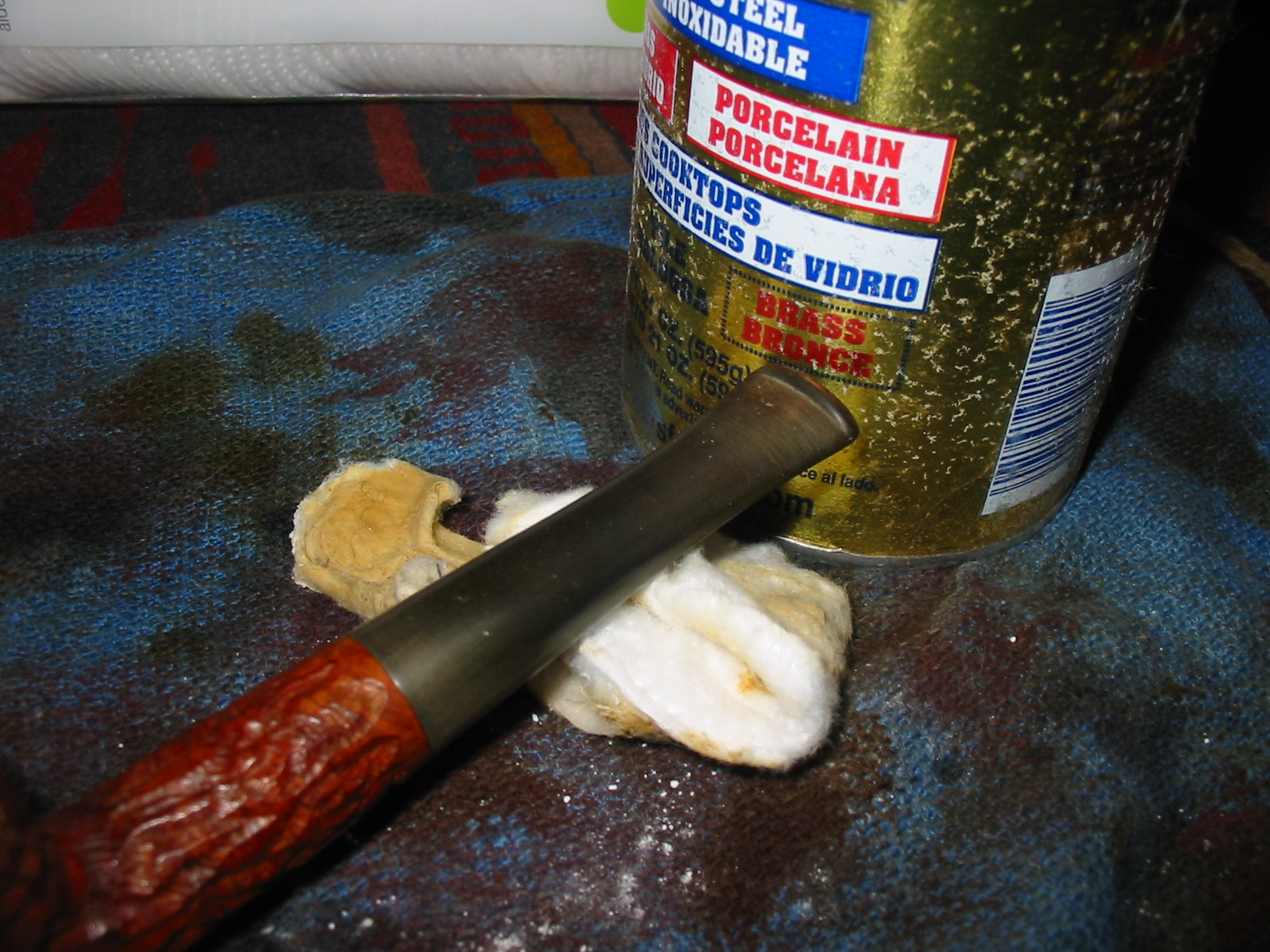
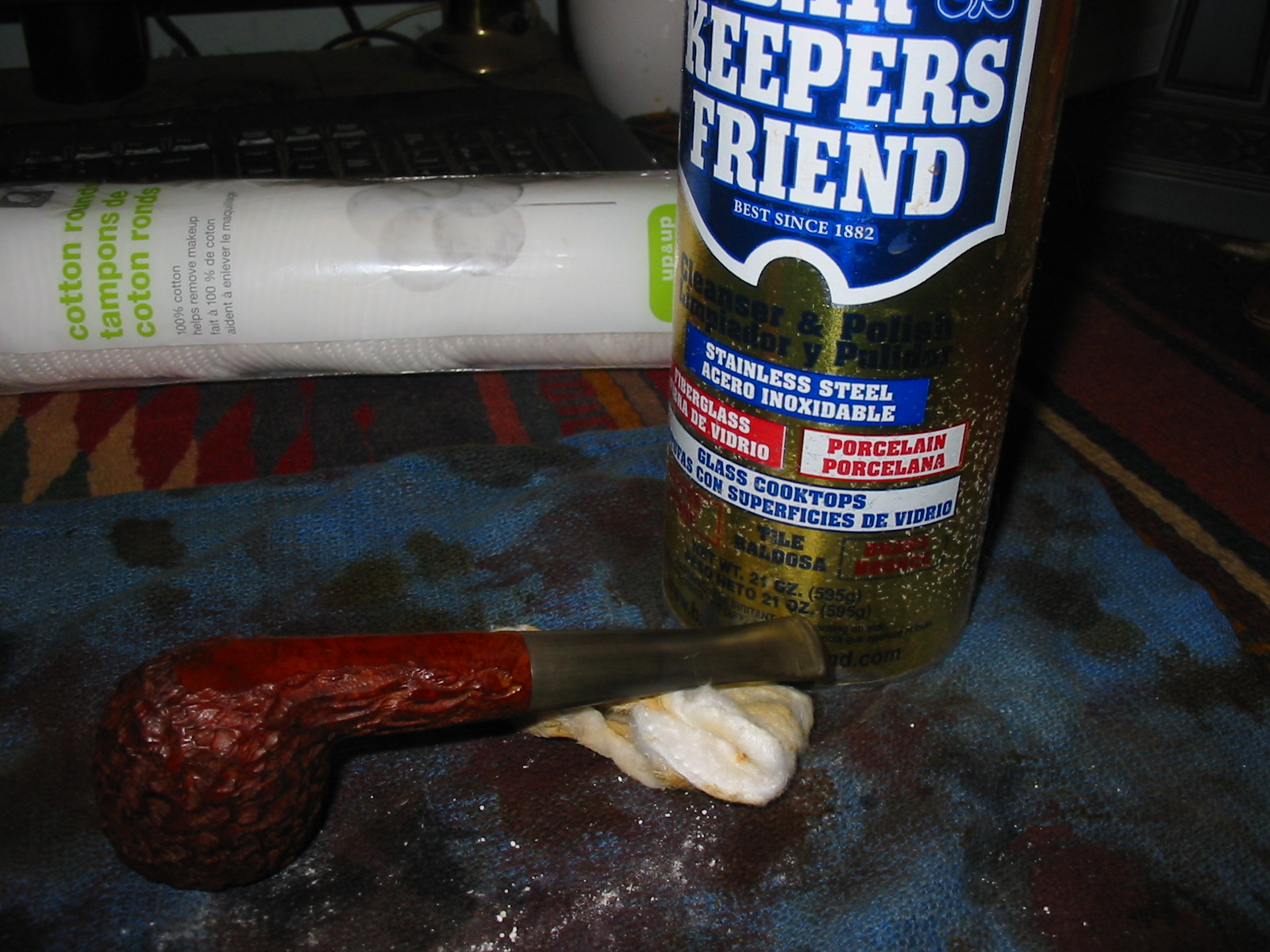
I decided to use Bar Keepers Friend on this stem. I wet the stem with a wet cotton pad and then sprinkled the surface with the powder. I scrubbed it with the wet pad and a dry pad to scour off the oxidation. The next three photos show how well the Bar Keepers Friend work to remove most of the oxidation. There were some stubborn spots around the shank and the button that would take more work, but it was definitely cleaning up well.
IMG_6019

IMG_6020

IMG_6021
My tendency in cleaning up a pipe is to work on the bowl for a bit, set it aside and work on the stem and cogitate about what I plan to do to address issues on the bowl. In this case while I worked on the stem I was thinking about how to address the darkened marks on the bowl. The light stain was not working and a darker brown would not work either. I set aside the stem and wrote a quick post on two of the forums I am part of and asked about the brand. I had not heard of the “King’s Imperial” brand before and decided to ask about it. A friend on one of them did not have information on the brand but posted a couple of photos of a Hardcastle Sandhewn pipe that he had refurbished to show similarities in the finish of my pipe. When I looked at his pipe I saw the solution to taking care of the burn marks and darkening. Here are a couple of photos of the Sandhewn pipe.
sandhewn1

sandhewn2
Hardcastle had used a contrast stain on this pipe that made the grooves of the rustication black and the high spots on the briar were brown. There was my solution staring me in the face. I set up my staining cloth and put the bowl on the cloth. I applied the black aniline stain and flamed it to set it in the grooves. Once it was dry I buffed it with Red Tripoli to highlight the high points on the rustication and remove the black stain from those areas. The photos below show the pipe after the staining and the buffing. The contrast stain worked well on the burned and darkened areas of the bowl.
IMG_6022

IMG_6023

IMG_6024

IMG_6025
The contrast was still not quite what I wanted as it was too dark for my liking. I wiped the bowl down with isopropyl alcohol on cotton pads to remove more of the black from the high spots on the bowl and shank. I also wiped down the smooth rim area as I wanted it to match the high spots on the bowl.
IMG_6026

IMG_6029

IMG_6030

IMG_6031
I took the pipe to the buffer again and buffed the bowl and stem with Tripoli and then with White Diamond to give it a shine. The contrast now was exactly what I was aiming for with the staining so I was pleased with the results.
IMG_6034

IMG_6035

IMG_6036

IMG_6039
I set the bowl aside and worked some more on the stem. I sanded it with a fine grit sanding sponge to remove the stubborn spots of oxidation at the button and the shank end. I then used my usual array of micromesh sanding pads – wet sanding with 1500-2400 grit pads and dry sanding with 3200-12000 grit pads. Each photo below shows the progressive deepening of the shine and the blackness of the vulcanite.
IMG_6041

IMG_6042

IMG_6043
I rubbed the stem down with Obsidian Oil and when it was dry buffed the pipe and the stem with White Diamond. I was careful in my buffing around the stamping on the bottom of the shank as I did not want to further damage the stamping. I applied multiple coats of carnauba wax to the bowl (lightly touching it against the buffing pad so that it would not cake up in the rustication) and the stem. The finished pipe is pictured below.
IMG_6044

IMG_6045

IMG_6046

IMG_6047
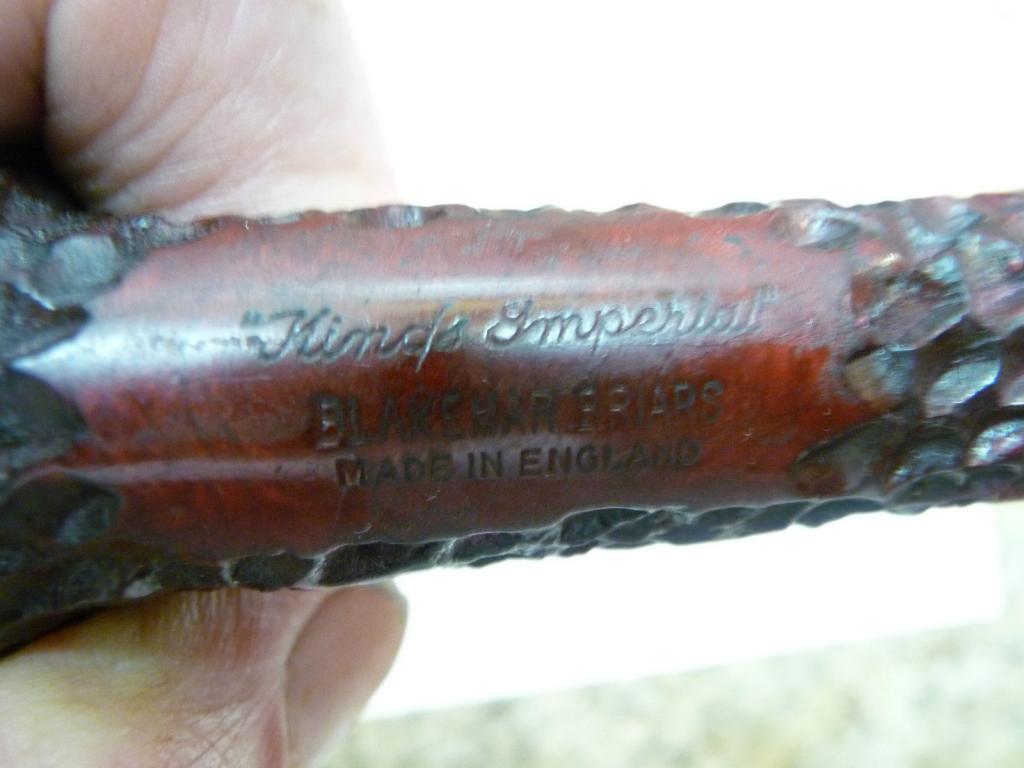
This morning while I worked on the pipe, I checked on the forums to see if there was anyone that had information on the brand. Bill, on Pipe Smokers Unleashed forum, had come across a photo online that had the same stamping but one additional line – Blakemar Briars. The stamping can be seen in the photo below. The “King’s Imperial” stamping was identical. My pipe was stamped Made in London England while this one said Made in England. The Blakemar Briars was the addition that gave the first clue.
T2eC16hy4FIZzOrmvBSc3d8PQ60_57
After reading this I sent an email to Mike Billington at Blakemar Briars to ask about the brand. He replied with the following email.

Hi Steve
It is possible that the “King’s Imperial” pipe was made here, it depends on the age to some extent. My Uncle used to make pipes for John Redman Ltd during the 60’s and 70’s and early 80’s and I continued to do so until the early nineties. The King’s Imperial range was one of John Redmans pipe ranges during that time, but Redmans also had them made by other pipe makers; they also did some pipe making “in house”- so while it is possible that the pipe was made here, it is not definite. From around 1992 until 2005 (I think), Redman’s brands were taken over by Gerald Grudgings of Loughborough in Leicestershire and during that time any Kings Imperial produced were definitely made here.

My memories only go back to the early 70’s but if you send a photo, I can tell you if it seems familiar to me

thanks
Mike

I immediately sent him photos of the pipe as it was when I found it, showing the stamping on the bowl. I am waiting to hear back from him. But I found it interesting to learn that John Redman Ltd had Blakemar Briars make pipes for them during the 60’s, 70’s and 80’s and into the early 90’s. To find out that King’s Imperial was a range of Redman pipes during that time was also invaluable. Some of the other historical notes of interest in Mike’s email were that Redman’s had others making pipes for them and that they also did pipe making in house. I am hoping that Mike can remember and give a bit of certainty to the dating on this old opera pipe. I will update this post as I gather new information.
Crafting a Bamboo Shank Briar Mini Churchwarden


Blog by Steve Laug

I had all the parts to do a bit of an experiment. I had a broken shank briar pipe, a long piece of black bamboo and an assortment of stems to choose from to see if I could connect all the pieces and make a workable smoking pipe. Putting together the pieces is reminds me of playing with my old Erector Set when I was a kid. The only limit to what can be put together is your imagination. The bowl came to me with two large gashes in the shank. They were both quite deep and both had been repaired by fills. There was a metal threaded mortise in the shank for a threaded tenon. While I was cleaning up the bowl the shank fell off in my hands. I put it in the cupboard as I expected I could scavenge some briar for repairing burn outs in the future. It sat there for more than a week before I began to wonder if I couldn’t do something with it. I went through my parts drawer and found the piece of black bamboo that had been sitting for quite a few years waiting for the right moment. I brought the bowl out and put the two pieces side by side and kind of liked what I saw. The end product would be a four knuckle bamboo mini Churchwarden pipe. It would be extremely lightweight and might actually end up looking quite nice. Now it was time to start working.
IMG_5869

IMG_5870

IMG_5871
I drilled out the inside of the bamboo with an 11/64 inch drill bit. I then drilled out the end that would meet the bowl with a ¼ inch and then a 3/8 inch bit so that I could use a metal tenon I had saved from a previous pipe. Once the drilling was done the tenon fit the newly drilled bamboo mortise very well. I faced the end of the broken shank so that the bamboo would fit against it smoothly.
IMG_5872

IMG_5873
The metal tenon also fit in the shank of the bowl well. The length was perfect as it fit against the airway in the end of the shank next to the bowl bottom. There was no gap between the two so the smoked would flow smoothly down the shank of the pipe. I cleaned out the bamboo airway with pipe cleaners and isopropyl alcohol and then put the pipe together and checked the draw. It was open and was an effortless draw.
IMG_5874
I repaired the fill on the side of the shank as it was not even with the surface of the shank. I used a superglue and briar dust patch on it. Some might wonder why I did not cut back the shank and eliminate the damaged area. I chose not to do that as I wanted the shank to have some length to it in contrast to the long bamboo section. I also planned on rusticating the entire bowl so the damage would be covered. The insert of the metal tenon would stabilize the area as well and the shank repair would be solid.
IMG_5875

IMG_5876

IMG_5877
I took the bamboo shank off the bowl and sanded the bowl with 220 grit sandpaper to smooth out the finish. I repaired several of the gouges on the bowl surface with superglue and briar dust. I wanted a smooth canvas to work on when I rusticated the bowl. I then sanded the bowl with a medium grit sanding sponge. The top of the bowl had a slight buildup of tars so I cleaned that with the medium and fine grit sanding sponge. I wiped down the bowl with acetone on cotton pads. I sanded the knuckles on the bamboo to remove the fibers that were still attached and to smooth out the nodules. More work would need to be done on the shank but at least at this point it would be smooth in my hand while I worked on the bowl.
IMG_5878
I set the bowl aside and went through my can of stems to find a nice saddle bit that would look good proportionally with the pipe. I drilled out the stem end of the bamboo with a ¼ inch bit to serve as a mortise for the stem. I turned the tenon on a PIMO tenon turning tool and then hand sanded it. I pushed the stem in place and starting sanding the saddle portion of the stem to get the diameter of the stem and shank to match. I mixed some two part epoxy and glued the metal tenon in place in the bamboo. When it was dry I put the pipe together. I did not epoxy the bowl to the shank at this point as I wanted to be able to remove it work on the rustication. The next three photos show the pipe with all parts in place.
IMG_5879

IMG_5880

IMG_5881
I used a Dremel with a cone shape cutting head to pre-rusticate the shank and then followed that up with the modified Philips screwdriver. I rusticated the briar shank with it attached to the bamboo so that I could rusticate it up to the joint of the two shank materials. Once I had the shank finished I removed the bowl and worked on it with the Philips screwdriver. I find it easier to manipulate the bowl when it is not attached to the shank. When the bowl was completely rusticated I used a brass bristle wire brush to knock of the rough edges and give the bowl the texture that I wanted. I left the rim smooth to contrast with the finish on the bowl.
IMG_5882

IMG_5883
I put the pipe back together to have a look at the finished rustication and the contrast with the finish on the bamboo. I liked the overall look of the pipe at this stage. I did a bit more rustication on the bowl and shank and wire brushed them until I was happy with the end result.
IMG_5884

IMG_5885

IMG_5886

IMG_5887
At this point I was ready to attach the shank to the bowl permanently. I scored the metal shank to give the surface something to bond with in the briar shank. I mixed the two part epoxy and applied it to the metal shank with a dental pick. I pressed the two parts together and used the dental pick to trim off the excess glue and wiped it down with a soft cloth. I clamped the parts together while the epoxy set.
IMG_5888

IMG_5889

IMG_5890

IMG_5891

IMG_5892
While the glue was drying I worked on the stem to taper it to fit the diameter of the bamboo shank. I sanded it with a Dremel to take off the majority of the excess vulcanite and then hand sanded it with 220 grit sandpaper. Once the epoxy had set, late last evening I inserted the stem and took the photos below.
IMG_5893

IMG_5894

IMG_5895

IMG_5896
This morning I got up early and stained the bowl with a black aniline stain. My plan is to use the black stain as an undercoat on the bowl. Once the pipe is dry I will buff it with red Tripoli to remove the black from the high spots on the rustication and then stain the bowl with a brown topcoat to give it depth and contrast.
IMG_5897

IMG_5898

IMG_5899
I buffed the bowl with the Tripoli and then used isopropyl alcohol on cotton pads to dab off the stain on the high spots. The finish is rough so to scrub it with the pads leaves behind a lot of cotton bits. I sanded the surface of the bowl with a fine grit sanding sponge to remove more of the black stain from the high spots and to soften the rustication. I stained the bowl and shank with a coat of walnut stain to give some depth and highlights to the bowl. I had asked online how to finish bamboo and received a step by step response from James of JSEC pipes. He said to stabilize the cracks in the bamboo with superglue and then to sand the bamboo with 600 grit wet dry sandpaper and follow that with 1500 grit sandpaper. I followed that process to the letter. The change in the surface of the bamboo was noticeable. It was smooth and had a developing patina on the surface. I then took the next steps in the process and rubbed the shank down with Danish Oil. James said the he generally gave multiple coats of Danish Oil over several days. The photo below was taken after the bowl had been stained with the walnut and the shank sanded as described above. It also shows the first coat of Danish Oil on the stem. After about one hour the oil had dried to a matte finish on the bamboo.
IMG_5900

IMG_5901

IMG_5902

IMG_5903
While the Danish Oil was drying on the bamboo I worked on the stem. I sanded it with 220 grit sandpaper to reduce the diameter of the saddle to match the shank diameter. I then used a medium grit sanding sponge and 600 grit sandpaper. I then sanded the stem with my usual array of micromesh sanding pads. I wet sanded with 1500-2400 grit pads and dry sanded with 3200-12,000 grit pads. I rubbed the stem down with Obsidian Oil and let it soak into the vulcanite.
IMG_5905

IMG_5906

IMG_5907
When the bamboo had dried I buffed it with White Diamond on the buffing wheel. I buffed bowl and stem as well. I took the next series of four photos before I gave the bamboo a second coat of the Danish Oil. The pipe is beginning to look finished. I like the look of the black bamboo with this treatment – there is a rich patina beginning to show up on the shank now.
IMG_5908

IMG_5909

IMG_5910

IMG_5911
I gave it a second and third coat of Danish Oil and then buffed the bamboo with White Diamond. I gave the stem and the bowl a light buff as well. The bamboo is looking really nice. I like the developing patina that is coming from the finishing. I gave the shank and stem multiple coats of carnauba wax and then buffed to a shine with a clean flannel buff. The finished pipe is picture below. This weekend I hope to take it on its inaugural smoke!
IMG_5912

IMG_5913

IMG_5915

IMG_5916

An Earl of Essex Apple Reborn


This Earl of Essex pipe bowl was in bad shape. I had received the bowl without a stem so I would need to restem it if I was going to refurbish it. The bowl rim was angled down toward the front and was worn and rough. It appeared to be thinner in the front than the back of the bowl and had burn marks and rough patches on the front. The finish was shot and the aluminum insert in the shank was oxidized. The bowl had an uneven cake and was crumbling. There were several red spots on the surface of the rustication. What interested me in this old bowl was the rustication. The top of the bowl had almost a wax drip look to it with rustication between the drips of “wax”. The drip pattern is smooth briar as was the rim at one time. The end of the shank and the high spots on the shank were also smooth.
IMG_5827

IMG_5828

IMG_5829

IMG_5830
The aluminum inset mortise took a screw in tenon and I did not have any metal screw in tenon stems. I would have to drill it out to fit a new stem. I decided to try my hand at opening up the mortise with a drill. I started with a drill bit slightly larger than the mortise and then moved up with bigger drill bits until the mortise was smooth and open enough to take a new push stem.
IMG_5831

IMG_5832
I started to top the bowl but stopped mid stream and reamed the bowl with a PipNet reamer to clean out the cake. I wanted the bowl clean so that as I topped it I would be able to see how deep the damage to the bowl went.
IMG_5833
Once reamed, I took it back to the topping board and sandpaper. I used 220 grit sandpaper and twisted the bowl top into the sandpaper in a clockwise pattern. With the bowl topped and the shank opened the bowl was ready to clean up.
IMG_5834

IMG_5835

IMG_5836
I wiped down the bowl with acetone on cotton pads to remove the finish from the bowl and clean up the grime that was built up in the grooves of the rustication. There was a bright red pigment in the grooves on two sides of the bowl. I scraped at it with a dental pick to clean it up. At first I thought it might be putty but as I scraped it, it came off like a red pigment. I am not sure what the red material was. I wiped it down after scraping it.
IMG_5837

IMG_5838

IMG_5839
I decided to stain the bowl with a contrast to set off the rusticated portion from the smooth portion of the bowl. I used a cotton swab and black aniline stain to stain the rusticated portions of the bowl. I wanted the black to highlight the areas between the smooth drip portions of the bowl. I stained and flamed it and repeated the process until it was a good even colour around the bowl. I sanded the smooth areas of the bowl with a medium and a fine grit sanding block and sponge to remove scratches and clean them up for the next coat of stain that would be used on the smooth areas.
IMG_5840

IMG_5841

IMG_5842

IMG_5843
I had several stems in my stem can that would fit the shank of the drilled out mortise. I tried a BBB stem first. It fit very well in the shank. The look was exactly what I wanted but I did not want to waste a BBB stem with the logo intact on an experiment.
IMG_5844

IMG_5845
So I used the second stem I had from the can. It was a saddle stem with a bite through on the top of the stem. I decided to cut it back and then reshape the button until it was a new stem.
IMG_5849
I cut it back with a Dremel and a sanding drum until it was smooth, solid and straight across.
IMG_5850

IMG_5851
Before working on cutting the new button in the stem I stained the top portion of the bowl with a light walnut stain on the smooth parts of the bowl. I buffed the bowl with White Diamond to give it a shine.
IMG_5852

IMG_5853

IMG_5854

IMG_5855
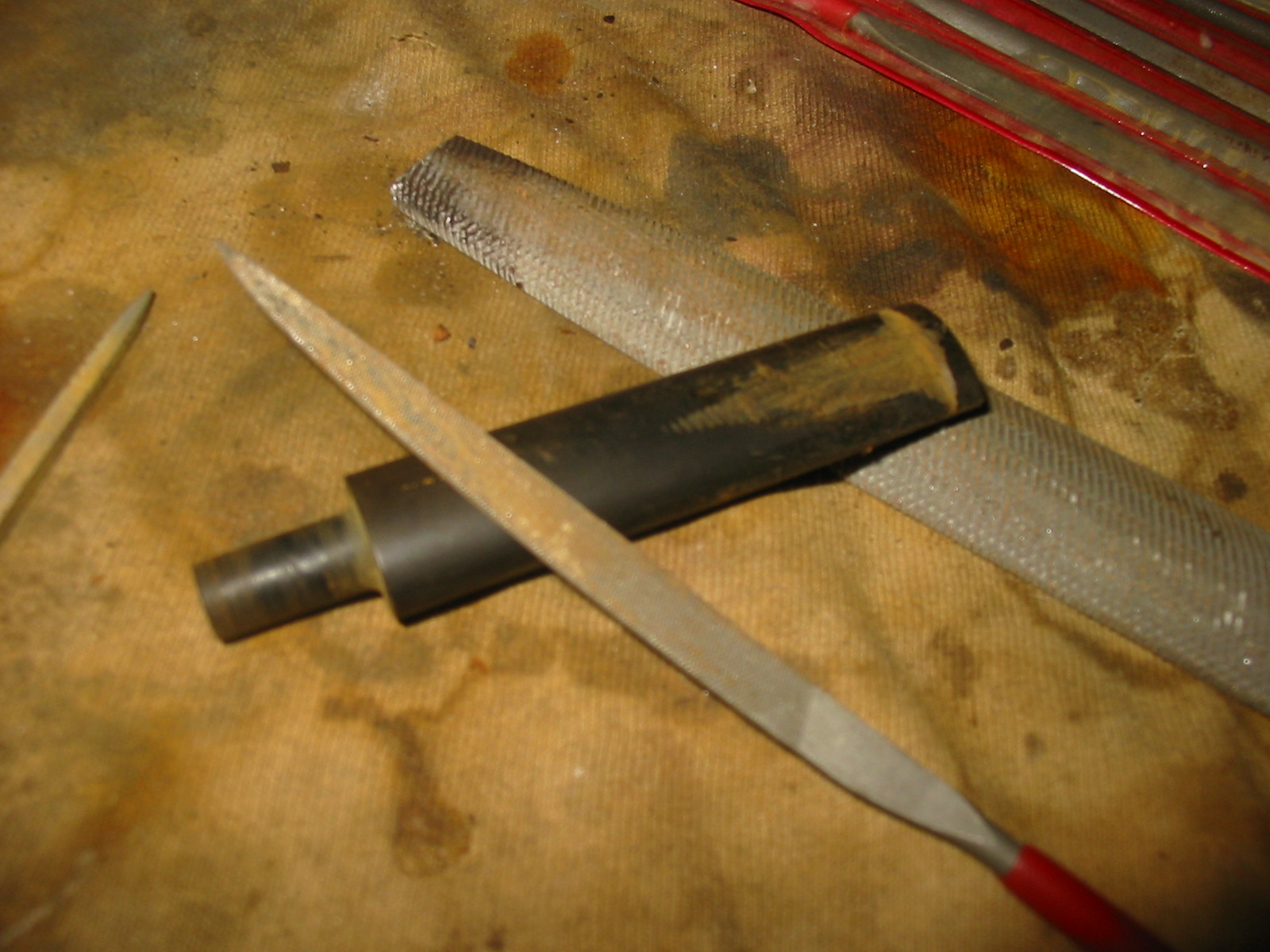
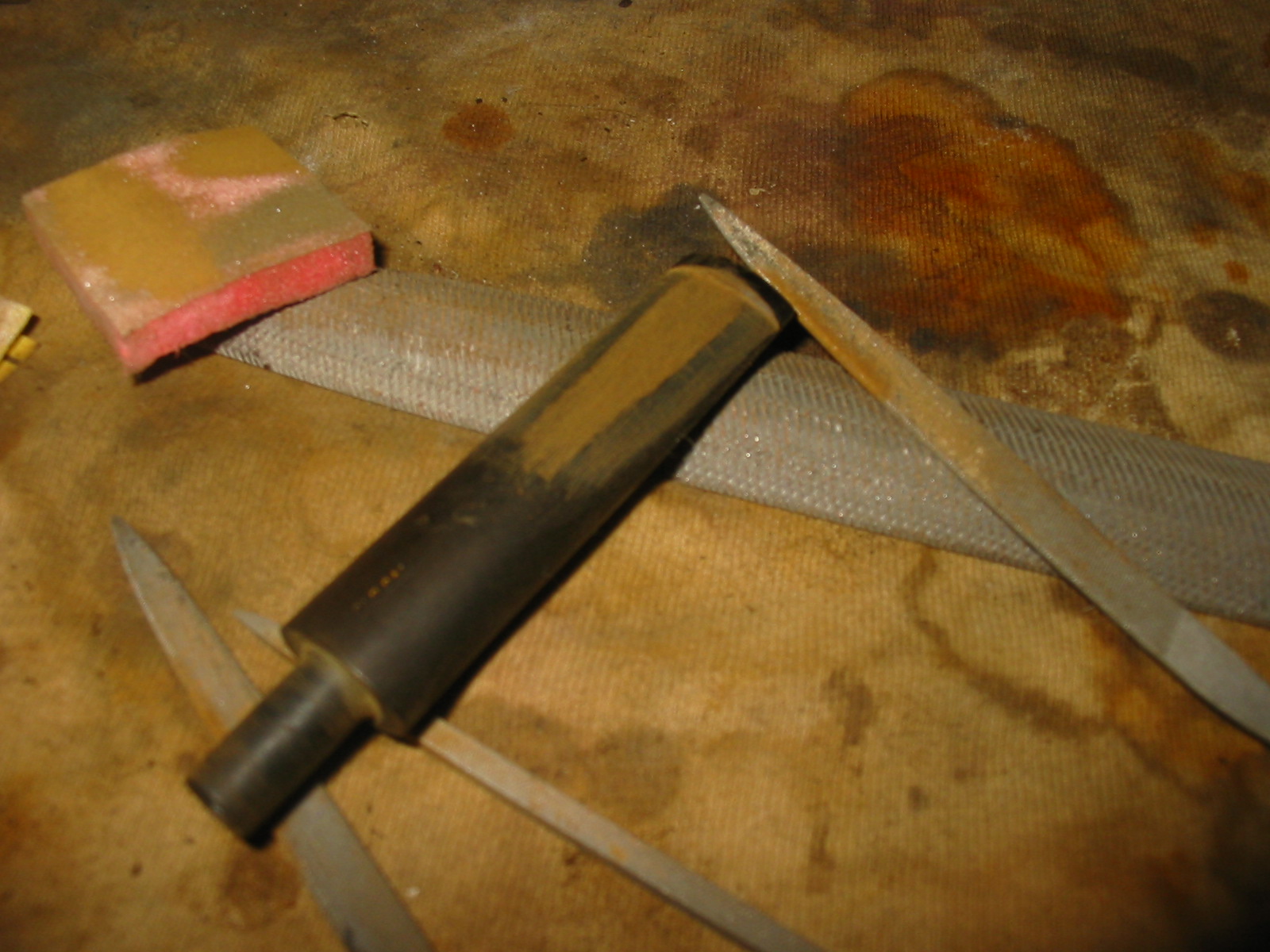
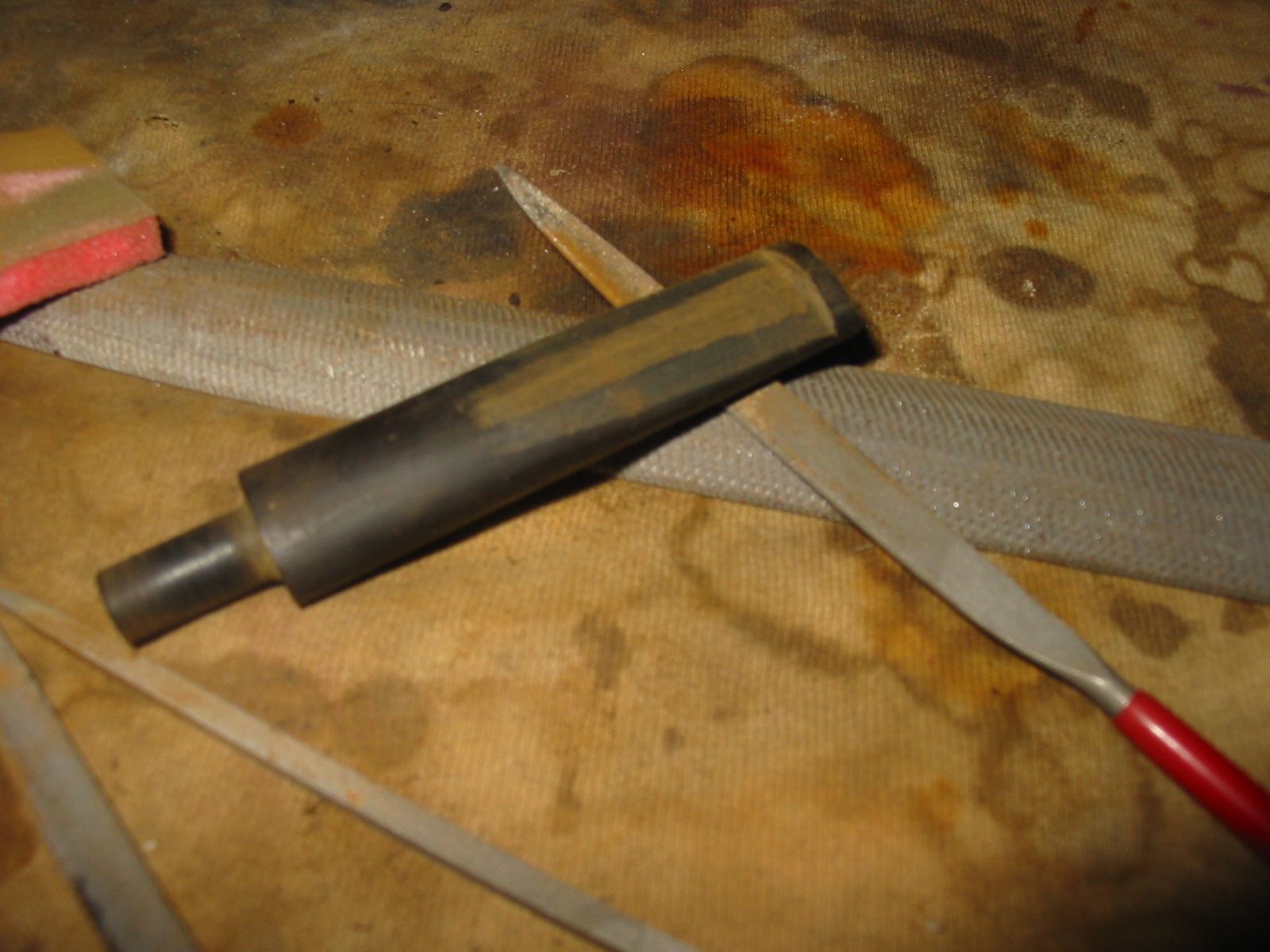
I worked on the button with needle files cutting in the straight line of the inner edge of the button and then smoothed out the button itself with the files. I carved away the surface of the stem tapering it from the saddle to the button. Once it was cut with the files I sanded the new taper with 220 grit sandpaper and then with a medium and fine grit sanding sponge to remove the scratches on the vulcanite.
IMG_5856

IMG_5857

IMG_5858

IMG_5859

IMG_5860
I sanded the stem with my usual array of micromesh sanding pads. I wet sanded the stem with 1500-2400 grit pads and dry sanded with 3200-12,000 grit pads. I rubbed down the stem with Obsidian Oil and buffed it with White Diamond.
IMG_5861

IMG_5862

IMG_5863
I buffed the bowl lightly with White Diamond and buffed the stem with it as well. I gave it multiple coats of carnauba wax and buffed it with a soft flannel buff to give it a shine. The finished pipe is shown in the photos below. The bowl top is clean and new, the finish is redone and the wax drip look is highlighted with the stains. The new stem and the newly cut button fit the pipe well. The experiment of drilling out the aluminum shank insert to take a push stem was a success. The metal polished well and looks like a shank band. Overall the final product is nice looking pipe that will make a good addition to someone’s rack in the future.
IMG_5865

IMG_5866

IMG_5867

IMG_5868

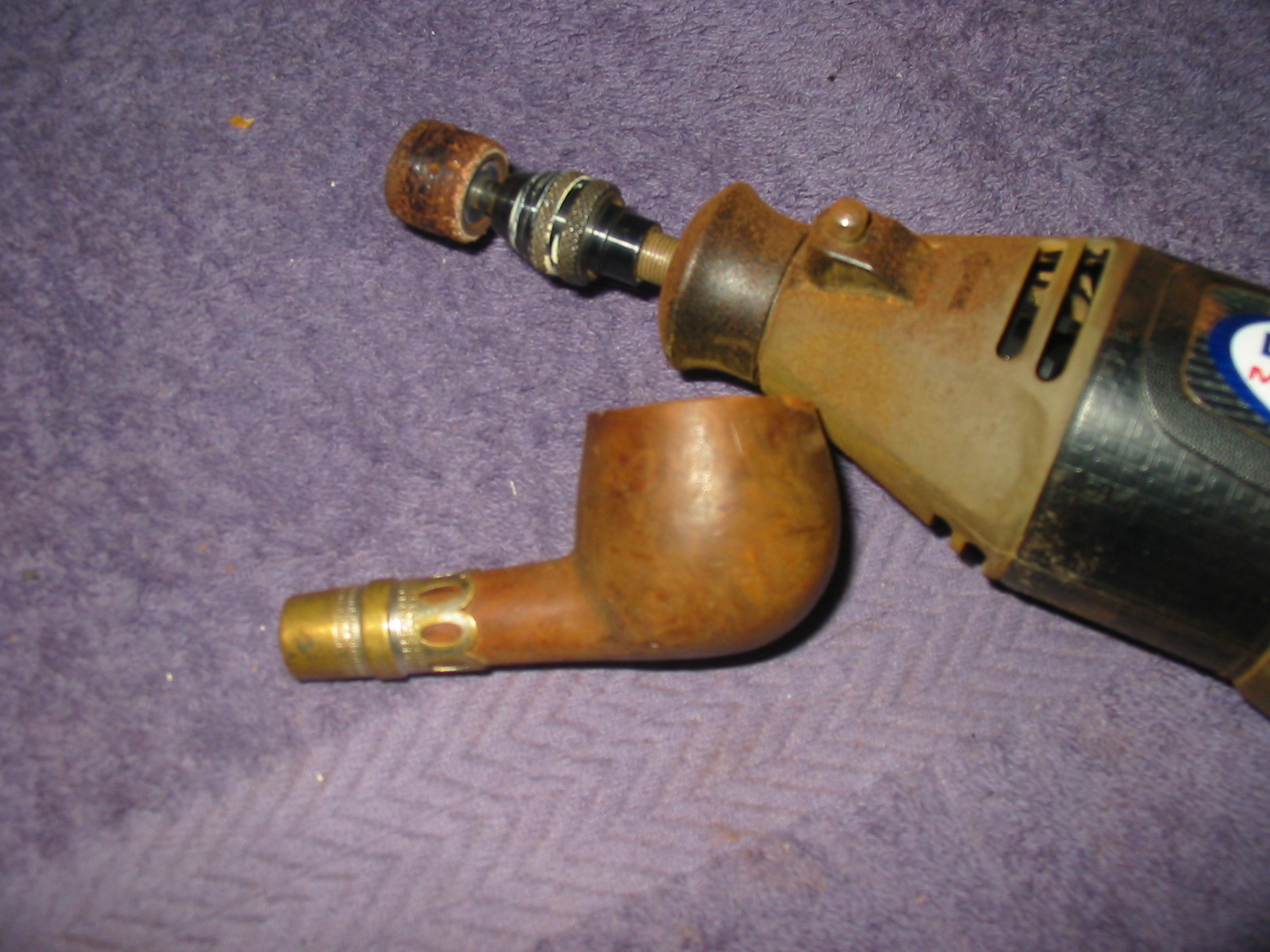
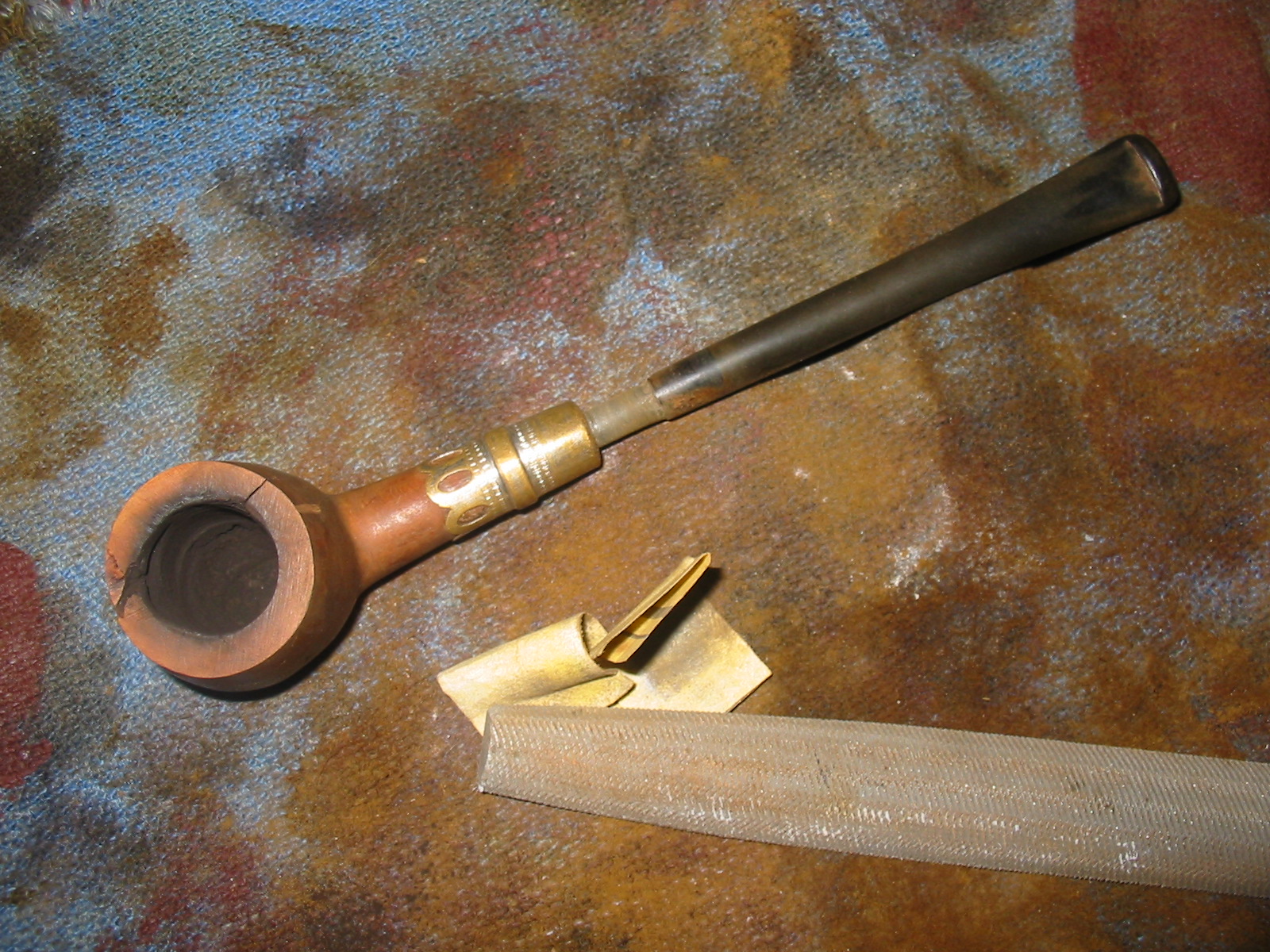
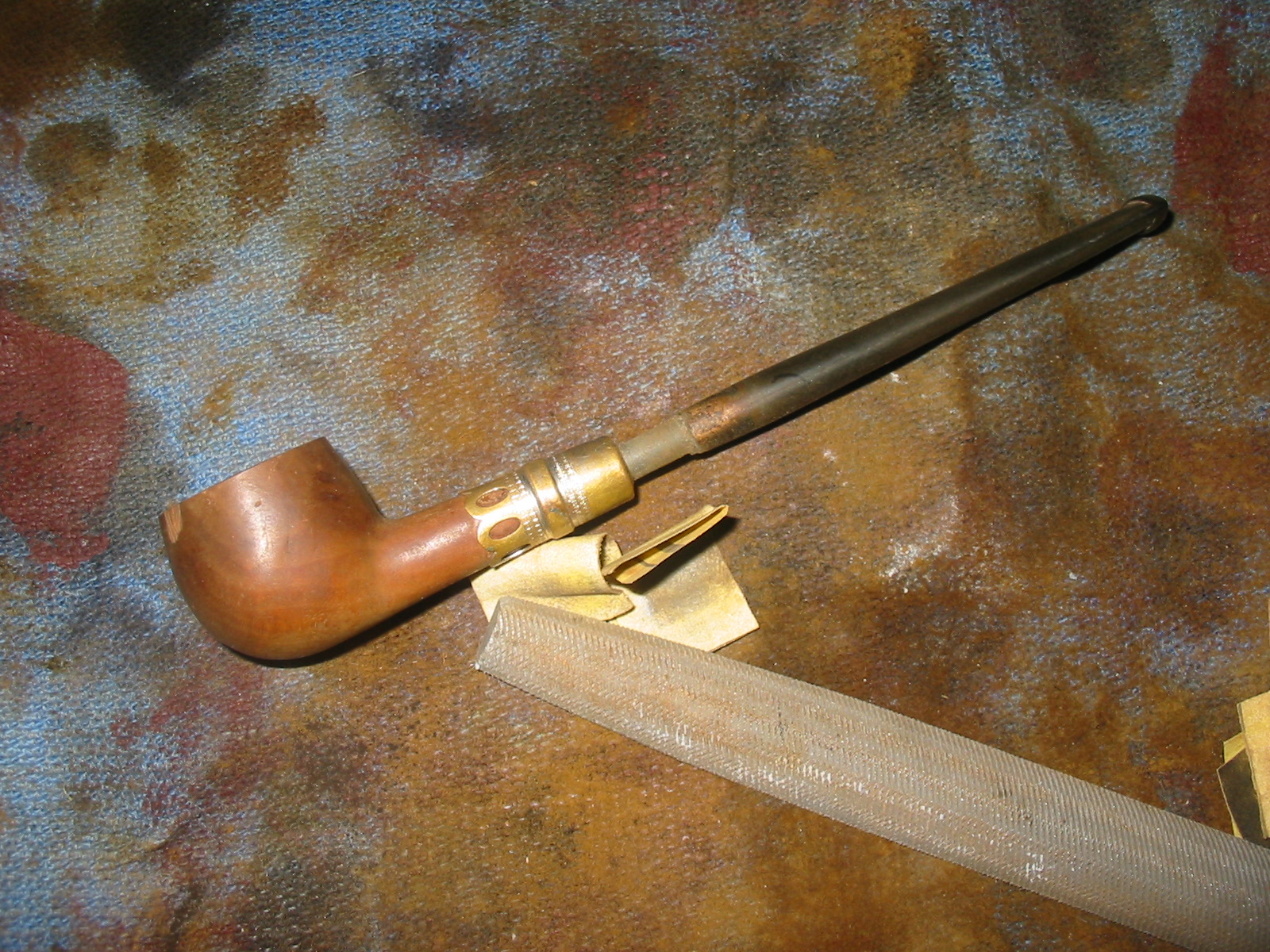
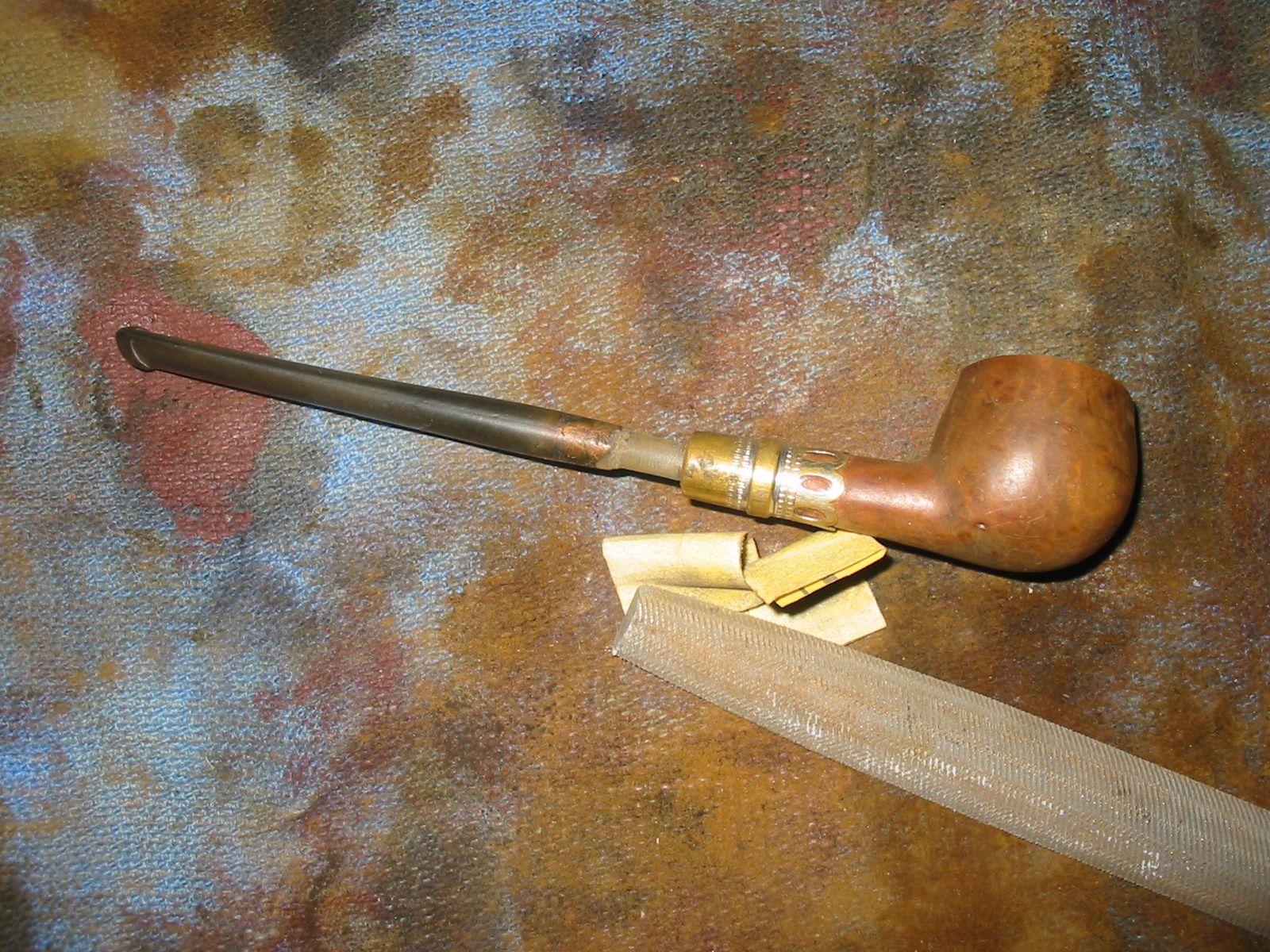
Cutting Back a Broken Shank and Reworking a No Name Dublin


In keeping with the theme of my last few posts about my recent pipe restorations the pipe I took on in this repair/restoration was in fairly bad shape. The rim was damaged on the top and the outer edge had been beaten badly and was rough to the touch. The inner edge had been reamed out of round somewhere in the distant past of its life. The bowl finish was “finished”. It was in rough shape. The left side had many fills and divots on the surface. It looked as if it had been dropped on concrete or rocks. The shank was much the same but worse in that the end on the top right side had a large chunk of briar missing. It did not have a stem but that was the least of the concerns at the moment.
IMG_5771

IMG_5772

IMG_5773

IMG_5774
I went through my can of stems and found one that would work. The diameter and length were correct for this size pipe. However I had to decide what to do with the missing chunk of briar. I could band it and cosmeticly hide the missing piece under the band or I could cut back the shank, shorten it and then band and restem the pipe.
IMG_5775

IMG_5776

IMG_5777
I removed the band – this is slightly harder than the simple words sound. It really involved cutting the metal and peeling it off the shank. I was not happy with the look so I decided to cut off the damaged end of the shank. What made this a happy solution to me was that the shank itself was not cracked. There were no cracks radiating from the area of the missing piece of briar.
IMG_5778
When cutting back a shank I use a small hack saw with a fine toothed blade to do the work. I am limited to hand tools as I do not have a shop. The problem with this method is that it is very difficult to get a good, clean, straight cut with a hand saw. I followed the scoring left behind by the band as I sawed around the shank.
IMG_5779
Even in being careful and working slowly the shank end was not perfectly square. That would have to be dealt with later.
IMG_5780
I needed to deepen the mortise area as I had removed a major piece of it by shortening the shank. I started with a drill bit that fit well in the existing mortise and turned it in by hand. I worked up to the correct size bit – each time anchoring the bit in my hand drill and turning the bowl onto the bit by hand. I did not want to risk using the power and having the bit go right through the bowl. I have a pin vise but it was not large enough to hold a bit this size so I improvised.
IMG_5781

IMG_5782
Once I had the airway drilled in the shank I set up a topping board to sand down both the end of the shank and the rim. I started with the shank end hold the bowl against the sand paper and making sure that it was straight up and down vertically and sanded the end of the shank to face it. I also topped the damaged rim to remove the damage to the surface and the edges of the bowl. I sanded the bowl down with sandpaper in preparation for the topping. The shank needed to be re-tapered to match the diameter of the stem and to give it more of a flow from the bowl to the stem. I used 220 grit sandpaper to taper the shank and to sand the bowl.
IMG_5783

IMG_5784

IMG_5785

IMG_5786

IMG_5787
Once I had a good fit on the stem and the shank and the bowl was topped and the finish cleaned up I decided to put a band on the shank. I thought that the shiny bling of the band would be a nice contrast to the stain I intended to use. I heated the band and pressed it onto the shank.
IMG_5788

IMG_5789

IMG_5790

IMG_5791
With the band in place and the stem fitting well it was time to address the finish of the briar. The left side damage needed to be cleaned up and repaired. I picked out the loose fill material with a dental pick. I washed down the surface of the bowl with acetone on cotton pads to remove dust and clean up any loose pieces of fill material. I roughened the edges of the divots and crevices on the briar and then filled them with briar dust and superglue.
IMG_5793
I sanded the repaired area with 220 grit sandpaper to remove the excess material and smooth out the surface of the bowl.
IMG_5794
I sanded the bowl with medium and fine grit sanding sponges to remove the scratches and prepare the surface for staining. I wiped it down with isopropyl alcohol on a cotton pad to pick up any surface dust before staining. I am continuing to experiment with contrast stains so I gave the bowl a heavy coat of black aniline stain. I flamed it and heated it to set the stain deep in the grain of the bowl. This particular bowl had some really stunning birdseye on the sides and great cross grain on the front and back and underside of the shank and bowl. I wanted to highlight that grain and make it pop.
IMG_5795
Once the stain was dried I wiped the bowl down with acetone on pads to remove the surface stain and then buffed the pipe with red Tripoli. I wanted to remove as much of the stain on the surface as possible while leaving it in the grain and around the birdseye. I sanded the bowl with medium and fine grit sanding blocks and sponges to get the surface down to the place the grain was highlighted. I then rubbed the bowl down with olive oil and buffed it with White Diamond to make the bowl shine.
IMG_5796

IMG_5797

IMG_5798

IMG_5799
I was happy with the contrast on the contrast stain and the look of the bowl at this point but now needed to work on the stem and the band. I sanded the stem with medium and fine grit sanding sponges to remove the scratches. I sanded the band with a fine grit sanding sponge as well. I then sanded the stem, band and the bowl with micromesh sanding pads. I wet sanded the stem with 1500-2400 grit pads and dry sanded the bowl with the same grit pads. I dry sanded the bowl and the stem with 3200-12,000 grit pads to finish polishing them both. I rubbed the stem down with Obsidian Oil and then when dry I buffed the bowl and stem with White Diamond.
IMG_5800

IMG_5801

IMG_5806
The series of four photos below show the bowl and stem after sanding with the micromesh sanding pads. The finish on the bowl is exactly what I was aiming for. The translucency of the finish was perfect. The fills and damage on the left side of the bowl all but disappeared – not just hidden by the finish by smooth to touch as well.
IMG_5802

IMG_5803

IMG_5804

IMG_5805
I buffed the pipe one last time with White Diamond and then gave the bowl and stem multiple coats of carnauba wax to polish and protect it. I finished by buffing with a clean flannel buff to lift the shine. The finished pipe is shown below and is ready for its inaugural smoke. The bowl and pipe came out well in my opinion and should last a long time in the hands of the person whose rack it eventually will grace.
IMG_5807

IMG_5808

IMG_5809

IMG_5810
I just reworked the inner rim of the bowl. I did a write up on the process and posted it here: https://rebornpipes.wordpress.com/2014/03/28/repairing-an-out-of-round-bowl/

No Name Pot Brought Back to Life from the Brink


This bowl came to me with a batch of bowls needing different degrees of work. This old-timer needed cleaning as the buildup of grime and grit that was ground into the bowl was thick. The surface was coated with a greasy black substance all around the top of the bowl and the sides. The bowl/shank junction was incredibly grimy. The inner rim was out of round and the outer rim and the top of the rim were in rough shape. The outer edge had been hammered around the sides and the top had dents and cuts in the surface. The shank looked to be slightly shorter than I have come to expect on this shape of pipe; though the drilling and the mortise were original. The shank had definitely not been shortened. The bowl was caked and the buildup thickest around mid bowl. There were quite a few small pink fills around the bowl sides. There was no stamping or identifying marks on the pipe. There had been some sanding done around he shank and it had left behind some fairly deep scratches.
IMG_5732

IMG_5733

IMG_5734

IMG_5735
I went through my can of stems and found one that fit quite well. It did not need work on the tenon diameter as the fit was snug. The stem was bent and would need to be straightened to give it a proper fit to the bowl. Once the stem was in place it was clear that the shank was out of round. The bottom edge of the shank was somewhat thicker than the stem at the same spot. I would need to work on the flow of the shank from the bowl to the stem union to insure that the fit was smooth and the transition seamless.
IMG_5736
The stem was badly oxidized so I figured heating it to straighten it would actually soften the oxidation and bring it to the surface. I used a heat gun on the low setting to heat the stem. I generally hold it about 4 or more inches above the heat source and hold so it bends in the correct direction as it softens. In this case it did not take long for the vulcanite to heat and the stem to return to the original straight position. I decided to leave a slight bend in the stem as I like the look of on the pipe.
IMG_5737
The next two photos show the stem after heating and straightening. The variation in the diameter of the shank and the stem is also clearly visible in these two photos.
IMG_5738

IMG_5739
Since the shank had no stamping to preserve I decided to sand the shank and the stem to even things out and to bring the shank into round. I used 220 grit sandpaper to remove the excess briar and to shape the taper on the stem. I sanded the stem as well to remove the softened oxidation and make the cleanup simpler.
IMG_5740

IMG_5741

IMG_5742

IMG_5743
I set up a topping board and anchored a piece of 220 grit sandpaper on the surface to provide a flat straight surface to sand the top on. I twisted the top into the sandpaper in a clockwise motion to remove the tars and rim damage on the bowl.
IMG_5744

IMG_5745
I wiped down the surface of the bowl with acetone on cotton pads to remove the grimy buildup on the finish. The black tarry substance took some elbow grease and hard scrubbing to remove. The inner rim would need some work to bring it back into round but that would wait until after I reamed the pipe.
IMG_5748
I sanded the bowl with 220 grit sandpaper and medium and fine grit sanding sponges to further remove the finish and the grime. I worked on the inner edge of the rim with a folded piece of 220 grit sandpaper to bevel the inner edge into the bowl. This minimizes the appearance of the bowl being out of round. It also removes burn damage and smooths the look of the rim as a whole.
IMG_5749

IMG_5750

IMG_5751

IMG_5752
I decided to try something different on this bowl in terms of stain. It had some great cross grain and some nice birdseye grain that I wanted to highlight. It also had some ugly pink fills that I did not want to pick out and refill. This led me to try a black aniline stain. Before I stained it I used a black permanent marker – a sharpie to line through the pink fills. I blended them into the grain of the wood with the pen. I heated the bowl with the heat gun to open the grain and then applied several coats of black aniline stain, flaming the stain between each application. Once the stain was dry I wiped the bowl down with isopropyl alcohol on cotton pads and then sanded the bowl with a medium grit sanding block. I wanted to remove the black stain from the higher/harder areas of the briar while leaving it in the grain patterns.
IMG_5753

IMG_5754

IMG_5755
I sanded the bowl with a medium grit sanding sponge and then wiped it down with isopropyl alcohol to remove the dust. I remarked the fills with the black Sharpie. In the four photos below the marked fills are visible and the finish has about all the black removed that I wanted to take off.
IMG_5756

IMG_5757

IMG_5758

IMG_5759
I rubbed the bowl down with Olive oil on a paper towel and rubbed it into the finish. I sanded the bowl with micromesh sanding pads – 1500-2400 grit, while the oil was wet as the oil gives the pads a bit more bite. I worked on the marked areas to blend them in with the sanding pads. I also sanded the stem with the micromesh sanding pads and the Olive oil at the same time. The next four photos show the finish after it had dried over night. I then buffed it on my buffer with White Diamond and gave the bowl several coats of carnauba wax. You can see how well the black sharpie blended into the finish. The pink fills have all but disappeared in the finish.
IMG_5760

IMG_5761

IMG_5762

IMG_5763
I sanded the stem with my usual array of micromesh – the difference this time was all pads were used to dry sand the stem – 1500-12,000 grit. In between each grit I rubbed the stem down with Obsidian Oil and rubbed it into the vulcanite before sanding with the next grit pad. Once I had finished with all grits I gave the stem a final rub down with the Obsidian Oil.
IMG_5764

IMG_5765

IMG_5766
I gave the pipe several more coats of carnauba wax on the buffer and then buffed it with a soft flannel buff to bring out the shine. I was aiming for a stem shape similar to what I had seen on the Castello 55 shape and wanted that slight bend downward in the final look. While the pipe is certainly no Castello, I like the final look of the stem and the bowl. It certainly has come a long way from the bowl that came in the lot I received in the mail. This one should make a good addition to someone’s rack once it leaves here. The next four photos show the finished pipe.
IMG_5767

IMG_5768

IMG_5769

IMG_5770

It looked like someone took a saw to the bowl on this one – A Bruyere Garantie Lovat Restored


This bowl came to me showing a lot of promise but also a lot of damage. It was like someone had sawed at the bowl on the side near the shank. The cuts were more than mere flaws in the briar as they were very jagged and broken inside the cuts. There were what looked like tooth marks in the grooves. I debated on rusticating it but there was something about the challenge that made we work at ways to make it smooth once again. The inside of the bowl was in great shape. There was one damaged spot on the inside edge of the rim on the right side of the bowl. The bowl had tobacco still in it and the top of the rim was tarred and caked. There were multiple nicks in the finish all the way around the bowl but the majority of those were in line with the deep grooves. The bowl came without a stem and the shank had a nick out of the end making a clean fit almost impossible. There were no cracks in the shank so no damage in that way. The stamping on the pipe is Bruyere in a curved banner – unfurled in an arch on the left side of the shank and underneath it is stamped Garantie. The banner also seems to go across a three pointed crown that is visible underneath the banner.
IMG_5612

IMG_5613

IMG_5614

IMG_5615
I found a precast stem in my can of stems that was close to the right diameter to the shank and turned the tenon with a PIMO Tenon Turner and then fit it in the shank. I used a Dremel to remove the excess rubber along the edges and end of the cast.
IMG_5616

IMG_5617

IMG_5619
I sanded the stem and the shank to achieve a good smooth transition between the two. In the process I was curious as to what the shank would look like with a band so I slid a band part way on and fit the stem in place to have a look.
IMG_5620

IMG_5621
I liked the look of the band so I removed it and sanded the stem to fit smoothly against the shank. I sanded it with 220 grit sandpaper. (I have found that lower grits, courser sandpaper just makes for more scratches and is counterproductive when I am working toward refinishing the bowl.
IMG_5622

IMG_5623

IMG_5624

IMG_5625
Once I had the fit right and the transition smooth I cleaned off the shank with isopropyl alcohol and then rubbed on some white glue I heated the band and pressed it in place. With the band in place I took the bowl back to my work table and did a light topping as the outer edges of the bowl were more damaged than I thought. I wanted a good clean rim to go with the pipe once I had stripped and refinished it.
IMG_5626

IMG_5627
I reamed the bowl with a PipNet reamer and took it back to bare wood all the way to the bottom of the bowl.
IMG_5629
I wiped down the bowl with acetone on cotton pads to remove the finish. I wanted it clean of debris and grime as well as stain so that I could do the repair. I used the dental pick to clean out the edges of the two large cut marks and the smaller chatter in the briar as well. None of them actually were fills but rather gouges in the briar. I roughened the edges and wiped it down a final time with the acetone and cotton pads.
IMG_5632
I packed the cuts and nicks with briar dust and tamped it into place with the curved head or a pipe nail and also with the dental pick. Once they were full I dripped super glue into the grooves. I then packed more briar dust into the grooves, over filling them. I always put far more briar dust in the grooves than necessary to get good tight fills in the holes. I figure I can pack once and sand it back to the surface of the bowl instead of doing the pack two or three times. At this point in the process the photos show the pipe as a serious mess. I always wonder if I will be able to clean it up or if I had just made it a mess for nothing.
IMG_5633

IMG_5634

IMG_5635
I sanded the repairs and the bowl with 220 grit sandpaper to remove the excess material on the surface of the bowl. I followed that by sanding with a medium grit sanding block. The repairs are visible in the photos below as a solid dark brown/black coloured fill.
IMG_5636

IMG_5637

IMG_5638
I sanded the bowl further with medium and fine grit sanding sponges to remove the scratches in the surface of the bowl. I wet sanded with 1500-2400 grit micromesh sanding pads to smooth things out even more. I wanted the surface of the repairs to be smooth with the rest of the briar on the bowl. Once the sanding was finished I wiped the bowl down with some isopropyl alcohol on a cotton pad to clean off the dust.
IMG_5639

IMG_5640

IMG_5641

IMG_5642
I decided to give the bowl several coats of an oxblood stain that was slightly more opaque than my normal aniline stain. It is a stain that is used on kitchen cabinets and surfaces that food comes into contact with so I believe it is safe once it is dry.
IMG_5643

IMG_5644

IMG_5645
I wiped the bowl down with a soft cotton cloth to remove the excess stain and then restained it a second time. I repeated the staining until the coverage was even and clear.
IMG_5646

IMG_5647

IMG_5648
I worked on the stem some more with medium and fine grit sanding sponges and then with micromesh sanding pads. I wet sanded with 1500-2400 grit pads and dry sanded with 3200- 12,000 grit pads.
IMG_5724

IMG_5725

IMG_5726
I rubbed the stem down with Obsidian Oil and let it soak in. I looked over the bowl again and decided to give it a top coat of a walnut brown stain. I felt that it might add some darker highlights to the repaired areas and make them less noticeable. I applied the stain, flamed it, restain and reflamed it and then buffed the bowl and the stem with White Diamond on the buffing wheel. I gave the whole pipe multiple coats of carnauba wax and then a final buff with a soft flannel buff to add a polish. The next four photos show the finished pipe. While the flaws/cuts are still visible they are no longer deep gashes in the wood. Rather they give a sense of character to the pipe and overall it is ready to go and last a long time delivering a quality smoke.
IMG_5727

IMG_5728

IMG_5729

IMG_5730
I took the final photo to give a close up view of the repaired gashes on the bowl. Though visible they are now smooth to the touch and solid and unmovable.
IMG_5731

Learning something new while repurposing this damaged pipe bowl – adding a shank extension.


Blog by Steve Laug

One of the pipe bowls I was recently gifted was an unsmoked Mastercraft Drysmoke bowl that had the shank cut back to half of its original length. The cutback was done poorly – crooked cut with a dull saw. It had cut right through the stamping on both sides of the shank and was crooked.
Dry smoke
The bowl had a very heavy coat of urethane on it as well. There was some nice grain on part of the bowl but the bottom had some hack marks where it looked like the saw had jumped. I took some time to look it over and try to figure out what I was going to do with it. I was not sure and looked at the end of the cut off. I knew I would have to face the end of the shank to even things up no matter what I did with it. I could easily have just drilled the mortise large and cut a new stem for it. It would have ended up a short shank billiard and that would have been fine. However in the midst of the review I decided that it was time to learn something new. I have always wanted to learn how to do shank extensions so I figured this was a great candidate for my schooling. I flattened the end of the shank squaring it like I do when topping a bowl. I had an old vulcanite shank extension I scavenged somewhere. I had played around with it and sanded away part of the end that faced on the shank of the pipe before I threw it in my parts box. It was a mess as it was but it might just work. I also had some white Delrin tenon material that would work well. I had already turned it almost to the correct size with my Dremel and sanding drum. Maybe these parts would all come together and help me craft something different. What the heck it was worth a try and I would learn a lot in the process.
IMG_5514
The photo above shows all the parts laid out for the connection. I faced the end of the shank using a sanding board in the same manner I used to top a bowl rim. It took a bit of work and focus to get it flattened out and perfectly horizontal. (Oh to have a lathe to do this kind of thing.) I used the Dremel with the sanding drum to fine tune the diameter of the Delrin so that it would fit well in both the end of the cut of shank and the vulcanite extension. I wanted the two parts to face smoothly against each other. I put it together to make sure I had the fit right
IMG_5515
I put glue on the end of the tenon and pressed it into the shank and then repeated the process and pressed the extension in place. The fit against each other was exactly what I wanted. I ran some superglue in the joint between the two materials and when it dried I would sand it down. I had an old stem that had the right tenon size and inserted it to have a look. I wanted to see what the newly glued shank extension would look like with a stem in place. The joint looked good and a stick bit stem would work well when I got to that point in the process.
glued shank
I removed the excess material of the extension with the Dremel and sanding drum and a lot of hand sanding with 220 grit sandpaper. I wanted to make the extension slightly flared and the transition between the shank and the extension smooth and seamless. I was going for a taper back from the bowl to the end of the shank. I also wiped the bowl down with acetone on cotton pads to remove the urethane finish. It was a tough go so I sanded the bowl and shank. I decided to not worry about sanding the partial stamping that was left on the shank as it was no longer a Mastercraft pipe at this point.
IMG_5518
In the process of adding the Delrin I noticed that there was a crack in the shank on the right side of the pipe. It was present before I inserted the tenon, but the insert opened it up. I dripped some super glue in the crack before I put the Delrin insert in place. I knew that the insertion of the tube in the shank from the cut end to the end of the airway would give strength to the repair and also remove the pressure on the shank. I also knew that there would no more stress on the crack once the extension and tube was in place. After sanding the shank and extension I did some cosmetic work on the crack and filled it with superglue and briar dust. Once it was dry I sanded that area of the shank until it was smooth.
IMG_5519

IMG_5520
With the crack and repair being very visible and knowing that it would not disappear in the stain I decided to rusticate the shank and the bowl bottom. I did not worry about the visibility of the repair as the entire pipe is a repair job. I have been reading a lot about John Calich and his use of rustication and smooth finishes in the same pipe and the contrast stains to highlight the transition between finishes so I decided to try that out with this bowl. I wanted a thin band of smooth briar around the joint so I taped off the area and did the rustication with my modified Philips screwdriver. I rusticated the shank and the bottom of the bowl. I used a brass bristle tire brush to go over the rustication and knock off the rough areas. I buffed it with red Tripoli to further smooth out the rustication slightly.
IMG_5522
I stained the bowl bottom with black aniline stain and flamed it. I repeated the staining and flaming until I had a good even coverage on the rusticated portion of the bowl. I cleaned up the smooth areas next to the stained rustication with sandpaper to remove the slight bleed from the black stain. I wiped those areas down with acetone on a cotton swab to clean the transition areas.
IMG_5523

IMG_5524

IMG_5525

IMG_5526
I found the stem I wanted to use in my can of stems. It was a slender military bit with a slight taper. I liked the look of the stem. I put it in place for the next photos. It is not stuck deeply enough into the mortise because of the taper to the end of the stem. It will need to be turned down slightly to get a good snug fit deep in the mortise.
IMG_5527

IMG_5528

IMG_5529

IMG_5531
Before going to bed last evening I rubbed down the bowl and stem with Olive oil. I wanted it to penetrate the vulcanite extension, stem and the bowl (smooth and rusticated portions) to give a bit more life to the rubber and the briar. This morning when I got up I worked on the end of the stem to get a deeper fit into the mortise. I used the PIMO tenon turning tool adjusted as small as possible and turned the first inch of the stem to get a tenon. I sanded it with 220 grit sandpaper to bring it down to the diameter of the inside of the mortise. The next two photos show the stem sanded enough to go half way into the mortise. It would take a lot more sanding before it sat against the end of the mortise.
IMG_5532

IMG_5533
Ah progress! Got the stem fit right – it is snug and deep in the mortise now. I sanded the tenon until it fit well. I also sanded the transition from the end of the tenon to the taper on the rest of the stem. I wanted the fit against the shank extension to be snug without the edges of the tenon showing when the stem was in place. This pipe has turned out to be a great lesson for me in the school of pipe repair up to this point. I am looking forward to “graduating” from this project at this point.
IMG_5534
I sanded the bowl, the smooth band at the union of the extension and the briar and the vulcanite of the stem and extension with micromesh sanding pads. I wet sanded with 1500-2400 grit pads to remove any scratches in the briar and the shank extension from sanding with the fine grit sanding sponges. The photos below show the bowl and stem after I had sanded them with the early grits of micromesh. I wiped down the bowl and the stem with a cotton cloth and then rubbed Obsidian Oil into the vulcanite extension and stem.
IMG_5535

IMG_5536

IMG_5537
I stained the smooth parts of the bowl and shank with a cherry stain using a cotton swab and wiped it off with a soft cloth. I hand buffed the bowl and shank with a shoe brush to give it a quick polish.
IMG_5539

IMG_5540

IMG_5541

IMG_5542
Once that was finished I continued to sand the stem with the micromesh sanding pads. I had already wet sanded the extension and the stem with the earlier grits of pad so now it was time to dry sand them with the remaining pads – 3200-12,000 grit.
IMG_5543

IMG_5544

IMG_5545

IMG_5546
When I finished sanding with the micromesh sanding pads I rubbed the vulcanite extension and stem down with Obsidian Oil and when it was dry gave the stem, extension and smooth portions of the pipe a buff with White Diamond. I gave the smooth areas of the pipe and the vulcanite multiple coats of carnauba wax. I buffed with a soft flannel buff to give it a shine. The finished pipe is shown in the photos below. It has come a long way from the cut off bowl that I started with in the beginning of this restoration. I think rather than restoring this one I have actually repurposed a bowl – a phoenix rising from the ashes. Now I have another new pipe to fire up and try out later today.
IMG_5547

IMG_5548

IMG_5549

IMG_5550

A Hilson Meerlined Tall Dublin Reborn into a Briar Calabash


Blog by Steve Laug

I received this old briar bowl from a friend and decided to see what I could do with it. It was in pretty rough shape. The shank had been damaged and repaired with some kind of epoxy as the gel surface of the crack was hard as rock. The repair was actual the most substantial part of the bowl. The bowl had an amazing deep and craggy blast to it but the finish itself was worn. Fortunately the wear was not deep and the cragginess was not too badly affected. The rim was smooth but the edges were slightly worn. The bottom of the exterior of the bowl showed the most nicks and damage to the finish. There were marks from looked to be a band on the shank. The inside of the bowl was quite clean. Originally it looked as if it had a meerschaum lining and the glue that had held that bowl in place was gone and just a small remnant of the glue was on the interior walls of the bowl. The bottom of the bowl was stained with tobacco so evidently the meerschaum lining must have crack and seepage darkened the bottom of the bowl.
IMG_5393

IMG_5394

IMG_5395

IMG_5396

I cleaned out the inside of the bowl with cotton swabs and isopropyl alcohol. Once I had it clean I worked on the resin on the shank repair. I sanded it until it was flush with the surface of the rest of the shank so that it did not bulge. I continually checked to see if I was weakening the repair but the shank was solid. I used the dental pick and my modified Philips screwdriver rusticator to rusticate the area around the resin repair. I also found a band in my box that fit the shank perfectly and pressed it into place. The band was more for bling than as the shank was not cracked or damaged. I also went through my stem can and found a stem that fit the diameter of the shank, turned it with the PIMO tenon turning tool and fit is in place. It would need to be reduced slightly in diameter to fit well with the band. I wiped down the bowl and shank with isopropyl alcohol on a cotton pad. I did not want to chance acetone as I was worried about it dissolving the resin on the shank repair. As I did not know what was used in the repair I did not want to chance further damage.
IMG_5397

I stained the bowl with a dark brown aniline stain. I applied it, flamed it, applied it again and flamed it again. To get an even coverage on the sandblast finish it would take more than three applications and flamings to make the stain even. The photos below show the bowl after three coats of the stain. It would need to be repeated later in the process to get the rough places stained.
IMG_5398

IMG_5399

IMG_5400

IMG_5401

I sanded the stem with 220 grit sandpaper and with a medium and fine grit sanding sponge to make the fit against the band work well. Once the shape and the fit of the stem were correct I used a heat gun to bend the stem to an angle that worked well with the look of this pipe. For the angle I used the curve of my buffer to press the softened stem over. When I had it bent I held it as it cooled and then set the bend with cool water.
IMG_5402

IMG_5403

IMG_5404

IMG_5406

IMG_5407

After bending I resanded the stem with the sandpaper and sanding sponges. Once the majority of the scratches were gone it would need to be sanded with the micromesh sanding pads but I wanted to do some more work on the bowl and shank before finishing the stem.
IMG_5408

IMG_5409

IMG_5410

IMG_5411

I roughened the shank some more to give it a closer look to the sandblast of the bowl. I heated the bowl with the heat gun to warm up the briar before giving the bowl and shank yet another coat of the aniline stain. I gave it the fourth coat of the stain, flamed it and the coverage was finally what I was looking for on the pipe. The shank and the bowl bottom took the stain this time and matched the rest of the bowl.
IMG_5412

IMG_5413

I hand buffed the bowl with a shoe brush and then gave it a light buff with White Diamond on the buffing wheel. I took it back to the work table and gave it several coats of Halcyon II wax which works well on sandblast and rusticated finishes. I buffed it with the shoe brush to bring up the shine. The next three photos below show the bowl after the final stain and light buff.
IMG_5415

IMG_5416

IMG_5417

At this point in the process I used a cotton swab dipped in stain to touch stain the places on the shank the underside of the bowl that were lighter than the rest of the bowl. I let it dry completely over night and then hand buffed the bowl.
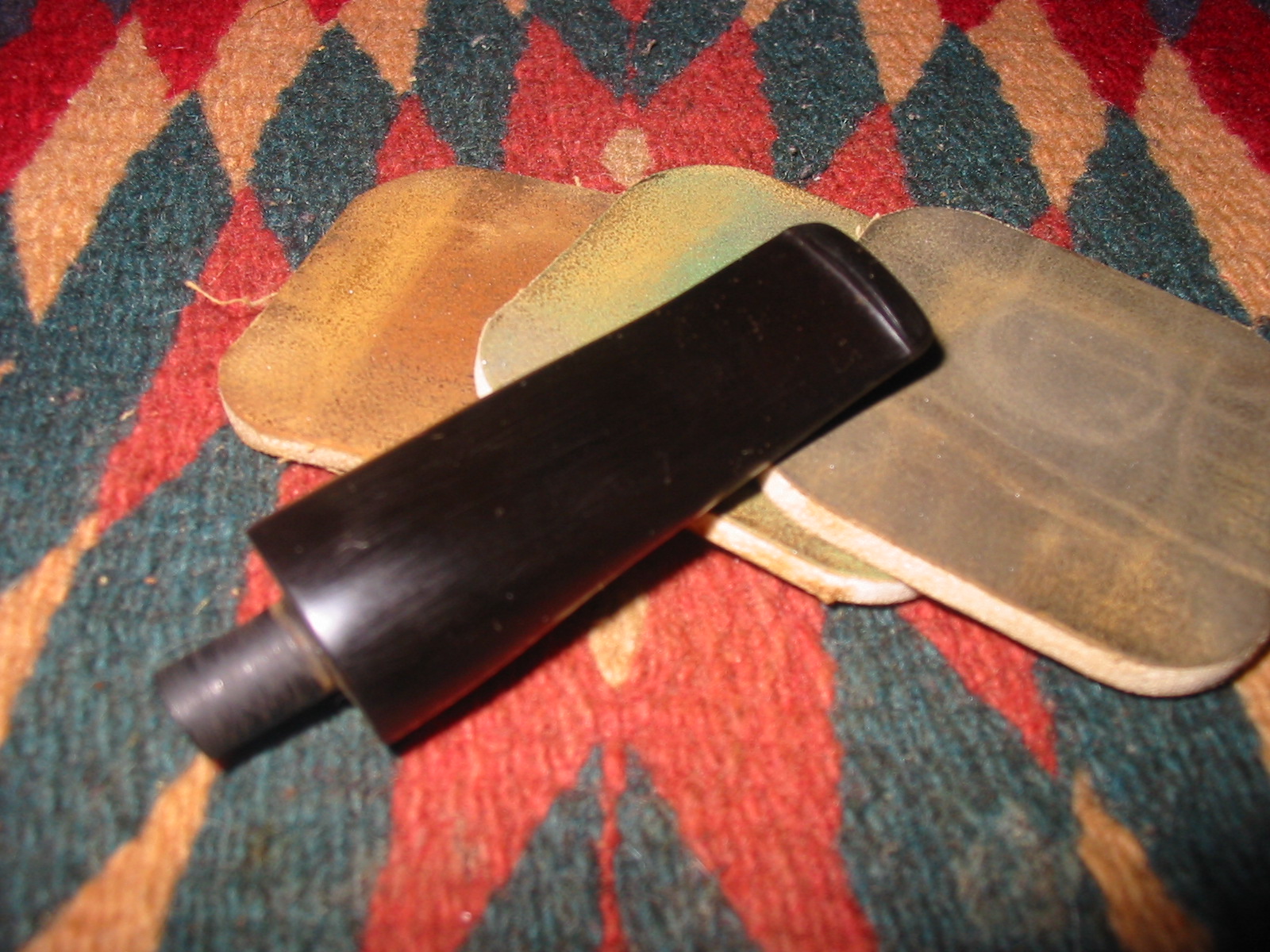
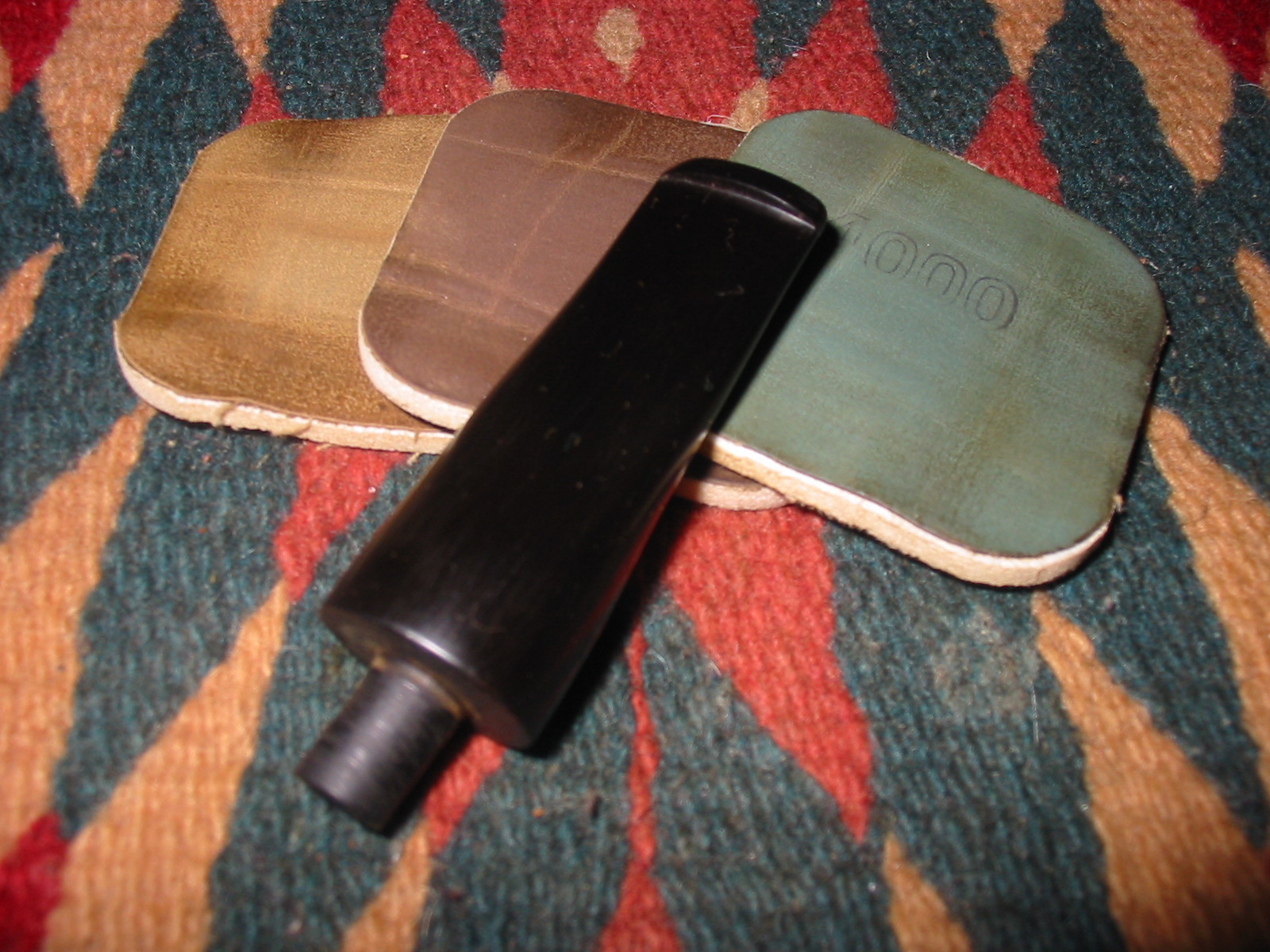
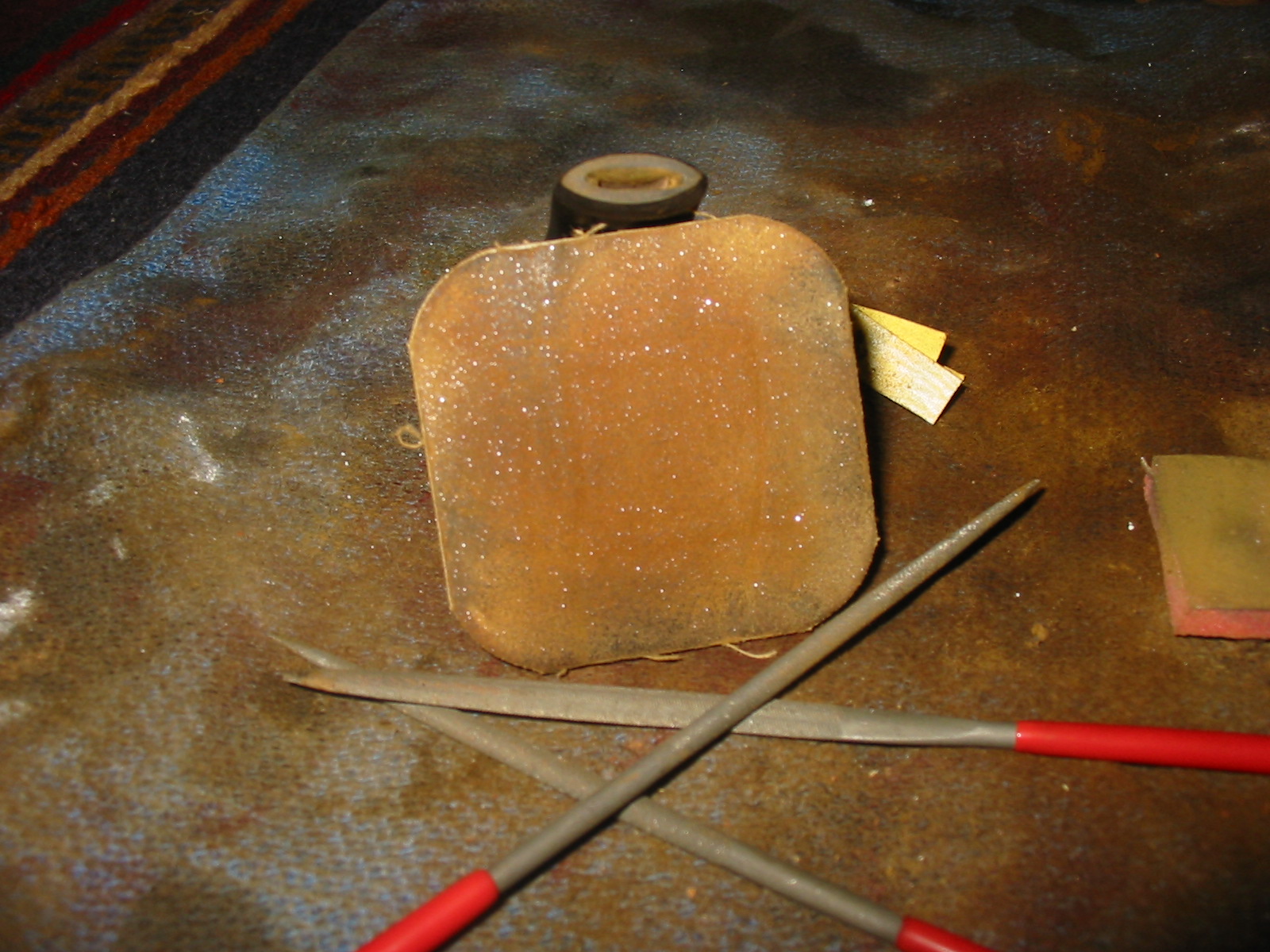
In a phone call with Tim West of J.H. Lowe Pipe Repairs I discussed the possibility of making this pipe a Briar Calabash. I gave Tim the dimensions of the bowl and he happened to have a bowl that was originally made for Pioneer Calabash pipes that was the correct dimensions. He sent along several strips of cork that would be used for making a gasket to give the meerschaum cup a snug fit in the briar bowl.
IMG_5501

I cut a strip of cork and glued it to the bowl with super glue. I used a small piece of the cork to fill the gap between the ends of the strip. Once the glue dried I sanded the cork gasket until it was the proper diameter for the briar bowl.
IMG_5502

IMG_5507

I used some Vaseline and lubricated the cork gasket and then used my finger to coat the inside edge of the briar bowl where the cork would sit. I then pressed the meerschaum cup into place in the briar bowl. The finished Briar Calabash pipe is shown in the photos below. The polished gloss of the white meerschaum bowl looks great against the sandblast dark brown briar bowl. The silver band gives a bit of contrast to the pipe. The draught on the pipe is perfect and the feel of the new Calabash in the hand is great. The pipe is still light in weight and the thin pencil shank and stem work well. Now all that remains is to load it up and have the inaugural smoke.
IMG_5508

IMG_5509

IMG_5510

IMG_5511