
Blog by Steve Laug
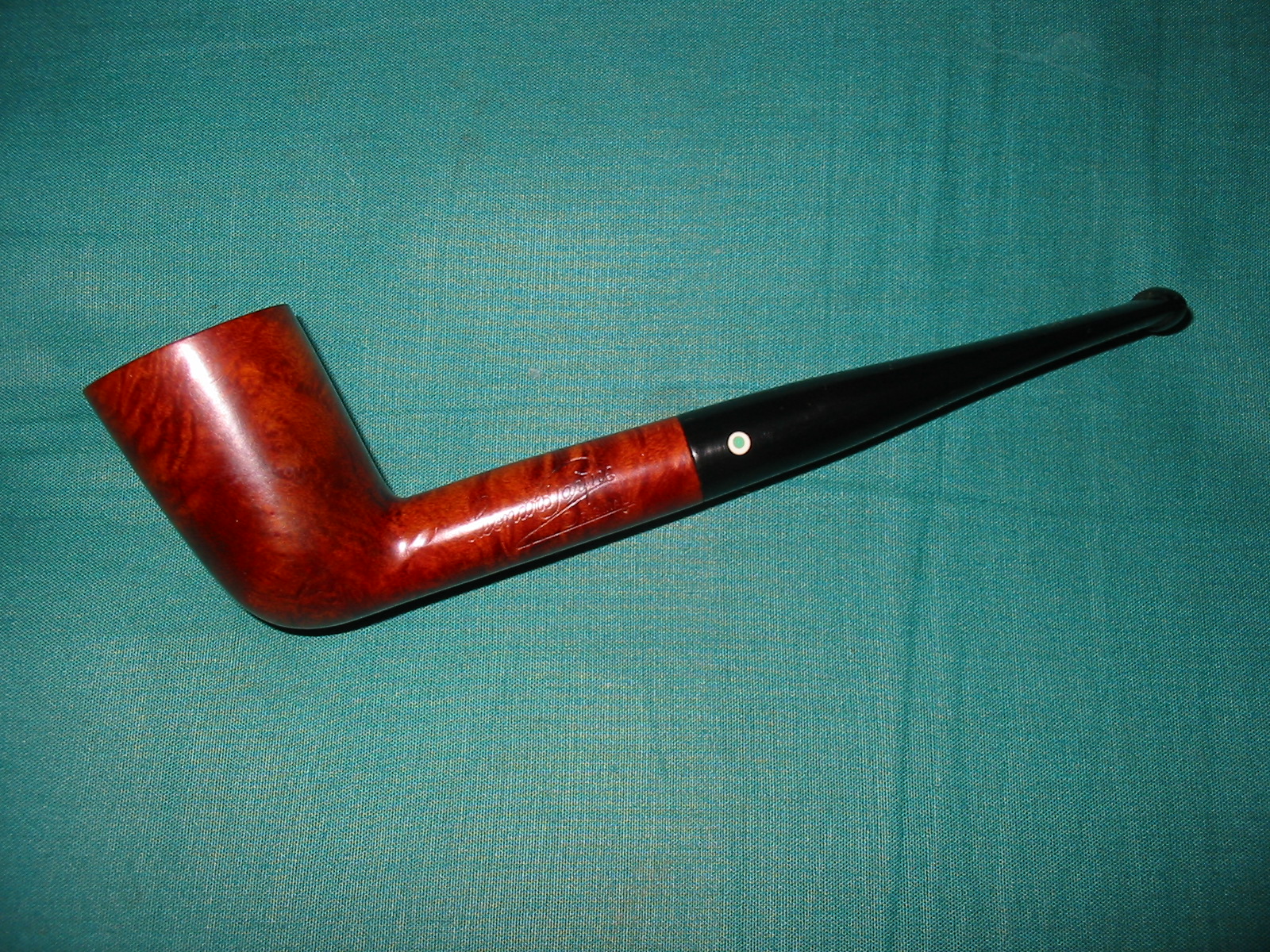
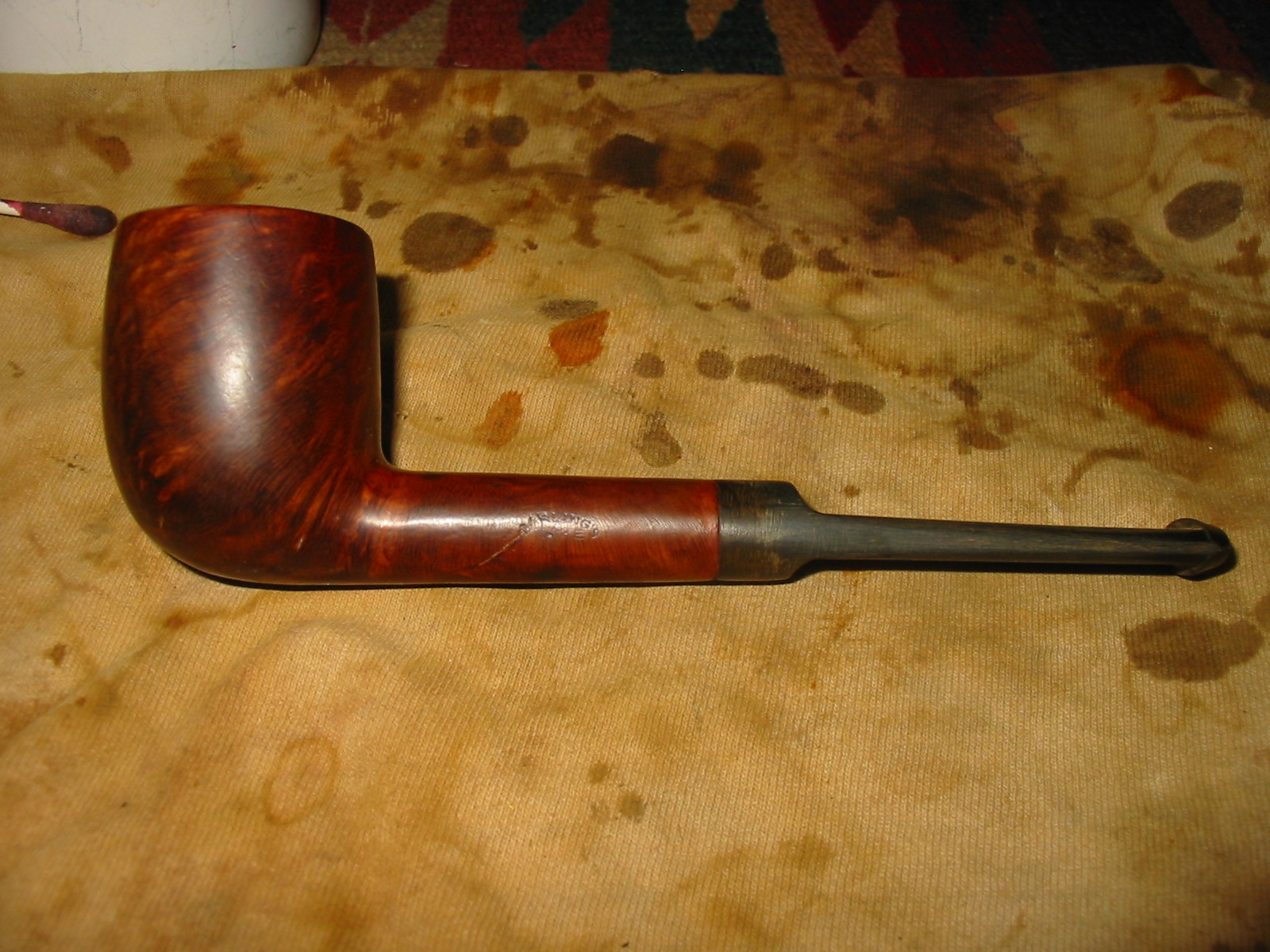
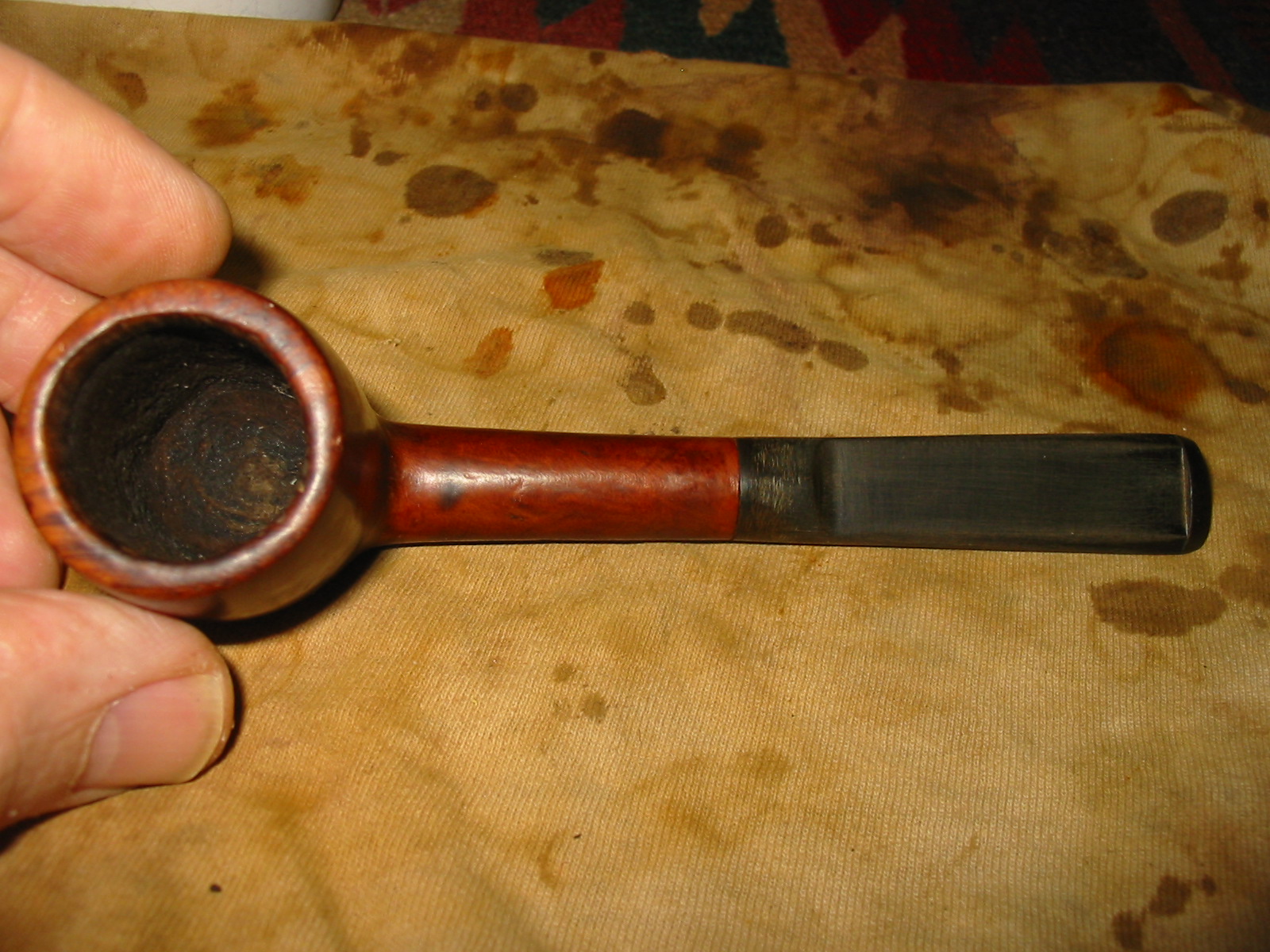
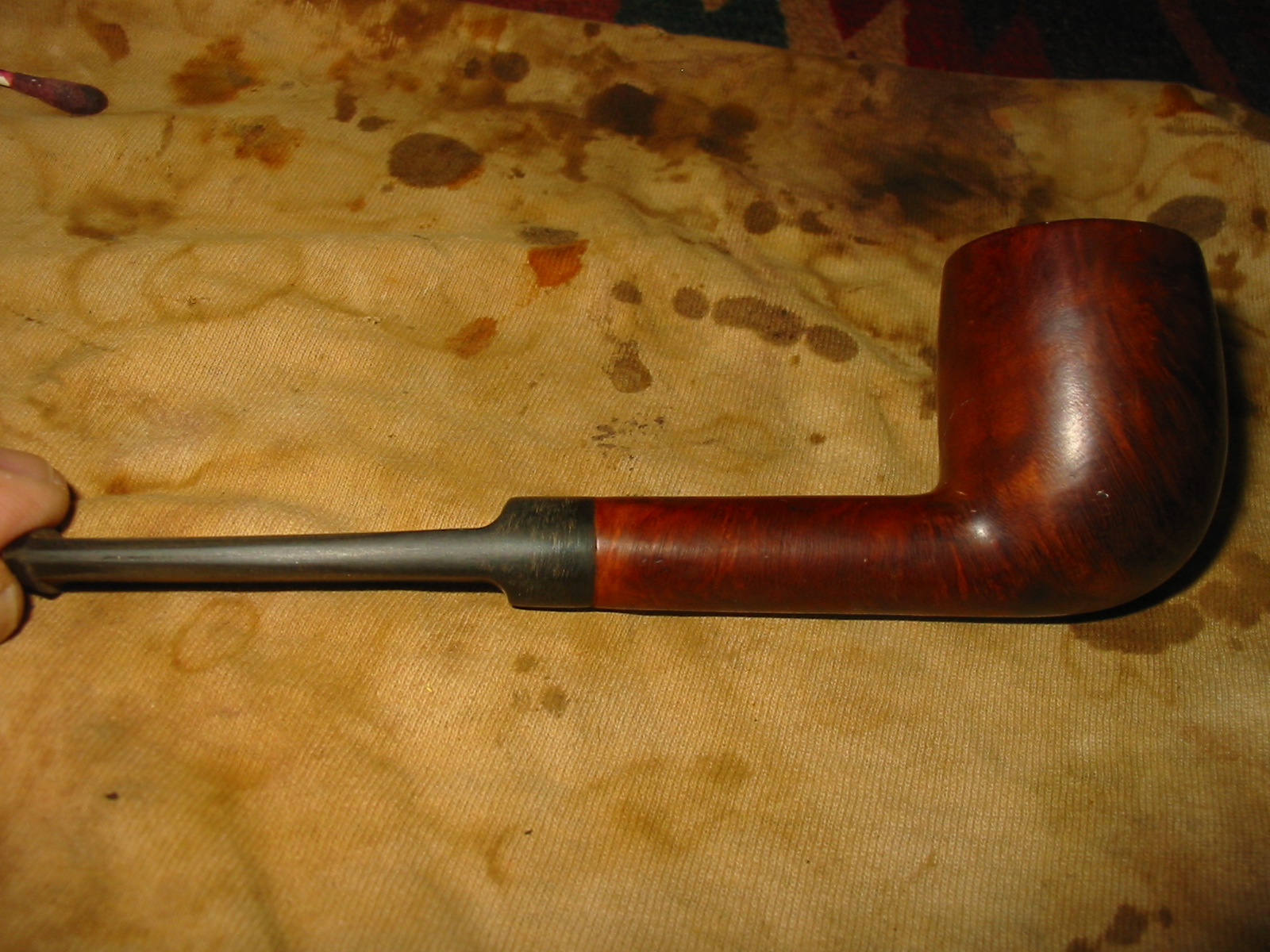
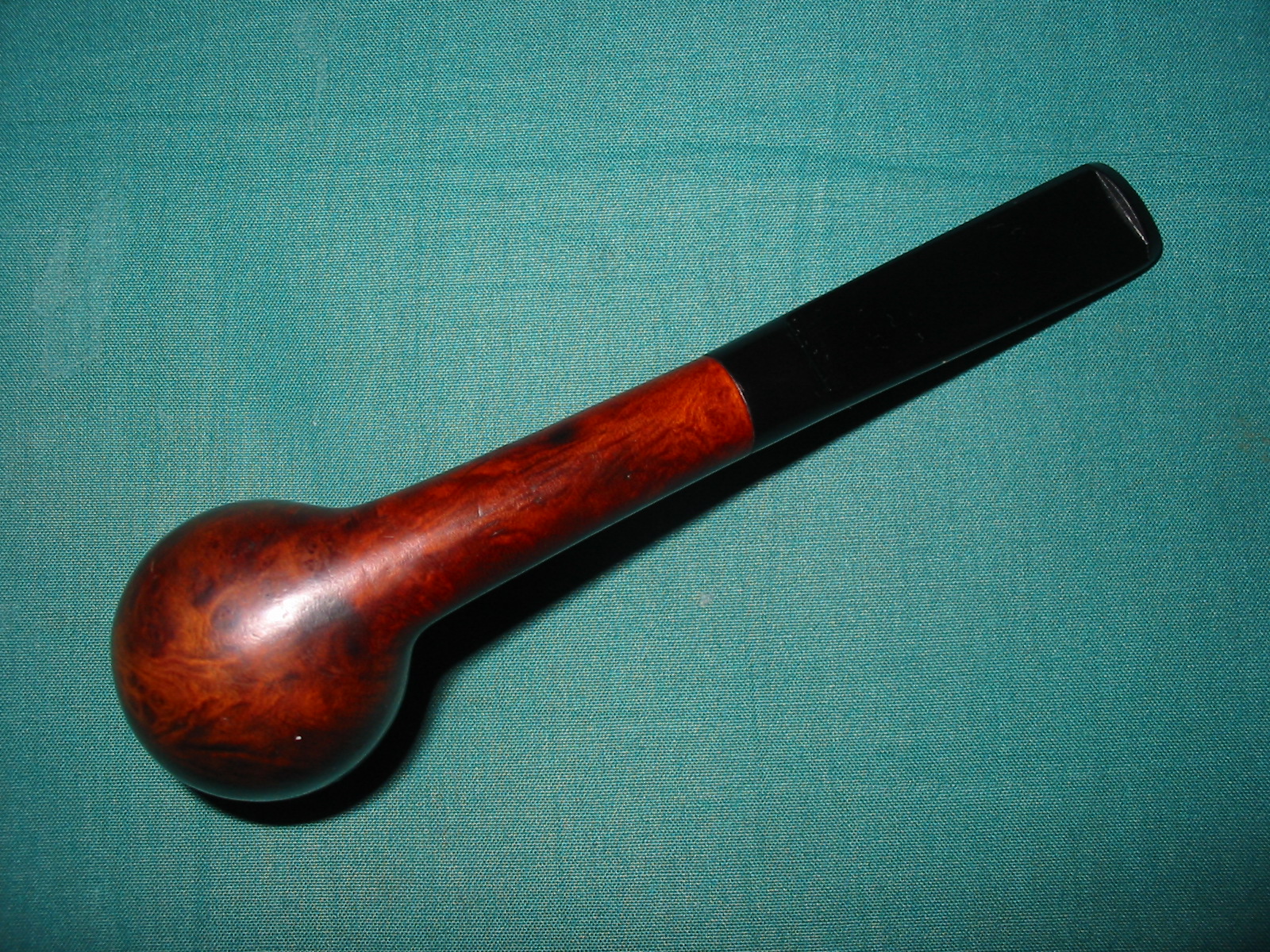
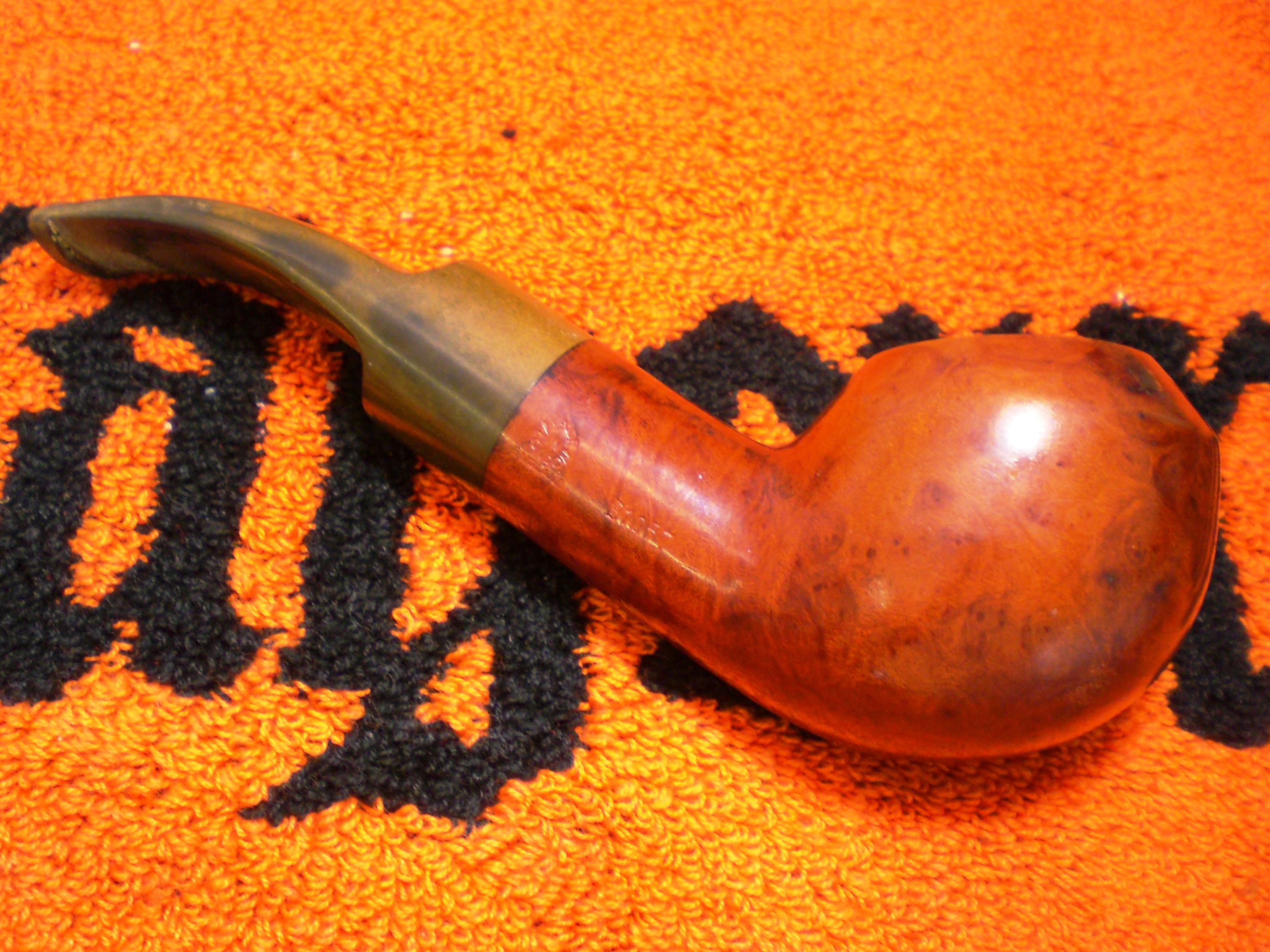
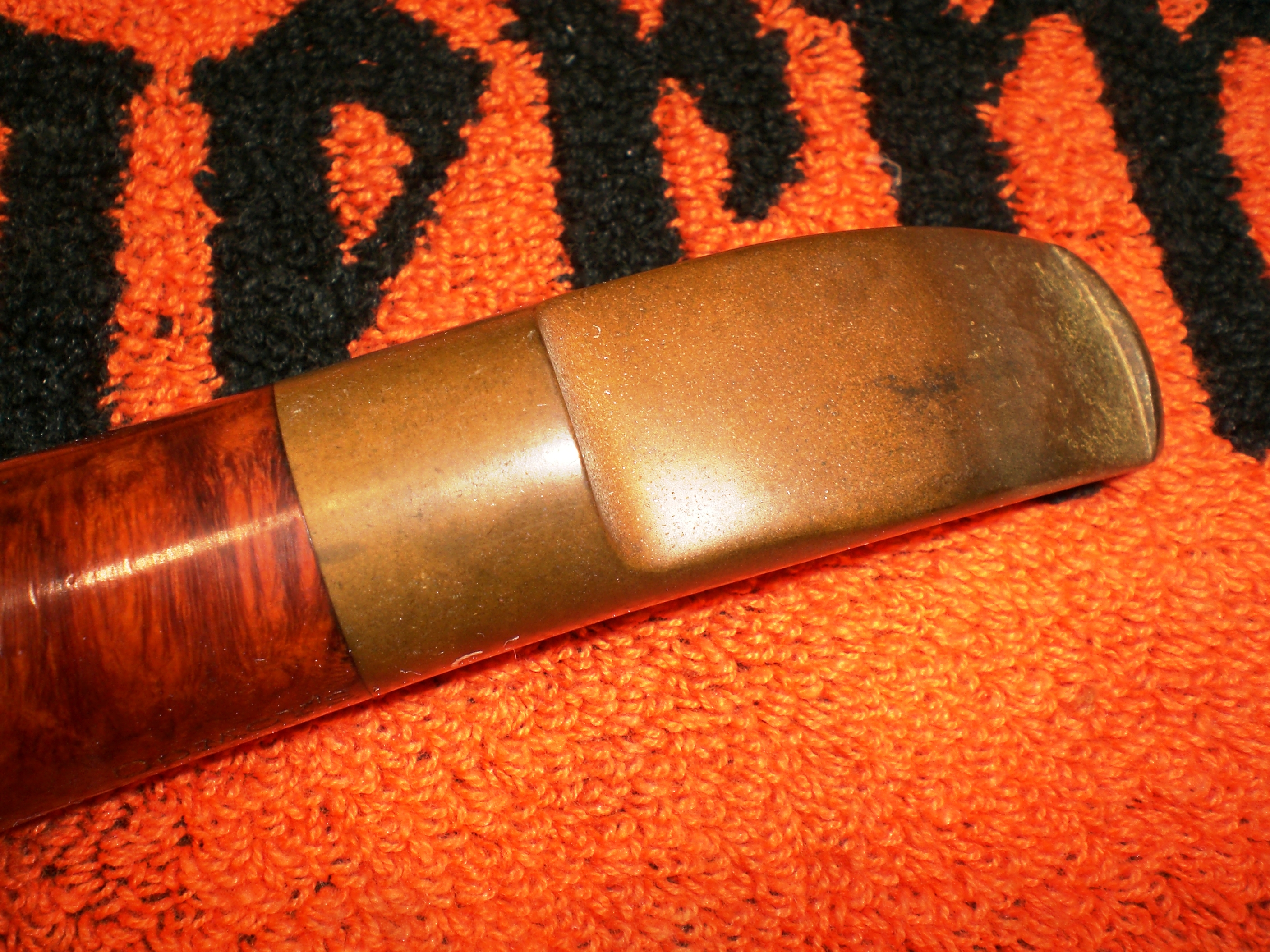
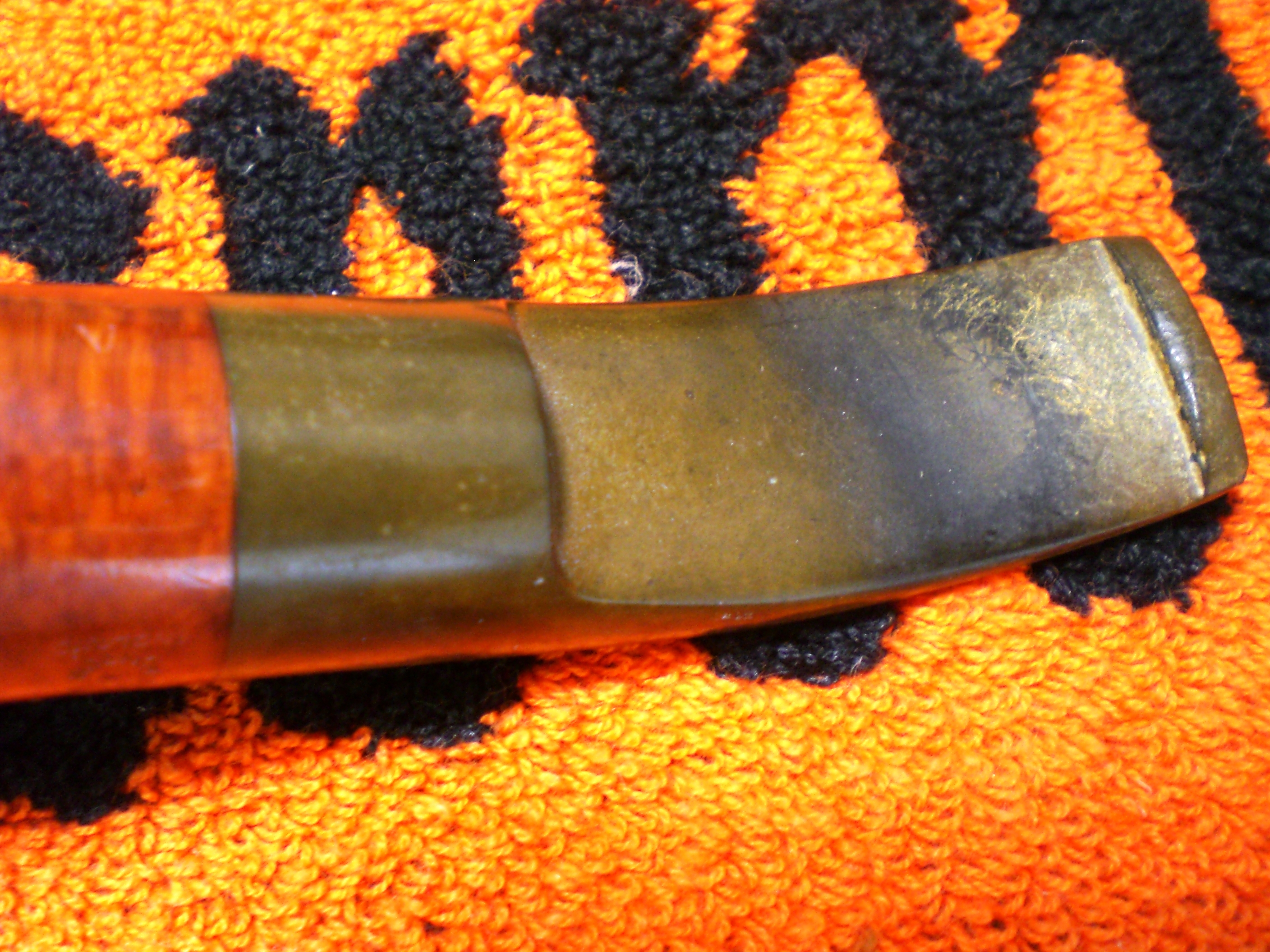
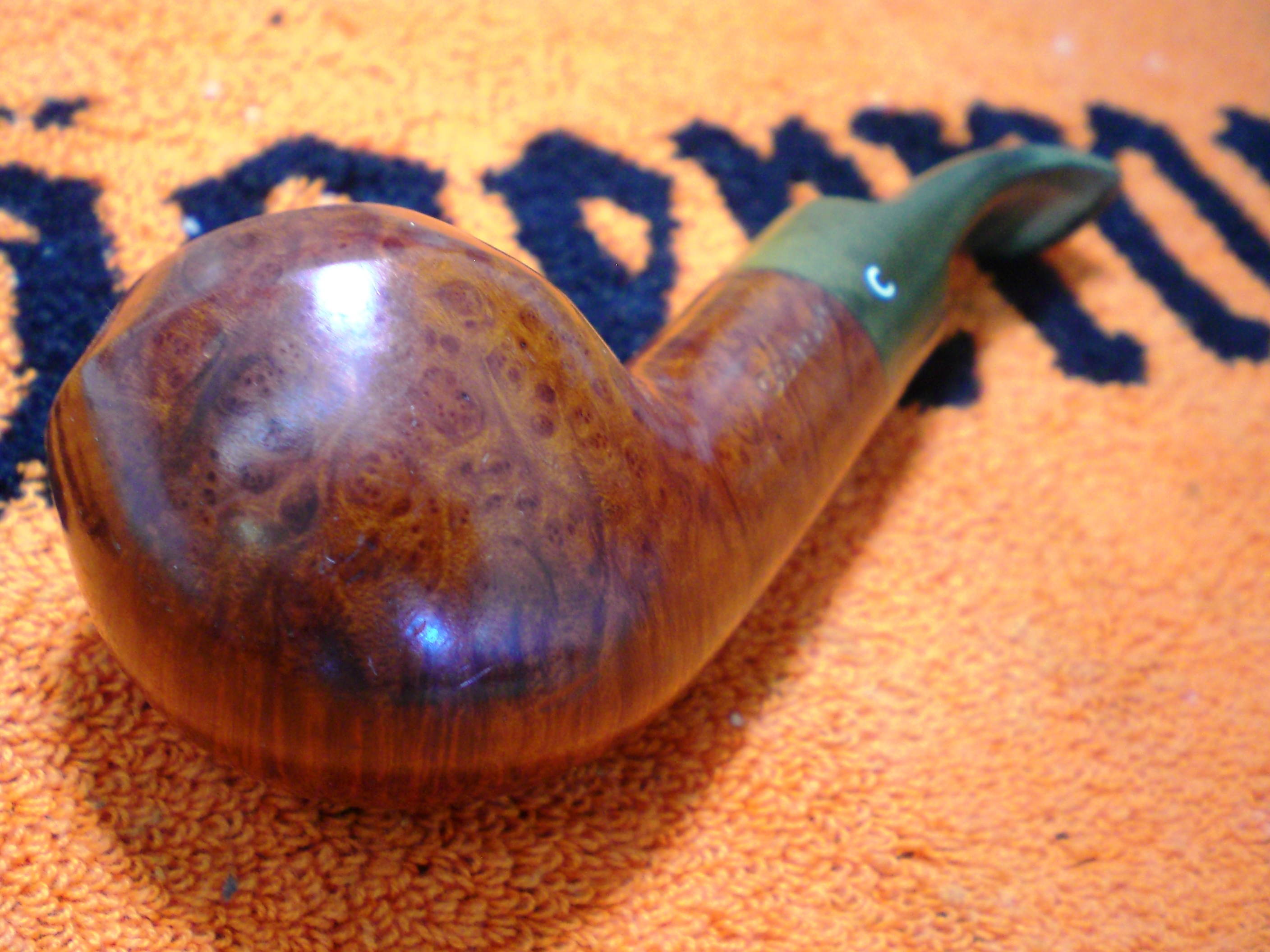
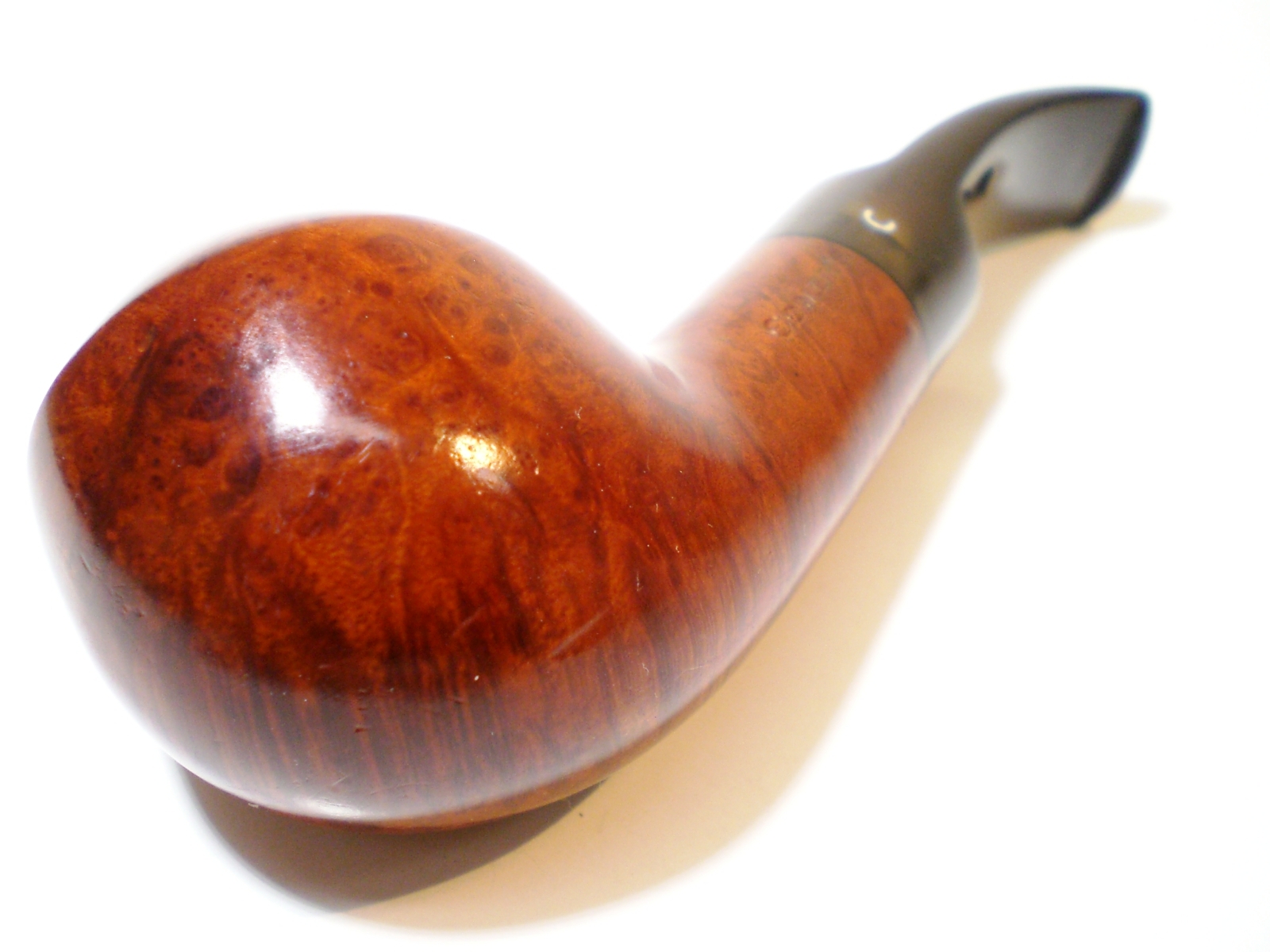
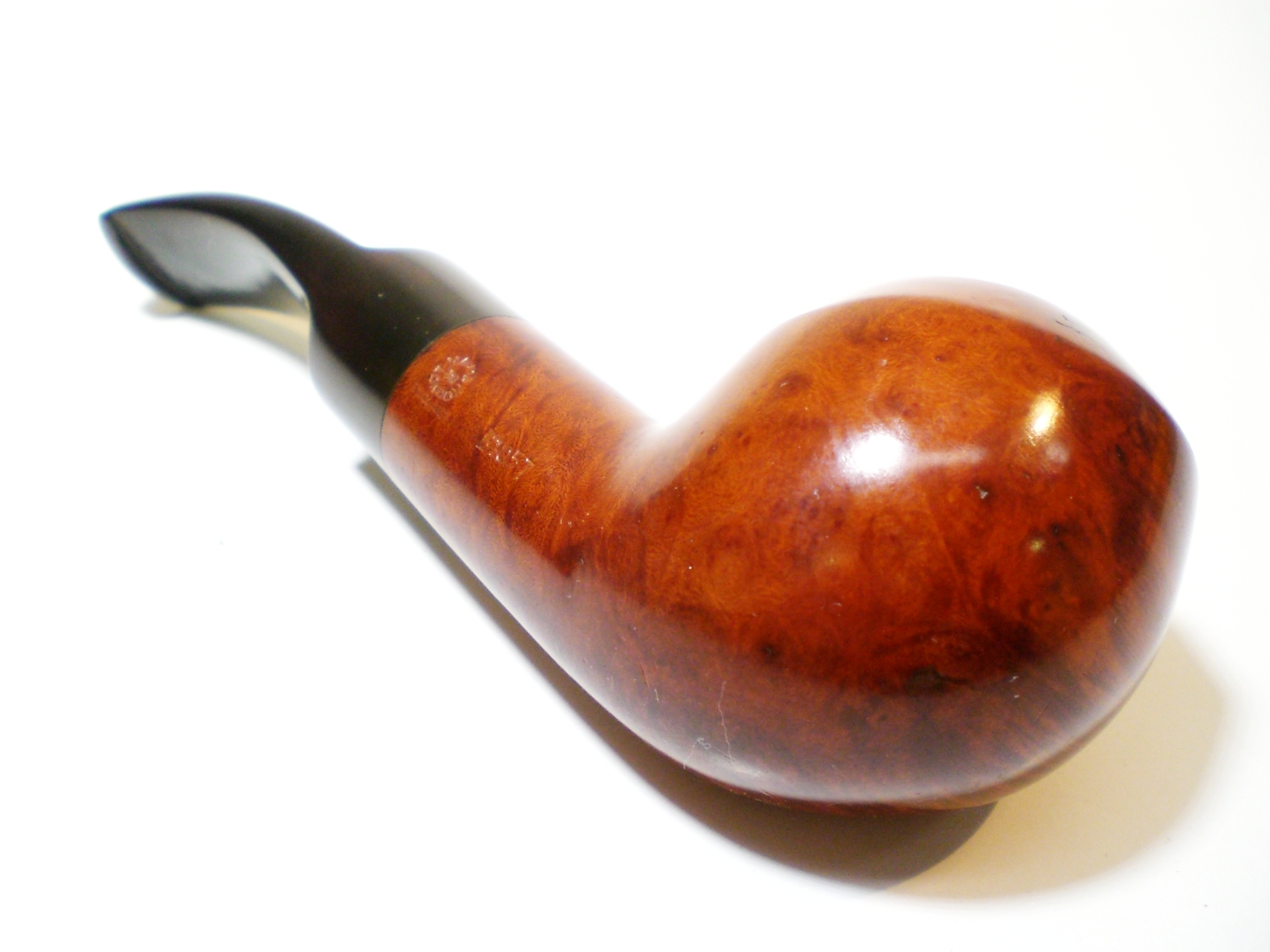
On a Saturday not too long ago I went on a pipe hunt in Vancouver. I began at the Vancouver Flea Market and worked my way back toward my home. I stopped a quite a few antique shops and “malls” in my hunt for old pipes. I found a few at the flea market and several old timers at the shops that I left behind. However, one pipe caught my eye. It was not a brand that I had seen before or heard of.It was a nicely shaped thick shanked apple that needed very little work. It had a bit of tarry build up on the rim, some tooth chatter on the stem and minor oxidation. It grabbed my attention. The stamping was Leonard Payne on the left side of the shank and Made in Canada on the right side. The stem bears a green dot in the centre of a white circle on the left side of the stem. I decided to do a bit of research on the web and found the following advertisement that highlighted the pipes.

Further digging with Google came up with this short note from alt.smokers.pipes forum. It was written by Mike Glukler of Briar Blues. I quote it below in full. (https://groups.google.com/forum/#!topic/alt.smokers.pipes/RrICLiVgE2o) “Leonard Payne was based in B.C. for many years. He came to Canada from England. He had shops in Surrey, B.C. and Kelowna, B.C.Interesting fellow. Gruff as the day is long. When you bought a pipe it was handed to you in a paper bag. No sock, no box. Most of his pipes carried a “carburetor” system at the shank / stem junction.Another Payne idea was his shanks. Almost all his pipes were two pieces. He’d turn the bowl and shank, then cut off the shank and reattach with glue (not always with the same piece of briar, so many did not match grains). His thinking was that the shank being the weakest link, if cut and glued would never break and thus “correcting”the weakest link.You may find his pipes on E-Bay on occasion listed as a Len Cayne. The P in his stamping looks more like a fancy upper case C.”
That is the extent of information that I could find on the pipe. It was a Canadian made pipe carved by an eccentric BC pipe carver. The one example I purchase was a single piece of briar without the broken and reglued shank that Mike mentions above. It is a light weight piece of briar and the fit of the stem and shank is very well done. The gap between the end of the tenon and the end of the mortise is very small – just enough to allow for expansion. The finish was very good and the stain well done.
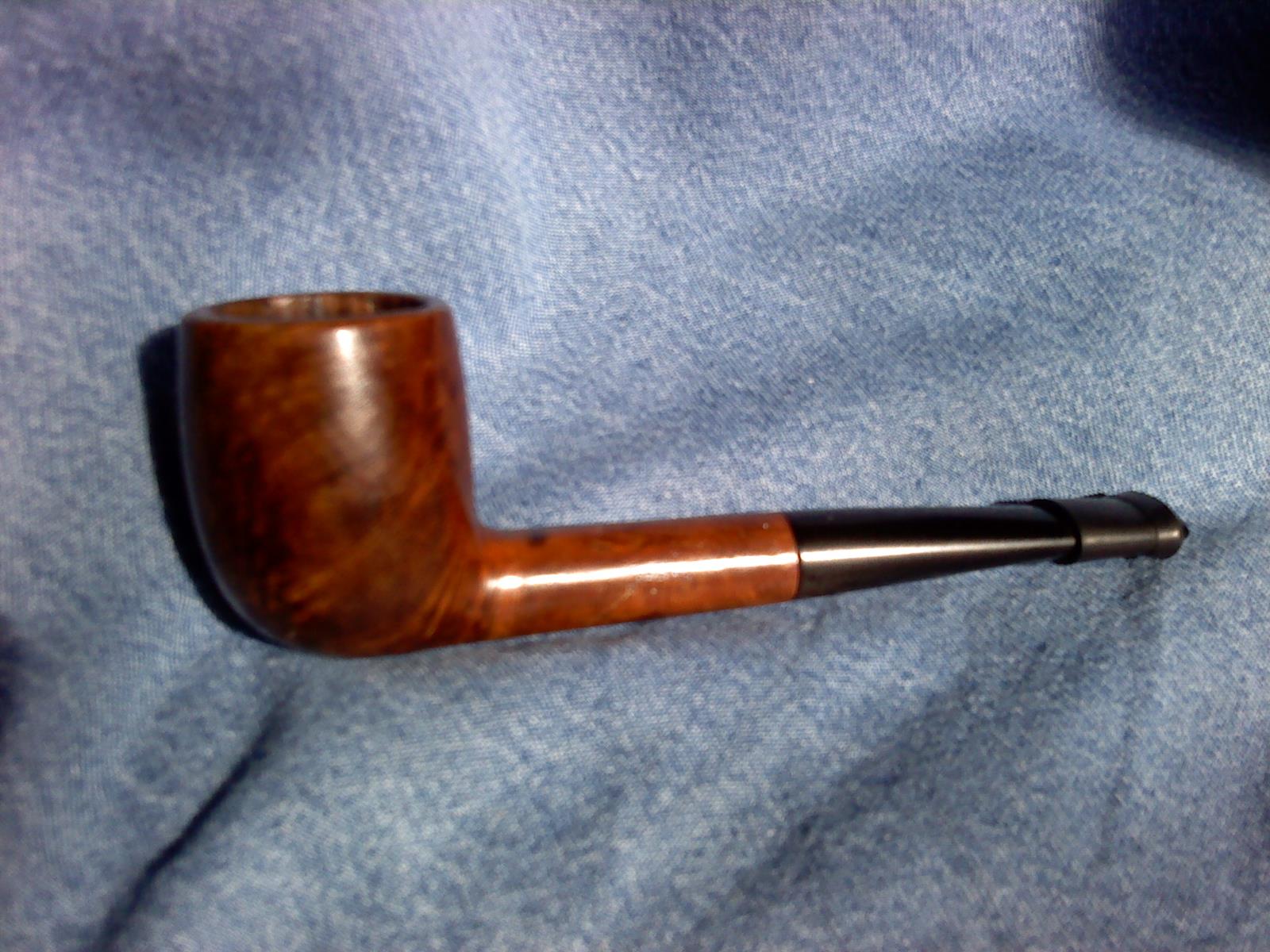
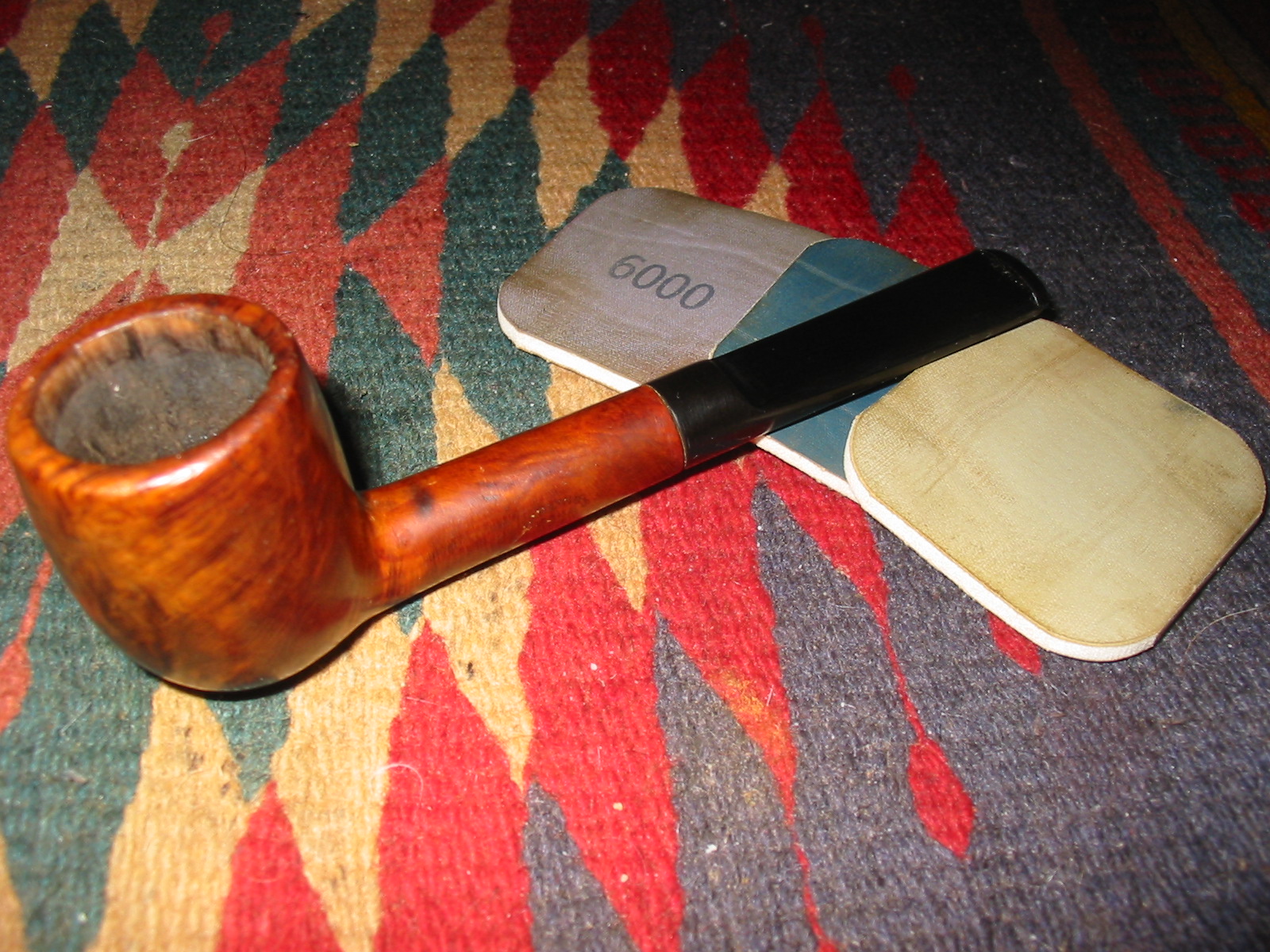
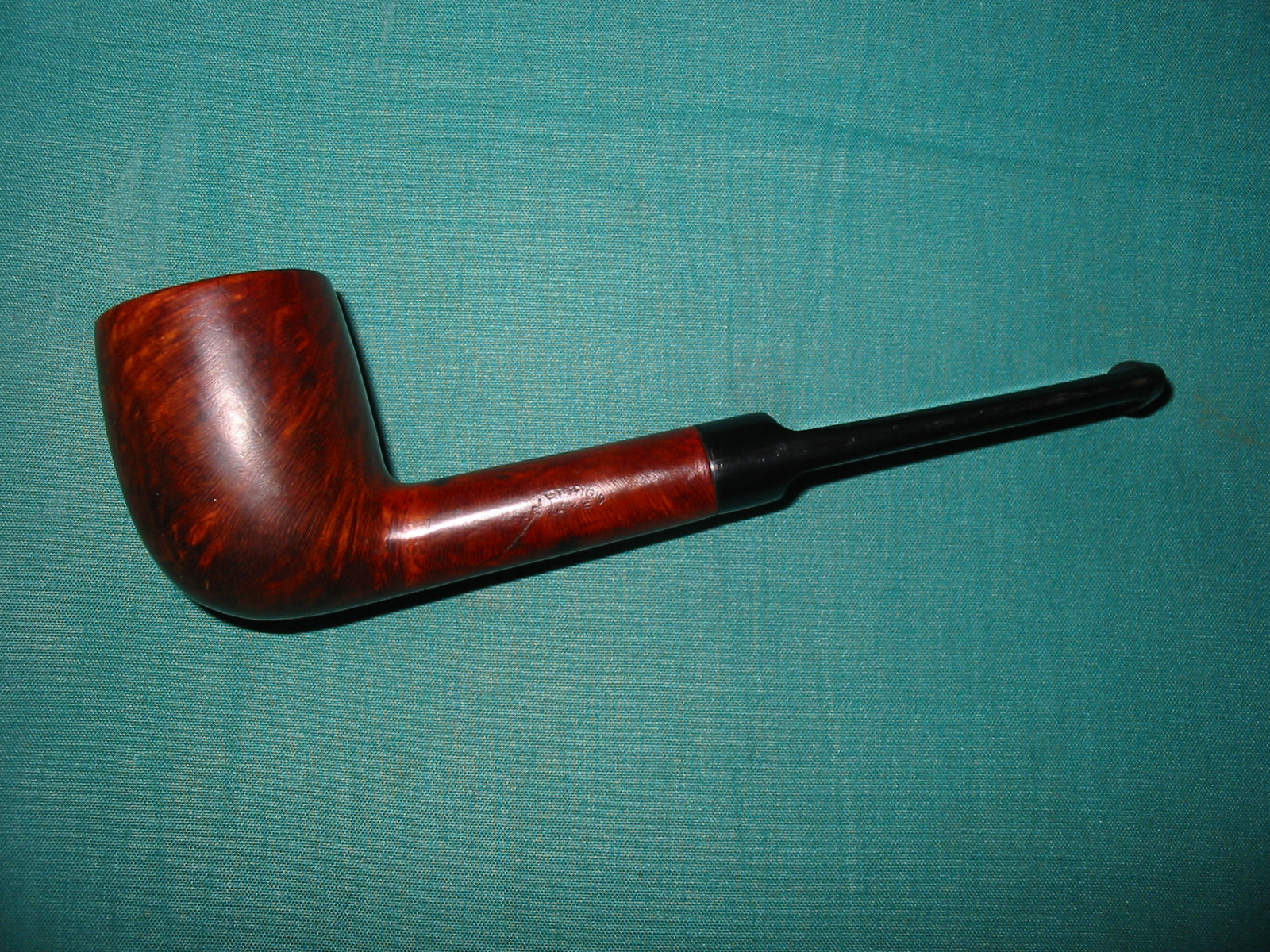
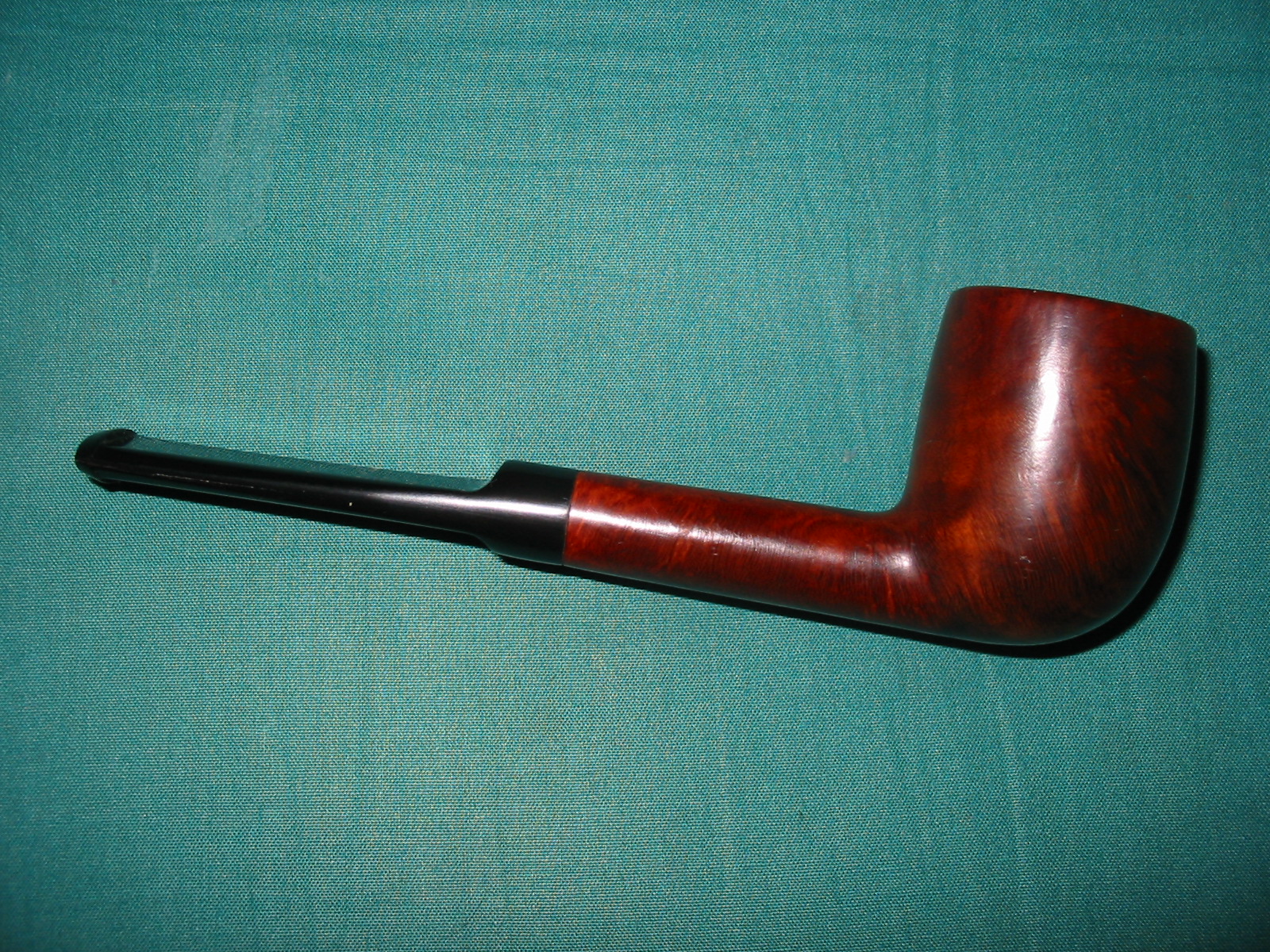
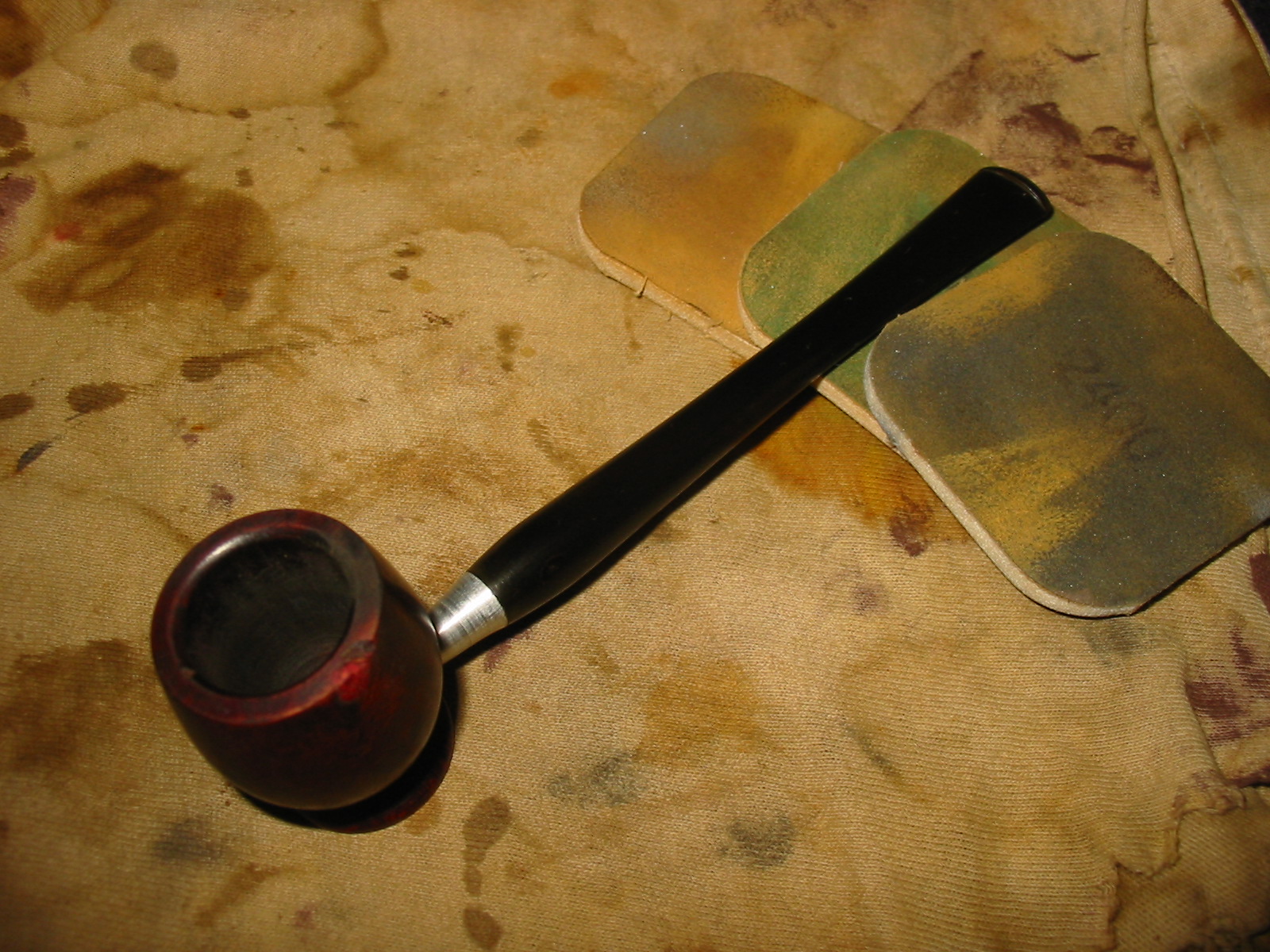
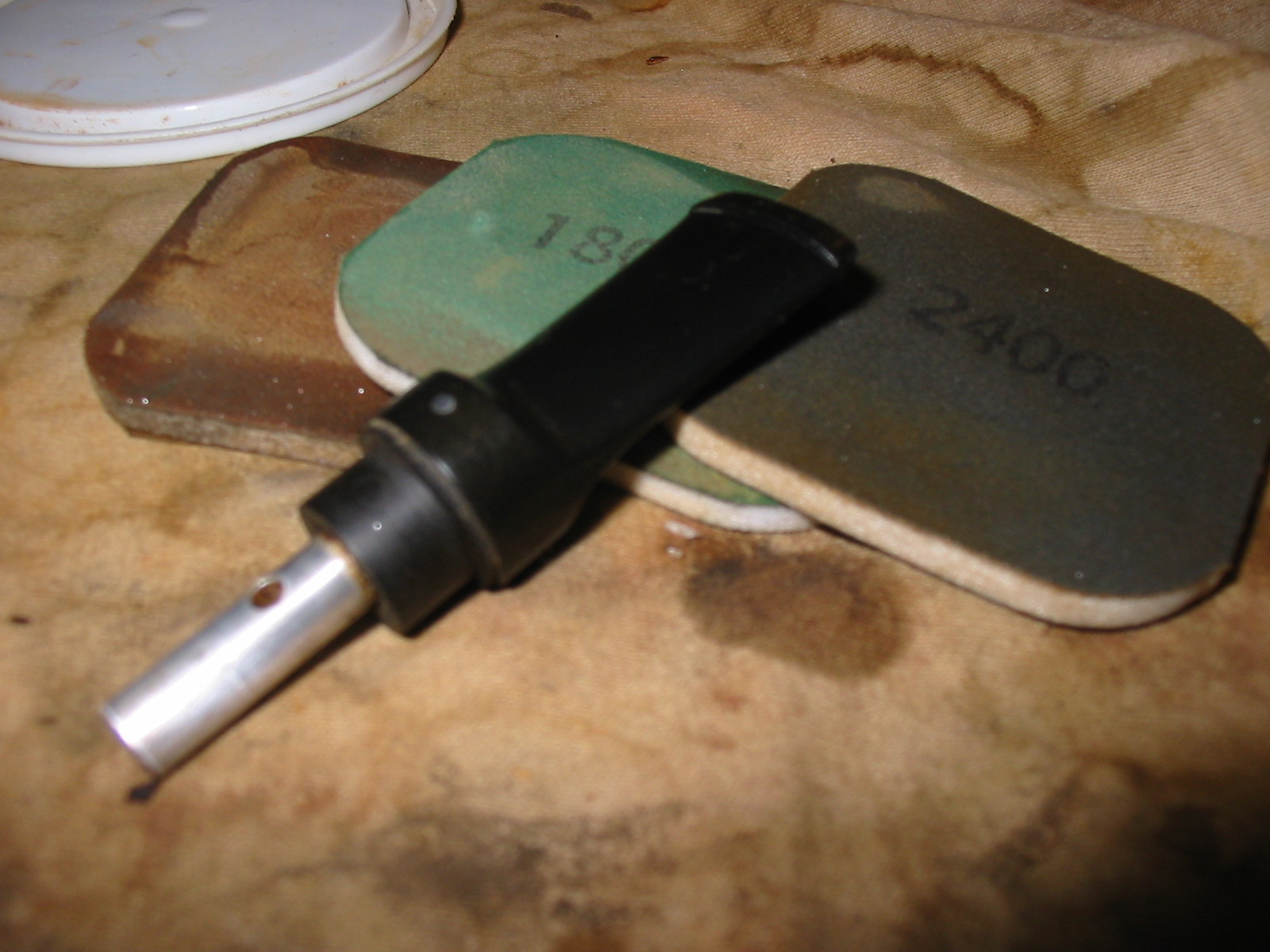
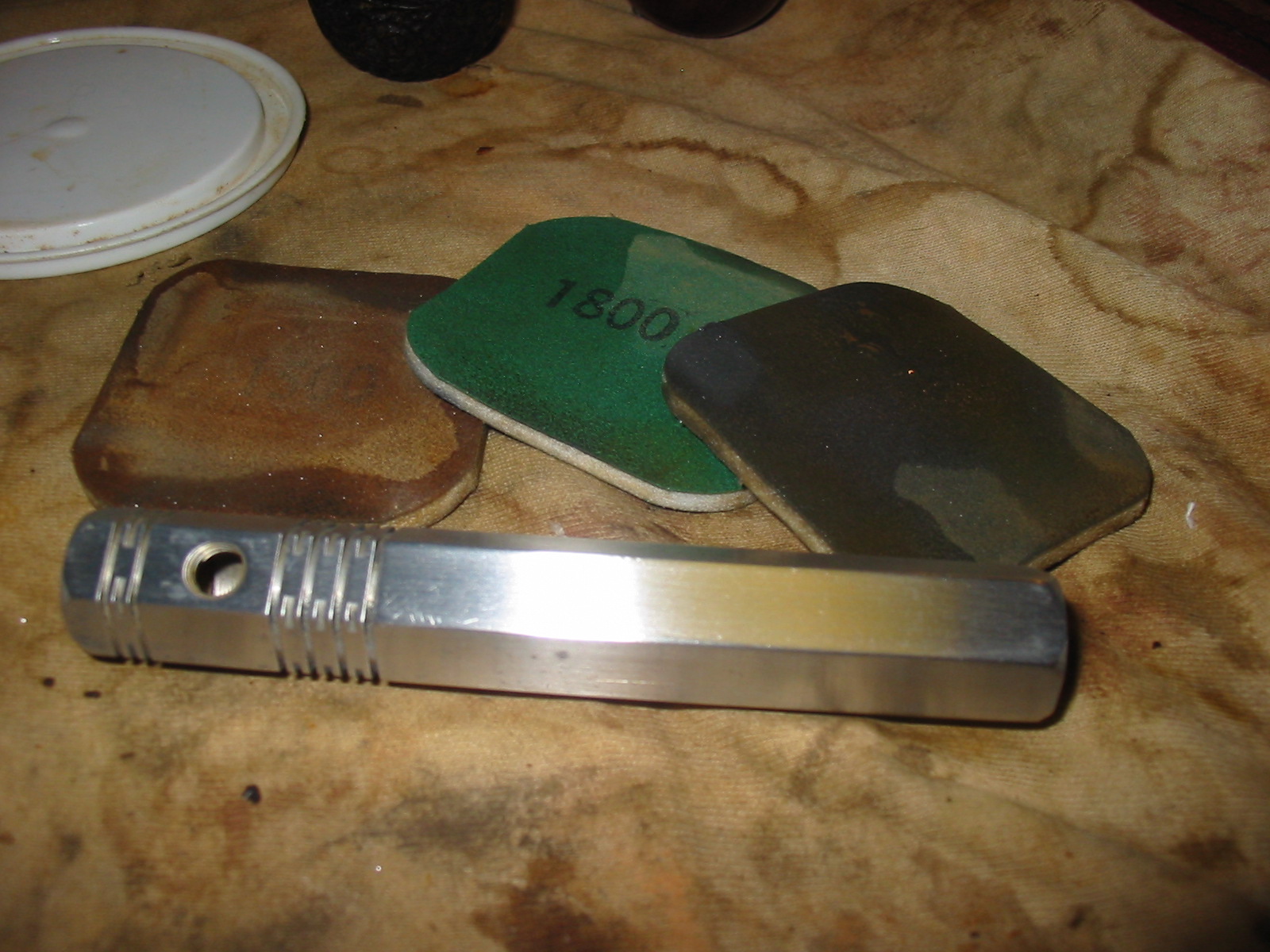
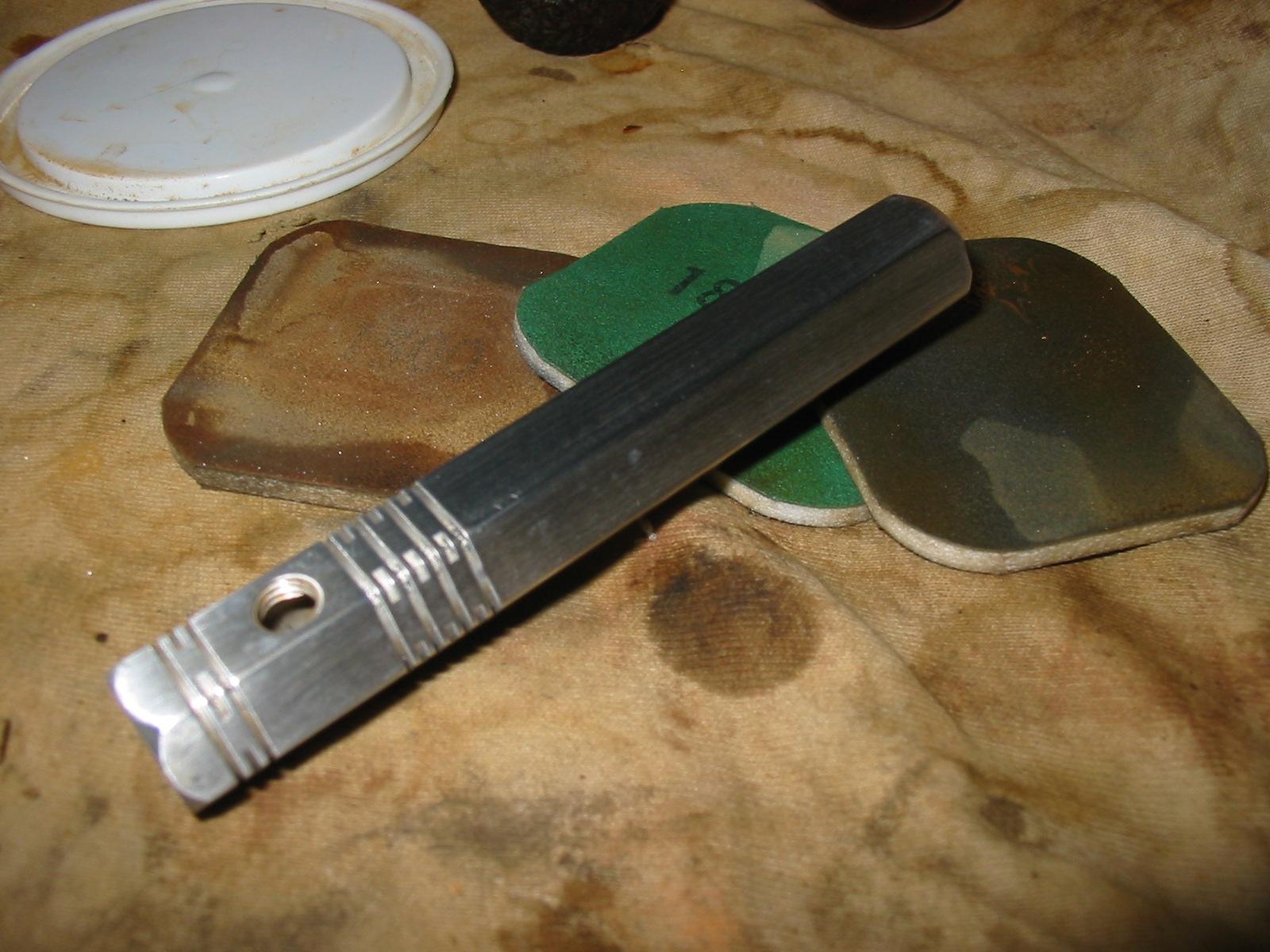
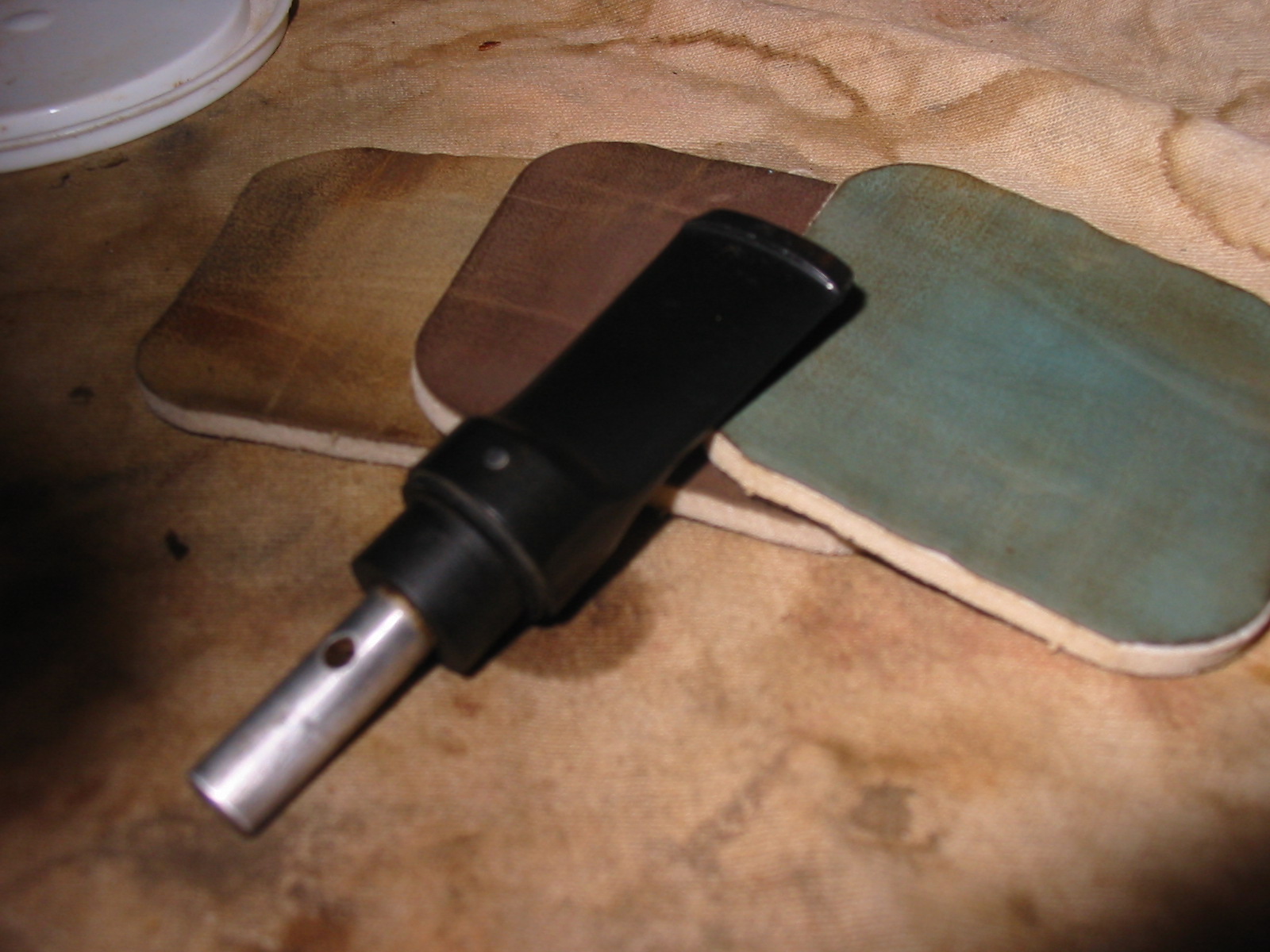
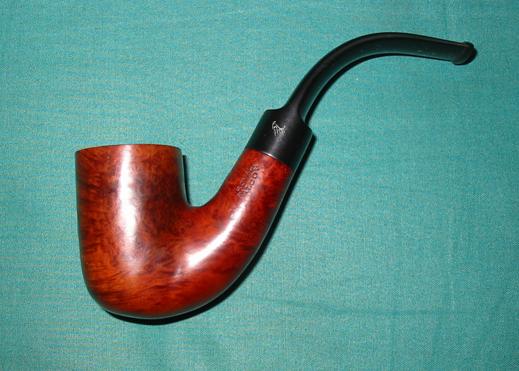
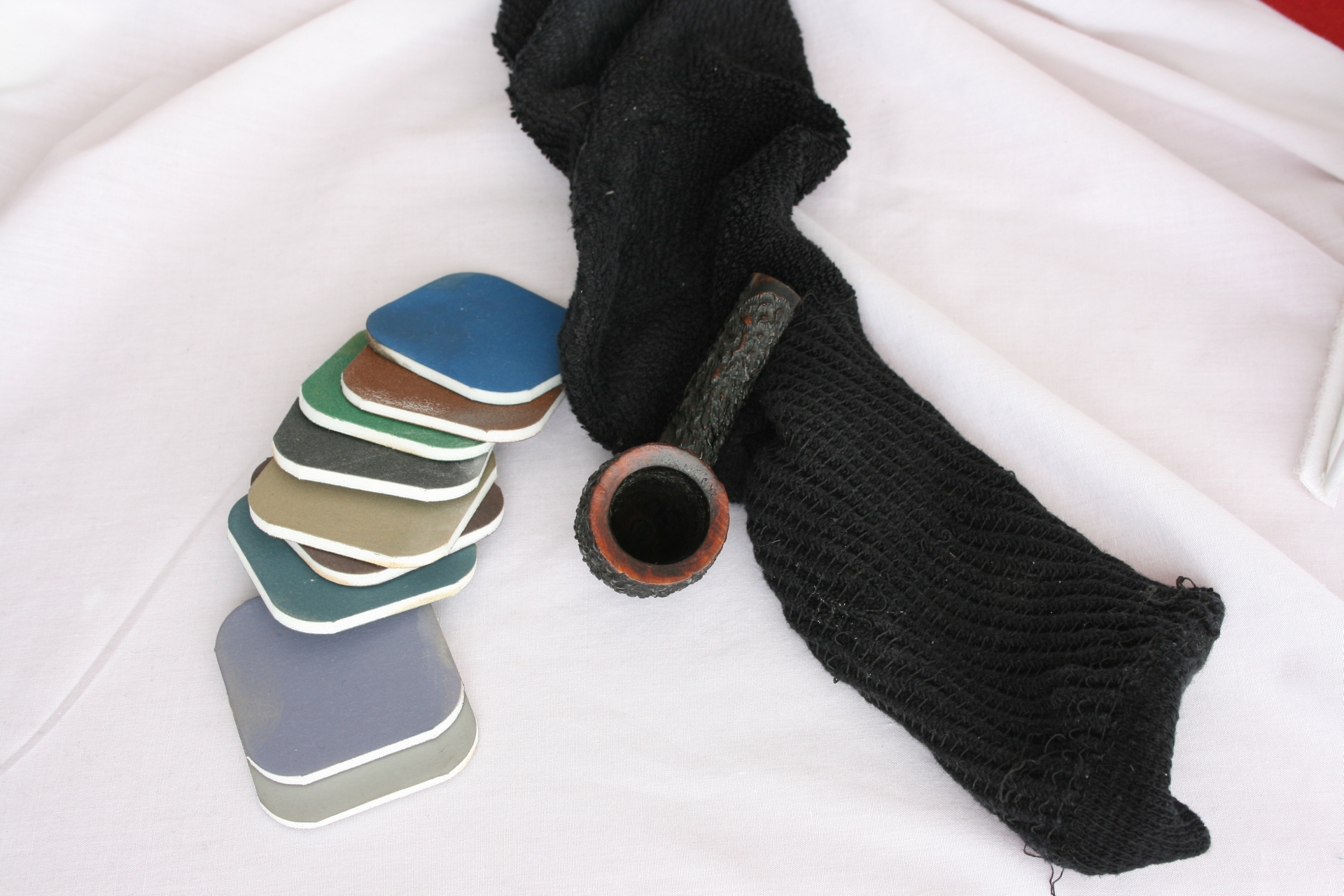
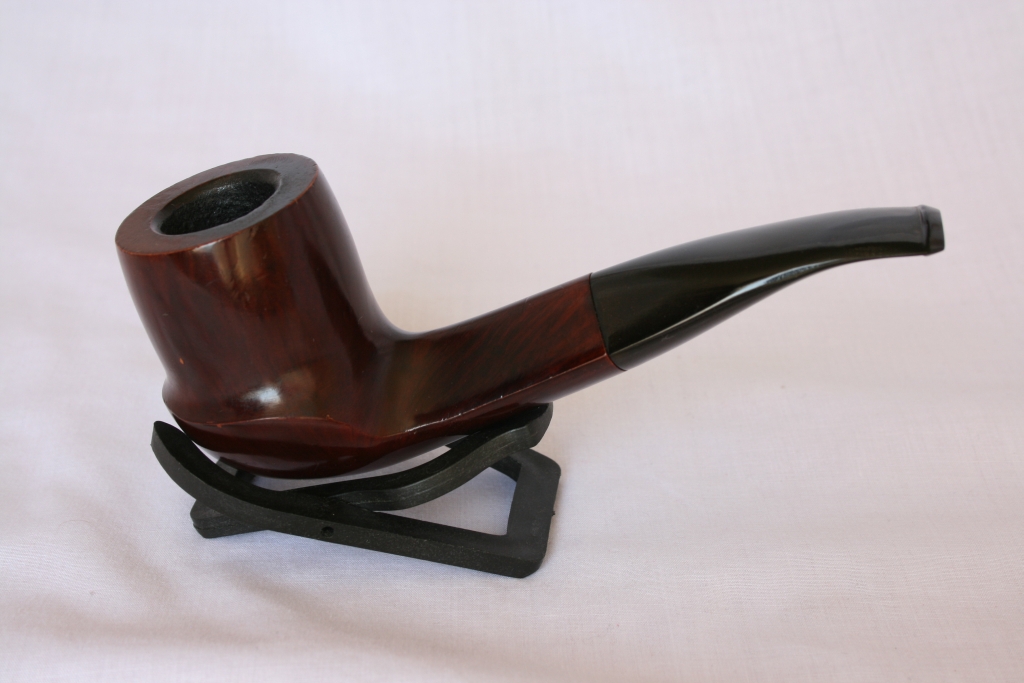
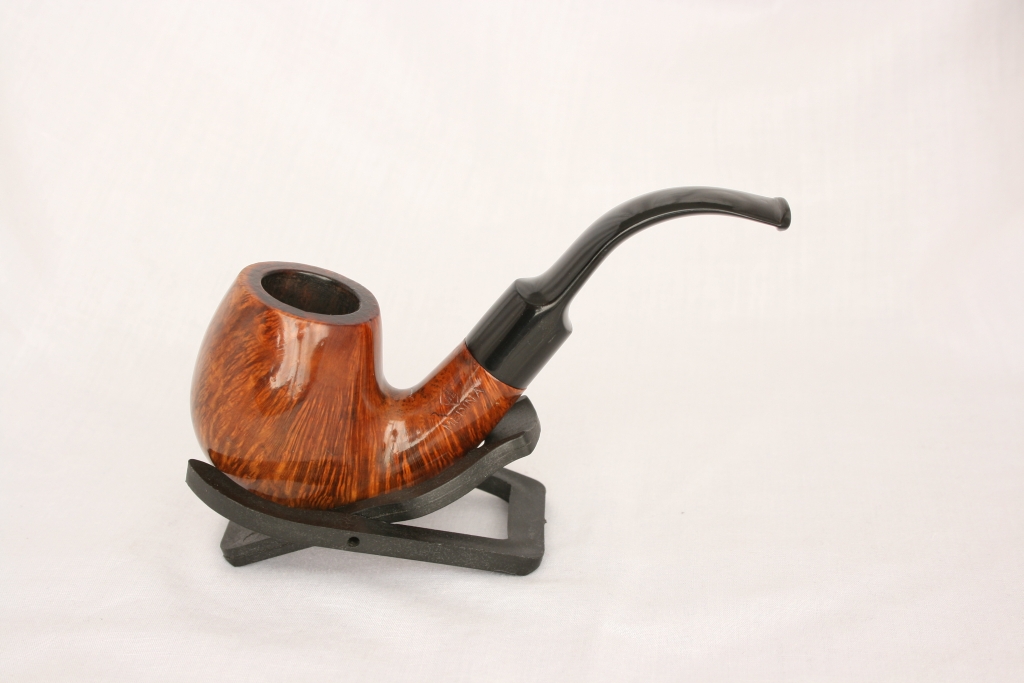
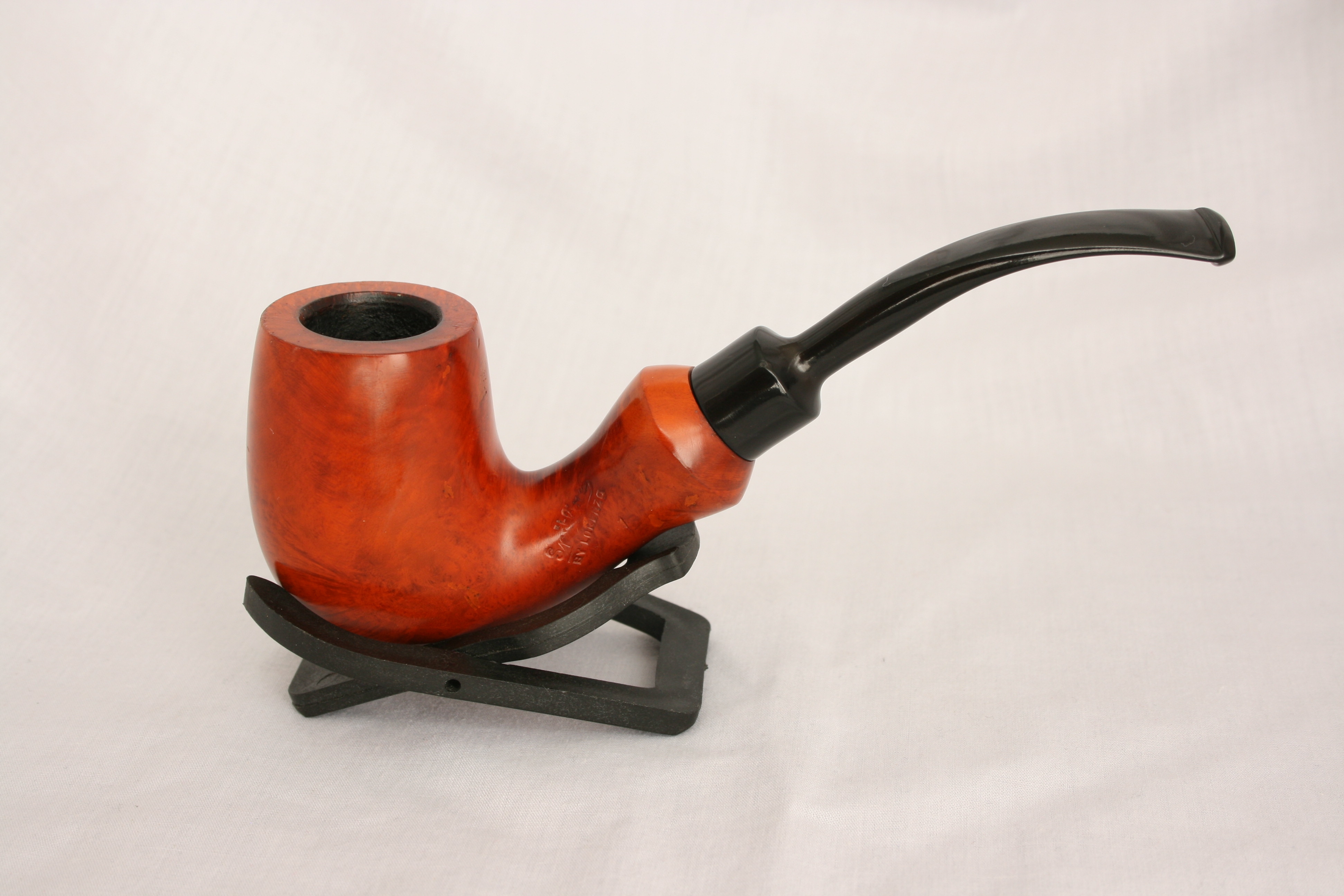
My clean up on the pipe was very simple. I sanded out the tooth chatter on the stem near the button and polished the stem with micromesh sanding pads from 1500-12,000 grit. I then took it to the buffer and used red Tripoli and White Diamond on the buffing wheels to further polish the stem. I reamed the bowl and cleaned the tars off the rim and polished it as well with White Diamond. I am careful when buffing the shank area where the stamping is so that I do not harm the stamping. Once I was finished with the polishing I gave the bowl and the stem several coats of carnauba wax. I polished the pipe with a soft flannel buffing pad. The finished pipe is pictured below.
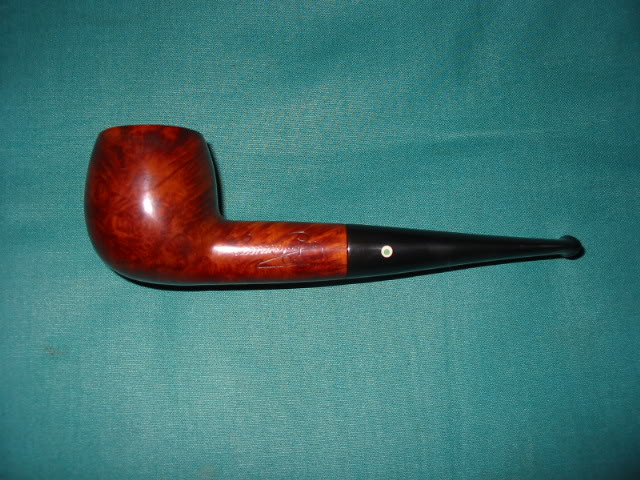
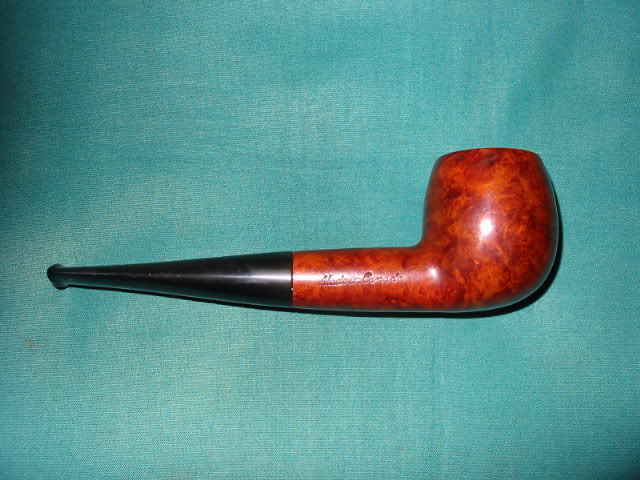

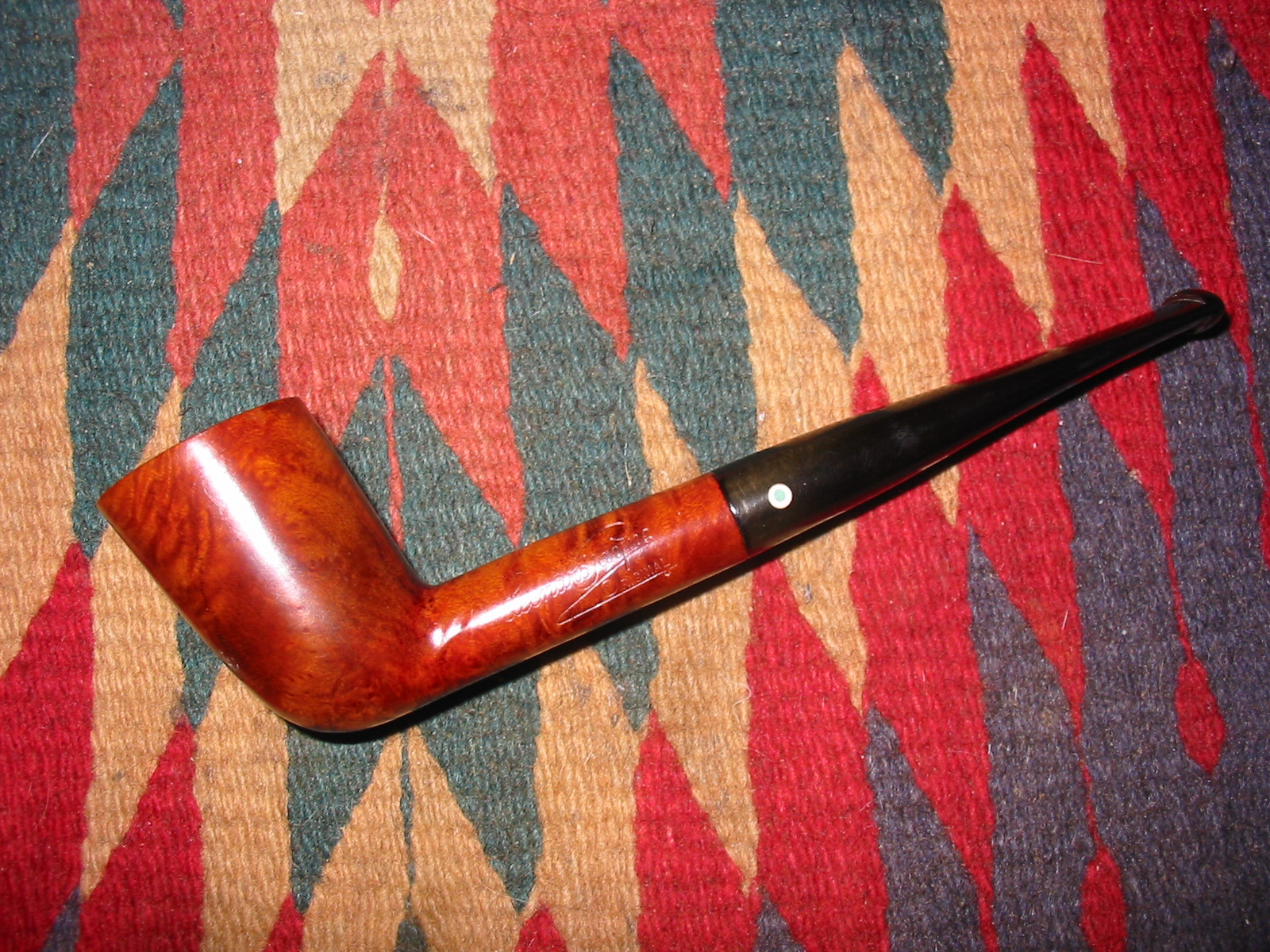
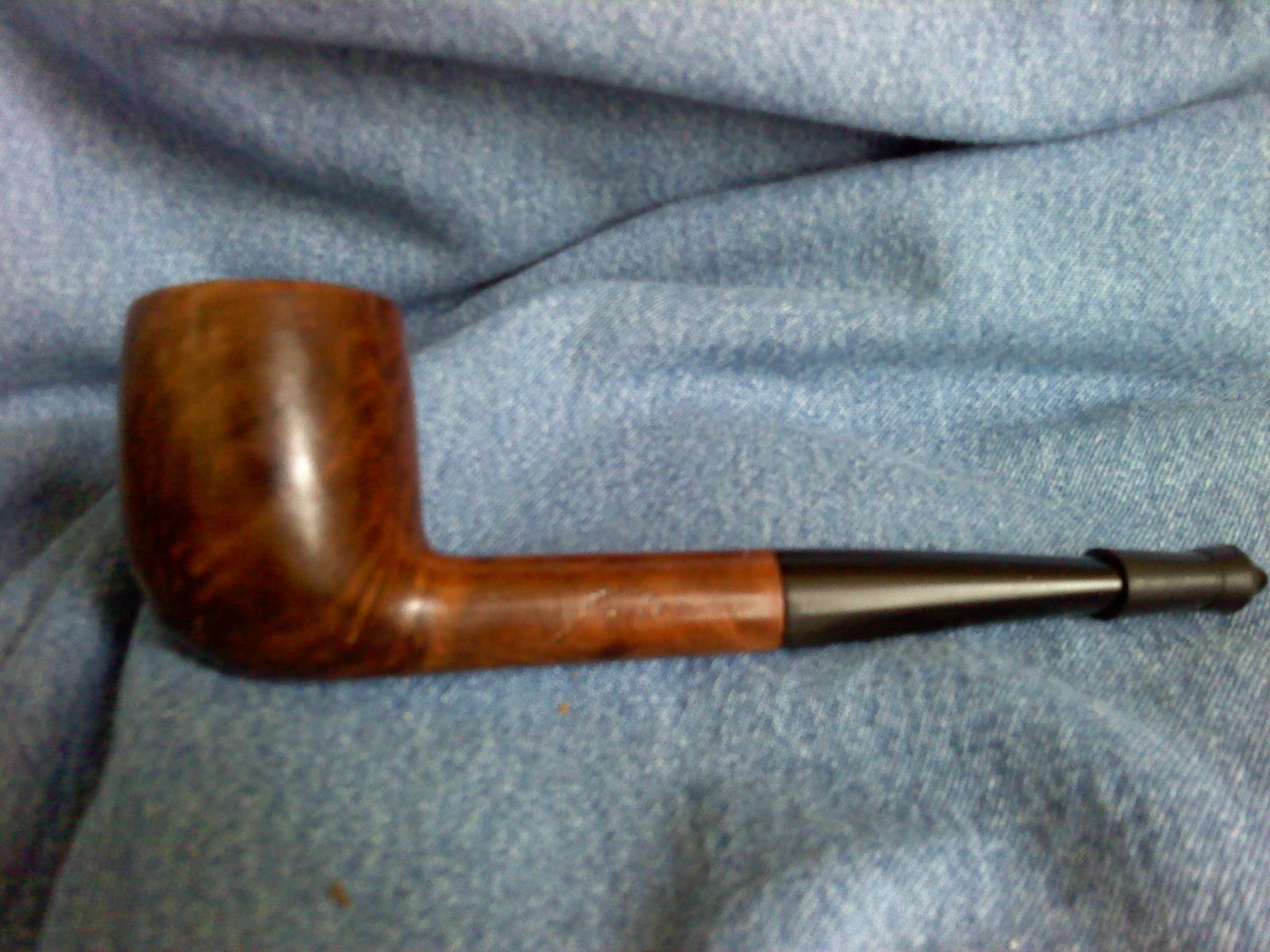
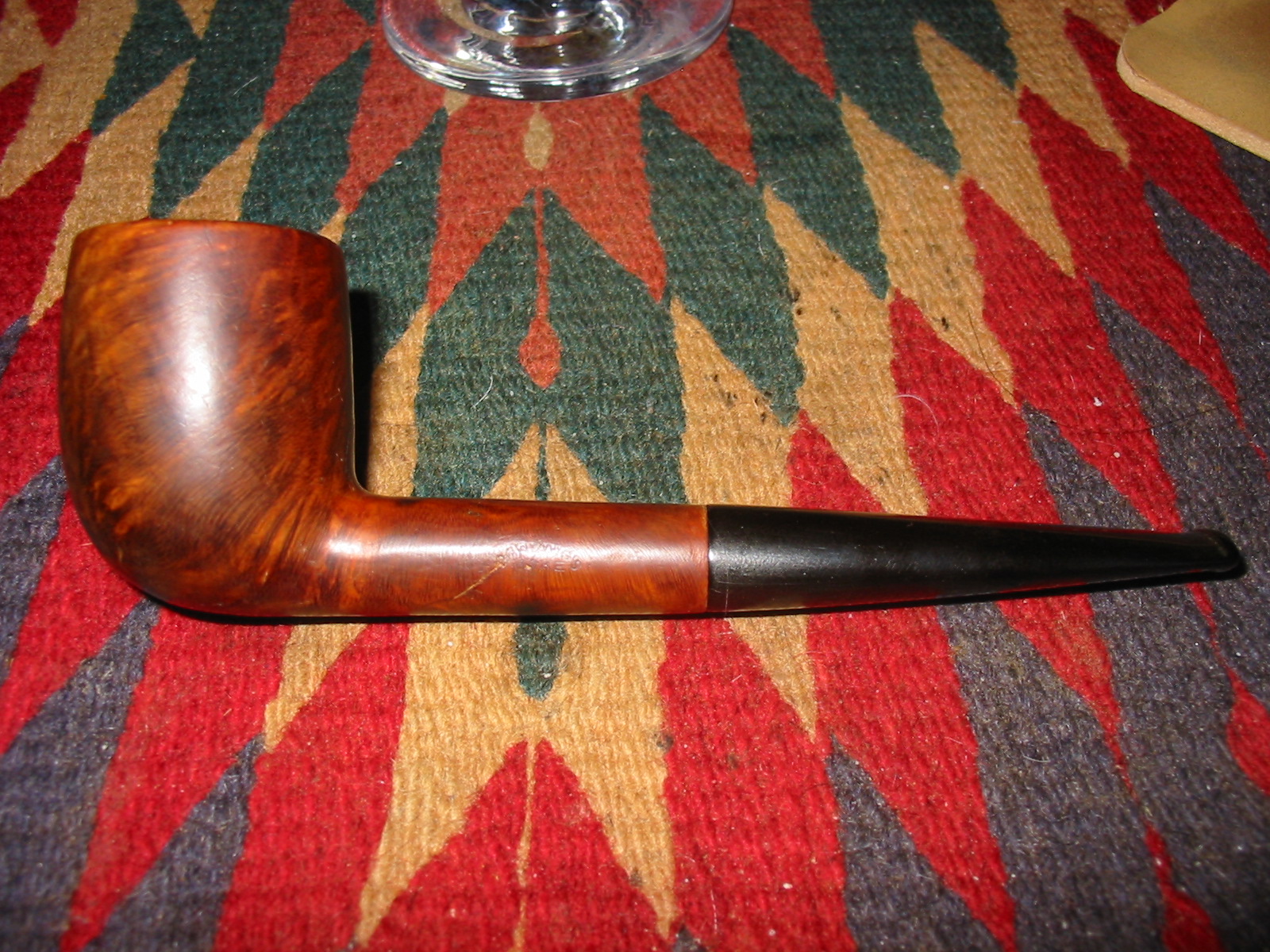
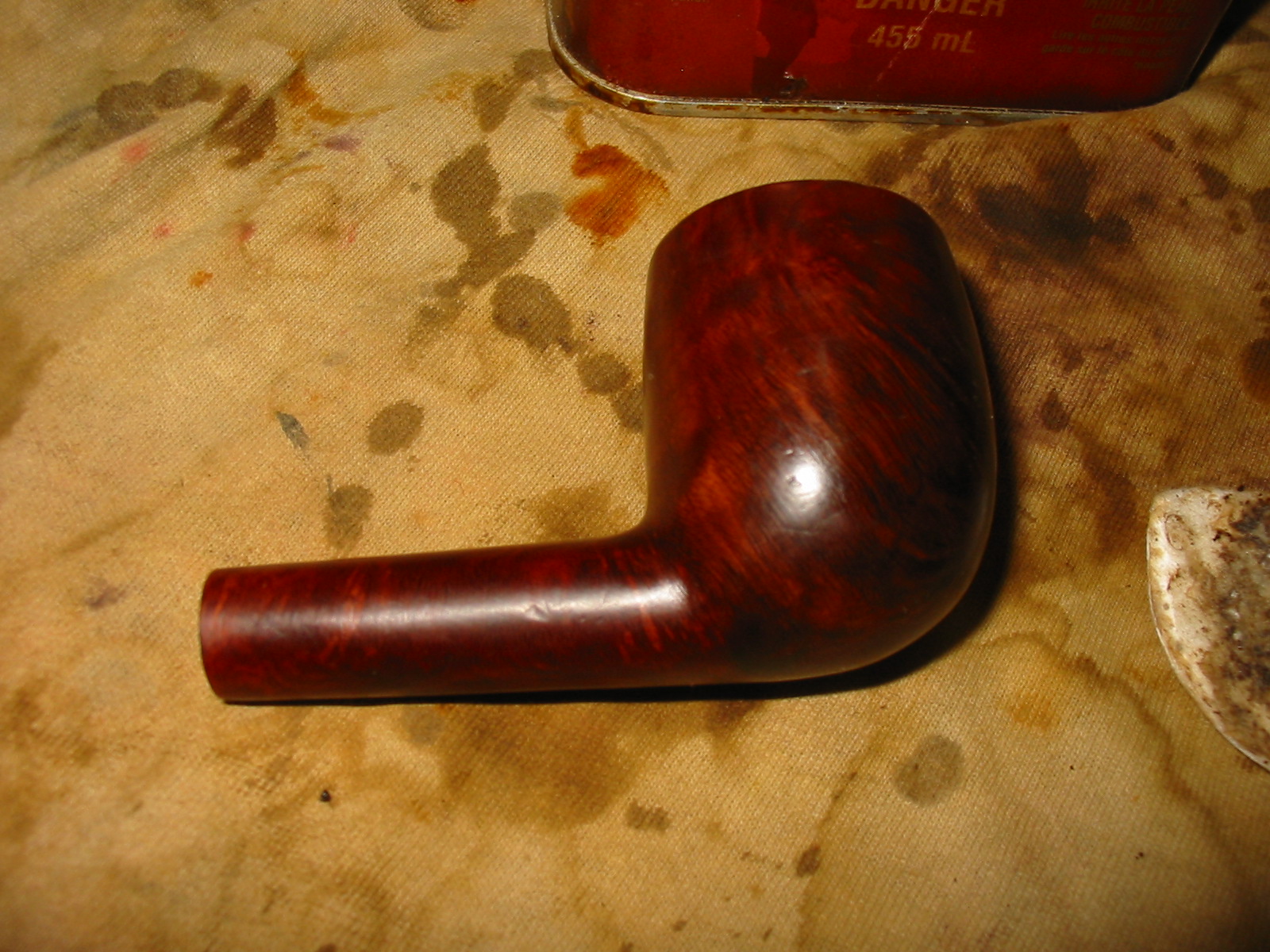
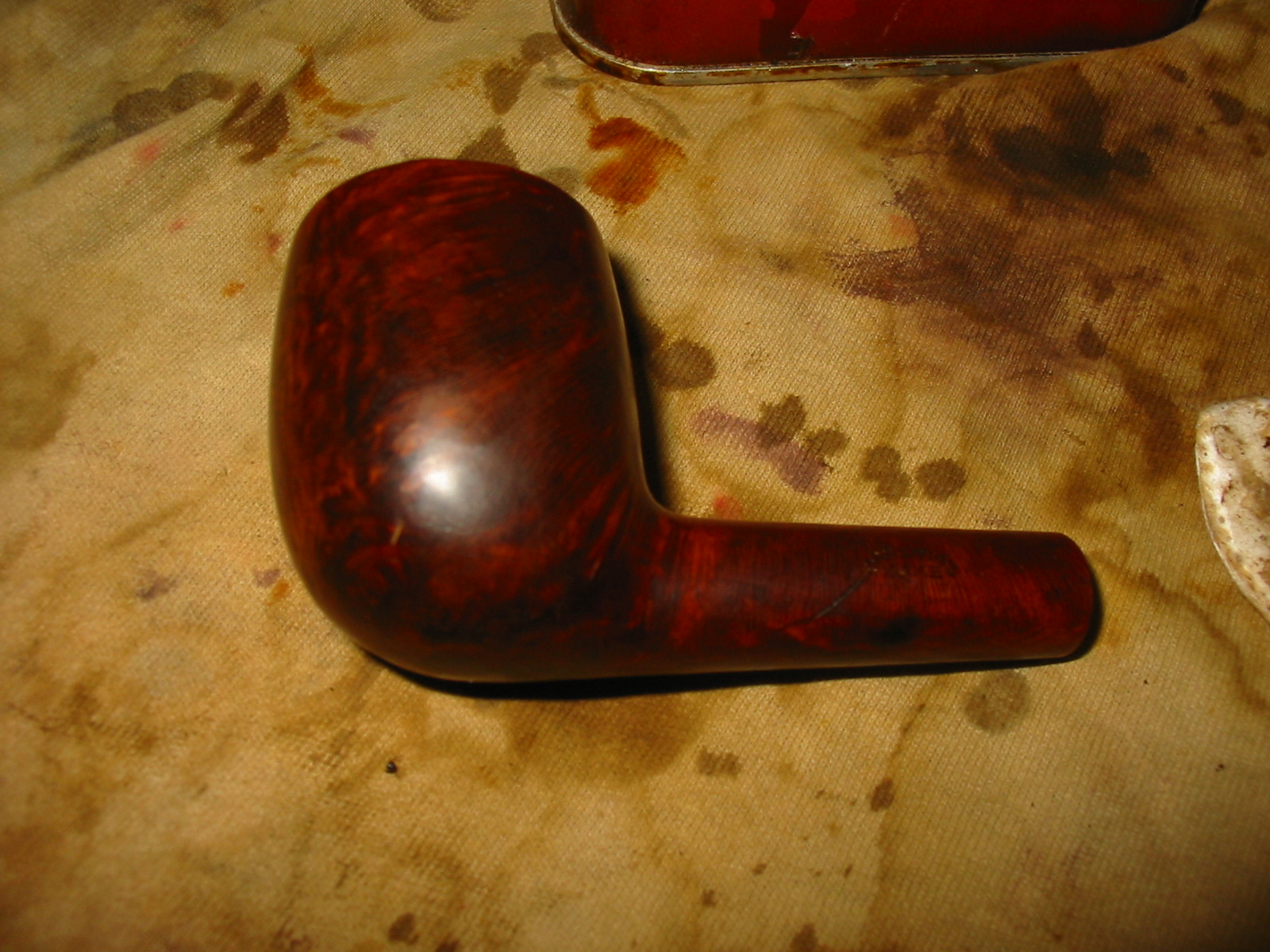
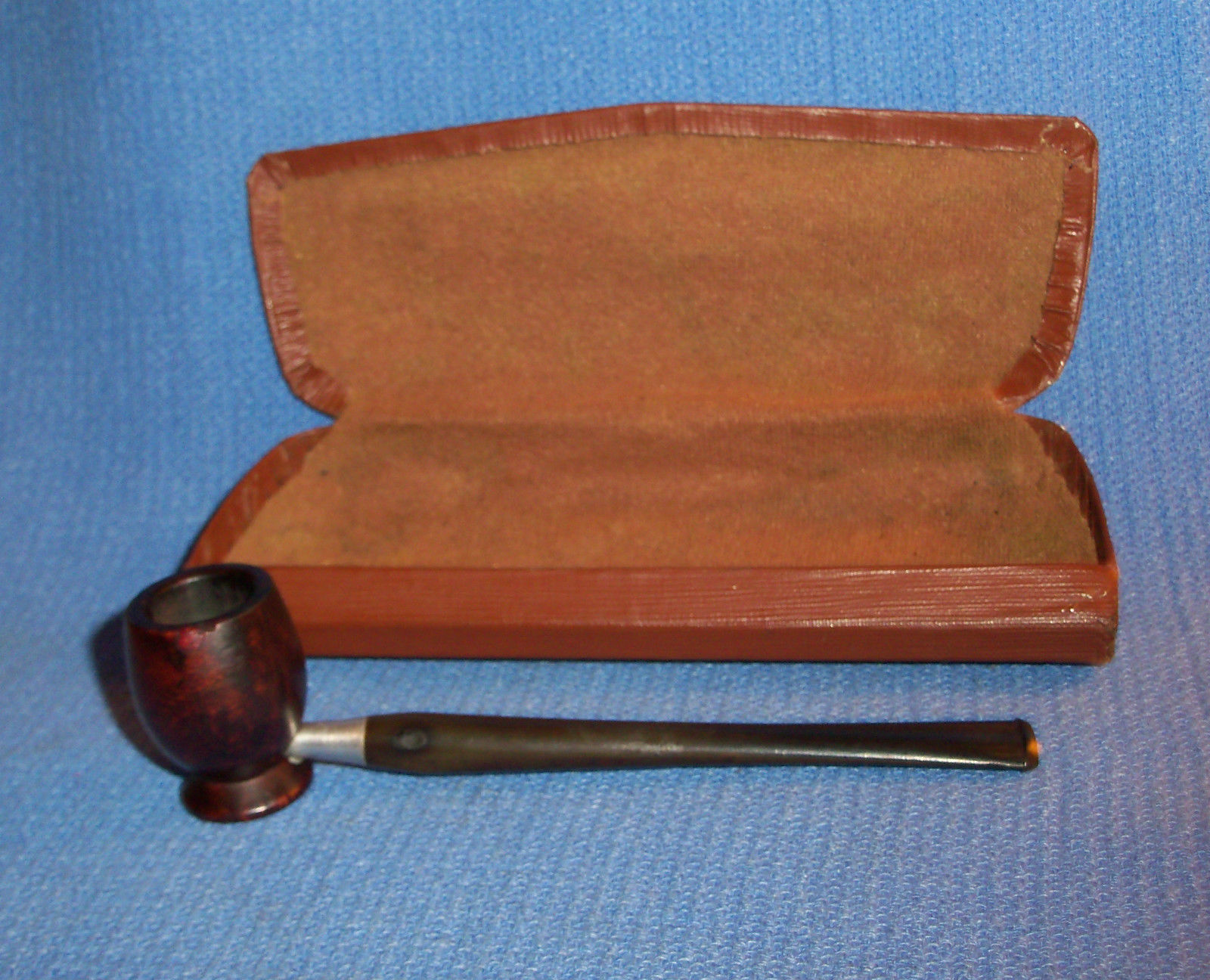
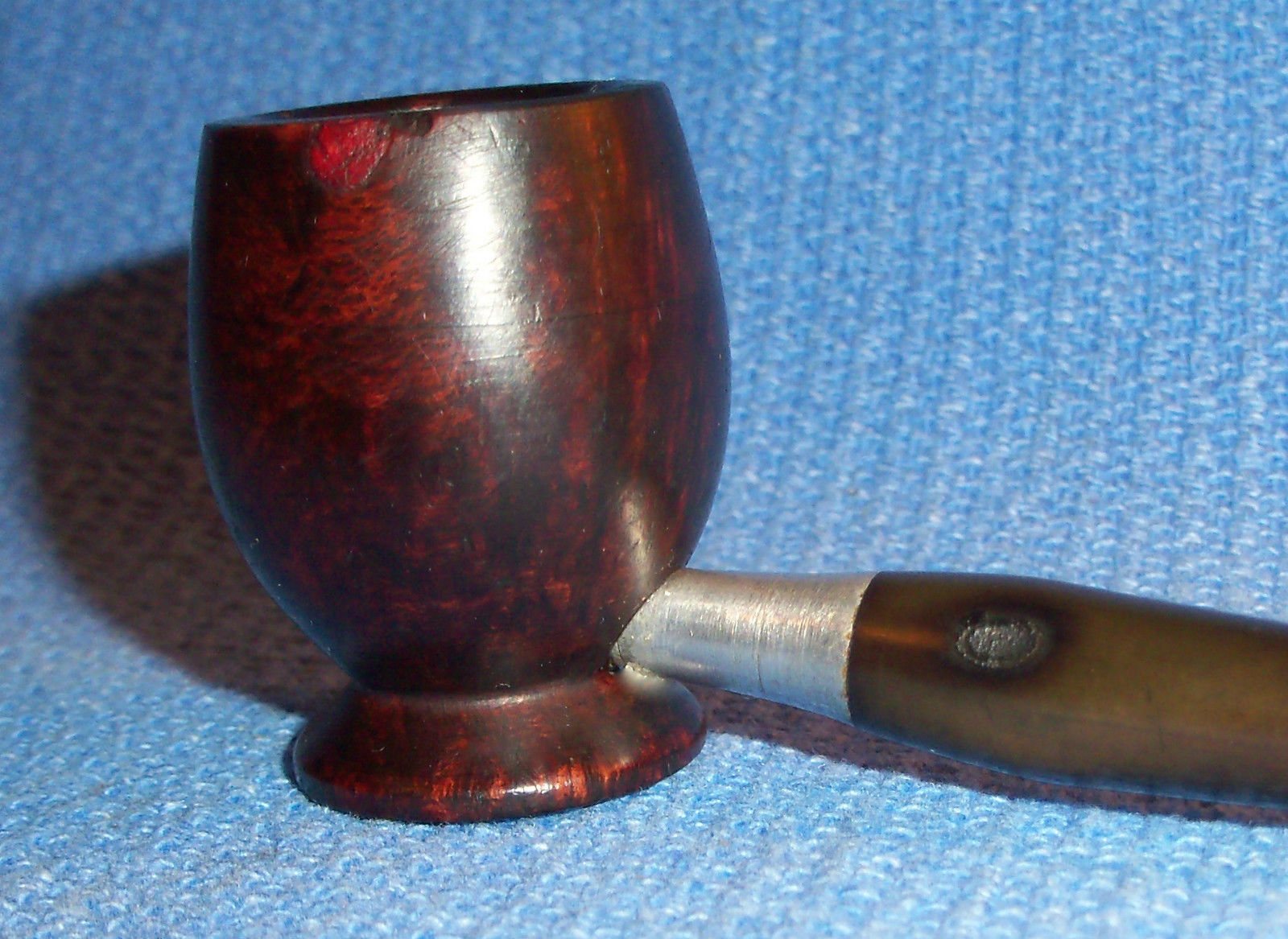
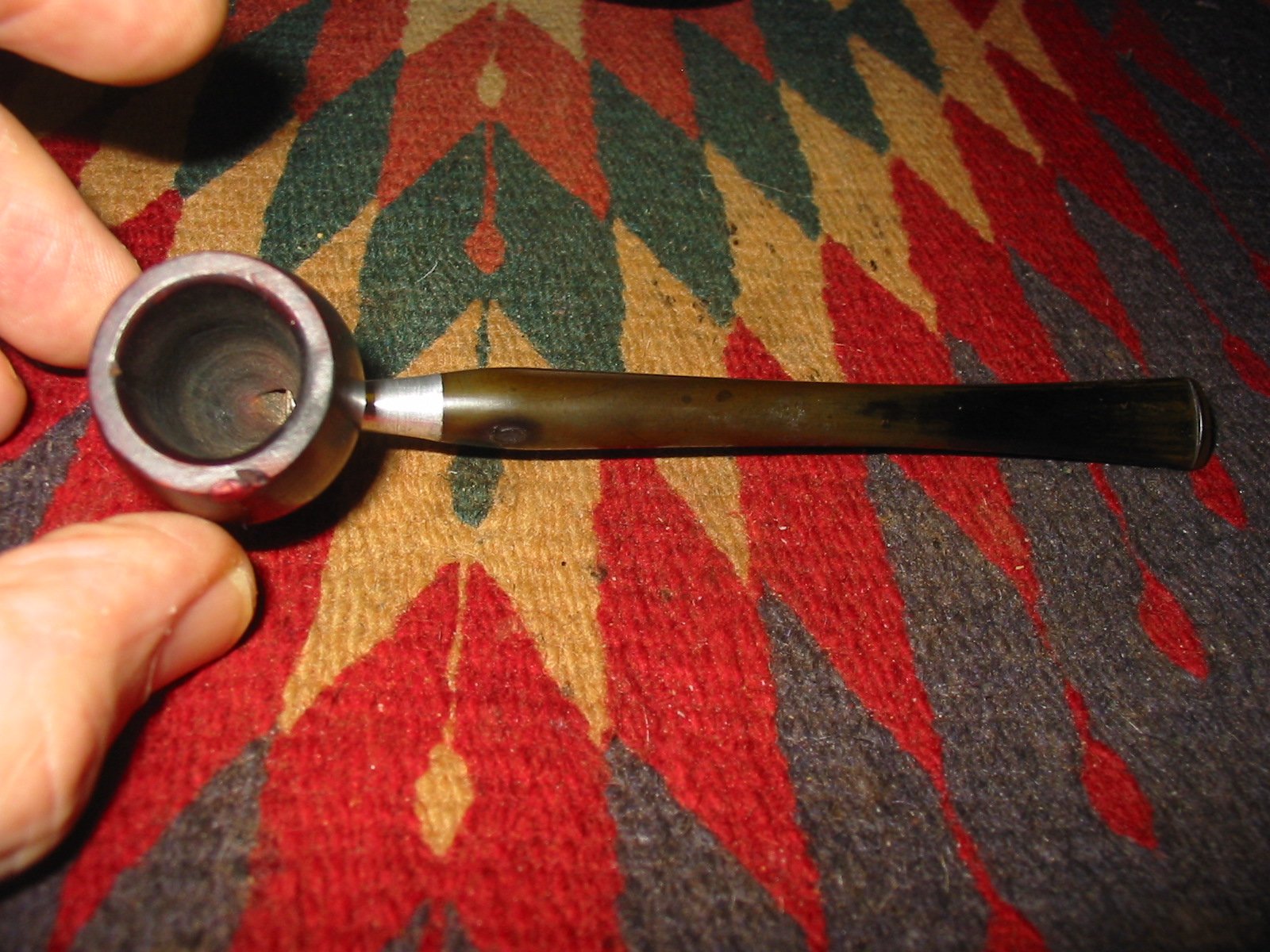
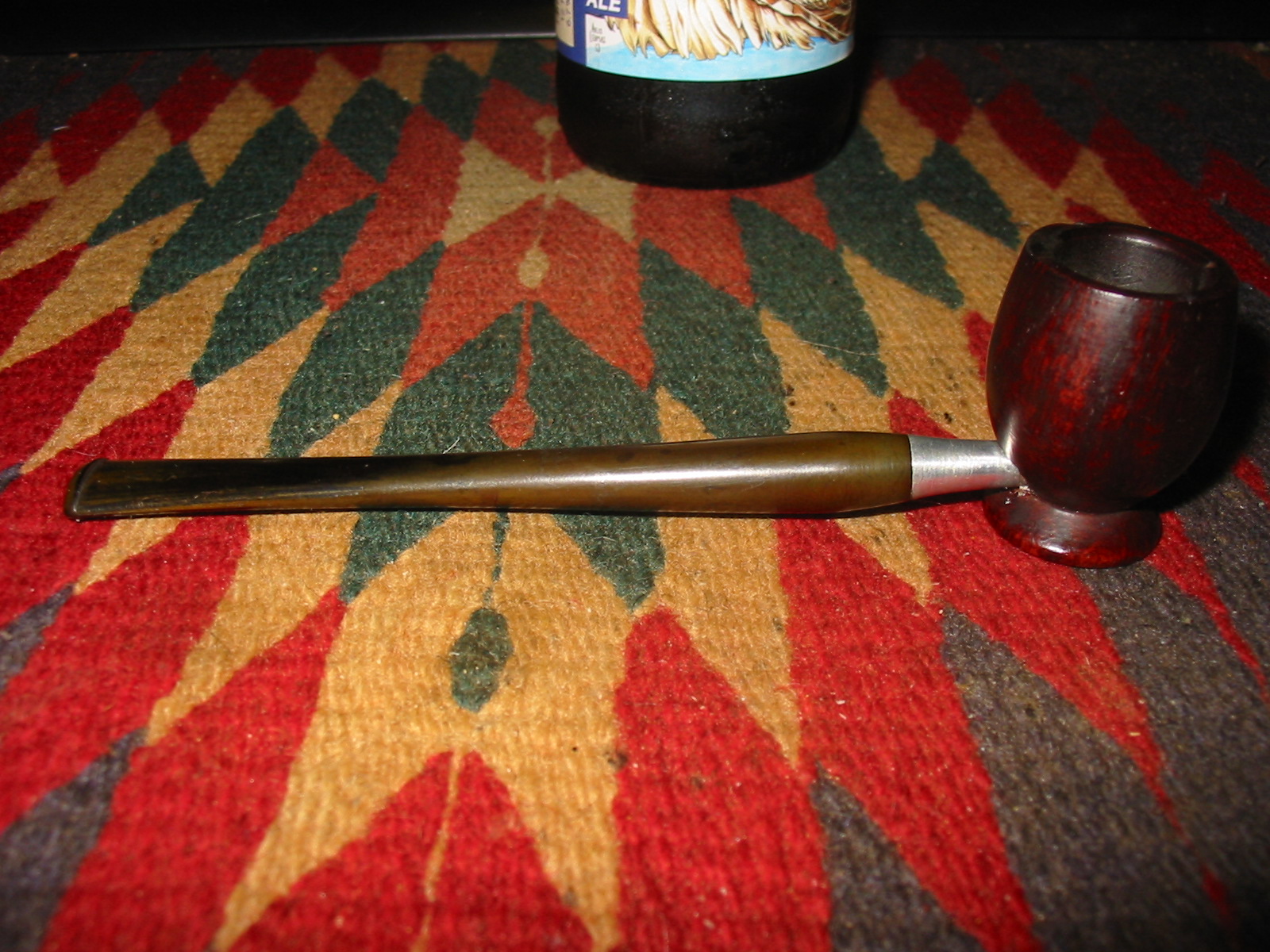
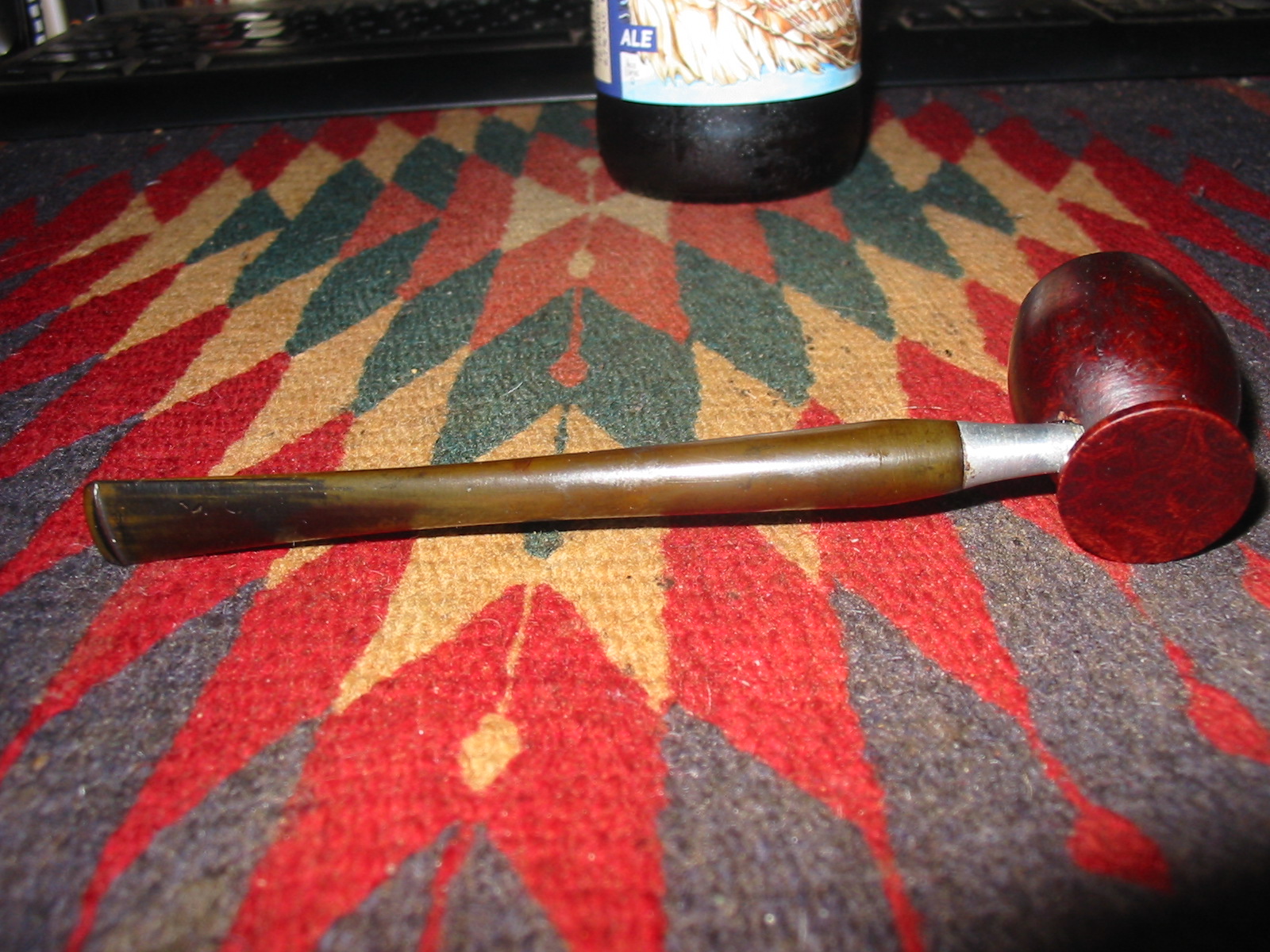
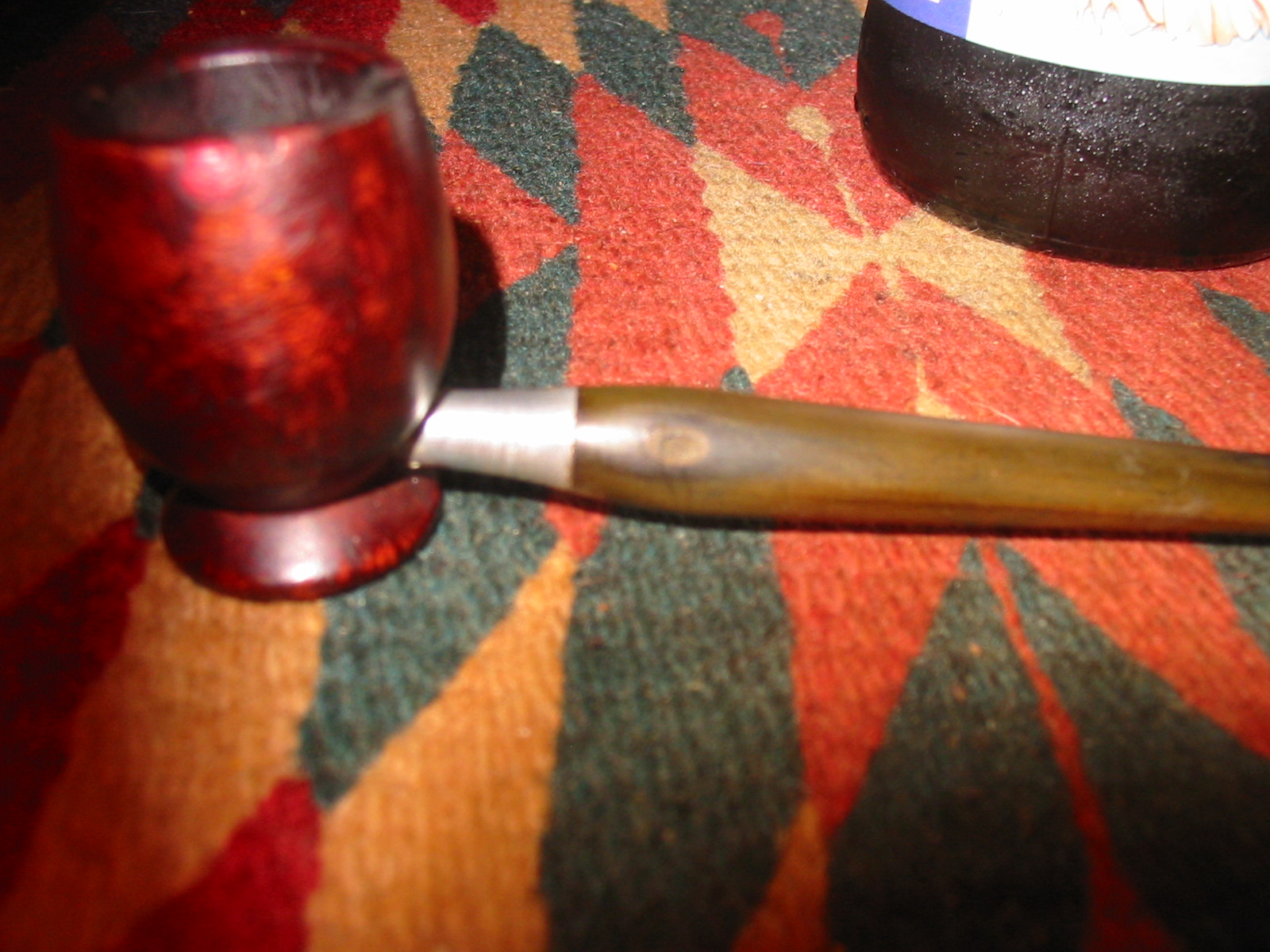
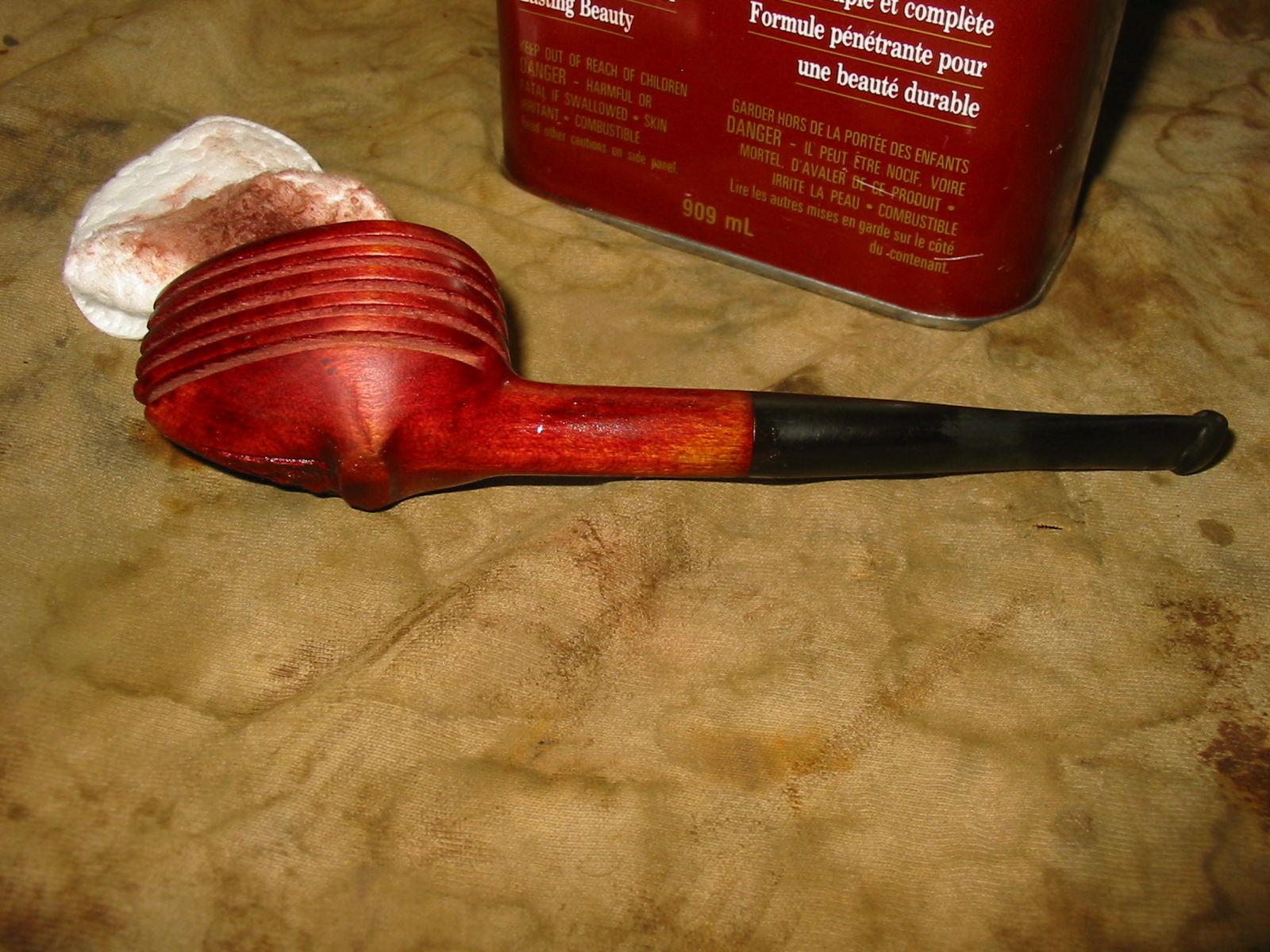
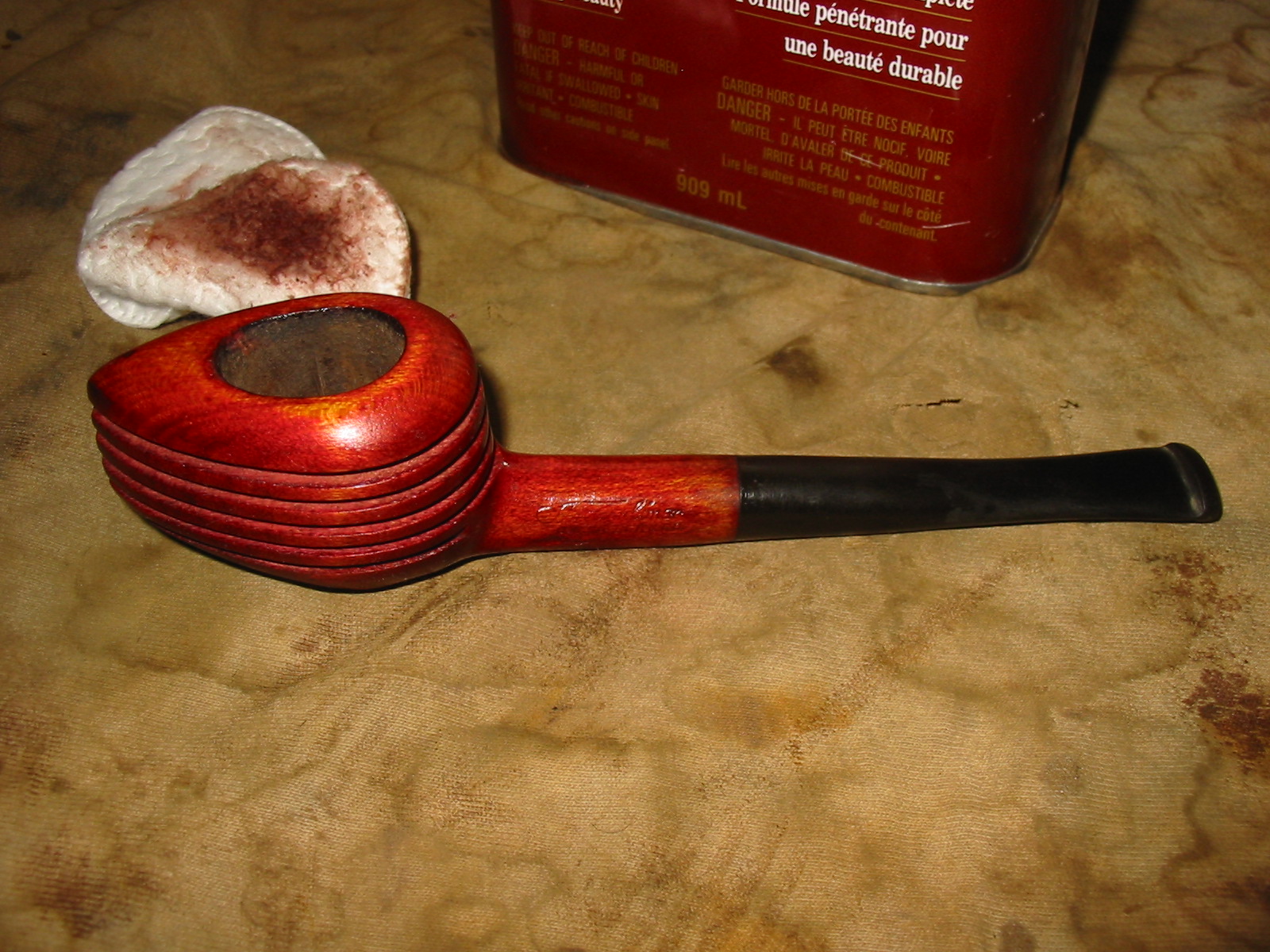
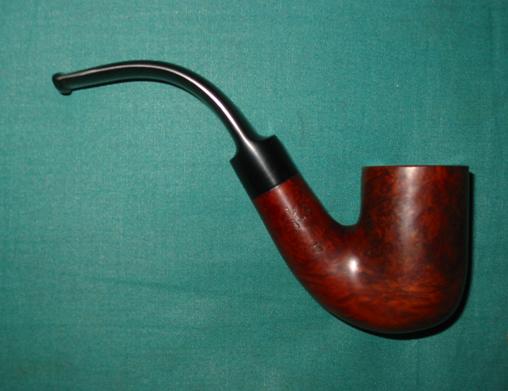
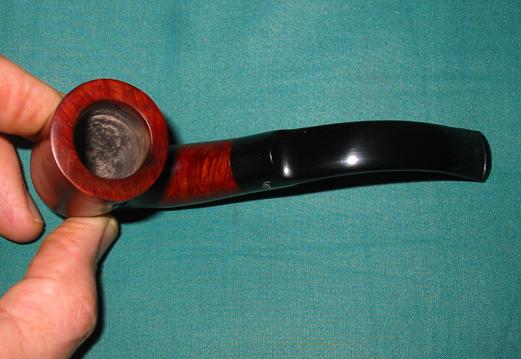
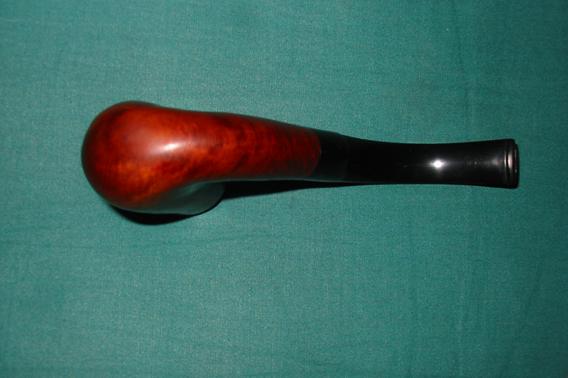
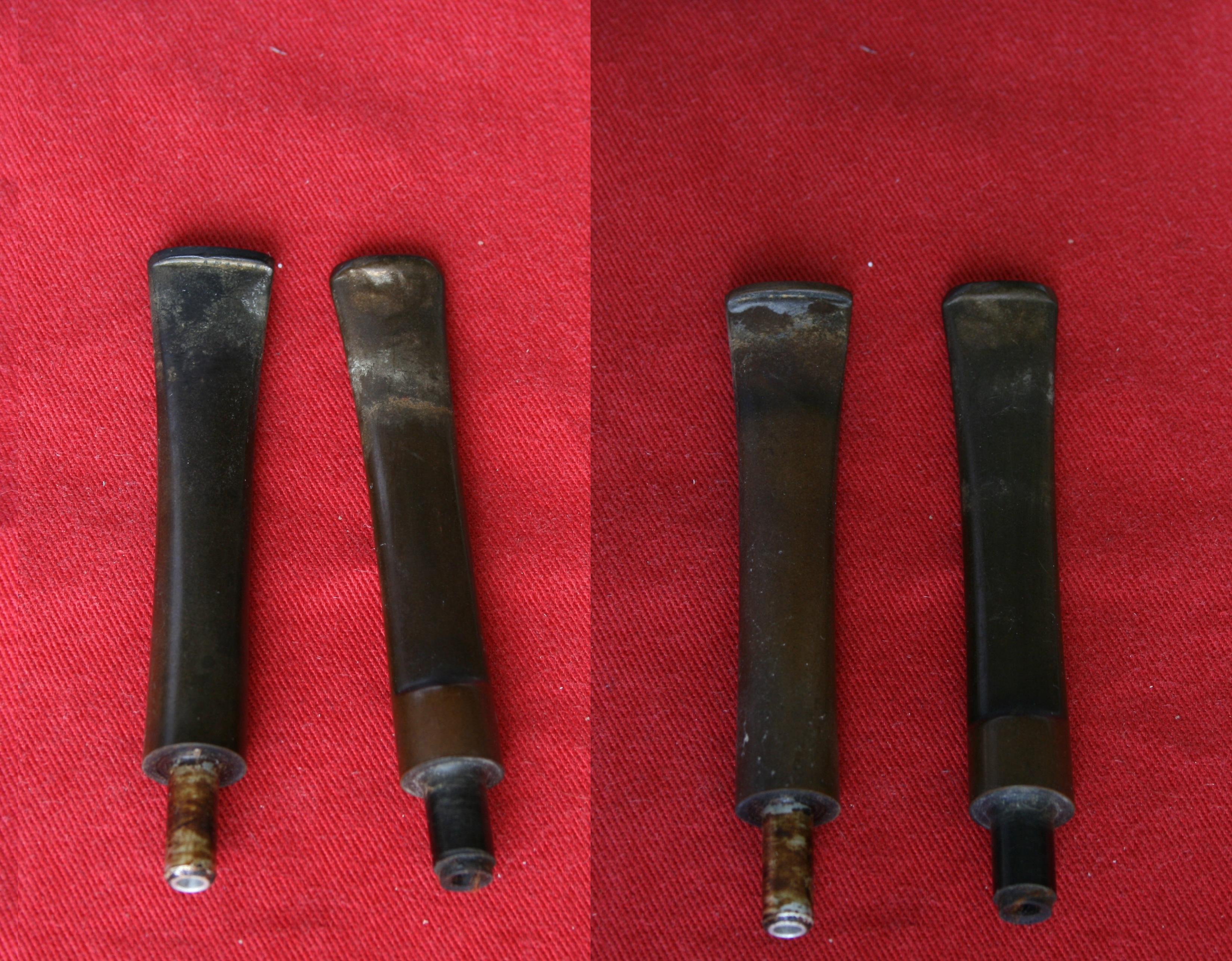
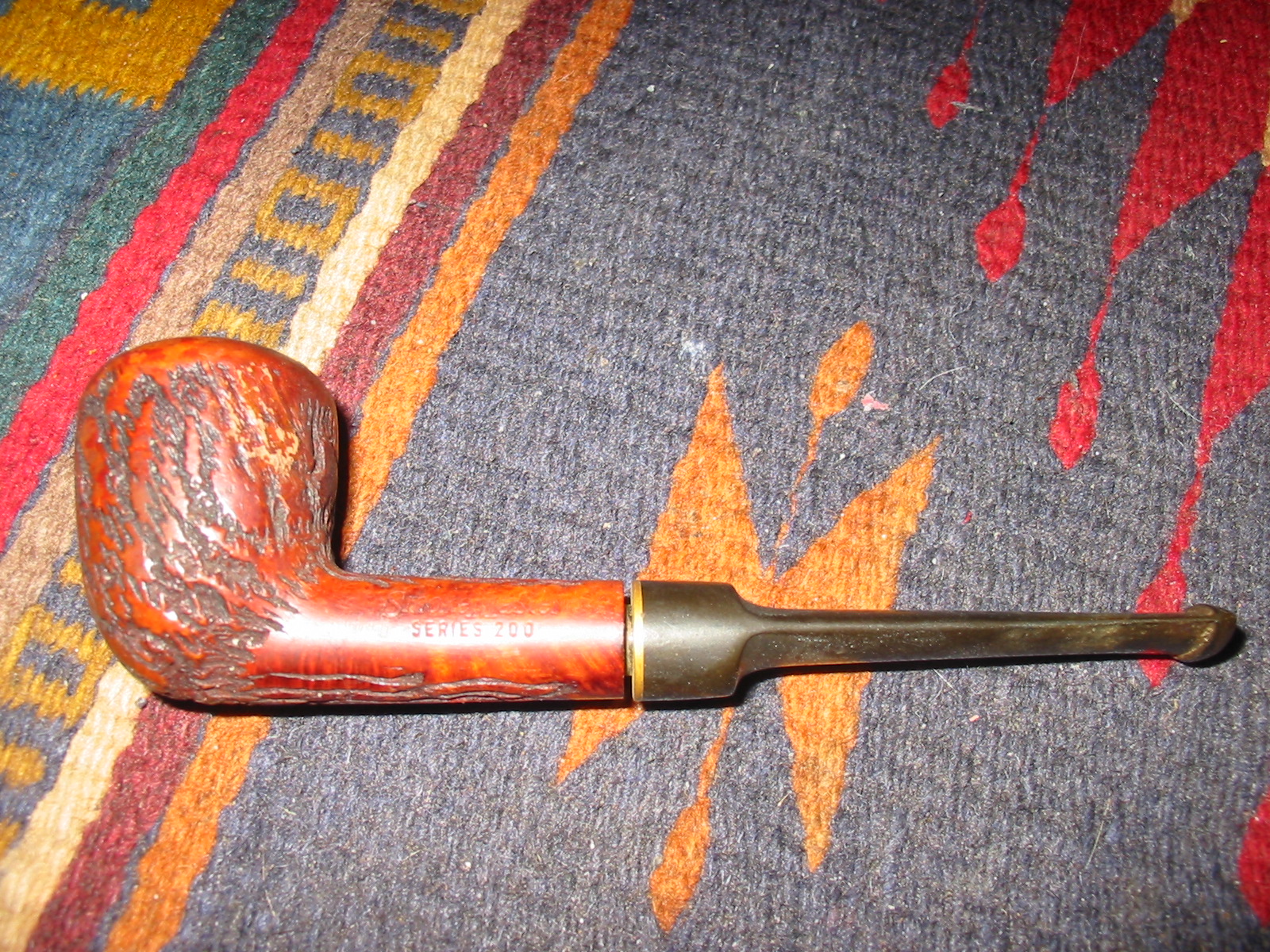
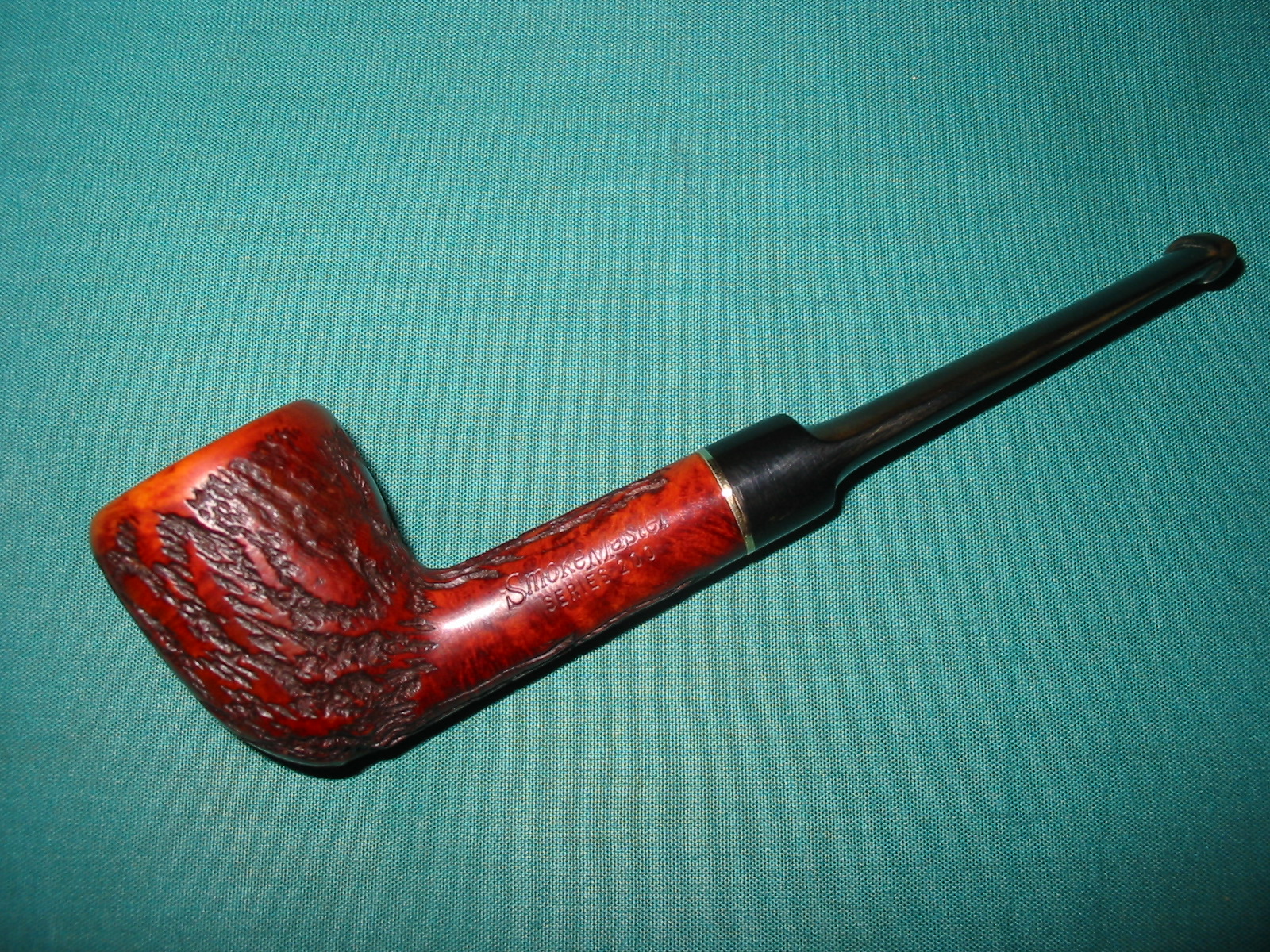
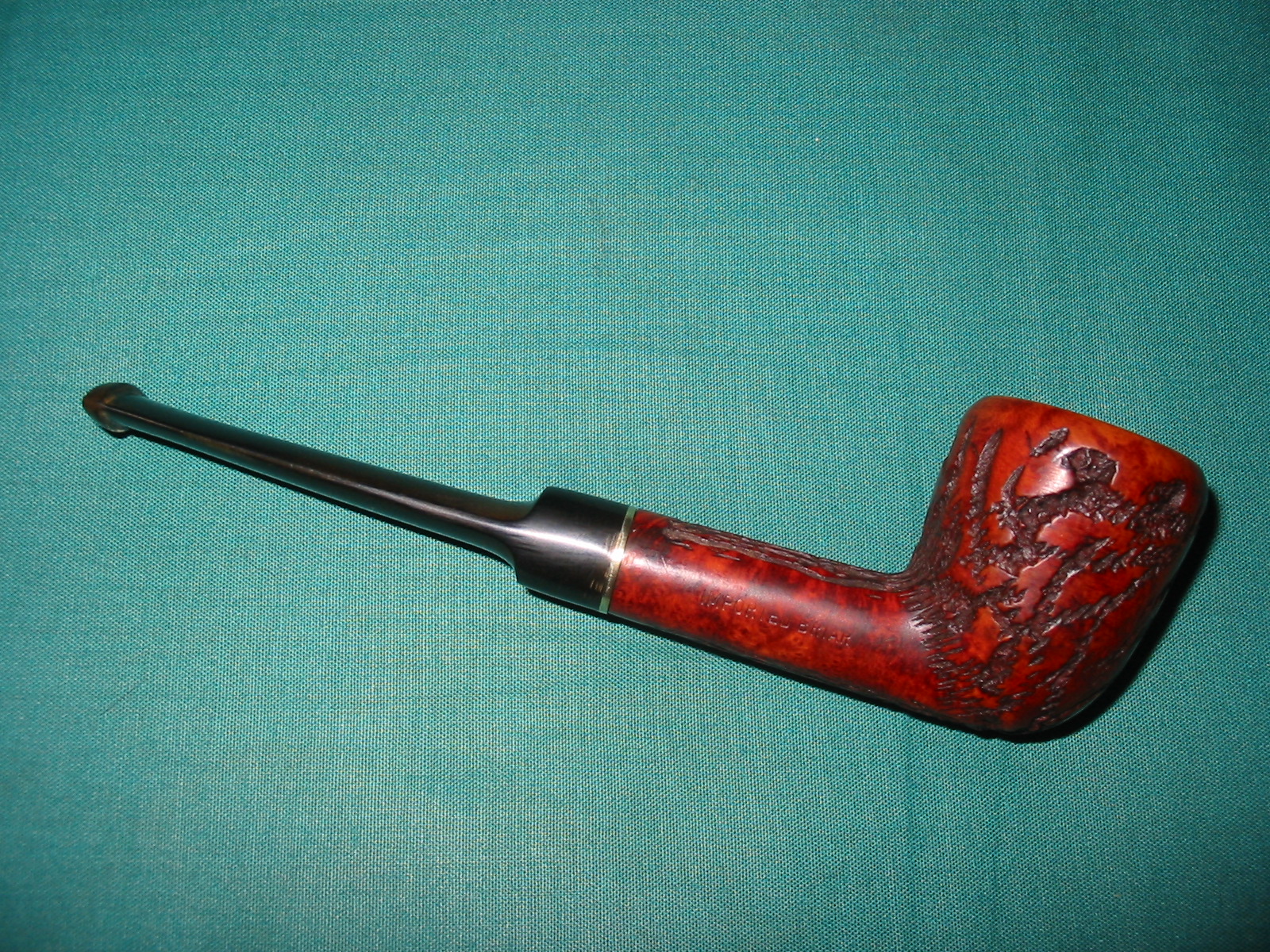
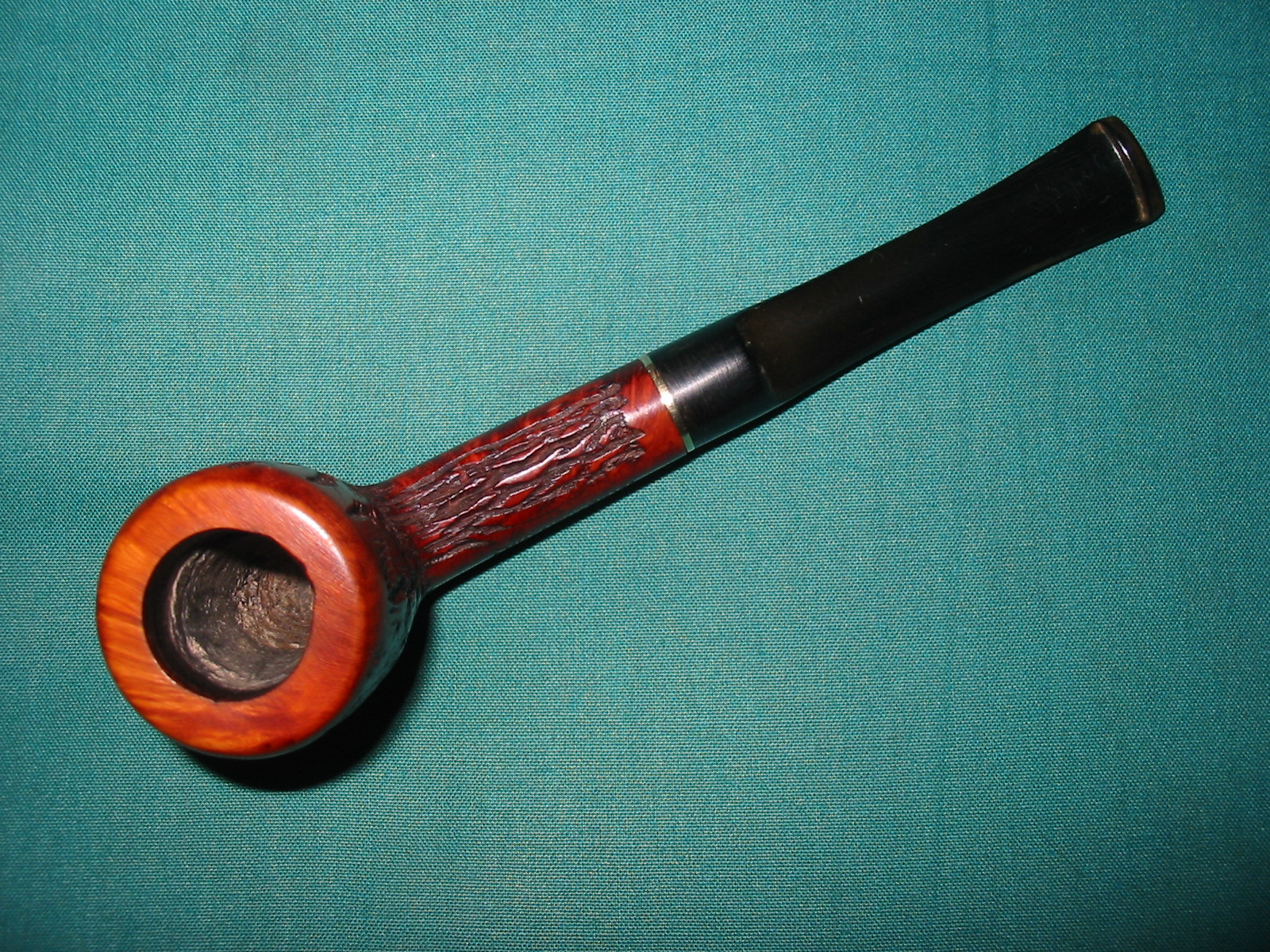
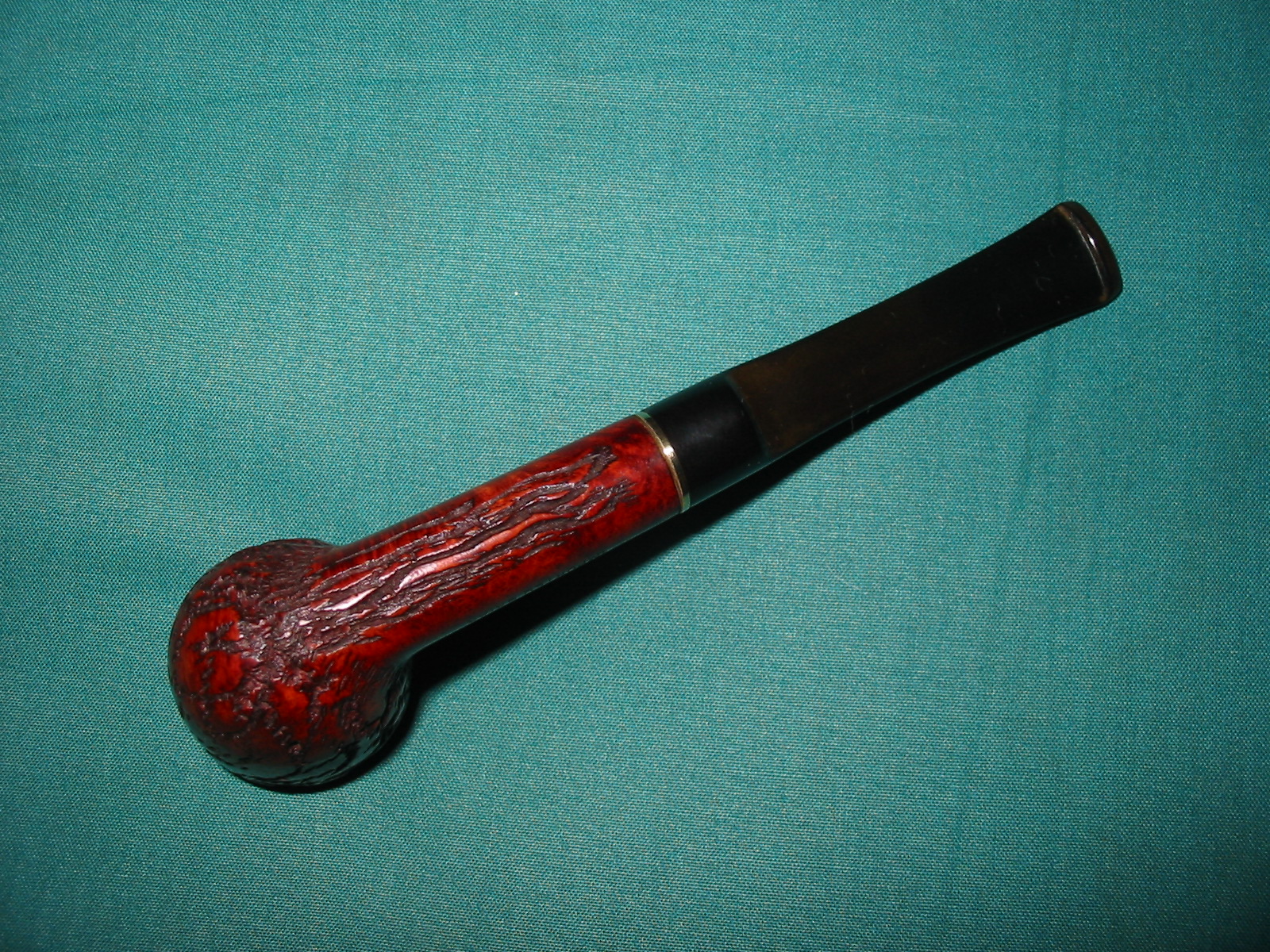
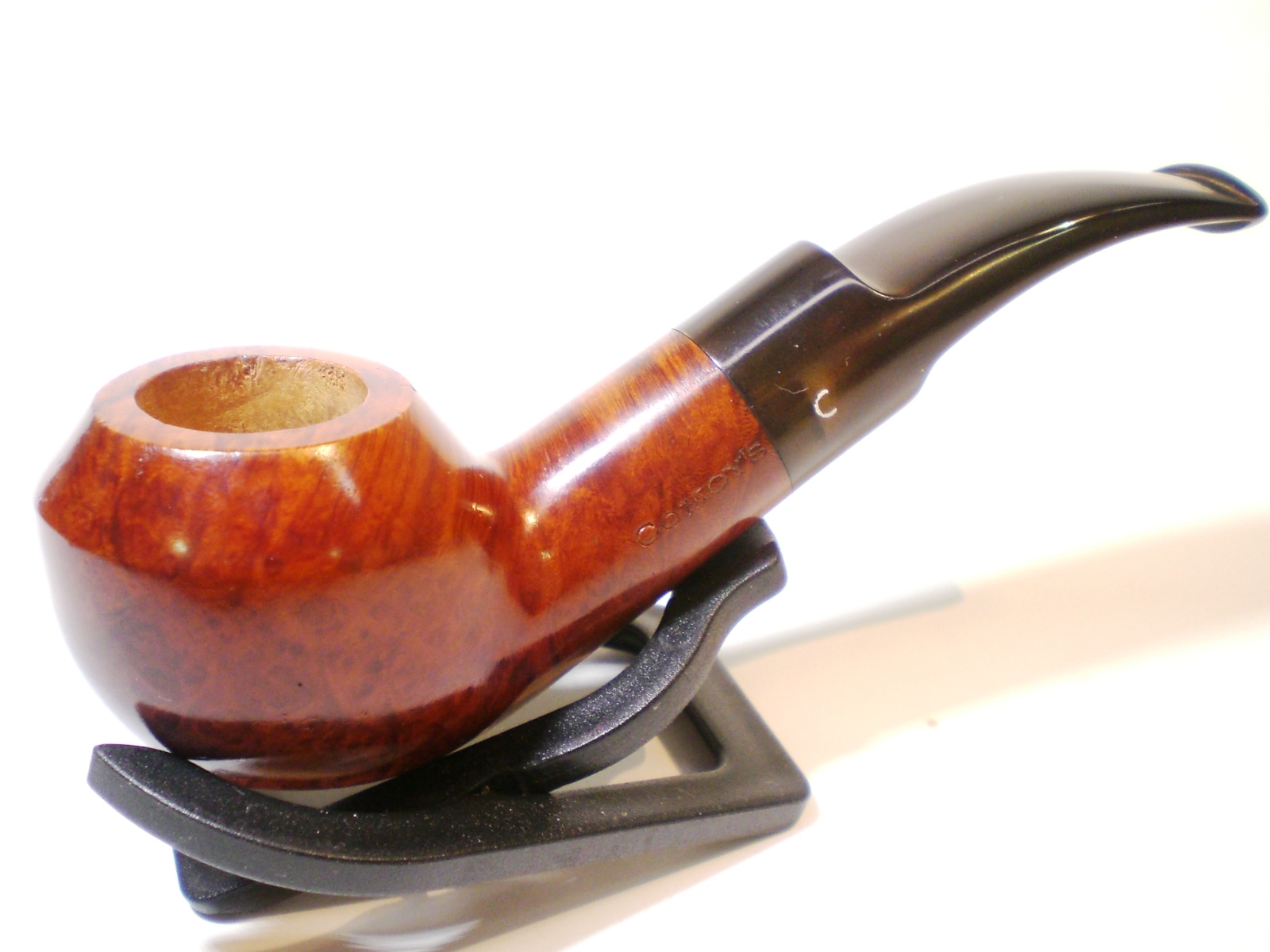
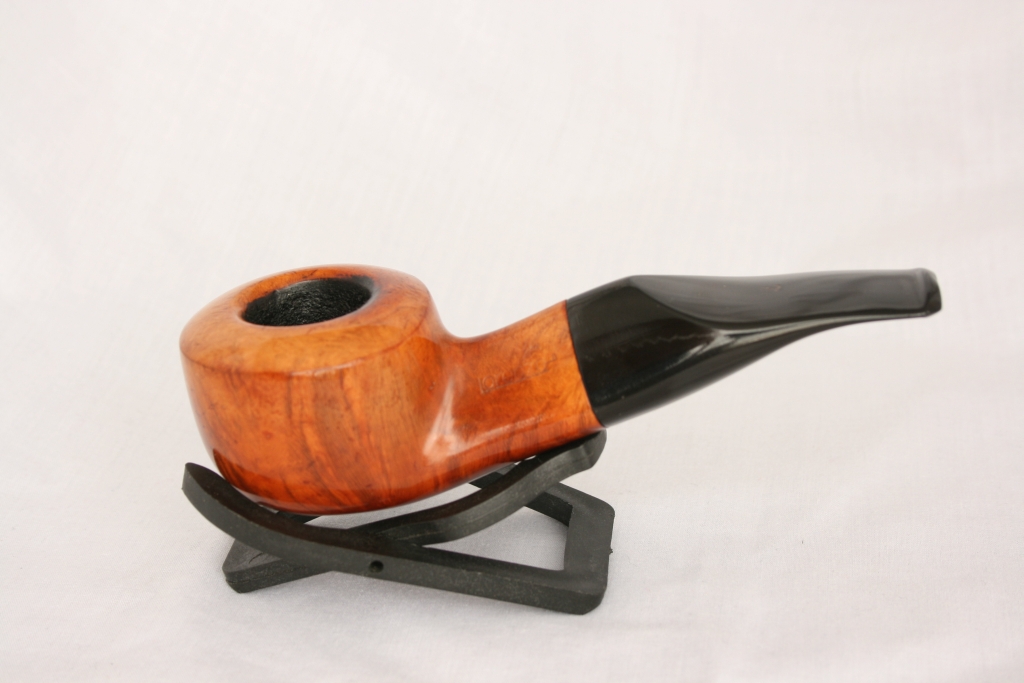
Fast forward several months to a conversation had with a friend in Ontario via email. She had come across several Leonard Payne pipes and done the same research I did. She found the same information I did and sent me photos of the three pipes she found. We talked for a while and I offered to restem a pipe of hers. She sent me the pipe for work and then also the nice little Leonard Payne Zulu/Dublin pictured below.
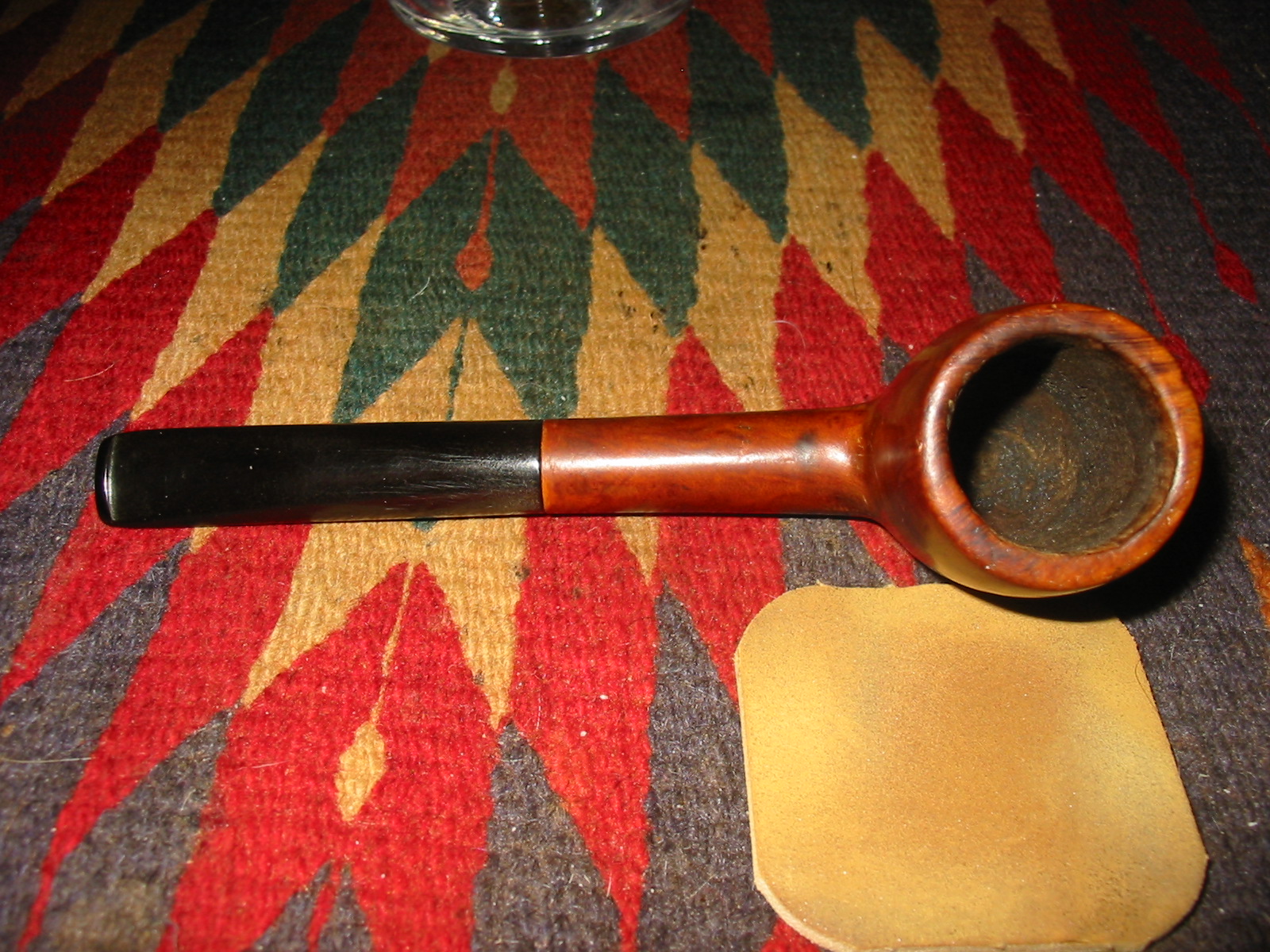
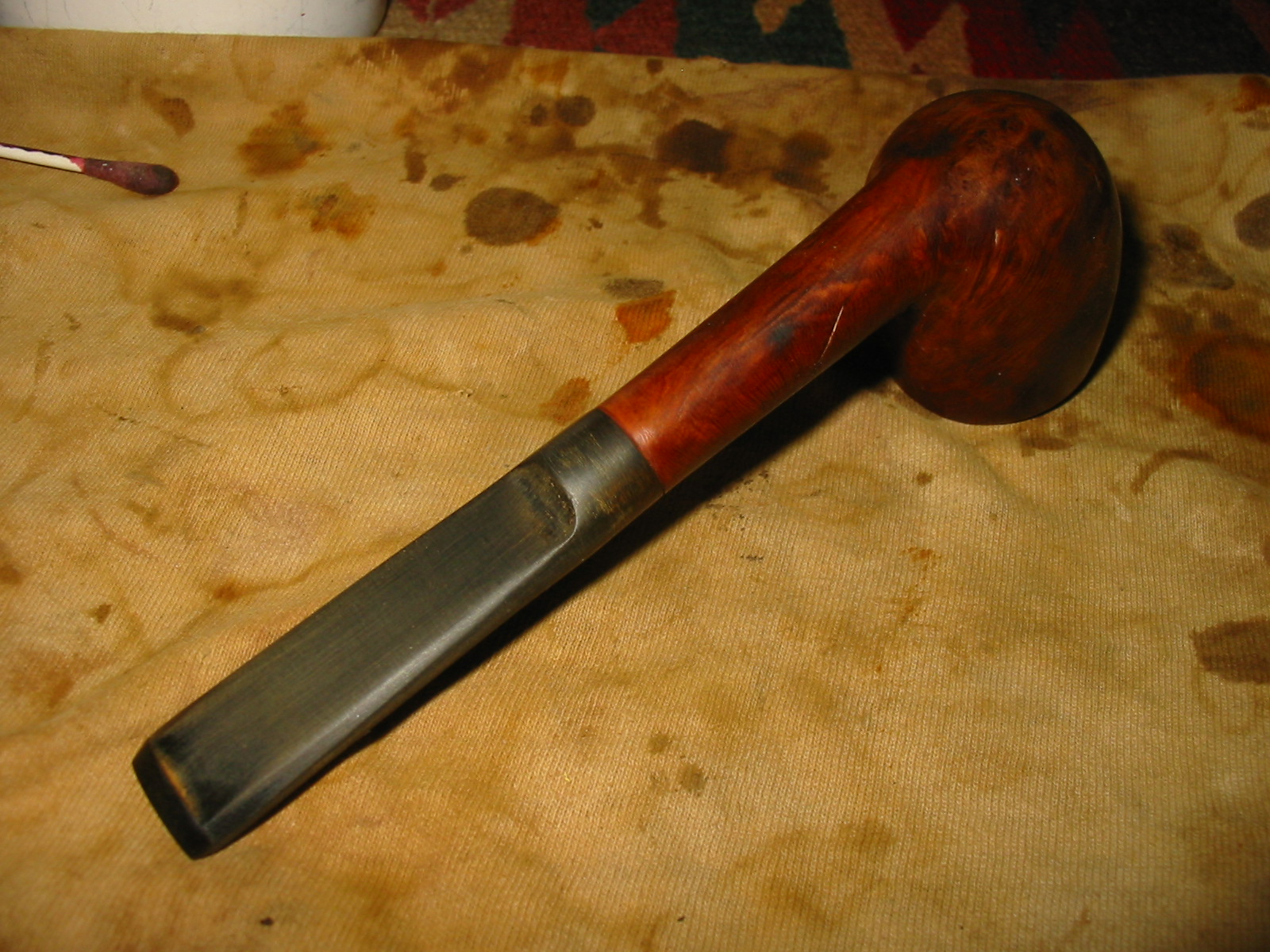
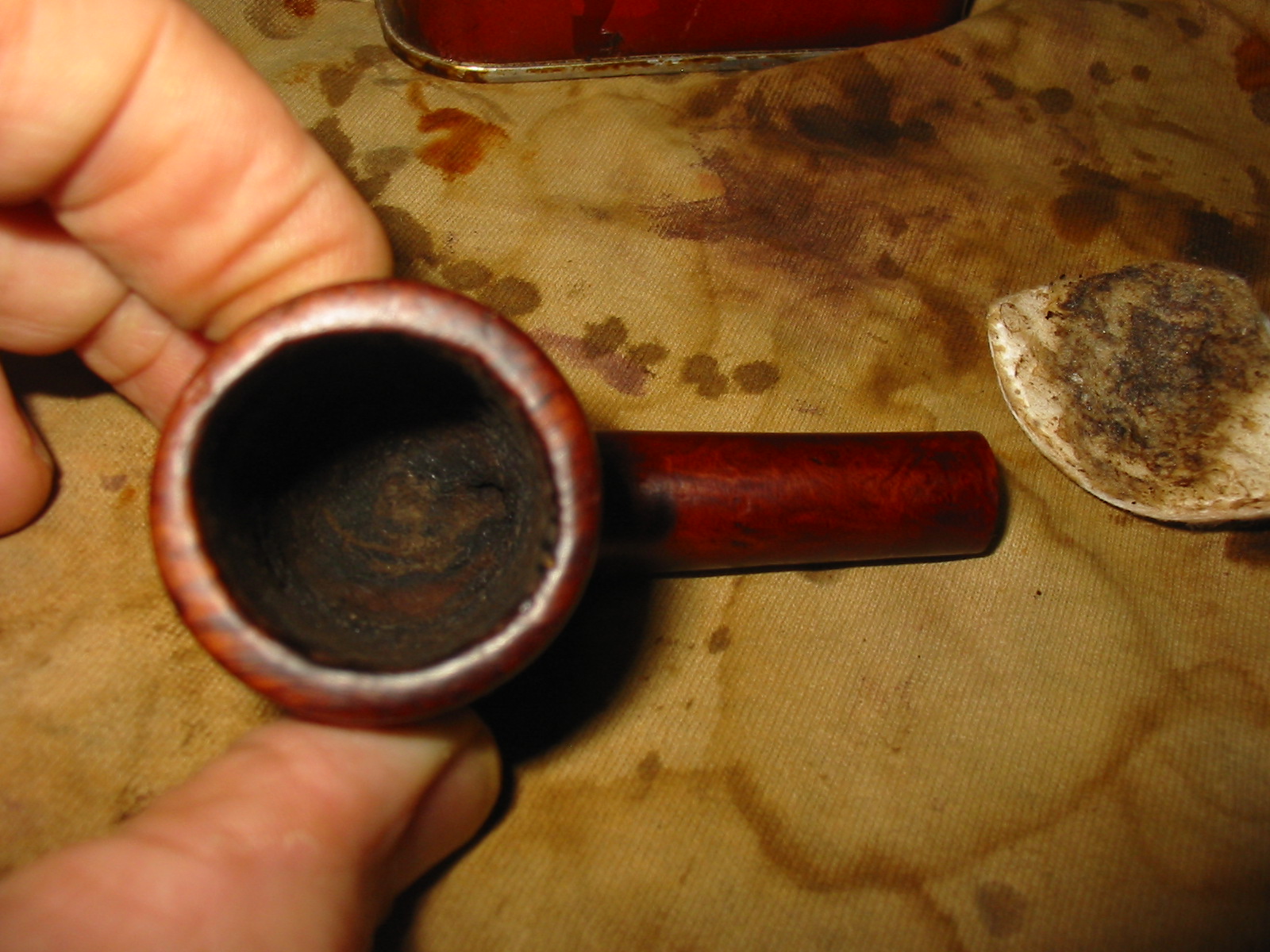
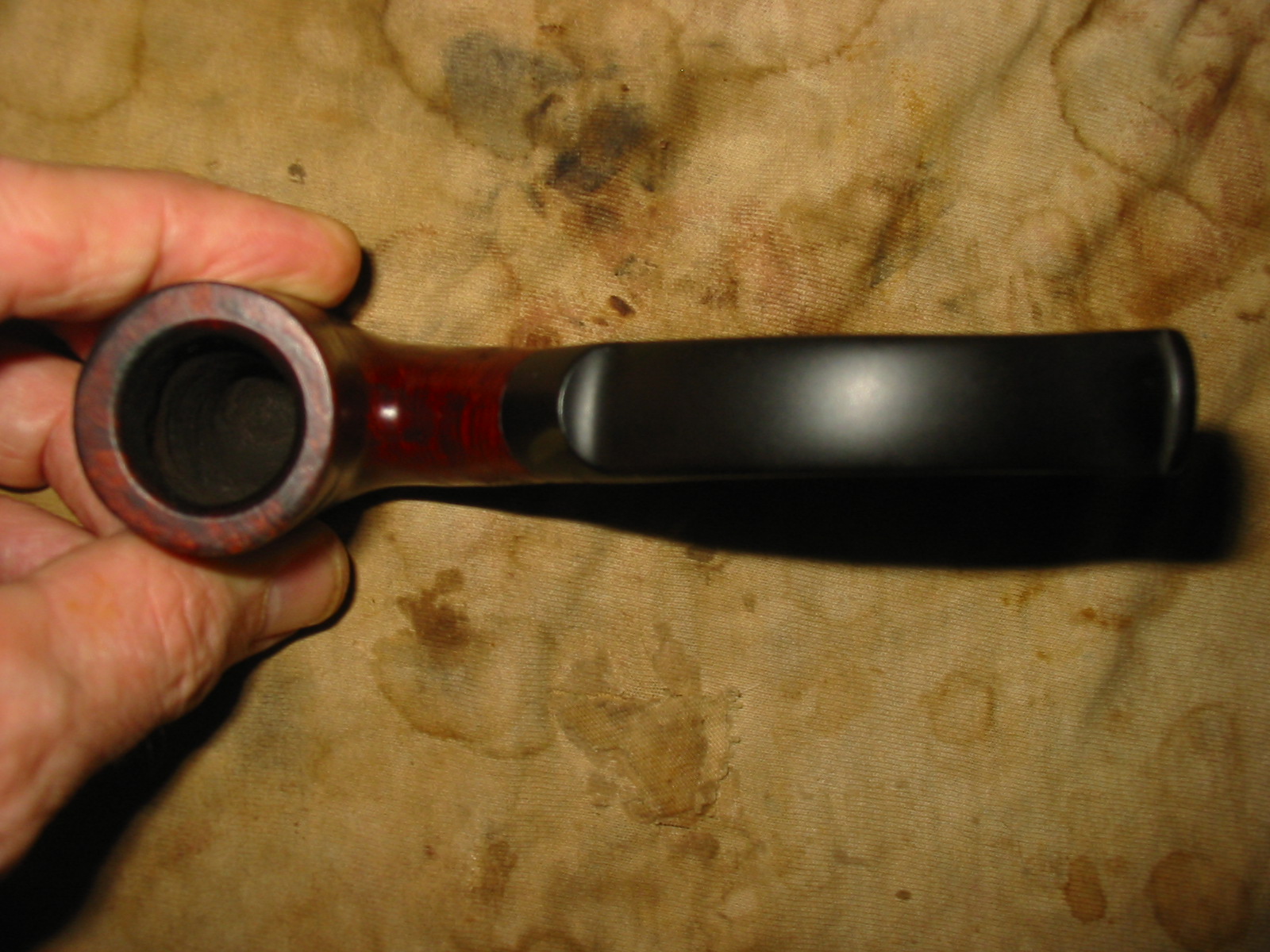
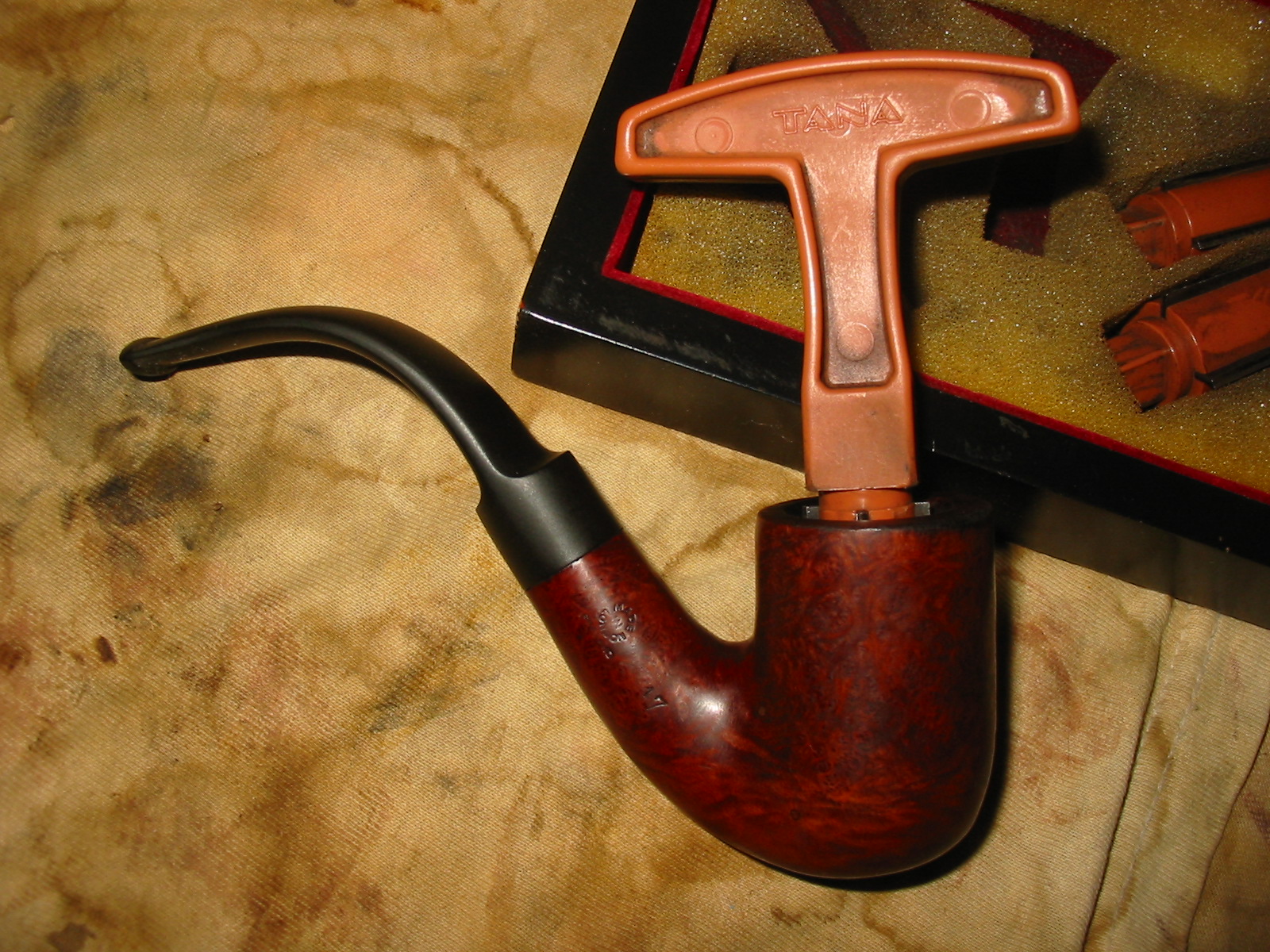
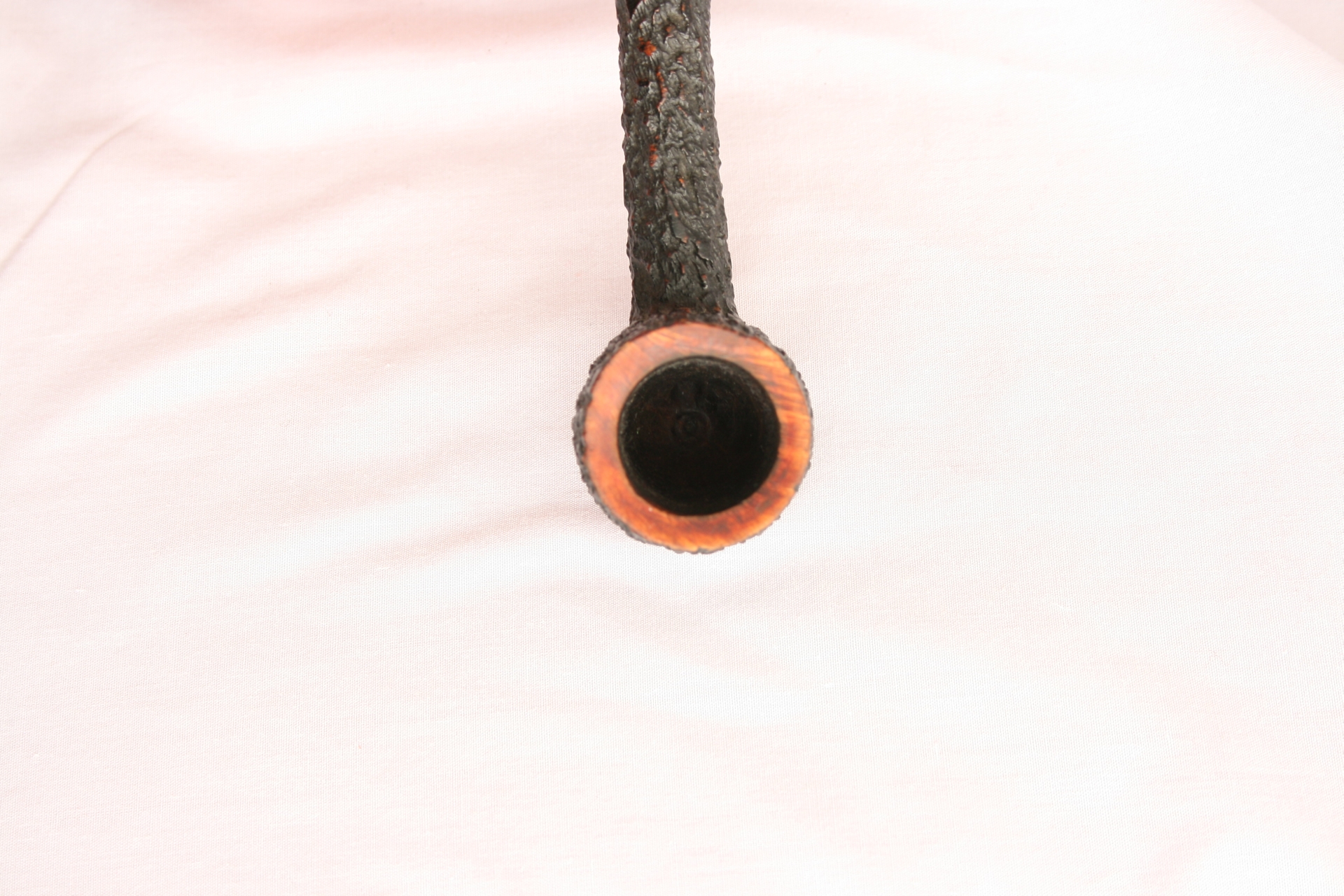
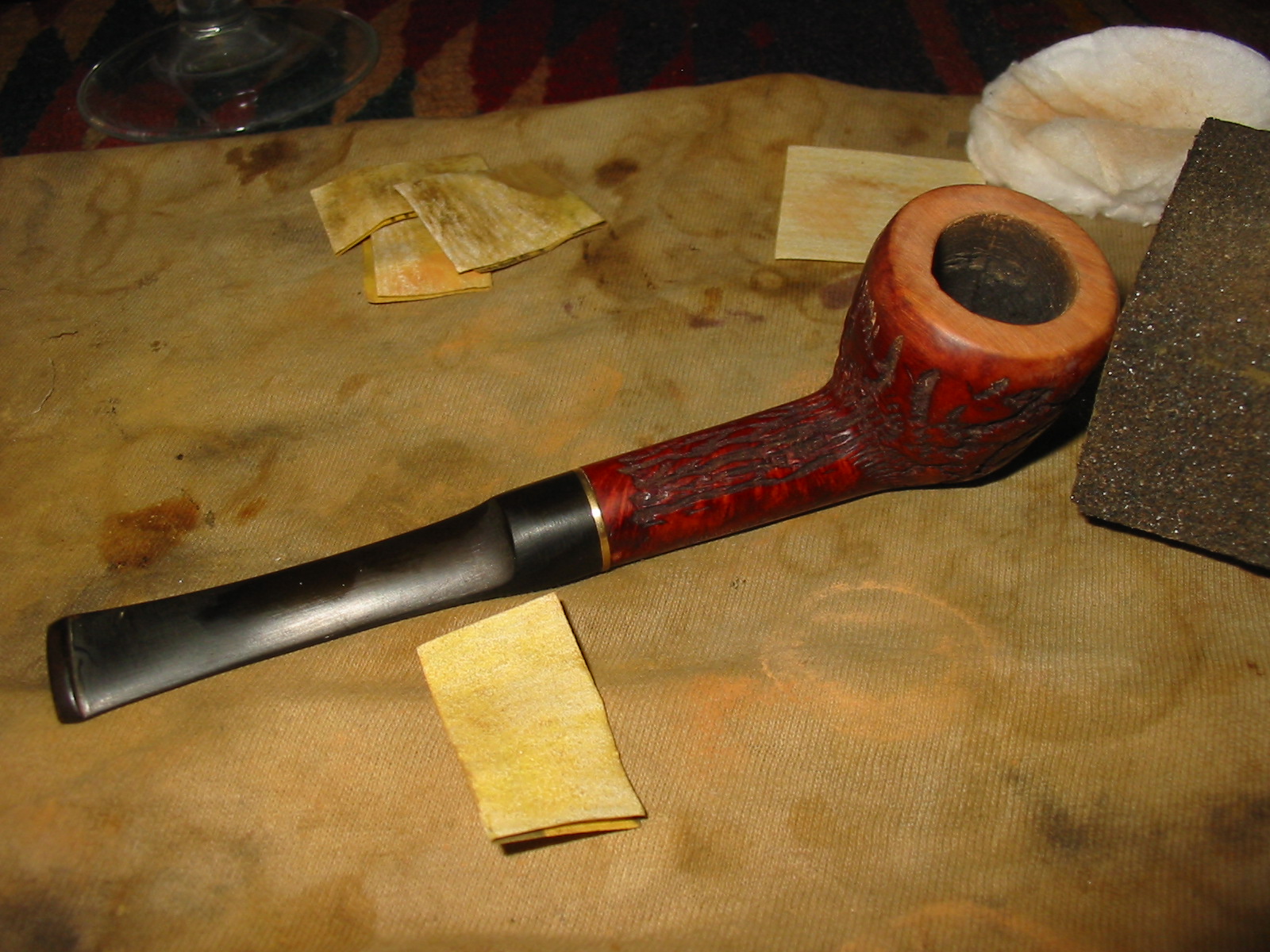
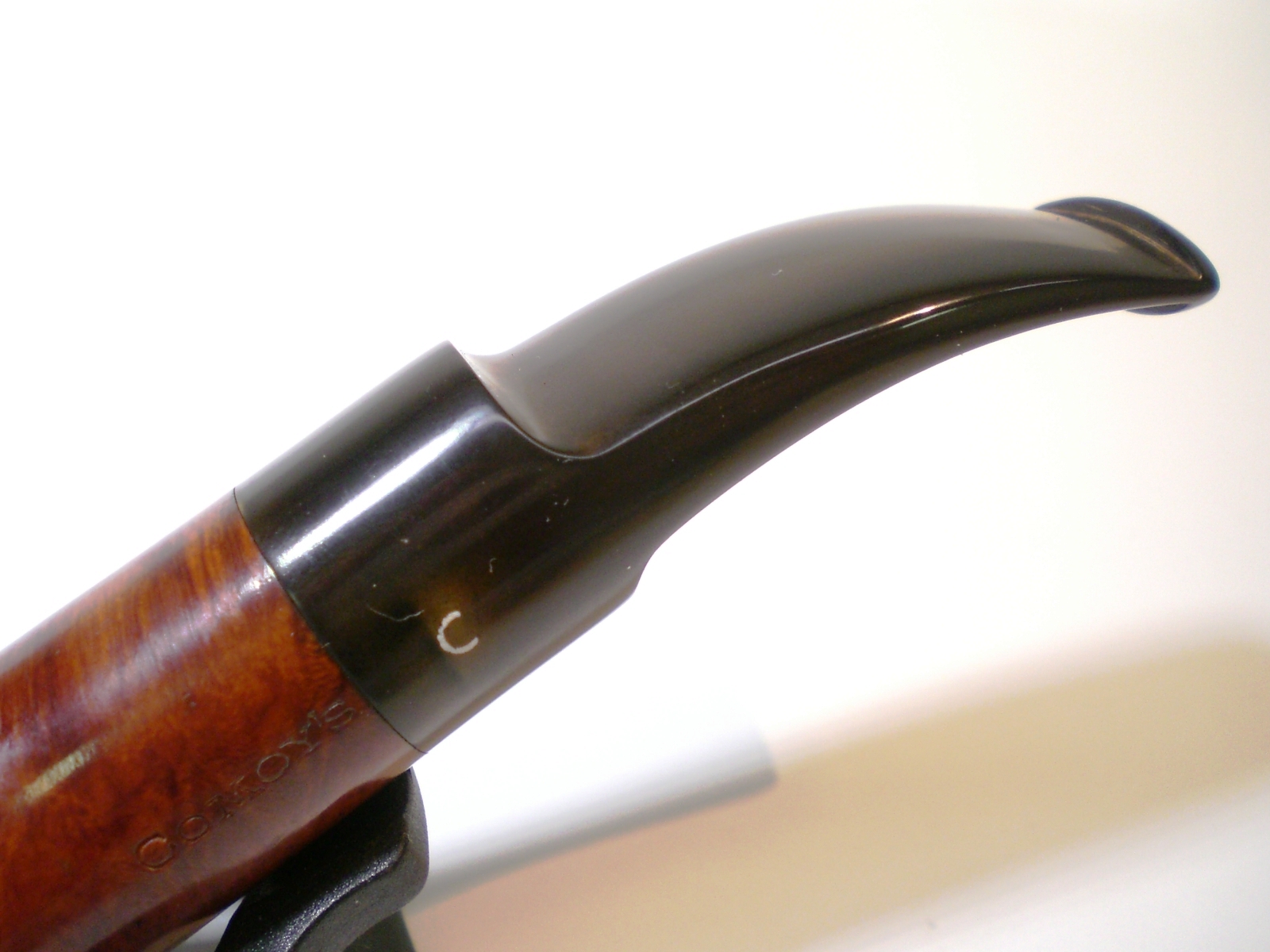
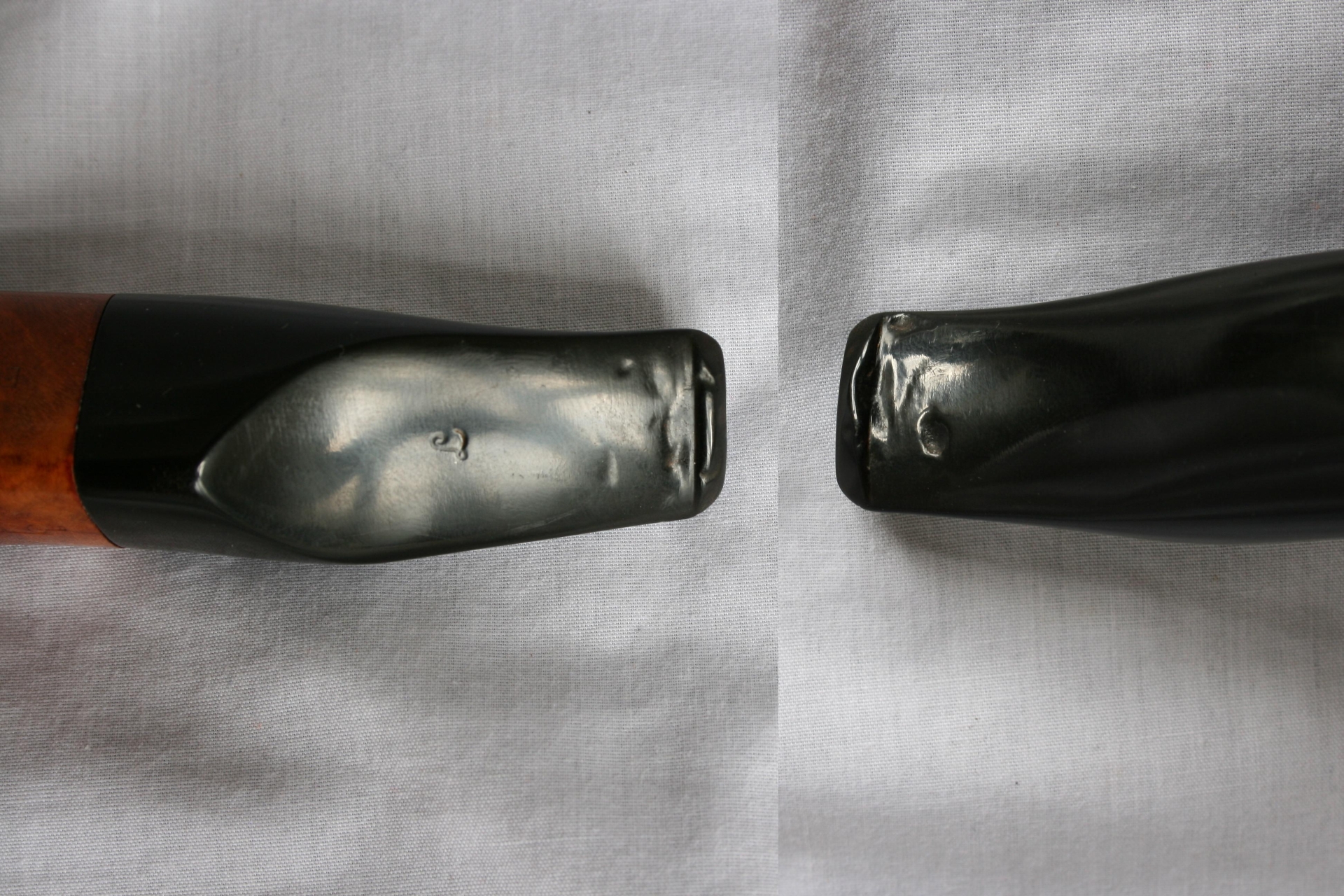
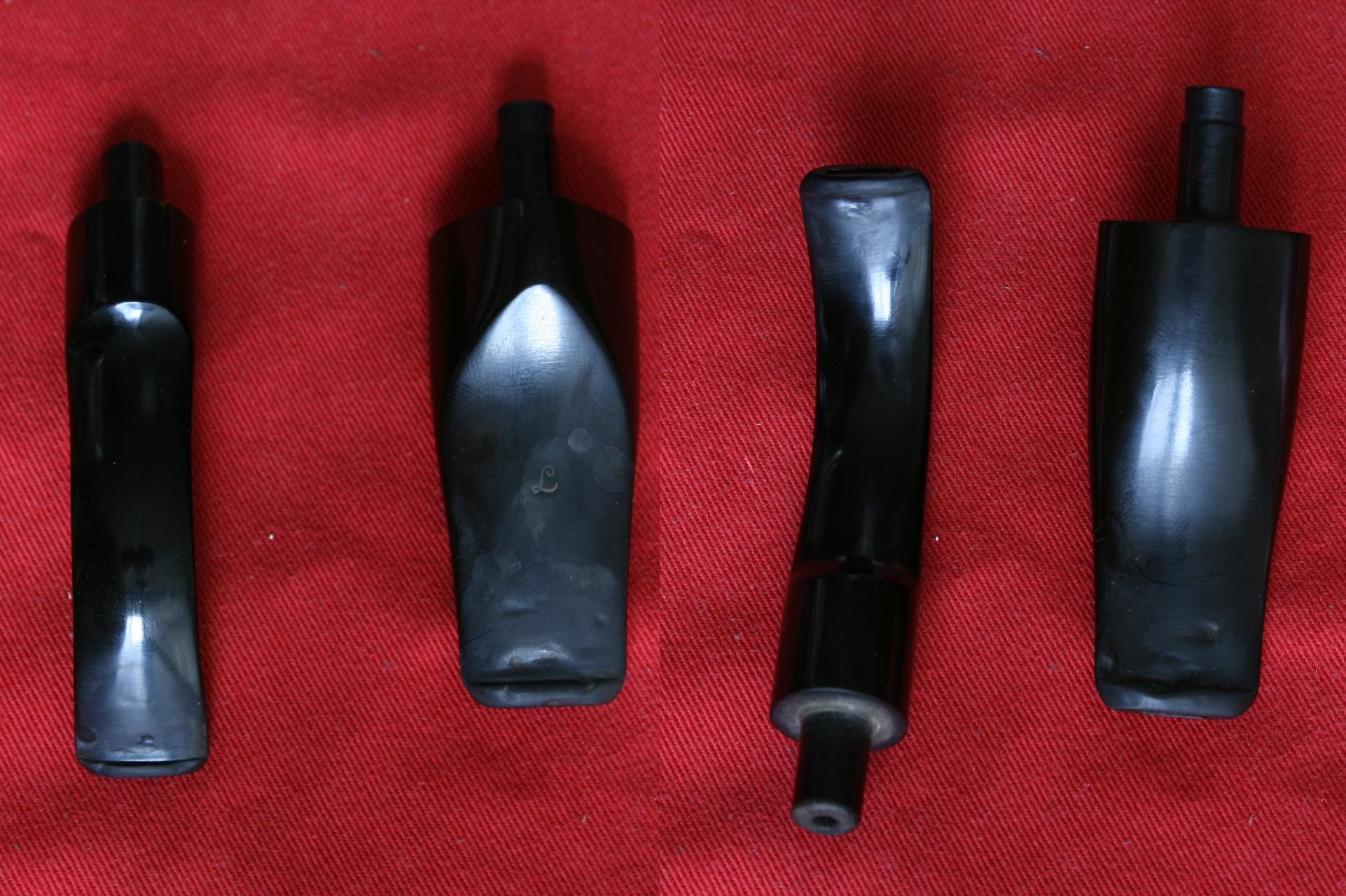
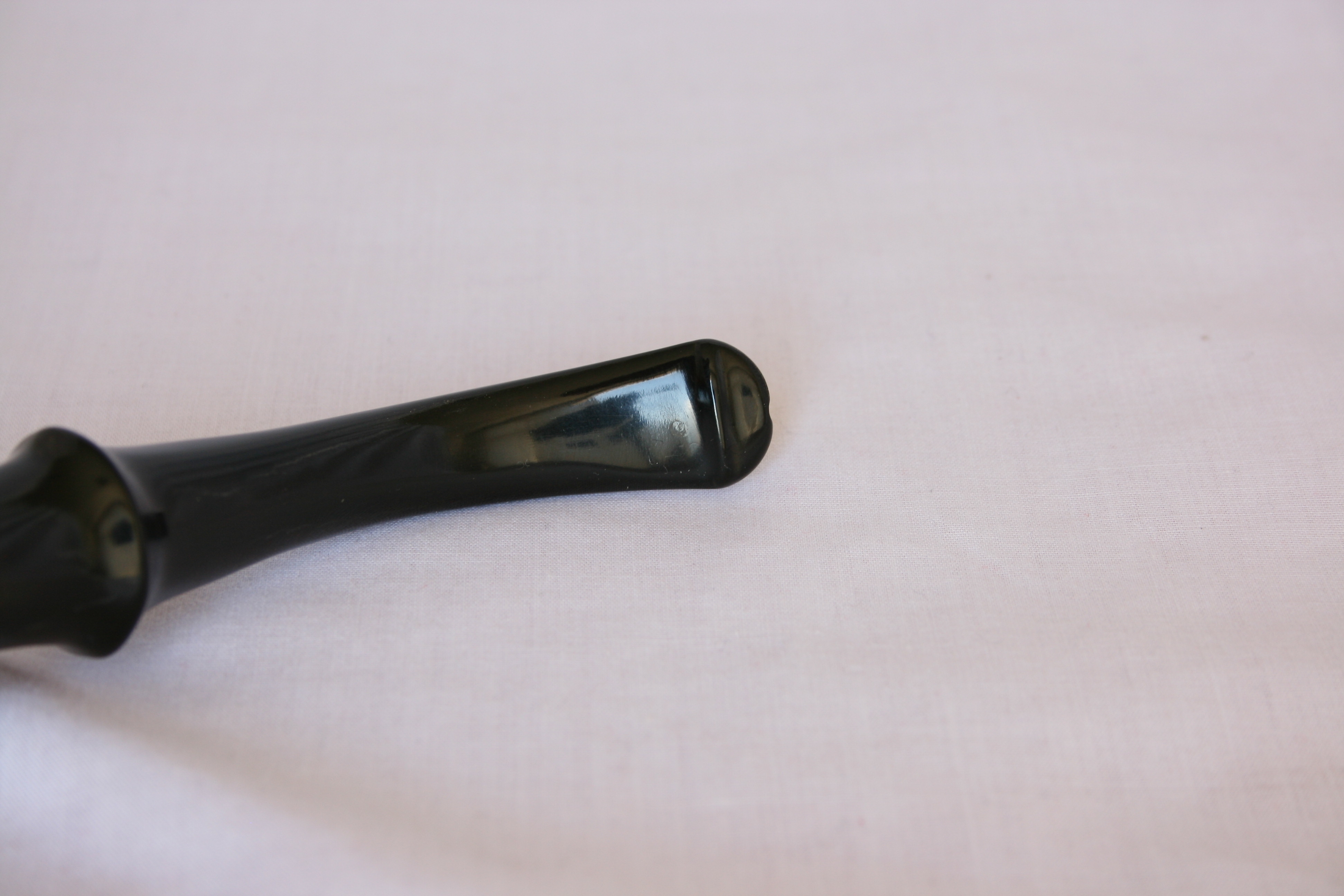
She said that it needed some TLC but it was really in quite good shape. The finish was clean, though somewhat spotty. There were very few scratches or dings. There was a scuff mark on the bottom of the shank next to the stem and the stem was slightly scuffed in the same area. The rim was also clean. The bowl was already reamed and relatively clean. The bowl and shank smelled of Latakia but the pipe really seemed to be hardly smoked and certainly not broken in to the bottom of the bowl. The stem had some ripples in the surface near the button and in those were the remnants of tooth marks. The shoulders of the stem at the stem/shank junction were slightly rounded from sanding or buffing with the stem off the pipe. There were two small spots of oxidation around the logo.

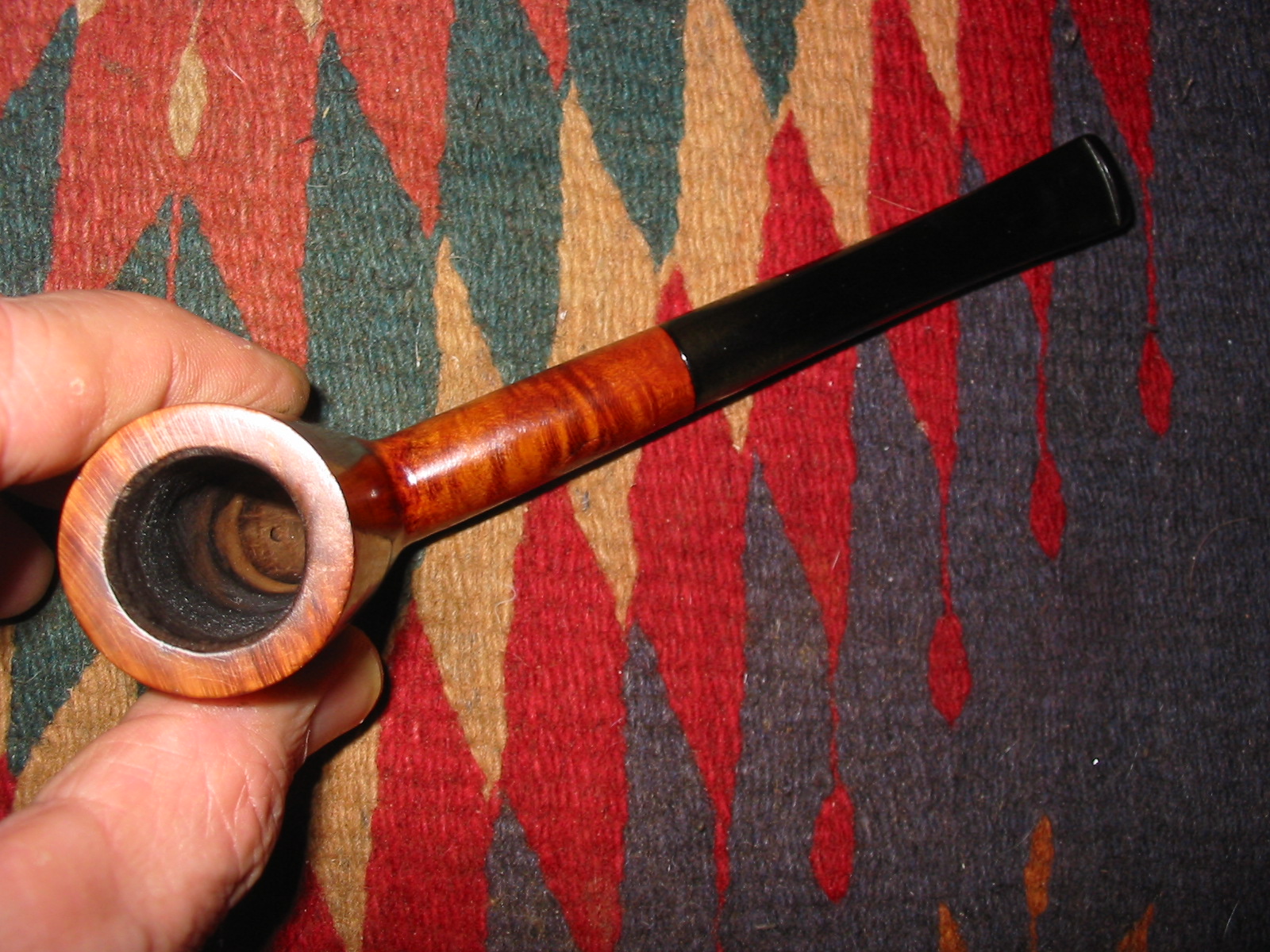
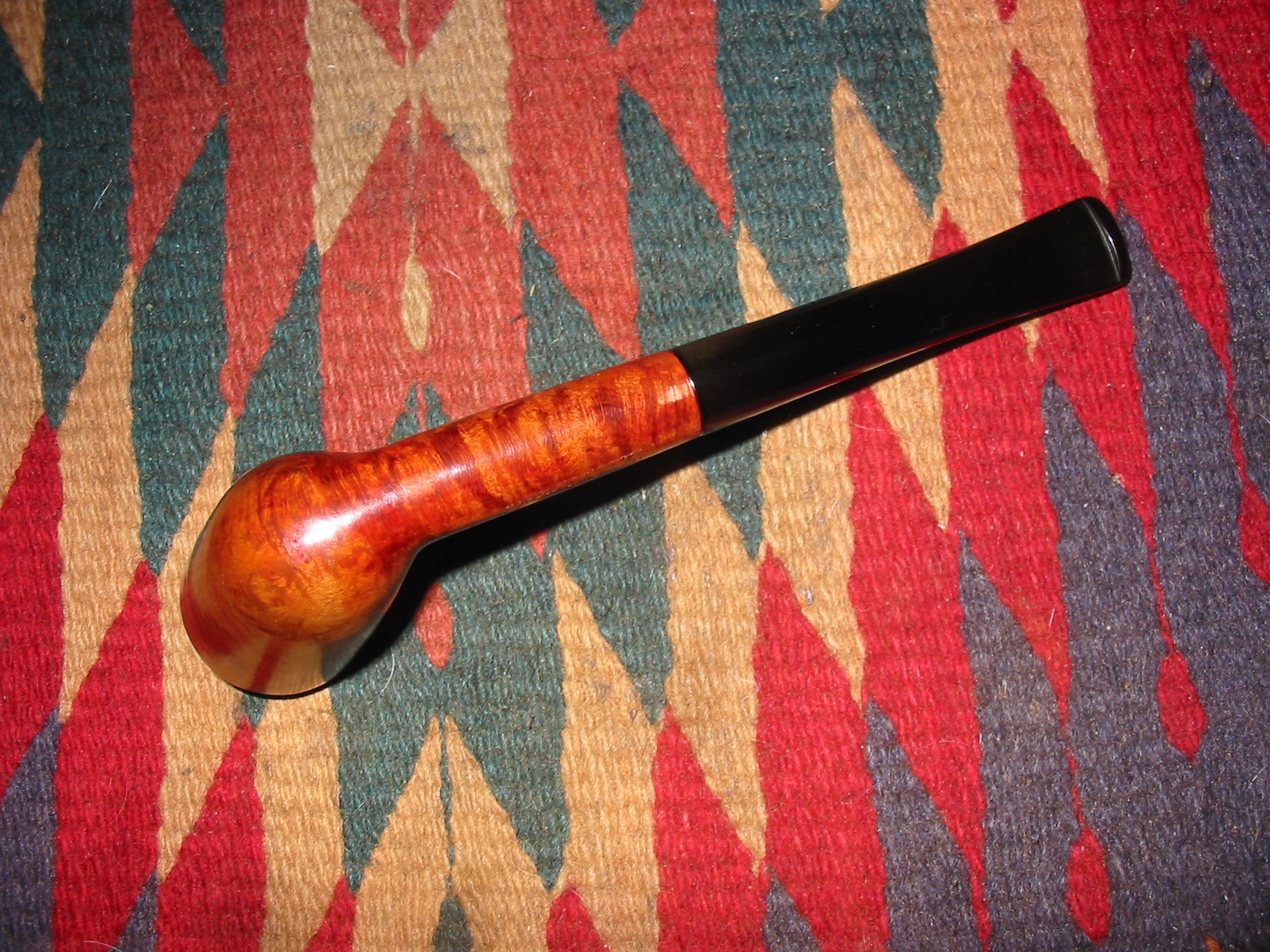
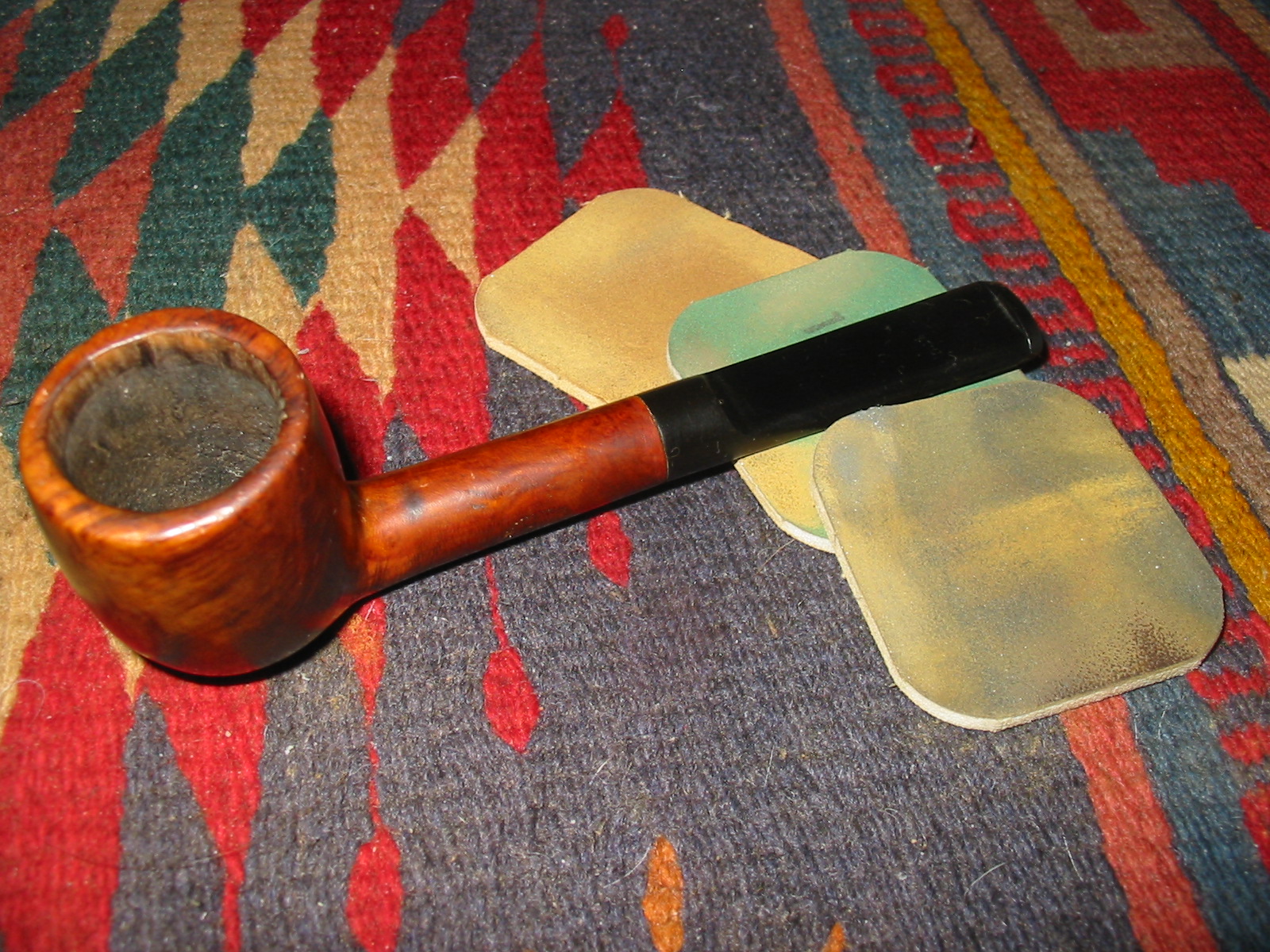
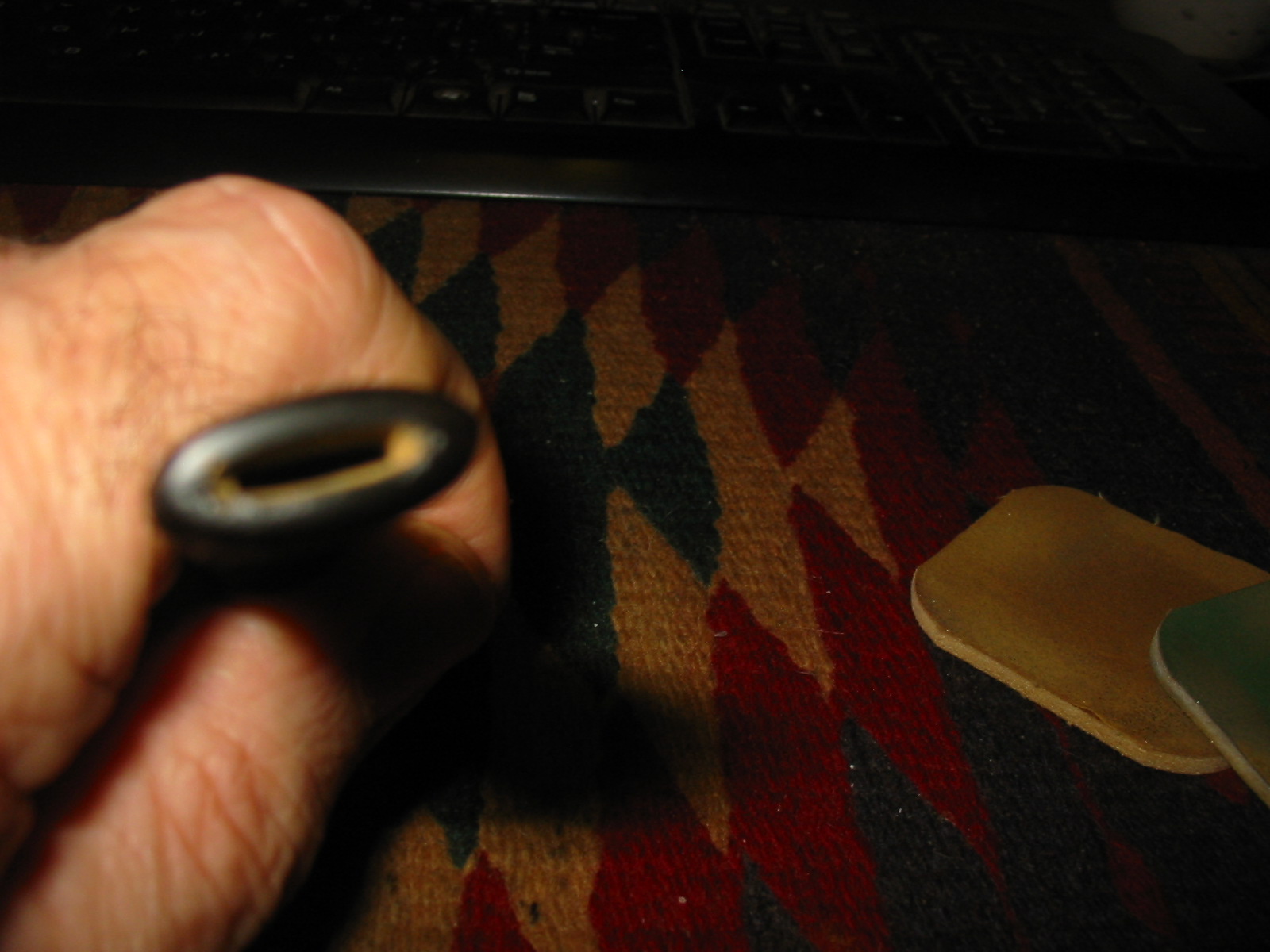
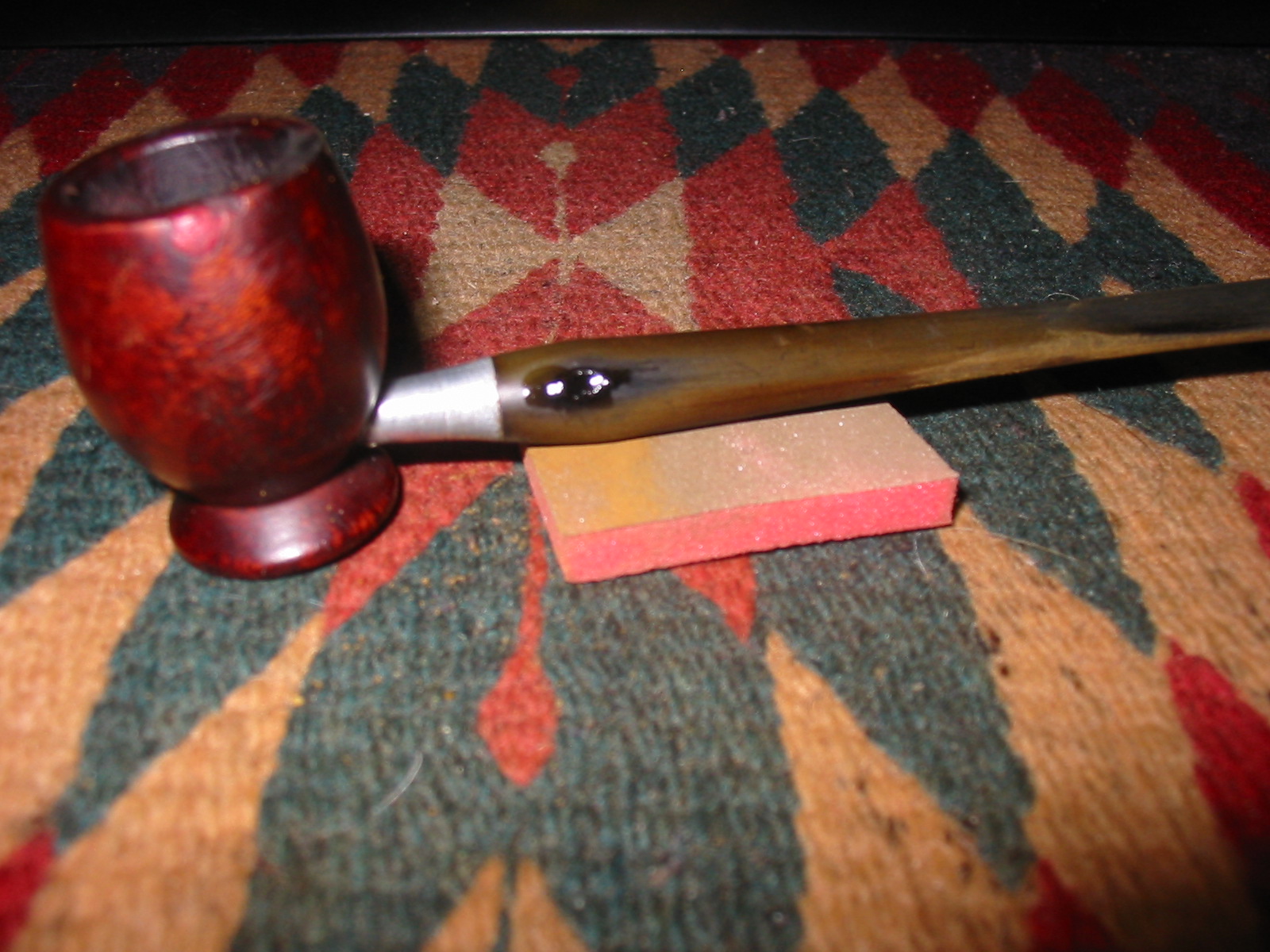
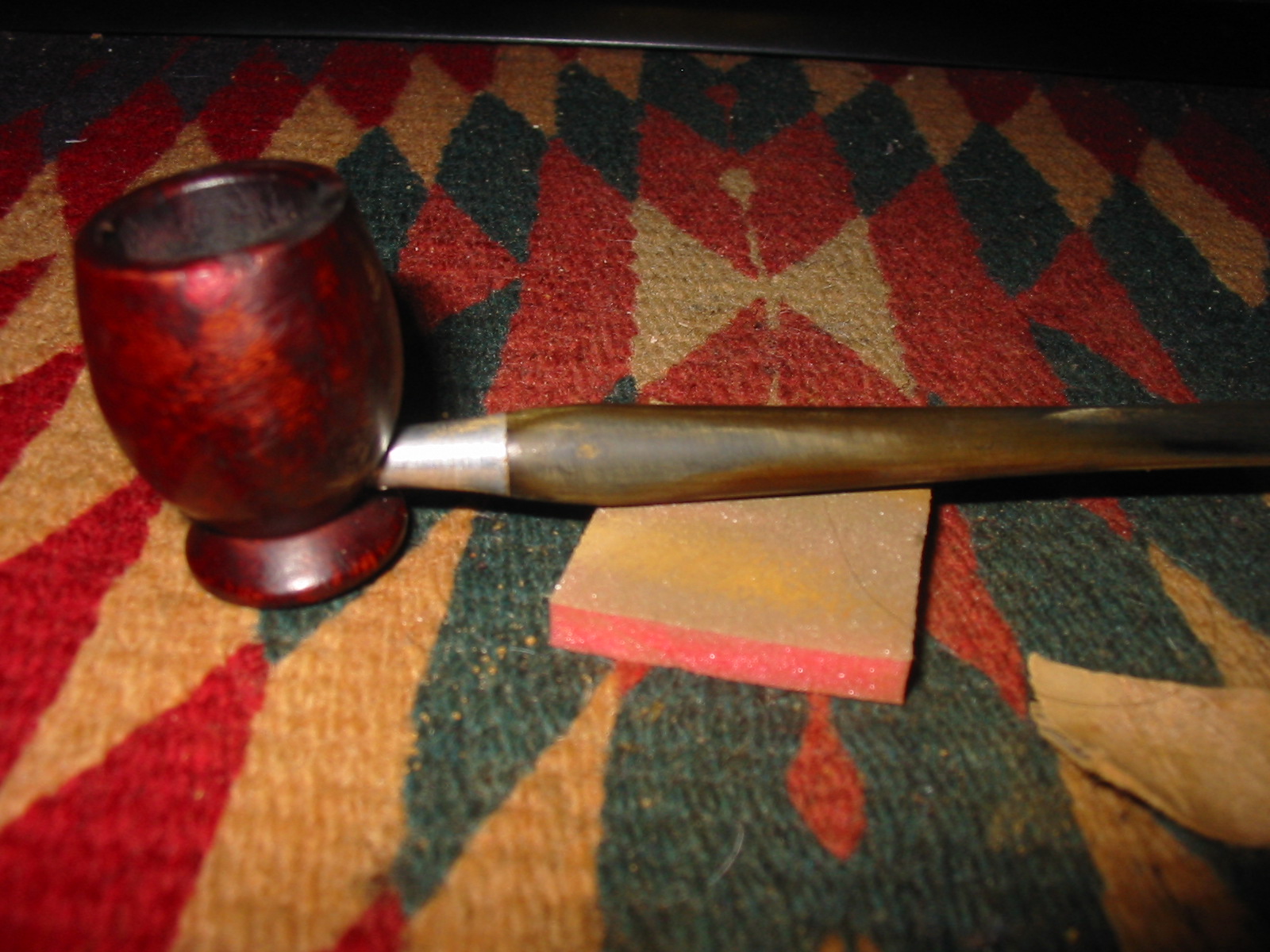
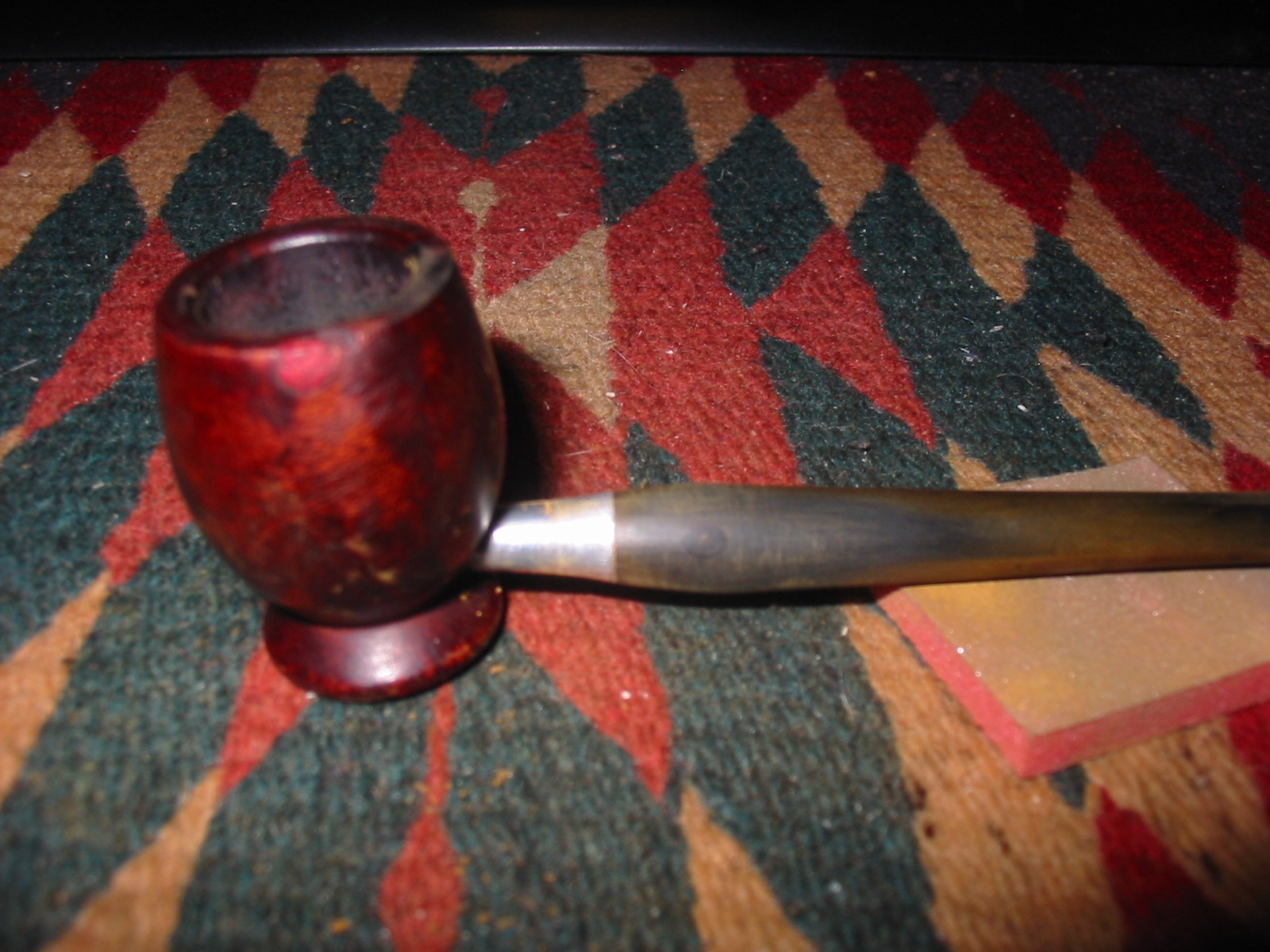
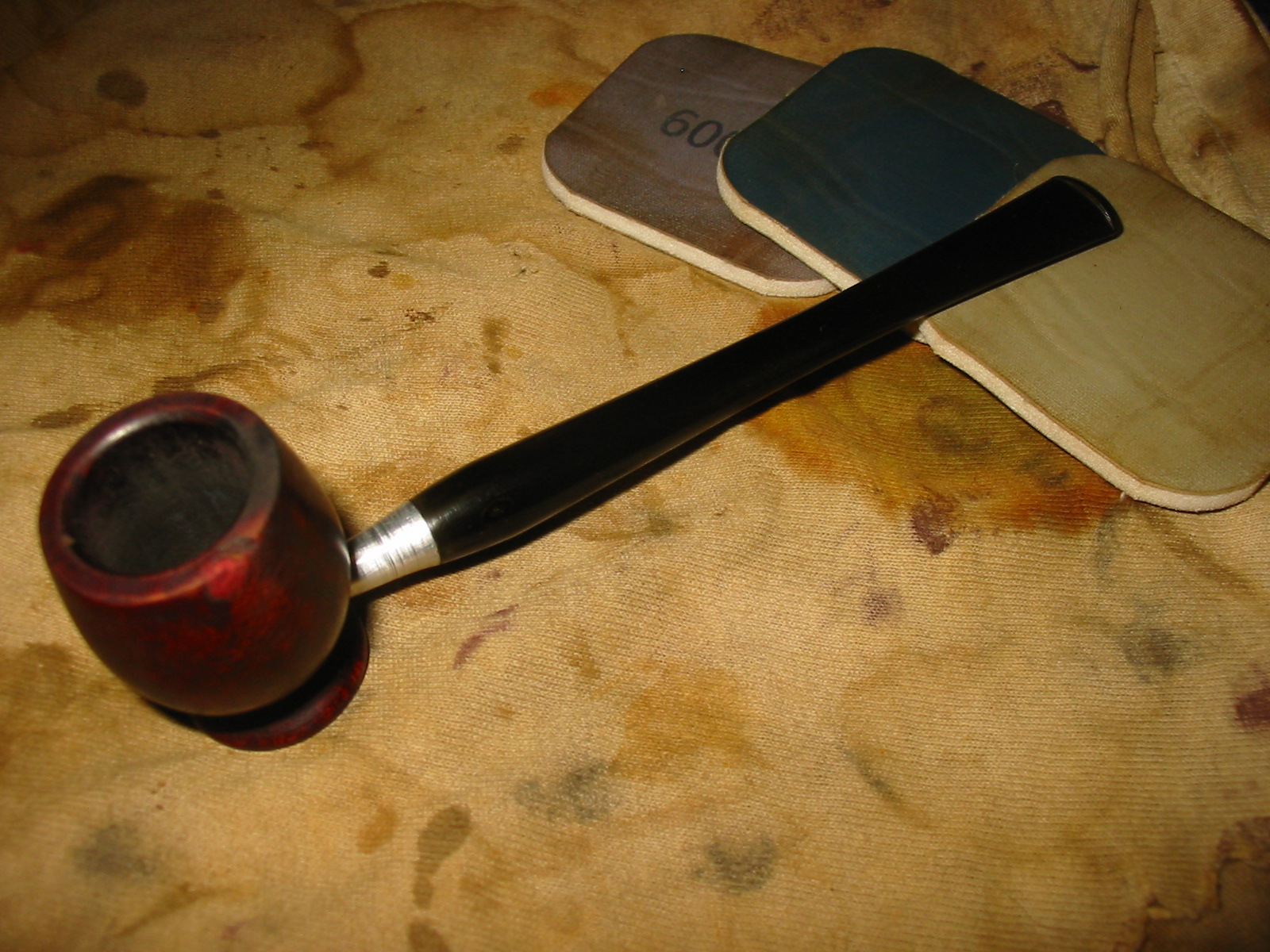
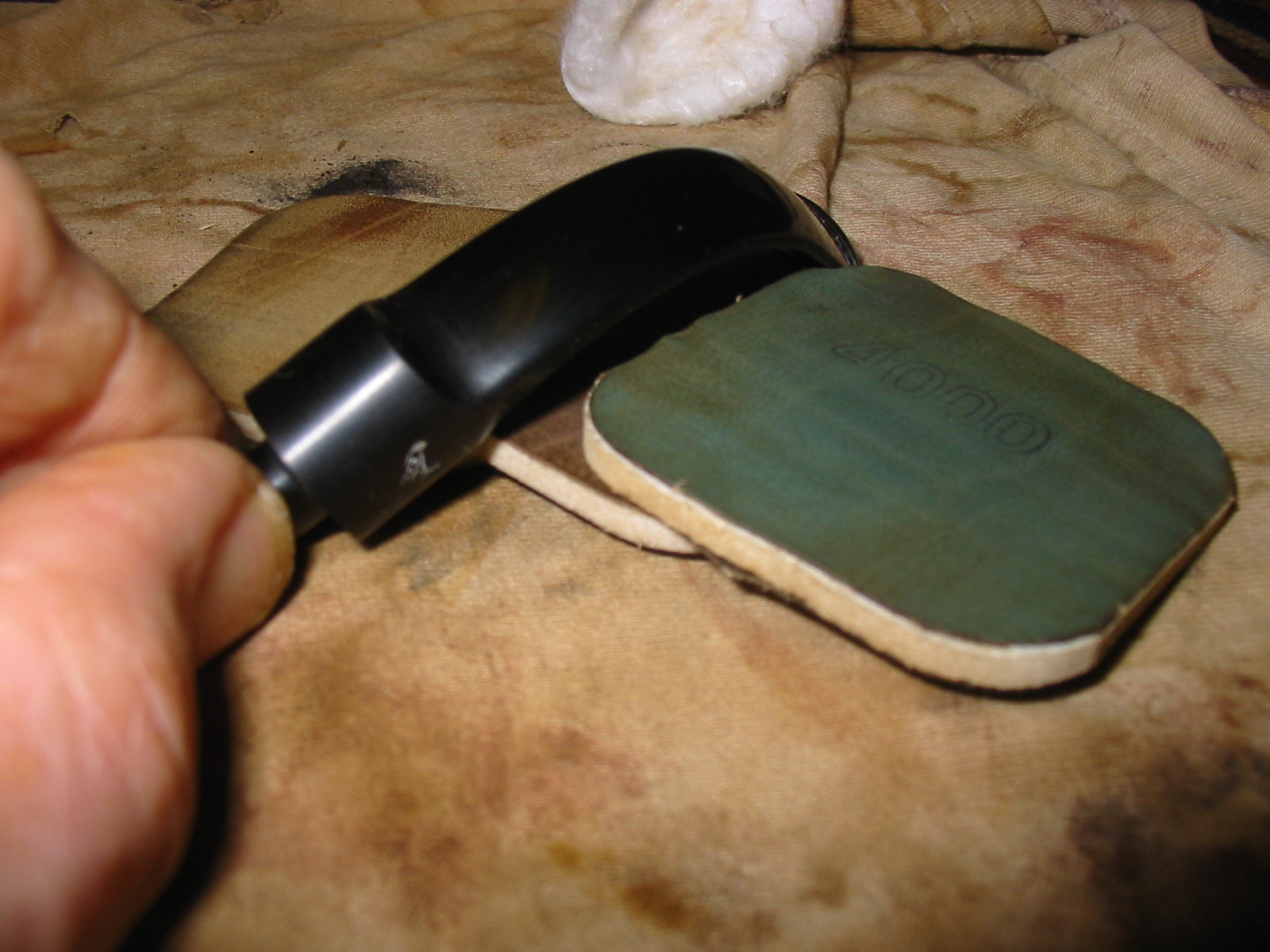
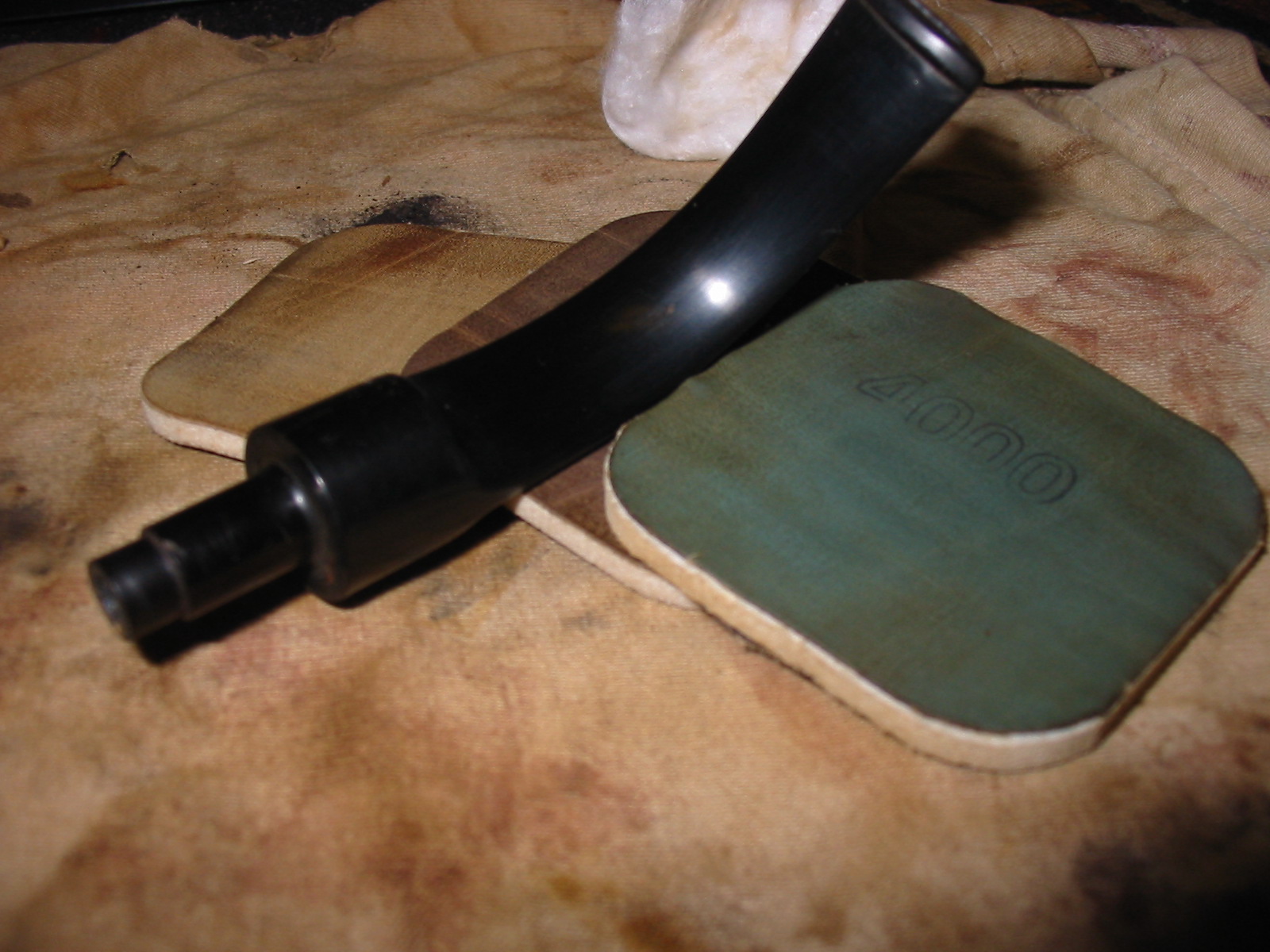
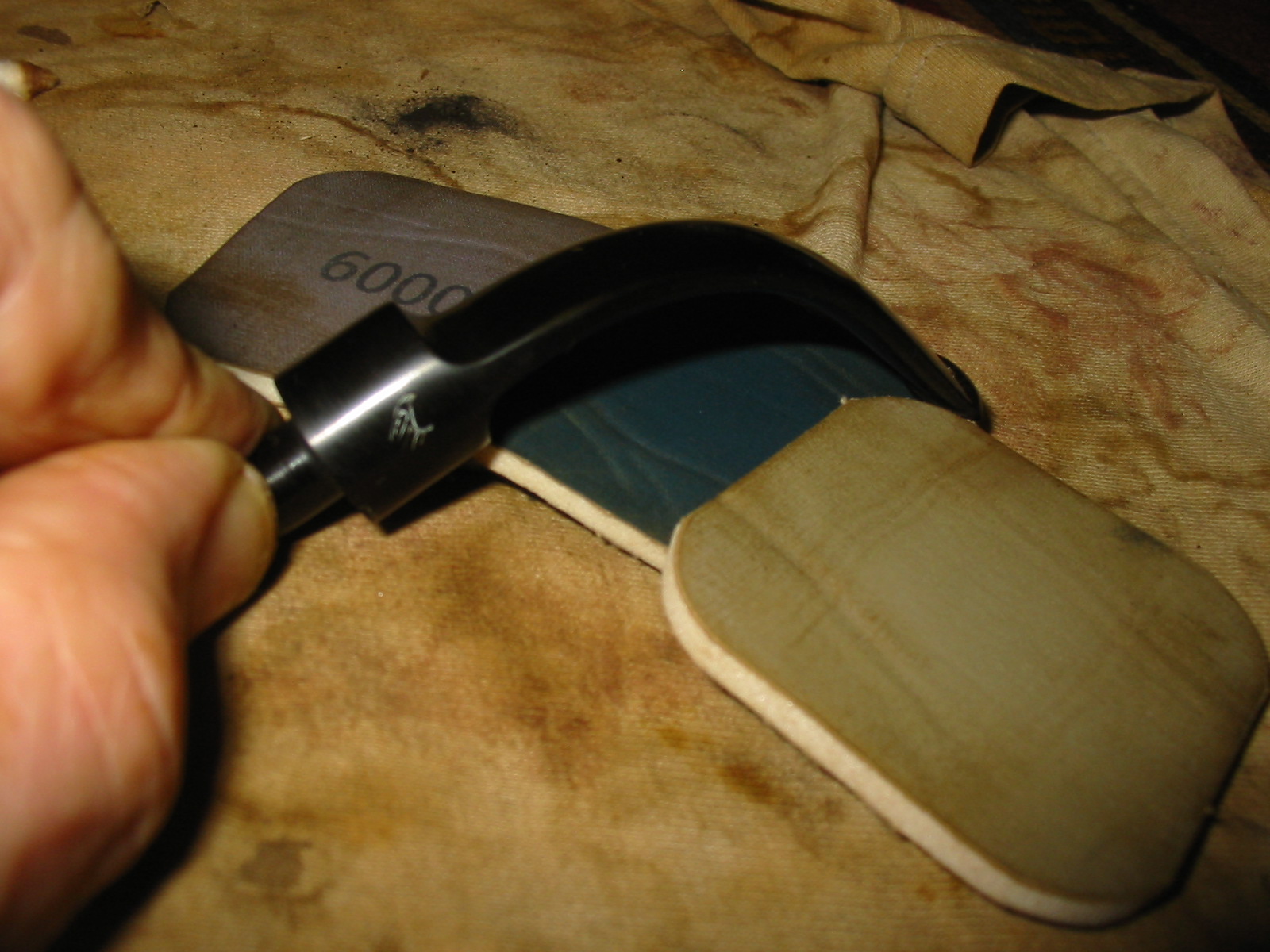
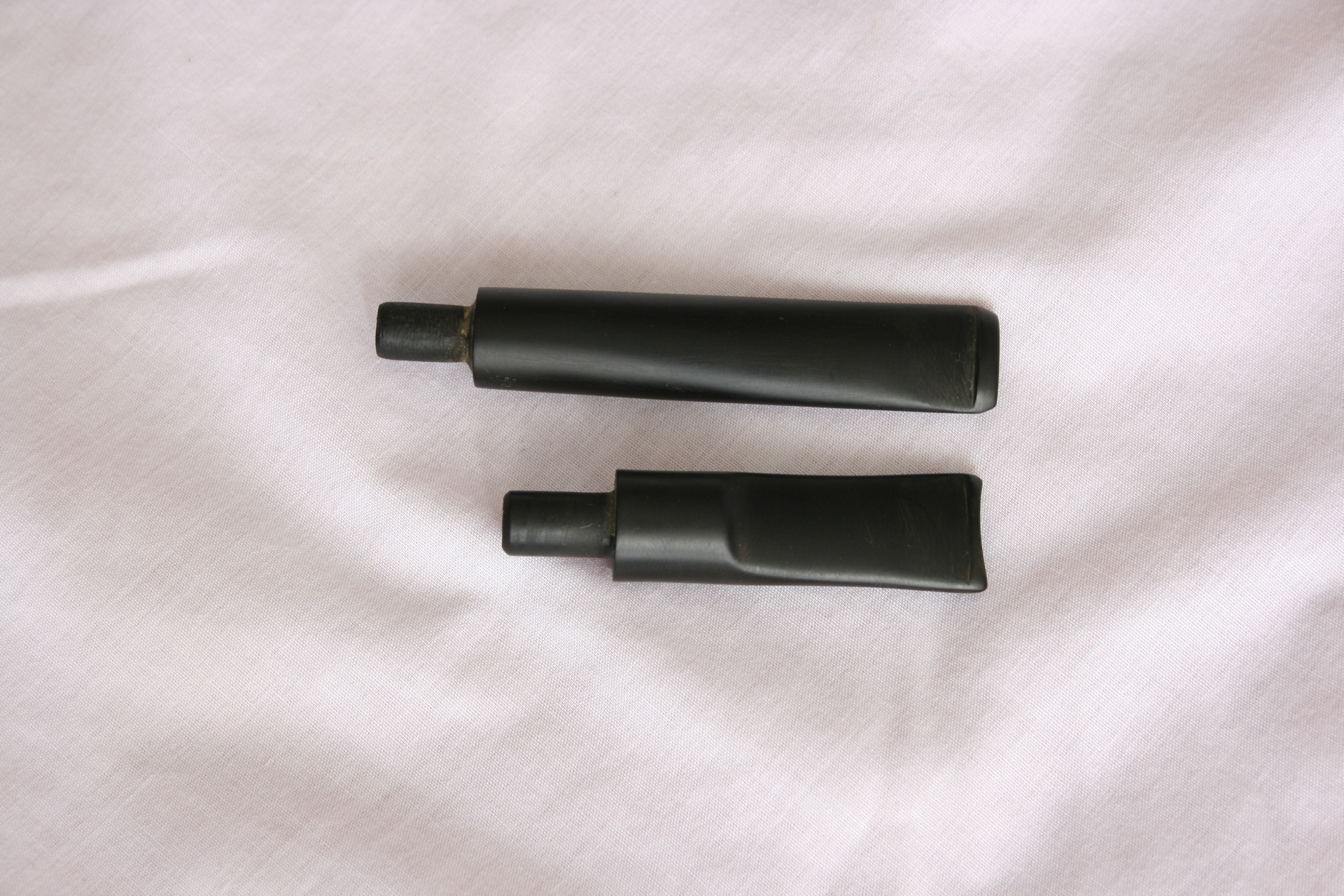
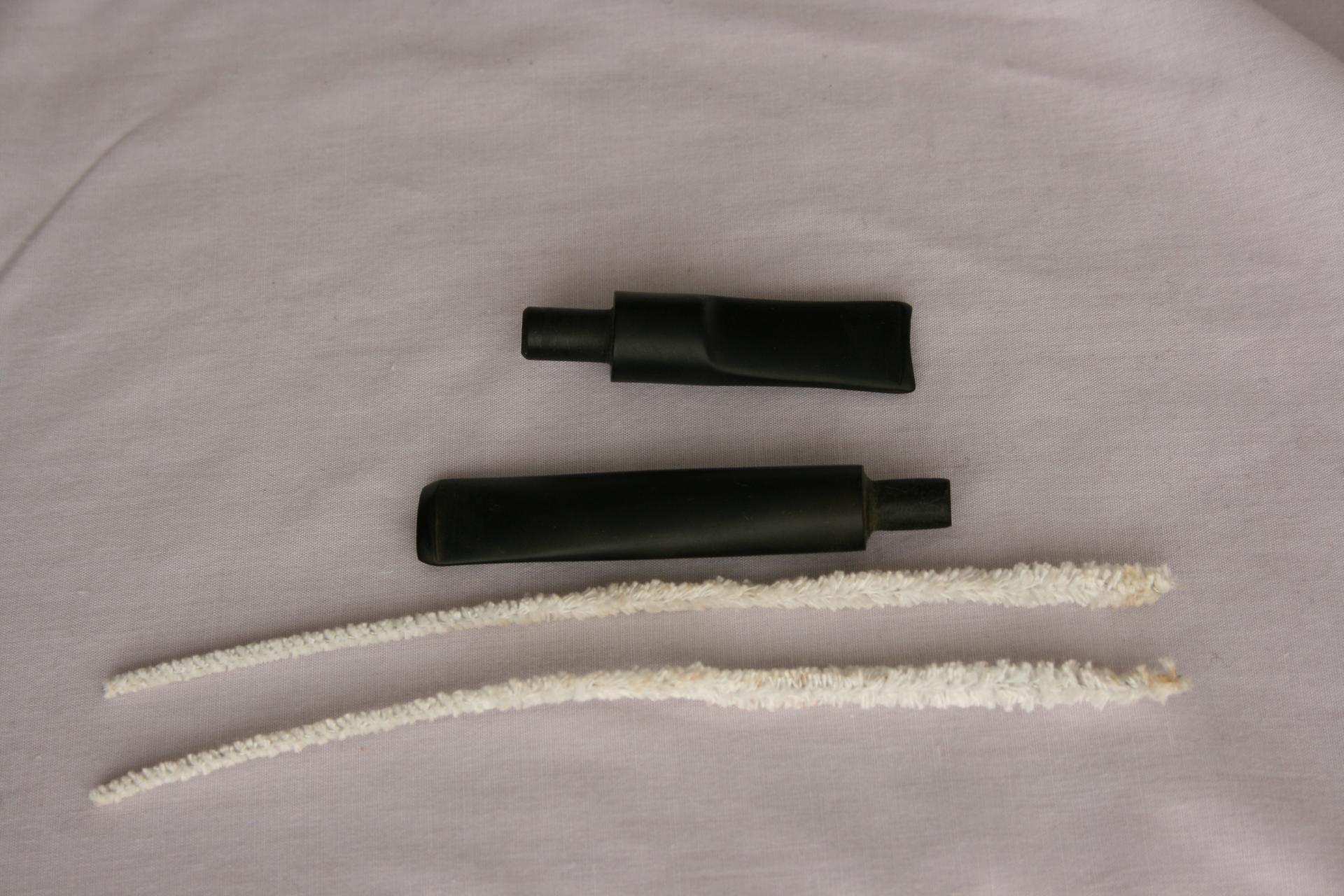
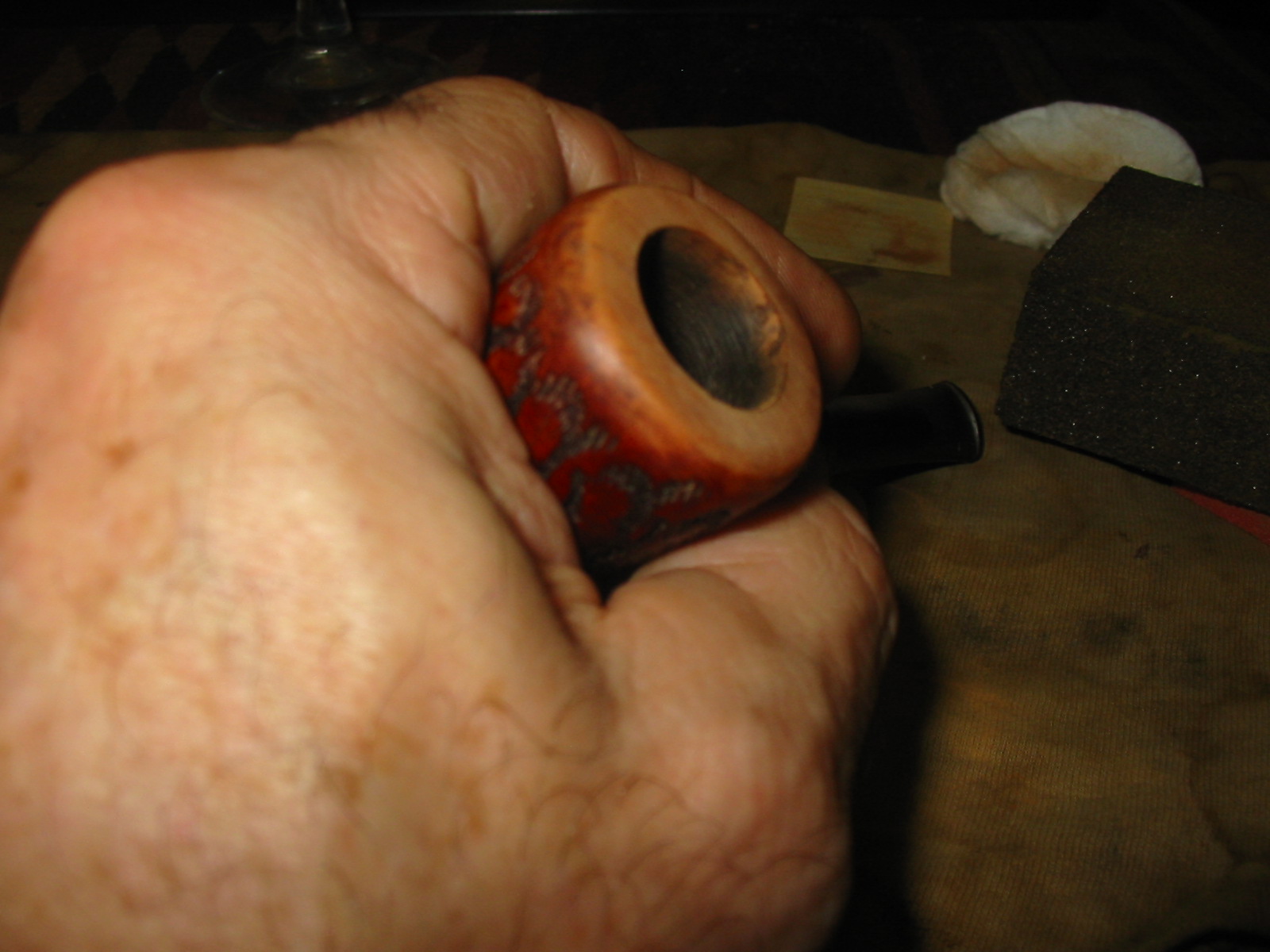
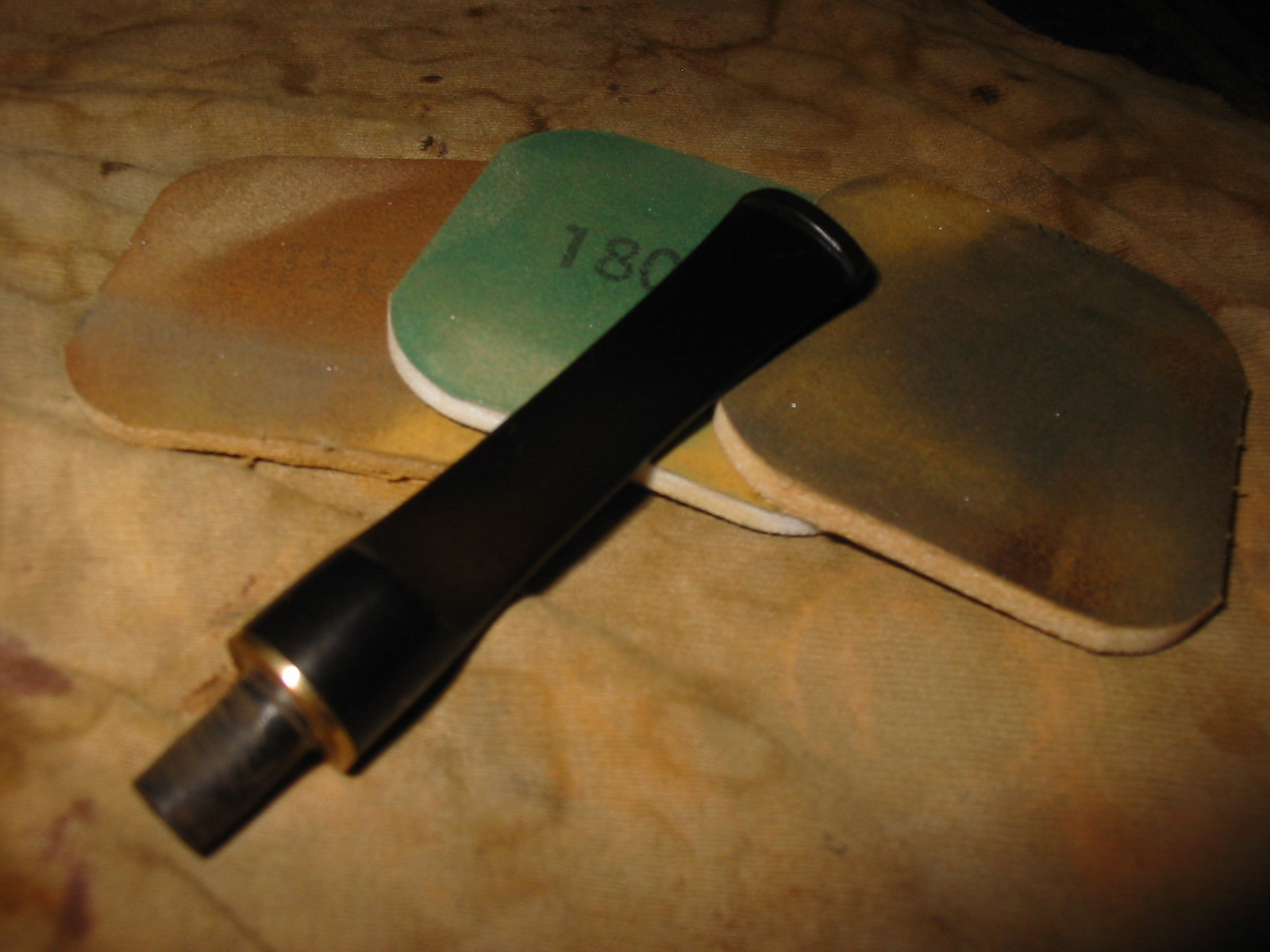
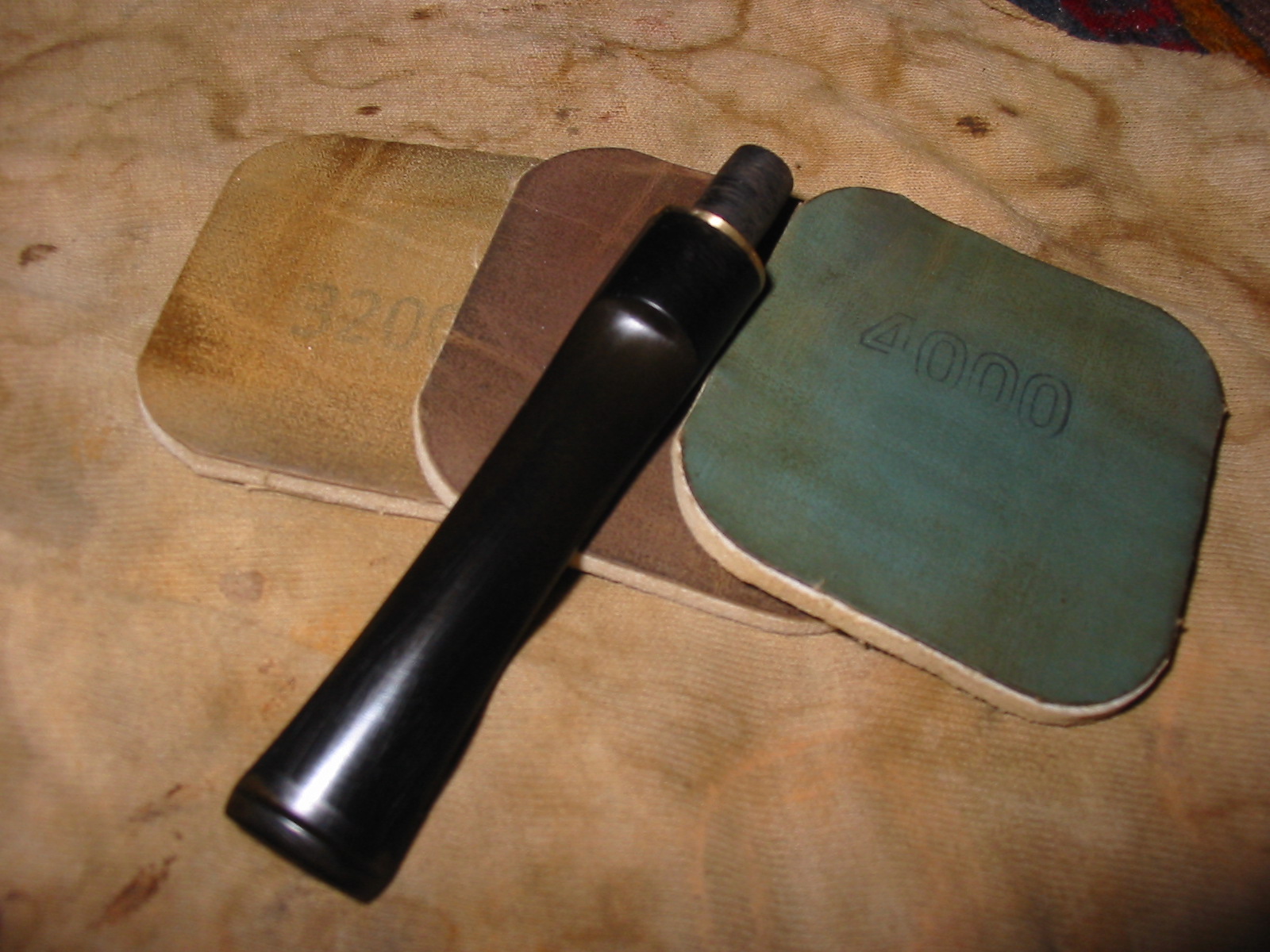
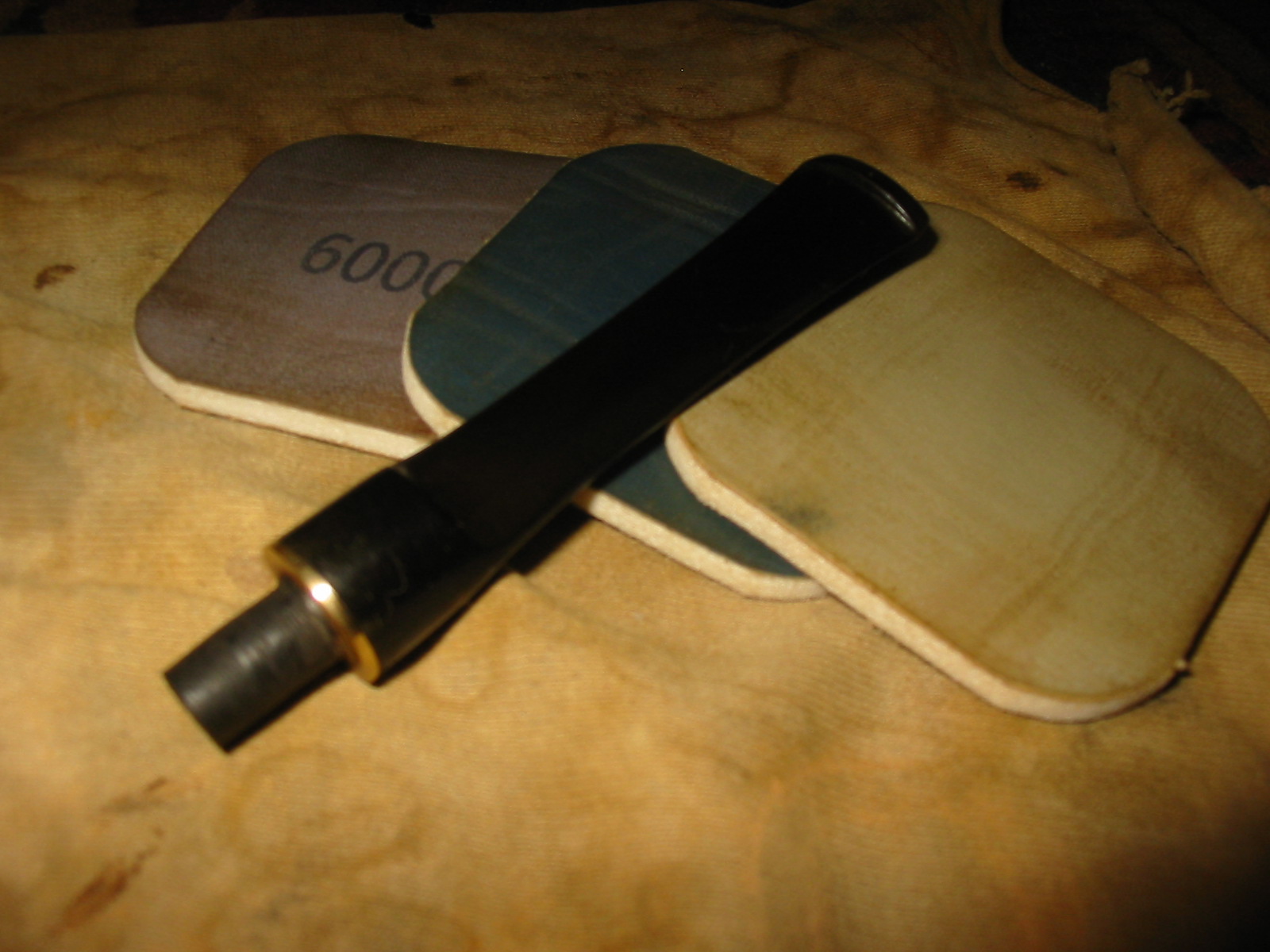
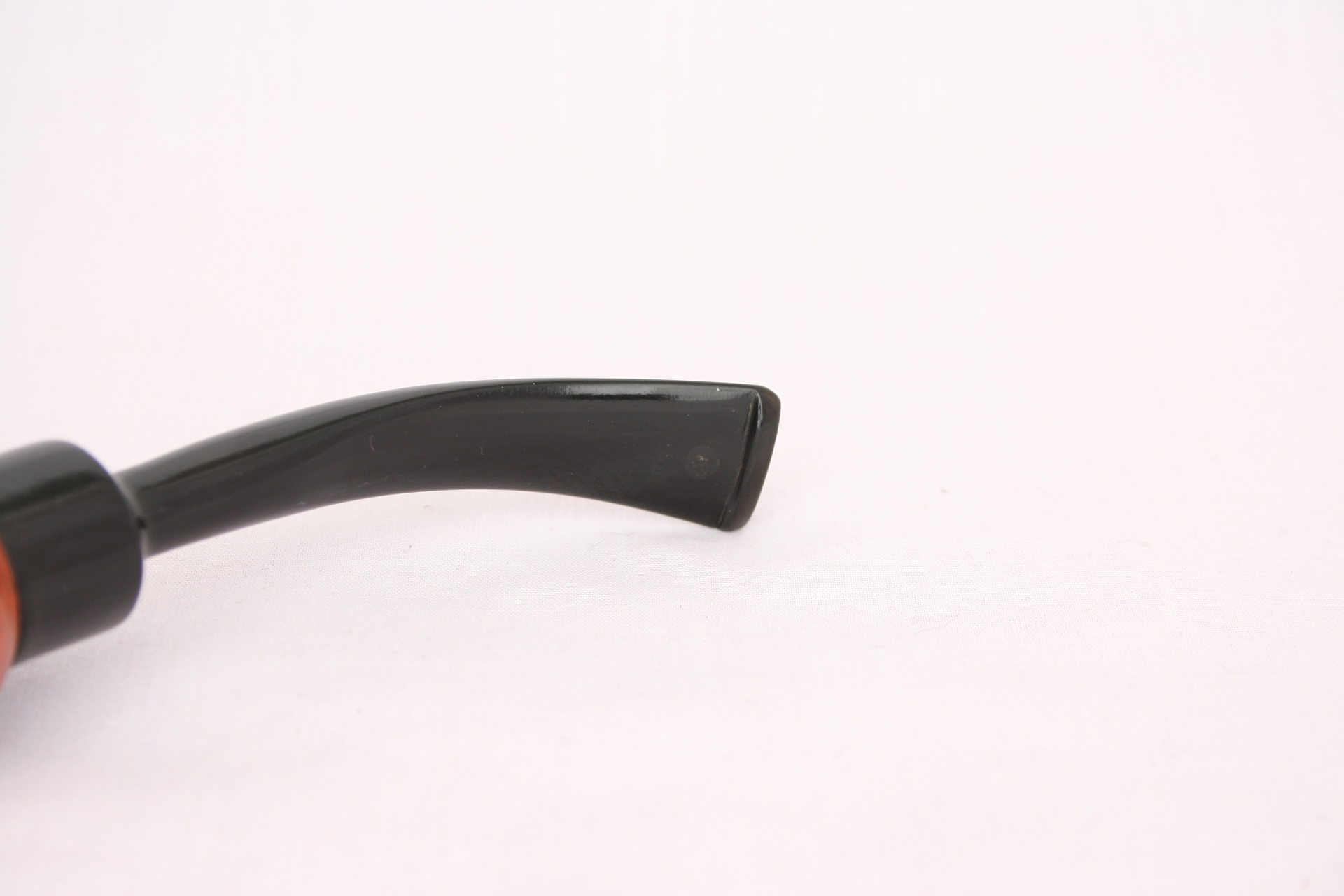
I sanded the stems and shank with a fine grit sanding sponge and used a sanding block to reduce the rounding to the shoulders of the stem. I then sanded the stem with micromesh sanding pads from 1500-12,000 grit to polish the vulcanite. I rubbed stem down with Obsidian Oil and let it soak into the surface. Once it was dry I buffed it with White Diamond and then carnauba wax. The ripples in the stem are gone and the oxidation around the logo is also gone. My Black and Tan Cocker Spaniel decided to sit and “help” me this morning. He has learned that I generally have some dog chews at the work table but he gives me the illusion that he is really interested in what I am doing!

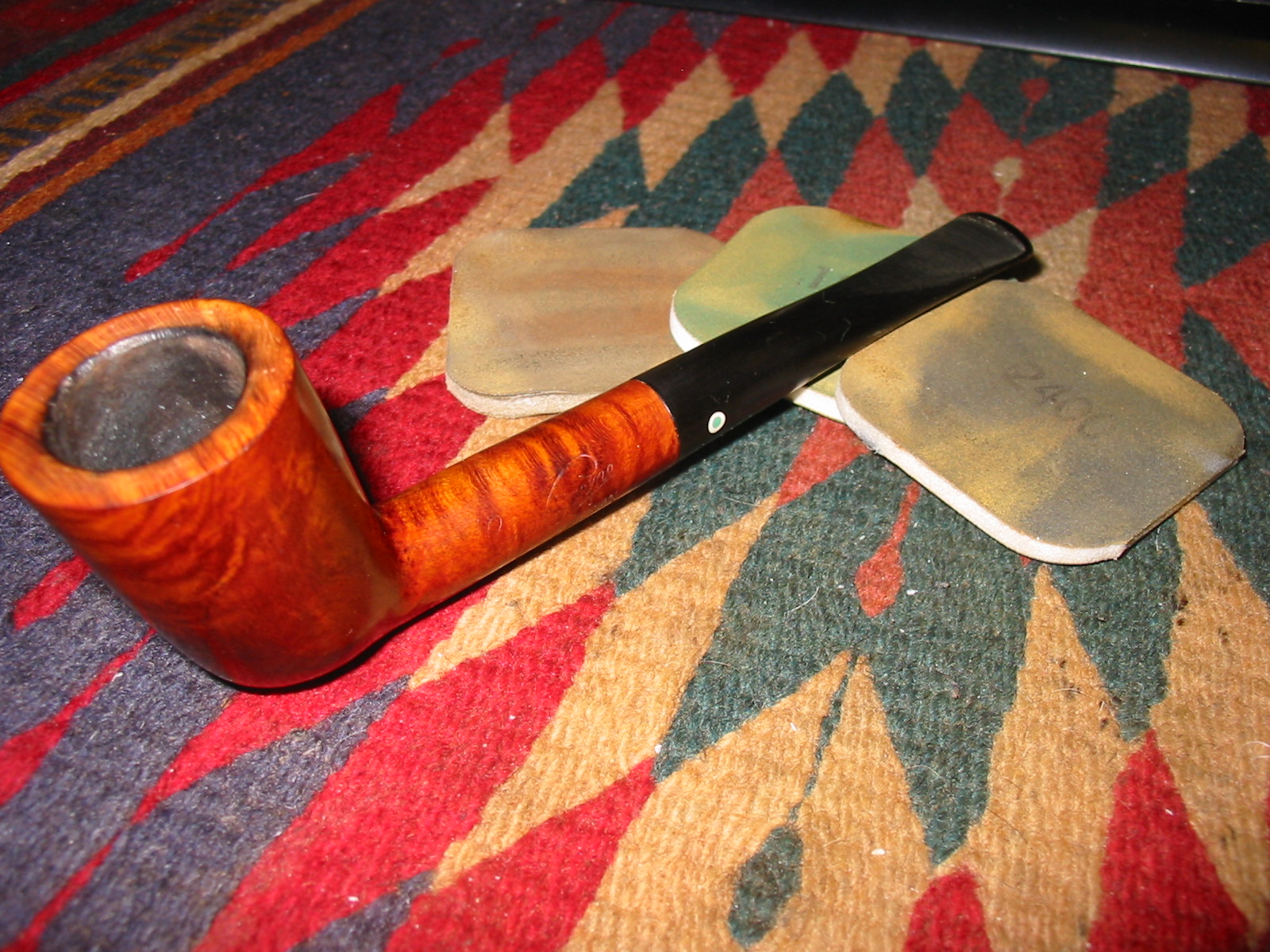
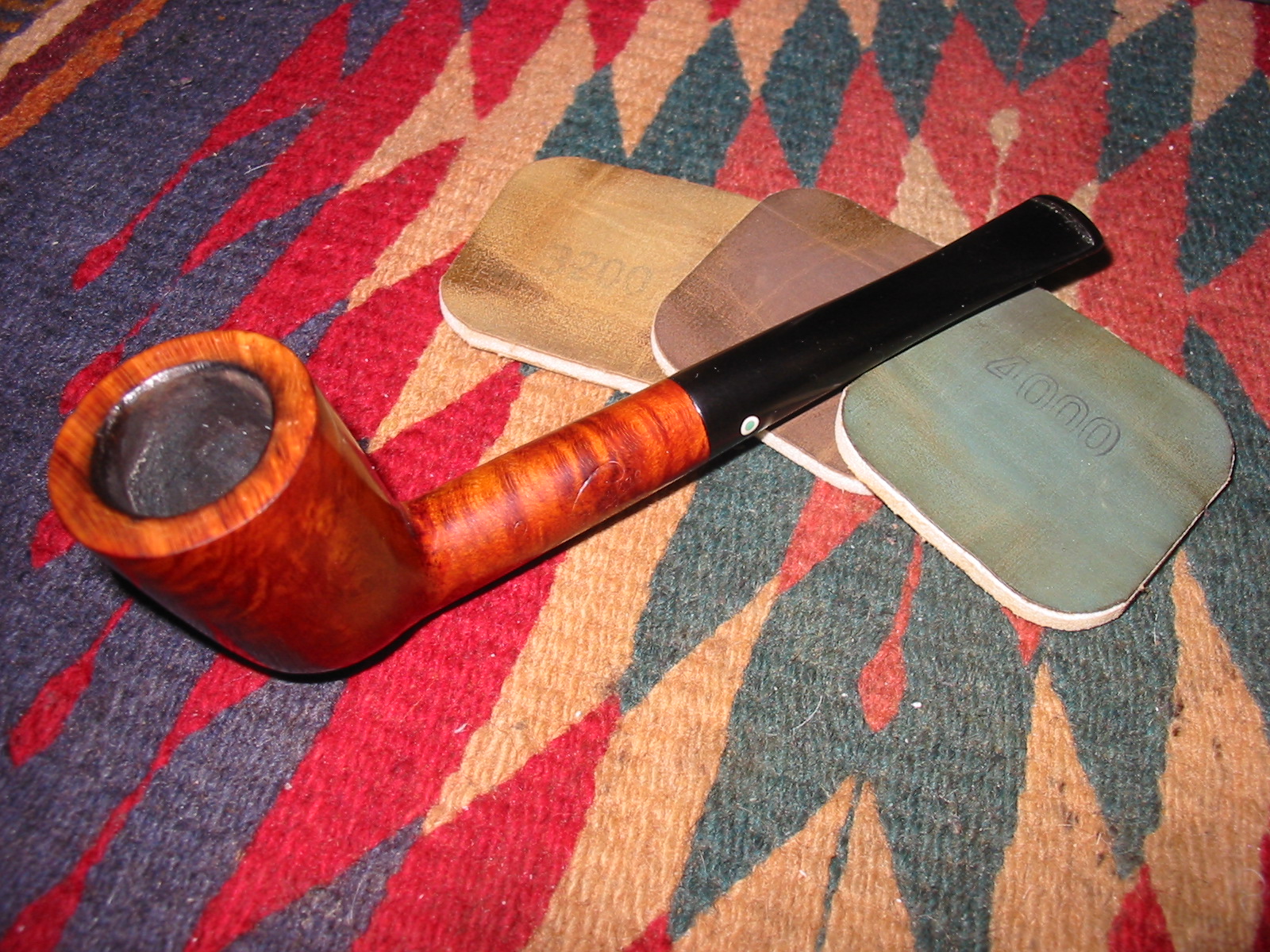
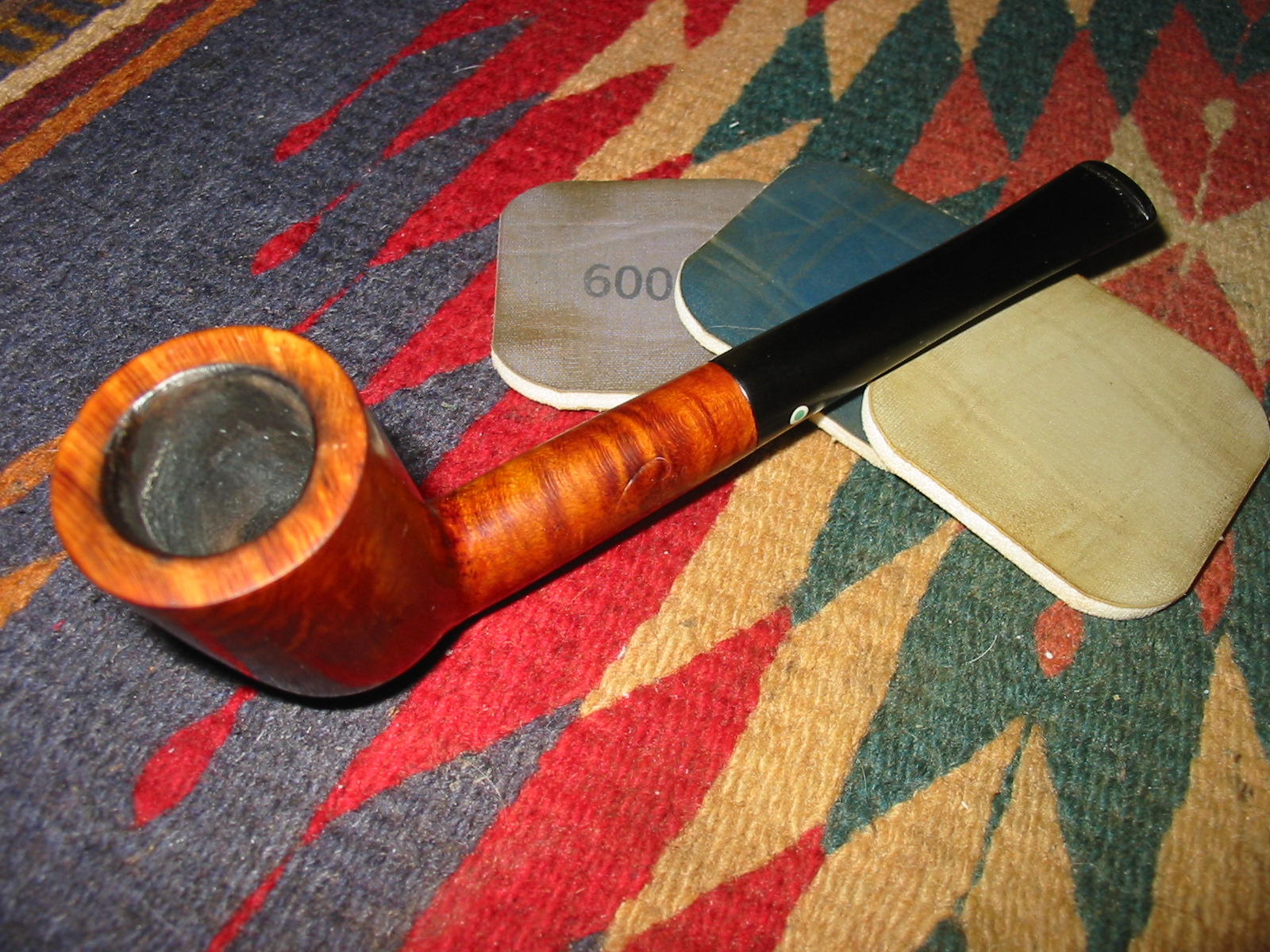
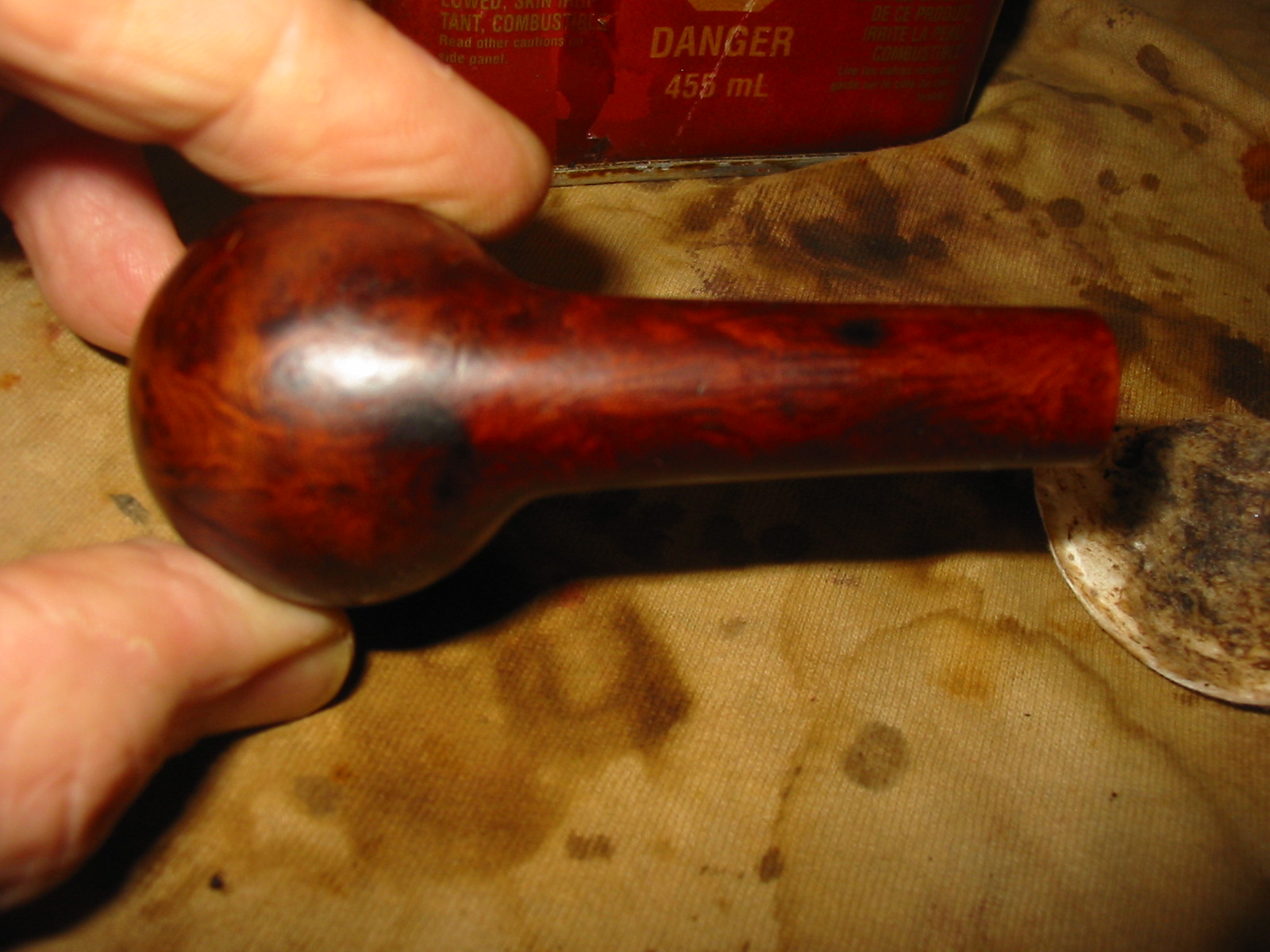
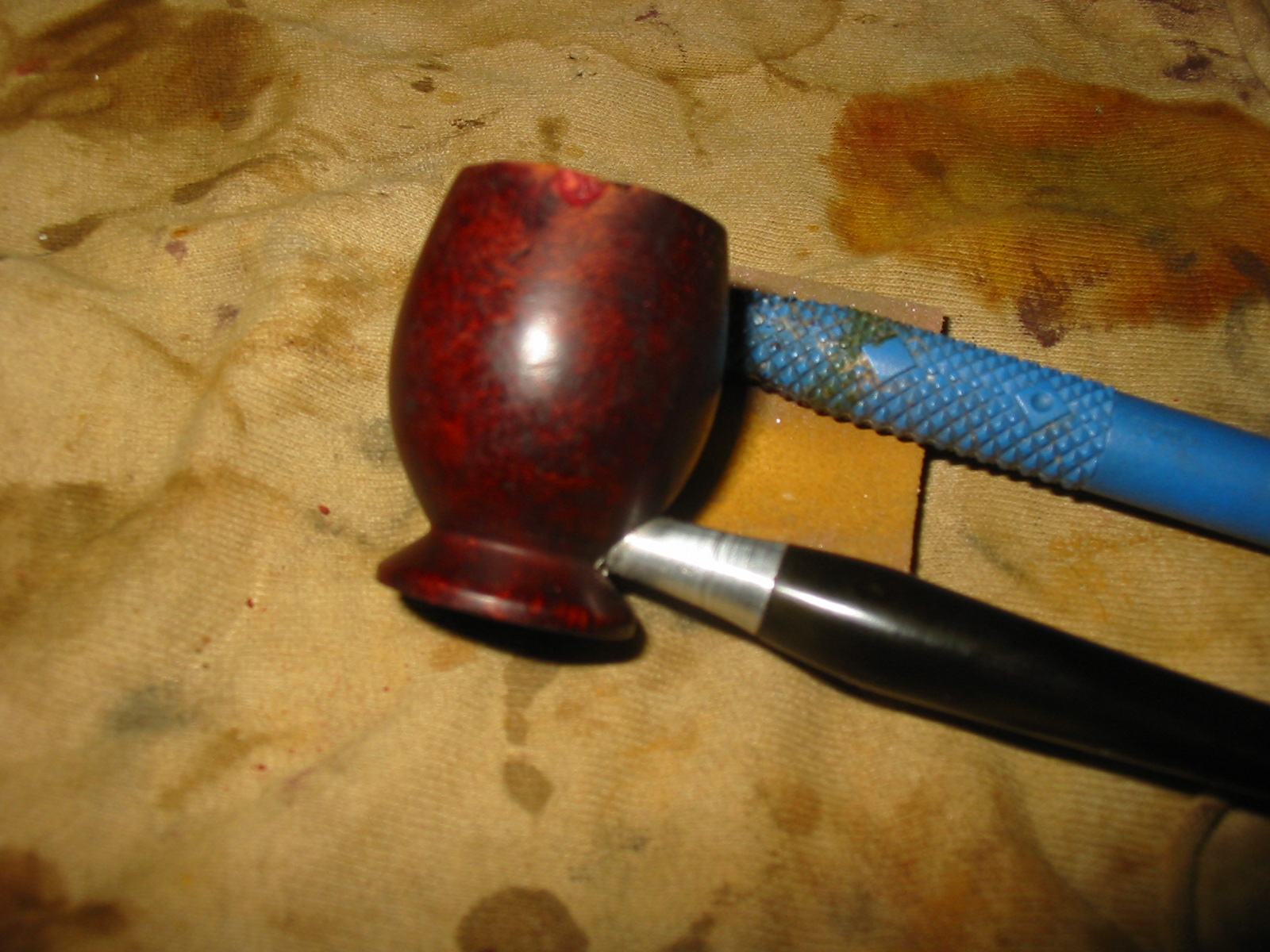
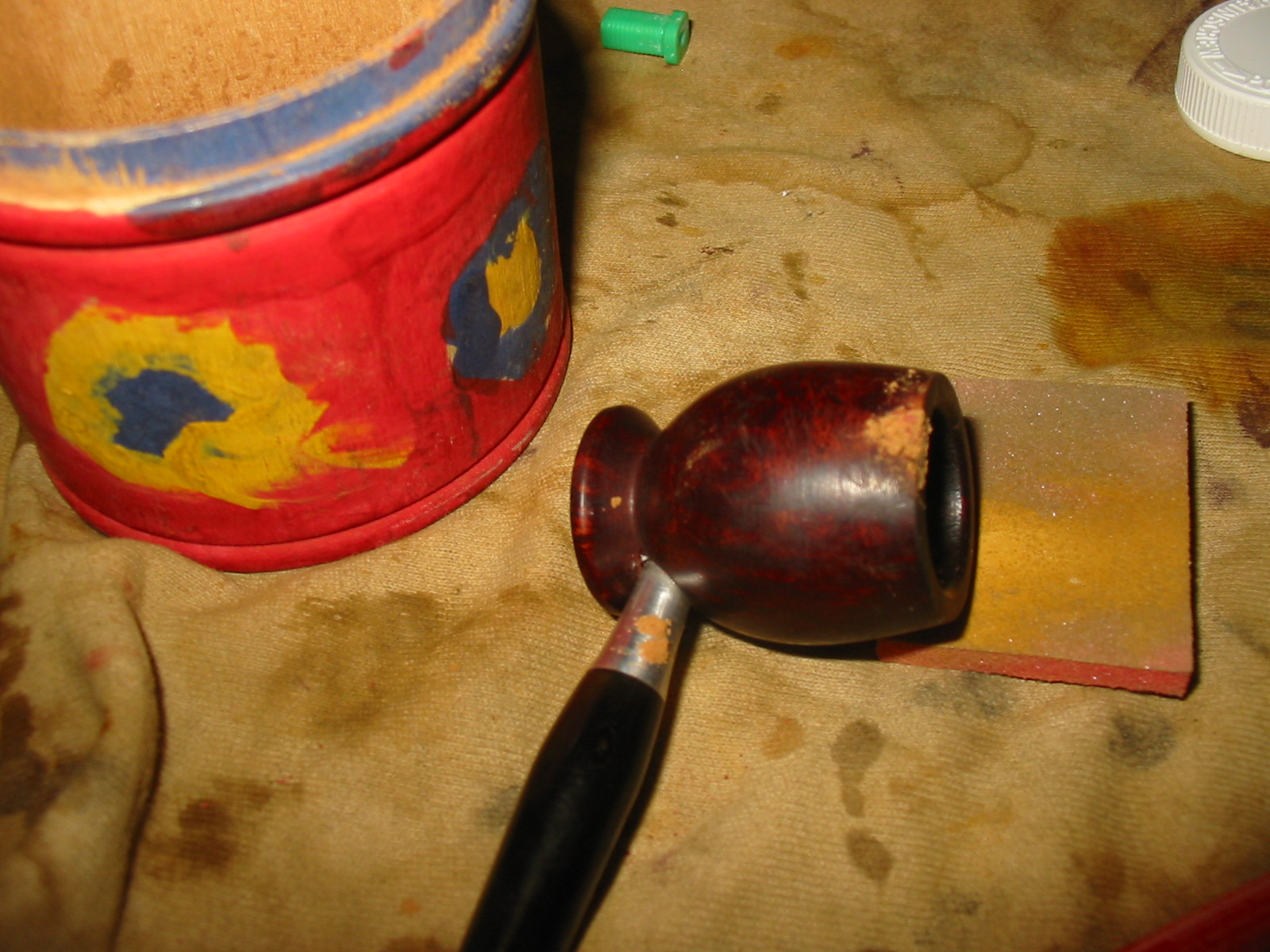
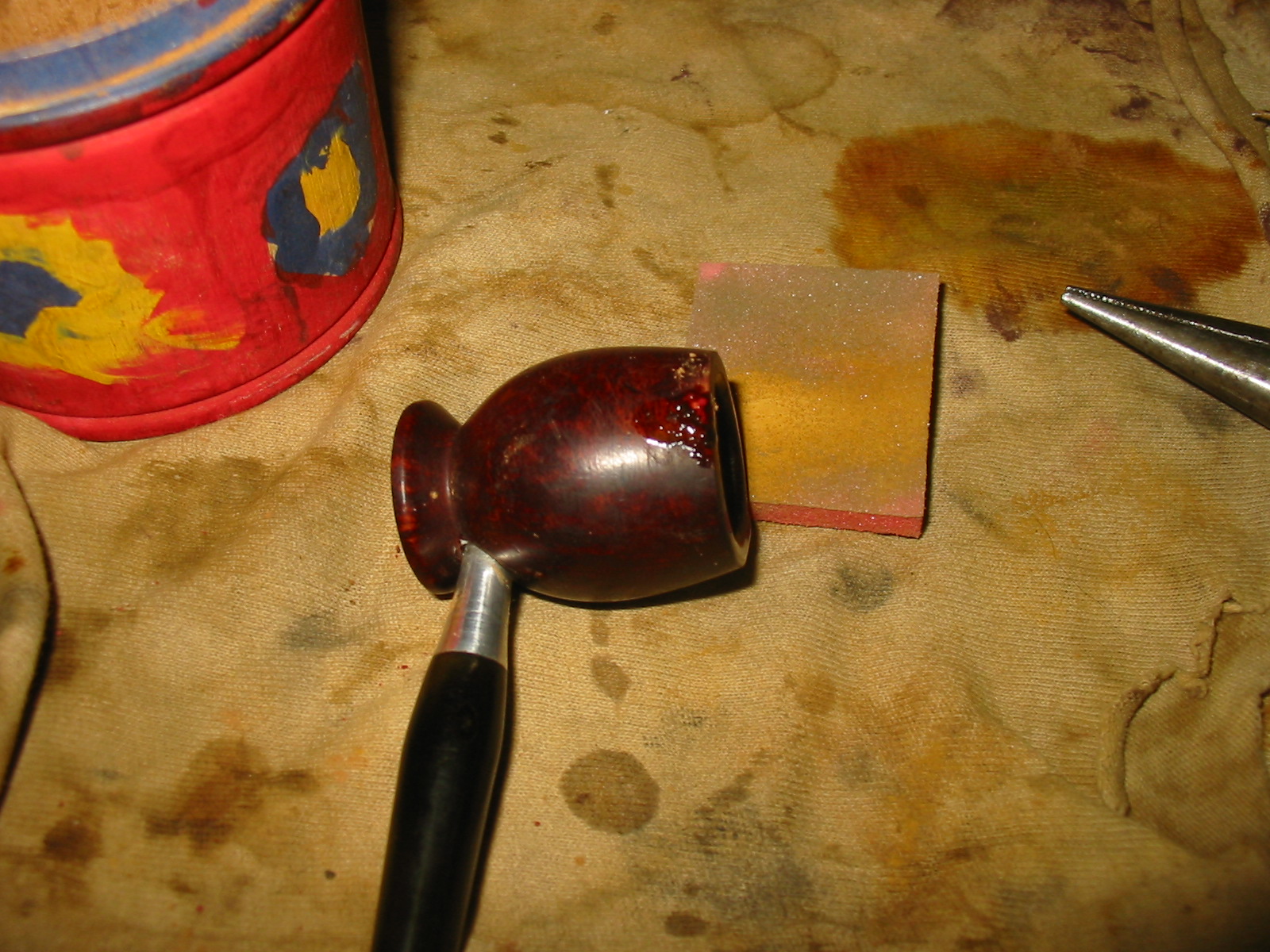
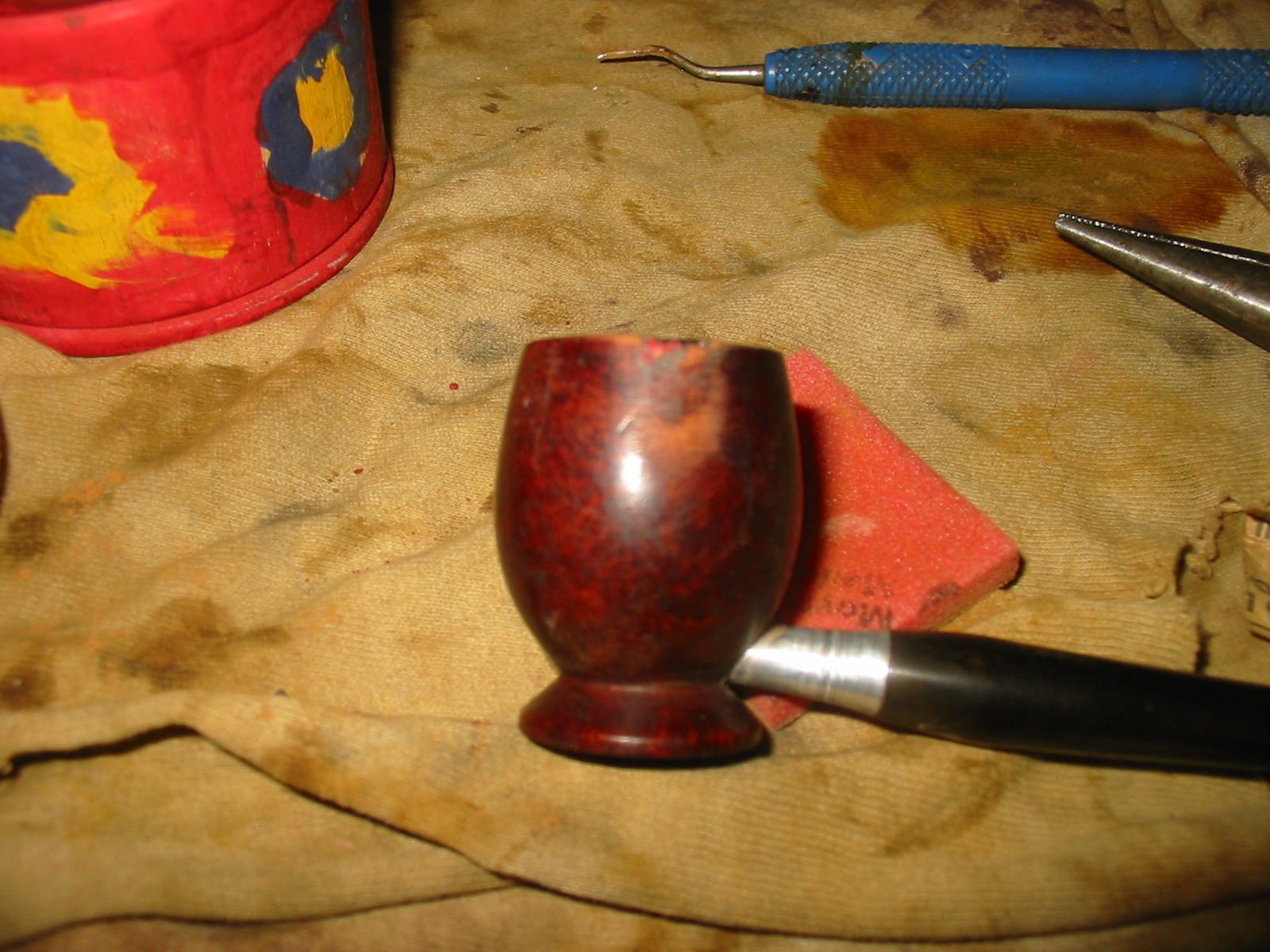
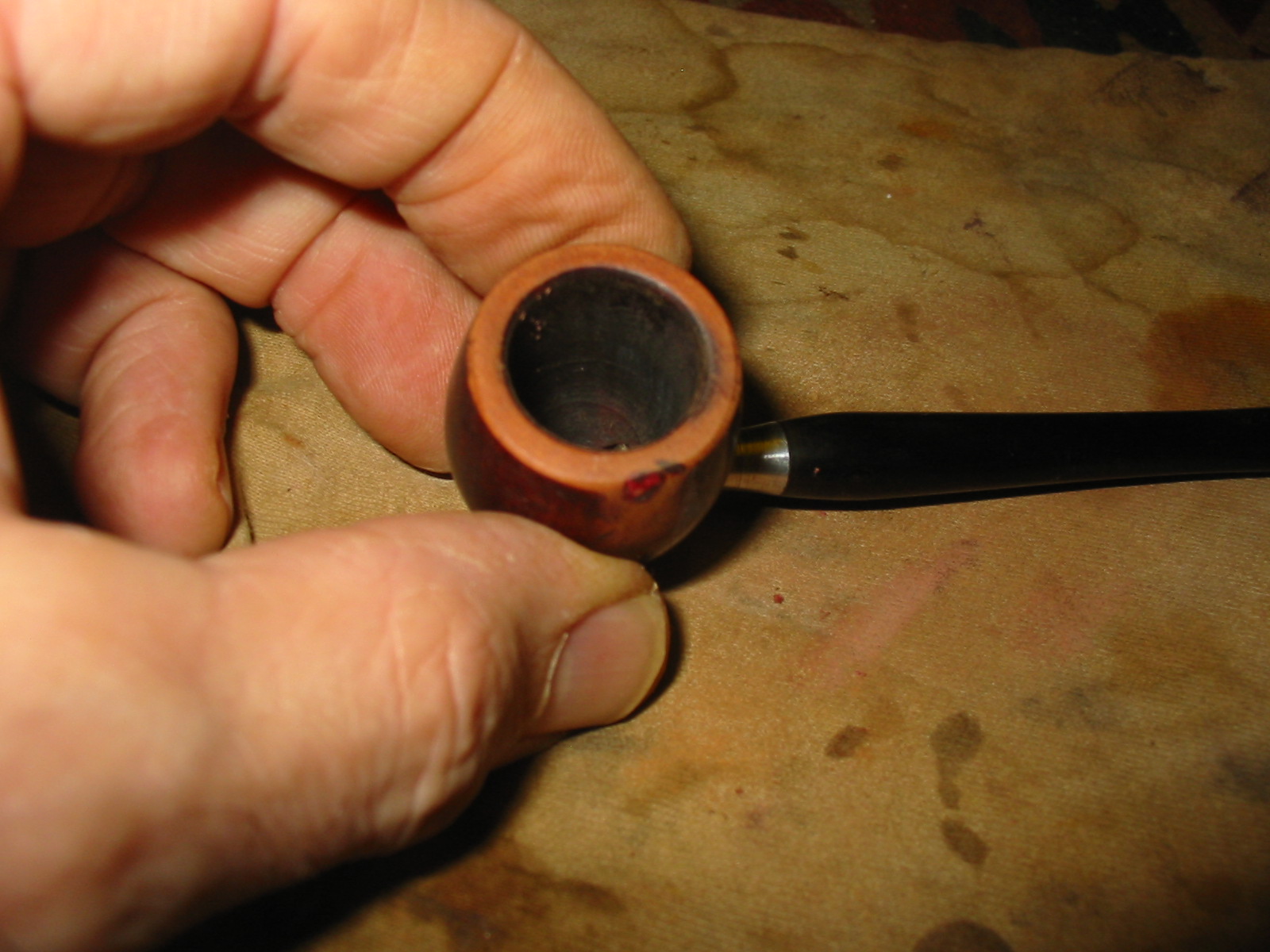
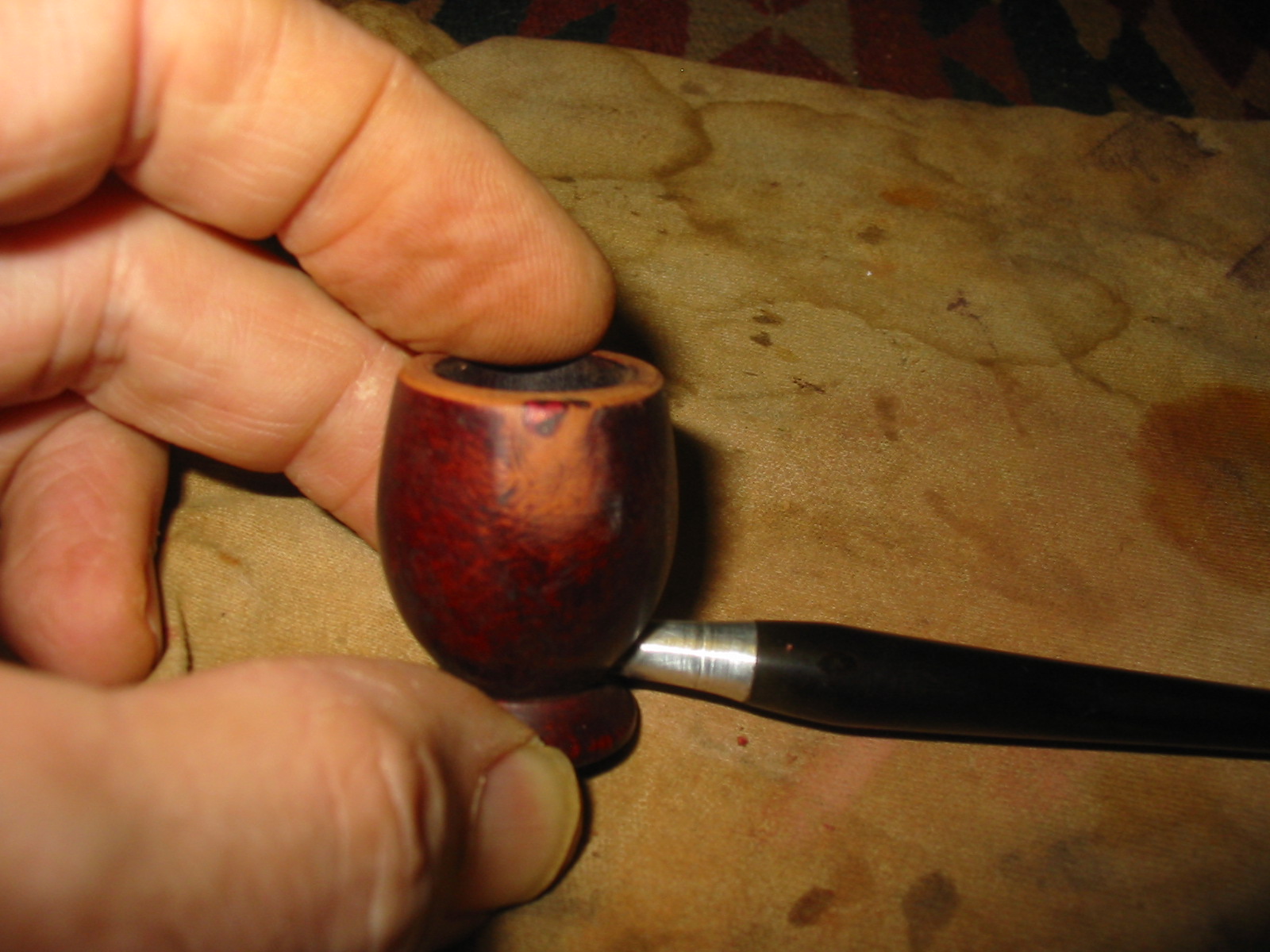
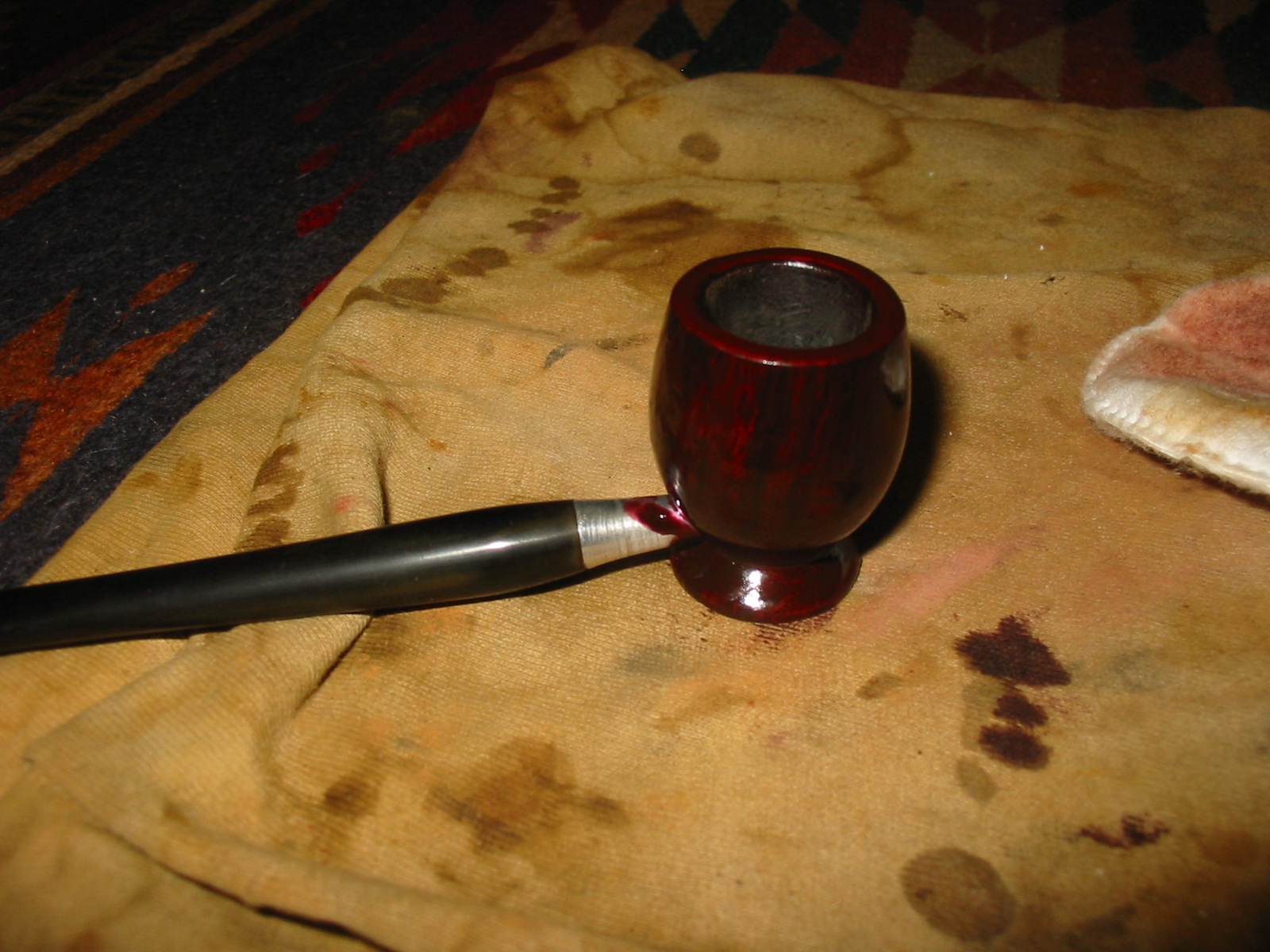
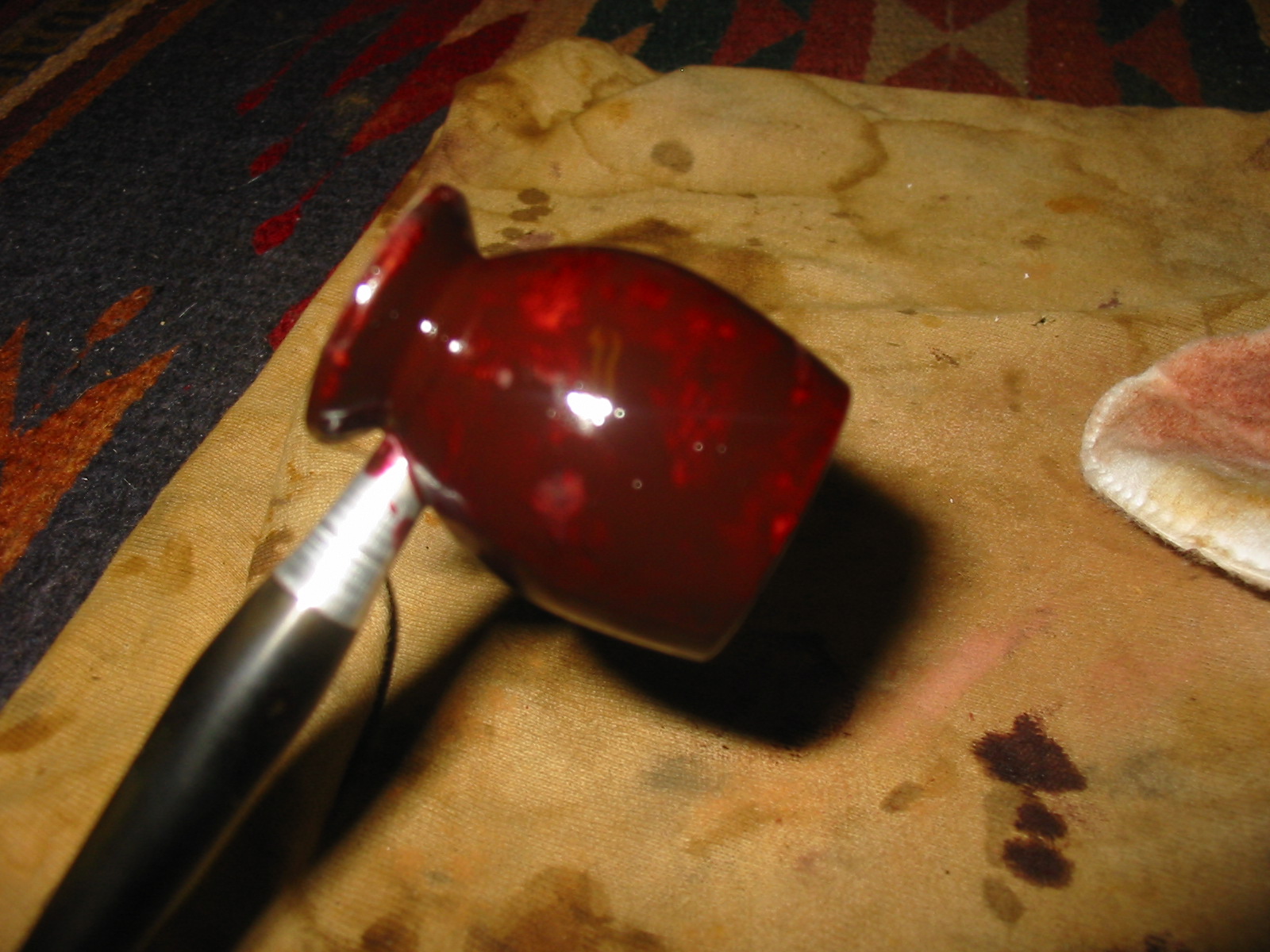
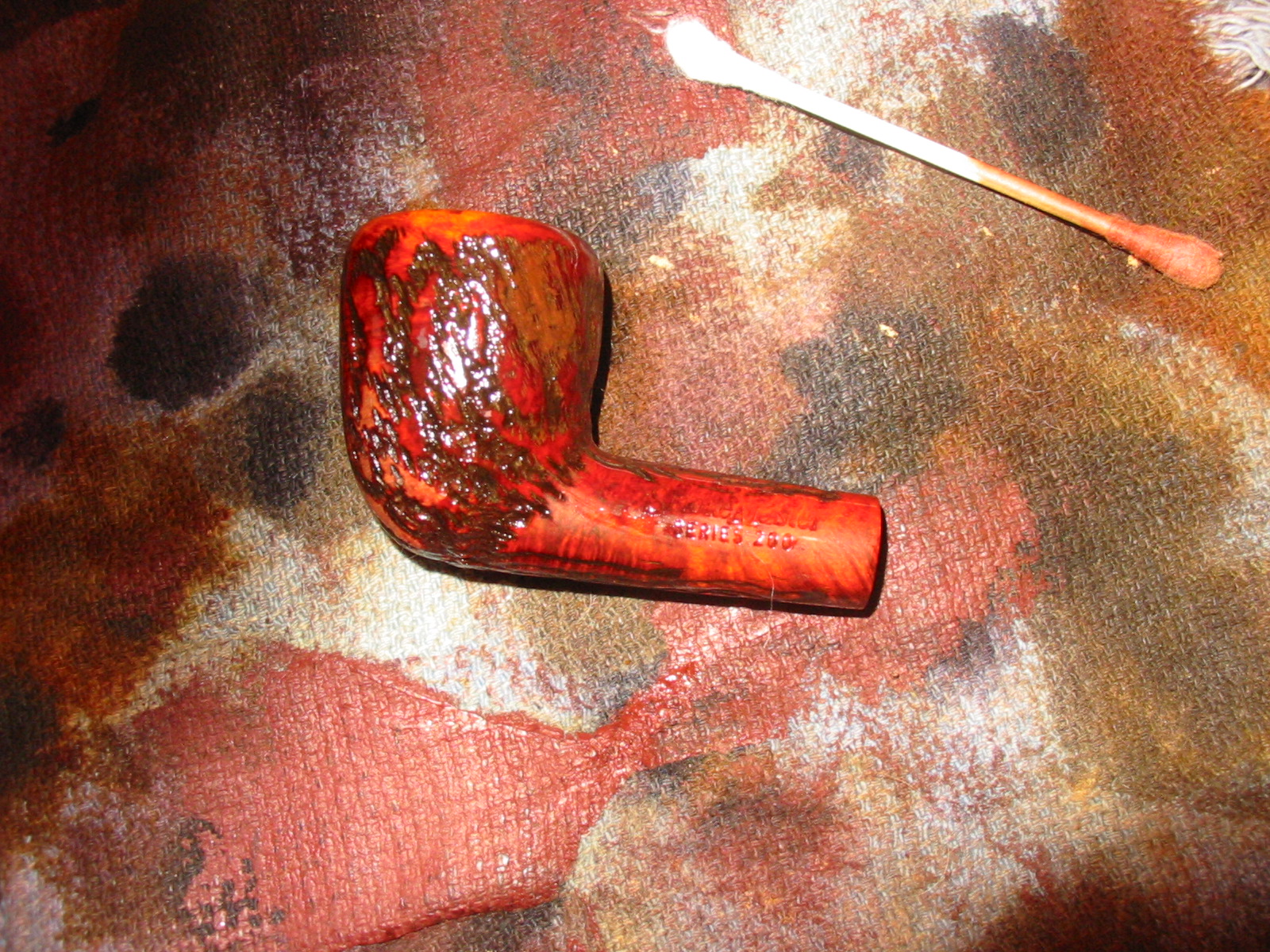
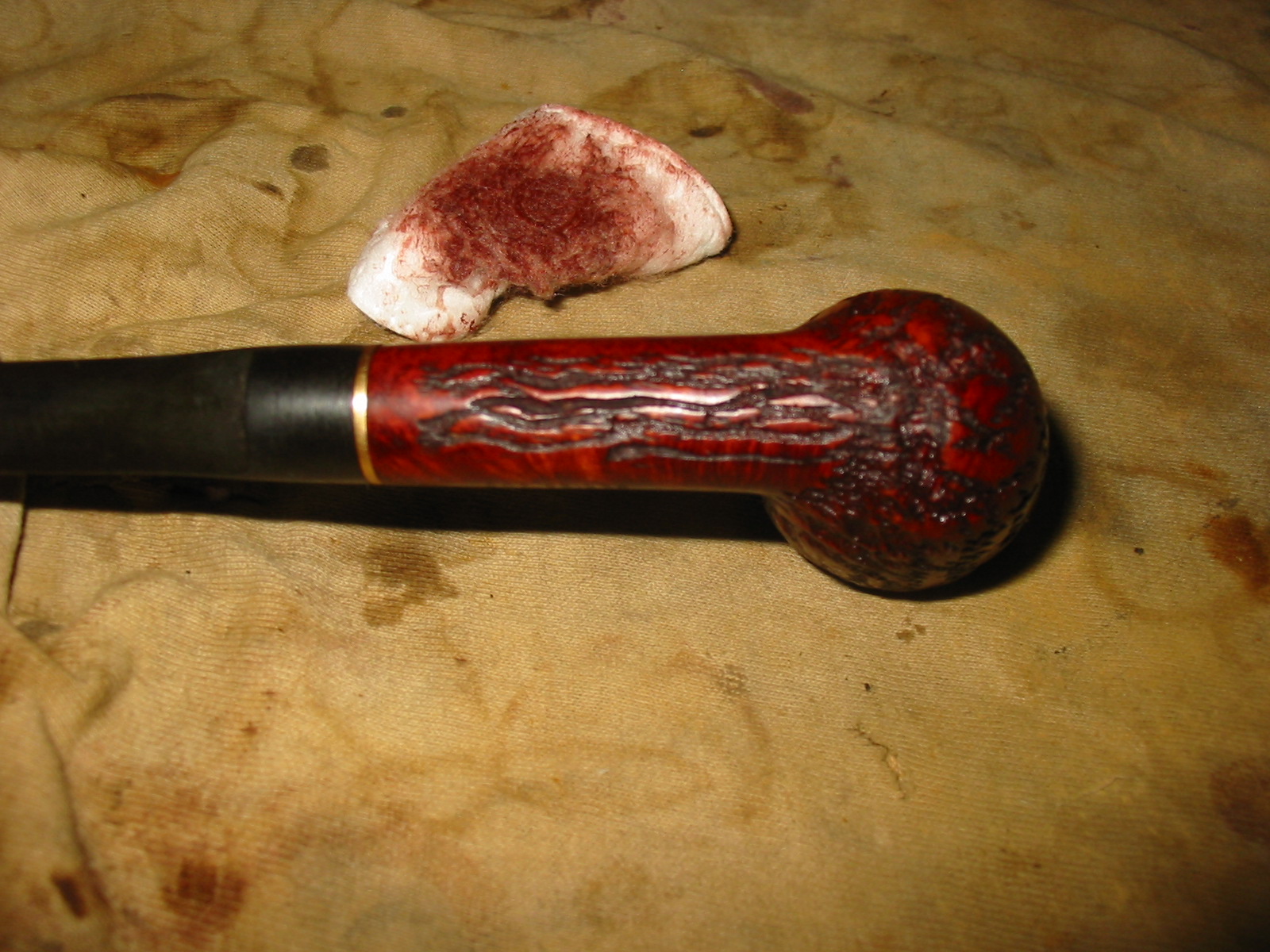
I set the stem aside and worked on the bowl. I found that though the finish was clean it was faded and spotty in places. I decided to give it a coat of medium walnut aniline stain mixed with linseed oil to even out the finish and give it a shine. I applied the stain with a cotton pad and then buffed it by hand with a cotton cloth when it was dry.
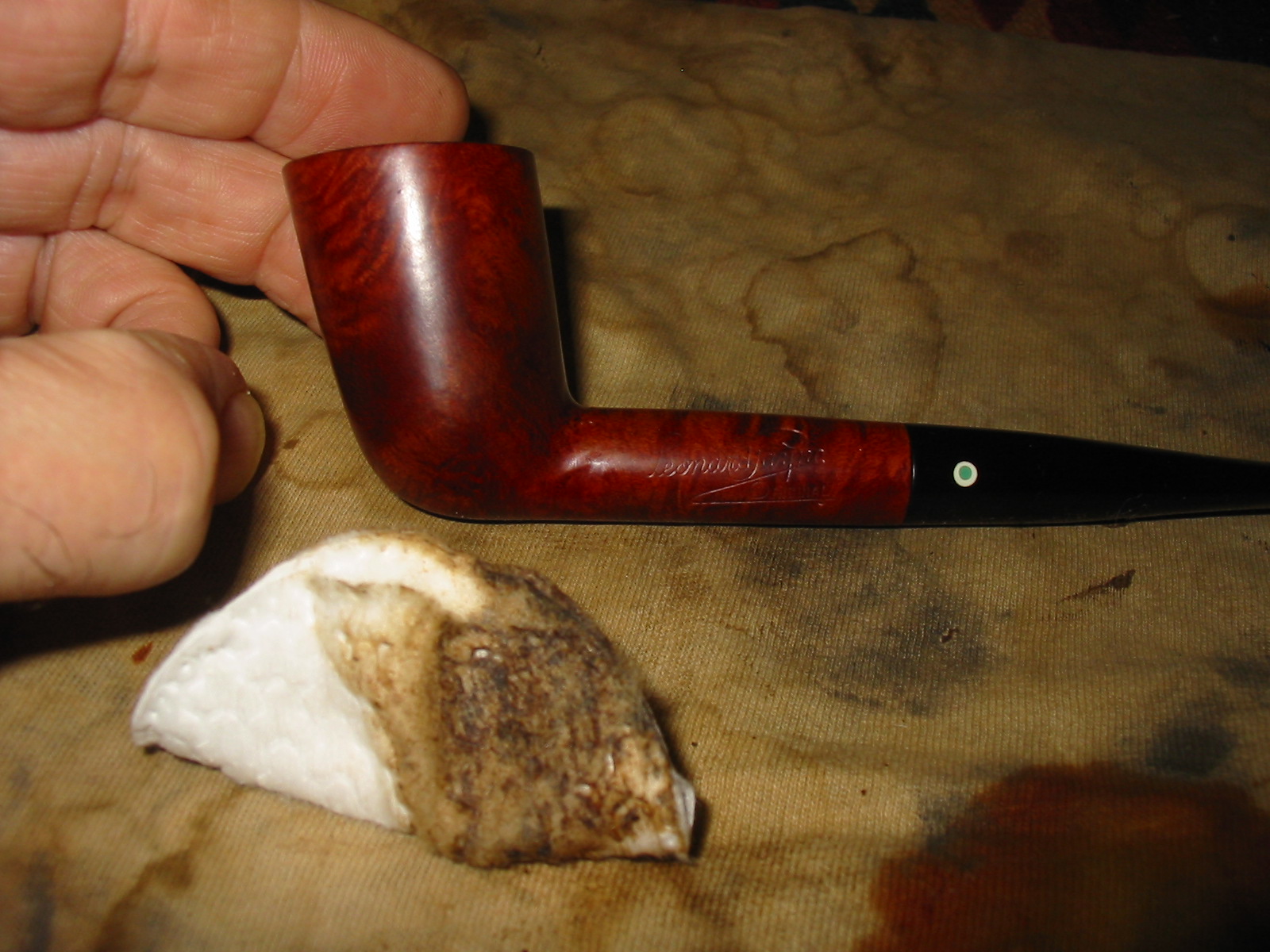
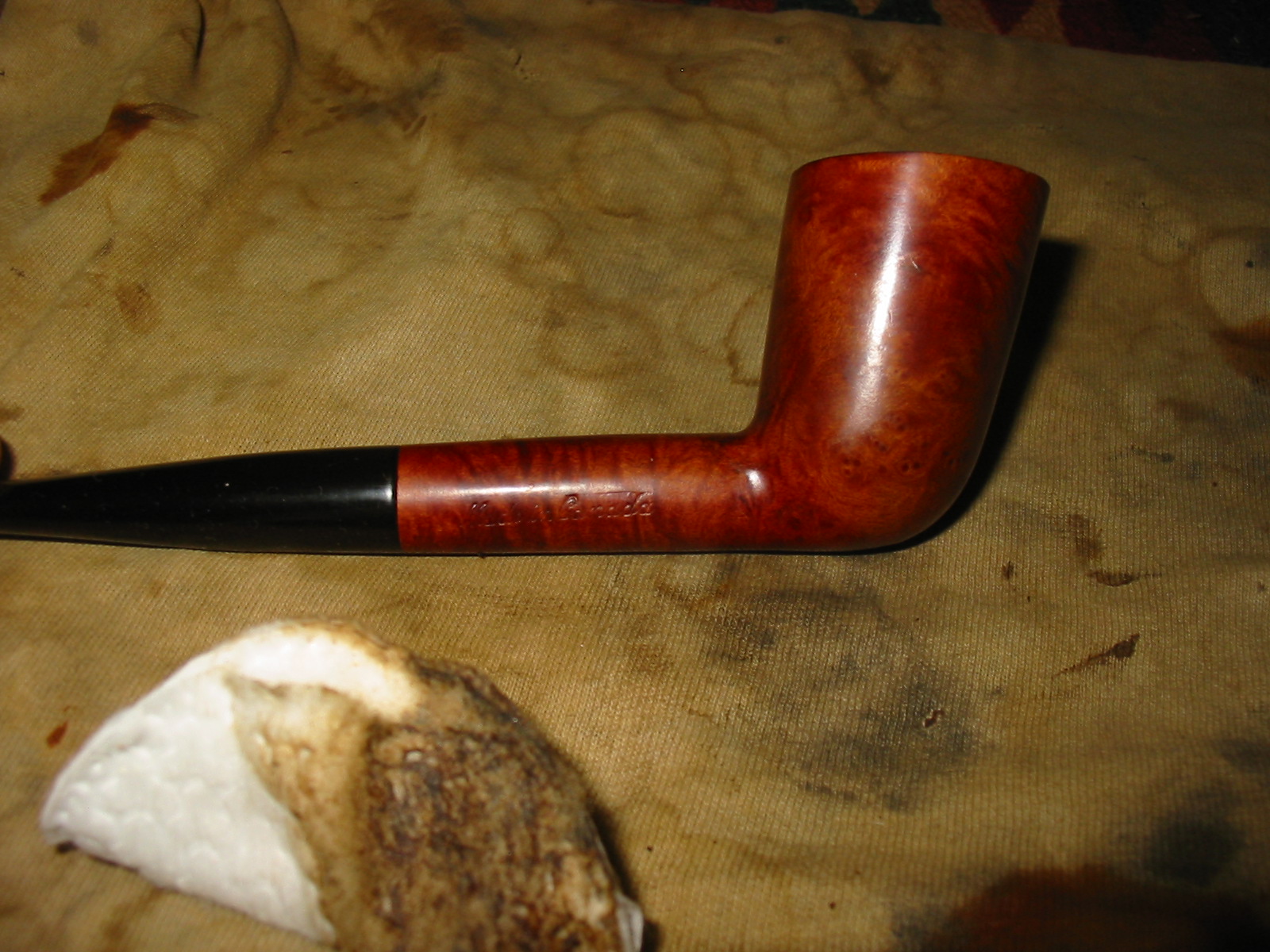
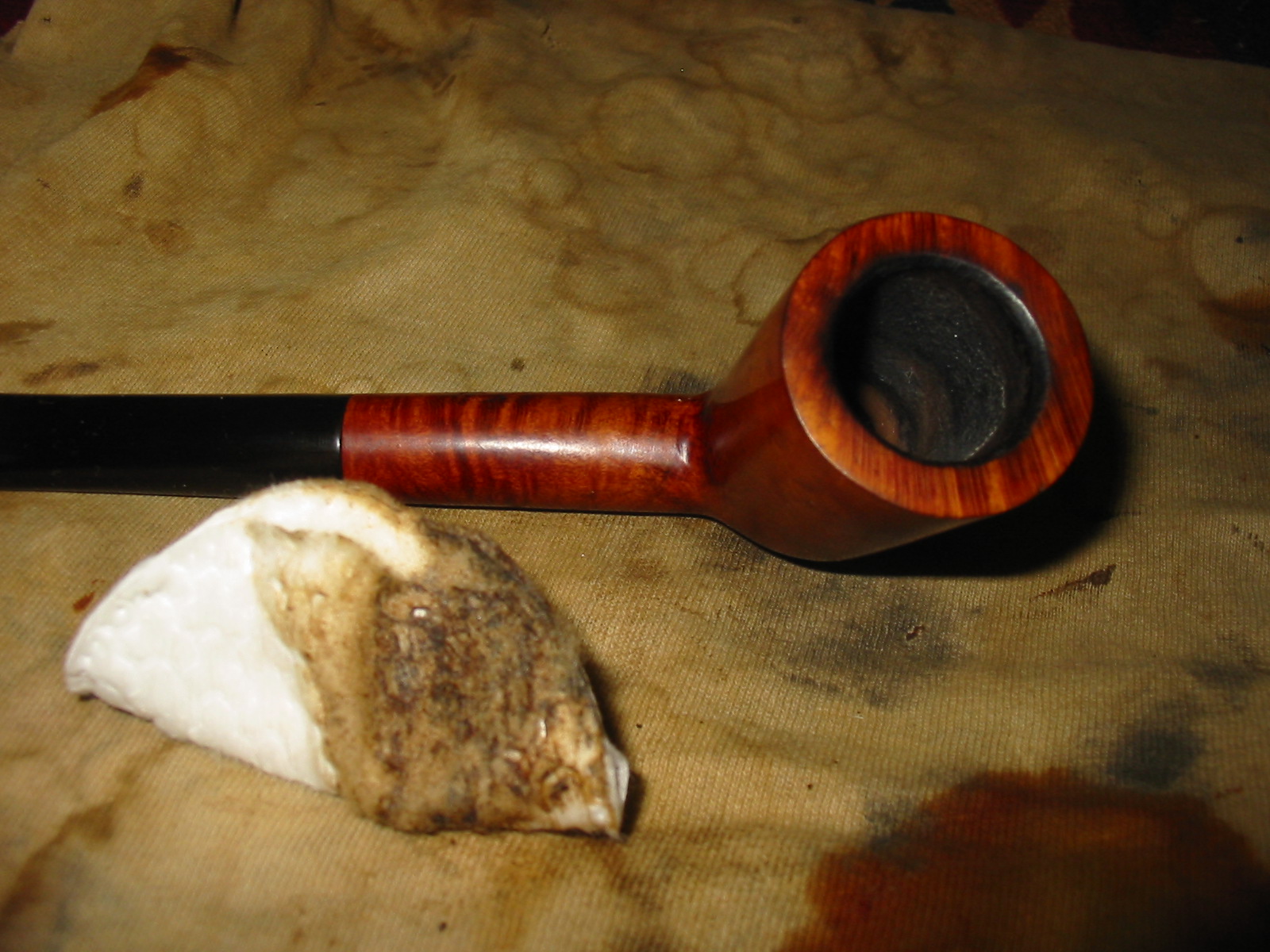
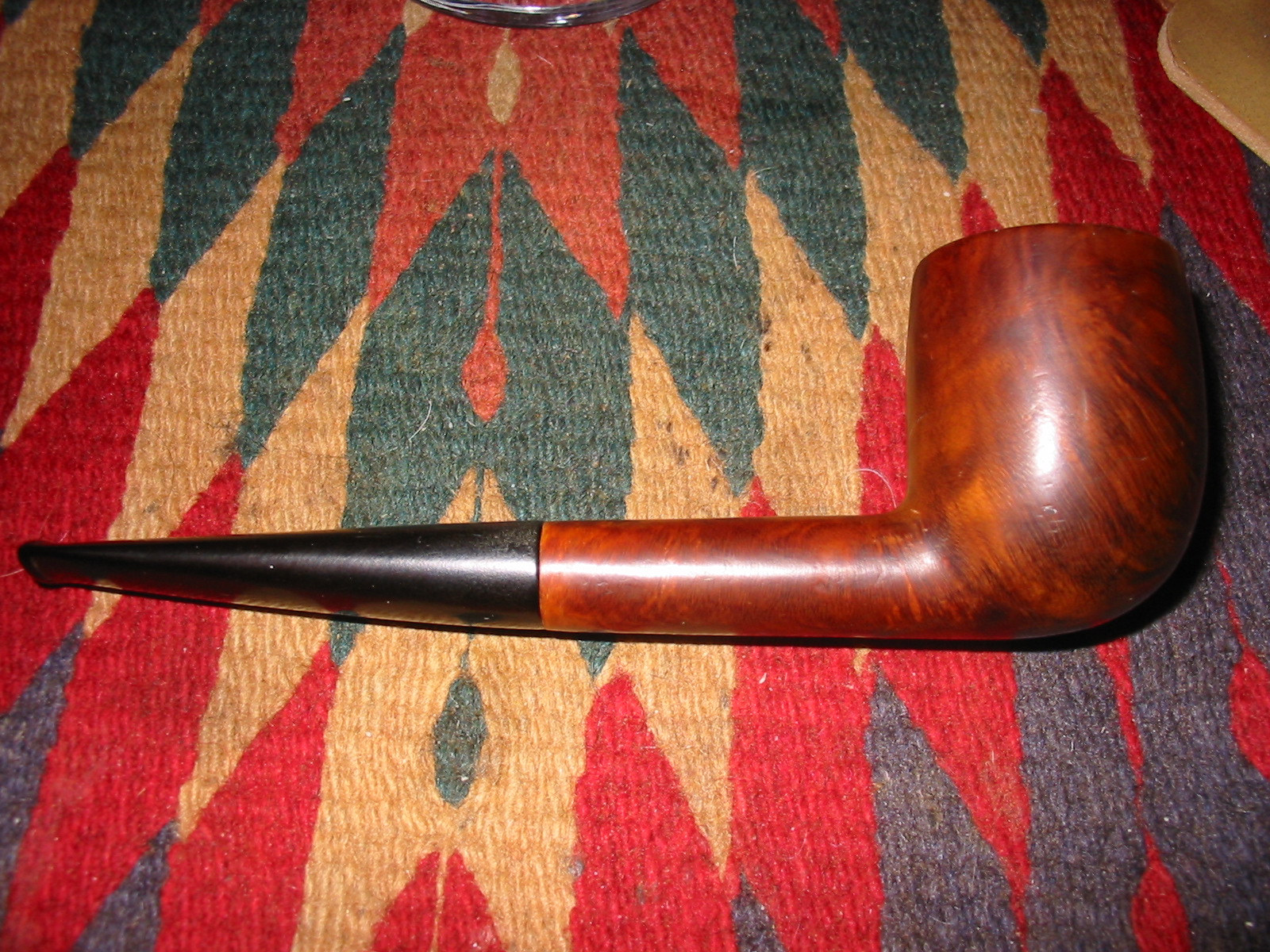
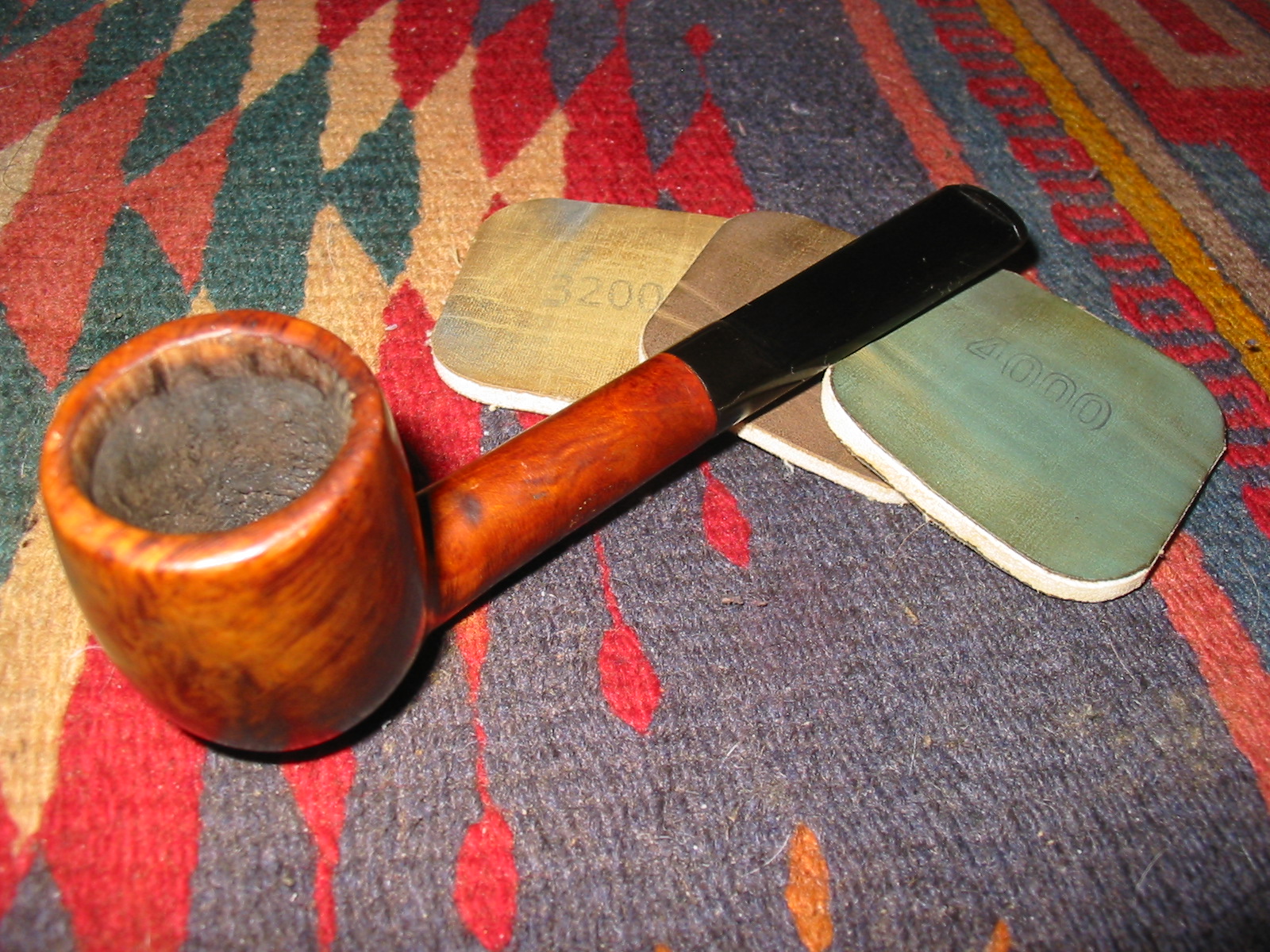
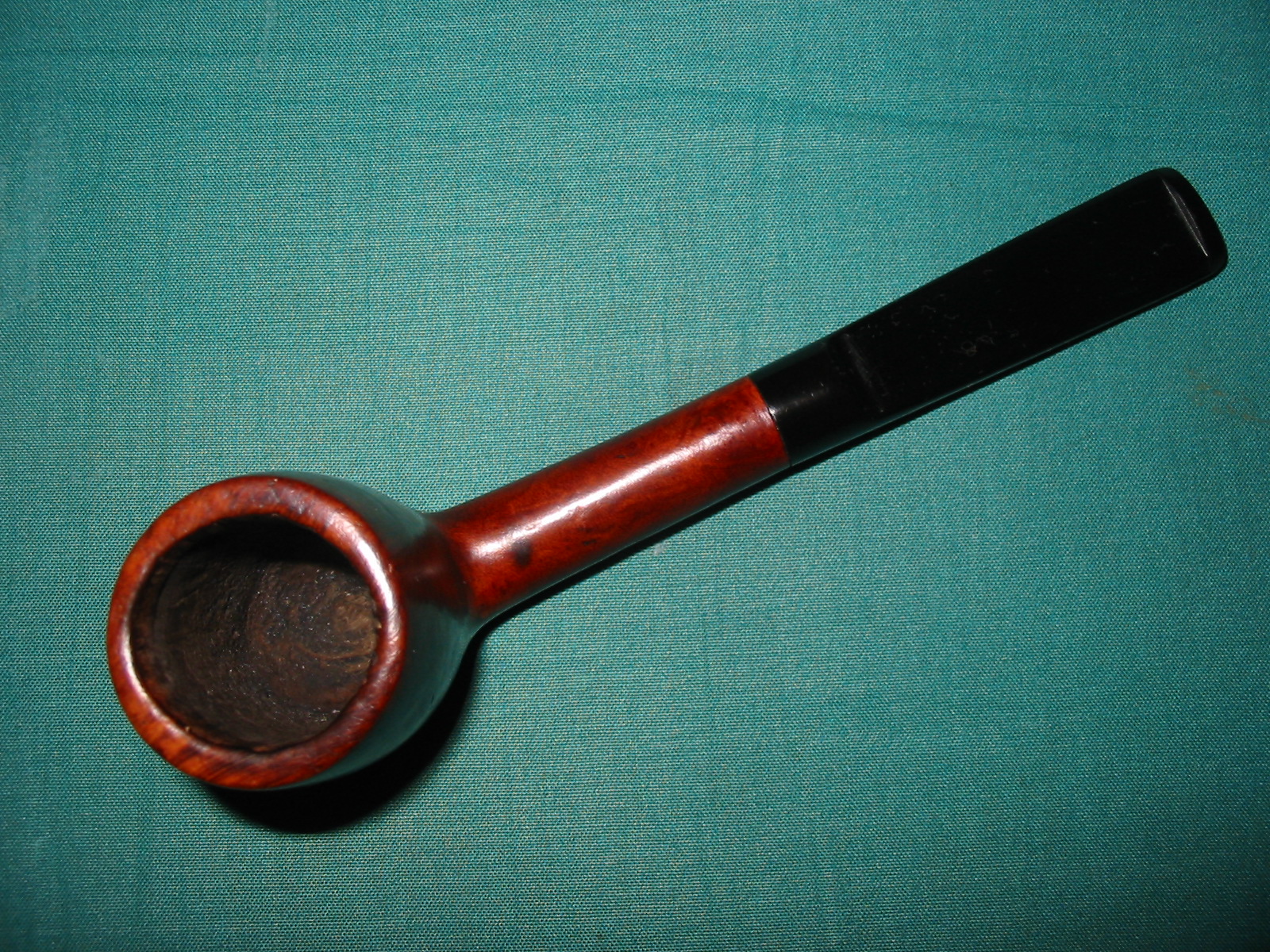
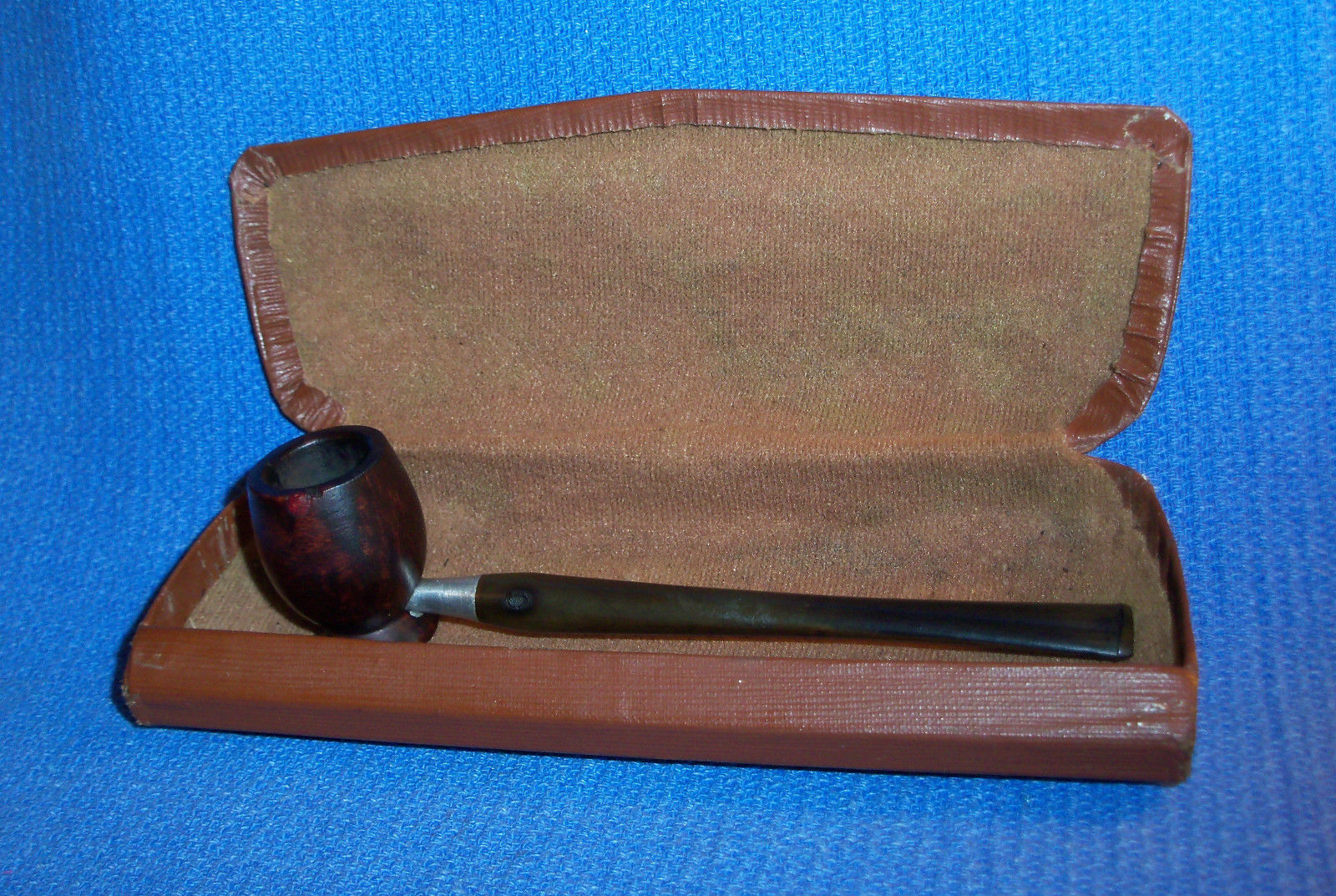
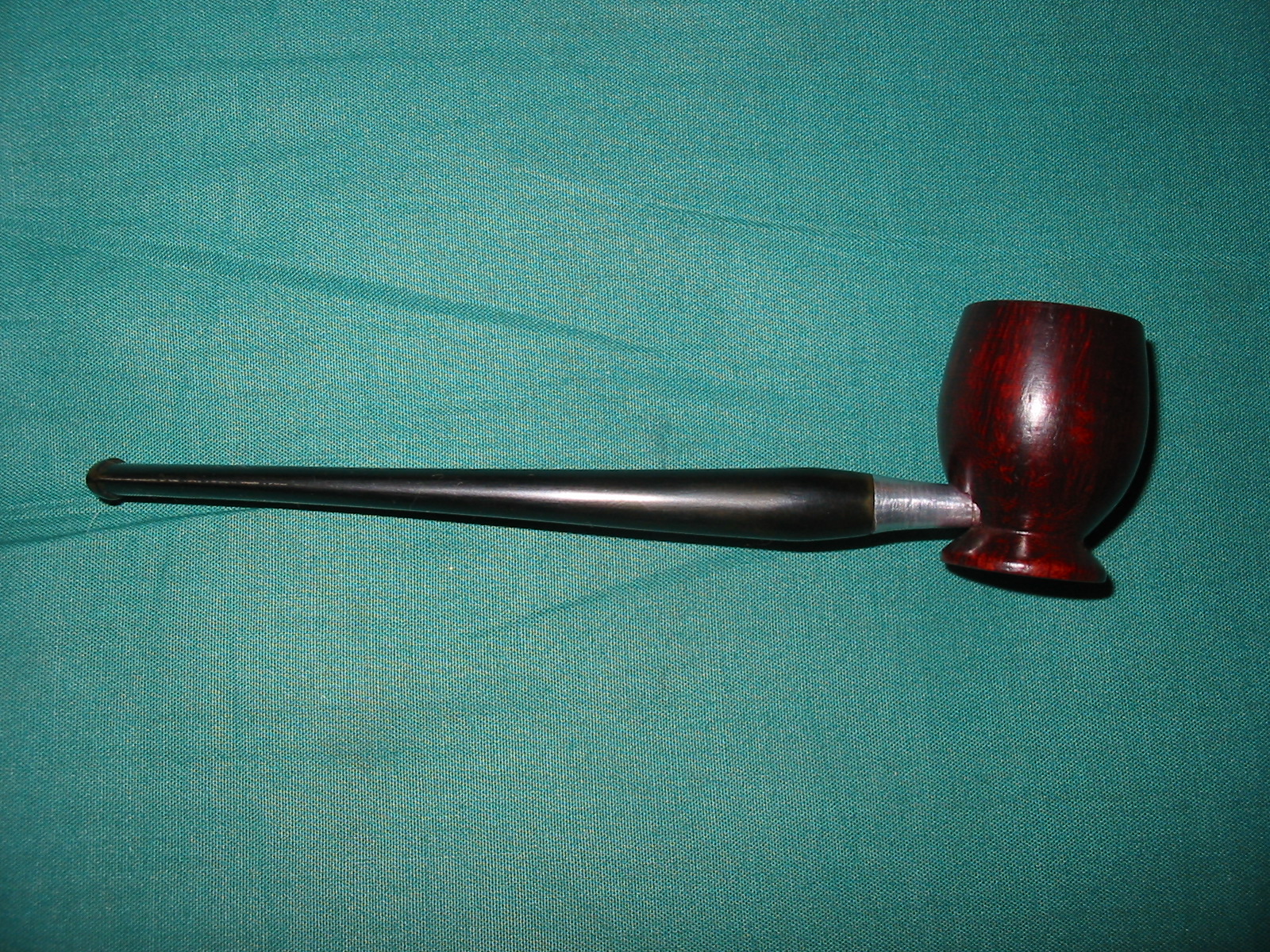
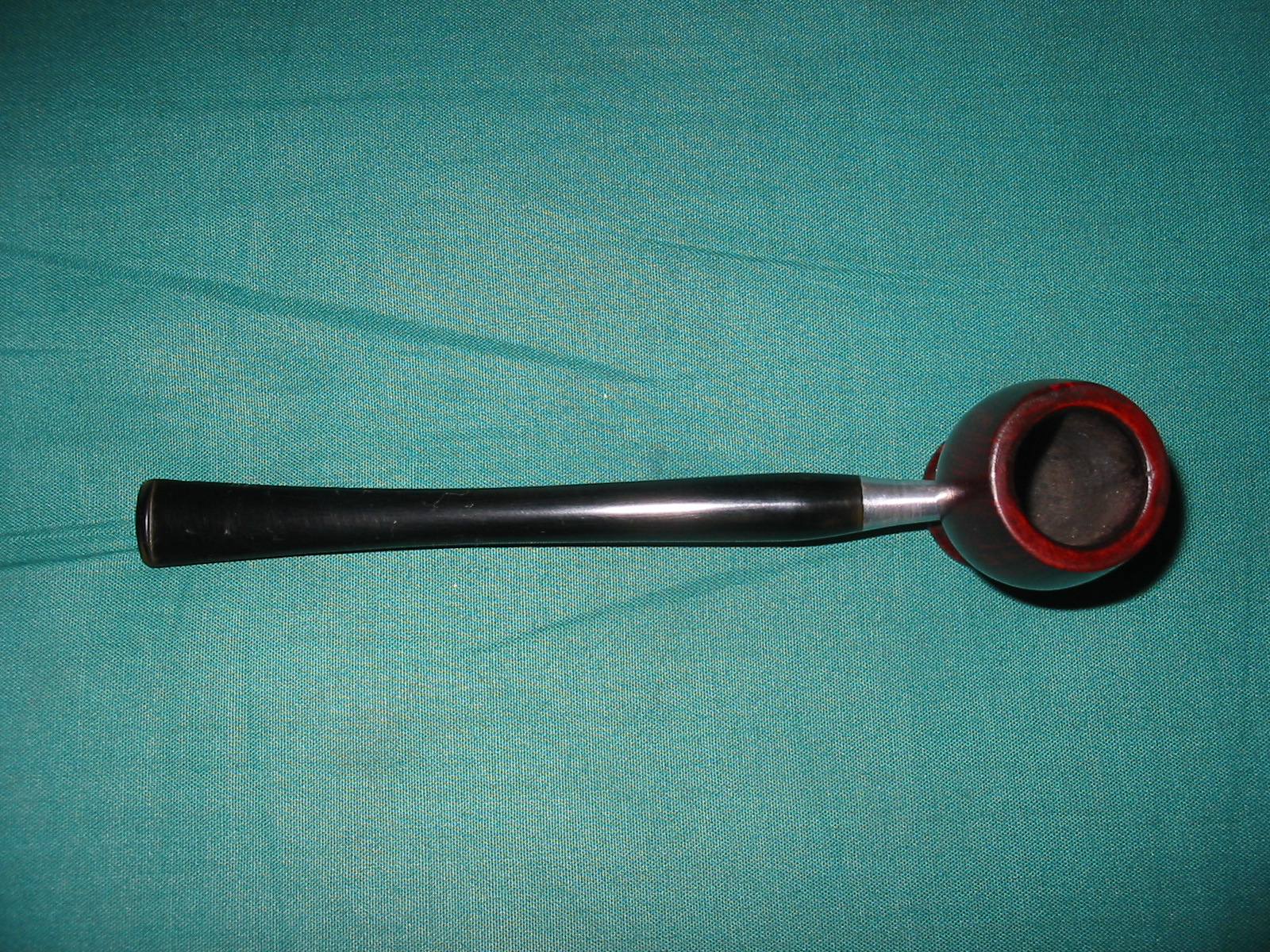
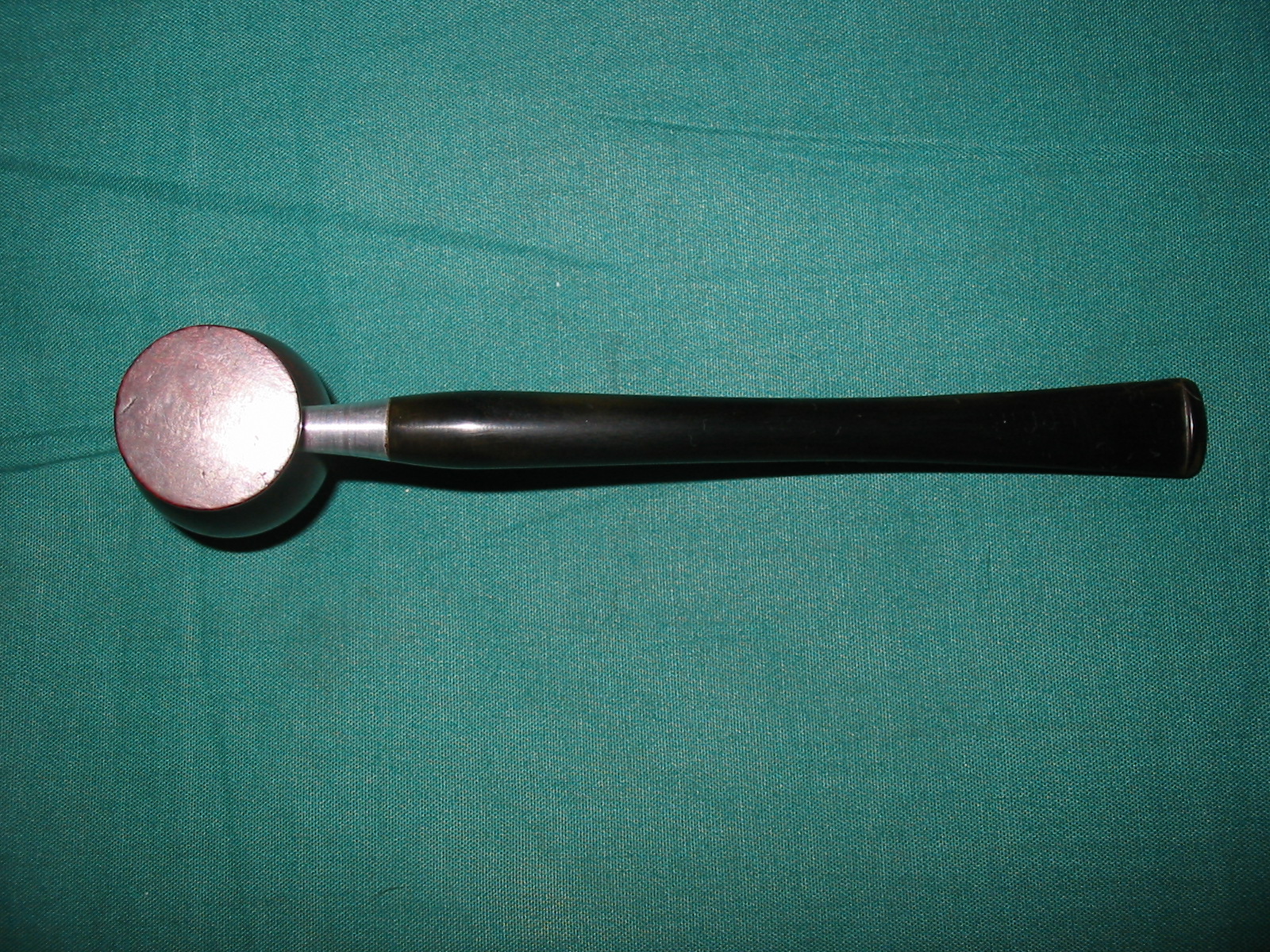
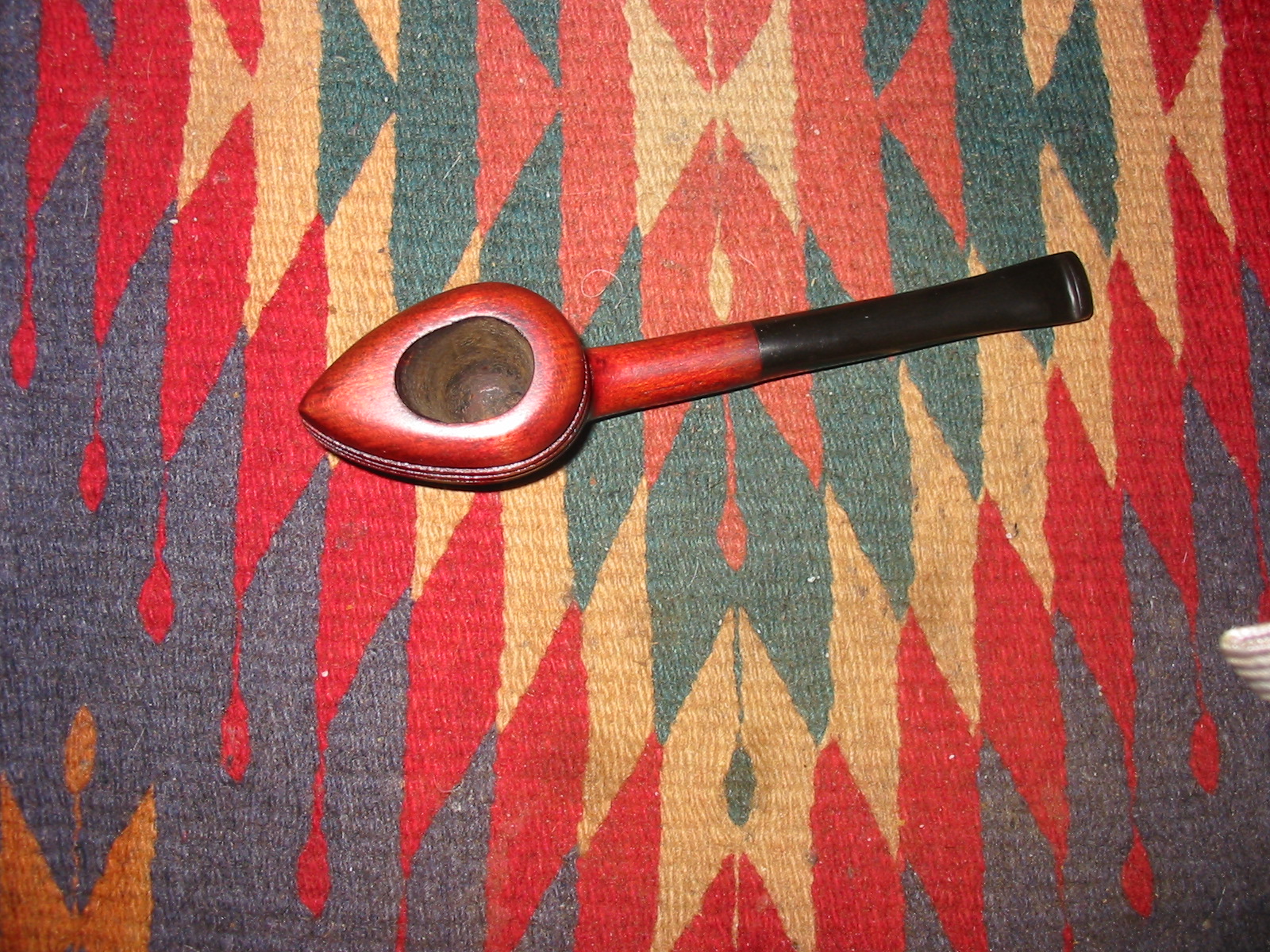
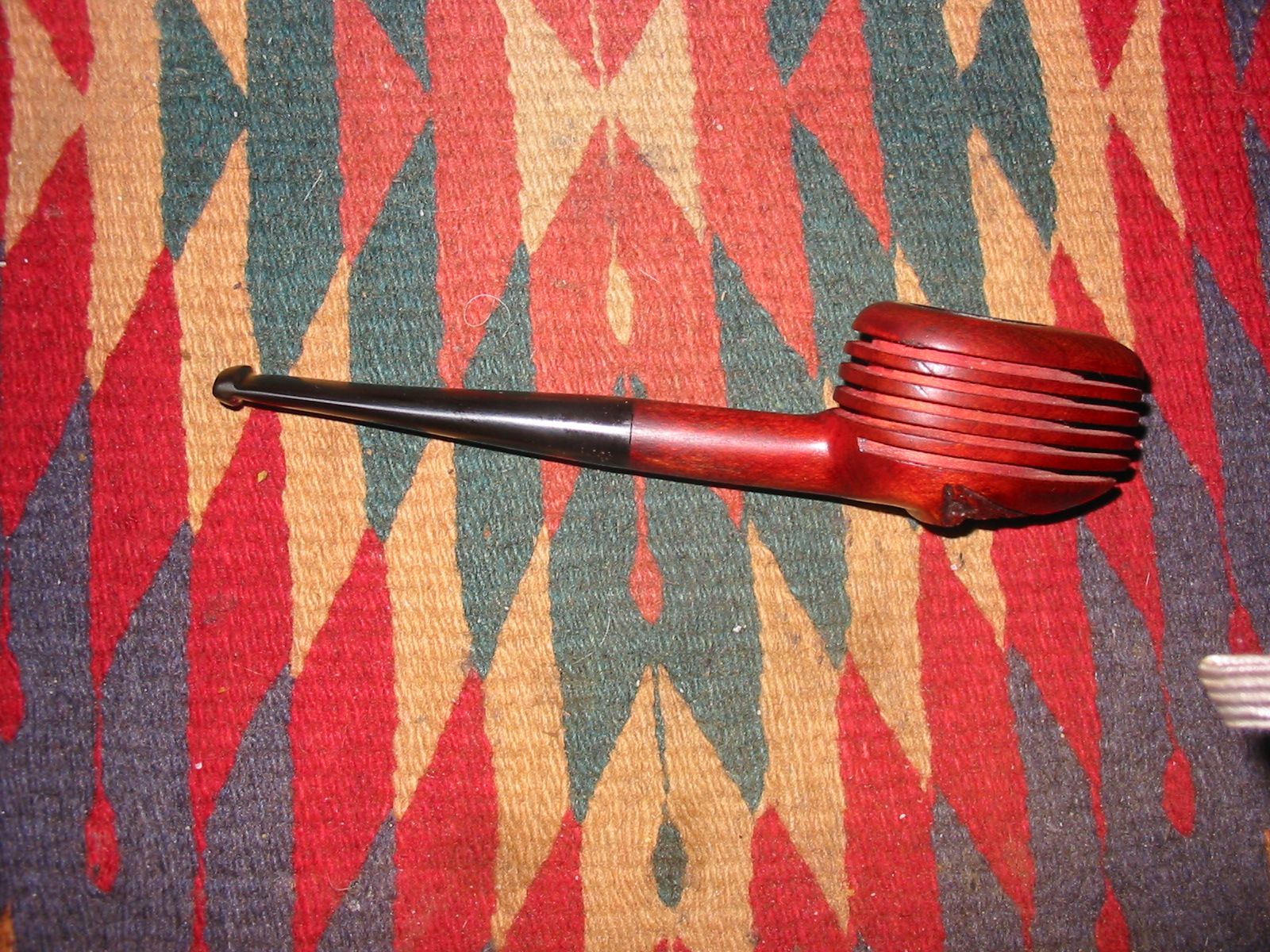
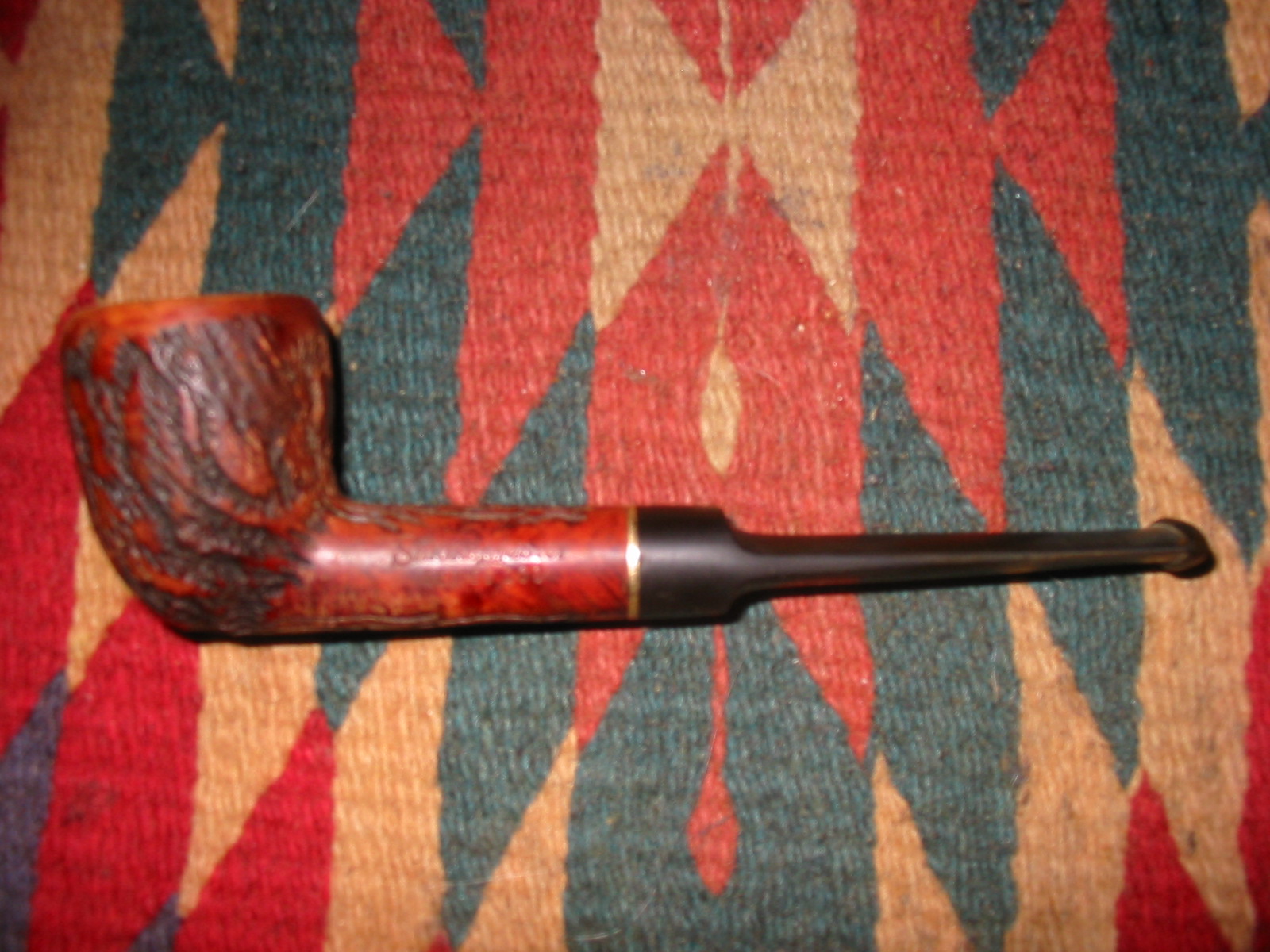
I reinserted the stem and gave the entire pipe a buff with White Diamond and then gave it several coats of carnauba wax. I finished by buffing the entirety with multiple coats of carnauba wax. The finished pipe is pictured below. This nice little pipe is cleaned, restored and ready to smoke. It joins the other Leonard Payne pipe in my collection.








































 rebornpipes