
Blog by Steve Laug
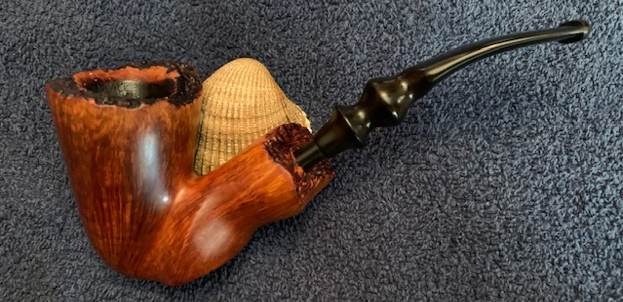
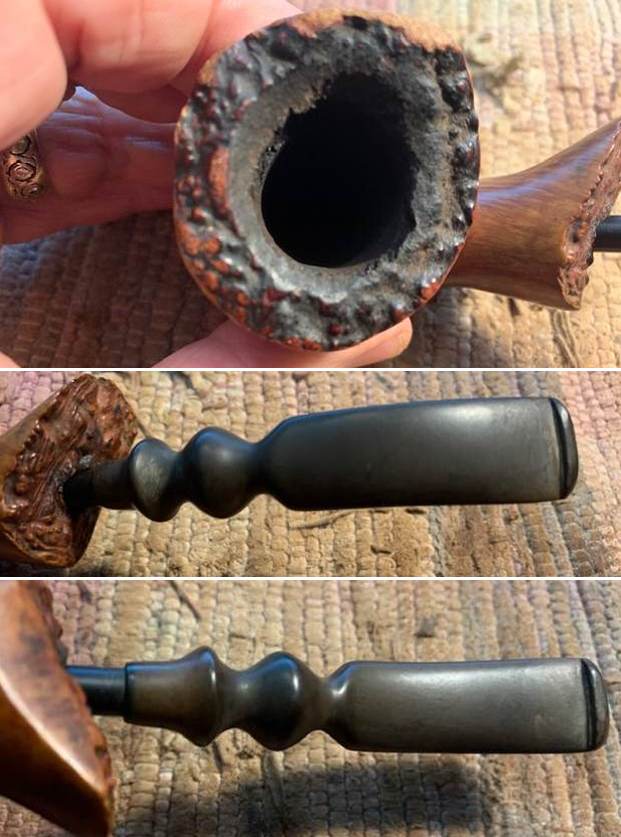
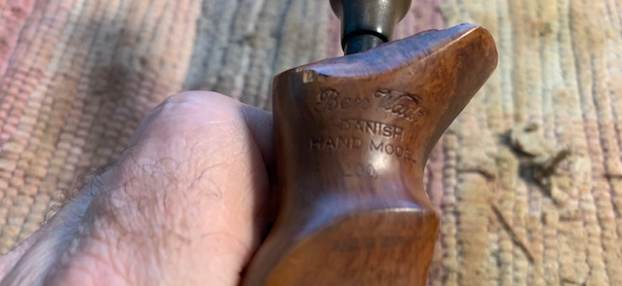
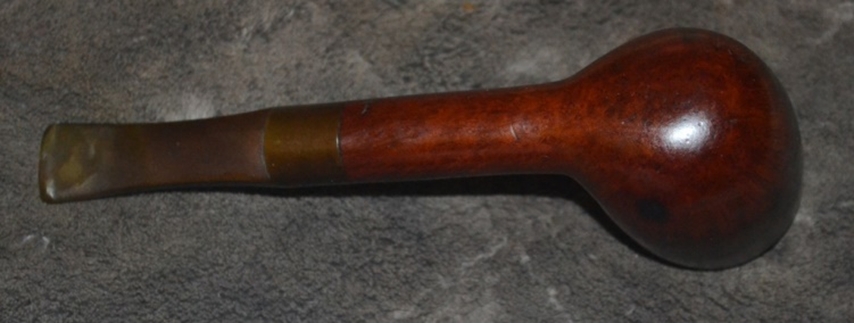
Jeff and I no longer remember where or when we purchased this pipe. It is a large attractive Freehand that has all the signs of being a Ben Wade. Sure enough it is stamped on the underside of the shank and reads Ben Wade [over] Danish [over] Hand Model [over] 200 [over] Made in Denmark. The stamping was clear and readable. Even though the finish was dull and lifeless it showed promise under the grit and grime of the years. The finish is filthy with grime and oils ground into the smooth briar of the bowl and shank sides. The bowl had a thick cake that overflowed in heavy lava onto the plateau rim top filling in the grooves and valleys of the finish. The plateau shank end was also dirty with dust and debris in the grooves and valleys of the shank. The vulcanite stem was oxidized, dirty and had some tooth marks and chatter on both sides ahead of the button. I took photos of the pipe before I started working on it.
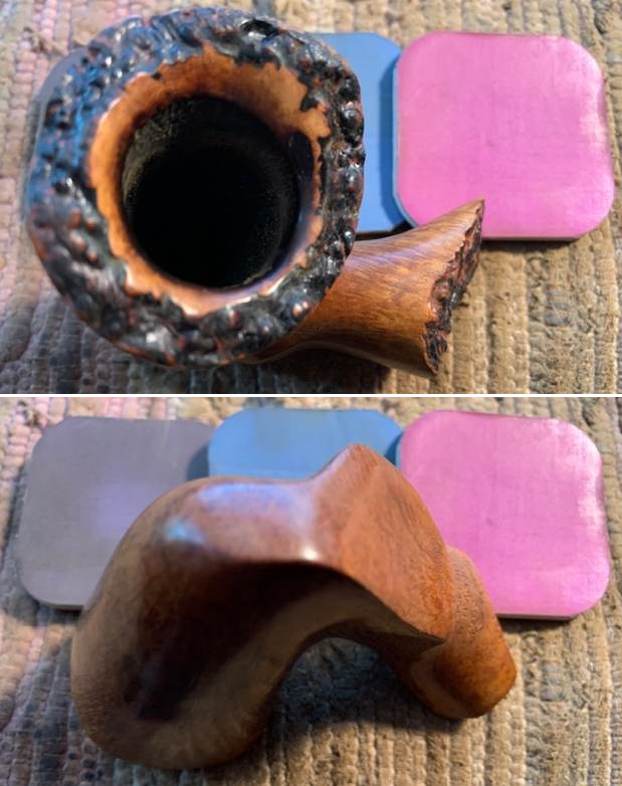
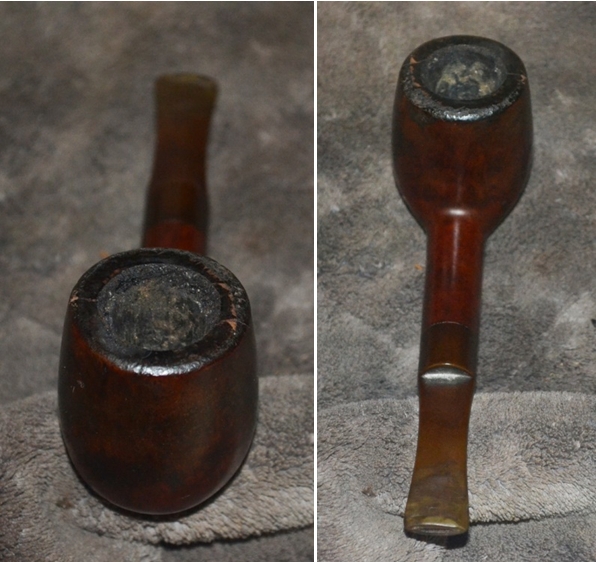
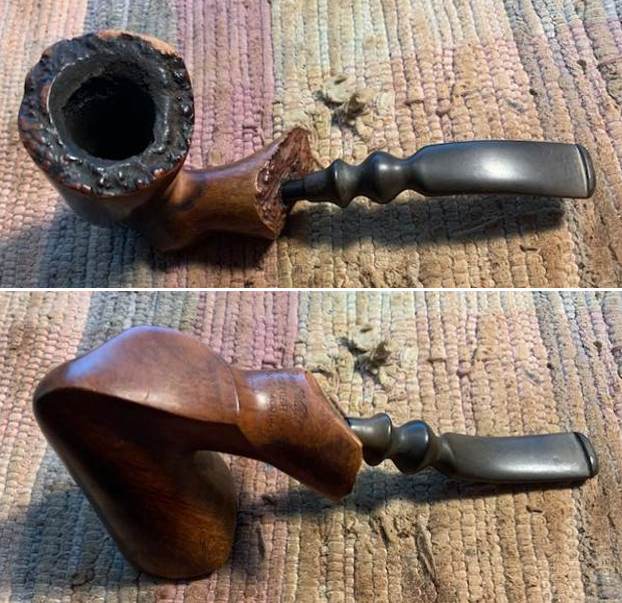 I took photos of the bowl and rim top to give a clear picture of the thickness of the cake and the lava on the plateau finish of the rim top. There is dust and debris stuck to the walls of the bowl clearly visible in the photos. I also took photos of the top and underside of the stem to show the chatter and tooth marks.
  I took a photo of the stamping on the underside of the shank. It is clear and readable.
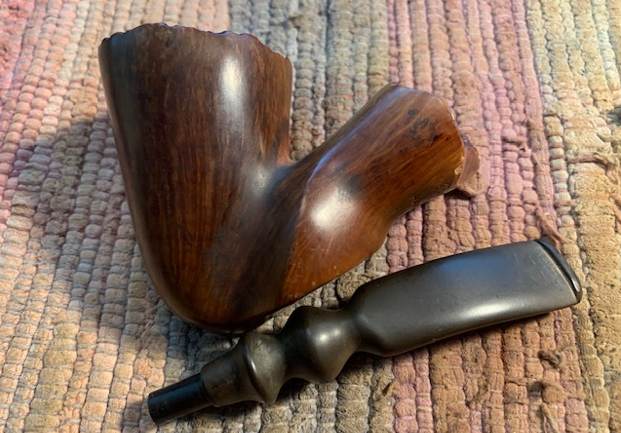
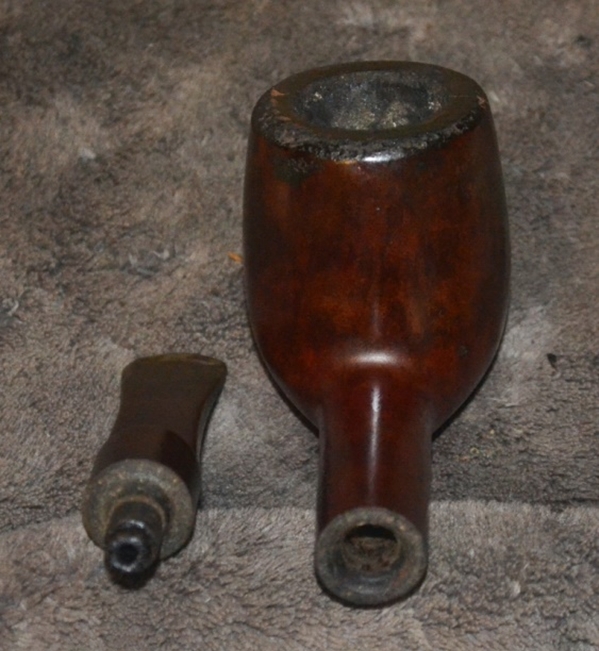
 I removed the stem from the shank and took a photo of the pipe. It is proportionally pleasing and quite an eye catching pipe.
 I knew that the Preben Holm pipes were marketed under the Ben Wade label in the US and imported through Lane Ltd. I turned to Pipedia and read the listing on the brand to flesh out the knowledge of the brand (https://pipedia.org/wiki/Ben_Wade). I have included a photo from that site that was taken from a Tinderbox advertisement.
 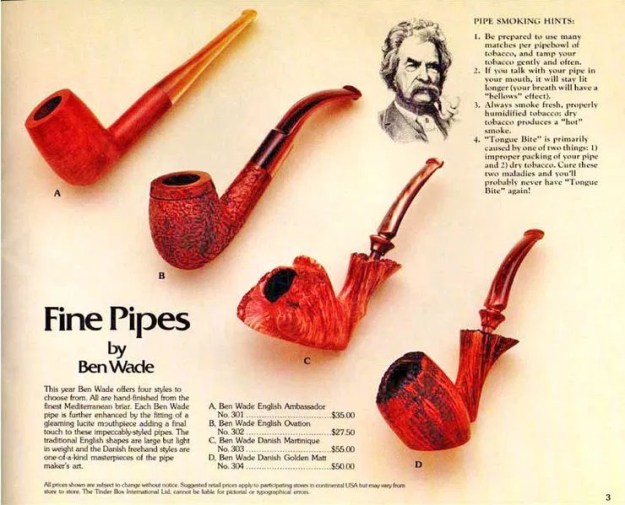 I quote the portion of the article that summarizes the Danish period of the history of the brand:
Young Copenhagen master pipemaker Preben Holm had made a meteoric career heading a pipe manufacture employing 45 people at the age of 22! But around the turn of 1970/71 he was in major financial difficulties. His US distributor, Snug Harbour Ltd. in New York City, left him in the lurch. Holm had three unpaid invoices on his desk and another large shipment was ready for the USA, when Snug Harbour’s manager told him on the phone that there was no money at all on the account to pay him.
So the Dane went to New York for an almost desperate search for a new distribution partner. He made contacts with Lane Ltd. and met Herman G. Lane in February 1971. Lane Ltd. had no interest in Holm’s serial pipes produced at that time but so much the more in the hand-carved freehands because the hype for Danish freehands and fancies in the States was still on its way to the climax then. The meeting resulted in an agreement to start a cooperation. Lane insisted to improve the quality considerably and in return he assured to be able to sell essentially larger quantities.
Holm went back home to work on new samples with all-new designs and altered finishes for Lane. Both, Lane and Holm, agreed that it would be unwise to sell the pipes under Preben Holm’s name as long as Snug Harbour had a considerable stock of Preben Holm pipes and might sell them pipes at very low prices just to bring in some money.
So on Mr. Lane’s proposal it was determined to use the name Ben Wade belonging to Lane Ltd. Lane spent considerable amounts of money for advertising the new brand in the big magazines– the centerpiece being whole-page ads showing a very exclusive Seven Day’s Set.
The cooperation with Lane Ltd. proved to be an eminent business success for both partners. Within a very short time Ben Wade Handmade Denmark sold in much larger quantities and at higher prices than they had ever dreamed of. And the hype these freehands and fancy pipes caused went on unbroken long after Herman G. Lane deceased. Preben Holm – obviously much more brilliant in pipe making than in pipe business – was in major troubles again in 1986 and had to sack most of his staff. The Ben Wade production was significantly lowered but continued until his untimely death in June of 1989.
Up to now Preben Holm made Ben Wade pipes are cult and highly sought for on the estate markets.
With that information my initial thoughts were confirmed. This pipe was a Preben Holm made Freehand distributed in the US by Lane Ltd under the name Ben Wade. The freehand rage occurred in the late 70s and the pipes were made until Preben’s death in 1989. My guess would be that this pipe was made sometime during that time period and potentially in the late 70s.
I started my work on the pipe reaming the thick cake out of the bowl with a PipNet pipe reamer using all four reaming heads. I cleaned up the reaming with a Savinelli Fitsall Pipe Knife and then sanded it with 220 grit sandpaper wrapped around a piece of dowel. I sanded until the walls of the bowl were smooth and clear. It was getting cleaner but the plateau and rim top still have a lot of lava on the top that needs to be cleaned off. 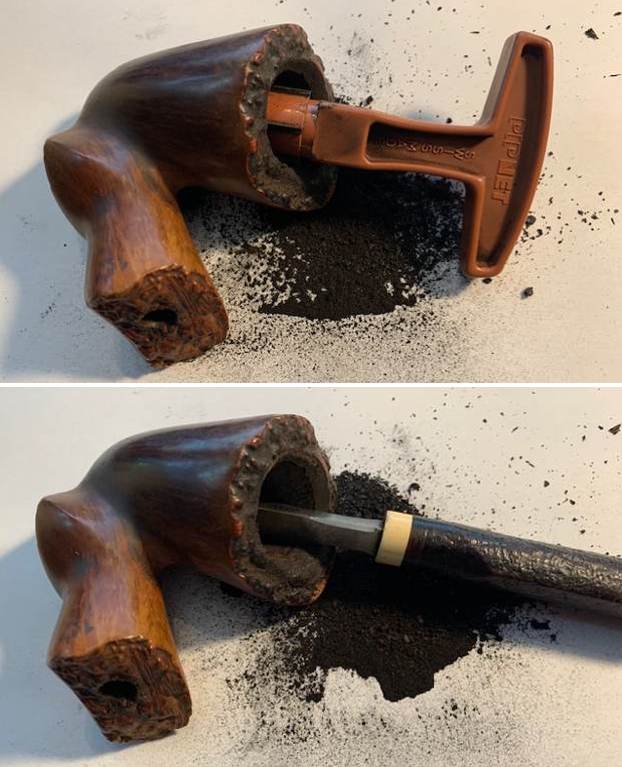
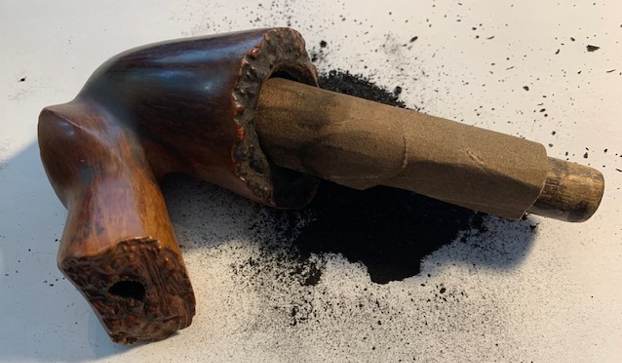 I worked on the rim top with a brass bristle wire brush to remove as much of the lava buildup there. I was able to remove some of it and loosen it so that when I scrubbed it it would look better.
 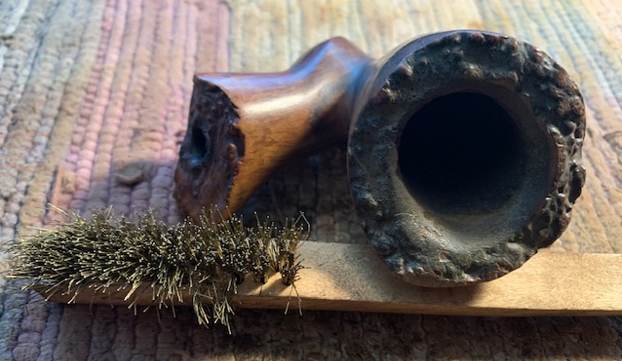 I worked on the smooth inner edge with 220 grit sandpaper. I worked to remove as much of the darkening and tars as I could possible with the sandpaper. I loosened the debris with the sandpaper so that when I scrubbed it with the soap it would look better.
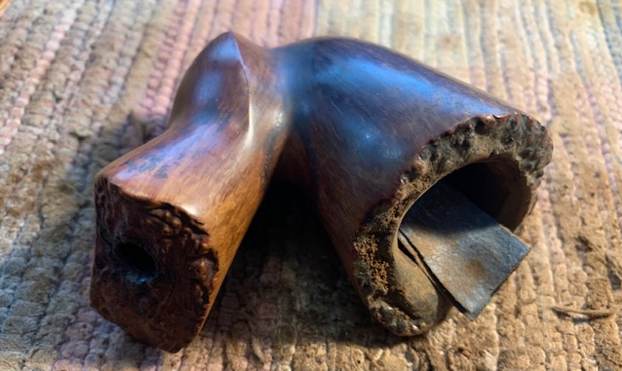 Now it was time to let the Murphy’s Oil Soap do its magic. I scrubbed the bowl and shank with undiluted soap and a tooth brush and rinsed it off with running water. I worked on the plateau rim top and smooth briar to clean up the dust and debris in the finish. While the rim top looked better it still needed some more work to remove the darkening on the top and edges of the bowl.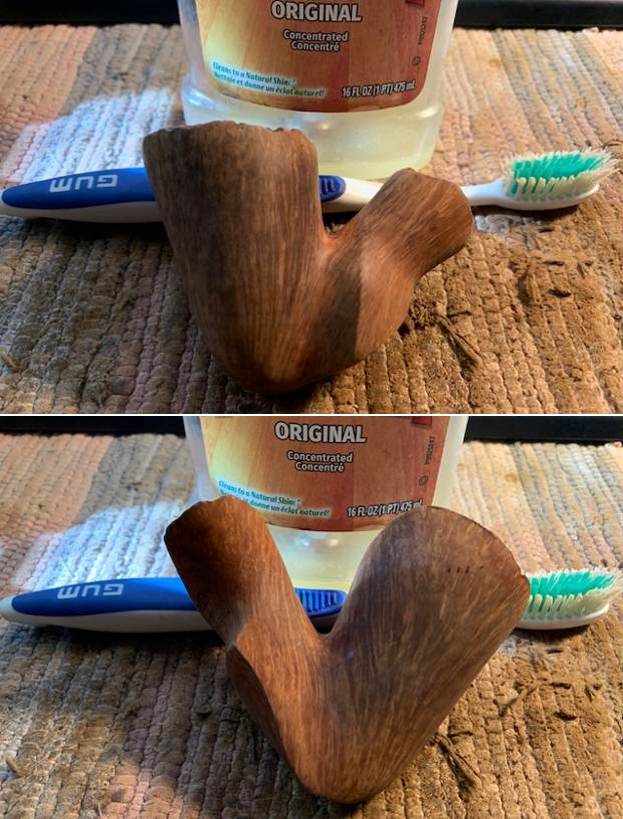
 I touched up the black in the valleys of the plateau on the top and the end of the shank with a Black Sharpie Pen. It matched the existing black in the crevices/valleys. When finished it definitely looked good.
 I lightly sanded it with 220 grit sandpaper to remove the remaining darkening and it looked very good.
 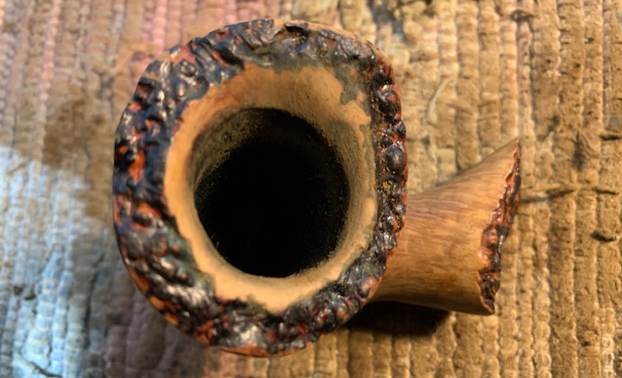 I cleaned out the inside of the shank and the stem with 99% isopropyl alcohol, cotton swabs and pipe cleaners. It was quite dirty inside the shank and airway in the stem. It came out very clean and looks very good.
  I polished the briar with micromesh sanding pads – dry sanding it with 1500-12000 grit pads. I wiped the briar down with a damp cloth to remove the sanding dust. The briar really took on a rich shine with the polishing.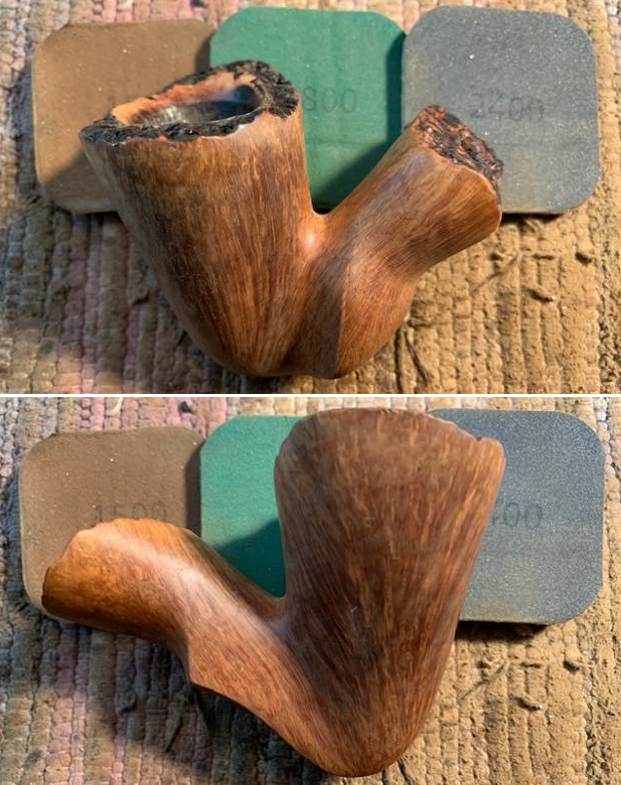
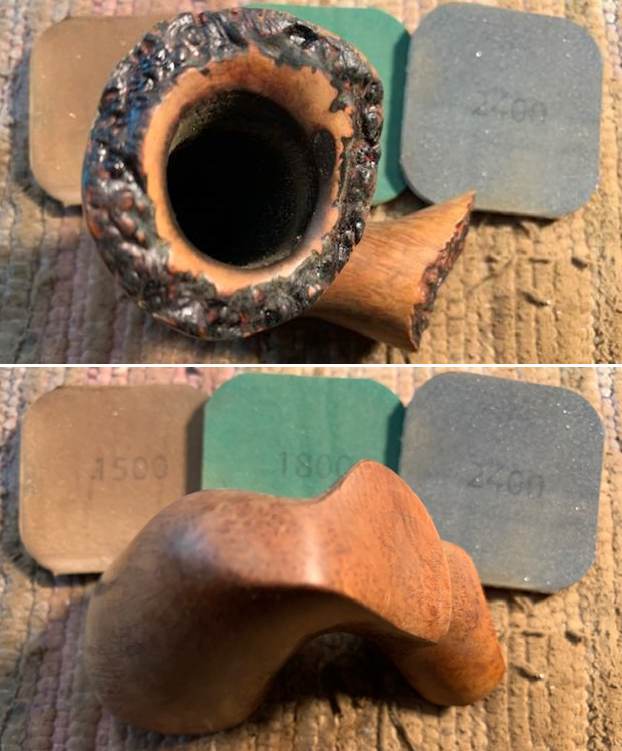
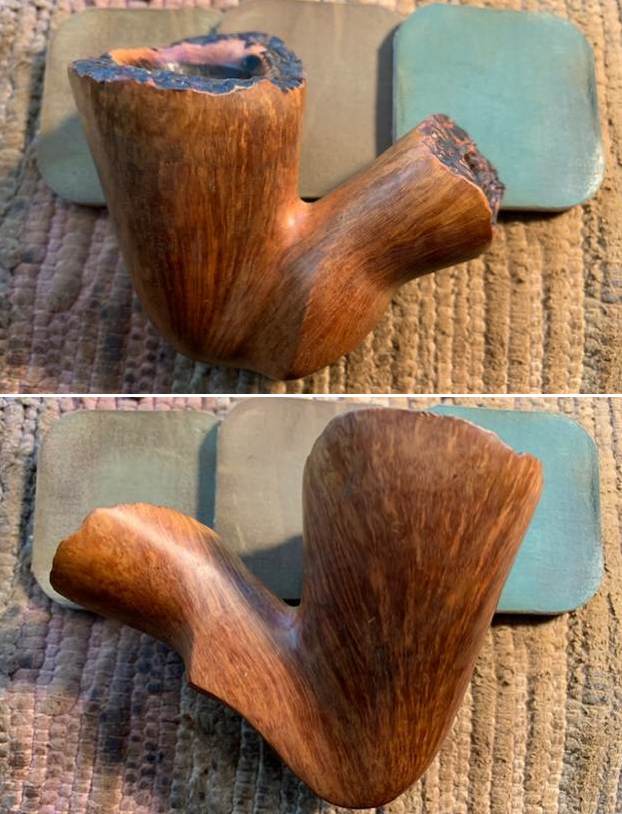
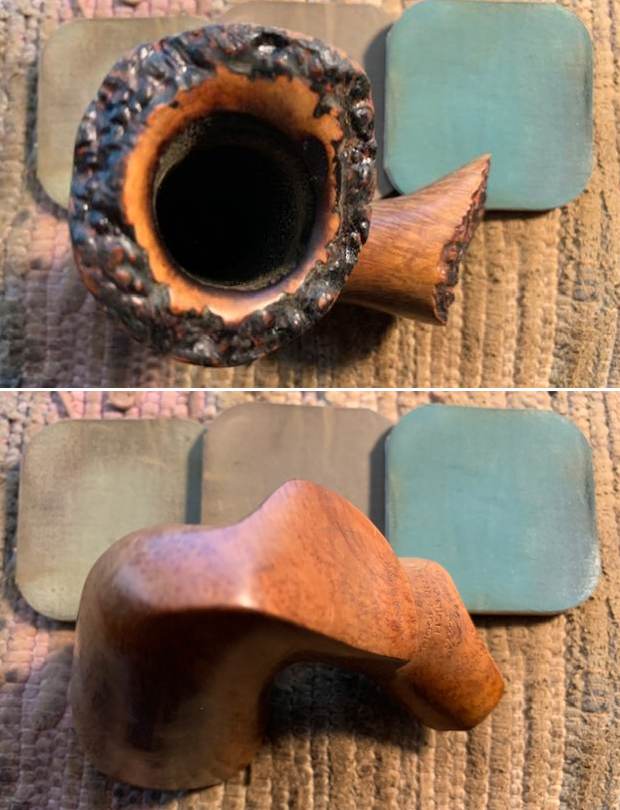
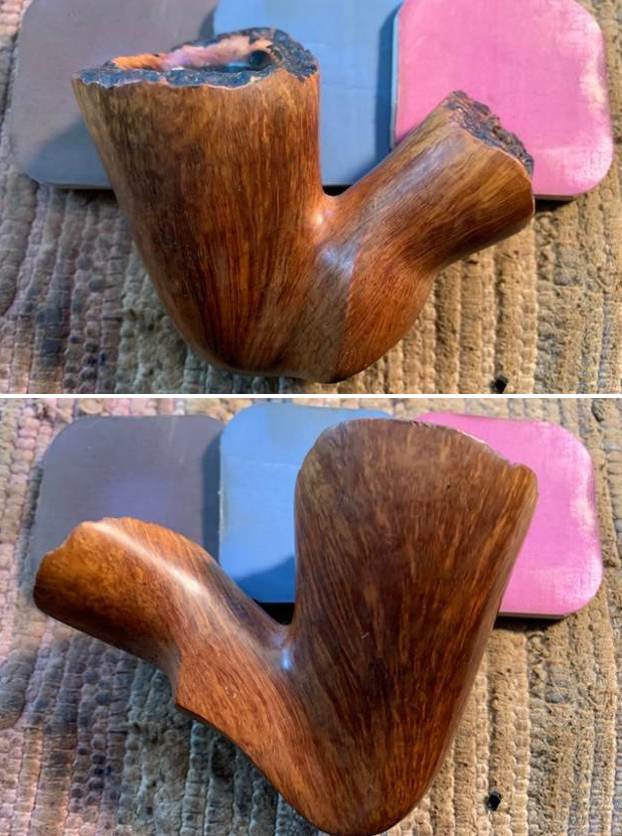
 With the bowl and shank clean there was still a strong ghost of aromatics wafting from the clean bowl. I decided to deghost it with cotton bolls and isopropyl alcohol. I stuffed the bowl with the cotton bolls and used an ear syringe to fill it with alcohol. I twisted a cotton boll and made a wick to insert in the shank. In the morning when I checked it the cotton was brown in the bowl and the wick in the shank is dark with oils. The alcohol had done its job.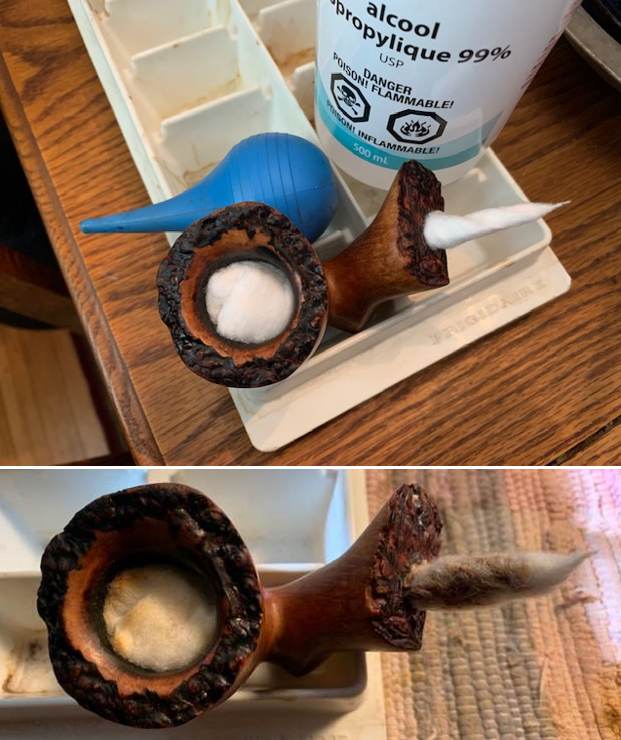
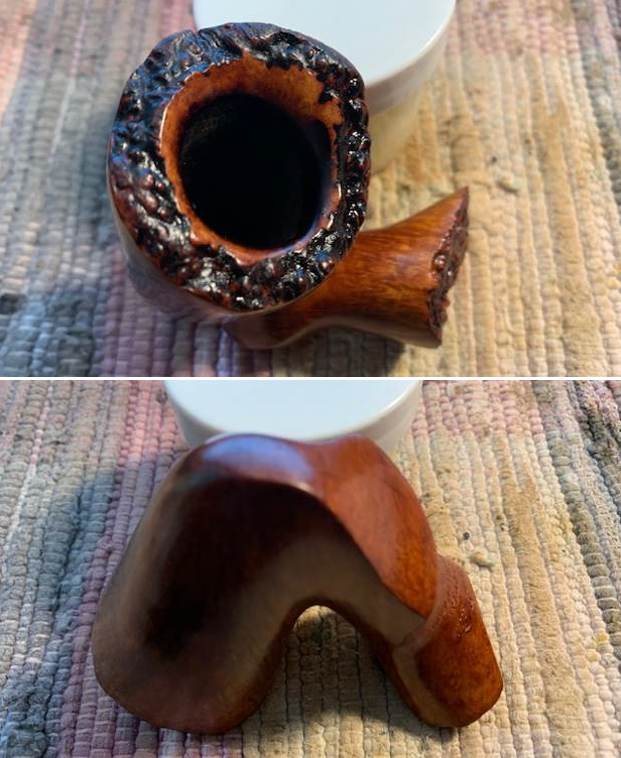
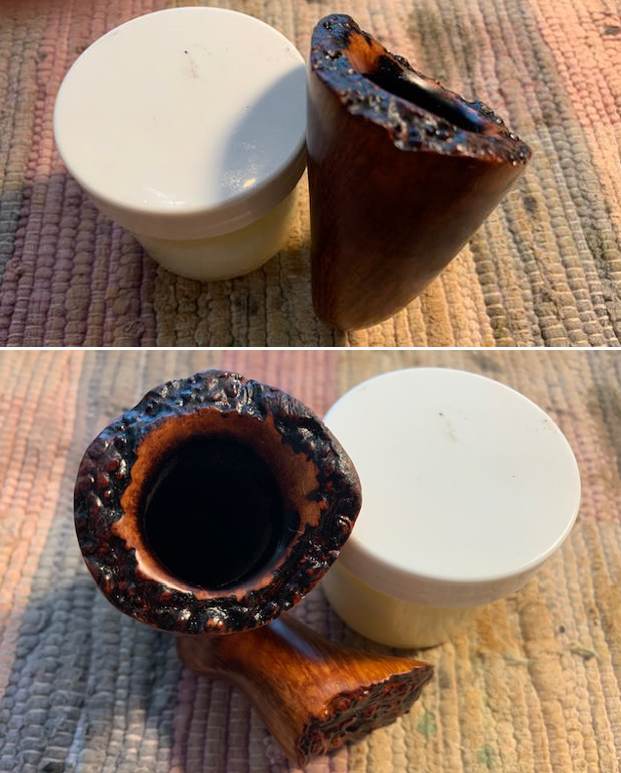
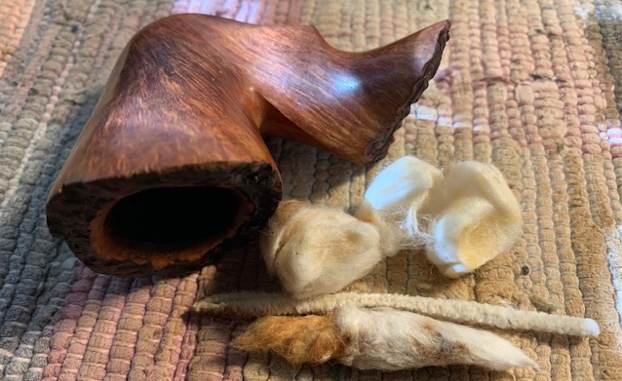 I rubbed the bowl down with some Before & After Restoration Balm. I worked it into the briar with my finger tips to clean, revive and preserve the wood. It really brings the grain alive once again. I let it sit for 15 minutes then buffed it off with a soft cloth. The grain really pops at this point in the process.
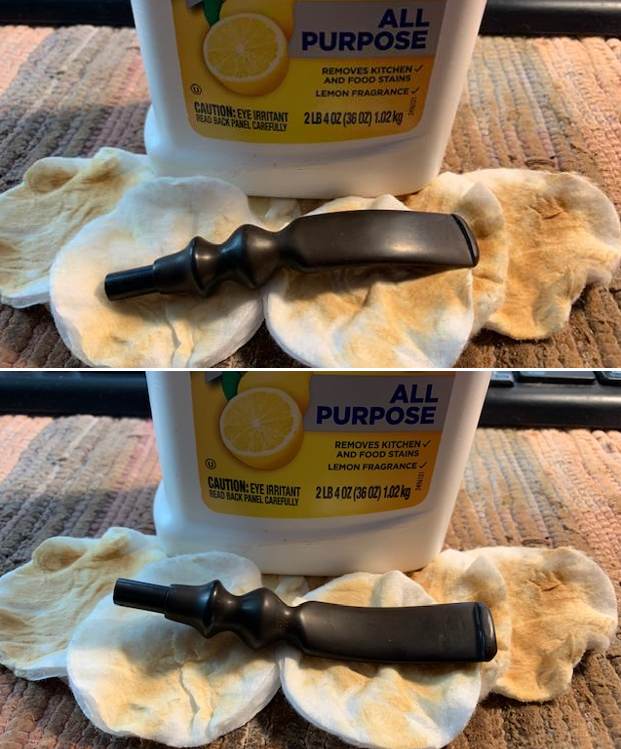
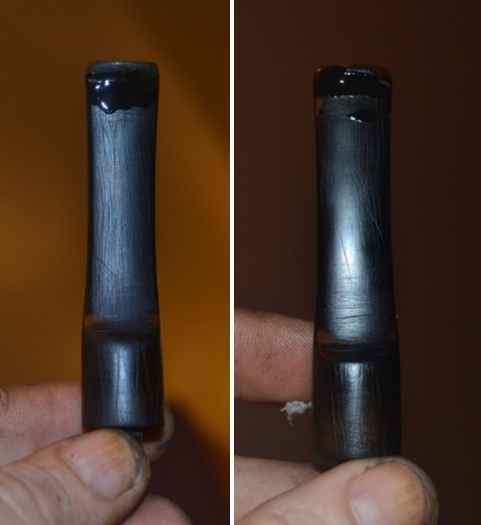
 I set the bowl aside and turned my attention to the stem. I scrubbed it with Soft Scrub and cotton pads to remove the oxidation as much as possible. It took a bit of elbow grease but it was significantly cleaner when I was finished.
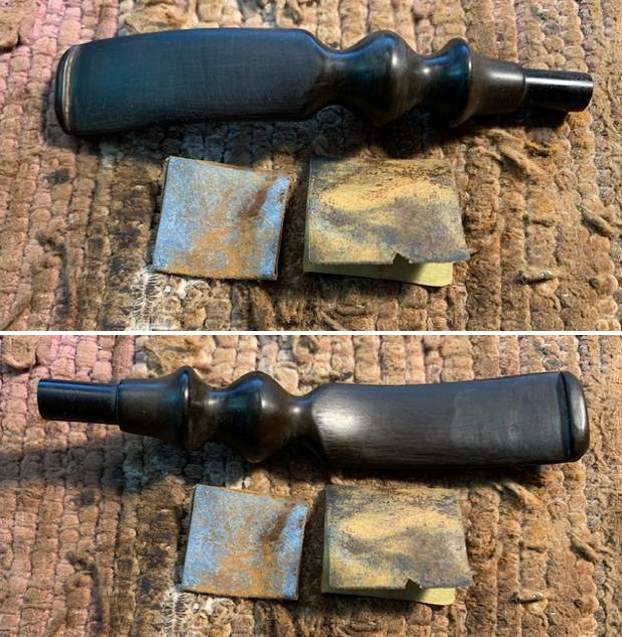
  I sanded the tooth marks and chatter out around the button with 220 grit sandpaper and started the polishing with 400 grit wet dry sandpaper.
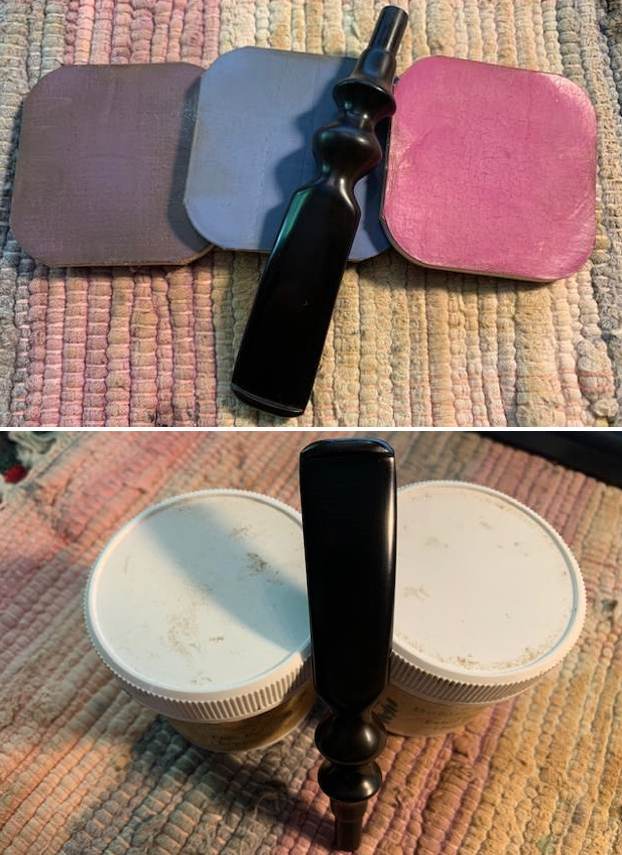
  I polished the stem with micromesh sanding pads – 1500-12000 grit pads. I wiped the stem down after each pad with a cloth impregnated with Obsidian Oil. I finished the polishing with some Before & After Pipe Stem Polish – both Fine and Extra Fine. I wiped it down a final time with Obsidian Oil. The stem looked very good.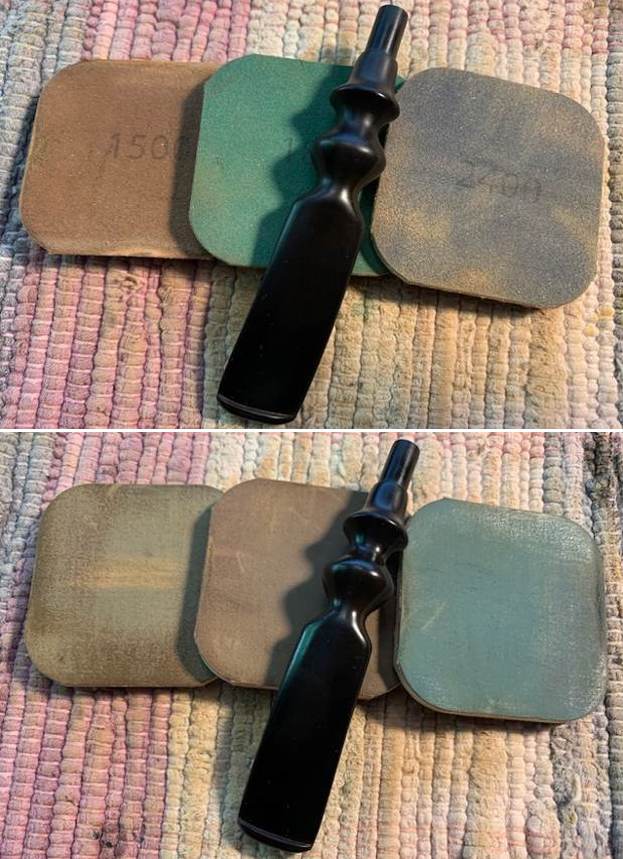
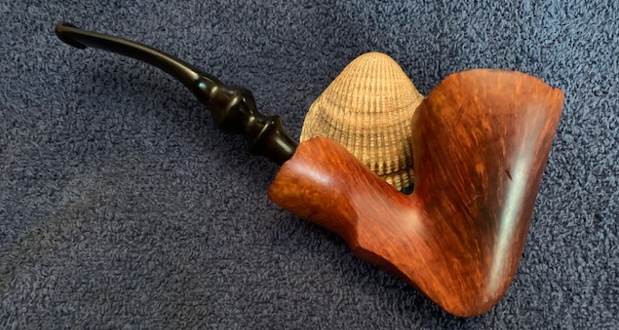
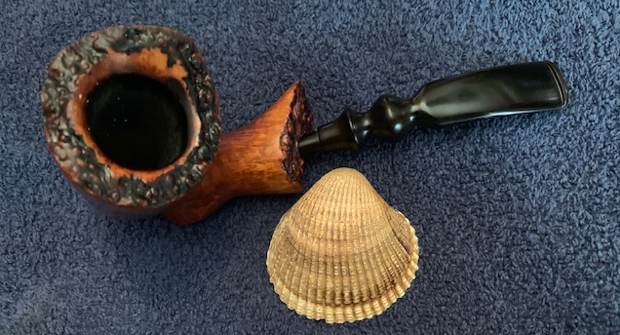
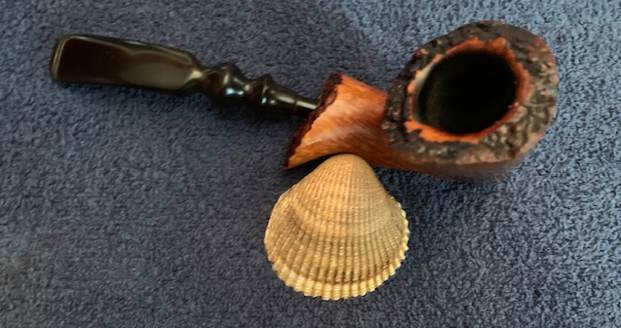
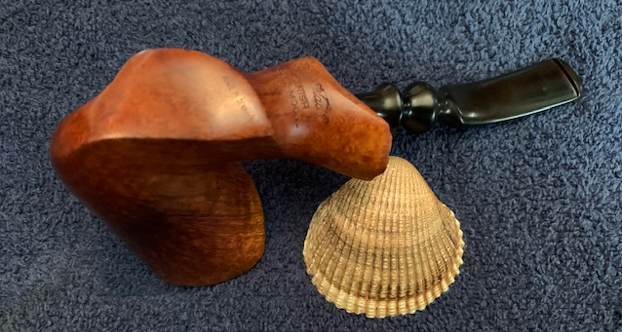
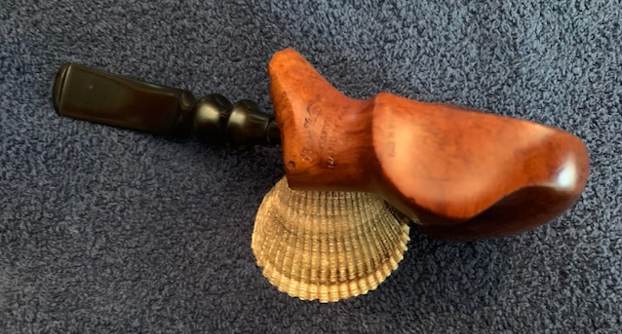
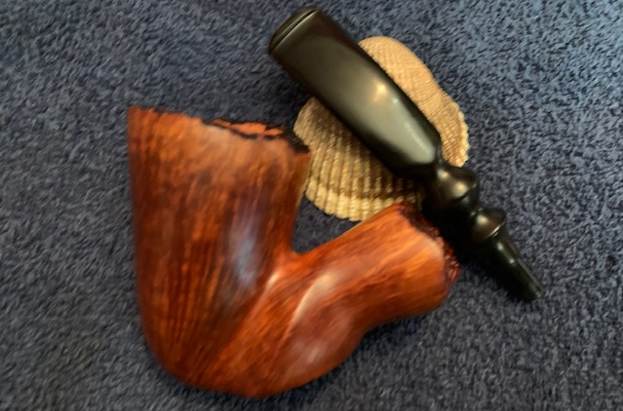
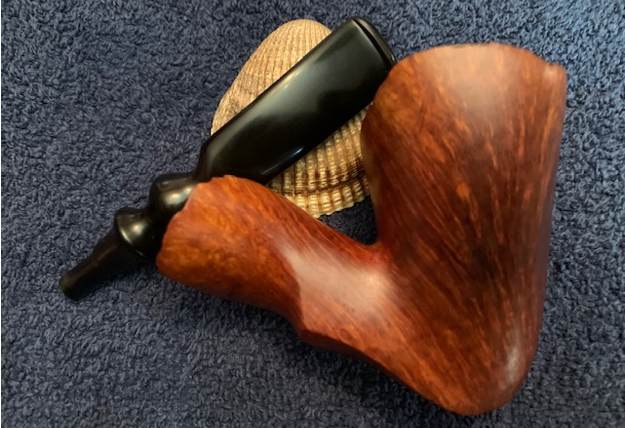
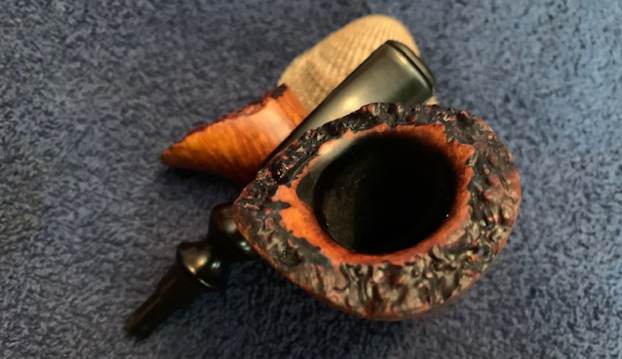
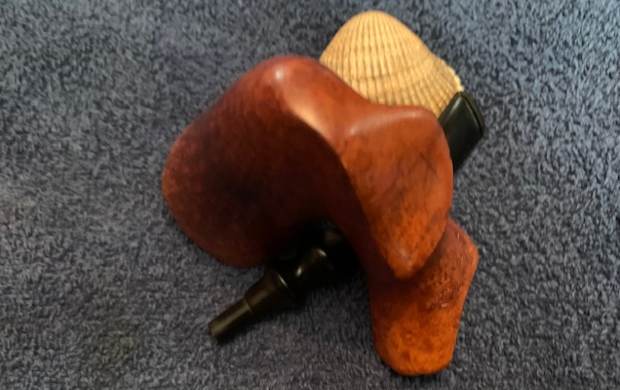
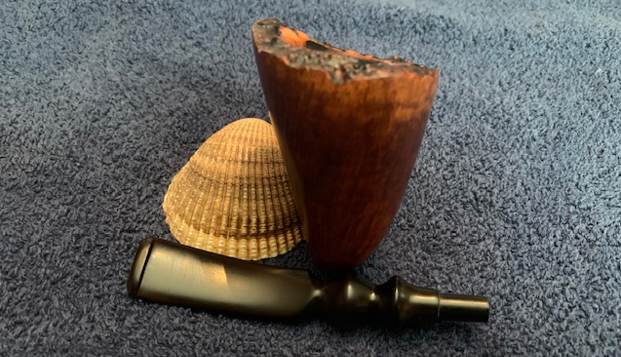
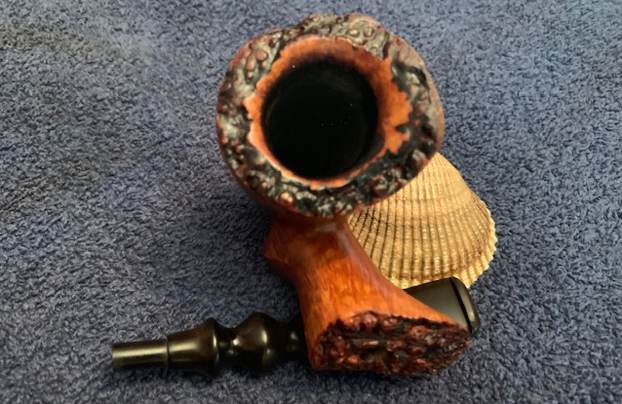
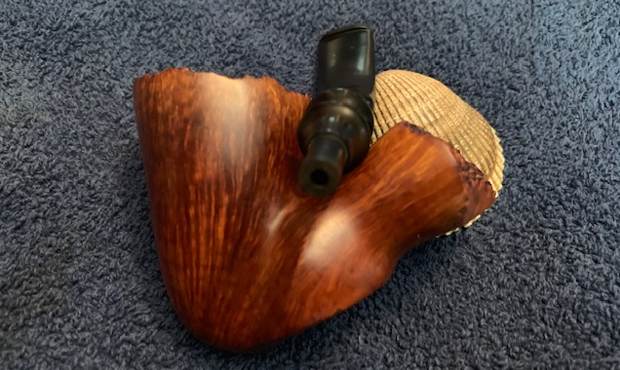
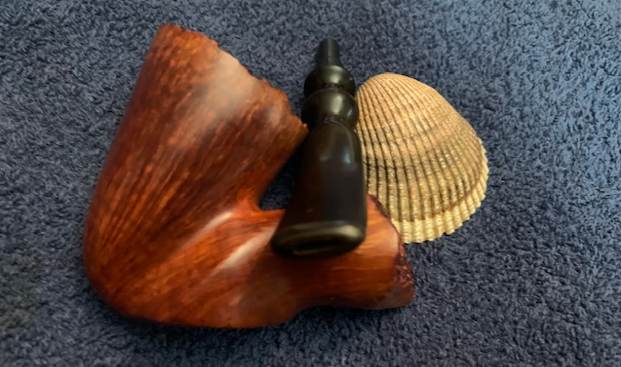
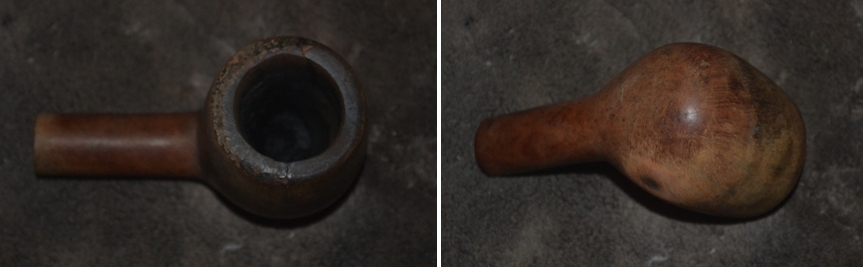
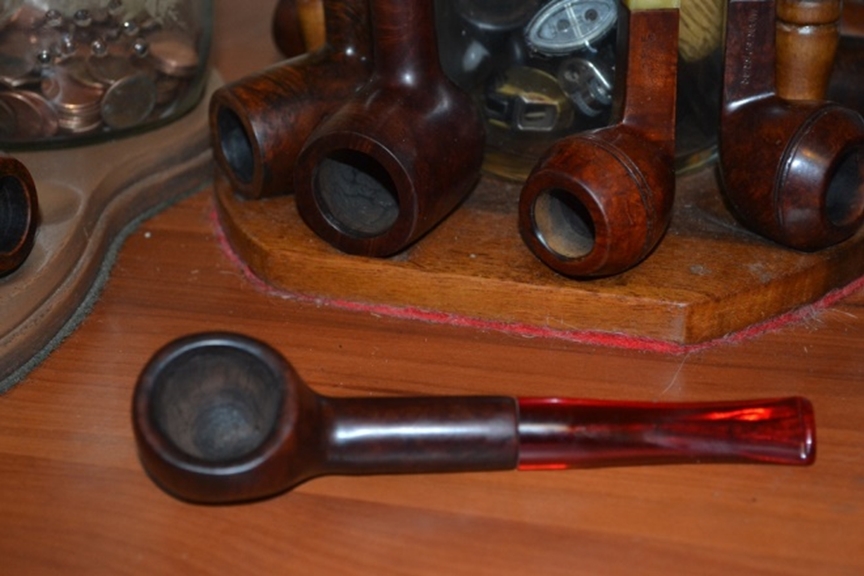
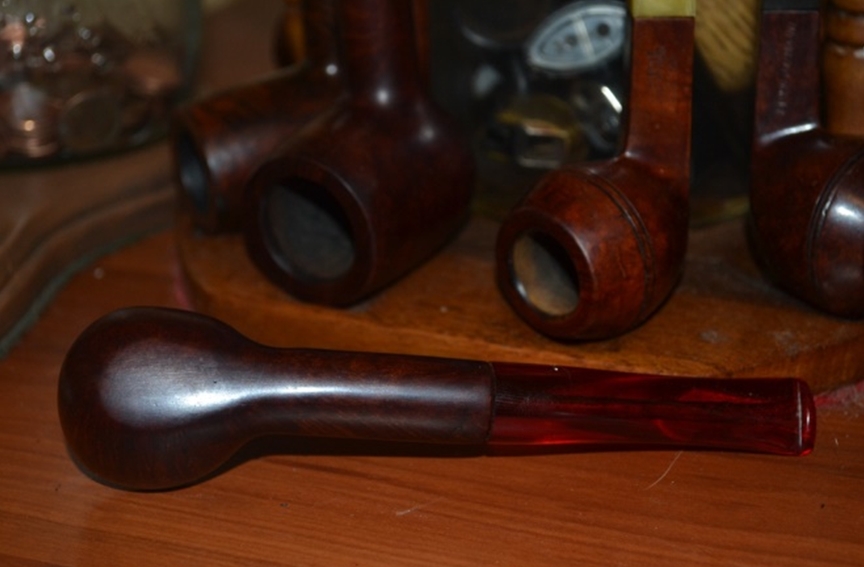
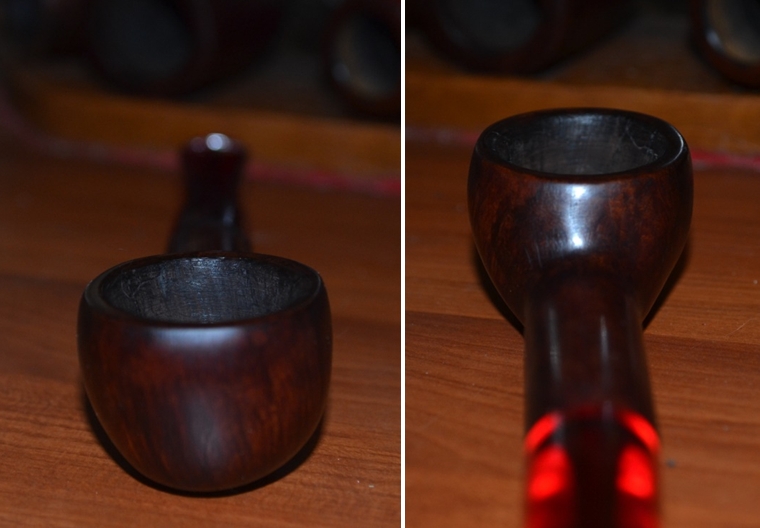
 As always I am excited to finish a pipe that I am working on. I put the Ben Wade Hand Model 400 Made in Denmark Freehand back together and buffed it with Blue Diamond on the buffing wheel. I gave the bowl and the stem multiple coats of carnauba wax. I buffed the pipe with a clean buffing pad and hand buffed it to raise the shine. It is fun to see what the polished bowl looks like with the grain popping through on the smooth portions and the variety of colour in the rustication. Added to that the polished vulcanite fancy saddle stem was a beautiful touch. It is light and well balanced. Have a look at it with the photos below. The dimensions are Length: 6 ½ inches, Height: 2 ¾ inches, Outside diameter of the bowl: 1 ¾ inches, Chamber diameter: 1inch. The weight of the pipe is 65 grams/2.26 ounces. It is a beautiful pipe and one that will be on the rebornpipes store in the Danish Pipe Makers section. If you are interested in adding it to your collection let me know. Thanks for walking through the restoration with me as I worked over this pipe. Thanks to each of you who are reading this blog. I remind us all of the fact that we are not pipe owners; we are pipemen and women who hold our pipes in trust until they pass on into the trust of the next pipeman or woman.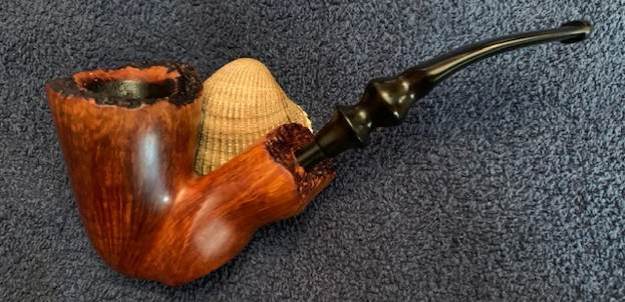





 rebornpipes