
Blog by Steve Laug
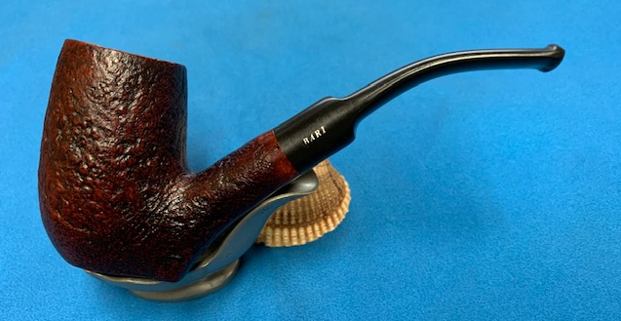
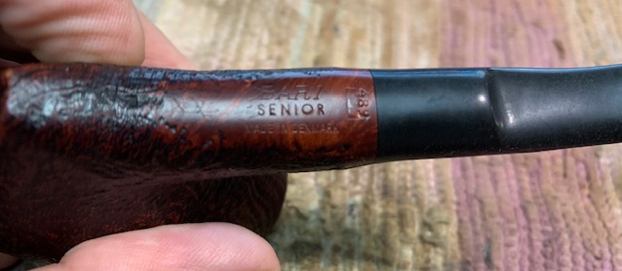
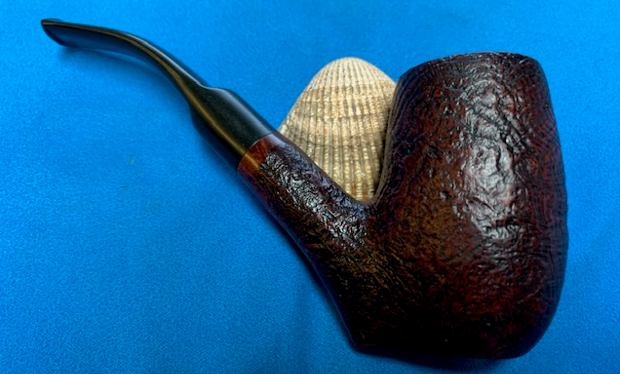
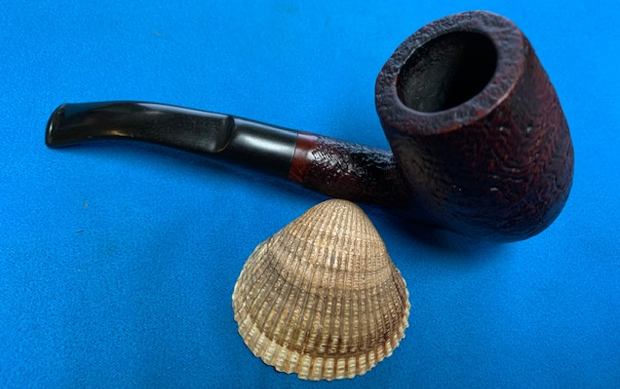
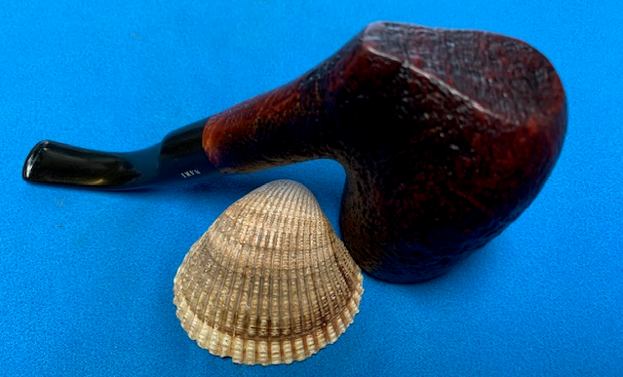
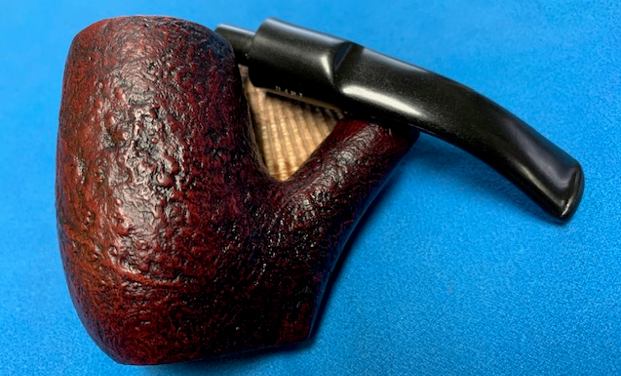
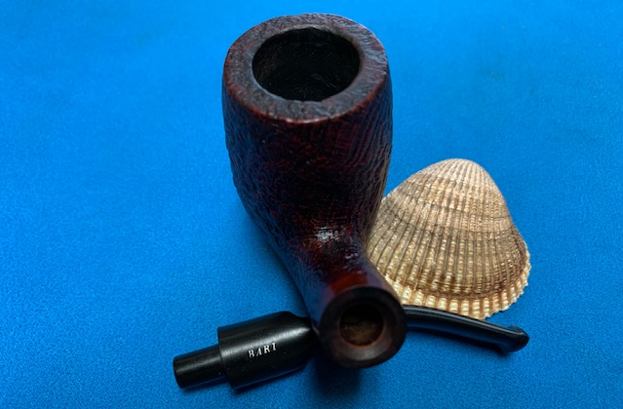
The next pipe on the work table is a bit of a mystery to both Jeff and me. We really have no memory about where we picked this pipe up or where we bought it. It is not in the spread sheet and there seemingly is no way to check where we got it. It has a deep and rich sandblast finish with a mix of black and brown stains. The pipe is stamped on the underside of the shank and reads BARI [over] Senior[over] Made in Denmark. Next to the shank/stem junction it is stamped with the shape number 489. The left side of the saddle stem it is stamped and reads BARI. Jeff had cleaned up the pipe with his usual focus on detail. He reamed the pipe with a PipNet pipe reamer and removed the rest of it with a Savinelli Fitsall Pipe Knife. He scrubbed the exterior of the bowl with undiluted Murphy’s Oil Soap with a tooth brush. He rinsed it under running warm water to remove the soap and grime. He cleaned out the inside of the shank and the airway in the stem with alcohol, cotton swabs and pipe cleaners. He soaked the stem in Briarville’s Stem Deoxidizer and rinsed it off with warm water. I took photos of the pipe once I received it. 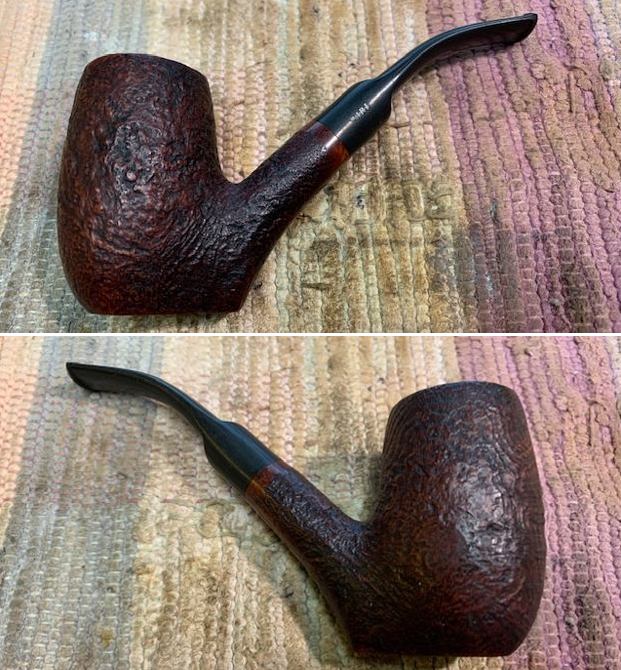
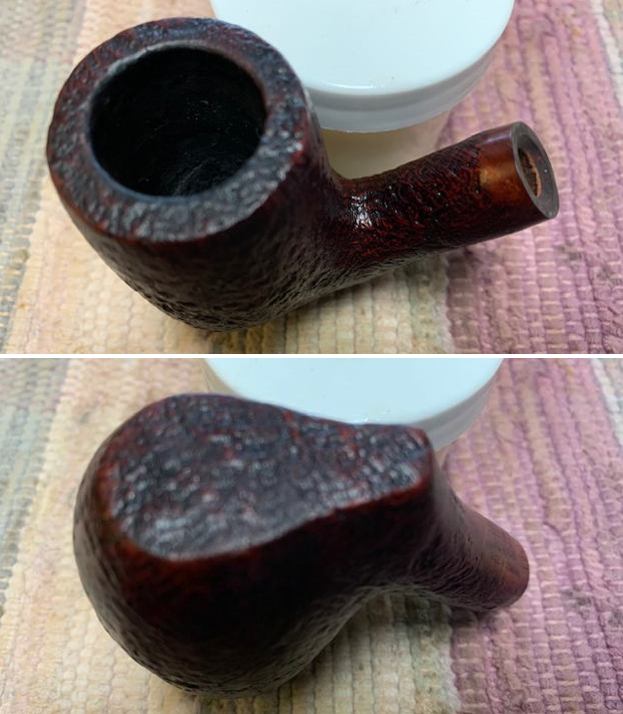
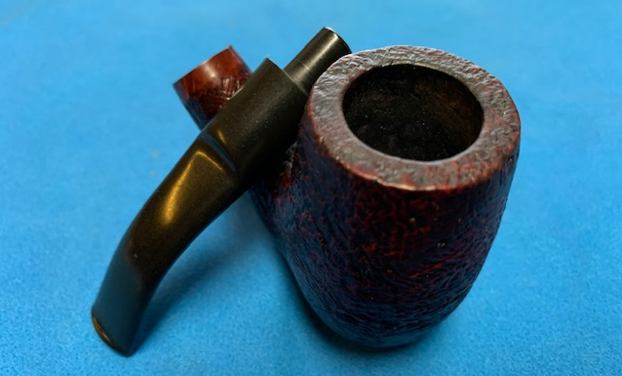
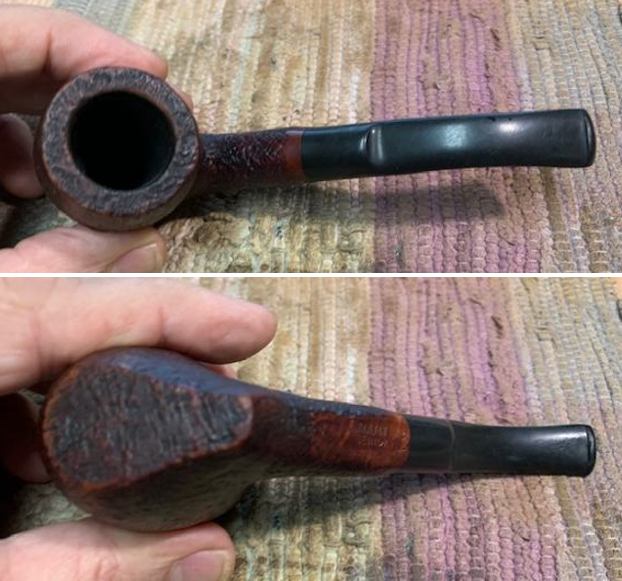 The rim top cleaned up really well. The rim top, inner and outer edges of the bowl were in excellent condition. The stem surface looked good with a few small tooth marks and chatter on both sides near the button.
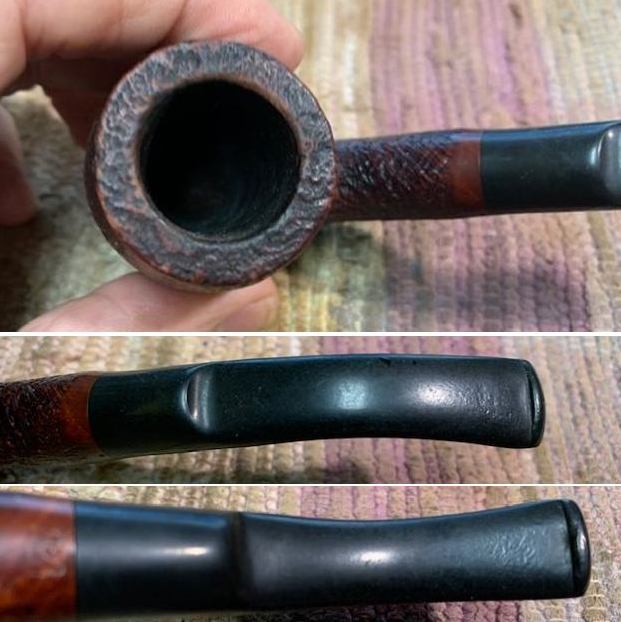 The stamping on the underside of the shank is clear and readable and reads as noted above.
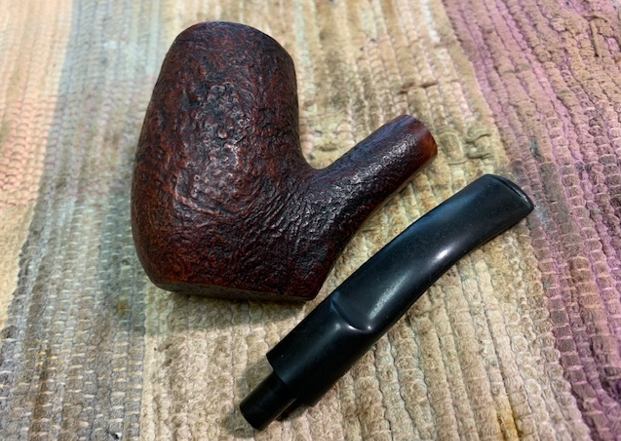
  I removed the stem and took a photo of the pipe to give a sense of the whole.
  I turned to Pipephil’s site (http://www.pipephil.eu/logos/en/logo-b1.html) to see if I could find a listing for the Bari Senior. There was one picture specifically listed for this line of Bari pipes. There was also good info on the brand as a whole and that it was founded by Viggo Nielsen in 1950 and he ran it until 1978 when Age Bogelund managed the production for them. In 1993 it was sold to Helmer Thomsen.
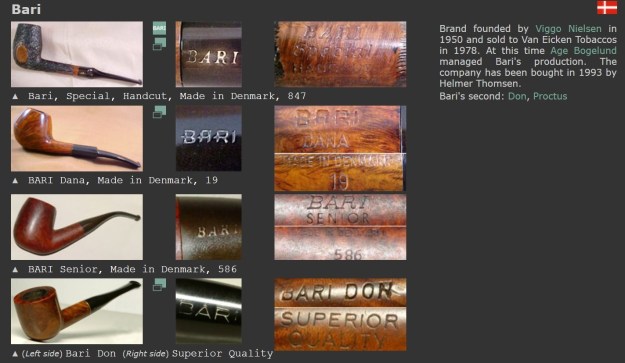 Pipedia gives a great history of the brand (https://pipedia.org/wiki/Bari) that is well worth reading. There were also examples of the Bari Selected Nature Old Briar pipes showing their stamping.
Now it was time to do my work on the pipe. The bowl was in such good condition that I rubbed the bowl and shank down with Before & After Restoration Balm. I worked it into the surface of the bowl sides and shank with my fingertips to clean, enliven and protect the briar. I let the balm sit for a little while and then buffed with a cotton cloth to raise the shine. 
 I set the bowl aside and turned my attention to the stem. I “painted” the surface of the stem with the flame of a lighter to lift the tooth marks. It worked very well and many of the marks lifted. I filled in the remaining marks with clear CA glue and let the repairs cure. I sanded out the remnants of tooth marks with 220 grit sandpaper. I started the polishing with 400 grit sandpaper.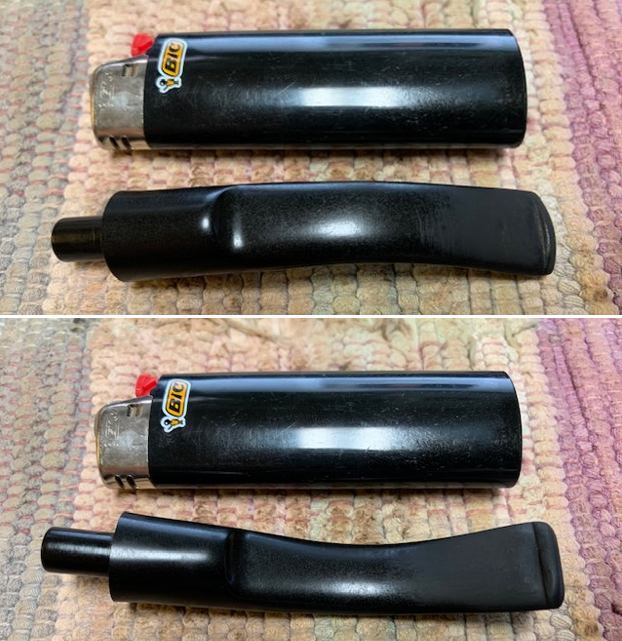

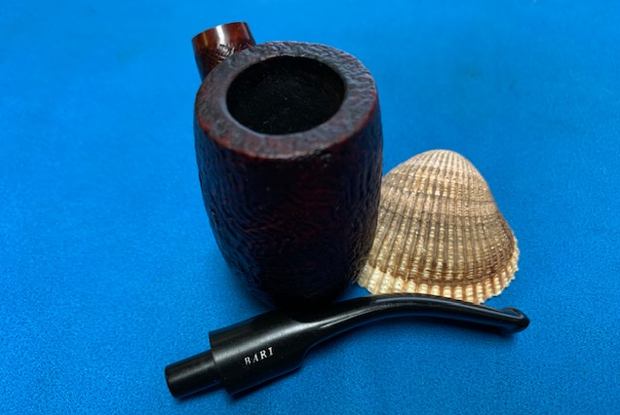
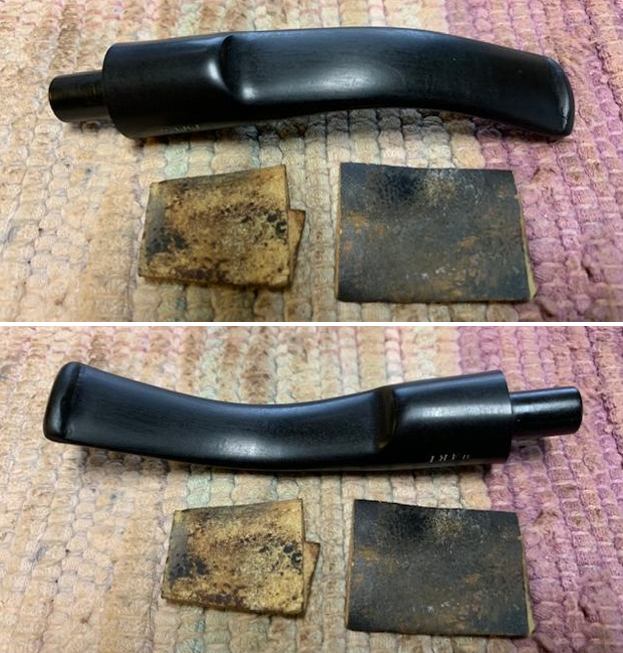 I touched up the BARI stamp on the left side of the saddle with white acrylic nail polish. Once it dried I scraped off the excess and left the white in the stamping. While not perfect it looked better.
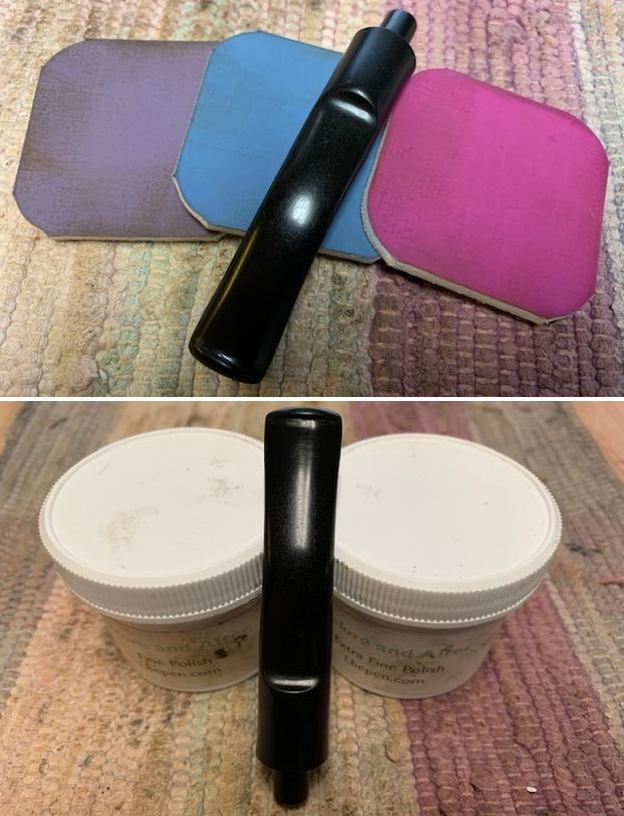
 I set the bowl aside and turned to work on the stem. It was in good condition and the tooth marks were light so I figured they would polish out fairly easily. I polished the vulcanite stem with micromesh sanding pads – 1500-12000 grit pads. I wiped it down with Obsidian Oil after each sanding pad. I used Before & After Pipe Polish – both Fine and Extra Fine to further polish the stem.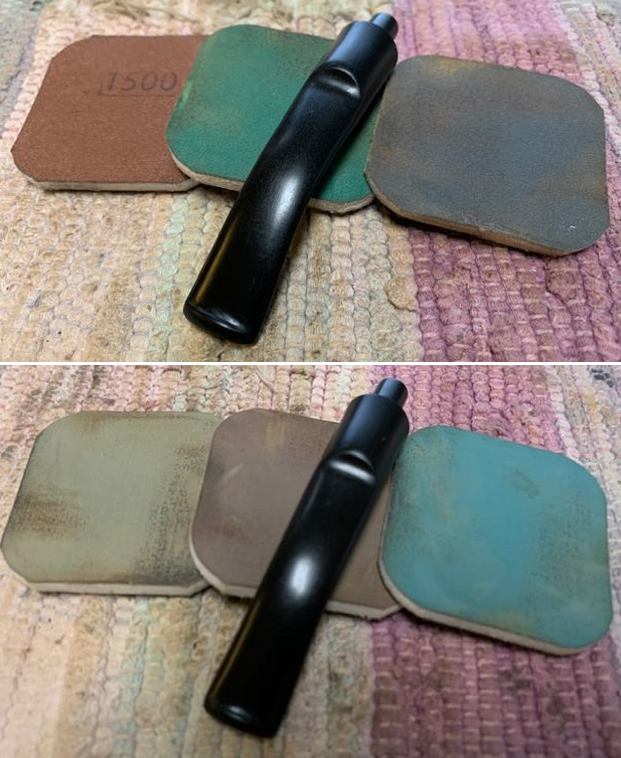
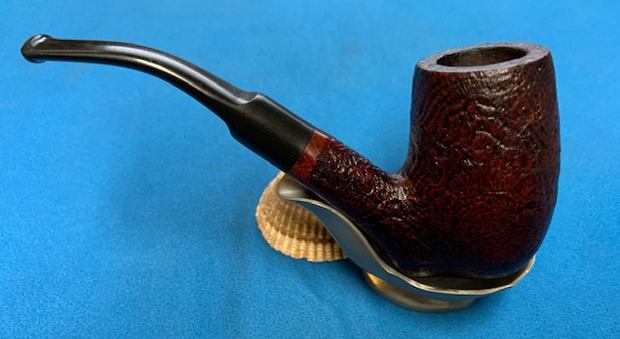
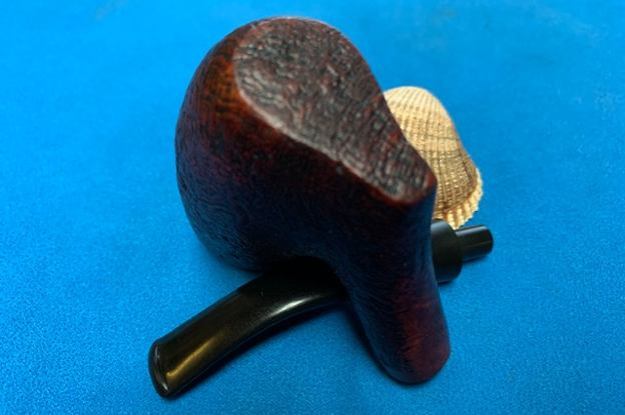
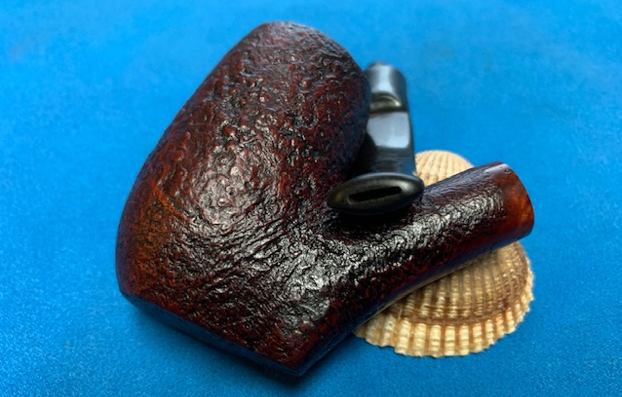
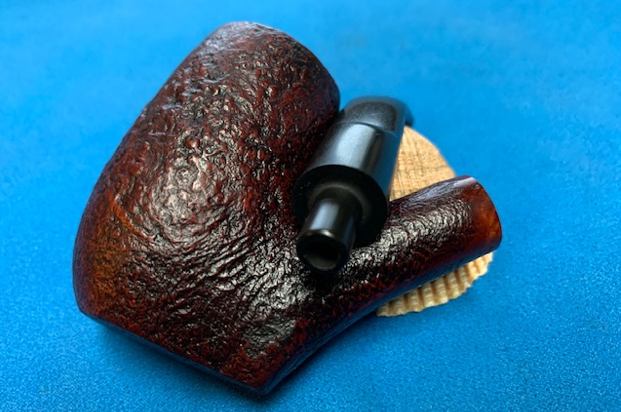
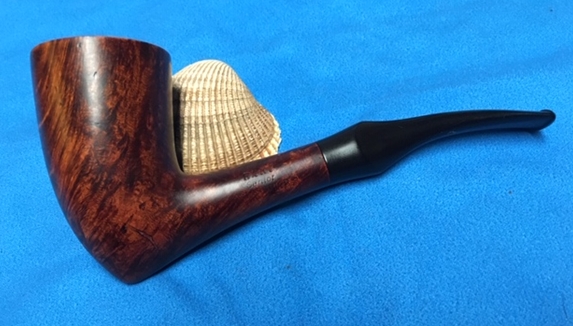
 This Bari Senior 489 Bent Sitter is a great looking pipe now that it has been restored. The sandblasted oxblood and brown stained finish around the bowl is quite beautiful and highlights the a finish that works well with the polished vulcanite saddle stem. I put the stem back on the bowl and carefully buffed the pipe with Blue Diamond on the buffing wheel using a light touch on the briar. I gave the bowl and the stem multiple coats of Conservator’s Wax and buffed the entire pipe with a clean buffing pad. I hand buffed the pipe with a microfiber cloth to deepen the shine. The finished Bari Senior Sitter sits nicely on the desk top and in the hand. Give the finished pipe a look in the photos below. The dimensions of the pipe are Length: 5 ¼ inches, Height: 2 ½ inches, Outside diameter of the bowl: 1 ¼ inches, Chamber diameter: ¾ of an inch. The weight of the pipe is 62 grams/2.19 ounces. I will be putting it on the Danish Pipe Maker section of the rebornpipes store shortly. If you are interested in adding this pipe to your collection send me a message or an email. Thanks for reading this blog and my reflections on the pipe while I worked on it. There are many more to come!





 rebornpipes