Author Archives: upshallfan

Unknown's avatar

About upshallfan

Moderator on the PipesMagazine forum since 2011. Guest contributor on the Reborn Pipes Blog by Steve Laug.

Restoration – The Guildhall 284


By Al Jones

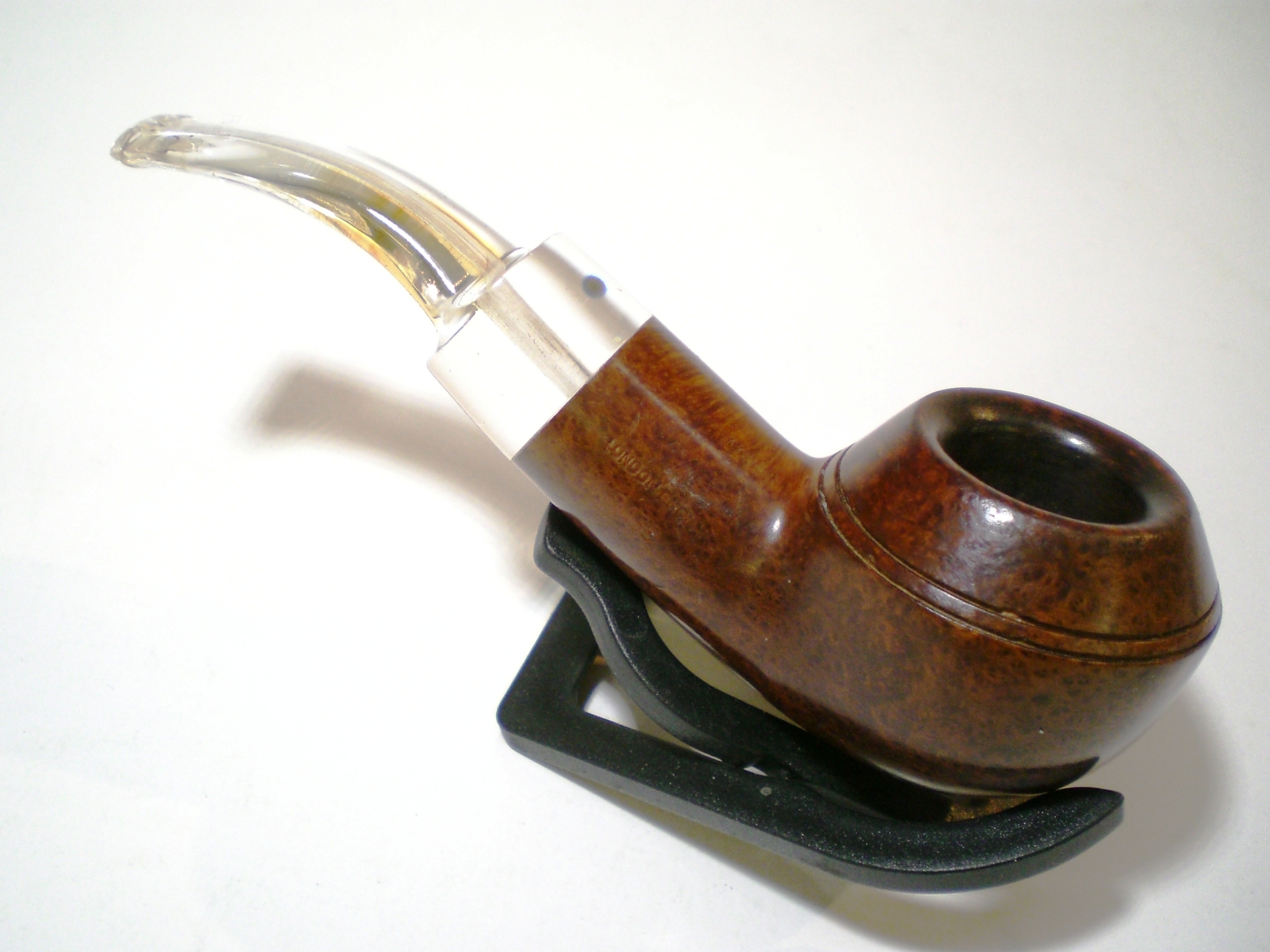
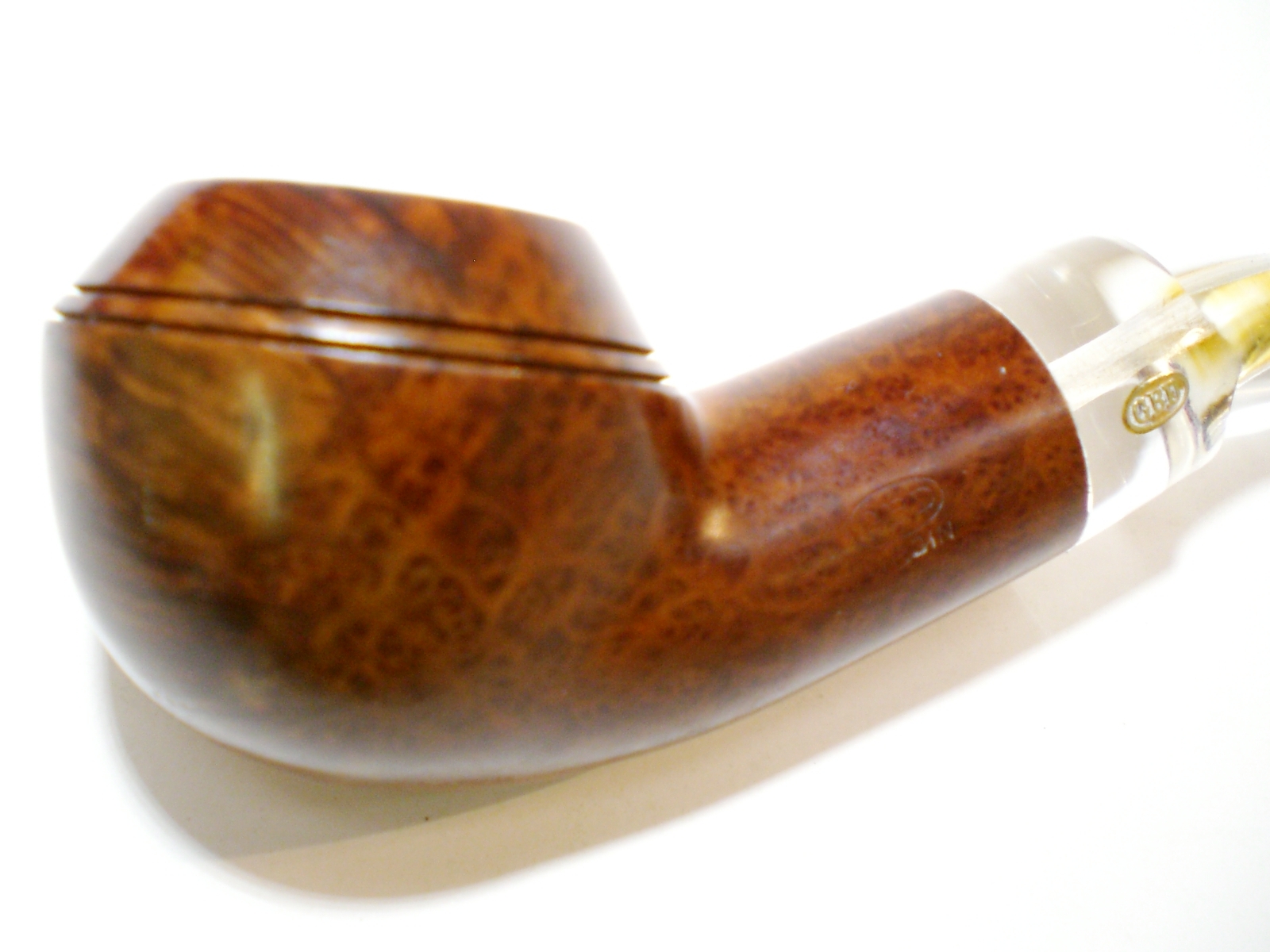
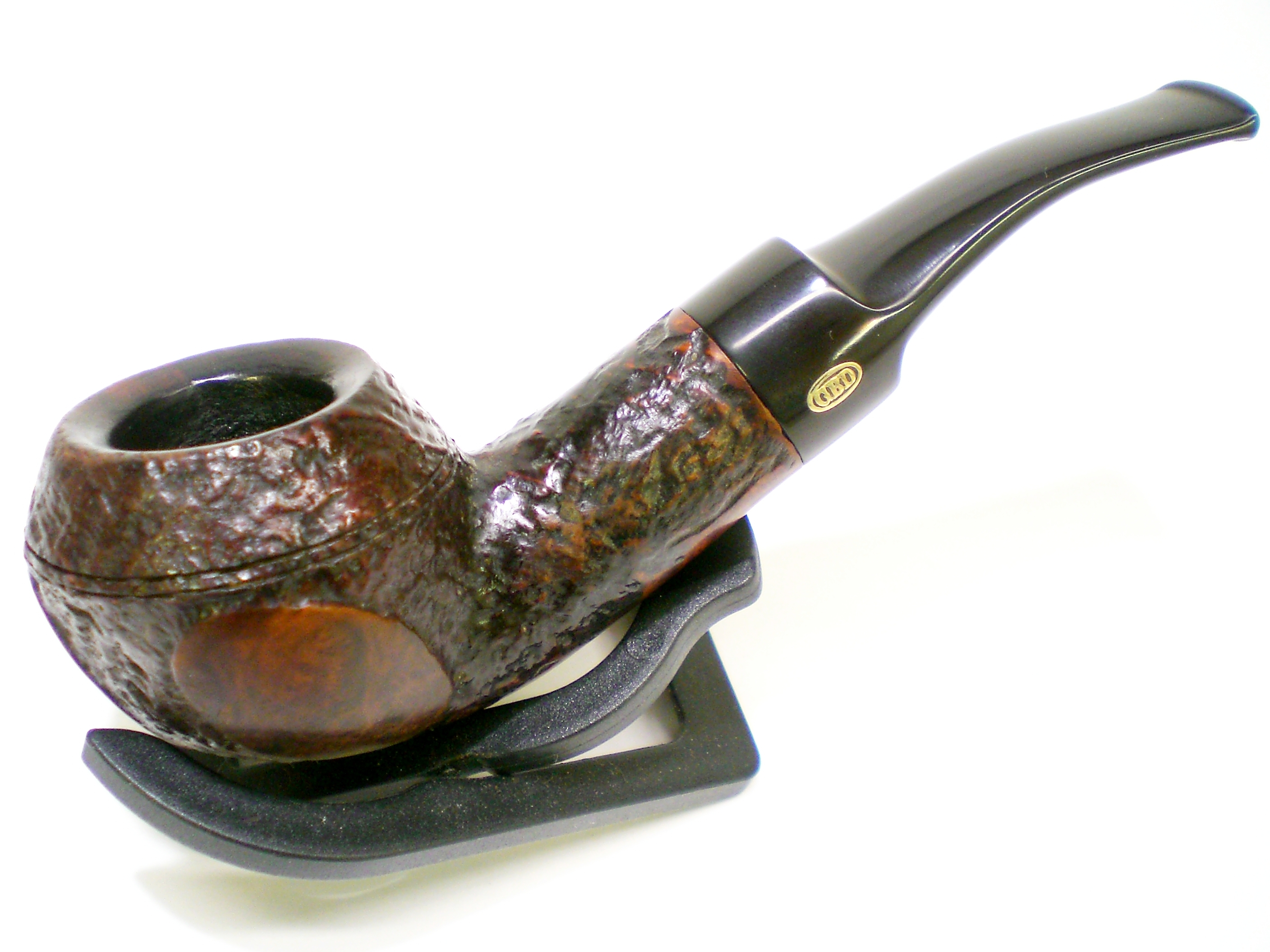
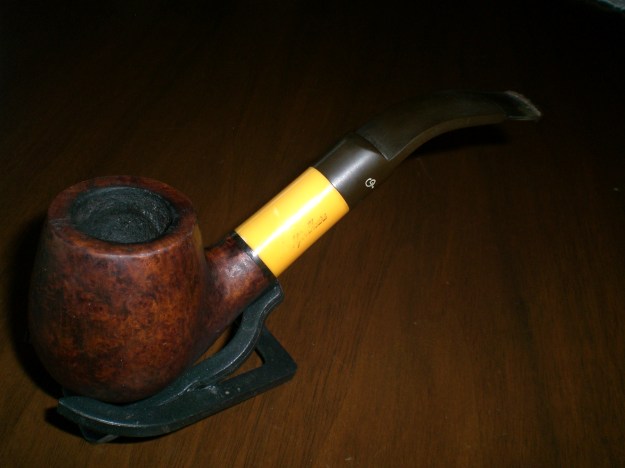
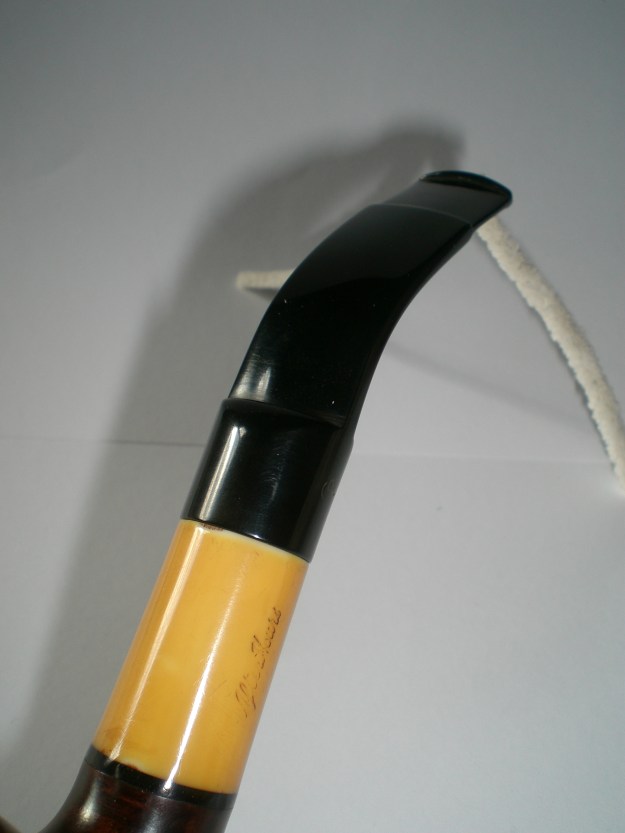
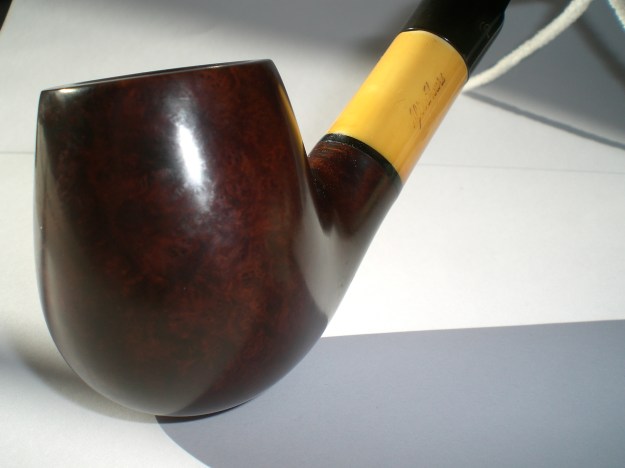
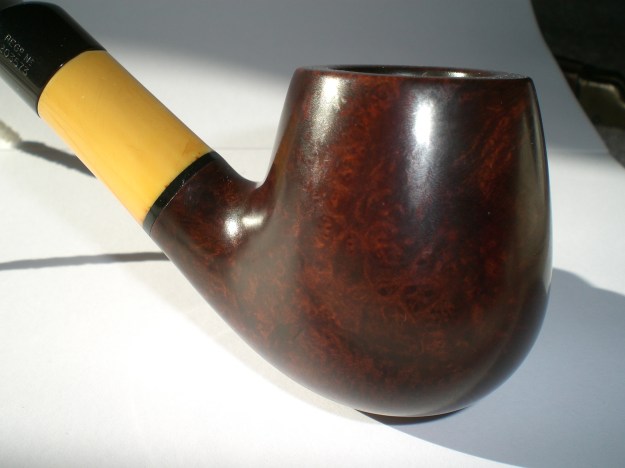
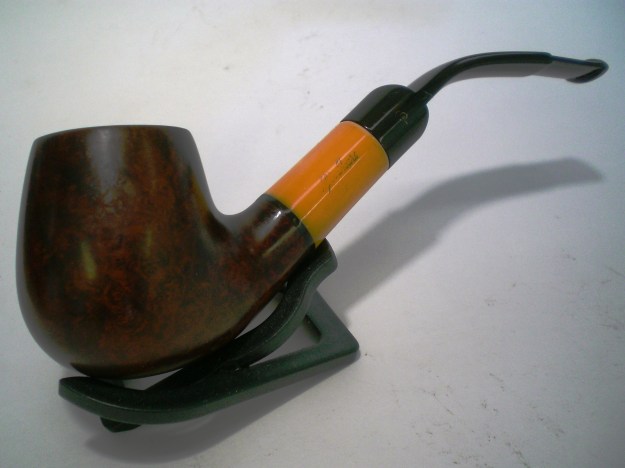
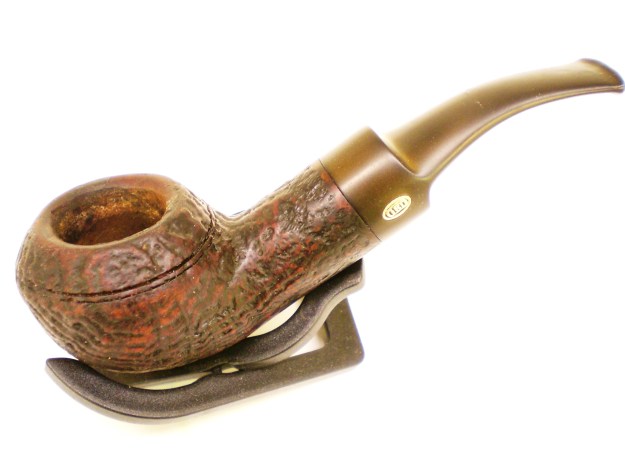
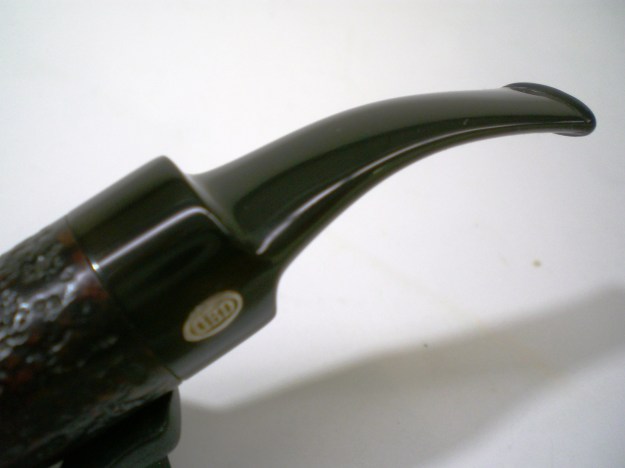
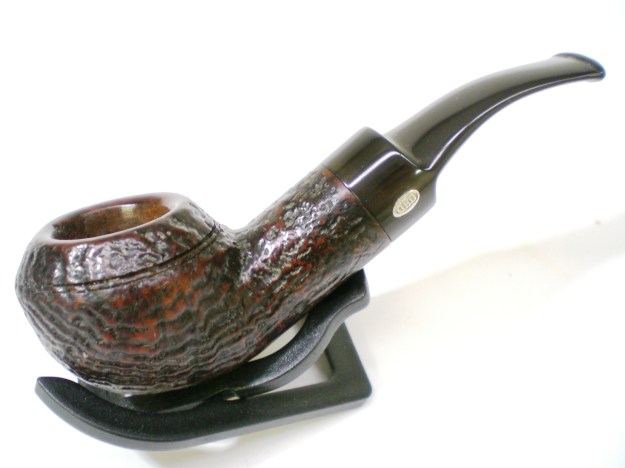
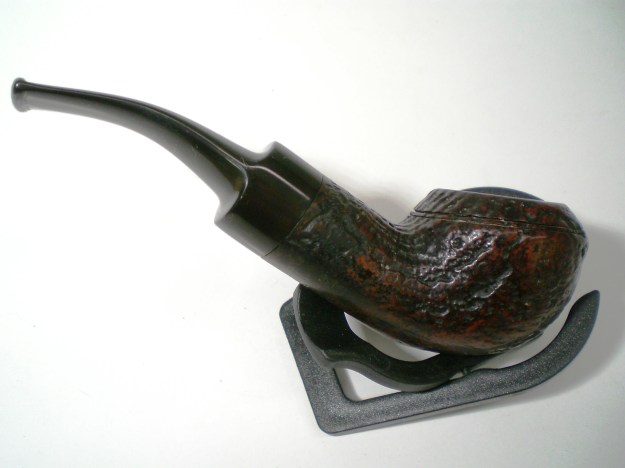
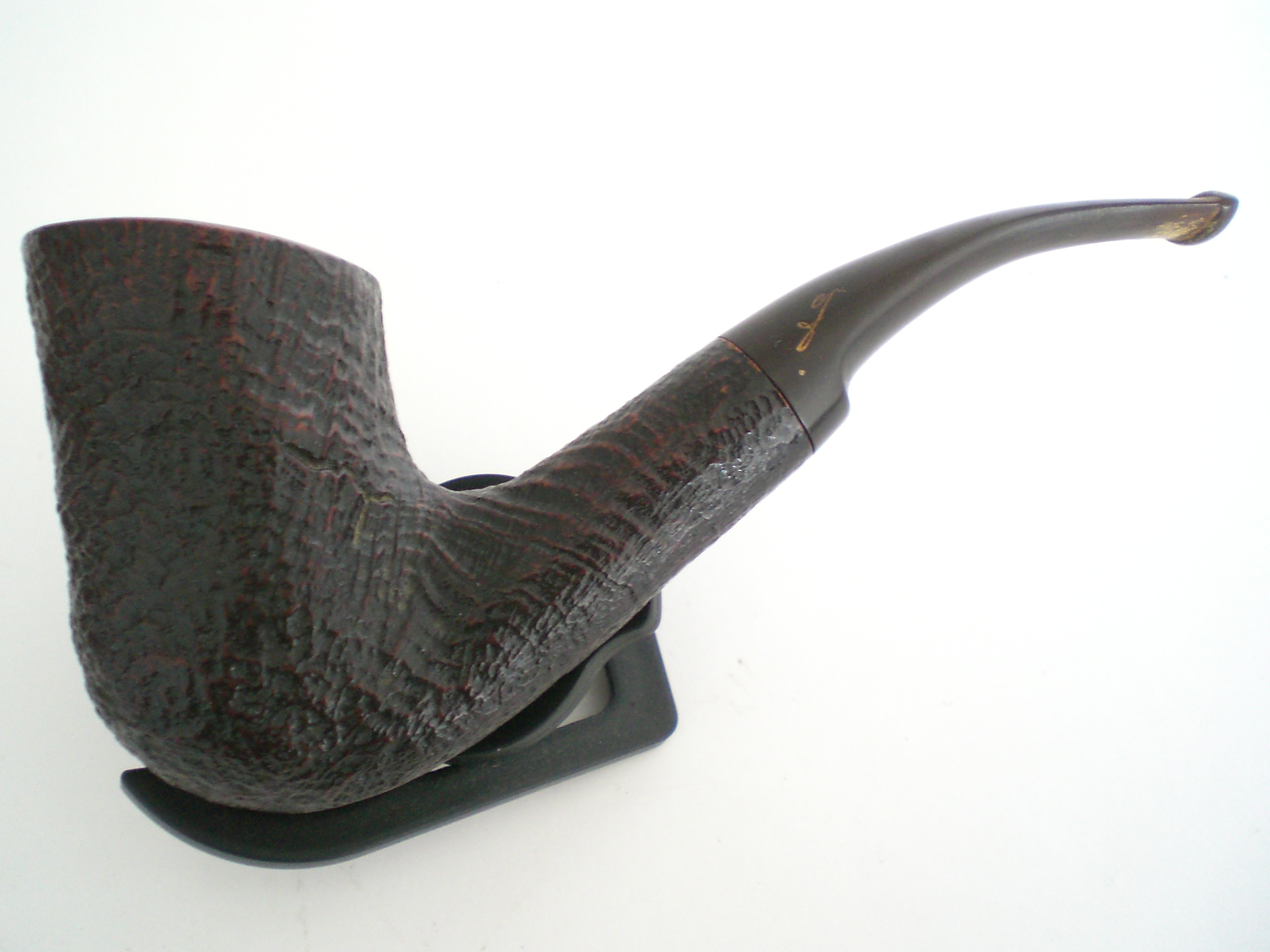
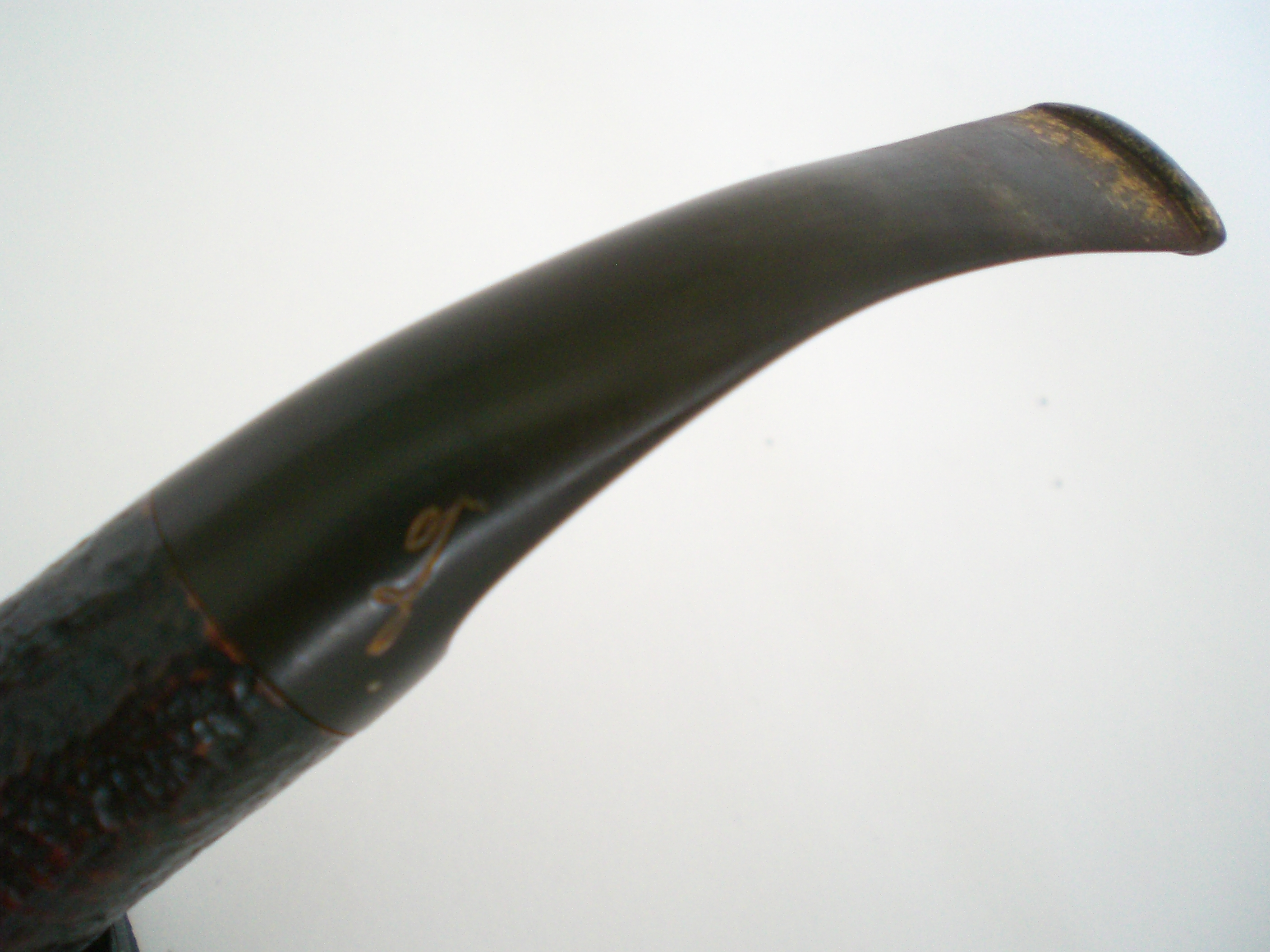
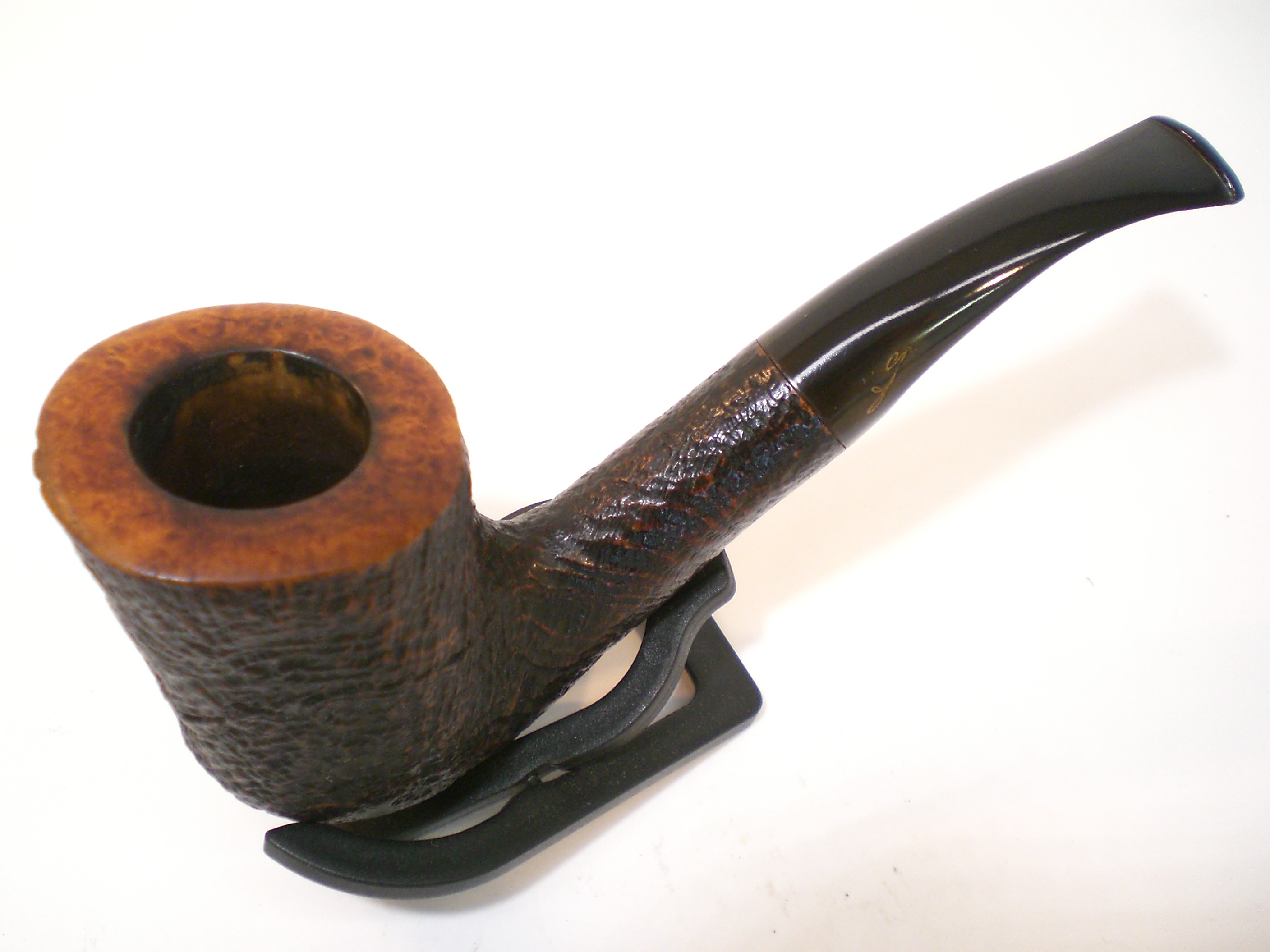
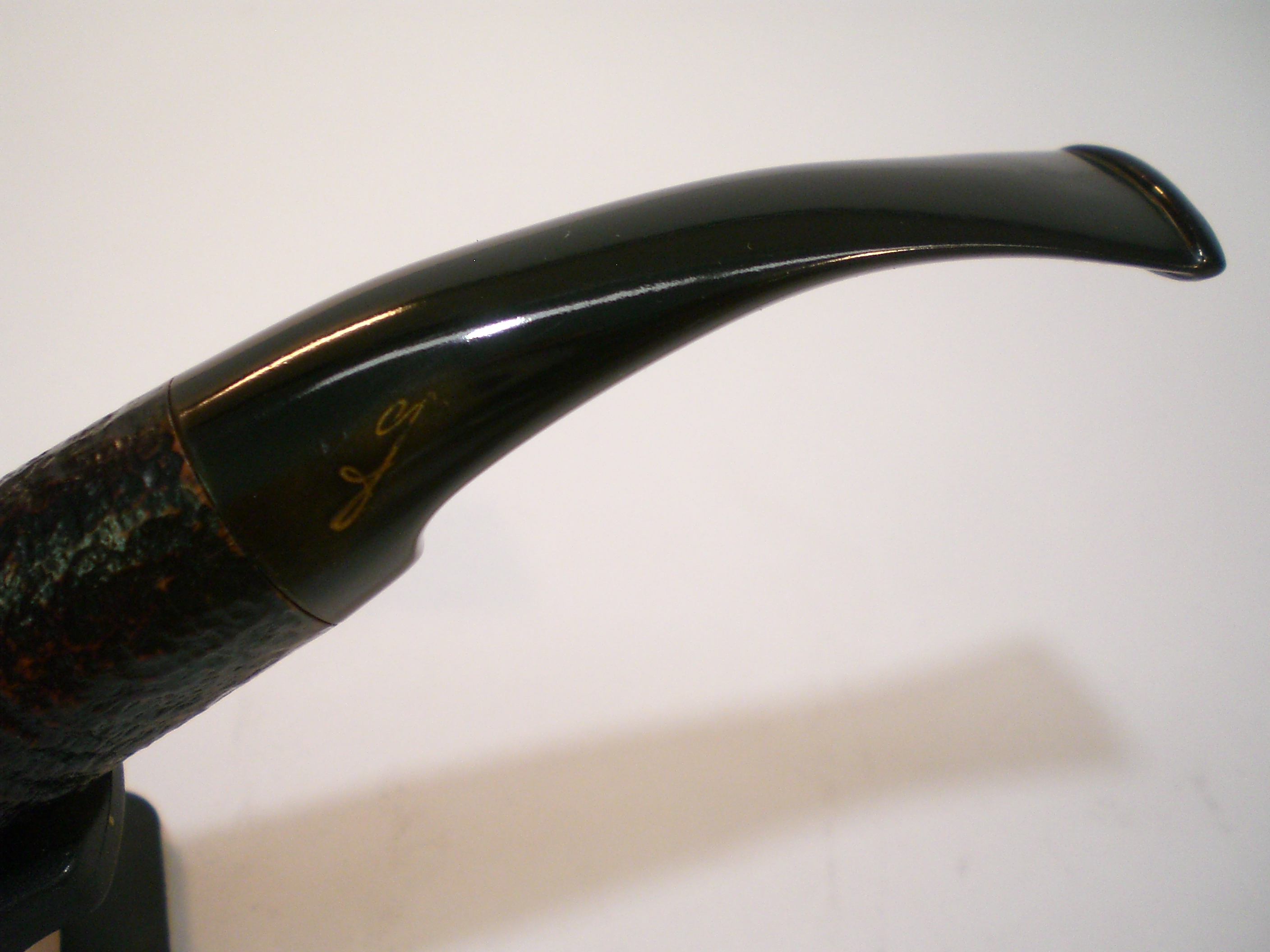
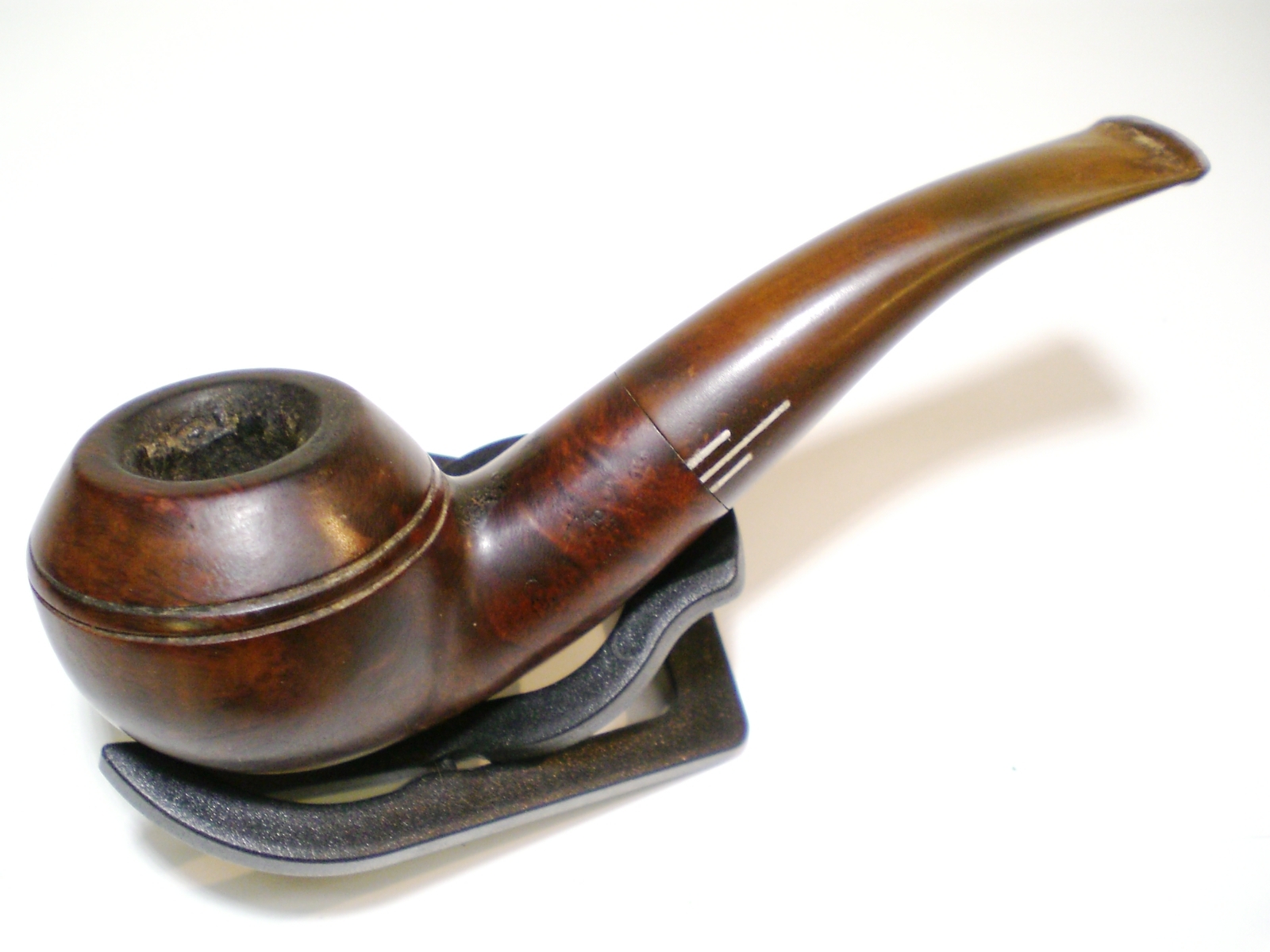
I am an admirer of the Rhodesian shape and the Comoy’s Shape 284, a compact Rhodesian, is one of my favorites. Unfortunately that shape doesn’t show up that often and when it does there is strong competition. I found this “The Guidall” shape 284 on Ebay but it was not in great shape, so I took a chance on it. “The Guildhall London Pipe” is a Comoy’s second line with a distinctive three-metal bar stem logo.

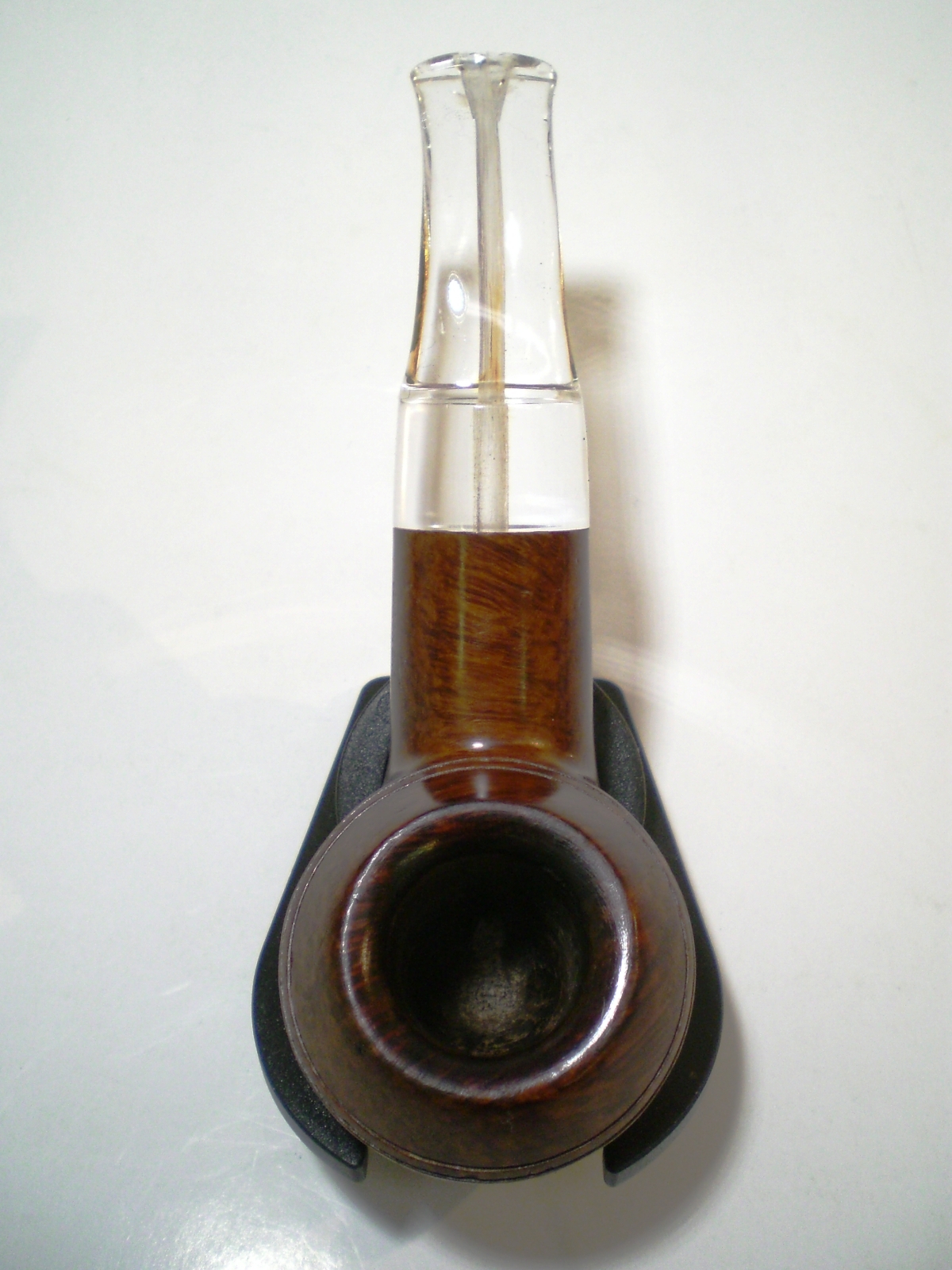
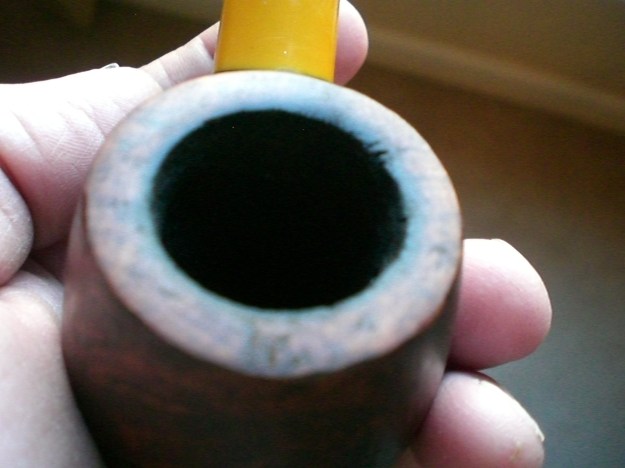
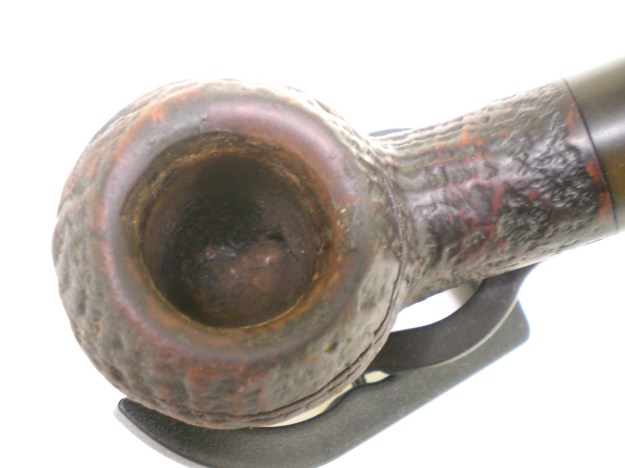
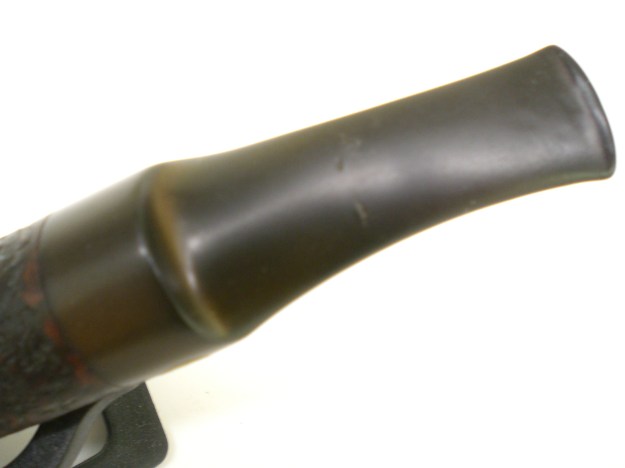
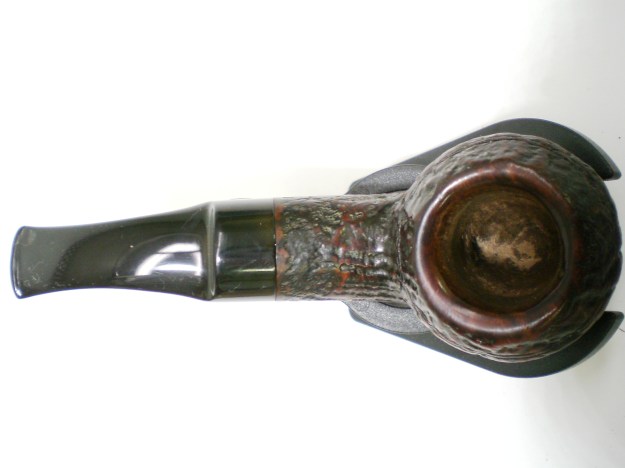
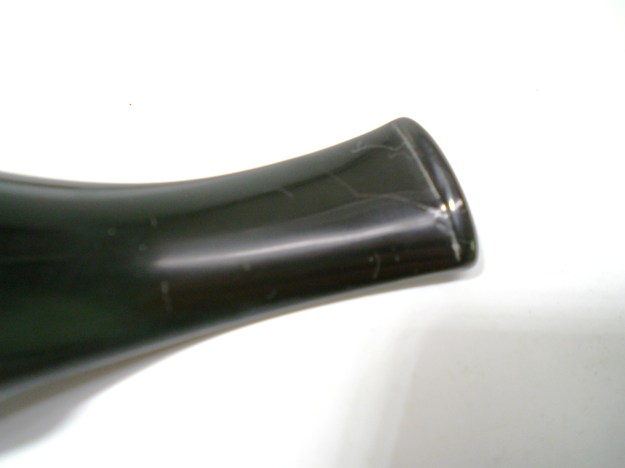
As you can see from these photos, the stem was heavily oxidized but it didn’t appear to have any tooth marks. The bowl top was a little misshapen and it had a very heavy cake build-up. Mike, the “Streets of London” social group administrator on the SmokersForums.uk tells me that The Guidall used pre-made stems. This one had a large stinger. I’m not a fan of stingers, so I warmed the metal end of the stinger and pulled it out.

Guidall_284_Before (4)

Guidall_284_Before

Guidall_284_Before (1)

Guidall_284_Before (2)

Guidall_284_Before (3)

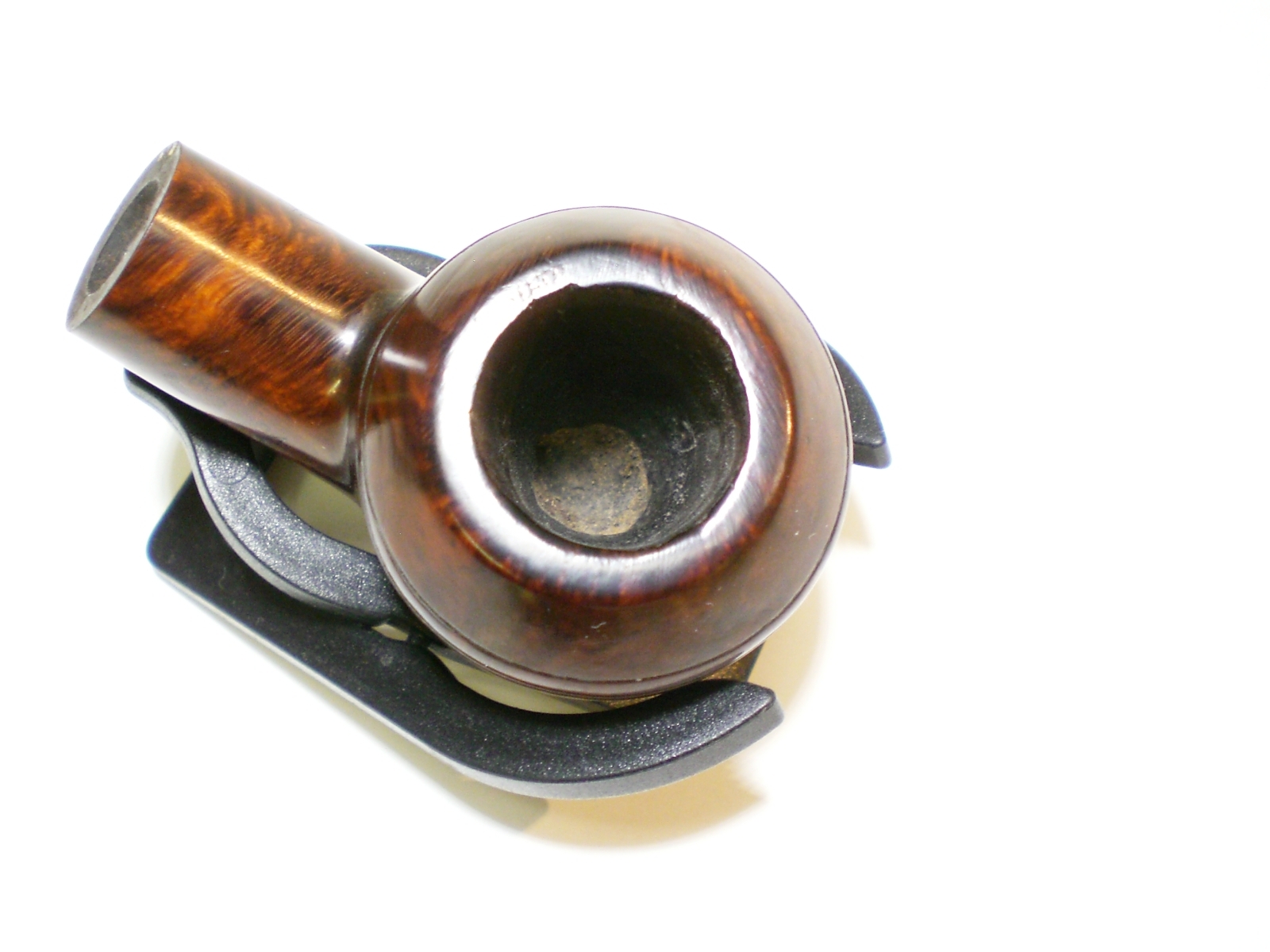
I reamed the bowl starting with my smallest Castleford bit and gradually worked up to the full bowl size. There was some damage at the bottom of the bowl that I will have to repair with some “pipe mud” (cigar ash & water). I soaked the bowl overnight with some sea salt and alcohol to remove the tars and residue. The stem was soaked in a mild Oxyclean and water solution. The metal stem logo looked pretty durable, so I didn’t do anything to protect it.

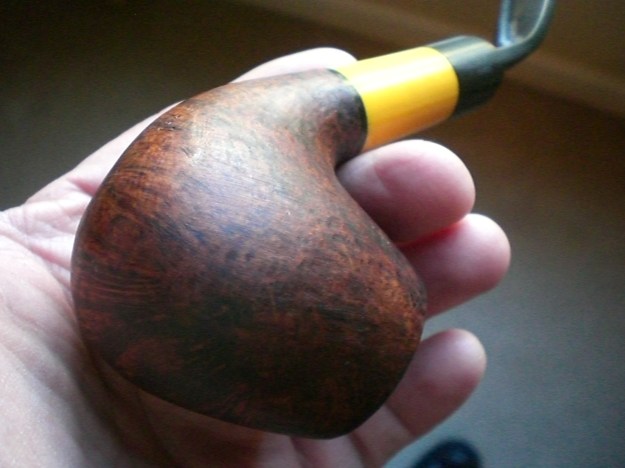
After the bowl soak was completed, I polished the briar on my buffer with some Tripoli and then White Diamond rouge. The briar was in remarkably good condition, considering the way the rest of the pipe was treated over its life. I didn’t detect any fills or other imperfections. You can see the burned out area on the bottom of the bowl, but when I filled it with pipe mud, it wasn’t as deep as it appeared.
Guidall_284_Work (2)

The stem took quite a bit of work to remove the heavy layer of oxidation, which was also in the draft hole. I started with 800 wet grit paper, then progressed to 1500 and 200 grits. I then moved to the micro-mesh paper, with 8000 and finally 12000 grit papers used. The stem was then buffed on the machine with White Diamond rouge. I always use an automotive plastic polish as a final prep. The end of the stem where it meets the briar still has a little oxidation but I was reluctant to sand further for fear of rounding the stem. I may go back and retouch this area. I mixed up some cigar ash I save with just a few drops of water to make a paste called “pipe mud”. I used the spoon on a Czech tool to ladle in the mixture and a small button head bolt to tamp it into shape.

The premade stem feels all right in my mouth, but I have to wait until the pipe mud dries to smoke it. I need a compact pipe for travel use and carry in my one-pipe bag and I’m hoping this one can fit that requirement.

Here is the finished pipe.
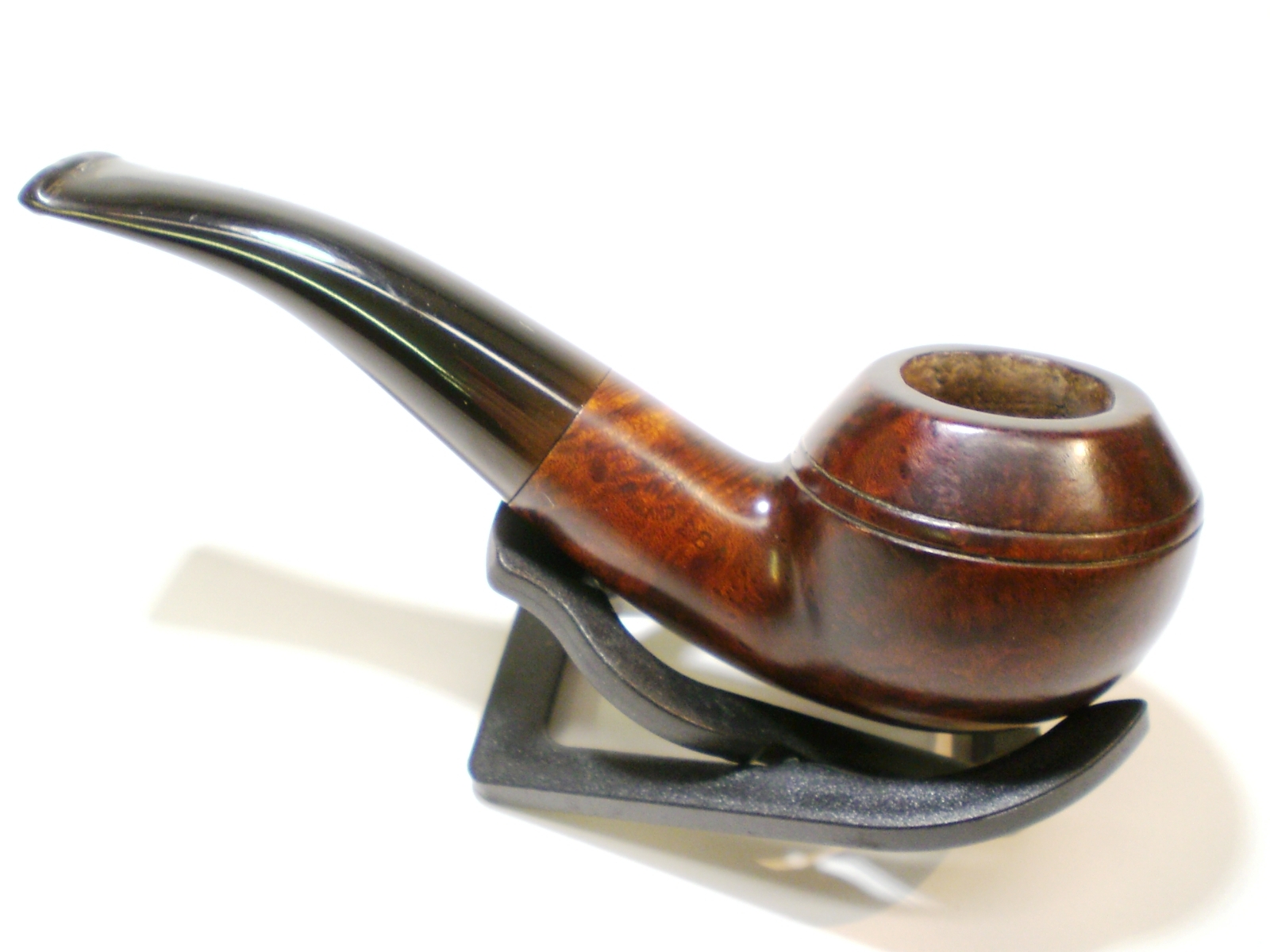
Guidall_284_Finished (7)

Guidall_284_Finished

Guidall_284_Finished (1)

Guidall_284_Finished (2)

Guidall_284_Finished (3)

Guidall_284_Finished (4)

Guidall_284_Finished (6)

Comoys 498 Extraordinaire Restoration


Many pipe smokers or collectors (I consider myself both) have a “Holy Grail” list of pipes they would like to own. My list totals five and this year I was fortunate to have acquired two from that list within six months. My five are highly sought after and fully restored examples are most likely beyond my meager pipe fund budget. My best bet to acquire any of these models is to find a pipe in need of restoration. Even then, I’m competing with collectors all over the world.

Two pipes on my list are Comoys Extraordinaire models. The Extraordinaire line is described in Pipedia as:

Extraordinaire. This designation was given to any pipe that was out of the ordinary in size or grain. The E/O was introduced in the 1930s, and “Extraordinaires” can be found with no other designation or also stamped, for instance, “Blue Riband” or “London Pride.”

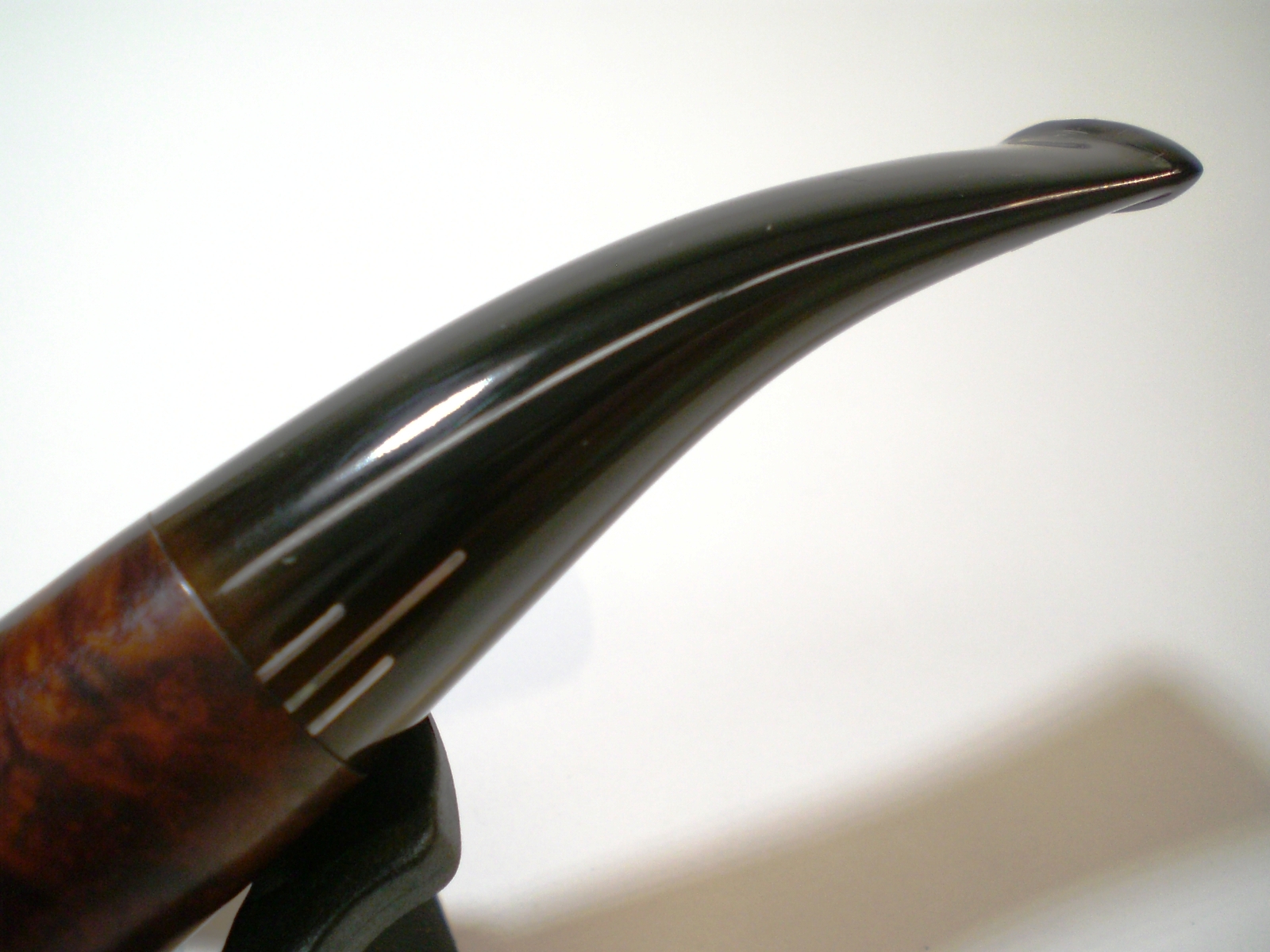
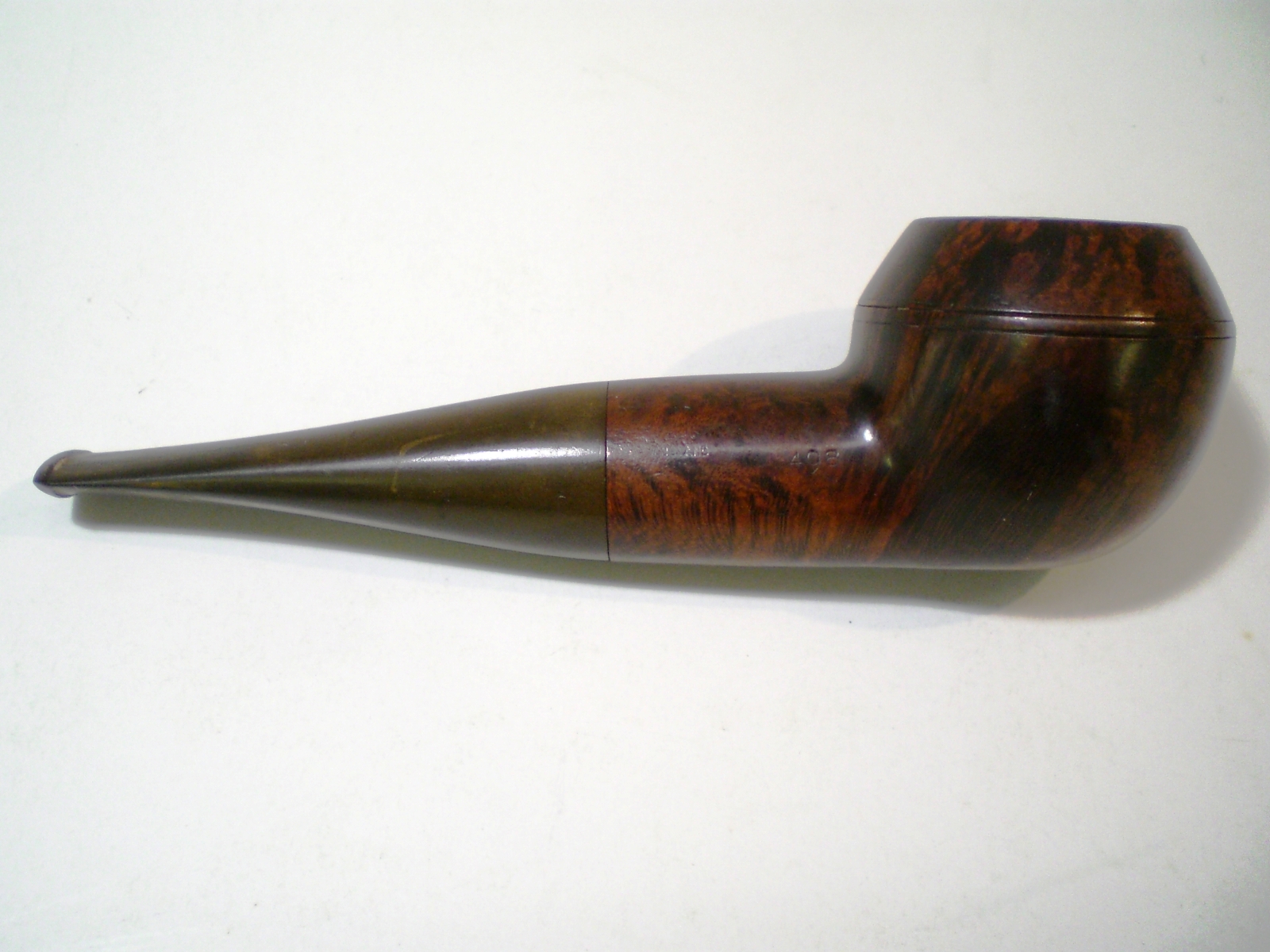
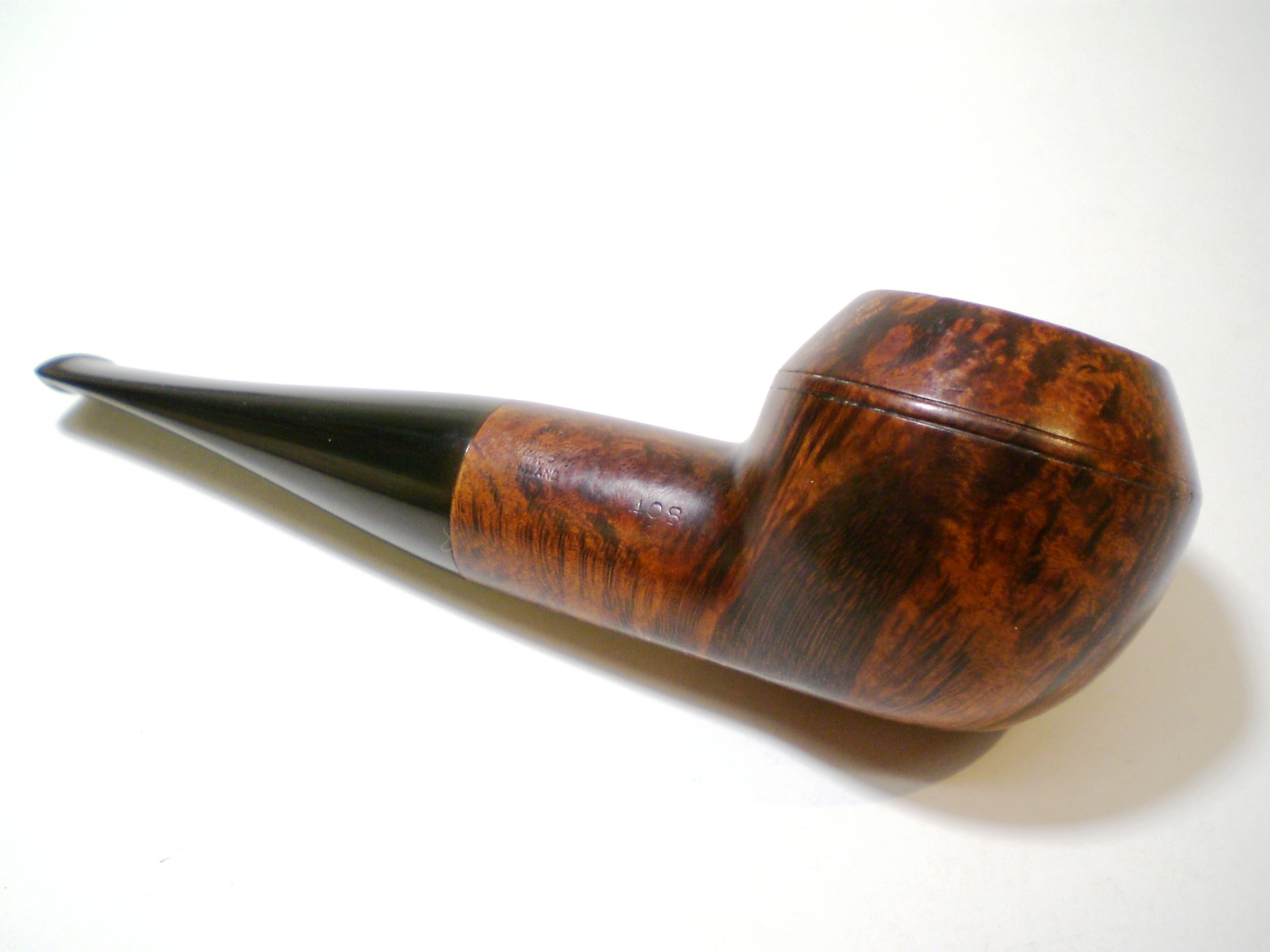
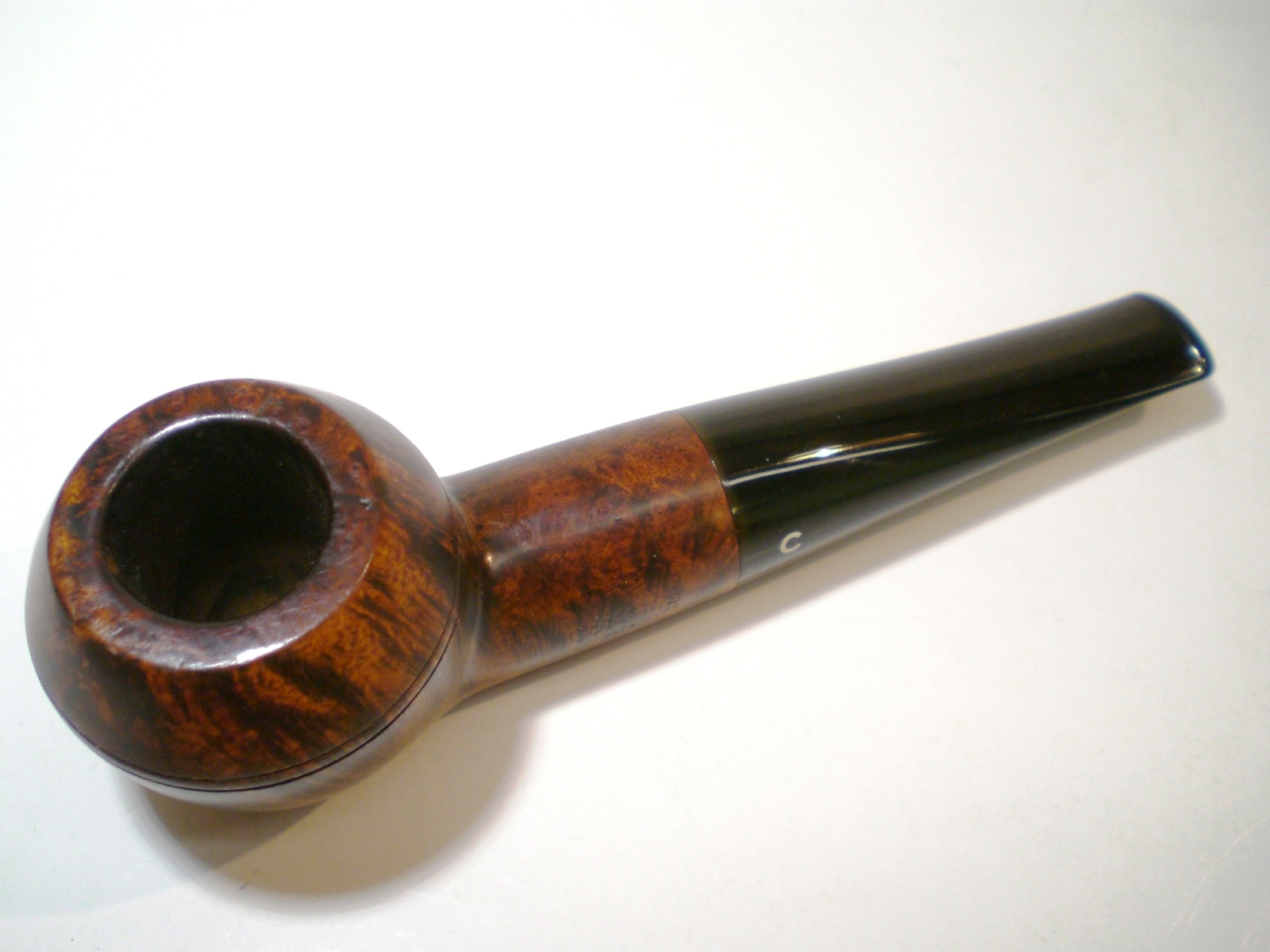
My first Extraordinaire is a 499 that has been dated to the 1930’s, from the “football” stamp and drilled “C” logo. I bought this one from a pipe friend and it was in the condition you see pictured below. (originally purchased at Fine Pipes) I found this 498 Extraordinaire listed on Ebay and was able to make a deal with the seller to acquire it before the auction continued. It was listed as a “283/Blue Riband”, both of which I knew it was not. The nomenclature isn’t as sharp as on my 499 but it is legible. The stamping style and C logo are identical to my 499, so I assume this one is also from the 1930’s. There were plenty of dings on the bowl, including some on the top. The stem was in pretty good shape, but heavily oxidized with one tooth indention on the bottom. Here is the condition of the pipe as delivered.

Comoys_498_Before

Comoys_498_Before (1)

Comoys_498_Before (2)

Comoys_498_Before (3)

Comoys_498_Before (4)

Comoys_498_Before (5)

There was a moderate cake in the bowl, which I reamed and then filled the bowl and shank with Sea Salt and Everclear for an overnight soak. The alcohol and salt didn’t leach much tar from the bowl, so hopefully it will be ghost free. The bowl was previously reamed slightly out of round and the Comoys beveled bowl top has been dimished over the past seven or so decades.

The next step was to steam the dents and marks from the bowl. I heated an old kitchen knife tip with a propane torch. A wet cloth, doubled over was applied to the area with a dent, then the hot knife tip was pressed over the dent. The steam eventually causes the dent to rise and I was able to remove or diminish most of the dents. You have to be careful on this step not to scorch the wood, so keep your cloth wet. I was able to reduce the dents on the bowl top to much smaller marks. Fortunately, the bowl top was not scorched by previous smokers

Removing the oxidation from the stem took several hours. I first soaked the stem in mild Oxy-clean solution to loosen the oxidation. I put a dab of grease on the “C” logo to protect it. I then used 1500 wet paper and then 2000 wet paper to remove the brown oxidation. I buffed the stem lightly with white diamond rouge (with the stem mounted to avoid rounding the edge). Next I sanded the stem with 8000 and then 12000 grade micromesh sheets. The stem was then buffed again with white diamond rounge and finally with Blue Magic automotive plastic polish.

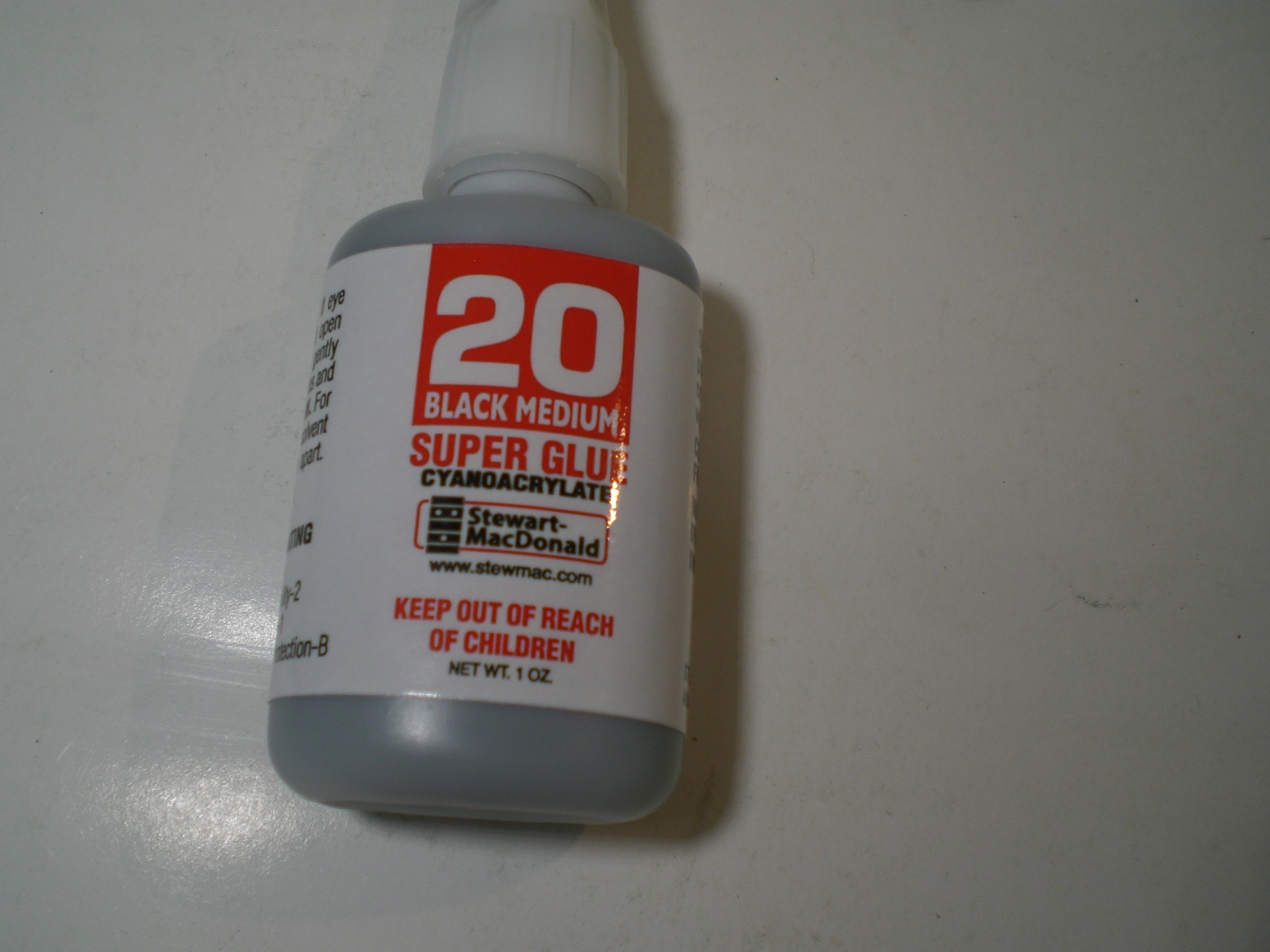
I tried to raise the tooth indention on the bottom of the stem, but it could not be raised much. I ordered a tube of black superglue that luthiers use for repair on stringed instruments. I’ve previously used regular superglue mixed with a little black vulcanite dust but this pipe seemed worthy of the investment ($15 delivered…). I’ll update the photos after the black superglue is used.

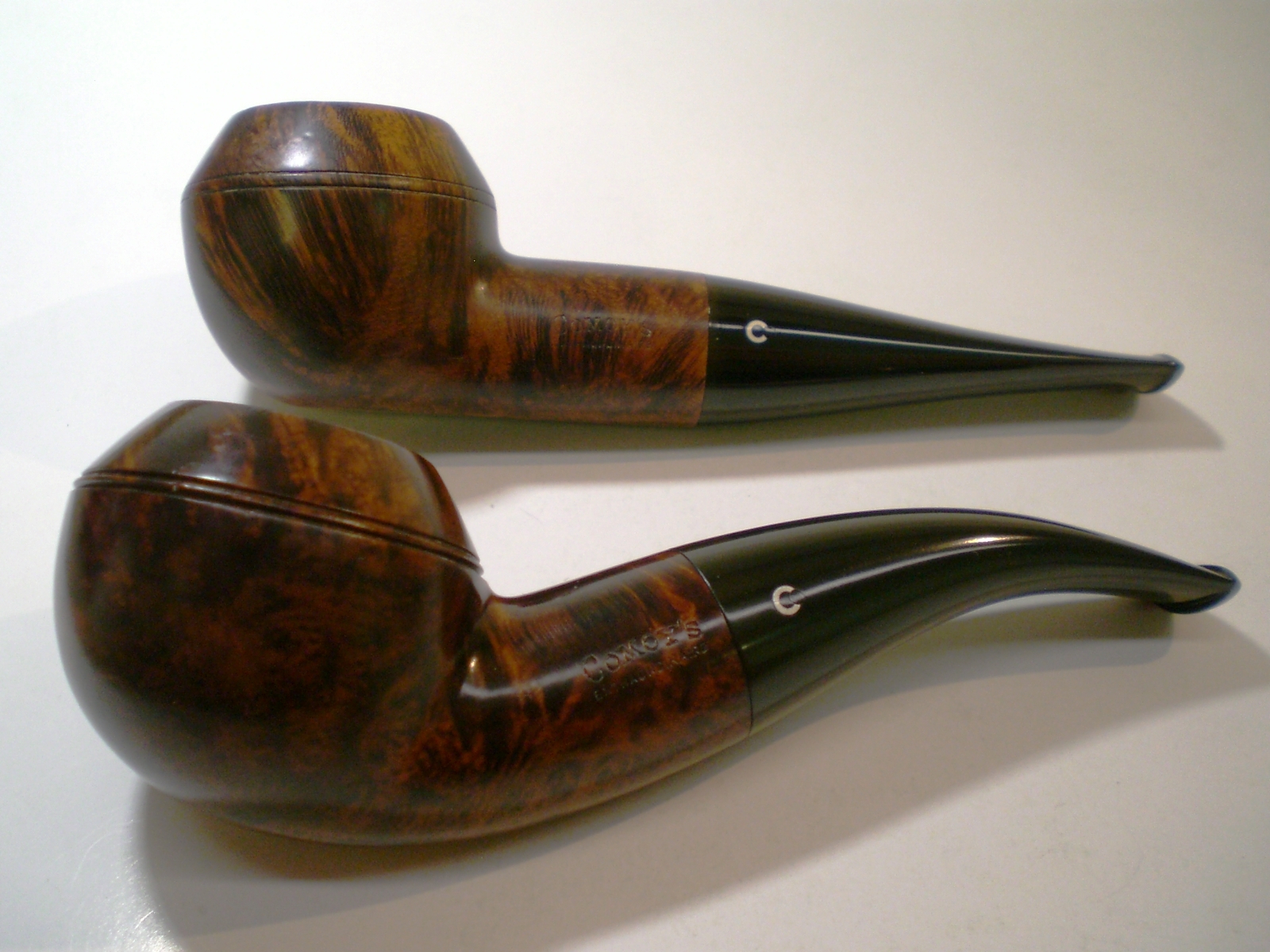
Below is the finished pipe along with my other Extraordinaire 499. I’m thrilled and fortunate to have acquired this one before it went thru the auction process. It makes a terrific stablemate to my 499.

Comoys_498_Finish

Comoys_498_Finish (3)

Comoys_498_Finish (2)

Comoys_498_Finish (1)

Comoys_498_Finish (4)

Update – Stem Tooth Indention Repair:

My order of Black Superglue was delivered this week from Stew-Mac. I forgot to order the accelerant, but Steve Laug told me to let the glue set overnight to dry.

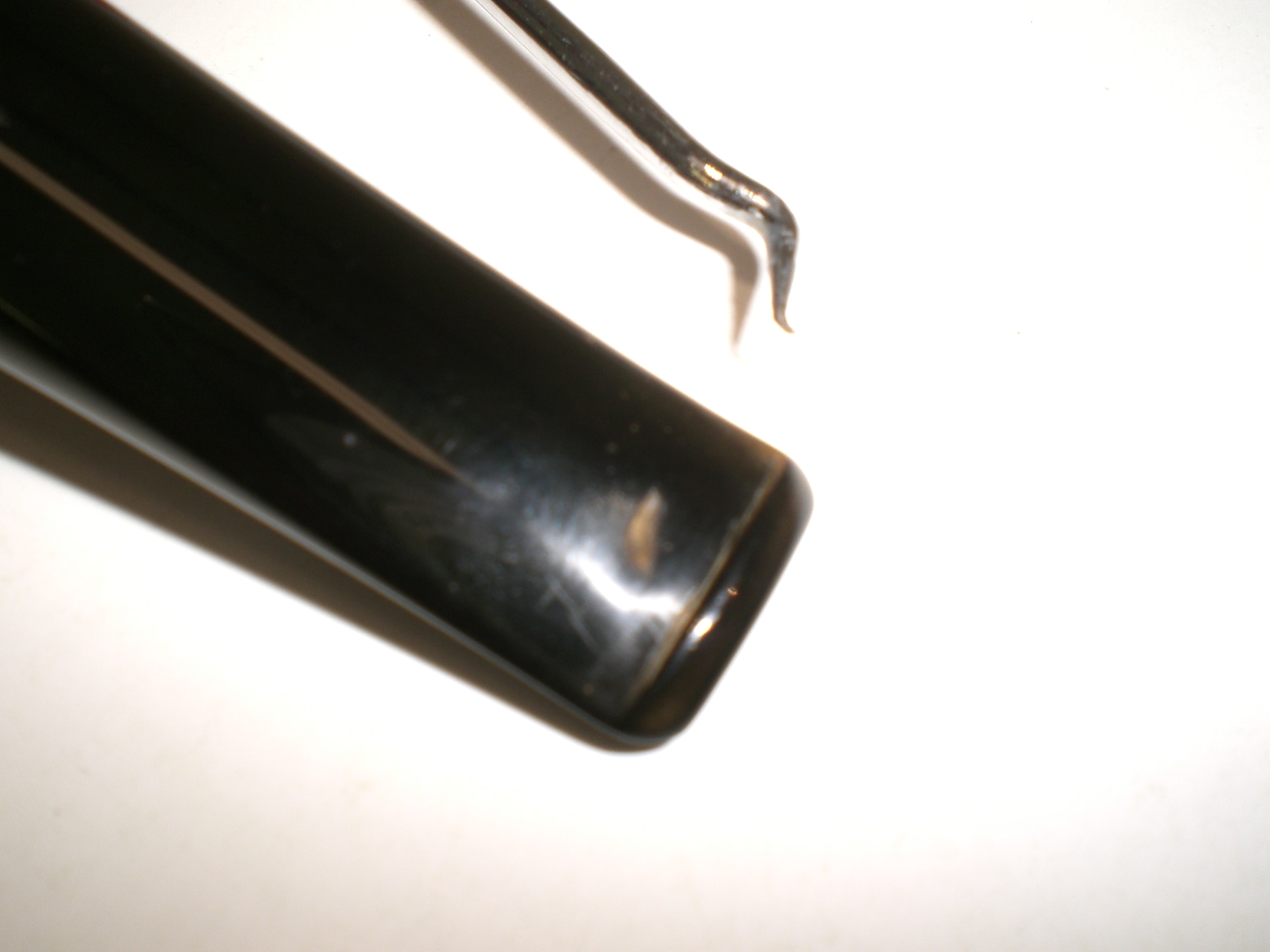
I cleaned out the tooth mark using a small pick, to allow the glue to have a good clean suface.

Comoys_Stem_Stem_Repair (2)

Comoys_Stem_Stem_Repair (1)

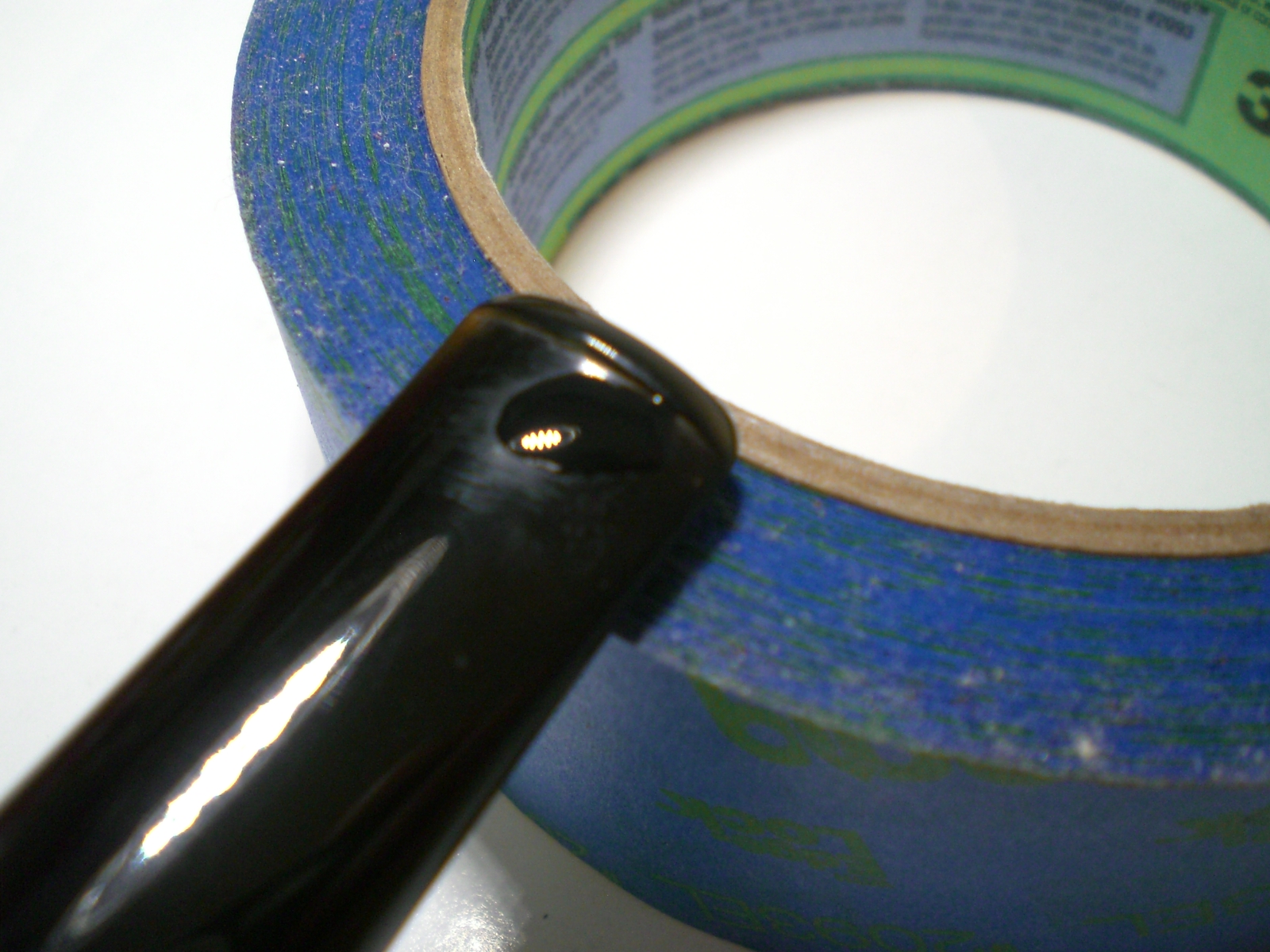
The glue is a little thicker than regular Superglue, but it can still run, so the pipe stem must be kept level. Cut the tube open with the smallest opening possible. The bottle does have a tight fitting cap, so hopefully it does not dry out between uses.

Comoys_Stem_Stem_Repair (3)

After the glue dried overnight, I sanded it smooth with some 400 and then 800 grit wet sandpapers. I followed this with 1500 and then 2000 grit wet papers.

Comoys_Stem_Stem_Repair (4)

I then moved to the final two grades of micromesh, 8000 and 12000 grade papers, followed by a buff on the machine with White diamond rouge. I always do a final buff with automotive plastic polish. I’m pleased with how the repair came out and the black superglue does blend in better than the clear. I’m not a clencher, but I suspect the repair section would last longer then the original stem material.

Comoys_Stem_Stem_Repair

Comoys 215 “The Guidall” Restoration


This Comoys “Guildhall” came with an Ebay estate lot that held my recent GBD Seventy-Six project. It is a stamped “C” logo pipe but the briar is nice and it should make a decent smoker. I suspect given the stamped logo and nomenclature, that this one is from the 1980’s.

The stem was heavily oxidized and it took a lot of elbow grease to get it shiny again. The bowl was reamed and soaked with an alcohol and sea salt mixture, as is my usual practice. There was a chip on the bowl top, around the 7 o’clock position. That spot was sanded lightly with a piece of 6000 grit micromesh which mininized the mark and didn’t require the bowl top to be restained. The beveled edge, a common Comoys styling element, is still intact with some darkening.

Comoys_215_Guidall_Before (3)

Comoys_215_Guidall_Before (4)

Comoys_215_Guidall_Before (5)

Comoys_215_Guidall_Before (6)

I put a dab of grease on the “C” logo stamp and soaked it in a mild Oxy-Clean solution. It took a lot of sanding with a piece of 1500 grit wet paper to remove the oxidation. The logo has to be avoided, which is tricky. I then moved to 2000 grit wet paper. The stem had a pretty decent level of shine at that point and I finished the hand work with 8000 followed by 12000 grit micromesh papers. The pipe was then buffed on a machine with White Diamond followed by Blue Magic plastic polish.

The bowl was buffed lightly with Tripoli rouge followed by White Diamond and finally several coats of carnuba wax.

Here is the finished pipe. This one will most likely be sold via pipe forum classifieds or Ebay.
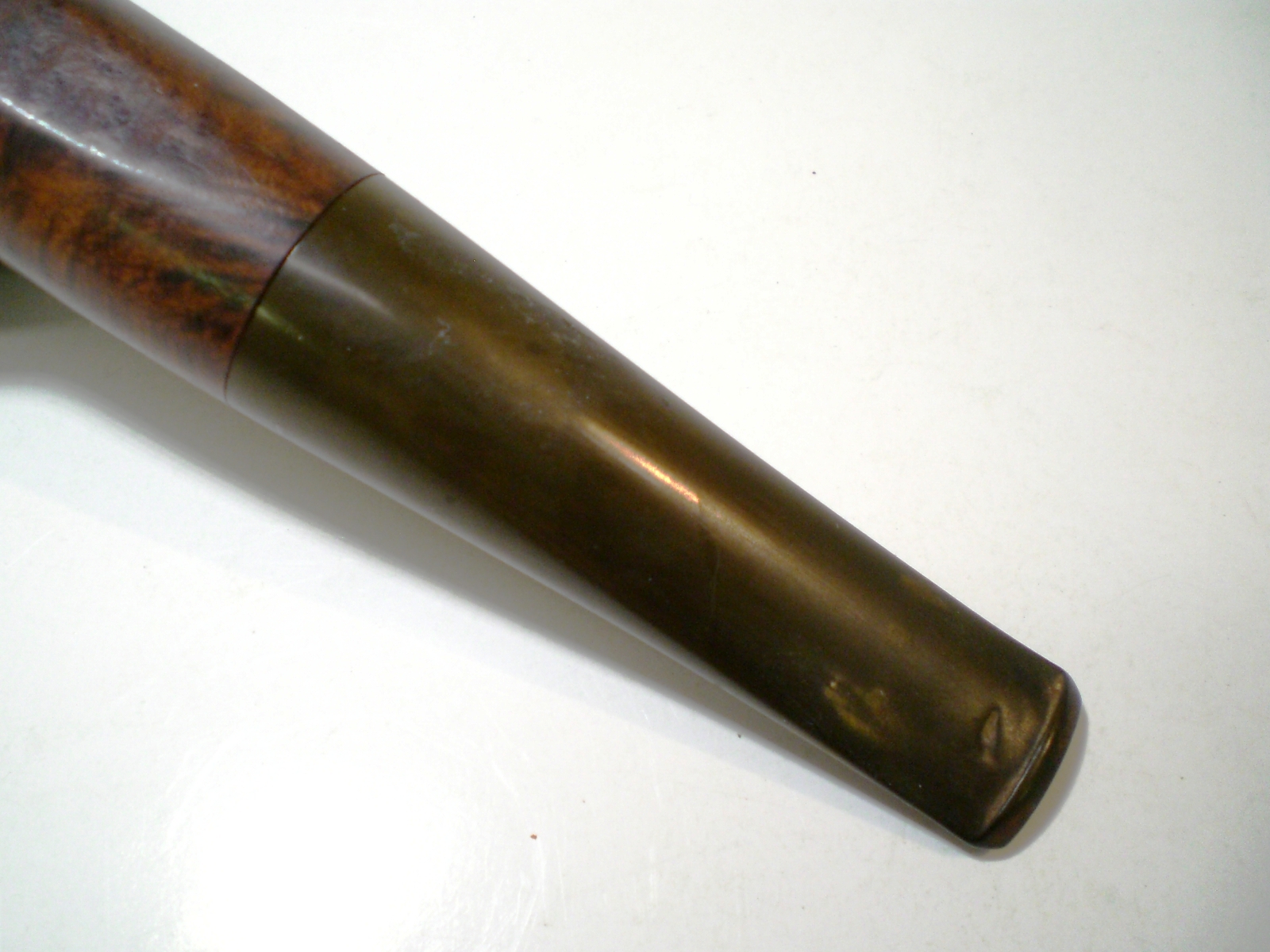
Comoys_215_Finish_B

Comoys_215_Finish_B (1)

Comoys_215_Finish (8)

Comoys_215_Finish_B (4)

Comoys_215_Finish_B (5)

GBD Oval-Shank Pot “Seventy-Six” Restoration


In 1976 GBD introduced a series called the “Seventy-Six” to commemorate the United States Bicentennial.  I was in Sophomore in high school during 1976 and the year-long celebration had a big impact on me.  The Seventy-Six model remained in the GBD catalog until 1981.  From the 1976 Catalog:

“The GBD “Seventy-Six” is our contribution to the Bicentennial celebrations.  We have really pushed out the boats for “the colonies” in launching this new series that will be remembered by its proud owner long after the celebrations are forgotten.”

My first “Seventy-Six” model was a 1976 Coloussus and I’ve since added three more, including this Shape 1353.  I would call this a banker, but in a Smokers Haven sales ad, it is referred to as a “bent oval-shank pot”.

The pipe was in decent shape, with a moderate coating tars on the bowl top, along with a few nicks and dents.  The stem, while heavily oxidized still had the brass rondell.  The rondell along with the “London, England” stamp indicated a pre-Cadogan era GBD.  The stem was also free of any serious teeth marks.  Several of the nicks were very noticeable and I wasn’t sure they could be removed or hidden easily.

GBD_1353_76_Before GBD_1353_76_Before (1) GBD_1353_76_Before (2) GBD_1353_76_Before (3)

I reamed the bowl and soaked it for six hours with some Everclear and sea salt.  Prior to soaking, I buffed the pipe lightly with some Tripoli and White diamond followed by a buff with carnuba wax.  I like to leave the wax on the pipe during the soaking process in the event some alcohol is splashed on the briar bowl top and I believe the wax gives it some protection from lifting the stain.  While the bowl was soaking, the stem was also soaked in a mild solution of Oxy-clean.  I put a dab of grease on the brass rondell.  The oxidation was so heavy, part of the rondell was obscured and at first I thought it was just worn heavily.   That turned out not to be the case.

GBD_1353_76_Restore (13) GBD_1353_76_Restore (5)

After the bowl was soaked, I emptied the salt and alcohol solution.   I heated a kitchen knife with a torch and applied that to the dents with a wet towel.  The steam generated allows the dents to pop back out most of the time.  In this case, the dents did spring back to shape and I was able to reduce the depth of some of the nicks.  Next I buffed the briar bowl again, using separate wheels of Tripoli, White Diamond and several coats of carnuba wax.  I was able to diminish all of the nicks, in particular the one on the right side of the oval stem.

Next I went to work on the stem, which I re-attached to the bowl in order not to round off the crisp edge.  I removed the oxidation with 1500 grade wet paper (dipped in my oxy-clean solution) followed by 2000 grade paper.  Next I moved to the Micromesh sheets, using 8000 and finally 12000 grade paper.  I then buffed the stem with white diamond and Blue Magic brand plastic polish.

A wire bristle brush dipped in Everclear was used to clean the shank.  It took approximately 25 swabs with the bristle cleaner until the brush came out clean.    I’ll let the briar dry out for a few days before smoking the pipe.   Below are some pictures of the finished pipe.

GBD_1353_Gallery2 GBD_1353_Finished (1) GBD_1353_Finished2 (3) GBD_1353_Finished (3) GBD_1353_Finished (5) GBD_1353_Finished (4)

GBD 9438 Virgin Restoration


Blog by Al Jones

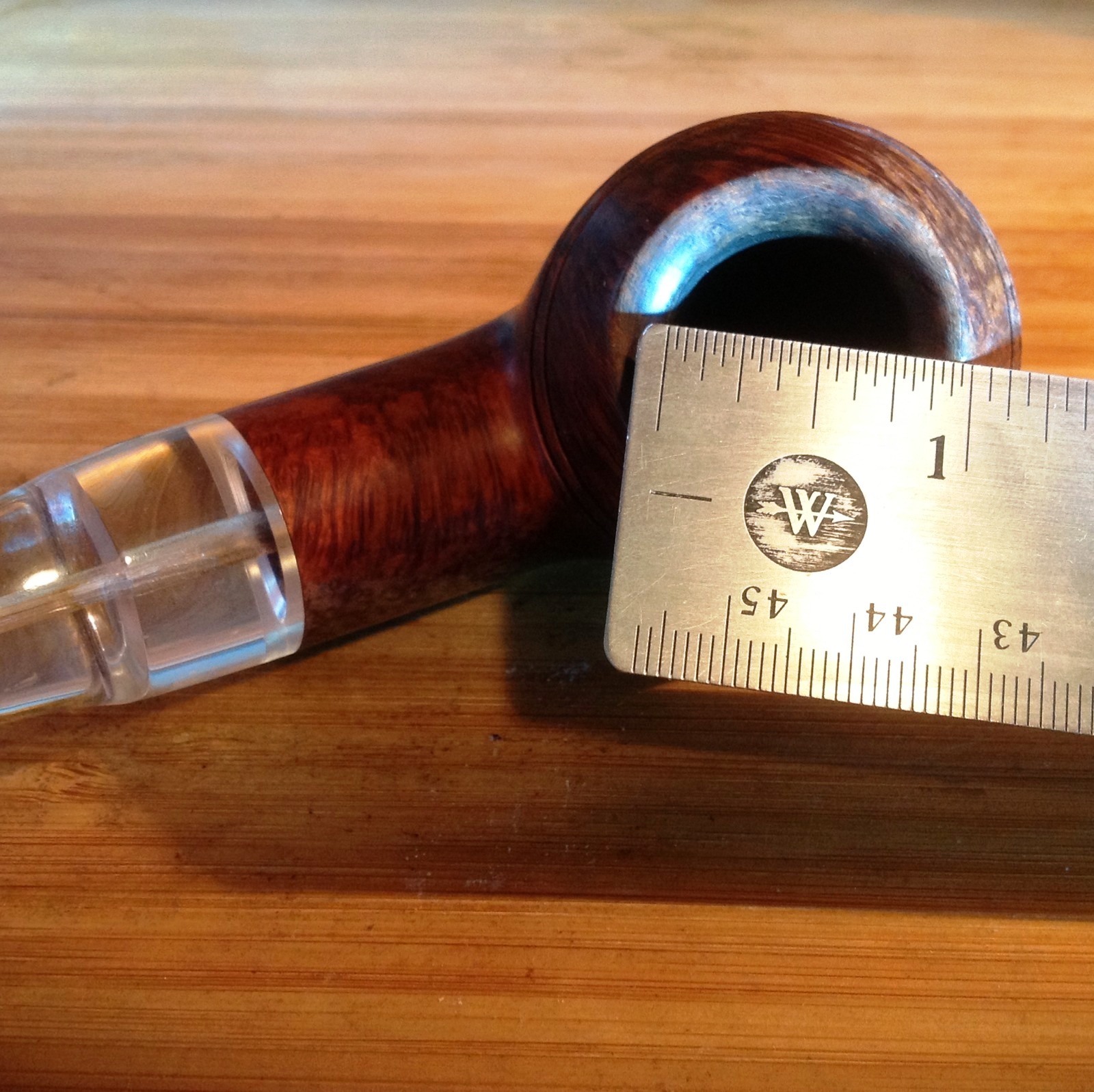
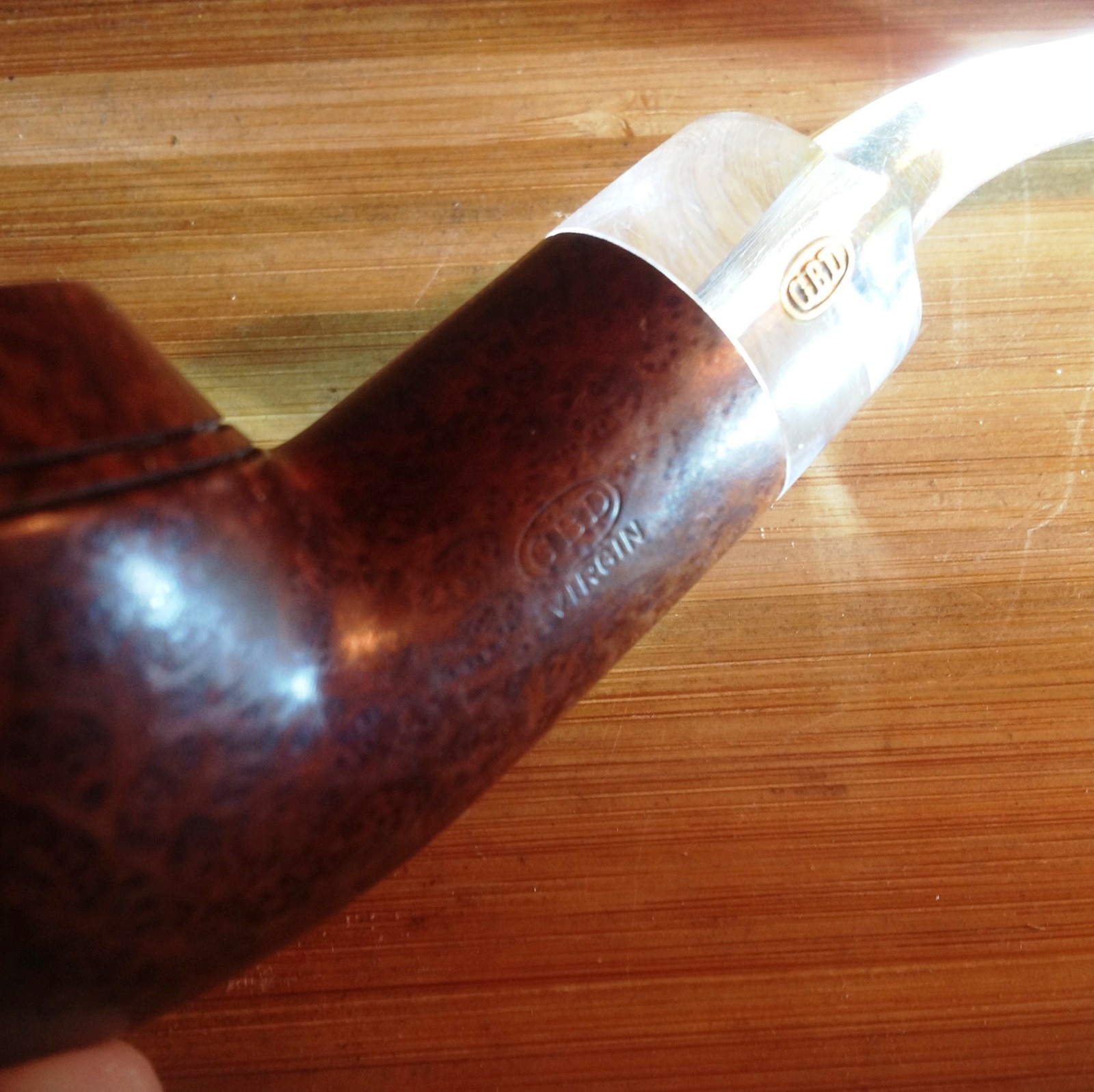
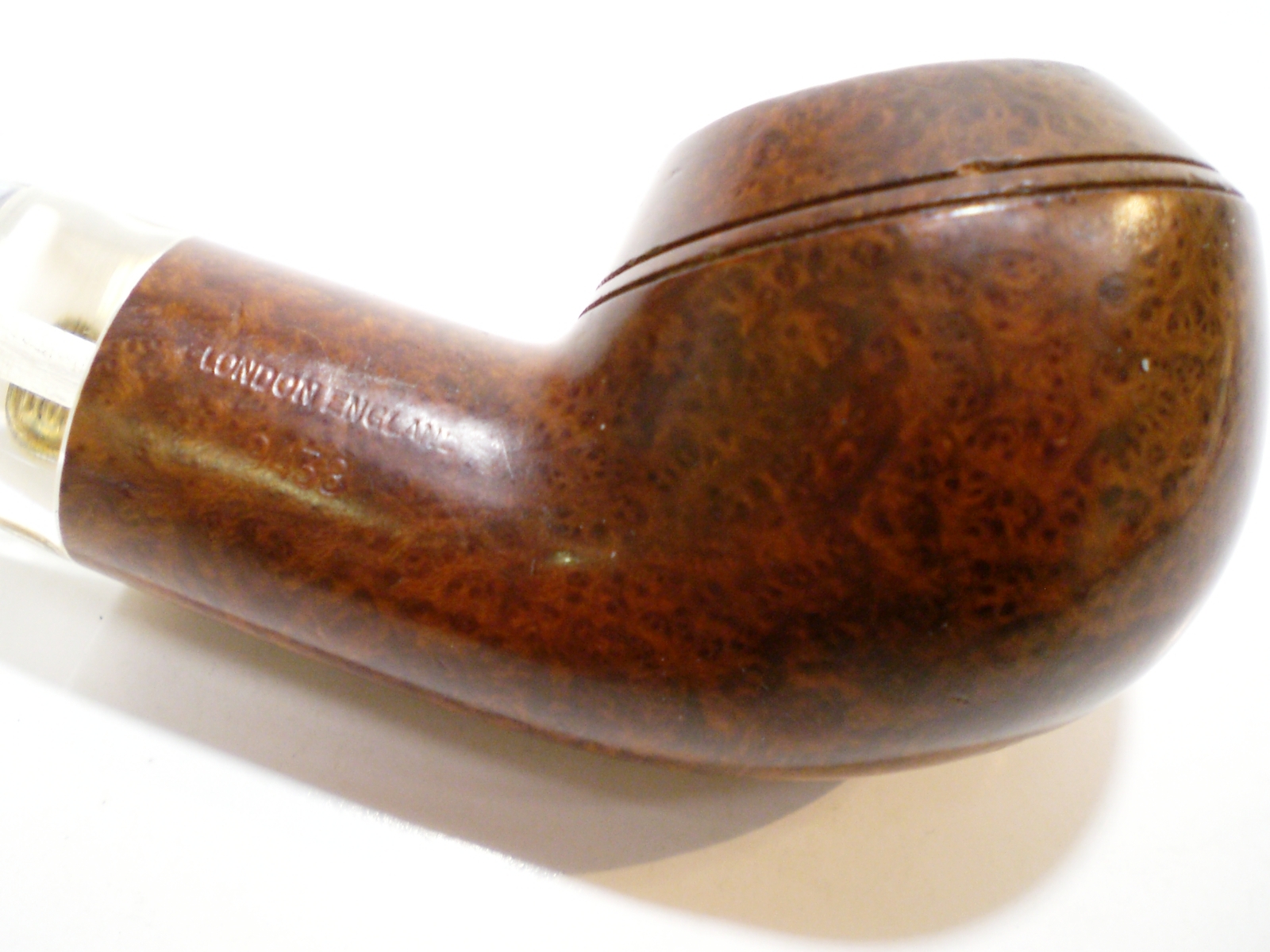
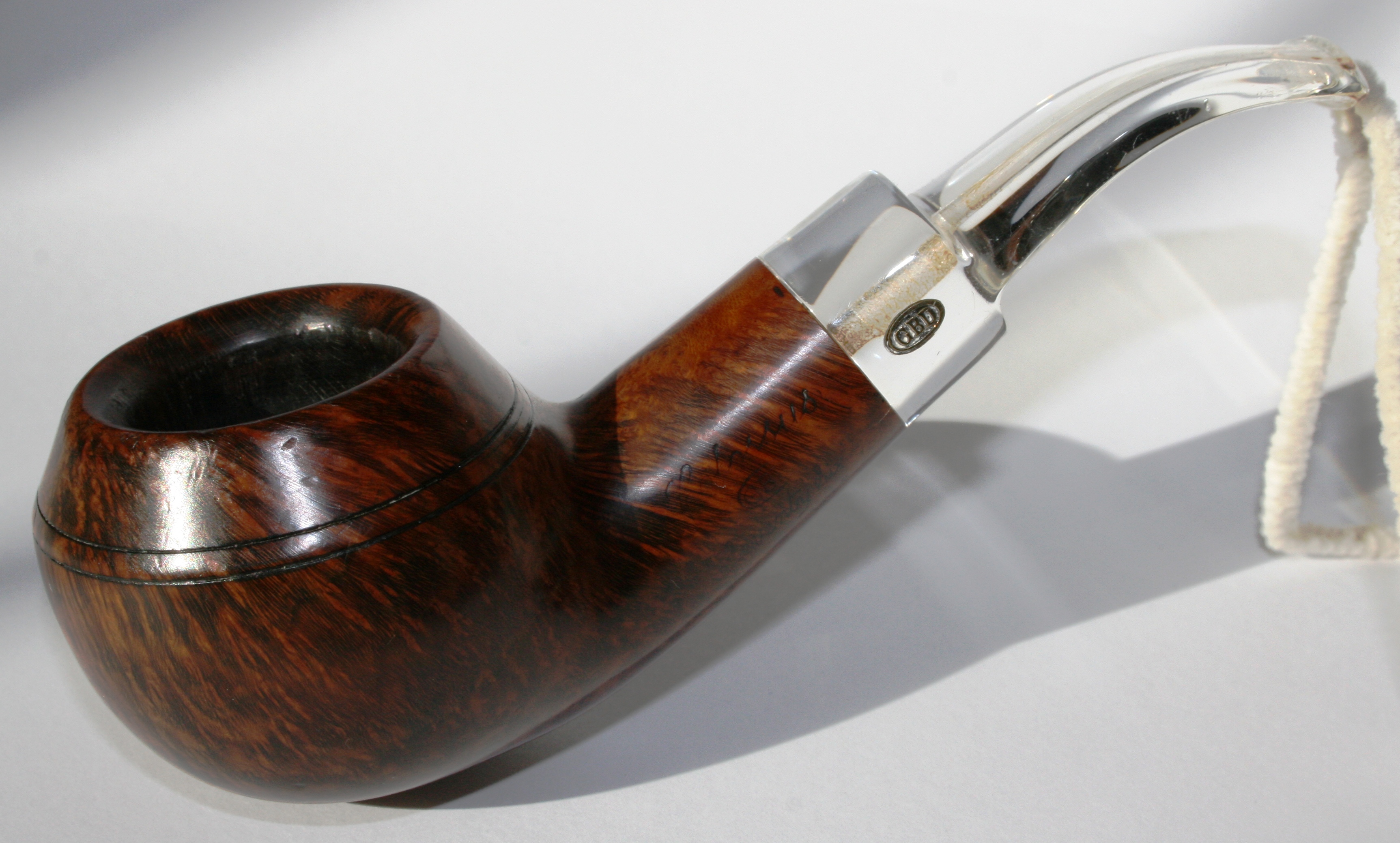
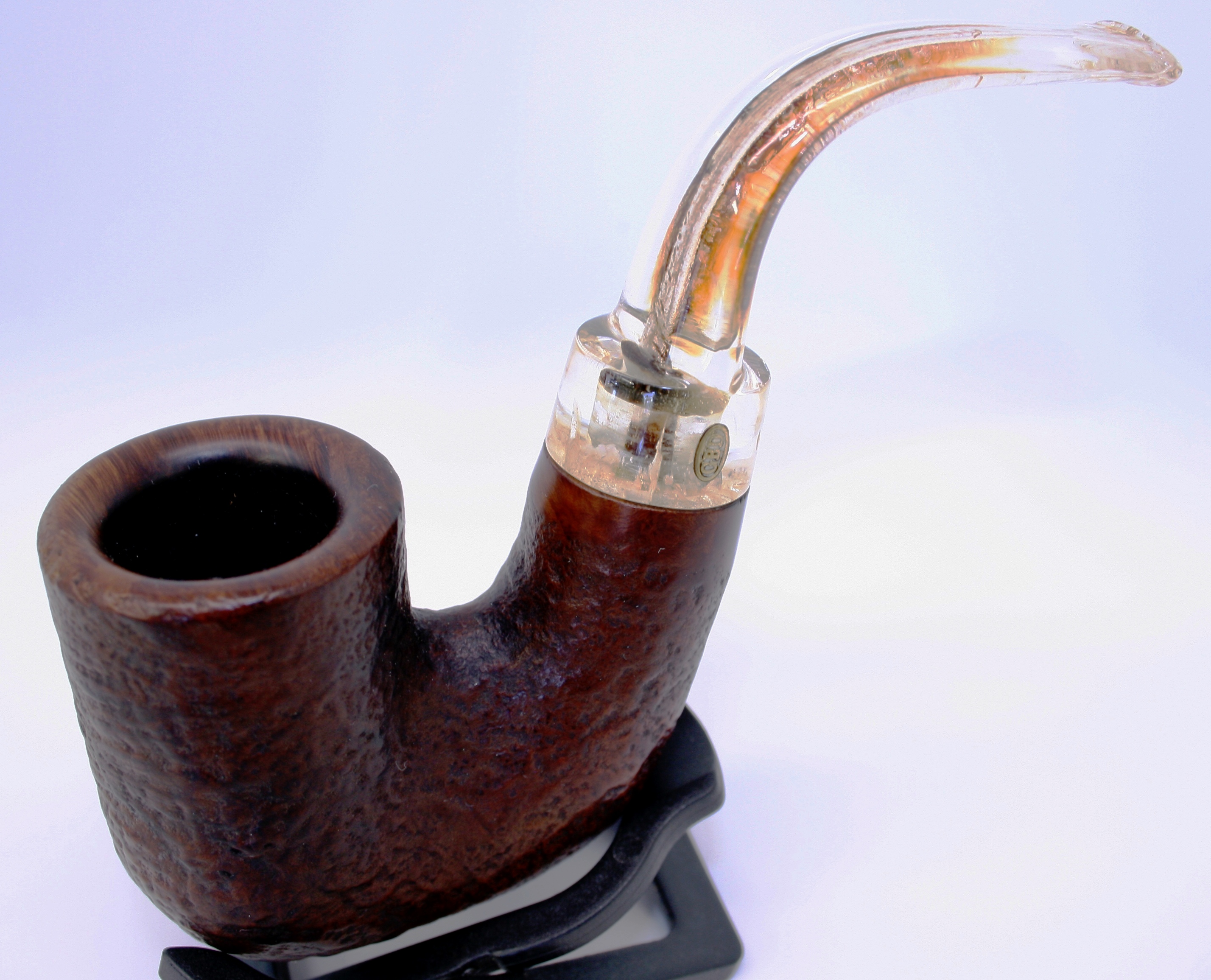
If you have followed my previous posts, you’ve noticed that I am a fan of the GBD 9438 shape. There is just something about the chubby Rhodesian shape that appeals to me. All of the 9438’s in my collection are excellent smokers and feel great in the hand. For the past two years, I’ve been on the lookout for one of the highest grades in that shape, the Virgin. I found this somewhat tattered 9438 Virgin with a Perspex stem on Ebay.

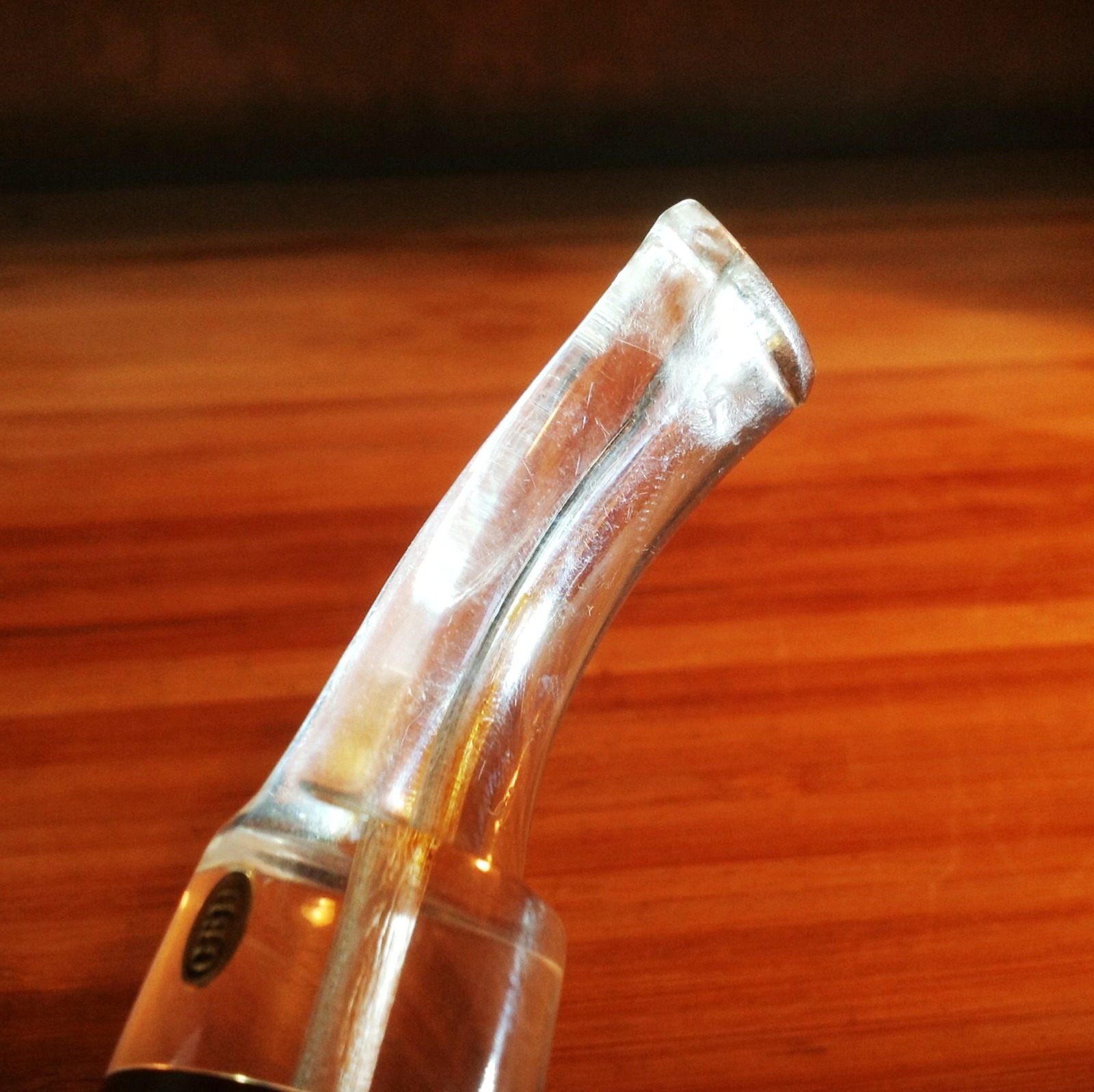
The pipe showed some bruising and nicks on the bowl, but the top looked in decent shape as did the Perspex stem. Photographing details of a Perspex stem is never easy, but this seller had plenty of good photographs.

Below are the pictures posted by the seller.  You can see the handling marks on the bowl in the first shot.

GBD_9438_Virgin-Before (10)

GBD_9438_Virgin-Before

GBD_9438_Virgin-Before (1)

GBD_9438_Virgin-Before (2)

GBD_9438_Virgin-Before (5)

GBD_9438_Virgin-Before (6)

The bowl had a light cake, which I reamed close to the briar with my Castleford reamer. I soaked the bowl overnight with Everclear and sea salt. I use a champagne cork to plug the shank end and try to work a little of the salt/Everclear slurry into the shank.

The stem was in pretty good shape, but had a tooth indention on the lower side and some scratches. I tried to lift the tooth mark with some heat, but the Perspex isn’t as resilient as Vucanite. I removed the scratches with some 1500 then 2000 grit wet 3M automotive grade wet sandpaper. Next I completed the stem work with 8,000 and then 12,000 grit micromesh sheets. I buffed it lightly with some automotive plastic polish. The draft hole isn’t heavily stained, which is a fortunate find on a Perspex stem. The tooth mark is on the bottom and the clear Perspex hides it nicely. (and makes it difficult to photograph)

My biggest concern about the briar was what appeared to be handling pinprick marks in several spots, probably from banging around in a drawer/box for a few decades. Using a torch, wet cloth and a pirated kitchen knife, I was able to lift a majority of the marks. The nomenclature was light, so I carefully buffed the bowl with first White Diamond then two coats of carnuba wax. That helped even out the color and hide some of the bruising. It’s not perfect, but has a nice level of patina.

GBD_9438_Virgin_Finished (6)

GBD_9438_Virgin_Finished (1)

GBD_9438_Virgin_Finished (2)

GBD_9438_Virgin_Finished (3)

GBD_9438_Virgin_Finished (4)

GBD_9438_Virgin_Finished (5)

GBD_9438_Virgin_Gallery

With this addition of this Virgin, I now have five different grades of the 9438 shape.

Fantasy

GBD_9438_Fantasy_Gallery 3

Tapestry

GBD_Tapestry_9438_2nd_Gallery

Prehistoric

GBD_9438_Prehistoric_Gallery

New Standard

GBD_9438_New_Standard_Gallery

I include this Seventy-Six Colossus as it is an oversized 9438 (stamped 9676) and clearly the 9438 chubby Rhodesian shape.

GBD_Colossus_76_Gallery

Charatan After Hours


Blog by Al Jones

I found this large, Charatan After Hours Bent Billiard at Wingenroths shop in Lebanon, PA.  The owner, Mel, is a fine gentleman and if you are in the area, his shop shouldn’t be missed. I always find something interesting in his estate dresser or downstairs on his work bench.

Charatan_After_Hours Bent Billiard - BEFORE (5)     Charatan_After_Hours Bent Billiard - BEFORE

The After Hours line was a clever move by Charatan to use a strummel that had some sort of flaw.  The flawed area was cut off and an acrylic piece was screwed to the shortened shank.  Early pipes had horn extensions and later acrylic was used.  This pipe uses an acrylic piece.  The wood for After Hours is reported to be of a “Selected” quality grain.  At the time, I had another After Hours pipe, a straight billiard.  I enjoy bent pipes much more than straights and this one looked worthy of restoration.  The “After Hours” stamp was still legible as was the CP on the double-comfort stem while badly oxidized was free of any bite marks.  The stem on my first After Hours pipe was one of the most comfortable as the rubber is quite soft and pliable.  I bet is that it is difficult to find one free of tooth indention’s.    This large billiard looked similar to a Charatan shape 44, a favorite of mine.

The bowl was in decent shape and showed the florid “L” of a Lane era pipe.  Unfortunately the bowl has some strange striation like marks on the bowl and it has a very rough texture.  It’s as of someone made an attempt to rusticate the bowl.  The bowl was so large I thought it would have plenty of wood to sand smooth and restain.

Charatan_After_Hours Bent Billiard - BEFORE (3)

Charatan_After_Hours Bent Billiard - BEFORE (4)

I started sanding the bowl with 320 grit paper than moved up thru the grades to 1500.  The striation marks came off, but unfortunately so did the “L”.  But, the bowl looked great with a smooth finish.

This was my first attempt to restain a pipe and I was a little apprehensive in lighting the stain.  I decided to wrap masking tape around the acrylic extension to protect it.   I chose medium brown Fieblings stain which I thought was lightened significantly.  Later, I learned it was still too dark.  Unfortunately I had used too much stain and when it was lit to set the stain, I was horrified to find the masking tape also caught on fire!  I snuffed that out quickly and was relived to find no damage was done too the extension.  A valuable lesson was learned there.  The bowl was darker than I had desired, but I decided to let well enough alone.

While working on the bowl, I had soaked the stem in a mild solution of Oxyclean. I put a dab of grease on the CP stamp to protect it.  I used 1500 and then 2000 grit wet paper to remove the heavy layer of oxidation.  Getting the oxidation out of a stepped double-comfort bit is always an added challenge.  I then used the final three grades of micromesh (6000>8000>12000) to finish the stem. It was then buffed lightly by machine and pad with white diamond and a plastic polish.

Charatan_AF_Bent_Billiard_AFTER (1)

I had intended to resell this pipe, but after smoking it a few times, it earned a permanent spot on my rack.  The Double-Comfort stem didn’t disappoint.  A few months ago, after chatting reading about some of Steve’s stain jobs, I decided to lighten the stain with an alcohol wipe and then rebuff.  That worked well and I’m pleased with the present finish.   The pipe smokes very well with a nice, open draft and easily passes a cleaner.  My only issue with this pipe is that it is so large, it doesn’t easily fit into my racks.

Charatan_AF_Bent_Billiard_AFTER (2) Charatan_AF_Bent_Billiard_AFTER (3) Charatan_AF_Bent_Billiard_Gallery 2

GBD 9438 Prehistoric Restoration


I love the GBD 9438 shape and have this model in several finished.  This Prehistoric finish pipe was found on Ebay.  I thought this was going to be a simple buff and clean, but the pipes took a little more effort due to a self-inflicted stem issue, or an issue that was hidden by the oxidation.

Some “Before” shots of the pipe:

GBD_9438_Prehistoric_Before GBD_9438_Prehistoric_Before (3) GBD_9438_Prehistoric_Before (2)

I cleaned the bowl with my new retort, which worked well and really scoured the bowl.  This was the first time I’ve used a retort.  I cleaned the tars off the bowl rim which revealed a nicely polished rim edge that I love on Prehistoric grade GBD’s.  The rest of the bowl was buffed lightly with tripoli, white diamond and then several coats of carnuba wax.

While I worked in the bowl, the stem was soaked in a mild Oxy-clean solution (the brass GBD rondell was covered with some grease).  I removed the outer layer of oxidation with 1500 and then 2000 grit paper.  There were several light tooth indention’s on the top of the stem and they popped out nicely with some heat.  The nicks/cuts on the middle of the stem (handling?)took some effort with 800 grit paper but came out as well.  After the 2000 grit paper, I used 8000 and then 12000 grades of micromesh.  The stem was then polished on the buffer with white diamond and then plastic polish.

GBD_9438_Prehistoric_Finished (1)

When I went to photograph what I thought was the finished pipe, I was disappointed to see a crack on the underside of the stem, near and through the button.  I’m not sure if the heat used to remove the teeth marks or retort caused this issue but I’m 99% sure it wasn’t there when I started. To fix that, I greased a cleaner, inserting into the stem.  I then dribbled some superglue down into the crack.  When it was dry, I sanded it smooth with 800 then 1500 and 2000 grade paper, then the micromesh and buffing wheel.  The crack looks and feels solid now and I don’t think it will cause me any issues.

After:

GBD_9438_Prehistoric_Finished

GBD_9438_Prehistoric_Finished (6)

GBD_9438_Prehistoric_Finished (4)

Crack Repair (with some hair/fuzz…):

GBD_9438_Prehistoric_Finished (5)

Alpha Abrasives – Micromesh Alternative


Blog by Al Jones

Yesterday I reluctantly escorted Mrs. Jones into our new “Hobby Lobby” store. After overcoming the fright of a giant floral area near the entrance, I have to admit there was some interesting items for sale.

I made my way to the model making section and found some products made by Alpha Abrasives that appear to be identical in design and grade sizes as Micromesh. But, these products were significantly cheaper. Later, I found their entire line on their website. Hobby Lobby carried the sheet and pad sets detailed below at the online pricing.

Micro Cloth Finishing Products
http://www.alphaabrasives.com/alpha/micro-cloth-finishing-products.php
– 2″ x 2″ pads @ $8.99/set
– 3″ x 4″ cloths @ $14.99/set (my preference)
– Foam block for holding the cloth (I bought one of these)

Sanding Files
http://www.alphaabrasives.com/alpha/sanding-files.php

Plastic Sanding Needles
http://www.alphaabrasives.com/alpha/plastic-sanding-needles.php

Sanding Pads & Sanding Foam Blocks
http://www.alphaabrasives.com/alpha/sanding-pads-foam-blocks.php

I find that I don’t use the full line of the micromesh and typically only use the last four grades. Alpha does not sell individual grades, but I will inquire about that option

GBD Bulldog #549 New Standard Restoration


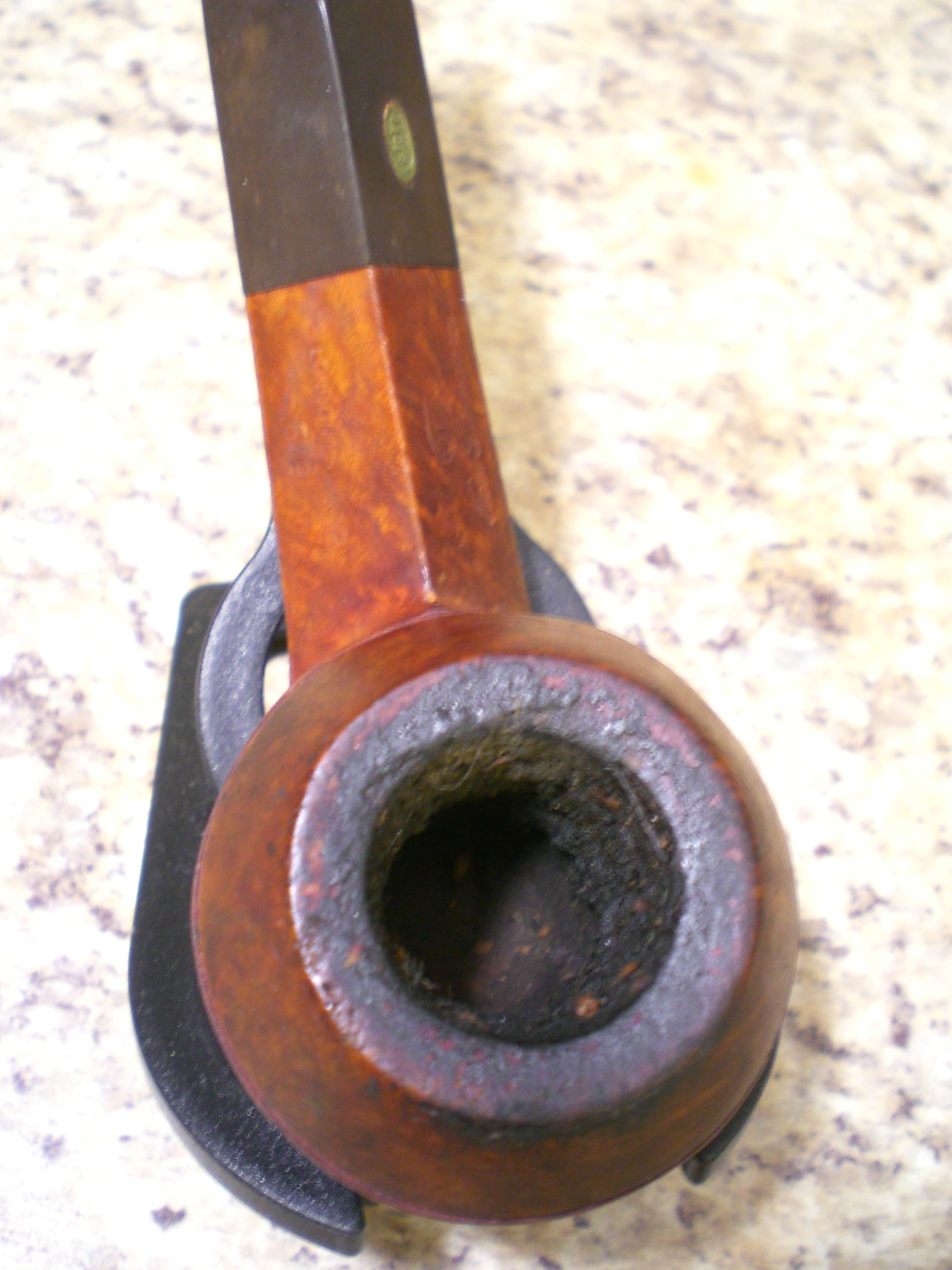
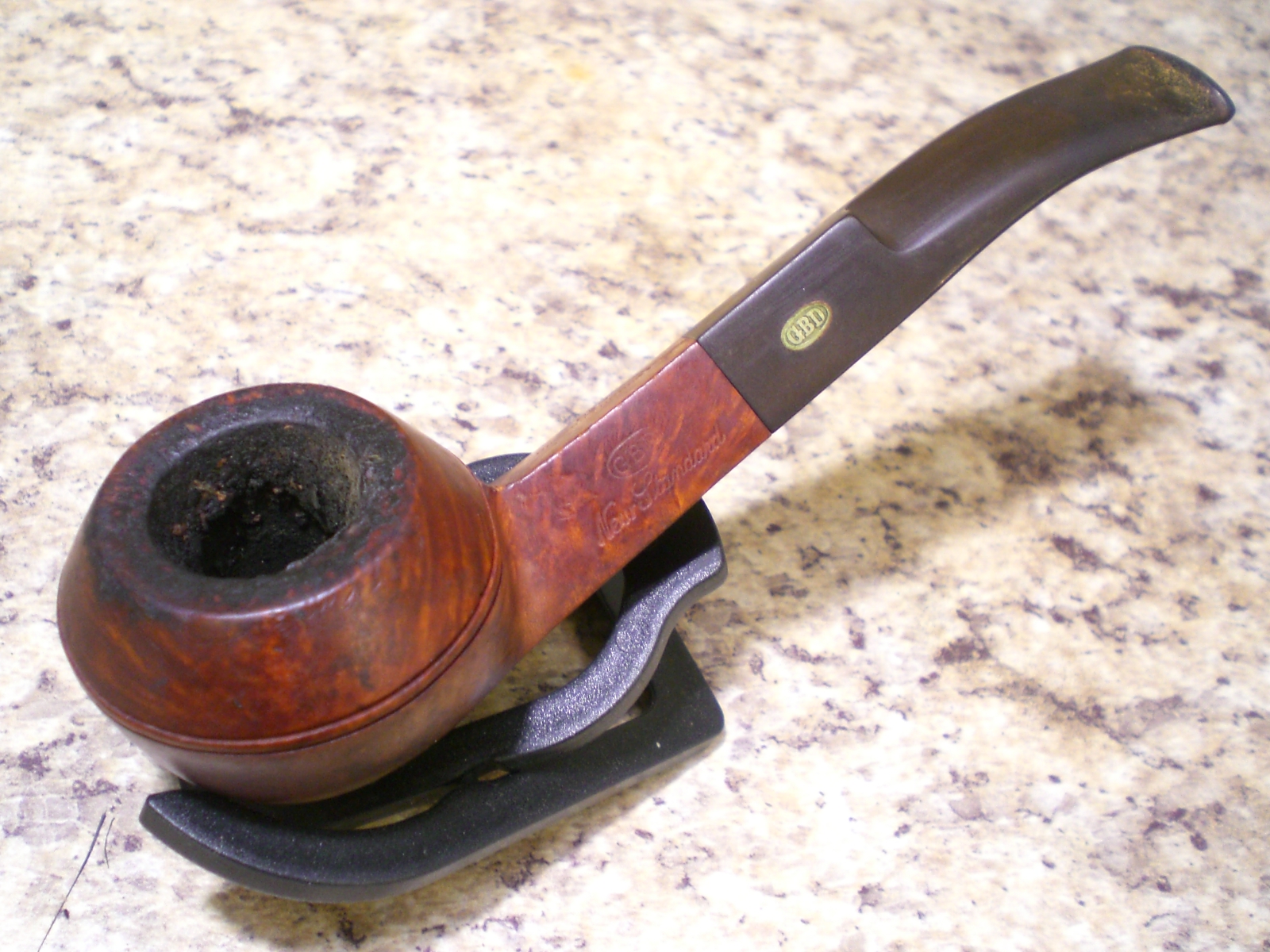
I picked up this New Standard GBD bulldog on Ebay recently.
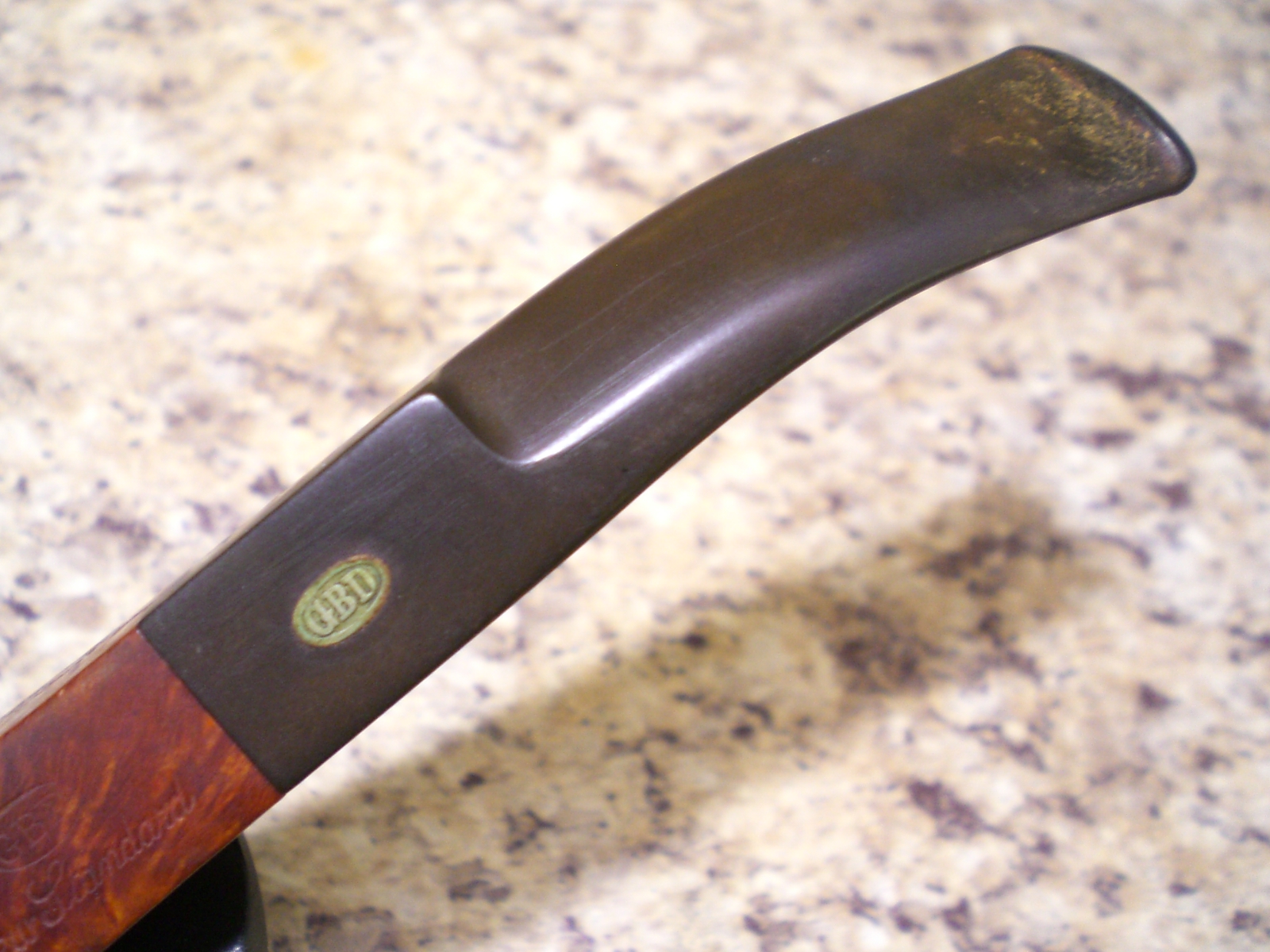
They briar had quite a build-up of what I hoped was just tars on the bowl top and the stem had a small amount of chatter that I thought could be removed.

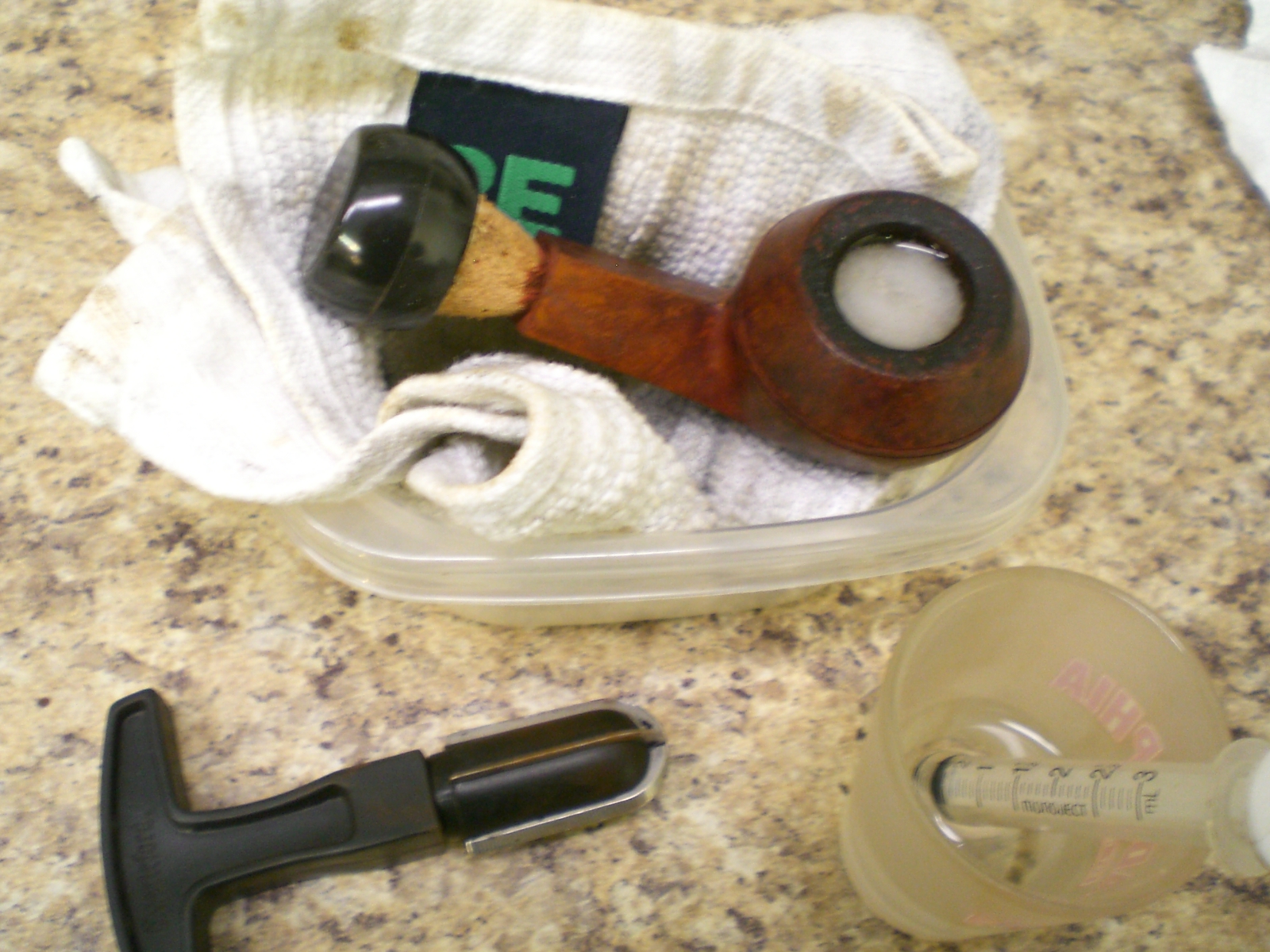
I reamed the bowl and soaked in in 91% isopropyl alcohol and sea salt.  The stem was soaked in a 3:1 solution of Oxyclean and water.  I put a dab of grease on the brass GBD rondelle.  Here is the bowl soaking in oxyclean.

After a few hours of soaking in the Oxyclean solution, the stem was ready for sanding.  I removed the teeth chatter with 800 grit wet paper. One tooth indention remained, but it was small enough I didn’t bother trying to fill it.  1500 and 2000 grit wet papers were used next to bring up the shine.  The stem looked like this after the 1500 grade paper:

I then buffed it on a machine with tripoli rouge which removed most of the oxidation.  Then, back to the micromesh papers, using the 8000 and 12000 grades of paper to bring up the shine.  The stem was then finished with white diamond on the buffer followed by an automotive plastic polish.

After the bowl was done soaking, I turned my attention to it.  It was buffed on the wheel with tripoli, white diamond and finally several coats of carnuba wax.  Despite the heavy cake and tar buildup, inside the  shank was really clean inside.  So, I anticipate no ghosting.
Below is the finished pipe, which is being enjoyed by its new owner who lives in Norway and happens to be a reader of this blog – Enjoy!

Savinelli Autograph & Sherlock Restorations (3 & 4 of the Four Pipe group)


Back in September, I documented the restoration of two pipes in a four pipe set belonging to a friend in Ohio.  (Charatan Shape 44 and London Billiard)  Steve reminded me that I hadn’t submitted the final two pipes of that group.

The third pipe was this lovely Savinelli Autograph.  To this point, I had never seen an Autograph model in person and I was very impressed with the pipe.  As with the others in my friends group, this was also a very large pipe.

Here is the pipe as it was delivered to me.

This one definitely felt like a hand-made pipe.  The stem is wonderful and feels good in the hand, so I bet she’s a wonderful smoker.  In this group of pipes, this Autograph was the one least abused. The finish was a little grimy.  Removing the tar build up on the bowl top took some rubbing with first isopropyl  alcohol on a rag.  But, once removed, a beautiful birdseye top was revealed.  The bowl was buffed lightly with Tripoli, than white diamond and finished with several coats of carnuba

The stem took the usual steps and was deeply oxidized with some teeth chatter. I soaked the stem in an oxyclean solution for several hours with a dab of grease over the logo. I was able to preserve Gincarlo Savinelli’s stamp nicely. I sanded the stem (on the pipe) first with 1500 grit and then 2000 grit wet paper.  Next I buffed the stem with the final two grades of micromesh (8000 and 12000).  The stem was then polished on the buffer, with white diamond and then plastic polish.

I learned that Savinelli used vulcanite for the Autograph stem prior to 1982, when they switched to acrylic and 6 mm filters. I believe these pipes came from Smokers Haven in Ohio in the mid 70’s as my friends father lived in this area.

I didn’t weigh the pipe, but estimate it was approximately 90 grams.

Here is the finished pipe.  After handling this pipe, I would one day love to add a vulcanite stemmed Autograph to my collection.
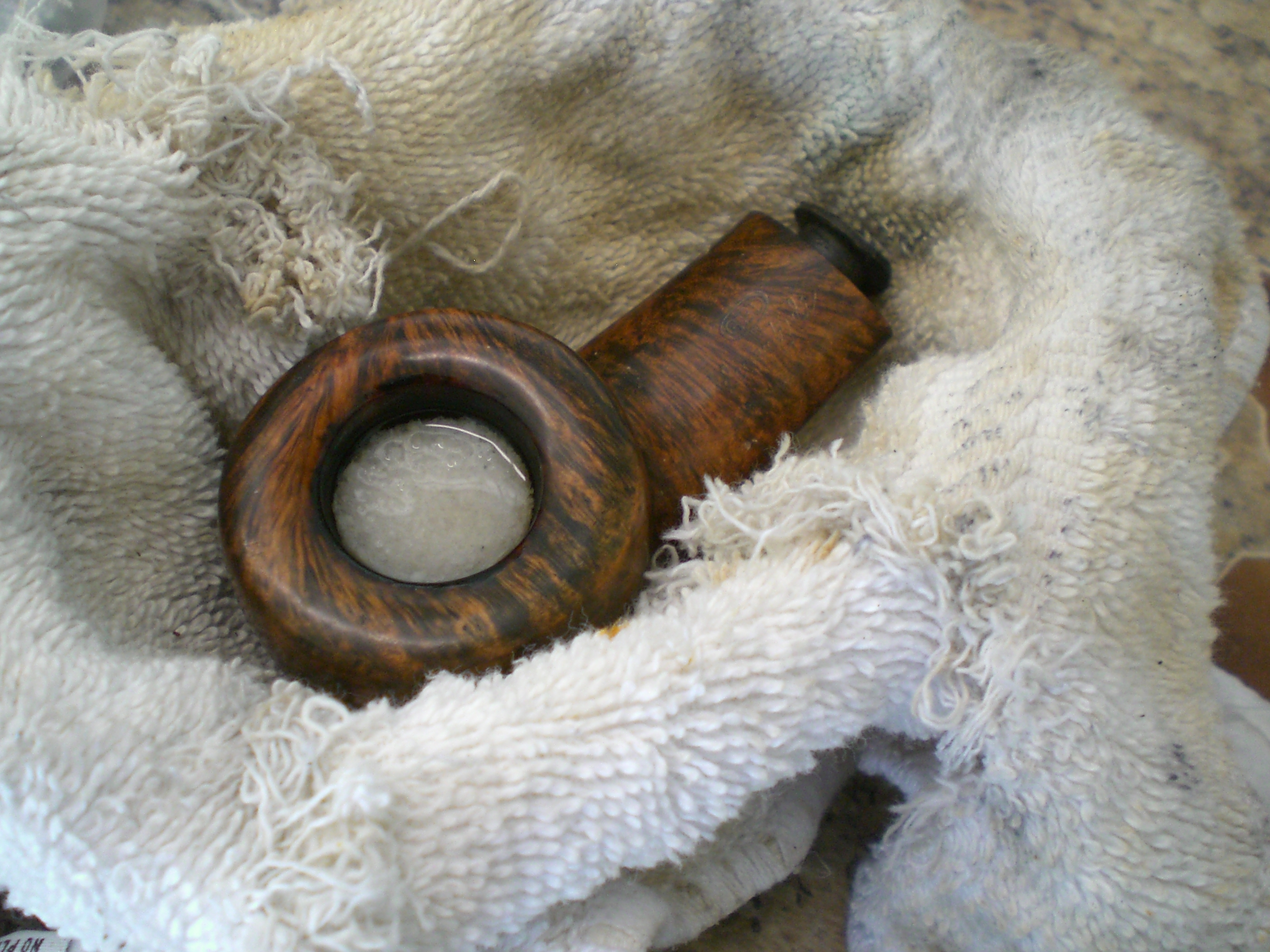
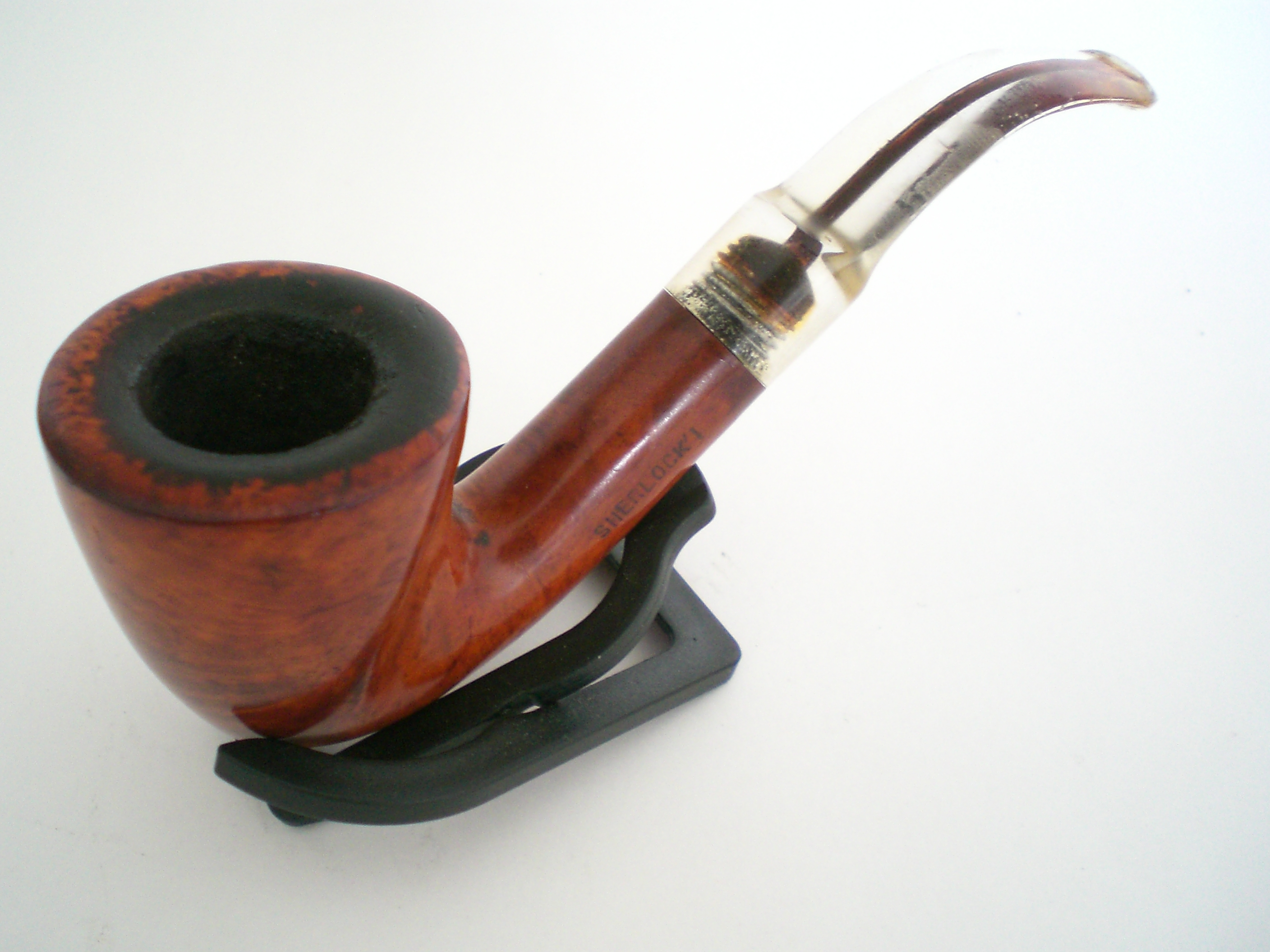
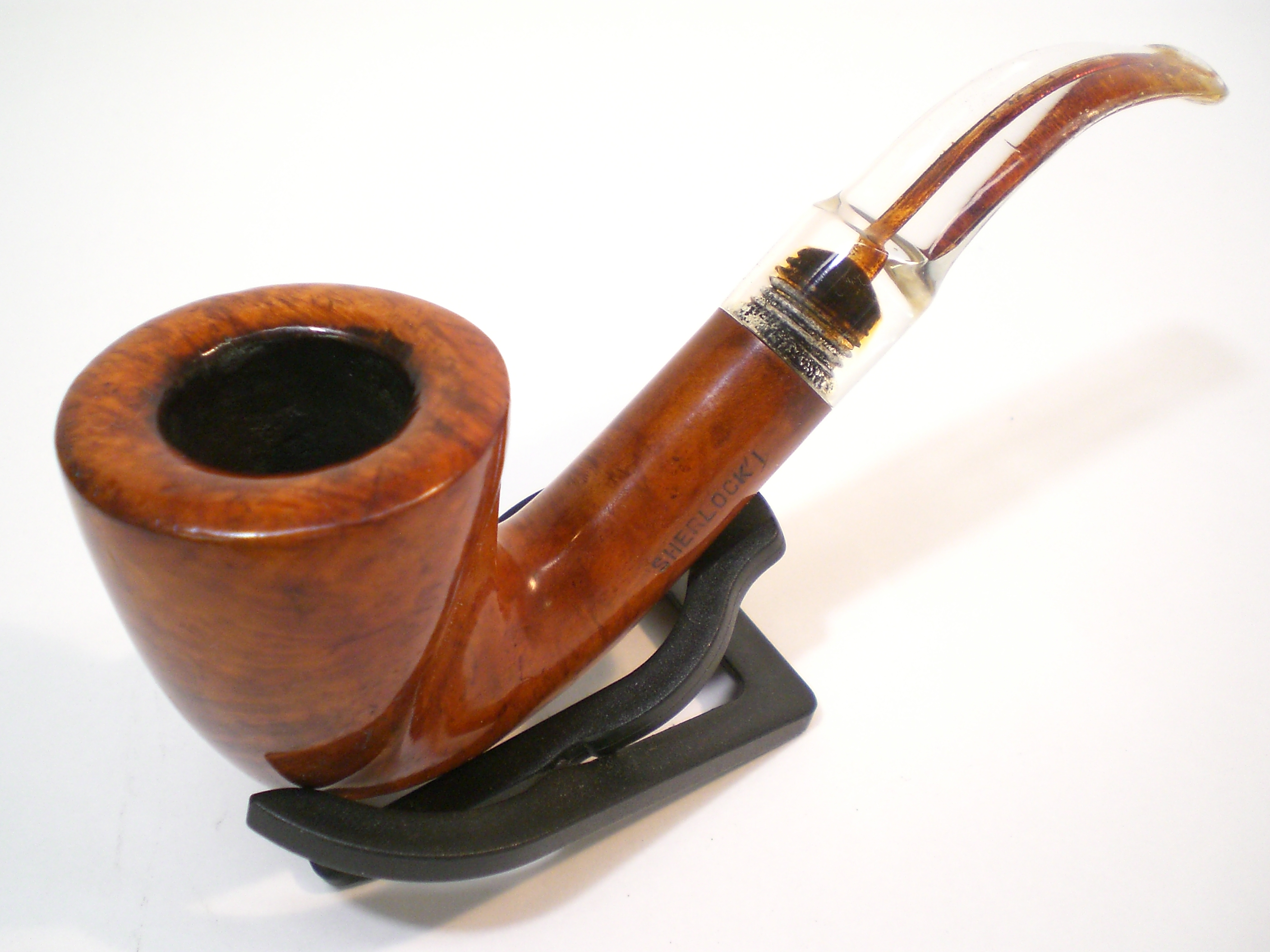
The last pipe in the group was another large pipe, stamped simply “Sherlock”and “Made in Italy”. This one had a perspex stem, that had some stubborn staining but no teeth chatter. I removed a good bit but not all of the stain in the perspex. I use a bristle cleaner soaked in 90% isopropyl alcohol.  You must run a dry cleaner thru the perspex next to remove the alcohol which could fog the clear plastic.  The briar has a lovely golden glow with some faceted features on the bowl (ala Willmer?). I’m not familiar with this brand, but the briar is beautiful. The tars on top came off, just leaving a light scorch mark on the inner bowl rim.   I estimated this pipe weighed approximately 80 grams.
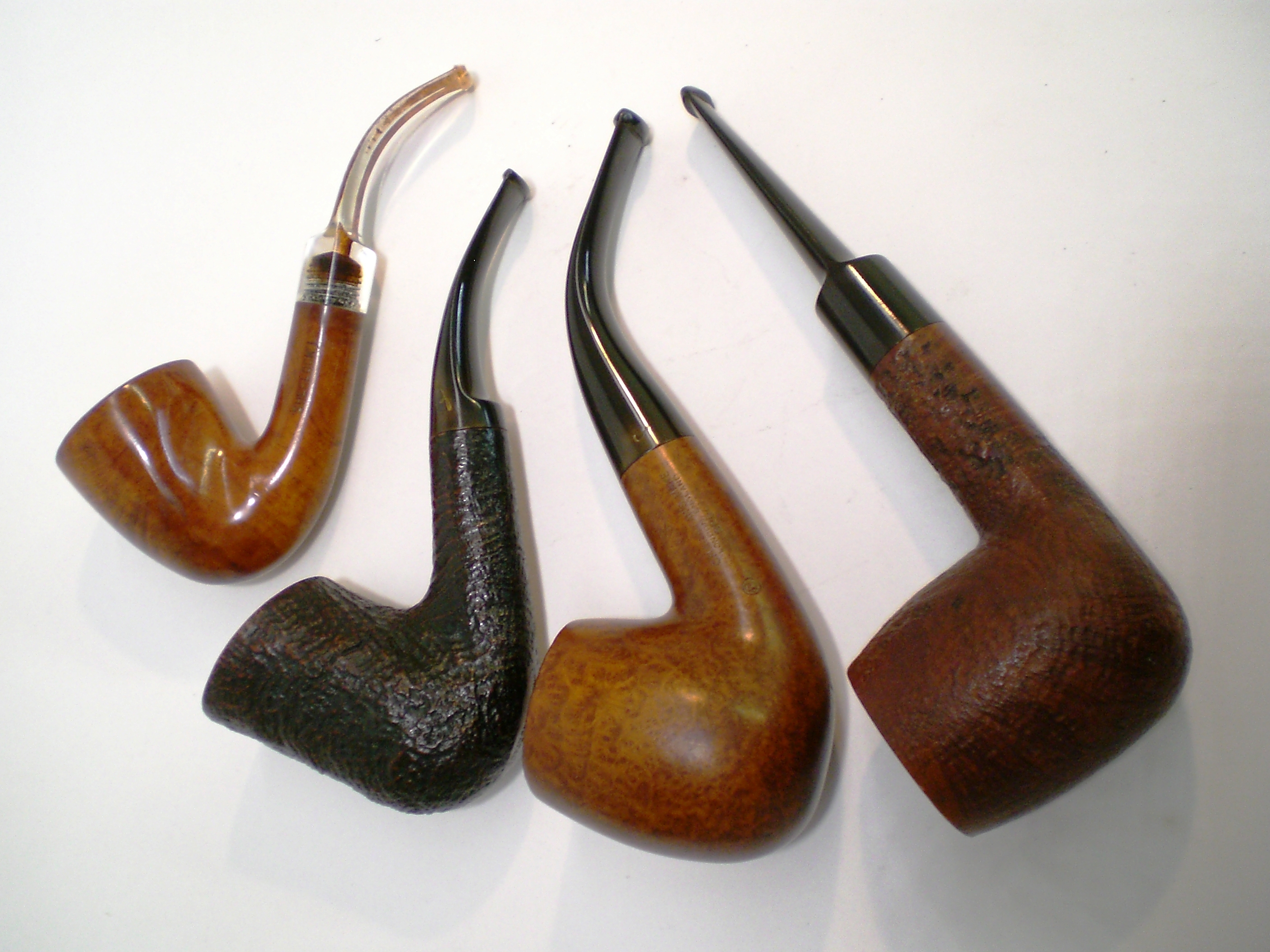

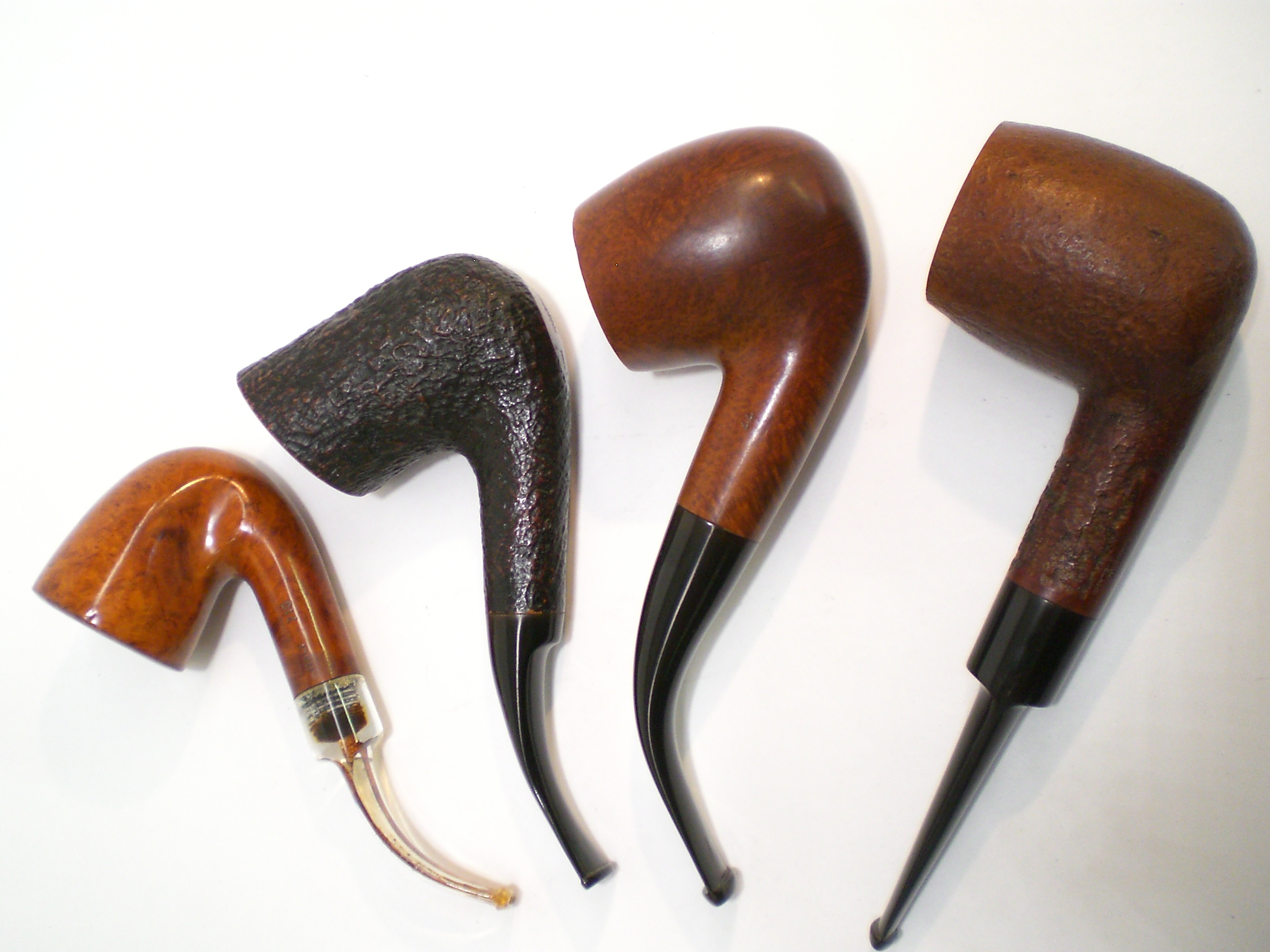
Here is a shot of all four finished pipes.


I also add pictures of these two GBD pipes, both Colossus models as they came from this estate and were gifted to me by this gentleman.  Both are treasured and enjoyed pipes in my collection and I was very happy to restore these other four for my friend.

GBD Seventy-Six Colossus, Shape 9676.

Prehistoric Oom-Paul Colossus:

As you can see, the gentleman who owned all six of these pipes had an affinity for large briar pipes!