
by Kenneth Lieblich
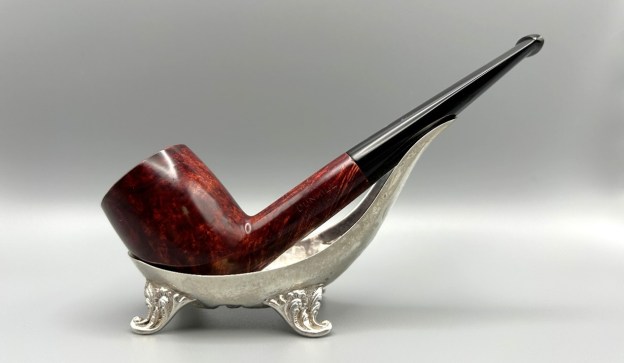
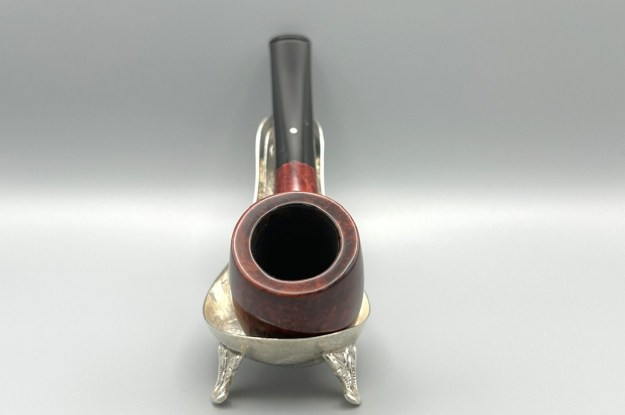
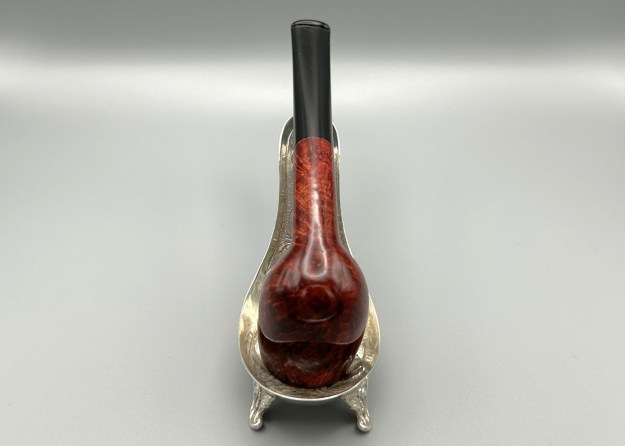
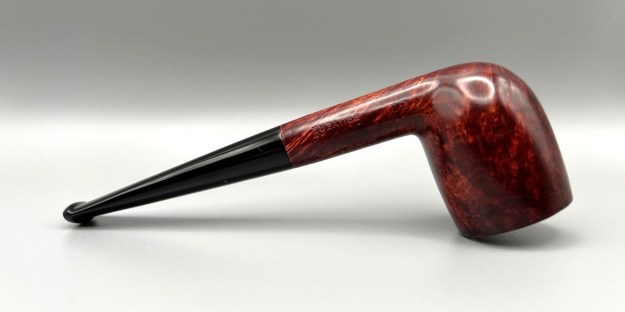
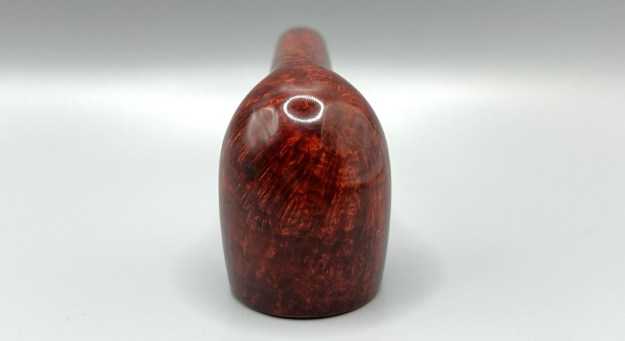
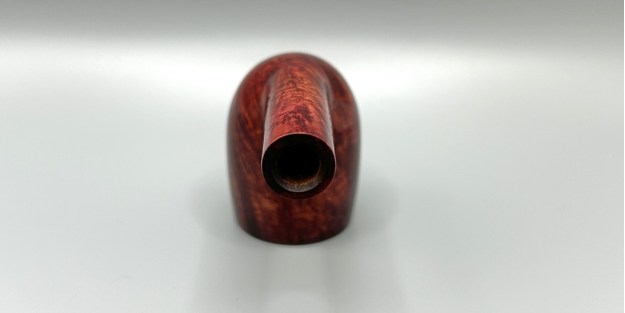
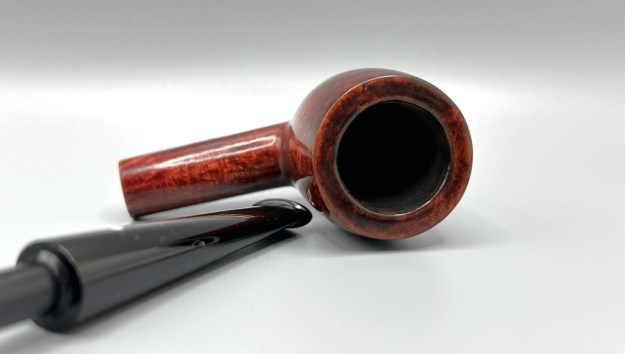
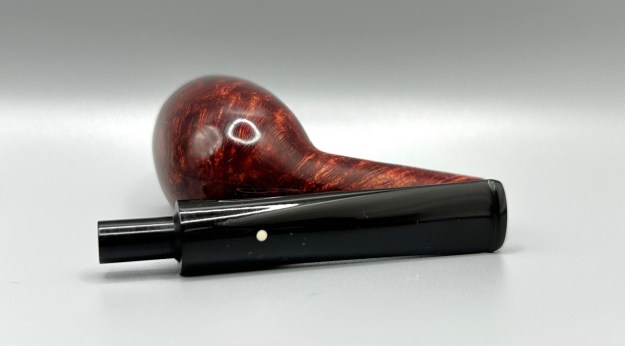
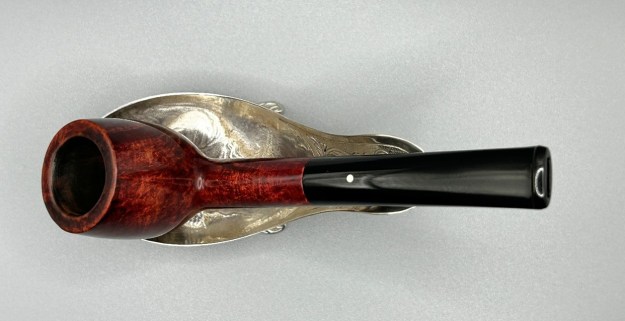
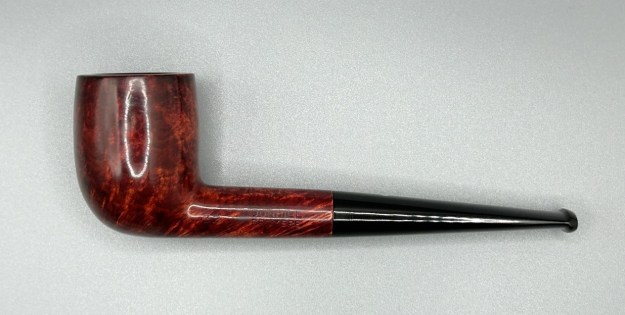
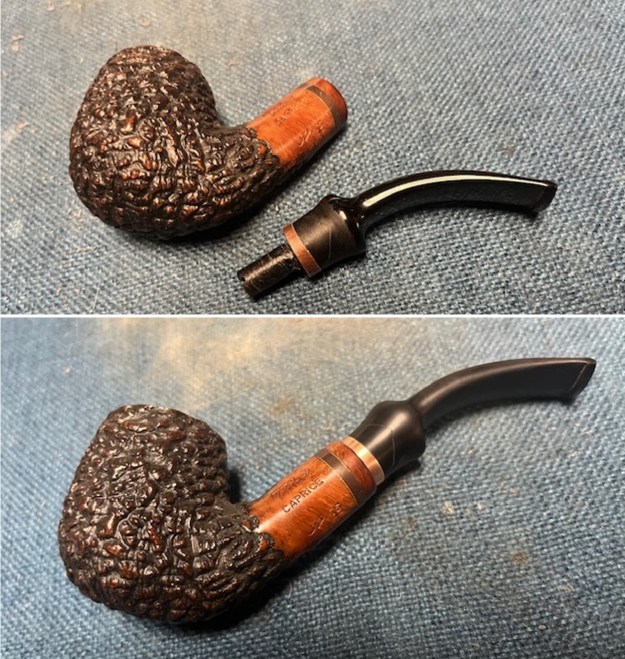
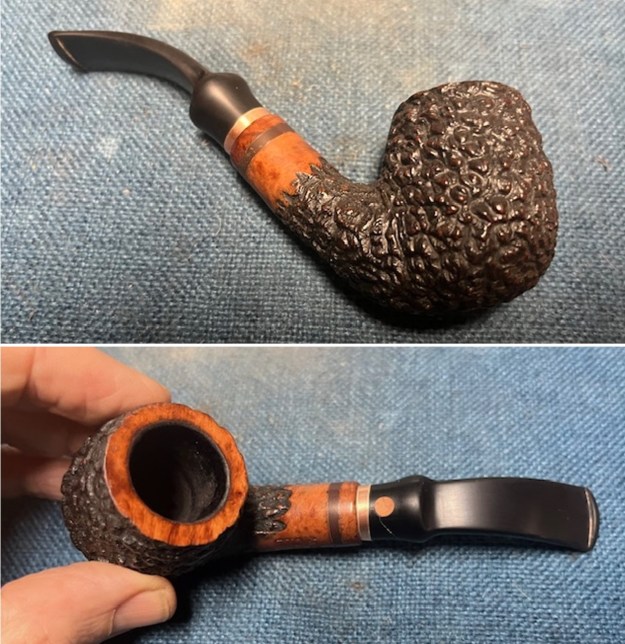
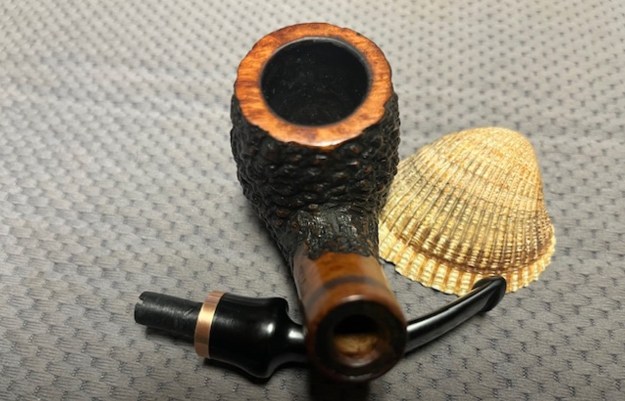
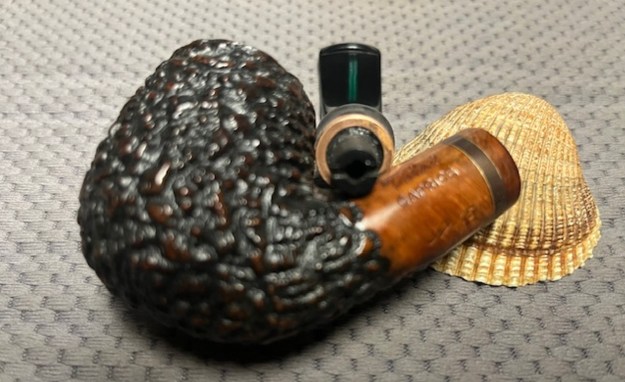
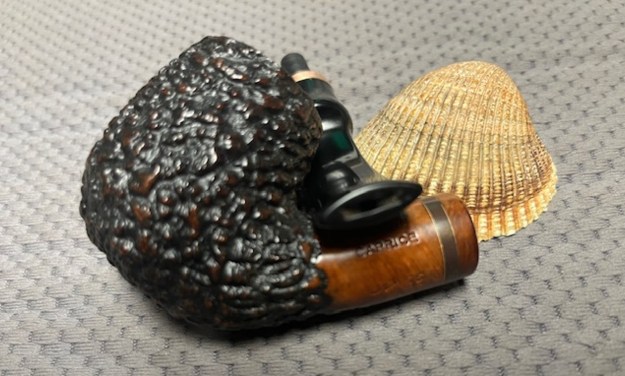
This very handsome pipe came to me from a local gentleman who was letting go of his pipes. I was charmed by this one right away. This is a Dunhill Bruyere 32 billiard pipe, with an attractive tapered, vulcanite stem. It has been stained in the Dunhill version of oxblood – and it sets off the pipe very nicely.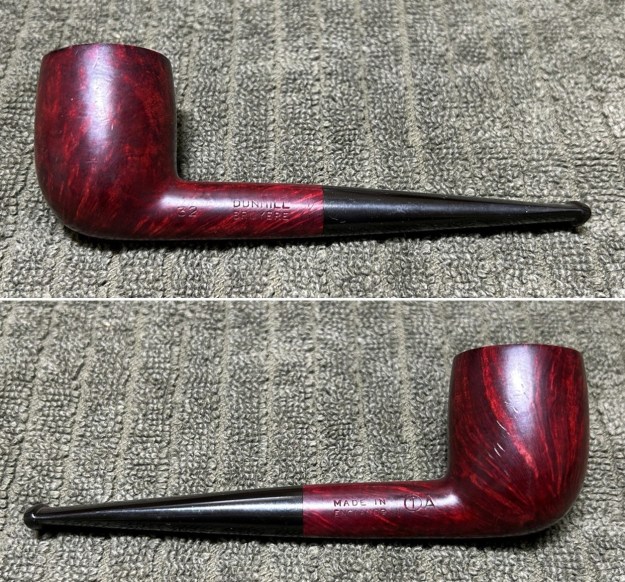
 Let’s have a look at the markings. On the left side of the shank, we see 32. Further along to the right, we see Dunhill [over] Bruyere. On the right side of the shank, we see Made in [over] England9. And further along we also see ① A.
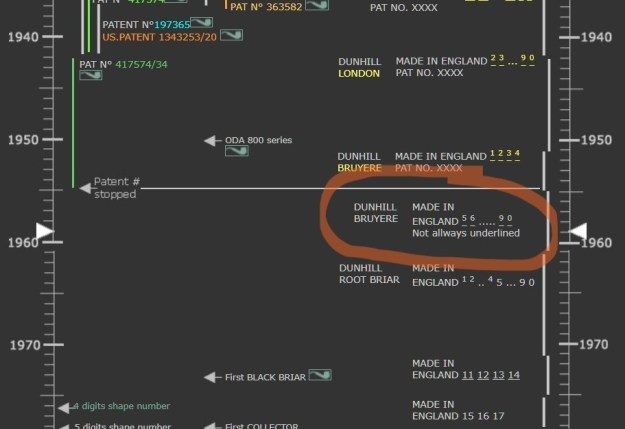
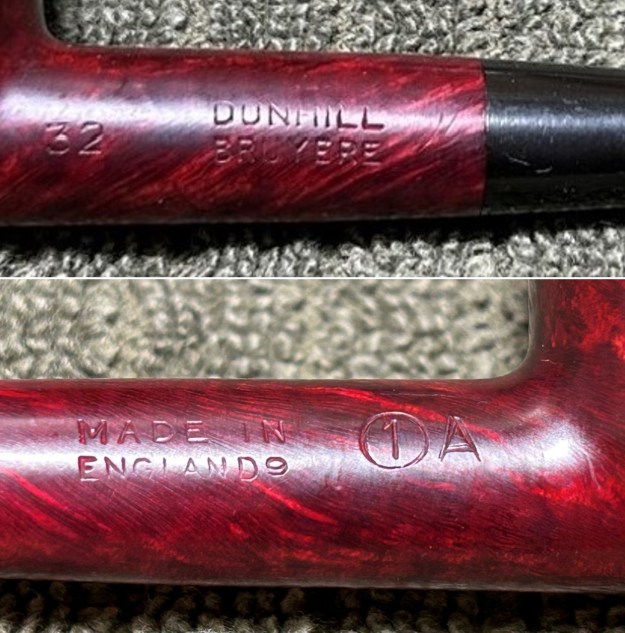 What do all these markings mean? John Loring’s book, The Dunhill Briar Pipe, provides many of the answers. The number 32 indicates the shape number – in this case, a billiard with a tapered bit. The word bruyere, of course, means briar, and, in this case, refers to a classic line of Dunhill pipes that dates back to 1910. The 9 found at the end of the word England is slightly raised and this indicates that the pipe was made in 1959 (see below). The encircled number one indicates that this pipe is from Group 1 – the smallest of the pipe sizes. With such a small size, these pipes tend to get damaged, over-smoked, and lost more easily. They have historically been less likely to survive intact over the years, making them uncommon. The letter A is an indication that this is from the smooth, bruyere line. As Loring writes,
1955-1960: the code is a raised, smaller then [sic] the preceding “D” and normally [but not always] underlined 5 through 0.
Most Bruyeres of the patent period will be found with an “A” stamped on the side of the shank near where the shank meets the bowl. When the Root finish was introduced in 1931 the “A” came to mean Bruyere but initially the “A” probably denoted that the pipe was of first quality.
Here is a visual representation of the dating process from Pipephil: 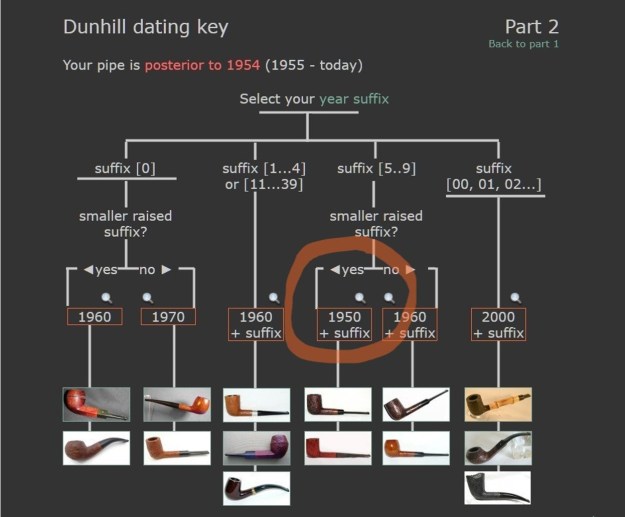
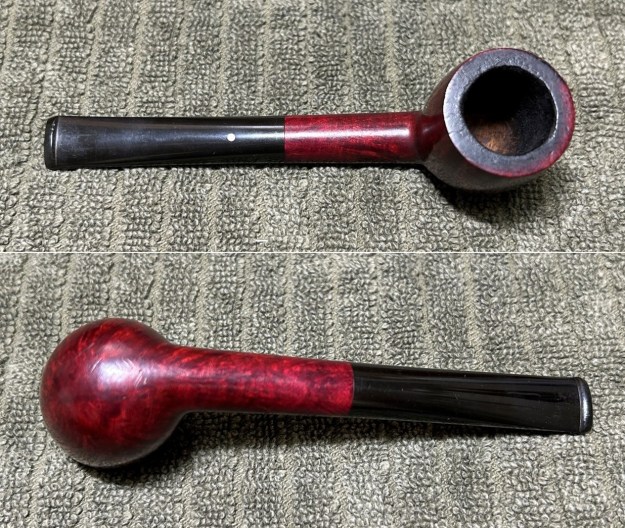
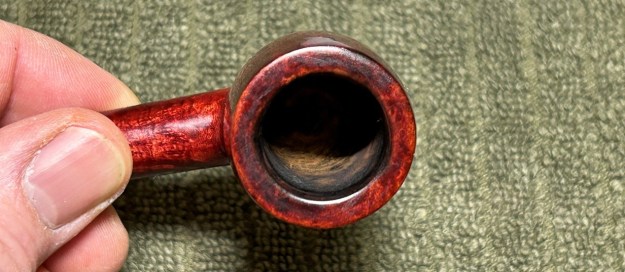
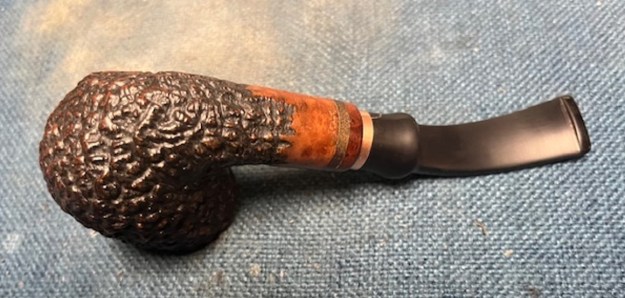
 Let’s take a closer look at the pipe’s condition. It was in surprisingly good condition, considering its age and size. The stem had only light tooth chatter and scratches – nothing major at all. Also, the oxidation was minimal. The stummel was also great. There were a few small nicks in the briar, but I was sure I could correct those. There was also some lava and/or charring on the rim top, but nothing too bad.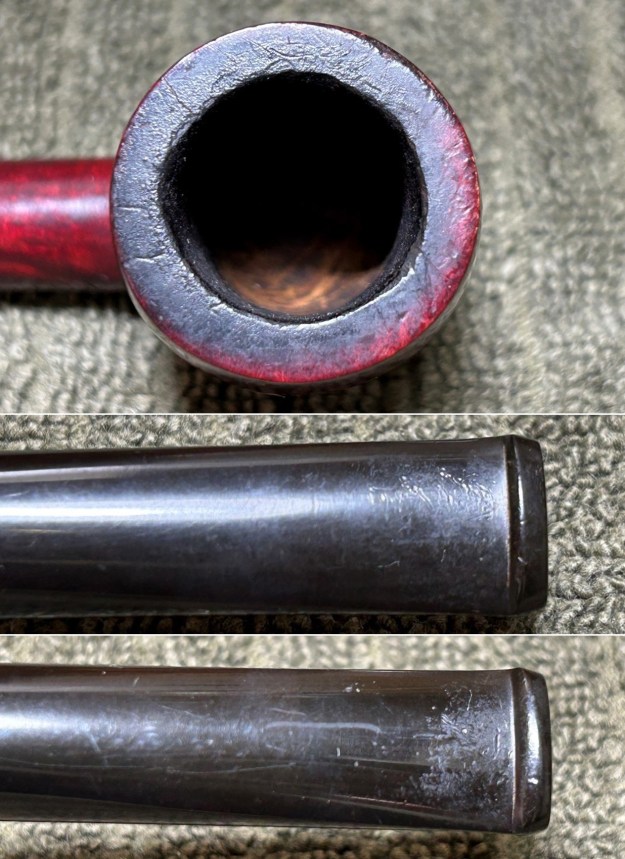

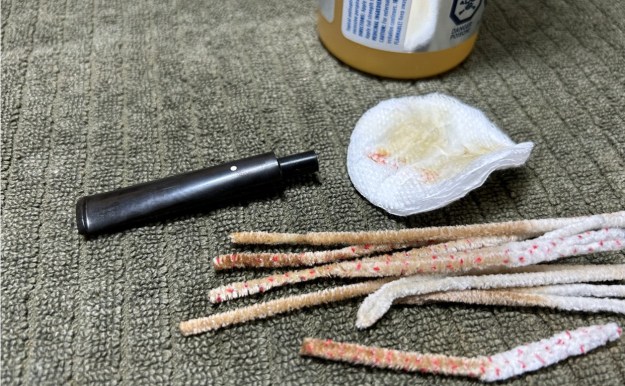
 I used isopropyl alcohol on a few cotton rounds and wiped down the stem to provide an initial cleaning of filth before moving on to the next steps. The primary cleaning came next. I disinfected the inside of the stem with both pipe cleaners and cotton swabs dipped in lemon-infused 99% isopropyl alcohol. I scrubbed thoroughly to make sure the interior was very clean.
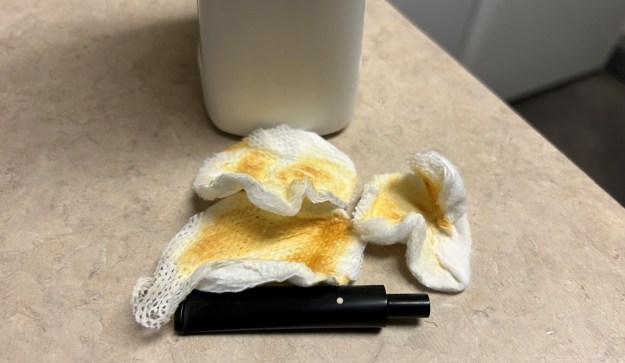
 The goal of the next step is the removal (or minimization) of oxidation. Going to my sink, I used cream cleanser, cotton rounds, and a toothbrush, and scoured the stem to remove as much surface oxidation as possible. As the photos show, the result was a hideous, ochre-coloured mess – but better off the stem than on it.
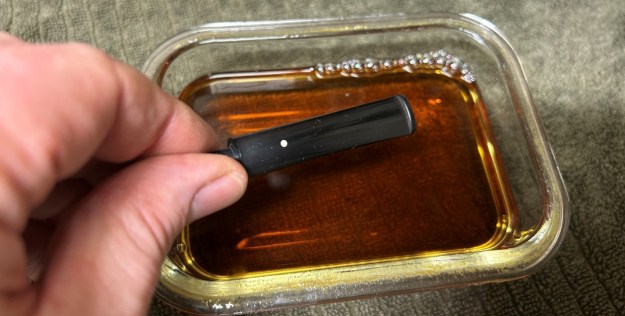
 Once the stem was reasonably clean, I soaked it overnight in some Briarville Stem Oxidation Remover. This solution works to draw oxidation in the stem to the surface of the vulcanite. This is a major aid and an important step in ensuring a clean stem. The following day, I drew out the stem from its bath and scrubbed the lingering fluid with a toothbrush.
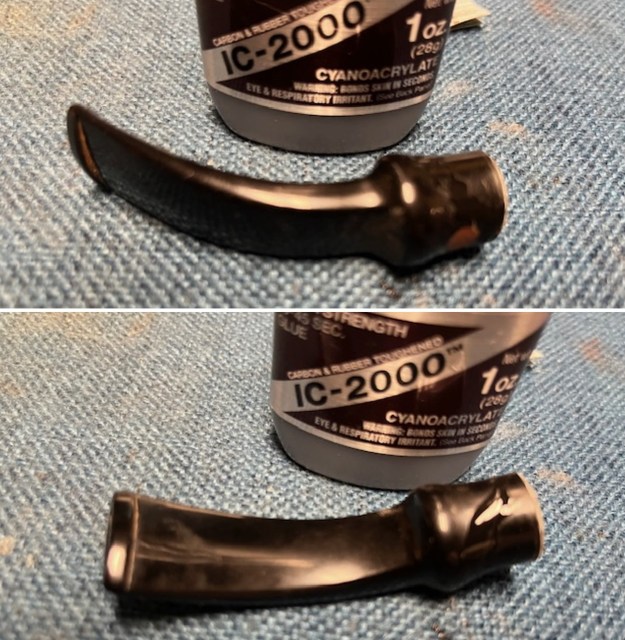
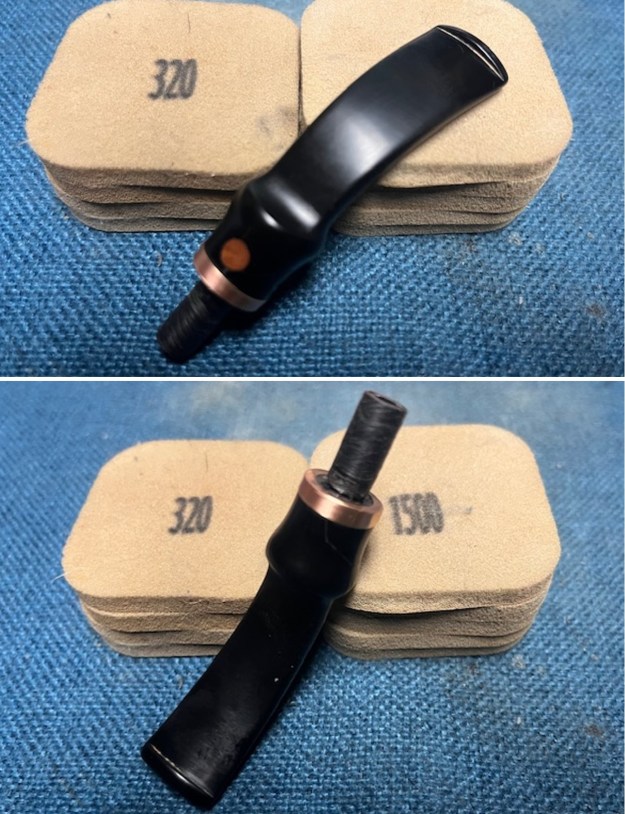
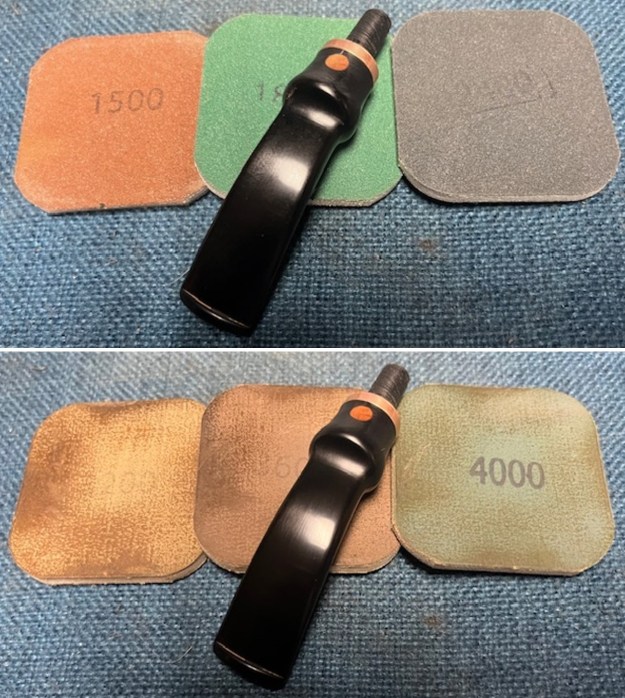
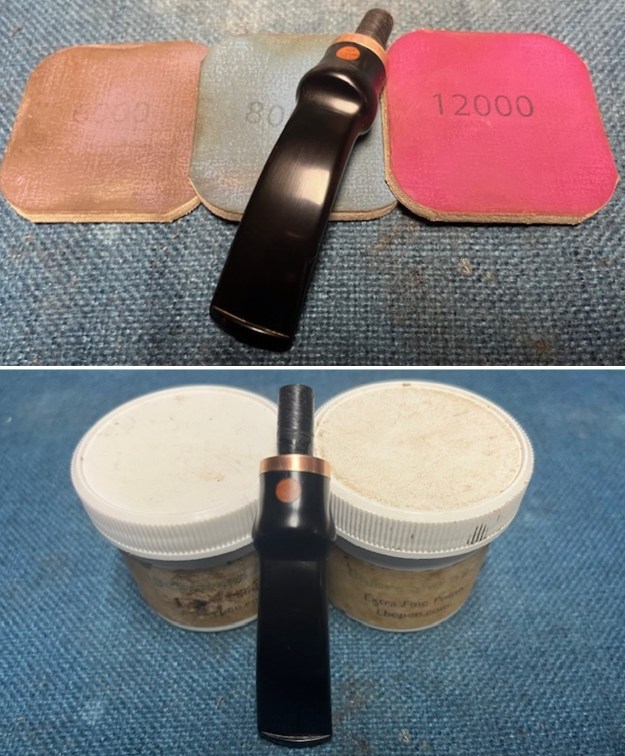
 The penultimate step for the stem is sanding. First, with my set of needle files, I reduced the bulk of the cyanoacrylate repairs. I removed the excess adhesive as near to the surface as possible, without cutting into the vulcanite. Following that, I used all nine of the micromesh sanding pads (1,500 through 12,000 grit) to sand out flaws, even out the vulcanite, and provide gentle polishing of the finished surface. I also applied pipe-stem oil while using the last five micromesh pads. There was a wonderful, deep black shine to the stem when I was done.
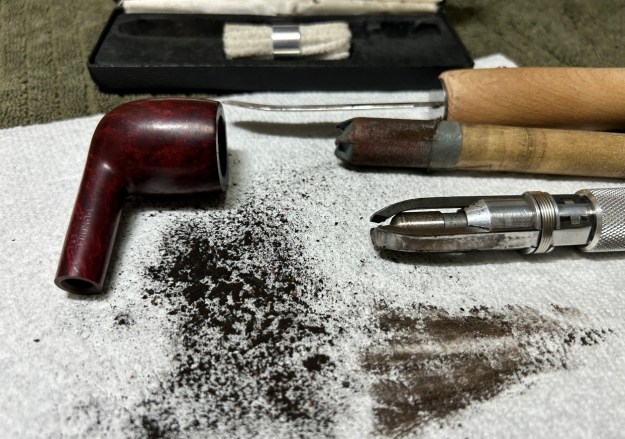
 As the stem was (nearly) complete, I moved on to the stummel. The first step was to ream out the bowl – that is to say, remove all the cake inside the bowl. This accomplished a couple of things. First (and most obviously), it cleaned the bowl and provided a refurbished chamber for future smoking. Second, when the old cake was removed, I could inspect the interior walls of the bowl and determine if there was damage or not. I used a reamer, a pipe knife, and a piece of sandpaper taped to a wooden dowel. Collectively, these ensured that all the debris was removed.
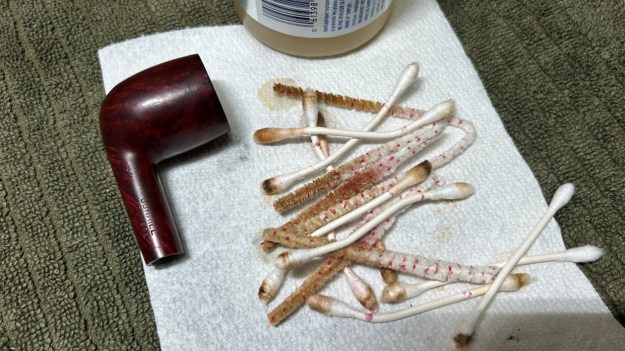
 Similar to the stem, I then cleaned the stummel with both pipe cleaners and cotton swabs dipped in lemon-infused 99% isopropyl alcohol. Fortunately, it wasn’t too dirty.
 My next step was to remove the lava on the rim. For this, I took a piece of machine steel and gently scraped the lava away. The metal’s edge is sharp enough to remove what I need, but not so sharp that it damages the rim. This work revealed that there was a bit of charring, but very mild.
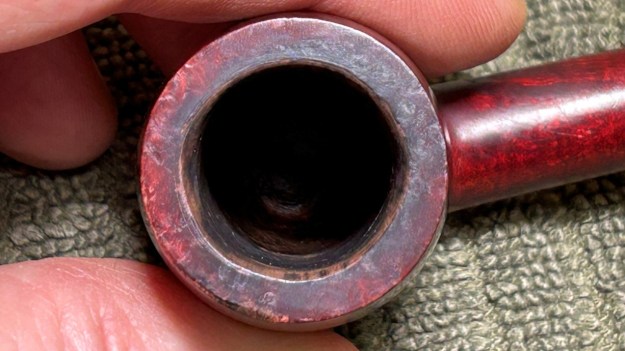 I then decided to ‘de-ghost’ the pipe – that is to say, exorcize the remaining filth from the briar. I filled the bowl and the shank with cotton balls, then saturated them with 99% isopropyl alcohol. I let the stummel sit overnight. This caused the remaining oils, tars and smells to leach out into the cotton.
 To tidy up the briar, I wiped down the outside, using a solution of a pH-neutral detergent and some distilled water, with cotton rounds. I also used a toothbrush in the crevices. This did a good job of cleaning any latent dirt on the surface of the briar. The last step of the cleaning process was to scour the inside of the stummel with the same mild detergent and tube brushes. This was the culmination of a lot of hard work in getting the pipe clean.
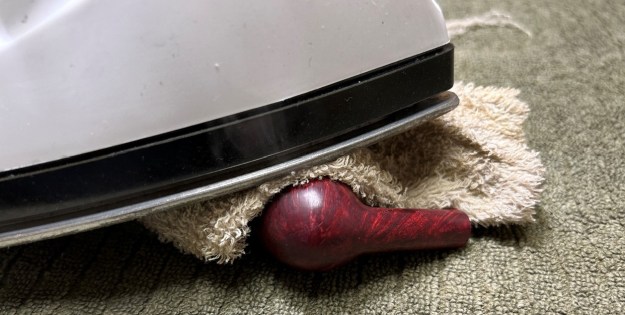
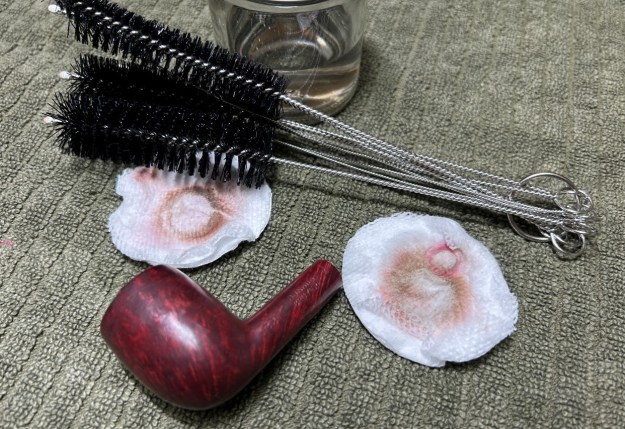 Having completed that, I was able to address the small nicks on the bowl. I dug out my iron and a damp cotton flannel cloth. By laying the cloth over the affected areas and applying the iron to it, the hot and moist steam can cause the wood to swell slightly and return to shape. There was some considerable improvement. It didn’t remove every dent, but it looks much better.
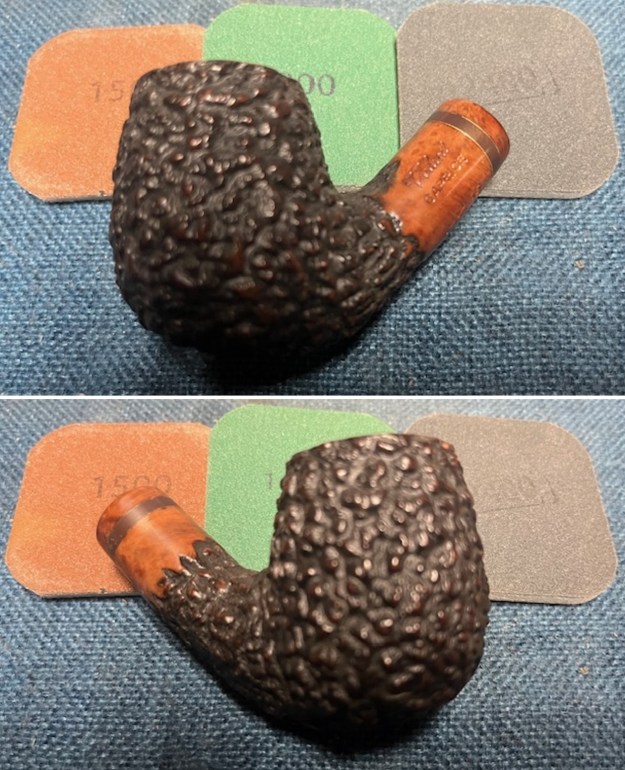
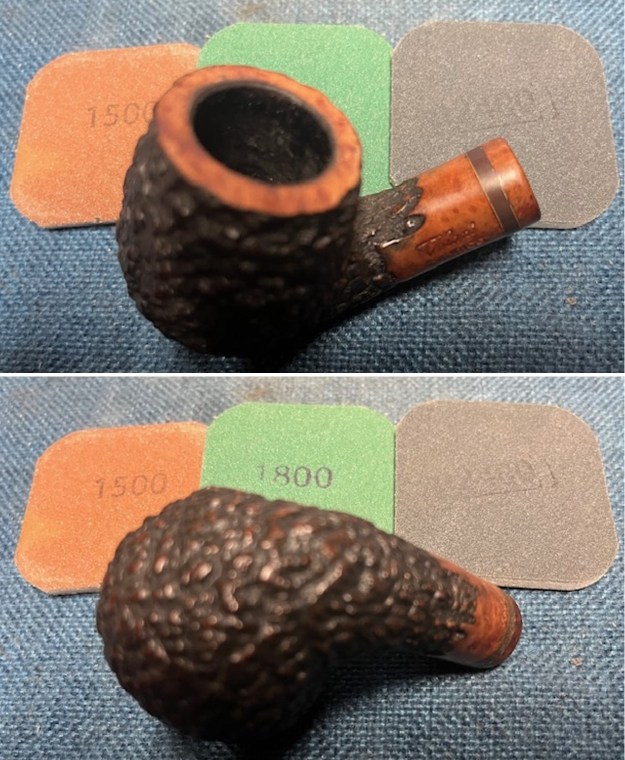
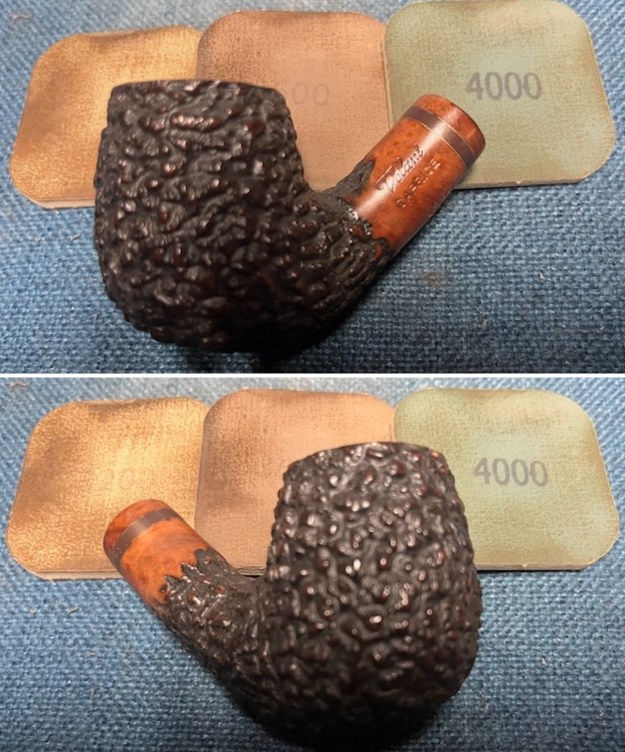
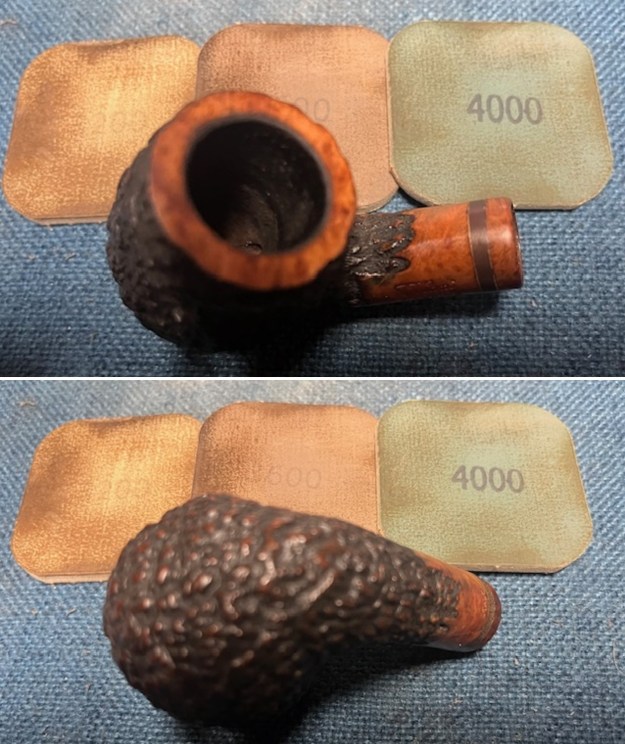
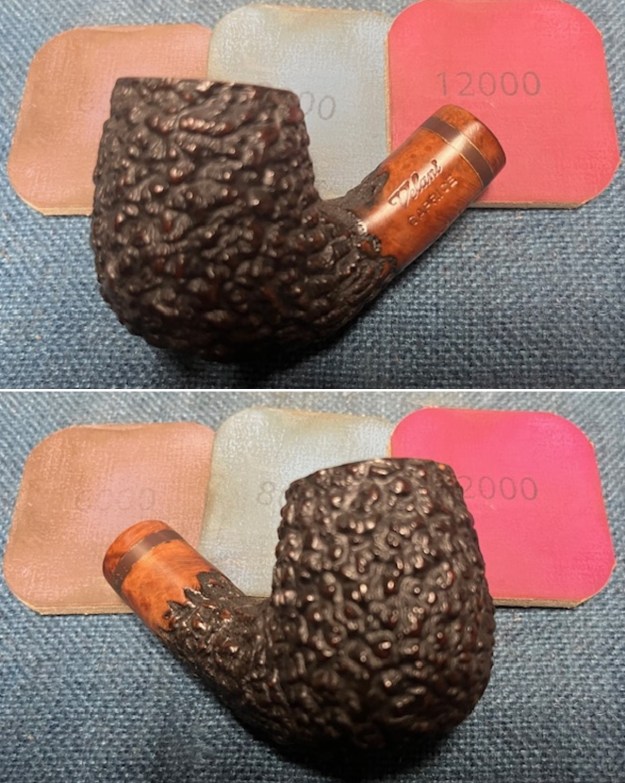
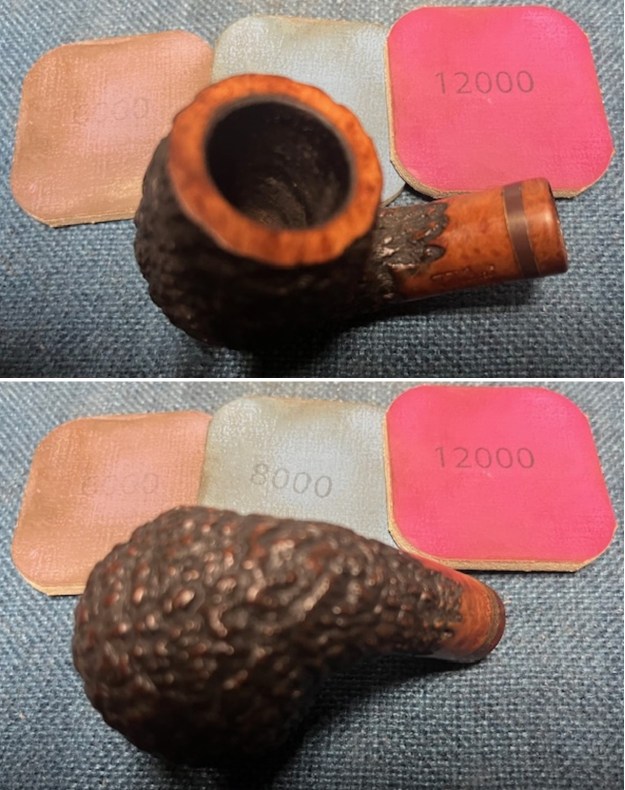
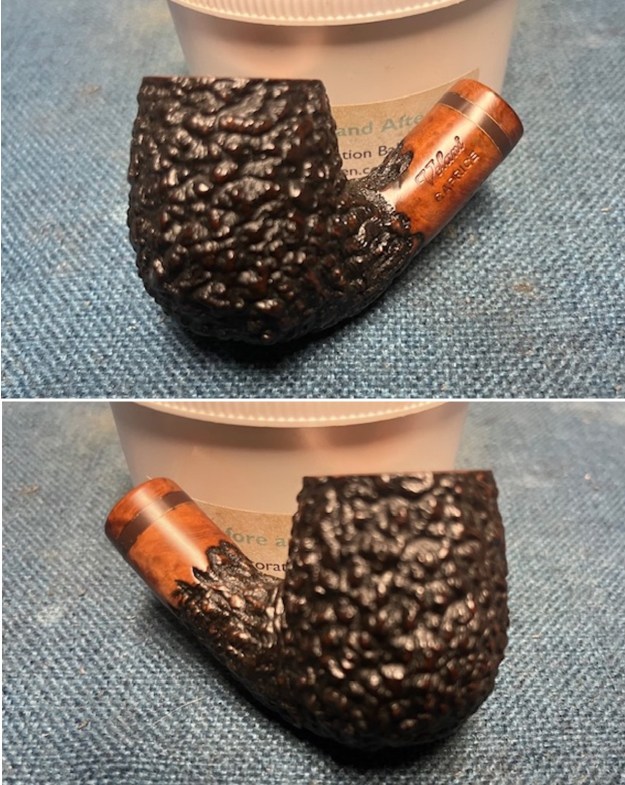
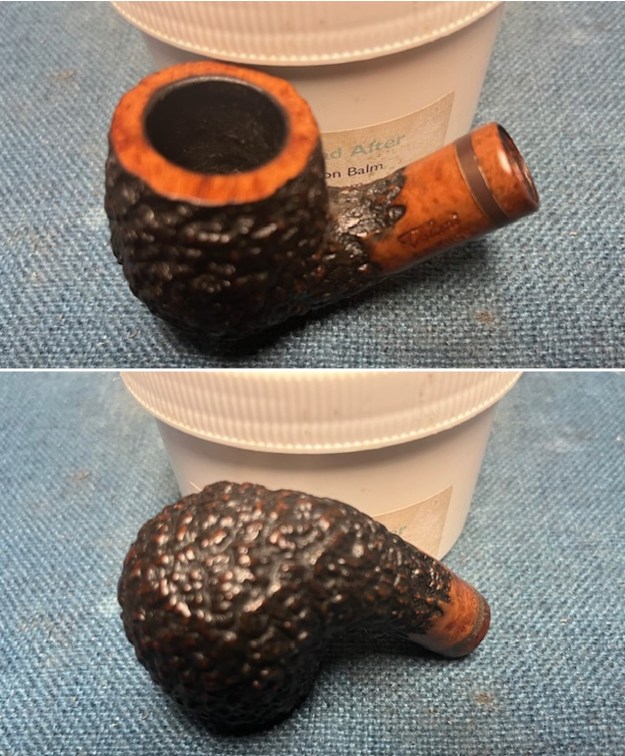
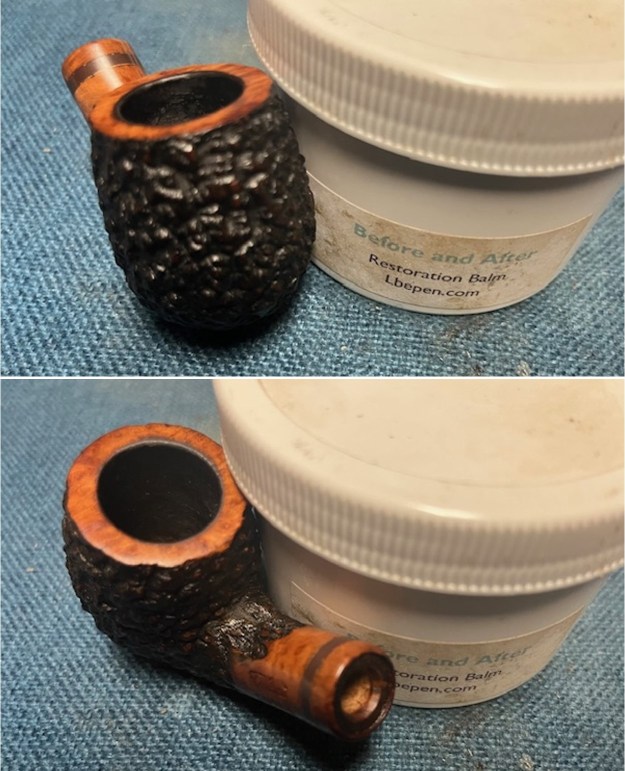
 I used all nine micromesh pads (1,500 through 12,000 grit) to sand the outside of the stummel and finish it off. This sanding minimizes flaws in the briar and provides a beautiful smoothness to the wood. After that, the tiny spots of bare wood on the rim needed to be tinted in the same colour as the rest of the stummel. I used some of my furniture pens (which is simply dye in pen form) to match the colours. I rubbed some LBE Before & After Restoration Balm into the briar and let it sit for 30 minutes or so. The balm moisturizes the wood and gives a beautiful depth to the briar. I then buffed the stummel with a microfibre cloth.
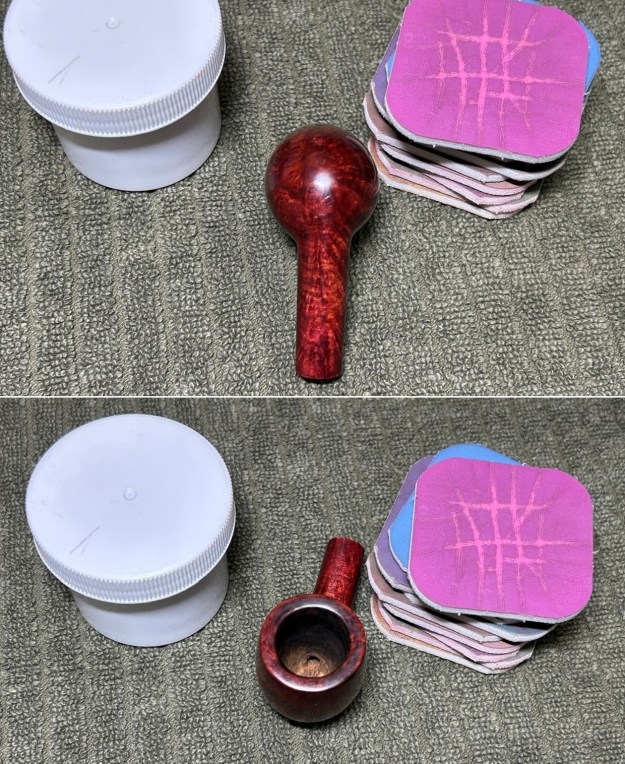
 For the final step, I took the pipe to my bench polisher and carefully buffed it – first with a blue diamond compound, then with three coats of carnauba wax. This procedure makes the pipe look its best – the stummel sings and the stem glows.
This Dunhill Bruyere 32 billiard is a beauty and I have decided to add it to my collection. It was a pleasure to work on. The approximate dimensions of the pipe are as follows: length 4⅞ in. (124 mm); height 1⅝ in. (41 mm); bowl diameter 1¼ in. (31 mm); chamber diameter ¾ in. (19 mm). The weight of the pipe is ¾ oz. (23 g). I hope you enjoyed reading the story of this pipe’s restoration as much as I enjoyed restoring it. If you are interested in more of my work, please follow me here on Steve’s website or send me an email at kenneth@knightsofthepipe.com. Thank you very much for reading and, as always, I welcome and encourage your comments.



 rebornpipes