
by Kenneth Lieblich
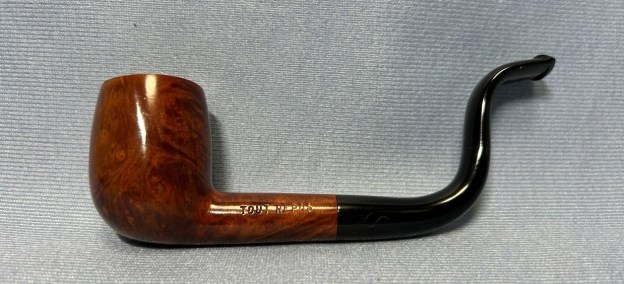
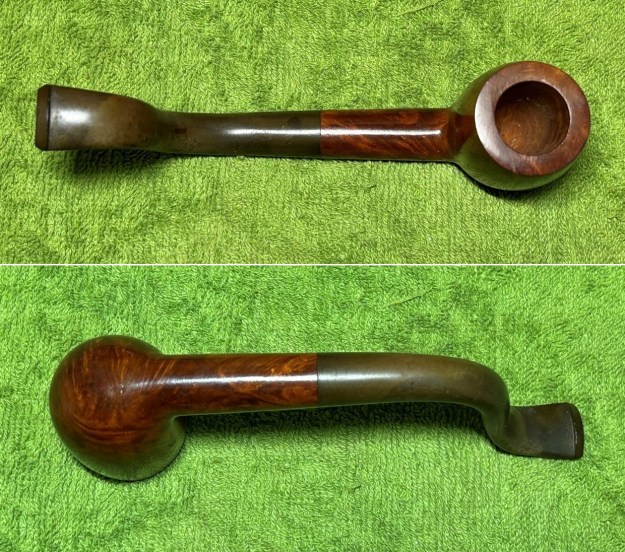
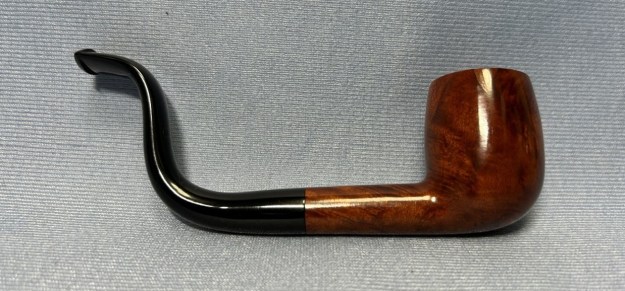
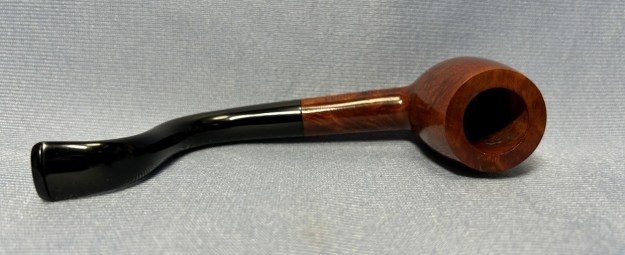
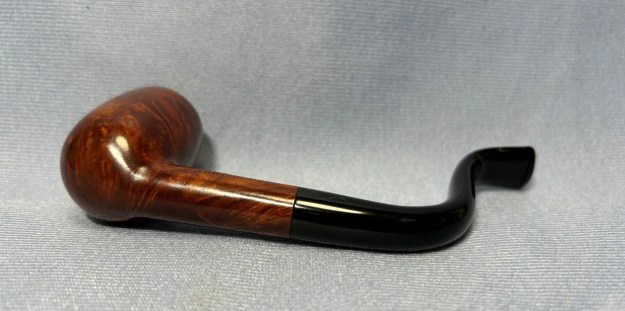
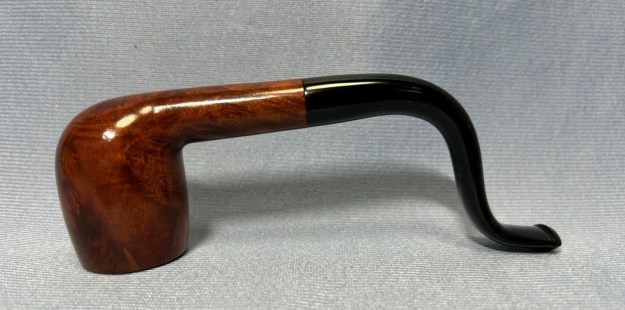
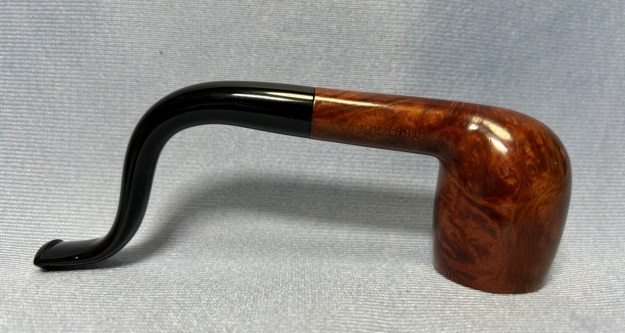
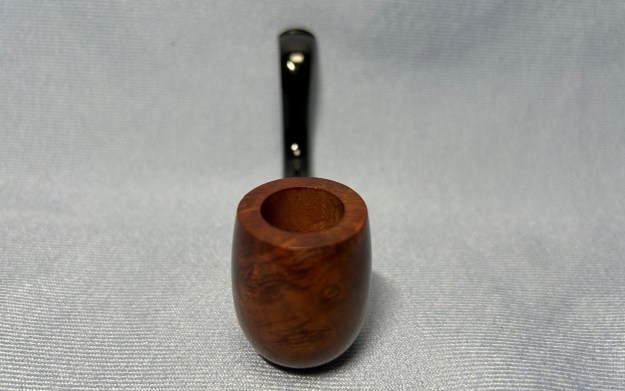
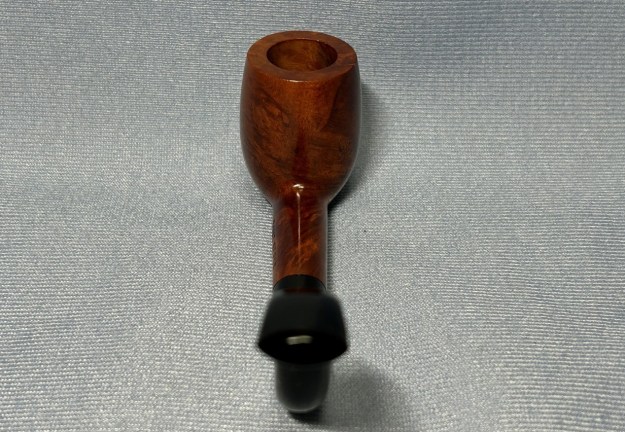
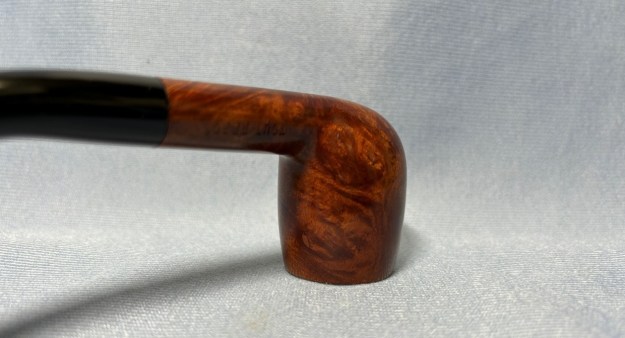
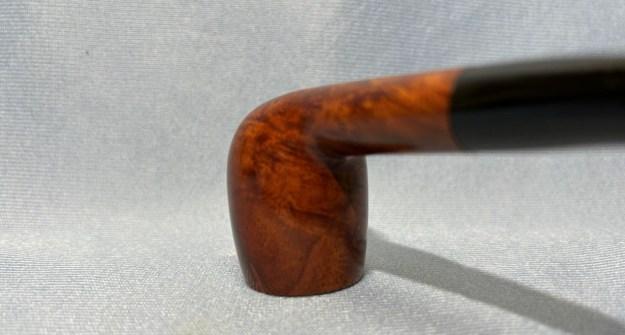
I have a very appealing pipe that came my way recently and I am happy to offer it to you for sale. No major restoration story on this one – just a remarkable pipe! I gave it a quick and thorough once-over (and a quick polishing) and now it’s time to turn it over to you. This chinrester has never been smoked and has some real old-world charm. It’s a handsome billiard with a vulcanite taper stem that has been angled into an S-shape. Take a closer look at the photos below.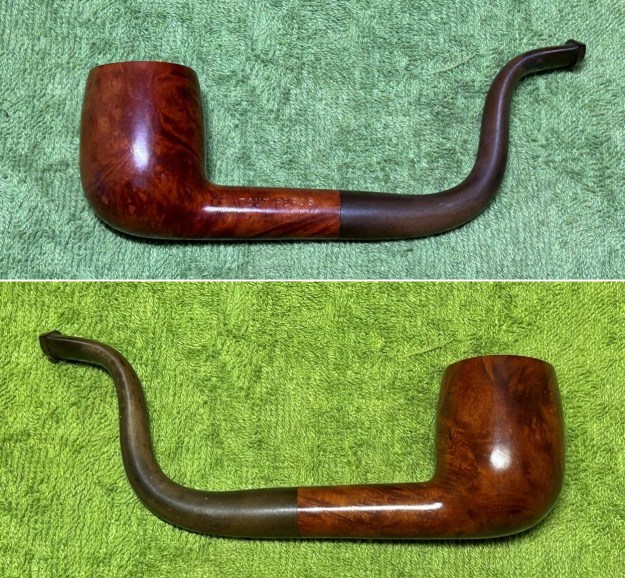
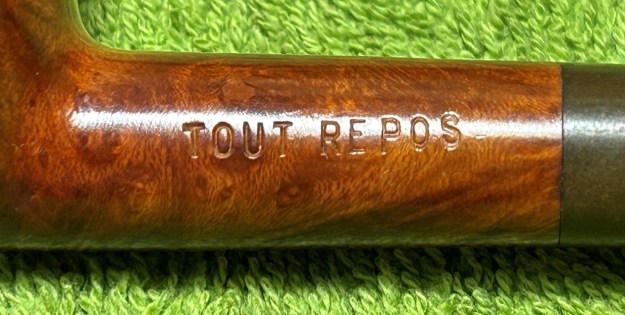
 This one is marked with the words Tout Repos. This literally means ‘all rest’, but I think a more likely translation in this context is ‘rest easy’, as it’s a chinrester. The words also have a more negative connotation in French too, but that seems highly unlikely.
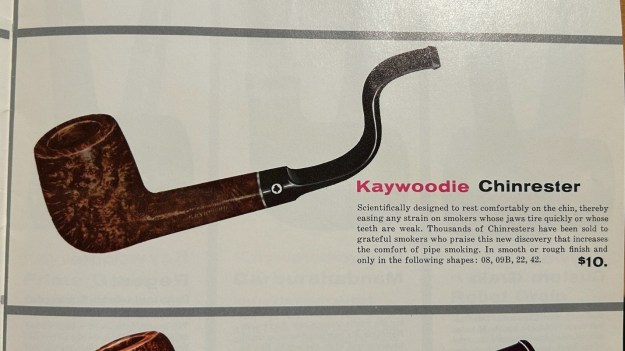
 I could find no mention anywhere of Tout Repos in connection with pipes. I must say, this pipe reminded both Steve and me of the chinresters of yesteryear by Kaywoodie. Could this pipe have been produced by Kaywoodie in France? No idea and I have no information to suggest that it was. The only (tenuous) connection I have is that a small number of Kaywoodie lines were produced in France (La Roche, Samuel Pepys, etc.). Have a look at this snippet I took from a 1964-65 Kaywoodie catalogue that I have, as they are quite similar.
 Even though the pipe is new, old stock, the stem had oxidized over the years, so I had to clean that up. I used isopropyl alcohol on a few cotton rounds and wiped down the stem to provide an initial cleaning before moving on to the next steps.
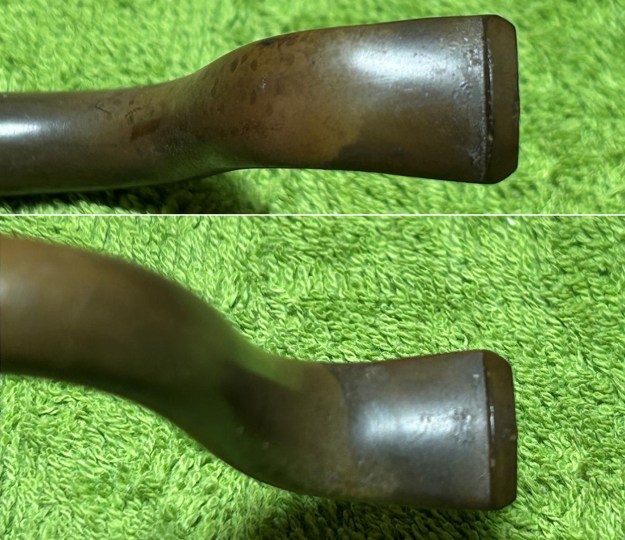 Even though the pipe is new, old stock, the stem had oxidized over the years, so I had to clean that up. I used isopropyl alcohol on a few cotton rounds and wiped down the stem to provide an initial cleaning before moving on to the next steps.
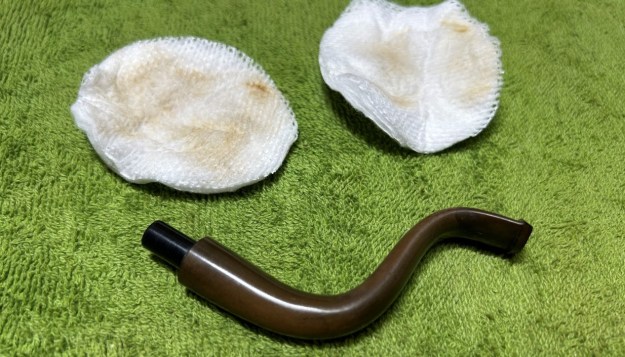 The goal of the next step is the removal (or minimization) of oxidation. Going to my sink, I used cream cleanser, cotton rounds, and a toothbrush, and scoured the stem to remove as much surface oxidation as possible. As the photos show, the result was a hideous, brownish mess – but better off the stem than on it.
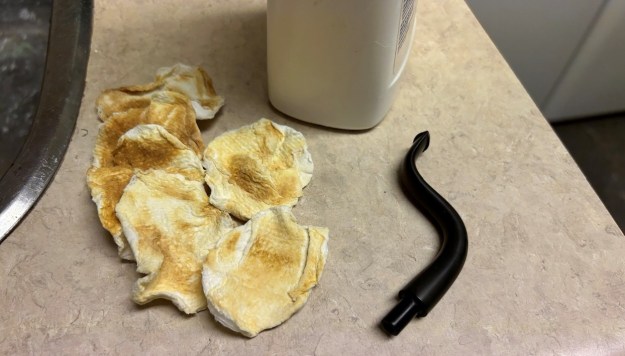 Once the stem was reasonably clean, I soaked it overnight in some Briarville Stem Oxidation Remover. This solution works to draw oxidation in the stem to the surface of the vulcanite. This is a major aid and an important step in ensuring a clean stem. The following day, I drew out the stem from its bath and scrubbed the lingering fluid with a toothbrush.
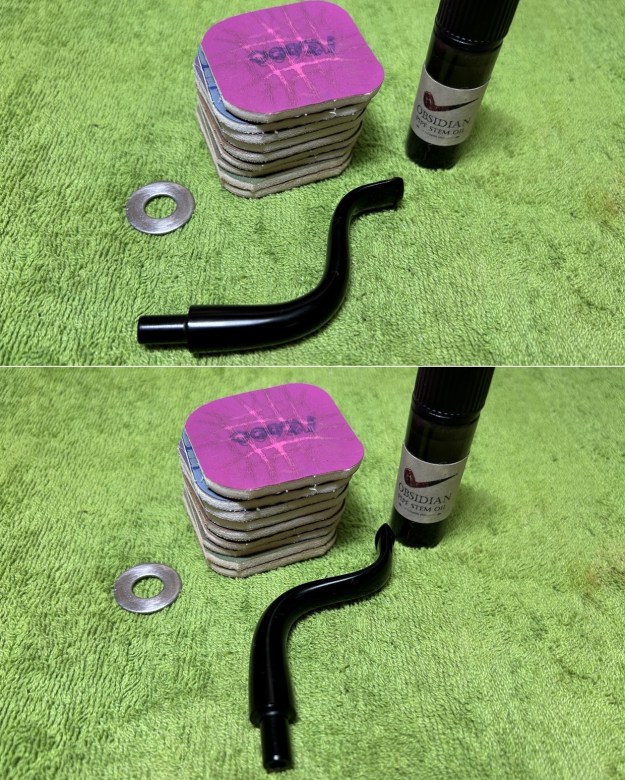
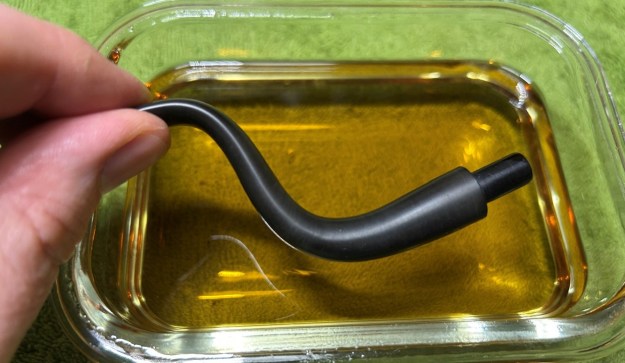 The penultimate step for the stem is sanding. I used the last five or six micromesh sanding pads to sand out flaws, even out the vulcanite, and provide gentle polishing of the finished surface. I also applied pipe-stem oil while using the last five micromesh pads. There was a wonderful, deep black shine to the stem when I was done.
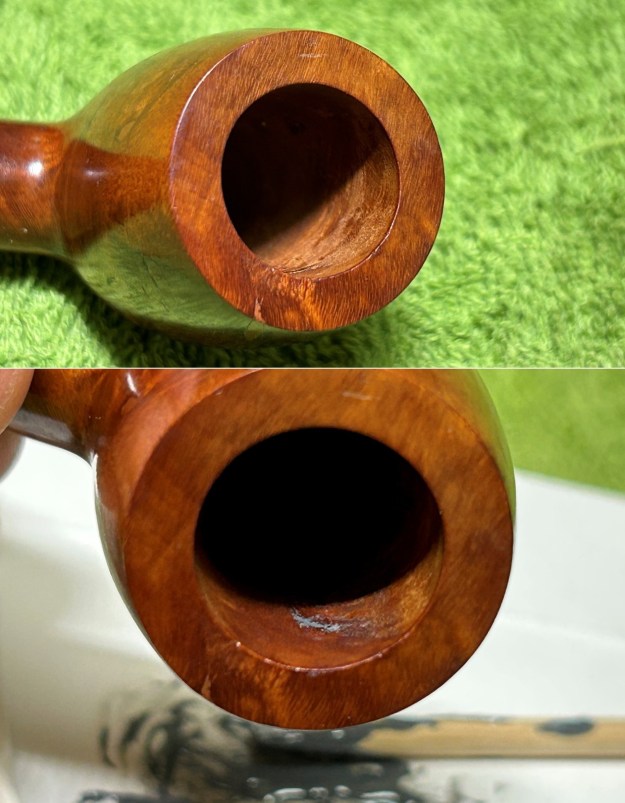
 As the stem was (nearly) complete, I moved on to the stummel. It was a decent piece of briar – there were a couple of fills (as you can see), but quite nice overall. As it was brand new, I simply cleaned up the dust from decades ago, and repaired a small fill on the inside of the bowl. To fill a gap like this, I used an epoxy adhesive that is extremely hard, resistant to high temperatures, and completely inert when cured. It worked superbly.
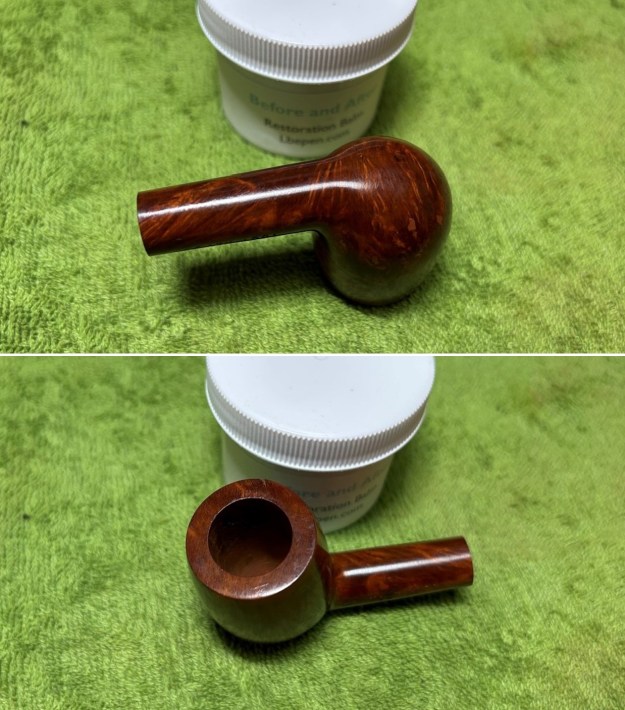
  I rubbed some LBE Before & After Restoration Balm into the briar and let it sit for 30 minutes or so. The balm moisturizes the wood and gives a beautiful depth to the briar. I then buffed the stummel with a microfibre cloth.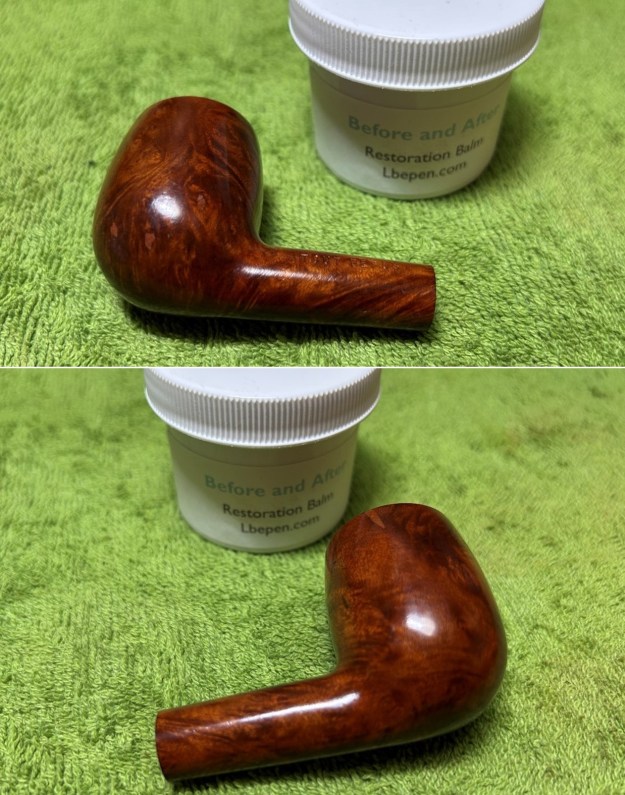
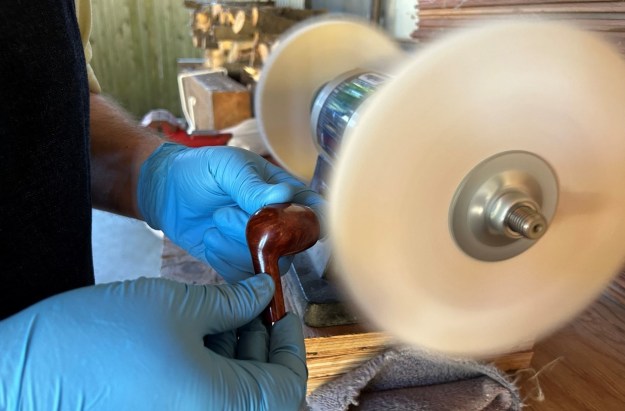
 For the final step, I took the pipe to my bench polisher and carefully buffed it – first with a blue diamond compound, then with three coats of carnauba wax. This procedure makes the pipe look its best – the stummel sings and the stem glows.
 This Tout Repos Chinrester is a lovely, elegant pipe. I am pleased to announce that this pipe is for sale! If you are interested in acquiring it for your collection, please have a look in the ‘French’ pipe section of the store here on Steve’s website. You can also email me directly at kenneth@knightsofthepipe.com. The approximate dimensions of the pipe are as follows: length 5¼ in. (133 mm); height 2 in. (51 mm); bowl diameter 1¼ in. (32 mm); chamber diameter ⅔ in. (18 mm). The weight of the pipe is 1 oz. (31 g). I hope you enjoyed reading the story of this pipe’s restoration as much as I did restoring it. If you are interested in more of my work, please follow me here on Steve’s website or send me an email. Thank you very much for reading and, as always, I welcome and encourage your comments.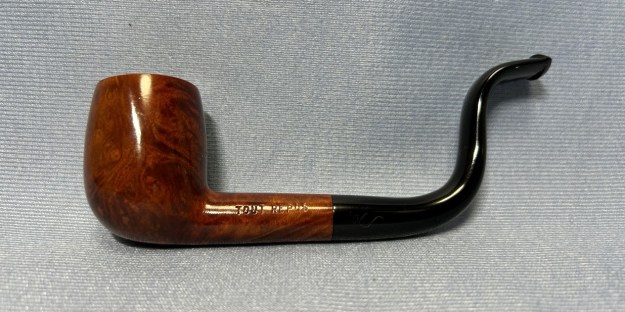
 rebornpipes