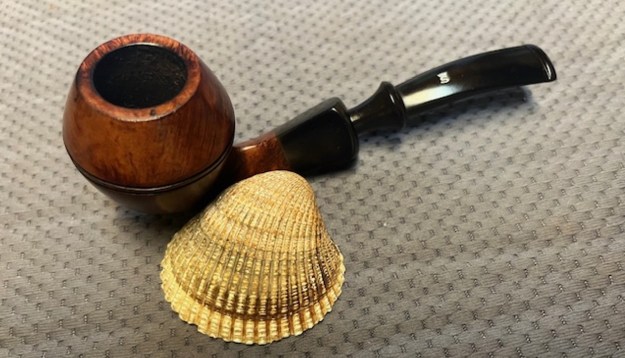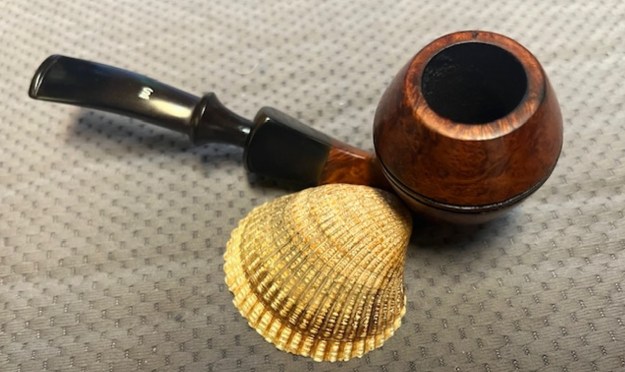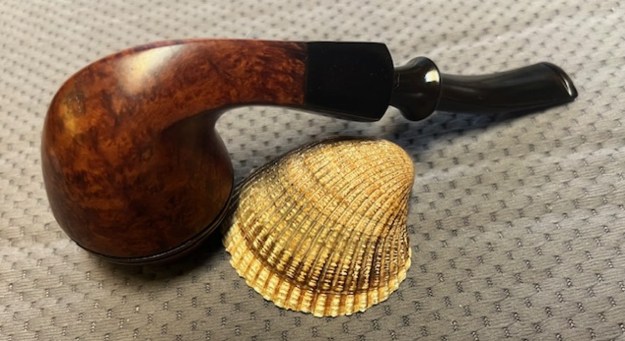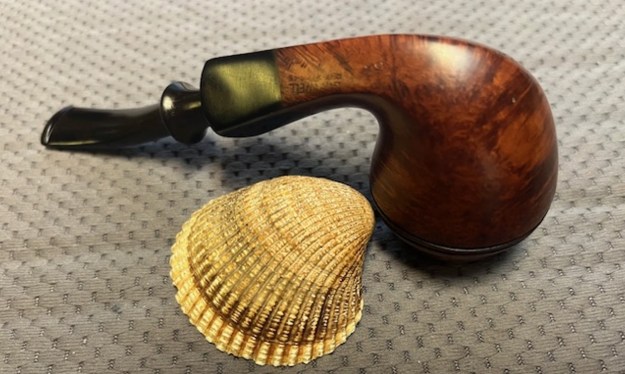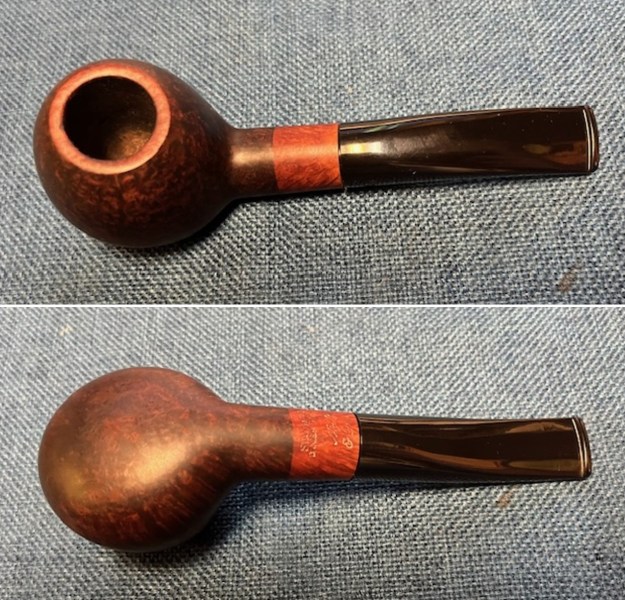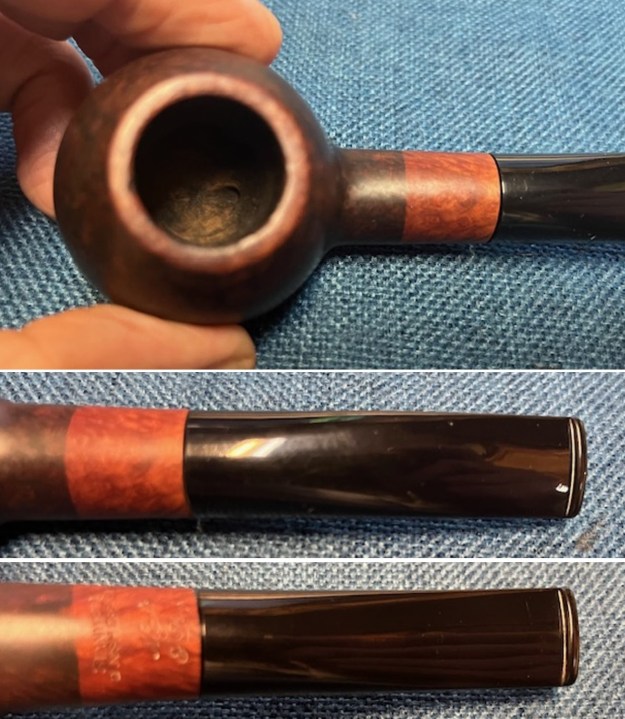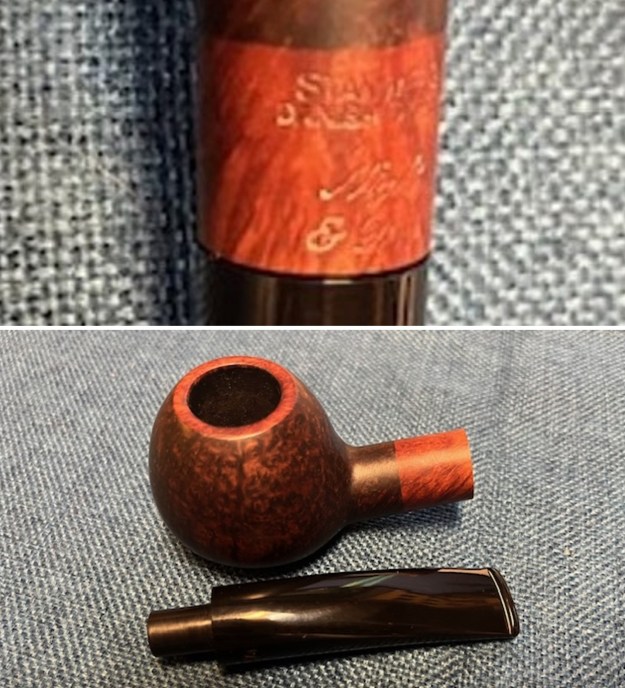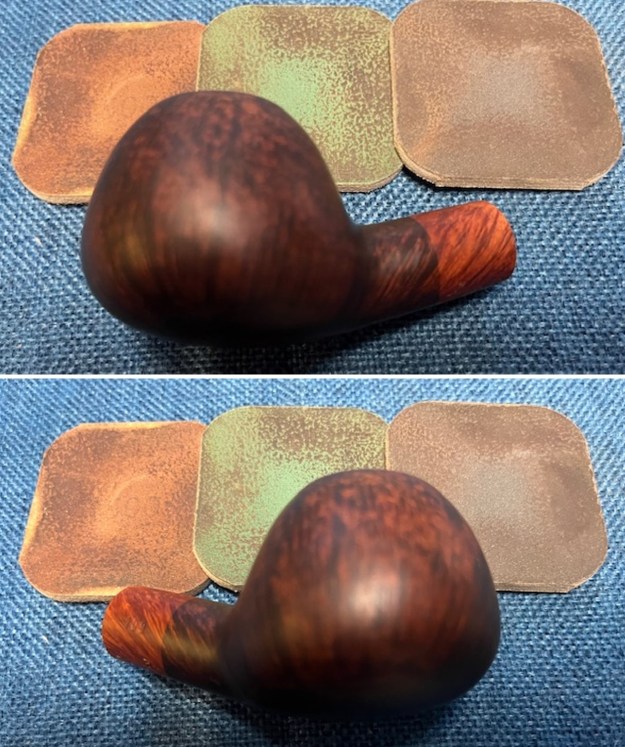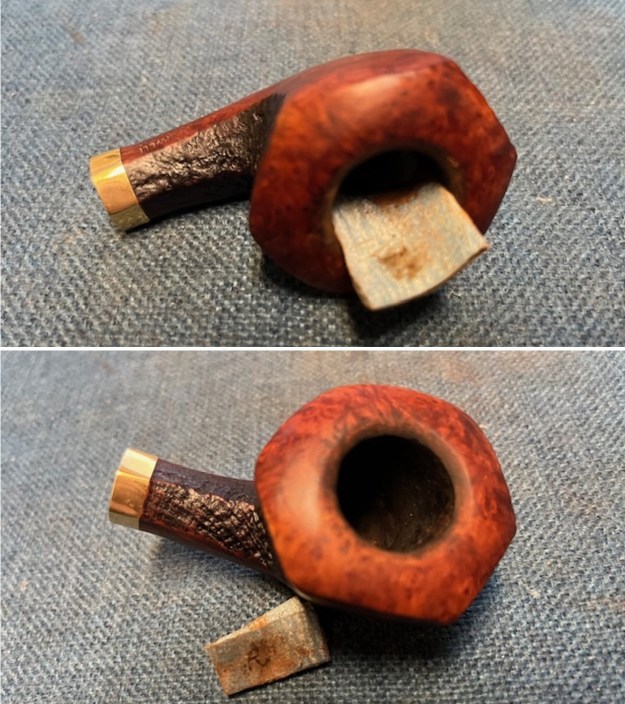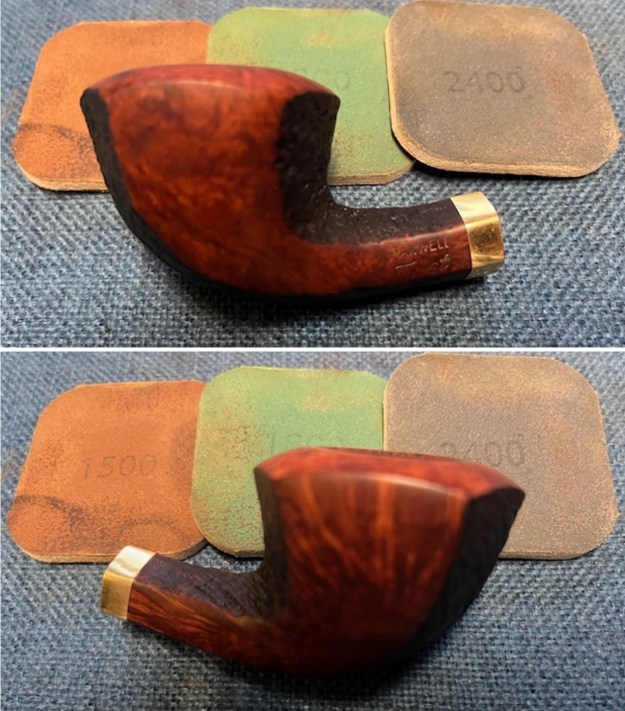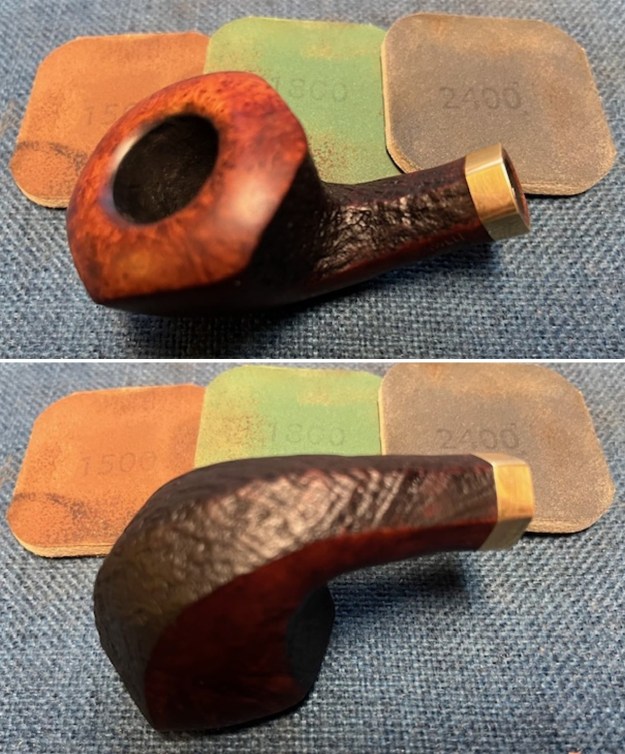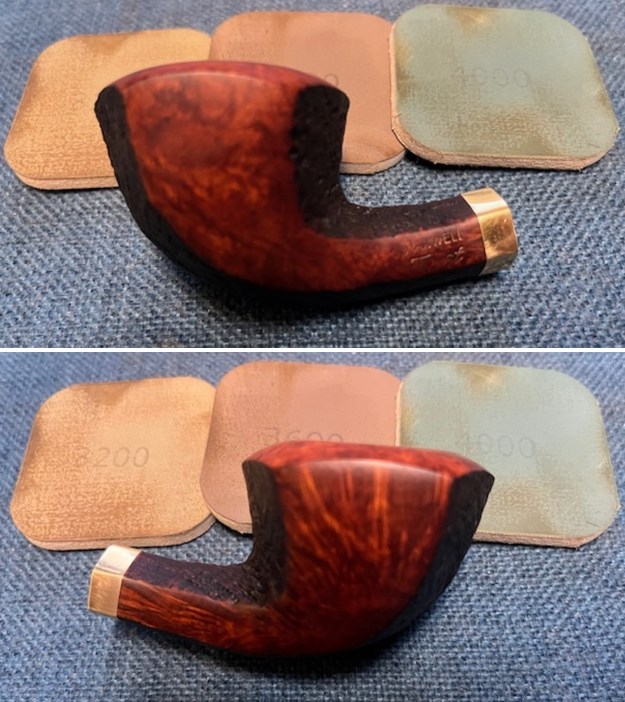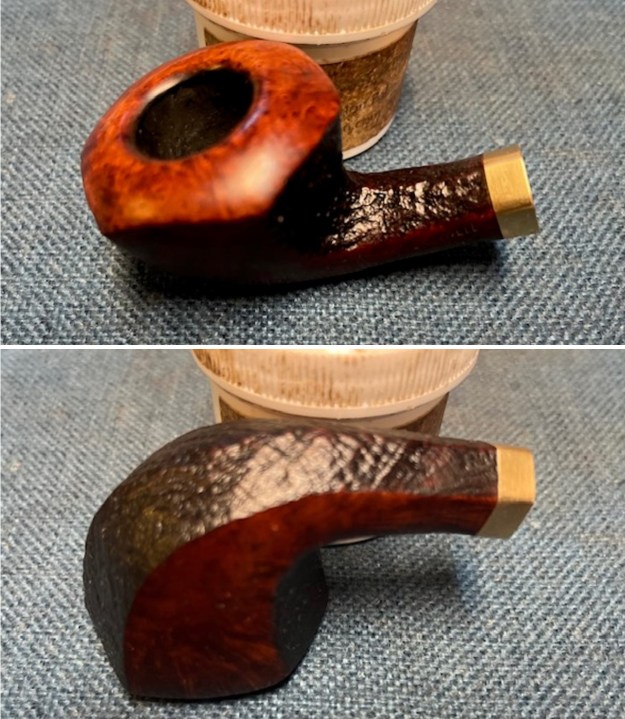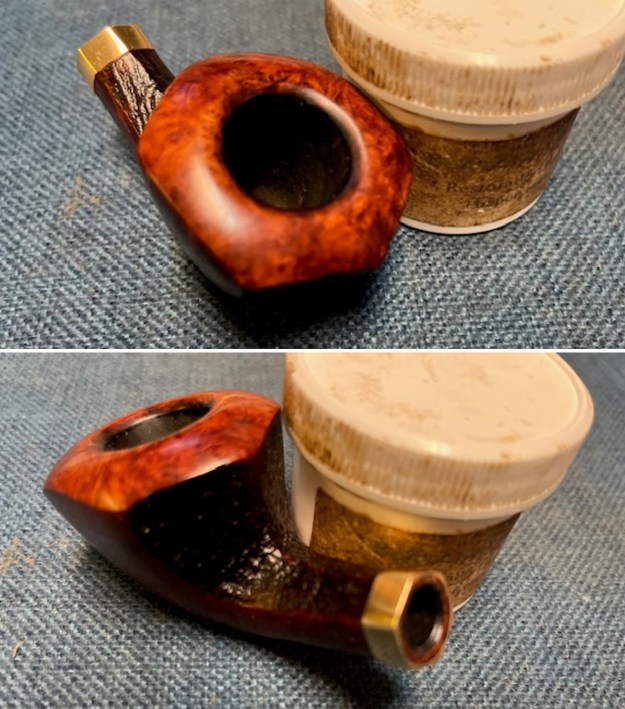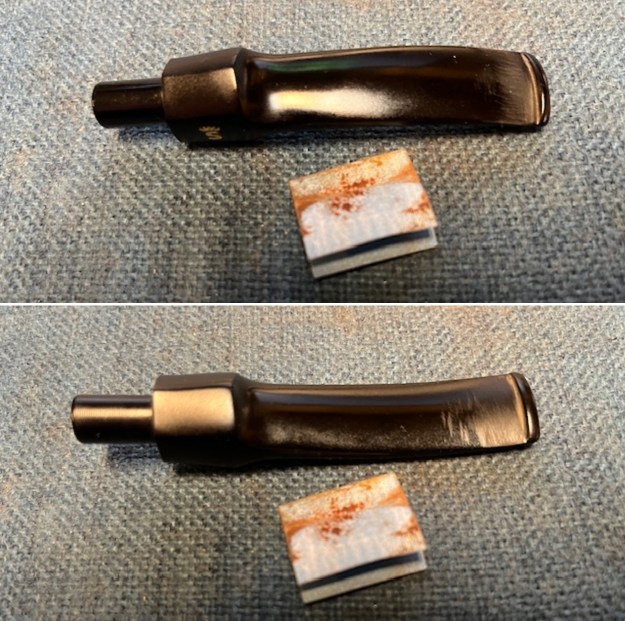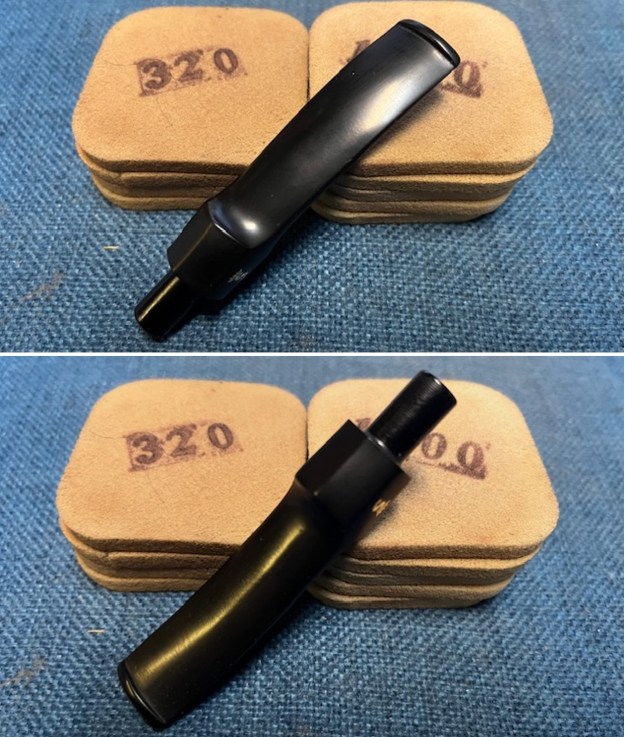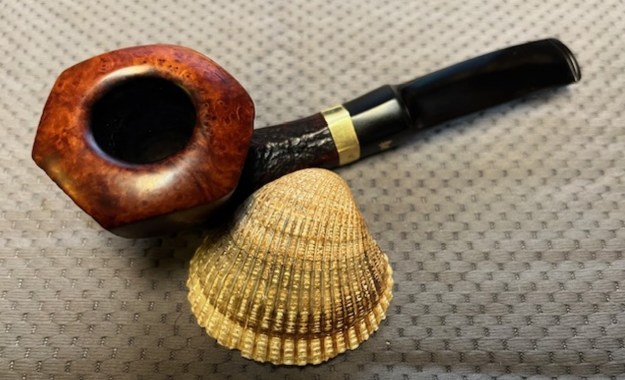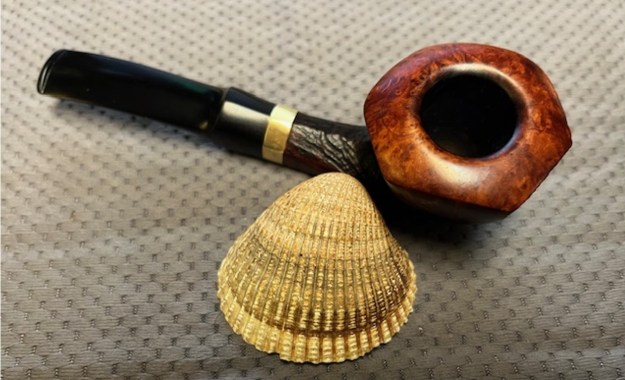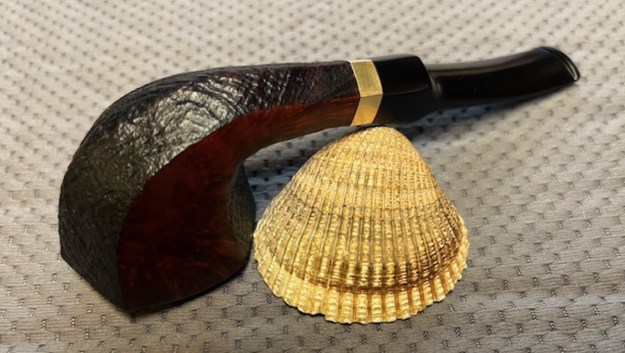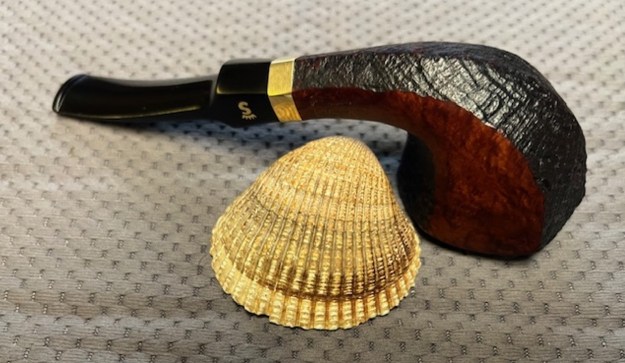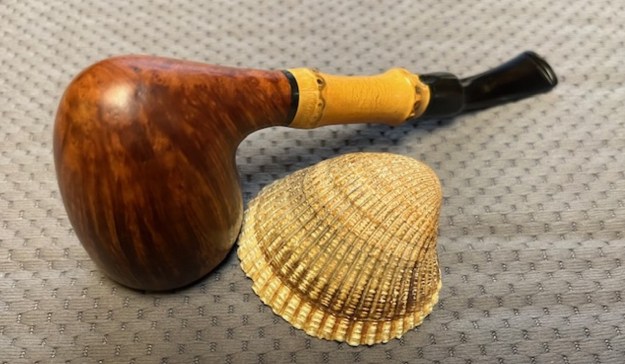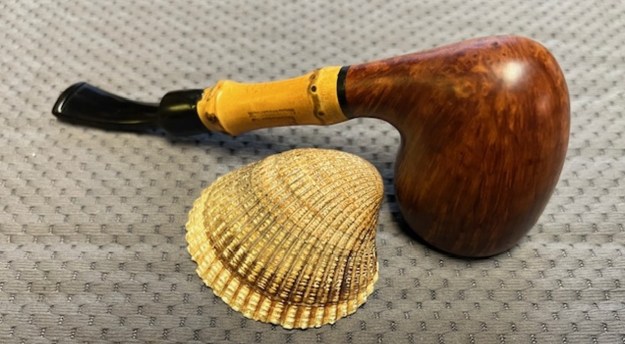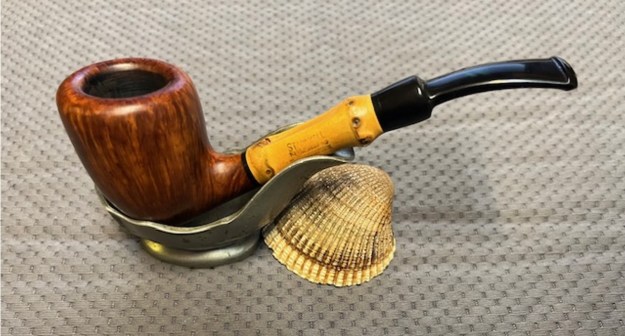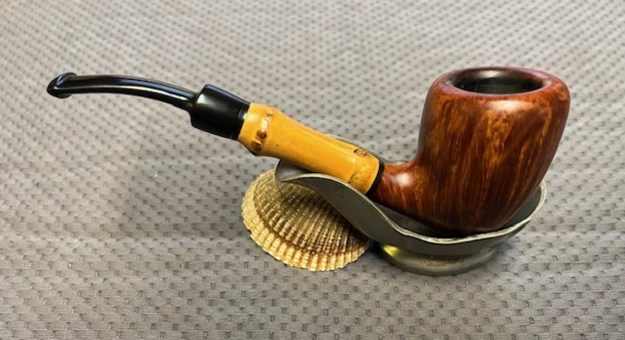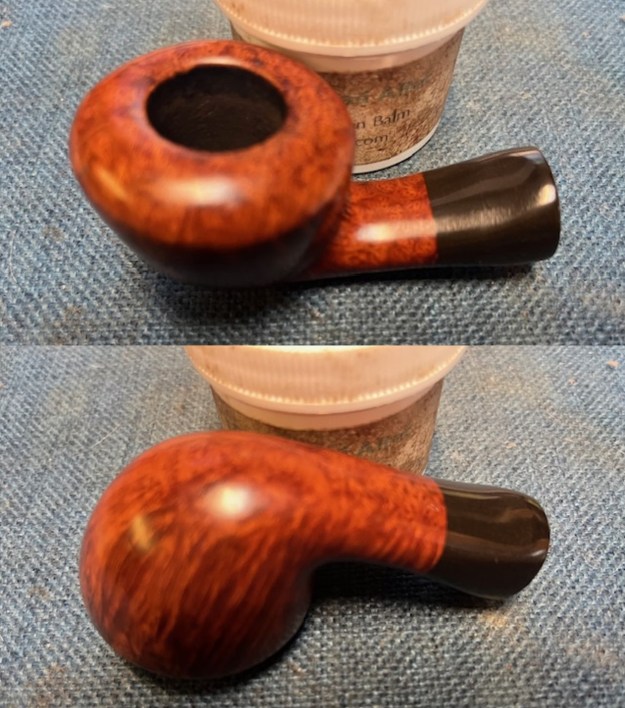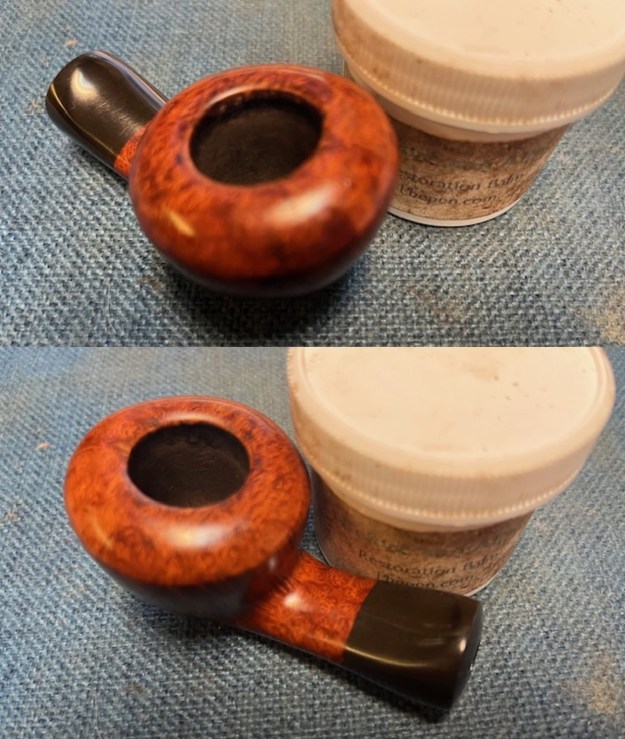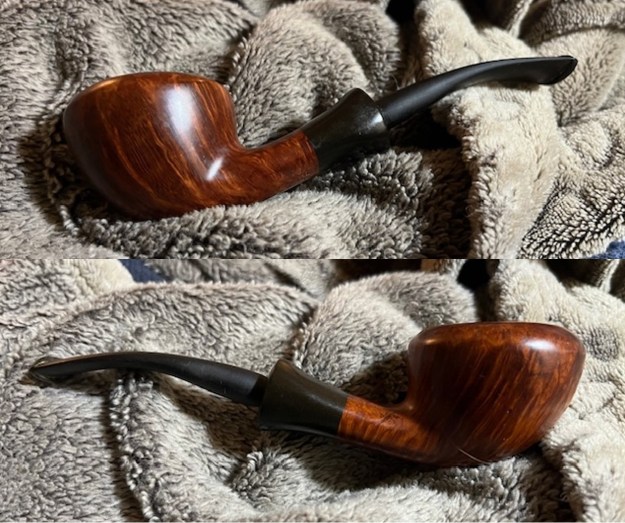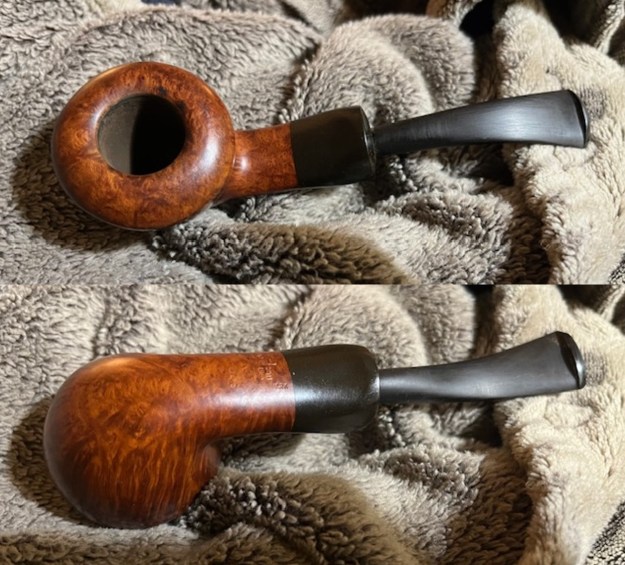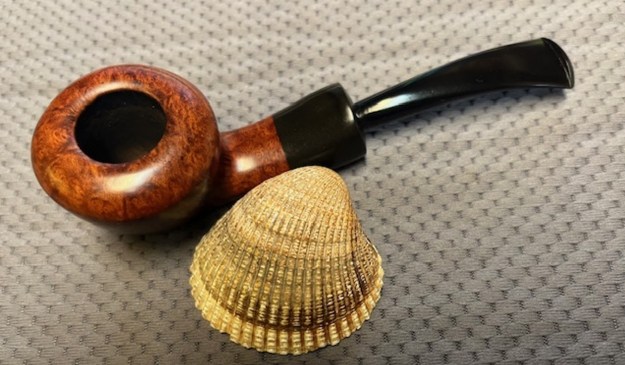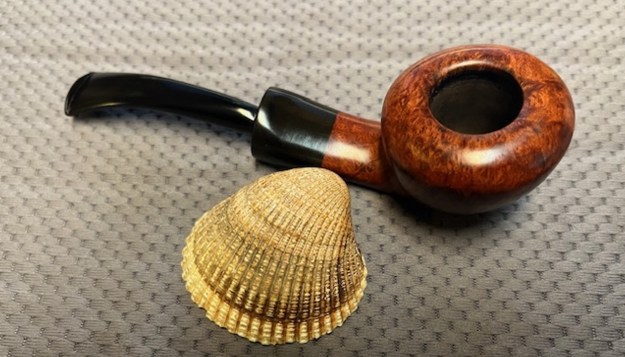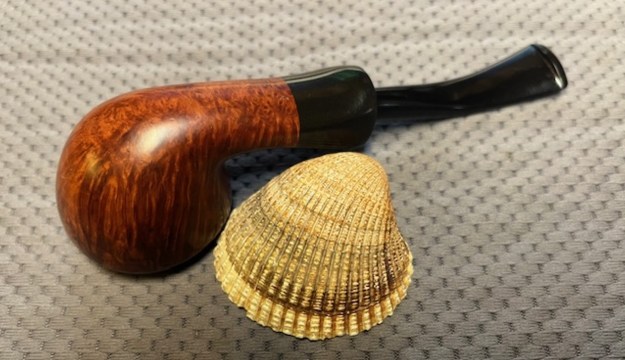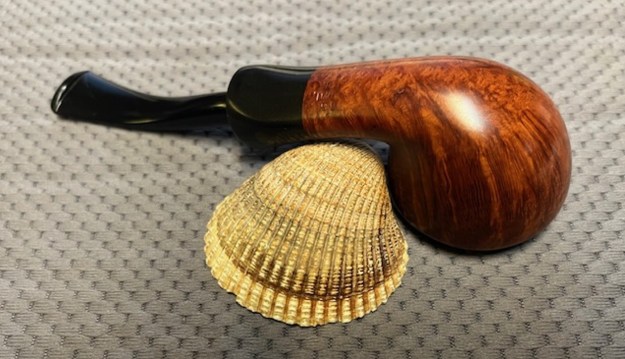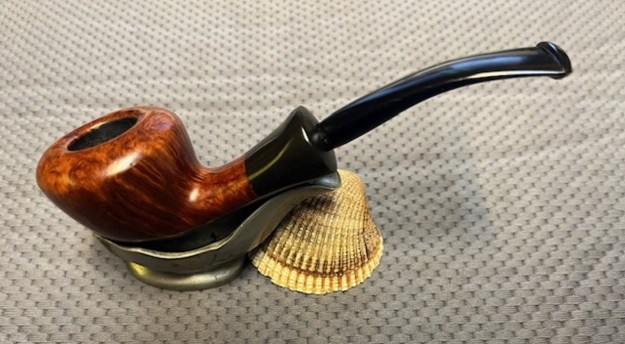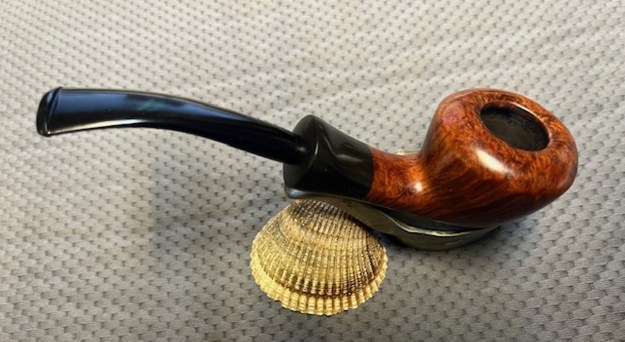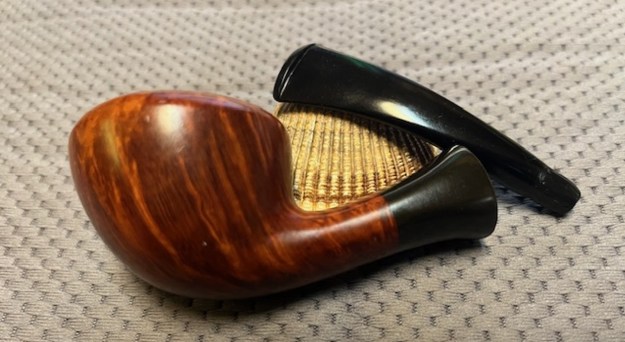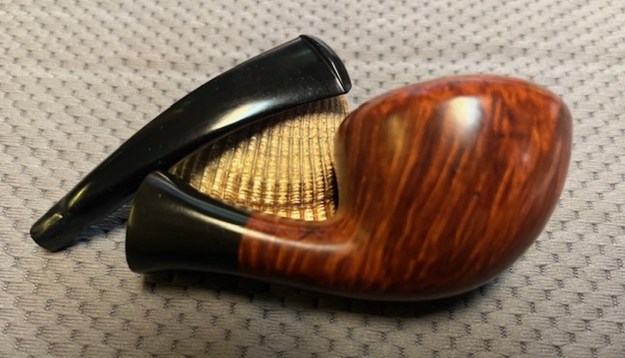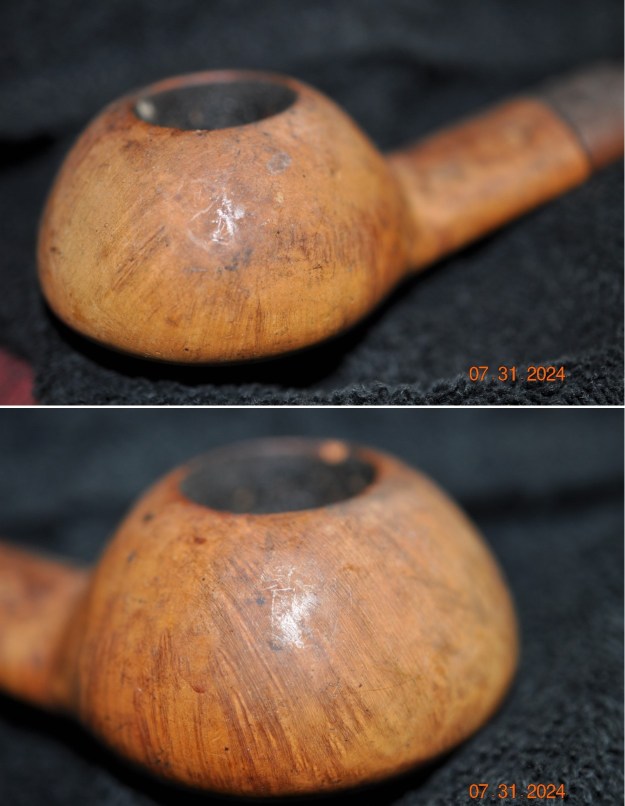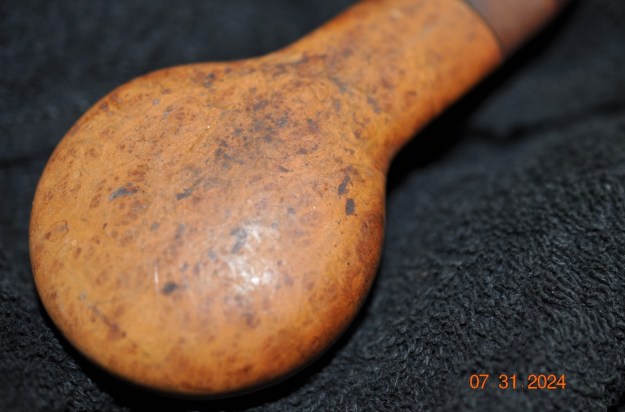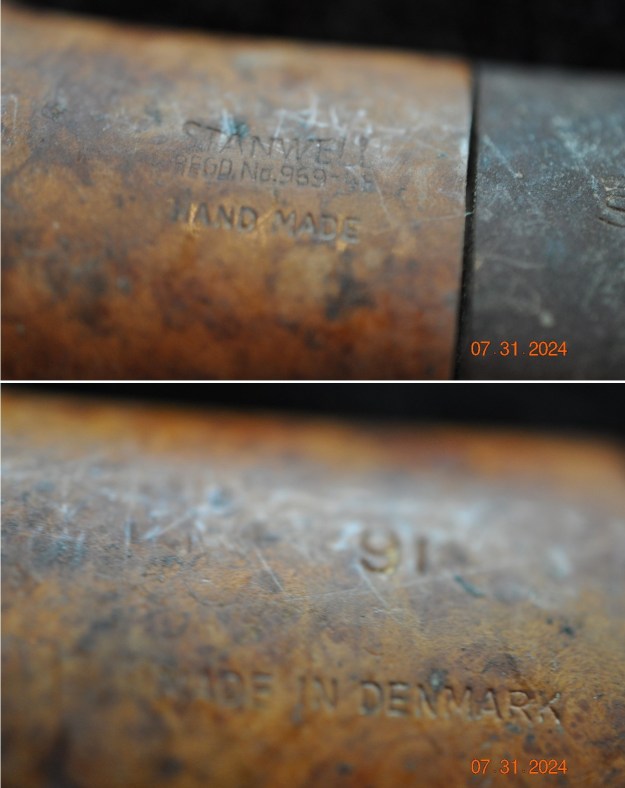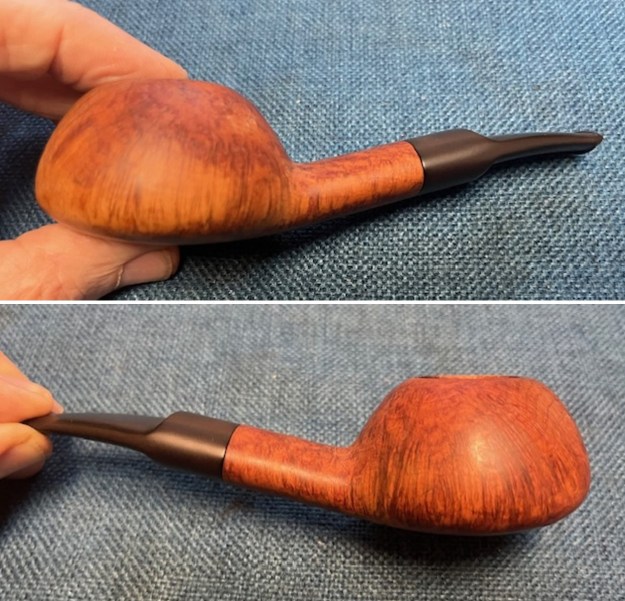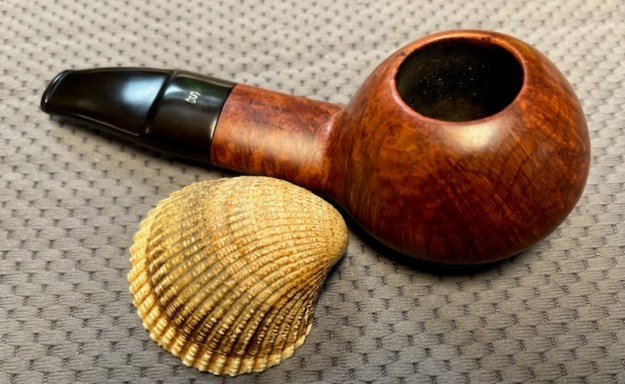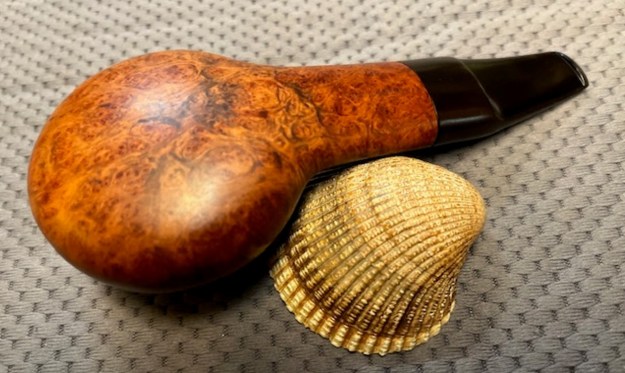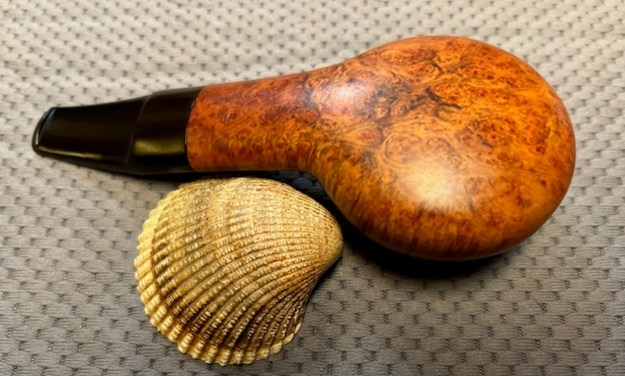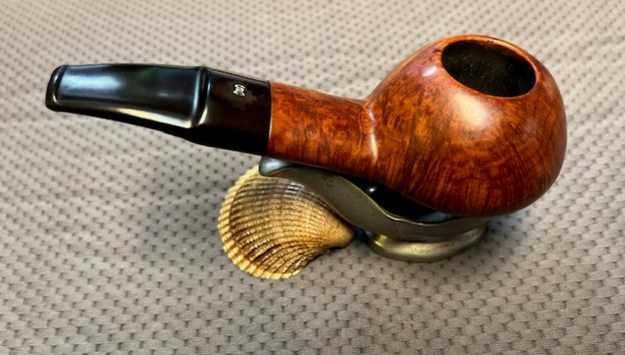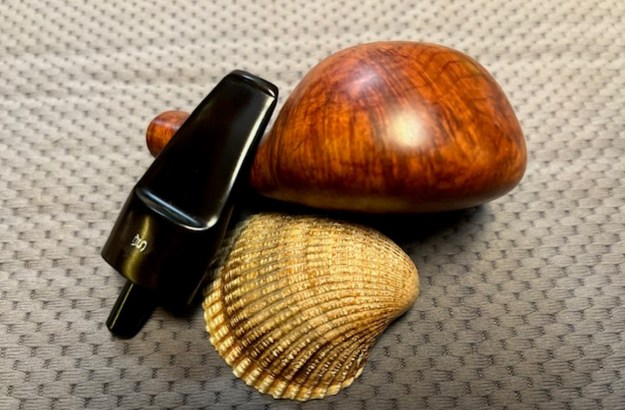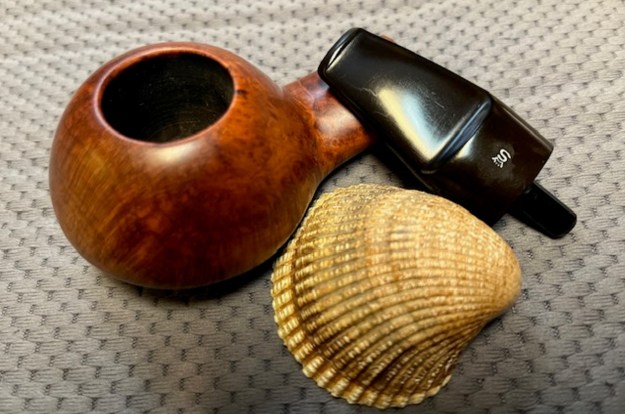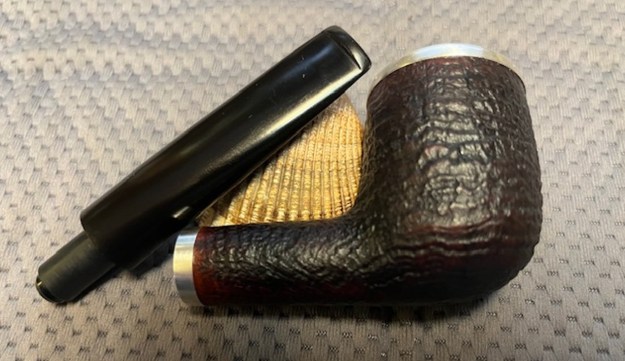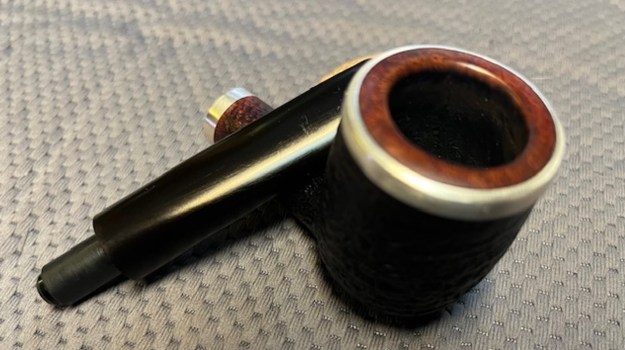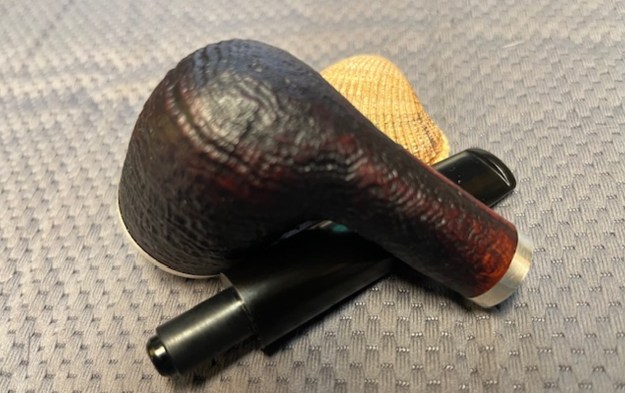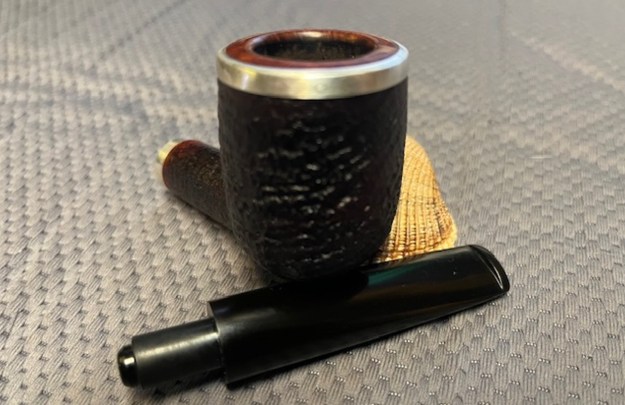
Tag Archives: Stanwell Pipes

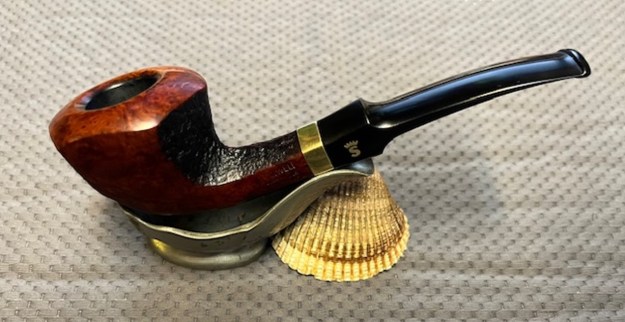
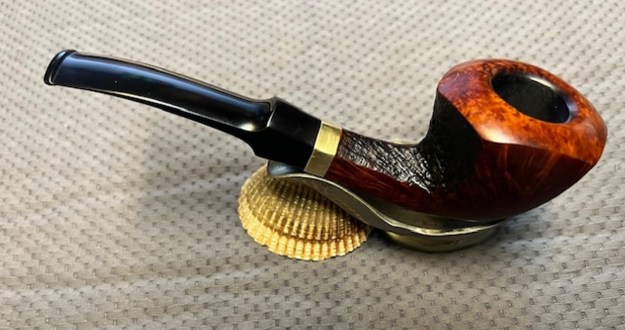
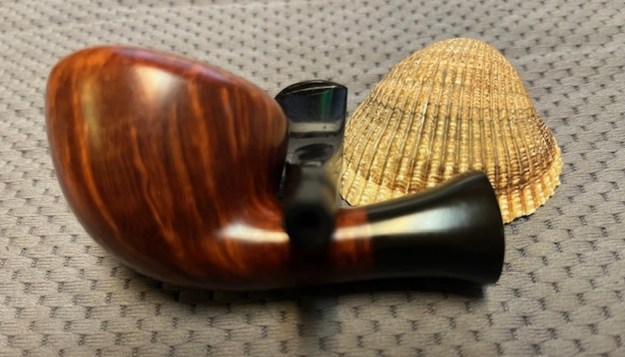
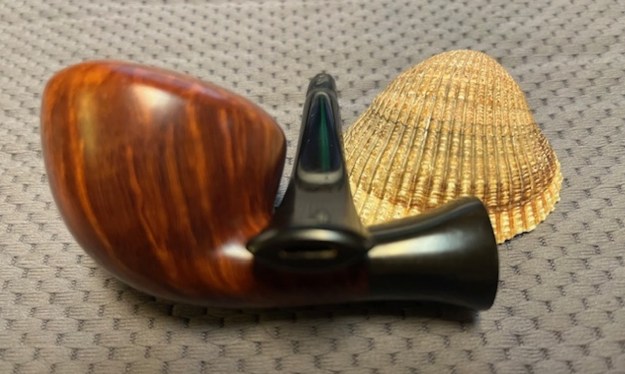
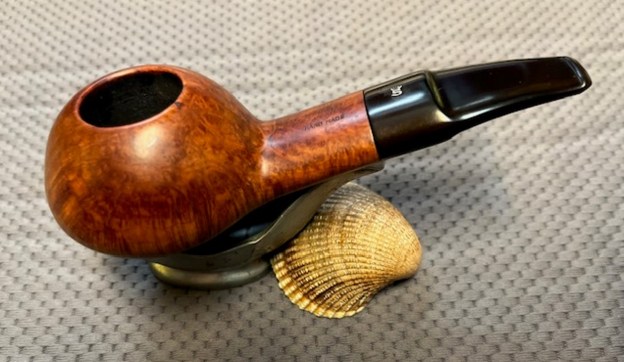
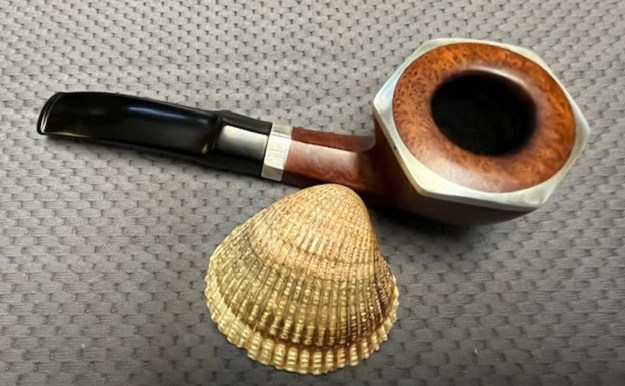
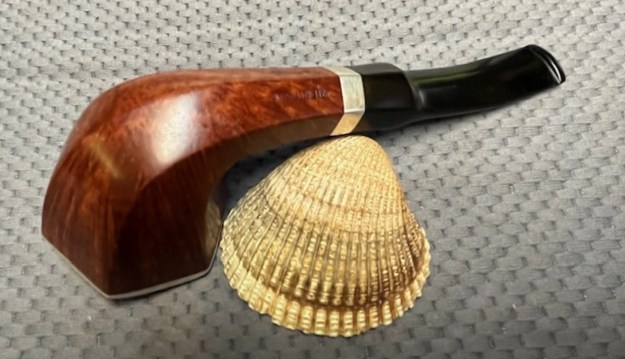
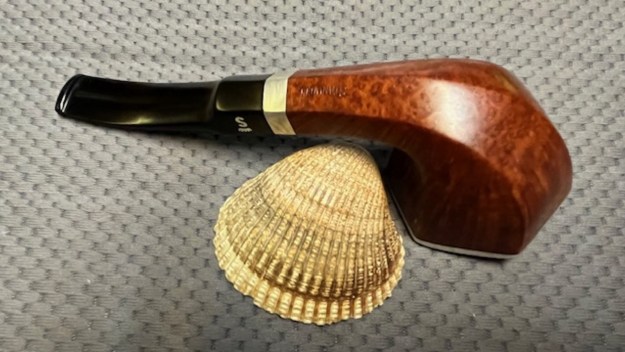
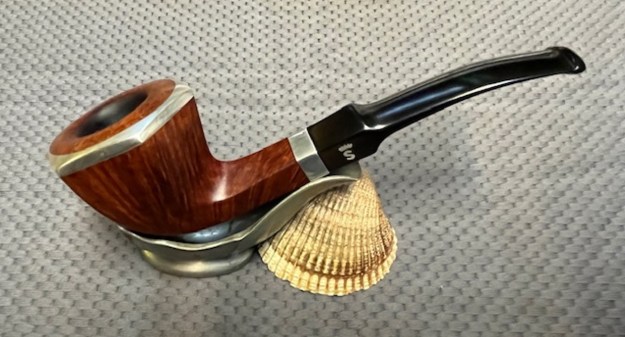
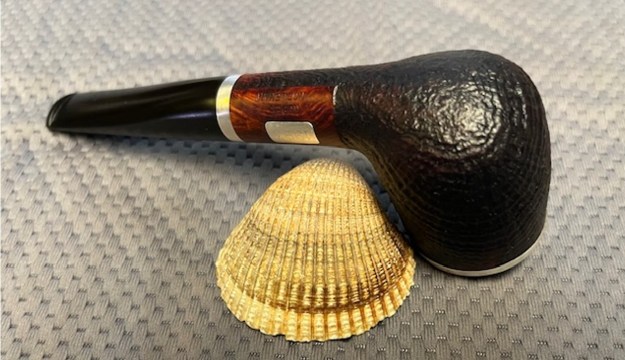
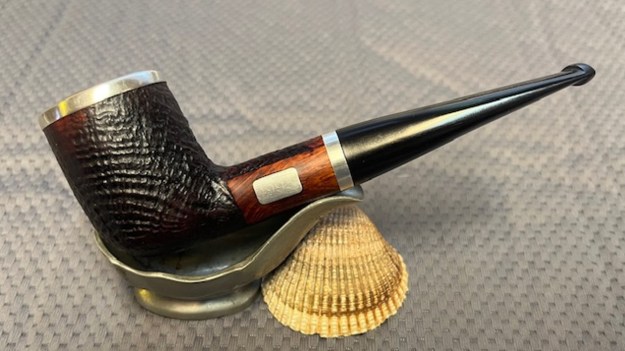
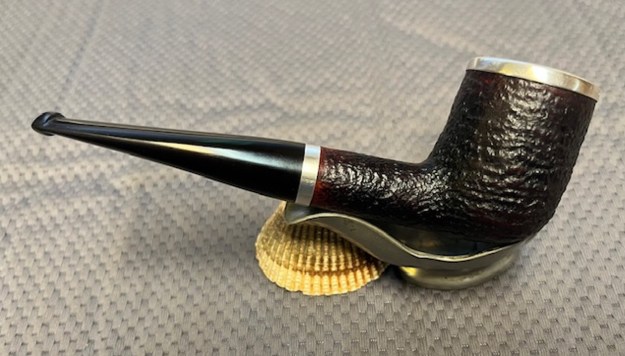
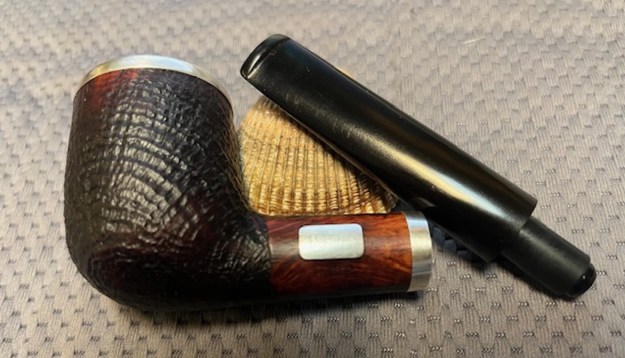
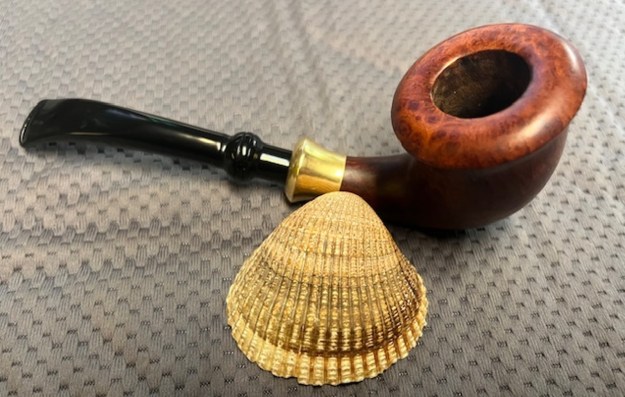
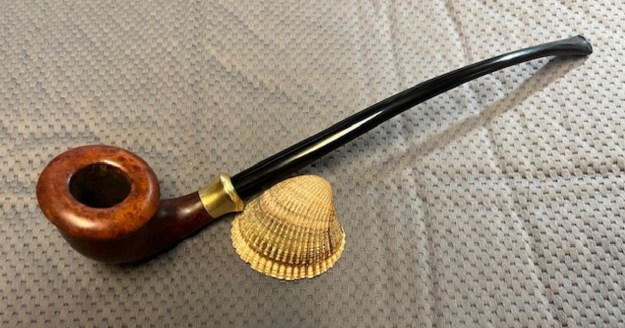
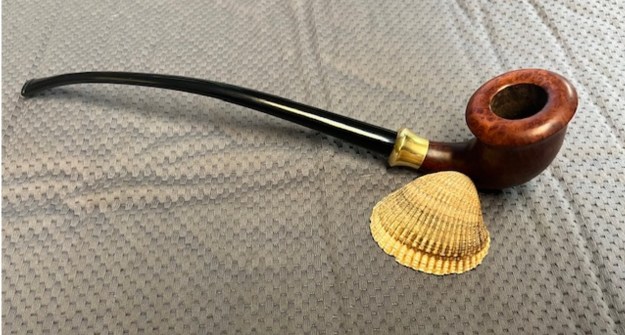
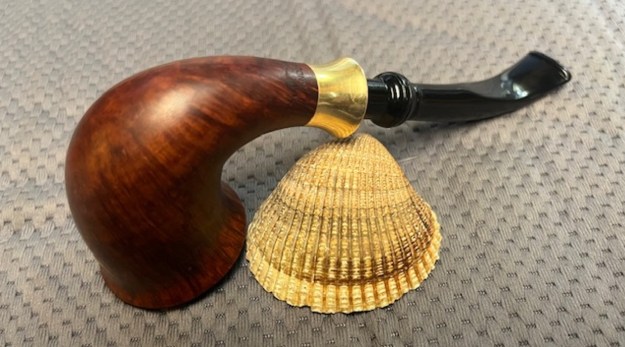
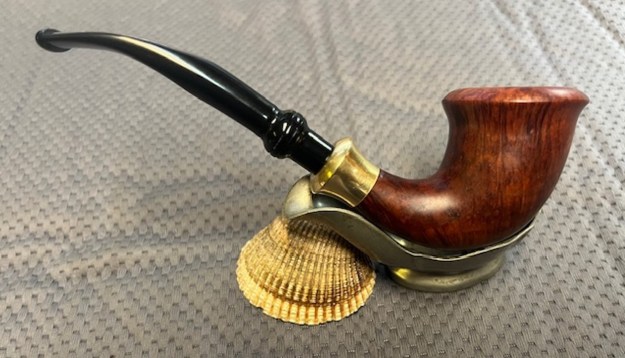
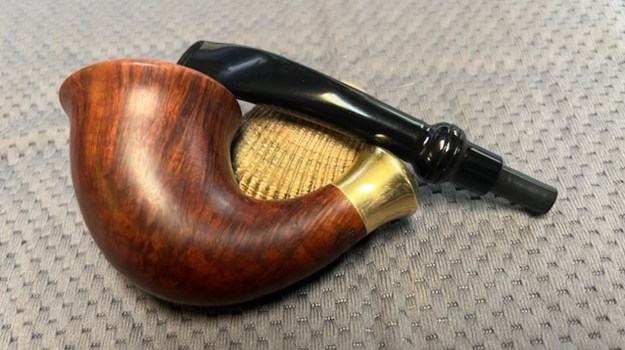
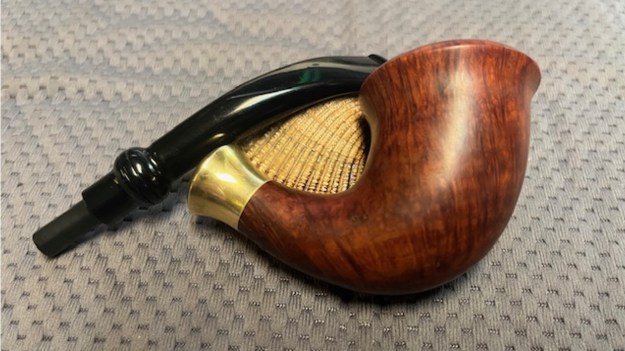
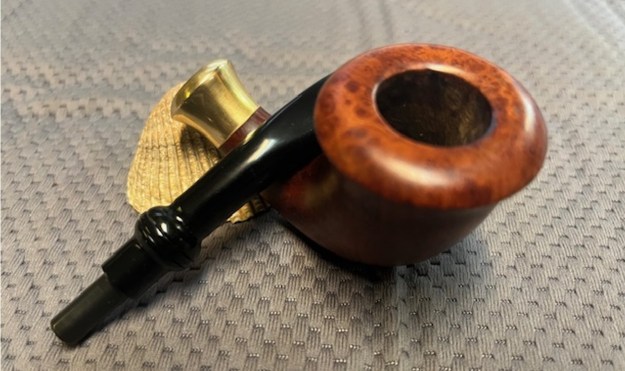
An Fortuitous Purchase of Stanwell Hans Christian Andersen Pipe


Blog by Steve Laug

In January Jeff found out about an estate sale in Pocatello, Idaho, USA. It turned out that the sale was for a fellow Jeff and I had purchased pipes from in the past, Gene. He had been the owner of Outwest Tobacco in Pocatello (long closed now) and I bought tobacco and other smoking items from him in the past. As I think about it now, it seems that I had known Gene for over 30 years Jeff and I had been to his home and enjoyed coffee and a few pipes together. I have no idea how many pipes we bought on those visits as well as to the antique shop of his daughter. I know that there were many pipes. When we heard that it was Gene’s personal collection that was for sale and that he had passed away we decided for Jeff to go to the house and have a look. He went on January 25, 2024 to scope it out as we had seen his personal collection of pipes and there were definitely some among those well smoked old warriors that would be great to pick up. Perhaps there would even be one that could join my own collection in memory of Gene.

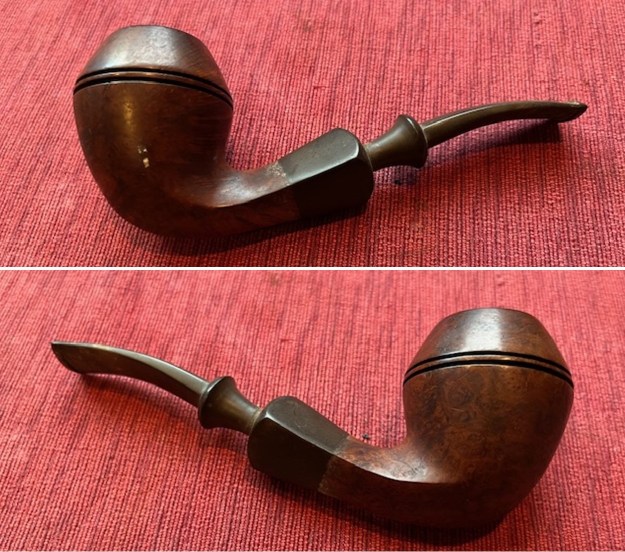
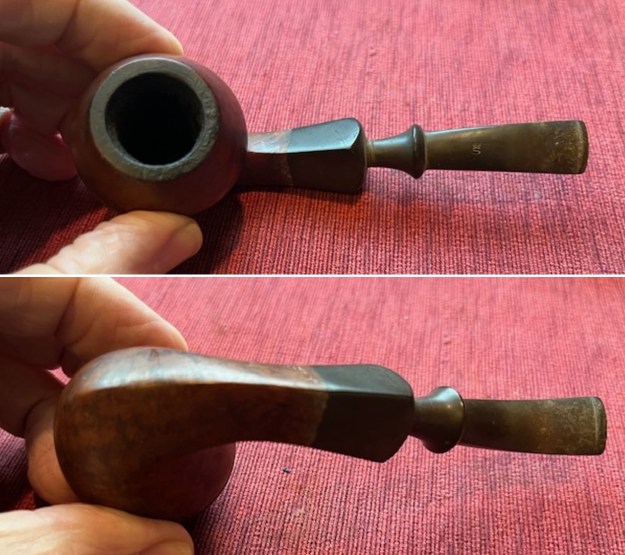
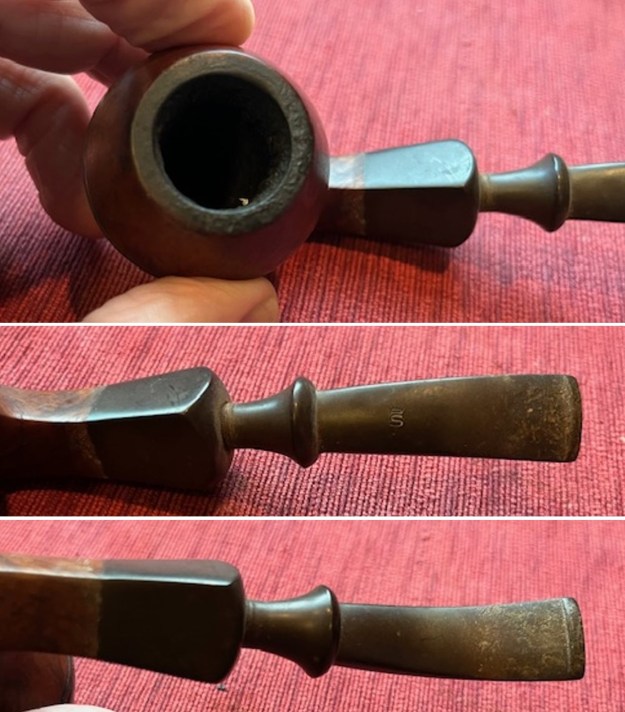
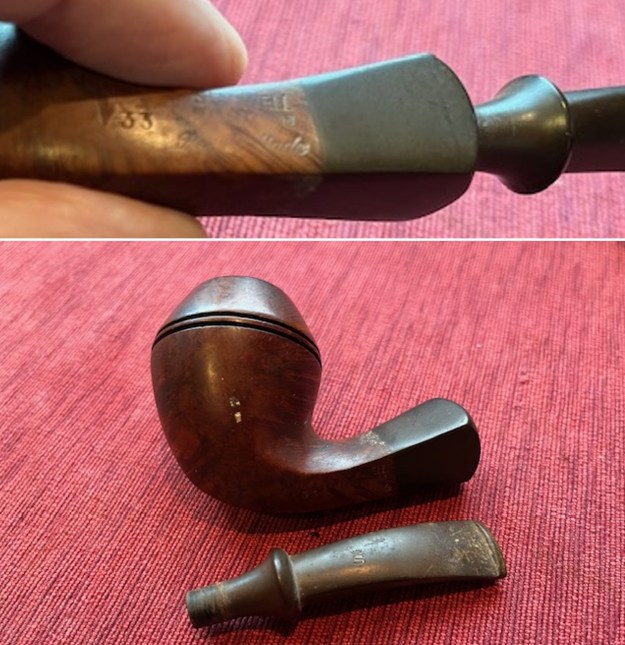
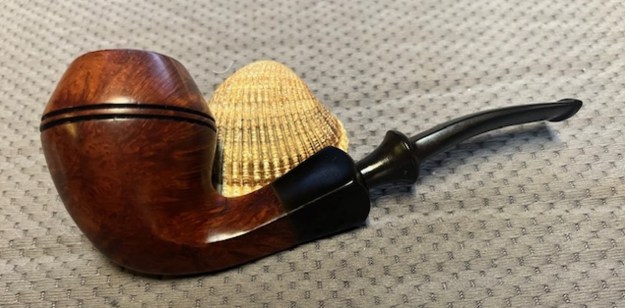
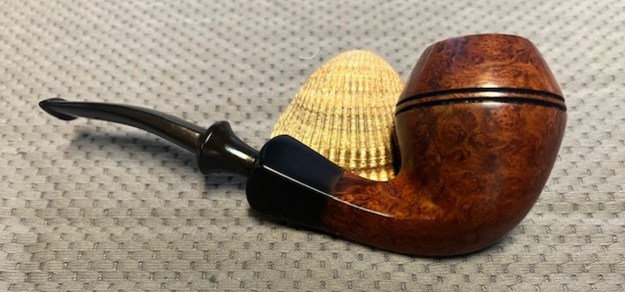
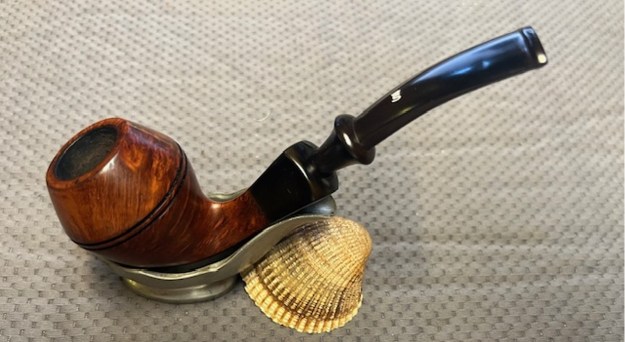
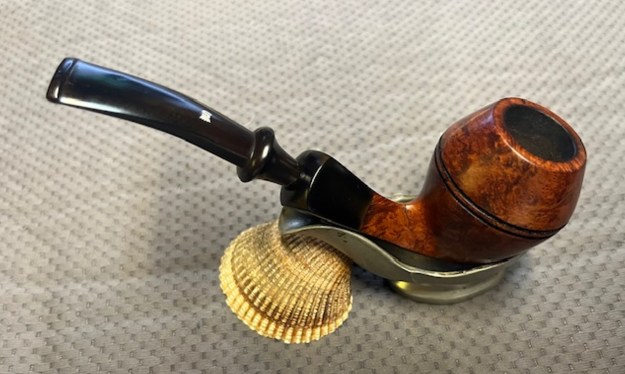
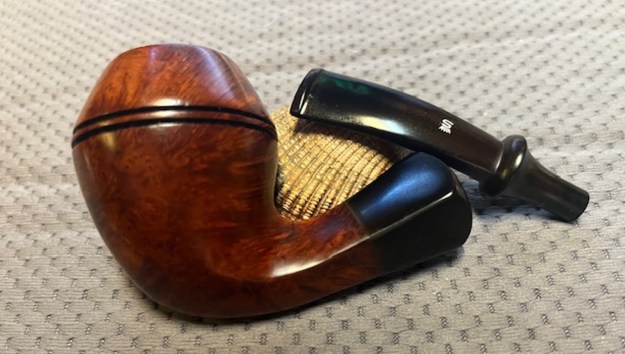
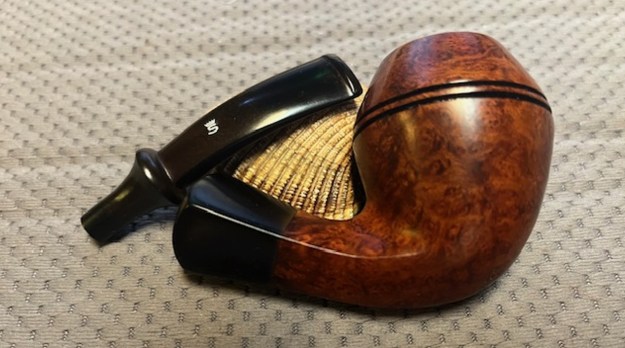
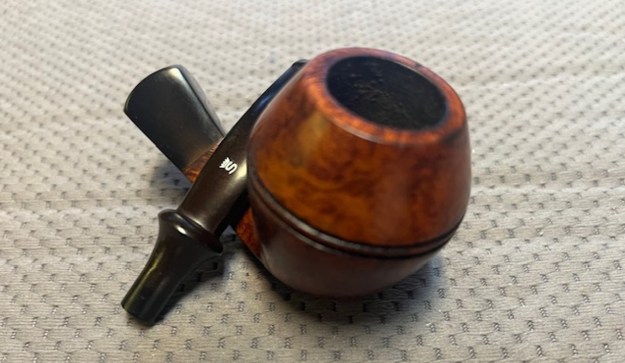
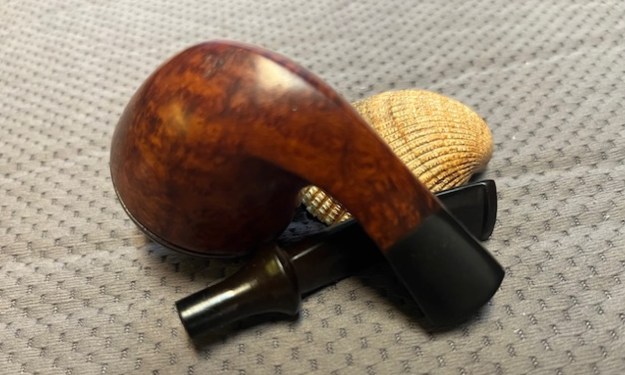
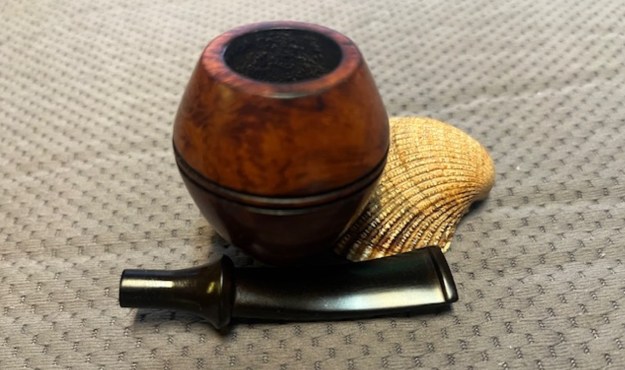
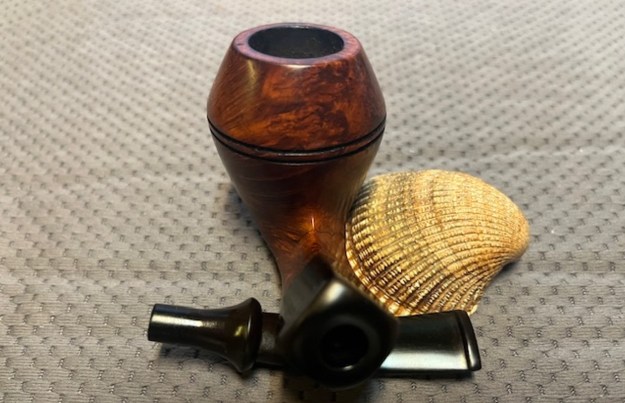
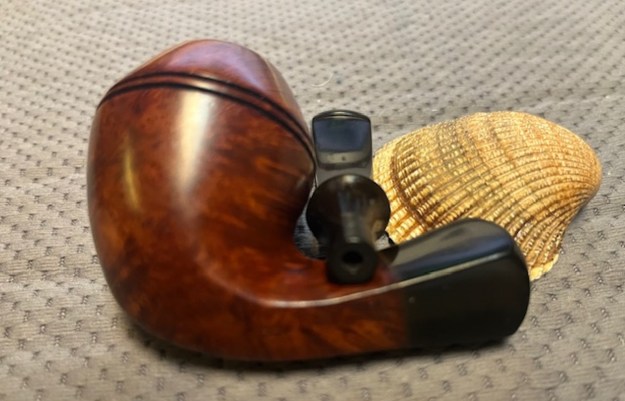
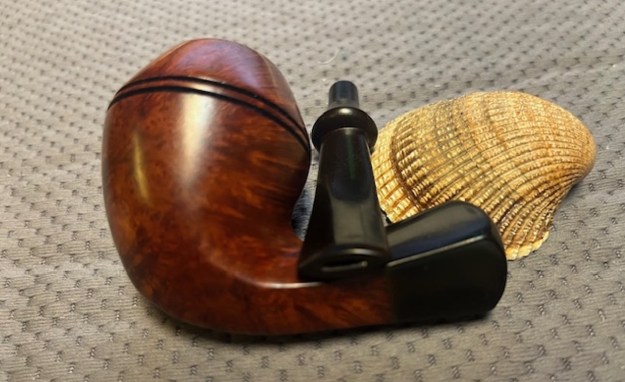
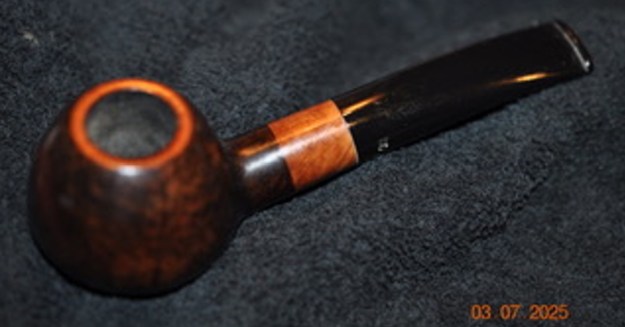
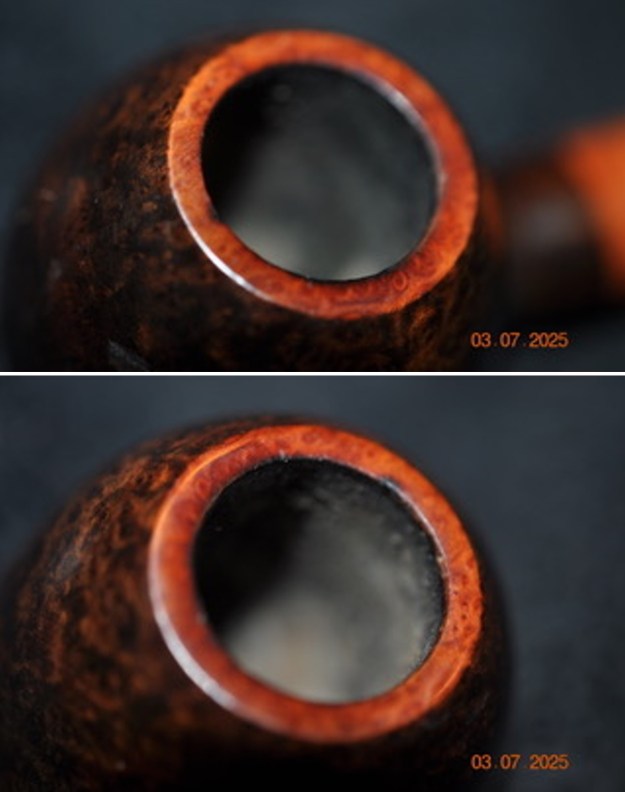
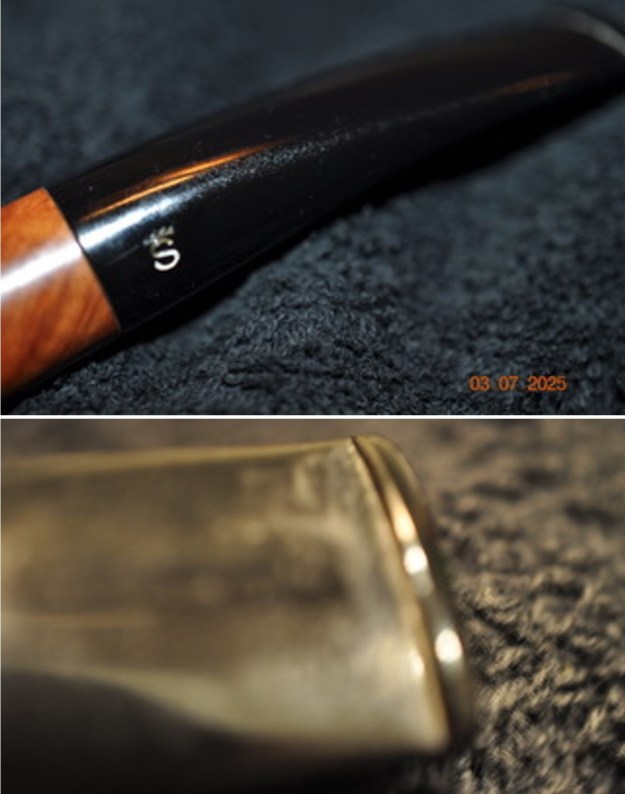
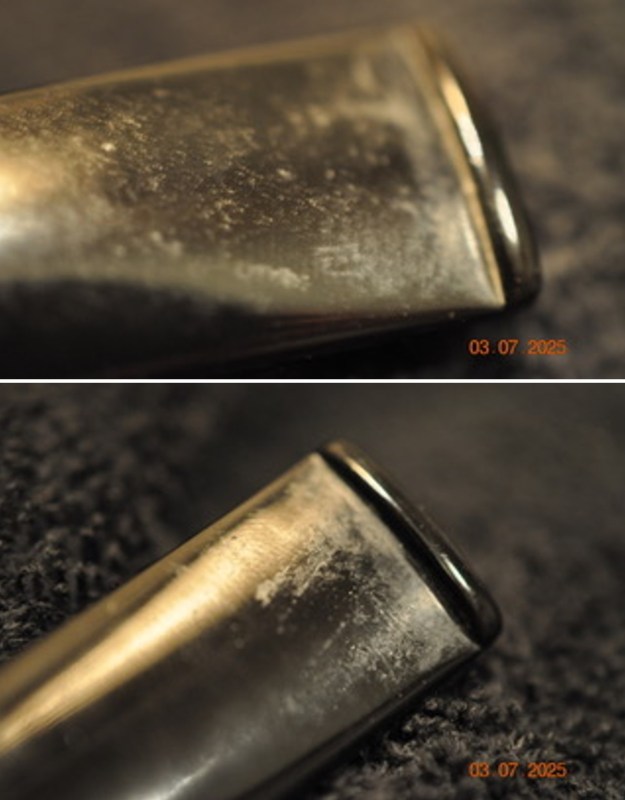
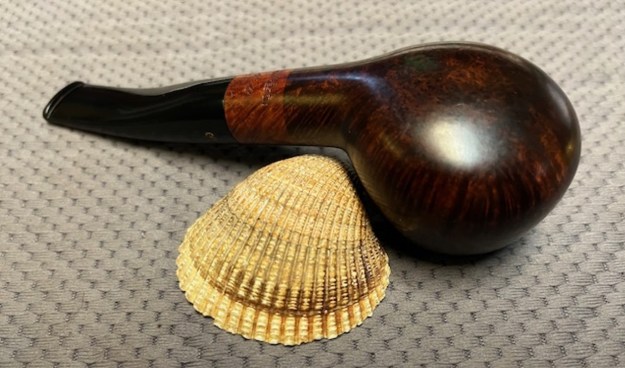
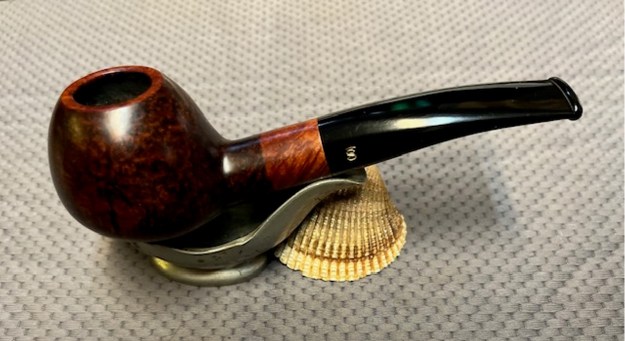
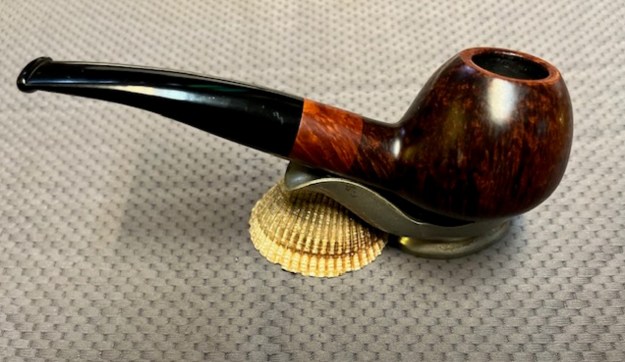
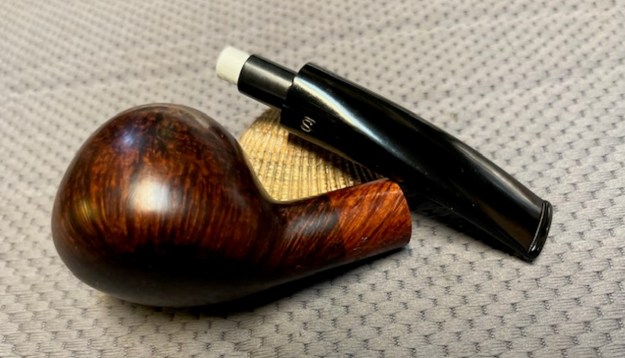
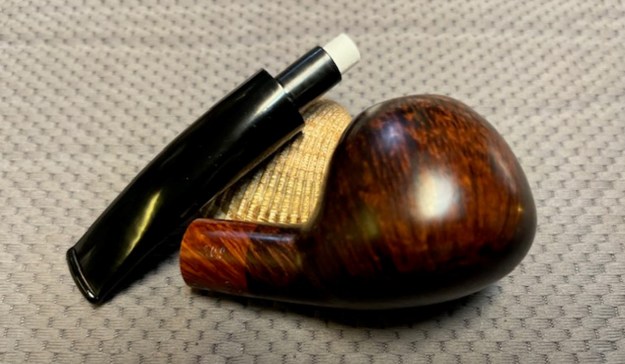
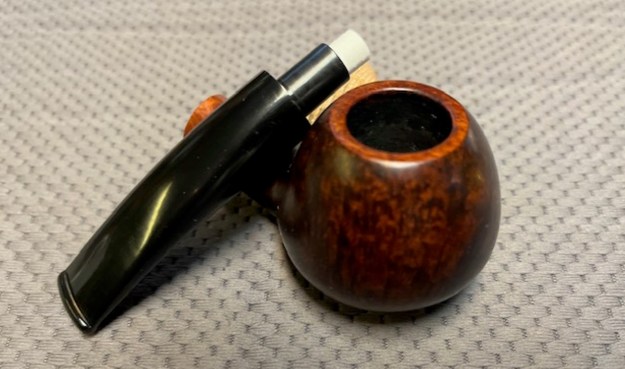
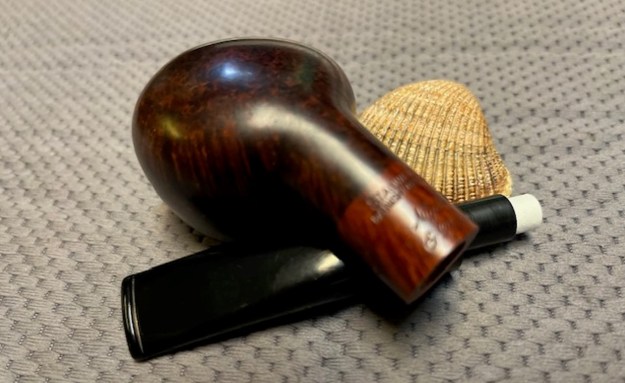
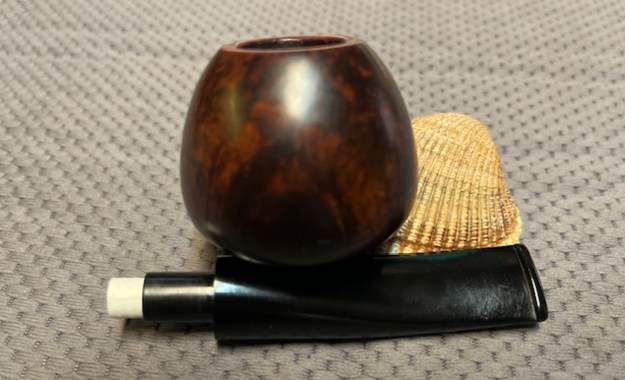
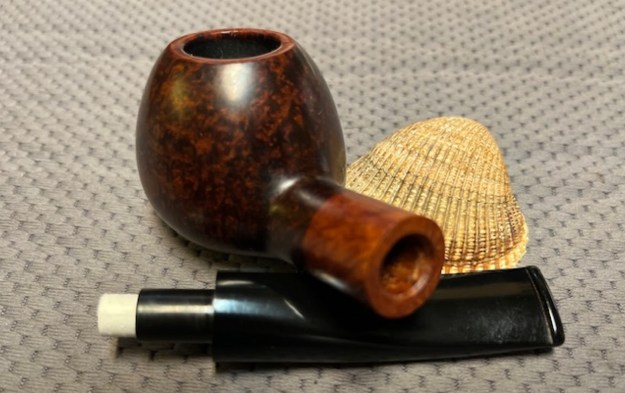
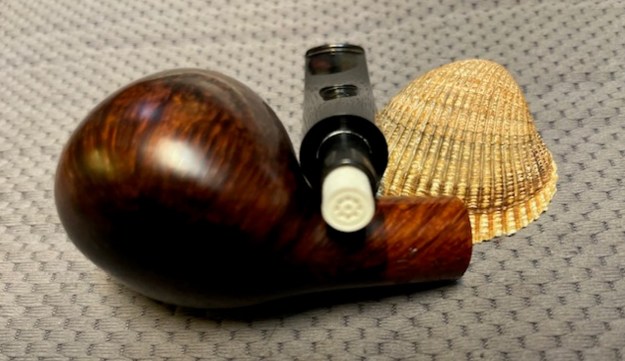
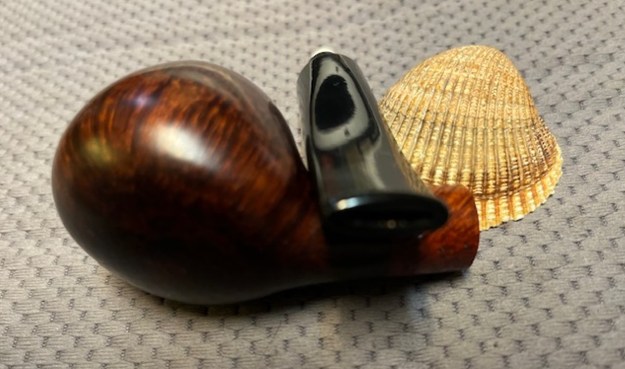
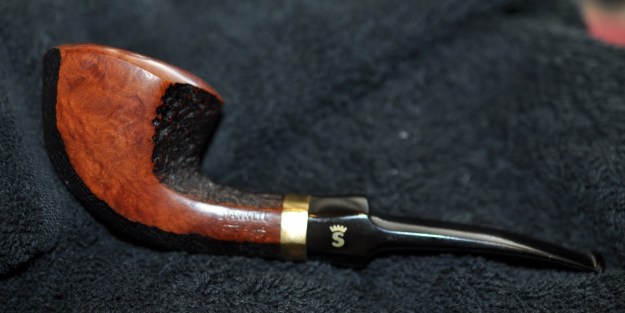
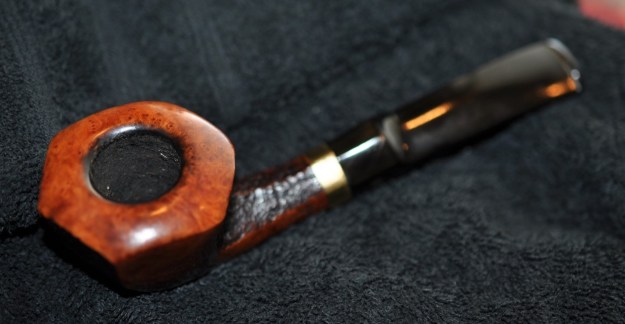
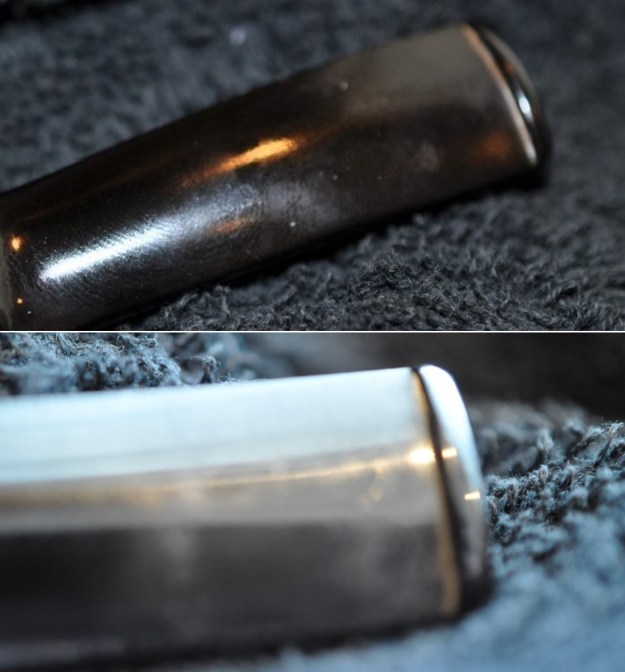
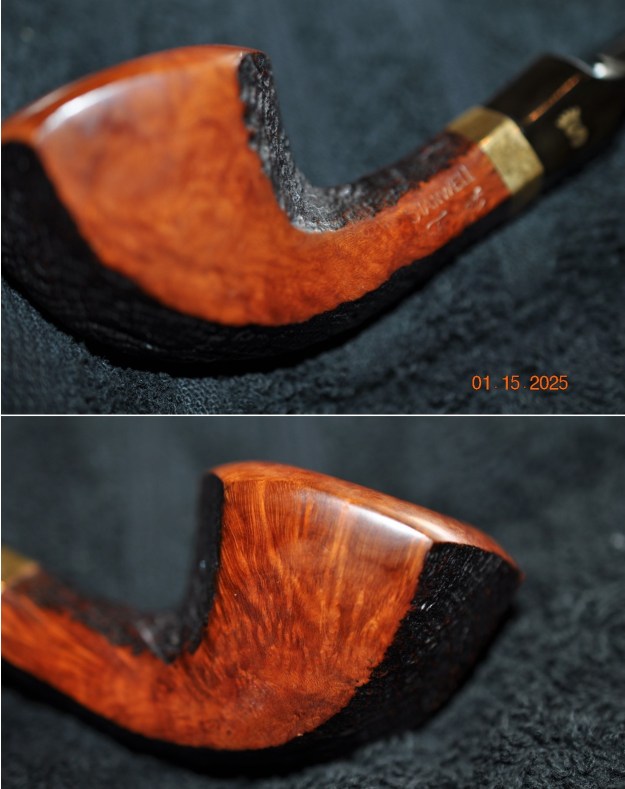
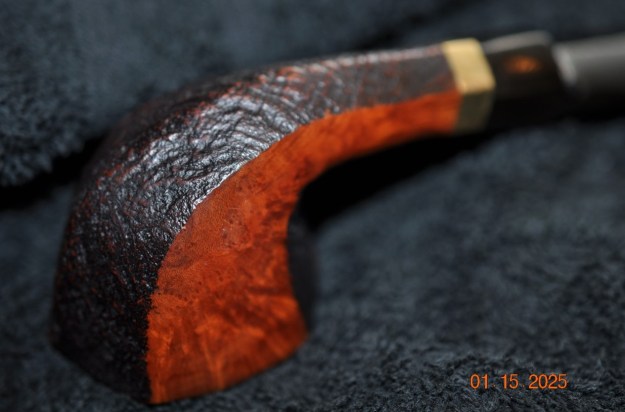
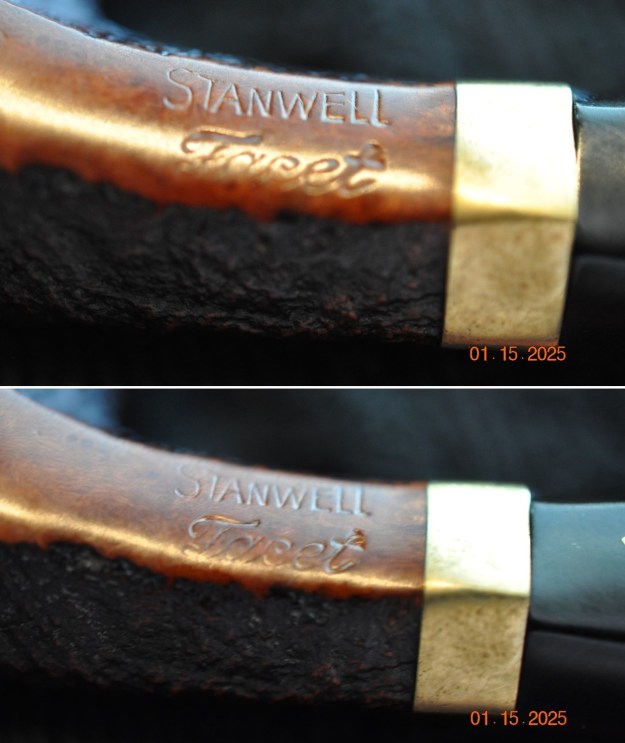
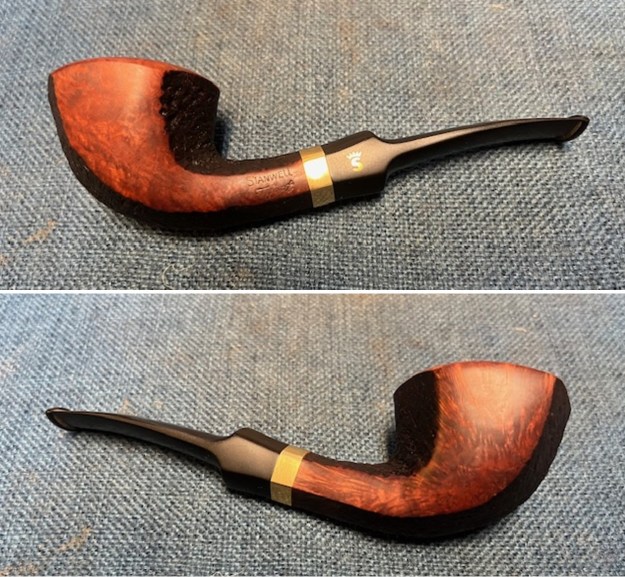
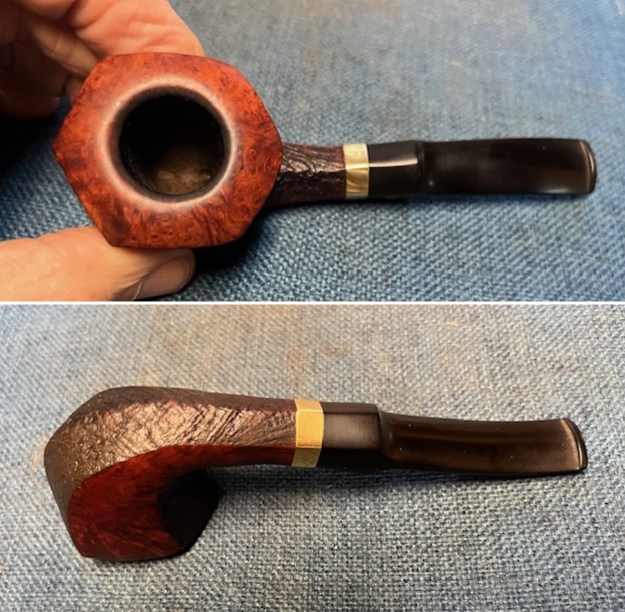
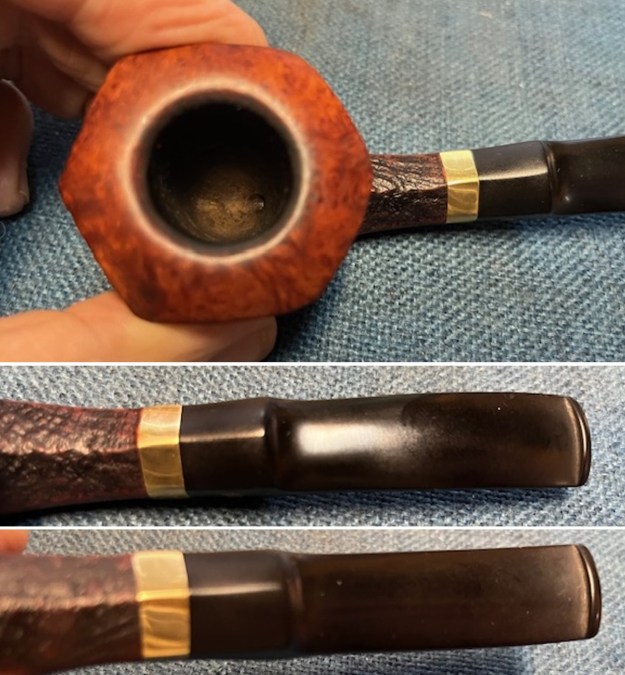
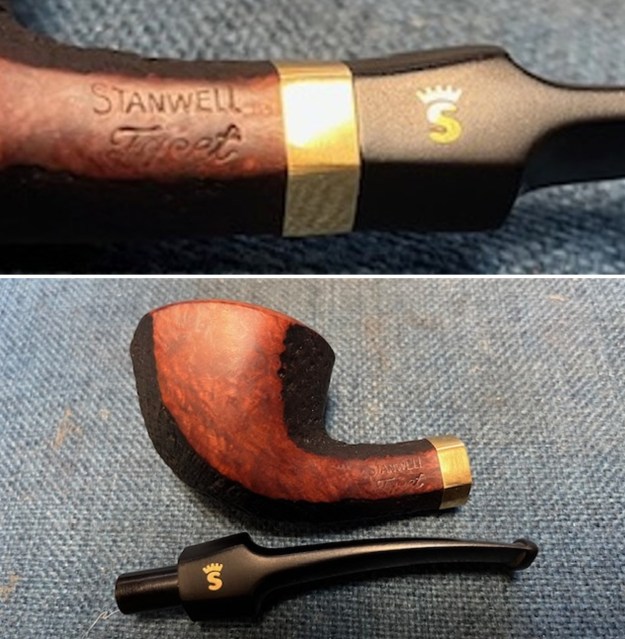
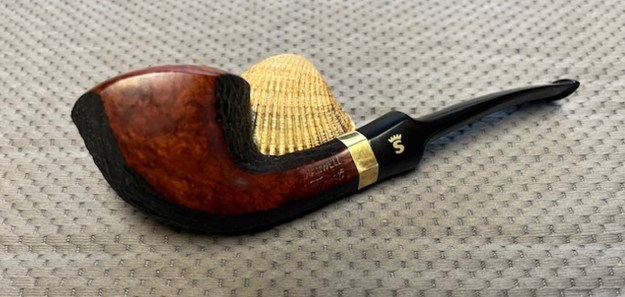
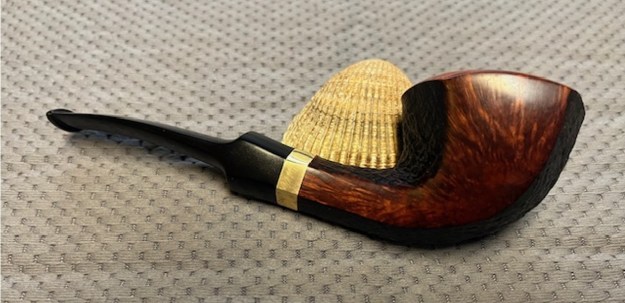
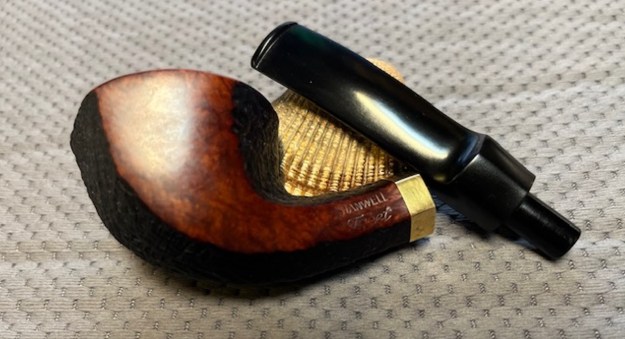
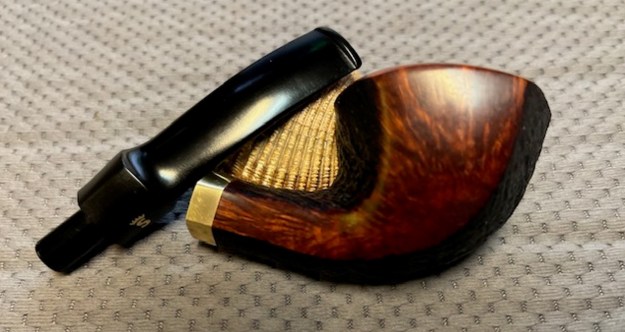
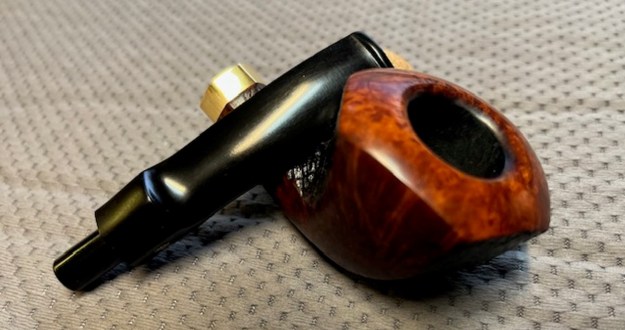
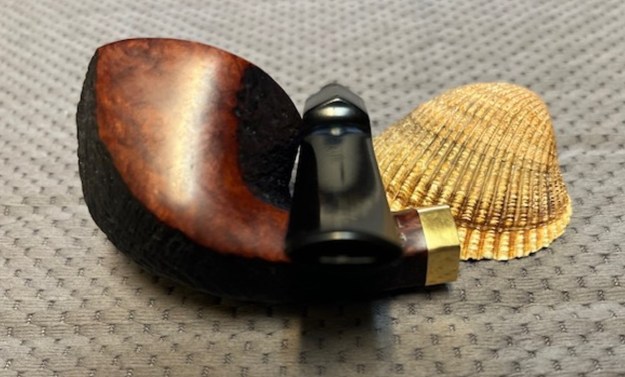
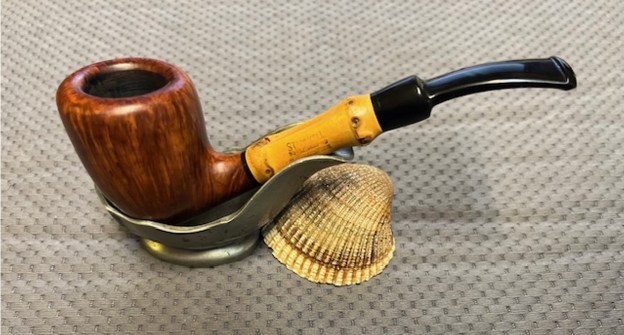
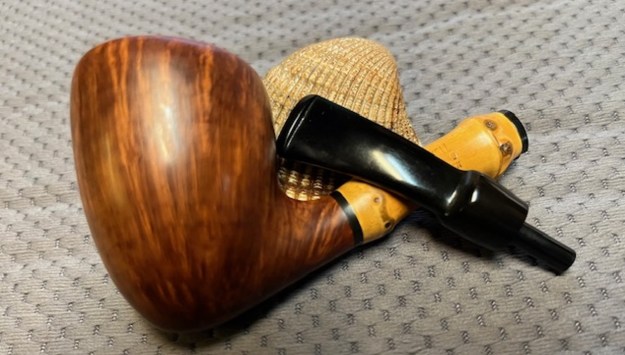
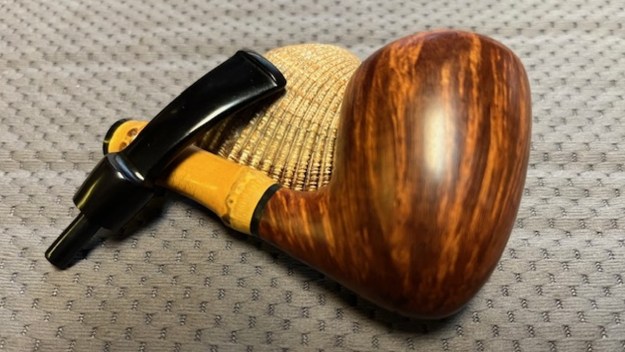
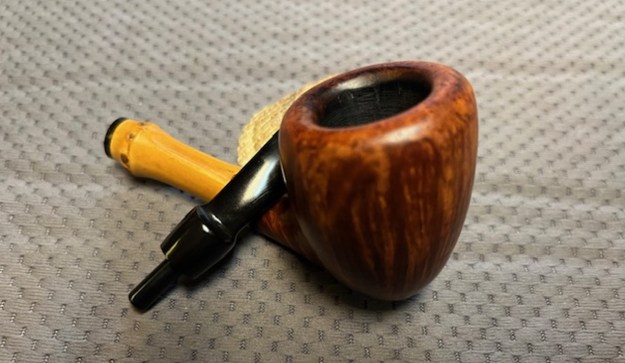
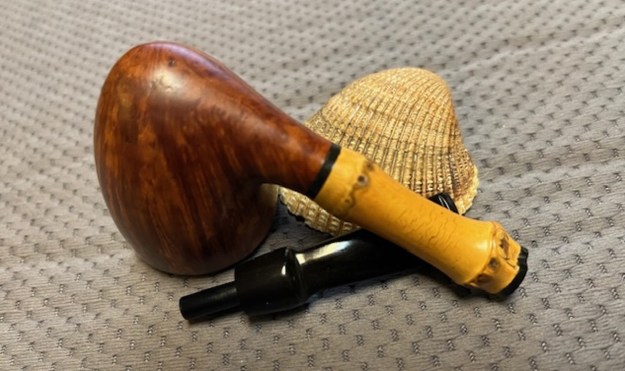
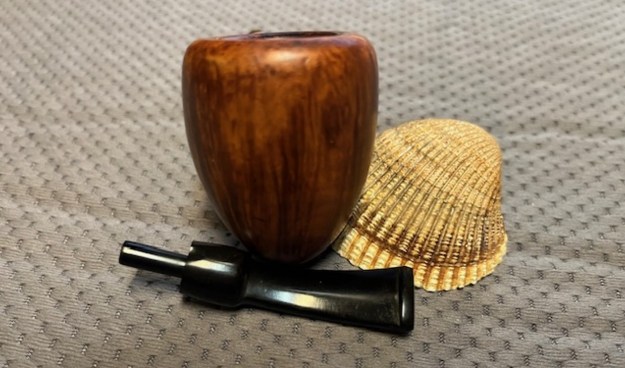
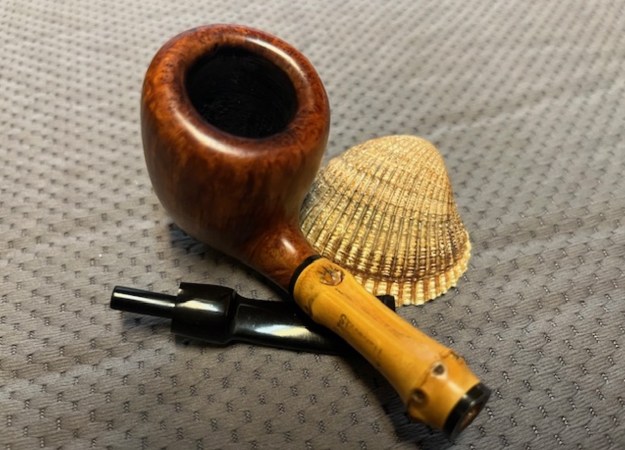
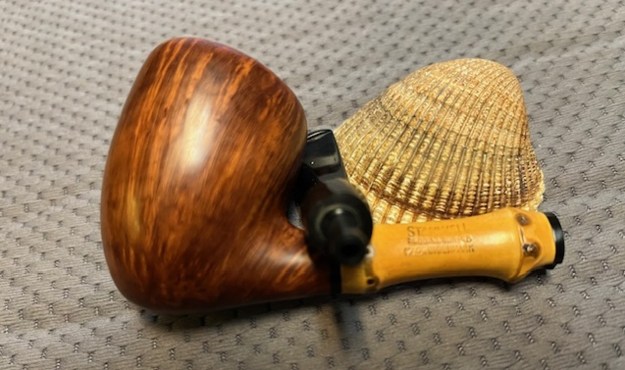
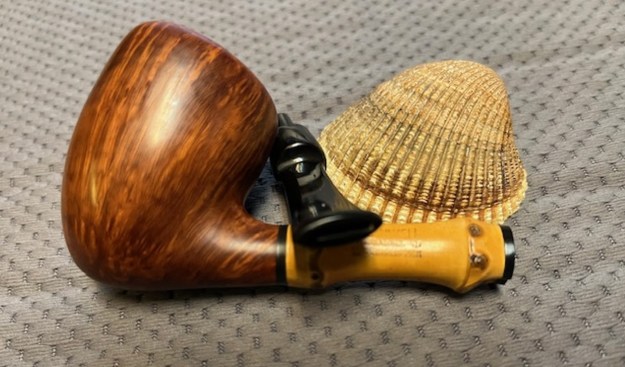
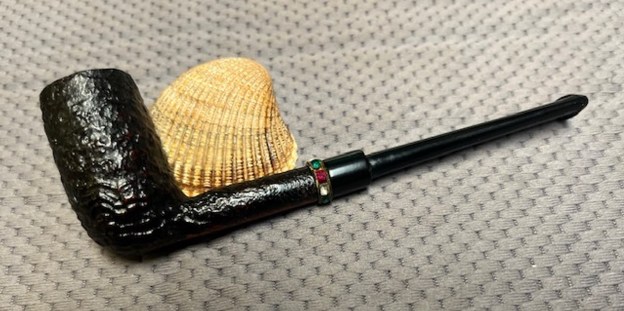
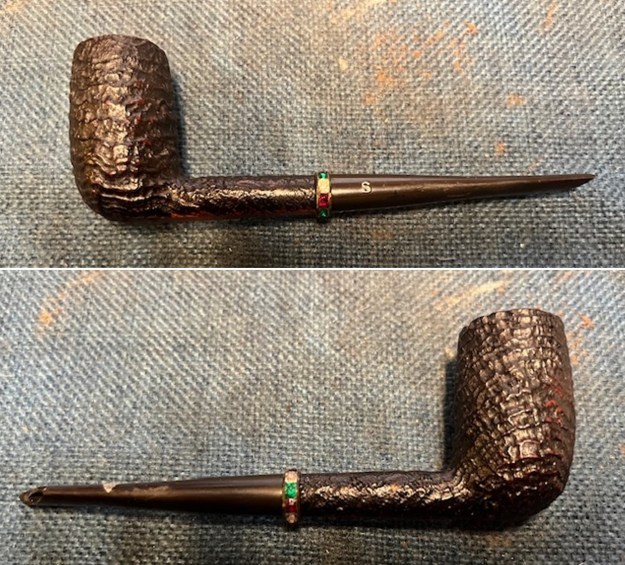
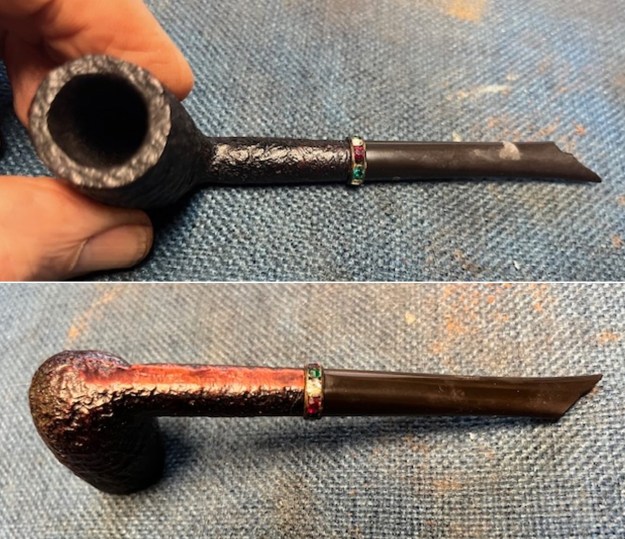
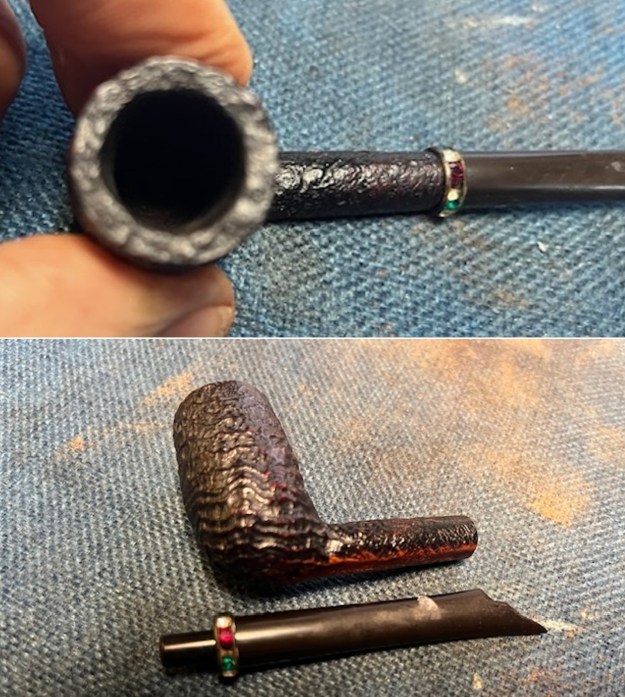
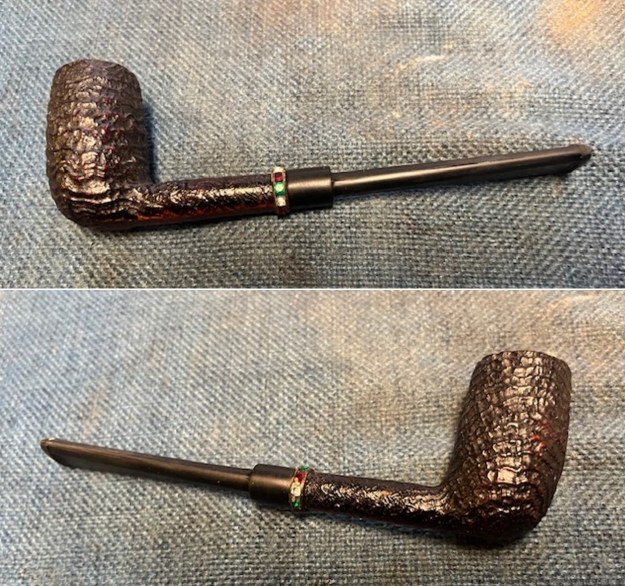
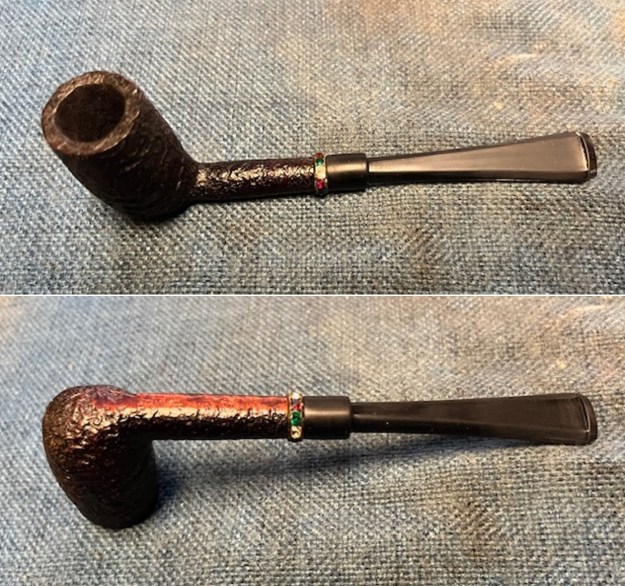
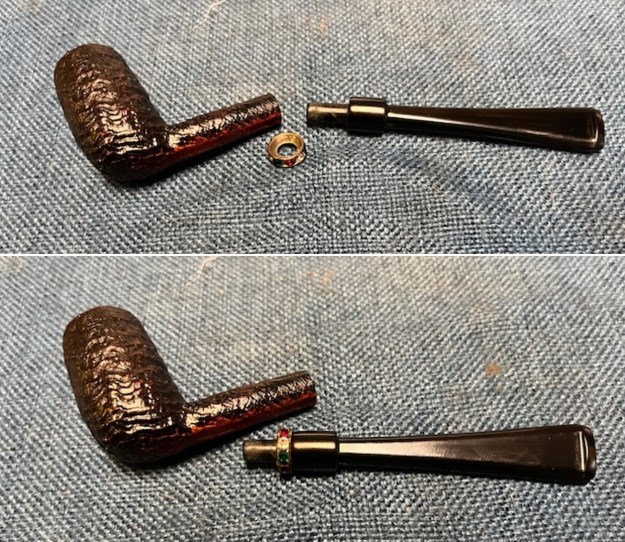
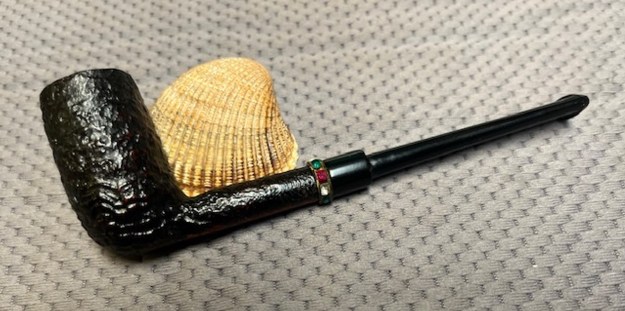
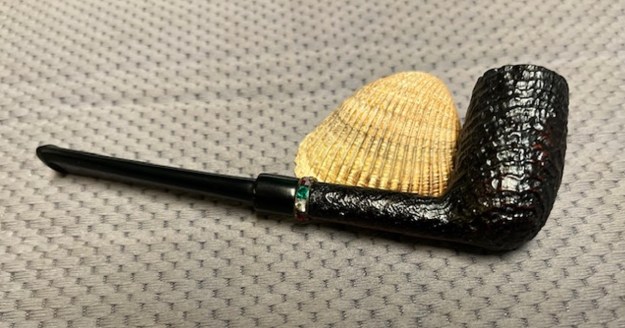
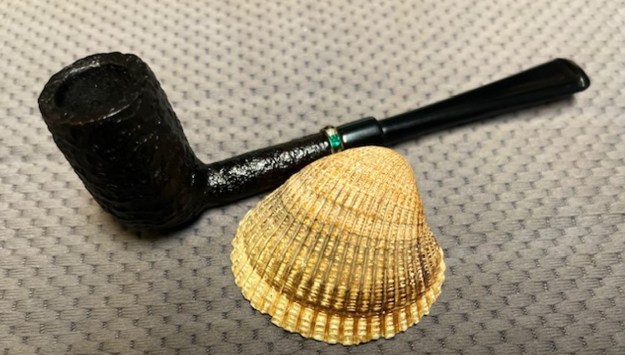
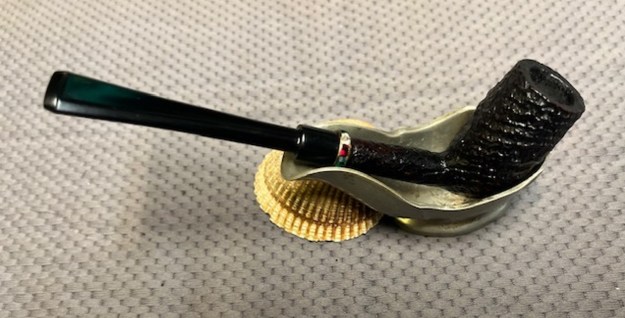
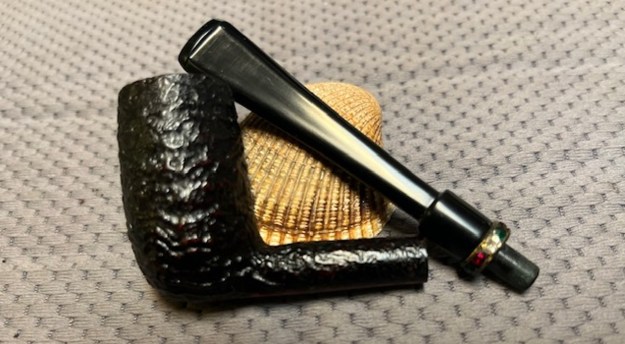
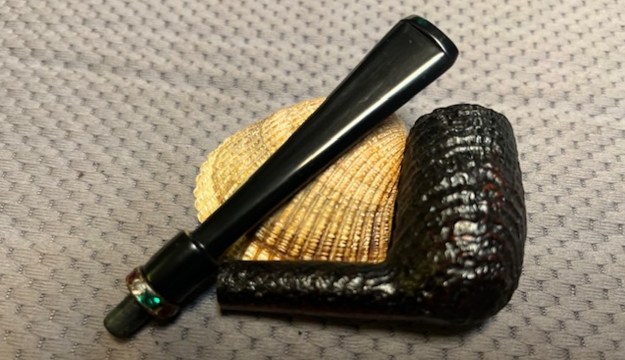
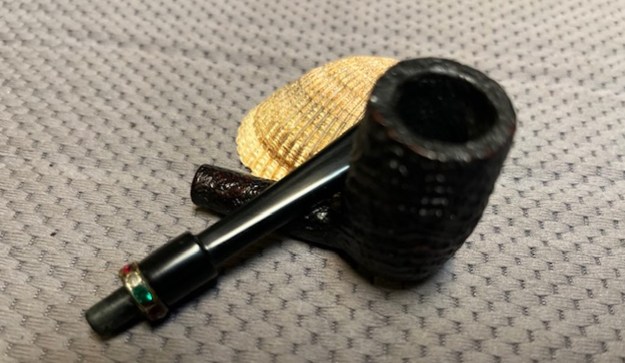
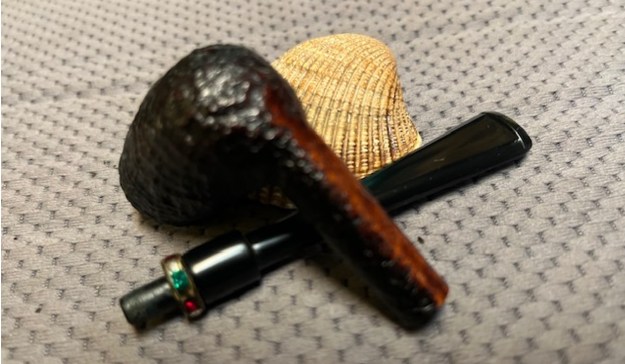
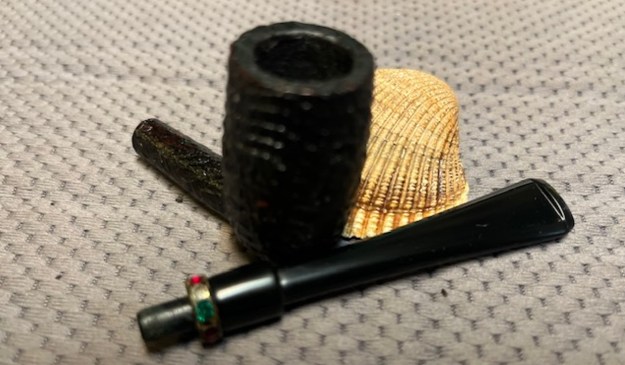
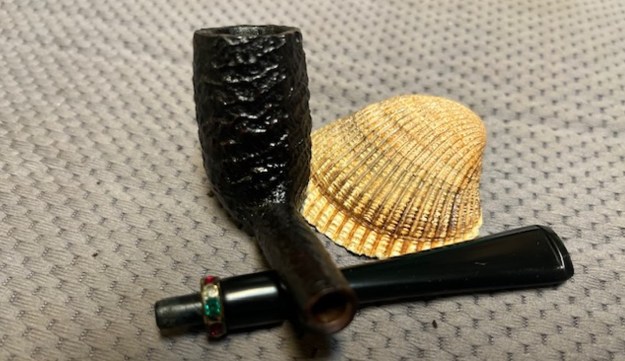
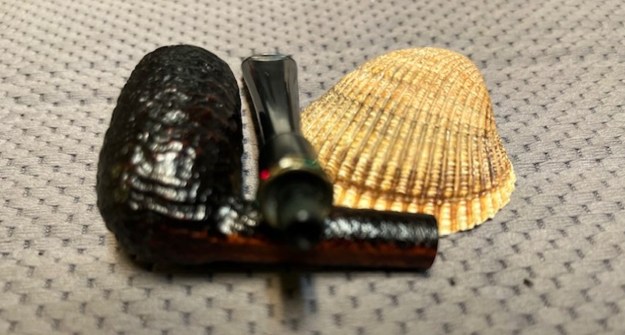
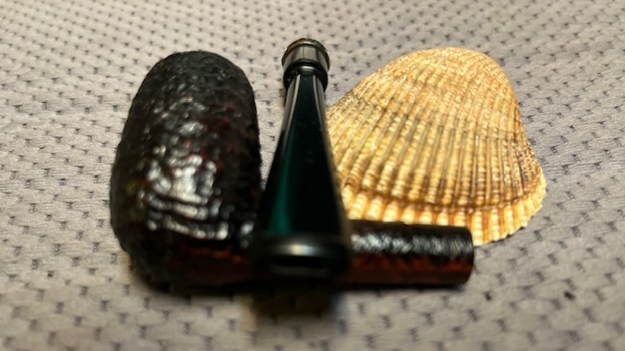
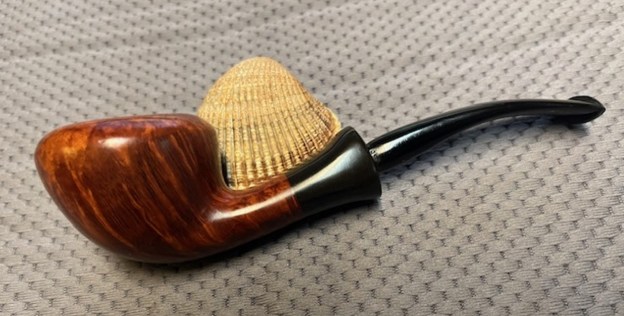
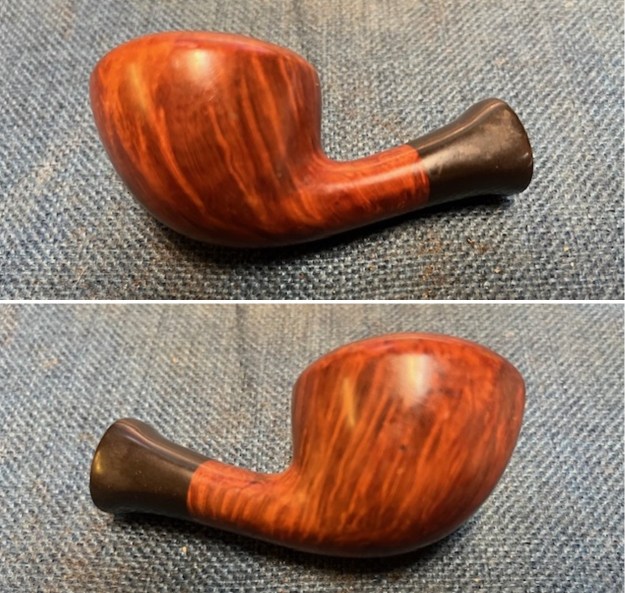
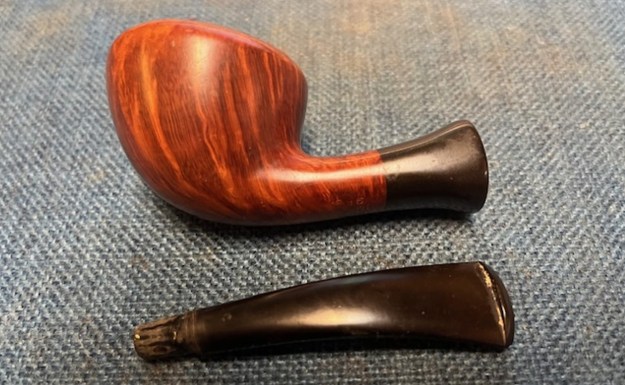
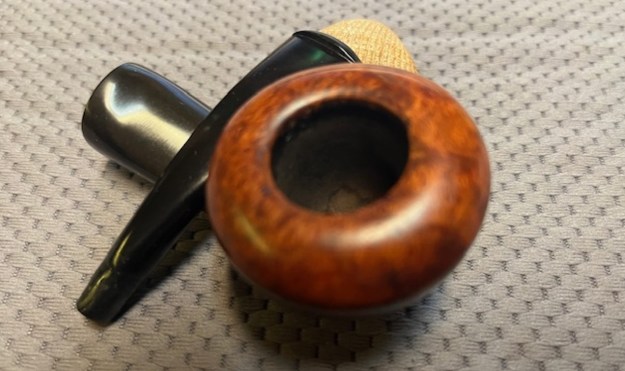
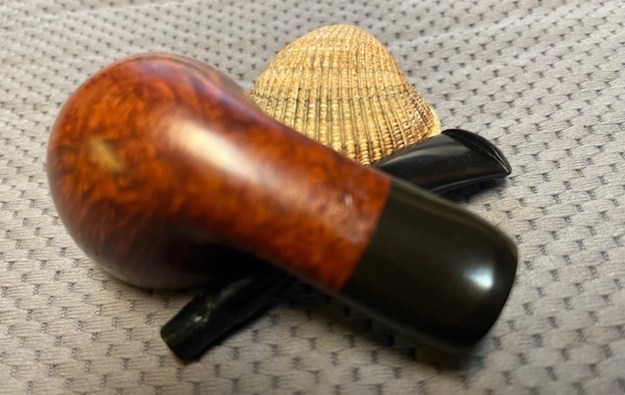
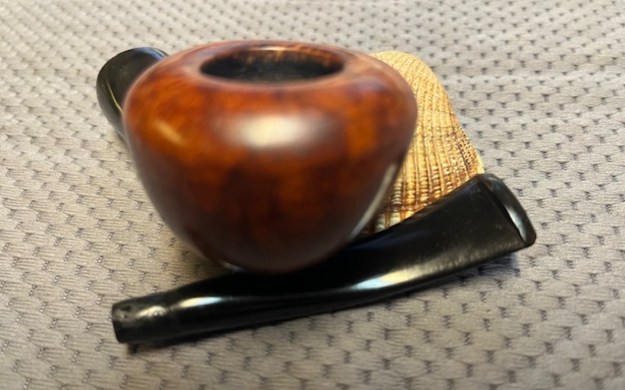
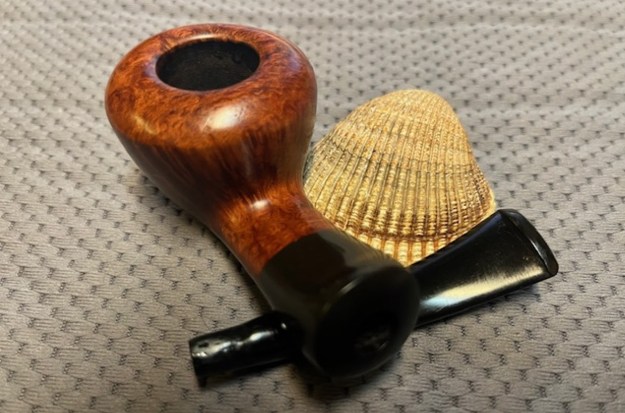
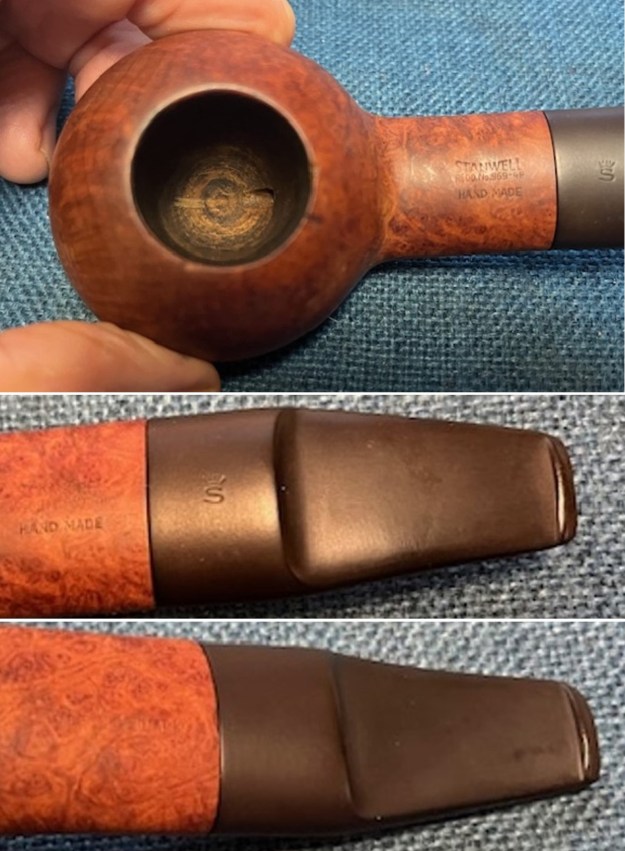
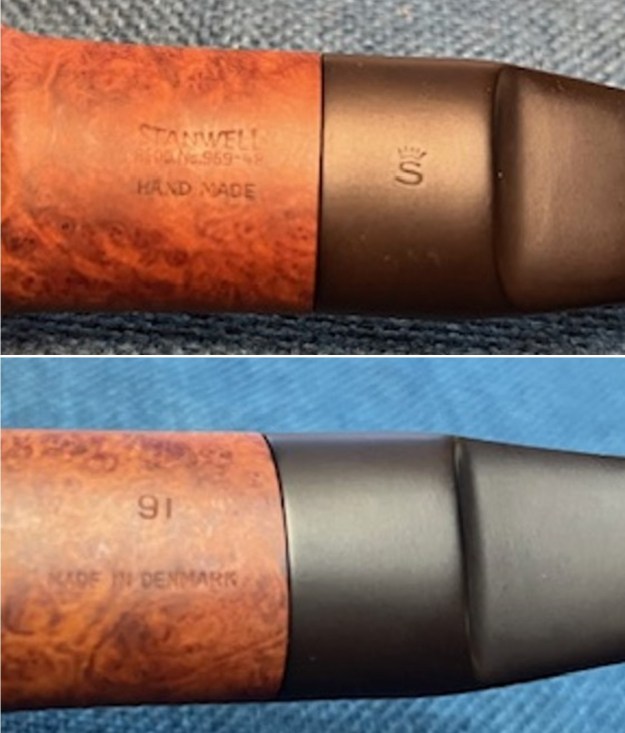
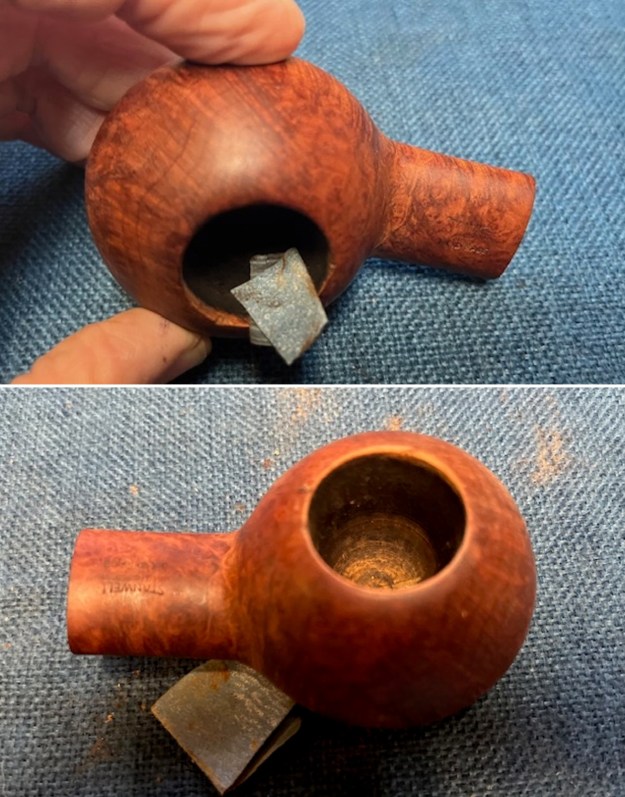
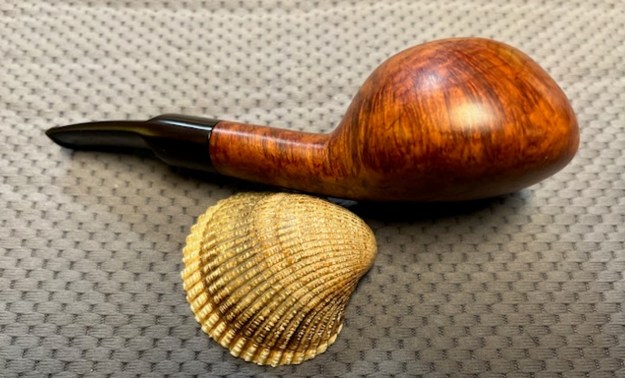
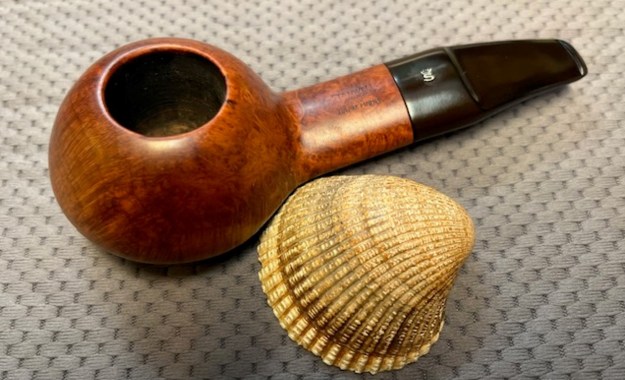
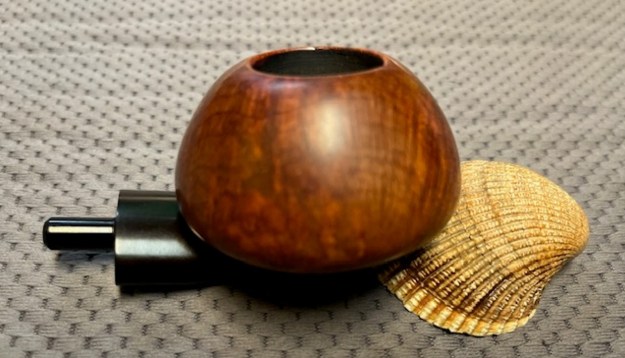
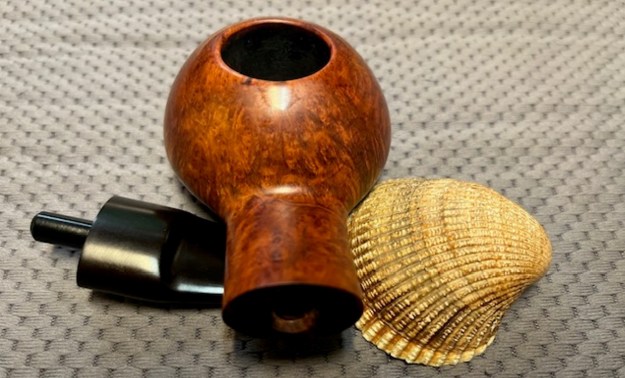
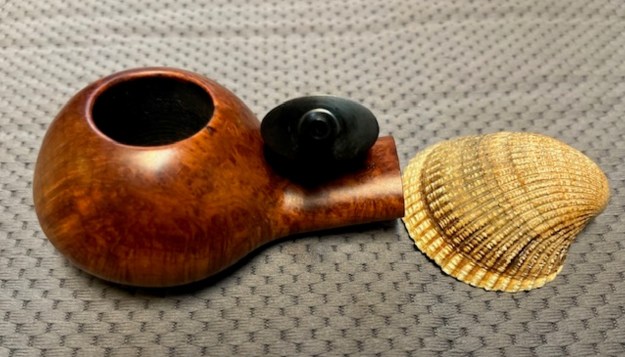
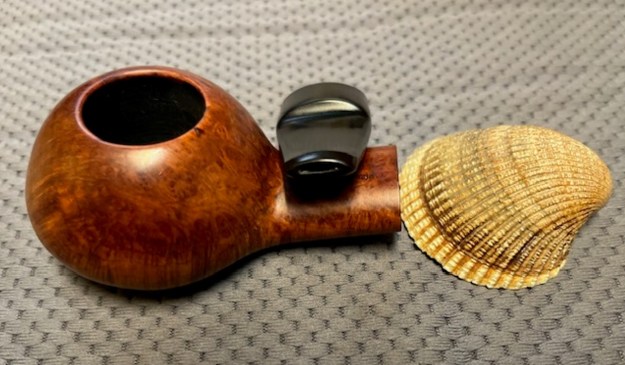
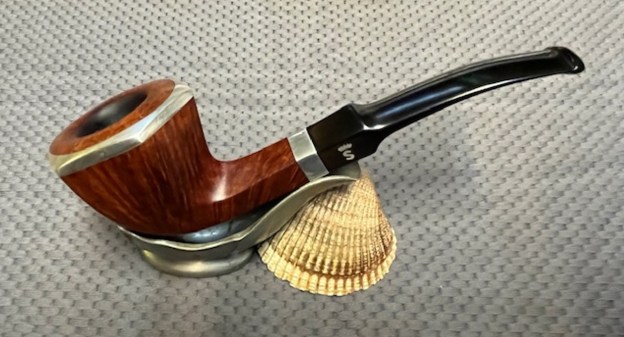
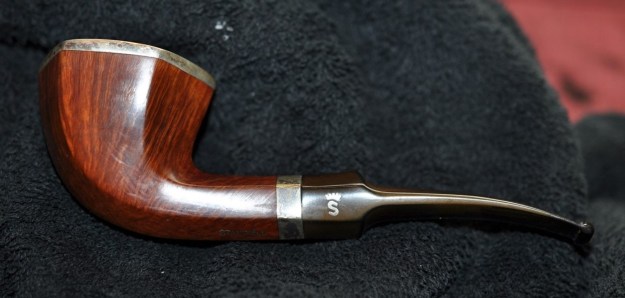
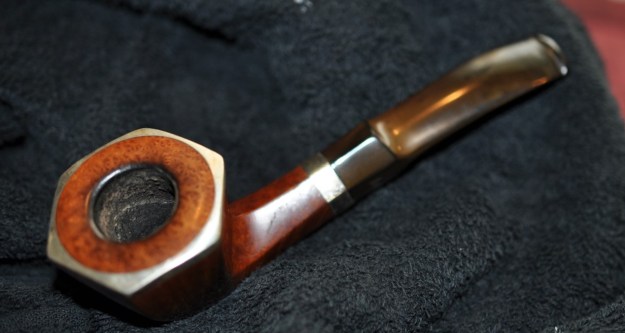
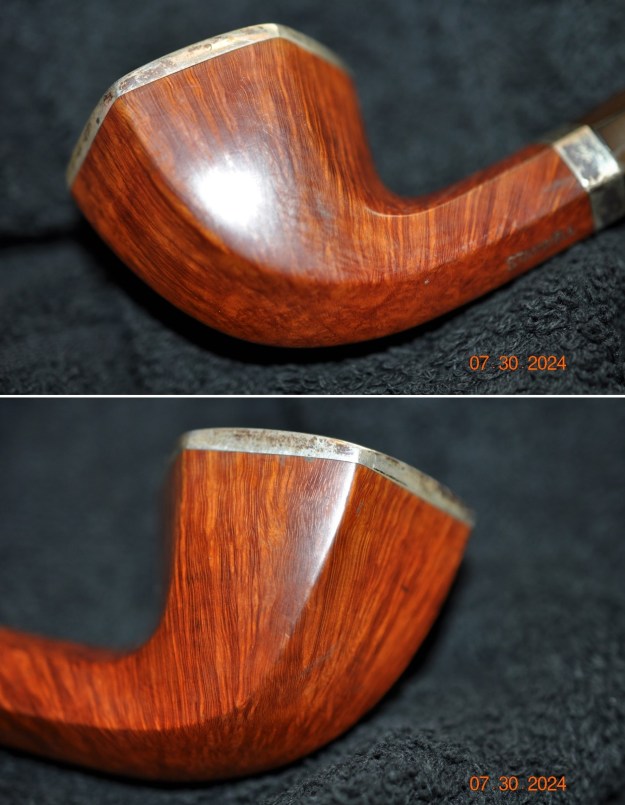
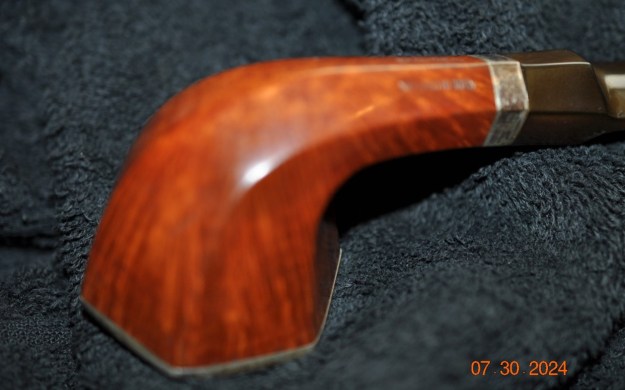
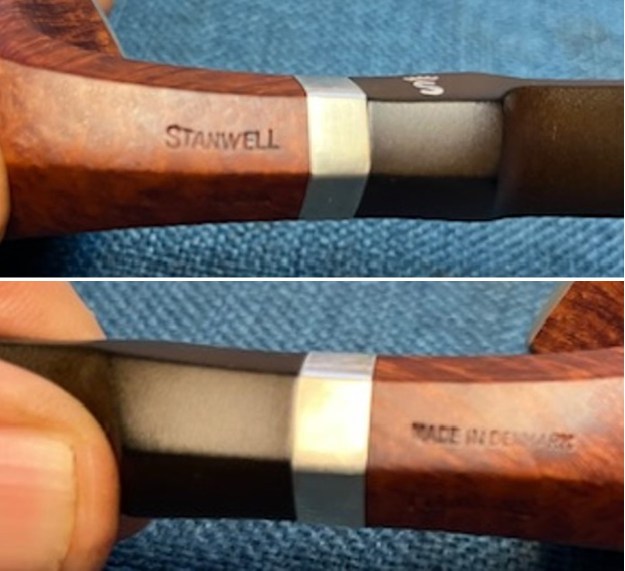
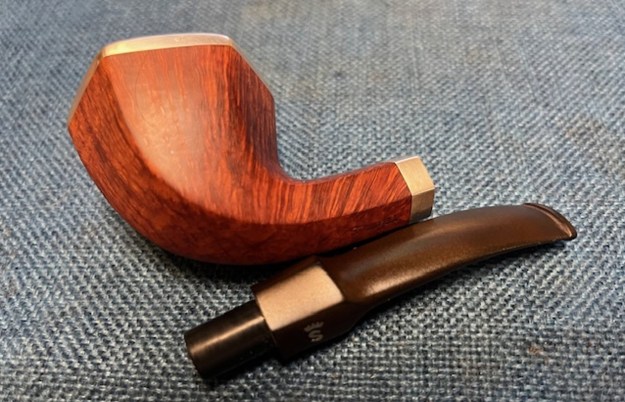
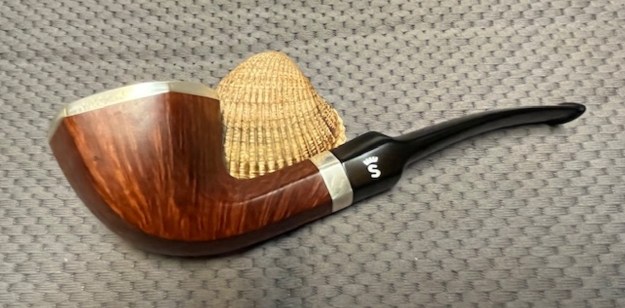
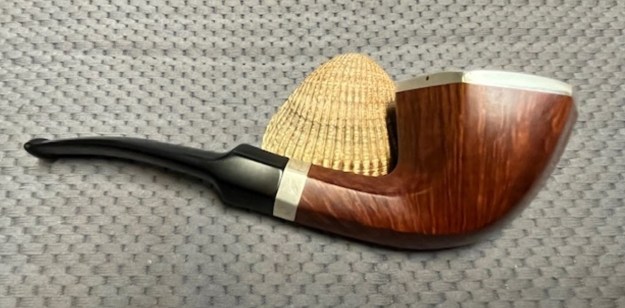
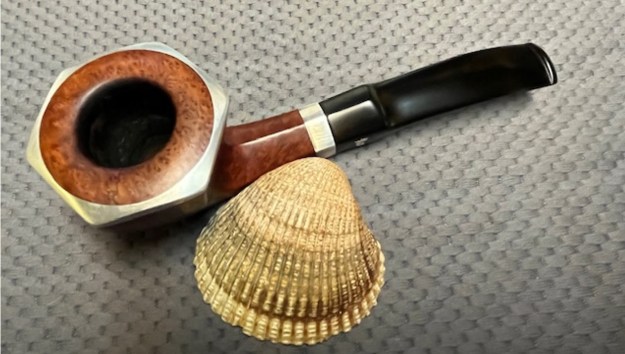
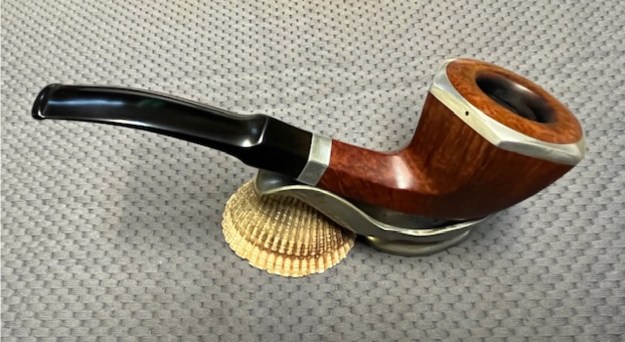
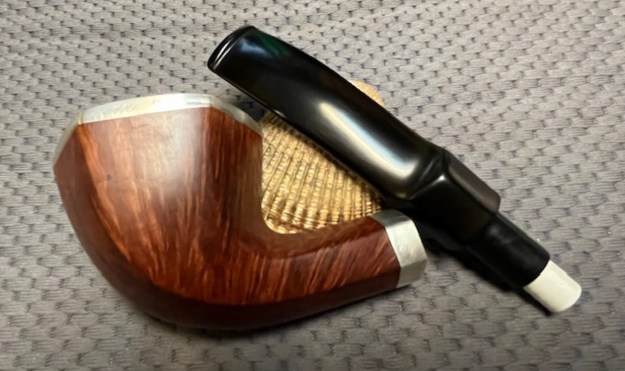
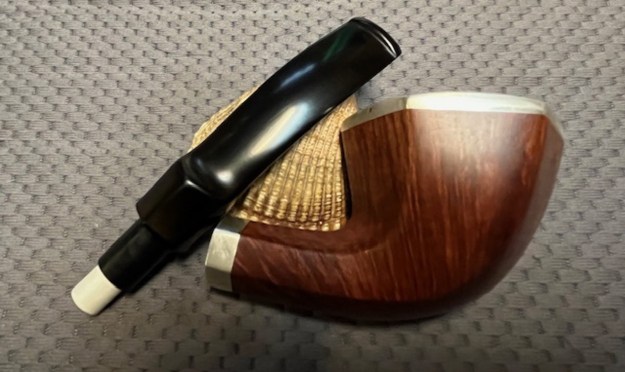
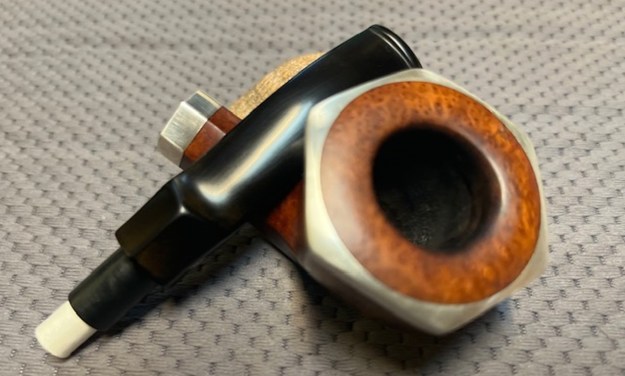
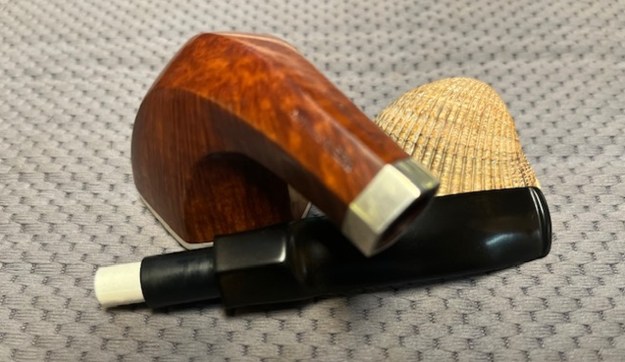
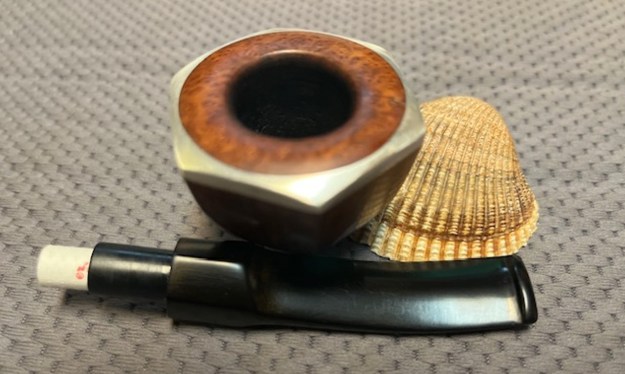
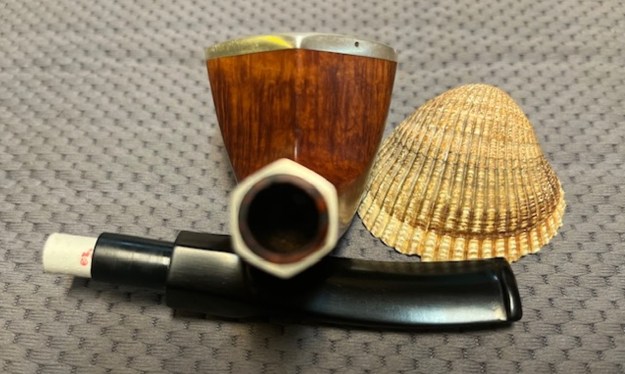
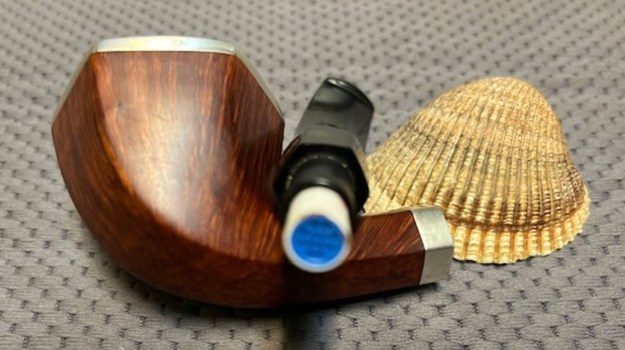
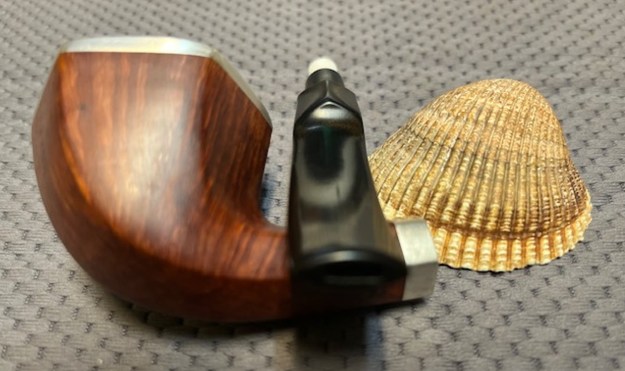
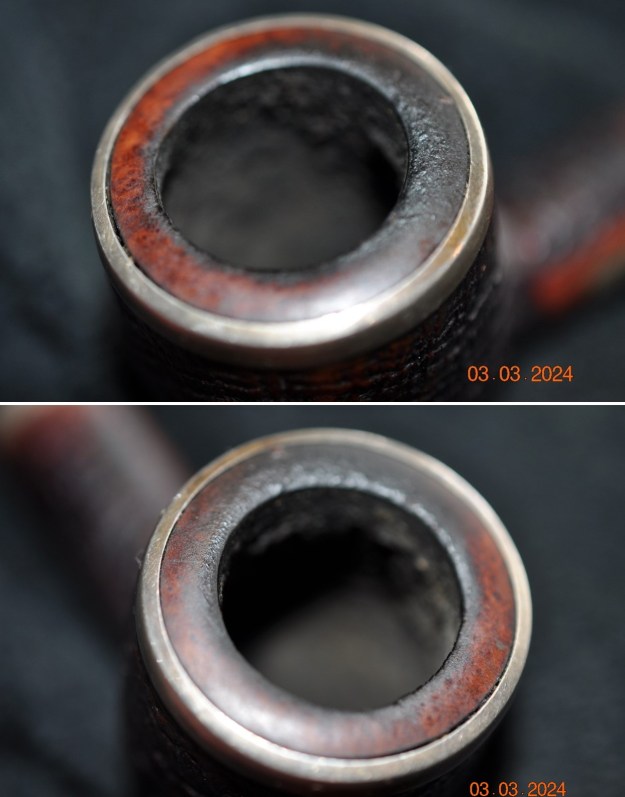
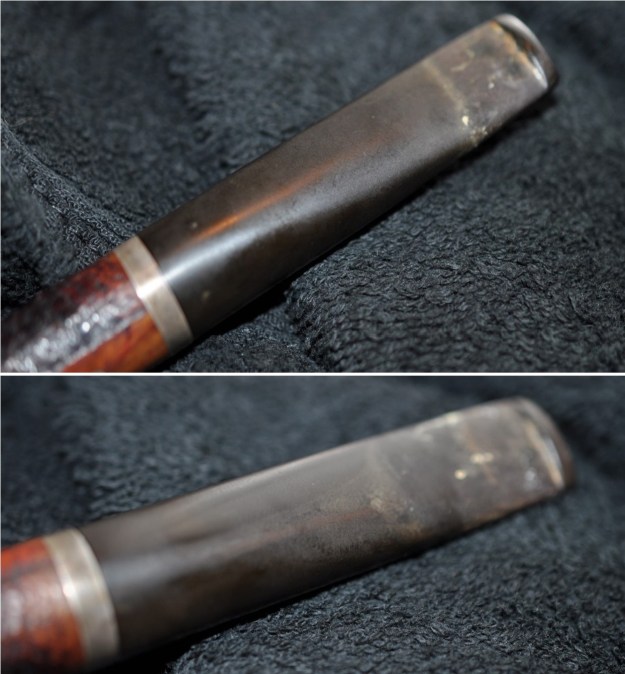
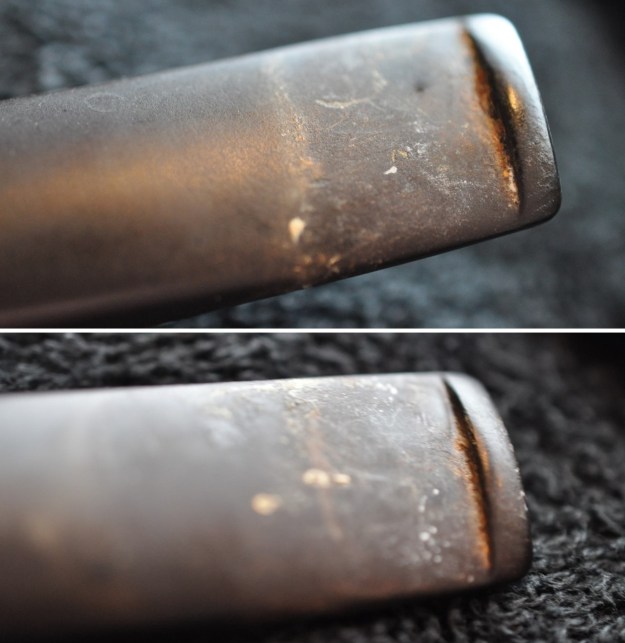
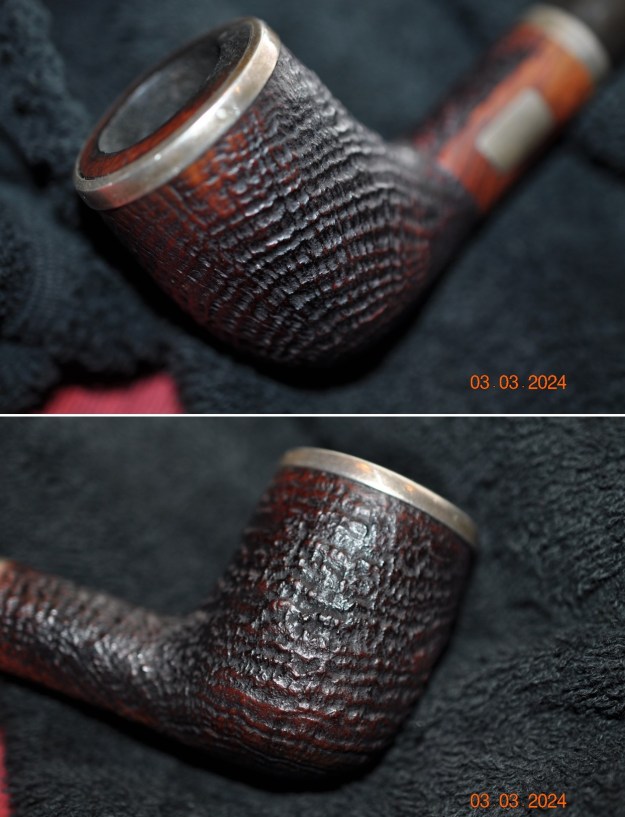
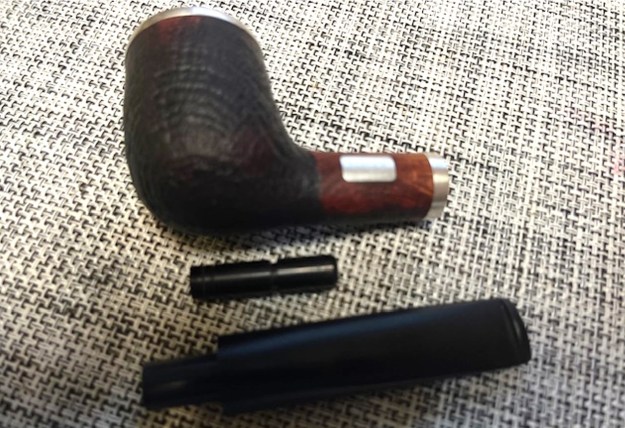
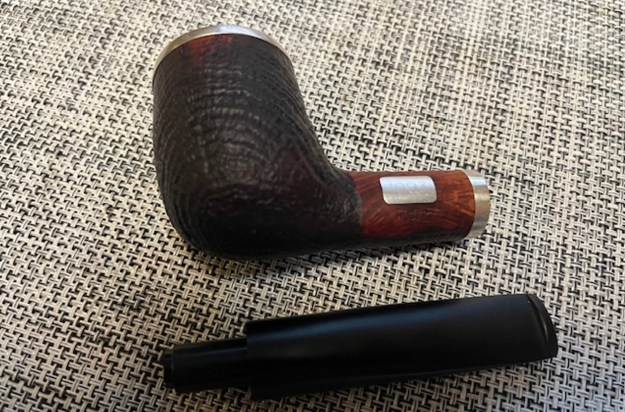
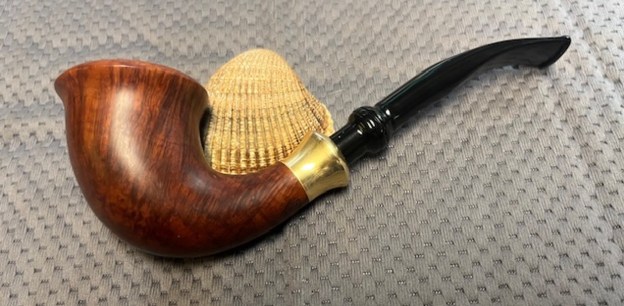
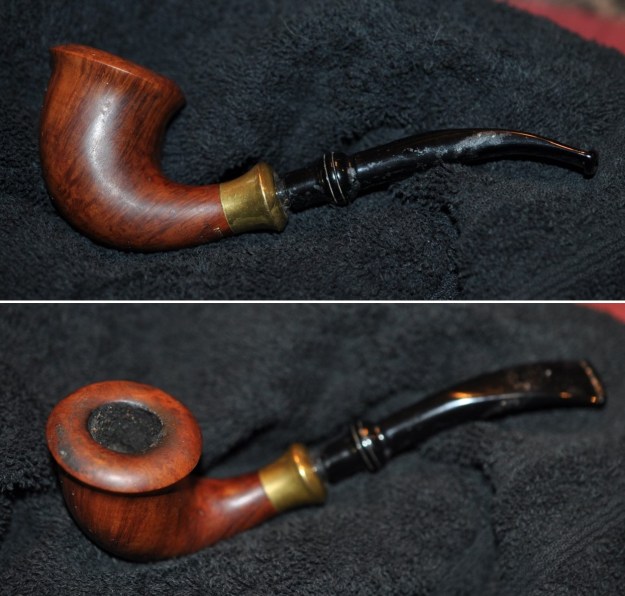
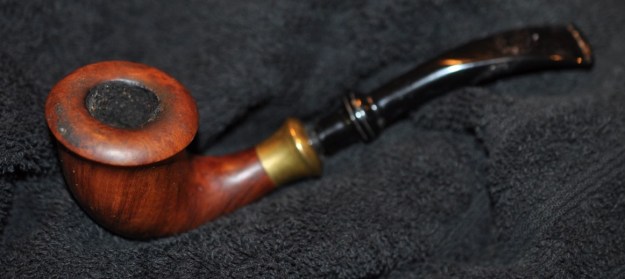
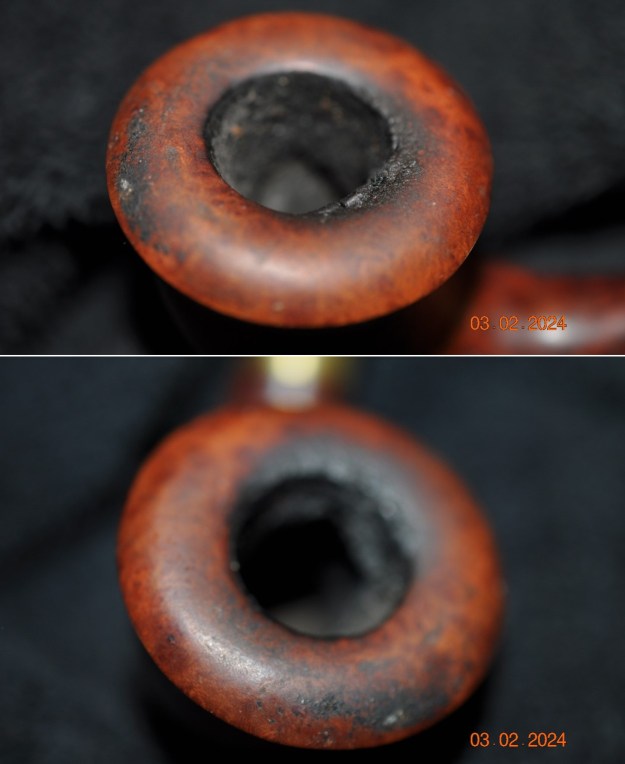
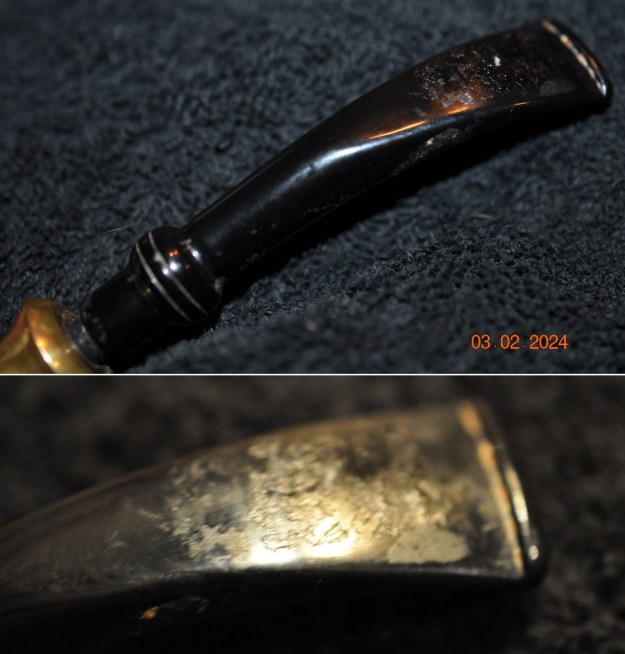
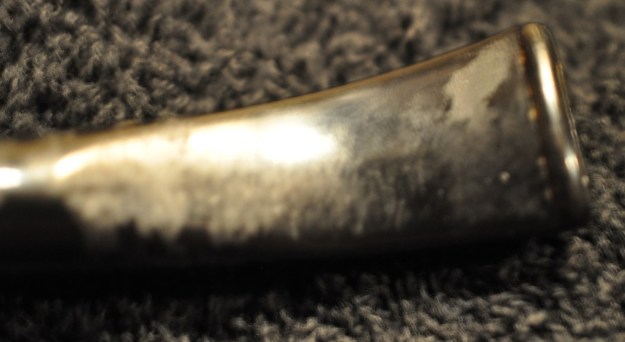
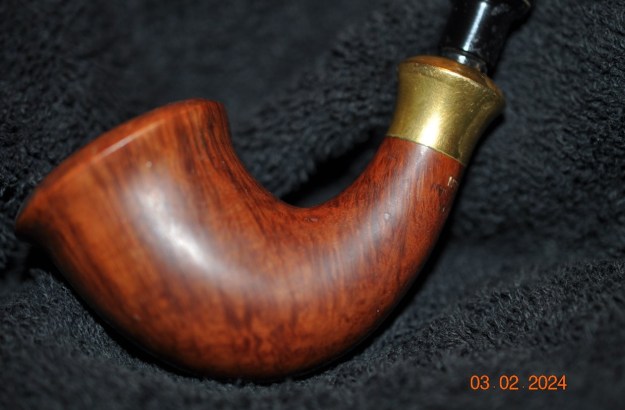
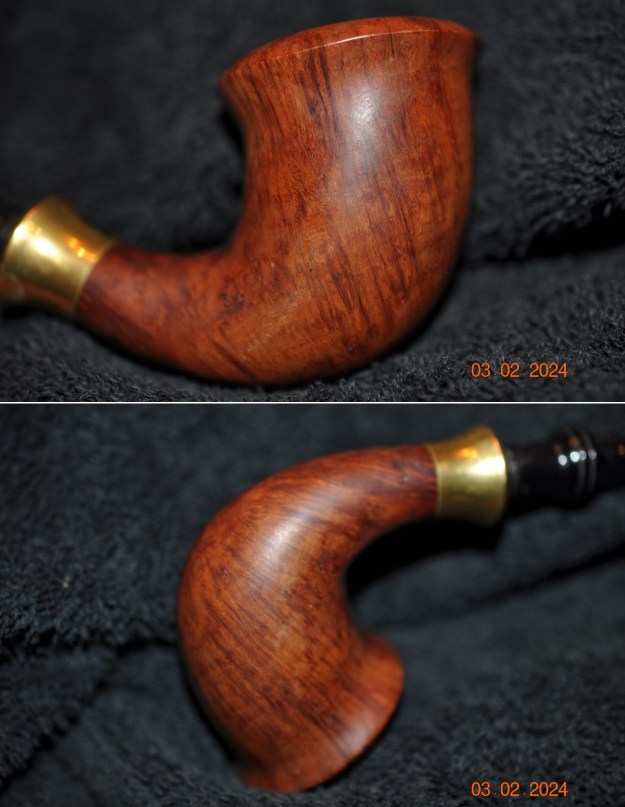
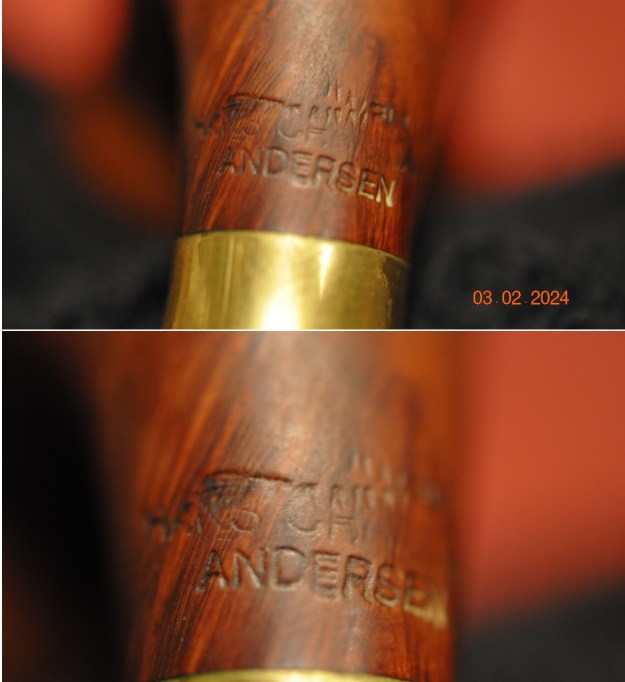
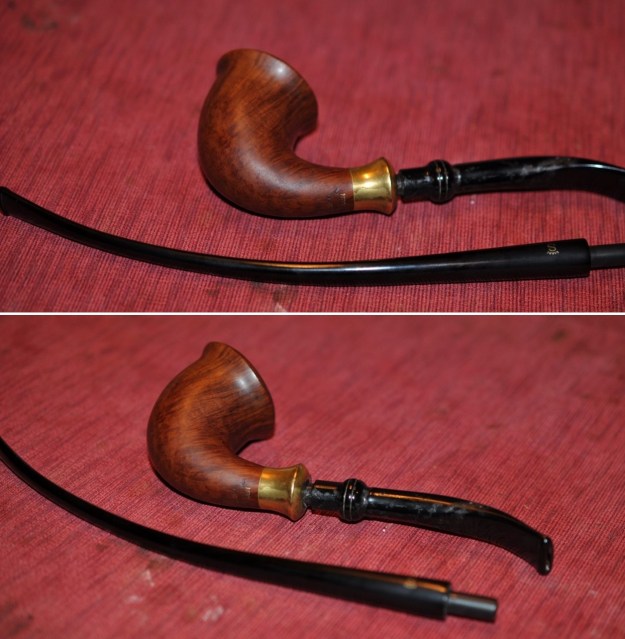
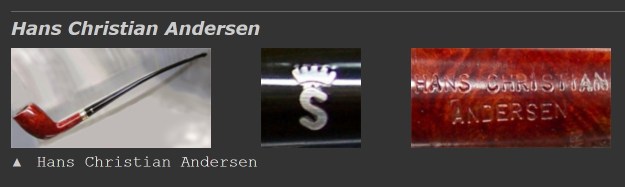
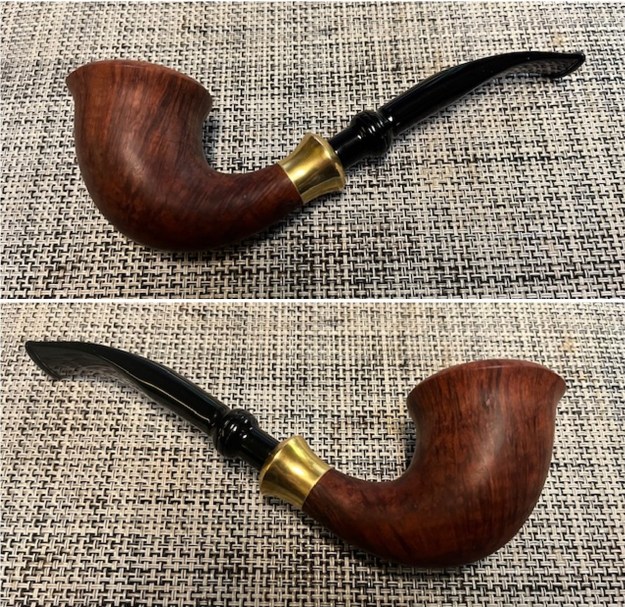
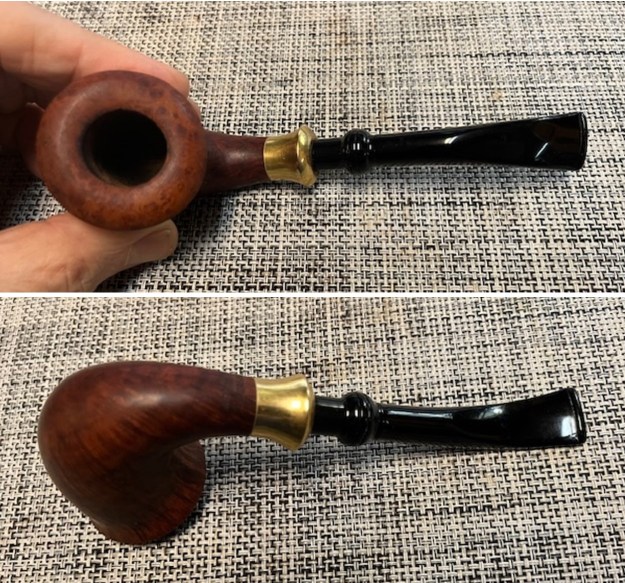
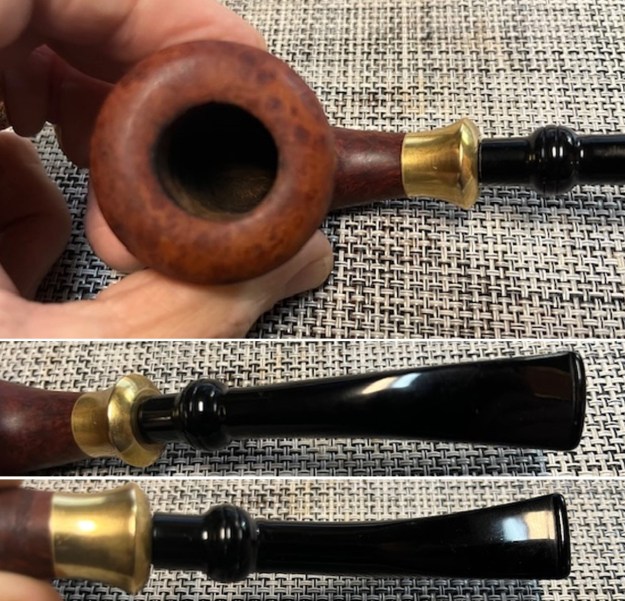
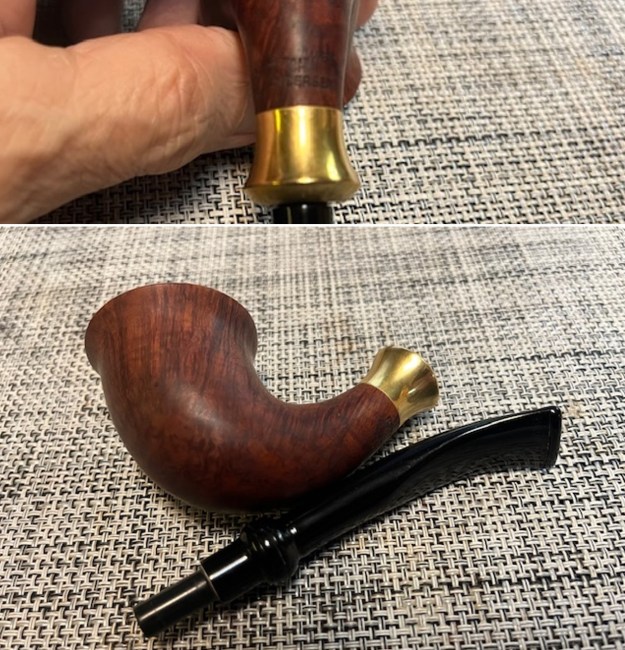
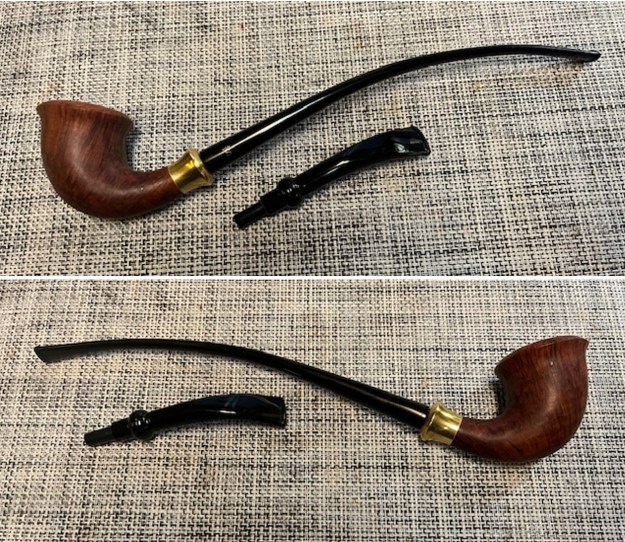
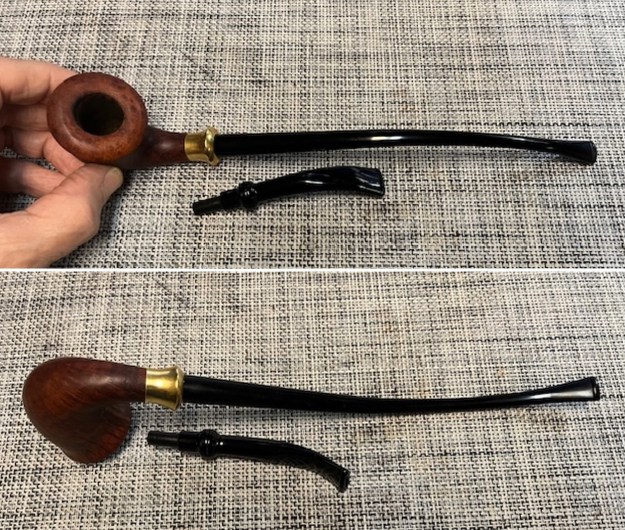
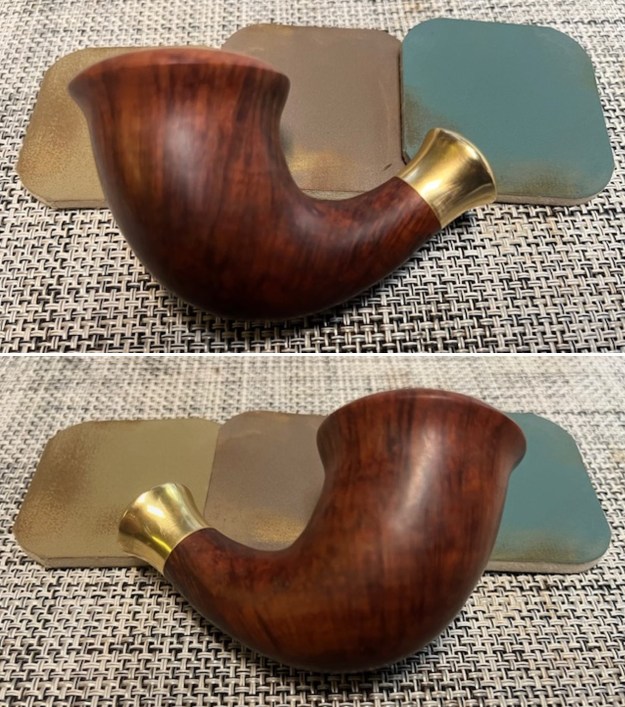
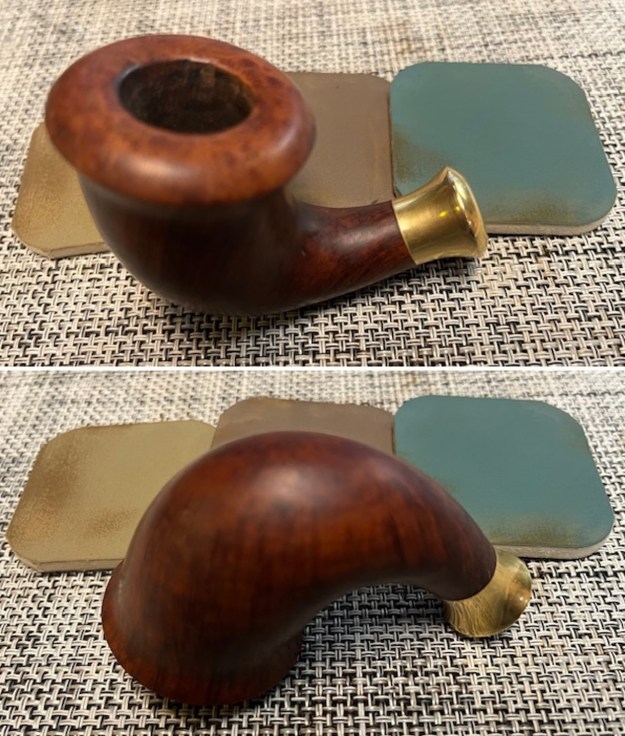
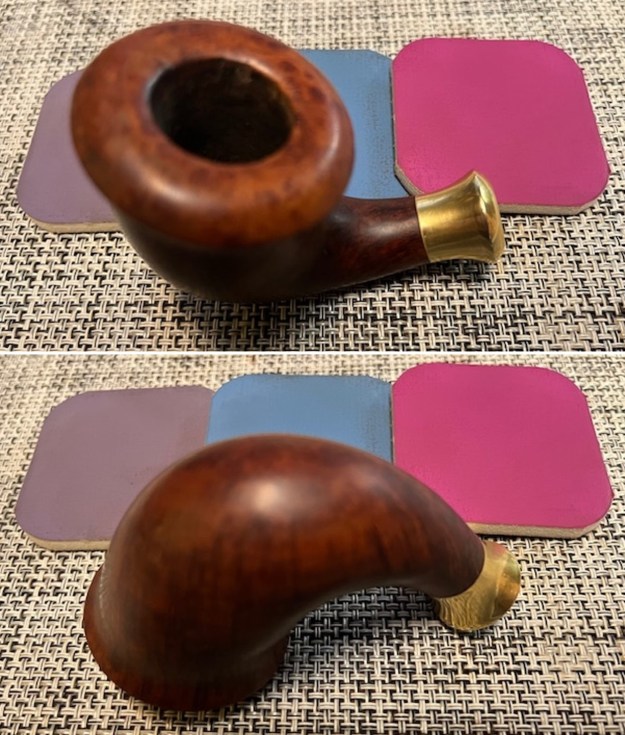
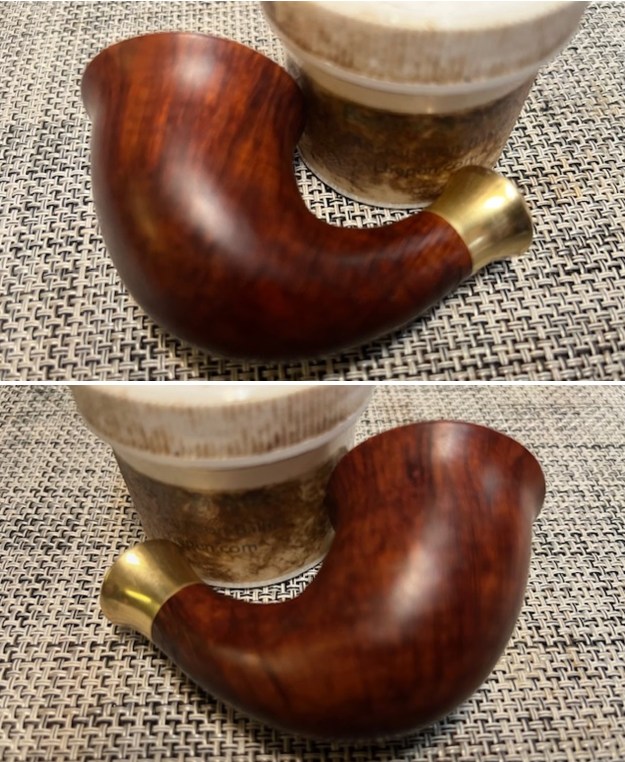
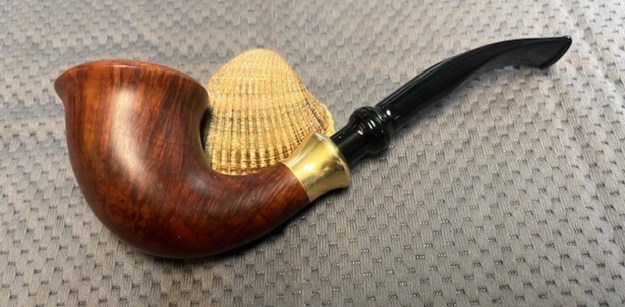
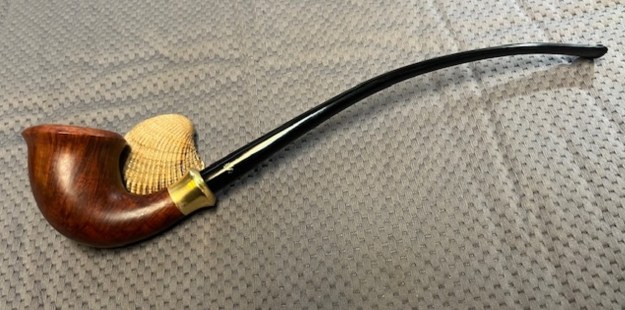
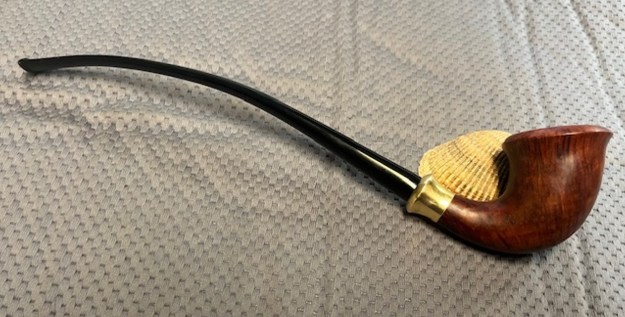
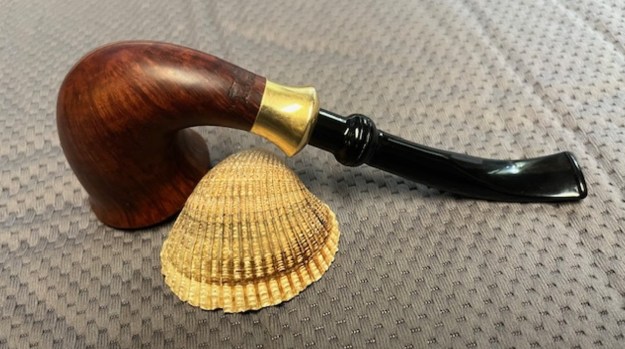
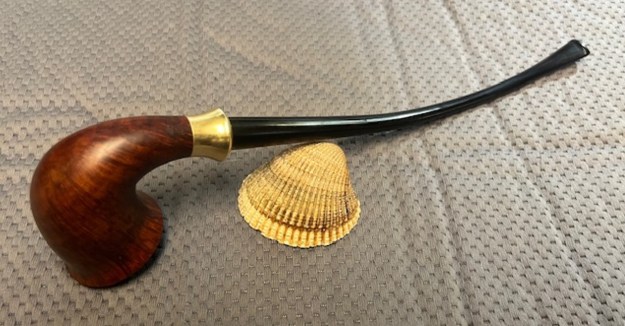
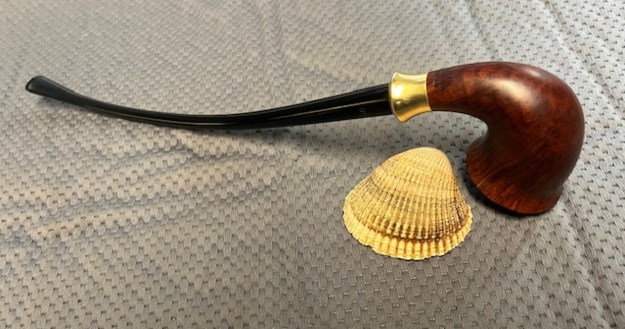
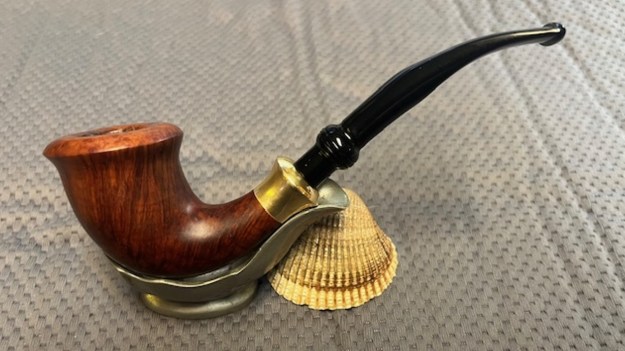
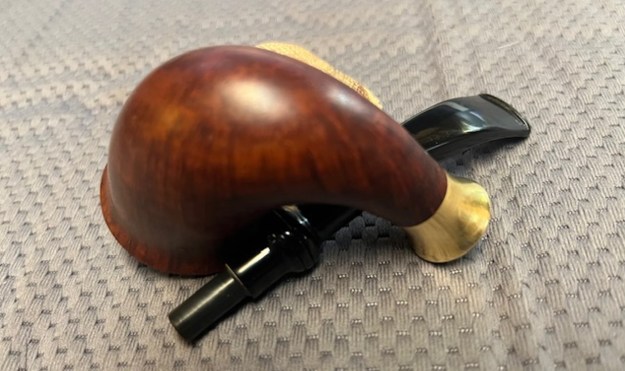
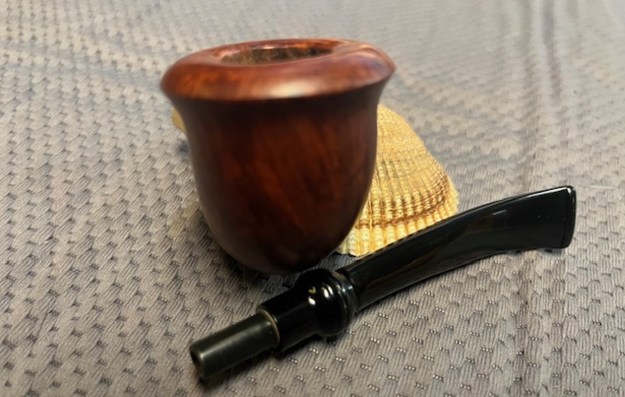
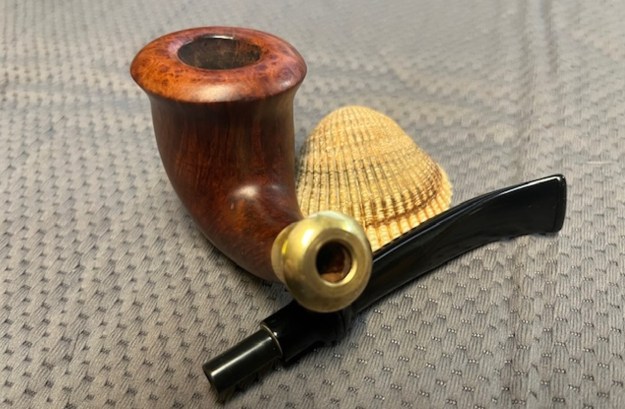
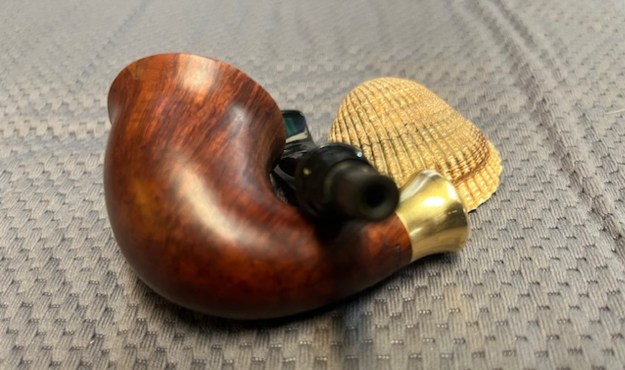
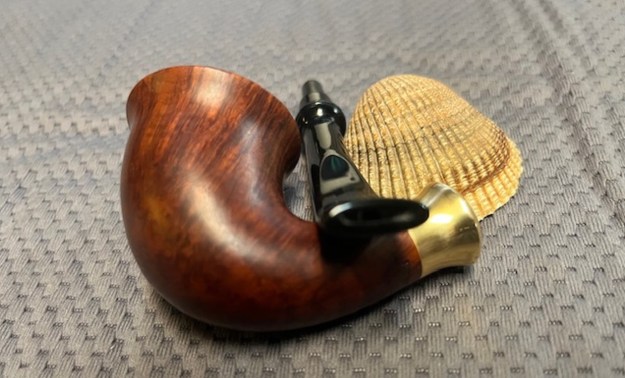
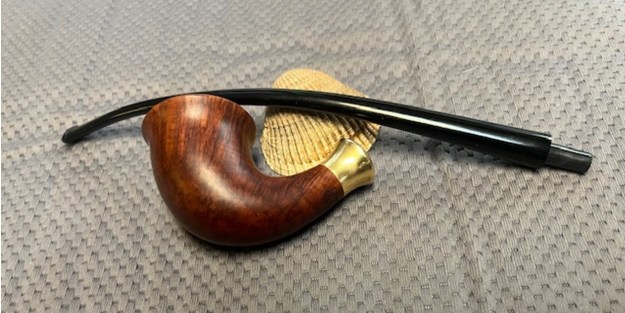
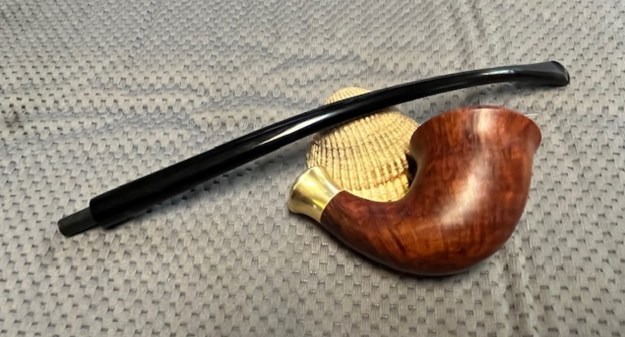
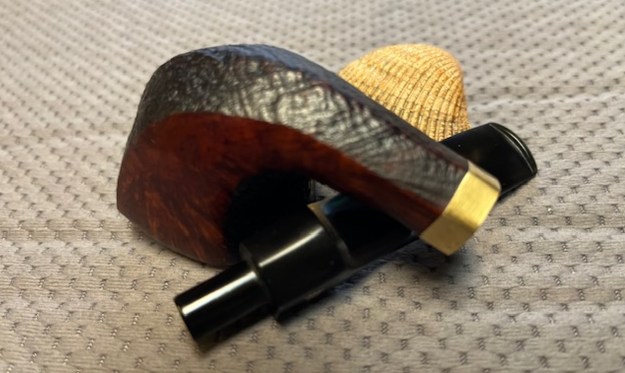
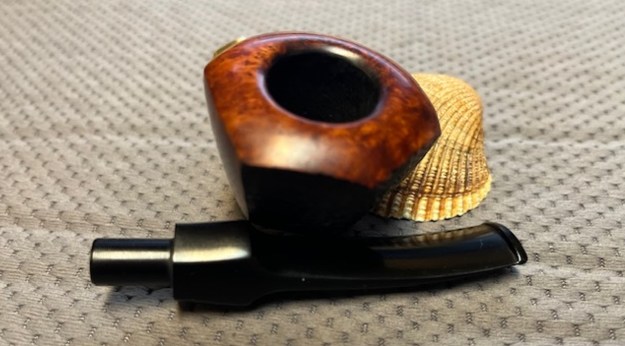
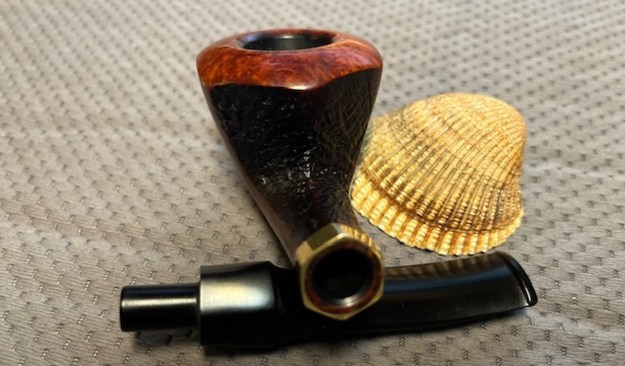
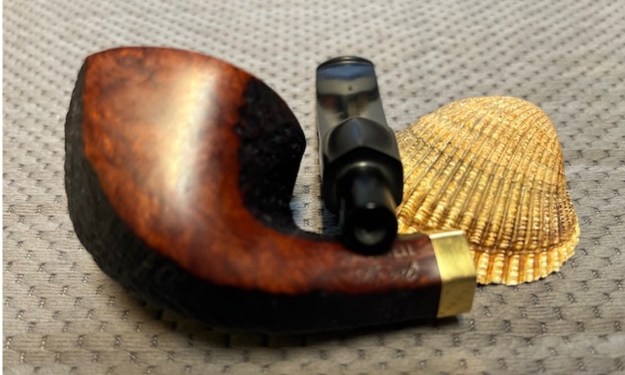
Jeff went to the house and looked through the racks, pipe bags, tobacco both bulk and tinned as well as a variety of pipes. All the pipes were well smoked and needed serious cleaning. One the pipes he picked up was this Stanwell Hans Christian Andersen with a black fancy acrylic stem. It was very dirty and was a natural coloured pipe when it started. The smooth finish around the bowl was dirty and had hand oils ground into the grooves. The bowl had a thick cake that overflowed in lava onto the rim edge and top of the bowl. The stem was a turned fancy acrylic that was very dirty and had the marks of a rubber Softee Bit on the end. It had become discoloured and there was a line where the debris from smoking had accumulated along the edge and under the bit protector. The good news was that there were no tooth marks or chatter. The rest of the acrylic stem was dirty and had lost the characteristic shine. The pipe was stamped on the underside of the shank next to the polished brass ferrule. It read Stanwell [over] Hans Christian [over] Andersen and was somewhat double stamped and hard to read. The fancy acrylic stem had a ball just above the fit in the brass ferrule. Jeff took photos of the pipe so I could have a sense of what it looked like before he started his work on it. Jeff took photos of the stem surfaces and the bowl and rim to give a sense of condition of the pipe. You can see the thick cake in bowl and the lava overflow on the edges and rim top of the bowl. It is had to know if there is any damage as the cake and lava is quite thick. The stem surface is very dirty and you can see the area on the end of the stem where the Softee Bit had protected it from chewing but had left it dirty and discoloured. He also took photos of the sides of the bowl and the heel to show the interesting grain that went around the bowl. The grain is beautiful and the brass ferrule on the shank end is quite nice. You can see the oils and debris in the grooves of the blast.  He took photos of the stamping on the underside of the shank. It is double stamped but it can be read with some work can be read as noted above. After the sale I was chatting with Jeff and he showed me the pipe and also a few stems he had picked up. I recognized the pipe was a Stanwell Hans Christian Andersen commemorative pipe and asked about the longer stem. He went through the stems and sure enough the second, longer stem had been sold separately. It had the Stanwell gold Crown S logo on the left side of the long taper. It was one of those happy “accidents” and we reunited the stem and the pipe so we now have the pipe as it was issued with the short and the long stem. The two different stems allow the pipe to be smoked as a “regular” calabash, the other stem, much longer, allows it to be smoked as a churchwarden. I have the same pipe in my own collection and sadly have to say that I do not use it too often. I am not sure why but I don’t seem to think about it. I know roughly that I picked it up in the early 2000s but could not remember the date or much else about it. I remember that it came in a tube container with the characteristic Stanwell blue colour and logo of the smoking man on the tube. It is a beautiful pipe. I thought I might reacquaint myself with the information on the pipe to get a handle on the design, the commemoration that it is made for and perhaps even the time frame of its manufacture. I turned first to Pipephil’s site to see what he had there (http://pipephil.eu/logos/en/logo-stanwell.html). I almost always go there first because it is a very succinct summary of the data available and generally it is correct. I did a screen scan of the section on the HCA pipe. It is different from this one and my own in that it is not a Hans Christian Andersen 2 pipe. However, it does pin down the information about the line. It was a limited series pipe made for the 200th birthday anniversary of Hans Christian Andersen. It states that the pipe was introduced in 2005 which corresponds to my memory of when I purchased my HCA 2.Limited series for celebration in 2005 of the 200th birth anniversary of Hans Christian Andersen.
From there I turned to Pipedia and read over the article there. While they had a photo of an HCA 2 pipe there was nothing to be added to the information above. I went on to do a Google search to see if I could find any more information on the line and particularly this HCA 2. I found a listing on Goodfellas Cigar Shop – a Canadian shop I have visited in the past so I followed that reference to their site (https://www.goodfellascigarshop.com/products/stanwell-hans-christian-andersen-pipe). I quote from their description of the line as it confirms the information from Pipe Phil.

Hans Christian Andersen from Stanwell is a series of limited production pipes named for the celebrated Danish author.  They are unique in that they come with two stems, a regular length stem and a churchwarden length stem.  Both set ups are very aesthetically pleasing.  Enjoy the flexibility of setting up your pipe for a relaxing night at home reading or in a more compact, travel friendly form. 

The Danish Pipe Shop also have one that was a filter pipe but it was similar to the one in hand (https://www.danishpipeshop.com/d/Stanwell-H-C-Andersen-2-Smooth-9mm-i2505.html).

I also found a thread on Pipesmagazine forums talking about the HCA 2 pipe that included a quote from Sykes Wilford of Smokingpipes.com in which he give some more background on the pipe in terms of design (https://pipesmagazine.com/forums/threads/stanwell-hans-c-andersen-2.65693/). I quote from that below:

The Hans Christian Andersen “II” shape, a very attractive bent Dublin, is roughly modeled on the classic Stanwell bent Dublin shape, the “140”, designed for Stanwell by Jess Chonowitsch. The lithe lines as the bowl gradually merges into the curving shank are unmistakably Chonowitsch designed. As is the case with all HCA series pipes, it comes with both a regular length stem and a churchwarden length stem. — Sykes Wilford
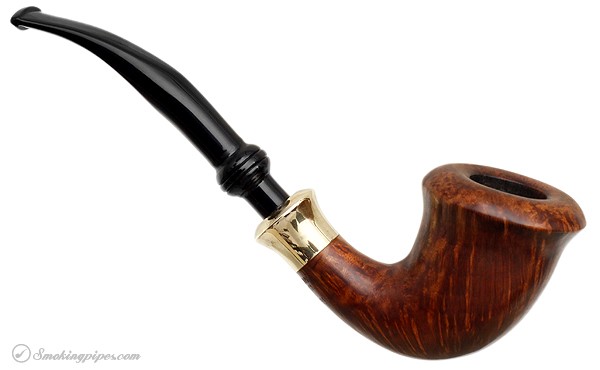
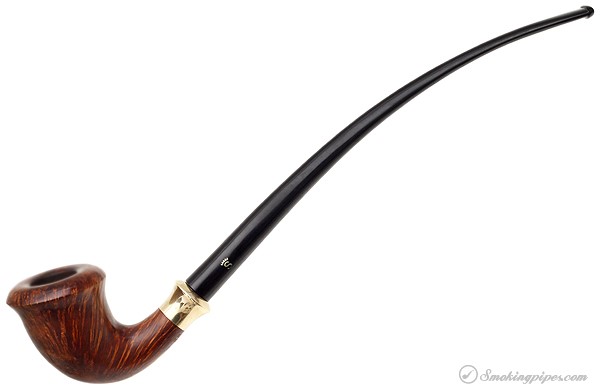
I turned to smokingpipes.com to see what they had on the HCA 2 pipe and I found a link to the identical pipe, the HCA 2 with a brass army mount rather than the nickel one that is common (https://www.smokingpipes.com/pipes/estate/denmark/moreinfo.cfm?product_id=105478). I quote from Eric Squires on the site in his description and found some confirmation regarding the army mount on this one and leads me to confirm what I was already beginning to think about it being an early edition of the pipe. I also included the photos and the credit line on them as it is so much like the one I am working on.

Given that this particular Stanwell HCA estate pipe sports a brass, rather than nickel army mount, I’d wager it’s from an earlier point in this signature series’ lifetime. It’s fared well, though, and also happens to feature some pretty sound flame grain on either flank. — – Eric N. Squires I found a great video on Youtube about the HCA 2 put out by Al Pascia that gives a great view of the pipe. I have been in that shop in Milan so it brought back memories for me. I have included the link below.

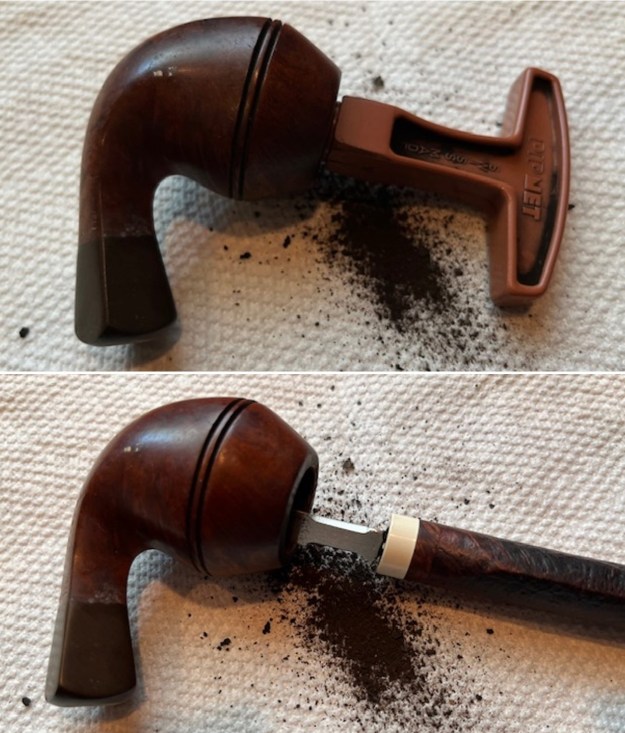
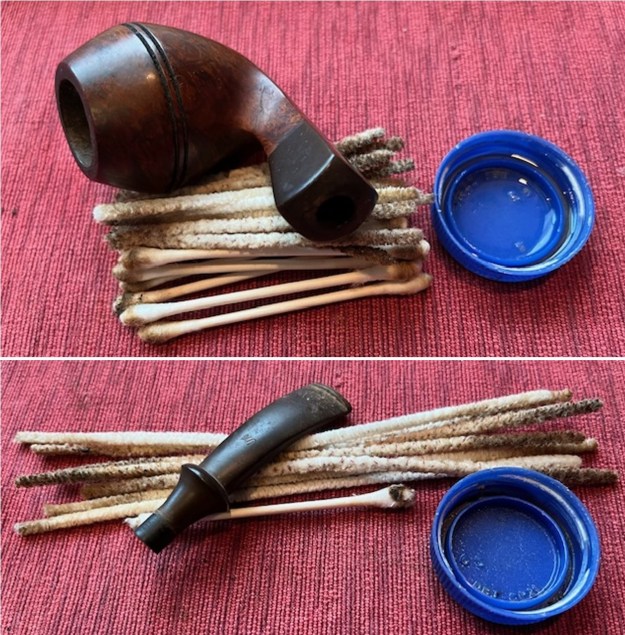
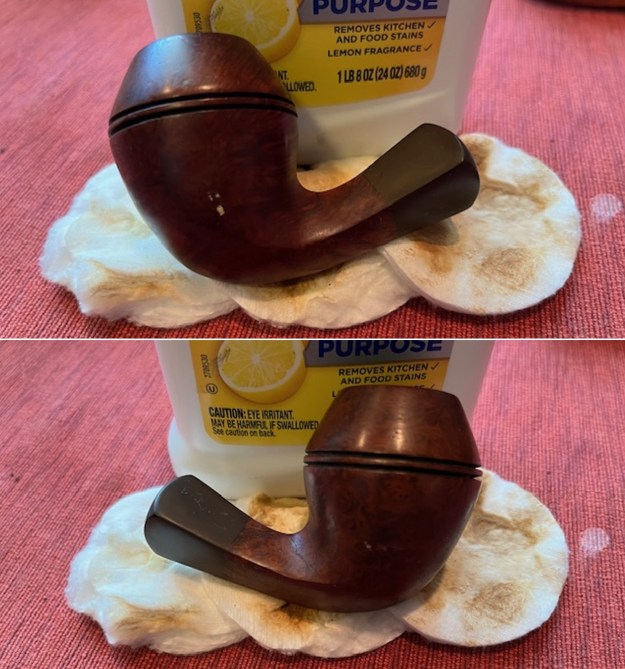
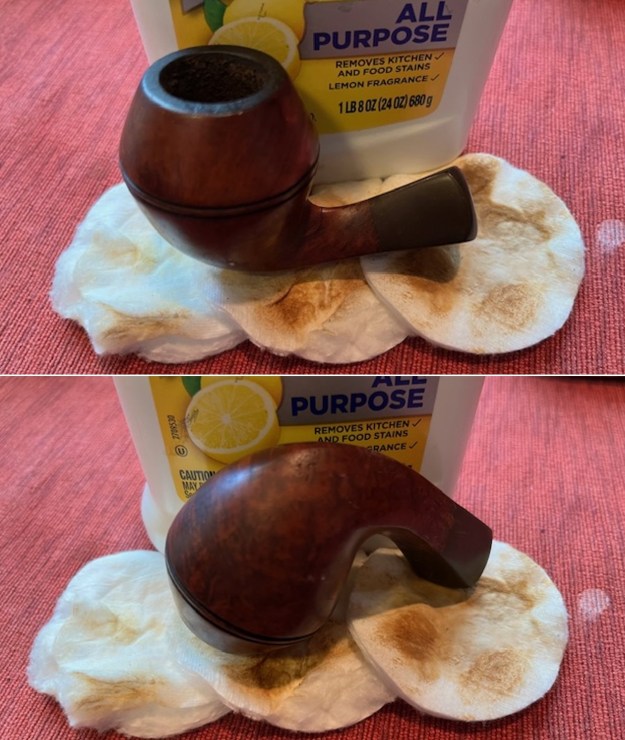
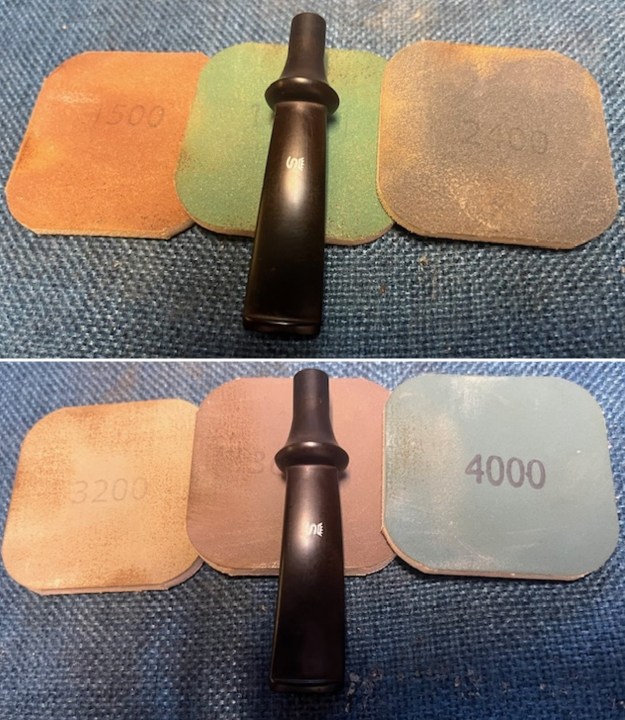
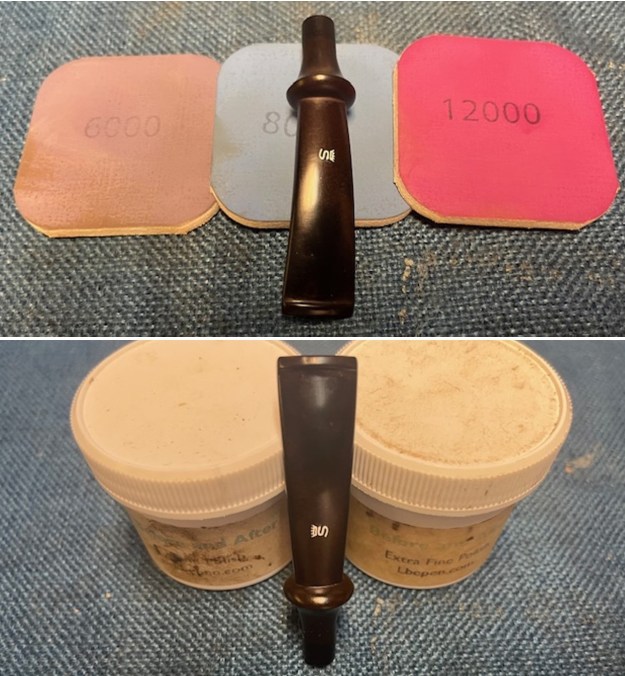
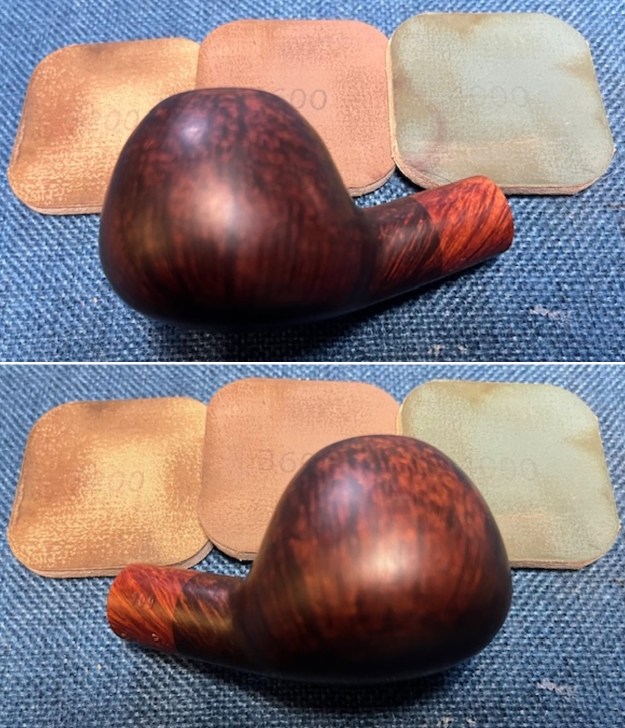
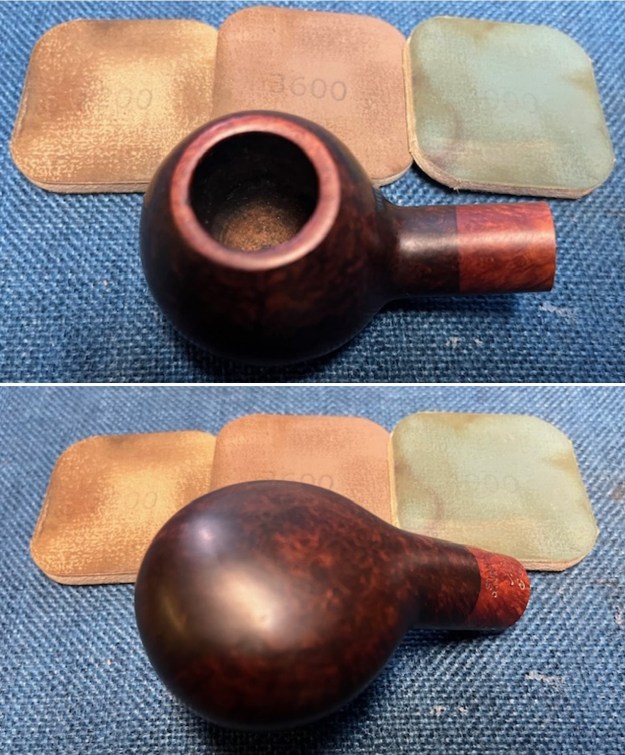
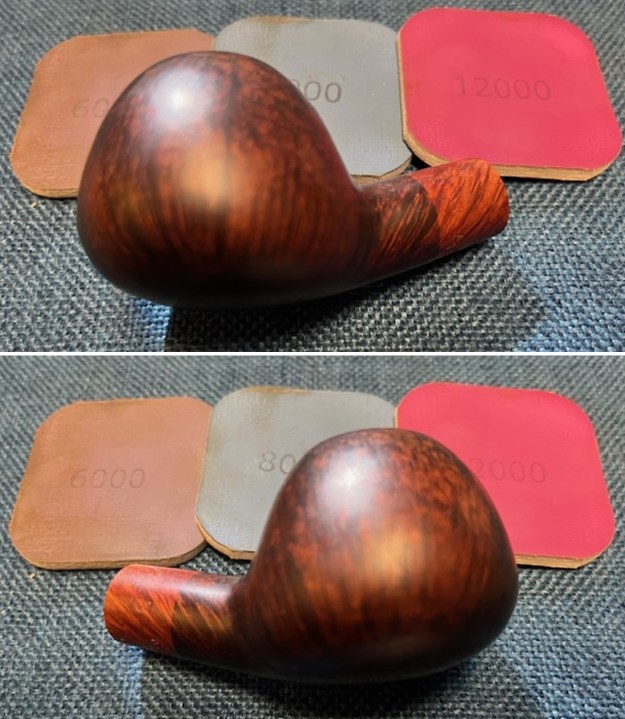
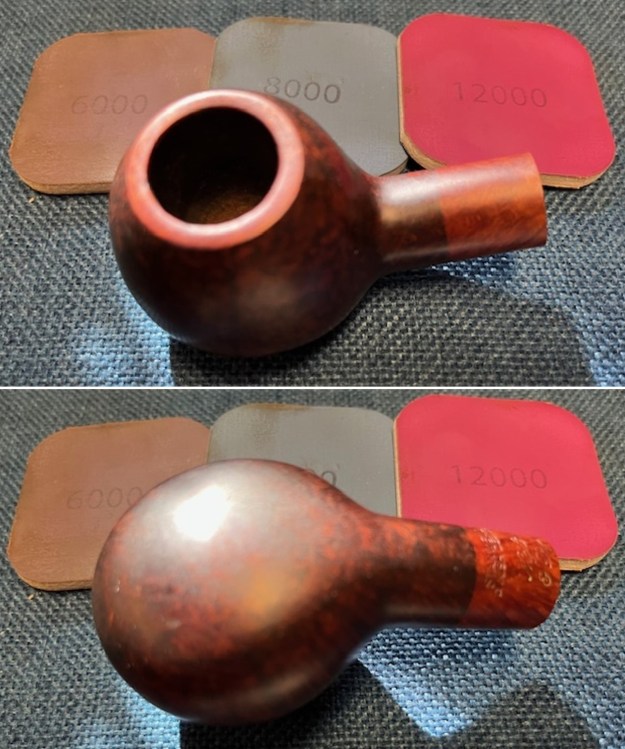
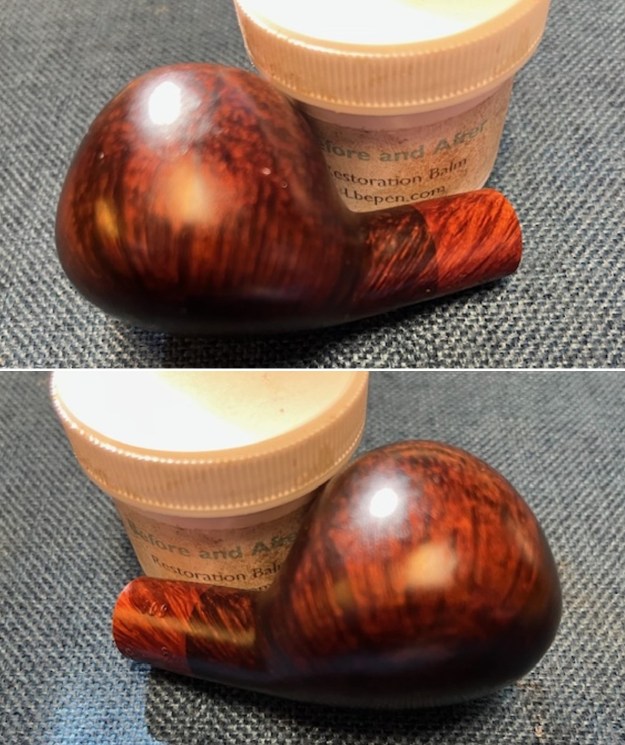
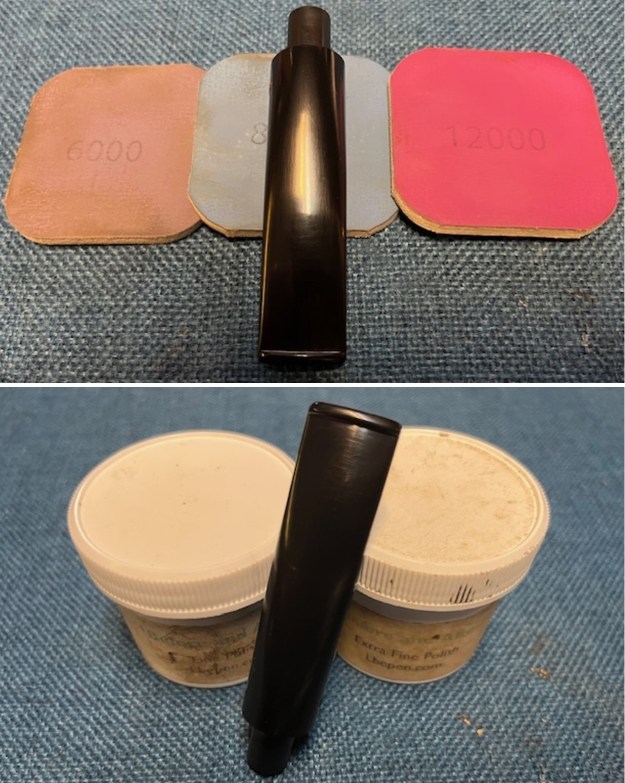
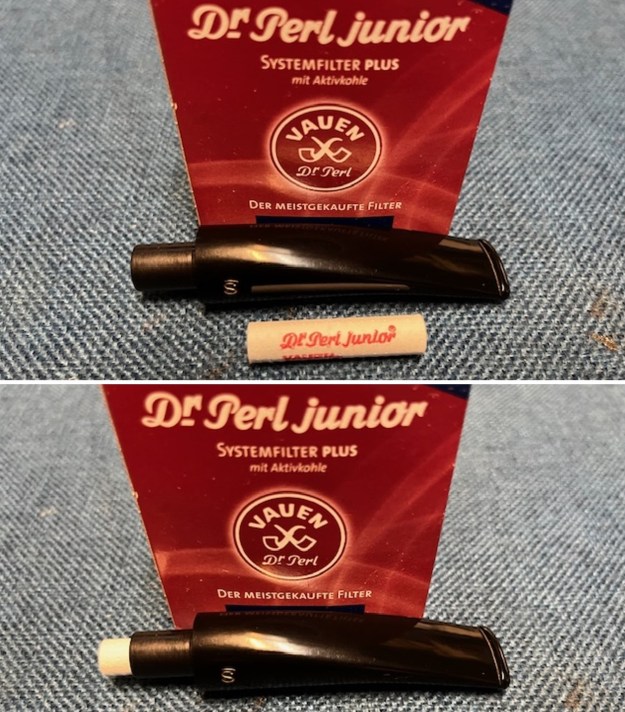
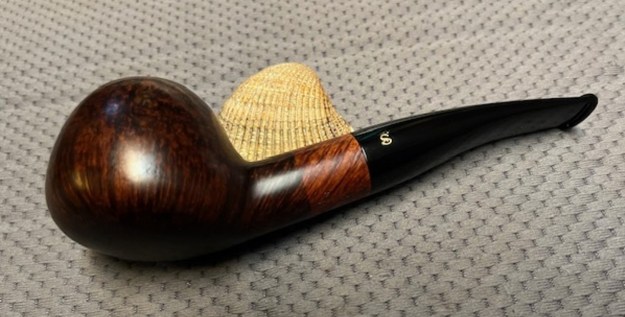
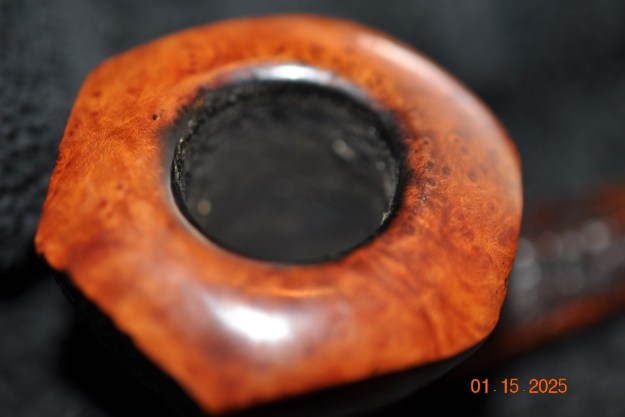
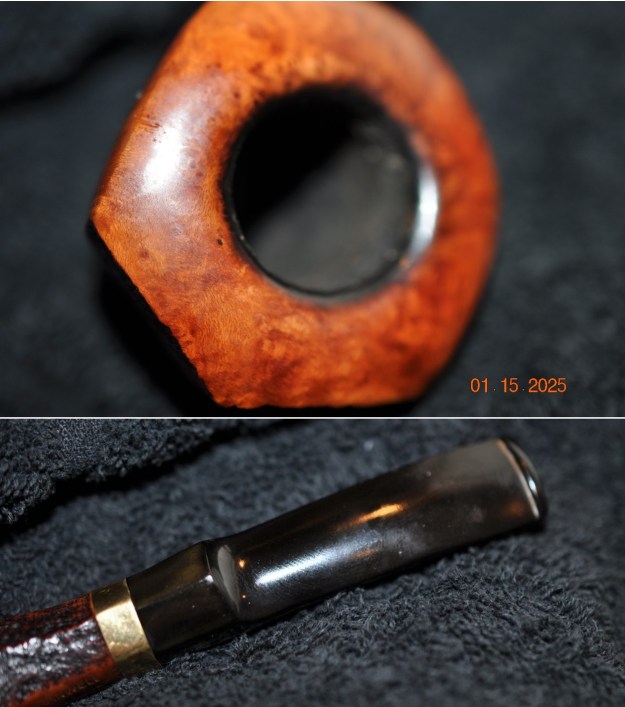
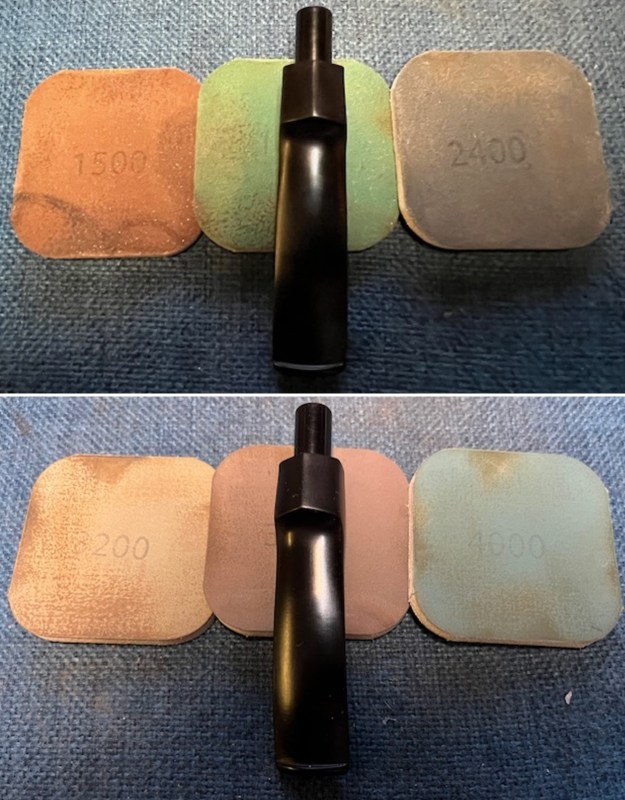
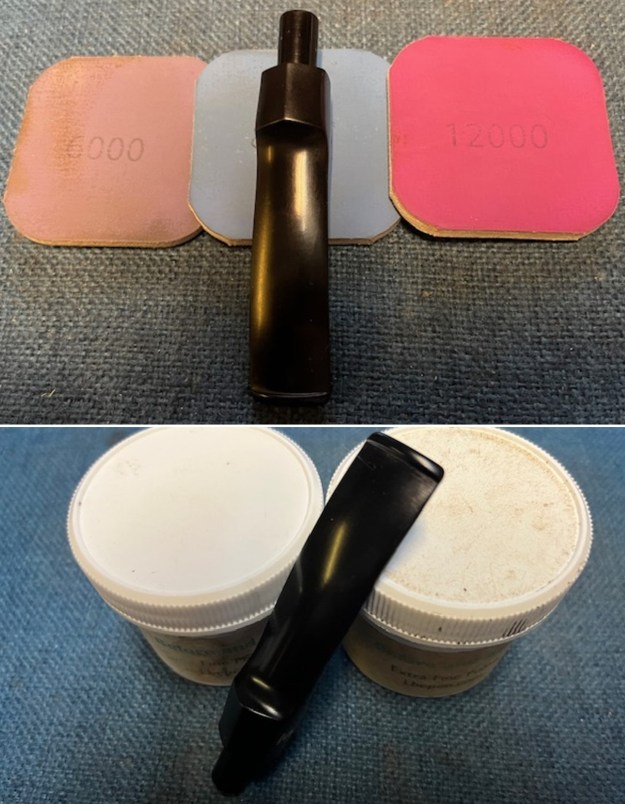
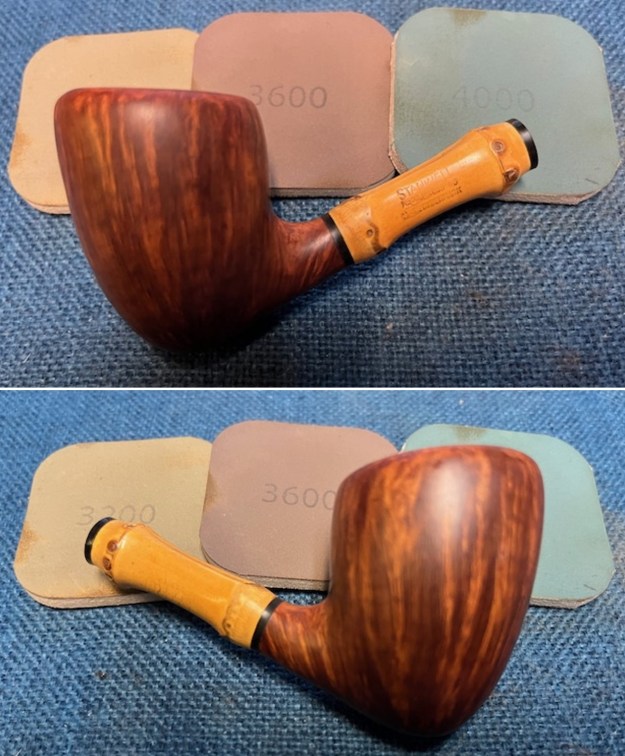
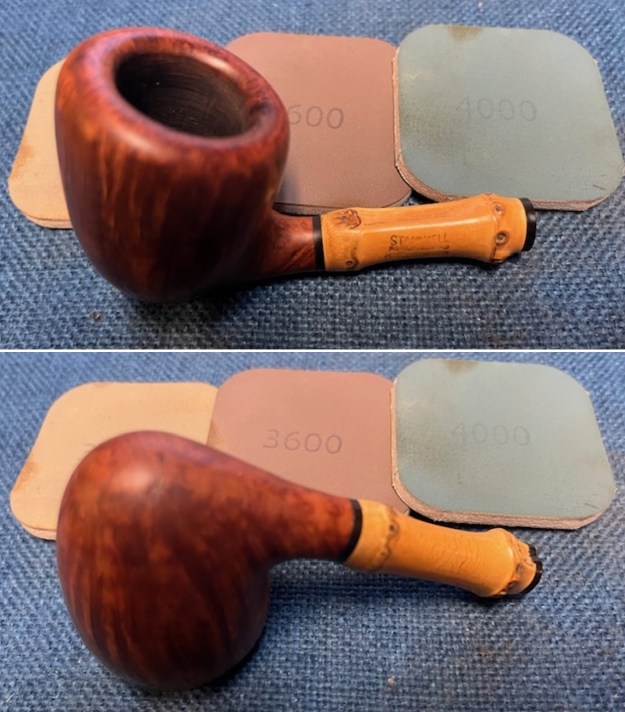
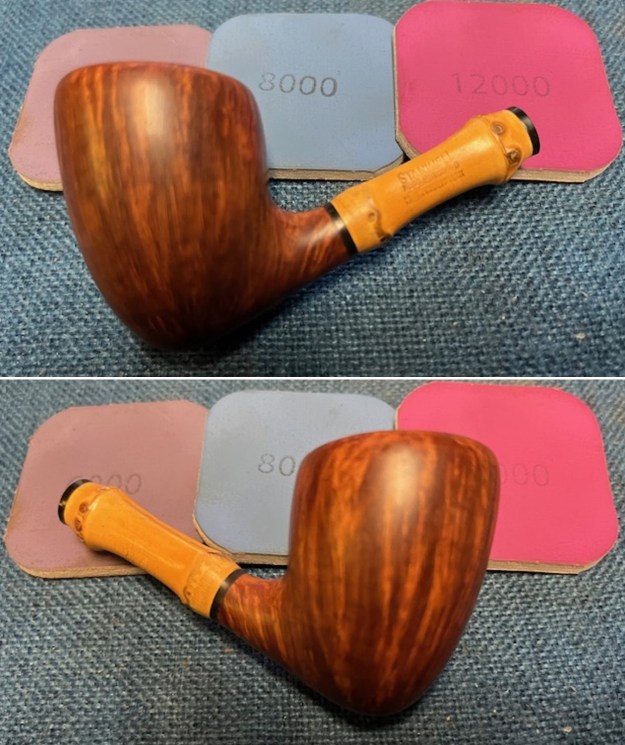
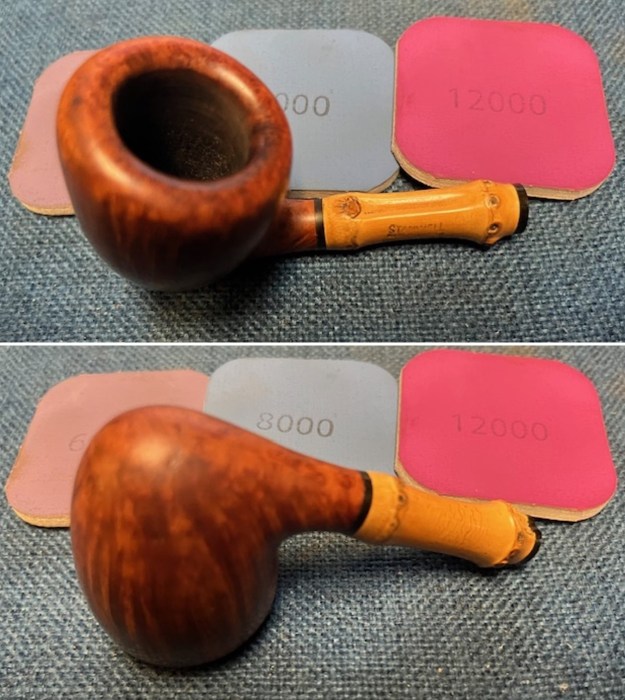
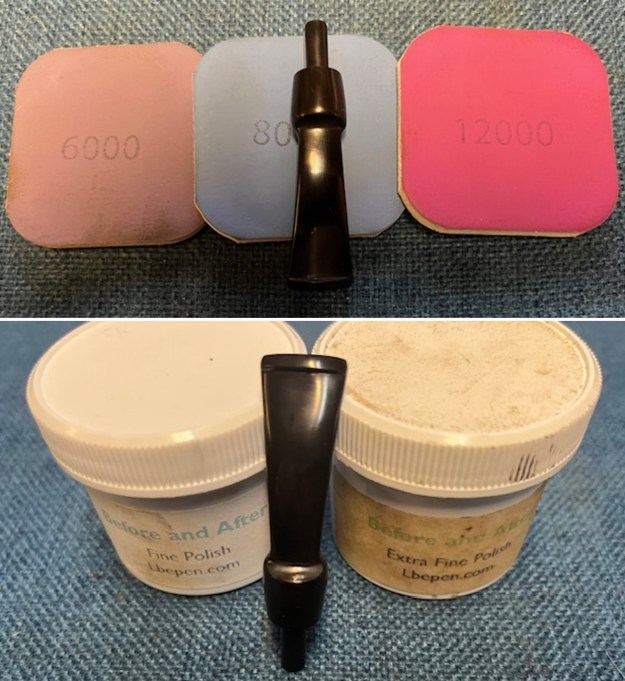
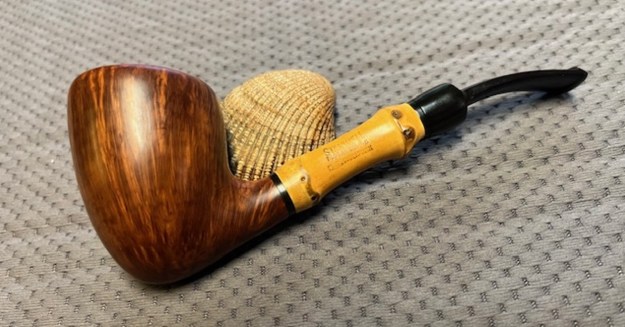
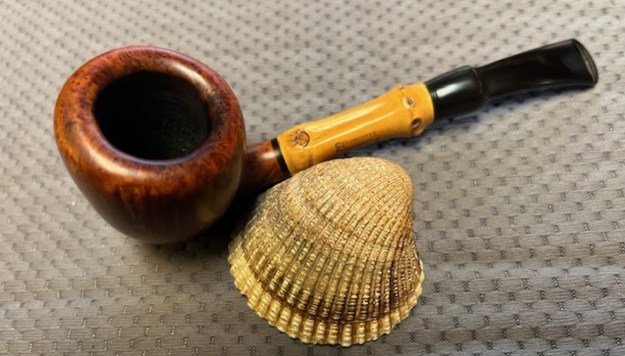
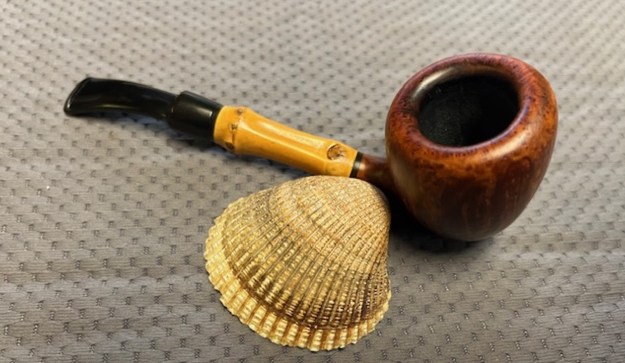
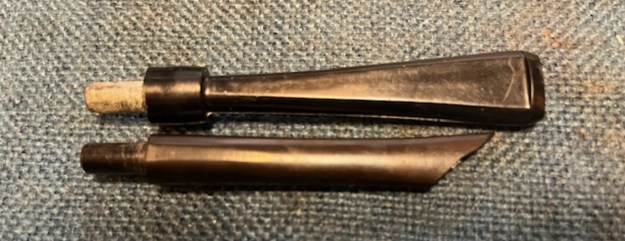
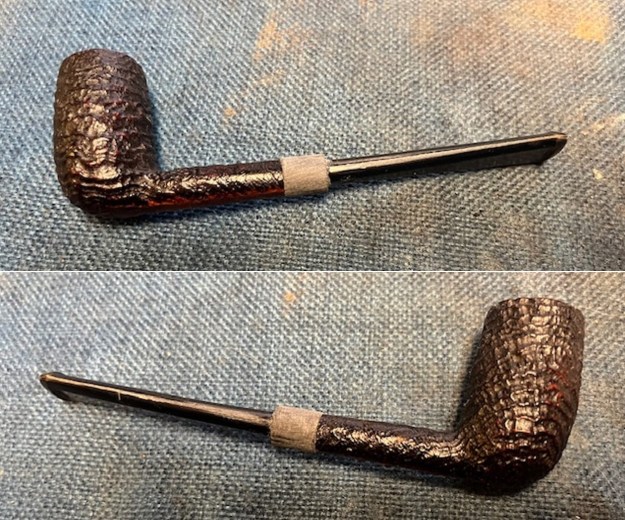
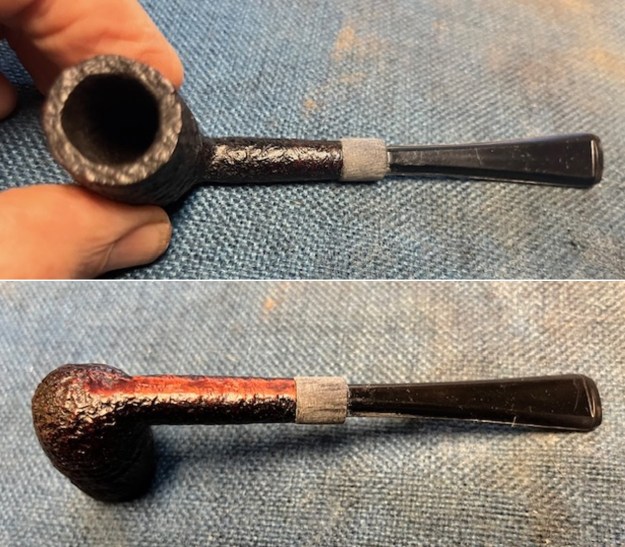
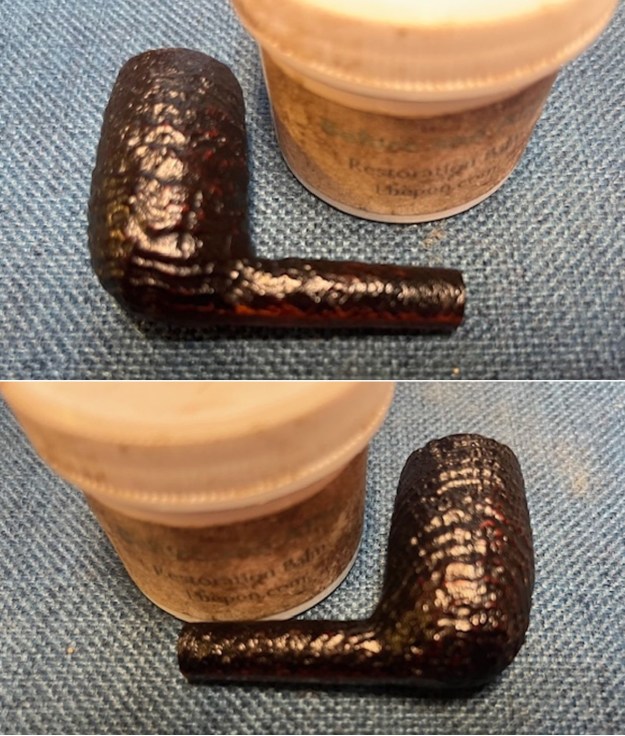
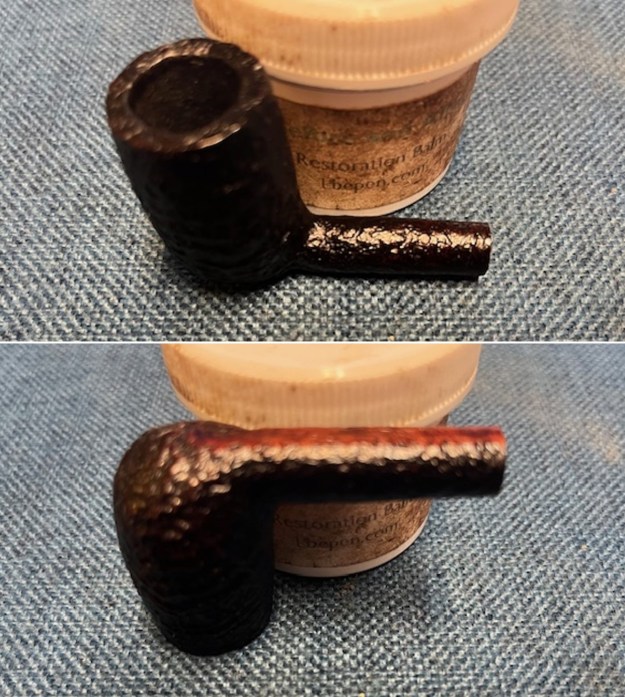
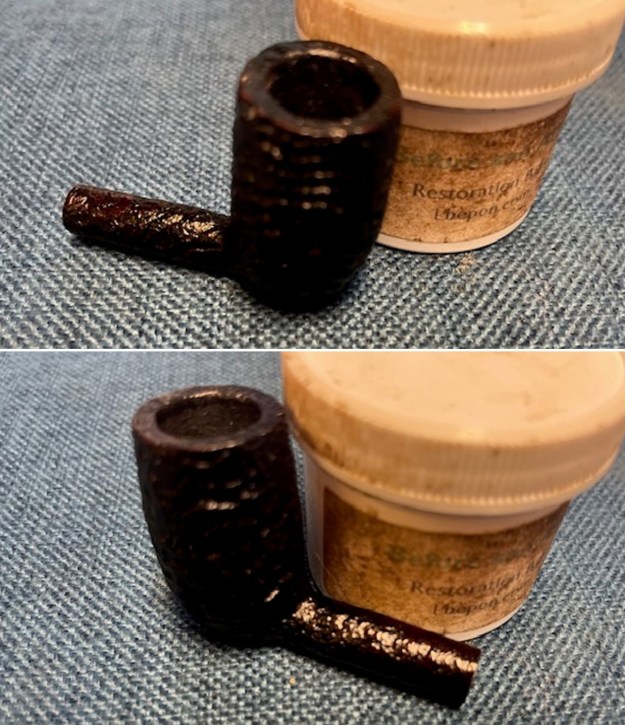
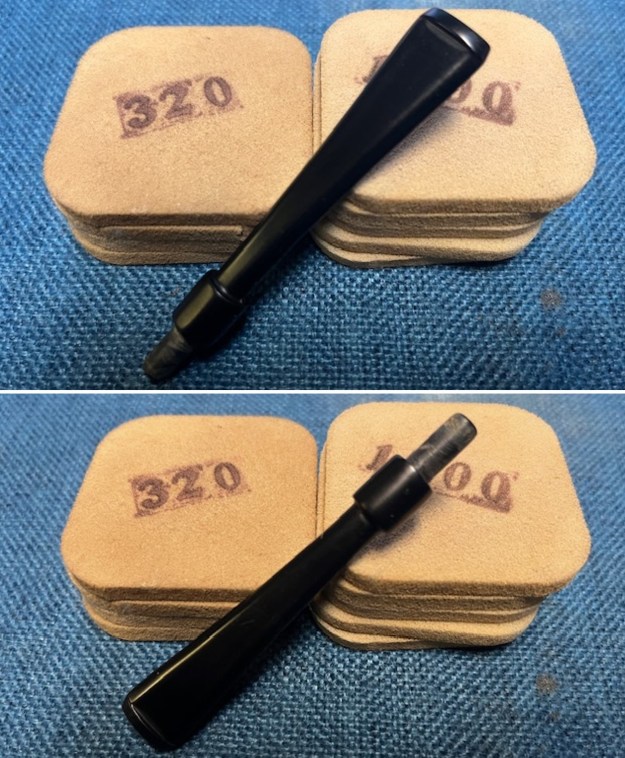
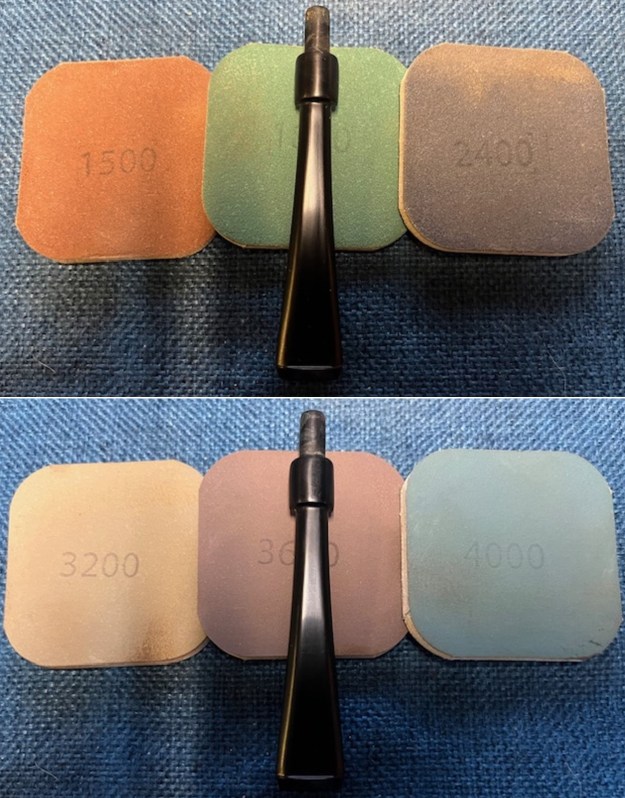
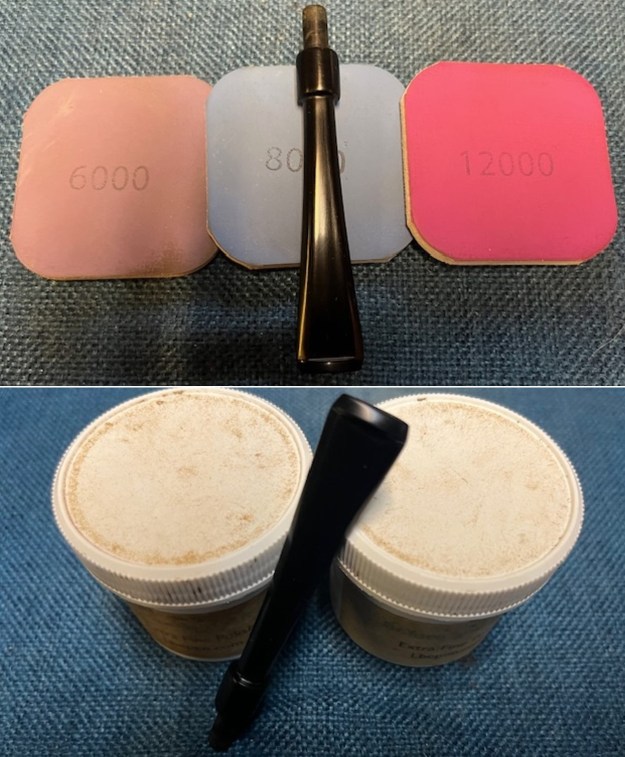
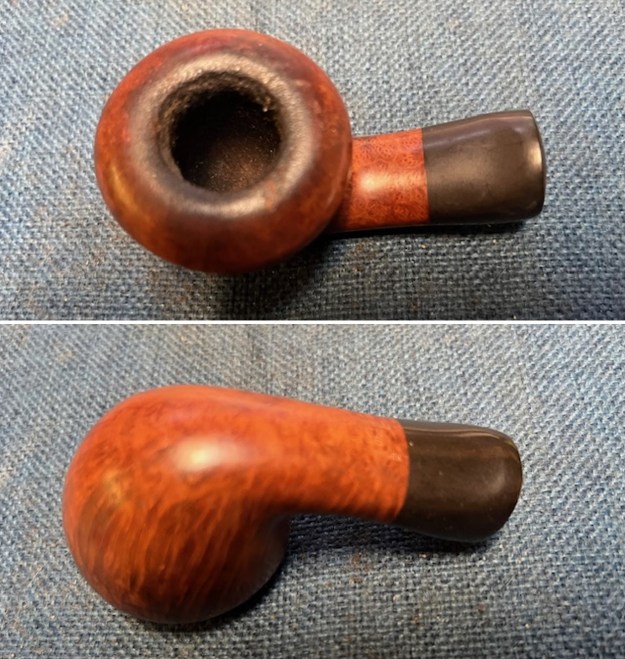
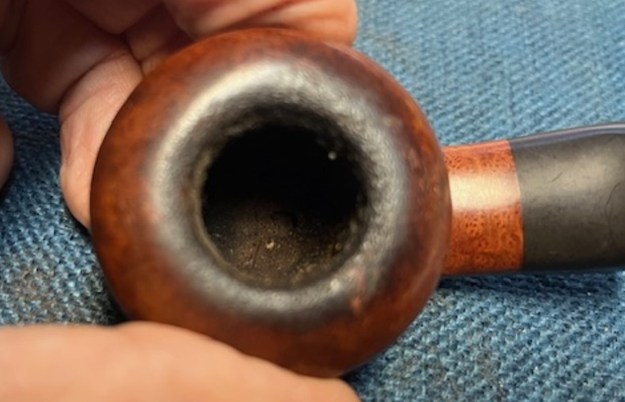
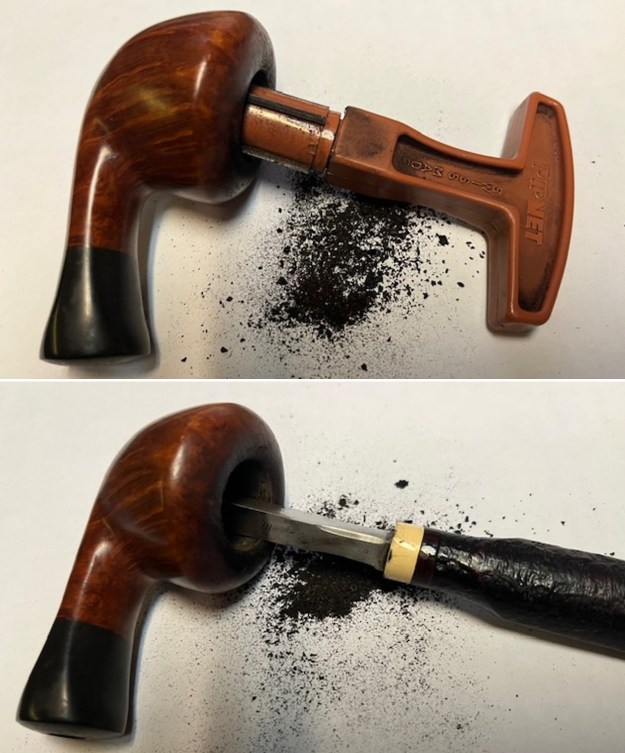
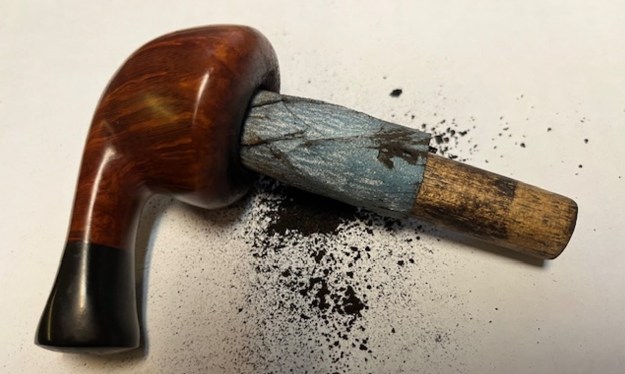
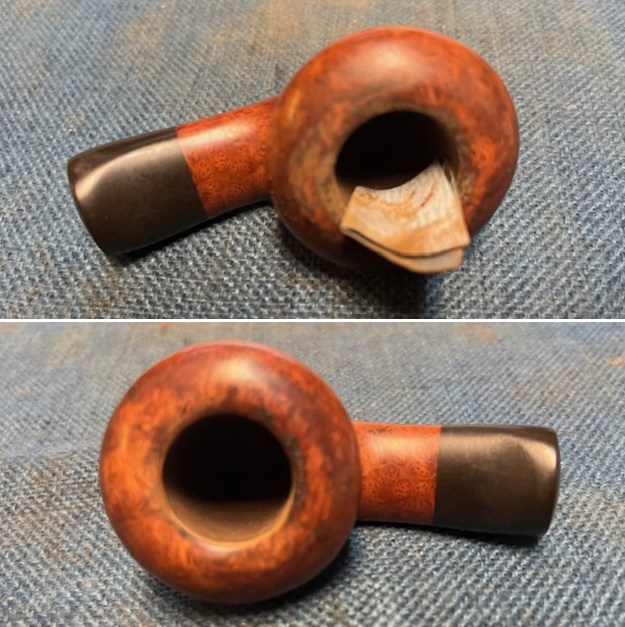
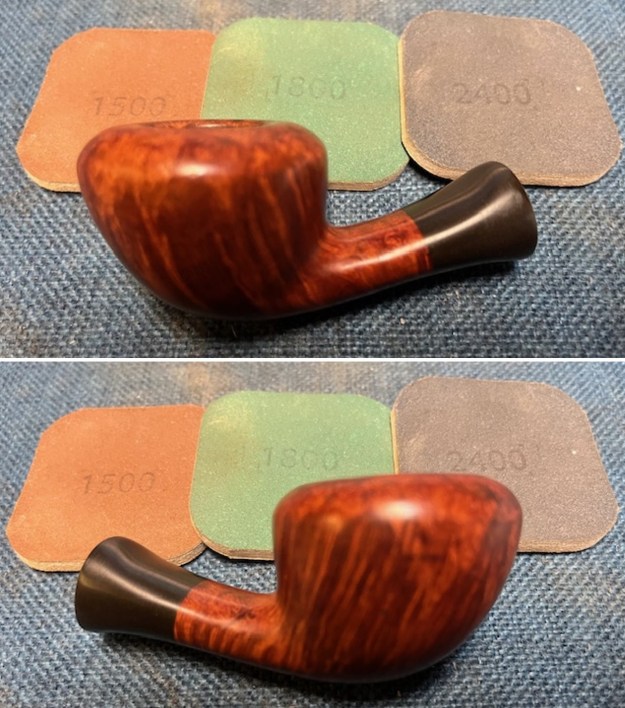
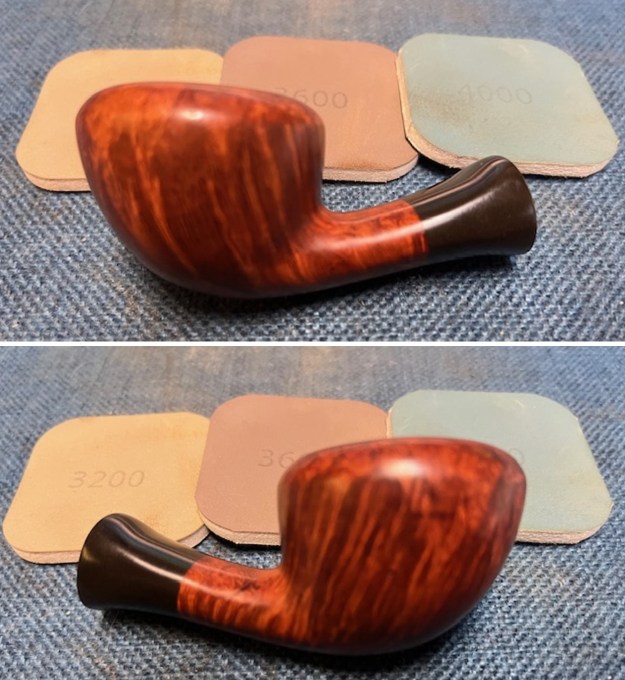
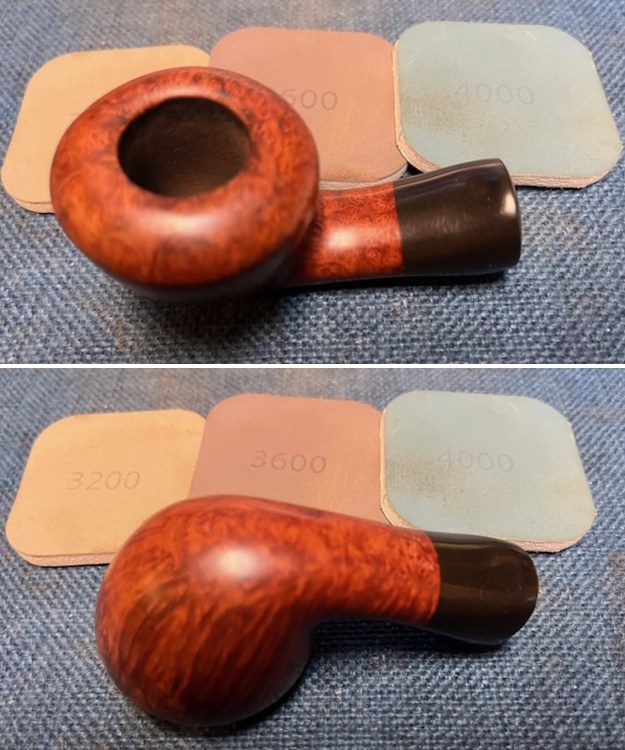
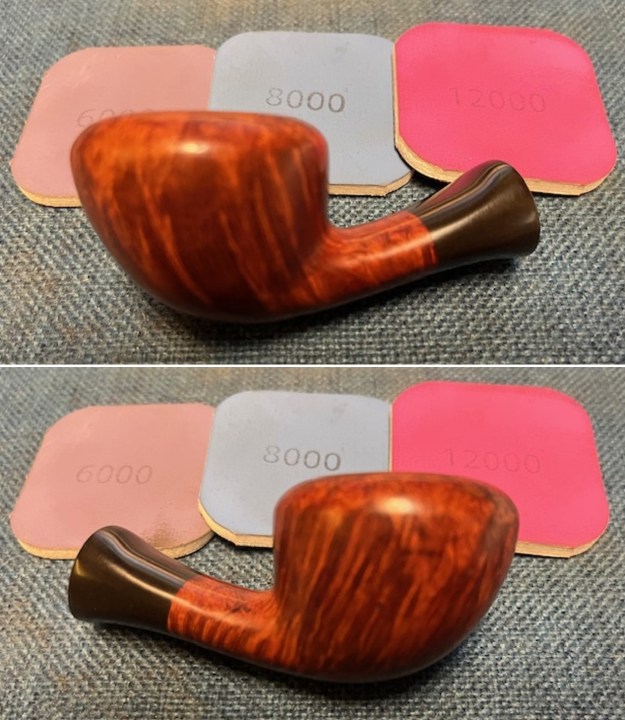
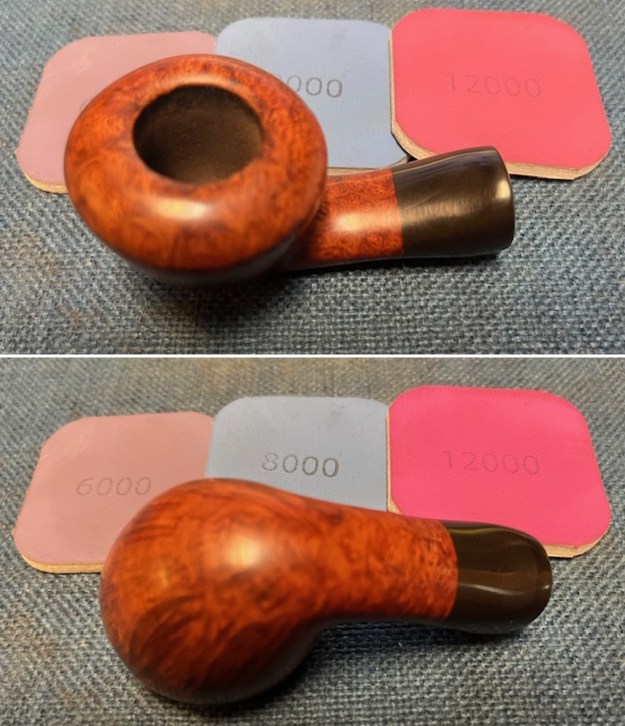
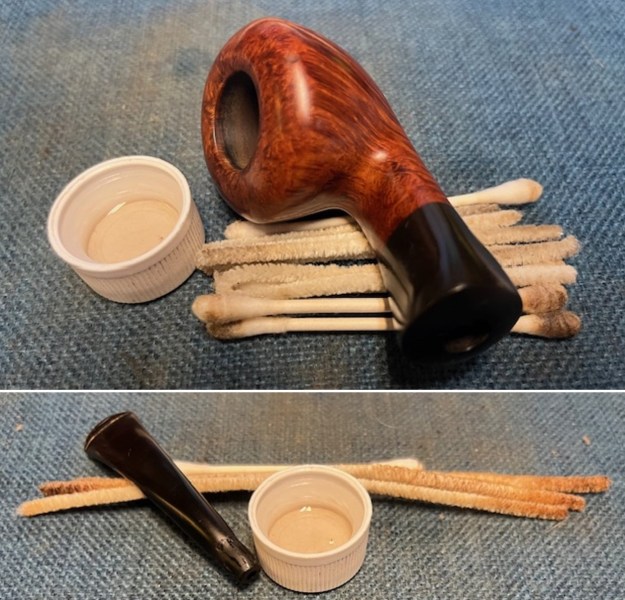
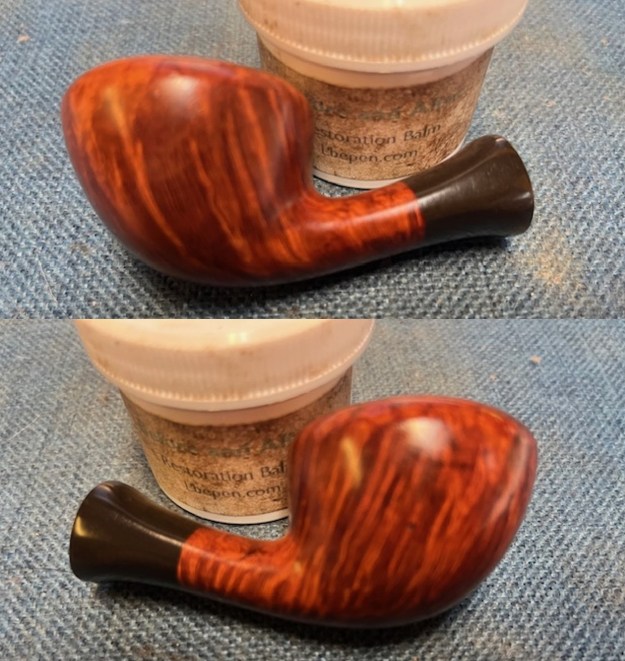
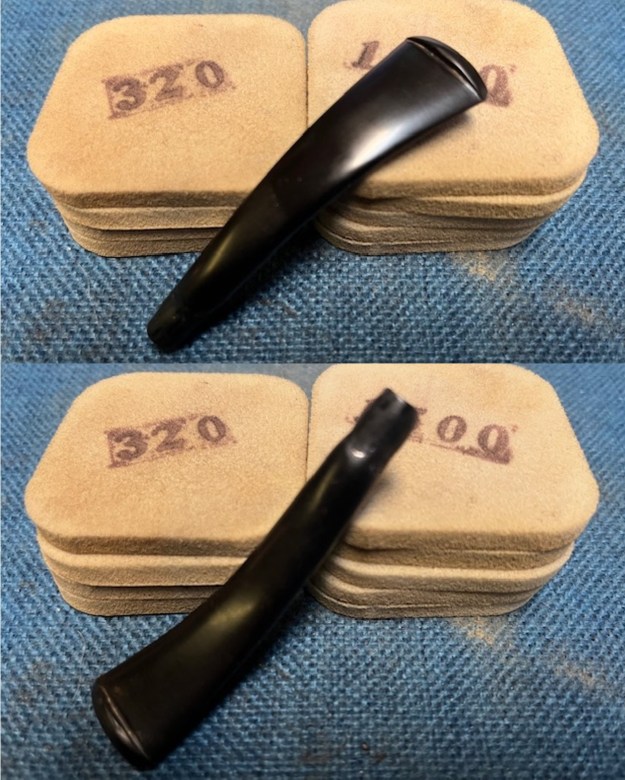
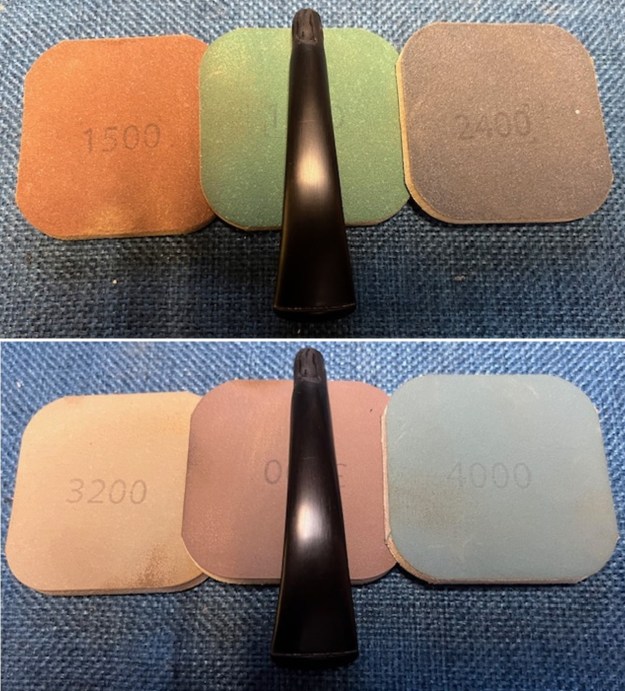
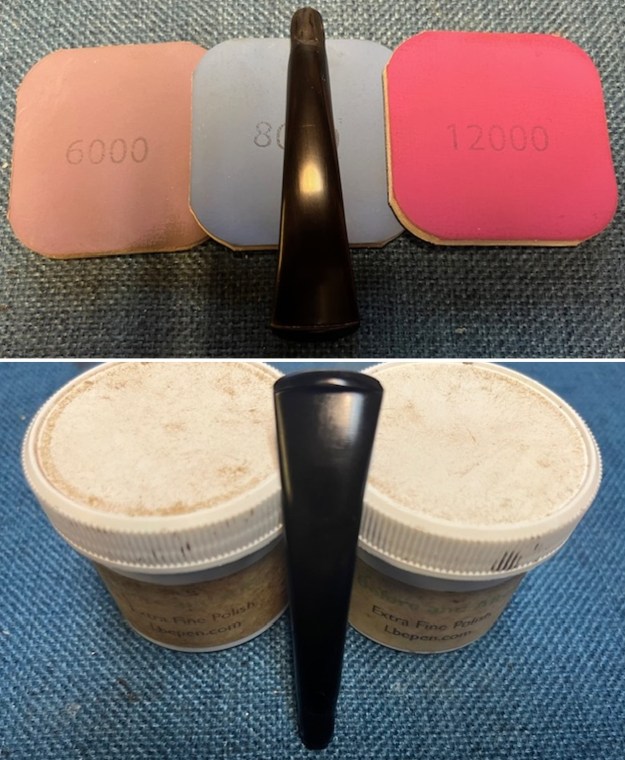
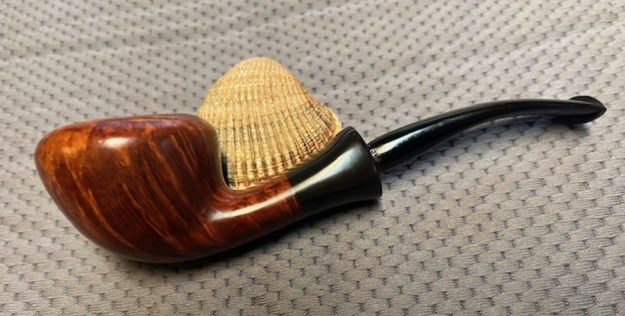
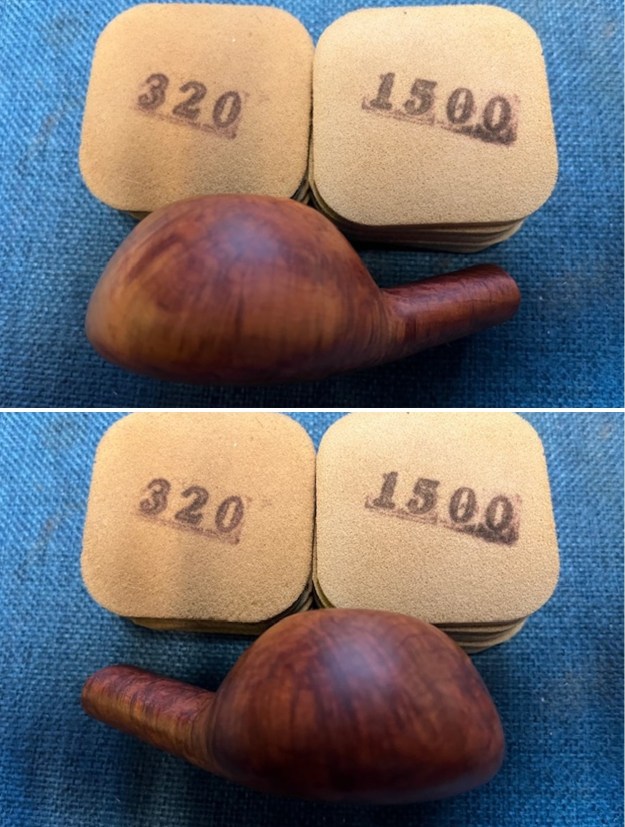
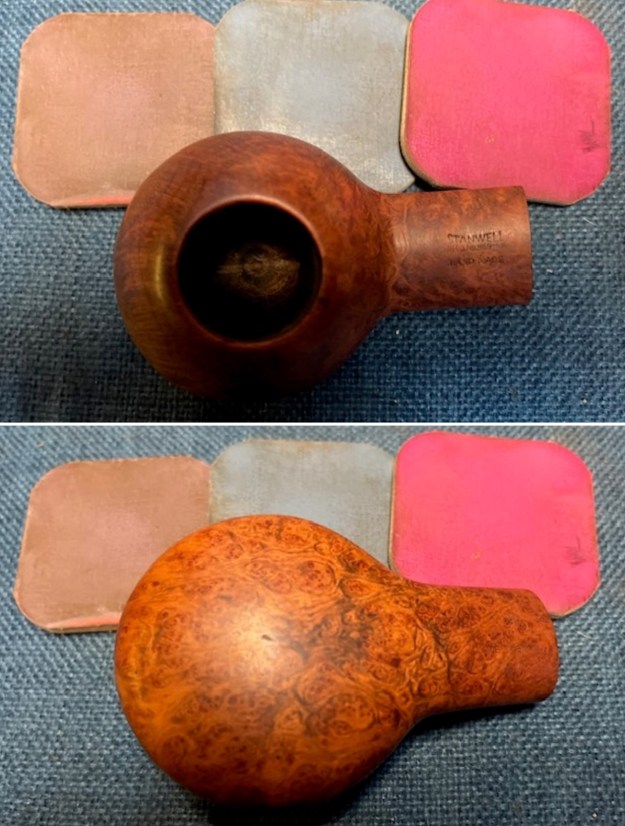
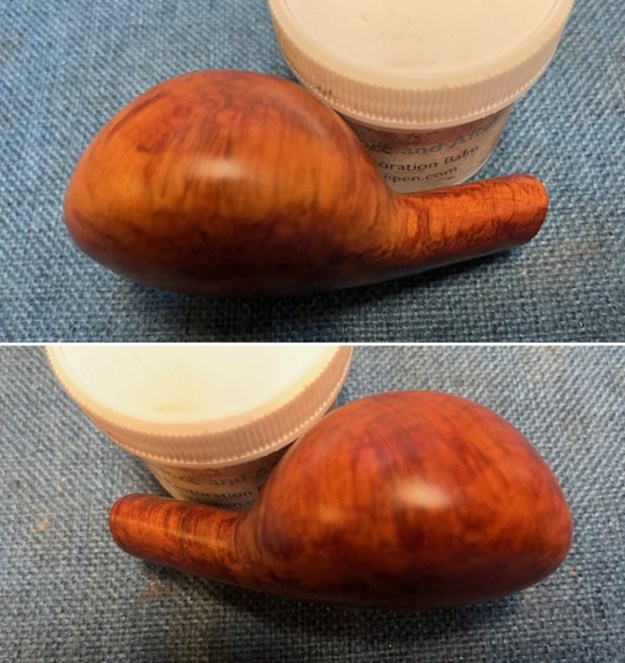
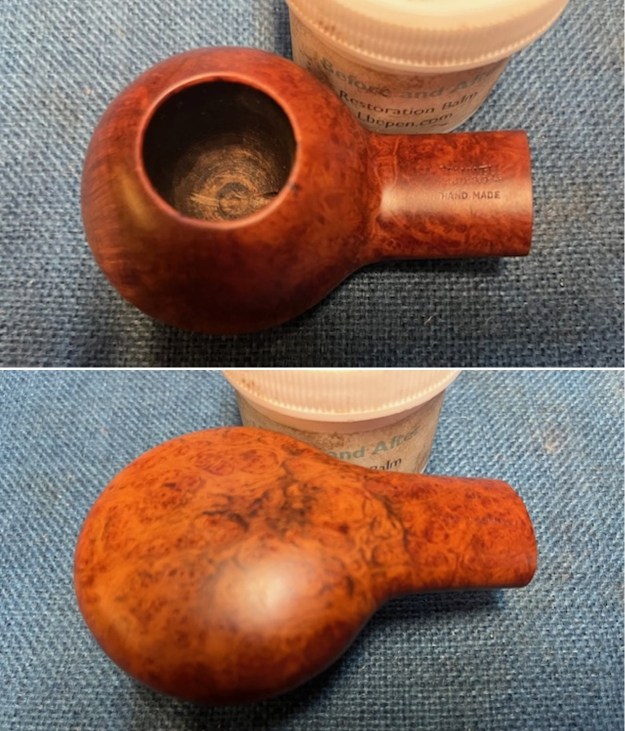
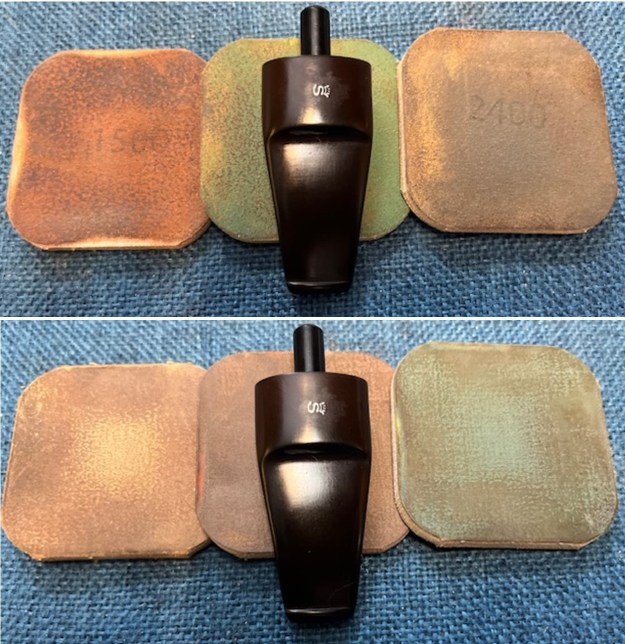
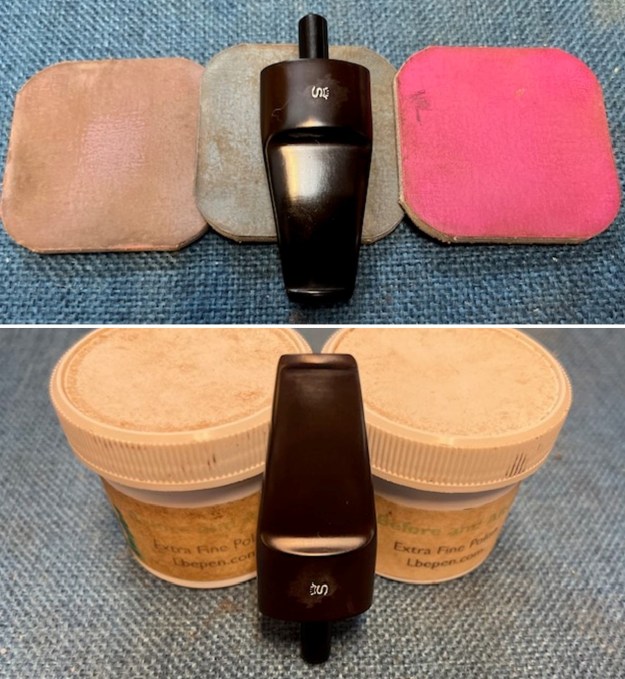
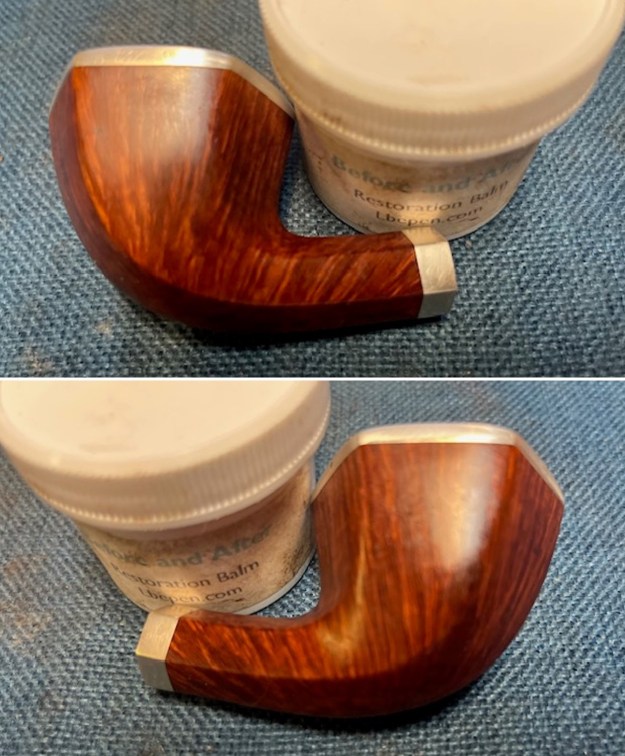
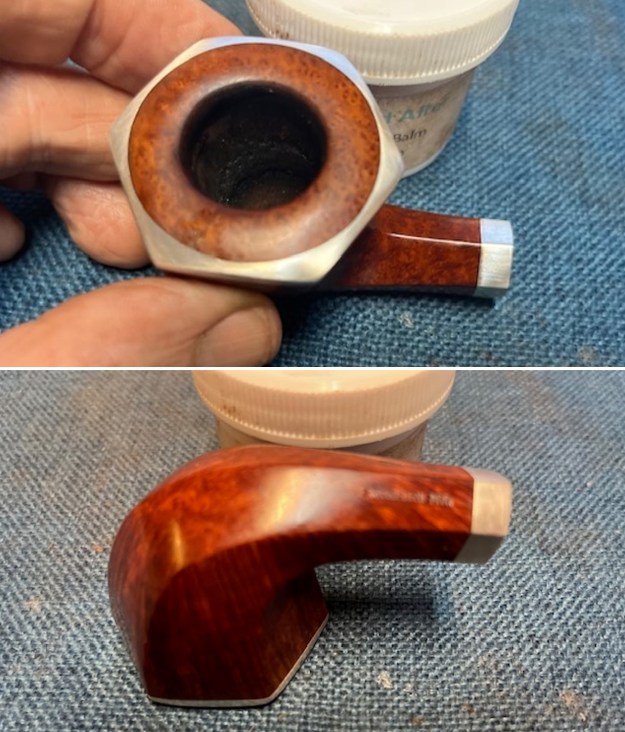
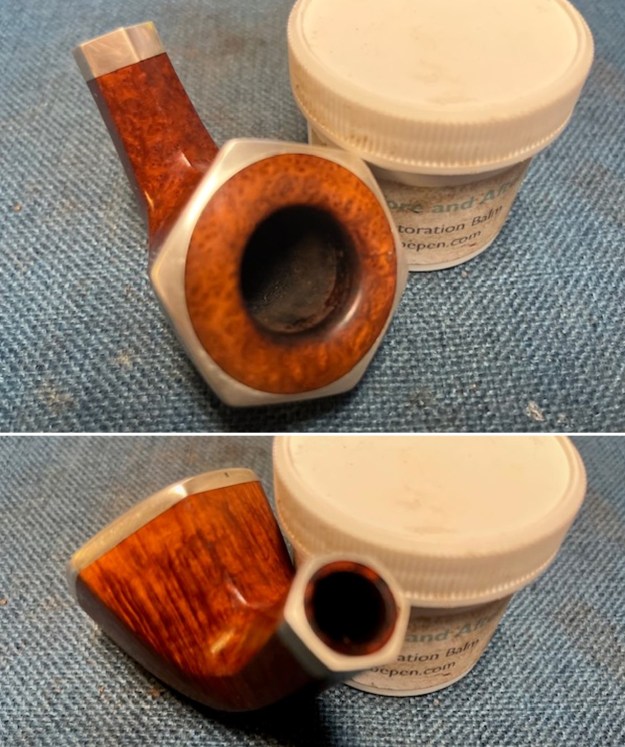
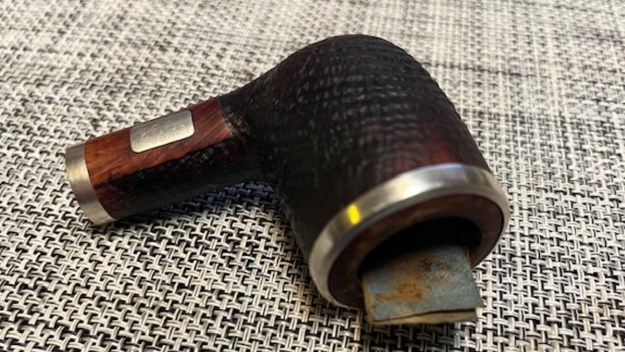
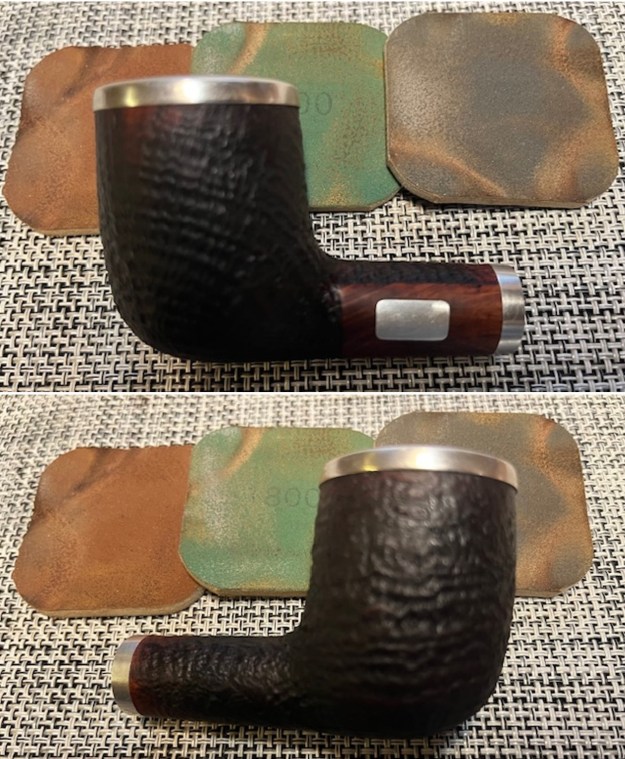
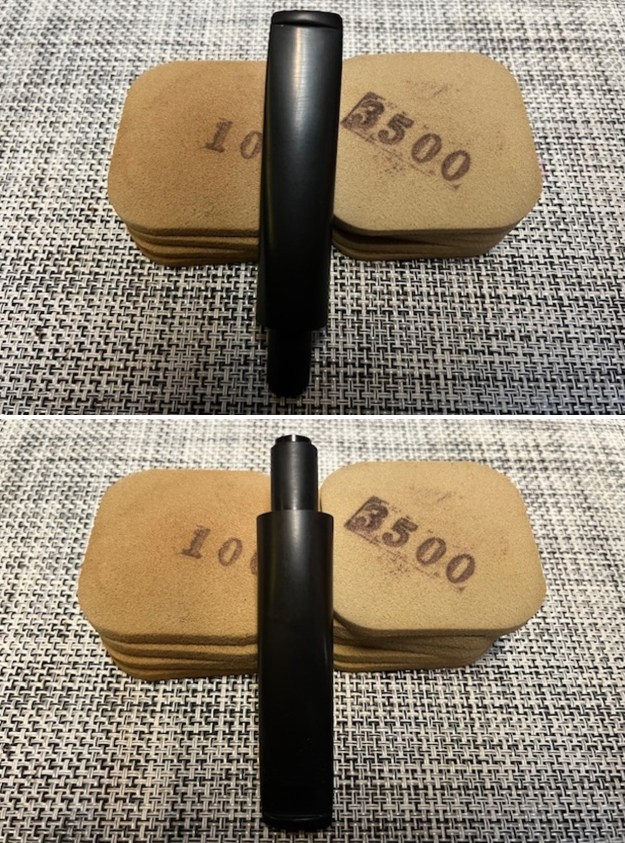
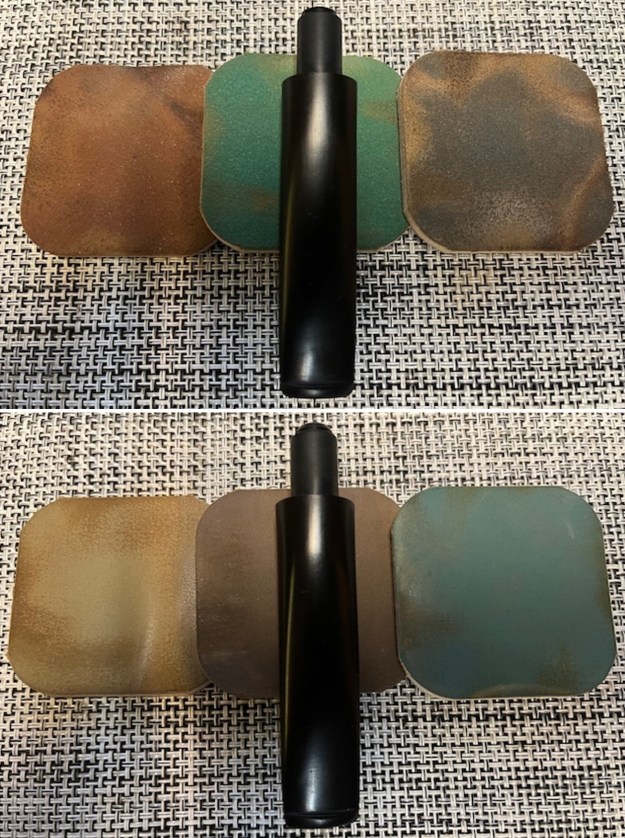
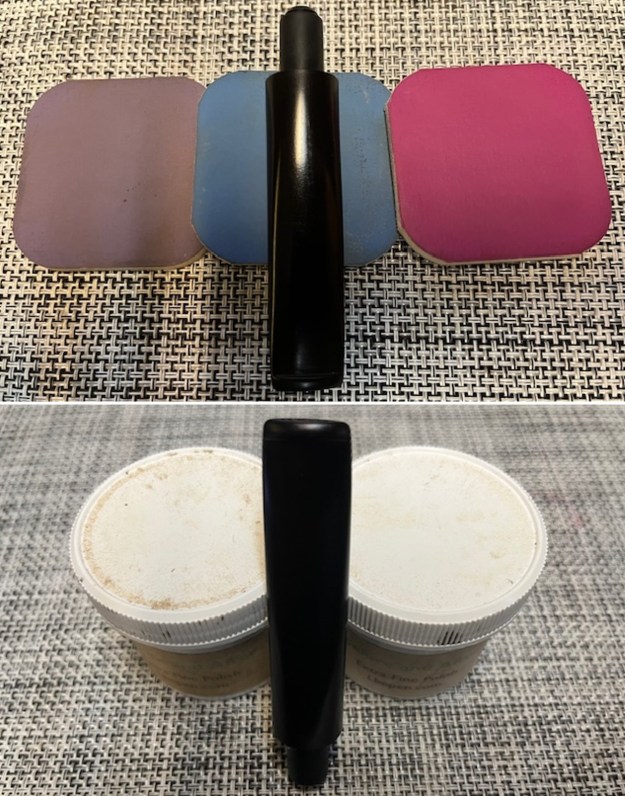
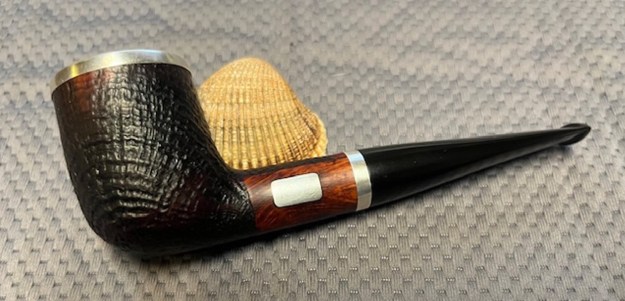
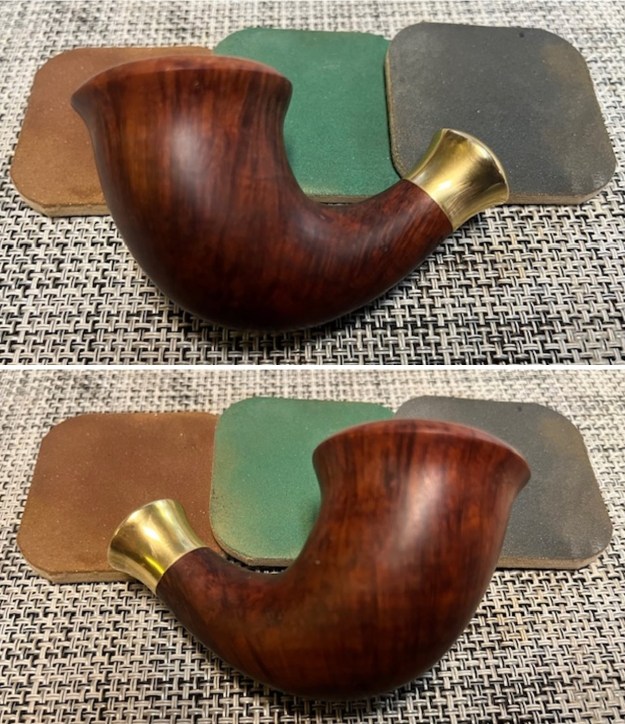
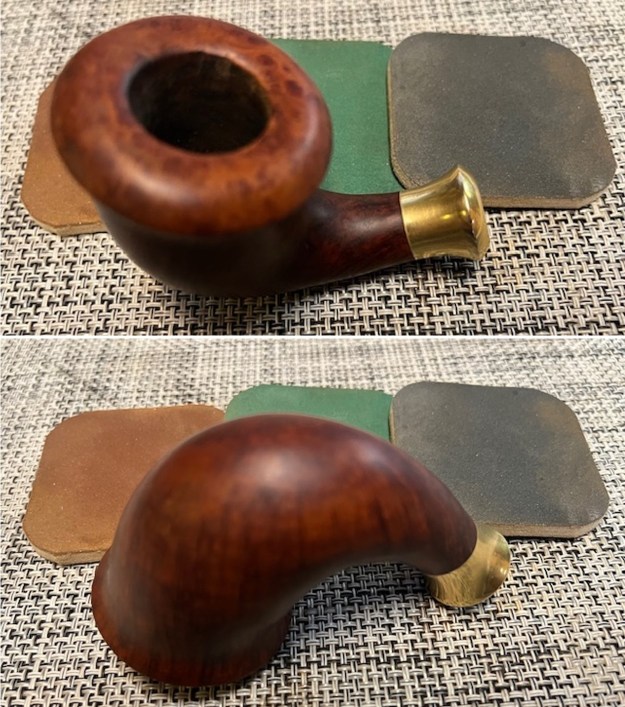
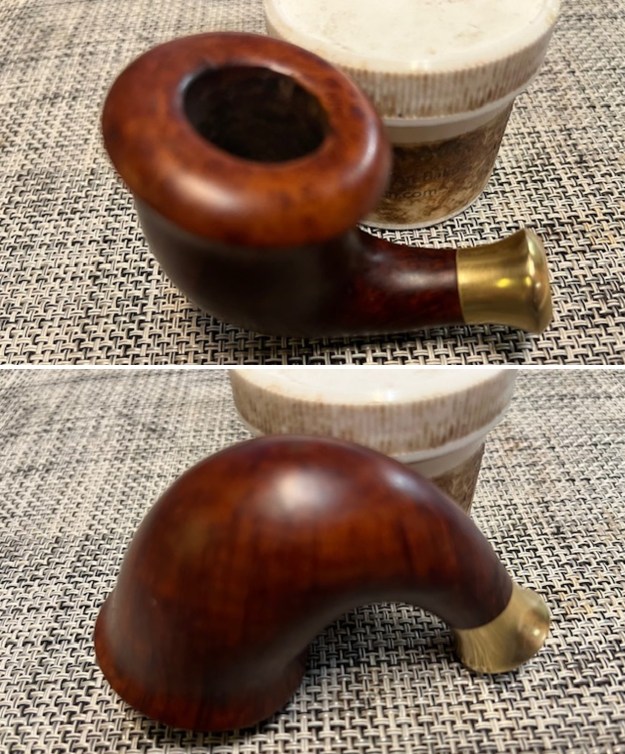
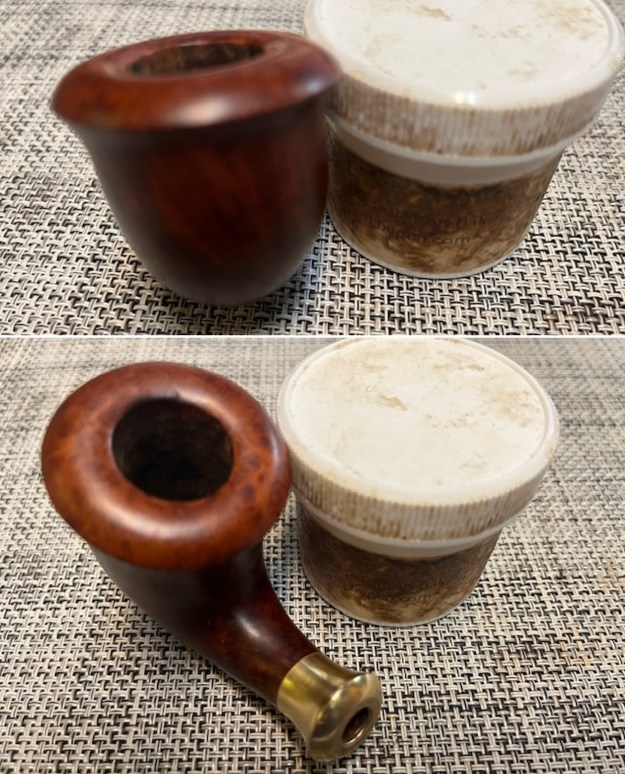
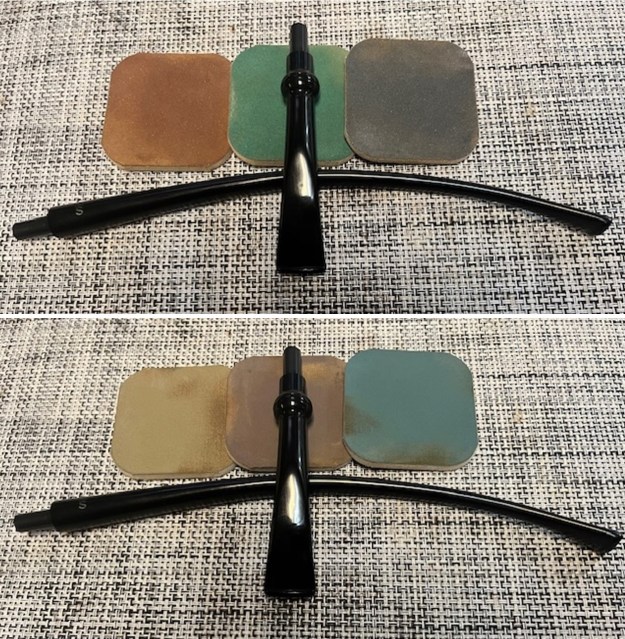
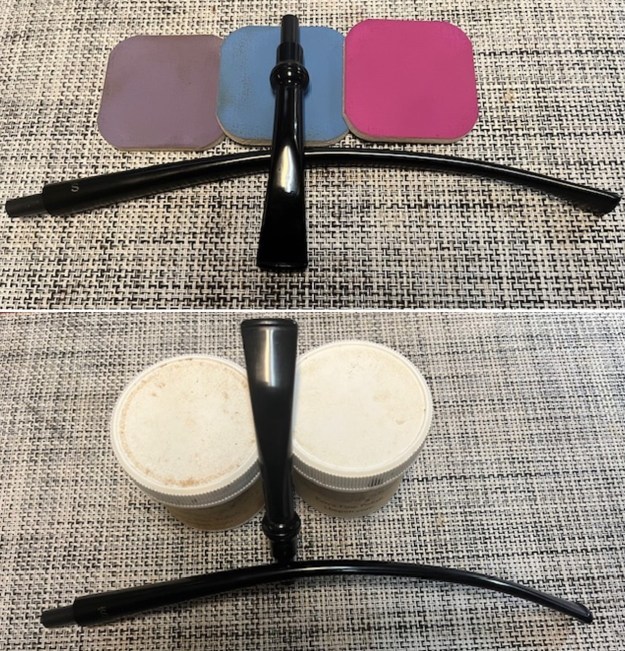
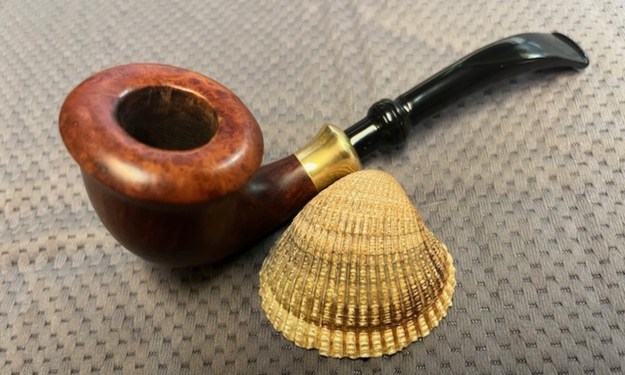
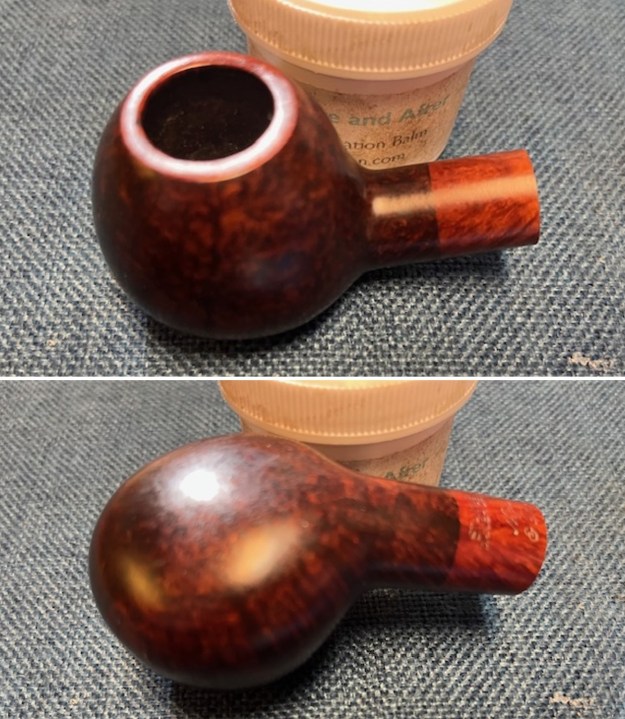
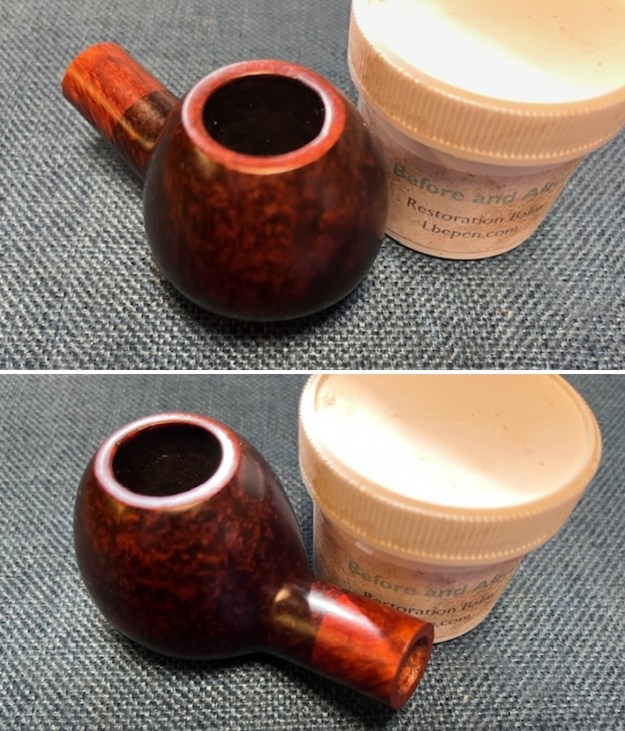
Now it was my turn to work on the pipe. Jeff had done an amazing cleanup of the pipe. He reamed the light cake with a PipNet reamer and cleaned up that with a Savinelli Fitsall Pipe Knife. He scrubbed the internals of the bowl and stem with alcohol, cotton swabs and pipe cleaners. He scrubbed the externals with undiluted Murphy’s Oil Soap and rinsed the bowl off with running water. He soaked the stem in Briarville’s Pipe stem Deoxidizer and once it had soaked rinsed it off with warm water to remove the residual solution. He dried it off and rubbed it down to remove any oxidation that was still on the stem. The pipe looked very good when I received it. I took a photo of the rim top to show the condition. You can see the clean bowl. The bowl is in excellent condition and the rim top looks very good. The stem came out looking quite good. It only needed to be polished. I took a photo of the underside of the shank to show the stamping. The photo clearly shows the stamping and is actually more readable in person. I removed the stem from the shank and took a photo of the pipe parts to show what I was working with. I also took photos of the pipe with the longer Churchwarden stem in place. It is a nice looking pipe. The pipe had cleaned up so well that I turned to polish the briar with micromesh sanding pads. I dry sanded it with 1500-12000 grit sanding pads and wiped the bowl down after each pad with a damp cloth. By the final pads the briar really had a shine. I rubbed the briar down with Before & After Restoration Balm. I worked it into the briar with my fingertips and a horsehair shoe brush to work it into the nooks and crannies of the sandblast finish. The product works to clean, enliven and preserve the briar. I let it sit for 10 minutes then I buffed it with a cotton cloth to deepen the shine. The briar really comes alive with the balm. I set aside the bowl and turned my attention to the stems. I polished the acrylic with micromesh sanding pads – 1500-12000 grit pads. I wiped them down with Obsidian Oil after each sanding pad. I used Before & After Pipe Polish – both Fine and Extra Fine to further polish the stem. This Hans Christian Andersen 2 Calabash Dual Stem has a beautiful, reddish brown finish that highlights some beautiful grain. The shorter and longer polished stems add to the mix. I believe the stems are acrylic and have a rich shine to them. I put the stem back on the bowl and buffed the pipe with Blue Diamond on the buffing wheel being careful to not buff the stamping. I gave the bowl and the stems multiple coats of carnauba wax on the buffing wheel and followed that by buffing it with a clean buffing pad. I hand buffed the pipe with a microfiber cloth to deepen the shine. The finished Stanwell HCA 2 is quite stunning and feels great in my hand. Give the finished pipe a look in the photos below. The dimensions of the pipe with the two stems are Short Stem Length: 6 inches, Long Stem Length: 10 inches, Height: 2 inches, Outside diameter of the bowl: 1 ½ inches, Chamber diameter: ¾ of an inch. The Short Stem Weight of the pipe is 1.73 ounces/49 grams; the Long Stem Weight of the pipe is 1.80 ounces/51 grams. Thanks for walking through the restoration with me as I worked over another beautiful pipe. I am going to putting the pipe on the rebornpipes store in the Danish Pipe Makers Section. If you are interested in adding it to your collection let me know. Thanks for your time.

Giving new life to a lovely Danish Made Gilt Edge Stanwell 98 Lovat


Blog by Steve Laug

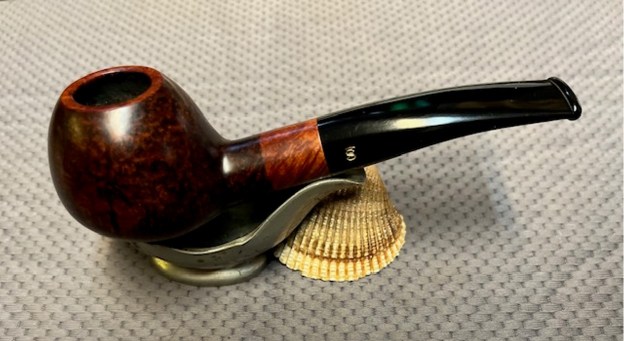
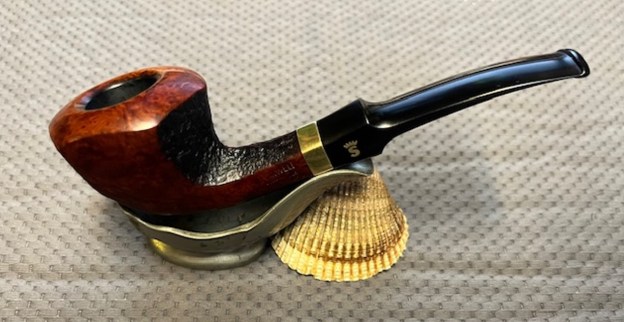
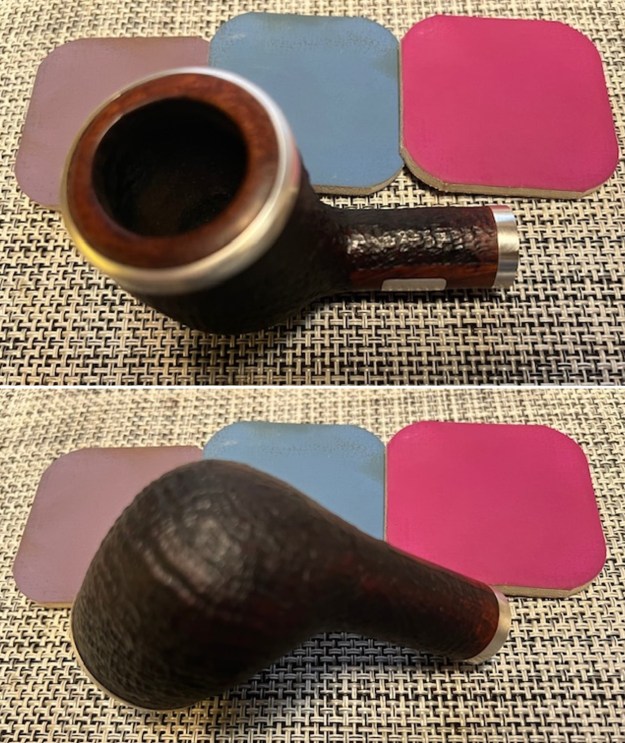
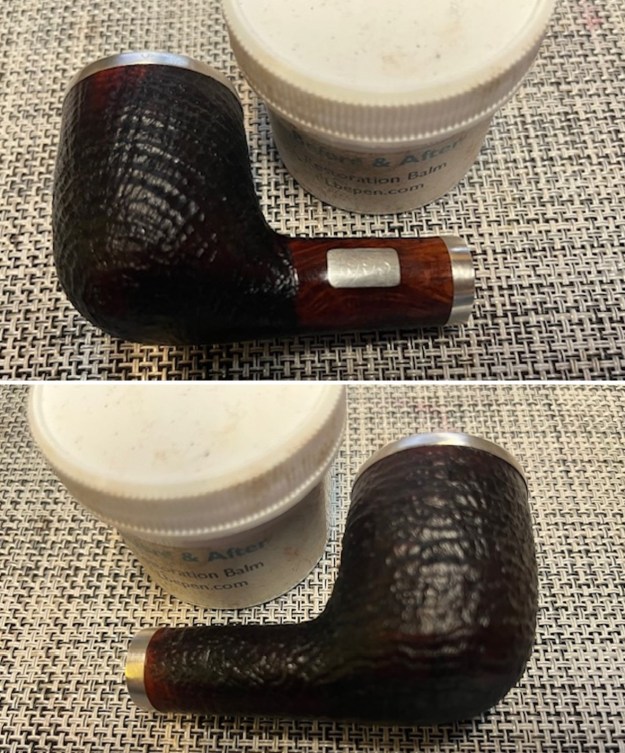
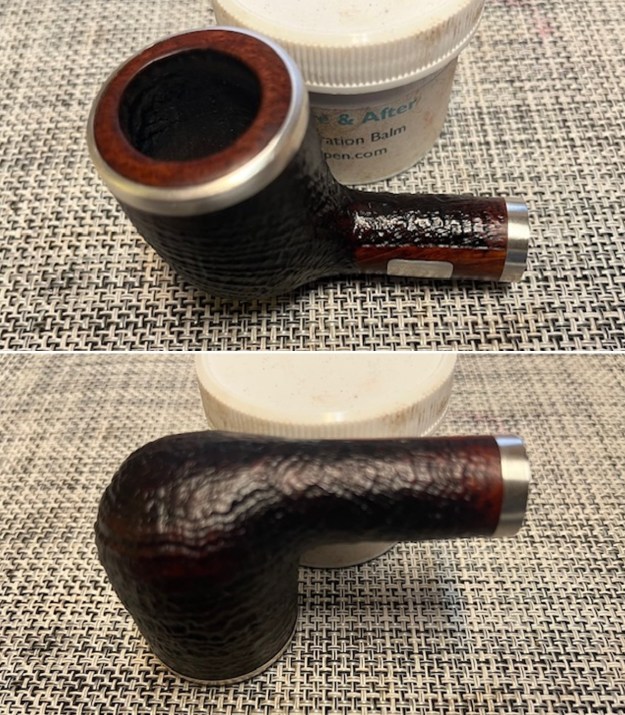
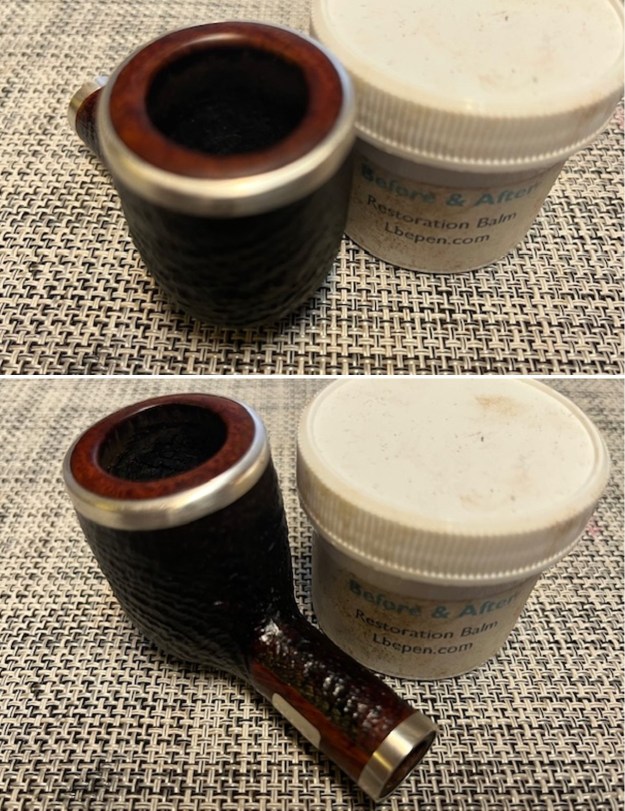
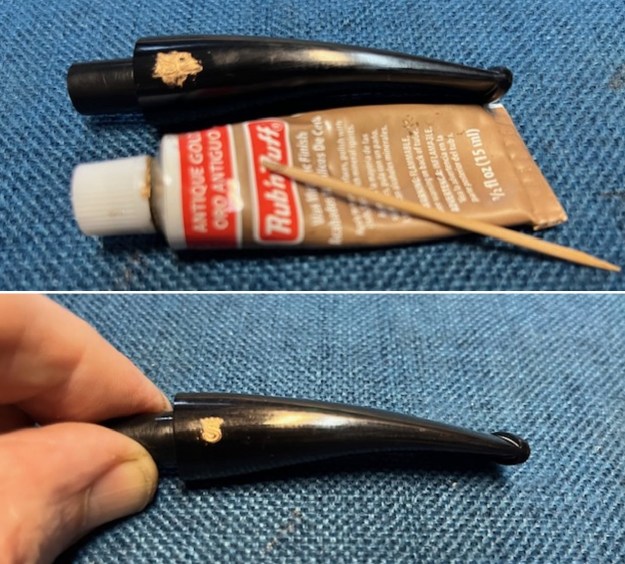
The next pipe I am working on was purchased a year ago on 01/26/2023 as part of a group of pipes from a fellow in Copenhagen, Denmark. This was another dirty pipe but underneath it had some nice grain. It was obviously it had been someone’s favourite smoker. The pipe was stamped on the underside of the shank that reads Stanwell [over] Made in Denmark [over] Gilt Edge. On the right side of the shank it is stamped with a 98 which is the shape for a Lovat. There was a gold band around the shank end and at the rim top and edge that were a very nice touch and what gave it the name Gilt Edge. The dirty finish was not able to hide the beauty in the grime. There were tars and oils ground into the surface of the briar. The bowl had a thick cake that flowed over the top of the rim in a heavy lava coat. The condition of the inner edge was hard to assess under the cake and the lava coat. The stem was a black vulcanite saddle stem with an inlaid brass crown S on the left side. There were light tooth marks and chatter on both sides ahead of the button. The bite mark on the underside was deep and almost through the vulcanite. Jeff took photos of the pipes before he started his clean up work. Jeff took photos of the rim and bowl to show the heavy cake and heavy lava coat covering the rim top. The inner edge of the rim is caked and hard to assess in terms of its condition. It really was a dirty pipe but still a beauty. He also took photos of the stem surfaces to show its overall condition when it arrived. You can see the small deep tooth mark on the underside. The photos of the sides and heel of the bowls show some beautiful grain around the bowl and shank sides. The brown stain on the briar adds depth to the finish on the pipe and makes the grain really stand out. The gold rim cap and shank band are a beautiful addition. It shows a lot of promise. He also took photos of the stamping on the shank sides. It is faint but reads as noted above. He also took a photo of the Crown S stamp on the left side of the stem. From what I can find on the web the Rondo line was an older line of Stanwell pipes that is similar to the Brass Band line but has yellow acrylic between the bands. It is a nice looking pipe but one about which I could find little information.

I turned to the article on Pipedia that gave background information the shape numbers and the designers of the shapes (https://pipedia.org/wiki/Stanwell_Shape_Numbers_and_Designers). From what I can see there the shape number 98 was made in two versions. The first is a Pot shaped pipe with a saddle stem. The second shape is a Lovat. The pipe on the table is clearly the second shape listed – a Lovat.

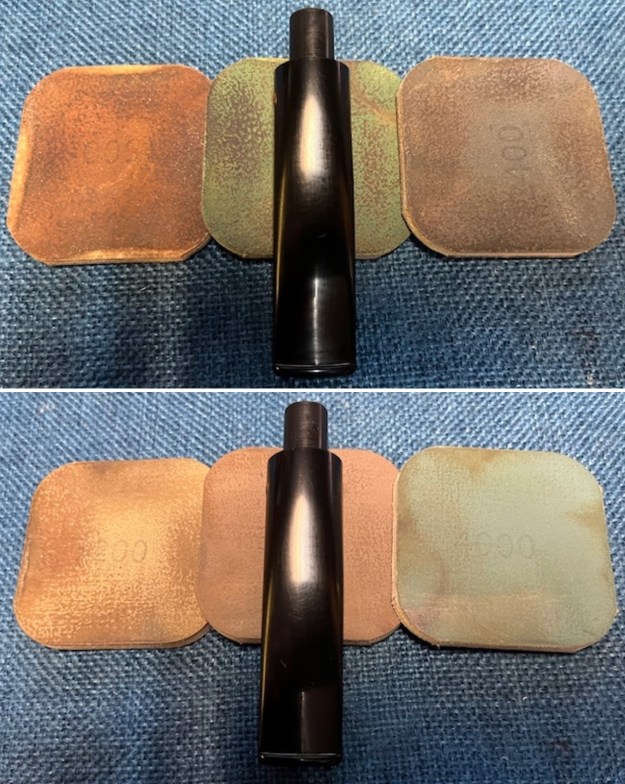
Jeff cleaned up the pipe for me. He reamed the bowl with a PipNet pipe reamer and cleaned it up with a Savinelli Fitsall Pipe Knife. He scrubbed the exterior with Murphy’s Oil Soap and a tooth brush to clean off the grime off the finish and the overflow of lava on the rim top. The cleaning had removed the grime on the rim top. He cleaned up the internals of the shank, mortise and stem with pipe cleaners, cotton swabs and alcohol to remove all of the oils and tars in the pipe. He soaked the stem in Briarvilles Pipe Stem Deoxidizer and was able to remove much of the oxidation, calcification. When it arrived here in Vancouver it was a clean pipe and I knew what I had to work with. I took photos of it before I started my part of the restoration. I took a photo of the rim top and the stem to show their condition once it arrived in Canada. Jeff was able to clean up the cake and the lava overflow that was shown in the rim and bowl photos above. The rim top and the inner edge of the bowl showed some darkening on the top and some damage on the left inner edge with a burn mark. The stem looked better and the tooth marks and chatter on both sides near the button. It is hard to see the pinhole in the stem surface on the underside but it is present and small.The stamping was hard to capture it with the camera but it is readable on the underside of the shank near the shank/stem junction. The stamping on the right side of the shank shows the shape number 98 mid shank. I removed the stem from the shank and took a photo to give a sense of the proportions of this Lovat.I started my work on the pipe by cleaning up the darkening around the inner edge of the rim and the top. I started by addressing the chip out of the top inner edge and top of the bowl. I worked on the inner edge with a folded piece of 220 grit sandpaper and smoothed out the rim top at the same time. It began to look very good at this point. The grain and colour began to shine through.I polished the briar with micromesh because it was in such good condition. I polished it with 1500-12000 grit micromesh sanding pads. I wiped the bowl down after each sanding pad with a damp cloth. I rubbed the briar down with Before & After Restoration Balm. I worked it into the briar with my fingertips. The product works to clean, enliven and preserve the briar. I let it sit for 10 minutes while I worked on the stem. After the time passed I buffed it with a cotton cloth to deepen the shine. The briar really comes alive with the balm. I set the bowl aside and turned my attention to the stem. I started by addressing the deep tooth marks on the surface of the stem on both sides. The marks on the underside were significantly deeper and had created a pin hole in the surface. I used a rubberized black super glue to fill in the deep marks and repair the pin hole. I set the stem aside to let the repairs cure. Once it cured I used a small file to flatten the repair. I used a folded piece of 220 grit sandpaper to smooth out the repairs. I started working on polishing the stem with my 320-3500 grit sanding pads. I was able to remove the tooth marks and chatter on both sides ahead of the button. It looked much better at this point in the process.I polished the stem with micromesh sanding pads – dry sanding with 1500-12000 grit pads. I wiped the stem down after each sanding pad with Obsidian Oil.I polished it with Before & After Pipe Stem Polish – both Fine and Extra Fine. I gave it a coat of Obsidian Pipe Stem Oil. It works to protect the stem from oxidizing. I set it aside to dry.This beautifully grained Danish Made Stanwell Gilt Edge 98 Lovat with a saddle vulcanite stem turned out very nice. The mix of brown stains highlights the great grain around the bowl sides and bottom. The brass banded top edge and rim top and brass band give the pipe a touch of class. The finish on the pipe is in excellent condition. I put the stem back on the bowl and carefully buffed the pipe with Blue Diamond on the buffing wheel. I gave the bowl and stem multiple coats of carnauba wax on the buffing wheel and followed that by buffing the entire pipe with a clean buffing pad. I hand buffed the pipe with a microfiber cloth to deepen the shine. The finished Stanwell Gilt Edge Lovat is very nice and feels great in the hand. Give the finished pipe a look in the photos below. It is a nice pipe whose dimensions are Length: 5 inches, Height: 1 ¾ inches, Outside diameter of the bowl: 1 1/8 inches, Chamber diameter: ¾ of an inch. The weight of the pipe is 37 grams/1.31 ounces. Thanks for walking through the restoration with me as I worked over another beautiful pipe. This one will be going on the rebornpipes store, in the Danish Pipe Makers Section shortly. If you are interested in adding it to your collection let me know by message or by email to slaug@uniserve.com. Thanks for your time.

As always, I encourage your questions and comments as you read the blog. Thanks to each of you who are reading this blog. Remember we are not pipe owners; we are pipe men and women who hold our pipes in trust until they pass on into the trust of those who follow us.

Restoring a Danish Made Stanwell Rondo Lovat


Blog by Steve Laug

The next pipe I am working on was purchased a year ago on 01/26/2023 as part of a group of pipes from a fellow in Copenhagen, Denmark. This was another dirty pipe but underneath it had some nice grain. It was obviously it had been someone’s favourite smoker. The pipe was stamped on the underside of the shank that reads Stanwell [over] Made in Denmark [over] Rondo. The stamping is faint but possibly the shape number is 98 which is the shape for a lovat. The dirty finish was not able to hide the beauty in the grime. There were tars and oils ground into the surface of the briar. The bowl had a moderate cake that flowed over the top of the rim in a spotty lava coat. The inner edge looked to be in good condition under the light lava coat. The stem was a black acrylic saddle stem with an inlaid silver crown S on the left side. There were light tooth marks and chatter on both sides ahead of the button. Jeff took photos of the pipes before he started his clean up work. Jeff took photos of the rim and bowl to show the heavy cake and heavy lava coat covering the rim top. The inner edge of the rim is caked but appears to be in good condition. It really was a dirty pipe but still a beauty. He also took photos of the stem surfaces to show its overall condition when it arrived. The photos of the sides and heel of the bowls show some beautiful grain around the bowl and shank sides. The brown stain on the briar adds depth to the finish on the pipe and makes the grain really stand out. It shows some promise.He also took photos of the stamping on the shank sides. It is faint but reads as noted above. He also took a photo of the Crown S stamp on the left side of the stem. From what I can find on the web the Rondo line was an older line of Stanwell pipes that is similar to the Brass Band line but has yellow acrylic between the bands. It is a nice looking pipe but one about which I could find little information.

I turned to the article on Pipedia that gave background information the shape numbers and the designers of the shapes (https://pipedia.org/wiki/Stanwell_Shape_Numbers_and_Designers). From what I can see there the shape number 98 was made in two versions. The first is a Pot shaped pipe with a saddle stem. The second shape is a Lovat. It seems to me that the pipe I am working on kind of combines these two shapes – it is a Lovat shaped Pot. Long shank with a Pot shaped bowl.

Jeff cleaned up the pipe for me. He reamed the bowl with a PipNet pipe reamer and cleaned it up with a Savinelli Fitsall Pipe Knife. He scrubbed the exterior with Murphy’s Oil Soap and a tooth brush to clean off the grime off the finish and the overflow of lava on the rim top. The cleaning had removed the grime on the rim top. He cleaned up the internals of the shank, mortise and stem with pipe cleaners, cotton swabs and alcohol to remove all of the oils and tars in the pipe. He soaked the stem in Briarvilles Pipe Stem Deoxidizer and was able to remove much of the oxidation, calcification. When it arrived here in Vancouver it was a clean pipe and I knew what I had to work with. I took photos of it before I started my part of the restoration. I took a photo of the rim top and the stem to show their condition once it arrived in Canada. Jeff was able to clean up the cake and the lava overflow that was shown in the rim and bowl photos above. The rim top and the inner edge of the bowl looked very good. The stem looked better, though there were light tooth marks and chatter on both sides near the button.The stamping was faint enough that I could not capture it with the camera. I removed the stem from the shank and took a photo to give a sense of the proportions of this Lovat and Pot bowl.I started my work on the pipe by cleaning up the darkening around the inner edge of the rim and the top with a folded piece of 220 grit sandpaper.I polished the briar with micromesh because it was in such good condition. I polished it with 1500-12000 grit micromesh sanding pads. I wiped the bowl down after each sanding pad with a damp cloth. I rubbed the briar down with Before & After Restoration Balm. I worked it into the briar with my fingertips. The product works to clean, enliven and preserve the briar. I let it sit for 10 minutes while I worked on the stem. After the time passed I buffed it with a cotton cloth to deepen the shine. The briar really comes alive with the balm. I started working on polishing the stem with my 320-3500 grit sanding pads. I was able to remove the tooth marks and chatter on both sides ahead of the button. It looked much better at this point in the processI polished the stem with micromesh sanding pads – dry sanding with 1500-12000 grit pads. I wiped the stem down after each sanding pad with Obsidian Oil.I polished it with Before & After Pipe Stem Polish – both Fine and Extra Fine. I gave it a coat of Obsidian Pipe Stem Oil. It works to protect the stem from oxidizing. I set it aside to dry.This beautifully grained Danish Made Stanwell Rondo 98 Lovat with a saddle vulcanite stem turned out very nice. The mix of brown stains highlights the great grain around the bowl sides and bottom. The rim top and edges look very good. The finish on the pipe is in excellent condition. I put the stem back on the bowl and carefully buffed the pipe with Blue Diamond on the buffing wheel. I gave the bowl and stem multiple coats of carnauba wax on the buffing wheel and followed that by buffing the entire pipe with a clean buffing pad. I hand buffed the pipe with a microfiber cloth to deepen the shine. The finished Stanwell Rondo Lovat is very nice and feels great in the hand. Give the finished pipe a look in the photos below. It is a nice pipe whose dimensions are Length: 5 inches, Height: 1 ½ inches, Outside diameter of the bowl: 1 ¼ inches, Chamber diameter: ¾ of an inch. The weight of the pipe is 28 grams/0.99 ounces. Thanks for walking through the restoration with me as I worked over another beautiful pipe. This one will be going on the rebornpipes store, in the Danish Pipe Makers Section shortly. If you are interested in adding it to your collection let me know by message or by email to slaug@uniserve.com. Thanks for your time.

As always, I encourage your questions and comments as you read the blog. Thanks to each of you who are reading this blog. Remember we are not pipe owners; we are pipe men and women who hold our pipes in trust until they pass on into the trust of those who follow us.

Such Stunning Grain on this Danish Made Stanwell Royal Prince 51 Billiard


Blog by Steve Laug

The next pipe I am working on was purchased a year ago on 01/26/2023 as part of a group of pipes from a fellow in Copenhagen, Denmark. This was another dirty pipe but underneath it had some astonishingly beautiful grain. It was obviously it had been someone’s favourite smoker. The pipe was stamped on the left side of the shank that reads Stanwell [over] Royal [over] Prince. On the right side of the shank it was stamped with the shape number 51. The dirty finish was not able to hide the beauty in the grime. There were tars and oils ground into the surface of the briar. The bowl had a very thick cake that flowed over the top of the rim in a heavy lava coat. The inner edge looked to be in good condition and showed lava and darkening. The stem was a black vulcanite taper stem stamped with a faded white crown S on the left side. It had some light tooth marks and chatter on both sides ahead of the button. There was some oxidation and calcification on both sides but it had a lot of potential. Jeff took photos of the pipes before he started his clean up work. Jeff took photos of the rim and bowl to show the heavy cake and heavy lava coat covering the rim top. The inner edge of the rim is caked but appears to be in good condition. It really was a dirty pipe but still a beauty. He also took photos of the stem surfaces to show its overall condition when it arrived. The photos of the sides and heel of the bowls show some beautiful grain around the bowl and shank sides. The brown stain on the briar adds depth to the finish on the pipe and makes the grain really stand out. It shows some promise. He also took photos of the stamping on the shank sides. It reads as noted above. He also took a photo of the Crown S stamp on the left side of the stem. I did some searching on Google and found a pipe very much like the pipe that I am working on  Pinterest (https://www.pinterest.ca/pin/danish-estates-stanwell-royal-prince-51-pre2010-unsmoked–6544361942508713/). It gives a great description of the 51 Billiard in the Royal Prince line. I quote it below.

A beautiful little classic Billiard from Stanwell, this “51” shape features a lot of iconic Danish cues — like the lower-set waistline of the bowl, the slight sweeping motion of the transition, and the clean, minimalist lines of the shank and stem. The chamber proportions are perfect for a bit of folded flake or some pure Virginias, and the flame grain on this Royal Prince edition is stunning.

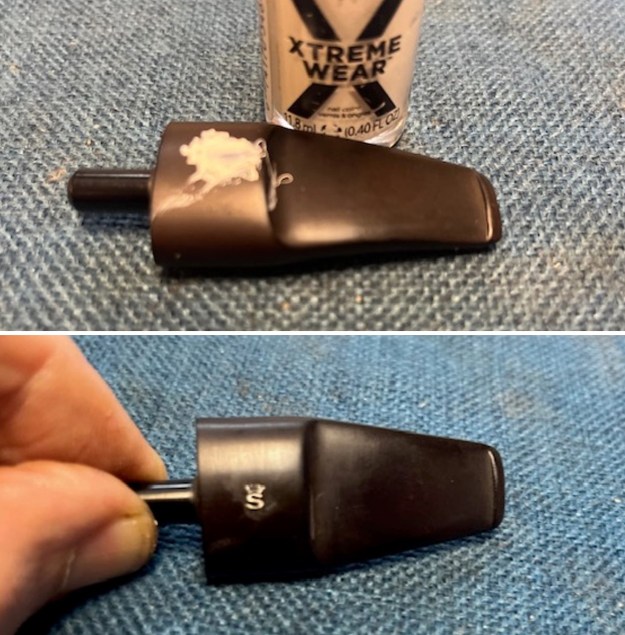
Jeff cleaned up the pipe for me. He reamed the bowl with a PipNet pipe reamer and cleaned it up with a Savinelli Fitsall Pipe Knife. He scrubbed the exterior with Murphy’s Oil Soap and a tooth brush to clean off the grime off the finish and the overflow of lava on the rim top. The cleaning had removed the grime on the rim top. He cleaned up the internals of the shank, mortise and stem with pipe cleaners, cotton swabs and alcohol to remove all of the oils and tars in the pipe. He soaked the stem in Briarvilles Pipe Stem Deoxidizer and was able to remove much of the oxidation, calcification. When it arrived here in Vancouver it was a clean pipe and I knew what I had to work with. I took photos of it before I started my part of the restoration. I took a photo of the rim top and the stem to show their condition once it arrived in Canada. Jeff was able to clean up the cake and the lava overflow that was shown in the rim and bowl photos above. The rim top and the inner edge of the bowl looked very good. The stem looked better, though there were light tooth marks and chatter on both sides near the button. I took photos of the stamping on the shank sides to show that it was readable and undamaged by the cleanup work. I removed the stem from the shank and took a photo of the parts to give a sense of what the pipe looks like. I started my work on the pipe by polishing the briar with micromesh because it was in such good condition. I polished it with 1500-12000 grit micromesh sanding pads. I wiped the bowl down after each sanding pad with a damp cloth. I rubbed the briar down with Before & After Restoration Balm. I worked it into the briar with my fingertips. The product works to clean, enliven and preserve the briar. I let it sit for 10 minutes while I worked on the stem. After the time passed I buffed it with a cotton cloth to deepen the shine. The briar really comes alive with the balm. I set the bowl aside and turned my attention to the stem. The upper portion of the stem was in good condition so I started with touching up the white crown S stamp on the left side of the stem. I used white acrylic fingernail polish to rework the stamping. I applied it with the brush that came with it and when it dried scraped off the excess and polished it off with a 2000 grit sanding pad. I started working on polishing the stem with my 320-2500 grit sanding pads. I was able to remove the scratches and light tooth marks and chatter on both sides ahead of the button. It looked much better at this point in the process.I polished the stem with micromesh sanding pads – dry sanding with 1500-12000 grit pads. I wiped the stem down after each sanding pad with Obsidian Oil. I polished it with Before & After Pipe Stem Polish – both Fine and Extra Fine. I gave it a coat of Obsidian Pipe Stem Oil. It works to protect the stem from oxidizing. I set it aside to dry. This beautifully grained Danish Made Stanwell Royal Prince 51 Billiard with a taper vulcanite stem turned out very nice. The mix of brown stains highlights the great grain around the bowl sides and bottom. The rim top and edges look very good. The finish on the pipe is in excellent condition. I put the stem back on the bowl and carefully buffed the pipe with Blue Diamond on the buffing wheel. I gave the bowl and stem multiple coats of carnauba wax on the buffing wheel and followed that by buffing the entire pipe with a clean buffing pad. I hand buffed the pipe with a microfiber cloth to deepen the shine. The finished Stanwell Royal Prince 51 Billiard is very nice and feels great in the hand. Give the finished pipe a look in the photos below. It is a nice pipe whose dimensions are Length: 5 ¾ inches, Height: 1 ¾ inches, Outside diameter of the bowl: 1 ¼ inches, Chamber diameter: ¾ of an inch. The weight of the pipe is 34 grams/1.20 ounces. Thanks for walking through the restoration with me as I worked over another beautiful pipe. This one will be going on the rebornpipes store, in the Danish Pipe Makers Section shortly. If you are interested in adding it to your collection let me know by message or by email to slaug@uniserve.com. Thanks for your time.

As always, I encourage your questions and comments as you read the blog. Thanks to each of you who are reading this blog. Remember we are not pipe owners; we are pipe men and women who hold our pipes in trust until they pass on into the trust of those who follow us.

A Fun Restoration of a Danish Made Golden Contrast 02 Scoop


Blog by Steve Laug

I have always been intrigued by the Stanwell Golden Contrast finish regardless of the pipes it has been applied to. The contrast of dark and light playing across the grain is beautiful. To me the lines and the elegance of the pipe are stunning and the contrast stain makes the lay of pipe with the grain gorgeous. The stain highlights the birdseye and the flame grain and makes them pop from the surface of the bowl and shank. I did a little digging because I wanted to confirm my guess/my suspicions about the designer. What I found out confirmed what I was thinking. There are two versions listed of the shape number 02. The first is a Freehand, oval bowl and stem, by Sixten Ivarsson. The second is a bent, egg-shaped bowl, sloping top, full mouthpiece. The second one is a clear description of the pipe in hand. Still uncertain of the designer but it is distinctively Danish. For a list of various Stanwell Shape numbers and who they are attributed to you can read this list compiled by leading Stanwell Collector, the late Bas Stevens on rebornpipes at: https://rebornpipes.com/2013/09/03/stanwell-shapes-compiled-by-bas-stevens/

This particular pipe was purchased from an auction in Garland, Texas, USA on 06/24/2023. We always keep an eye out for Stanwell pipes and particularly Golden Contrast pipes. This one was in pretty decent shape. The finish was filthy but appeared to be in great shape. The rim showed an overflow of thick lava coming from the thick cake in the bowl. It is always hard to tell the condition of the inner edge with this kind of lava and cake but it can go one of two ways – protected and fine or damaged and burned. Cleaning would reveal which is true here. The internals were dirty with tars and oils. The stem was oxidized and calcified on the top and underside of the stem from the button forward. There was some tooth chatter as well but no deep tooth marks. The brass crown S on the left side of the taper stem was heavily oxidized with white dusty build up around the entire inlay. The various photos that follow are ones that my brother took before he cleaned the pipe. They show the amazing grain on this beauty.The next photos of the rim and the shank show the condition of the pipe at arrival in Idaho. The grain around the rim top is quite stunning to me. You can see the cake in the bowl and the thick lava on the top. It was a mess but the contrast stain makes the grain even show through the lava on the rim top. Jeff took photos of the grain on the sides and heel of the bowl. It really is a stunning piece of briar. The contrast stain really makes it stand out clearly. The next photos show the various stamping on the sides of the shank. On the left side of the shank it reads Stanwell [over] Golden [over] Contrast in script on the right side it is stamped with the 02 Shape number and on the underside it reads Made in Denmark. All the stamping is sharp and clear. He also captured the heavily oxidized golden Crown “S” Stanwell logo on the left side of the taper stem. I turned to Pipedia to see if I could find specific information on the Golden Contrast line of pipes (https://pipedia.org/wiki/Stanwell). There was a short note there that I have included in full below.

Golden Contrast:  An old series. The blocks are cut on the cross grain. The pipes from this series exhibit Birds Eye grain only. Brass band and brass S in the stem. The pipes have a two-tone staining which really shows the beautiful bird’s eye grain. However, this staining simply takes too much work so the series is discontinued.

With that information I now knew about the discontinued Golden Contrast line. The pipe I was working on did not have a brass band but it did have the kind of staining and colour on the grain on the pipe. It was definitely a two-tone stain on the pipe. Now it was time to work on the pipe.

Jeff had done a great job cleaning up the pipe as usual. He reamed the pipe with a PipNet reamer and cut back the cake back to the bare briar. He cleaned up the walls with a Savinelli Fitsall Pipe Knife. He scrubbed the interior of the bowl and shank with pipe cleaners, cotton swabs and alcohol to remove the tars and oils. He scrubbed the exterior of the pipe with Murphy’s Oil Soap and a tooth brush to remove the grime from the finish. He worked on the rim top lava and darkening with the soap and tooth brush. He scrubbed the inside of the stem with alcohol and pipe cleaners. He scrubbed the exterior with Soft Scrub and then soaked it in Briarville’s Pipe Stem Deoxidizer. He washed it off with warm water to remove the Deoxidizer. The pipe looked far better when it arrived. I took photos of the bowl and rim top as well as the stem to show how clean they were. You can see that rim top and edges look very good. The stem is clean and the tooth and chatter on both sides ahead of the button is very light.I took photos of the stamping on the sides of the shank. The stamping is readable as noted above. I took the stem off the shank and took a photo to give a sense of the flow and proportion of the pipe. It is a beautiful looking pipe. I started my work on the pipe by polishing the briar with micromesh because it was in such good condition. I polished it with 1500-12000 grit micromesh sanding pads. I wiped the bowl down after each sanding pad with a damp cloth. I rubbed the briar down with Before & After Restoration Balm. I worked it into the briar with my fingertips. The product works to clean, enliven and preserve the briar. I let it sit for 10 minutes while I worked on the stem. After the time passed I buffed it with a cotton cloth to deepen the shine. The briar really comes alive with the balm. I set the bowl aside and turned my attention to the stem. I started working on polishing the stem with my 320-2500 grit sanding pads. I was able to remove the scratches and light tooth marks and chatter on both sides ahead of the button. It looked much better at this point in the process.I polished the stem with micromesh sanding pads – dry sanding with 1500-12000 grit pads. I wiped the stem down after each sanding pad with Obsidian Oil. I polished it with Before & After Pipe Stem Polish – both Fine and Extra Fine. I gave it a coat of Obsidian Pipe Stem Oil. It works to protect the stem from oxidizing. I set it aside to dry.This beautiful Stanwell Golden Contrast 02 Freehand Scoop with a taper vulcanite stem turned out very nice. The mix of brown stains highlights the birdseye and cross grain around the bowl sides and bottom. The rim top and edges look very good. The finish on the pipe is in excellent condition. I put the stem back on the bowl and carefully buffed the pipe with Blue Diamond on the buffing wheel. I gave the bowl and stem multiple coats of carnauba wax on the buffing wheel and followed that by buffing the entire pipe with a clean buffing pad. I hand buffed the pipe with a microfiber cloth to deepen the shine. The finished Stanwell Golden Contrast 02 is very nice and feels great in the hand. Give the finished pipe a look in the photos below. It is a nice pipe whose dimensions are Length: 5 ½ inches, Height: 2 inches, Outside diameter of the bowl: 1 ½ inches, Chamber diameter: ¾ of an inch. The weight of the pipe is 48 grams/1.69 ounces. Thanks for walking through the restoration with me as I worked over another beautiful pipe. This one will be going on the rebornpipes store, in the Danish Pipe Makers Section shortly. If you are interested in adding it to your collection let me know by message or by email to slaug@uniserve.com. Thanks for your time.

As always, I encourage your questions and comments as you read the blog. Thanks to each of you who are reading this blog. Remember we are not pipe owners; we are pipe men and women who hold our pipes in trust until they pass on into the trust of those who follow us.

Restoring a Chonowitch Designed Stanwell Bordeaux 148 Canadian


Blog by Steve Laug

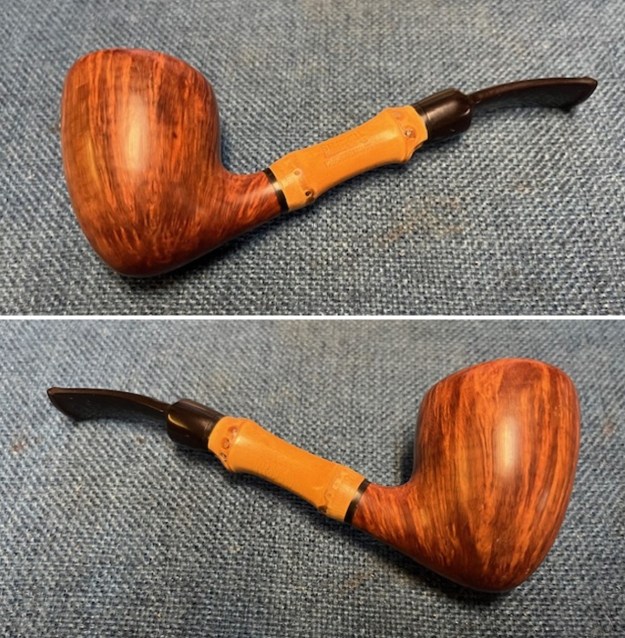
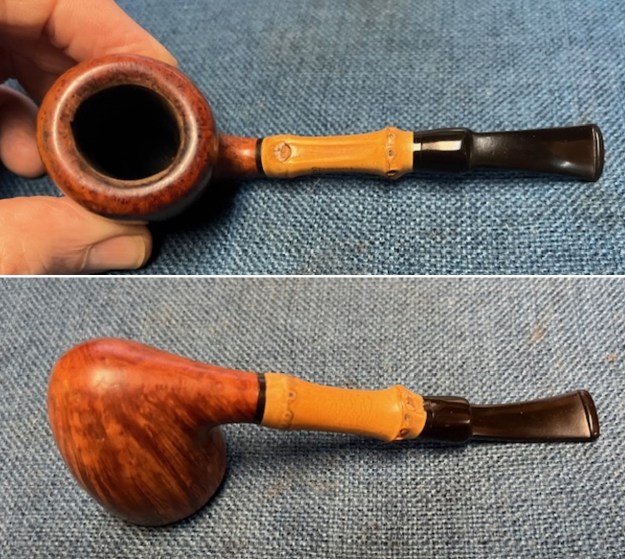
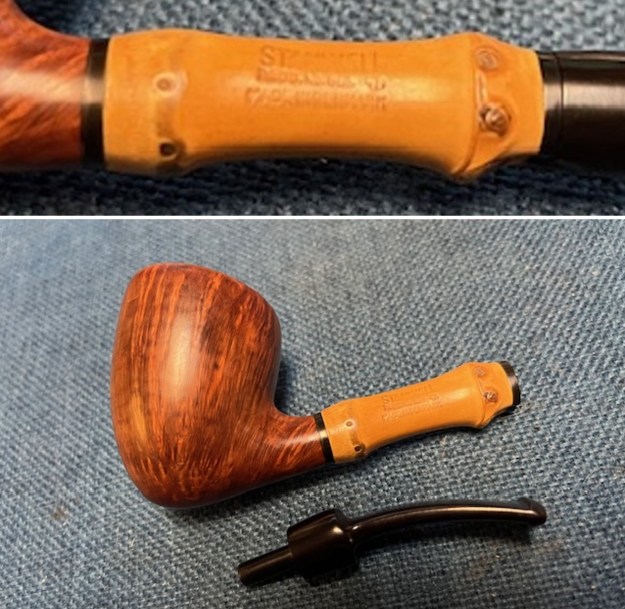
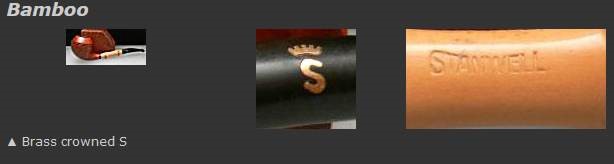
The next pipe on the table to work on is one that was purchased on 01/26/2023 in a lot of pipes that came to us from Copenhagen, Denmark. This is a oval shank Canadian with a smooth finish and a thin brass band on the shank. It is another Made in Denmark Stanwell. The smooth finish on this pipe, around the bowl and shank has a mix of grain highlighted by the reddish brown stain. The pipe is stamped on the topside of the shank and reads STANWELL [over] Bordeaux. On the underside of the shank the shape number 148 is stamped [over] Made In Denmark. The pipe was a well used pipe when Jeff received it. There was dust and grime ground into the finish on the sides of the bowl. The mixture of brown stains highlights some mixed grain under the dirt. The bowl was moderately caked and there was an overflow of lava on the smooth rim top. The condition of the inner edge was hard to know due to the lava coat. The saddle stem is vulcanite and was dirty, oxidized and had light tooth marks, chatter and scratches on both sides ahead of the button and on the button itself. There is a brass Crown S logo inlaid on the topside of the saddle stem. Jeff took photos of the pipe before he started his clean up work on it. He took photos of the bowl and rim top to show what they looked like before his clean up. You can see the cake in the bowl and the lava on the rim top and inner edges. It is hard to know what the condition of the inner edge looks like. He also took some of the stem to show the condition of both sides. There are tooth marks on the surface of the stem ahead of the button and on the button surface itself. The photos of the sides and heel of the bowl show the grain around the bowl and shank. The mixture of brown stains adds depth finish on the pipe. Even under the grime it is a real beauty. The stamping on this one was around the bamboo horizontally and is shown in the photo below. It is clear and readable as noted above. The second photo shows the white stamped crown S on the stem side. Before I started my work on the pipe I wanted to see if I could find any information that would help me get a sense of the line. I turned to Pipephil to see if there was any listing on the Bordeaux Line (http://pipephil.eu/logos/en/logo-stanwell.html). There was nothing listed.
I then turned to Pipedia (https://pipedia.org/wiki/Stanwell) for more information. The article is great and gives a lot of history on the brand. There were also links to a shape article by Bas Stevens that I originally published on rebornpipes. I looked up the 148 shape number to see who had designed that shape (https://pipedia.org/wiki/Stanwell_Shape_Numbers_and_Designers). I quote the information below.

  1. Canadian, short saddle mouthpiece by Jess Chonowitsch.

Now it was time to work on the pipe.

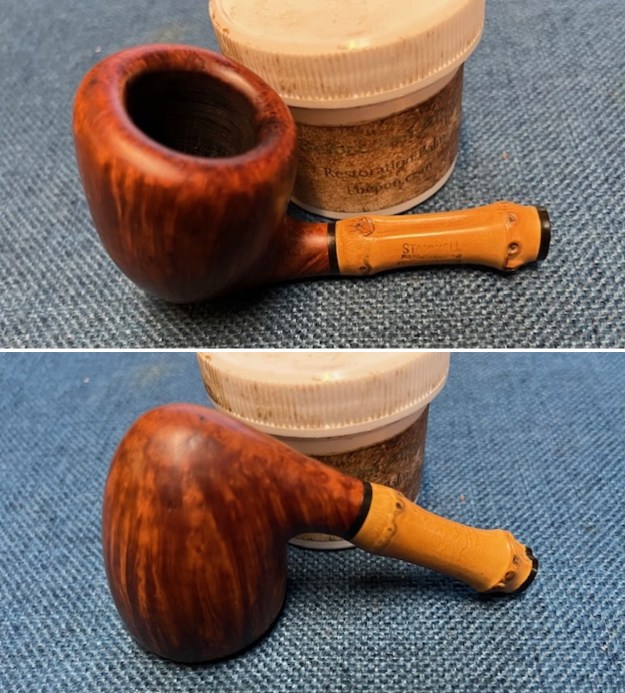
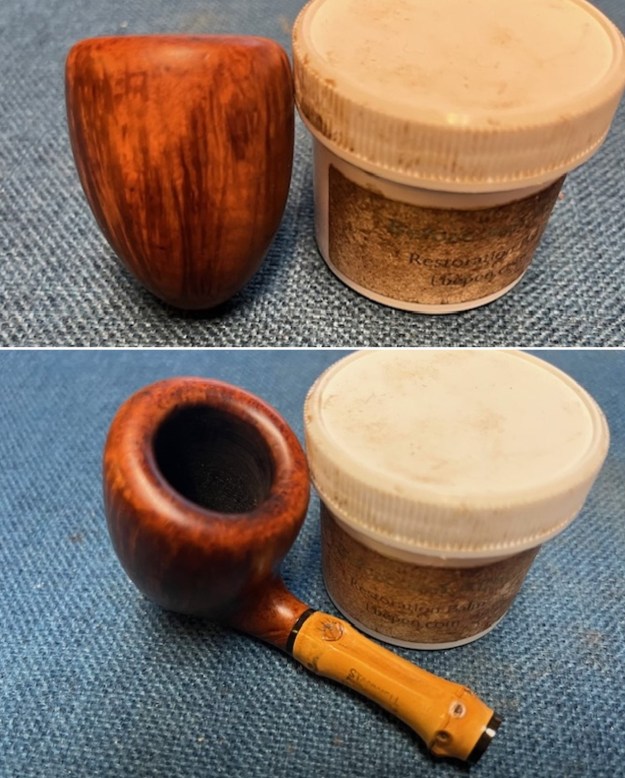
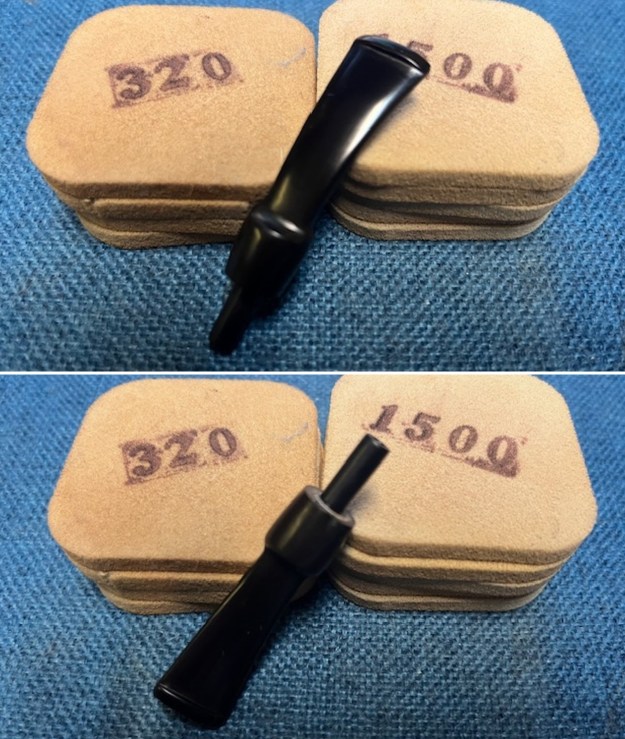
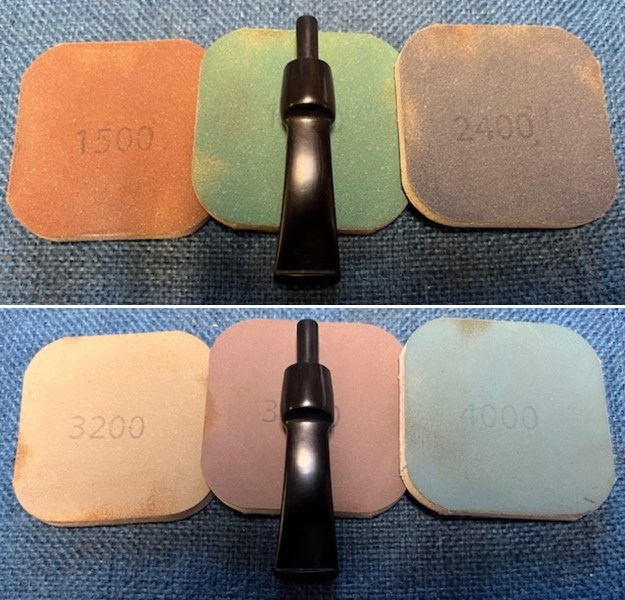
Jeff had thoroughly cleaned up the pipe. He reamed the pipe with a PipNet Pipe Reamer and cleaned up the remnants with a Savinelli Fitsall Pipe Knife. He scrubbed the bowl with undiluted Murphy’s Oil Soap with a tooth brush. He rinsed it under running warm water to remove the soap and grime. He cleaned out the inside of the shank and the airway in the stem with alcohol, cotton swabs and pipe cleaners. He scrubbed the exterior of the stem with Soft Scrub to remove the grime and calcification. He soaked the stem in Before & After Deoxidizer and rinsed it off with warm water. The pipe looked very good when it arrived here in Vancouver. I took close up photos of the bowl, rim and the stem. You can see the damage and the darkening on rim top and inner edge. The vulcanite saddle stem is in good condition with light tooth marks and some chatter as noted above. There are some deep tooth marks on the button surface as well.I took photo of the stamping on the underside of the shank. It is readable as noted above. I removed the stem from the shank and took a photo to give a sense of the proportions of the pipe. The briar is quite beautiful and the dark and medium stains really make it stand out. I worked on the damage to the inner edge and the rim top with a folded piece of 220 grit sandpaper to bring the edge back into round and smooth out the scratches on the top. By the end it looked much better.I polished the bowl and shank with micromesh sanding pads – dry sanding with 1500-12000 grit pads. I wiped the bowl down after each pad to remove the grit. The bowl began to take on a rich shine. It is a beauty. I rubbed the bowl down with Before & After Restoration Balm. I worked it into the briar with my finger tips. I let it sit for 10 minutes and the Balm did its magic. It enlivens, cleans and preserves the briar. It certainly brought this bowl back to life. I buffed it off with a clean cloth and took the following photos. I set the bowl aside and turned my attention to the stem. I filled in the tooth marks on the surface and in the button edges. I used black CA glue and rebuilt the deep tooth marks on both side and on both top and underside button. I set the stem aside to cure. I used a small file to flatten the repair and to also cut the sharp edge of the button. I started sanding it smooth with a folded piece of 220 grit sandpaper. I polished the vulcanite stem surface and repairs near the button with a new product I am using. I ordered a set of 2 inch sanding pads for 320-3500 grit sanding pads from Amazon. They work amazingly well and are easy to manage and sand close to the sharp edge of the button. I polished the stem with micromesh sanding pads – 1500-12000 grit pads. I wiped it down with a damp cloth after each sanding pad. I used Before & After Pipe Polish – both Fine and Extra Fine to further polish the stem. This Stanwell Bordeaux 148 Canadian with a vulcanite saddle stem is a great looking pipe now that it has been restored. The mix of stains once cleaned up really highlights the grain and the polished sandblast finish is stunning. I put the stem back on the bowl and carefully buffed the pipe with Blue Diamond on the buffing wheel. I gave the bowl and the stem multiple coats of carnauba wax on the buffing wheel and followed that by buffing the entire pipe with a clean buffing pad. I hand buffed the pipe with a microfiber cloth to deepen the shine. The finished Stanwell Bordeaux 148 Canadian fits nicely in the hand and feels great. Give the finished pipe a look in the photos below. The dimensions of the pipe are Length: 5 ½ inches, Height: 1 ¾ inches, Outside diameter of the bowl: 1 1/8 inches, Chamber diameter: ¾ of an inch. The weight of the pipe is 31 grams / 1.09 ounces. I will be adding the pipe to the Danish Pipe Makers Section of the rebornpipes store. If you are interested in purchasing this pipe send me a message or an email.
As always, I encourage your questions and comments as you read the blog. Thanks to each of you who are reading this blog. Remember we are not pipe owners; we are pipe men and women who hold our pipes in trust until they pass on into the trust of those who follow us. 

What an incredible beautifully grained Ivarsson Design Danish Made Stanwell 75


Blog by Steve Laug

It is a cold day, but still sunny here in Vancouver and I decided to work on another pipe that was purchased on 01/26/2023 in a lot of pipes that came to us from Copenhagen, Denmark. This is a Danish oval shank Freehand with a smooth finish and great grain. It is another Made in Denmark Stanwell. The smooth finish on this pipe, around the bowl and shank has a mix of flame and straight grain highlighted by the rich brown stain. The pipe is stamped on the underside of the shank next to the silver band and reads STANWELL [over] Made in Denmark. On the underside mid shank, it is stamped with the shape number 75. The end of the shank sports a silver band that is decorative. The pipe was a well used pipe when Jeff received it. There was dust and grime ground into the finish. The mixture of brown stains highlights some beautiful grain under the dirt. The bowl was moderately caked and there was an overflow of lava on the smooth rim top. The inner edge looked quite good. The stem is vulcanite and was dirty, oxidized and had light tooth marks, chatter on both sides ahead of the button. There is an inlaid silver crown S logo on the top side of the taper stem. Jeff took photos of the pipe before he started his clean up work. He took photos of the bowl and rim top to show what they looked like before his clean up. You can see the lava coat on the rim top and the cake in the bowl. The inner edge looks to be okay. He also took some of the stem to show the condition of both sides. The photos of the sides and heel of the bowl show the uniquely stained grain around the bowl and shank. The mixture of brown stains adds depth to the finish on the pipe. Even under the grime it is a real beauty. The stamping on this one was on the underside of the shank and is shown in the photo below. It is clear and readable as noted above. You can also see the silver inlaid crown S on the top of the saddle stem. Before I started my work on the pipe I wanted to see if I could find any information that would help me get a sense of the line. I turned to Pipephil to see if there was any listing on the Stanwell pipes with a simple silver band (http://pipephil.eu/logos/en/logo-stanwell.html). There was nothing listed.

I then turned to Pipedia (https://pipedia.org/wiki/Stanwell) for more information. The article is great and gives a lot of history on the brand.

There was also a link to a shape article by Bas Stevens that I originally published on rebornpipes. I looked up the 75 shape number to see who had designed that shape and there was nothing there (https://pipedia.org/wiki/Stanwell_Shape_Numbers_and_Designers). The shape 75 is described as a Freehand, slightly bent, oval stem and mouthpiece, by Sixten Ivarsson.

Now it was time to work on the pipe. Jeff had thoroughly cleaned up the pipe. He reamed the pipe with a PipNet Pipe Reamer and cleaned up the remnants with a Savinelli Fitsall Pipe Knife. He scrubbed the bowl with undiluted Murphy’s Oil Soap with a tooth brush. He rinsed it under running warm water to remove the soap and grime. He cleaned out the inside of the shank and the airway in the stem with alcohol, cotton swabs and pipe cleaners. He scrubbed the exterior of the stem with Soft Scrub to remove the grime and calcification. He soaked the stem in Before & After Deoxidizer and rinsed it off with warm water. The pipe looked very good when it arrived here in Vancouver. I took close up photos of the bowl, rim and the stem. The rim top and inner edge cleaned up very well. There was some darkening on the left side and backside of the rim top. The stem looks clean but still has light tooth marks and some chatter as noted above.I took photos of the stamping on the shank. The stamping is readable as noted above. I took the stem off the shank and took a photo to give a sense of the flow and proportion of the pipe. It is a beautiful looking Freehand. I started my work on the pipe by polishing the bowl and shank with micromesh sanding pads – dry sanding with 1500-12000 grit pads. I wiped the bowl down after each pad to remove the grit. The bowl began to take on a rich shine. It is a beauty. I rubbed the bowl down with Before & After Restoration Balm. I worked it into the briar with my finger tips. I let it sit for 10 minutes and the Balm did its magic. It enlivens, cleans and preserves the briar. It certainly brought this bowl back to life. I buffed it off with a clean cloth and took the following photos. I polished the silver band on the shank end with a jewellers cloth. It works to remove the tarnish and oxidation and also protects the surface from further tarnishing.I set the bowl aside and turned my attention to the stem. I polished the vulcanite stem surface and repairs near the button with a new product I am using. I ordered a set of 2 inch sanding pads for 320-3500 grit sanding pads from Amazon. They work amazingly well and are easy to manage and sand close to the sharp edge of the button.I polished the stem with micromesh sanding pads – 1500-12000 grit pads. I wiped it down with a damp cloth after each sanding pad. I polished it with Before & After Pipe Stem Polish – both Fine and Extra Fine. I gave it a coat of Obsidian Pipe Stem Oil. I set it aside to dry.This Ivarsson Design Stanwell Made in Denmark 75 Freehand with a vulcanite taper stem is a great looking pipe and really looks like an S. Bang shape. The mix of stains once cleaned up really highlights the grain and the polished finish is stunning. I put the stem back on the bowl and carefully buffed the pipe with Blue Diamond on the buffing wheel. I gave the bowl and the stem multiple coats of carnauba wax on the buffing wheel and followed that by buffing the entire pipe with a clean buffing pad. I hand buffed the pipe with a microfiber cloth to deepen the shine. The finished Stanwell Made in Denmark 75 Freehand fits nicely in the hand and feels great. Give the finished pipe a look in the photos below. The dimensions of the pipe are Length: 5 ½ inches, Height: 1 ½ inches, Outside diameter of the bowl: 1 ¼ inches, Chamber diameter: ¾ of an inch. The weight of the pipe is 40 grams /1.41 ounces. I will be adding the pipe to the Danish Pipe Makers Section of the rebornpipes store. If you are interested in purchasing this pipe send me a message or an email. Thanks for reading this blog and my reflections on the pipe while I worked on it.

As always, I encourage your questions and comments as you read the blog. Thanks to each of you who are reading this blog. Remember we are not pipe owners; we are pipe men and women who hold our pipes in trust until they pass on into the trust of those who follow us. 

Restoring another Truly Elegant Danish made Stanwell Brass Band 56 Canadian


Blog by Steve Laug

It is a cold but sunny day here in Vancouver and I decided to work on another pipe that was purchased on 01/26/2023 in a lot of pipes that came to us from Copenhagen, Denmark. This is a classic Danish Canadian with a smooth finish and an oval shank. It is another Made in Denmark Stanwell. The smooth finish on this pipe, around the bowl and shank has a mix of grain highlighted by the rich brown stain. The pipe is stamped on the topside of the shank and reads STANWELL [over] Brass [over] Band. On the underside it is stamped with the shape number 56 [over] Made in Denmark. The end of the shank sports twin brass bands sandwiching a Cumberland acrylic spacer. The pipe was a well used pipe when Jeff received it. There was dust and grime ground into the finish. The mixture of brown stains highlights some beautiful grain under the dirt. The bowl was moderately caked and there was a moderate overflow of lava on the smooth rim top. The inner edge looked quite good. The stem is vulcanite and was dirty, oxidized and had light tooth marks, chatter and scratches on both sides ahead of the button. There is an inlaid brass crown S logo on the top side of the taper stem. Jeff took photos of the pipe before he started his clean up work on it. He took photos of the bowl and rim top to show what they looked like before his clean up. You can see the lava coat on the rim top and the cake in the bowl. The inner edge looks to be okay. He also took some of the stem to show the condition of both sides. The photos of the sides and heel of the bowl show the uniquely stained grain around the bowl and shank. The mixture of brown stains adds depth to the finish on the pipe. Even under the grime it is a real beauty. The stamping on this one was on the underside of the shank and is shown in the photo below. It is clear and readable as noted above. You can also see the brass inlaid crown S on the top of the saddle stem.Before I started my work on the pipe I wanted to see if I could find any information that would help me get a sense of the line. I turned to Pipephil to see if there was any listing on the Brass Band Line (http://pipephil.eu/logos/en/logo-stanwell.html). There was nothing listed.

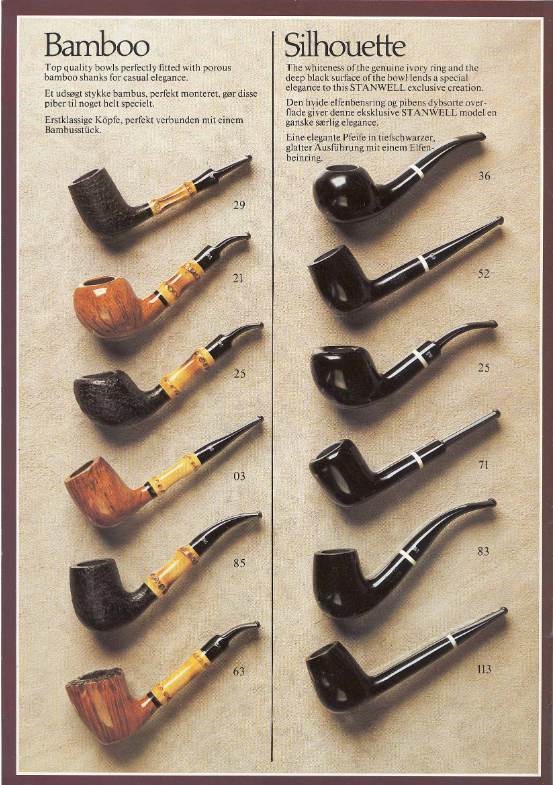
I then turned to Pipedia (https://pipedia.org/wiki/Stanwell) for more information. The article is great and gives a lot of history on the brand. There was also a catalogue page courtesy of Doug Valitchka that showed the line. I have included that below.There was also a link to a shape article by Bas Stevens that I originally published on rebornpipes. I looked up the 56 shape number to see who had designed that shape and there was nothing there (https://pipedia.org/wiki/Stanwell_Shape_Numbers_and_Designers). The shape 56 is described as a Canadian with a tapered stem.

Now it was time to work on the pipe. Jeff had thoroughly cleaned up the pipe. He reamed the pipe with a PipNet Pipe Reamer and cleaned up the remnants with a Savinelli Fitsall Pipe Knife. He scrubbed the bowl with undiluted Murphy’s Oil Soap with a tooth brush. He rinsed it under running warm water to remove the soap and grime. He cleaned out the inside of the shank and the airway in the stem with alcohol, cotton swabs and pipe cleaners. He scrubbed the exterior of the stem with Soft Scrub to remove the grime and calcification. He soaked the stem in Before & After Deoxidizer and rinsed it off with warm water. The pipe looked very good when it arrived here in Vancouver. I took close up photos of the bowl, rim and the stem. The rim top and inner edge cleaned up very well. The stem looks clean but still has light tooth marks and some chatter as noted above.I took photos of the stamping on the shank. The stamping is readable as noted above. I took the stem off the shank and took a photo to give a sense of the flow and proportion of the pipe. It is a beautiful looking Danish Canadian.I started my work on the pipe by polishing the bowl and shank with micromesh sanding pads – dry sanding with 1500-12000 grit pads. I wiped the bowl down after each pad to remove the grit. The bowl began to take on a rich shine. It is a beauty. I rubbed the bowl down with Before & After Restoration Balm. I worked it into the briar with my finger tips. I let it sit for 10 minutes and the Balm did its magic. It enlivens, cleans and preserves the briar. It certainly brought this bowl back to life. I buffed it off with a clean cloth and took the following photos. I set the bowl aside and turned my attention to the stem. I polished the vulcanite stem surface and repairs near the button with a new product I am using. I ordered a set of 2 inch sanding pads for 320-3500 grit sanding pads from Amazon. They work amazingly well and are easy to manage and sand close to the sharp edge of the button.I polished the stem with micromesh sanding pads – 1500-12000 grit pads. I wiped it down with a damp cloth after each sanding pad.I polished it with Before & After Pipe Stem Polish – both Fine and Extra Fine. I gave it a coat of Obsidian Pipe Stem Oil. I set it aside to dry. This Stanwell Brass Band 56 Canadian with a vulcanite taper stem is a great looking pipe and really looks like an S. Bang shape. The mix of stains once cleaned up really highlights the grain and the polished finish is stunning. I put the stem back on the bowl and carefully buffed the pipe with Blue Diamond on the buffing wheel. I gave the bowl and the stem multiple coats of carnauba wax on the buffing wheel and followed that by buffing the entire pipe with a clean buffing pad. I hand buffed the pipe with a microfiber cloth to deepen the shine. The finished Stanwell Brass Band Canadian 56 fits nicely in the hand and feels great. Give the finished pipe a look in the photos below. The dimensions of the pipe are Length: 5 ½ inches, Height: 1 ¾ inches, Outside diameter of the bowl: 1 ¼ inches, Chamber diameter: ¾ of an inch. The weight of the pipe is 35 grams /1.23 ounces. I will be adding the pipe to the Danish Pipe Makers Section of the rebornpipes store. If you are interested in purchasing this pipe send me a message or an email. Thanks for reading this blog and my reflections on the pipe while I worked on it.

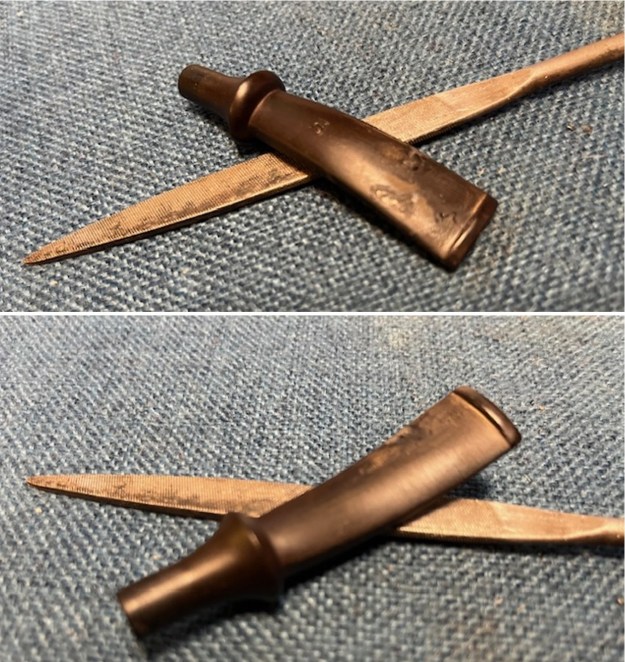
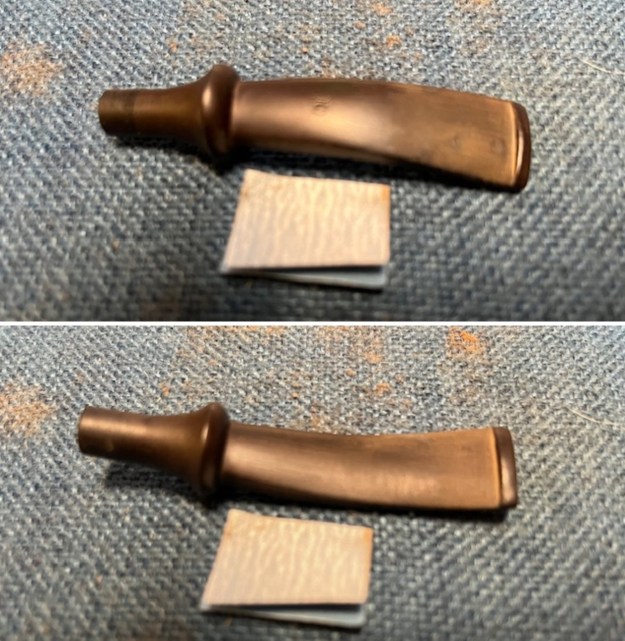
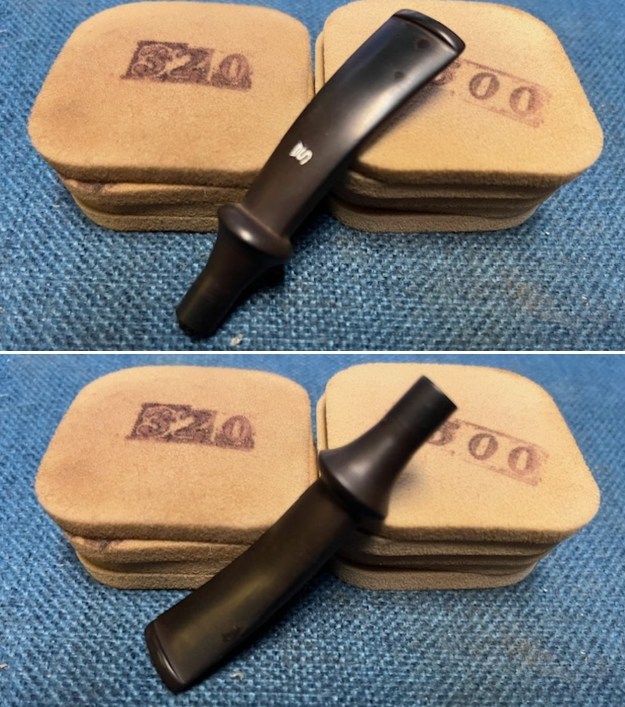
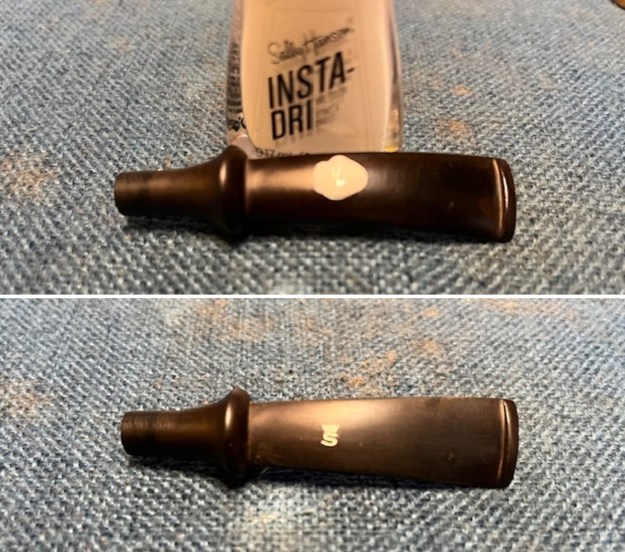
As always, I encourage your questions and comments as you read the blog. Thanks to each of you who are reading this blog. Remember we are not pipe owners; we are pipe men and women who hold our pipes in trust until they pass on into the trust of those who follow us. 

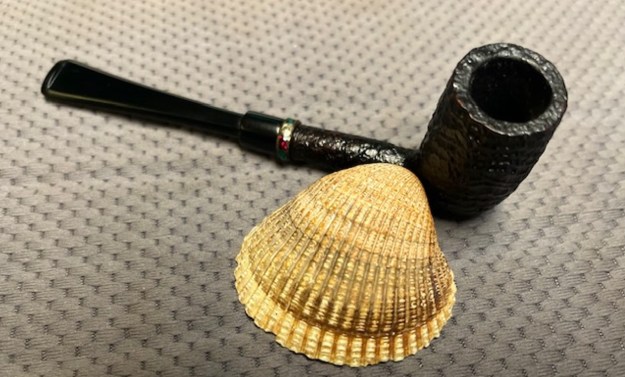
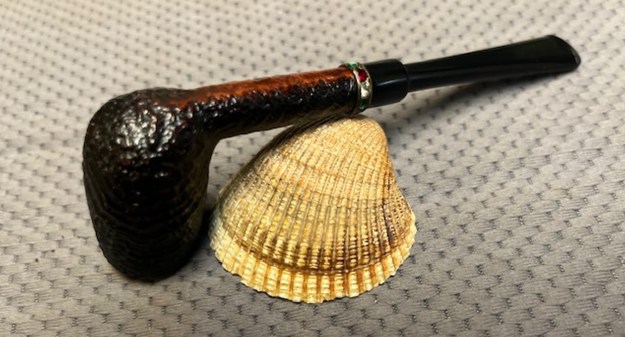
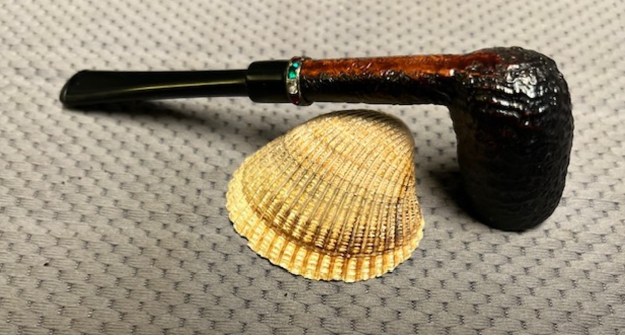
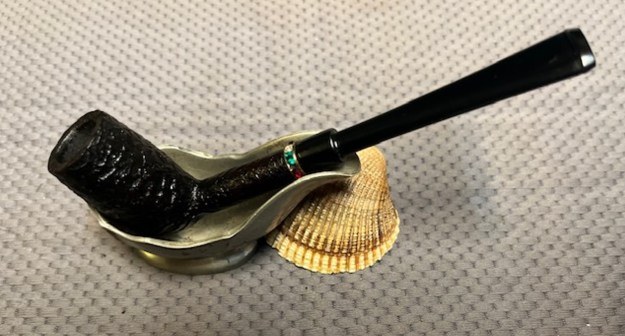
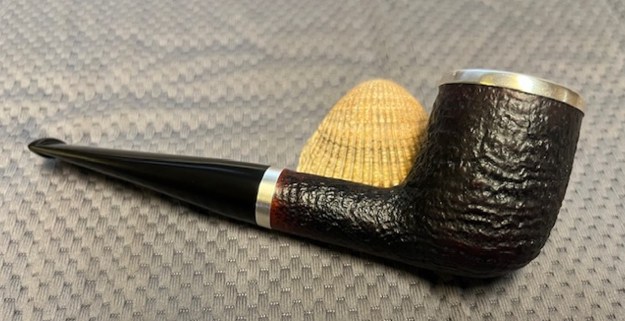
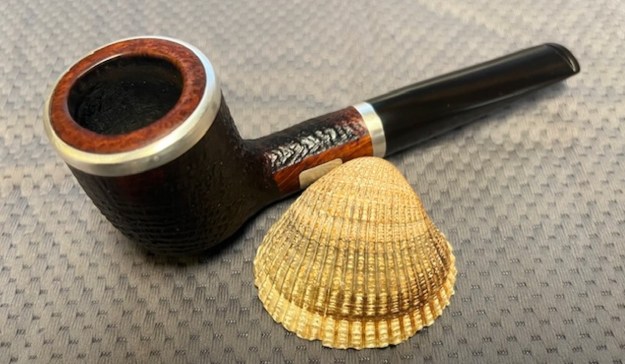
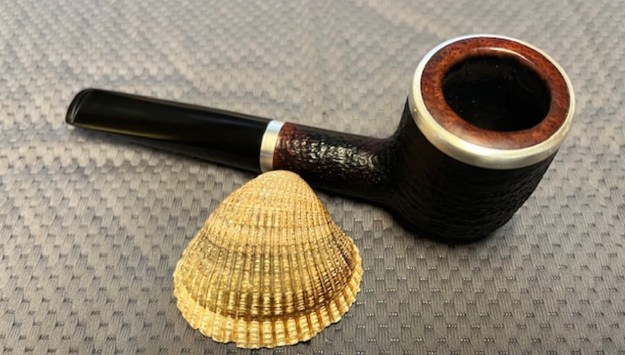
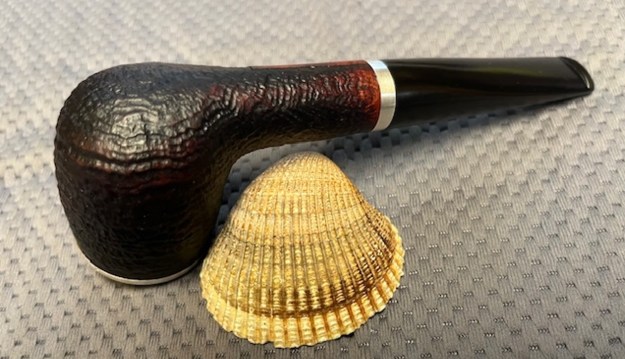
A Restored Stanwell Made in Denmark Black n’ Silver Lovat 98.


Blog by Steve Laug

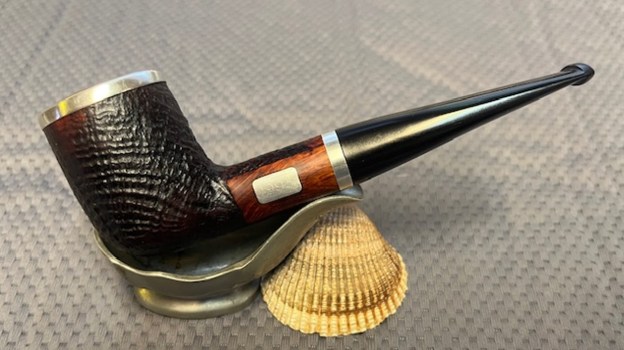
I moved on to work on another pipe. The next one I chose was another Stanwell in a Pipe Sock that came to us from our connection in Copenhagen, Denmark 01/26/2023. The stamping on the pipe was very clear and readable. On the underside of the shank it is stamped ahead of the black and silver band and reads Stanwell [over] Made in Denmark [over] Black ‘n [over] Silver. the right side of the shank it is stamped with a shape number 98 mid-shank. The end of the shank had a combination silver and black fancy band on it. The stem had a brass Crowned “S” Stanwell logo inlaid on left side of the saddle stem. The bowl had a moderate cake and there was some lava, dust and debris on the rim top and inner edges. The finish was in okay condition with oils and grime ground into the briar around the bowl sides. The acrylic stem has light tooth marks on the top and a bite through on the underside next to the button. It showed a lot of promise through the grime. Jeff took photos of the pipe as he saw it at this stage of his clean up. Jeff took photos of the bowl and the rim top to show their condition. You can see the moderate cake in the bowl and the heavy overflow of lava on the top and the inner edge of the bowl. It is hard to know the condition of the inner edge because of the lava coat. The stem is also shown in the photos and you can see the bite through in the underside of the stem in the third stem photo below. He took photos of the sides and the heel of the bowl to show the amazing grain that stands out through the grime on the finish. It is a beauty!      He took photos of the stamping on the underside of the shank. It is clear and readable as noted above. He also took a photo of the band and Crown “S” logo on the stem side. There was not much information available on the Black’n Silver Line but I did find a listing on Google when I searched. Smokingpipes.com had on listed that was an Ivarsson design billiard (https://www.smokingpipes.com/pipes/estate/denmark/moreinfo.cfm?product_id=284389). I have included the description below:

We see it here in the ‘Black N Silver’ series, with a smooth, walnut finish, along with a neat, metal-accented jet-black stem. There are some dings and scratches around the bowl, but otherwise condition is good.

The best I can determine is that the Black ‘n Silver stamp refers to the colour of the band on the shank end. It has a combination of a black and silver pattern on the surface. Now it was time to work on the pipe.

Jeff had done a great job cleaning up the pipe as usual. He reamed the pipe with a PipNet reamer and cut back the cake back to the bare briar. He cleaned up the walls with a Savinelli Fitsall Pipe Knife. He scrubbed the interior of the bowl and shank with pipe cleaners, cotton swabs and alcohol to remove the tars and oils. He scrubbed the exterior of the pipe with Murphy’s Oil Soap and a tooth brush to remove the grime from the finish. He worked on the rim top lava and darkening with the soap and tooth brush. He scrubbed the inside of the stem with alcohol and pipe cleaners. He scrubbed the exterior with Soft Scrub and then soaked it in Briarville’s Pipe Stem Deoxidizer. He washed it off with warm water to remove the Deoxidizer. The pipe looked far better when it arrived. I took photos of the bowl and rim top as well as the stem to show how clean they were. You can see that rim top and edges look very good. There are some darker spots on the rim top that should come off with polishing. The stem is clean and there are tooth and chatter on both sides ahead of the button. On the underside of the stem there is a small bite through and wear that is visible in the photo.I took photos of the stamping on the sides of the shank and on the brass plaquette. The stamping is clear and readable. I removed the stem from the shank and took a photo to give a sense of what the pipe looked like and also what the band was like on the shank end. I decided to switch things up a bit on this pipe. I started with the repair to the bite through on the underside of the stem first. I greased a pipe cleaner with Vaseline and inserted it into the slot under the bite through. This prevents the repair from seeping into the airway. I filled in the hole and wear around it with black CA rubberized glue. I filled in the tooth marks next to the button on the top side at the same time. I set the stem aside to let the glue cure. I sprayed it with an accelerator and removed the pipe cleaner from the airway. The airway was clear and the airflow was perfect.Several hours later I came back to the stem. The repair had cured and I used a small file to flatten out the repaired areas on both sides. I further smoothed out the repairs with a folded piece of 220 grit sandpaper to blend them into the surrounding surface area. It was looking much better at this point. I polished the vulcanite stem surface and repairs near the button with a new product I am using. I ordered a set of 2 inch sanding pads for 320-3500 grit sanding pads from Amazon. They work amazingly well and are easy to manage and sand close to the sharp edge of the button.I polished the stem with micromesh sanding pads – dry sanding with 1500-12000 grit pads. I wiped the stem down after each sanding pad with Obsidian Oil.I polished it with Before & After Pipe Stem Polish – both Fine and Extra Fine. I gave it a coat of Obsidian Pipe Stem Oil. I set the stem aside and turned my attention to the bowl. I started my work on the pipe by polishing the briar with 1500-12000 grit micromesh sanding pads. I wiped the bowl down after each sanding pad with a damp cloth. I polished the black and Sterling Silver band with a jewellers cloth to restore the shine and remove the tarnish. It really glows now. I rubbed the briar down with Before & After Restoration Balm. I worked it into the briar with my fingertips. The product works to clean, enliven and preserve the briar. I let it sit for 10 minutes while I worked on the stem. After the time passed I buffed it with a cotton cloth to deepen the shine. The briar really comes alive with the balm. I am excited to put the finishing touches on this unique Stanwell Made in Denmark Black’n Silver 98 Lovat. I put the pipe back together and buffed it with Blue Diamond on the buffing wheel. I gave the bowl and the stem multiple coats of carnauba wax. I buffed the pipe with a clean buffing pad to raise the shine and hand buffed it with microfiber cloth to deepen the shine. It is fun to see what the polished bowl looks like with the brass plaquette and the polished vulcanite stem. This Stanwell Black’n Silver 98 Lovat is nice looking and the pipe feels great in my hand. It is light and well balanced. Have a look at it with the photos below. The dimensions are Length: 5 inches, Height: 1 ½ inches, Outside diameter of the bowl: 1 1/8 inches, Chamber diameter: ¾ of an inch. The weight of the pipe is 1.20 ounces/34 grams. It is a beautiful pipe and one that I will be putting in the Danish Pipemaker Section on the rebornpipes store. Thanks for walking through the cleanup with me as I worked over this pipe.

As always, I encourage your questions and comments as you read the blog. Thanks to each of you who are reading this blog. Remember we are not pipe owners; we are pipe men and women who hold our pipes in trust until they pass on into the trust of those who follow us. 

Breathing New Life into a Danish Design Stanwell Royal Guard 32 Bulldog


Blog by Steve Laug

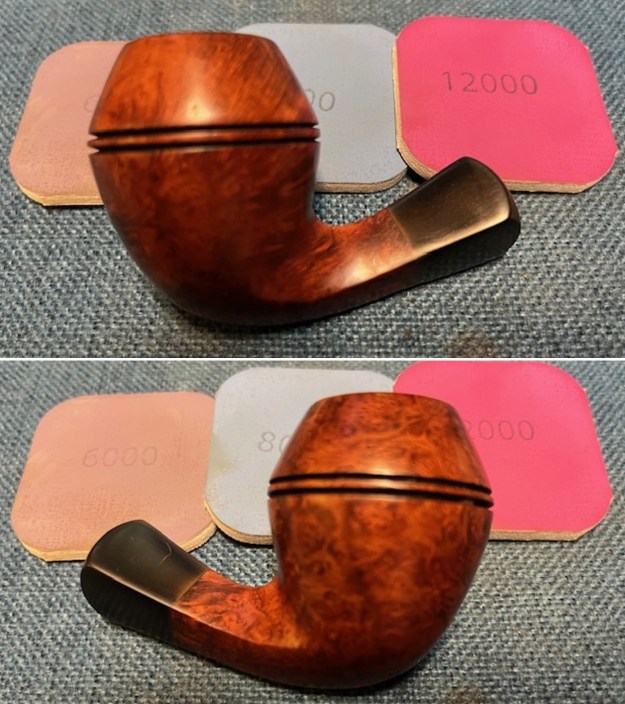
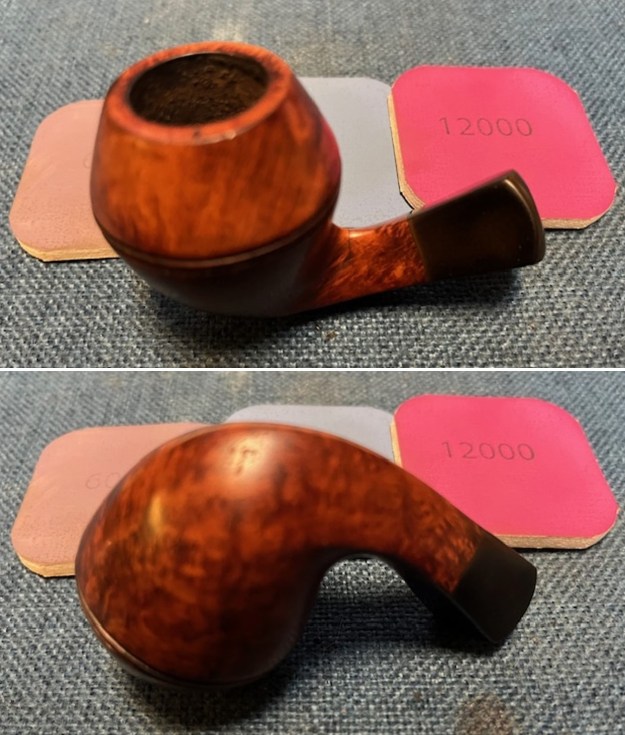
The rain has stopped for the moment here in Vancouver and I am up early so I decided to work on another pipe that was purchased on 01/26/2023 in a lot of pipes that came to us from Copenhagen, Denmark. This is a classic Danish Straight Bulldog with a mixed finish and a diamond shank. It is another Danish Design Stanwell. The finish on this pipe is smooth and almost a matte finish. The brown stains highlight grain. The pipe is stamped on the left underside of the diamond shank and reads STANWELL [over] Danish Design [over] Royal Guard in script. On the right underside of the shank it has the shape number 32 stamped. The pipe was a well used pipe when Jeff received it. There was dust and grime ground into the finish. The mixture of brown stains highlights some beautiful grain under the dirt. The bowl was moderately caked and there was an overflow of lava on the smooth rim top. The inner edge looked quite good. The stem is acrylic and was dirty and had light tooth marks, chatter on both sides ahead of the button. There is a stamped white crown S logo stamped on the top side of the diamond saddle stem. Jeff took photos of the pipe before he started his clean up work on it. He took photos of the bowl and rim top to show what they looked like before his clean up. You can see the lava coat on the rim top and the cake in the bowl. It is interesting that the bowl bottom is clean. The inner edge looks to be okay. He took photos of the stem to show the condition of both sides. The photos of the sides and heel of the bowl show the uniquely stained grain around the bowl and shank. The mixture of brown stains adds depth to the finish on the pipe. Even under the grime it is a real beauty. The stamping on this one was on the underside of the shank and is shown in the photos below. It is clear and readable as noted above. You can also see the white stamped crown S on the top of the diamond saddle stem. Before I started my work on the pipe I wanted to see if I could find any information that would help me get a sense of the line. I turned to Pipephil to see if there was any listing on the Danish Design Royal Guard Line (http://pipephil.eu/logos/en/logo-stanwell.html). There was nothing listed.

I then turned to Pipedia (https://pipedia.org/wiki/Stanwell) for more information. The article is great and gives a lot of history on the brand. But there is nothing specific on the Danish Design Royal Guard.

I did a Google search for the Danish Design Royal Guard 32 Bulldog. I wanted to find out why the additional stamp “Danish Design” was present. I found a listing on smokingpipes.com that I am including below.

Stanwell’s “32” Bulldog is an old shape, given a bit of a revamp back in the 1990s by Tom Eltang. The plumper style of bowl works wonderfully with the hard lines of the diamond shank, and its overall compact size makes it an easy choice when searching for that smoker to take with you wherever you go.

That pretty well captured the description of the pipe I have in my hands.

There was also a link to a shape article on Pipedia written by Bas Stevens that I originally published on rebornpipes. I looked up the 32 shape number to see who had designed that shape (https://pipedia.org/wiki/Stanwell_Shape_Numbers_and_Designers). I quote that below

  1. Two versions of this shape number:
    a) Straight bulldog with a saddle stem; Stanwell’s first pipe shape (originally designed in 1942).   
  1. b) Bent Dublin-strawberry hybrid with a rounded rim and saddle stem, by Sixten Ivarsson. Redesigned by Tom Eltang in the early 1990s.

Further down the article there was this note on the shape 32a. I quote it below:

32: Poul Stanwell’s 32(a), the first shape designed for Stanwell, a classical straight bulldog, released in 1942. It was reworked by Tom Eltang and given a facelift in the 1990s.

Somewhere along the way in my reading I came across discussions on when the stamping changed from Made in Denmark to Danish Design. It is linked to the move from Denmark to Italy. I did a bit of searching for where I may have come across the information and found this discussion on Pipesmagazine Forum (https://pipesmagazine.com/forums/threads/italian-stanwell.20233/). There was discussion on the change in locale and the change in stamp. I quote some sections of the discussion below.

Brief summary of Stanwell:
1942-1982 the family era
1982-2003 Rothmans International (absorbed by British American Tobacco in 1999)
2003-now Scandinavian Tobacco Group
Italian produced pipes began 01/01/10.

Essentially the whole issue boils down to perspective, either that of a pipe-collector or a pipe-smoker.

The pipe-collector is very interested in nomenclature, as well as timeframes of production periods. Such is the case with Pre-Transition Barling’s or Pre-Lane Charatans. There’s also a romantic side on the emotive level which invests heavily in tradition and mystique. These are important considerations of course, but has not much to do with the actual smoking qualities of the pipe itself.

The pipe-smoker simply wants a well-performing pipe and in this case I’d say the Danish Design pipes are pretty close to equal with the final years of Stanwell production, what I call the “decal era”.

Now I knew that the pipe was made after the move to Italy. It was an Italian Made Stanwell that came out after 2010. Now it was time to work on the pipe.

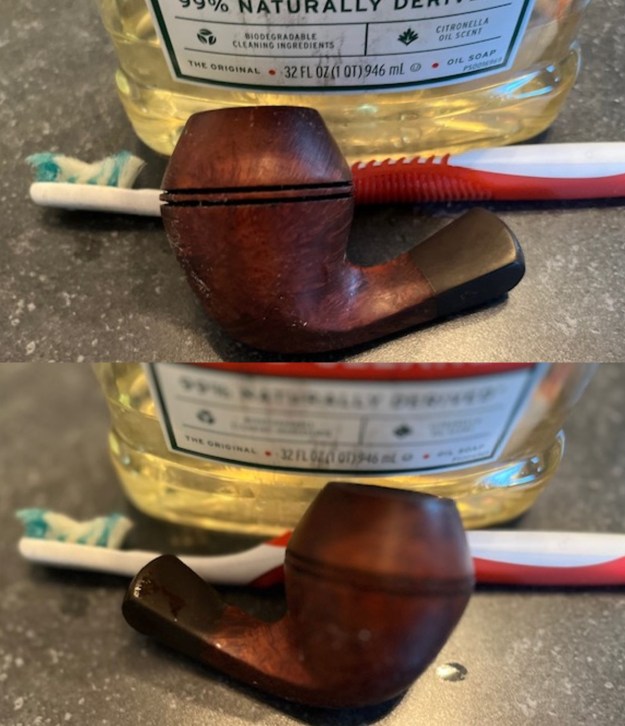
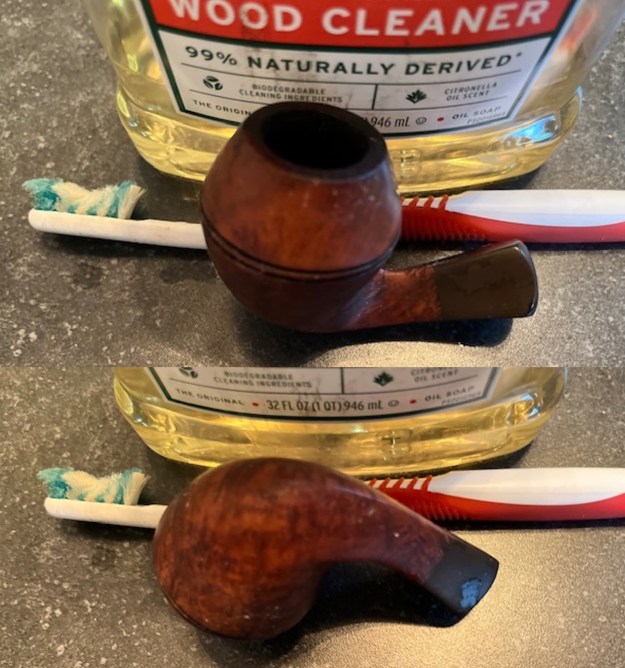
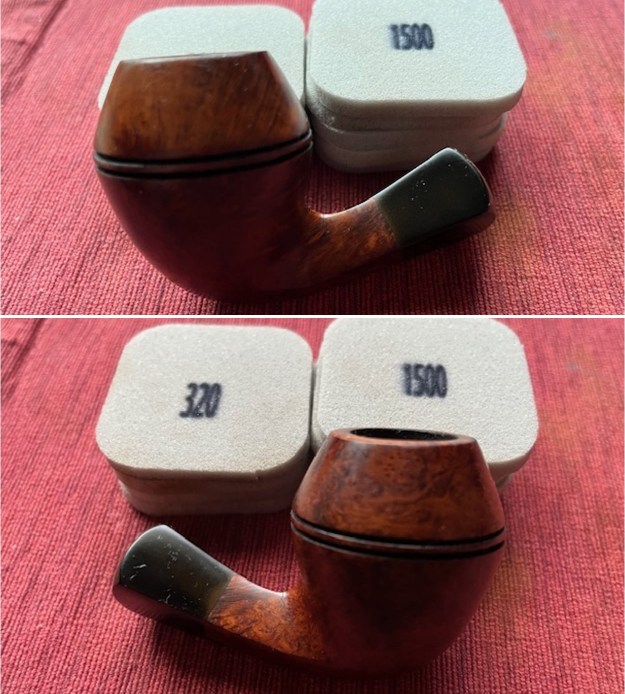
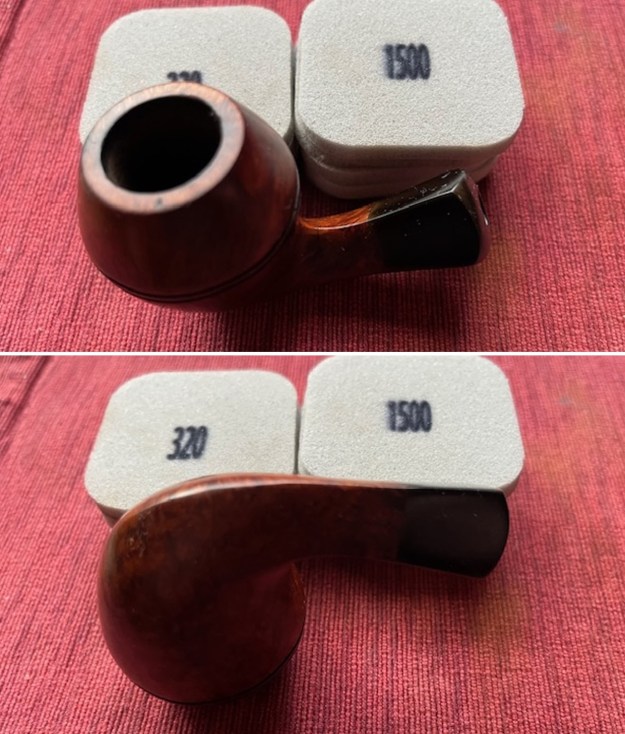
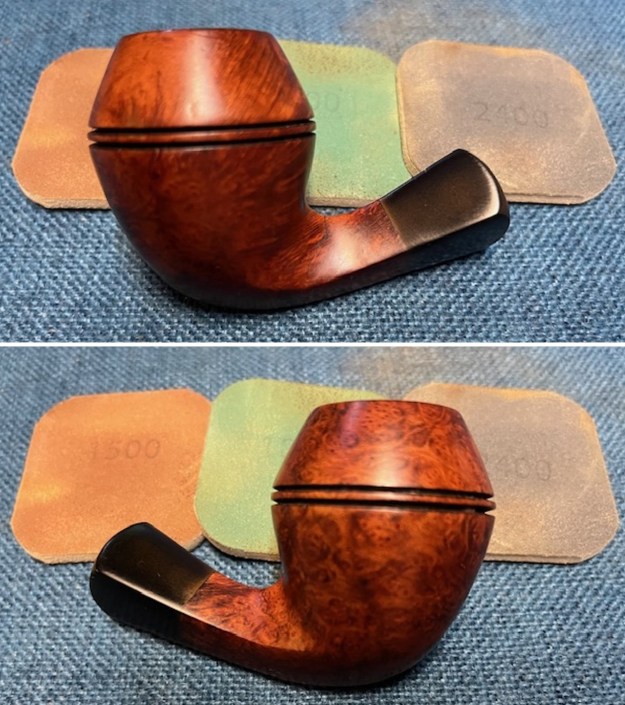
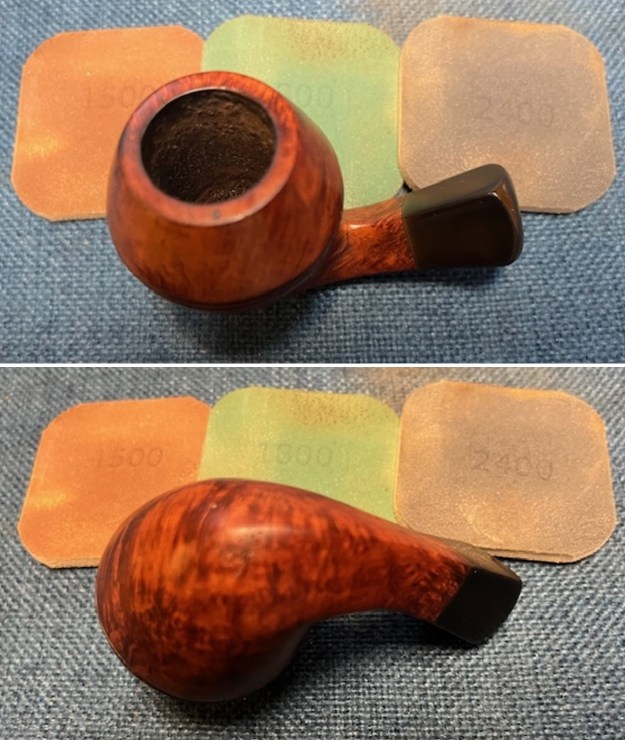
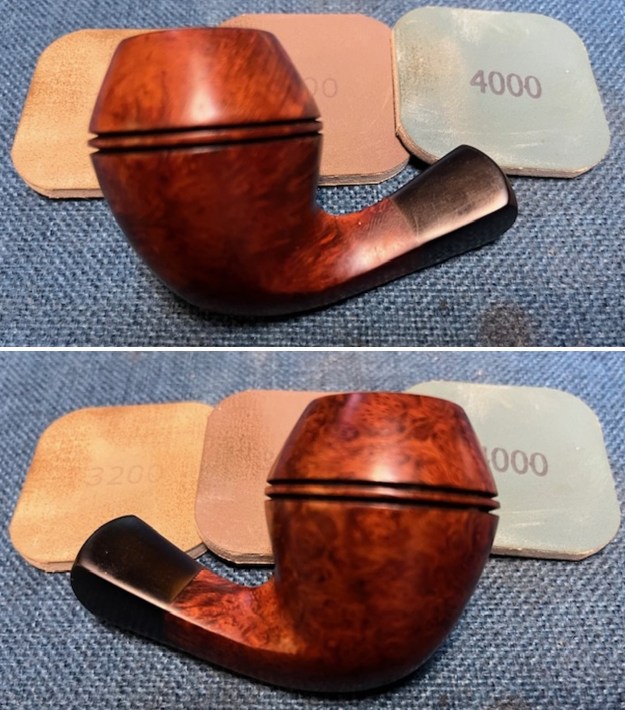
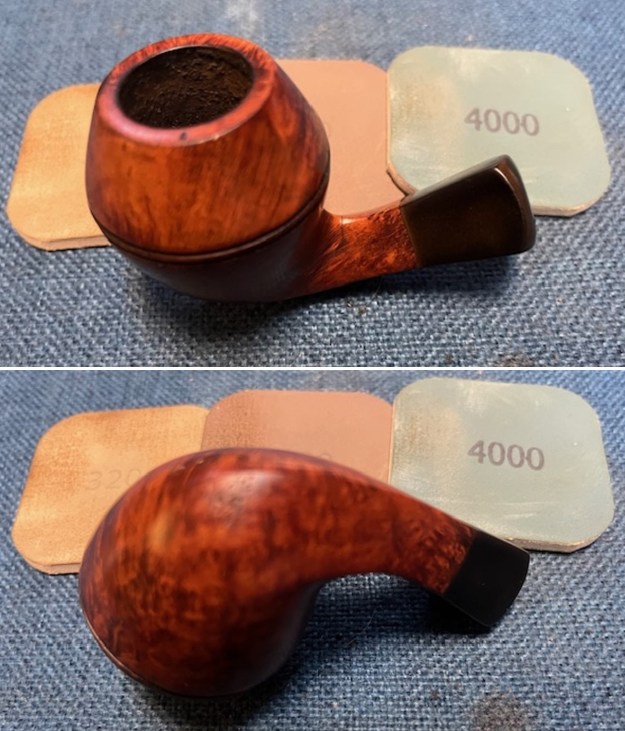
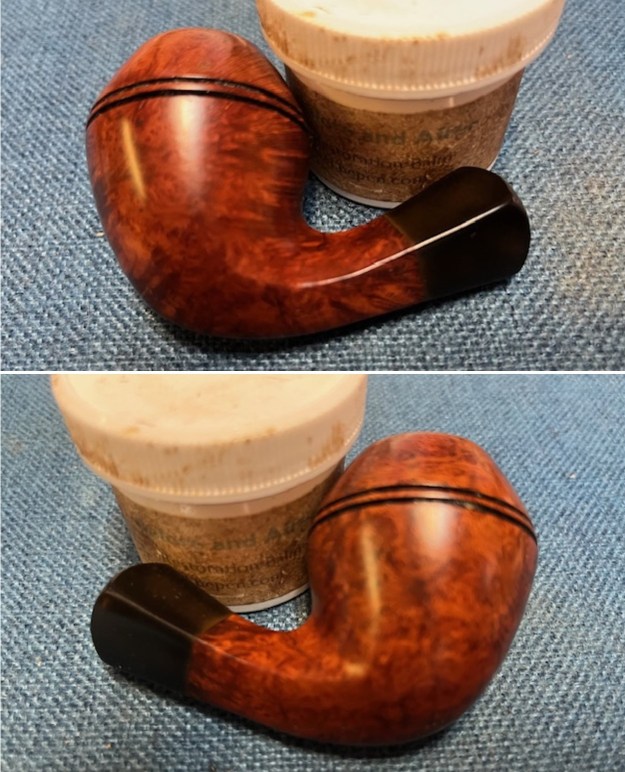
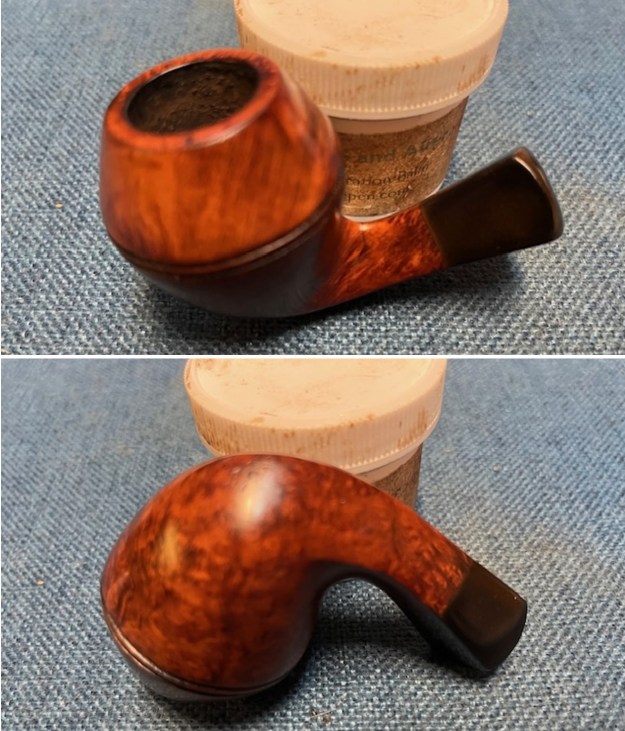
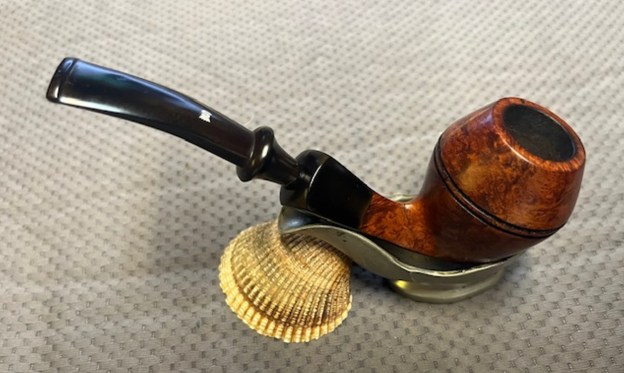
Jeff had thoroughly cleaned up the pipe. He reamed the pipe with a PipNet Pipe Reamer and cleaned up the remnants with a Savinelli Fitsall Pipe Knife. He scrubbed the bowl with undiluted Murphy’s Oil Soap with a tooth brush. He rinsed it under running warm water to remove the soap and grime. He cleaned out the inside of the shank and the airway in the stem with alcohol, cotton swabs and pipe cleaners. He scrubbed the exterior of the stem with Soft Scrub to remove the grime and calcification. He soaked the stem in Before & After Deoxidizer and rinsed it off with warm water. The pipe looked very good when it arrived here in Vancouver. I took close up photos of the bowl, rim and the stem. The rim top cleaned up very well. There is some slight darkening and some nicks on the smooth rim top. The stem looks clean but still has light tooth marks and some chatter as noted above.I took photo of the stamping on the undersides of the diamond shank. It is clear and readable as noted above. I removed the stem from the shank and took a photo to give a sense of the proportions of the pipe. The briar is quite beautiful and the brown stains really make the grain stand out.I started my work on the pipe by addressing the darkening on the rim top and the inner edges. I used a folded piece of 220 grit sandpaper to clean up the top and the edges.I polished the smooth portions bowl and shank with micromesh sanding pads – dry sanding with 1500-12000 grit pads. I wiped the bowl down after each pad to remove the grit. The bowl began to take on a rich shine. It is a beauty. I rubbed the bowl down with Before & After Restoration Balm. I worked it into the briar with my finger tips and a horsehair shoe brush to get into the two rings around the bowl cap. I let it sit for 10 minutes and the Balm did its magic. It enlivens, cleans and preserves the briar. It certainly brought this bowl back to life. I buffed it off with a clean cloth and took the following photos. I set the bowl aside and turned my attention to the stem. I sanded out the tooth marks on the vulcanite stem surface near the button with a piece of 220 grit sandpaper. I was able to remove them all. I started polishing the stem with 600 grit wet dry sandpaper.I polished the stem with micromesh sanding pads – 1500-12000 grit pads. I wiped it down with a damp cloth after each sanding pad. I polished it with Before & After Pipe Stem Polish – both Fine and Extra Fine. I gave it a coat of Obsidian Pipe Stem Oil. I set it aside to dry. This Stanwell Danish Design Royal Guard 32 Straight Bulldog and an acrylic saddle stem is a great looking pipe with a beautiful grain. The stain once cleaned up really highlights the grain around the bowl. The polished finish is stunning. I put the stem back on the bowl and carefully buffed the pipe with Blue Diamond on the buffing wheel. I gave the bowl and the stem multiple coats of carnauba wax on the buffing wheel and followed that by buffing the entire pipe with a clean buffing pad. I hand buffed the pipe with a microfiber cloth to deepen the shine. The finished Stanwell Danish Design Royal Guard 32 Bulldog fits nicely in the hand and feels great. Give the finished pipe a look in the photos below. The dimensions of the pipe are Length: 5 inches, Height: 1 ¾ inches, Outside diameter of the bowl: 1 1/8 inches, Chamber diameter: ¾ of an inch. The weight of the pipe is 40 grams /1.41 ounces. I will be adding the pipe to the Danish Pipe Makers Section of the rebornpipes store. If you are interested in purchasing this pipe send me a message or an email. Thanks for reading this blog and my reflections on the pipe while I worked on it.

As always, I encourage your questions and comments as you read the blog. Thanks to each of you who are reading this blog. Remember we are not pipe owners; we are pipe men and women who hold our pipes in trust until they pass on into the trust of those who follow us.