
Blog by Steve Laug
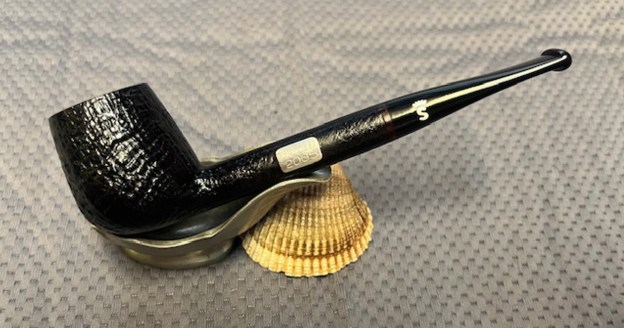
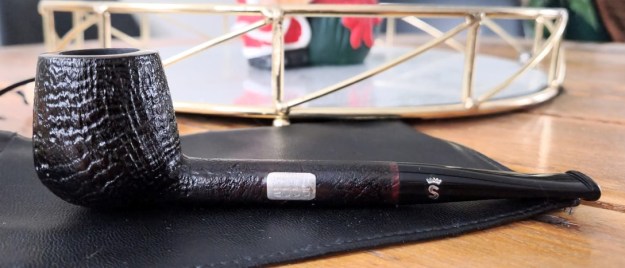
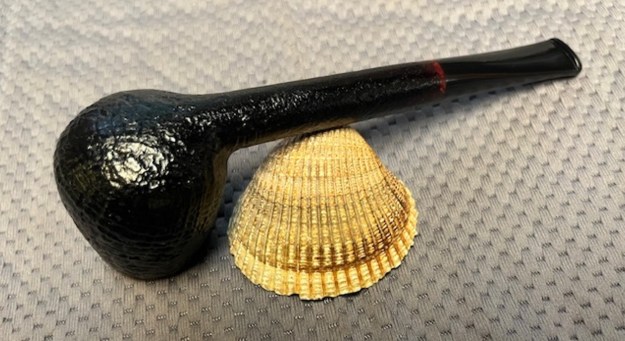
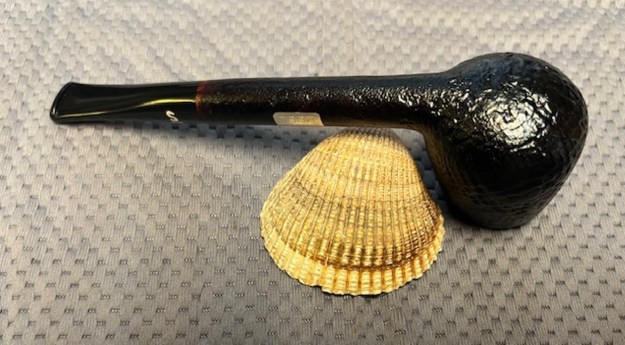
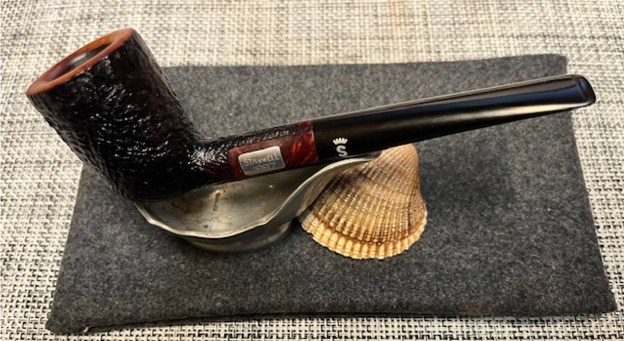
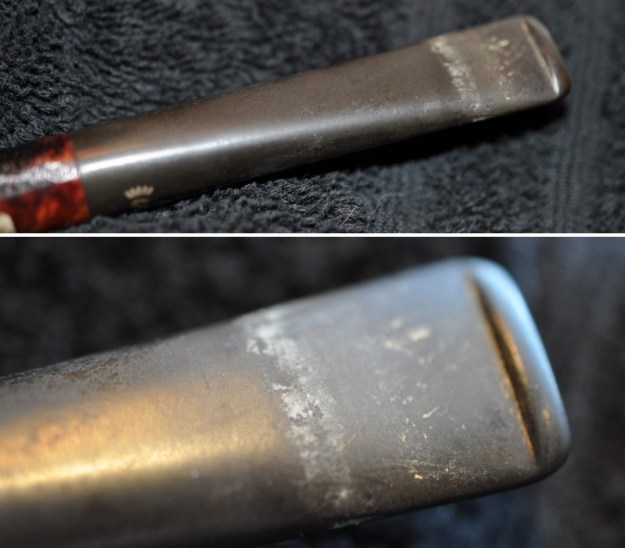
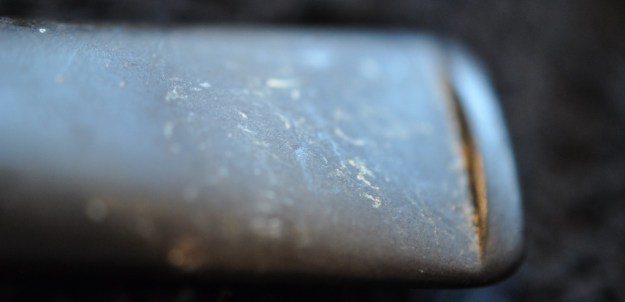
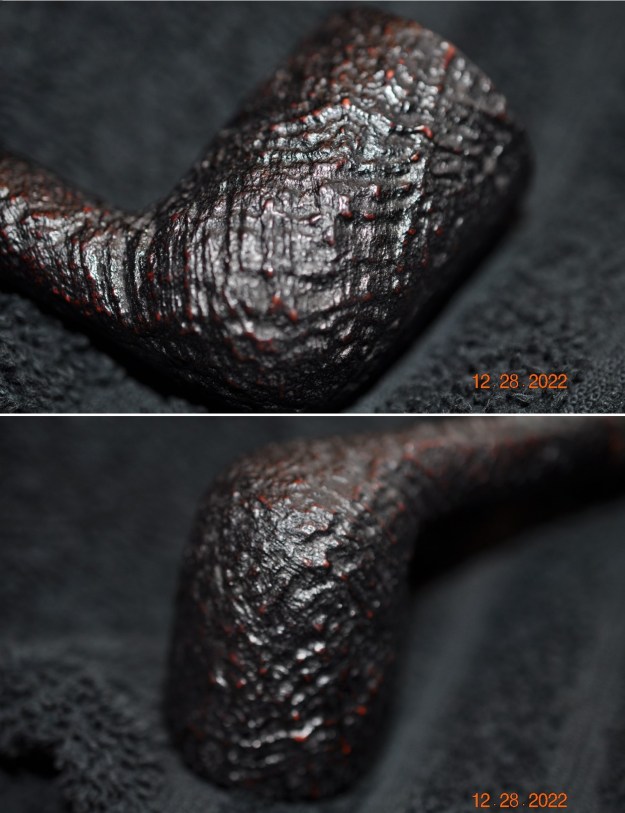
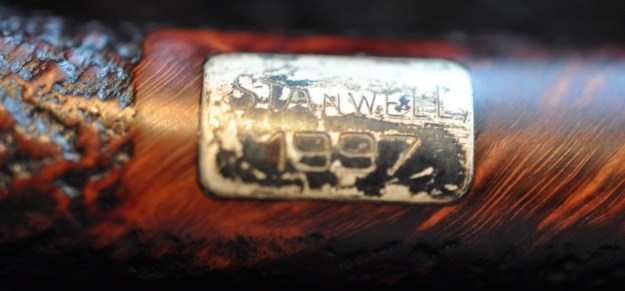
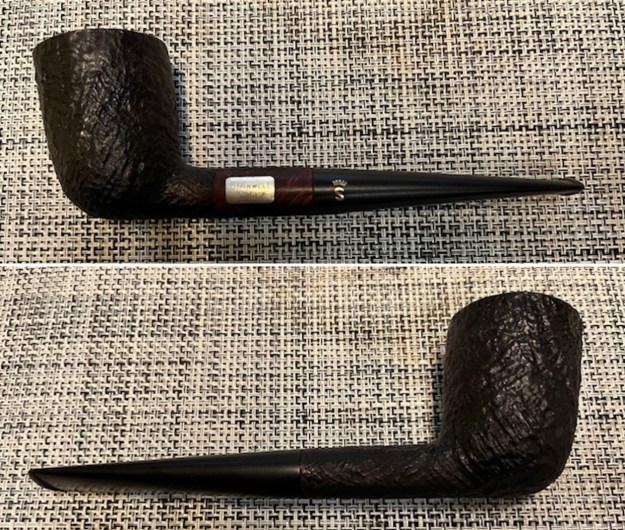
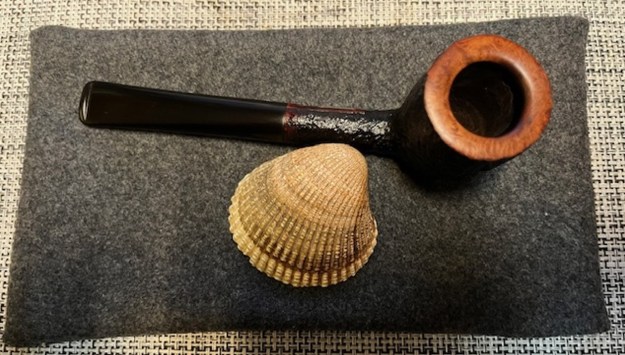
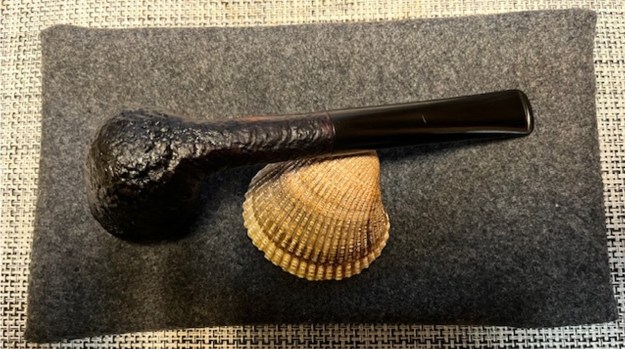
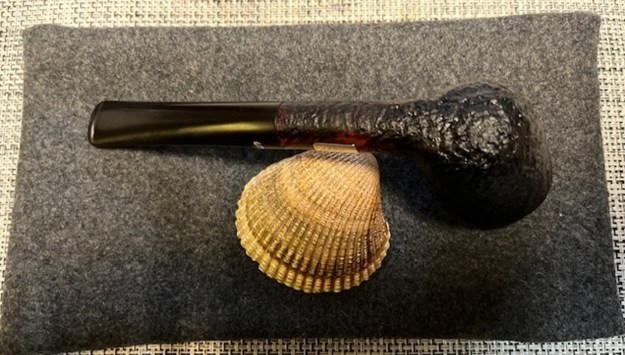
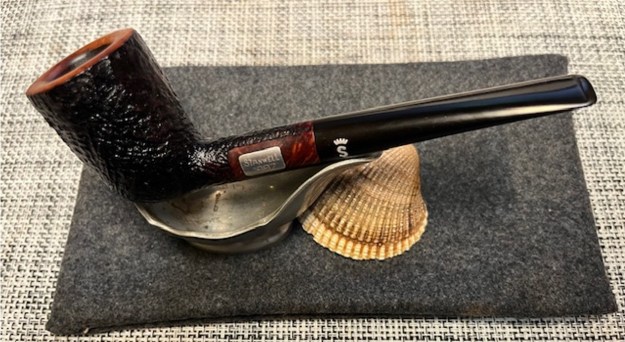
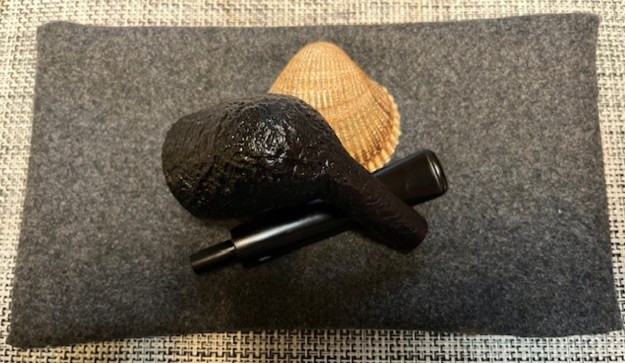
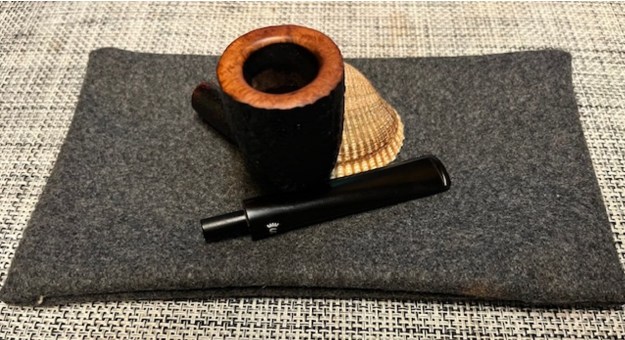
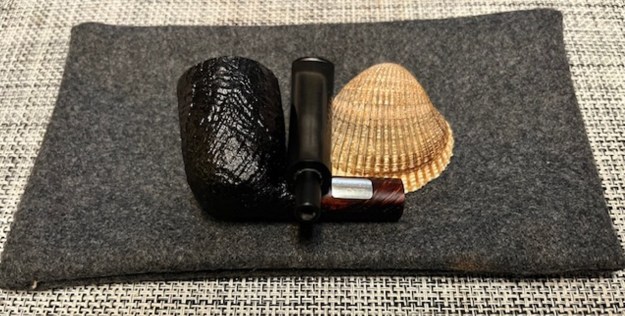
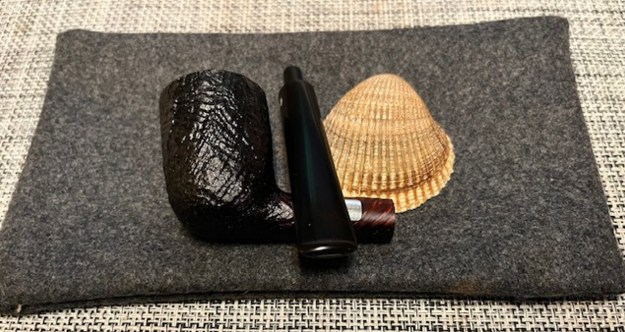
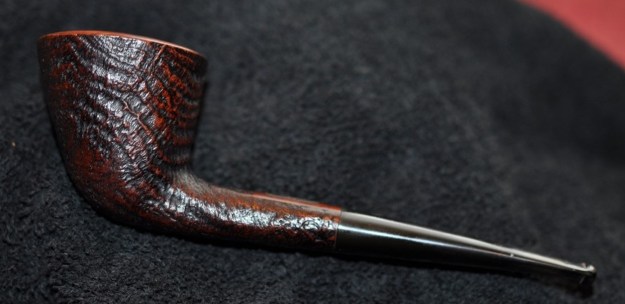
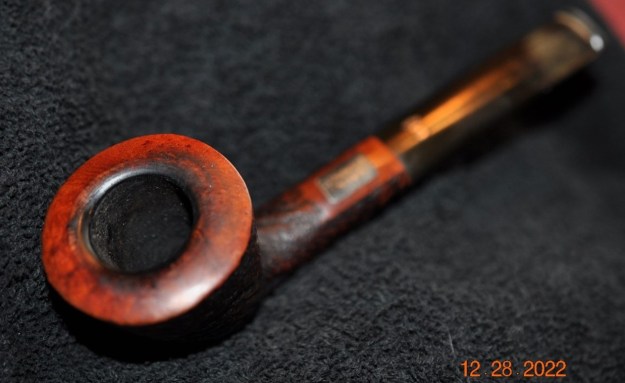
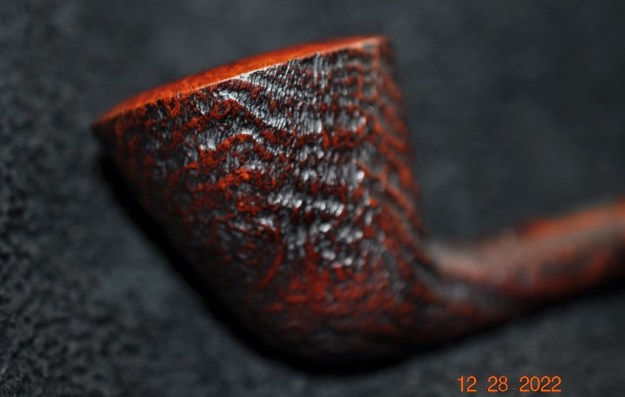
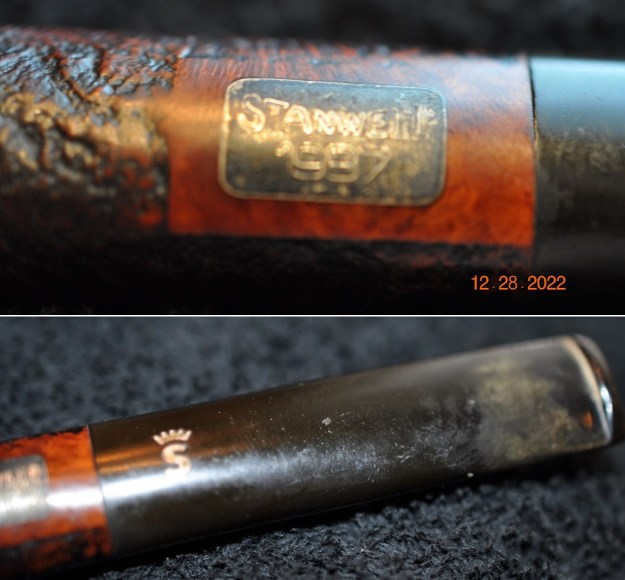
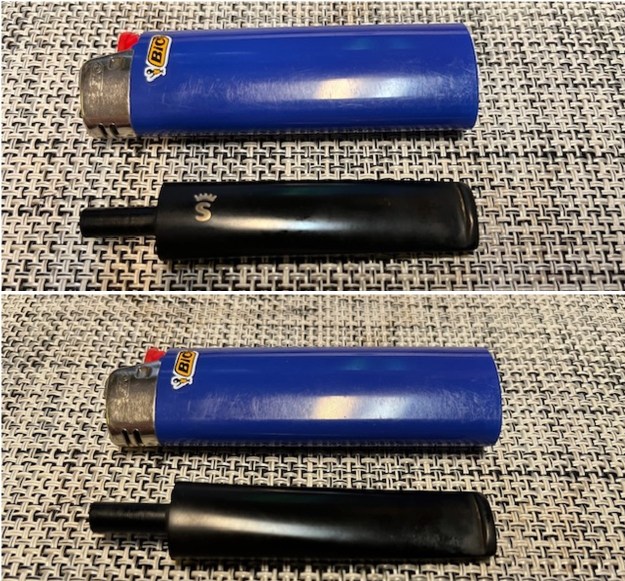
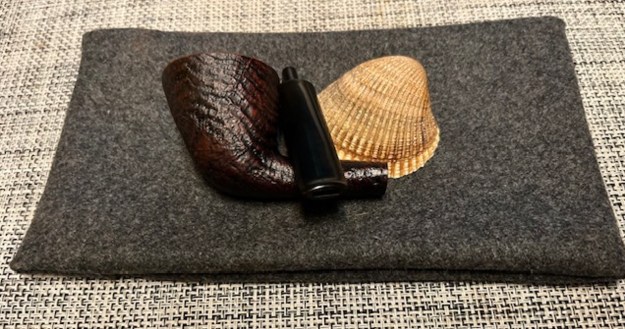
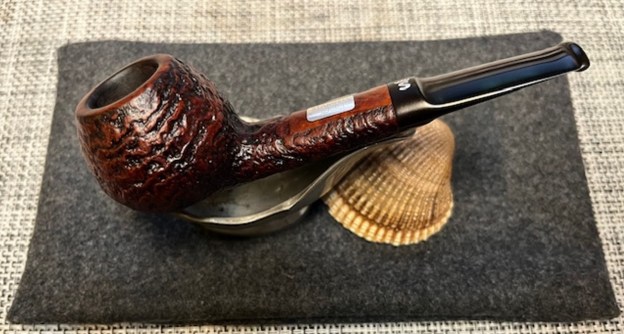
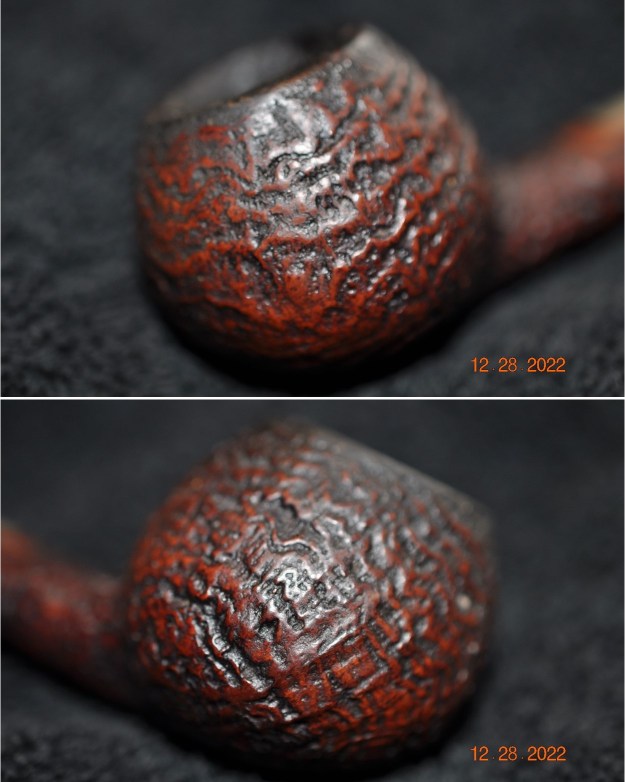
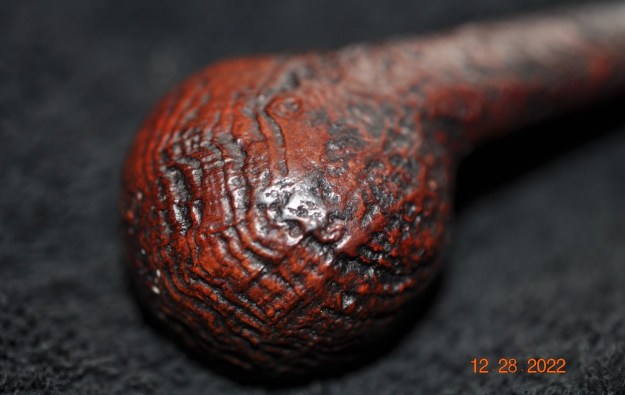
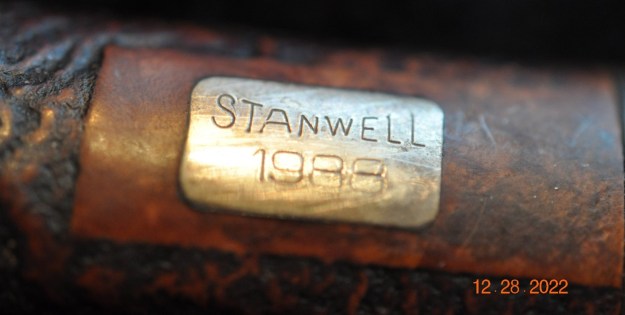
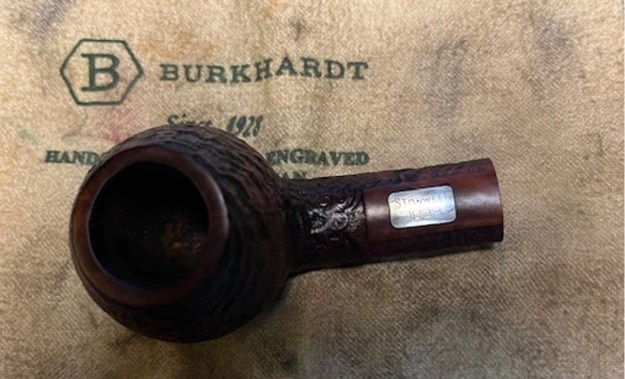
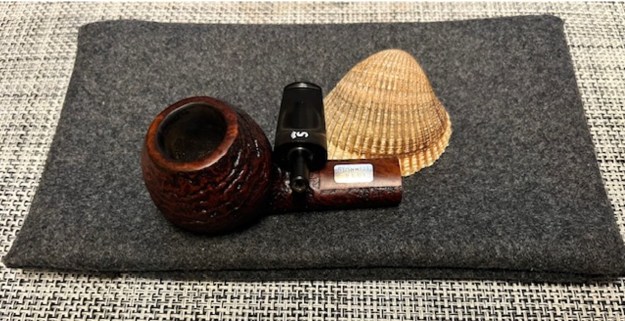
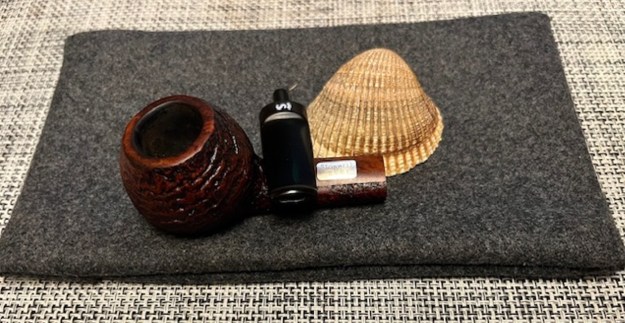
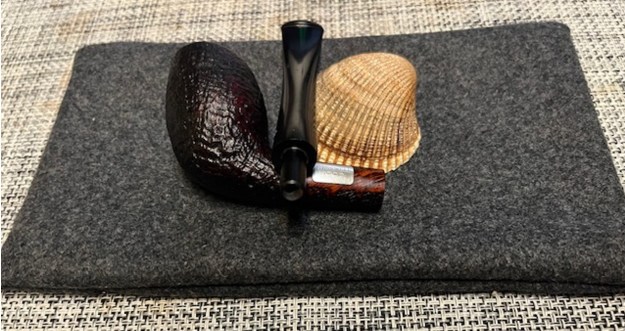
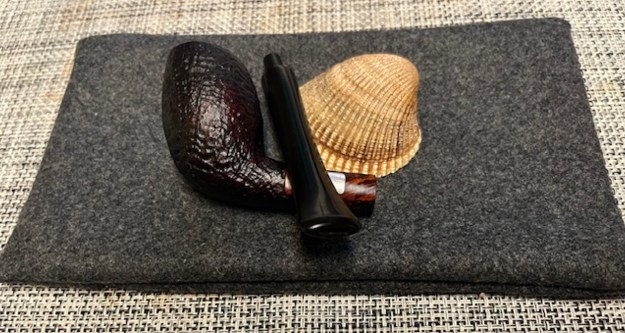
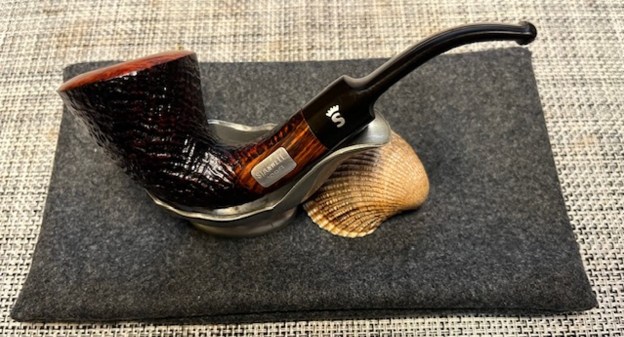
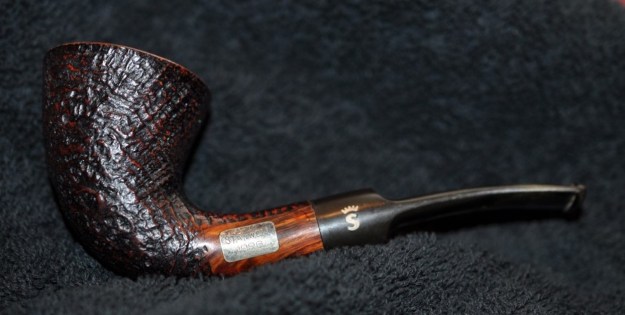
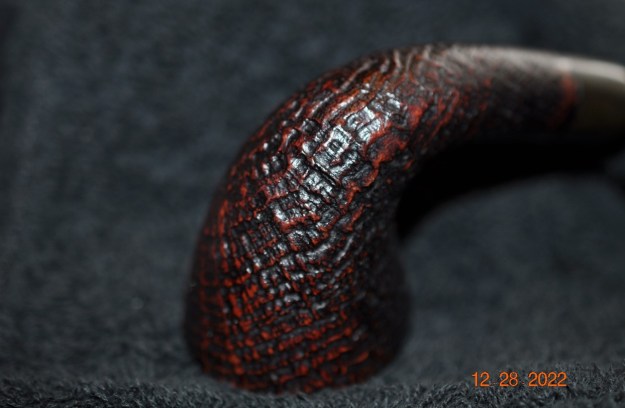
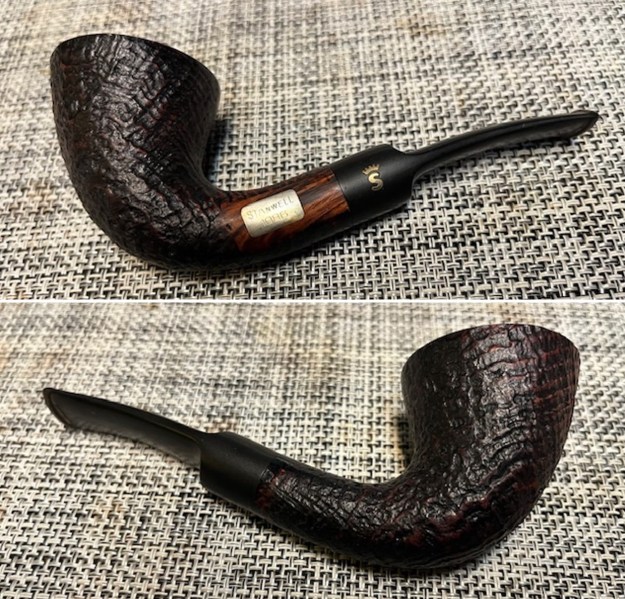
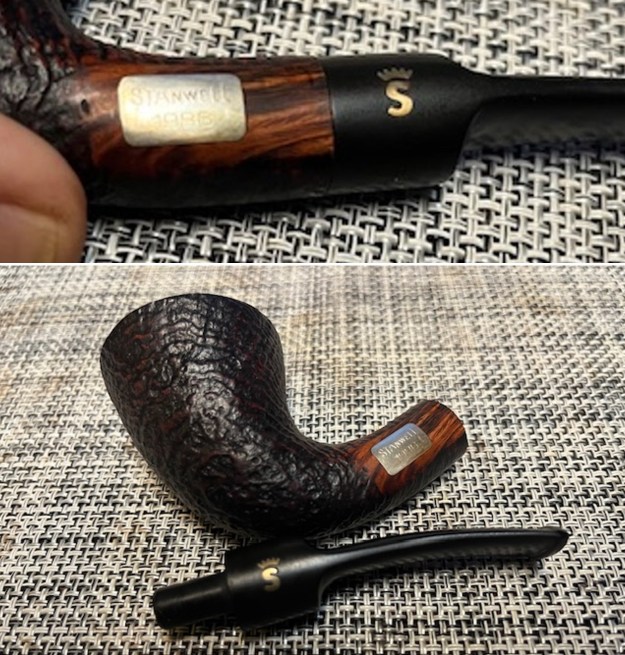
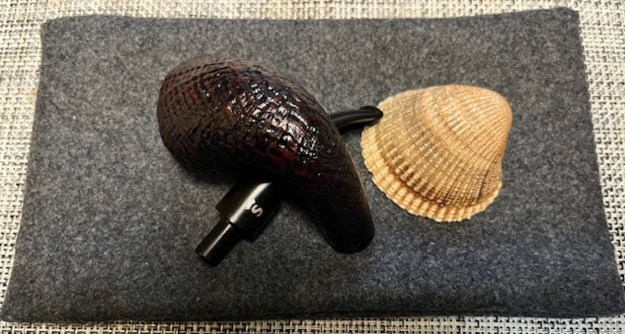
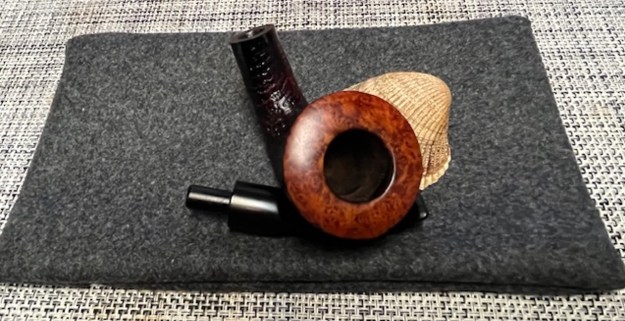
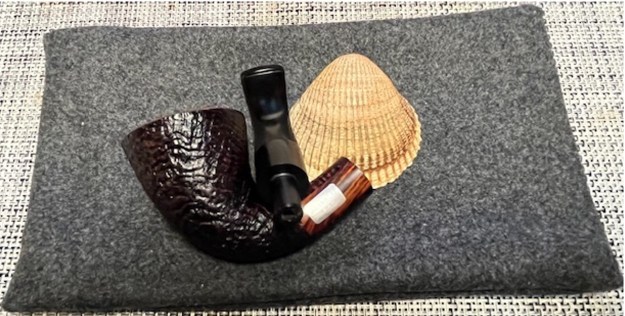
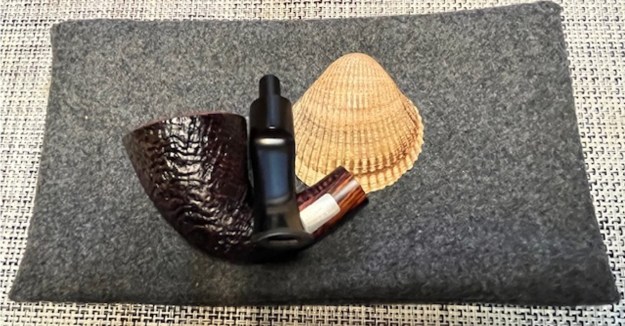
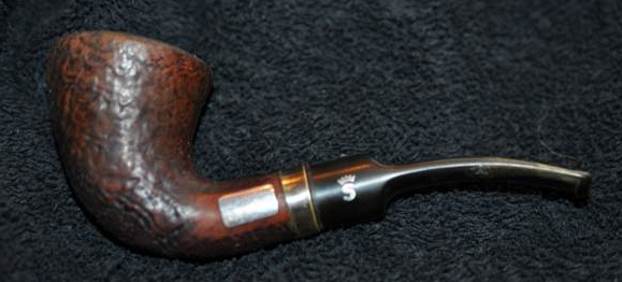
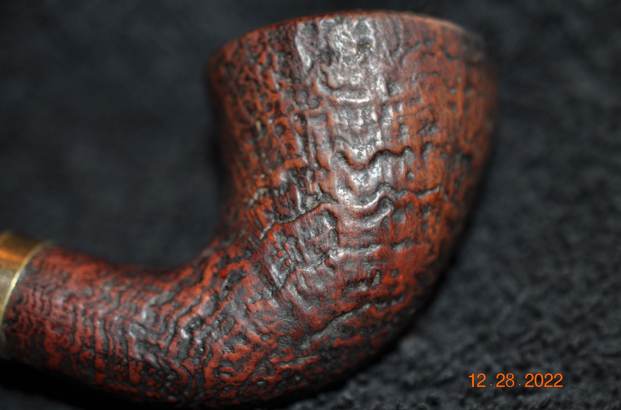
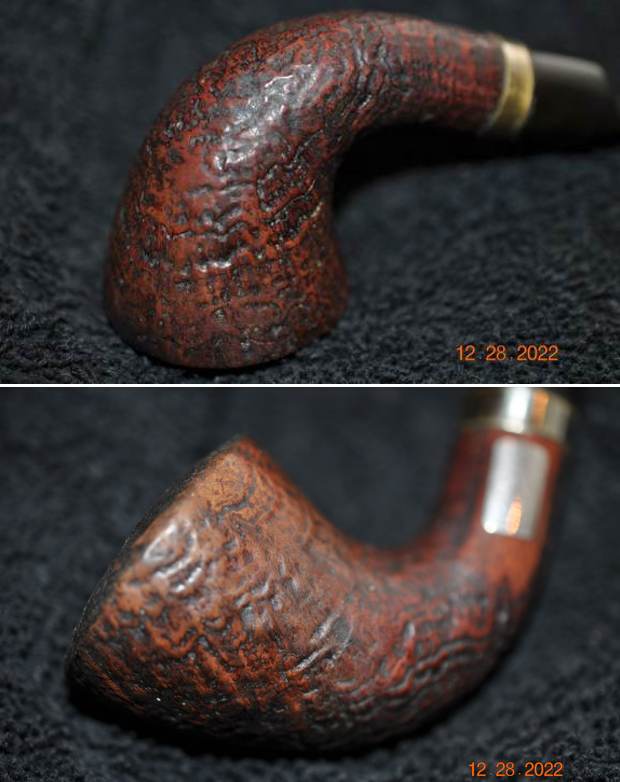
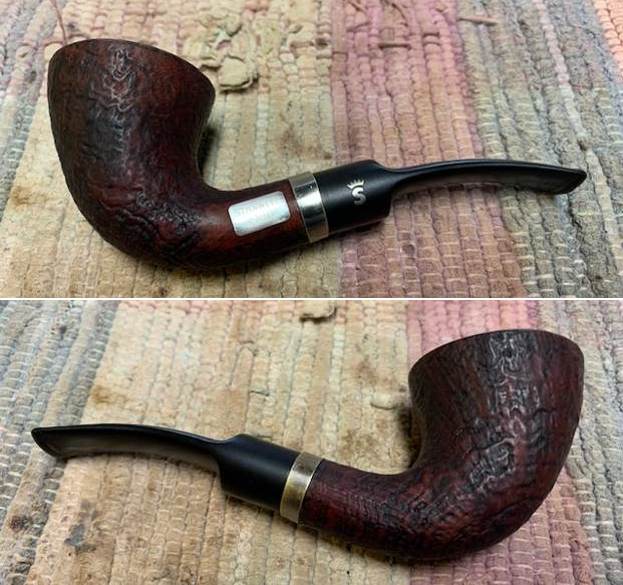
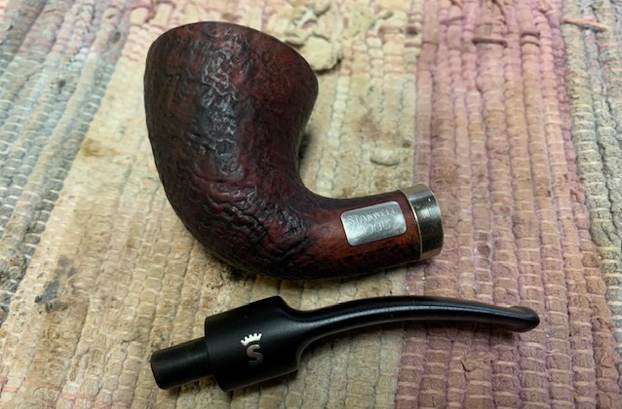
The pipes that I will be posting over the next month from this lot that Jeff and I purchased are fascinating pipes. They were quite stunning but altogether unknown to me. I did not recognize the name of the maker. All the pipes were unsmoked other than the Stanwell Pipe of the Year. We purchased them from a fellow in Kalundborg, Denmark on 02/03/2024. He said that they were all unsmoked and when they arrived they were. They were relatively clean and merely dusty with a little light debris on the stem surfaces. The shapes, sandblasts, shank extensions, and stems were all unique and very well done. The pipes were very beautiful and I could not wait for Jeff to refresh them a bit and get them up to me to do my part. Here are some of the photos of the pipes that we purchased provided by the seller.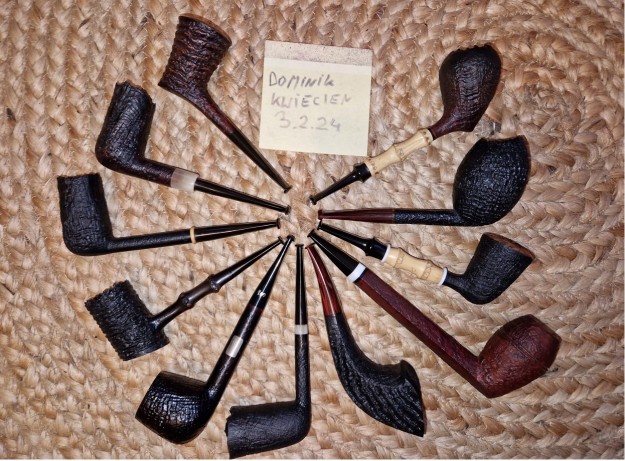 Here is a photo of the pipe that was sent to us by the seller. It is the one that I chose to work on next. It is a beautiful sandblast Stanwell Liverpool with a black taper acrylic stem. The blast is very well done. The acrylic stem is also well cut and other than dirty is in great condition. The pipe has a silver plaque with the year 2005 engraved on it. There was also silver Crown S on the left side of the stem. The pipe was lightly smoked and there was a light cake and darkening on the bowl walls. I look forward to working on it as it will take very little work and will be a fun break.
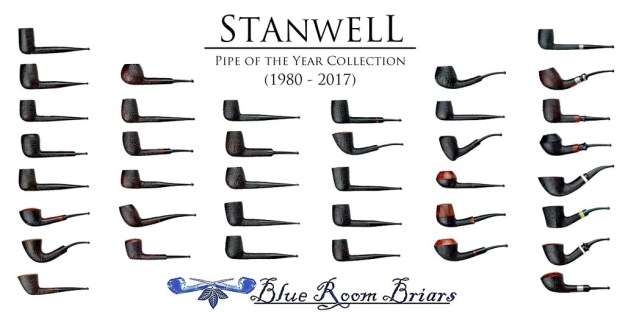
  I turned to the internet to find out information about the Stanwell Pipe of the Year. I came across this interesting article and shape chart on the Blue Room Briars site where they listed a collection of the POYs (https://www.blueroombriars.com/blogs/news/the-stanwell-pipe-of-the-year-collection). I have included the shape chart and part of the article below for the information that it contains.
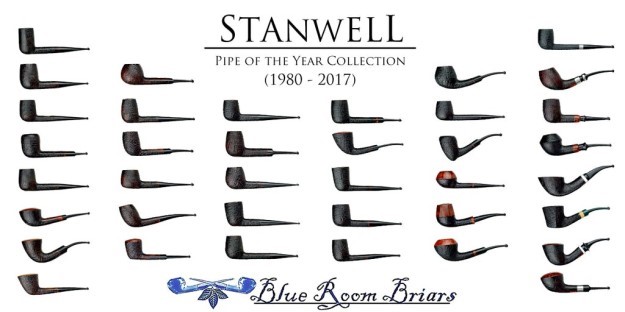 .…Recently, Blue Room Briars acquired a complete Stanwell Pipe of the Year (POY) collection spanning from 1980 – 2017. Looking at these pipes in detail reveals some interesting insights into Stanwell’s production, although it should be noted that these findings are not the final say on when a particular pipe was made, but we hope you can use it as a guide when trying to determine the era of manufacture for Stanwell pipes made after 1980.
The first pipe of note is the 1980 POY. This pipe does not come with the engraved silver plaquette. The pipe also sports a traditional vulcanite mouthpiece.
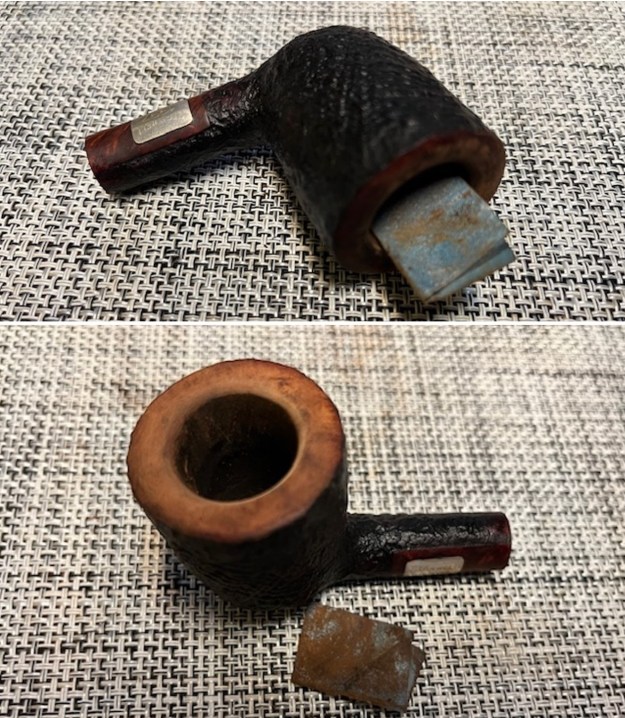
Between 1981 and 1998, the Stanwell pipes from the POY collection have the addition of silver plaquettes denoting the year, a traditional vulcanite mouthpiece, and also have a Teflon lined mortise. This is an interesting feature that creates a very stable connection between the mortise and tenon, as well as allowing the mortise to be swabbed out easily for maintenance. It wouldn’t be unwarranted to believe that other Stanwell pipes with a Teflon sleeved mortise were probably made between the 1980s to late 1990s. This additional, and costly, feature demonstrates Stanwell’s commitment to quality manufacturing even into the last portion of the 20th century.
The pipe I am working on now is later, after the company moved to Italy. It is not lined with the Teflon sleeve in the mortise. I believe the stem is acrylic.
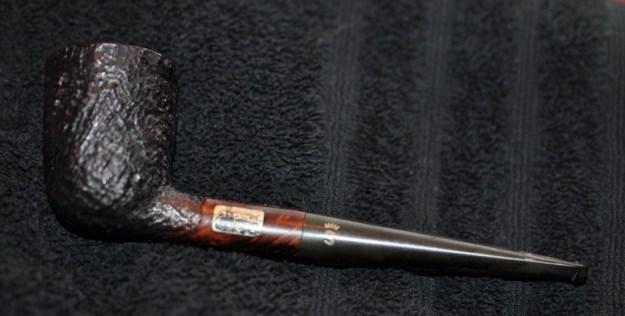
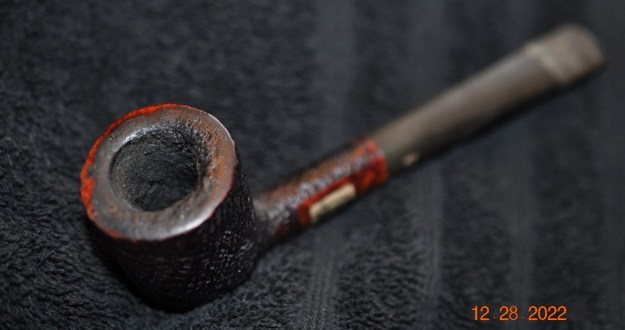
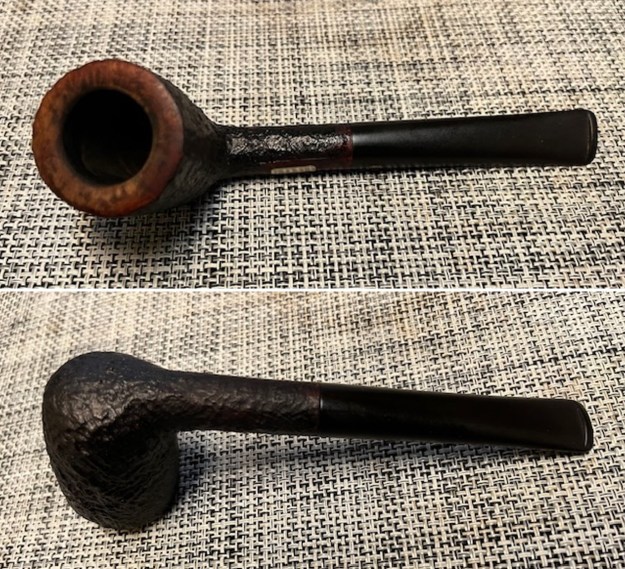
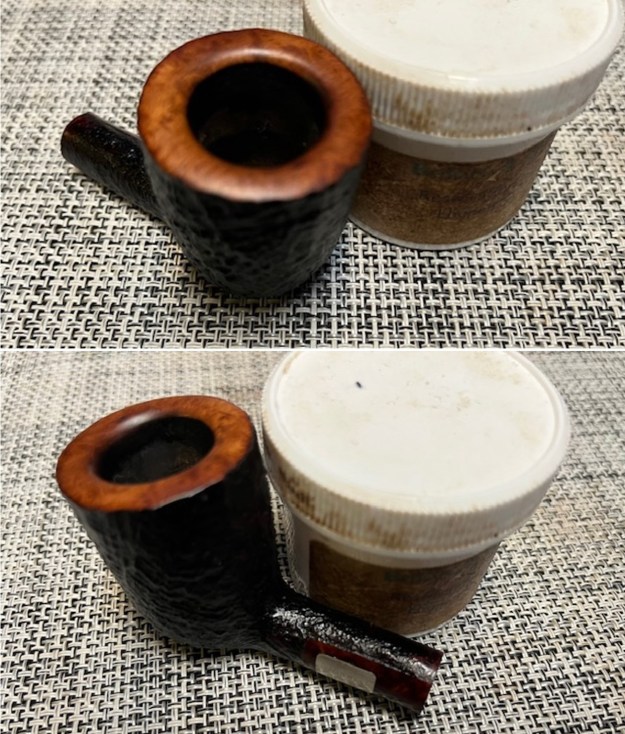
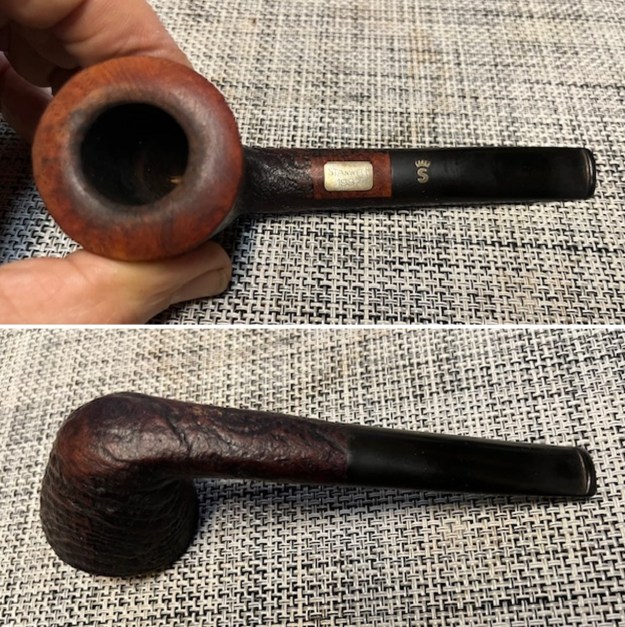
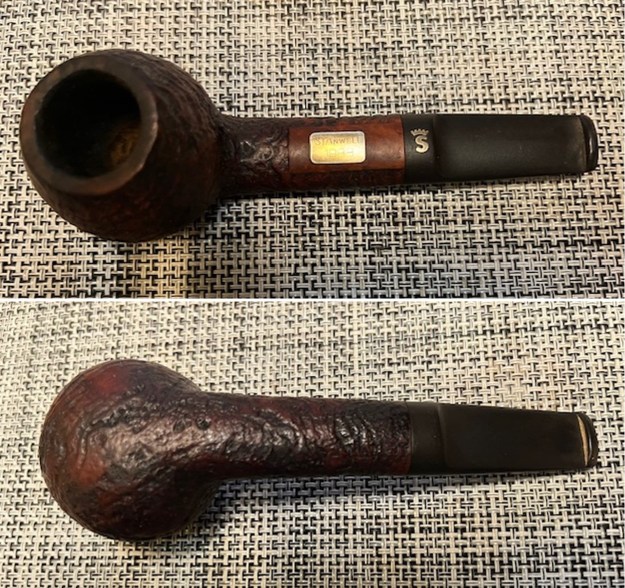
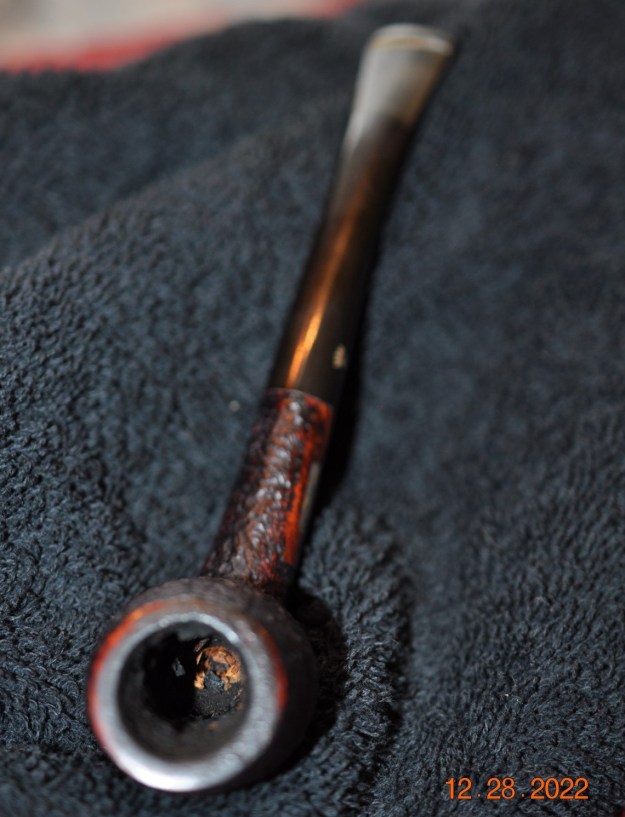
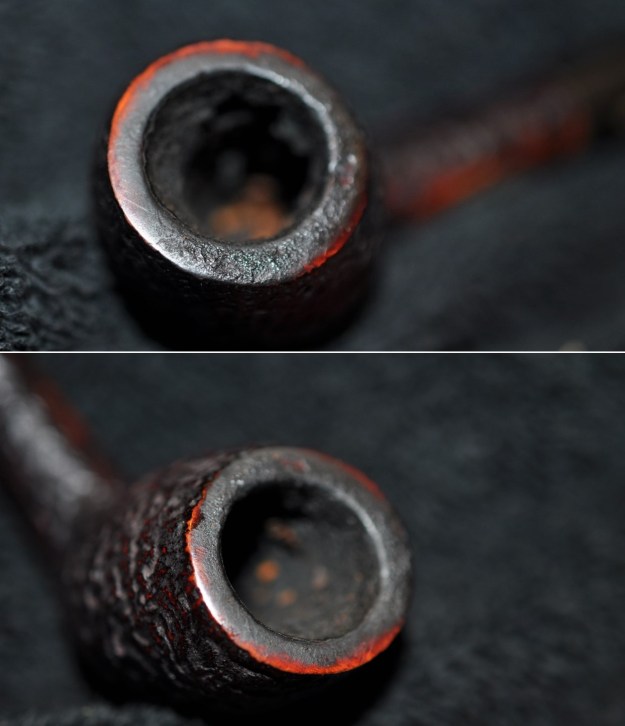
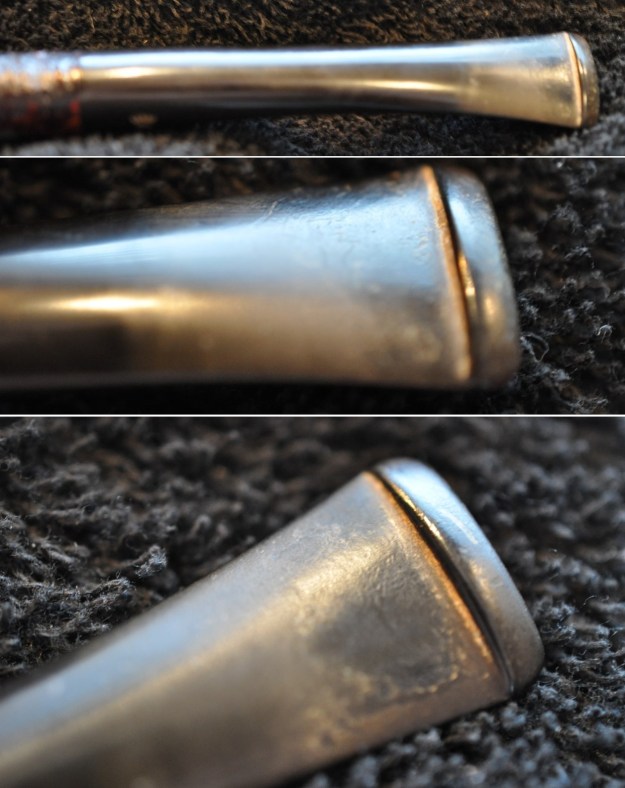
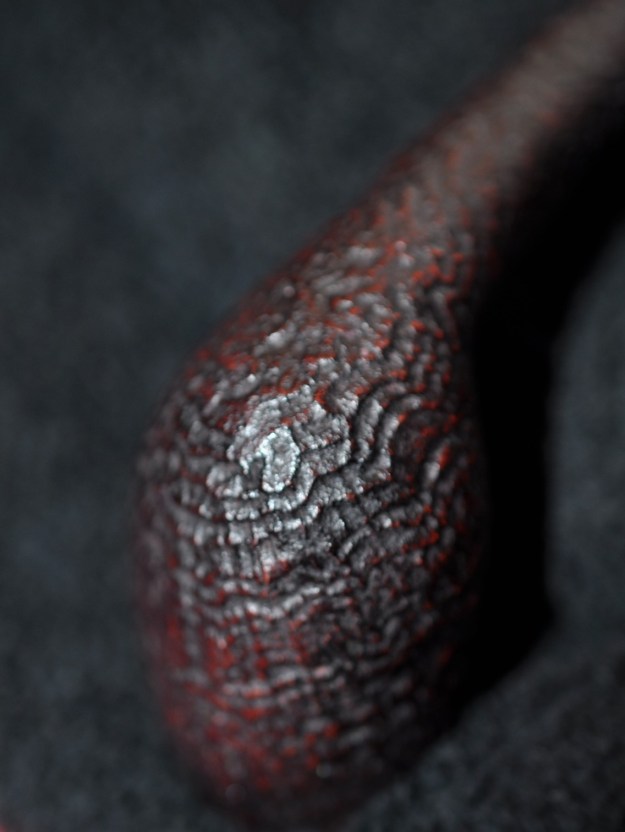
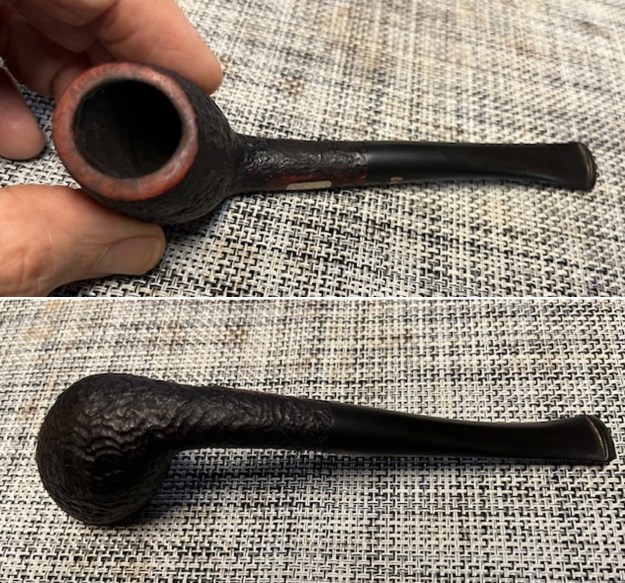
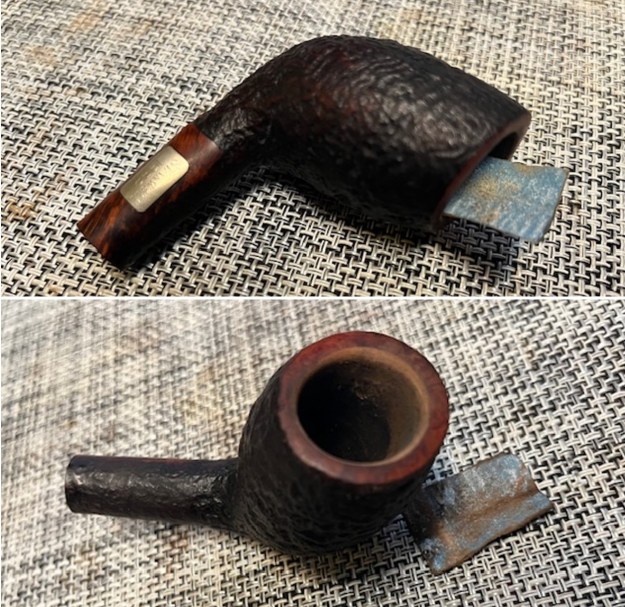
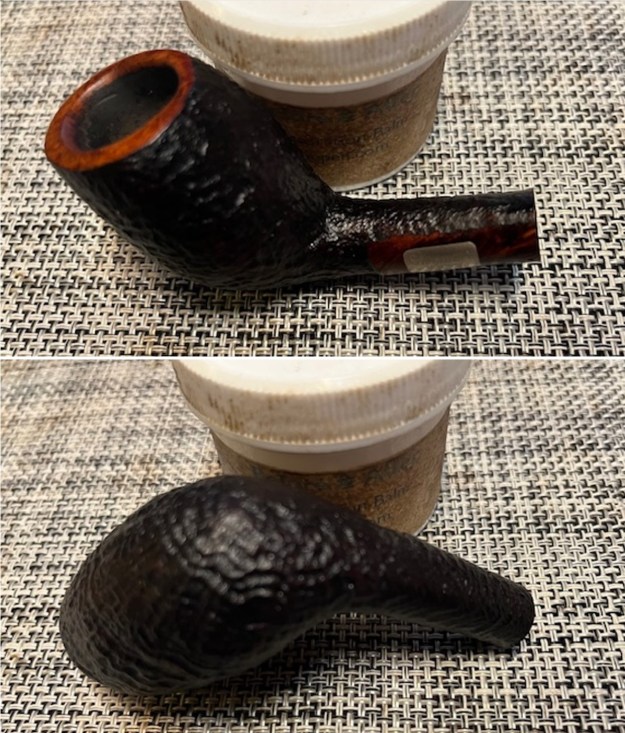
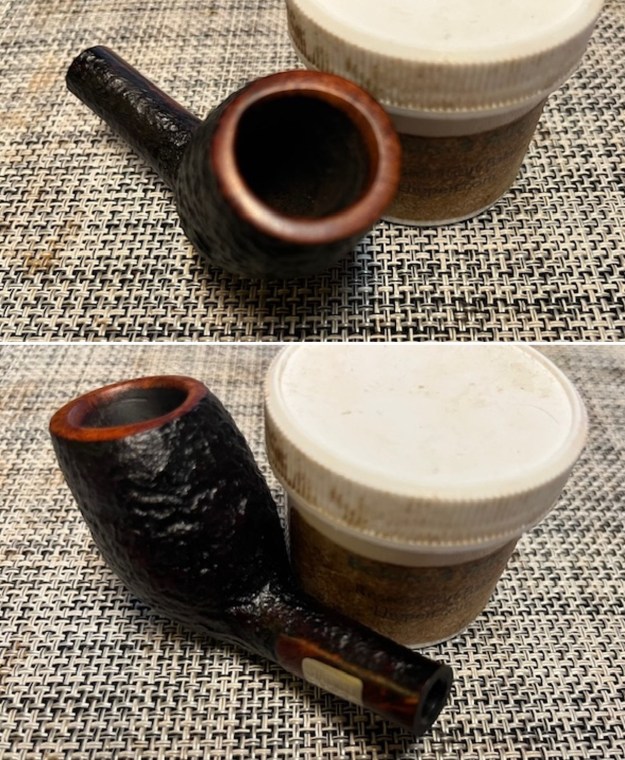
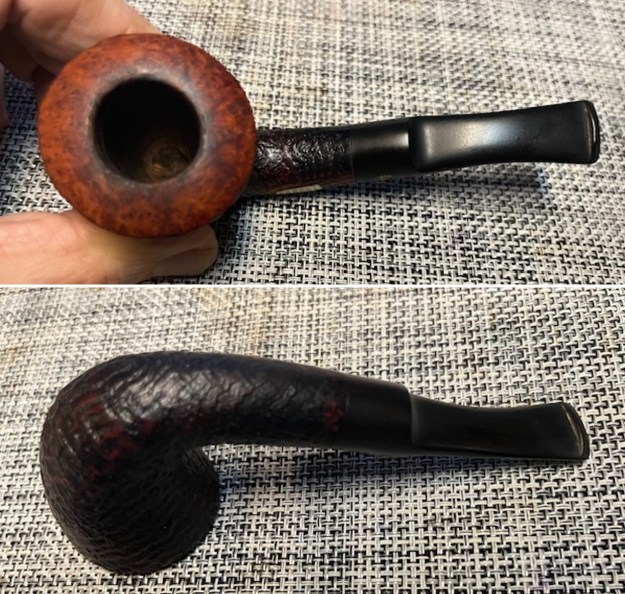
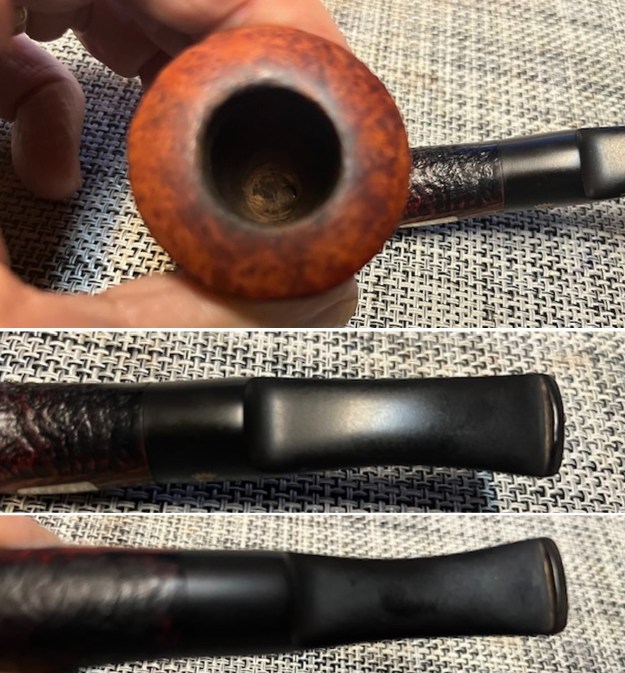
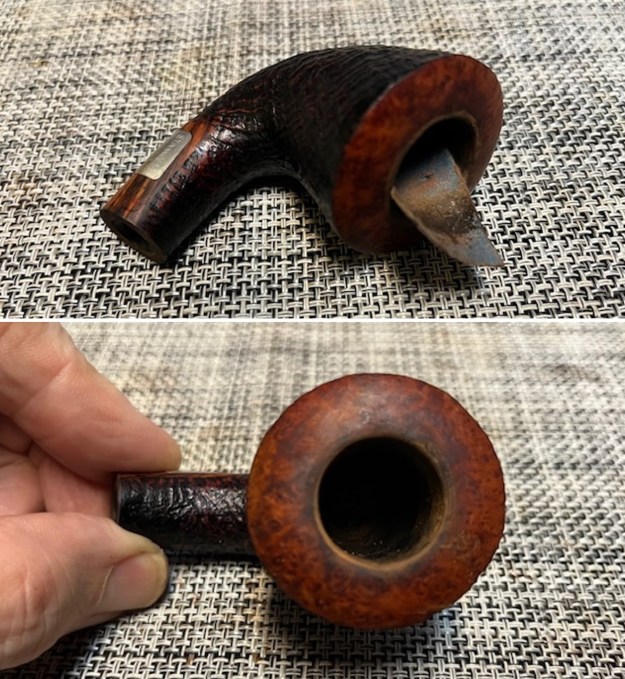
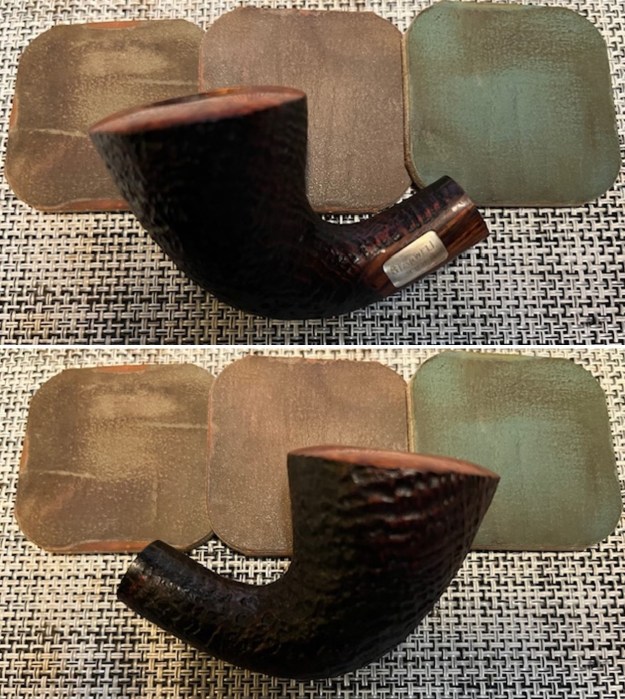
Jeff cleaned up the pipe for me. He reamed the bowl with a PipNet pipe reamer and cleaned it up with a Savinelli Fitsall Pipe Knife. He scrubbed the exterior with Murphy’s Oil Soap and a tooth brush to clean off the grime off the finish and the overflow of lava on the rim top. The cleaning had removed the grime on the rim top. He cleaned up the internals of the shank, mortise and stem with pipe cleaners, cotton swabs and alcohol to remove all of the oils and tars in the pipe. He soaked the stem in Briarville’s Pipe Stem Deoxidizer and was able to remove much of the oxidation, calcification. When it arrived here in Vancouver it was a clean pipe and I knew what I had to work with. I took photos of it before I started my part of the restoration. 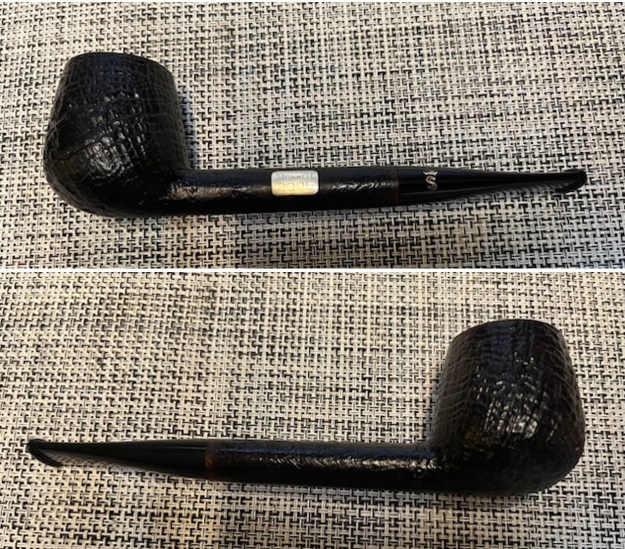
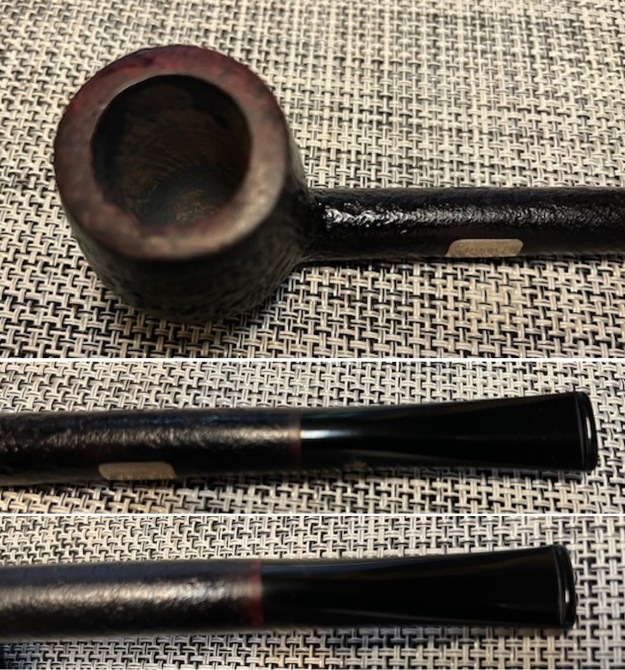
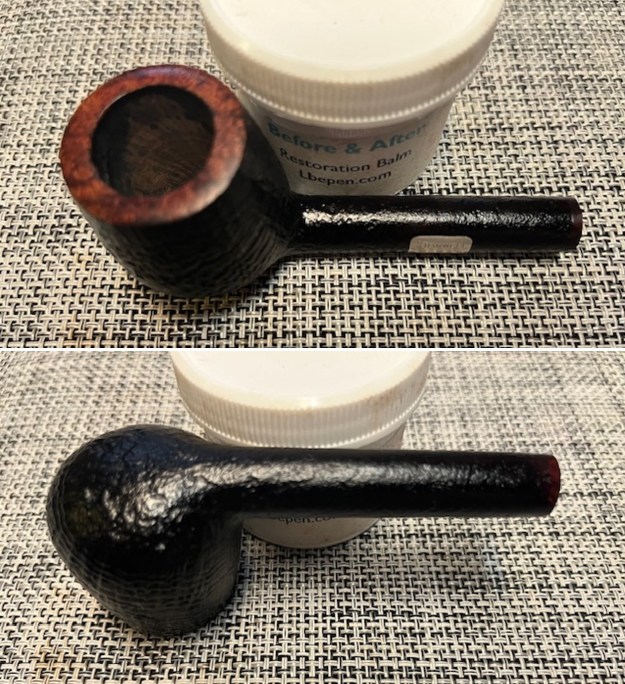
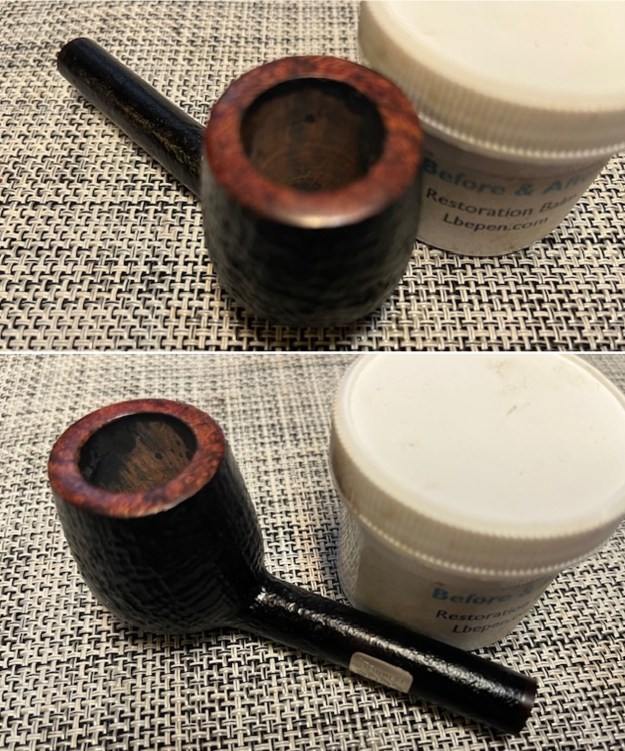
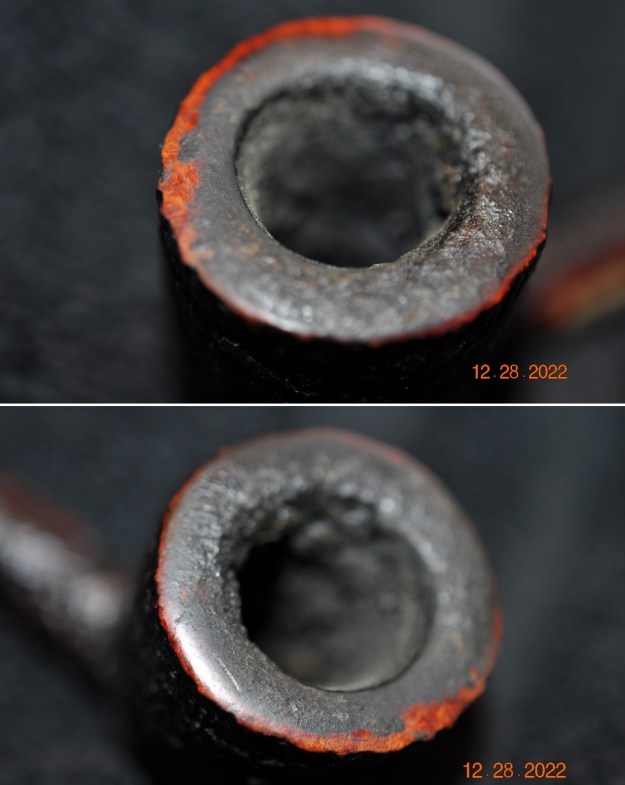
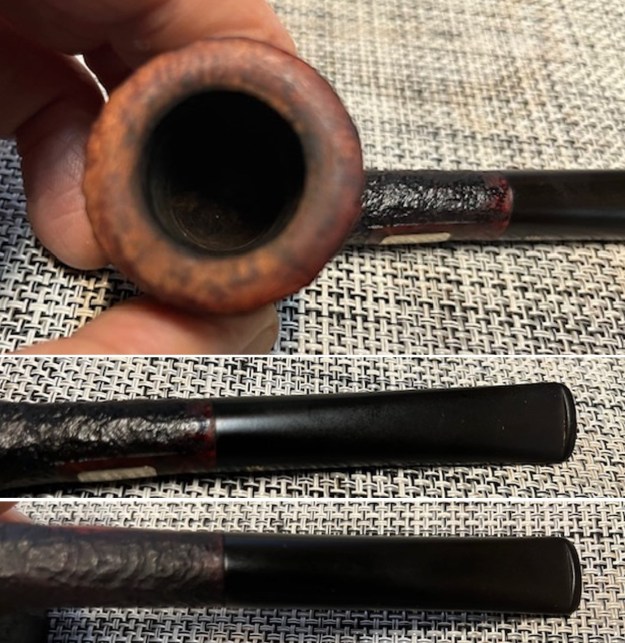
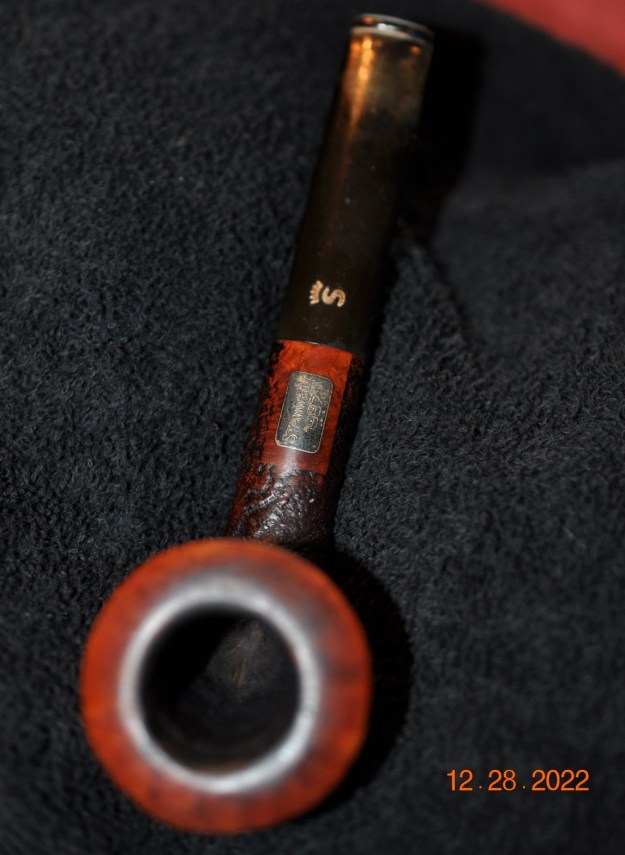
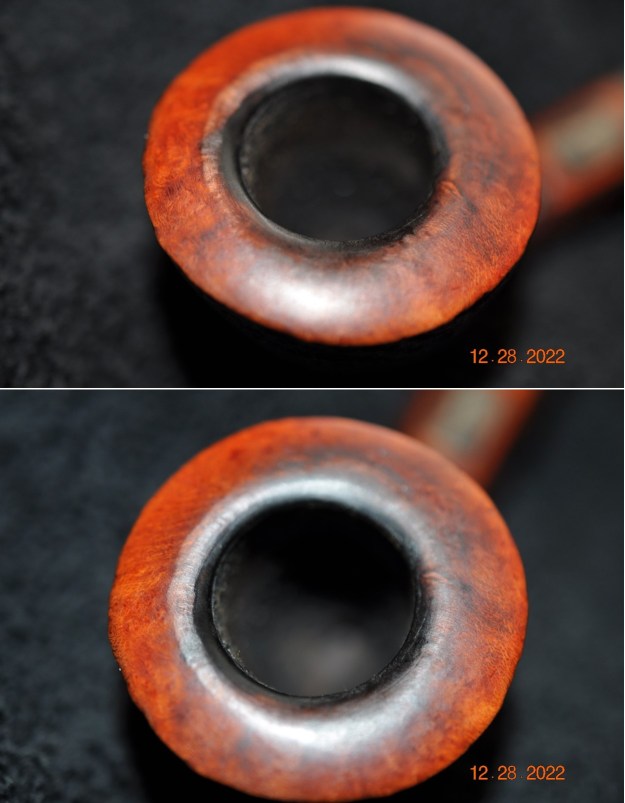
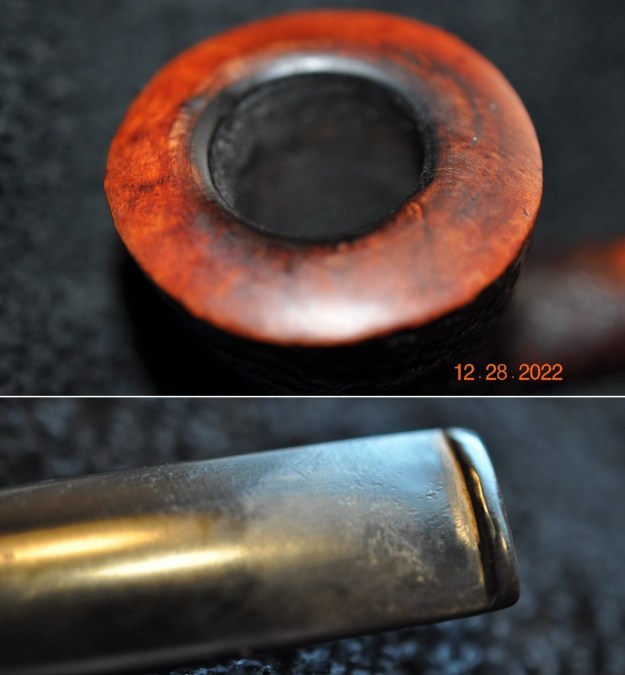
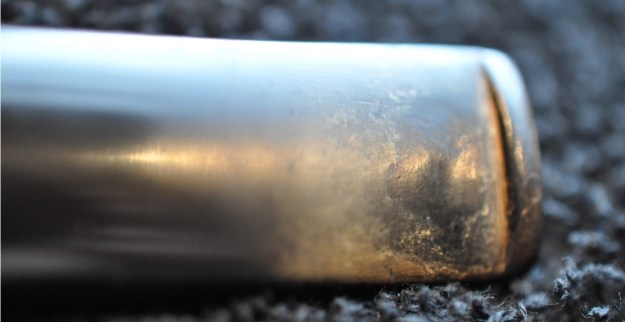
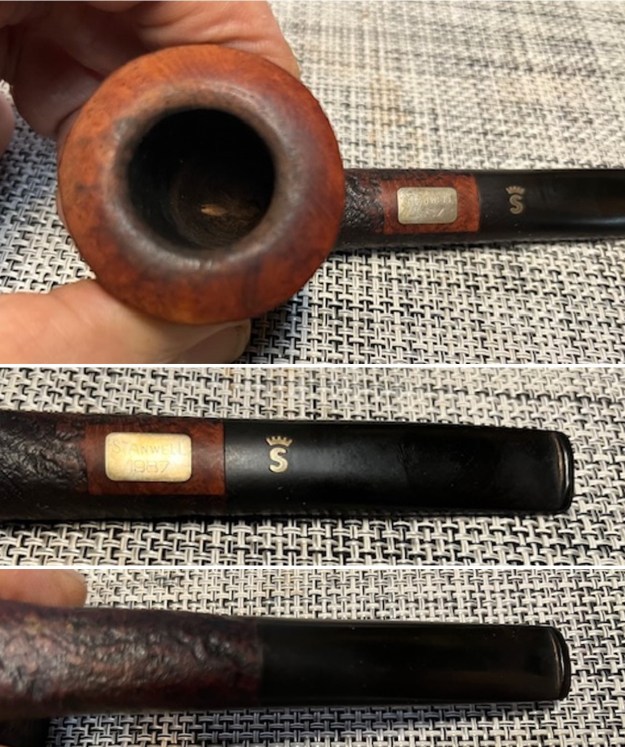
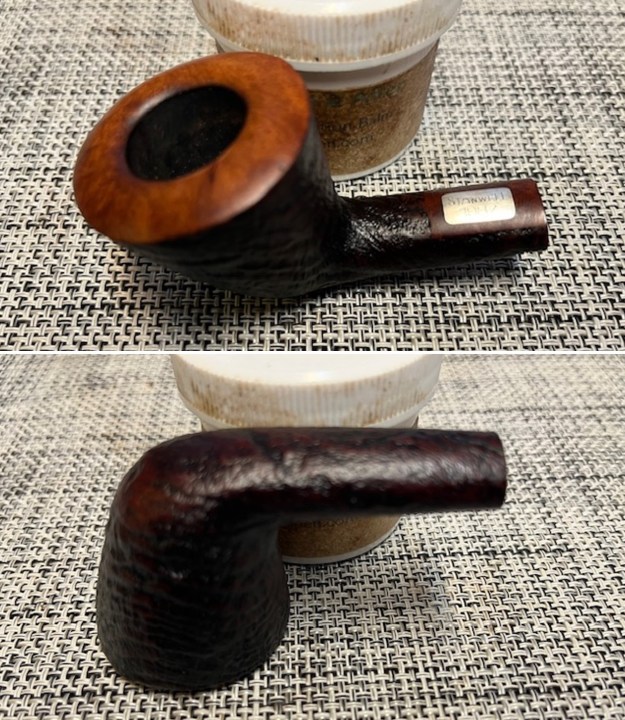
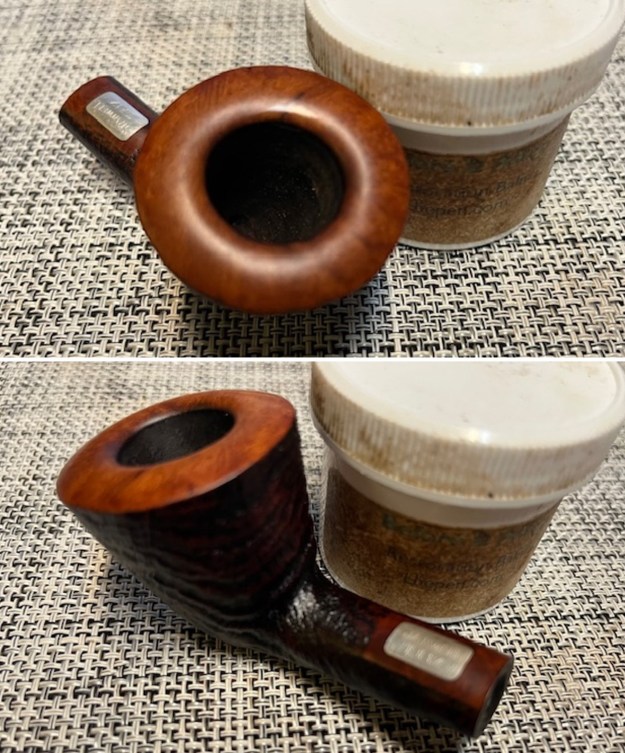
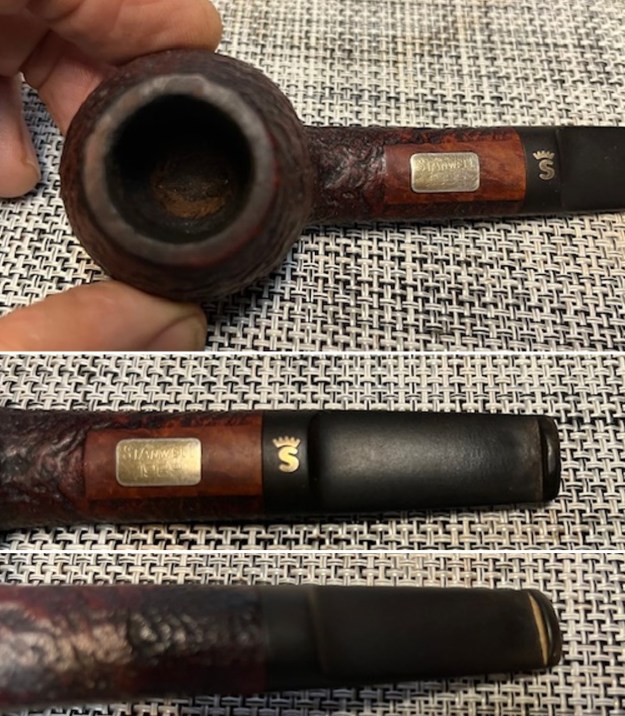
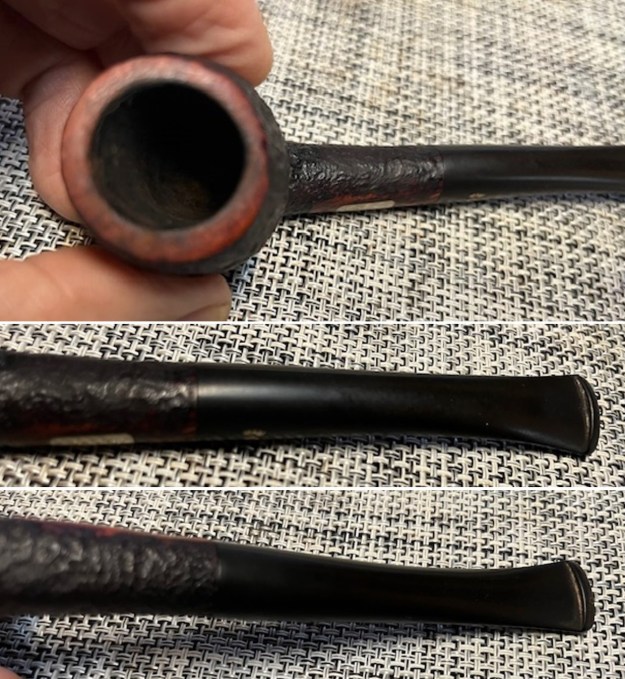
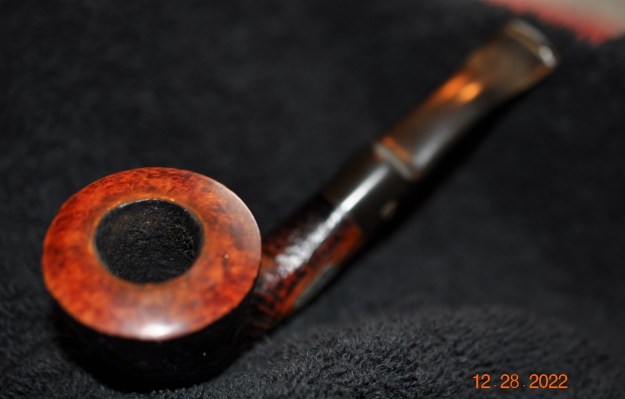
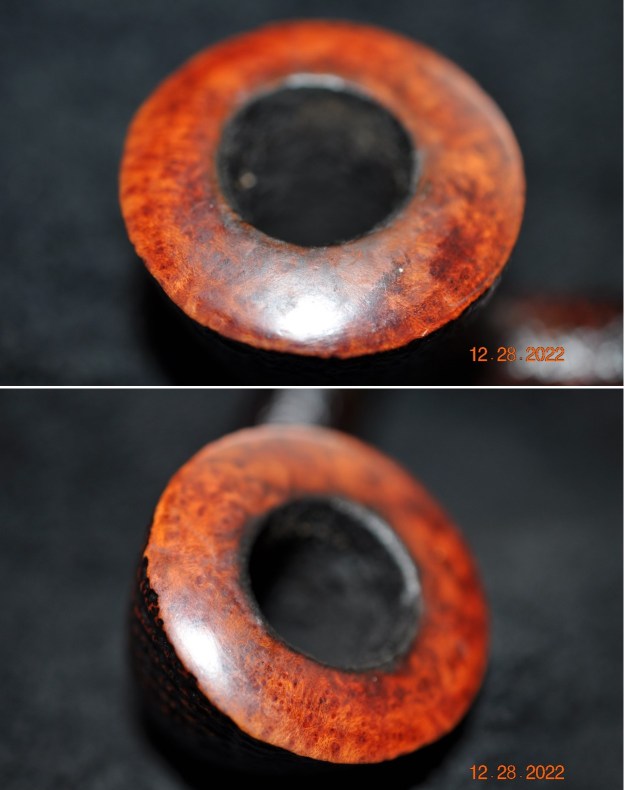
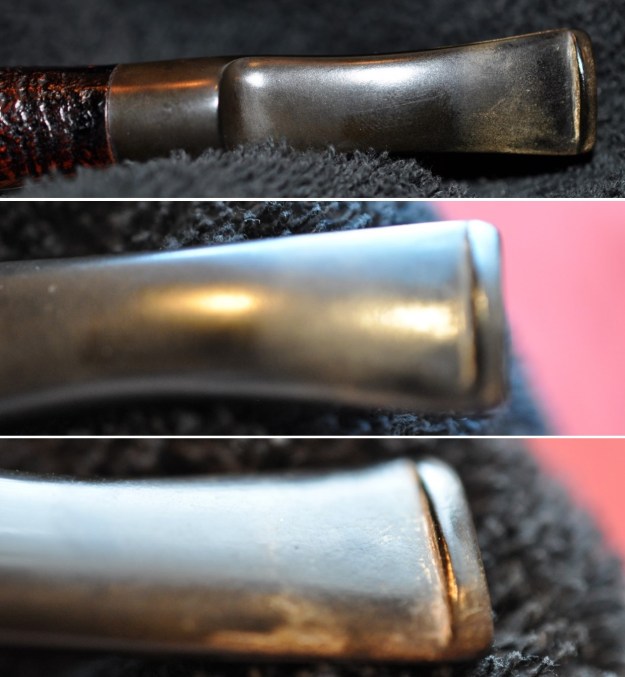
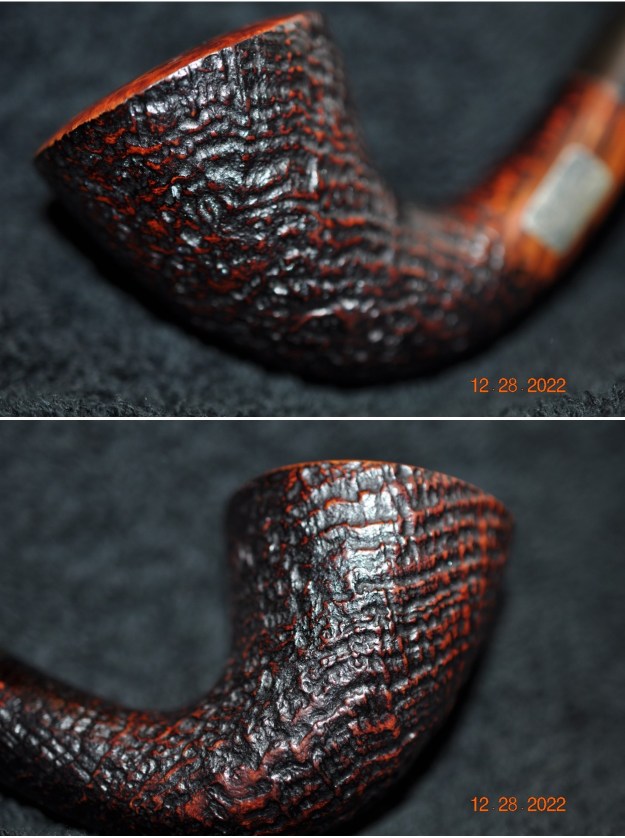
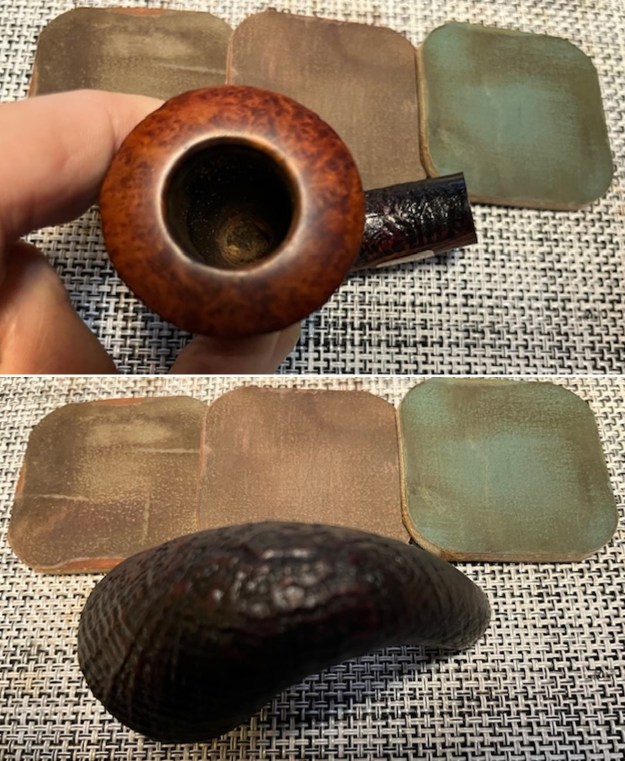
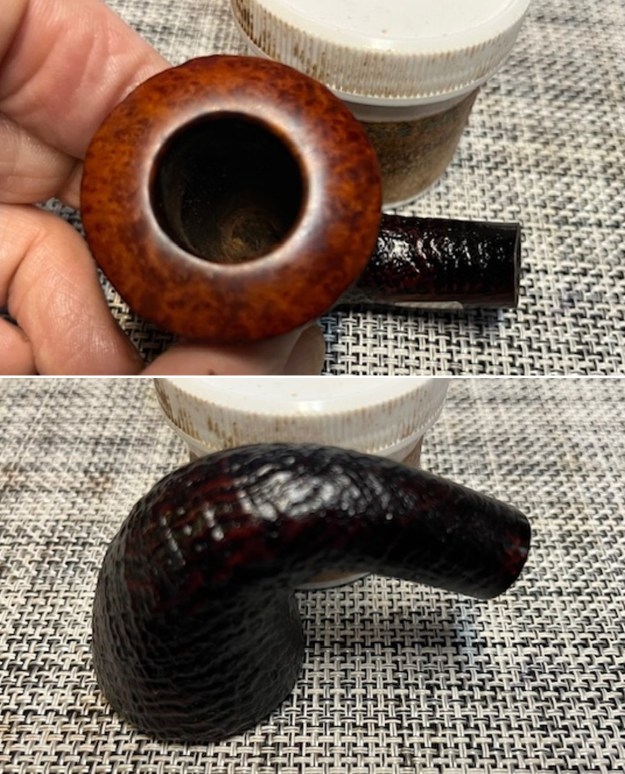
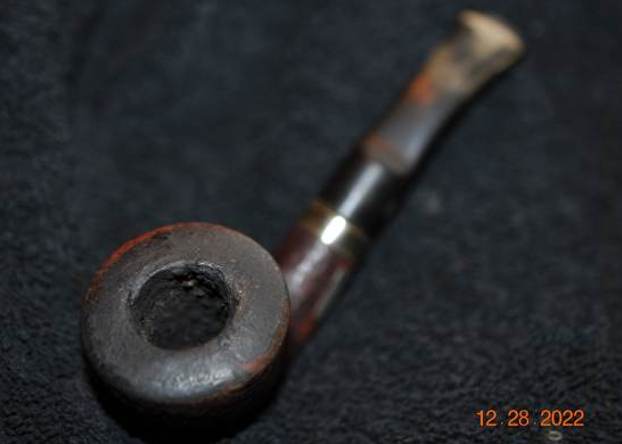
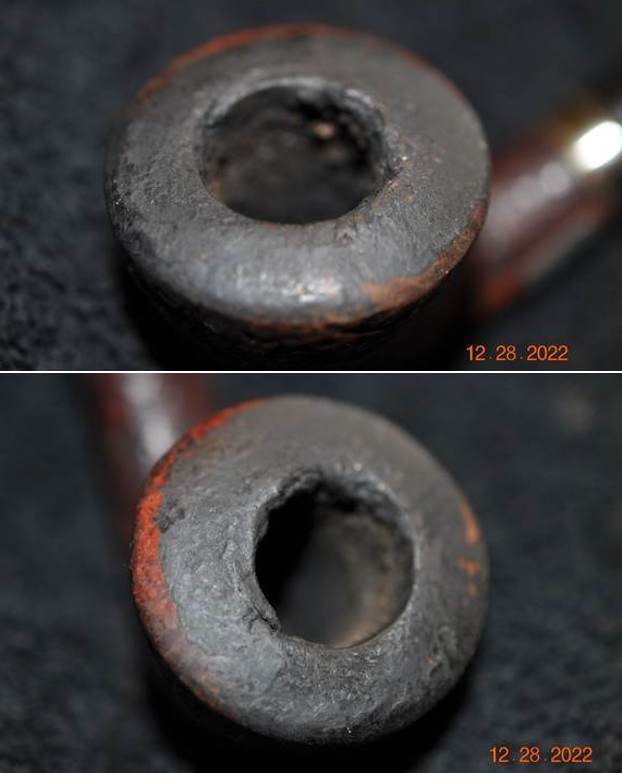
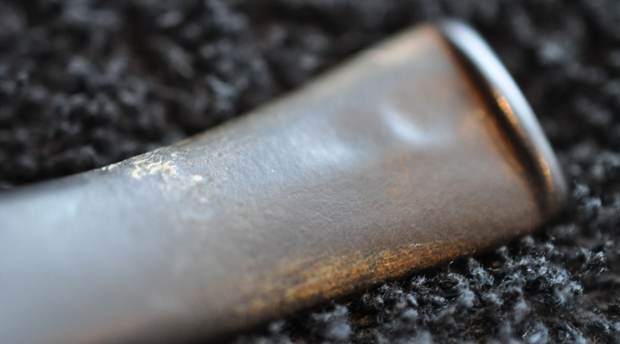
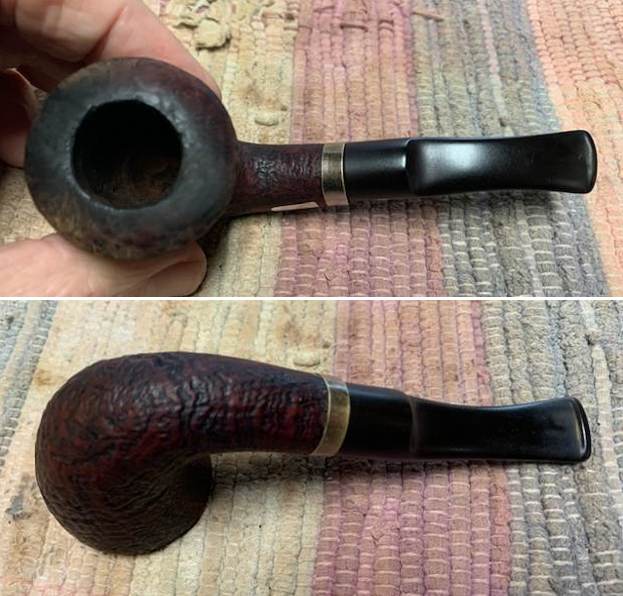
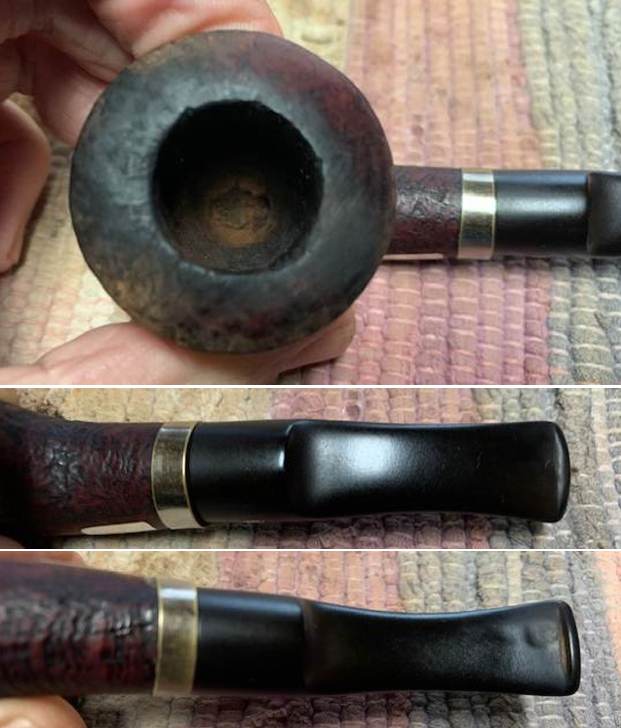
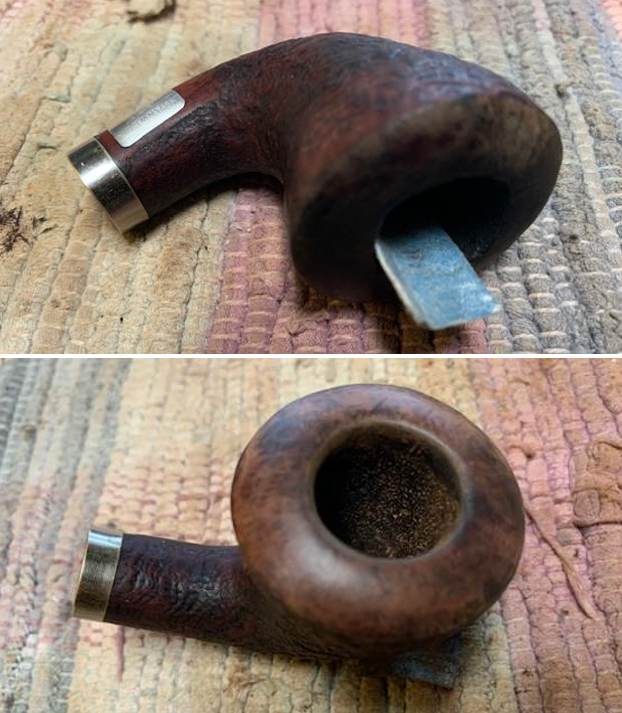
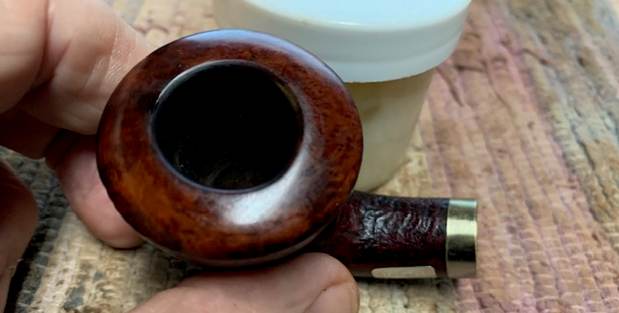
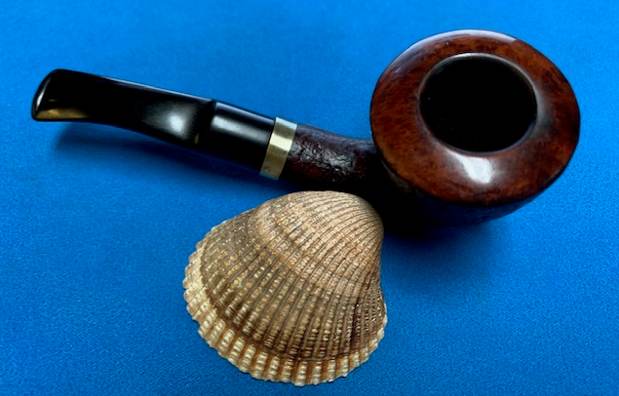
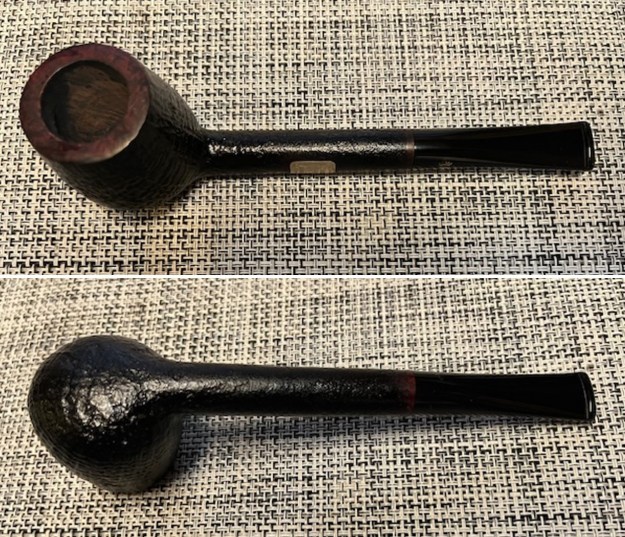 I took photos of the smooth rim top and bowl along with both sides of the vulcanite stem to show the condition of the pipe. It is clearly lightly smoked. The rim top shows some spots of varnish on the surface that gives it a spotty look.
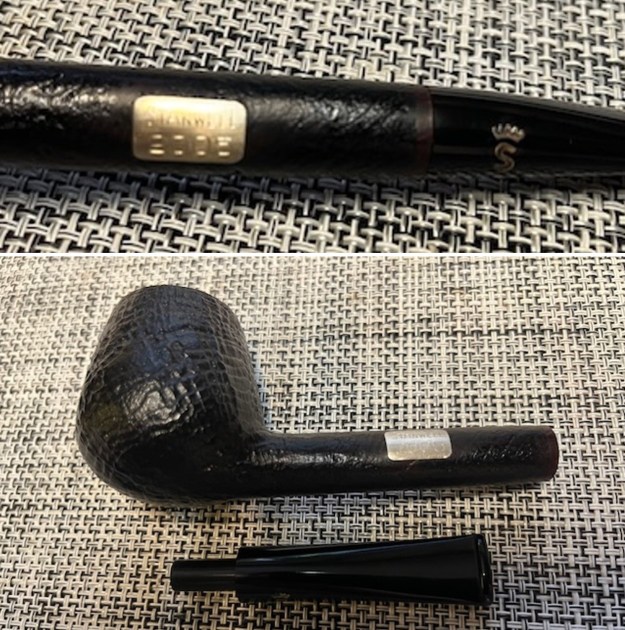
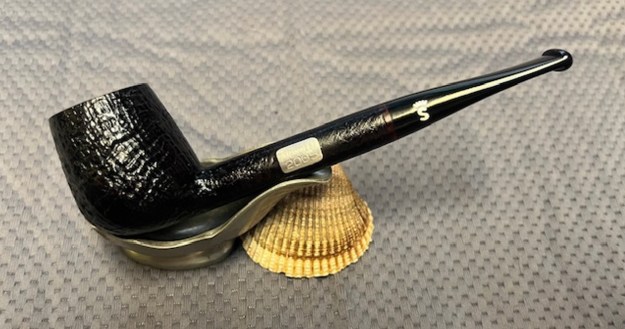
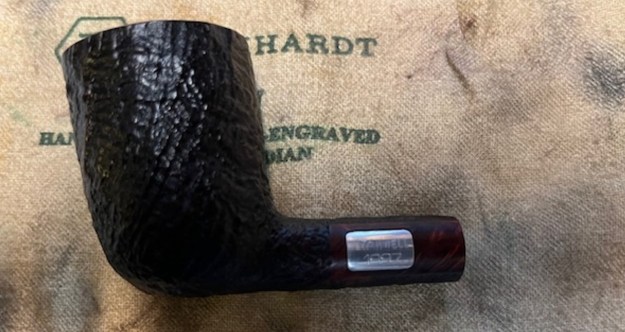
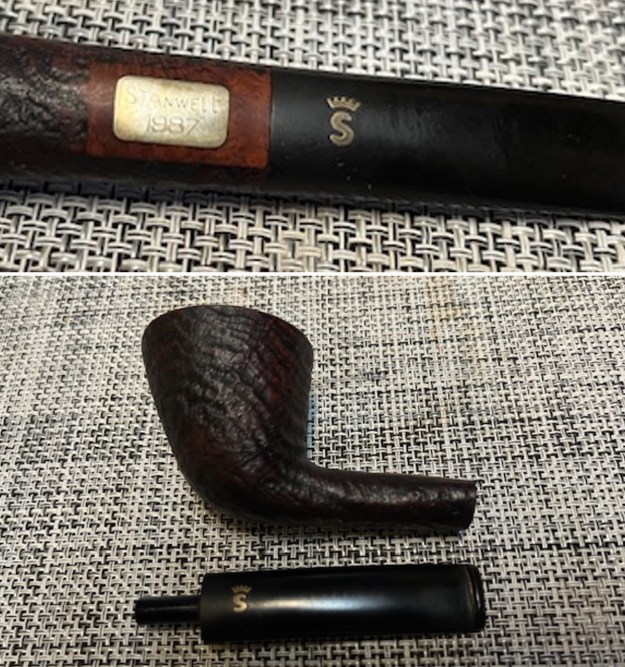
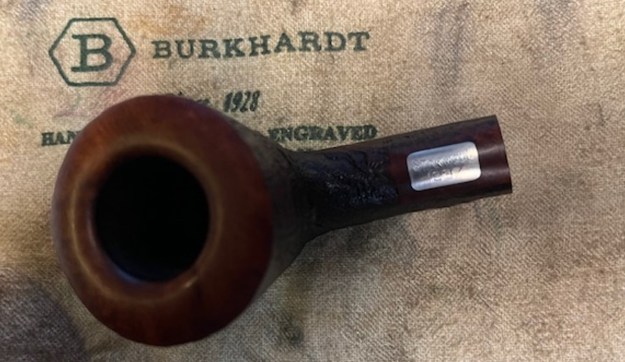
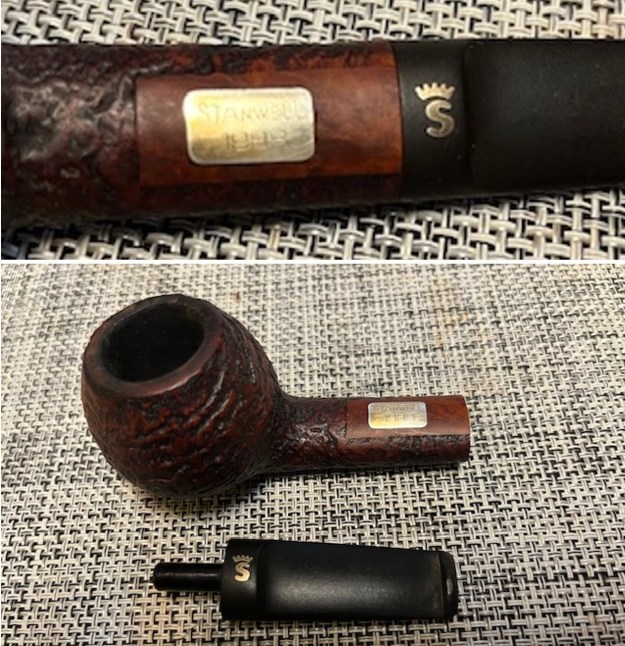
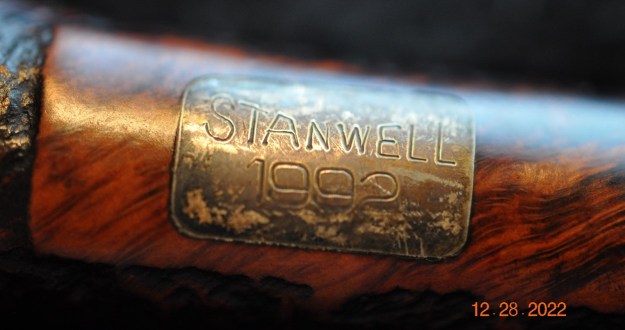
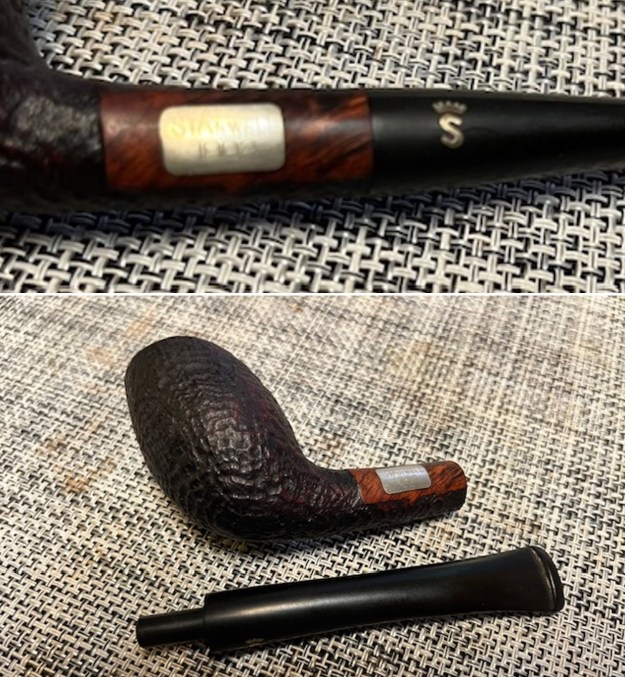
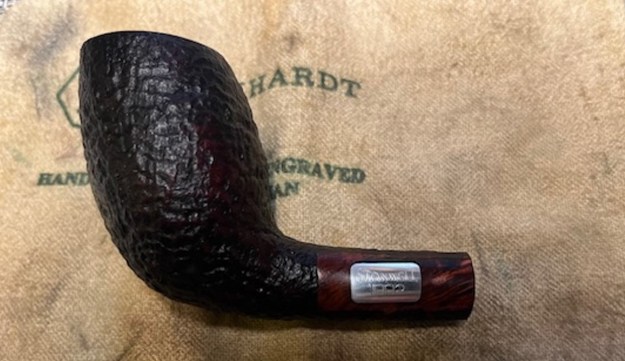
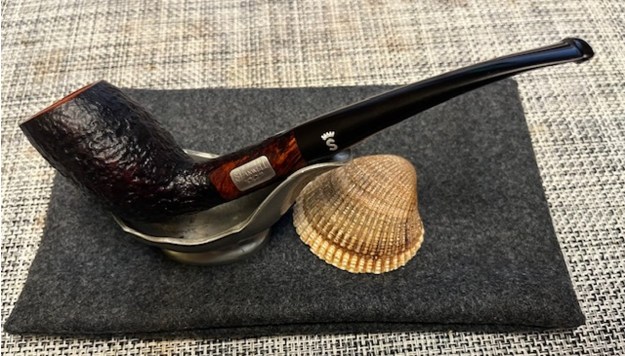
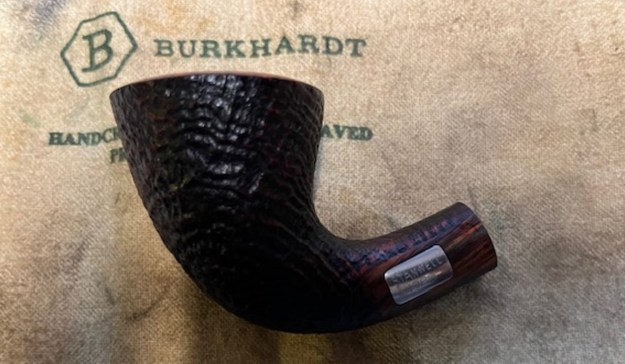
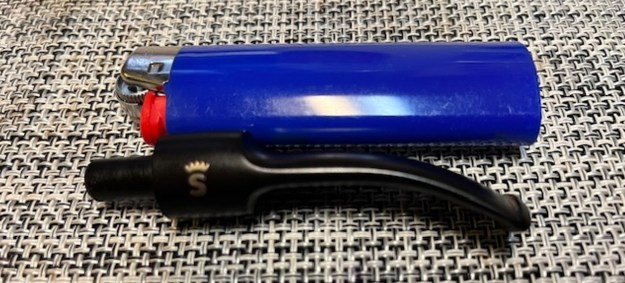
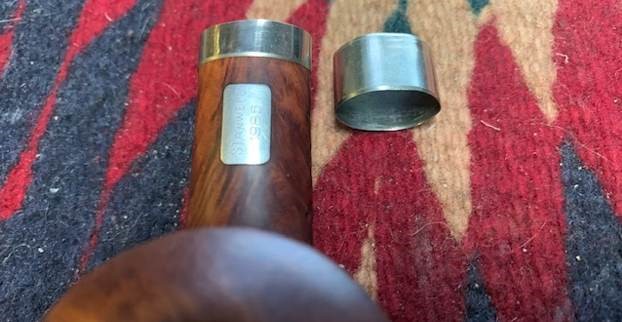
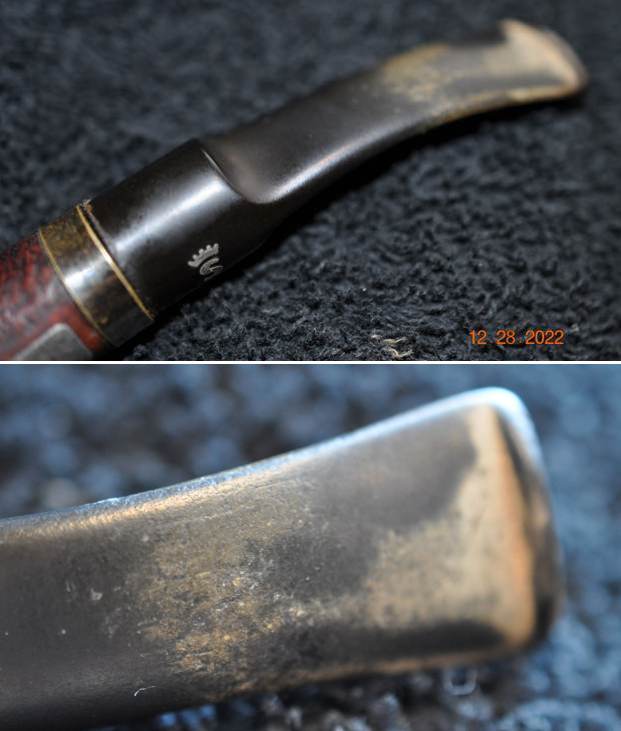
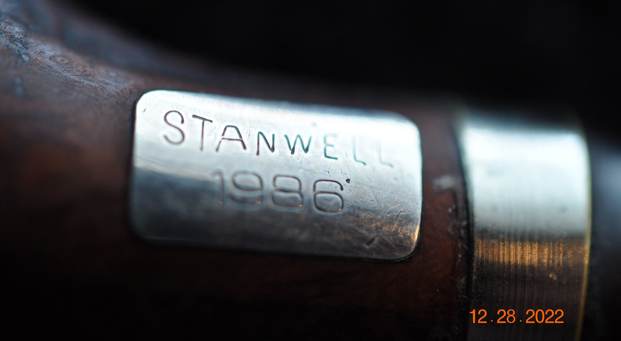
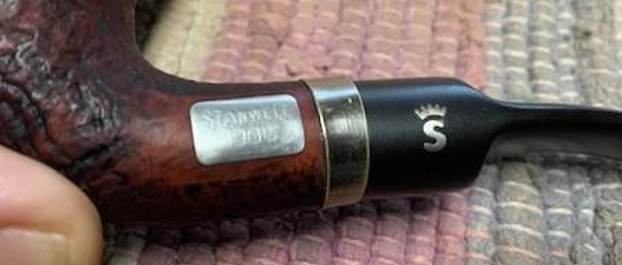
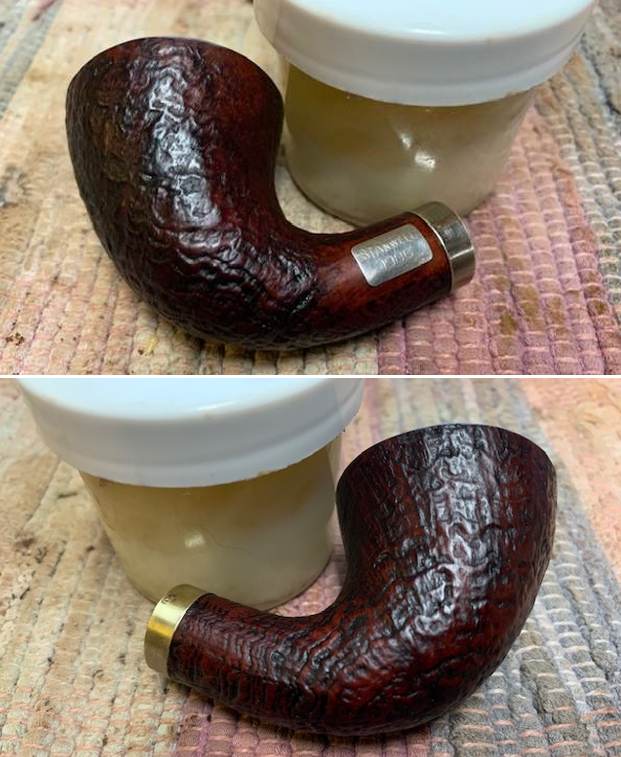
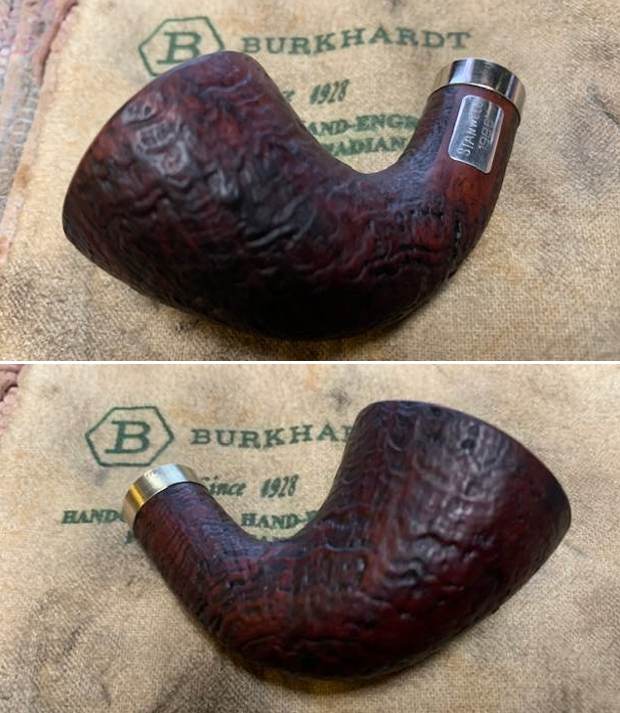
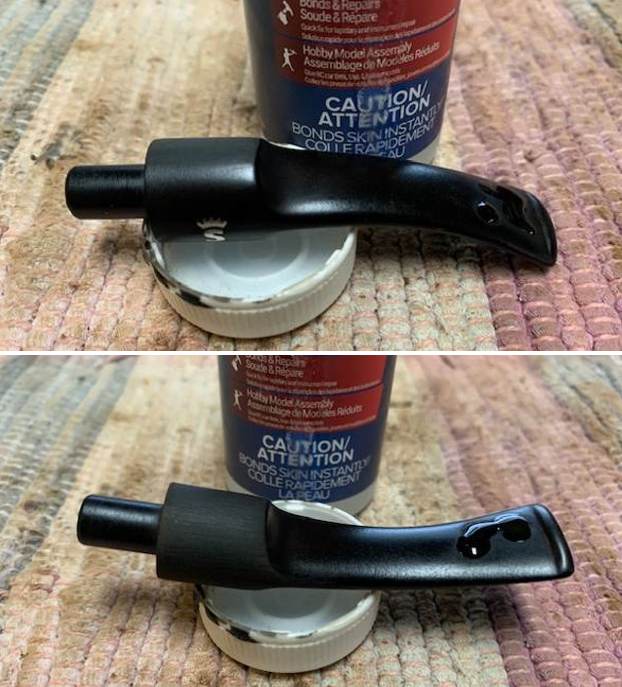
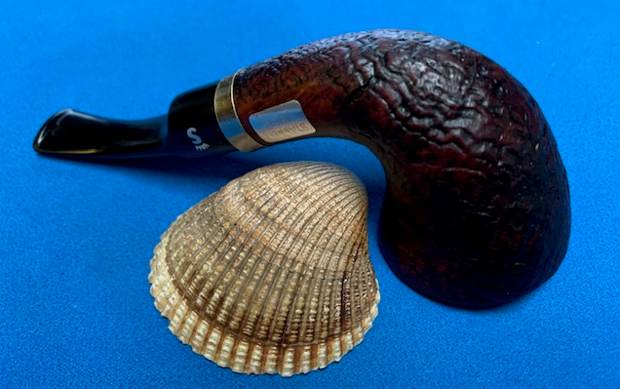
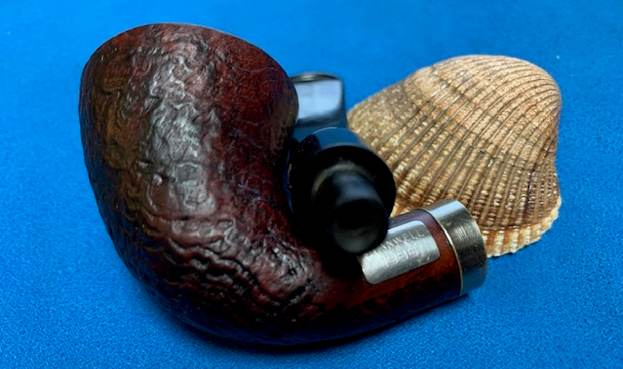
 I took a photo to try to capture the silver plaque on the side of the shank giving the 2005 date. There is also a silver Crown S on the left side of the taper stem.
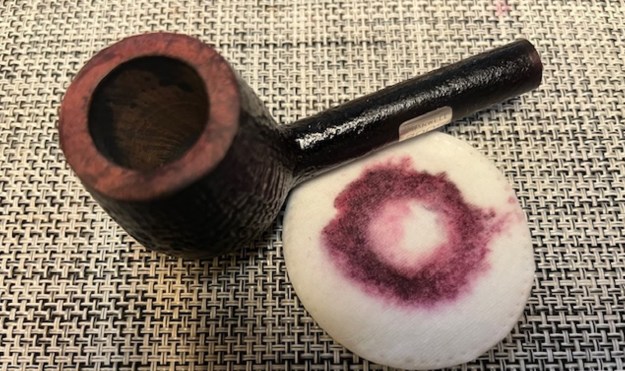
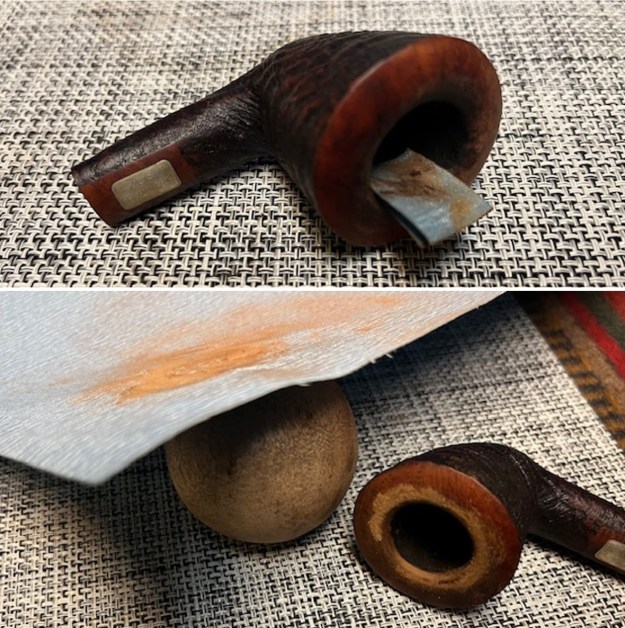
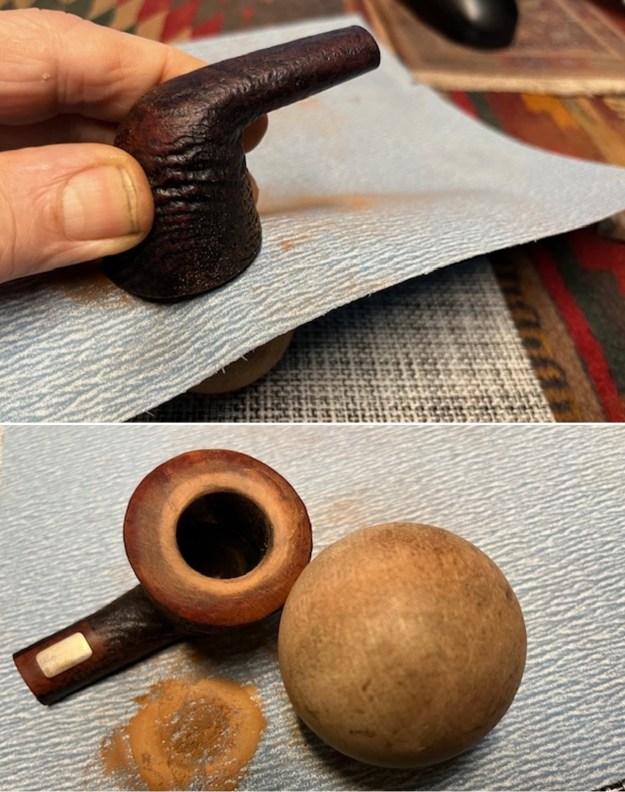
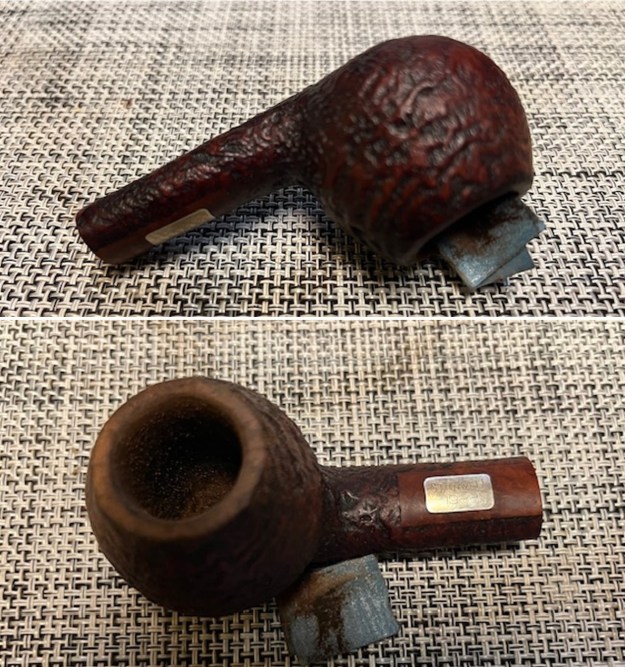
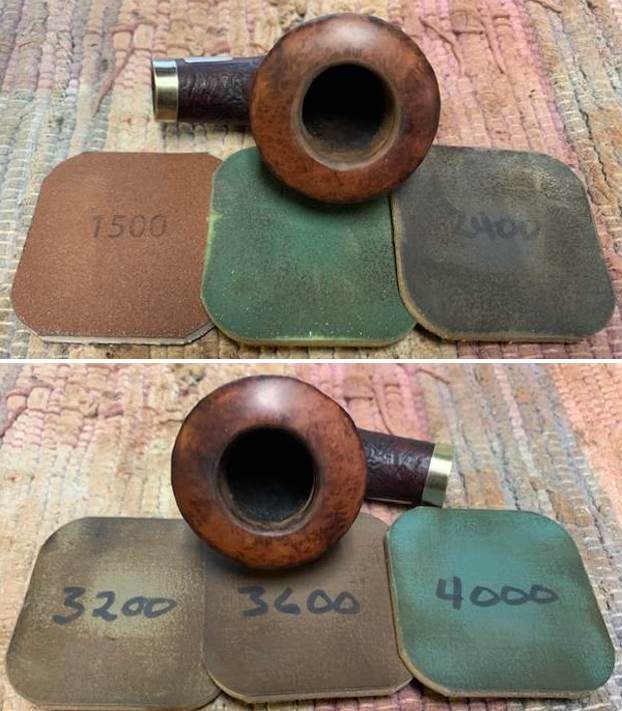
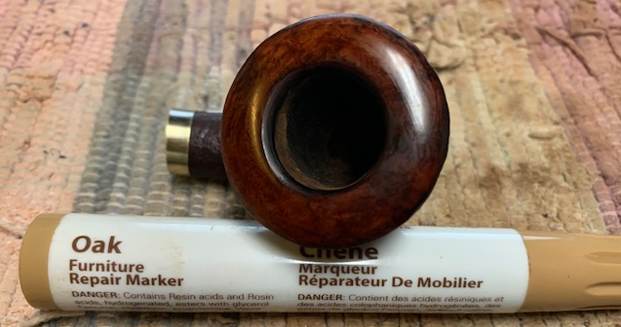
 I started working on the rim top by removing the spotty varnish coat with some acetone on a cotton pad. It was easily removed and certainly looked better afterwards.
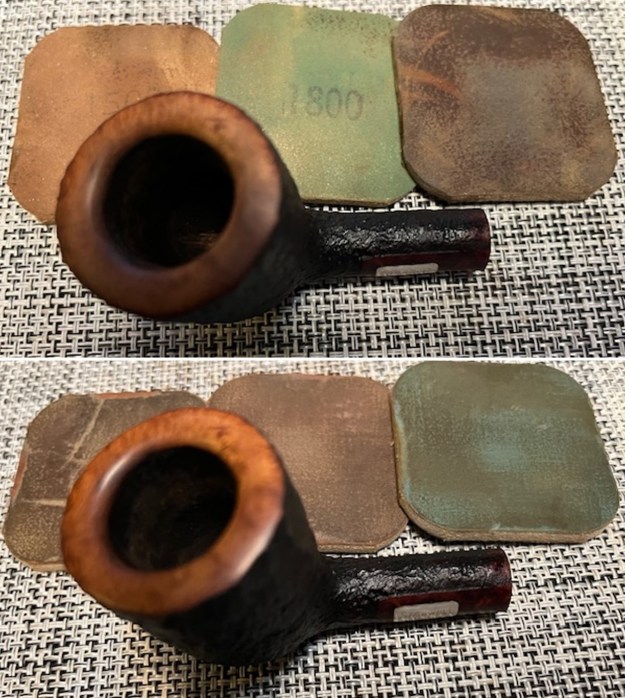
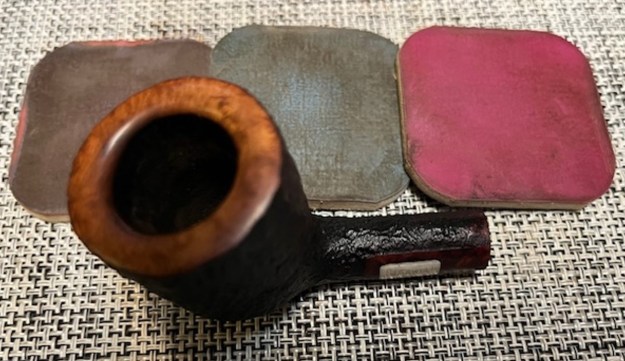
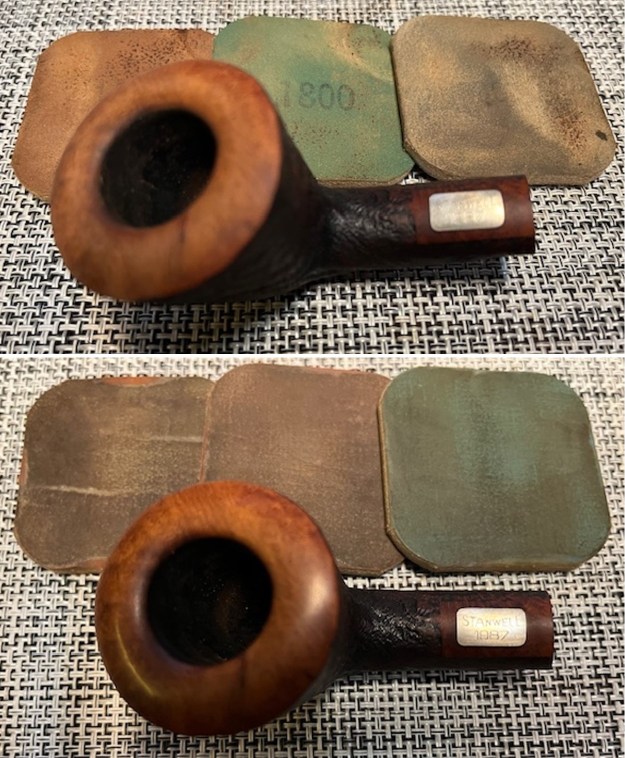
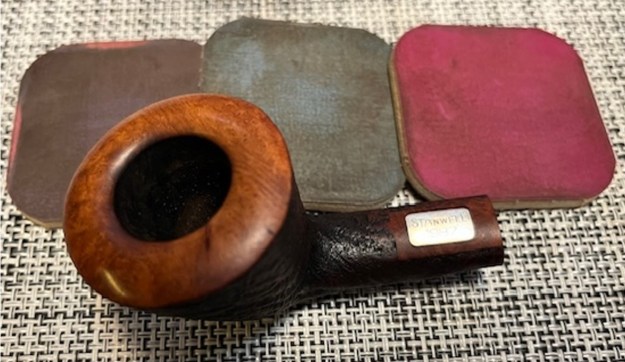
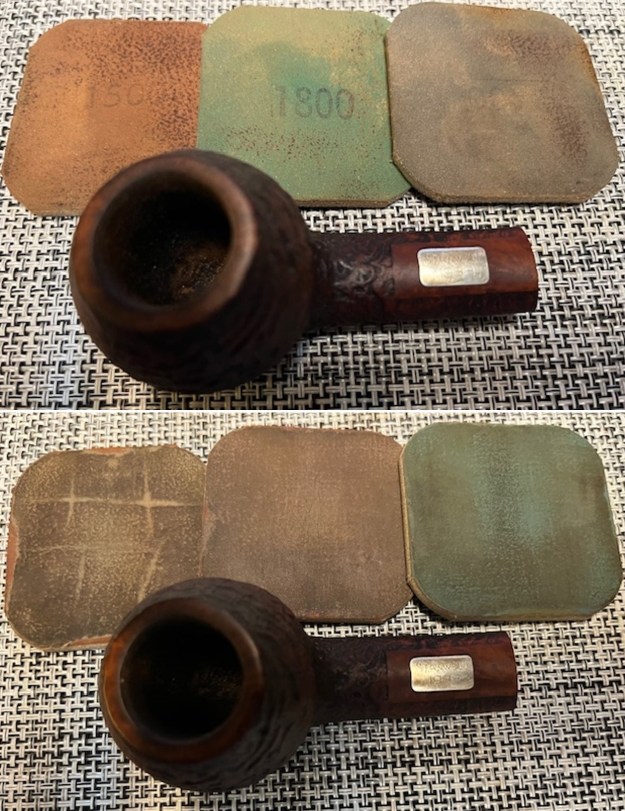
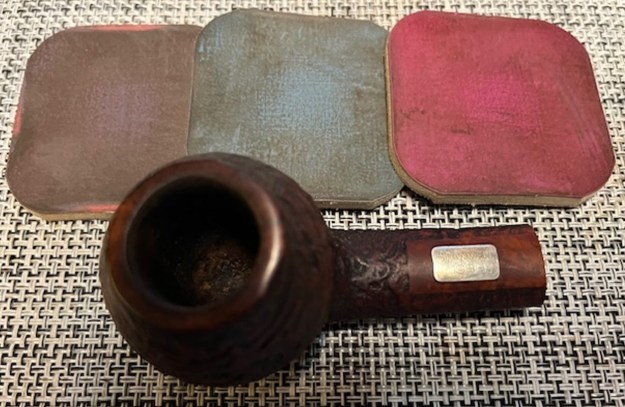
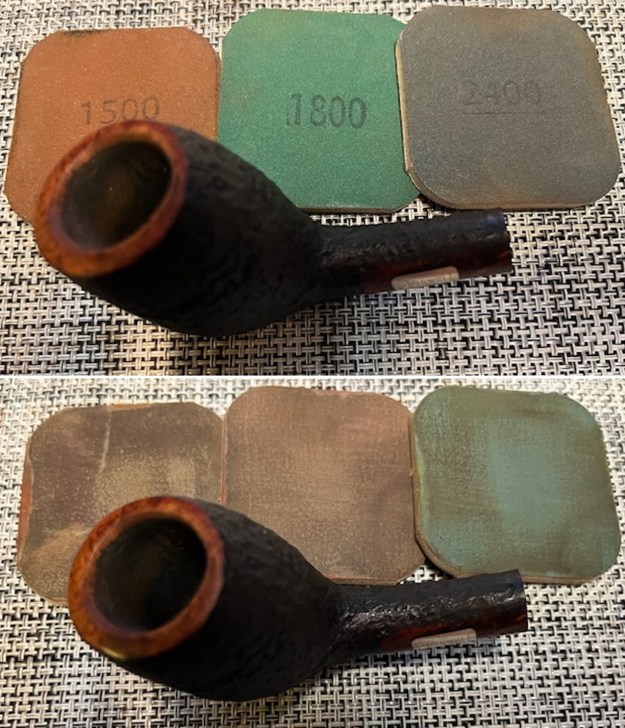
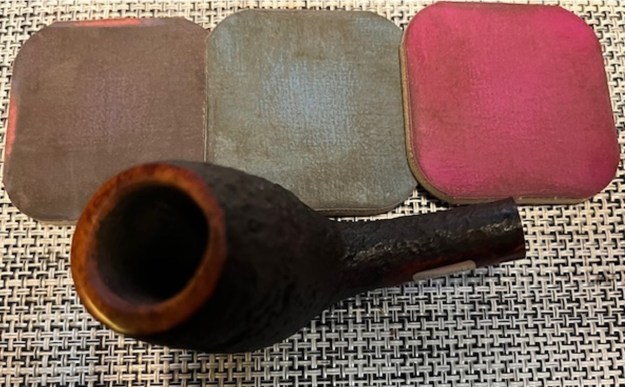
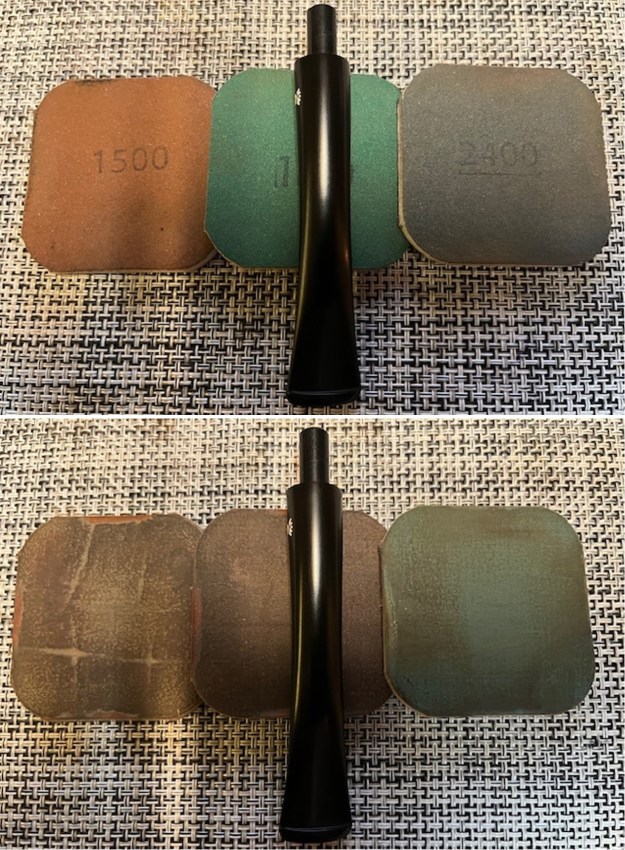
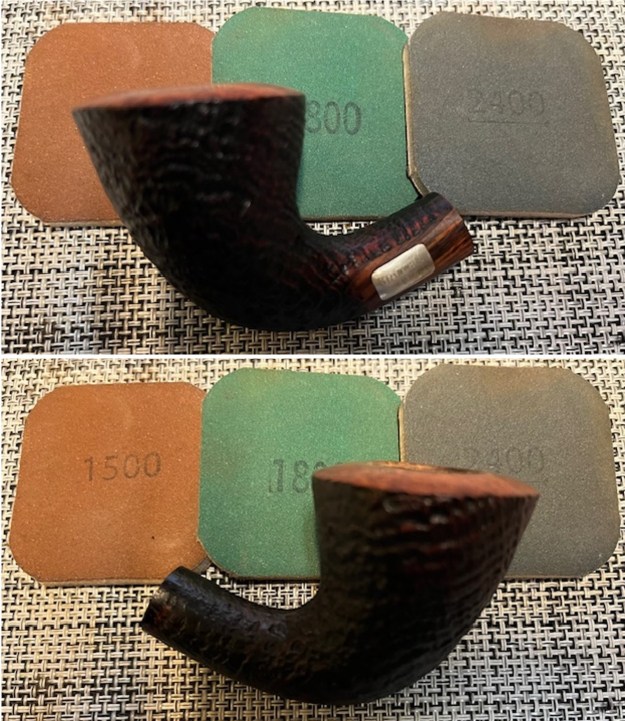
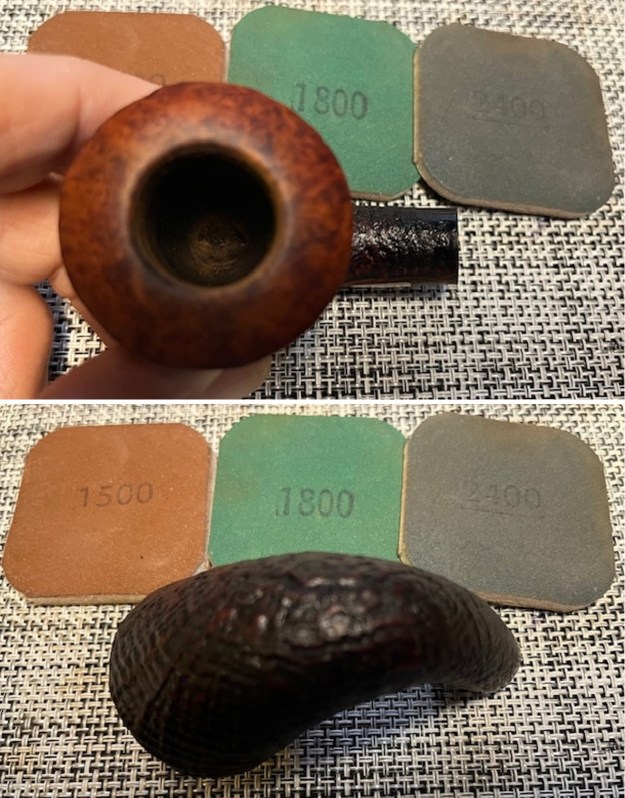
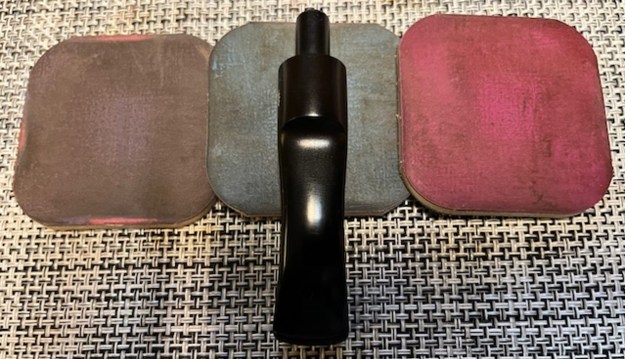
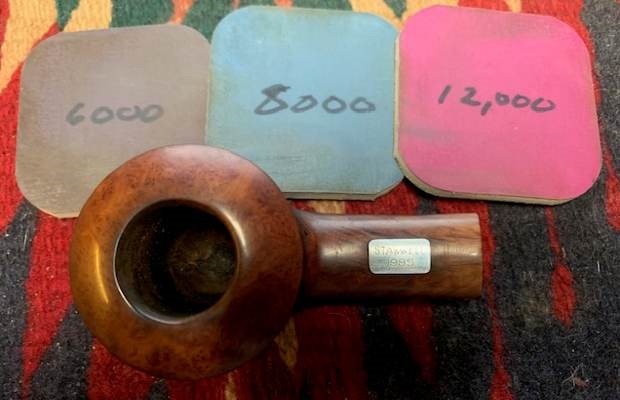
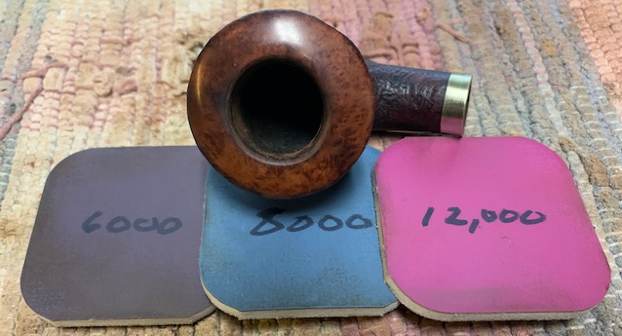
 I polished the rim top with micromesh sanding pads – dry sanding with 1500-12000 grit pads. I wiped down the rim top with a damp cloth after each sanding pad.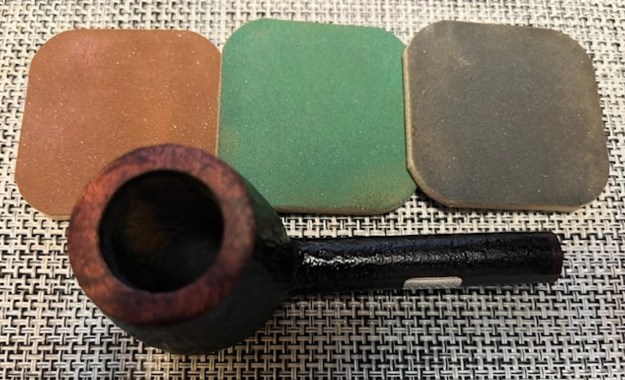
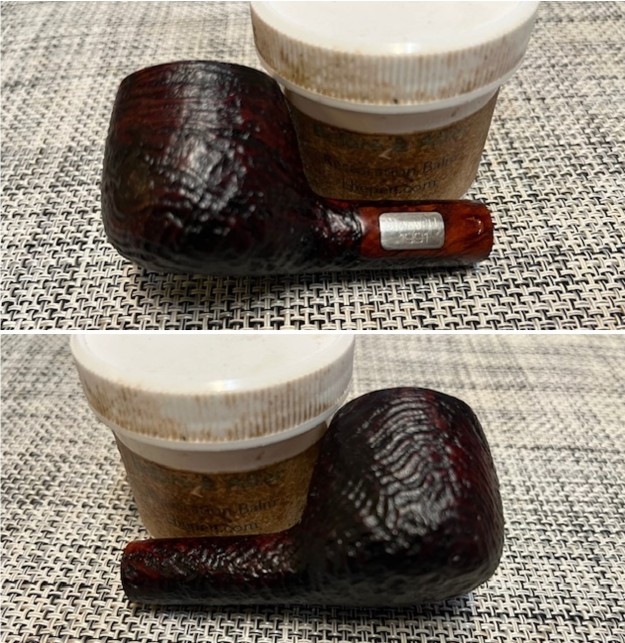
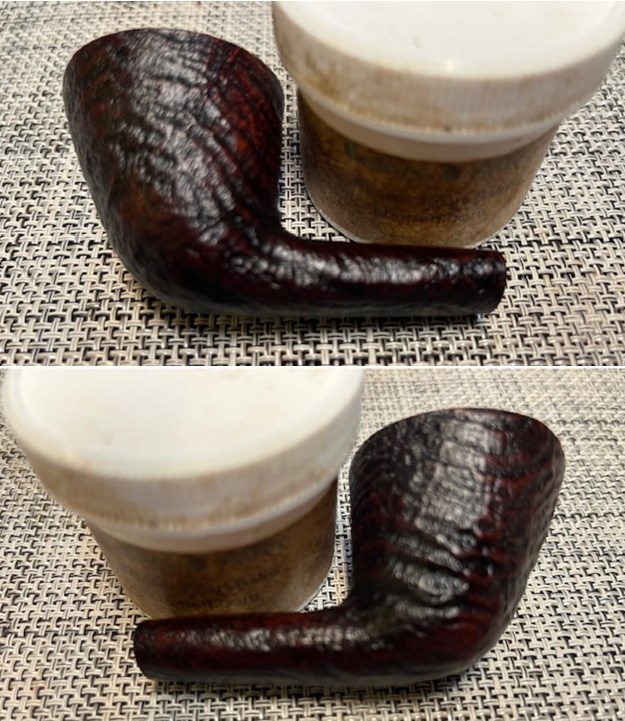
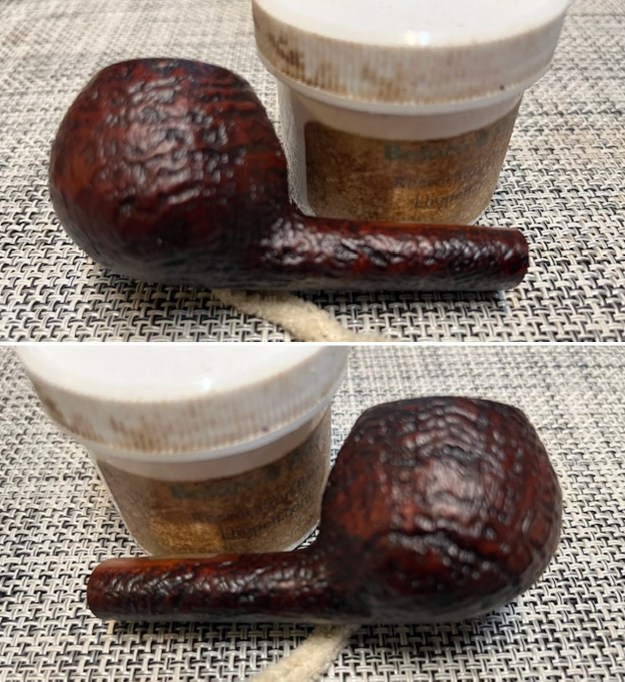
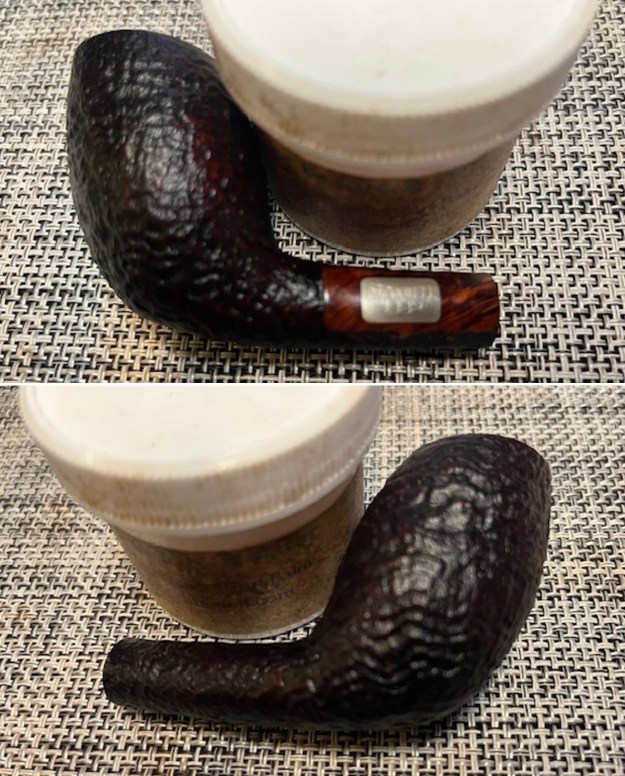
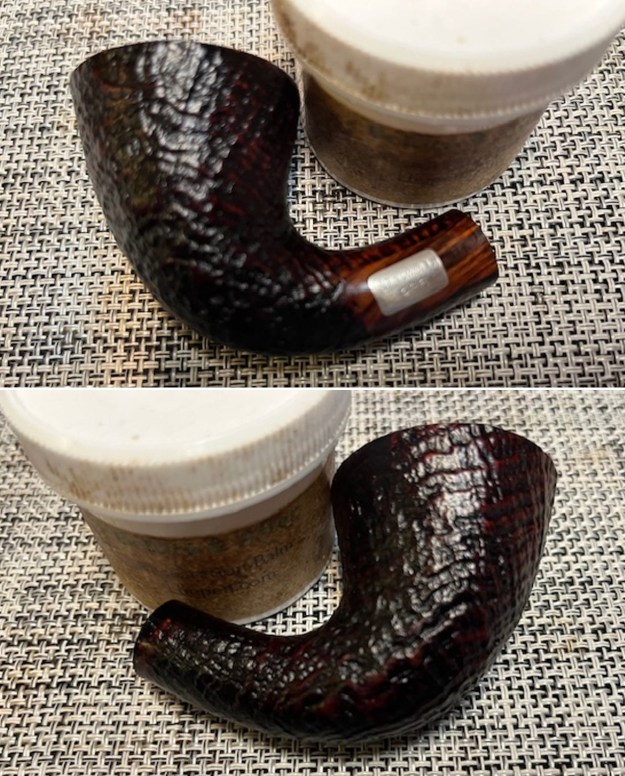
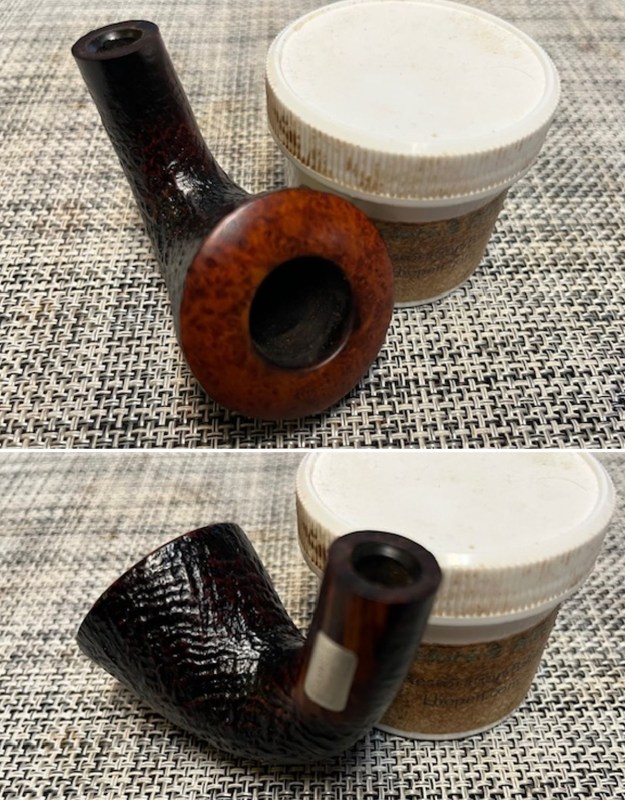
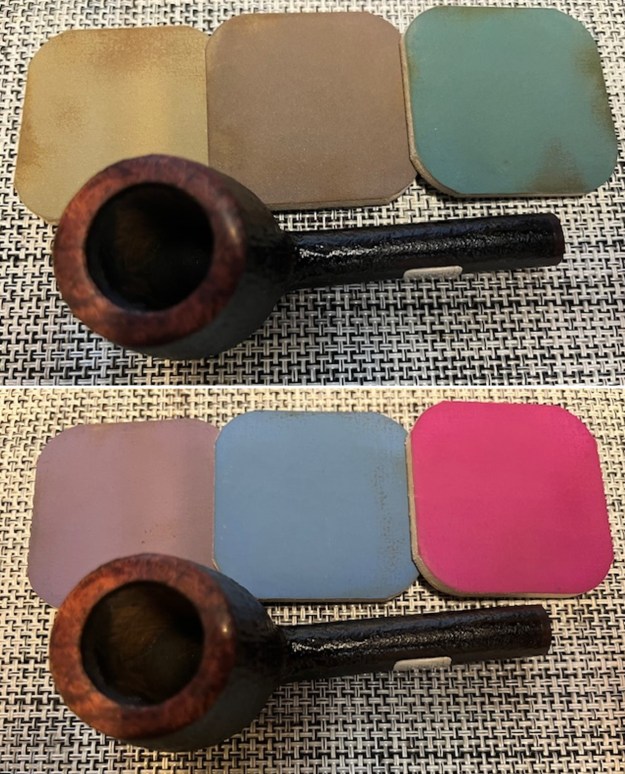 The bowl was in excellent condition so skipped ahead to applying the Balm to the briar. I rubbed the briar down with Before & After Restoration Balm. I worked it into the briar with my fingertips and a horsehair shoe brush to work it into the nooks and crannies of the sandblast finish. The product works to clean, enliven and preserve the briar. I let it sit for 10 minutes then I buffed it with a cotton cloth to deepen the shine. The briar really comes alive with the balm.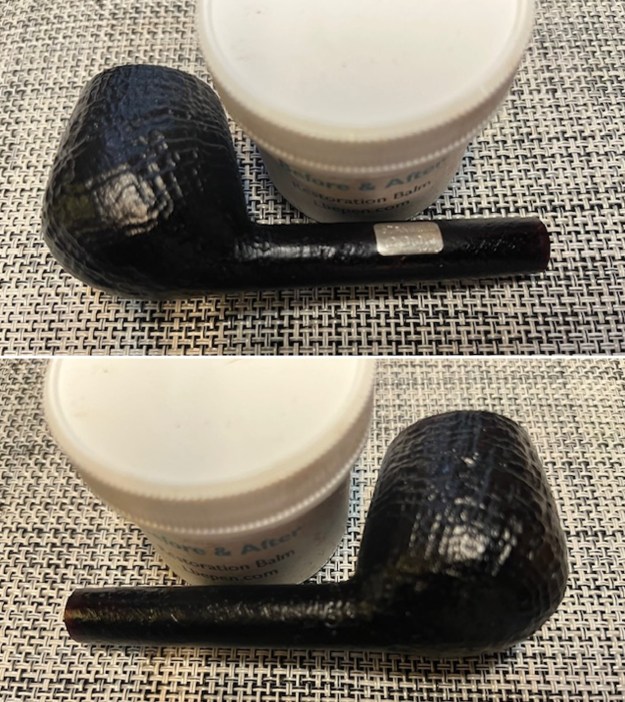
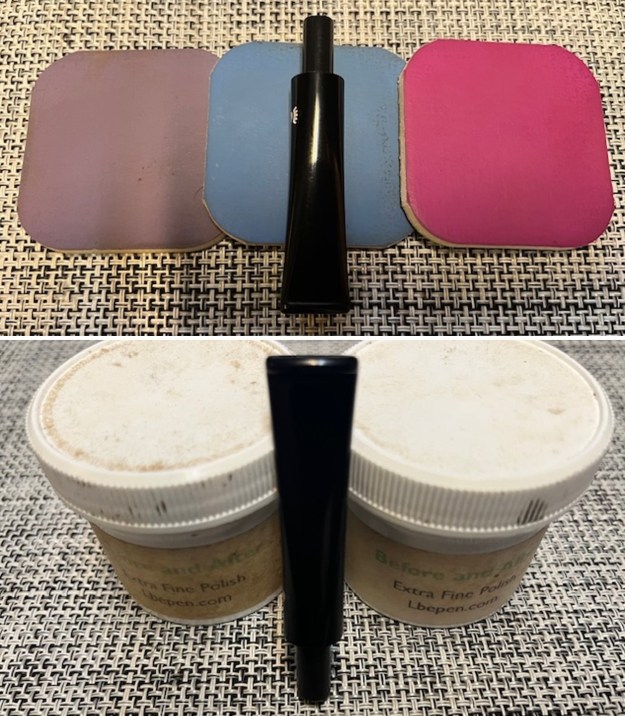
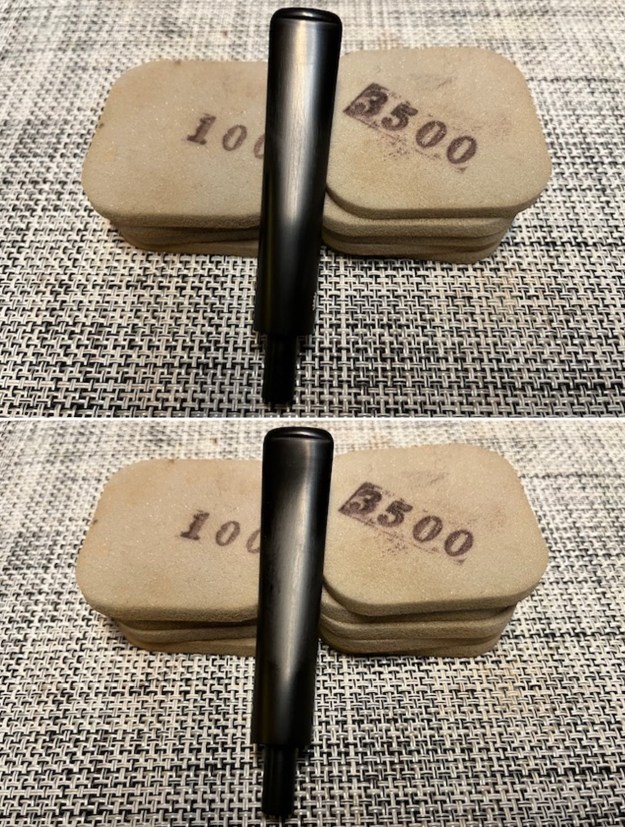
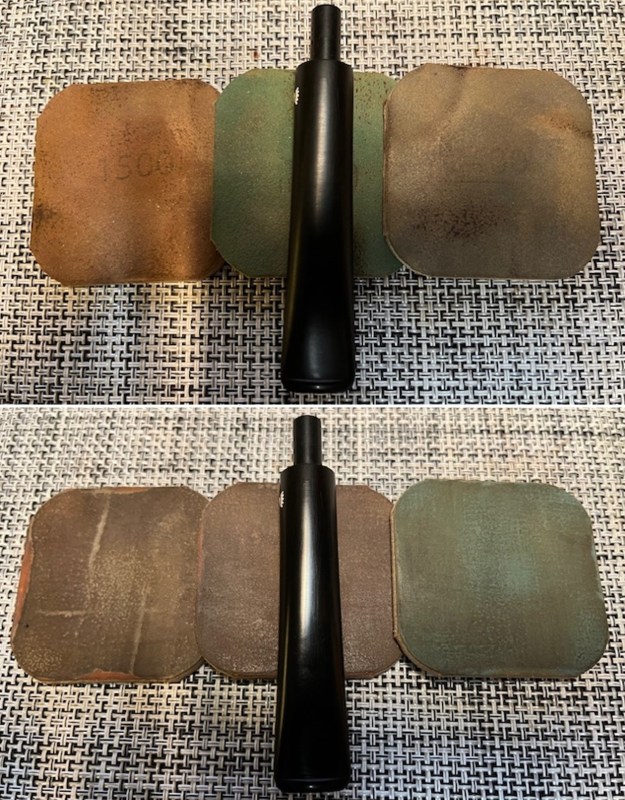
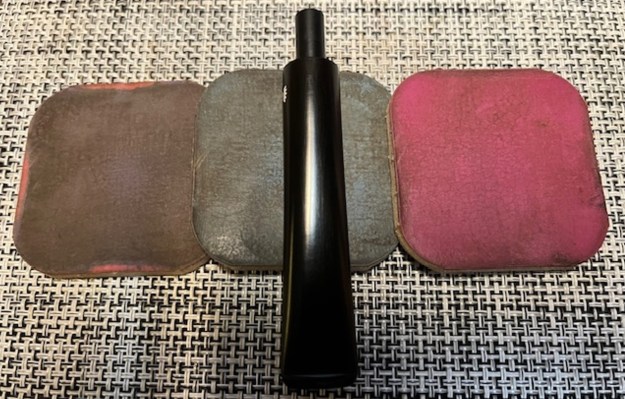
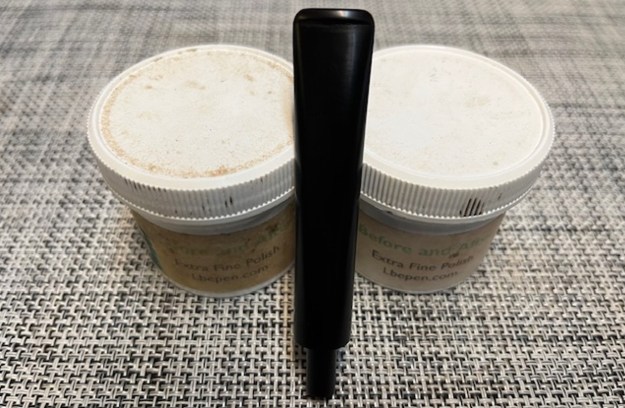
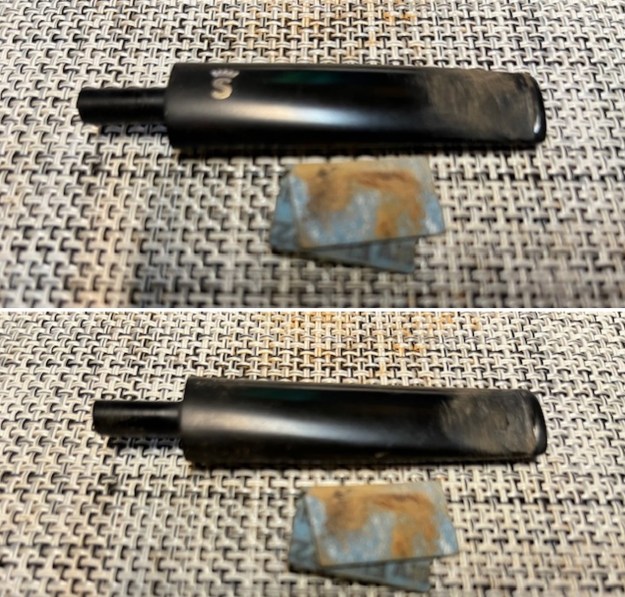
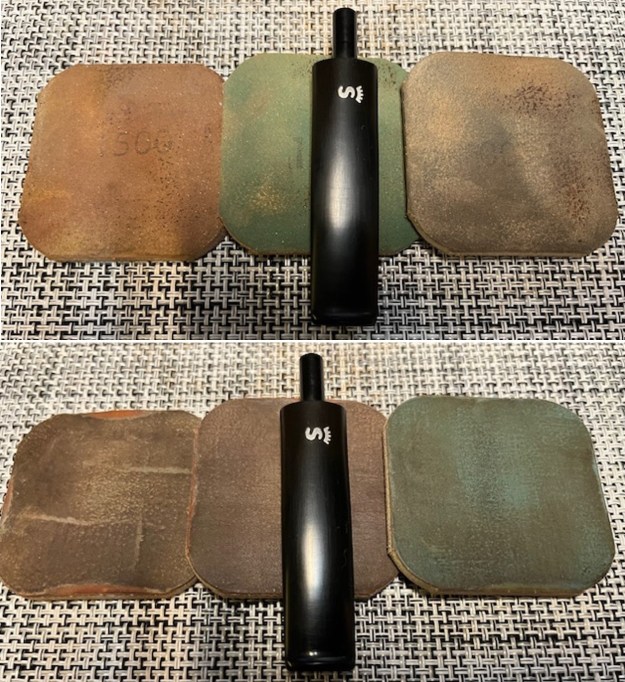
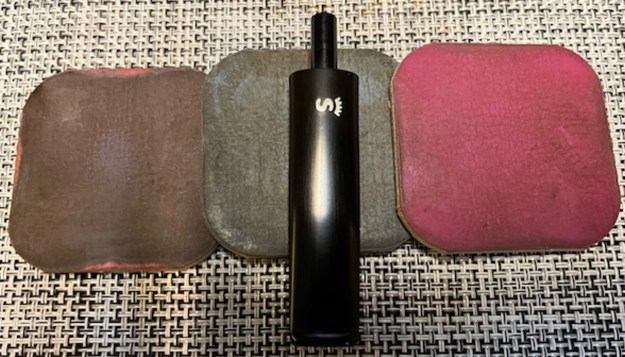
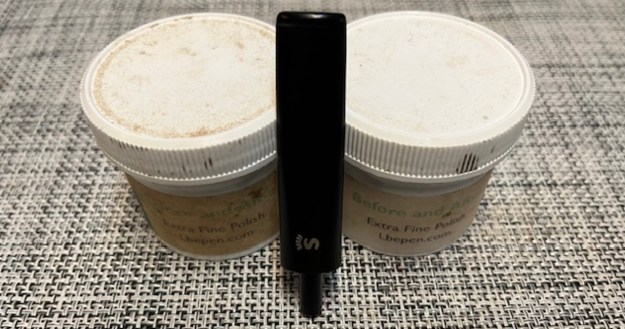
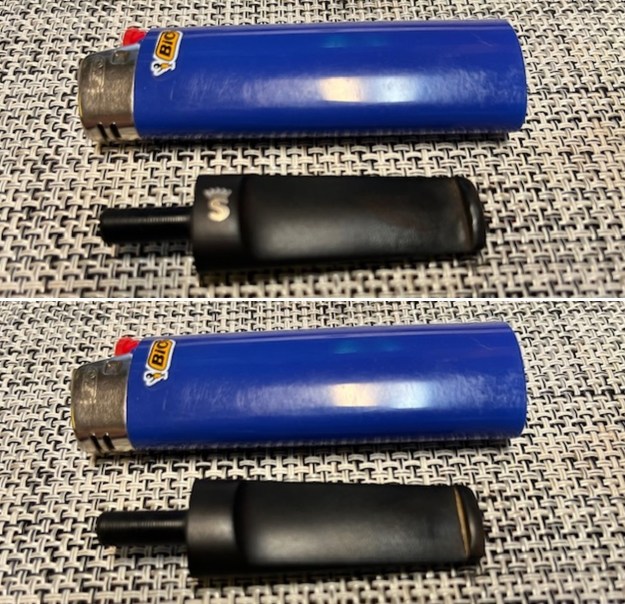
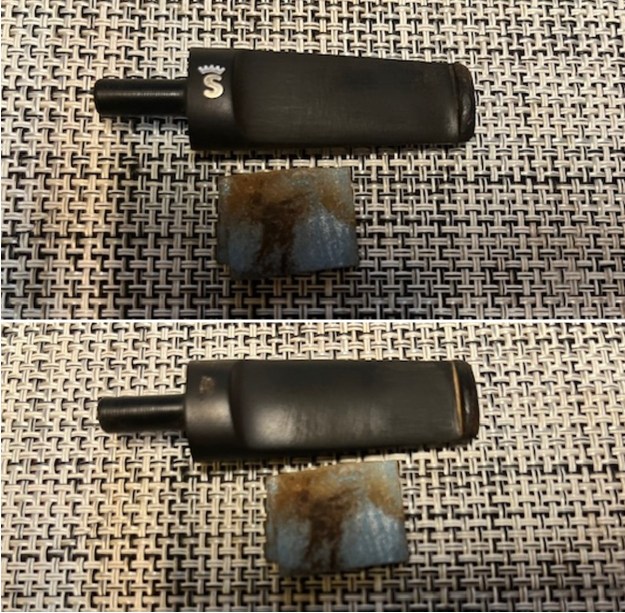
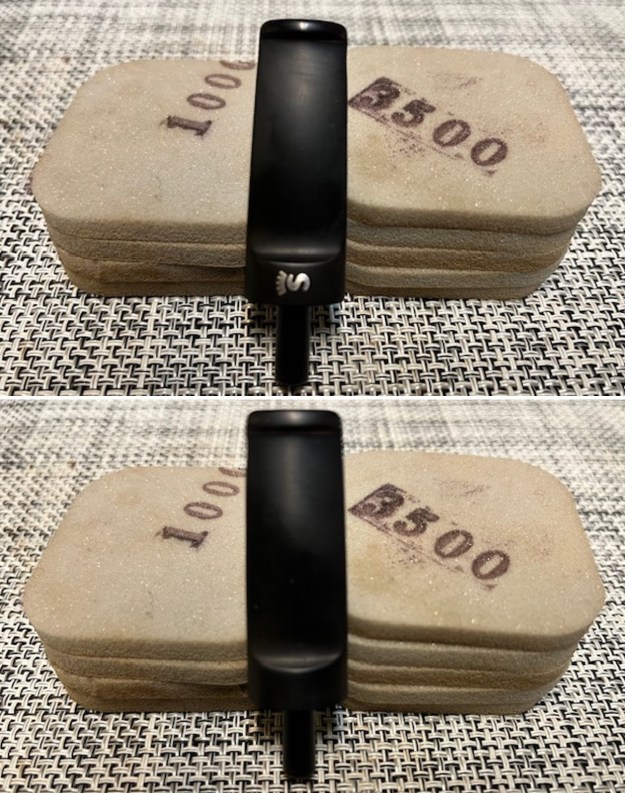
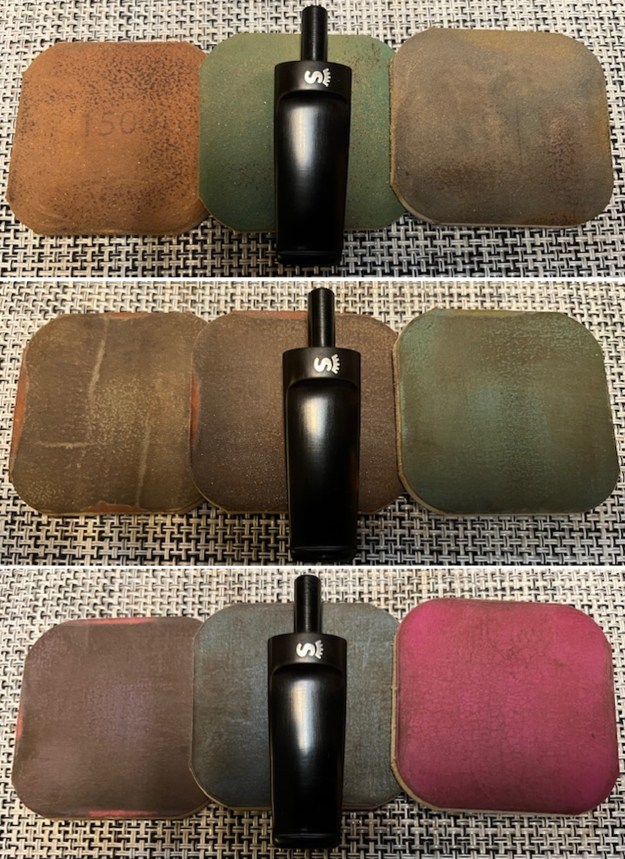
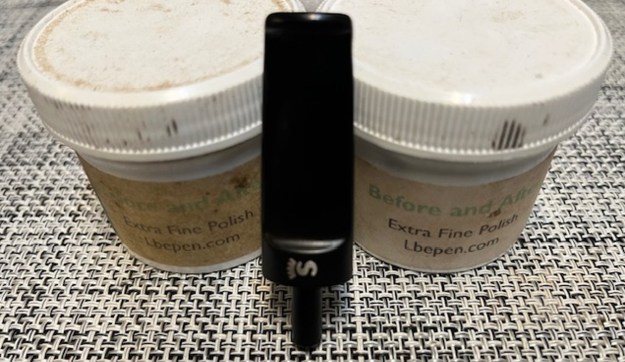
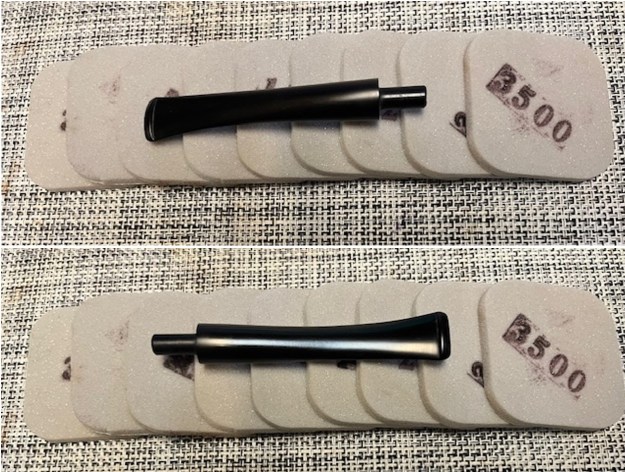
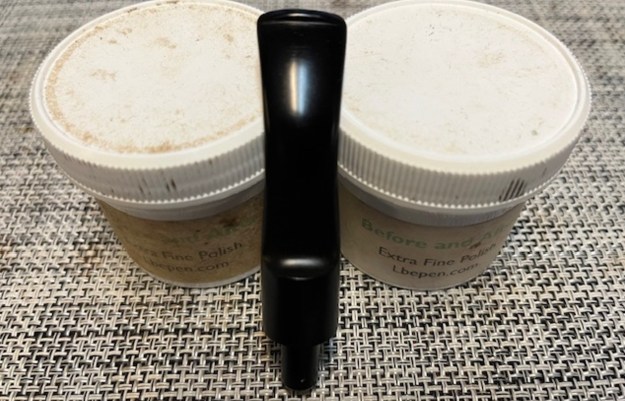
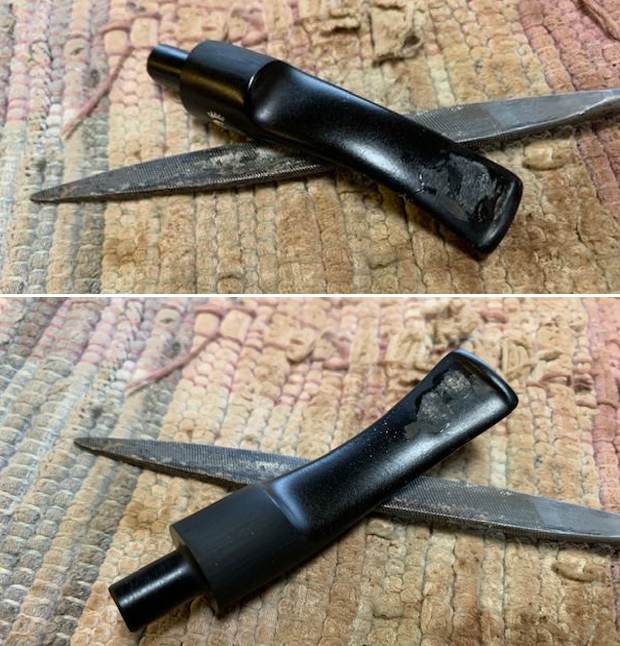
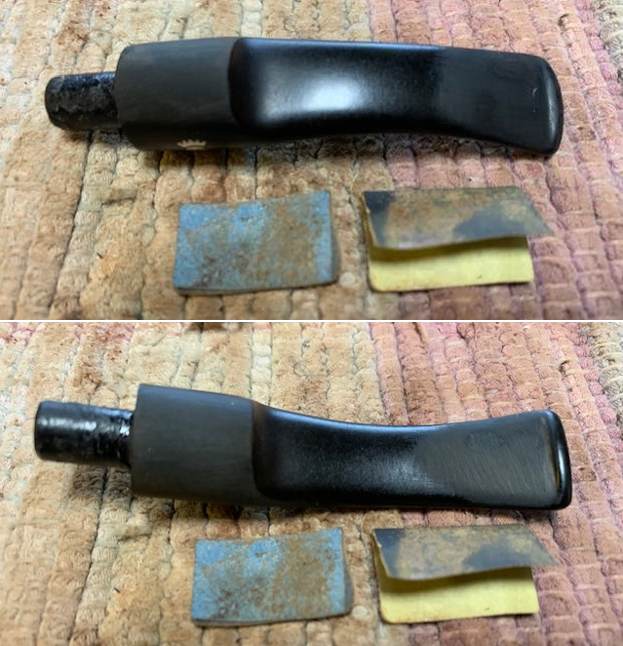
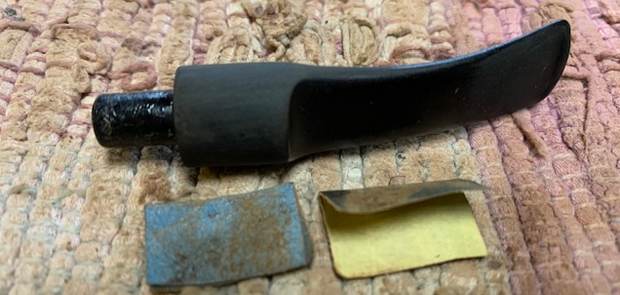
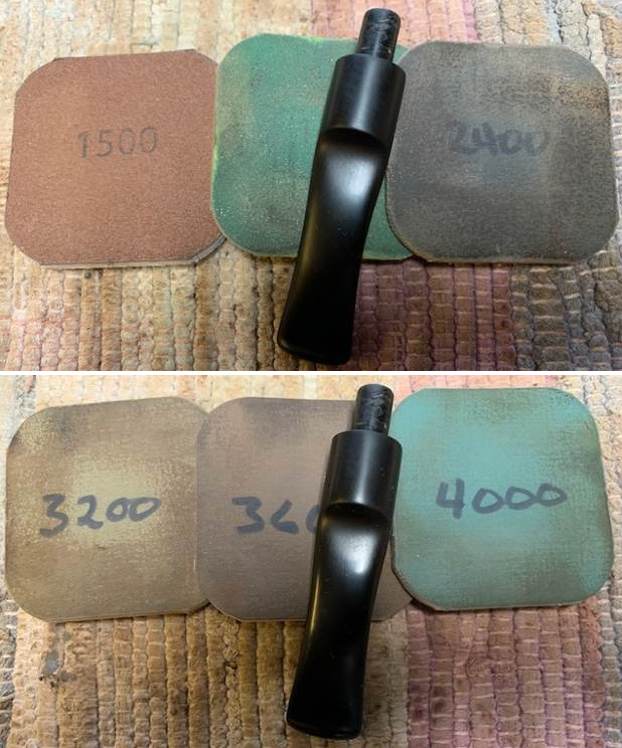
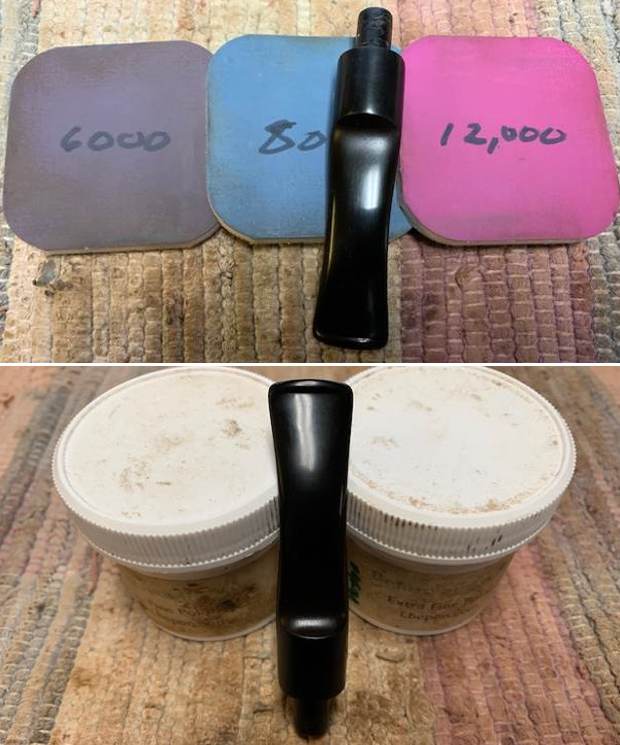
 I polished the short acrylic taper stem with micromesh sanding pads – 1500-12000 grit pads. I wiped it down with Obsidian Oil after each sanding pad. I used Before & After Pipe Polish – both Fine and Extra Fine to further polish the stem.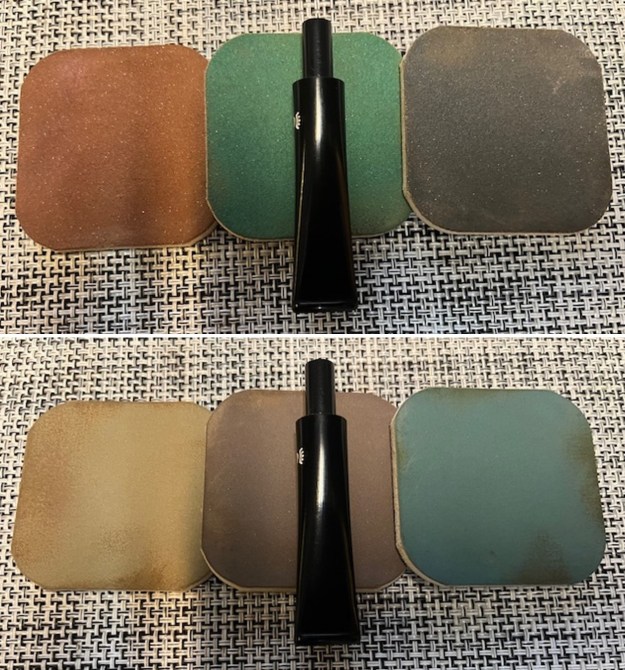
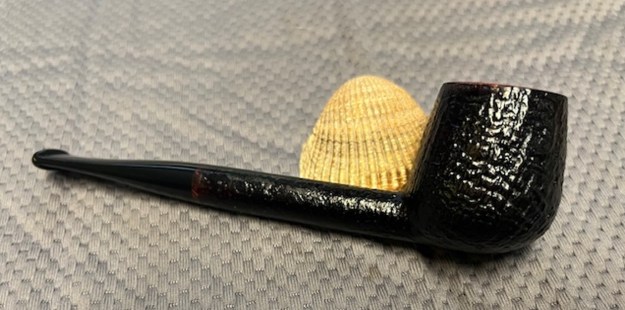
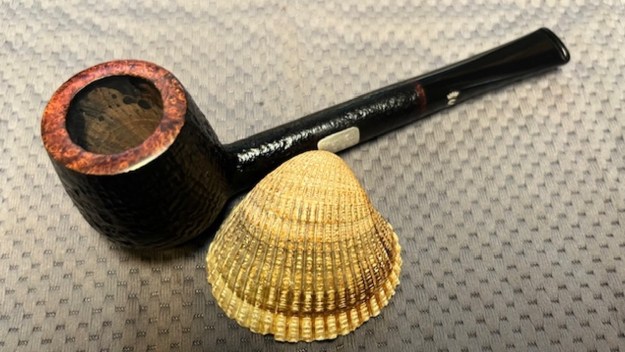
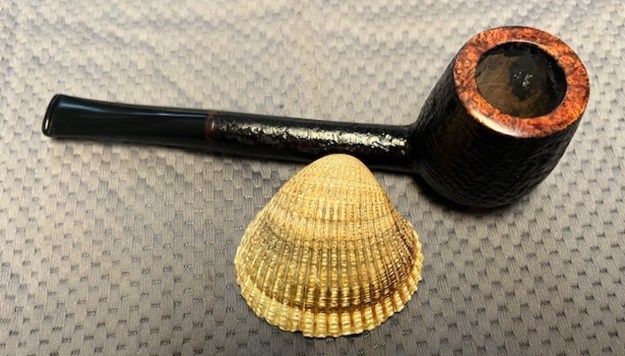
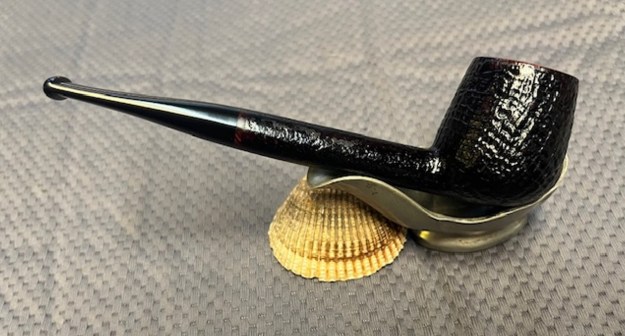
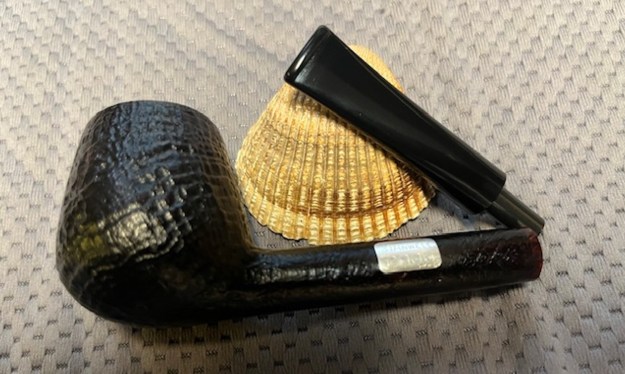
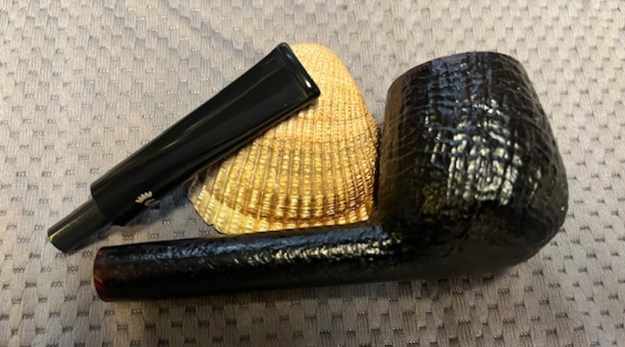
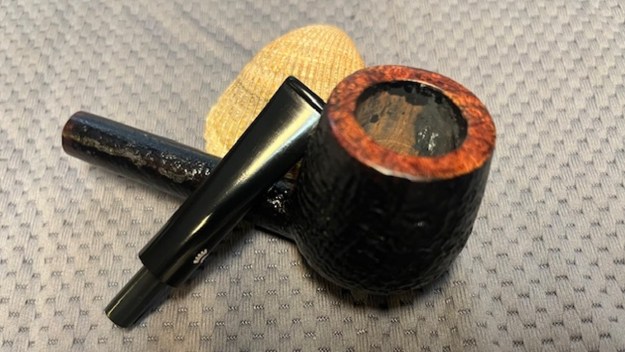
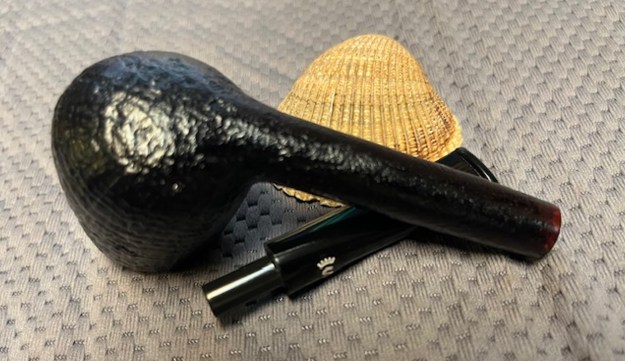
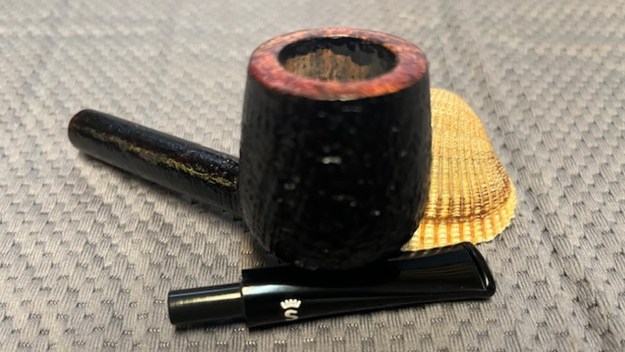
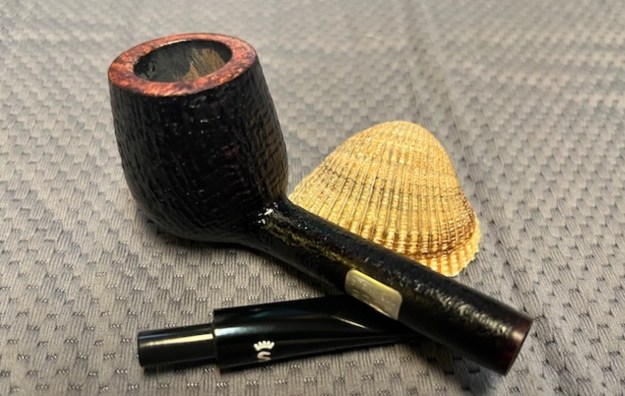
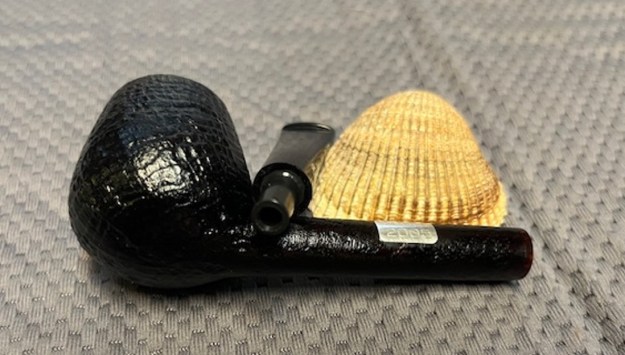
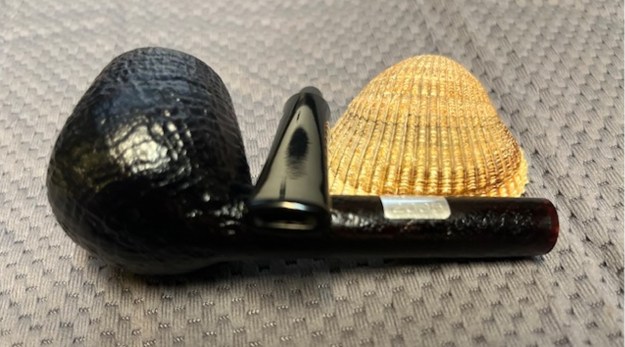
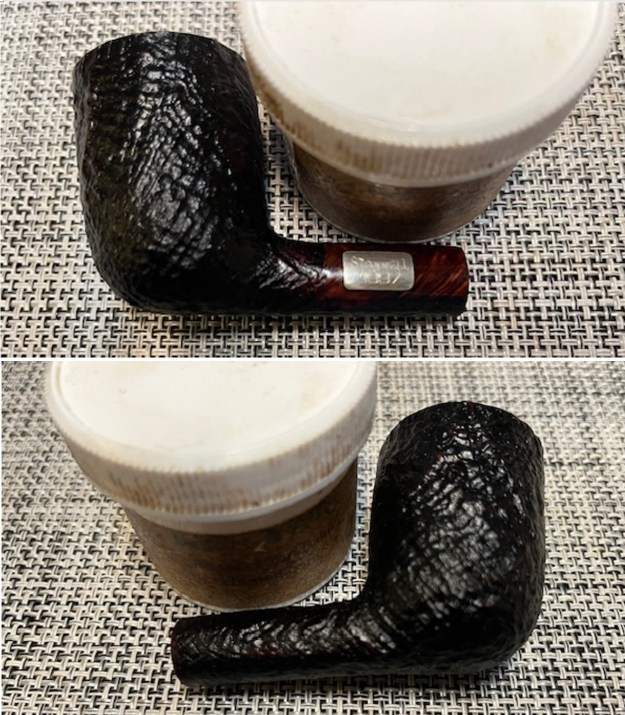
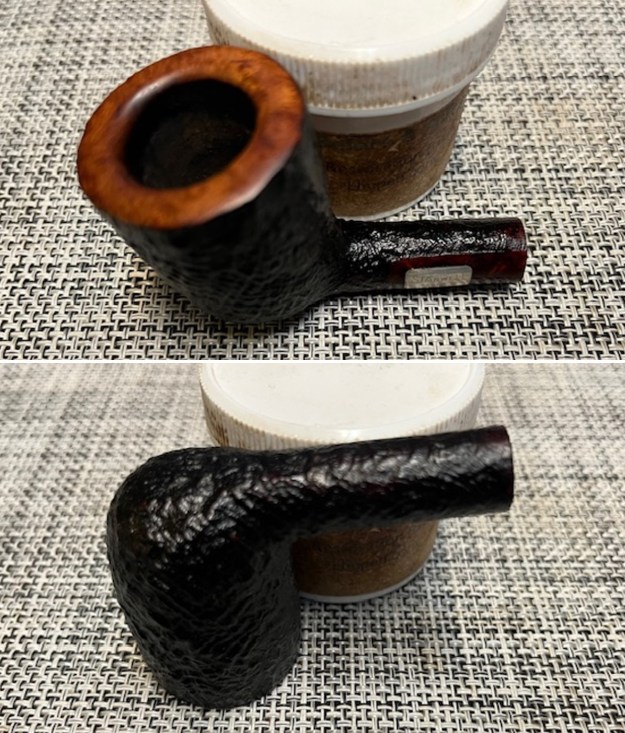
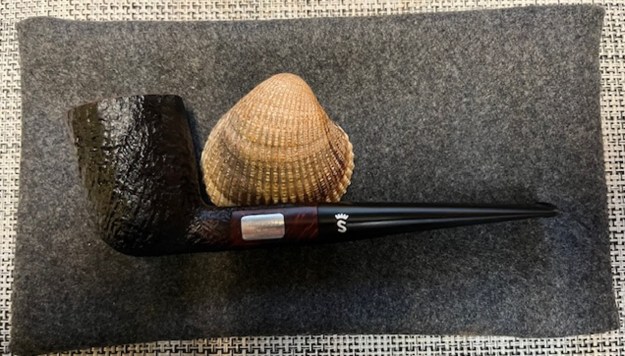
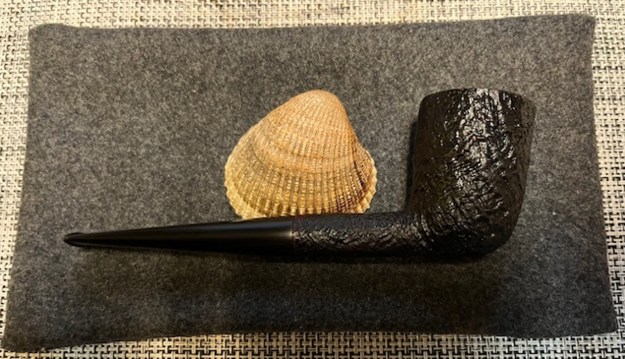
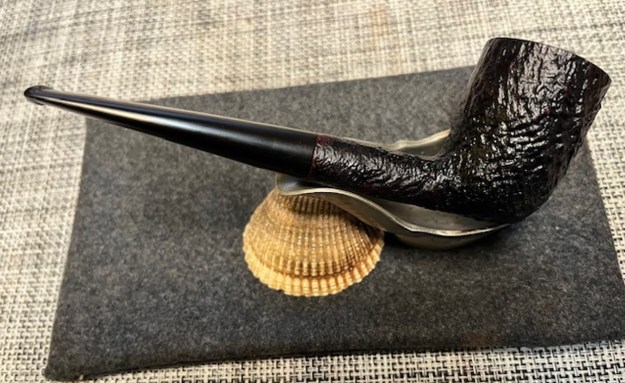
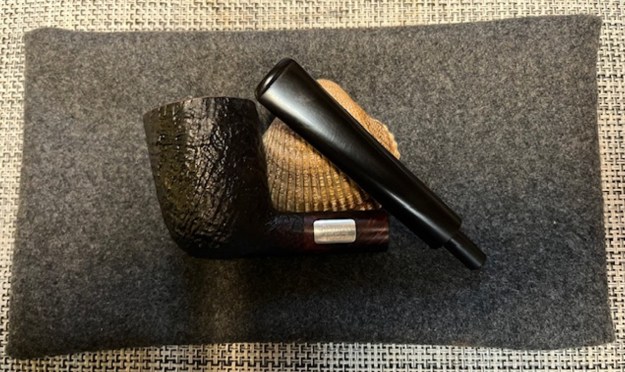
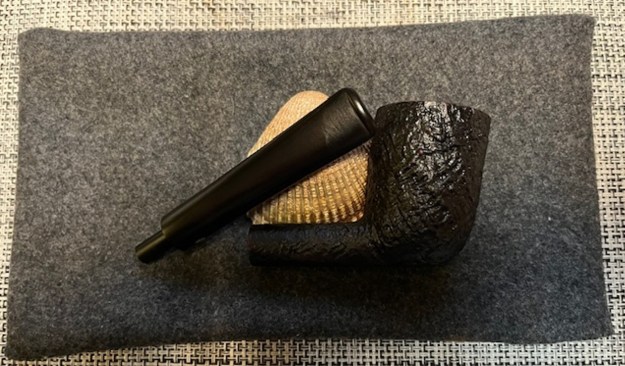
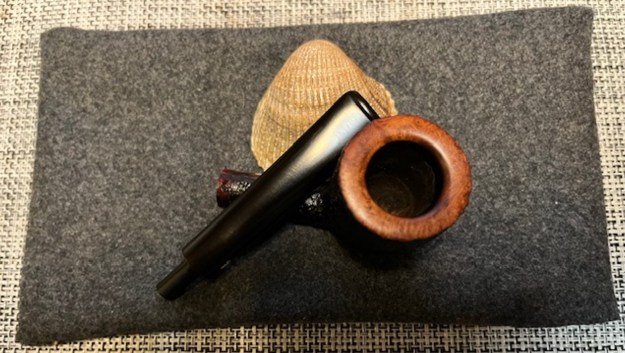
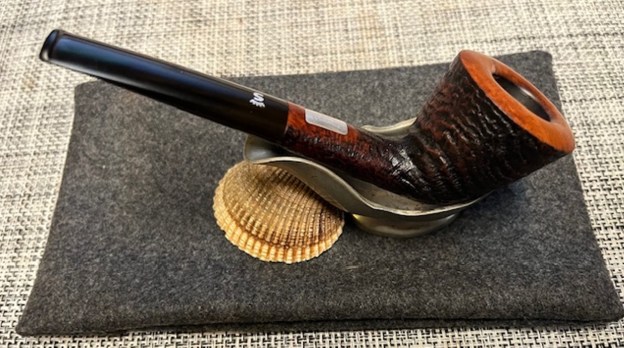
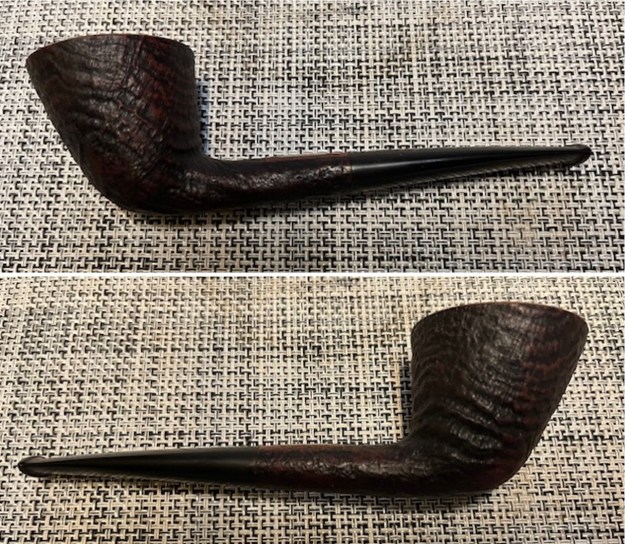
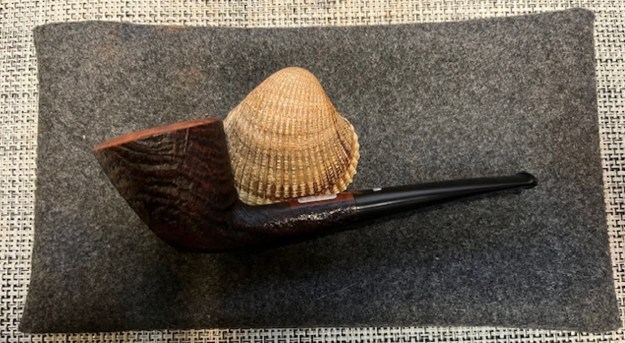
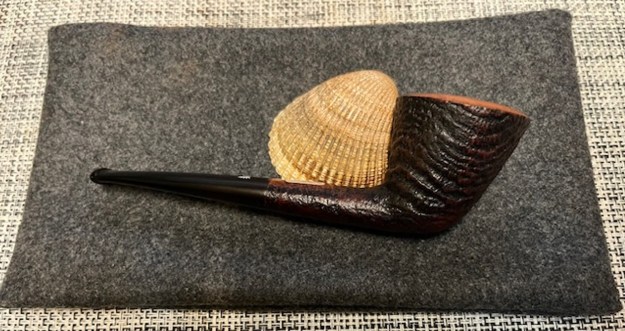
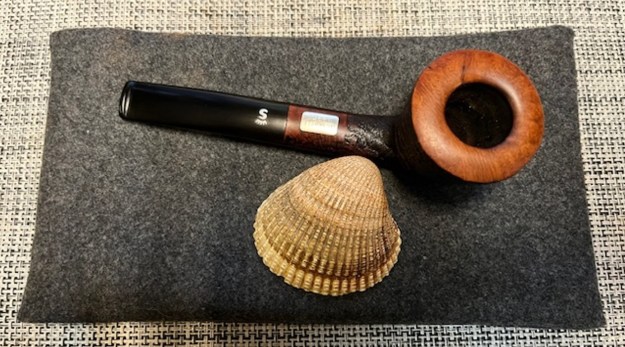
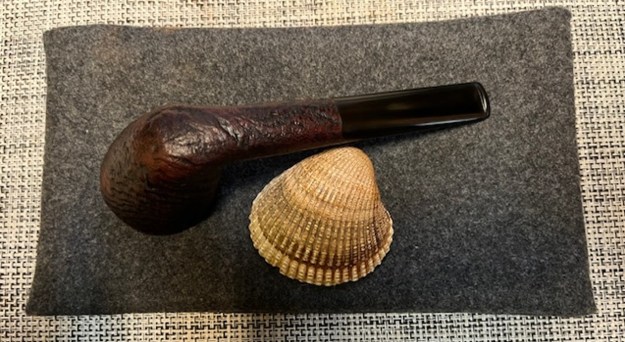
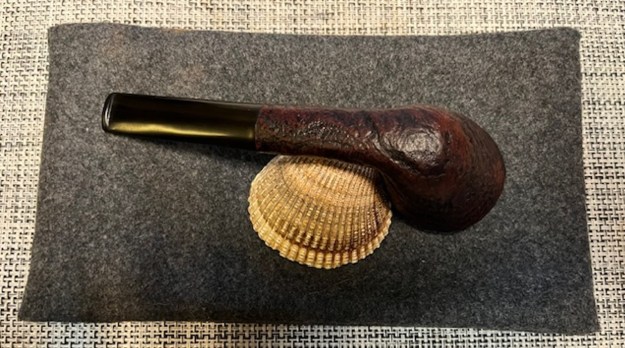
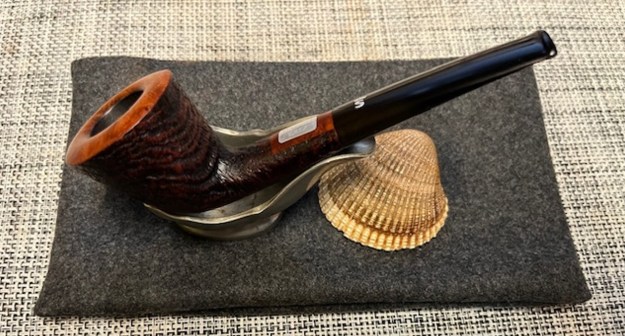
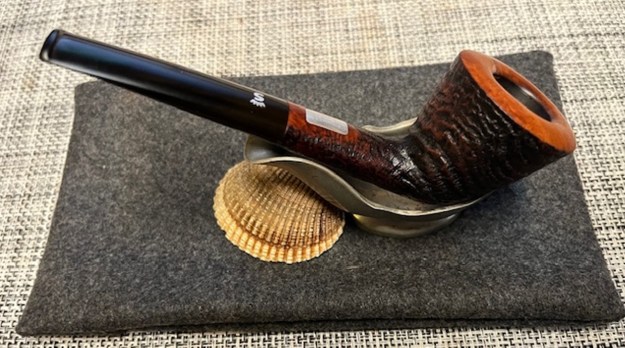
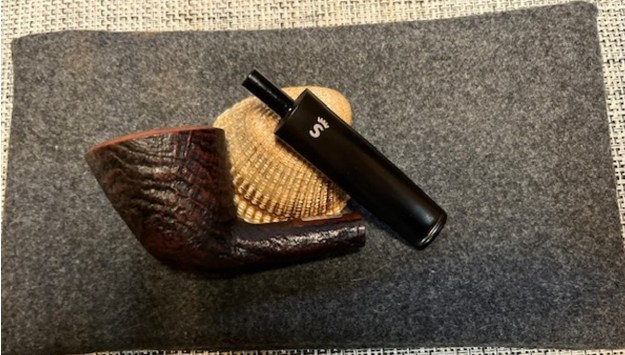
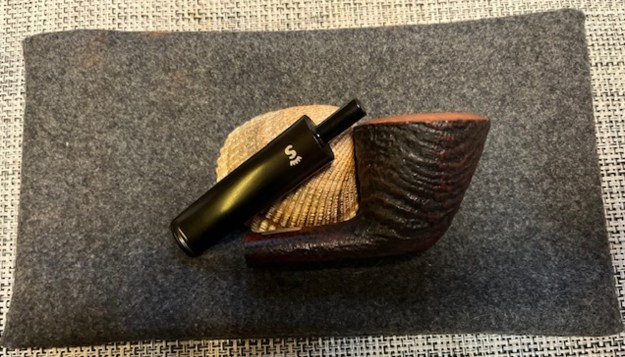
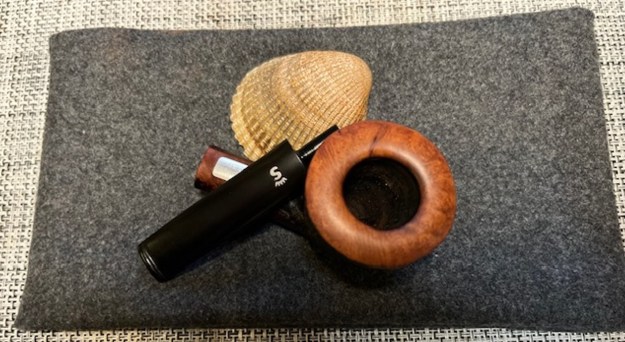
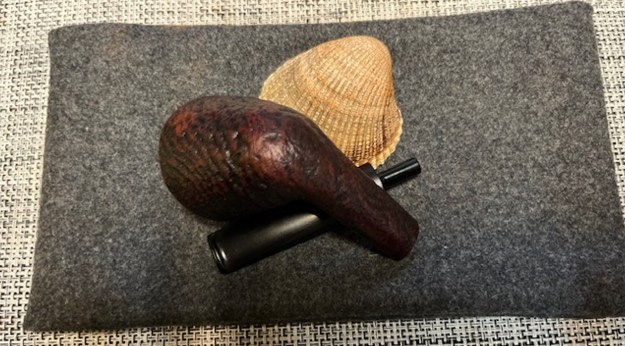
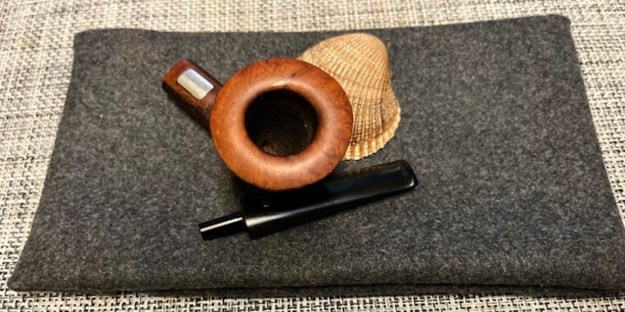
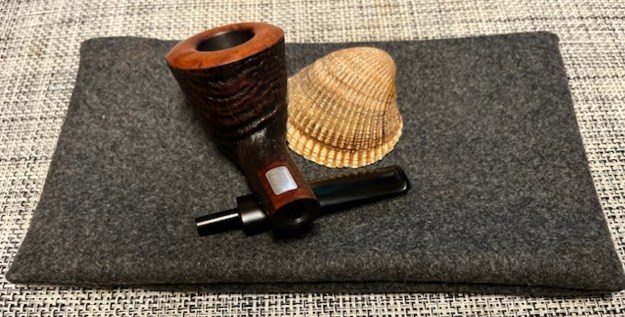
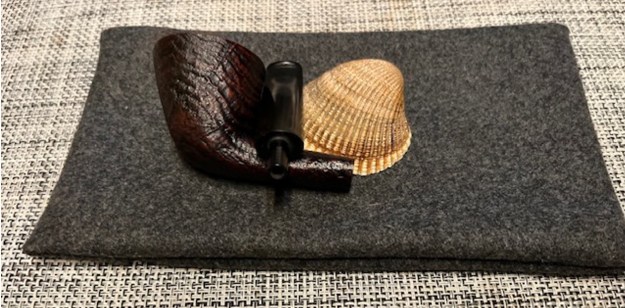
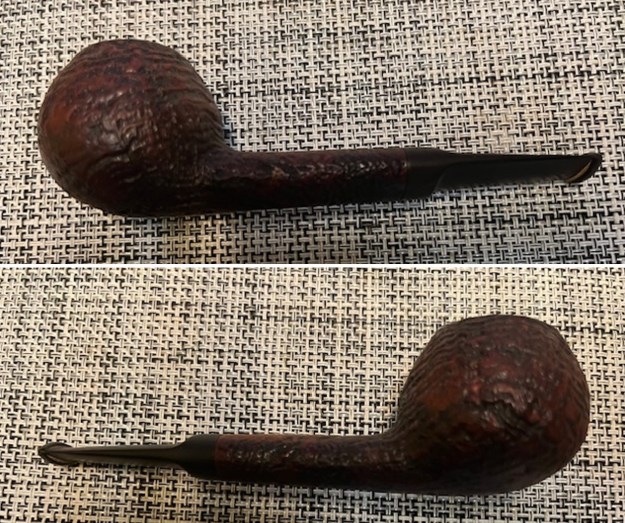
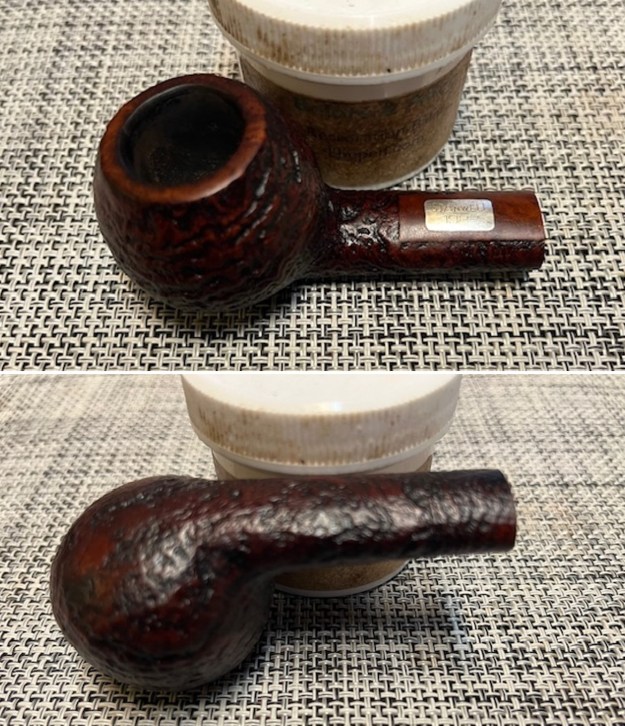
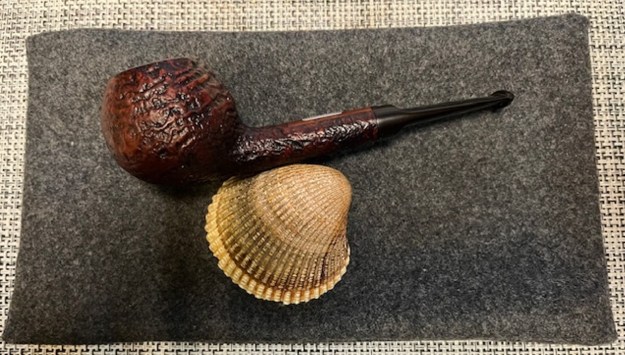
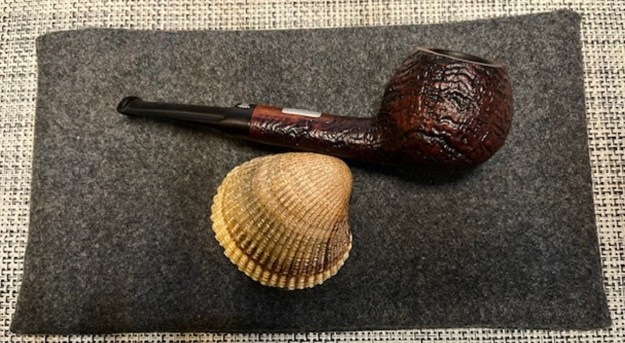
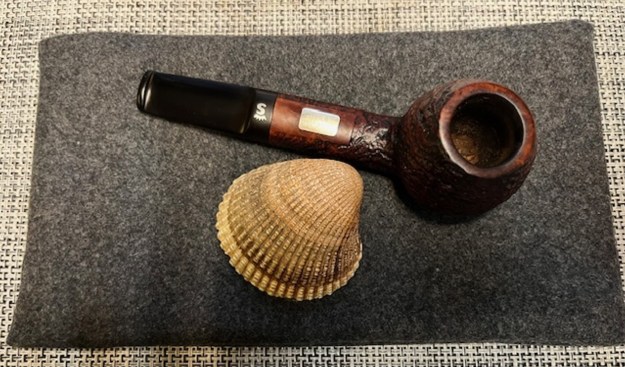
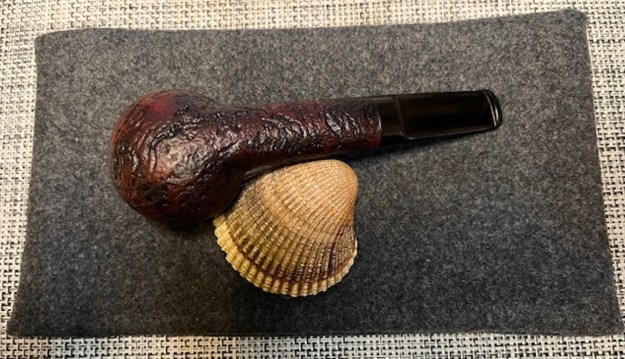
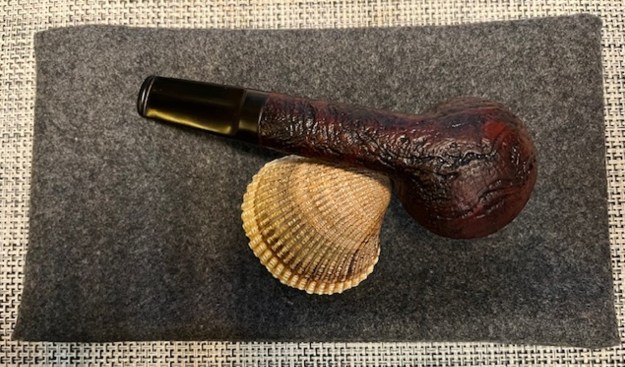
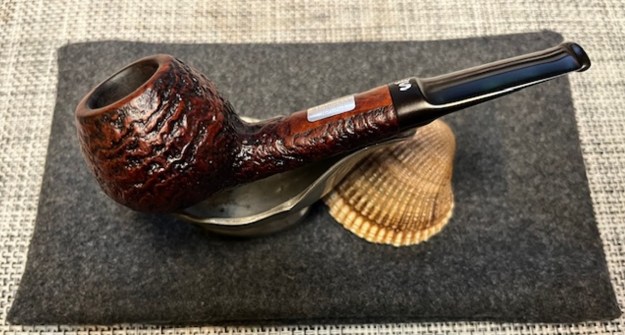
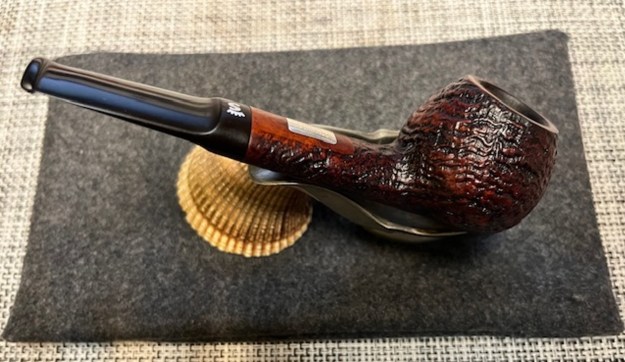
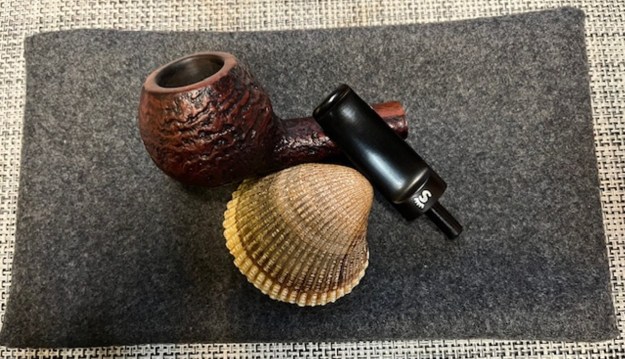
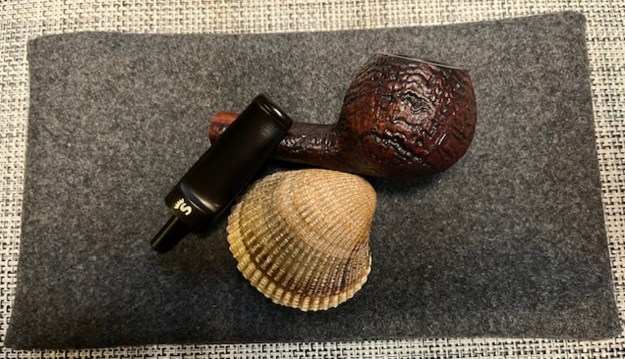
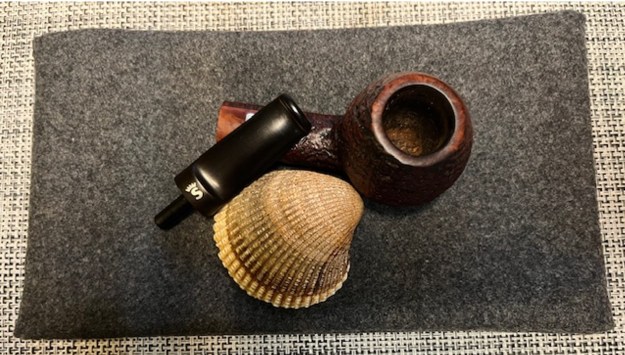
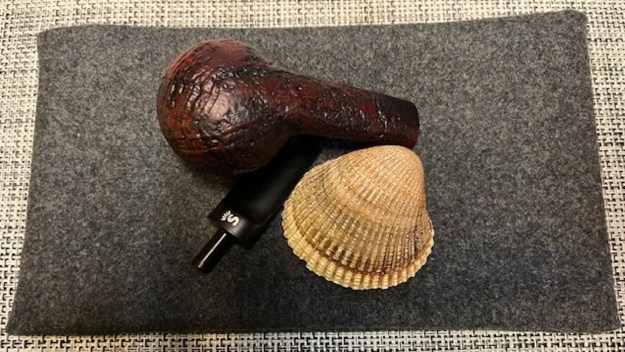
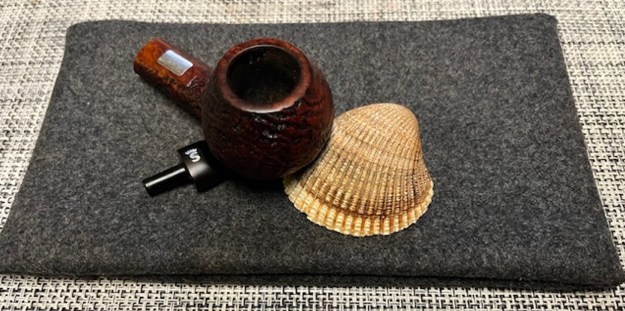
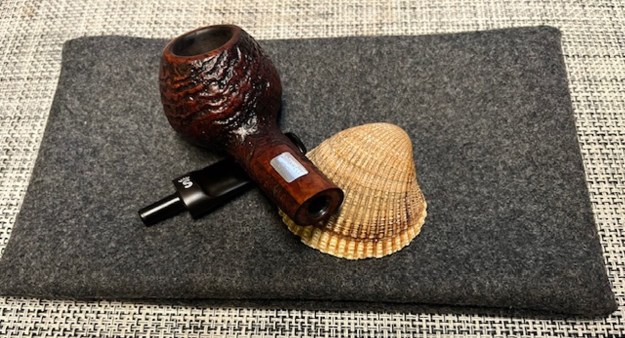
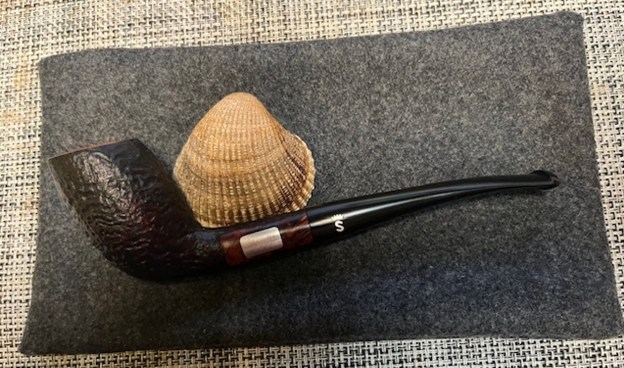
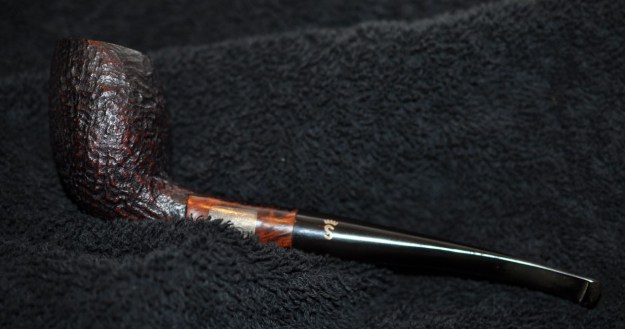
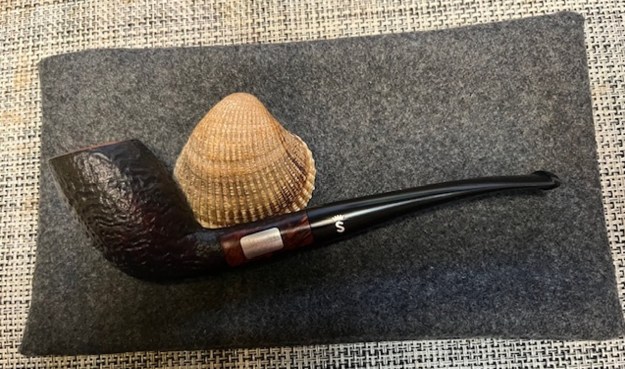
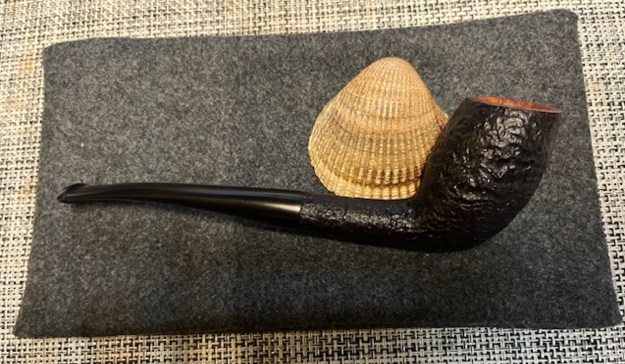
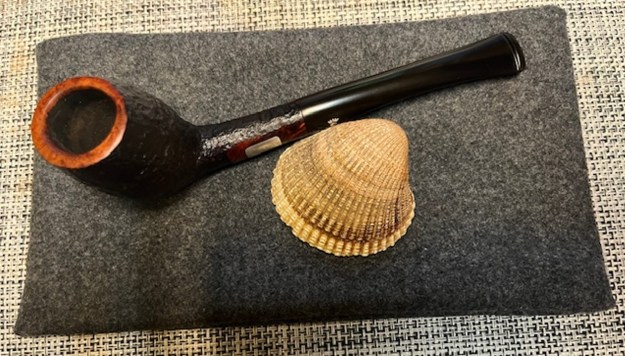
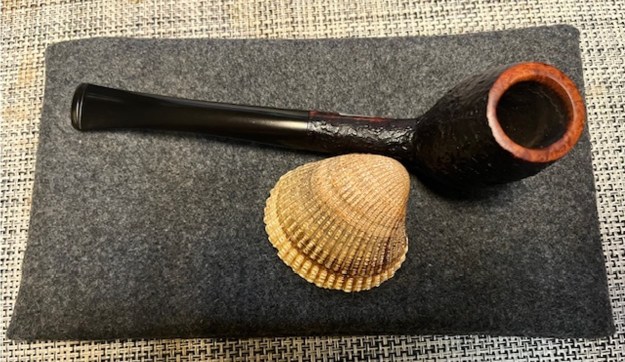
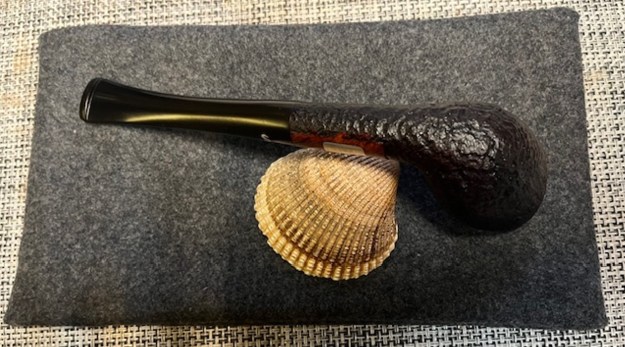
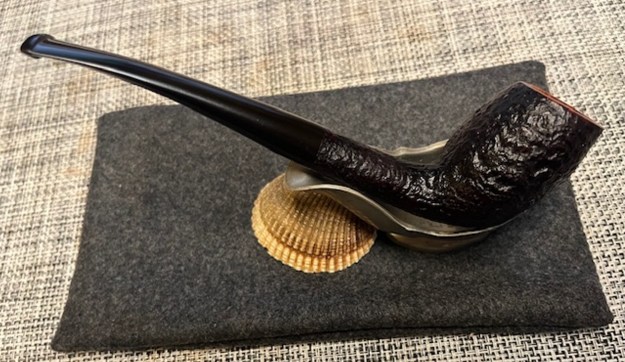
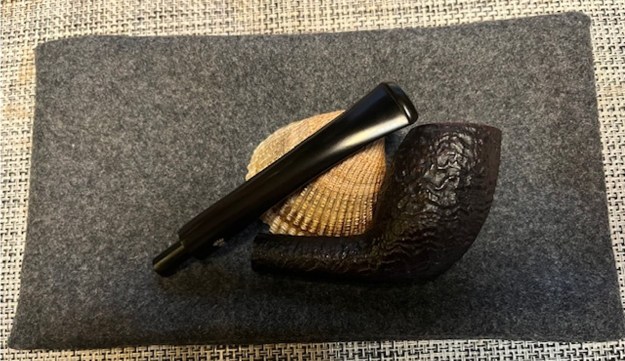
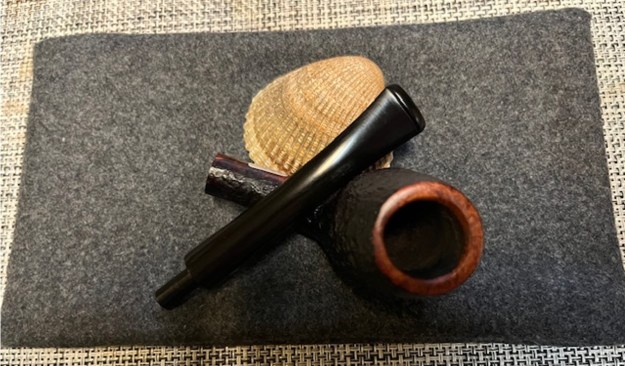
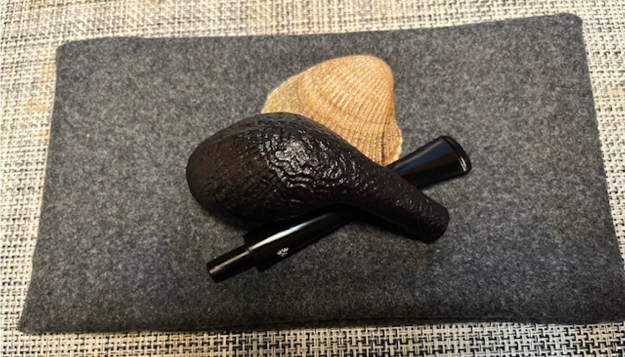
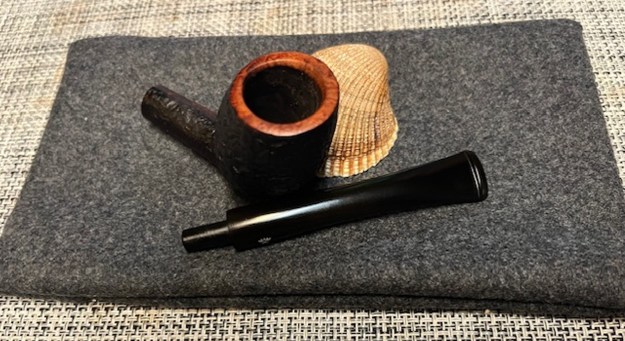
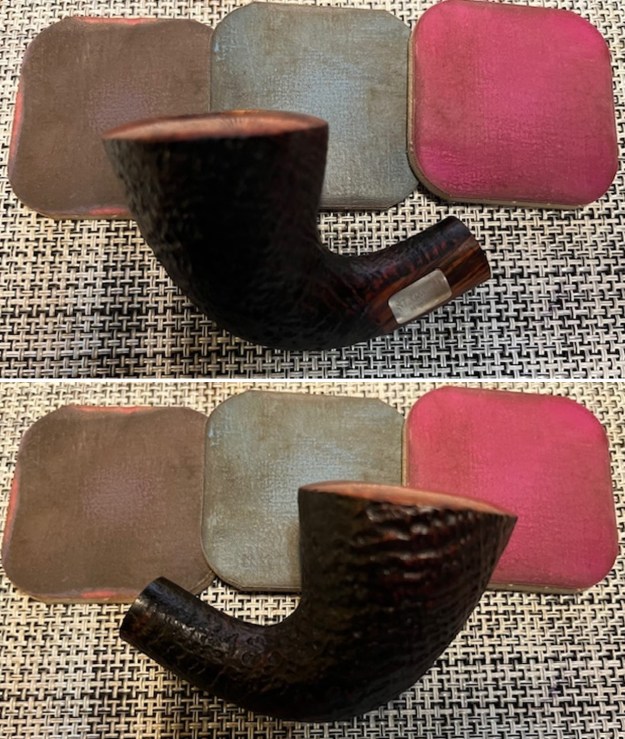
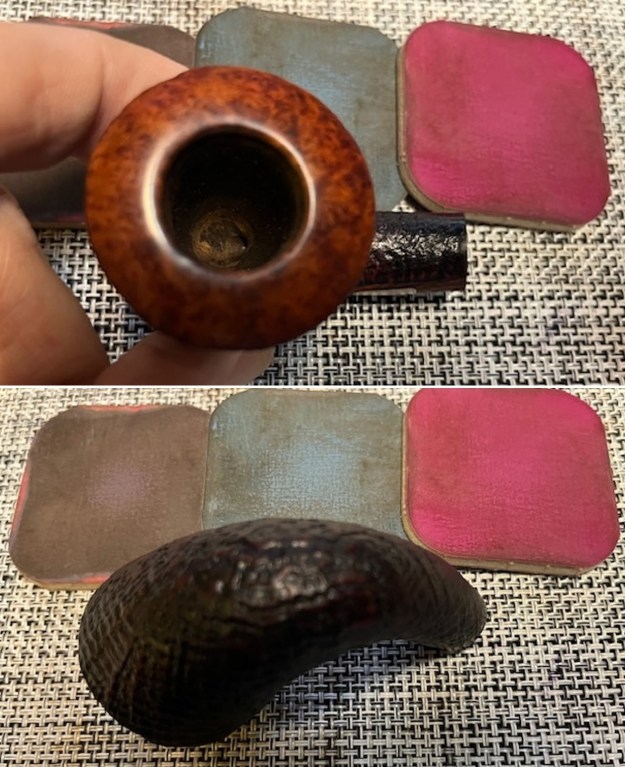
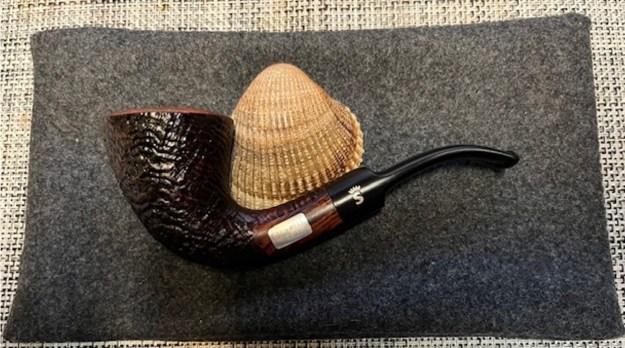
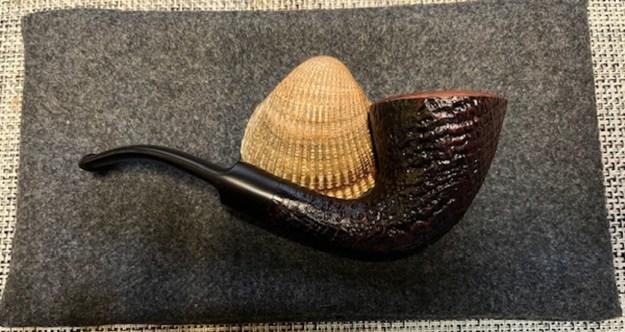
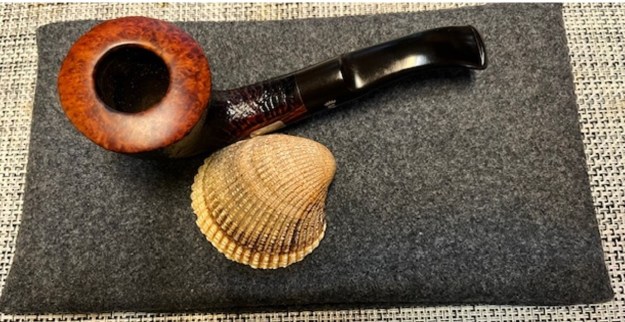
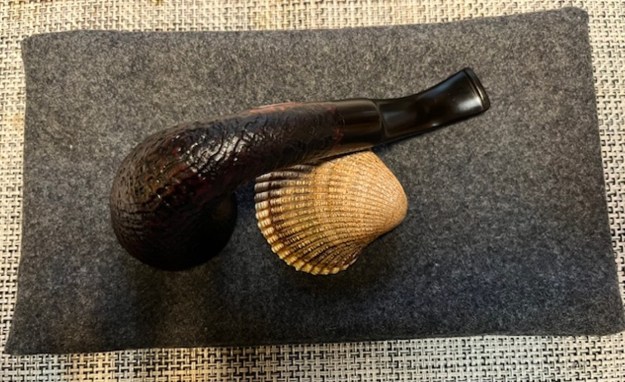
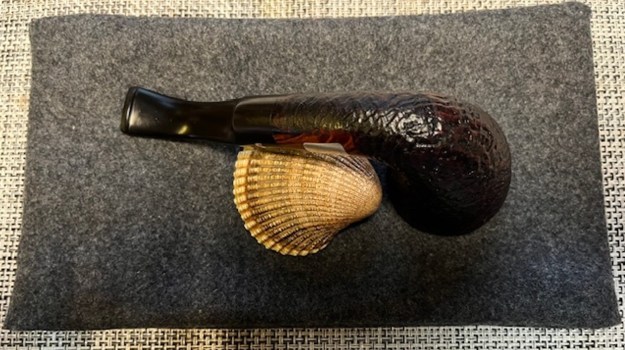
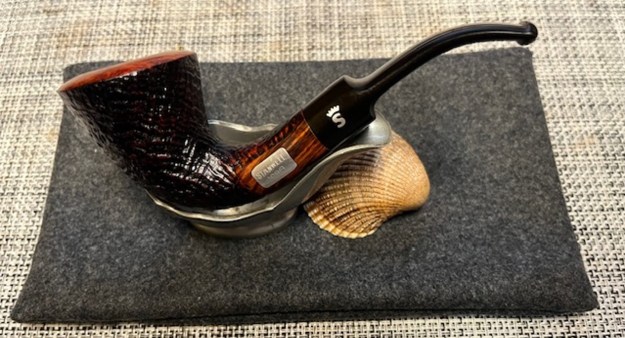
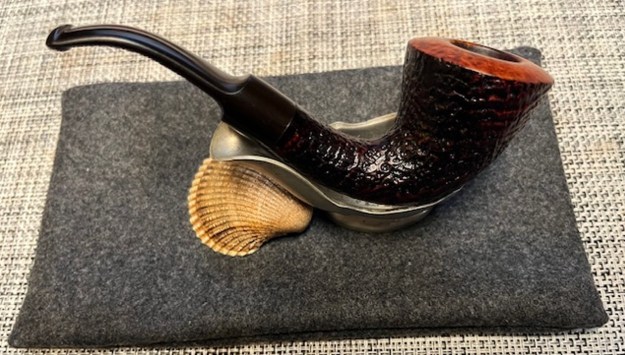
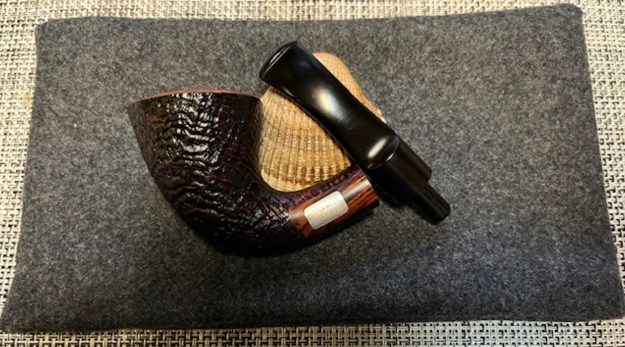
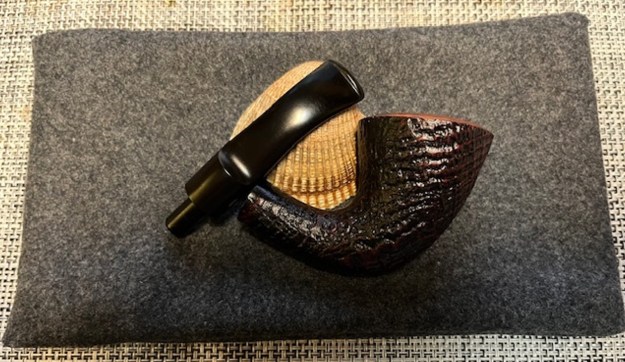
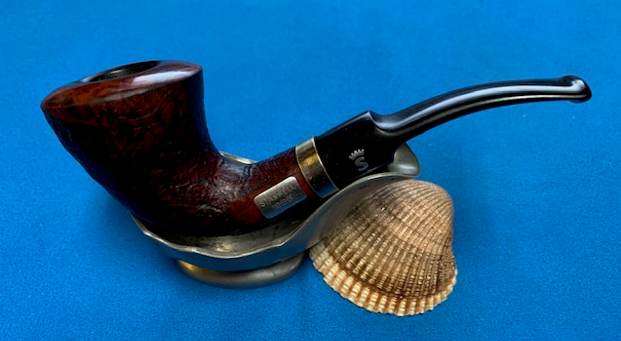
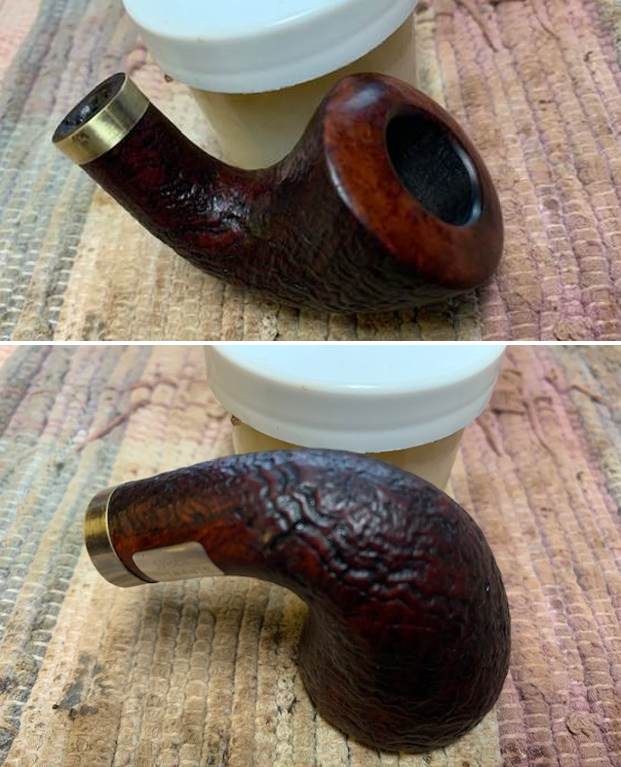
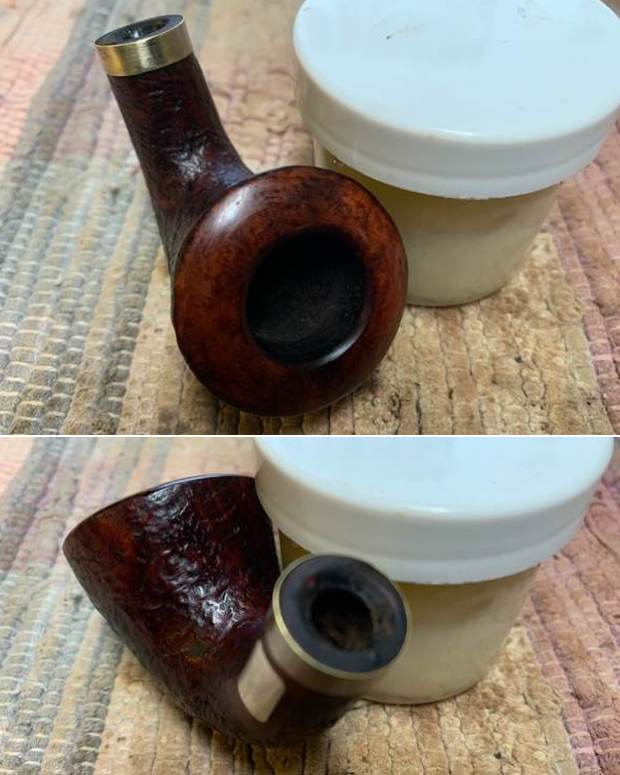
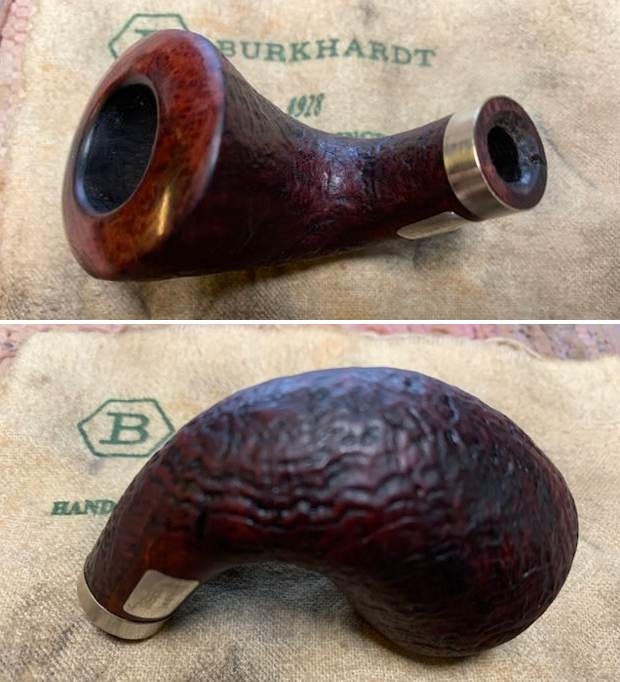
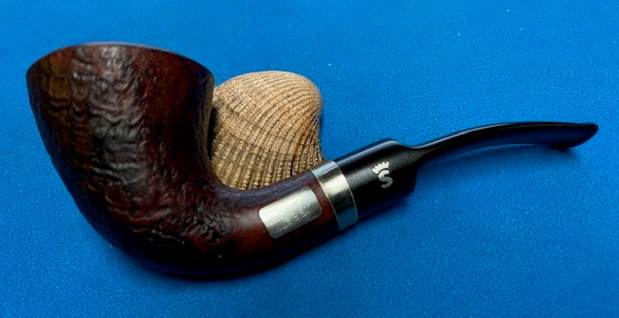
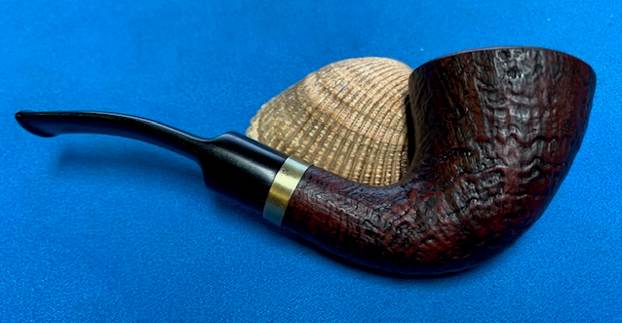
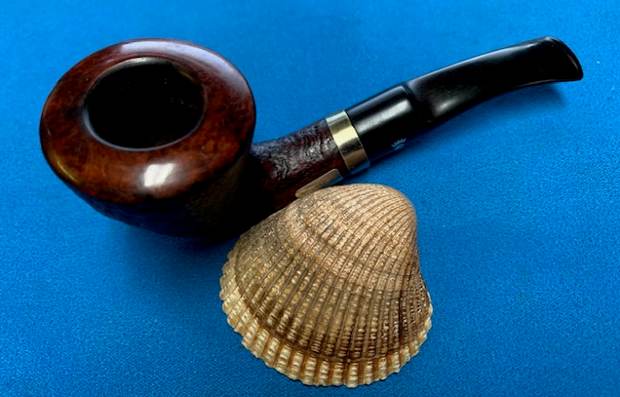
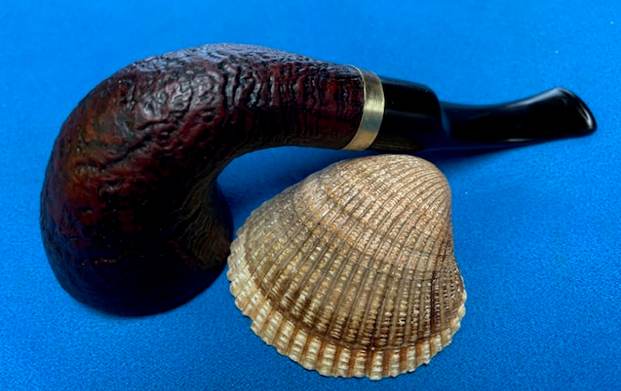
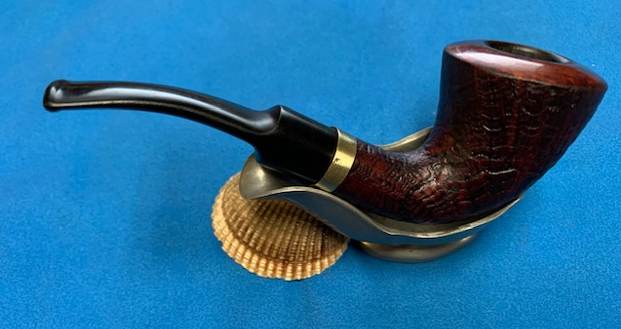
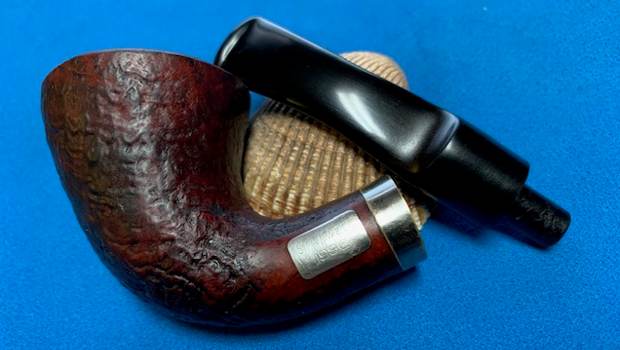
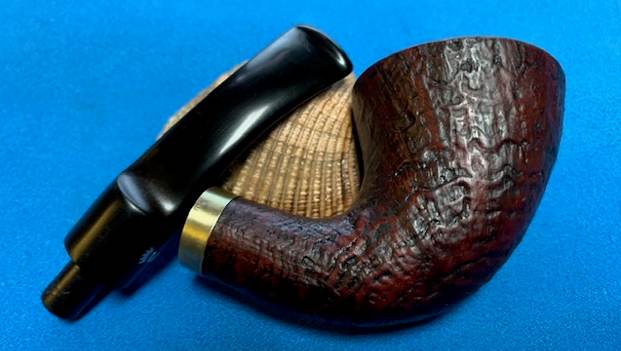
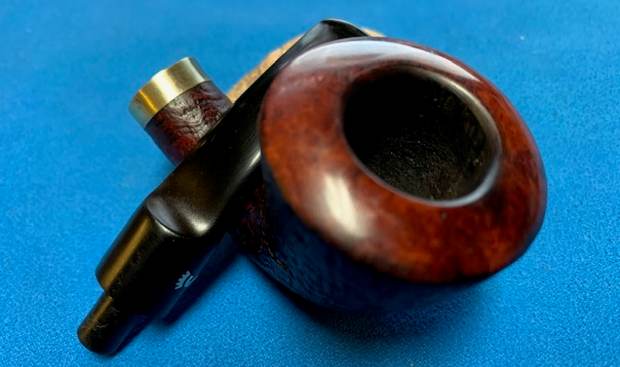
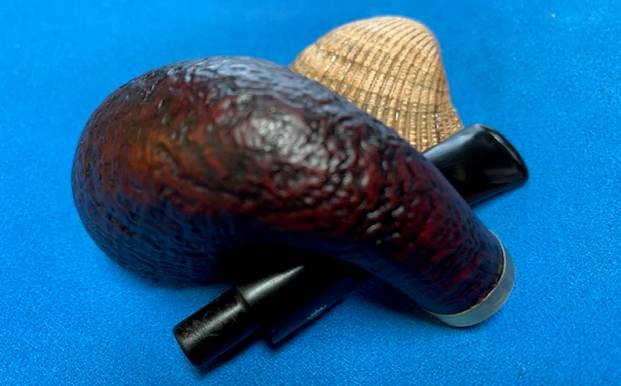
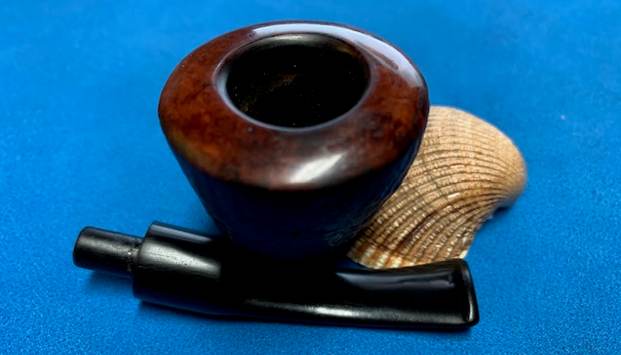
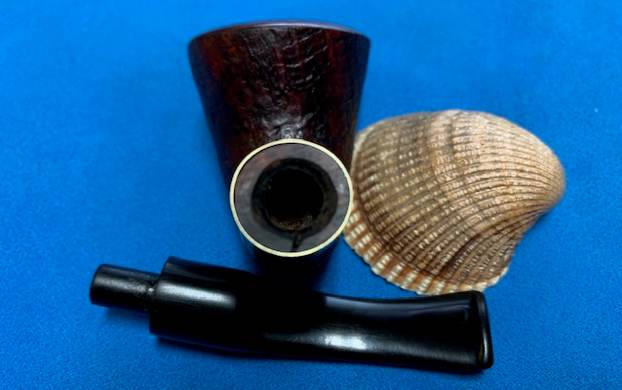
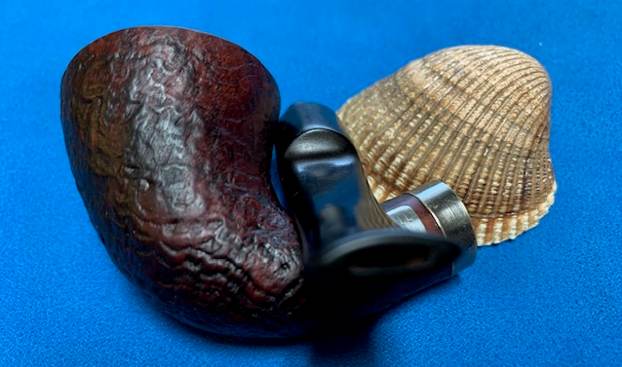
 I put the stem back on the Stanwell Pipe of the Year 2005 Danish Style Liverpool and took it to the buffer. I buffed the bowl and stem with Blue Diamond to polish the briar and the acrylic. Blue Diamond does a great job on the smaller scratches that remain in both. I gave the bowl multiple coats of Conservator’s Wax and the stem several coats of carnauba wax and buffed the pipe with a clean buffing pad to raise the shine. I hand buffed it with a microfiber cloth to deepen the shine. I am amazed at how well it turned out. The finished pipe is shown in the photos below. This is a beautiful Stanwell POY 2005 – the acrylic taper stem and smooth rim top and sandblast finish combine to give the pipe a great look. The polished black stem looks really good with the rich browns standing out in the sandblast. The dimensions of the pipe are Length: 5 ¾ inches, Height: 1 ¾ inch, Outside diameter of the bowl: 1 ¼ inch, Chamber diameter: ¾ of an inch. The weight of the pipe is 1.34 ounces/38 grams. This is another pipe that I will be putting on the rebornpipes online store in the Danish Pipe Pipemaking Companies Section shortly, if you are interested in adding it to your collection. Thanks for walking through the restoration with me on this beauty!
As always, I encourage your questions and comments as you read the blog. Thanks to each of you who are reading this blog. Remember we are not pipe owners; we are pipe men and women who hold our pipes in trust until they pass on into the trust of those who follow us. 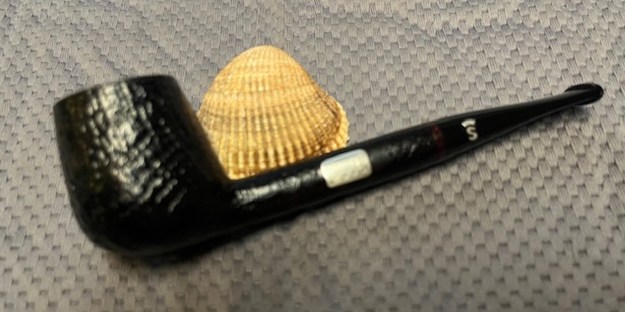





































 rebornpipes