
by Steve Laug
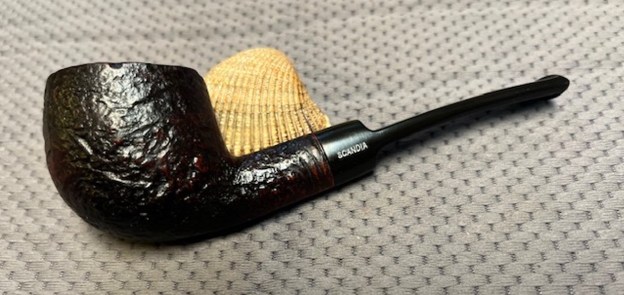
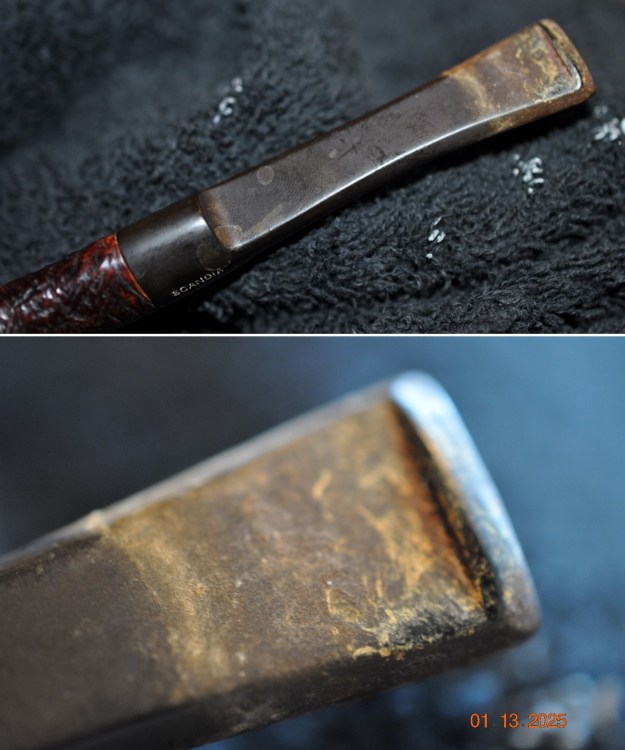
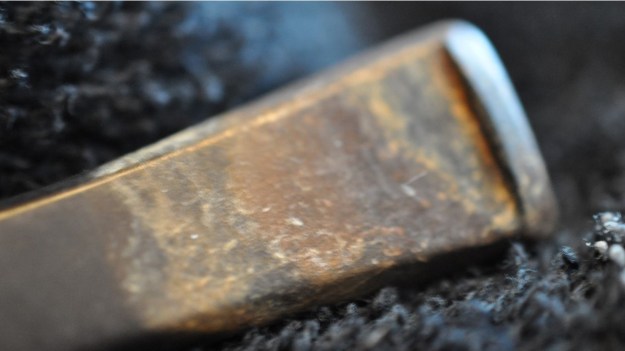
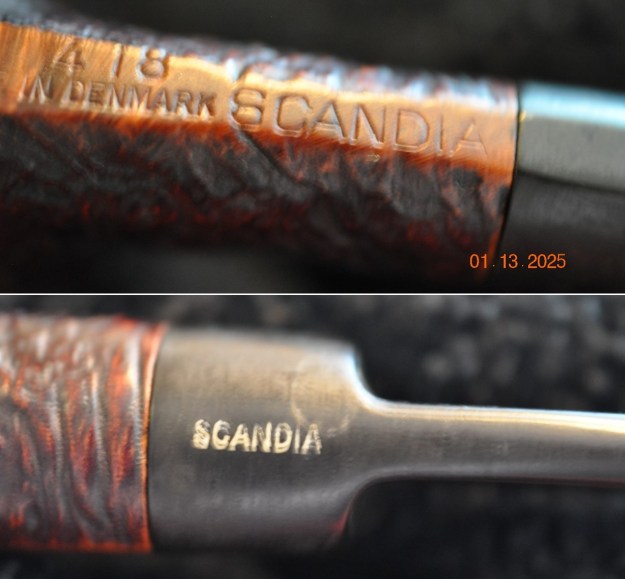
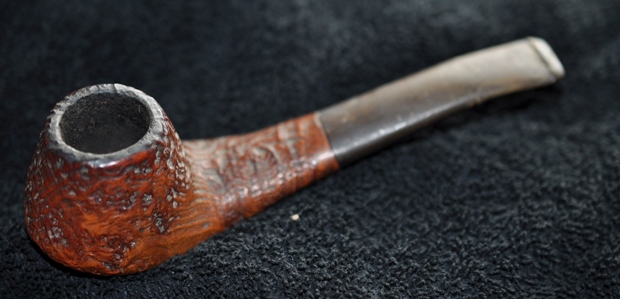
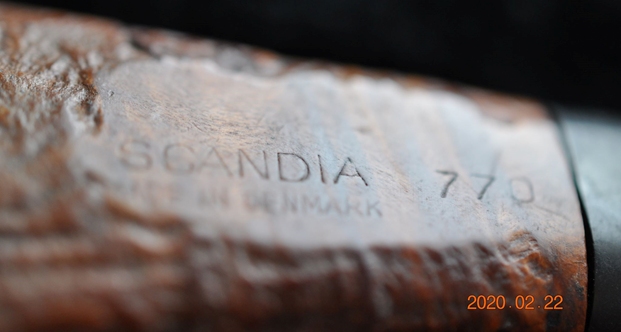
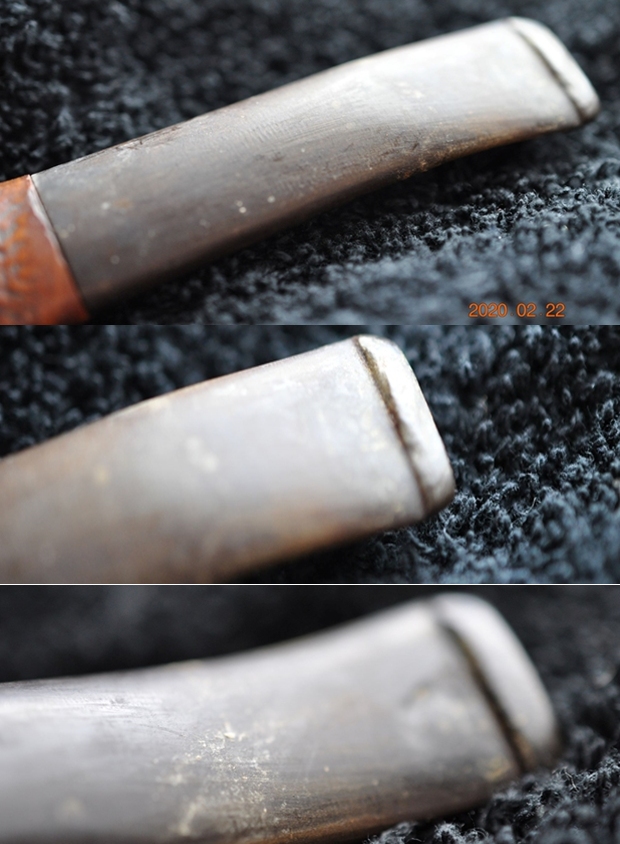
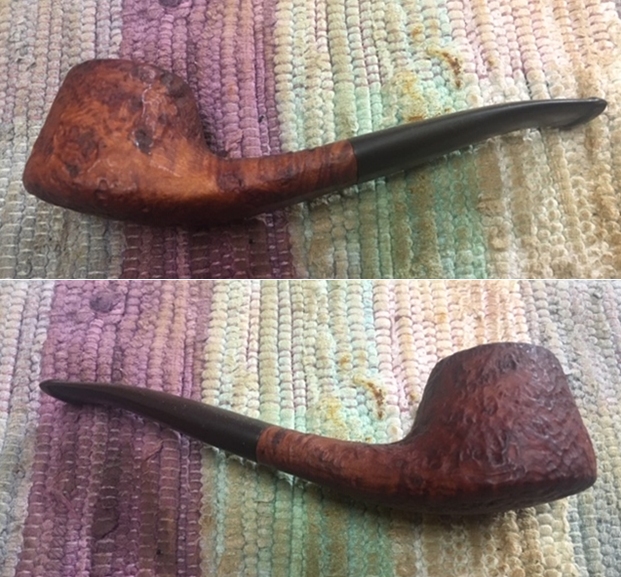
The next pipe on the table is one that was also at the bottom of the box of pipes I am working on. We picked it up at an antique store in Aurora, Oregon, USA on 11/11/2021. It is a Stanwell made Scandia sandblast pipe – a 418 Opera shape with an oval saddle stem. The oval shaped bowl (external with a 3/4 inch diameter chamber), oval shank and saddle stem made up a nicely shaped pipe. The sandblast though dirt and grime showed some interesting colour mixes and the blast was very interesting. It was stamped on a smooth panel on the underside of the shank and reads 418 (shape number) [over] Made in Denmark followed by the stamp SCANDIA. The finish was dirty grime ground into the sandblasted bowl and rim top as can be seen in the photos. There dust in all of the deep crevices of the blast. The bowl had a thick cake with some tobacco debris in the bowl. There is a heavy cake in the bowl and an overflow of lava on the sandblasted rim top. The stem was oxidized, calcified and there were light tooth marks and chatter on both sides and on the top and bottom ahead of the button. Jeff took photos of the pipe before he cleaned it up so you could see what we saw. 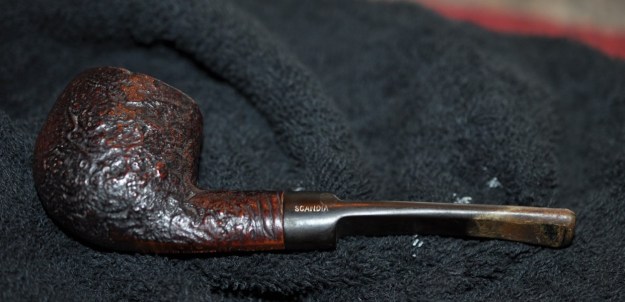
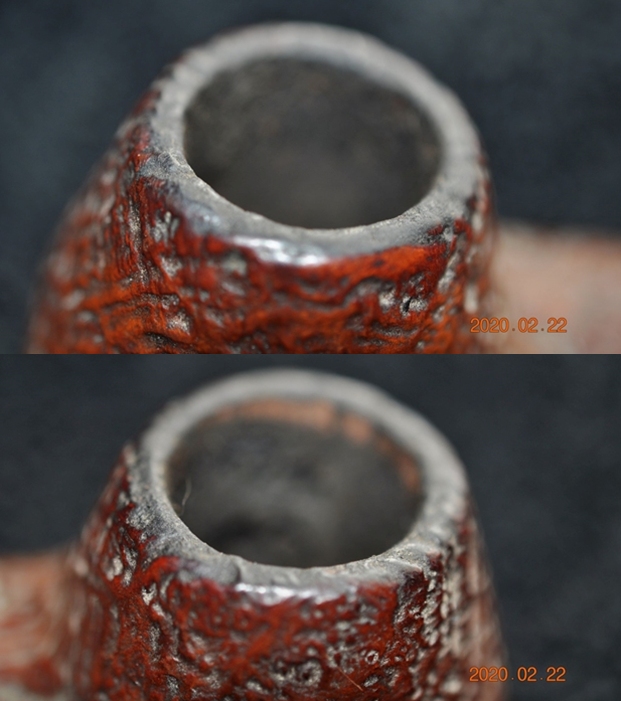
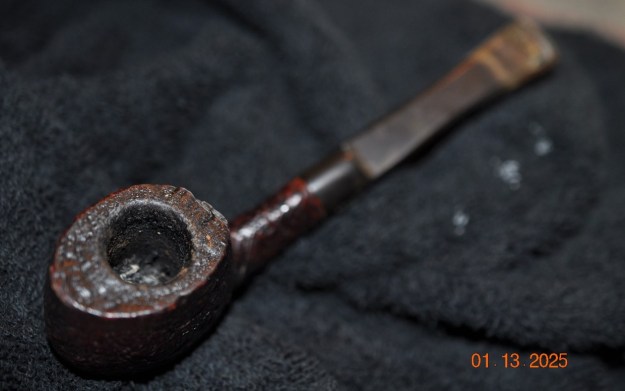 Jeff took photos of the rim top to show lava build up around the rim, the edges and cake in the bowl. There was tobacco debris in the bowl as well. The lava actually had filled in some of the nooks and crannies in the sandblast. The oval saddle stem was a good fit to the shank. It was oxidized, calcified and had light tooth marks on the stem ahead of the button.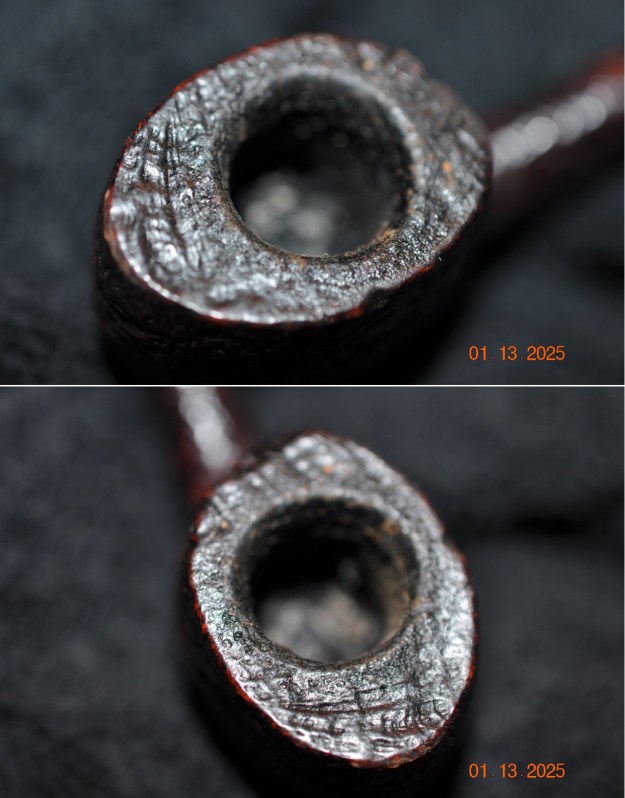
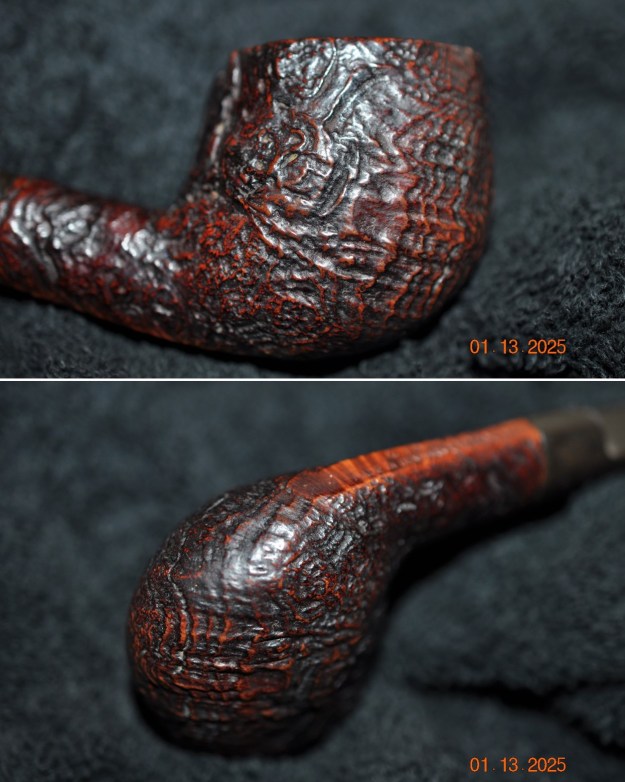
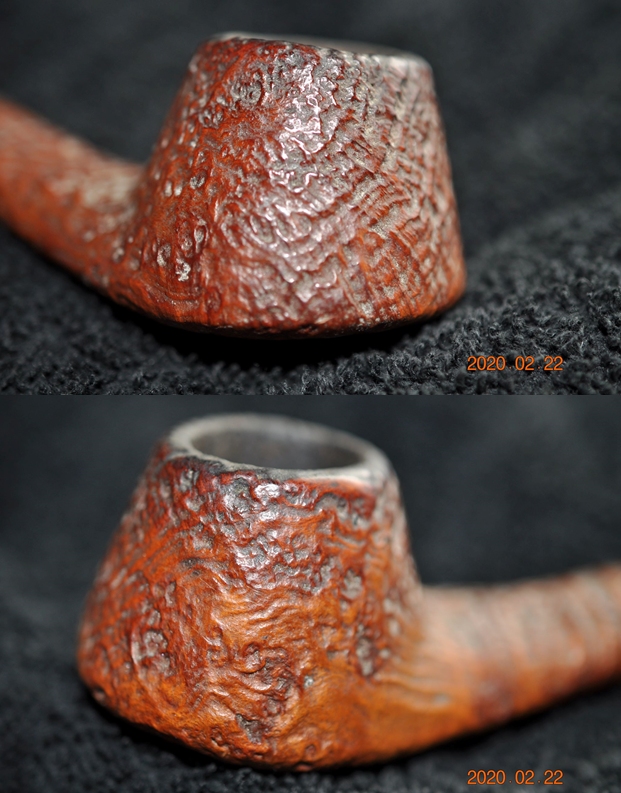
 Jeff took some photos of the bowl sides and heel to show the absolutely dirty finish ground into the sandblast. It was a dirty pipe but I think it will be a beautiful one once we are finished.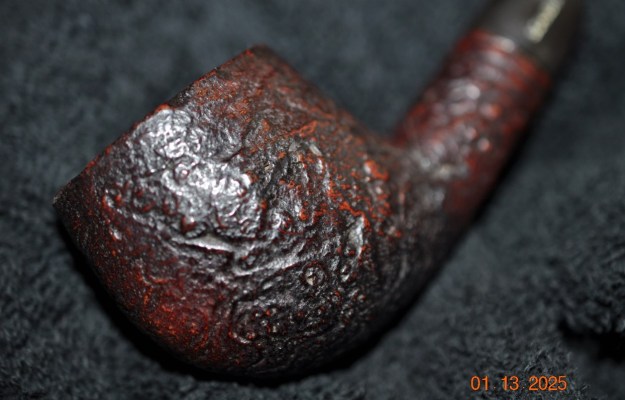
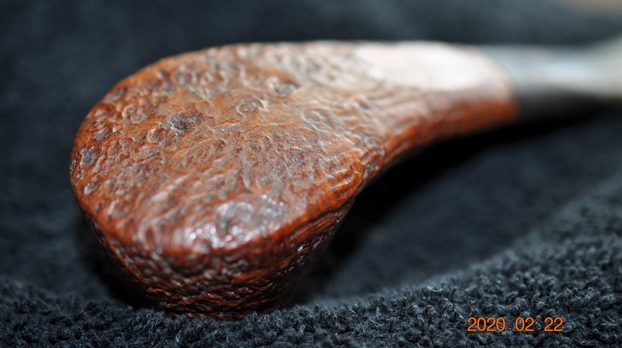
 The stamping on the underside of the shank is shown in the photos below. It is clear and read as noted above. On the left side of the saddle stem it is stamped SCANDIA in white.
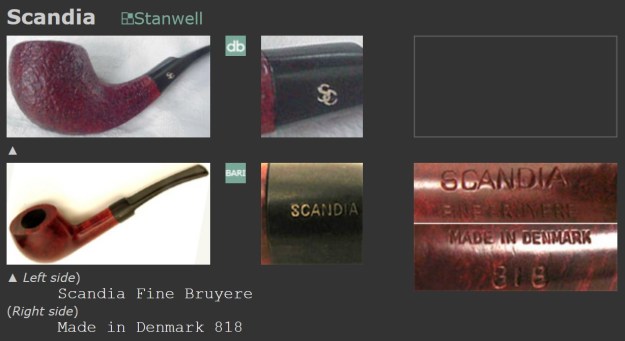
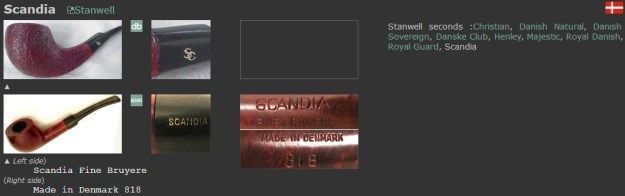
 I remembered that the Scandia brand was a Stanwell second so I quickly turned to Pipephil’s website to check it out (http://www.pipephil.eu/logos/en/logo-s4.html). I have included the screen capture of the pertinent section below.
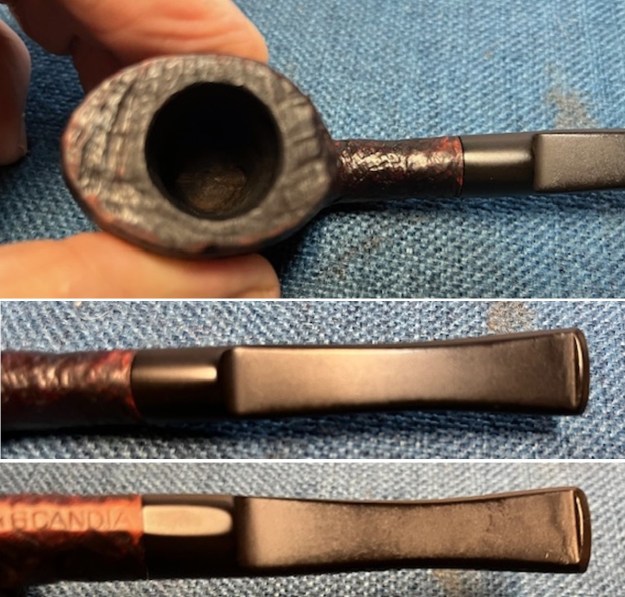
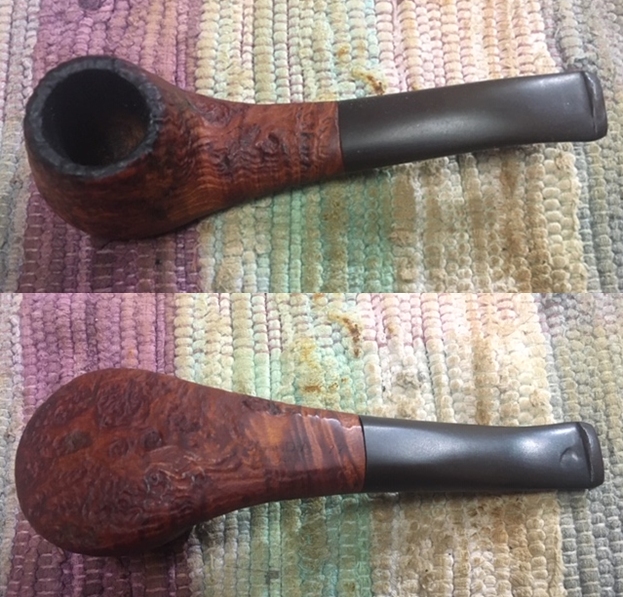
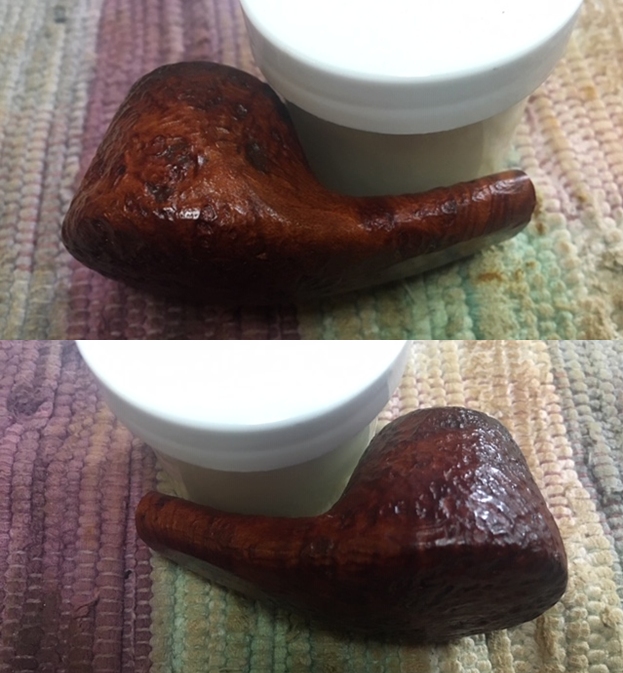
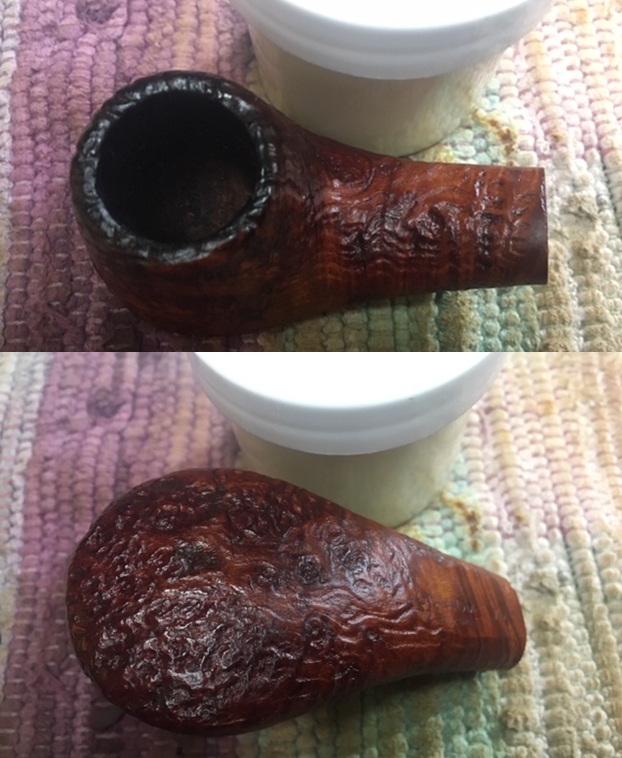
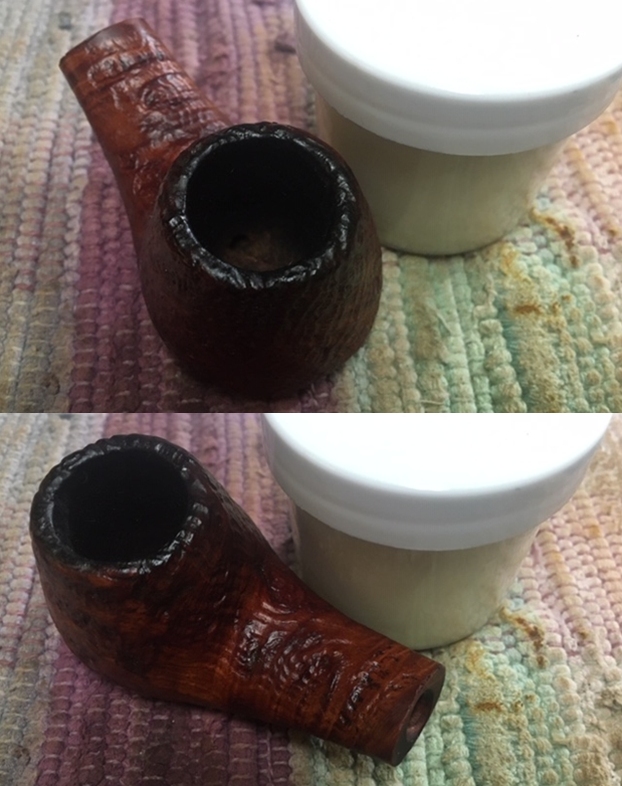
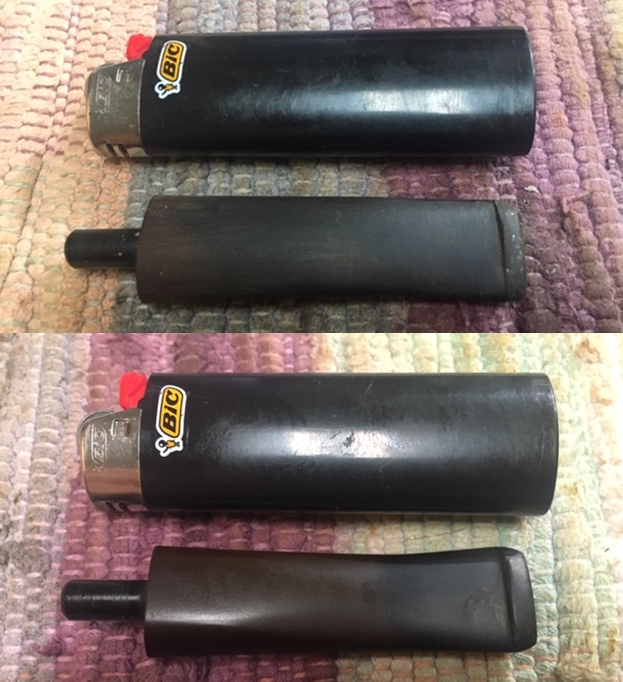
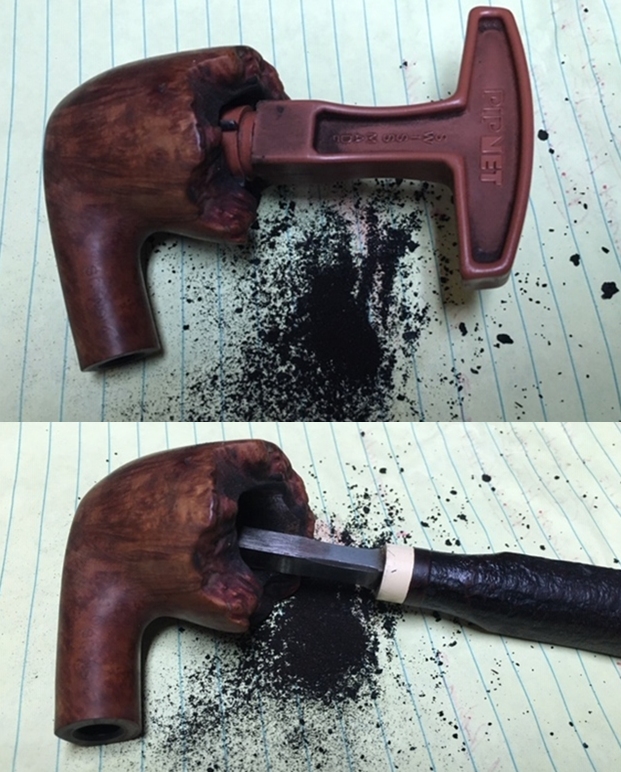
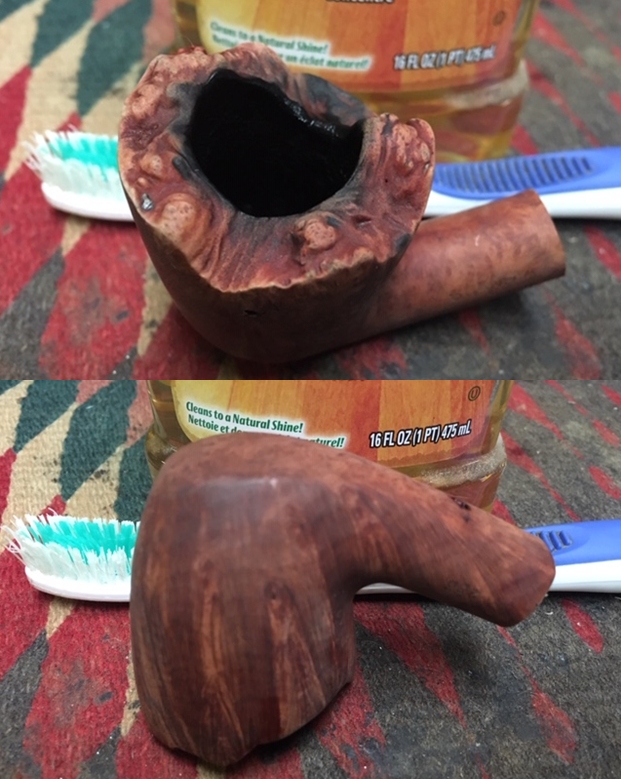
 It was my turn to work on the pipe now. I was really looking forward to what the pipe would look like once Jeff had worked his magic. What would the rim top look like? What would the dirty sandblast on the bowl look like? I had no idea. When I took it out of the box I was struck great job cleaning up the pipe Jeff had done. It was impressive! He had reamed the pipe with a Pipnet piper reamer and taken the cake back to bare briar. He cleaned up the remaining cake with a Savinelli Fitsall Pipe Knife. He scrubbed the interior of the bowl and shank with pipe cleaners, cotton swabs, shank brushes and alcohol to remove the tars and oils. He scrubbed the exterior of the pipe with Murphy’s Oil Soap and a tooth brush to remove the grime from the finish. He worked on the rim top lava and darkening with the soap and tooth brush. He scrubbed the inside of the stem with alcohol and pipe cleaners. He scrubbed the exterior with Soft Scrub and then soaked it in Briarville’s Pipe Stem Deoxidizer. He washed the stem off with warm water to remove the Deoxidizer. The pipe looked far better. I took photos of the pipe when I received it before I started working on it.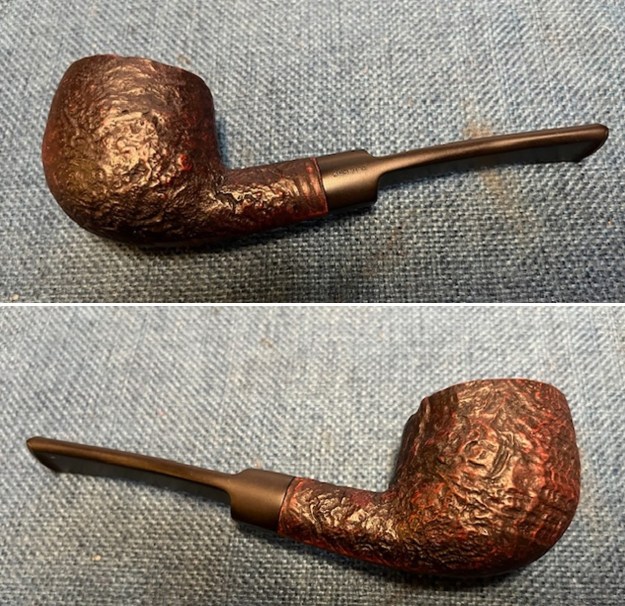
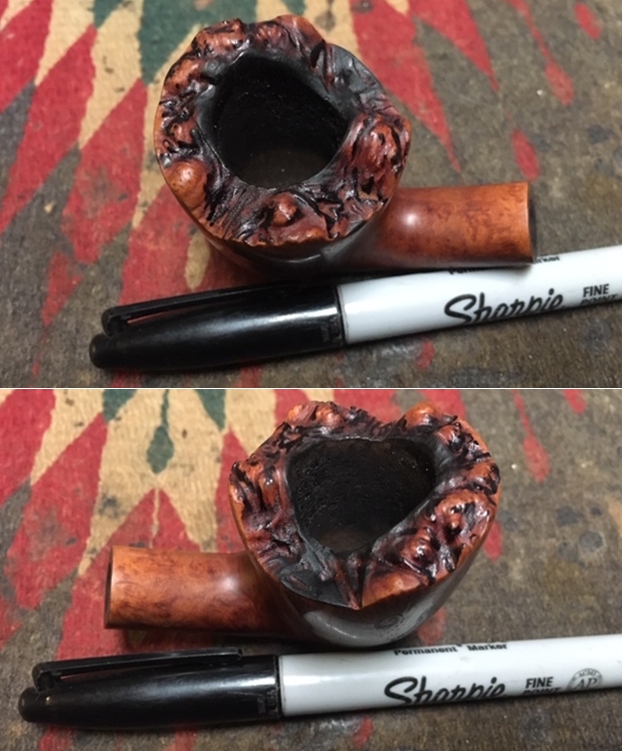
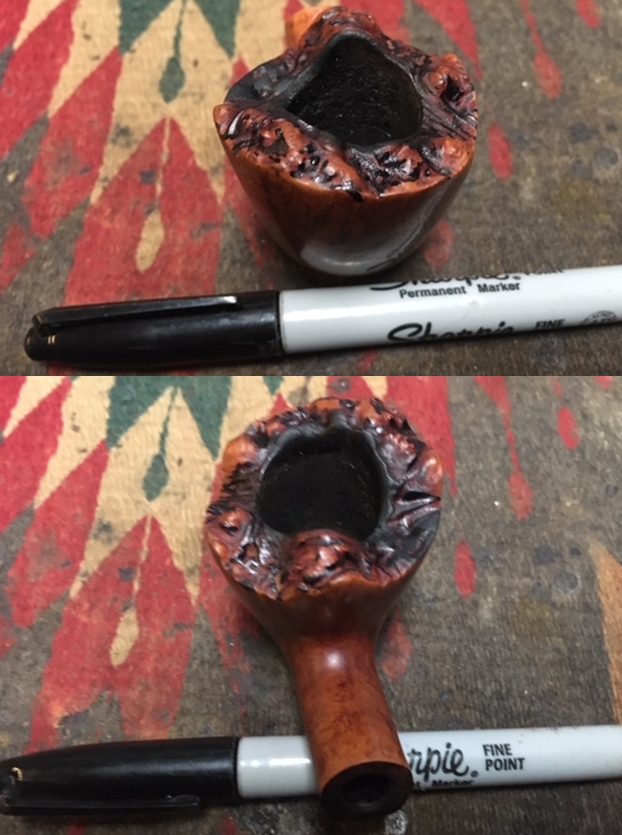
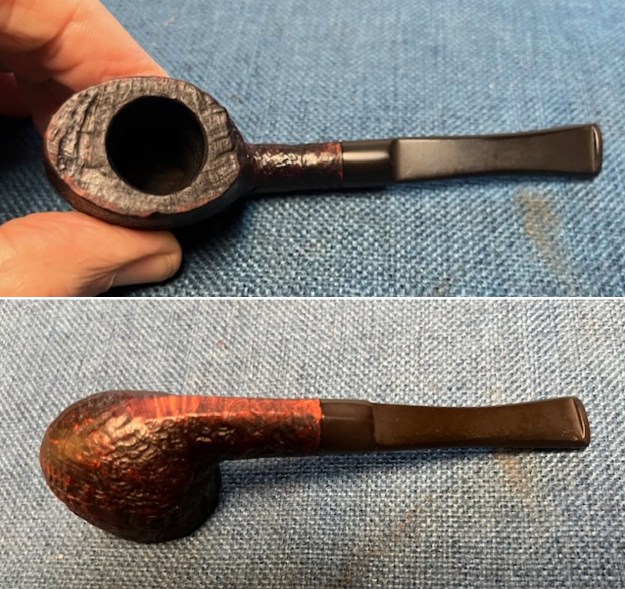 I took photos of the bowl and rim top as well as the stem to show how clean they were. You can see the ridges and valleys in the briar rim top and the inner edge of the bowl is very clean and looks good. The stem is clean and the tooth marks on both sides are very minimal.
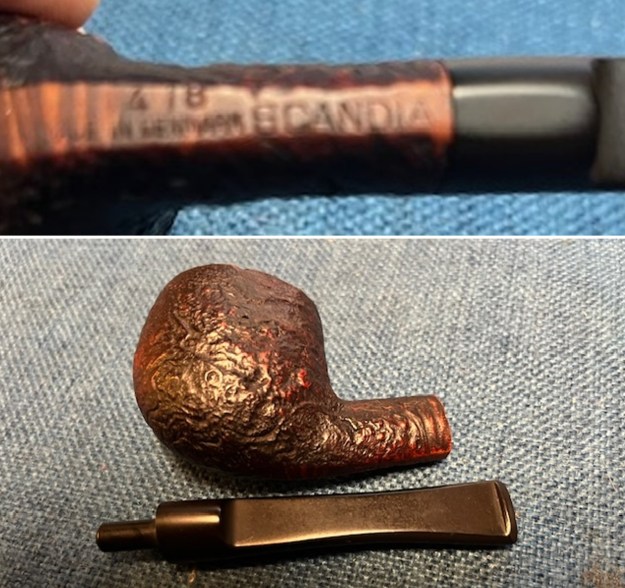
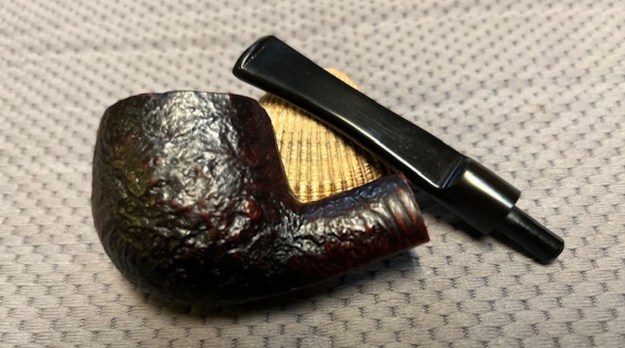
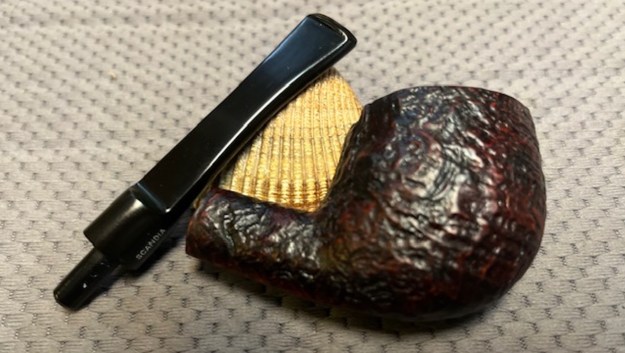
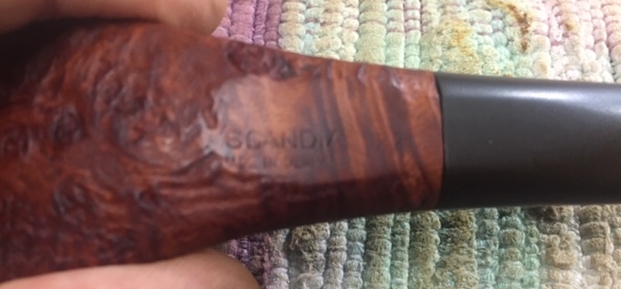
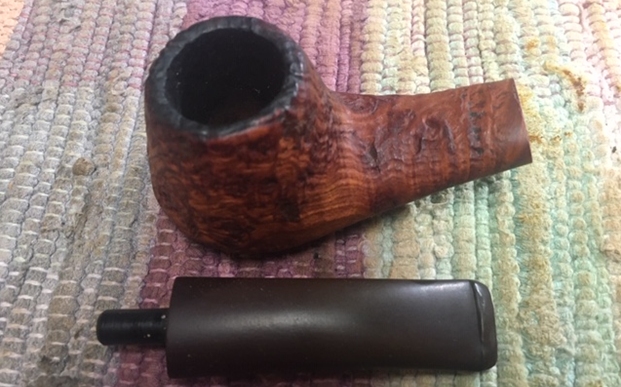
 I took a photo of the stamping on the underside of the shank. The stamping is clear and readable as noted above. I took a photo of the pipe with the stem removed to show the overall look of stem, tenon and profile of the pipe. It really is a beautifully shaped pipe.
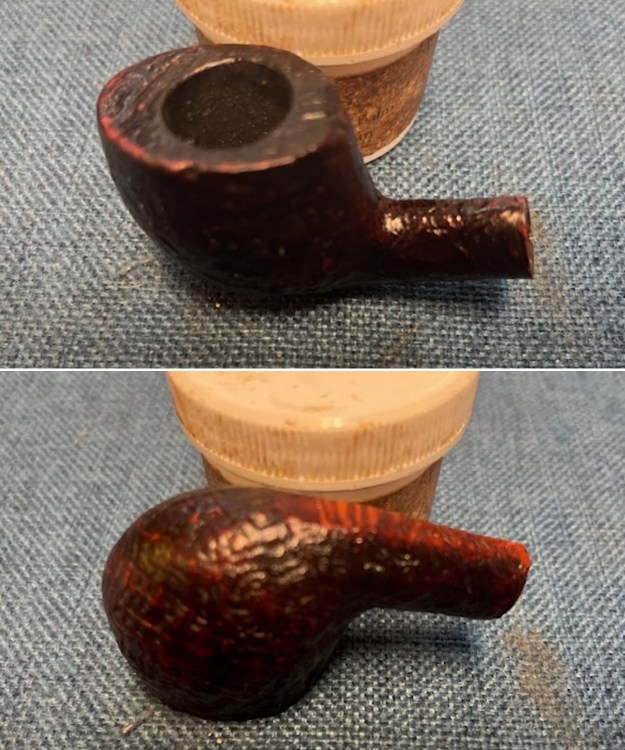
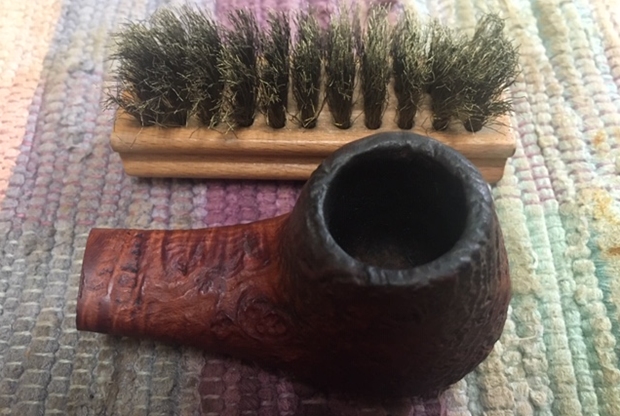
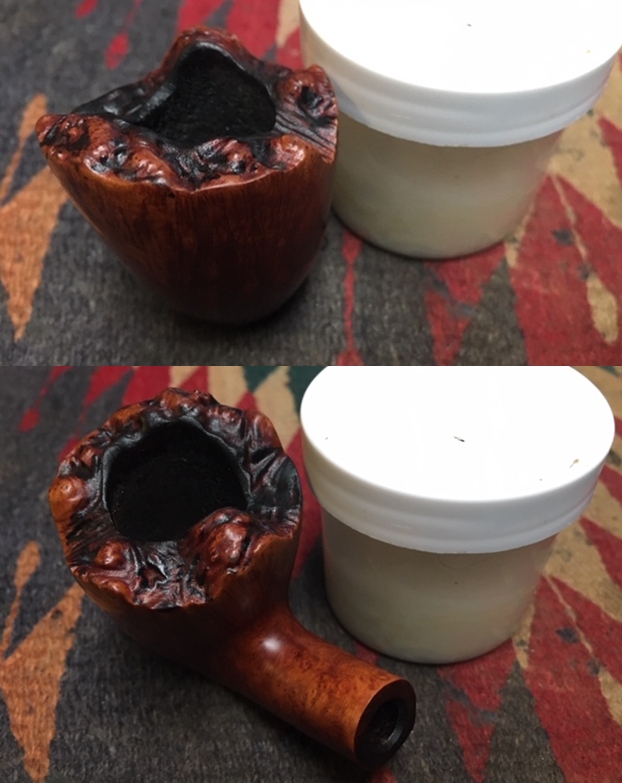
 I rubbed the briar down with Before & After Restoration Balm. I worked it into the briar with my fingertips and a horsehair shoe brush to get it into the crevices of the sandblast. The product works to clean, enliven and preserve the briar. I let it sit for 10 minutes while I worked on the stem. After the time passed I buffed it with a cotton cloth to deepen the shine. The briar really comes alive with the balm.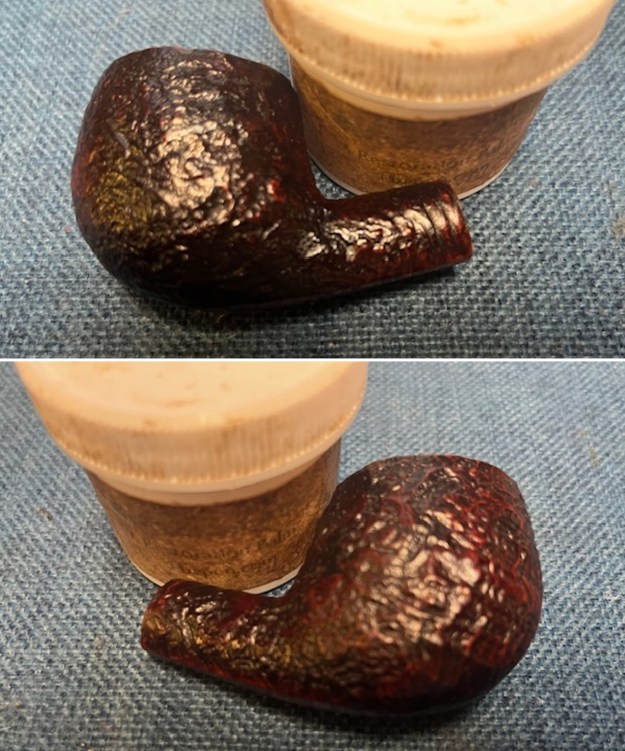
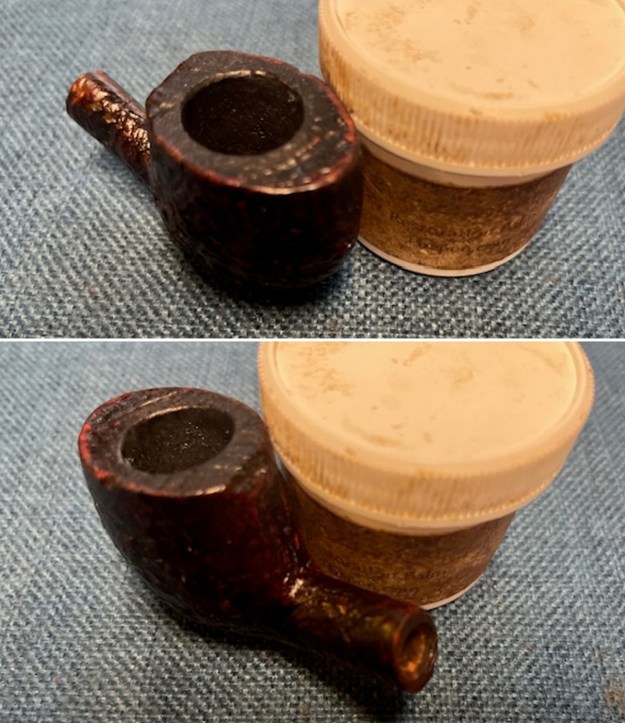 I touched up the SCANDIA stamp on the left side of the saddle stem with white acrylic fingernail polish. I worked it into the stamp with a tooth pick. I scraped away with my fingernail and also cleaned up the remnants around the stamp with 320 grit sandpaper.
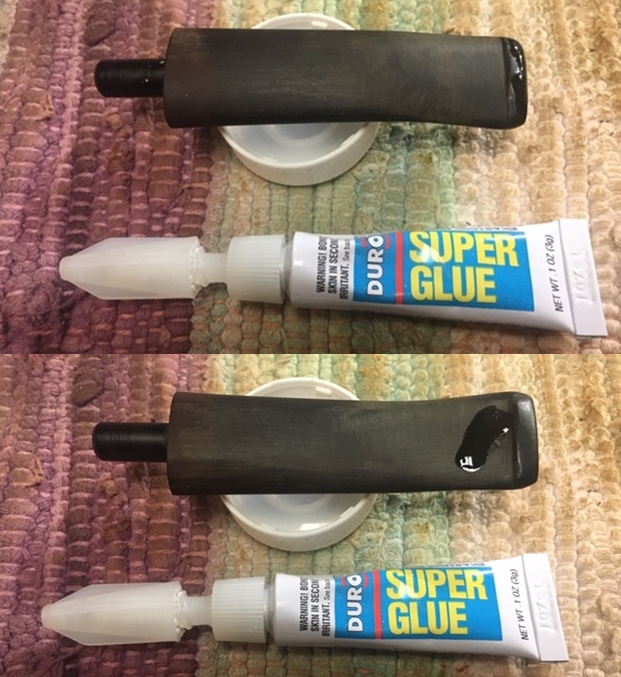
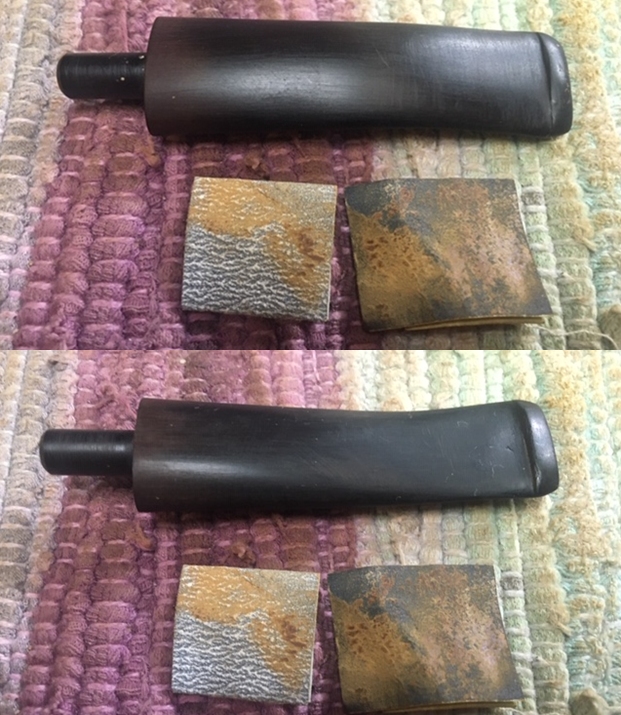
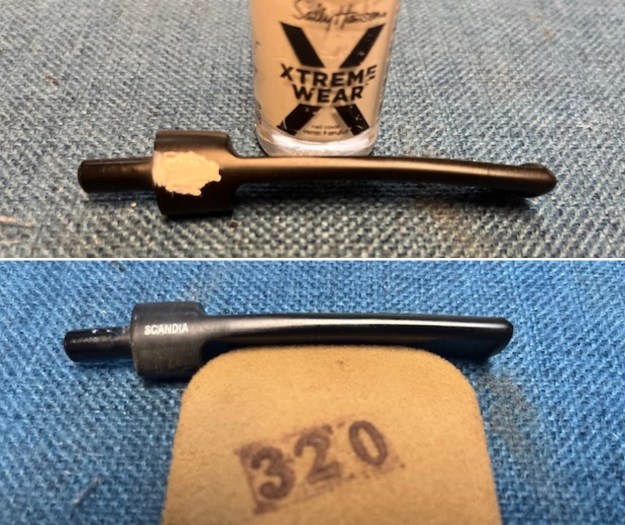 I sanded out the tooth marks on the stem on both sides next to the button with 220 grit sandpaper. I cleaned up the sanding marks with 320-3500 grit sanding pads. I wiped it down with Obsidian Oil and it looked much better.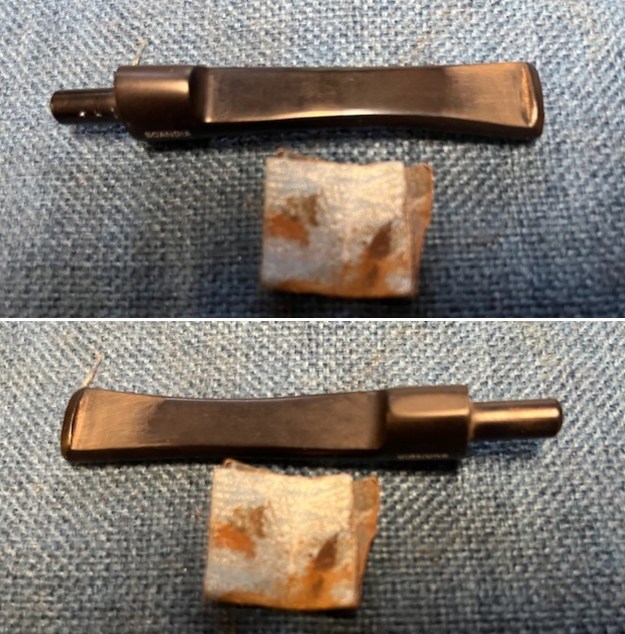
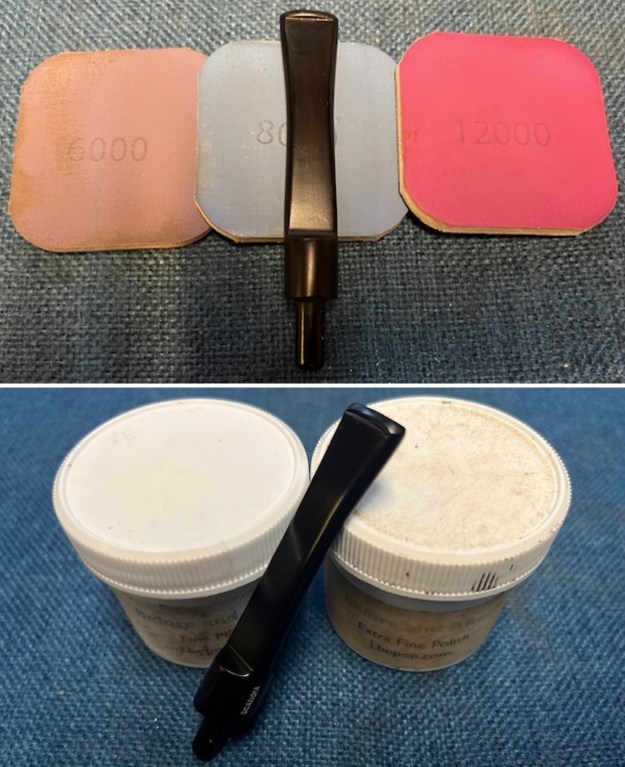
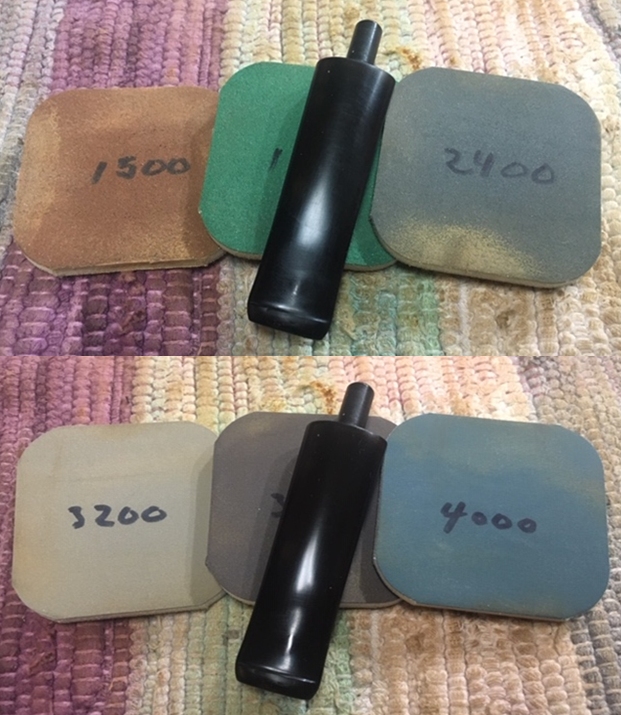
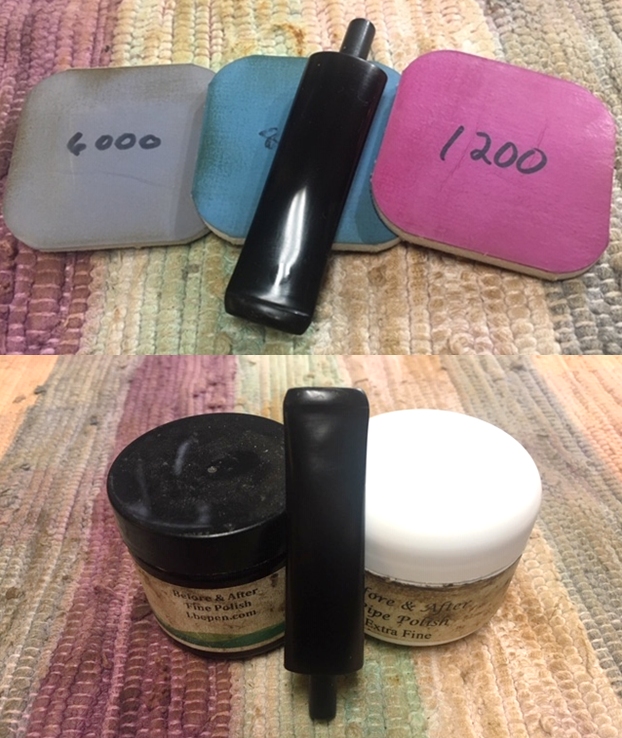
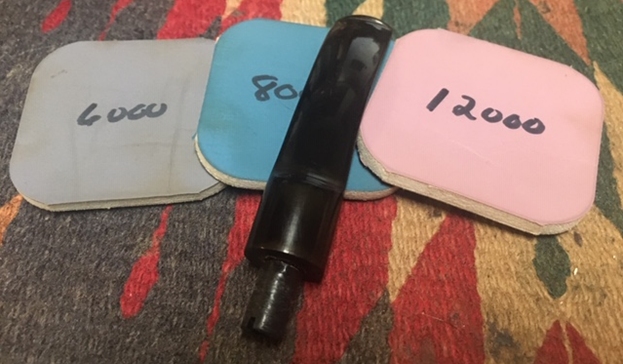
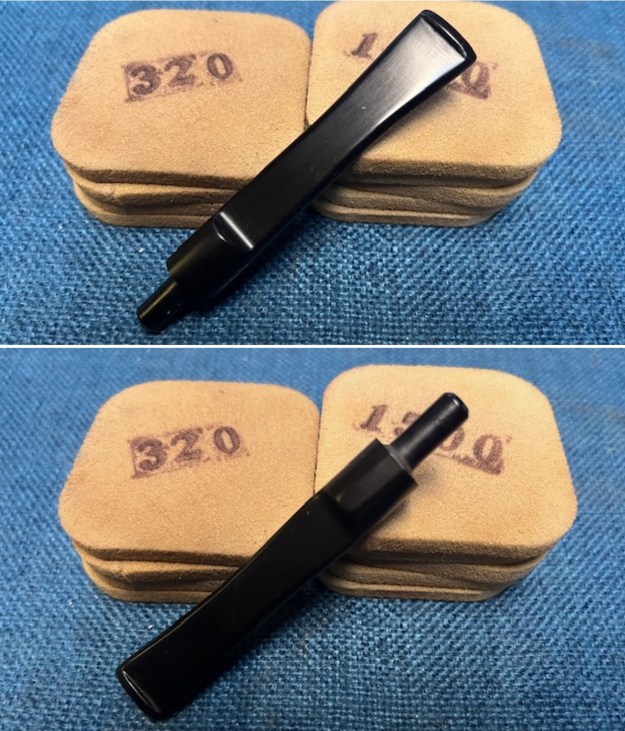 I polished the stem with micromesh sanding pads – 1500-12000 grit sanding pads. I wiped the stem down with an Obsidian Oil cloth after each sanding pad. I gave the stem a final polish with Before & After Pipe Stem Polish – both Fine and Extra-Fine. I gave the stem another coat of Obsidian Oil.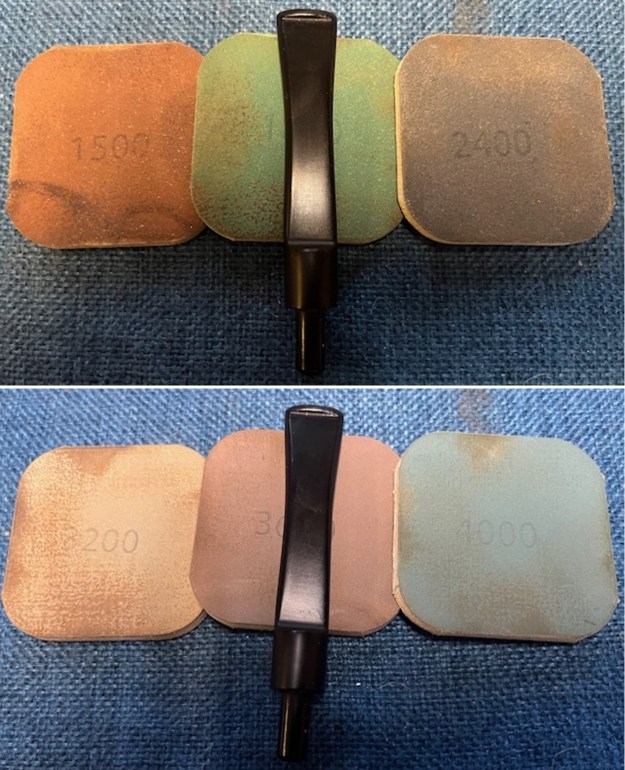
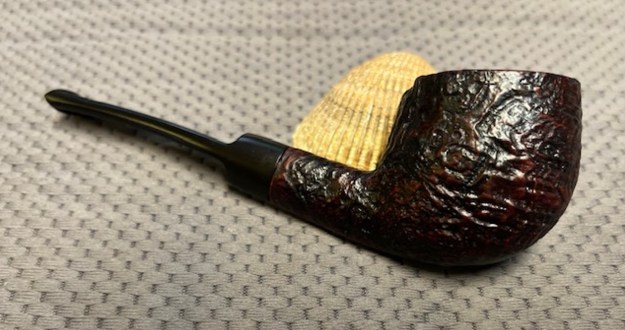
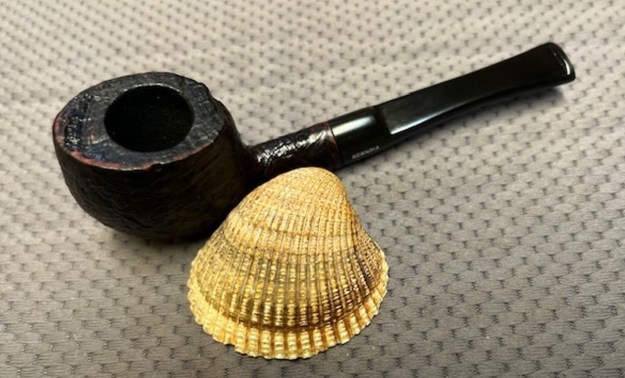
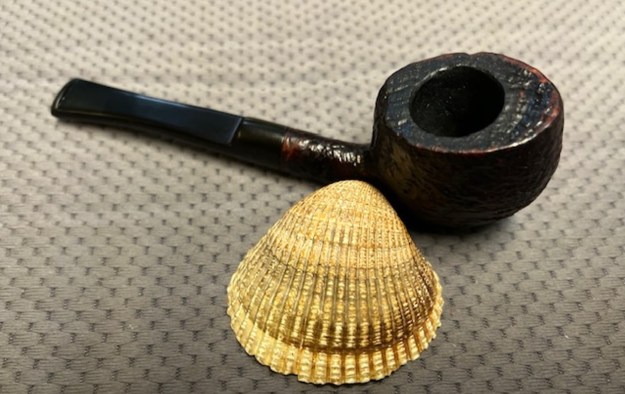
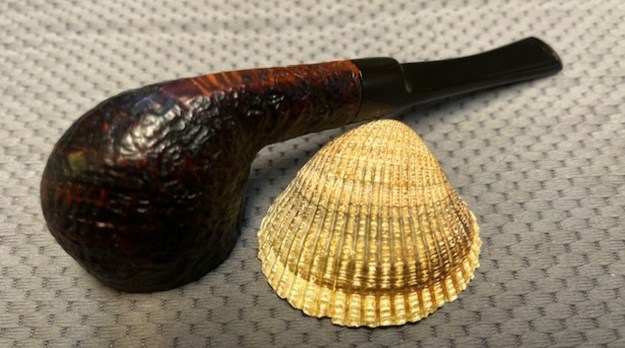
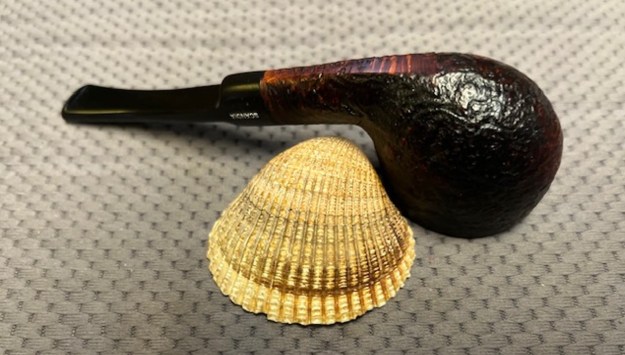
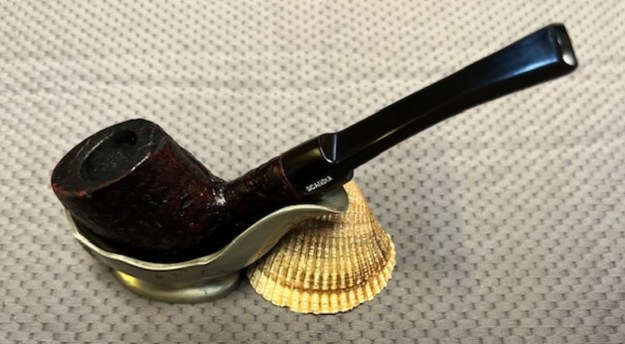
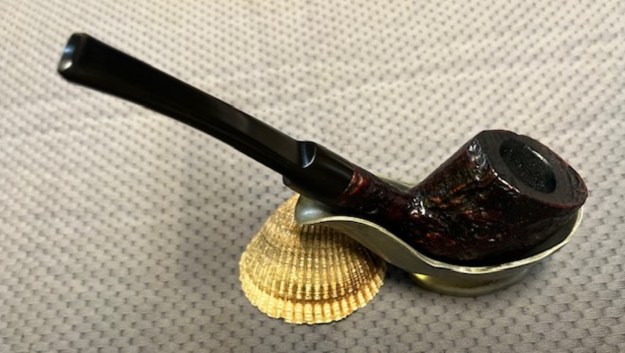
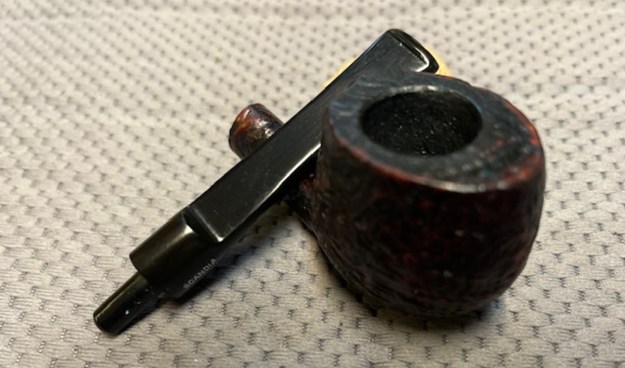
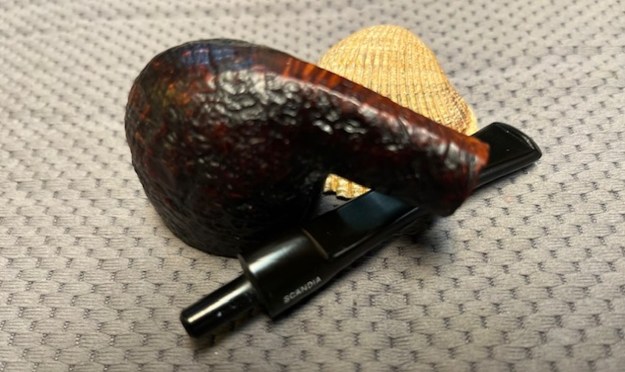
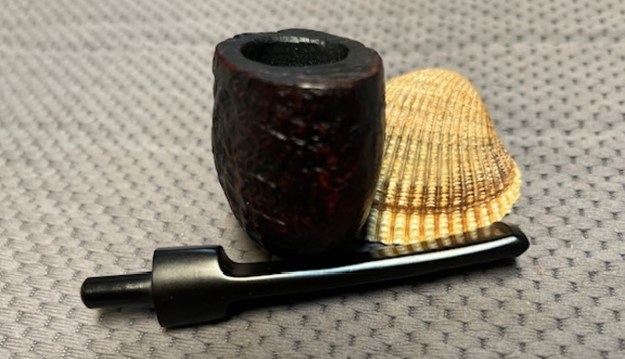
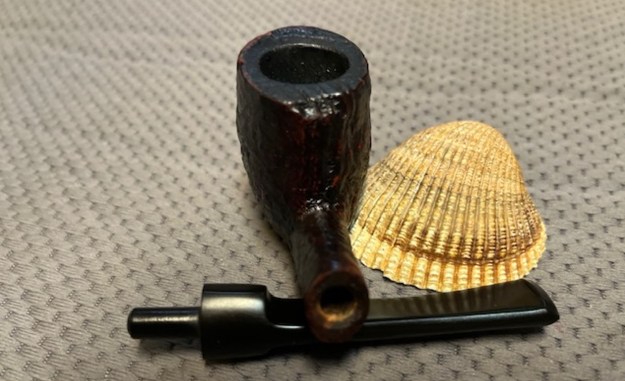
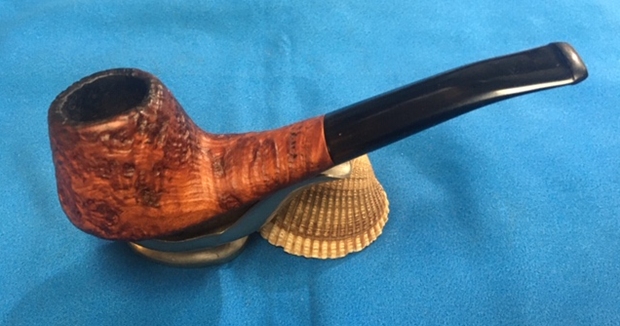
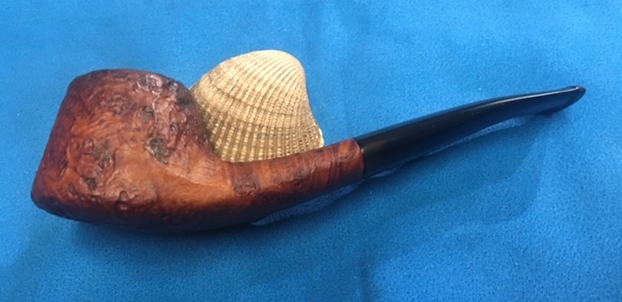
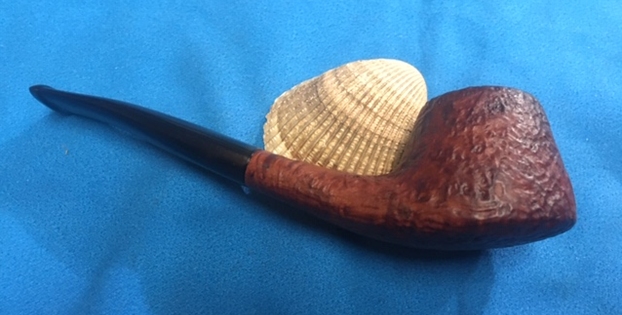
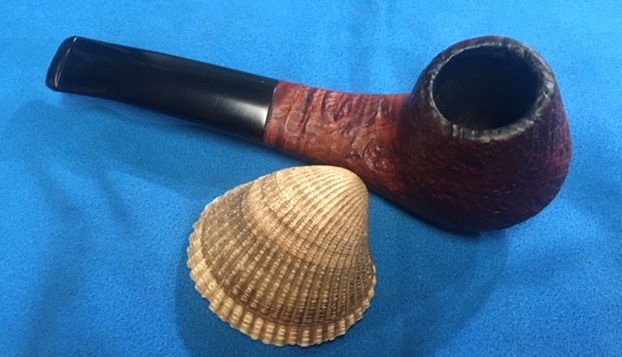
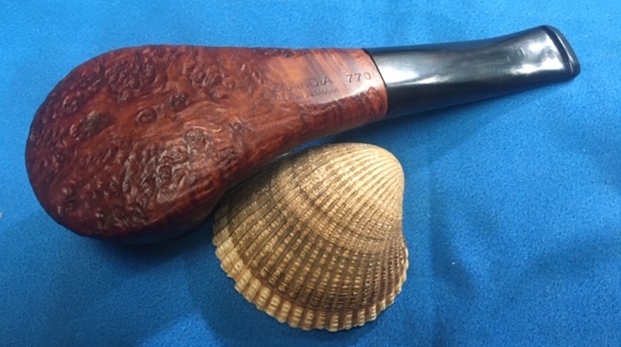
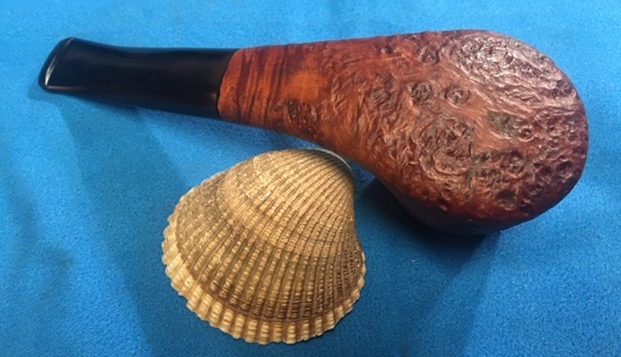
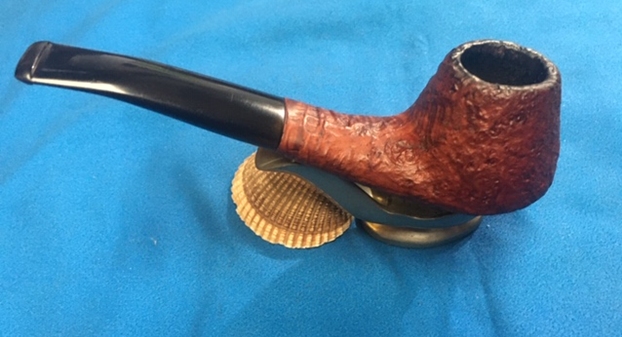
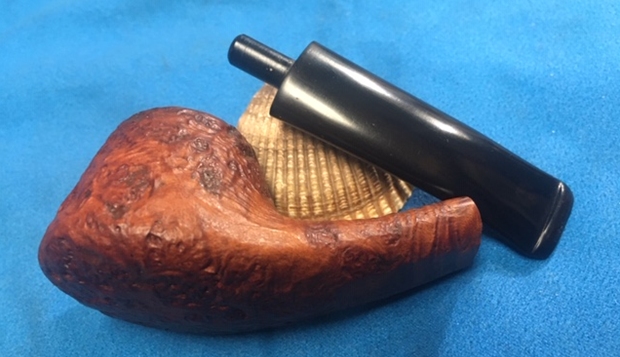
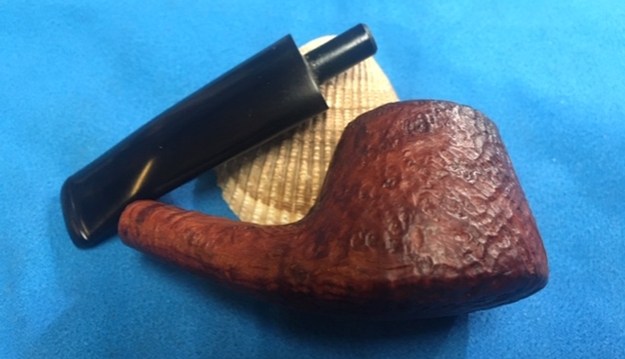
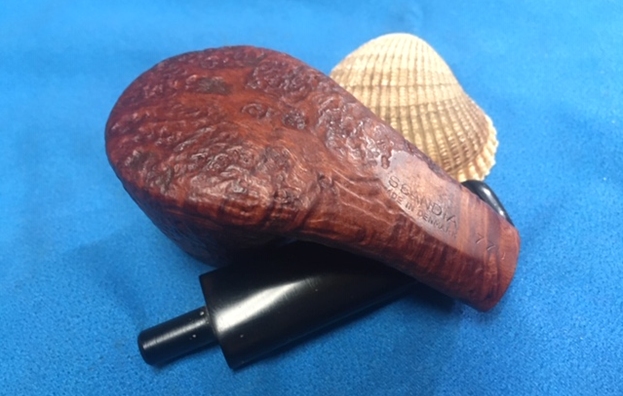
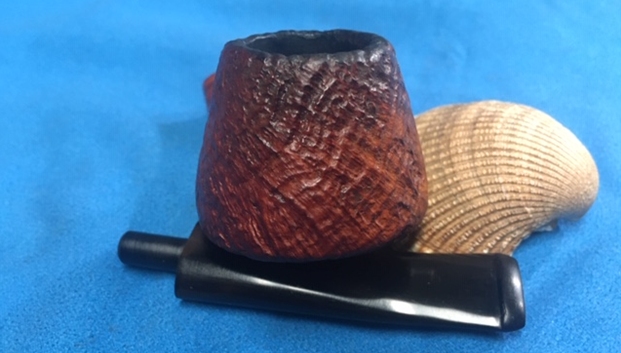
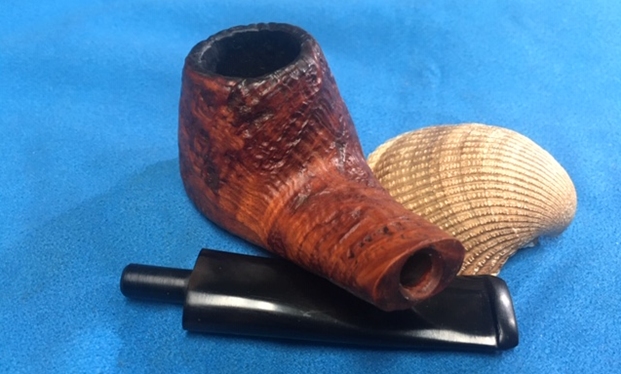
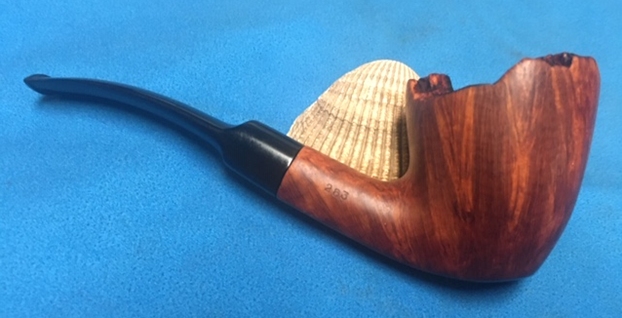
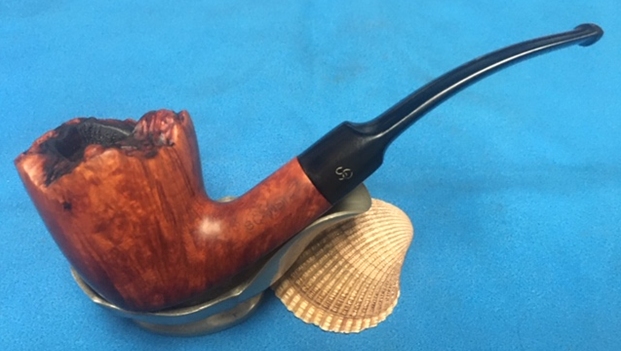
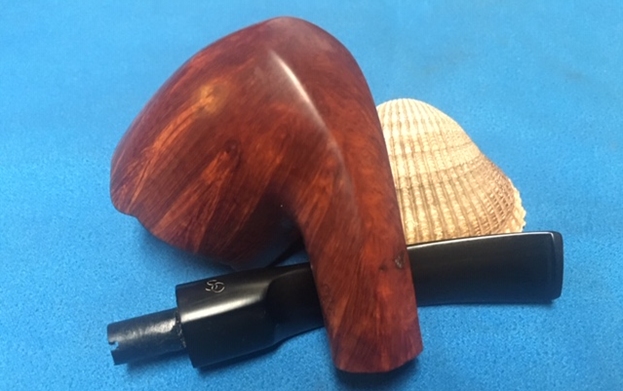
 This interestingly stained sandblast Stanwell Made Scandia 418 Oval Bowled Opera style pipe with a vulcanite saddle stem turned out very nice. The mix of dark brown stains highlights the nooks and crannies of the sandblast around the bowl sides and bottom. The finish on the pipe looks very good. I put the stem back on the bowl and carefully buffed the pipe with Blue Diamond on the buffing wheel. I gave the bowl and stem multiple coats of carnauba wax on the buffing wheel and followed that by buffing the entire pipe with a clean buffing pad. I hand buffed the pipe with a microfiber cloth to deepen the shine. The finished Scandia 418 Opera is very nice and feels great in the hand. Give the finished pipe a look in the photos below. It is a nice pipe whose dimensions are Length: 5 ½ inches, Height: 1 ½ inches, Outside diameter of the bowl: 1 ½ inches long x 1 inch wide, Chamber diameter: ¾ of an inch. The weight of the pipe is 1.06 ounces/30 grams. Thanks for walking through the restoration with me as I worked over another beautiful pipe. This pipe will be going on the rebornpipes store shortly in the Danish Pipe Makers Section. If you are interested in adding it to your collection let me know! Thanks for your time. As always, I look forward to your comments and observations.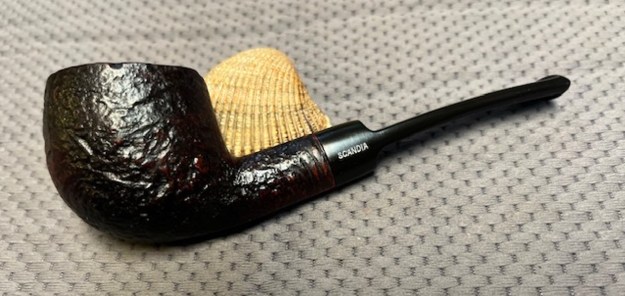























 rebornpipes