Tag Archives: Stanwell Made in Denmark pipes

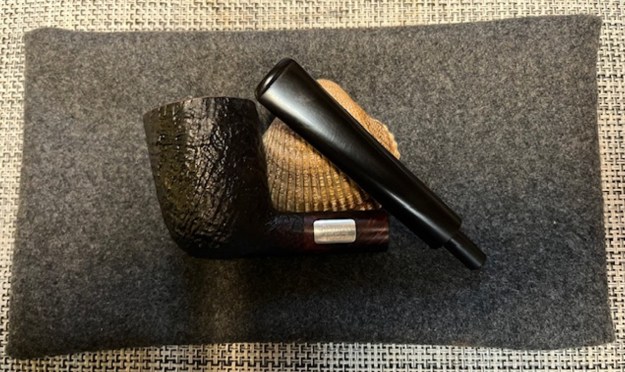
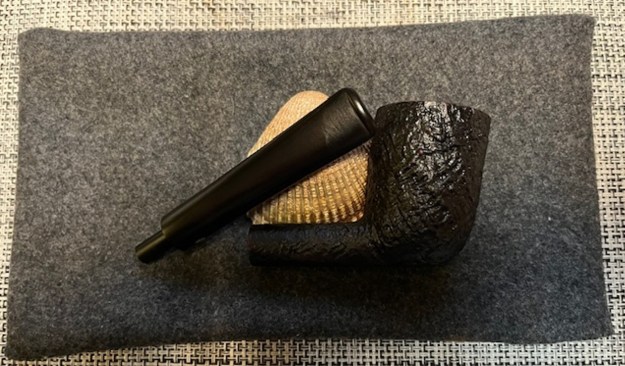
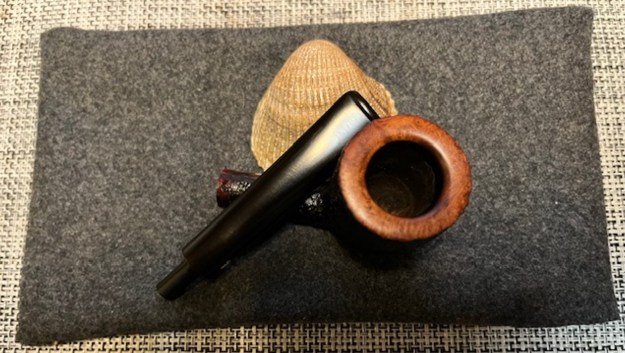
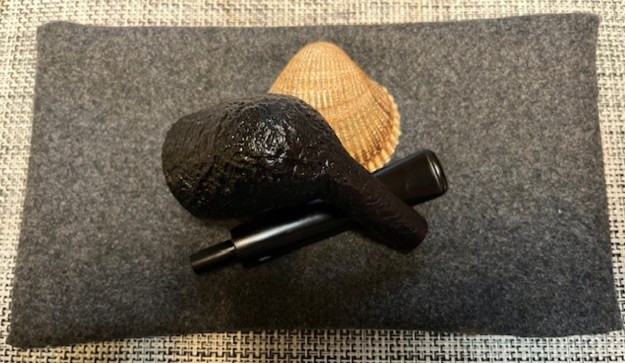
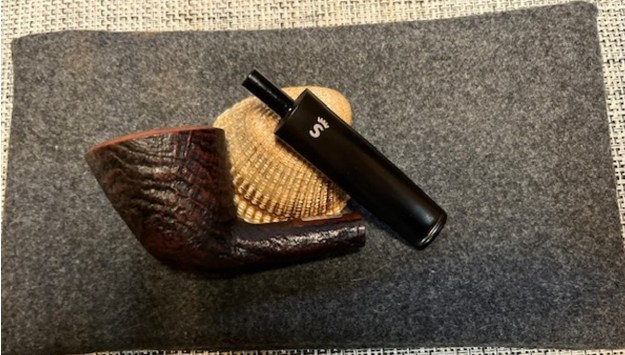
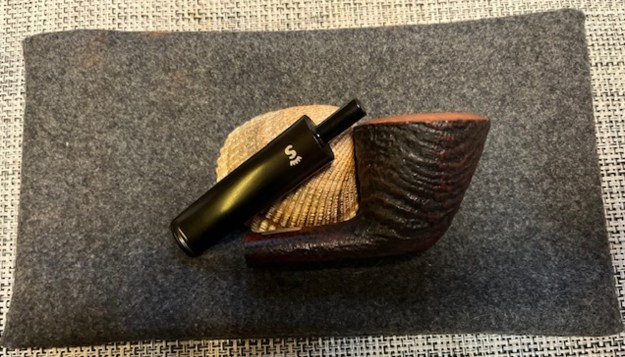
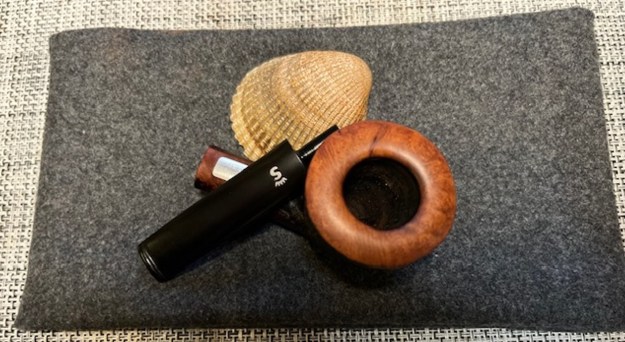
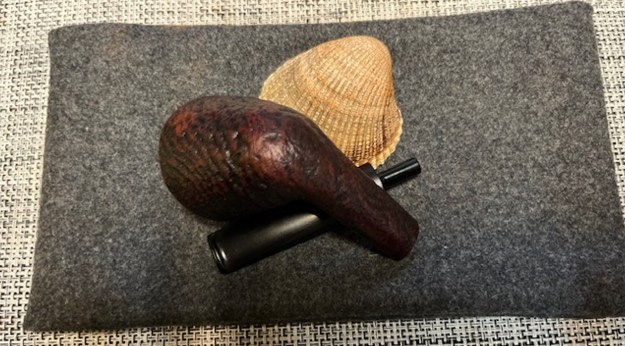
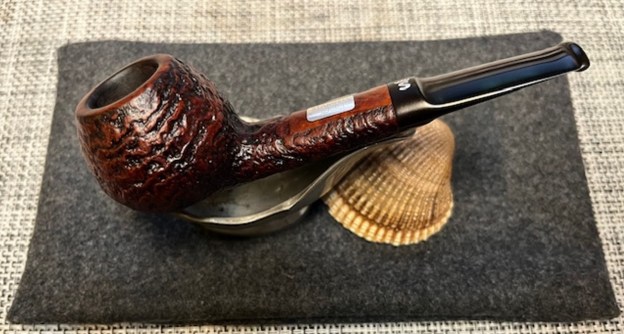
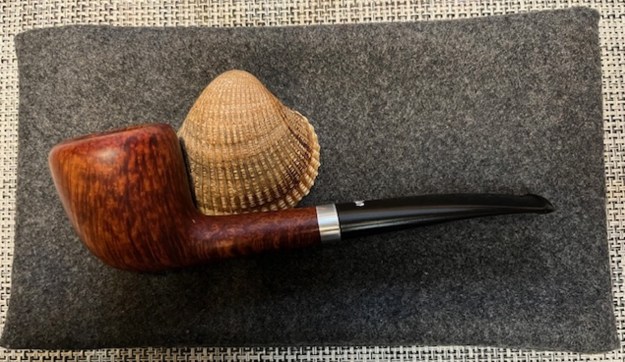
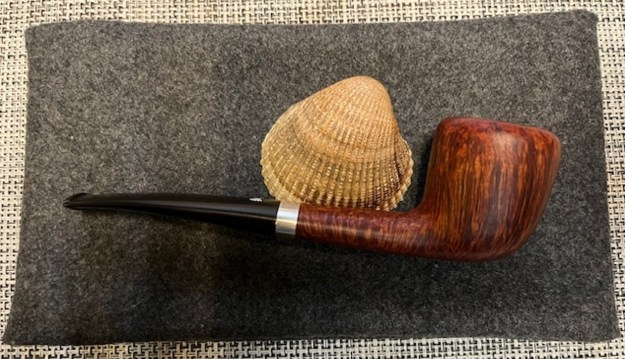
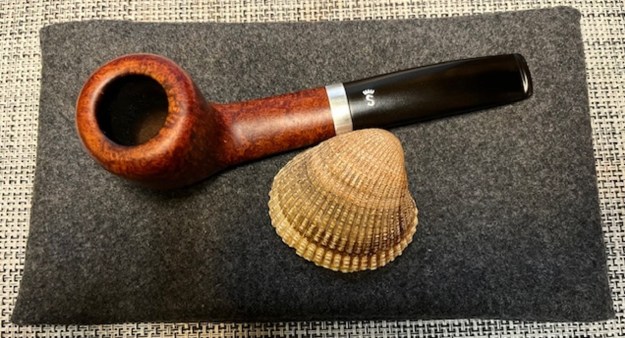
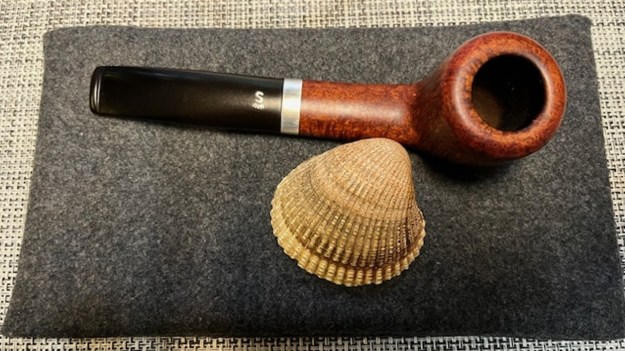
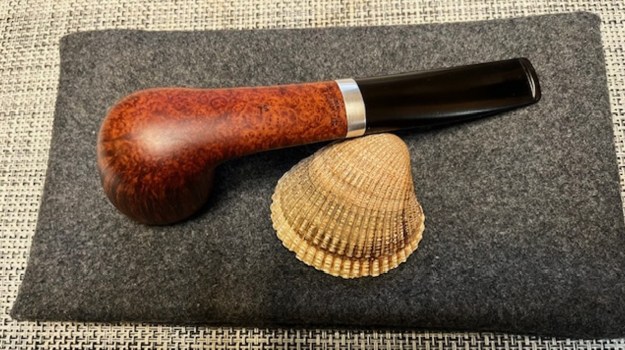
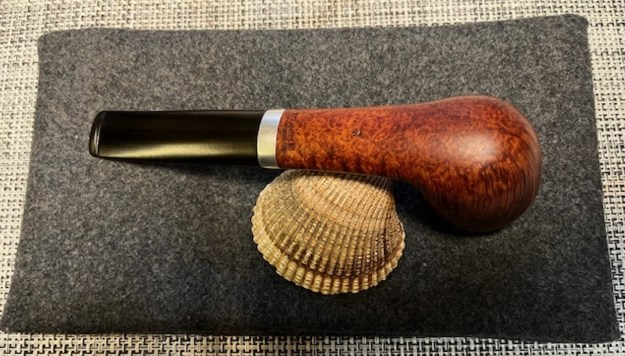
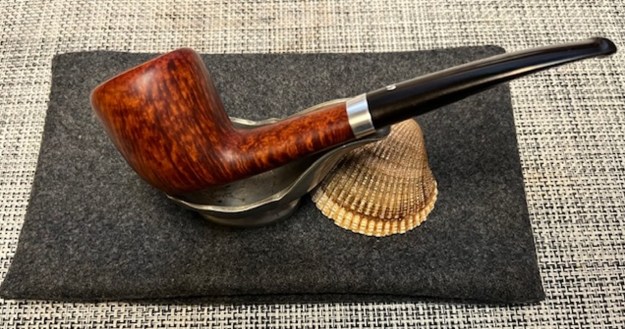
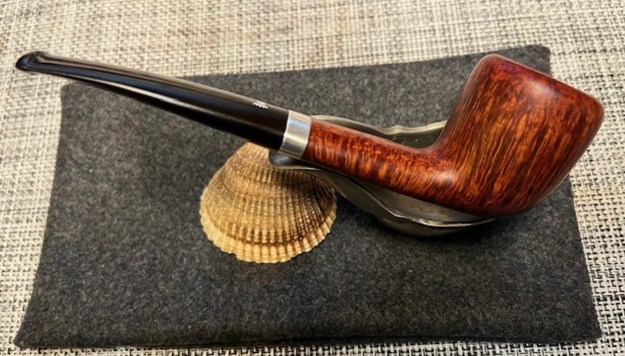
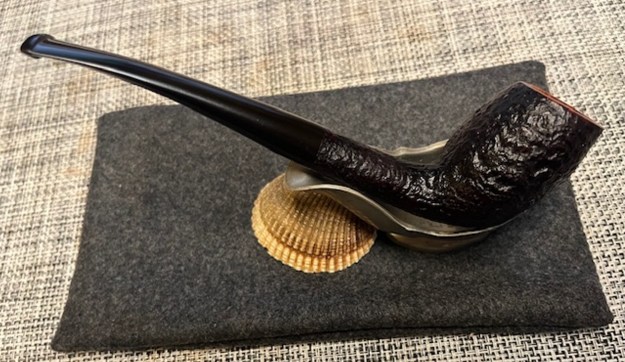
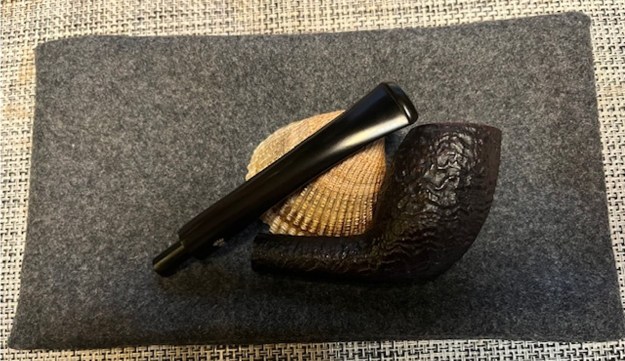
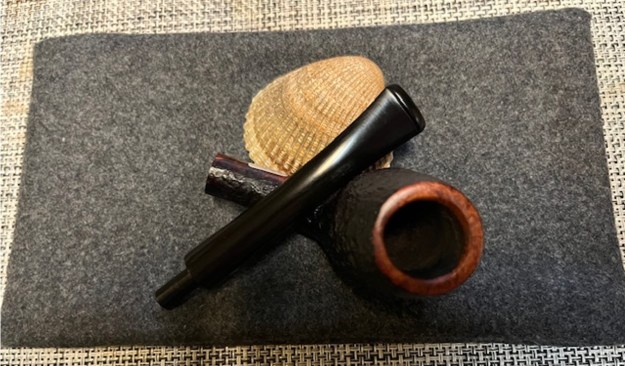
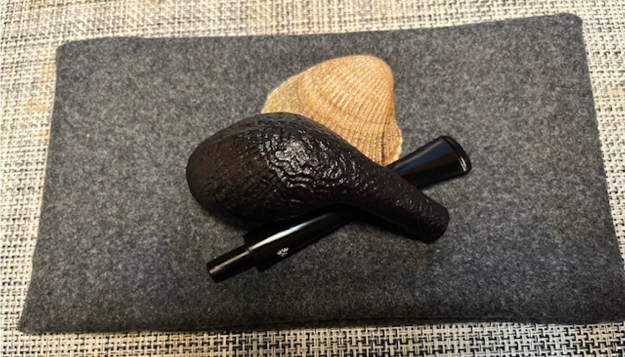
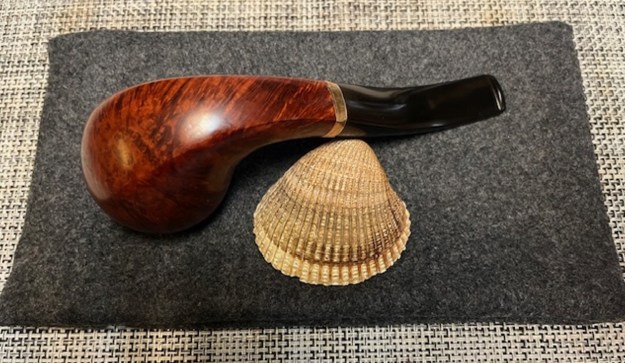
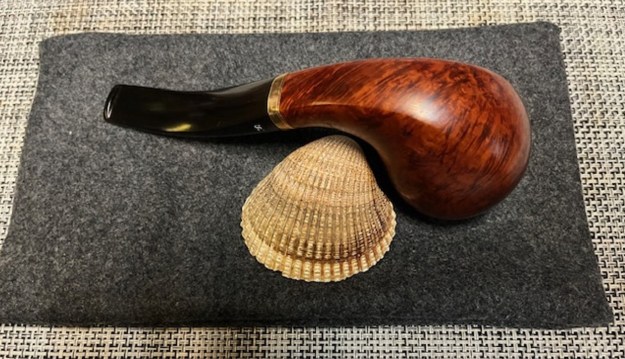
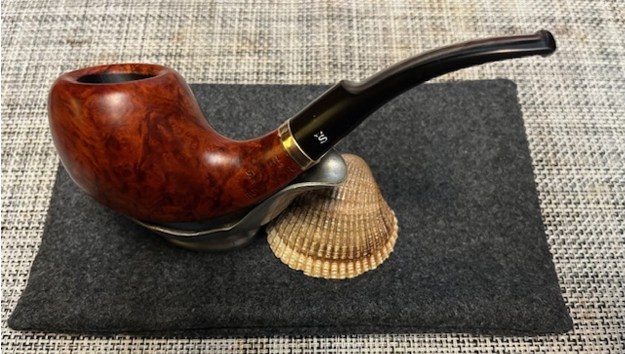
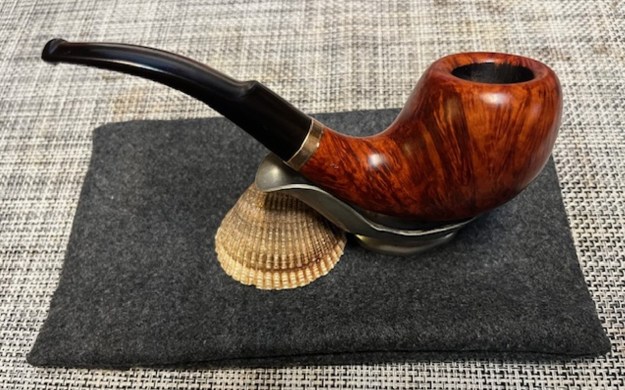
Restoring a Badly Damaged Stem on a Danish Made Stanwell 608 Bent Apple


by Steve Laug

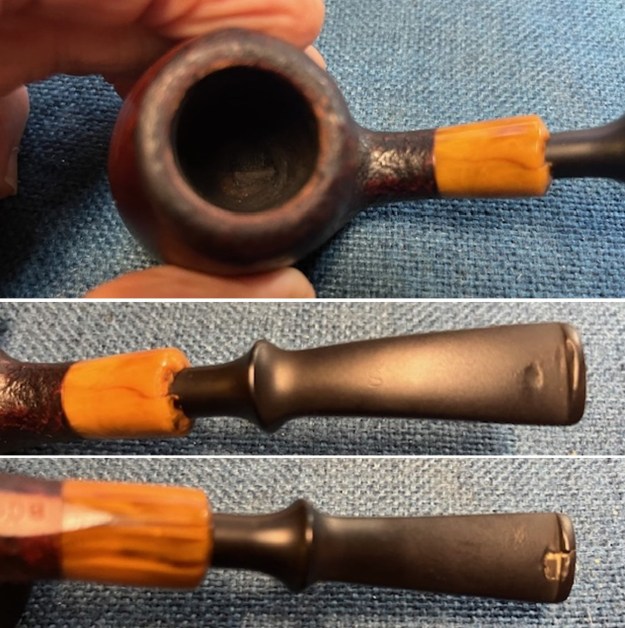
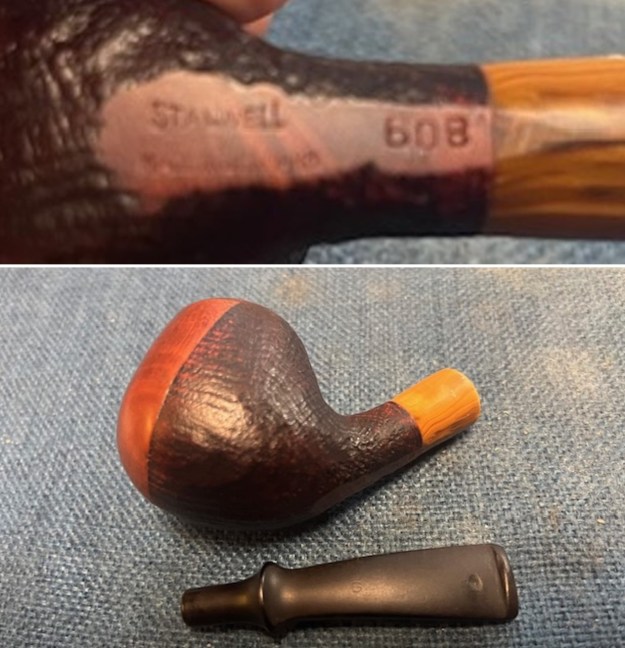
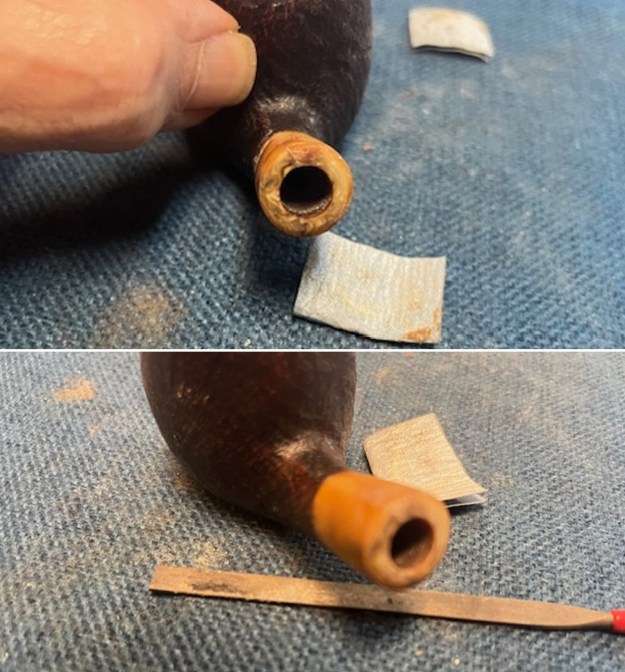
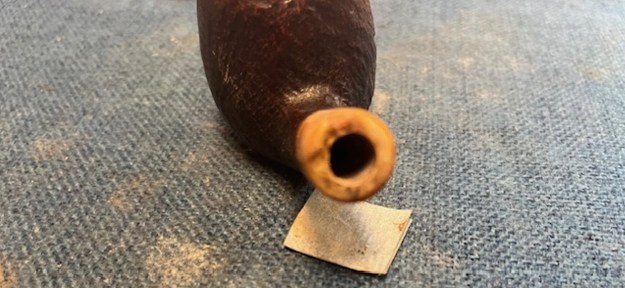
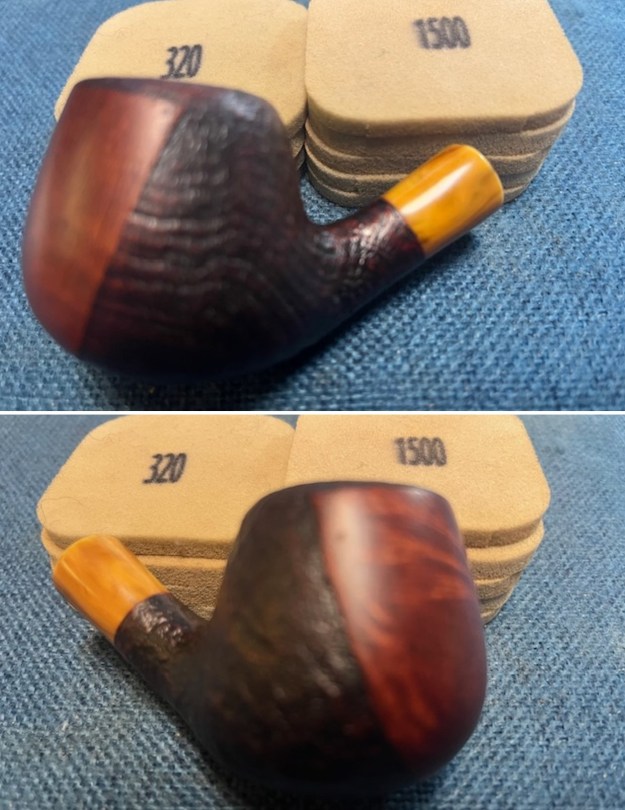
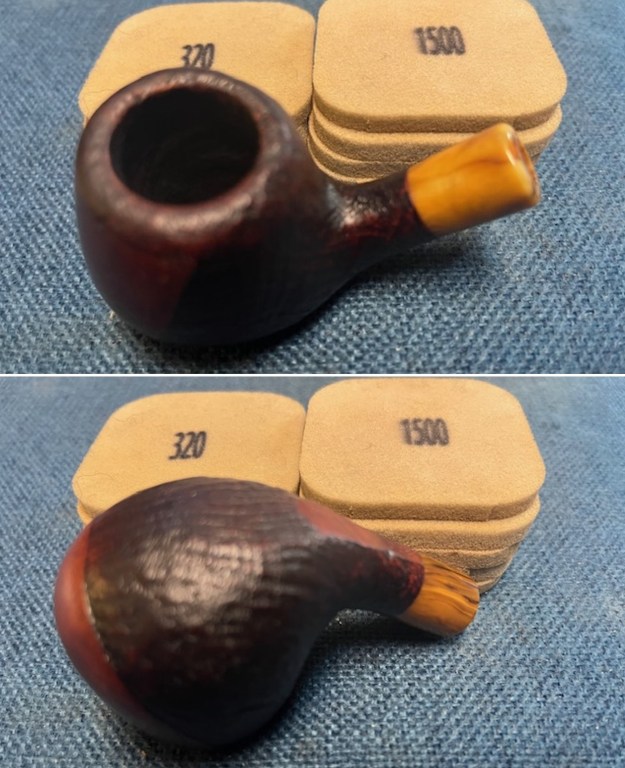
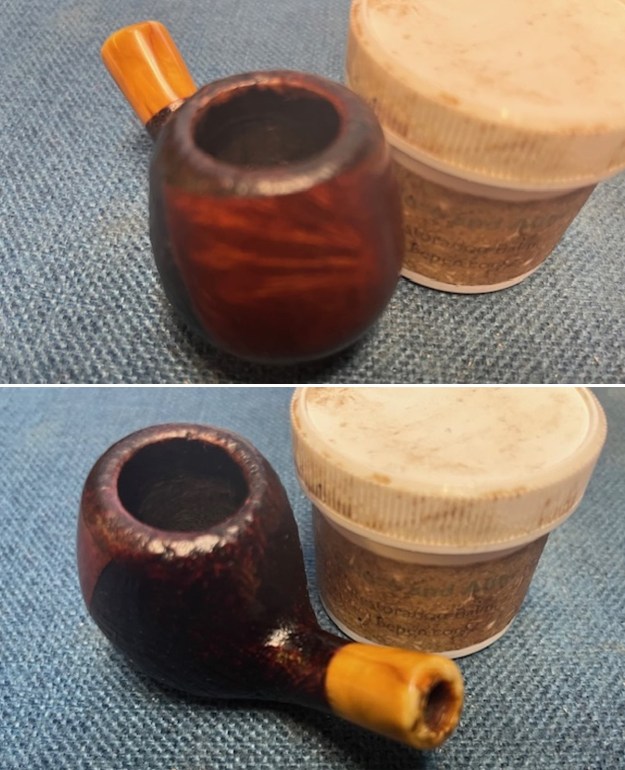
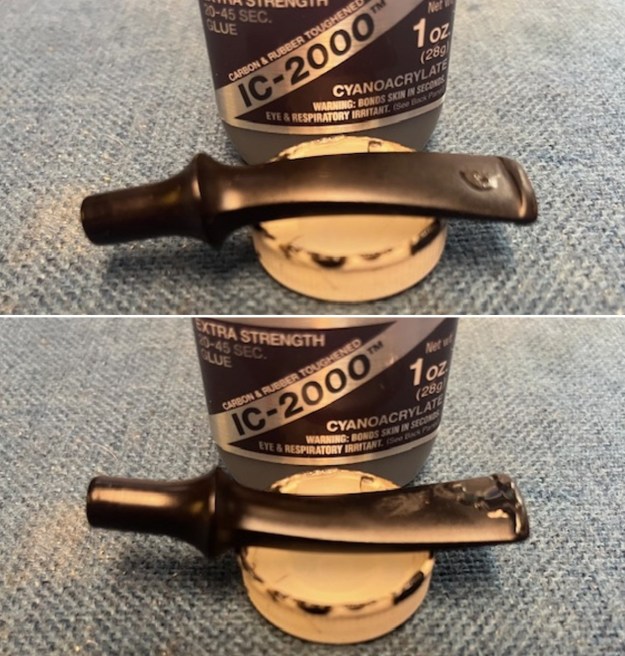
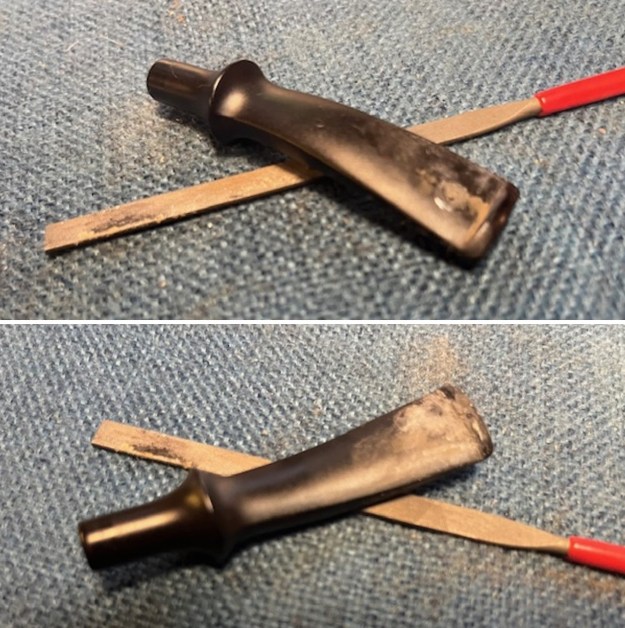
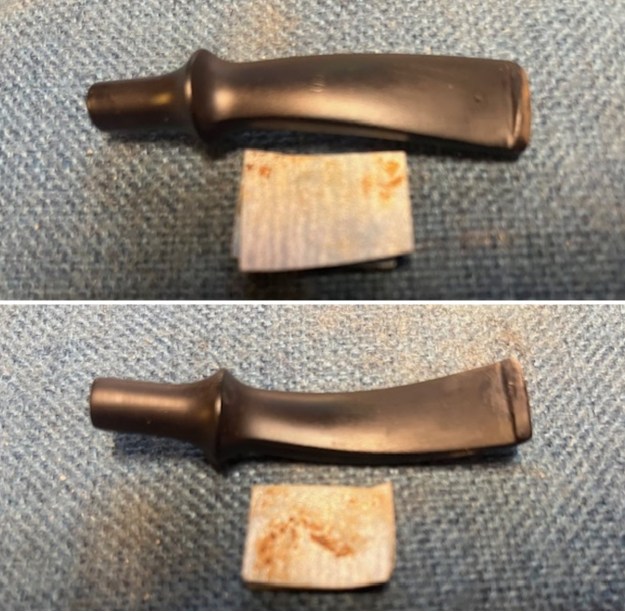
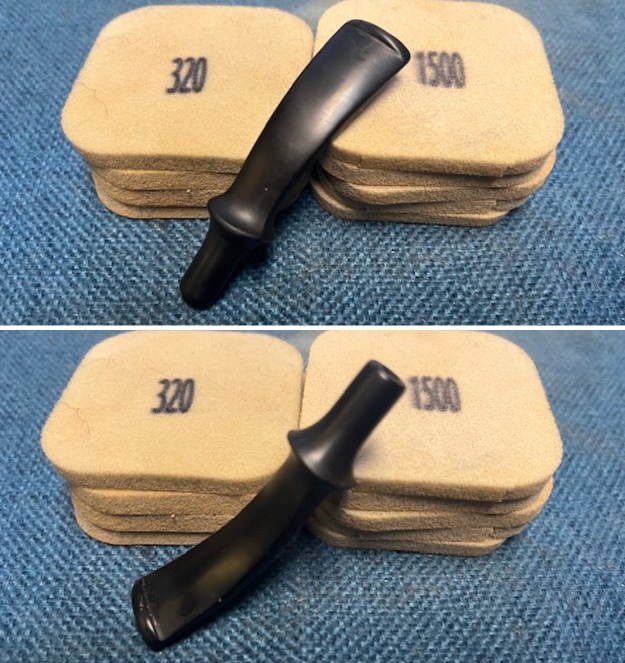
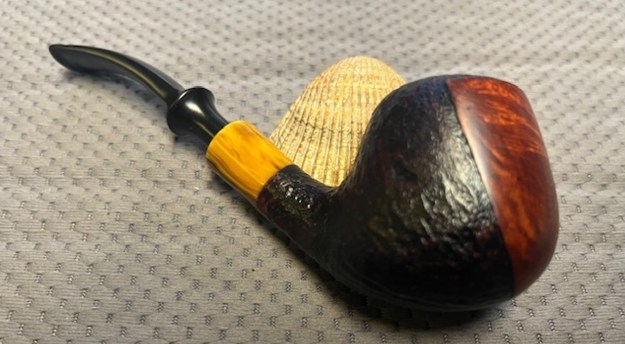
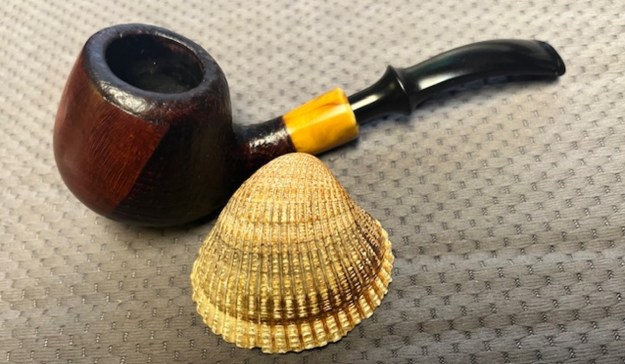
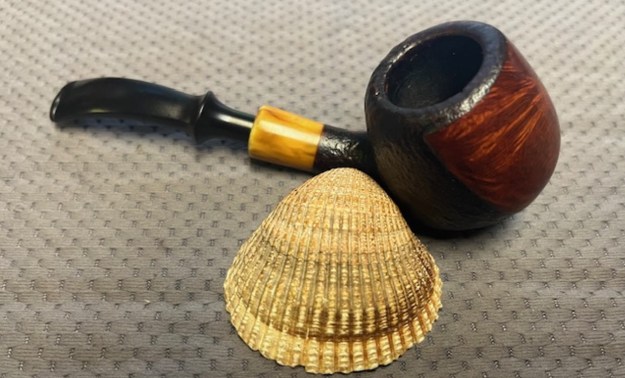
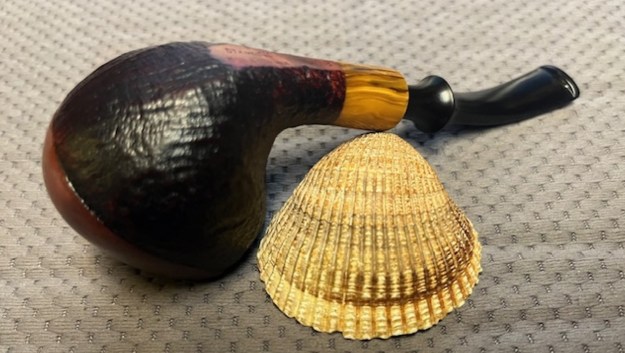
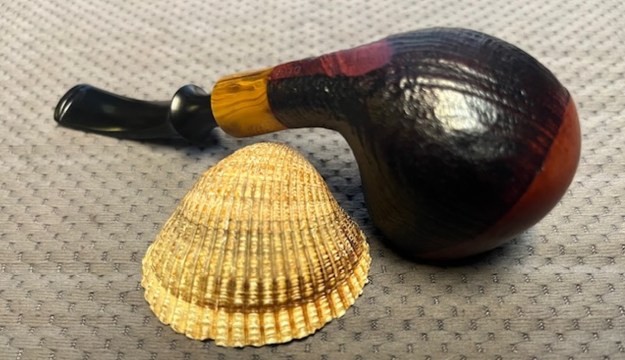
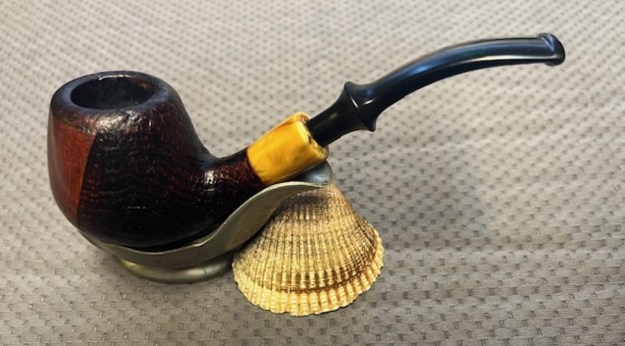
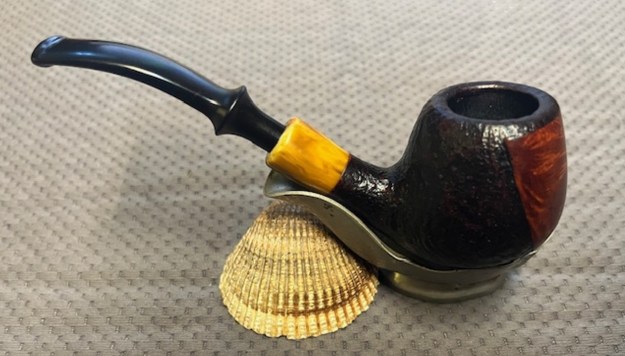
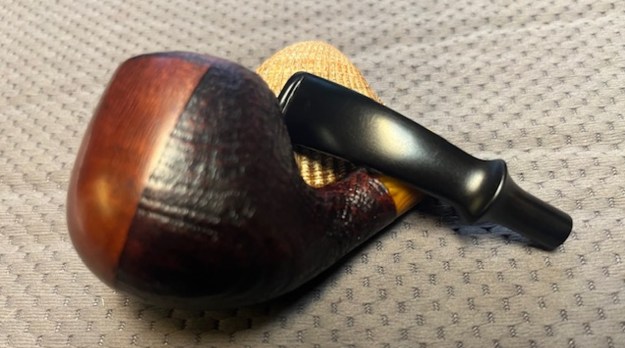
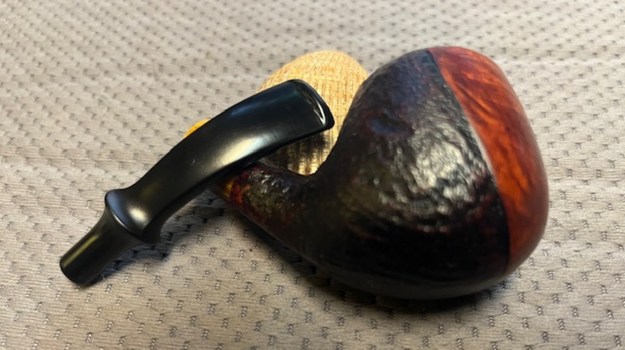
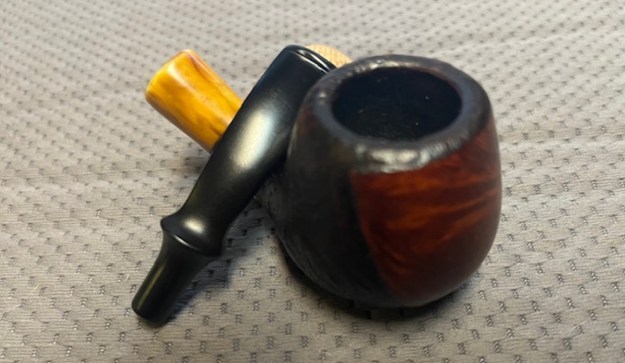
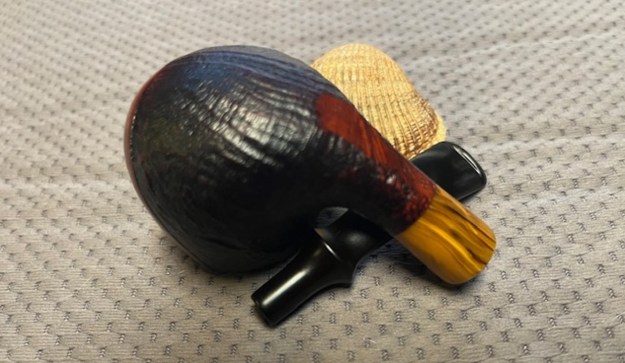
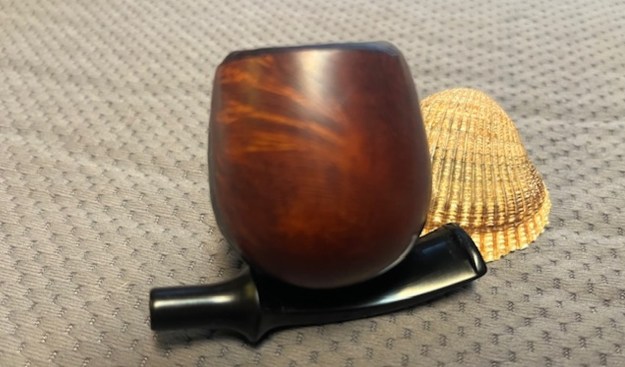
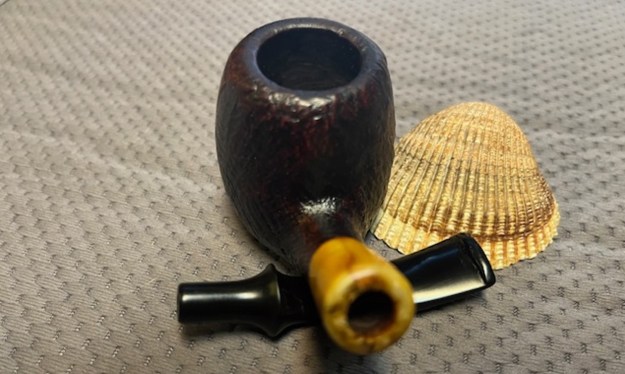
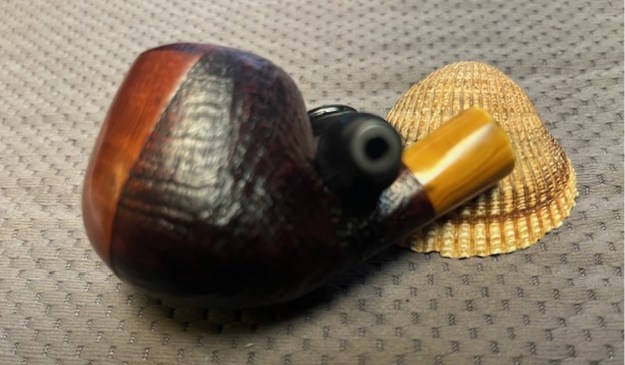
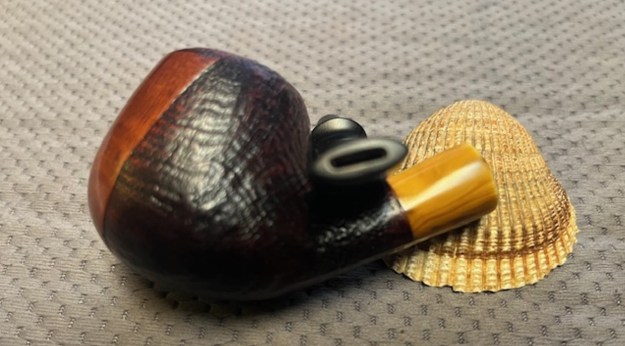
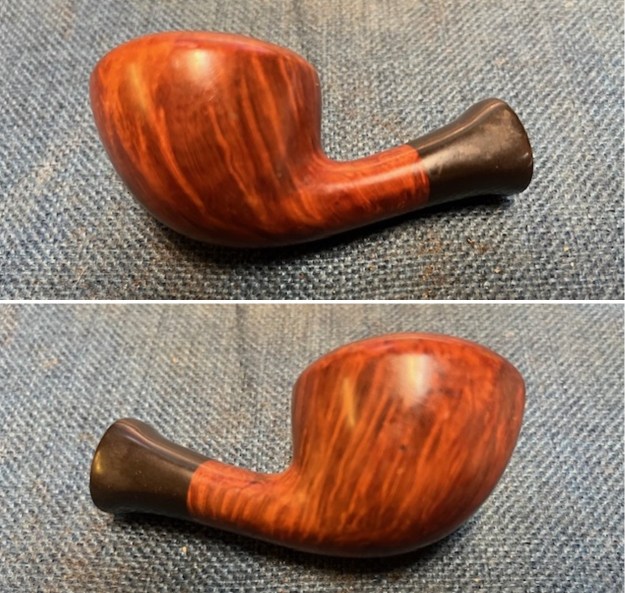
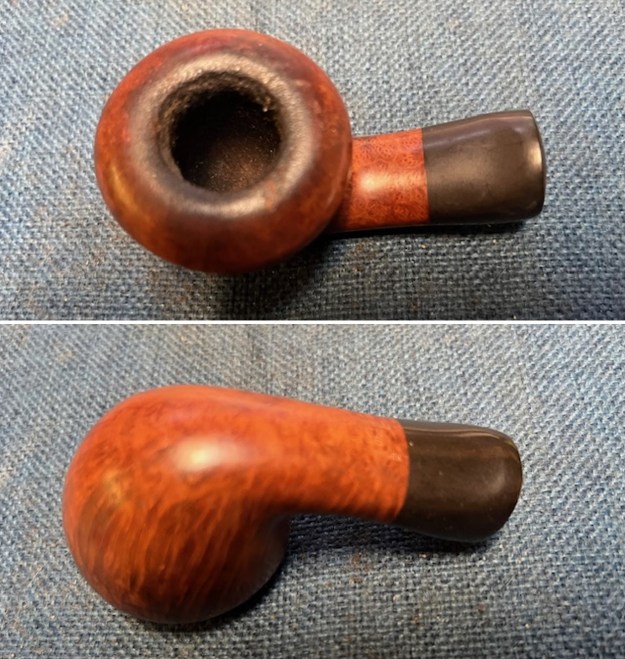
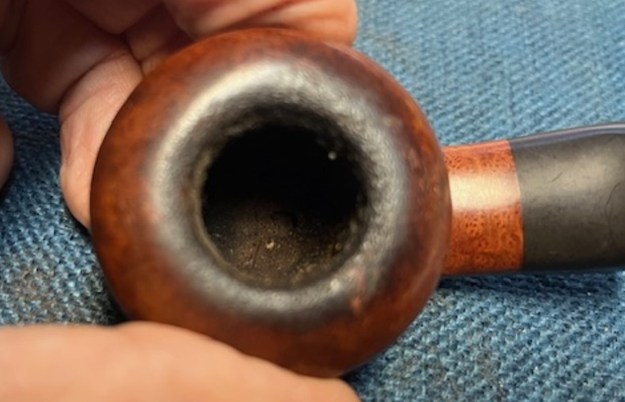
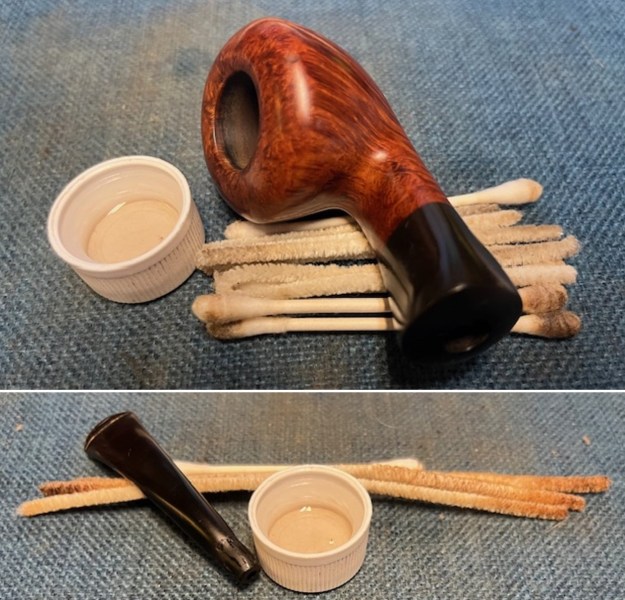
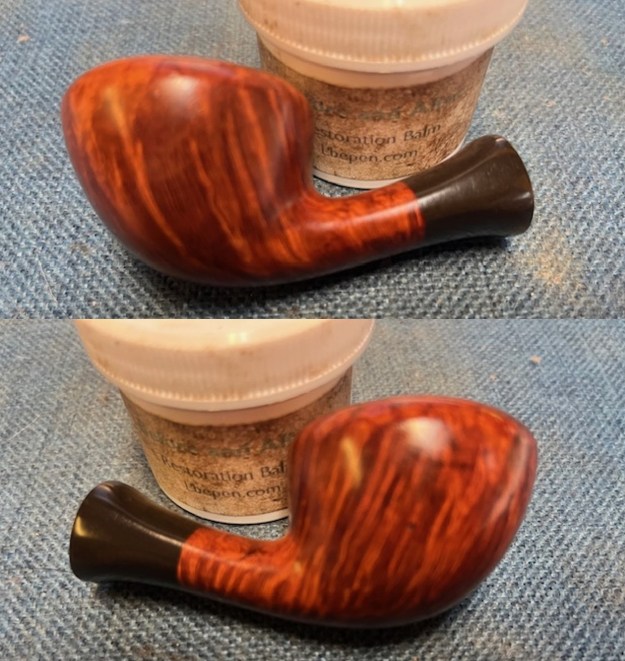
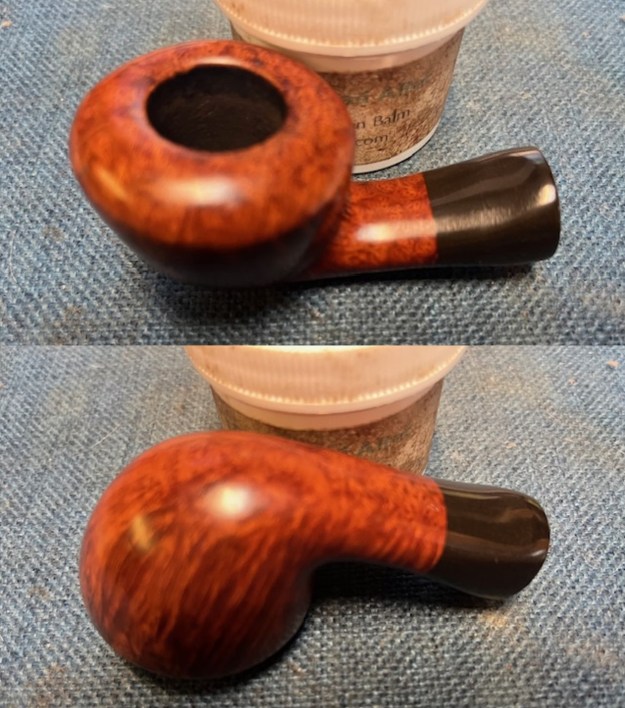
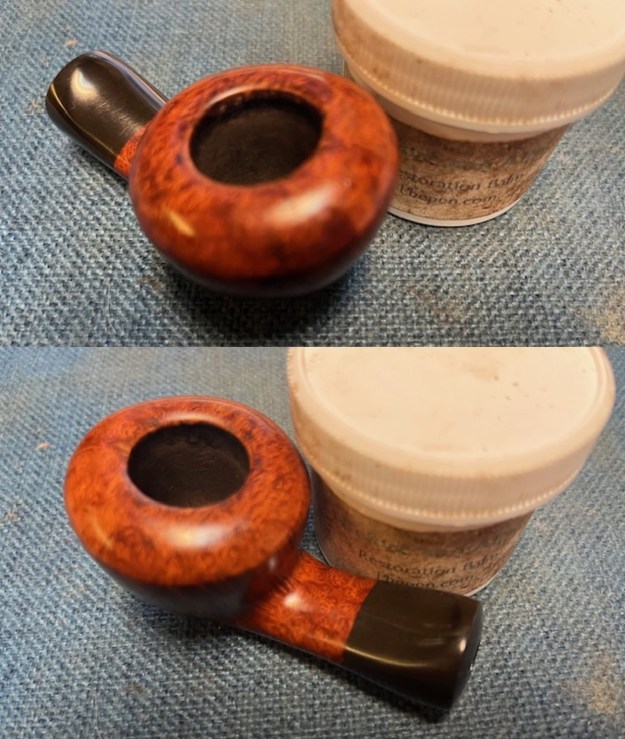
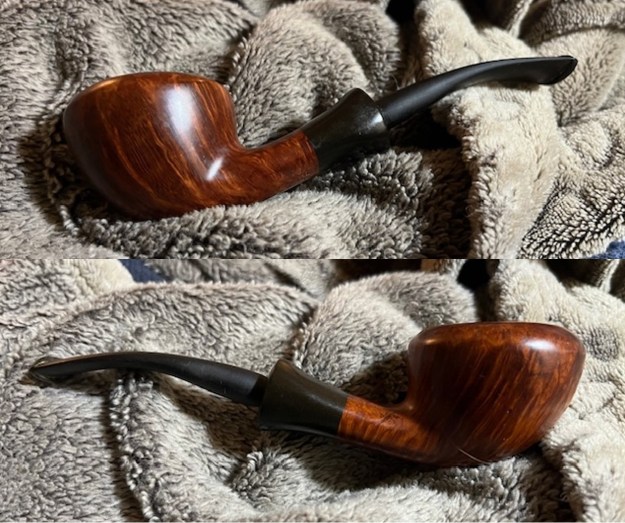
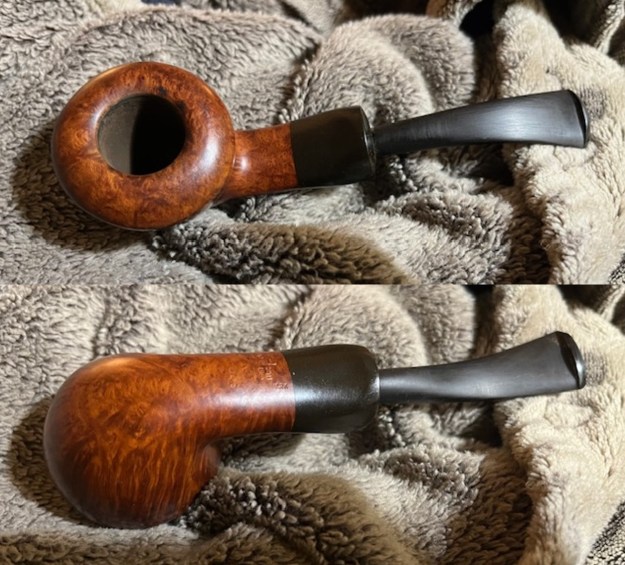
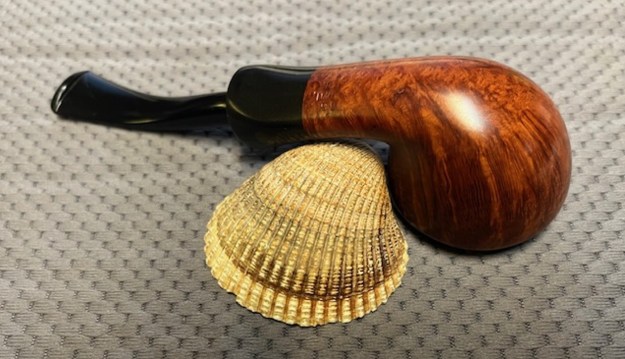
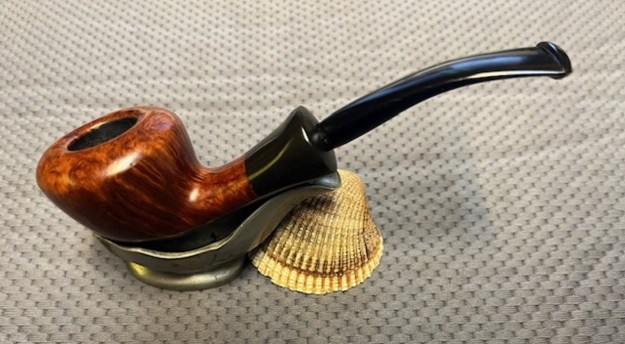
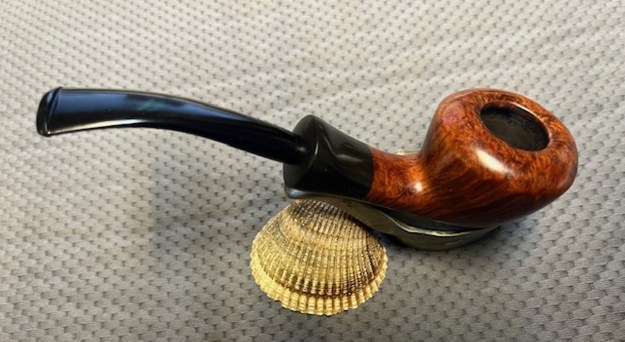
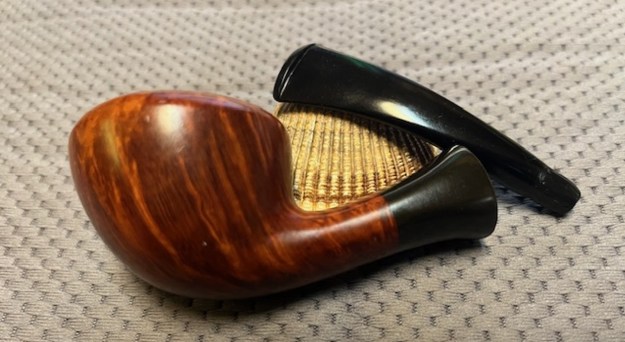
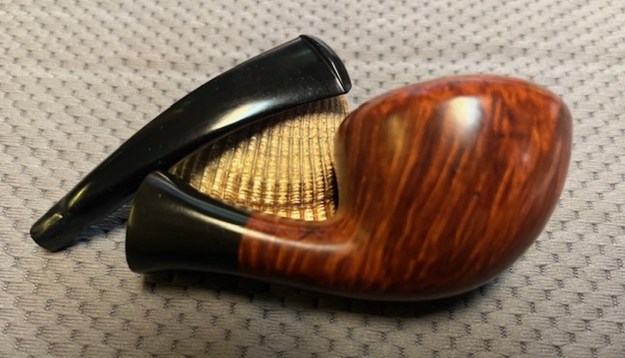
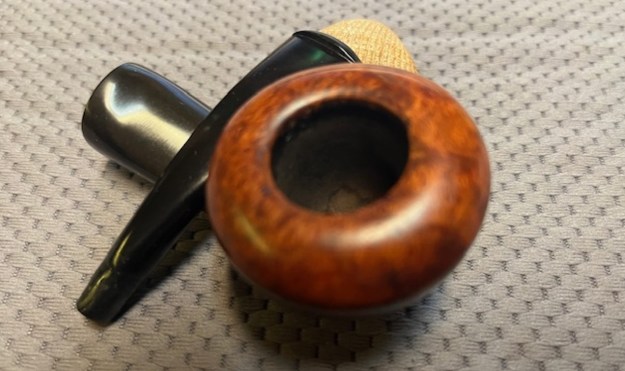
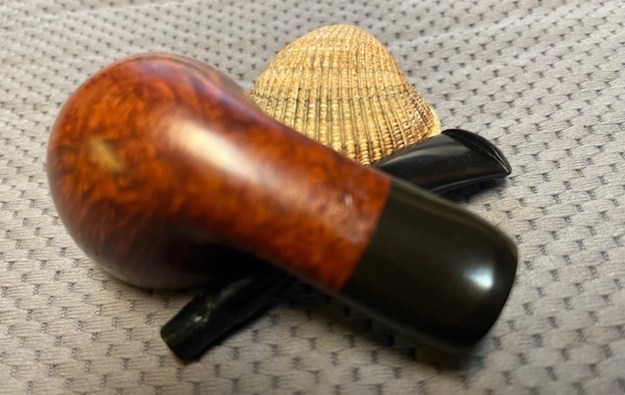
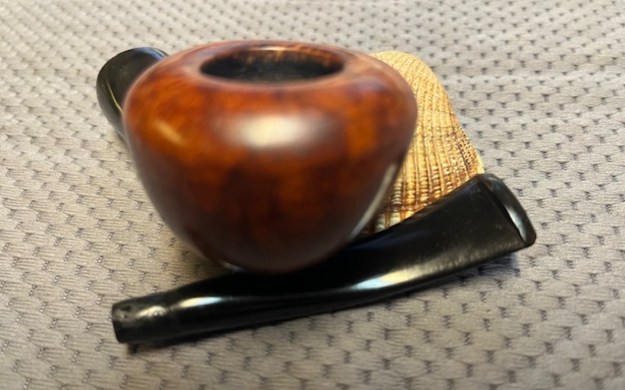
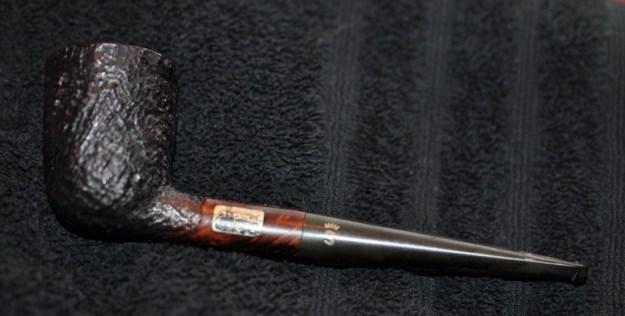
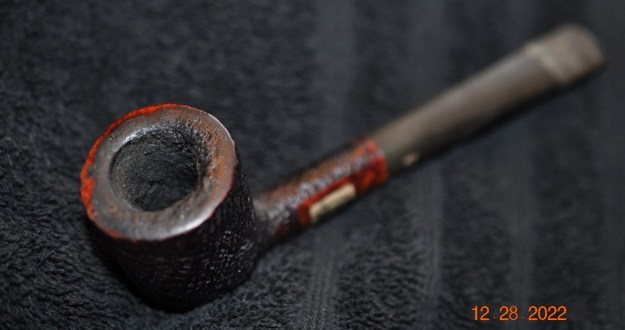
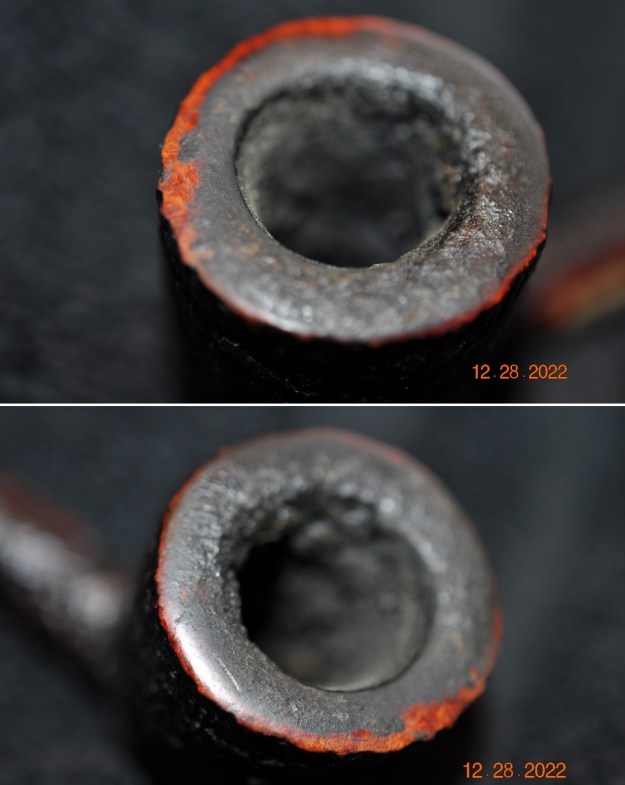
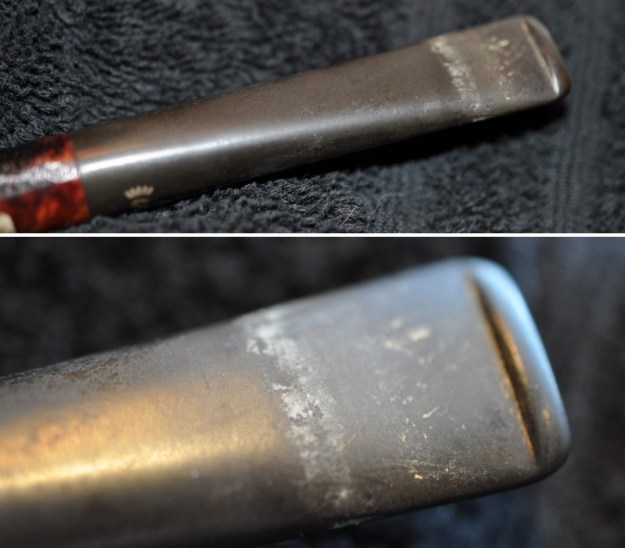
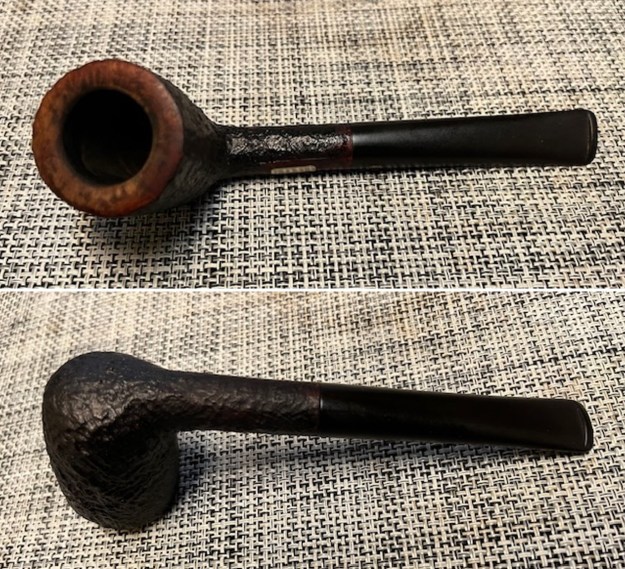
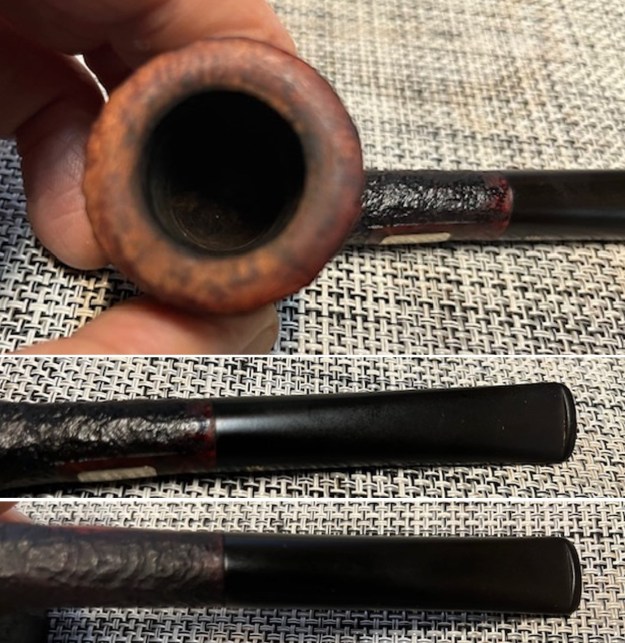
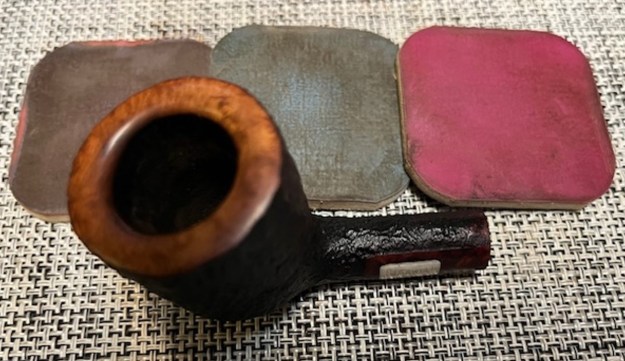
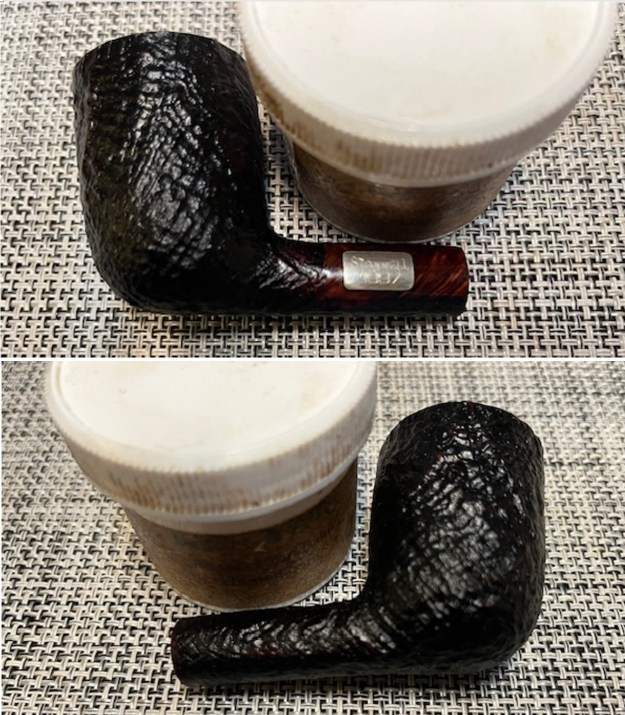
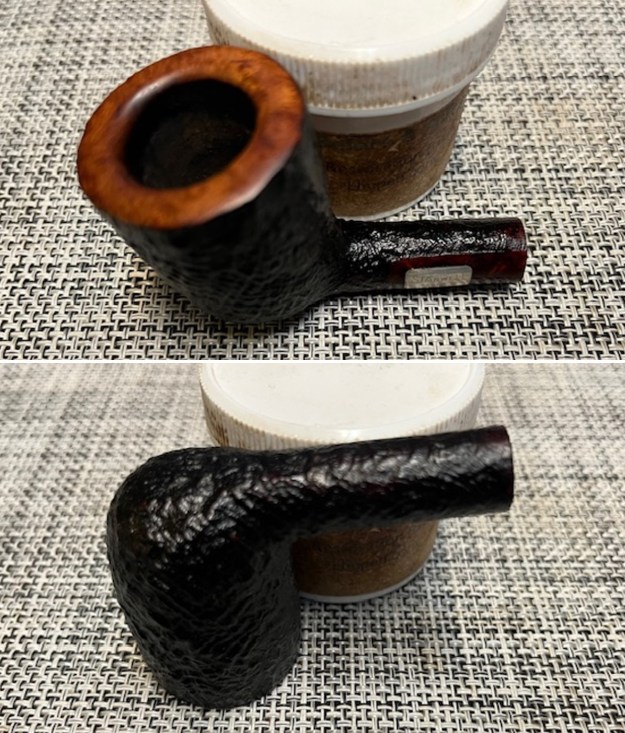
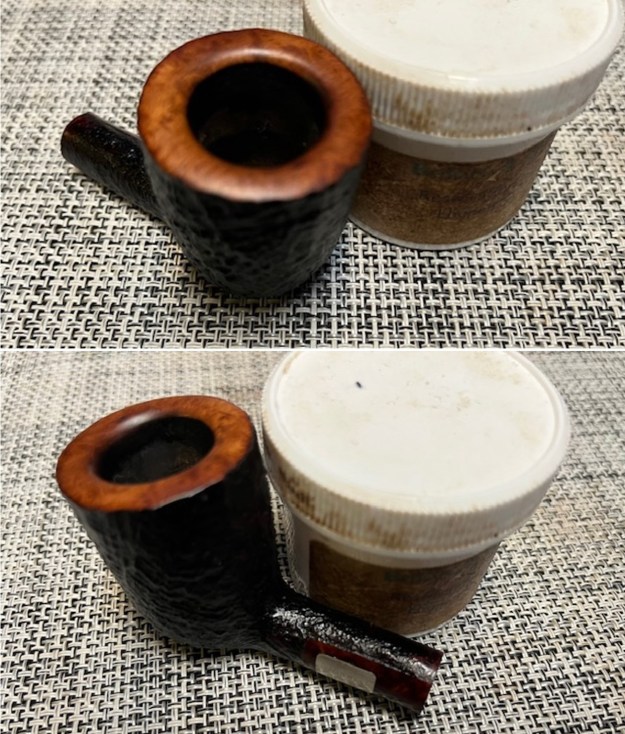
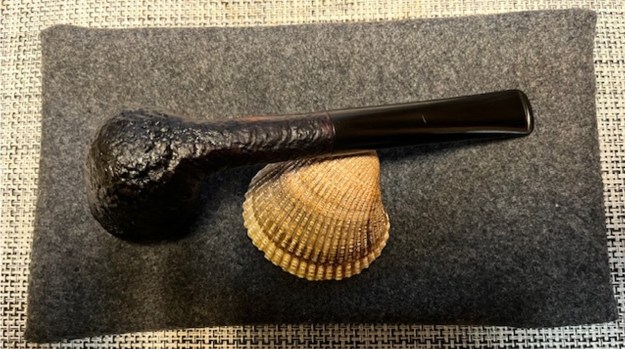
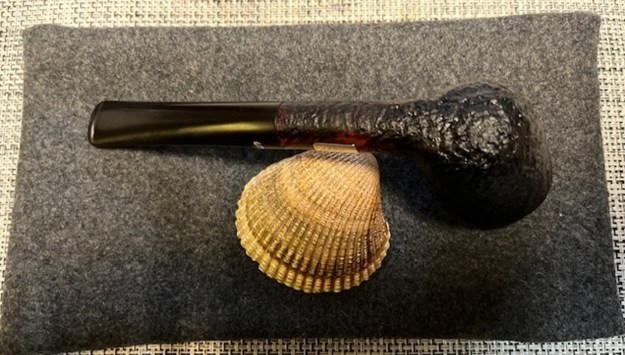
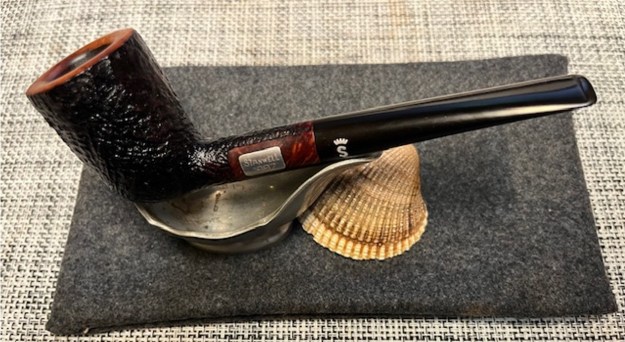
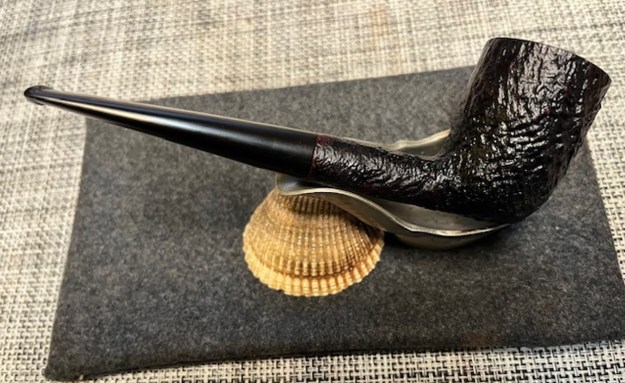
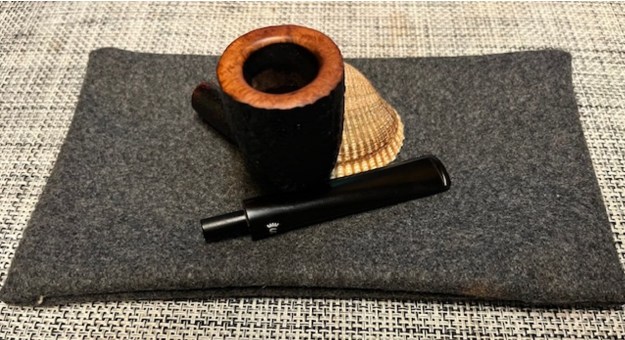
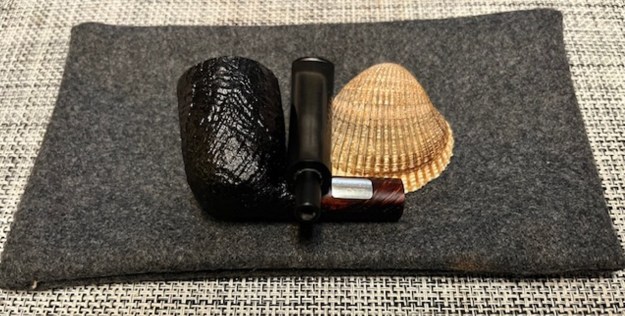
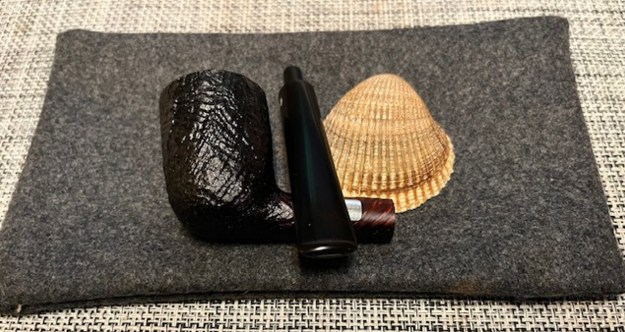
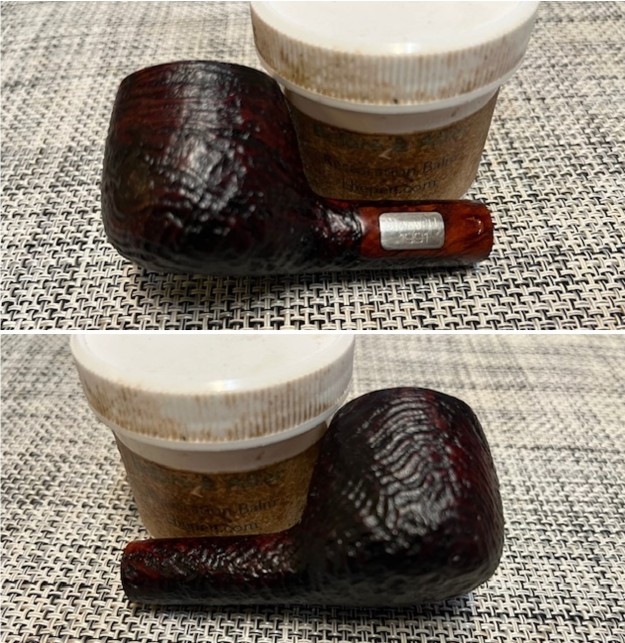
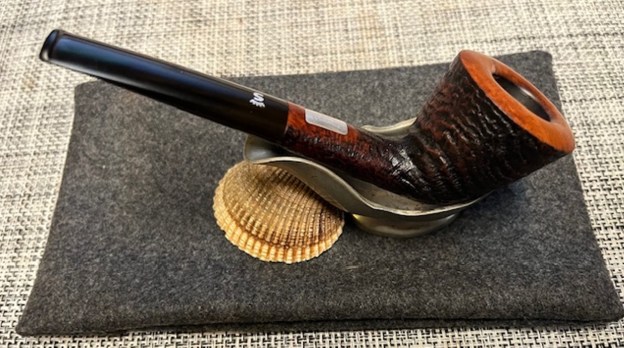
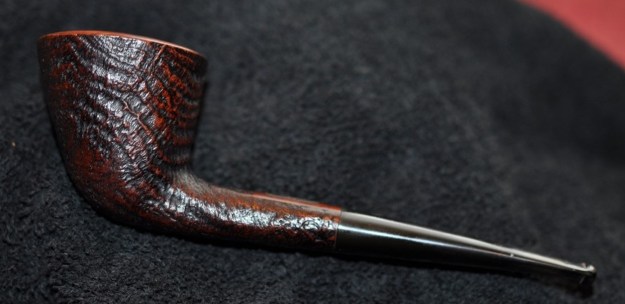
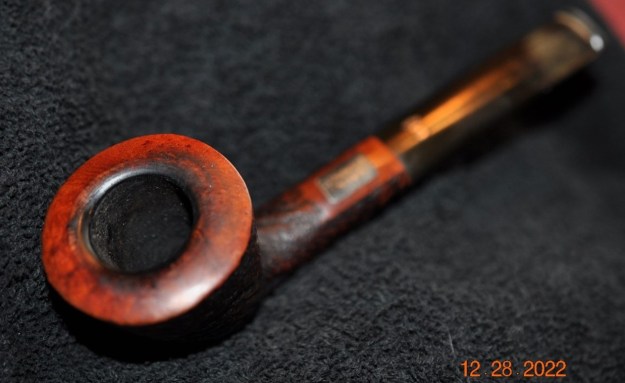
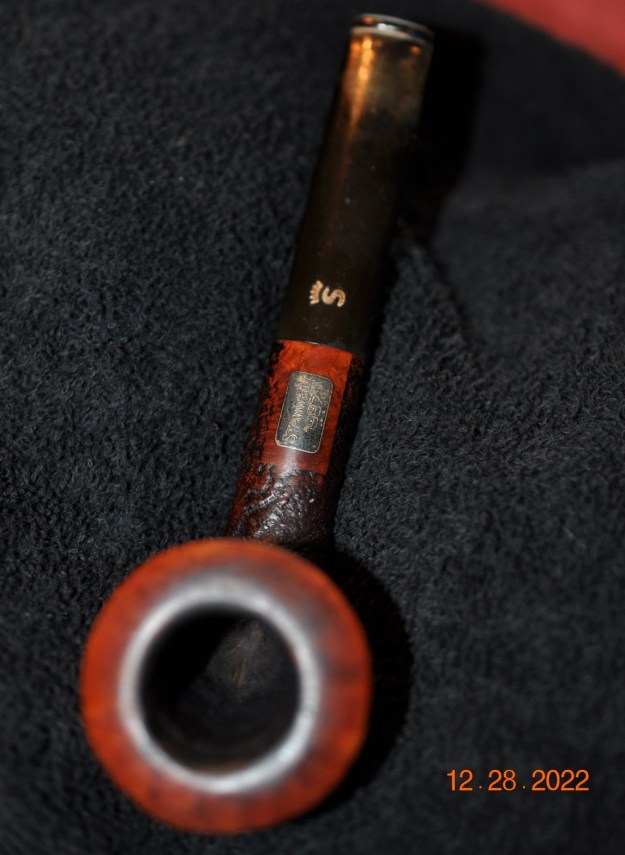
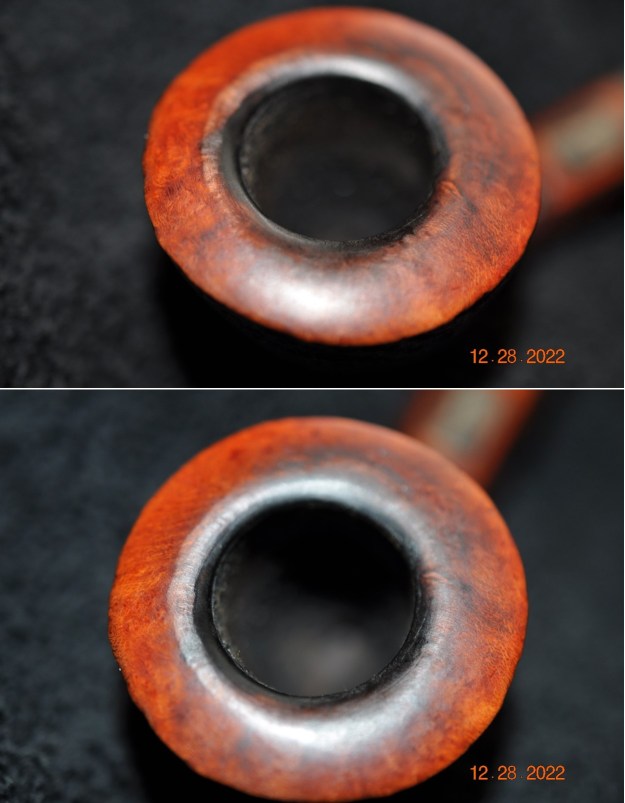
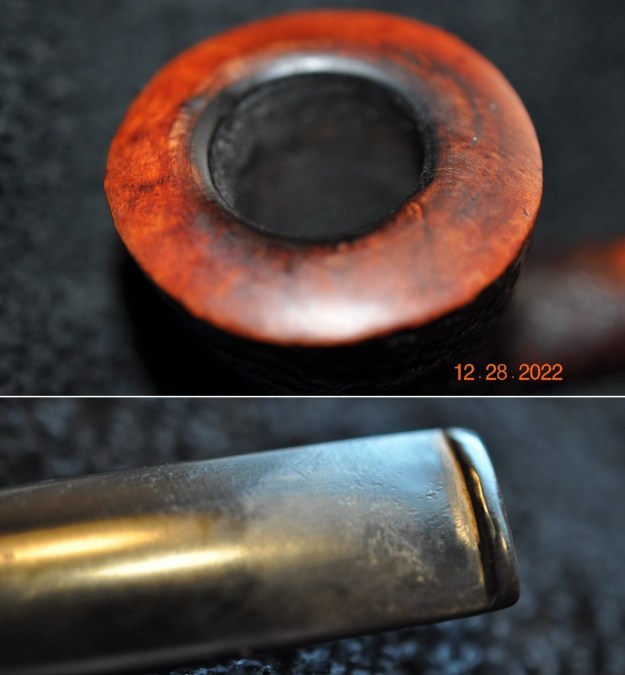
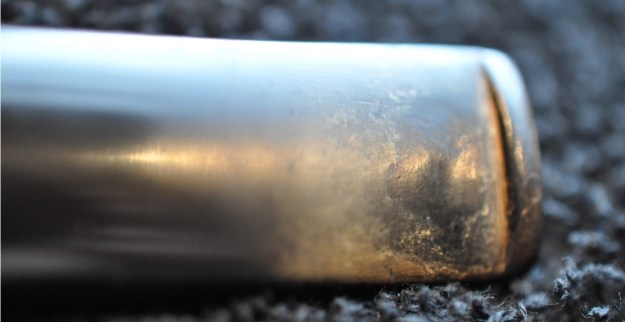
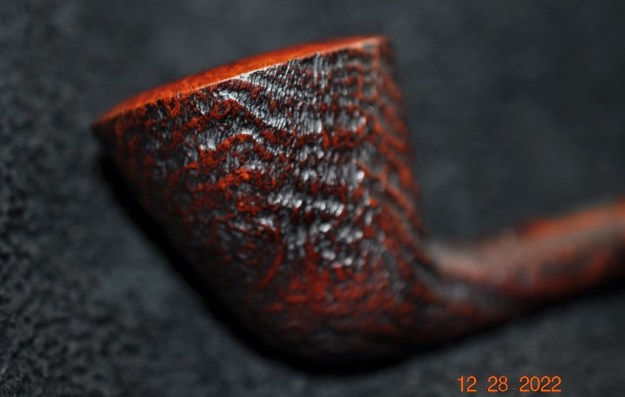
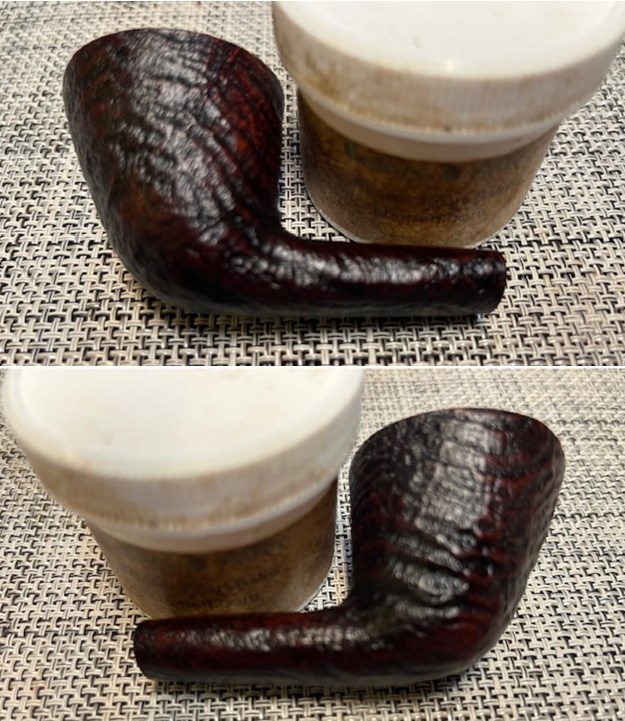
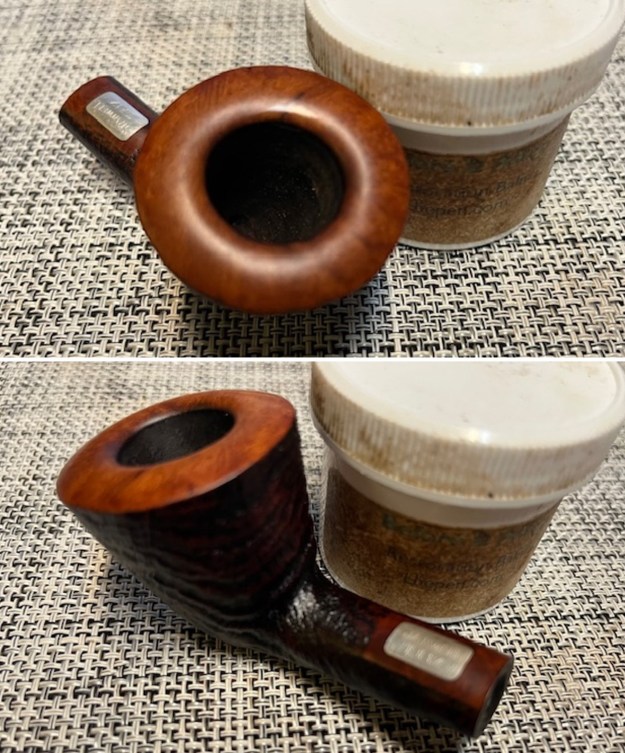
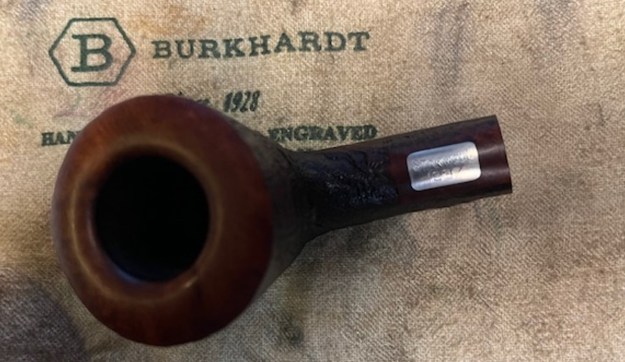
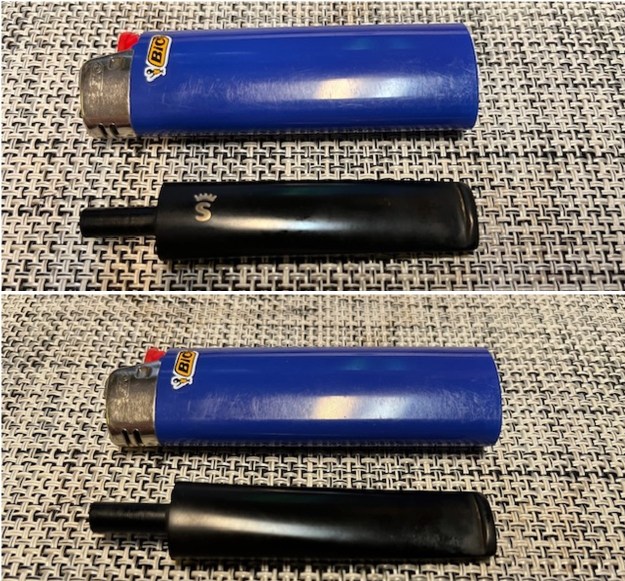
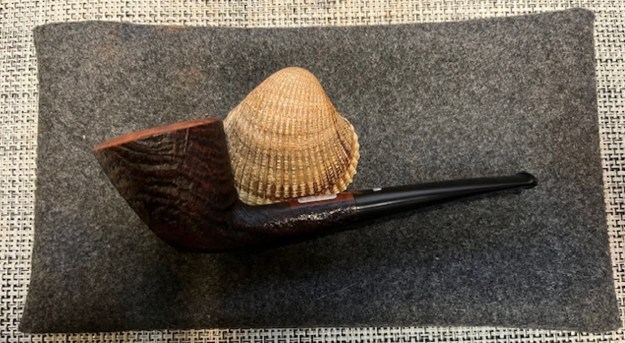
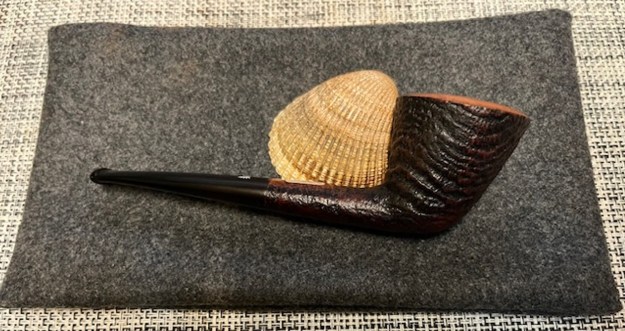
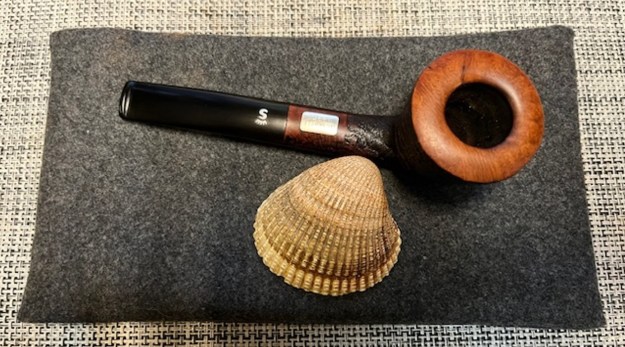
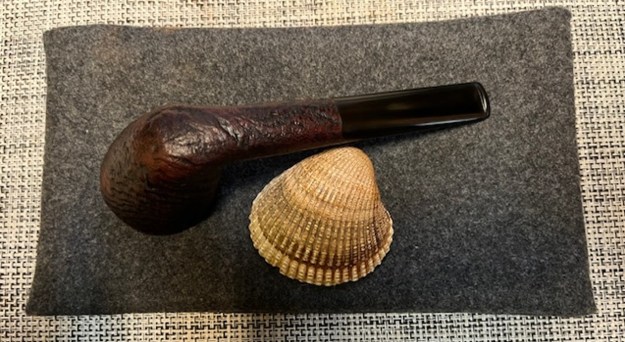
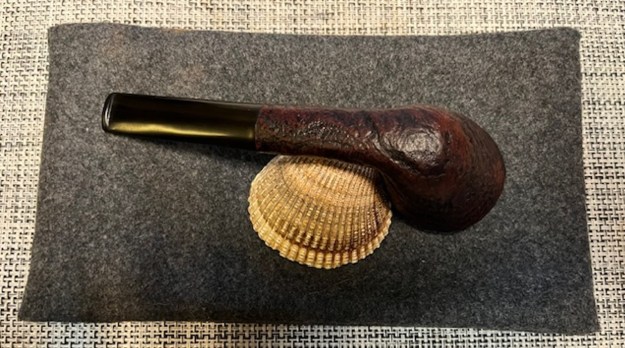
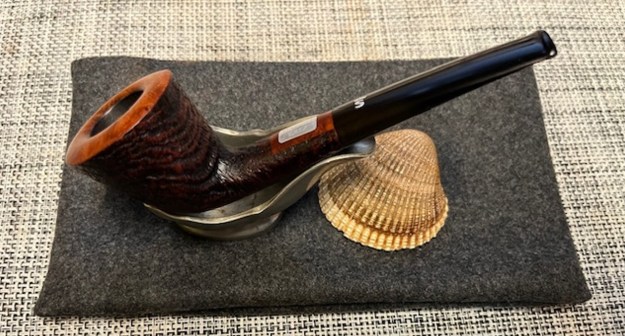
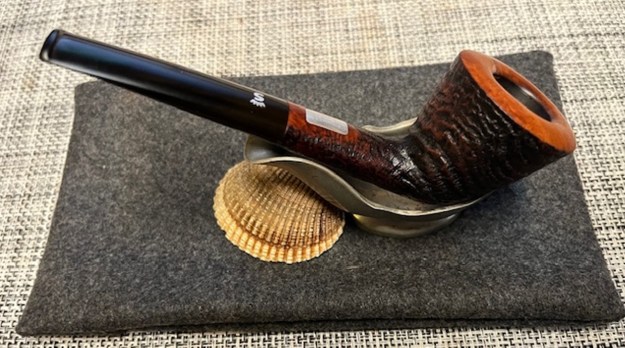
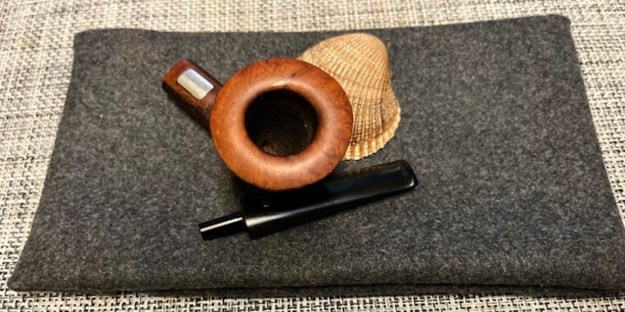
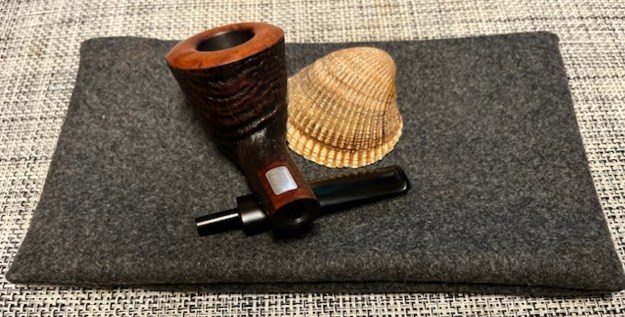
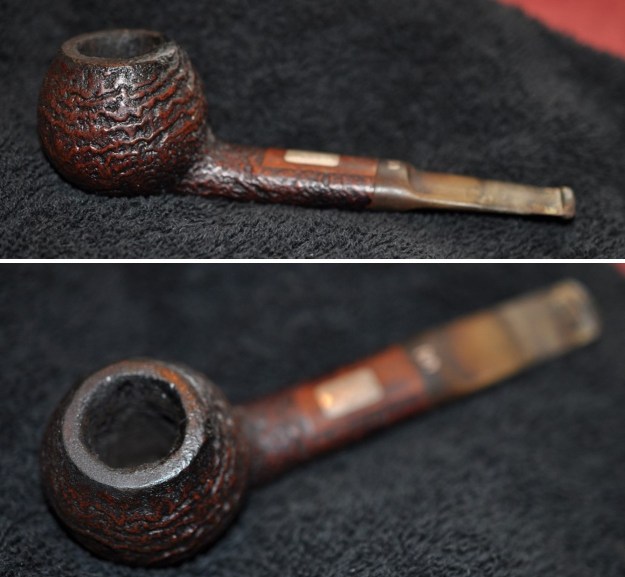
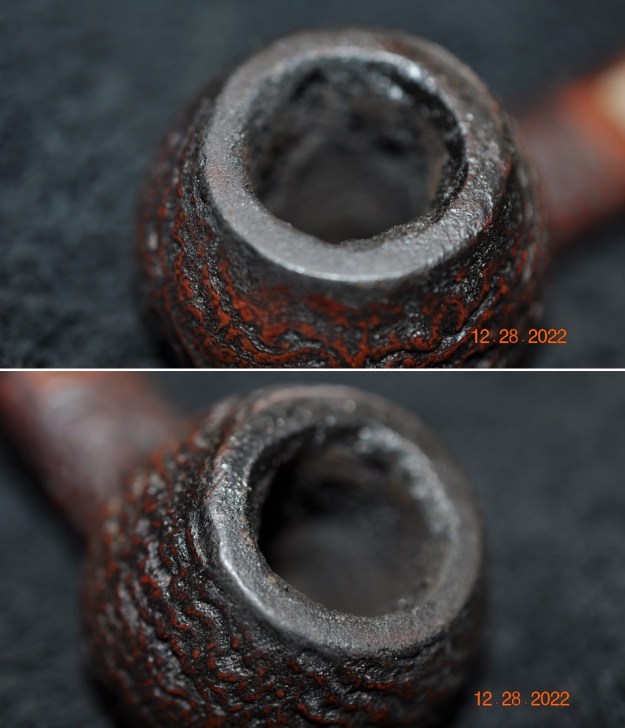
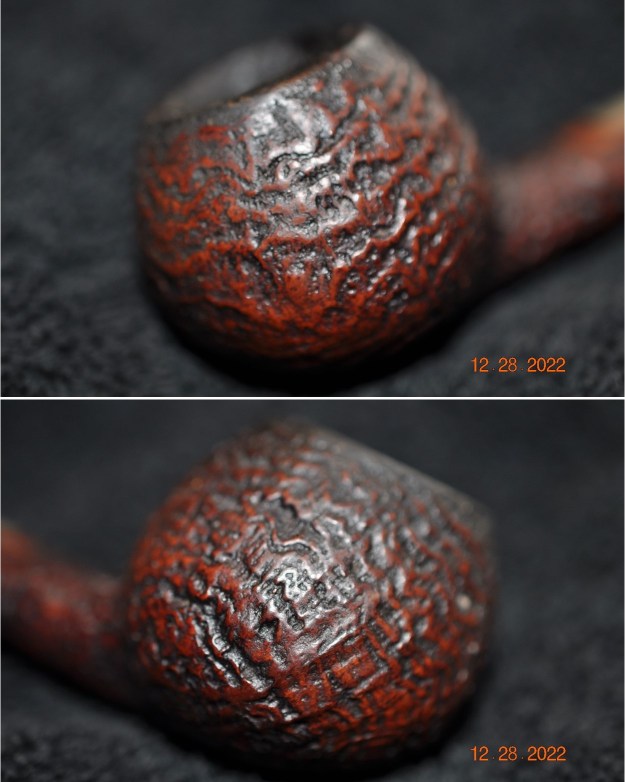
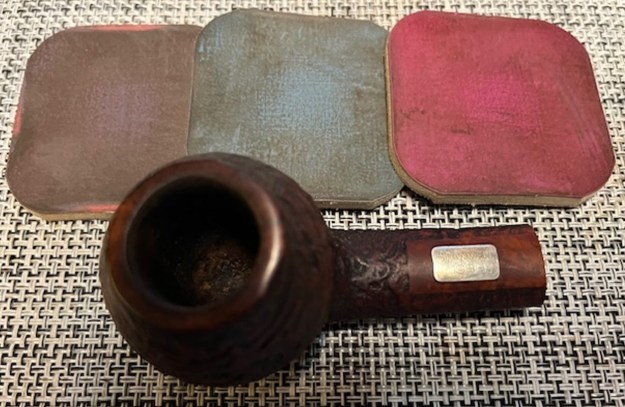
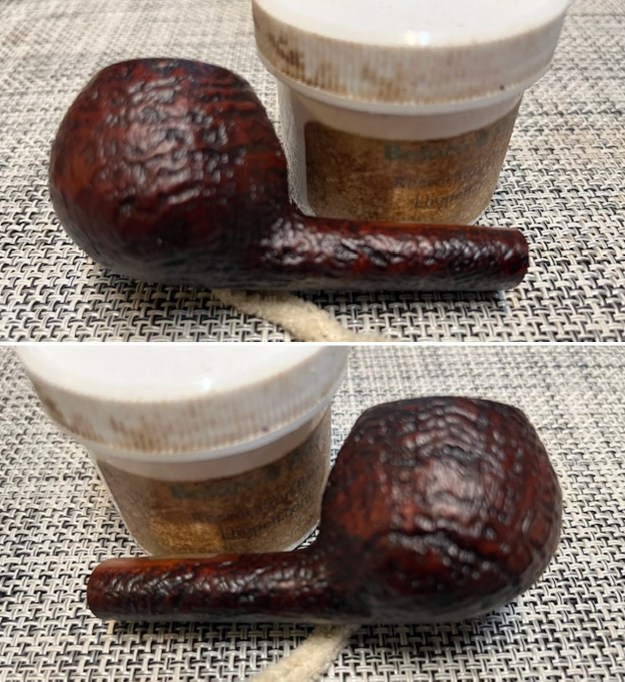
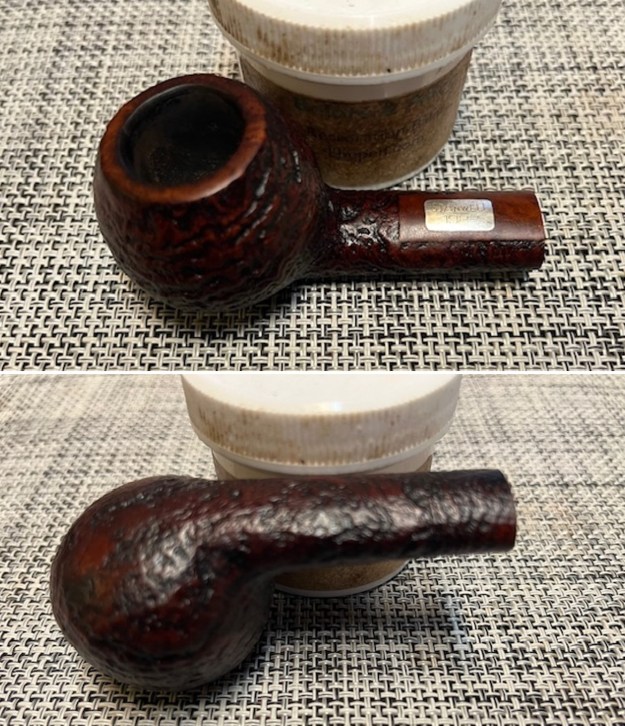
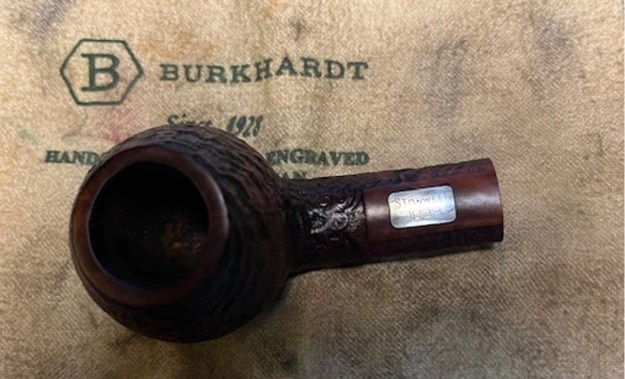
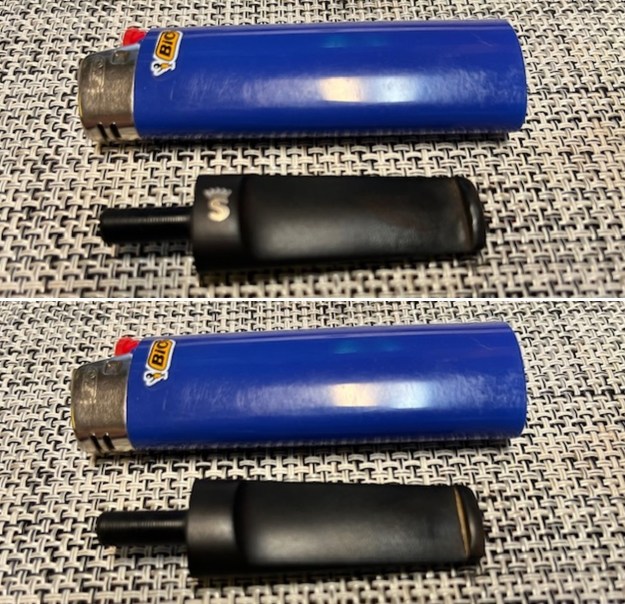
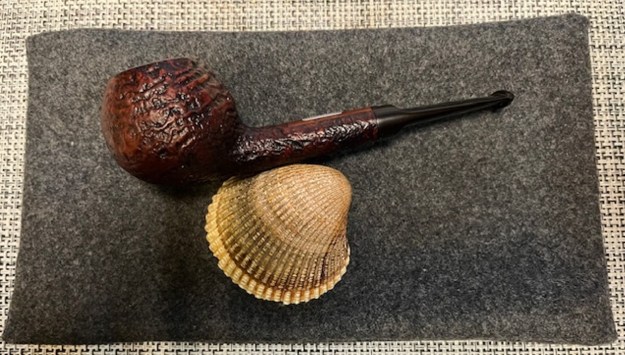
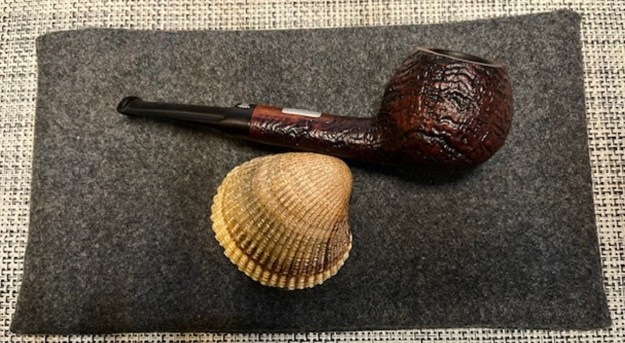
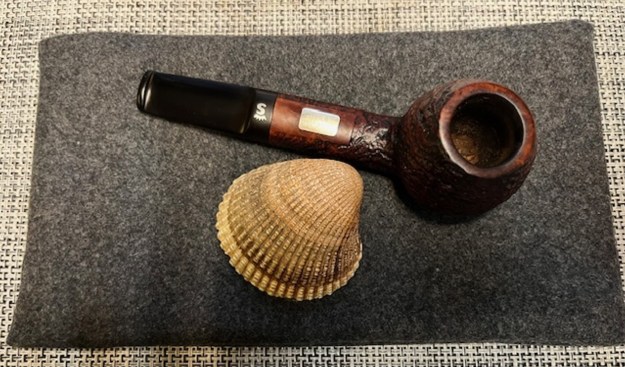
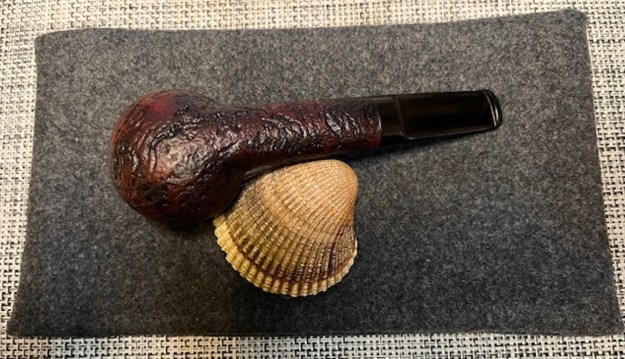
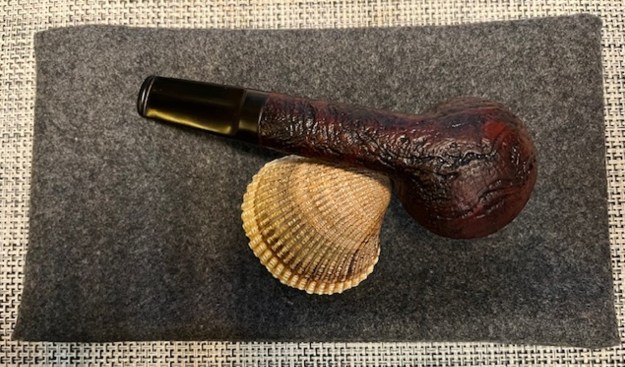
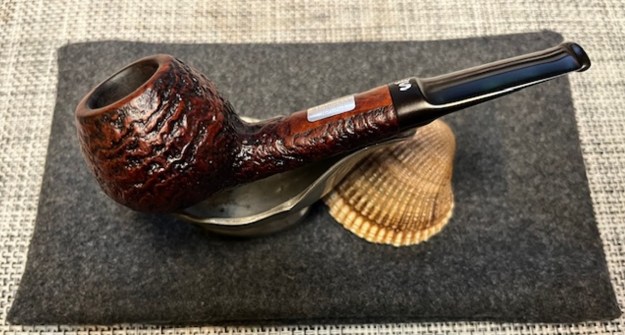
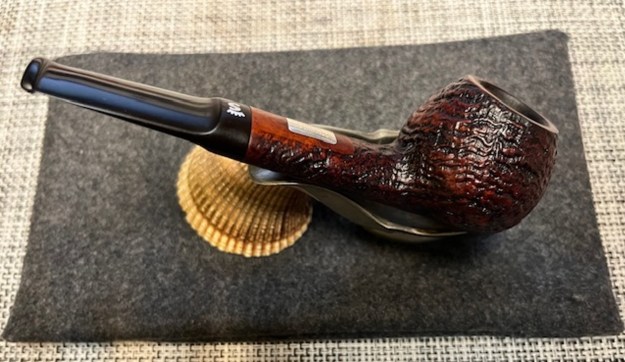
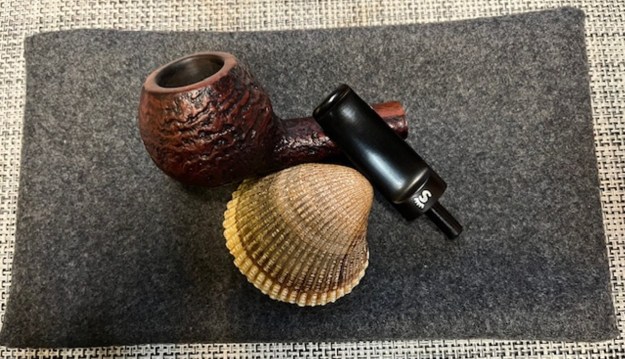
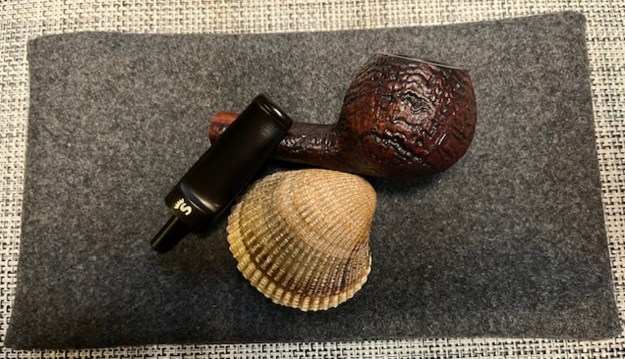
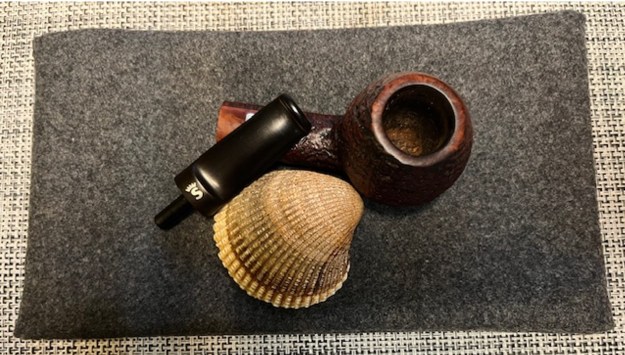
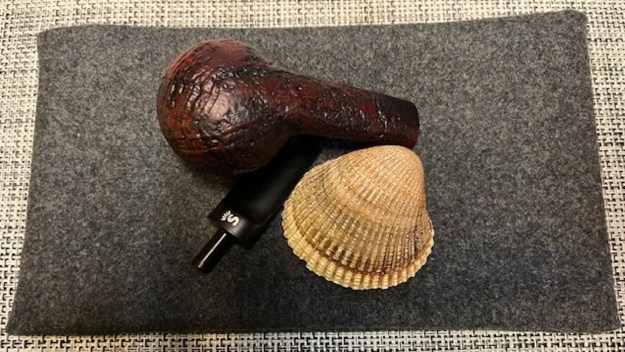
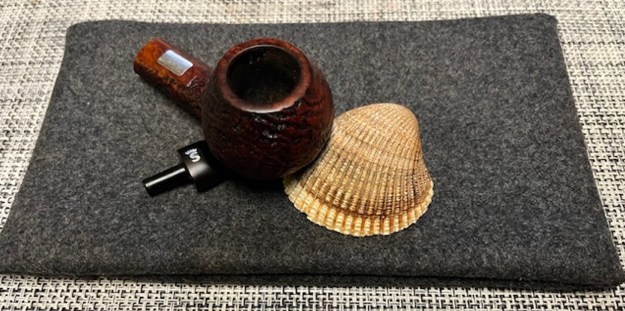
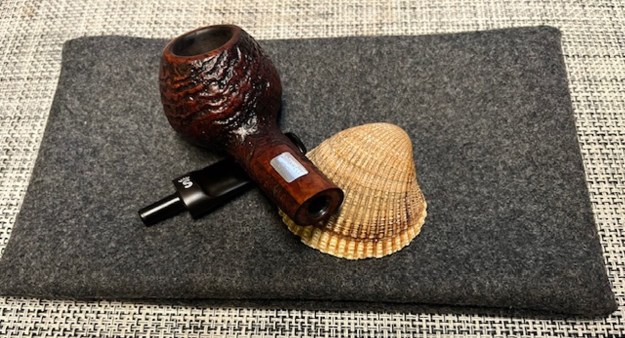
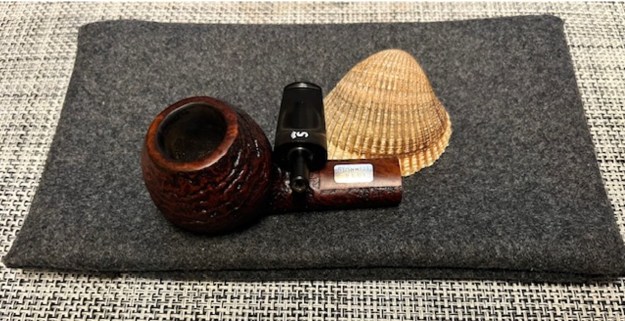
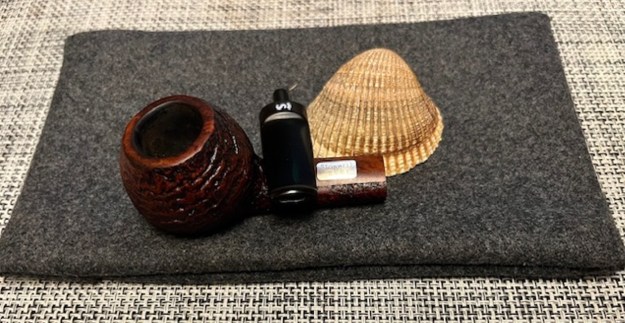
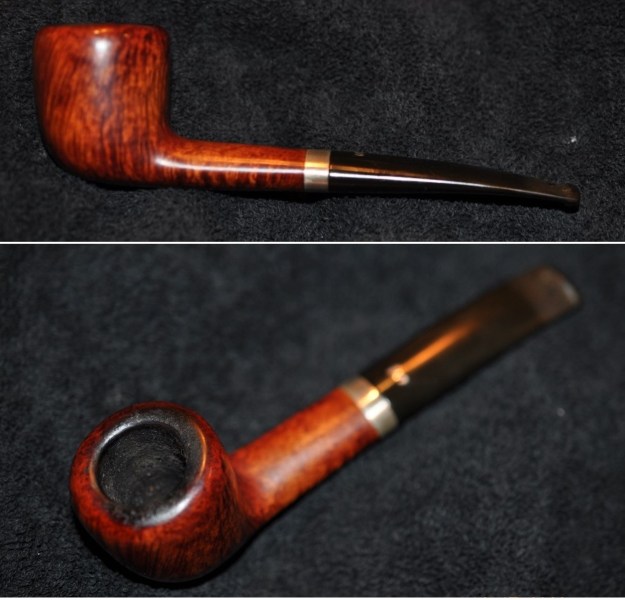
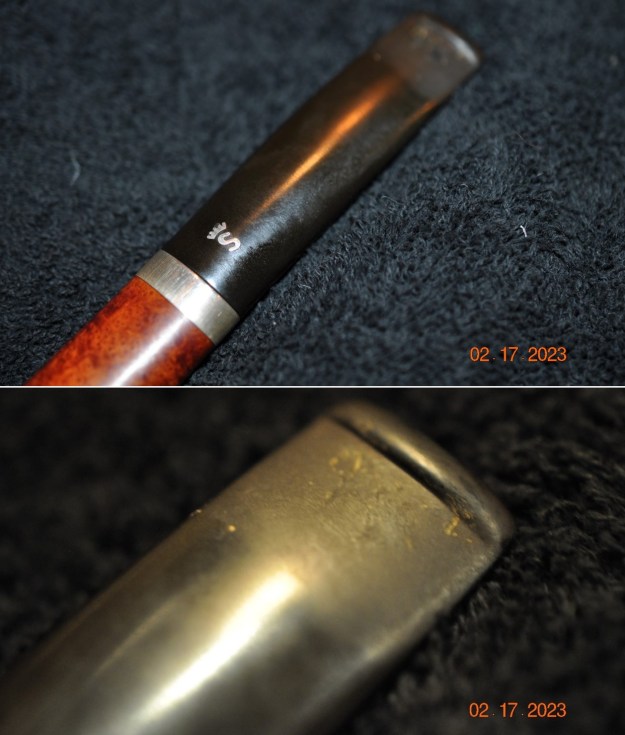
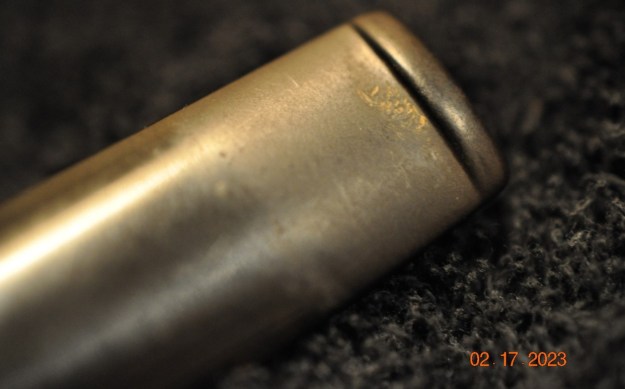
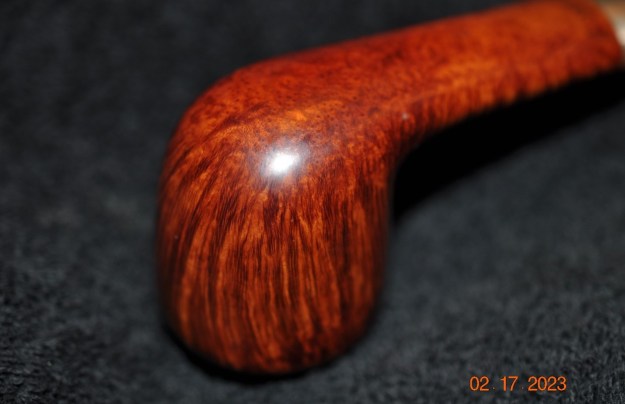
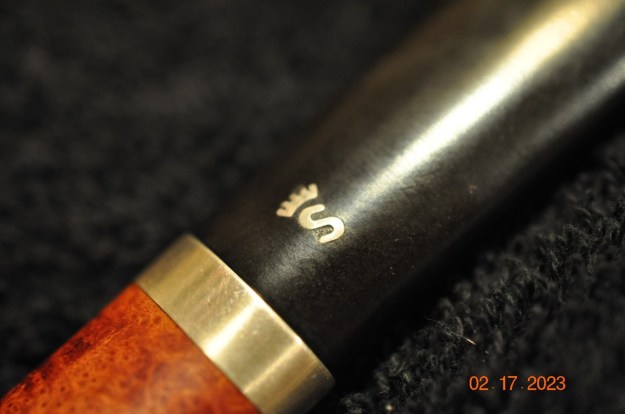
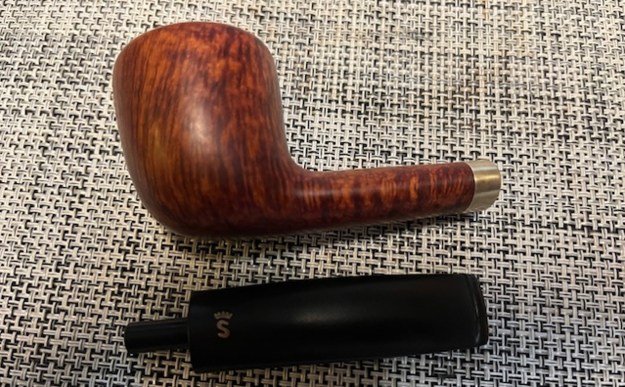
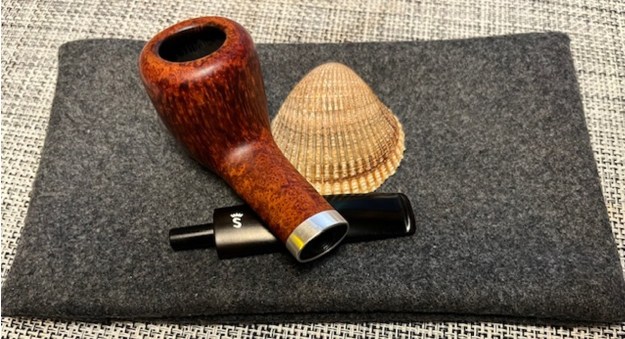
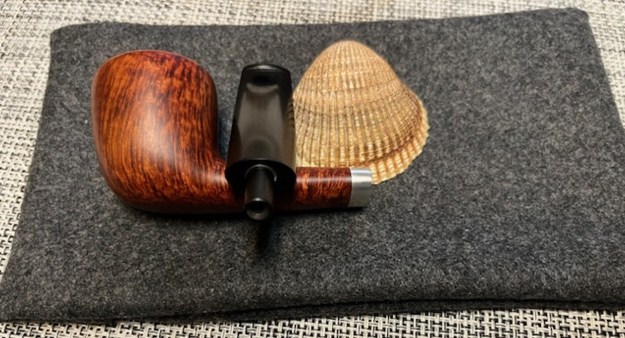
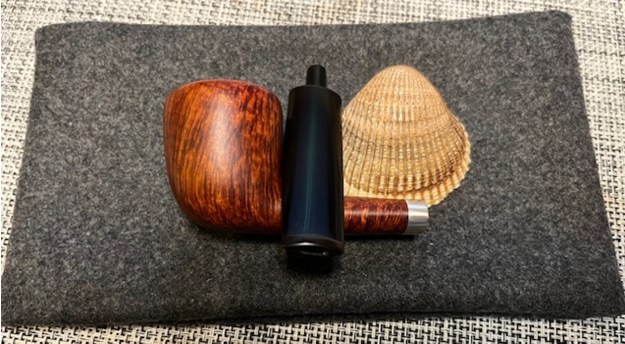
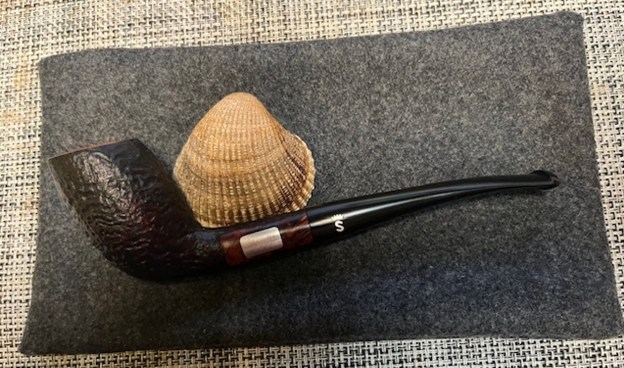
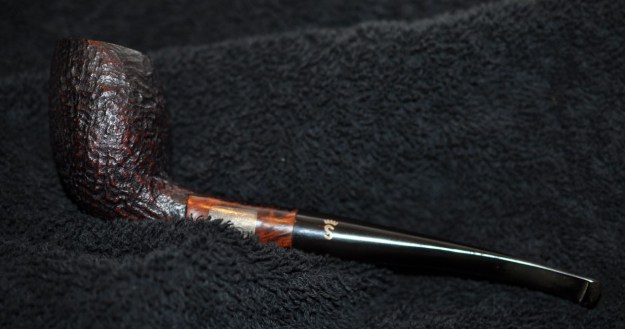
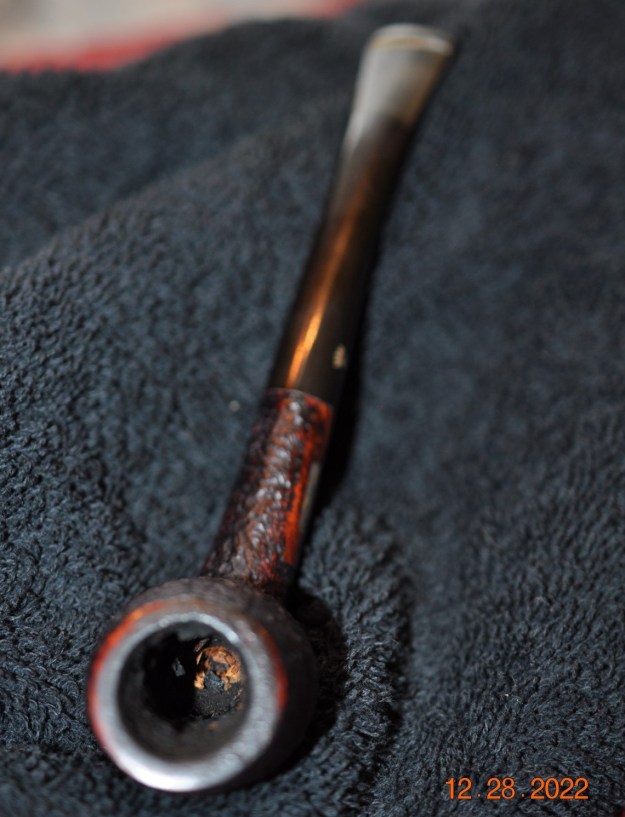
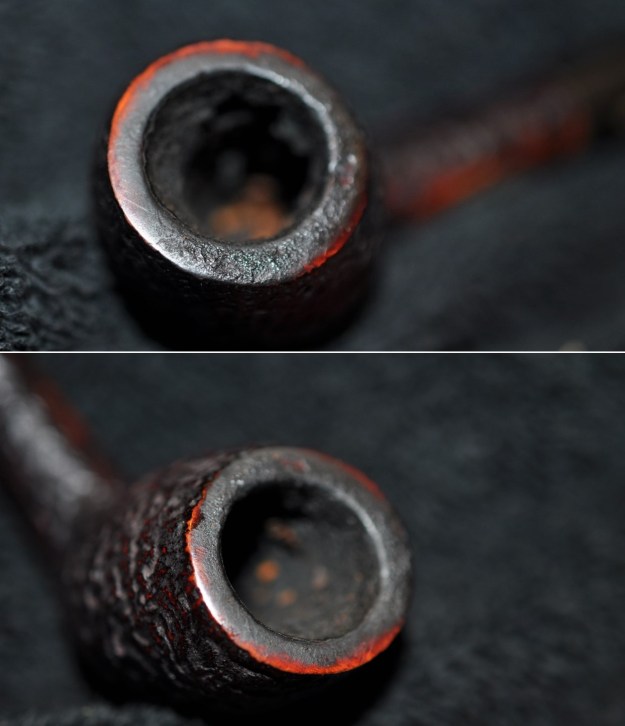
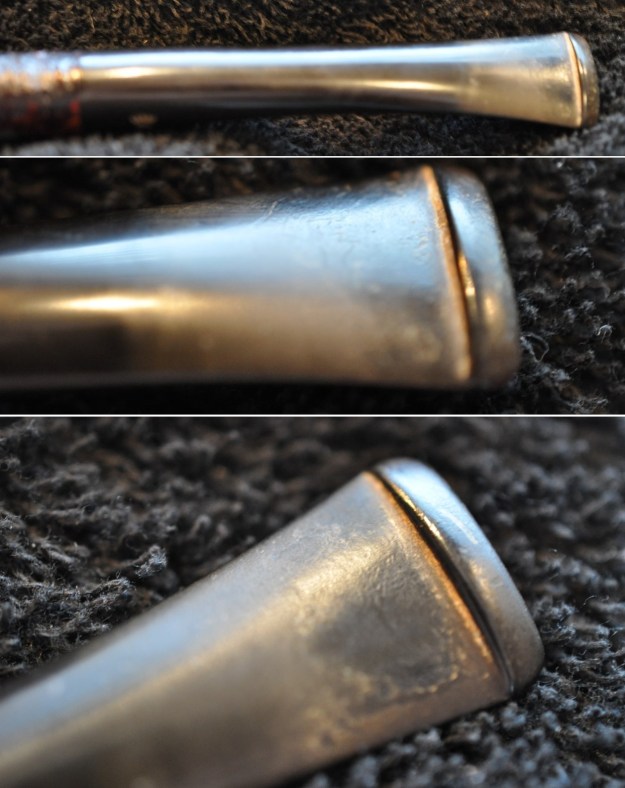
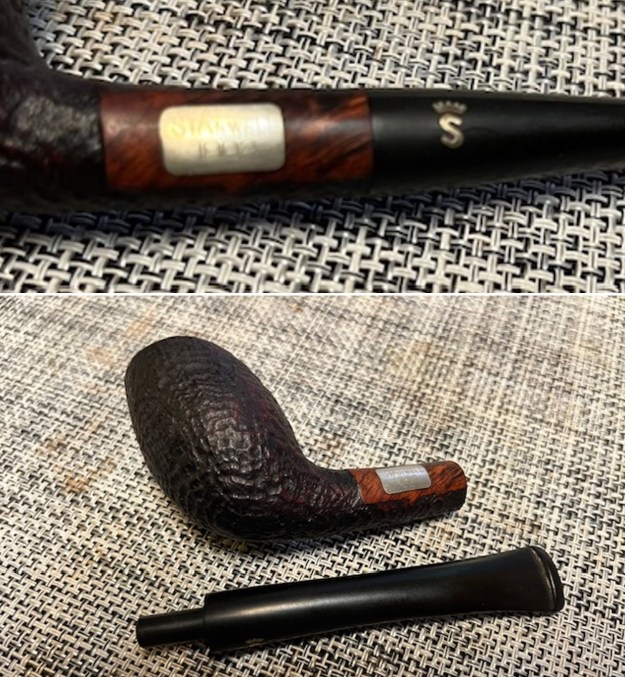
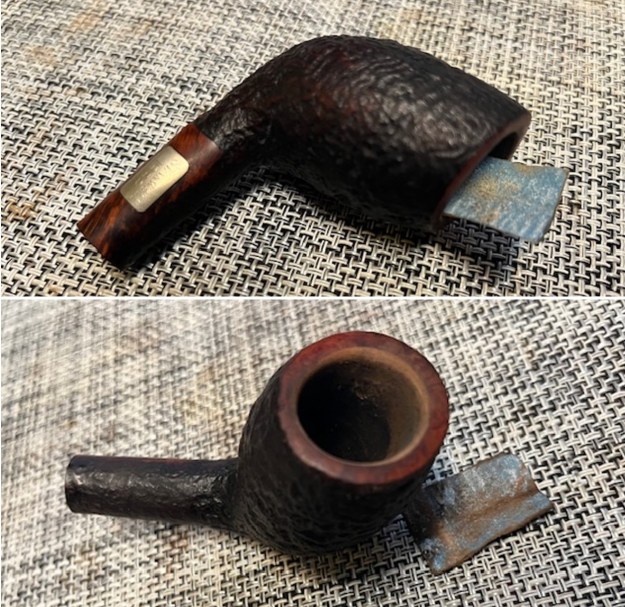
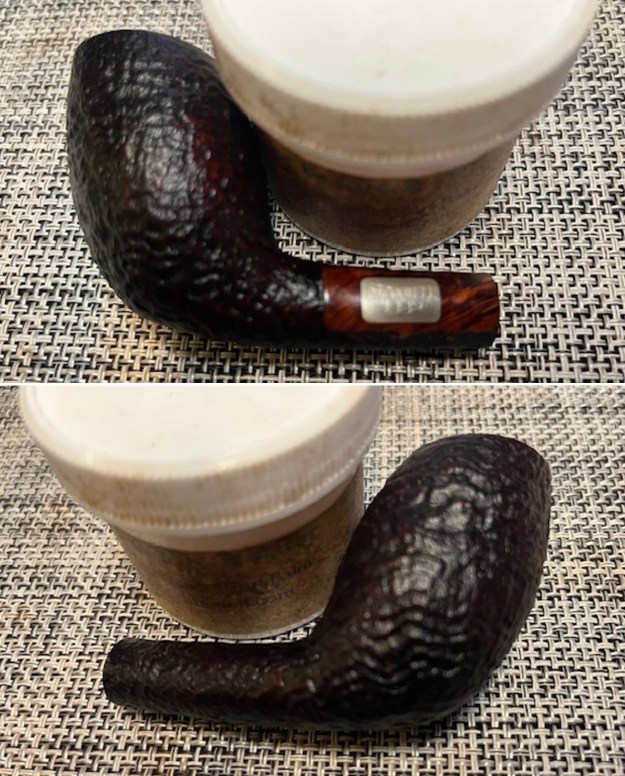
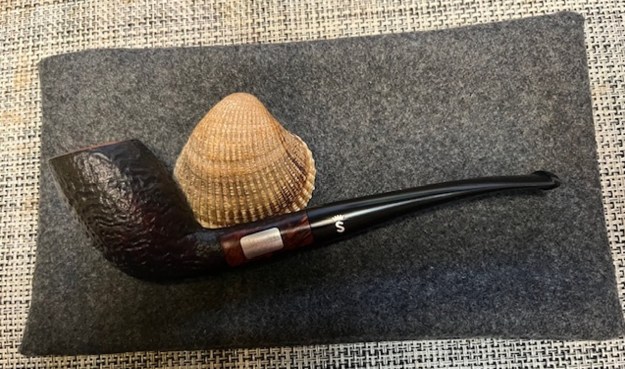
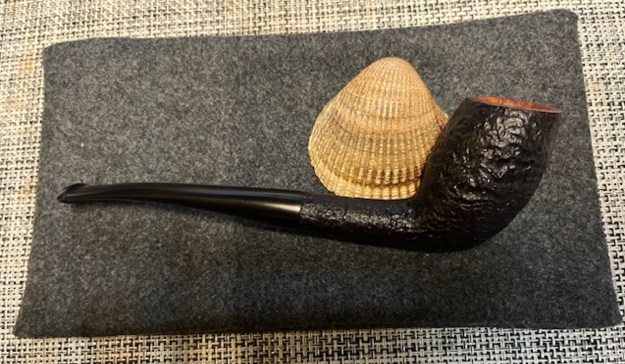
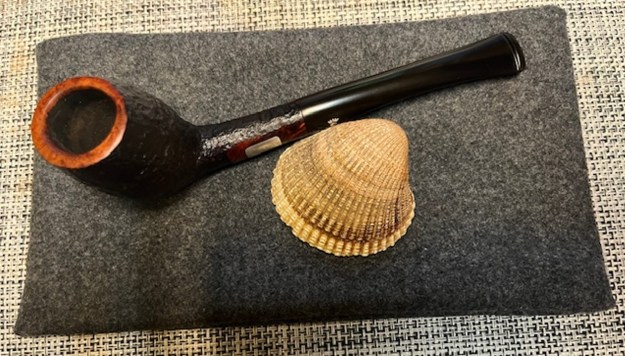
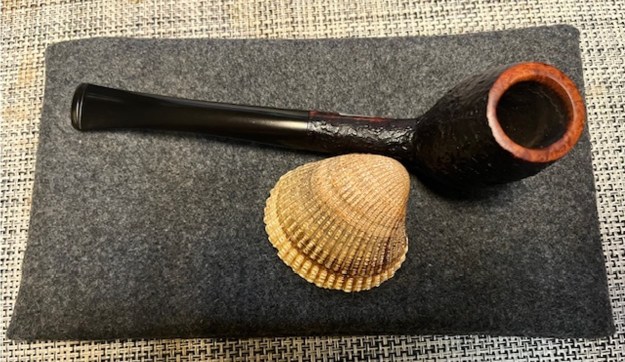
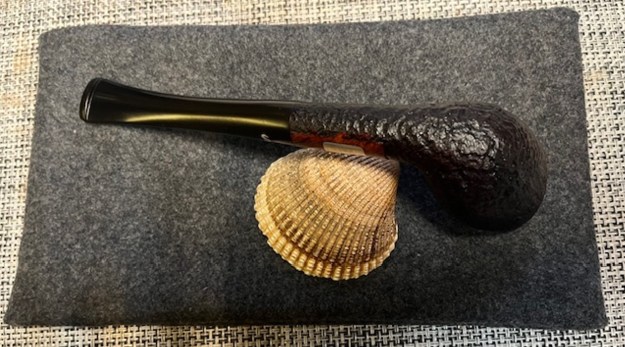
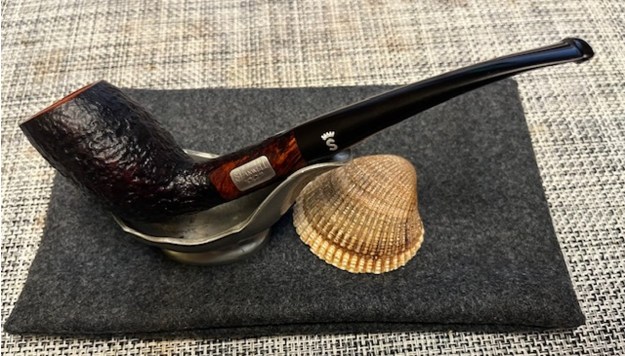
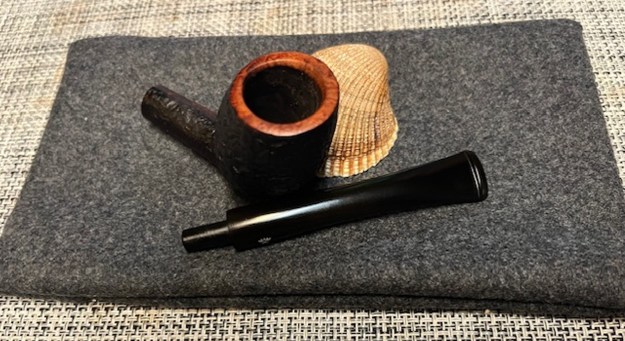
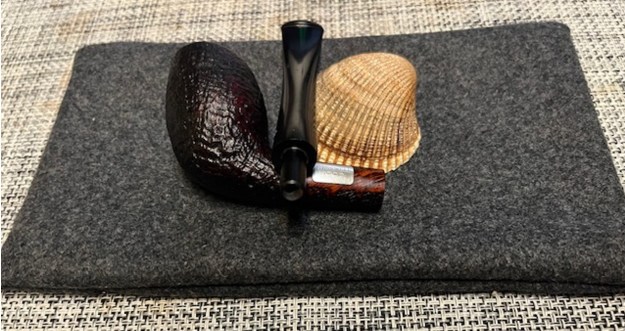
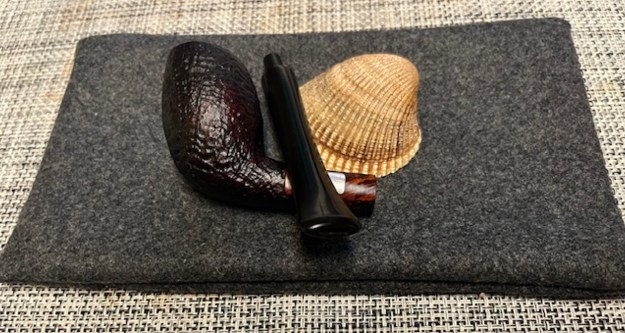
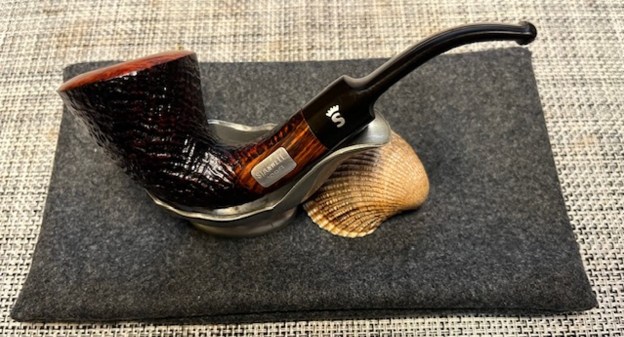
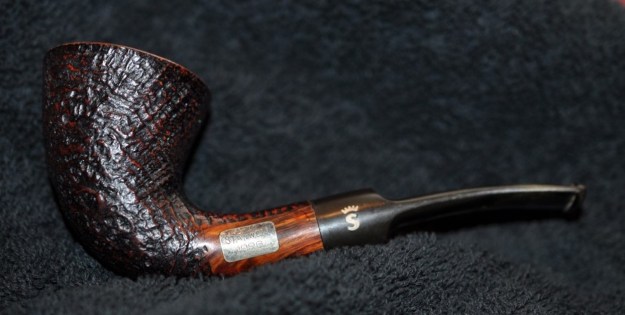
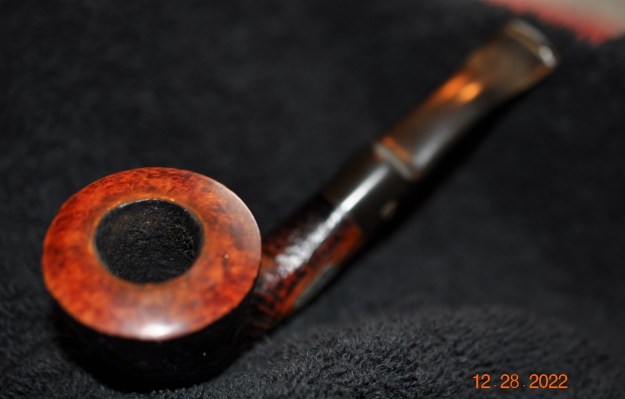
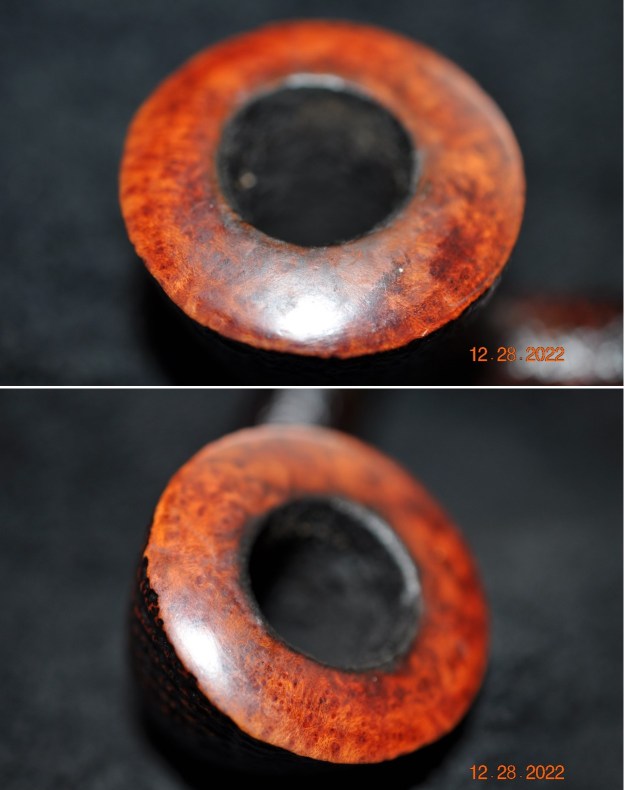
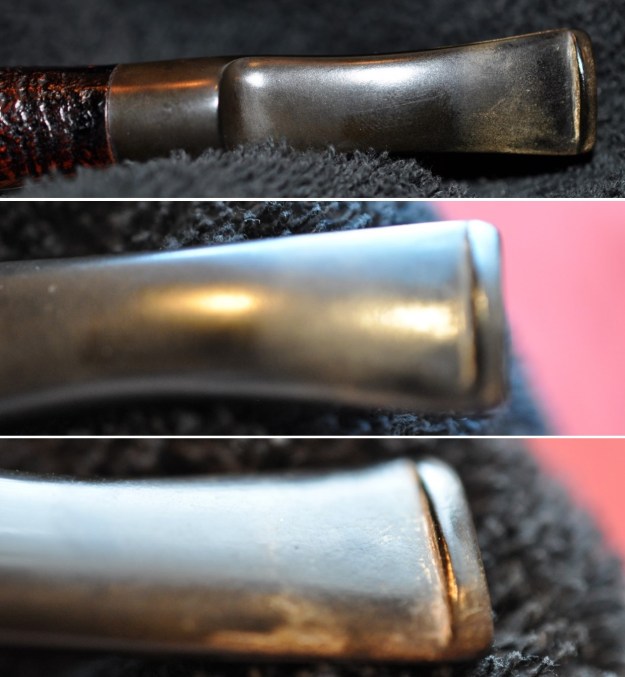
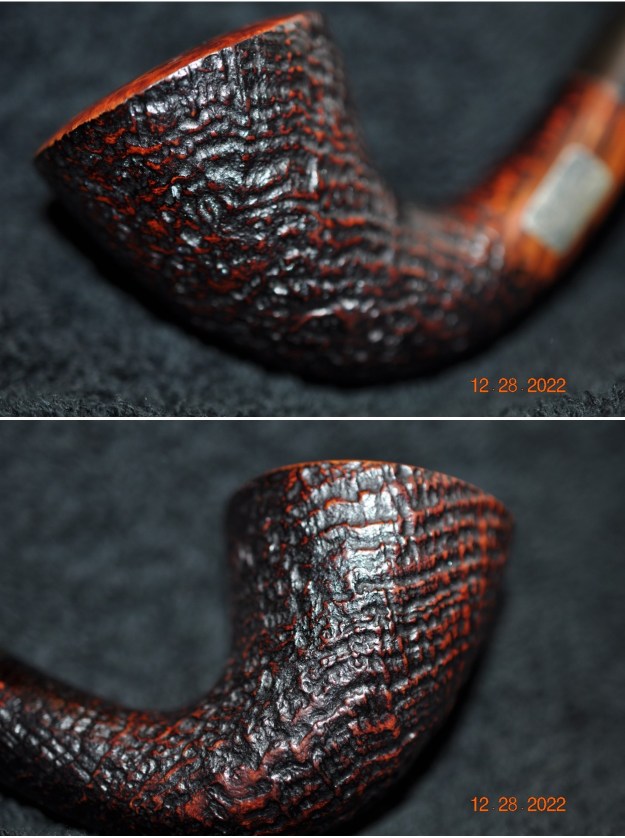
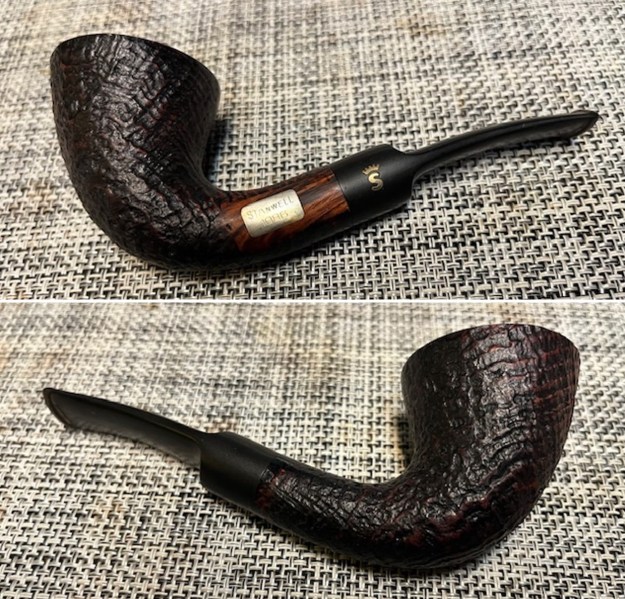
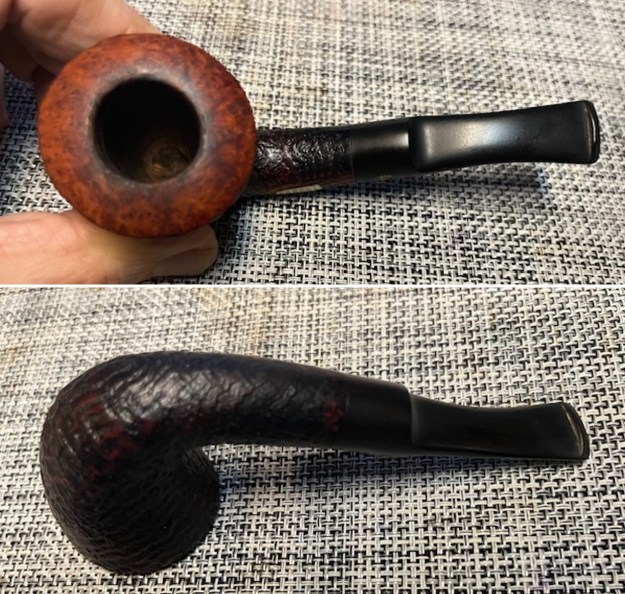
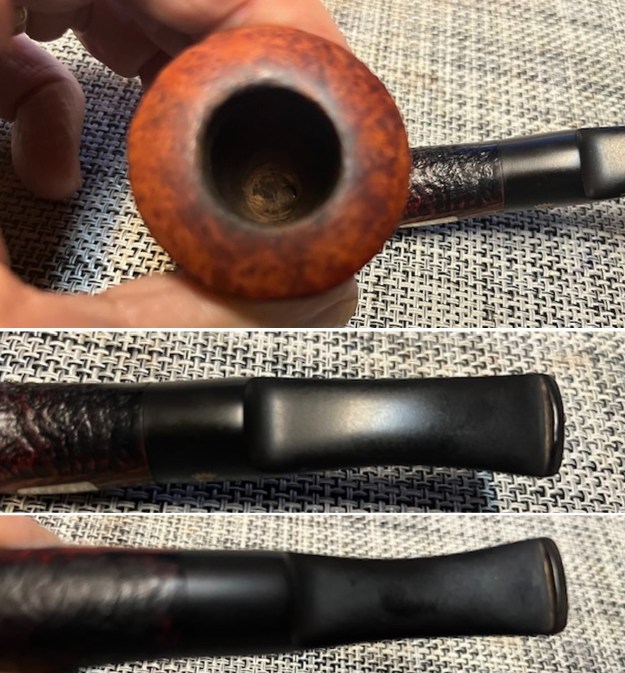
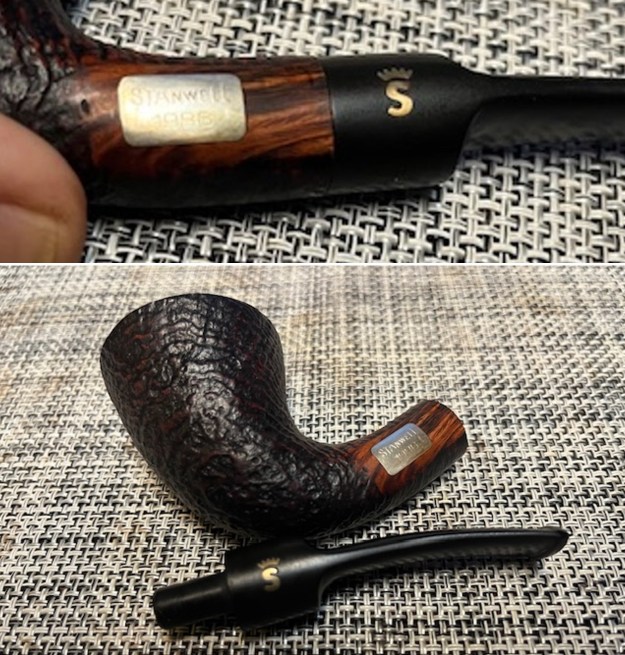
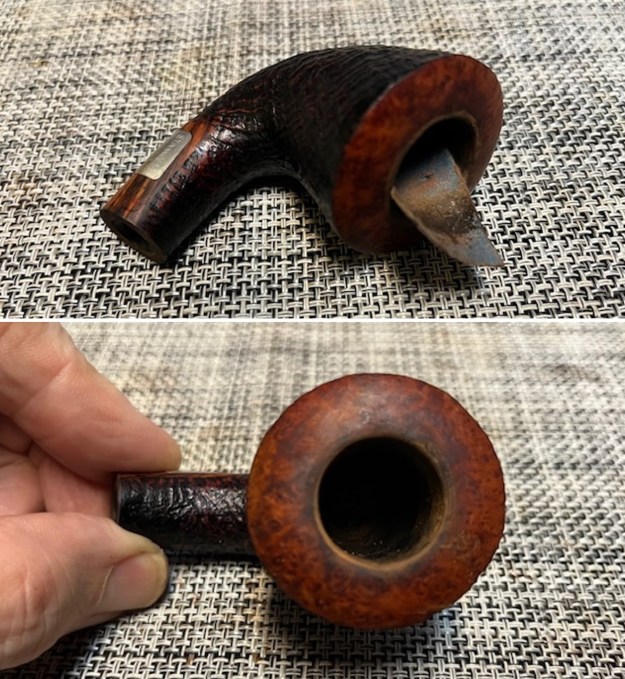
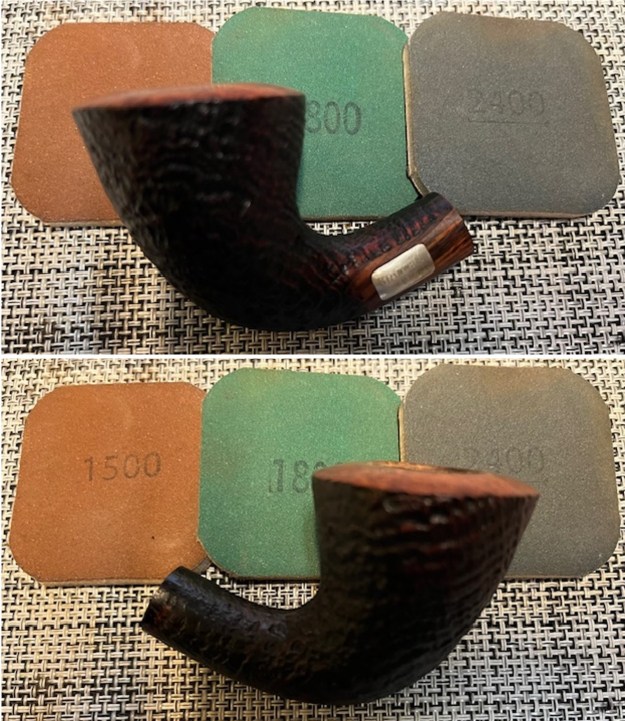
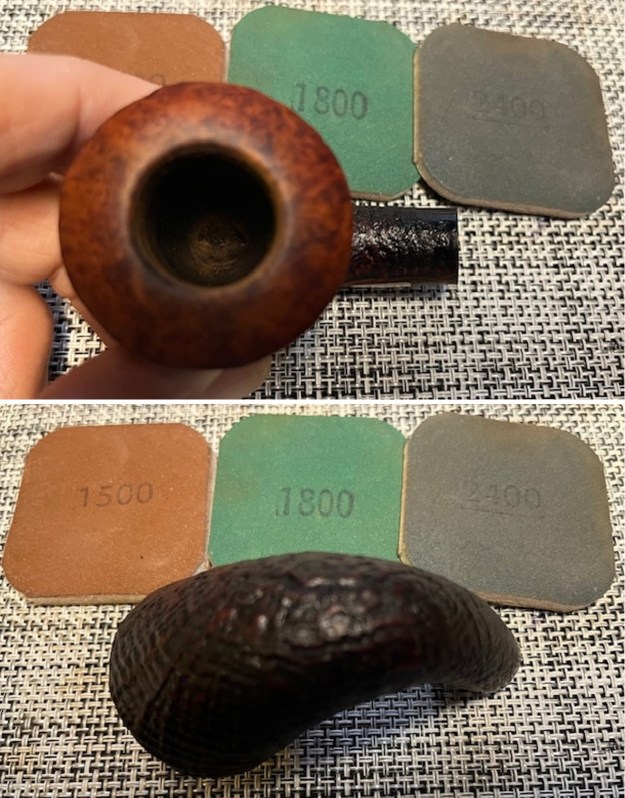
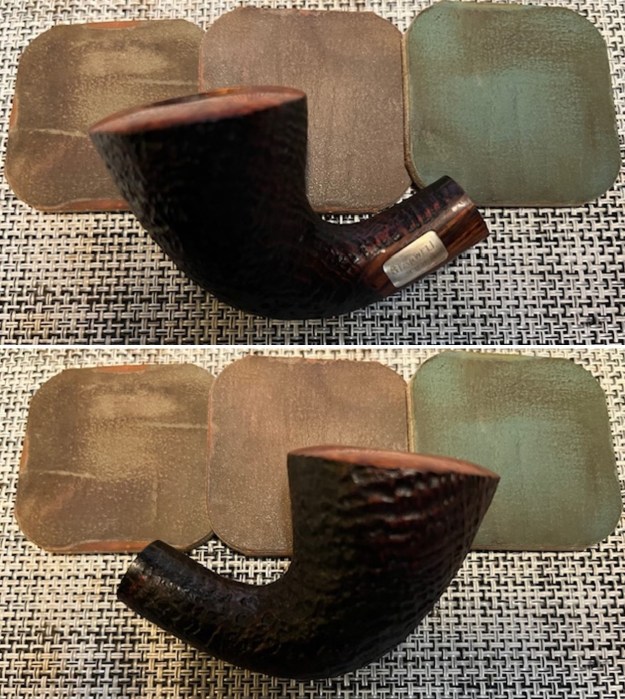
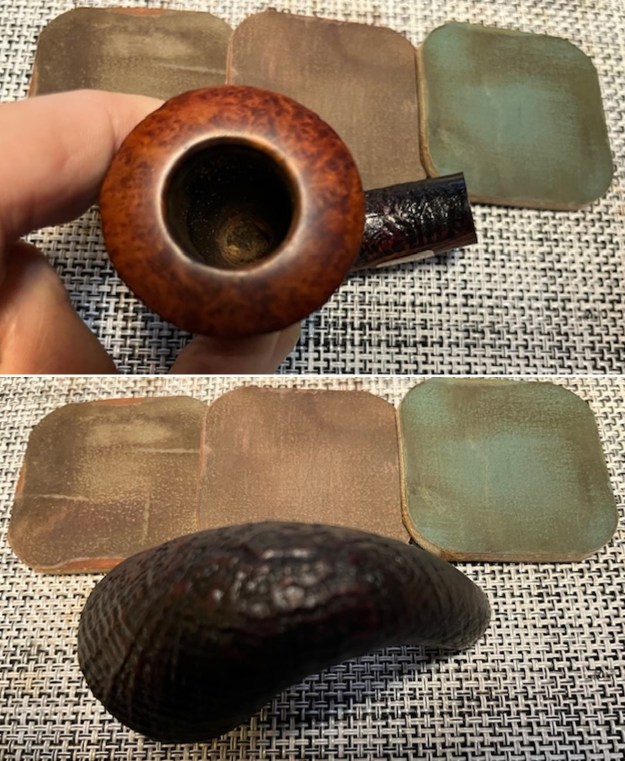
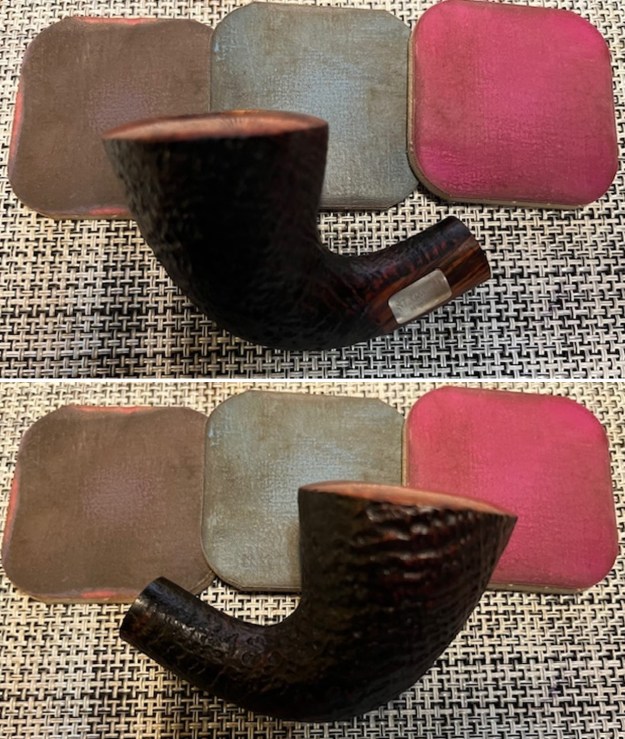
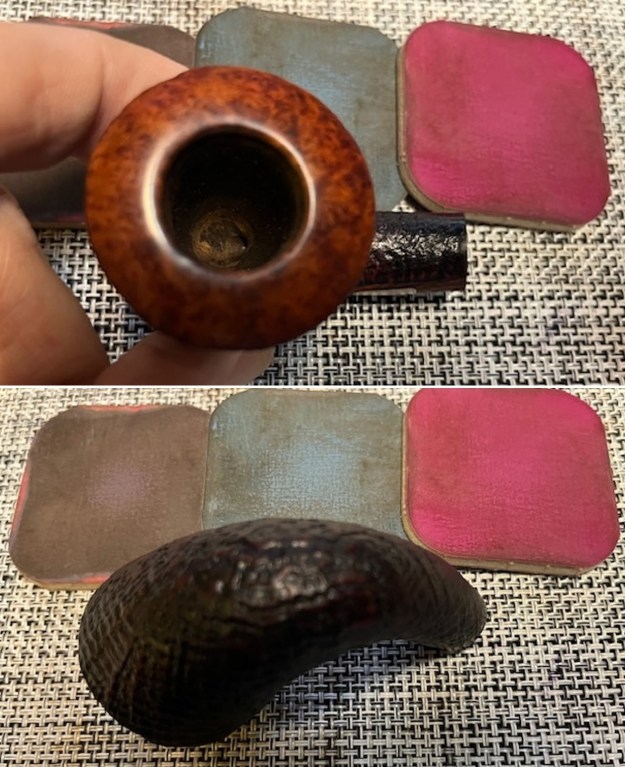
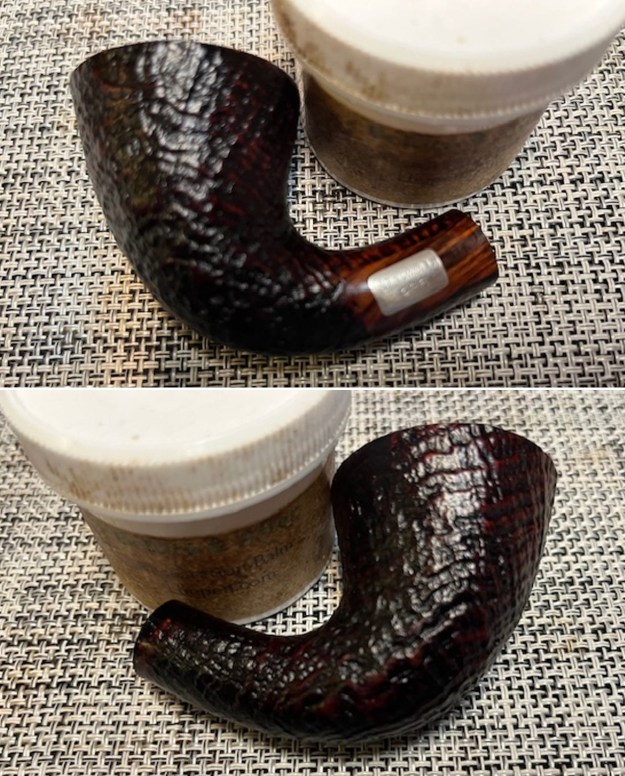
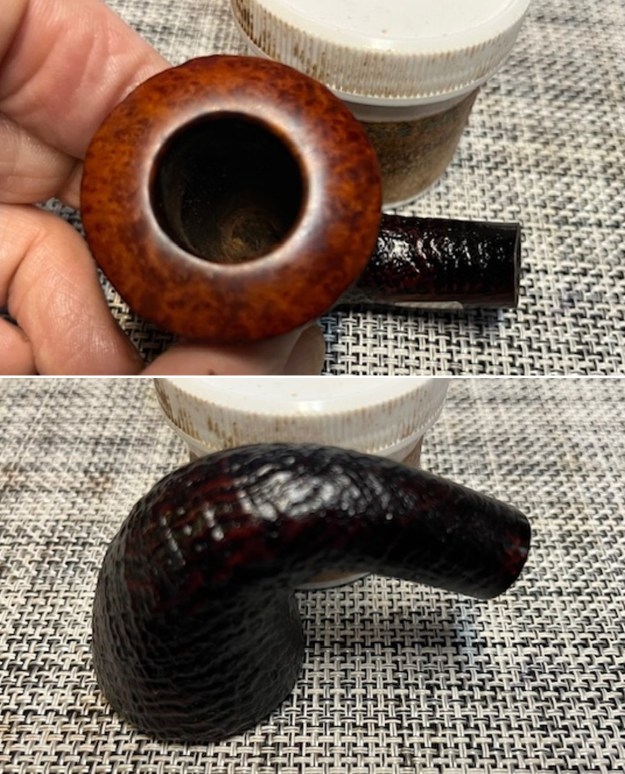
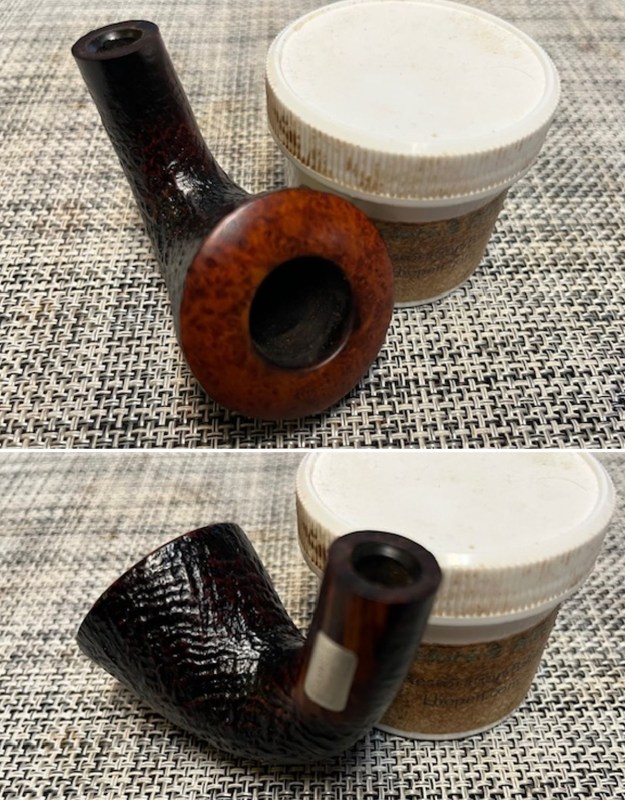
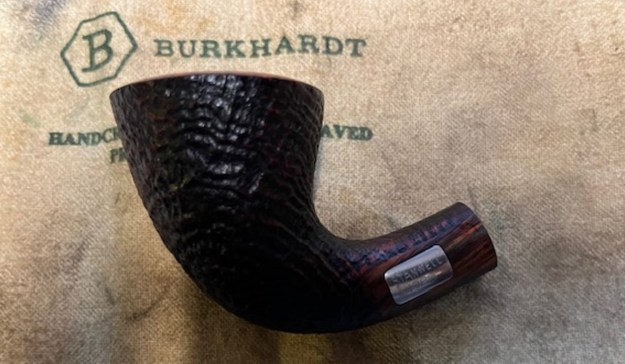
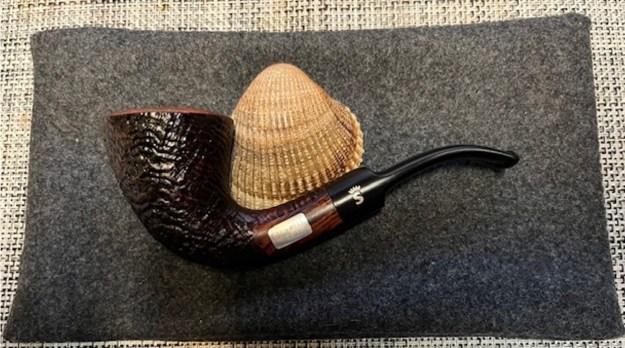
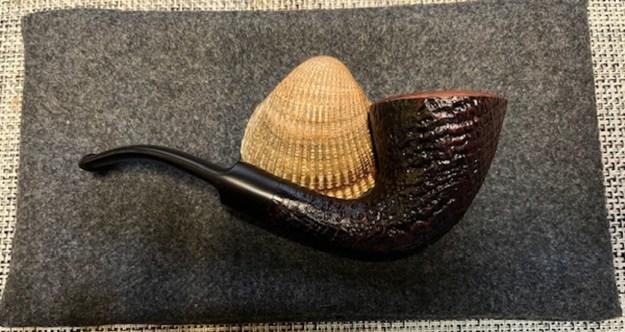
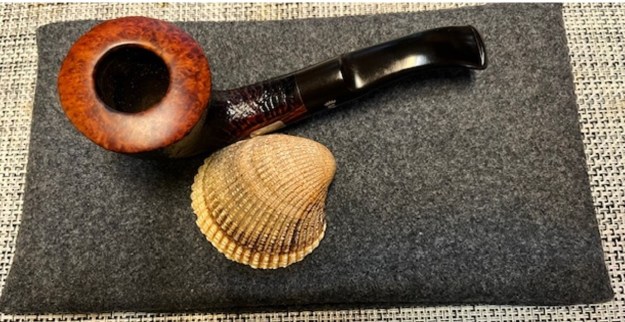
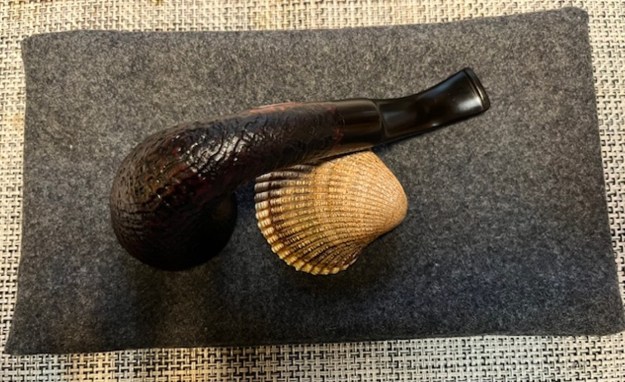
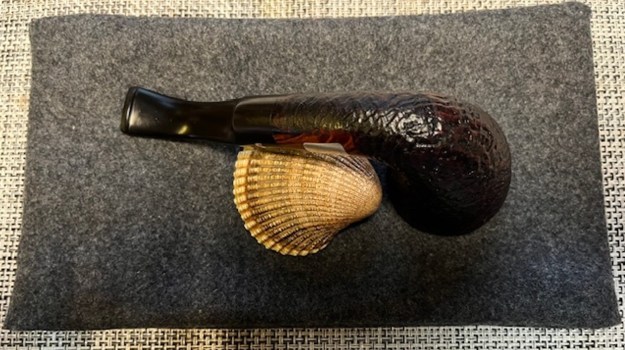
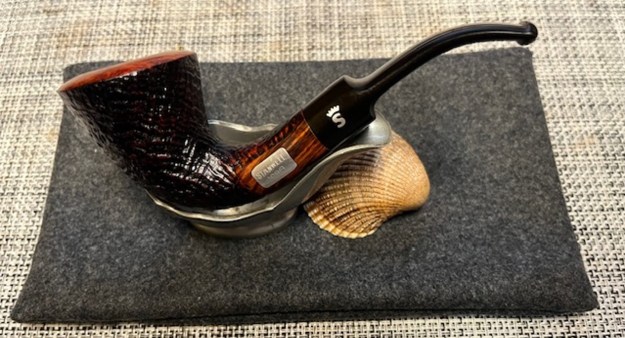
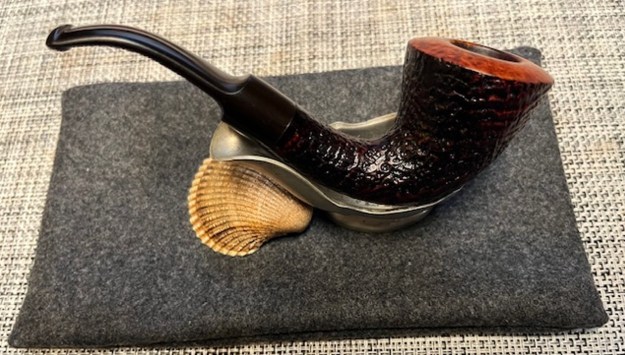
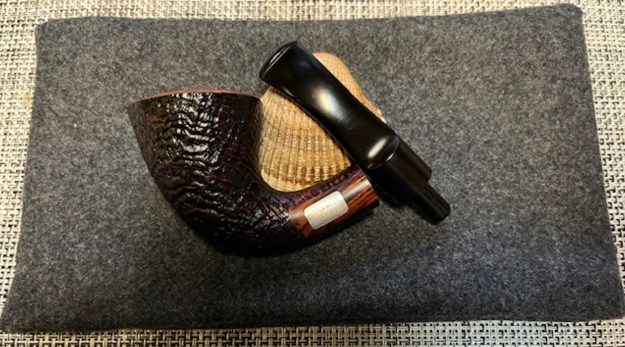
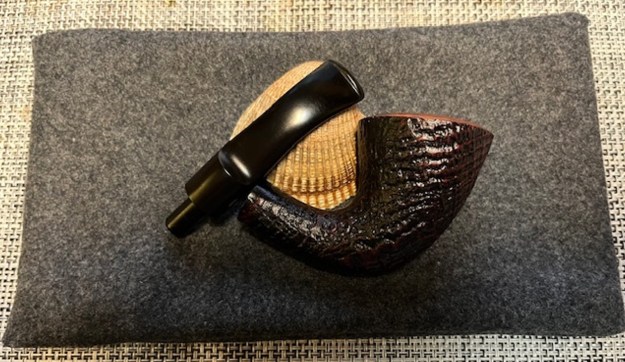
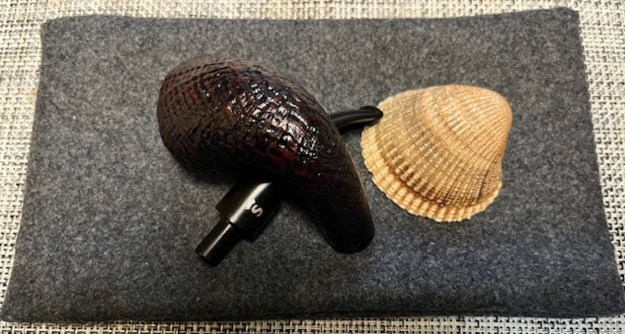
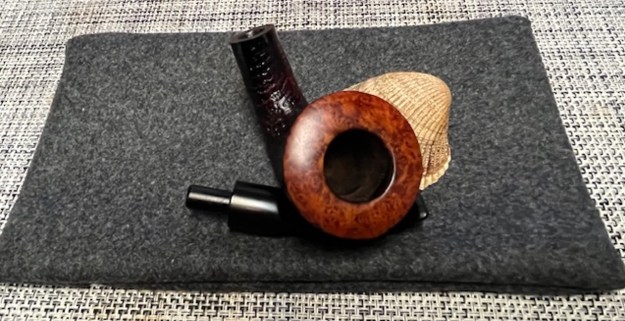
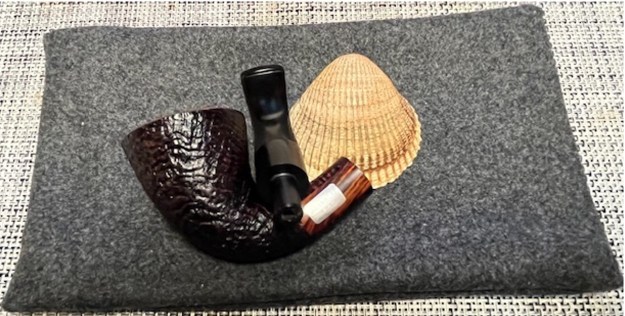
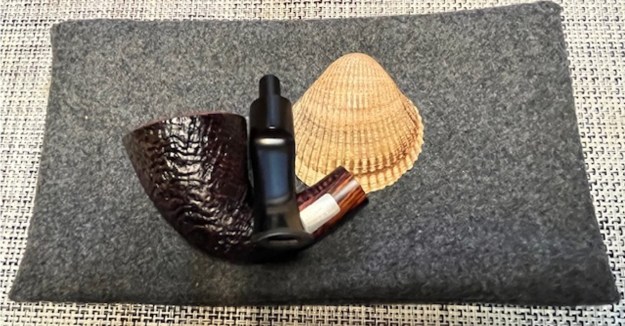
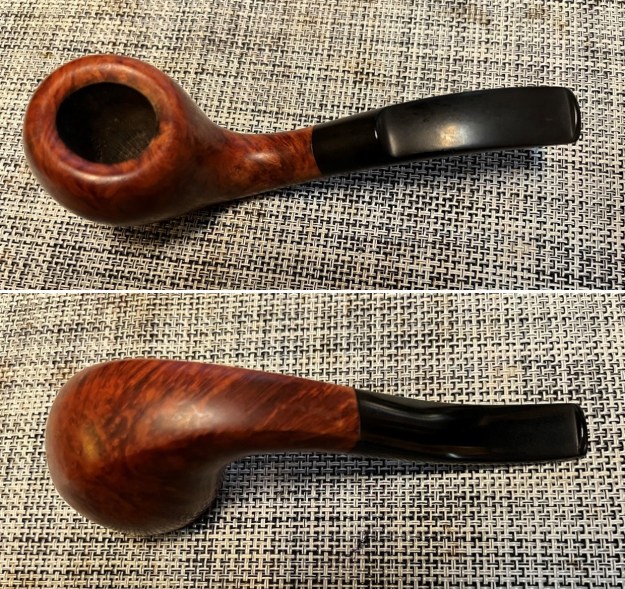
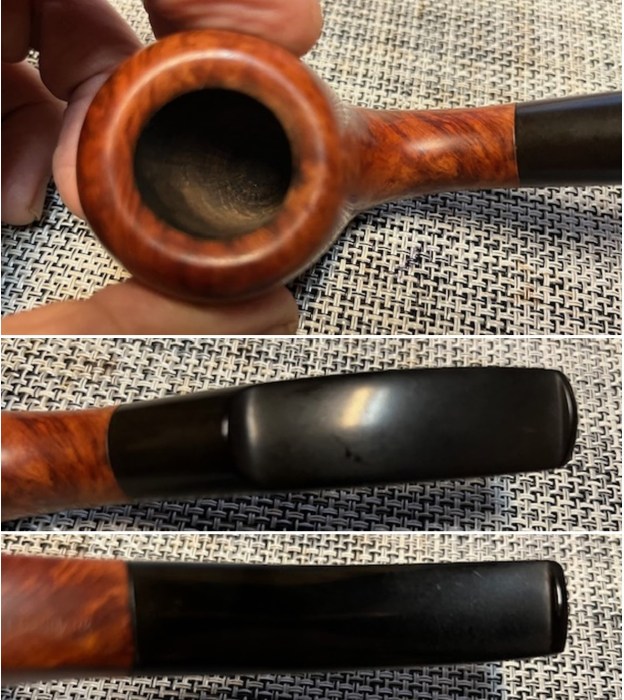
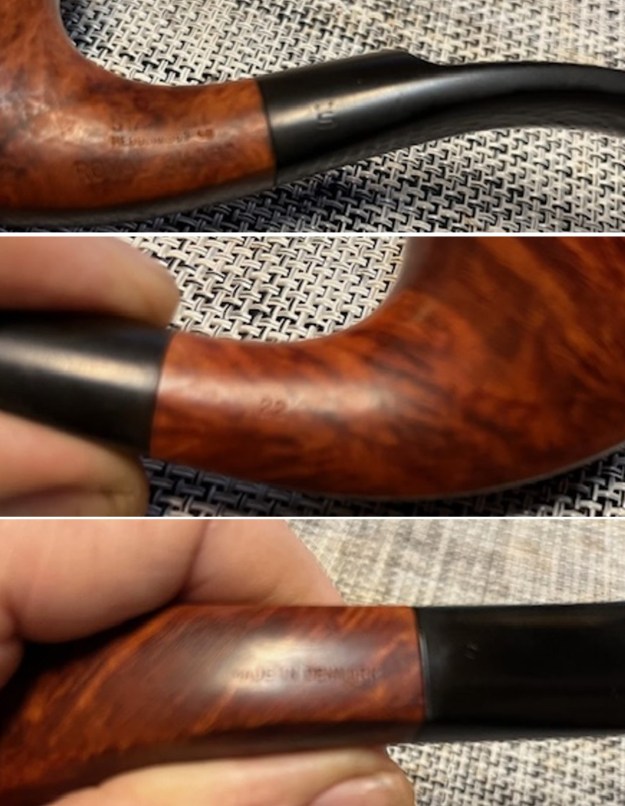
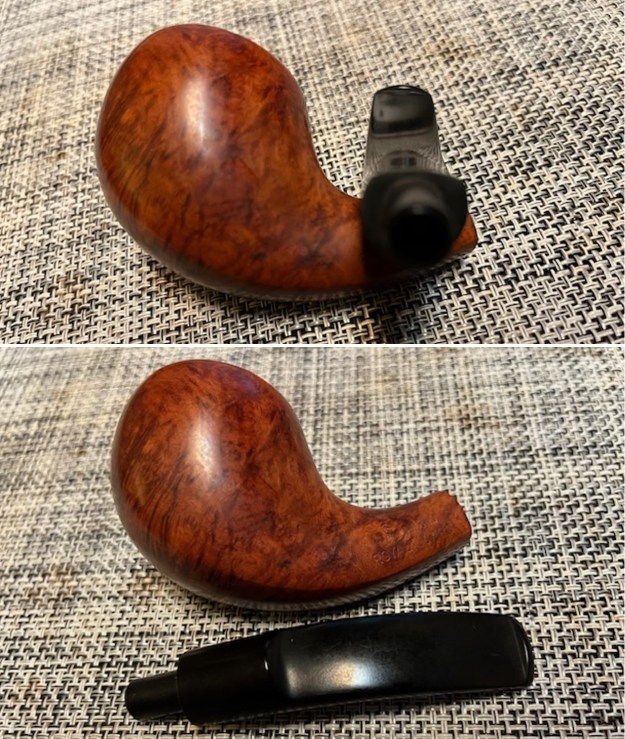
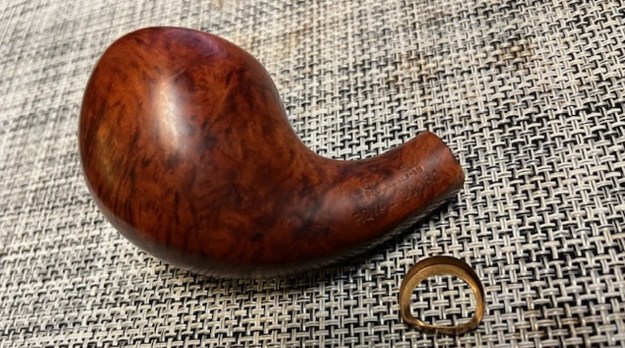
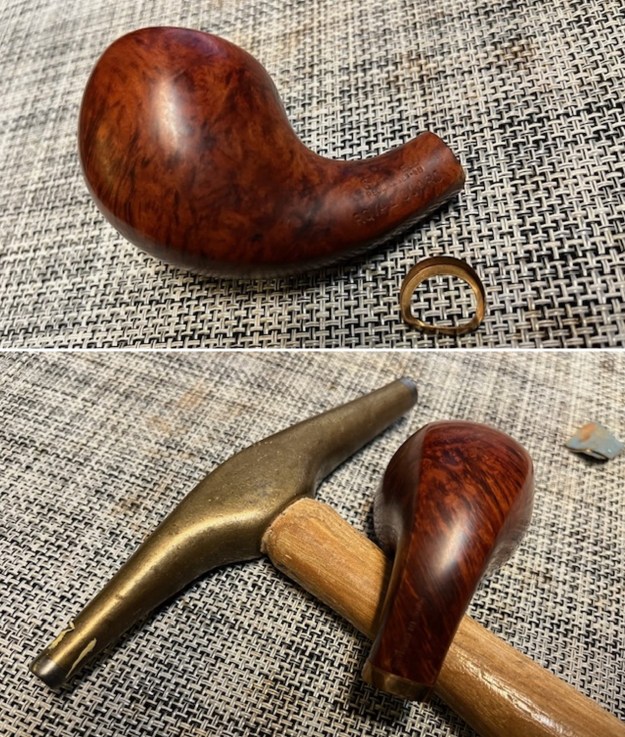
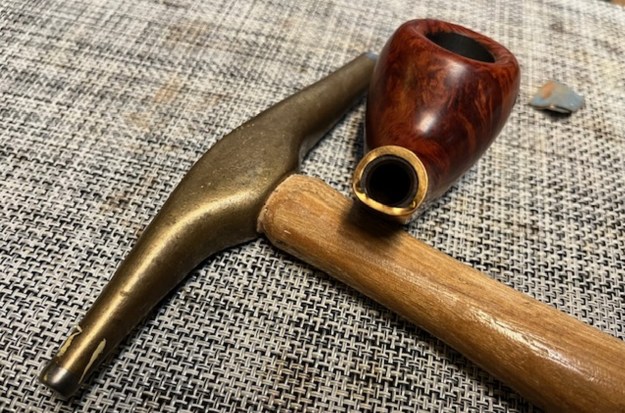
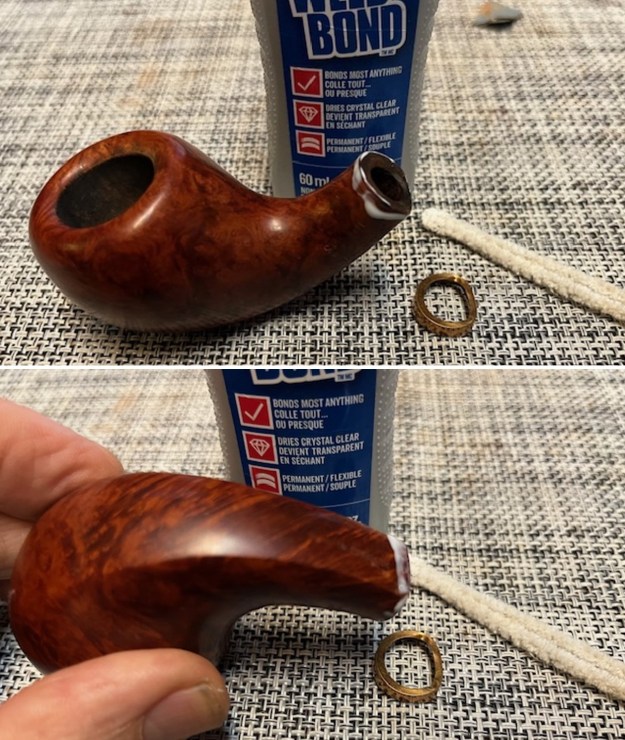
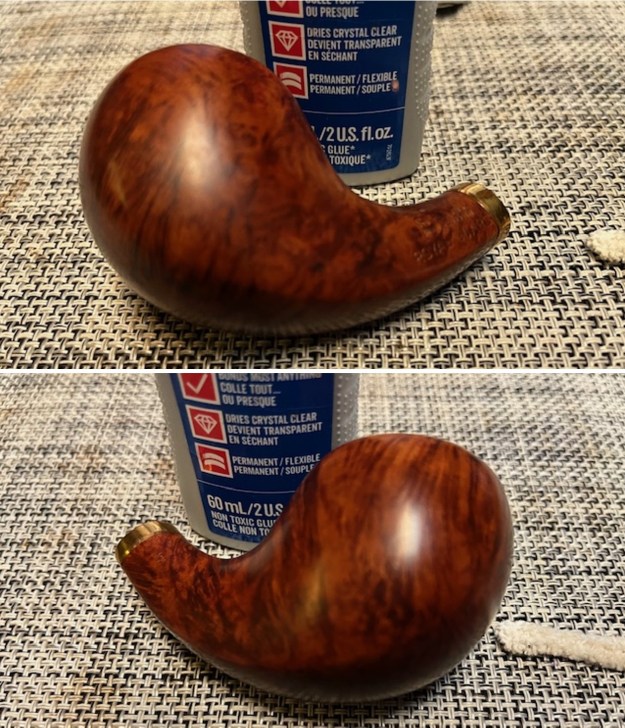
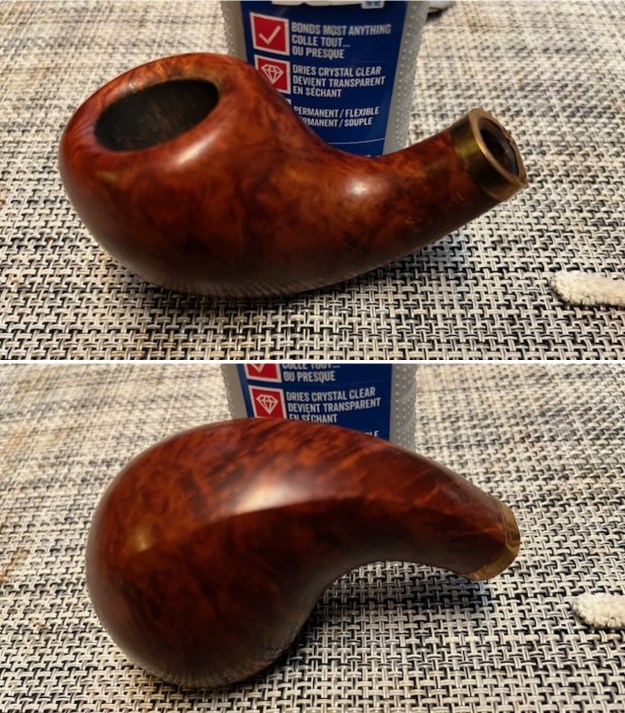
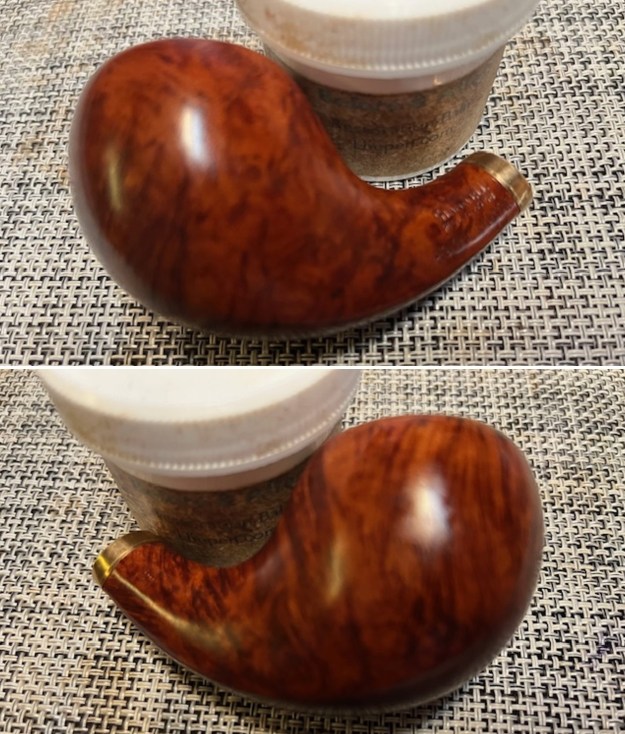
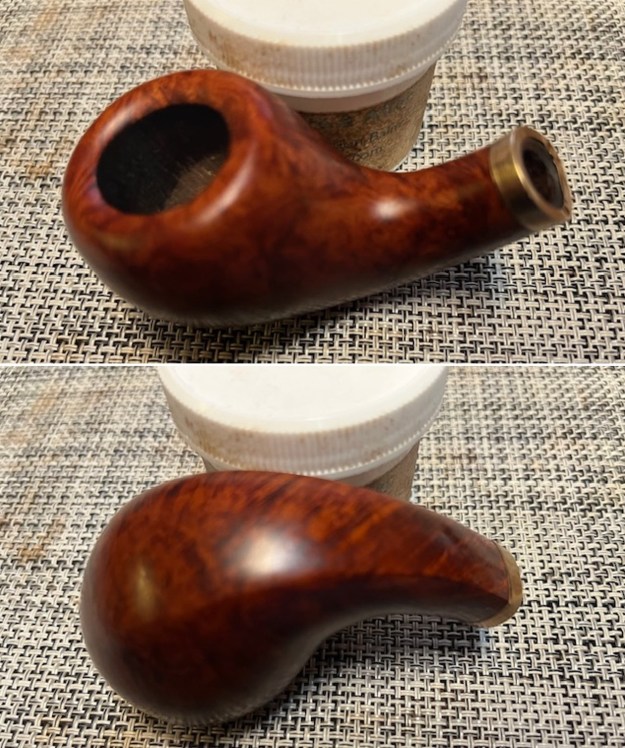
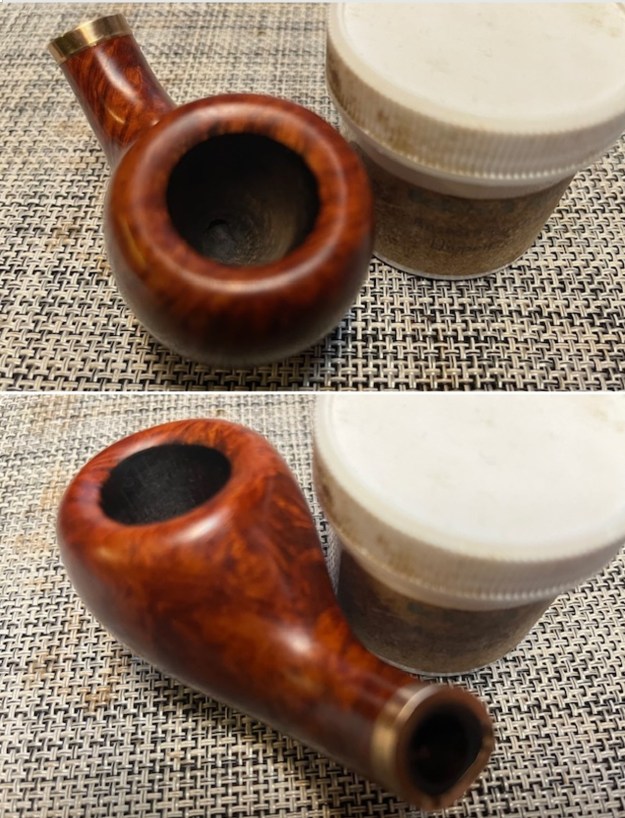
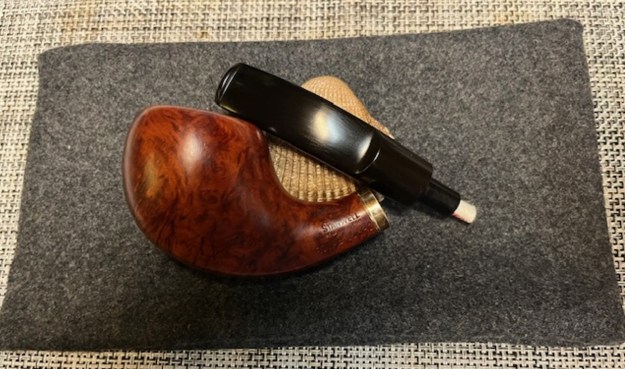
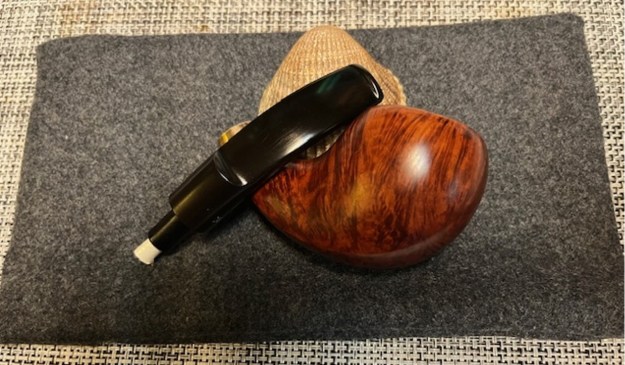
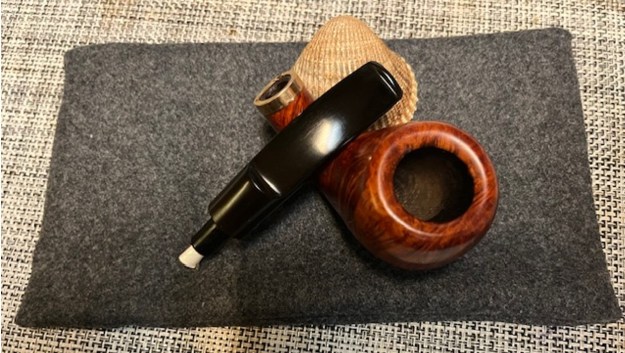
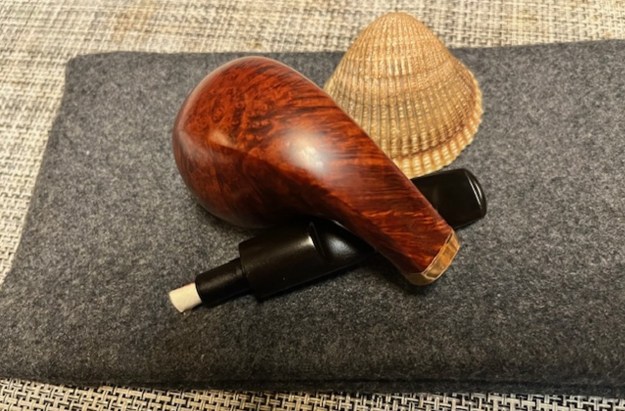
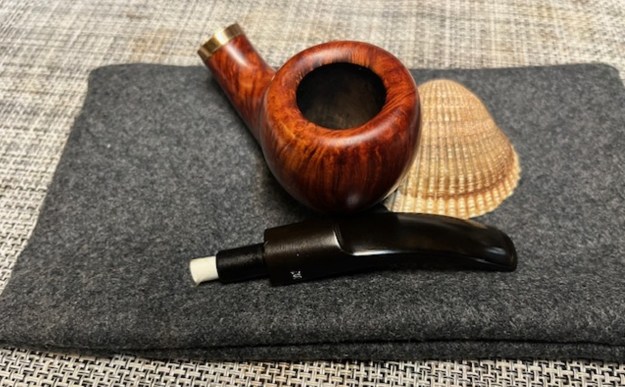
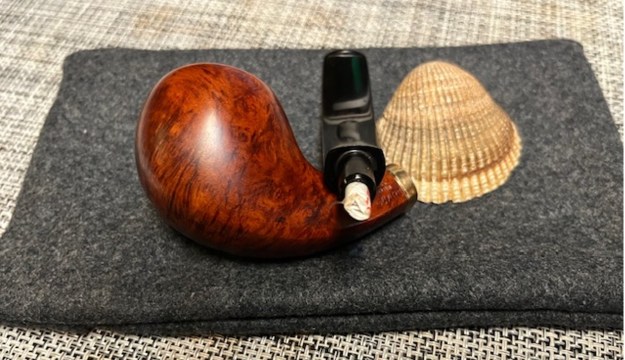
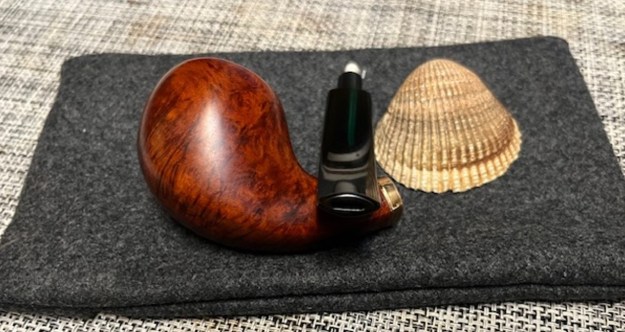
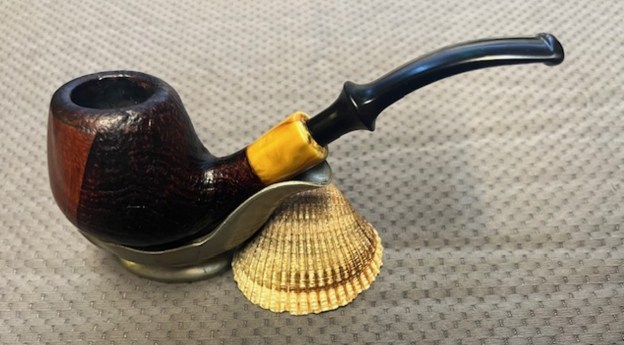
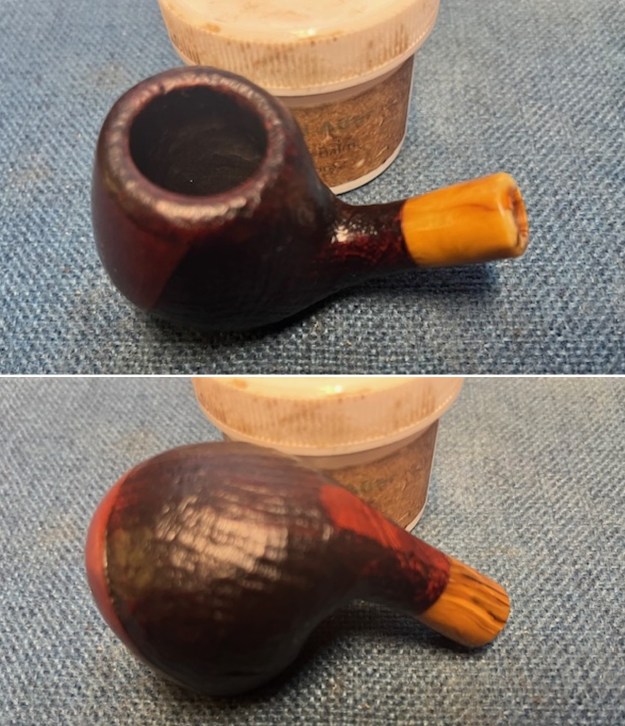
The next pipe I have chosen is a Classic Stanwell Vario style pipe. The pipe has a mixed finish of sandblast and smooth finishes. There is a shank extension that is faux horn and golden. We purchased it from the seller on 09/04/2020 in Gonzales, Louisiana, USA. The contrast of the brown stains on this pipe makes the smooth grain and depths of the sandblast stand out. The sandblast rim top matches the sandblast on the sides of the bowl and worked well with the stain on the sides. The pipe is stamped underside of the shank and reads Stanwell [over] Made in Denmark followed by the shape number 608. The bowl was heavily caked and there was lava on the sandblast rim top and inner edge. The condition of the rim and top looks good. The acrylic shank extension is chipped and has a small hairline crack on the end and topside. The black vulcanite saddle stem was in poor condition and had straightened out. It had deep tooth marks on the top and underside ahead of the button. There is a slight bite through in the underside of the button and a crack in the button edge. There was a faint Stanwell Crown S logo on the topside of the stem. Jeff took photos of the pipe before his cleanup work. They tell the story and give a glimpse of the pipe. Jeff took close up photos of the bowl and rim to capture the condition of the pipe before he started his cleanup work. The heavy cake in the bowl and the lava on the edges and the sandblast rim top are visible. The next photos show the stem surface. There is oxidation, calcification and light tooth marks and chatter on both sides near the button and wear on the button surface and edges. There is also some damage to the button on the underside (it was cracked and chipped) and there were deep tooth marks on both sides. The mark on the underside had a pin hole all the way through the surface. You can also see the crack in the acrylic faux horn shank extension. Upon closer examination it would also have chips on the shank end. He also took a photo of the bottom of the bowl and shank to show the beautiful grain on the front and the nice sandblast around the rest of the bowl and shank. It is very dirty but this is another beautiful pipe. He took a photo of the stamping on the underside of the shank. It is clear and readable as noted above.I can find no information on the shape number or the configuration of the pipe and shank extension. It is similar to a Buffalo but not quite the same. This one shall remain a mystery.
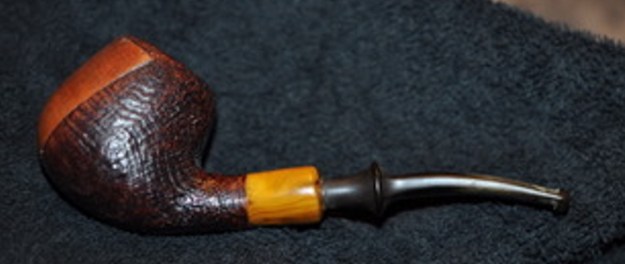
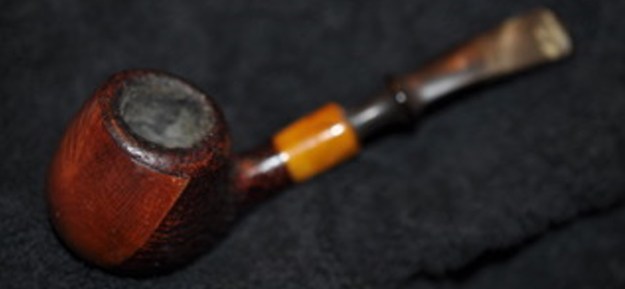
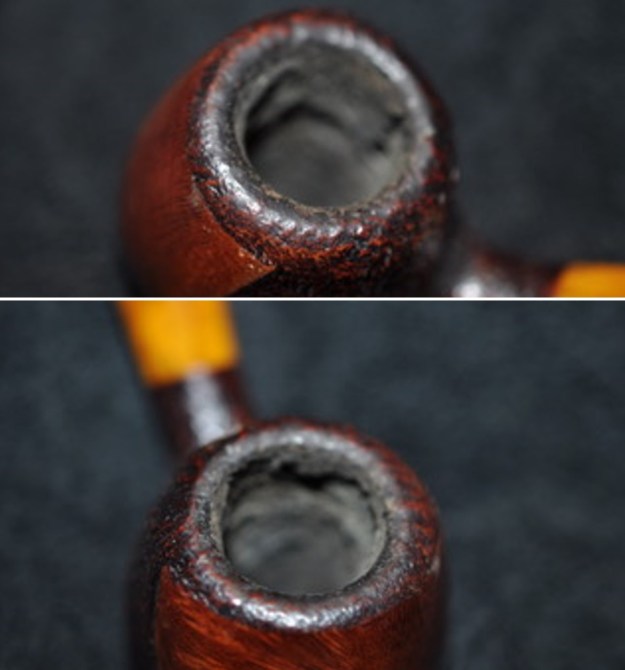
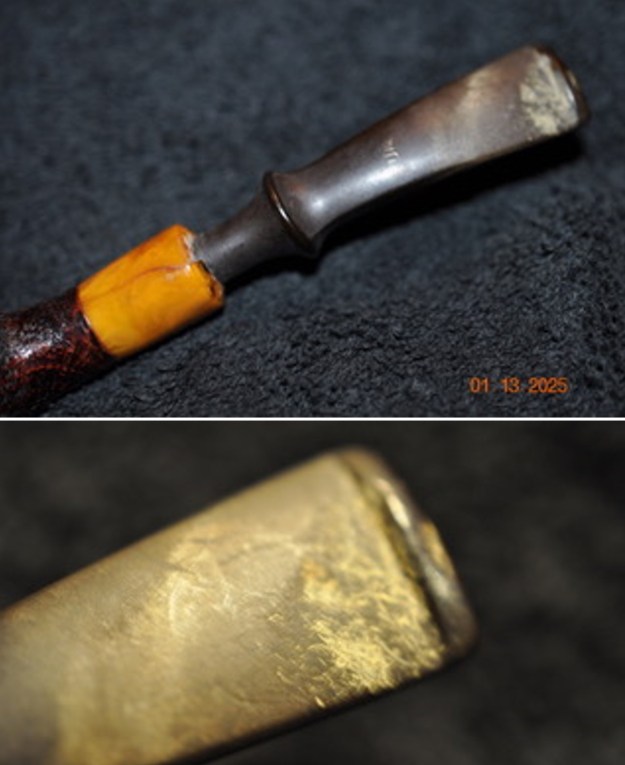
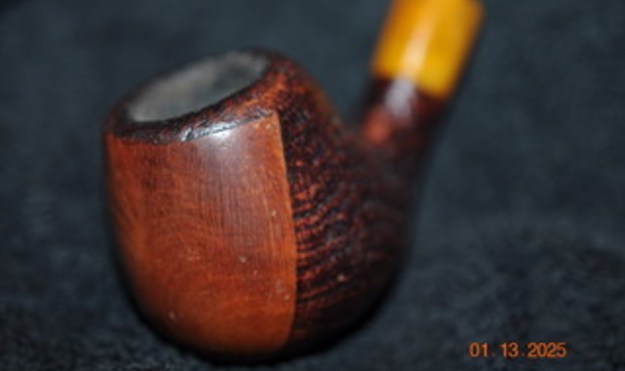
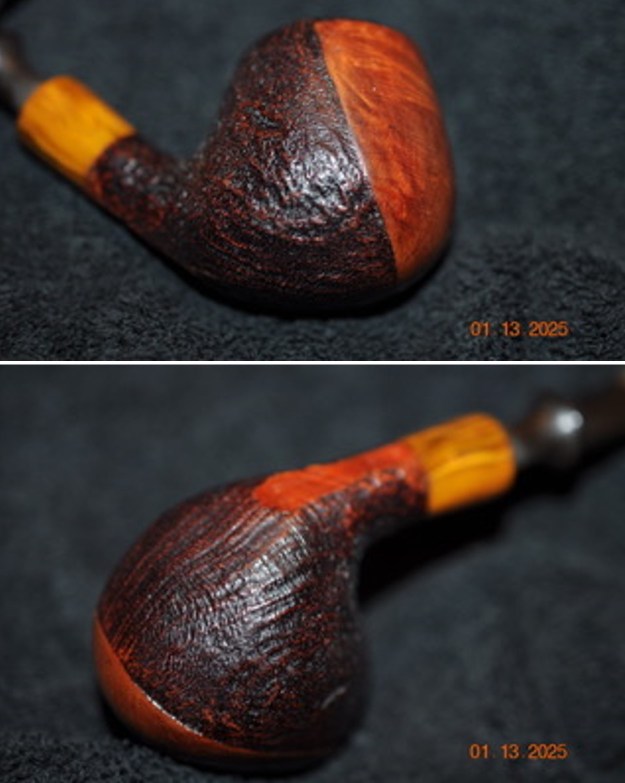
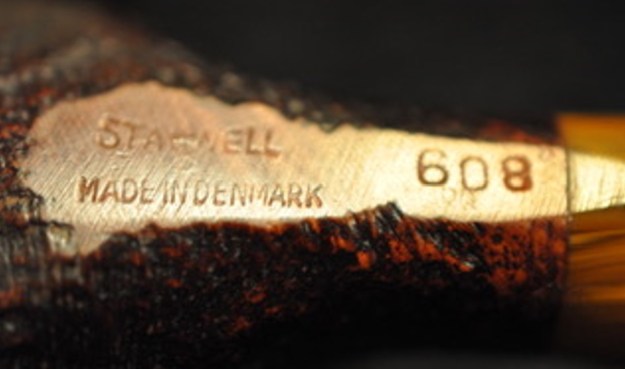
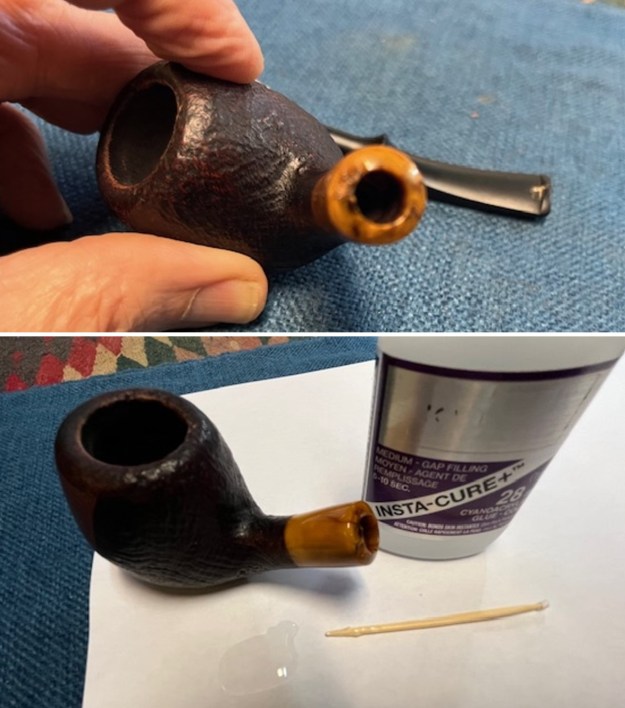
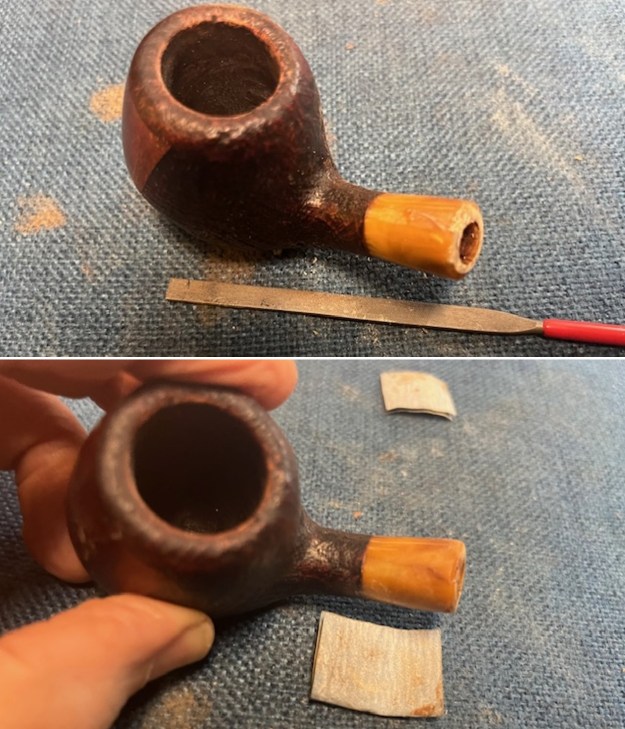
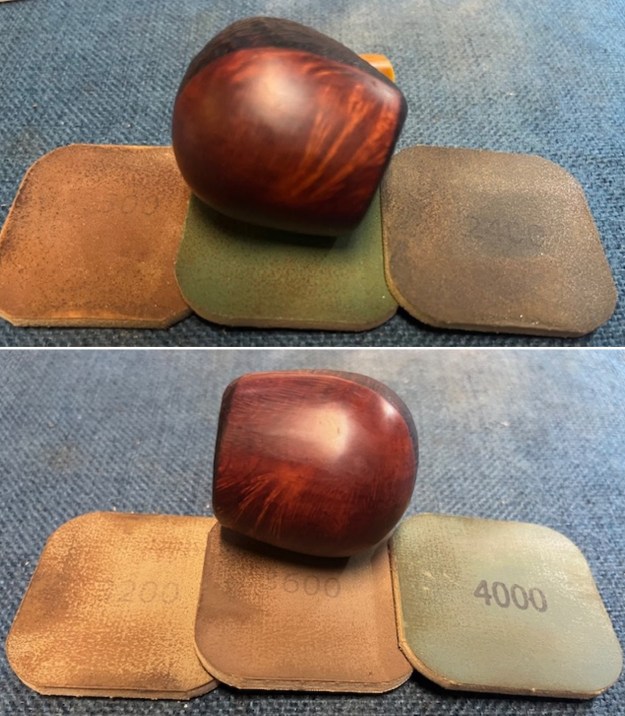
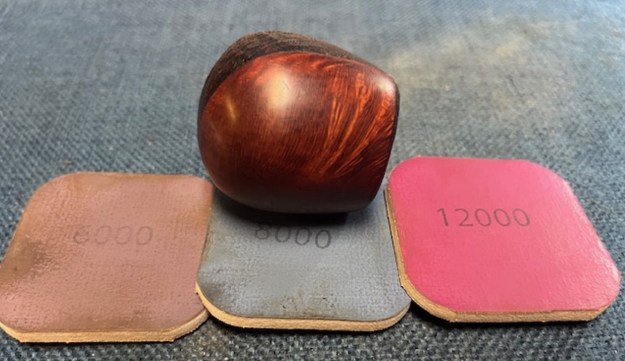
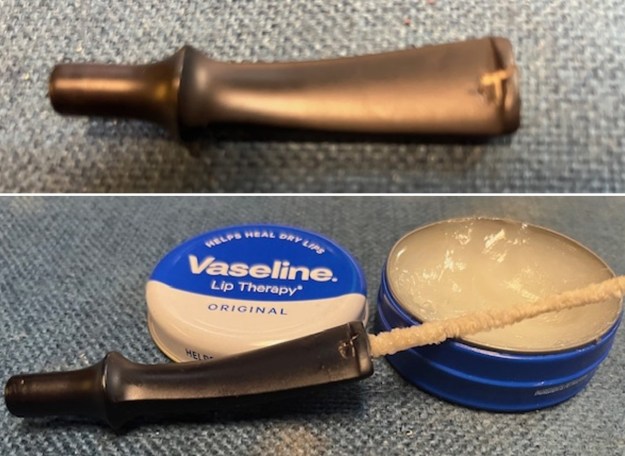
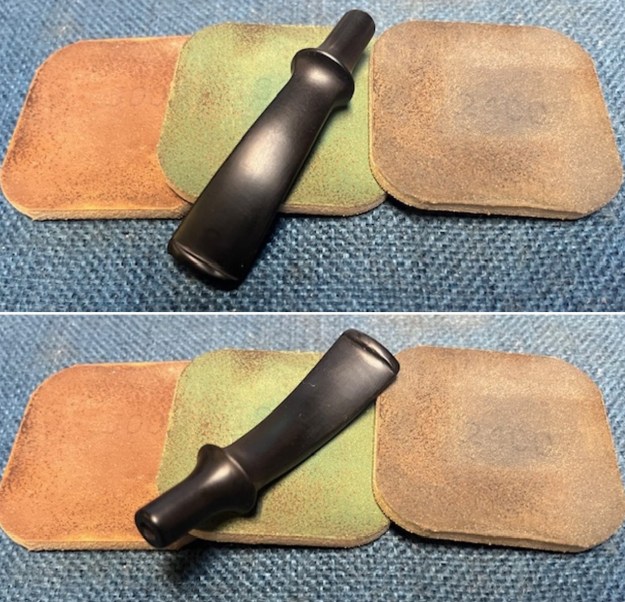
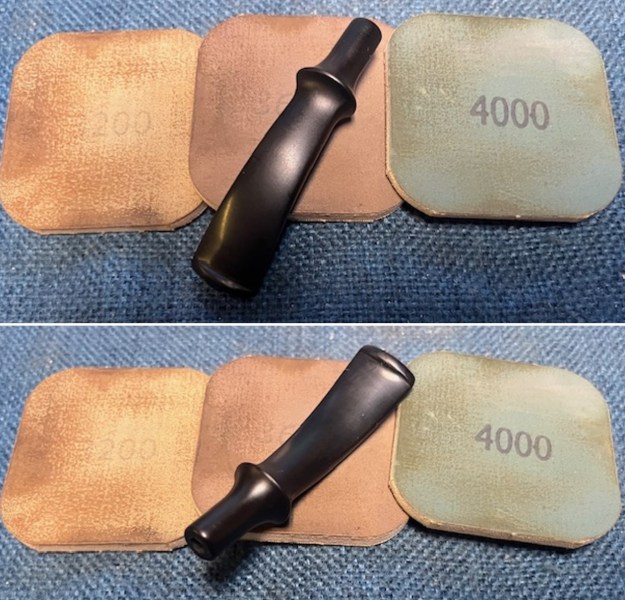
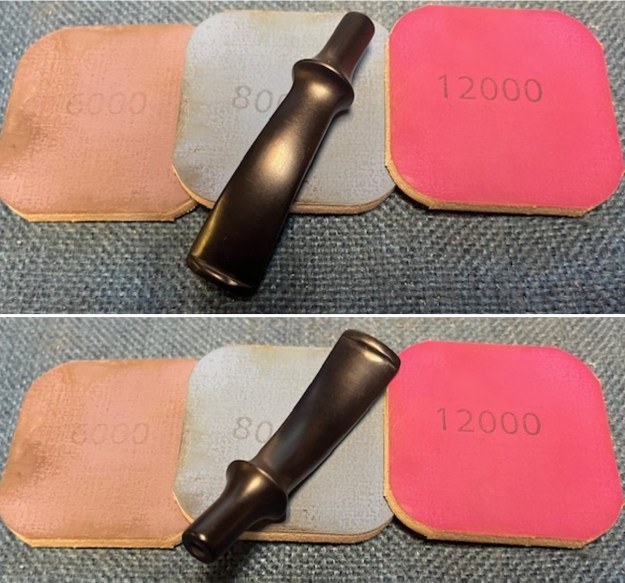
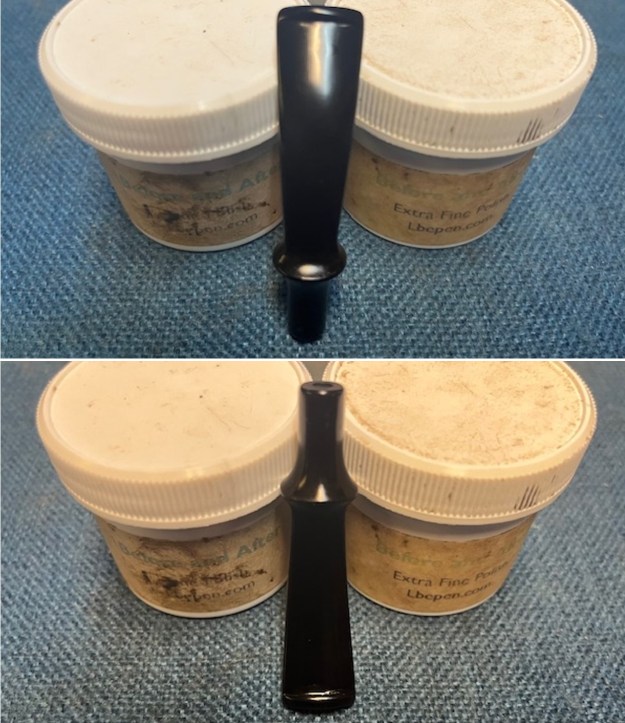
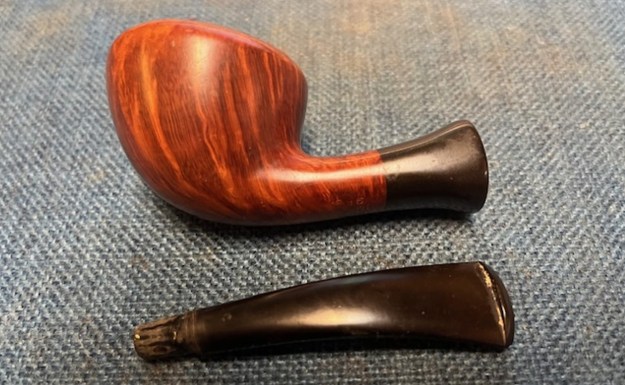
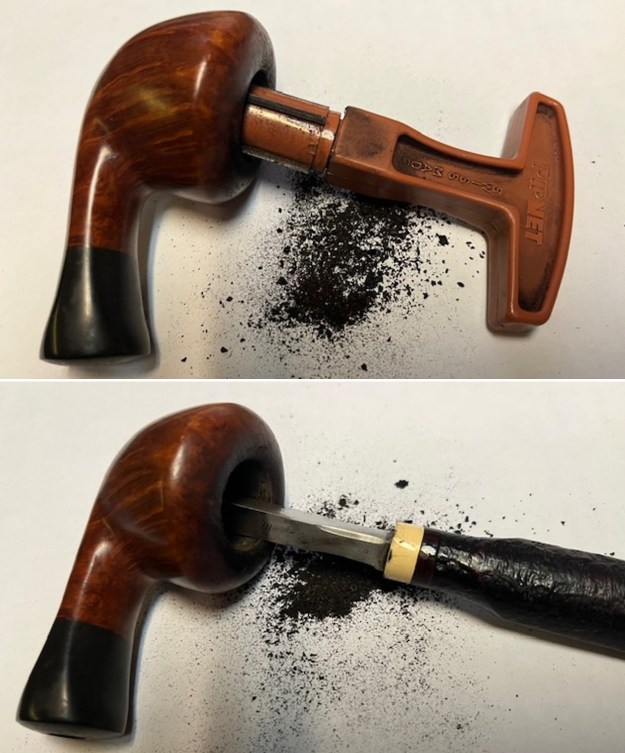
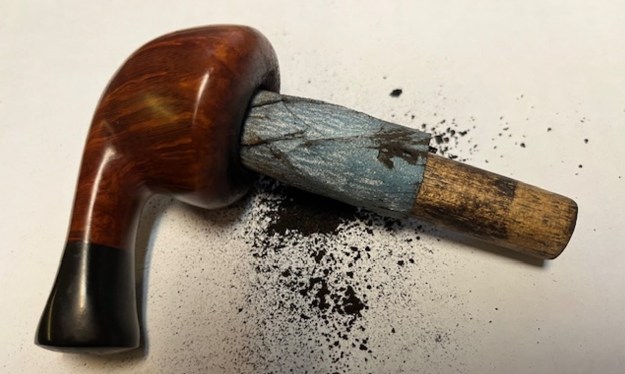
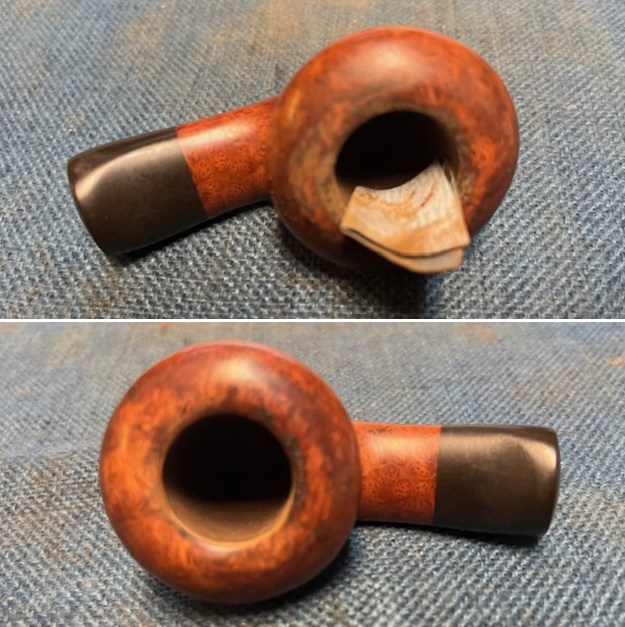
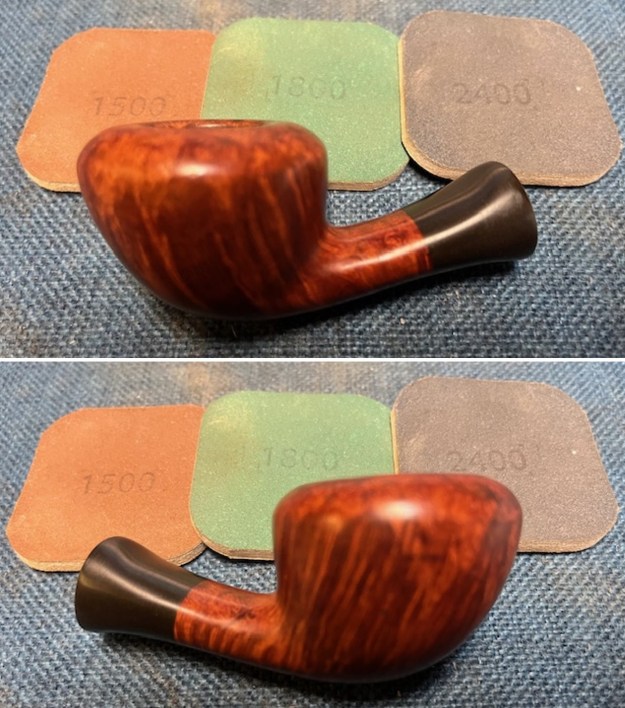
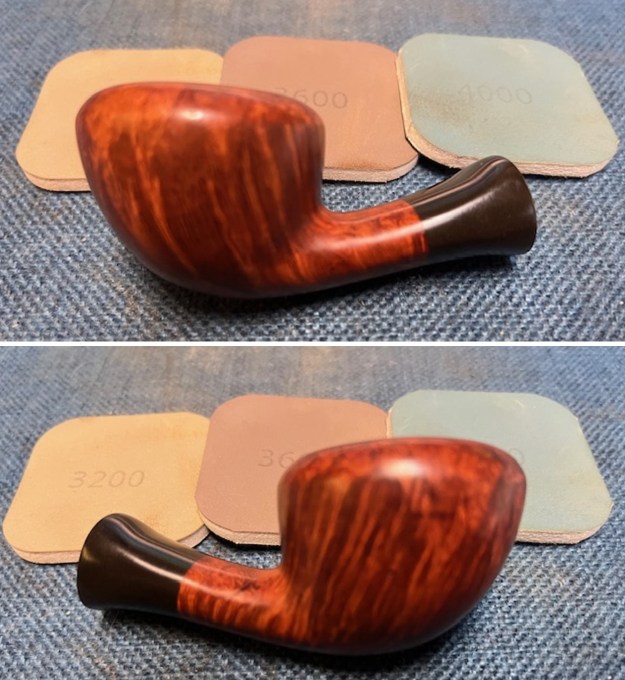
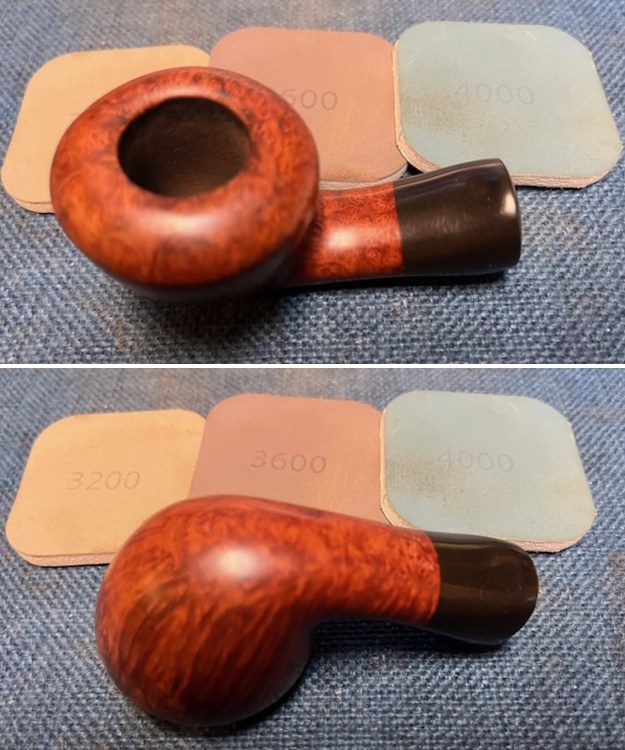
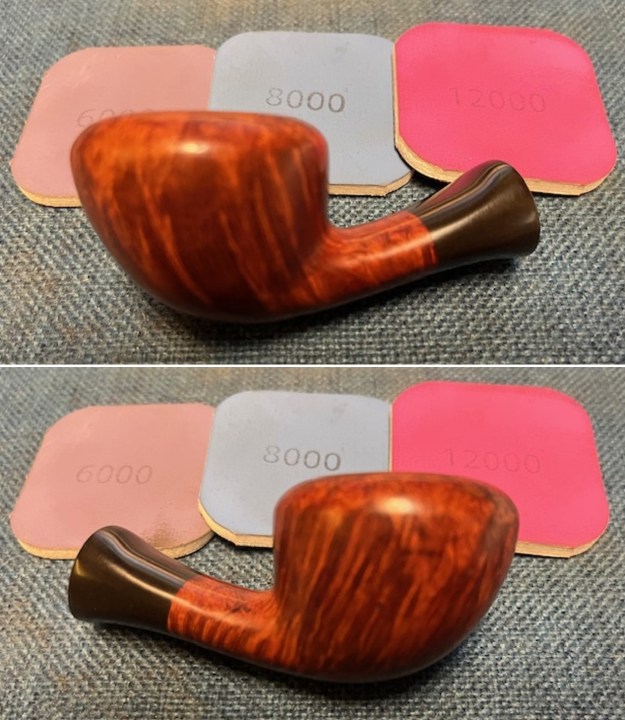
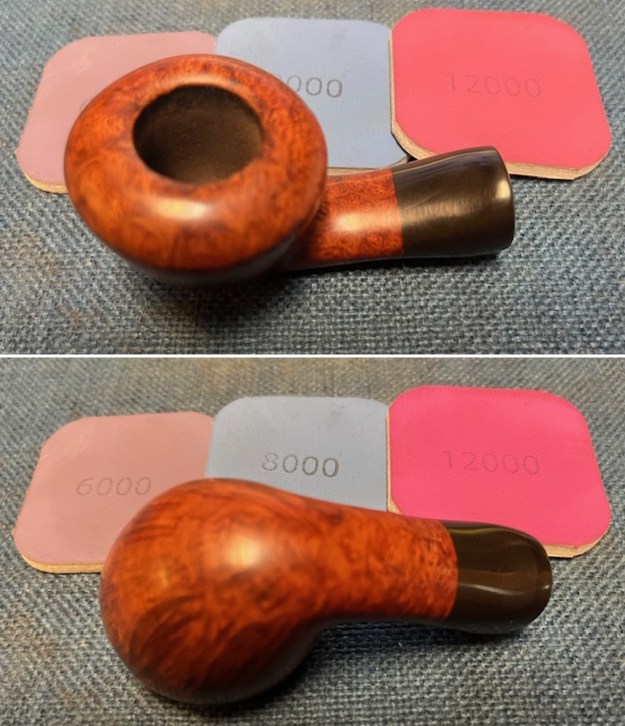
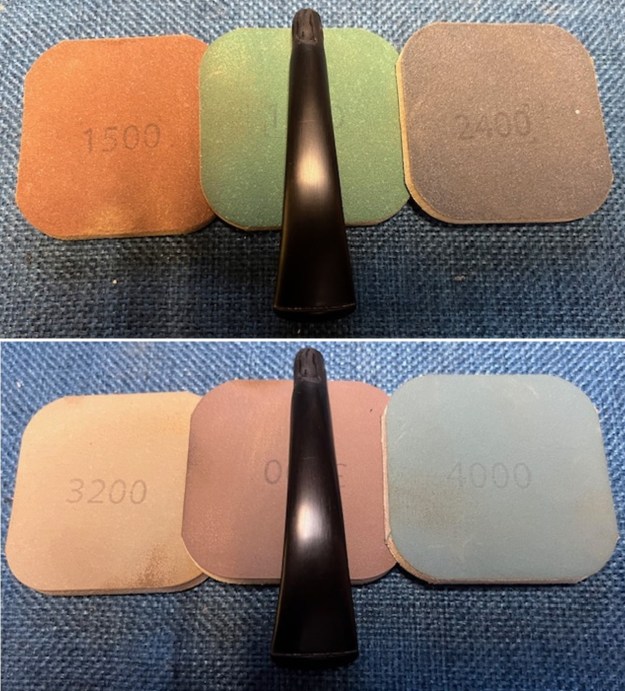
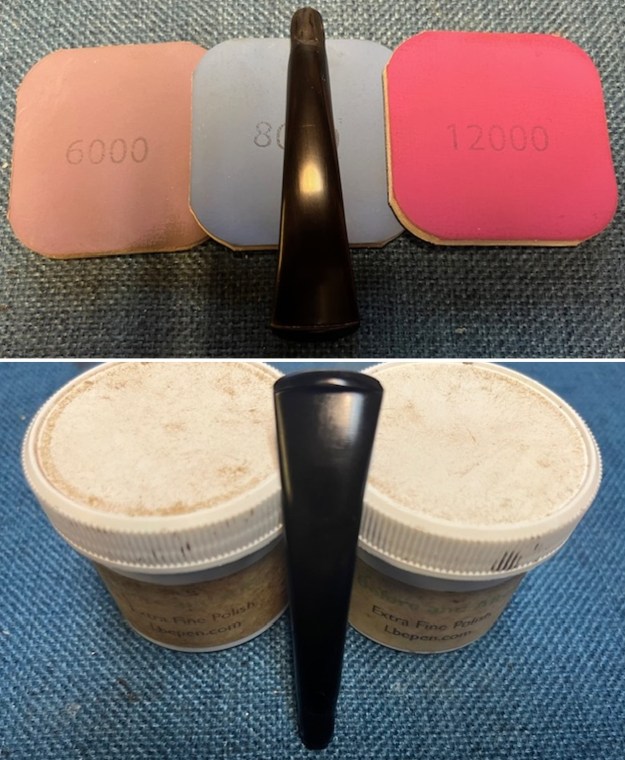
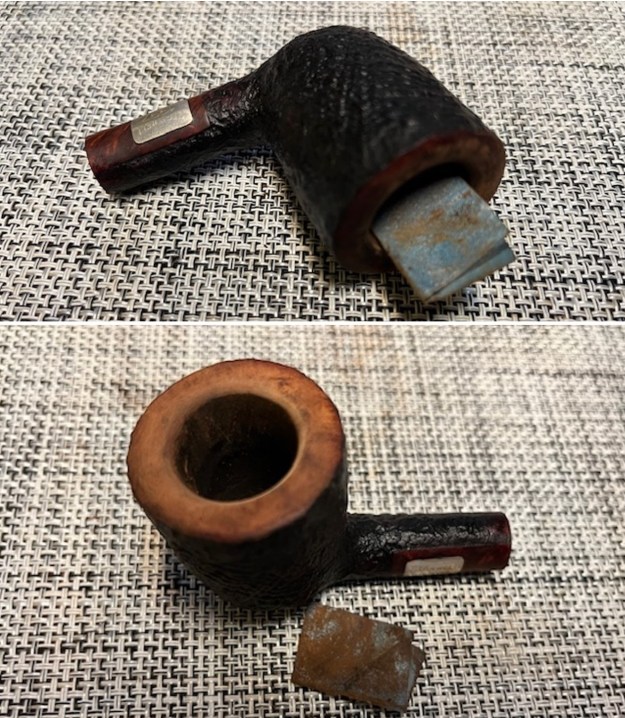
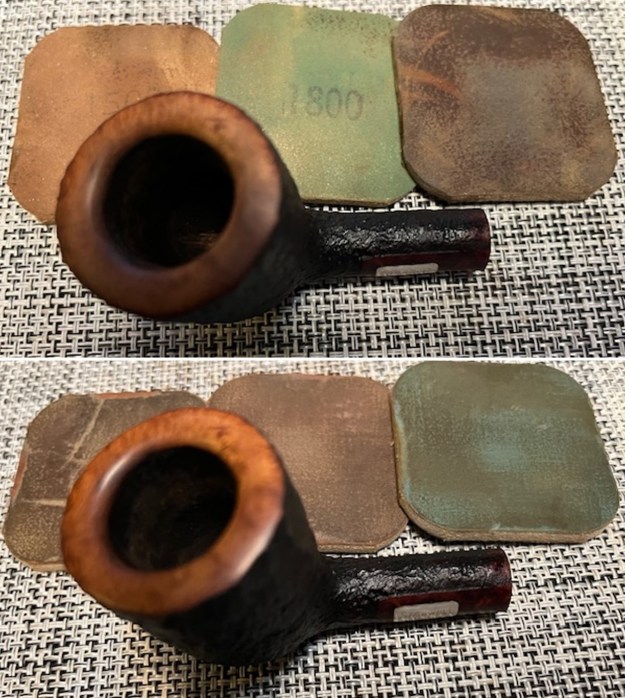
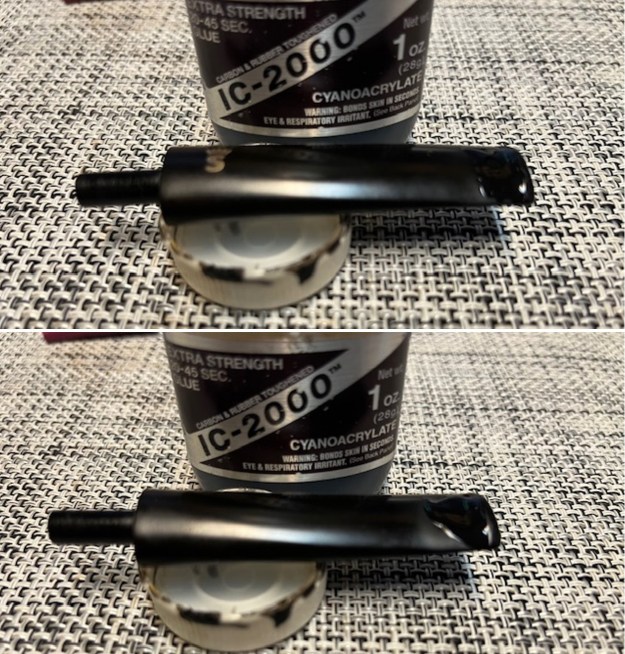
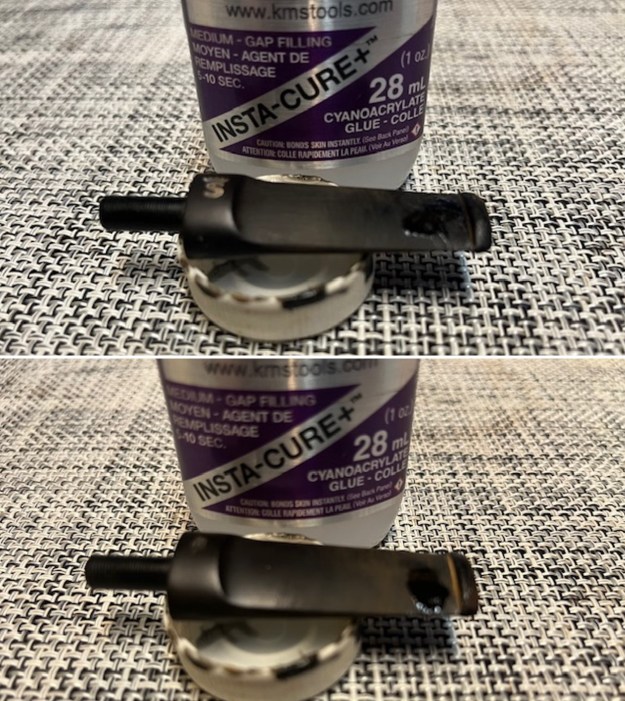
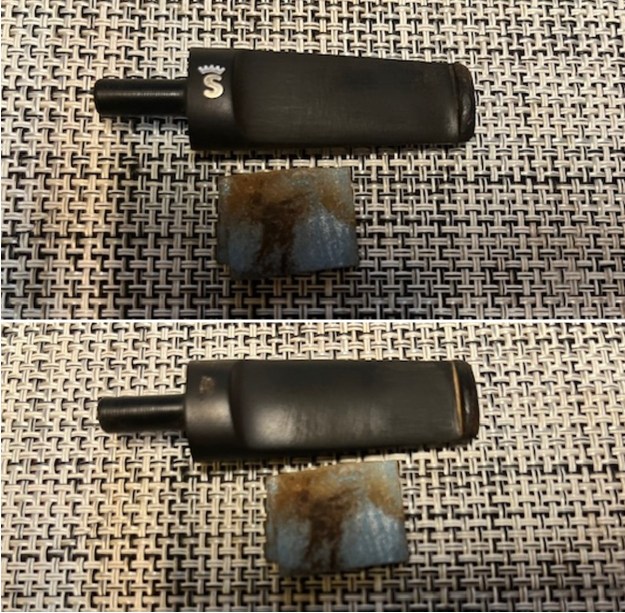
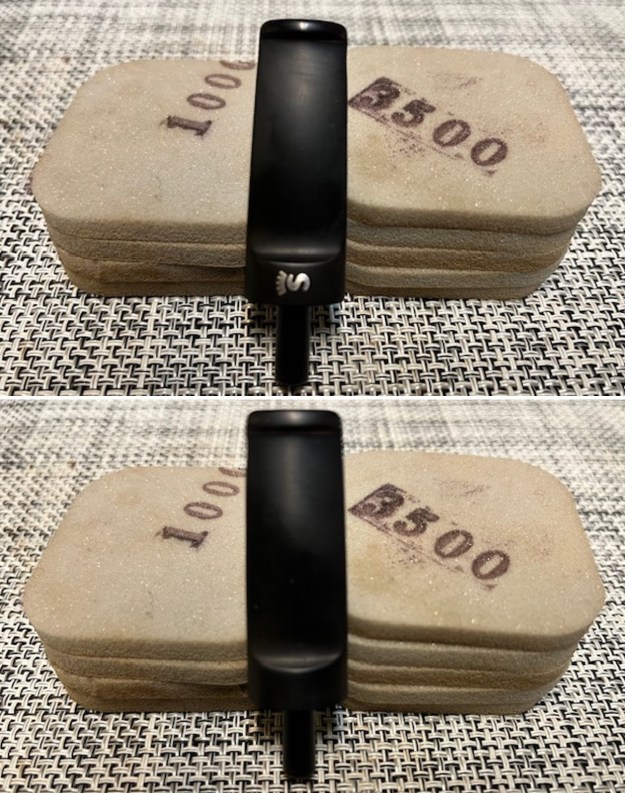
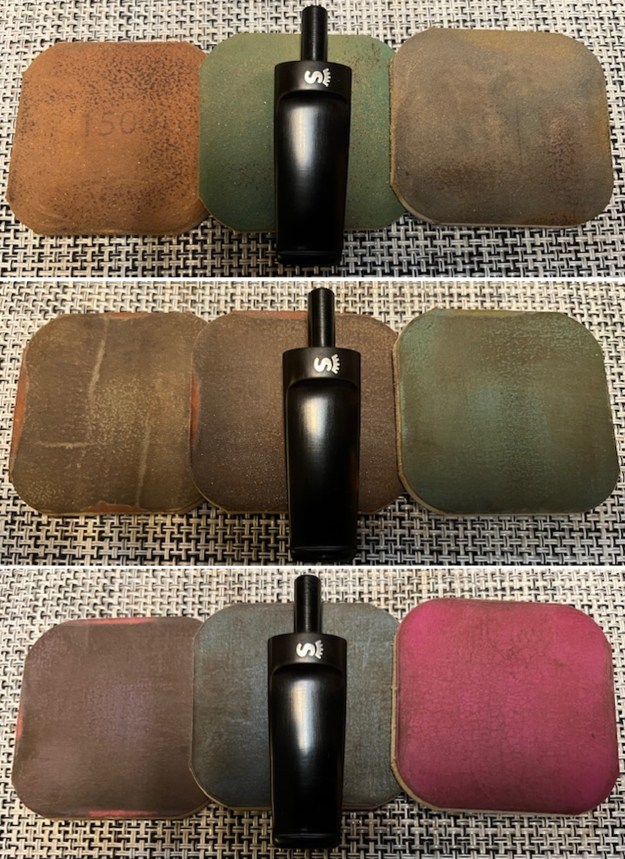
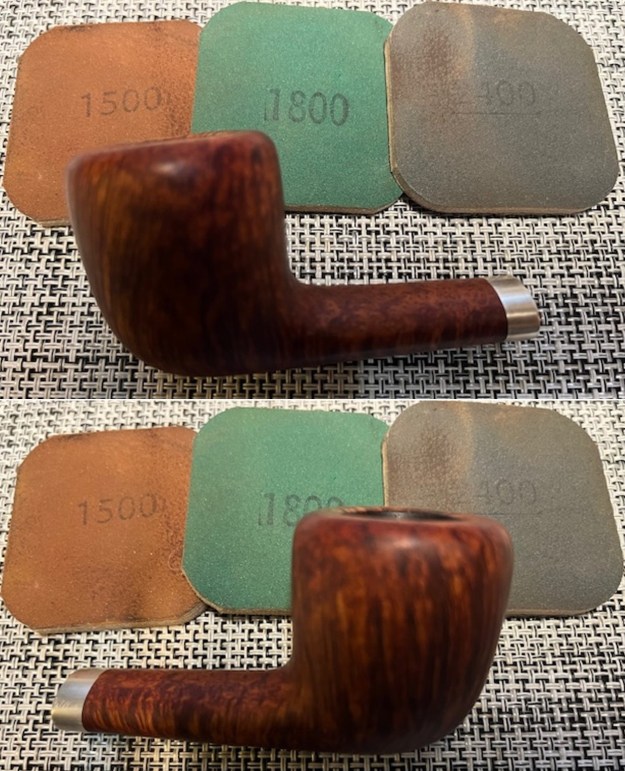
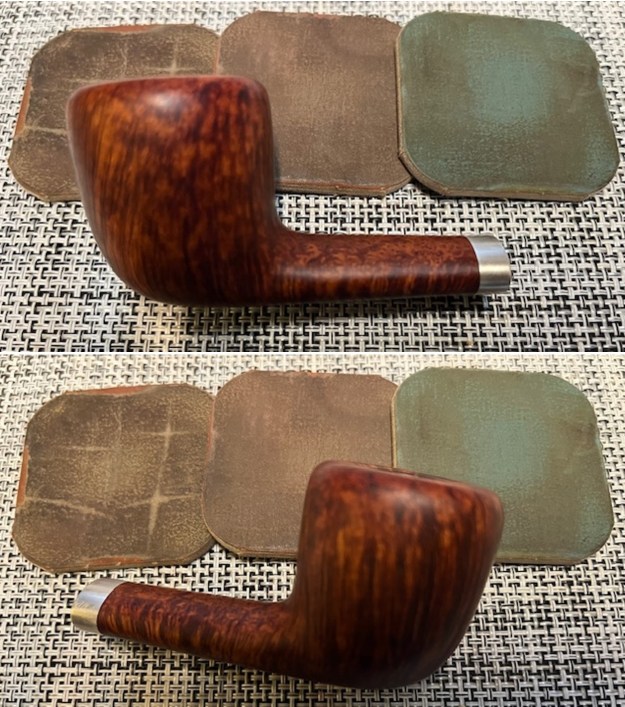
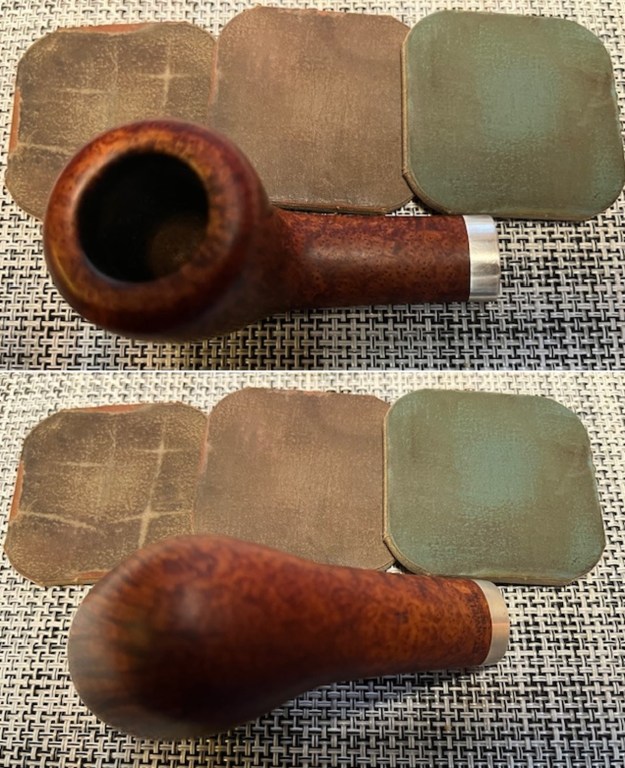
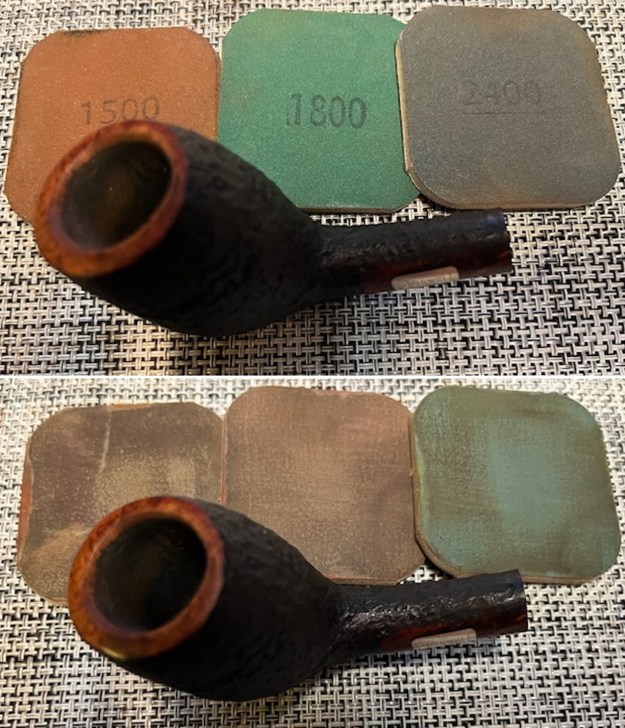
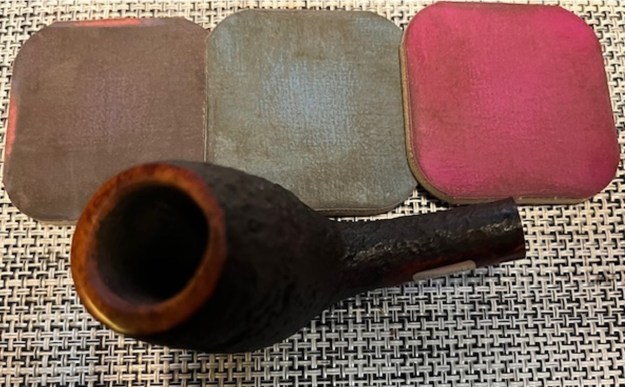
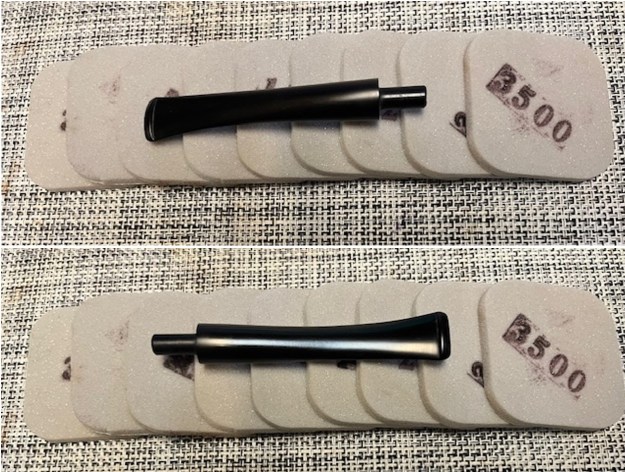
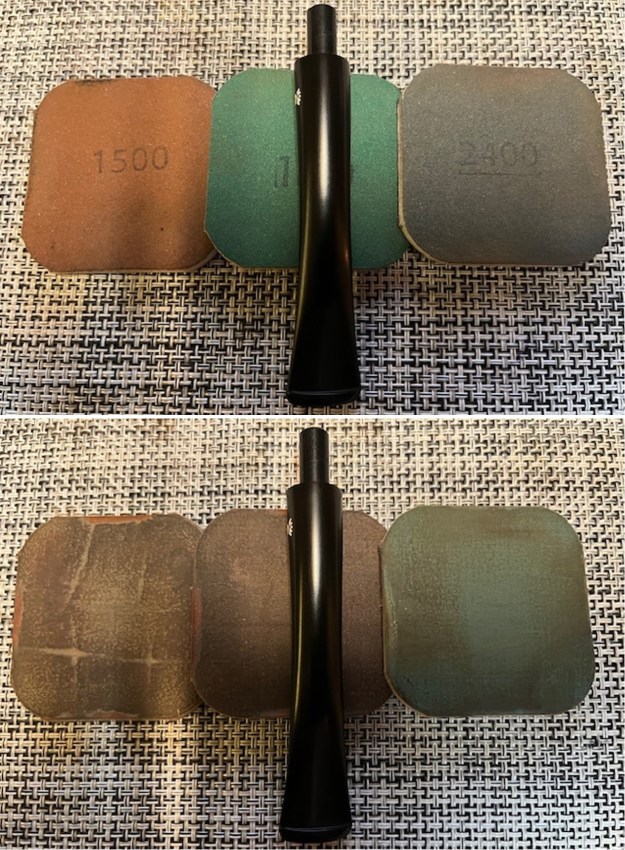
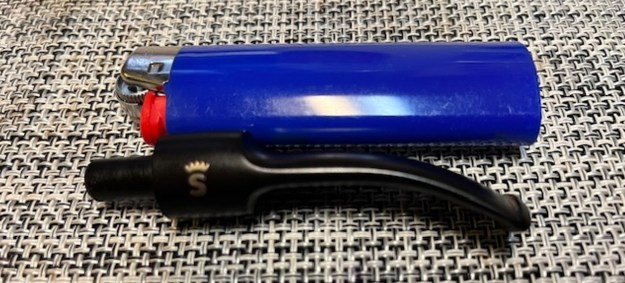
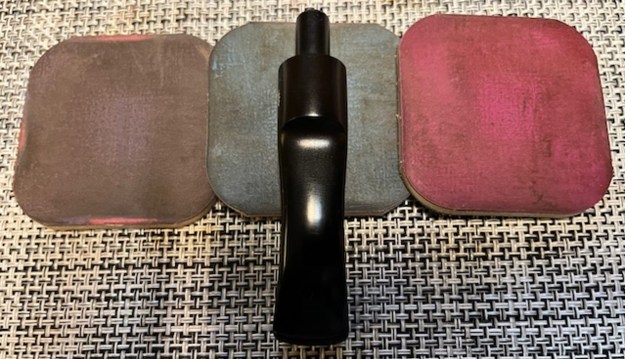
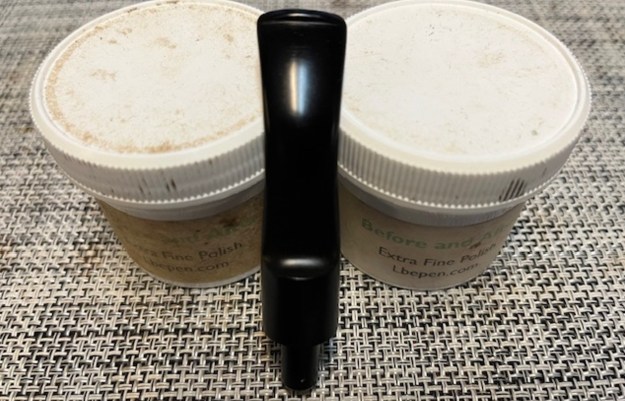
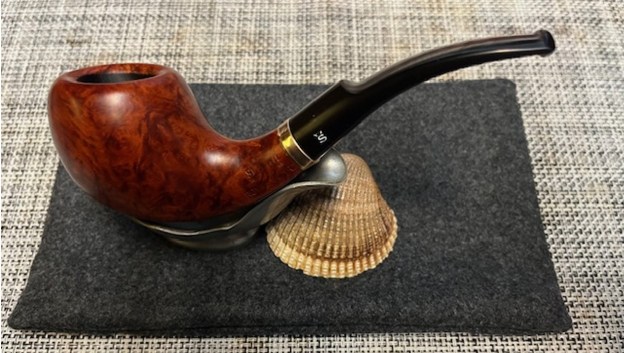
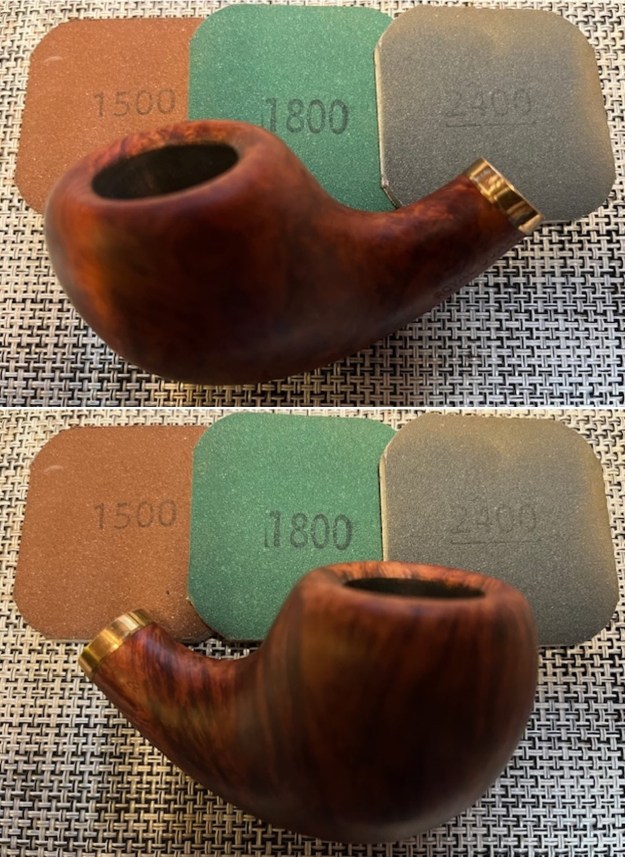
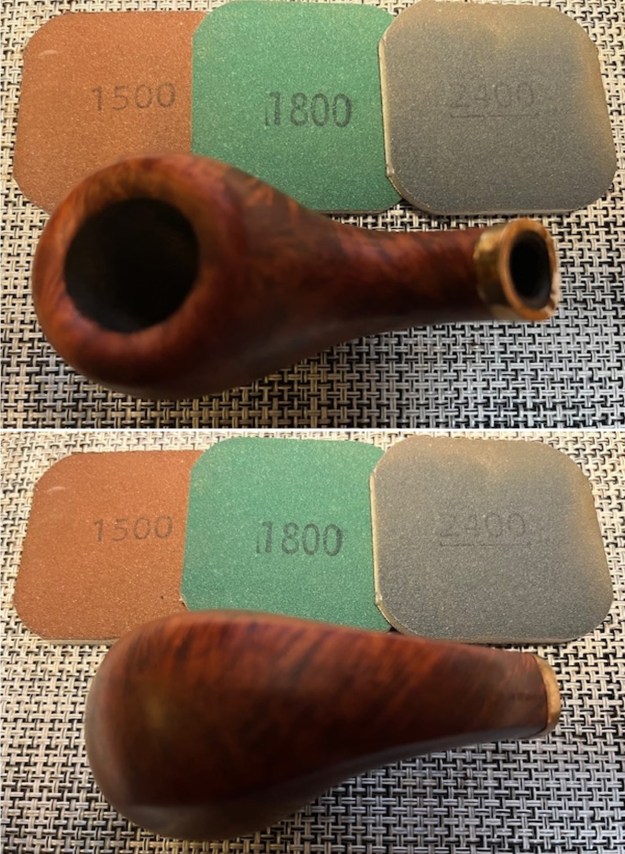
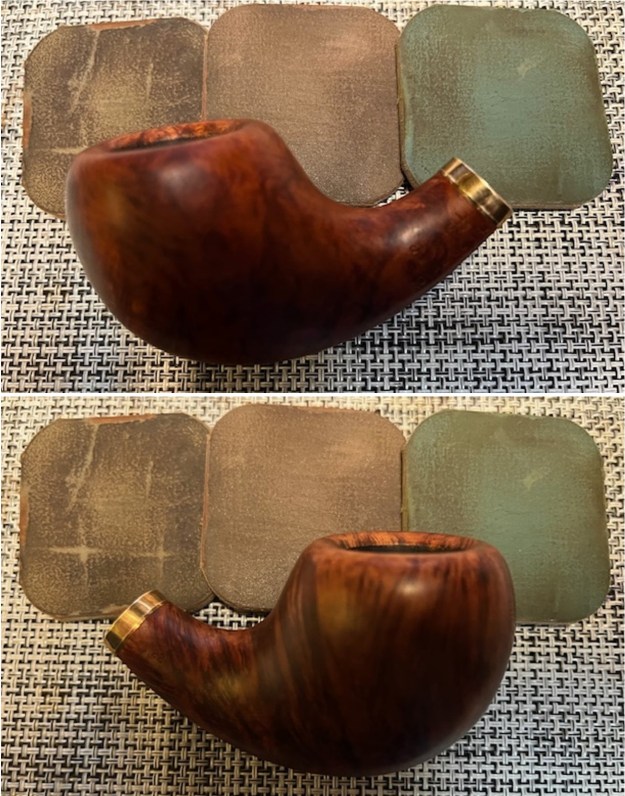
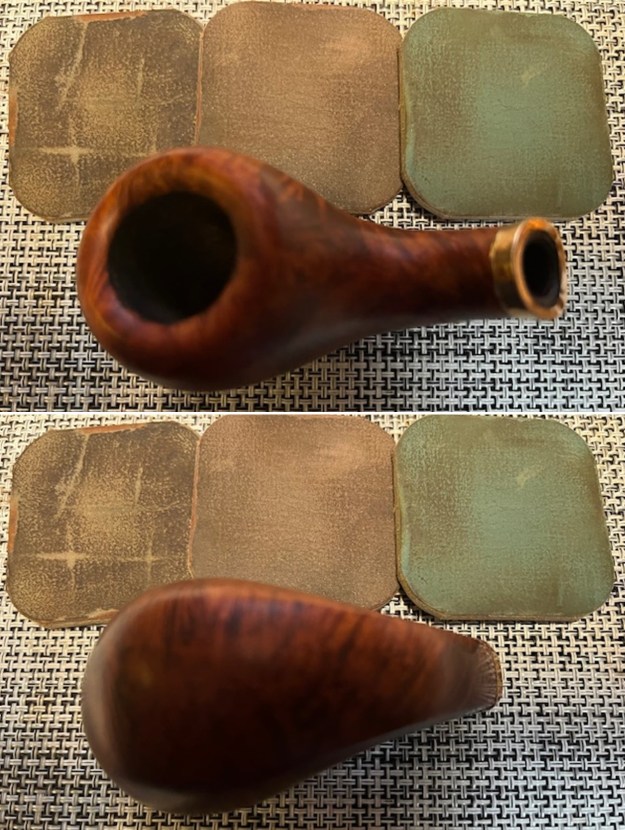
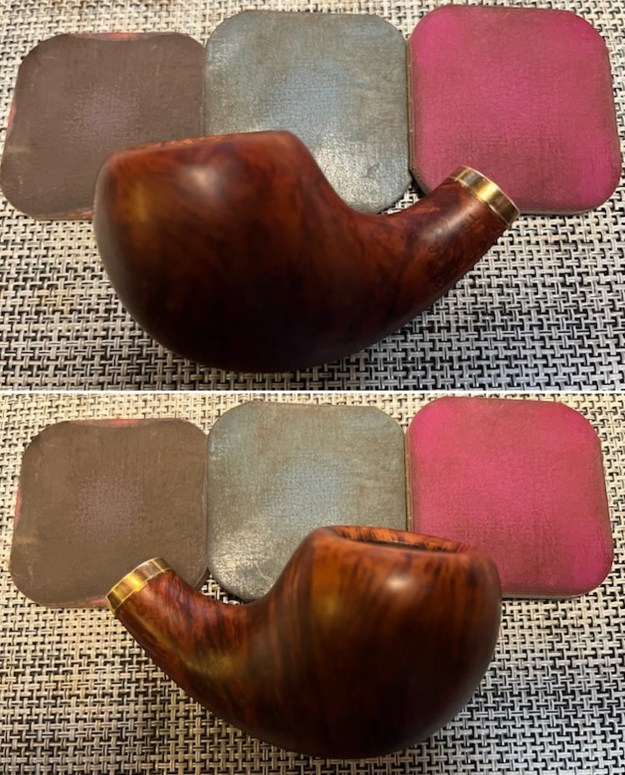
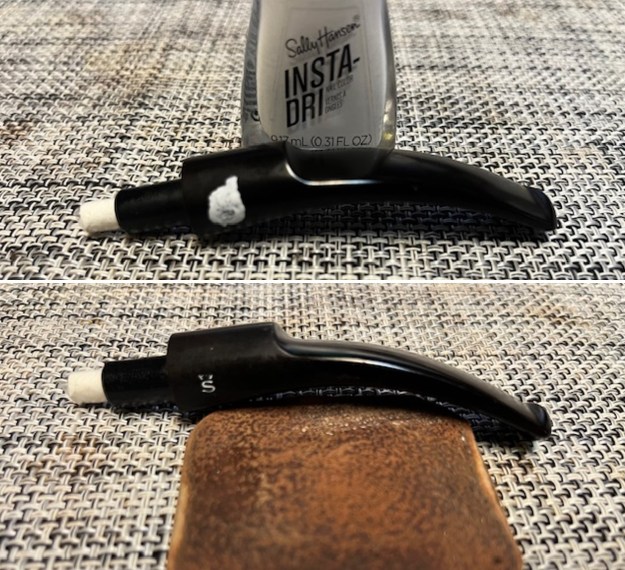
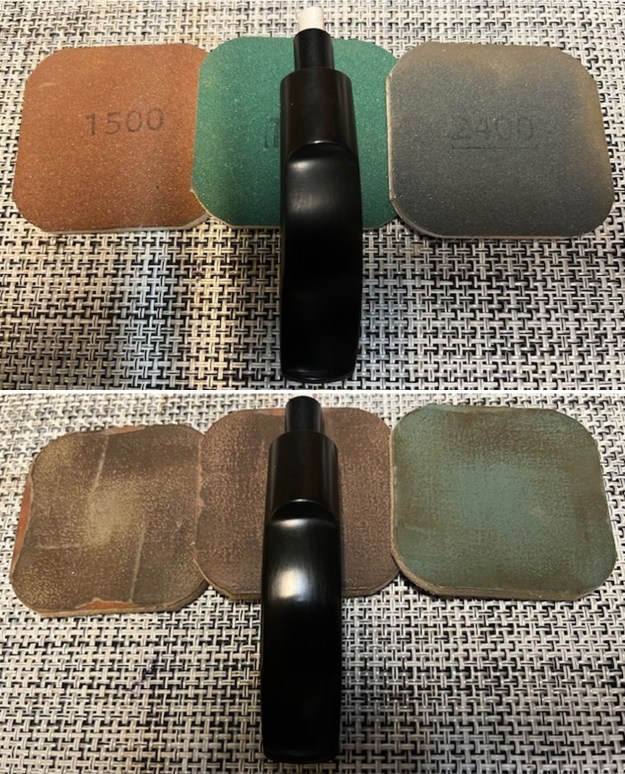
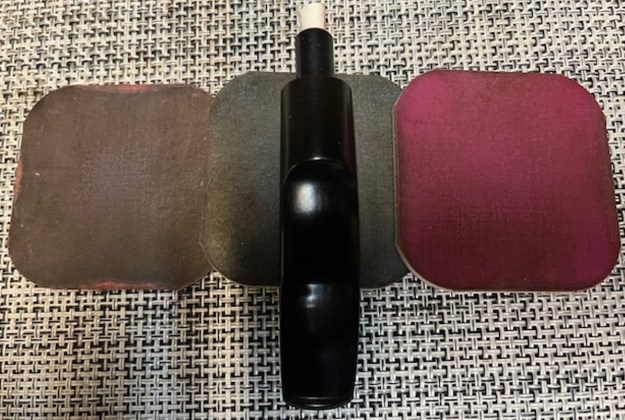
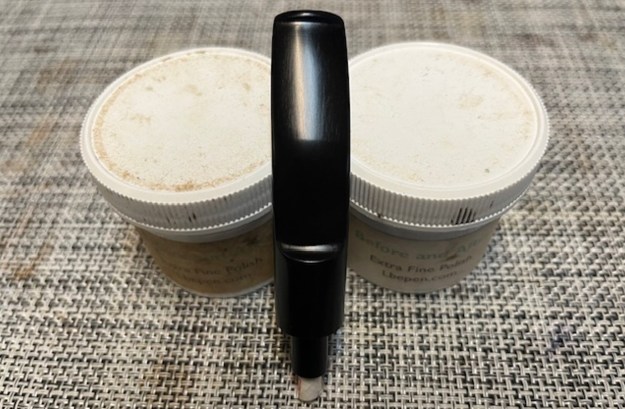
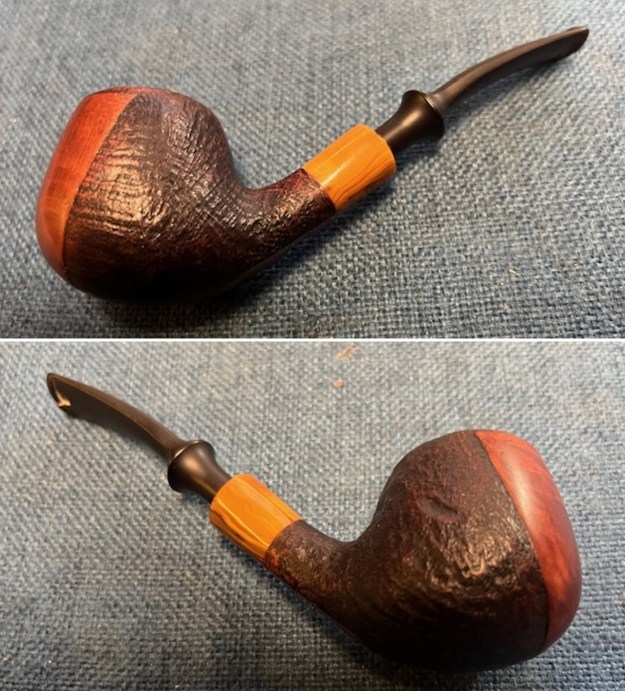
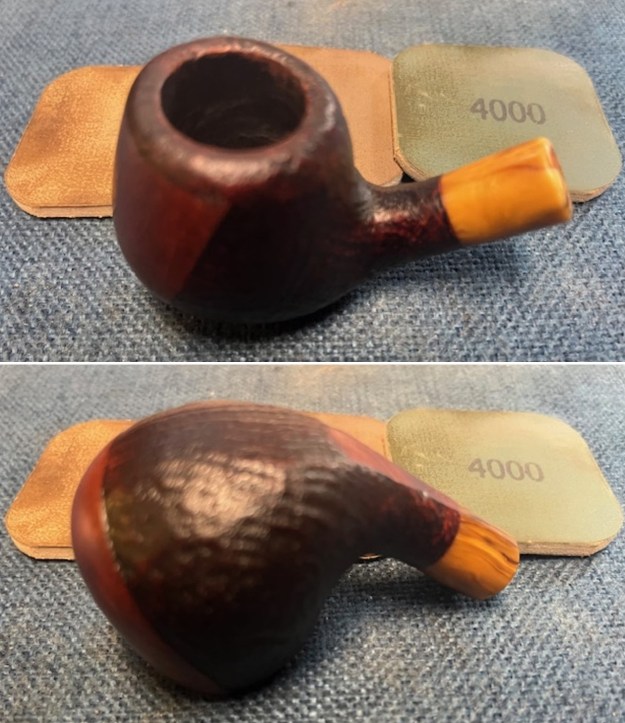
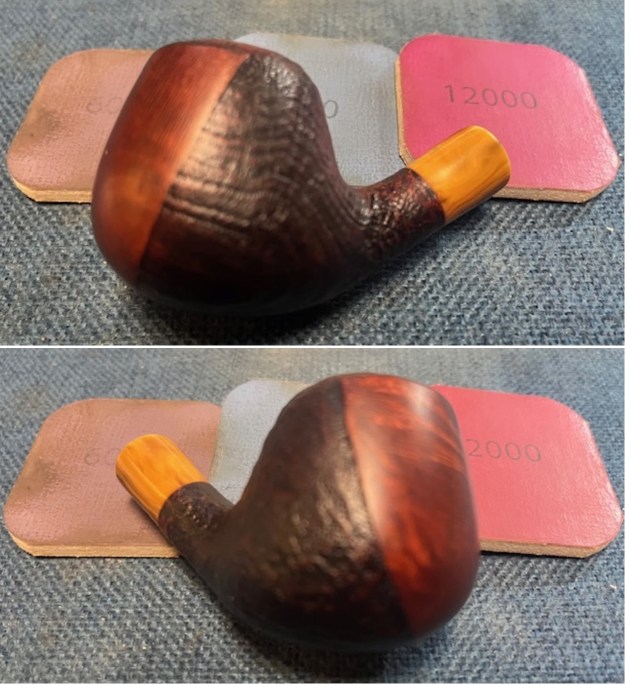
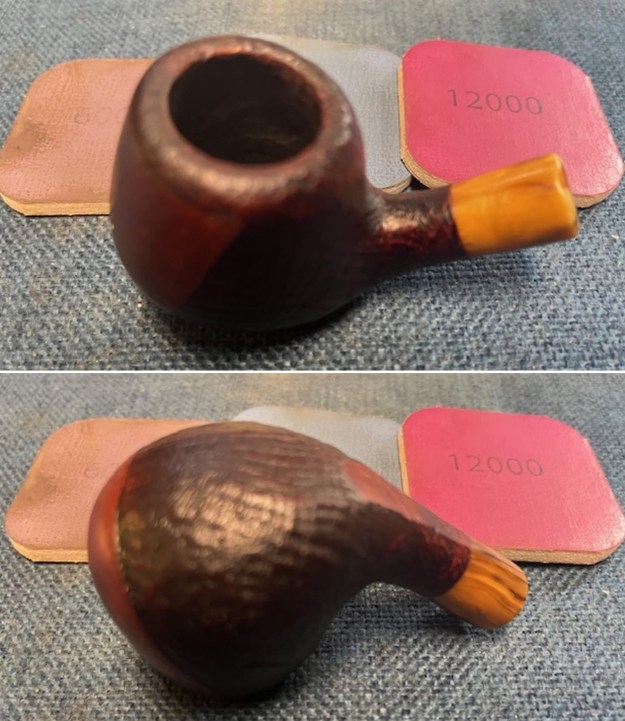
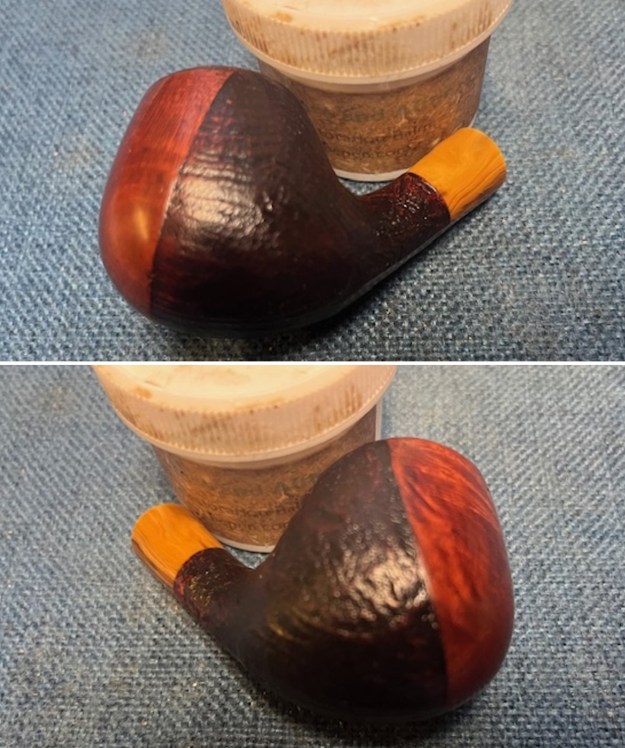
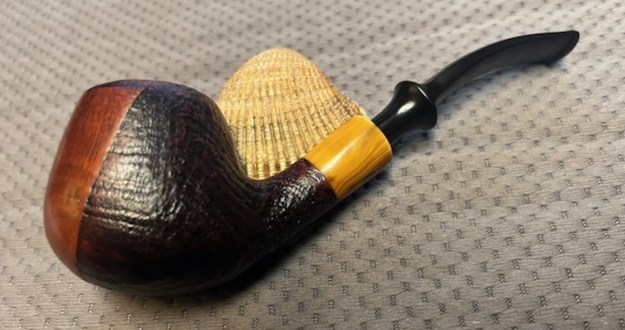
I turned to address the pipe itself. Jeff cleaned up the pipe for me. He reamed the bowl with a PipNet pipe reamer and cleaned it up with a Savinelli Fitsall Pipe Knife. He scrubbed the exterior with Murphy’s Oil Soap and a tooth brush to clean off the grime off the finish and the heavy overflow of lava on the rim top. He cleaned up the internals of the shank, mortise and stem with pipe cleaners, cotton swabs and alcohol to remove all of the oils and tars in the pipe. He soaked the stem in Briarville’s Pipe Stem Deoxidizer and was able to remove much of the oxidation. When it arrived here in Vancouver it was a clean pipe and I knew what I had to work with. I took photos of it before I started my part of the restoration.I took photos of the rim top and the stem to show their condition once it arrived in Canada. Jeff was able to clean up the incredibly thick cake and lava overflow that was shown in the rim and bowl photos above. He was also able to get rid of the grime and grit in the surface of the briar. The rim top and edges looked very good. The acrylic shank extension was chipped and had a small hairline crack. The stem was a real problem/ There were several deep tooth marks on the topside. The underside had a small bite through and there was a crack in the top of the button into the slot. There were also a few deep tooth marks as well cleaning cleanser in the crack.I took a photo to try and capture the stamping on the underside of the shank side. It was faint in spots but very readable. I removed the stem and took a photo of the pipe sans stem to show the proportions of this unique beauty. I decided to start with examining the shank extension and seeing the nature of the chips and hairline crack. It was not as bad as I was expecting. There were chips on the top right side of the end of the extension and a very thin crack from the chips on the top that did not extend far into the extension. I rebuilt the chipped end of the extension and the thin cracks with CA glue carefully applied with a tooth pick. When it cured I flattened it with a small flat file to smooth it out. I followed that by sanding with 220 grit sandpaper. I sanded the repaired extension with 320-3500 grit 2 x 2 inch sanding pads. I wiped it down with a damp cloth after each sanding pad. It began to look very good. I polished the shank extension with micromesh sanding pads. I dry sanded it with 1500-12000 grit pads. I wiped the bowl down after each pad with a damp cloth. The bowl began to take on a rich shine and grain was beginning to stand out. I used 1500-12000 grit micromesh sanding pads to dry sand the smooth front of the bowl. Each progressive sanding pad brought a richer shine. I wiped the bowl down after each sanding pad with a damp cloth to remove the sanding grime. It began to look very good. I rubbed the bowl and shank down with Before & After Restoration Balm to deep clean the finish on the bowl and shank. The product works to clean, enliven and protect the briar. I worked it into the smooth part of the finish with my fingers to get it into the briar. I used a horsehair shoe brush to work it into the sandblast part of the finish. After it sat for a little while I wiped it off and buffed it with a soft cloth. The briar really began to have a rich shine. I took some photos of the bowl at this point to mark the progress in the restoration. I set the bowl aside and worked on the stem at this point in the process. The deep tooth marks on both sides were too deep for heat to work on. The underside of the stem had a small bite through and the button had a crack that went through to the slot. I cleaned the areas around both damaged areas and slipped a Vaseline greased pipe cleaner in the airway to keep the glue from going in to the airway. I filled them in with some clear Black rubberized CA glue. Once it cured I used the file to flatten the repair and sanded it with a piece of 220 grit sandpaper. I sanded the stem further with 320-3500 grit 2 x 2 inch sanding pads. I wiped the stem down after each pad with some Obsidian Oil. It began to take on a rich look. I polished the stem with micromesh sanding pads – dry sanding with 1500-12000 grit pads. I wiped the stem down after each pad with a damp cloth to remove the sanding dust. I used the Before & After Pipe Polish to remove the small minute scratches left in the vulcanite even after the micromesh regimen. I finished by wiping the stem down with a final coat of Obsidian Oil and set it aside to dry. I put the stem back on the Stanwell 608 Bent Apple and took the pipe to the buffer. I carefully buffed the bowl and stem with Blue Diamond to polish the briar and the vulcanite. Blue Diamond does a great job on the smaller scratches that remain in both. I gave the bowl and the stem several coats of carnauba wax and buffed the pipe with a clean buffing pad to raise the shine. I hand buffed it with a microfiber cloth to deepen the shine. The pipe polished up really nicely with a great contrasting stain look to the briar. The finished pipe is shown in the photos below. This is a unique Stanwell 608 Bent Apple – the turned saddle stem gives the pipe a great look. The polished and repaired black vulcanite stem looks really good with the reds and browns of the finish. The dimensions of the pipe are Length: 5 inches, Height: 1 ½ inches, Outside diameter of the bowl: 2 ¼ inches, Chamber diameter: ¾ of an inch. The weight of the pipe is 1.48 ounces/42 grams. This is another pipe that I will be putting it on the rebornpipes online store in the Danish Pipe Makers Section shortly, if you are interested in adding it to your collection. Thanks for walking through the restoration with me on this beauty!
Restemming and Reclaiming a Stanwell Design Choice 886


by Steve Laug

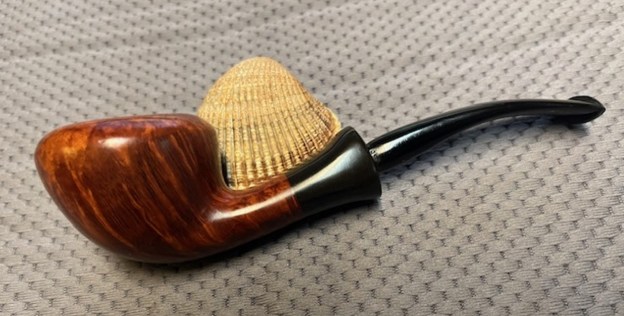
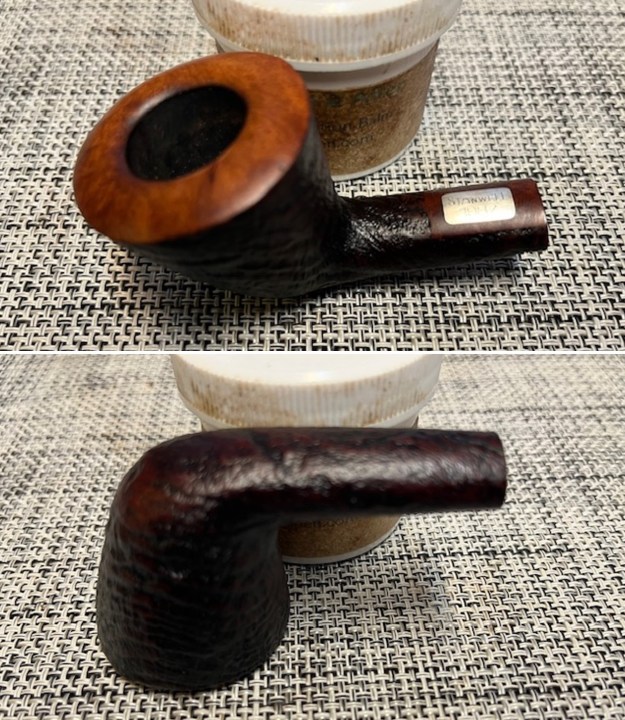
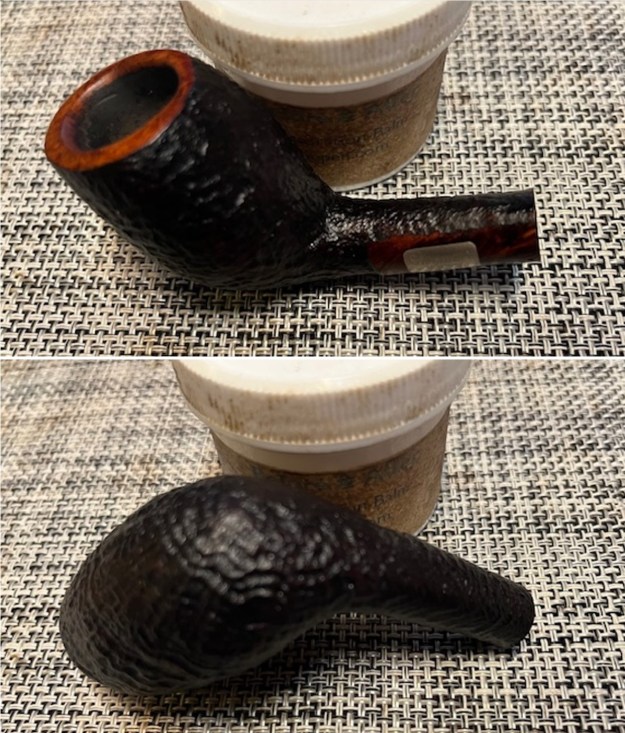
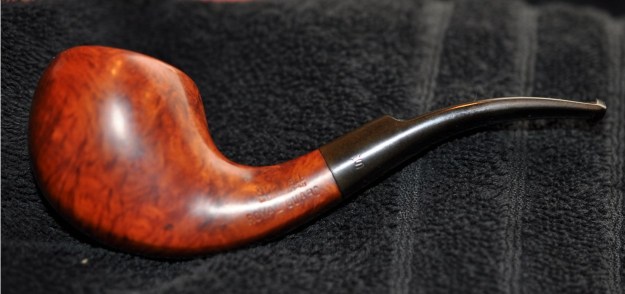
The next pipe on the table is nice looking Stanwell Danish style Pot that I decided to restem. I cleaned up the bowl and matched a stem with briar bowl and vulcanite shank extension. It is a cleanup and restore and gives me a break from the routine of my other work on pipes. This bowl has a classic Stanwell look from the 1960s and 1970s. The finish was a bit dull and lifeless. It showed promise under the grit and grime of the years. It was stamped on the underside of the shank and read 866 [over] Stanwell [over] Design Choice [over] Made in Denmark. The bowl had a thick cake and some lava overflow on the crowned rim top. The bowl also had some dust and oils ground into the finish of the bowl. The vulcanite shank extension is lightly oxidized. It is a pretty pipe with some great grain and I am hoping to match a nice stem to it. I took some photos of the bowl before I started my work on it. I took a close up photo of the rim top and bowl to give more of a sense of what I see and noted above. It is a dirty pipe but seems to have no damage on the rim top or edges.I tried to capture the stamping in a photo. It is clear and readable as noted above. There are some faint spots on them but they are still readable.I found a stem in my cans of stems that would work well with the pipe. I would need to clean up the tenon end a bit and smooth it out for a clean fit but I think it would look good!I did some hunting on both Pipephil’s site and also on Pipedia for both the shape number and also the Design Choice series. While both sites were very helpful neither one gave information specific to the Design Choice.

I then did a general Google search for a Stanwell Design Choice 886 six pipe and came up with several pipes with info. Two were on Worthpoint auction site and gave me little that I did not have by just looking at the pipe. However, Smokingpipes.com had a listing for an 886 that gave a little more data to me. Here is the link and a quote from the description on the site for this shape (https://www.smokingpipes.com/pipes/estate/denmark/moreinfo.cfm?product_id=302469).  I quote:

Spanning a length of time between the 1960s and 1970s, Stanwell’s “Design Choice” series of variations on the marque’s shapes all predominantly featured the presence of a typically flared ferrule (which this “886” has). Likely based on a shape designed by Sixten Ivarsson himself, this Danish bent Pot also sports a pretty sweet cross-cut grain pattern. There are some dings on the bowl, and a touch of rim darkening, but otherwise condition is good. – Daniel Bumgardner

From the information I learned that the line featured a lot of Stanwell’s classic shape with the addition of a flared ferrule made of vulcanite. The pipe came out between the 1960 and 1970s and was probably based on a design by Sixten Ivarrson. Now it was time to work on the pipe itself.

I began by reaming the pipe. I used a PipNet Reamer with the first and second cutting heads to take back the heavy cake to bare briar. I cleaned up the reaming with a Savinelli Fitsall Pipe Knife and finally sanded the bowl walls with 220 grit sandpaper wrapped around a dowel. I like to remove all the cake to examine the walls for damage and checking. Great news is that this one is free of any damage! I scraped off the rim top and edge of the bowl with the Savinelli Fitsall knife aand started the clean up of the debris with a folded piece of 220 grit sandpaper. The inner edge and the top looked to be undamaged.I moved on to using the folded sandpaper to clean up the rim darkening on the pipe as well as further addressing the build up on the rim top. I was definitely looking better when I finished.I polished the briar bowl and vulcanite shank extension with micromesh sanding pads – dry sanding with 1500-12000 grit sanding pads. I wiped it down with a damp cloth after each pad to remove the debris. The bowl took on a rich glow. I was enjoying the beauty of the bowl when it suddenly dawned on me that I had not cleaned the shank or the airway in the bowl or stem. I went back and did so now. I had to be careful with the alcohol so as not to drip on the shank extension of the briar. I used alcohol, cotton swabs and pipe cleaners to clean out the internals and it is now clean on both the inside and outside.Now I could go back to my normal process. I rubbed down the briar and the vulcanite shank extension with Before & After Restoration Balm. I worked it into the surface with my fingertips. The product works to clean, enliven and preserve the briar. I let it sit for 15 minutes then I buffed it with a cotton cloth to deepen the shine. The briar really comes alive with the balm. I paused the process to put the stem in the shank and take a photo of the new look of the pipe with a stem in place. I still need to polish the stem but the look is very nice! I like it. I removed the stem and started my polishing process. I sanded out the scratches in the vulcanite with 320-3500 grit sanding pads. I wiped the stem down after each sanding pad with a cloth impregnated with Obsidian Oil. It started to take on a deep shine.I polished the stem with micromesh sanding pads – 1500-12000 grit pads to remove them. I wiped the stem down with Obsidian Oil after each sanding pad. I used Before & After Pipe Polish – both Fine and Extra Fine to further polish the stem. I rubbed it down with a final coat of Obsidian Oil and let it dry. This is another pipe that I am really happy about the finished restoration. This reborn Stanwell Design Choice 886 Danish Pot turned out really well. I used a vulcanite stem I had here to fit the pipe with a new stem. After restemming I think that it really is a great looking pipe with a great shape and grain. The bowl is Danish Style Pot shape and the vulcanite shank extension goes well with it. The new vulcanite stem is close to the original stem, though missing the saddle portion. The polished black of the stem works well with the briar. The briar really came alive with the buffing. The rich brown stains of the finish make the grain really pop with the polishing and waxing. I put the stem back on the bowl and buffed the pipe with Blue Diamond on the buffing wheel. I gave the bowl and the stem multiple coats of carnauba wax on the buffing wheel. I buffed the pipe with a clean buffing pad to raise the shine. I hand buffed the pipe with a microfiber cloth to deepen the shine. The finished Stanwell Design Choice 886 Pot really has a unique beauty and feels great in the hand. It looks very good. Give the finished pipe a look in the photos below. The dimensions of the pipe are Length: 5 ½ inches, Height: 1 ½ inches, Outside diameter of the bowl: 1 ¾ inches, Chamber diameter: ¾ of an inch. The weight of the pipe is 43 grams/1.45 ounces. The pipe will be going on the rebornpipes store soon. It will be in the section on Danish Pipe Makers if you would like to add it to your collection. Thanks for reading this blog and my reflections on the pipe while I worked on it. It was a fun one to work on!

Someone Must Have Loved Smoking This Stanwell POY 1997 Billiard


Blog by Steve Laug

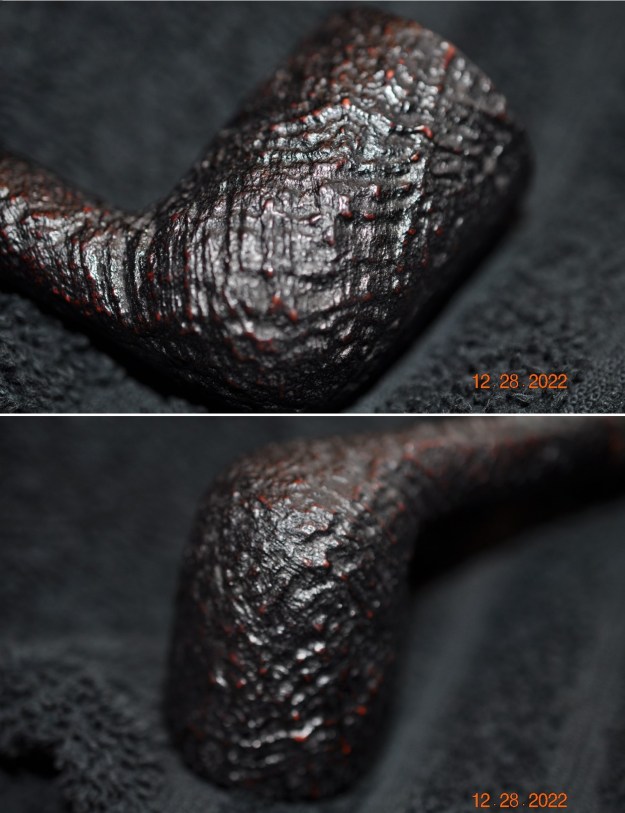
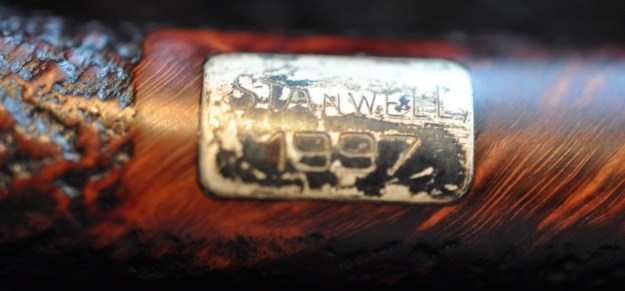
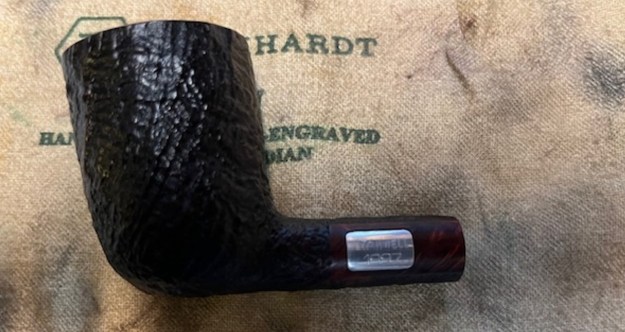
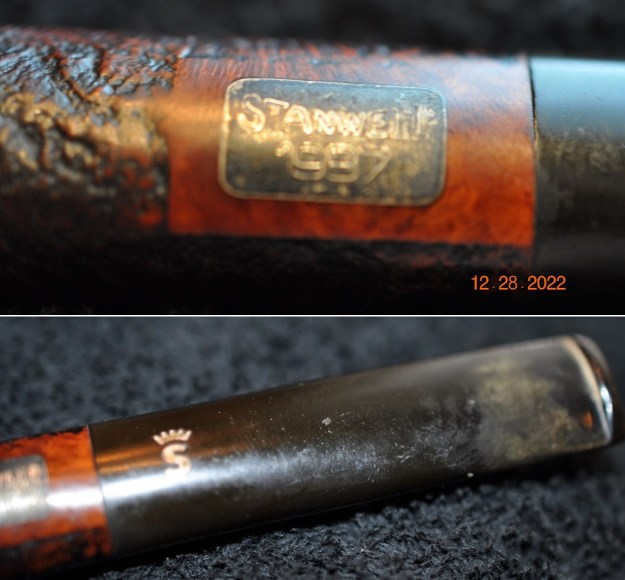
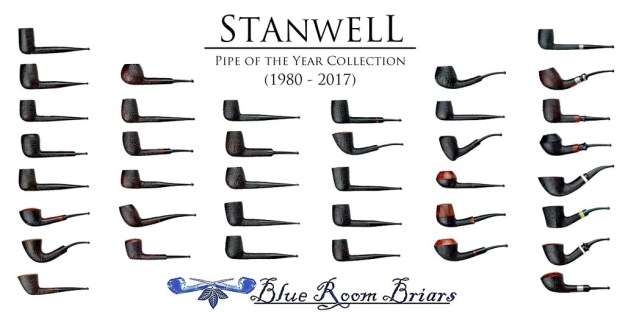
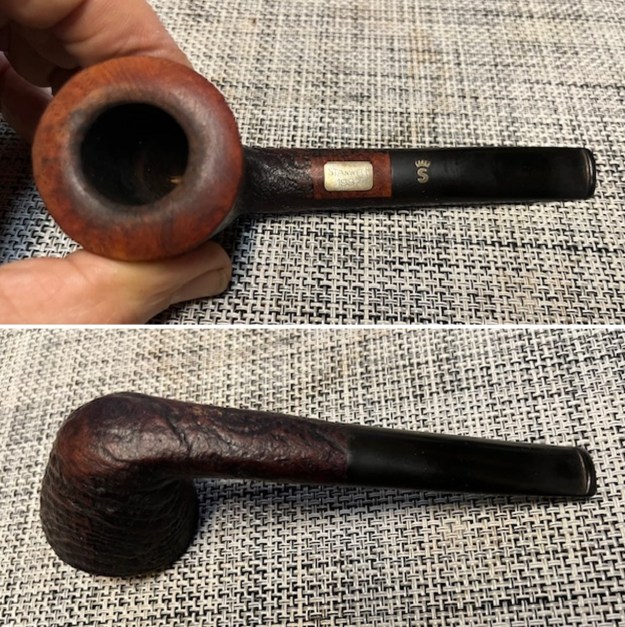
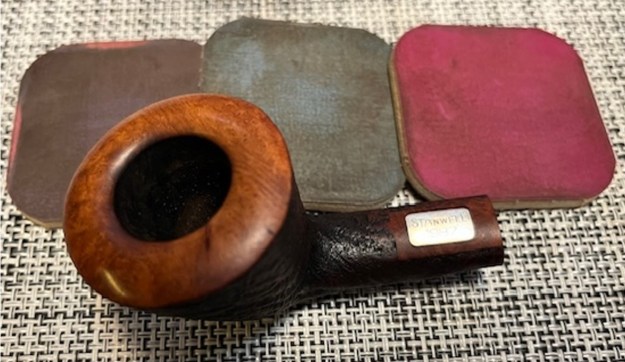
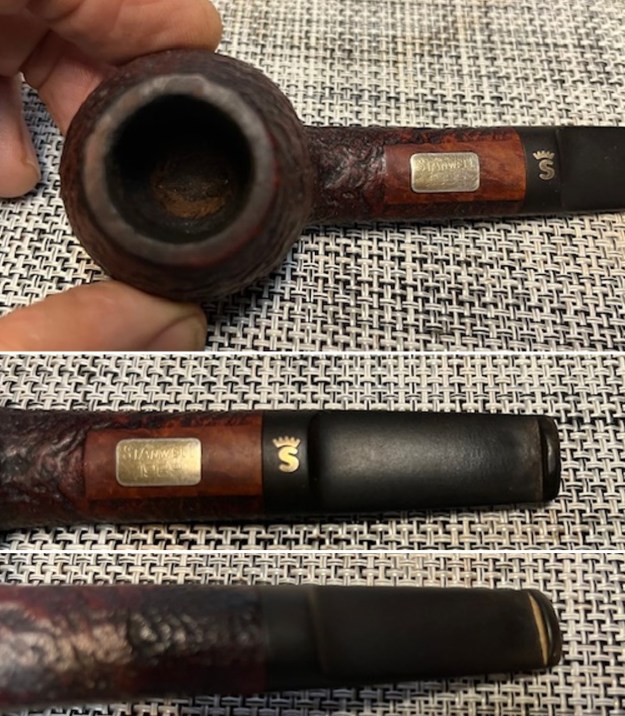
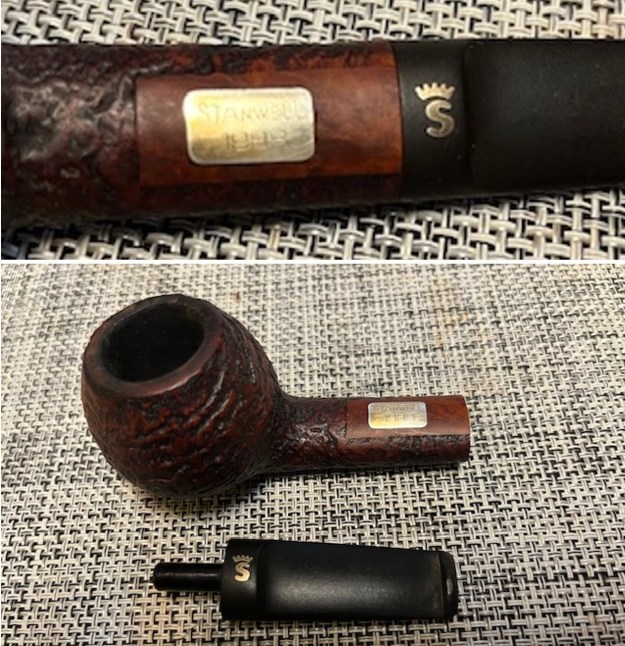
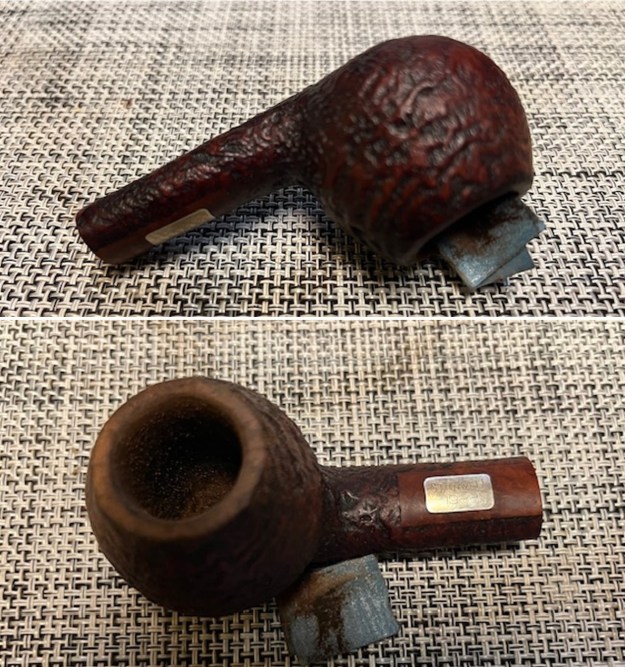
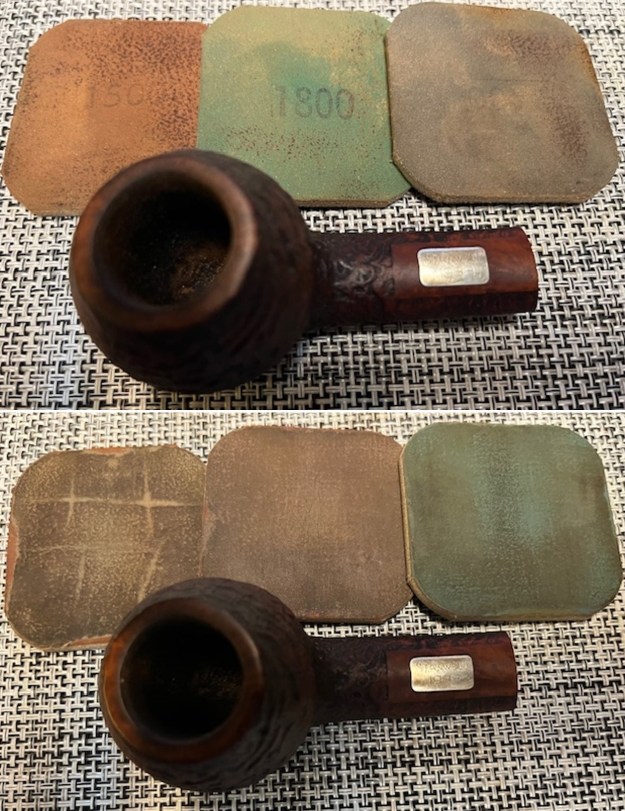
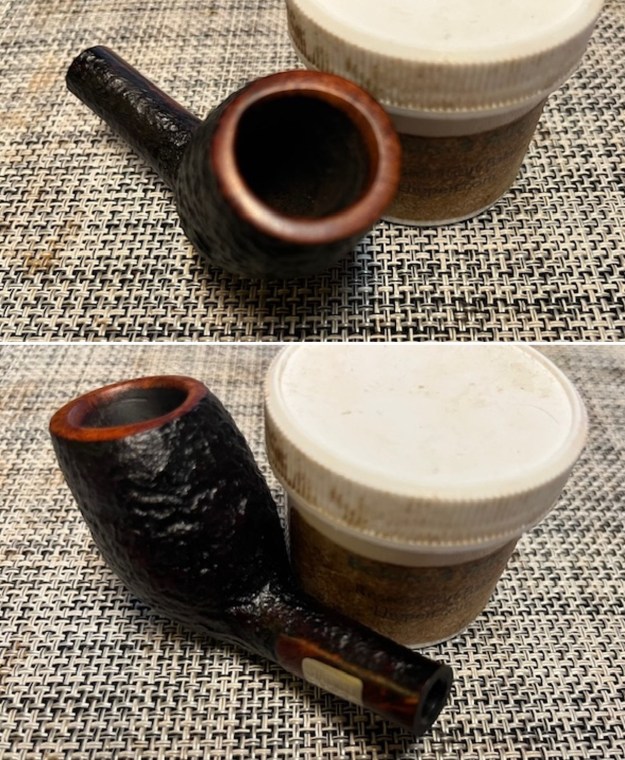
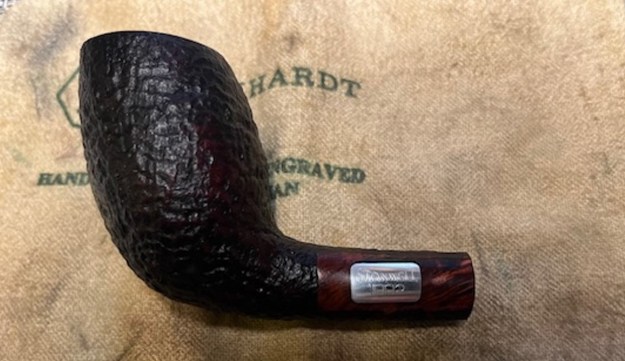
The next pipe I am working on was purchased on 12/13/2022 as part of a group of pipes from a fellow in Copenhagen, Denmark. This was another dirty pipe with a lot of wear and tear and obviously it had been someone’s favourite smoker. The pipe has an identifying plate on the left side of the shank that reads Stanwell [over] 1997. There was no other stamping on the shank and the silver plate confirmed for me that it was a Stanwell Pipe of the Year. The dirty sandblast finish was not able to hide the beauty in the grime. There were tars and oils ground into the surface of the briar. The bowl had a very thick cake that flowed over the top of the smooth rim in a heavy lava coat. The inner edge was so heavily coated that it to assess its condition. The stem was a black vulcanite taper stem with a silver Crown S on the left side. It had some light tooth marks and chatter on both sides ahead of the button. There was oxidation and calcification on both sides but it had a lot of potential. Jeff took photos of the pipes before he started his clean up work. Jeff took photos of the rim and bowl to show the heavy cake and heavy lava coat covering the rim top. The inner edge of the rim was so thickly caked that it was not possible to know what the condition was. It really was a dirty pipe but still a beauty. He also took photos of the stem surfaces to show its overall condition when it arrived. The photos of the sides and heel of the bowls show a deep blast and some beautiful grain around the bowl and shank sides. The brown stain on the briar adds depth finish on the pipe and makes the grain really stand out on the smooth parts. It shows some promise. He also took a photo of the stamped silver plate on the left side of the shank. It reads as noted above.I turned to the internet to find out information about the Stanwell Pipe of the Year. I came across this interesting article and shape chart on the Blue Room Briars site where they listed a collection of the POYs (https://www.blueroombriars.com/blogs/news/the-stanwell-pipe-of-the-year-collection). I have included the shape chart and part of the article below for the information that it contains..…Recently, Blue Room Briars acquired a complete Stanwell Pipe of the Year (POY) collection spanning from 1980 – 2017. Looking at these pipes in detail reveals some interesting insights into Stanwell’s production, although it should be noted that these findings are not the final say on when a particular pipe was made, but we hope you can use it as a guide when trying to determine the era of manufacture for Stanwell pipes made after 1980. 

The first pipe of note is the 1980 POY. This pipe does not come with the engraved silver plaquette. The pipe also sports a traditional vulcanite mouthpiece.

Between 1981 and 1998, the Stanwell pipes from the POY collection have the addition of silver plaquettes denoting the year, a traditional vulcanite mouthpiece, and also have a Teflon lined mortise. This is an interesting feature that creates a very stable connection between the mortise and tenon, as well as allowing the mortise to be swabbed out easily for maintenance. It wouldn’t be unwarranted to believe that other Stanwell pipes with a Teflon sleeved mortise were probably made between the 1980s to late 1990s. This additional, and costly, feature demonstrates Stanwell’s commitment to quality manufacturing even into the last portion of the 20th century.

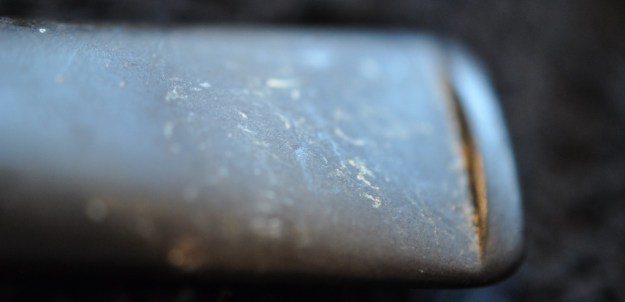
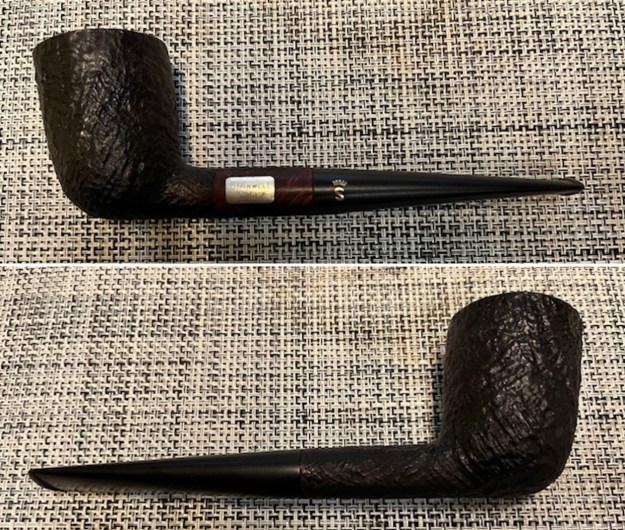
Jeff cleaned up the pipe for me. He reamed the bowl with a PipNet pipe reamer and cleaned it up with a Savinelli Fitsall Pipe Knife. He scrubbed the exterior with Murphy’s Oil Soap and a tooth brush to clean off the grime off the finish and the overflow of lava on the rim top. The cleaning had removed the grime on the rim top. He cleaned up the internals of the shank, mortise and stem with pipe cleaners, cotton swabs and alcohol to remove all of the oils and tars in the pipe. He soaked the stem in Briarvilles Pipe Stem Deoxidizer and was able to remove much of the oxidation, calcification. When it arrived here in Vancouver it was a clean pipe and I knew what I had to work with. I took photos of it before I started my part of the restoration. I took a photo of the lightly crowned rim top and the stem to show their condition once it arrived in Canada. Jeff was able to clean up the cake and the lava overflow that was shown in the rim and bowl photos above. The rim top looked very good but there seemed to be light damage and darkening to the top and inner edge of the bowl. The stem looked better, though there were light tooth marks and chatter on both sides near the button. I took a photo of the stamping on the silver plate on the left side of the shank to show that it was readable and undamaged by the cleanup work. I removed the stem from the shank and took a photo of the parts to give a sense of what the pipe looks like.I started my work on the inner edge and rim top with a folded piece of 220 grit sandpaper. It took some work but I was able to remove the damage and the darkening. It looked much better.I started polishing the smooth rim top with micromesh sanding pads. I dry sanded it with 1500-12000 grit pads. I wiped the bowl down after each pad with a damp cloth. The smooth rim top began to take on a rich shine and grain was beginning to stand out. I sanded with all of the pads and wiped the bowl down after each pad with a soft cloth. I rubbed the bowl and shank down with Before & After Restoration Balm to deep clean the finish on the bowl and shank. The product works to clean, enliven and protect the briar. I worked it in with my fingers to get it into the briar. I used a horsehair shoe brush to work it into the sand blast. I let it sit for 10 minutes then I wiped it off and buffed it with a soft cloth. The briar really began to have a rich shine. I took some photos of the bowl at this point to mark the progress in the restoration. It is a beautiful bowl. I polished the silver plaque on the left side of the shank with a jewellers cloth to remove the slight remaining oxidation and to protect and preserve it.I set the bowl aside and worked on the stem at this point in the process. I sanded out the chatter and marks on the stem surface with a set of 2 inch sanding pads for 320-3500 grit sanding pads. They work amazingly well and are easy to manage and sand close to the sharp edge of the button. I polished light tooth marks and chatter out of the stem with micromesh sanding pads – dry sanding with 1500-12000 grit pads. I wiped the stem down after each sanding pad with Obsidian Oil. I polished the stem with Before & After Pipe Stem Polish – both Fine and Extra Fine. I gave it a coat of Obsidian Pipe Stem Oil. It works to protect the stem from oxidizing. I set it aside to dry. I put the stem back on the Stanwell Pipe of the Year 1997 Danish Style Billiard and took it to the buffer. I buffed the bowl and stem with Blue Diamond to polish the briar and the vulcanite. Blue Diamond does a great job on the smaller scratches that remain in both. I gave the bowl multiple coats of Conservator’s Wax and the stem several coats of carnauba wax and buffed the pipe with a clean buffing pad to raise the shine. I hand buffed it with a microfiber cloth to deepen the shine. I am amazed at how well it turned out. The finished pipe is shown in the photos below. This is a beautiful Stanwell POY 1997 – the vulcanite taper stem and smooth rim top and sandblast finish combine to give the pipe a great look. The polished black, vulcanite stem looks really good with the rich browns standing out in the sandblast. The dimensions of the pipe are Length: 5 ½ inches, Height: 1 ¾ inch, Outside diameter of the bowl: 1 ¼ inch, Chamber diameter: ¾ of an inch. The weight of the pipe is 1.27 ounces/36 grams. This is another pipe that I will be putting on the rebornpipes online store in the Danish Pipe Pipemaking Companies Section shortly, if you are interested in adding it to your collection. Thanks for walking through the restoration with me on this beauty!

As always, I encourage your questions and comments as you read the blog. Thanks to each of you who are reading this blog. Remember we are not pipe owners; we are pipe men and women who hold our pipes in trust until they pass on into the trust of those who follow us. 

Stanwell POY 1991 Apple/Pot with a Vulcanite Taper Stem


Blog by Steve Laug

The next pipe I am working on was purchased on 12/13/2022 as part of a group of pipes from a fellow in Copenhagen, Denmark. This was another dirty pipe with a lot of wear and tear and obviously it had been someone’s favourite smoker. The pipe has an identifying plate on the left side of the shank that reads Stanwell [over] 1991. There was no other stamping on the shank and the silver plate confirmed for me that it was a Stanwell Pipe of the Year. The dirty sandblast finish was not able to hide the beauty in the grime. There were tars and oils ground into the surface of the briar. The bowl had a moderate cake that flowed over the top of the smooth rim in a light lava coat. The inner edge had some damage that left is rough and damaged. The stem was a black vulcanite taper stem with a silver Crown S on the left side. It had some light tooth marks and chatter on both sides ahead of the button. There was oxidation and calcification on both sides but it had a lot of potential. Jeff took photos of the pipes before he started his clean up work. Jeff took photos of the rim and bowl to show the moderate cake and spotty lava coat covering the rim top. The inner edge of the rim was rough and had some darkening around the bowl. It really was a dirty pipe but still a beauty. He also took photos of the stem surfaces to show its overall condition when it arrived. The photos of the sides and heel of the bowls show beautiful grain around the bowl and shank sides. The sandblast is nicely done and highlights the grain. The brown stain on the briar adds depth finish on the pipe and makes the grain really stand out on the smooth parts. It shows some promise. He also took a photo of the stamped silver plate on the topside of the shank. It reads as noted above.I turned to the internet to find out information about the Stanwell Pipe of the Year. I came across this interesting article and shape chart on the Blue Room Briars site where they listed a collection of the POYs (https://www.blueroombriars.com/blogs/news/the-stanwell-pipe-of-the-year-collection). I have included the shape chart and part of the article below for the information that it contains..…Recently, Blue Room Briars acquired a complete Stanwell Pipe of the Year (POY) collection spanning from 1980 – 2017. Looking at these pipes in detail reveals some interesting insights into Stanwell’s production, although it should be noted that these findings are not the final say on when a particular pipe was made, but we hope you can use it as a guide when trying to determine the era of manufacture for Stanwell pipes made after 1980. 

The first pipe of note is the 1980 POY. This pipe does not come with the engraved silver plaquette. The pipe also sports a traditional vulcanite mouthpiece.

Between 1981 and 1998, the Stanwell pipes from the POY collection have the addition of silver plaquettes denoting the year, a traditional vulcanite mouthpiece, and also have a Teflon lined mortise. This is an interesting feature that creates a very stable connection between the mortise and tenon, as well as allowing the mortise to be swabbed out easily for maintenance. It wouldn’t be unwarranted to believe that other Stanwell pipes with a Teflon sleeved mortise were probably made between the 1980s to late 1990s. This additional, and costly, feature demonstrates Stanwell’s commitment to quality manufacturing even into the last portion of the 20th century.

Jeff cleaned up the pipe for me. He reamed the bowl with a PipNet pipe reamer and cleaned it up with a Savinelli Fitsall Pipe Knife. He scrubbed the exterior with Murphy’s Oil Soap and a tooth brush to clean off the grime off the finish and the overflow of lava on the rim top. The cleaning had removed the grime on the rim top. He cleaned up the internals of the shank, mortise and stem with pipe cleaners, cotton swabs and alcohol to remove all of the oils and tars in the pipe. He soaked the stem in Briarvilles Pipe Stem Deoxidizer and was able to remove much of the oxidation, calcification. When it arrived here in Vancouver it was a clean pipe and I knew what I had to work with. I took photos of it before I started my part of the restoration.
I took a photo of the rim top and the stem to show their condition once it arrived in Canada. Jeff was able to clean up the cake and the lava overflow that was shown in the rim and bowl photos above. The rim top looked very good but there seemed to be light damage and darkening to the top and inner edge of the bowl. The stem looked better, though there were light tooth marks and chatter on both sides near the button. I took a photo of the stamping on the silver plate on the left side of the shank to show that it was readable and undamaged by the cleanup work. I removed the stem from the shank and took a photo of the parts to give a sense of what the pipe looks like.I started my work on the inner edge and rim top with a folded piece of 220 grit sandpaper. It took some work but I was able to remove the damage and the darkening. It looked much better.I started polishing the smooth rim top with micromesh sanding pads. I dry sanded it with 1500-12000 grit pads. I wiped the bowl down after each pad with a damp cloth. The smooth rim top began to take on a rich shine and grain was beginning to stand out. I sanded with all of the pads and wiped the bowl down after each pad with a soft cloth. I rubbed the bowl and shank down with Before & After Restoration Balm to deep clean the finish on the bowl and shank. The product works to clean, enliven and protect the briar. I worked it in with my fingers to get it into the briar. I used a horsehair shoe brush to work it into the sand blast. I let it sit for 10 minutes then I wiped it off and buffed it with a soft cloth. The briar really began to have a rich shine. I took some photos of the bowl at this point to mark the progress in the restoration. It is a beautiful bowl. I polished the silver plaque on the left side of the shank with a jewellers cloth to remove the slight remaining oxidation and to protect and preserve it. I set the bowl aside and worked on the stem at this point in the process. I sanded out the chatter and marks on the stem surface with a set of 2 inch sanding pads for 320-3500 grit sanding pads. They work amazingly well and are easy to manage and sand close to the sharp edge of the button.I polished light tooth marks and chatter out of the stem with micromesh sanding pads – dry sanding with 1500-12000 grit pads. I wiped the stem down after each sanding pad with Obsidian Oil. I polished the stem with Before & After Pipe Stem Polish – both Fine and Extra Fine. I gave it a coat of Obsidian Pipe Stem Oil. It works to protect the stem from oxidizing. I set it aside to dry.I put the stem back on the Stanwell Pipe of the Year 1991 Danish Style Pot and took it to the buffer. I buffed the bowl and stem with Blue Diamond to polish the briar and the vulcanite. Blue Diamond does a great job on the smaller scratches that remain in both. I gave the bowl multiple coats of Conservator’s Wax and the stem several coats of carnauba wax and buffed the pipe with a clean buffing pad to raise the shine. I hand buffed it with a microfiber cloth to deepen the shine. I am amazed at how well it turned out. The finished pipe is shown in the photos below. This is a beautiful Stanwell POY 1991 – the vulcanite taper stem and smooth rim top and sandblast finish combine to give the pipe a great look. The polished black, vulcanite stem looks really good with the rich browns standing out in the sandblast. The dimensions of the pipe are Length: 5 ½ inches, Height: 1 ½ inches, Outside diameter of the bowl: 1 1/8 inch, Chamber diameter: ¾ of an inch. The weight of the pipe is 1.31 ounces/37 grams. This is another pipe that I will be putting on the rebornpipes online store in the Danish Pipe Pipemaking Companies Section shortly, if you are interested in adding it to your collection. Thanks for walking through the restoration with me on this beauty!
As always, I encourage your questions and comments as you read the blog. Thanks to each of you who are reading this blog. Remember we are not pipe owners; we are pipe men and women who hold our pipes in trust until they pass on into the trust of those who follow us. 

Restoring a Stanwell Pipe of the Year 1987 Dublin


Blog by Steve Laug

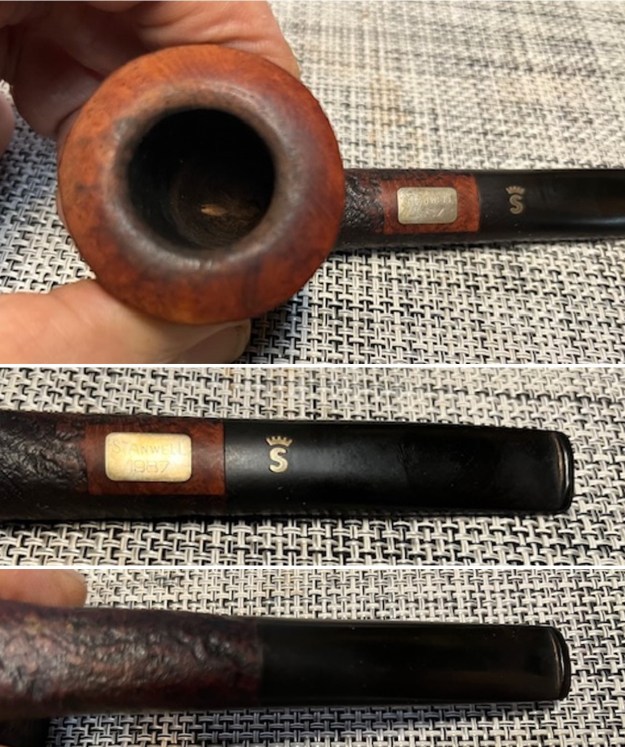
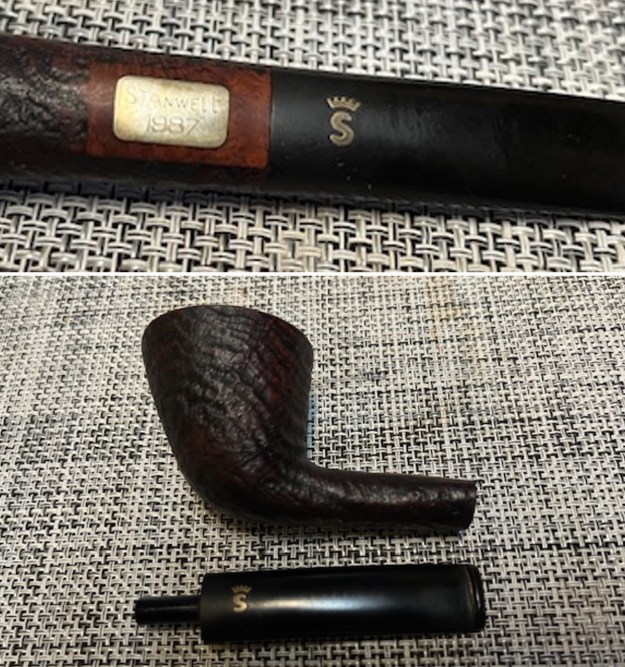
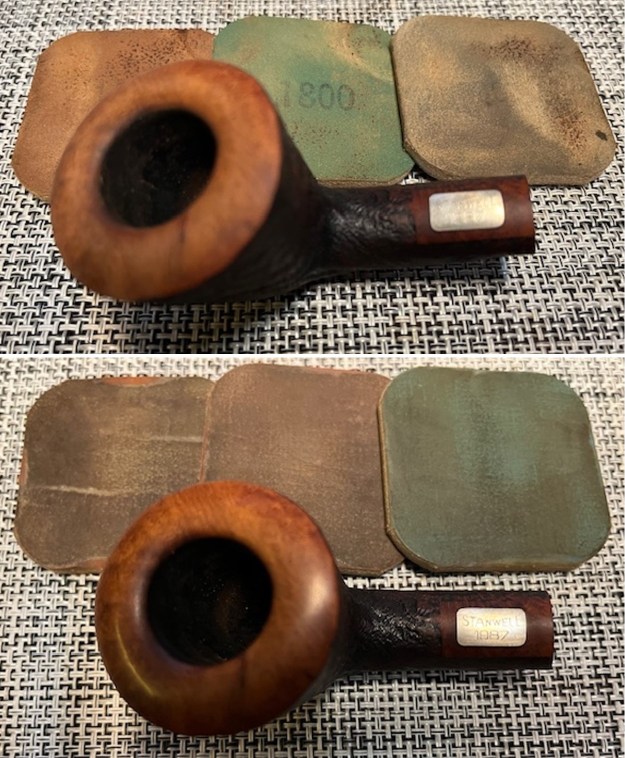
The next pipe I am working on was purchased on 12/13/2022 as part of a group of pipes from a fellow in Copenhagen, Denmark. This was a dirty pipe with a lot of wear and tear and obviously it had been someone’s favourite smoker. The pipe has an identifying plate on the topside of the shank that reads Stanwell [over] 1987. There was no other stamping on the shank and the silver plate confirmed for me that it was a Stanwell Pipe of the Year. The dirty sandblast finish was not able to hide the beauty in the grime. There were tars and oils ground into the surface of the briar. The bowl had a moderate cake that flowed over the top of the smooth rim in a spotty coat of a lava and it was hard to assess the condition of the inner edge. The stem was a black vulcanite taper stem with a silver Crown S on the topside. It had some tooth marks and chatter on both sides ahead of the button. I had a lot of oxidation and calcification on both sides of the stem. It had a lot of potential. Jeff took photos of the pipes before he started his clean up work. Jeff took photos of the rim and bowl to show the moderate cake and spotty lava coat covering the rim top. There appeared to be a fill in a flaw on the rim top and inner edge at the left rear of the bowl. It really was a dirty pipe but still a beauty. He also took photos of the stem surfaces to show its overall condition when it arrived. The photos of the sides and heel of the bowls show beautiful grain around the bowl and shank sides. The sandblast is nicely done and highlights the grain. The brown stain on the briar adds depth finish on the pipe and makes the grain really stand out on the smooth parts. It shows some promise. He also took a photo of the stamped silver plate on the topside of the shank. It reads as noted above. The silver crown “S” inlay on the top of the stem is tarnished but a beauty.I turned to the internet to find out information about the Stanwell Pipe of the Year. I came across this interesting article and shape chart on the Blue Room Briars site where they listed a collection of the POYs (https://www.blueroombriars.com/blogs/news/the-stanwell-pipe-of-the-year-collection). I have included the shape chart and part of the article below for the information that it contains.…Recently, Blue Room Briars acquired a complete Stanwell Pipe of the Year (POY) collection spanning from 1980 – 2017. Looking at these pipes in detail reveals some interesting insights into Stanwell’s production, although it should be noted that these findings are not the final say on when a particular pipe was made, but we hope you can use it as a guide when trying to determine the era of manufacture for Stanwell pipes made after 1980. 

The first pipe of note is the 1980 POY. This pipe does not come with the engraved silver plaquette. The pipe also sports a traditional vulcanite mouthpiece.

Between 1981 and 1998, the Stanwell pipes from the POY collection have the addition of silver plaquettes denoting the year, a traditional vulcanite mouthpiece, and also have a Teflon lined mortise. This is an interesting feature that creates a very stable connection between the mortise and tenon, as well as allowing the mortise to be swabbed out easily for maintenance. It wouldn’t be unwarranted to believe that other Stanwell pipes with a Teflon sleeved mortise were probably made between the 1980s to late 1990s. This additional, and costly, feature demonstrates Stanwell’s commitment to quality manufacturing even into the last portion of the 20th century.

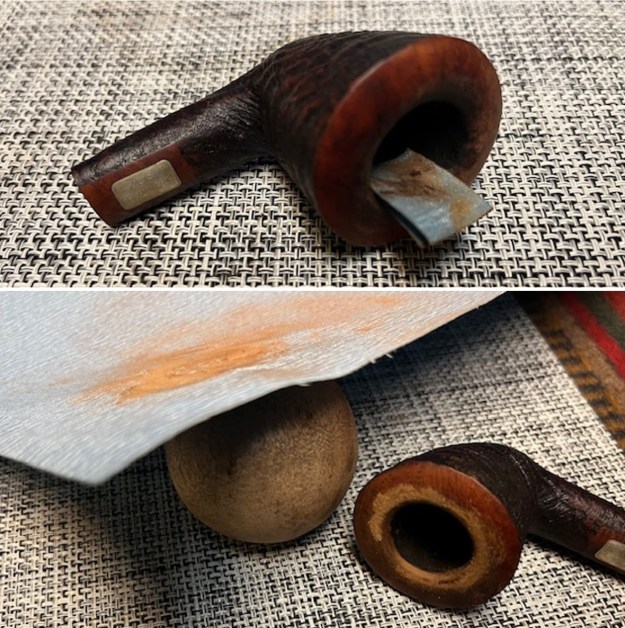
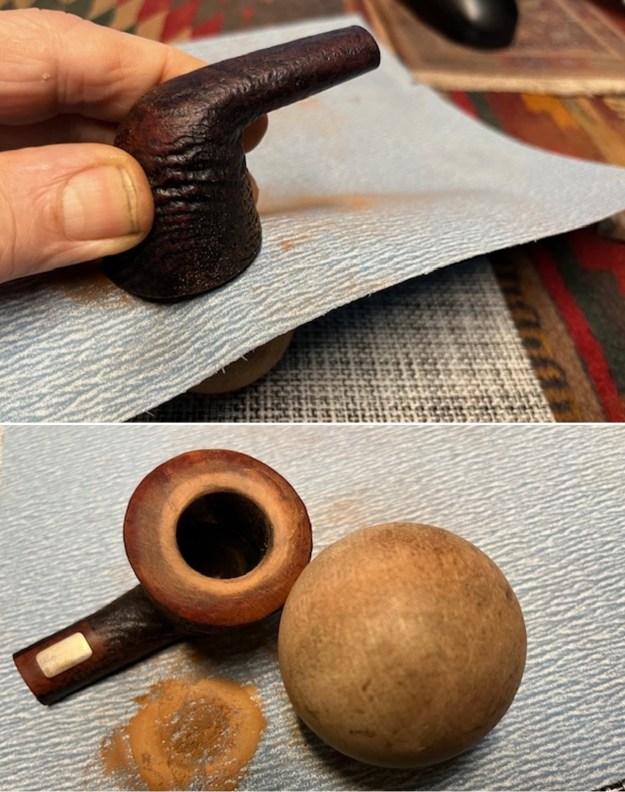
Jeff cleaned up the pipe for me. He reamed the bowl with a PipNet pipe reamer and cleaned it up with a Savinelli Fitsall Pipe Knife. He scrubbed the exterior with Murphy’s Oil Soap and a tooth brush to clean off the grime off the finish and the overflow of lava on the rim top. The cleaning had removed the grime on the rim top. He cleaned up the internals of the shank, mortise and stem with pipe cleaners, cotton swabs and alcohol to remove all of the oils and tars in the pipe. He soaked the stem in Briarvilles Pipe Stem Deoxidizer and was able to remove much of the oxidation, calcification. When it arrived here in Vancouver it was a clean pipe and I knew what I had to work with. I took photos of it before I started my part of the restoration. I took a photo of the rim top and the stem to show their condition once it arrived in Canada. Jeff was able to clean up the cake and the lava overflow that was shown in the rim and bowl photos above. The rim top looked very good but there seemed to be light damage and darkening to the top and inner edge of the bowl. The stem looked better, though there were light tooth marks and chatter on both sides near the button. I took a photo of the stamping on the silver plate on the topside of the shank to show that it was readable and undamaged by the cleanup work. I removed the stem from the shank and took a photo of the parts to give a sense of what the pipe looks like.I started my work on the inner edge and rim top with a folded piece of 220 grit sandpaper. I also used a wooden ball and a piece of 220 grit sandpaper to clean up the inner bevel of the rim. It took some work but I was able to remove the damage and the darkening. It looked much better. I started polishing the smooth rim top with micromesh sanding pads. I dry sanded it with 1500-12000 grit pads. I wiped the bowl down after each pad with a damp cloth. The smooth rim top began to take on a rich shine and grain was beginning to stand out. You can also see the fill on the left rear of the rim top. I sanded with all of the pads and wiped the bowl down after each pad with a soft cloth. I rubbed the bowl and shank down with Before & After Restoration Balm to deep clean the finish on the bowl and shank. The product works to clean, enliven and protect the briar. I worked it in with my fingers to get it into the briar. I used a horsehair shoe brush to work it into the sand blast. I let it sit for 10 minutes then I wiped it off and buffed it with a soft cloth. The briar really began to have a rich shine. I took some photos of the bowl at this point to mark the progress in the restoration. It is a beautiful bowl. I polished the silver plaque on the topside of the shank with a jewellers cloth to remove the slight remaining oxidation and to protect and preserve it. I set the bowl aside and worked on the stem at this point in the process. I “painted” the stem surface with the flame of a Bic Lighter to lift the tooth marks on both sides. I was able to lift the majority of them. I filled in one mark on each side of the stem ahead of the button. I used a small file to flatten out the repairs. I sanded the stem surface with a folded piece of 220 grit sandpaper. I polished the vulcanite stem surface and repairs near the button with a new product I am using. I ordered a set of 2 inch sanding pads for 320-3500 grit sanding pads from Amazon. They work amazingly well and are easy to manage and sand close to the sharp edge of the button. I polished light tooth marks and chatter out of the stem with micromesh sanding pads – dry sanding with 1500-12000 grit pads. I wiped the stem down after each sanding pad with Obsidian Oil. I polished the stem with Before & After Pipe Stem Polish – both Fine and Extra Fine. I gave it a coat of Obsidian Pipe Stem Oil. It works to protect the stem from oxidizing. I set it aside to dry.I put the stem back on the Stanwell Pipe of the Year 1987 Dublin pipe and took it to the buffer. I buffed the bowl and stem with Blue Diamond to polish the briar and the vulcanite. Blue Diamond does a great job on the smaller scratches that remain in both. I gave the bowl multiple coats of Conservator’s Wax and the stem several coats of carnauba wax and buffed the pipe with a clean buffing pad to raise the shine. I hand buffed it with a microfiber cloth to deepen the shine. I am amazed at how well it turned out. The finished pipe is shown in the photos below. This is a beautiful Stanwell POY 1987 – the vulcanite taper stem and smooth rim top and sandblast finish combine to give the pipe a great look. The polished black, vulcanite stem looks really good with the rich browns standing out in the sandblast. The dimensions of the pipe are Length: 5 ½ inches, Height: 1 ½ inches, Outside diameter of the bowl: 1 ½ inch, Chamber diameter: ¾ of an inch. The weight of the pipe is 1.20 ounces/34 grams. This is another pipe that I will be putting on the rebornpipes online store in the Danish Pipe Pipemaking Companies Section shortly, if you are interested in adding it to your collection. Thanks for walking through the restoration with me on this beauty!
As always, I encourage your questions and comments as you read the blog. Thanks to each of you who are reading this blog. Remember we are not pipe owners; we are pipe men and women who hold our pipes in trust until they pass on into the trust of those who follow us. 

New Life for a Stanwell Pipe of the Year 1988 Apple


Blog by Steve Laug

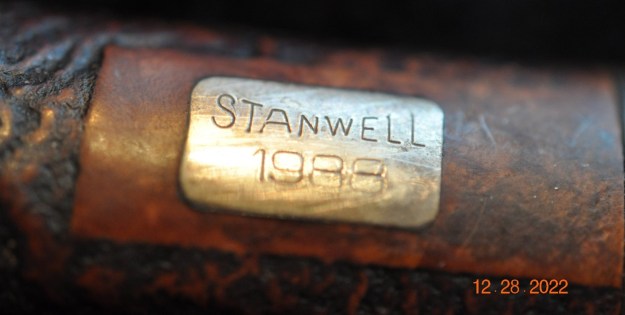
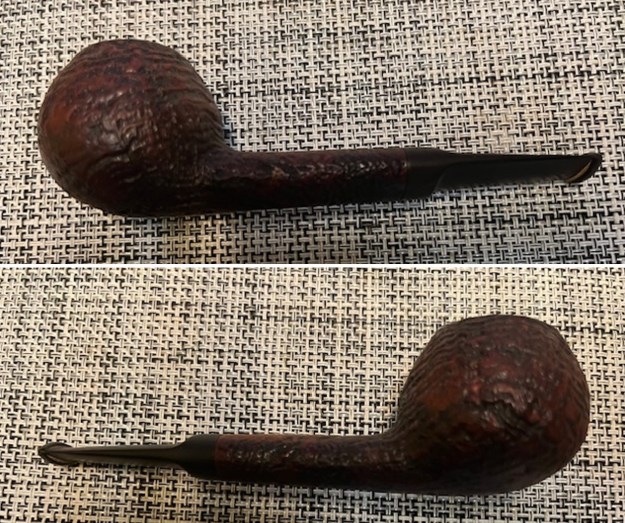
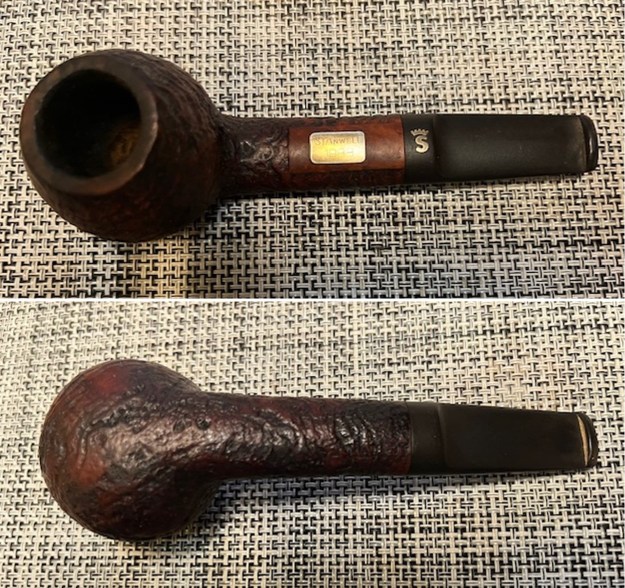
The next pipe I am working on was purchased on 12/13/2022 as part of a group of pipes from a fellow in Copenhagen, Denmark. This was a dirty pipe with a lot of wear and tear and obviously it had been someone’s favourite smoker. The pipe has an identifying plate on the topside of the shank that reads Stanwell [over] 1988. There was no other stamping on the shank and the silver plate confirmed for me that it was a Stanwell Pipe of the Year. The dirty sandblast finish was not able to hide the beauty in the grime. There were tars and oils ground into the surface of the briar. The bowl had a thick cake that flowed over the top of the smooth rim in a thick coat of a lava and it was hard to assess the condition of the inner edge. The stem was a black vulcanite saddle stem with a silver Crown S on the topside of the saddle. It had some tooth marks and chatter on both sides ahead of the button. I had a lot of oxidation and calcification on both sides of the stem. It had a lot of potential. Jeff took photos of the pipes before he started his clean up work. Jeff took photos of the rim and bowl to show the moderate cake and spotty lava coat covering the rim top. It really was a dirty pipe but still a beauty. He also took photos of the stem surfaces to show its overall condition when it arrived. The photos of the sides and heel of the bowls show beautiful grain around the bowl and shank sides. The sandblast is nicely done and highlights the grain. The brown stain on the briar adds depth finish on the pipe and makes the grain really stand out on the smooth parts. It shows some promise. He also took a photo of the stamped silver plate on the topside of the shank. It reads as noted above. I turned to the internet to find out information about the Stanwell Pipe of the Year. I came across this interesting article and shape chart on the Blue Room Briars site where they listed a collection of the POYs (https://www.blueroombriars.com/blogs/news/the-stanwell-pipe-of-the-year-collection). I have included the shape chart and part of the article below for the information that it contains.…Recently, Blue Room Briars acquired a complete Stanwell Pipe of the Year (POY) collection spanning from 1980 – 2017. Looking at these pipes in detail reveals some interesting insights into Stanwell’s production, although it should be noted that these findings are not the final say on when a particular pipe was made, but we hope you can use it as a guide when trying to determine the era of manufacture for Stanwell pipes made after 1980. 

The first pipe of note is the 1980 POY. This pipe does not come with the engraved silver plaquette. The pipe also sports a traditional vulcanite mouthpiece.

Between 1981 and 1998, the Stanwell pipes from the POY collection have the addition of silver plaquettes denoting the year, a traditional vulcanite mouthpiece, and also have a Teflon lined mortise. This is an interesting feature that creates a very stable connection between the mortise and tenon, as well as allowing the mortise to be swabbed out easily for maintenance. It wouldn’t be unwarranted to believe that other Stanwell pipes with a Teflon sleeved mortise were probably made between the 1980s to late 1990s. This additional, and costly, feature demonstrates Stanwell’s commitment to quality manufacturing even into the last portion of the 20th century.

Jeff cleaned up the pipe for me. He reamed the bowl with a PipNet pipe reamer and cleaned it up with a Savinelli Fitsall Pipe Knife. He scrubbed the exterior with Murphy’s Oil Soap and a tooth brush to clean off the grime off the finish and the overflow of lava on the rim top. The cleaning had removed the grime on the rim top. He cleaned up the internals of the shank, mortise and stem with pipe cleaners, cotton swabs and alcohol to remove all of the oils and tars in the pipe. He soaked the stem in Briarvilles Pipe Stem Deoxidizer and was able to remove much of the oxidation, calcification. When it arrived here in Vancouver it was a clean pipe and I knew what I had to work with. I took photos of it before I started my part of the restoration. I took a photo of the rim top and the stem to show their condition once it arrived in Canada. Jeff was able to clean up the cake and the lava overflow that was shown in the rim and bowl photos above. The rim top looked very good but there seemed to be light damage and darkening to the top and inner edge of the bowl. The stem looked better, though there were light tooth marks and chatter on both sides near the button. I took a photo of the stamping on the silver plate on the left side of the shank to show that it was readable and undamaged by the cleanup work. I removed the stem from the shank and took a photo of the parts to give a sense of what the pipe looks like. I started my work on the inner edge and rim top with a folded piece of 220 grit sandpaper. I was able to remove the damage and the darkening. It looked much better.I started polishing the smooth rim top with micromesh sanding pads. I dry sanded it with 1500-12000 grit pads. I wiped the bowl down after each pad with a damp cloth. The smooth rim top began to take on a rich shine and grain was beginning to stand out. I sanded with all of the pads and wiped the bowl down after each pad with a soft cloth. I rubbed the bowl and shank down with Before & After Restoration Balm to deep clean the finish on the bowl and shank. The product works to clean, enliven and protect the briar. I worked it in with my fingers to get it into the briar. I used a horsehair shoe brush to work it into the sand blast. I let it sit for 10 minutes then I wiped it off and buffed it with a soft cloth. The briar really began to have a rich shine. I took some photos of the bowl at this point to mark the progress in the restoration. It is a beautiful bowl. I polished the silver plaque on the topside of the shank with a jewellers cloth to remove the slight remaining oxidation and to protect and preserve it. I set the bowl aside and worked on the stem at this point in the process. I “painted” the stem surface with the flame of a Bic Lighter to lift the tooth marks on both sides. I was able to lift the majority of them. I filled in one mark on each side of the stem ahead of the button. I used a small file to flatten out the repairs. I sanded the stem surface with a folded piece of 220 grit sandpaper. I polished the vulcanite stem surface and repairs near the button with a new product I am using. I ordered a set of 2 inch sanding pads for 320-3500 grit sanding pads from Amazon. They work amazingly well and are easy to manage and sand close to the sharp edge of the button. I polished light tooth marks and chatter out of the stem with micromesh sanding pads – dry sanding with 1500-12000 grit pads. I wiped the stem down after each sanding pad with Obsidian Oil.I polished the stem with Before & After Pipe Stem Polish – both Fine and Extra Fine. I gave it a coat of Obsidian Pipe Stem Oil. It works to protect the stem from oxidizing. I set it aside to dry.I put the stem back on the Stanwell Pipe of the Year 19888 Apple pipe and took it to the buffer. I buffed the bowl and stem with Blue Diamond to polish the briar and the vulcanite. Blue Diamond does a great job on the smaller scratches that remain in both. I gave the bowl multiple coats of Conservator’s Wax and the stem several coats of carnauba wax and buffed the pipe with a clean buffing pad to raise the shine. I hand buffed it with a microfiber cloth to deepen the shine. I am amazed at how well it turned out. The finished pipe is shown in the photos below. This is a beautiful Stanwell POY 1988 – the vulcanite saddle stem and smooth rim top and sandblast finish combine to give the pipe a great look. The polished black, vulcanite stem looks really good with the rich browns standing out in the sandblast. The dimensions of the pipe are Length: 5 inches, Height: 1 ½ inches, Outside diameter of the bowl: 1 inch, Chamber diameter: ¾ of an inch. The weight of the pipe is 1.31 ounces/37 grams. This is another pipe that I will be putting on the rebornpipes online store in the Danish Pipe Pipemaking Companies Section shortly, if you are interested in adding it to your collection. Thanks for walking through the restoration with me on this beauty!
As always, I encourage your questions and comments as you read the blog. Thanks to each of you who are reading this blog. Remember we are not pipe owners; we are pipe men and women who hold our pipes in trust until they pass on into the trust of those who follow us. 

What an incredible beautifully grained Ivarsson Design Danish Made Stanwell 75


Blog by Steve Laug

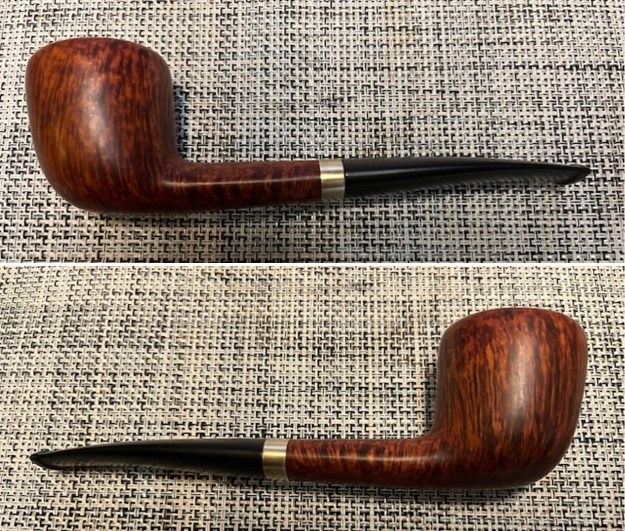
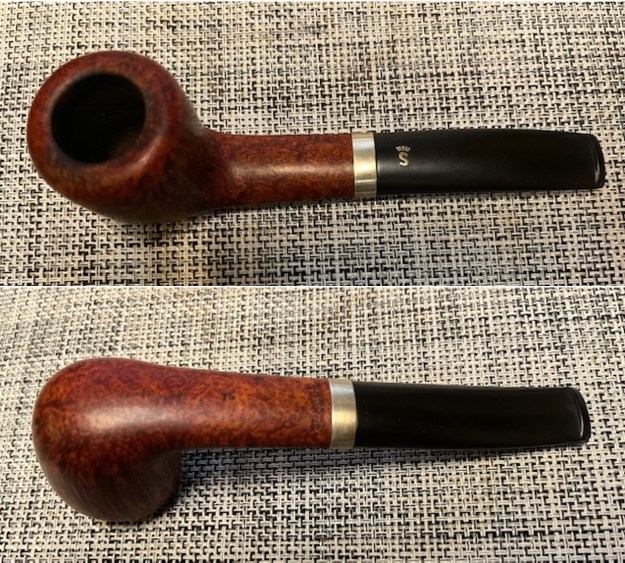
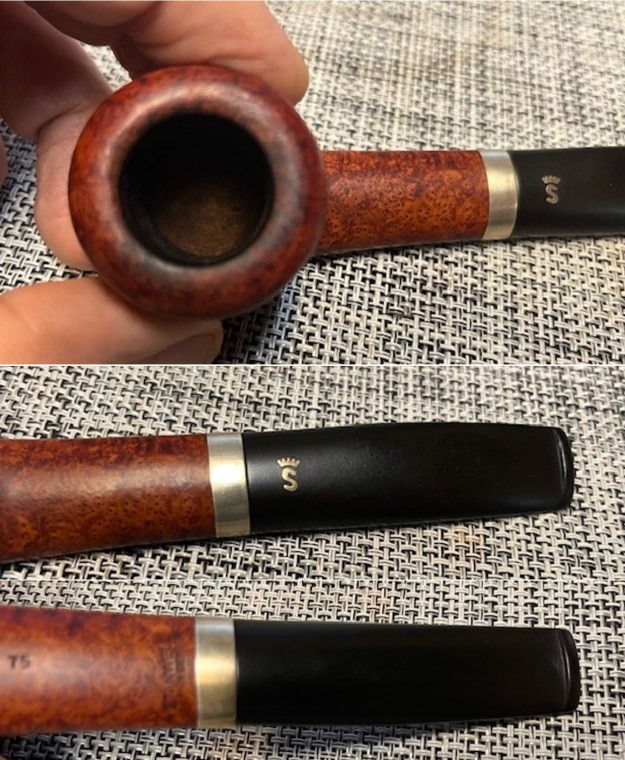
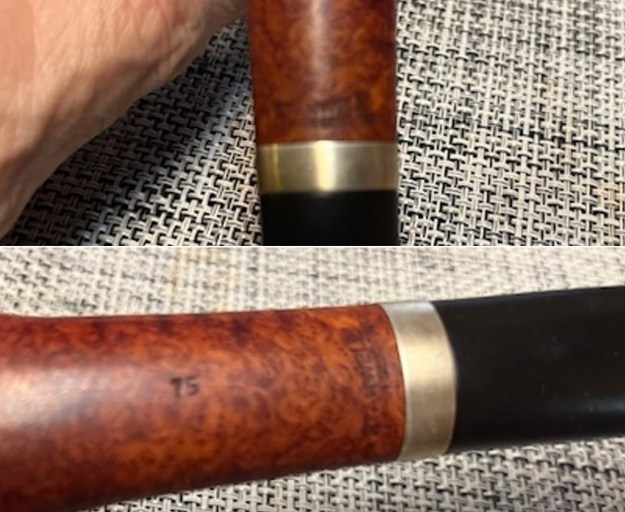
It is a cold day, but still sunny here in Vancouver and I decided to work on another pipe that was purchased on 01/26/2023 in a lot of pipes that came to us from Copenhagen, Denmark. This is a Danish oval shank Freehand with a smooth finish and great grain. It is another Made in Denmark Stanwell. The smooth finish on this pipe, around the bowl and shank has a mix of flame and straight grain highlighted by the rich brown stain. The pipe is stamped on the underside of the shank next to the silver band and reads STANWELL [over] Made in Denmark. On the underside mid shank, it is stamped with the shape number 75. The end of the shank sports a silver band that is decorative. The pipe was a well used pipe when Jeff received it. There was dust and grime ground into the finish. The mixture of brown stains highlights some beautiful grain under the dirt. The bowl was moderately caked and there was an overflow of lava on the smooth rim top. The inner edge looked quite good. The stem is vulcanite and was dirty, oxidized and had light tooth marks, chatter on both sides ahead of the button. There is an inlaid silver crown S logo on the top side of the taper stem. Jeff took photos of the pipe before he started his clean up work. He took photos of the bowl and rim top to show what they looked like before his clean up. You can see the lava coat on the rim top and the cake in the bowl. The inner edge looks to be okay. He also took some of the stem to show the condition of both sides. The photos of the sides and heel of the bowl show the uniquely stained grain around the bowl and shank. The mixture of brown stains adds depth to the finish on the pipe. Even under the grime it is a real beauty. The stamping on this one was on the underside of the shank and is shown in the photo below. It is clear and readable as noted above. You can also see the silver inlaid crown S on the top of the saddle stem. Before I started my work on the pipe I wanted to see if I could find any information that would help me get a sense of the line. I turned to Pipephil to see if there was any listing on the Stanwell pipes with a simple silver band (http://pipephil.eu/logos/en/logo-stanwell.html). There was nothing listed.

I then turned to Pipedia (https://pipedia.org/wiki/Stanwell) for more information. The article is great and gives a lot of history on the brand.

There was also a link to a shape article by Bas Stevens that I originally published on rebornpipes. I looked up the 75 shape number to see who had designed that shape and there was nothing there (https://pipedia.org/wiki/Stanwell_Shape_Numbers_and_Designers). The shape 75 is described as a Freehand, slightly bent, oval stem and mouthpiece, by Sixten Ivarsson.

Now it was time to work on the pipe. Jeff had thoroughly cleaned up the pipe. He reamed the pipe with a PipNet Pipe Reamer and cleaned up the remnants with a Savinelli Fitsall Pipe Knife. He scrubbed the bowl with undiluted Murphy’s Oil Soap with a tooth brush. He rinsed it under running warm water to remove the soap and grime. He cleaned out the inside of the shank and the airway in the stem with alcohol, cotton swabs and pipe cleaners. He scrubbed the exterior of the stem with Soft Scrub to remove the grime and calcification. He soaked the stem in Before & After Deoxidizer and rinsed it off with warm water. The pipe looked very good when it arrived here in Vancouver. I took close up photos of the bowl, rim and the stem. The rim top and inner edge cleaned up very well. There was some darkening on the left side and backside of the rim top. The stem looks clean but still has light tooth marks and some chatter as noted above.I took photos of the stamping on the shank. The stamping is readable as noted above. I took the stem off the shank and took a photo to give a sense of the flow and proportion of the pipe. It is a beautiful looking Freehand. I started my work on the pipe by polishing the bowl and shank with micromesh sanding pads – dry sanding with 1500-12000 grit pads. I wiped the bowl down after each pad to remove the grit. The bowl began to take on a rich shine. It is a beauty. I rubbed the bowl down with Before & After Restoration Balm. I worked it into the briar with my finger tips. I let it sit for 10 minutes and the Balm did its magic. It enlivens, cleans and preserves the briar. It certainly brought this bowl back to life. I buffed it off with a clean cloth and took the following photos. I polished the silver band on the shank end with a jewellers cloth. It works to remove the tarnish and oxidation and also protects the surface from further tarnishing.I set the bowl aside and turned my attention to the stem. I polished the vulcanite stem surface and repairs near the button with a new product I am using. I ordered a set of 2 inch sanding pads for 320-3500 grit sanding pads from Amazon. They work amazingly well and are easy to manage and sand close to the sharp edge of the button.I polished the stem with micromesh sanding pads – 1500-12000 grit pads. I wiped it down with a damp cloth after each sanding pad. I polished it with Before & After Pipe Stem Polish – both Fine and Extra Fine. I gave it a coat of Obsidian Pipe Stem Oil. I set it aside to dry.This Ivarsson Design Stanwell Made in Denmark 75 Freehand with a vulcanite taper stem is a great looking pipe and really looks like an S. Bang shape. The mix of stains once cleaned up really highlights the grain and the polished finish is stunning. I put the stem back on the bowl and carefully buffed the pipe with Blue Diamond on the buffing wheel. I gave the bowl and the stem multiple coats of carnauba wax on the buffing wheel and followed that by buffing the entire pipe with a clean buffing pad. I hand buffed the pipe with a microfiber cloth to deepen the shine. The finished Stanwell Made in Denmark 75 Freehand fits nicely in the hand and feels great. Give the finished pipe a look in the photos below. The dimensions of the pipe are Length: 5 ½ inches, Height: 1 ½ inches, Outside diameter of the bowl: 1 ¼ inches, Chamber diameter: ¾ of an inch. The weight of the pipe is 40 grams /1.41 ounces. I will be adding the pipe to the Danish Pipe Makers Section of the rebornpipes store. If you are interested in purchasing this pipe send me a message or an email. Thanks for reading this blog and my reflections on the pipe while I worked on it.

As always, I encourage your questions and comments as you read the blog. Thanks to each of you who are reading this blog. Remember we are not pipe owners; we are pipe men and women who hold our pipes in trust until they pass on into the trust of those who follow us. 

This Stanwell POY 1992 was another fun pipe to work on


Blog by Steve Laug

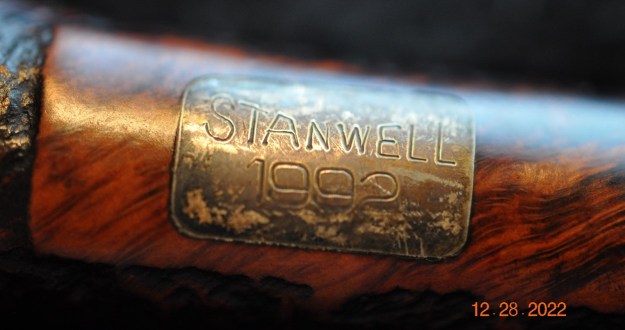
The next pipe I am working on was purchased on 12/13/2022 as part of a group of pipes from a fellow in Copenhagen, Denmark. This was a dirty pipe with a lot of wear and tear and obviously it had been someone’s favourite smoker. The pipe has an identifying plate on the left side of the shank that reads Stanwell [over] 1992. There was no other stamping on the shank and the silver plate confirmed for me that it was a Stanwell Pipe of the Year. The dirty sandblast finish was not able to hide the beauty in the grime. There were tars and oils ground into the surface of the briar. The bowl had a thick cake and tobacco debris in it. There was lava that flowed over the top of the rim top and it was hard to assess the condition of the inner edge. The stem was a black vulcanite taper stem with a silver Crown S on the left side of the taper. It had some light tooth marks and chatter on both sides ahead of the button. There was also some oxidation and calcification on both sides of the stem. It had a lot of potential. Jeff took photos of the pipes before he started his clean up work. Jeff took photos of the rim and bowl to show the moderate cake and spotty lava coat covering the rim top. It really was a dirty pipe but still a beauty. He also took photos of the stem surfaces to show its overall condition when it arrived. The photos of the sides and heel of the bowls show beautiful grain around the bowl and shank sides. The sandblast is nicely done and highlights the grain. The brown stain on the briar adds depth to the finish on the pipe and makes the grain really stand out on the smooth parts. It shows some promise. He also took a photo of the stamped silver plate on the left side of the shanks. It reads as noted above. I turned to the internet to find out information about the Stanwell Pipe of the Year. I came across this interesting article and shape chart on the Blue Room Briars site where they listed a collection of the POYs (https://www.blueroombriars.com/blogs/news/the-stanwell-pipe-of-the-year-collection). I have included the shape chart and part of the article below for the information that it contains.…Recently, Blue Room Briars acquired a complete Stanwell Pipe of the Year (POY) collection spanning from 1980 – 2017. Looking at these pipes in detail reveals some interesting insights into Stanwell’s production, although it should be noted that these findings are not the final say on when a particular pipe was made, but we hope you can use it as a guide when trying to determine the era of manufacture for Stanwell pipes made after 1980. 

The first pipe of note is the 1980 POY. This pipe does not come with the engraved silver plaquette. The pipe also sports a traditional vulcanite mouthpiece.

Between 1981 and 1998, the Stanwell pipes from the POY collection have the addition of silver plaquettes denoting the year, a traditional vulcanite mouthpiece, and also have a Teflon lined mortise. This is an interesting feature that creates a very stable connection between the mortise and tenon, as well as allowing the mortise to be swabbed out easily for maintenance. It wouldn’t be unwarranted to believe that other Stanwell pipes with a Teflon sleeved mortise were probably made between the 1980s to late 1990s. This additional, and costly, feature demonstrates Stanwell’s commitment to quality manufacturing even into the last portion of the 20th century.

Jeff cleaned up the pipe for me. He reamed the bowl with a PipNet pipe reamer and cleaned it up with a Savinelli Fitsall Pipe Knife. He scrubbed the exterior with Murphy’s Oil Soap and a tooth brush to clean off the grime off the finish and the overflow of lava on the rim top. The cleaning had removed the grime on the rim top. He cleaned up the internals of the shank, mortise and stem with pipe cleaners, cotton swabs and alcohol to remove all of the oils and tars in the pipe. He soaked the stem in Briarvilles Pipe Stem Deoxidizer and was able to remove much of the oxidation, calcification. When it arrived here in Vancouver it was a clean pipe and I knew what I had to work with. I took photos of it before I started my part of the restoration. I took a photo of the rim top and the stem to show their condition once it arrived in Canada. Jeff was able to clean up the cake and the lava overflow that was shown in the rim and bowl photos above. The rim top looked very good but there seemed to be light damage and darkening to the inner edge of the bowl. The stem looked better, though there were light tooth marks and chatter on both sides near the button. The bend in the stem would need to be corrected as well as it had straightened slightly.I took a photo of the stamping on the silver plate on the left side of the shank to show that it was readable and undamaged by the cleanup work. I removed the stem from the shank and took a photo of the parts to give a sense of what the pipe looks like.I started my work on the inner edge and rim top with a folded piece of 220 grit sandpaper. I was able to remove the damage and the darkening. It looked much better. I started polishing the smooth rim top with micromesh sanding pads. I dry sanded it with 1500-12000 grit pads. I wiped the bowl down after each pad with a damp cloth. The crowned rim top began to take on a rich shine and grain was beginning to stand out. I sanded with all of the pads and wiped the bowl down after each pad with a soft cloth. I rubbed the bowl and shank down with Before & After Restoration Balm to deep clean the finish on the bowl and shank. I used a horsehair shoe brush to work it into the sand blast. I worked it in with my fingers to get it into the briar. The product works to clean, enliven and protect the briar. I let it sit for 10 minutes then I wiped it off and buffed it with a soft cloth. The briar really began to have a rich shine. I took some photos of the bowl at this point to mark the progress in the restoration. It is a beautiful bowl. I polished the silver plaque on the side of the shank with a jewellers cloth to remove the slight remaining oxidation and to protect and preserve it.I sanded the stem with some new products that I picked up on Amazon. They are 2×2 sanding pads with 320 -3500 grit regular sandpaper. I started with the 320 grade and worked my way through all of them and I like what see with them. I polished light tooth marks and chatter out of the stem with micromesh sanding pads – dry sanding with 1500-12000 grit pads. I wiped the stem down after each sanding pad with Obsidian Oil. I further polished it with Before & After Pipe Stem Polish – both Fine and Extra Fine. I gave it another coat of Obsidian Oil and set it aside to dry. I put the stem back on the Stanwell Pipe of the Year 1992 Cutty pipe and took the pipe to the buffer. I buffed the bowl and stem with Blue Diamond to polish the briar and the vulcanite. Blue Diamond does a great job on the smaller scratches that remain in both. I gave the bowl and the stem several coats of carnauba wax and buffed the pipe with a clean buffing pad to raise the shine. I hand buffed it with a microfiber cloth to deepen the shine. I am amazed at how well it turned out. The finished pipe is shown in the photos below. This is a beautiful Stanwell POY 1992 Cutty– the vulcanite taper stem and smooth rim top and sandblast finish combine to give the pipe a great look. The polished black, vulcanite stem looks really good with the rich browns standing out in the sandblast. The dimensions of the pipe are Length: 6 inches, Height: 2 inches, Outside diameter of the bowl: 1 1/8 inches, Chamber diameter: ¾ of an inch. The weight of the pipe is 1.27 ounces/36 grams. This is another pipe that I will be putting on the rebornpipes online store in the Danish Pipe Pipemaking Companies Section shortly, if you are interested in adding it to your collection. Thanks for walking through the restoration with me on this beauty!
As always, I encourage your questions and comments as you read the blog. Thanks to each of you who are reading this blog. Remember we are not pipe owners; we are pipe men and women who hold our pipes in trust until they pass on into the trust of those who follow us. 

A Fun Restoration of a Stanwell POY 1986 Dublin


Blog by Steve Laug

The next pipe I am working on was purchased on 12/13/2022 as part of a group of pipes from a fellow in Copenhagen, Denmark. This was a dirty pipe with a lot of wear and tear and obviously it had been someone’s favourite smoker. The pipe has an identifying plate on the left side of the shank that reads Stanwell [over] 1986. There was no other stamping on the shank and the silver plate confirmed for me that it was a Stanwell Pipe of the Year. The dirty sandblast finish was not able to hide the beauty in the grime. There were tars and oils ground into the surface of the briar. The bowl had a moderate cake that flowed over the top of the lightly crowned rim in a spotty coat of a lava and it was hard to assess the condition of the inner edge. The stem was a black vulcanite saddle stem with a silver Crown S on the left side of the saddle. It had some tooth marks and chatter on both sides ahead of the button. There was also some oxidation and calcification on both sides of the stem. It had a lot of potential. Jeff took photos of the pipes before he started his clean up work. Jeff took photos of the rim and bowl to show the moderate cake and spotty lava coat covering the rim top. It really was a dirty pipe but still a beauty. He also took photos of the stem surfaces to show its overall condition when it arrived. The photos of the sides and heel of the bowls show beautiful grain around the bowl and shank sides. The sandblast is nicely done and highlights the grain. The brown stain on the briar adds depth finish on the pipe and makes the grain really stand out on the smooth parts. It shows some promise. He also took a photo of the stamped silver plate on the left underside of the shanks. It reads as noted above. I turned to the internet to find out information about the Stanwell Pipe of the Year. I came across this interesting article and shape chart on the Blue Room Briars site where they listed a collection of the POYs (https://www.blueroombriars.com/blogs/news/the-stanwell-pipe-of-the-year-collection). I have included the shape chart and part of the article below for the information that it contains.…Recently, Blue Room Briars acquired a complete Stanwell Pipe of the Year (POY) collection spanning from 1980 – 2017. Looking at these pipes in detail reveals some interesting insights into Stanwell’s production, although it should be noted that these findings are not the final say on when a particular pipe was made, but we hope you can use it as a guide when trying to determine the era of manufacture for Stanwell pipes made after 1980. 

The first pipe of note is the 1980 POY. This pipe does not come with the engraved silver plaquette. The pipe also sports a traditional vulcanite mouthpiece.

Between 1981 and 1998, the Stanwell pipes from the POY collection have the addition of silver plaquettes denoting the year, a traditional vulcanite mouthpiece, and also have a Teflon lined mortise. This is an interesting feature that creates a very stable connection between the mortise and tenon, as well as allowing the mortise to be swabbed out easily for maintenance. It wouldn’t be unwarranted to believe that other Stanwell pipes with a Teflon sleeved mortise were probably made between the 1980s to late 1990s. This additional, and costly, feature demonstrates Stanwell’s commitment to quality manufacturing even into the last portion of the 20th century.

Jeff cleaned up the pipe for me. He reamed the bowl with a PipNet pipe reamer and cleaned it up with a Savinelli Fitsall Pipe Knife. He scrubbed the exterior with Murphy’s Oil Soap and a tooth brush to clean off the grime off the finish and the overflow of lava on the rim top. The cleaning had removed the grime on the rim top. He cleaned up the internals of the shank, mortise and stem with pipe cleaners, cotton swabs and alcohol to remove all of the oils and tars in the pipe. He soaked the stem in Briarvilles Pipe Stem Deoxidizer and was able to remove much of the oxidation, calcification. When it arrived here in Vancouver it was a clean pipe and I knew what I had to work with. I took photos of it before I started my part of the restoration. I took a photo of the rim top and the stem to show their condition once it arrived in Canada. Jeff was able to clean up the cake and the lava overflow that was shown in the rim and bowl photos above. The rim top looked very good but there seemed to be light damage and darkening to the inner edge of the bowl. The stem looked better, though there were light tooth marks and chatter on both sides near the button. The bend in the stem would need to be corrected as well as it had straightened slightly.I took a photo of the stamping on the silver plate on the left side of the shank to show that it was readable and undamaged by the cleanup work. I removed the stem from the shank and took a photo of the parts to give a sense of what the pipe looks like.I started my work on the inner edge and rim top with a folded piece of 220 grit sandpaper. I was able to remove the damage and the darkening. It looked much better. I started polishing the smooth rim top with micromesh sanding pads. I dry sanded it with 1500-12000 grit pads. I wiped the bowl down after each pad with a damp cloth. The crowned rim top began to take on a rich shine and grain was beginning to stand out. I sanded with all of the pads and wiped the bowl down after each pad with a soft cloth. I rubbed the bowl and shank down with Before & After Restoration Balm to deep clean the finish on the bowl and shank. The product works to clean, enliven and protect the briar. I worked it in with my fingers to get it into the briar. I used a horsehair shoe brush to work it into the sand blast. I let it sit for 10 minutes then I wiped it off and buffed it with a soft cloth. The briar really began to have a rich shine. I took some photos of the bowl at this point to mark the progress in the restoration. It is a beautiful bowl. I polished the silver band and plaque on the side of the shank with a jewellers cloth to remove the slight remaining oxidation and to protect and preserve it.I set the bowl aside and worked on the stem at this point in the process. The bend in the stem needed to be adjusted to follow the flow of the bowl and shank curve. I heated the stem until the vulcanite was pliable and bent it to match the curve. It looked much better. I polished light tooth marks and chatter out of the stem with micromesh sanding pads – dry sanding with 1500-12000 grit pads. I wiped the stem down after each sanding pad with Obsidian Oil. I polished it with Before & After Pipe Stem Polish – both Fine and Extra Fine. I gave it a coat of Obsidian Pipe Stem Oil. It works to protect the stem from oxidizing. I set it aside to dry. I put the stem back on the Stanwell Pipe of the Year 1986 Dublin Calabash pipe and took the pipe to the buffer. I buffed the bowl and stem with Blue Diamond to polish the briar and the vulcanite. Blue Diamond does a great job on the smaller scratches that remain in both. I gave the bowl and the stem several coats of carnauba wax and buffed the pipe with a clean buffing pad to raise the shine. I hand buffed it with a microfiber cloth to deepen the shine. I am amazed at how well it turned out. The finished pipe is shown in the photos below. This is a beautiful Stanwell POY 1986 – the vulcanite saddle stem and crowned rim top and sandblast finish combine to give the pipe a great look. The polished black, vulcanite stem looks really good with the rich browns standing out in the sandblast. The dimensions of the pipe are Length: 5 inches, Height: 2 inches, Outside diameter of the bowl: 1 ½ inches, Chamber diameter: ¾ of an inch. The weight of the pipe is 1.45 ounces/41 grams. This is another pipe that I will be putting on the rebornpipes online store in the Danish Pipe Pipemaking Companies Section shortly, if you are interested in adding it to your collection. Thanks for walking through the restoration with me on this beauty!
As always, I encourage your questions and comments as you read the blog. Thanks to each of you who are reading this blog. Remember we are not pipe owners; we are pipe men and women who hold our pipes in trust until they pass on into the trust of those who follow us.

Repairing a Cracked Shank and Restoring a Stanwell Regd. No. 969-48 Royal Guard 22


Blog by Steve Laug

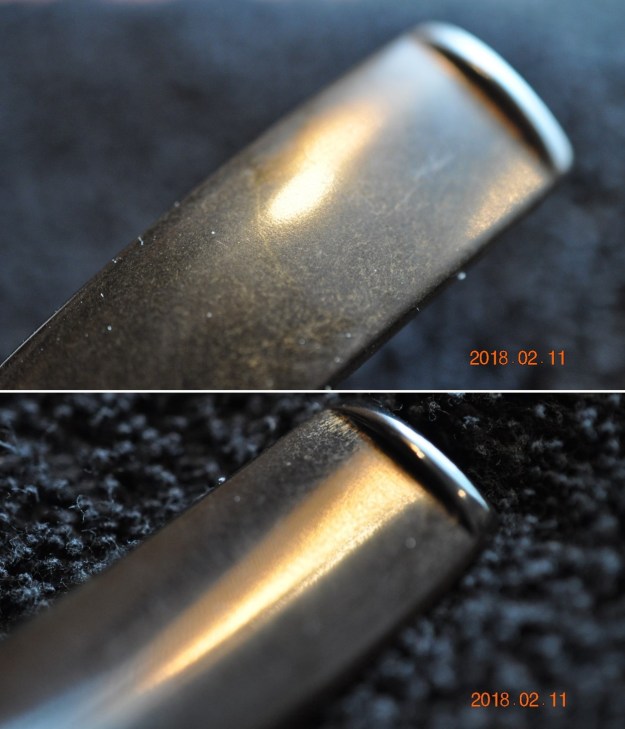
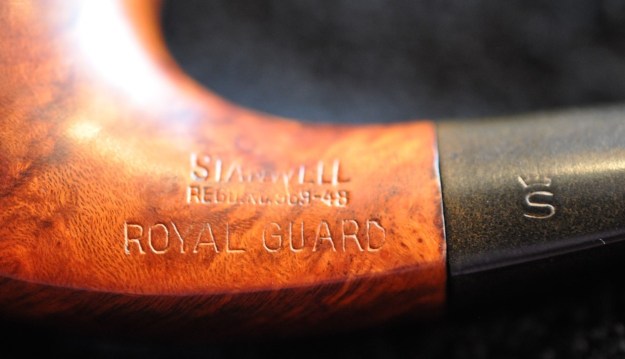
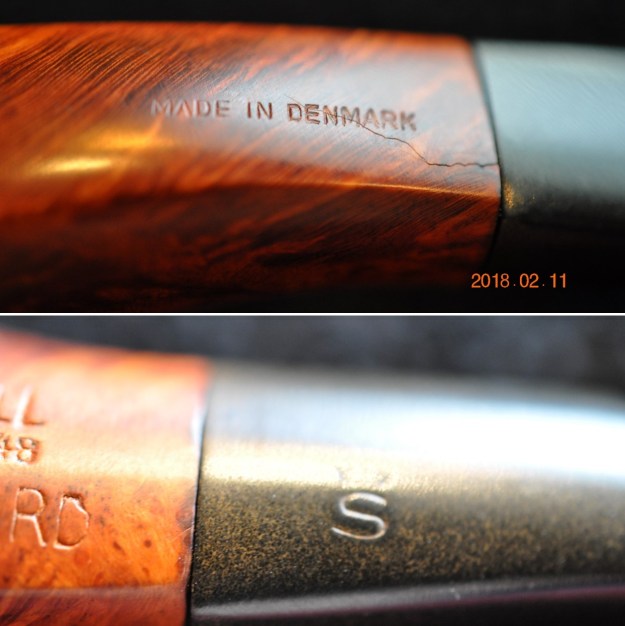
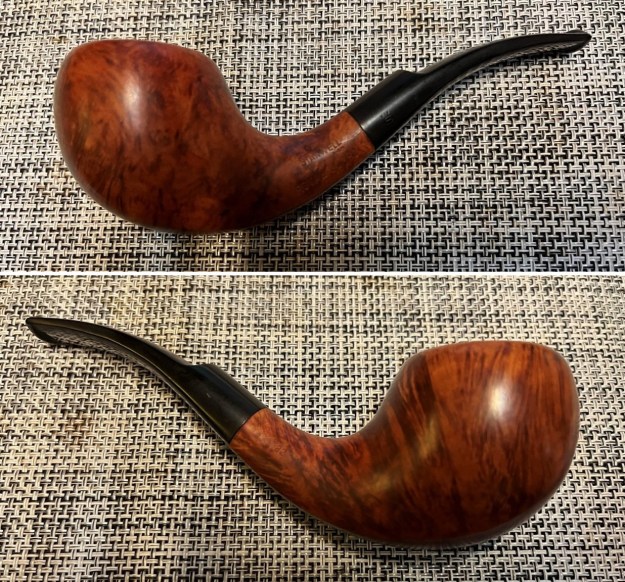
The next pipe I am working on was purchased on 01/26/18 from an eBay seller in Akron, Ohio, USA. It is stamped on the left side of the shank and reads Stanwell [over] Regd. No. 969-48 [over] Royal Guard. It is stamped on the left side with the shape number 22. On the flattened underside of the shank it is stamped Made in Denmark. There was a thick cake in the bowl, debris in the bottom and on the bowl walls and some remnants of tobacco. The airway was dirty and tarry and there was a hairline crack in the thin underside of the shank. There was a light lava overflow on the back of the crowned rim top. The crowned and inwardly beveled rim top looked to be in good condition. The outer edge actually looked quite good with no visible damage. The finish was dirty and dusty and with grime ground into the sides and heel of the bowl. The stem looked fairly good but underneath the calcification and oxidation the tooth marks and chatter looked minimal. There was a gold Stanwell S Crown on the left side of the half saddle. When the stem was removed it was clear that it was a filter pipe. Jeff took photos of the pipe before he started his cleanup work on it. Jeff took close-up photos of the bowl and rim top to show the cake in the bowl. The rim top shows some thin lava spots on the smooth finish. The inner edge of the bowl also had some lava buildup. The outer edges of the bowl look very good. He took photos of the top and underside of the stem surface and button to show its general condition. It looked very good under the spotty oxidation. Jeff took a photo of the heel of the bowl and the shank to give a sense of the grain around the bowl sides. It is gorgeous looking pipe that has grain that chases the shape of the bowl. It should clean up very well.He took photos of the stamping on the shank sides. They are clear and readable as noted above. There was no photo included of the right side of the shank and the shape number there. The Crown Stanwell Logo was clear on the left side of the half saddle stem. It was interesting that the Royal Guard had that stem logo rather than the typical RG logo. Jeff took a closer photo of the hairline crack on the shank. It started on the thin bottom side of the shank end and curved upward through the Made in Denmark stamping before it disappears. I turned to Pipedia to see if there was any clear information on the Royal Guard line of pipes (https://pipedia.org/wiki/Stanwell). I found the Royal Guard listed under the second lines of Stanwell pipes listed there.

I then followed a link there (https://pipedia.org/wiki/Stanwell_Shape_Numbers_and_Designers). It took me to an article on Shape numbers and Designers. I quote from that below.

22. Two versions of this shape number:

a) Straight billiard with an oval shank and a tapered stem (early 1950s – see catalog).

b) Bent apple-horn hybrid with a half-saddle stem.

From that information I knew that I was working a 22 B – a bent apple-horn hybrid with a half-saddle stem. There was list of designers below that included the 22 in pipes designed by Sixten Ivarsson. The problem was that I did not know if it was referring to the a) or the b) design. Now it was time to work on the pipe.

Jeff had done a great job cleaning up the pipe as usual. He reamed the pipe with a PipNet reamer and cut back the cake back to the bare briar. He cleaned up the walls with a Savinelli Fitsall Pipe Knife. He scrubbed the interior of the bowl and shank with pipe cleaners, cotton swabs and alcohol to remove the tars and oils. He scrubbed the exterior of the pipe with Murphy’s Oil Soap and a tooth brush to remove the grime from the finish. He worked on the rim top lava and darkening with the soap and tooth brush. He scrubbed the inside of the stem with alcohol and pipe cleaners. He scrubbed the exterior with Soft Scrub and then soaked it in Briarville’s Pipe Stem Deoxidizer. He washed it off with warm water to remove the Deoxidizer. The pipe looked far better when it arrived. I took photos of the bowl and rim top as well as the stem to show how clean they were. You can see that rim top and edges look very good. The stem is clean and the tooth and chatter on both sides ahead of the button is very light.I took photos of the stamping on the sides of the shank. The stamping is readable as noted above. Royal Guard was a Stanwell second and generally was not stamped Stanwell. This one was! The stem on the Royal Guard was also stamped RG and this one bears the Stanwell Crown S.I took a photo of the pipe with the stem removed to show that the tenon was drilled for a filter. I tried to fit a 9mm filter but it did not work. My guess is that it takes Vauen Dr Perl Junior 6mm size filter. I tried a Dr. Grabow 6mm filter it fit well but was too long. I would trim a Grabow filter to fit the proper length and whoever adds it to their collection will be able to use it until they are able to get some of the ones in the photo below. I also took a photo of the bowl and stem to get an overall look of stem, tenon and profile of the pipe. It really is a beautifully shaped pipe. I decided to start my work on the pipe by dealing with the cracked shank. I chose not to drill the crack end so as not to damage the stamping. Instead I put some glue on the cracked shank and held it in place until the CA glue set. I hand fit a band to the shank end. It sounds simple but it was an interesting challenge. The bottom edge of the shank was very thin which I think is why it cracked. There was no extra briar to work with. The other piece of the puzzled was that the bottom of the shank was flattened and the shape was not round any more. I went through my bands and found the one that had the proper diameter. It also had a curved edge that covered the shank end and would provide some extra thickness to the thin bottom of the shank. I gave the band a rough shaping by hand then put it on the shank and used a small furniture hammer to fit it smoothly to the shank shape. It fit nicely and it firmly held things in place.  I used a folded pipe cleaner to paint the shank end with all purpose glue and then pressed the band in place on the glue. I took photos of the newly fitted band. It looked very good at this point and the crack was pressed together tightly. I polished the briar with micromesh because it was in such good condition. I polished it with 1500-12000 grit micromesh sanding pads. I wiped the bowl down after each sanding pad with a damp cloth. I rubbed the briar down with Before & After Restoration Balm. I worked it into the briar with my fingertips. The product works to clean, enliven and preserve the briar. I let it sit for 10 minutes while I worked on the stem. After the time passed I buffed it with a cotton cloth to deepen the shine. The briar really comes alive with the balm. I set the bowl aside and turned my attention to the stem. I have a box of Dr. Grabow 6mm filters so I took one out of the box, shortened it to fit and inserted it in the tenon. The fit is perfect and fills in the tenon. I then used some White Acrylic Fingernail Polish to touch up the white that remained in the Crown S stamp on the top of the stem. The S and part of the crown looked much better. There were some light spots on the top of the crown but otherwise it looked good. I polished the stem with micromesh sanding pads – dry sanding with 1500-12000 grit pads. I wiped the stem down after each sanding pad with Obsidian Oil. I polished it with Before & After Pipe Stem Polish – both Fine and Extra Fine. I gave it a coat of Obsidian Pipe Stem Oil. It works to protect the stem from oxidizing. I set it aside to dry. This Sixten Ivarsson designed Stanwell Royal Guard 22 Bent Apple/Scoop with a half saddle vulcanite stem turned out very nice. The mix of brown stains highlights the grain around the bowl sides and bottom. The rim top and edges look very good. The finish on the pipe is in excellent condition. The thin brass band on the shank end looks good and adds strength to the shank stem fit. I put the stem back on the bowl and carefully buffed the pipe with Blue Diamond on the buffing wheel. I gave the bowl and stem multiple coats of carnauba wax on the buffing wheel and followed that by buffing the entire pipe with a clean buffing pad. I hand buffed the pipe with a microfiber cloth to deepen the shine. The finished Stanwell Royal Guard 22 is very nice and feels great in the hand and can be used as a sitter with the wide base. Give the finished pipe a look in the photos below. It is a nice pipe whose dimensions are Length: 5 ½ inches, Height: 2 inches, Outside diameter of the bowl: 1 ½ inches, Chamber diameter: ¾ of an inch. The weight of the pipe is 57 grams/2.10 ounces. Thanks for walking through the restoration with me as I worked over another beautiful pipe. This one will be going on the rebornpipes store, in the Danish Pipe Makers Section shortly. If you are interested in adding it to your collection let me know by message or by email to slaug@uniserve.com. Thanks for your time.
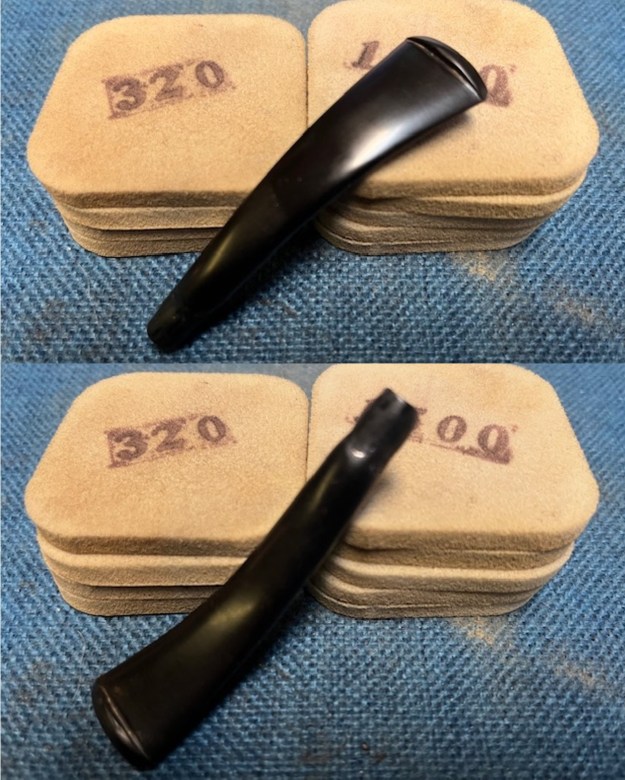
As always, I encourage your questions and comments as you read the blog. Thanks to each of you who are reading this blog. Remember we are not pipe owners; we are pipe men and women who hold our pipes in trust until they pass on into the trust of those who follow us.