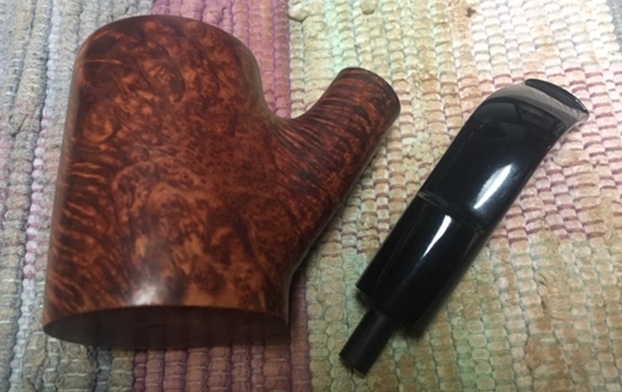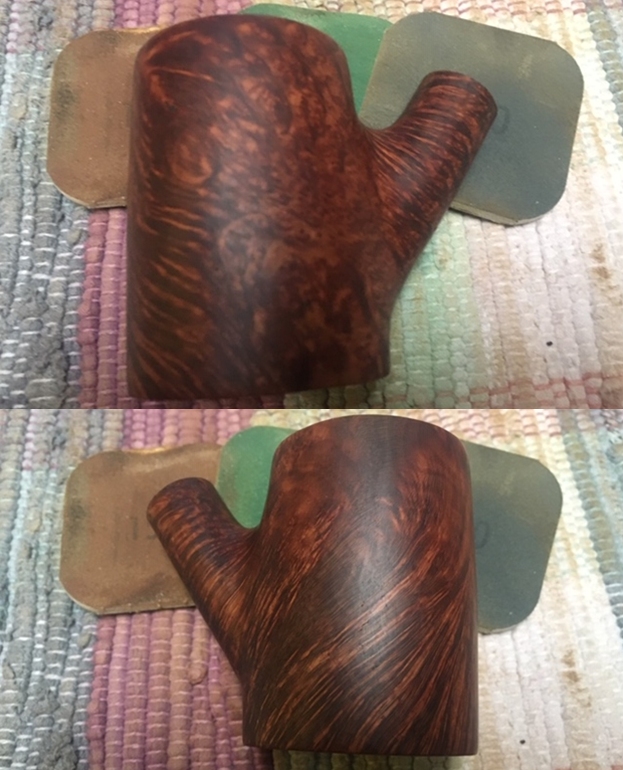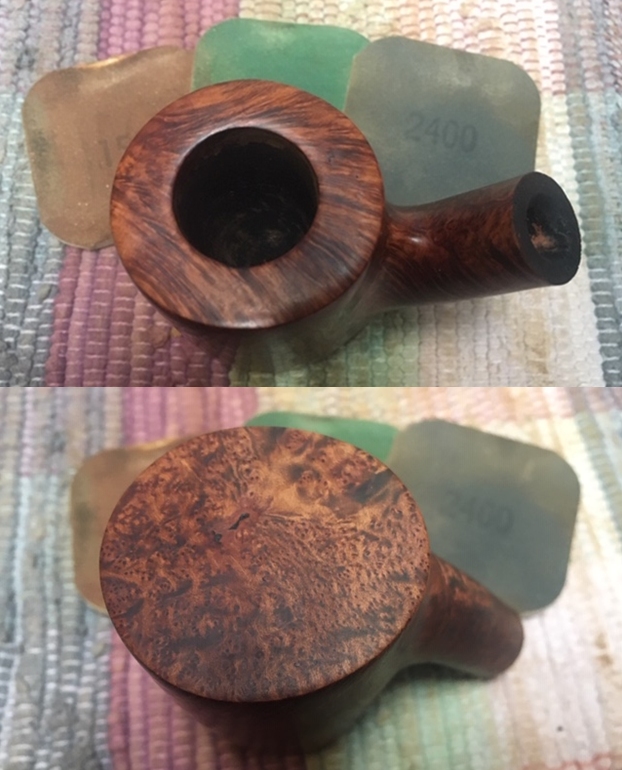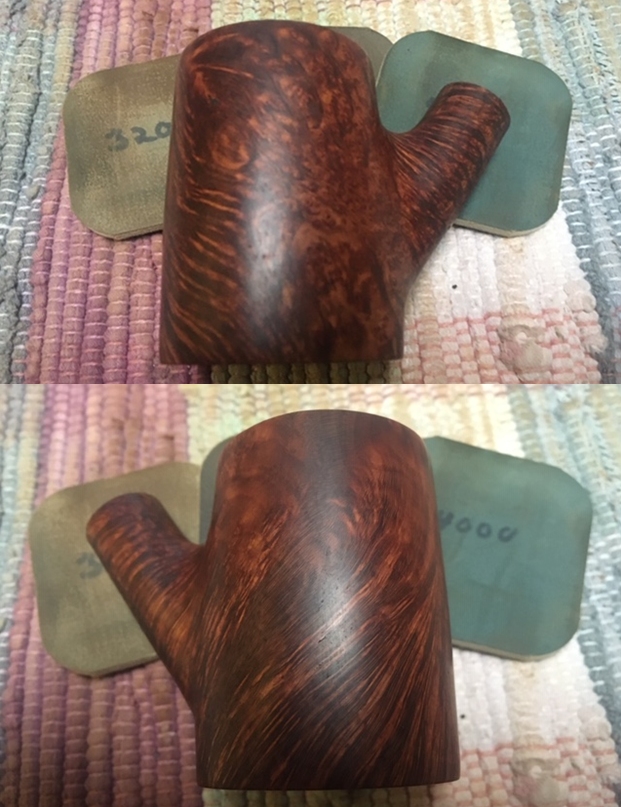
Tag Archives: polishing an acrylic stem

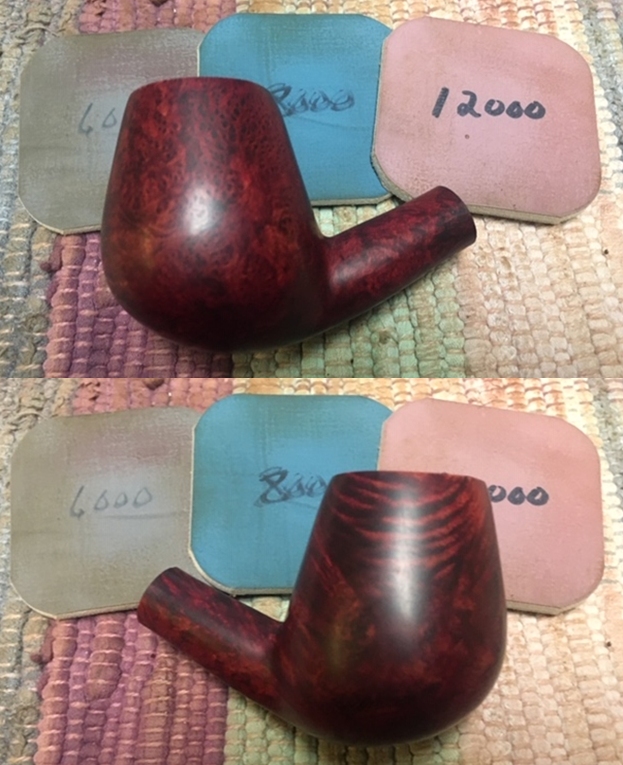
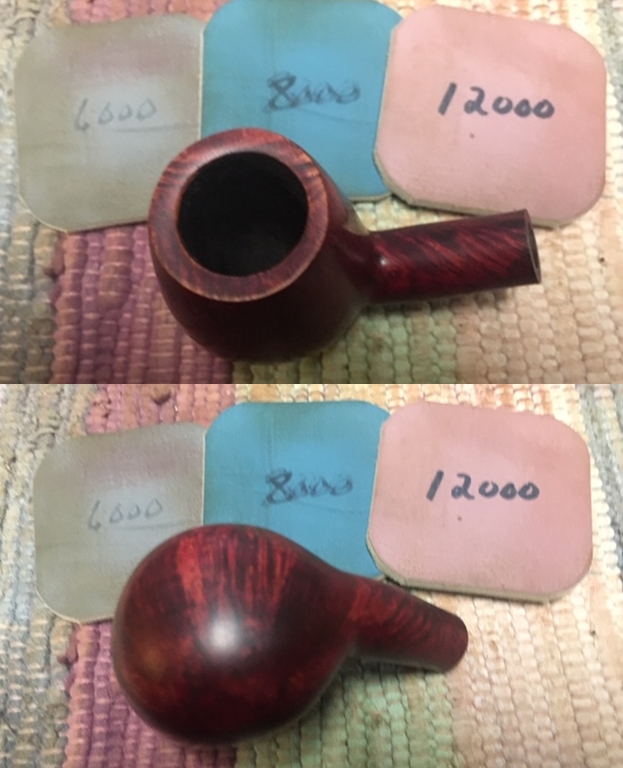
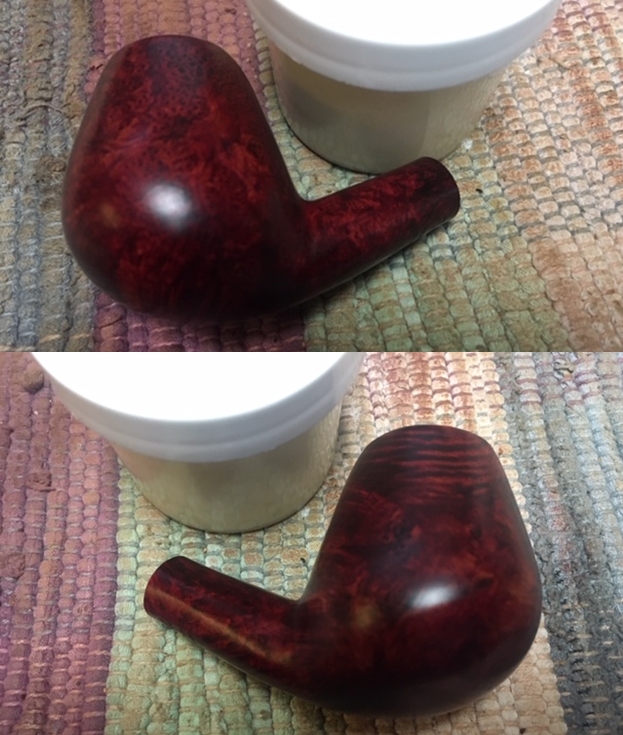
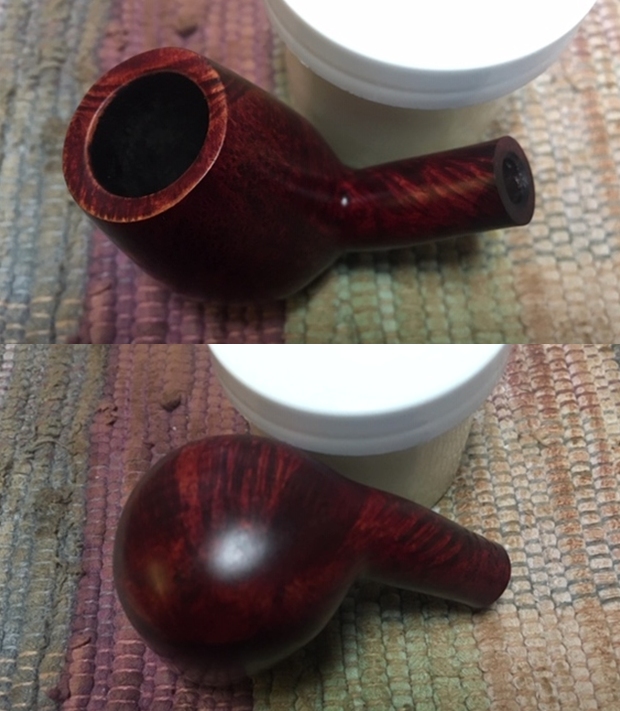
Next on the Table – a Johs Hand Made in Denmark Brandy


Blog by Steve Laug

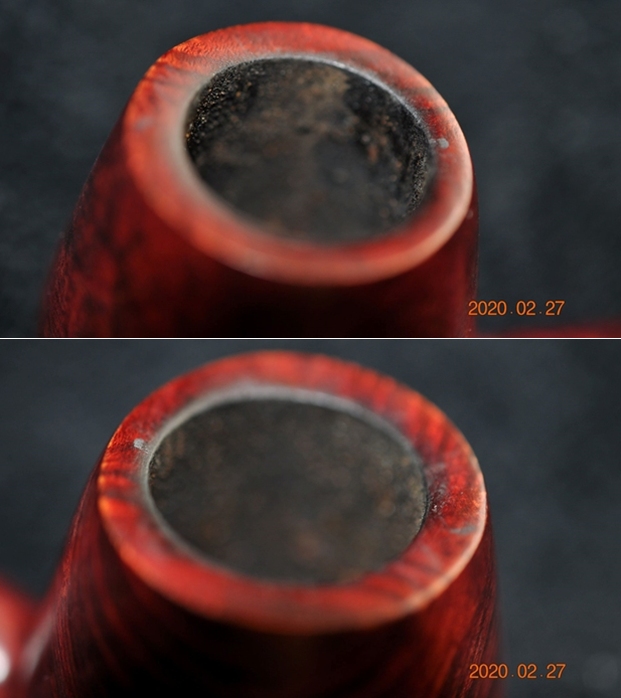
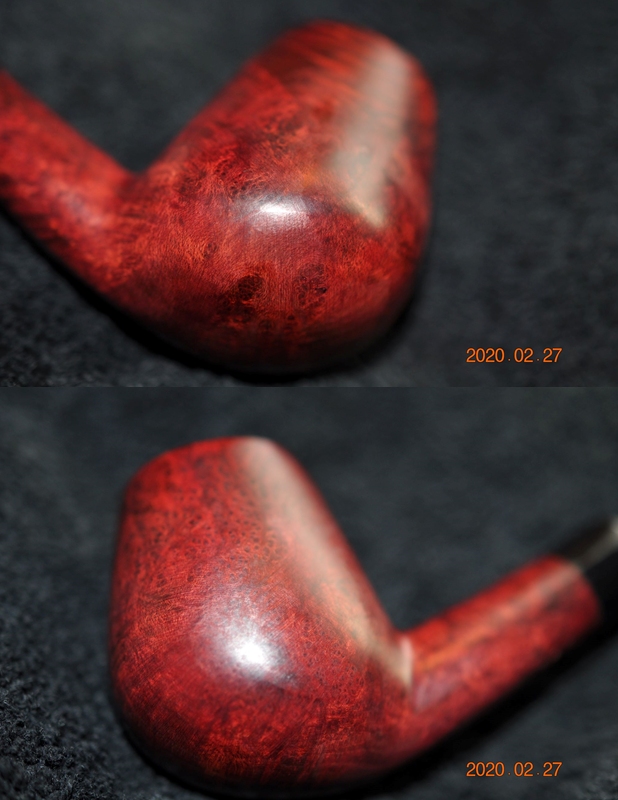
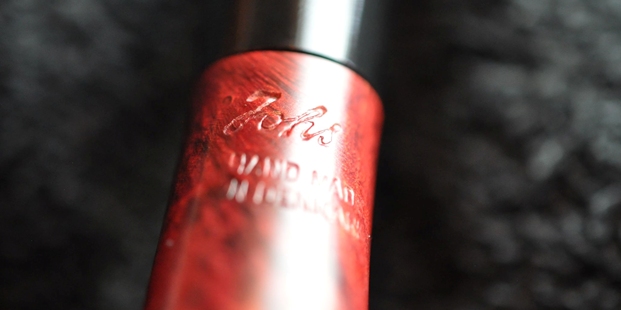
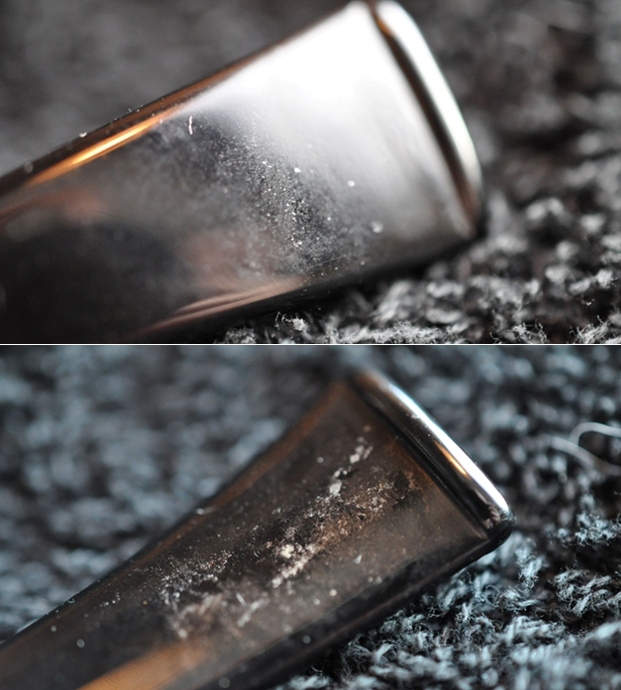
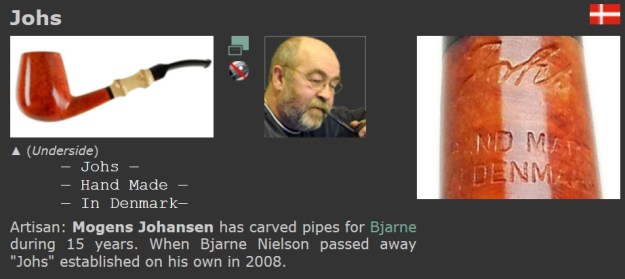
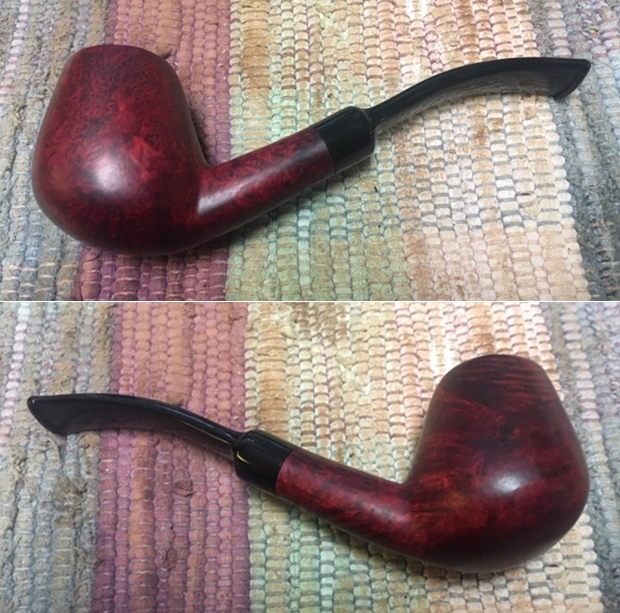
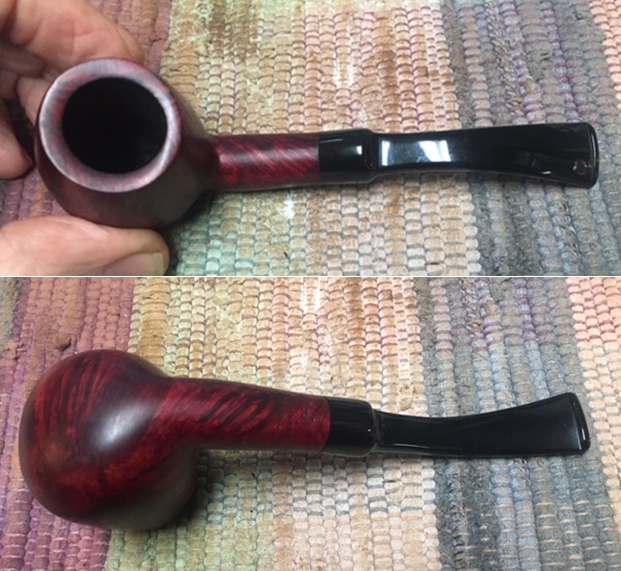
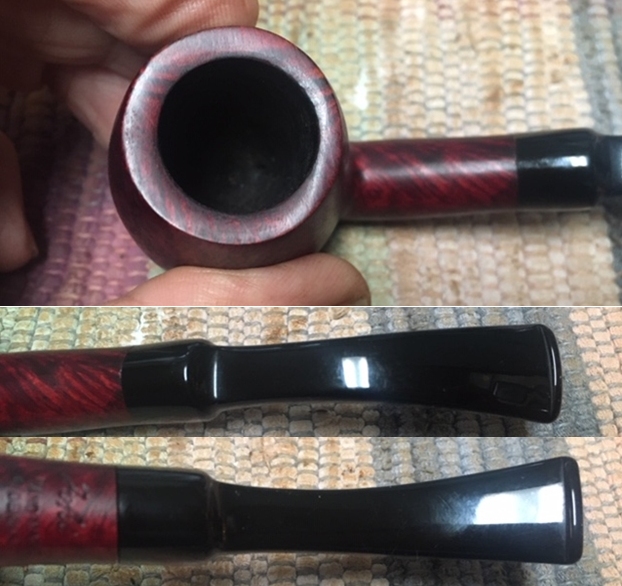
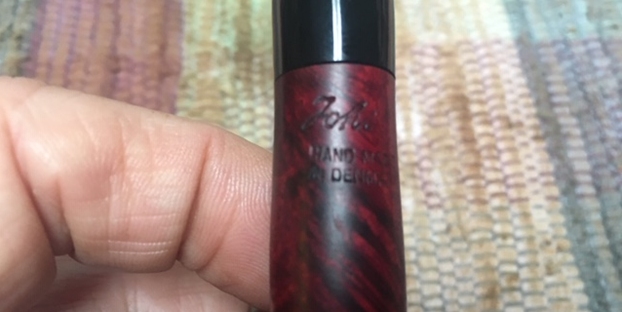
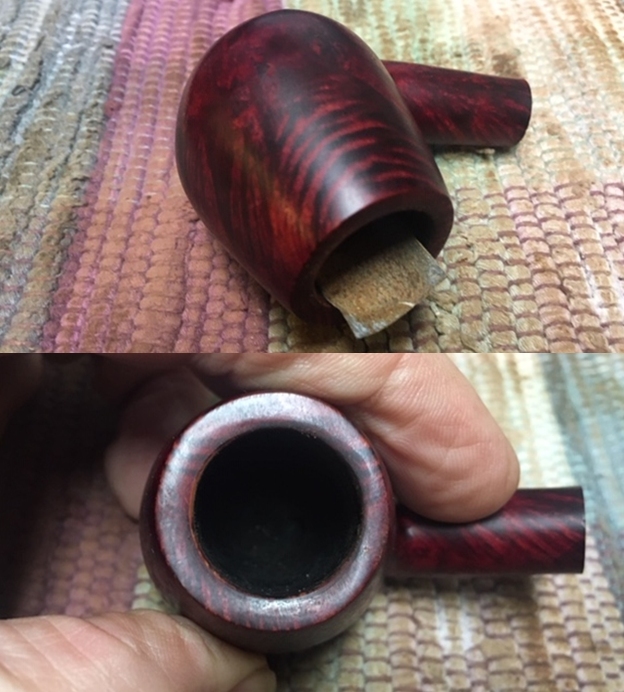
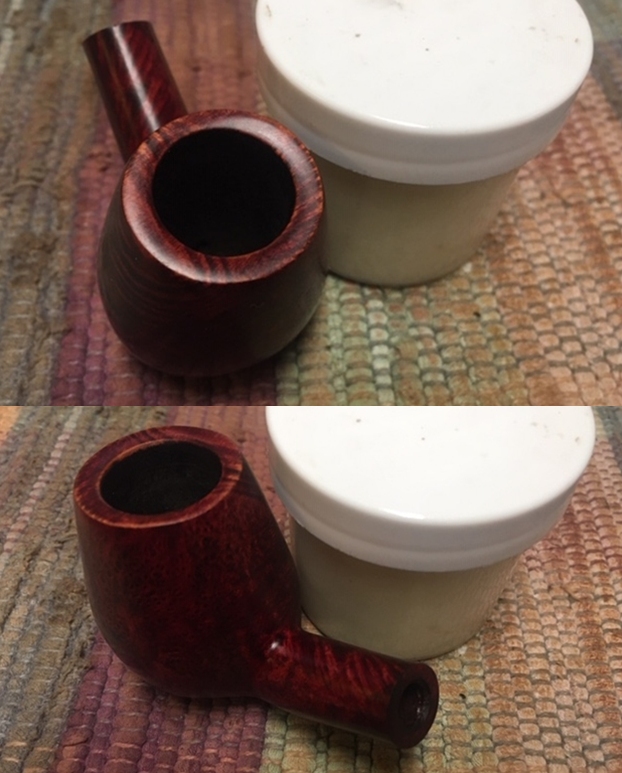
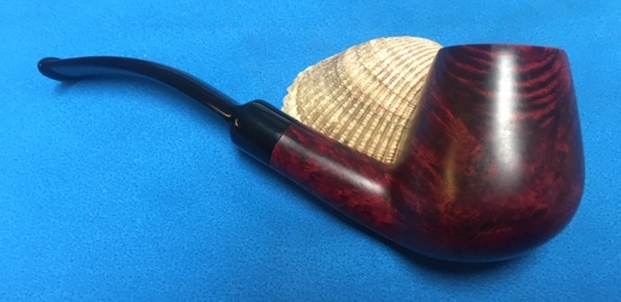
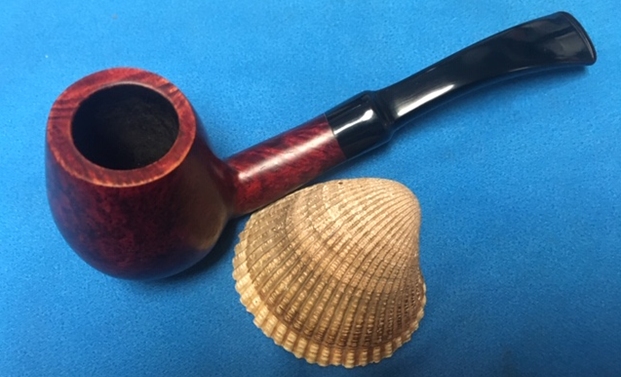
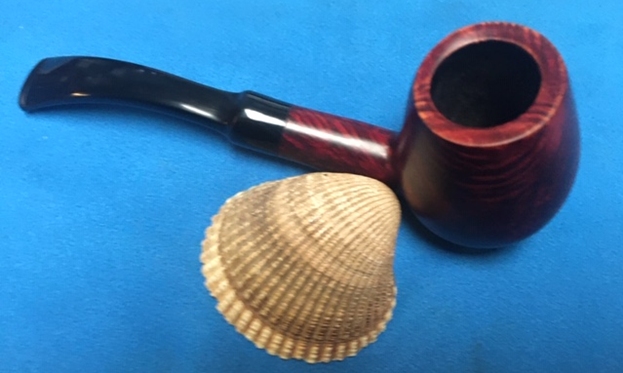
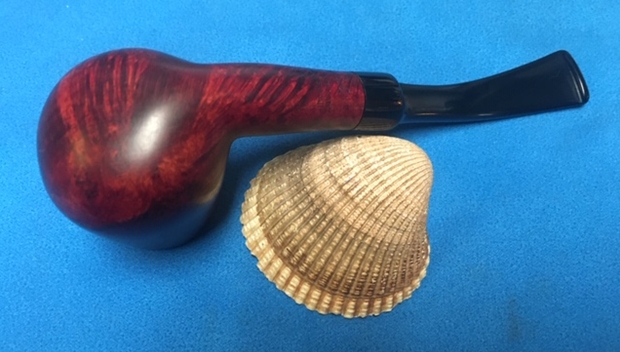
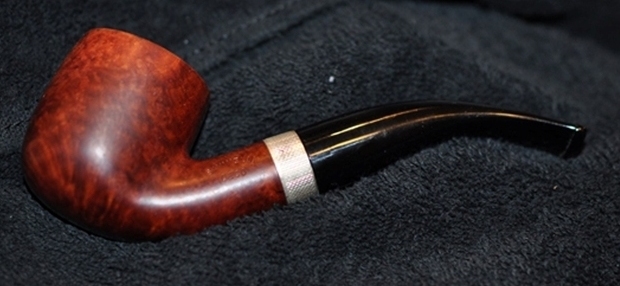
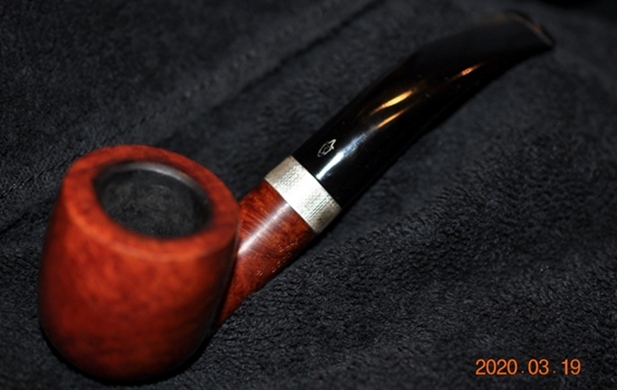
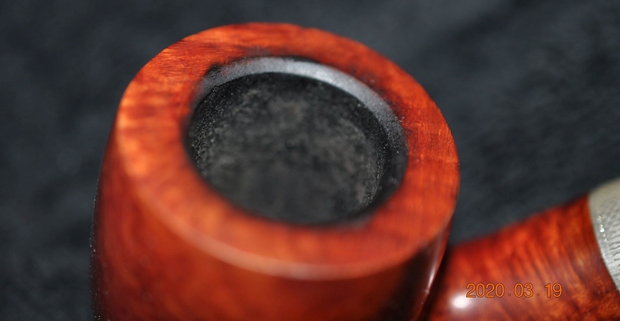
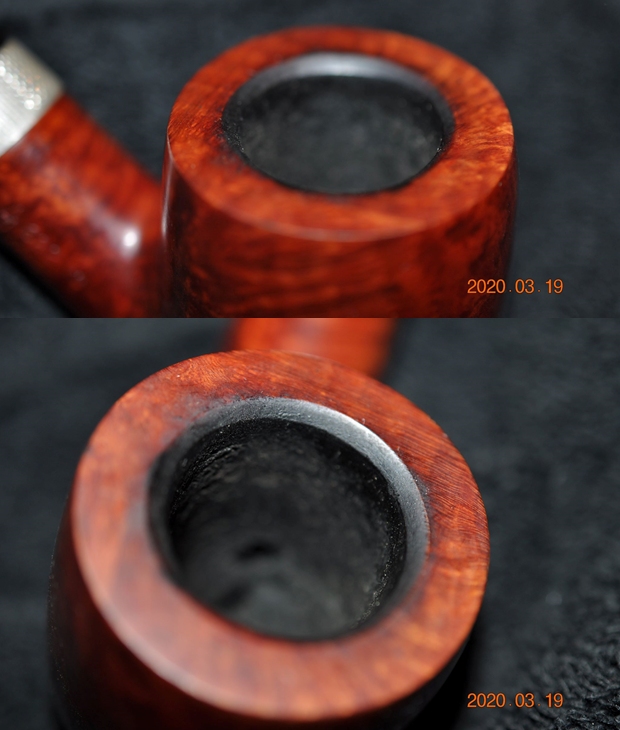
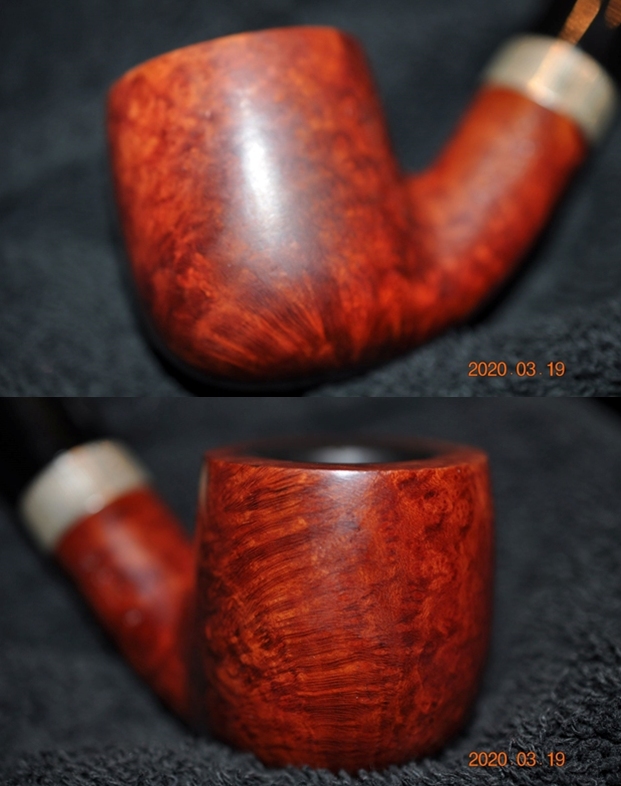
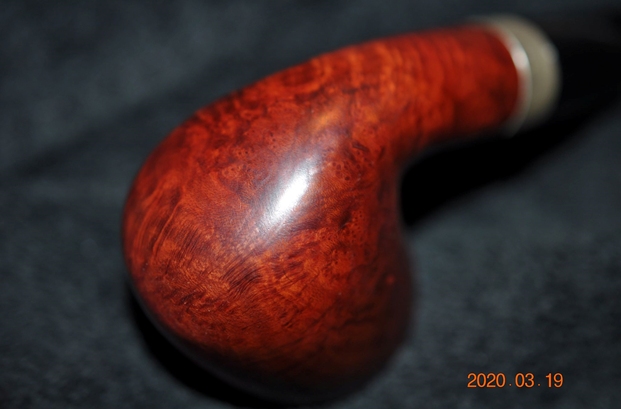
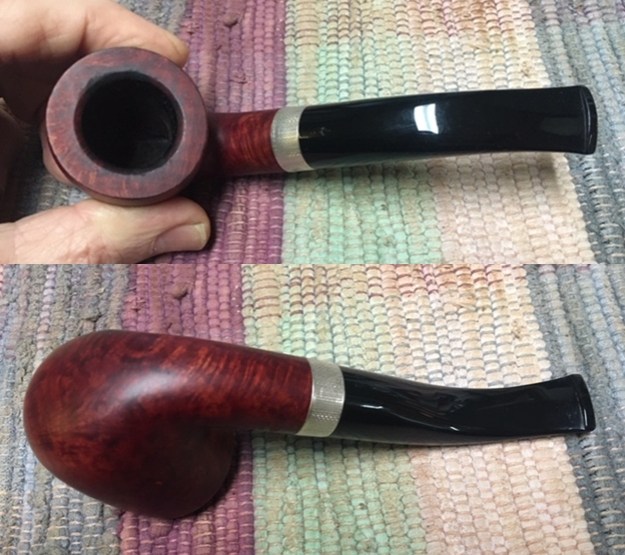
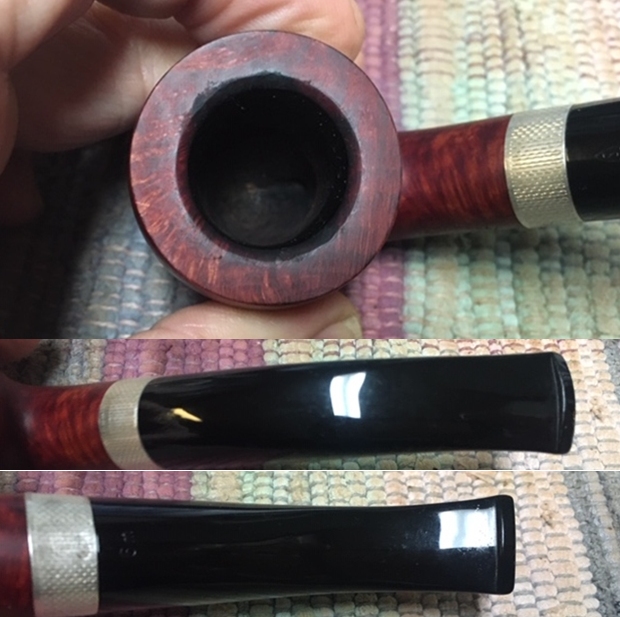
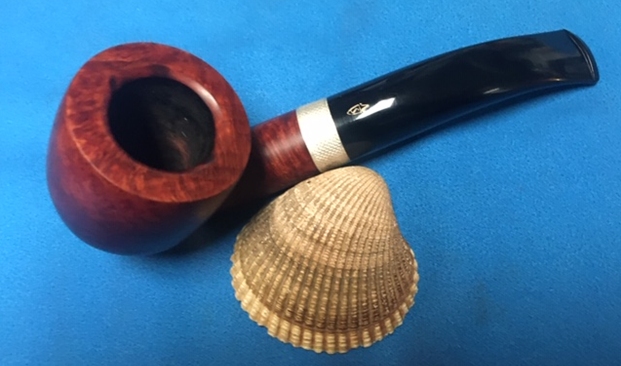
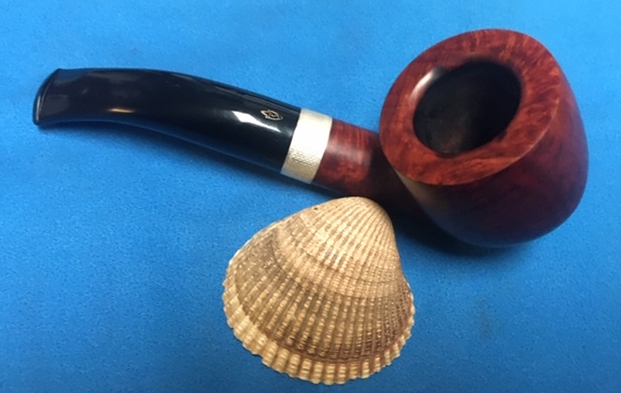
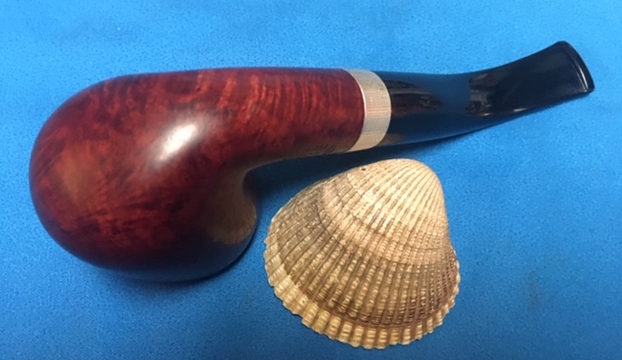
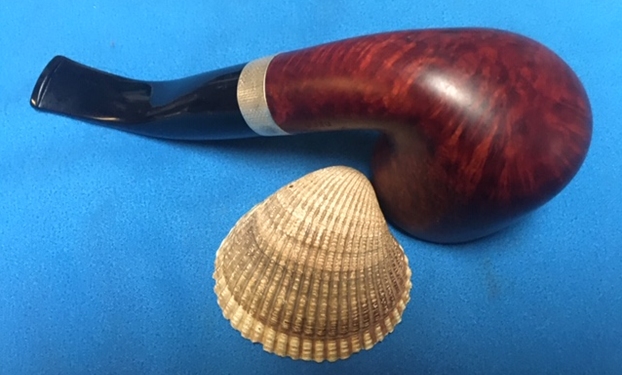
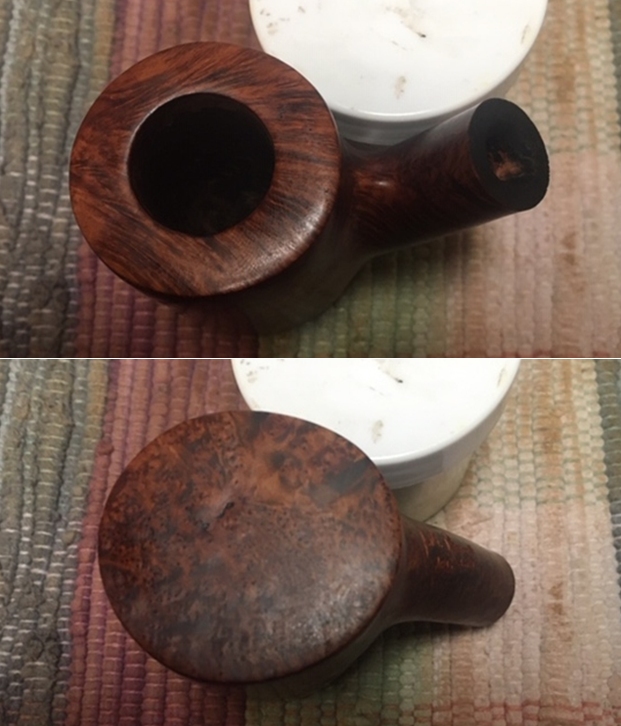
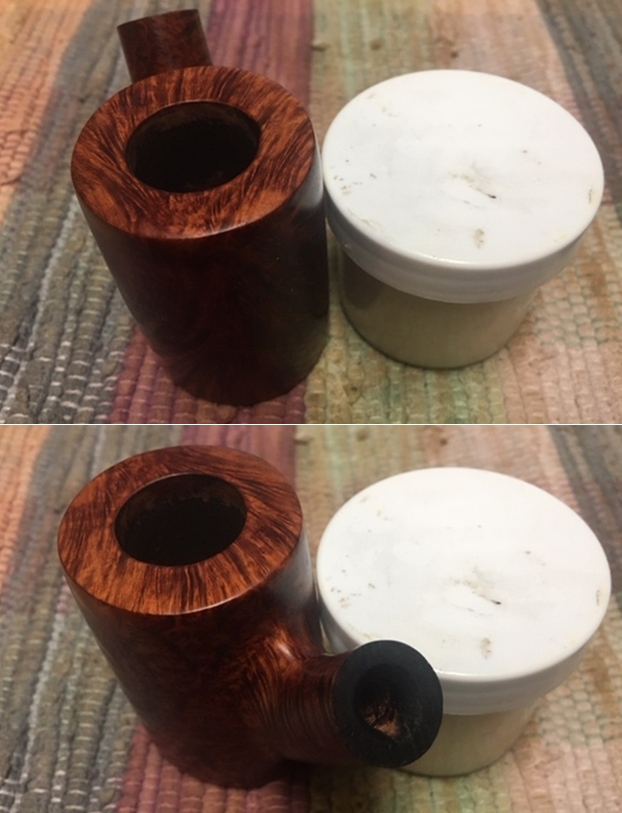
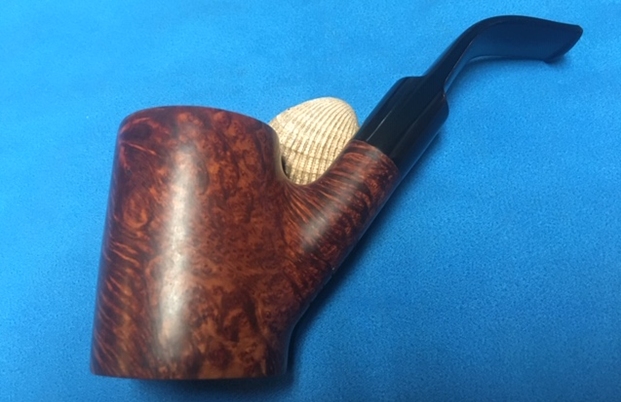
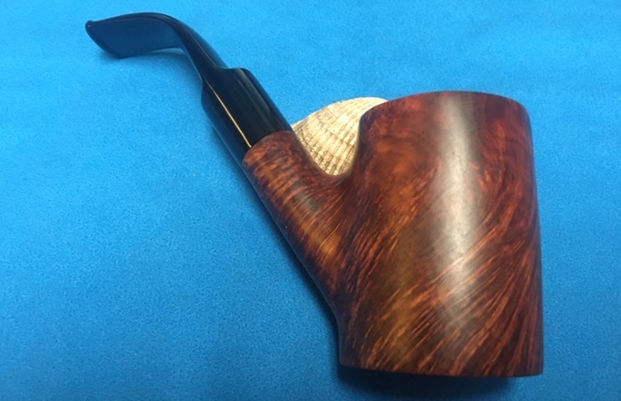
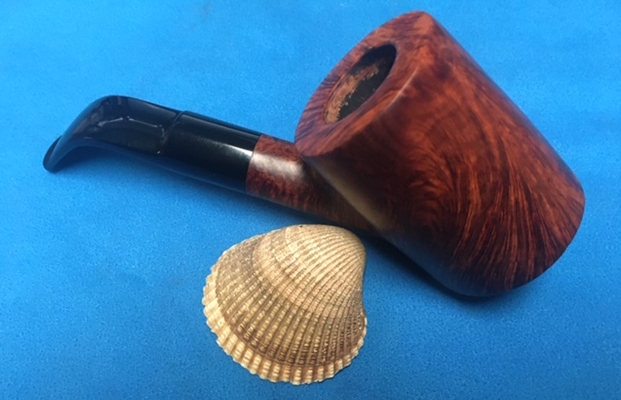
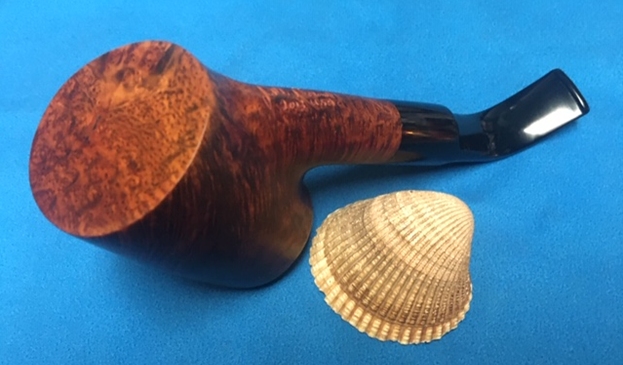
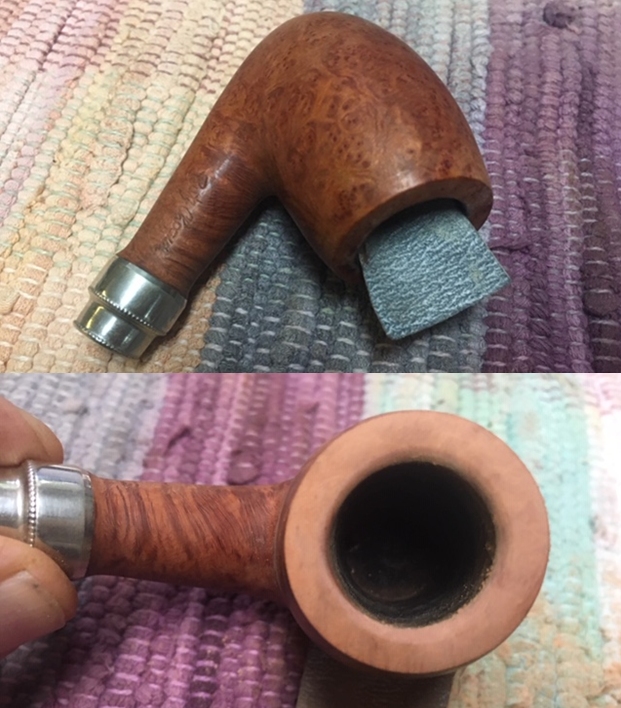
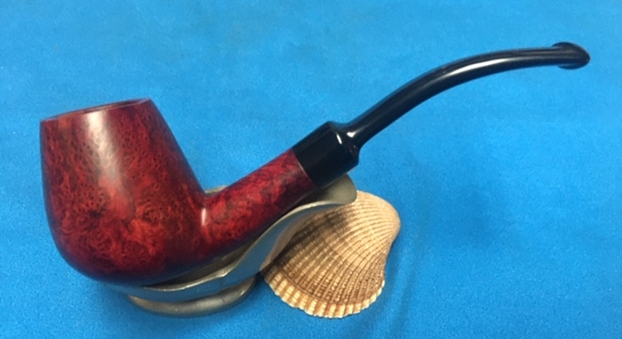
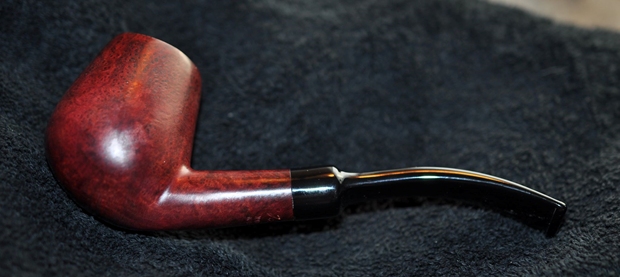
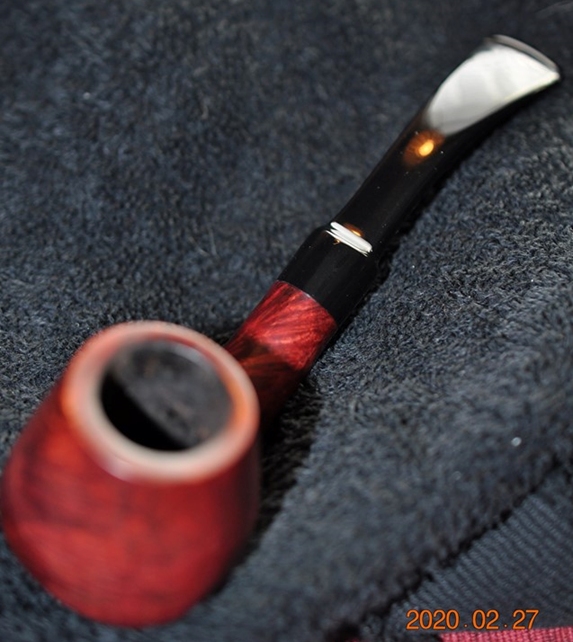
The next pipe on the table is a nice looking Brandy shaped pipe. It has an oxblood coloured smooth finis around the bowl and rim. The stem is black acrylic. It is stamped on the underside of the shank in classic Danish style. It reads Johs in script over Hand Made in Denmark. The finish was tired and dirty but looked pretty good under the grime. It really was in good condition under the dust of time. The bowl had a thick cake and there was some rim darkening on the inner edge. There was some light lava overflow on the rim top but nothing serious. Both the inner and outer edges of the bowl looked very good. The acrylic stem had light tooth chatter and marks on both sides near the button. Jeff took the following photos of the pipe before he started his cleanup work. The photos of the rim top and bowl show the thick cake, tobacco debris and slight lava overflow on the rim top. The pipe was messy but the finish looked good.Jeff captured the grain around sides of the bowl and heel in the next photos. You can see that the finish is quite pretty beneath the wear and tear and grime! He took a photo of the stamping on the underside of the shank. It is clear and readable and read as noted above.The acrylic stem was in good condition other than the tooth marks on the surface of both sides ahead of the button and some wear on the button as well.I have worked on a few Johs pipes in the past but never really spent time digging into the brand to get a sense of where it came from. I decided to do that on this nice little pipe and turned first to Pipephil’s site to get a quick overview (http://www.pipephil.eu/logos/en/logo-j3.html). I am quoting part of that entry here as well as including a screen capture of the section.
Mogens Johansen has carved pipes for Bjarne during 15 years. When Bjarne Nielson passed away “Johs” established on his own in 2008.I turned then to Pipedia to gather a few more details on the brand (https://pipedia.org/wiki/Johs). I quote just the introduction to the article and a paragraph linking Johs to Bjarne Nielsen from Pipedia below. It is well worth the time to read it in its entirety.

Mogens Johansen and his wife Doris operate a pipe and tobacco shop named Gaden Pibemagerie in the small hamlet Ravenhøj, not far from Frederikshavn. Mogens, he calls himself Johs as a pipemaker, makes his classical Danish freehands in the adjacent workshop.

Information for this article is from the excellent book, Scandanavian Pipemakers, by Jan Andersson… Likely many pipe smokers have smoked a pipe made by Mogens Johansen without realizing it. For many years he made pipes for Bjarne Nielsen, and those pipes were not stamped with his name. So apart from tourists visiting his workshop in Frederikshavn, few knew who Johs was. But in 2008, when Bjarne died so suddenly and unexpectedly, Johs had to make his name known and start selling his pipes on his own. A natural first step toward becoming known was to visit the pipe show in Chicago, and he did so that same year. When sellers learned that Johs had made pipes for Bjarne, who had a very good reputation, it was not hard for him to find interested dealers.

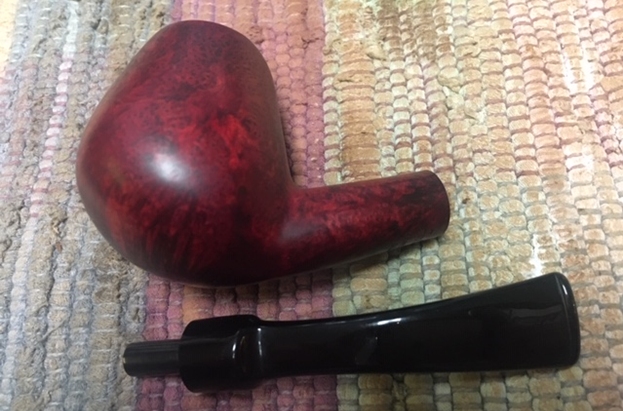
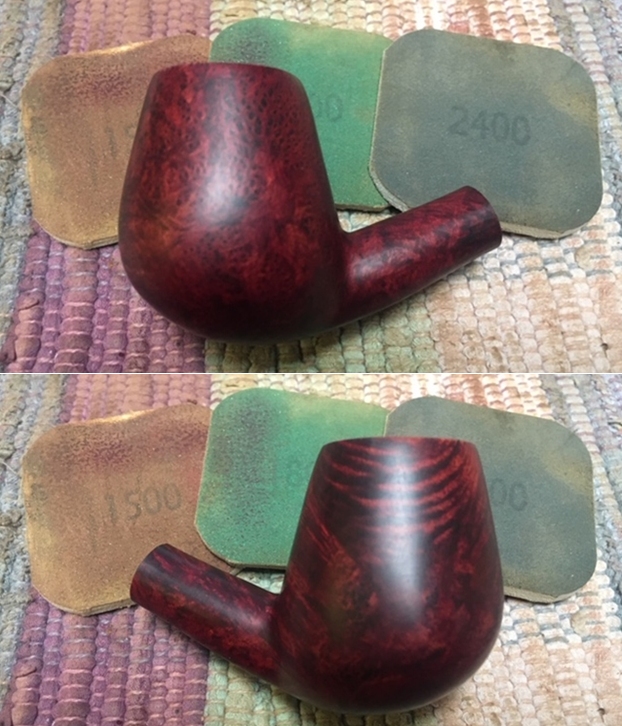
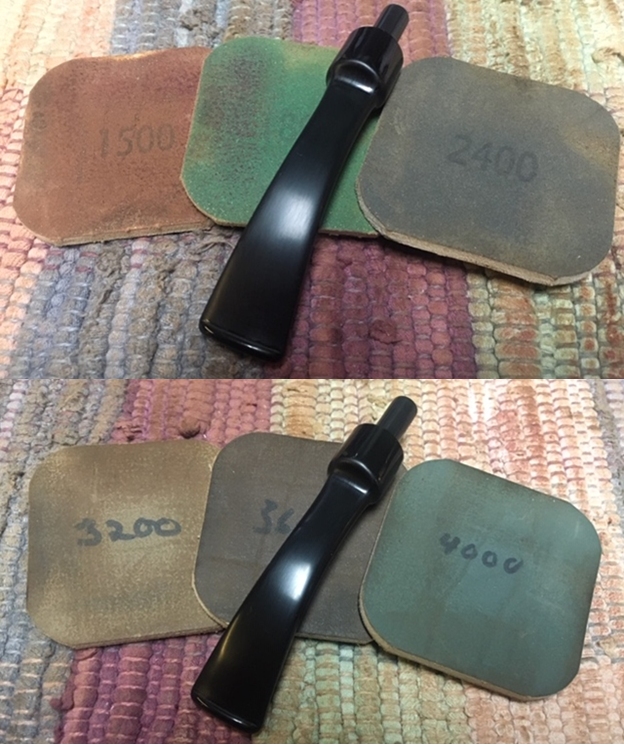
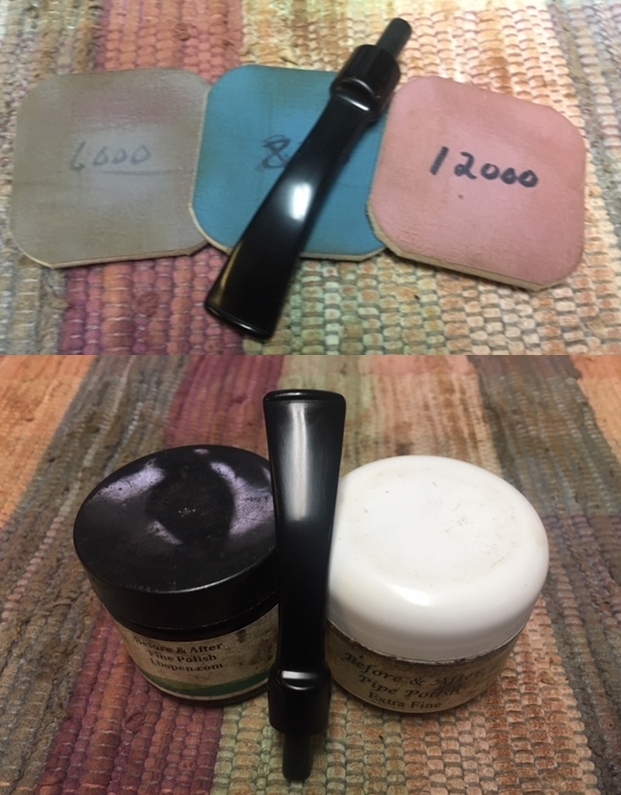
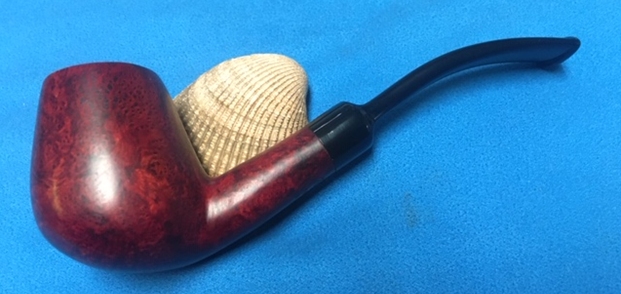
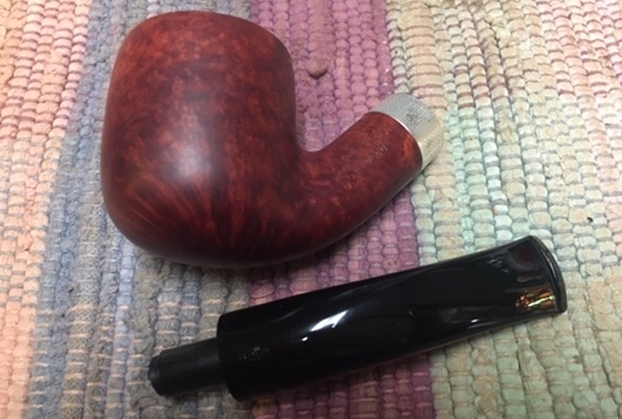
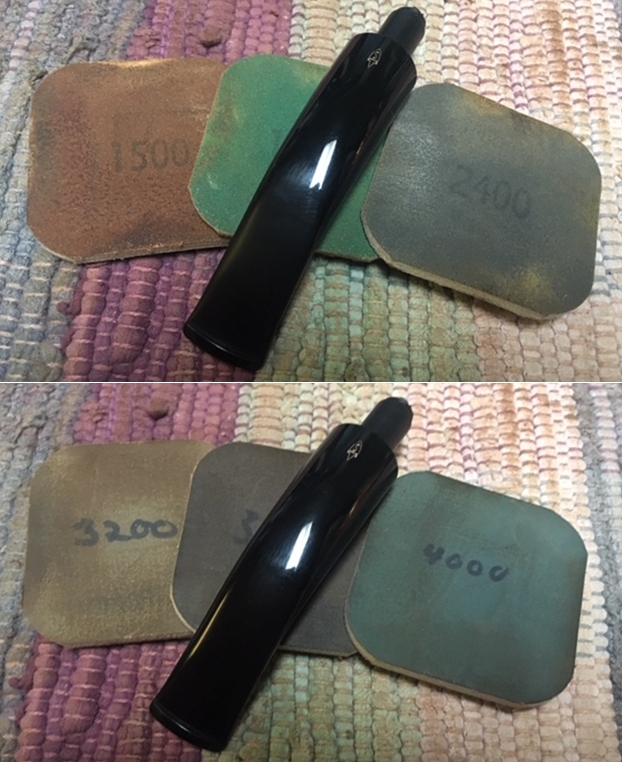
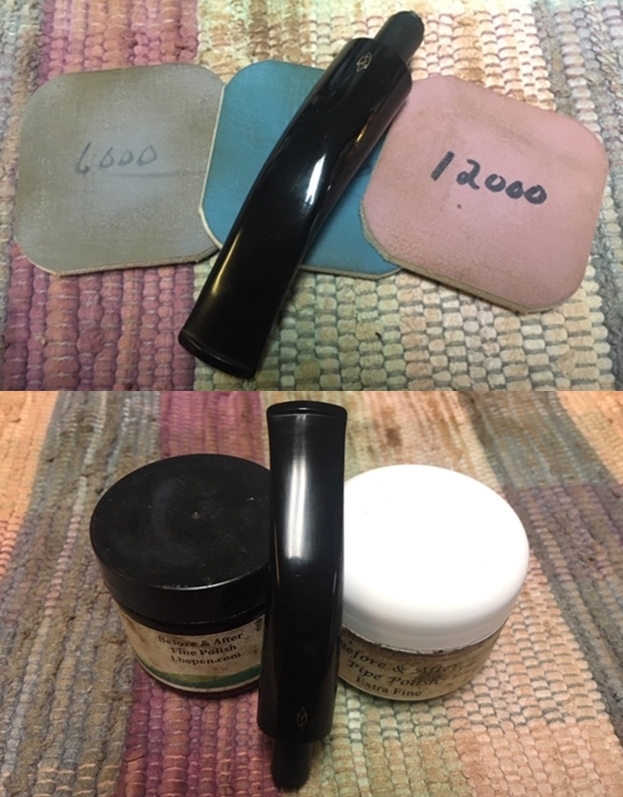
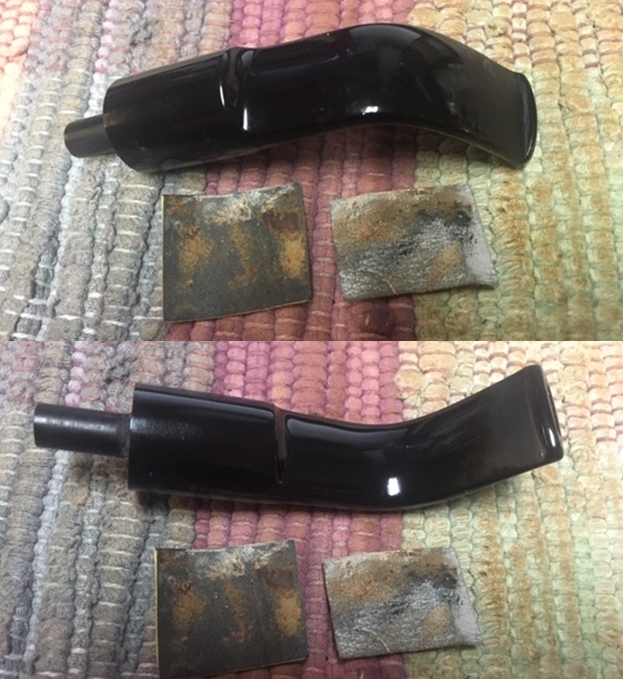
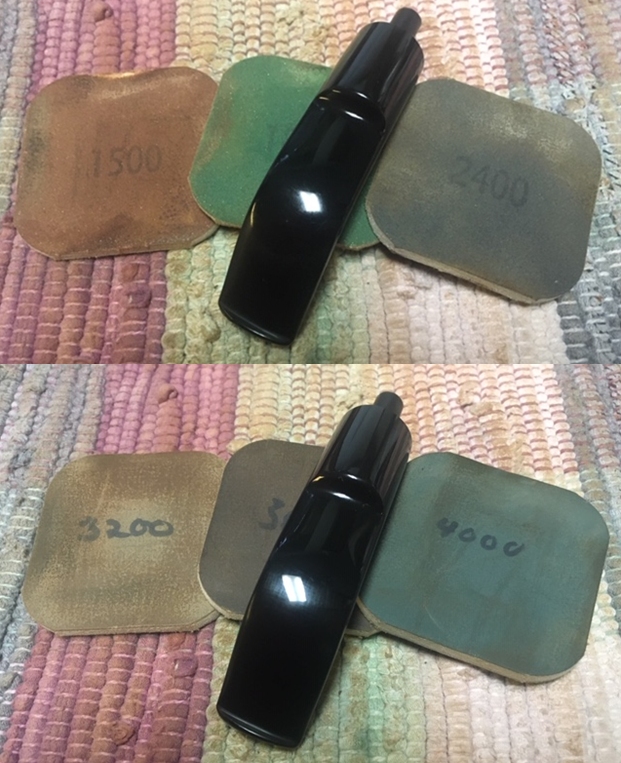
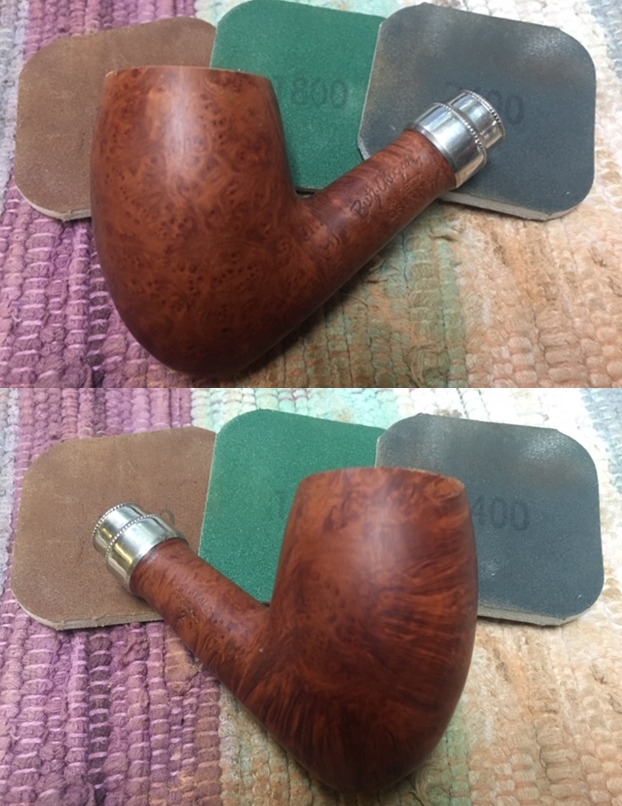
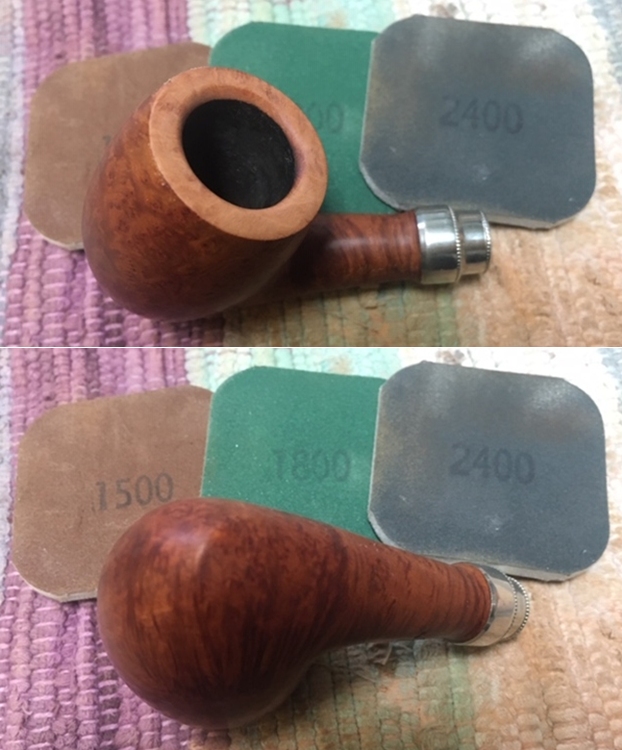
It was now time to turn to the pipe itself and do my part of the work. Jeff had done his usual thorough cleanup and the pipe looked very good. The grain was quite nice and the colour was very good. Jeff had reamed the bowl with a PipNet pipe reamer and cleaned up the debris left behind with a Savinelli Fitsall Pipe Knife. He scrubbed the internals in the shank and the stem with alcohol, cotton swabs and pipe cleaners. He scrubbed the externals of the bowl with undiluted Murphy’s Oil Soap and a tooth brush and rinsed it off with running water. He scrubbed the stem with Soft Scrub and soaked it in Before & After Deoxidizer. I took photos of the pipe before I started my part of the restoration. I took a close up photo of the rim top to show the damaged areas and how clean it was. You can see damage on the back and right inner edge of the rim. The stem looked good other than some light tooth marks and light chatter on the surface ahead of the button.I took a photo of the stamping as well at this time to show how well it had cleaned up and how readable it is.I took the stem off the shank and took a photo of the parts. It is another great looking pipe.I decided to start on the beveled inner rim edges of the rim top. I sanded the beveled edge with a piece of folded 220 grit sandpaper to smooth out the damaged edges and removing the darkening. The rim top also looks much better and will improve with polishing.I polished the bowl and rim with micromesh sanding pads – dry sanding it with 1500-12000 grit sanding pads. I wiped it down with a damp cloth to remove the dust left behind from sanding. I rubbed the bowl down with Before & After Refurbishing Balm. I worked it into the briar with my fingertips and let it sit for 20 minutes. The Balm works to preserve, protect and enliven the briar. The pipe is starting to look very good at this point. I polished the stem with micromesh sanding pads – dry sanding with 1500-12000 grit sanding pads. I wiped the stem down after each sanding pad with a cloth containing some Obsidian Oil. I finished polishing it with Before & After Pipe Stem Polish – both Fine and Extra Fine and buffed it off with a cotton cloth. This Johs Hand Made Danish Brandy is a great looking pipe. The rich Oxblood/Cordovan stain on the smooth finish of the bowl works well with the shape of the pipe. This Danish Brandy is a beauty with a great look and feel. I put the bowl and stem back together again and buffed the bowl and the stem with Blue Diamond on the buffing wheel. I gave the bowl and the stem several coats of carnauba wax. I carefully buffed the entire pipe with a clean buffing pad to raise the shine. I finished buffing with a microfiber cloth to deepen the shine. The finished pipe looks very good. The grain is a beautiful a mix around the bowl sides and the rim top and heel. The pipe feels great in the hand. It has an interesting shape that fits well in either the right or left hand. The finished Johs Brandy is shown in the photos below. The dimensions of the pipe are Length: 5 ½ inches, Height: 2 inches, Outside diameter of the bowl: 1 ¼ inches, Chamber diameter: ¾ of an inch. This great looking pipe turned out very well. It should be a great pipe. It will be going on the rebornpipes store shortly if you are interested in adding it to your collection. Thanks for reading this blog and my reflections on the pipe while I worked on it.

Next on the Table – a Savinelli Deco 622KS Bent Pot


Blog by Steve Laug

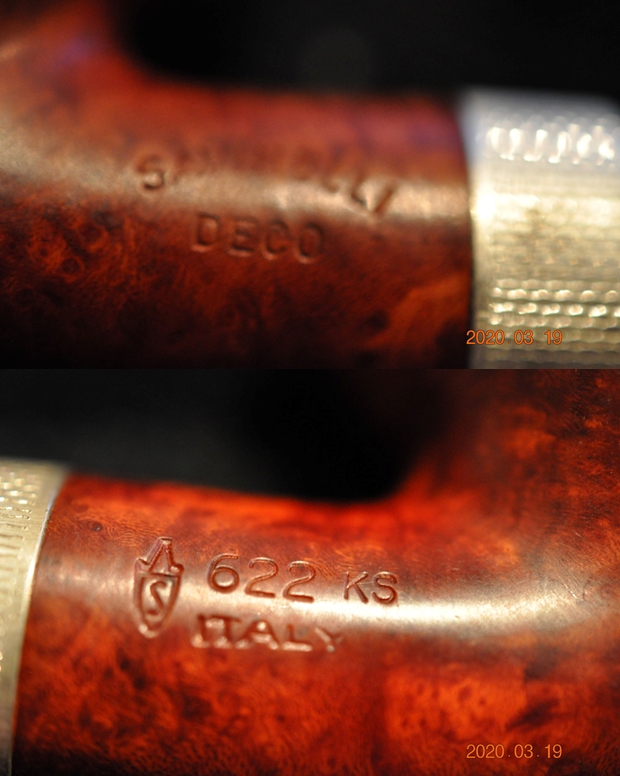
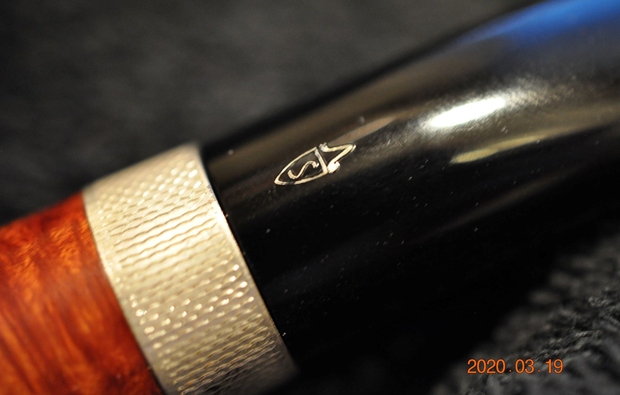
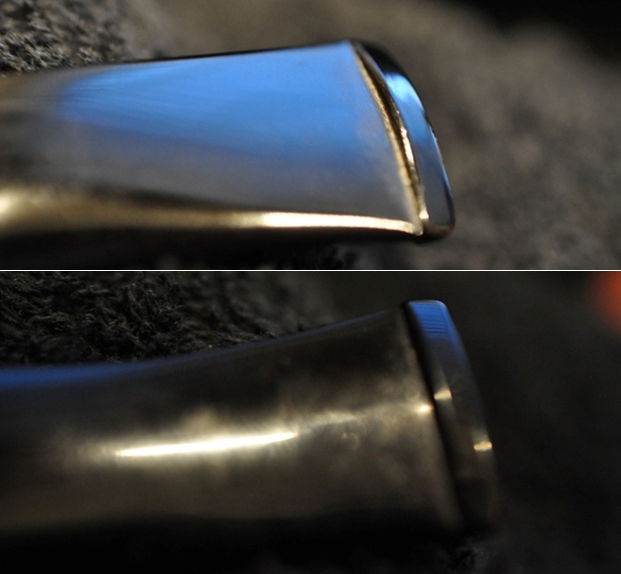
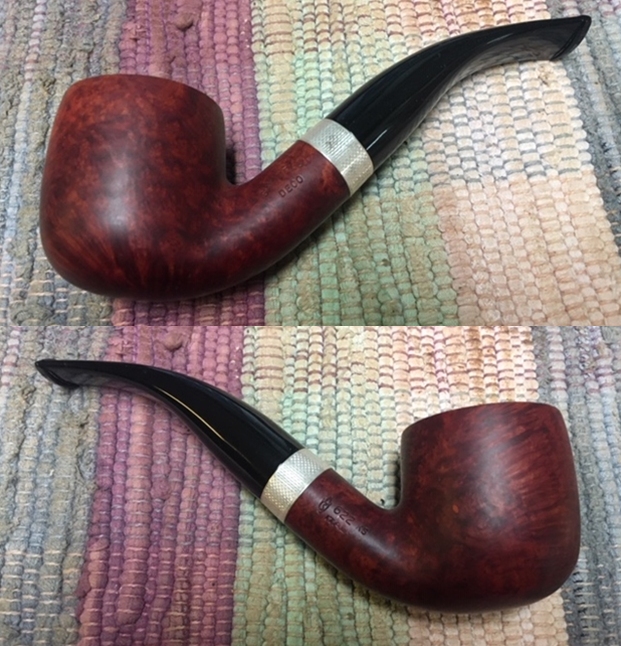
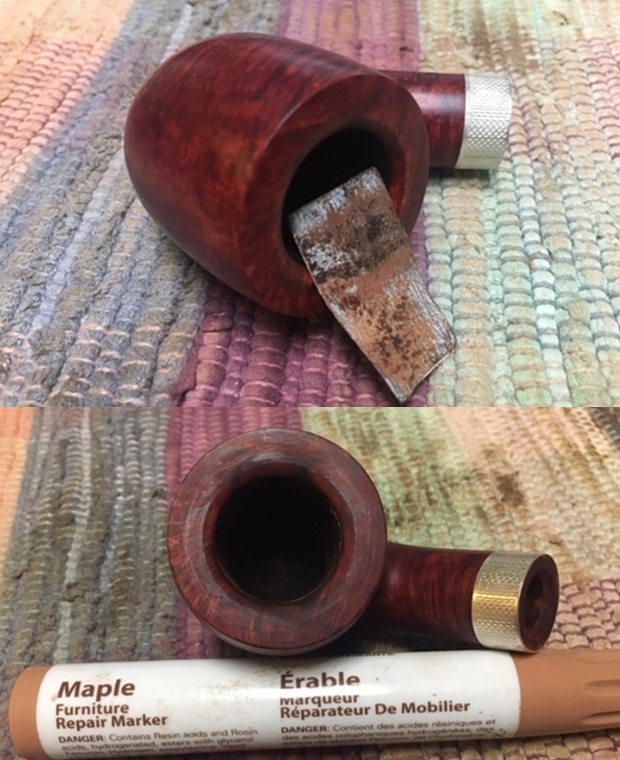
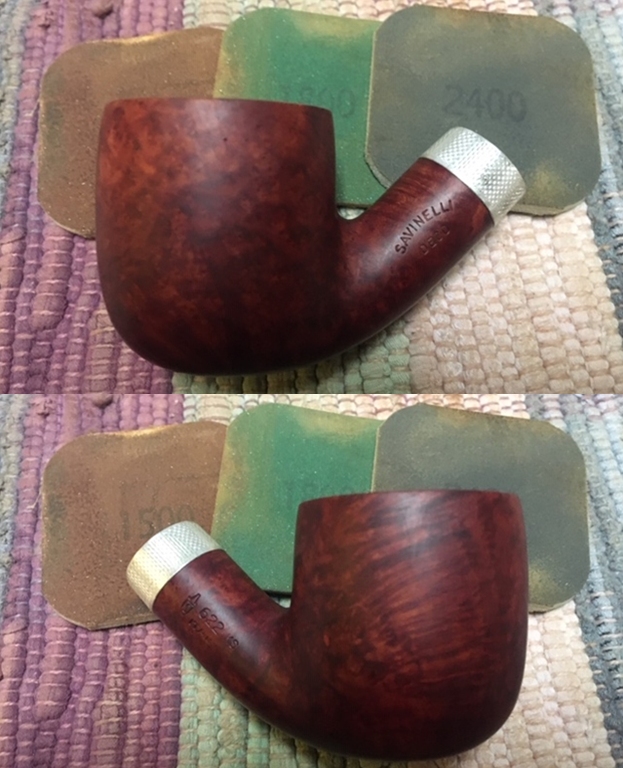
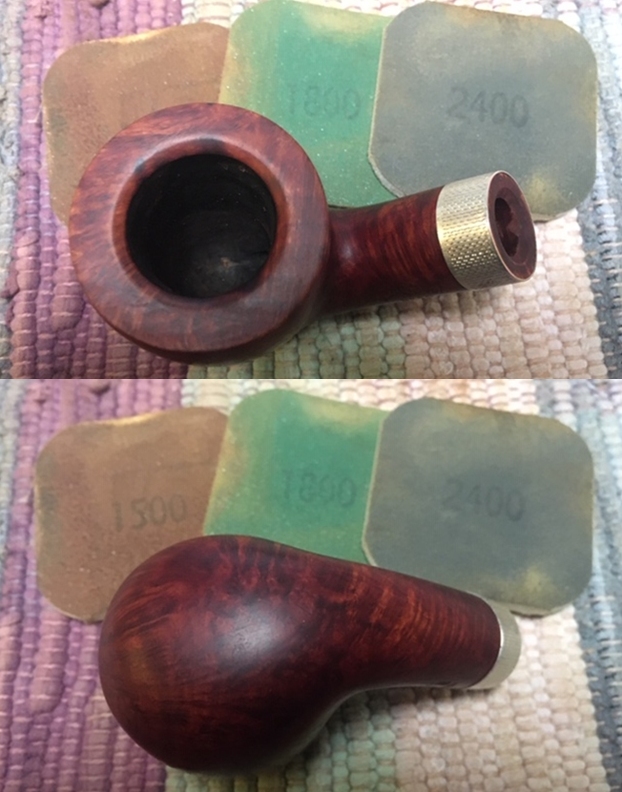
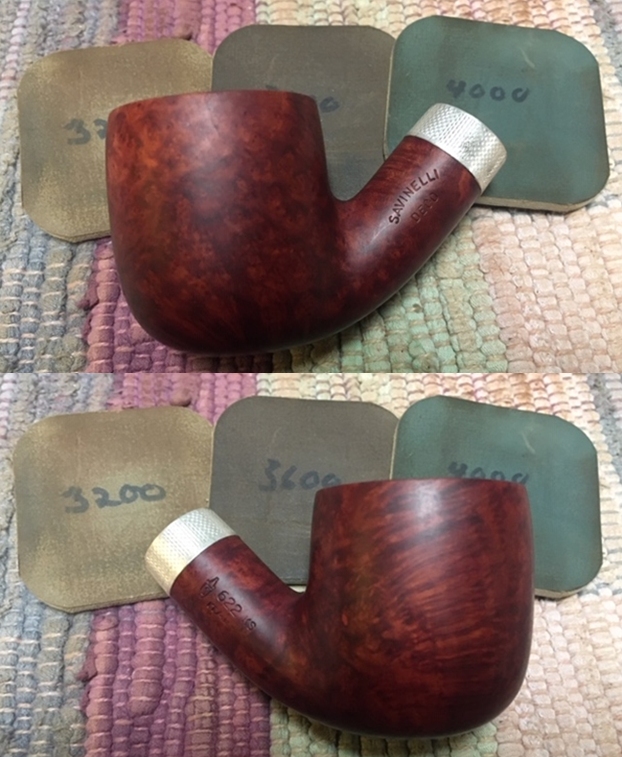
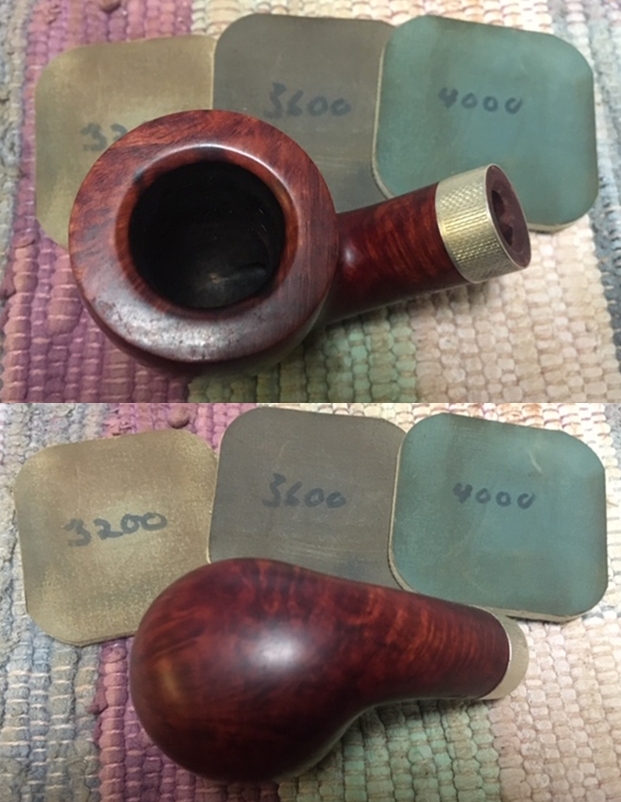
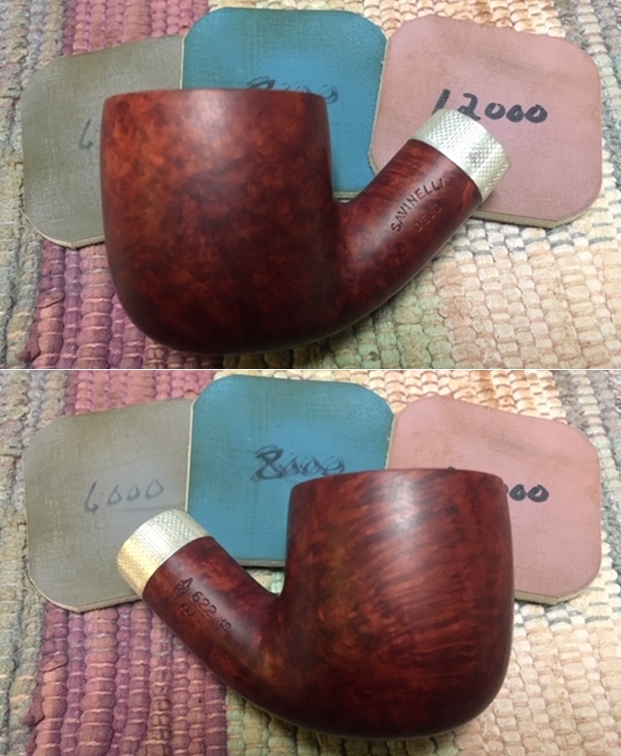
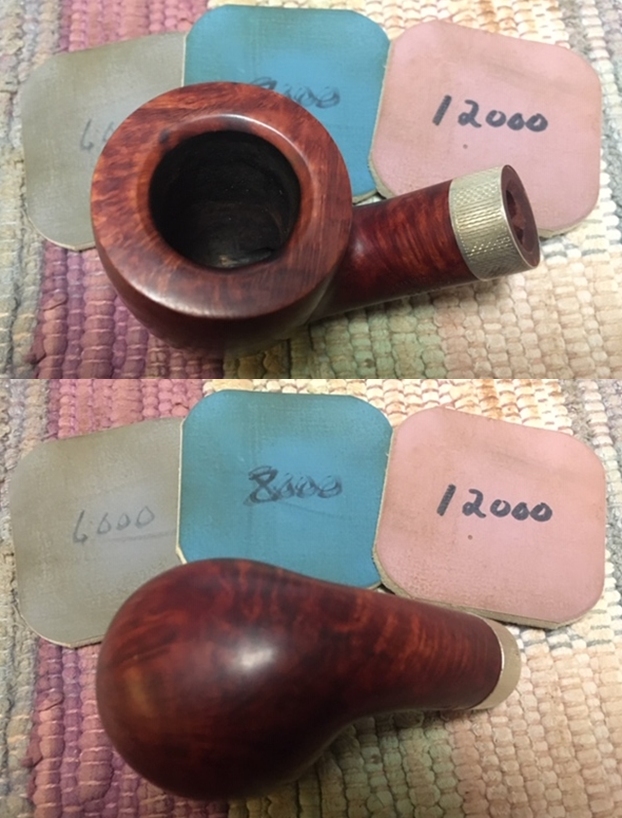
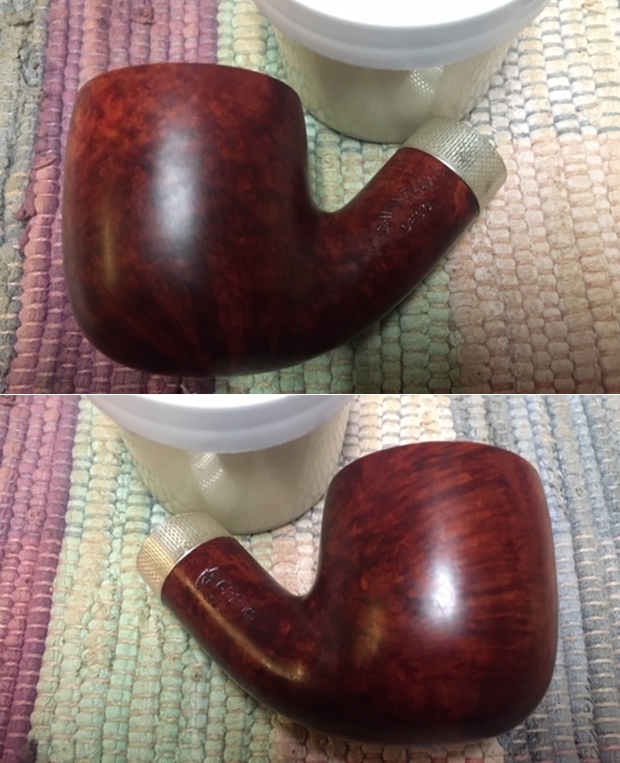
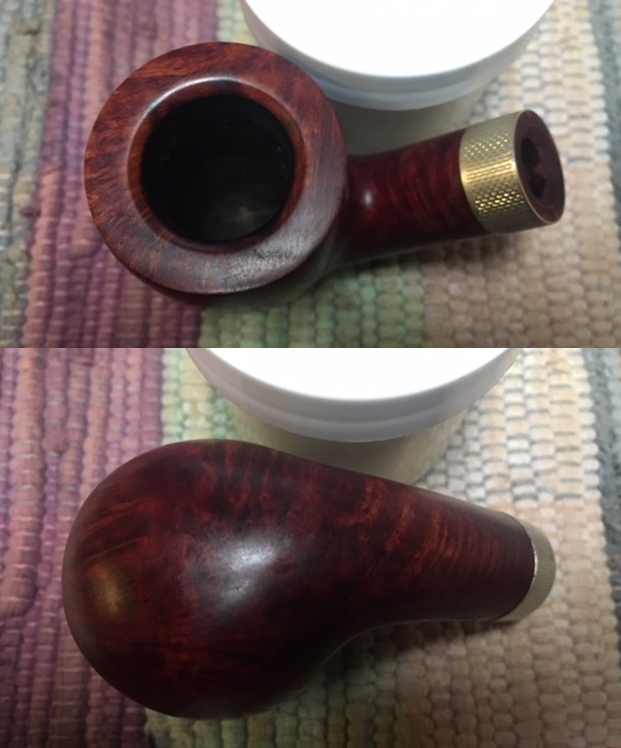
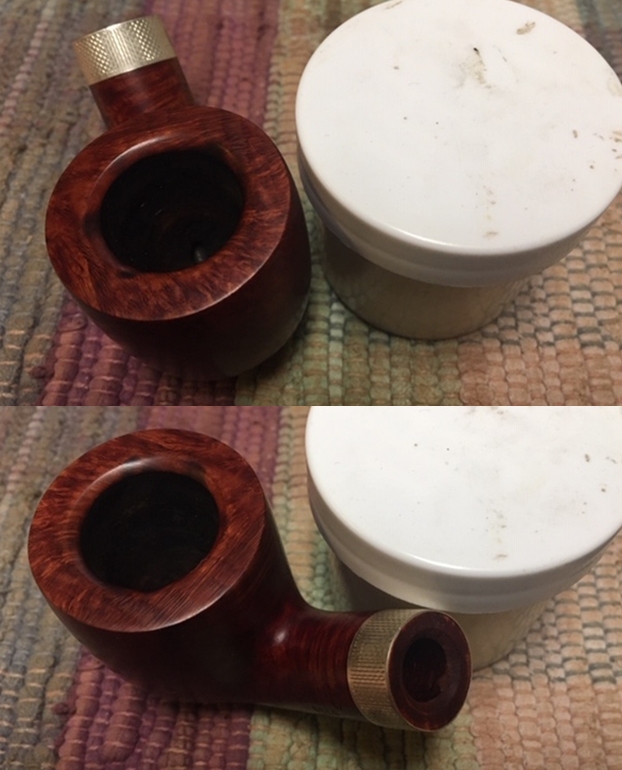
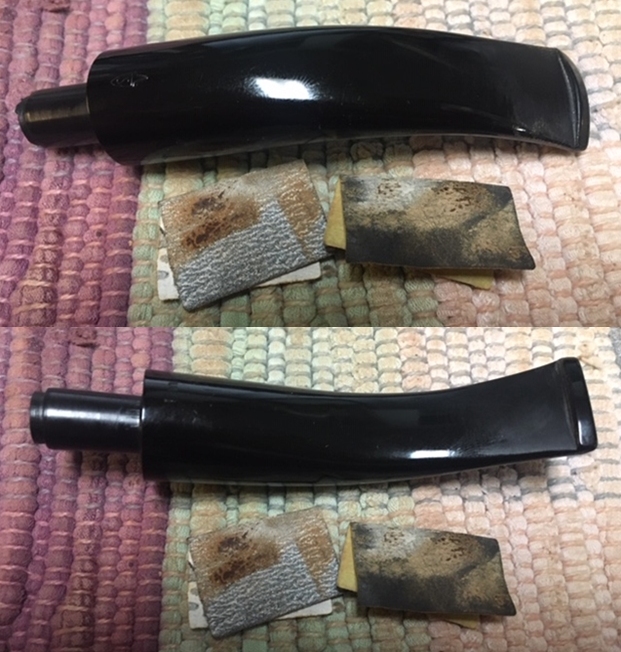
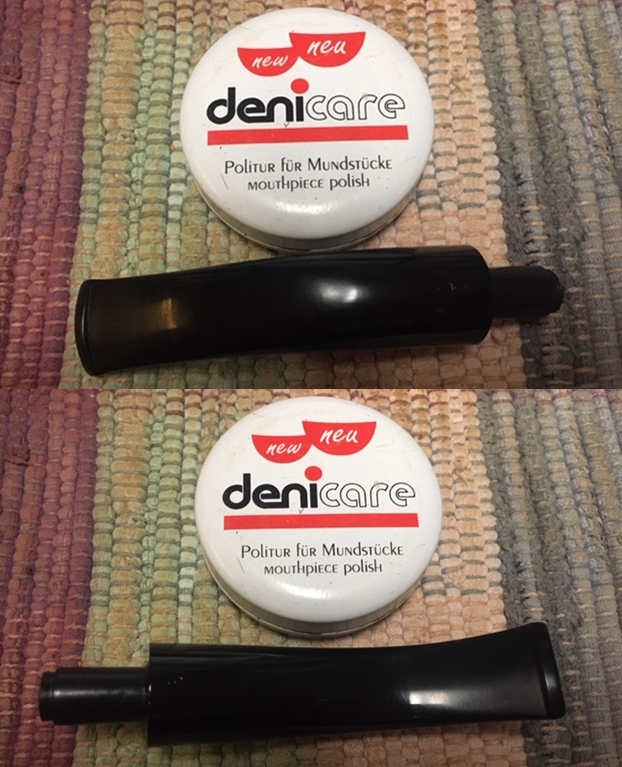
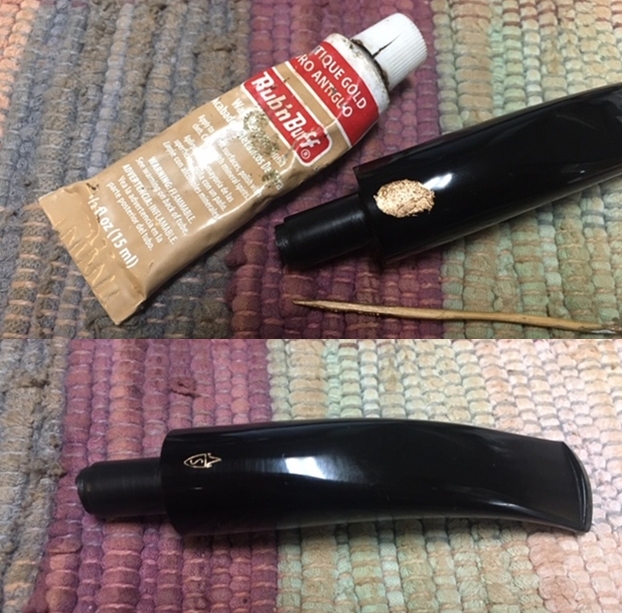
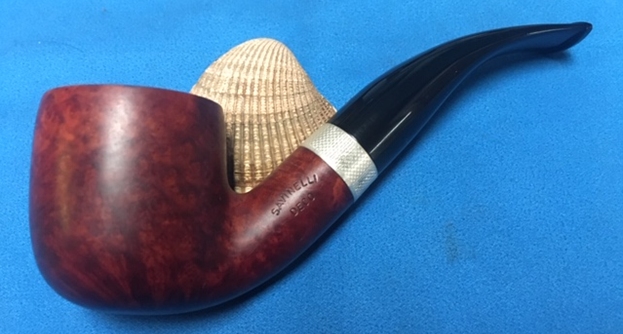
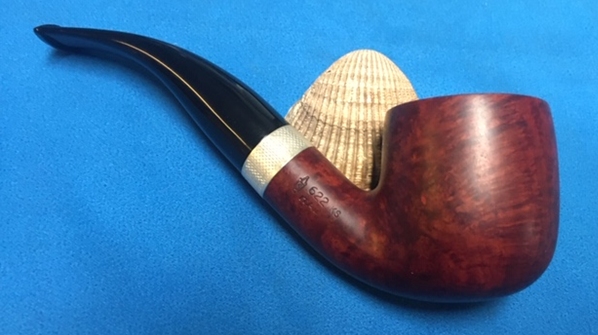
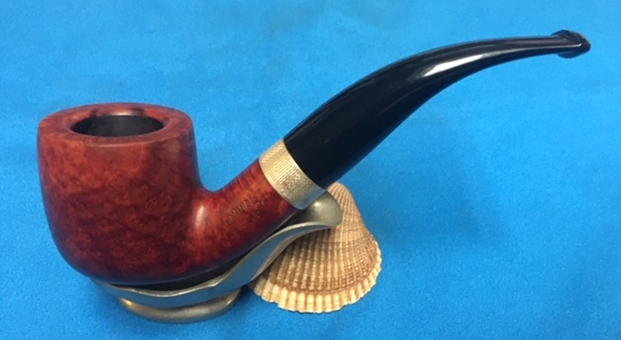
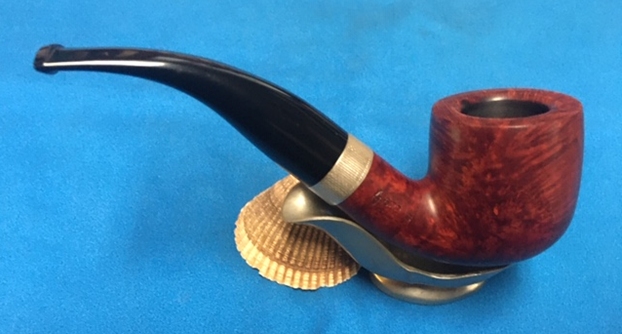
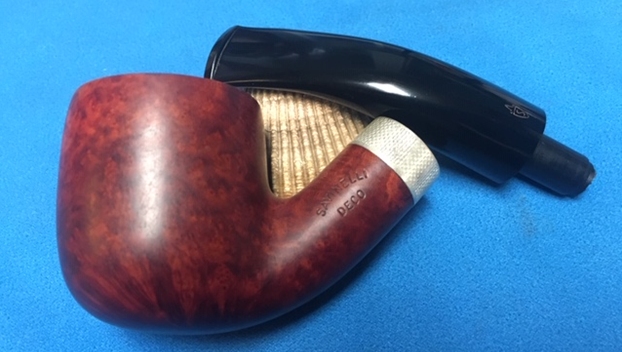
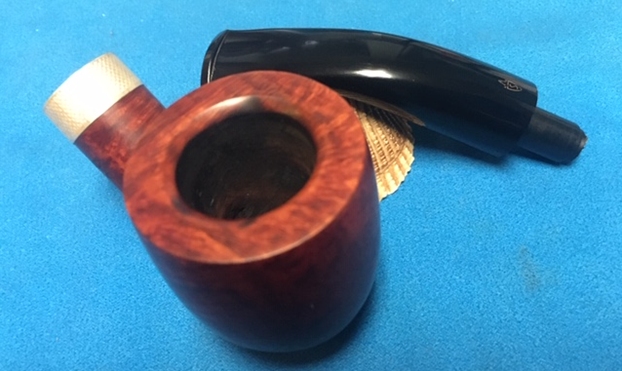
The next pipe on the work table is a Savinelli line pipe that was a new one to me. It is stamped on the left side of the shank Savinelli in an arch over DECO. On the right side it is stamped with the Savinelli “S” Shield and the shape number 622KS over Italy. The stem has the Savinelli Shield on stamped on the topside and 6mm stamped on the underside. The pipe was dirty and there was a thick cake in the bowl. There is some lava on the inward bevel and some darkening as well. There is also some lava on the rim top. The finish is in excellent condition other than being dirty. The stem is acrylic and there are tooth marks and chatter on both sides near the button with light damage on the button surface itself. The stem is free of the 6mm filter and looks like one has not been used in the stem. The internals of the pipe are very dirty. Jeff took photos of the pipe before he started his cleanup work on it.  The photos of the rim top and bowl show the thick cake, tobacco debris and thick lava overflow on the rim top. The pipe was a mess. You can also see some chipped areas on the outer edge of the bowl and nicks in the sides of the bowl. He captured the grain around sides of the bowl in the next photos. You can also see the nicks and chips out of the briar but it is still quite pretty beneath the wear and tear and grime! He took photos of the stamping on the shank sides. They are clear and readable and read as noted above. The acrylic stem was in good condition other than the tooth marks on the surface of both sides ahead of the button and some wear on the button as well.Jeff out did himself on the cleanup of this pipe and when I received it I was not disappointed as it showed what I saw on the briar in the photos above. The grain was quite nice and the colour was very good. Jeff had reamed the bowl with a PipNet pipe reamer and cleaned up the debris left behind with a Savinelli Fitsall Pipe Knife. He scrubbed the internals in the shank and the stem with alcohol, cotton swabs and pipe cleaners. He scrubbed the externals of the bowl with undiluted Murphy’s Oil Soap and a tooth brush and rinsed it off with running water. He scrubbed the stem with Soft Scrub to remove the debris on the stem. The pipe looked quite amazing. I took photos of it before I started my part of the restoration. I took a close up photo of the rim top to show the damaged areas and how clean it was. You can see damage on the right front inner edge and back left edge of the rim. There appeared to be some burn damage and darkening. The stem looked good other than the tooth marks and the light chatter on the surface ahead of the button.I took the stem off the shank and took a photo of the parts. It is a great looking pipe.I decided to start on the inner rim edges and the rim top. I sanded the beveled edge with a piece of folded 220 grit sandpaper to smooth out the damaged edges and removing the darkening. I stained the edge with a Maple Stain Pen. The rim top also looks much better and will improve with polishing.I polished the bowl and rim with micromesh sanding pads – dry sanding it with 1500-12000 grit sanding pads. I wiped it down with a damp cloth to remove the dust left behind from sanding. I buffed bowl on the wheel with Blue Diamond to polish the briar and bring the grain out. I rubbed it down with Before & After Refurbishing Balm. I worked it into the briar with my fingertips and let it sit for 20 minutes. The Balm works to preserve, protect and enliven the briar. The pipe is starting to look very good at this point. I set the bowl aside and turned my attention to the stem. I sanded out the tooth marks and chatter remaining on the stem with 220 grit sandpaper and followed that by starting the polishing with 400 grit wet dry sandpaper.I continued polishing the stem with Denicare Mouthpiece Polish – a red gritty paste that feels a lot like Tripoli. I find that it works well to polish out some of the more surface scratches in the vulcanite left behind by the 400 grit wet dry sandpaper. I rub it into the stem surface with my fingertips and buff it off with a cotton pad.I used Antique Gold Rub’n Buff to touch up the stamping on the stem. I applied a spot of the product on the surface and worked it into the stamping with a tooth pick. I rubbed it off and buffed it with a soft cloth. The finished look was very good.I polished the stem with micromesh sanding pads – dry sanding with 1500-12000 grit sanding pads. I wiped the stem down after each sanding pad with a cloth containing some Obsidian Oil. I finished polishing it with Before & After Pipe Stem Polish – both Fine and Extra Fine and buffed it off with a cotton cloth. This Savinelli Deco 622KS Bent Pot is a nice looking pipe. I put the bowl and stem back together again and buffed the bowl and the stem with Blue Diamond on the buffing wheel. I polished the metal band with a jeweler’s cloth. I gave the bowl and the stem several coats of carnauba wax. I carefully buffed the entire pipe with a clean buffing pad to raise the shine. I finished buffing with a microfiber cloth to deepen the shine. The finished pipe looks very good. The grain is quite beautiful a mix of cross grain and birdseye grain around the bowl sides and the rim top and heel. The pipe feels great in the hand. It has an interesting shape that fits well in either the right or left hand. The finished Bent Pot is shown in the photos below.  The 6mm filter stem is in great condition. What i like about the 6mm filter pipe is that it can be smoked without a filter and still has a great draw. The dimensions of the pipe are Length: 6 inches, Height: 2 inches, Outside diameter of the bowl: 1 5/8 inches, Chamber diameter: 7/8 of an inch. This great looking Savinelli pipe turned out very well. It should be a great pipe. It will be going on the rebornpipes store shortly if you are interested in adding it to your collection. Thanks for reading this blog and my reflections on the pipe while I worked on it.

An Easy Restoration of a JM Boswell 2013 Bent Poker Sitter


Blog by Steve Laug

I have been doing a fair bit of work on the last few restorations so I thought it was about time to work on an easy one next. I took another of the Boswell pipes out of box of pipes to be restored to be my next project. I cleaned up an unsmoked JM Boswell volcano recently and posted the blog on it here (https://rebornpipes.com/2020/04/08/life-for-a-j-m-boswell-2013-bent-volcano-with-a-twist/). I also restored a second estate Boswell – a bent billiard with a twist. Here is the link to that blog (https://rebornpipes.com/2020/04/08/life-for-another-j-m-boswell-2013-bent-billiard-with-a-twist/). In both of those blogs I gave quite a bit of background information on the brand and its maker. If you would like to know more about the brand you can click on either link and have a read.

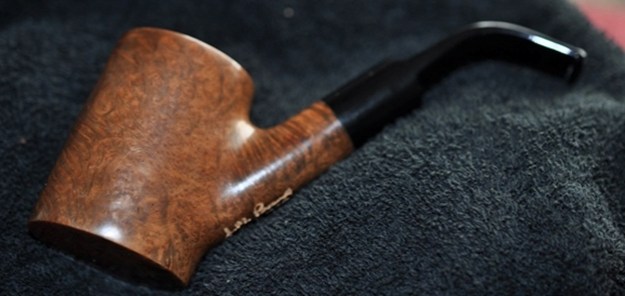
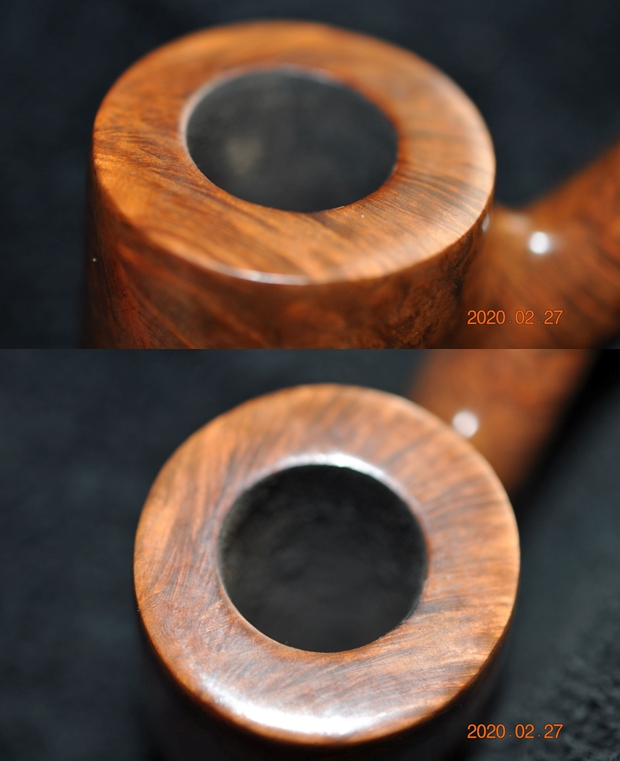
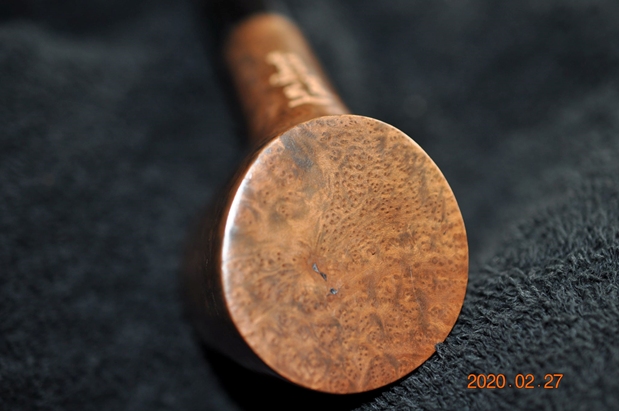
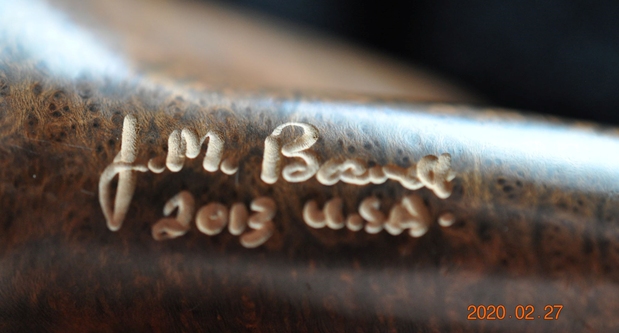
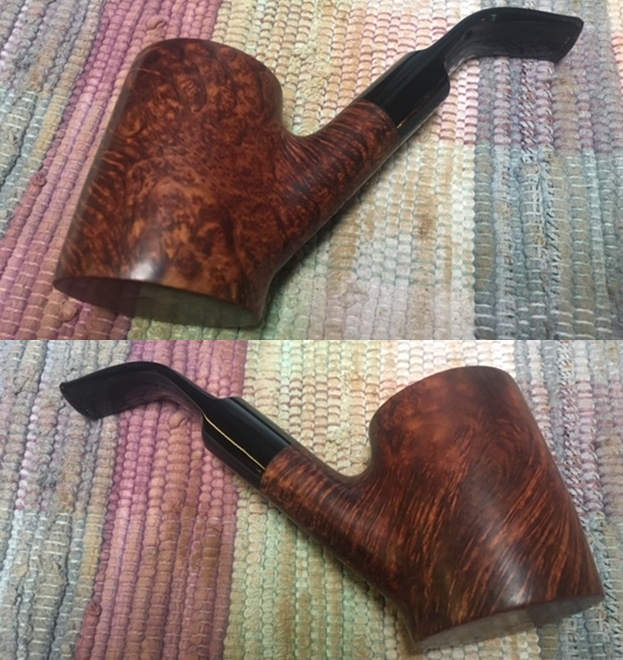
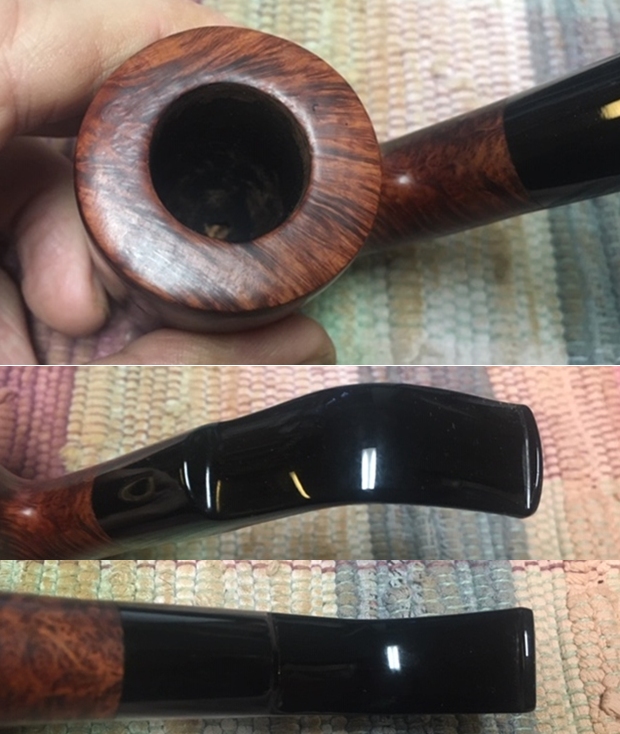
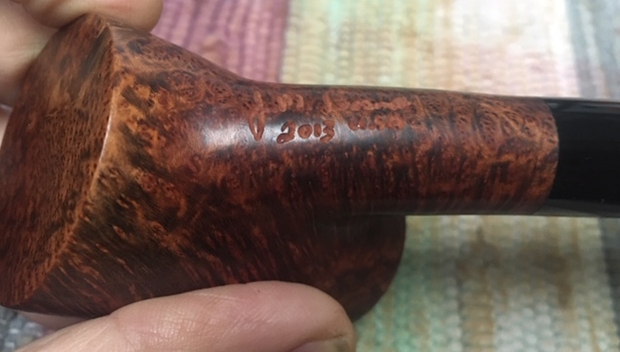
The next Boswell is also a 2013 pipe and this one has more of a standard shape to it. It is a bent Poker or Cherrywood Sitter shaped smooth briar with an acrylic saddle stem. The pipe was dusty and dull looking but had great grain around the bowl and rim. The rim top is smooth and clean with no darkening or lava overflow. The finish was very dirty from sitting around. There was a moderate cake in the bowl. The inner edge of the rim appeared to be in excellent condition. The pipe was signed on the underside of the shank with JM Boswell’s signature and 2013 U.S.A. There are no other stampings on the pipe and no shape numbers. The saddle acrylic stem was in good condition with just a few light tooth marks and chatter on both sides near the button. Jeff took the following photos before he started his cleanup work on the pipe. He took close-up photos of the bowl and rim top from various angles to capture the condition of the rim top and edges of the bowl. There was a little darkening along the back edge of the bowl but otherwise it was clean.He took photos of the sides and heel of the bowl to show the condition of the finish and the grain around the bowl. You can see the small minor sandpits on the left side and on the heel of the bowl but otherwise it a clean piece of briar. Jeff took a photo of the signature and date on the underside of the shank. It reads as noted above and is clear and readable. The next photos show the top and underside of the stem. You can see the light tooth marks right next to the button edge.Now it was time to look at it up close and personal. Jeff had done his usual thorough job in removing all of the cake in the bowl and the lava on the rim top. He had reamed the bowl with a PipNet Pipe Reamer and cleaned up the remnants with a Savinelli Fitsall Pipe Knife. He took the cake back to bare briar so we could check the walls for damage. He scrubbed the exterior of the bowl with Murphy’s Oil Soap and a tooth brush to remove the grime on the bowl and rim and was able to remove the lava and dirt. He cleaned out the interior of the bowl and shank with pipe cleaners, cotton swabs and alcohol until they came out clean. He cleaned the stem with Soft Scrub to remove the grime on the exterior and cleaned out the airway with alcohol, cotton swabs and pipe cleaners. I took photos of the pipe before I started my part of the work. To show how clean the rim top and stem really were I took a close-up photo of the rim and stem. The bowl was clean and cake free. The inner edges of the bowl look good. The acrylic stem cleaned up nicely. The surface had some tooth marks but the button edge looked really good.I took a photo of the signature on the under side of the shank.I removed the stem from the bowl and took photos of the parts. It really is a great looking pipe.I polished the briar with 1500-12000 grit micromesh sanding pads. I wiped the bowl down with a damp cloth after each sanding pad to remove the dust and debris. I rubbed the bowl and shank down with Before & After Restoration Balm to deep clean the finish on the bowl and shank. The product works to clean, enliven and protect the briar. I worked it in with my fingertips into finish on the bowl and shank. I let it sit for 10 minutes to let it do its magic. I buffed it with a soft cloth. The briar really began to have a rich shine. I took some photos of the bowl at this point to mark the progress in the restoration. The bowl was finished so I set it aside and turned my attention to the stem. To address the tooth marks on the stem surface I sanded it with 220 grit sandpaper to blend in the tooth marks. I started the polishing with 400 grit wet dry sandpaper.I polished the stem with micromesh sanding pads – dry sanding with 1500-12000 grit sanding pads. I wiped the stem down after each sanding pad with a cloth containing some Obsidian Oil. I finished polishing it with Before & After Pipe Stem Polish – both Fine and Extra Fine and buffed it off with a cotton cloth. I put the bowl and stem back together again and buffed the bowl and the stem with Blue Diamond on the buffing wheel. I gave the bowl and the stem several coats of carnauba wax. I carefully buffed the entire pipe with a clean buffing pad to raise the shine. I finished buffing with a microfiber cloth to deepen the shine. The finished pipe looks very good. The grain is a mix of patterns around the sides, top and bottom of the bowl and is quite beautiful. The pipe feels great in the hand. It is comfortable and light weight. The finished JM Boswell 2013 Bent Poker/Sitter is shown in the photos below. The dimensions of the pipe are Length: 5 ¼ inches, Height: 2 ½ inches, Outside diameter of the bowl: 1 ¾ inches, Chamber diameter: 7/8 of an inch. This great looking Boswell Poker turned out very well. It should be a great pipe. It will be going on the rebornpipes store shortly if you are interested in adding it to your collection. Thanks for reading this blog and my reflections on the pipe while I worked on it.

New Life for a Second Generation Butz-Choquin A Metz Origine


Blog by Steve Laug

The next pipe on my worktable brings back a lot of fond memories for me. The first is walking through the restoration of Paresh’s Grandfather’s A Metz Origine. Paresh and I had chatted on Facetime many times during this particular restoration (https://rebornpipes.com/2018/11/17/a-challenging-restoration-of-vintage-era-first-choquin-a-metz/). Paresh had determined that this pipe was very old. I quote:

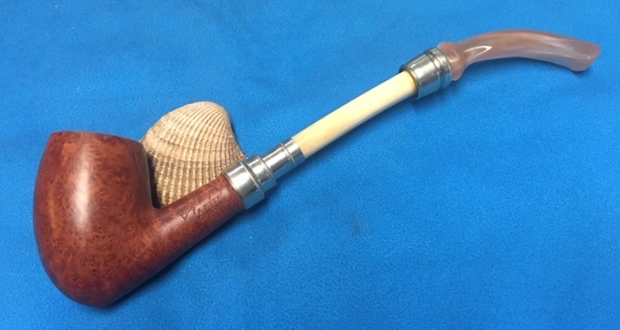
From all the input that I have gathered, the flat bottom bowl, the stamping, the sterling silver adornments, the bone shank extension and horn stem, I can safely place this piece as being one of the first A Metz pipes from the 1858 era!  (Photo from Paresh)That was the first memory of the Origine. The second one is also is one I cherish. On my trip to India last year to visit Paresh and Abha and their daughters Mudra and Pavni I had the privilege of not only seeing this pipe up close but of also being the first one to smoke it since the restoration. What a privilege to be able to smoke Paresh’s Granfather’s pipe. It was so light weight and an amazing smoke. It was cool and dry to the end of the bowl. I cannot thank Paresh enough for letting me fire up this old timer. Dal wrote about this in a great blog about the trip called West meets East in India (https://rebornpipes.com/2019/05/30/west-meets-east-in-india-to-restore-a-grandsons-treasure-an-1846-bbb/). I quote Dal as he so ably described this experience:

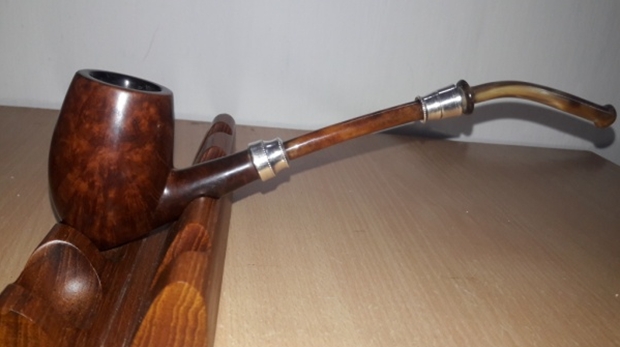
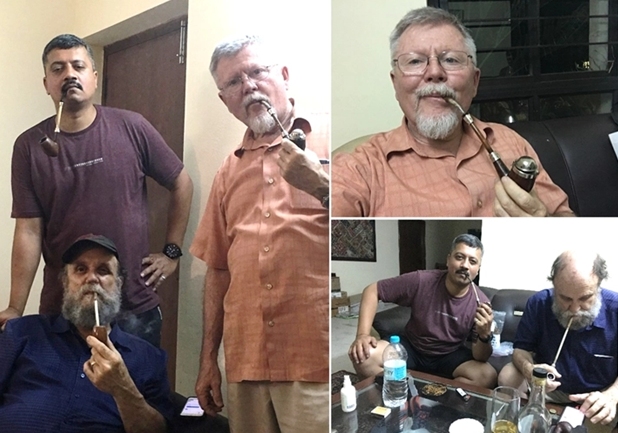
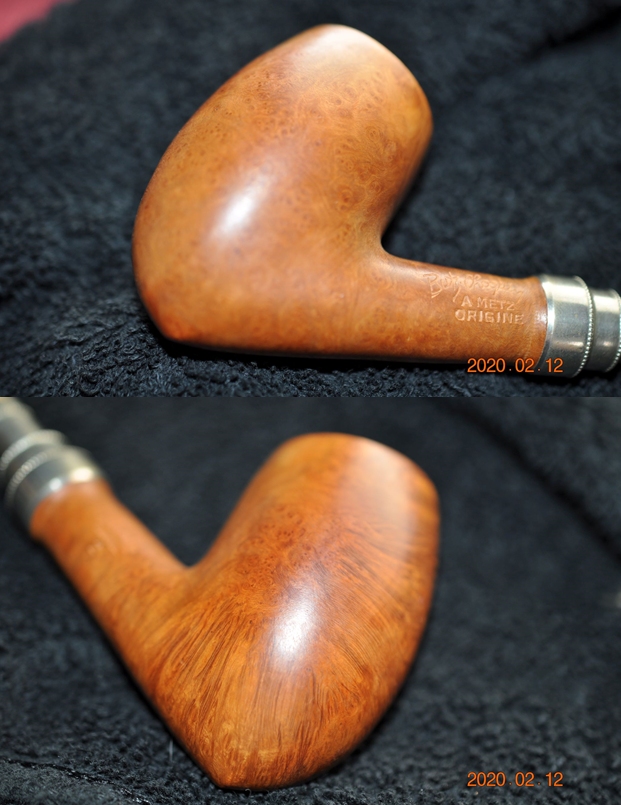
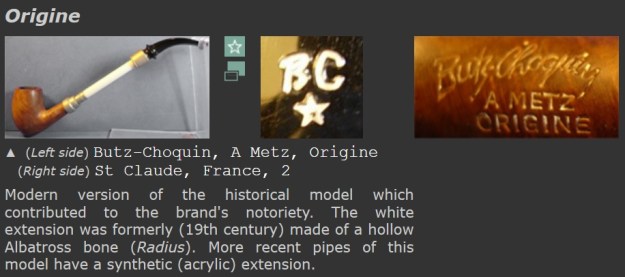
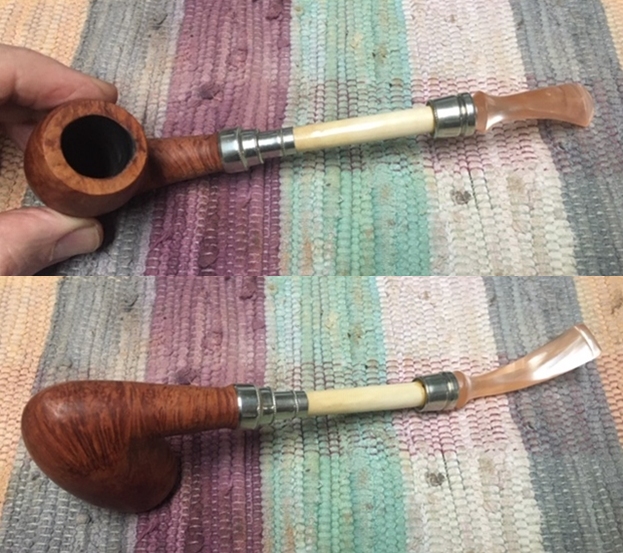
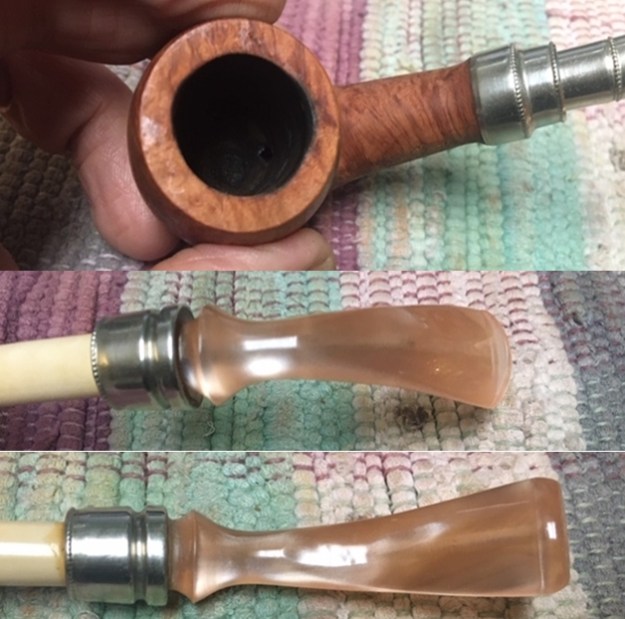
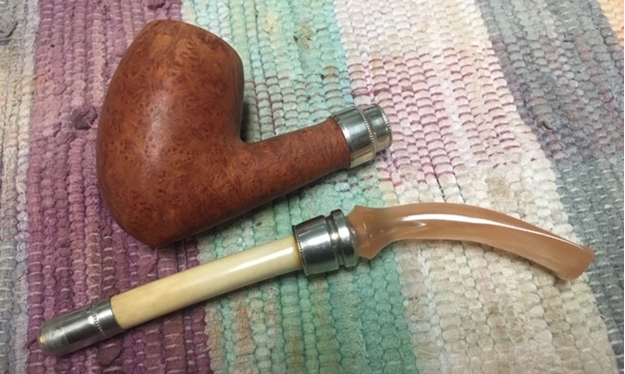
As we had planned, in celebration of the completion of the restoration together we smoked 3 unbelievable vintage pipes with albatross shank extensions and horn stems – all from the 1800s.  Oh my…. We each thoughtfully packed our bowls with our choice of blends and lit up and, well….  What a treat for Paresh to share the treasure trove of pipes left to him by his grandfather.  Jeff did the honor of commemorating this event with pictures. (Photo from Dal)For me smoking that older BC A Metz Origine was a delight. I was able to enjoy a great English tobacco in this historic pipe. So when this pipe showed up in one of Jeff’s auctions we went for it and picked it up. While the 1858 Origine had an albatross wing bone for the shank extension the new one had a shorter acrylic look alike. The shape of the bowl is the same but the 1858 version’s horn stem was replaced by an acrylic stem that was nowhere near as elegant as the first.The pipe was in overall good condition. The silver (polished nickel) that caps the shank and the faux “bone” extension was tarnished but in good condition. The stem was amazingly clean with just some tooth chatter on both sides near the stem. The finish was dull and lifeless and a little dirty from sitting around. There is a cake in the bowl and an overflow of lava on the rim top toward the back. There also appears to be some burn/charring damage on the inner edge in the same area. The pipe is stamped on the left side of the shank and reads Butz-Choquin over A Metz over Origine. On the right side of the shank it is stamped St. Claude France over the number 2. Jeff took the previous and the following photos before he started his cleanup work on the pipe.Jeff took close-up photos of the bowl and rim top from various angles to capture the condition of the bowl and rim top edges. You can see the darkening around the inner edge of the rim and the damage at the back of the bowl. You can also see the cake in the bowl and the lava overflow onto the back of the rim top. He took photos of the sides and heel of the bowl to show condition of the briar. You can see the birdseye grain on sides of the bowl. And the cross grain on the heel, front and back of the bowl. The stamping is very clear on both sides of the pipe. The next two photos confirm what I wrote about the stamping above.The next photo of the stem to shows the general condition of the stem. The flow of the shank extension with a silver cap each side is well done. The angle of the stem is very similar to the shape of the original 1858 horn stem. Jeff took photos of the top and underside of the stem to show the light tooth chatter on both sides near the button. I turned to Pipephil (www.pipephil.eu/logos/en/logo-butzchoquin.html) to get a bit of background on the second or the modern version of the Origine pipe. I have included a screen capture of the pertinent section below.Now it was time to look at it up close and personal. Jeff had great job in cleaning up this Origine. He had reamed the bowl with a PipNet Pipe Reamer and cleaned up the remnants with a Savinelli Fitsall Pipe Knife. He took the cake back to bare briar so we could check the walls for damage and also see the extent of the burn damage on the back of the inner edge of the rim. He scrubbed the exterior of the bowl with Murphy’s Oil Soap and a tooth brush to remove the grime on the bowl and rim and was able to remove much of the grime and dirt. He cleaned out the interior of the bowl and shank with pipe cleaners, cotton swabs and alcohol until they came out clean. The rim top looked much better when you compare it with where it started. The damaged area is very clear now and the extent of the damage was clear. He cleaned the stem with Soft Scrub to remove the grime on the exterior and cleaned out the airway with alcohol, cotton swabs and pipe cleaners. I took some photos of the pipe as I saw it. To show how clean the rim top and stem really was I took a close-up photo of the rim and stem. The bowl was clean and cake free. The rim top is quite clean and the damage to the back inner edge of the bowl is clear. The pinkish/bone coloured acrylic stem looks very good. The surface and the button edge look really good. There are no issues that are there to address. The tarnished silver ends on the shank ends have a rich shine to it now as well.I removed the stem from the bowl and took photos of the parts. The shank extension came apart at the shank end but not at the stem. It was glued to the stem and unmovable. The pipe looks pretty amazing – kind of a shorter version of the 1858 Origine.I decided to address the burned area on the inner edge and top of the rim first. I started by lightly topping the bowl to clean up the top edge. Once it was smooth I used a folded piece of 220 grit sandpaper to give the inner edge a bevel to minimize the damage at the back of the bowl. I decided to polish the rim top and the bowl next. I polished them with  the micromesh sanding pads – wet sanding with 1500-12000 grit pads to remove the sanding scratches on the rim top and blend it into the bowl. I wiped it down with a damp cloth to remove the sanding dust. When I finished the bowl and rim top looked significantly better. I touched up the stain on the rim top Oak stain pen. The match to the rest of the bowl was very good. Once I buffed it the colour would be a perfect match. The repaired rim top looked very good and the burn damage was gone.I rubbed the bowl and shank down with Before & After Restoration Balm to deep clean the finish on the bowl and shank. The product works to clean, enliven and protect the briar. I worked it in with my fingers to get it into the briar. I let it sit for 10 minutes to let it do its magic. I buffed it with a soft cloth. The briar really began to have a rich shine. I took some photos of the bowl at this point to mark the progress in the restoration. It is a beautiful bowl. The bowl was finished so I set it aside and turned my attention to the stem. Since it was quite clean I decided to polish the stem and shank extension with micromesh sanding pads – dry sanding with 1500-12000 grit sanding pads. I wiped the stem down after each sanding pad with a cloth containing some Obsidian Oil. I finished polishing it with Before & After Pipe Stem Polish – both Fine and Extra Fine and buffed it off with a cotton cloth. I put the bowl and stem back together again and buffed it with Blue Diamond on the buffing wheel. I used a soft touch on the extension and stem but work the bowl over with a regular touch to the wheel. I buffed the pipe with carnauba wax and a clean buffing pad to raise the shine. I finished buffing with a microfiber cloth to deepen the shine. The grain patterns came alive with the buffing and wax and looked great to me. It has a great feel in the hand and if it is at like the first generation 1858 Origine should smoke very well. The finished Butz-Choquin Origine 2 pipe is shown in the photos below. The dimensions of the pipe are Length: 8 ½ inches, Height: 2 inches, Outside diameter of the bowl: 1 ¼ inches, Chamber diameter: 5/8 of an inch. This modern replica of the original A Metz turned out very well. It should be a great pipe. It is one that I am not sure what to do with at the moment. It brings back the memories spoken of at the beginning of the blog and I need to sort that out a bit before making a decision. Thanks for reading this blog and my reflections on the pipe while I worked on it.

An Easy Restore – an Il Ceppo 1 Hand Made Paneled Horn


Blog by Steve Laug

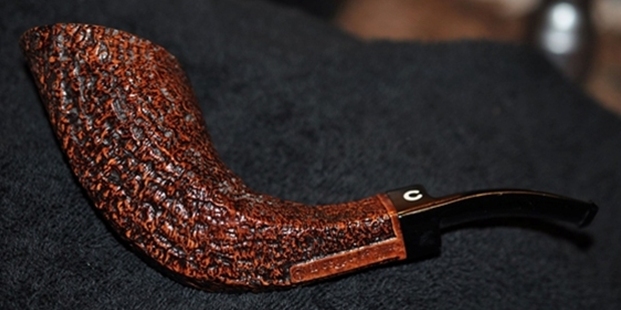
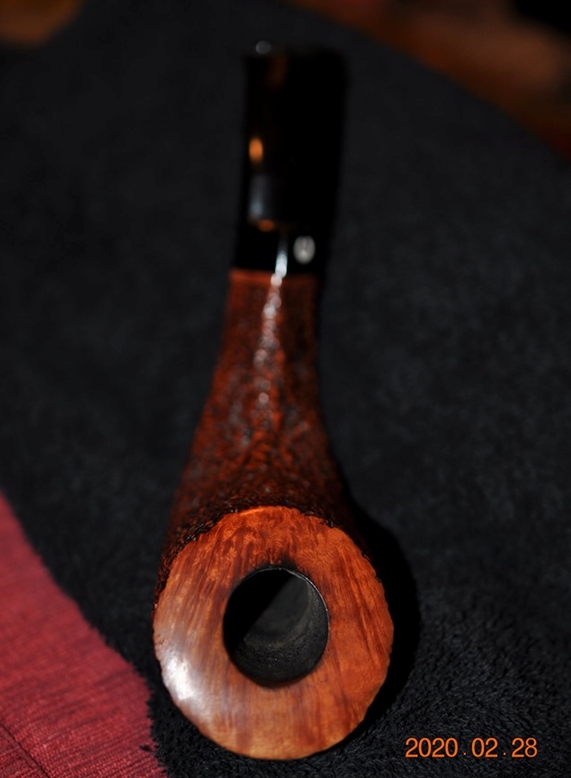
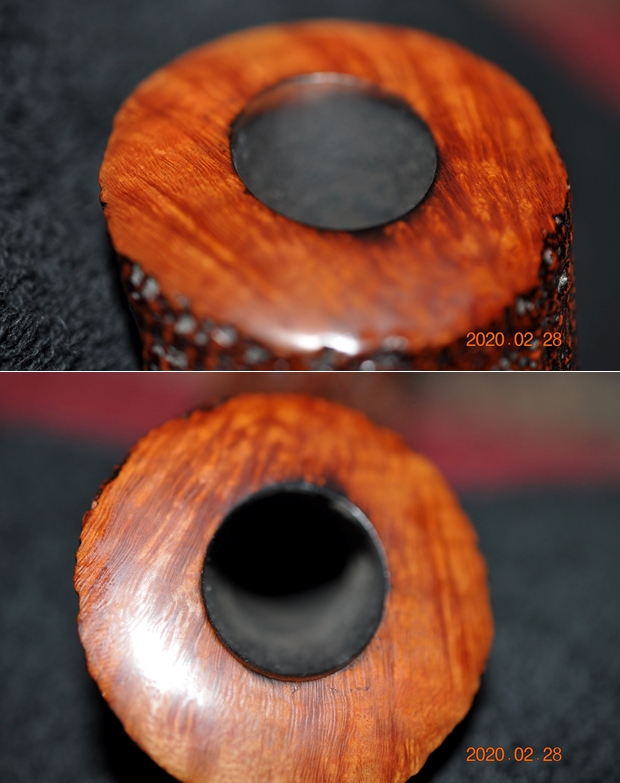
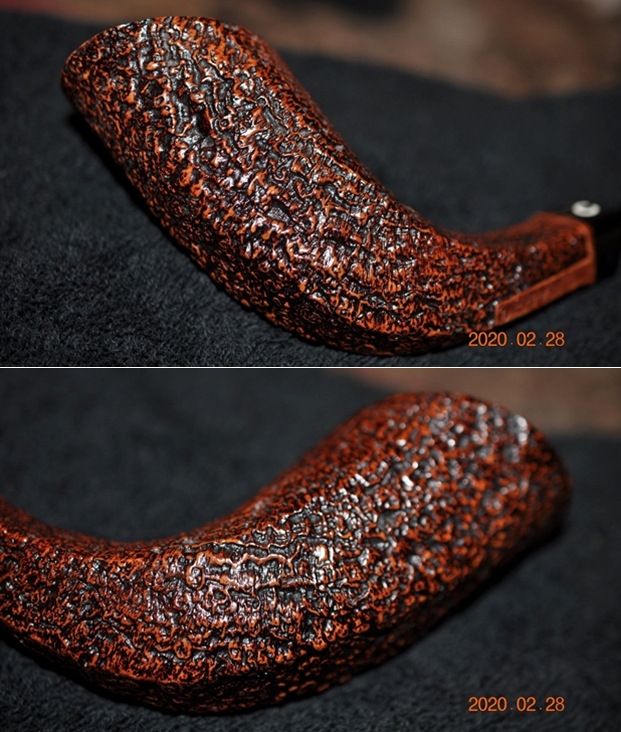
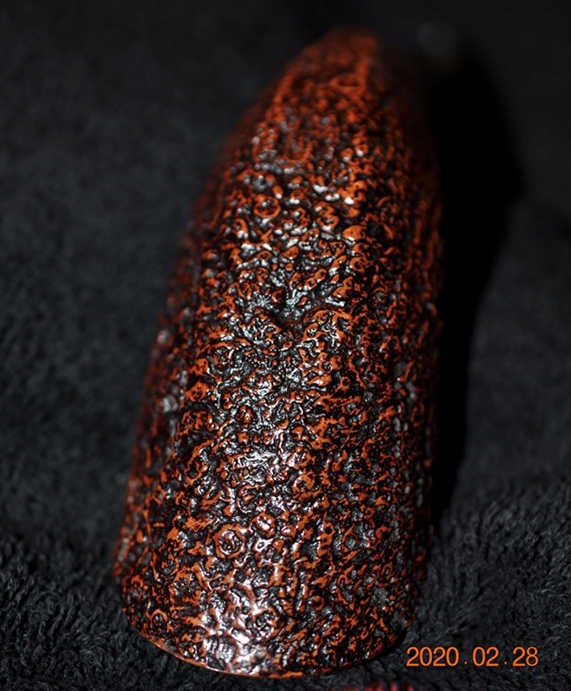
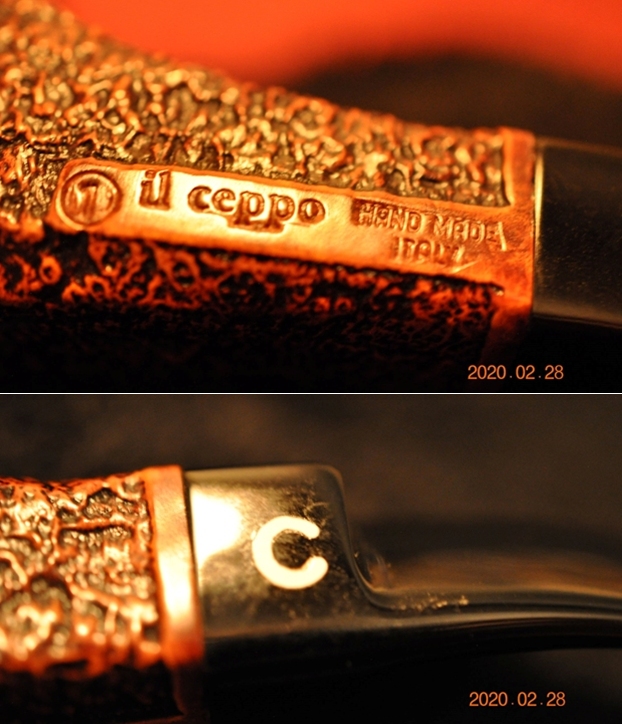
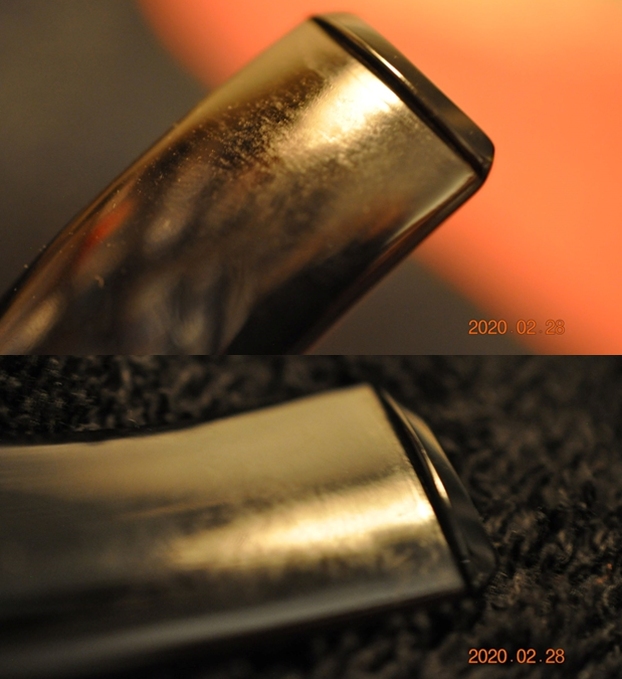
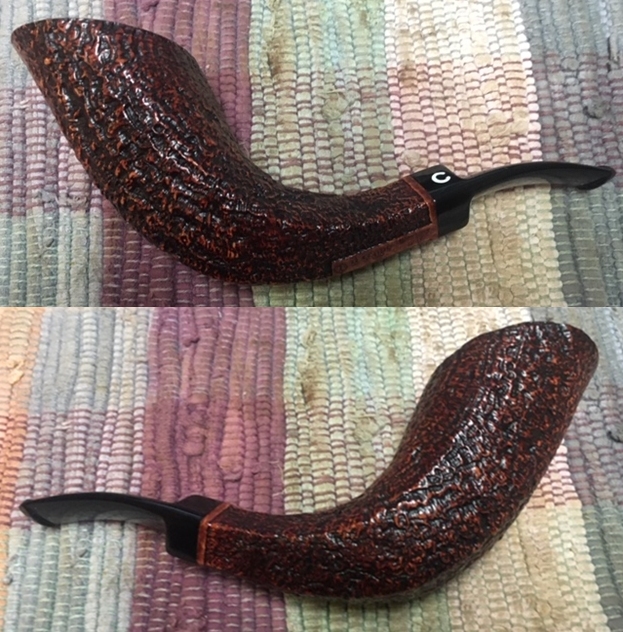
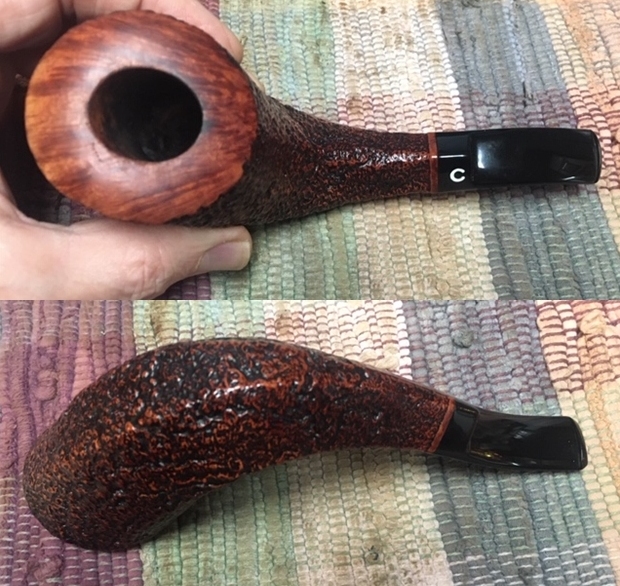
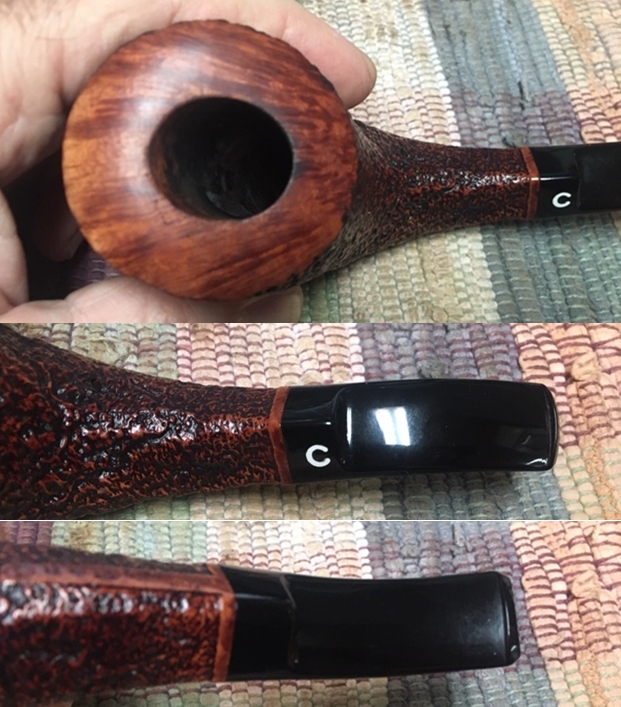
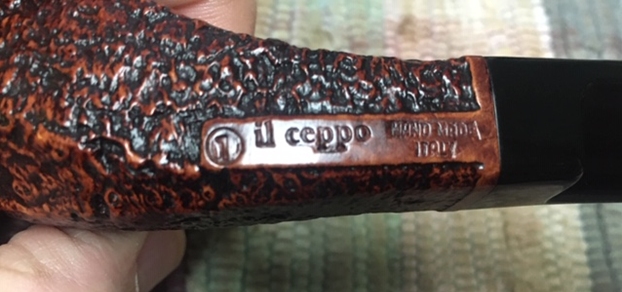
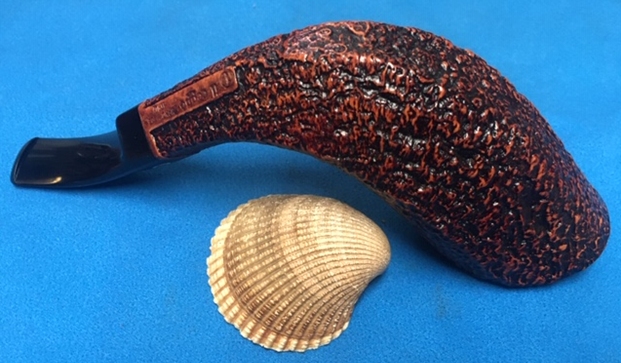
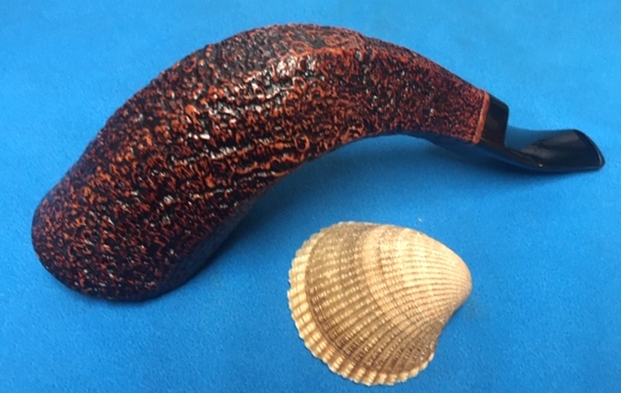
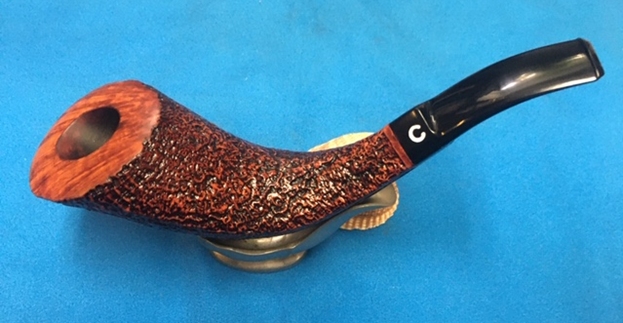
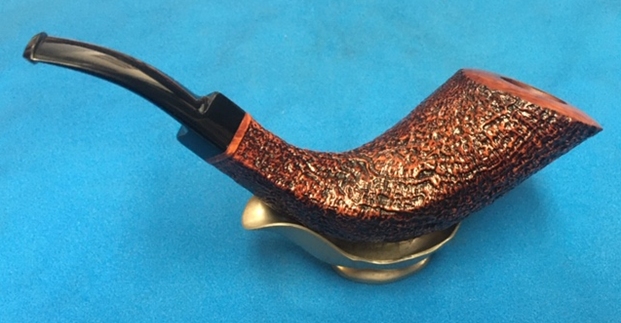
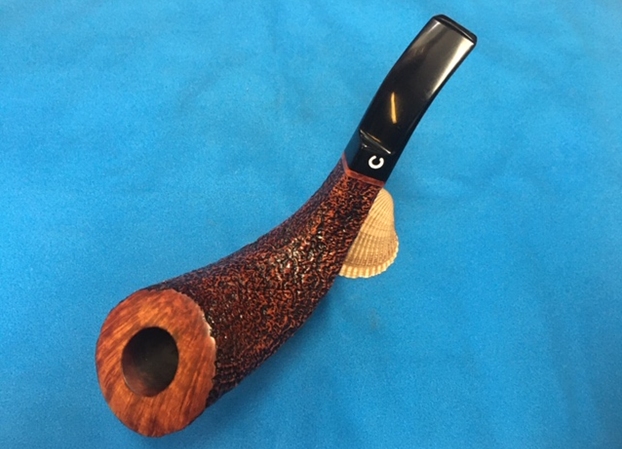
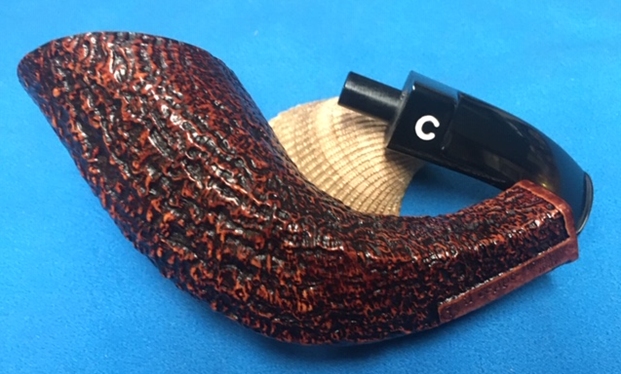
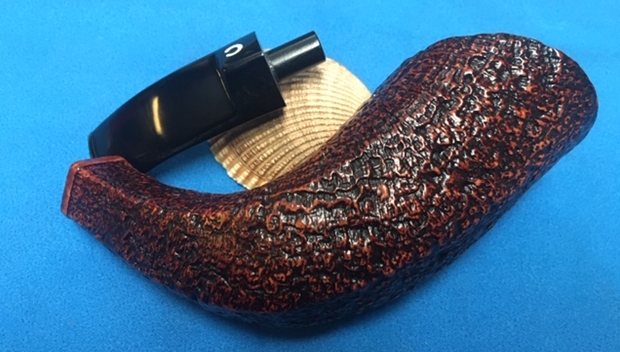
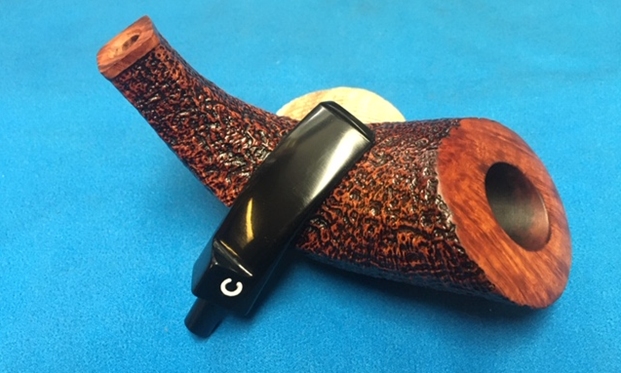
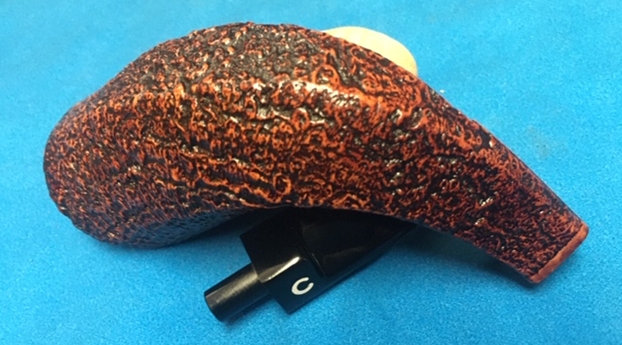
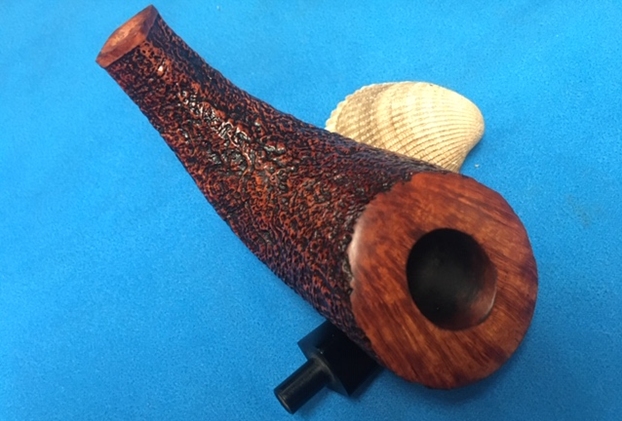
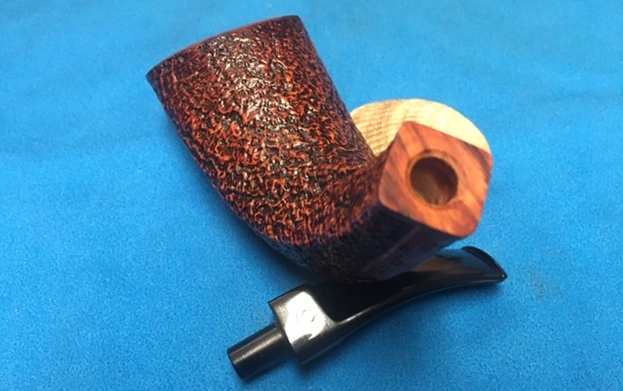
The next pipe on the worktable is another one that I have been looking forward to working on. It is a large Il Ceppo Paneled Horn. The pipe is in very good condition when he took it from the box. There were not a lot of issues to deal with in the cleanup and restoration. It is stamped on the underside of the diamond shank 1 in a circle followed by Il Ceppo followed by Hand Made Italy. The pipe is horn shaped. It has a round rim top flowing into 5 panels down the sides of the bowl merging into a diamond shaped shank. There was some darkening around the inner edge of the rim and top toward the back of the bowl. There was a moderate cake in the lower portion of the deep bowl. The upper portions had darkened and had a thin cake. The finish was dirty and there dust in the rustication around the bowl. The black acrylic diamond shaped saddle stem had a white inlaid C on the left side of the saddle. There were light tooth marks and chatter on the top and underside ahead of the button. Otherwise the stem looked very good. Jeff took some photos of the pipe before he started his cleanup work. He took photos of the bowl and rim top to show their general condition. You can see the tars and darkening on the inner edge of the rim top. The cake in the bowl is moderate and thickening as you go further down the bowl. The rusticated finish on the bowl sides and the smooth rim top combine to make an interesting pipe.Jeff took some photos of the sides and heel of the bowl to give an idea of the unique rustication on this particular piece of briar. It is quite stunning with the smooth rim top and the diamond shaped shank end. I cannot wait to see what it looks like once it is cleaned and polished. He took a photo of the stamping on the left underside of the diamond shank to capture it for me. It is clear and readable. The encircle 1 followed by the il ceppo stamp and then Hand Made Italy. He included a photo of the inlaid C on the left side of the saddle stem.The black acrylic stem is in good condition other than being dirty and having light tooth marks and chatter on the both sides of the stem at the button. The photos below show the condition of the stem.Not too long ago I worked on an il ceppo large sandblast billiard and had done some research into the brand (https://rebornpipes.com/2020/01/25/life-for-a-beautiful-sandblast-il-ceppo-made-by-hand-triangle-1-billiard/). I turned to that blog and reread the information that I had included there. I took the liberty to include that below.
I turned then to Pipedia to see what I could find out about Il Ceppo pipes. I read through the Il Ceppo page written by the pipemaker and then the next section of the page written by RD Field. Here is the link to that page on Pipedia (https://pipedia.org/wiki/Il_Ceppo).  I will quote from the section on the line below.

The il ceppo brand has been in production since the late 1970’s but, in spite of its overall good value, is not well known in all parts of the United States. Partly this is because of a limited supply of pipes and partly because the brand has not been put in front of the pipe smoking public through a national venue.

The il ceppo brand is made in Pesaro, Italy and is part of the famous Pesaro school of design that has also produced Mastro de Paja and Ser Jacopo. That all three brands have similar characteristics can be seen at a glance, but they all have significant differences as well.

Giorgio Imperatori, an architect, had a passion for pipes, and in 1978 began to design and make Il Ceppo. Always considered a good value and very good for smoking, the brand did not make folks stop and take notice until 1995 when Franco Rossi joined the firm. He brought with him a true elegance of design and a unique flair that now helps Il Ceppo stand apart. Giorgio has retired to his farmhouse, and the pipes are now all made by Franco and his sister Nadia.

Individuals involved in the creation and continuation of the Il Ceppo brand are; Giorgio Imperatori (now retired from pipe making); Franco Rossi who, along with his sister Nadia, are the current Il Ceppo pipe makers; Mario Lubinski, the distributor of the Il Ceppo brand in Italy; Massimo Palazzi who worked with Il Ceppo until 1998 when he founded his own brand, L’Anatra.

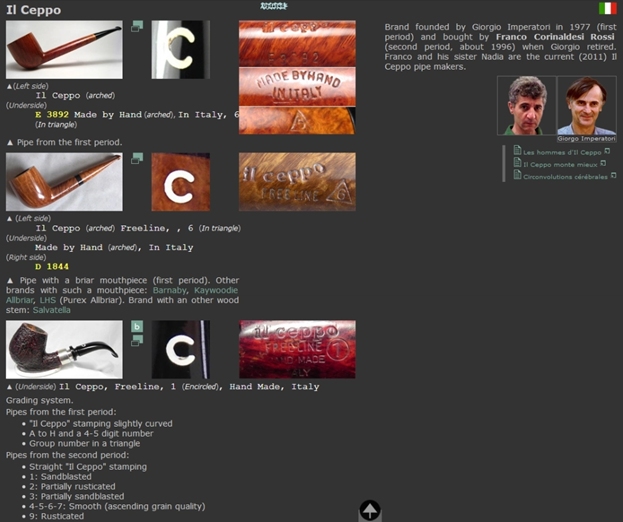
I turned to Pipephil’s site (http://www.pipephil.eu/logos/en/logo-i.html) to gather additional information. I have included a screen capture below of the section on the brand.From the notes on that page it confirms RD Field’s information. Brand founded by Giorgio Imperatori in 1977 (first period) and bought by Franco Corinaldesi Rossi (second period, about 1996) when Giorgio retired. Franco and his sister Nadia are the current (2011) Il Ceppo pipe makers.

I also found that the section on the grading system on the Pipephil site was really helpful in identifying and reading the stamping on the pipe in my hands.

Grading system.

Pipes from the first period:

“Il Ceppo” stamping slightly curved, A to H and a 4-5 digit number, Group number in a triangle

Now the new information. Putting together all of the information on the pipe I can summarize what I have learned. I knew now that the pipe on my table war from the Second Period (1996-2010). The Il Ceppo stamping is a straight line on this one. The number 1 on the shank indicates a sandblasted pipe. The last point is interesting as I would not have called this a sand blasted pipe. Perhaps a good description would be “Blasticated”.

With that information I moved forward to work on the pipe itself and see what I had to do with it. The pipe looked amazing. Even the stem looked like new, with most of the tooth marks and chatter gone. There was some darkening on the edge of the rim but that too had almost disappeared. Jeff had done his normal thorough clean up – reaming, scrubbing, soaking and the result was evident in the pipe when I unpacked it. I took photos of the pipe before I started my work on it. The shape and finish on this pipe is quite beautiful! I took some photos of the rim top and stem. The rim top and bowl looked very good. The cake and the darkening on the back side of the inner edge of the rim looked better. Jeff had been able to get rid of most of the darkening. There was some light scratching that I would be able to polish out. The close up photos of the stem shows that it is a much cleaner. There was still some light tooth chatter but it was really quite minimal.I took a photo of the stamping on the underside of the shank to show the condition after the cleanup. Often the stamping takes a hit with the cleaning and is lessened in it clarity. Jeff does a great job in leaving the stamping looking very good.I removed the stem from the shank and took a photo of the pipe at this point. You can clearly see the condition, size and shape of the pipe.I started my part of the restoration work on this pipe by polishing the rim top and inner edge of the bowl. I dry sanded with micromesh sanding pads -1500-12000 grit pads. I wiped the rim top down after each sanding pad with a damp cloth. The rim top and edges look very good at this point. I worked some Before & After Restoration Balm into the surface of the briar with my fingertips and a horsehair shoe brush to get in the nooks and crannies of the “Blastication’ on the sides of the bowl. The product works to clean, enliven and protect the briar. I let the balm sit for about ten minutes and then buffed with a cotton cloth to raise the shine. The photos show the bowl at this point in the restoration process. I set the bowl aside and turned my attention to the stem. The remaining tooth chatter and marks were very minimal and I could remove them with polishing. I polished the stem with micromesh sanding pads – dry sanding with 1500-12000 grit sanding pads. I wiped it down after each sanding pad with a cloth containing some Obsidian Oil. I finished polishing it with Before & After Pipe Stem Polish – both Fine and Extra Fine and buffed it off with a cotton cloth. Putting this pipe back together was not as dramatic as it usually is but still it is rewarding nonetheless. I put the stem back on the bowl and buffed the pipe lightly with Blue Diamond on the buffing wheel. I carefully avoided the stamping on the shank sides during the process. I gave the bowl multiple coats of Conservator’s Wax and the stem multiple coats of carnauba wax on the buffing wheel and followed that by buffing it with a clean buffing pad on the buffer. I hand buffed the pipe with a microfiber cloth to deepen the shine. The finished pipe is a real stunning example of a Horn shaped pipe. The “Blasticated” grain and the way the shape follows it is very well done. Give the finished pipe a look in the photos below. I can only tell you that it is much prettier in person than the photos capture. The dimensions of the pipe are Length: 7 inches, Height: 3 inches, Outside diameter of the bowl: 2 inches wide x 2 inches long, Chamber diameter: ¾ of an inch. This interesting il ceppo Italian Hand Made 1 Horn is a great looking pipe in excellent condition. Thanks for walking through the restoration with me as I worked over another beautiful pipe. I will be adding it to the rebornpipes store soon. If you want to add it to your collection send me an email or a message! Thanks for your time.

Cleaning up a Unique Savinelli Made Antique Shell 623 Bulldog


Blog by Steve Laug

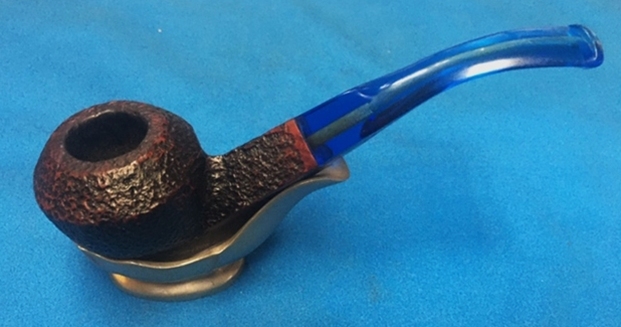
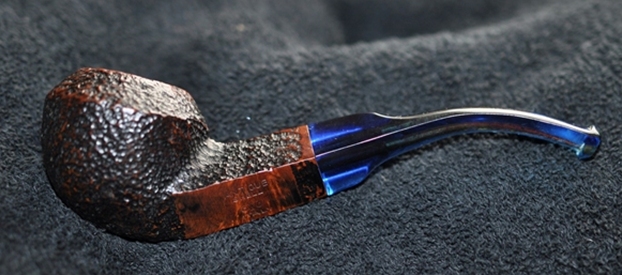
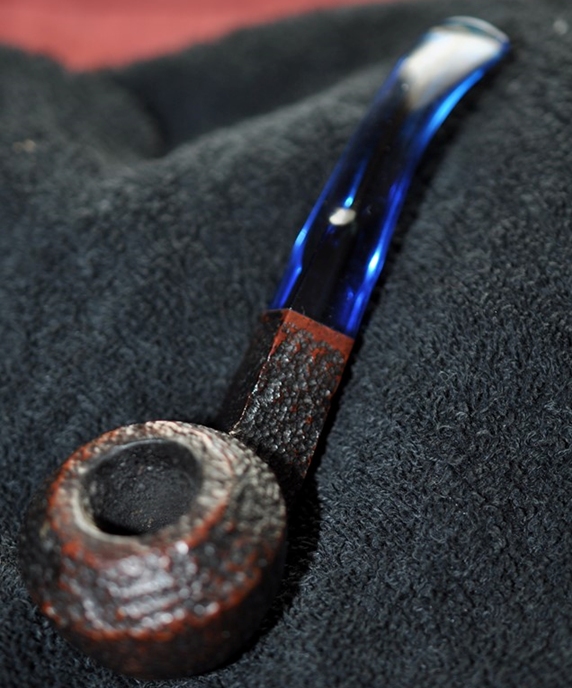
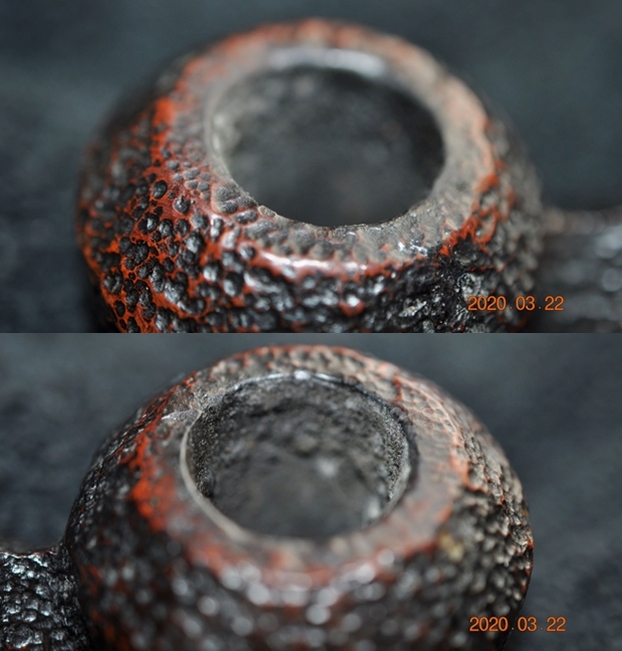
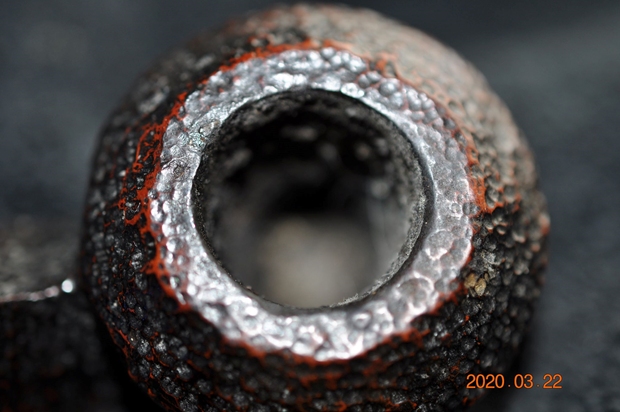
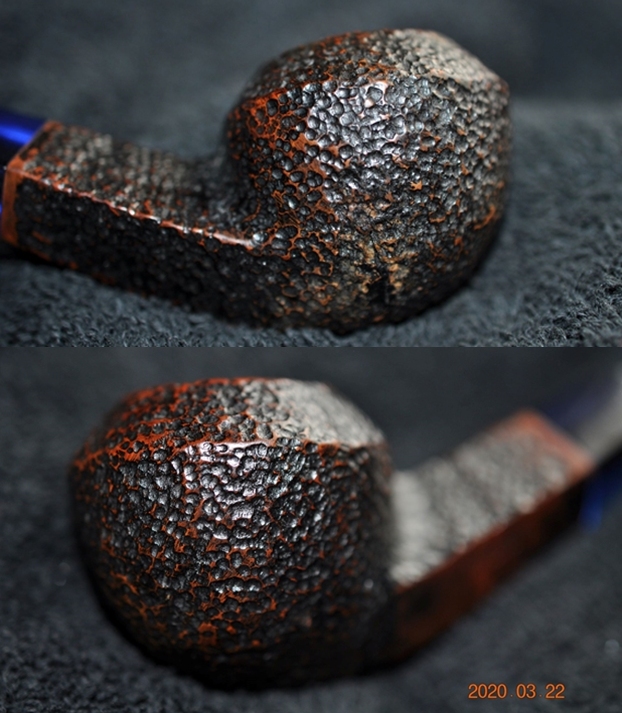
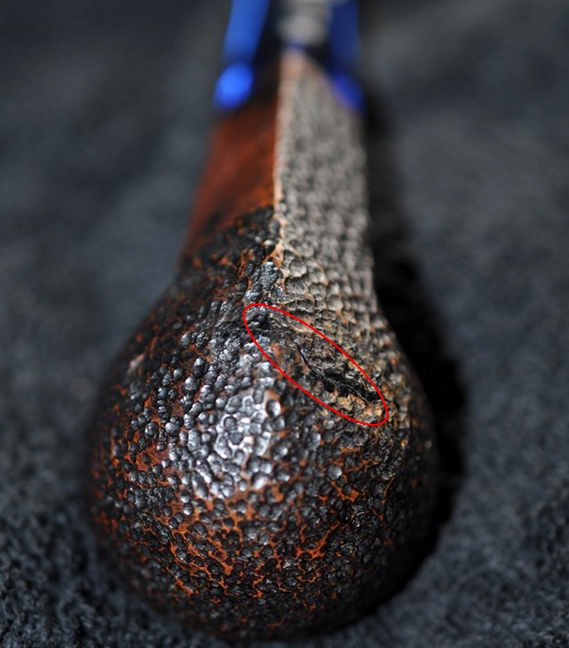
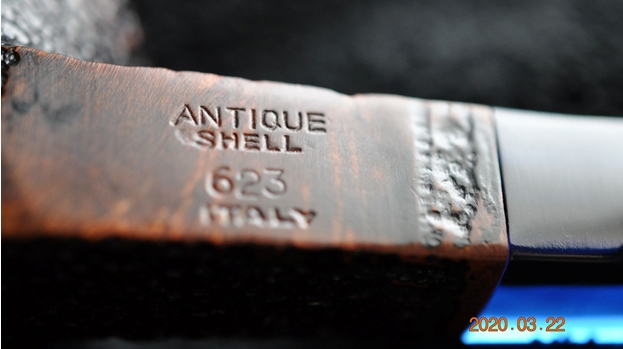
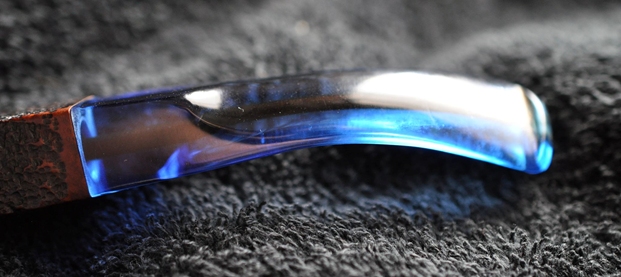
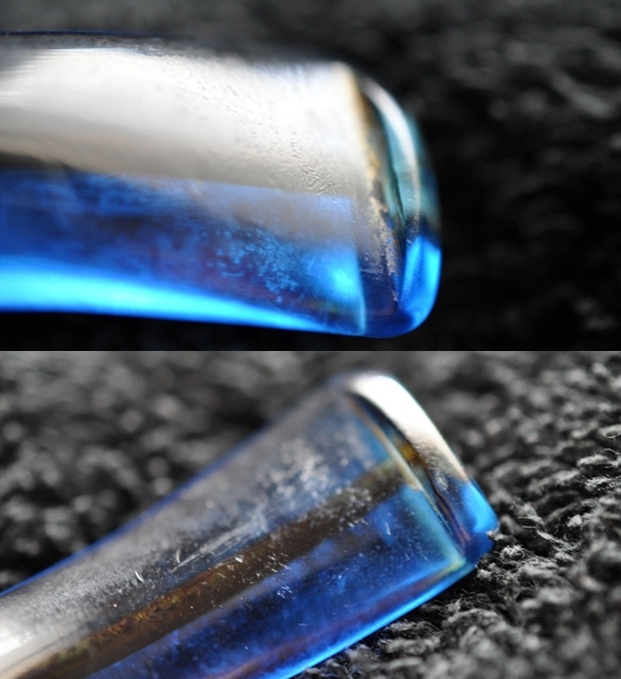
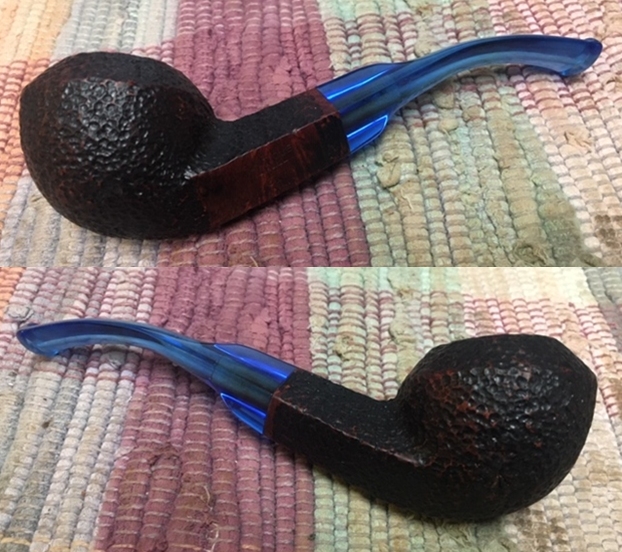
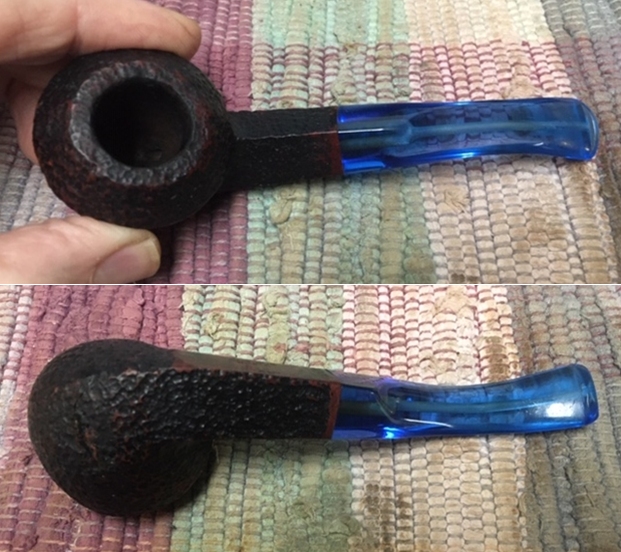
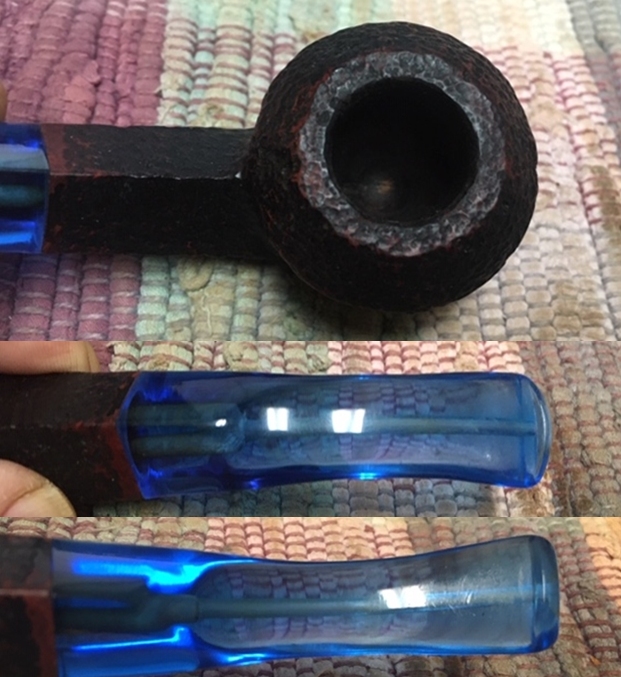
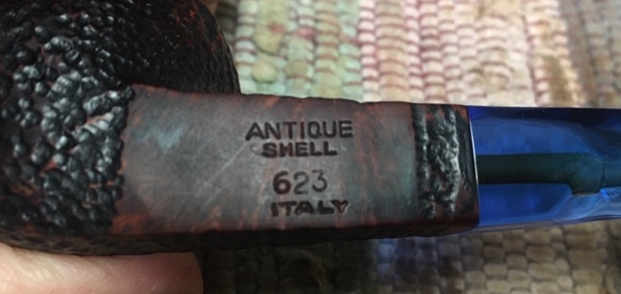
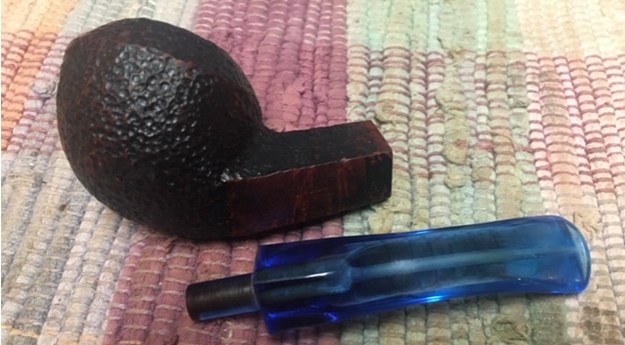
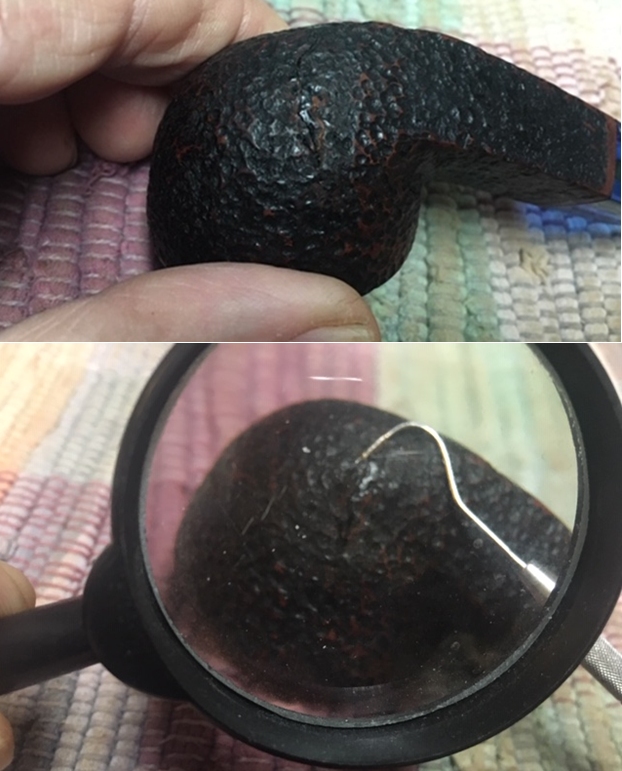
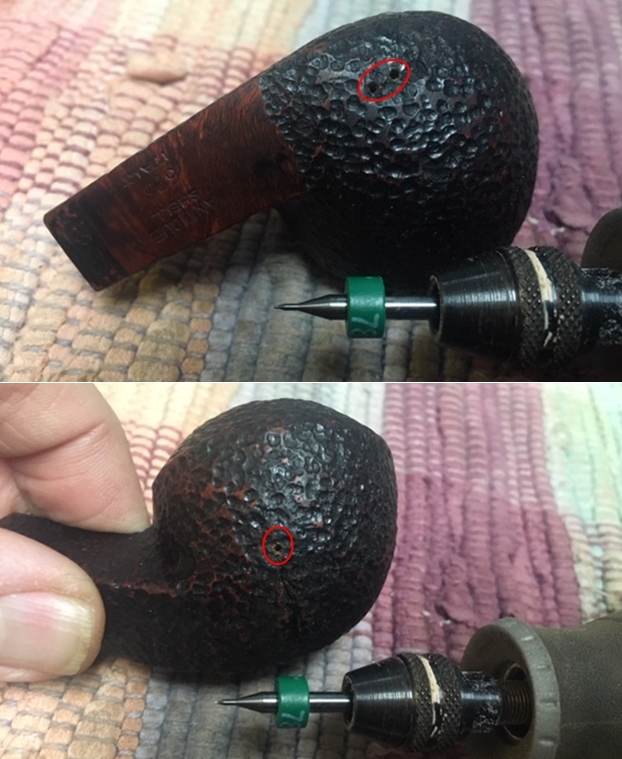
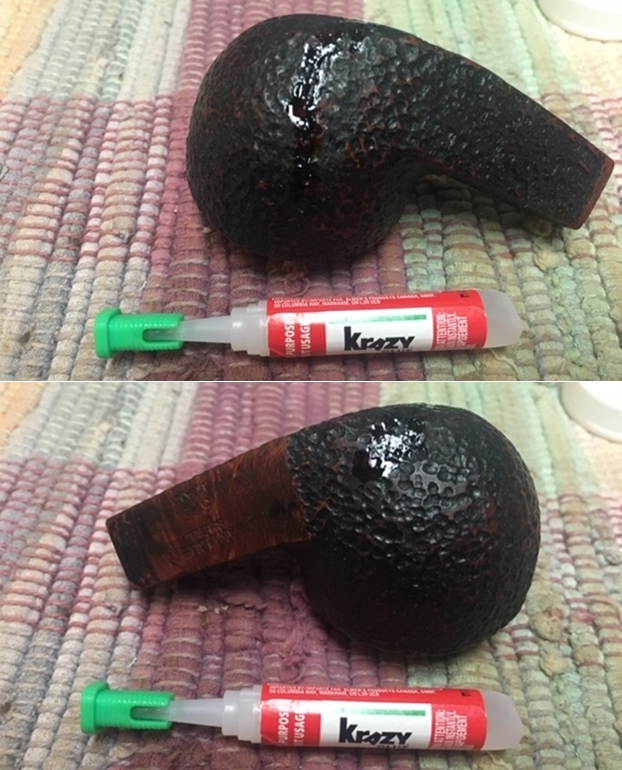
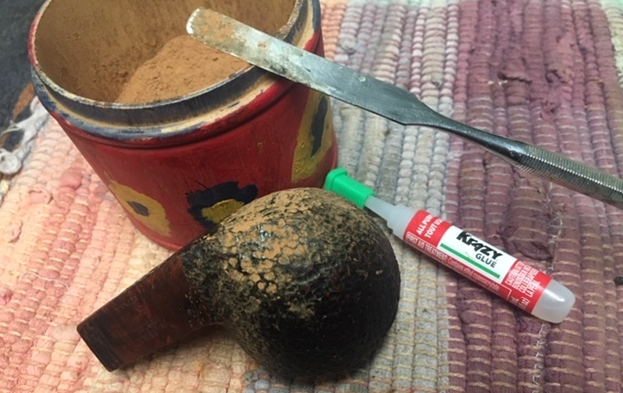
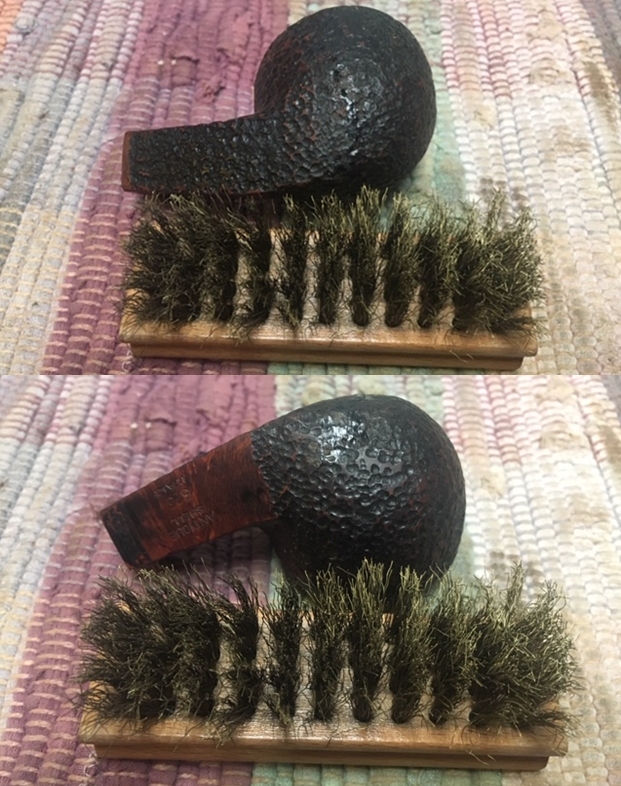
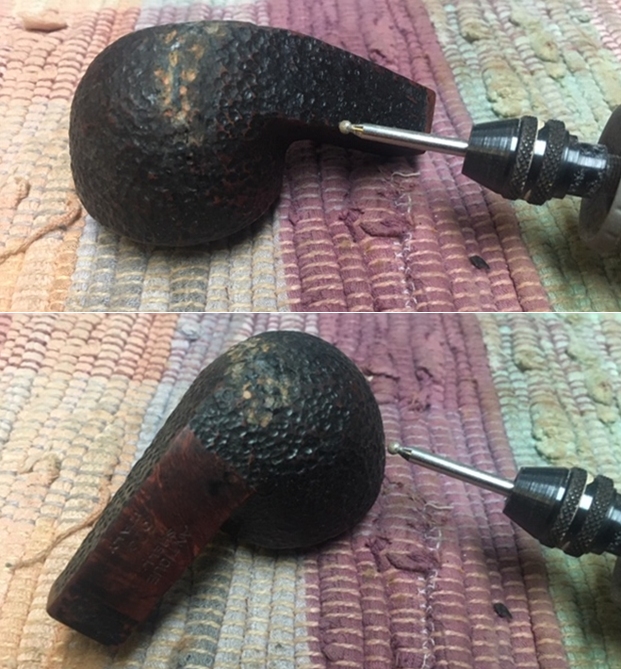
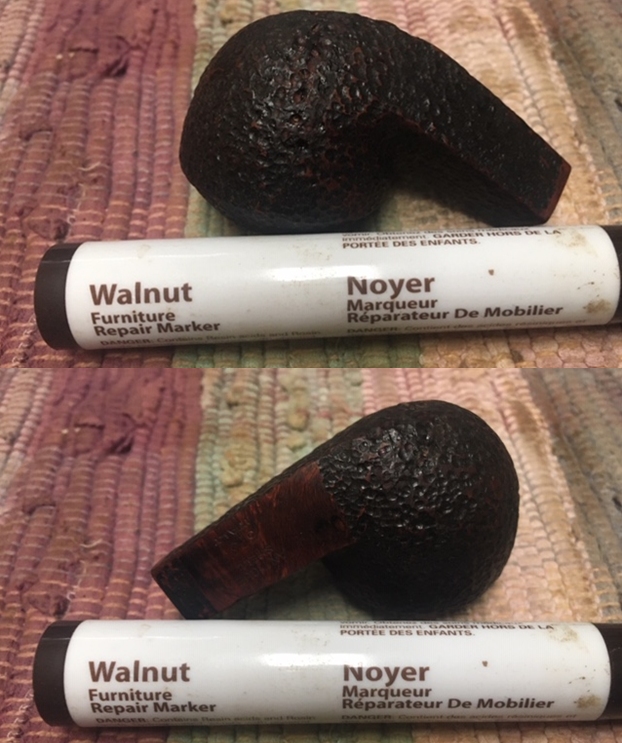
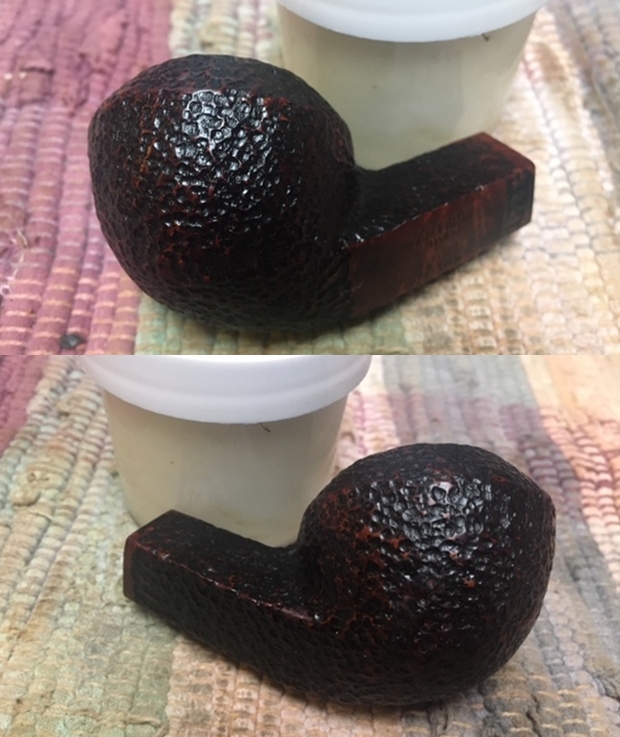
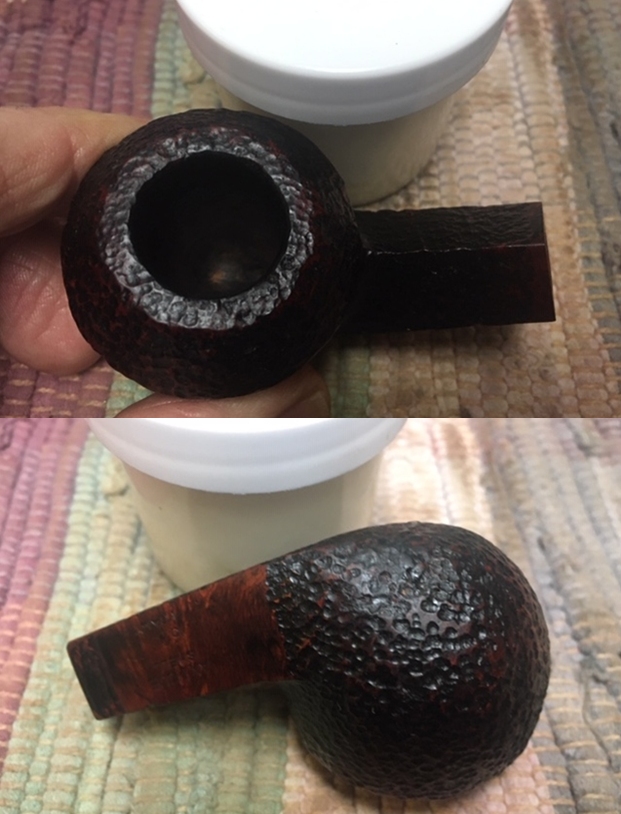
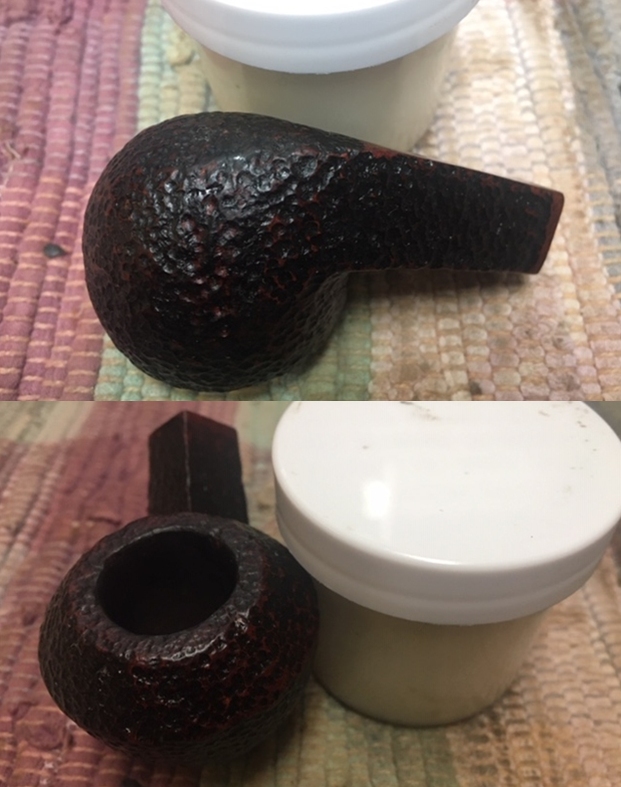
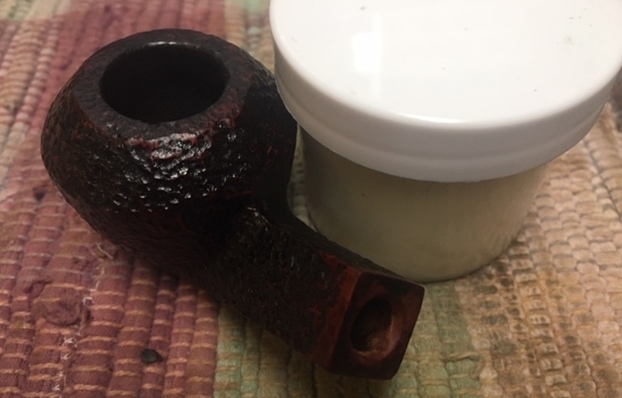
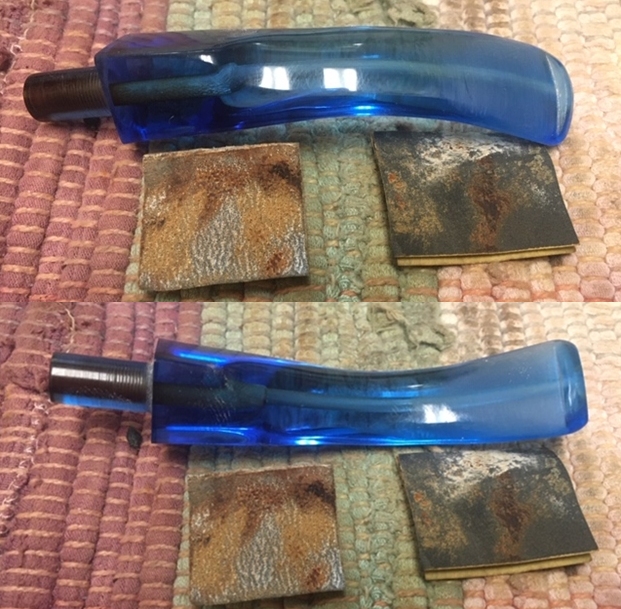
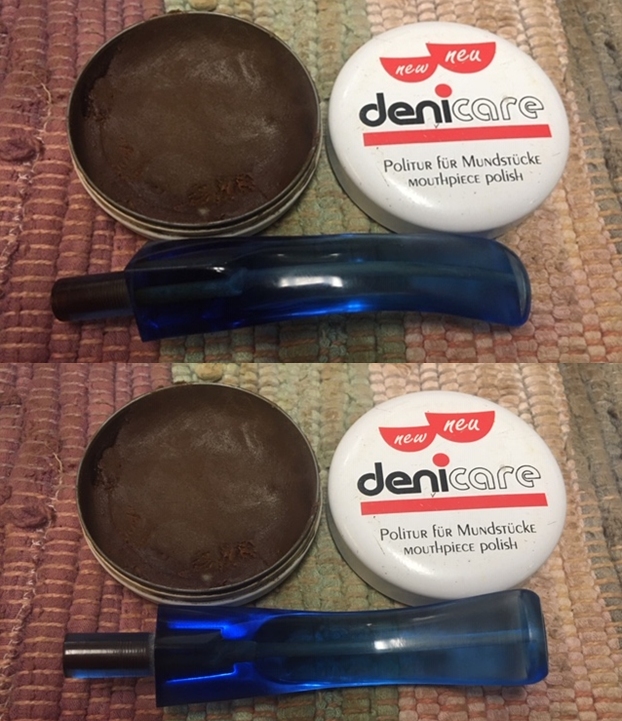
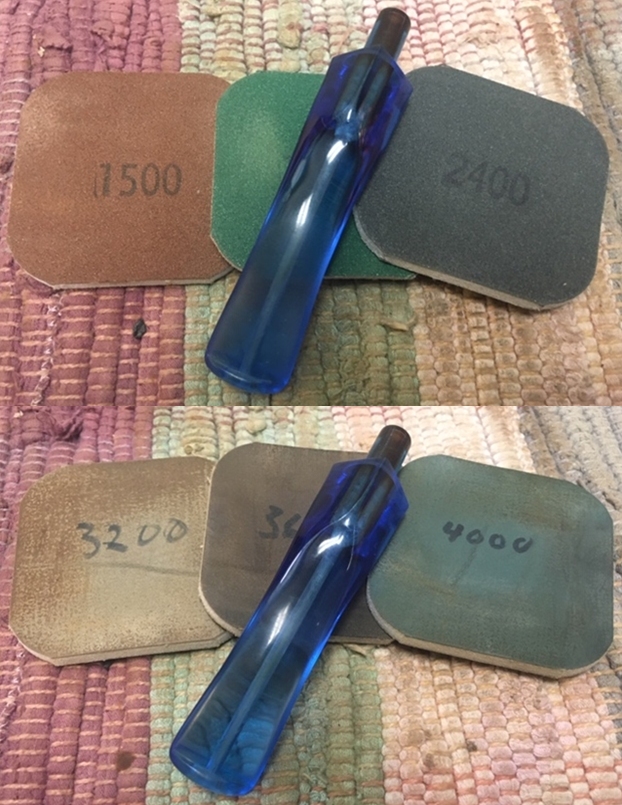
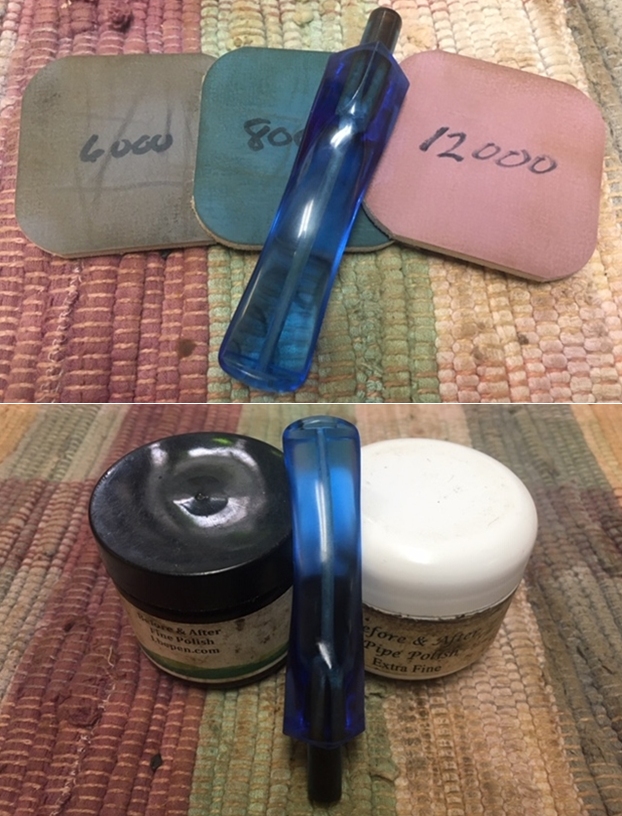
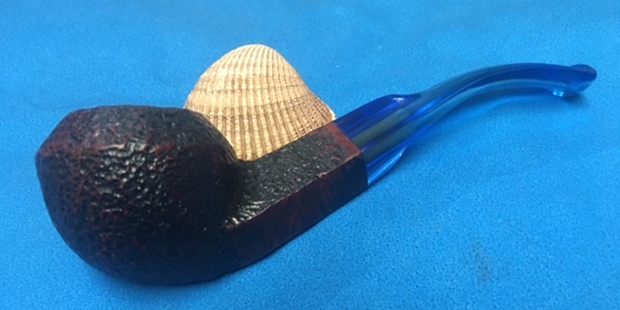
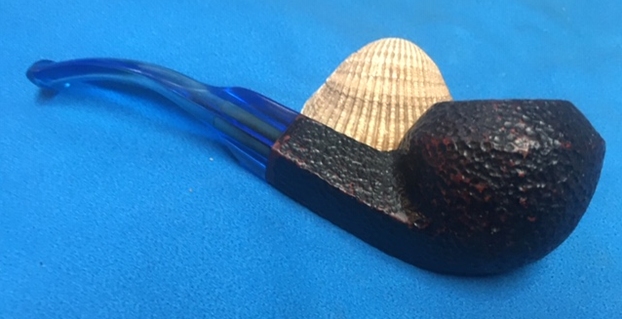
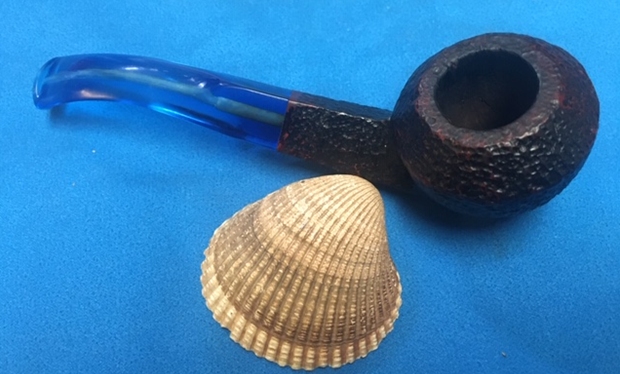
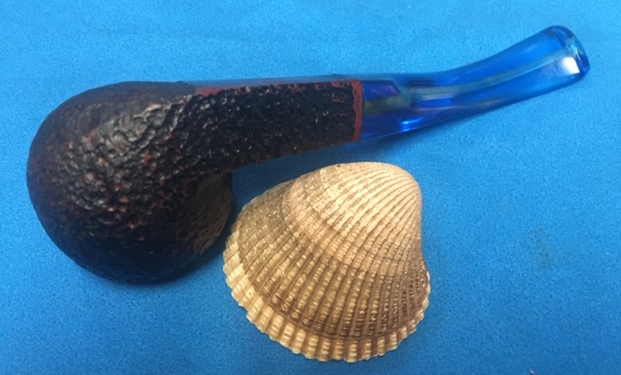
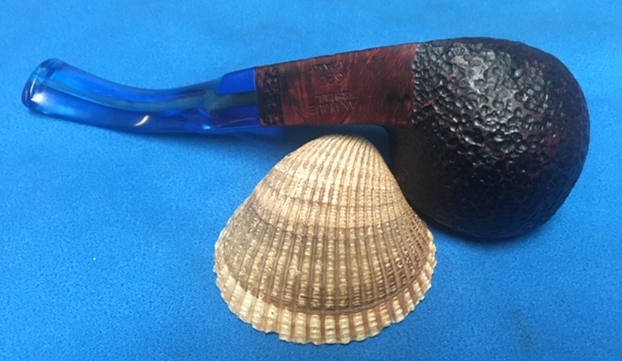
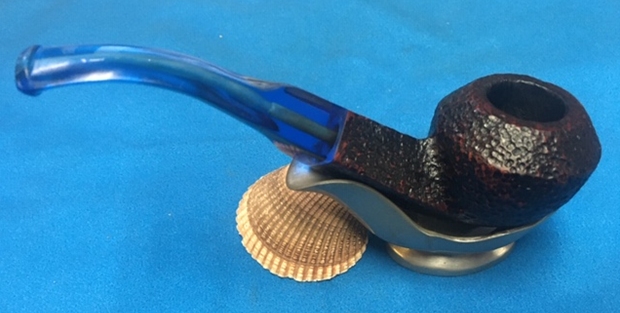
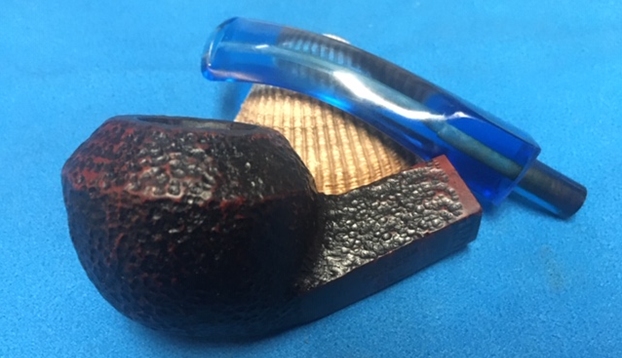
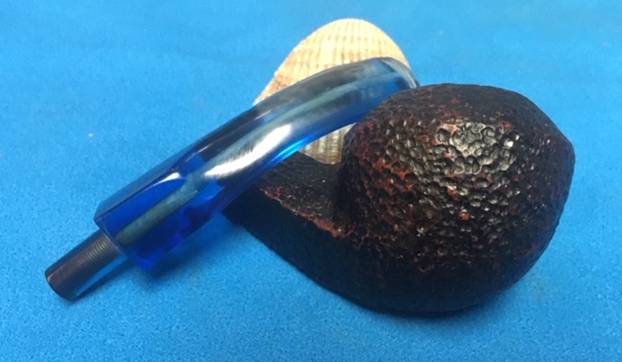
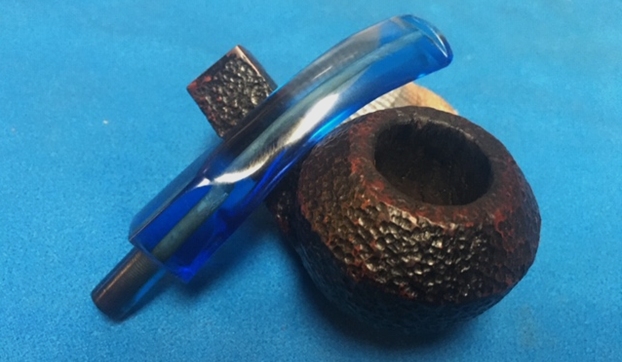
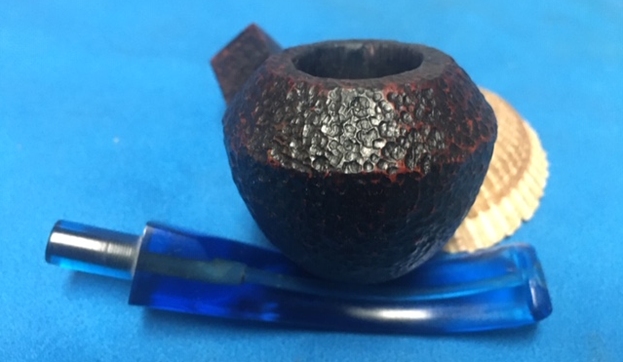
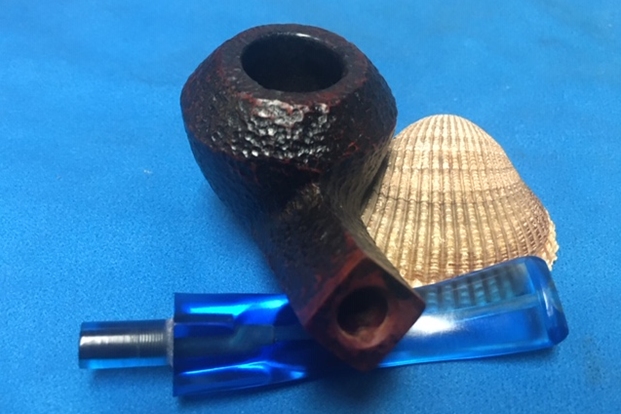
In the next box of pipes Jeff sent me there was an interesting Bulldog with a blue acrylic stem that I wanted to restore. It is stamped on the left underside of the diamond shank Antique Shell and the shape number 623 over Italy. The shape number is definitely a Savinelli shape number so I am safe to assume that this is a Savinelli Product. I have not seen one with a blue acrylic stem before so I was looking forward to the restoration. It was a dirty pipe when we received it. There was a coat of lava and dust in the rusticated finish of the rim top. The inner edge and outer edges of the rim looked very good. There was a thick cake in the bowl that had remnants of tobacco stuck in it. The finish was dirty and there dust and debris in the rusticated finish around the bowl. There also appeared to be what looked like either a crack or a fissure in the right side of the bowl toward the bottom. The blue acrylic stem looked good but there were tooth marks on the top and underside ahead of the button. There was tooth chatter on both sides of the stem. Jeff took some photos of the pipe before he started his cleanup work. He took photos of the bowl and rim top to show their general condition. You can see the tars and debris in the rustication of the rim top. The cake in the bowl is quite thick and there is tobacco debris on the walls of the bowl. The finish on the bowl is dirty but looks good. Jeff took some photos of the sides and heel of the bowl to give an idea of the finish on this particular piece of briar. It is different and tactile looking. I cannot wait to see what it looks like once it is polished and waxed.Jeff took a photo of the heel of the bowl. On the right side of the photo (also right side of the bowl) there is an area that looks like a crevice or possibly a crack in the bowl. I have circled it in red for easy identification. I will need to check that out once I am working on the pipe.He took a photo of the stamping on left underside of the diamond shank. There was a smooth panel with the stamping on it. It reads as it is stated above.This pipe has a very unique clear blue acrylic stem that goes really well with the contrasting browns of the bowl and shank. It is in very good condition with light tooth marks and chatter near the button.  I have worked on Savinelli Antique Shell pipes in the past but this was the first one with the blue acrylic stem. There are no stampings on the stem so it may be a replacement but it fits the shank very well. I moved forward to work on the pipe itself and see what I had to do with it. It had come back looking amazingly clean. The bowl looked very good and the crevice on the bottom of bowl, though still visible was even more obviously a crevice rather than a crack. I would need to probe it more once I started to clean up the pipe. The stem looked like new, with most of the tooth chatter gone. I was impressed. Jeff had done his normal thorough clean up – reaming, scrubbing, soaking and the result was evident in the pipe when I unpacked it. I took photos of the pipe before I started my work on it. I took some photos of the rim top and stem. The rim top and bowl looked very good. The cake and lava overflow were gone and the rim was very clean. Jeff had been able to get rid of the lava and tars. The close up photos of the stem shows that it is a much cleaner and better looking stem. The light tooth chatter was greatly reduced and the stem looked really good.I took a photo of the stamping on the left underside of the shank to show the condition after the cleanup. Often the stamping takes a hit with the cleaning and is lessened in it clarity. Jeff does a great job in leaving the stamping looking very good.I removed the stem from the shank and took a photo of the pipe at this point. It really is quite a stunning pipe with the clear blue acrylic stem.I started my restoration work on this pipe by addressing the crevice or potential crack on the lover right side of the bowl. I probed it with a dental pick to see how deep it went and if it was a crack or just a natural flaw in the surface of the briar. It did not appear to go very deep into the briar but my examination with the probe using a lens were inconclusive. I used a light and lens to check out the inside of the bowl and it was flawless – whew! I was glad to see that. It added credence to my thinking that it was a crevice. However, I decided to address it as a cosmetic crack and do the repair accordingly.I used a microdrill bit on my Dremel to drill a small pilot hole at what I ascertained were the ends of the crevice/crack. These are tiny holes shown in the next two photos. I have circled them in red below. The first photo has two and the second has one hole.I filled in the holes and the crevice on the heel and side of the bowl with clear super glue. I pressed briar dust into the holes and the crevice with a dental spatula. I cleaned off the debris with a brass bristle wire brush. It removes the loose debris but leaves the repairs in the crevice and holes intact.I was happy with the coverage of the repair but as is often the case a super glue and briar dust repair leaves smooth shiny spots on the finish. I dislike these shiny tells! I used a small round burr on the Dremel to create the same kind of rustication that was on the rest of the bowl. Once it was stained I was pretty sure it would look great.I used a Walnut stain pen to restain the newly rusticated surface of the repair. I like the way it looks and it will look even better as the bowl is polished and waxed.I worked some Before & After Restoration Balm into the surface of the briar with my fingertips to clean, enliven and protect it. I let the balm sit for a little while and then buffed with a cotton cloth to raise the shine. The photos show the bowl at this point in the restoration process. The repair looks really good. I set the bowl aside and turned my attention to the blue acrylic stem. I sanded out the remaining tooth chatter with 220 grit sandpaper and started to polish it with a folded piece of 400 wet dry sandpaper. Once it was finished it was smooth.I used some Denicare Mouthpiece Polish that I have in my kit to start polishing out some of the scratches and remaining oxidation on the stem. I rubbed it in with a cotton pad and my finger tip and buffed it off with a cotton pad.I polished the stem with micromesh sanding pads – dry sanding with 1500-12000 grit sanding pads. I wiped it down after each sanding pad with a cloth containing some Obsidian Oil. I finished polishing it with Before & After Pipe Stem Polish – both Fine and Extra Fine and buffed it off with a cotton cloth. I love the end of a restoration project like this one that needed more than first appeared. It is the moment when all of the parts come together and the pipe looks better than when we started the cleanup process. I put the stem back on the bowl and lightly buffed the pipe with Blue Diamond on the buffing wheel. I carefully avoided the stamping on the shank sides during the process. I gave the bowl multiple coats of Conservator’s Wax and the stem multiple coats of carnauba wax on the buffing wheel and followed that by buffing it with a clean buffing pad on the buffer. I hand buffed the pipe with a microfiber cloth to deepen the shine. The finished pipe is a really beautiful rusticated bowl with a stunning blue acrylic stem. Give the finished pipe a look in the photos below. I can only tell you that it is much prettier in person than the photos capture. The dimensions of the pipe are Length: 5 ½ inches, Height: 1 ¾ inches, Outside diameter of the bowl: 1 ¼ inches, Chamber diameter: ¾ of an inch. This Savinelli Made Antique Shell Bulldog shape 623 is a great looking pipe. Thanks for walking through the restoration with me as I worked over another beautiful pipe. I will be putting this pipe on the rebornpipes store shortly. If you want to add it to your collection let me know. Thanks for your time.

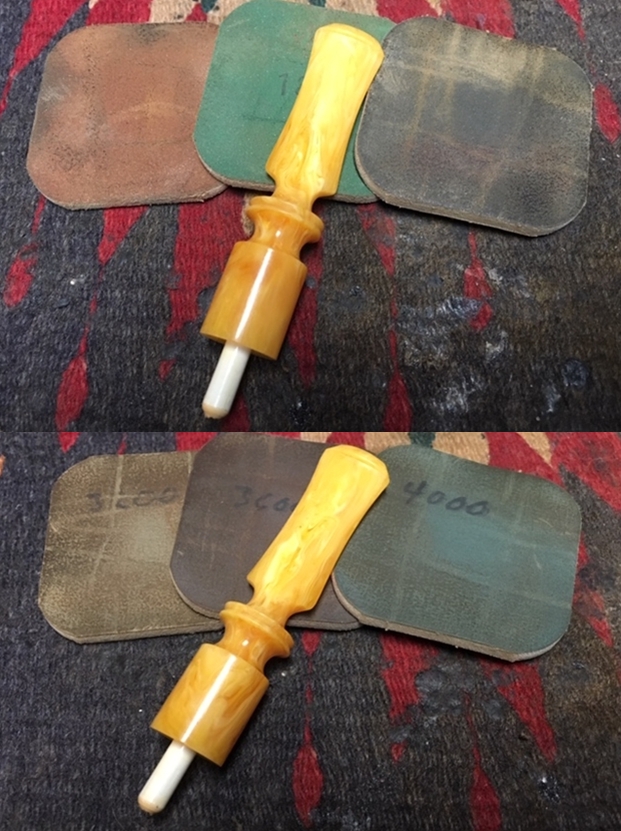
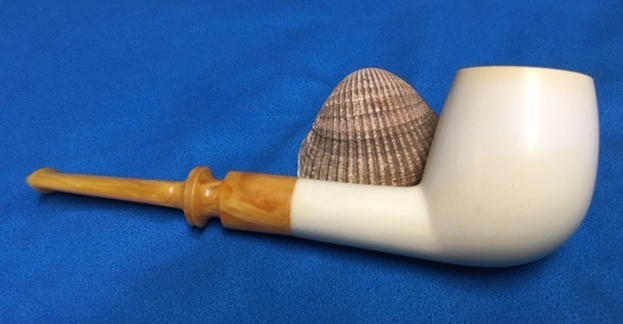
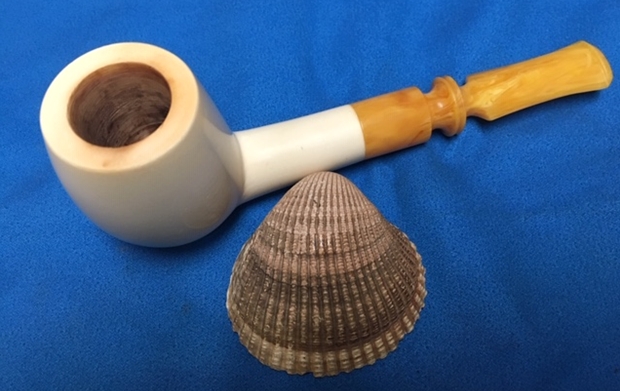
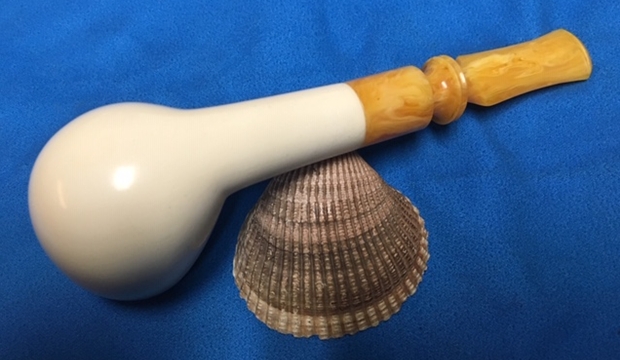
Time for a Meerschaum – A Fancy Gold Push Stem on a Meer Billiard


Blog by Steve Laug

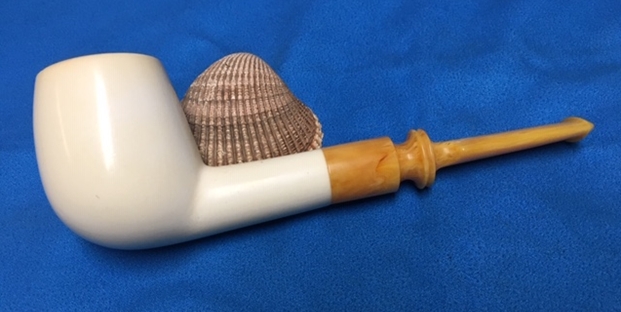
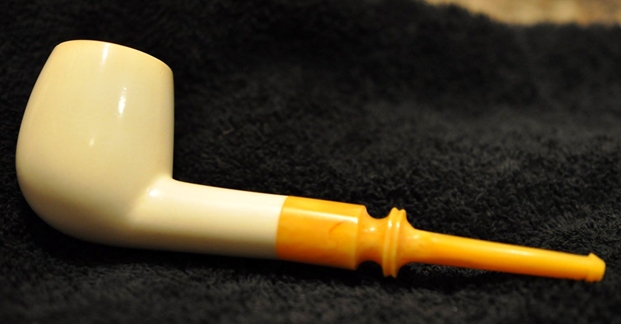
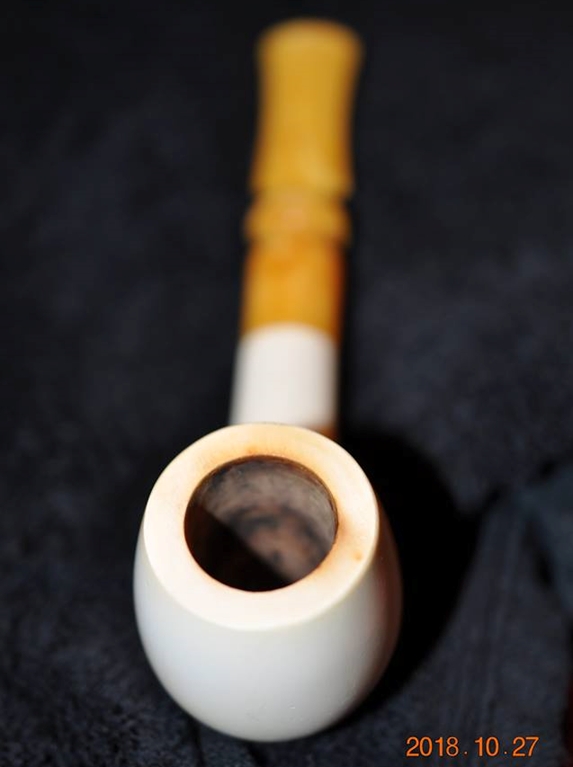
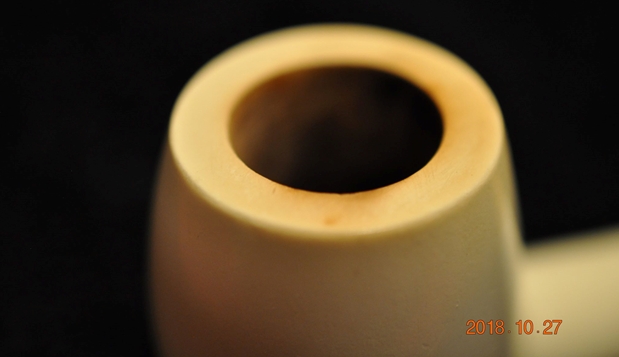
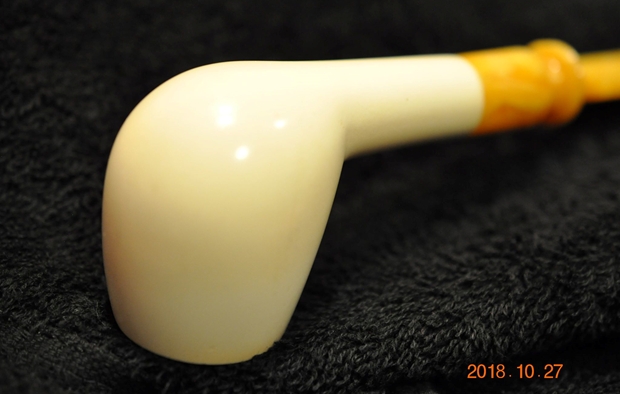
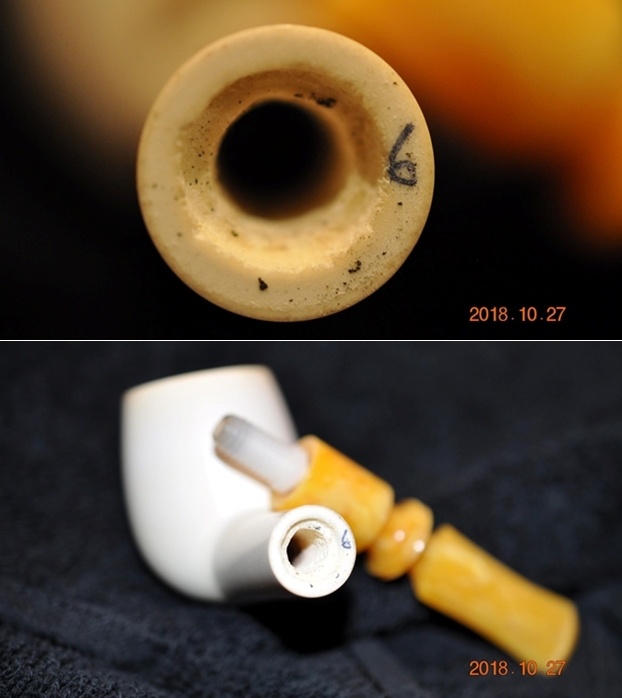
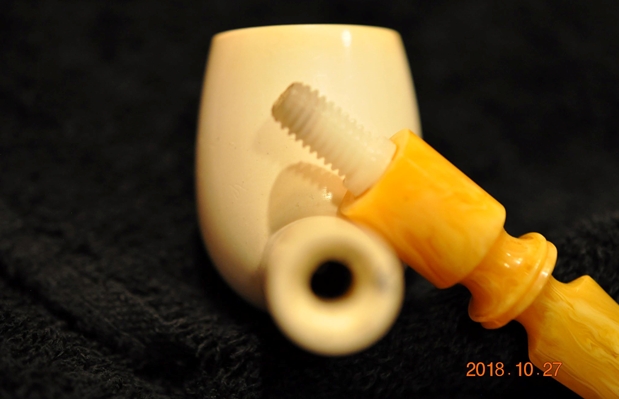
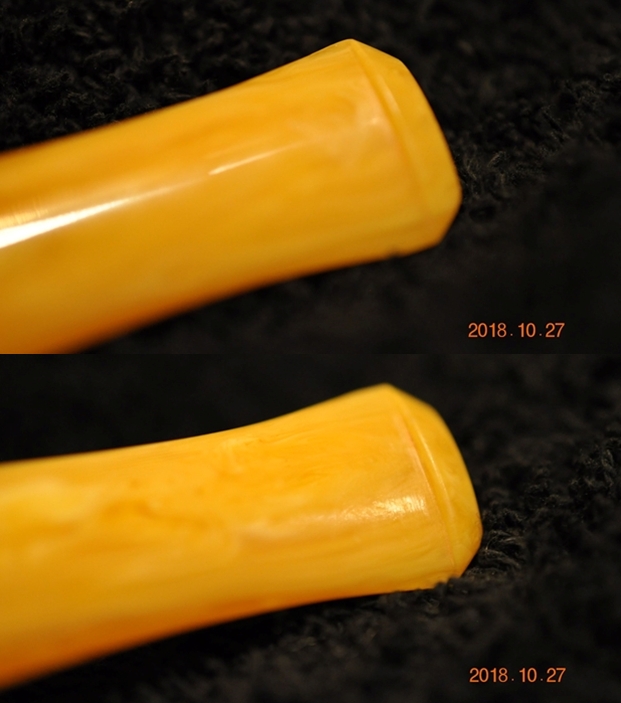
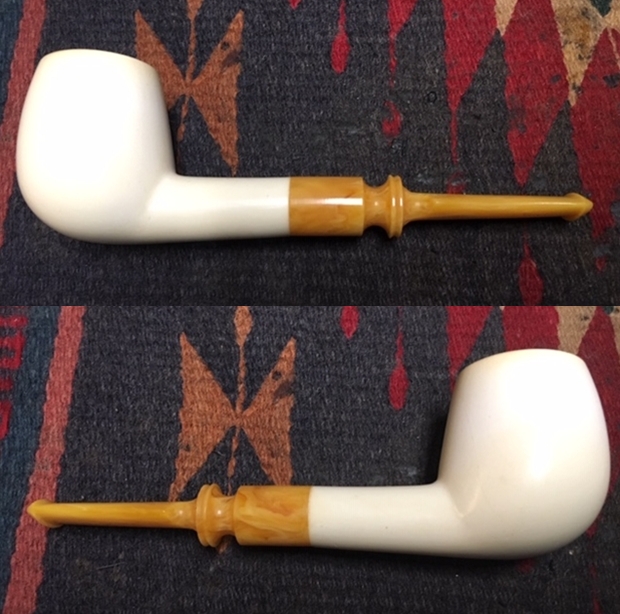
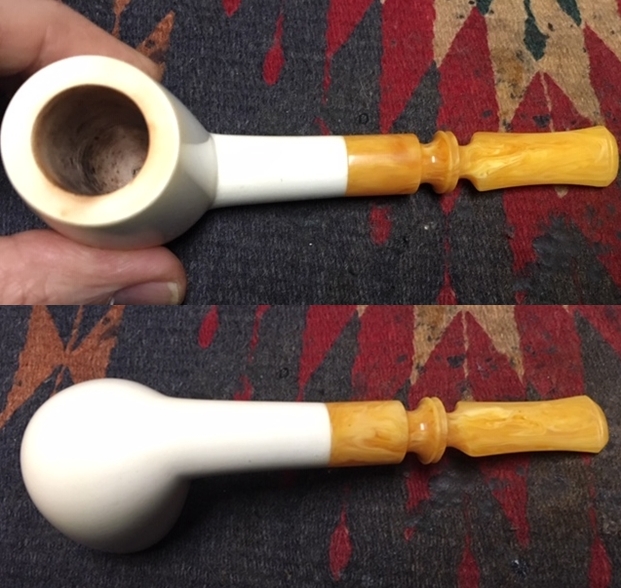
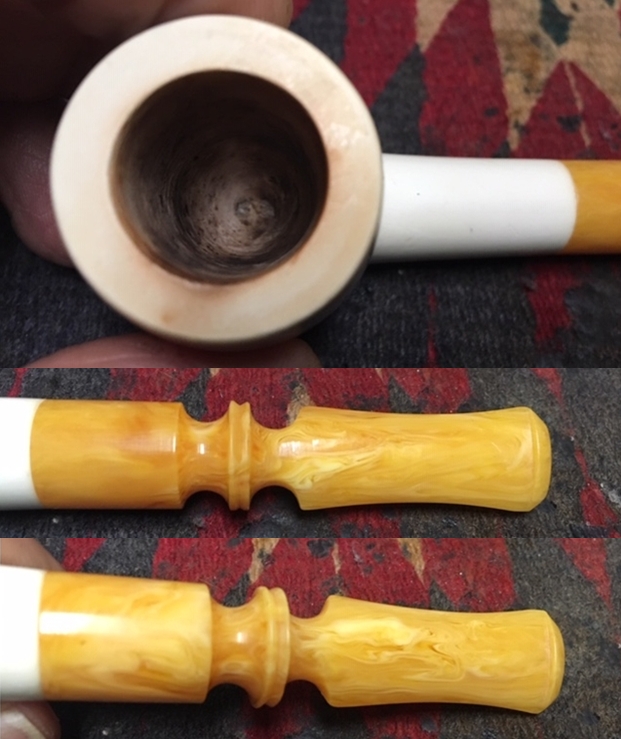
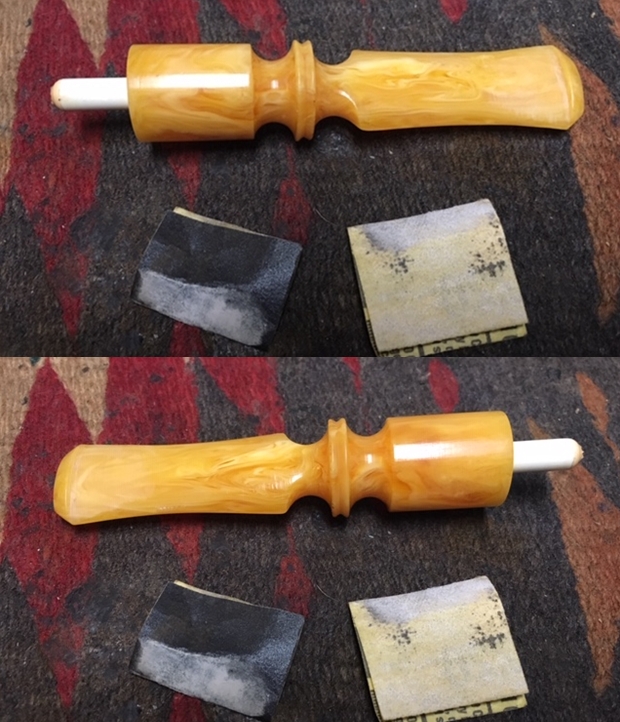
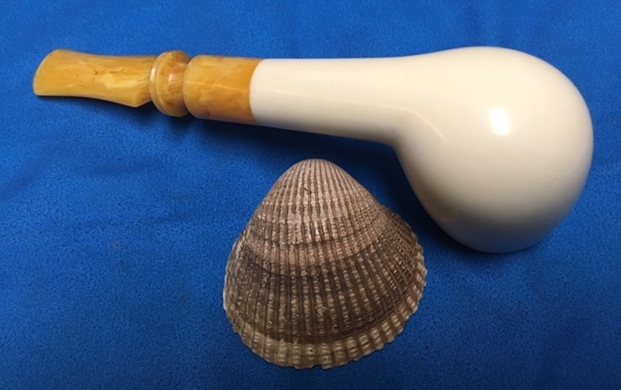
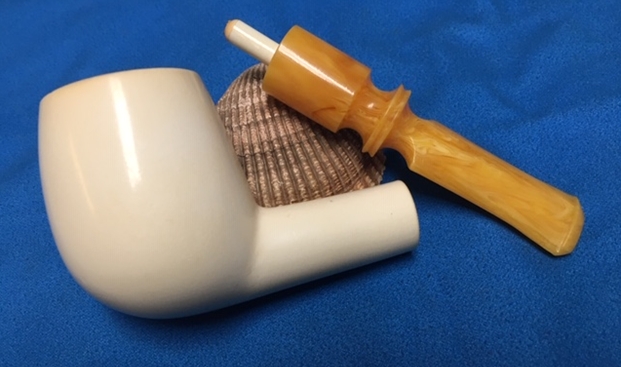
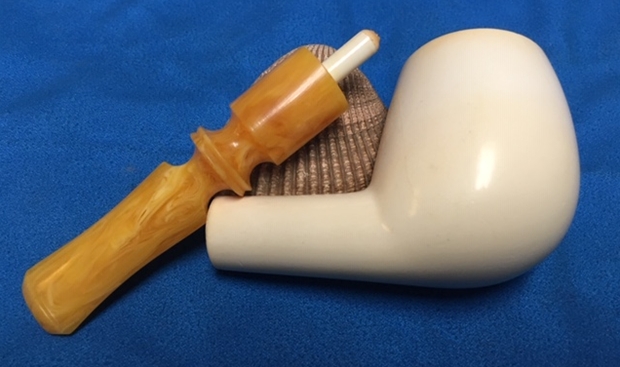
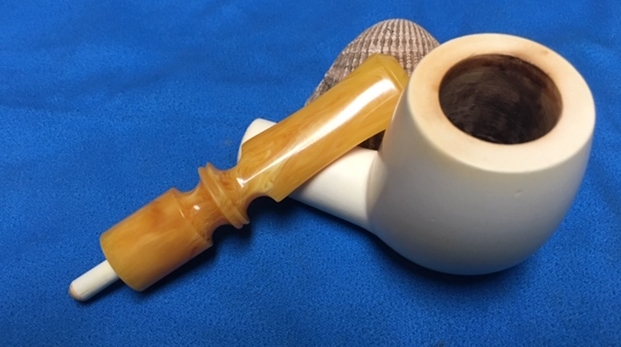
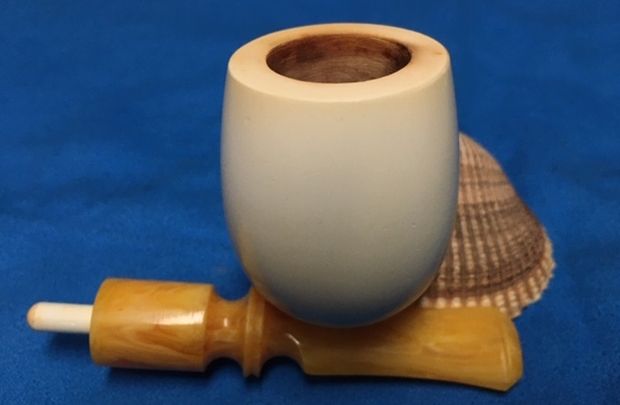
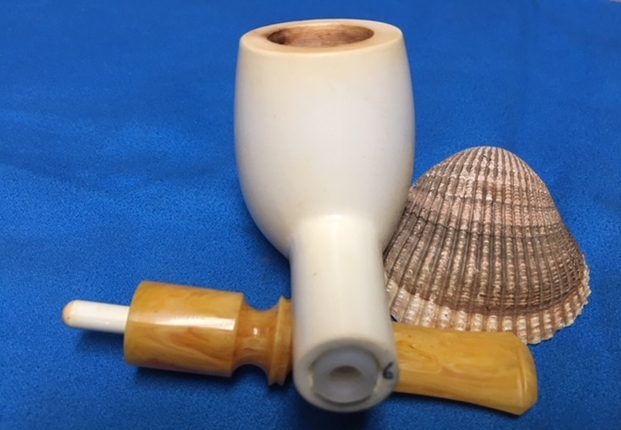
The next pipe on the table is from a guy in New York that hunts for pipes for Jeff and me. This is a no name meerschaum billiard with a push tenon and mortise. The stem is acrylic and is a swirled golden Lucite. The pipe was one of the cleaner ones that have come our way. There was very little cake in the bowl and just some slight darkening on the rim top and on the inner edge on the left side. The bowl is almost unsmoked it is so clean with a little darkening from one or two bowls being drawn through it. The inner and outer edges of the bowl are flawless without any damage areas as is the top of the rim. The acrylic stem was in excellent condition with light tooth chatter around the button. It is a fancy turned stem the kind that I have seen on freehand pipes before but it actually looks very good with the meer. It hearkens back to the days of amber stems. It is well made and has a very comfortable button and slot. The stem is thin enough that it is comfortable in the mouth as well. Jeff took some photos of the pipe before he started working on it. He took photos of the rim top to show how clean the bowl was. You can see the fresh meerschaum on the walls of the bowl near the top. There is no cake in the bowl and there is no lava on the rim top.He took a photo of the right side and heel of the bowl to show how clean the externals of the meerschaum are. It is really quite pristine.When Jeff took the stem off the bowl the mortise unscrewed from the shank. He took some photos of the stem with the threaded mortise in tow. The first photo shows the inside of the shank and how clean it is. The third photo shows the threaded mortise with the push tenon inside of it. It will need to be pulled off the push tenon and threaded back into the shank. The golden acrylic stem was in excellent condition other than light tooth marks and chatter on both sides near the button. The button was in excellent condition.Jeff had already cleaned up the pipe before sending it to me. He had wiped out the bowl to remove the debris and dust in it. There was no need to ream it as there was no cake. He scrubbed the exterior with Murphy’s Oil Soap and a tooth brush to clean off the grime off the finish and to see if he could remove some of the darkening on the left side of the rim top. He cleaned up the internals of the shank, mortise and stem with pipe cleaners, cotton swabs and alcohol to remove any remnants of the few smokes that had been run through the pipe. When it arrived here in Vancouver it was a very clean pipe and really left little to do but work on the stem. I took photos of it before I started my part of the restoration. I took photos of the rim top and the stem to show how clean and almost pristine they were when they arrived. The bowl was spotless and ready to smoke. The stem had some tooth chatter and light marks on the top and underside near the button.I sanded the button and the stem with 220 grit sandpaper and 400 grit sandpaper to remove the tooth chatter and tooth marks.I polished the stem with micromesh sanding pads – wet sanding with 1500-2400 grit pads and dry sanding with 3200-12000 grit pads. I wiped the stem down after each pad with a damp cloth after each pad. I gave it a coat of Conservator’s Wax when I was finish and once it dried buffed it off with a soft cloth. I put the stem back on the pipe and the pipe to the buffer. I carefully worked it over with Blue Diamond to polish meerschaum and the acrylic stem. I gave the stem several coats of carnauba wax and buffed the pipe with a clean buffing pad to raise the shine. I hand buffed it with a microfiber cloth to deepen the shine. I love the way that the buffer brings a shine to the pipe. I was happy with the look of the finished pipe. The photos below show what the pipe looks like after the restoration. This is a beautiful meerschaum that has not really been broken in. It should colour nicely as it block meerschaum.  The shape of the white bowl and the golden fancy stem are very elegant. The dimensions of the pipe are Length: 5 ¾ inches, Height: 2 inches, Outside diameter of the bowl: 1 3/8 inches, Chamber diameter: 3/4 of an inch. This pipe will soon be added to the rebornpipes online store. If you are interested in adding a virtually new meerschaum pipe to your collection let me know. This one should be a great smoker. Thanks for walking through the restoration with me on another beauty!