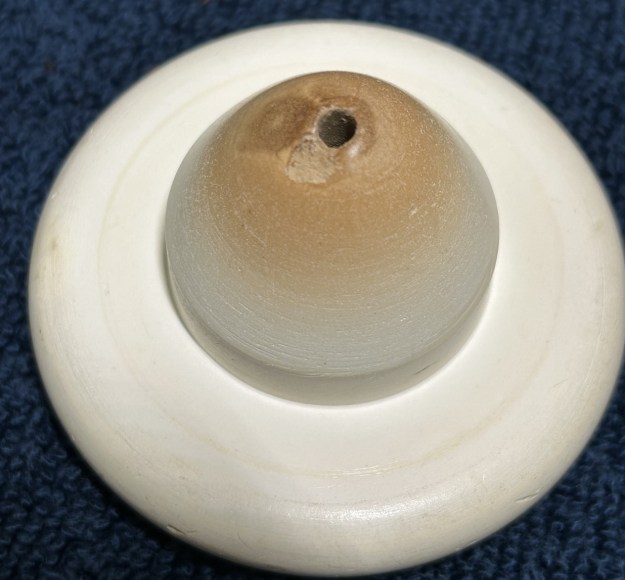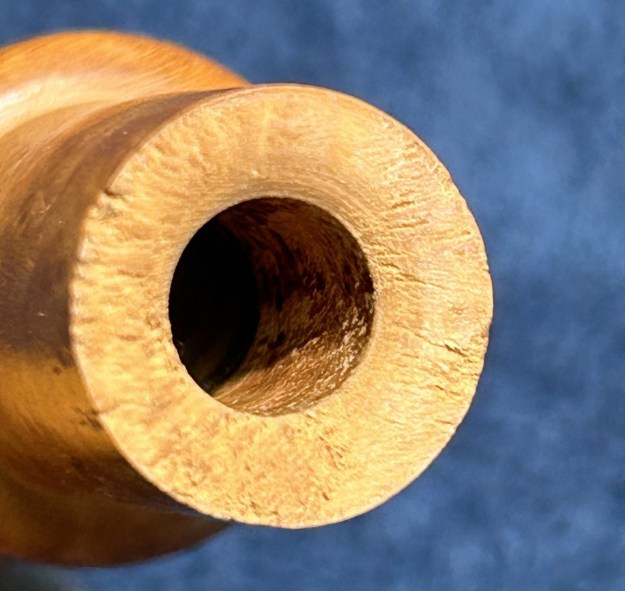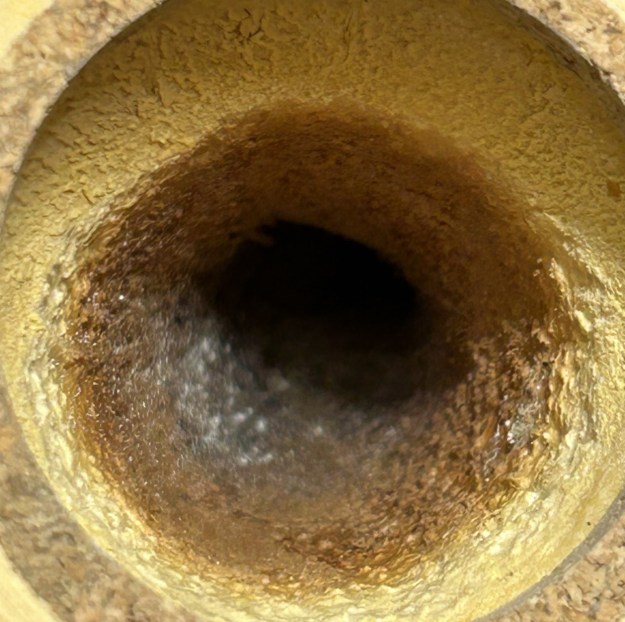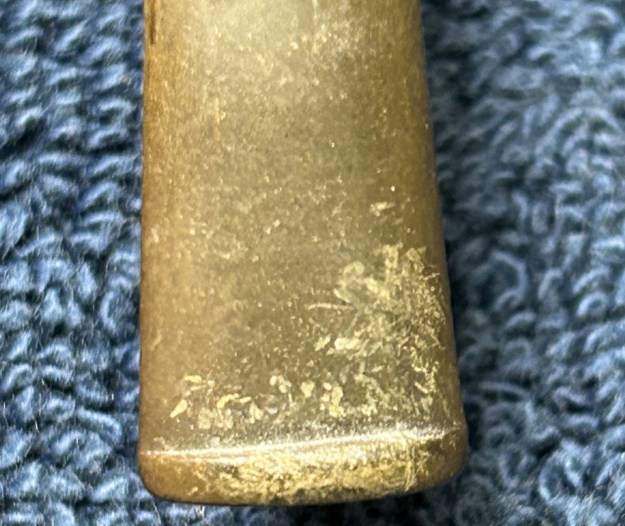
Tag Archives: polishing a Meerschaum Calabash bowl

Cracking the Mystery of an Alluring Gourd Calabash


by Kenneth Lieblich

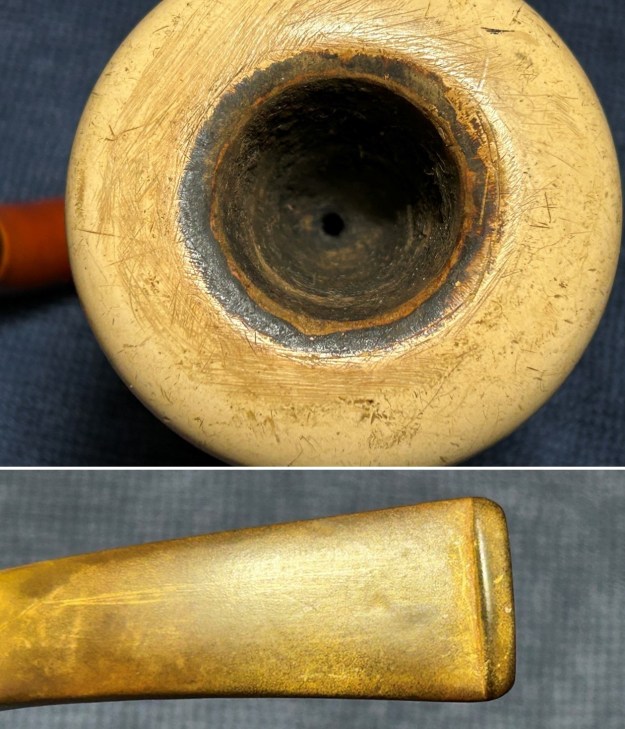
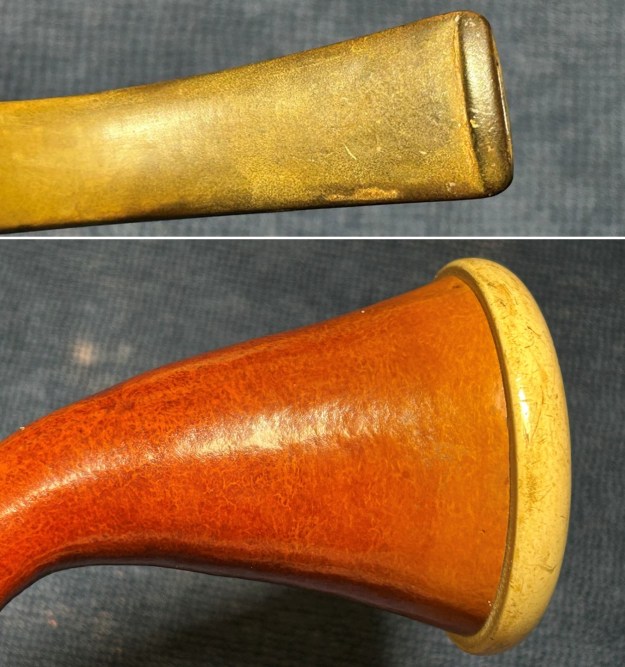
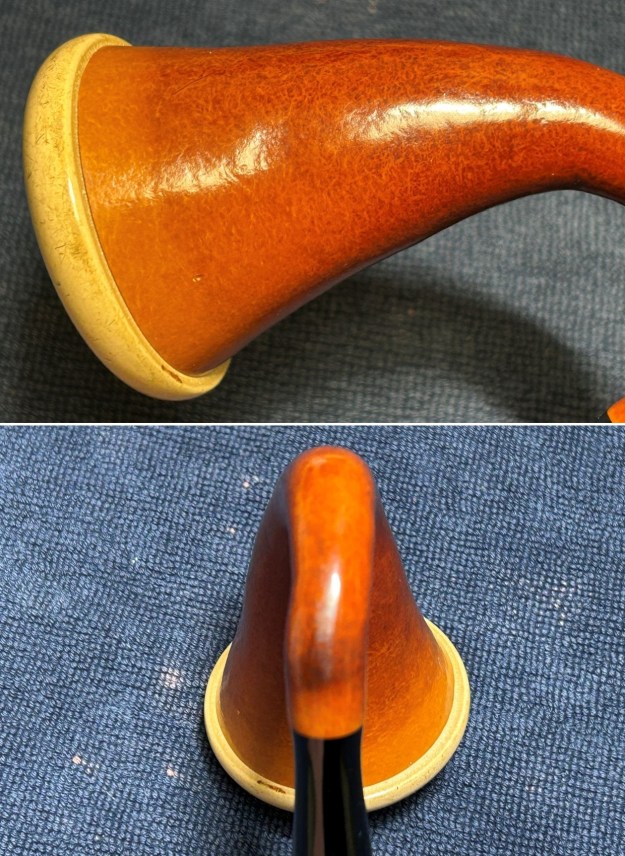
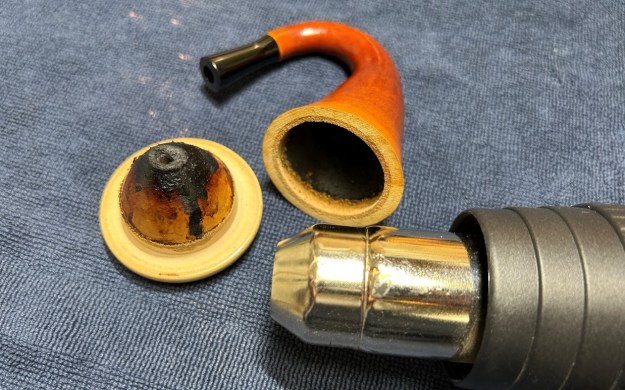
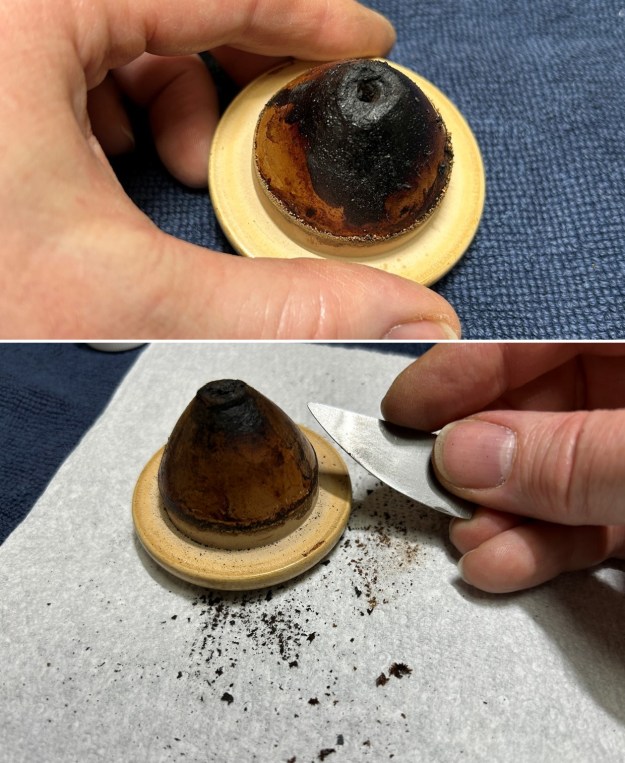
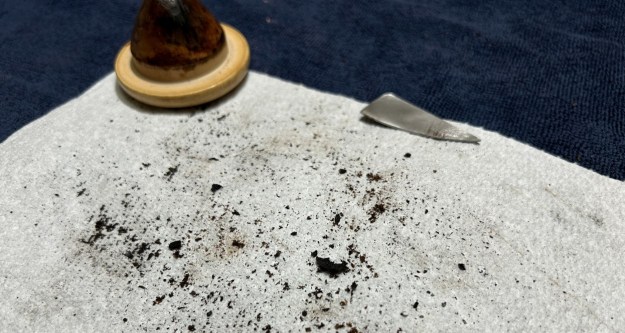
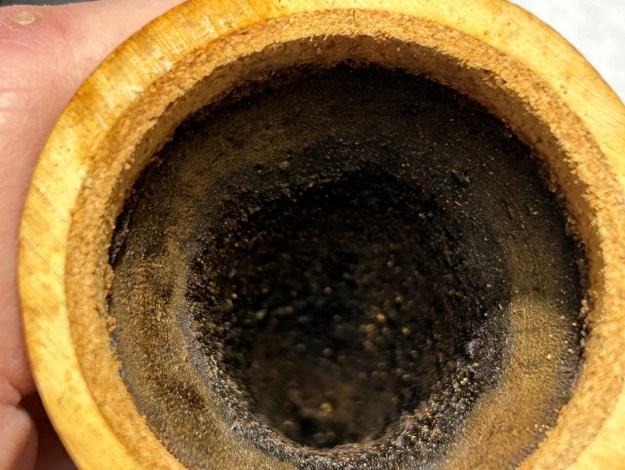
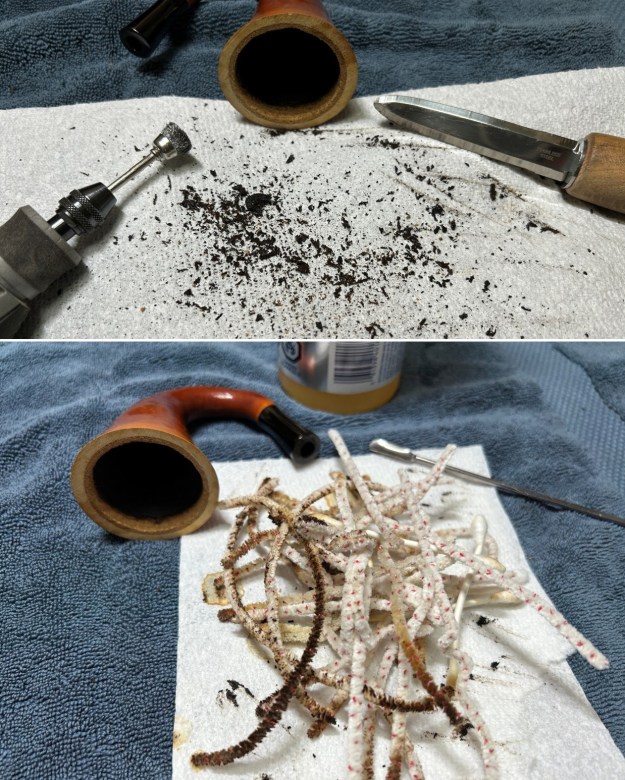
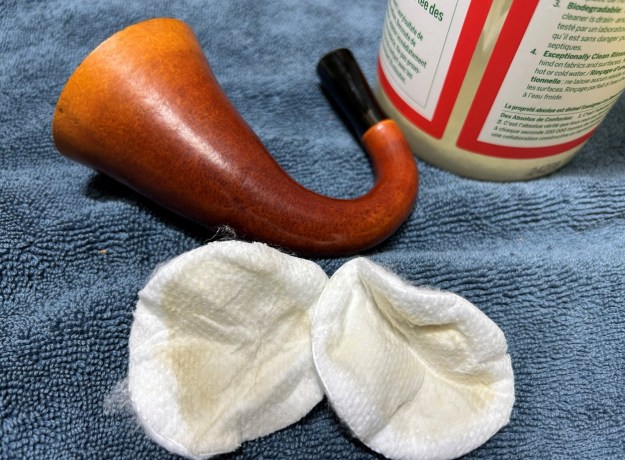
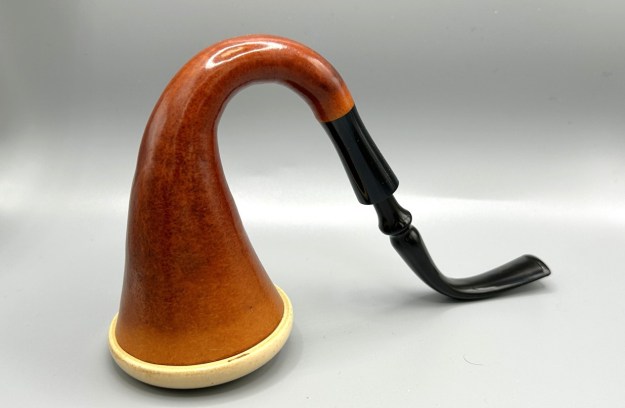
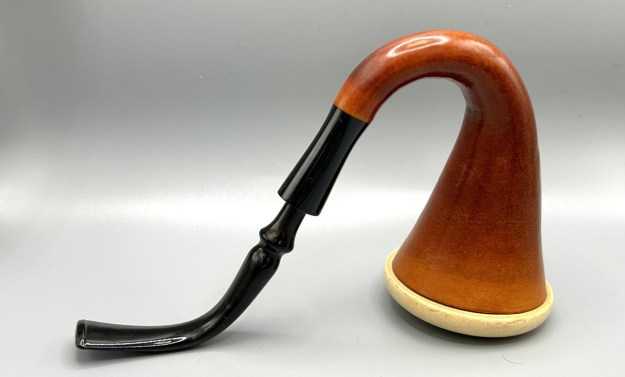
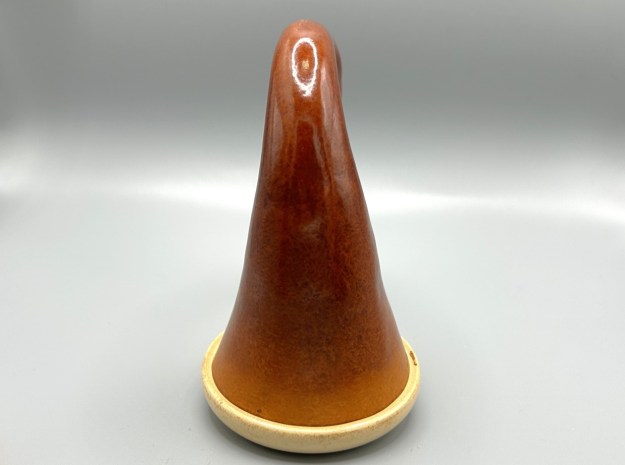
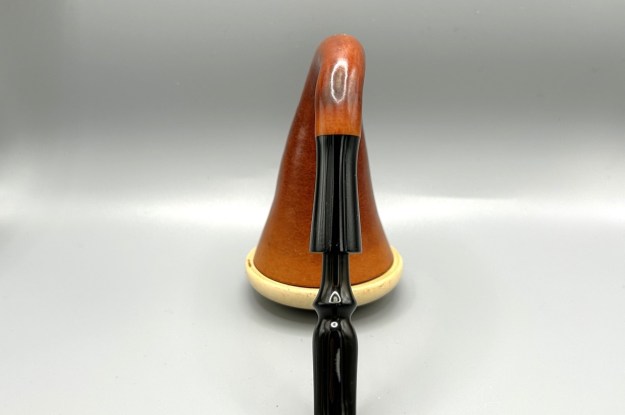
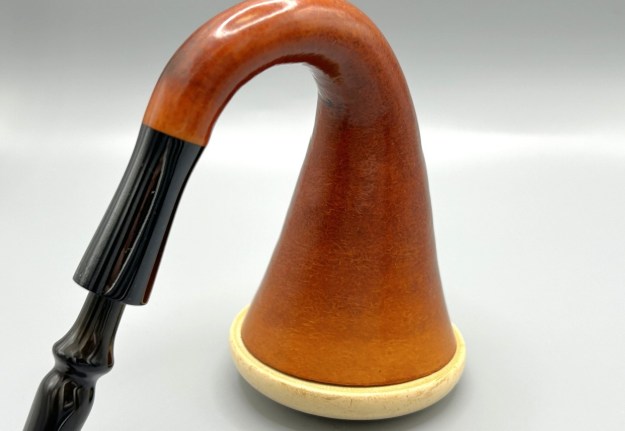
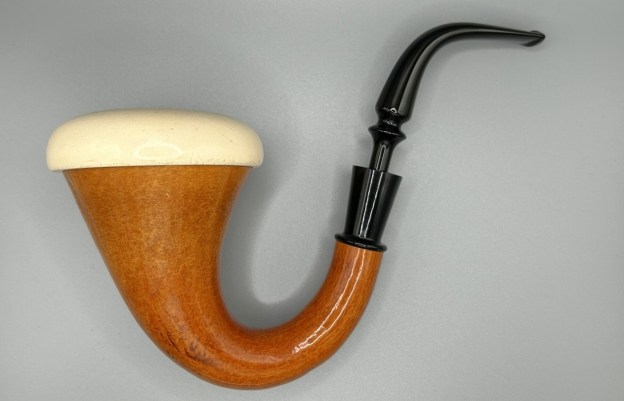
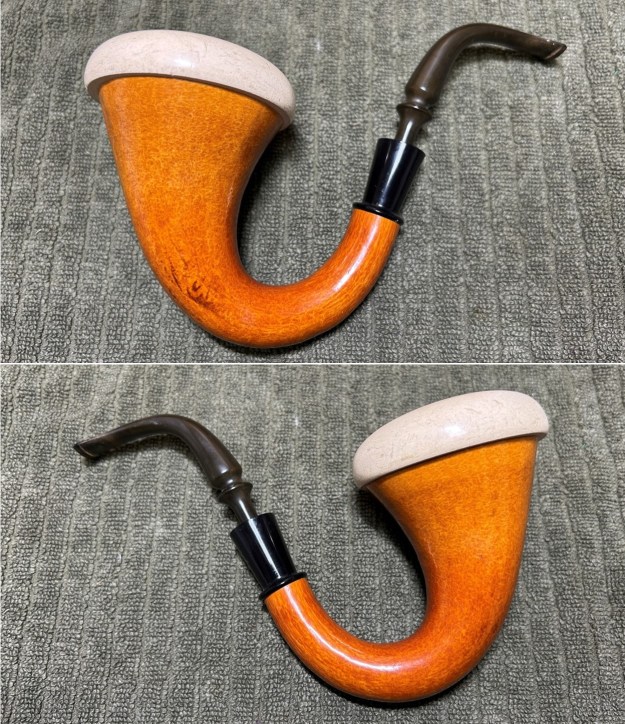
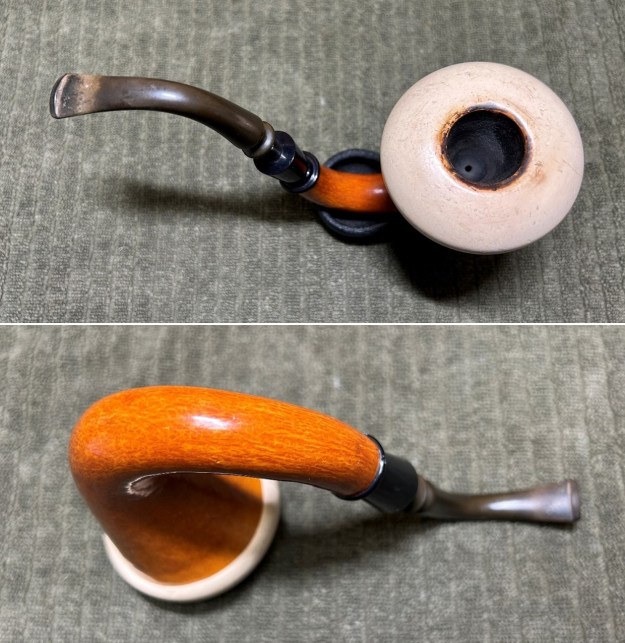
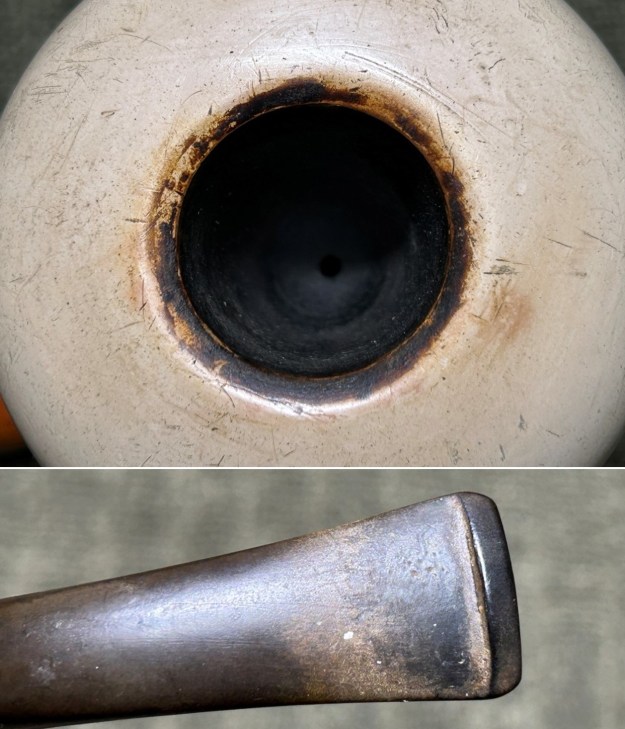
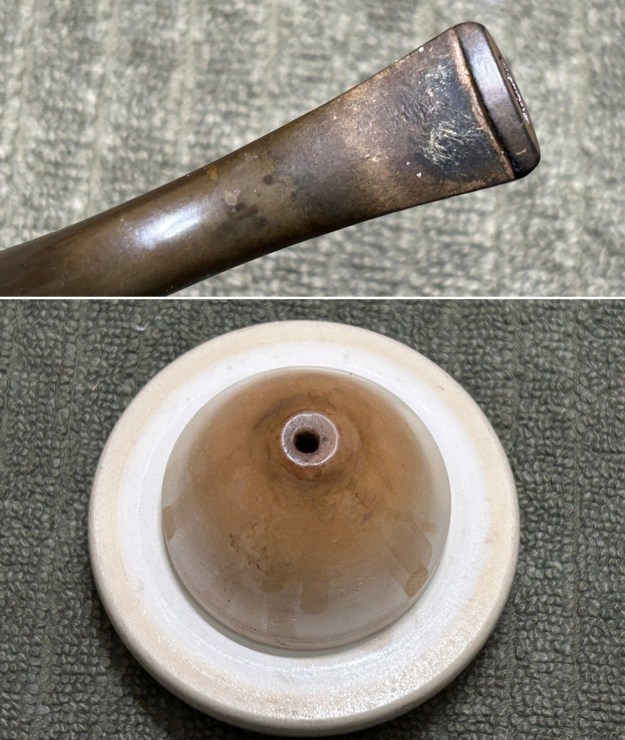
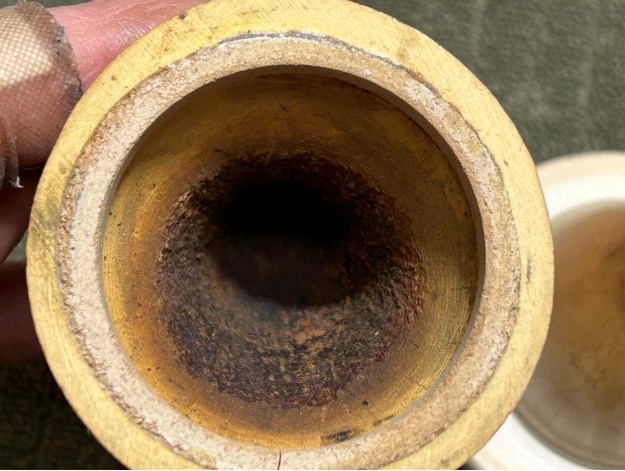
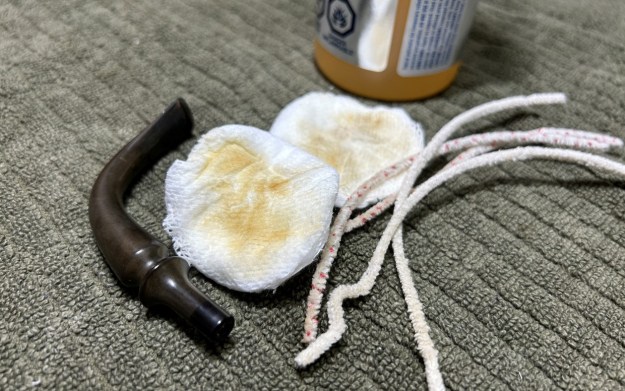
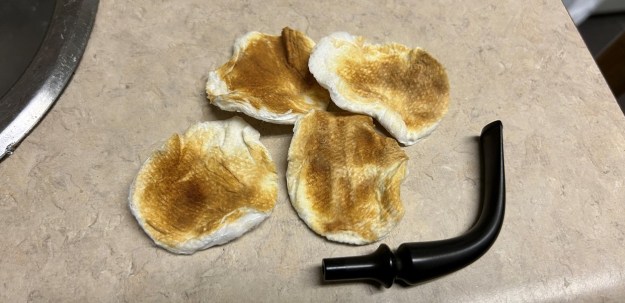
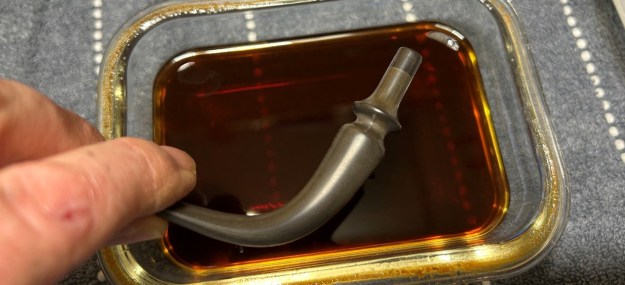
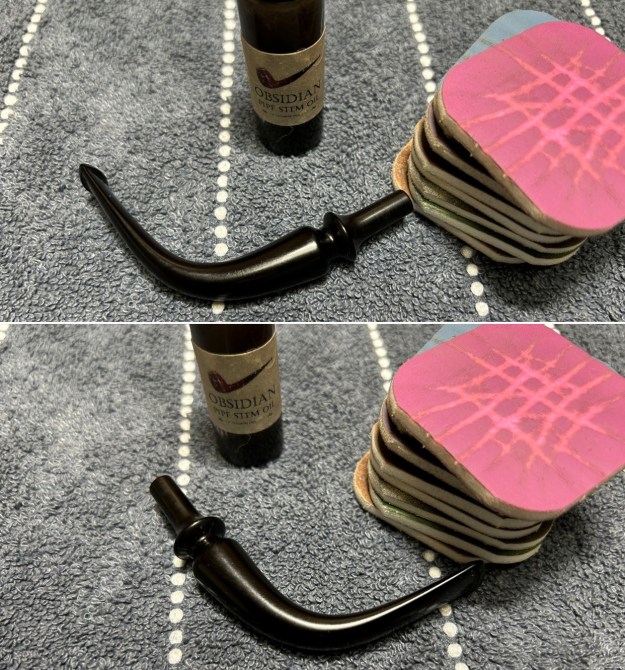
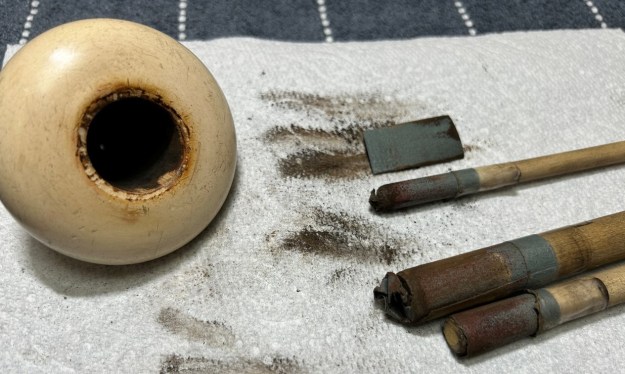
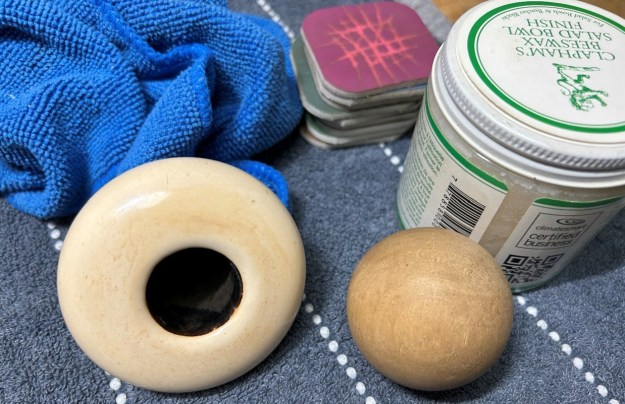
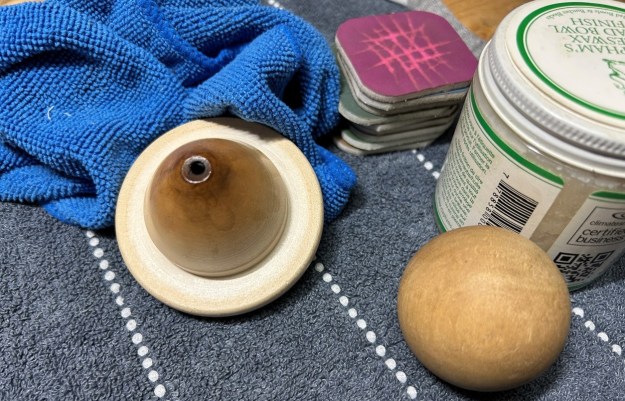
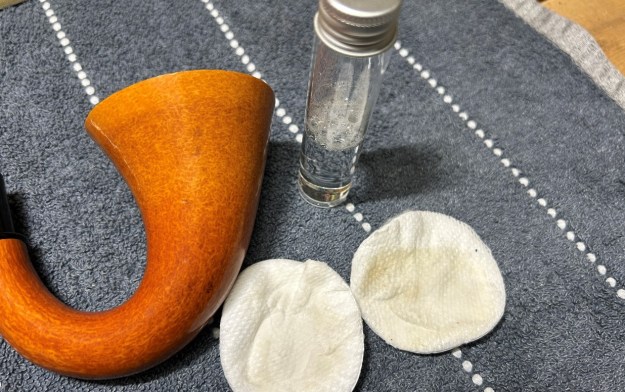
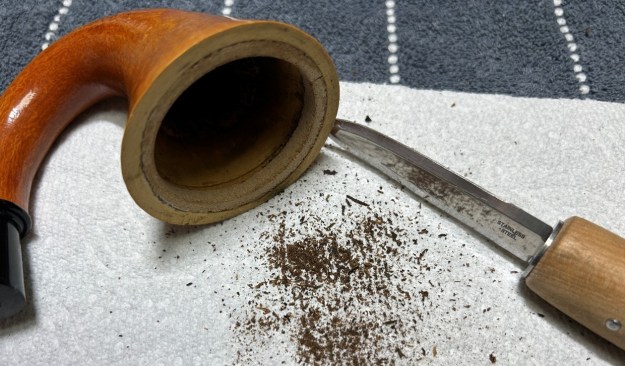
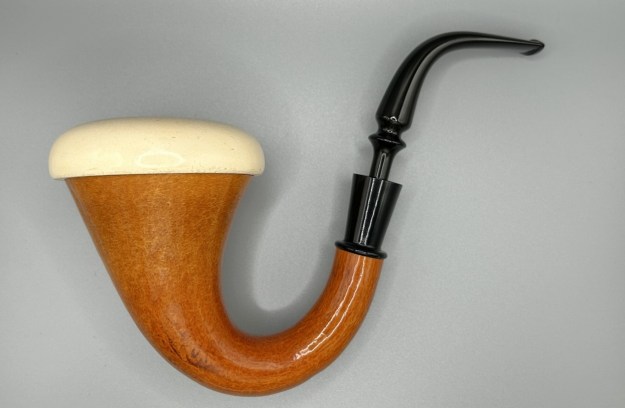
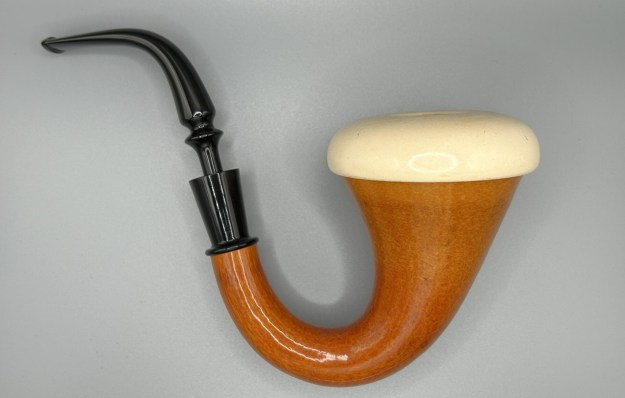
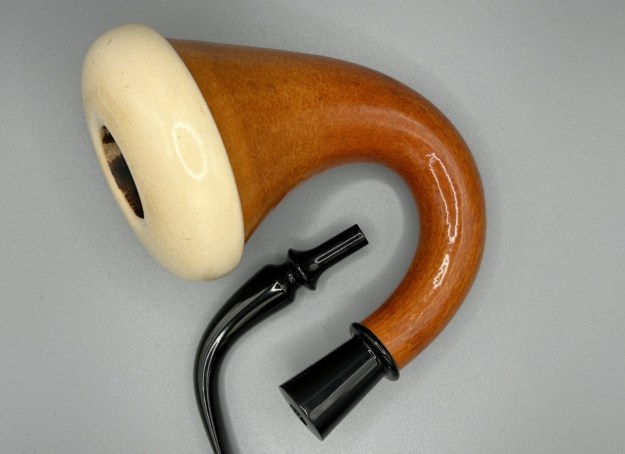
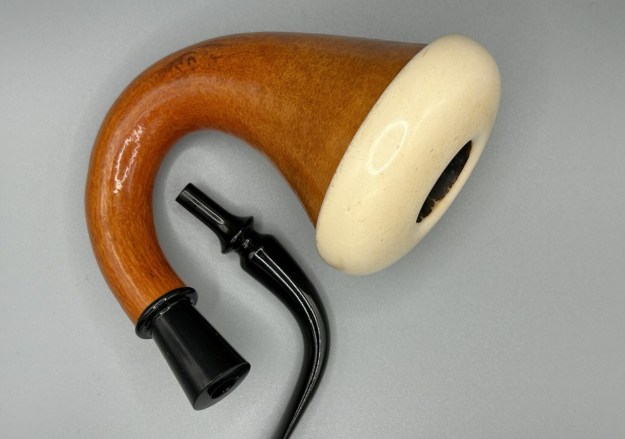
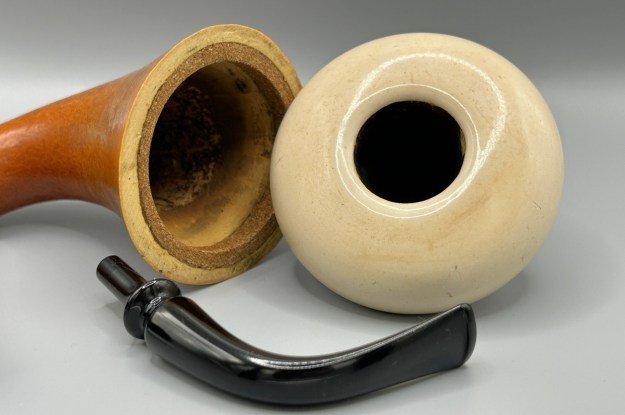
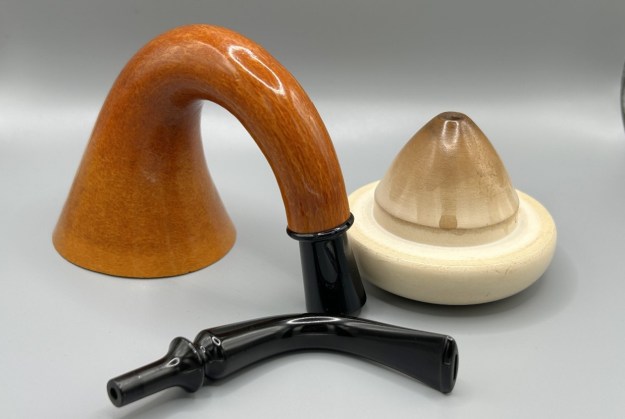
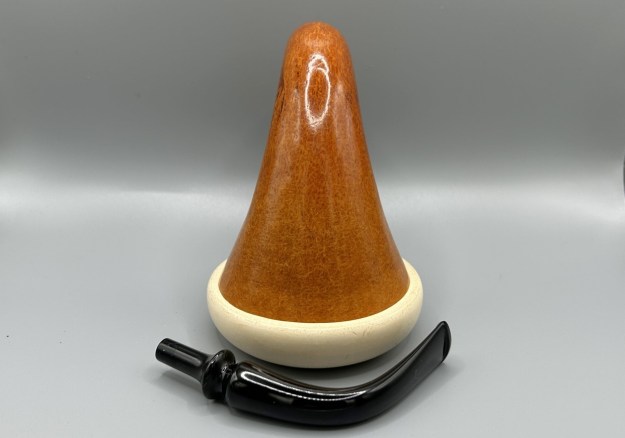
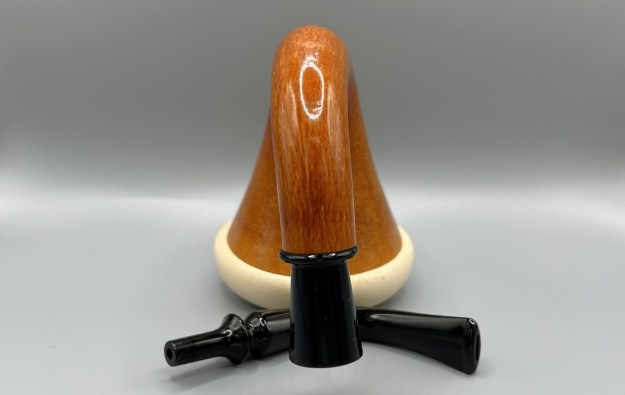
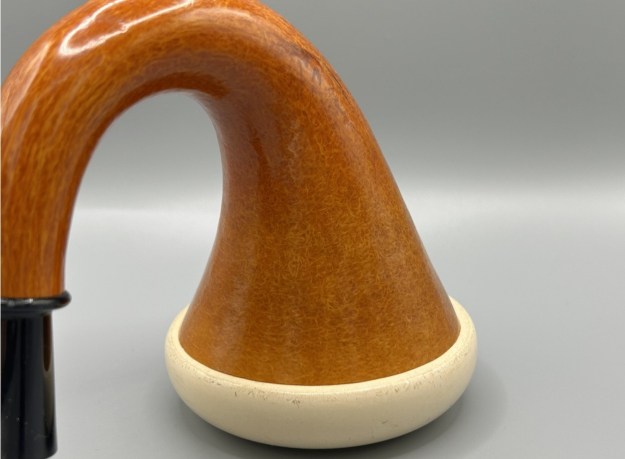
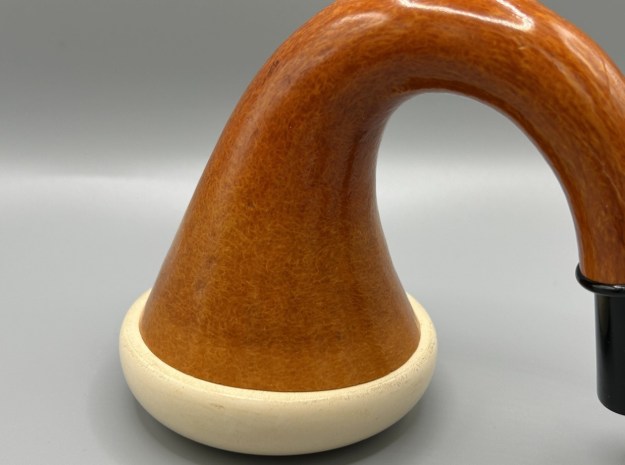
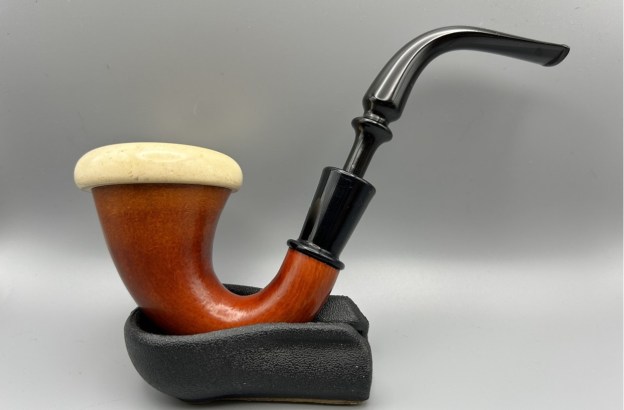
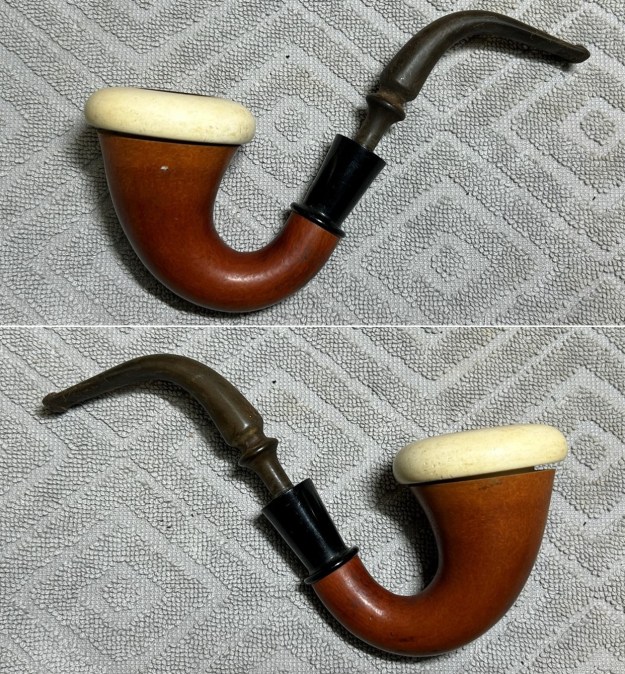
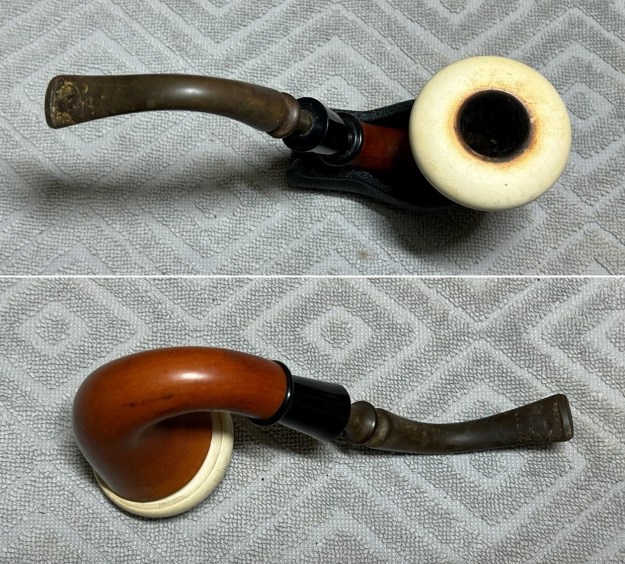
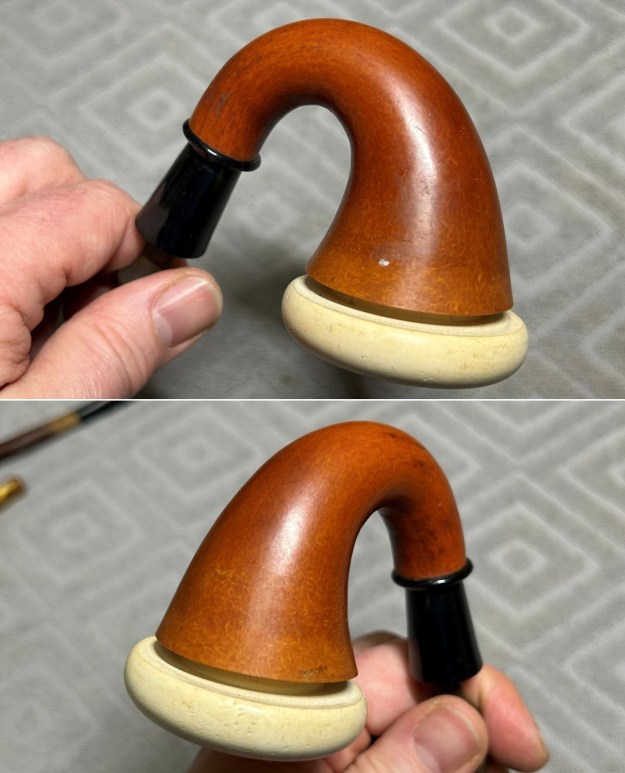
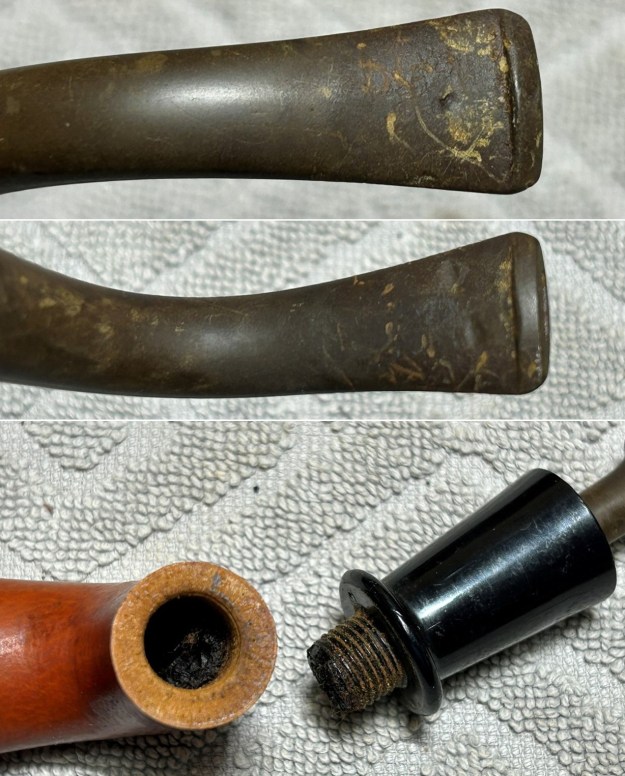
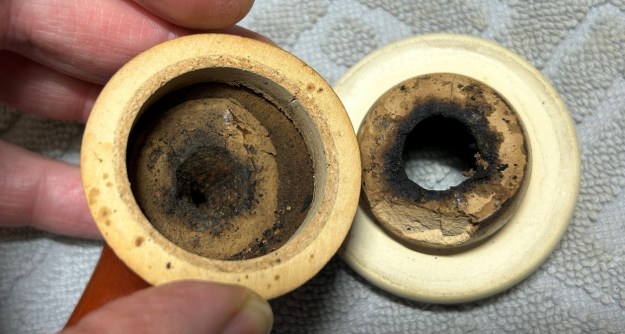
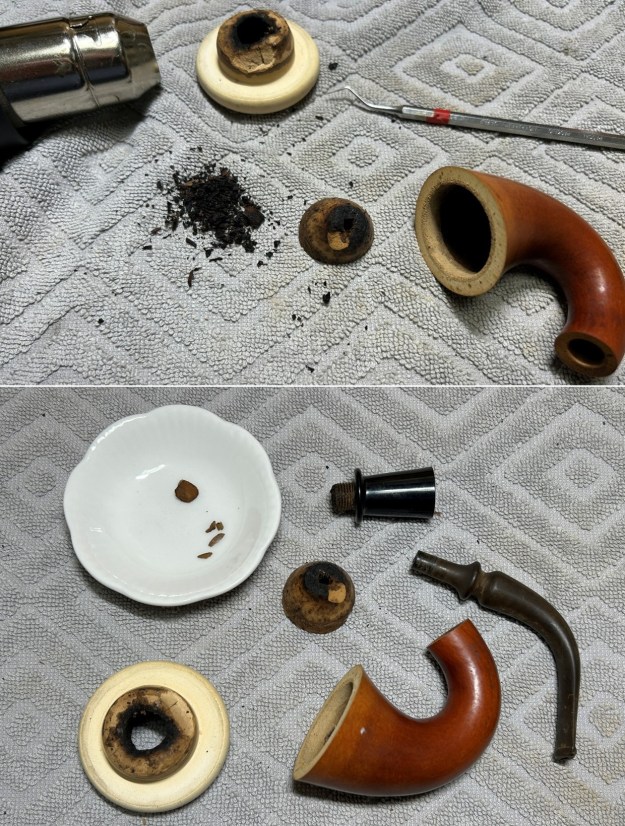
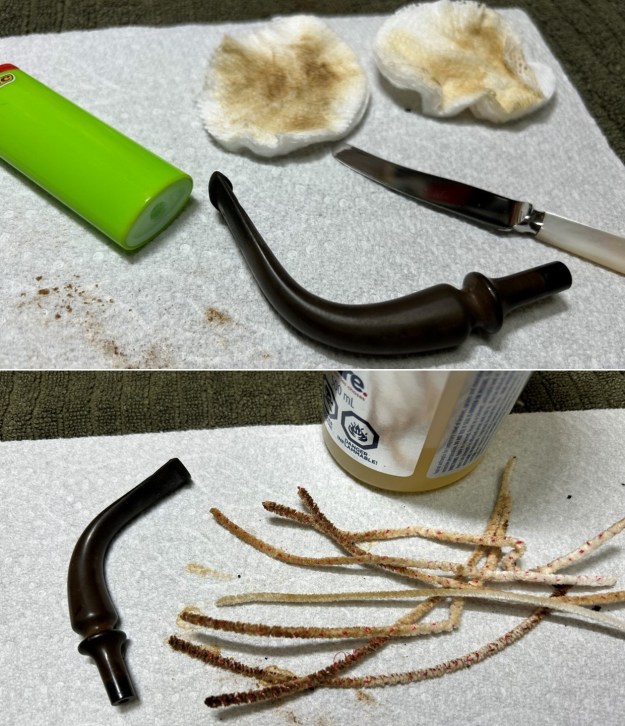
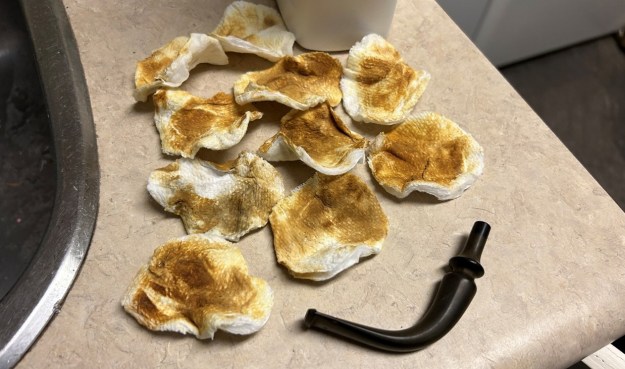
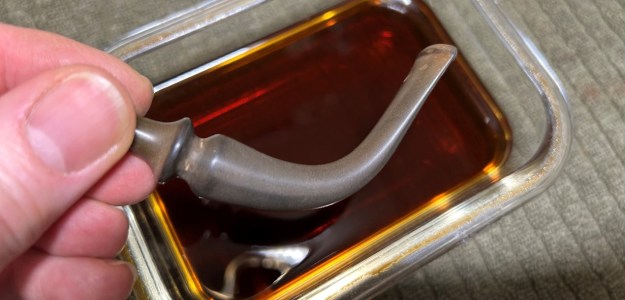
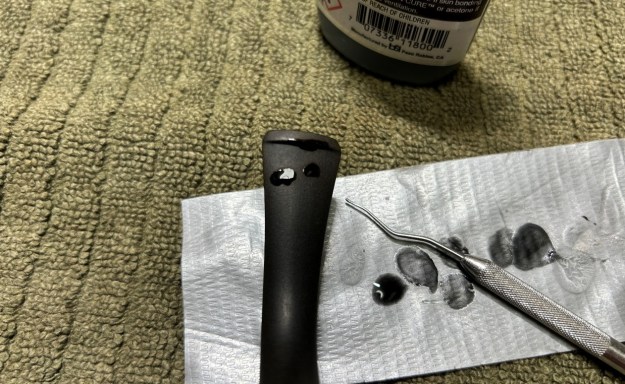
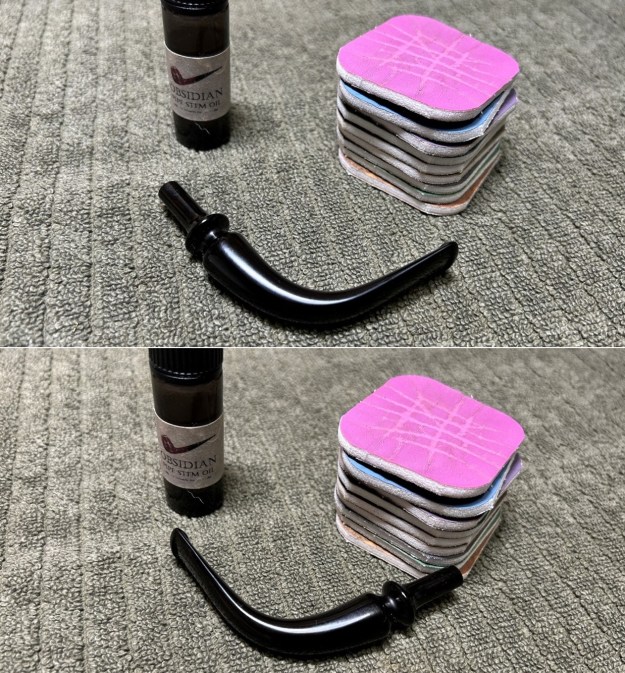
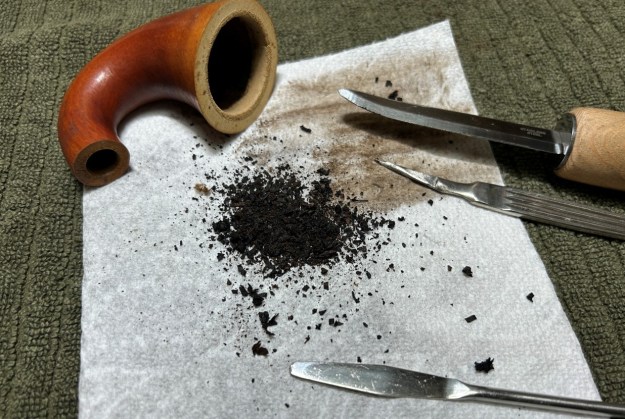
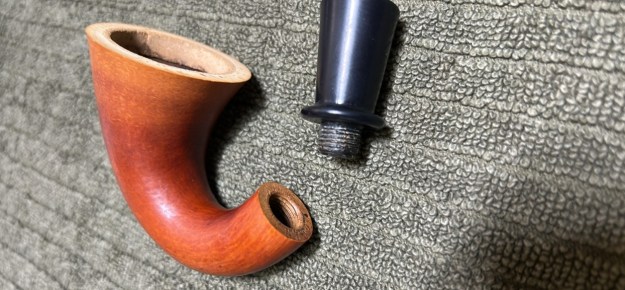
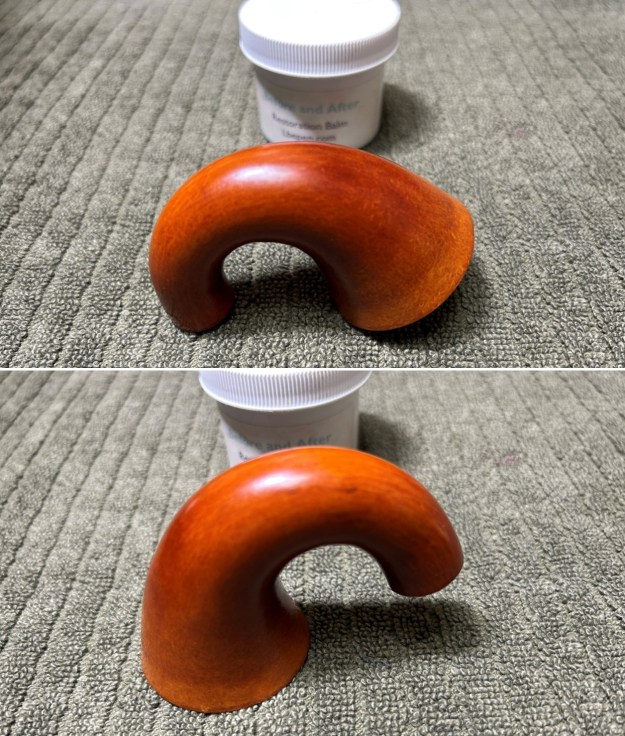
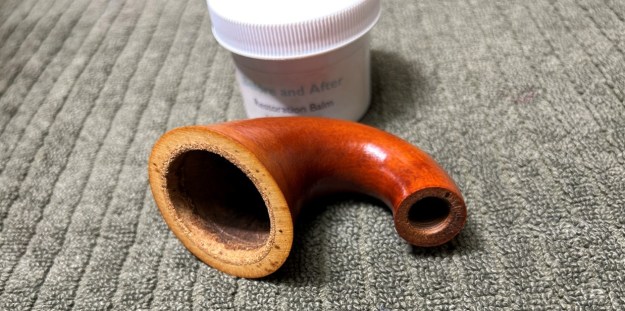
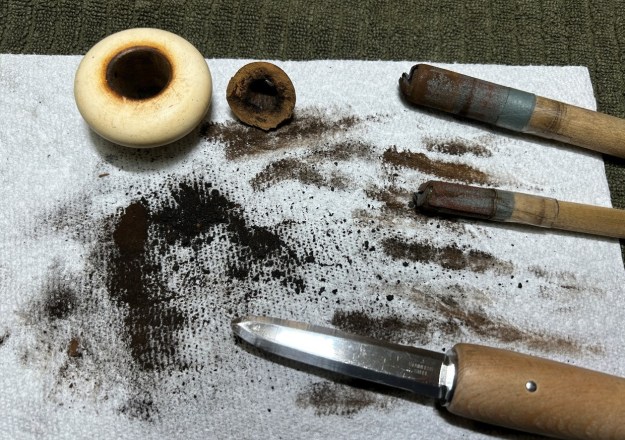
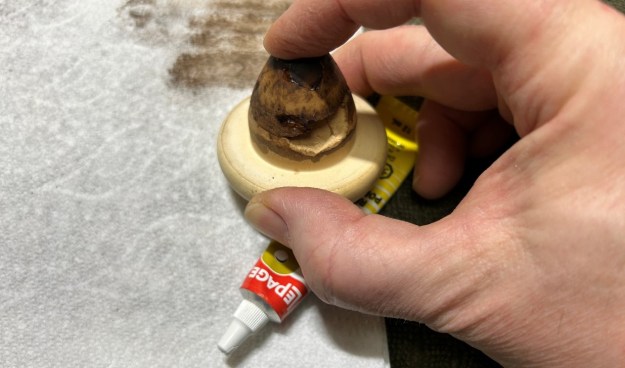
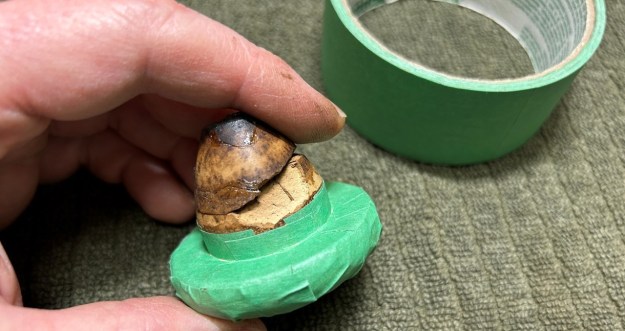
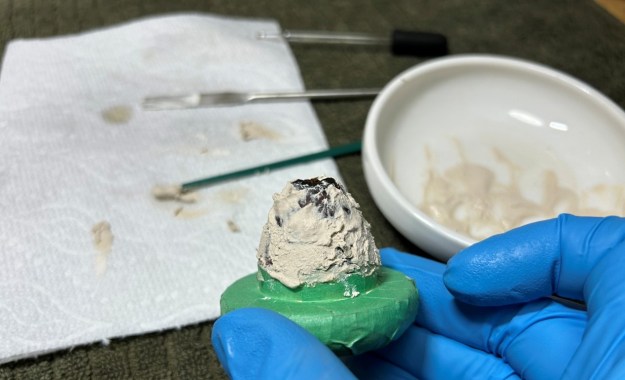
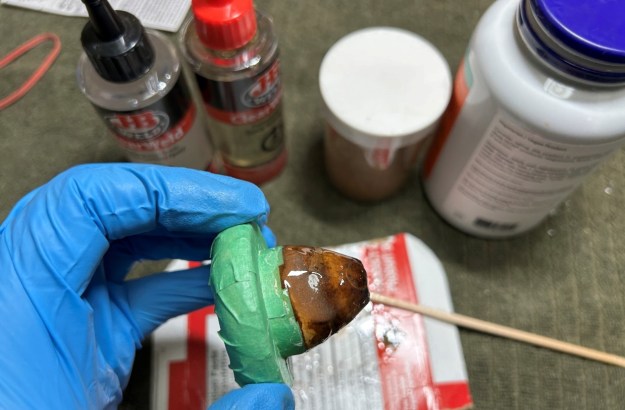
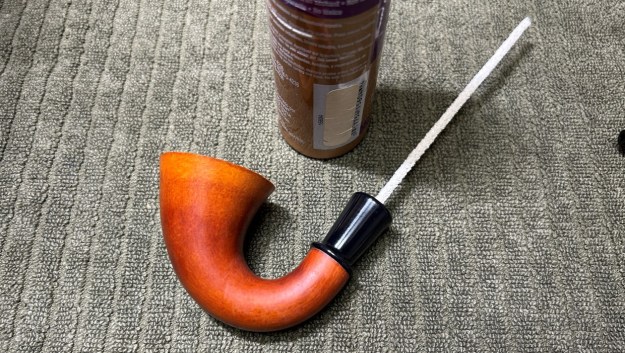
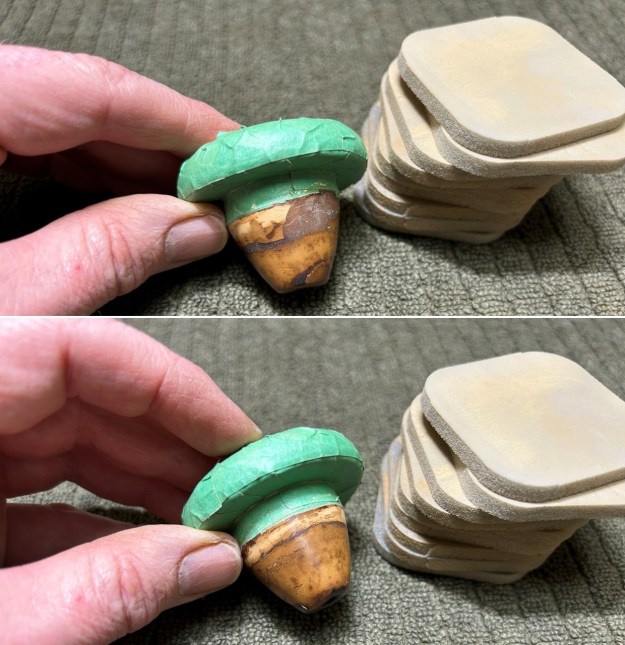
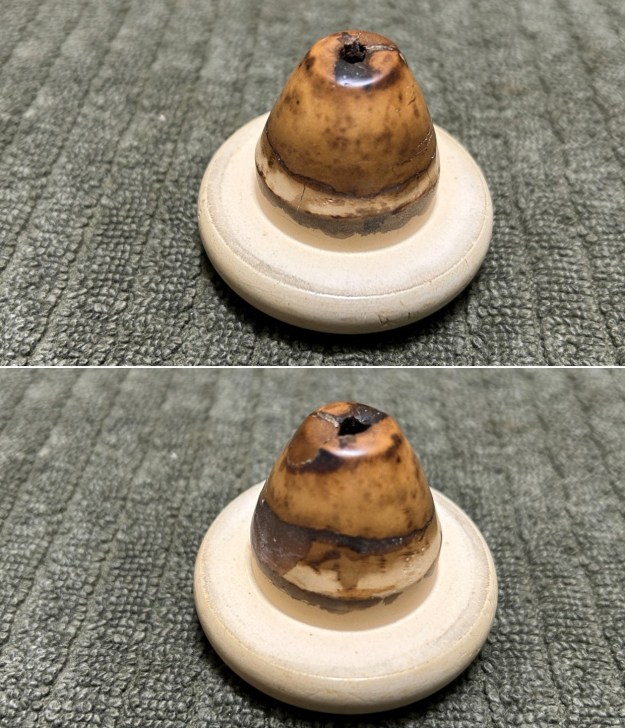
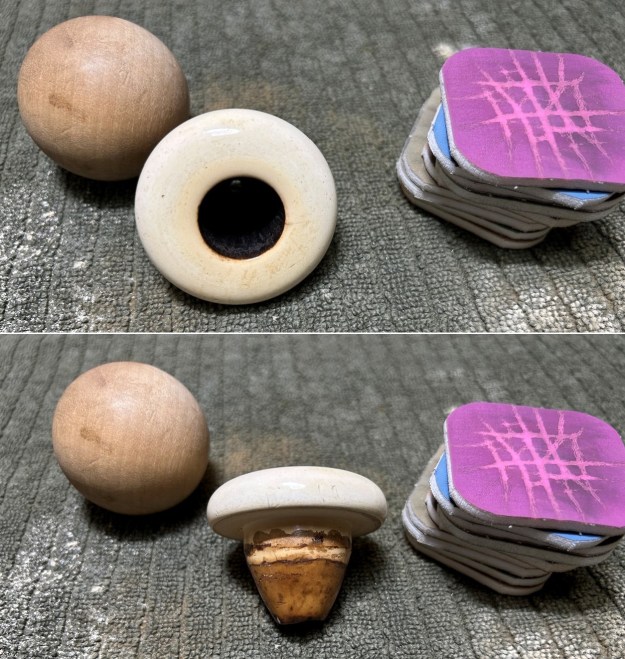
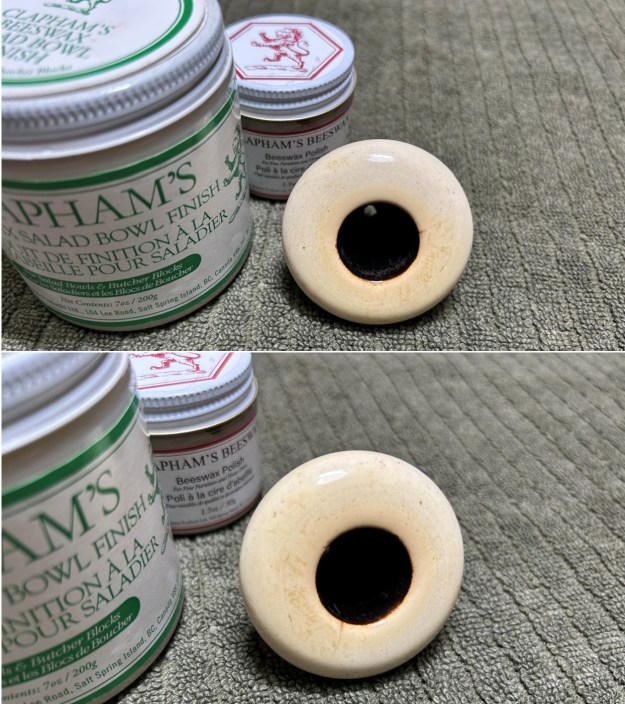
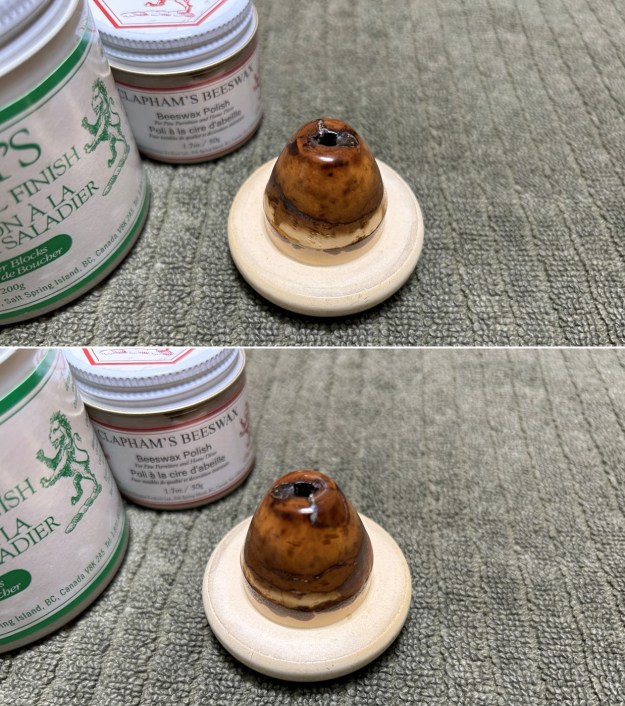
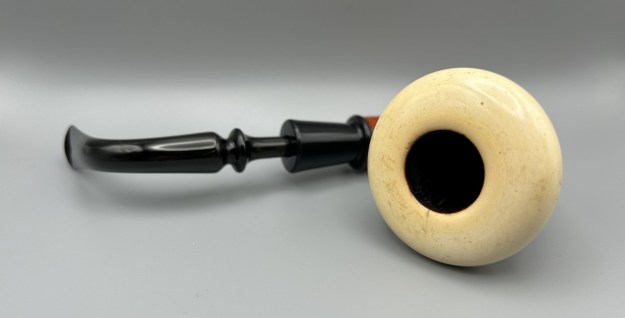
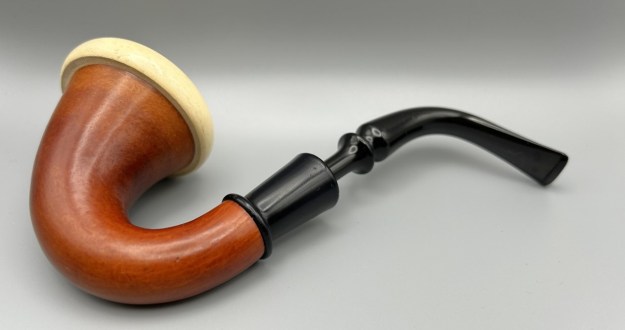
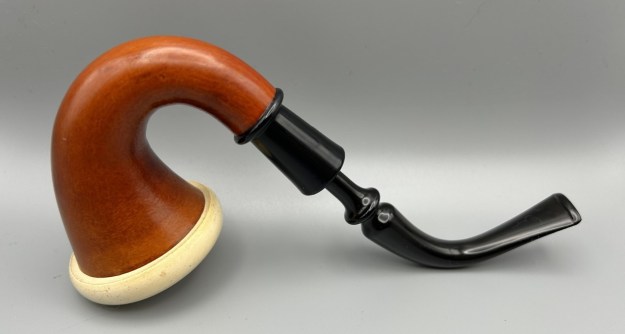
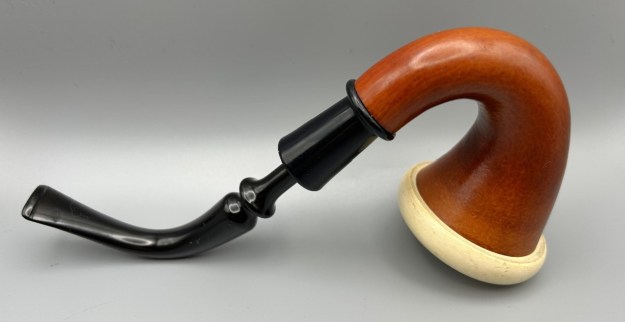
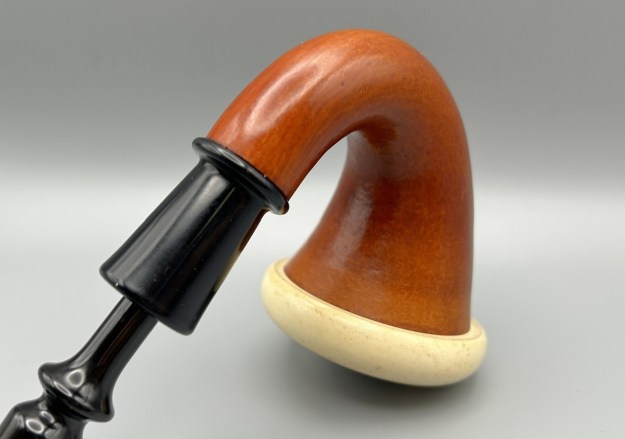
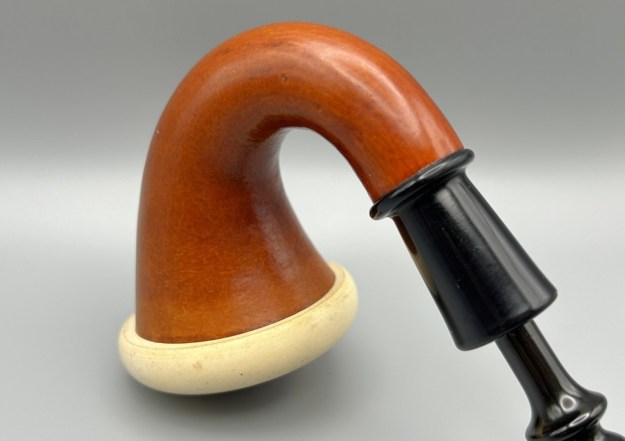
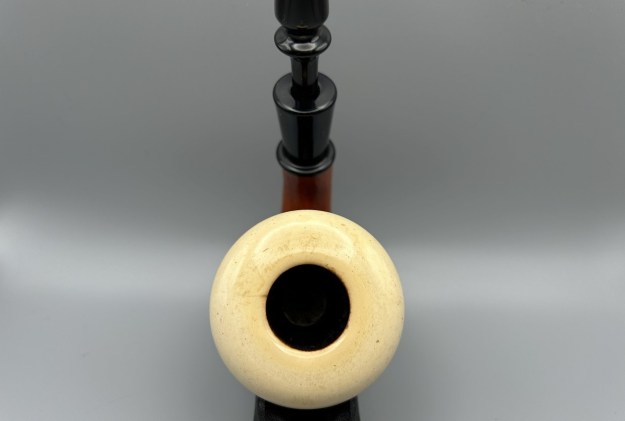
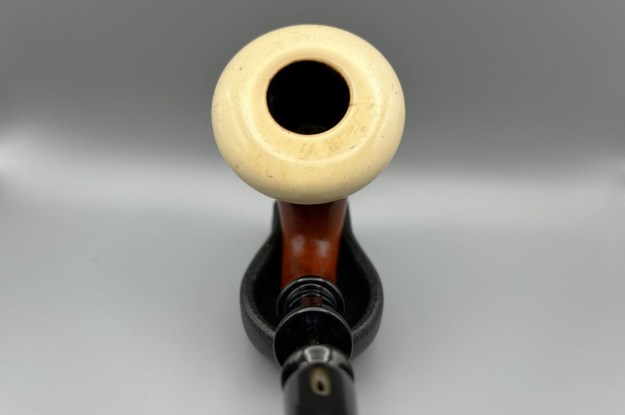
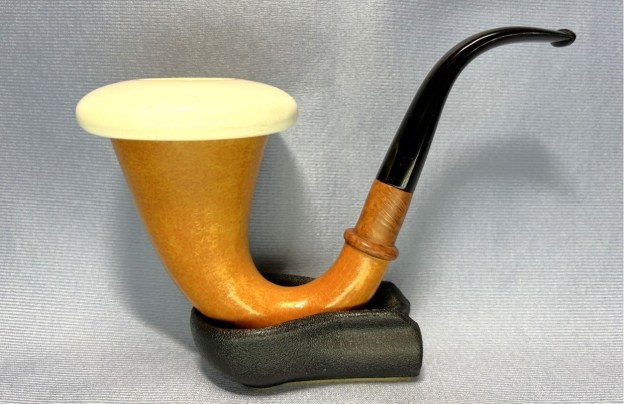
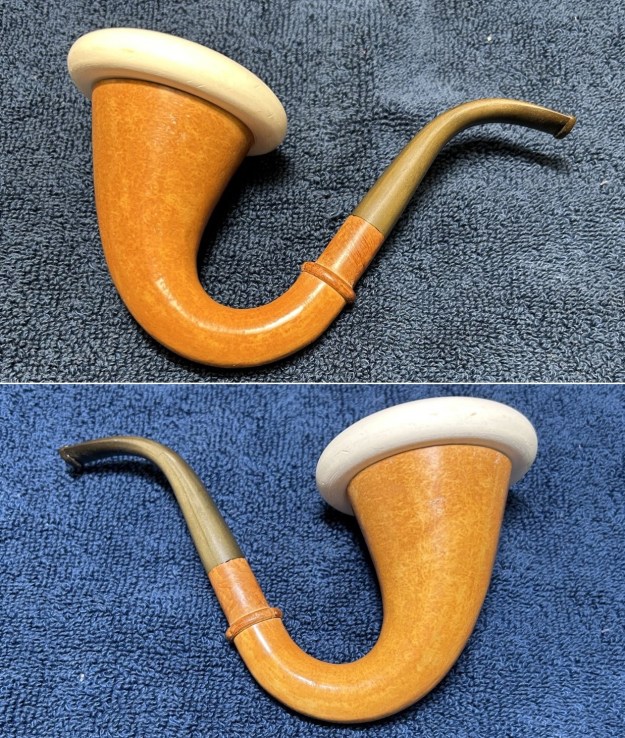
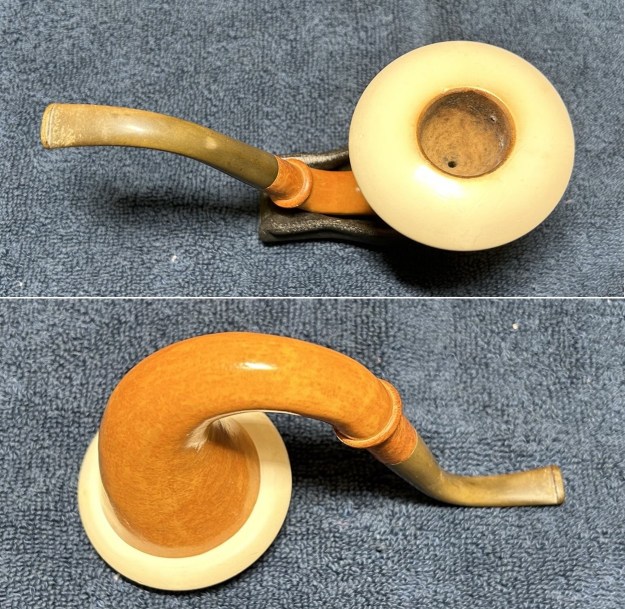
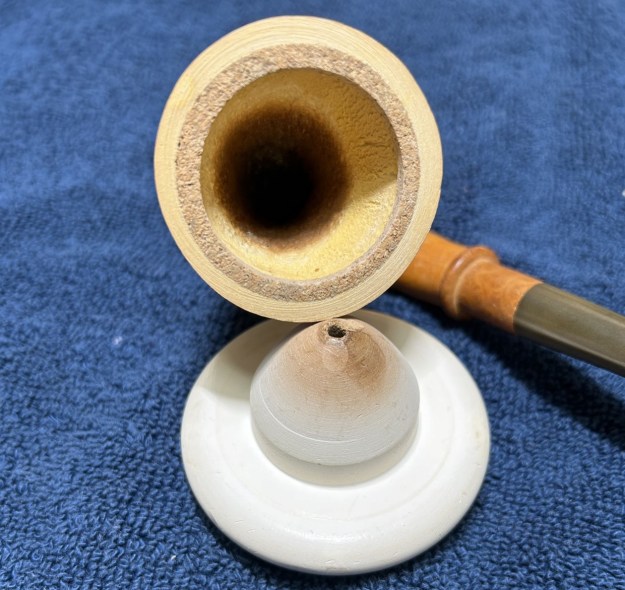
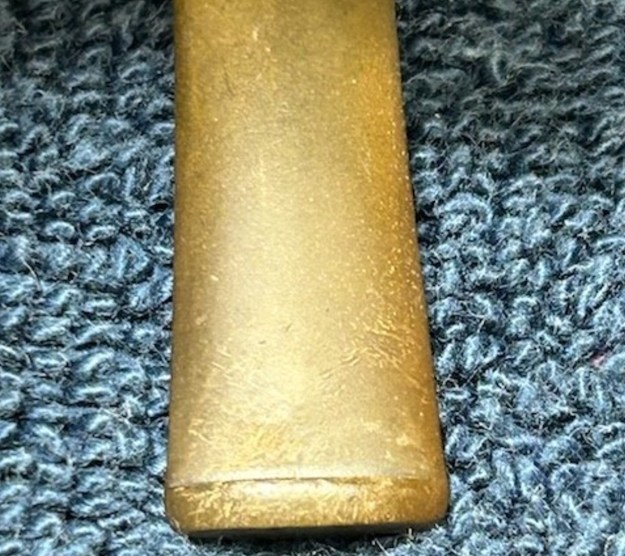
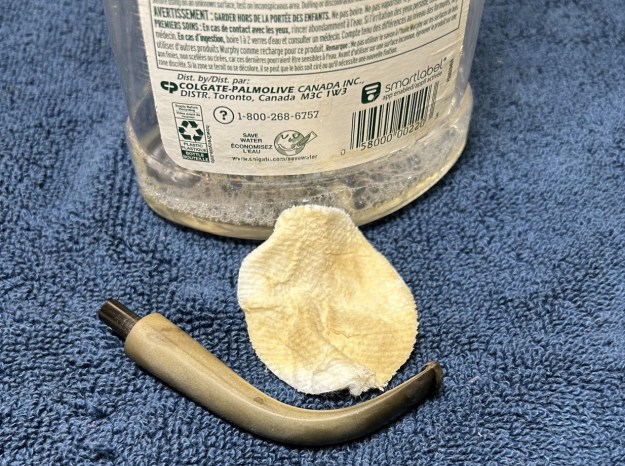
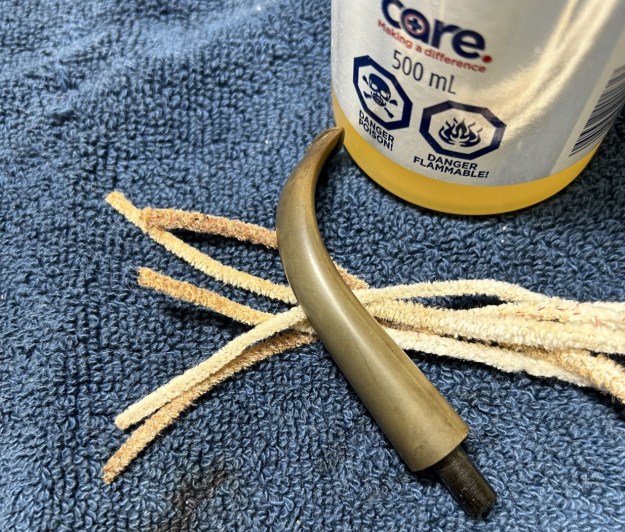
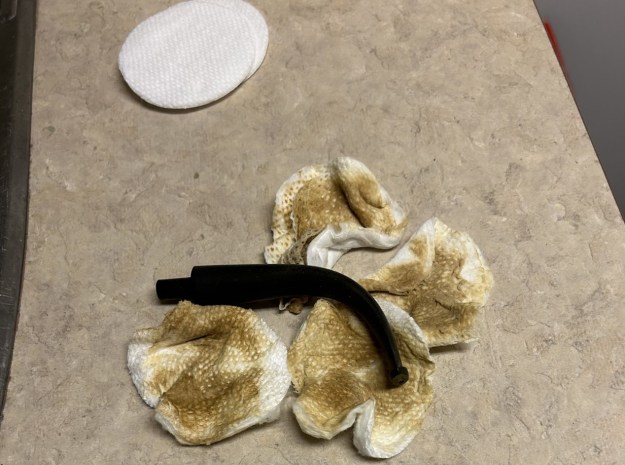
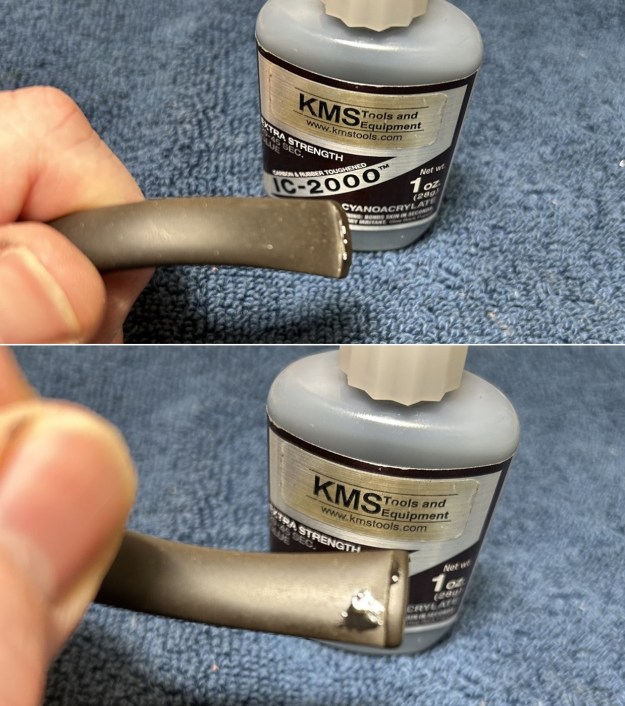
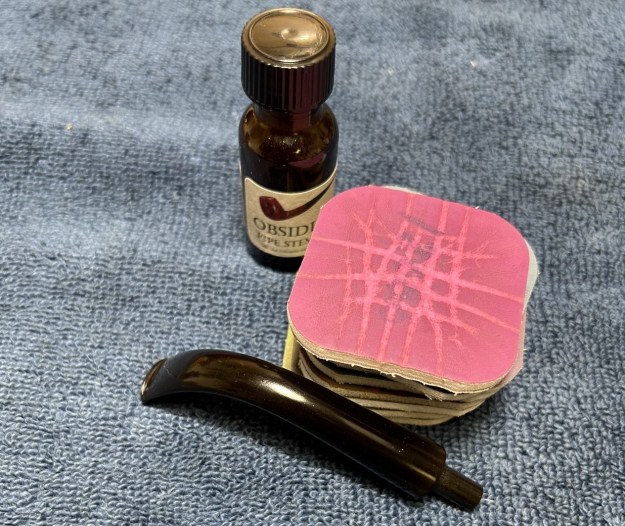
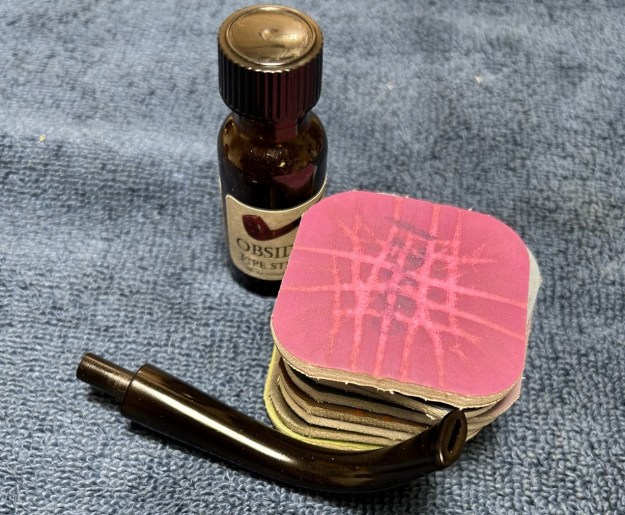
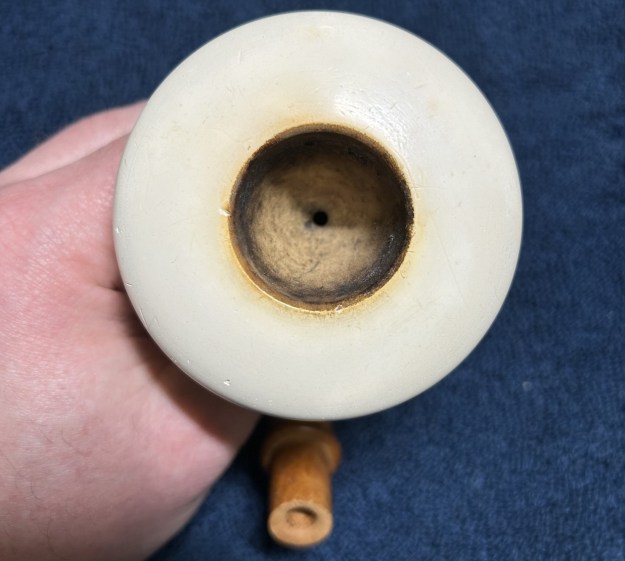
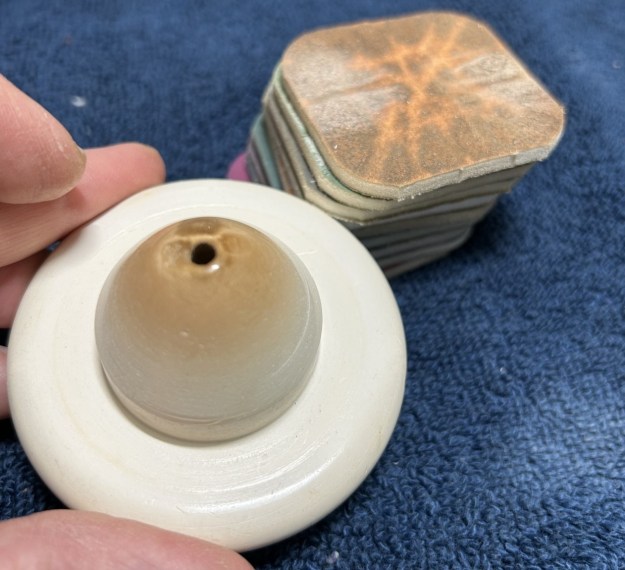
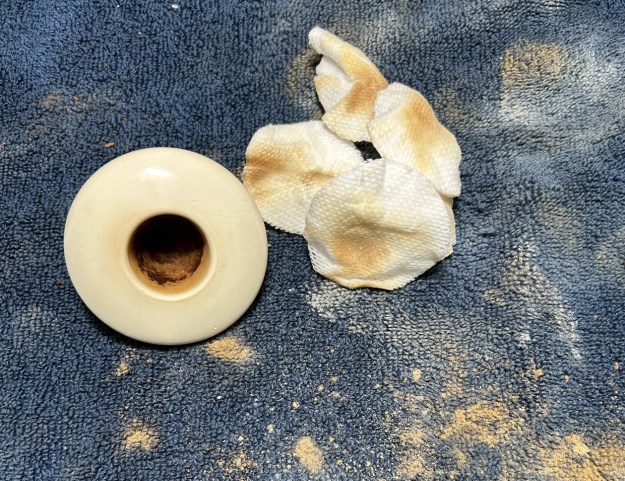
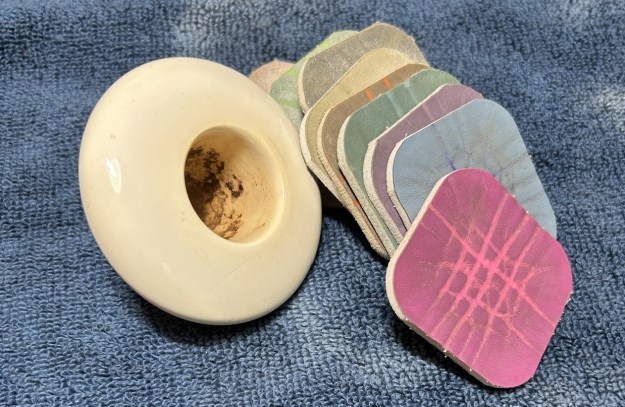
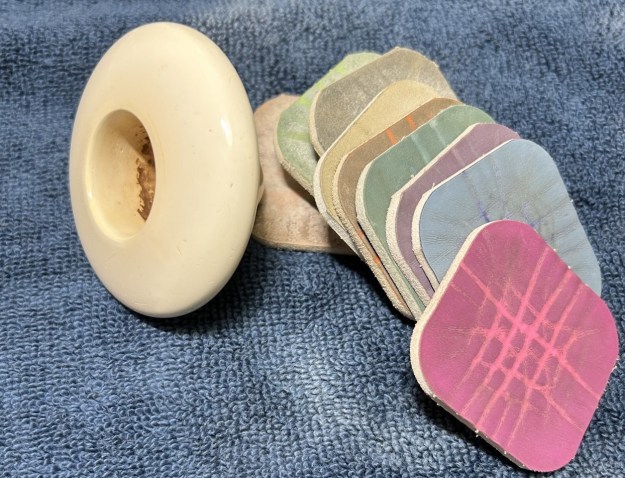
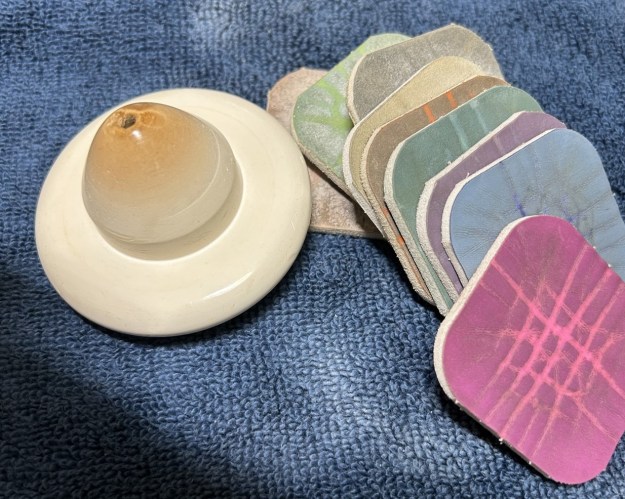
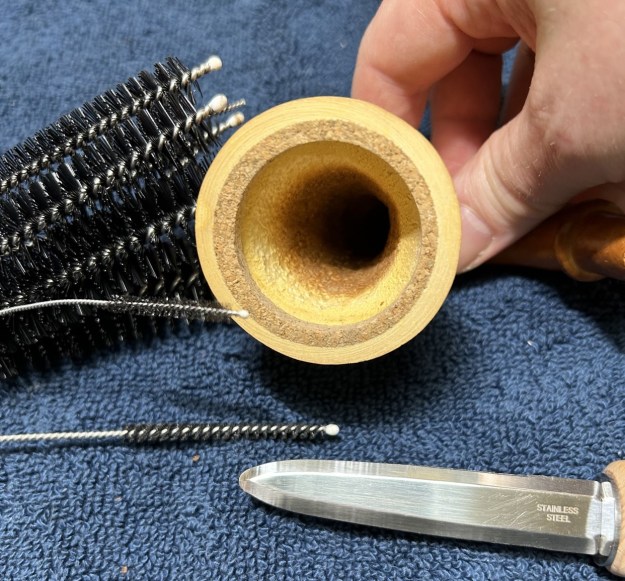
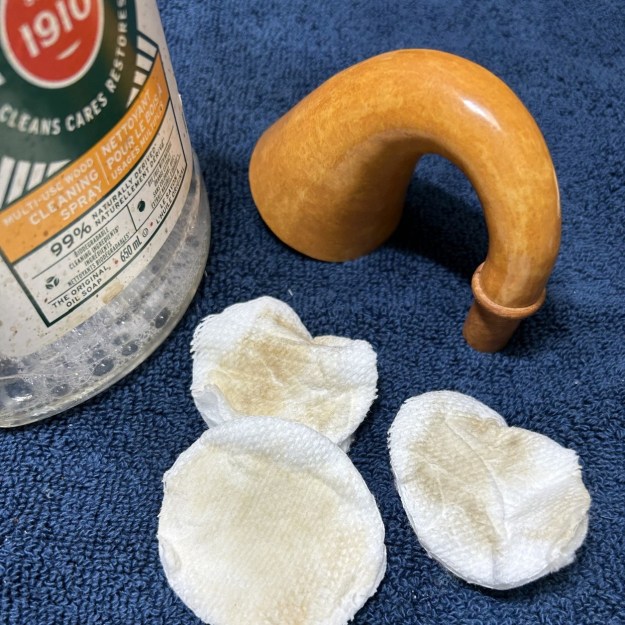
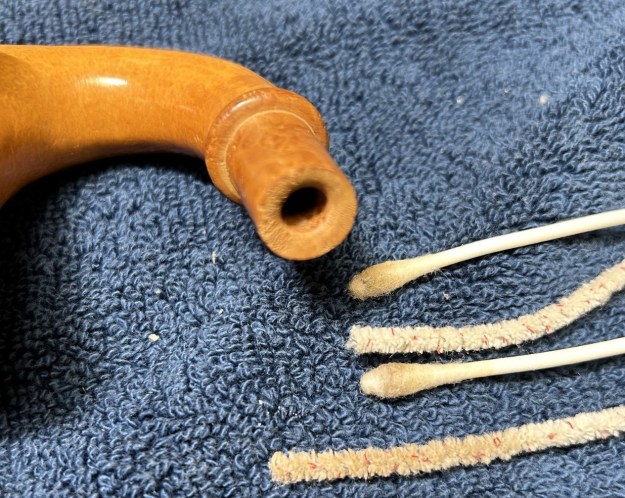
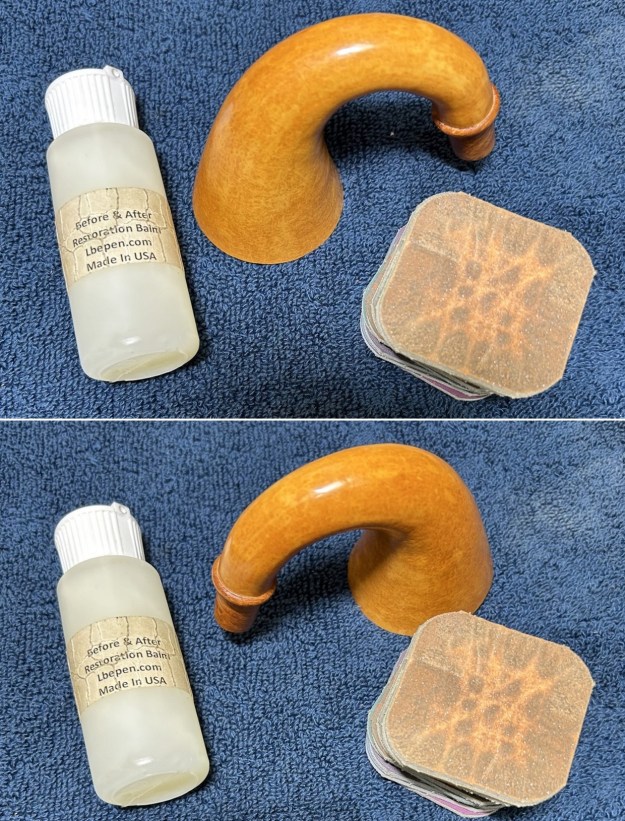
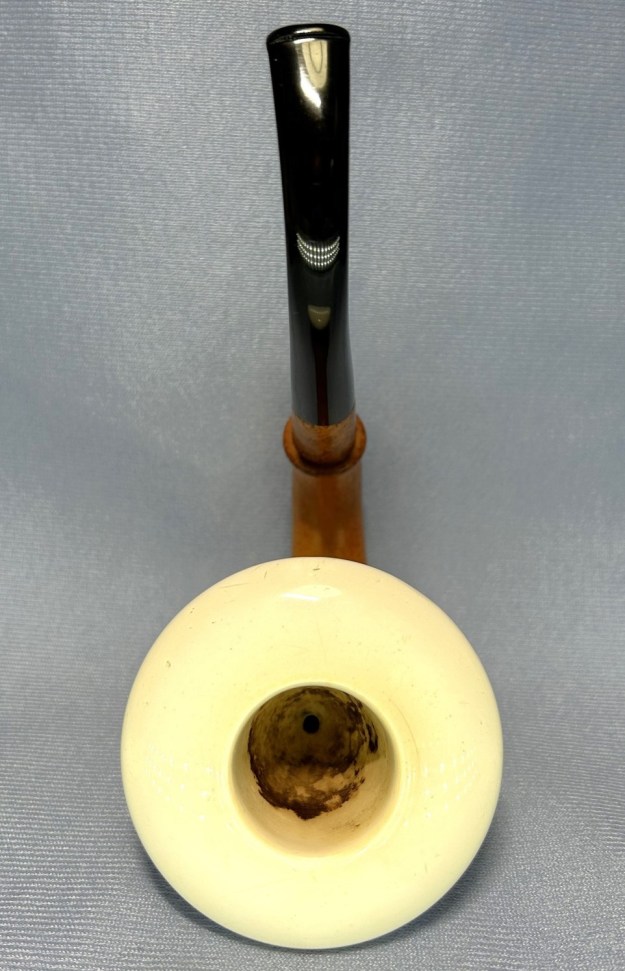
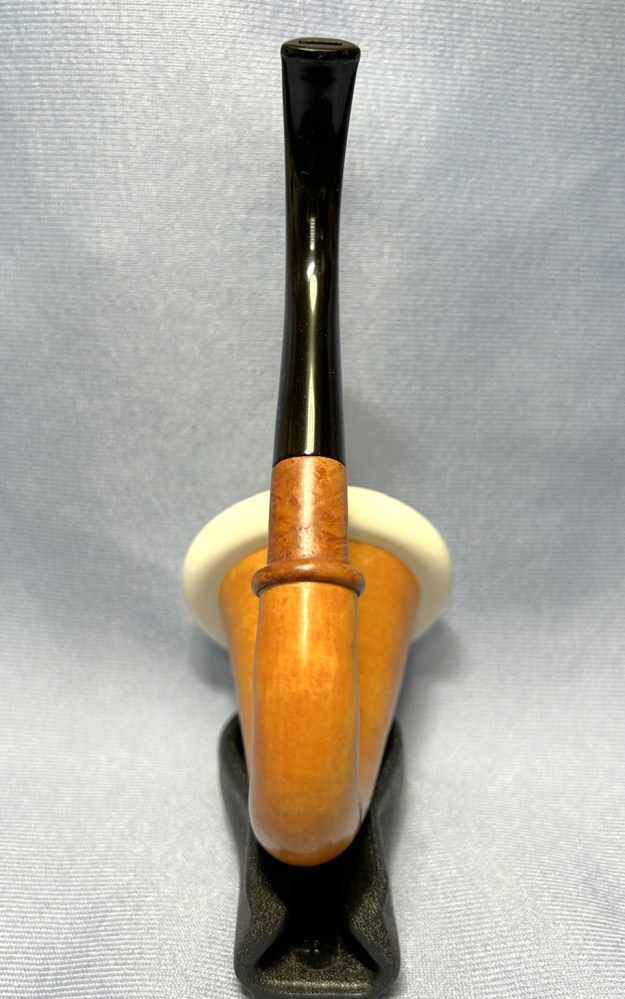
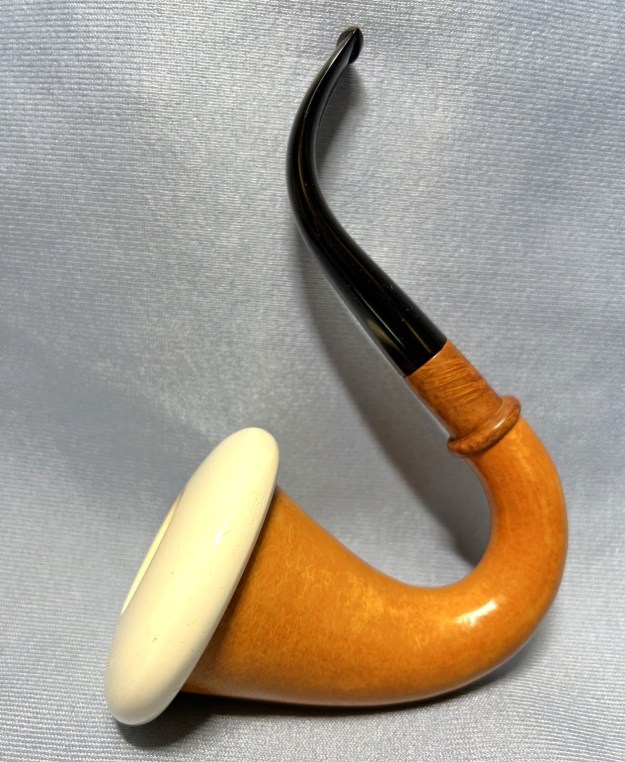
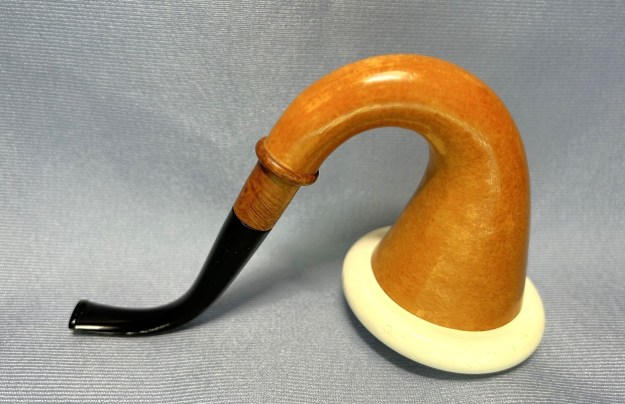
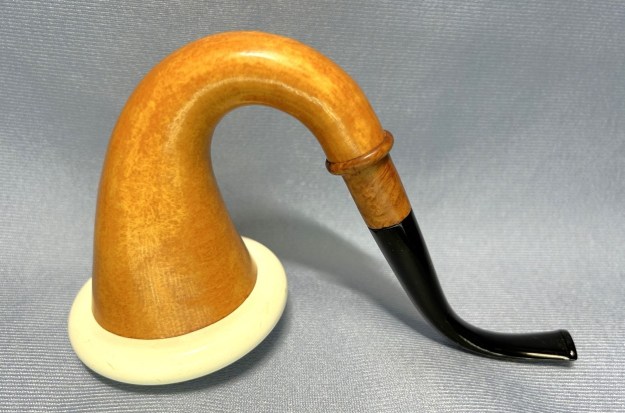
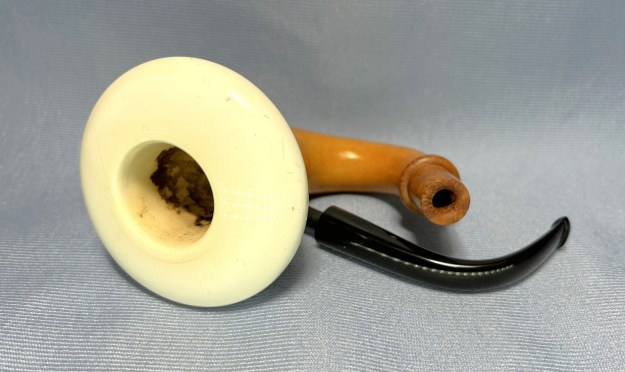
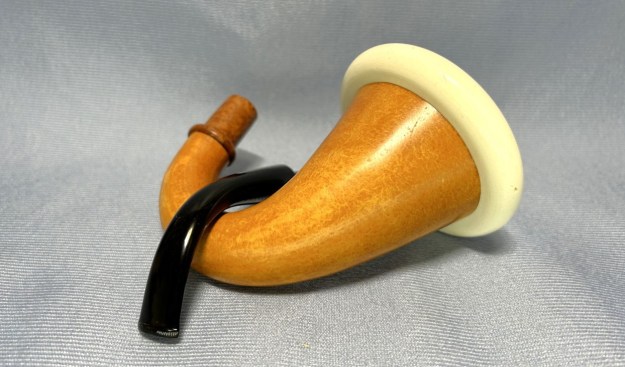
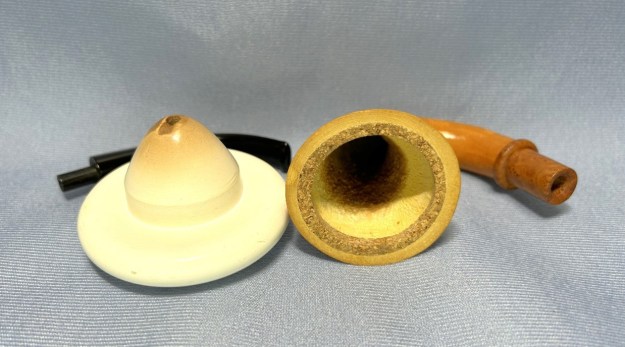
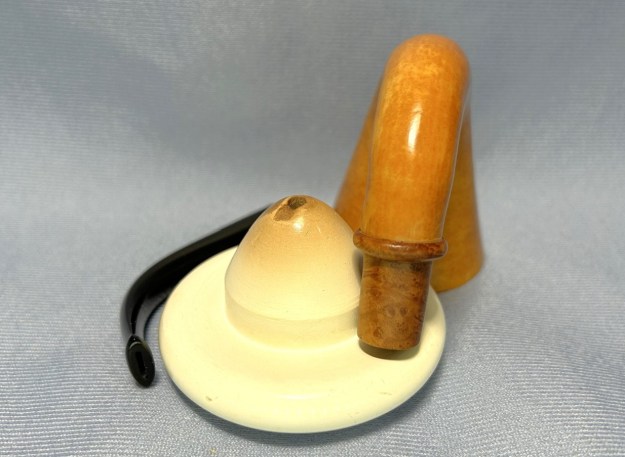
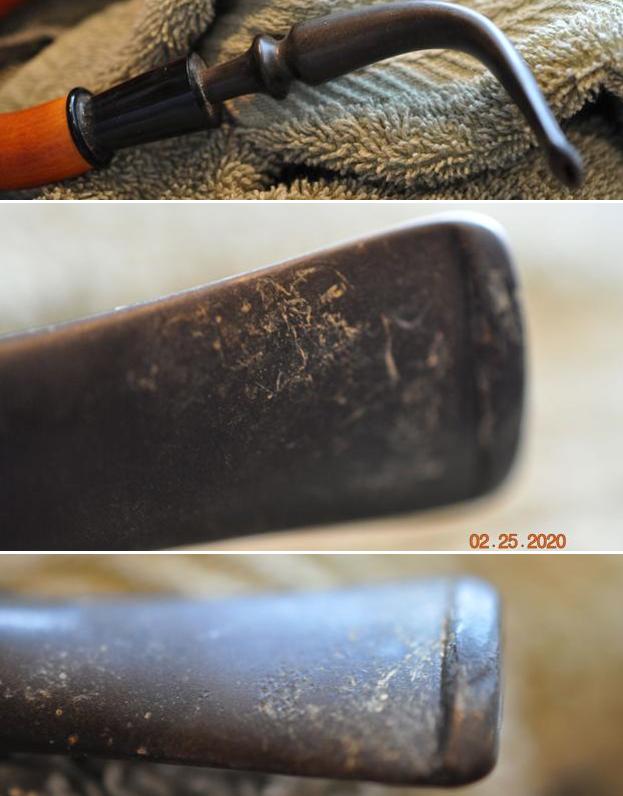
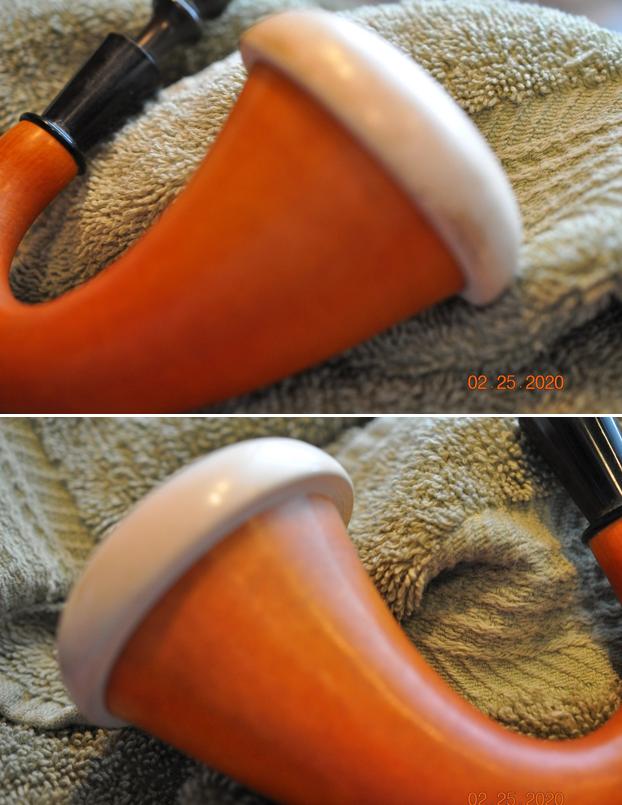
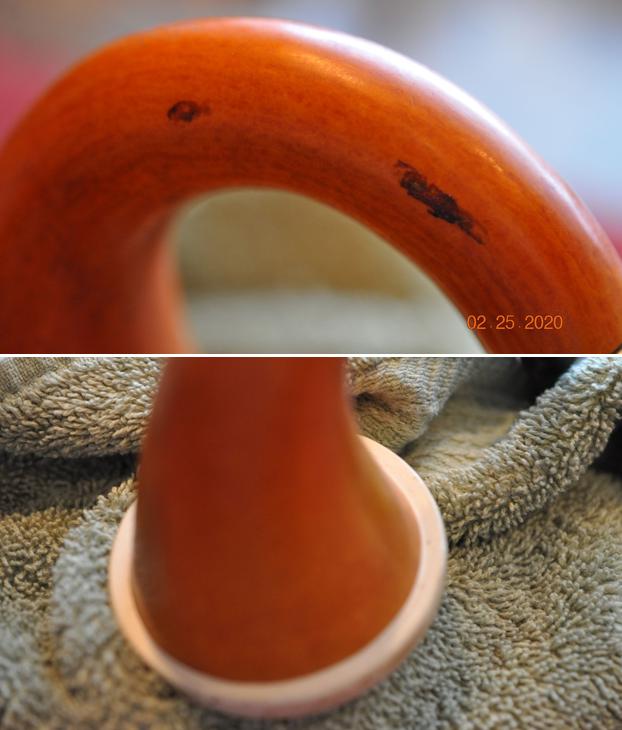
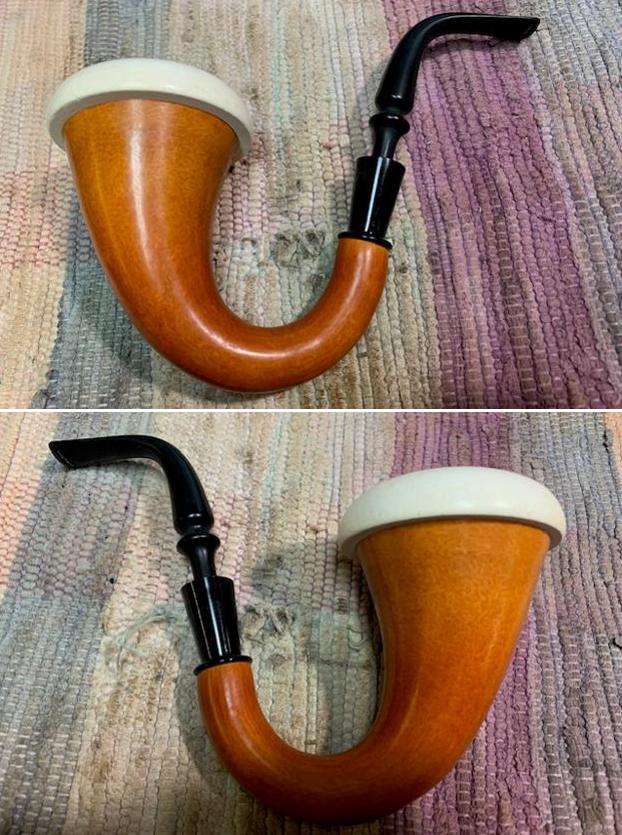
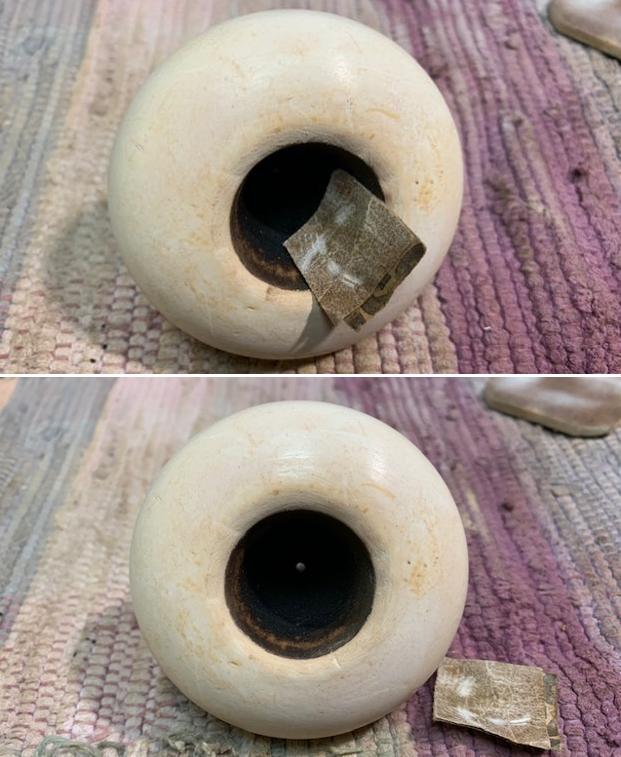
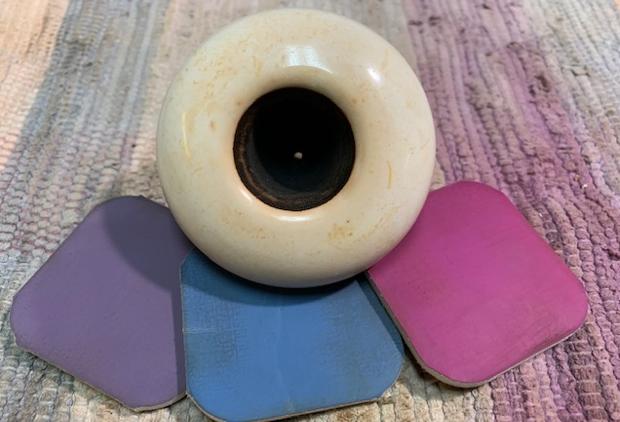
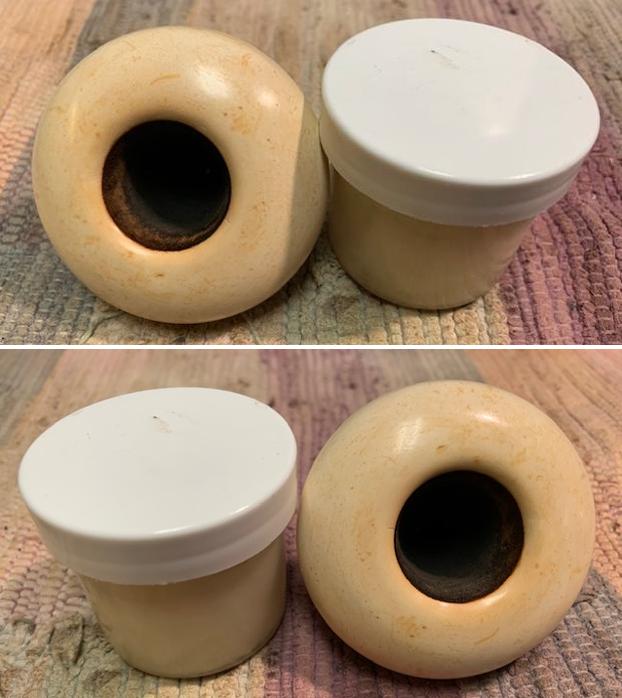
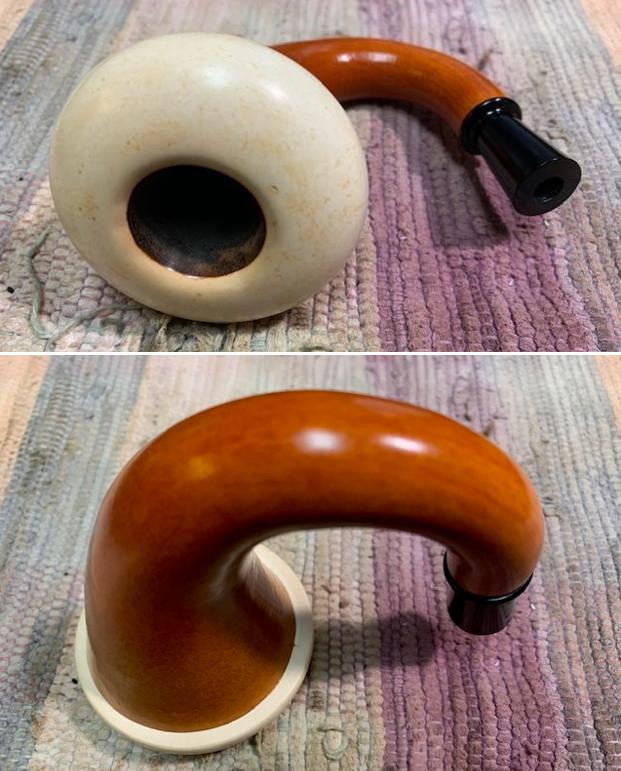
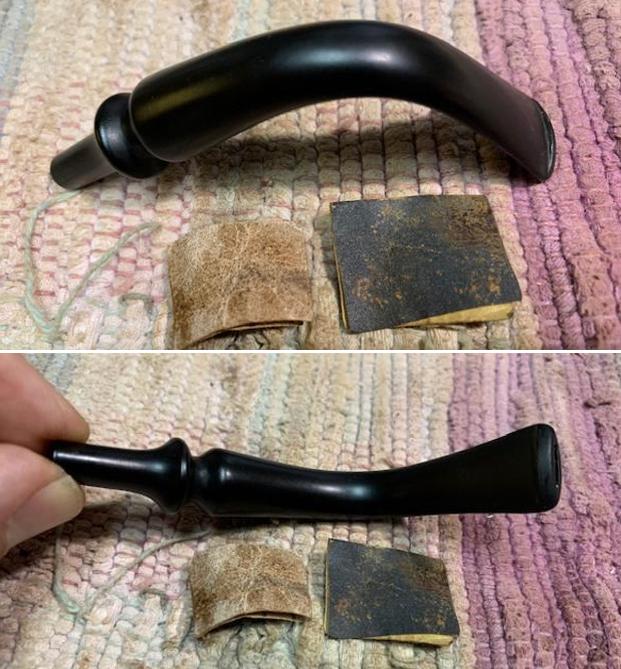
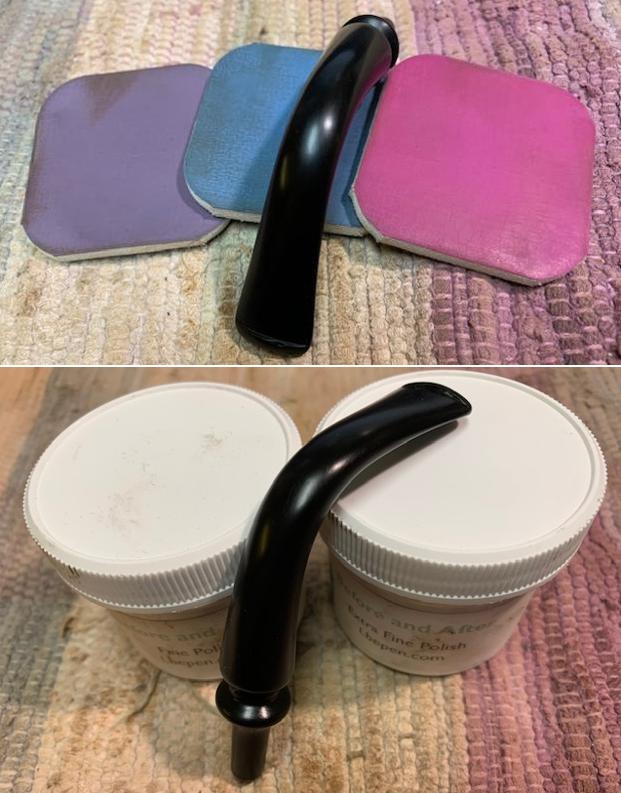
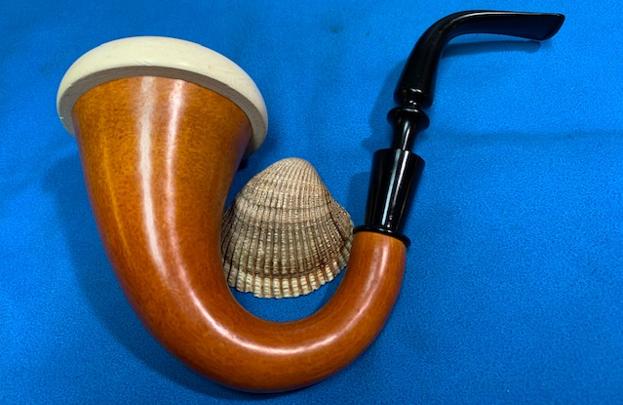
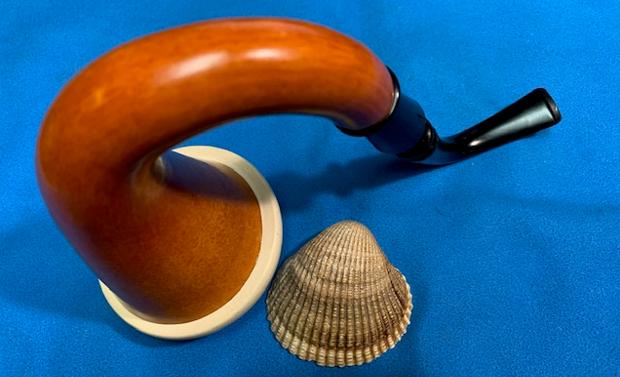
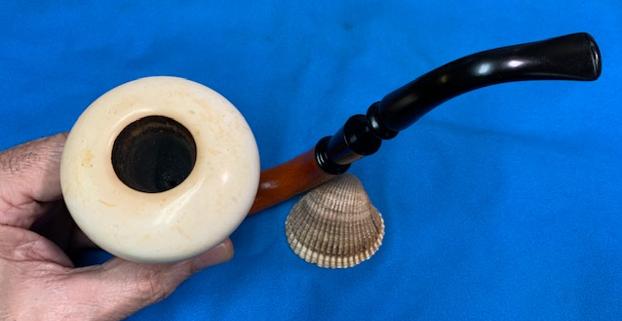
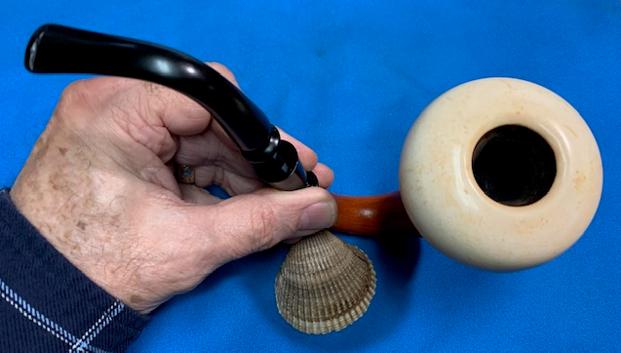
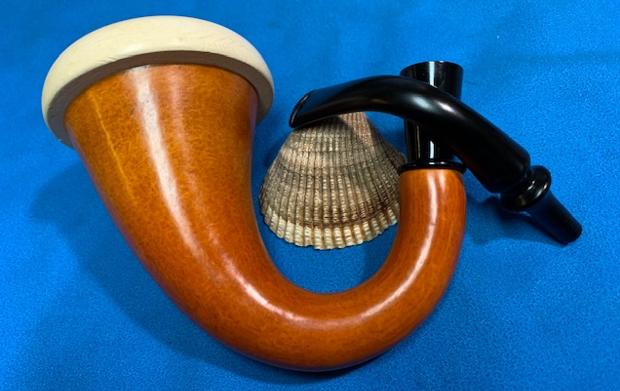
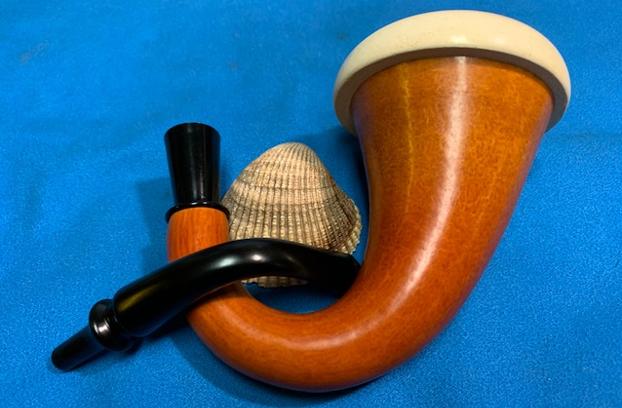
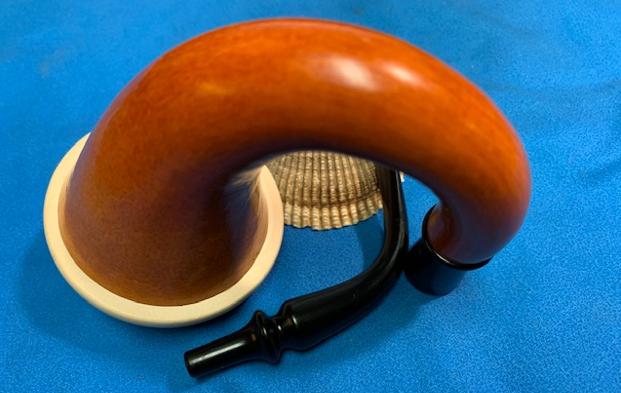
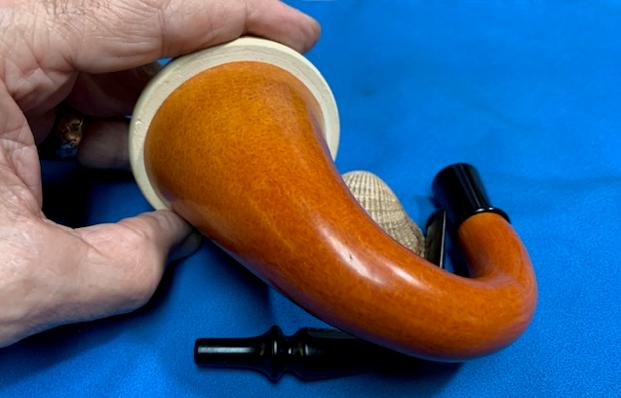
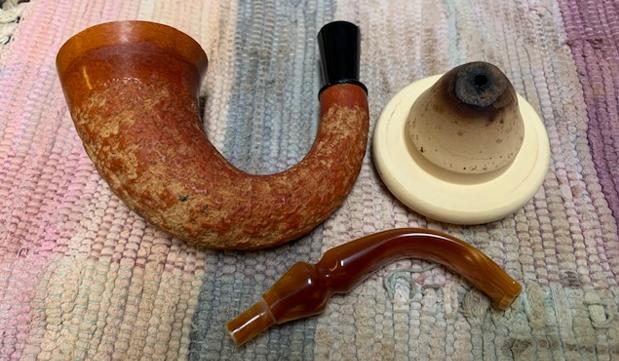
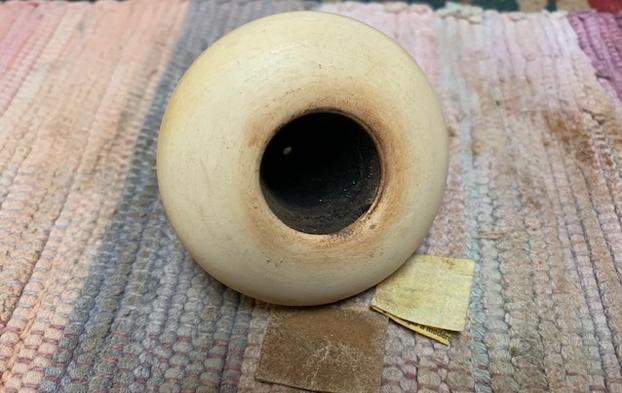
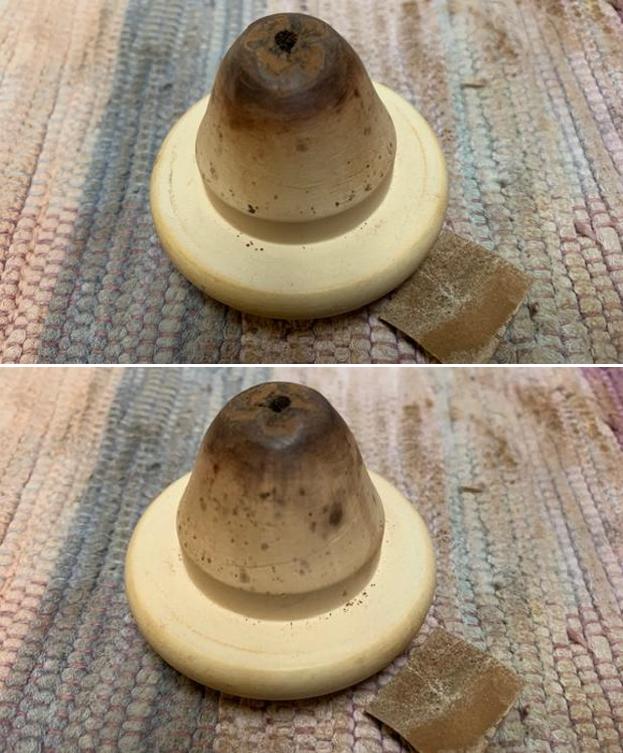
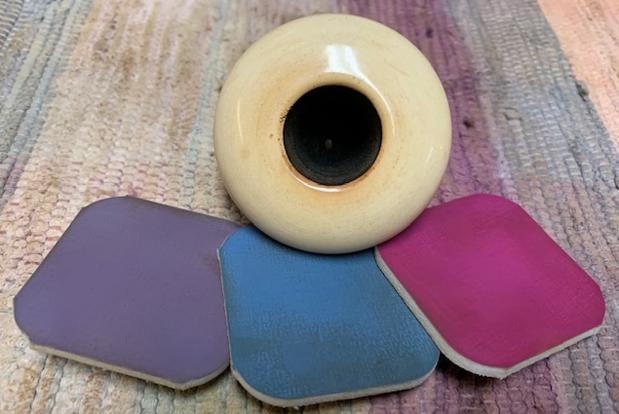
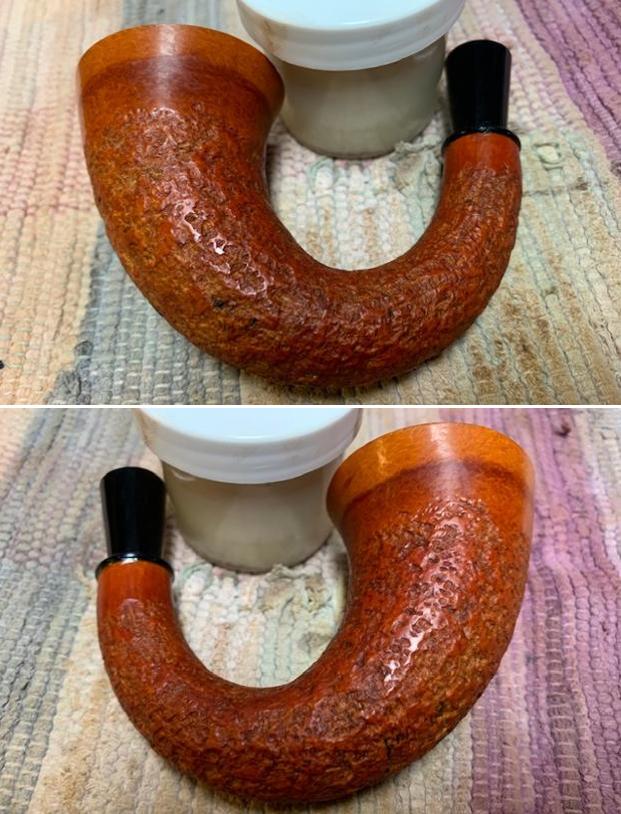
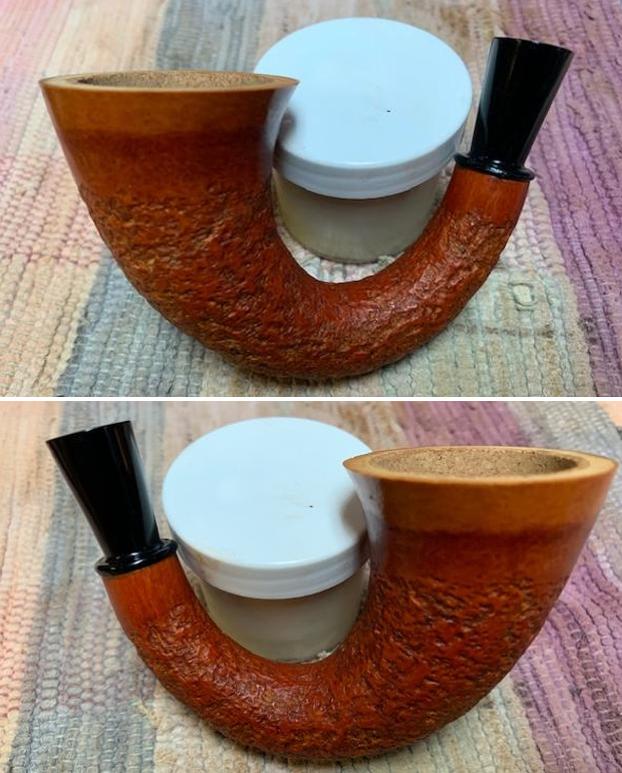
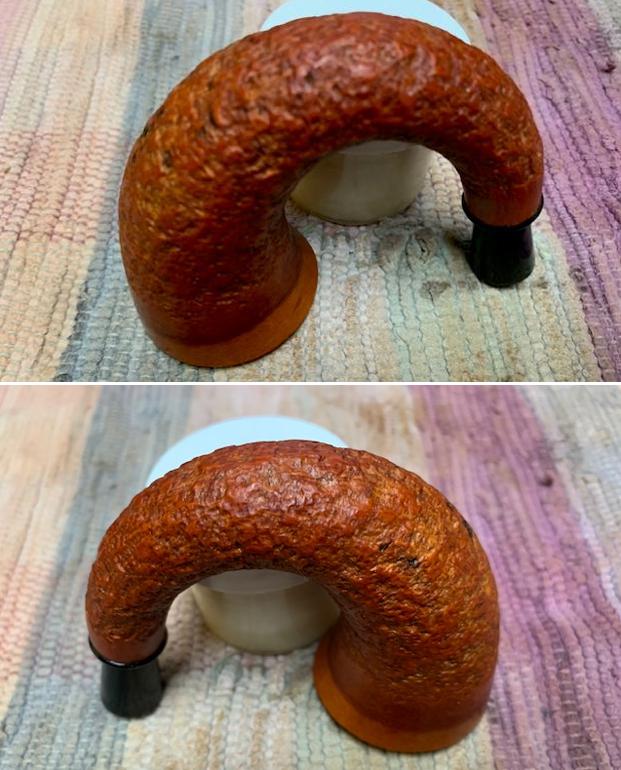
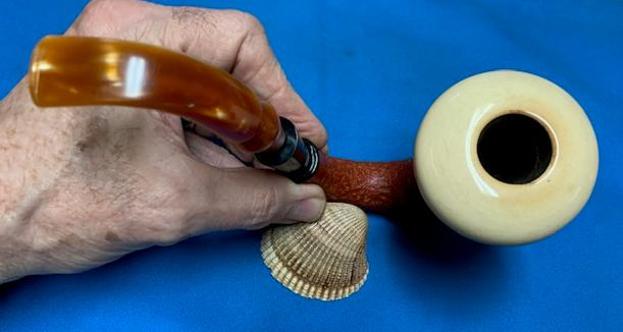
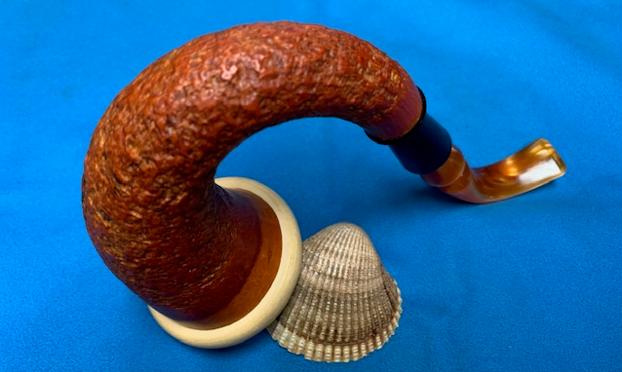
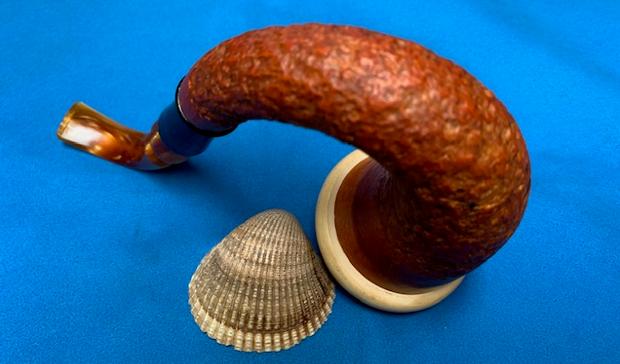
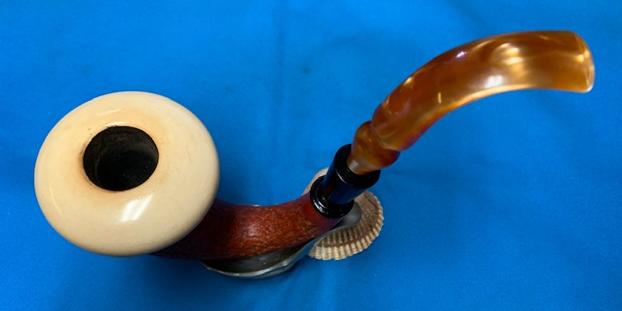
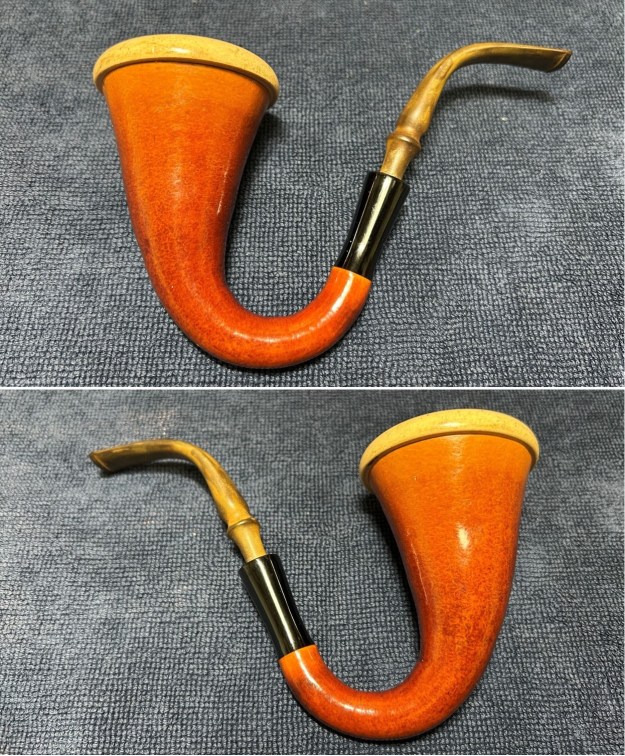
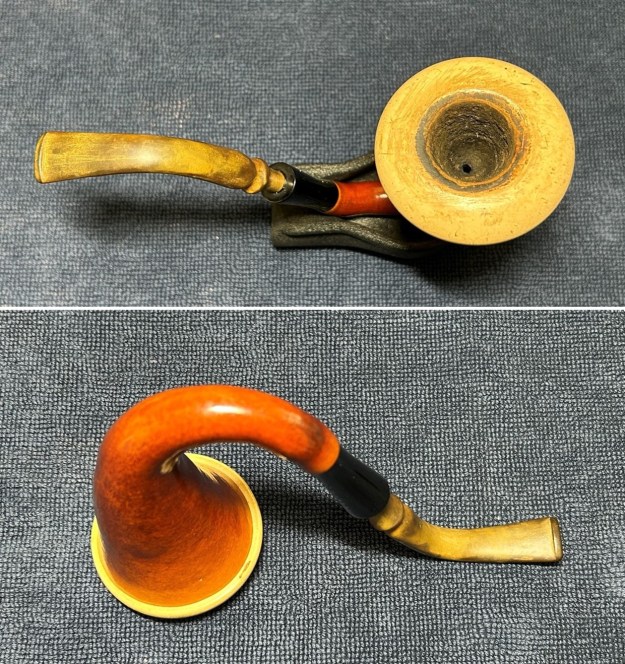
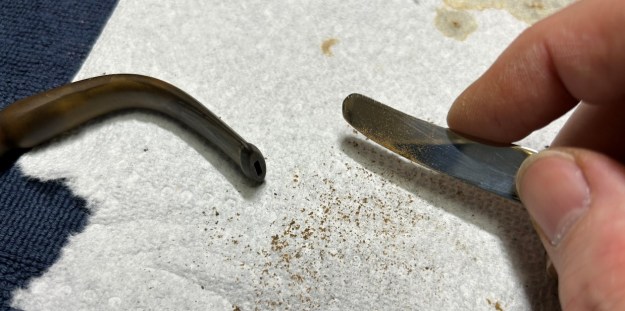
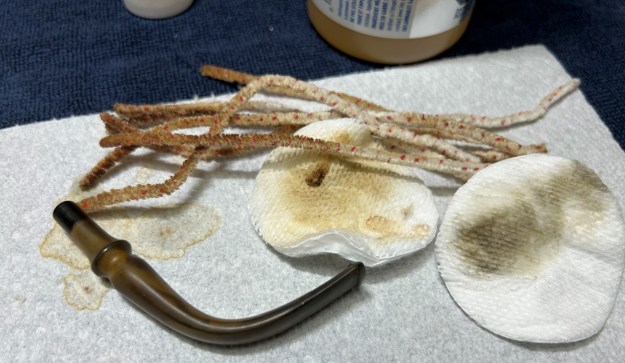
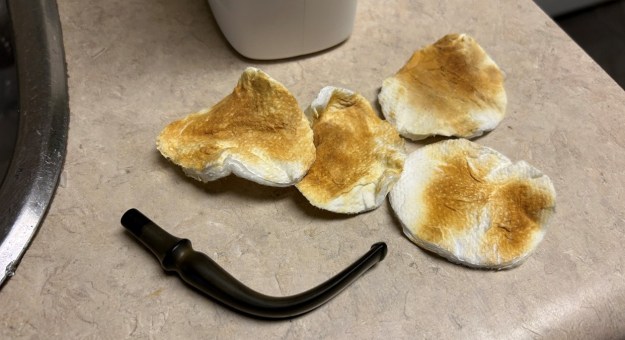
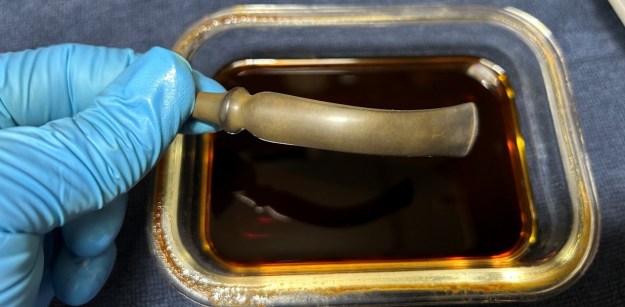
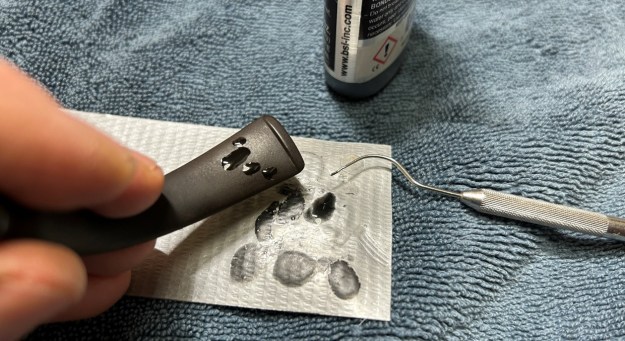
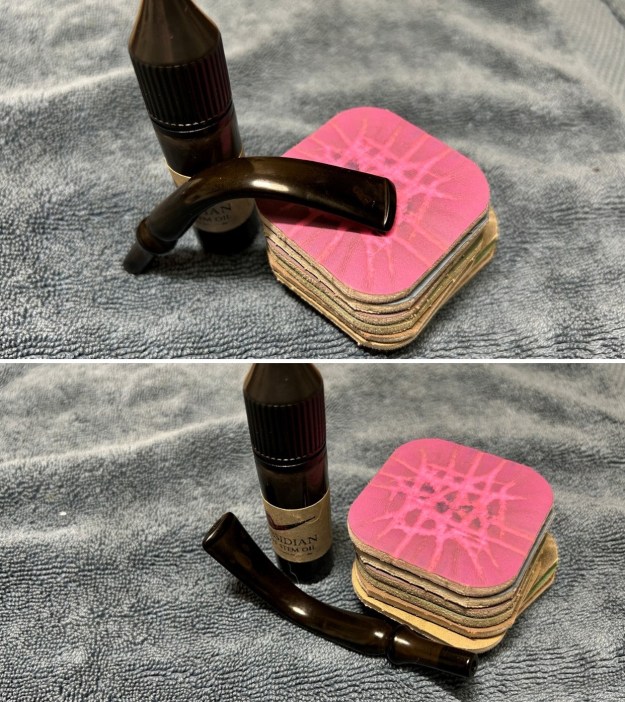
This is a wonderful gourd calabash with a long history, and I hope that one of you will fall in love with it. There is an elegance to the lines of this pipe, with its swan-like curves. It is a classic, and looks (and feels) satisfying in one’s hand. It had been well-loved by its previous owner, and understandably so. This calabash hid a big secret and it was my job to uncover and repair it. Sometimes I bite off more than I can chew and this might be one of those times. Maybe this should have been called Kenneth’s Krazy Kalabash Kure. No markings at all on this pipe, but no matter. Let’s take a closer look at it. The gourd has a deep, rich colour that I really like. The size is really pleasing too. It is more modestly sized than most calabashes – and that’s a positive. I bought this pipe in an auction and, because the auction was away from my home, I didn’t get to inspect the pipe closely beforehand. Boy, was I in for a surprise! The pipe was in dirty but decent condition. The vulcanite stem had quite a bit of wear: lots of tooth marks, oxidation, calcification, etc. The acrylic shank extension was dirty, but otherwise fine. The gourd, similarly, was dirty, but in good shape. BUT, as soon as I removed the meerschaum bowl from the gourd, I saw the problem. At some point in the past, the bowl had cracked in half: northern and southern hemispheres, if you like. That’s a big deal! This was a tough repair, but I am pleased with the results and the pipe is good to go now.As the photo above shows, the bottom part of the bowl was embedded into the gourd. I gave a preliminary and somewhat half-hearted attempt to pry it out with a dental tool. That didn’t work and it’s probably just as well. In attempting to pry it out, I was quite concerned about either cracking the gourd or cracking the bowl further – or both. I ended up heating the gourd and bowl with my heat gun – hoping that ancient tars were holding it in place. And that did the trick: I was able to extract the bottom bowl chunk (plus a few fragments) safely from the gourd without causing further damage to either. You can see the results below.At this point, I figured that I would restore the stem while I thought about what to do with the bowl. I used a disposable lighter and ‘painted’ the stem with its flame. The gentle heat of the flame can cause the dents in the vulcanite of the stem to expand back into shape. In this case, some improvement occurred – but not a lot. The stem’s calcification was quite substantial. I used an old butter knife and gently scraped some of the thicker accretion off. Doing this now helps later in removing the oxidation. I used isopropyl alcohol on a few cotton rounds and wiped down the stem to provide an initial cleaning of filth before moving on to the next steps. The primary cleaning came next. I disinfected the inside of the stem with both pipe cleaners and cotton swabs dipped in lemon-infused 99% isopropyl alcohol. I scrubbed thoroughly to make sure the interior was very clean. The goal of the next step is the removal (or minimization) of oxidation. Going to my sink, I used cream cleanser, cotton rounds, and a toothbrush, and scoured the stem to remove as much surface oxidation as possible. As the photos show, the result was a hideous, ochre-coloured mess – but better off the stem than on it.Once the stem was reasonably clean, I soaked it overnight in some Briarville Stem Oxidation Remover. This solution works to draw oxidation in the stem to the surface of the vulcanite. This is a major aid and an important step in ensuring a clean stem. The following day, I drew out the stem from its bath and scrubbed the lingering fluid with a toothbrush. Due to the severity of the oxidation, I then repeated the scrubbing with the cream cleanser for maximum effect.While the stem was soaking, I also cleaned the acrylic shank extension. I followed the same cleaning procedure as with the stem. It took a while, but I got it clean.As the stem was now clean and dry, I set about fixing the marks and dents in the vulcanite. This was done by filling those divots with black cyanoacrylate adhesive, impregnated with carbon and rubber. I left this to cure and moved on.The penultimate step for the stem is sanding. First, with my set of needle files, I reduced the bulk of the cyanoacrylate repairs. I removed the excess adhesive as near to the surface as possible, without cutting into the vulcanite. Following that, I used all nine of the micromesh sanding pads (1,500 through 12,000 grit) to sand out flaws, even out the vulcanite, and provide gentle polishing of the finished surface. I also applied pipe-stem oil while using the last five micromesh pads. There was a wonderful, deep black shine to the stem when I was done. I did the same with the shank extension. I moved on to the gourd. I cleaned the exterior of the gourd with some pH-neutral detergent and some distilled water, on a few cotton rounds. I cleaned inside of the gourd gently by scraping with my reaming knife, tube brushes, and some other tools. I was pleased with the results. I gave the gourd a thorough going-over with some beeswax polish and let that sit. I buffed it with a microfibre cloth and then, much later, I rubbed some LBE Before & After Restoration Balm into the gourd and let it sit for 30 minutes or so. I then buffed the gourd again with a microfibre cloth. On to the bowl. Meerschaum is too fragile for a proper reamer, so I used 220-grit sandpaper on the end of a wooden dowel to clean out the bowl and it turned out well. One of the frustrations of cleaning meerschaum is that once smoked, the stains never go away – and this pipe was heavily smoked. However, I did what I could and it definitely improved.Now with the stem, shank extension, gourd, and meerschaum cleaning done, it was time to put Humpty Dumpty back together again. Before repairing the separated chunks of the bowl, I needed to secure the two hemispheres together. This was not intended to be the critical attachment point, but just a solid method of marrying the two pieces. I used an adhesive for ceramics and clay – not because meerschaum is ceramic or clay (it isn’t) – but it does mimic certain characteristics of those insofar as it is very porous. This adhesive worked perfectly – it did exactly what I wanted it to. I was also able to attach the small shards of meerschaum that were left over (as seen in photos above).Now to go ‘all in’ on the repair of those missing chunks. I taped off the areas of the bowl that I didn’t want affected by the repair medium. This was a long and challenging repair and went through several failed attempts (which I won’t bore you with). Some failures included plaster of Paris, amalgams involving primarily calcium carbonate, and other ingredients (like leather dye). In the end, I came up with a good solution that maintains the integrity of the bowl shape, gives an incredibly resilient (and hard) repair, is resistant to high temperatures, and is completely inert when cured. After much trial and error, I settled on a particular type of epoxy mixed with a combination of the aforementioned calcium carbonate and briar dust. You might reasonably ask, ‘Why calcium carbonate?’ Good question. It is a material that best acts as a repair medium for meerschaum and I encourage you to read an important article I wrote about the issue here. You may also ask, ‘Why briar dust?’ Also a good question. This provided a slight brownish tint to the epoxy and CaCO3 mixture. Matching the surrounding colour was always going to be an impossibility, but I wanted to do the best I could.
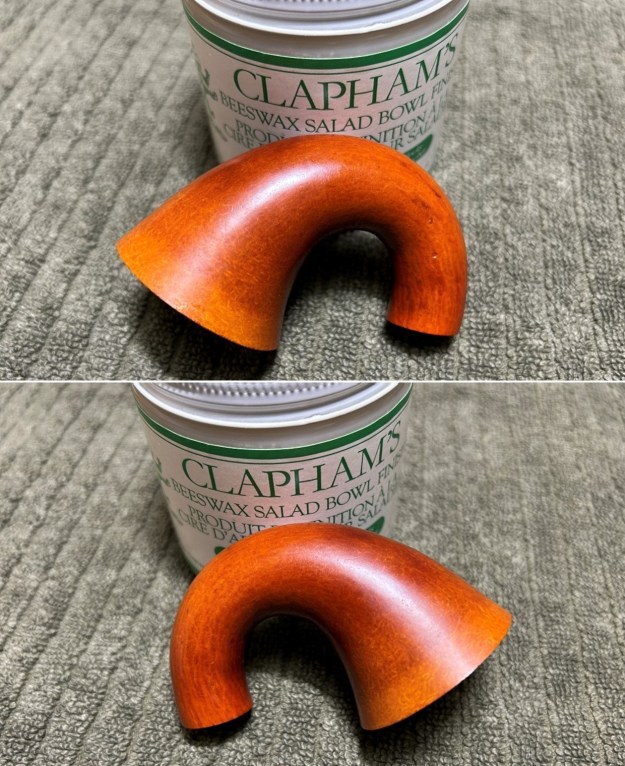
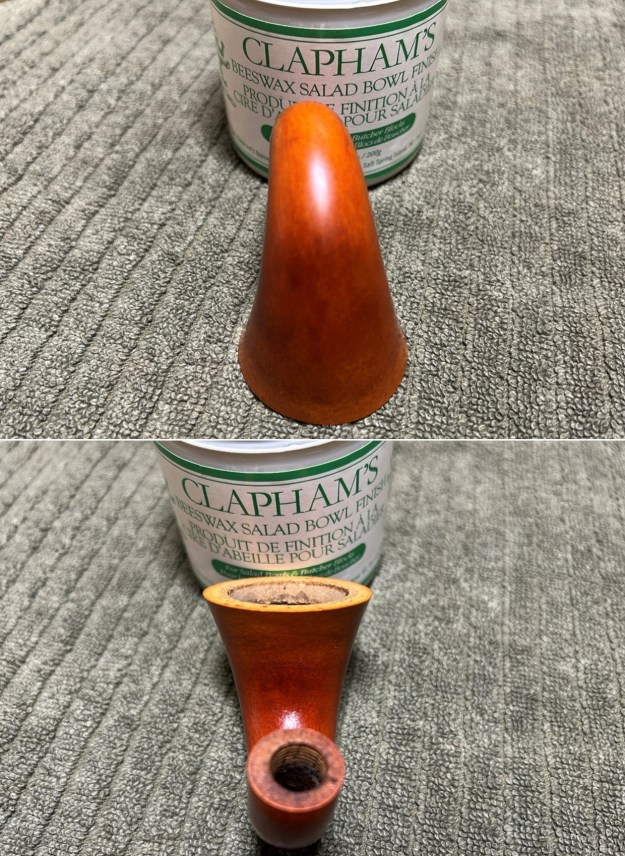
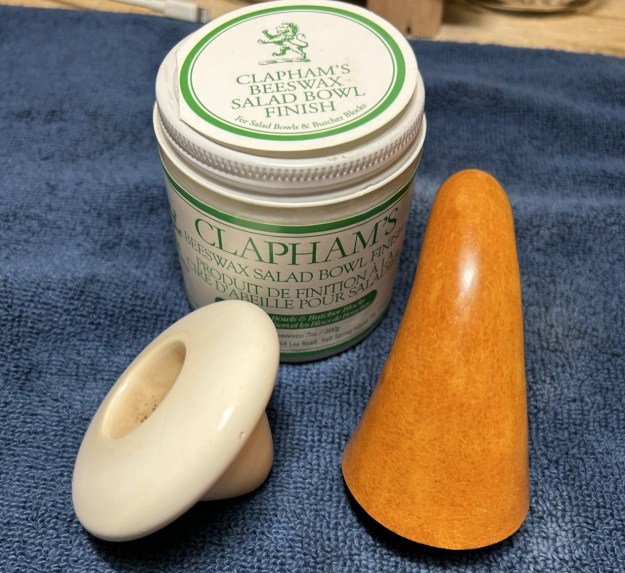
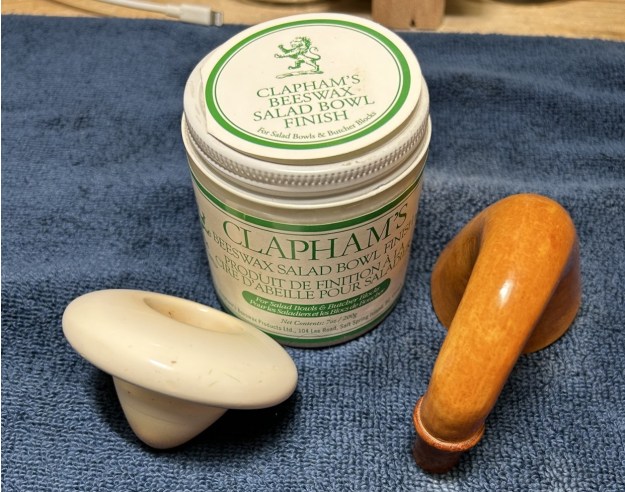
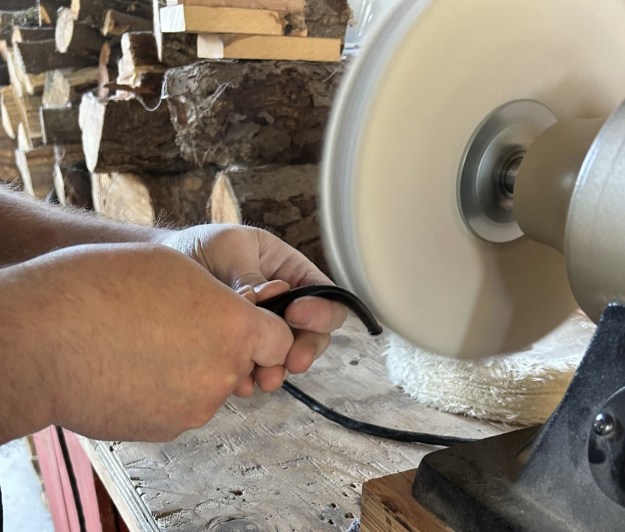
I mixed my concoction and applied it liberally to the affected areas. During this process, the epoxy mix was much less viscous than I had hoped it to be. This was a big problem as it was oozing in ways that I didn’t want it to! However, like the trooper I am, I fiddled and fixed and floundered until I got it just right. It needed a full 24-hour cure and I was only too happy to leave the frustrating thing alone for a while!In the meantime, I glued the shank extension back into place in the gourd. Looks great.On the morrow – no surprise – the bowl was pretty darn ugly, but I can fix ugly. I donned a tight-fitting dust mask and went to work. My goal, of course, was to sand down excess epoxy and bring it to the level of the surrounding meerschaum, while simultaneously not reducing the bulk of the meerschaum. This took a lot of hard and careful work (plus a few touch ups), but we got there in the end. I am satisfied with the results, since the repair was never going to look invisible. The benefit of this pipe is that the repair is hidden from view, below the rim of the gourd. I then sanded down the entire piece of meerschaum with my Micromesh pads. I also rubbed two different beeswax polishes into the meerschaum. Then I let it sit for 20 minutes, buffed it with a microfiber cloth and then repeated the beeswax process. Worked like a charm! Before I went off to the buffer, I gave the meer and the gourd another going over with Clapham’s beeswax rub. This really worked well. I only took the stem to the buffer, as meerschaum and gourds don’t tolerate those high speeds very well!
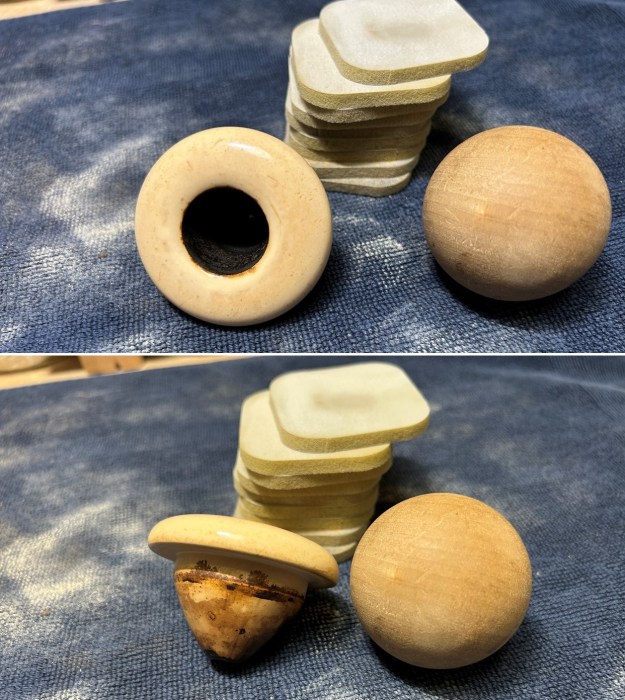
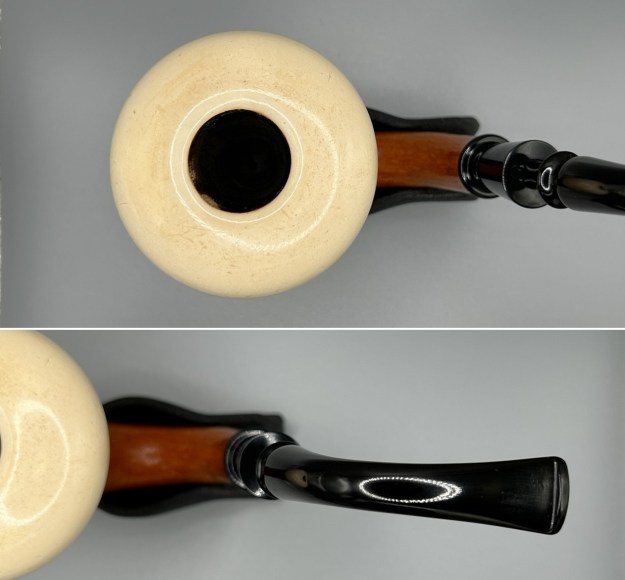
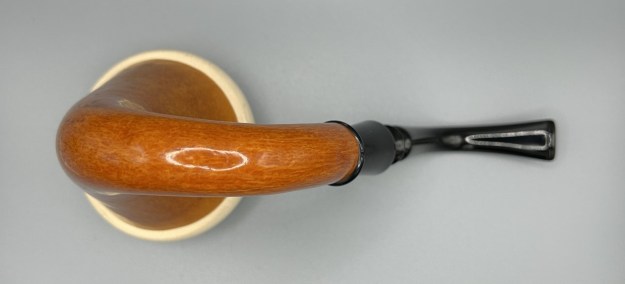
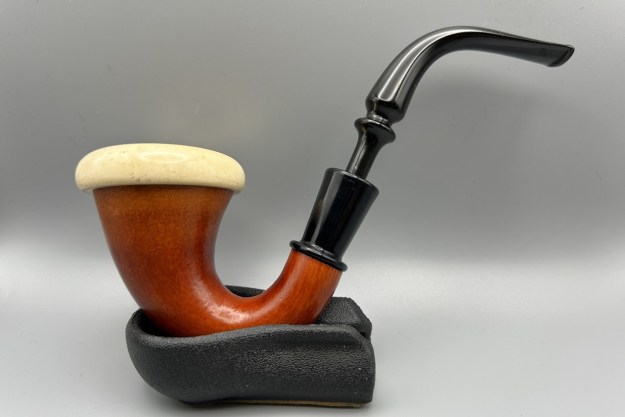
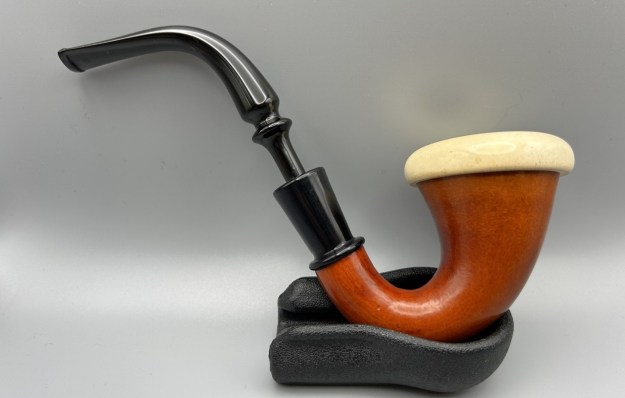
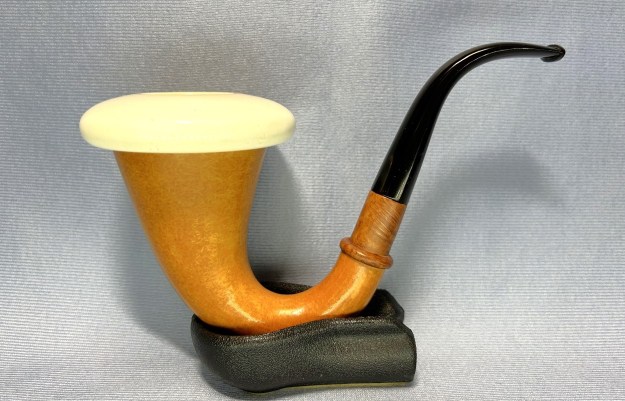
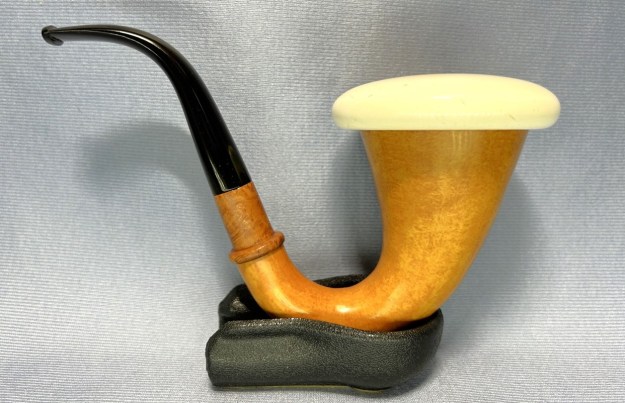
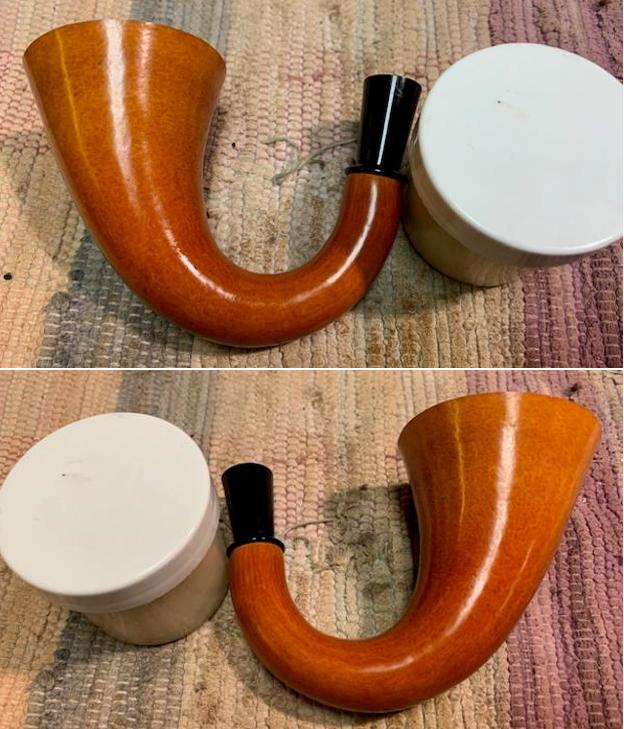
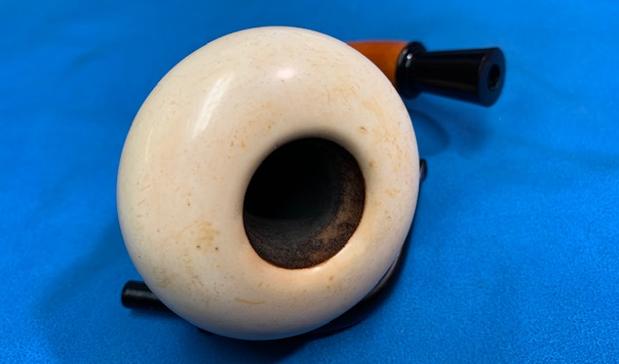
This gourd calabash was a delightful can of worms right from the start and its beauty only increased through the restoration process. I am pleased to announce that this pipe is for sale! If you are interested in acquiring it for your collection, please have a look in the ‘Calabash’ pipe section of the store here on Steve’s website. You can also email me directly at kenneth@knightsofthepipe.com. The approximate dimensions of the pipe are as follows: length 6½ in. (165 mm); height 4½ in. (115 mm); bowl diameter 2⅛ in. (54 mm); chamber diameter ⅞ in. (21 mm). The weight of the pipe is 2⅜ oz. (68 g). I hope you enjoyed reading the story of this pipe’s restoration as much as I enjoyed restoring it. If you are interested in more of my work, please follow me here on Steve’s website or send me an email. Thank you very much for reading and, as always, I welcome and encourage your comments.

Finishing Touches for a Lovely Gourd Calabash


Blog by Kenneth Lieblich

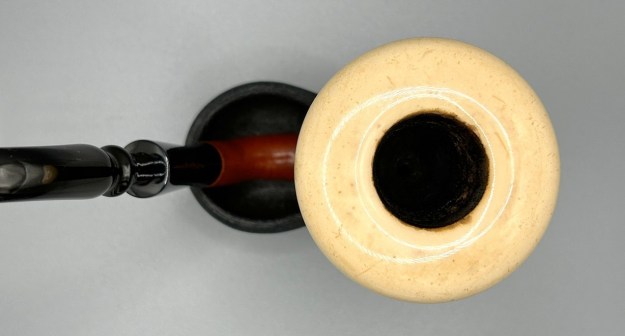
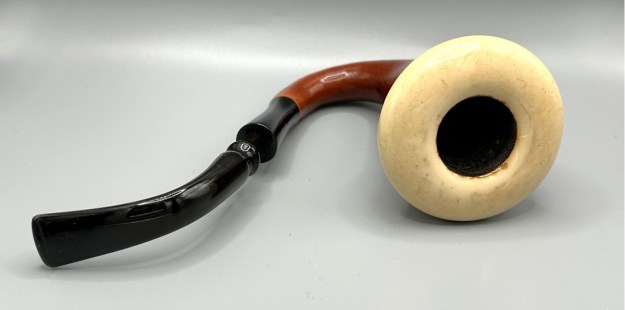
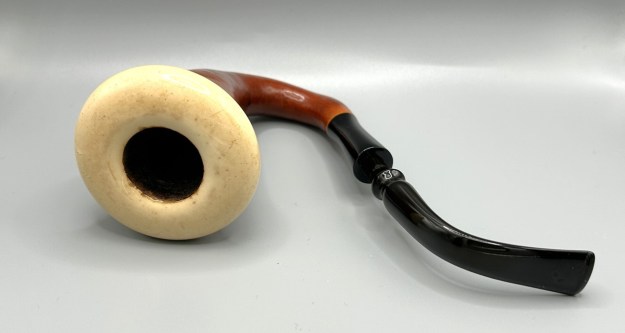
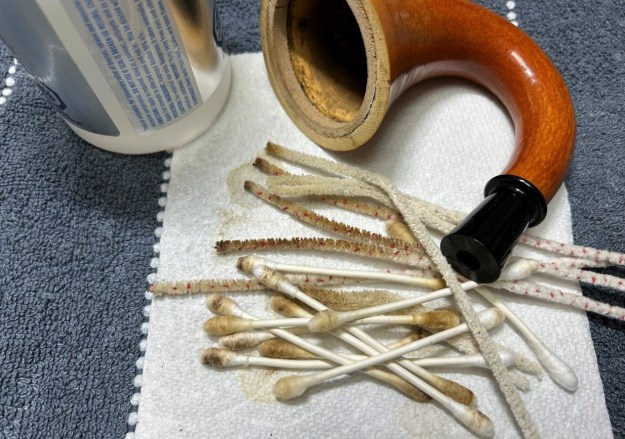
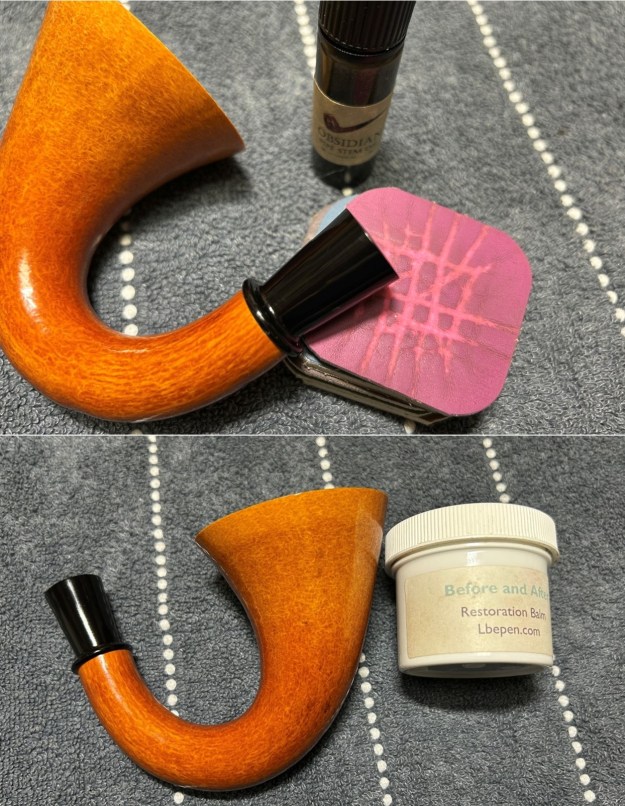
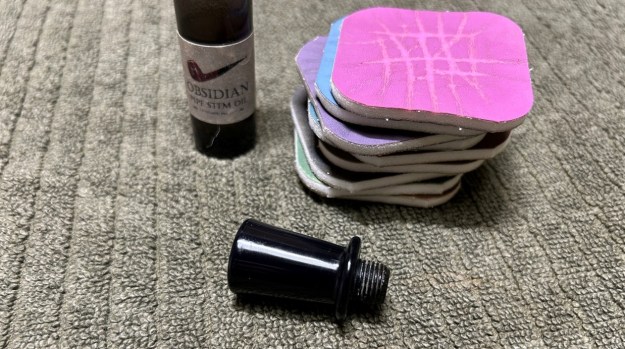
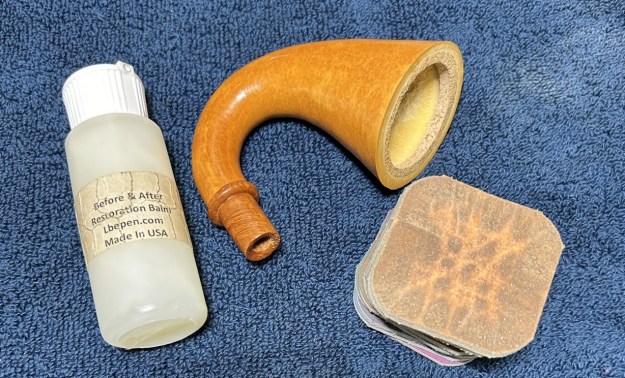
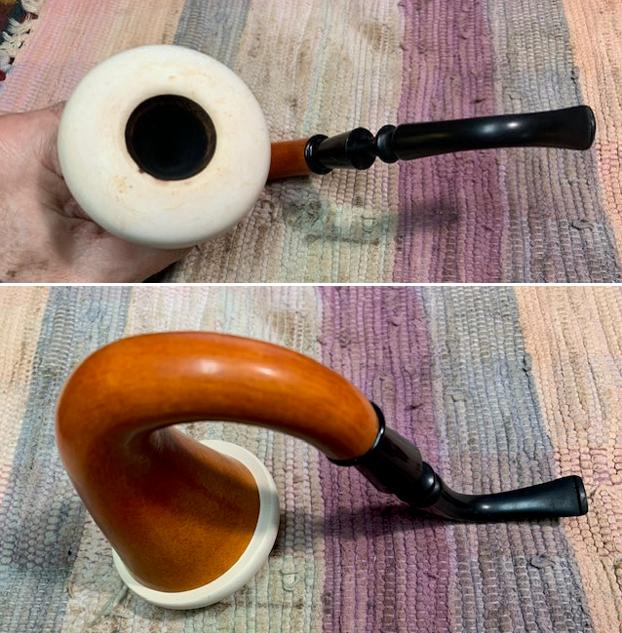
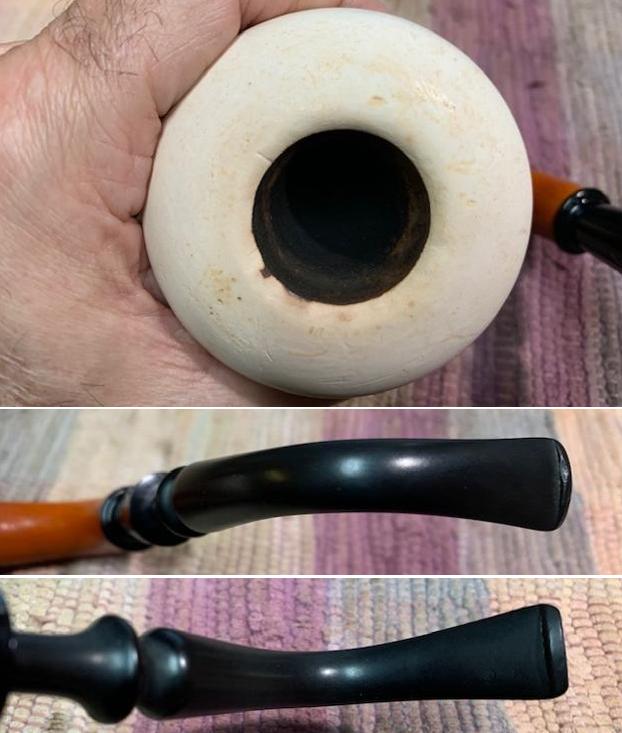
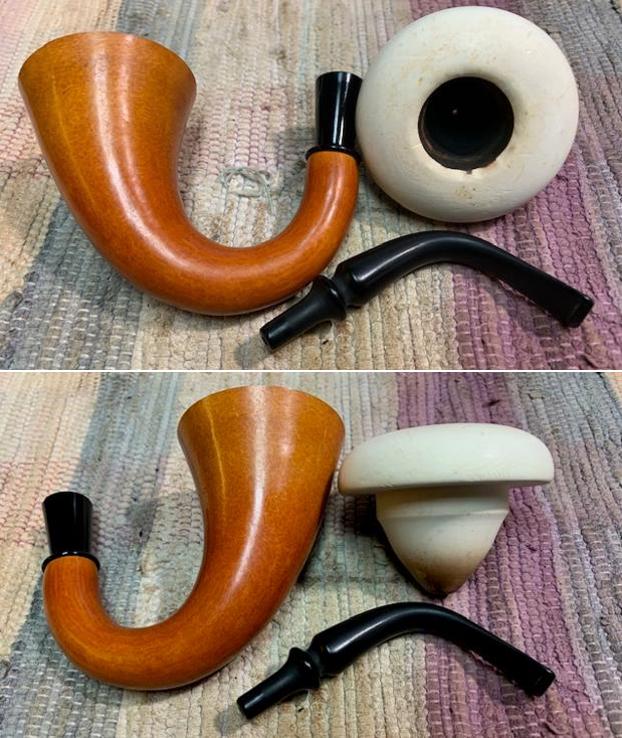
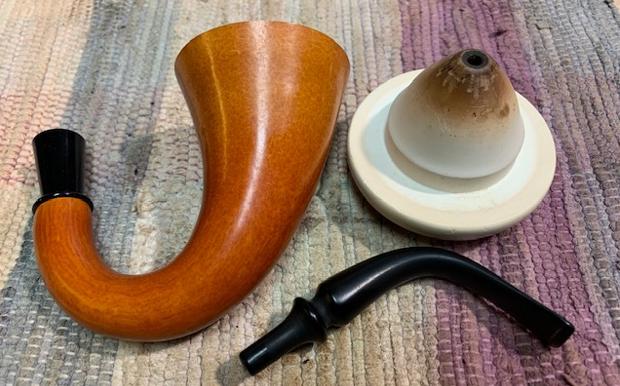
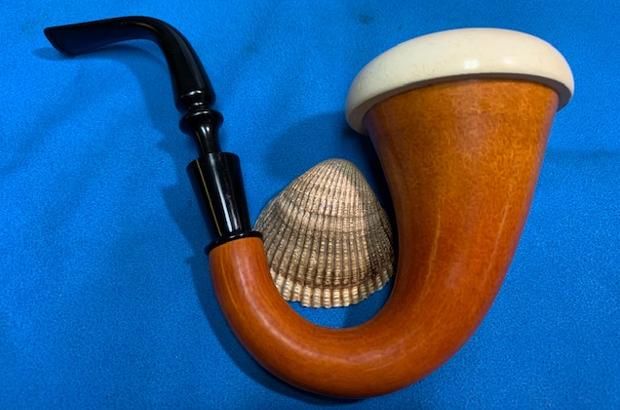
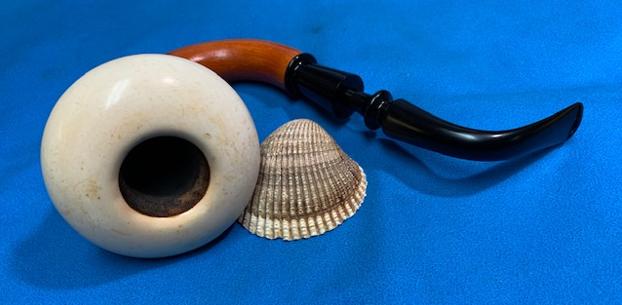
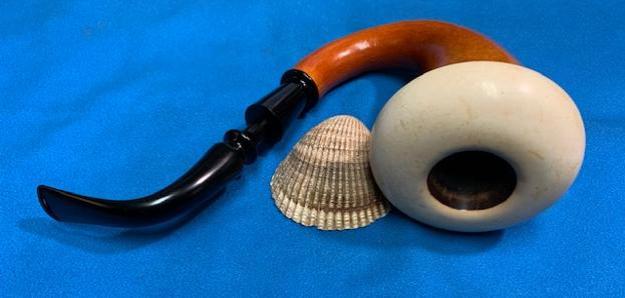
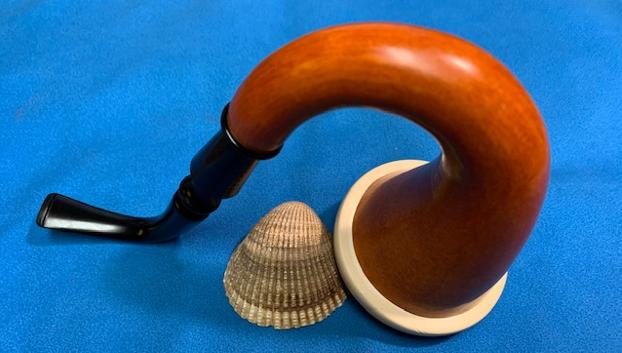
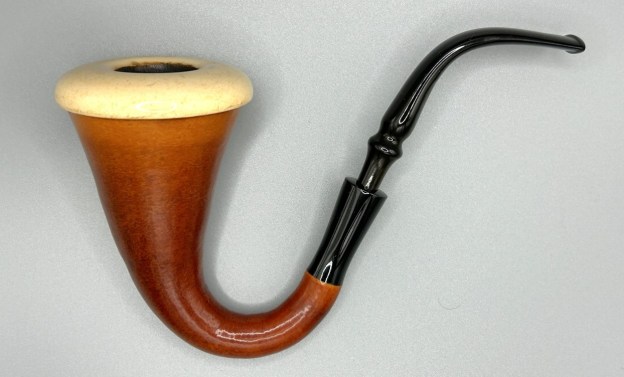
I recently came upon this calabash pipe and thought it was terrific. There is an elegance to the lines of this pipe, with its swan-like curves. Really nice looking, and in good shape. This one had obviously been seldom smoked – maybe a couple of times only. And maybe this is the pipe for you! Let’s take a closer look at it. The bowl is beautifully-shaped meerschaum. It has some minor signs of wear, but nothing serious. Similarly, the gourd is in lovely condition. No wear to speak of and the cork gasket is perfect. The gourd also has a wood shank extension in nice shape. Finally, the stem is also great. It has some notable oxidation and some small signs of wear, but nothing to worry about. The stem was first on my list. I wiped down the outside of the stem with Murphy’s Oil Soap on some cotton pads. Then, I cleaned out the insides of the stem with pipe cleaners and isopropyl alcohol. Once this process was done, I used SoftScrub and cotton pads to wipe down the stem before throwing it in the Pipe Stem Oxidation Remover. The following day, I cleaned all of the de-oxidizing mess and again scrubbed with SoftScrub on some cotton pads to remove the leftover oxidation. This worked well.Before I moved on to the Micromesh pads, I built up the dents on the stem with cyanoacrylate adhesive and let them fully cure.I sanded the adhesive down with 220- and 400-grit sandpapers to meld seamlessly into the stem. I then used all nine Micromesh pads (1,500 through 12,000 grit) to bring out the lovely black lustre on the stem. I also used Obsidian Pipe Stem Oil in between each pad scrubbing. On to the bowl. Meerschaum is too fragile for a proper reamer, so I used 220-grit sandpaper on the end of a wooden dowel to clean out the bowl and it turned out very well. I sanded down the entire piece of meerschaum with my Micromesh pads. One of the frustrations of cleaning meerschaum is that once smoked, the stains never go away. However, I did what I could and it definitely improved. I also rubbed some Clapham’s Beeswax into the meerschaum. Then I let it sit for 20 minutes, buffed it with a microfiber cloth and then repeated the beeswax process. Worked like a charm!
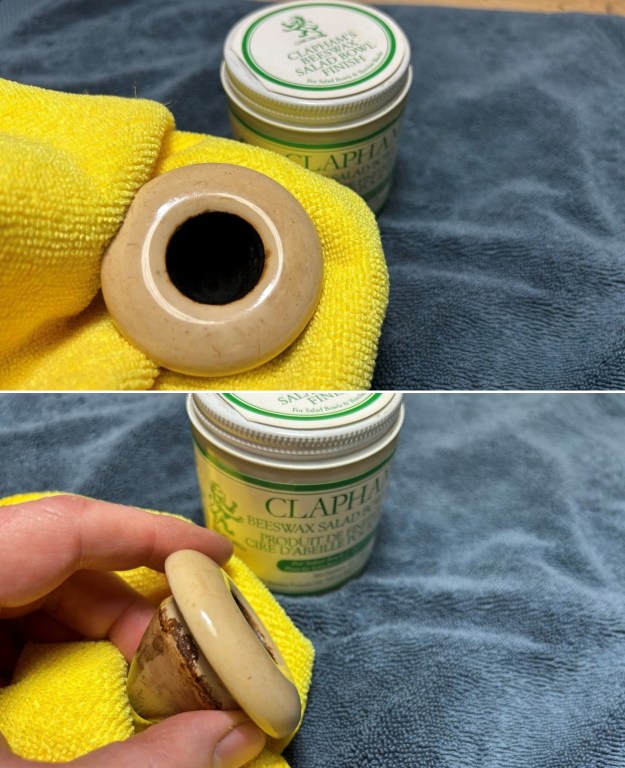
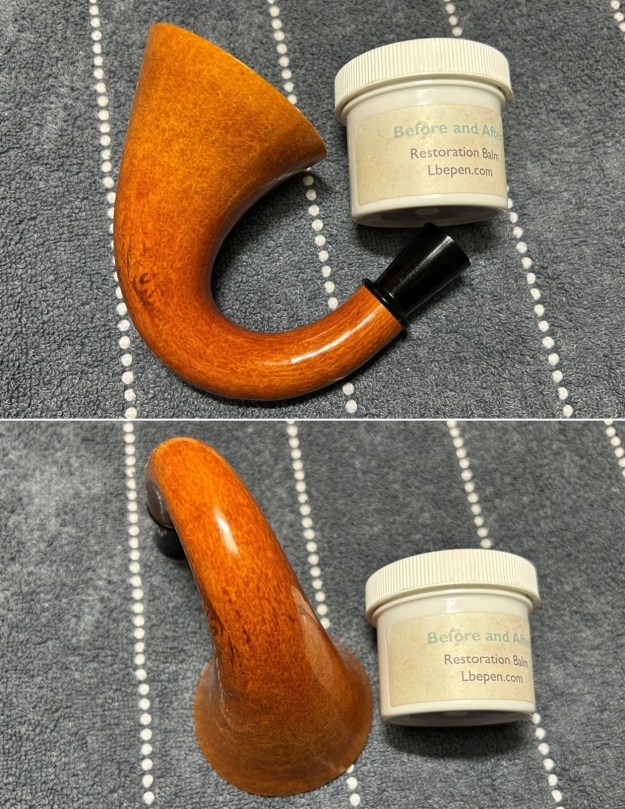
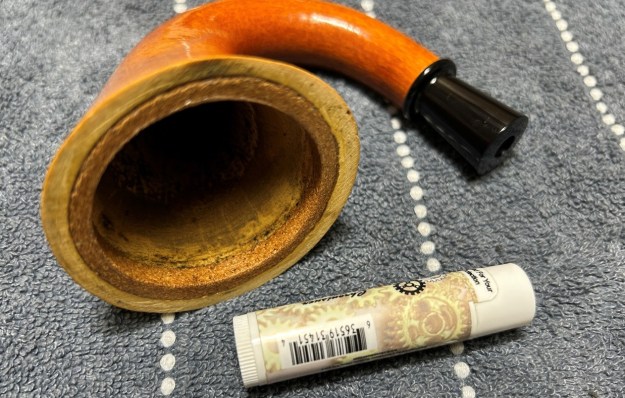
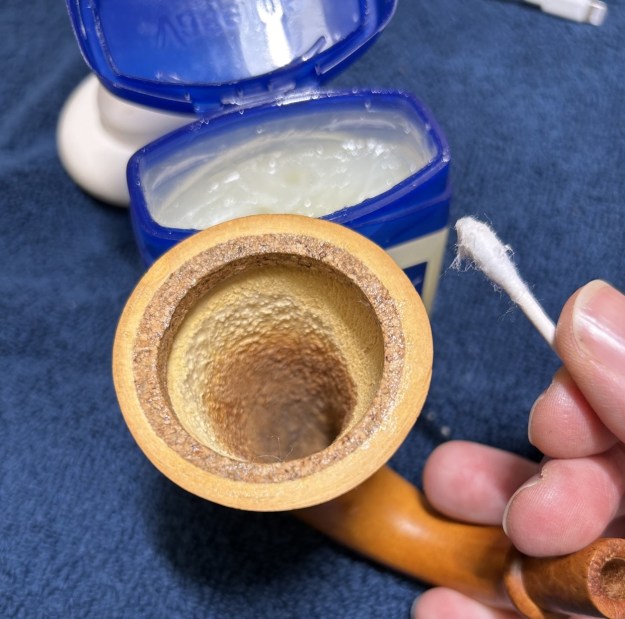
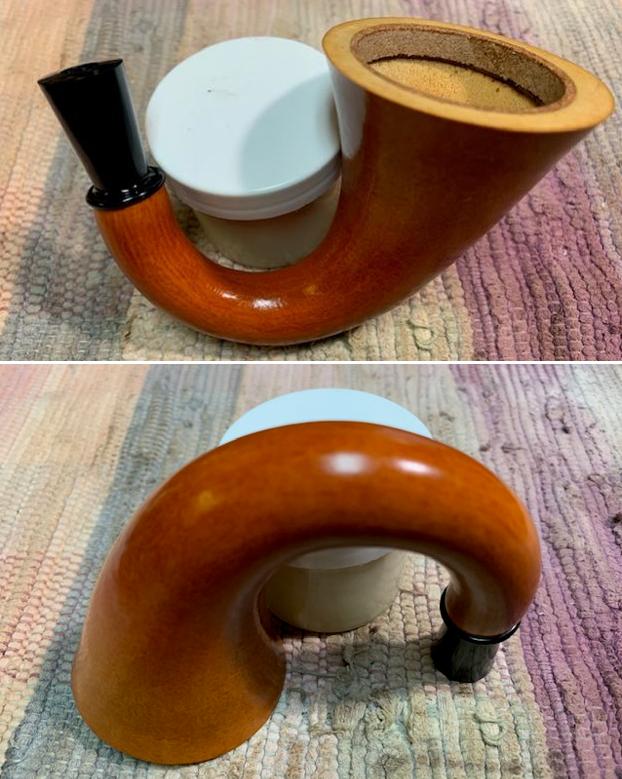
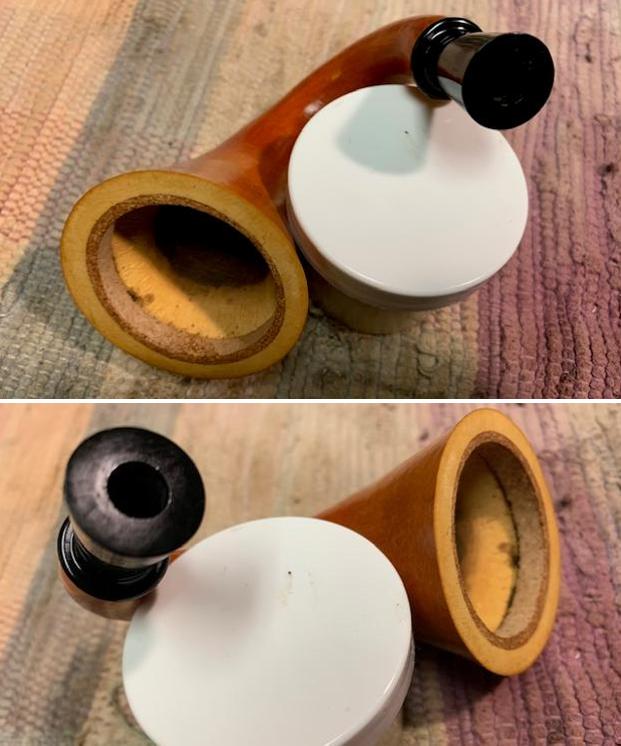
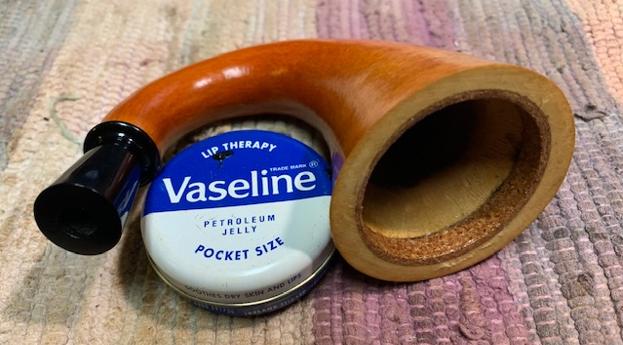
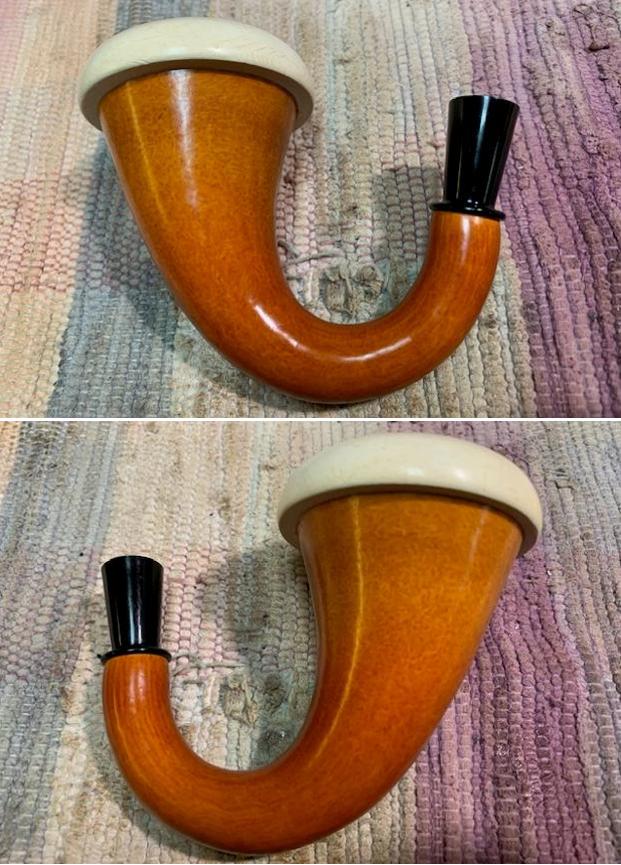
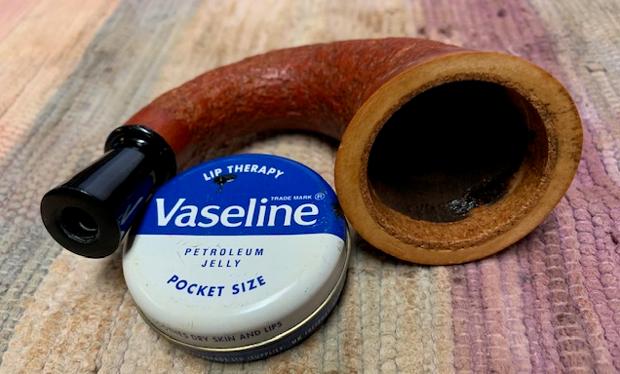
I cleaned the exterior of the gourd with some Murphy’s Oil Soap on a few cotton rounds. I cleaned inside the gourd gently by scraping with my reaming knife and some tube brushes. I was pleased with the results. I sanded down the wooden shank extension (but not the gourd) with my Micromesh pads. I also cleaned out the inside with cotton swabs and alcohol. It wasn’t very dirty. I then coated the gourd and shank extension with Restoration Balm and let it sit for 20 minutes. After that, I buffed it with the microfibre cloth. Finally, I applied some Vaseline to the cork gasket. Even though the gasket was in perfect shape, it’s a good idea to lubricate it in this way in order to maintain its elasticity. I set it aside to absorb and moved on.Before I went off to the buffer, I gave the meer and the gourd another going over with Clapham’s beeswax rub. This really worked well. I only took the stem to the buffer, as meerschaum and gourds don’t tolerate those high speeds very well! This gourd calabash was a delight from the start and its beauty only increased through the restoration process. I am pleased to announce that this pipe is for sale! If you are interested in acquiring it for your collection, please have a look in the ‘Calabash’ pipe section of the store here on Steve’s website. You can also email me directly at kenneth@knightsofthepipe.com. The approximate dimensions of the pipe are as follows: length 6¼ in. (160 mm); height 4½ in. (115 mm); bowl diameter 2¾ in. (70 mm); chamber diameter 1⅛ in. (28 mm). The weight of the pipe is 3 oz. (88 g). I hope you enjoyed reading the story of this restoration as much as I enjoyed restoring it. If you are interested in more of my work, please follow me here on Steve’s website or send me an email. Thank you very much for reading and, as always, I welcome and encourage your comments.
New Life for a Full Bent Gourd Calabash with a Meerschaum Cup


Blog by Steve Laug

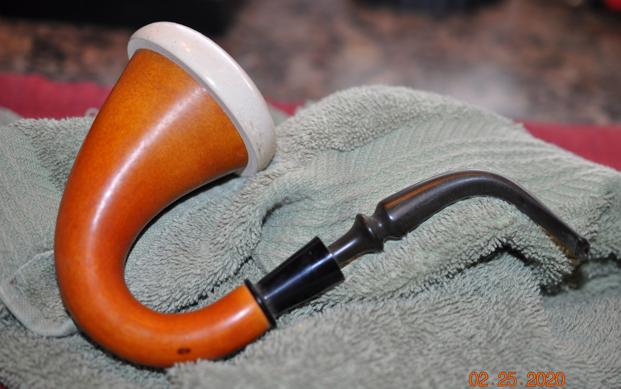
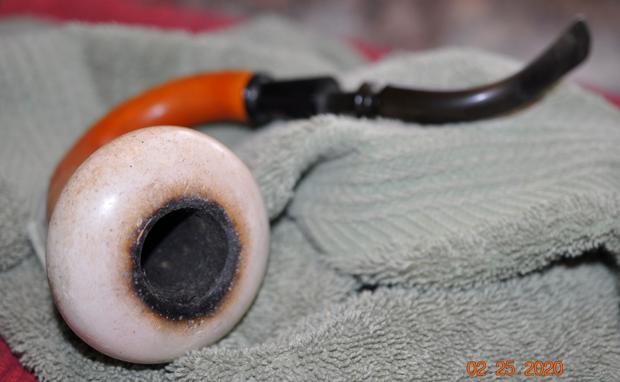
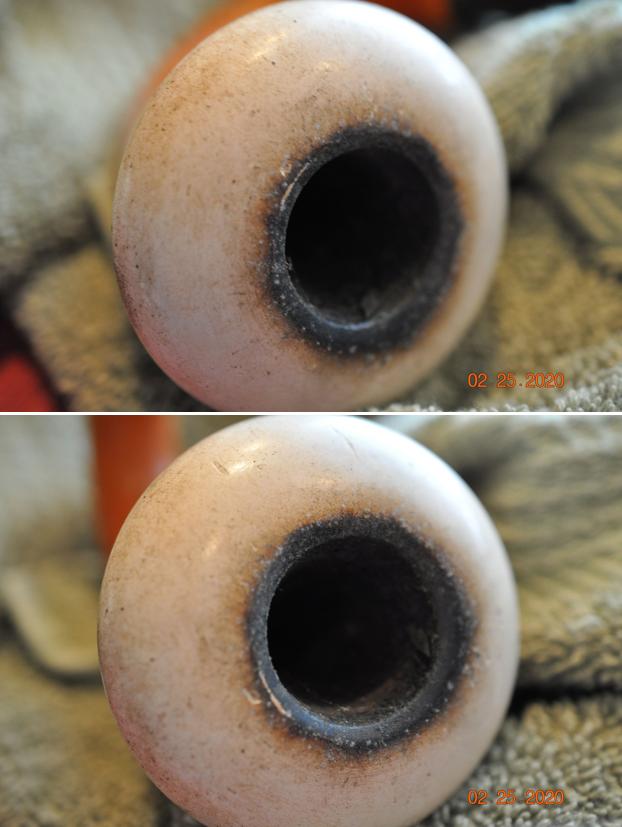
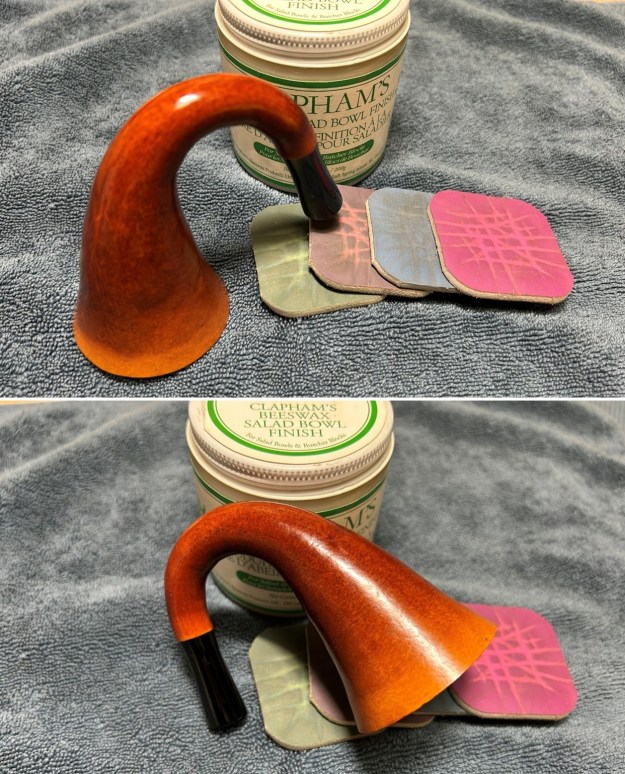
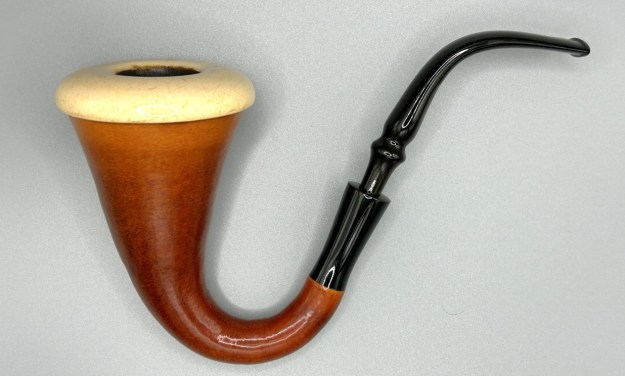
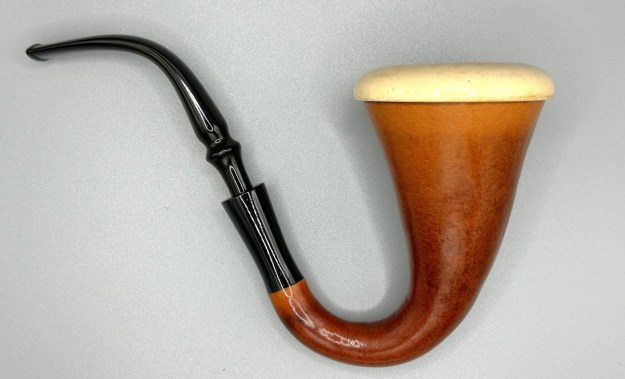
I have several boxes of pipes that Jeff has sent me to work on over the past months that have some great looking pipes in them. I have chosen to work on four Gourd Calabash pipes that he picked up in several places. The last of them is a full bent Gourd with a meerschaum cup, a black acrylic shank end and a bent vulcanite stem. The gourd was very dirty with a lot of dust and grime ground into the finish. The meerschaum cup had a thick cake and an overflow of lava on the rim top. The pipe had obviously been heavily smoked which reflected on it being a great smoking pipe. The vulcanite stem was oxidized and had tooth marks and chatter on both sides ahead of the button. It is a an interesting pipe with a lot of potential under the grime and debris of the years. The  Jeff took some photos of the Gourd Calabash before he worked his magic in cleaning up the pipe. Jeff took photos of the bowl, rim top to show the thickness of the cake in the bowl and the thick lava on the rim top. The rim top and inner edge are thickly covered with lava. The meerschaum has some patina developing. He took photos of the top and underside of the stem showing the tooth marks and chatter on both sides and the overall look of the stem and shank extension on the gourd.Jeff took photos of the sides and heel of the bowl to show the condition of the gourd bowl the developing patina on the meerschaum cup. This Full Bent Gourd Calabash is another interesting looking pipe. The meerschaum bowl has developed a patina and the bent vulcanite stem looks very good with it. Everything about the pipe reminds me of the Gourd Calabash pipes that Pioneer used to make. Could this be one of those? Probably will never know.

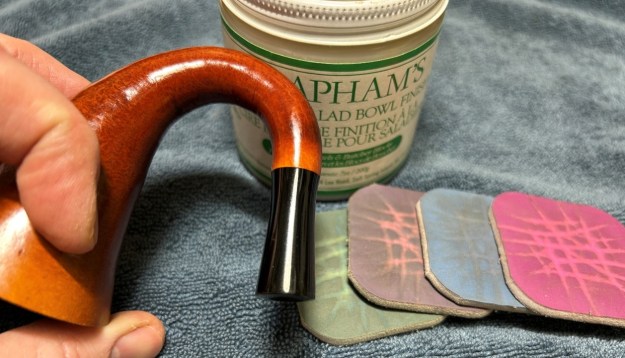
Jeff reamed carefully reamed the meerschaum bowl and the gourd base with a Savinelli Fitsall Pipe Knife. He carefully scrubbed the exterior of the bowl with Murphy’s Oil Soap and a tooth brush to remove the grime and grit on the exterior of the meerschaum cup and rim top and lava on the rim top. He scrubbed out the internals of the bowl and the gourd with Murphy’s Oil Soap and a tooth brush. He cleaned out the shank extension, shank and the stem with alcohol, pipe cleaners and cotton swabs until the pipe was clean. The finish looks much better and has a deep richness in the colour that highlights the patina in the meerschaum and the contrast of the rusticated gourd. He cleaned the internals of the vulcanite stem with alcohol, pipe cleaners and cotton swabs. He scrubbed the externals with Soft Scrub to remove the grime on the surface and soaked it in a bath of Briarville’s Pipe Stem Deoxidizer. He rinsed it and rubbed it down with a bit of olive oil before he sent it to me. When the pipe arrived here in Vancouver I was amazed that it looked so good. I took photos of it before I started my work on the pipe.I took some photos of the bowl and meerschaum cup. The rim top looks very good after the clean up though a bit spotty. There is still some darkening and chips/marks around the inner edge of the bowl that will need to be dealt with. The stem looks good but has light tooth marks and chatter on both sides near and on the surface of the button.I removed the stem from the shank and the meerschaum bowl from the gourd and took photos of the parts from various angles. The underside of the meerschaum cup was in good condition. I started the process of cleaning up the meerschaum bowl by sanding the inner edge and bevel with a folded piece of 220 grit sandpaper. I was able to remove the darkened edges and nicks with the sandpaper. It looked better after I worked on it.I polished the meerschaum rim top with micromesh sanding pads – dry sanding with 1500-12000 grit sanding pads. I wiped the bowl down after each pad with a damp cloth to remove the sanding debris.I rubbed the meerschaum rim cap down with some Before & After Restoration Balm and worked it into the surface with my finger tips. I let it sit for about 15 minutes and then buffed it to a polish. The Balm really highlights the growing patina on the meer bowl. It works to protect and polish the meerschaum.I worked some Before & After Restoration Balm into the surface of the gourd calabash with my fingertips to clean, enliven and protect the briar. I let the balm sit for 15 minutes and then buffed with a cotton cloth to raise the shine. The photos show the bowl at this point in the restoration process. I used some Vaseline Petroleum Jelly to rejuvenate the cork gasket around the inside edge of the gourd. It would make the fit of the meerschaum snug against the gourd and the rejuvenated cork would make it smooth and easy to insert and remove the bowl.I let the cork absorb the Vaseline for about 5 minutes and then fit the bowl in the gourd. The pipe looked very good at this point in the process.I set the bowl aside and turned my attention to the stem. I sanded the tooth marks on the top and underside of the stem with 220 grit sandpaper to smooth out the marks. I started to polish the stem with 400 grit wet dry sandpaper.I polished the stem with micromesh sanding pads – dry sanding with 1500-12000 grit sanding pads. I wiped it down after each sanding pad with Obsidian Oil. I polished it with Before & After Pipe Stem Polish – both Fine and Extra Fine. I gave it a final coat of Obsidian Oil. It looks significantly better!With the bowl and the stem finished I put the beautiful Gourd Calabash with Meerschaum cup and fancy vulcanite stem back together and buffed it the bowl and cup lightly on the wheel using Blue Diamond to give it a shine. I gave the bowl and stem multiple coats of carnauba wax. I buffed the pipe with a microfiber cloth to deepen the shine. The finish on the gourd and meer is a great looking. The fancy vulcanite stem looked very good. The dimensions of the pipe are – Length: 7 ½ inches, Height: 4 inch, Outside diameter of the bowl: 2 ¾ inches, Chamber diameter: 1 inch. The weight of this large pipe is 3.81 ounces /108 grams. This Gourd Calabash is another great find. It is much more beautiful in person than these photos can capture. I will be putting it on the rebornpipes store shortly. If you would like to add it to your rack let me know by email or message. This is another pipe that has the possibility of transporting the pipe man or woman back to a slower paced time in history where you can enjoy a respite. Thanks for walking through the restoration with me.

New Life for a Rusticated Gourd Calabash with a Meerschaum Cup


Blog by Steve Laug

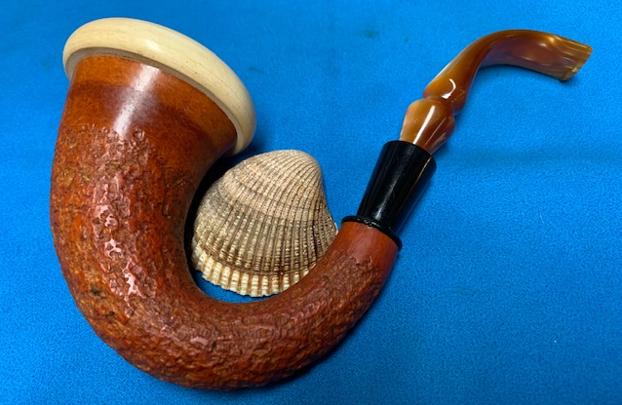
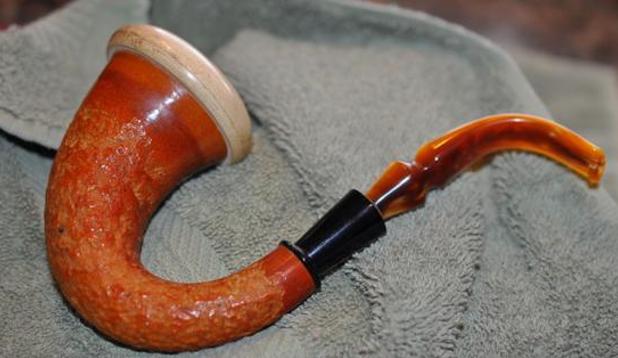
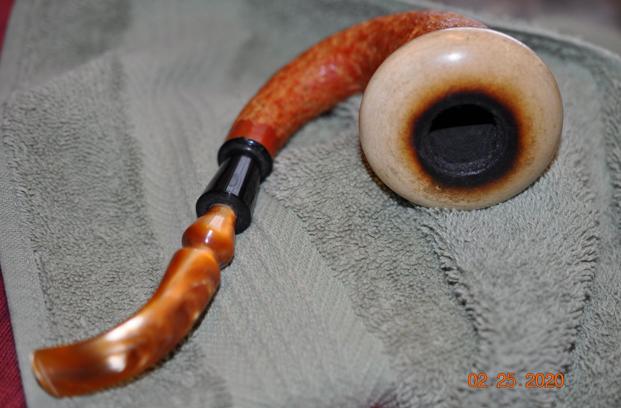
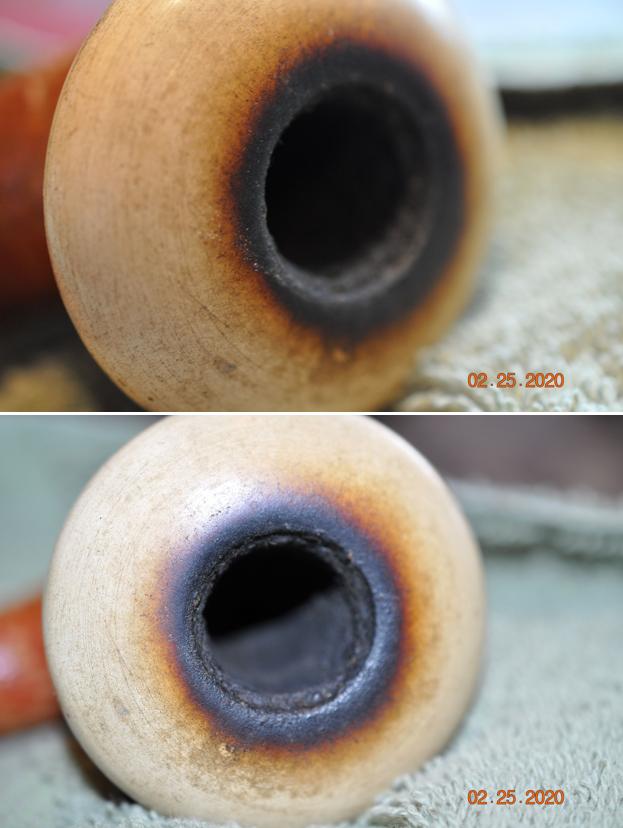
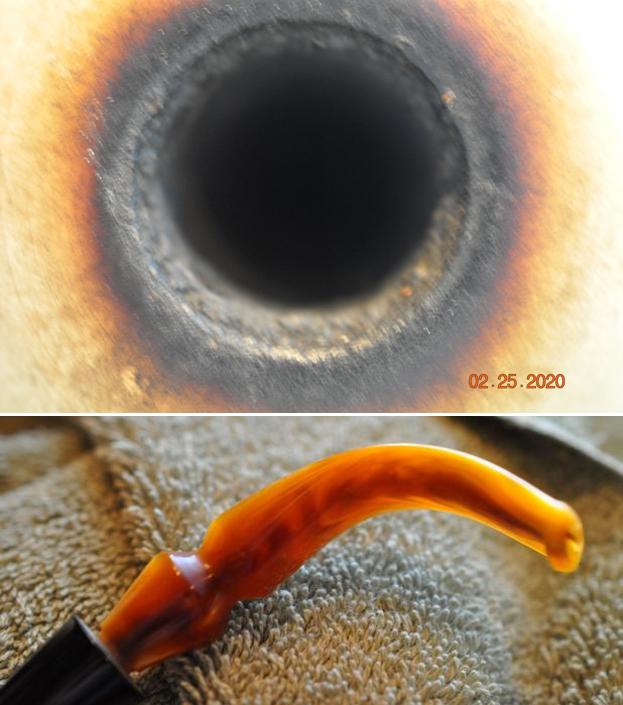
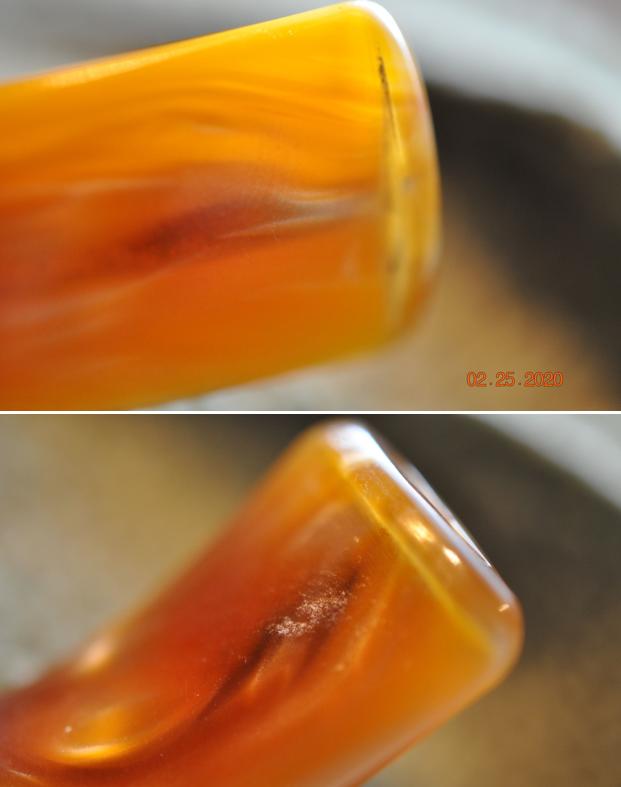
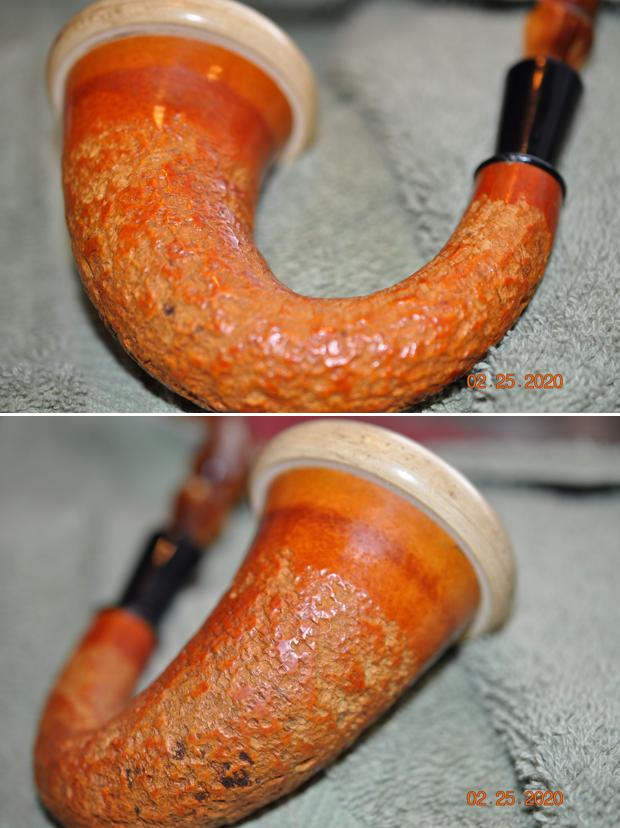
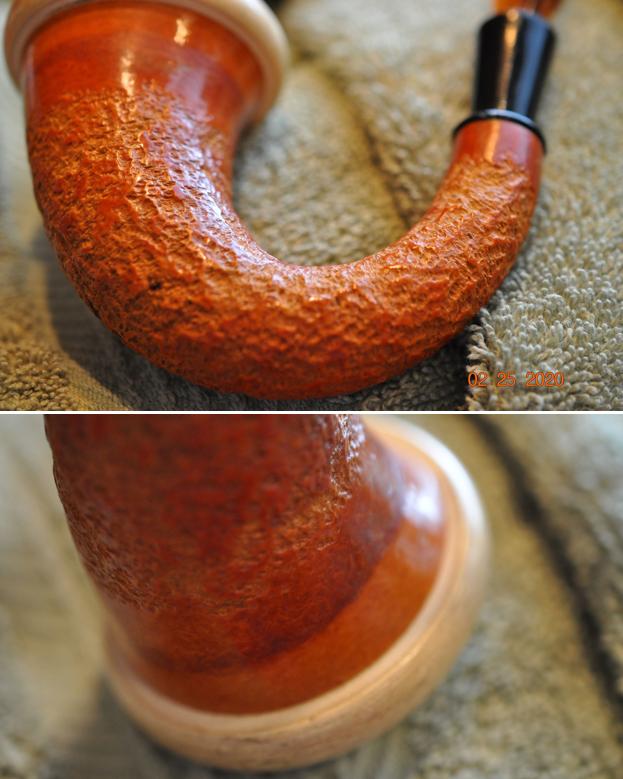
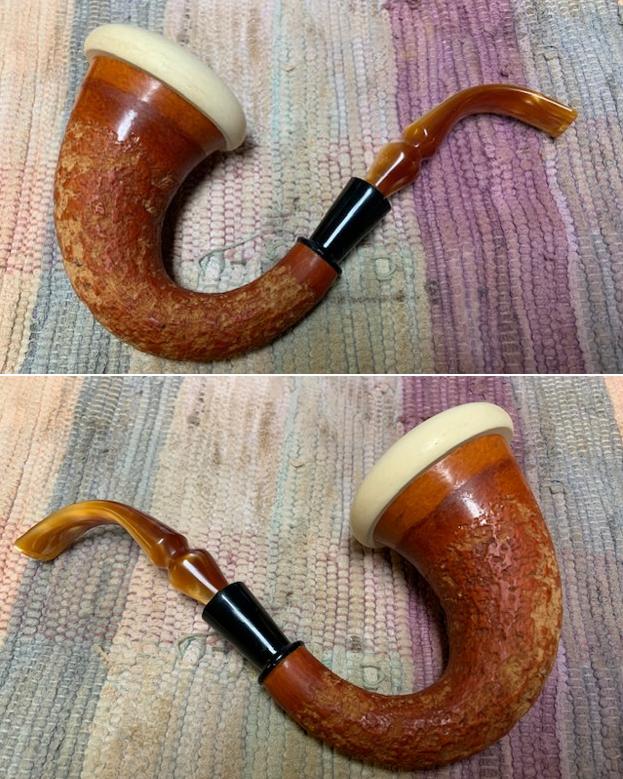
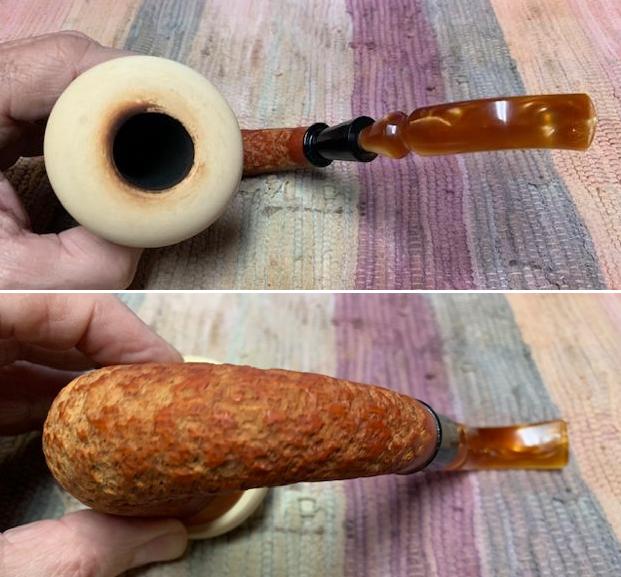
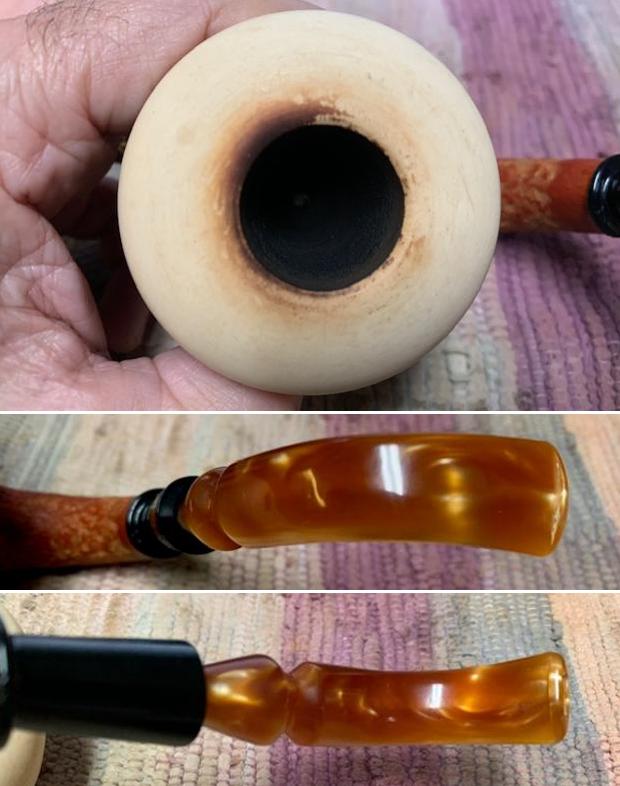
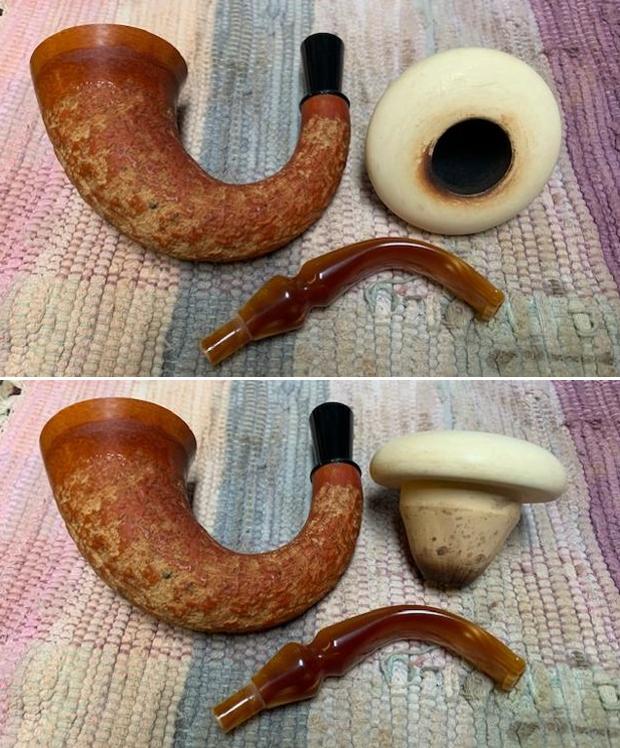
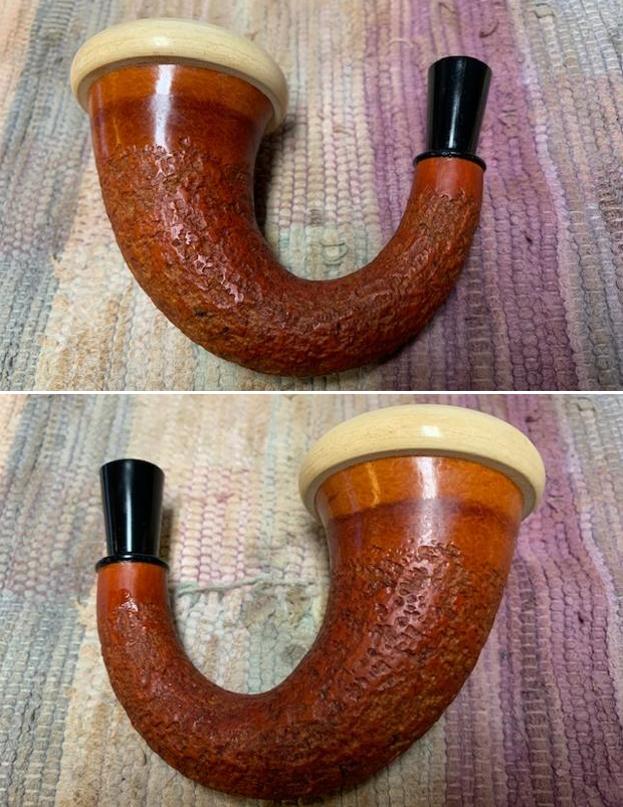
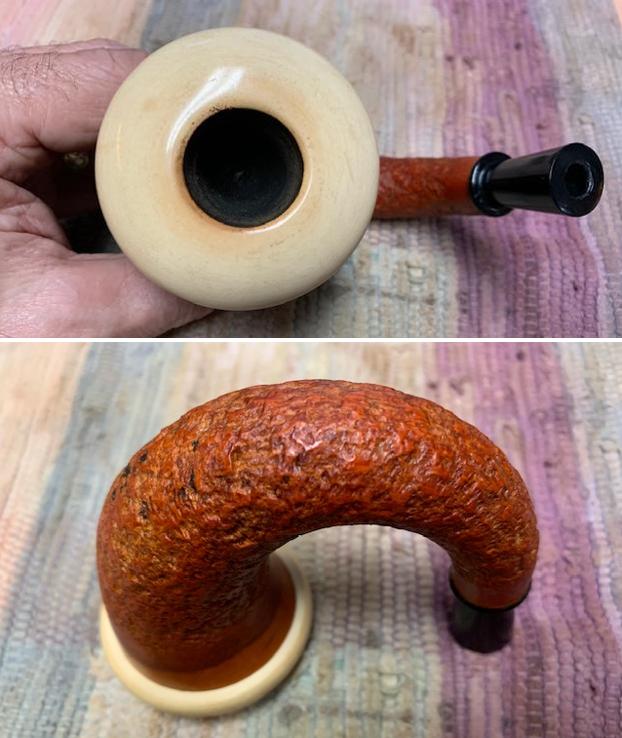
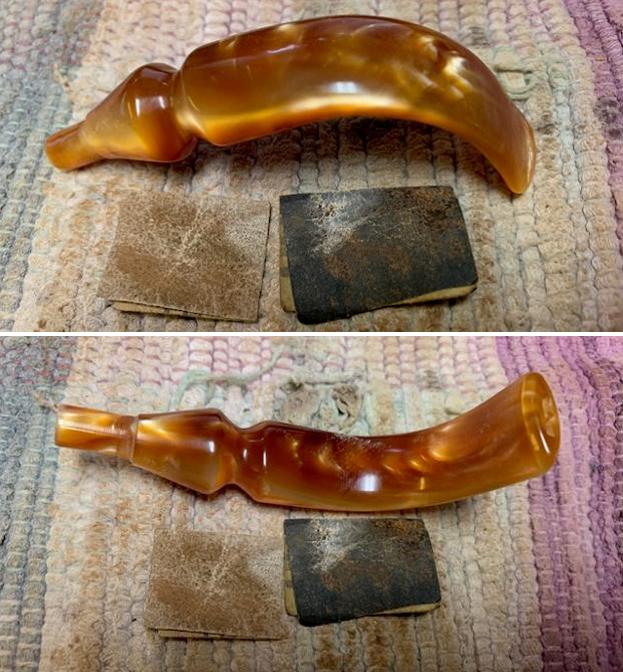
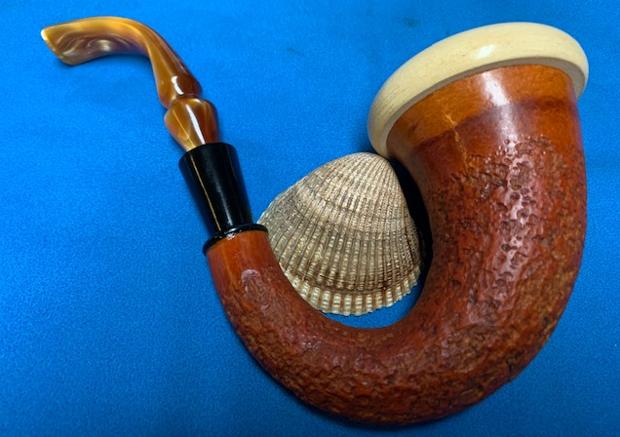
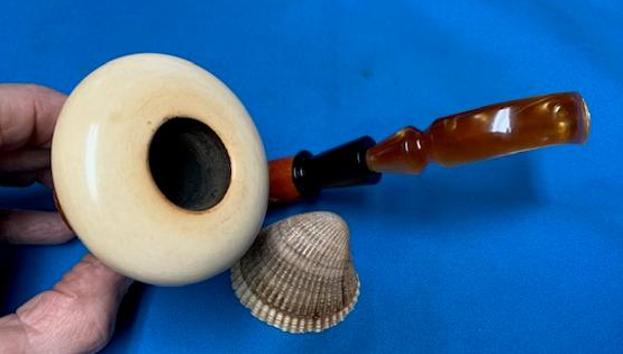
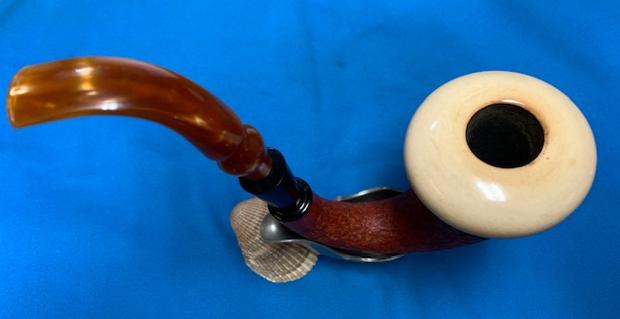
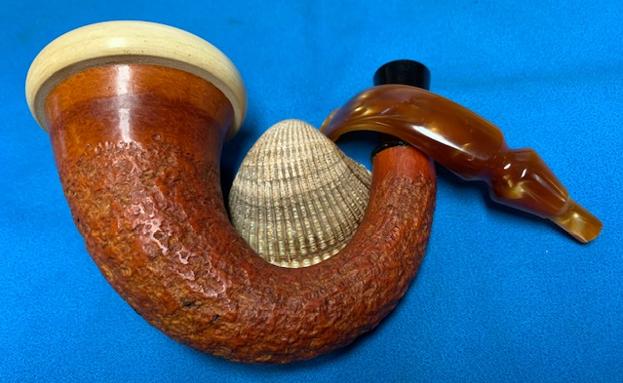
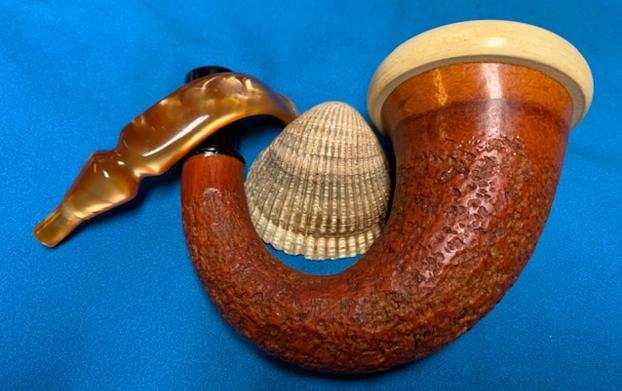
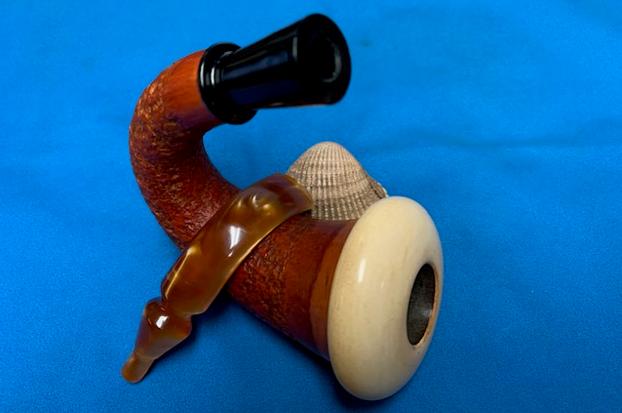
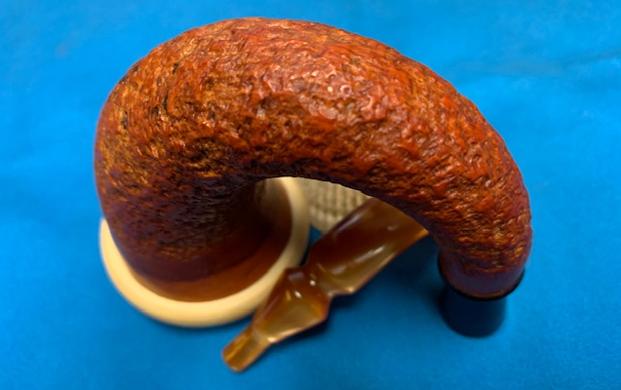
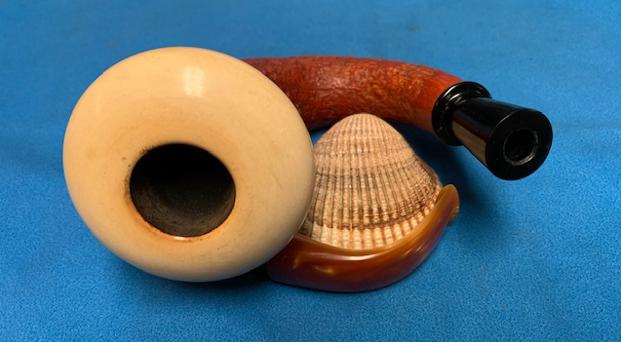
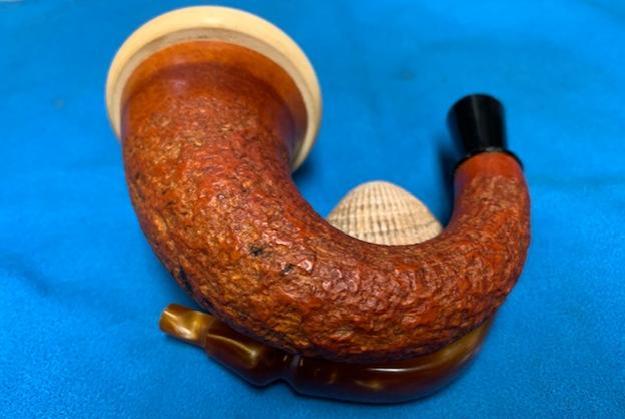
I have several boxes of pipes that Jeff has sent me to work on over the past months that have some great looking pipes in them. I have chosen to work on four Gourd Calabash pipes that he picked up in several places. The first of these is a rusticated Gourd with a meerschaum cup, a black acrylic shank end and a variegated gold/orange/brown fancy acrylic stem. The rusticated gourd was very dirty with a lot of dust and grime ground into the finish. The meerschaum cup had a thick cake and an overflow of lava on the rim top. The pipe had obviously been heavily smoked which reflected on it being a great smoking pipe. The acrylic stem had tooth marks and chatter on both sides ahead of the button. It is a an interesting pipe with a lot of potential under the grime and debris of the years. The  Jeff took some photos of the Gourd Calabash with a Meerschaum Bowl and acrylic stem before he worked his magic in cleaning up the pipe. Jeff took photos of the bowl, rim top to show the thickness of the cake in the bowl and the thick lava on the rim top. The rim top and inner edge are thickly covered with lava. The meerschaum has some patina developing. He took photos of the top and underside of the acrylic stem showing the tooth marks and chatter on both sides and the overall look of the stem and shank extension on the gourd.

Jeff took photos of the sides and heel of the bowl to show the condition of the gourd bowl the developing patina on the meerschaum cup. This Rusticated Gourd Calabash is an interesting looking pipe. The meerschaum bowl has developed a patina and the acrylic amber coloured stem looks very good with it.

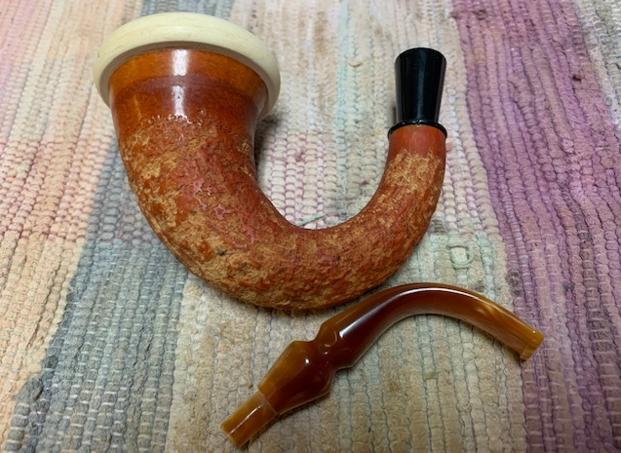
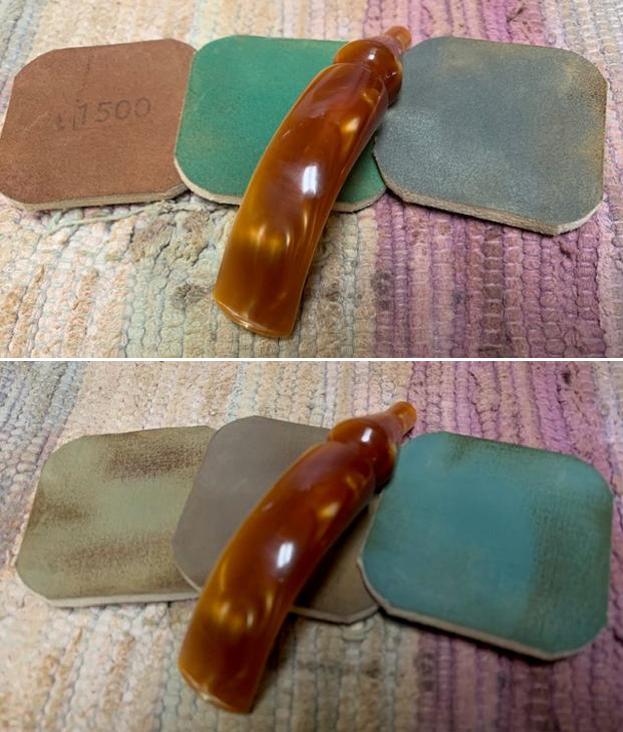
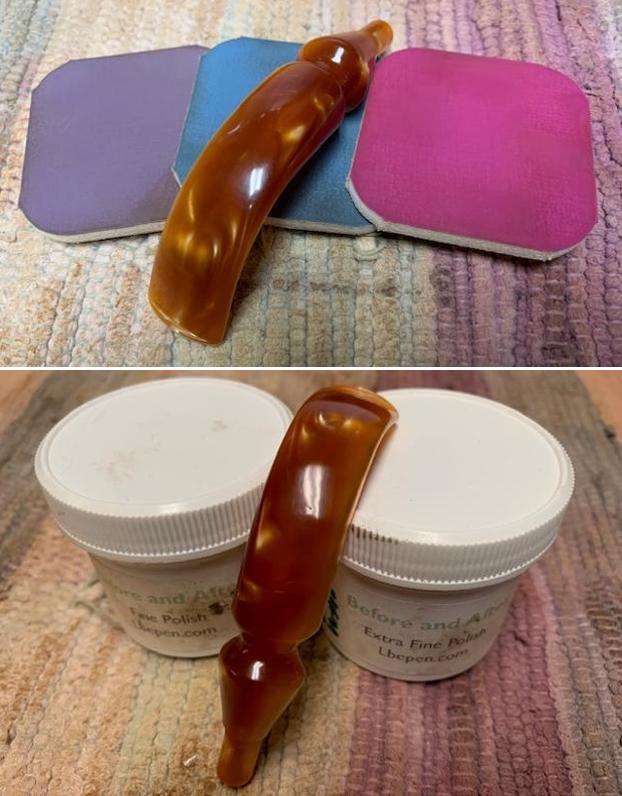
Jeff reamed carefully reamed the meerschaum bowl and the gourd base with a Savinelli Fitsall Pipe Knife. He carefully scrubbed the exterior of the bowl with Murphy’s Oil Soap and a tooth brush to remove the grime and grit on the exterior of the meerschaum cup and rim top and lava on the rim top. He scrubbed out the internals of the bowl and the gourd with Murphy’s Oil Soap and a tooth brush. He cleaned out the shank extension, shank and the stem with alcohol, pipe cleaners and cotton swabs until the pipe was clean. The finish looks much better and has a deep richness in the colour that highlights the patina in the meerschaum and the contrast of the rusticated gourd.  He cleaned the internals of the acrylic stem with alcohol, pipe cleaners and cotton swabs. He scrubbed the externals with Soft Scrub to remove the grime on the acrylic. When the pipe arrived here in Vancouver I was amazed that it looked so good. I took photos of it before I started my work on the pipe. I took some photos of the bowl and meerschaum cup. The rim top looks very good after the clean up though it is spotty. There is still some darkening around the inner edge of the bowl that will need to be dealt with. The stem looks good but has light tooth marks and chatter on both sides near the button.I removed the stem from the shank and took a photo of the parts. I removed the meerschaum bowl from the gourd and took photos of it from various angles. The underside was in good condition other than a chip out of one side of the pointed bowl bottom. I started the process of cleaning up the meerschaum bowl by sanding the inner edge and the rim top with a folded piece of 220 grit sandpaper. I was able to remove the darkened edges and top with the sandpaper. It looked better after I worked on it.I worked over the chipped bottom of the bowl with the some 180 grit sandpaper to smooth out the chipped area and round the edges. I polished the meerschaum rim top with micromesh sanding pads – dry sanding with 1500-12000 grit sanding pads. I wiped the bowl down after each pad with a damp cloth to remove the sanding debris. I worked some Before & After Restoration Balm into the surface of the gourd calabash with my fingertips to clean, enliven and protect the briar. I let the balm sit for 15 minutes and then buffed with a cotton cloth to raise the shine. The photos show the bowl at this point in the restoration process. I used some Vaseline Petroleum Jelly to rejuvenate the cork gasket around the inside edge of the gourd. It would make the fit of the meerschaum snug against the gourd and the rejuvenated cork would make it smooth and easy to insert and remove the bowl. I let the cork absorb the Vaseline for about 5 minutes and then fit the bowl in the gourd. The pipe looked very good at this point in the process. I set the bowl aside and turned my attention to the stem. I sanded the tooth marks on the top and underside of the stem with 220 grit sandpaper to smooth out the marks. I started to polish the stem with 400 grit wet dry sandpaper.I polished the stem with micromesh sanding pads – dry sanding with 1500-12000 grit sanding pads. I wiped it down after each sanding pad with Obsidian Oil. I polished it with Before & After Pipe Stem Polish – both Fine and Extra Fine. I gave it a final coat of Obsidian Oil. It looks significantly better! With the bowl and the stem finished I put the beautiful Gourd Calabash with Meerschaum cup and an amber acrylic stem back together and buffed it the bowl and cup lightly on the wheel using Blue Diamond to give it a shine. I gave the bowl and stem multiple coats of Conservator’s Wax. I buffed the pipe with a microfiber cloth to deepen the shine. The finish on the gourd and meer is a great looking. The fancy acrylic stem looked very good. The dimensions of the pipe are – Length: 6 ½ inches, Height: 3 ½ inch, Outside diameter of the bowl: 2 ½ inches, Chamber diameter: 7/8 of an inch. The weight of this large pipe is 3.17 ounces /90 grams. This Gourd Calabash is another great find from this collection. It is much more beautiful in person than these photos can capture. I will be putting it on the rebornpipes store shortly. If you would like to add it to your rack let me know by email or message. This is another pipe that has the possibility of transporting the pipe man or woman back to a slower paced time in history where you can enjoy a respite. Thanks for walking through the restoration with me.