
Blog by Paresh Deshpande
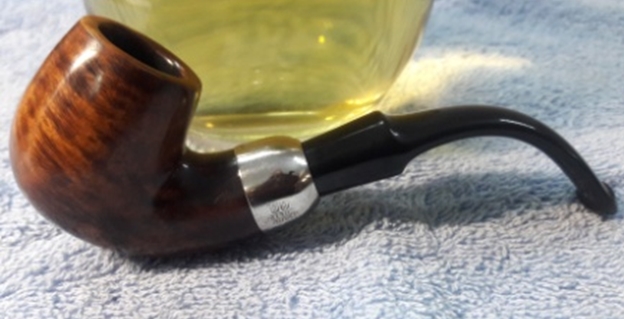
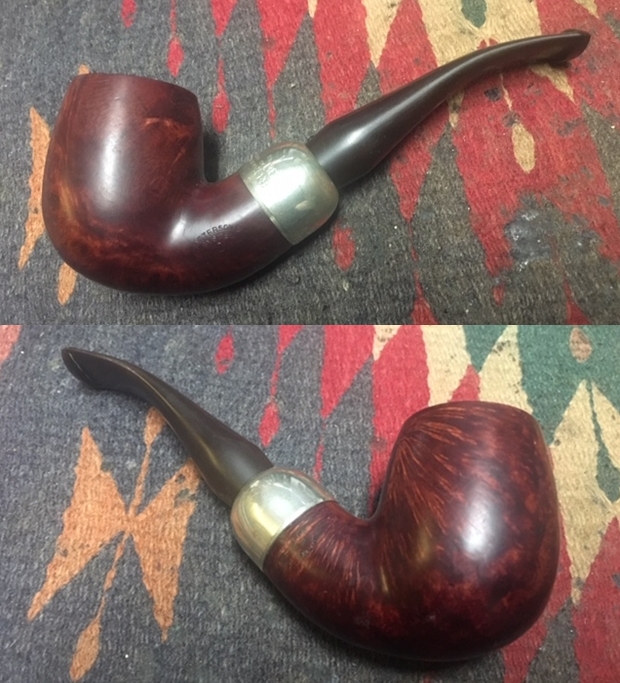
While going through the second box of my inherited pipes, I came across the smallest pipe in the entire collection and it was a Pete!! Given my grandfather’s love for large sized pipes, this was surprising and in all probability was a gift given to him by his departing British colleagues when we got our independence in 1947.
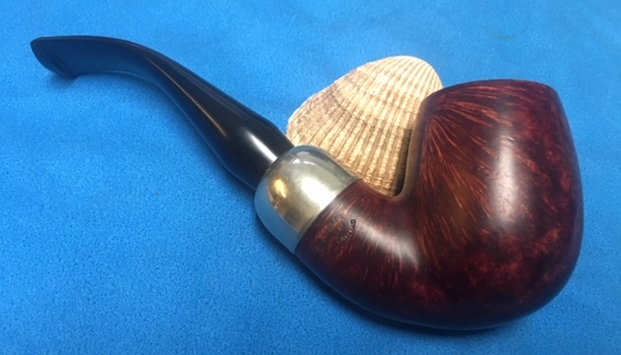
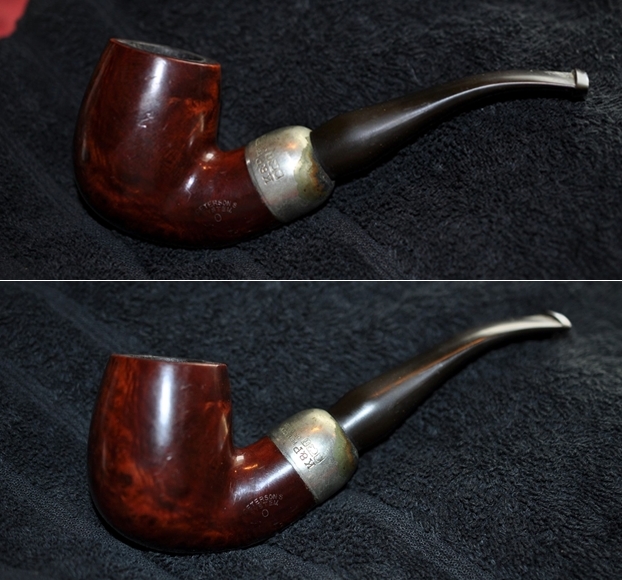
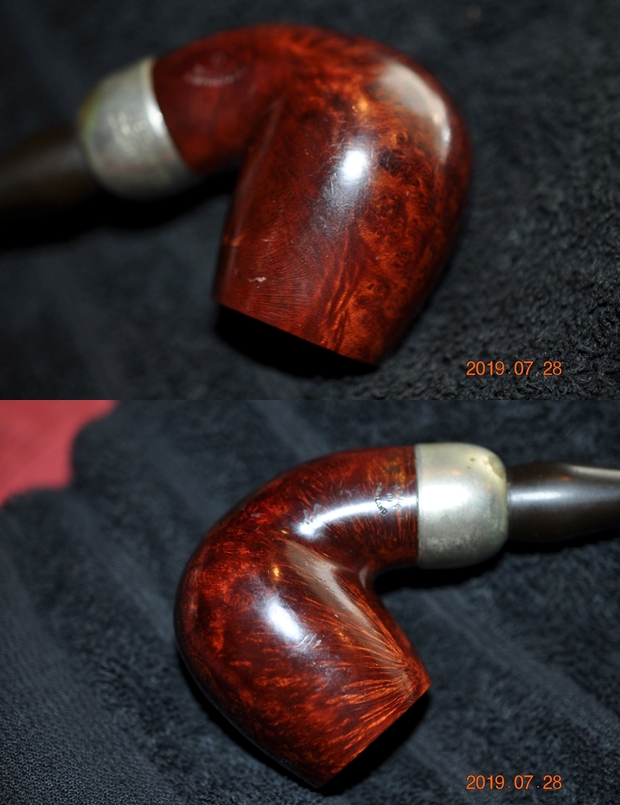
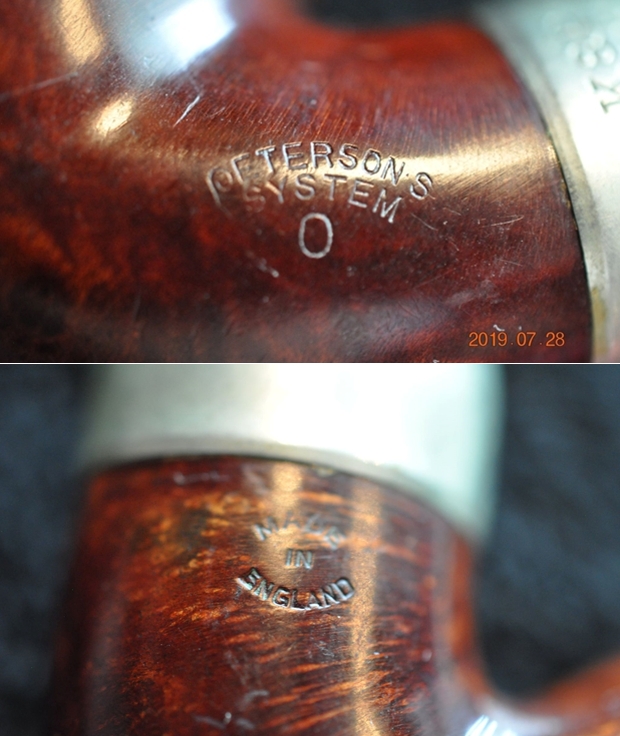
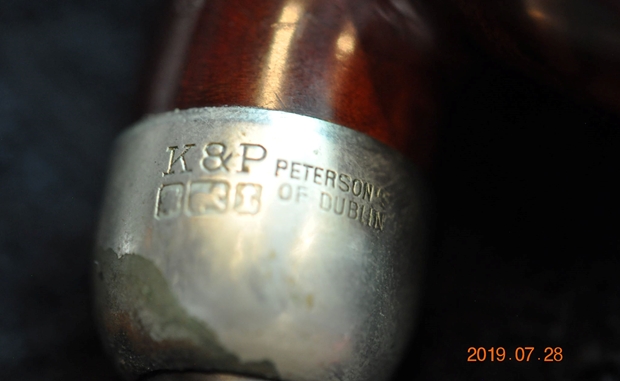
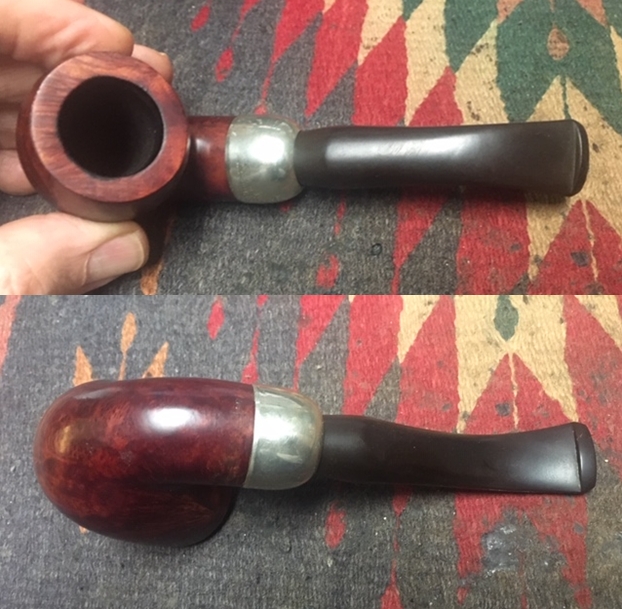
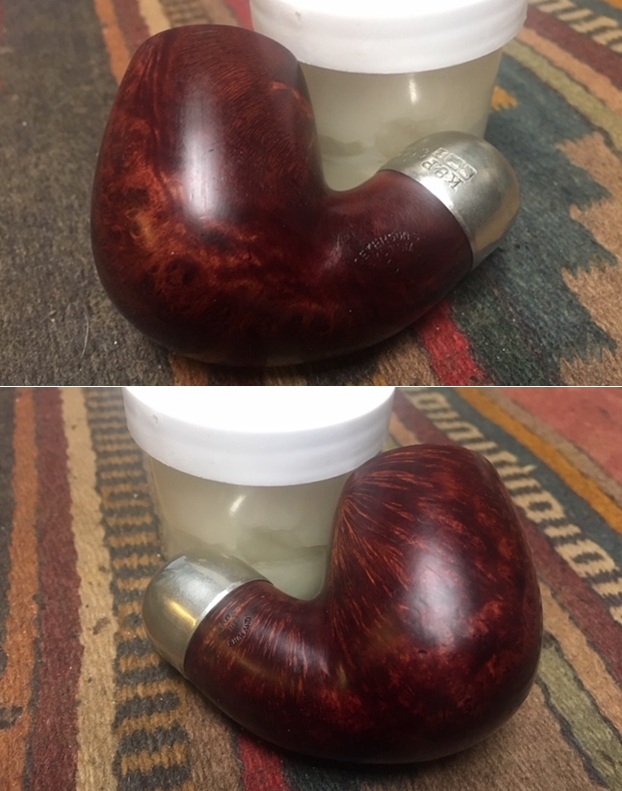
I have researched and worked on a few vintage as well as new Peterson’s and in first glance of this pipe I knew it to be a very old Peterson’s. The stummel has a nice spread of mixed grains all around and a nice feel in the hand despite its size. It is stamped vertically on the left side of the shank as “PETERSON’S” with a forked ‘P’ over “SYSTEM” over an encircled numeral “3”. The bottom of the shank close to the edge of the ferrule bears the COM stamp “EIRE” while model/ shape code “# 367” is stamped on the right side of the shank close to the bowl. The nickel ferrule bears the trademark Kapp & Peterson’s official logo of “K&P,” each in a shield shaped escutcheon.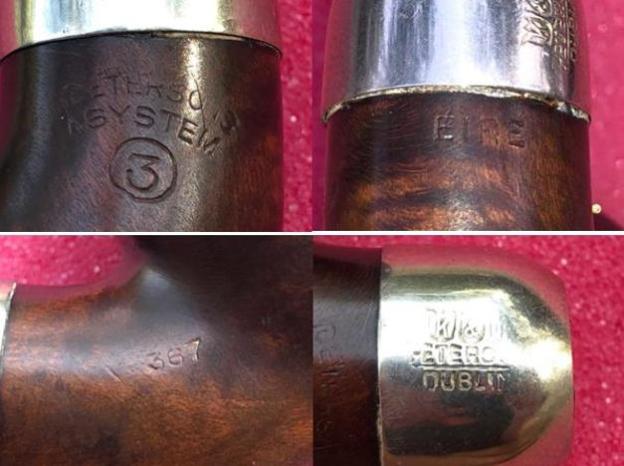 While dating a Peterson’s pipe, I always fall back to my under mentioned favorite site; http://thepetersonpipeproject.blogspot.com/2007/07/dating-peterons-pipes.html
I quote from the above site
Eire was formed on 29 December 1937. The Made in Eire Era will be from 1938 through roughly 1940(?) or 1941 (?).
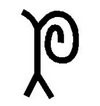 The “Made in Ireland” block format (above) can be another headache in dating Peterson pipes since this stamp was used in the late Patent Era as well as the late 1940s. So for a guide we must take into consideration the style of lettering Peterson used on their pipes. From the start of the Patent Era until somewhere in the early 1930s, Peterson used the “Old Style” lettering that used a forked tail “P” in Peterson.
Thus from the above, it can be concluded that the pipe on my work table dates from 1930s.
INITIAL VISUAL INSPECTION
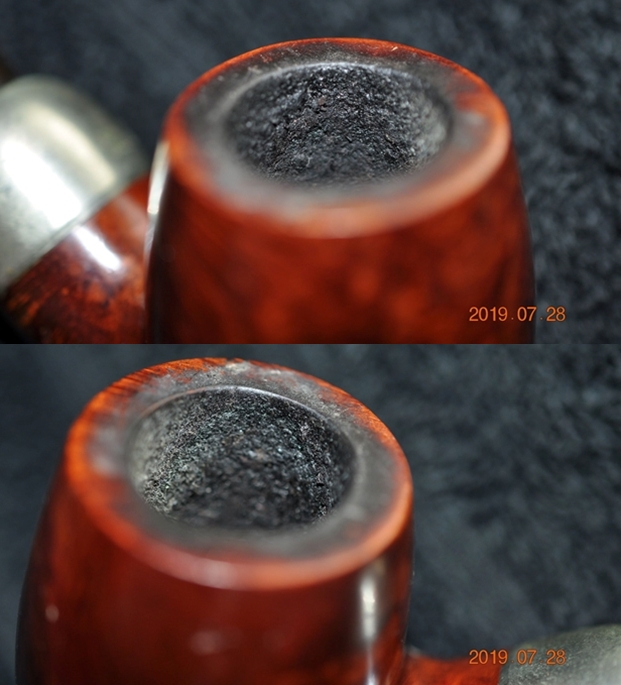
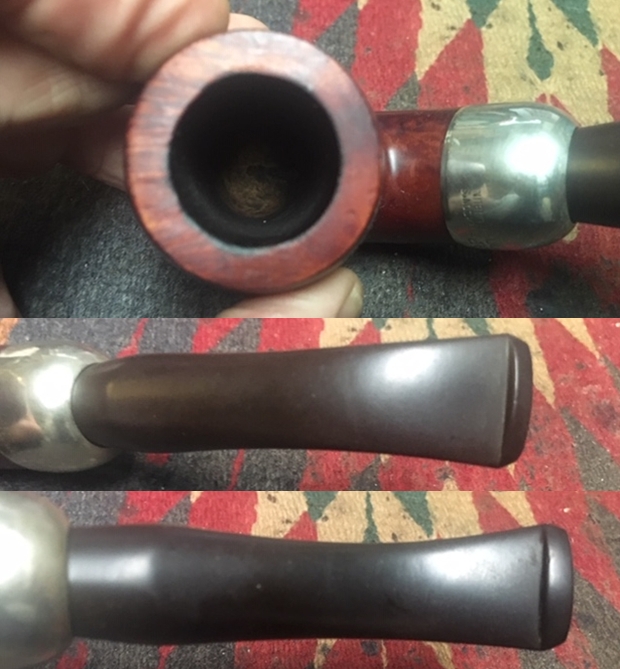
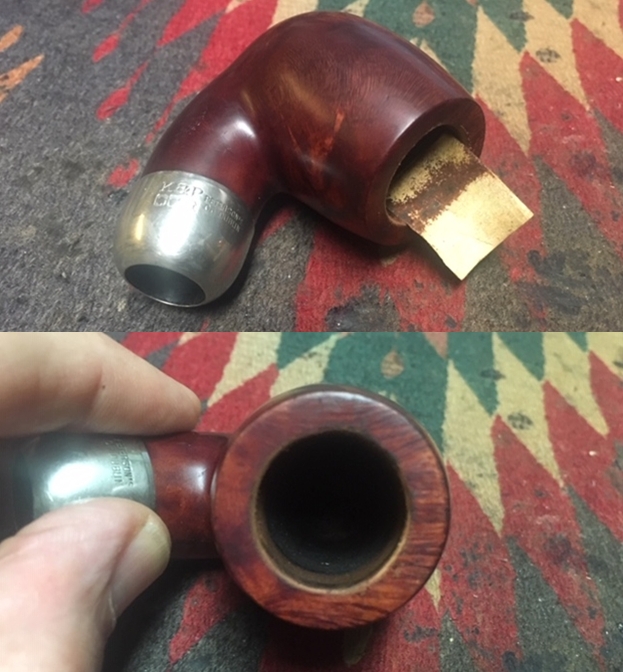
The chamber has a decent layer of cake signifying limited usage. This is not surprising given the small size of the pipe. The rim top surface has several scratch marks forming a squared pattern, probably caused by scraping against abrasive surface during years of uncared for storage. The inner edge of the rim is severely damaged. Nicks and dings are also seen along the outer rim edge and the chamber appears out of round. Chamber has strong odors of sweet smelling tobaccos. The condition of the inner walls of the chamber can be commented upon once the cake has been reamed down to the bare briar, but going by the solid feel of the external surface, I do not foresee any serious issues/ surprises with the chamber walls.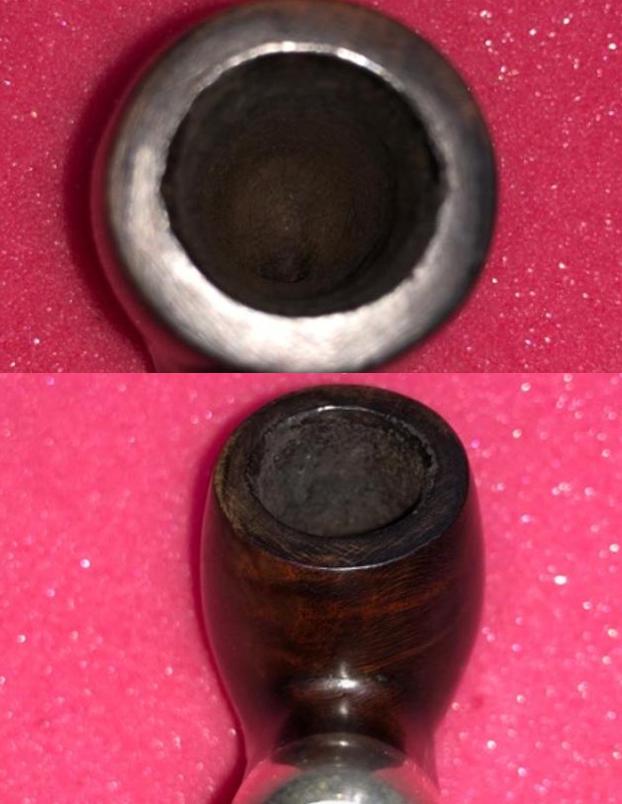 The stummel surface is covered in dust, dirt and grime of years of disuse and uncared for storage. Oils and tars have overflowed over the stummel and have attracted dust giving a dull and lackluster appearance to the stummel. A number of minor dents and scratches are seen over the stummel, notably towards the front, foot and the bottom of the shank. There are two fills clearly visible in front of the stummel. The mortise is clogged with accumulated dried gunk and so is the sump. The pipe smells are too strong.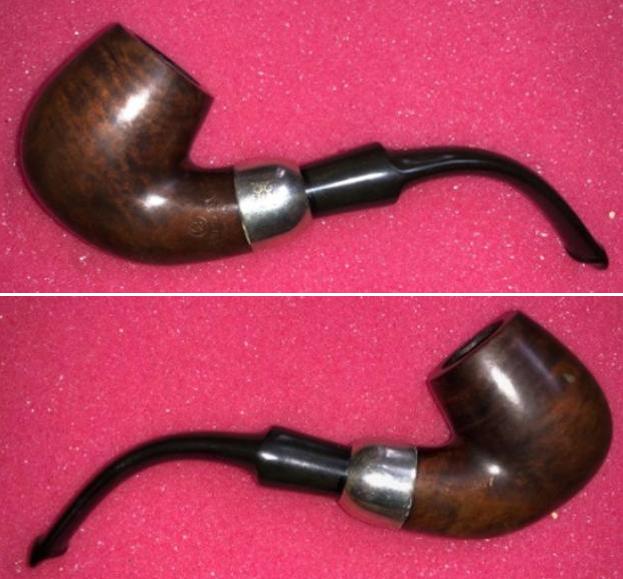
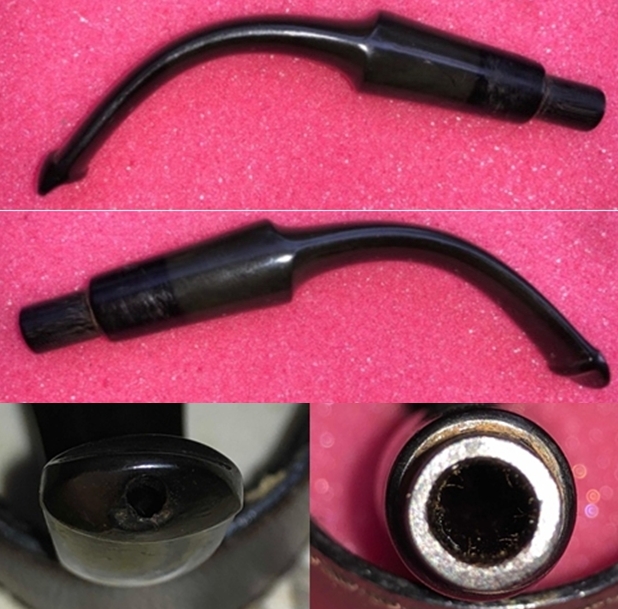
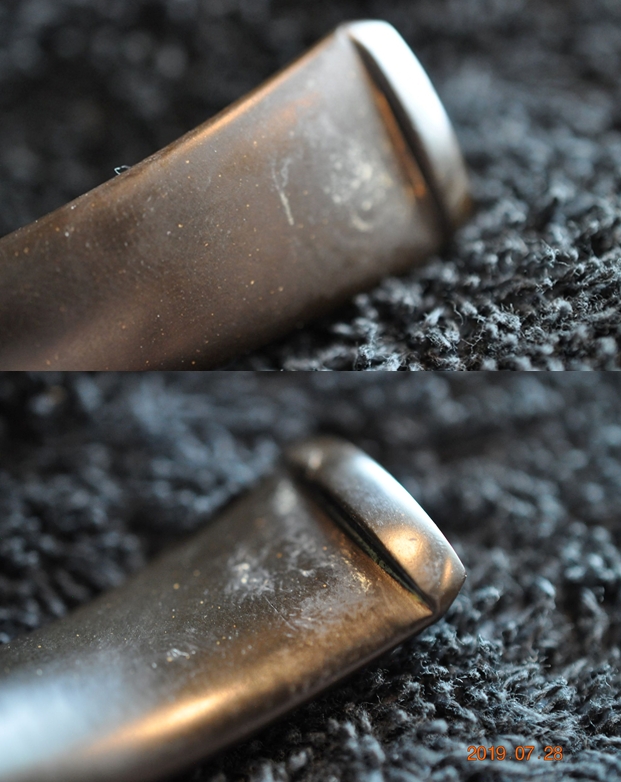
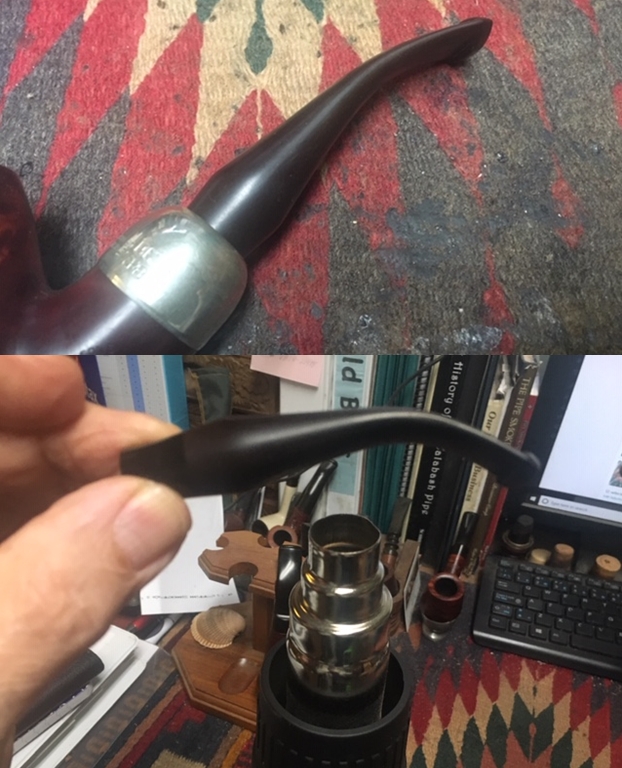
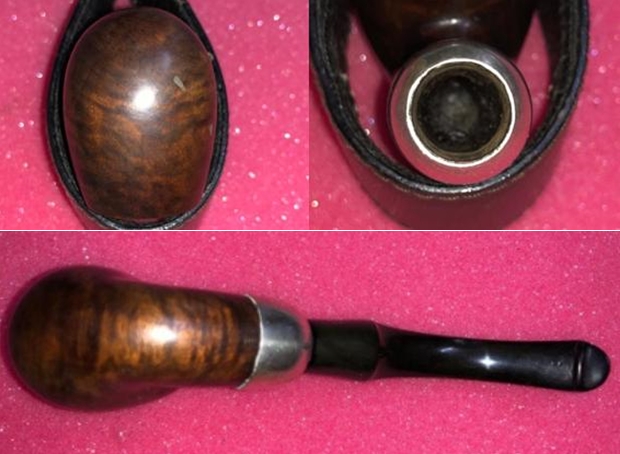 The full bent P-lip vulcanite stem is in a relatively good condition with light tooth chatter on either surfaces of the stem. The lower end of the stem at the tenon end which enters the mortise shows severe scratch marks and chipped surface, the result of rubbing against the sharp edges of the ferrule at the shank end. The button edges on both surfaces will need to be sharpened. The upper surface of the P-lip has bite marks and the slot edges have deformed due to bite marks. The tenon end has accumulated dried gunk and grime, both inside and outside. The stem is oxidized and the air way is not clear as the draw is laborious.
 INITIAL CLEANING BY ABHA…
The initial cleaning on this pipe was done by Abha, my wife (she has cleaned up around 40-50 pipes and these have now reached me for further restoration). She reamed out the complete cake and further smoothed out the chamber walls with a folded piece of 220 grit sand paper. She further cleaned out the internals of the shank with pipe cleaners and alcohol and cotton buds. She followed the internal cleaning of the shank with external cleaning of the stummel using Murphy’s Oil soap and hard bristled tooth brush and dried it with paper napkins and cotton cloth.
Next she cleaned out the internals of the stem air way and immersed it in “Before and After Deoxidizer” solution along with the stem of other pipes in line for restoration. Once the stem had soaked overnight, she cleaned the stem under running warm water and scrubbed the raised oxidation from the stem surface using Scotch Brite pad. She further removed the oxidation by scrubbing the stem with 0000 grade steel wool and applied a little olive oil to rehydrate the stem.
ONCE THE PIPE IS ON MY WORK TABLE…
The cleaned up pipes presents a very clear picture of what needs to be done to restore this pipe to a pristine and smokable condition. I really cannot thank Abha, my wife, enough for all the help and support that she extends me in my pursuance of this hobby. I proceed to carry out my appreciation of the work that needs to be done on this pipe to restore it.
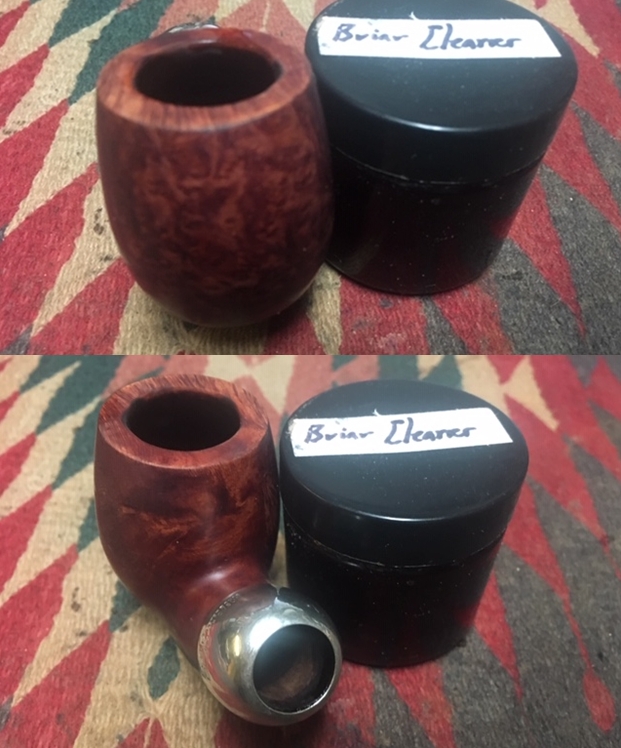
Abha had told me that this is a very small pipe, but how small the chamber was, is what I noticed first when I got the cleaned up pipe on my work table. The wall of the chamber shows insignificant beginnings of heat fissure on the front right and back of the chamber walls. Though insignificant now, if not addressed at this stage, these heat fissures may further lead to burn outs. I need to address this issue. The rim top surface is uneven and pock marked with dents and dings. The inner edge is peppered with dents and dings. The chamber is significantly out of round, most notably on the right side in 1o’clock direction and charred inner rim edge on the left side in 3 o’clock direction. It is one of the major repairs on this pipe. The chamber, in spite of all the thorough cleaning by Abha, still has a strong ghost smells.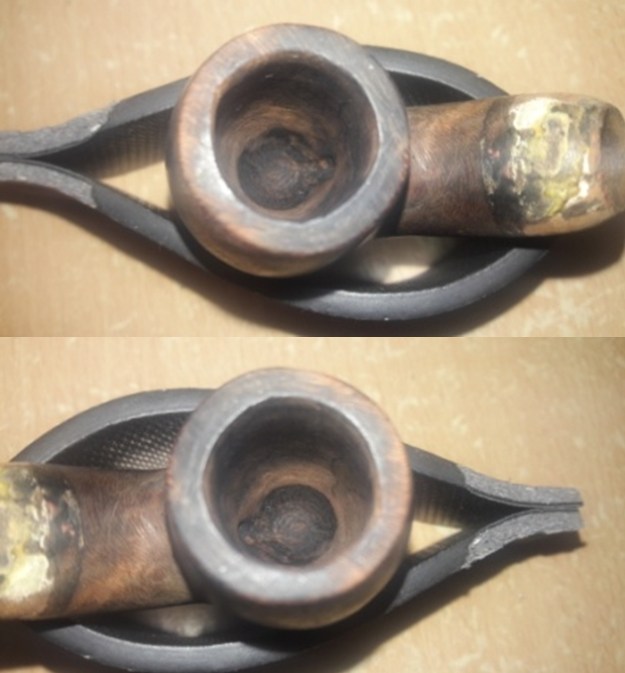 The nicely cleaned stummel looks solid with nice mixed grains and swirls all around. The two fill at the front of the stummel are now clearly visible. I shall refresh this fill with a mix of briar dust and superglue. Abha had painstakingly cleaned out the mortise and the sump. However, I could still see remnants of the gunk in the sump and the still strong odor is a pointer to the requirement of further sanitizing the internals of the stummel.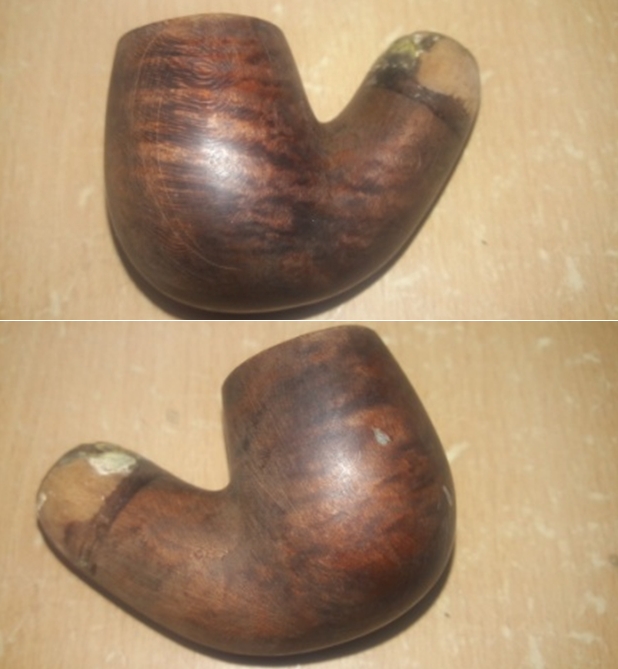
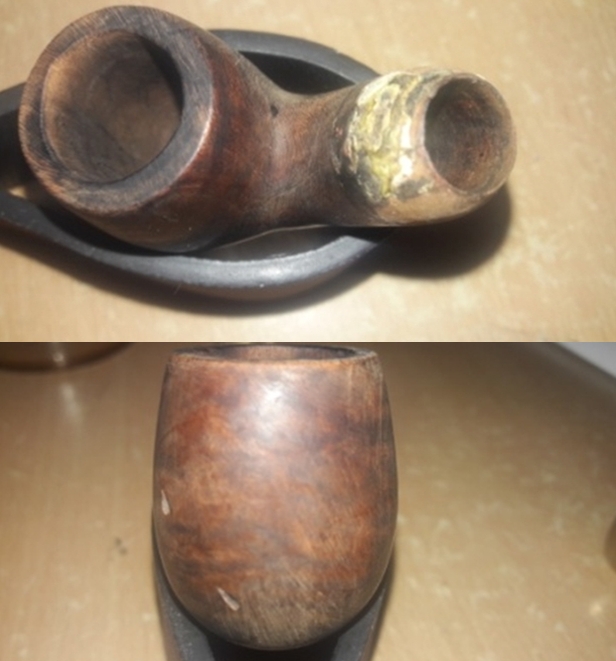
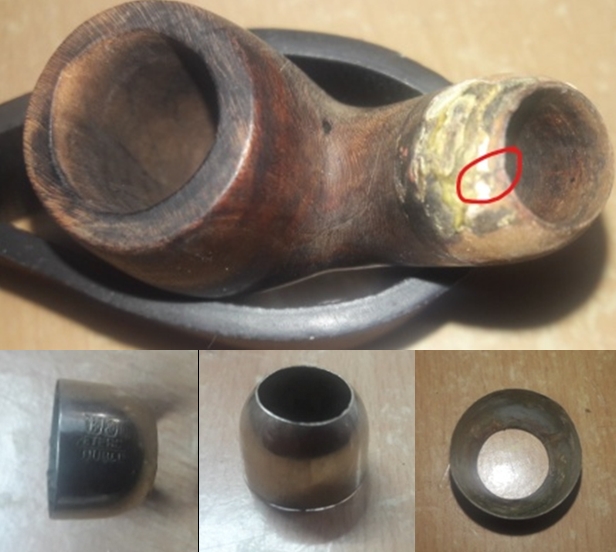
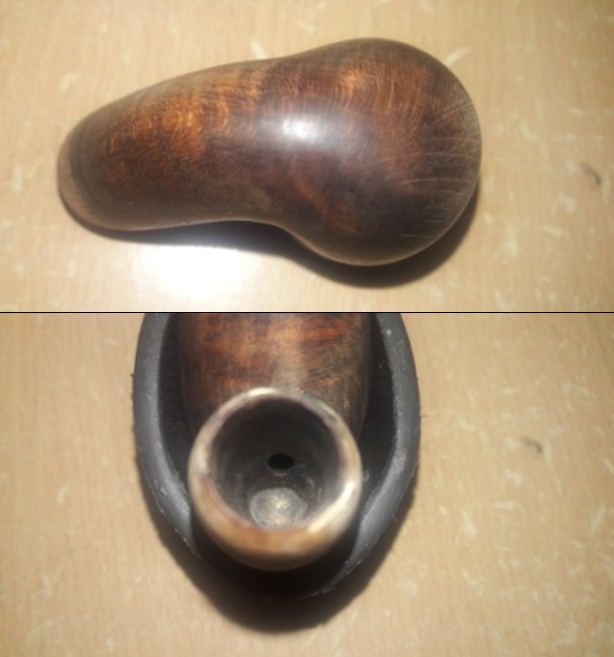 The ferrule at the end of the shank end came loose as I was inspecting the stummel. This gave me an opportunity to closely inspect the shank end for cracks or any damage. I scrapped out the dried old glue from the shank end. I did notice a small crack at the top where the ferrule sat on the shank end (circled in red) that would need to be repaired. The edges of the ferrule at the shank end have become very sharp and had caused the damage observed on the tenon end of the stem. I need to address this issue.
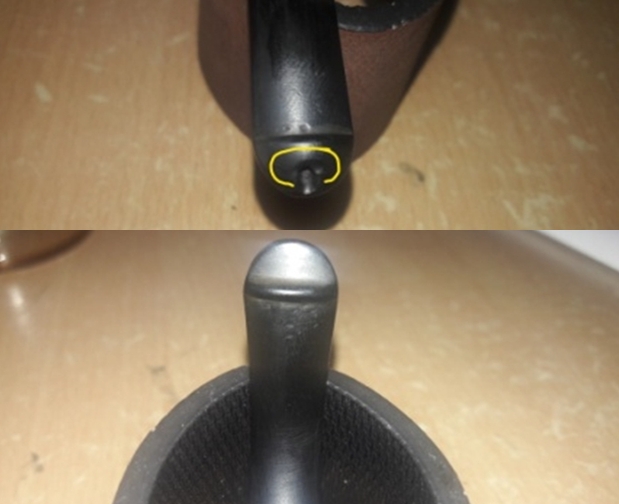
 The cleaned up stem that came to me shows few scratches to the tenon end where it seats in to the mortise and was caused due to the sharp edges of the ferrule. I will address this issue by sanding the surface followed by a fill, if required. The upper surface and button edge of the P-lip shows damage and will have to sharpen the button while sanding and filling the surface. Similarly, the lower button edge has a few tooth indentations and will need a fill to repair. The edges around the slot has bite marks (marked in yellow), deforming the shape of the slot. I shall need to reshape the slot end.
 THE PROCESS
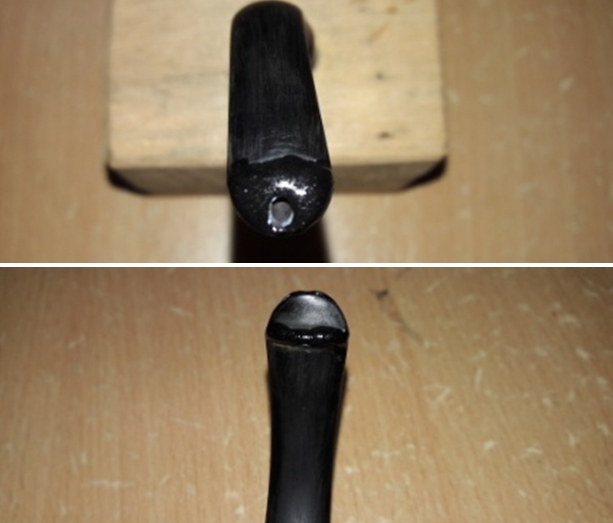
I started this project by sanding the stem surface with a 220 grit sand paper to address the issue of ferrule damage to the tenon end of the stem. Fortunately, the scratches were completely eliminated by sanding alone, obviating the need for a fill. I wiped the stem with alcohol on a cotton swab to remove all the vulcanite dust from the stem surface. I followed it up by wiping the surface with Murphy’s Oil soap.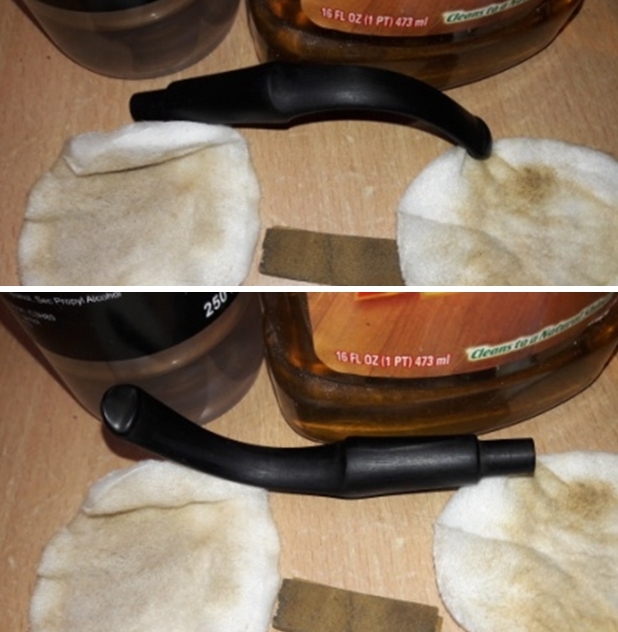 The next stem issue to be addressed was that of the damage at the slot end of the stem. The first two pictures below shows the extent of damage to the slot, upper surface button edge and lower button edge. I heat both the surfaces with the flame of a lighter to raise the tooth chatter and bite marks to the surface and sand it with a folded piece of 220 grit sand paper to even out the surface. The next set of pictures show the efficacy of this method in raising the damage to the surface.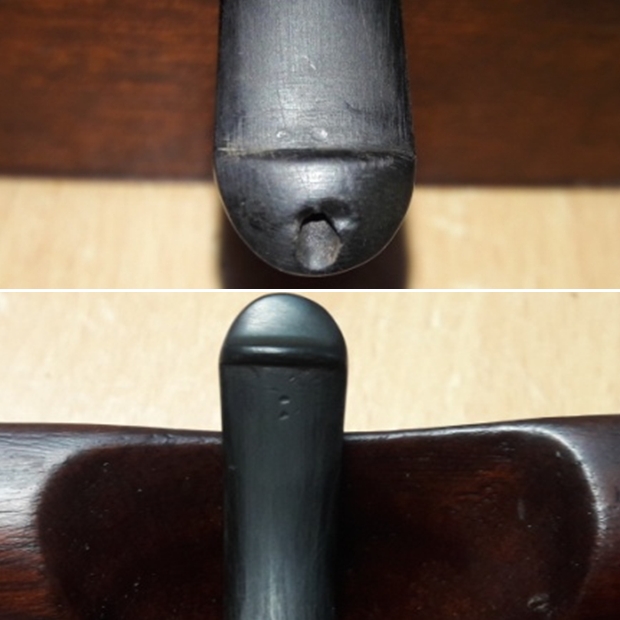
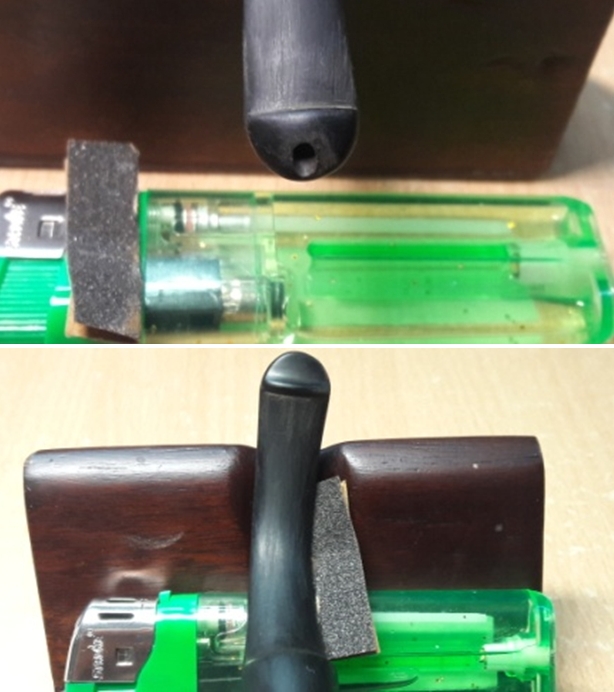 I mix clear superglue and activated charcoal and applied it over the both button edges, upper P-lip surface and lower surface of the P-lip. I set the stem aside for the fills to cure.
 Next I decided to address the issue of strong ghost smells in the chamber. To eliminate the ghost smells from the pipe, I decided to treat it with salt and alcohol. I pack the sump with cotton and draw out a wick from the cotton and along with a folded regular pipe cleaner; insert it in to the mortise and through the draught hole in the chamber. I pack cotton balls in to the remaining portion of the mortise. Thereafter, I pack the chamber with cotton balls to about quarter of an inch below the rim inner edge. I soak the cotton balls with isopropyl alcohol up to the brim. About half an hour later, the level of alcohol has gone down, having being absorbed by the cotton. I top it up once again and set it aside overnight. By next afternoon, the cotton and alcohol has drawn out all the remaining oils and tars from the chamber, sump and mortise. I removed the cotton balls and the dirt can be gauged by the appearance and coloration of the cotton balls and the pipe cleaner. With my fabricated knife and dental tools, I spent the next hour scrapping out the entire loosened gunk from the mortise and the sump. I ran pipe cleaners through the mortise to clean out all the loosened tars and gunk that had lodged when I cleaned the sump and mortise. The chamber now smells clean, fresh and looks it too. I set the stummel to dry out naturally.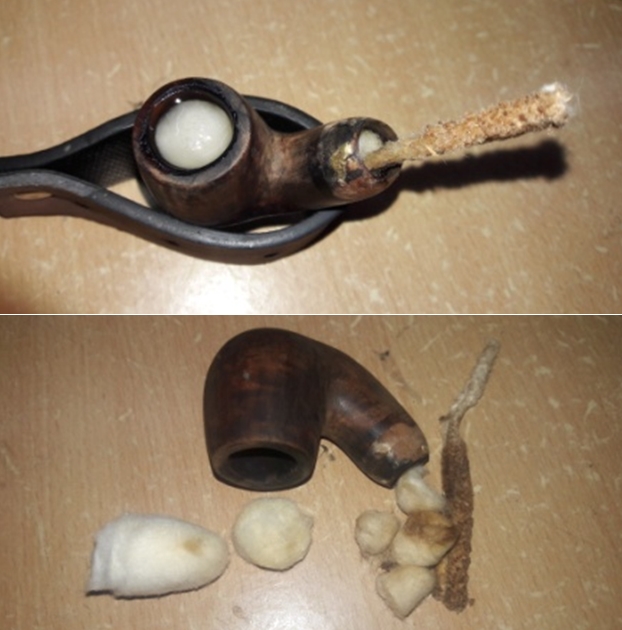
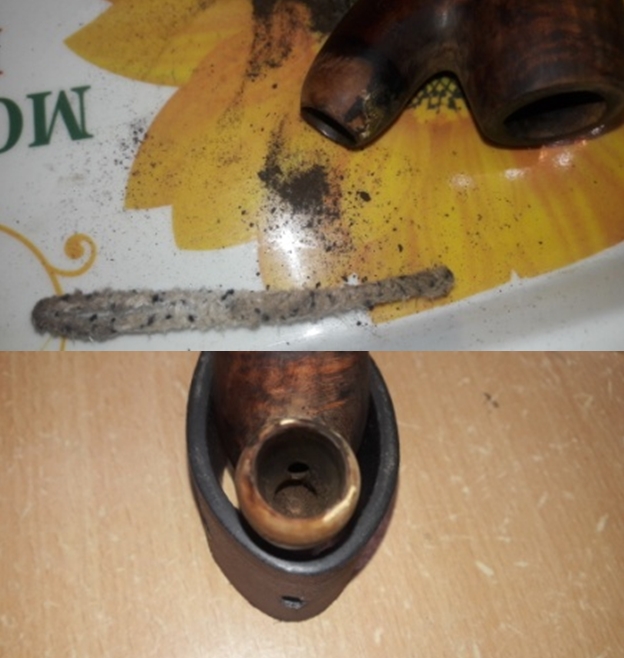 I sand the walls of the chamber with 180 grit sand paper and removed the little carbon cake that had loosened out. This also eliminated what I had thought to be heat fissures, which in effect was carbon cake. I heaved a sigh of relief at this development.
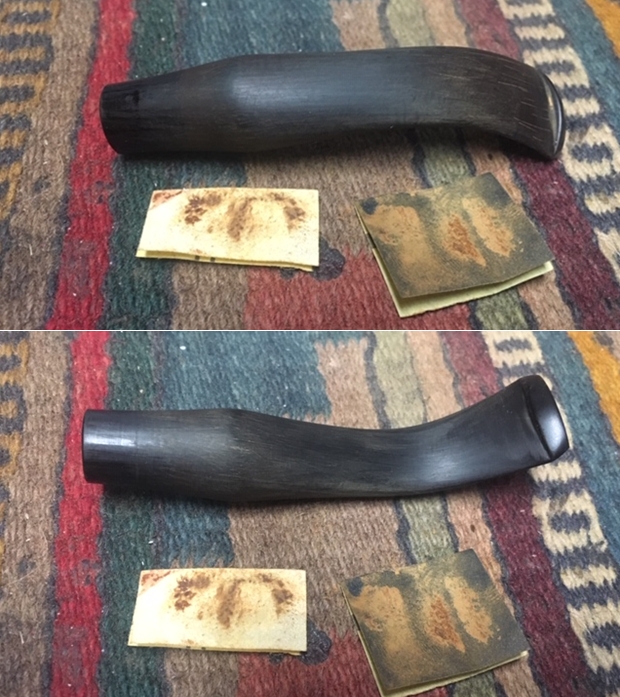
While the chamber was soaking in the alcohol bath, I worked the stem fills which had hardened considerably. With a flat head needle file, I sand these fills to achieve a rough match. I further fine tuned the match by sanding the filled area with a folded piece of 220 grit sand paper pinched between my thumb and forefinger. I followed it up by sanding the entire stem surface using 400, 600, 800 grit sand papers and finally with a piece of 0000 grade steel wool. This serves to remove the deep seated oxidation and also reduces the sanding marks of the more abrasive sand papers. I also sharpened the button edges while sanding. I wiped the stem with a cotton swab and alcohol to remove all the oxidation and sanding dust from the surface. I applied a little Extra Virgin Olive oil over the stem and set it aside to be absorbed by the vulcanite.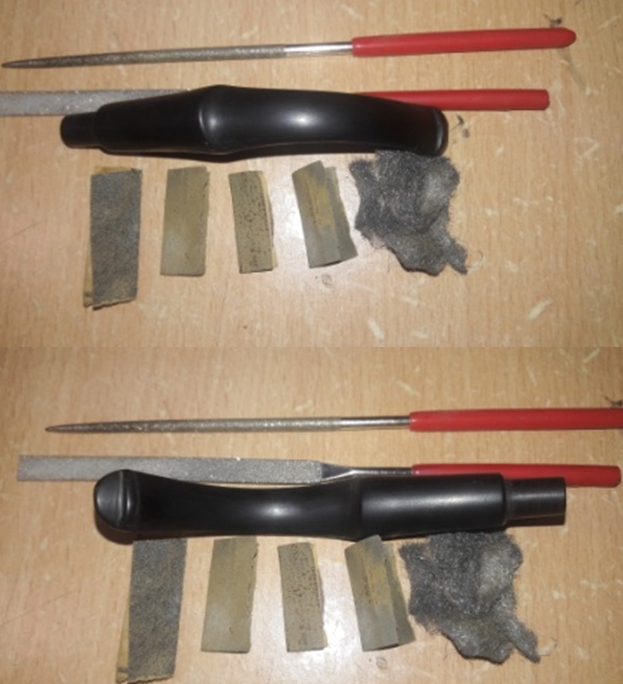 The two fills that Abha had noticed, was picked clean with a thin sharp edged dental tools and would need to be filled. I refreshed the fills with a mix of briar dust and superglue and set the stummel aside for the fill to cure.
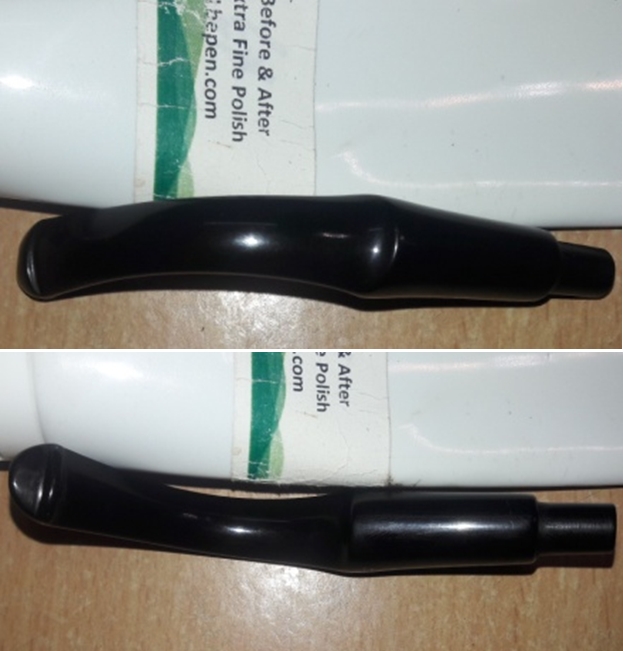
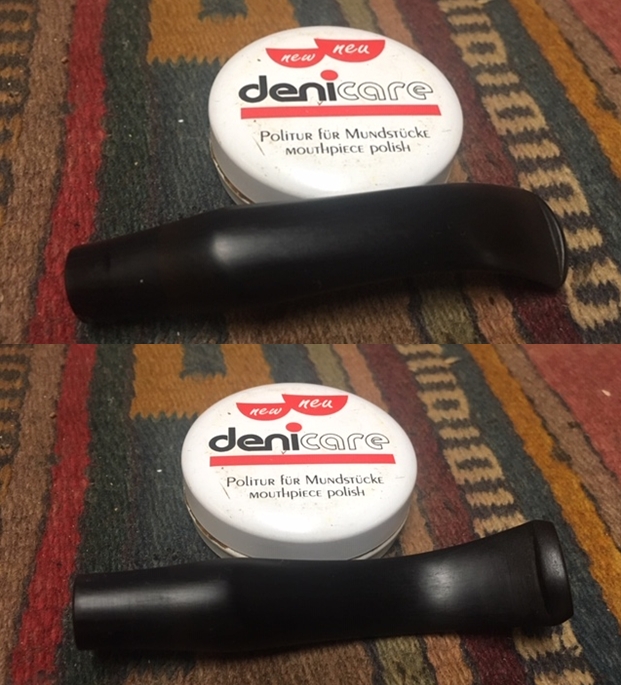
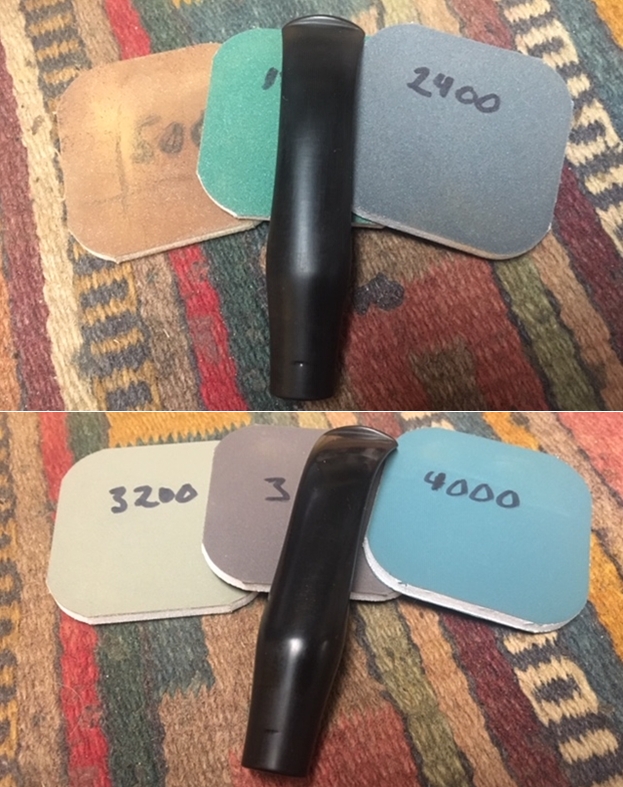
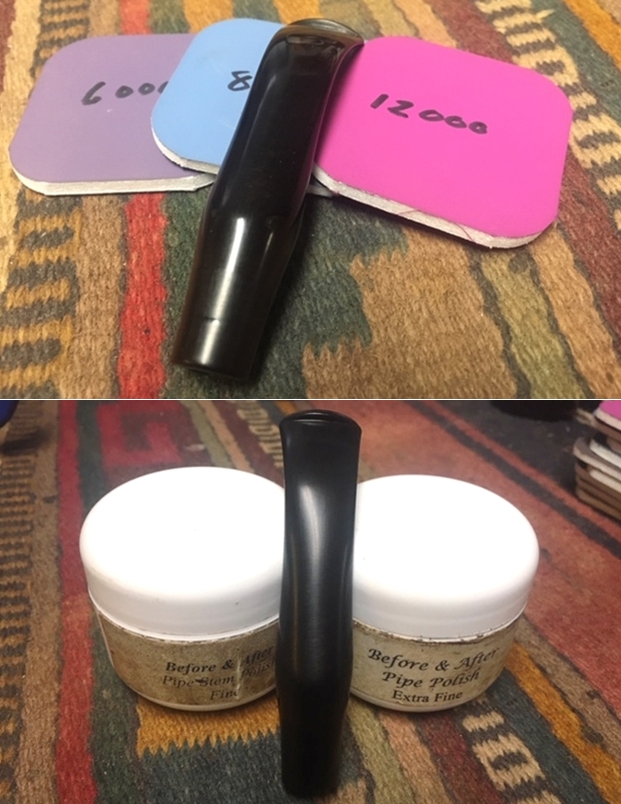
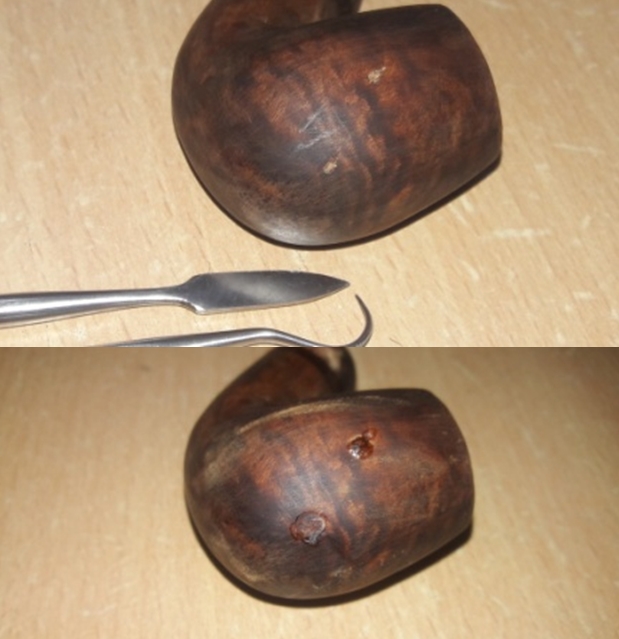 Turning my attention back to the stem, I decided to polish and shine up the stem surface. I wet sand the stem with 1500 to 12000 girt micromesh pads. Next I rub a small quantity of extra fine stem polish that I had got from Mark and set it aside to let the balm work its magic. After about 10 minutes, I hand buffed the stem with a microfiber cloth to a nice shine. I rub a small quantity of olive oil in to the stem surface to hydrate it and set it aside.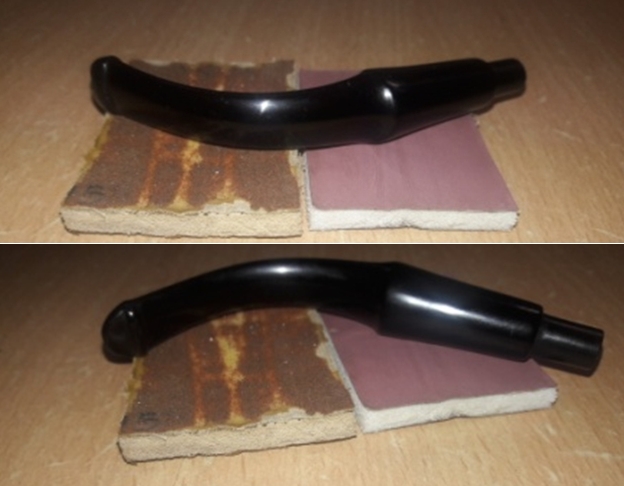
 Turning my attention back to the stummel, I matched the fill with the rest of the stummel surface by sanding the fill with a flat head needle file followed by sanding the fill and the entire stummel with a folded piece of 220 grit sand paper. I was especially very careful around the stummel stampings, least I obliterate it by sanding. This also helped to remove much of the old glue from the shank end and provide a smooth surface.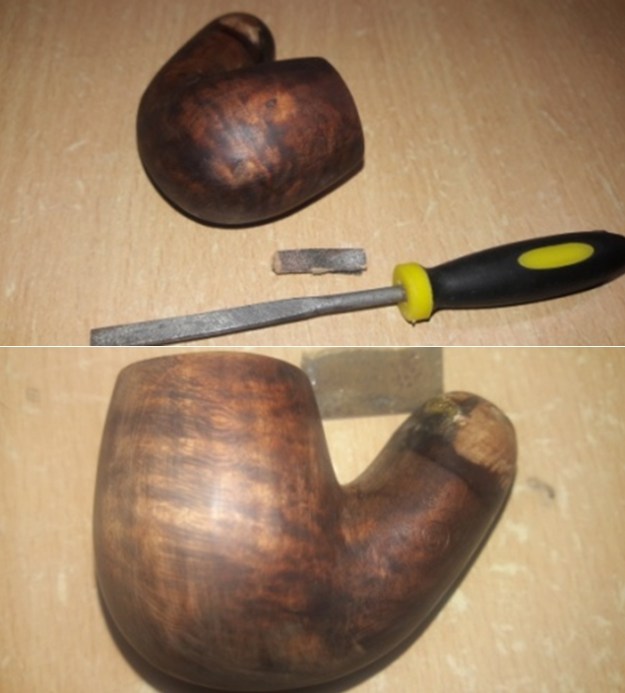
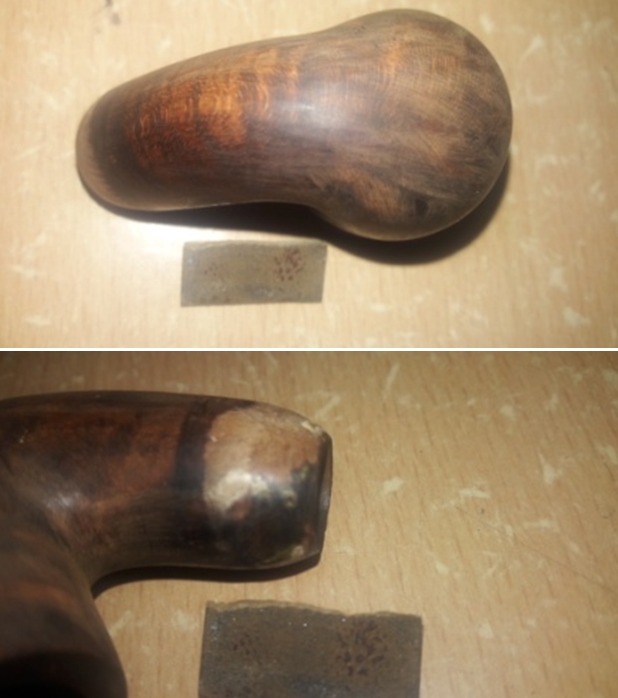 The next stummel issue that I addressed was that of the rim top surface damage. I topped the rim on a piece of 220 grit sand paper, checking frequently till I was satisfied that the charred inner rim edge on the left side in 3 ‘O’ clock direction was addressed to a great extent and the rim top surface is nice, smooth and even. The inner edge is still uneven, though much better than before topping, and shall be addressed next. With a folded piece of a 220 grit sand paper pinched between my thumb and forefinger, I created a slight bevel on the inner edge of the rim top surface. This helped to mask the out of round chamber and address the minor dents that had remained on the inner rim edge. It can never be perfect, it’s a repair after all, but the repairs sure looks great.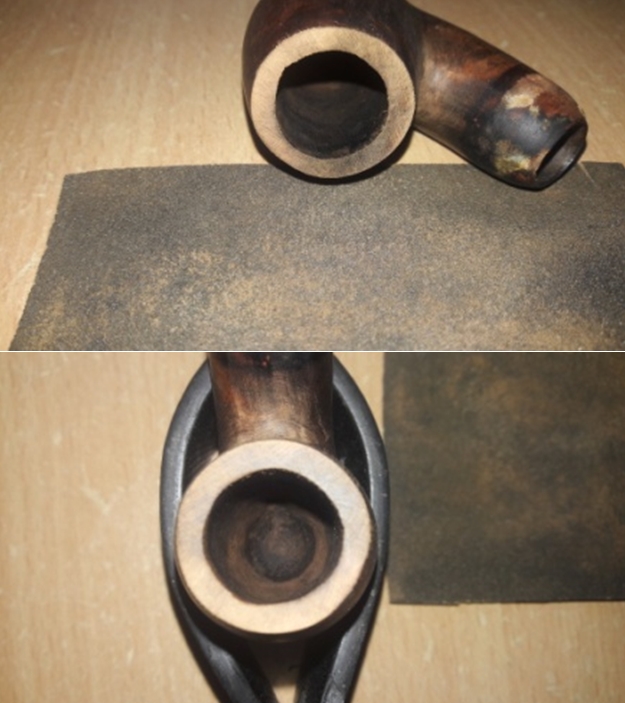
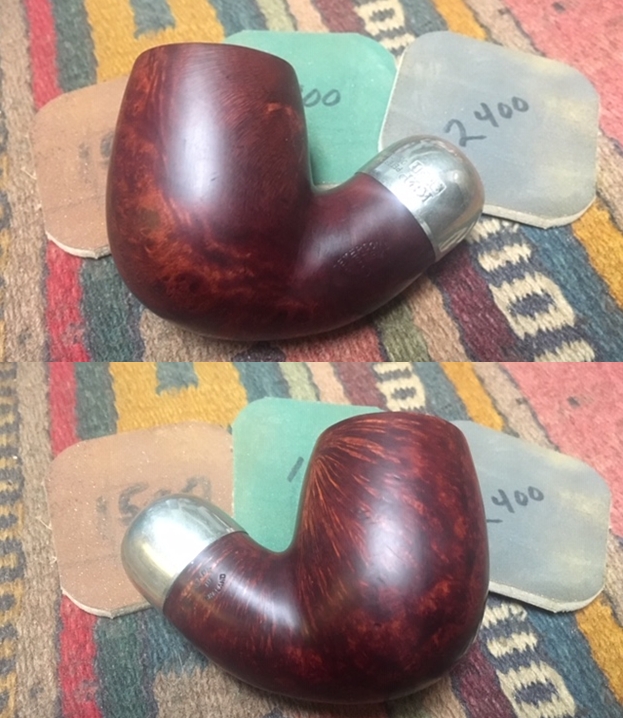
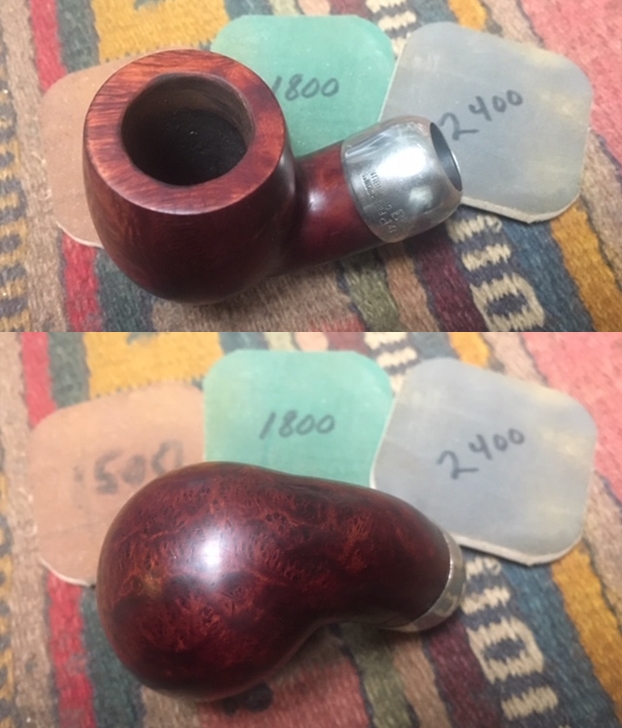
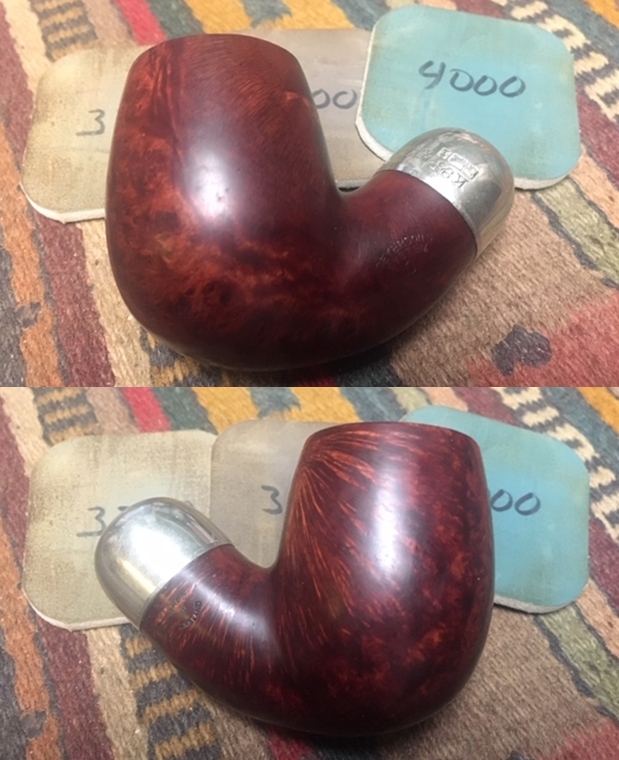
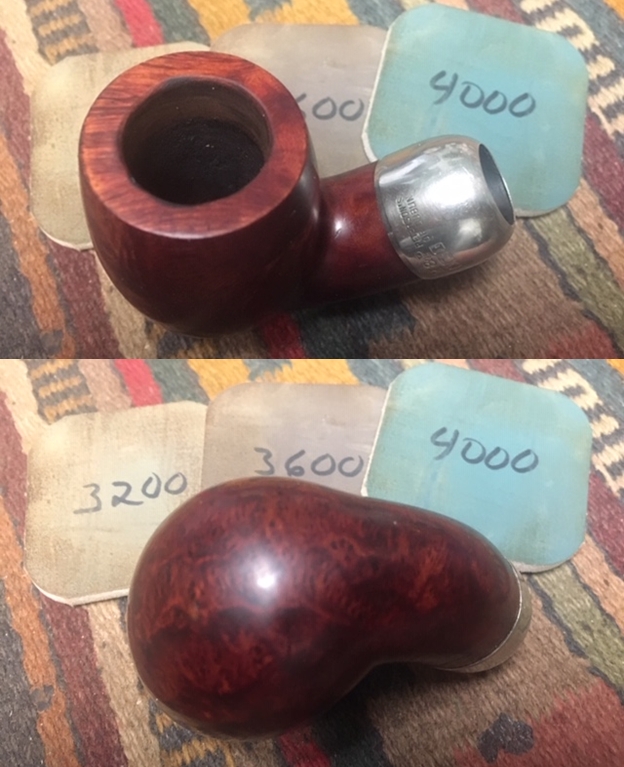
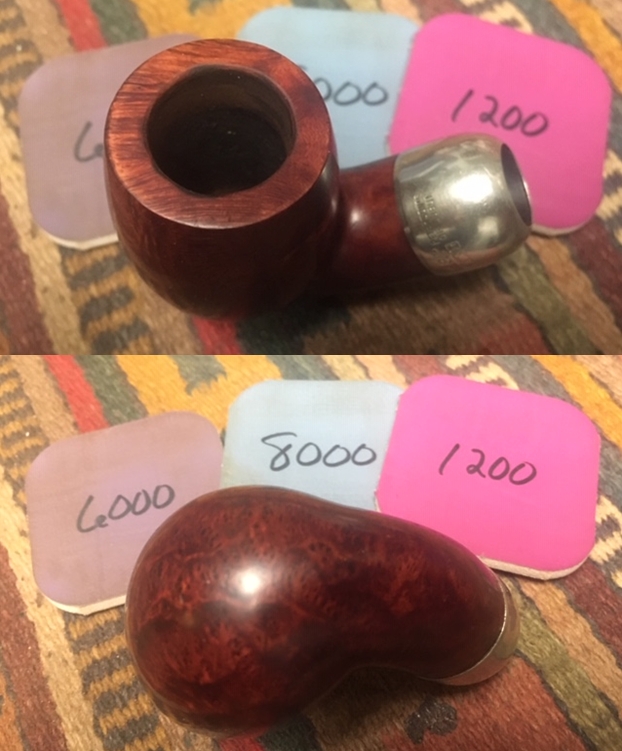
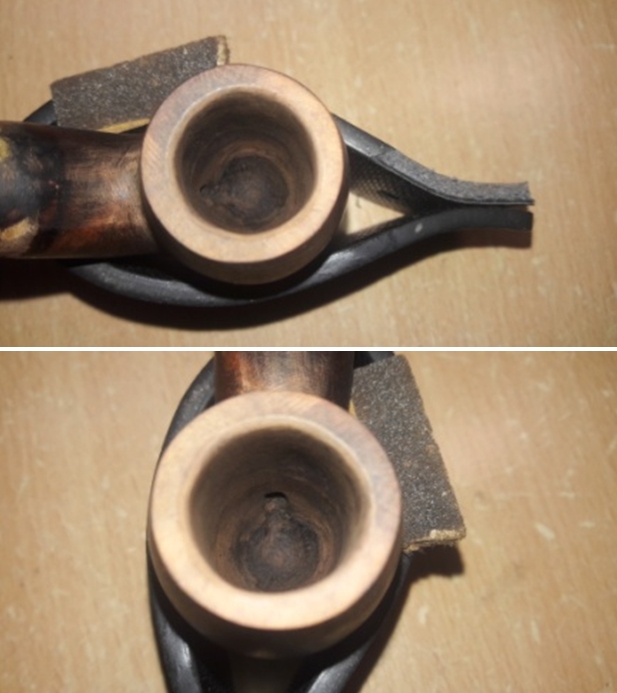 I polished the stummel with micromesh pads, dry sanding with 1500 to 12000 pads. I polished the freshly topped rim surface and the newly created inner rim bevel. I wiped the surface with a soft cloth at the end of the micromesh cycle. The stummel looks amazing with a deep shine and beautiful grains popping over the stummel surface. I am surprised that the rim top surface has the same deep brown coloration as the rest of the stummel surface and use of stain pen was not required.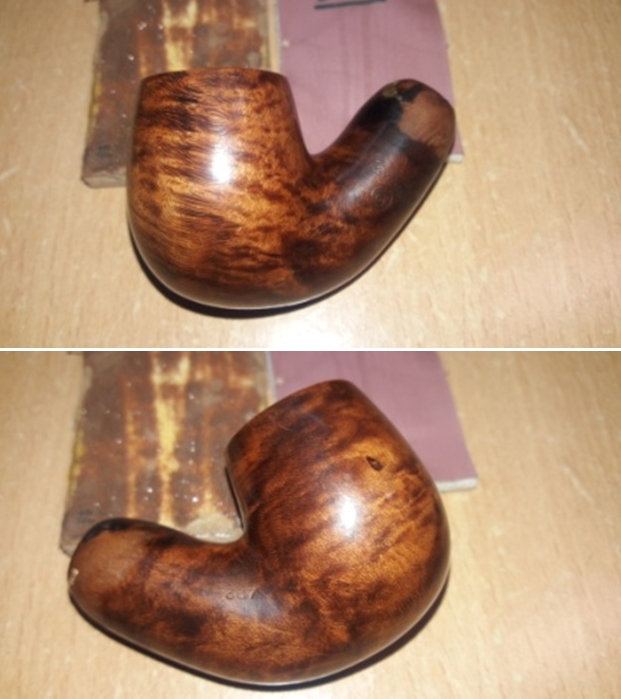
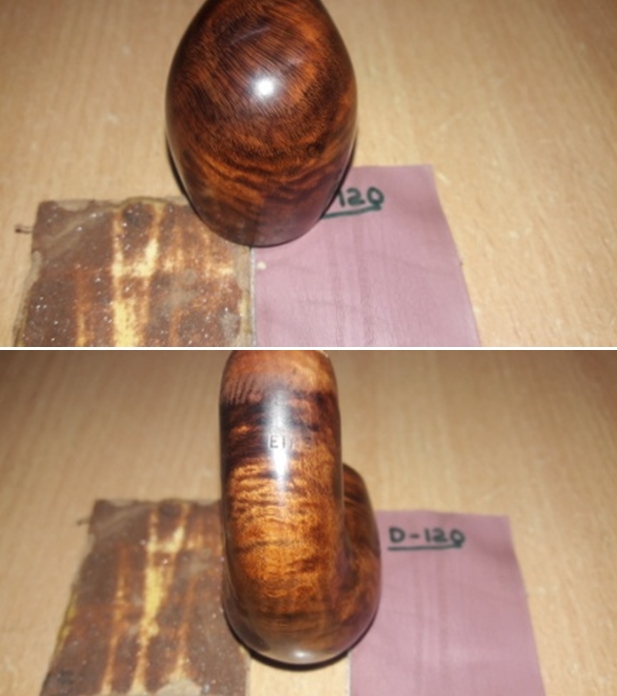
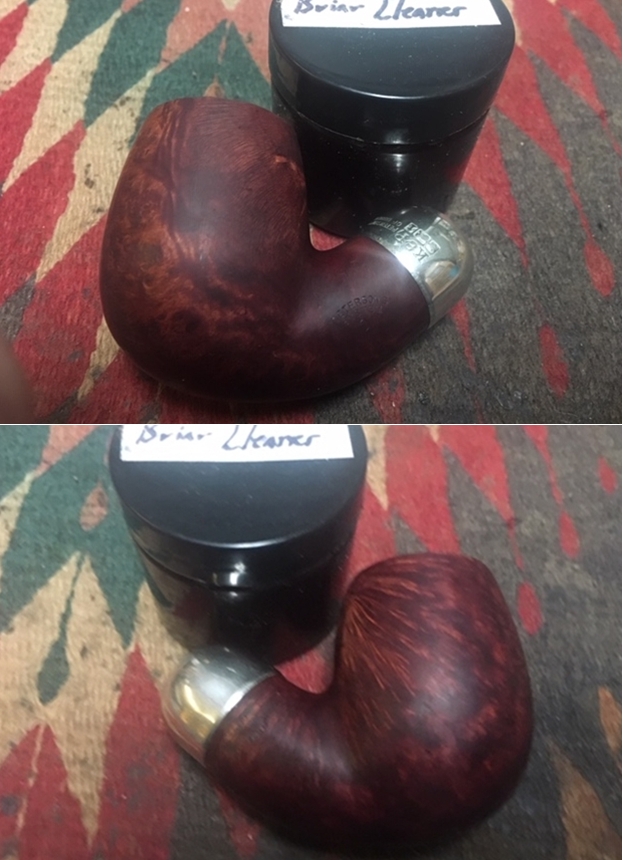
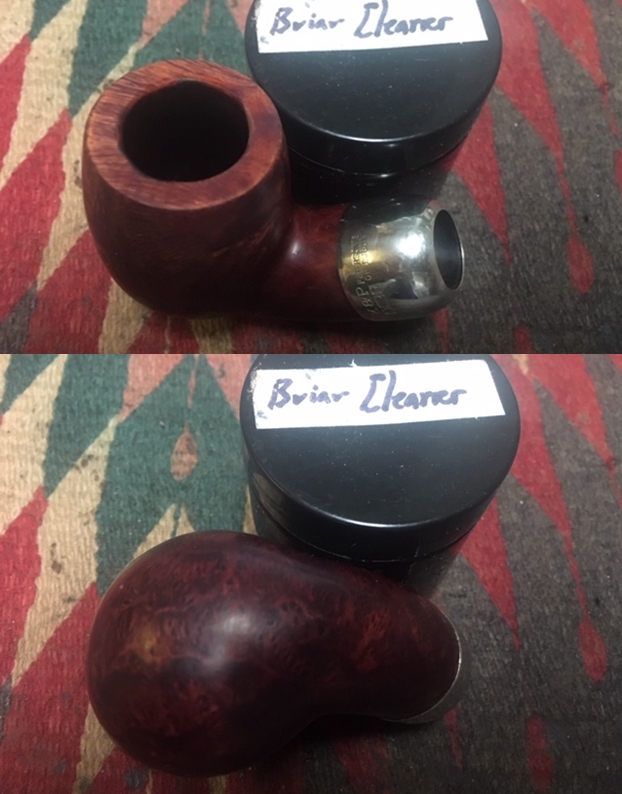
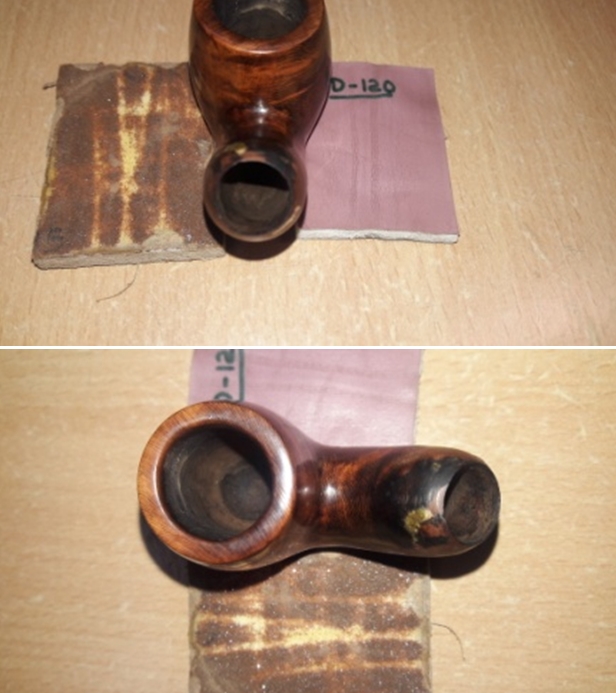 I massaged a small quantity of “Before and After Restoration Balm” with my fingers into the briar. The immediate and incredible transformation that takes place is a worthy reward for all the efforts!!! I let the balm sit on the surface to be absorbed in to the briar for about 20 minutes. The bowl now looks fresh and attractive with the grains popping out any which way you look at the briar; it feels somewhat like DIWALI, festival of lights celebrated here in India. I polished off the balm with a soft cloth to a lovely shine.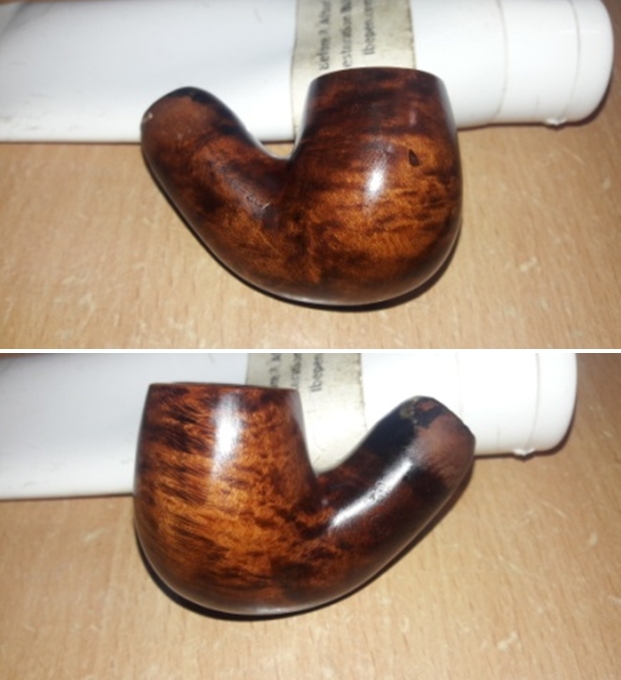
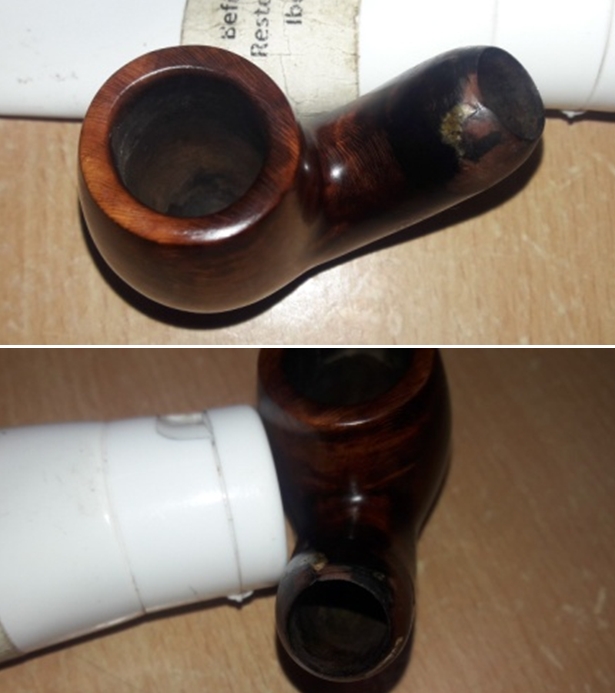
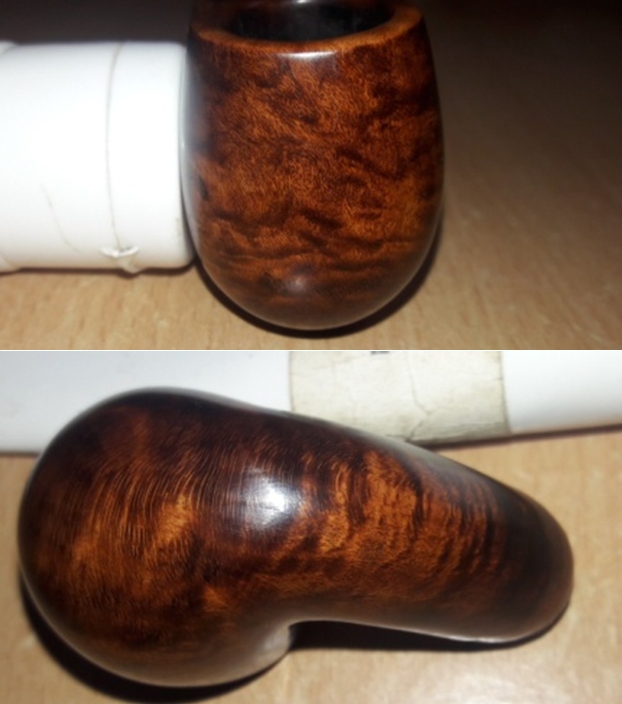 I mount a cotton cloth buffing wheel on to my hand held rotary tool and apply a coat of Blue Diamond to the stummel and the stem to polish out the minor scratches.
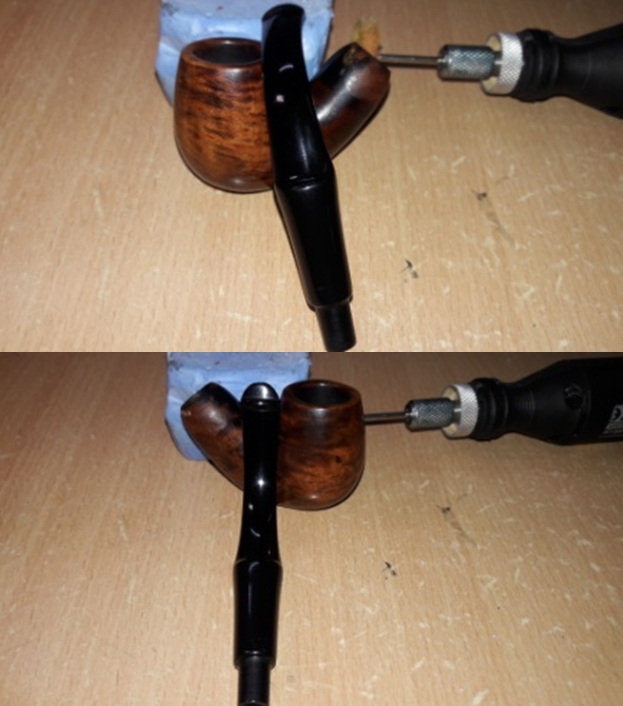 Before I could move on to polishing with carnauba wax, there was one issue yet to be addressed. It was the small crack that was seen at the lip of the shank end over which the ferrule was to be glued back. The crack had developed in the thinnest part of the shank end. If I were to drill a counter hole at the end of the crack, there was a possibility that the resulting vibrations of the drill bit and rotary tool would cause the surrounding surface to break/ shatter or I could end up with a through hole. The best course thus, was to stabilize the crack with superglue and the ferrule would protect the crack from further external damage.
With the repair of the shank end crack sorted out, I move to polishing the ferrule. I rub a small quantity of ‘Colgate’ toothpowder over the ferrule surface. Those who have not tried out this trick, must try it out at least once, it works like magic and imparts a nice shine to the nickel plated (it works even better on Sterling Silver) ferrule. I apply superglue over the shank end, adding an extra dollop of glue over the crack, align the ferrule stamp with that on the shank and attach the ferrule over it. I press it down firmly for a couple of minutes to let the glue set. After the glue had completely cured, I tried the seating of the stem in to the mortise. It was perfect with no brushing against the edges of the ferrule. I applied a little petroleum jelly on the walls of the mortise with a q-tip as this reduces friction and moisturizes the briar and moved on to the final polishing with carnauba wax. 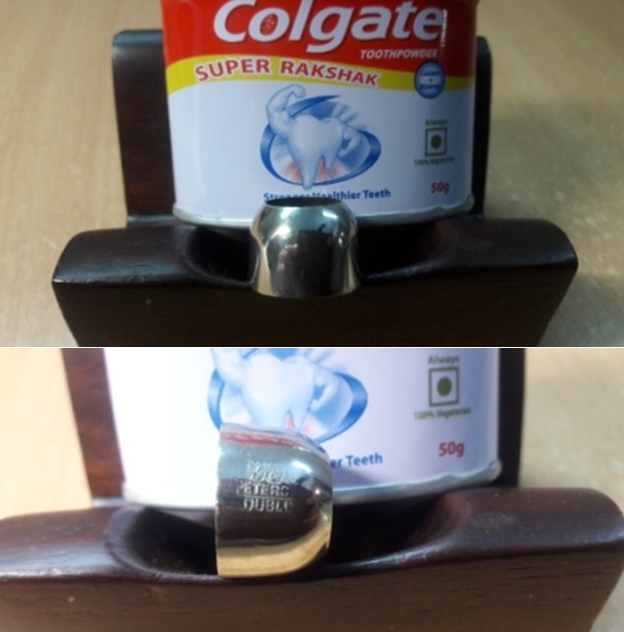
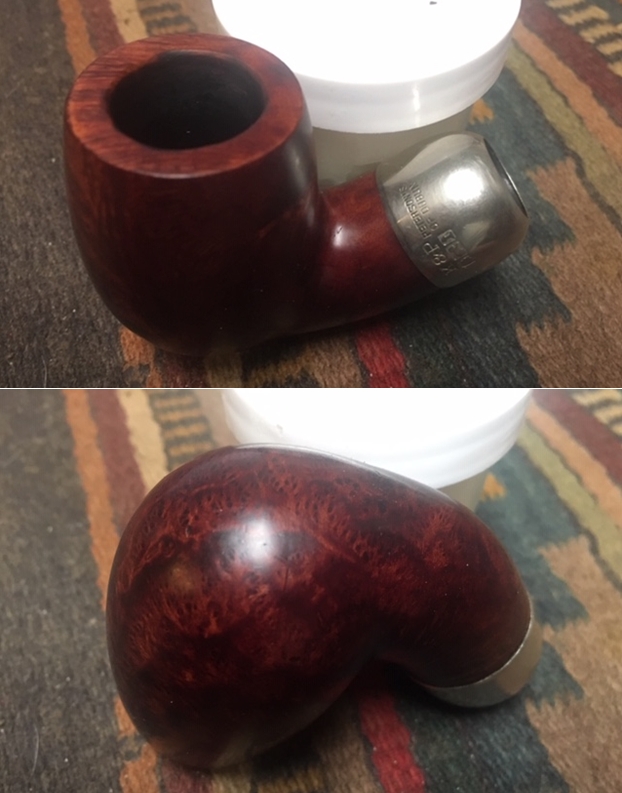
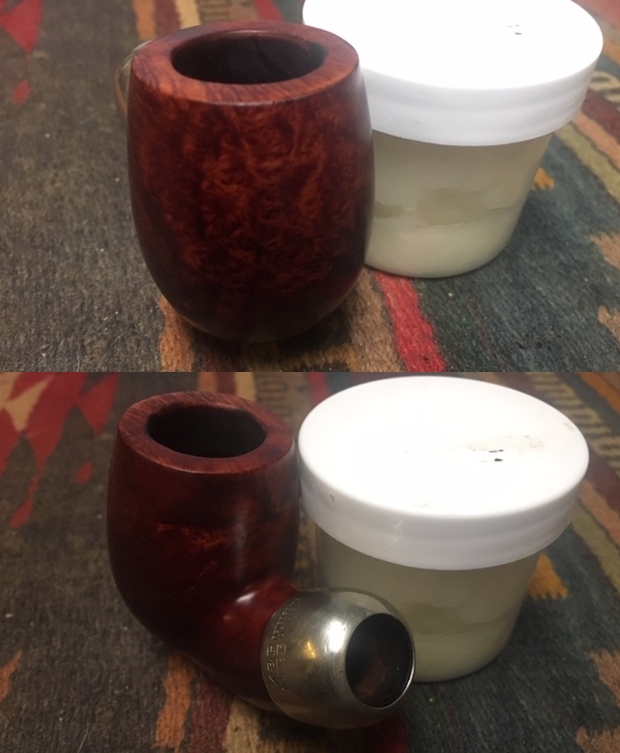
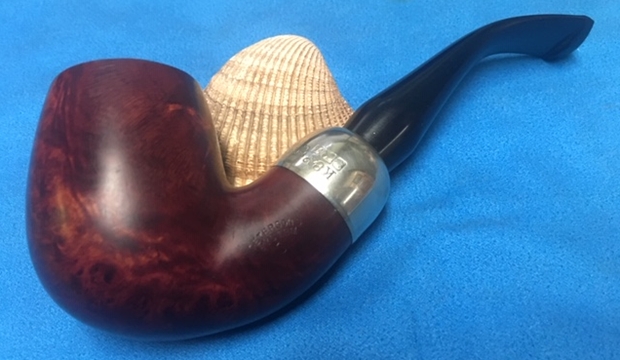
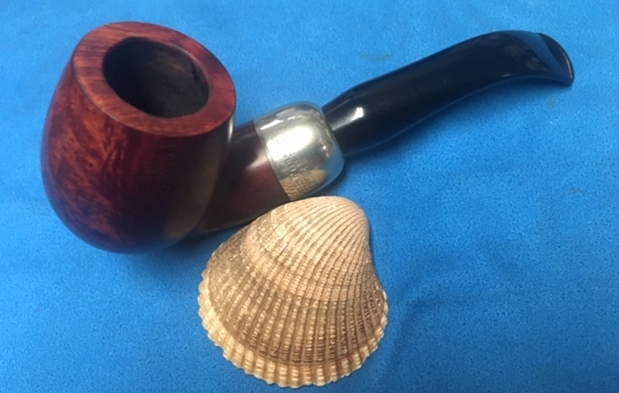
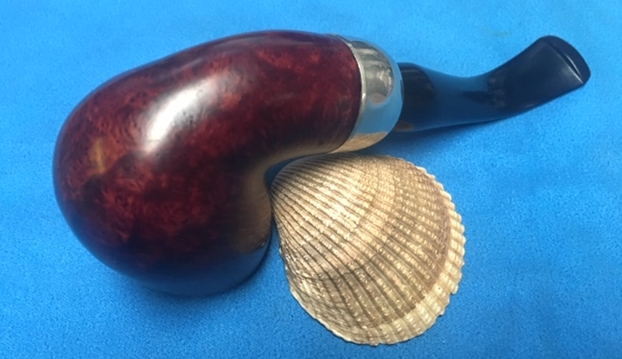
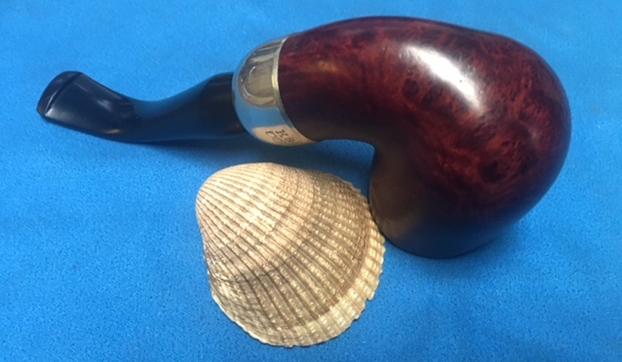
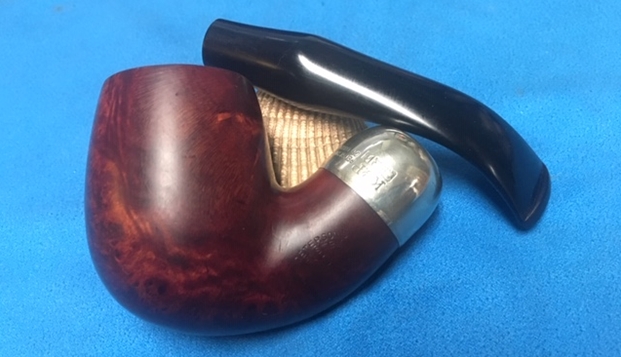
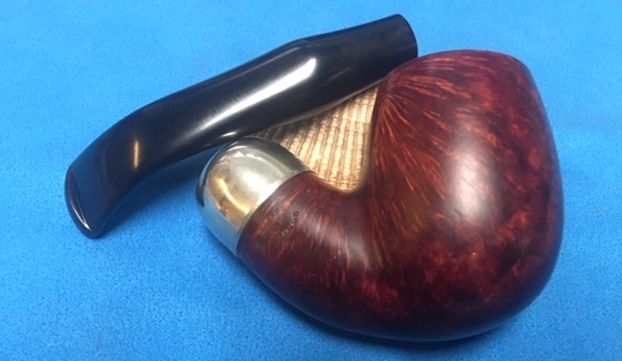
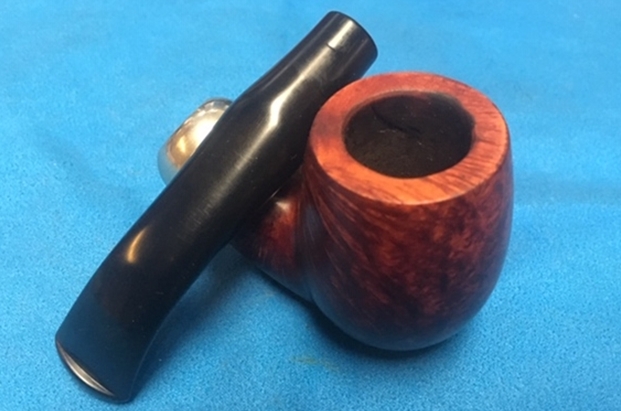
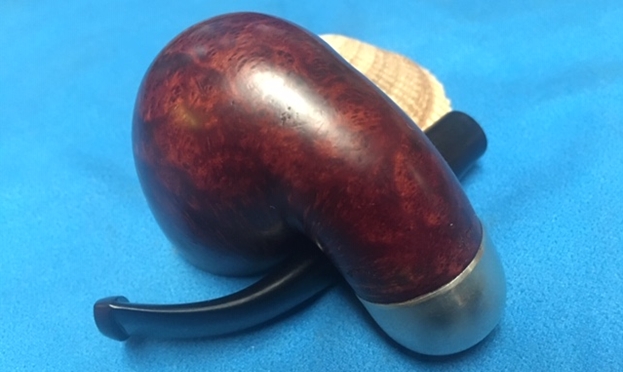
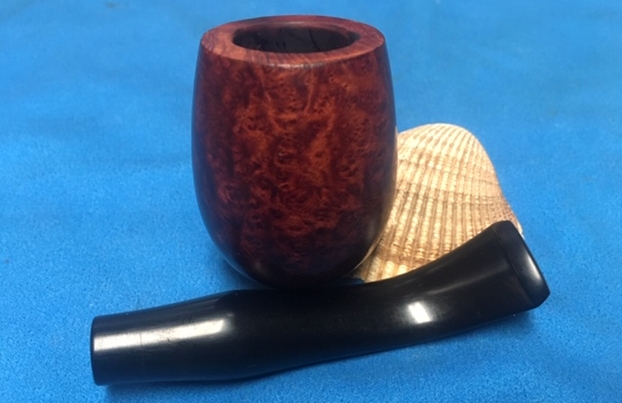
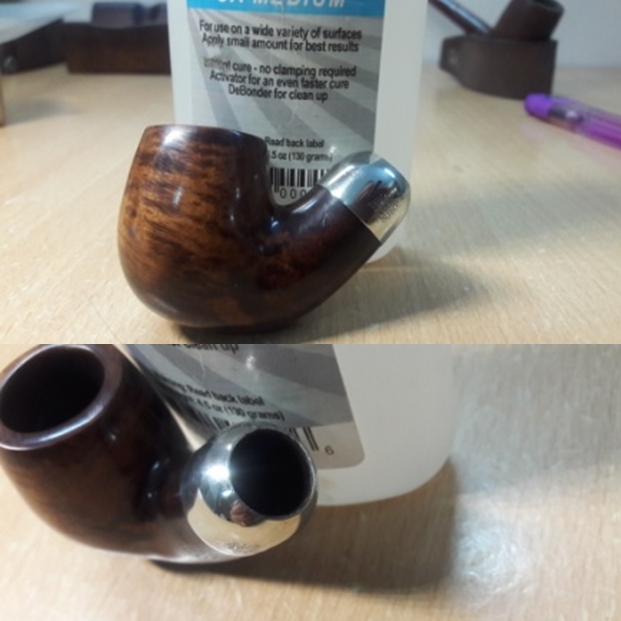 With a cotton buffing wheel that I use for carnauba wax, I apply a coat of carnauba wax and continue to work on it till the complete coat of wax had been polished out. I mount a clean cotton cloth buffing wheel and give the entire pipe a once over buff. I finished the restoration by giving the entire pipe a rigorous hand buffing using a microfiber cloth to raise the shine further. The finished pipe looks beautiful and will be an addition to my collection of Peterson’s pipes!!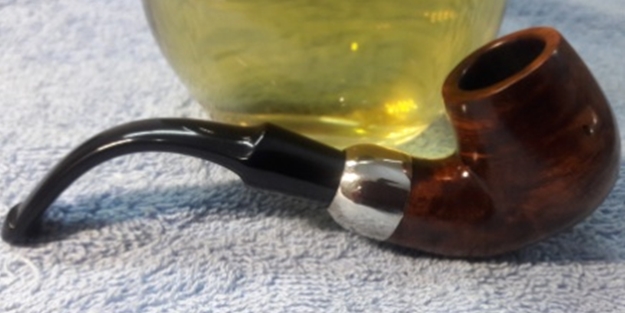
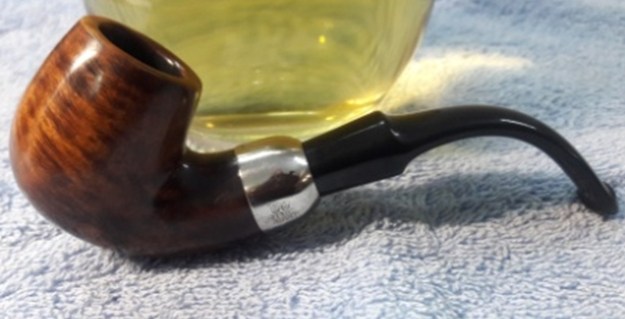
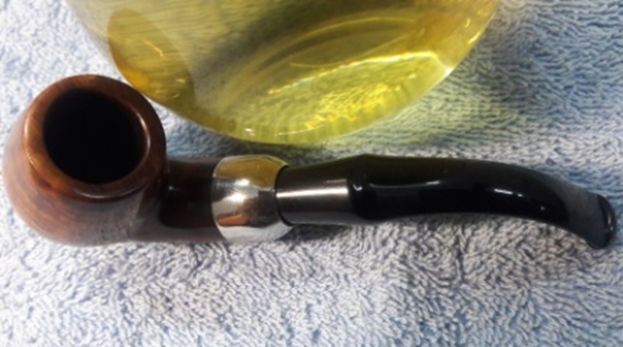
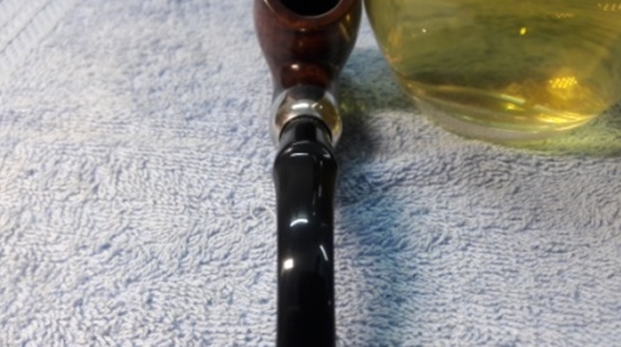
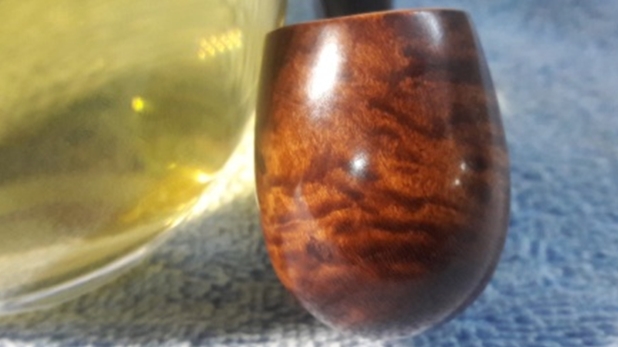
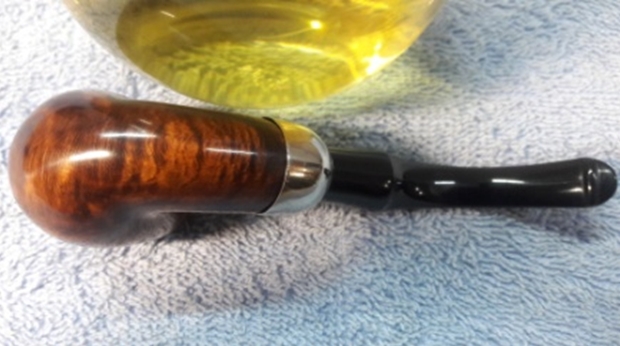
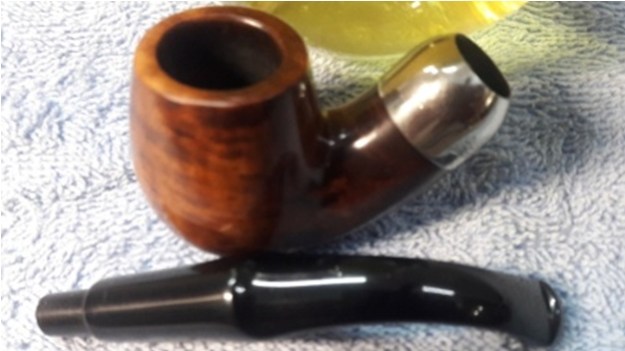
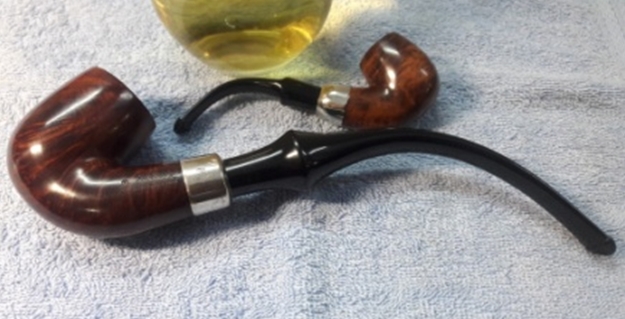
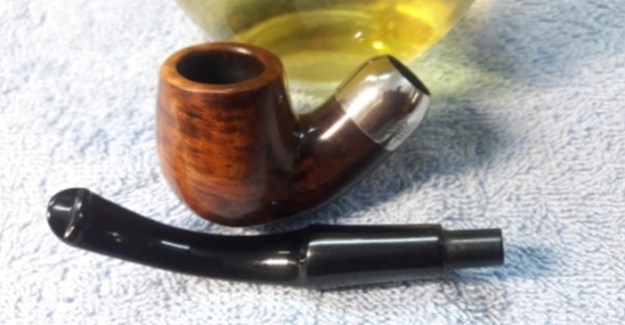 P.S. The two refreshed fills have naturally blended in so well with the rest of the stummel that I did not feel it necessary to stain the stummel to mask them. This has to be one of the tiniest Peterson’s pipes or may be any pipes that I have worked on till date. I had just recently worked on a massive Yello-Bole “Imperial” # 68 C pipe and then this small pipe. It was fun though!! Here is a picture for size comparison between the two!
 Sincere gratitude to all the readers who have shared this part of my journey in to the world of pipe restoration…Cheers!!





 rebornpipes