
Blog by Steve Laug
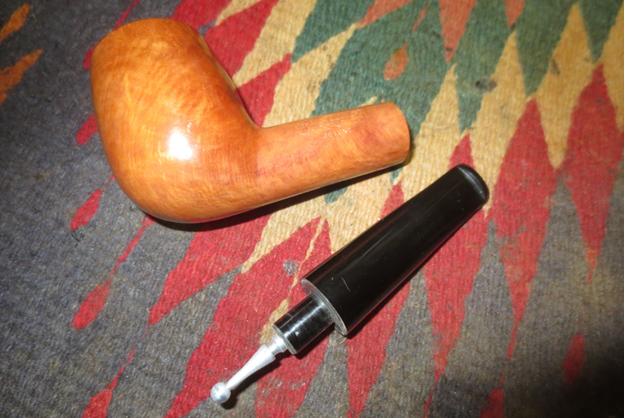
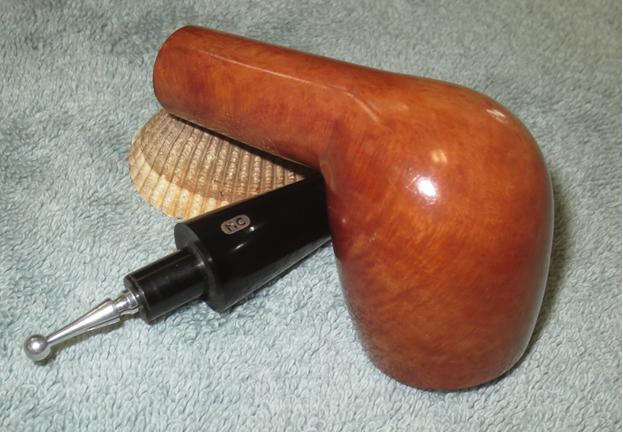
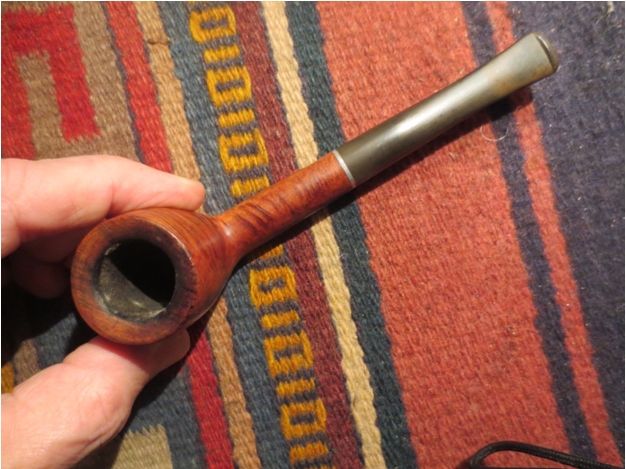
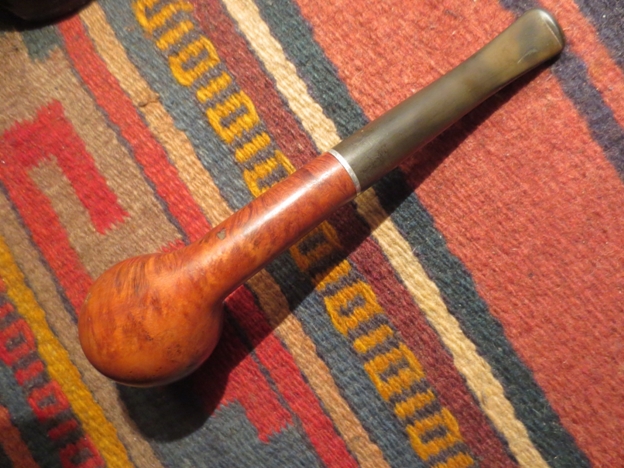
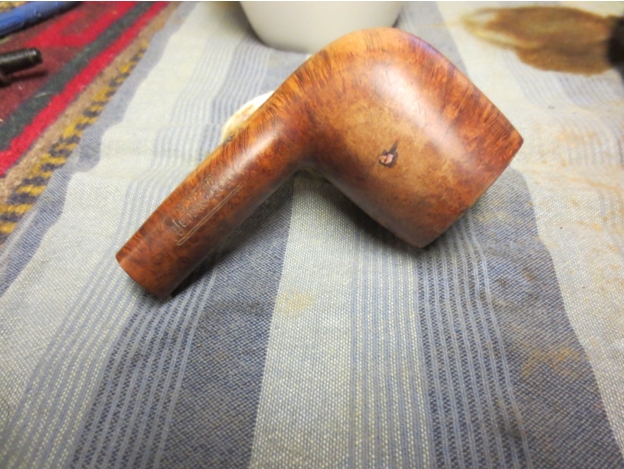
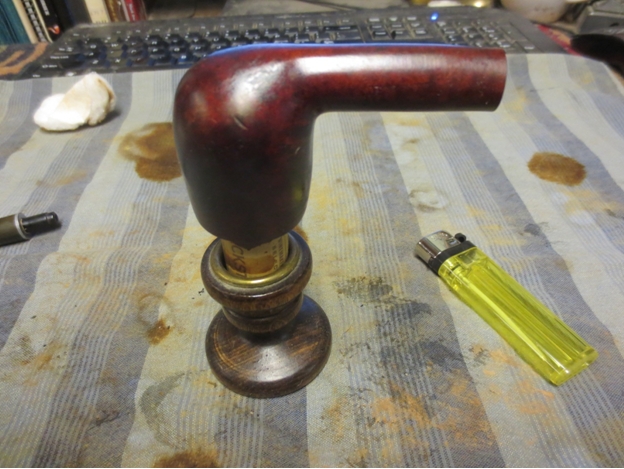
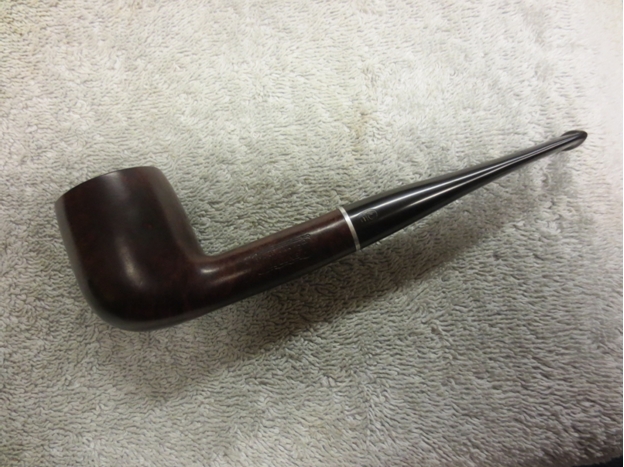
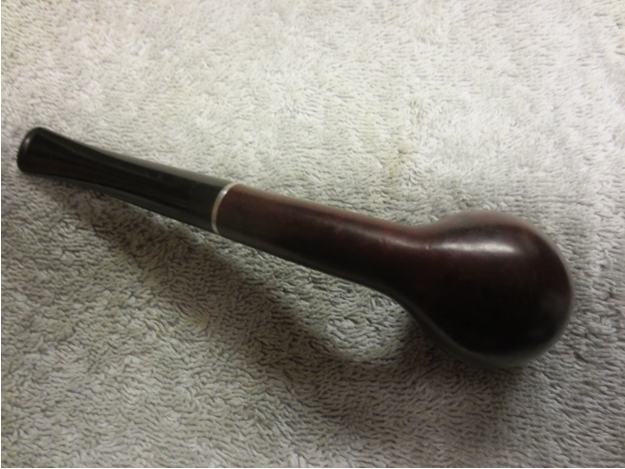
My brother found this pipe on one of his pipe hunts not long ago. It is a beautiful unsmoked, new old stock (NOS) chubby billiard. The briar is in great shape. The rim, the pristine bowl and the finish on the pipe all spoke of new pipe. I did a bit of reading on the brand to see if I could possibly date this pipe. I copied a section from Pipedia. It gives a flow of the history of the brand. Here is the link: https://pipedia.org/wiki/Mastercraft in it the text comes from a posting made by “Ted” on the Grabow Collectors Forum. He was the former Exec VP of Grabow/Mastercraft.
It doesn’t appear that Mastercraft was ever a manufacturer and bought pipes from multiple factories — mostly French and English. It survived briefly the post war recovery and then was acquired by Grabow. Ted writes:
“First a confession. From 1974 till 1984 I had several positions with Mastercraft including Executive Vice President. I also worked for Grabow from 66 till 74 and from 84 till I retired in 91. In 91, with retirement, I was President and COO for the corporation that was called “Sparta Industries”. I have seen both sides of the “fence”, and even though I never left the “employ” of Grabow, My loyalties for 10 years were with M/C.”
“United States Tobacco(UST)(Skoal and Copenhagen) bought Grabow in 69′ from the Lavietes family. In 74′ they bought M/C from Bernard Hochstein and moved it into the EXACT facility Grabow occupied. I was named “operations manager” and we were in the basement of a 4 story building in Sparta, NC.”
“M/C was STRICTLY an importer of pipes and pipe related merchandise. In 74′ when M/C moved from NYC to NC the inventory of finished goods was stored in a facility in Winston Salem, NC. Lentz Moving and Storage. Stacked 10 feet high the inventory covered 180,000 square feet….FINISHED. In my time at Grabow I had never seen that much finished stock, and the shapes, manufacturers,finishes. Heaven for a pipe smoker…..Damn right. You would have had to slap me really hard to get the grin off my face.”
“I’ll just list a few Manufacturers/names of the inventory. England:Parker/Hardcastle(Dunhill), Orlik…France: Jeantet…Jima…Cherrywoods. Italy: GIGI pipe…Radica….Rossi…Federico Rovera….Emilio Rovera….Santambrogio. Brebbia. Meerschaums from Austria: Strambach. Lighters from Japan….Pouches and accessories from Hong Kong…and the Israeli pipes from Mr. Hochstein’s sons. Trust me…This is only a small sample of the things M/C had, and bought into inventory.”
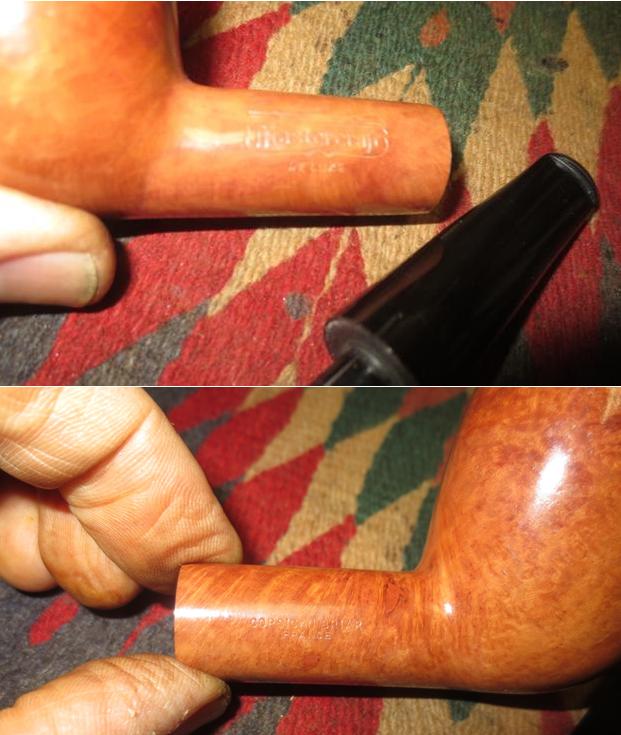
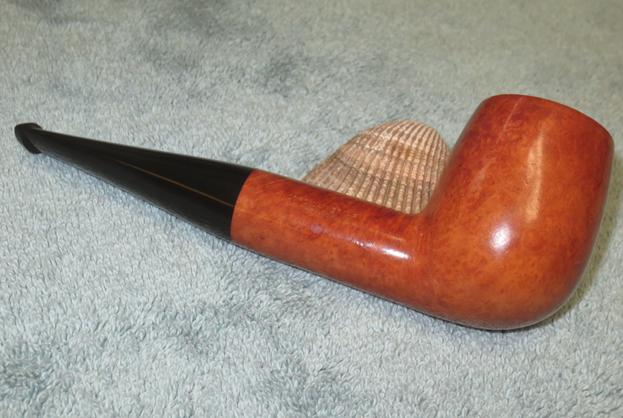
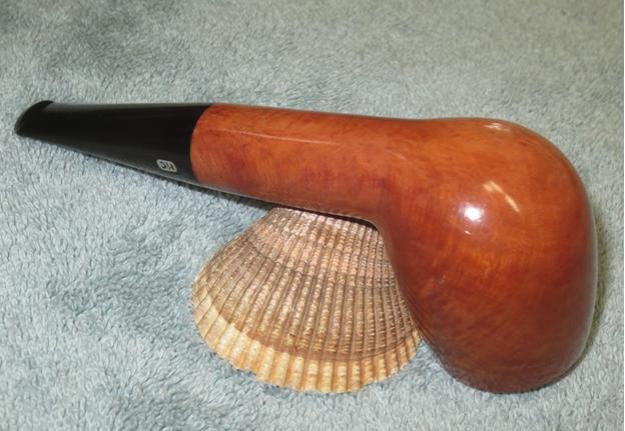
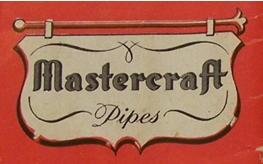
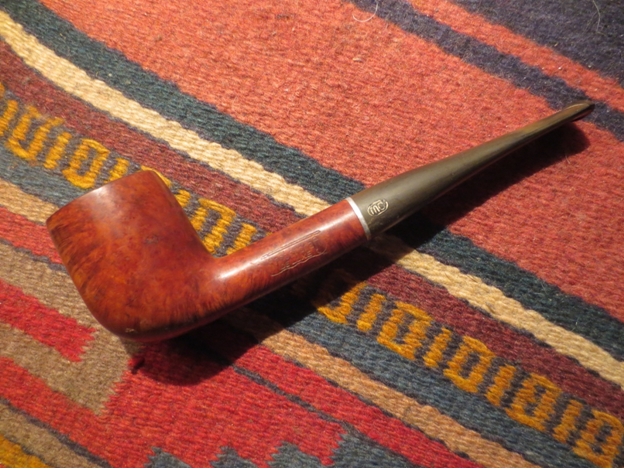
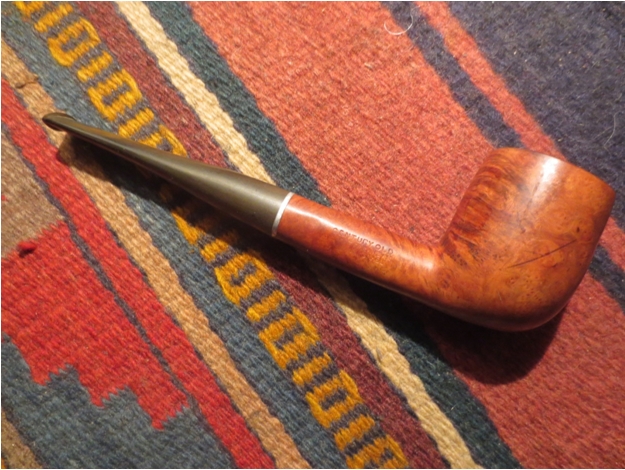
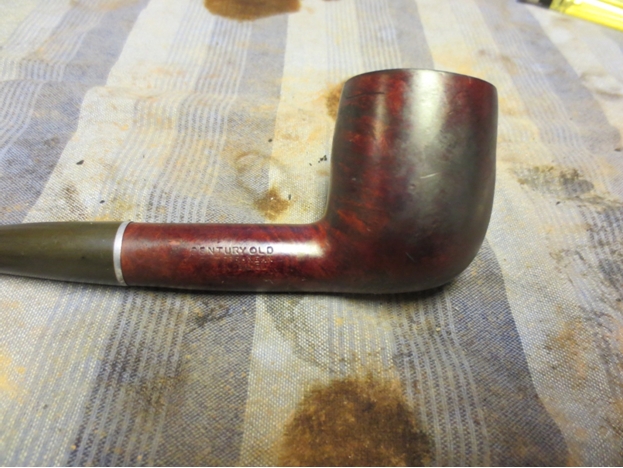
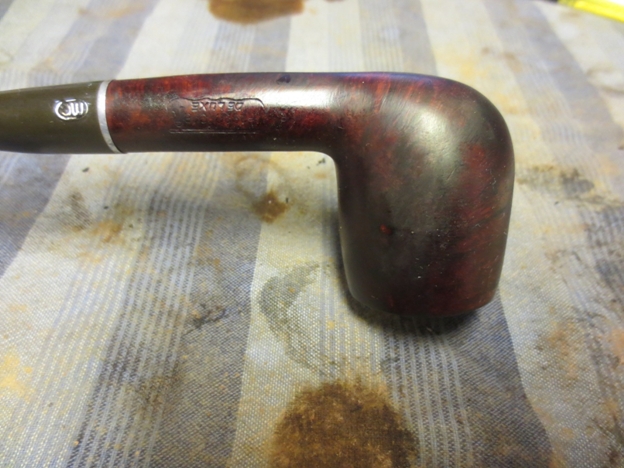
With that bit of history I know that the pipe was made prior to the buyout by Grabow in 1974. That makes the pipe at least 43 years old at this time. This one is French made probably by Jeantet. The stamping reads on the left: Mastercraft in the normal shield over De Luxe. The shield hangs from a branch like a sign. On the right side of the shank it is stamped Corsican Briar over France.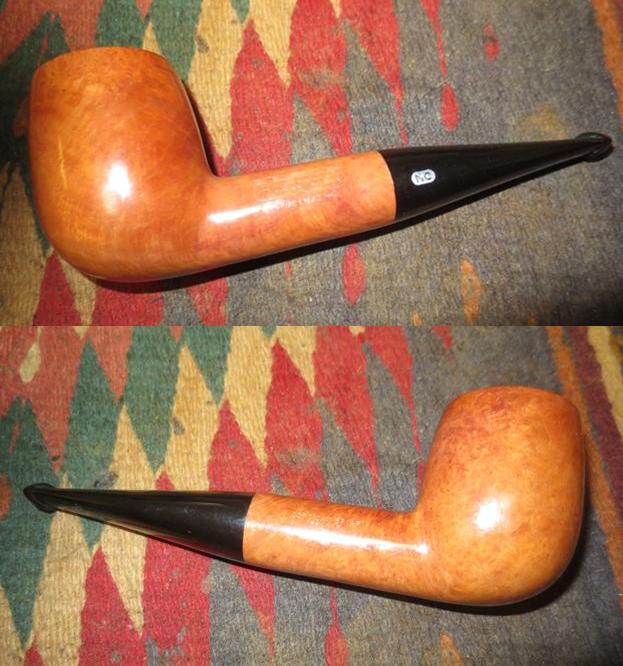
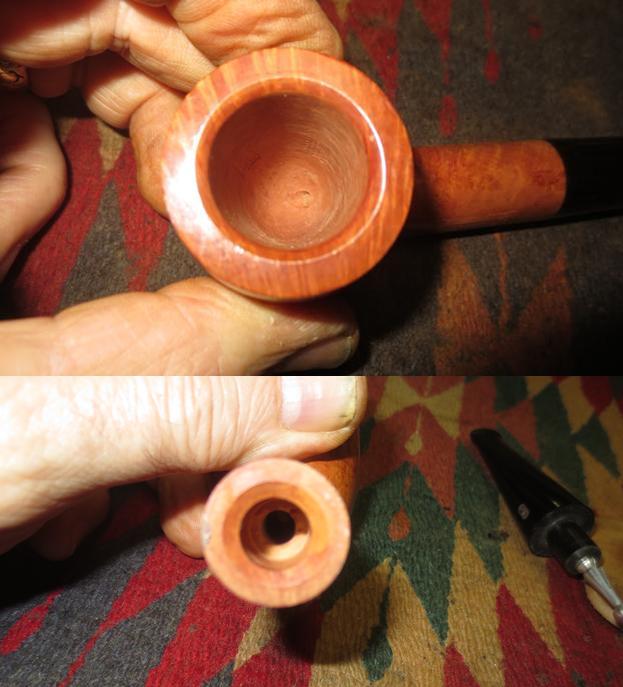
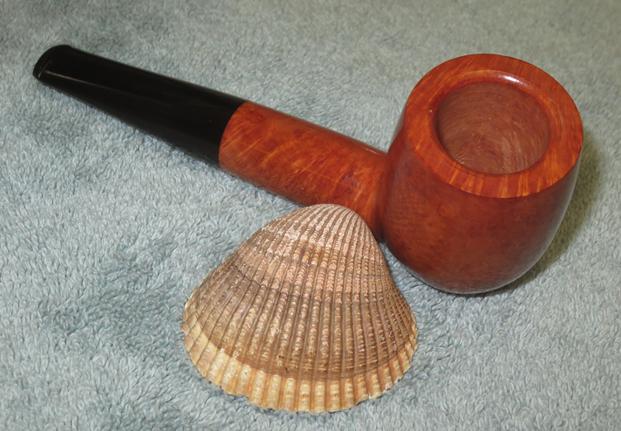
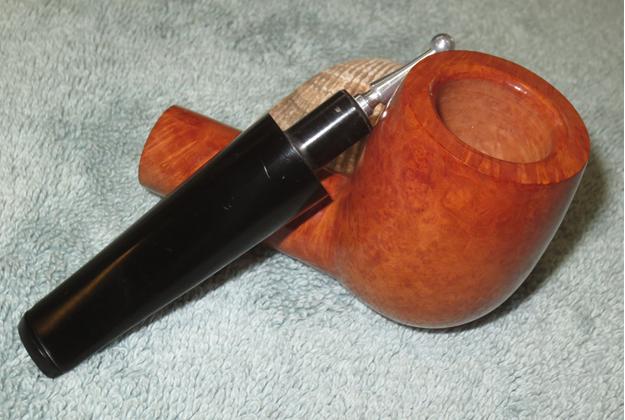
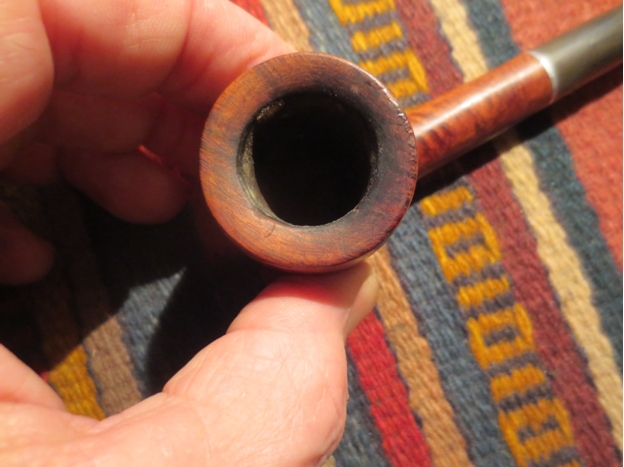
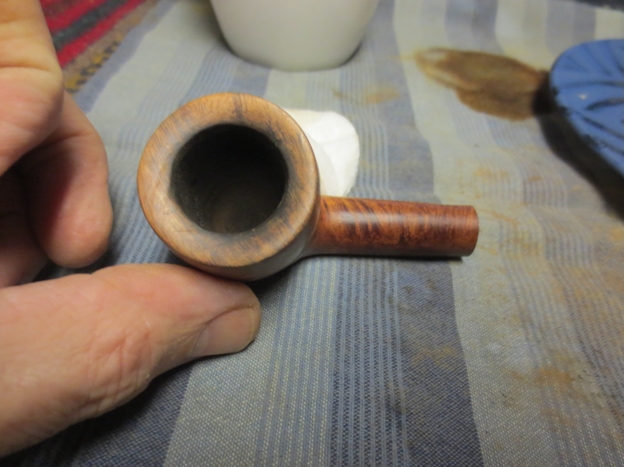
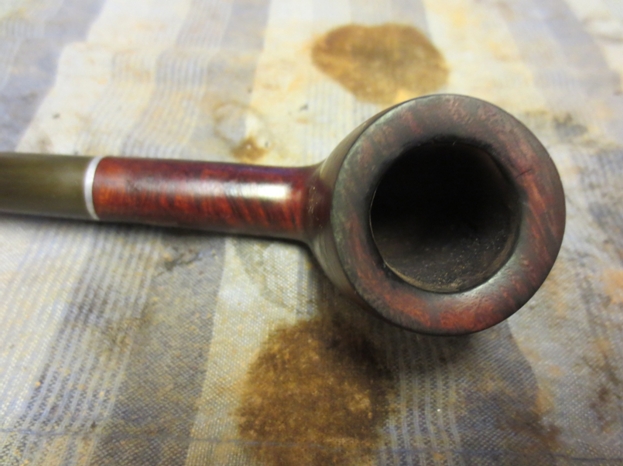
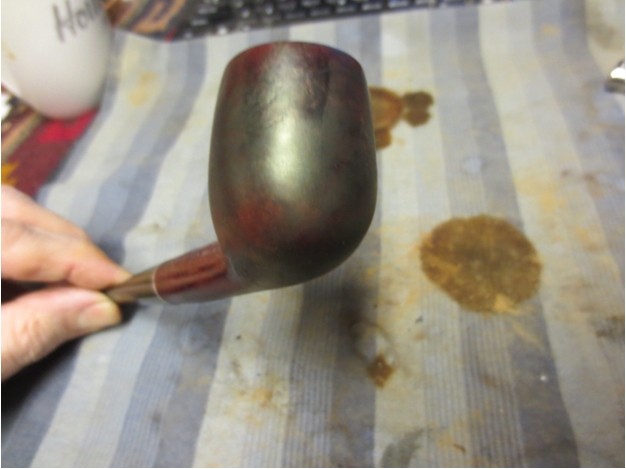
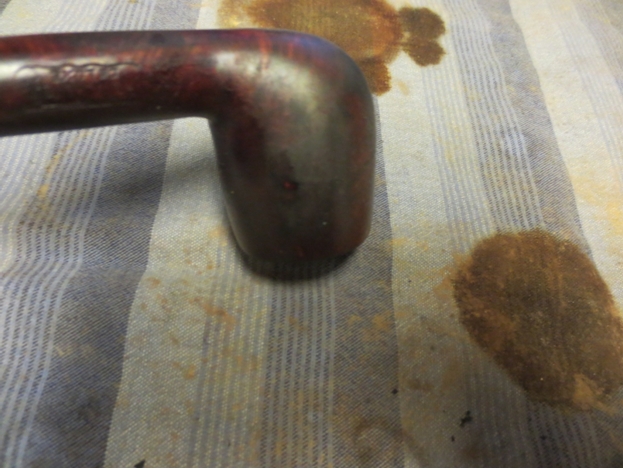
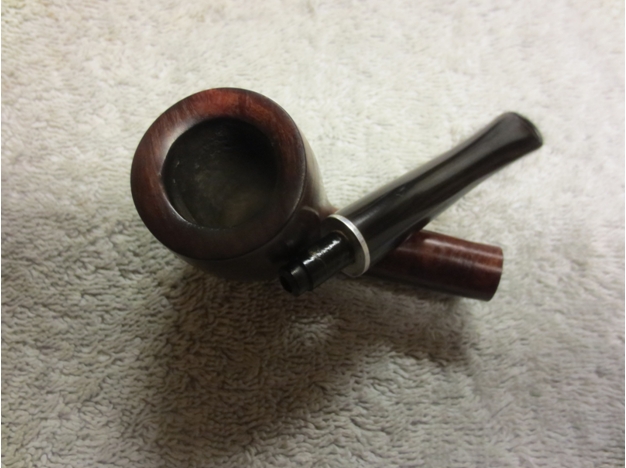
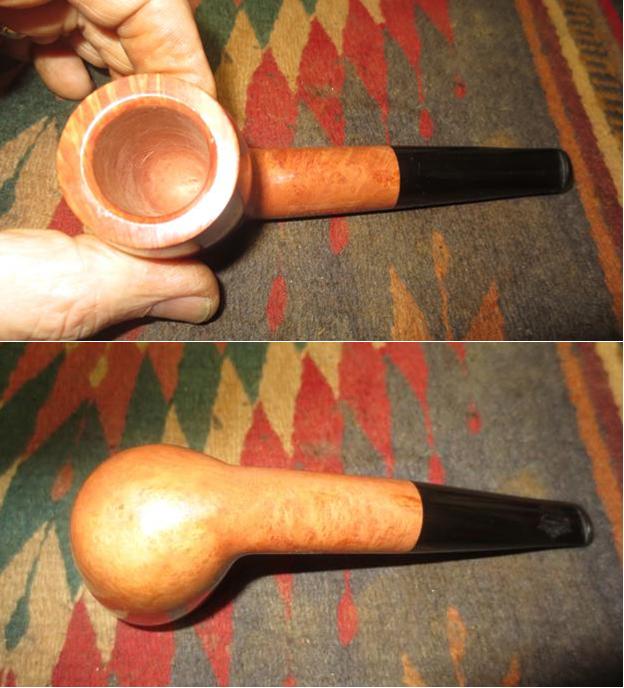 I took a close up photo of the bowl and rim to show the unsmoked condition of it when I received it. The briar is quite beautiful though there are a few fills on the top and right side of the shank that are expertly blended into the finish. I also took a photo of the internals of the mortise and airway to show the raw briar that shines there.
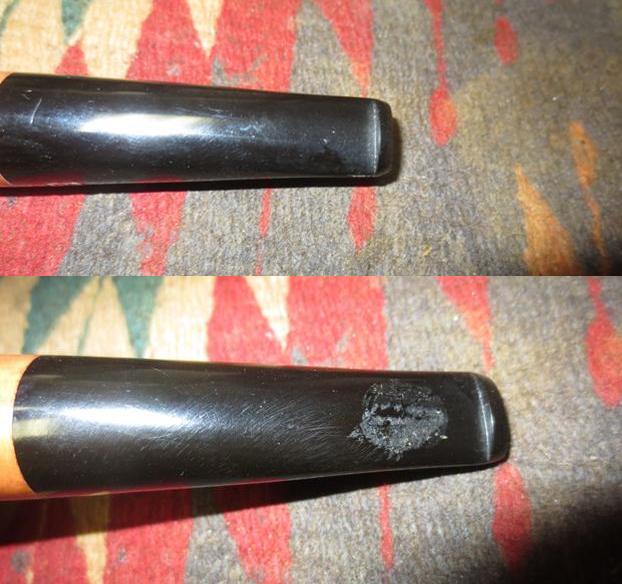
 The stem showed signs of wear from sitting for the long years in a display case of cabinet. There were scratches, nicks and marks in the rubber that are shown in the photos below. There was a gummy substance from a label on the underside of the stem.
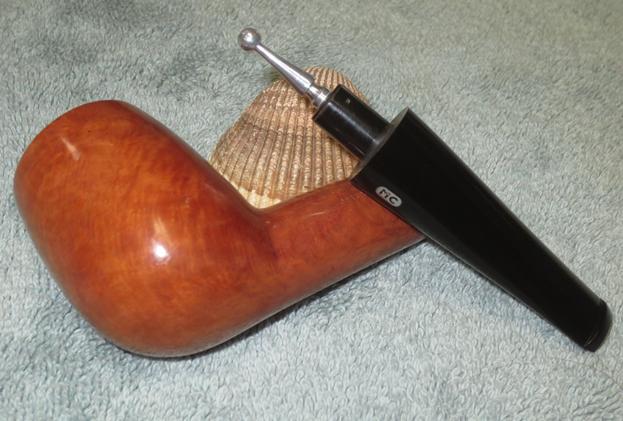
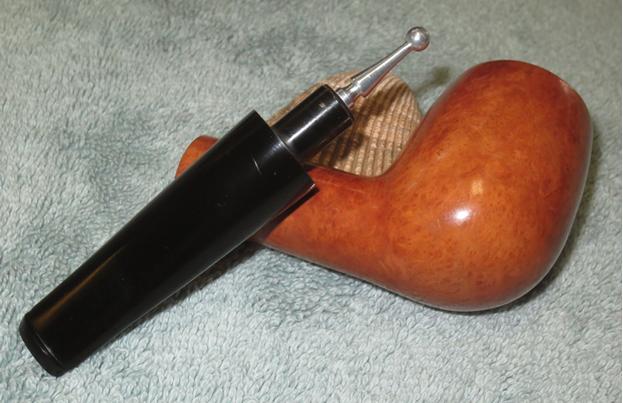
 The polished aluminum stinger apparatus in the tenon was unmarked and a shine of a new pipe.
 The finish on the pipe has a shiny topcoat of varnish. I took some photos of the stamping on the shank sides. The next two photos show what that looked like.
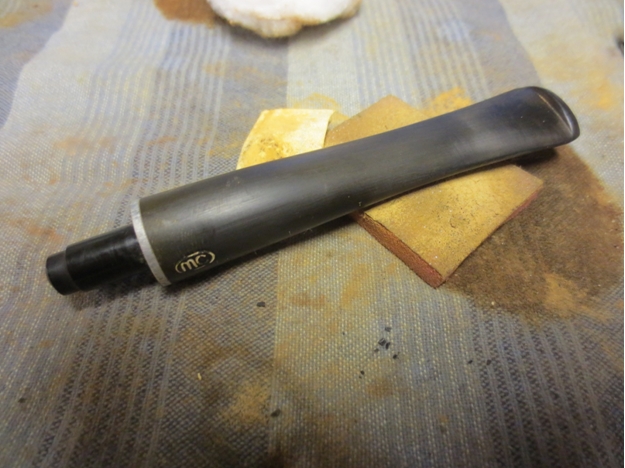
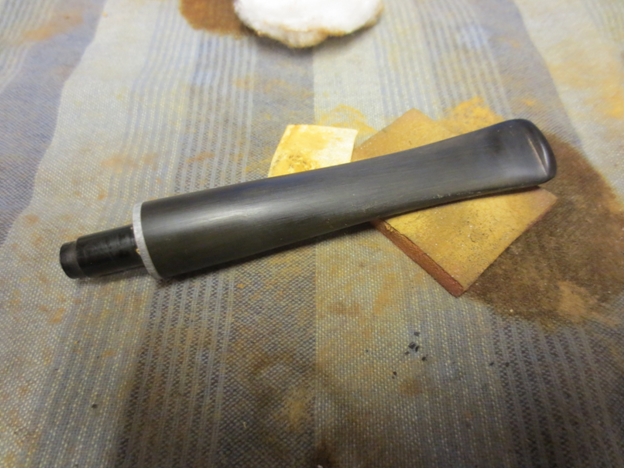
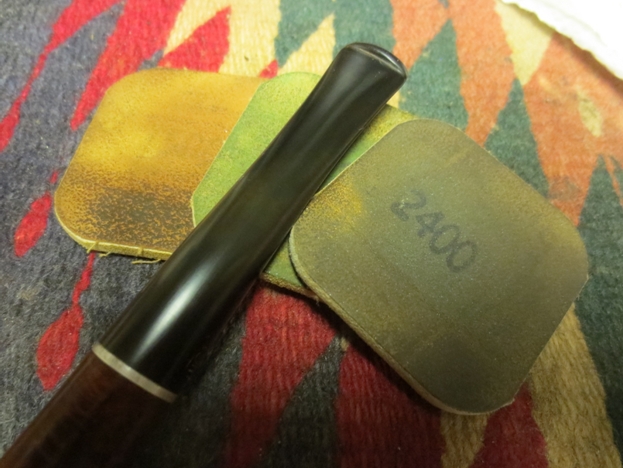
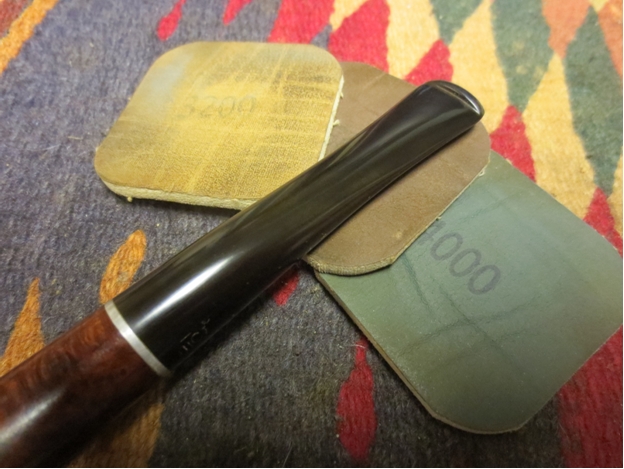
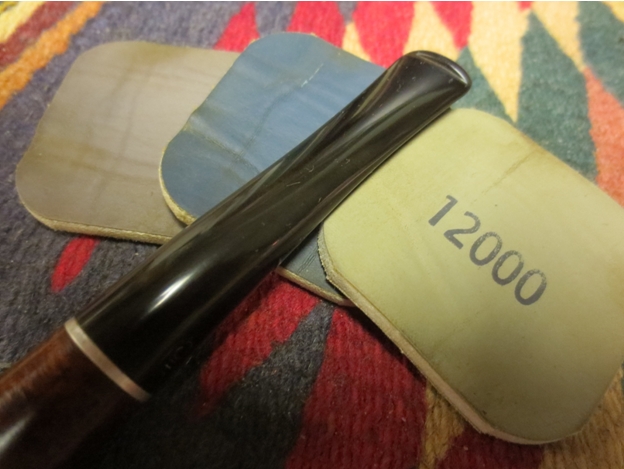
 I worked on the stem to polish out the scratches and nicks in the surface. I wet sanded it with 1500-2400 grit micromesh sanding pads and dry sanded it with 3200-12000 grit pads. I was able to polish out all of the nicks and scratches without resorting to more invasive methods.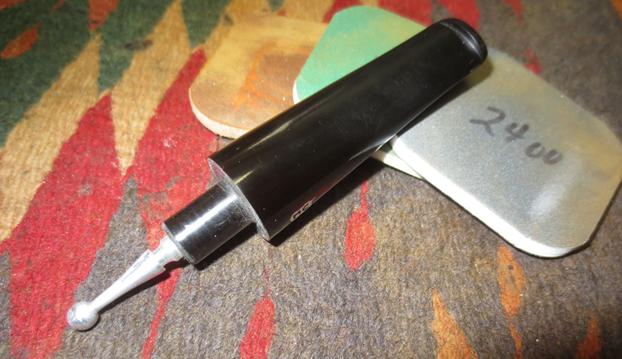
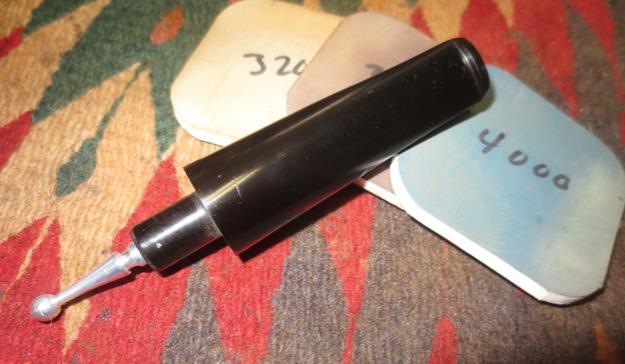
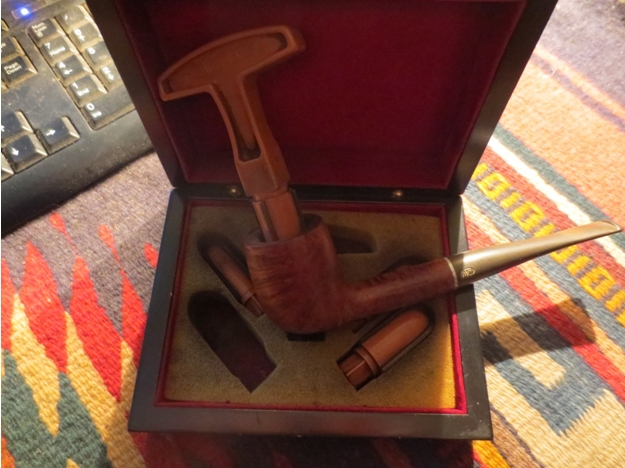
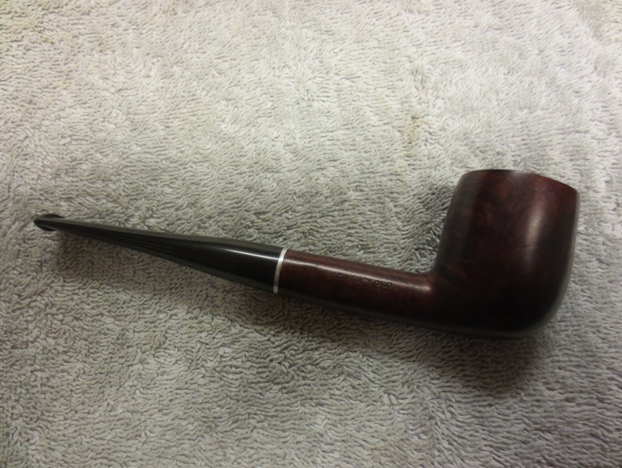
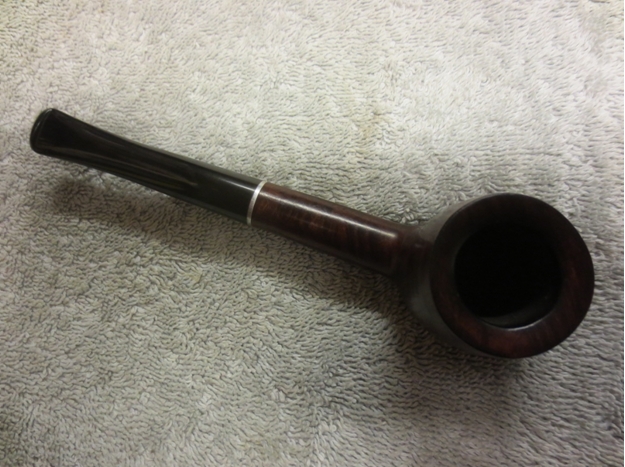
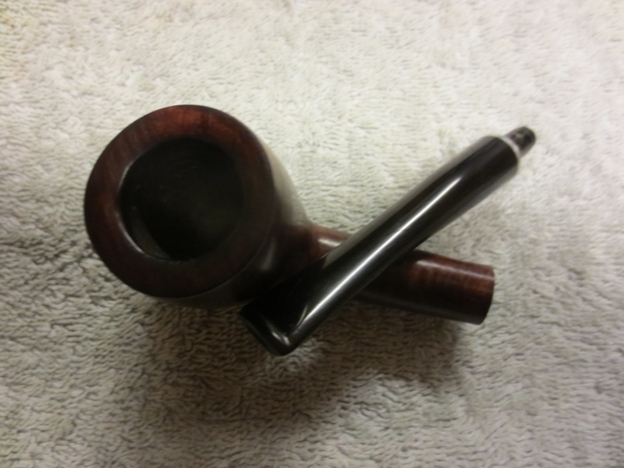
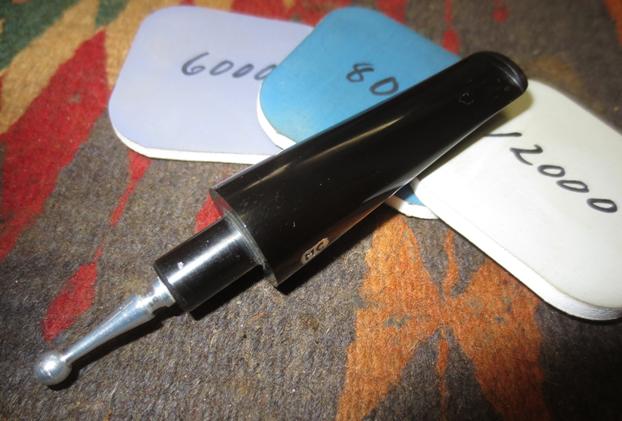 I buffed the stem with Blue Diamond on the buffing wheel to further polish out the scratches. I gave the stem multiple coats of carnauba wax and buffed it with a clean buffing pad to raise the shine back to the surface. I hand buffed it with a microfibre cloth to deepen the shine. The finished pipe is shown in the photos below. It is a great piece of pipe history and one that will be available on the rebornpipes store soon. If you want to beat the traffic and add it to your collection just send me an email and it can be yours. Thanks for looking.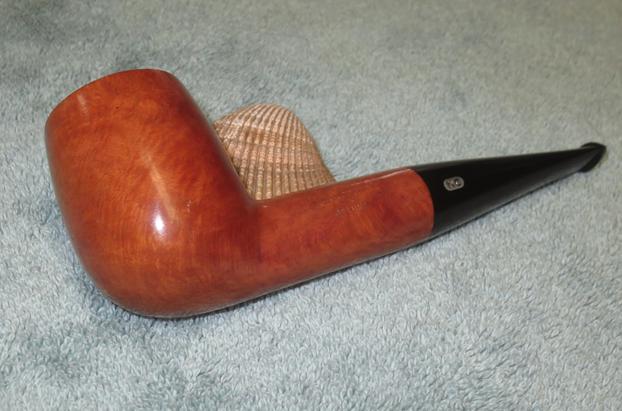


 rebornpipes