
Blog by Paresh Deshpande
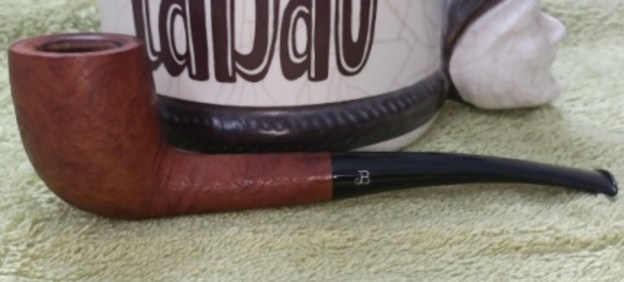
Just last year, while surfing etsy.fr, I came across a pipe lot that contained some interesting pipes and included this John Bessai Zulu shaped sandblasted pipe. I had worked on a John Bessai pipe about six years ago and had also studied its history. In order to refresh my memory and reacquaint myself with John Bessai and his work, I browsed through rebornpipes.com. Given below is the link to the write up that I had done on John Bessai pipe about 6 years ago.
https://rebornpipes.com/2018/12/09/a-fresh-breath-of-life-for-a-unique-creation-by-john-bessai/
This and other article on John Bessai make for an interesting read. I now recollect that he was a pipe maker, repairman and tobacconist from Cleveland, Ohio, USA who opened his shop in 1898. He died before 1969.
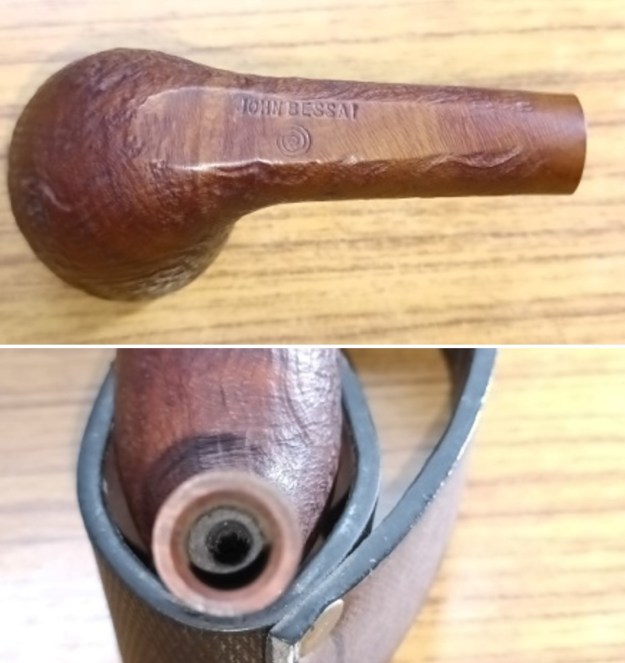
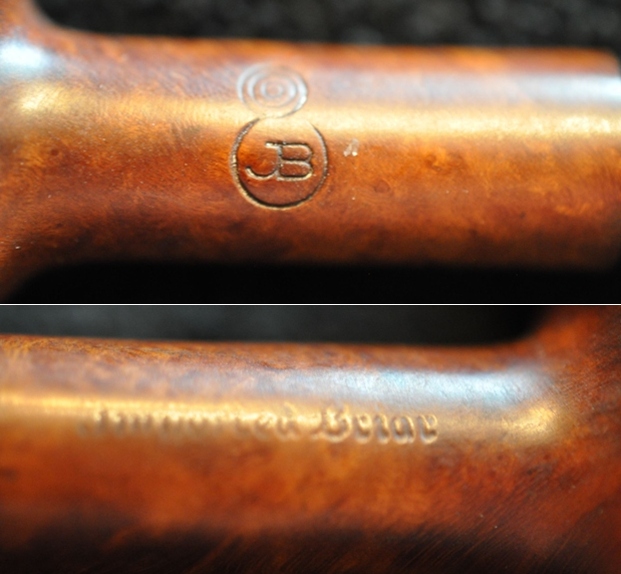
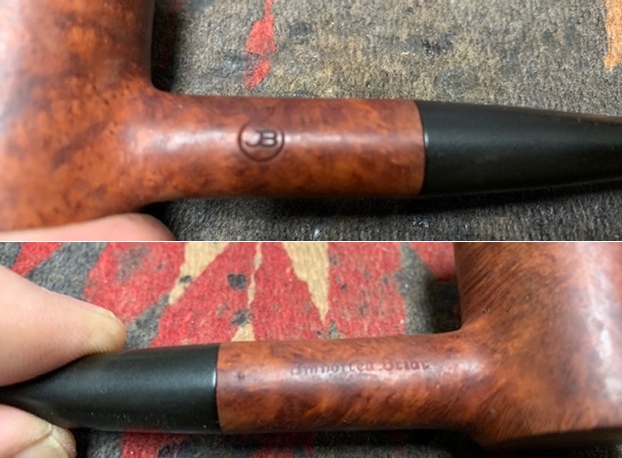
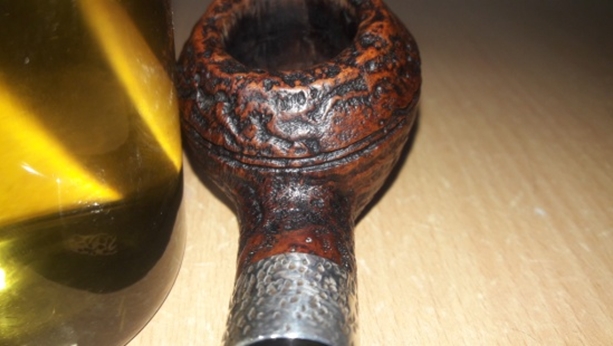
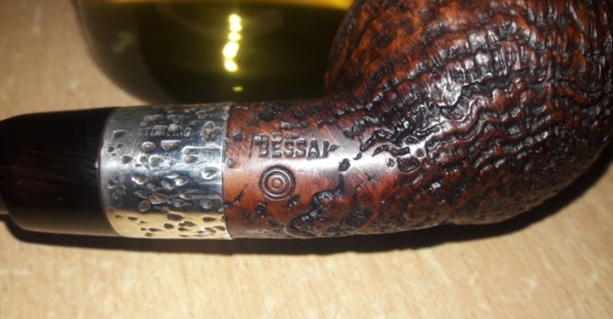
All John Bessai pipes were stamped with large letters “JB” either on shank or stem or both. The pipe on my work table is stamped as above on the stem.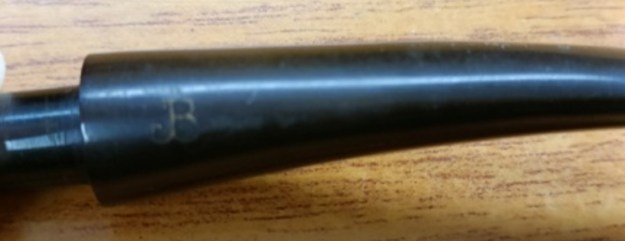 Pipes made by John were stamped on the shank or on the stummel with small “JB” since 1950 and the same is missing on this piece. However, “JOHN BESSAI” in full in block capital letters is stamped over the flat smooth surface on the bottom of the shank.
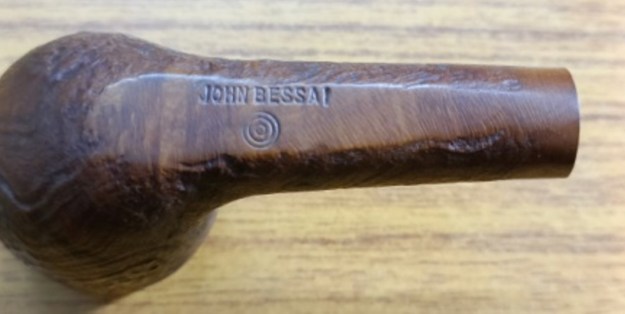 The bull’s-eye stamping was abandoned since pre-1960s whereas the same can be clearly seen on the pipe that I am working on in the above picture.
Thus, based on the above information, with an amount of certitude, I can place this John Bessai creation to be from pre- 1950s.
Initial Visual Inspection
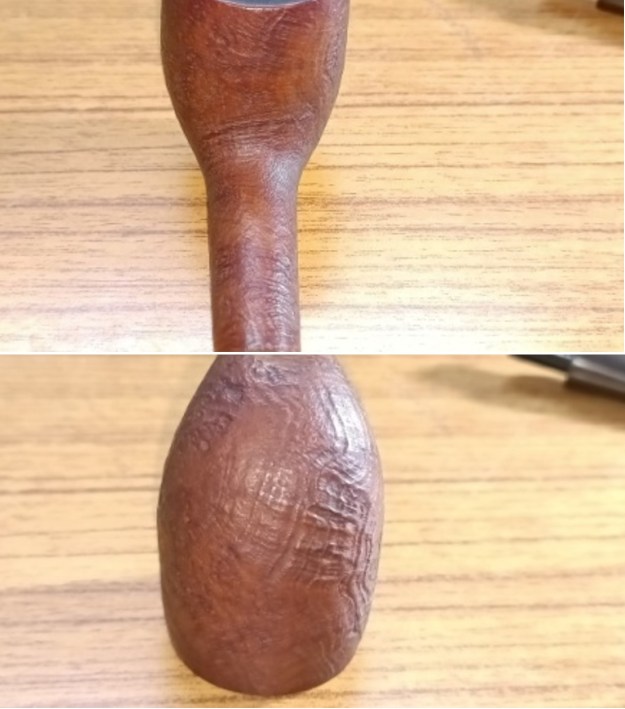
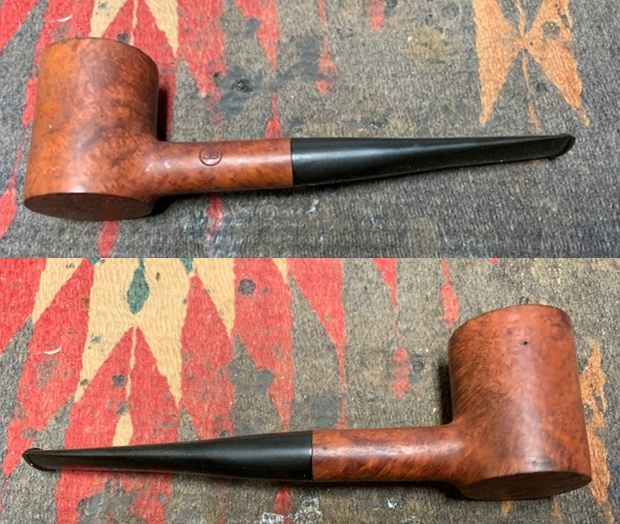
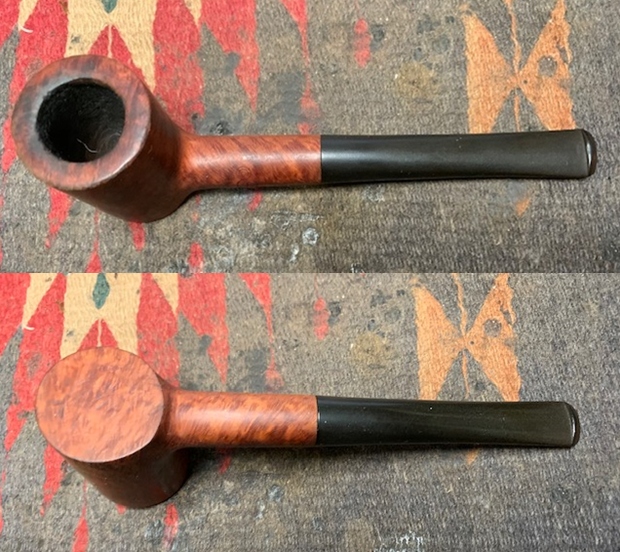
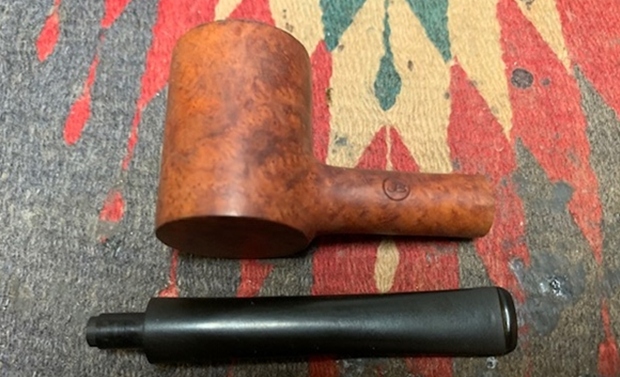
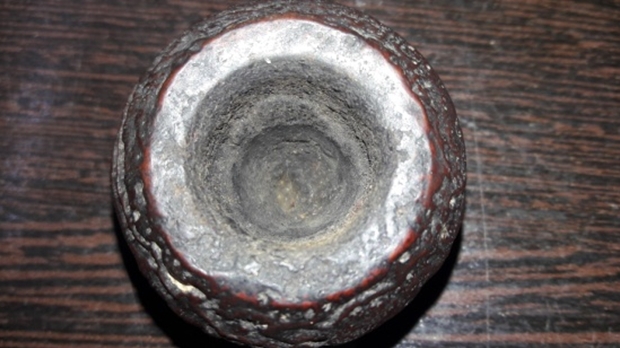
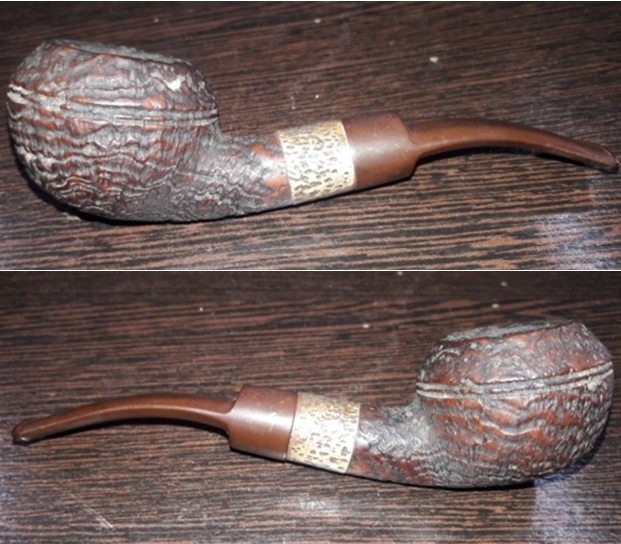
The shallow sandblasted Zulu shaped pipe looks clean and solid with no outwardly apparent damage/ issues. There is a thick layer of even cake in the chamber. The rim top surface appears darkened with small amounts of ash and oils accumulated in the 6 ‘O’ clock direction. The stummel surface is dull and dirty with hand oils and dust ground in to the shallow sandblast. The stem has minor tooth chatter in the bite zone with a couple of tooth indentation/ bite marks to both the button edges. Pictures of the pipe, as it sits on the work table, are shown below: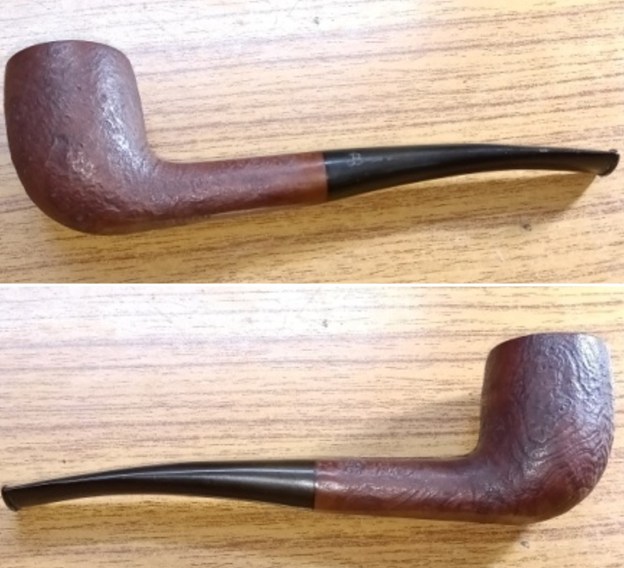
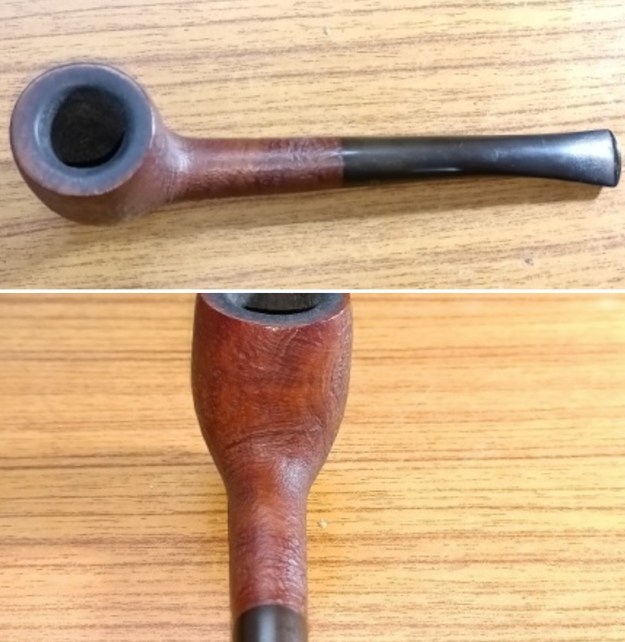
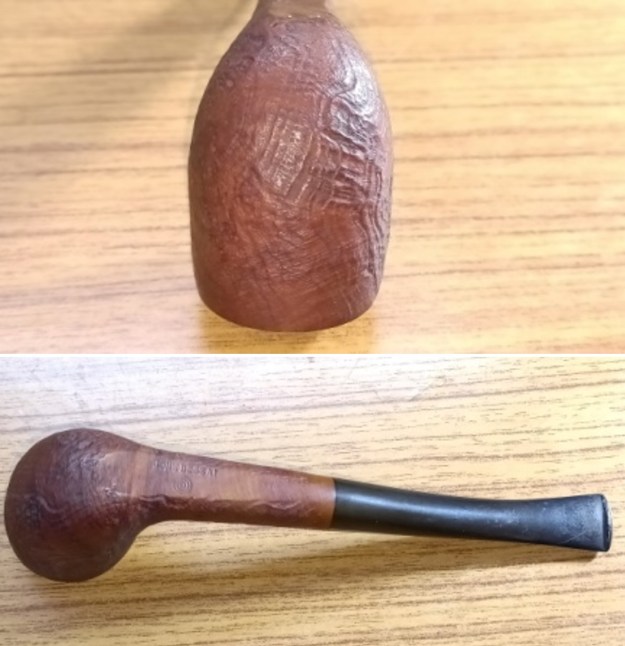 Detailed Inspection
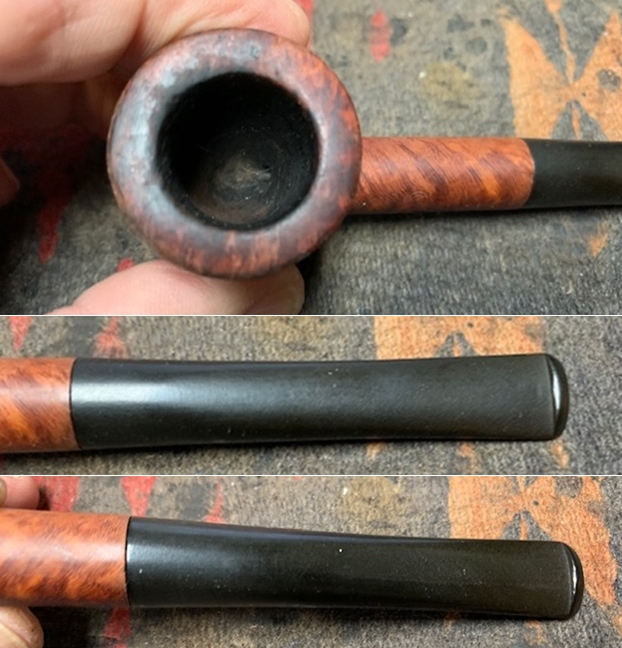
There are few pipes that I get to work on that are in such a decent condition and well looked after by the previous pipe man/ woman and this is one such pipe. There is a thick layer of cake in the chamber and it appears that it has been reamed to maintain it at the thickness of a dime. The rim surface flows inwards ever so slightly with a bevel to the inner rim edge and shows minor accumulation of lava overflow and darkening at 6 o’clock direction (encircled in yellow). The damage to the inner bevel here will be ascertained when the cake and rim surface is all cleaned up. The rim top is smooth and even with no signs of mishandling. The outer rim edge is also in good condition with a couple of very minor dents that were probably caused during the course of handling of the pipe. Presence or absence of heat fissures/ lines will be evident once the chamber walls are rid of all the cake.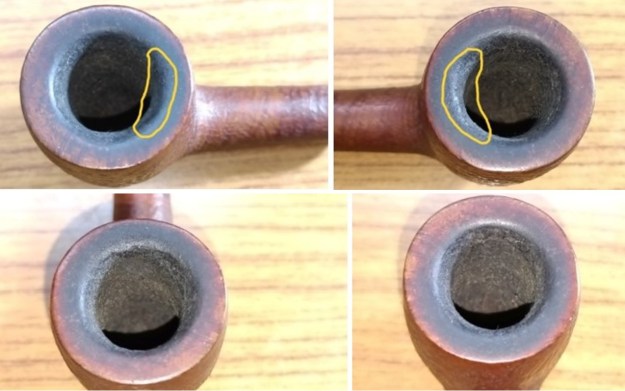 The stummel has some beautiful shallow sandblast with mixed grains visible over the surface. The stummel appears dull and lackluster as the hand oils had attracted some dust and grime that has accumulated over the surface and in to the grooves of the shallow blast. The stummel surface is solid to the touch and hence I do not anticipate any damage to the chamber walls. The mortise shows traces of accumulation of old oils and tars and would need to be cleaned. The smells from the shank and chamber are very strong and pungent.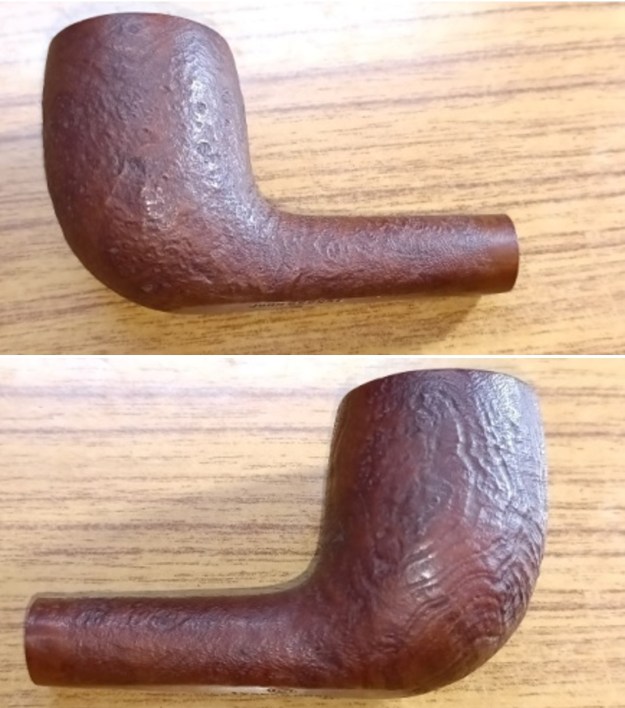
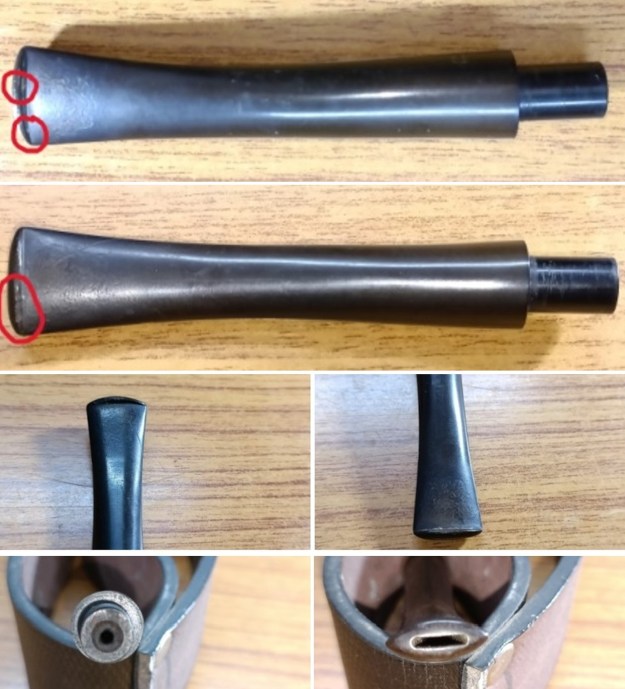
 The high quality vulcanite stem has minor tooth chatter in the bite zone on either surface. Also a few tooth indentations (encircled in red) over the button edges on either side are discernible and would need to be rebuilt. Some dried gunk is seen over the tenon and in the horizontal slot. All in all, this is a clean stem with no major issues.
 The Restoration Process
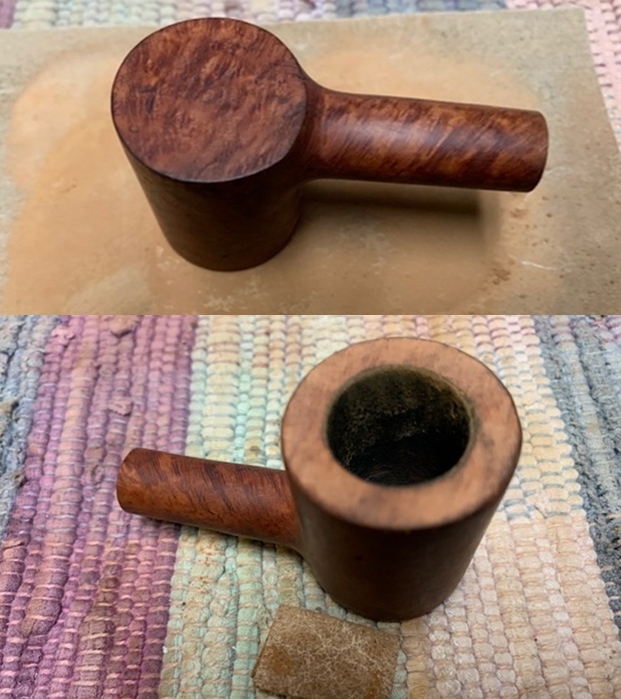
I started the restoration with cleaning of the stummel as I was keen to know the condition of the walls of the chamber. I worked on the stummel by first reaming the chamber with size 1 PipNet reamer head. With my fabricated knife, I further scraped the chamber walls to remove the remaining carbon deposits and also from areas inaccessible by the reamer head. I also scraped out the lava overflow from the rim top surface. Once the cake was reamed back to the bare briar, I used a 150 grit sand paper followed by 220 grit sand paper to remove all the traces of remaining cake and also to smoothen out the inner walls of the chamber surface. Finally, to remove the residual carbon dust, I wiped the chamber with a cotton pad wetted with 99.9% pure isopropyl alcohol. As expected the chamber walls are solid with no damage whatsoever.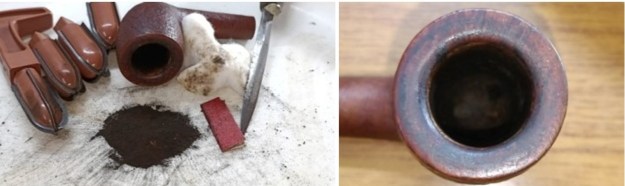 Next, I cleaned out the internals of the shank and mortise. Using my dental tool, I scraped out all the dried oils, tars and gunk that had accumulated in the draught hole and on the walls of the mortise. I finished the cleaning by running a few pipe cleaners dipped in isopropyl alcohol through the mortise. I shall continue with further cleaning of the shank internals using the cotton and alcohol bath.
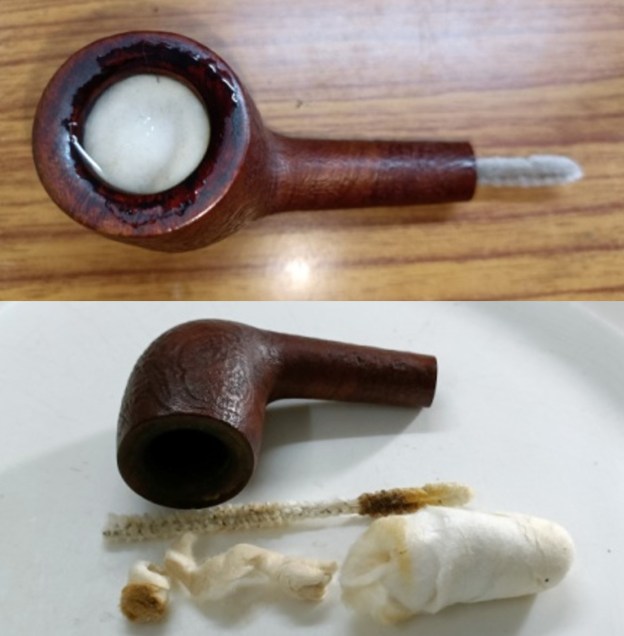
 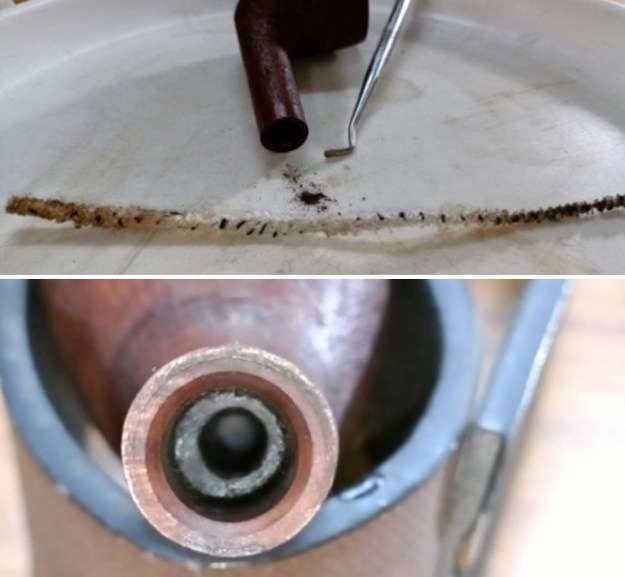 I had expected that after this initial cleaning of the chamber and shank internals, the ghost smells would have been greatly reduced, but that was not so. I decided to subject the chamber and mortise to cotton and alcohol bath. I packed the chamber with cotton and drew out a wick from the cotton and along with a folded regular pipe cleaner, inserted it into the mortise and through the draught hole into the chamber. I tightly packed cotton balls in to the remaining portion of the mortise. Thereafter, I soaked the cotton balls with isopropyl alcohol up to the brim. About half an hour later, the level of alcohol had gone down, having being absorbed by the cotton. I topped it up once again and set it aside overnight. By next afternoon, the cotton and alcohol had drawn out all the remaining oils and tars from the chamber and mortise. I ran pipe cleaners through the mortise and draught hole to clean out all the loosened tars and gunk that was lodged in the draught hole and mortise. The chamber and mortise now smelled clean, fresh and looked it too. I set the stummel to dry out naturally.
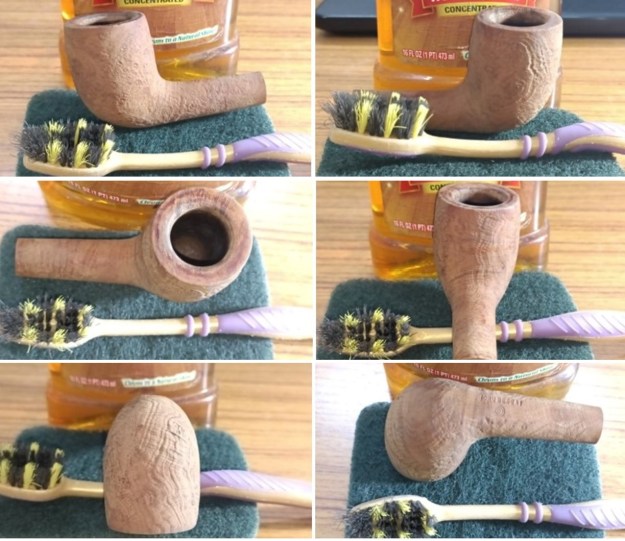
 With the bowl internals clean, I moved to clean the exterior of the stummel. I used a hard bristled tooth brush and Murphy’s Oil soap to scrub the stummel and rim top. I rinsed the stummel under running warm water with anti oil dish washing detergent till the stummel surface was clean and dried it using paper towels and soft cotton cloth. The surface is now clean but appears bone dry.
 I simultaneously cleaned the shank internals with the detergent and hard bristled shank brush and set the stummel aside to dry out naturally. The strong ghost smells are history and the stummel now smells clean and fresh.
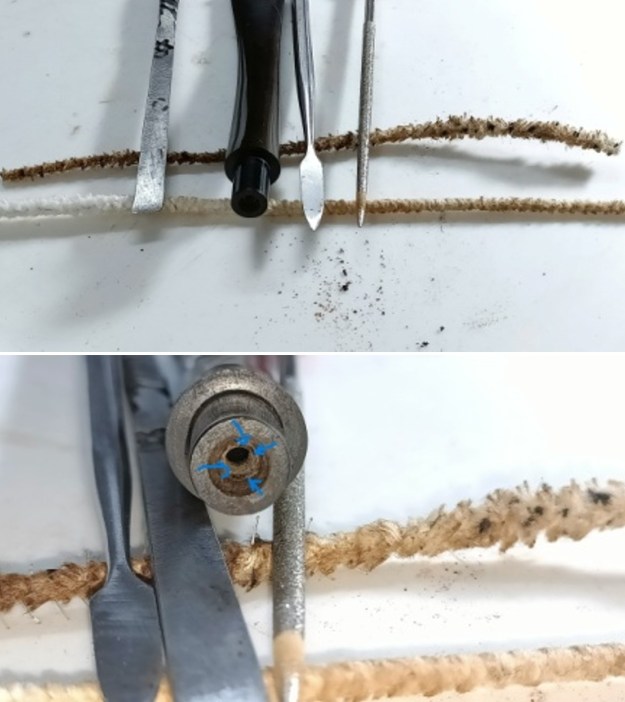
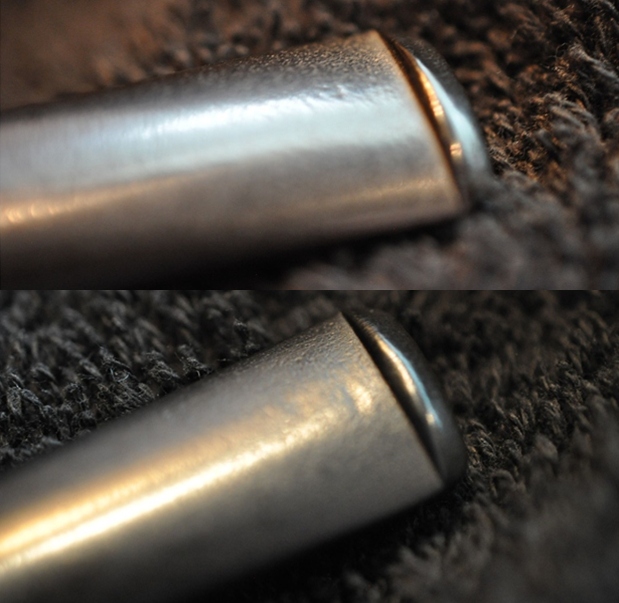
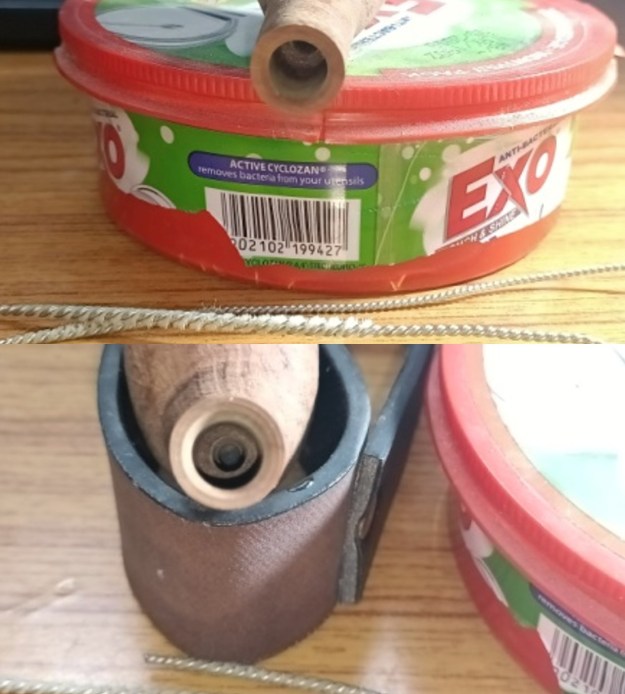 While the stummel was drying out, I worked on the stem. I began the refurbishing process by scraping out the dried gunk from the tenon end using a thin sharp knife and dental tool. I then ran a couple of pipe cleaners dipped in alcohol through the stem airway to clean it up. I shall be continuing the cleaning of the airway subsequently. This cleaning has revealed remnants (indicated by blue arrows) of an aluminum stinger that was cut during it’s time with the previous owner. I fail to understand the reason for this as the previous owner could have completely removed this stinger instead of cutting it at the tenon end. Well, there is no way that I can remove the remaining embedded portion of the stinger and since it does not interfere with either the smooth and effortless passage of a pipe cleaner or airflow through the airway, I let it be. However, I did open up and smooth out the cut face of the stinger with a round needle file.
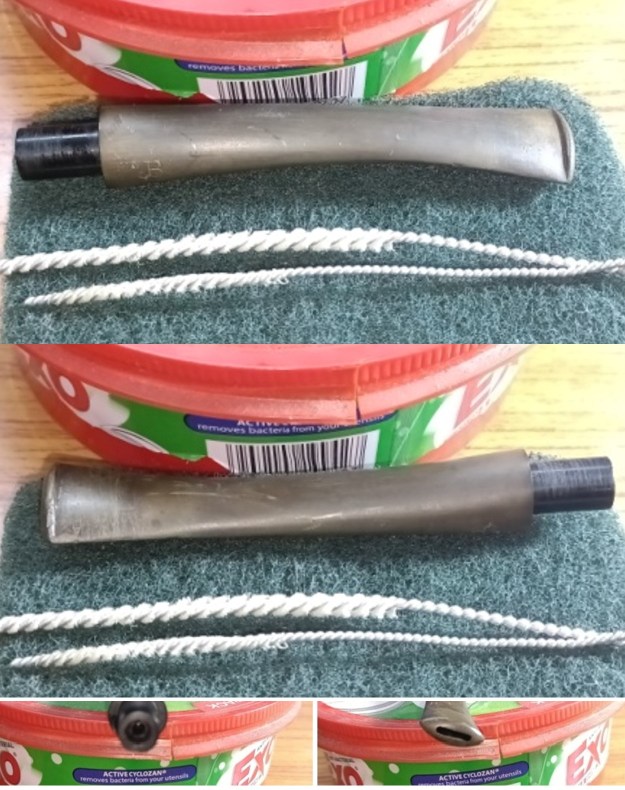
 Next, I cleaned the stem airway using thin nylon shank brushes and anti oil soap. This helps in conserving pipe cleaners which are hard to come by here in India. I further scrubbed the stem surface with a Scotch Brit pad and soap to remove superficial oxidation from the surface. I rinsed the stem airway and surface under running tap water.
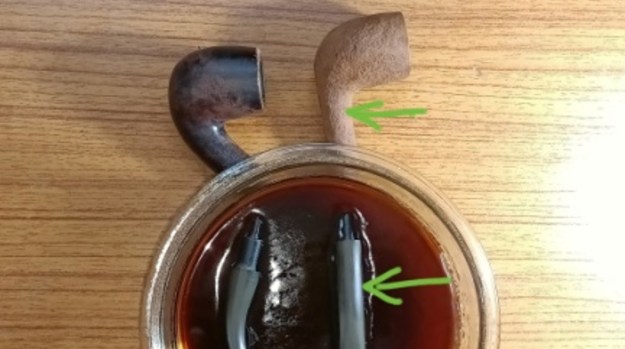
 I continued with external cleaning of the stem surface by dunking the stem into “Before and After Deoxidizer” solution developed by my friend Mark Hoover. The solution helps to draw out heavy oxidation to the surface making its further removal a breeze, while the minor oxidation is eliminated to a very great extent. I usually dunk stems of couple of pipes that are in-line for restoration and the Bessai is marked in green arrow. I generally allow the stems to soak in this solution overnight for the solution to do its work.
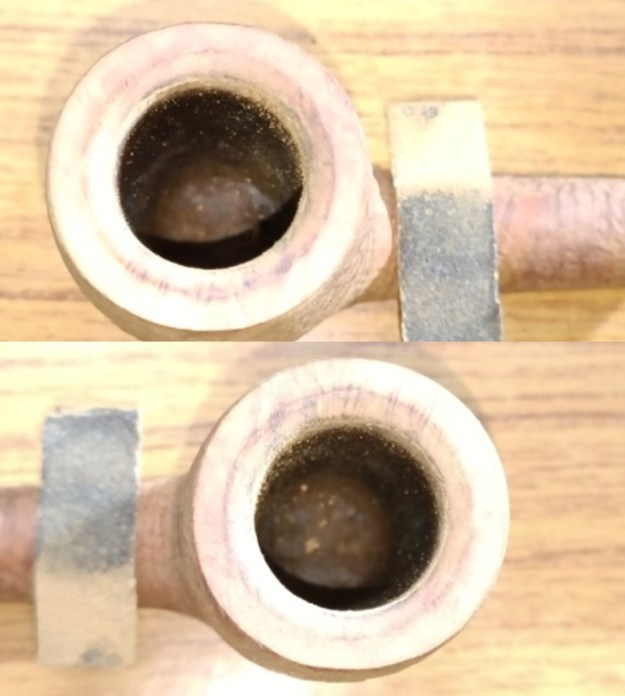
 With stem soaking in the deoxidizer solution, I turned my attention back to the stummel refurbishment. I lightly topped the rim surface on a piece of 220 grit sandpaper. This helped to address the few minor dents over the rim outer edges, address the darkened rim top in 6 o’clock direction as well as further define the inner edges and bevel edges.
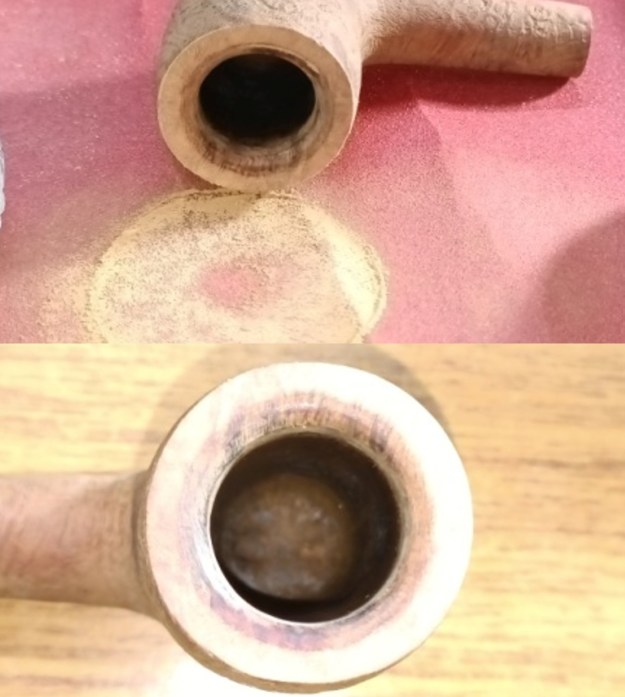 Using a folded piece of 220 grit sandpaper pinched between my fingers, I sand the inner rim edge to remove the slight darkening seen in the 6 o’clock direction.
 I rubbed a small quantity of “Before and After Restoration Balm” into the briar with my finger tips and let it rest for a few minutes. The balm almost immediately works it’s magic and the briar now has a nice vibrant appearance with the beautiful sandblast patterns on full display. I have been using this balm ever since I embarked on this journey and it is this part of restoration that I always look forward to. I further buffed it with a horse hair shoe brush. This pipe really oozes of a very high quality.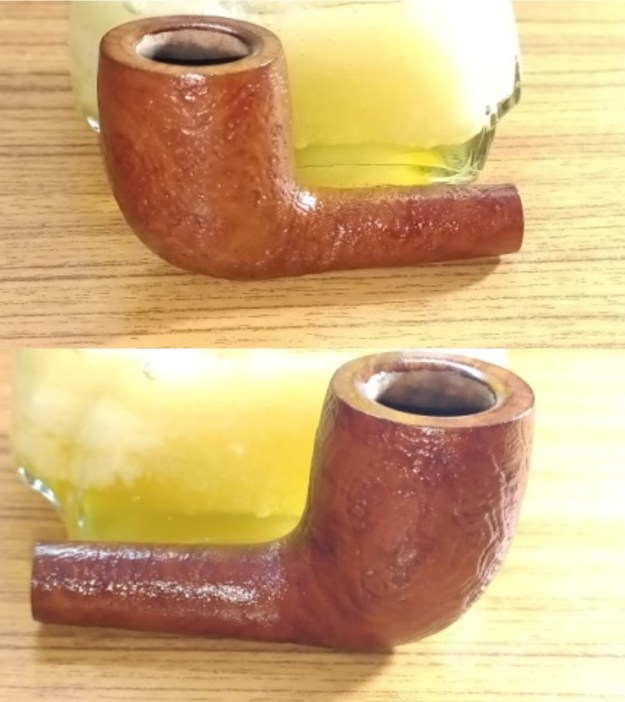
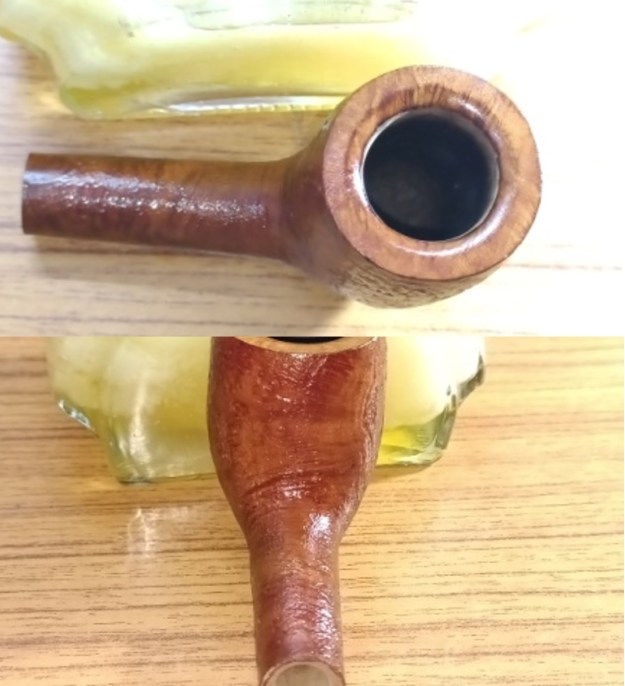
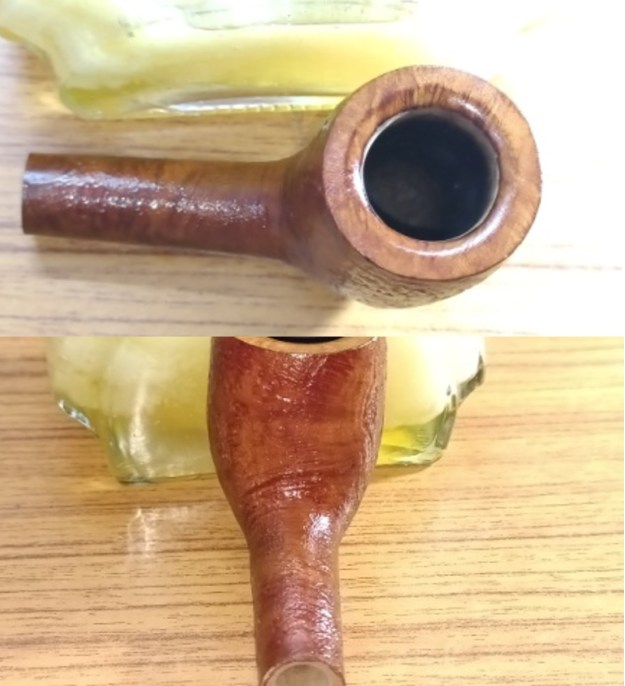 Now that the stummel refurbishing was nearly done and also the stem had now been soaking for more than 24 hours, I removed the stem from the solution. I first scrubbed the stem surface with a Scotch Brite pad, always being mindful of the stem logo on the left side. I followed this scrubbing with a nice cleaning of the surface using a 0000 grade steel wool. I rinsed the stem under running water to rid the stem of the thick solution. I ran a couple of pipe cleaners to remove the deoxidizer solution from the airway.
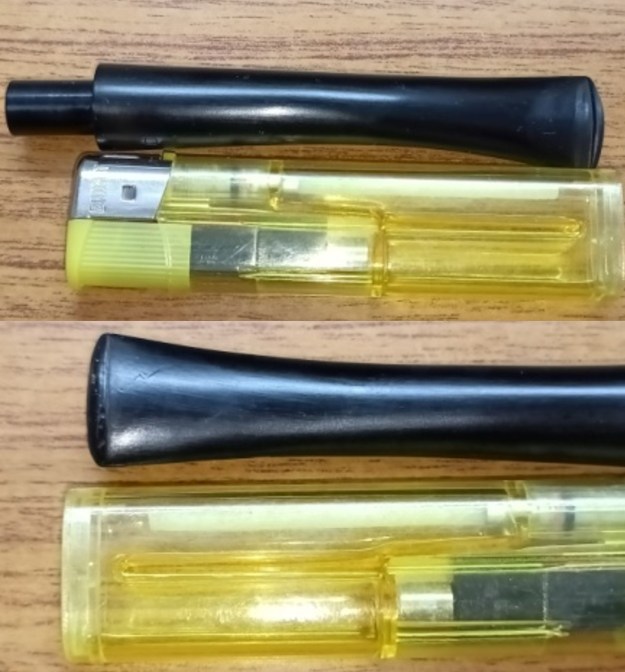
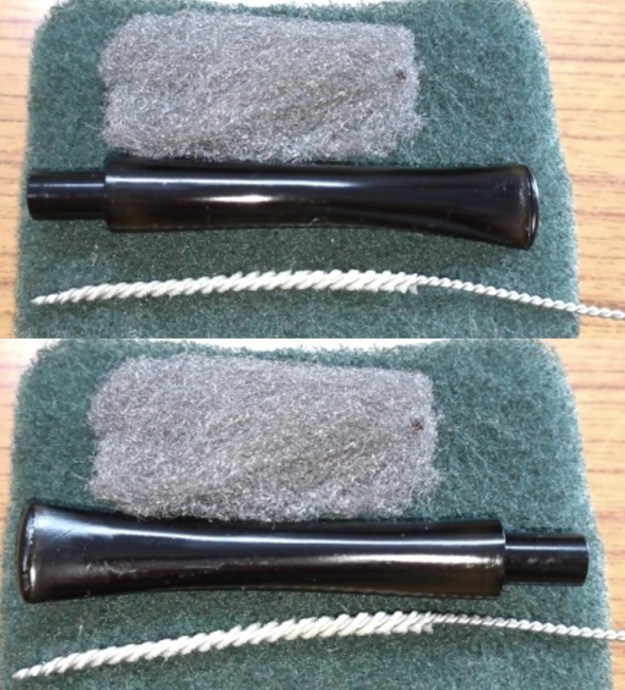 In order to address the tooth chatter in the bite zone on either surface, I flame the bite zone with a Bic lighter. The heat helps the vulcanite to expand and raise the chatter to the surface. Thereafter, through the sanding process, the surfaces will be matched with the rest of the stem surface. This step was able to address 90% of the tooth chatter and those that are not addressed here will need to be rebuilt.
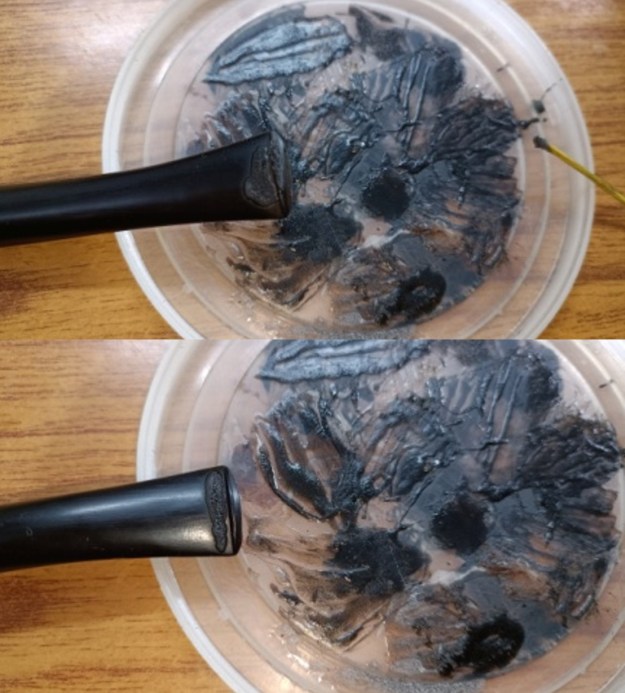
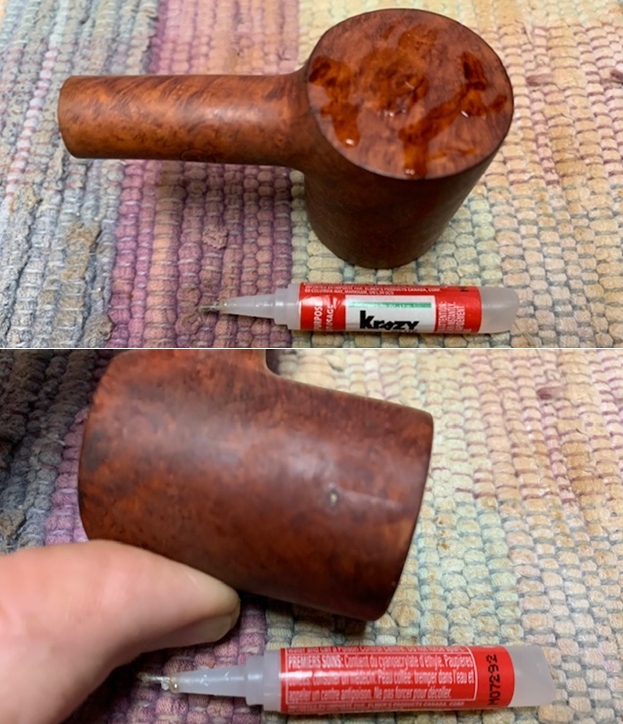
 Continuing with the stem repair, I mixed superglue and activated charcoal powder and generously applied it over the bite zone on either side, including over the buttons and set it aside to cure.
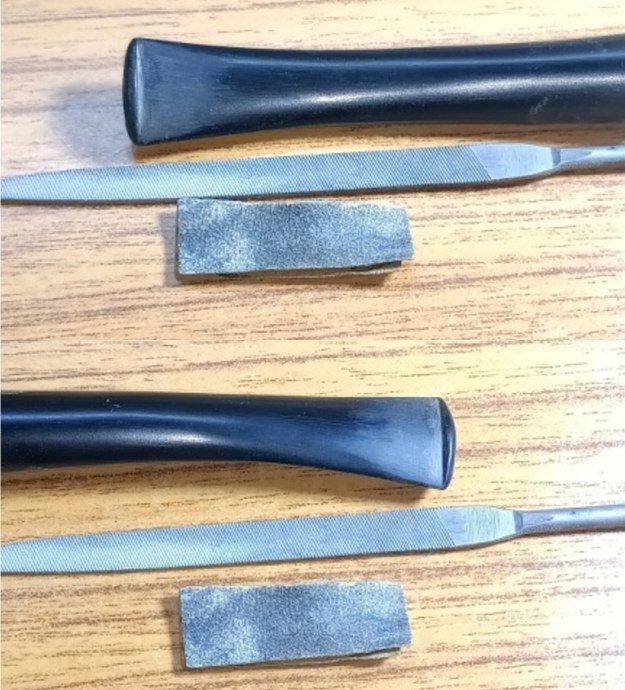
 Using a flat head needle file, I reshaped the button and roughly matched the fills in the bite zone with the rest of the stem surface. I sand the bite zone in the stem surface with a piece of folded 220 grit sandpaper to even out the fills as well as remove the oxidation from the stem surface.
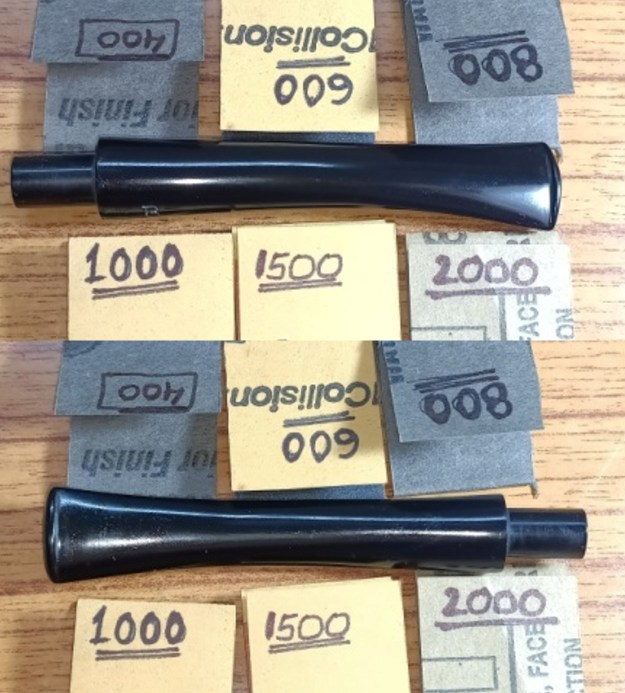
 I wet sand the stem progressing through 400, 600, 800, 1000, 1500 and 2000 grit sand paper. I wiped the stem after each grade of sandpaper to view the progress being made and also identify areas on the stem surface that were still covered with traces of oxidation. I wiped the stem with EVO at the end of 2000 grit sanding and set the stem aside.
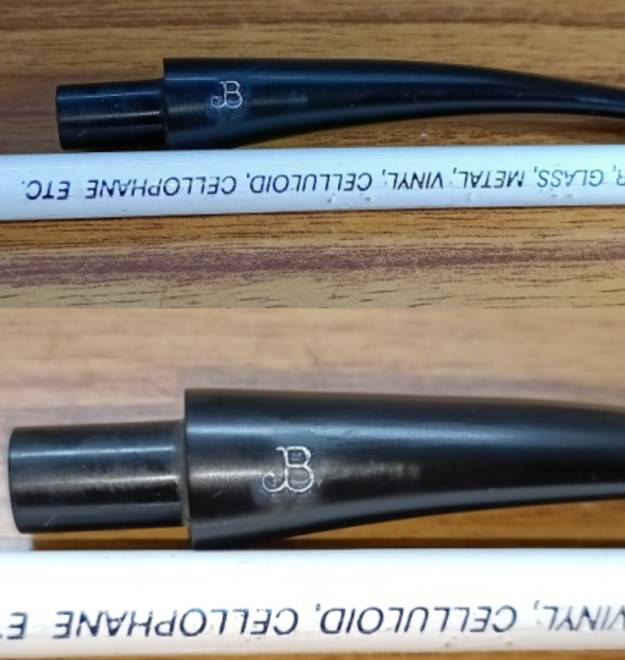
 Using a soft white graphite pencil, I freshened up the stem logo of JB.
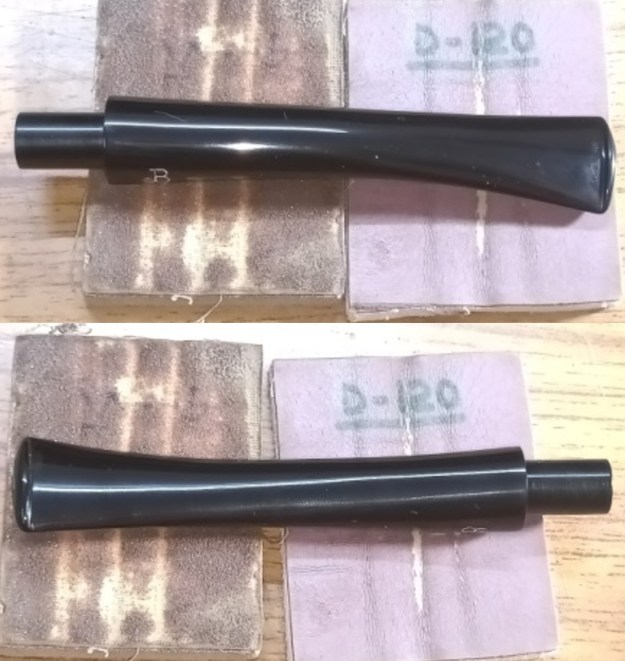
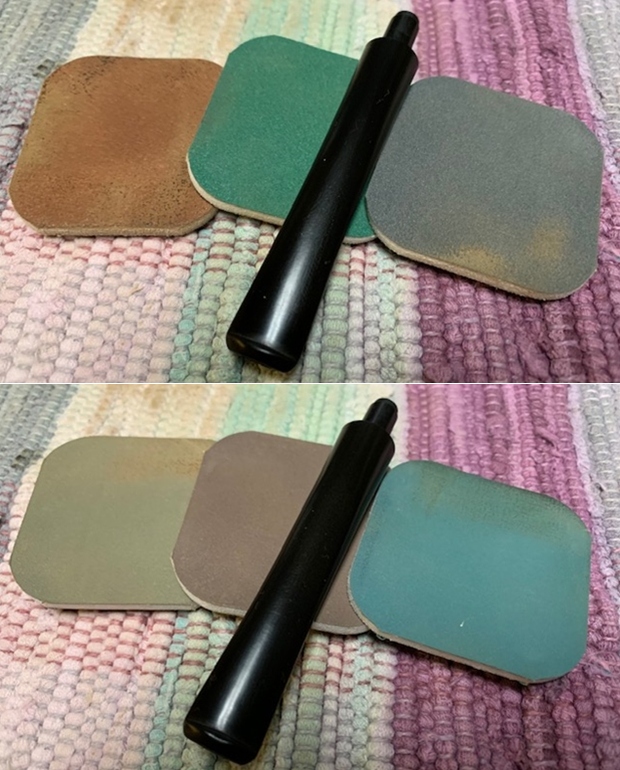
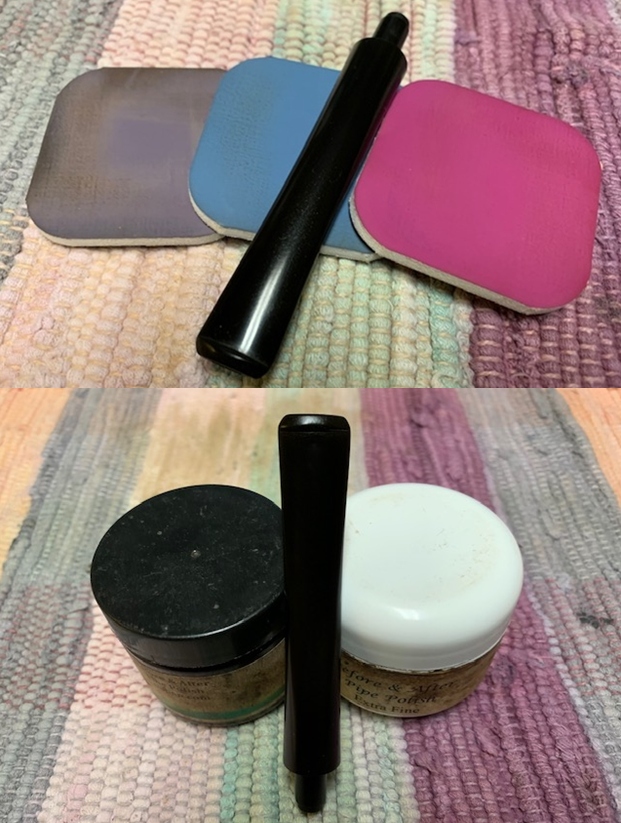
 A polish by wet sanding using all 9 micromesh pads (1500 to 12000 grit pads) brought out the deep black shine of the vulcanite. I rubbed a small quantity of EVO to hydrate the stem and deepen the shine.
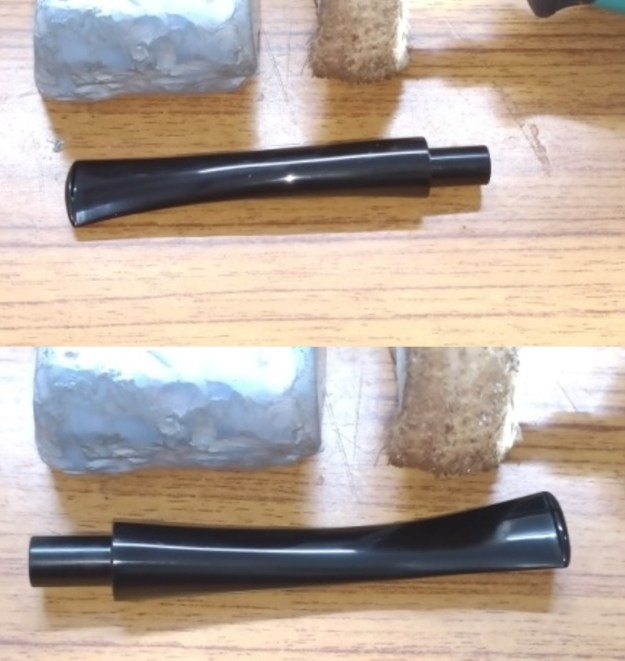
 I have reached that stage in this project which can be considered as the home run. I polished the rim top and the entire stem with blue diamond using a cotton wheel mounted on to my hand held rotary tool. The blue diamond compound helps to eliminate the minor scratches that remain after the use of micromesh pads.
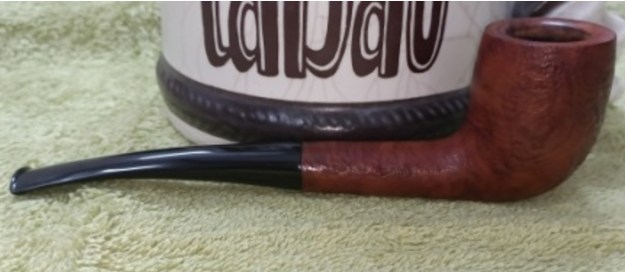
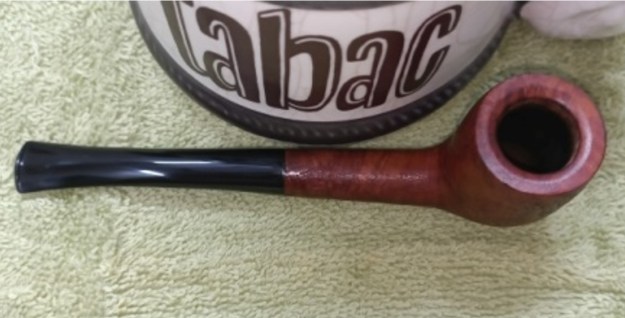
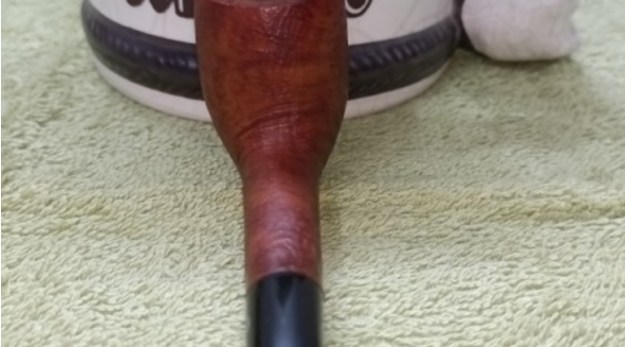
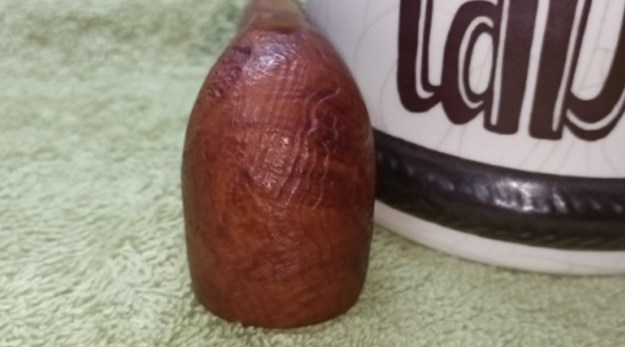
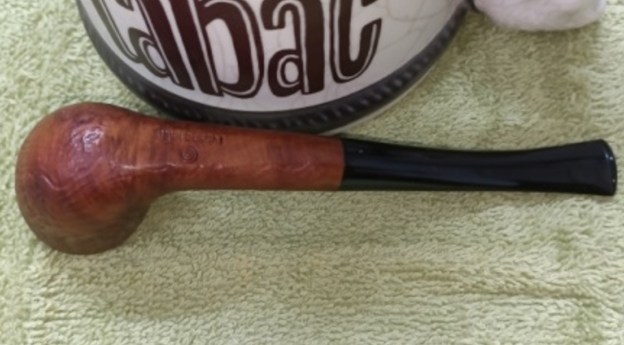
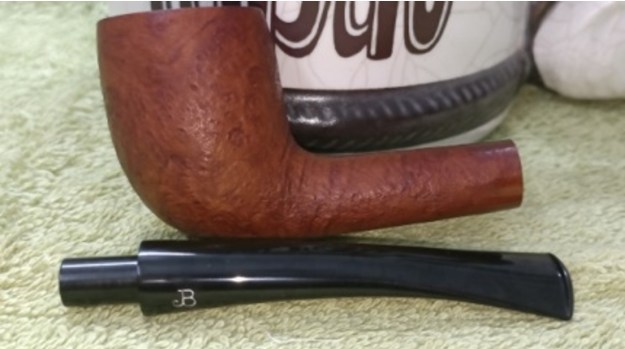
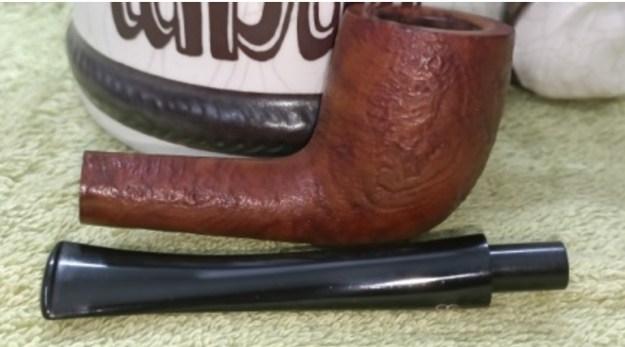
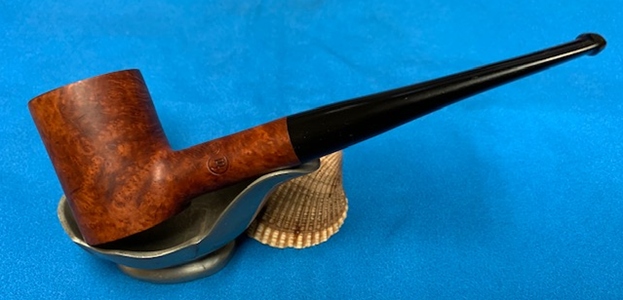
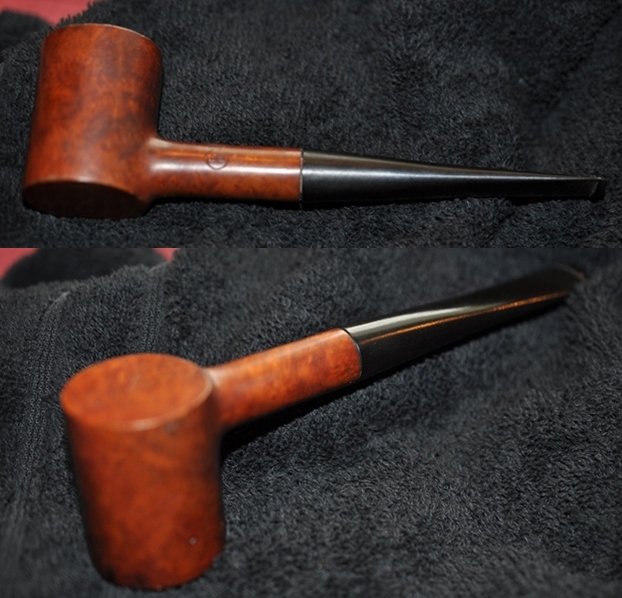
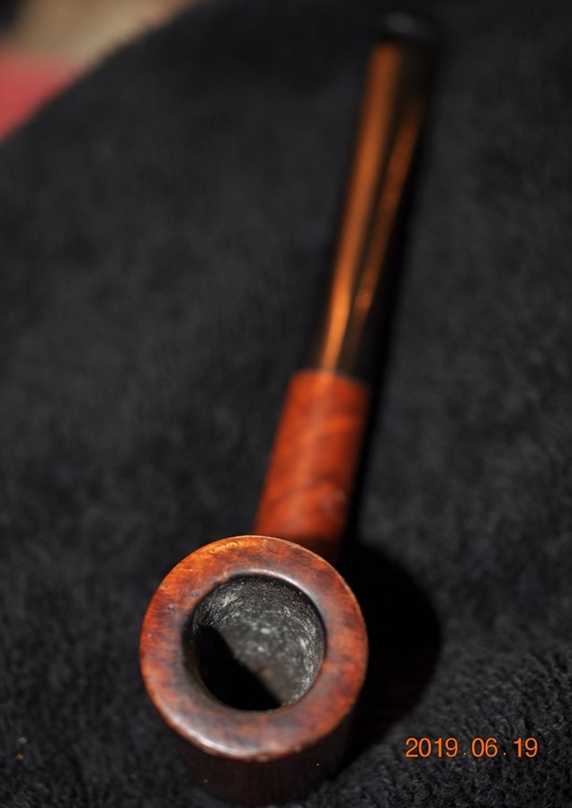
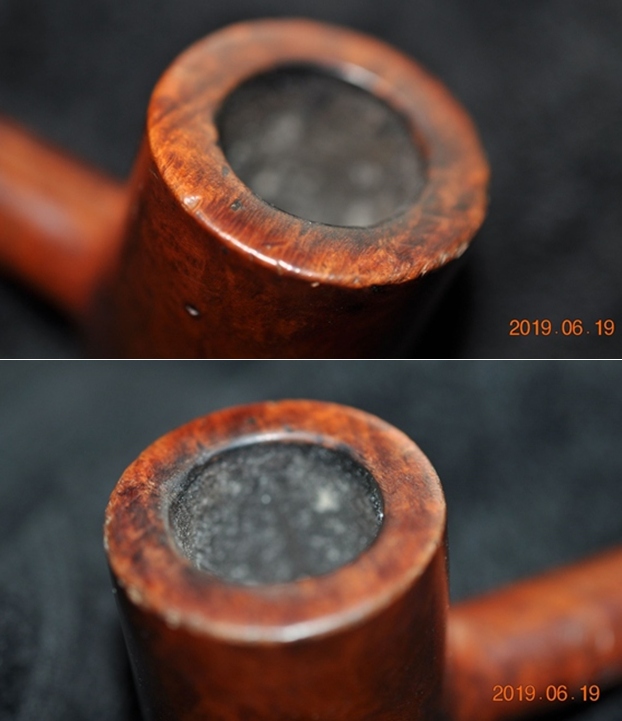
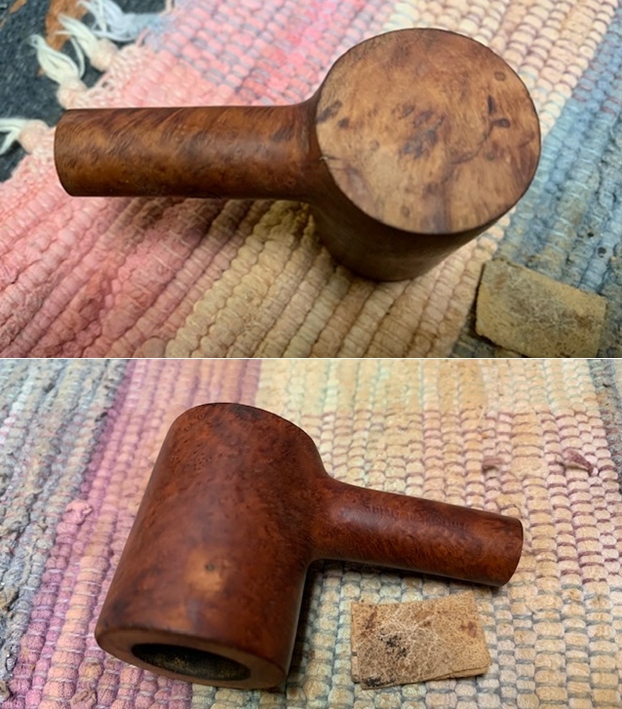
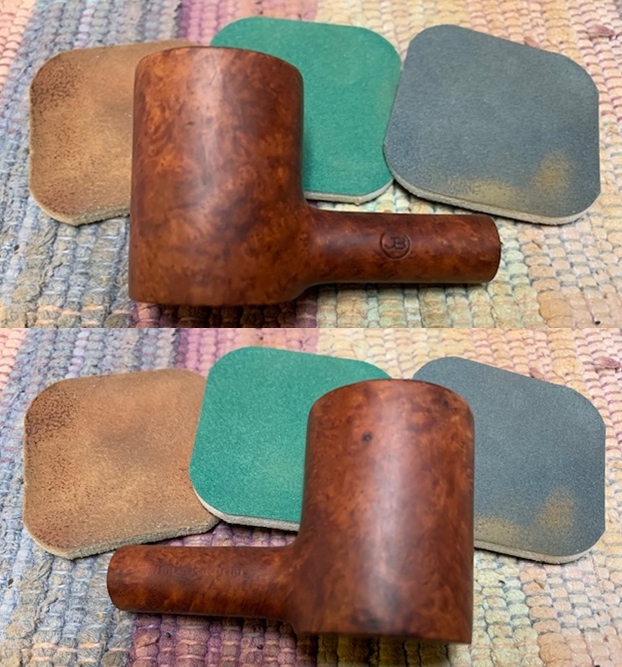
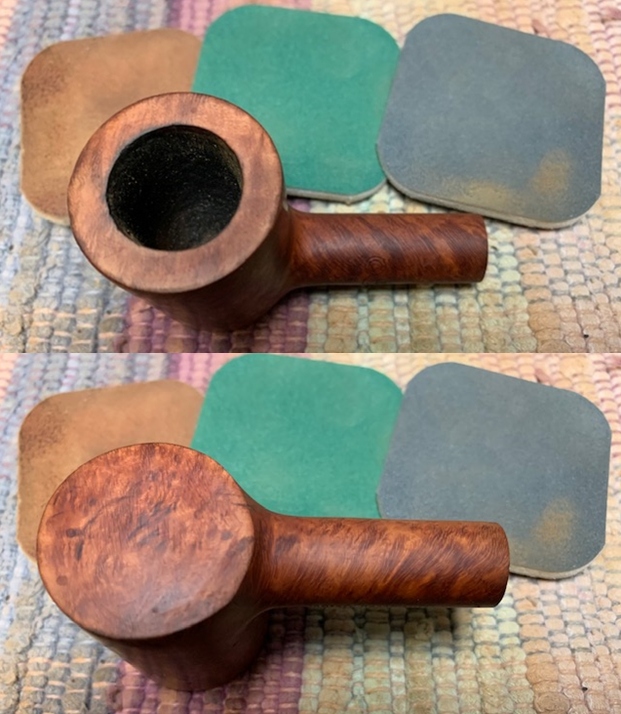
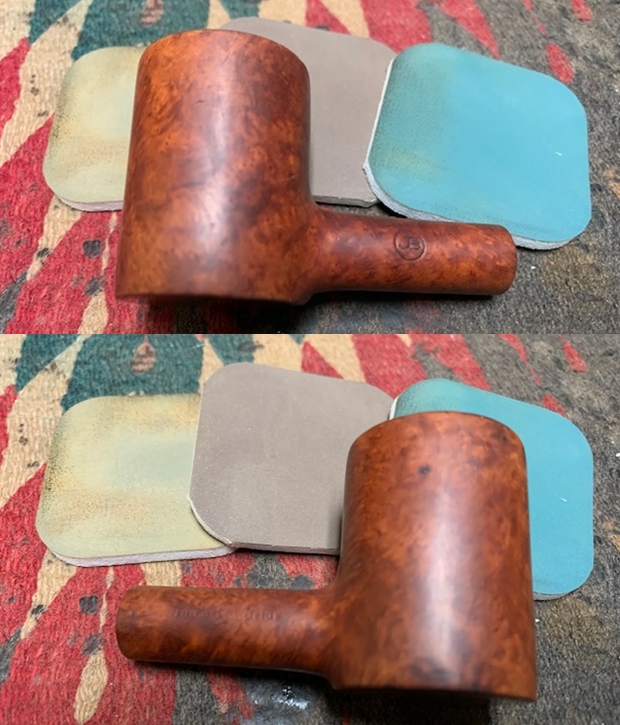
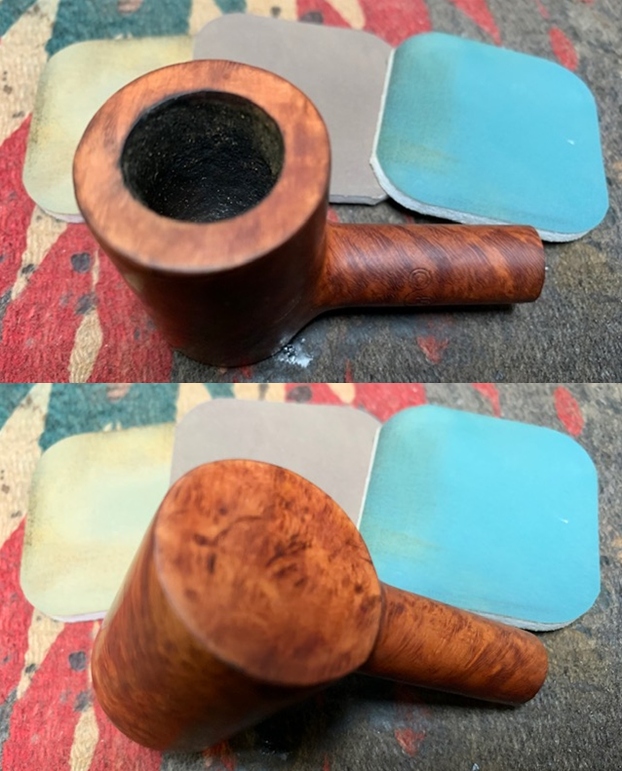
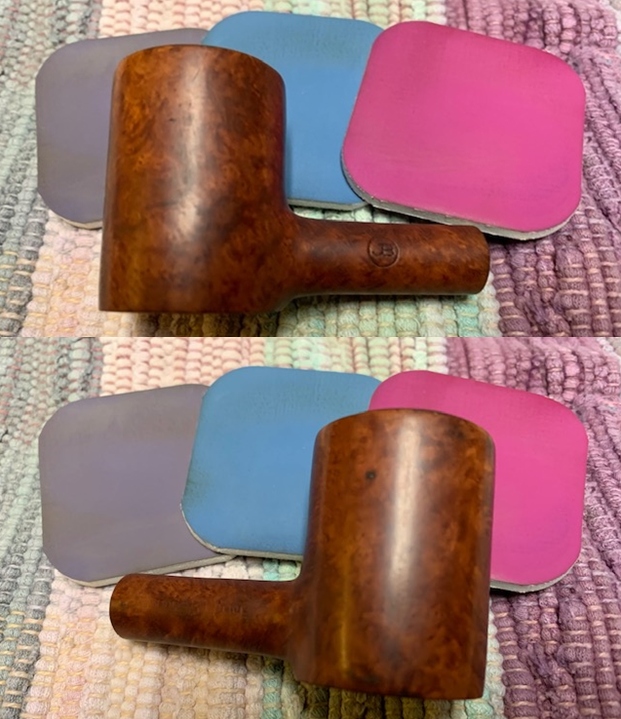
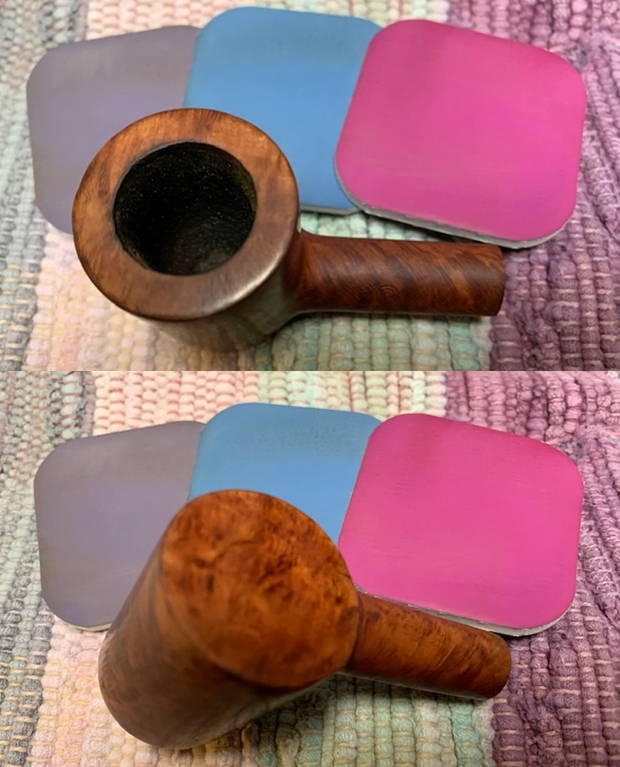
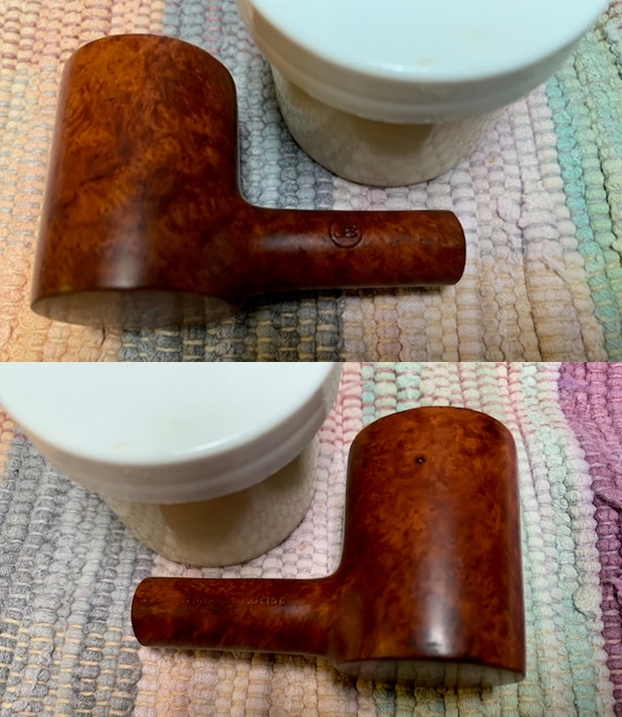
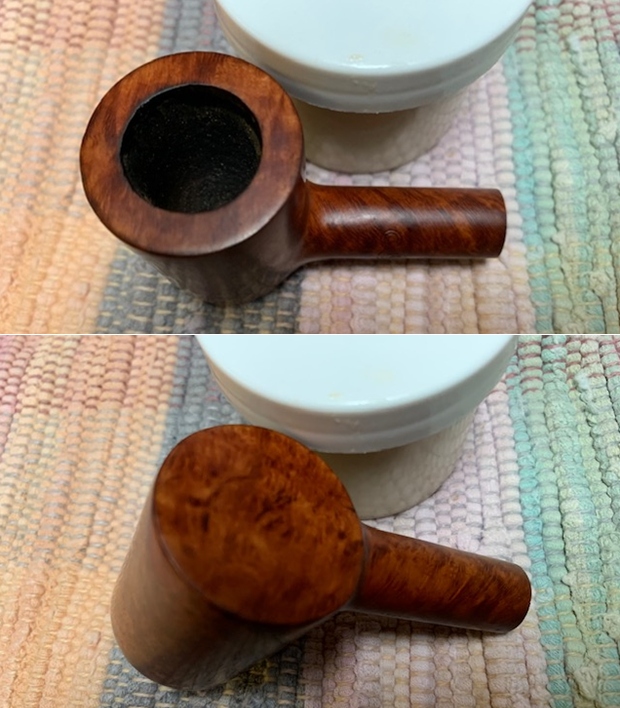
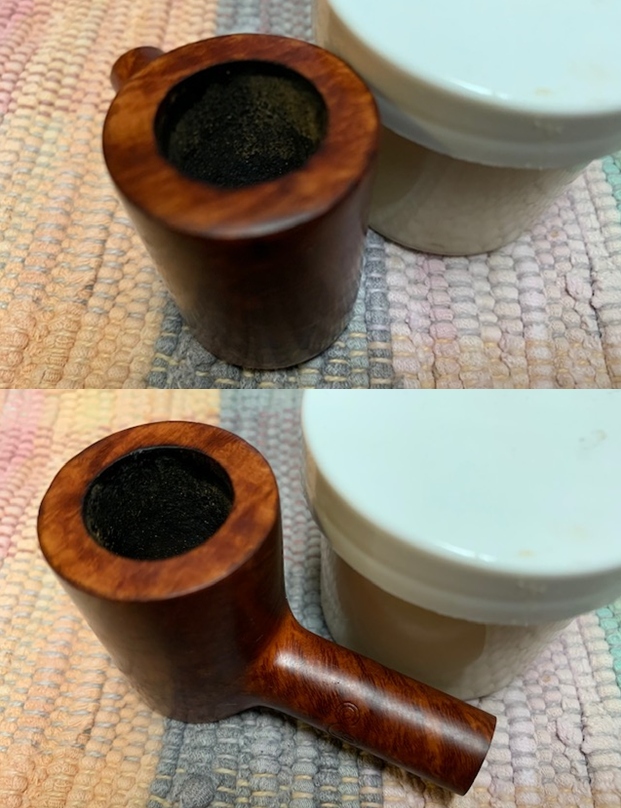
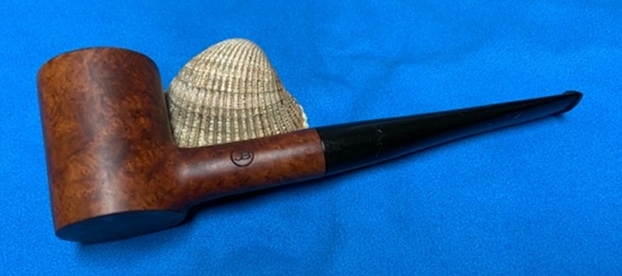
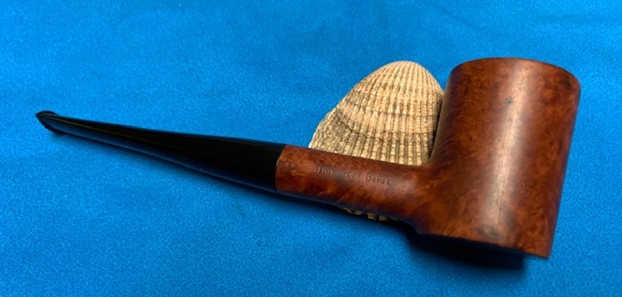
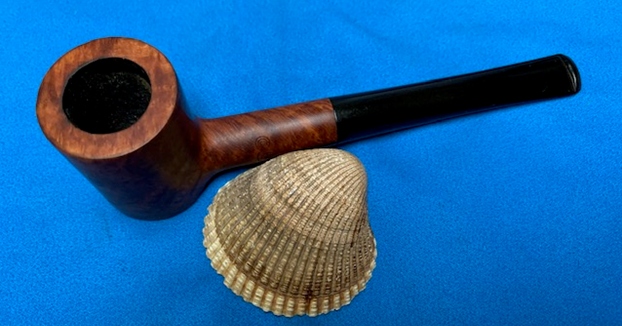
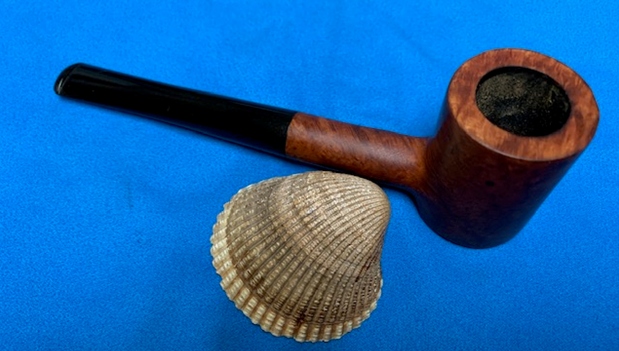
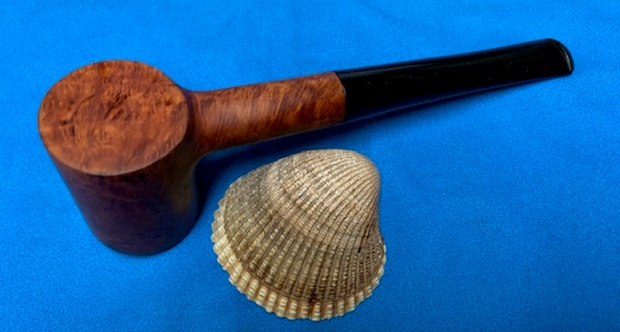
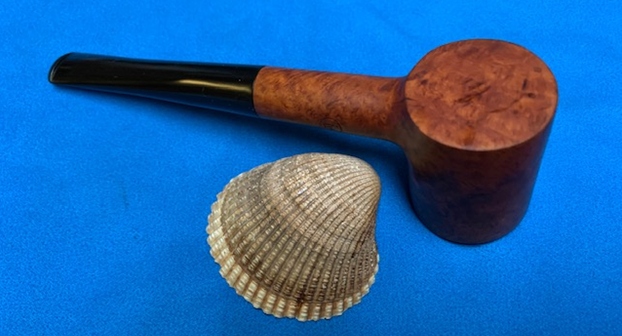
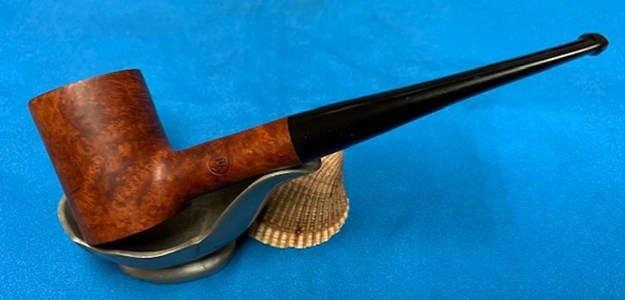
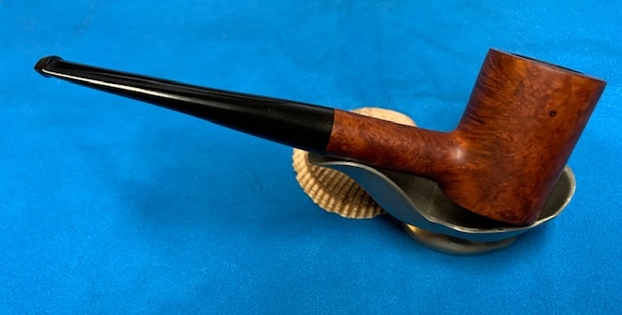
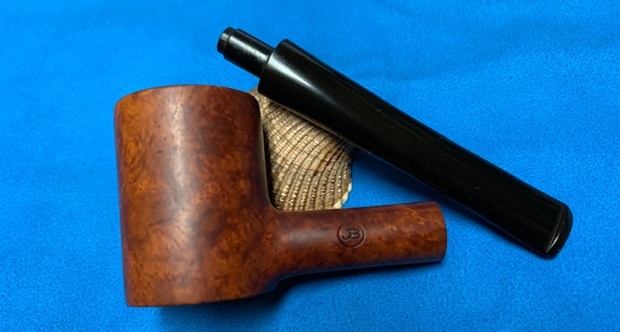
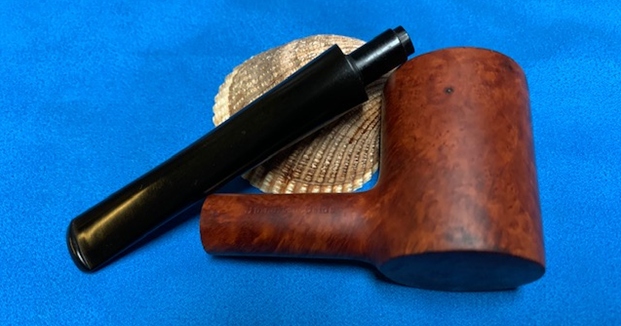
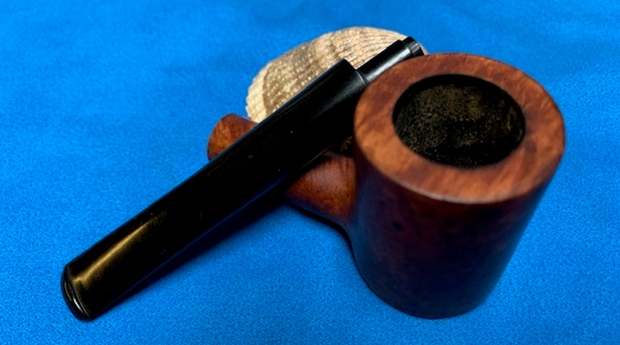
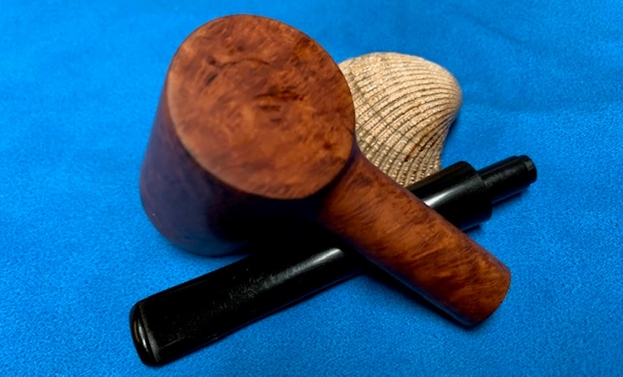
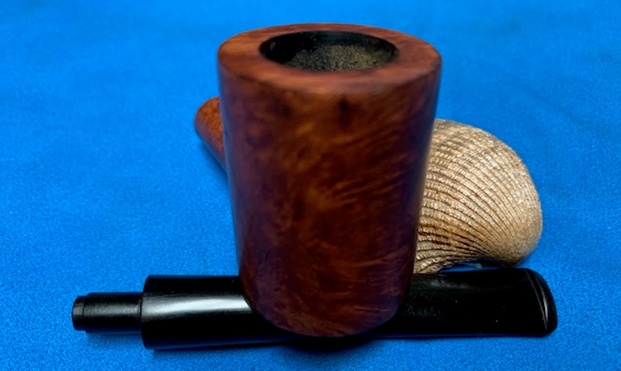
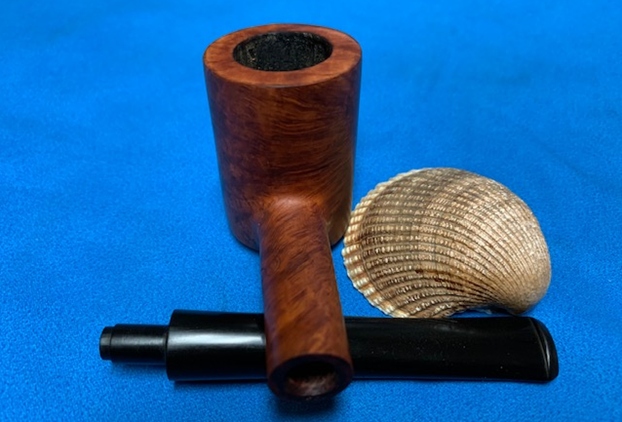
 I completed this project by hand polishing the stummel with Halcyon II wax. I rubbed this polish deep into the rustications and after a couple of minutes, vigorously hand buffed the stummel with a microfiber cloth to a deep shine. I polished the stem with carnauba wax using my hand held rotary tool. This is a gorgeous classic looking Zulu and I consider myself fortunate to have the opportunity to work on this beauty and, as my Guru Steve says, carry forward the trust in this pipe till it is time to pass it on to the next pipe man or pipe woman. Here are a few pictures of the completed pipe for you to appreciate while I take the opportunity to thank you each of you for sparing your valuable time in joining me on this journey.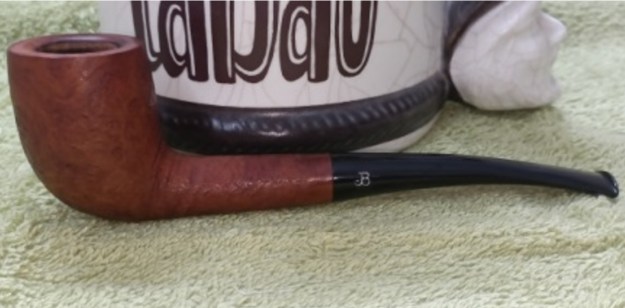




 rebornpipes