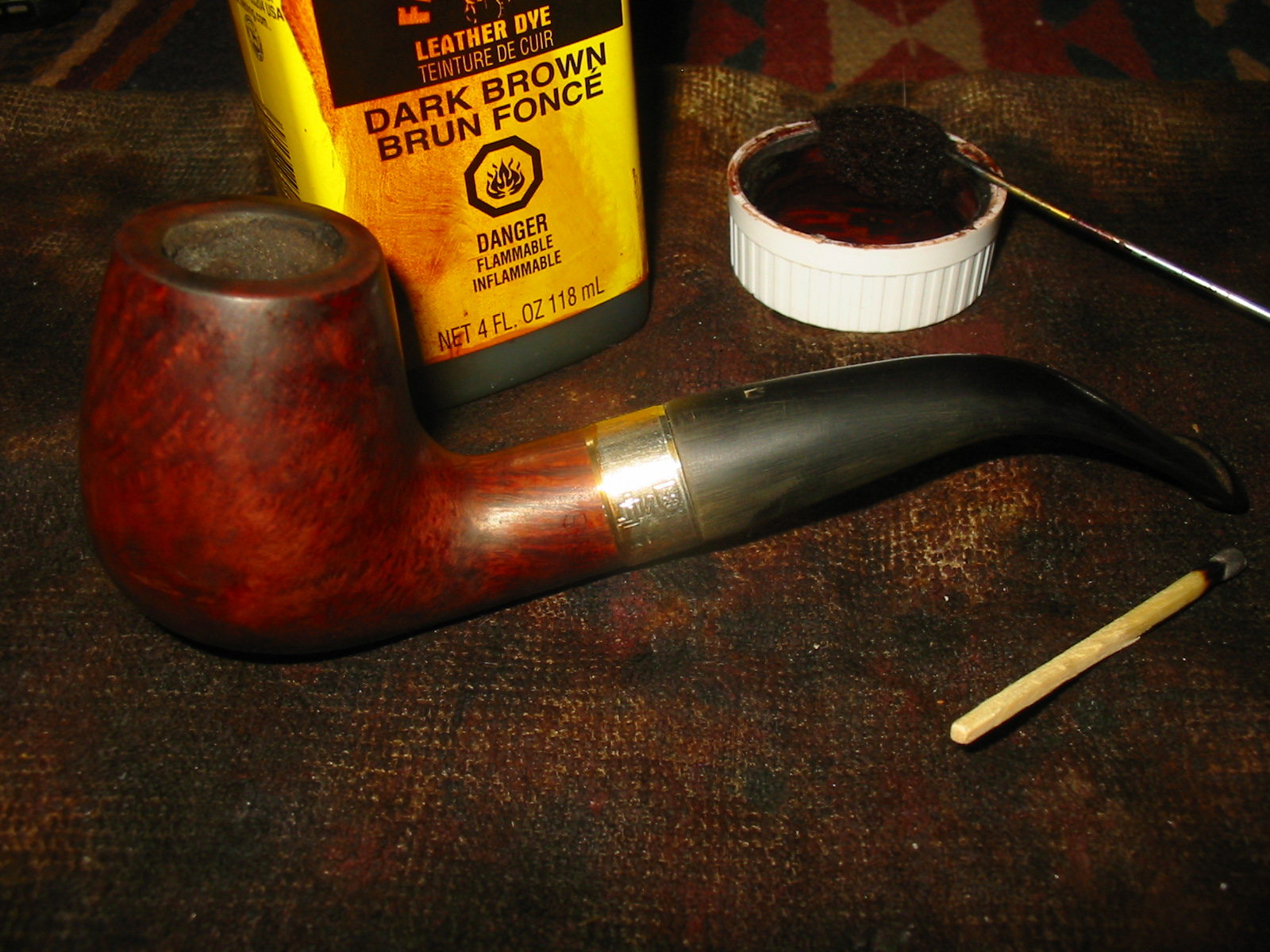
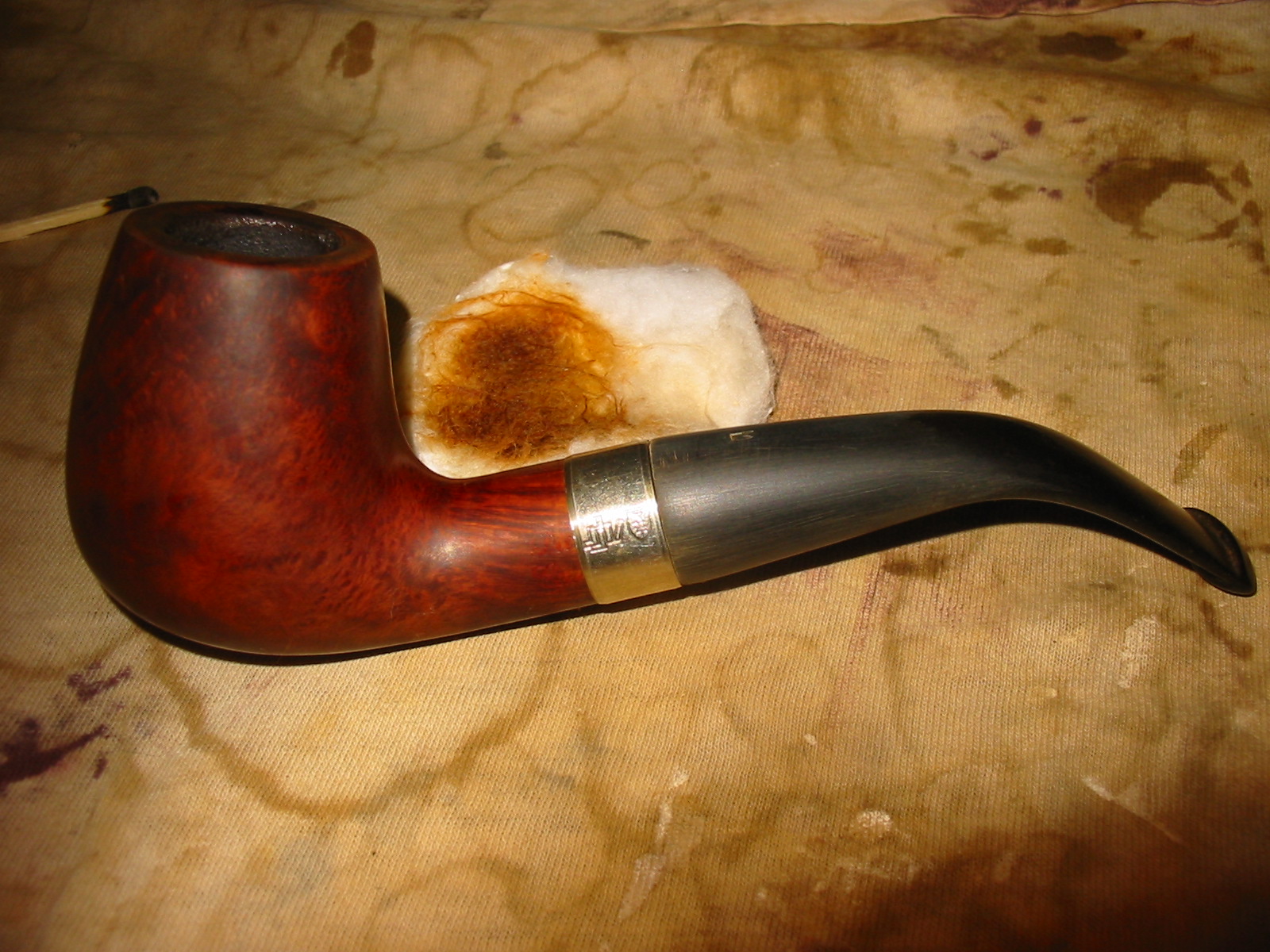
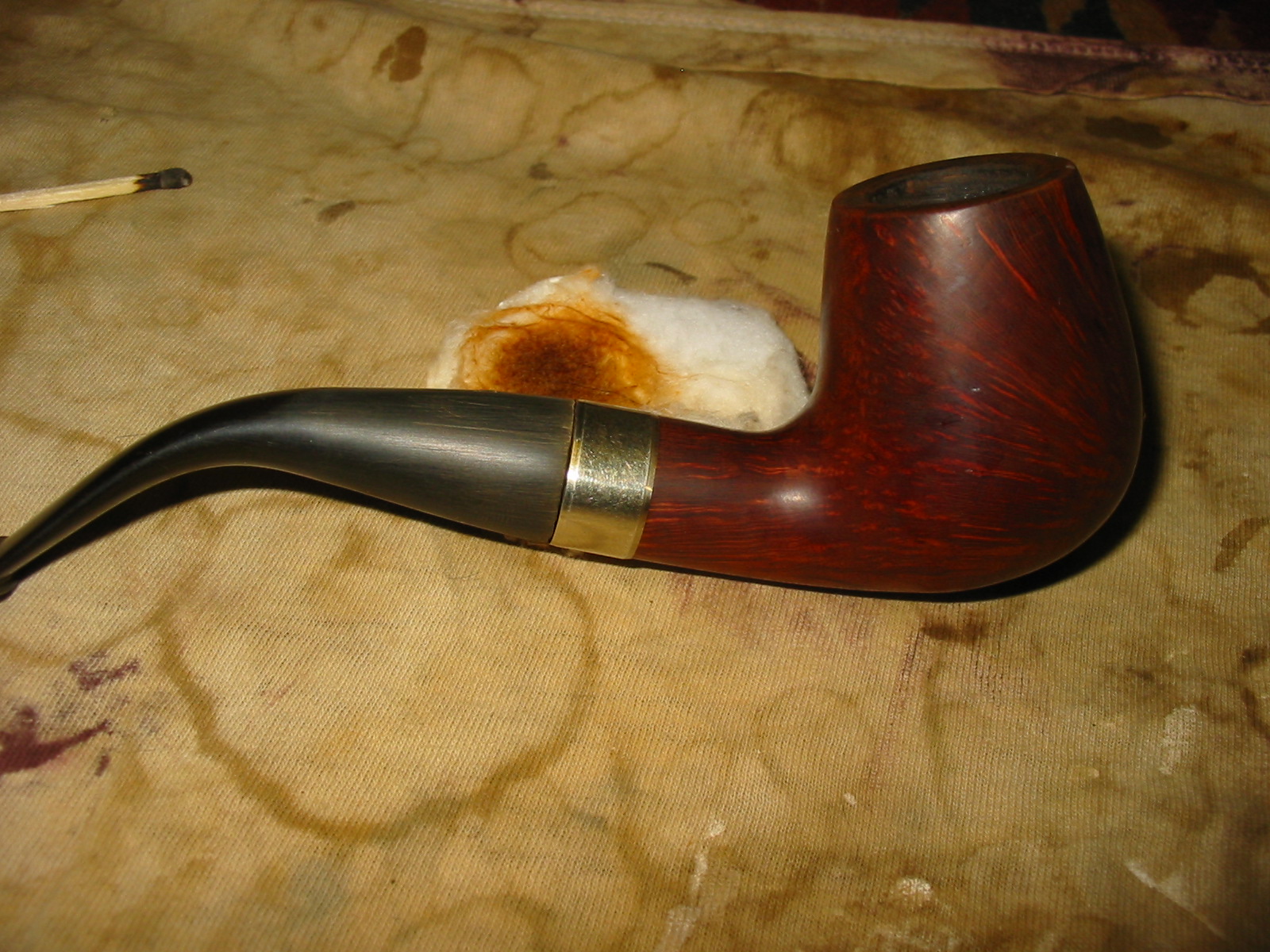
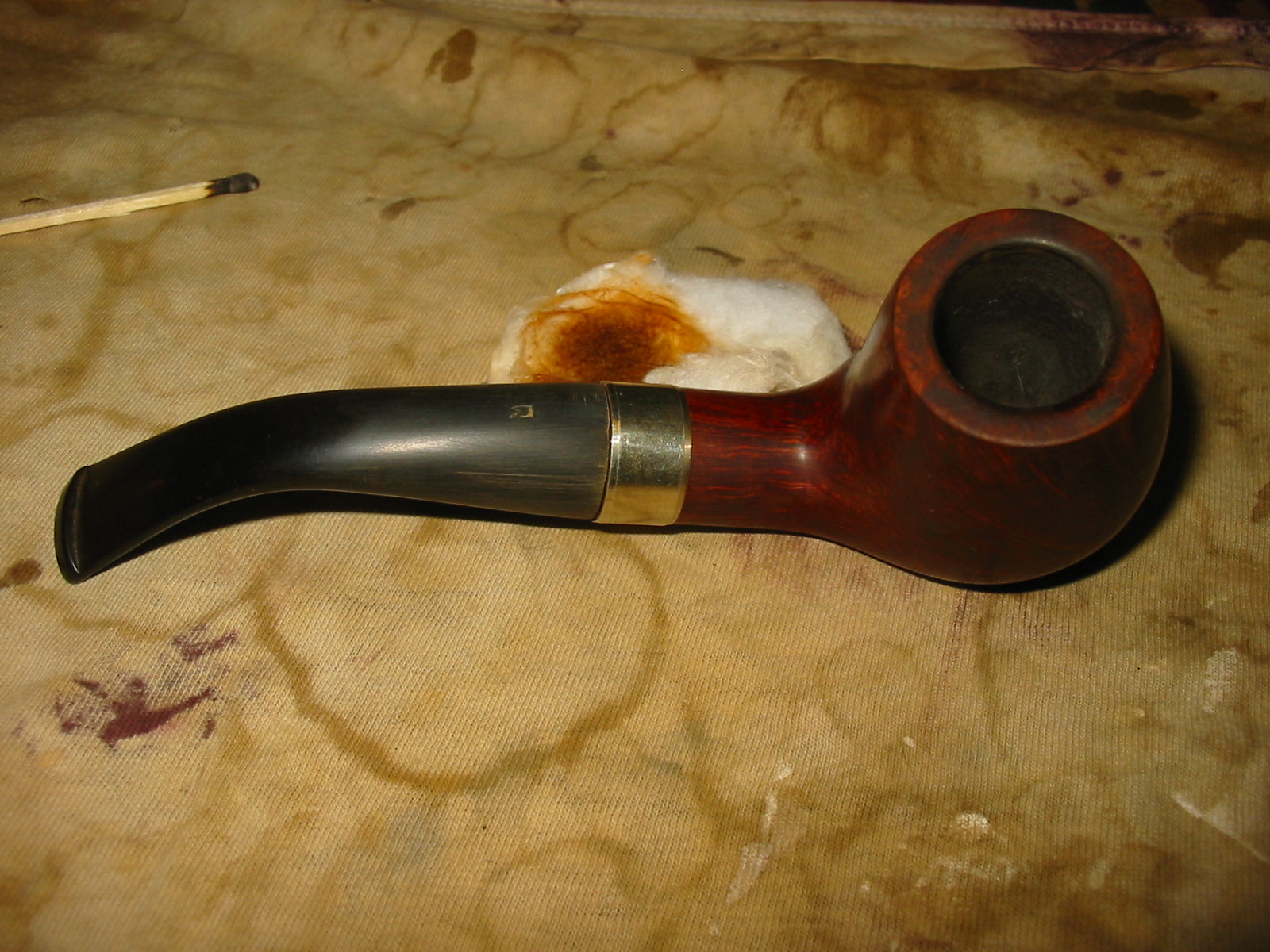
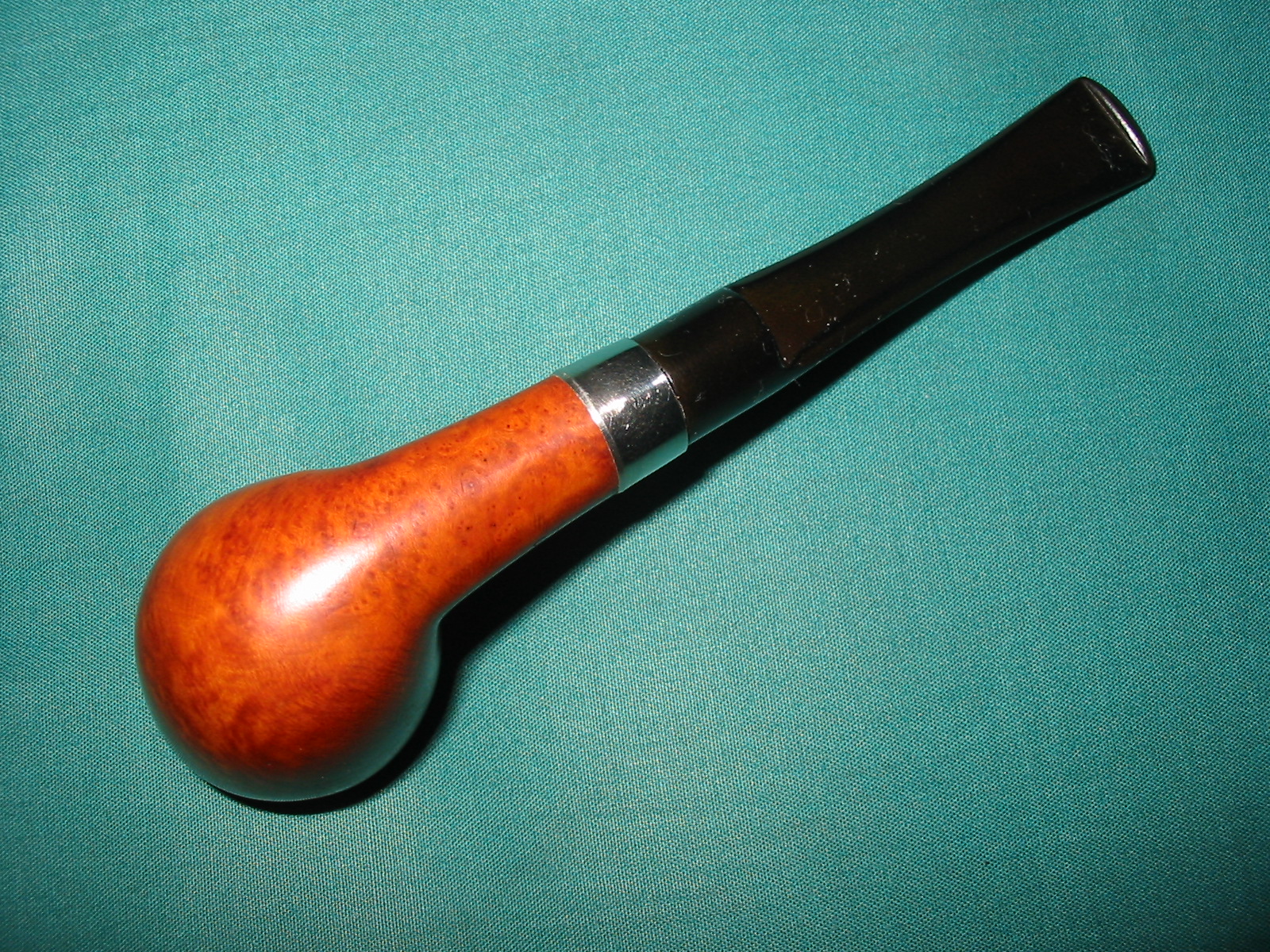
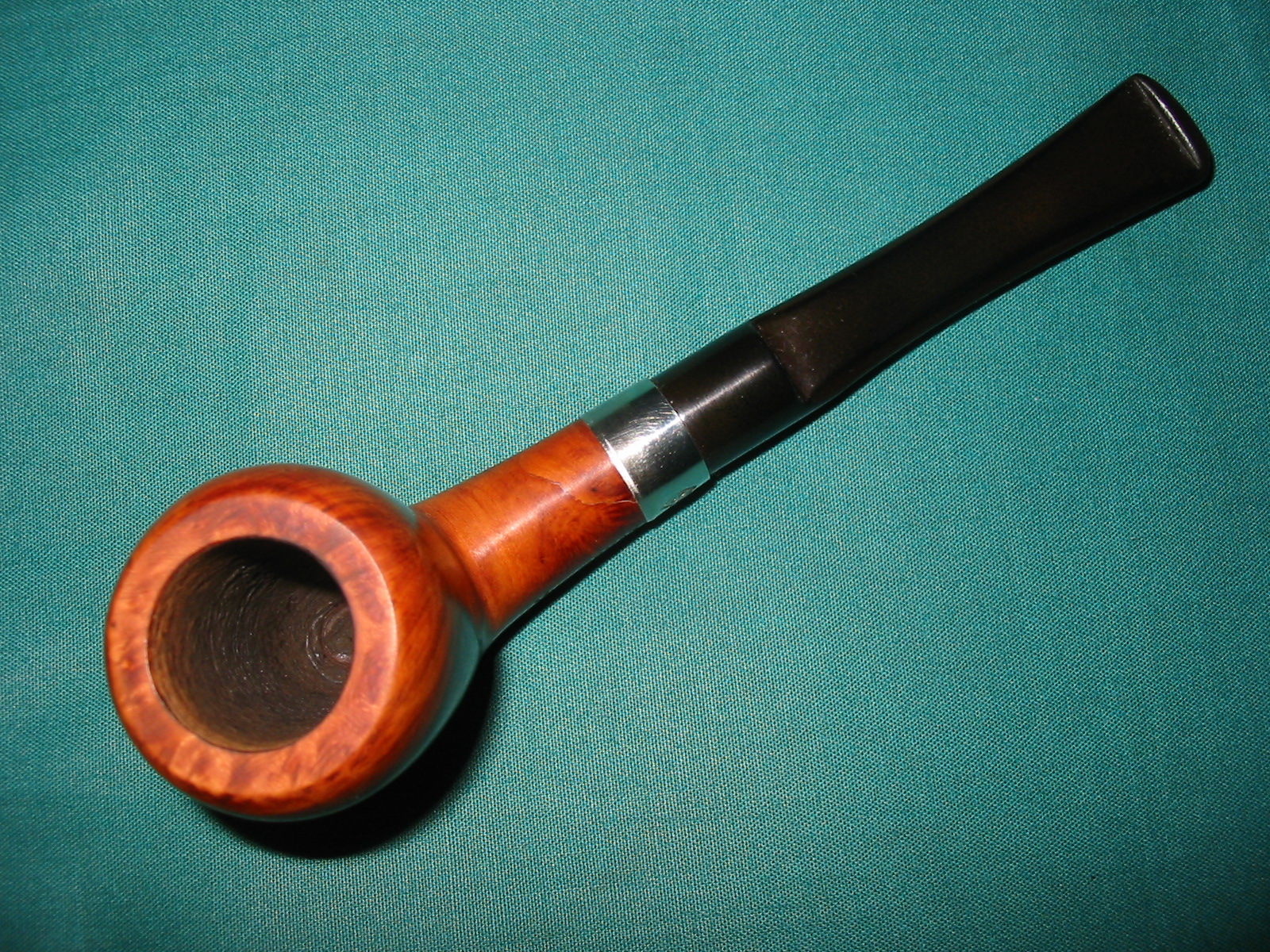
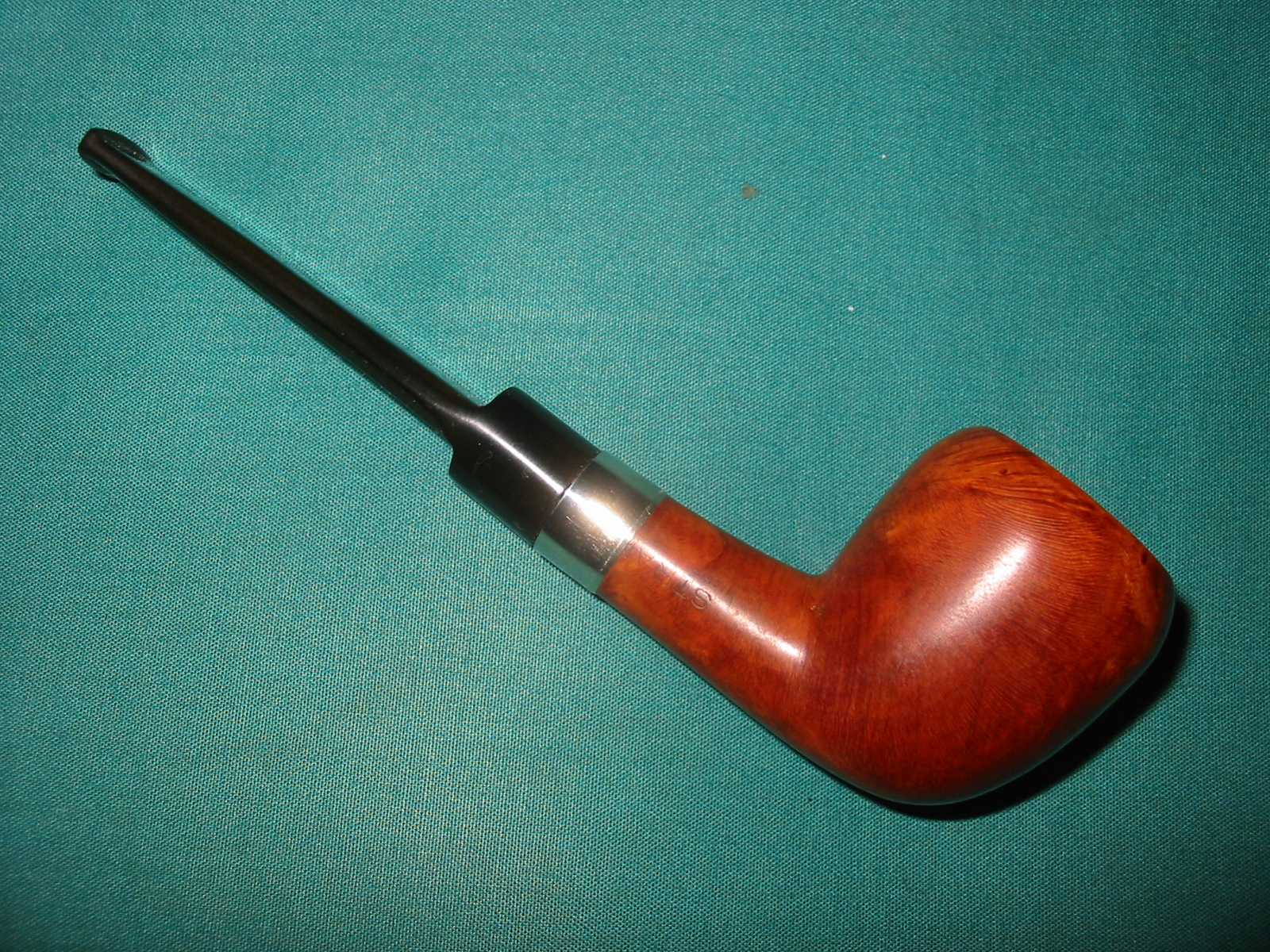
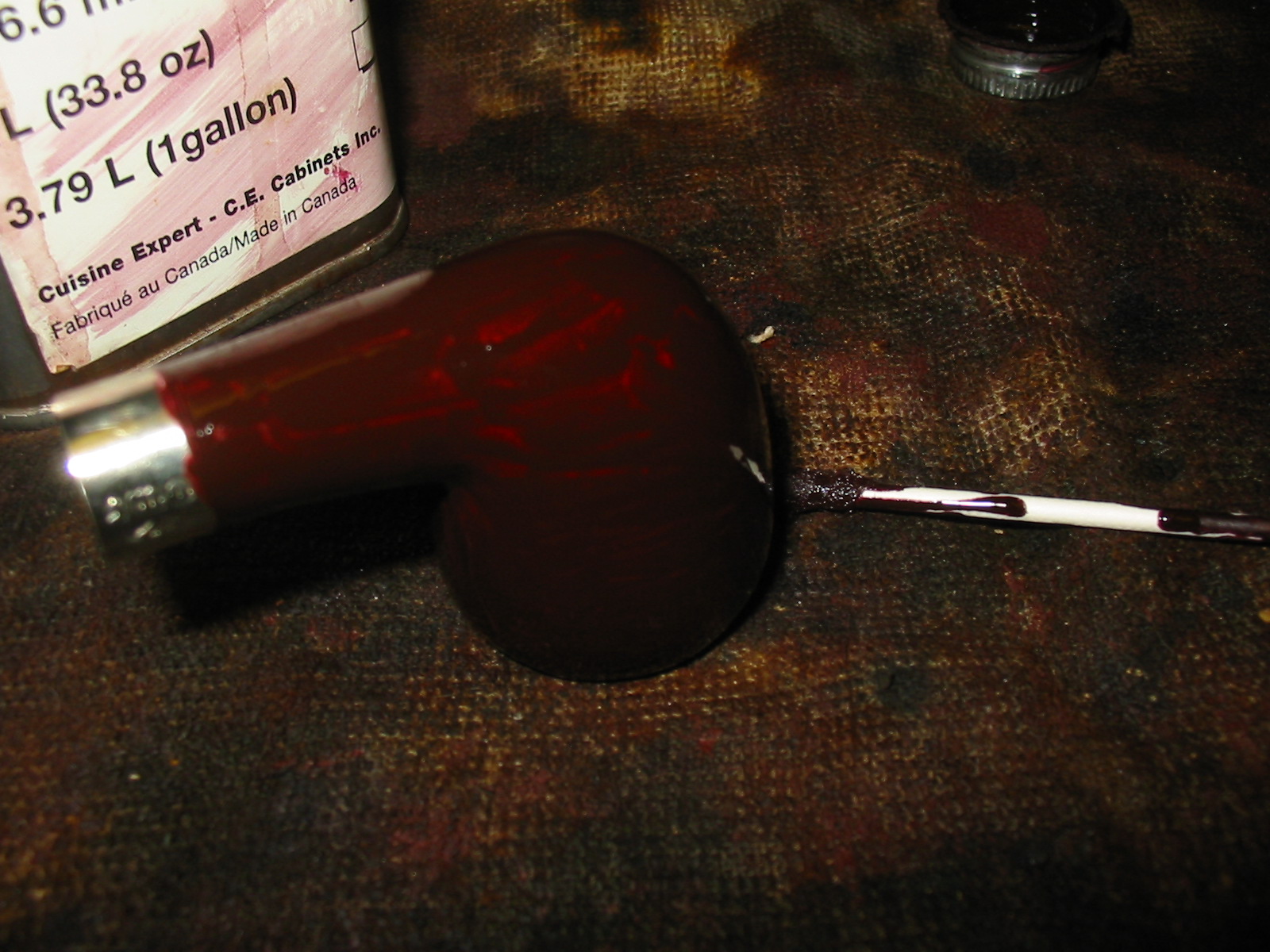
Tag Archives: fitting a stem

Jichimu Wood Pipes – Robert Boughton


中國雞翼木頭

Jichimu Wood Pipes –  Guest Blog by Robert M. Boughton

“I think there should be collaboration, but under my thumb.”

—Elia Kazan, 1909-2003, Movie and Stage Director

Introduction

All jokes aside, however waggish, every successful endeavor in life, from beginning to end, involves collaboration.  I emphasize the word successful since, of course, Man has free will as a prerogative and always, therefore, the choice to go it alone – to be able to say at the final moment, as Frank Sinatra rejoiced in song, “I did it my way.”  As a writer, for example, I may be competent, but even Ernest Hemingway had Maxwell Perkins as his brilliant editor for most of his literary career, and Elia Kazan (quoted above) directed such movie titans as Marlon Brando, Vivien Leigh, Gregory Peck and on multiple occasions Karl Malden, all of whom had something to do with their two-time Academy Award-winning master’s ultimate success.  The word collaborate, from the Latin co for together combined with laborare, meaning, as one might guess, to labor or work, also has a negative connotation.  The four-year French Vichy Regime’s coöperation with the Nazis during World War II, in which certain French military and civilian leaders surrendered to Germany in exchange for a deluded pretense of self-government without such details as a new constitution, comes to mind.  Yet the same negative collaboration of these traitorous Frenchmen led to the positive sort, including the infamous underground Resistance Movement, and in turn became instrumental in the Allied invasion of Normandy and the ultimate liberation of France.

If perhaps on less historic and adventurous levels, most of us, throughout our lives, seek the help and experience of friends and even the kindness of strangers, so the concept of collaboration came easily to me.  I long ago learned to ask questions when I did not know the answers.  Again, I emphasize the phrase for the most part: my dear dad, who is still with us, is a genius and by consequence a fount of enlightenment on at least a passable level in almost every study of human knowledge (except literature, which when brought up created an odd defensiveness in the man).  While he was happy to explain to me in detail diverse topics — including what makes the sky blue, the technical elements of Old Master paintings, the rudiments of handwriting analysis, the basic design and operation of a combustion engine and the concept of imaginary numbers — for definitions or spellings of words or synonyms and antonyms, my father in his own inner crucible reached critical mass when I was about 13 and started referring me without hesitation to his huge, old, worn editions of Webster’s Unabridged Dictionary  and Roget’s Thesaurus until I learned to seek them out myself.   Of course, I did not much care for my dad’s well-meaning if snarky habit of advising me to engage my brain before my mouth, but I am grateful nevertheless for the gift of research he taught me.  Now I prefer my own complete Oxford English Dictionary and the Oxford American Thesaurus or a great online alternative for the latter.

To be honest, though, for most of my life I have been the one doing the majority of seeking of knowledge from other people, whether asking outright or trying to get the desired information in a more oblique manner, or as a writer employing my powers of observation to study the characteristics, voices and other nuances that raconteurs everywhere simmer together in their stories.  And so I had an uncommon, almost uncomfortable, tingle of pride when the refinishings and restorations of the two jichimu churchwarden bowls that are the topic of this blog were complete and I asked Chuck Richards (my fellow local pipe club member and the master restorer responsible for the main work on one of the pair}, with all sincerity, what I could have done better to prepare and wax by hand my project – and his reply was, “Absolutely nothing.”   Then, just this past month, Chuck gave me a real loop at our club meeting when he began to speak about a 19th century Colossus Pipe Factory (CPF) Best Make, real gold-banded, amber-stemmed, turned bowl lion’s head Meerschaum he had acquired in trade and mentioned that he had a challenge.  After he unveiled the damaged but gorgeous golden Meer and passed it around the room for all of us to adore, and suggested that the details of its maker were a mystery to him, Chuck smiled and revealed that the challenge was for me to take the invaluable CPF home and see what I could dig up online about its origins.  To say the least, I was dumbstruck by Chuck’s trust in me.  To be more specific, I was honored beyond words that he wished to collaborate again on a different project than that which I will soon begin to address.  Maybe I’ll get back to the CPF another time.  By the way, I didn’t find much online that Chuck didn’t already know.  The exercise was only a test he knew I would enjoy.

jichimu1

Robert M. Boughton,
Photograph © Robert M. Boughton

jichimu2

Chuck Richards.
Photographs © Robert M. Boughton

Jichimu Wood, and a Note on One Pretender

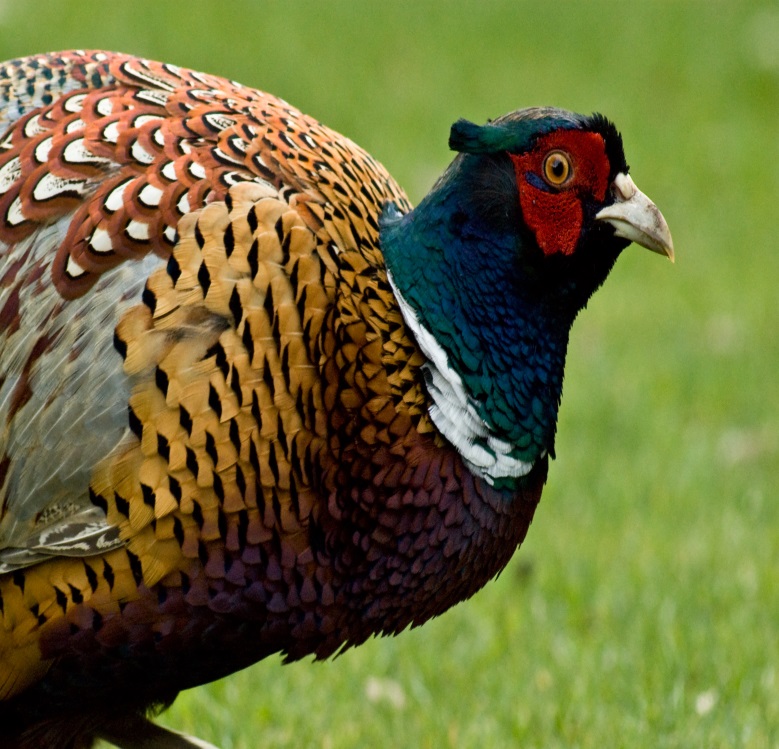
Jichimu, or 中國雞翼木頭 (the literal translation of chicken wing wood), is a beautiful, unique, porous wood named for its tight, feathery quality resembling the wings of some chickens or pheasants that can change in color depending on the lighting or different angles of view.  Thus it has come to be known in common language as chicken wing or phoenix tail wood.   The estimation of this hardwood as one of China’s three most valued materials for antique furniture and other craft work is unequivocal.

jichimu3There are, in fact, two kinds of jichimu: old and new.  The old variety, being denser and purplish-brown, when cut straight allows for the magnificent patterns described above.  The new growth has purplish-black, straight, unclear grains (some purple, others black).  The wood is coarse, straight and rigid and therefore apt to split.  It is of the old jichimu that our refinishing and restoration projects are concerned.  The use of jichimu in royal furniture appears to date to the Ming Dynasty (1368-16jichimu444) and to have ended in the mid-Qing Dynasty (1644-1911), and although old jichimu still existed, it reportedly was replaced in woodworking in general by the new variety and other woods at the same time.  This explains why my chancing upon not only one but two virtual twin old jichimu churchwardens –they themselves being rare specimens of this type of pipe making – was, to say the least, fortuitous.
jichimu5

Jichimu pipe.
Photograph courtesy of and © Steve Laug.

While the most common use for jichimu isfurniture, in particular antique, just a few other items made with the favored and rare wood include chopsticks, bows for classical stringed instruments such as violins and cellos, iPhone cases – and, of course, smoking pipes.
jichimu6

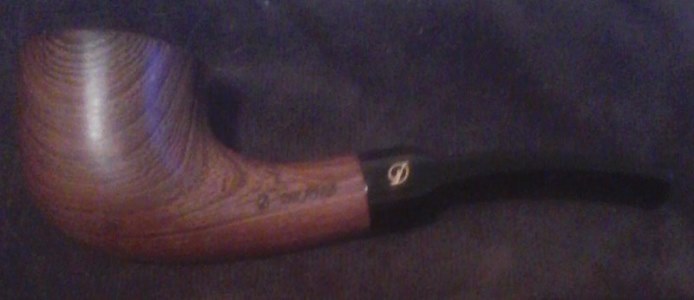
African Wenge Pipe.Photo © Robert M. Boughton.

Now for a special warning about certain smoking pipes that are being advertised on Websites such as eBay as Chinese Chicken Wing Wood, of the genus Ormosia henryiAt least in most cases, these pipes (which appear authentic in almost every way) are in fact made of Wenge wood, a similar-looking but lesser-quality for pipes African genus (Millettia laurentii).  While still made from a very exotic wood, Wenge pipes lack the richer coloration and attributes more suitable for durable smoking pipes.  I found out the hard way: I bought one on eBay from a dealer in the People’s Republic of China with an excellent reputation, but I cannot bring myself to gripe at the total cost of $14.62 including free shipping. When the pipe arrived early, I noticed the Wenge marking on the right side of the pipe and thought it must be the maker or location.  Imagine my surprise when I Googled the name and came up with the truth.  Still, the Wenge smokes well and is one odder pipe for my collection, as well as a great conversation piece.

How Two Old Wood Jichimu Churchwardens Found Me

A funny thing happened during a trip to my local head shop a few years back, where I was, alas, well known.  No, I was not a patron of the establishment for, shall I say, its illicit wares.   In fact, although I am reluctant to admit the truth in so public and permanent fashion, I must, in order to clarify the reason I believe these two all but twin jichimu bowls found me rather than the other way around, make this digression.  You see, I found myself these years ago in this fine example of everything a well-rounded head shop should be, however rebuked its sort as a whole, after I had for the most part begun buying all of my pipe necessities at my local tobacconist.  But that night, I was in desperate need of pipe cleaners, which I knew the head shop just around the corner from where I lived carried, and my regular source had been closed for almost two hours.  What was I to do?

Of course, without a qualm I rushed to my car, risking a boondoggle because of the nefarious nature of my neighborhood (known in Albuquerque as the War Zone thanks to its high rate of violent crime).  I made my zigzag dash through long blocks of murky streets, slowing for multiple speed bumps and making a Byzantine course around all of the road barriers – these obstacles being in place to aid police in the apprehension of armed robbers and other dangerous felons – and in this fashion accomplished my mission through the free fire zone that would have taken a mere three block walk straight down my street and a brief jog across Route 66 had I been willing to risk a more than possible firefight with unknown strangers and perhaps even having to shoot the drug-addled ne’er-do-wells in this wild southwest Stand Your Ground state.  At any rate, I arrived intact at the head shop and was greeted as a friendly by the night crew despite my several-month absence.  As I told them what I needed, however, out of the corner of my eye I noticed in the glass case that the shop’s former meager stock of tobacco pipes had increased, and for the better.

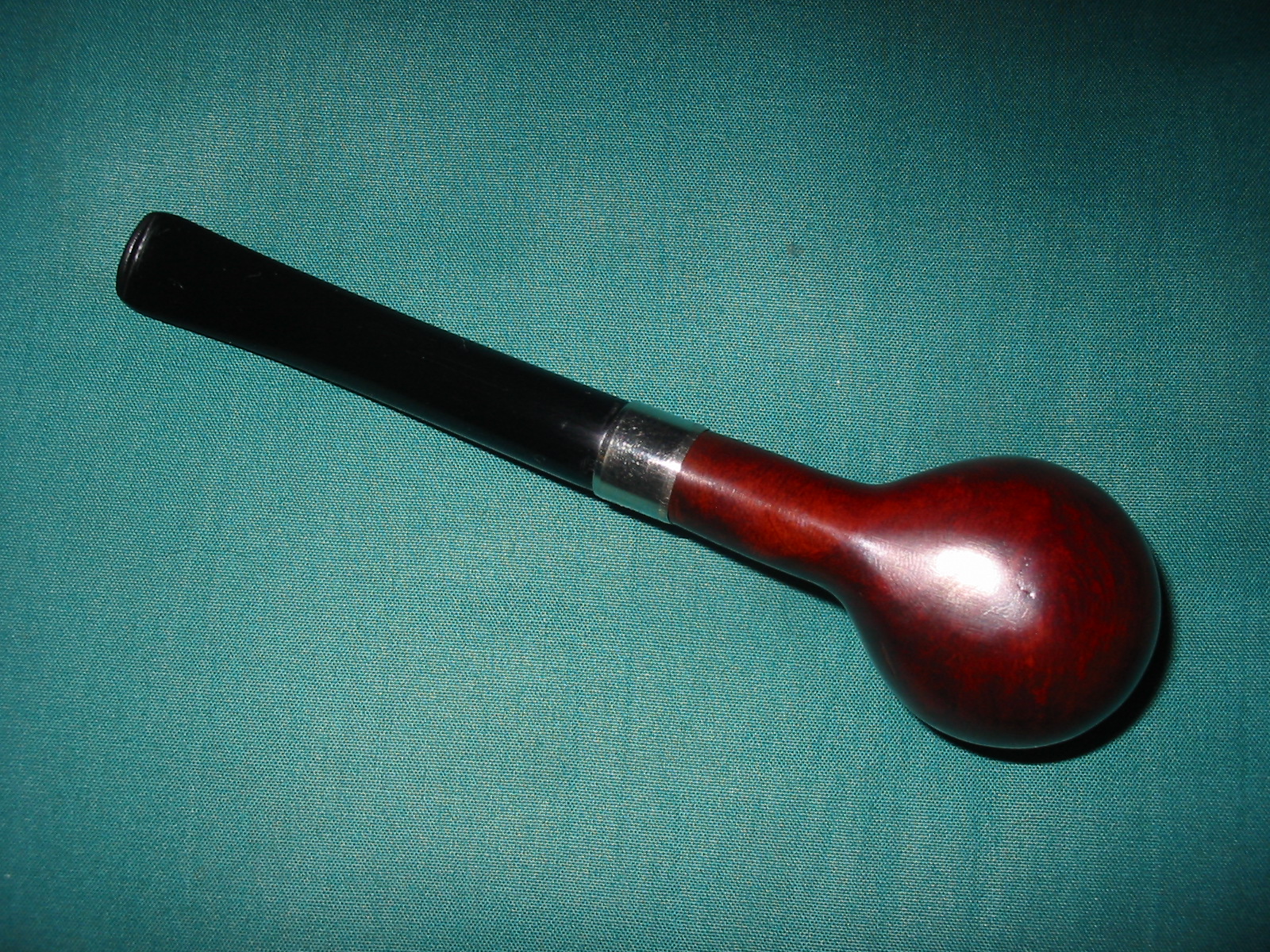
Suffice it to say I was compelled to have a look, and the result was love at first sight, or at least lust, for the huge, thick, lustrous bowl and that which I could see of the apparent wavy lines of grain alone.  The stem itself appeared to be of shiny black Lucite and crafted with intricacy that included a wider, beveled round base section that then tapered and curved upward into the bit.  But the bowl – well, the bowl on its own merits had an intoxicating, alluring effect on me.  As a whole, the pipe I beheld was one of the most curious looking churchwardens upon which I had ever laid eyes.  The extraordinary pipe, with its ample bowl (1-3/4” x 2” outer and 1-1/4” x 1-3/8” inner), five-pronged head and shiny dark reddish although perhaps overdone coating seemed almost a fantastic contrast to the typical, more Elven-style churches in fashion.  Upon caressing and inspecting the pipe, which I was amazed to find could accommodate my index finger almost to the second joint with wiggle-room, in part by instinct I concluded $30 was a no-brainer.  At the time, the idea that the type of wood from which the pipe was carved would ever prove to be anything but briar never even occurred to me.

I must admit at this point that I was surprised not only when the stem broke but by how little time I had to enjoy my new churchwarden, which turned out to be quite a good smoker, before the sudden and catastrophic damage occurred without even any warning.  One minute I was sitting at my computer and smoking the church; the next, the stem snapped, and by chance I caught the bowl between my legs on its way to the hard tile floor.  Although every instinct in me opposed the idea, I had some Super Glue on hand and considered re-connecting the stem until I discovered not two but three pieces were involved, two large and one very small and jagged – and that they were cheap plastic.

Thinking without much hope that the head shop might have a spare stem on hand, and not knowing at the time that I could order a good one online, I returned whence I purchased the original.  Not to my surprise, the shop did not have a replacement for the stem except, to my astonishment, in the form of another, near twin version of the original product intact.  With some trepidation (after all, $30 is nothing to throw away, and I still was in the dark about the rareness of the wood from which each pipe was carved), I surrendered to the clerk’s laid-back upsell, despite my nagging suspicion that even in a head shop there existed a drawer, cupboard or box somewhere in the back area that contained a plethora of exchanged, discarded or otherwise abandoned samples.  Still, deep within the left side of my brain as I bought the whole pipe again – this one of which had but the slightest darker grains along the front and back of the bowl – was the idea that I might at some point locate suitable stems for both and sell or trade one of the two atypical churchwardens to an appreciative aficionado.  As an afterthought, I even went so far as to scrutinize the new stem for cracks or other imperfections.  In short, because of my original trip to the local head shop for some tobacco pipe cleaners and subsequent additional purchase of one still-unidentified jichimu churchwarden, the stem of which soon broke calling for another visit to the shop hoping only to find a stem, I ended up with two old wood jichimu churches.  Sure, I believe in coincidences, but this was too much.

I hope by now you can foresee the next part.  After a few satisfying smokes of the new pipe – in fact, just enough to break in the bowl – the prior misadventure was revisited.  Through neither any fault of my own nor evident structural flaw, did the stem just break again in mid-smoke, and what was more, showed eerie signs of interference by way of the three pieces I located just as in the previous incidence.  I am sure anyone reading this will either think me outright mad or be able to imagine why my thoughts turned to the notion, however uncanny, that perhaps I was not meant to smoke these pipes for preternatural reason(s) unknown.  At times simple anger is the best natural response, however, and with that in mind I tossed both of the then useless bowls and the bottom half of one of the 9mm stems into the glass jar of the only stand I had at the time, a little nine-piper I found at a garage sale about 23 years ago.  There the two ever-alluring disembodied heads, as it were, would stare out at me from time to time with their come-hither looks.

Early Collaborative Restorations
jichimu7

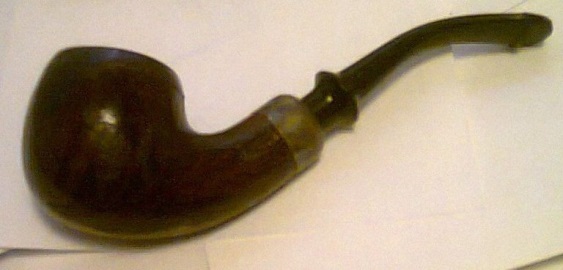
La Grande Bruyère Before. Photo © Robert M. Boughton.
jichimu8

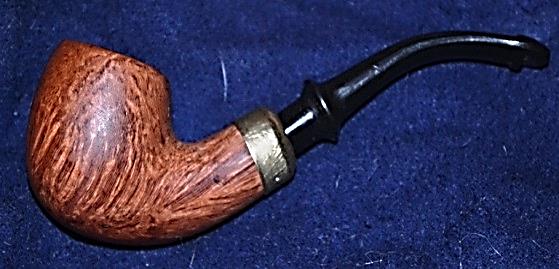
La Grande Bruyère After. Photo © Robert M. Boughton.

Around that time, although I’m not at all sure of the date, I began dabbling in refinishing pipes.  I started with a La Grande Bruyère mini made in Czechoslovakia that I bought – again at a garage sale – sometime in the late 1980s and never smoked until one night when I took it out and examined it with a magnifying glass to make out the brand and decided to clean and try it.  To my surprise, it was a wonderful smoke.  So I carefully stripped all of the tacky red varnish and uncovered a beautiful dark grain.  I continued sanding until the tiny pipe was baby smooth, then took it to Chuck and asked how much wax would cost.  He just said “Give it here,” which I did and proceeded to the pipe shop’s sitting area.  Five minutes later he motioned me over.  I was shocked but very pleased to see that Chuck had waxed it by hand, and the transformation was spectacular.

I had several old Italian no-names from my early days of pipe smoking (I started in 1989) that had serious blackening along the rims of the bowls, some moderate to nasty dings and most of all coatings which offended me so much that my perhaps most basic nature made me wonder what lay beneath.   You see, I’m curious that way.  I winged it again, but in the mean time I bought a small jar of Halcyon II Wax to finish them.  Although I later learned that type of wax is best for rusticated pipes, it ended up working just fine on my three natural finish experimentations.  I ended up giving all three no-names to cigar-smoking friends who were interested in pipes, and by doing so won them over, at least in part.  They really only needed a nudge.  I kept the La Bruyère for myself.

The Jichimu Restores

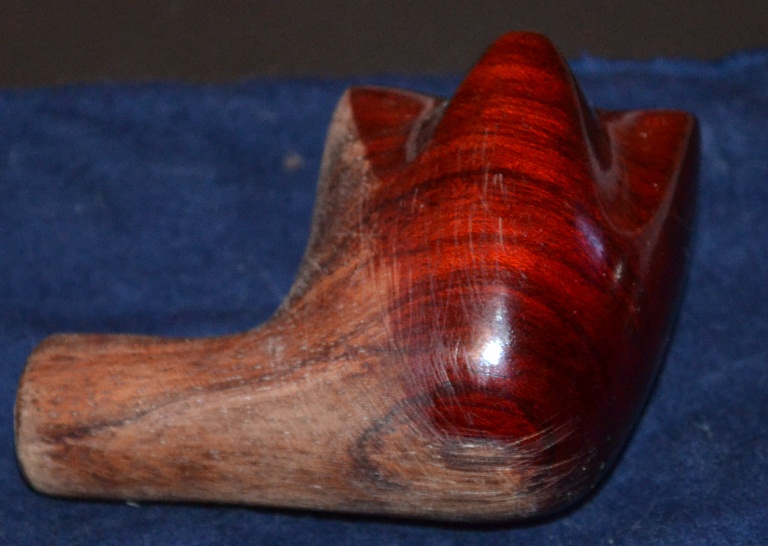
At last, I arrive at the tale of the restorations of the jichimu churchwarden bowls, one wholly by Chuck after my refinishing of it and one by me except for a final quick machine buffing as I do not yet own the proper equipment.  Because of the broken stems, these two restorations were the first I had encountered on my own that were borne of true necessity, other than what I have heard of the backgrounds and solved problems with the many beautiful restores I have had the pleasure and good fortune of buying from Chuck, although, as the next photo shows, the coatings were real horrors.  I suspect some sort of polyurethane glaze was used in the originals, thereby inhibiting these beautiful pipes’ ability to breathe, a crime I deem unforgiveable due both to the rareness of the old jichimu wood I liberated with my loving if strenuous sanding and that wood’s natural  porousness.
jichimu9

Jichimu pre-restore. Photo © Robert M. Boughton.

This was the bowl I handed over the counter to Chuck at our favorite tobacconist, hoping (and therefore having even a little doubt, which of course proved silly) he could identify its dark reddish, feathery wood.  The master restorer took the large bowl from me and, with the briefest squint behind his eyeglasses, through which I noticed a sparkle of slight amusement mixed with a subtle but unmistakable distaste, said:

“It’s Chinese Chicken Wing Wood.”

I remember the slight sting of what I perceived to be a note of contempt in his pronouncement, however well contained and no doubt unintended, as I paused before asking, “Is that good or bad?”

“It’s neither good nor bad,” Chuck said in his baritone voice and shrugged in this enigmatic way he has.  “It just is.”

Now, I swear to the truth of this next part upon all that is holy to me, which by the way is considerable: I will never forget flashing back to the iconic ‘70s TV series “Kung Fu,” with David Carradine as Kwai Chang Caine and Keye Luke as Master Po, and Chuck was Master Po snatching the pebble from my outstretched palm – again!  Being unable to maintain the absurd private response to an innocent comment in no way intended to insult me, I recovered myself and grinned.  I later learned (by doing the unimaginable – asking Chuck)that his primary concerns about smoking a Chinese Chicken Wood Wing pipe were the possibilities of toxicity and what he considered to be likely high maintenance to keep the pipes undamaged because of their soft, porous nature.  I was unable to find any negative toxicity information for the jichimu wood genus (other than the serious dangers involving any kind of wood dust inhalation), and as for maintenance, I treat the restored jichimu I kept for myself with the same respect I afford any of my other fine pipes, such as my Meerschaums and Peterson’s: in this case, by storing it in a pipe box.

At any rate, Chuck examined the bowl I wanted to keep for my own use and, of course, with his quick, keen eye noted the crack in the top of the shank’s stem opening.  Knowing far less then than I do now of pipe restoration (which remains little), I suggested covering it with a metal band of some sort.  I recall being so proud of that idea!  Chuck, being diplomatic, said that indeed would be part of the solution, but the real problem was finding the right type and color of wood from which to shave enough particles to mix in some sort of Super Glue concoction.  Again I made a suggestion, this time redwood, a small piece of which I happened to have on hand at my home.   Chuck thought about the idea for a second before telling me to bring the wood to the shop for him to check out, but there was no hurry because he would have to do the restoration after the holiday store sale madness and pressing personal projects were behind him.

Meanwhile, I prepped the bowl with considerable sanding and buffing by hand, work I later realized at best made Chuck’s task a tad easier in that he would only have to spend a minute or so doing the job properly on his electric wheel.  The hand sanding and buffing I chalked up to valuable experience (as well as being relaxing and pleasant activities), and should be tried first by all refinishing or restoration beginners, just as anyone new to but serious about photography should start with an older standard SLR film camera to learn the true elements of the art form, including developing the film and printing photos in a dark room, before moving to digital and mastering the dubious practice of Photoshopping on a PC.

jichimu10

Ashley at meeting. Photo© Robert M. Boughton.

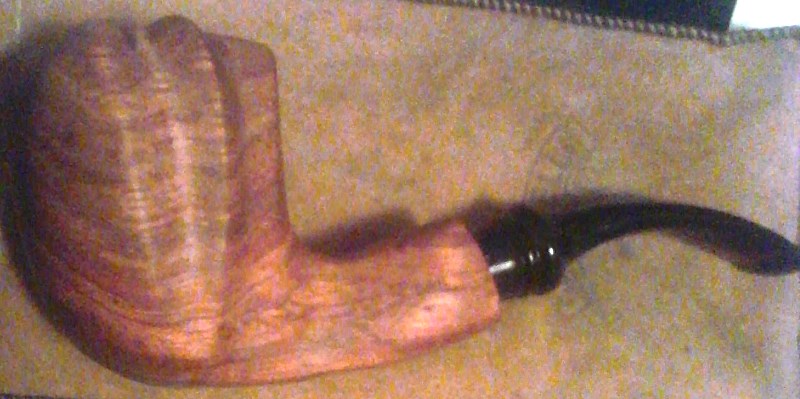
Seldom since I was a child had a holiday season seemed to take as long to pass as this last one.  In fact, I had a certain pleasant and childish giddiness and anticipation about Chuck’s restoration of my cherished Chinese churchwarden.  I kept myself distracted with my own restoration of the second jichimu bowl, of which I had already determined to make a gift to a young lady who attends our weekly pipe club meetings as often as work allows (she has, I believe, three jobs).  Ashley has two distinctions in our club, one being that she is the only female member and the other that she smokes churchwardens exclusively.  Who better to give a pipe which, although I knew it would be a lovely specimen by the time I was finished with it, nevertheless amounted to a twin of one I owned? Since Ashley is married to another pipe smoker and club member, Stephen, the gift was platonic in its intent, but still I was careful to broach the subject with him one night when I found him by himself by asking if he thought his wife would appreciate not only the idea of the gift but, of more importance to me, the unusual wood.  In fact, I put it bluntly, would the jichimu be something Ashley enjoyed smoking?  I admit I was relieved when Stephen assured me she would love it, and I asked him not to tell her anything about my plan.  Stephen was more than willing to go along.  I even completed a “first draft” of the restore during this time.
jichimu11

Photo © Robert M. Boughton.

Meanwhile, back to Chuck’s restoration work, after the holiday crush at the shop:  he’d had time to mull over the ideas that took time to come together in his head for this project that, for personal reasons we have never discussed but have become apparent to me in the intervening months, somehow meant more to him than the average restoration.  Somehow none of the rarest, most damaged pipes presenting Chuck with the kinds of severe tests of his masterful skills that he had needed to employ in the past and will continue to utilize in the future seemed more important to him than the simple job I had asked him to perform with my well-sanded and unblemished (other than the small crack in the shank) jichimu bowl I had entrusted to his care.  After all, I had only expected him to fix the crack, wax and buff the bowl on his electric wheel, add a nice-looking metal band of some sort and top it all off with a good stem, preferably of a reddish colorized Lucite variety if he could find one.  And of course I expected to pay for it, although he made it clear in the beginning he would cut me a deal.

The key difference between what I wanted from Chuck and how he approaches any job, I soon came to understand, was in Chuck’s great expectations.  While I expected Chuck to have a fast and easy job of making my bowl look as beautiful as I thought it could be and at the same time able to smoke with the addition of a stem, his ideals are far higher than that.  When at last he began to fill me in on his plans for the pipe – such as the fact that he had found a better match of wood for shavings to fill the crack in the shank than the redwood I had left for him a couple of months earlier, and that they were from an empty cigar box he found in the back of the shop – I discerned in his eyes an excitement I had never seen there before.  That, believe it or not, was my first clue as to how seriously Chuck had taken this “job.”   He explained in detail the process by which he would fill the crack and then attach and seal the band and would add only that he had found “the perfect” stem of which he was certain I would approve.  Of course, since the bowl was a churchwarden and that was the type of stem I had requested, I assumed that was what it would be.  But Chuck, being in charge, had far grander designs in mind.  I have to wonder who was the true child at Christmastime.

So, to cut to the chase as it were, I was sitting at home late one afternoon checking my emails when I found one from Chuck that read, as I recall, “Well, are you ready to come get your pipe or not?”  I must have re-read that brief message several times, shaking with excitement, before picking up my phone to call the shop and make sure he was there.  He was, and his laugh could not disguise his own excitement.  So, telling him I would be right there, I fumbled a few jars of tobacco together and was out the door in a flash.

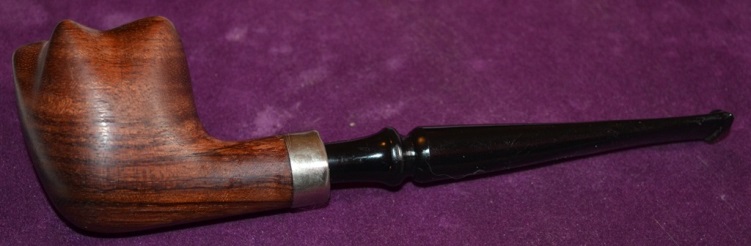
When I arrived maybe 15 minutes later, Chuck was literally glowing, his face beaming with anticipation and a certainty that I would be satisfied.  Still, I have a feeling that deep inside him was a fear of possible disappointment on my part that had to be utterly alien to him.  Here is what he unveiled to me:
jichimu12

Chuck Richards Jichimu Restore. Photo © Robert M. Boughton.

Need I say I was, for lack of any more suitable a word, stunned by the work of art Chuck had created from my once shellacked and smothered but promising jichimu bowl?  As I recall, in fact, I went a little fuzzy in the head and had to concentrate on not swooning, a very rare reaction for me.  At first I was even speechless, for whatever I had expected from Chuck based on the simplistic guidelines I had suggested, he had, it was obvious, ignored in favor of his own better instincts.  As a result, instead of giving me a new and improved version of the original churchwarden, Chuck had embraced the ultimate spirit of the term restoration, bestowing upon the lone bowl a new life that combined both elegance and even a better sense of Chinese style than any churchwarden ever could have accomplished.

“Well, do you like it?” Chuck said after I stood there gaping a tad too long, and I snapped out of my reverie to look at him, my face flushed with gratitude.

“Are you kidding?” I replied.  “I love it!  It’s better than anything I imagined!”

So of course the time had come for the vulgar but necessary formalities of payment arrangements, but Chuck was already prepared with an itemized bill.  Scribbled on a small paper napkin which he slid forward across the counter were three lines of chicken scratch I had to squint at and read everything for context to realize formed the names of his three favorite tinned tobaccos.  At that point I was sure he was having fun with me, and said so, but he was serious.  In exchange for the hours of loving labor Chuck had invested in this project, not to mentions parts, all it was going to cost me was maybe $55.

And so I returned to my project and set about re-doing the preparatory process of stripping down the bowl I had already sanded, buffed and even hand-waxed.  Somehow, taking a much closer gander at the bowl after deciding I wanted to make a special gift of it to someone who possesses an acute appreciation for fine churchwardens, my earlier perception that the only addition the bowl still needed was a decent stem went out the window.  All I can think now is that I must have been blinded in my rush to the finish line.This, I suspect, is a common urge among restorers.There were still dark, even scratchy, areas on the front and back of the bowl where the grain, I was certain, could show with still more brilliance.  Although I had been told by someone in my pipe community that the direction of sanding did not matter, I recalled something I had seen on TV’s original NCIS.  The episode had a scene where some suspect was working on his yacht, sanding the beautiful wooden deck, and Gibbs (who had his own never-ending boat project) acknowledged that the man was doing it the right way – “always with the grain.”  Plus I remembered the same advice from my father, who is also an expert at carpentry.

Then, suddenly, after stripping the new-old coating from the bowl with coarse paper, I switched to a finer grade and began on the front of the bowl with sure, steady strokes following the grain where it turned upward a little.  After a short time, I cleared off all the fine dust, and gazing at the beautiful, much more even and feathery lines I had set free, felt that warm, glowing reward only someone who works with his hands on anything with potential to be better and succeeds at his task will ever understand.  As if in a trance, I kept at it until my arm ached, and when I was finished with the front let my enthusiasm carry me onward to the backside, which responded with equal elegance.  Admiring the reborn pipe bowl, I was satisfied at last that it was in all truth ready for buffing.  This practice has its detractors, but I like to use fine steel wool for the final gentle buff, being extra careful, of course, to remove the entire resulting metallic residue with a dry cloth.  With that done, I was ready to apply my wax sparingly with a finger until the entire outer bowl was covered.  Giving it time to dry, I wiped it smooth and clean with a soft cotton T-shirt that was too old and small for me to wear and ended up repeating the wax step once more.

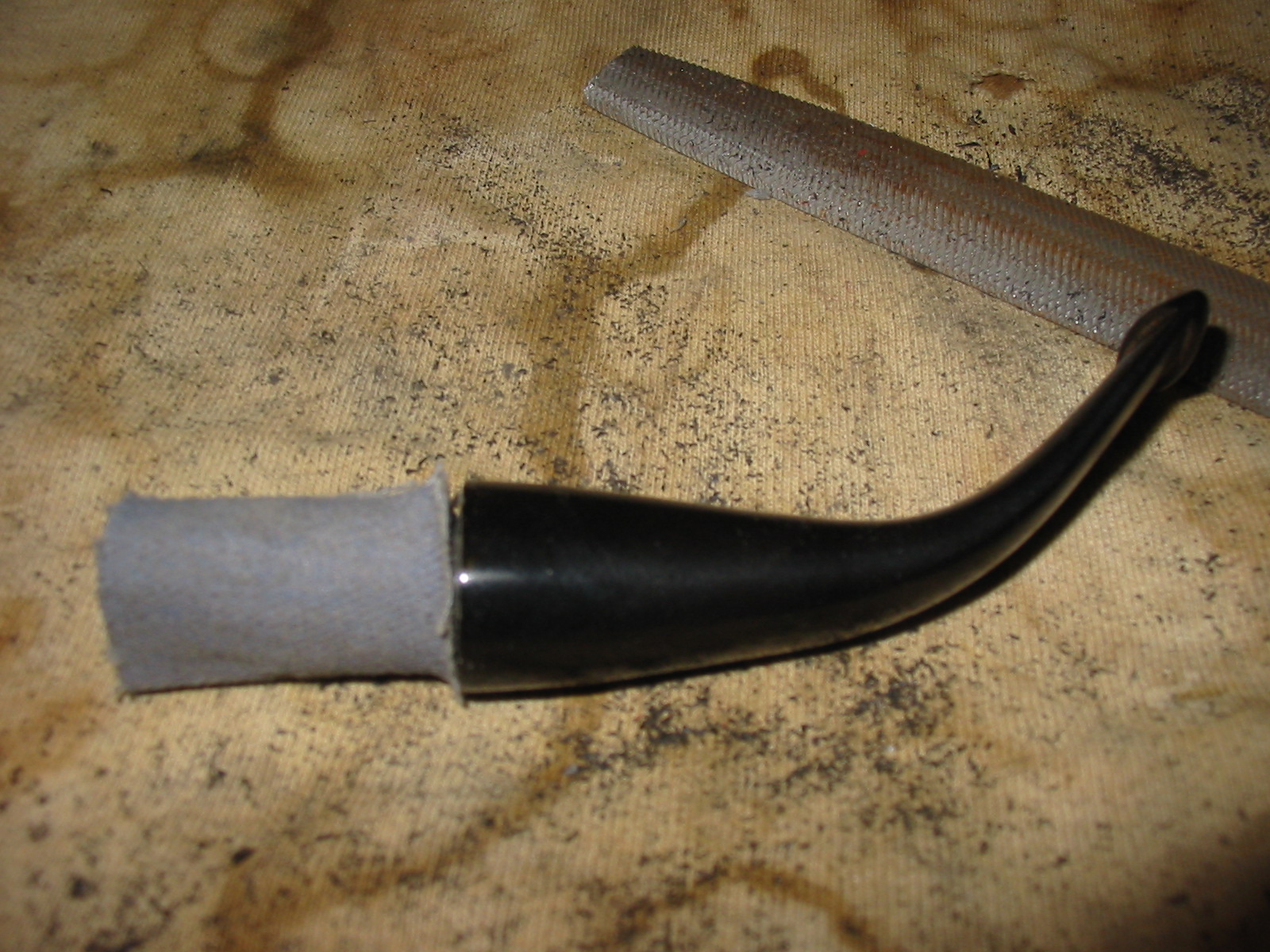
After cleaning and sterilizing the bowl and shank with alcohol, I knew that was the best I could do– again, I pined for an electric buffing wheel – and had only the long black Lucite stem Chuck had given me on which to sand down the tenon to fit the shank of the bowl.  That was all I needed to do, he said, suggesting the job would be easy.  Indeed, with an electric wheel it would be, but with the tools I had at my disposal – such implements of potential destruction as sandpaper and a wood file – I harbored, to use a nicety, misgivings.  After all, I know my limitations and am almost always first to admit them, which I will now prove.   Trying to sand down the tenon by hand got me nowhere, so I switched to the wood file.  Now, there are mistakes, and then there are total write-offs.  Within just a few seconds’ time I found myself staring in horror at the resulting apparent near mayhem I had perpetrated upon the unfortunate, innocent opening end of the tenon.  Even after sanding the mangled, tapering pooch-job I had made of it, I still was left with only a smooth (if such it could ever be called again) version of the atrocity that reminded me of every time I ever tried to use one of those electric head grooming sheers on myself – you know, the kind with which barbers go to school to learn to operate on complete strangers with enough skill that they won’t be sued for the results but that are offered in stores in cheaper versions guaranteed to be so easy to do it yourself, only you can’t sue yourself for the one gaping bald gash that always results sooner or later and leaves no option but to shave off all the rest to make the disaster even.

Luckily, I had two things going for me: 1) I knew when to quit for the night and pray that Chuck would be at the store the next day for more of that collaboration, and 2) Chuck had given me a stem with a tenon so long I could afford one screw-up, even after I had already clipped off about a half-inch of the excess.  I knew Chuck was going to tell me I had to get rid of the evidence of my muddled first attempt at stem fitting the same way and at least had the courage to show him the scope of my “bad” in the fullness of its butchery, hoping only that he wouldn’t make too much fun of me as he said the words himself.  Part of me now likes to think Chuck was wise enough to anticipate just such a mishap,, and that’s why he gave me a stem that once had such an enormous tenon in the first place.  The next day, with the shameful proof of my ineptitude tucked deep within my coat pocket, I ventured into the tobacco shop and spotted Chuck at the far end of the long counter that ran to the back on the right side.  He glanced up from what he was doing at the sound of the door chime, saw who it was and continued working.  He knew my routine, which I followed then with nervous mind a jangle, walking to the sitting area and setting down my heavy tote bag filled with a variety of excellent pipes and tobaccos from which I could sit a while and choose at leisure.  Taking my time to claim my favorite comfortable cushioned chair – the only one with a full view of the store because it panders to my life-long discomfort of having my back to a room – I was all-too-soon settled in and made my way with the vile stem in hand to Chuck.

Of course when I displayed to him the mess I had made, Chuck was as gracious as ever, which is not to say lacking in some bemused gruffness, but I was put at ease with a wonderful combination of relief and kinship when he did his best, I have no doubt, not to break into outward laughter.  He could read my face despite its poker table nature and allowed only a genuine grin of appropriate amusement to show on his.  The grin said at once, without a word yet spoken, “Been there…done that,” even if not with the same aptitude.

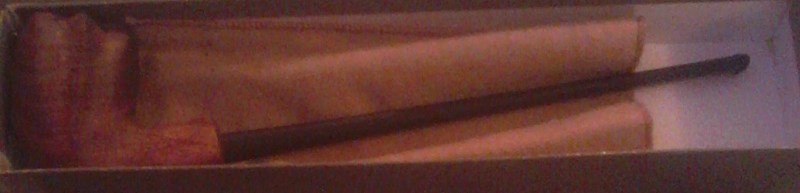
I sit here at my laptop as I near the conclusion of the tumultuous account of the tale of two jichimus, smoking a soothing bowl of Rattray’s Brown Clunee in my own Chinese Phoenix Wood.  (I like the mythological sound of that better.)  The second bowl needing only the stem and a final quick wheel buff by Chuck, I managed a passable job on the church stem – at least enough to make it fit the shank snugly – and polished the Lucite to a fine luster.
jichimu13

Robert Boughton jichimu restore. Photo © Robert M. Boughton.

When the time came to present the pipe to Ashley at our weekly meeting, which she attended knowing something was up but having no idea what it was, I recommended upon giving it to her  that she might consider finding a replacement stem, or at least arranging to have it curved.  But she filled the bowl in delight and lit it up for the first time, and the look of satisfaction and pleasure on her face were all I needed to put the project to bed.  She insists to this day that the jichimu is one of the coolest, smoothest smoking pipes she owns.

Conclusion

The end of any serious undertaking tends to be followed by a period of time that can be described as both exhilarating to a degree but more of a let-down over-all, and the only cure for this edgy malaise is a new game plan to replace the last.  The conclusion of the jichimu restoration project, not the least of which is marked for me by this writing,leaves not an actual dearth in my life except for the heartfelt kind, for I found in my meager contributions to it a new calling of which I had only imagined I might one day have a genuine calling and now know the suspicion, or dream, is more than that.  As I suggested earlier in this account, I have long known the pleasure of using my hands in woodwork, in particular the simple tactile nature of wood itself, and of taking apart such things as old furniture and stripping off the old paint and varnish to be improved – after attentive, deliberate, meticulous preparation – with fresh new replacements.  Now, on the verge of acquiring an electric buffing wheel because the time has clearly come to stop passing off that final touch, I know I have a future in pipe restoration if not their actual making.

In my near future, therefore, I see several tasks I have been procrastinating, most of them remaining literary in nature but the third having a distinctly different approach to woodworking than pipe restoration: a very old padded rocking chair that has remained unused outside, over time collecting dirt and losing more and more of its stuffing, its fine brass screws, nuts, washers and bolts tarnishing, its lack of attention and use leaving it, as it were, almost lonely – if indeed a natural born writer with a flair for woodwork could personify an old rocker.

But I expect I will have to start my own blog to tell the tale of that restoration.

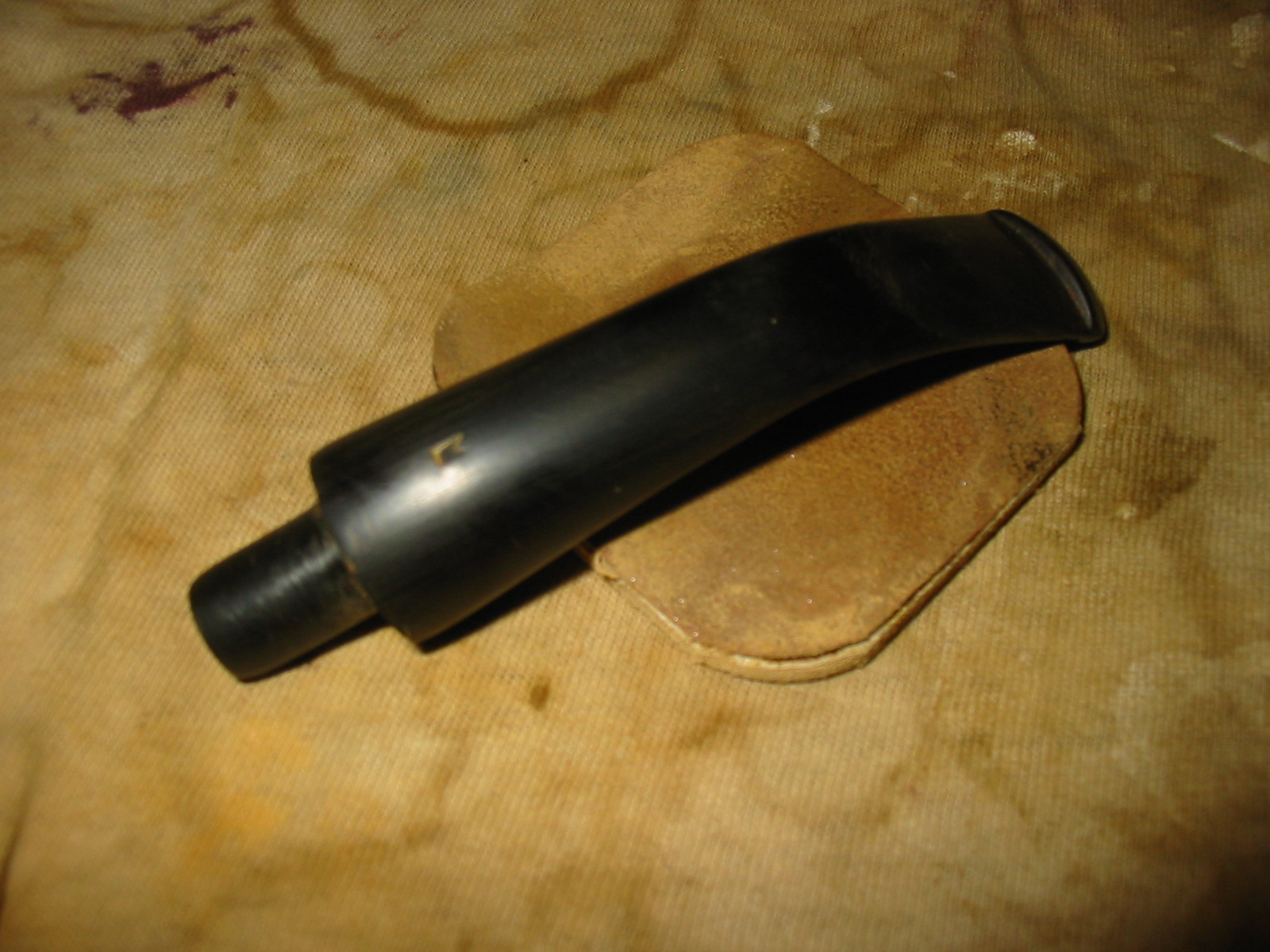
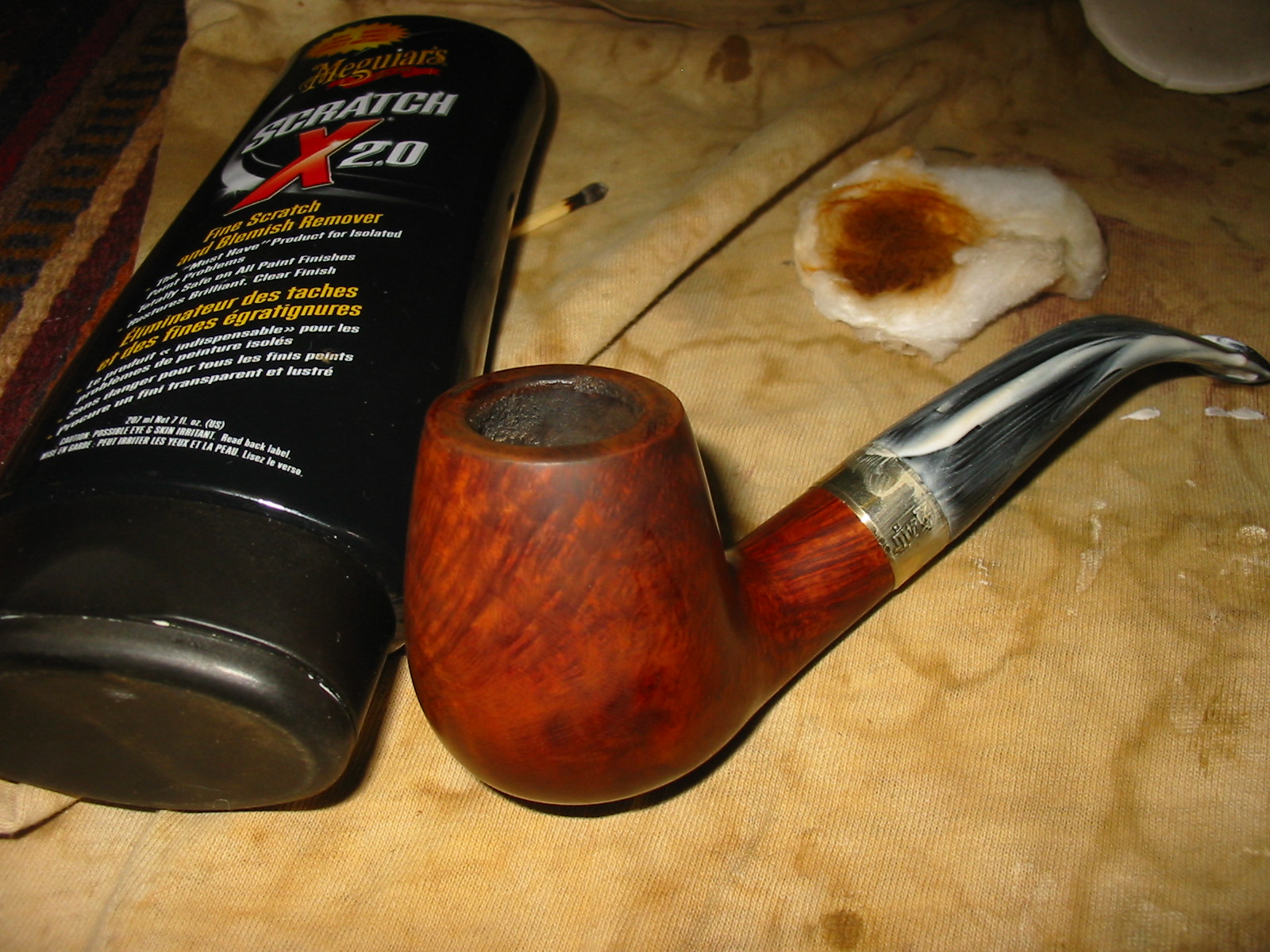
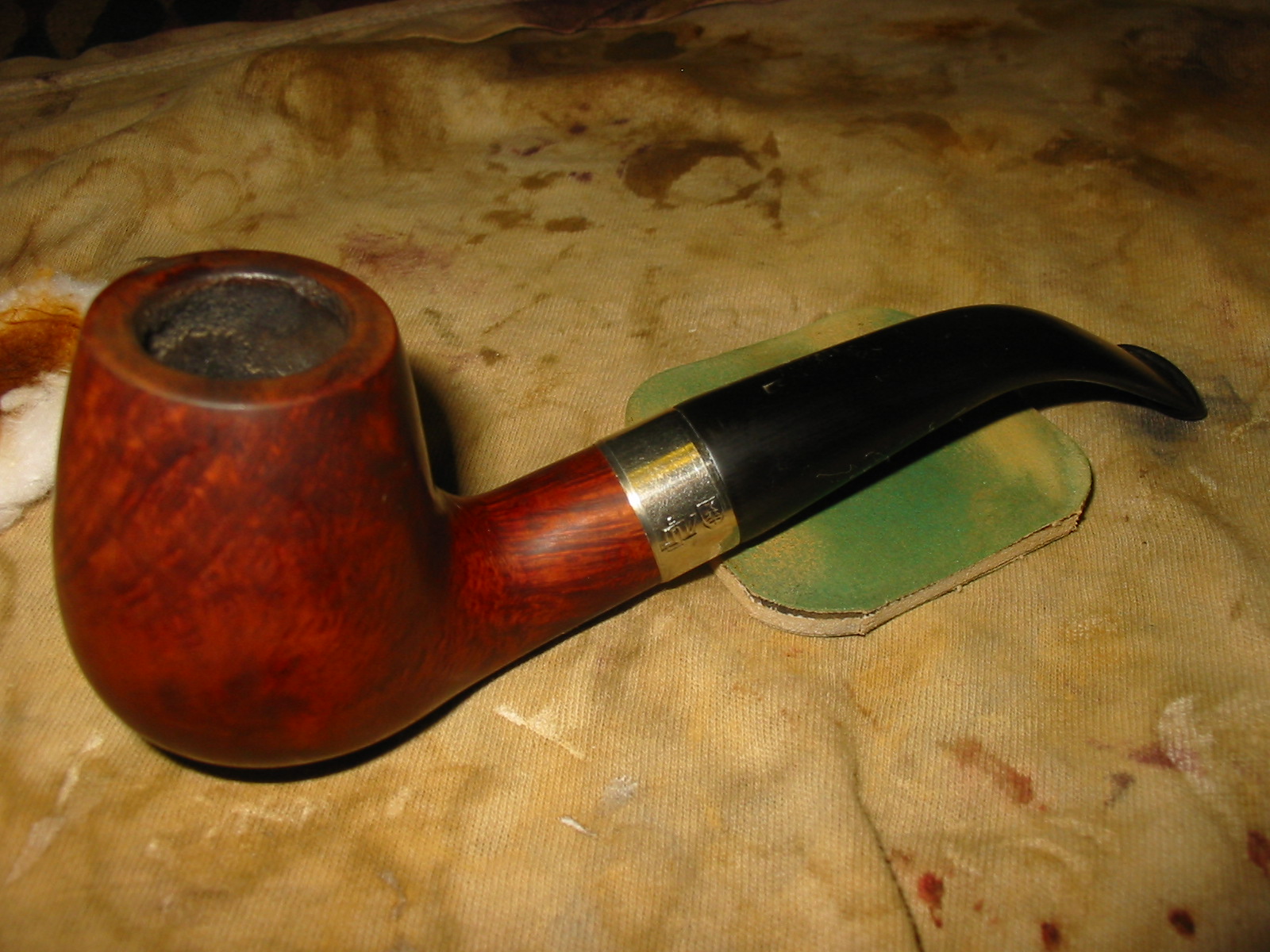
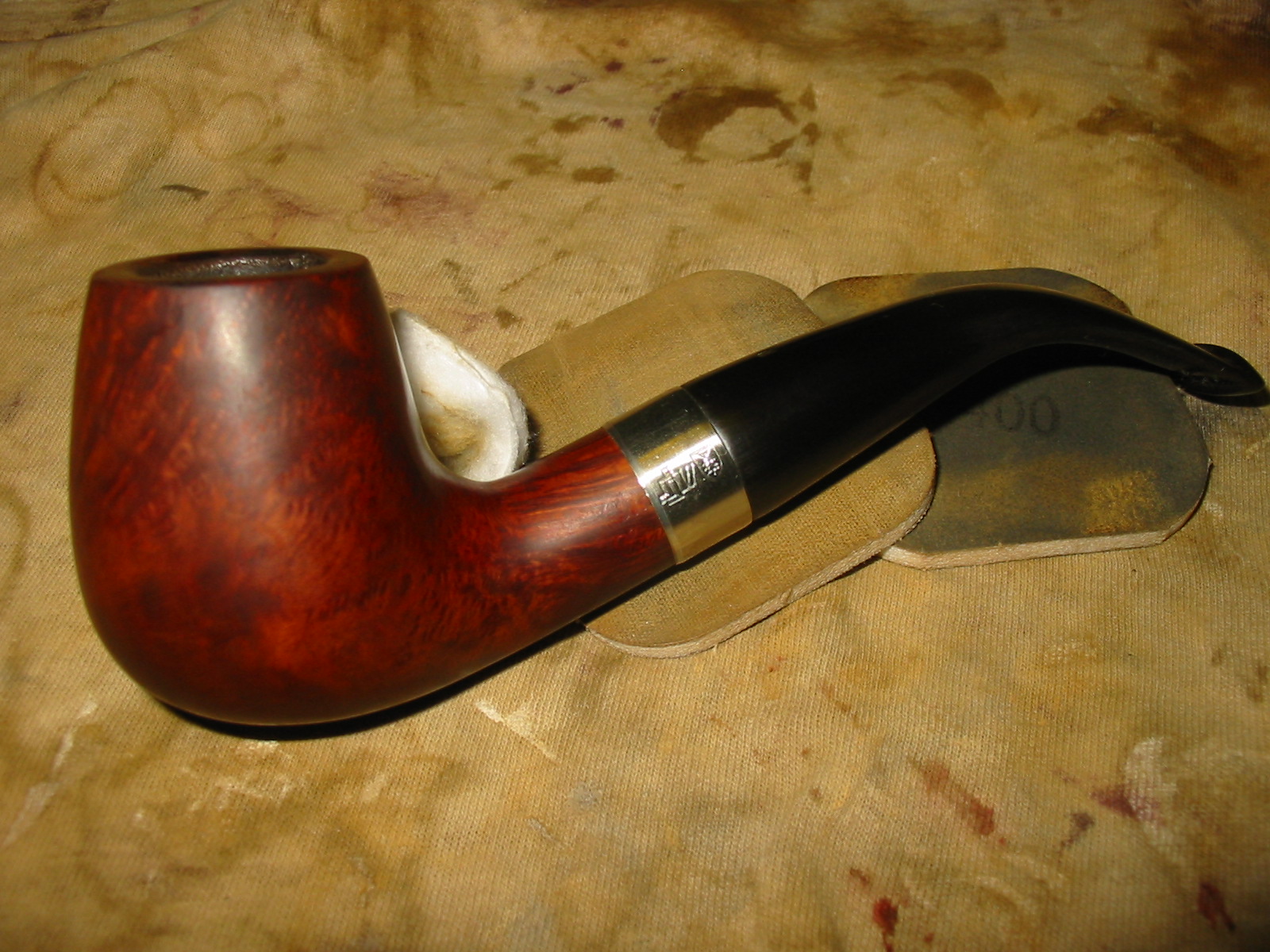
Restemmed and Refurbish Savinelli Duca Carlo


Blog by Steve Laug

I picked up a Duca Carlo in utter ignorance on EBay the other day. I was not familiar with the brand and only later found out it was a Savinelli. The seller’s photograph are worse than mine so I was not sure what I was getting but decided to take a chance on it. I picked it up for very little so I figured I had nothing to lose. The first series of out of focus photos show the pipe as it appeared in the seller’s advert on EBay. The grain looked like it had potential to me and the rest of the pipe appeared to be in workable shape. Once it got here I would have a better idea of what work would need to be done.

ImageImageImage

The first photo below shows the pipe after I took it out of the box it came in and put it on my work table. It was definitely in need of a ream and clean. The bottom of the bowl was dusty but had no cake on it. The upper portion of the bowl had an uneven cake. The rim was tarred and oily but there were no dents in the rim or on the rest of the bowl for that matter. The shank had a small hairline crack on the right side. It is next to the fill on the shank that is visible in the photo below. Fortunately this was the only fill I found in the bowl. It was not a bad piece of briar. There are a few bald spots on the bottom of the bowl but there is also some nice grain both birdseye and flame on the sides, front and back of the bowl and also on the shank. The shank and the bottom of the bowl had some cobwebs in it like it had been sitting in storage for a while. I blew out the dust bunnies and then pulled out a stem from my box of stems. It did not have a tenon so I screwed in a delrin tenon into the drilled out hole in the stem. The shank of the Duca Carlo was also drilled for a filter but I decided since I was restemming it and putting a new tenon on the stem I would make it fit without a filter.

Image

I needed to remove a lot of the delrin from the diameter of the tenon to get a proper fit. The tenon was too large for my Pimo Tenon Turner so I had to do the shaping by hand with files and my Dremel. The next two photos show the shaping process of the tenon. I used a rasp to take of as much of the material as I thought practical. I then used the sanding drum on the Dremel to smooth out the tooth marks from the rasp. I finally used medium grit Emery paper to take down the remainder of the tenon.

ImageImage

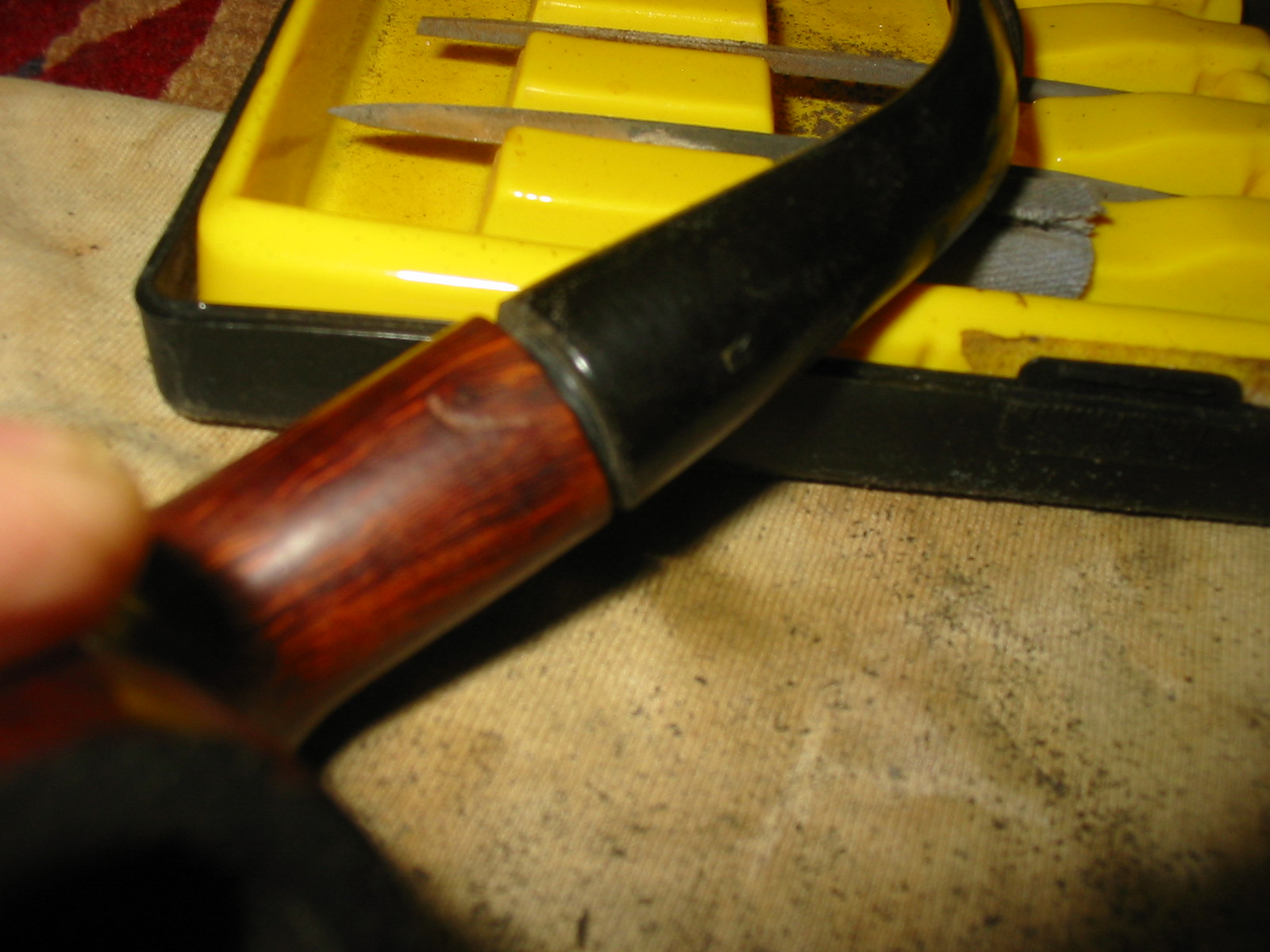
Once I had it sanded to fit I inserted it in the mortise to check the hairline crack. In the photo below I have it partially inserted and the crack is visible next to the fill on the shank. It was not a large or serious crack but in inspecting it I found one on the underside of the shank as well on the opposite edge. This made it necessary for me to band the shank to maintain the integrity of the pipe.

Image

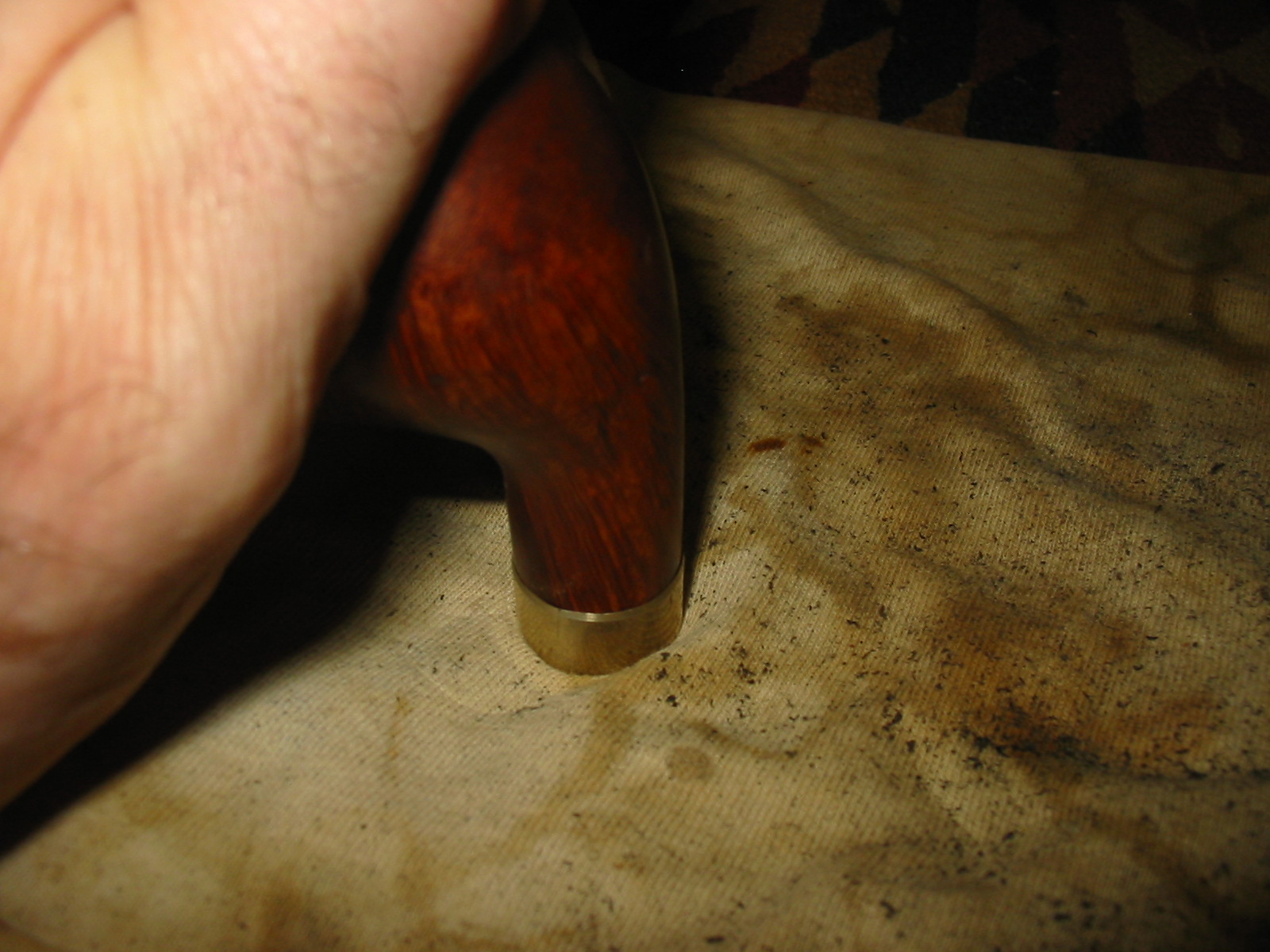
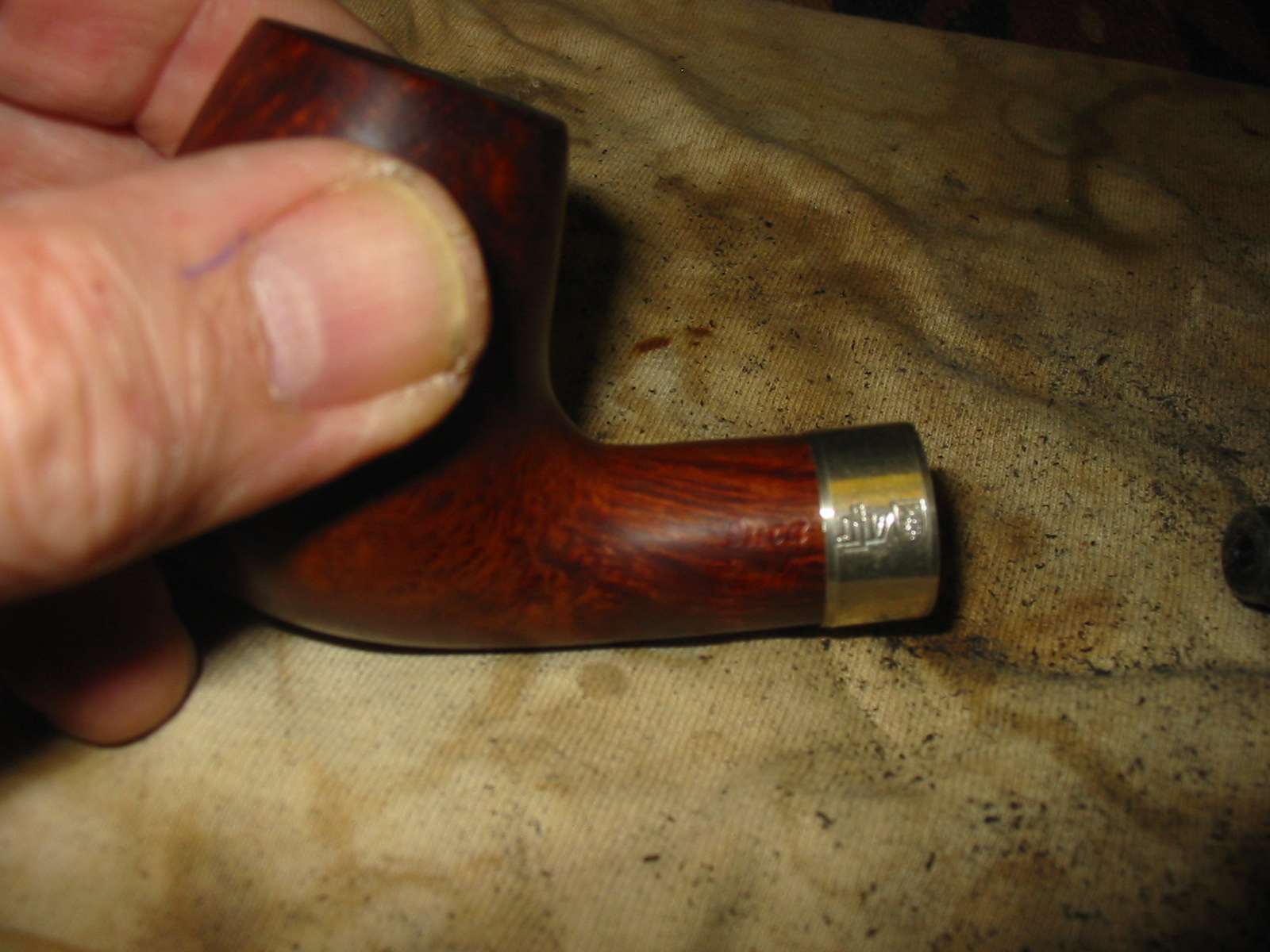
I sorted through my box of bands and found one that would give a good tight fit to the shank. It is a nickel band and once heated and pressure fit on the shank it would give the strength to the shank. The next three photos show the banding process from choosing the band to pressure fitting it on the shank.

ImageImageImage

After banding the shank I inserted the stem in the shank and it fit well. It was snug and fit against the end of the shank cleanly. It was a bit larger in diameter than the shank so I sanded it with the emery paper to remove the excess material on the stem. The next three photos show the progress of fitting the stem against the shank.

ImageImageImage

I reamed the bowl with my T handle Pipnet reamer and blade heads. It was an easy ream as the bottom half of the bowl was clear briar. The Pipnet reamer must be carefully inserted and turned so as not to make the bowl out of round or damage the bowl.

ImageImage

After reaming I decided to clean off the tars and oils on the rim. I used a fine grit sanding sponge to remove the grime as seen in the first picture below. I then wiped down the bowl and rim with acetone on a cotton pad as can be seen in the second and third photo below. I found that cleaning off the grime and the dark parts of the bowl revealed some really nice grain on the pipe.

ImageImageImage

The next three photos show the bowl after the wipe down with acetone and the stem after sanding with the medium grit sanding sponge. The fit is getting very close to being what I was looking for. I am still not sure about the bend in the stem. It fits well in the mouth but I may heat and rebend it. I will see once I am finished with the pipe.

ImageImageImage

I restained the bowl and rim with dark brown aniline stain. I applied it with the dauber and then flamed it with a match, restained and reflamed it. The next three photos show the freshly stained bowl after I flamed it. Once it was dry I took it to my buffer and buffed the bowl with Tripoli to polish and remove the excess stain.

ImageImageImage

Even after buffing the stain was too dark for me. I wiped the bowl down with acetone on a cotton pad to lighten the stain. The next series of three photos show the bowl after I had wiped it down with the acetone. The colour was what I wanted. It would polish up very well.

ImageImageImage

I set the bowl aside after this and went to work on the stem with the micromesh sanding pads. The next nine photos show the polishing process with the micromesh pads and the Maguiar’s Scratch X 2.0. I began dry sanding the stem with 1500 grit micromesh sanding pads. After that I polished the stem with the Maguiar’s before working through the rest of the micromesh grits 1800-12,000. After the final sanding I polished it a second time with the Maguiar’s and then gave it a buff with White Diamond. I brought it back to the work table and wiped it down with Obsidian Oil and then coated it with some carnauba wax. For much of the final sanding I worked with the stem on the shank so as not to round the shoulders of the stem.

ImageImageImageImageImageImageImageImageImage


When I had the scratches worked out of the stem I buffed the entire pipe with White Diamond and then several coats of carnauba wax. The finished pipe can be seen in the photos below. I decided not to rebend the stem but to leave it for now and see how it feels when smoking it. I can rebend it at any time should I choose. The final four photos show the finished pipe. This was a pretty straightforward refurb, it took me about three hours to restem and refinish the pipe.

ImageImageImageImage


A Reborn Real Briar Prince – Restemmed and Restored


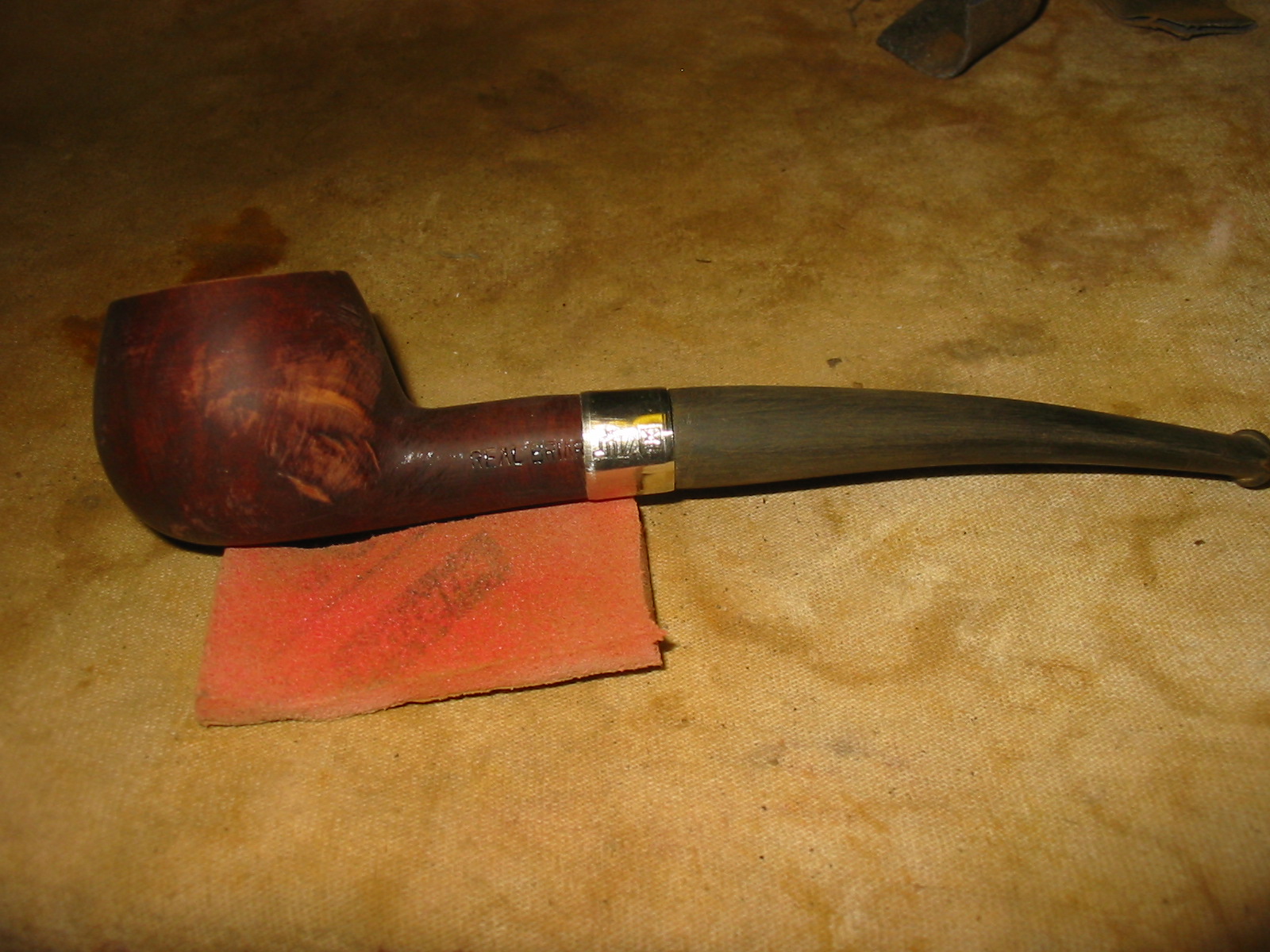
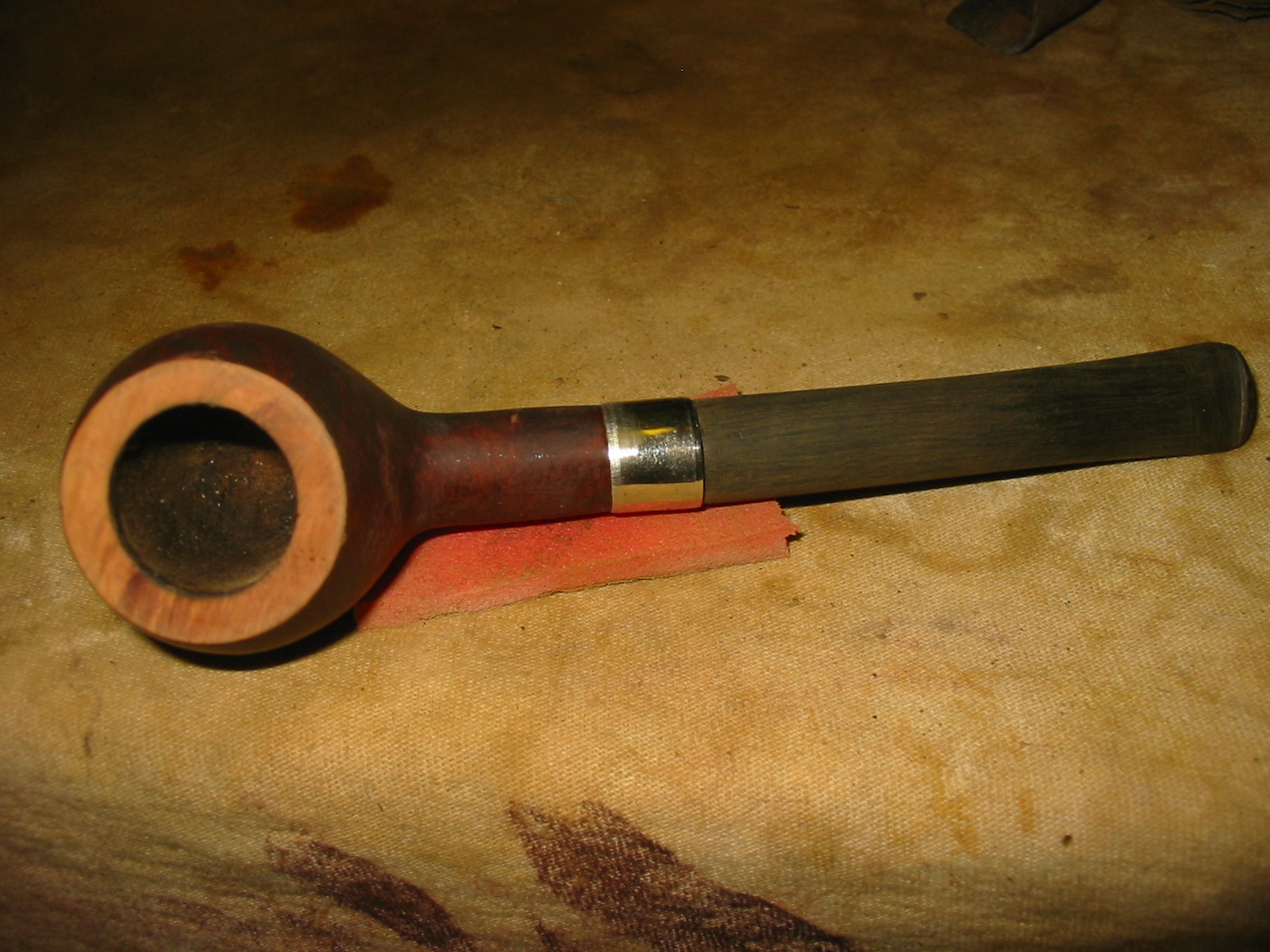
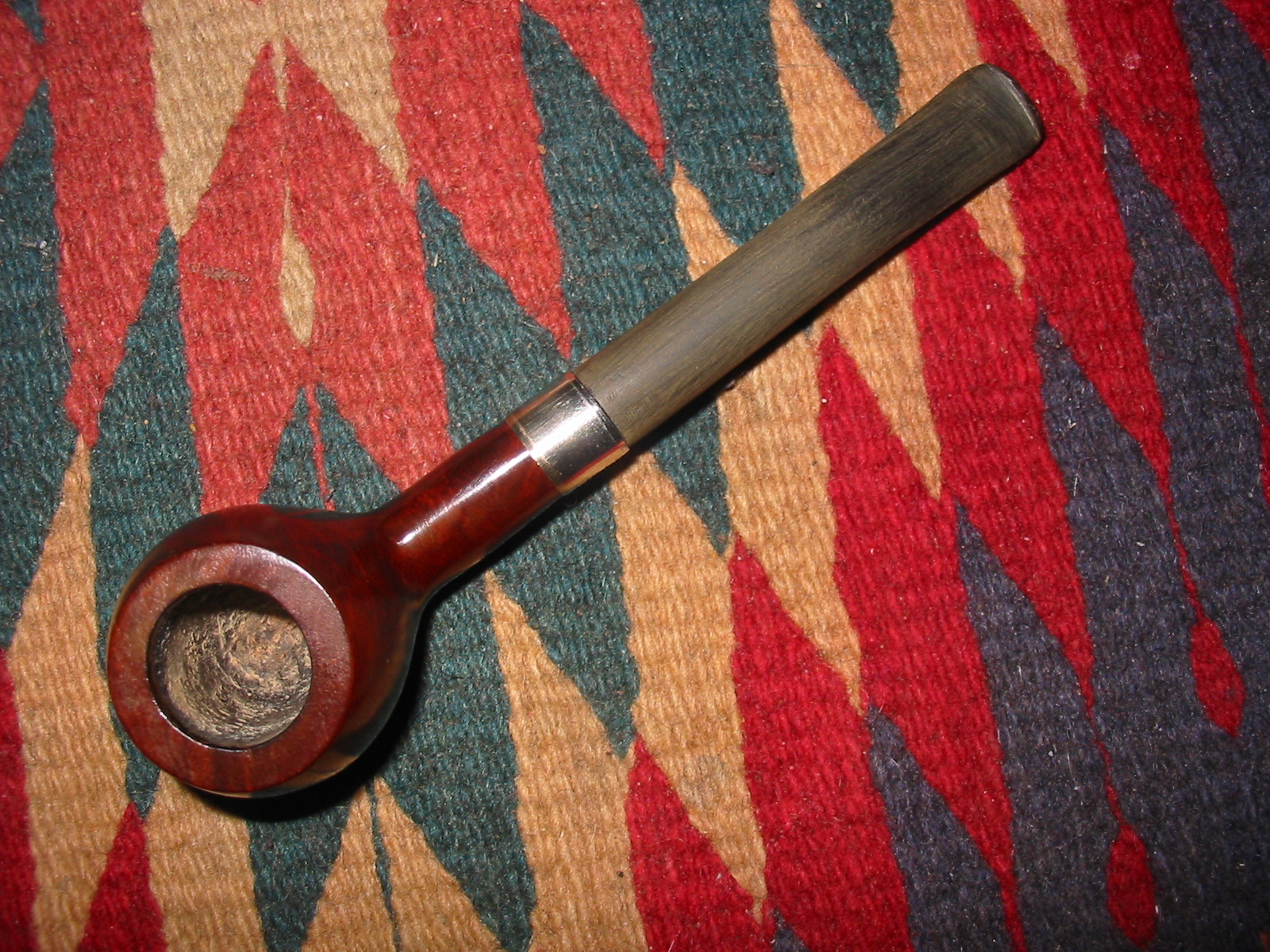
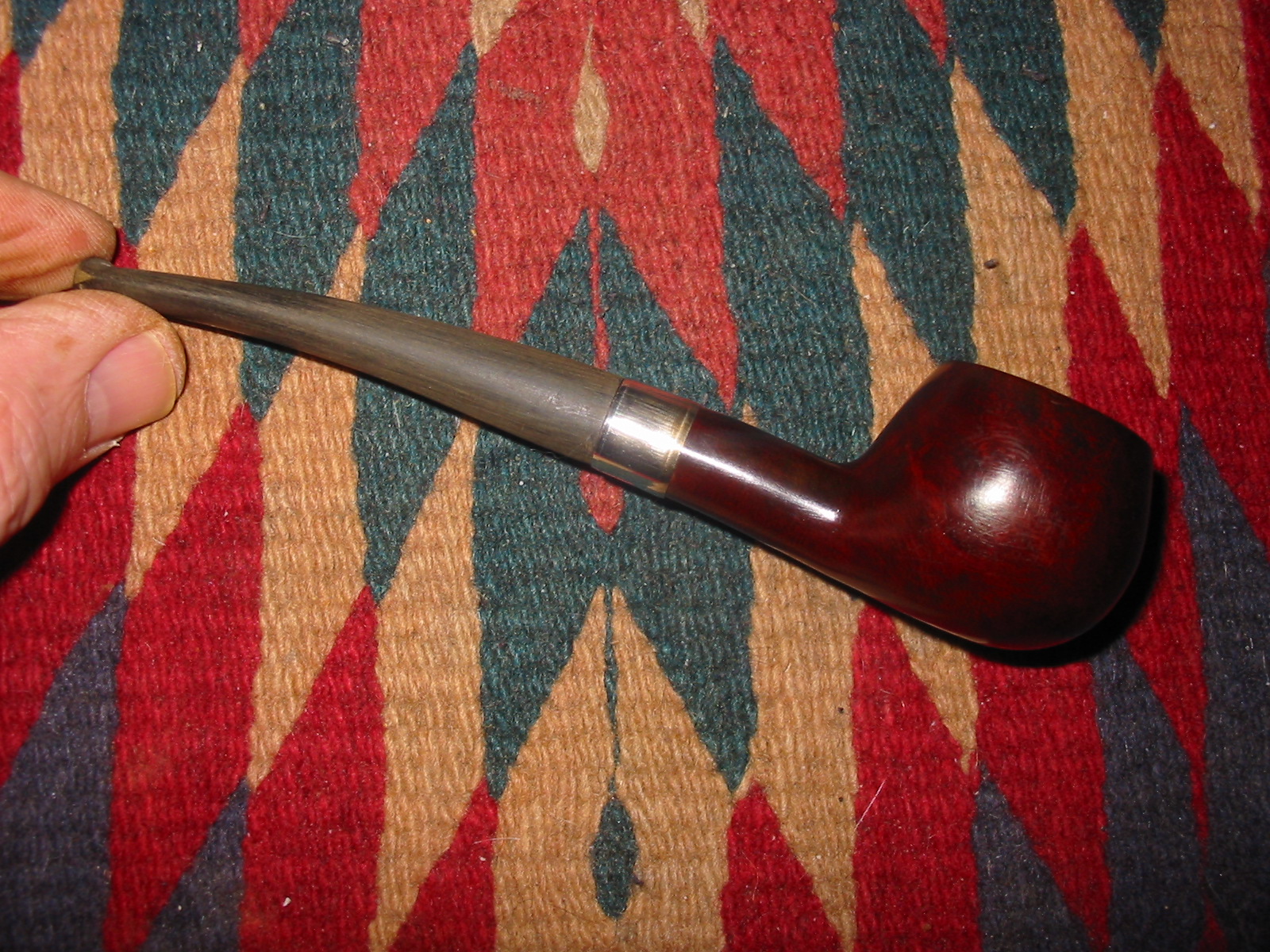
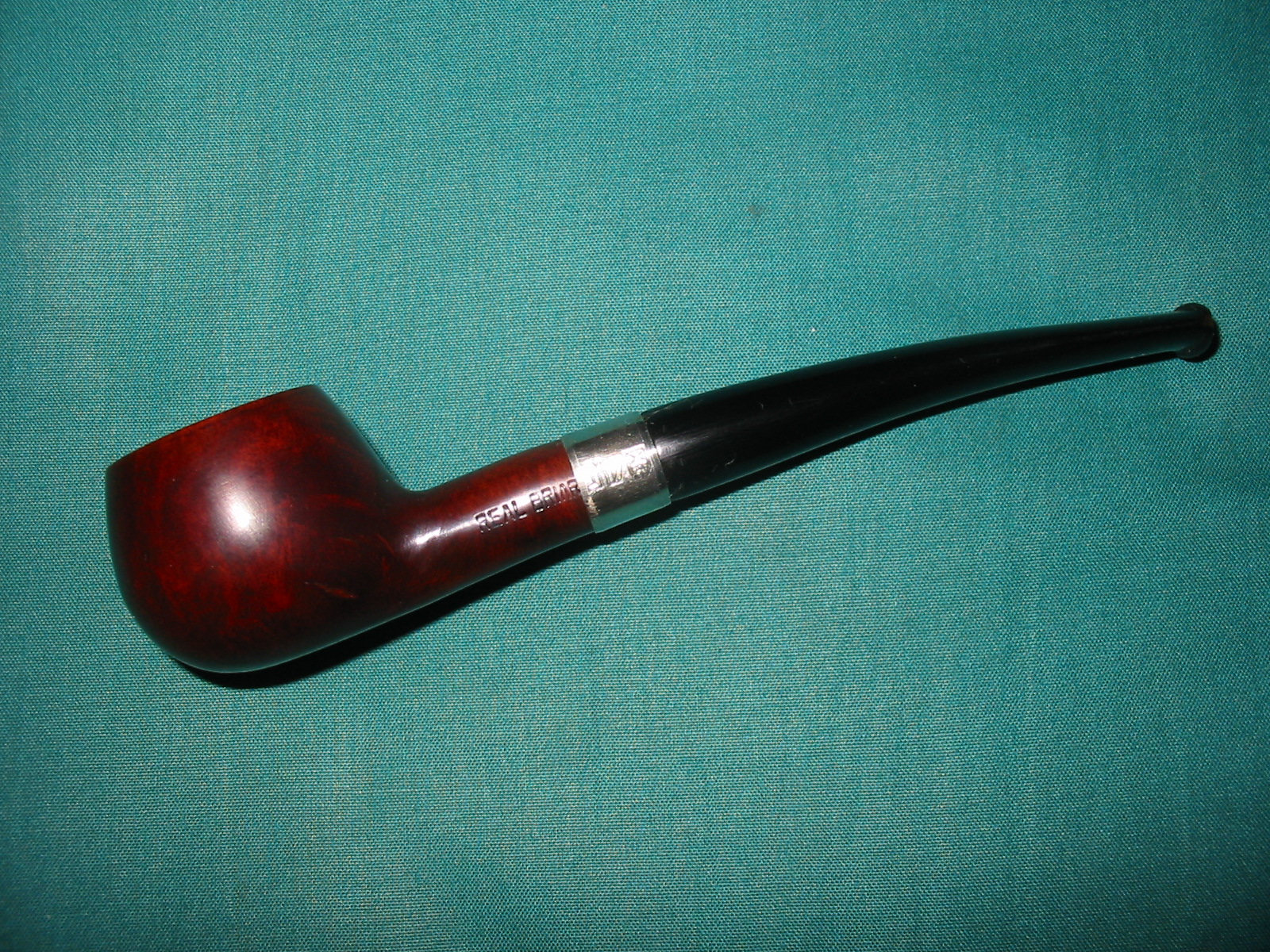
Quite a few of the old stummels in my box for restemming are stamped Real Briar over Made in Italy. This one caught my eye. It had a great classic shape of a Prince. I dug through my can of stems and found an old stem that would work on this little prince with some work. The bowl was coated with tars and needed to be reamed. The rim was tarred and the cake overflowed the bowl onto the rim. On the bottom left side of the bowl near the shank were several fills that were visible and ugly. The shank was plugged with tars and oils and I could not pass a pipe cleaner through it. The old stem I picked had the right shape but was also badly oxidized and coated with a calcification that was white and hard. The button had a single hole drilled in the centre but it had been damaged and had been worn toward the top of the button. This one was going to be a challenge but it was something I wanted to give a shot.

ImageImage

I used my Dremel with the sanding drum to cut away the excess material on the diameter of the stem. The next three photos show the stem after it has been shaped to close to the diameter of the shank. The rest of the work would have to be done by hand. The first one shows the state of the stem when I started with it. The second and third photos show the stem after I had sanded it with emery paper to remove the oxidation and the calcification.

ImageImageImage

I wiped down the bowl with acetone and in doing so found a hairline crack in the shank on the underside of the pipe. I don’t believe this was done in fitting the stem as the fit is actually very precise and smooth. There was no stress on the shank from the new stem. The look of the crack also was dirty and showed that it had been there for awhile. The next two photos below show the crack in the shank on the underside.

ImageImage

I dripped some superglue into the crack and then heated a nickel band and pressure fit it on the shank. I then took a little more of the stem material off so that the fit to the band would be smooth and not bulge. The next two photos show the band and stem fit. The band seems to really dress up this old Real Briar Prince.

ImageImage

I wiped the bowl down with several more wipes of acetone on a cotton pad to break up the varnish coat. I have found that the acetone softens the varnish and makes it easier to sand off with sand paper. I also decided to sand off the rim to get rid of the hard tars. The next two photos show the process I use for sanding the rim. In this case since I was restaining the pipe anyway I did not care if the finish was removed from the rim.

ImageImage

I then sanded the bowl and shank with a foam back medium grit sanding pad to remove the varnish coat. I sanded it until the bowl finish was foggy looking and then I wiped it down with acetone once again on a cotton pad. The next three photos show the result of the sanding and washing with acetone. The finish is finally beginning to break up and the briar is down to the stain coat.

ImageImageImage

I put the stem on the bowl and continued to sand the stem and the bowl with the sanding sponge that is pictured with the pipe. The next three photos show the progress of the sanding. Once I was finished the sanding I wiped it down a final time with the acetone and cotton pad to prepare it for restaining.

ImageImageImage

The next three photos show the bowl after I have stained, flamed, restained and flamed it again. I stained the rim three times to get it to be the same colour as the bowl. It took a bit of work to get the colours to match. I used a dark brown aniline stain mixed in a 2:1 ratio with isopropyl alcohol to attain the colour that I wanted for this pipe. I have learned that the mix is great for hiding unsightly fills and blending them into the rest of the bowl.

ImageImageImage

I removed the bowl and went to work on the button. The airway in the button was actually quite large and had been cut very close to the edge of the button. I examined it and could see that the damage was fairly surface. The airway inside the button was centered in the button so the edge would need to be built up to accommodate the new slot that I would cut into the button. I used a two part 5 minute epoxy that I mixed and inserted into the damaged edge of the airway with a dental pick. This took a bit of time to get it to the point that I was happy with. The first photo below shows the airway when I started on the repairs.

Image

The next three photos, though a little blurry show the repair in process. To start with I used my needle files to open up the airway into a slot. I wanted to provide a straight edge to build up to on the airway so that I that the epoxy would stay put in the right place. The epoxy is wet and shiny in these photos and is visible on the bottom edge of the stem photos. The slotted airway is very clearly visible in these photos showing the process of rebuilding the airhole.

ImageImageImage

The next photo shows the dried patch in the airway and the even slot that is present in the button. I needed to let the epoxy harden before I finished the shaping of the slot to an oval that easily took a pipe cleaner.

Image

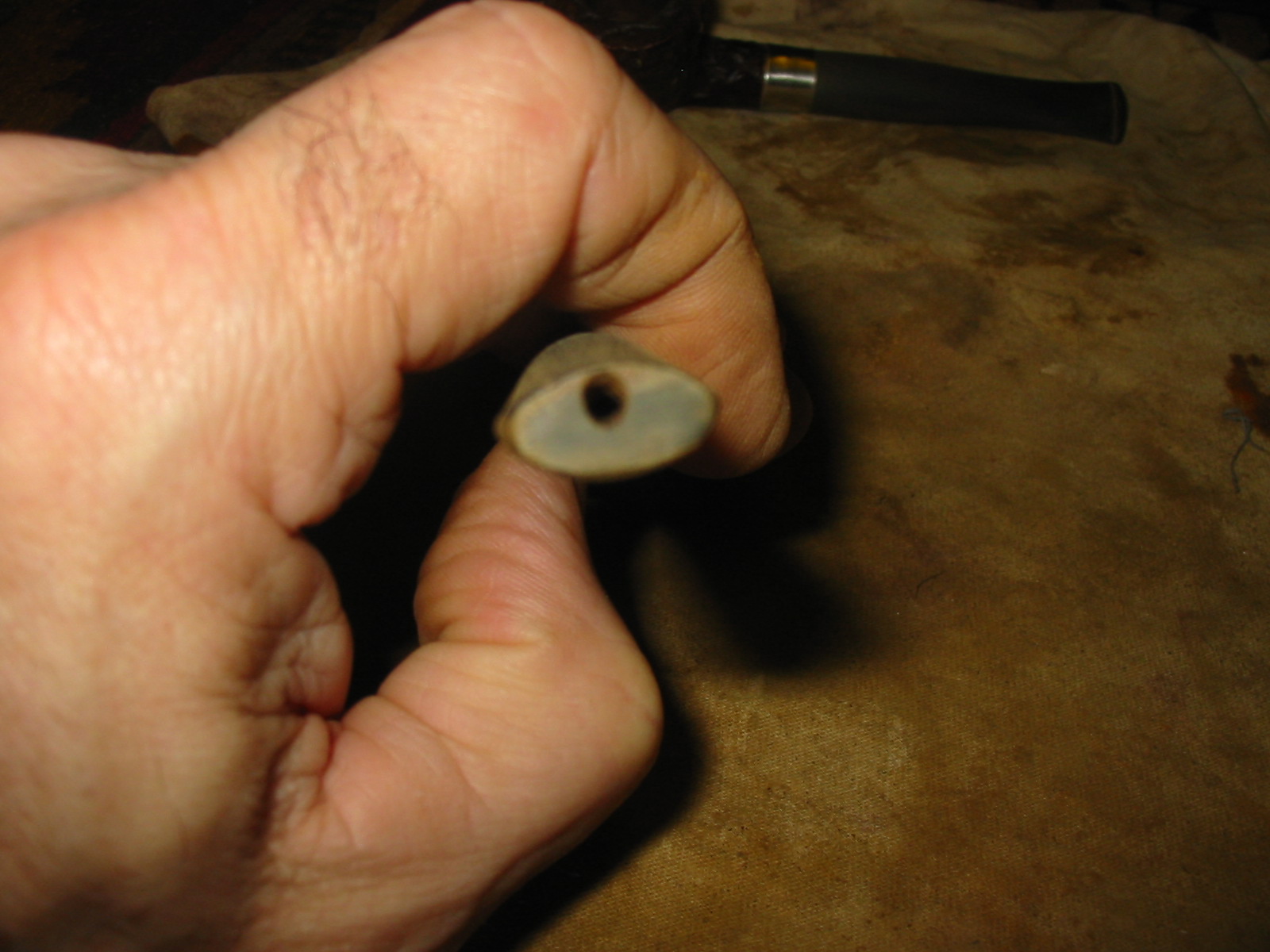
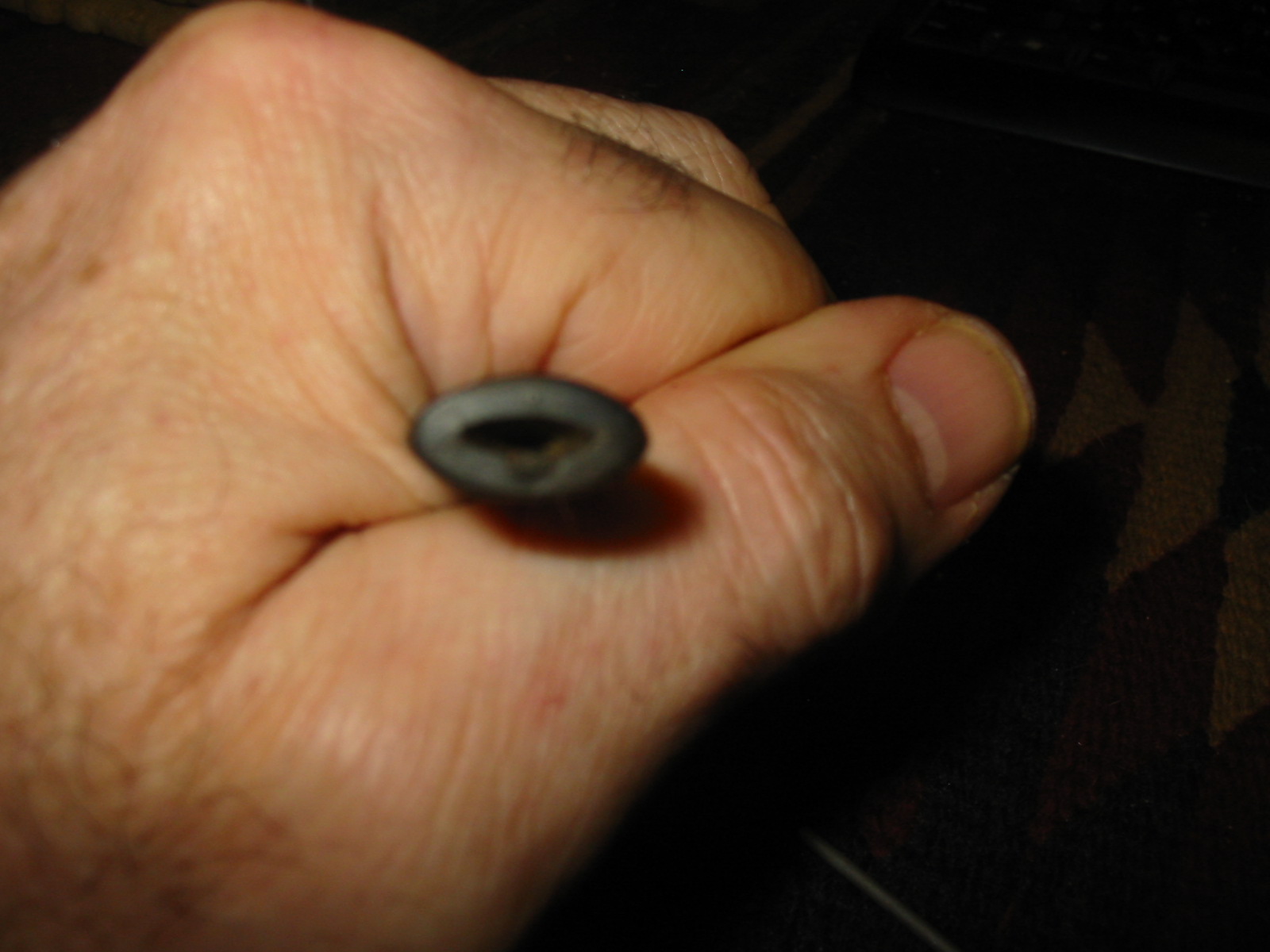
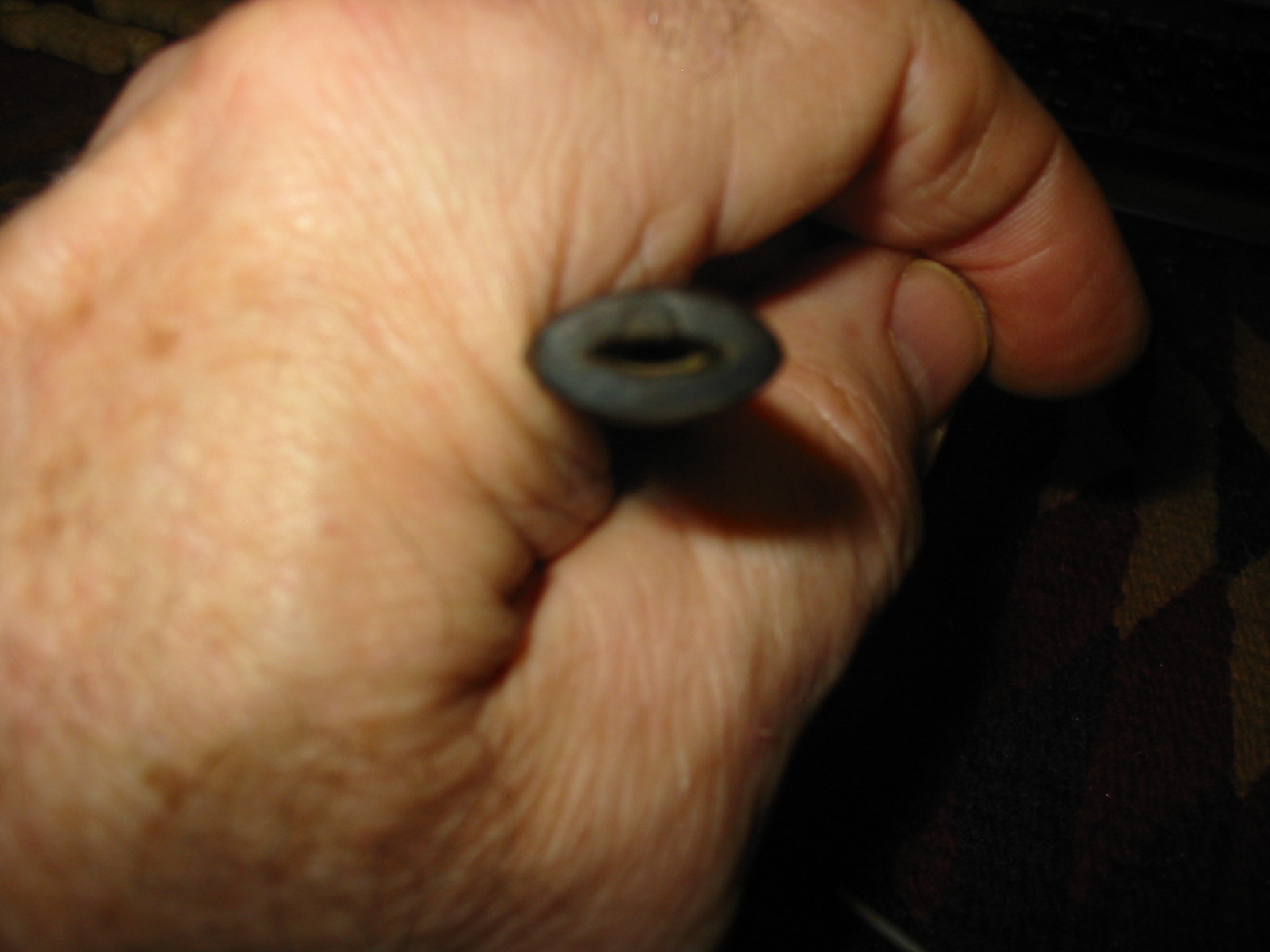
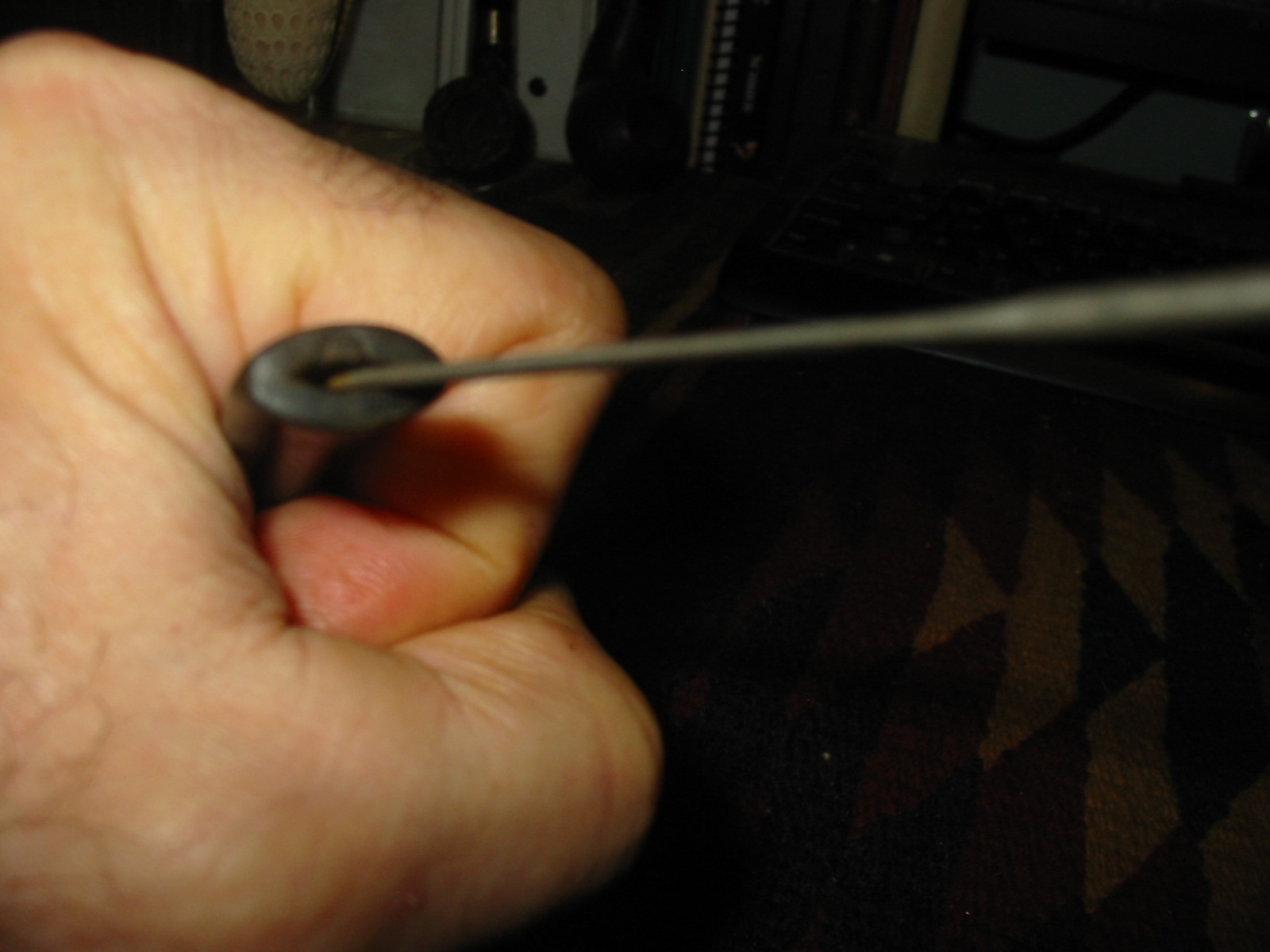
The next three photos show the repaired airhole and the newly cut slot in the button. The first photo shows the stem held in my hand upside down. The repair is visible at the 6 o’clock position in the picture and looks like a small divot in the slot. The slot itself is smooth and the divot is the patch. The second photo shows the stem right side up and the repair is visible at the 12 o’clock position. The final of the three photos shows the small oval needle file that I used to open the airway. I inserted it into the slot to give an idea of the size of the files that I use to do the work on these slots.

ImageImageImage

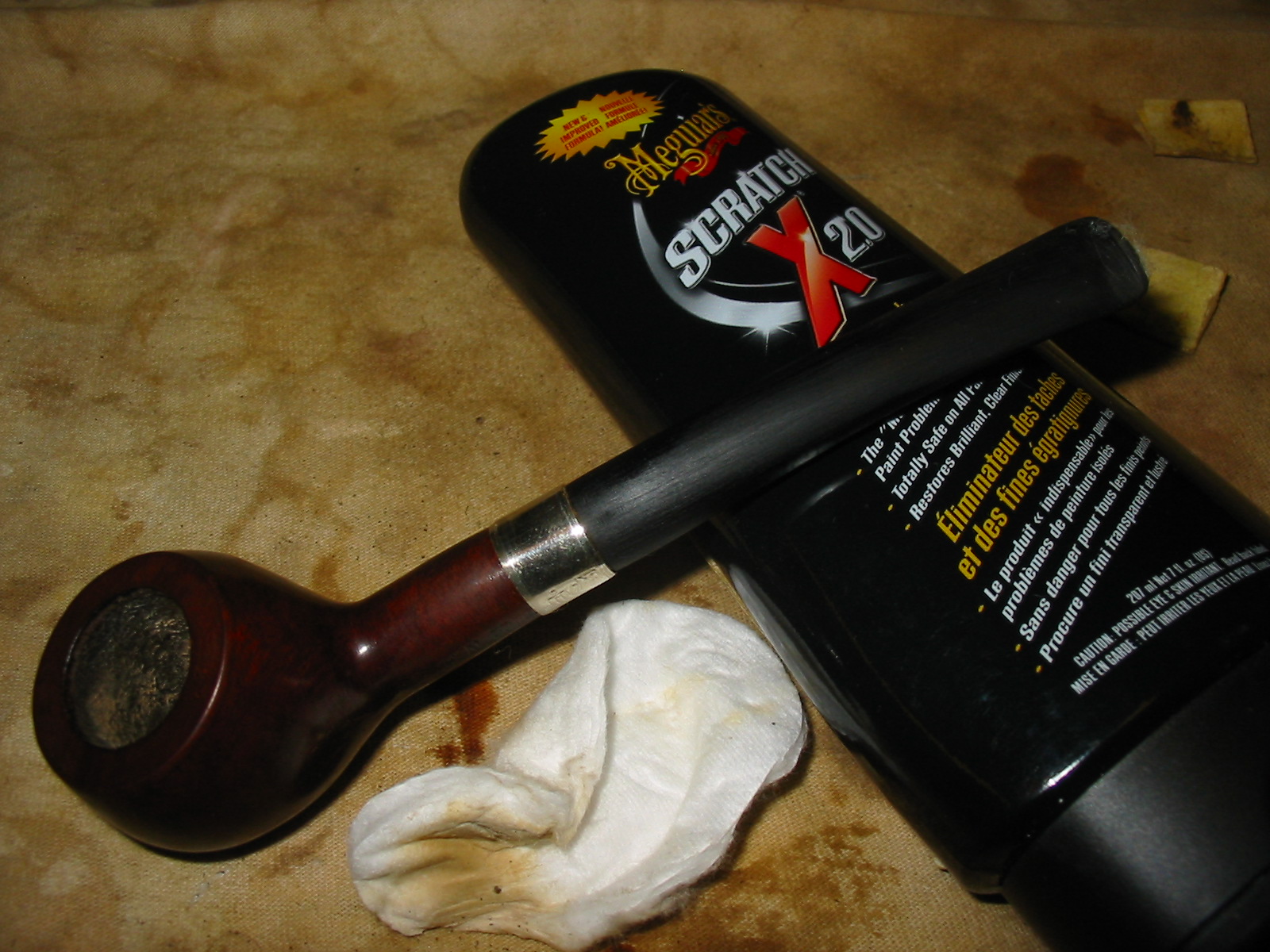
I then turned my attention to the stem itself. It needed a lot more sanding to clean it up and bring out a clean shine. The first photo below shows the polish that I gave it with the Maguiar’s Scratch X2.0. I rub this on with my fingers and then scrub it off with the cotton pad. The polish is white and when I rub it off it is the brown colour that stains the cotton pad in the picture below. Once I had finished with the polish I then sanded it with the micromesh sanding pads. I only took one photo (the second one below) to show the sanding process. I used 1500-12,000 grit micromesh sanding pads to remove the scratches and shine the stem.

ImageImage

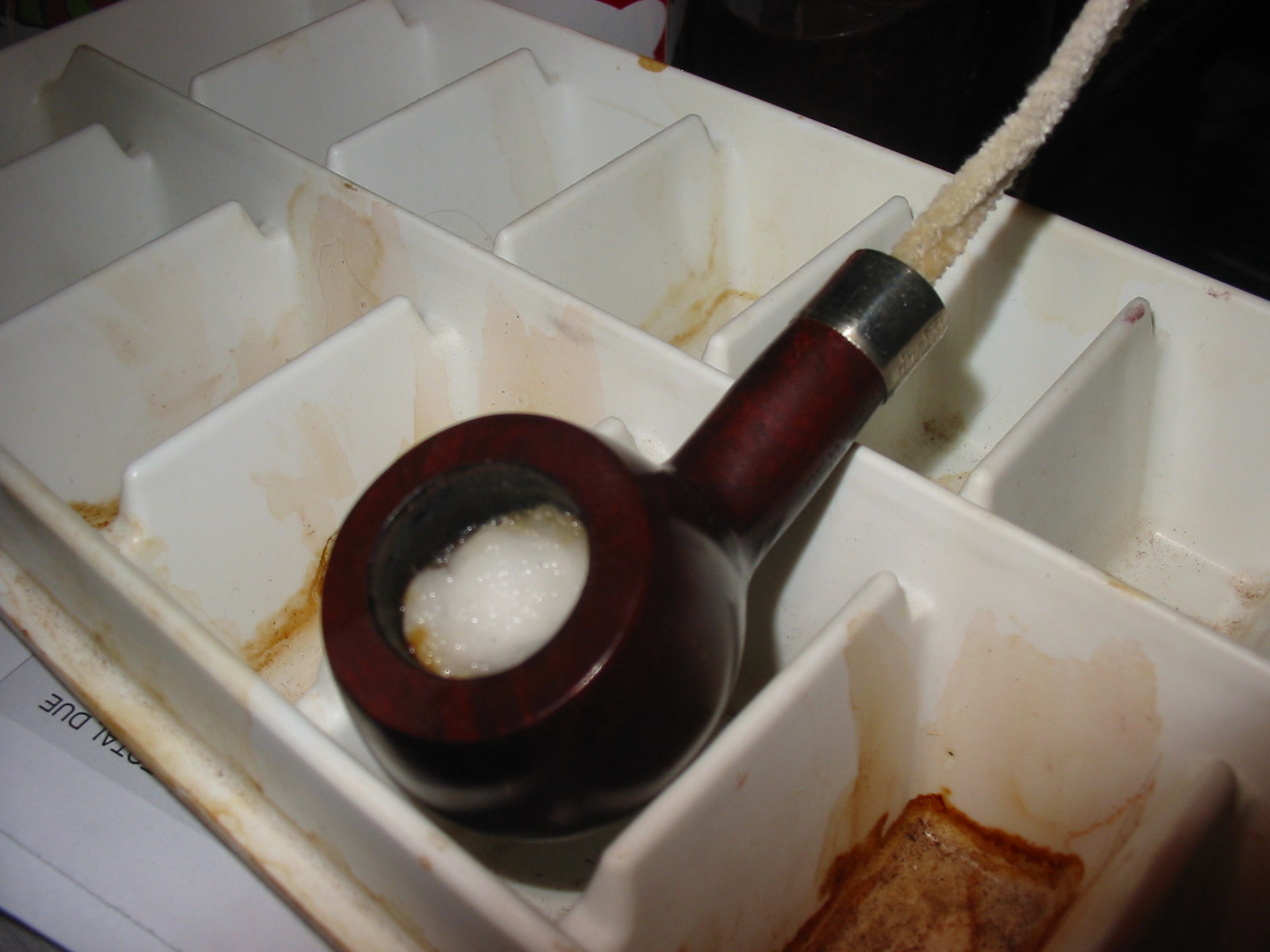
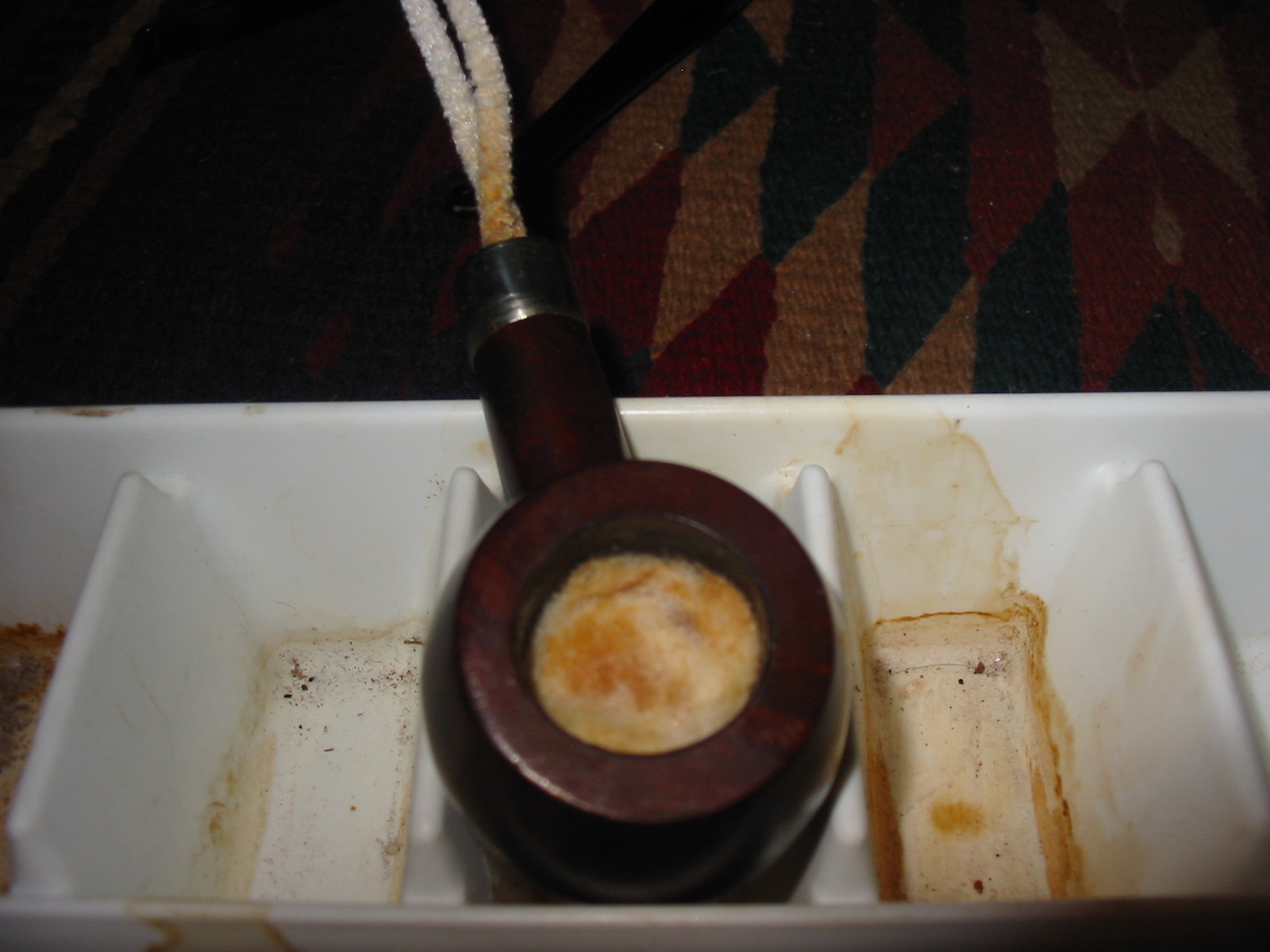
I continued to work on the stem but removed it from the bowl and gave the bowl a cotton bole and alcohol treatment to remove the strong sour smell that came from the bowl. I stuffed the bowl with a cotton bole, put a pipe cleaner in the shank and used my ear syringe to fill the bowl with Everclear. I left it to sit on the ice cube tray while I went hunting at the flea market. It sat for about 4 hours before I removed the cotton bole and flamed the bowl to remove the remaining alcohol. The first photo shows the pipe when I first set it up. The second one is how it looked four hours later when I returned home and removed the cotton.

ImageImage

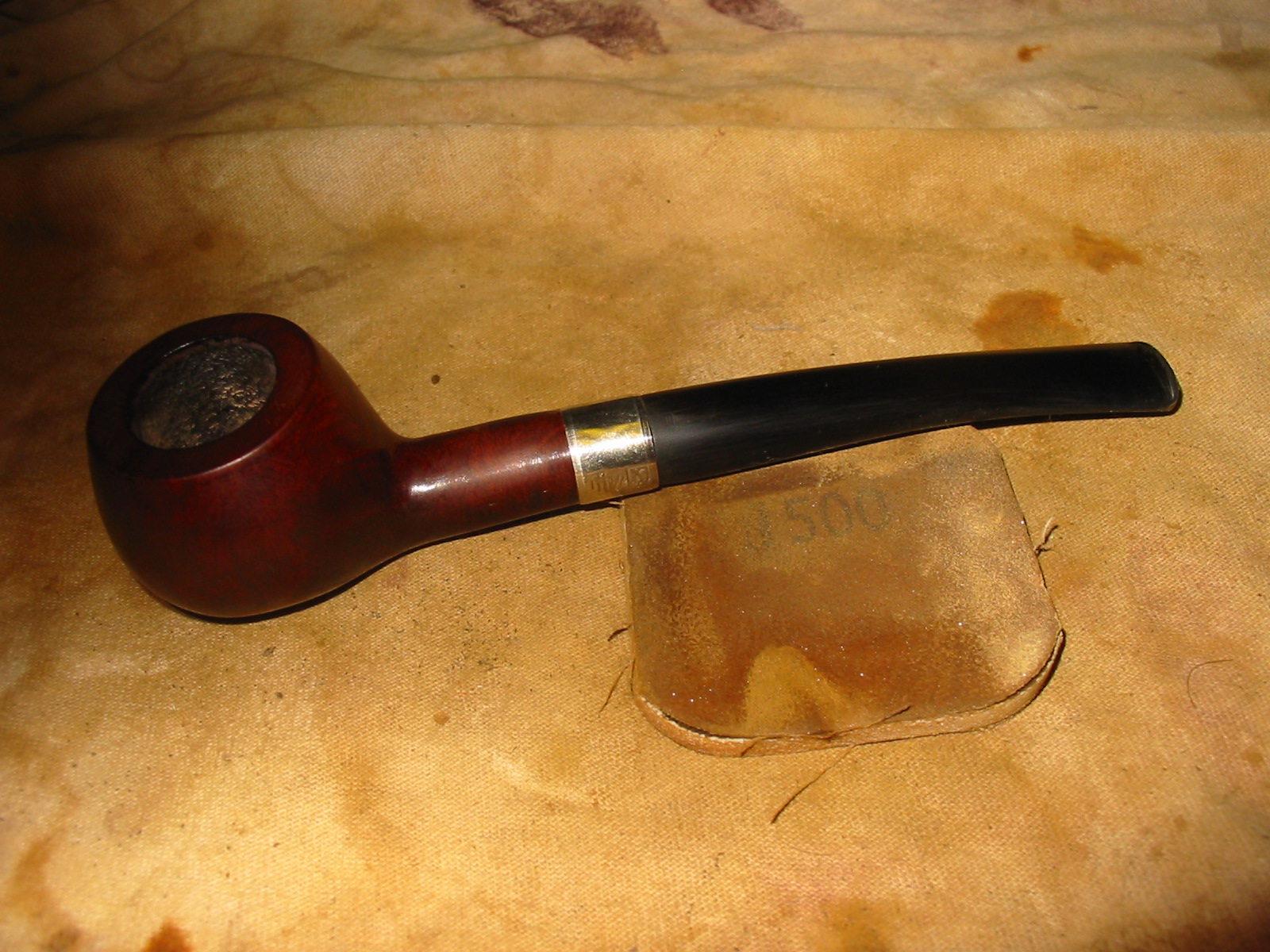
I cleaned the bowl and shank with pipe cleaners. I used my Kleen Reem drill bit to clean out the softened tars in the airway in the shank. The amount of gunk that came out is astonishing. I wiped it and ran the bit through several times to get the airway back to the briar. Then I used many pipe cleaners dipped in Everclear to finish cleaning the shank. Once I was finished I reinserted the finished stem on the bowl and gave it a coat of Obsidian Oil and then multiple coats of carnauba wax to give the pipe a finished shine. The next four photos show the finished pipe.

ImageImageImageImage

Redeeming a Disaster – A Repair with a Happy Ending


On Christmas Eve I decided to start working on a little acorn shaped pipe bowl that I have had here for quite awhile. It sat in my repair box in wait for the right moment for me to take it to the work table. It needed a stem and the shank was set up for a metal screw in tenon. I did not have any metal threaded tenons that fit the shank well or I could have made a stem for the pipe and inserted the threaded tenon. The time was right and I wanted to try something a bit different on this one. It did not matter if it worked or not really as it was truly a disposable pipe. With that freedom in mind I decided to fit the bowl with a push tenon stem. To make that work involved removing the metal insert from the shank. I reamed the bowl and cleaned out the shank to get it ready for removing the insert. I tried to twist if out as I figured that it was screwed into the shank. No such luck. It was tight and I could not remove it after using heat or putting it into the freezer to cause it to contract and loosen. I made a decision at that moment that did not end well – at least in the short term.

I set up my cordless drill with a bit that would open up the shank. My thinking was that if I could not removed the insert I would drill it open and smooth so that it would take a regular push tenon with no problem. I started with a drill bit virtually the same size as the airway and then planned on moving up to larger drill bits as the work progressed. The initial drilling worked well and the threads were smoothed out. So far so good! I was pretty excited to watch the airway smoothing out and opening up. Then I changed the drill bit for the next size up and drilled it a second time. I progressed slowly holding the bowl in my hand as I drilled the shank. I have done this before and did expect any problems. You know the thinking right – it worked well in the past so I could expect it to work the same this time around. So with full confidence I worked away. Then disaster struck. A few moments after starting to drill with the slightly larger bit the shank literally shattered in my hand. I was left holding four pieces of broken briar in my hand. The bottom half of the shank remained intact but the upper half was in three pieces. The metal insert remained unmovable in the bottom portion of the shank.

I was a bit stunned and almost binned the broken briar. What had at first appeared to be a good idea was reduced to something that I was ready to throw away and write off as a learning experience. However, I stopped and looked at the pieces for awhile. I thought about cutting the shank off and adding a shank extension to do one of Piet’s Hot Rods. I weighed the pros and cons of that and still was not certain whether I wanted to go to that trouble for this pipe. I took the pieces and puzzled them together to see what the damage looked like when it was put back together. I examined it closely and could see that the break was at least very clean and the surface was not chipped or damaged. I used a dental pick to remove the metal insert from the shank. I decided to get out the super glue and put the pieces back together for a look. With all the pieces in place the pipe looked okay. I sanded off the excess glue from the shank and used some acetone to clean off the stain that was on the shank and bowl. It looked like there was some promise. I decided to strengthen the bond with a nickel band. I heated a nickel band with my heat gun and carefully pressure fit the band on the shank. The repaired pipe was going to be workable.

ImageImageImageImage

I sanded the bowl and the shank and wiped it down repeatedly with acetone. The idea was to remove all of the remaining lacquer finish and even out the stain. I wanted to get the bowl back to bare wood as much as possible before restaining. Once I had it clean I sanded it again with a fine grit sponge backed sanding pad. I continued to sand it with the micromesh sanding pads from 1500-12,000 grit to prepare it for staining.

I had an old saddle stem that would fit the shank dimensions in my box of scavenged stems. I turned the tenon to fit the newly cleaned shank and did the initial sanding to remove the oxidation on the stem. I used the same sponge back sanding pad I used on the bowl as it allows good access to the saddle areas of the stem. The photos below show the newly fit stem. I have quite a bit more work to do on the stem and bowl to bring the pipe to a finished condition but the promise is definitely there. In the second and third top view photo below you can see the repaired shank. I am pretty confident that it will be pretty well hidden by the staining.

ImageImageImage

Before restaining the bowl I decided to work on the stem and get it polished and smooth. I used the 1500 and 1800 micromesh pads to do the sanding and polishing before using the Maguiar’s polishing compound. I have started to use it after the first two or three micromesh sanding grits. I rub it on by hand and then scrub it with a soft cotton pads before wiping it off. I repeat this polishing process with the compound two times before proceeding to working through the remaining micromesh grits. I sanded the stem with 2400 and 3200 grit and took it to the buffer and used Tripoli to buff away the scratches and the oxidation that remained at this point in the process. I also buffed the bowl with the Tripoli. Once back to the work table I used 3600 and 4000 grit before giving the stem a rub down with Obsidian Oil. The four pictures below show the pipe as it looks at this point. The bowl is ready to stain and the stem is getting close to the finished look. There is still some oxidation around the saddle area that will need some more work.

ImageImageImageImage

I decided to use an oxblood coloured aniline stain on the pipe to try to minimize the visibility of the repair to the shank. I used a cotton swab to apply the stain, flamed it and then buffed it off with a soft cotton cloth before taking it to the buffer and buffing it with White Diamond. After buffing I waxed it with several coats of carnauba wax to give it a shine.

ImageImageImageImageImage

I also finished the polish on the stem using White Diamond on the buffer before finishing with the remaining three grits of micromesh pads – 6000, 8000 and 12,000. I gave it a final buff with White Diamond and then rubbed it down with some Obsidian Oil. I finished the stem with several coats of carnauba wax. The four photos below show the finished pipe. The repair to the stem is visible if you look closely but the redemption of this broken pipe is complete and it is ready to smoke.

ImageImageImageImage

Stemming an Alan Stevenson Long Shanked Apple


I was gifted this stummel by a friend who passed on one of Alan`s rejects or cast off pipes that just did not make the grade for him. This one came to me unfinished and without a stem. I worked on it quite a while trying to fit a stem. That seems like it should have been an easy task but it was not. There was a twist in the drilling of the airway that made all stems fit at an angle rather than facing straight on the shank.

I stained the pipe with a black under stain and then buffed it off to highlight the grain and then gave it a top stain of medium brown. I opened the airway a bit large to straighten it as much as possible. I faced the shank with sandpaper to even things out as much as possible. The problem with the twist in the airway did not allow a stem to face correctly so I banded the shank with a pressure fit nickel band. I fit a stem from my stem can so that the tenon fit well and then did minor adjustments to the outer diameter of the saddle to make a proper fit into the band. With the band I left it extended beyond the edge of the shank by a 1/8th of an inch. The stem fit well into that area for a good tight fit. I polished the stem and the bowl with White Diamond and then gave it several coats of carnauba wax to finish. ImageImageImageImage

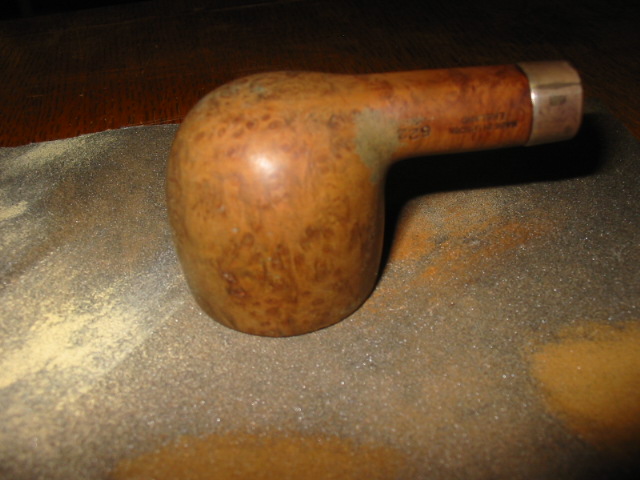
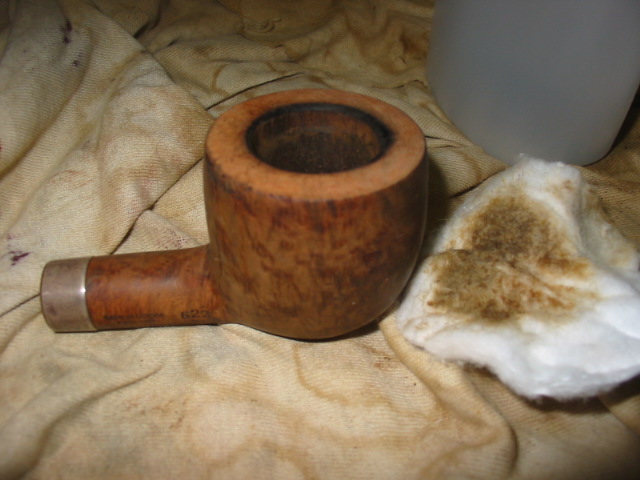
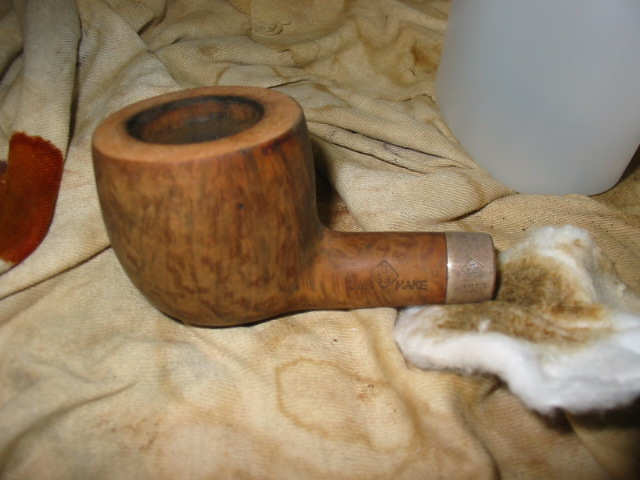
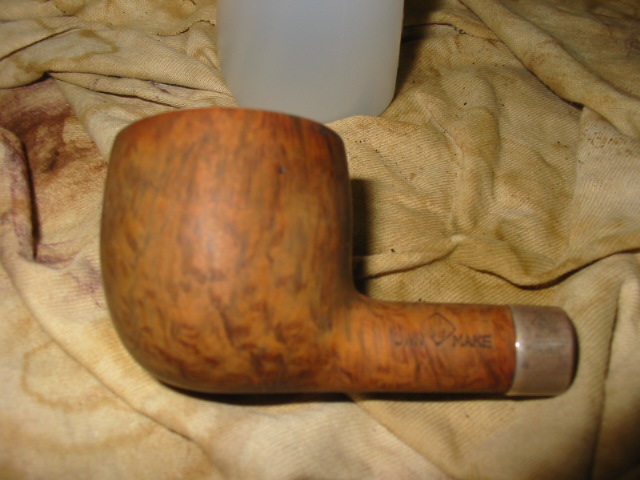
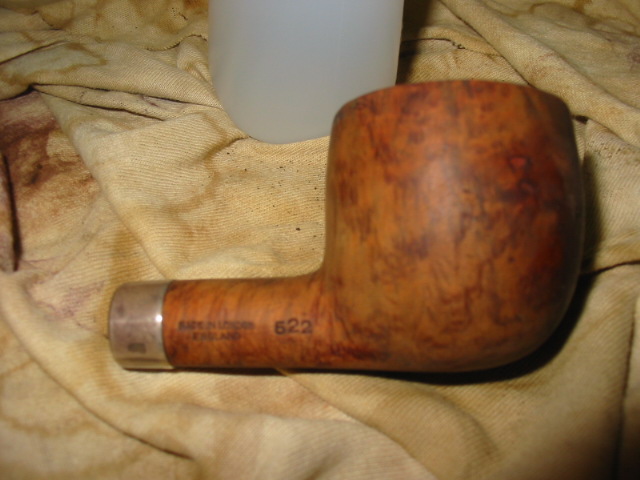
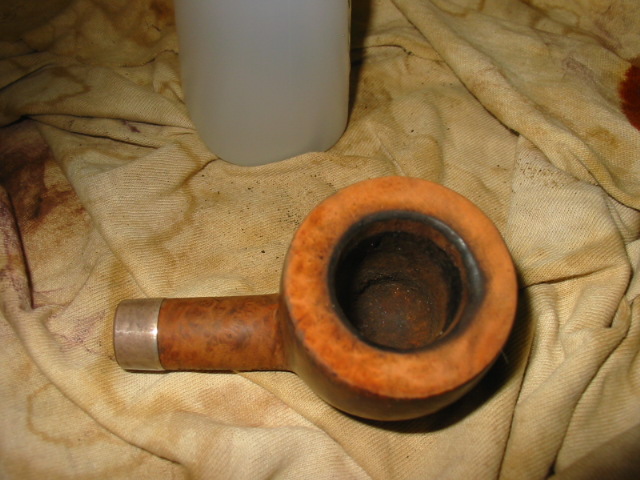
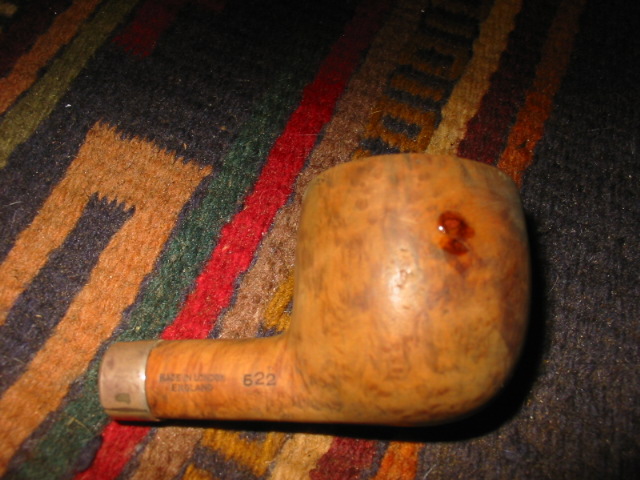
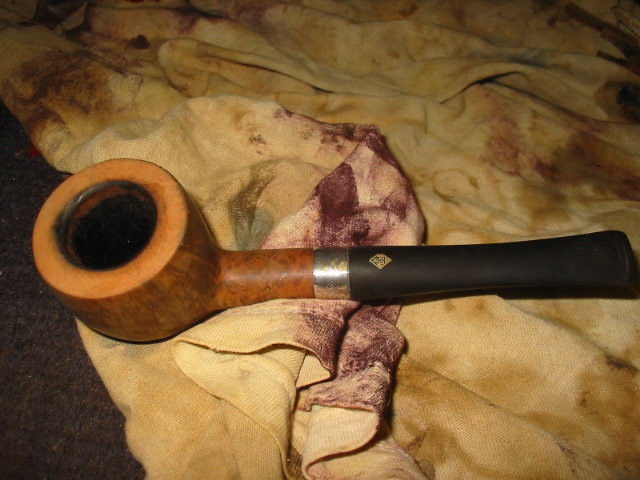
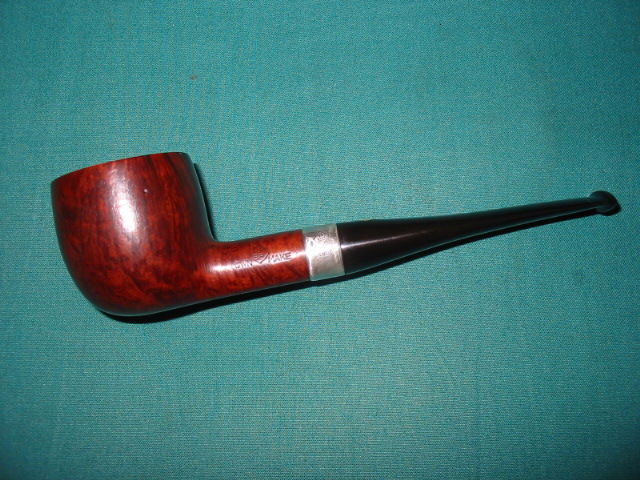
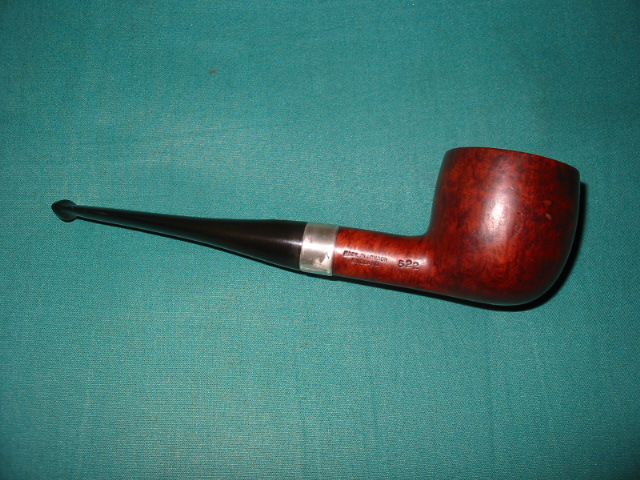
Restoration of an old BBB Own Make 622


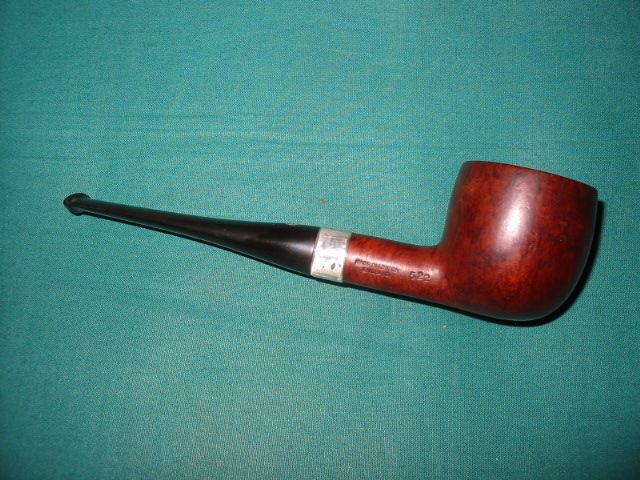
When I saw this one on EBay it grabbed my attention. I have always loved BBB pipes and found that they are great smokers and often fly under the radar. This one is stamped BBB Own Make on the left side of the shank and Made in London England 622 on the right side of the shank. The stem was an obvious replacement stem from the pictures. The band is a factory original stamped BBB and Sterling Silver. The grain showed promise and the bowl looked to be in good shape under the grime. I would know more once it arrived.


Once it arrived I took time to look it over. The bowl indeed had some great looking grain under the grime. The rim was covered with a thick coat of tar and carbon. The bowl looked to be unmarked by reaming and was still round. The cake on the inside was crumbly and sticky. The entire shank was caked with the sticky grime as was the stem. Definitely a goopy aromatic had been smoked in this old timer. The sterling silver BBB band had dents in it but was unbroken and uncracked. It was definitely an original band as when the stem was removed the shank was not cracked or damaged. The stem was indeed a replacement. It was a standard blank that still had some of the edge marks from the casting on it. It also short in terms of the length of the original pipe as I have found it on pictures on the web and in the catalogues. I was unable to find the 622 with a saddle stem like this one. It did not have the BBB diamond logo or a stamping of BBB on the stem either.

One of the reasons I bid on the pipe was that I had a BBB taper stem in my can of stems that looked like it would be a perfect fit for the pipe. Once I had it out of the box and on my work table I took out the old stem and sanded the tenon a little to make it fit correctly and slid it into place. The diameter of the stem was a perfect match to the shank and the tapered stem fit well with the pot shape. The two looked like they belonged together. Once the fit was smooth and well seated I put the replacement saddle stem into my can of stems to be used one day on a pipe that needed to be restemmed.

I put the bowl into the alcohol bath for about a half hour while I worked on removing the oxidation from the stem. I placed the stem in a bath of Oxyclean and hot water to soak when I took the bowl out of the alcohol bath. The Oxyclean softens the oxidation and makes it easier to work with than the hard unsoftened oxidation. The bowl was a real mess and I wanted to get the grime and remnants of the old finish removed so I could start fresh with the bowl and restain it. When I took the bowl out of the bath it looked like is shown in next three pictures. The finish was gone but for a few grey spots at the bowl shank junction and around the rim. The top of the bowl was seriously covered with goopy tars and black sludge that would take some work to remove. You notice in the first picture that on the right side of the bowl near the front were two fills that needed to be addressed as the putty had shrunken and they were divots.

I reamed the bowl to remove the internal grime and get back to the wood. I find that a soak in the alcohol bath softens the cake making removal much easier. It does not chip or break around the rim. I also cleaned the shank with pipe cleaners, a shank brush and alcohol to clear out the tars. I also used a drill bit that I had turned into the shank to clean out the hardened tars. Once I had it clean I used some emery cloth and turned the bowl top into the cloth to remove the chunks of tar and carbon build up. The next series of three pictures show the pipe during and after using the emery cloth. The last picture shows clearly the extent of the grime and tar build up even after sanding the top of the bowl.

Once the bowl was at the point in the photo above I then reamed the bowl a second time to clean up the remaining build up and then wiped the bowl down with acetone on cotton pads. The next series of five pictures show the pipe after the repeated wipe down with acetone. The briar is clean and ready for some work on the fills and some work to remove some of the damage to the inner side of the rim – you will notice in the last photo in the series.

I picked out the putty fills and wiped the bowl down one last time with acetone before dripping super glue and briar dust into the sandpits. The briar dust and superglue makes a far nicer looking fill in my opinion than the pink putty ever will. Once the glue had dried I sanded it with 240 grit sandpaper to see if there were any dents or dimples in the patch and refilled until the surface was smooth. I sanded repeatedly with the 240 grit until the patch blended into the surface and the glue was off of the surround clean briar.

I then used a piece of sandpaper to bevel the inner edge of the rim into the bowl to lessen the effect of the burned area. I aim for an even bevel all the way around the bowl rim and thus the effect of the burn will disappear with the stain coat. I took the stem out of the Oxyclean bath and wiped it down with a cotton cloth to remove the softened oxidation. I then reinserted it into the pipe to check for a good fit. You can see in the first picture below the beveled rim and the fit of the stem. The stem is almost back to a clean black finish. The oxidation is virtually gone and only needs to be polished and sanded with micromesh pads to bring back the shine. This particular stem also had two deep tooth marks on the top and bottom of the stem near the button. I decided to deal with them after I had finished cleaning and polishing the stem and staining and polishing the bowl.

I gave the pipe a first coat of oxblood stain, flamed it and buffed it off with Tripoli. You can see that it gave a fairly good coverage but was a bit too opaque to my liking. I wanted the grain to be more visible so I washed the pipe down with acetone to remove some of the depth of colour and highlight the grain. In the photos below you can see the pipe after I wiped it down with the acetone and buffed it with White Diamond. It still was not the finish I was looking for so I sanded the bowl with 1500 and 1800 grit micromesh to smooth the surface and then heated the bowl with my heat gun to open the grain of the wood before giving it a second coat of oxblood stain.

The next series of four pictures show the finish that I was looking for. The grain shows through clearly and the bevel and stain on the rim minimize the effect of the burn marks. The stem is also cleaned and polished but the bite marks still remain in the pictures below. After staining and flaming the pipe I buffed it with White Diamond and then waxed it with several coats of carnauba before buffing with a soft clean flannel buff.

At that point last evening I set the pipe aside to be finished today. When I came home from work this evening I used the heat gun to raise the dents in the stem on the top and underside. The first two photos show the effect of the heat gun in raising the dents. Once I have the dents raised as far as I can lift them I used 240 grit sandpaper to level the surface of the stem and I have found that the combination of the heat and the sanding takes care of most dents in the surface of the stem as long as they are just dents and not cut marks. I finished sanding those areas of the stem with micromesh pads from 1500-12,000 grit until the stem had its own inner shine. When I was finished I coated the stem with Obsidian Oil and once dry, buffed it with carnauba wax and a soft flannel buff. To finish off the pipe I gave it several more coats of wax and buffed it by hand with a soft cotton cloth.

Refurbished Mastercraft Bulldog


Another old timer, a Mastercraft Bulldog was in my box of bowls without stems. The squat shape of this little bulldog caught my eye.

The bowl pretty rough looking. The finish was gone and the top had been used as a hammer so it was badly dented and the roughening of the wood left a lot of splintering edges. It was also badly caked and still had a remnant of tobacco left in the bowl. Since it was missing its stem I have no idea when the bowl and tobacco got separated from the stem. I have a coffee can in which I keep a wide range of stems that I have picked up and another can of stem blanks that need to be shaped and fit to the new pipe. For this pipe I found an old stem in the can that was a perfect fit once I removed the old stinger type insert. The stem was badly oxidized virtually brown. There were no tooth marks on the stem and no dents that needed to be repaired.

I reamed and cleaned the bowl and shank until the pipe cleaners came white. I use 99% isopropyl alcohol for doing this as I find that it works well and evaporates quickly leaving no residual tastse. The top had been hammered so much that the bowl had to be topped so that it would be smooth again. The trick with this one was not to remove too much of the top and thus change the angles of the bulldog shape. So I removed enough to give me a smooth surface to work with but not enough to change the shape. Once it was topped and sanded I put it in the alcohol bath and left it while I worked on cleaning up the stem.

I had soaked the stem in a mixture of Oxyclean to soften the oxidation and prepare it for the sanding that would be necessary to clean it. Once I remove it from the soak I buffed it with Tripoli to remove the oxidation that had softened and then sanded it with 240 grit sandpaper. Once I had removed the brown surface I used 400 and 600 grit wet dry sandpaper to continue the smoothing and polishing process. I finished the stem with the micromesh pads from 1500 – 6000 grit. Then I set it aside to wait until I had finished bowl and polish the entirety on the buffer.

I took the bowl out of the alcohol bath and sanded it with the micromesh pads to remove the surface scratches and remaining marks in the bowl surface. I steamed out the dents with a damp cloth and a hot knife and then sanded them smooth again. I restained this bowl with a Medium Brown stain. I flamed it to set the stain, inserted the stem and then took it to the buffer and buffed it with White Diamond to polish it. The entirety was then given several coats of carnauba wax. This one found a new home with someone who loved the shape and it is providing a great smoke for them. ImageImageImage

Reclaimed – an Old Baronite Ceramic and an Old Briar


Blog by Steve Laug

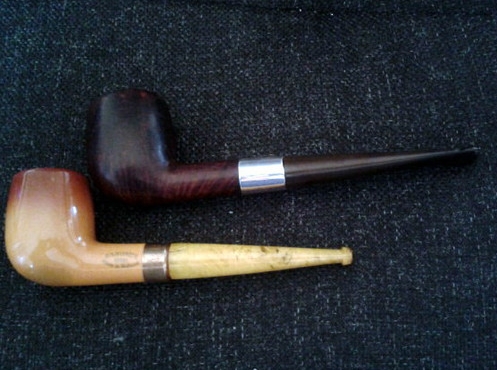
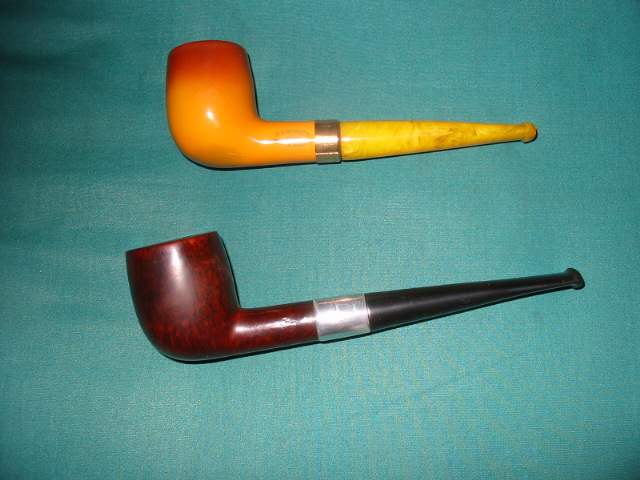
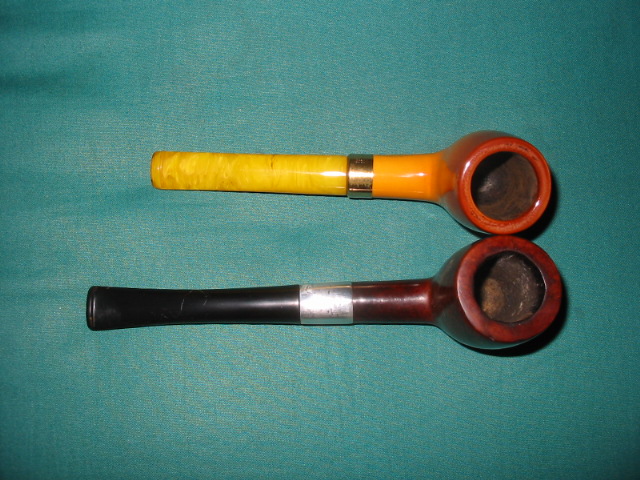
When I saw this pair of old pipes on EBay I was intrigued enough to put in a bid. I did not bid high as I was intrigued not captured by them. As I looked at them the upper pipe had some interesting possibilities in grain and the shape of the stem and angles looked old to me. The bottom pipe fooled me a bit – when I first looked I thought it might be a meerschaum with an amber stem. But after bidding and a bit more digging on the internet I found that it was a double walled ceramic pipe and the stem appeared to be Bakelite. I found out that I had bought these pipes when I got home from work that evening. They would arrive soon and I would have the pleasure of working on them.Image

When they arrived I took time to look them each over to get a feel for what needed to be done to bring them back to service. Looking over the briar pipe first I could see that it is old. The stem style and the orific button point to an older pipe. The silver band has no hallmarks or stamping so it is no help in identifying the pipe’s brand or age. The stamping on the shank is too faint to see even with a bright light and a jeweler’s loupe for magnification. The bowl was thickly caked and much of the tars of the tobacco were built up on the rim. It appeared that the rim was not damaged with char or denting. The finish, as can be seen in the photo below as very dirty and darkened with oils from the hands on the sides of the bowl. The stem had deep tooth marks and much chatter from teeth along top and bottom from the button up about a ½ inch.

The second pipe was a double walled ceramic pipe. It was stamped Baronite Made in Holland. The outer surface of the bowl was dirty and darkened with what appeared to be grease. The band on it appeared to be a golden colour under the dirt. The stem was in pretty good shape but the cork seal on the tenon was dry and thus loose in the shank. The inside of the bowl was caked and black. The shank was also black and dirty. I shined a light into the shank and could see the gap between the walls of the inner and outer bowl. This area was in need of a thorough washing.

On the briar pipe I cleaned and reamed the bowl. The shank was a mess and full of grime and grit. It took many pipe cleaners, a shank brush and isopropyl alcohol before it was clean and the pipe cleaners came out white. The deep tooth marks on the stem were lifted with my heat gun and then sanded smooth. I used 240 grit sandpaper, 400 and 600 grit wet dry sandpaper and then finished the work on the stem with micromesh pads from 1500-6000. While I worked on the stem I had put the bowl in the alcohol bath to soak and hopefully remove the darkened and soild finish. When I took it out of the bath and dried it, I sanded the bowl and restained it with a medium brown aniline stain. I put the stem back on it and then buffed it with White Diamond and polished it with carnauba wax

On the Baronite Ceramic pipe I did a bit of seeking advice and found out that I could flush out the bowl with hot water. I did this at my sink with the water running through the bowl and out the shank. I repeated it the other direction as well. Several times I filled the bowl and shank and shook it to help the water scour between the inner and outer bowl. After about five minutes of this the water came out clear and the pipe smelled clean again. I decided to do the same process with isopropyl alcohol as well and ran it through the pipe both directions for a final cleaning. I used repeated applications of Vaseline on the cork seal on the tenon to soften it and expand it again. Once that was done the stem fit snuggly to the shank. I cleaned the stem with isopropyl alcohol and pipe cleaners and a shank brush to get the dark areas out of the inside of the stem near the button. Once the stem was done I put it on the pipe and buffed the entirety with carnauba wax. The series of photos below show the finished look of the two pipes.ImageImageImage

Carving one of my own


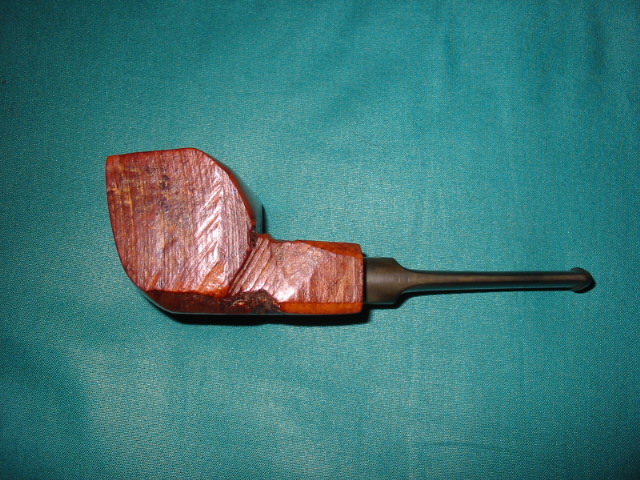
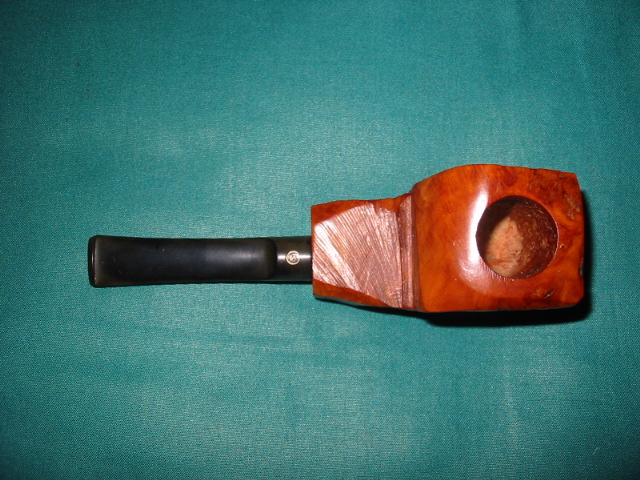
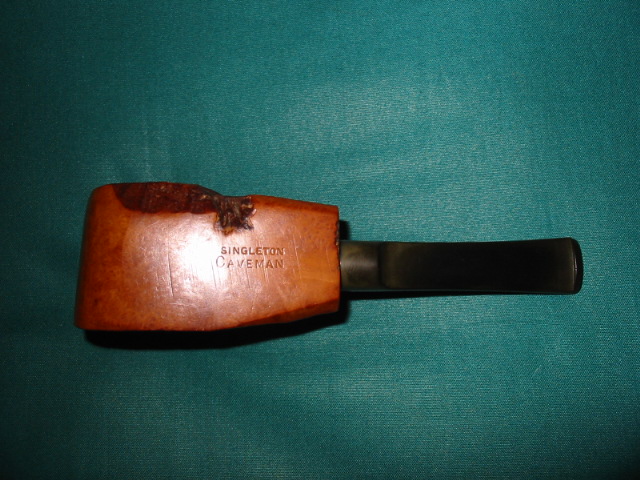
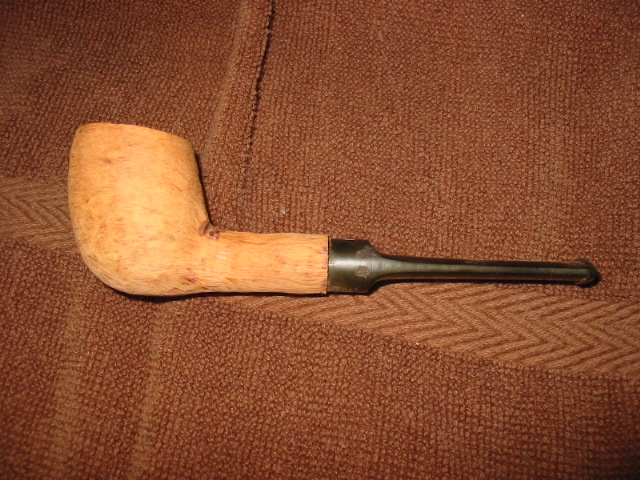
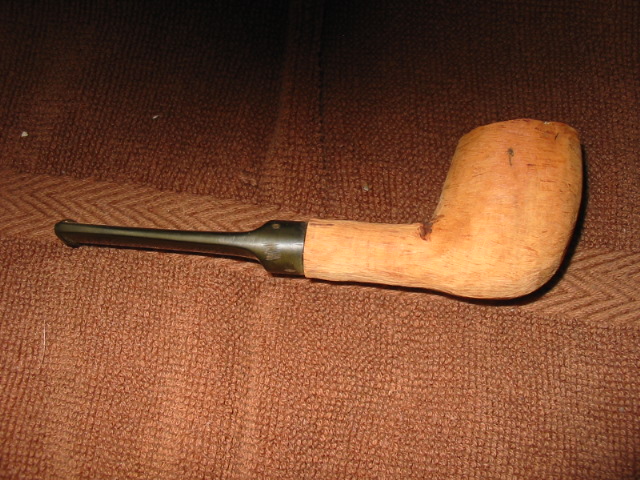
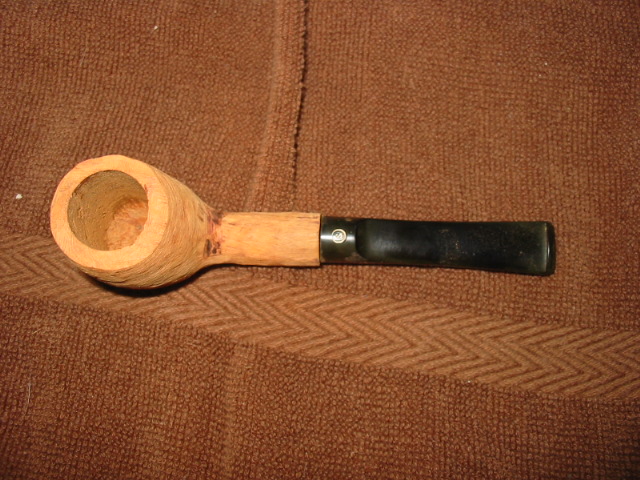
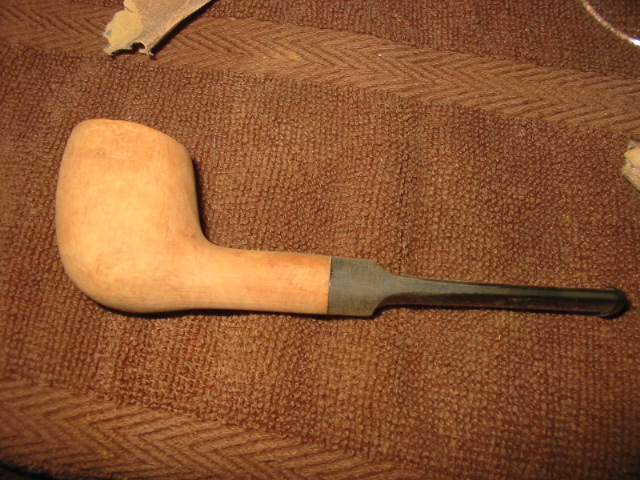
Every so often I get the urge to carve a pipe of my own. I have done it from scratch, drilling the airway and bowl but often it is just as much fun for me to buy a pre-drilled block with its own stem and rework it into something I like. The pictures and essay below will take you through my process with a pipe I picked up off EBay for almost nothing. When you look at it some of you will recognize that for awhile in the 80’s and maybe earlier Singleton sold these pipes as Caveman Pipes. They were rough and were stained and waxed, stamped Singleton Caveman pipes and sold as is. I have always thought that they were ugly and looked unfinished. This one just begged to be reshaped – at least that is the excuse I gave when the package arrived and my wife commented on “yet another pipe”.

The first four photos give a good sense of what it looked like when it arrived at my house. It was a fairly small piece of briar and there was no way of knowing what lay beneath the surface of the block. It was stained and waxed. The stem was oxidized a bit but it did not matter as I was going to reshape it and make it my own. The last photo of the four shows the Caveman stamping I was referring to earlier.

ImageImageImageImage

I took out my Dremel with the larger sanding drum, replaced the sandpaper cylinder with a new one and began the process of removing the briar and making a shape that I liked and that I felt the briar held inside. The next three photos show the block with much of the briar removed and a shape is beginning to come out. I bring it to this point in the shaping process with the Dremel and the sanding drum. It works great for me. Some of you may notice the nicks from the Dremel on the saddle of the stem. Those are a pain but I was not worrying too much about it as I planned to shape the stem a bit more as well and those would disappear in the process. Also note, the shank is still not the diameter of the saddle on the stem at this point. From this stage one I do the shaping by hand with 100 grit sandpaper. It makes short work of the remaining excess briar. You will also see some burn marks at the bowl shank junction from the sanding drum – nothing that will not sand off. There are also sand pits and flaws beginning to show up in the surface of the briar.

ImageImage

Image

Much sanding went on before I took the next series of three photos. I used the 100 grit sandpaper to remove much of the excess and then progressed to 220 and 240 grit sandpaper to bring the shape to the stage in these photos. I also sanded the saddle of the stem and the edges of the blade to match the line of the shank. I wanted the flow to be uninterrupted by the juncture of the two materials and I wanted the transition to be smooth. There were many sand pits visible at this time on the sides, top and bottom of the bowl and the shank. It is always a bit of pain to get to this point in the shaping and sanding and not be able to get rid of them. This left me with a bit of a quandary. What should I do to get the best finish on this pipe? I dislike fills and did not want to use putty in any form on this pipe. I figured the next bet would be to rusticate the pipe and give it an interesting texture for the prestained finish.

ImageImageImage

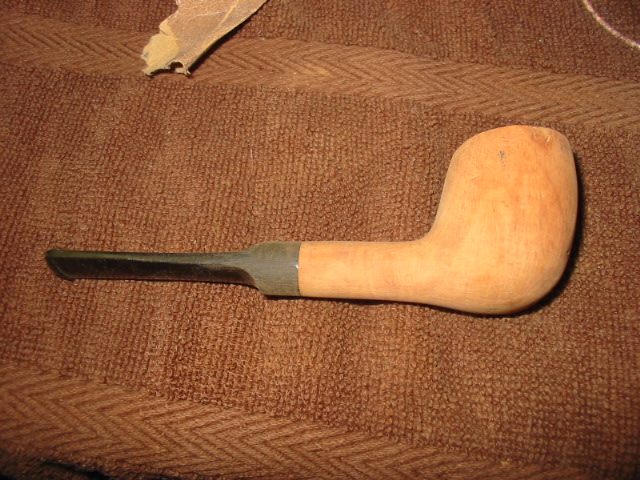
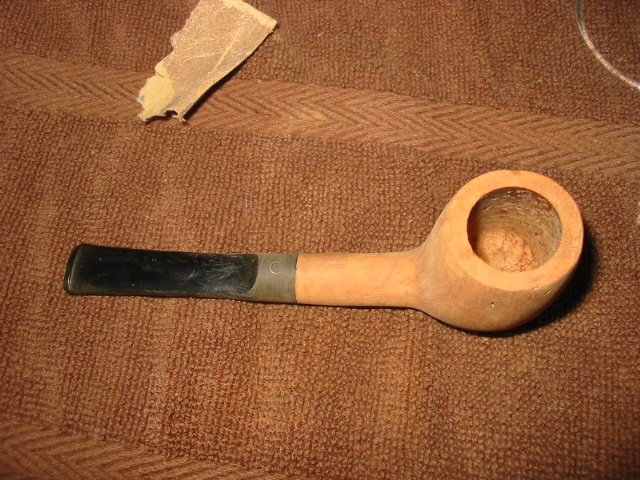
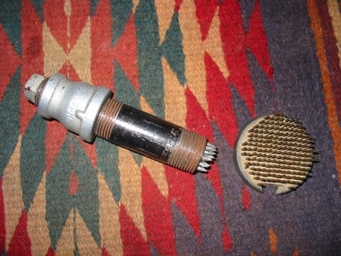
I used a tool that I fashioned out of a fistful of galvanized nails, a piece of steel pipe, a cap and nipple coupling. It looks like the photos below. It is the tool on the left. I also used a florist’s frog (pictured on the right) to give the finished surface a different touch.

ImageImage

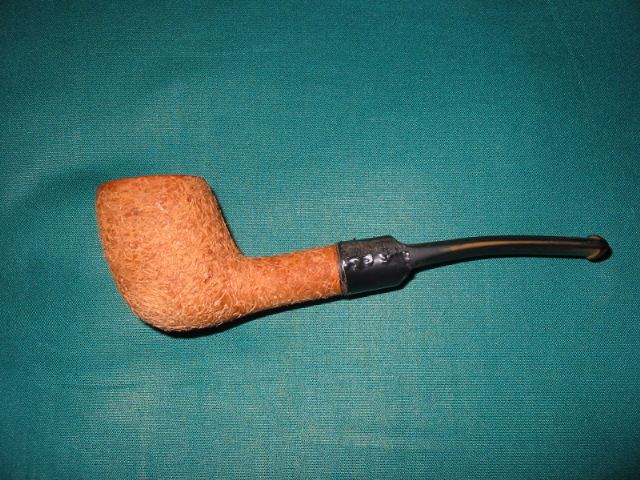
Before I used the tool on the surface of the briar, I wrapped the saddle of the stem and a 1/8th inch band with black electrical tape. I wanted to protect the saddle and the small band of briar from being rusticated with the tool. It is a work horse but is not subtle in its deep cuts. I wrap the cap end with a thick towel to protect my hand when I pushed the points of the nails into the briar. I pushed the head into the briar and twisted the tool back and forth to cut the surface of the briar and roughen it. The next series of four photos show the rusticated surface of the pipe after I finished with the nails and also after I rubbed the florist’s frog across the surface to knock off high points. I was aiming for a finish that has the look of aged leather so I wanted no roughness left but I wanted a crinkled, wrinkled look to the briar.

ImageImageImageImage

The next two photos show the pipe after I gave it a black understain. I used black aniline stain and applied it with a dauber. Once the pipe was covered I used a lighter to flame the stain to set it deeply in the briar. My goal was to have the black stain set deeply into the crevices of the rustication once I had buffed it. (I have learned that when I am staining to always start with the darkest stain and work toward the final lighter coat.) Once the stain was dry I took it to my buffer and buffed it with Tripoli. The buffer removed all of the black stain from the smoother, higher surfaces and the band next to the stem and the rim. The only black stain remaining was in the crevices and pits in the briar. At that point I restained the pipe with a medium brown aniline stain and flamed it as well. I took it to the buffer and this time buffed with Tripoli and White Diamond. I wanted the brown to give a top coat and allow the black to show through. I also wanted to smooth the surface a little to make it smooth in the hand.

ImageImage

The final series of photos show the finished pipe. I think I achieved the look of old worn leather I was aiming for with this rustication and staining. I worked on the stem and smoothed it out with 400 and 600 grit wet dry sandpaper and water. Once the scratches were gone I worked through the usual regimen of micromesh pads from 1500 to 6000 grit. These gave the stem a good polished look. I finished it on the buffer with White Diamond and multiple coats of carnauba. The bowl was waxed with Halcyon 2 wax so that I could avoid the wax build up from carnauba in the crevices of the rustication. I gave the entirety a final buff with a clean flannel buffing pad. This one has become a favourite smoker of mine. It is perfect size to fit in my jacket pocket and it is a veritable furnace for good Virginia Flake tobacco.

ImageImageImage

Restemmed Red Point Capped Bent


I picked up this Red Point Old Briar Capped Pipe bowl on Ebay awhile ago. It did not have a stem but seemed to have promising grain. When it came in the mail I cleaned it up a bit and then worked on a stem for it. I decided to use a faux p-lip stem that has the airhole on the end of the stem rather than on the top. I fit the tenon to the shank – that was a bit of a trick as the shank is like a Pete shank in that it narrows/tapers as it descends toward the bowl. I finished fitting and polishing the stem.

Here are some pictures of the bowl when it came. From the second photo you can see that it was barely smoked. It was very clean and needed a few pipe cleaners run through it. The exterior needed to be wiped down with a little oil soap to clean away the grime – I always rub it on undiluted (no water) and quickly wipe it off. I do not leave it to sit. I also polished the silver work on the shank and the cap.

ImageImage

I heated the stem with my heat gun and bent it slightly and took the next three pictures. I have learned that pictures give the true story in terms of bend and overall look of the pipe in a way that is clearer than the naked eye. From the photos I decided that the bend need to be a bit more dramatic and match the curve of the bottom of the bowl and shank. I reheated it and used the rounded edge of my work table to get a proper bend in it.

ImageImageImage

Here is the final product – a proper bend with a curve that matches the bottom of the bowl and shank. The look is like an elongated S. Once it was finished I cooled the stem for a bit and then loaded it with Blue Mountain and smoked the inaugural bowl. Since then I have smoked it several times. It delivers a great smoke.

Image