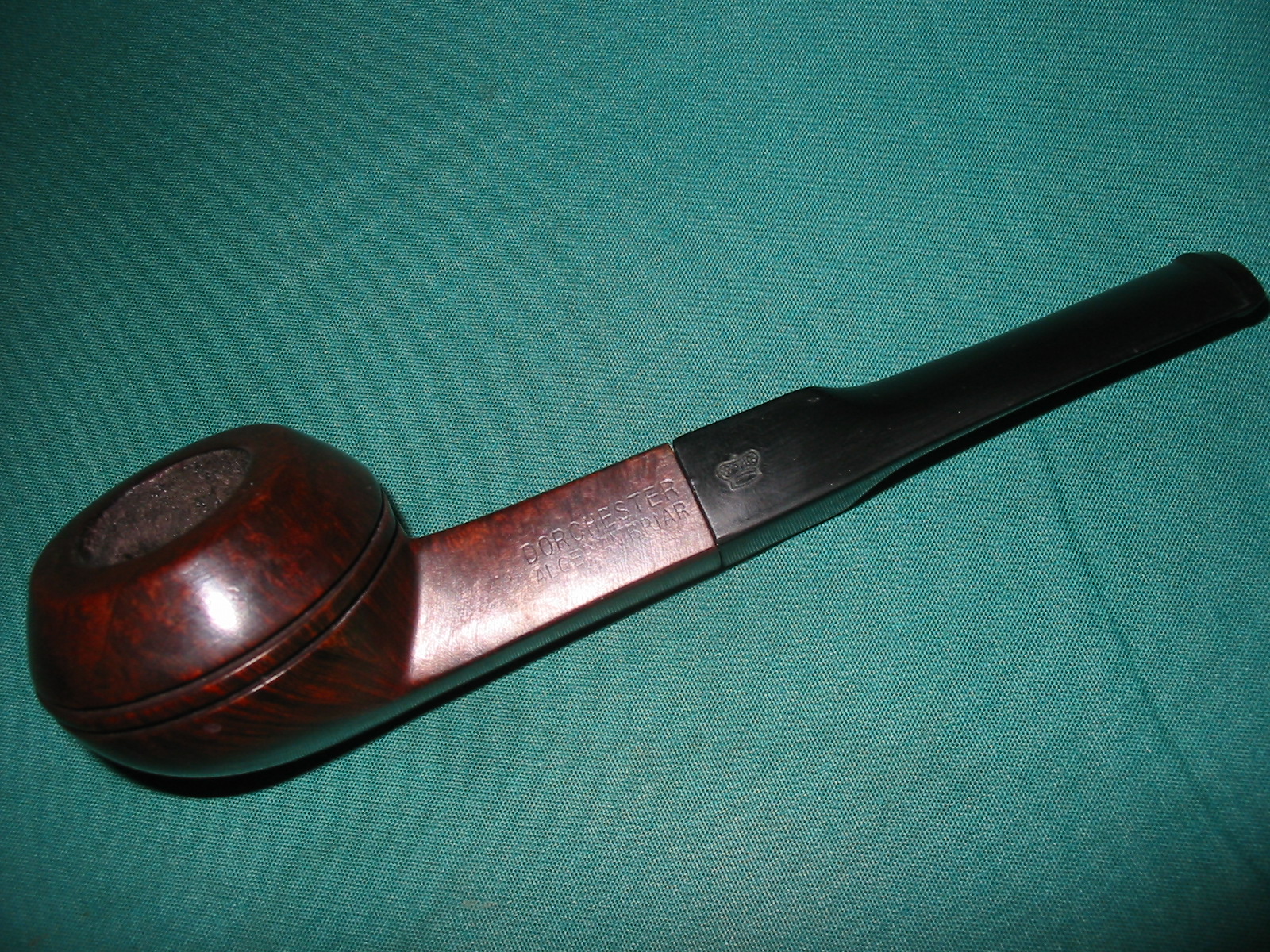
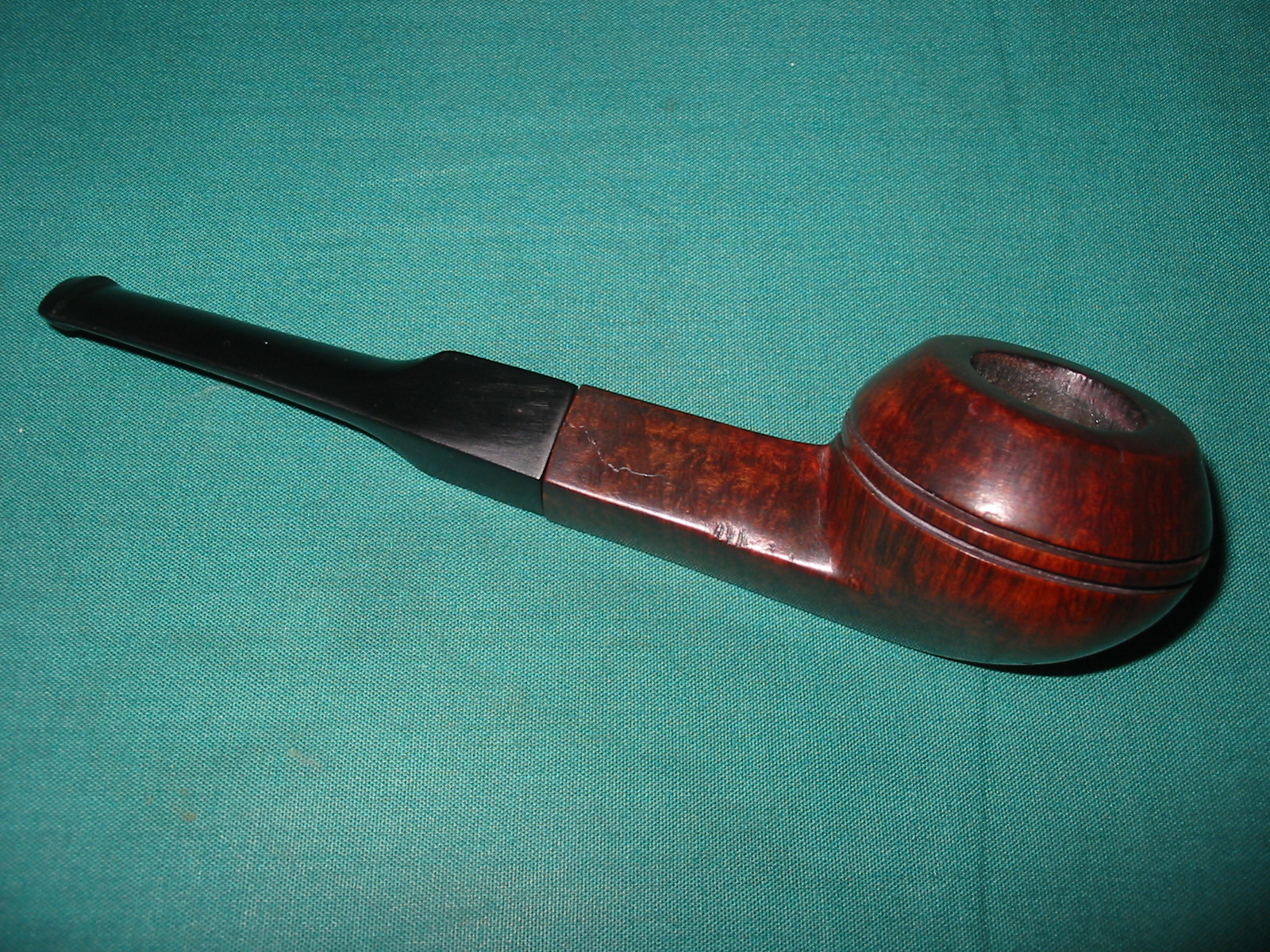
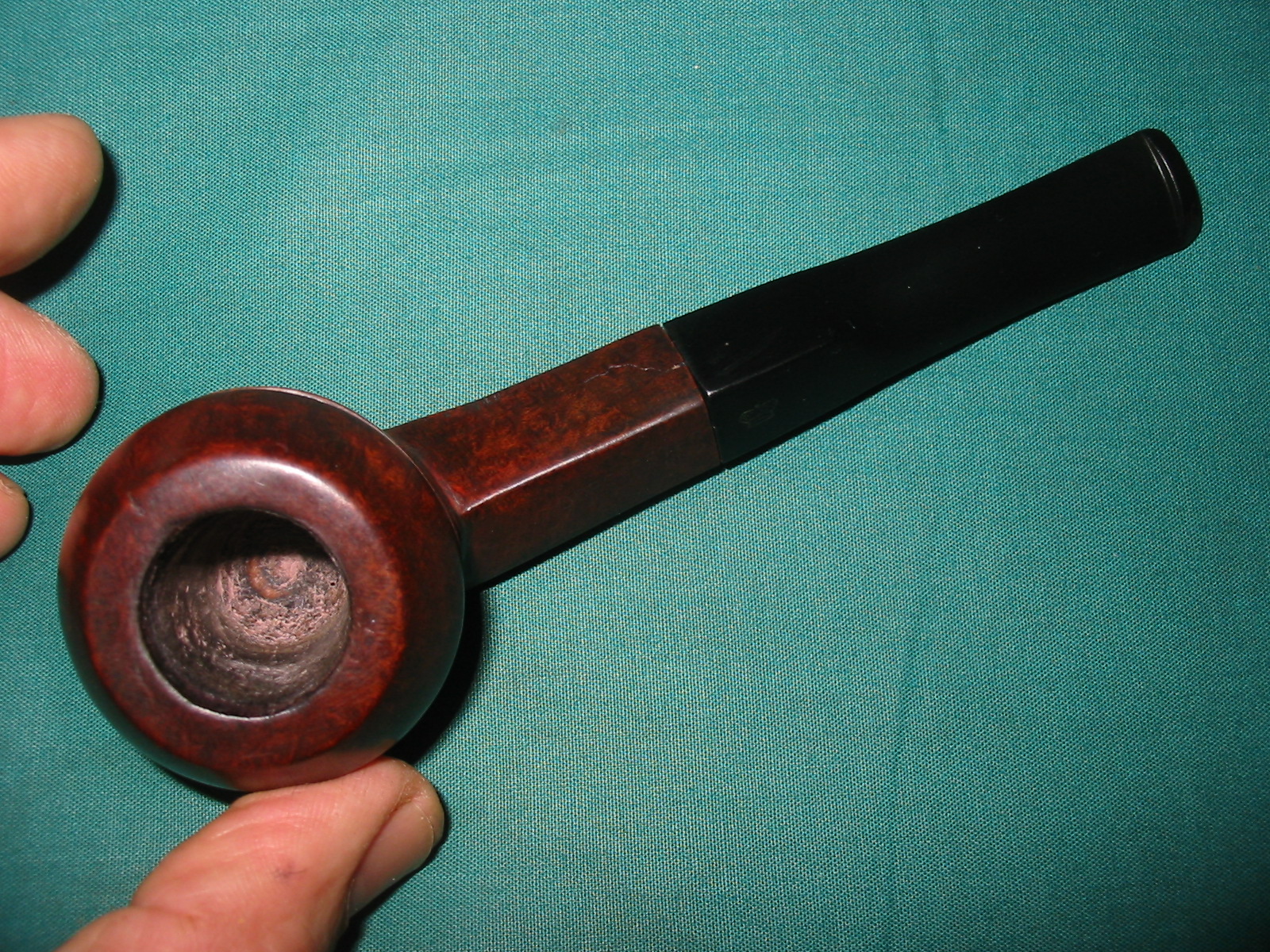
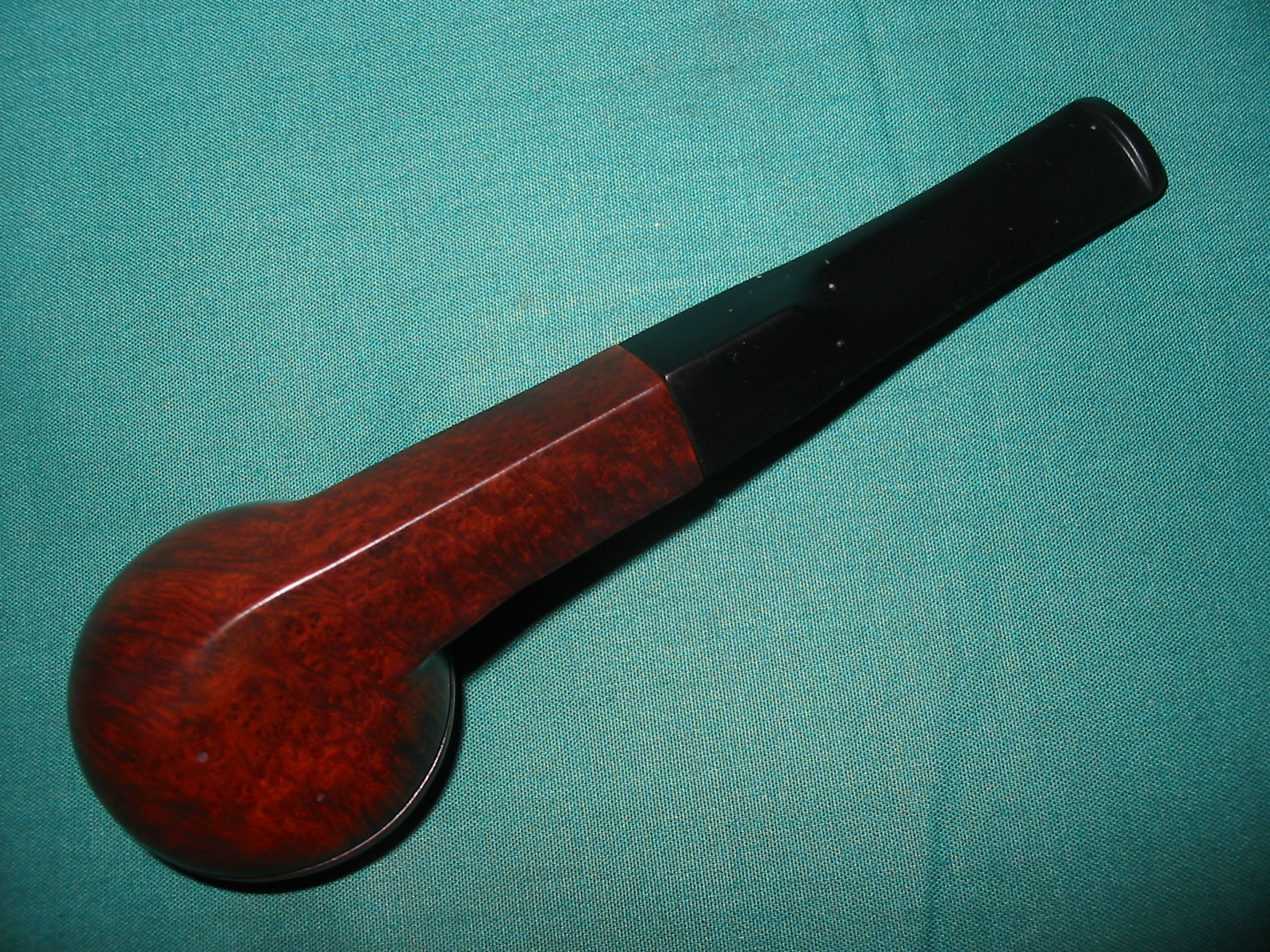
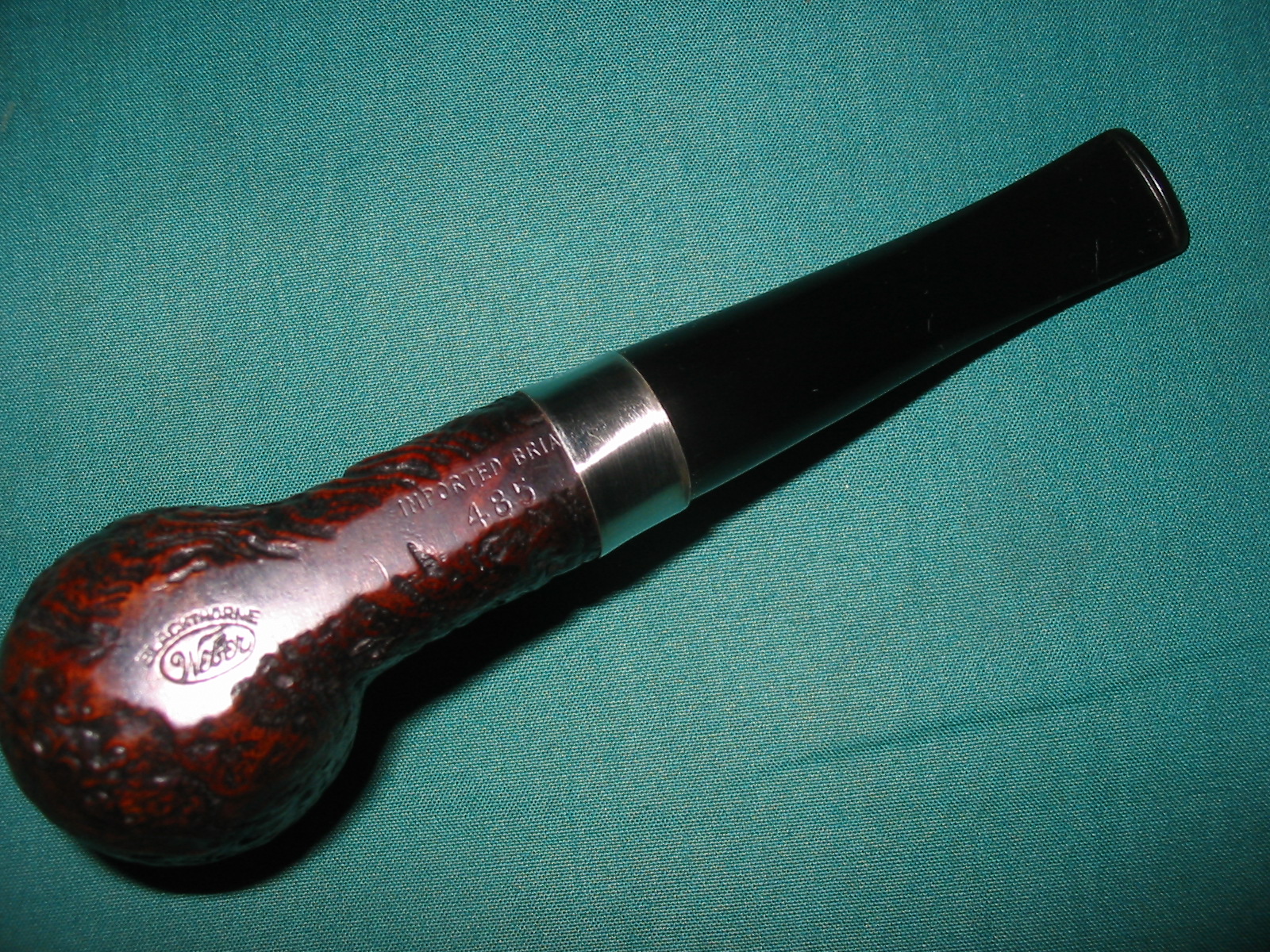
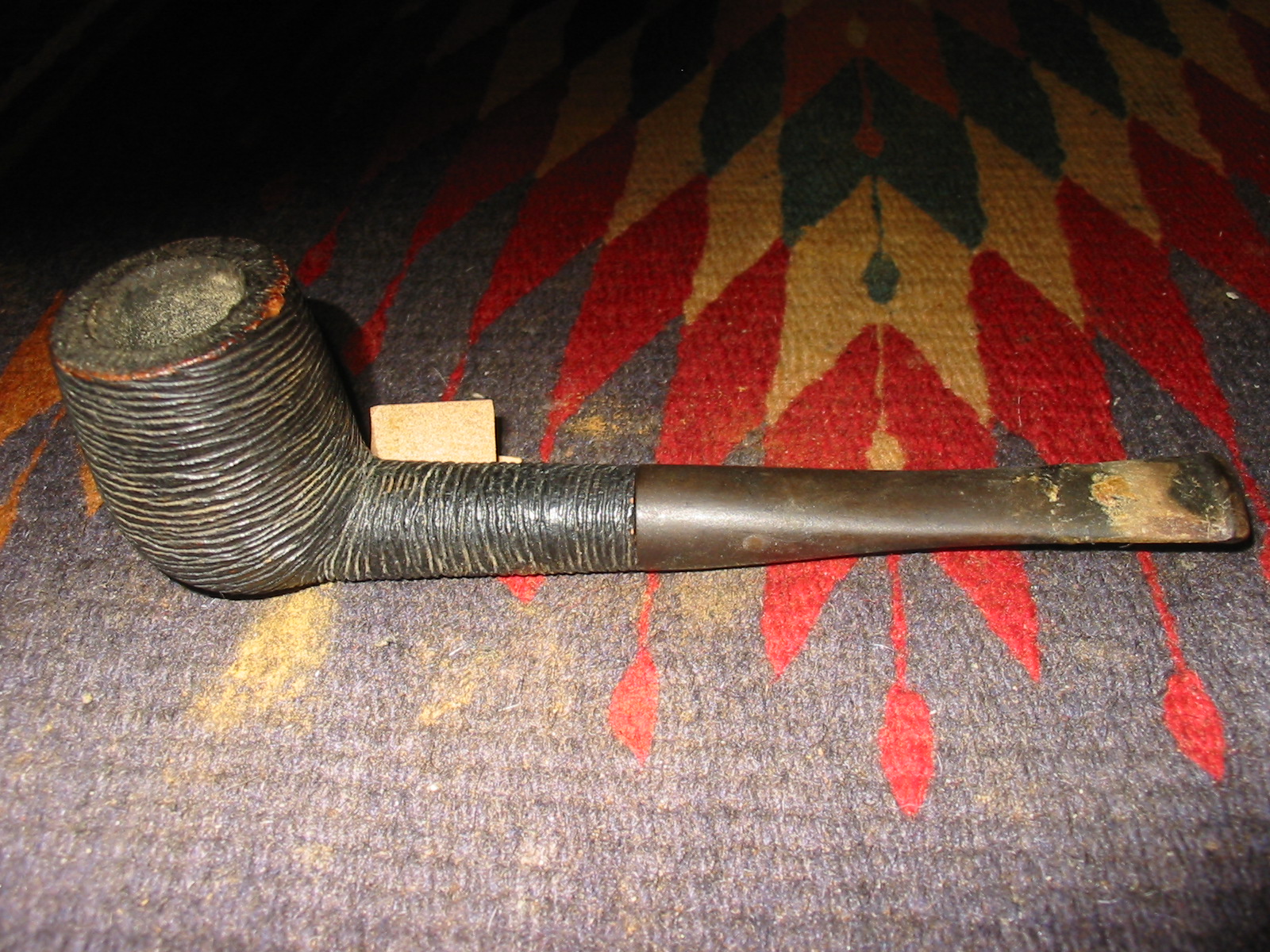
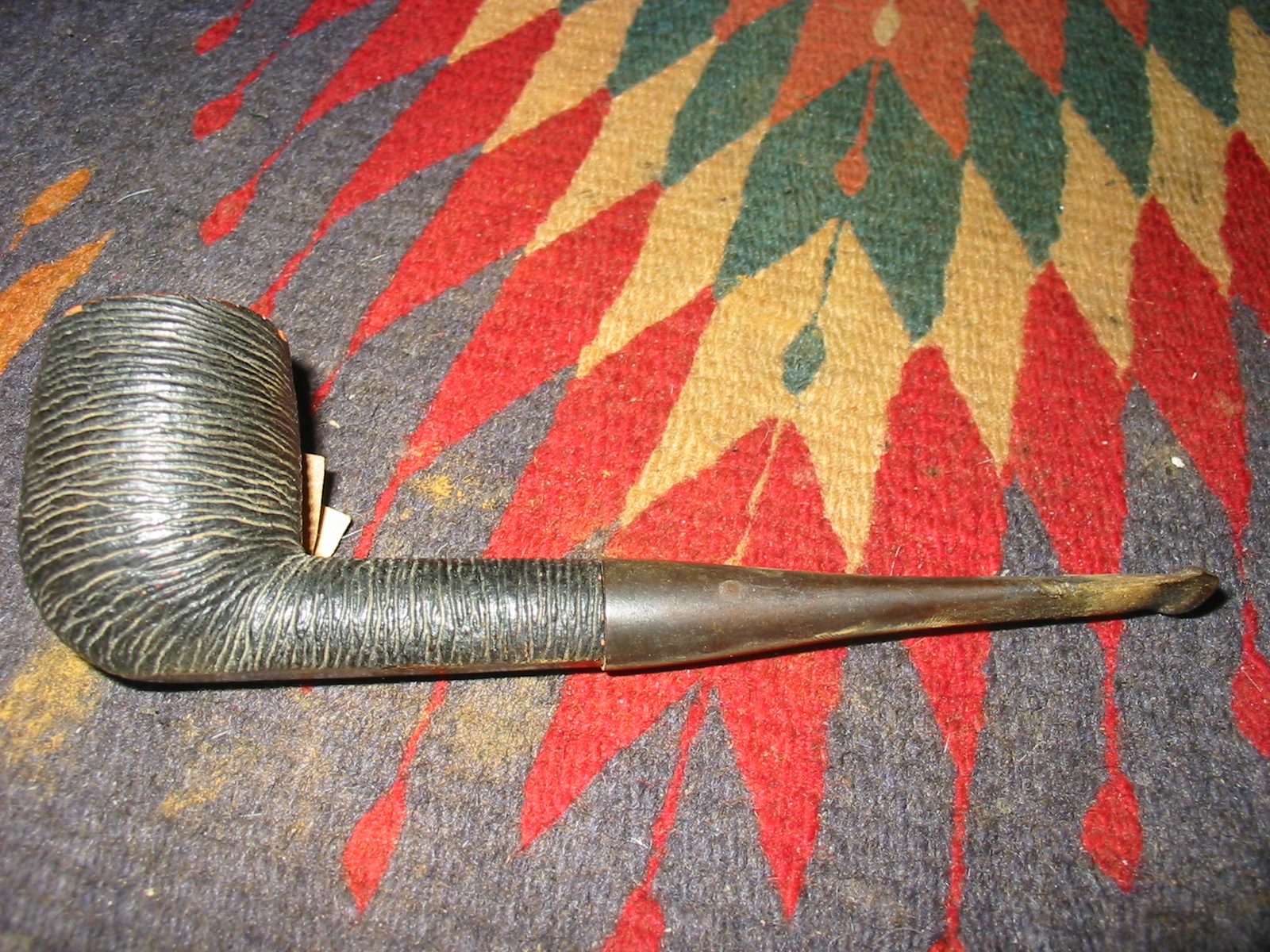
Tag Archives: finishing
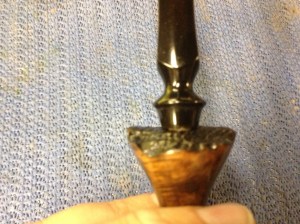
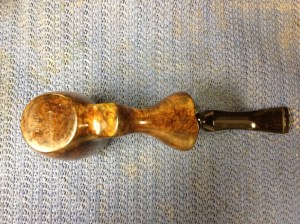
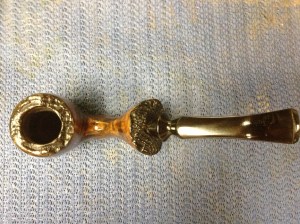
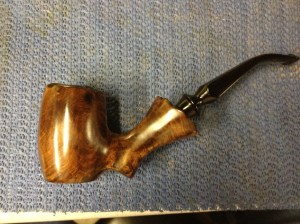
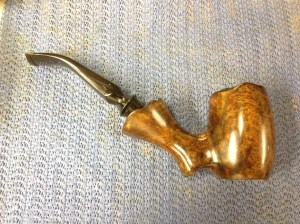
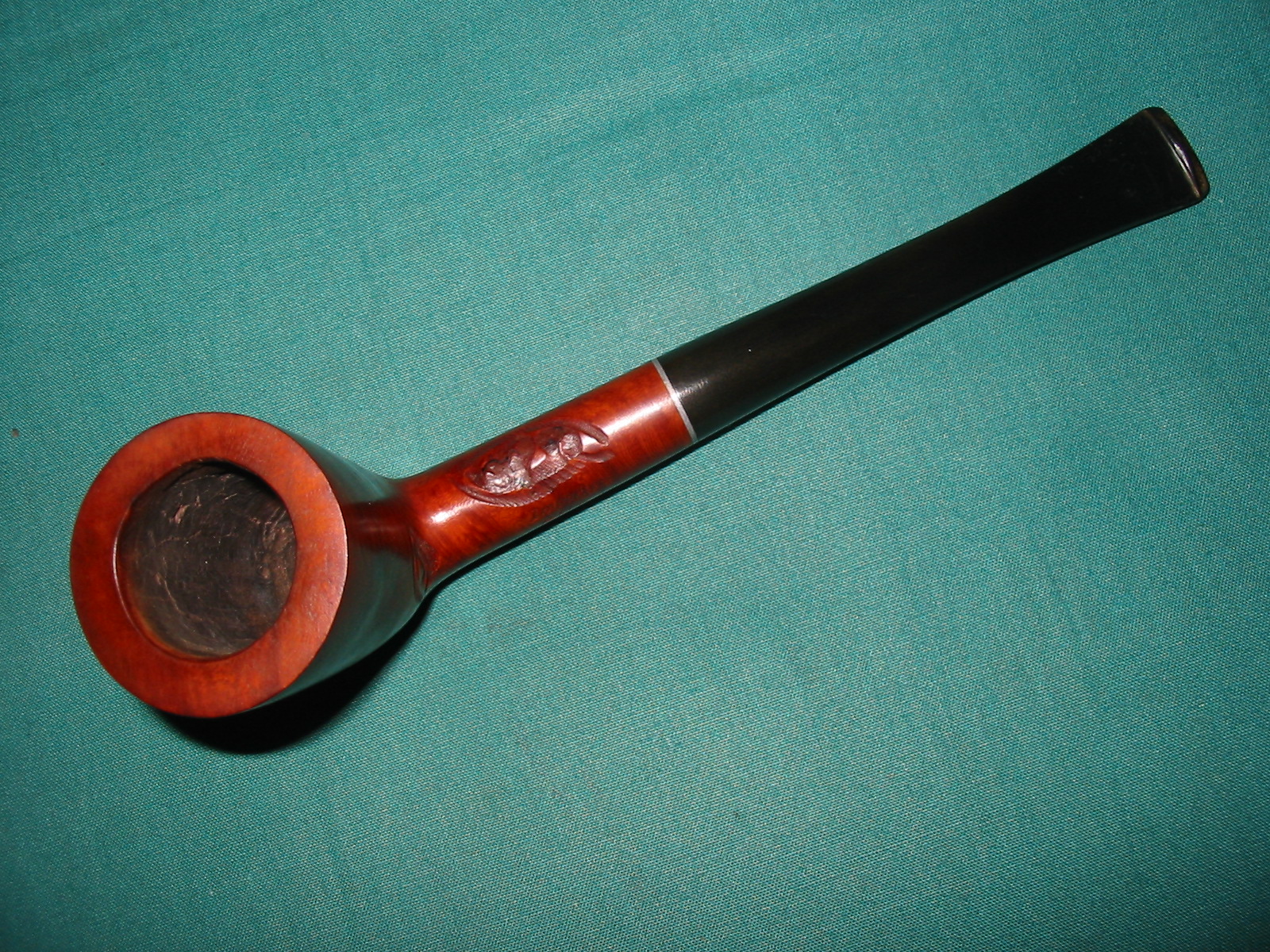
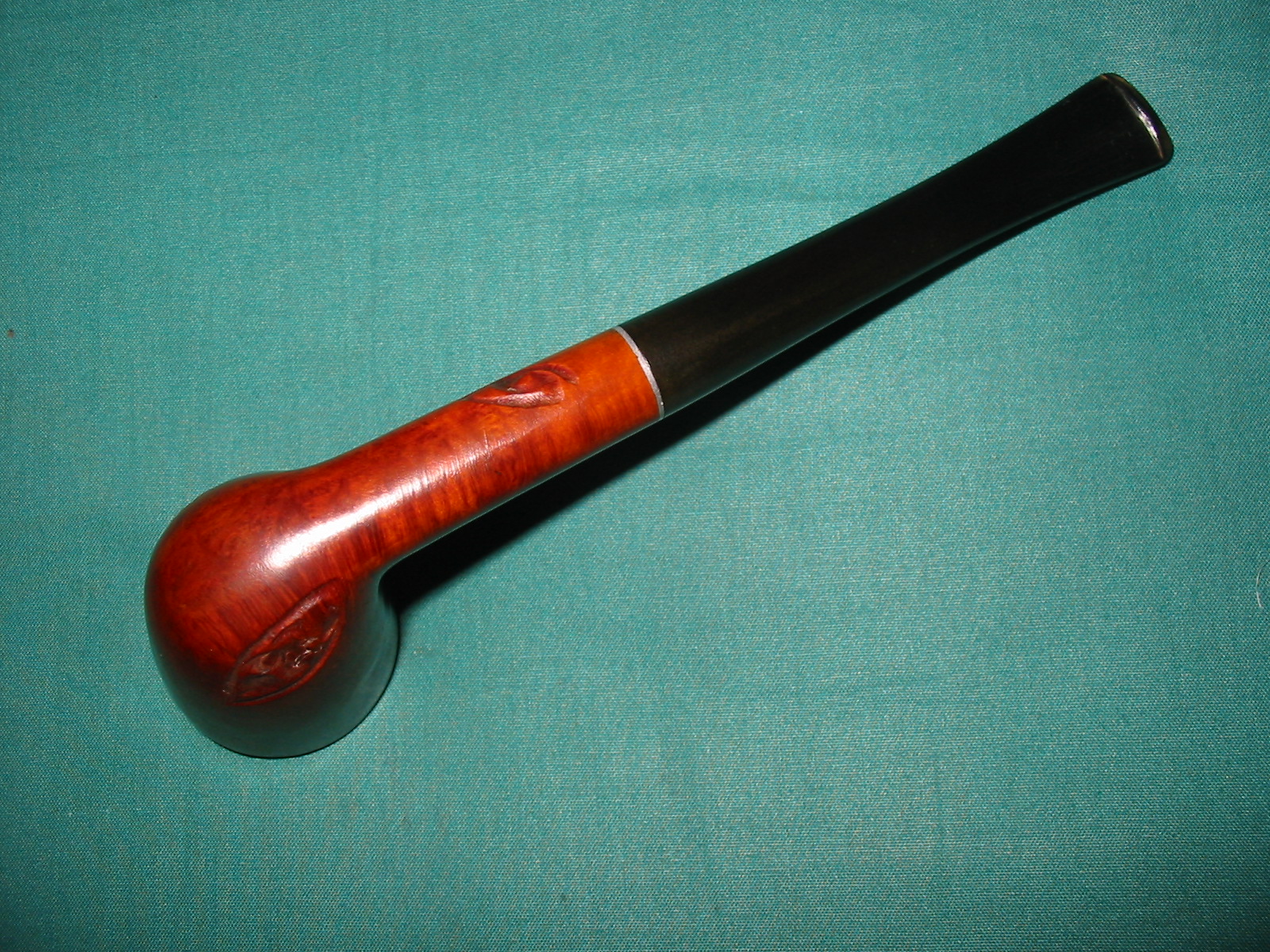
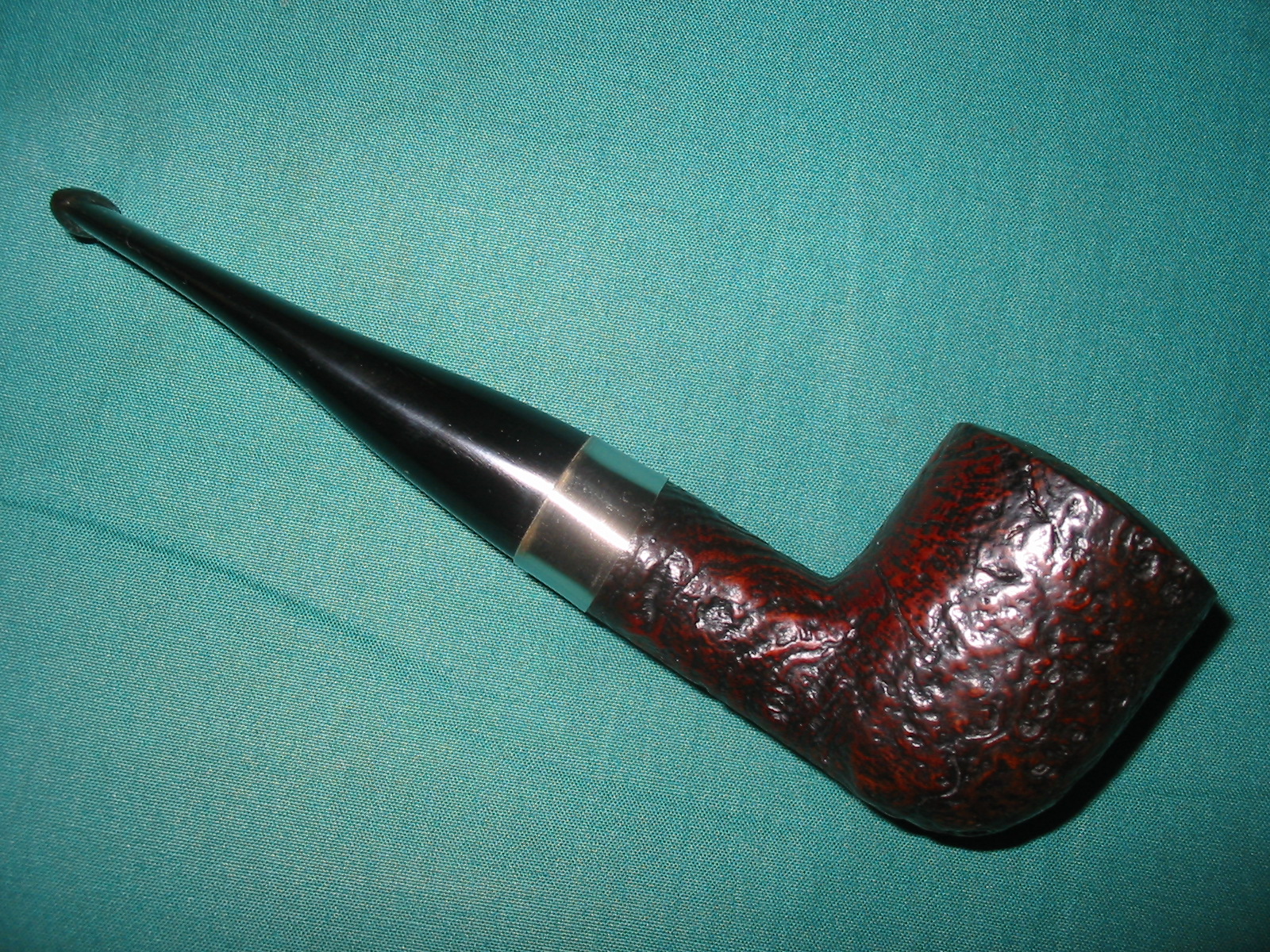
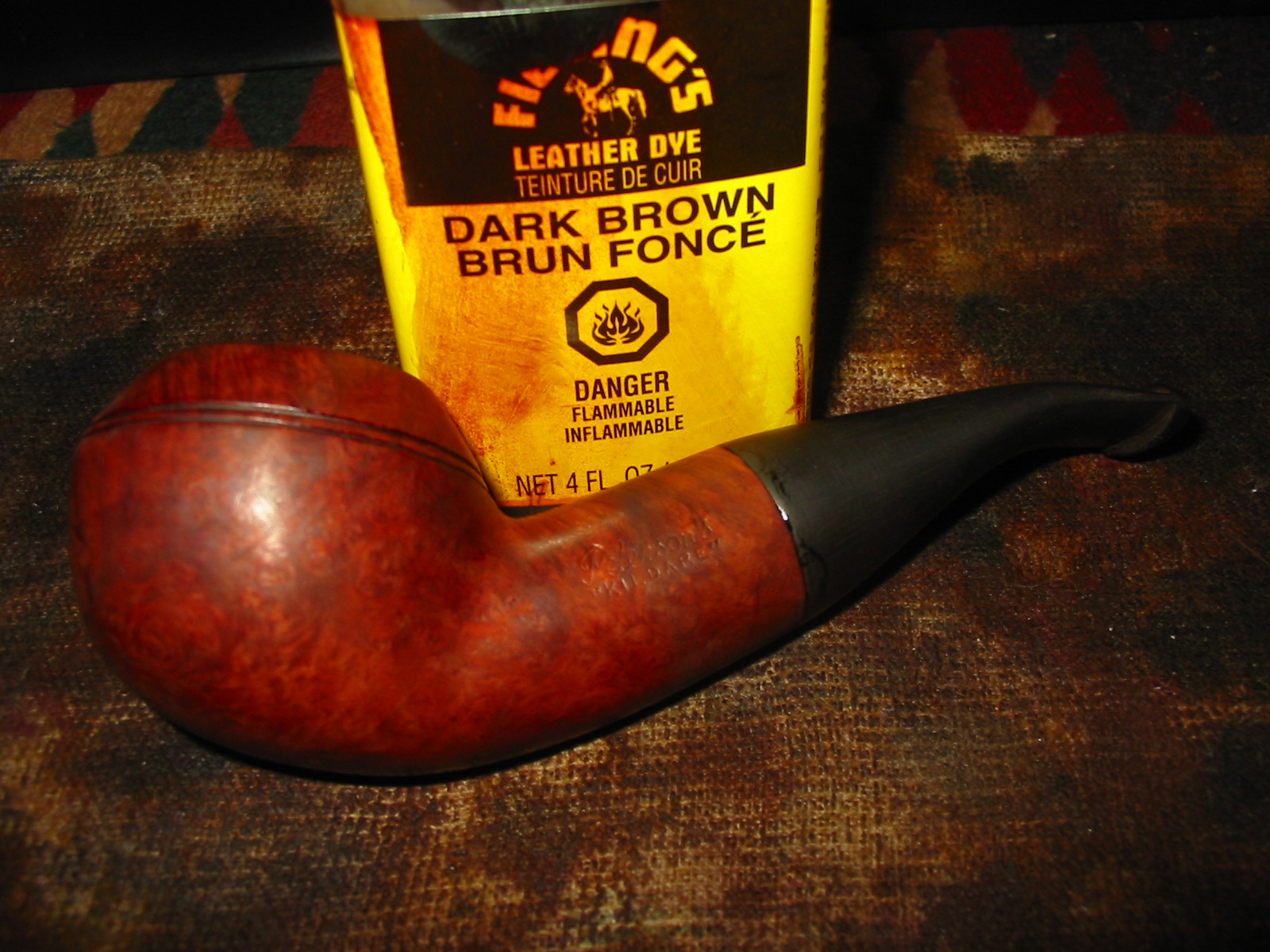
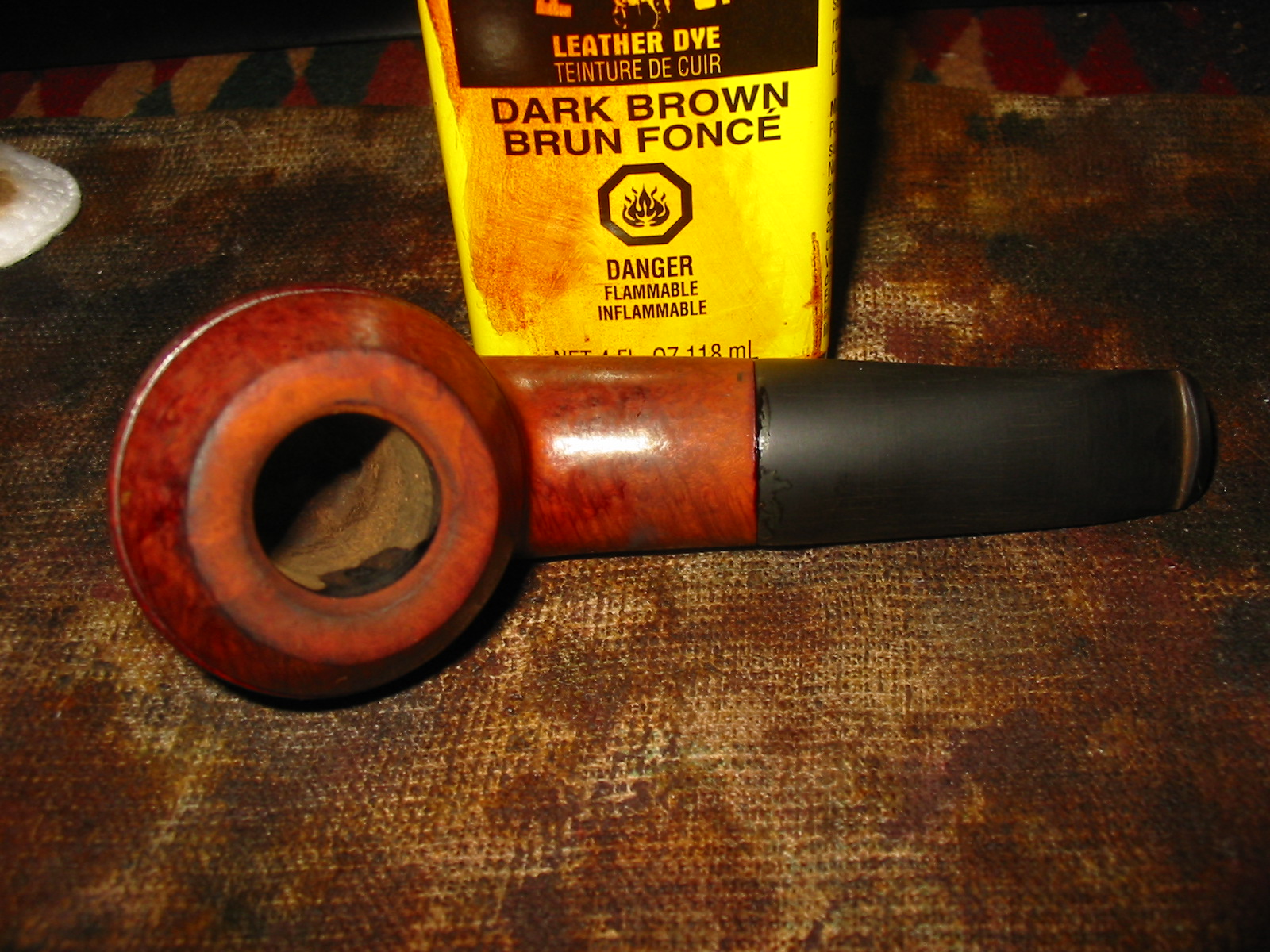
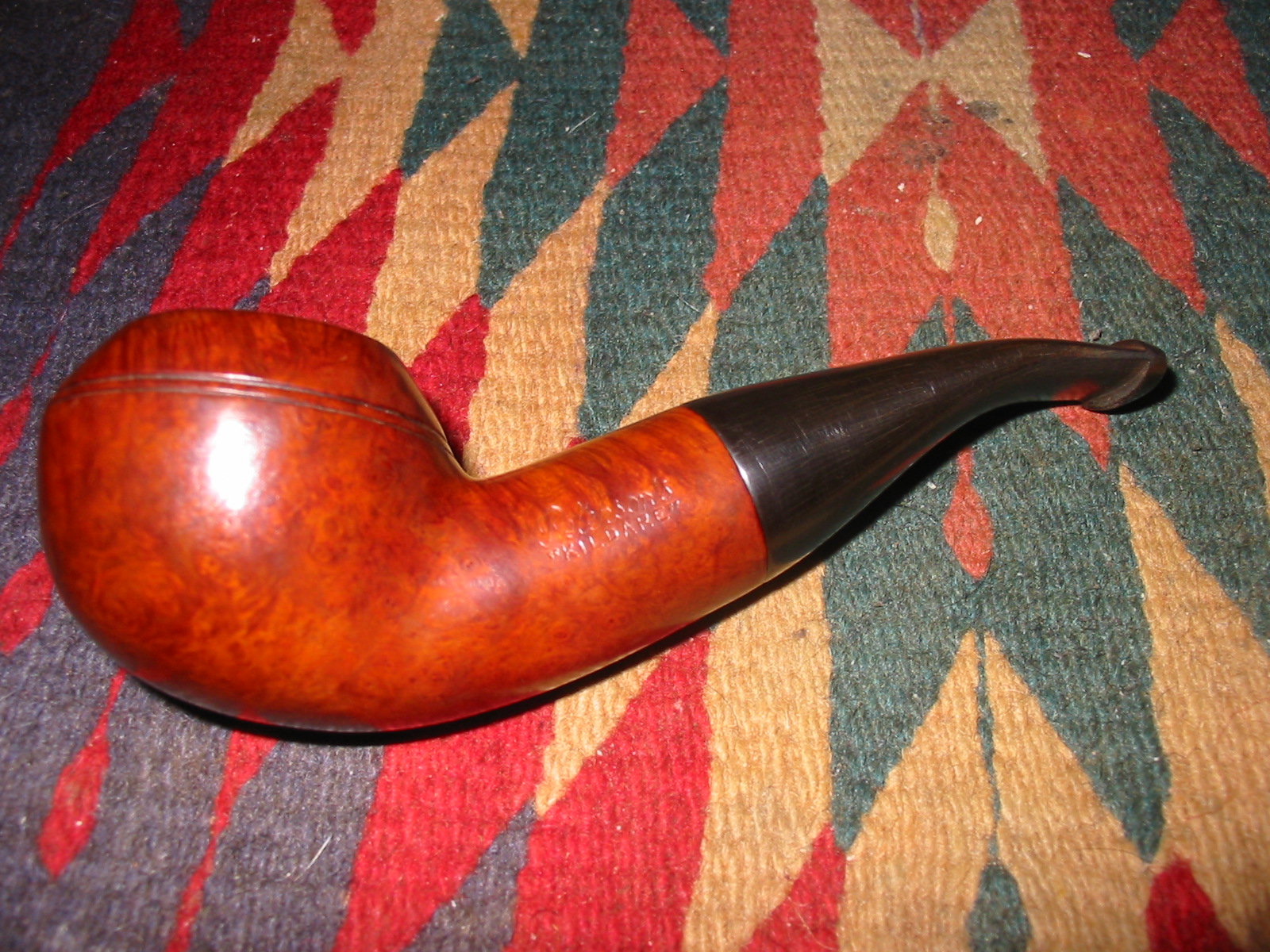
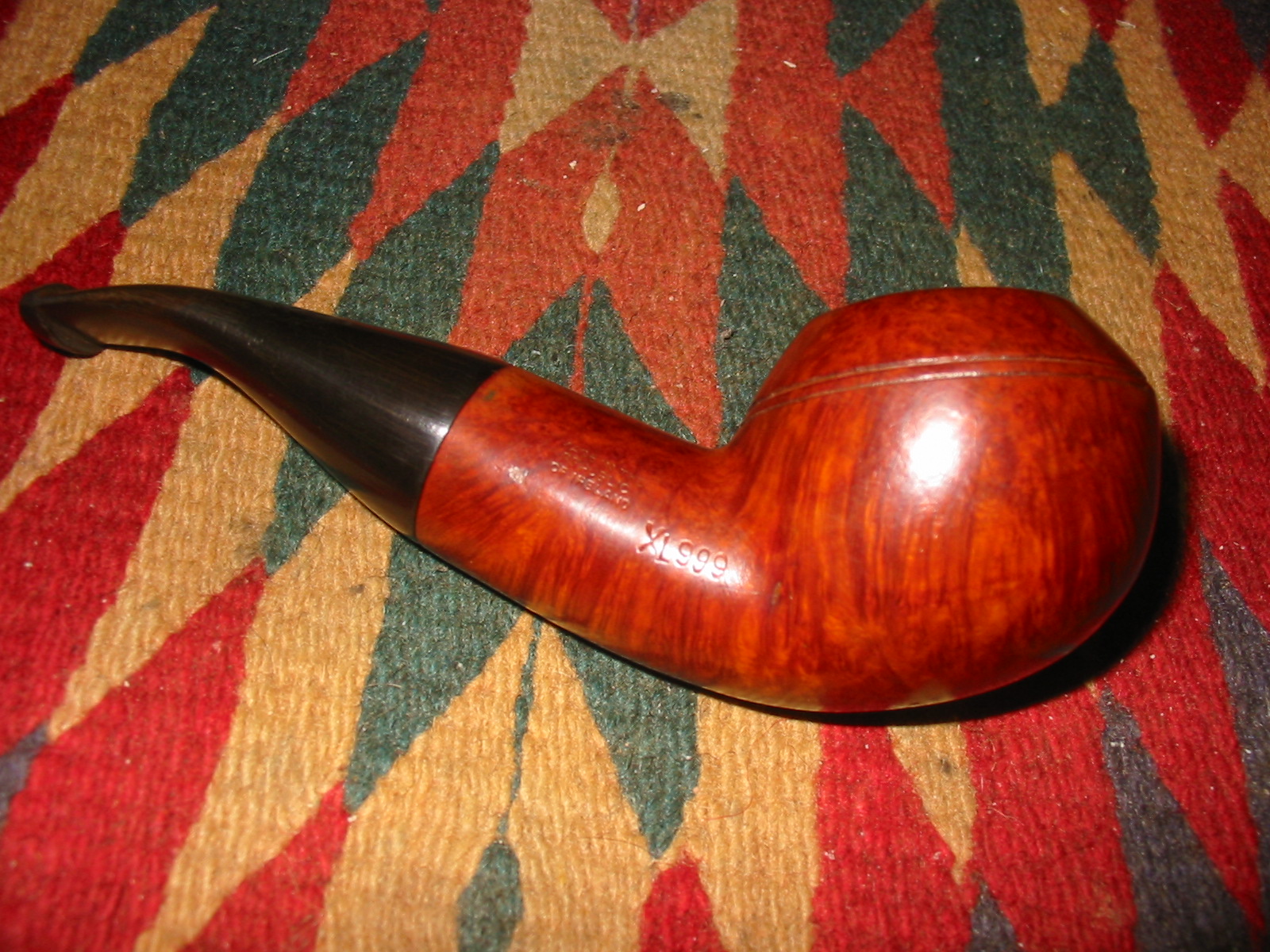
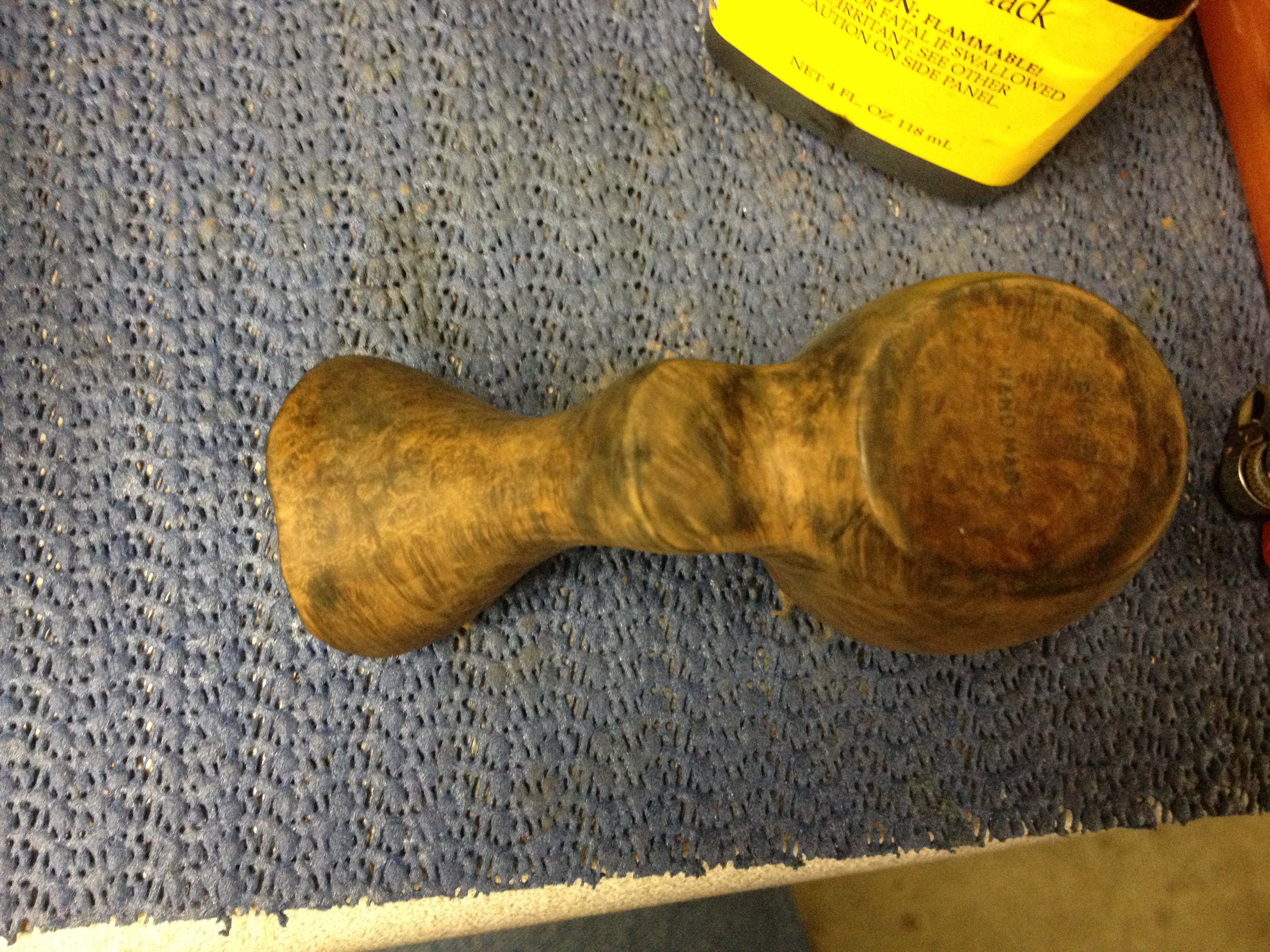
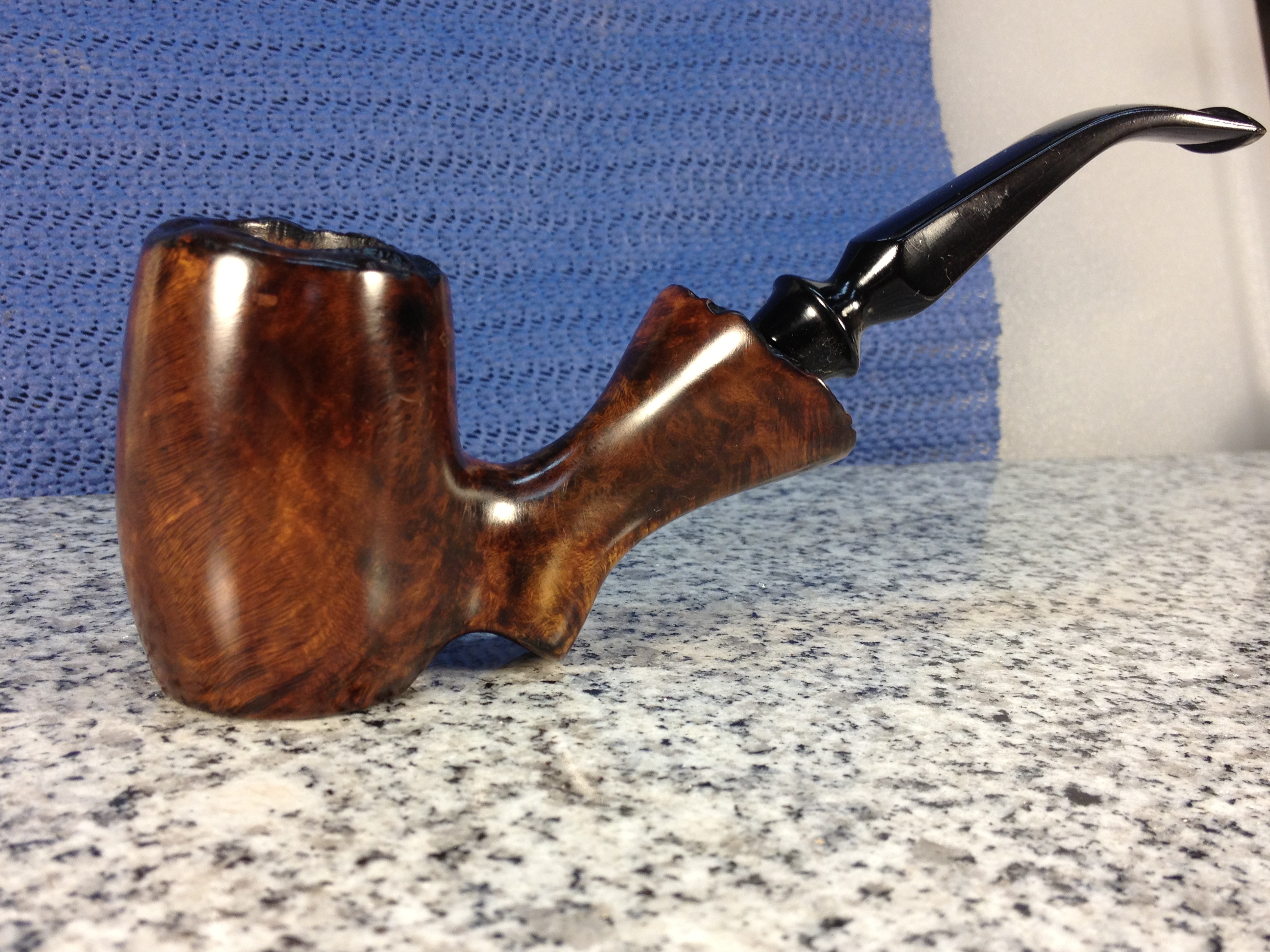
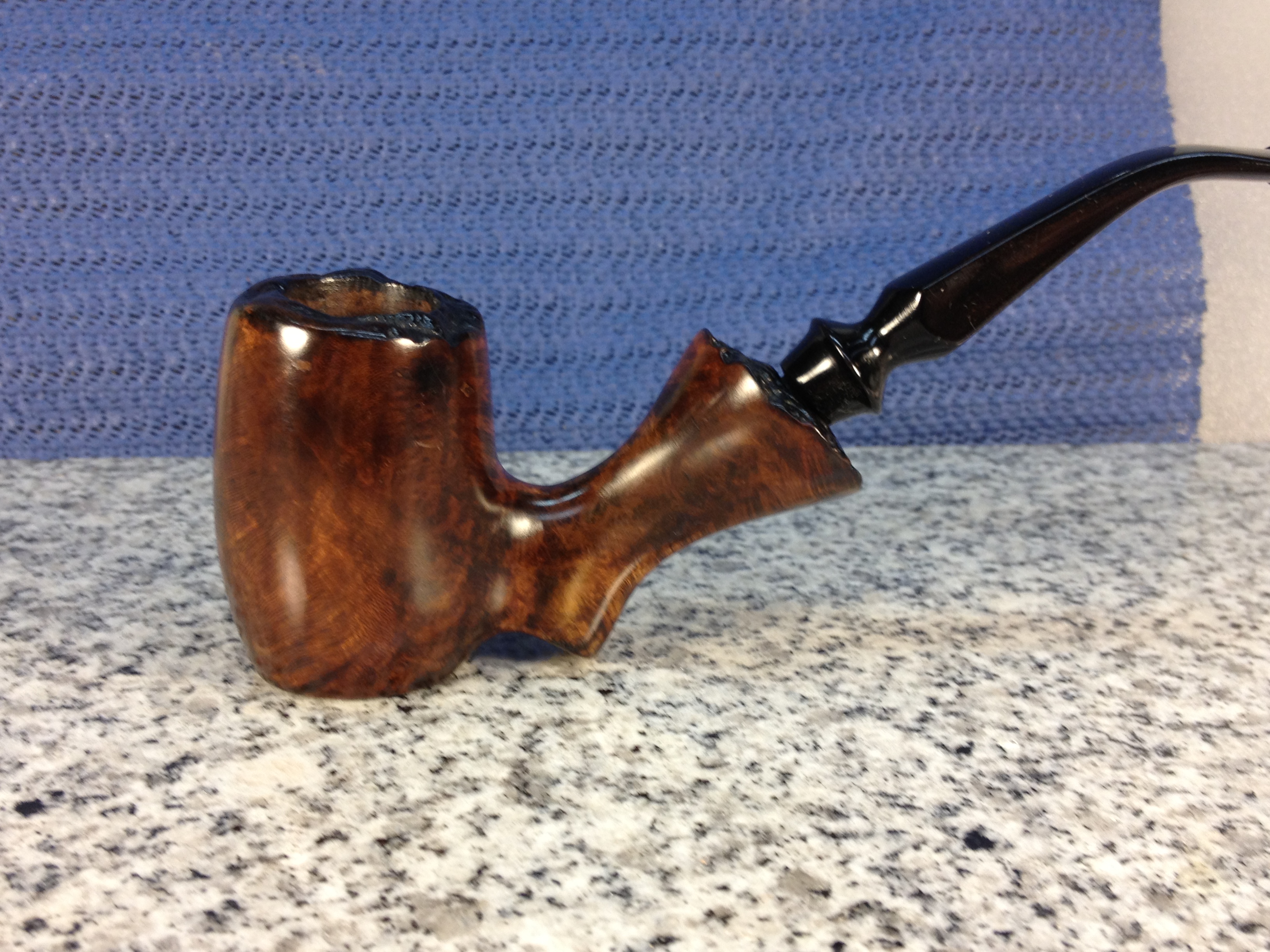
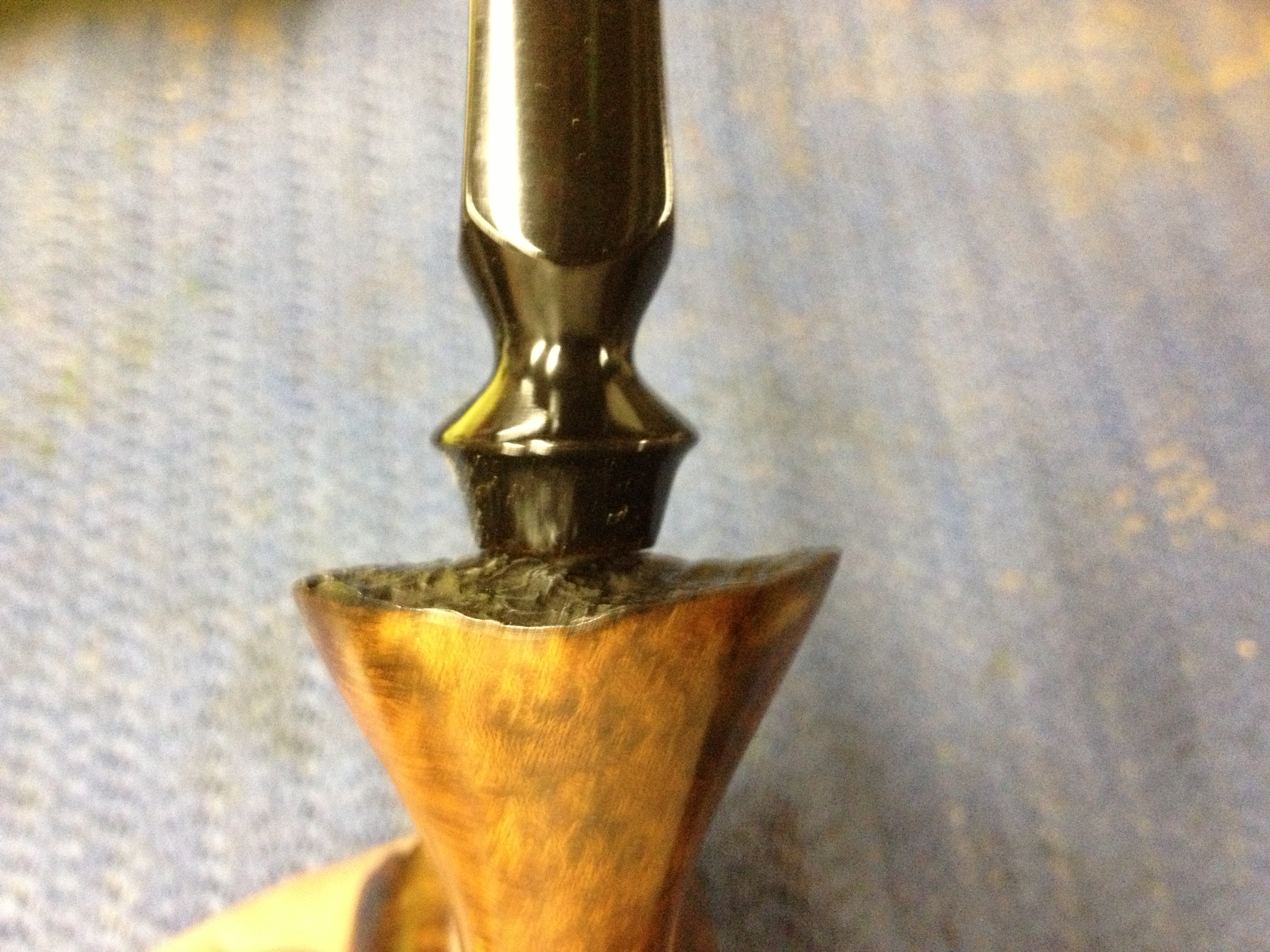
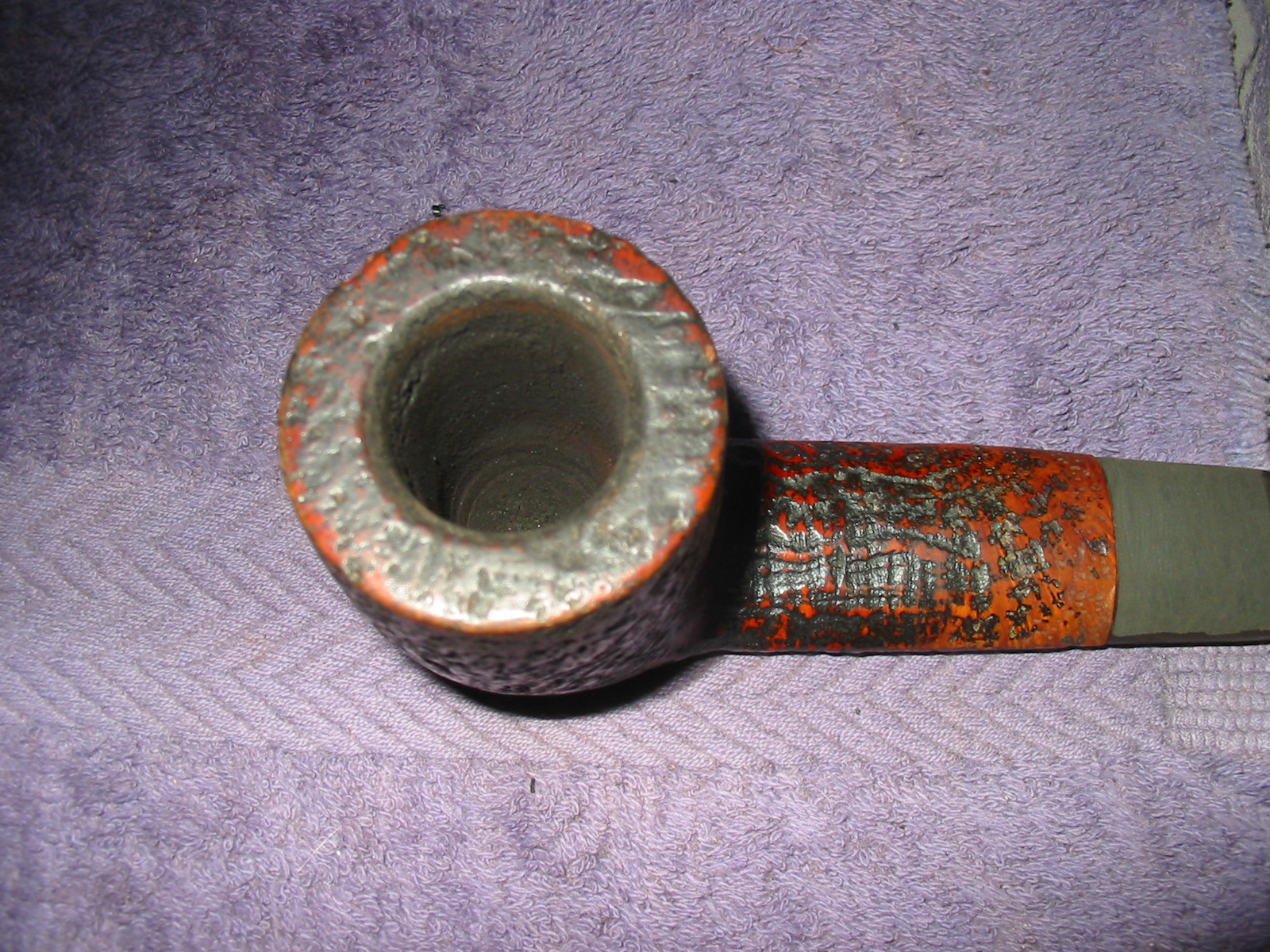
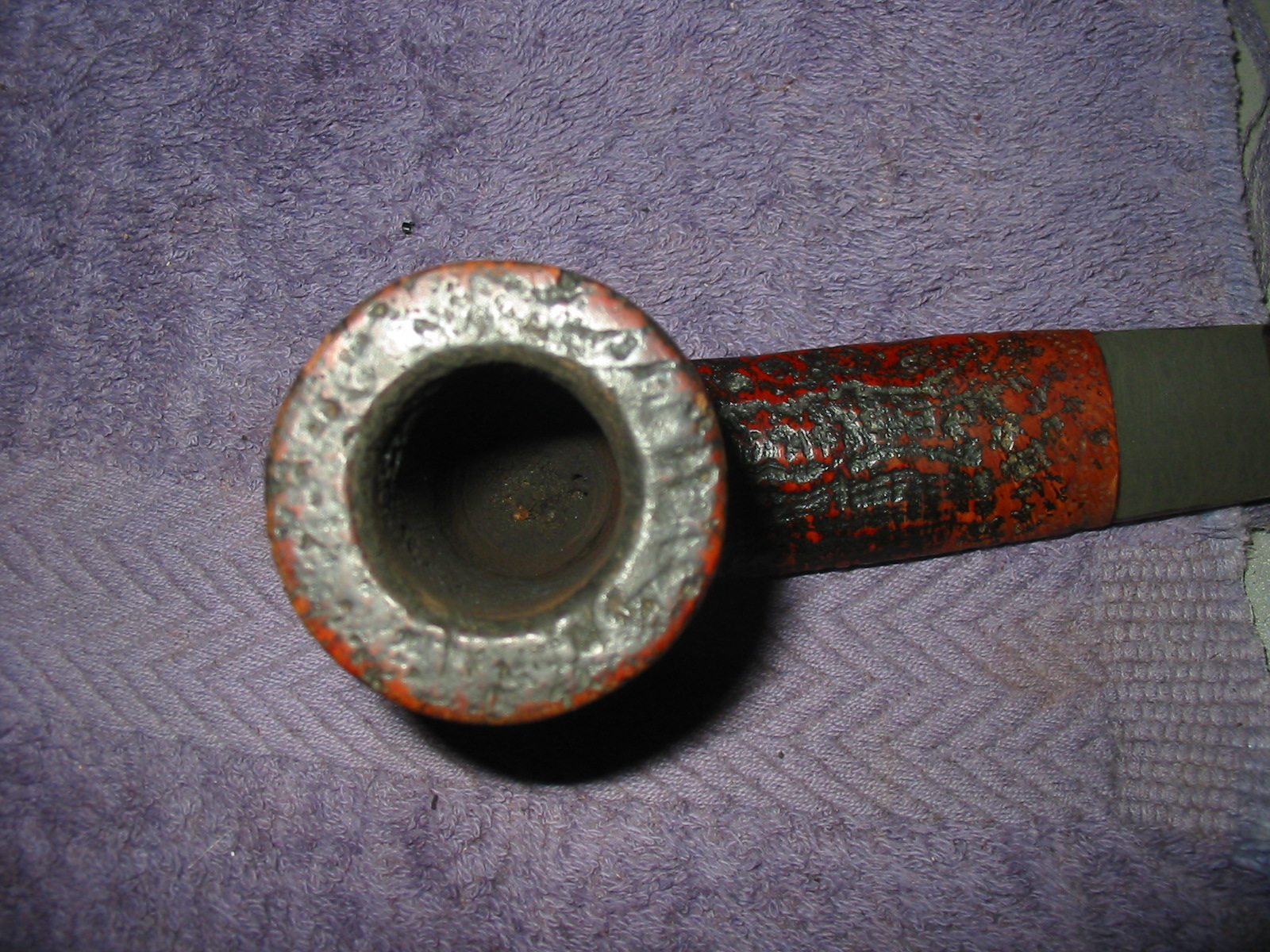
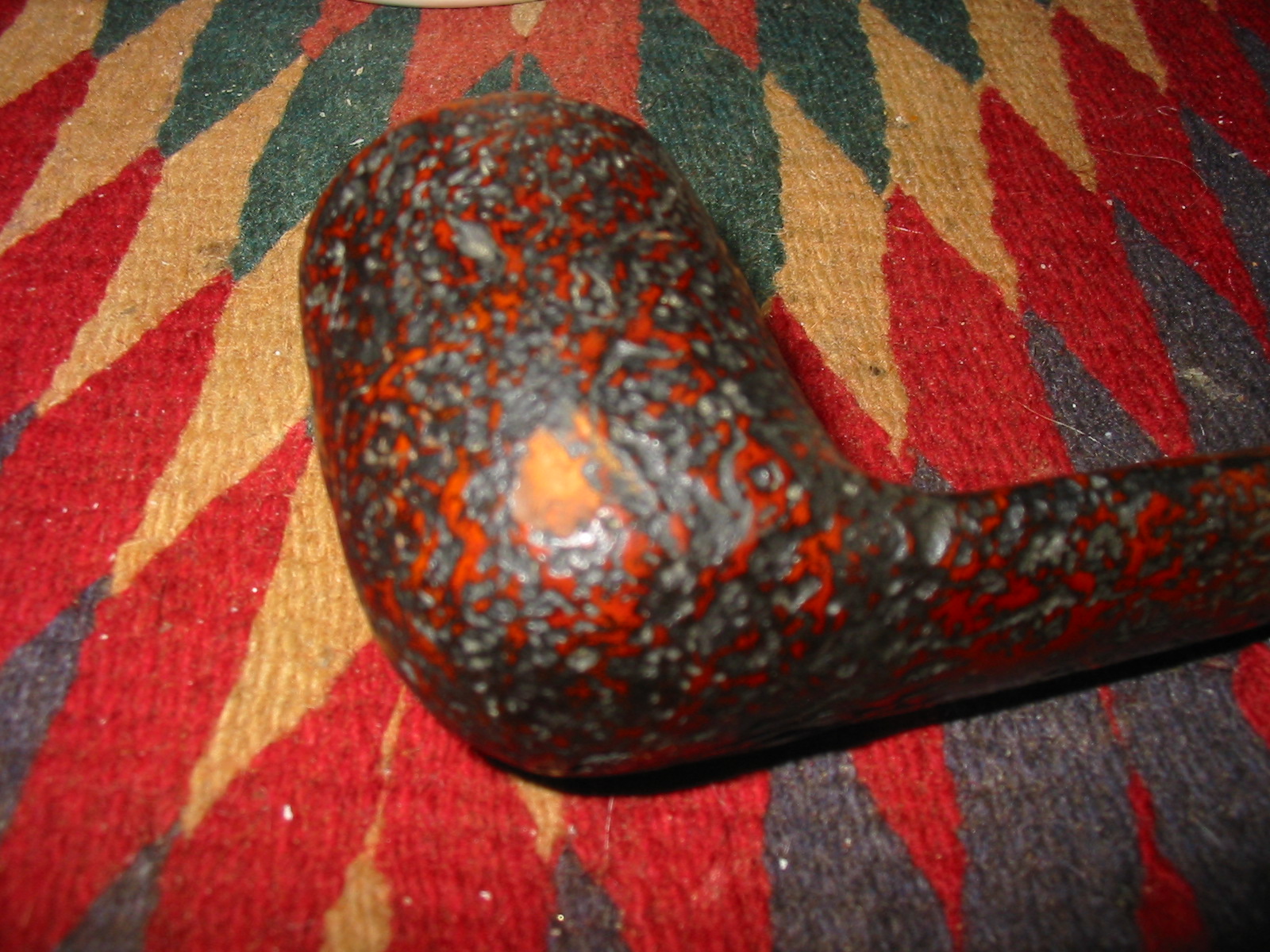
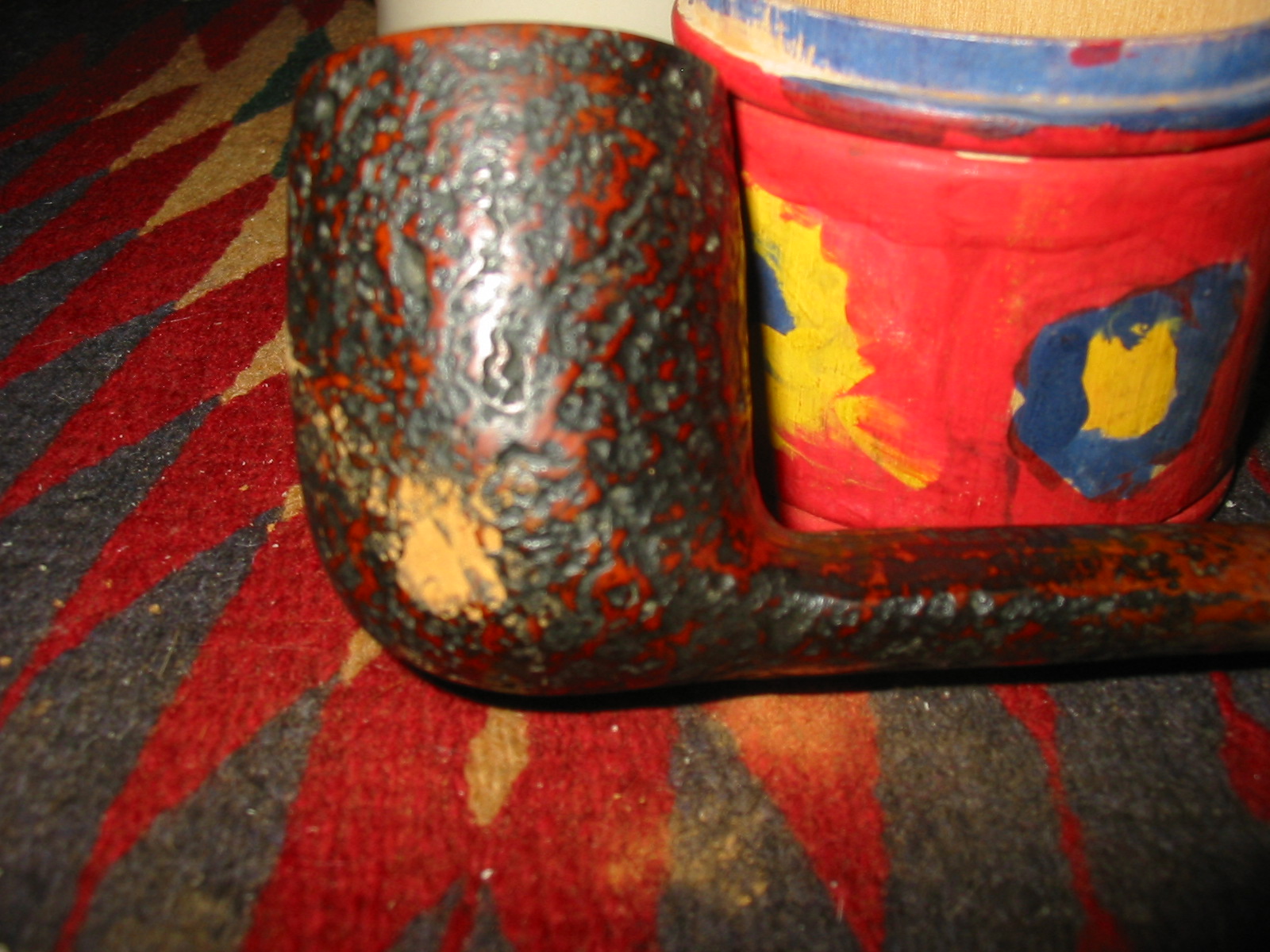
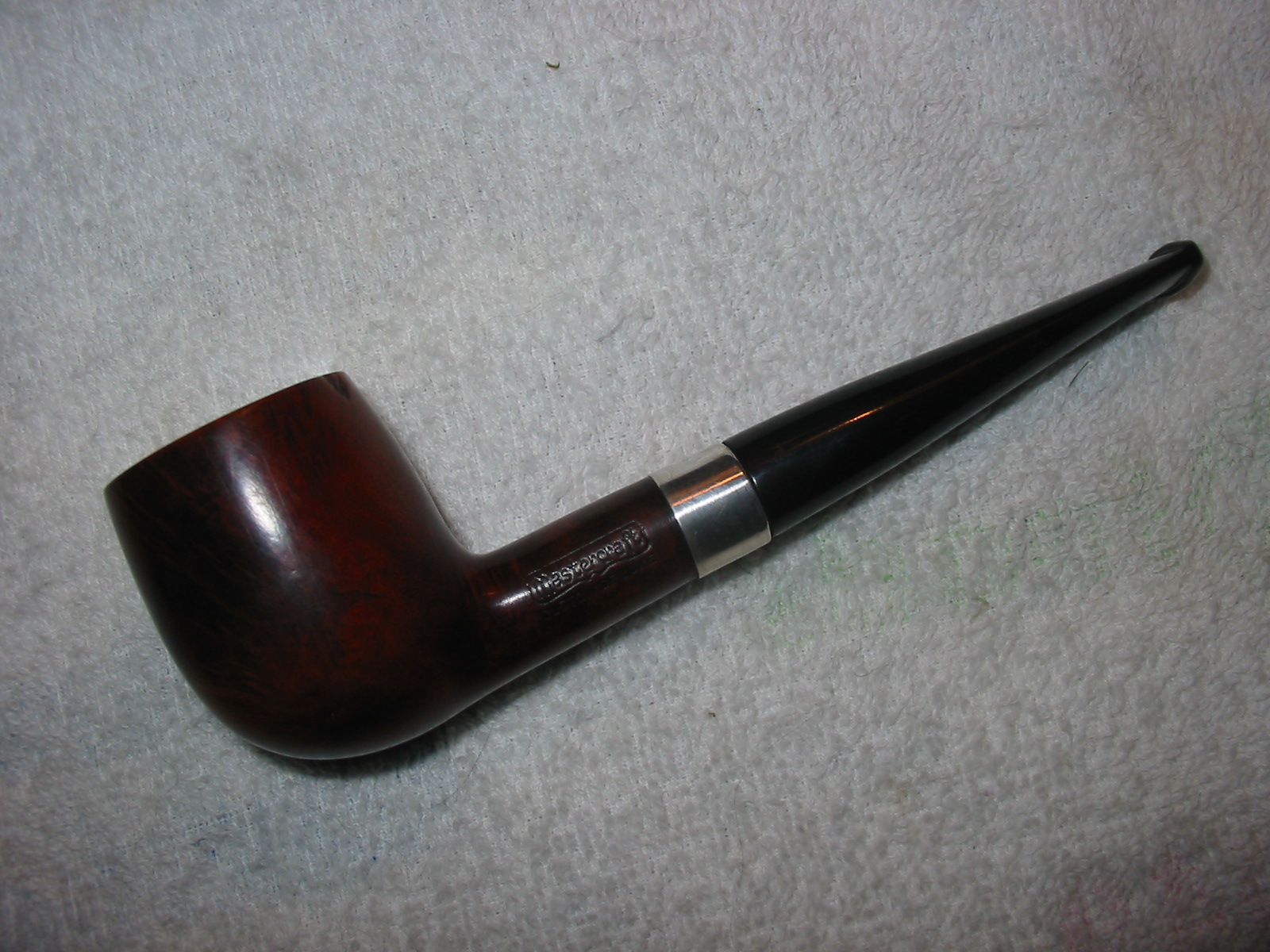
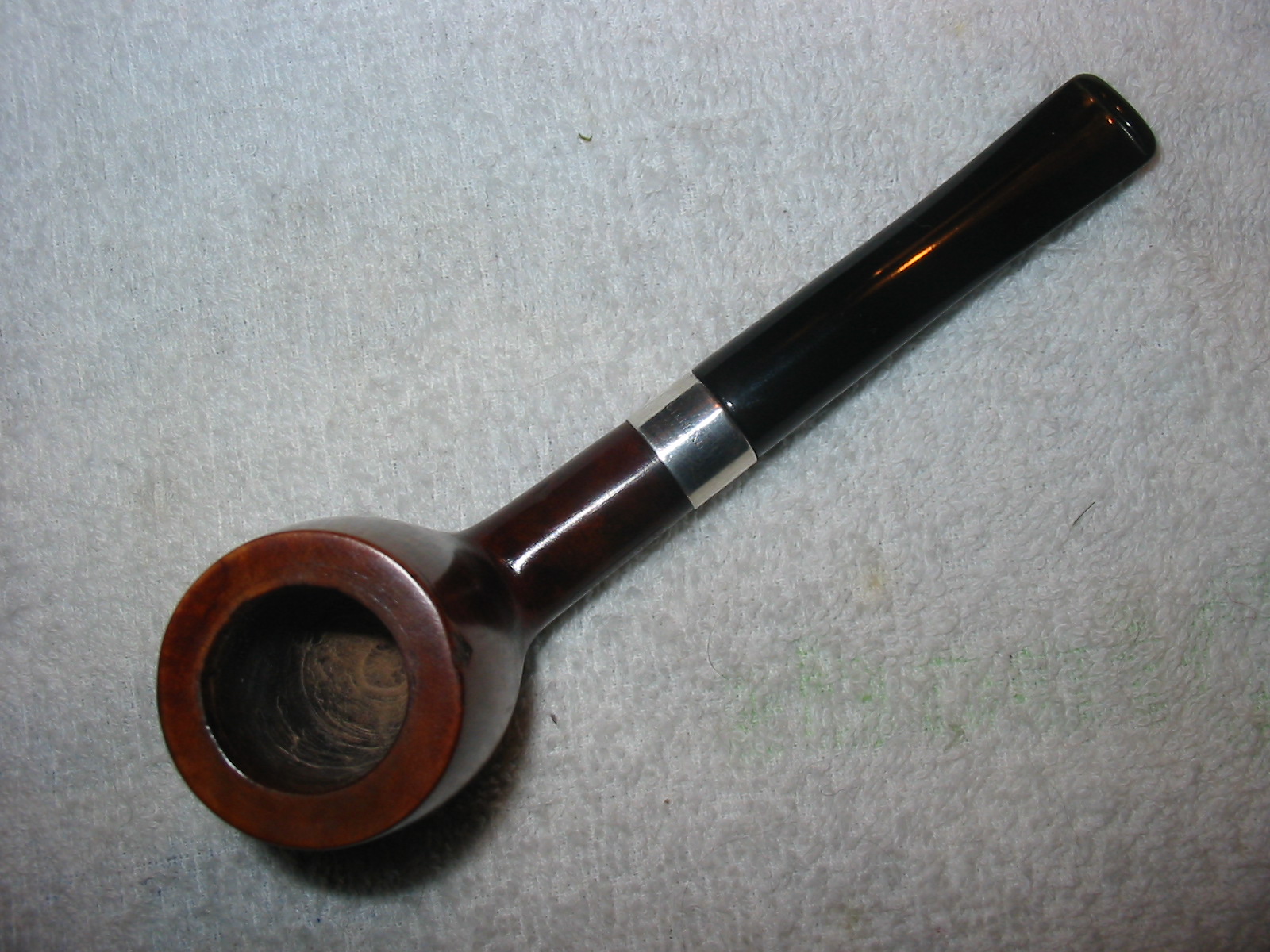
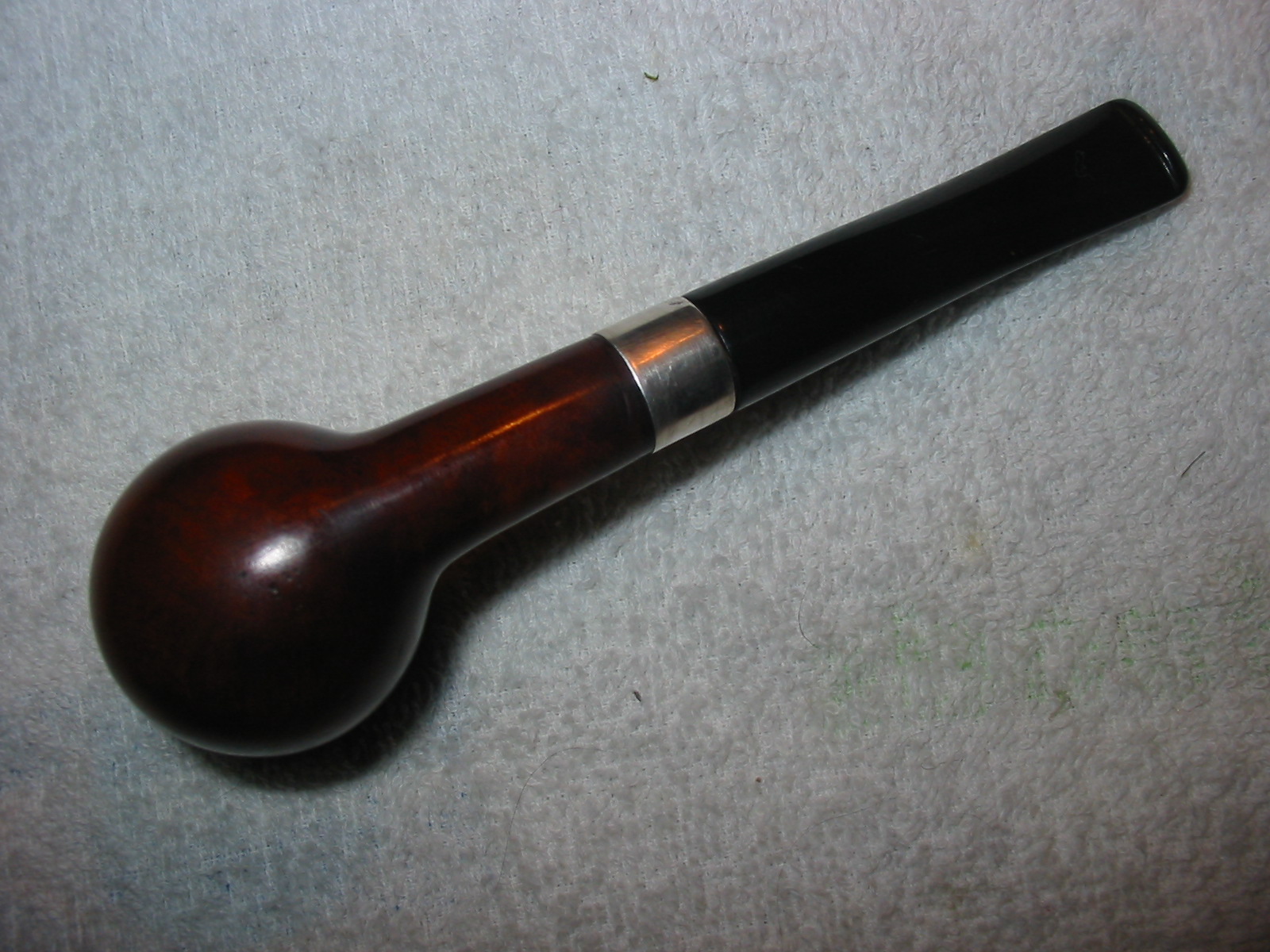
Refurbishing a horn stemmed Bruyere Garantie Beautiful Swan Necked Pipe


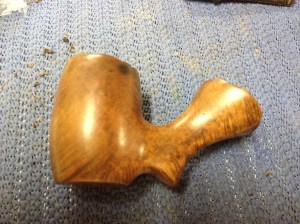
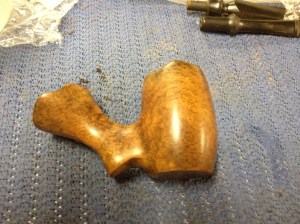
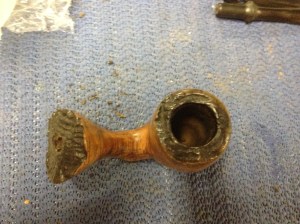
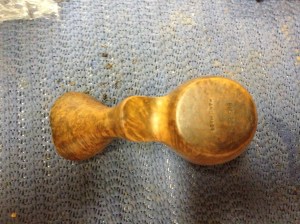
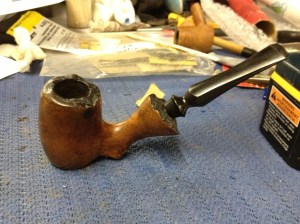
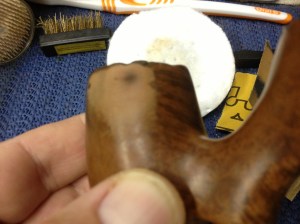
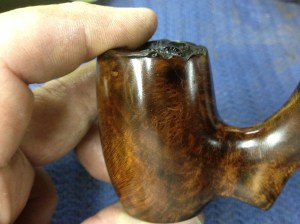
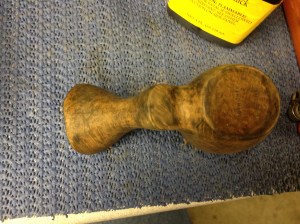
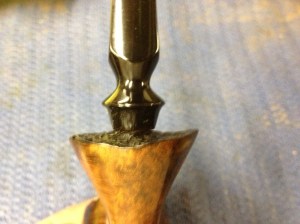
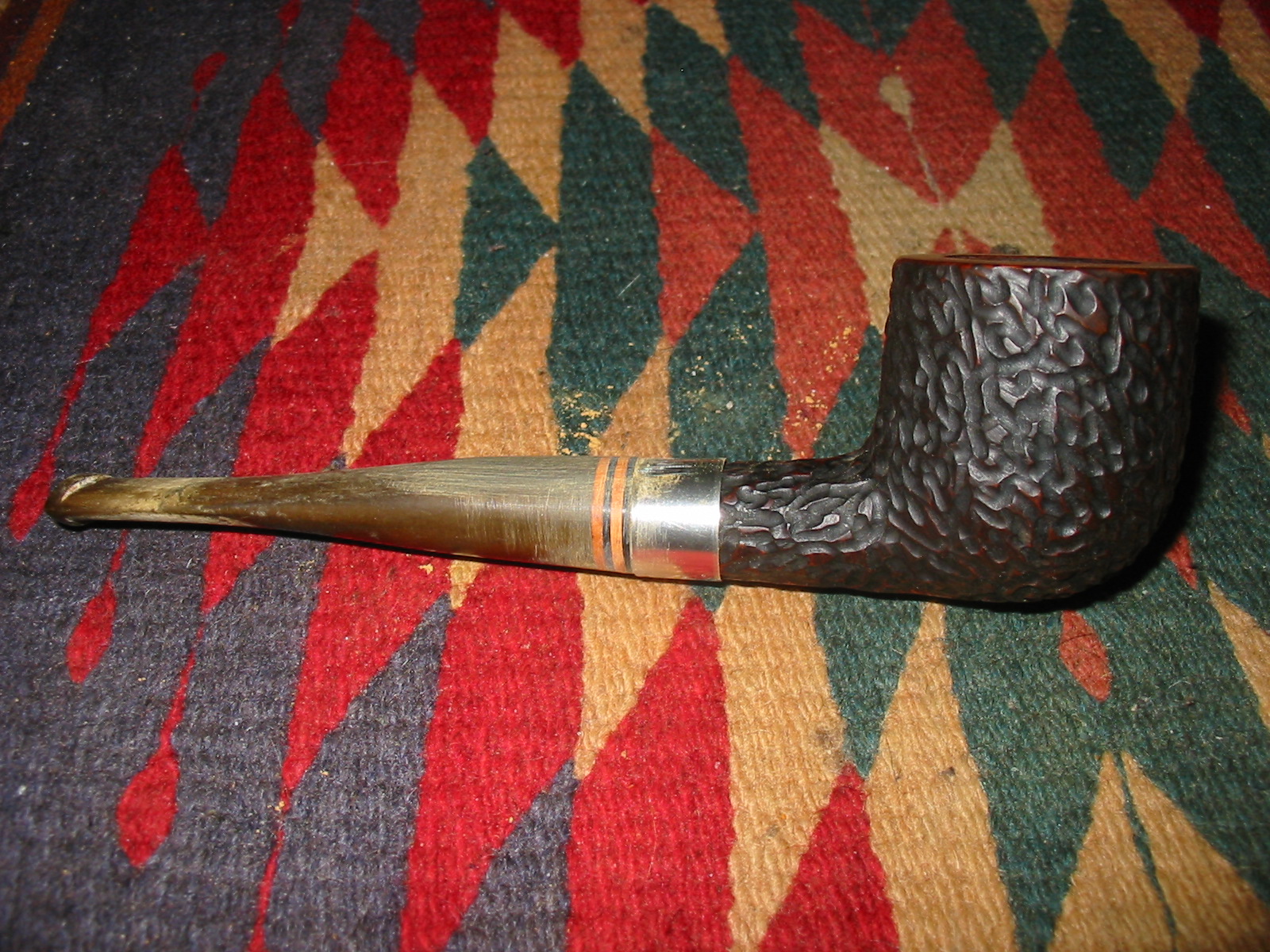
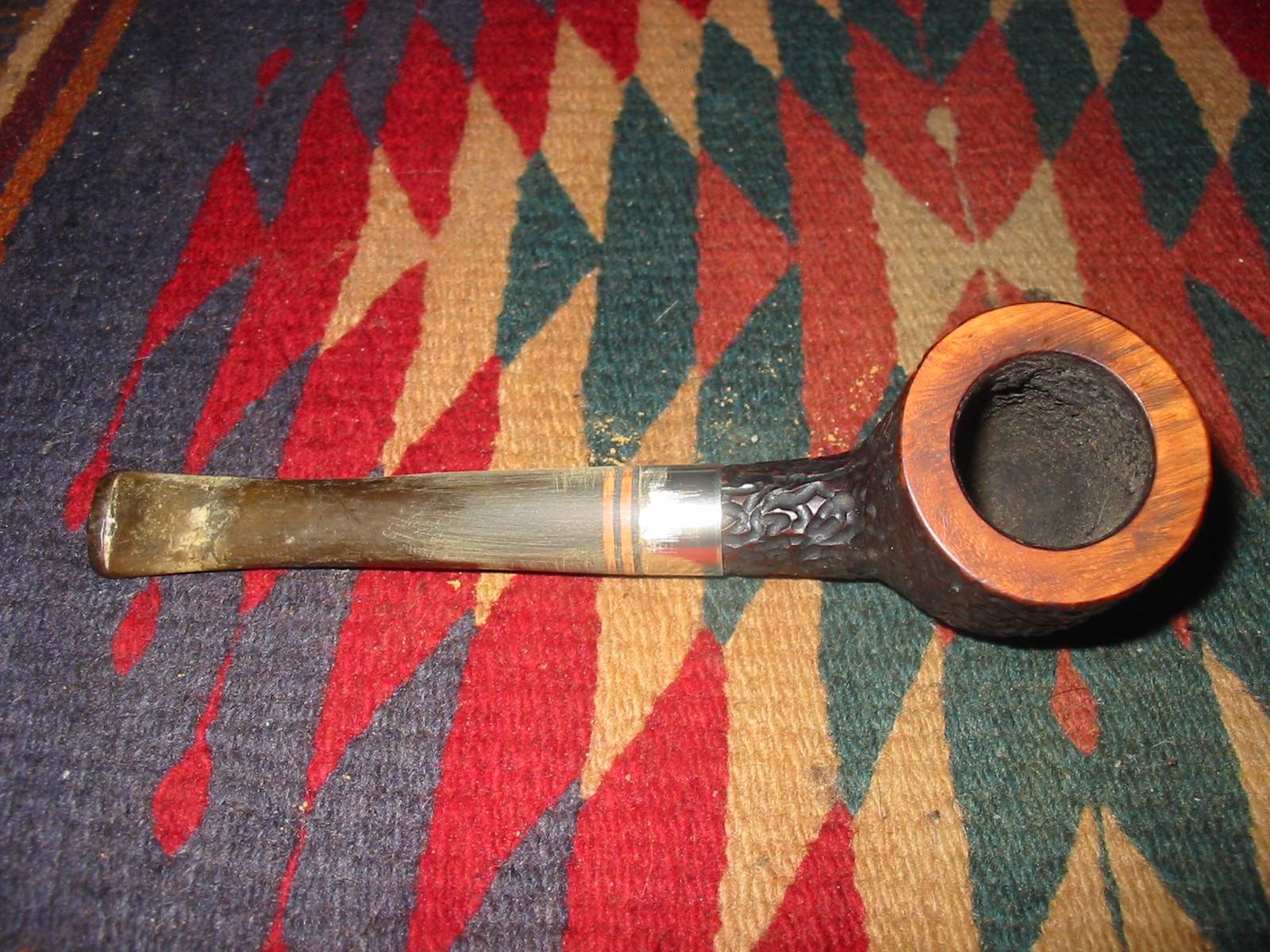
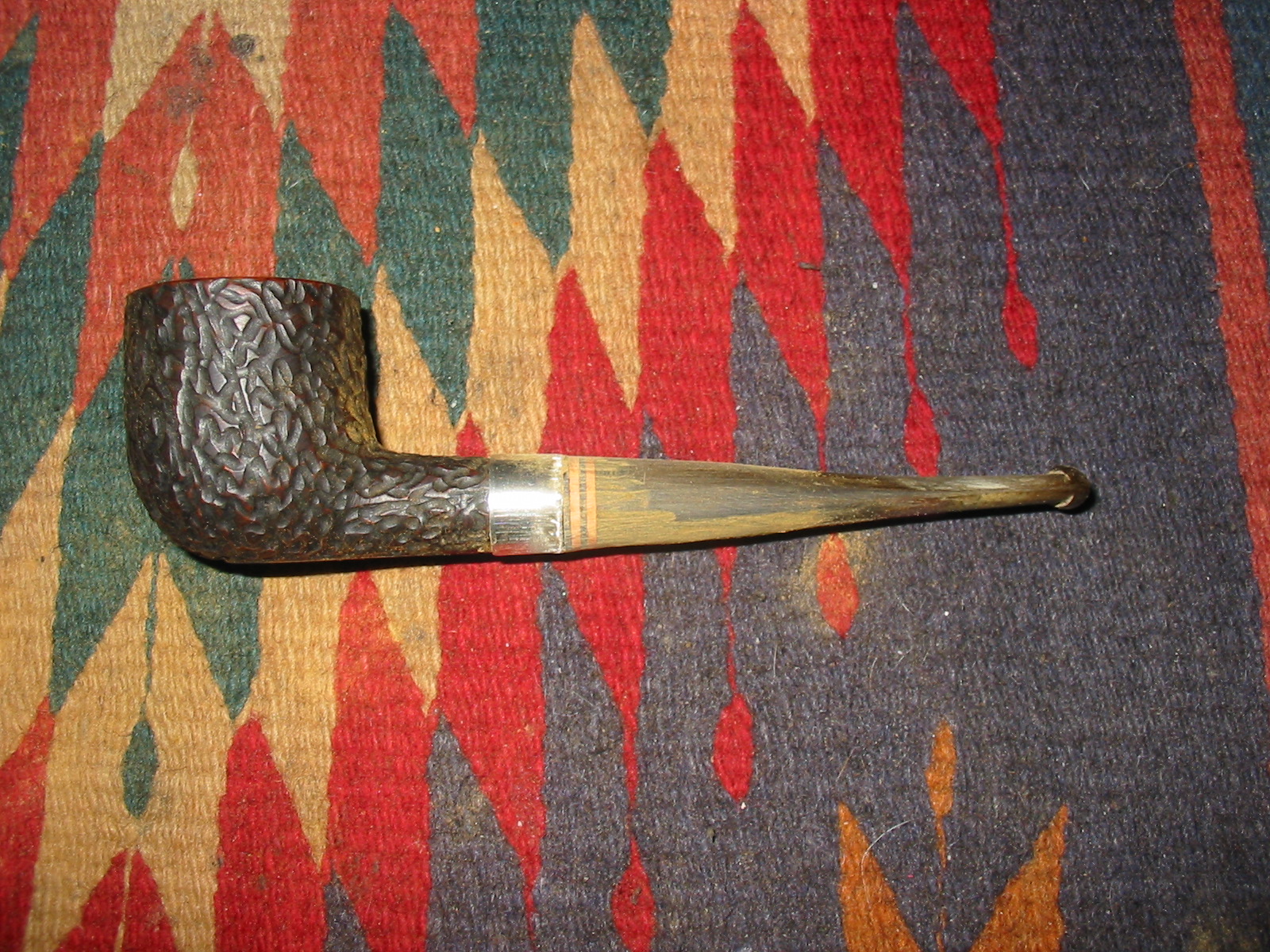
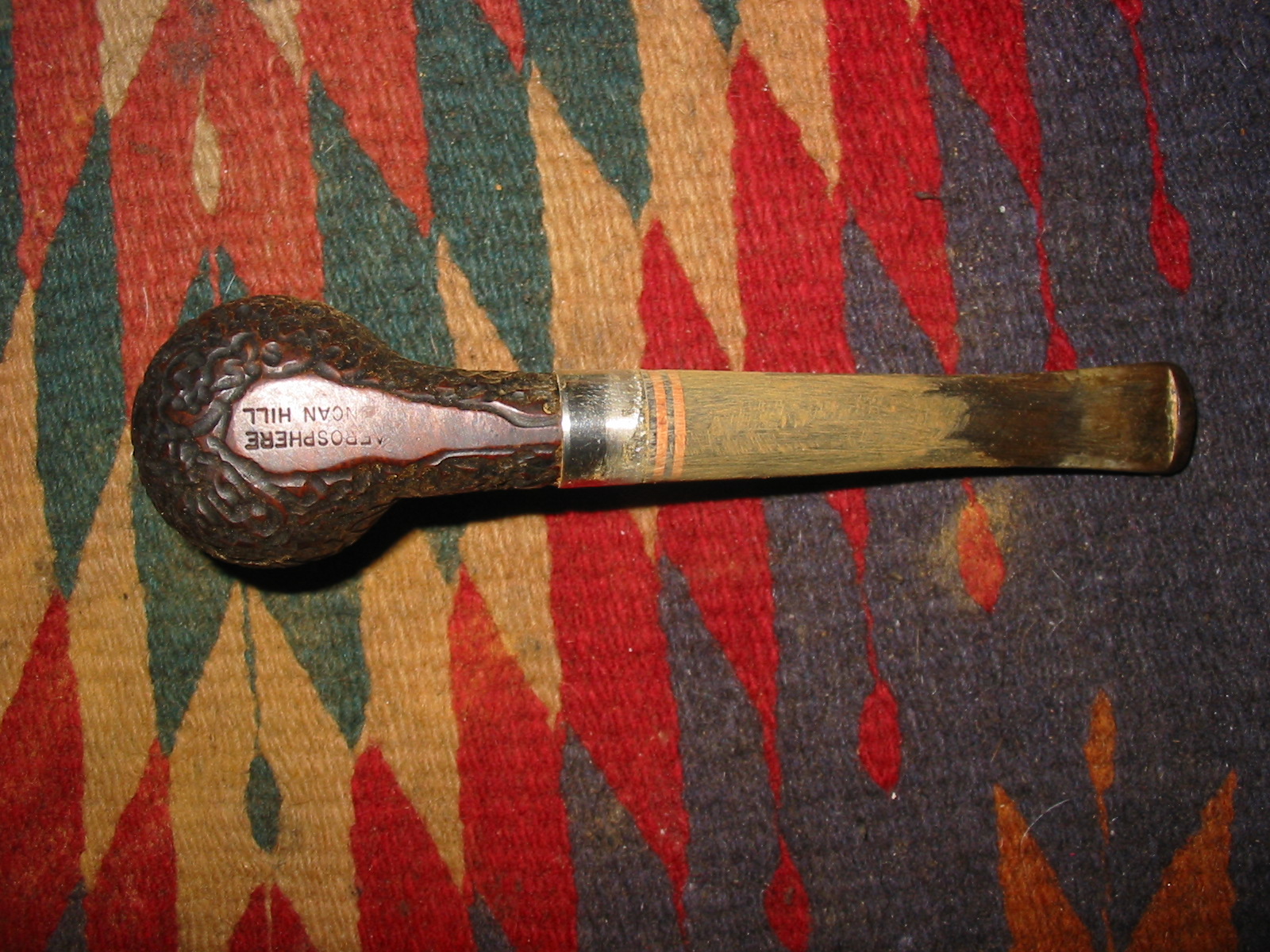
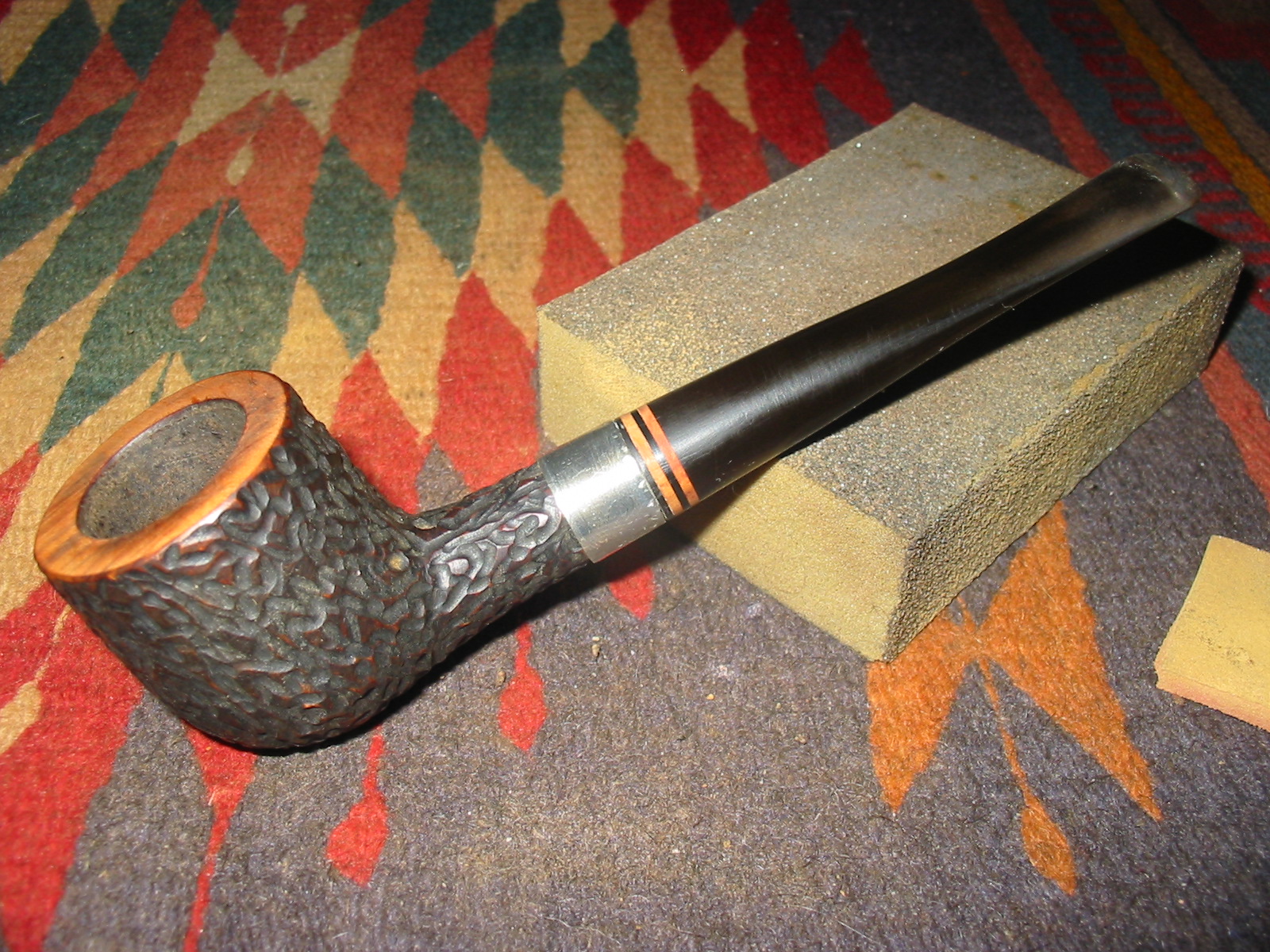
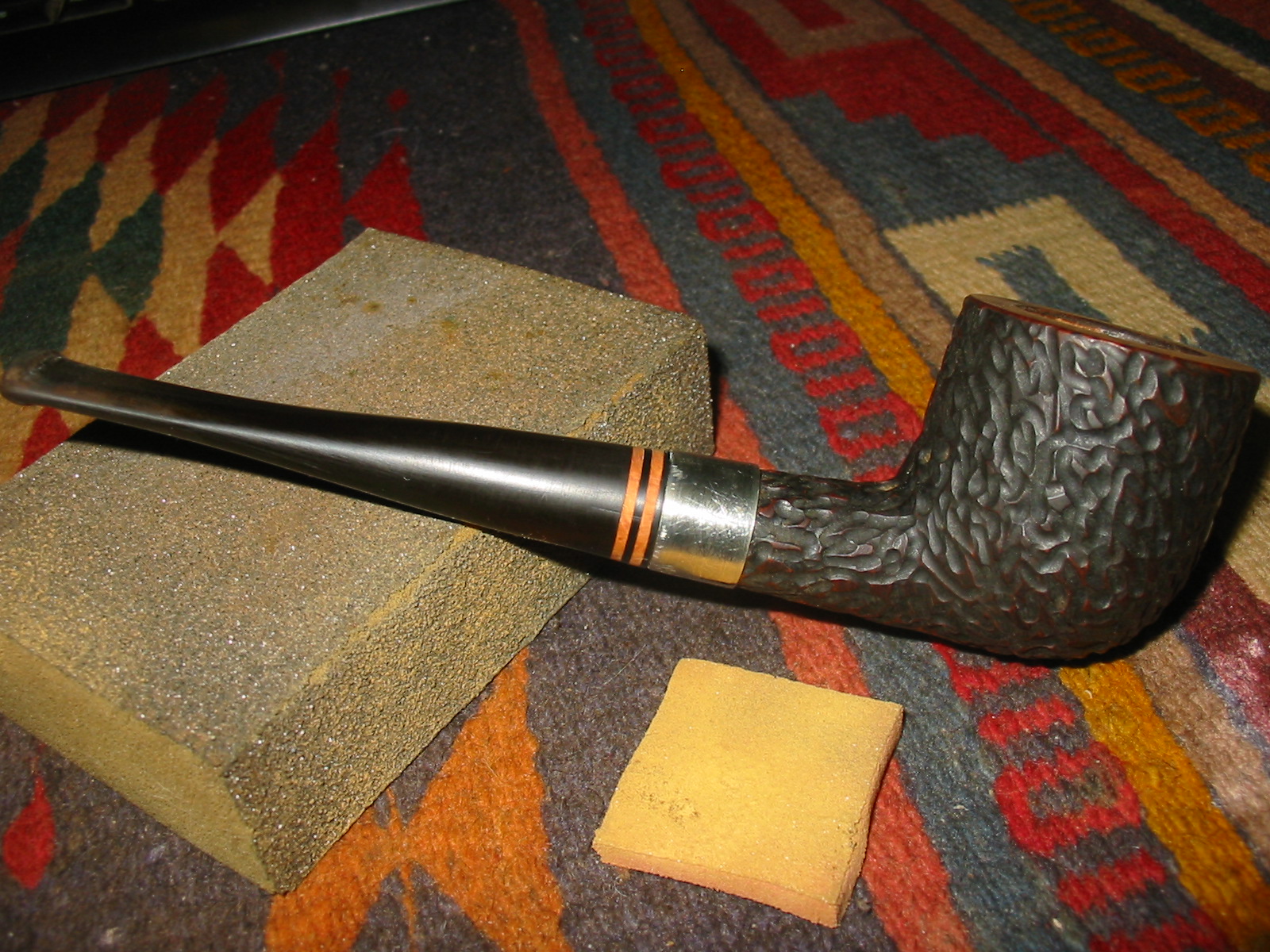
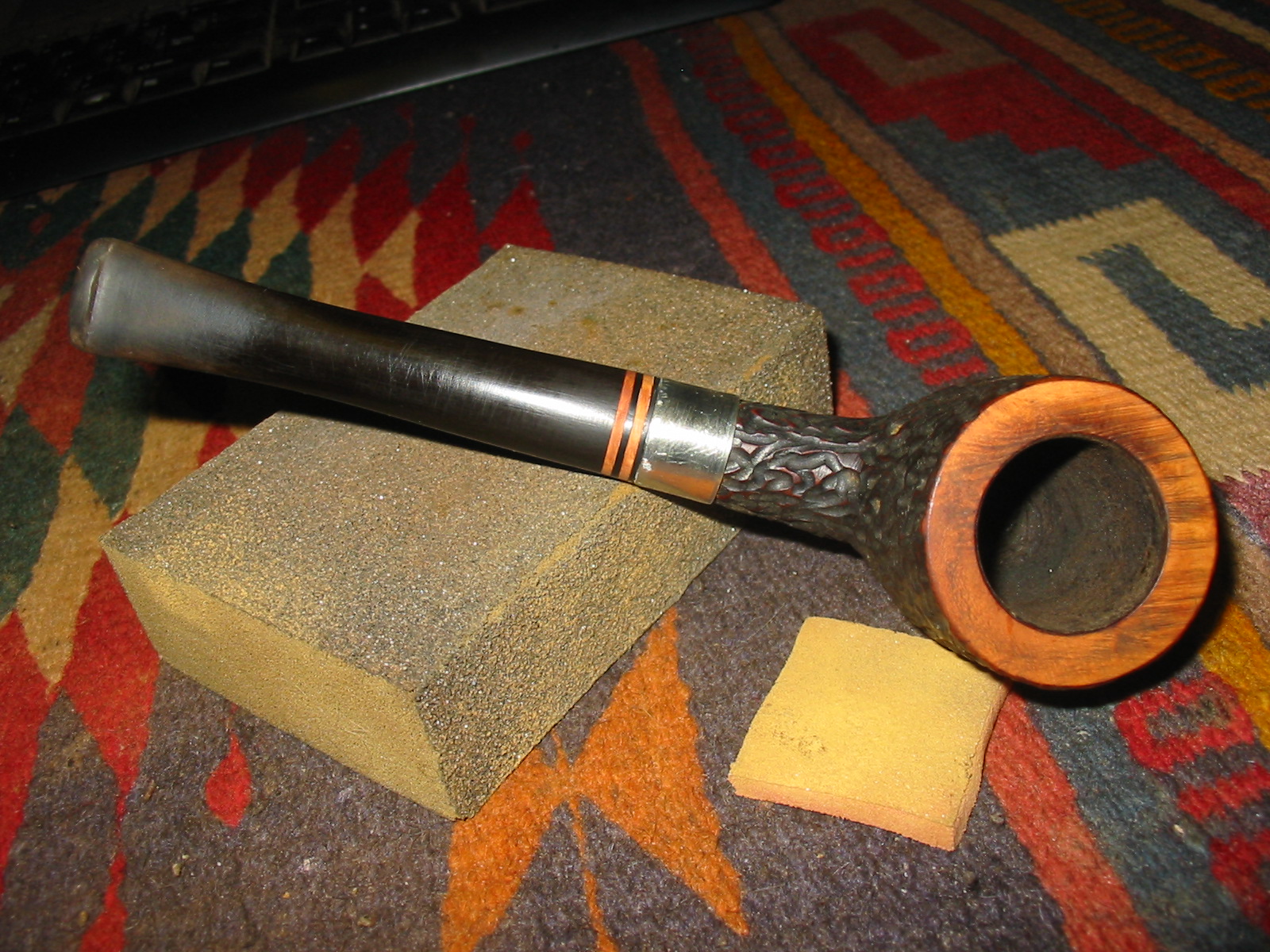
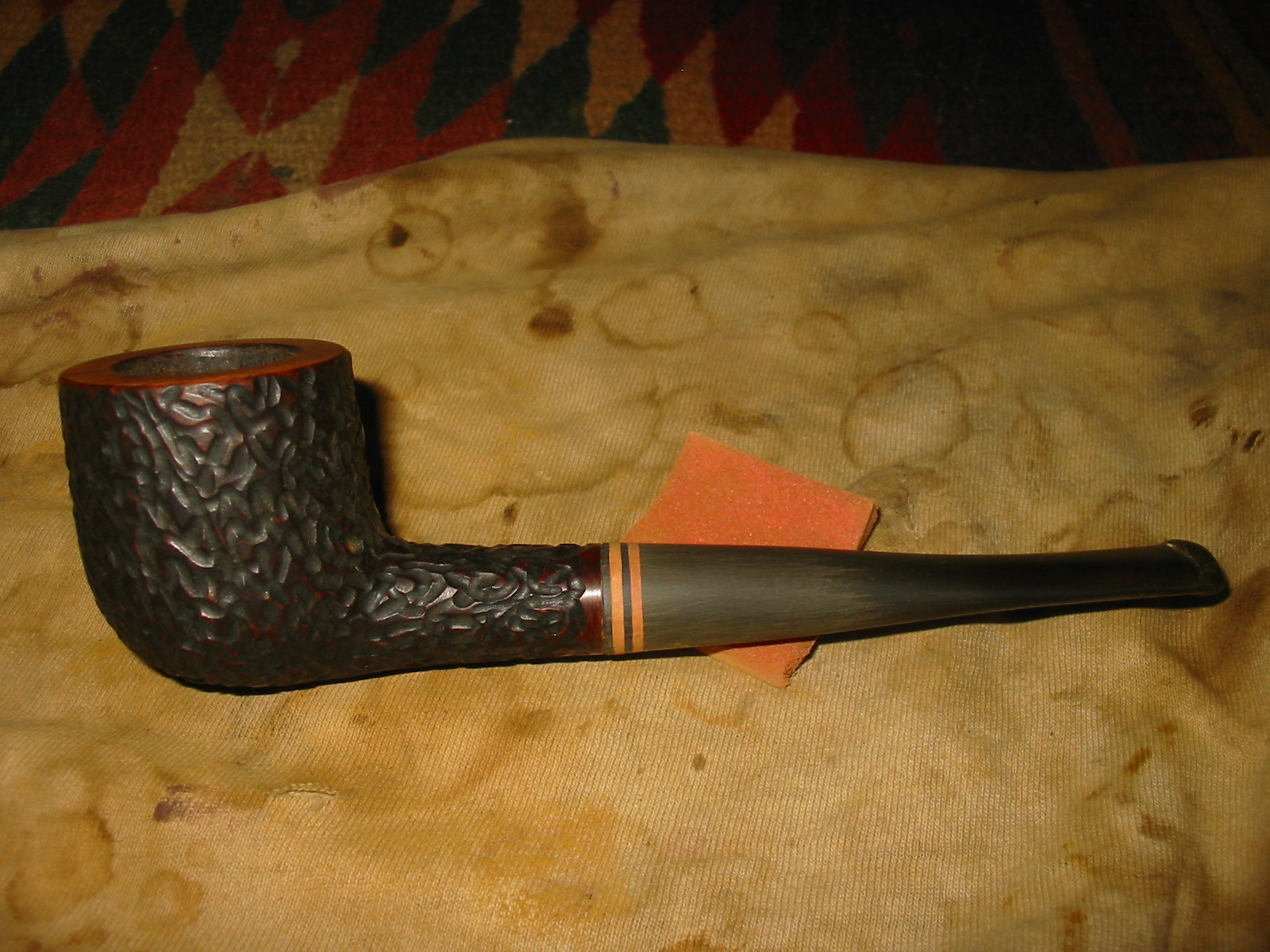
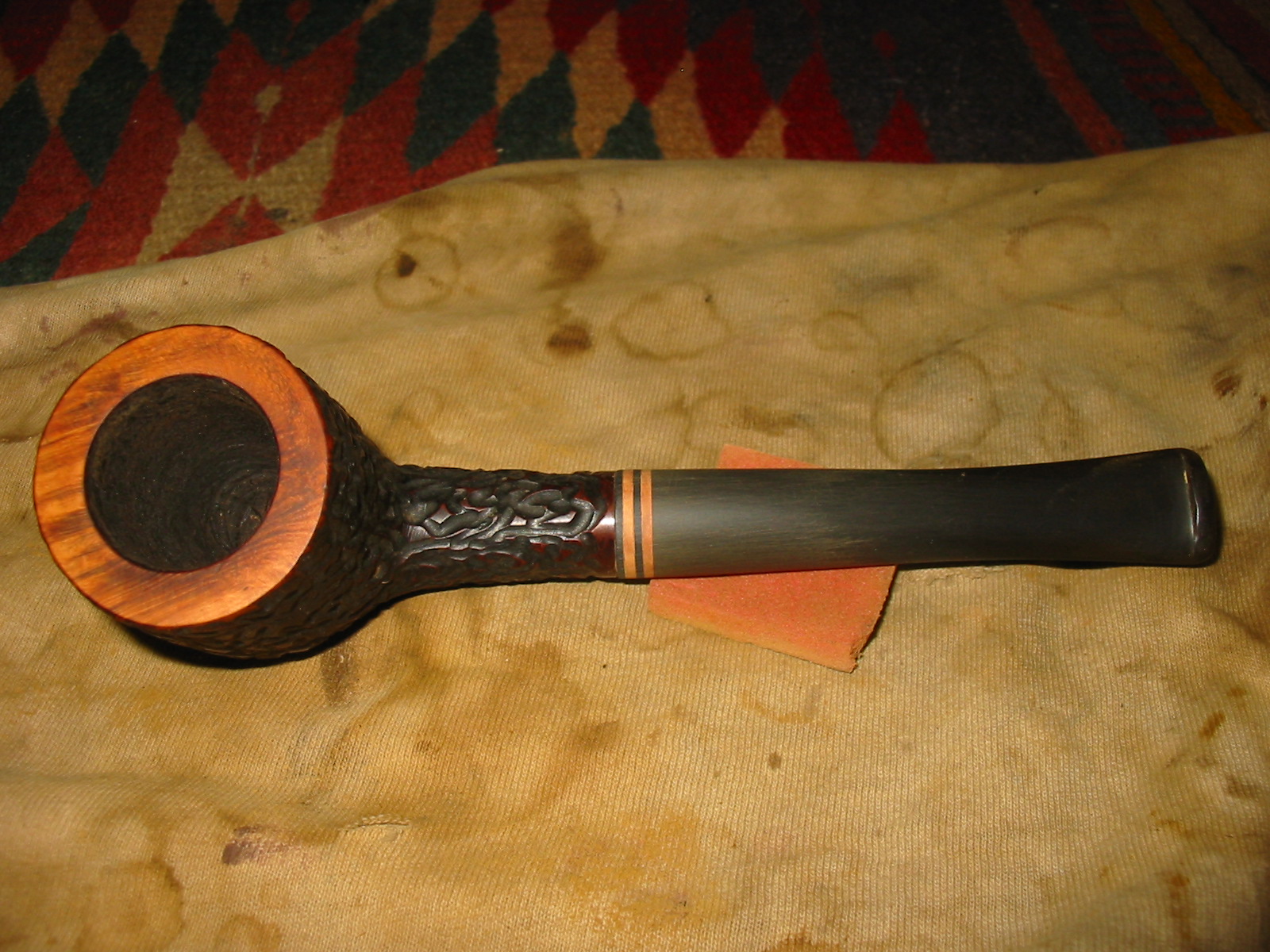
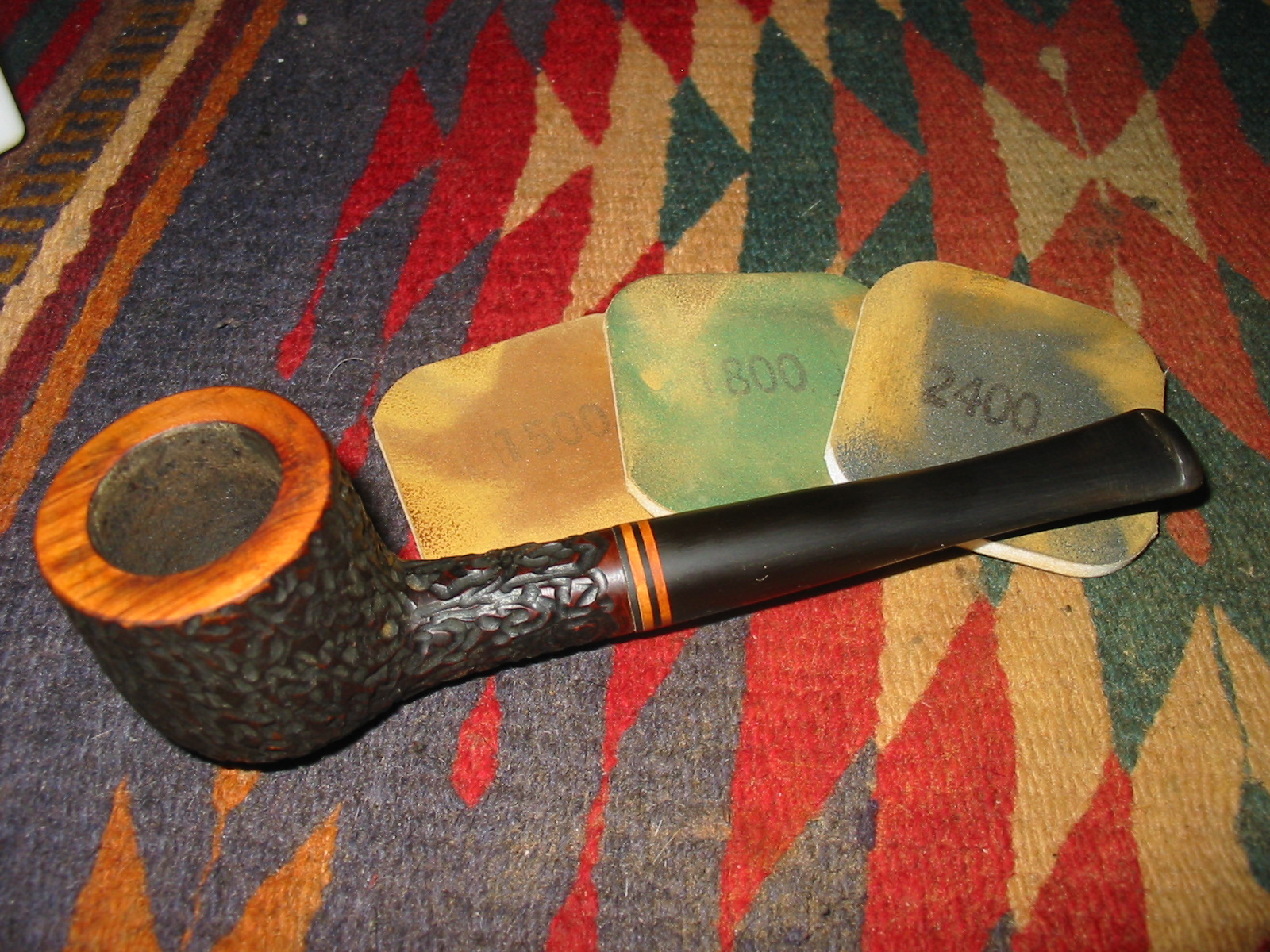
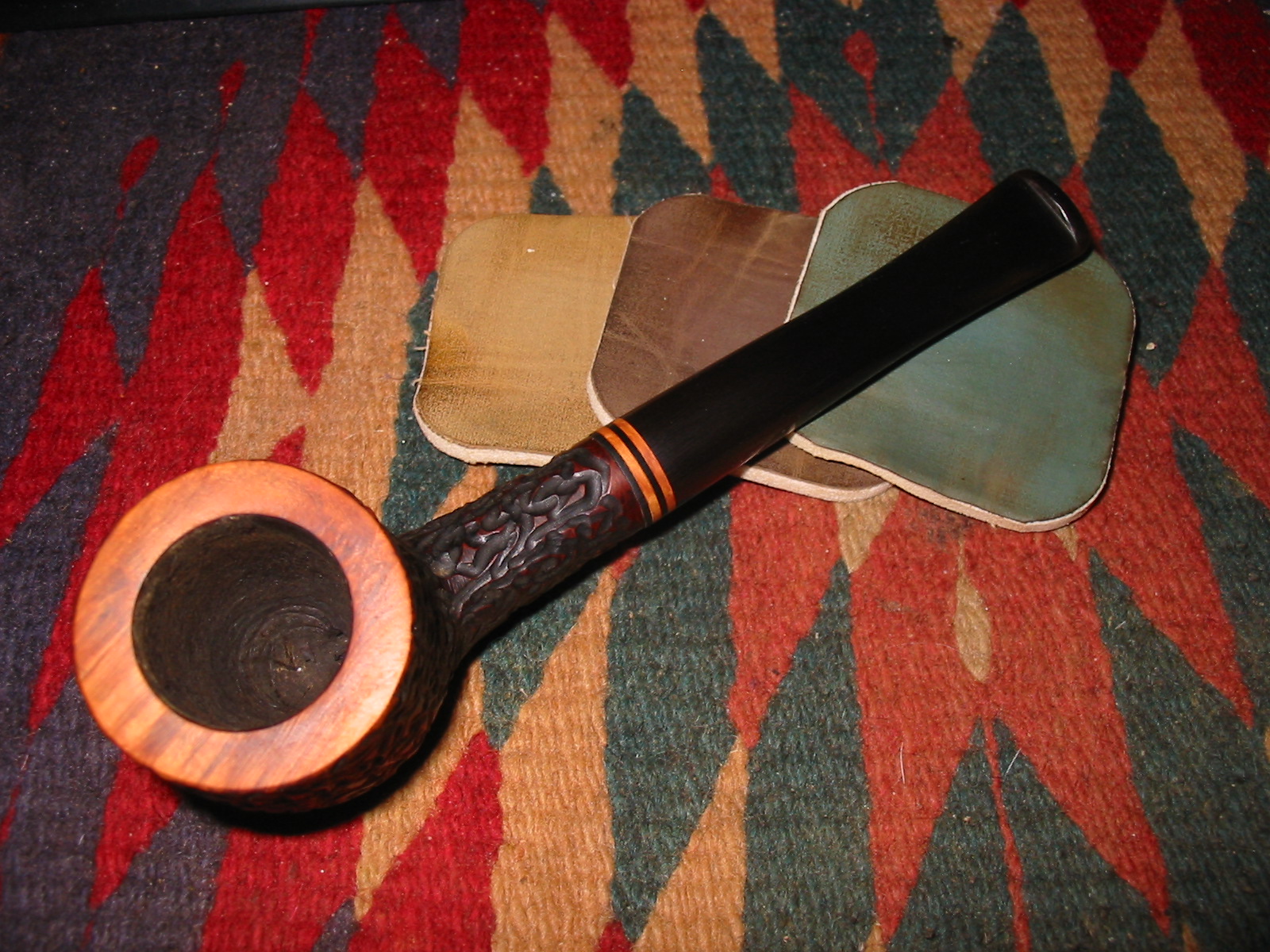
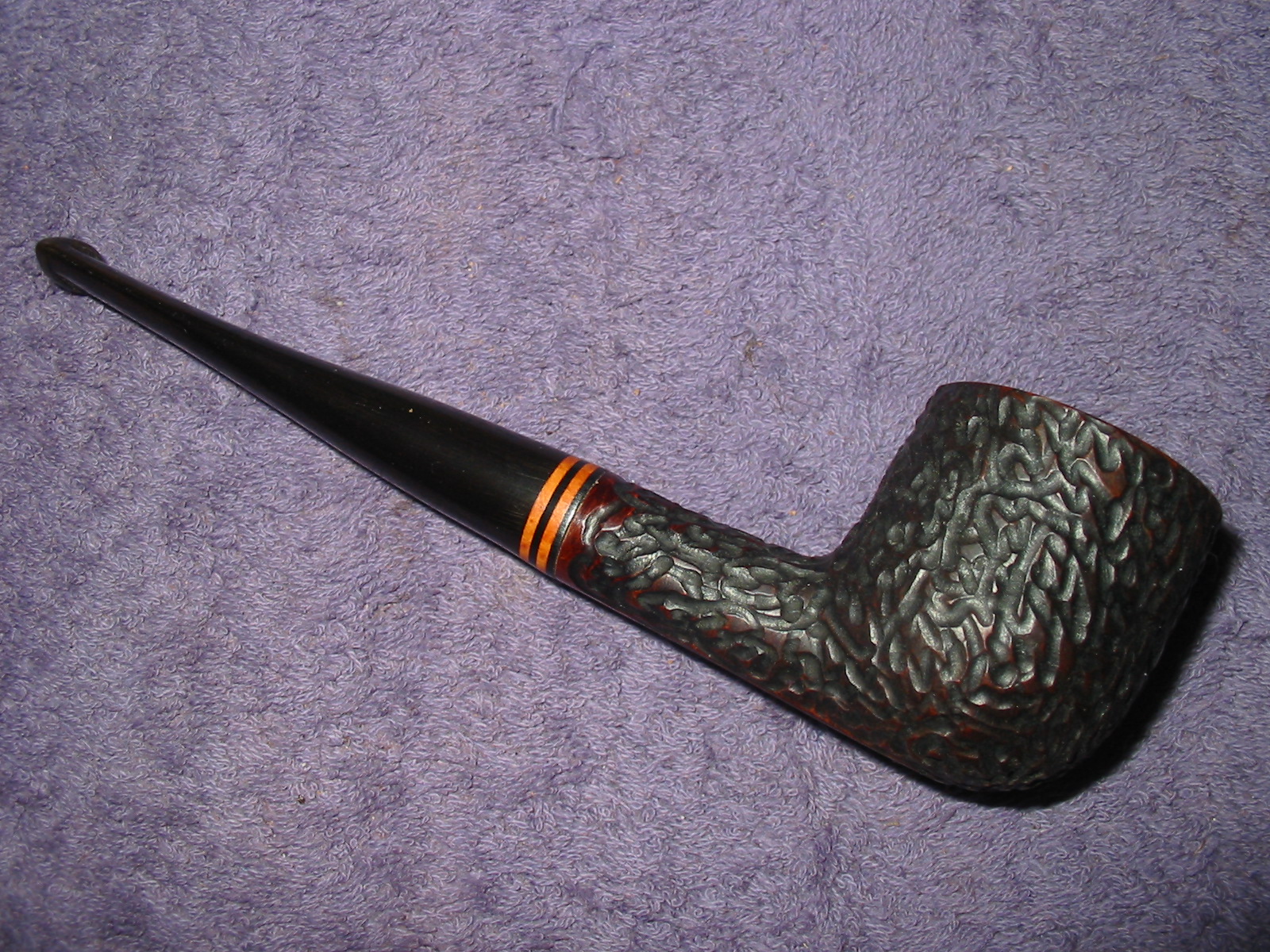
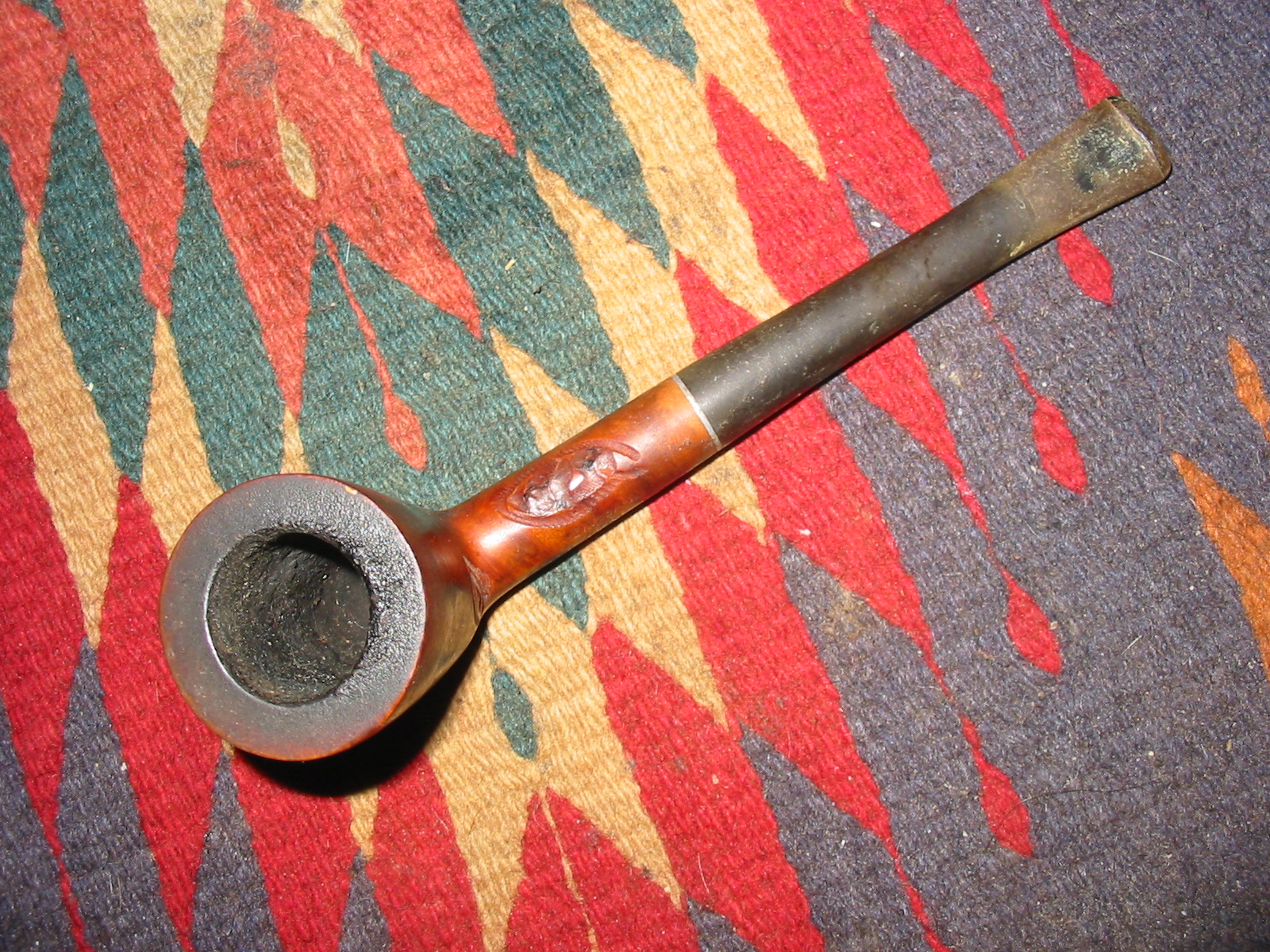
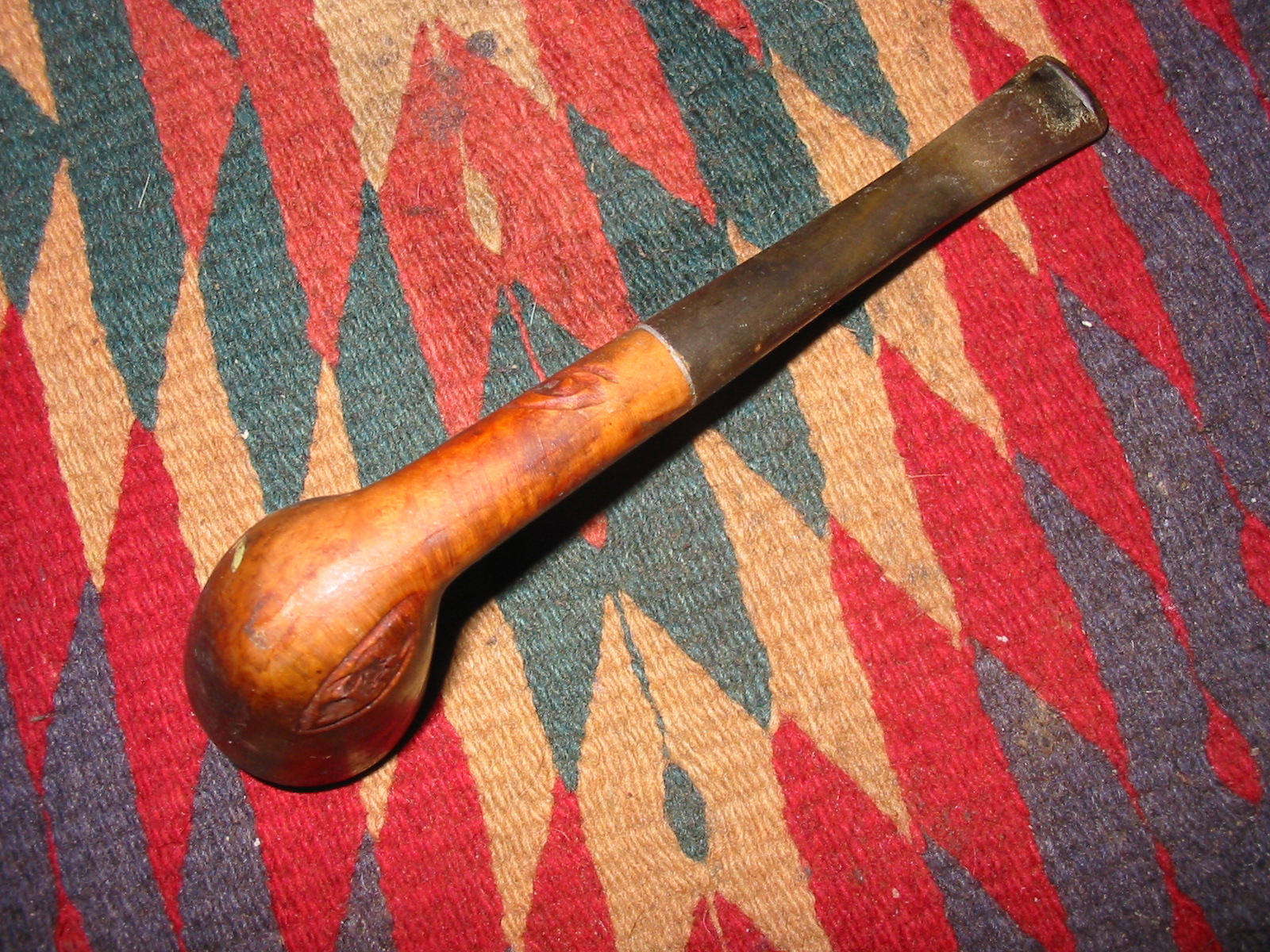
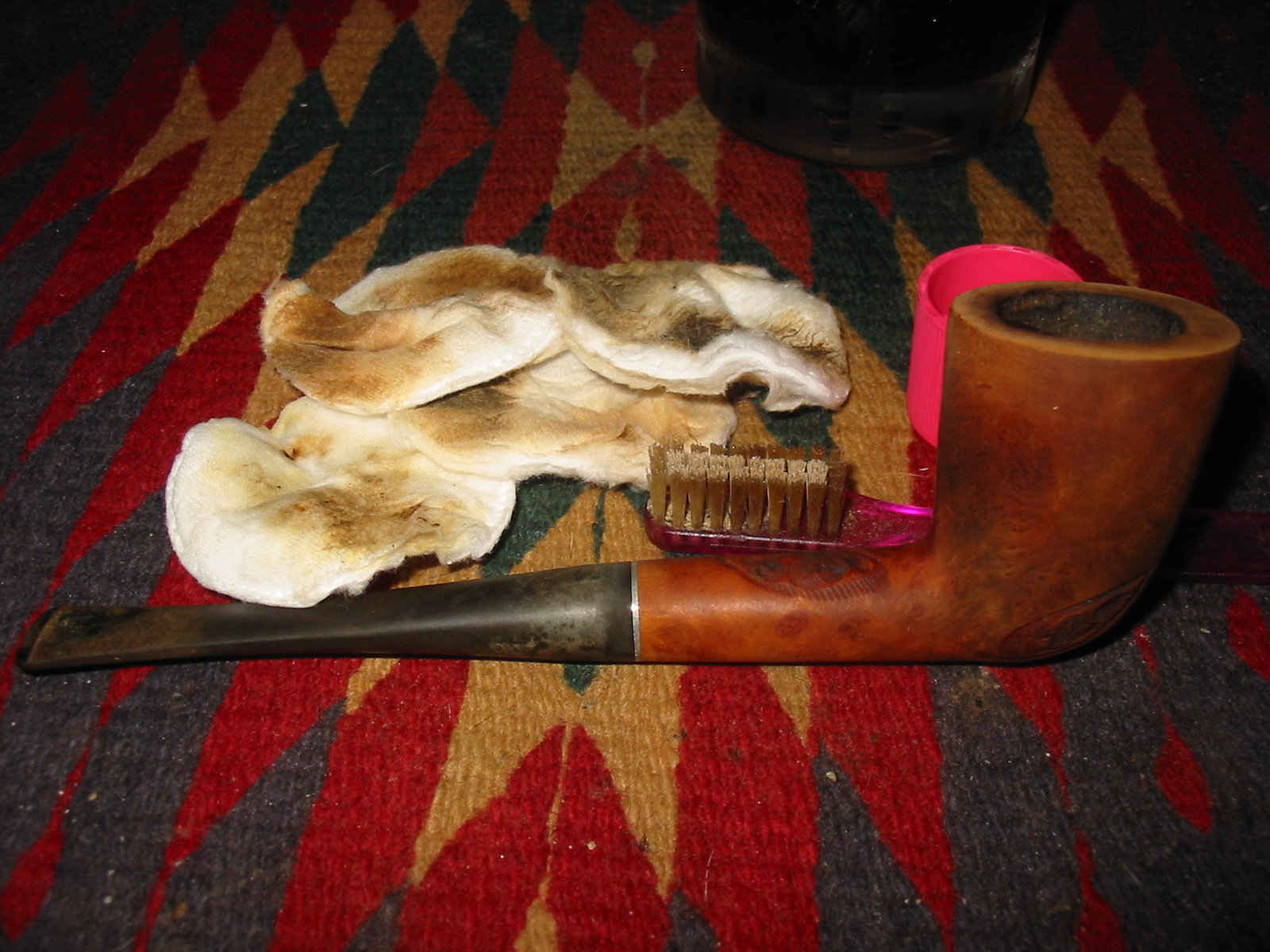
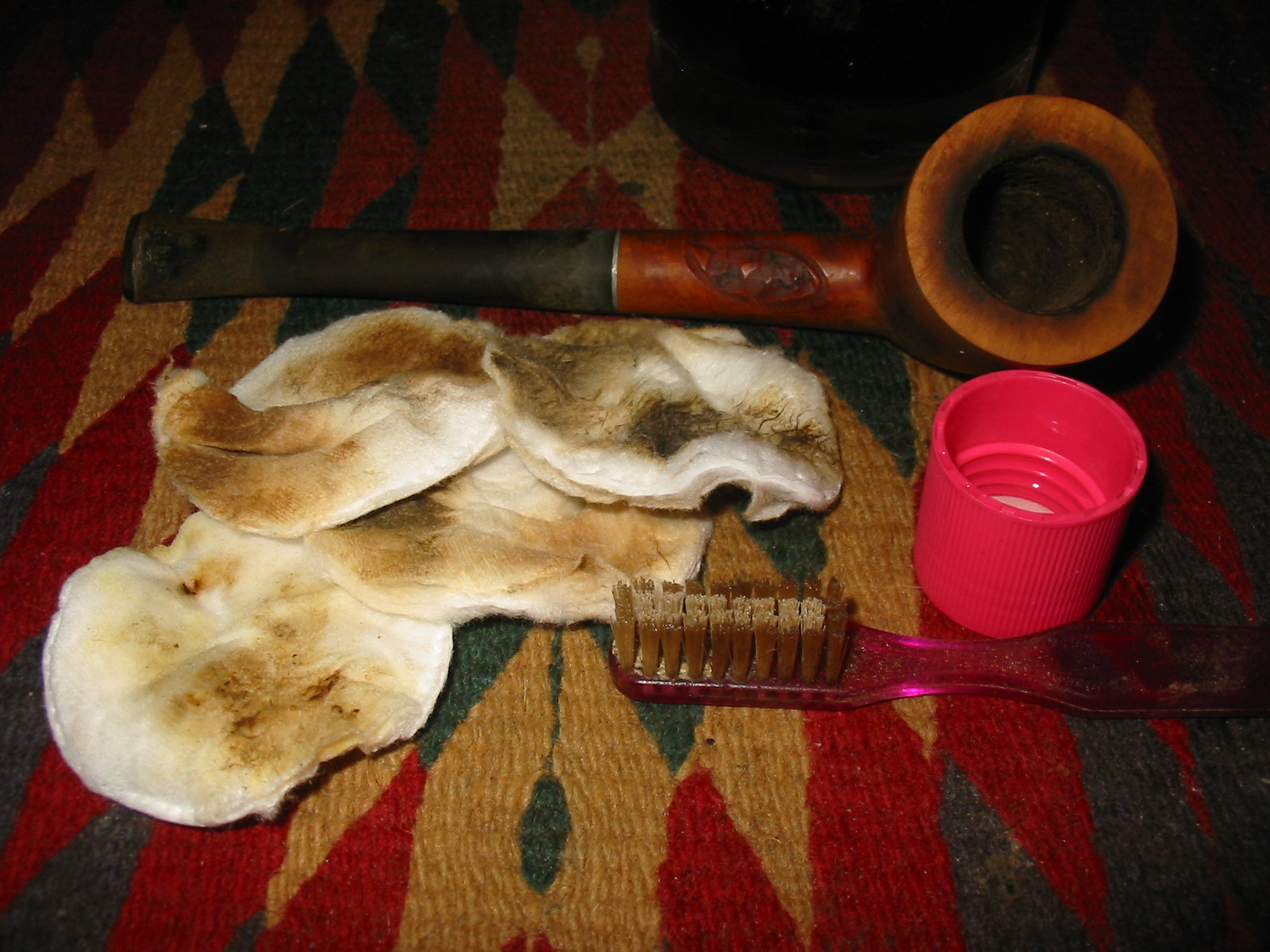
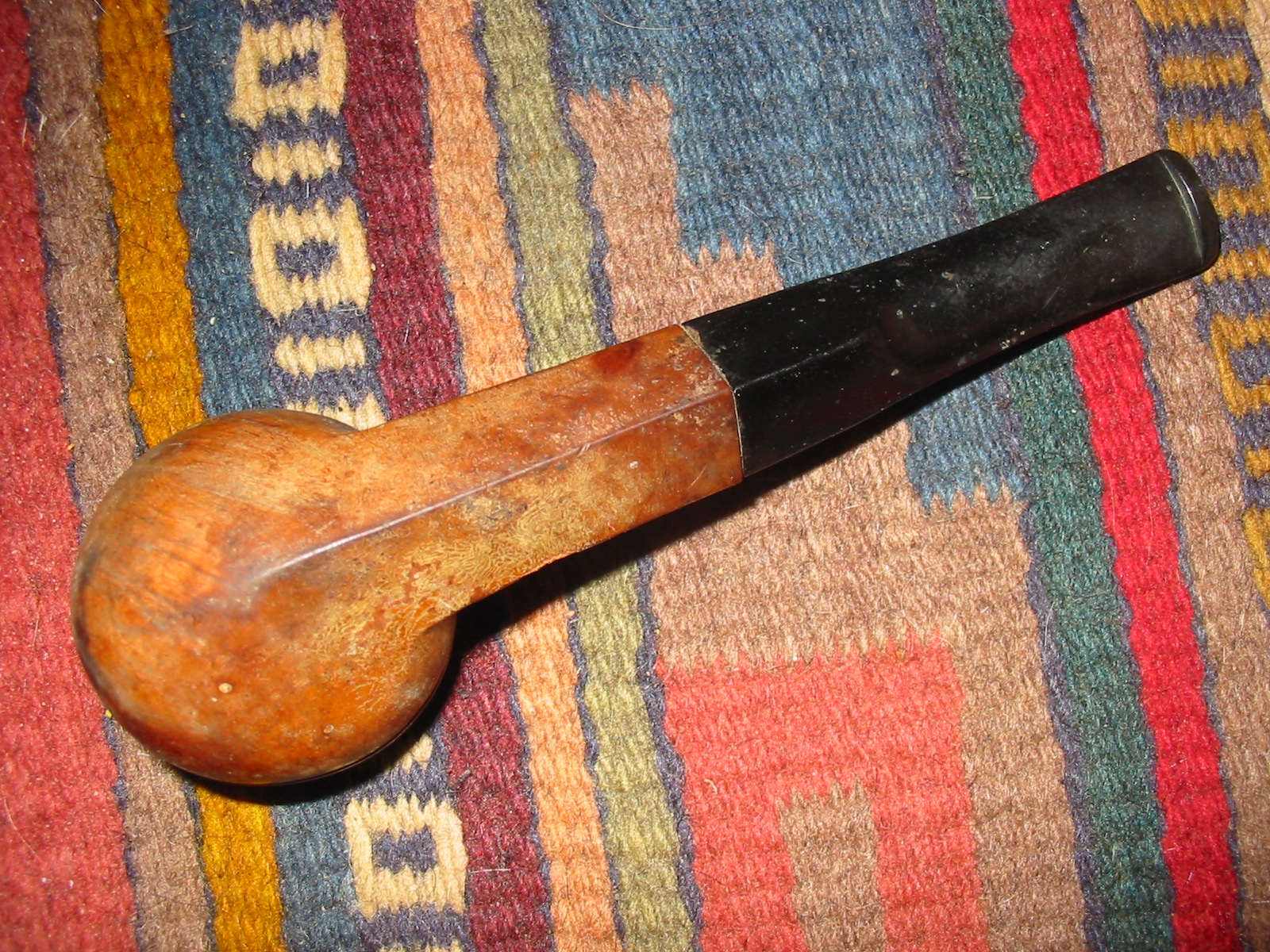
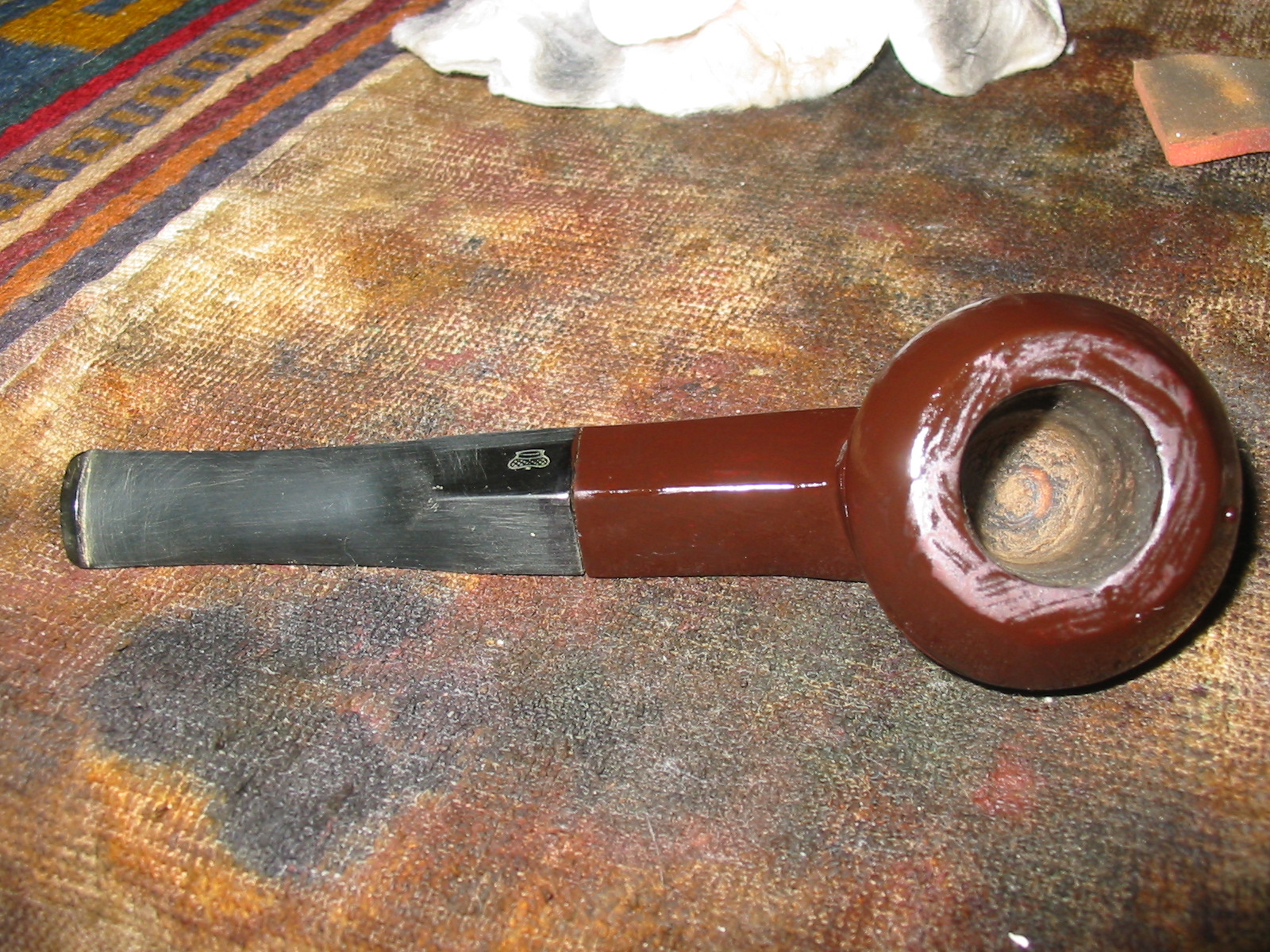
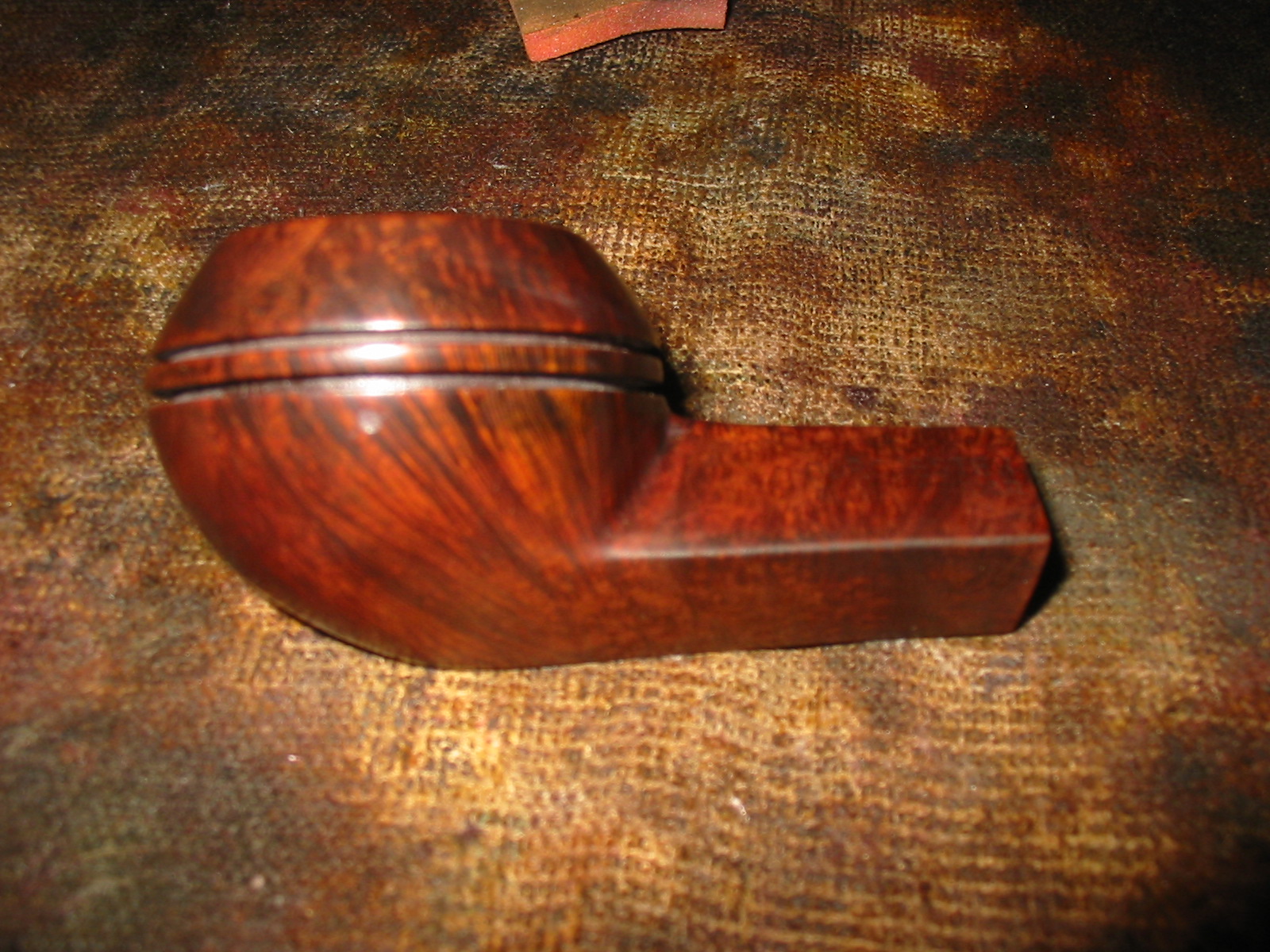
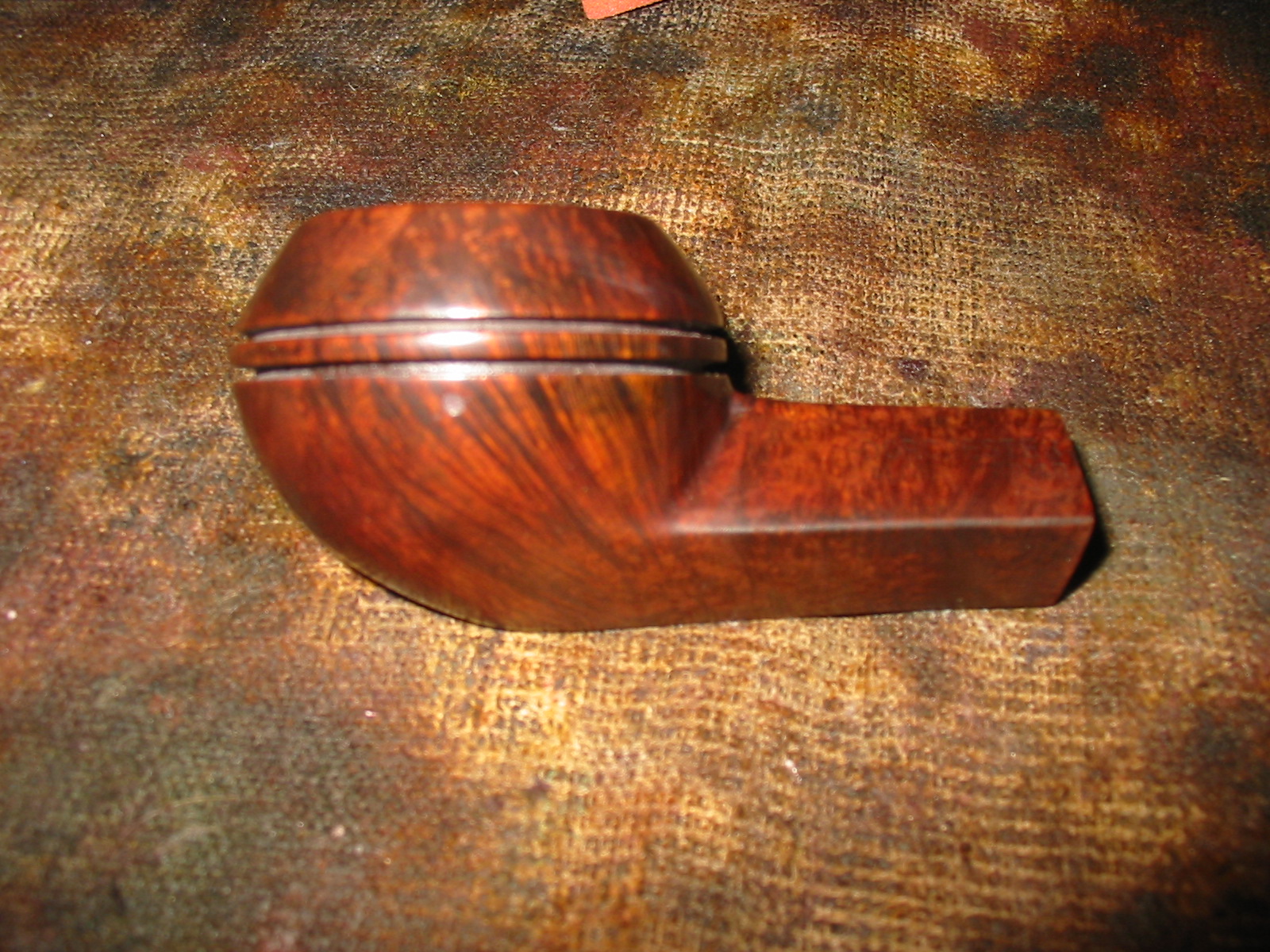
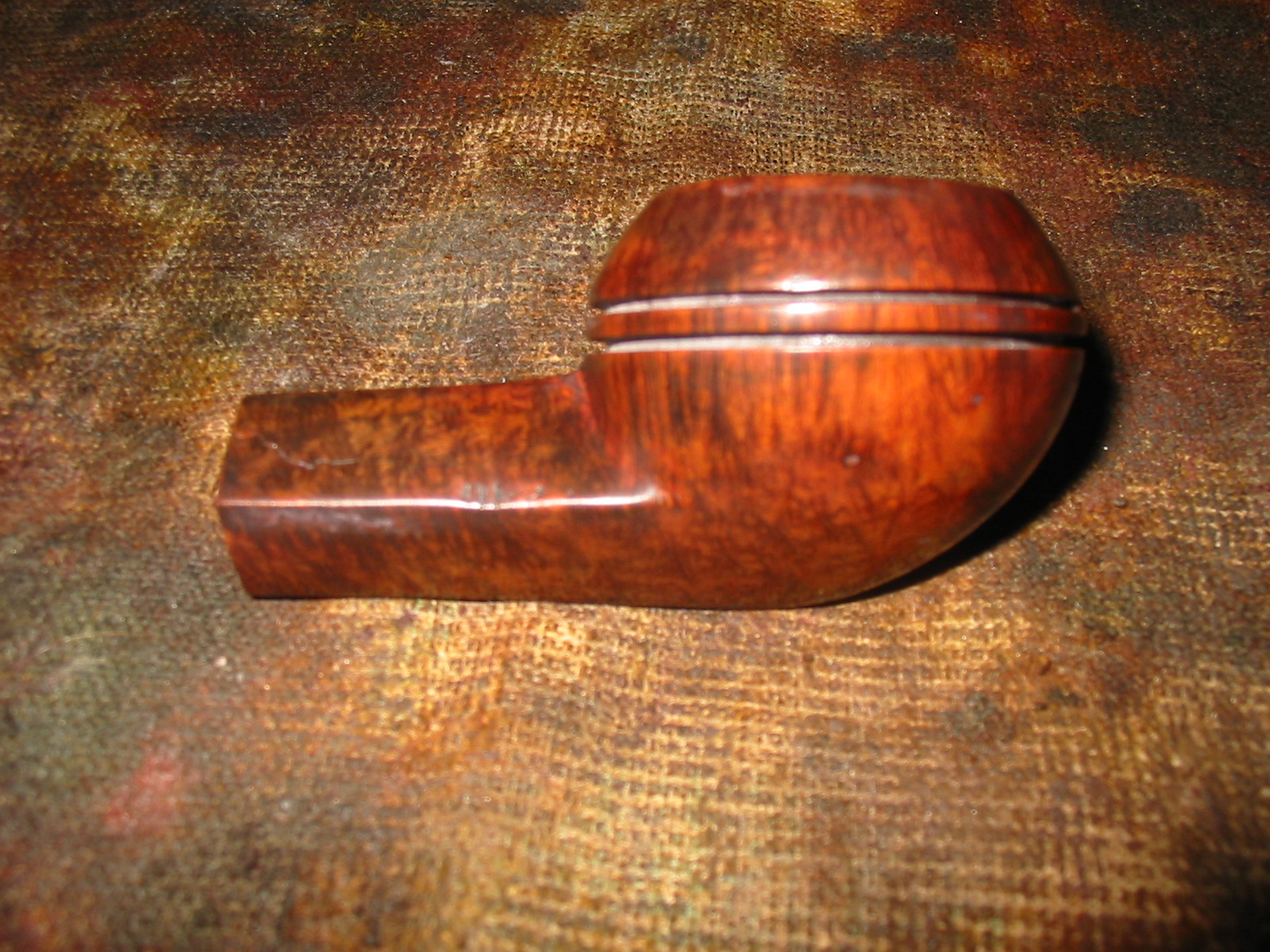
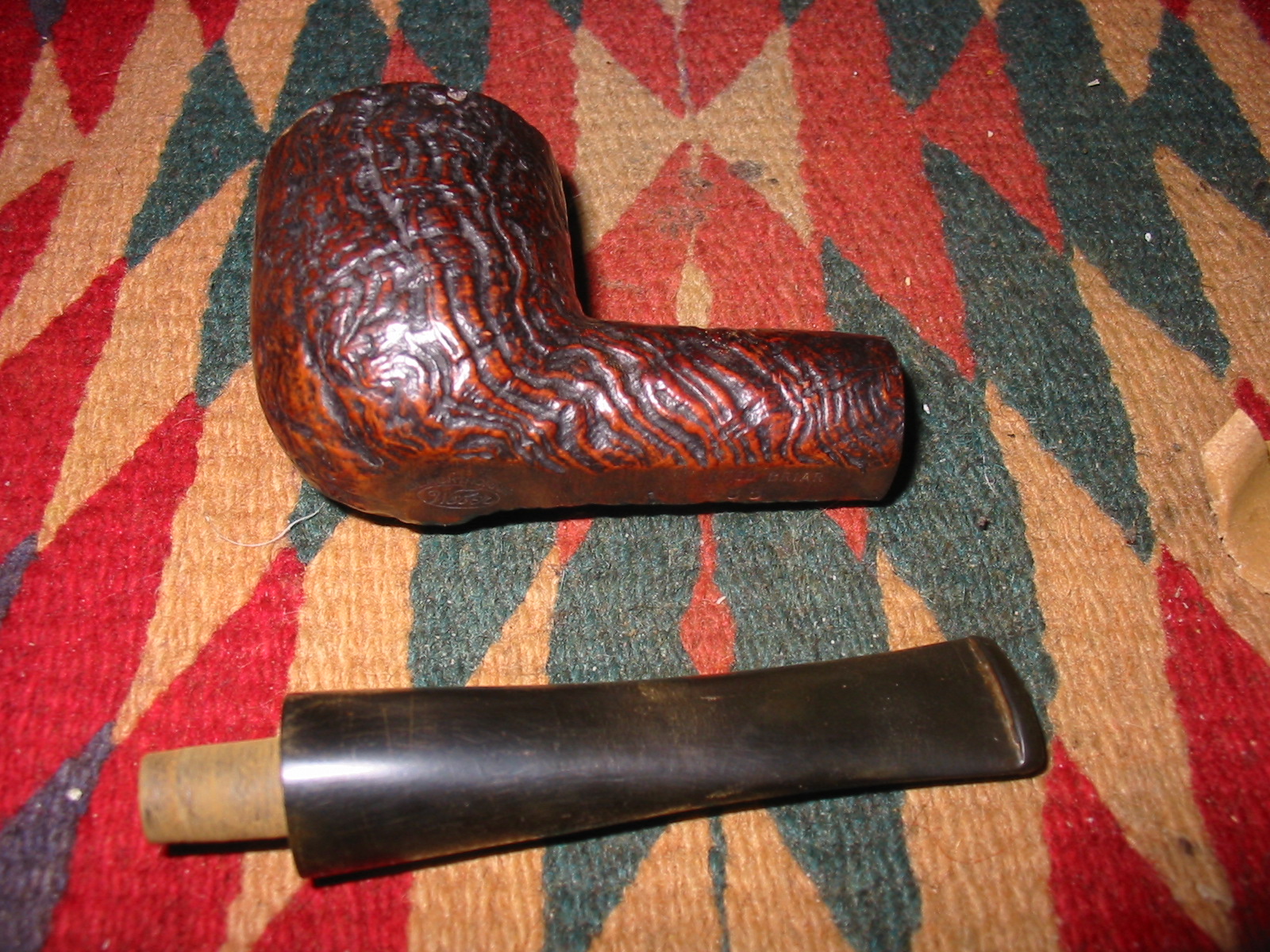
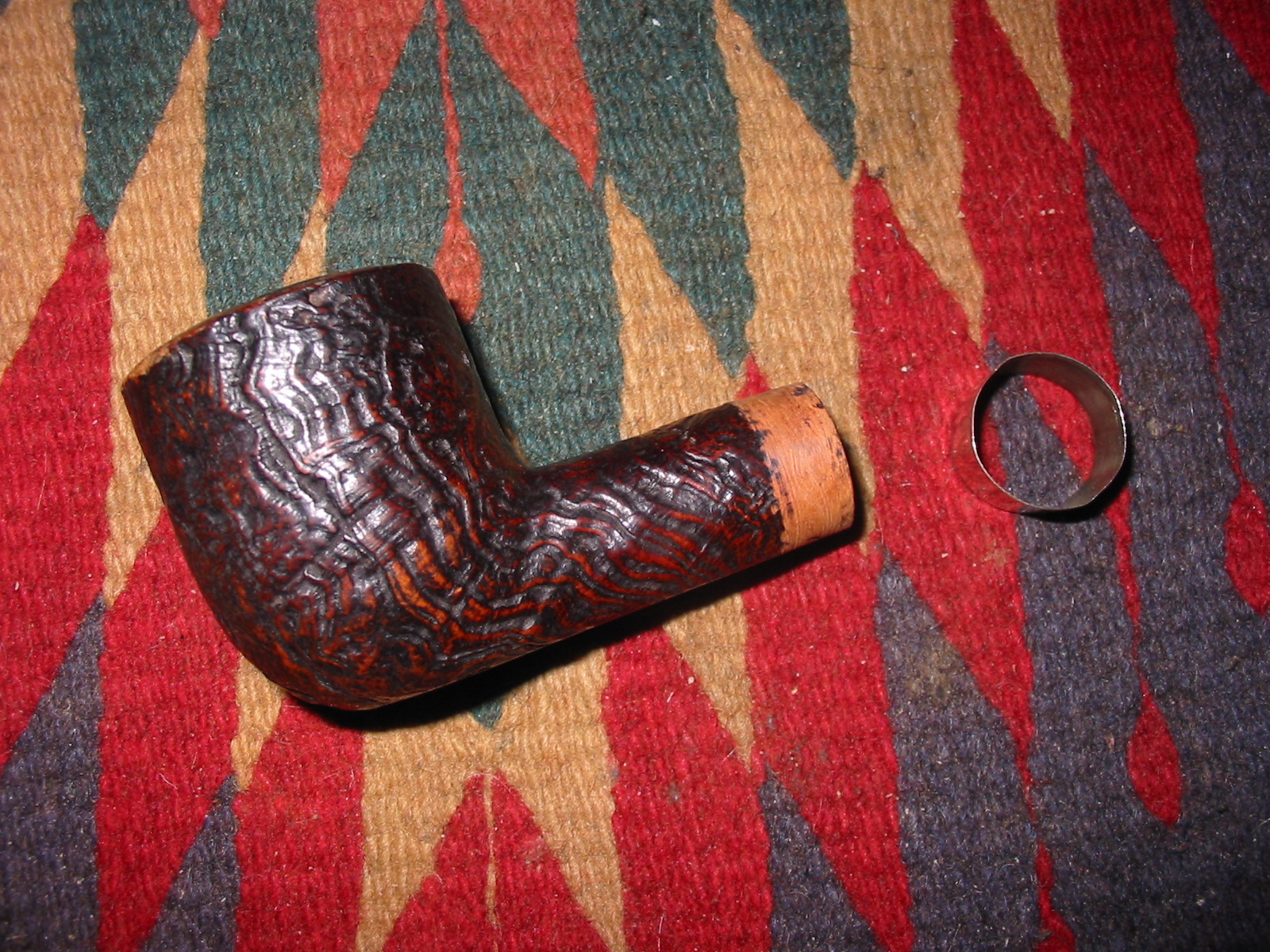
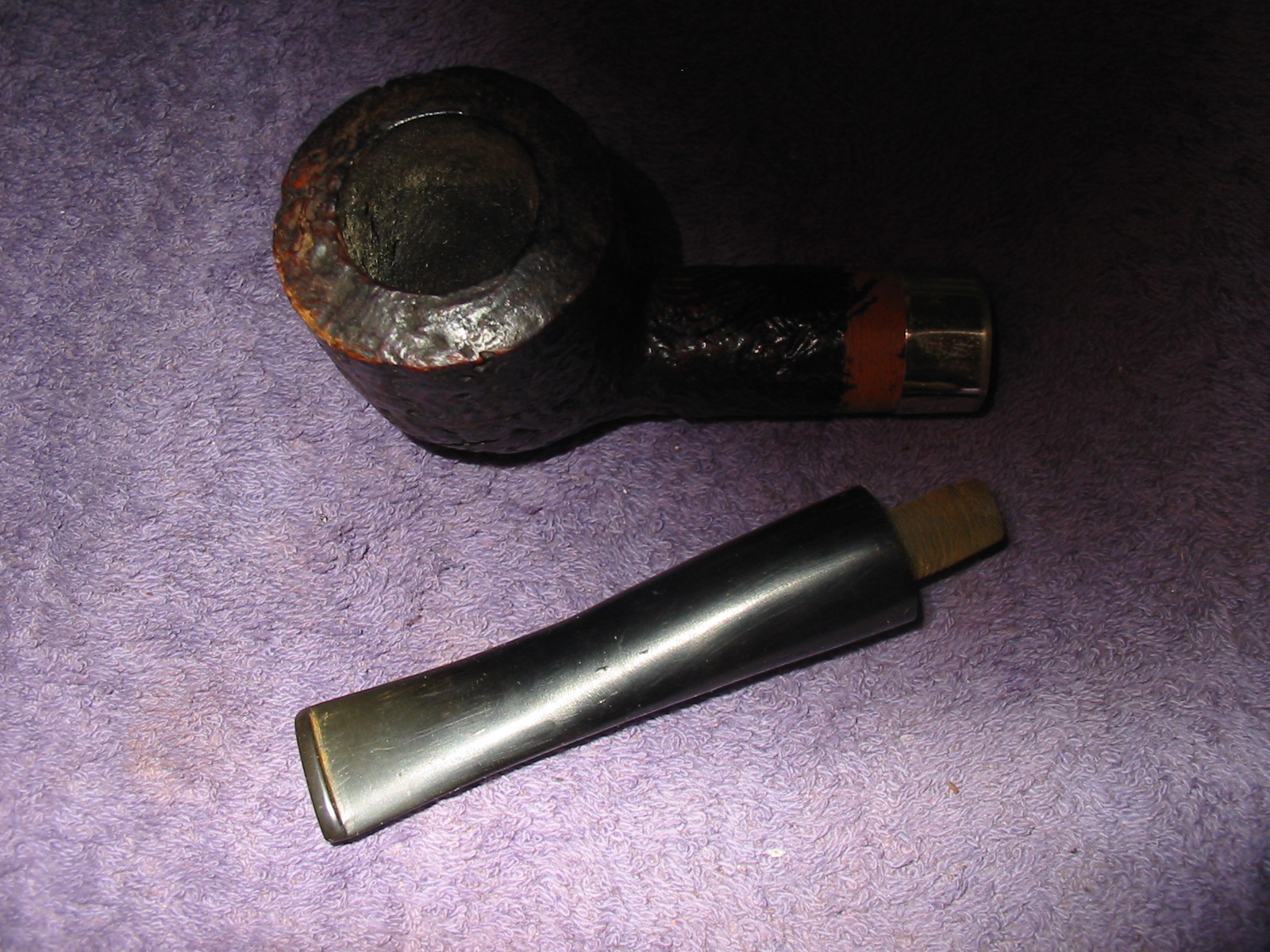
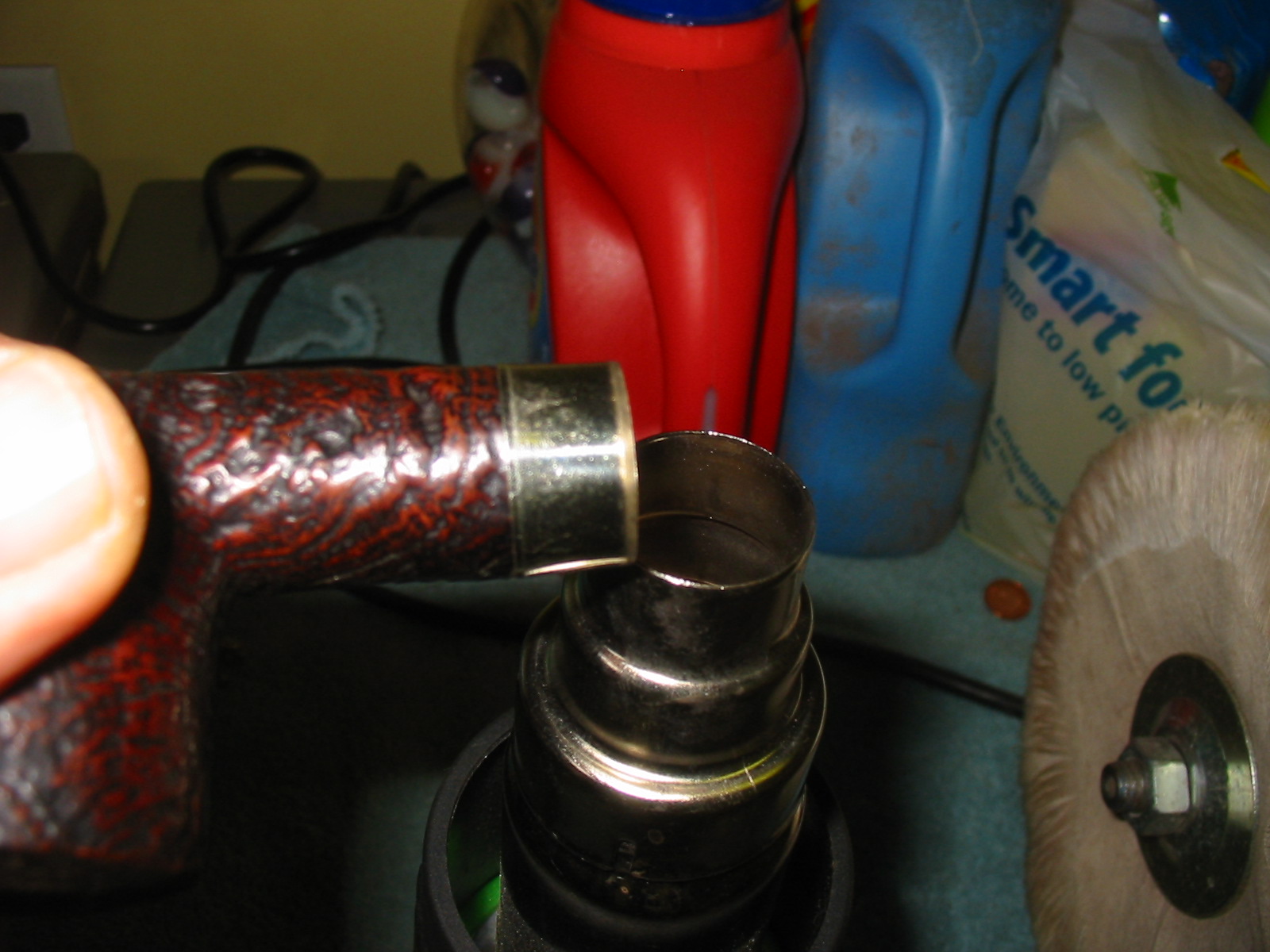
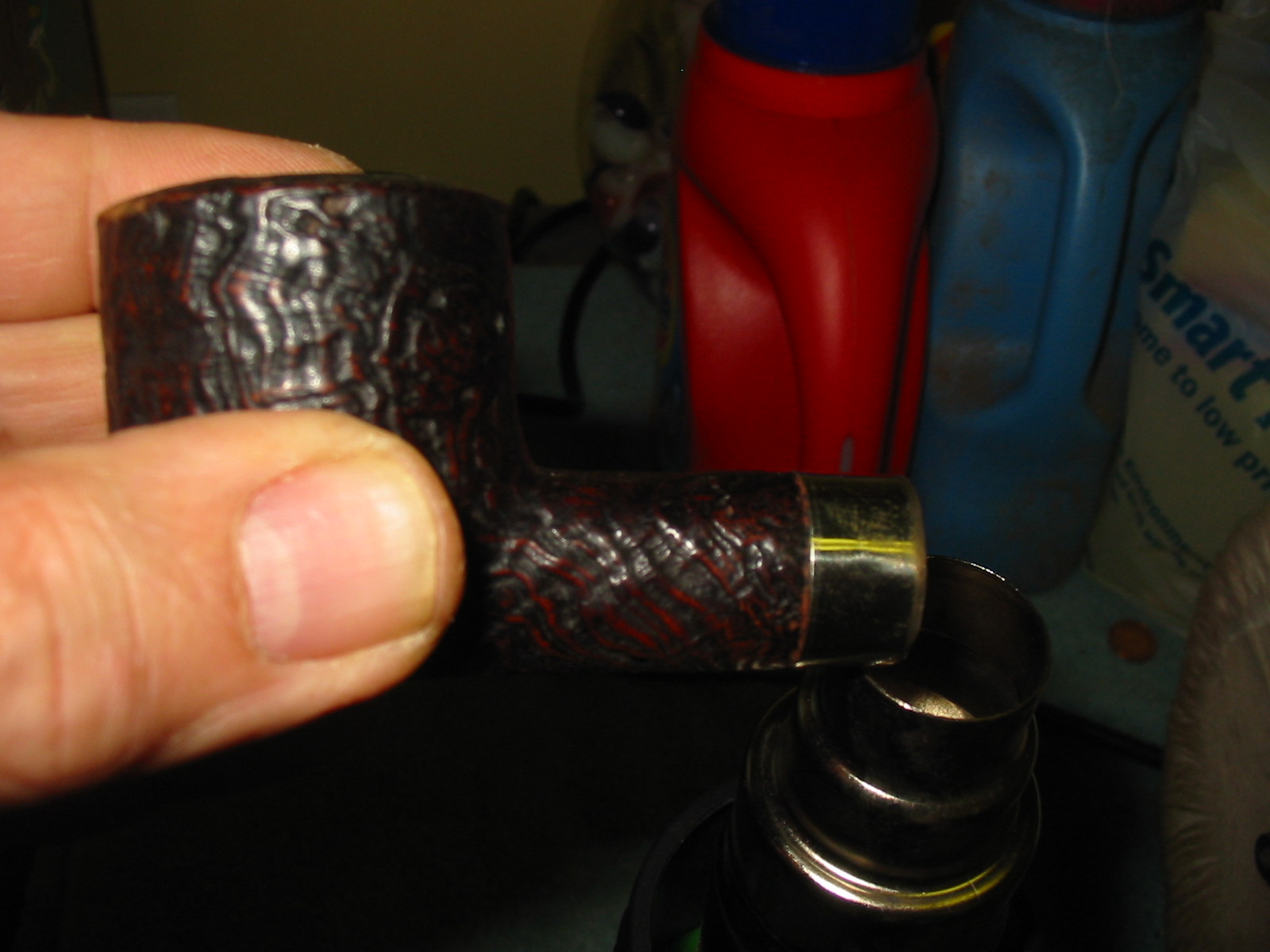
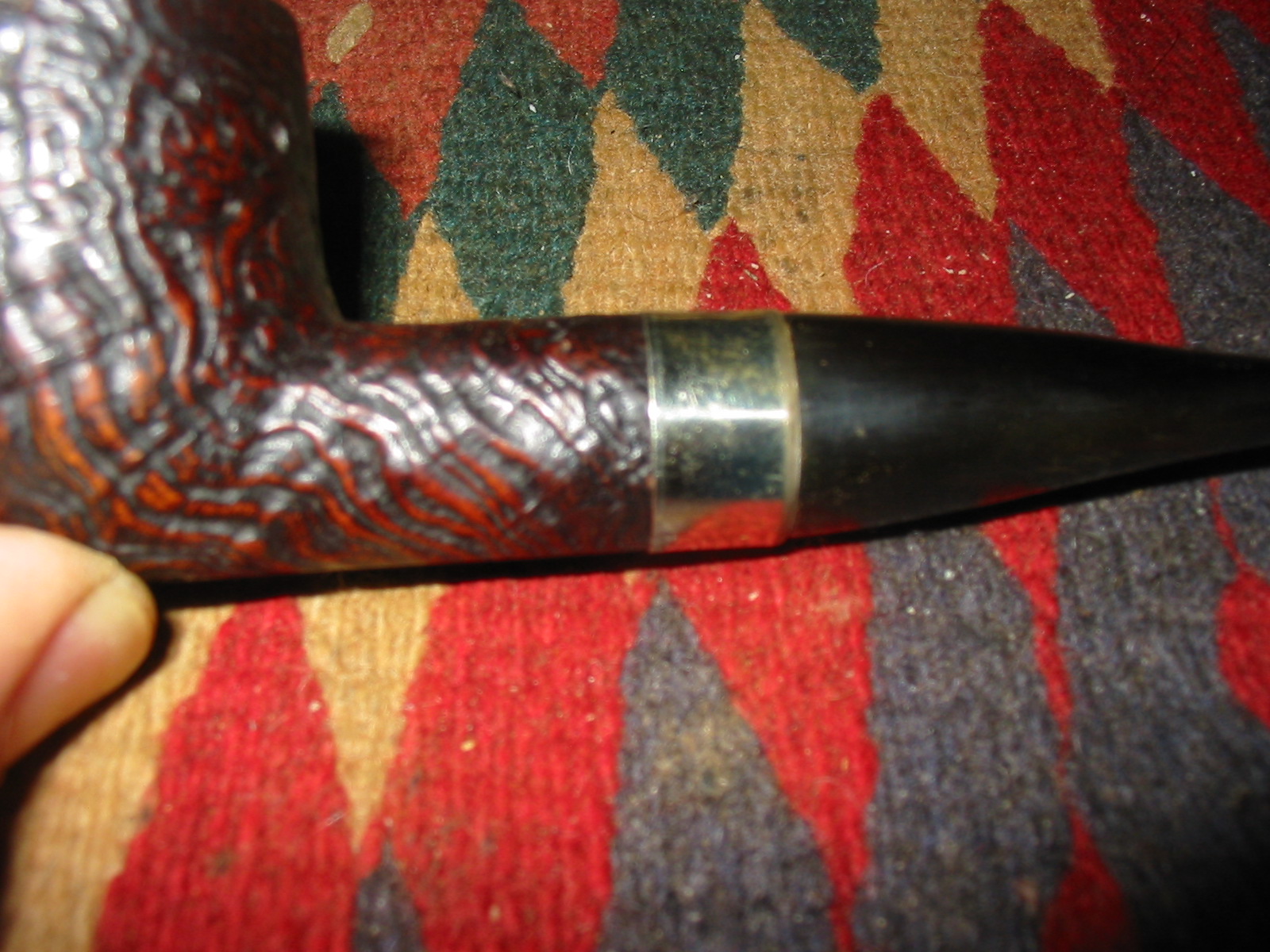
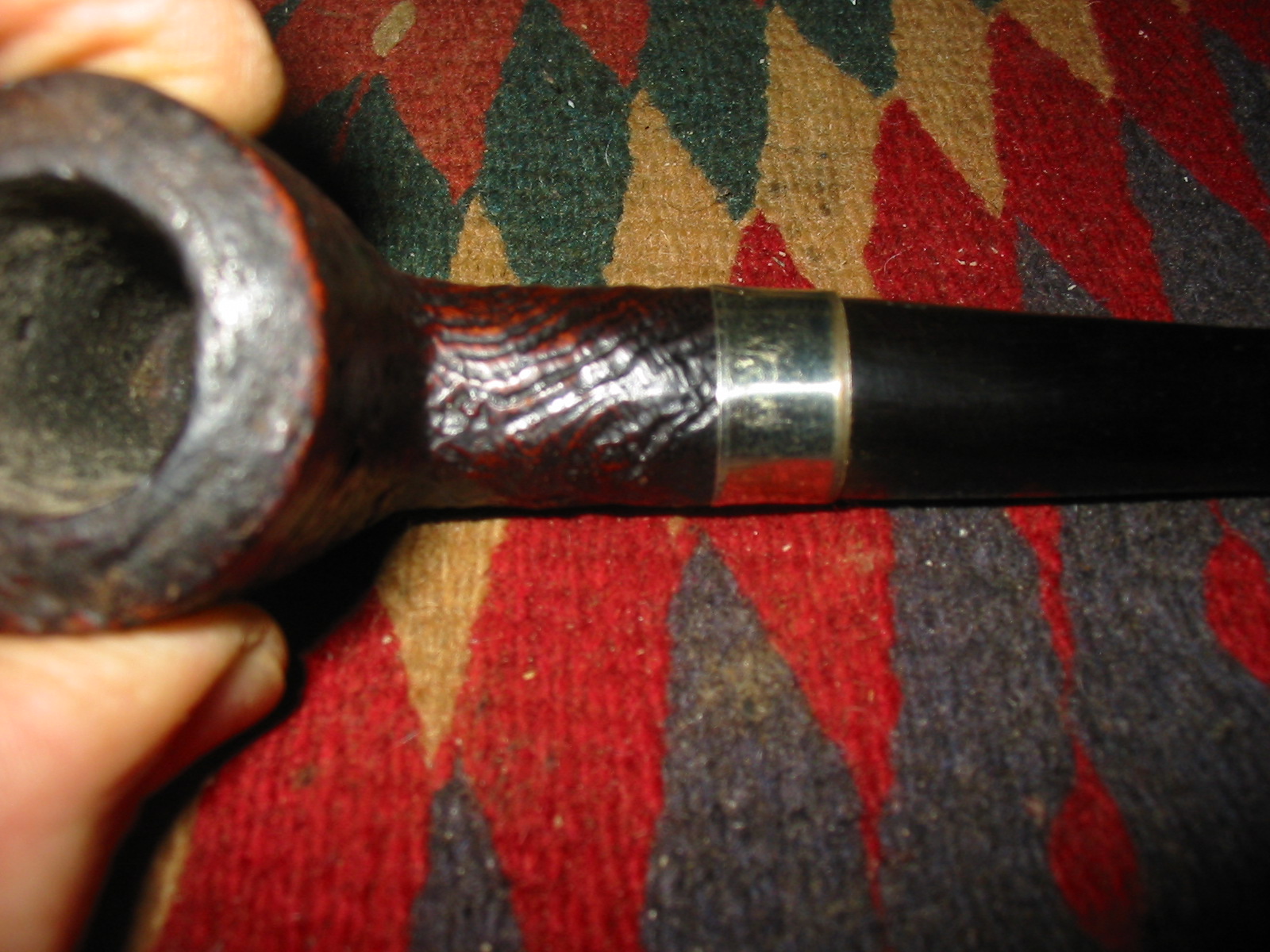
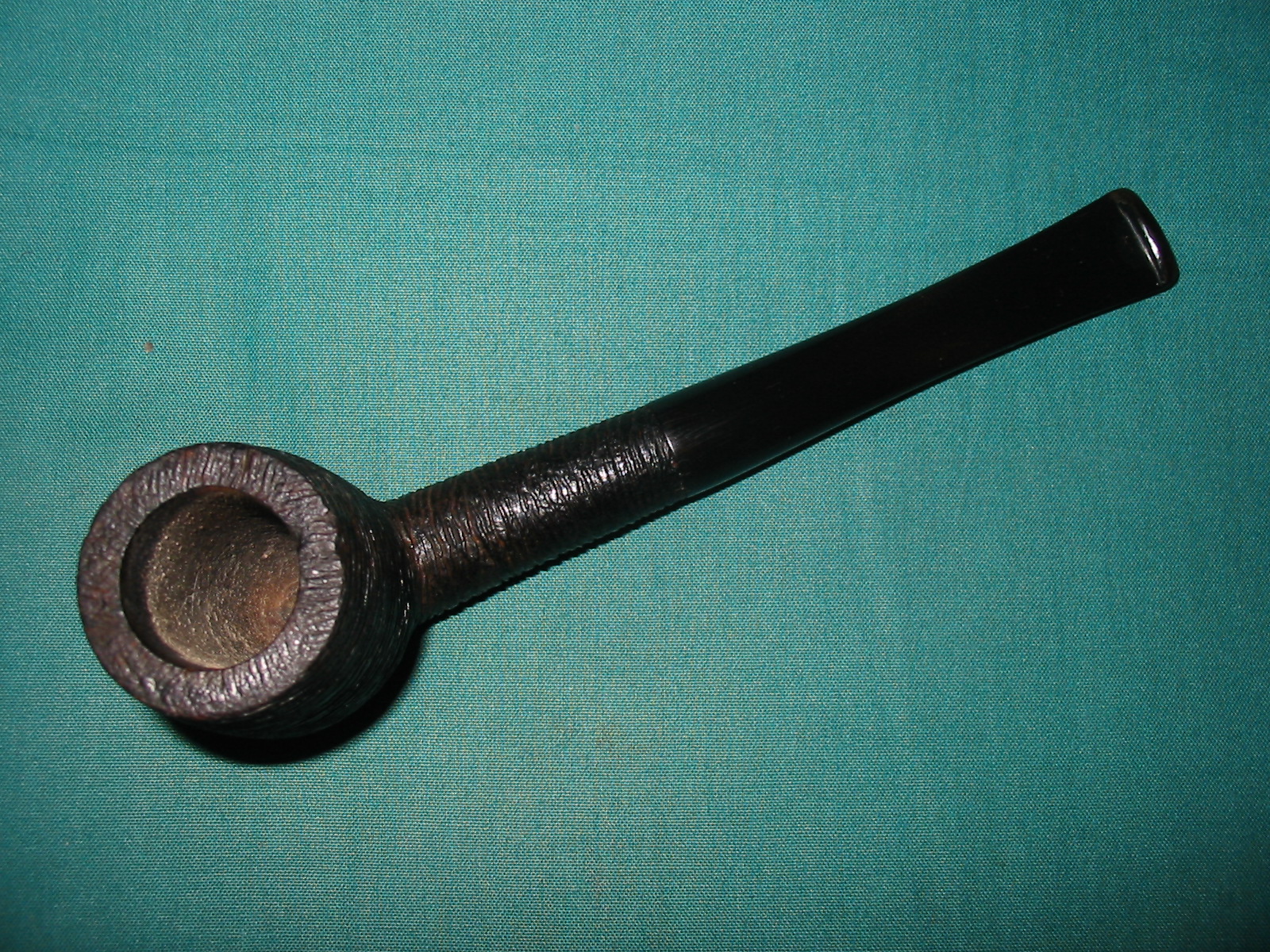
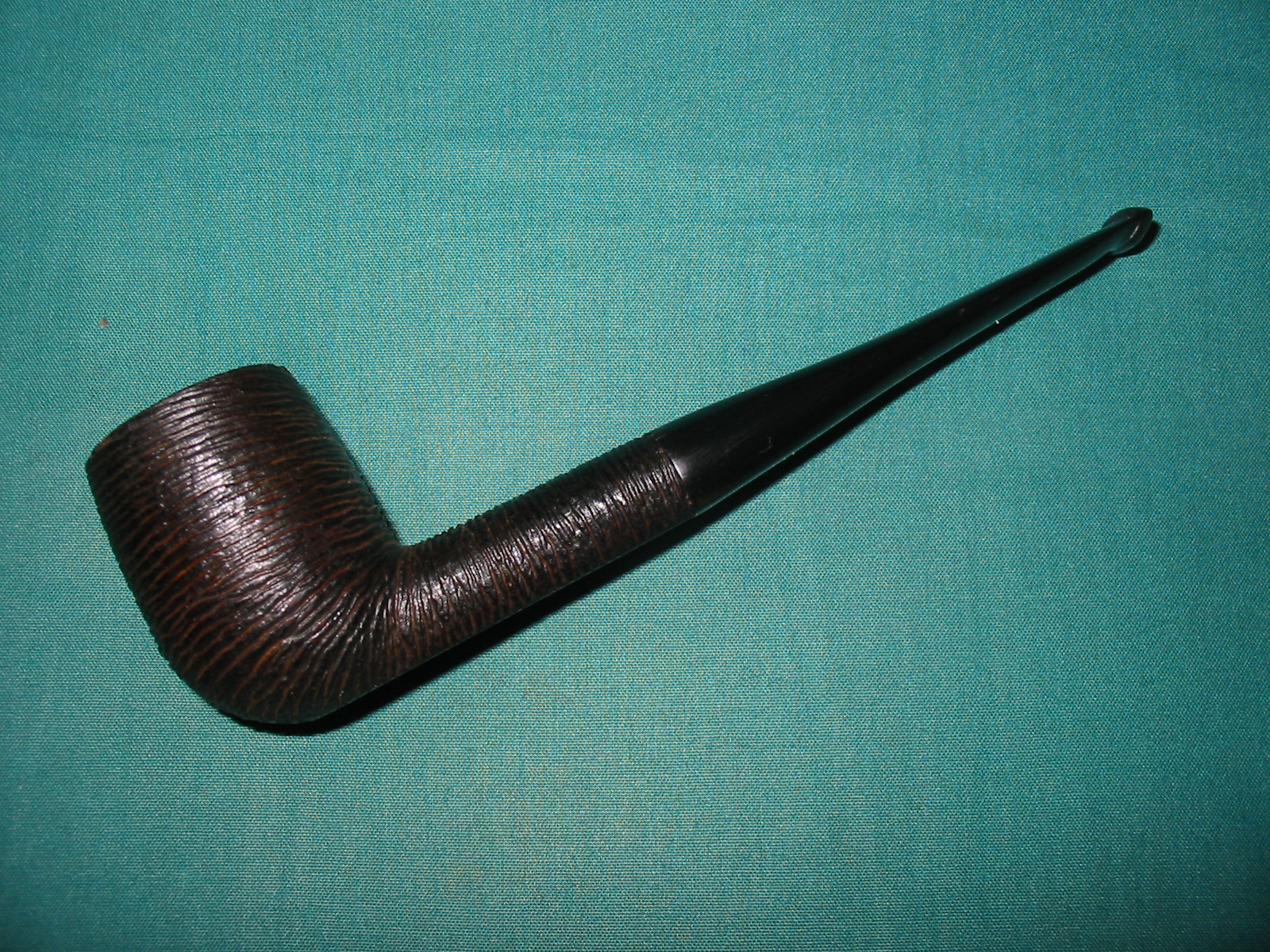
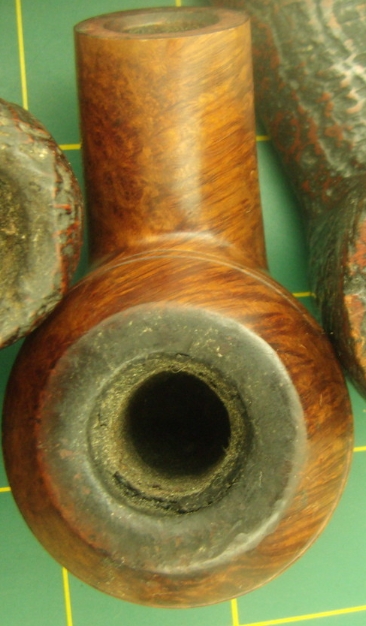
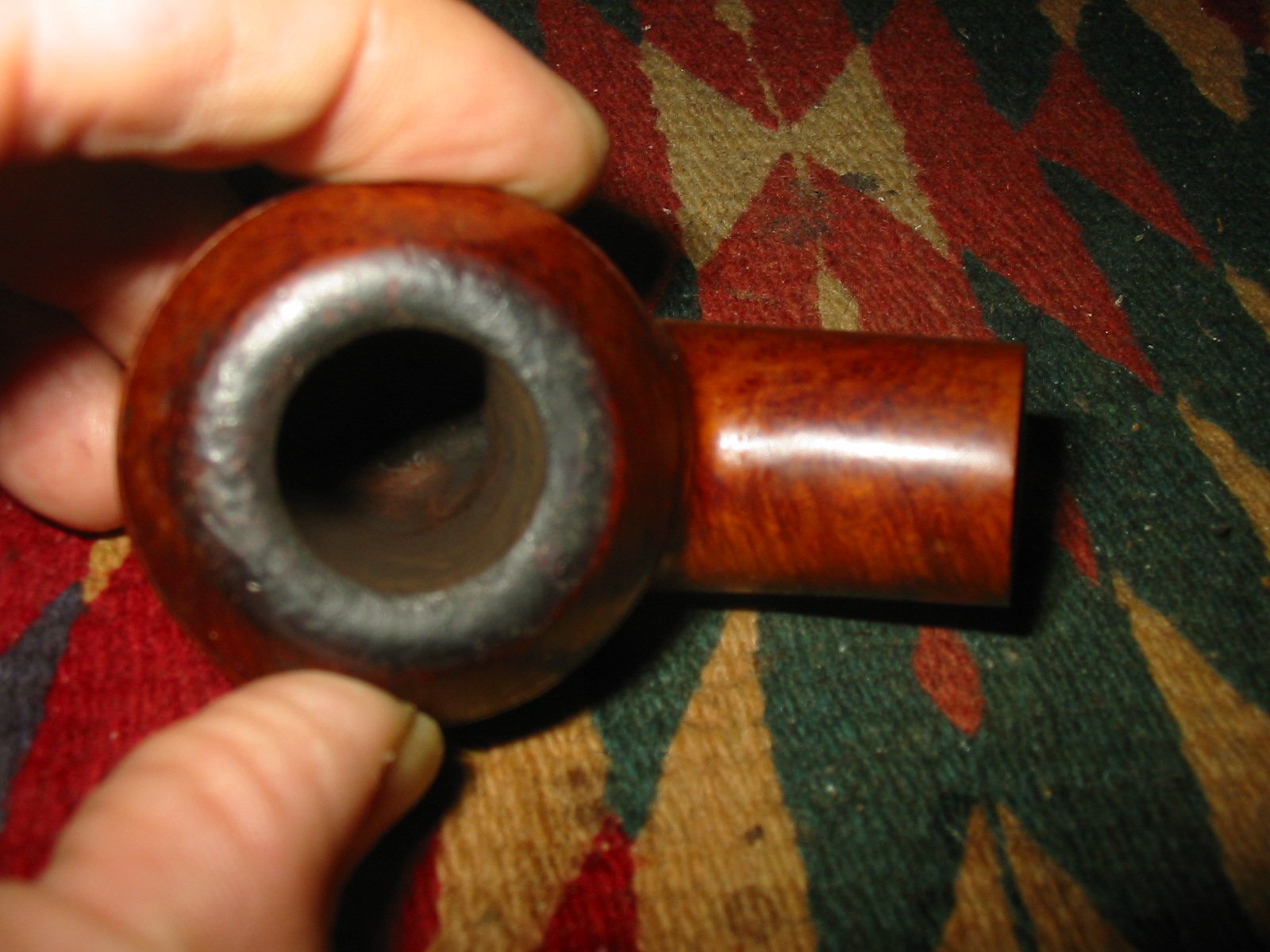
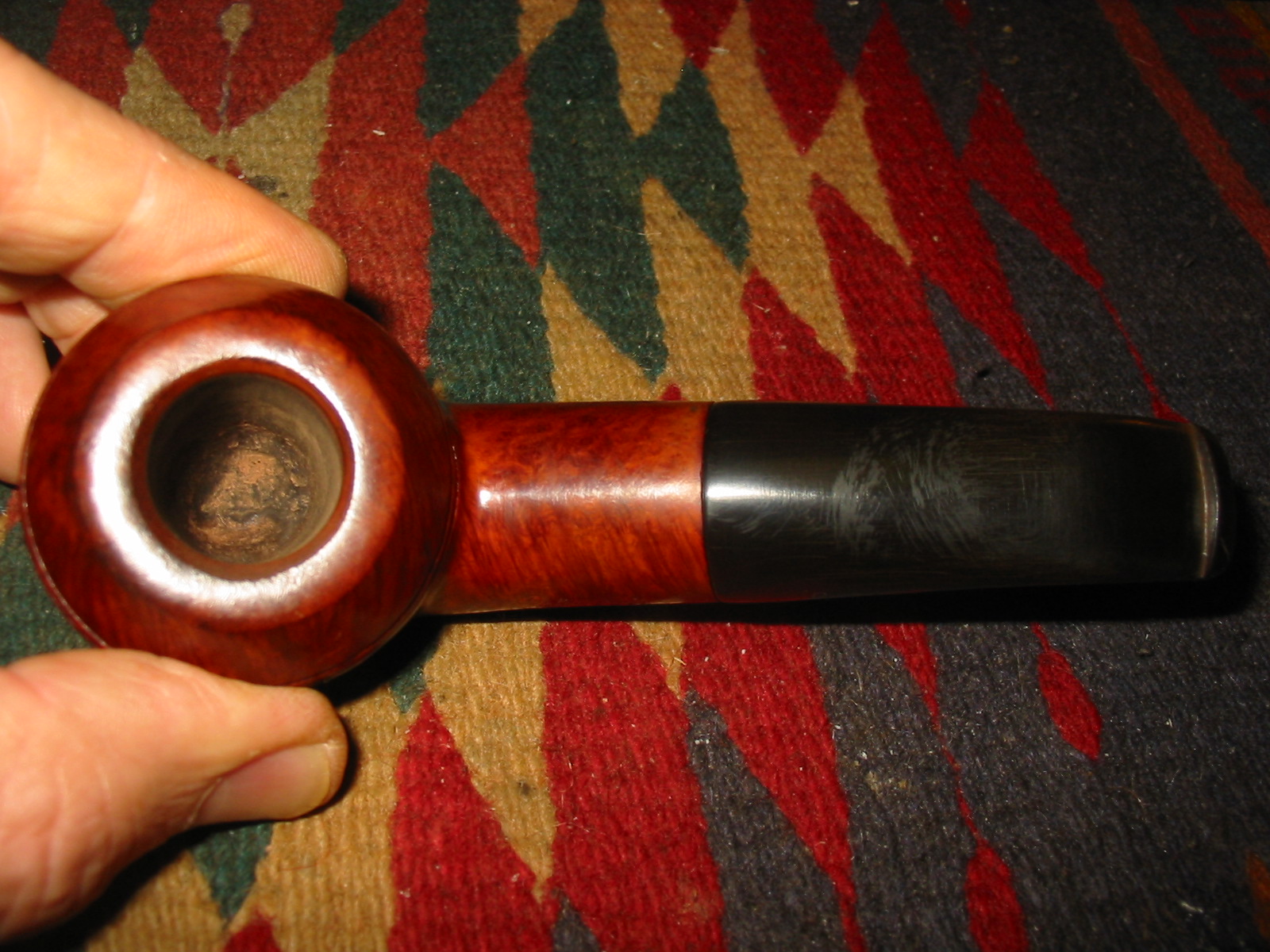
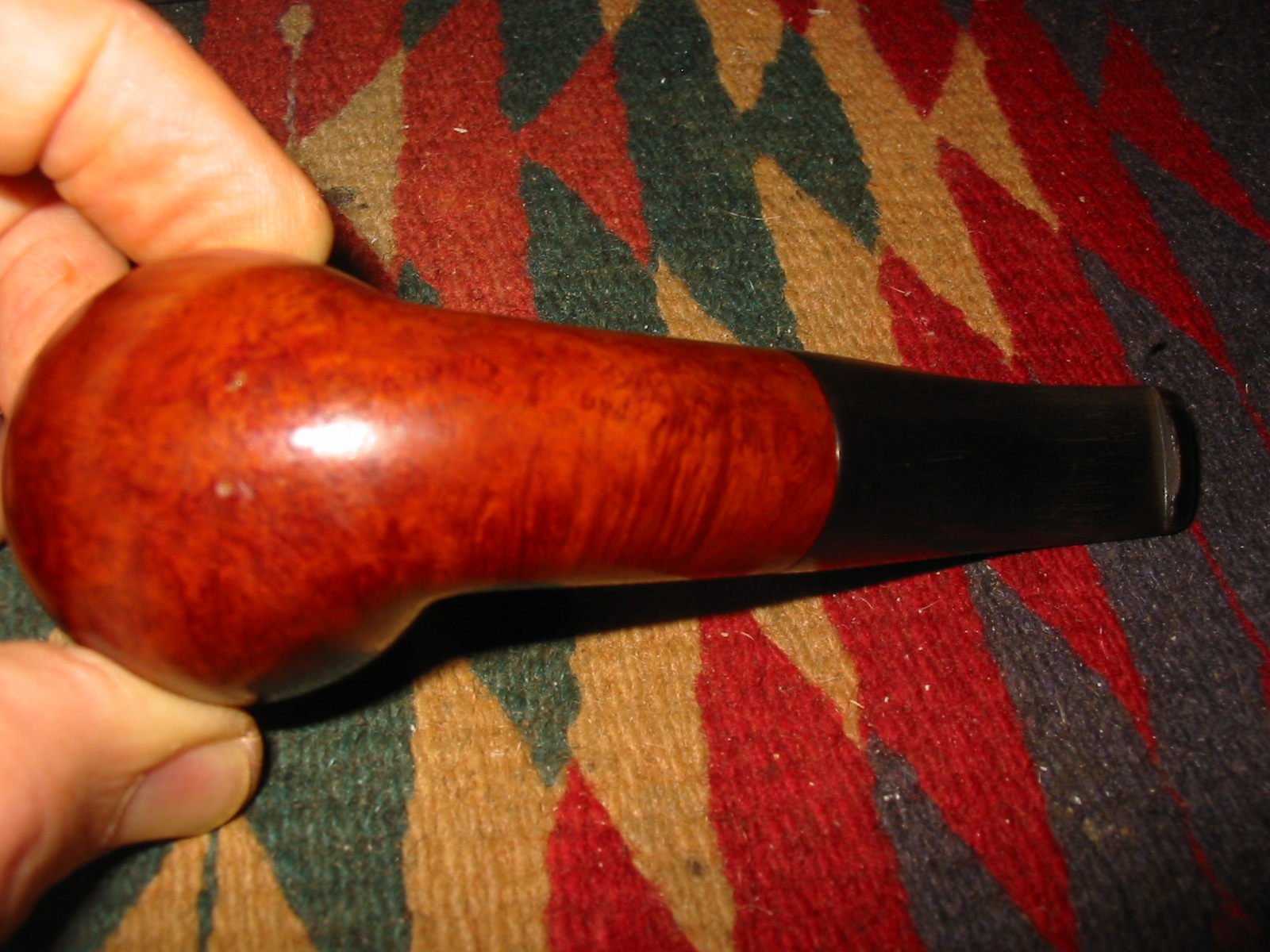
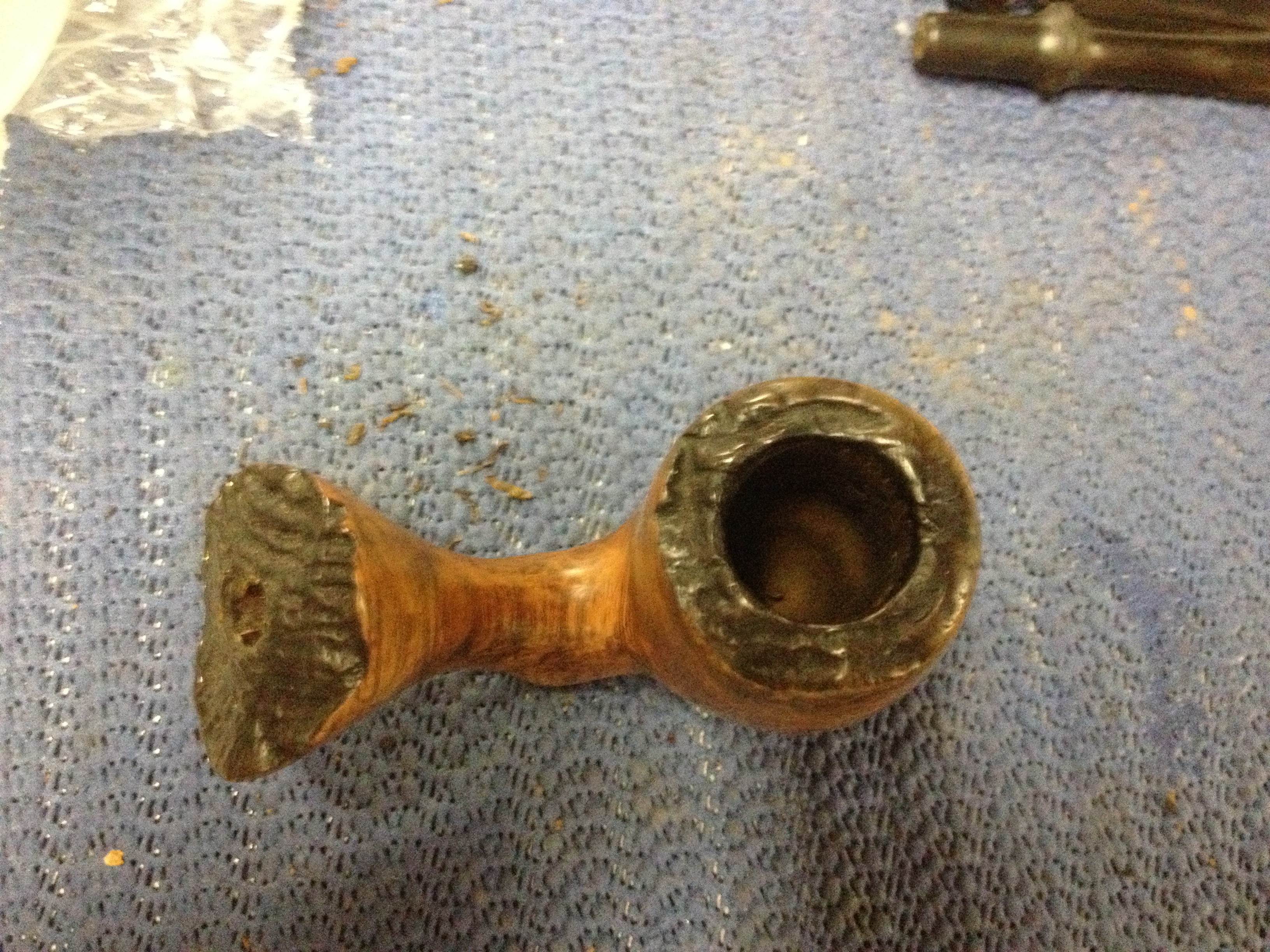
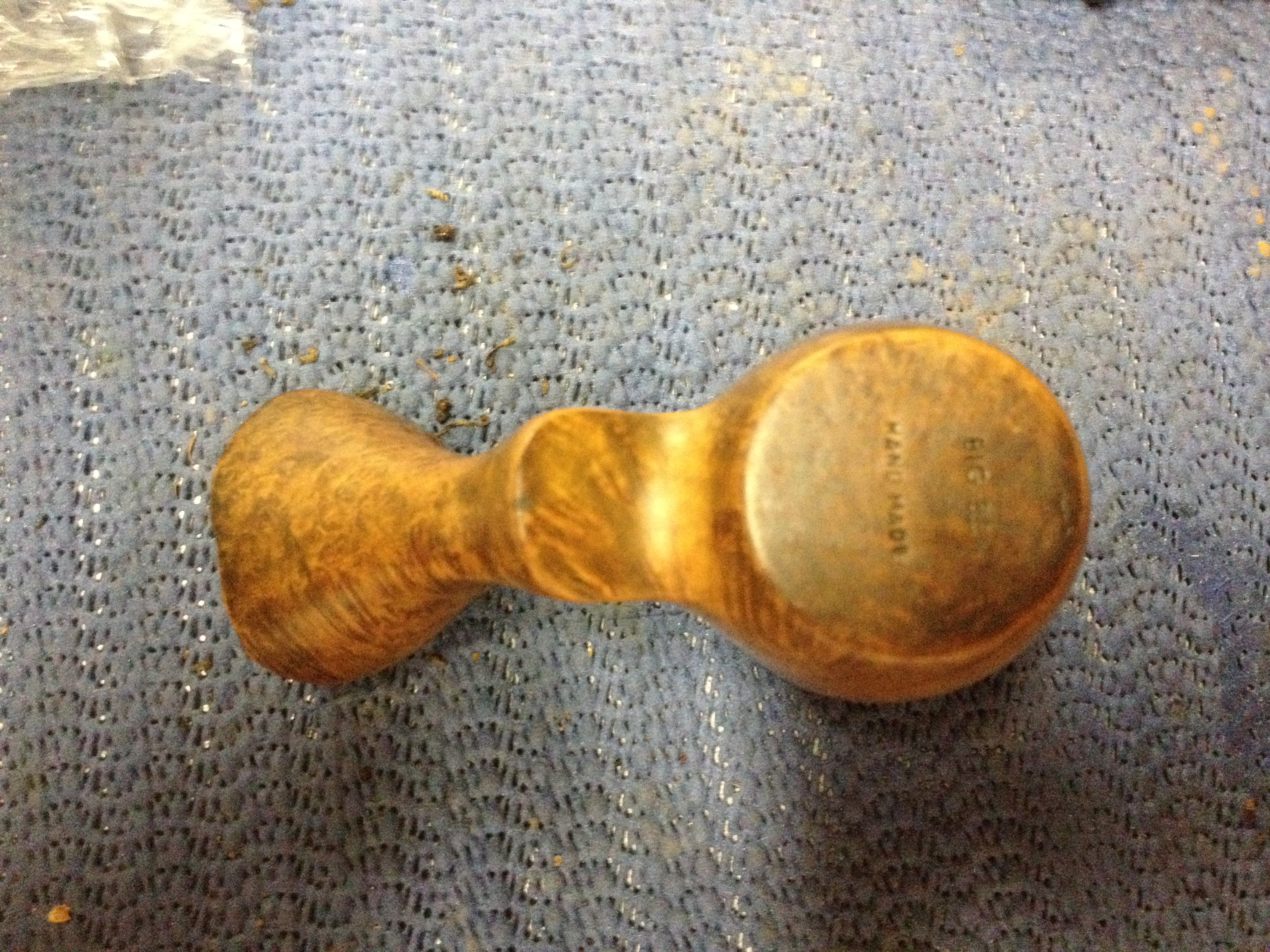
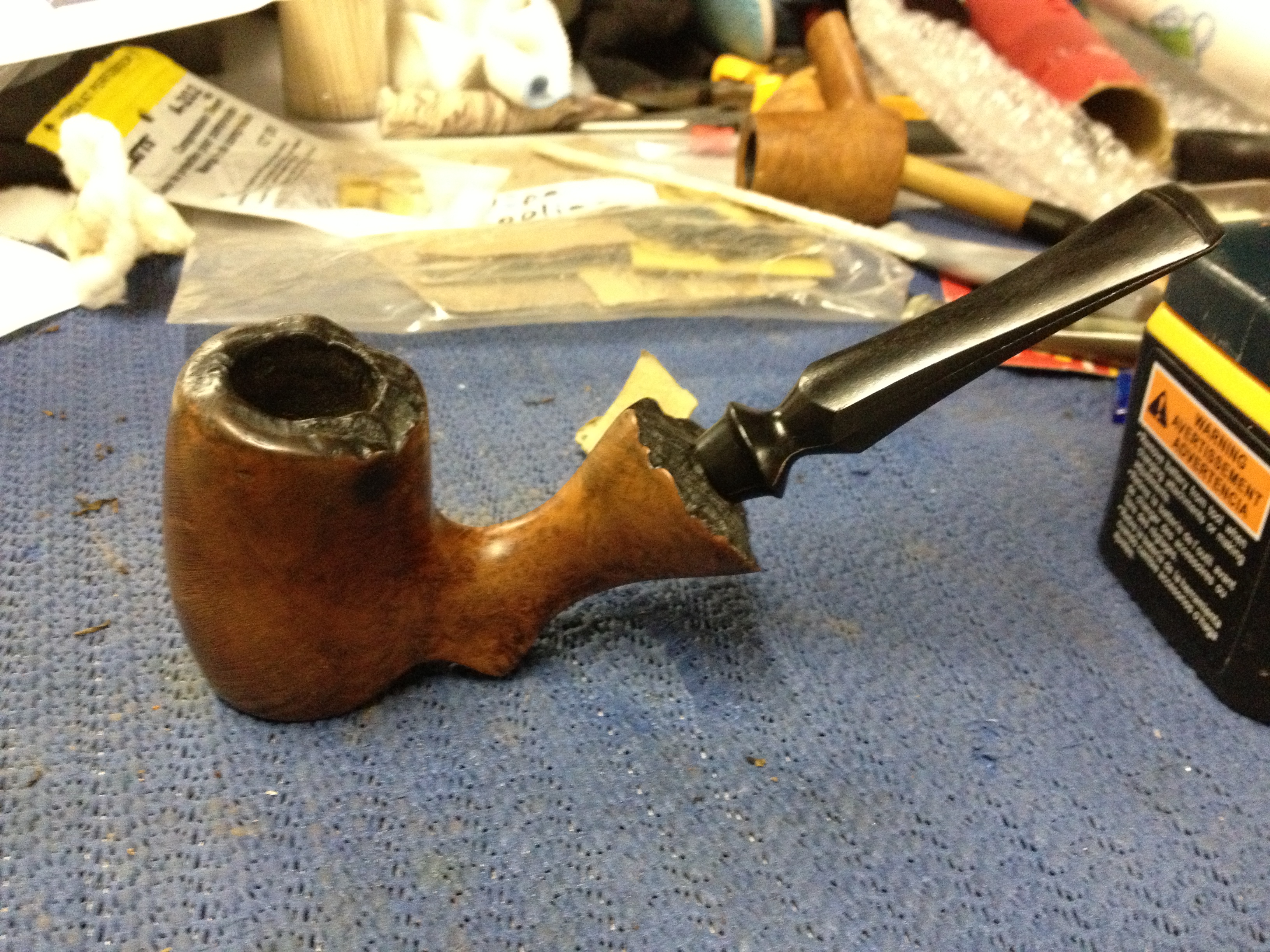
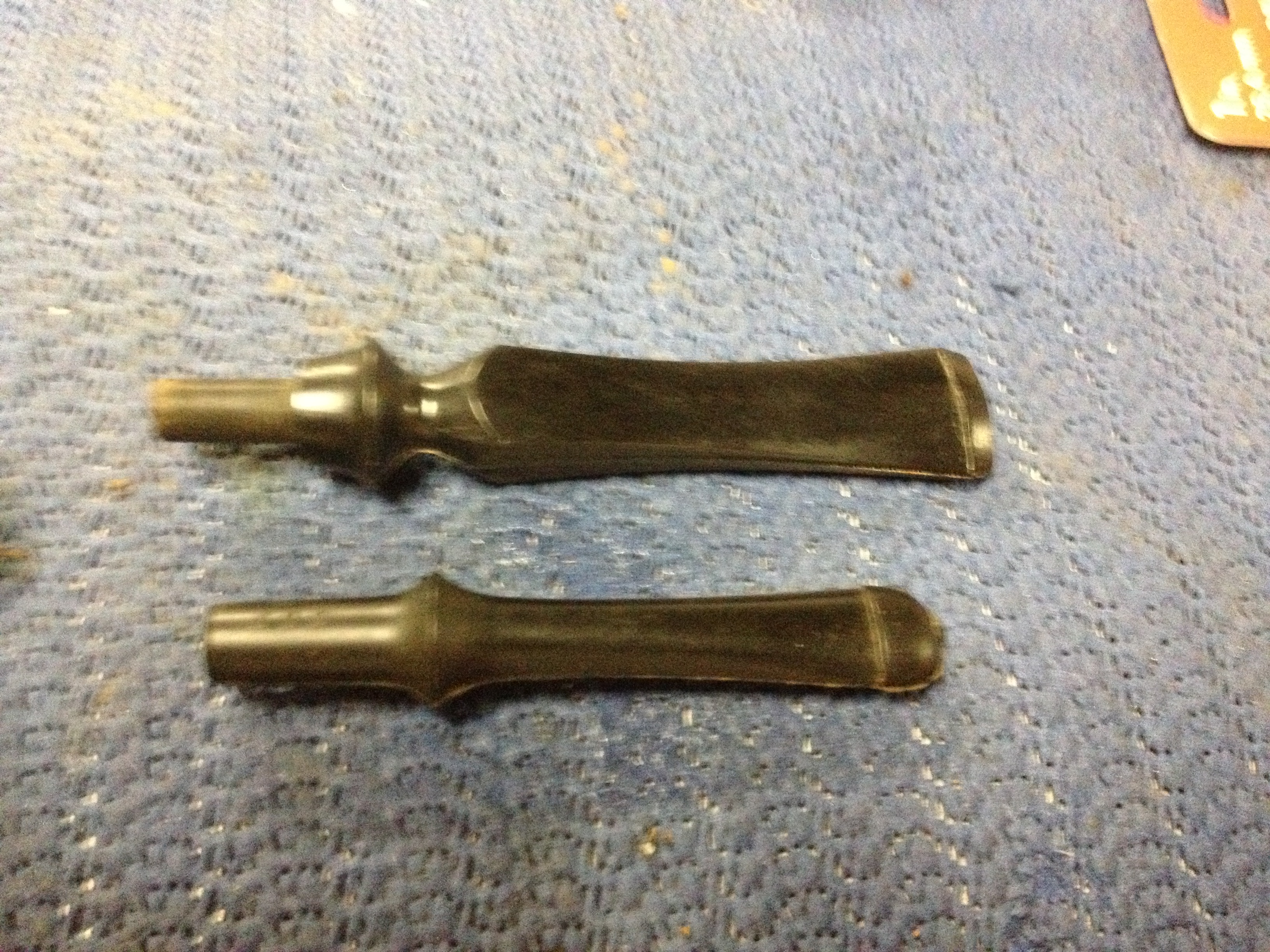
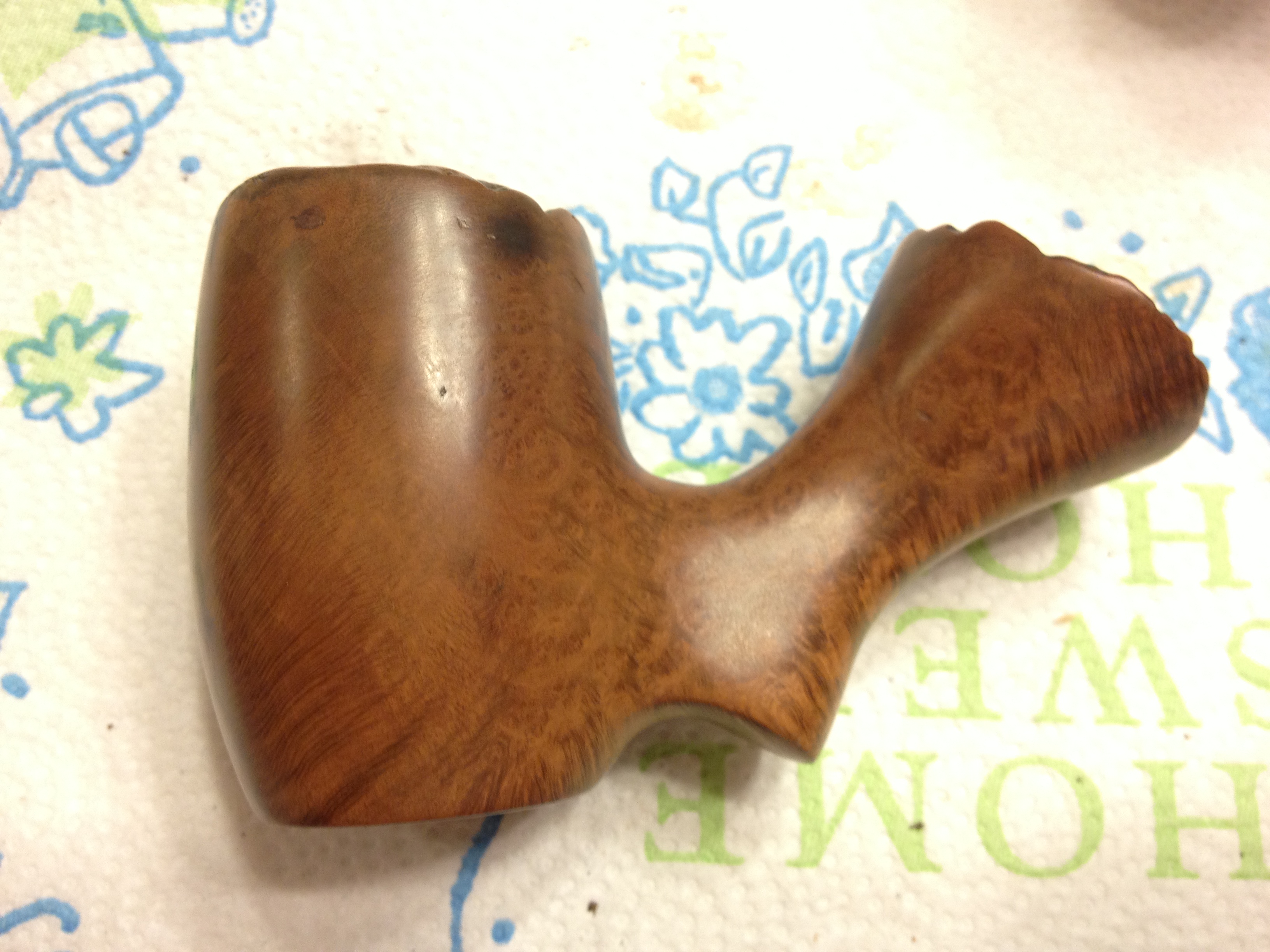
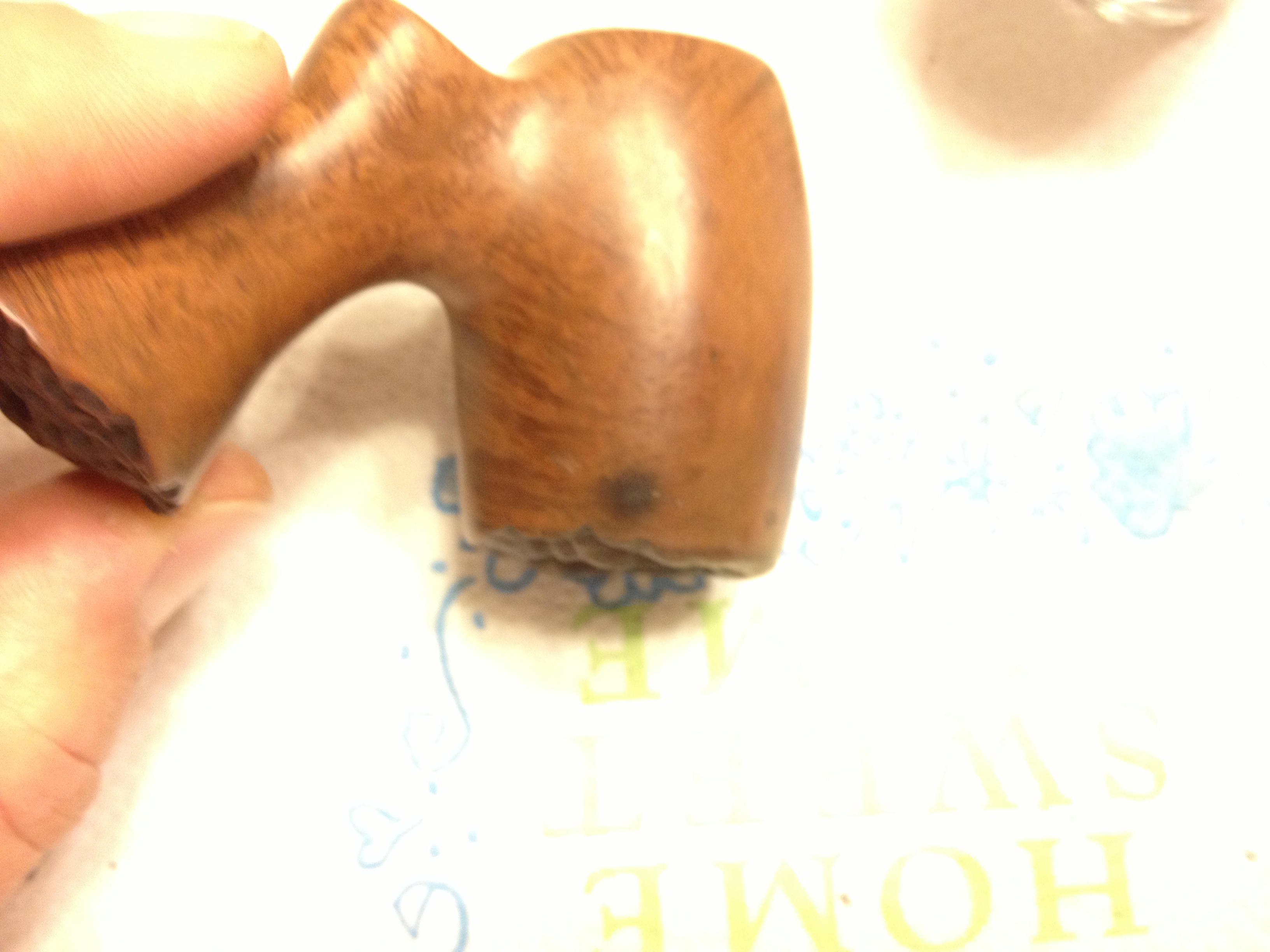
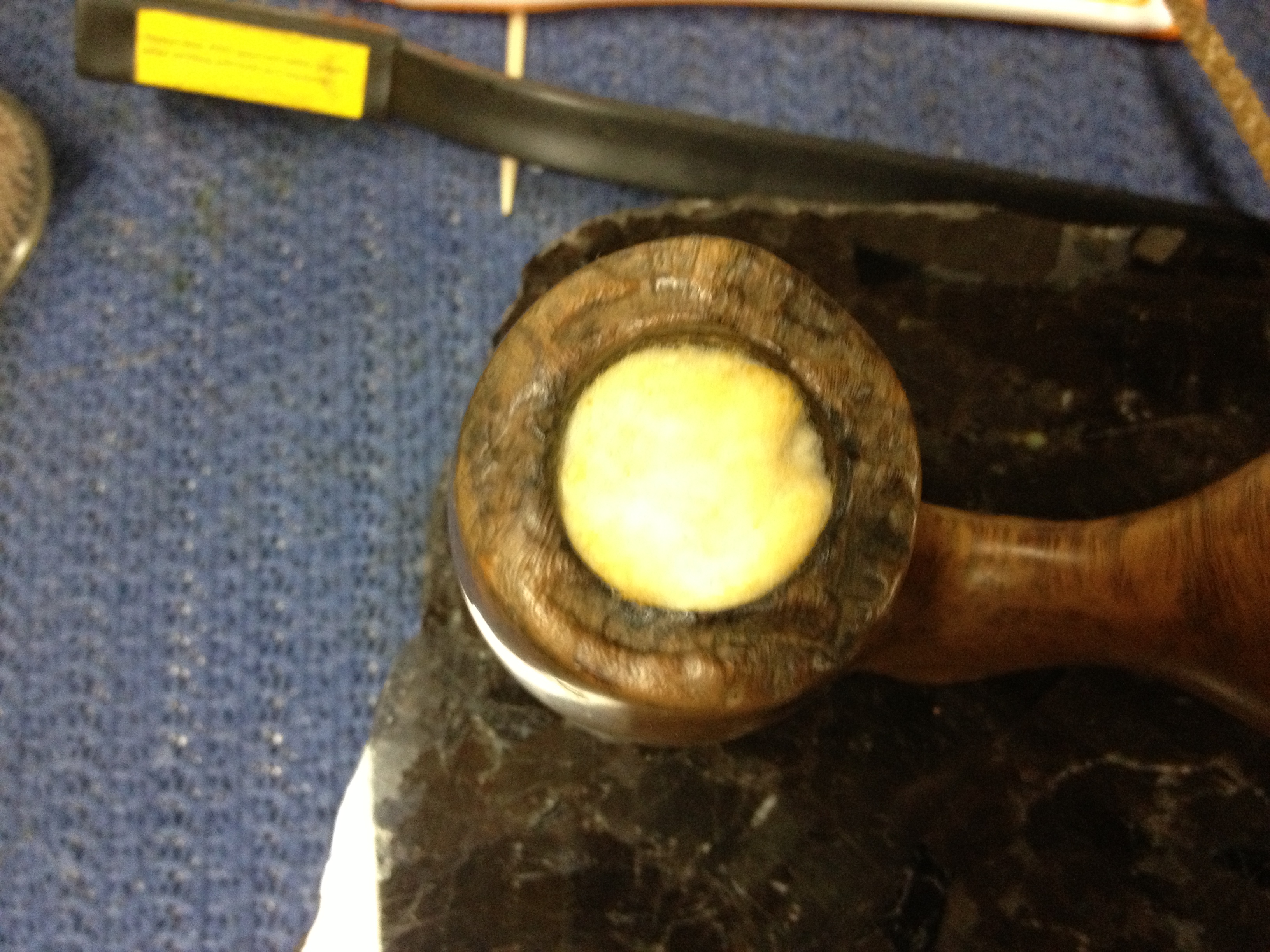
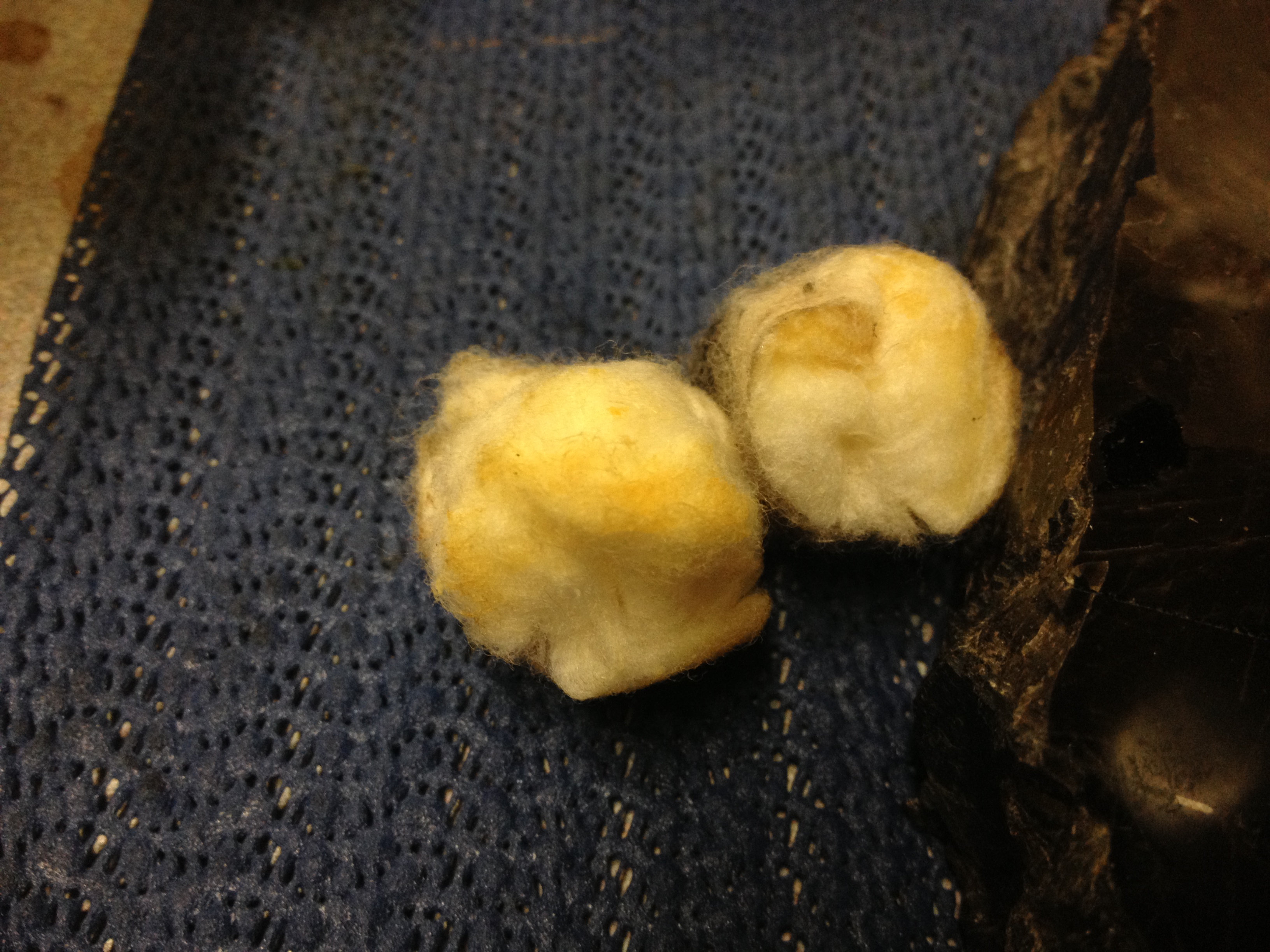
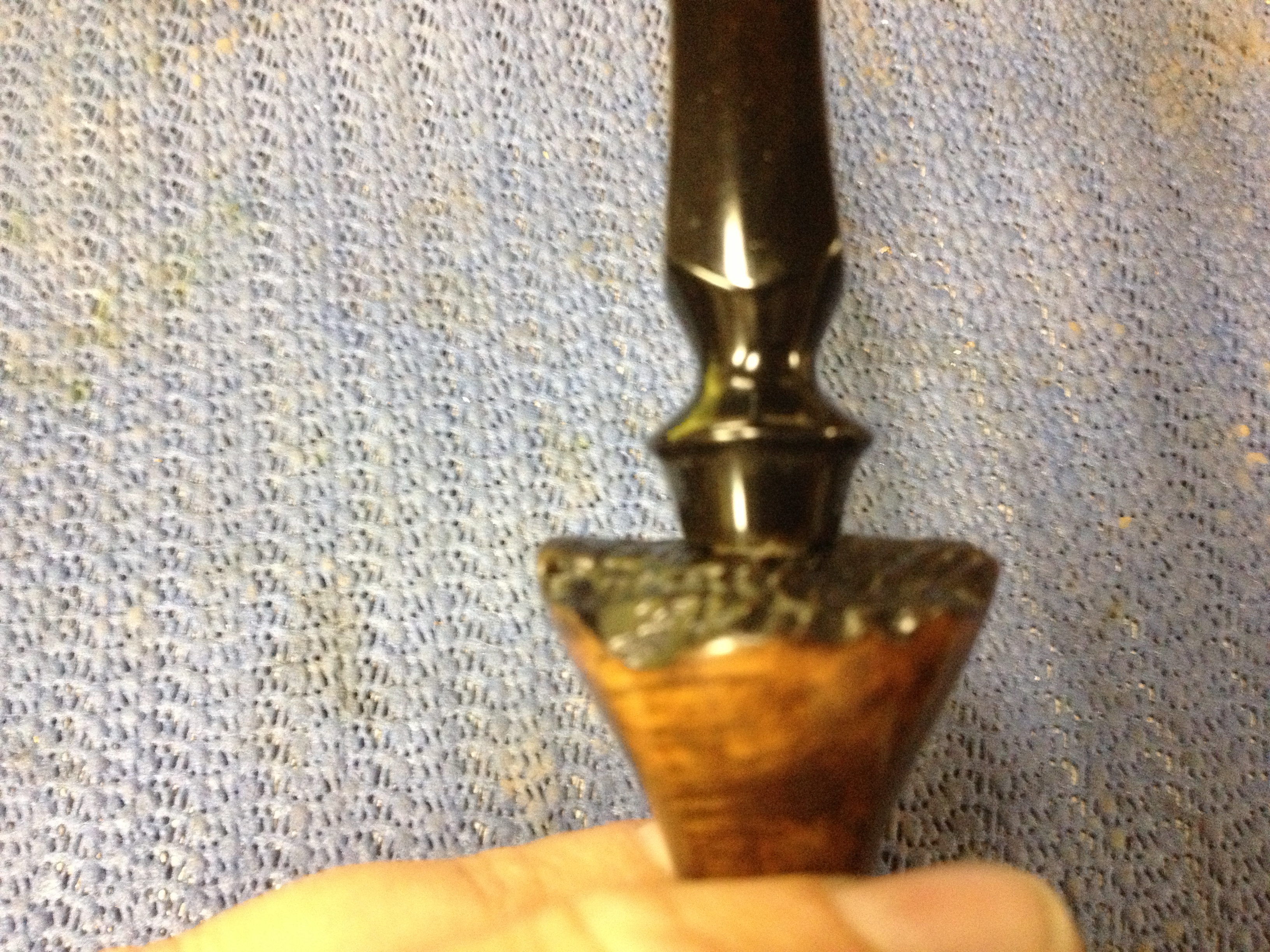
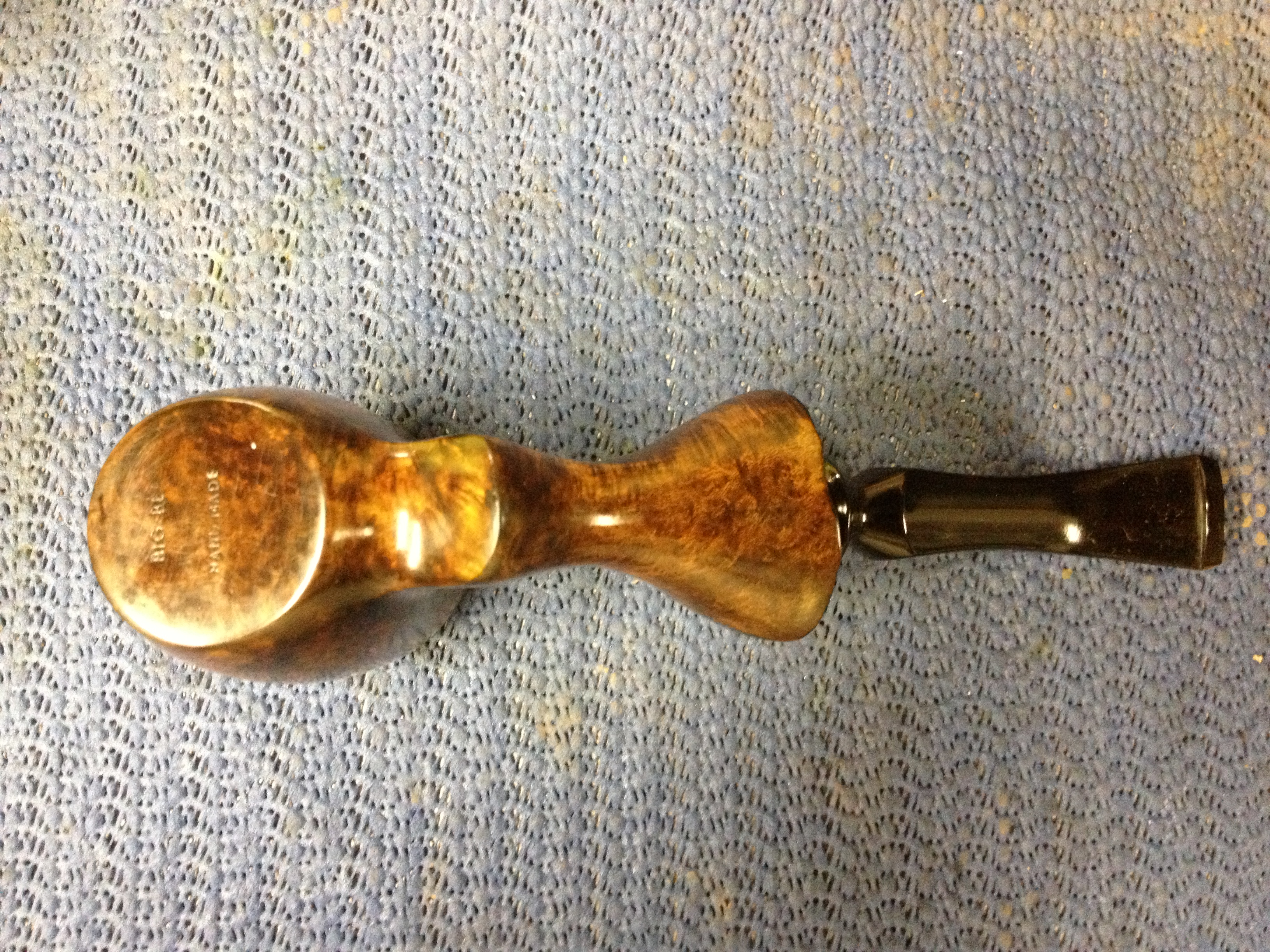
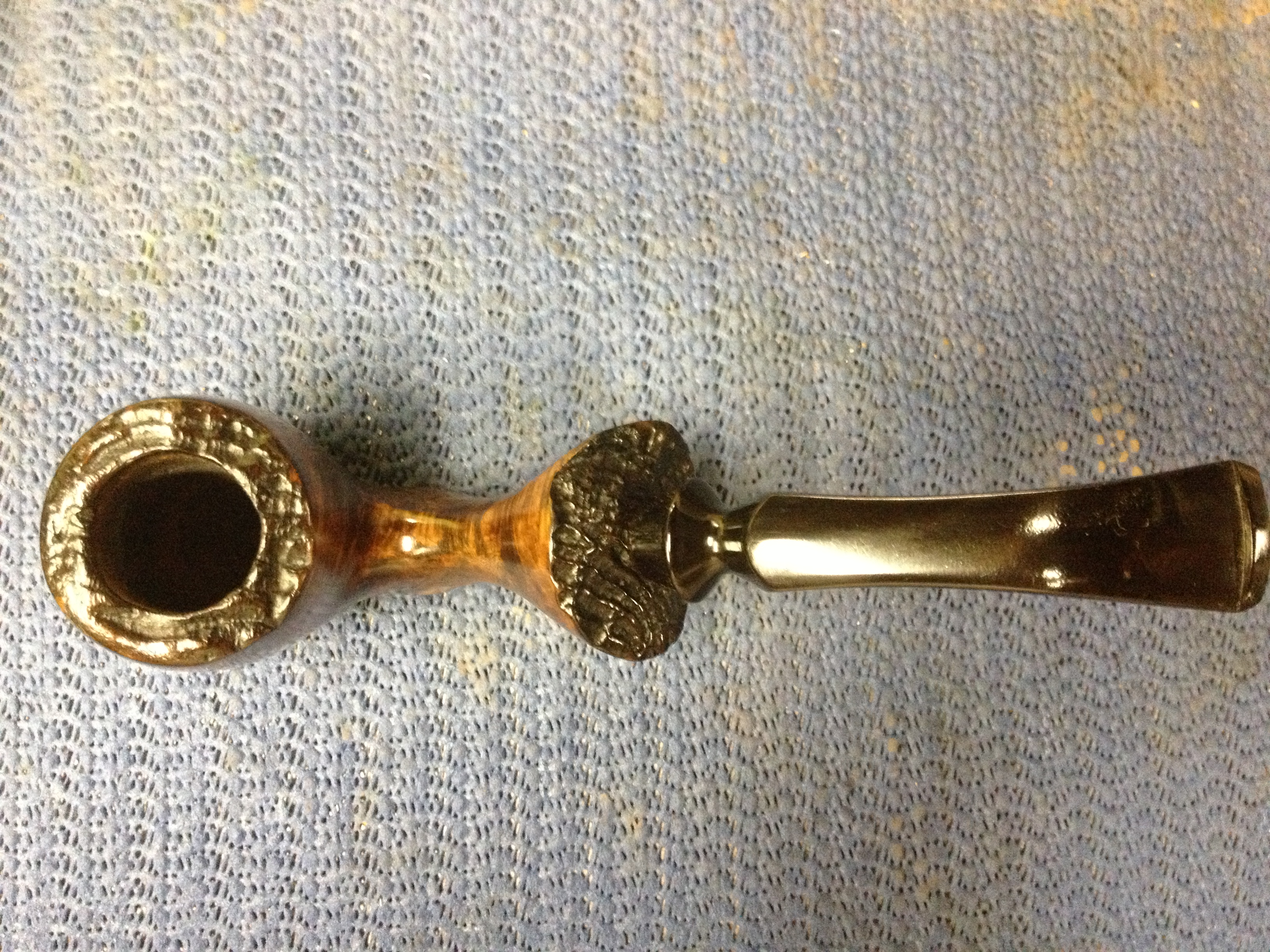
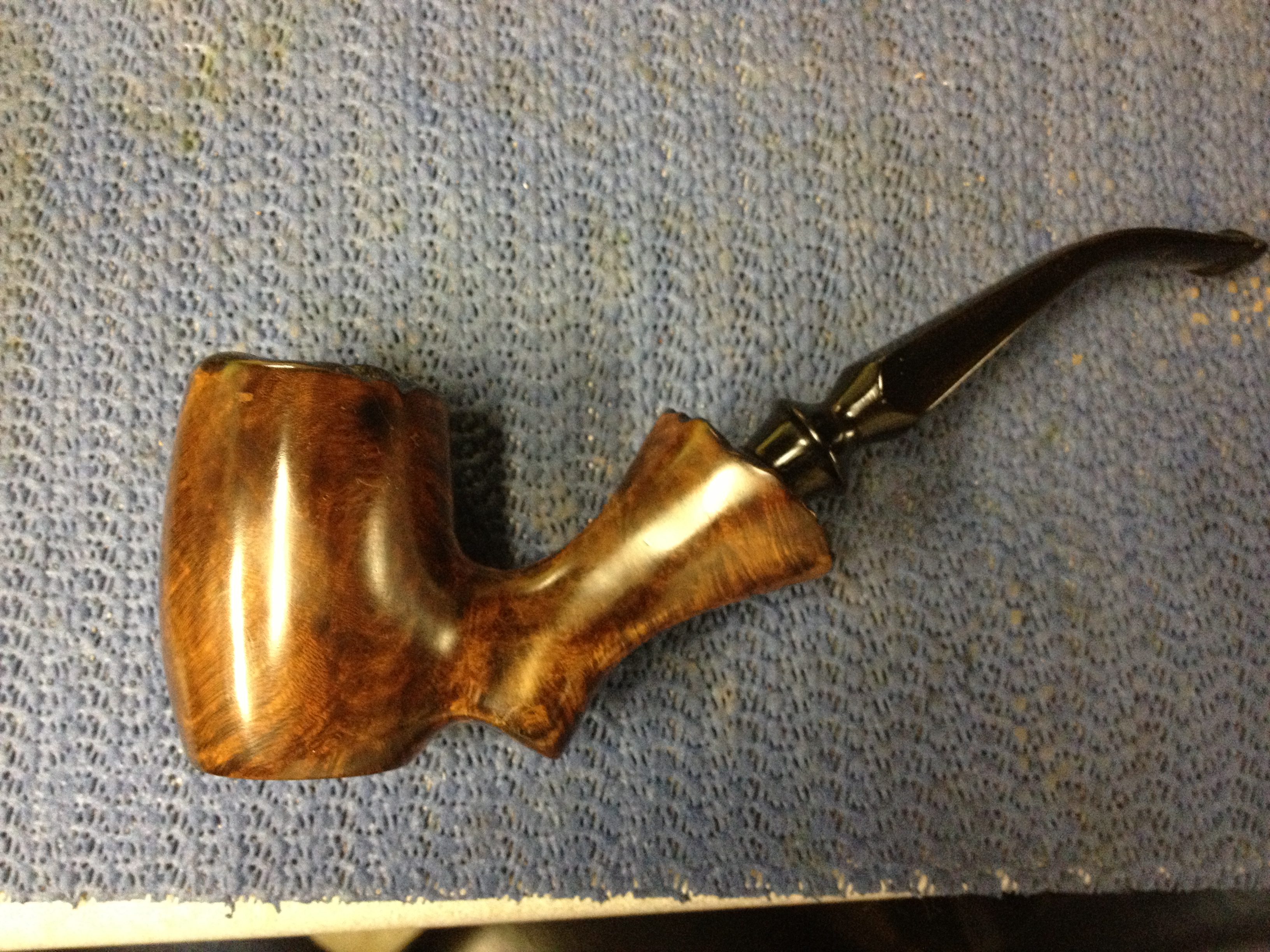
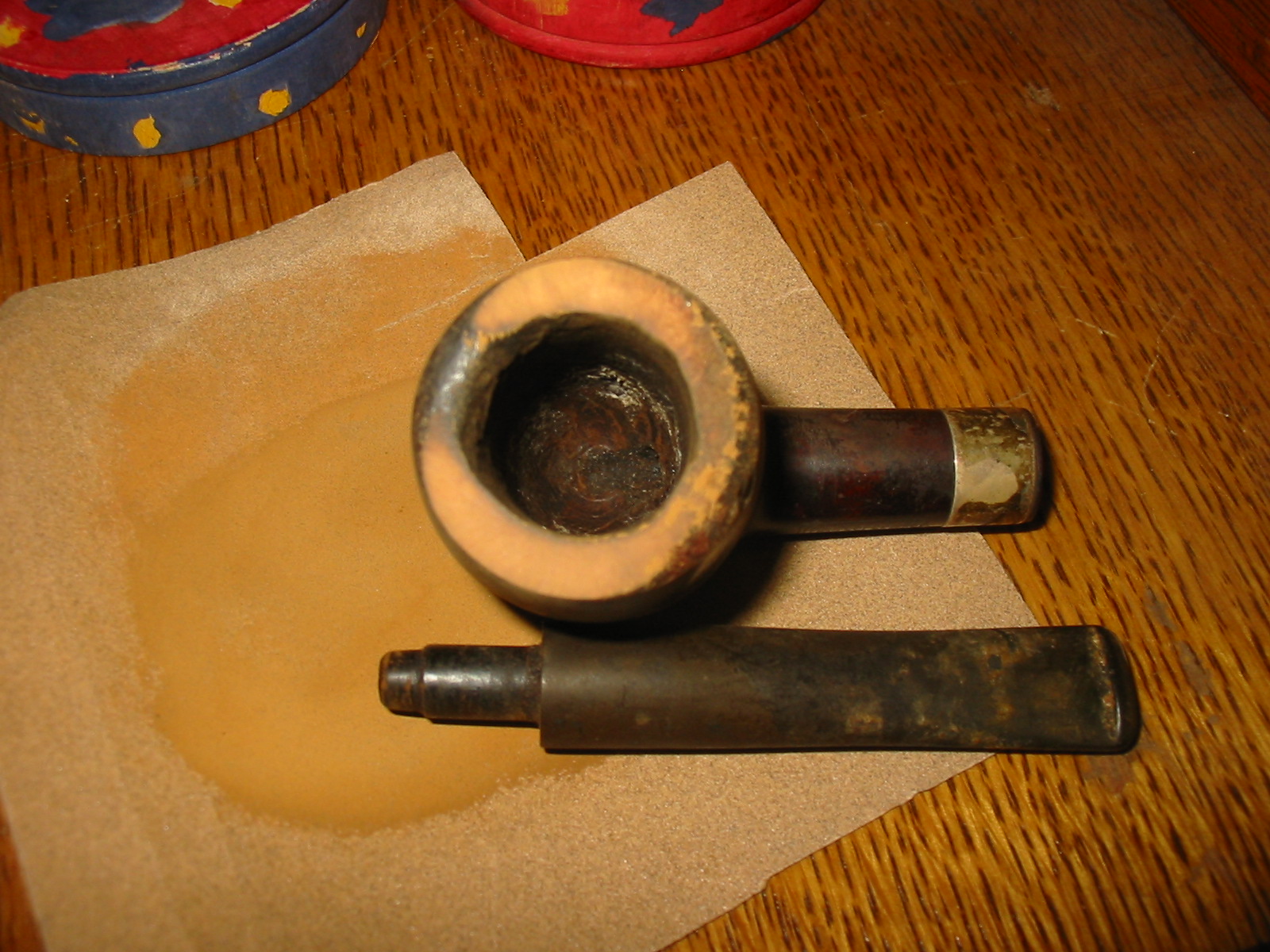
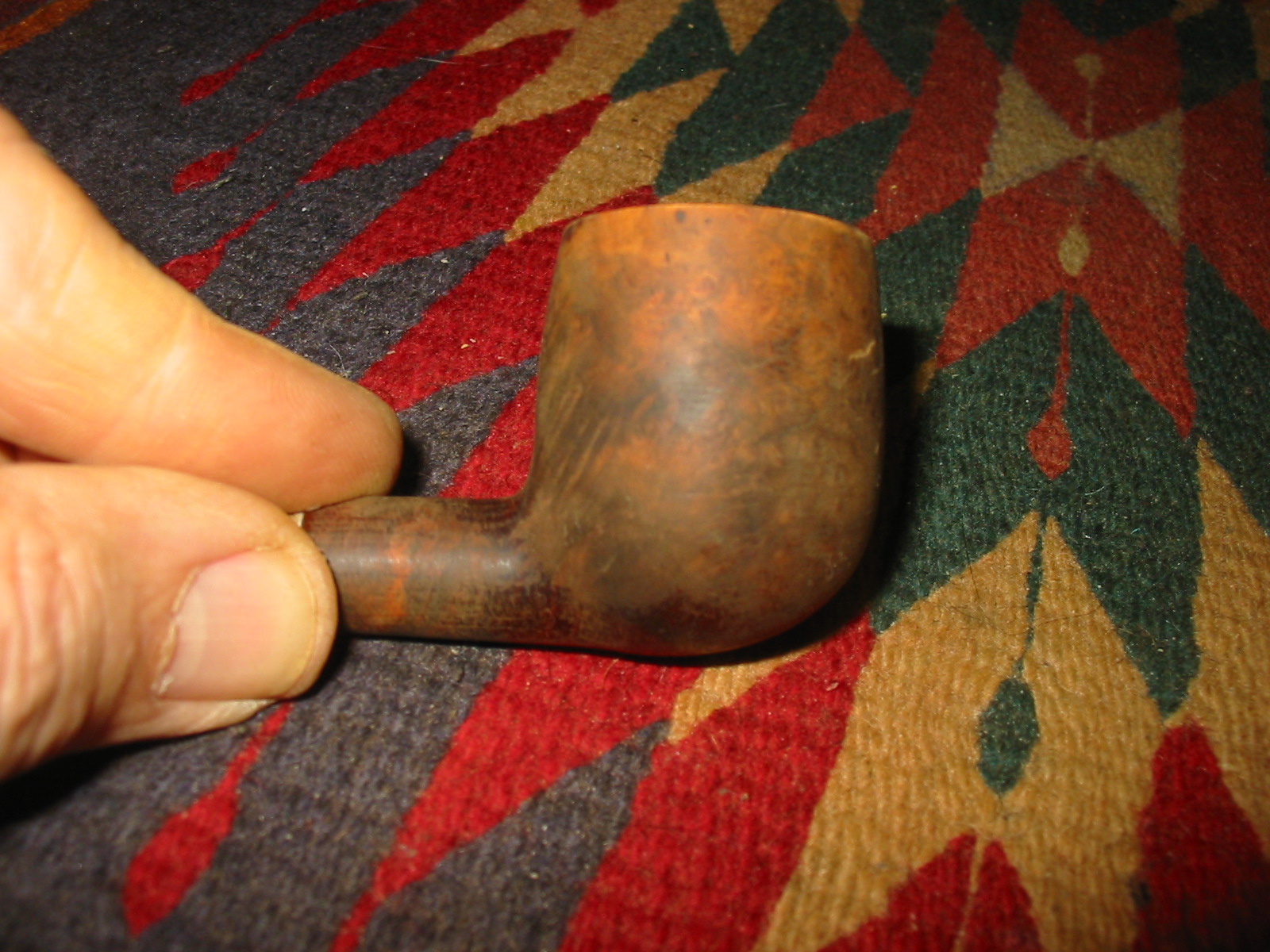
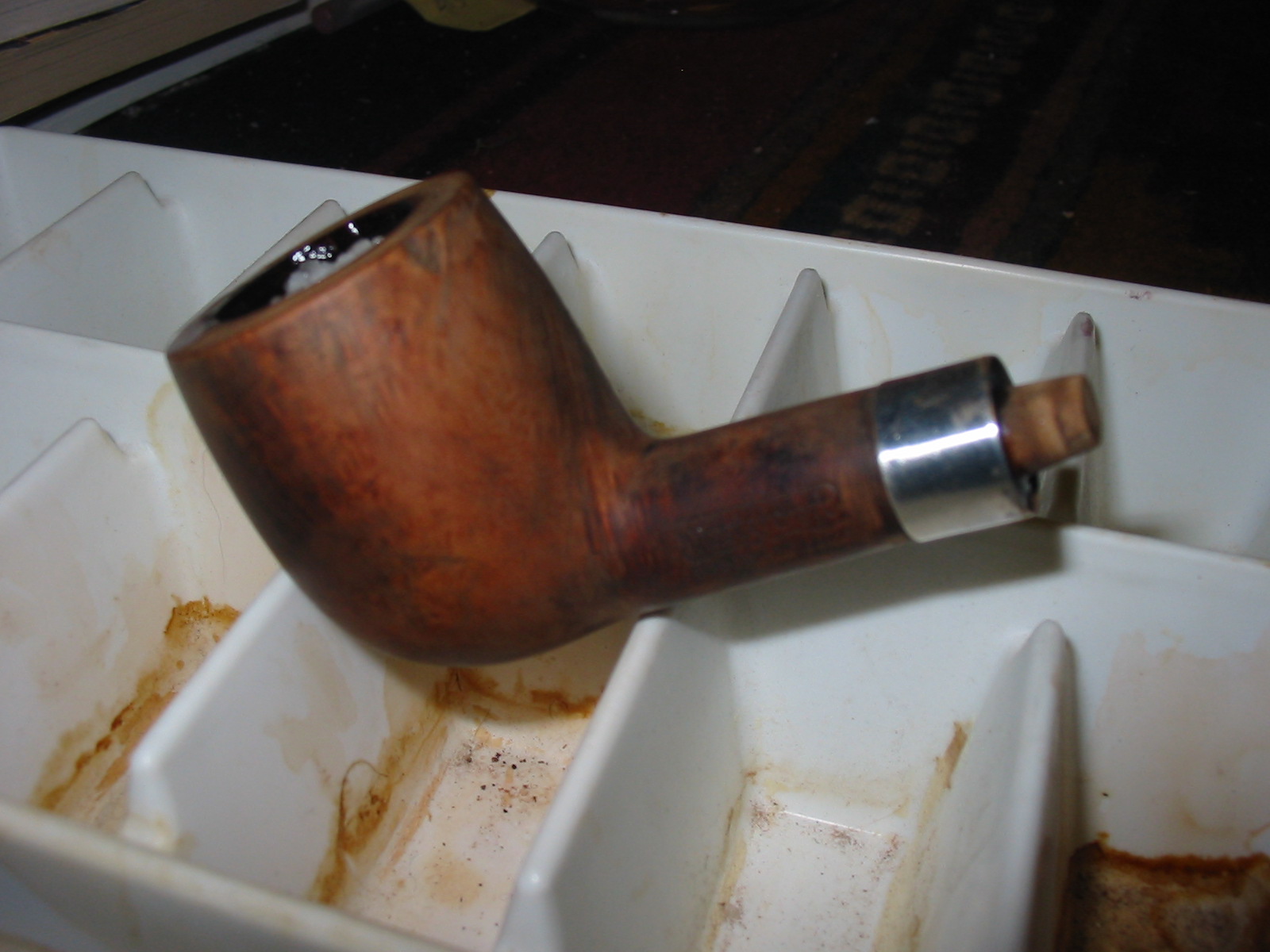
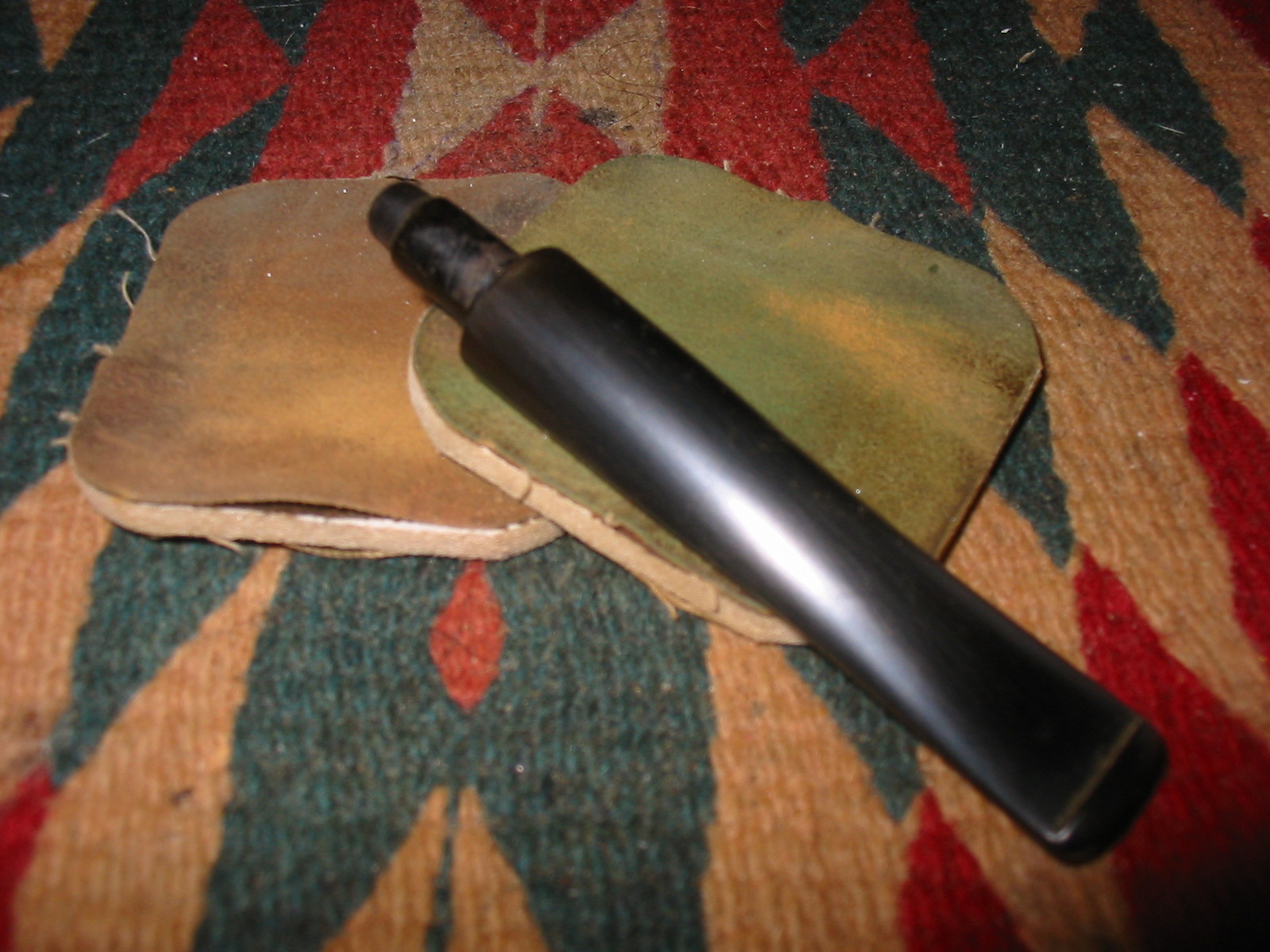
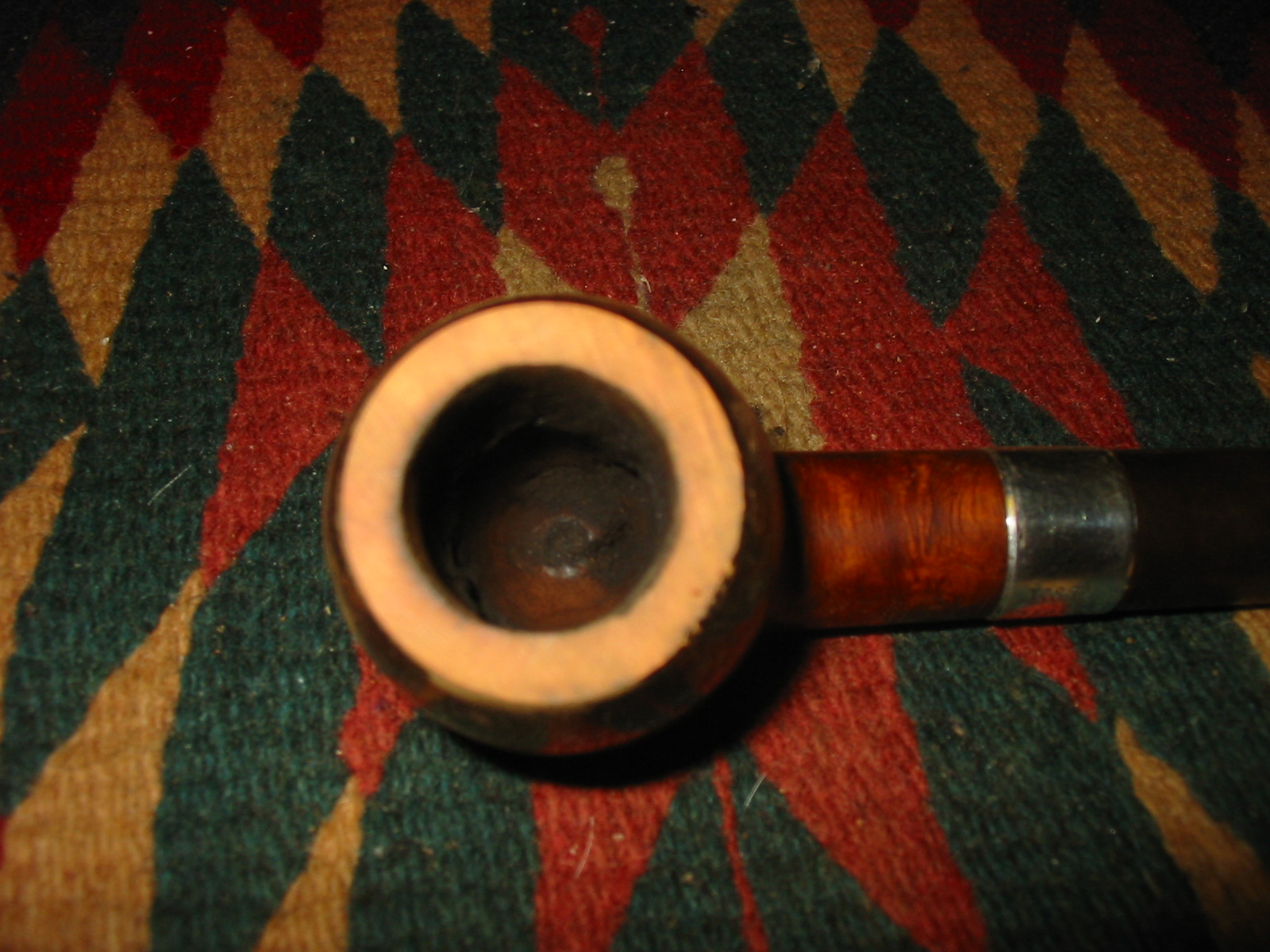
I picked this old timer up in an antique shop near Vancouver, quite a few years ago now. When I got it the bowl was almost black and dirty. The rim had a good 1/8 inch of grime and tar built up so that it looked like a plateau top. The finish was so opaque that you could not see the grain through it. The stem was dirty and to be honest with you all, when I got it I had no idea it was a horn stem. I worked hard to get the oxidation off it and all I got was more of the brown tones coming through. There was tooth chatter on the top and bottom of the stem. The chatter was kind of white coloured. I asked several guys about the stem and they also did not even think about a horn stem. I had the pipe in my collection for about 5 years or more before it dawned on me that it was a horn stem.

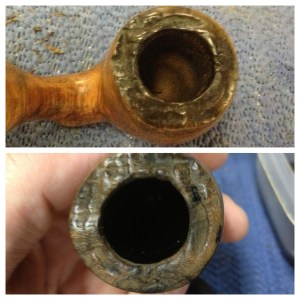
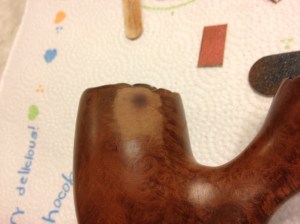
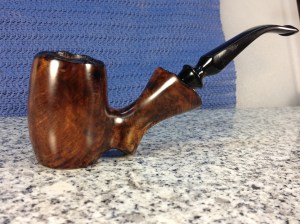
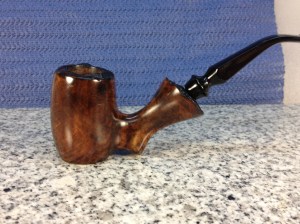
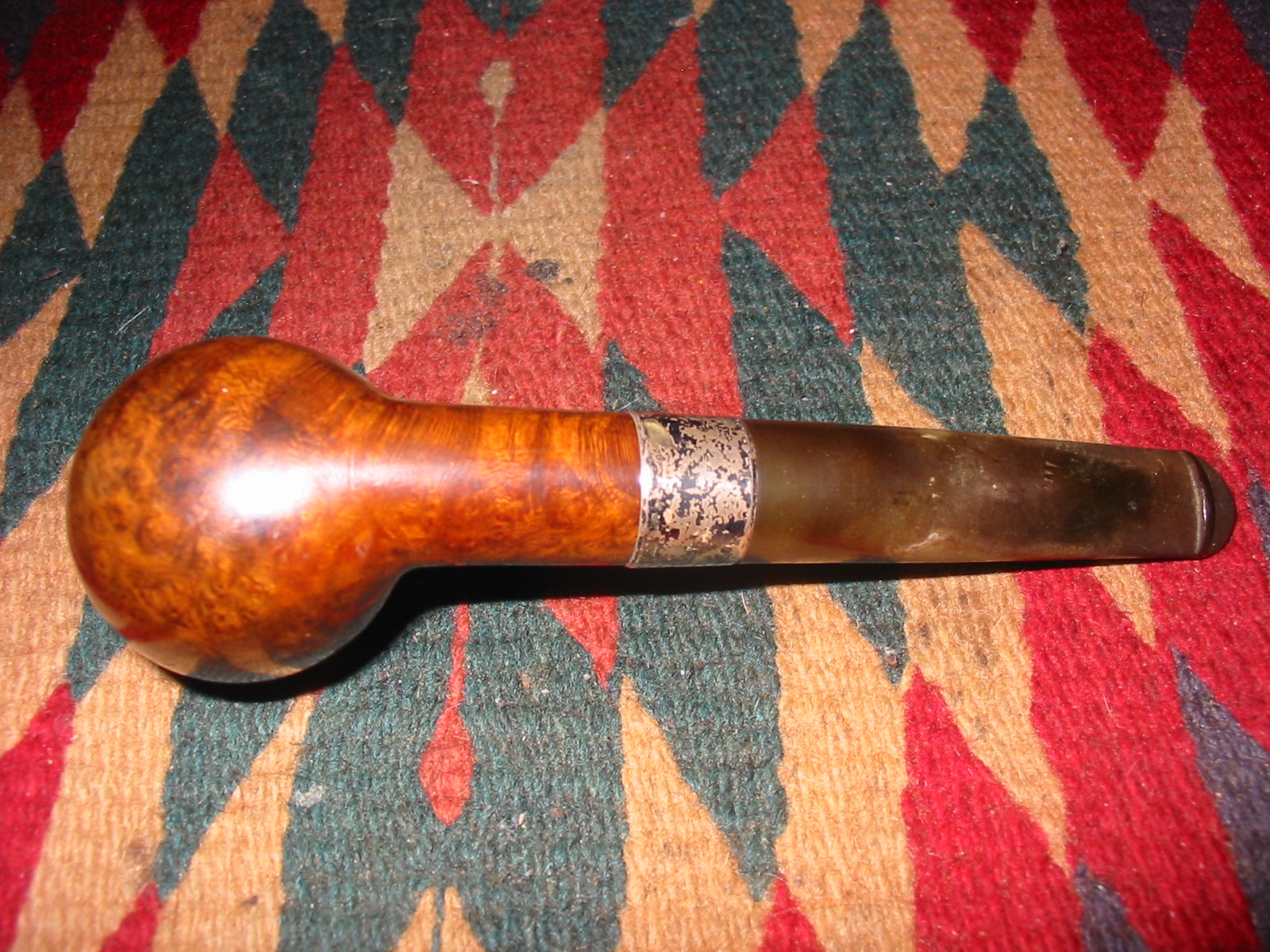
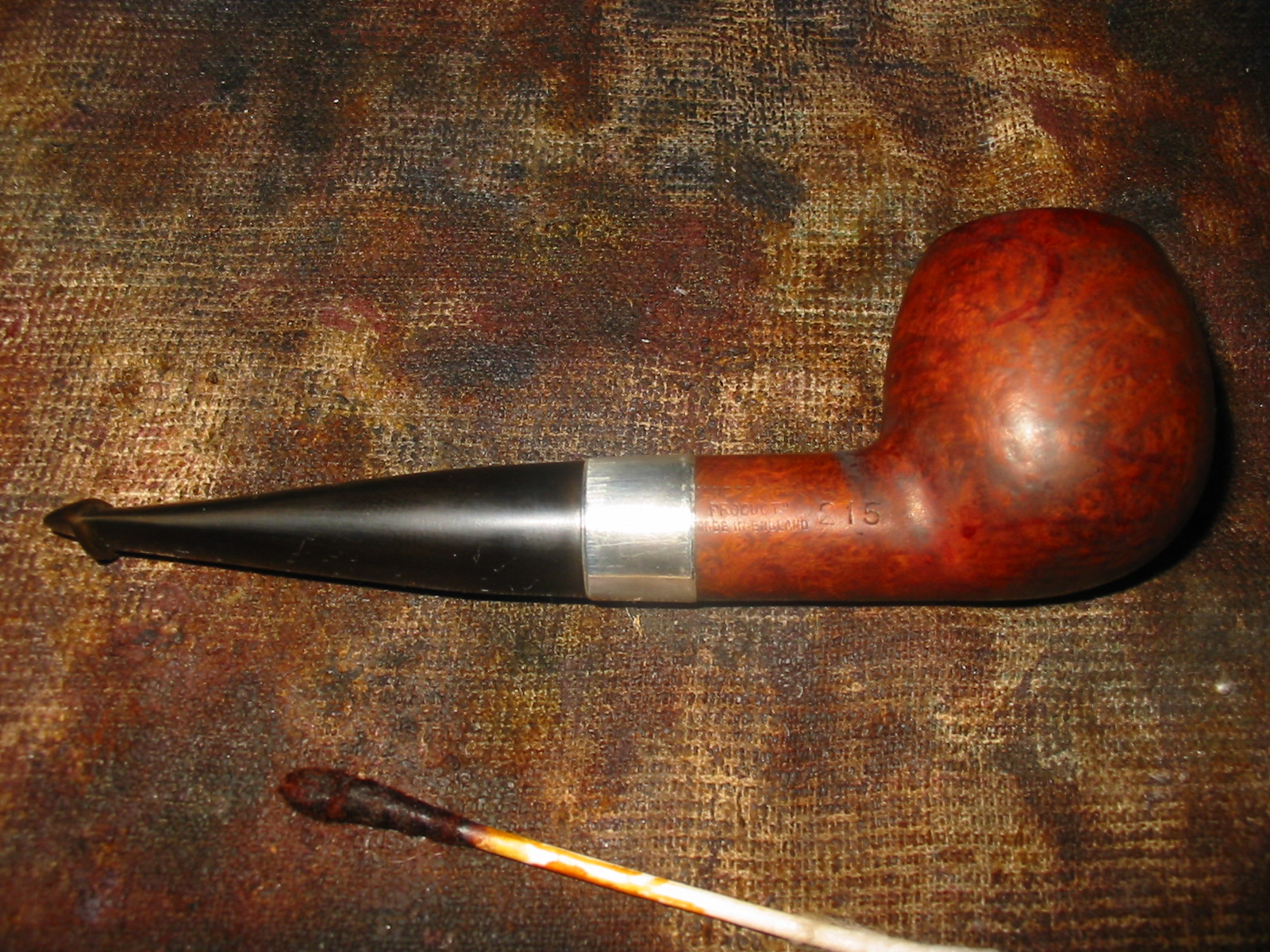
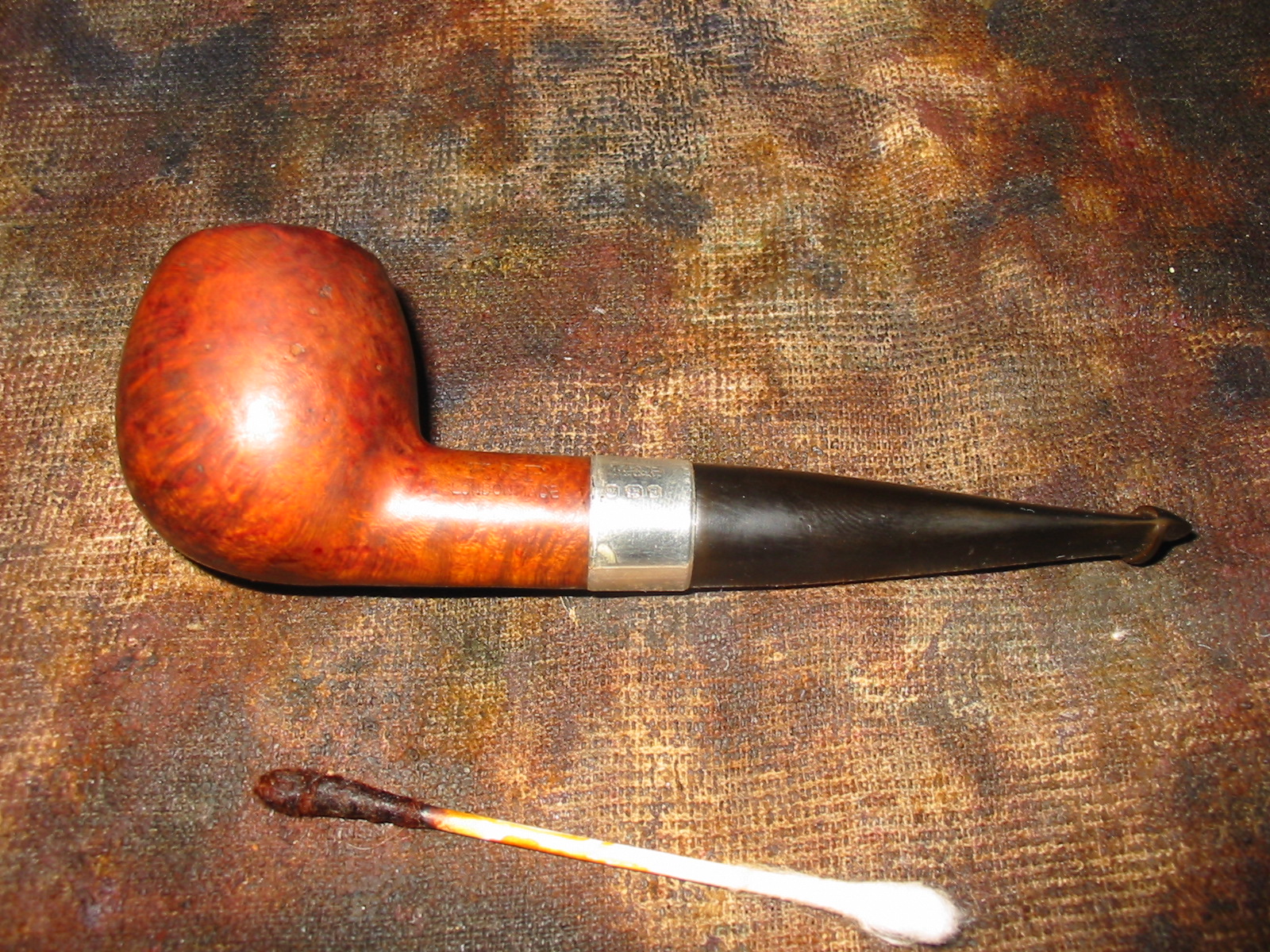
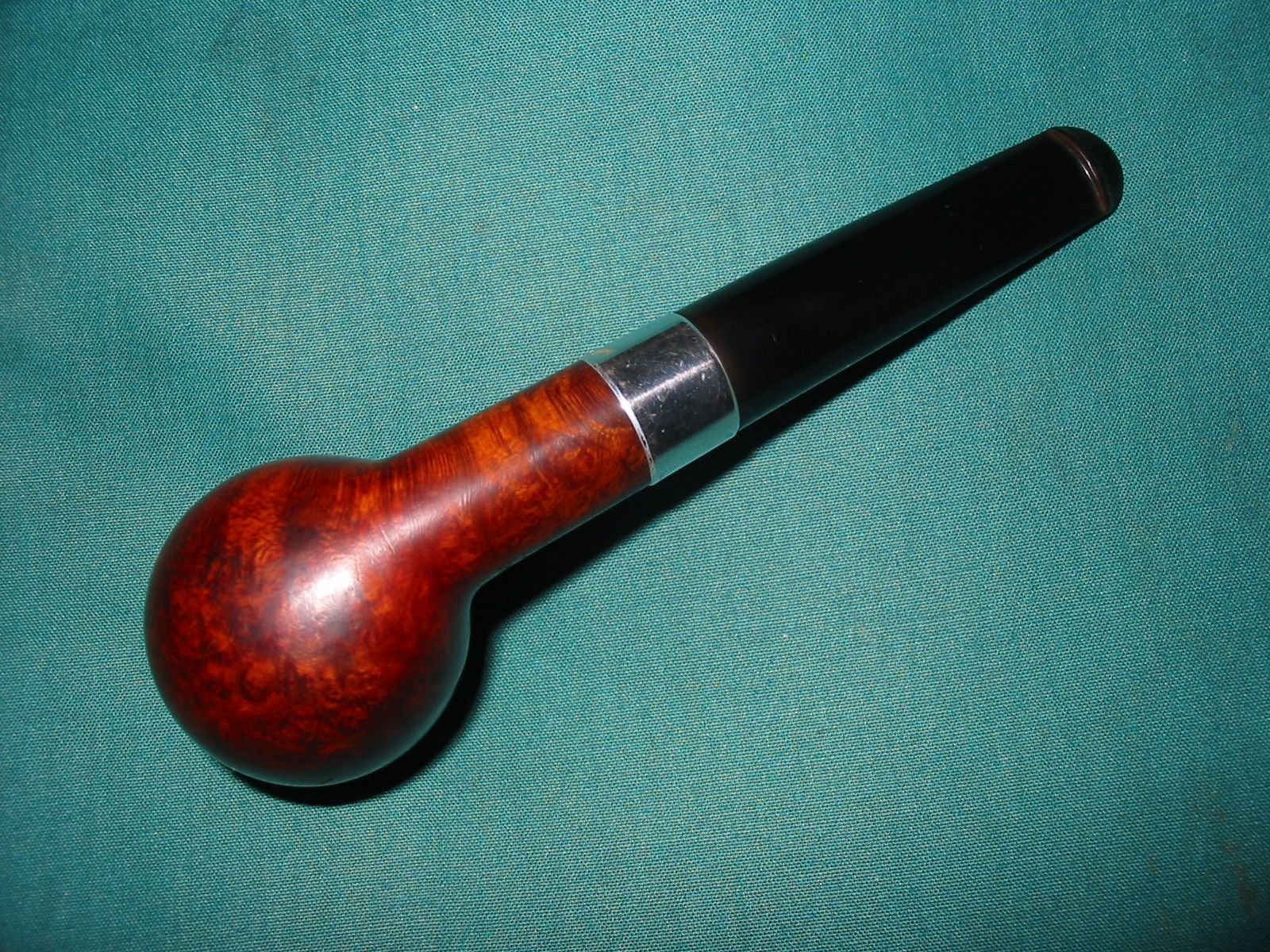
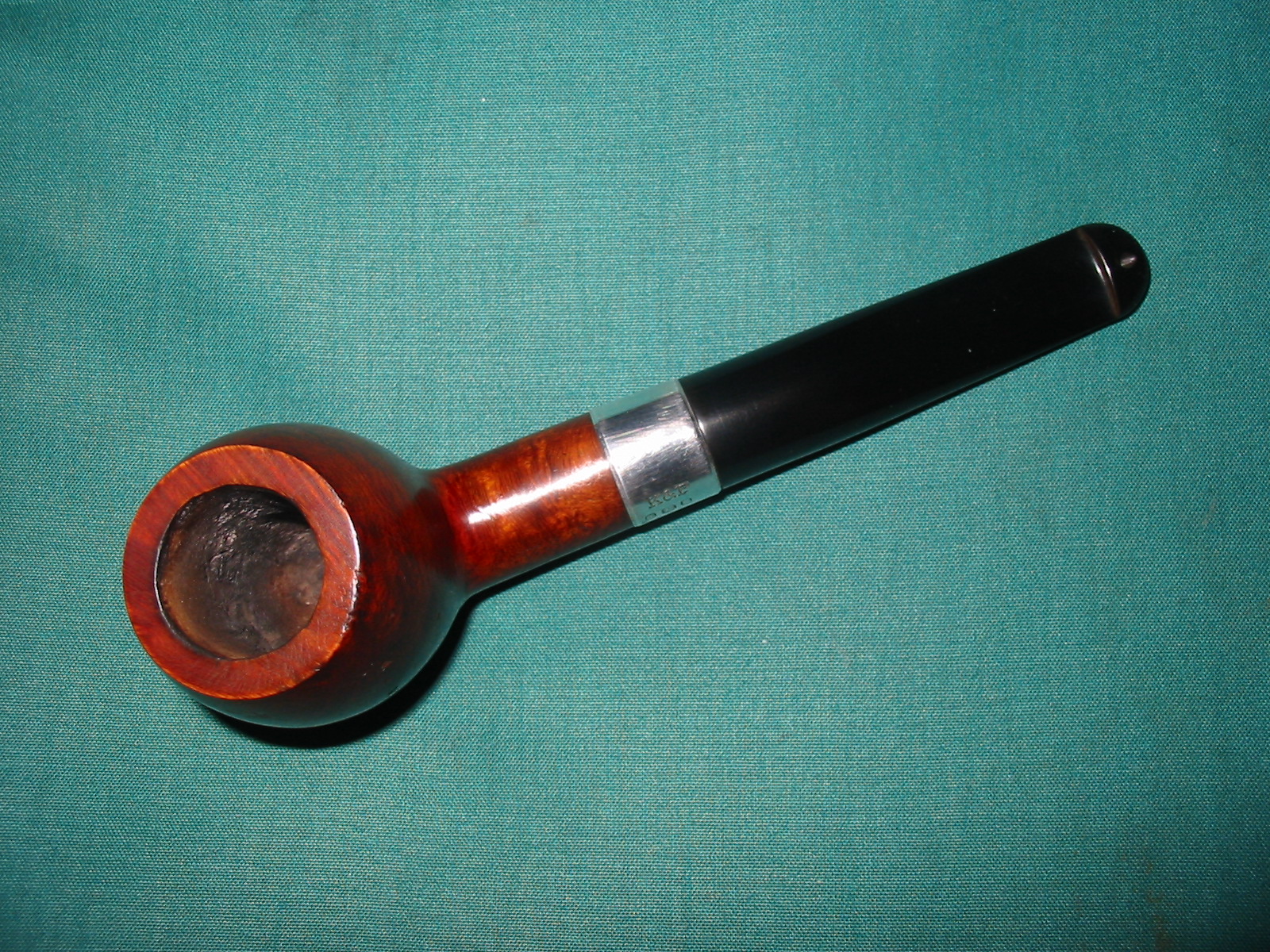
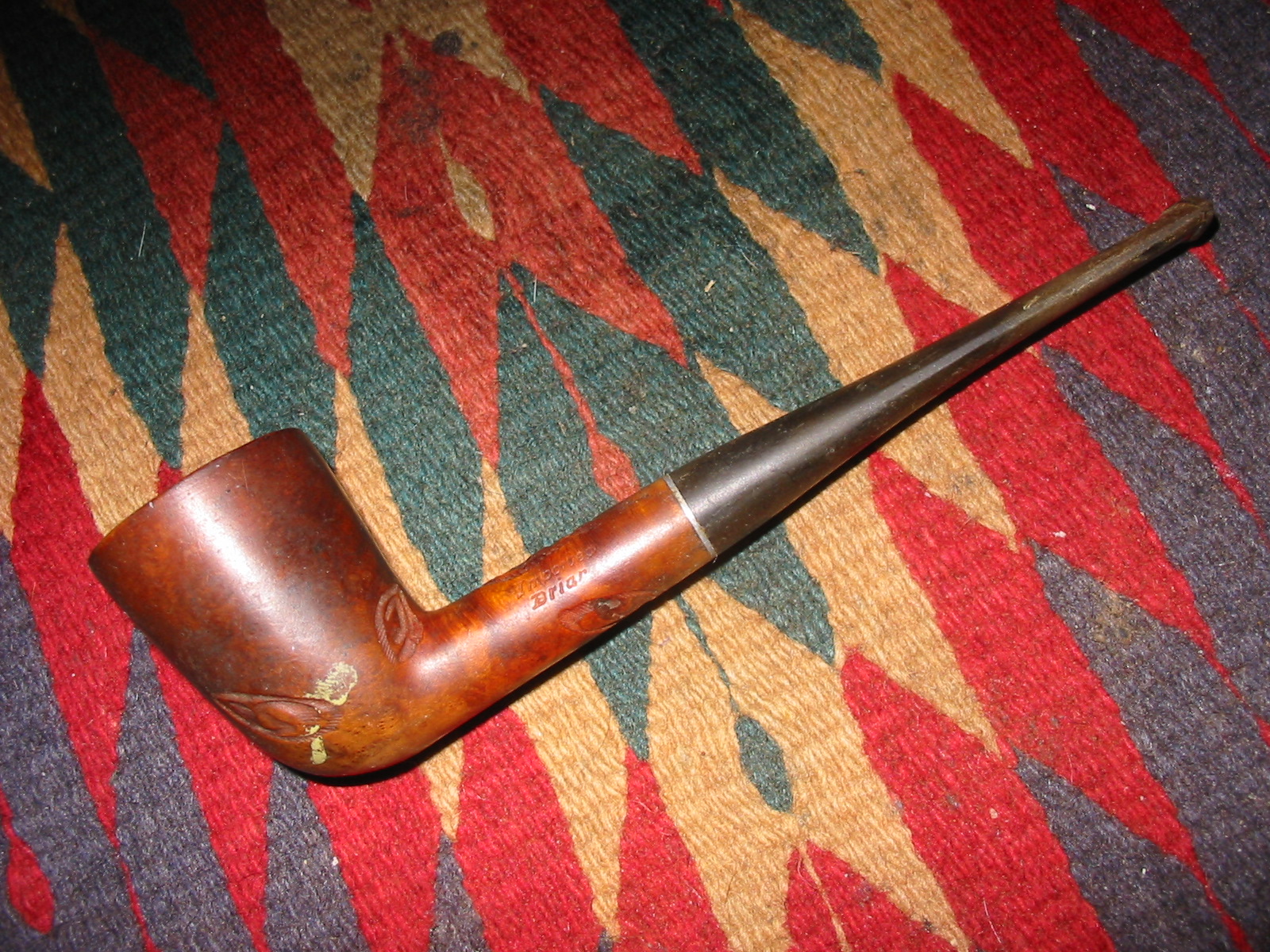
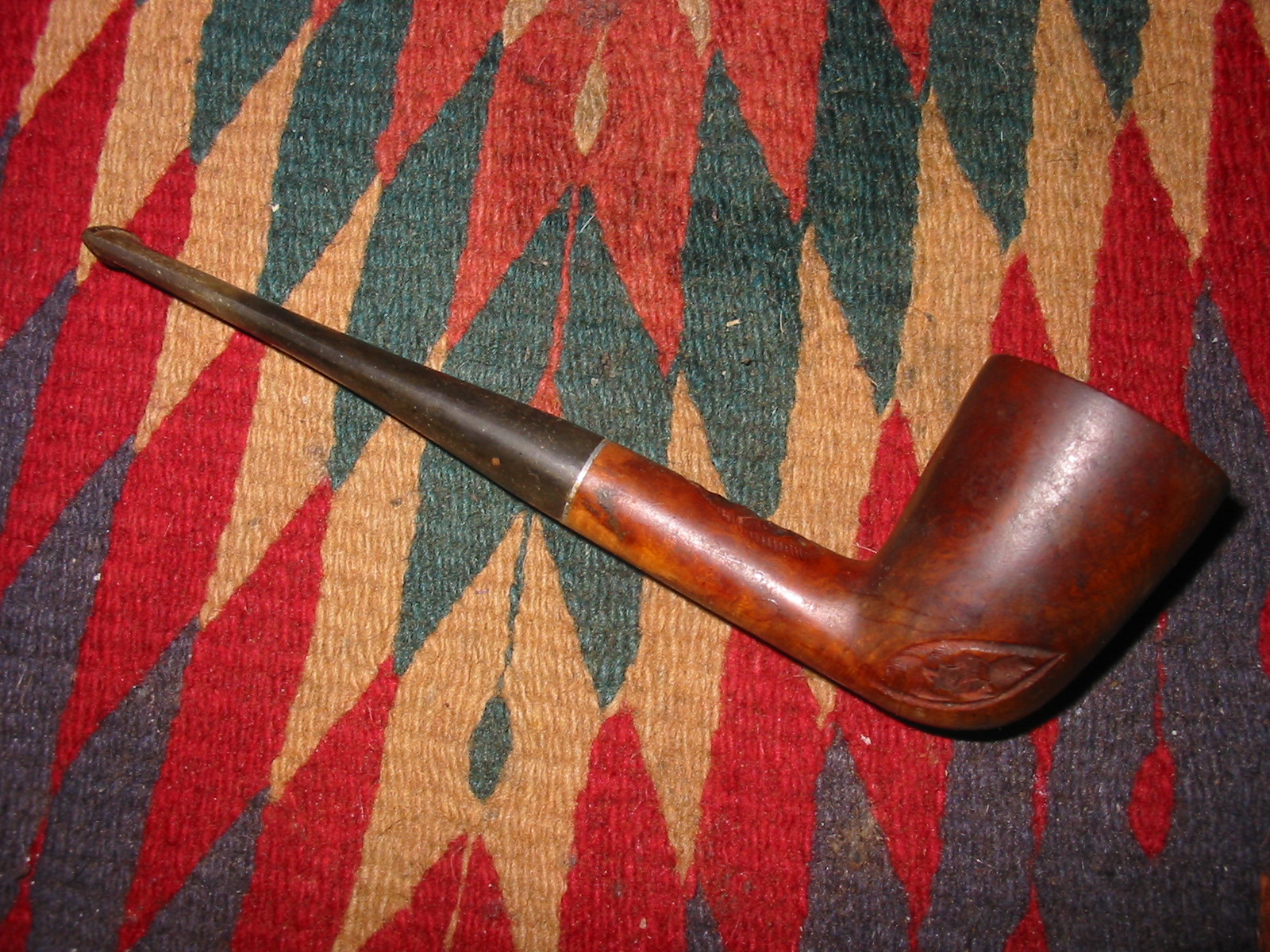
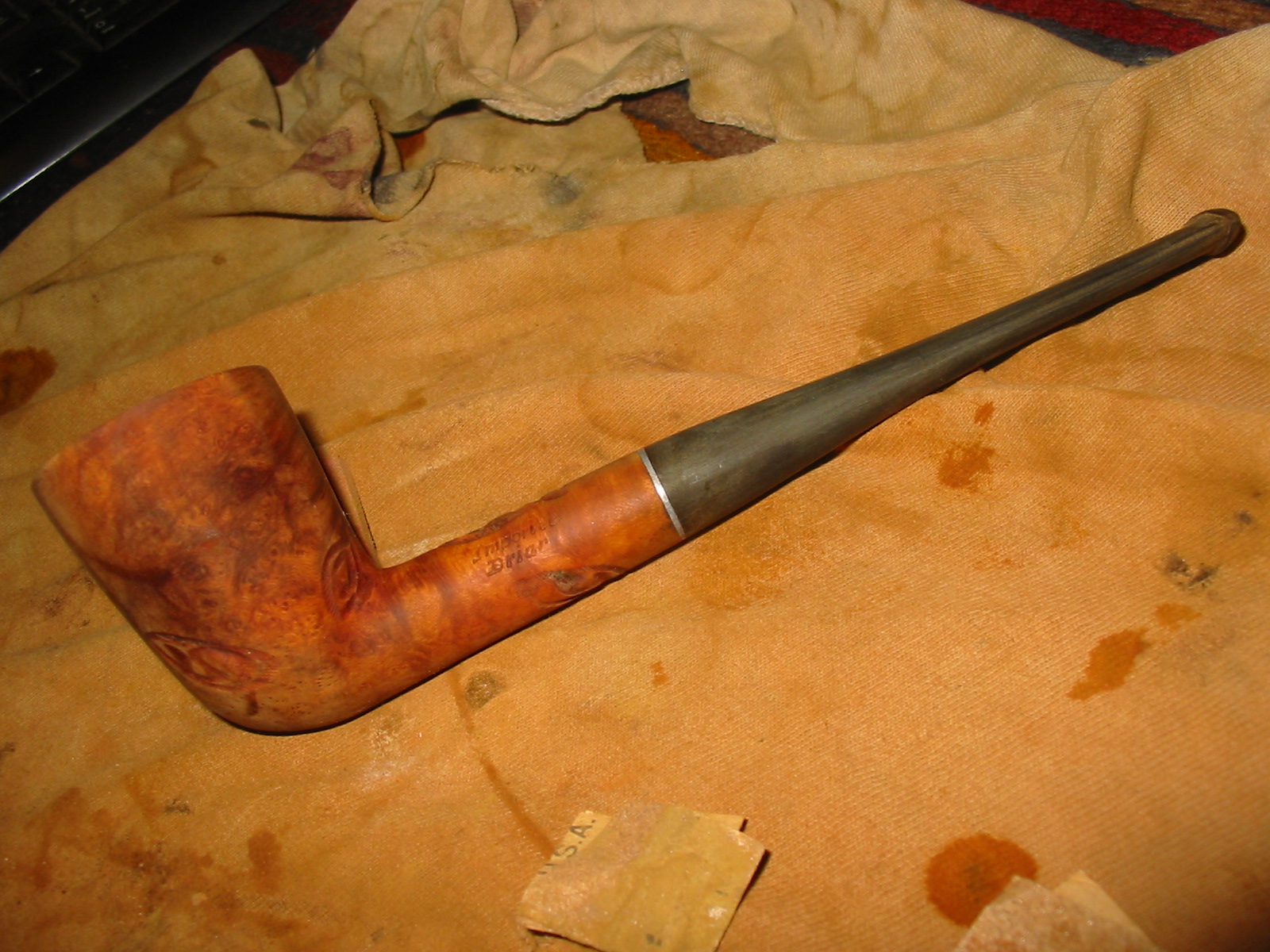
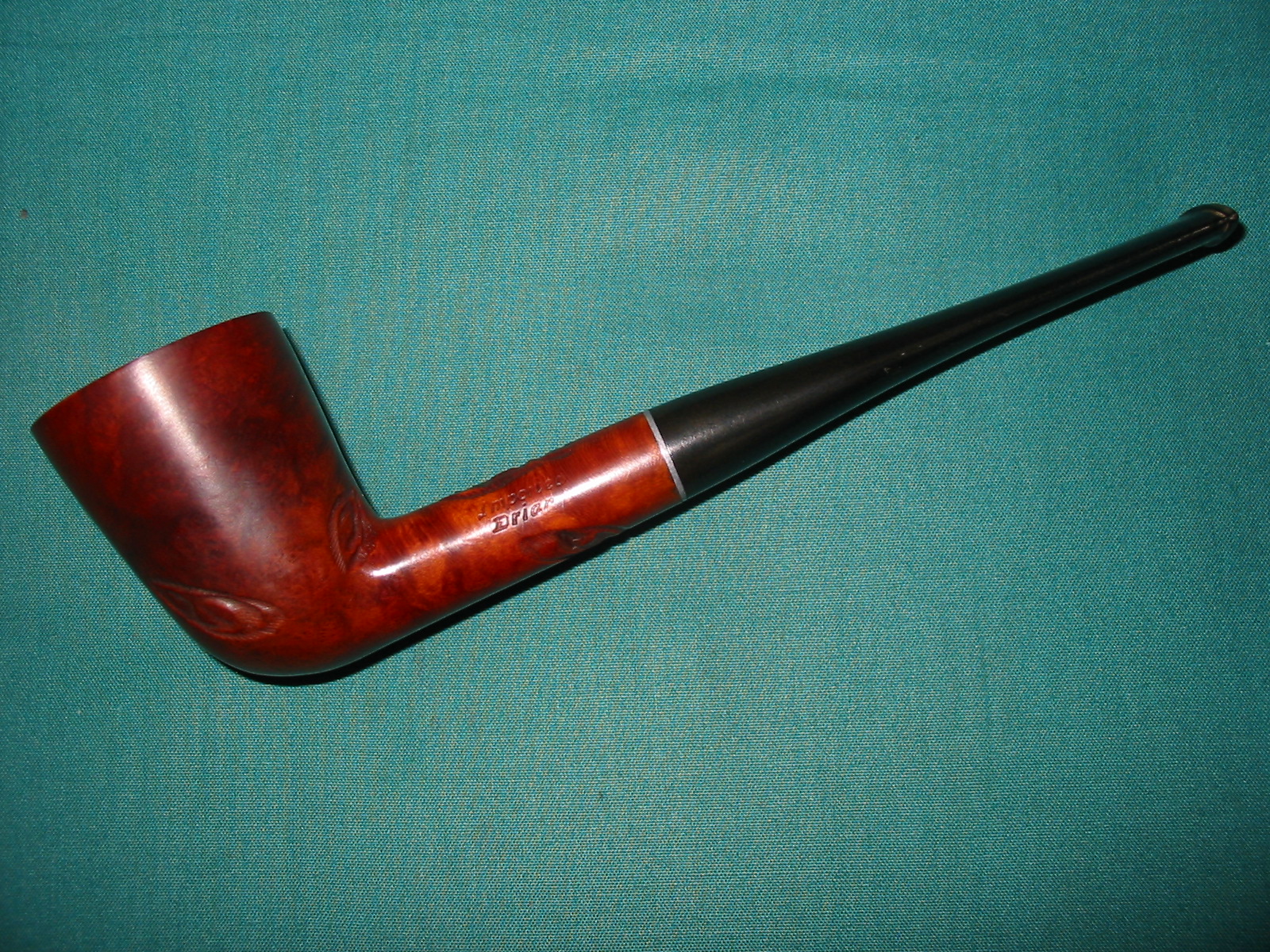
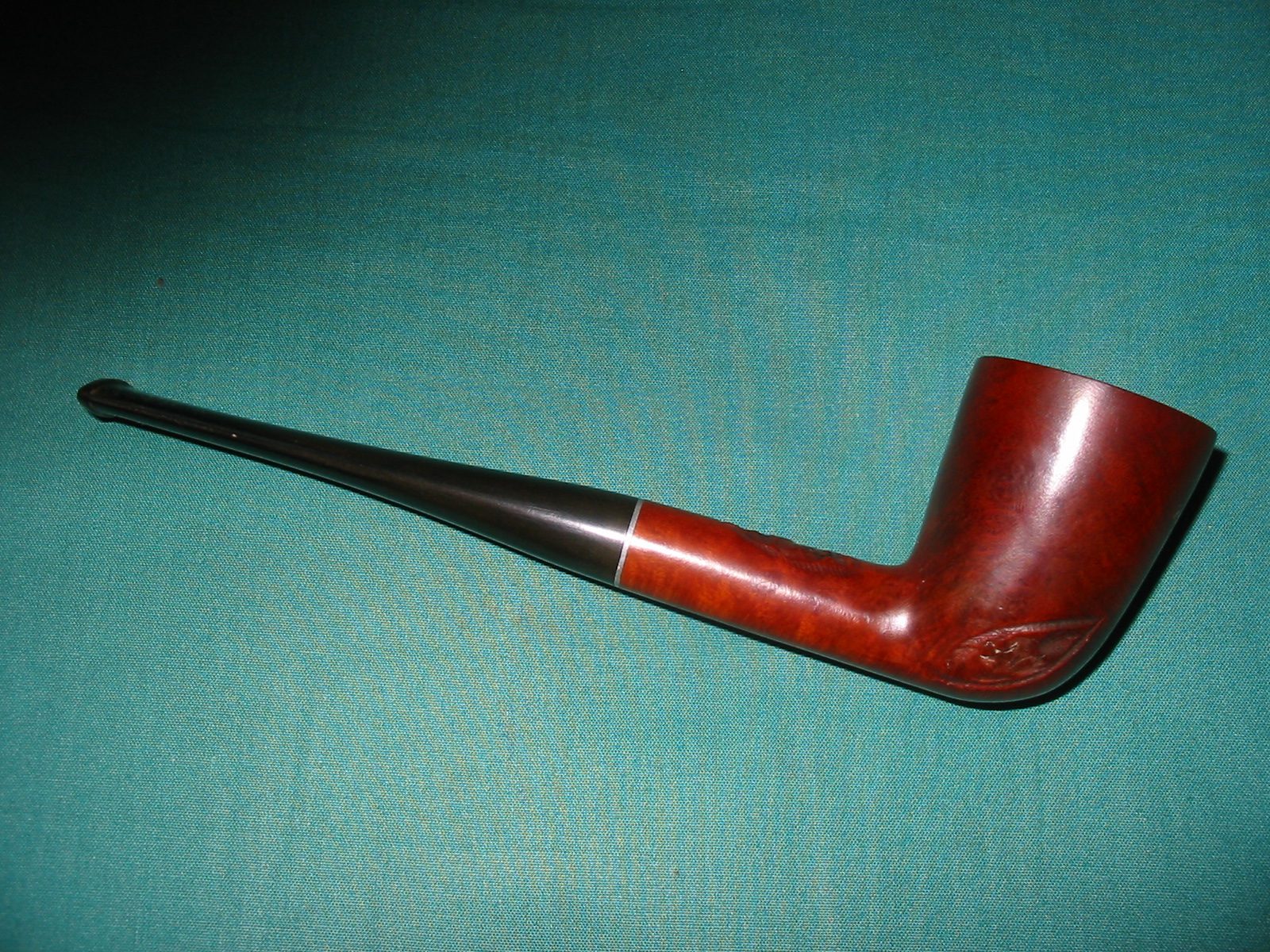
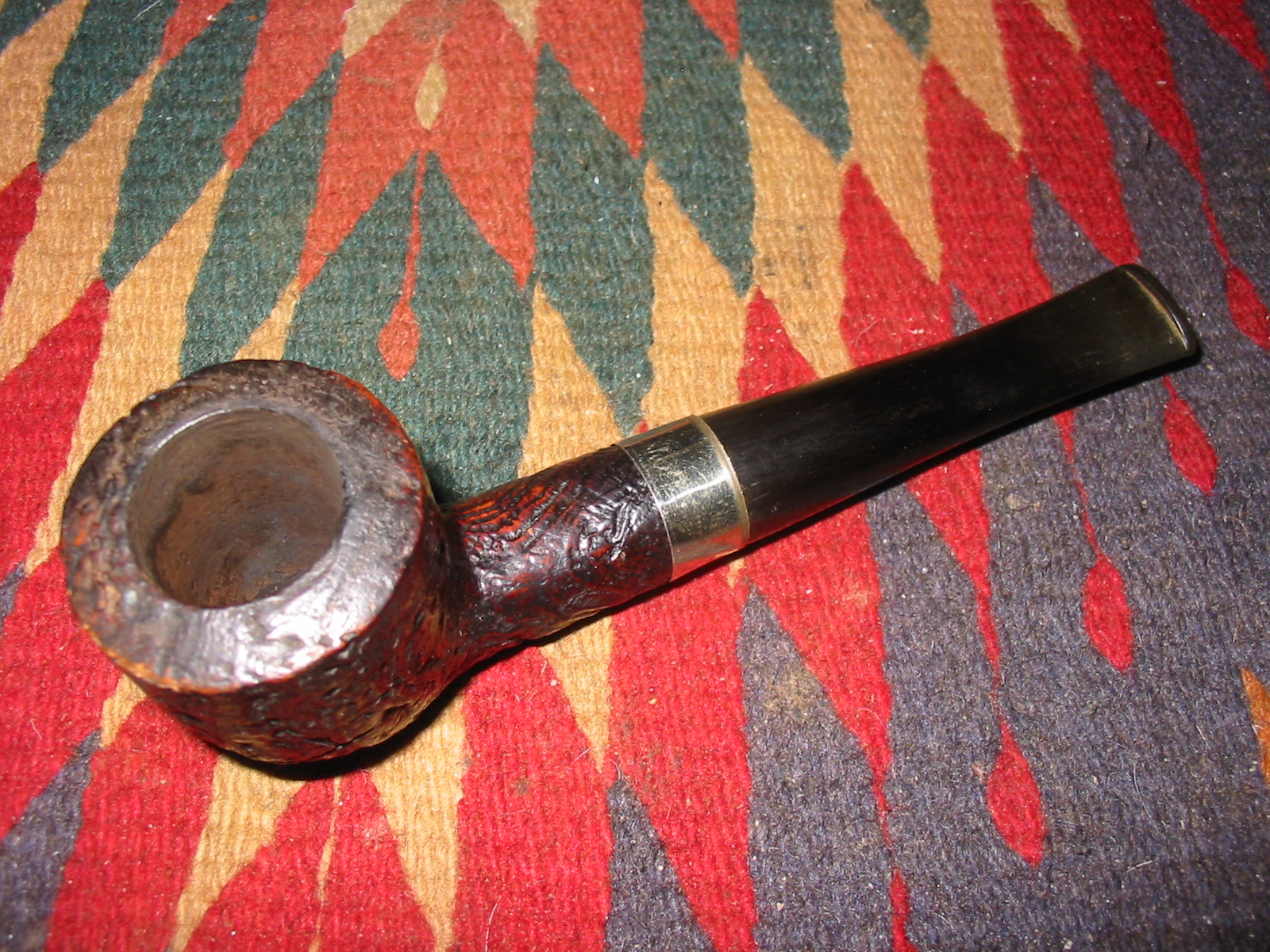
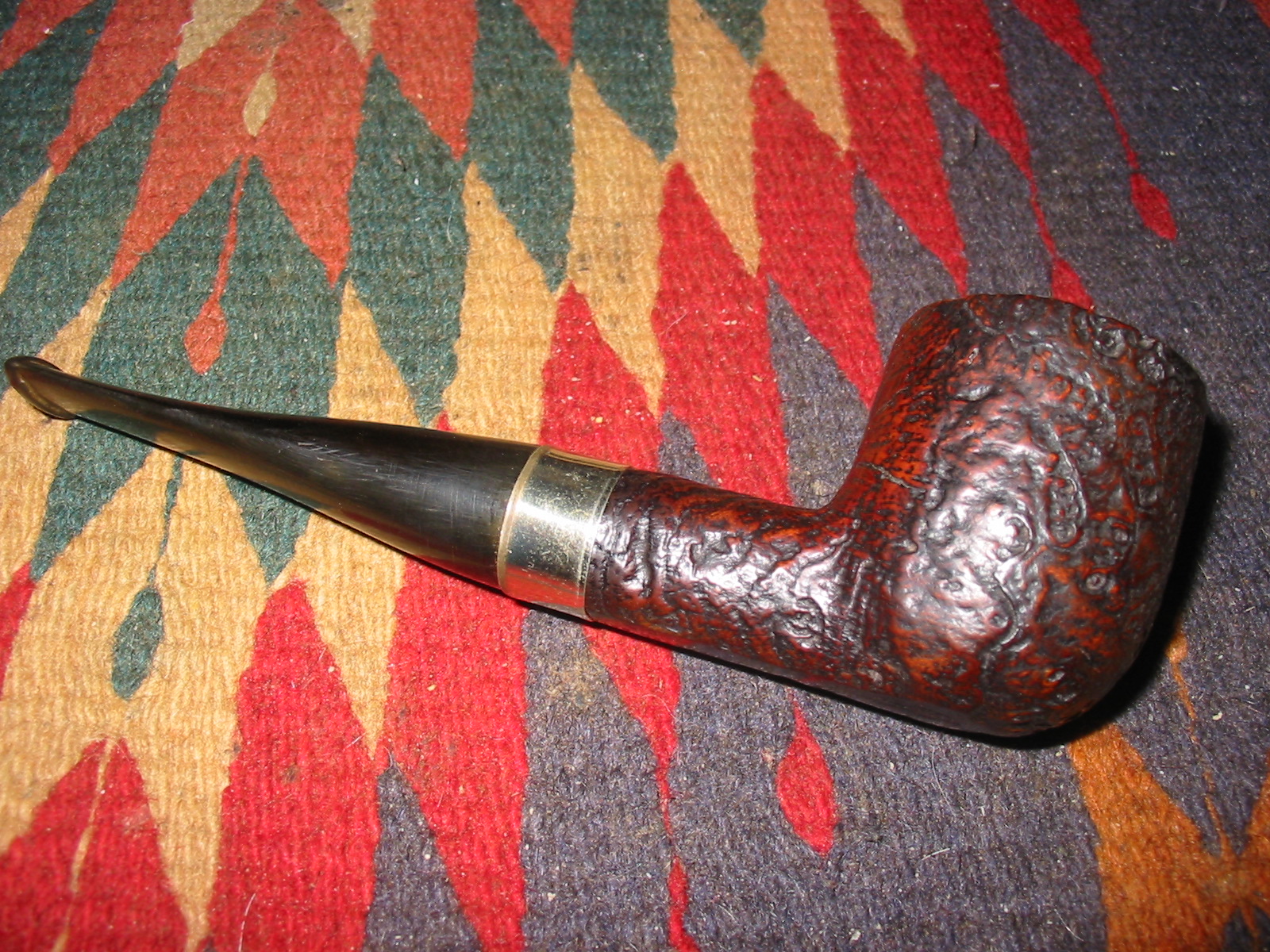
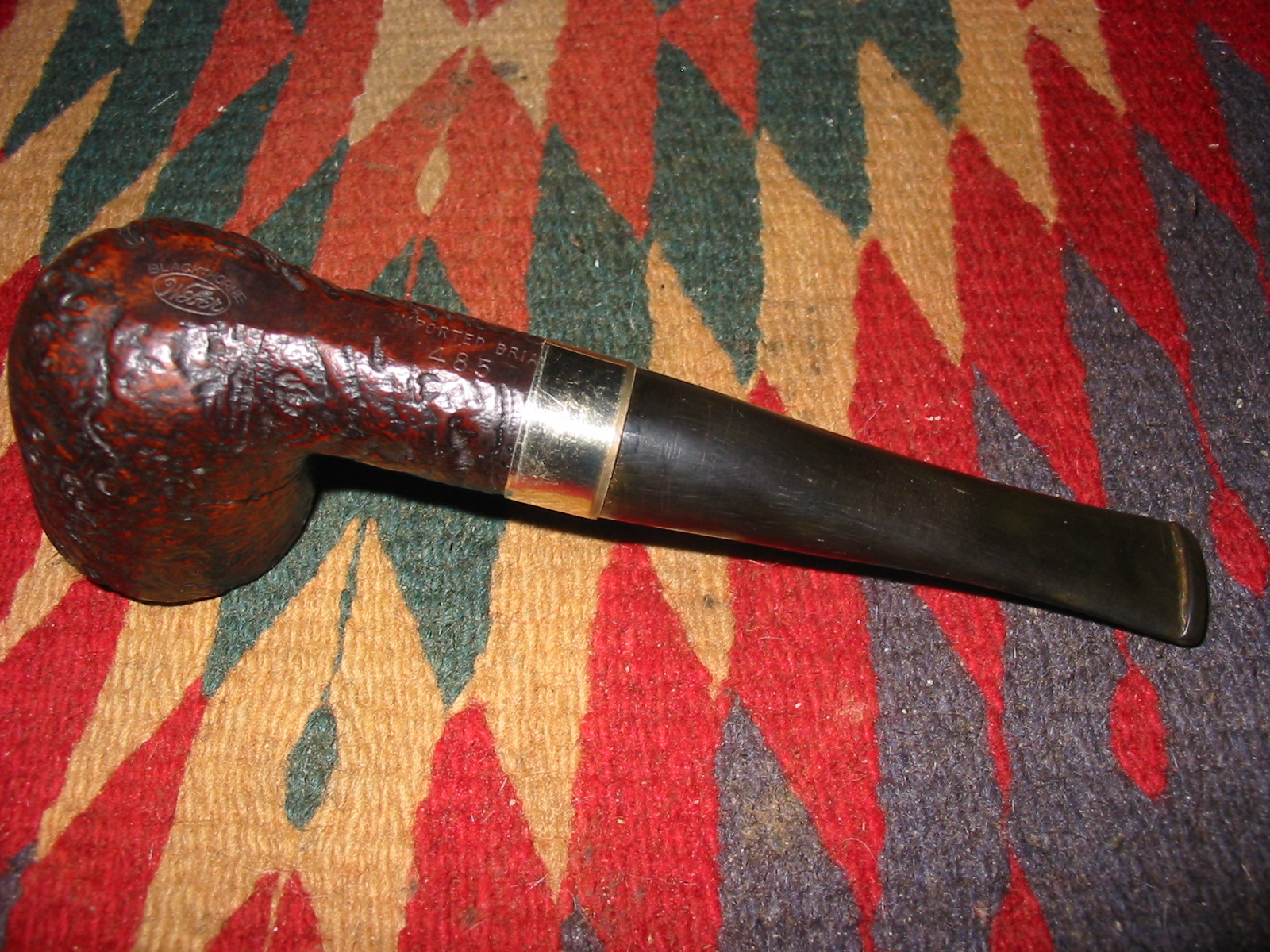
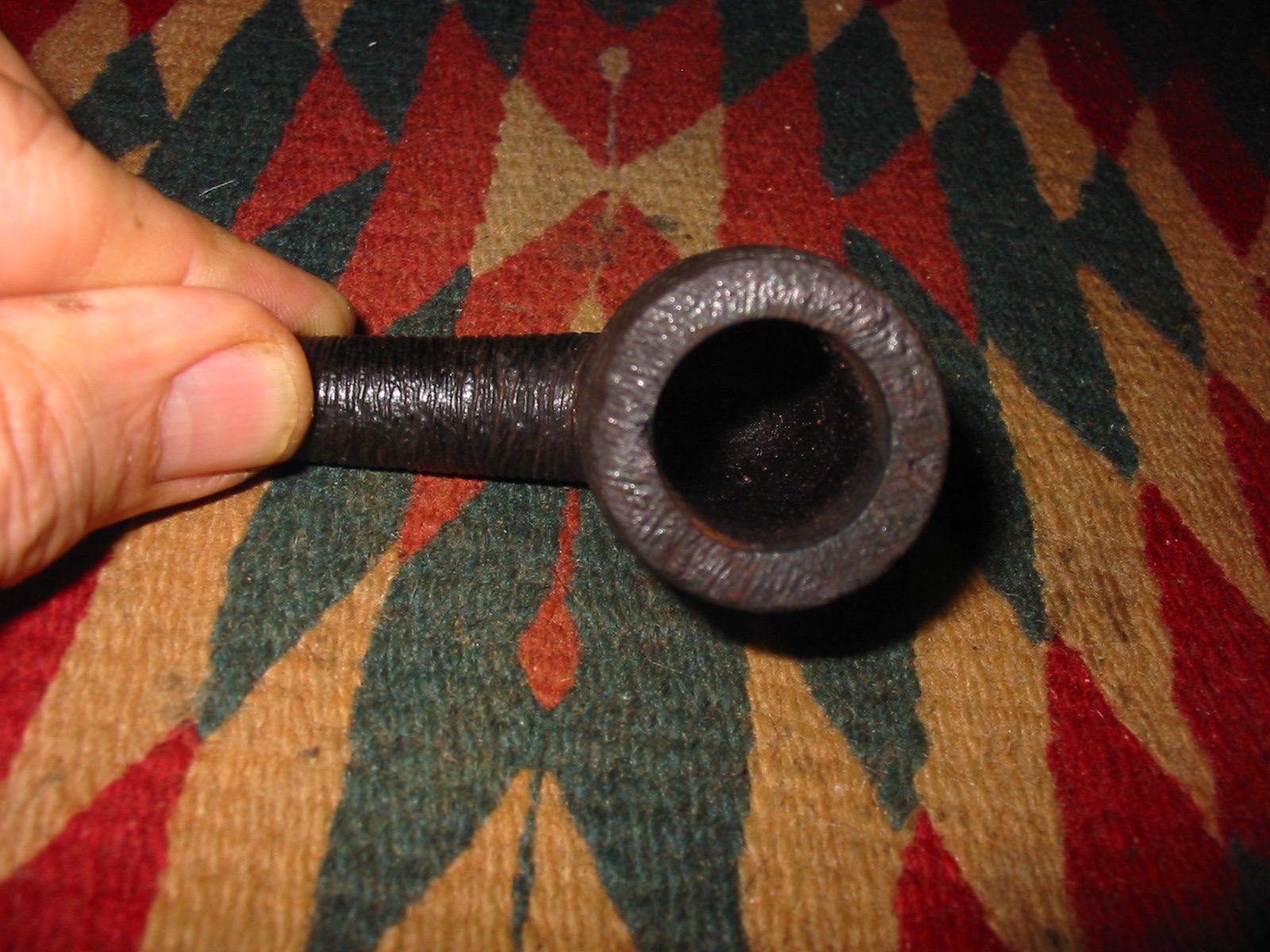
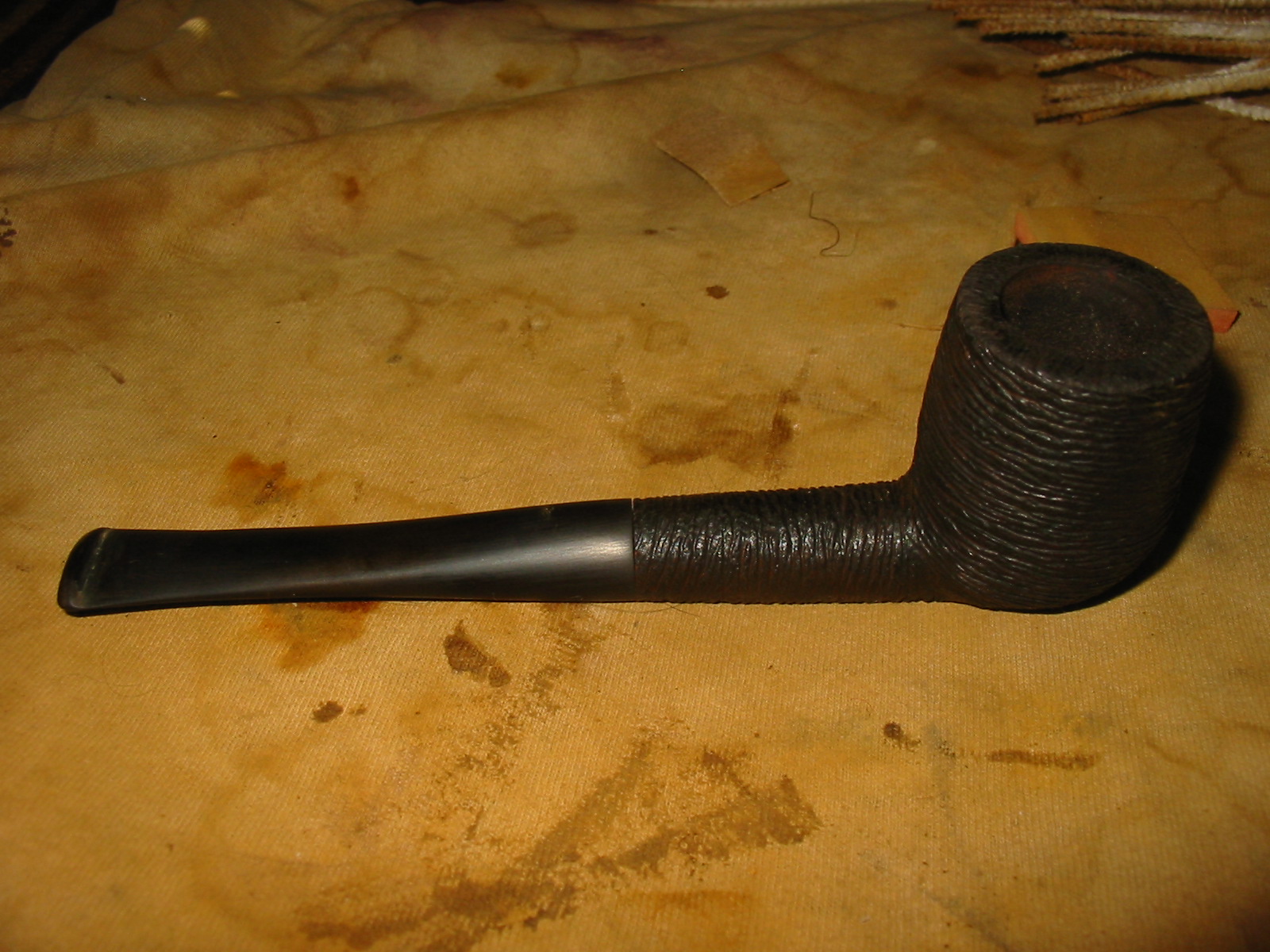
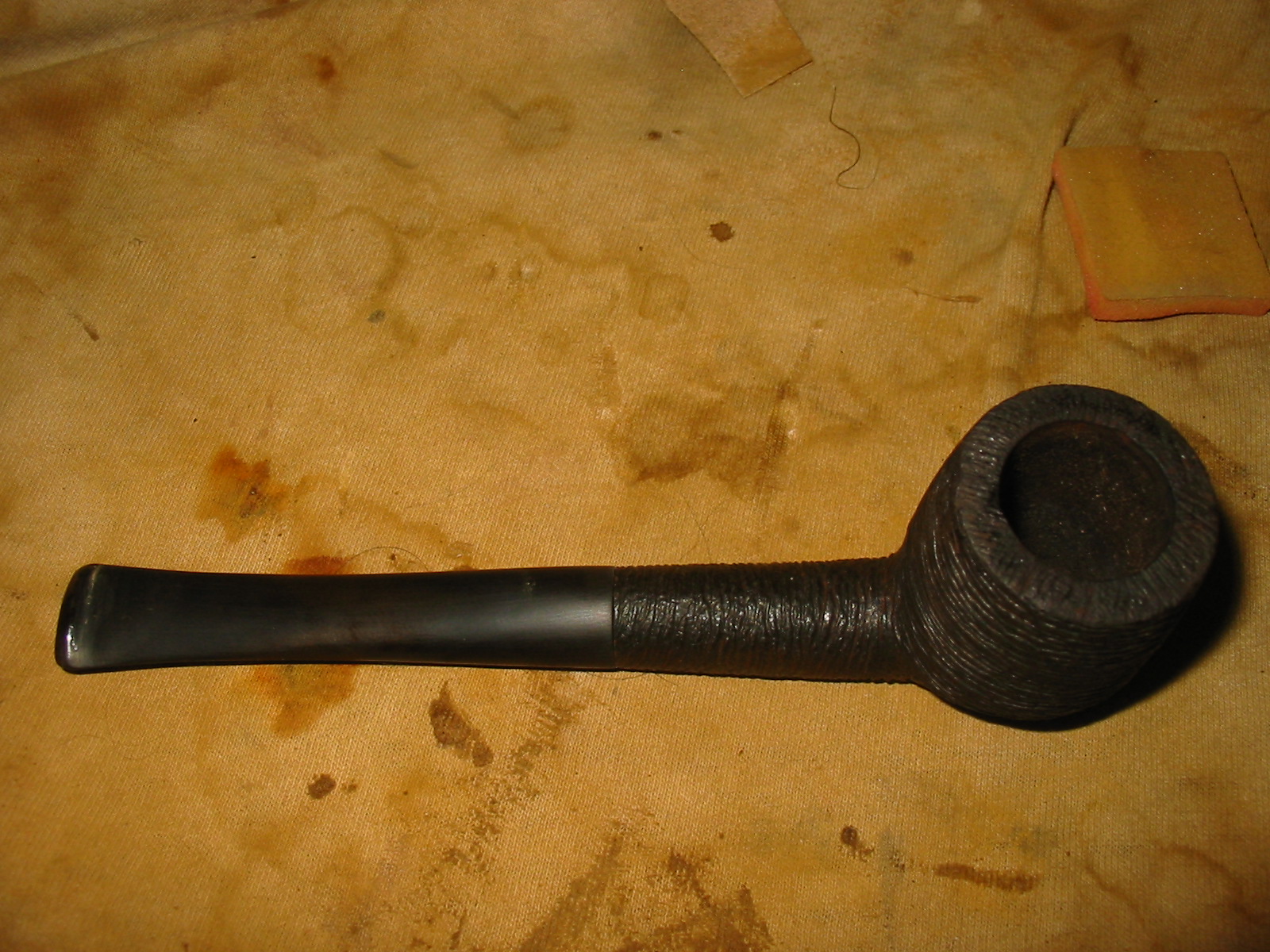
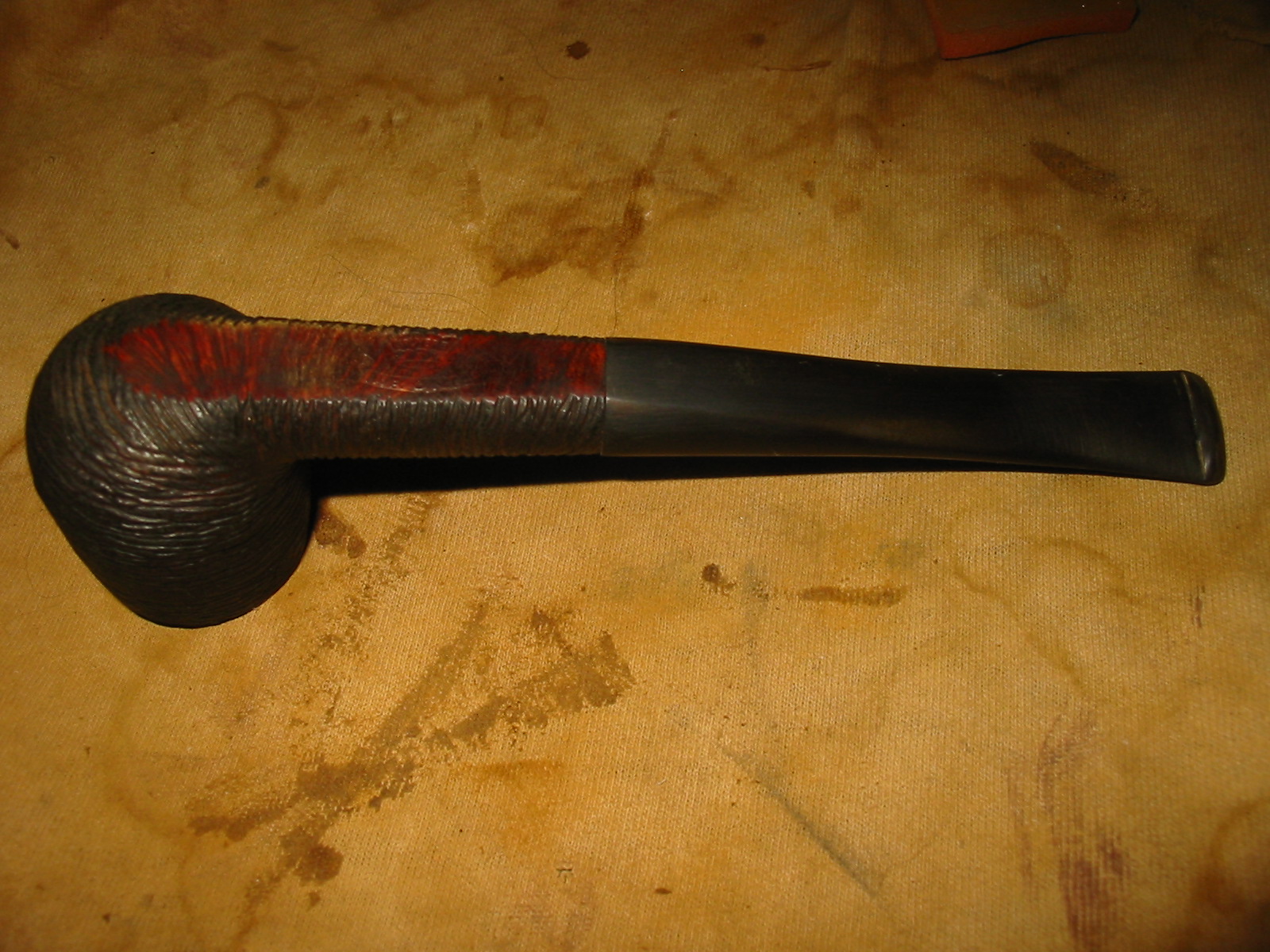
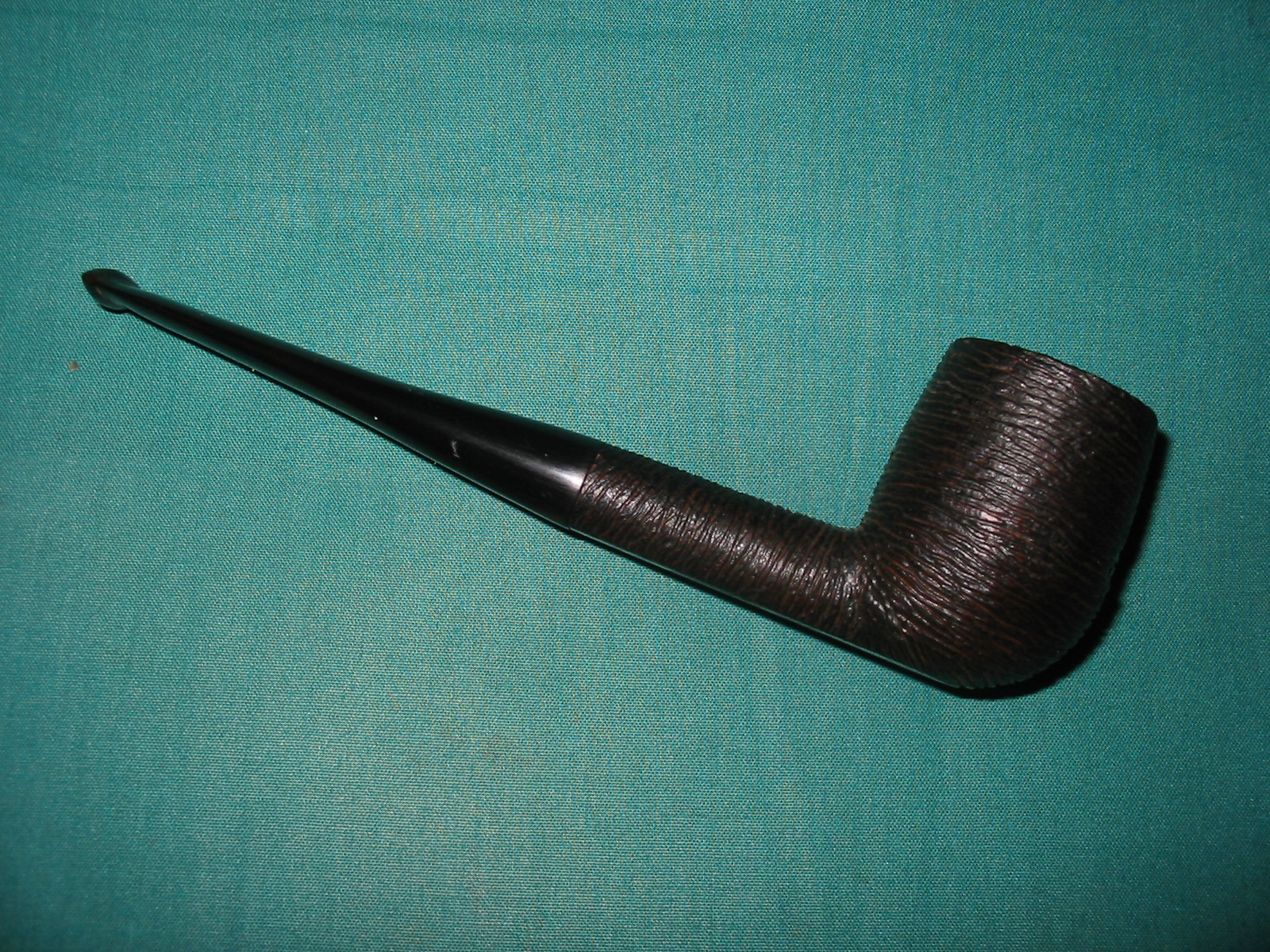
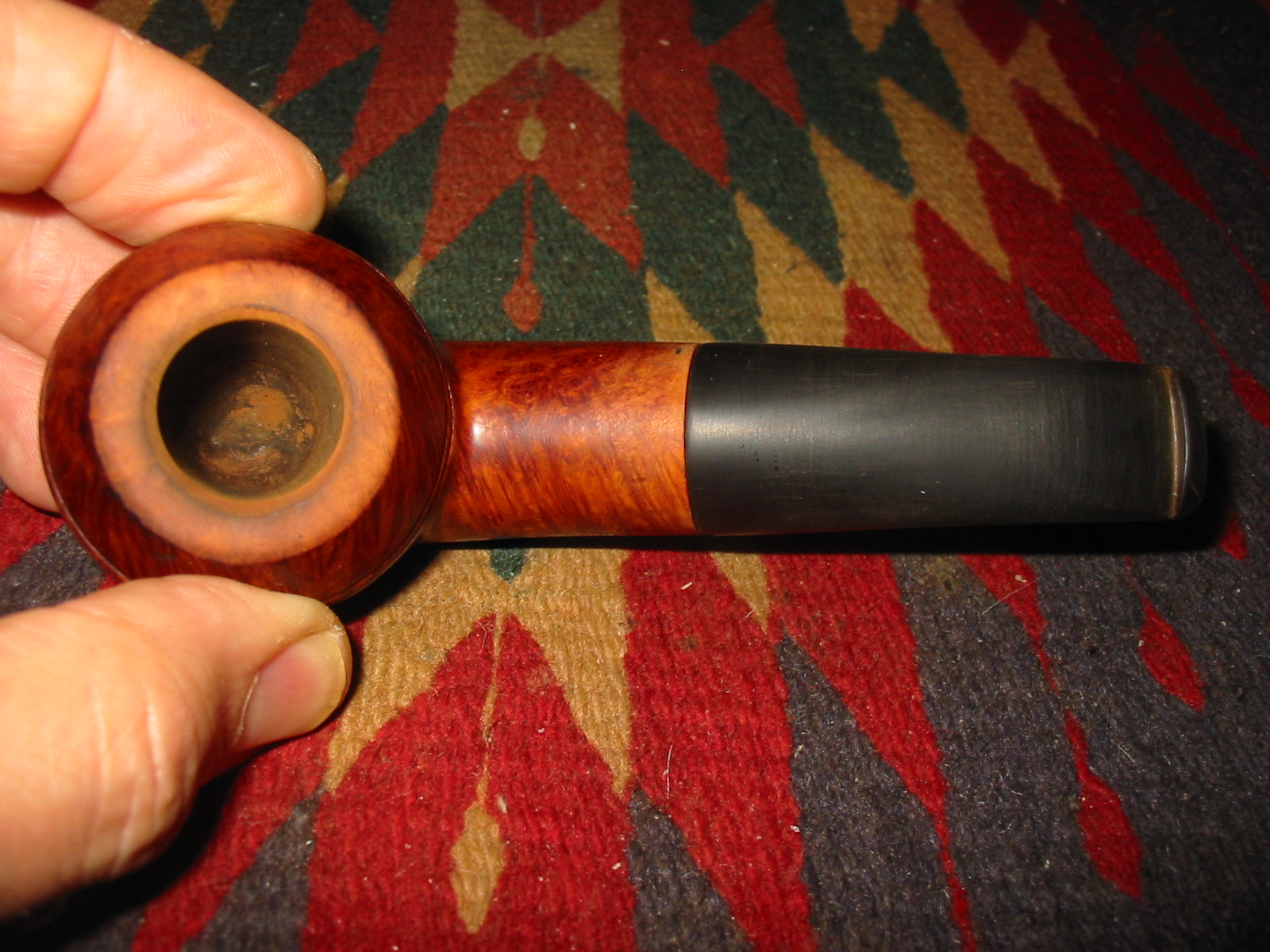
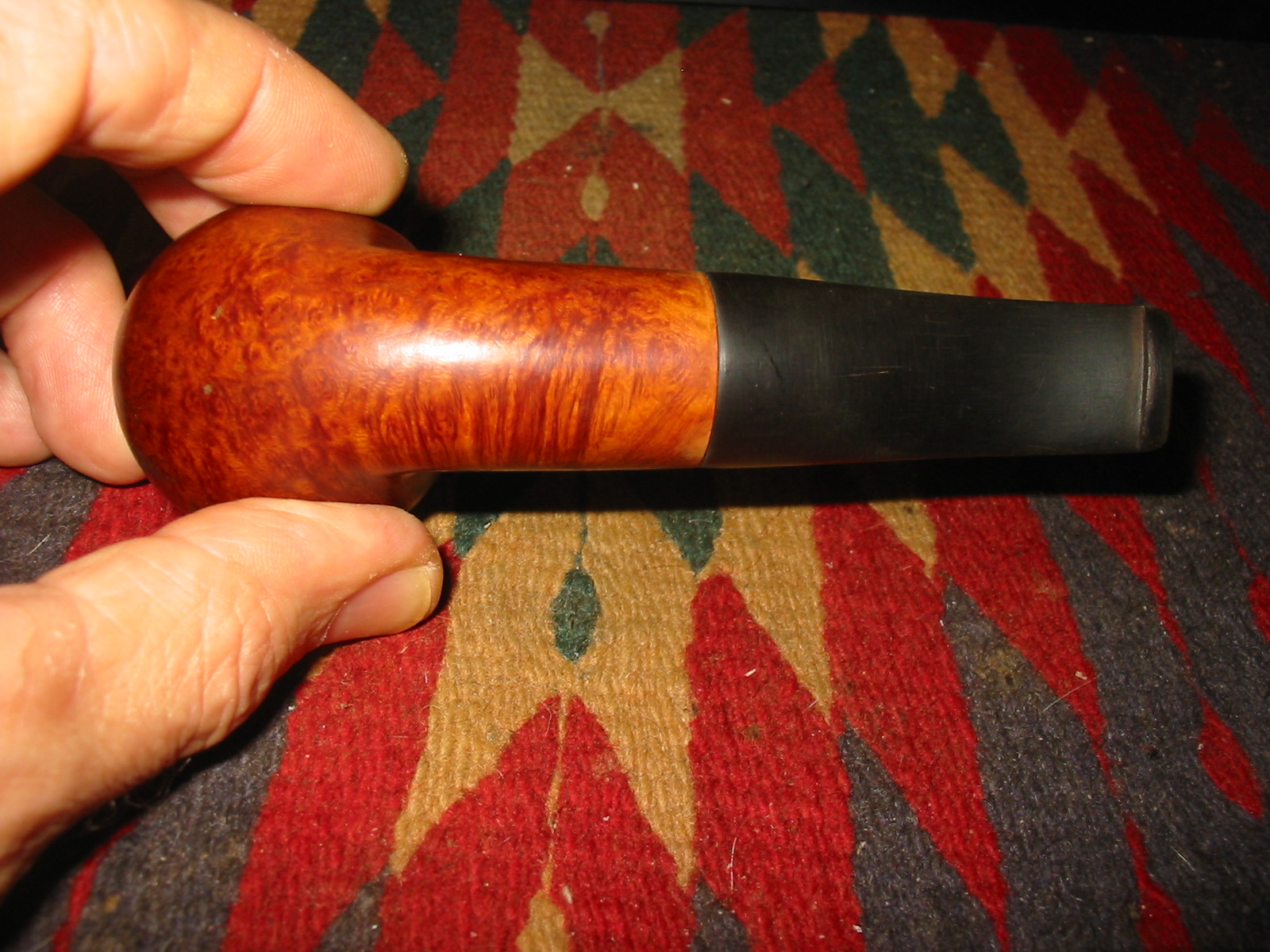
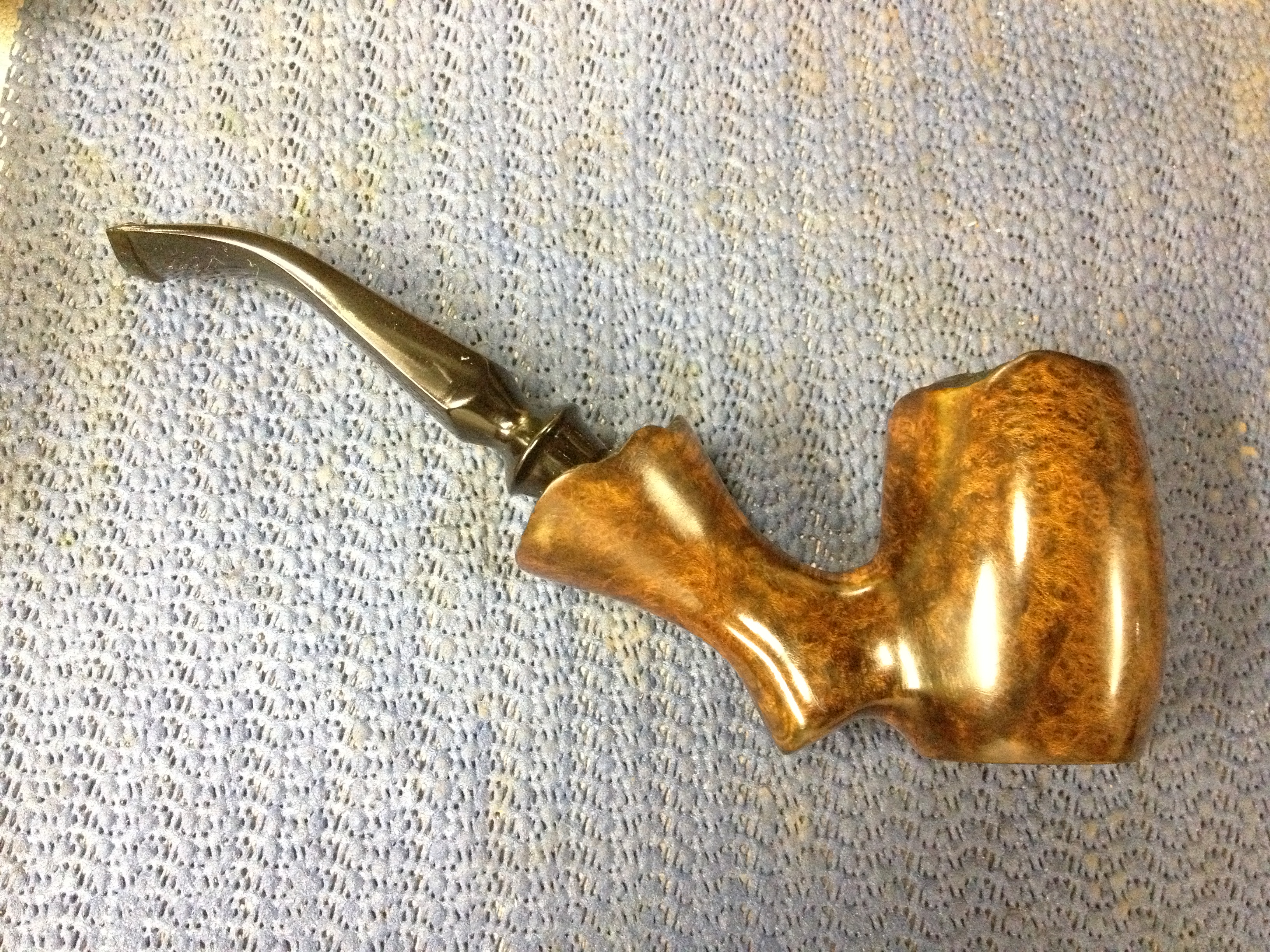
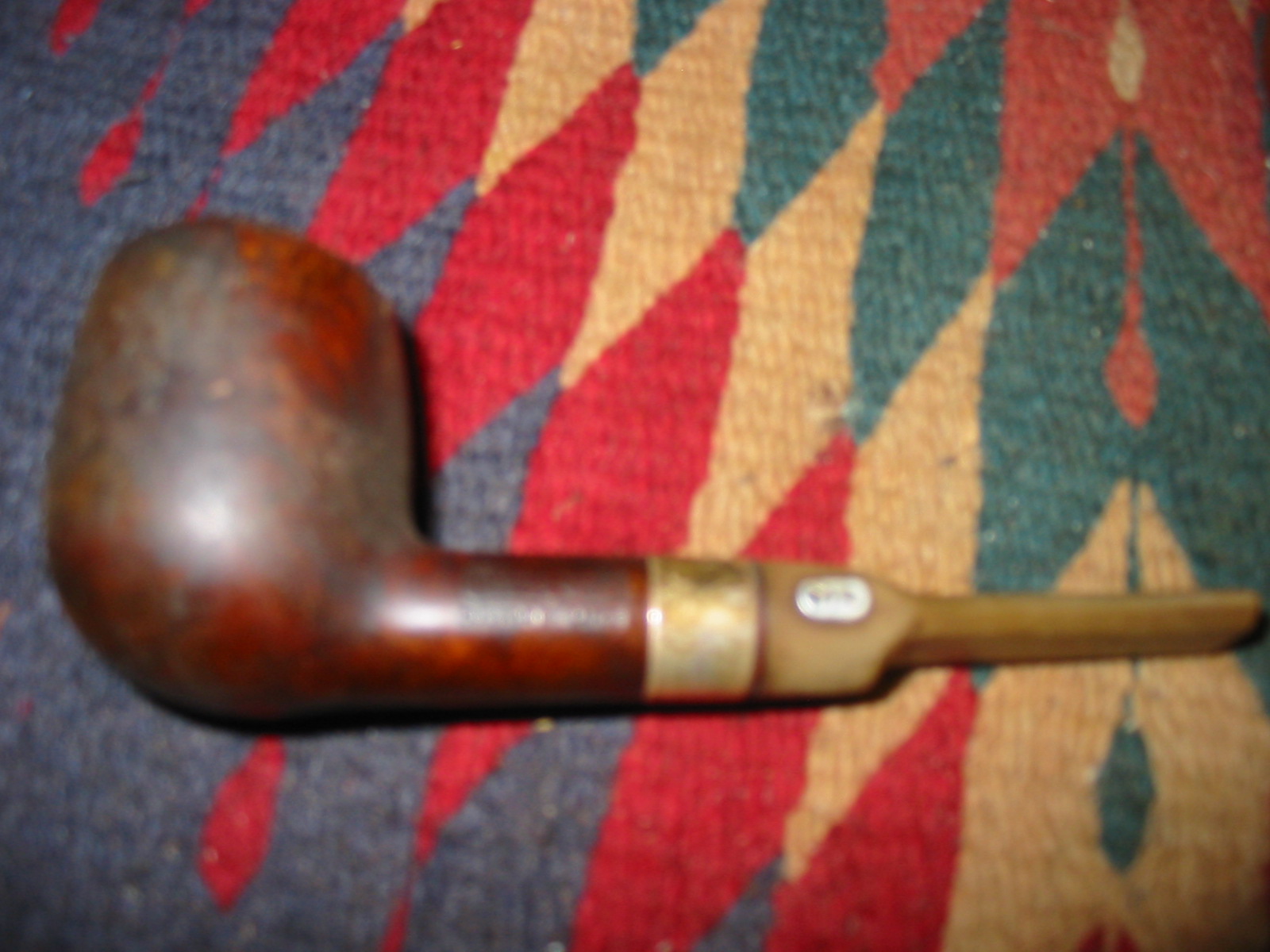
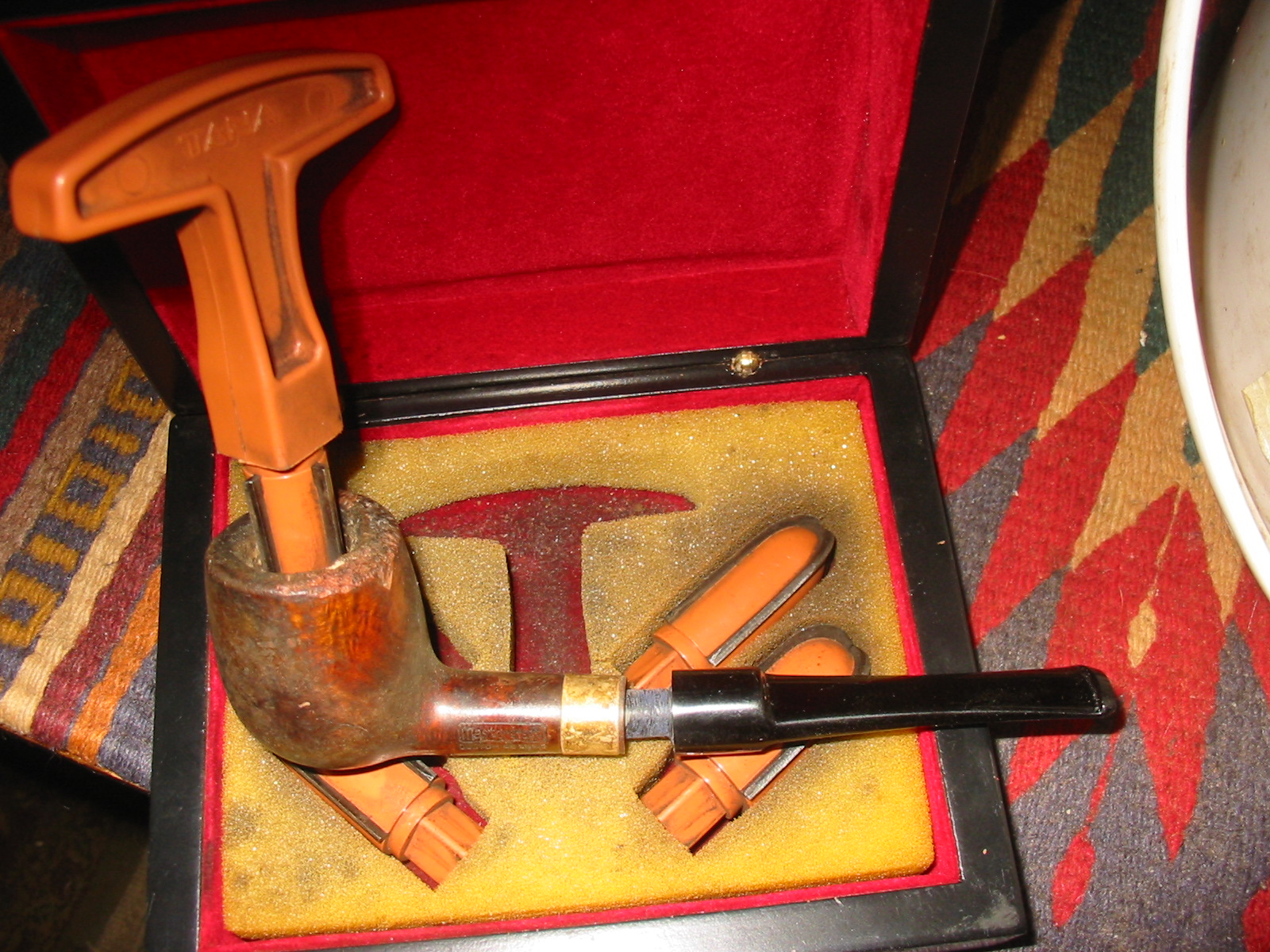
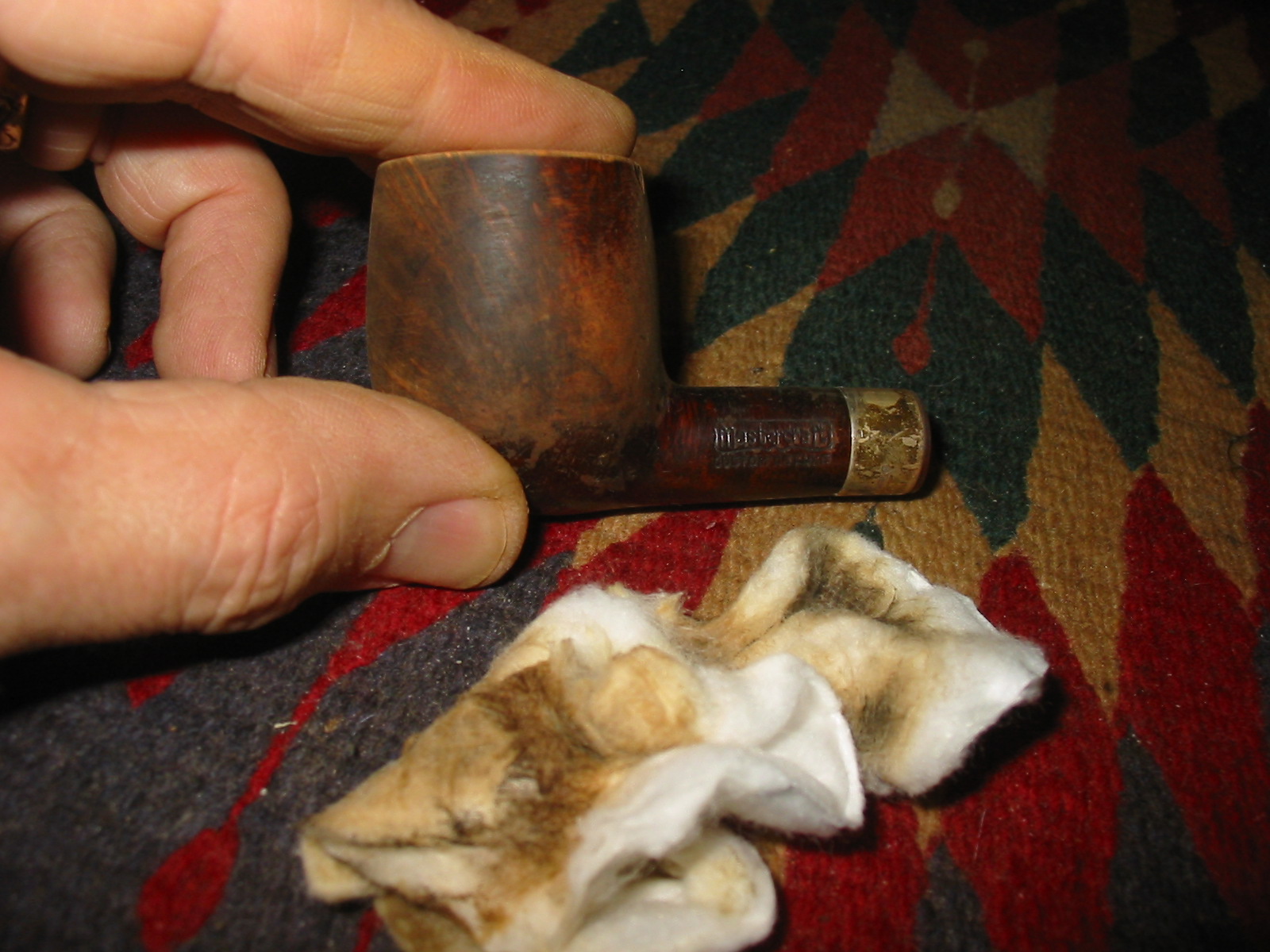
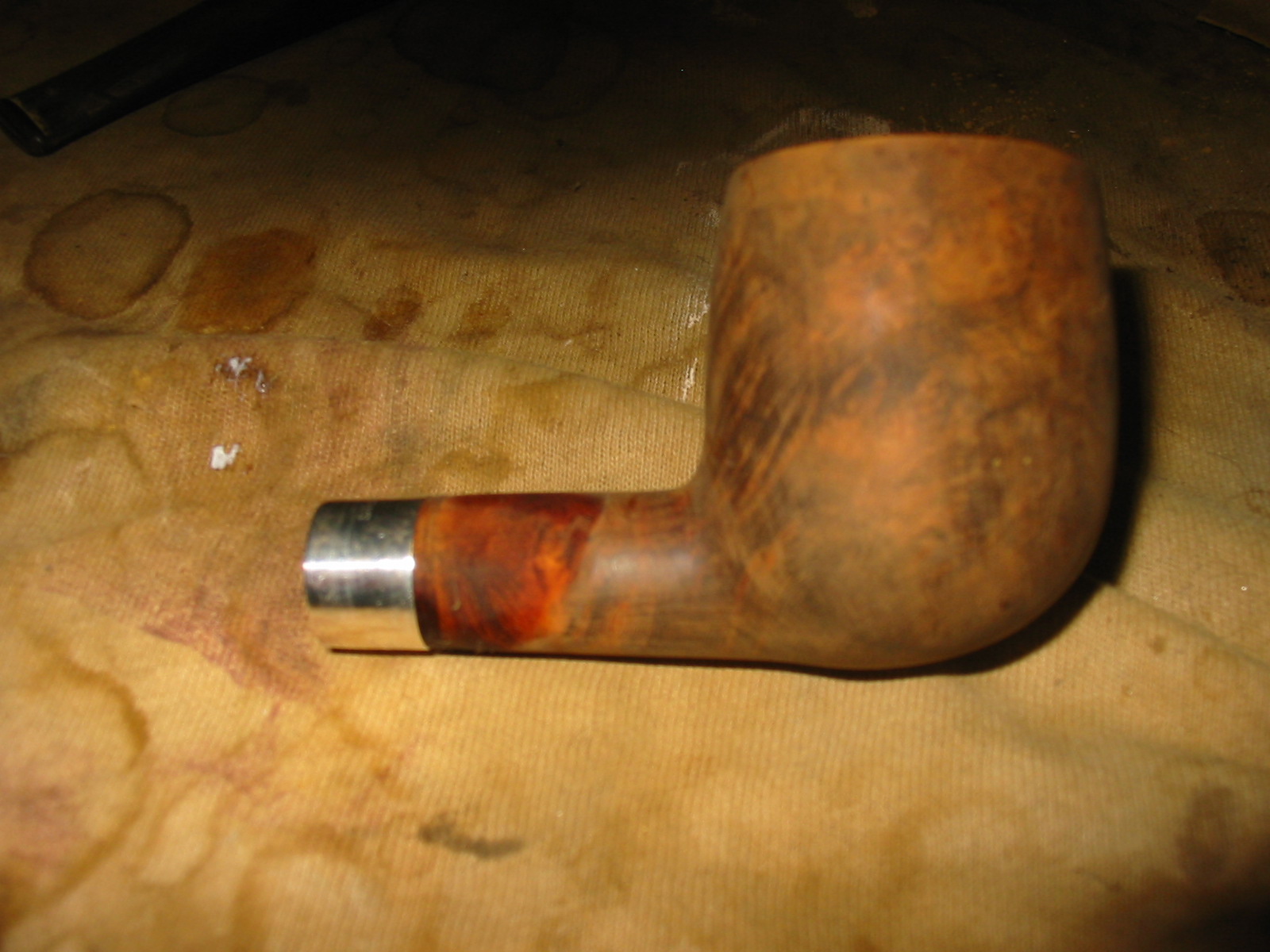
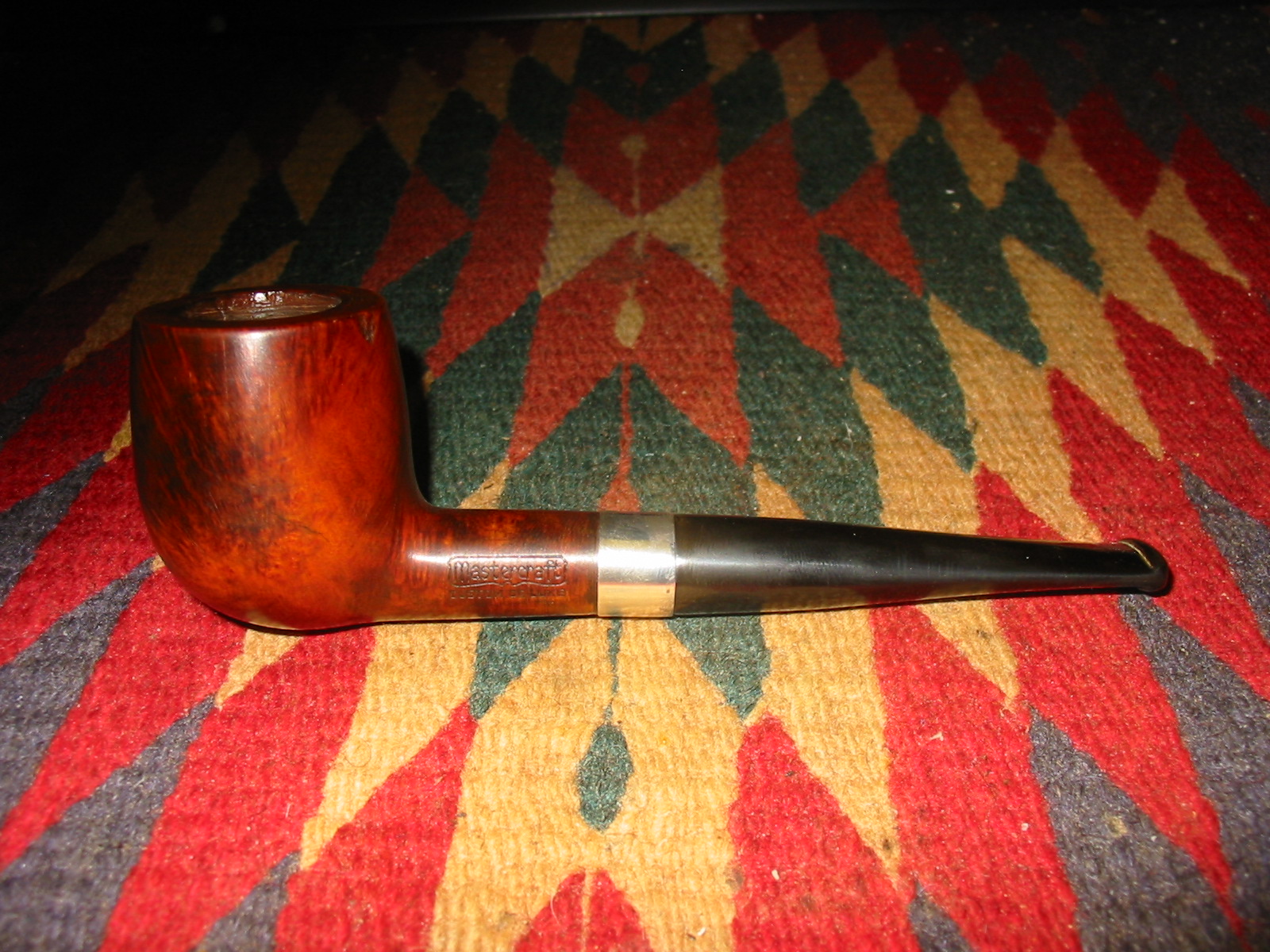
This is a big pipe and it is elegant. It is 8 inches long and the bowl is a little over 2 inches tall. It is stamped on the left side of the shank Bruyere in an arch over Garantie. On the right side it is stamped St. Claude in script over Bruyere. Once I stripped it down there are a few visible fills in the briar but they blend in quite well surprisingly – no pink putty on this one. I cleaned the rim meticulously by hand with warm soapy water on a damp paper towel. I scrubbed it until it was clean. I then sanded the bowl to remove the varnish coat and grime. I had not learned many of the tricks I use now so it was one of the first old timers that I refurbished. I wiped the bowl down with Isopropyl alcohol once I had sanded the majority of the finish coat off the pipe. It took quite a bit of time to carefully wipe away the finish around the stamping without damaging that. The bowl was finally cleaned and smooth – I remember sanding it with 1200 wet dry sandpaper to finish. Then I stained it with a medium brown wood stain – I have no idea if it was an alcohol stain, it well could have been Watco Danish Oil for all I know!

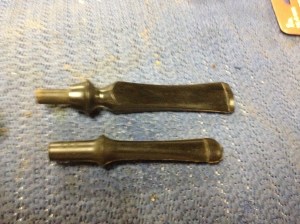
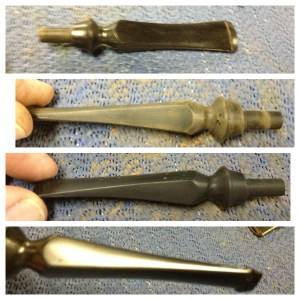
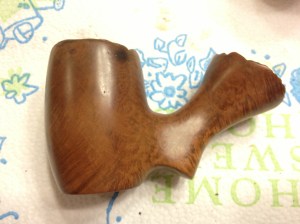
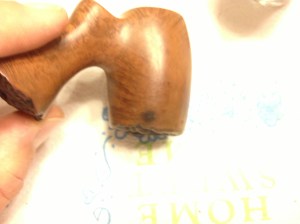
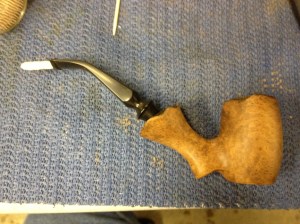
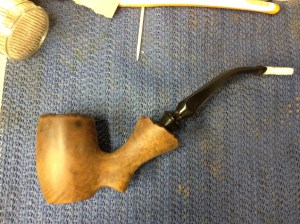
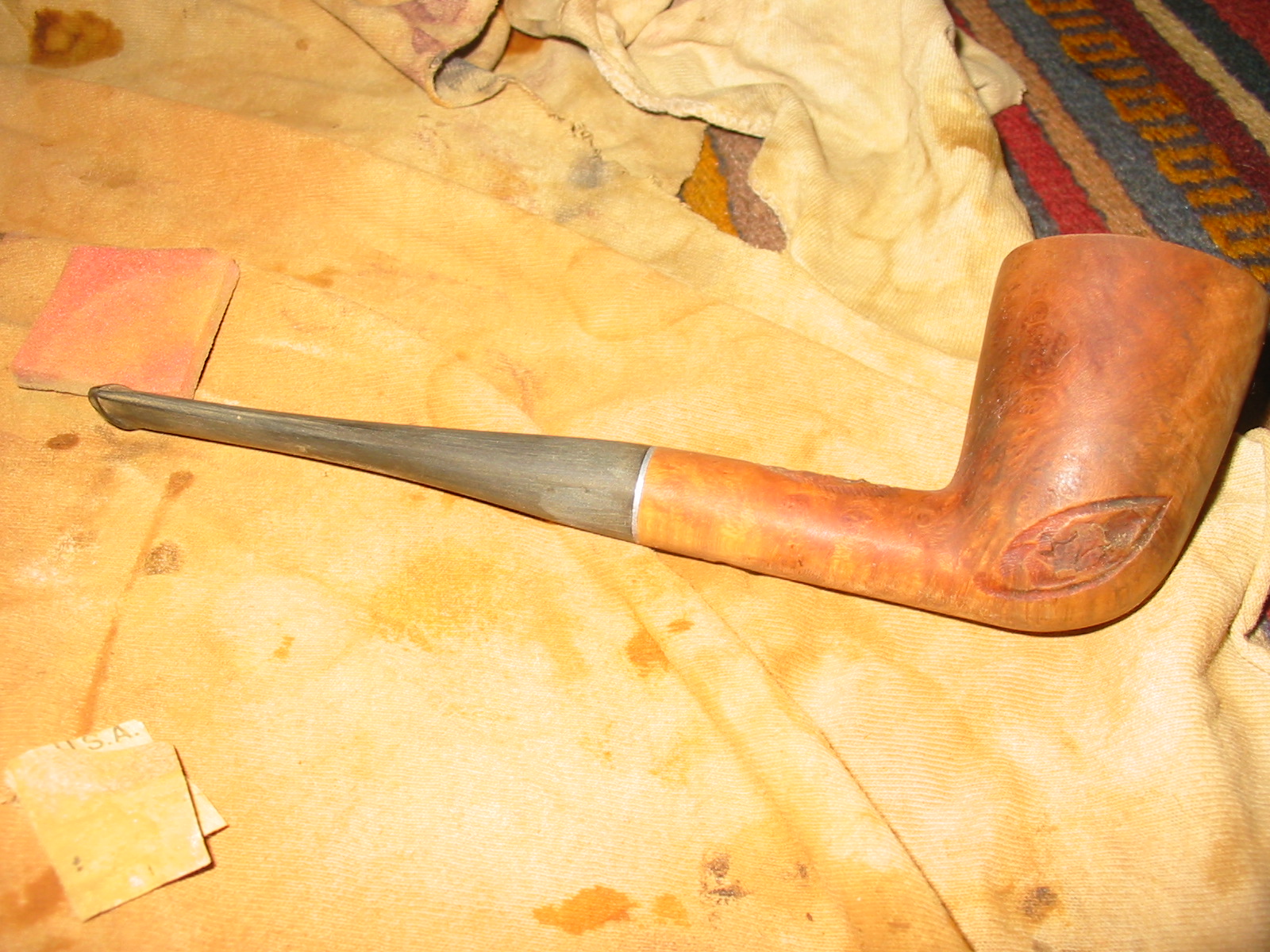
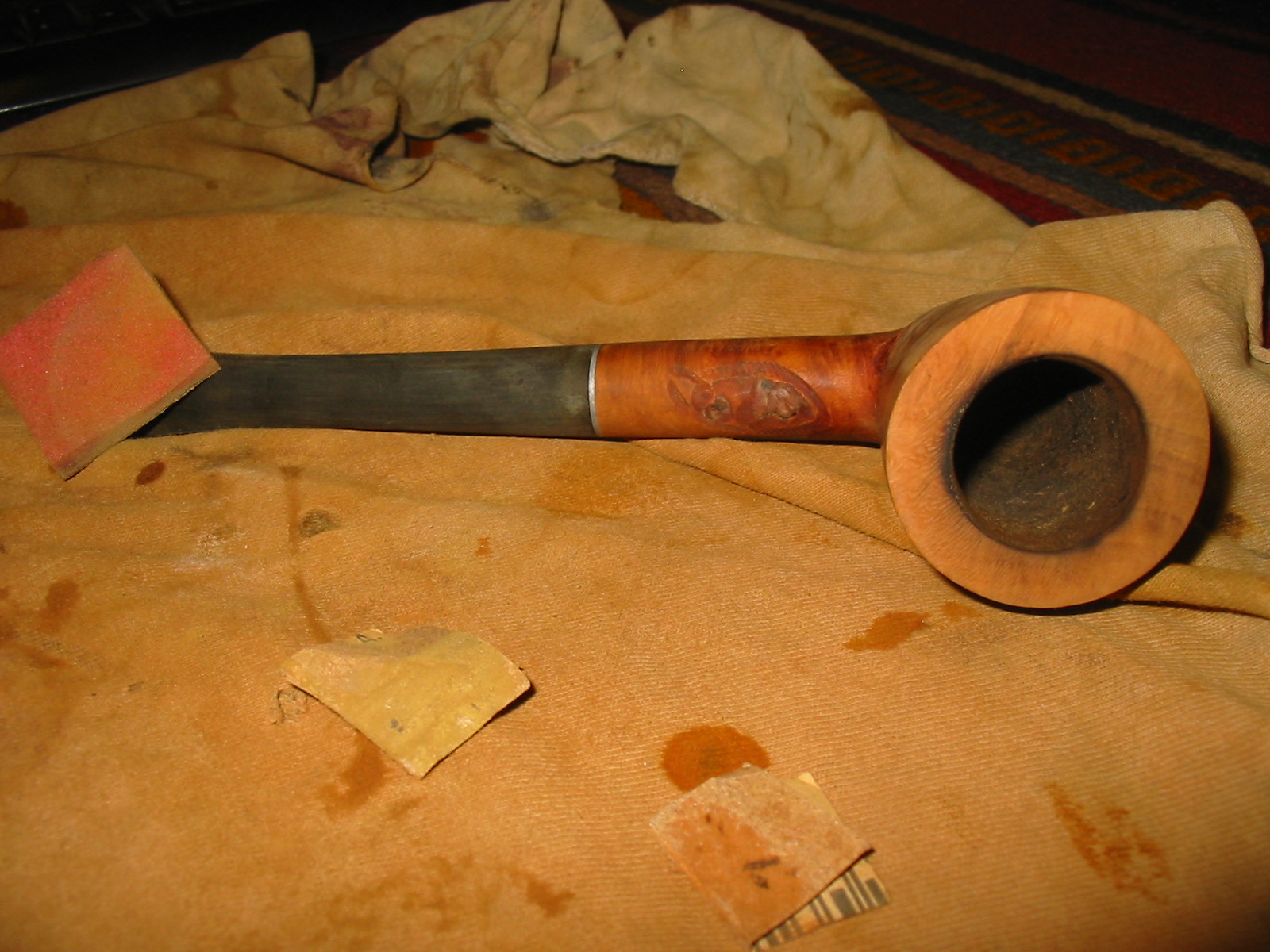
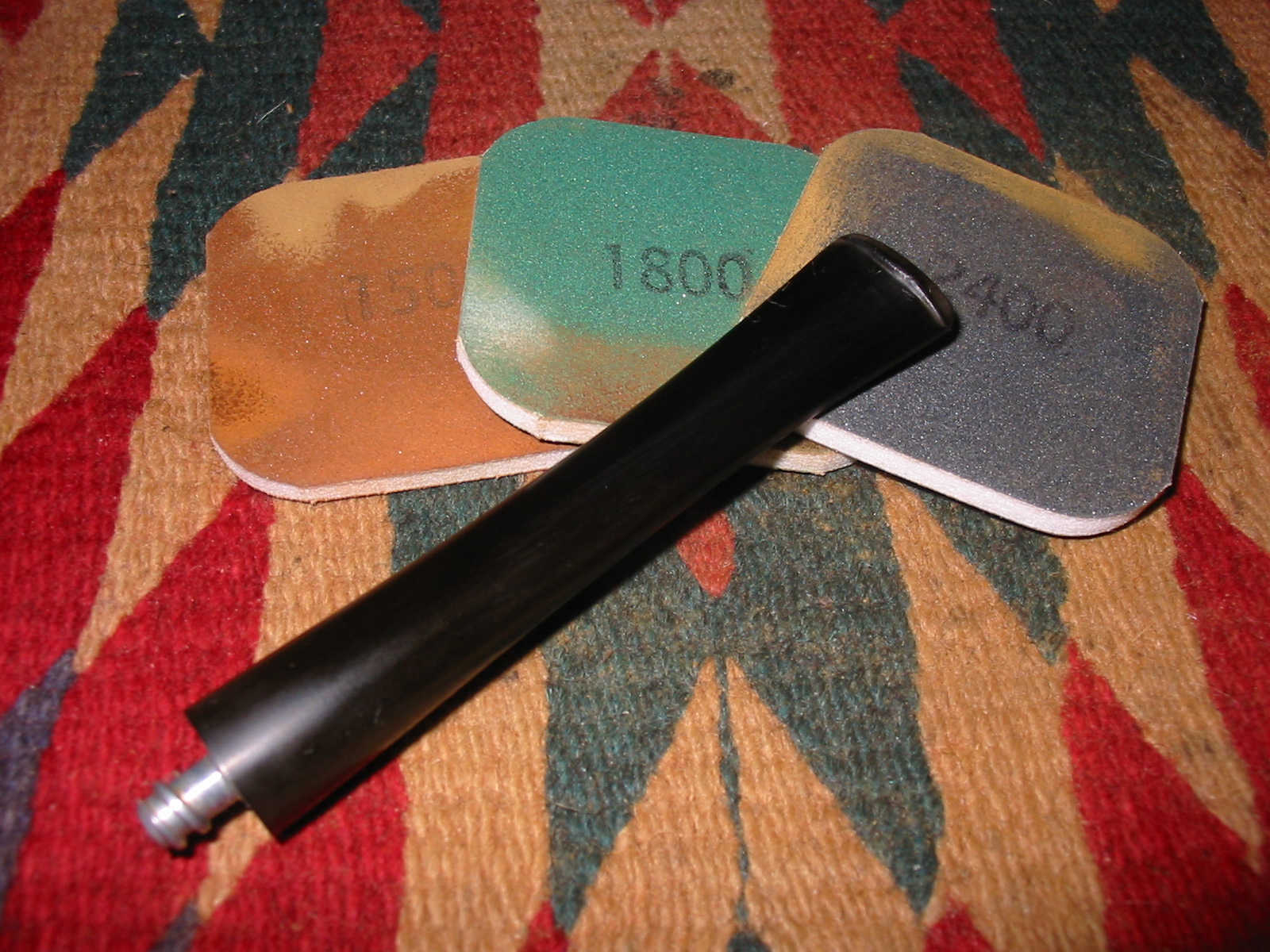
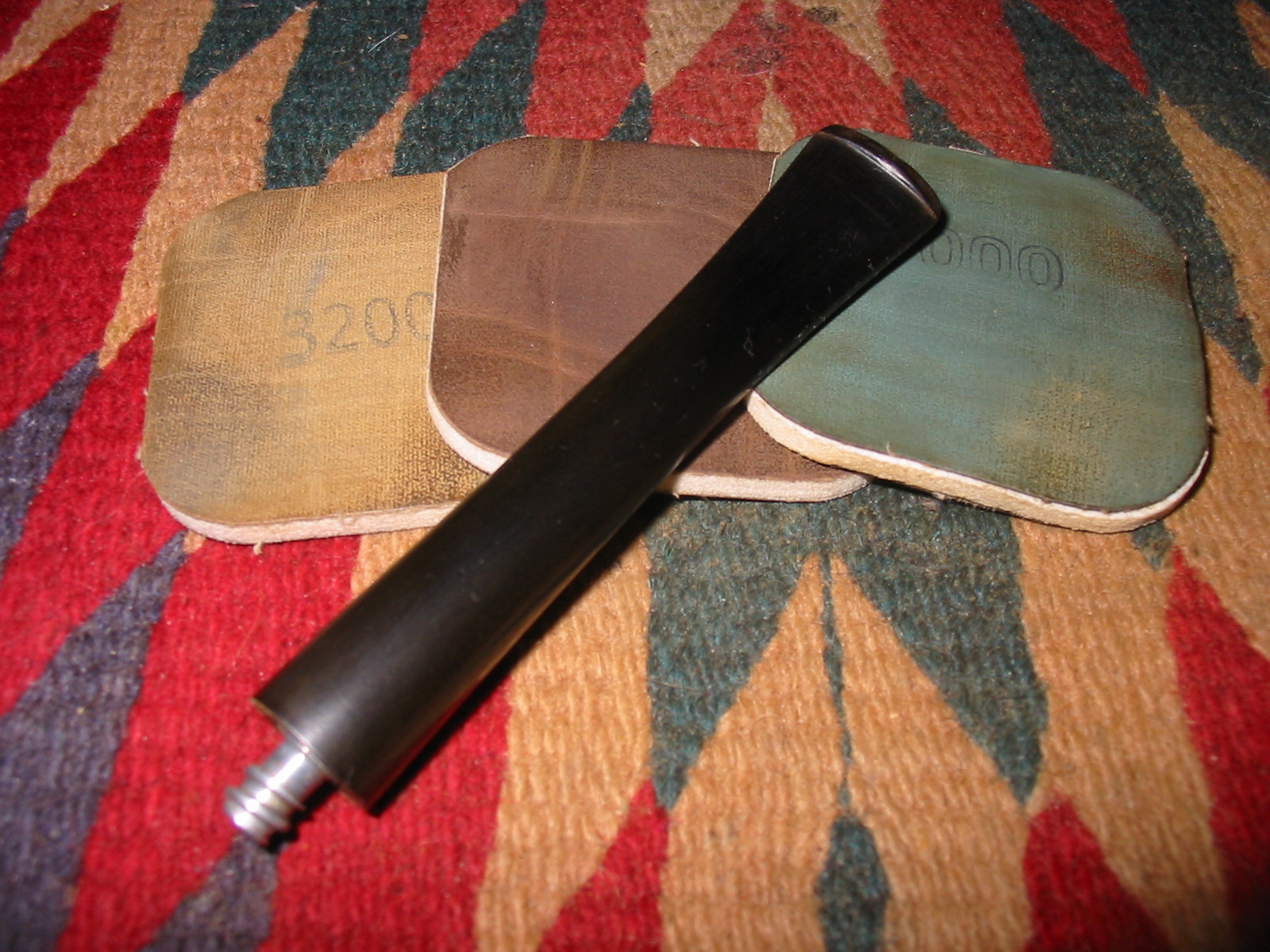
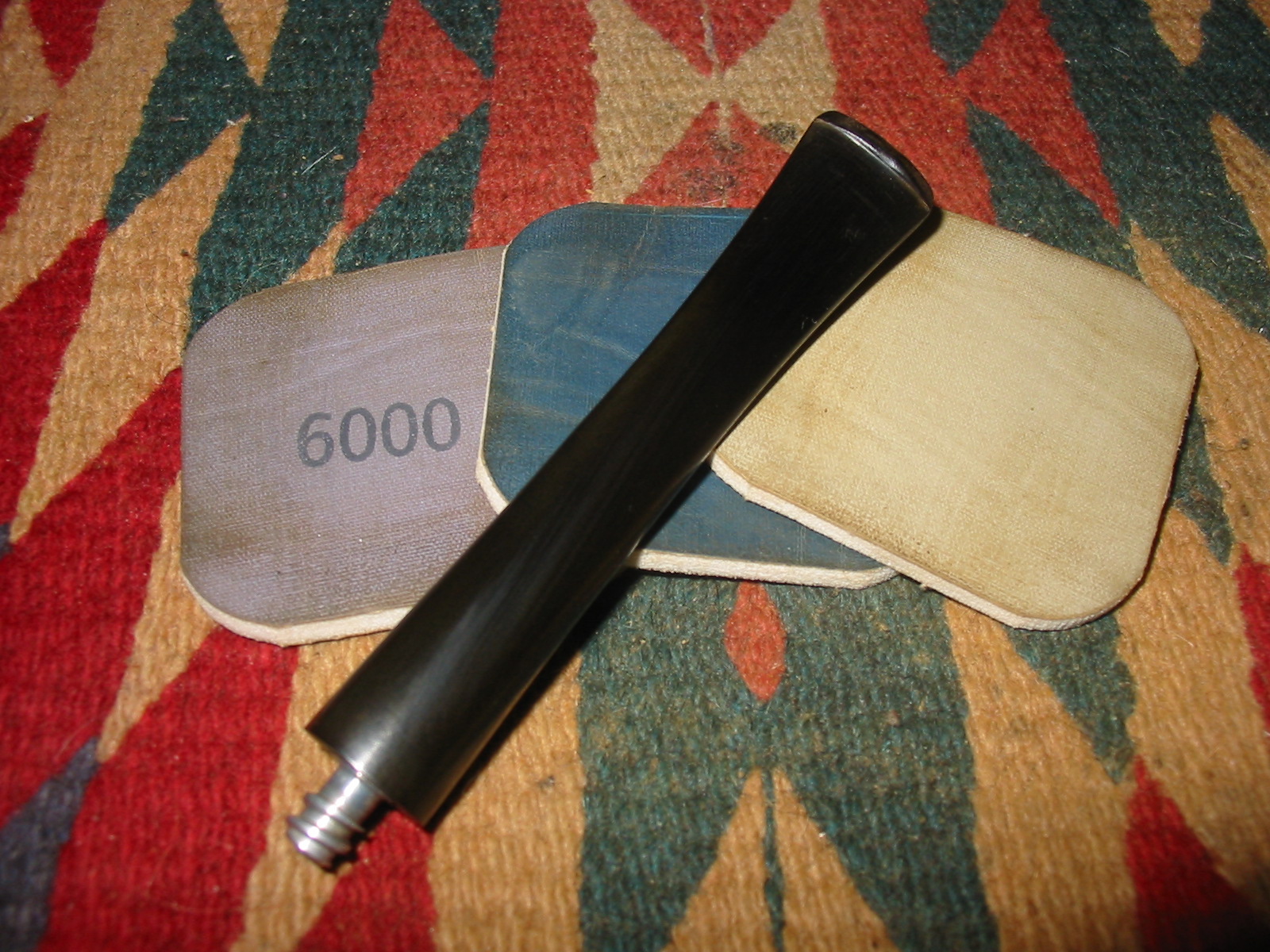
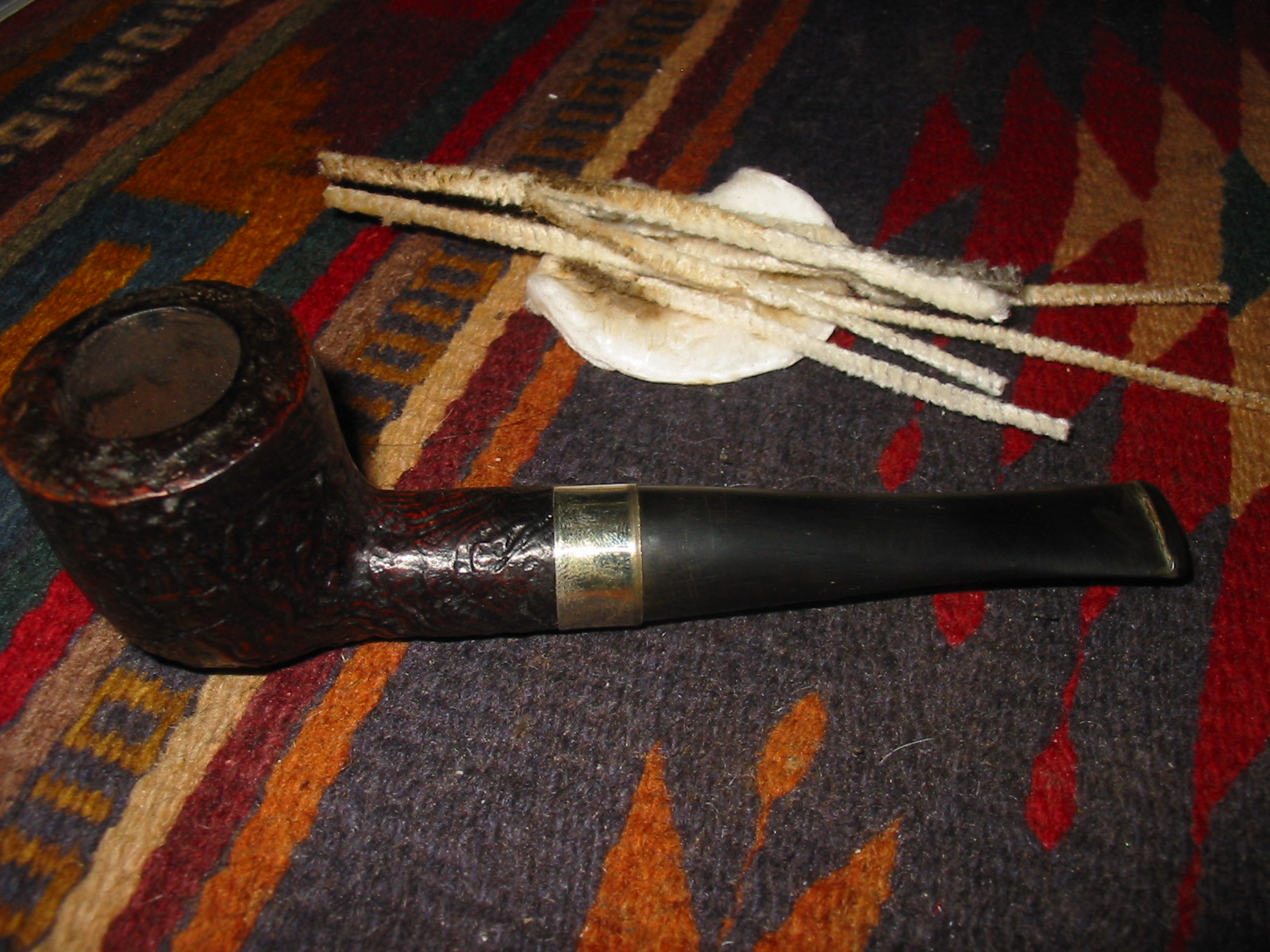
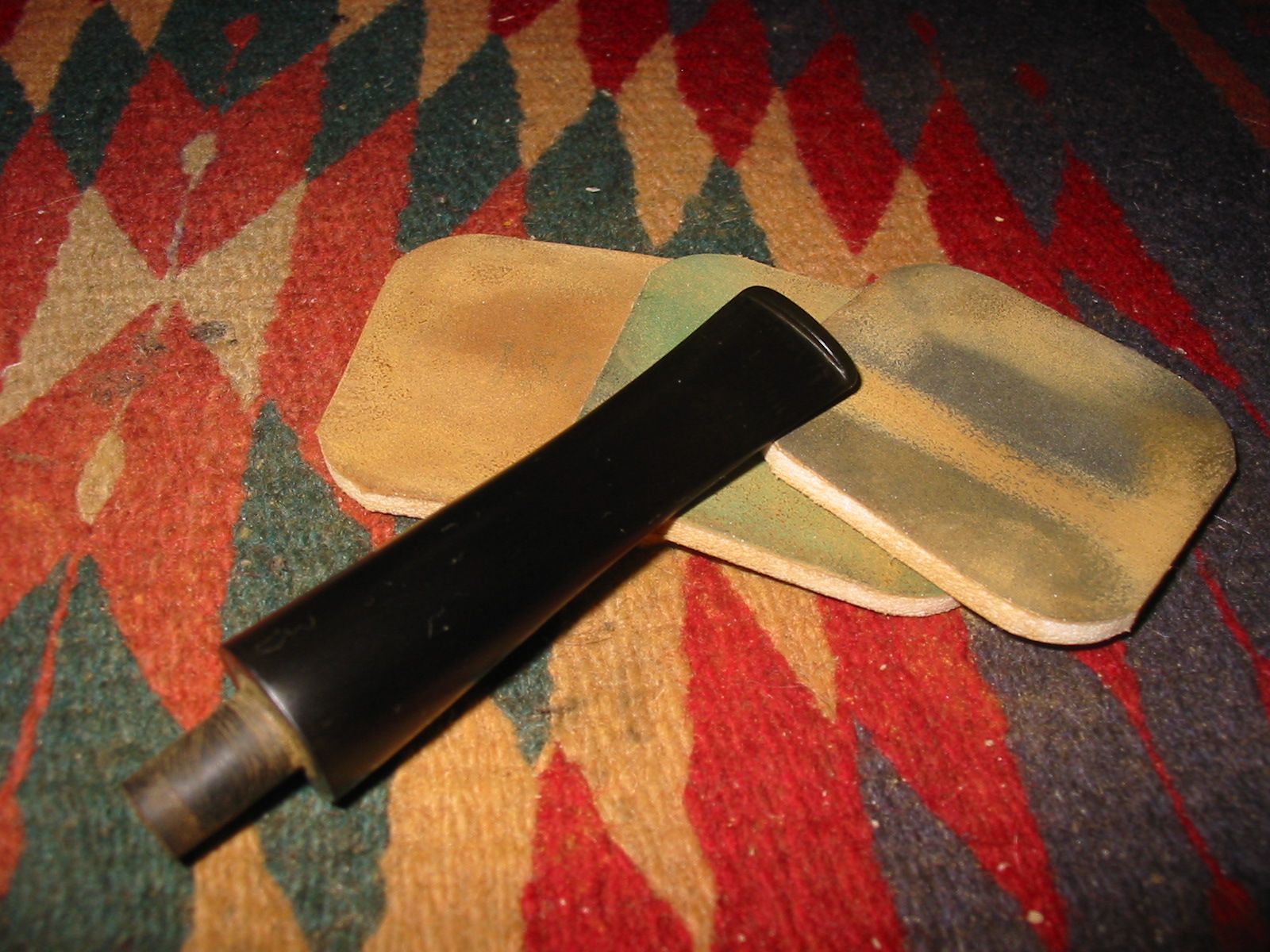
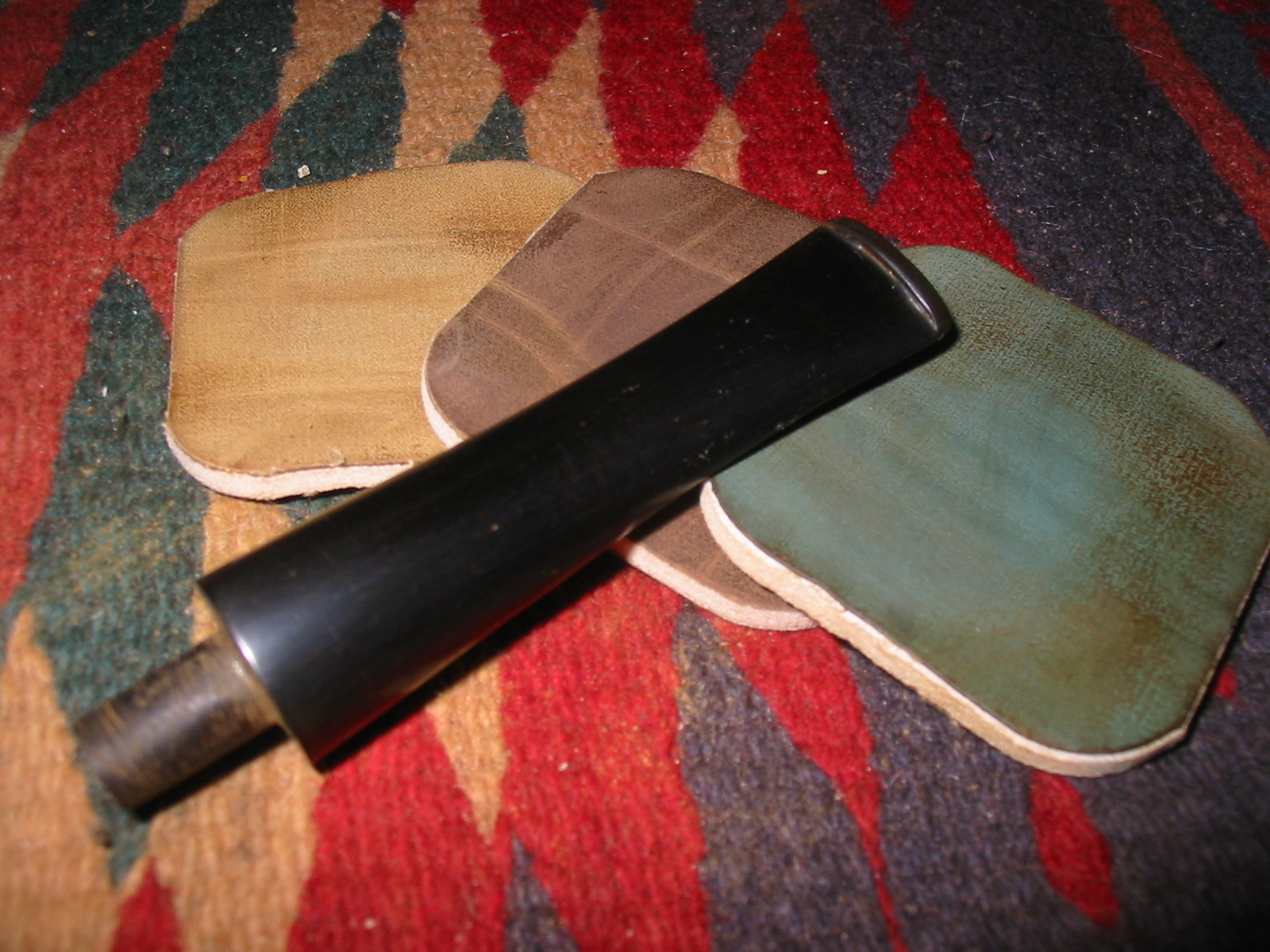
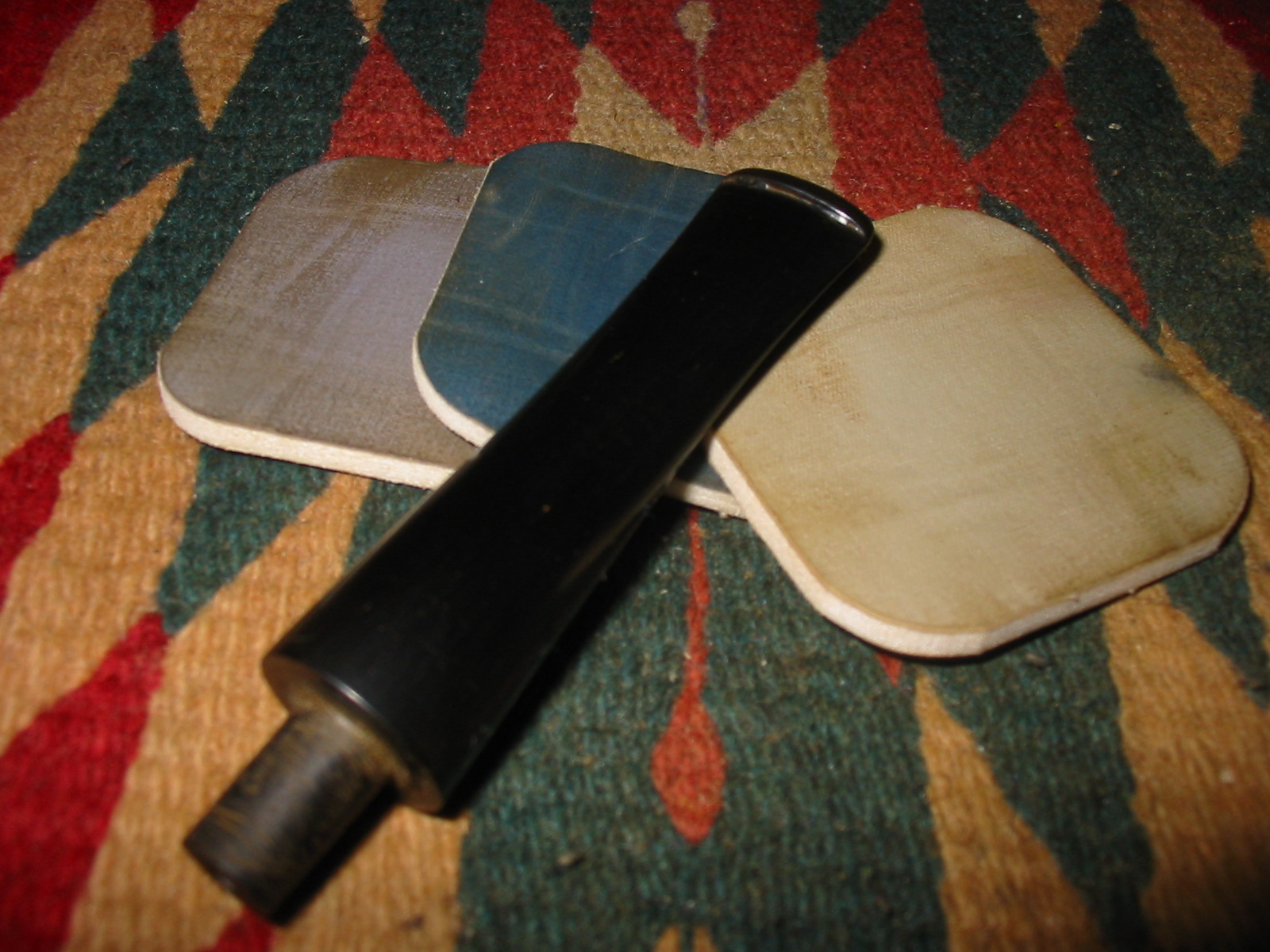
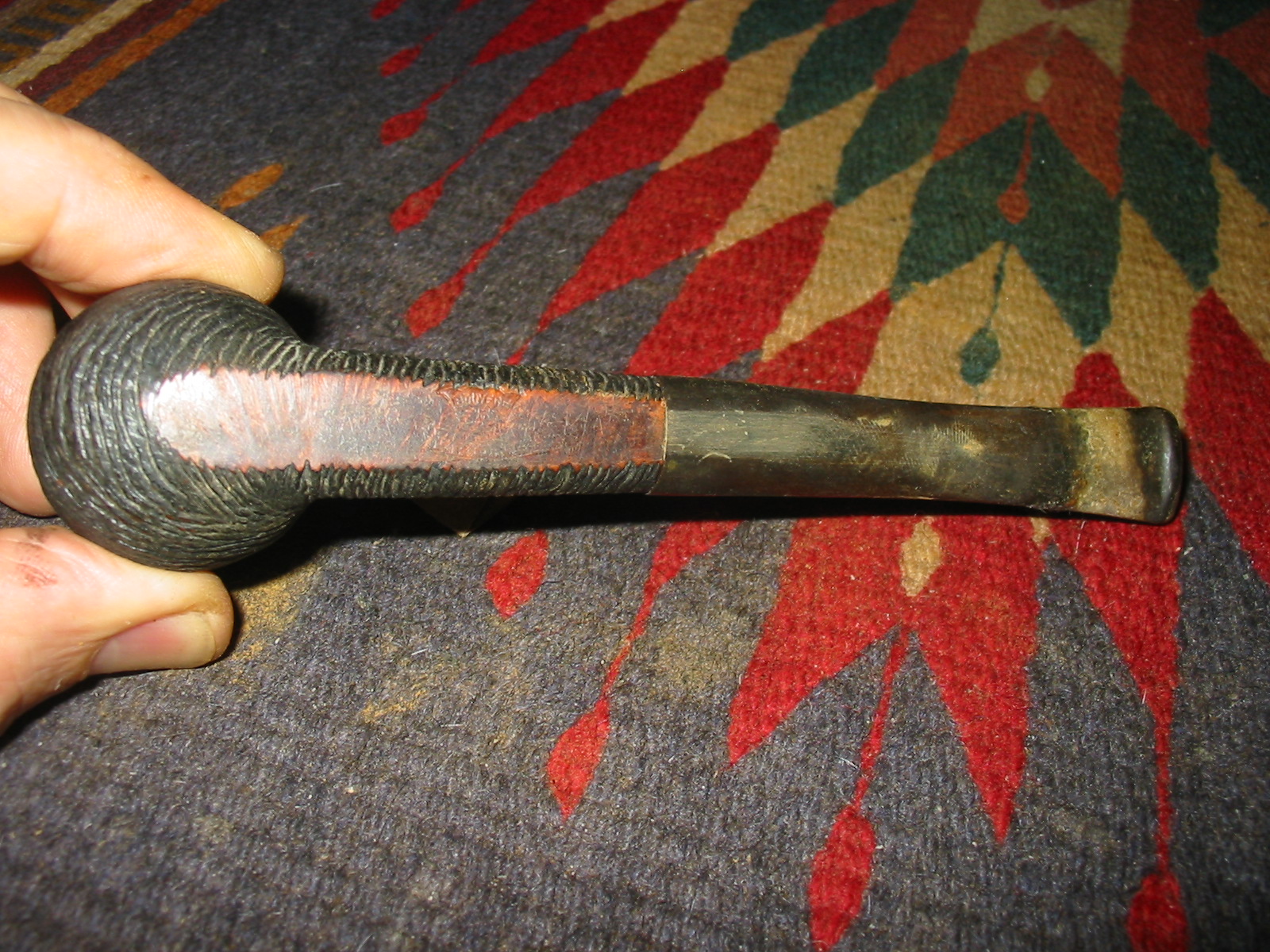
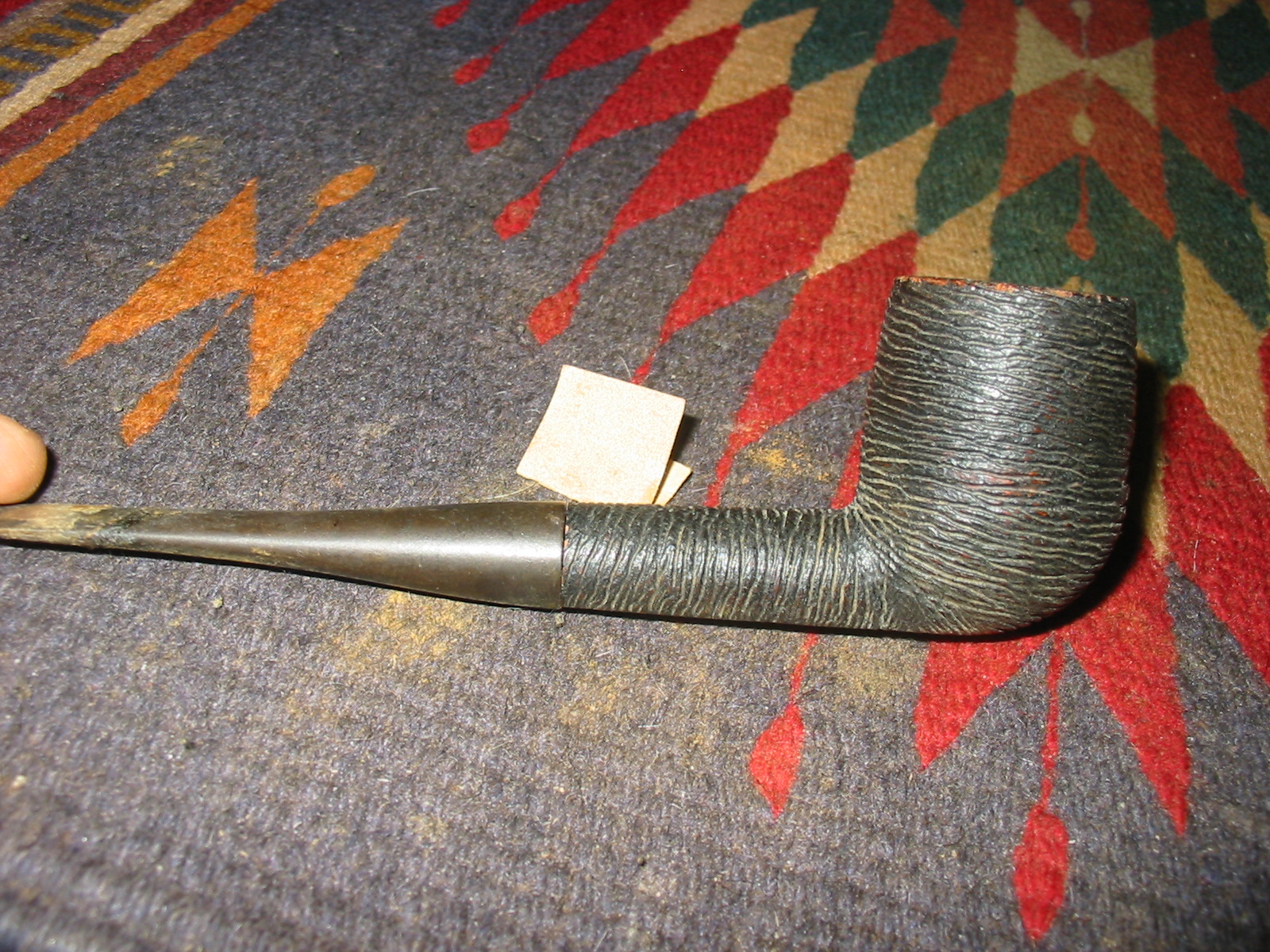
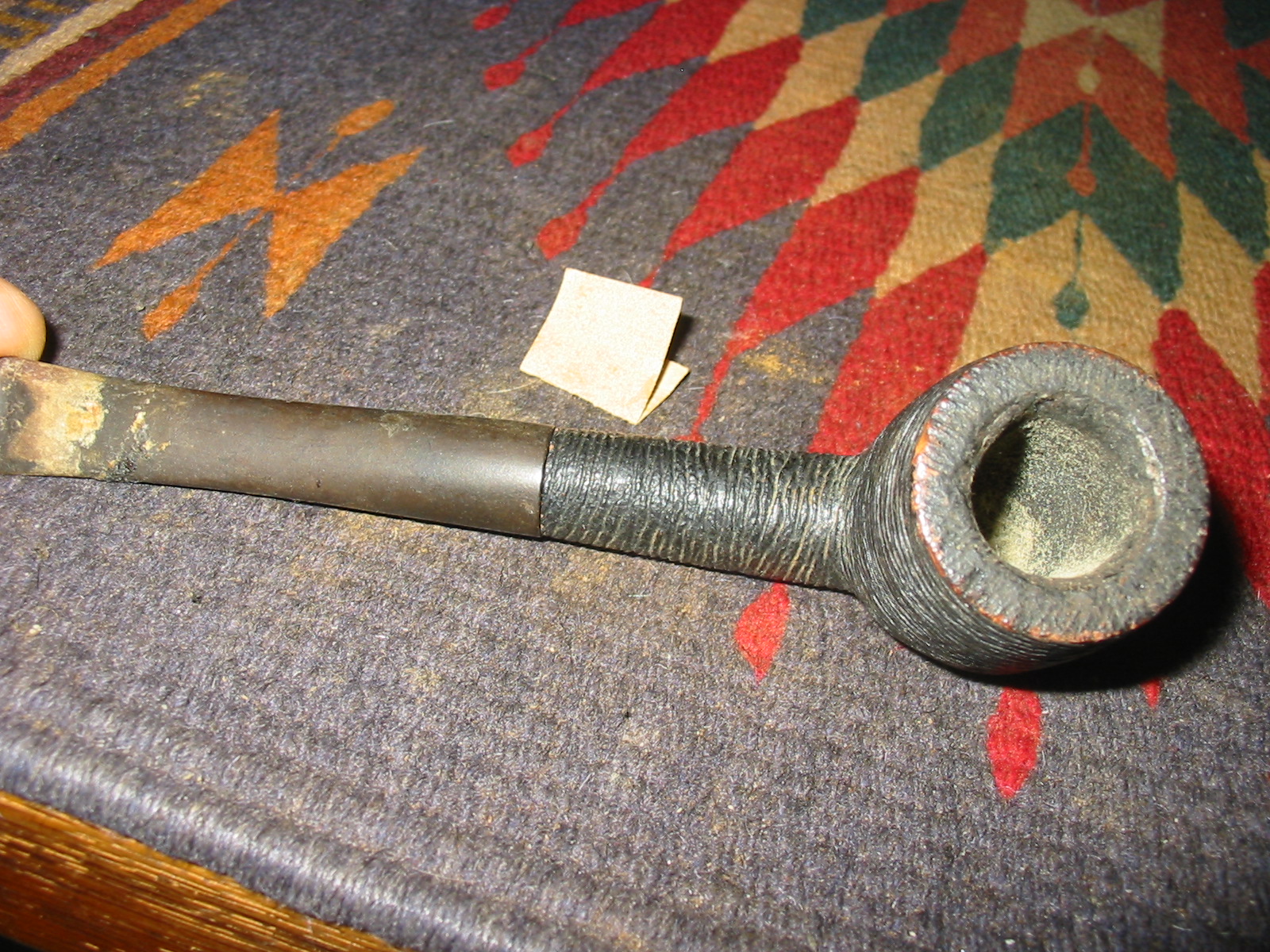
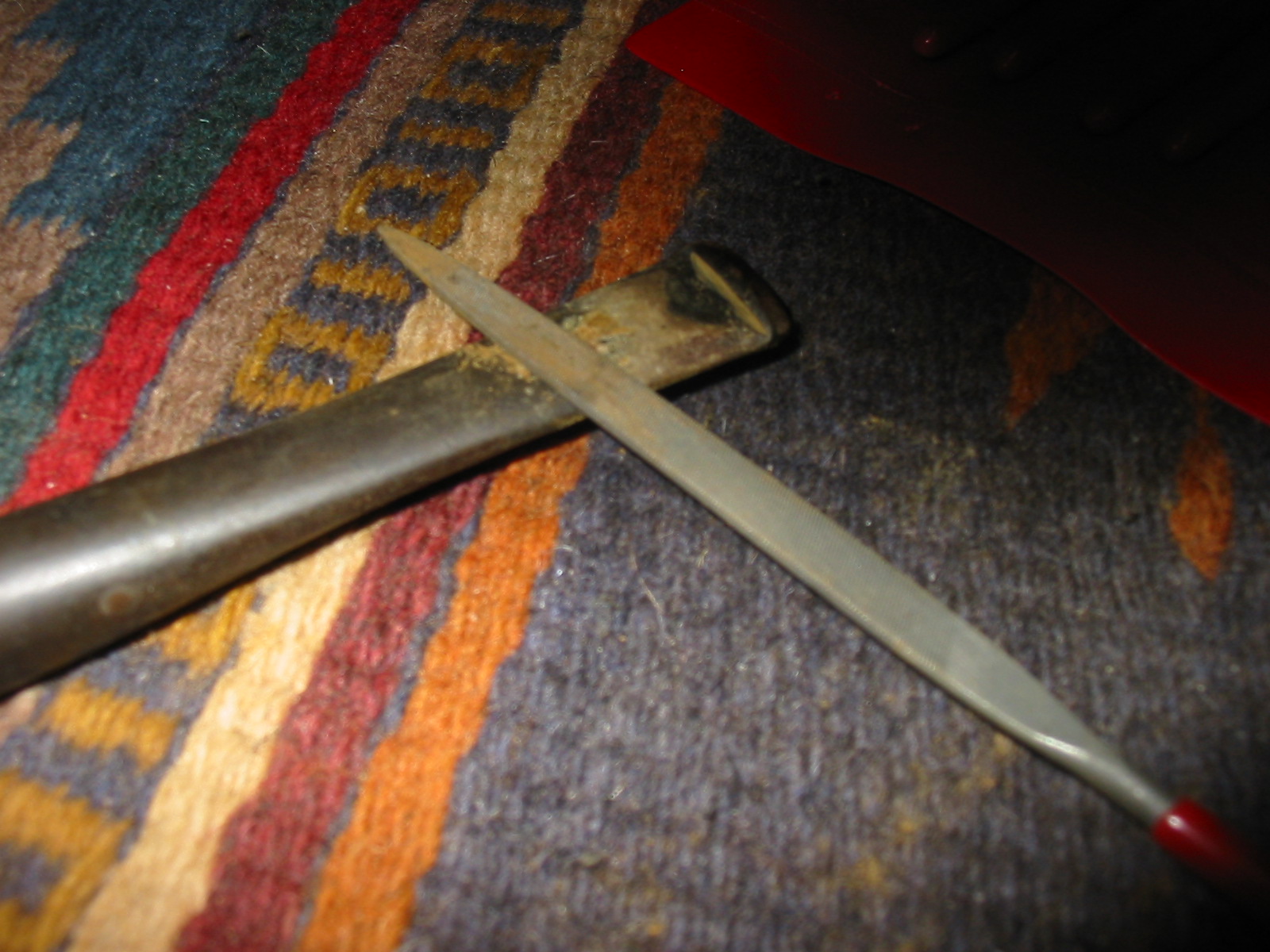
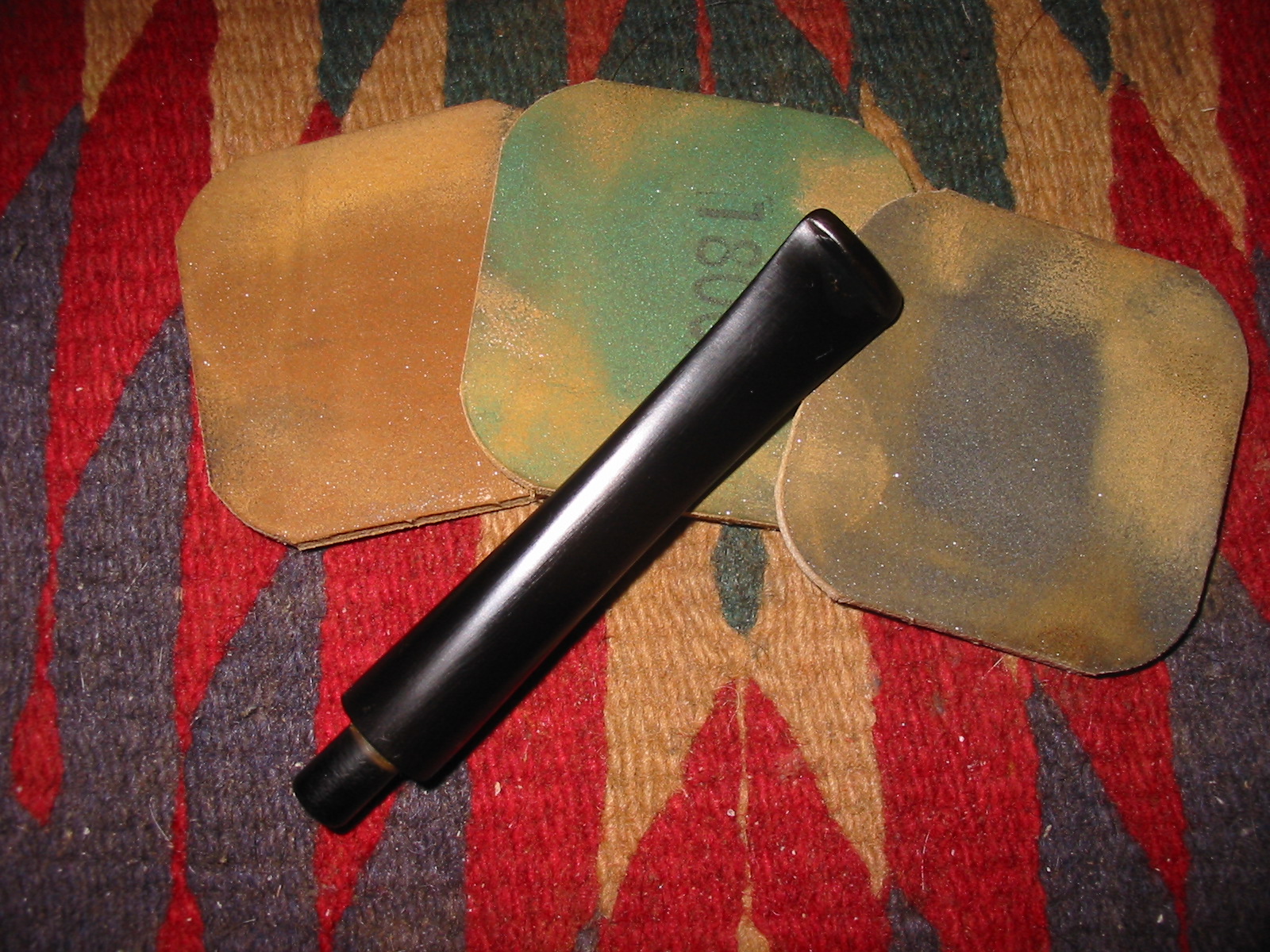
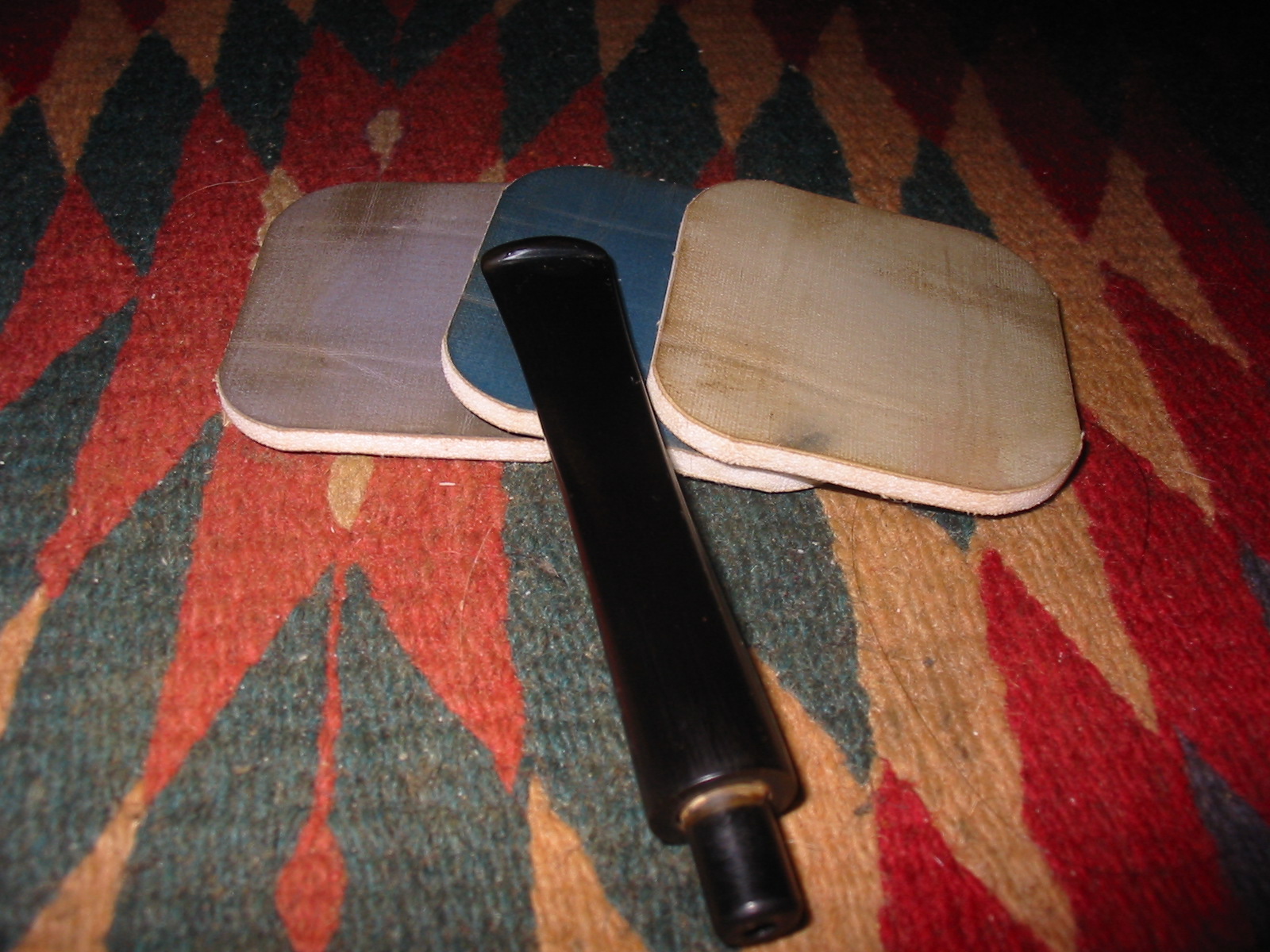
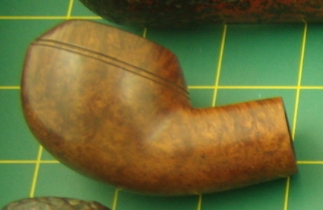
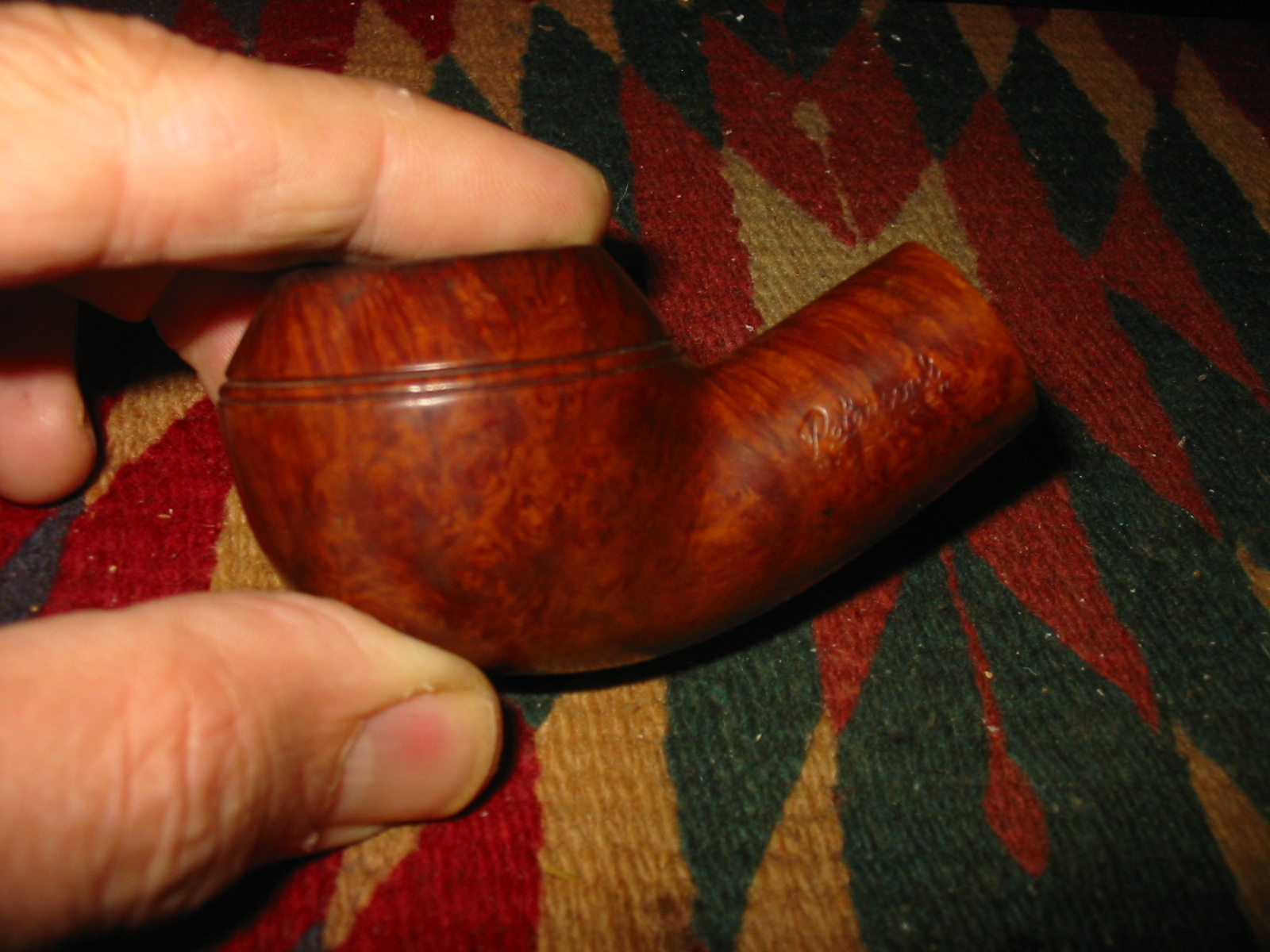
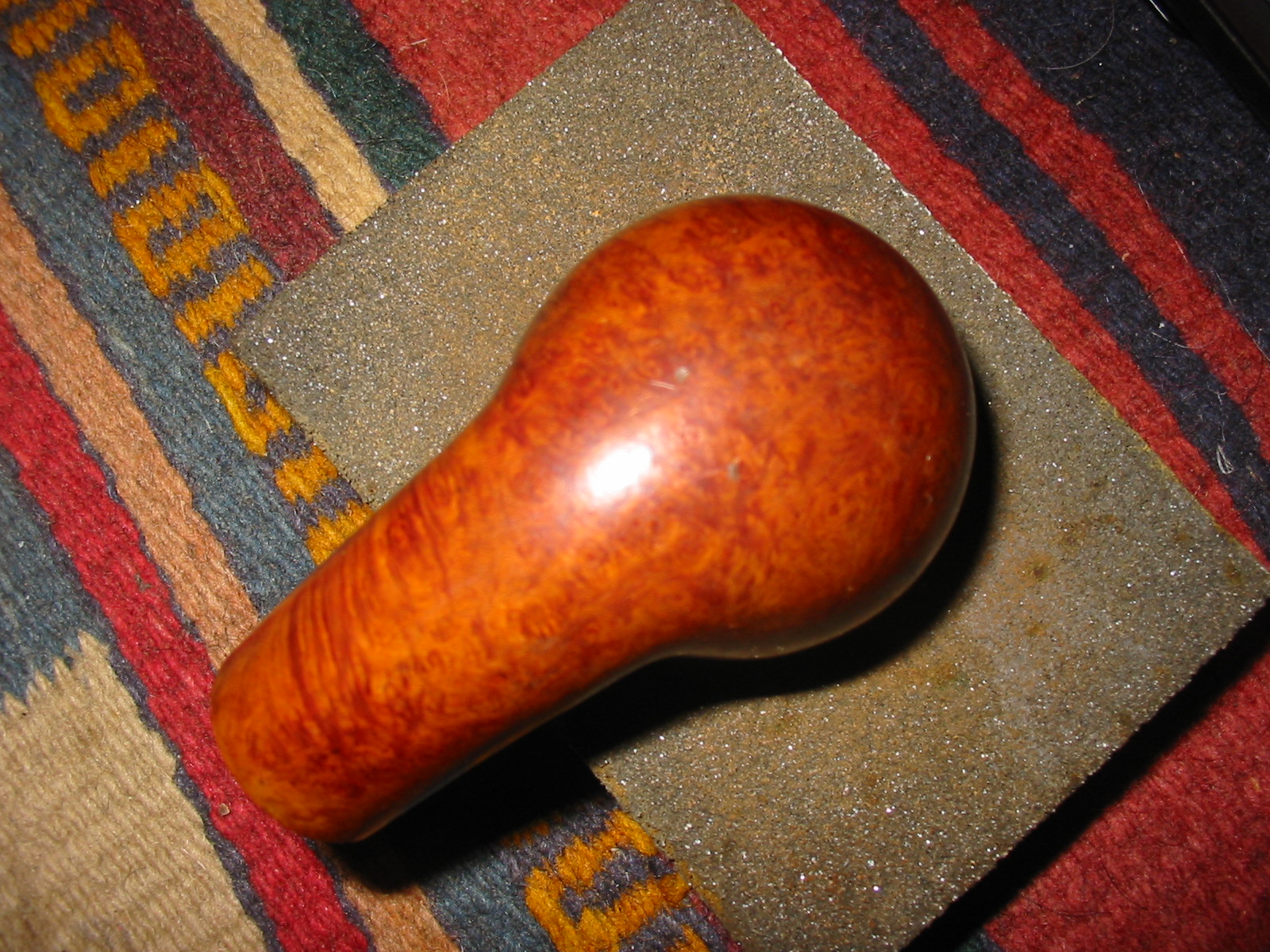
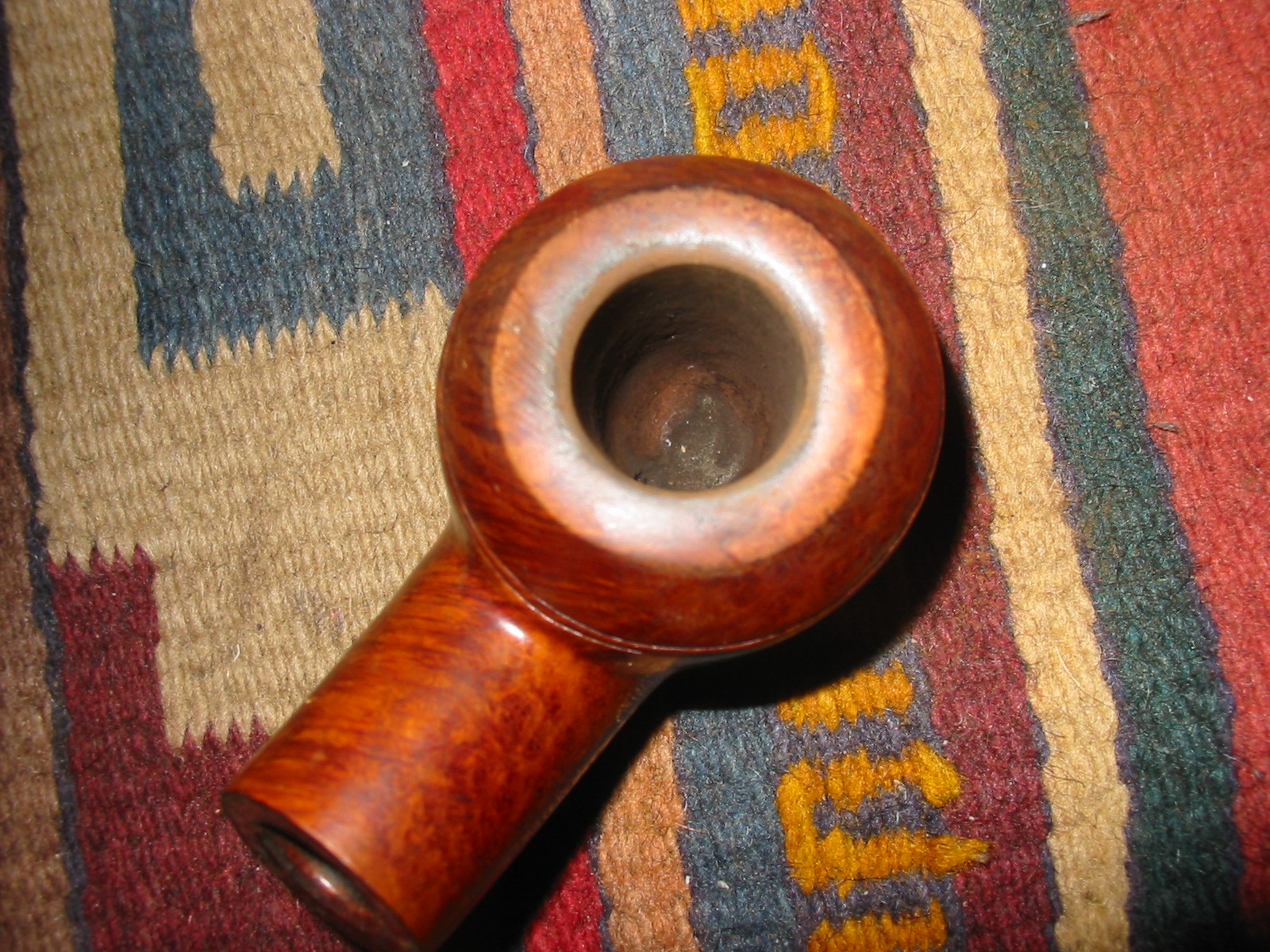
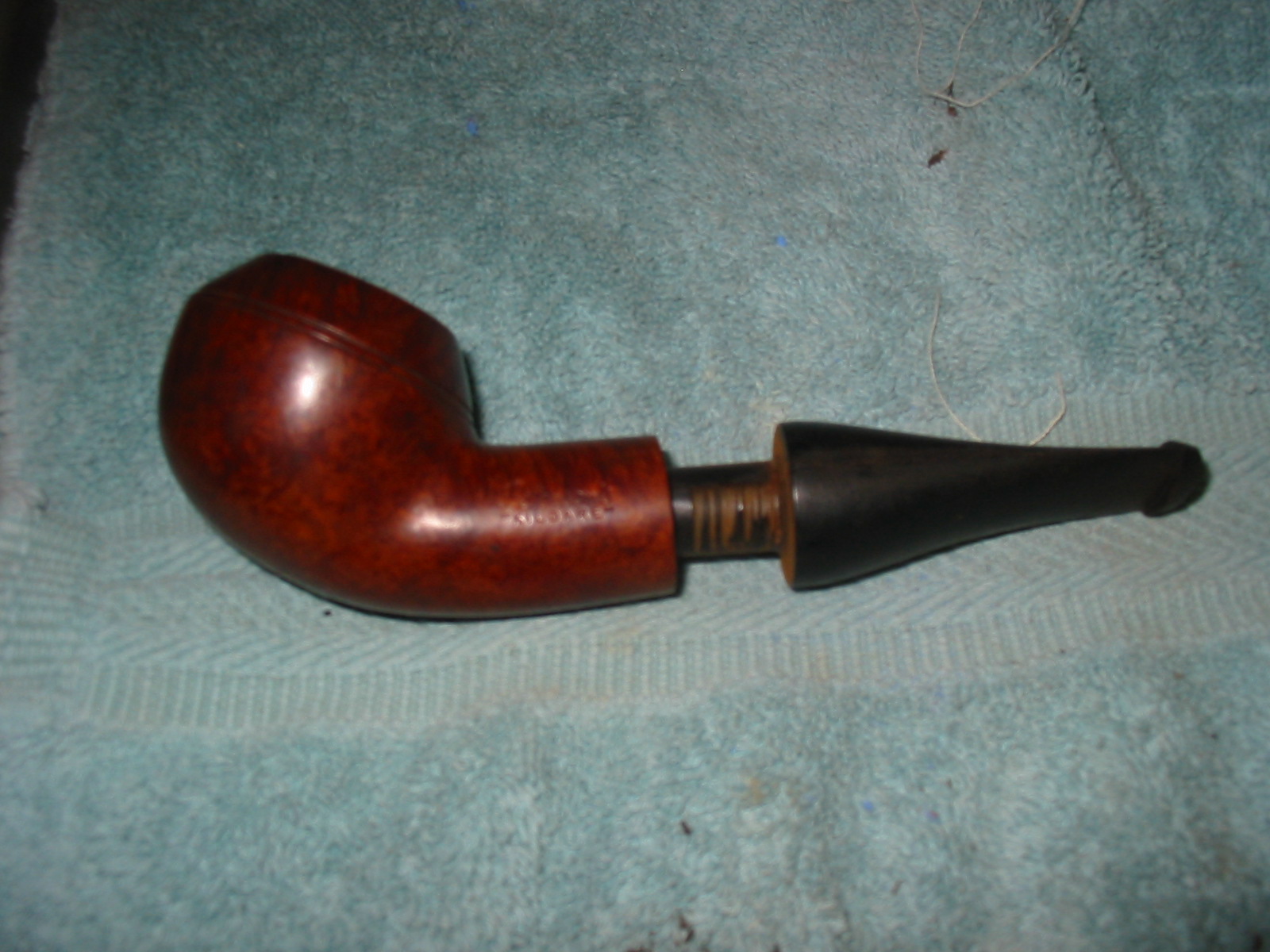
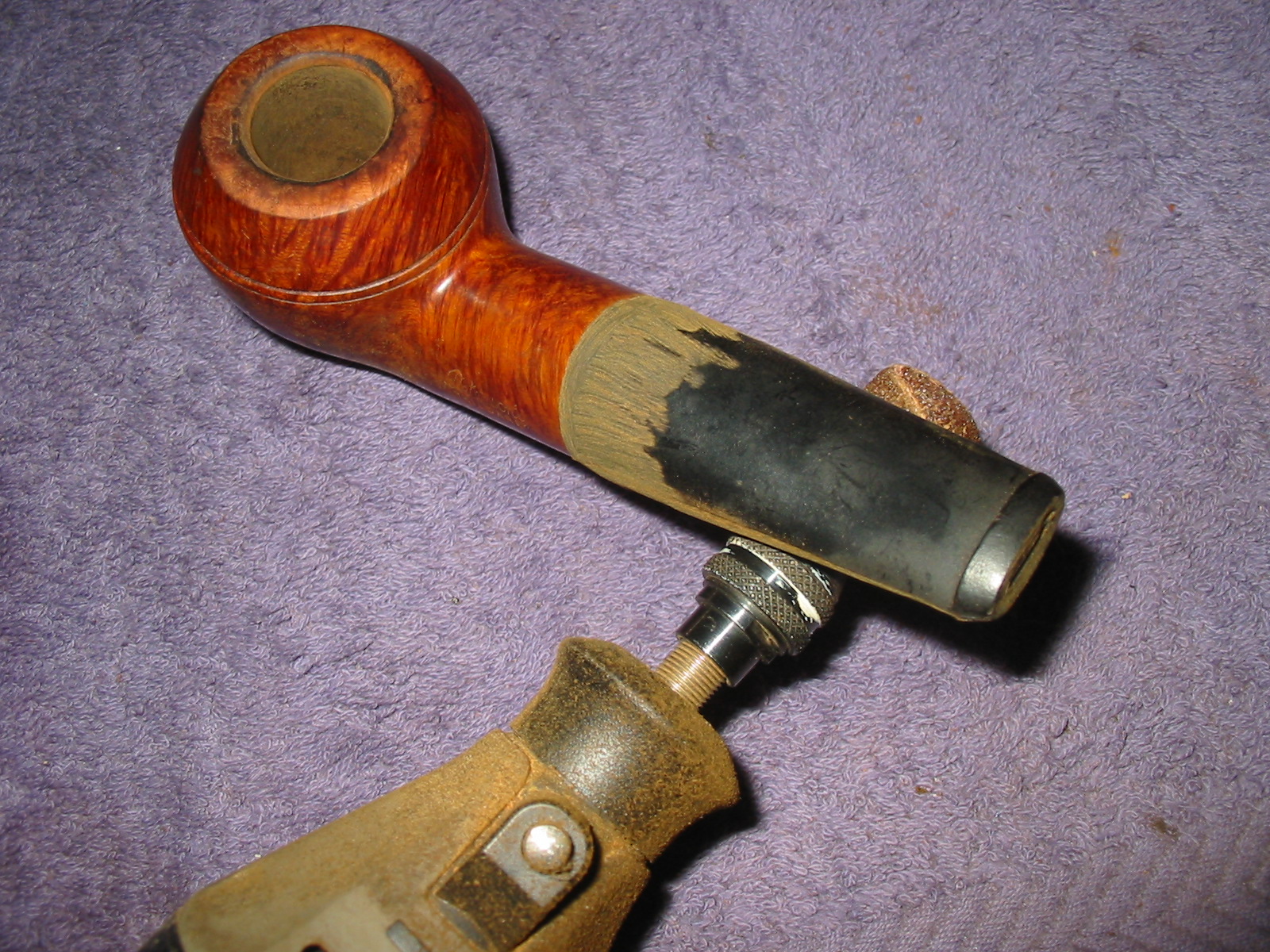
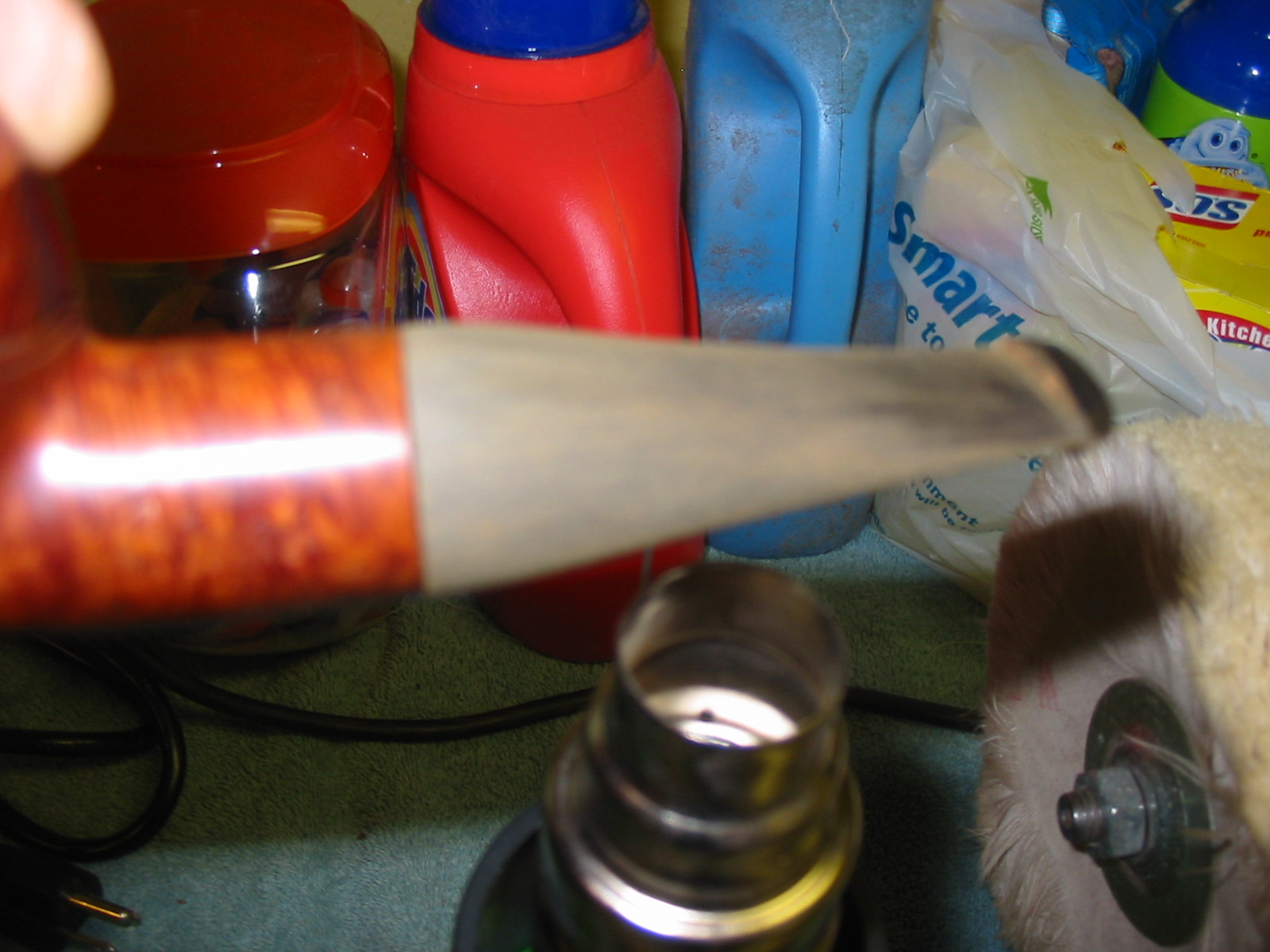
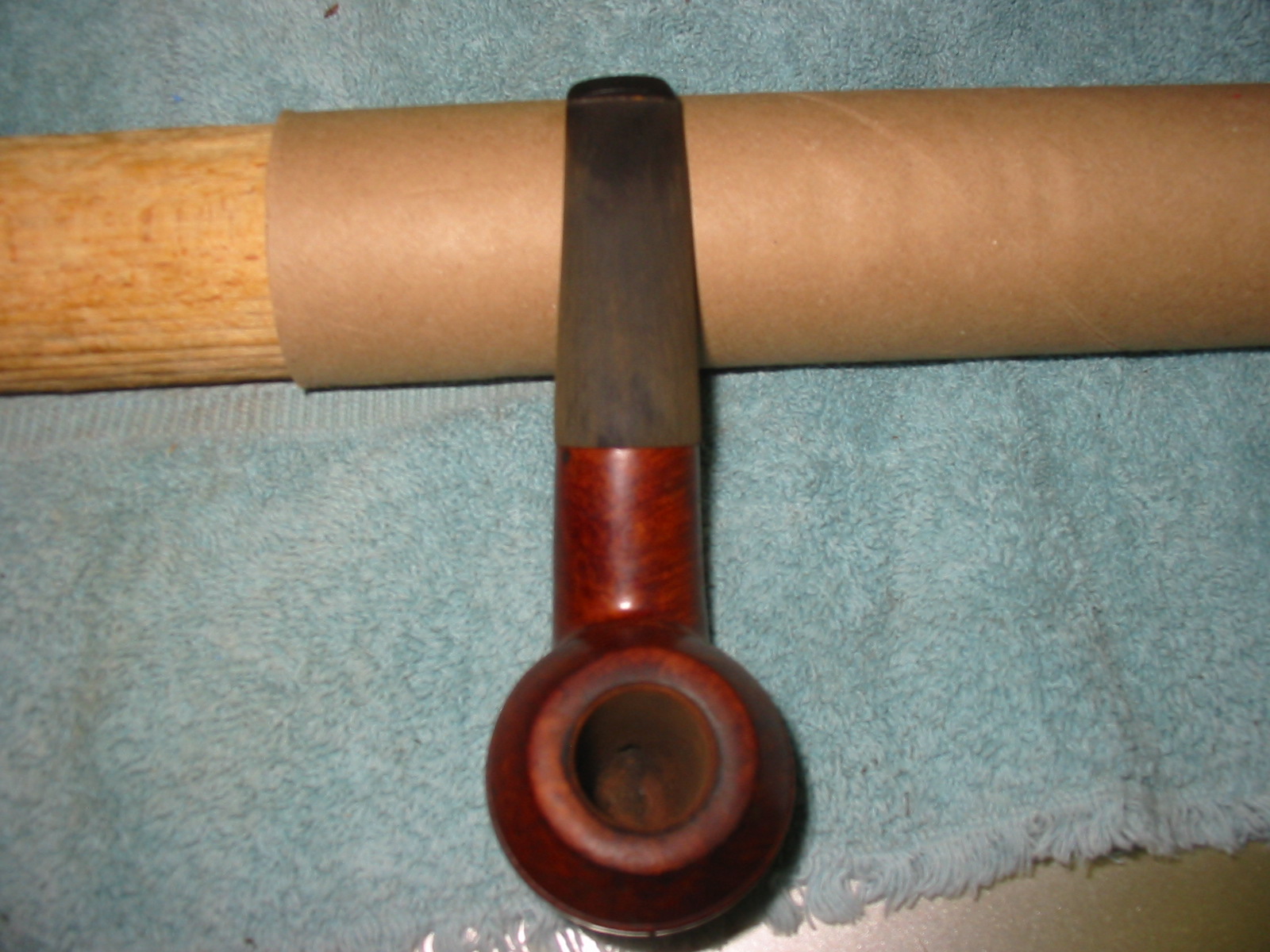
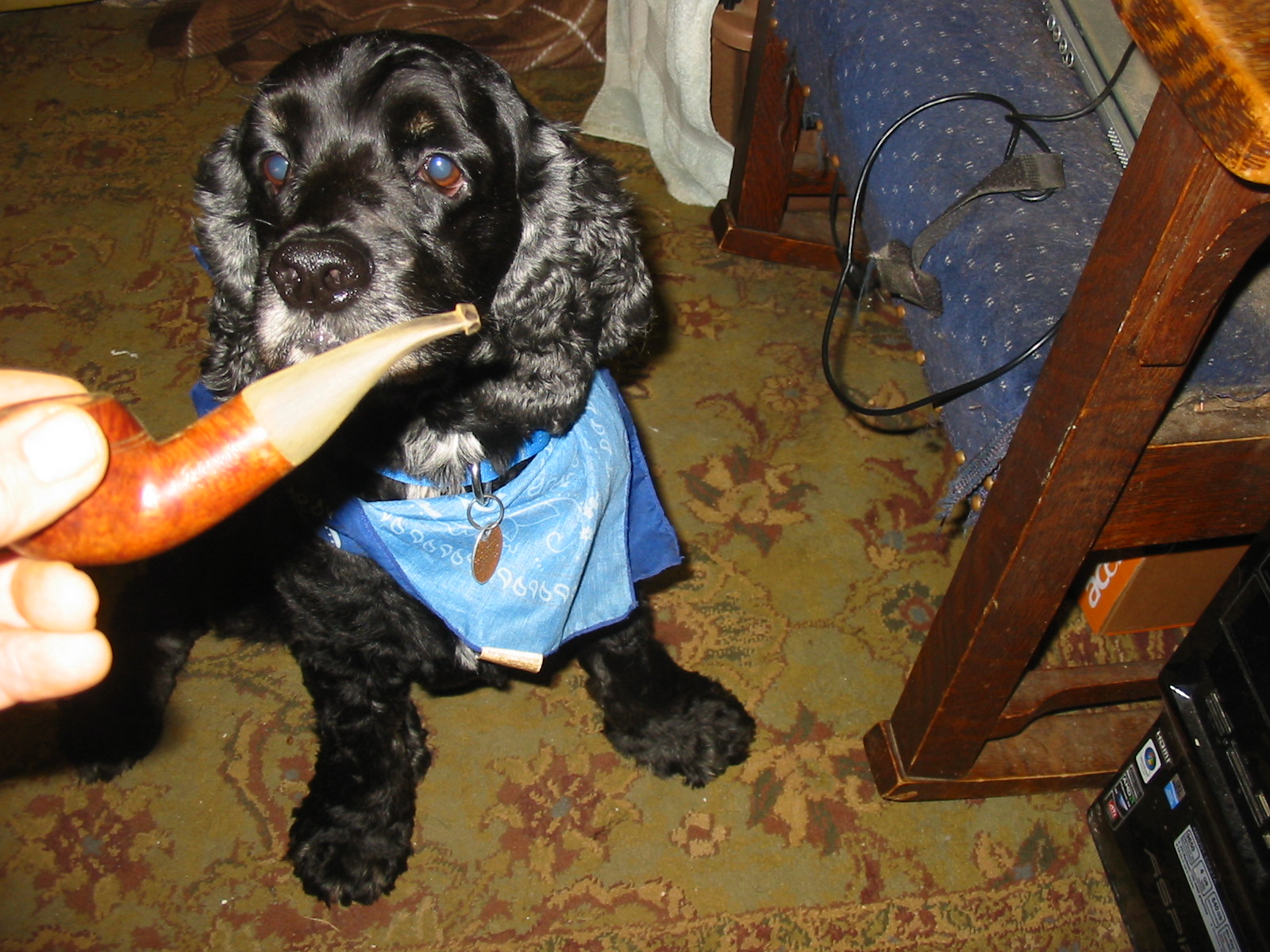
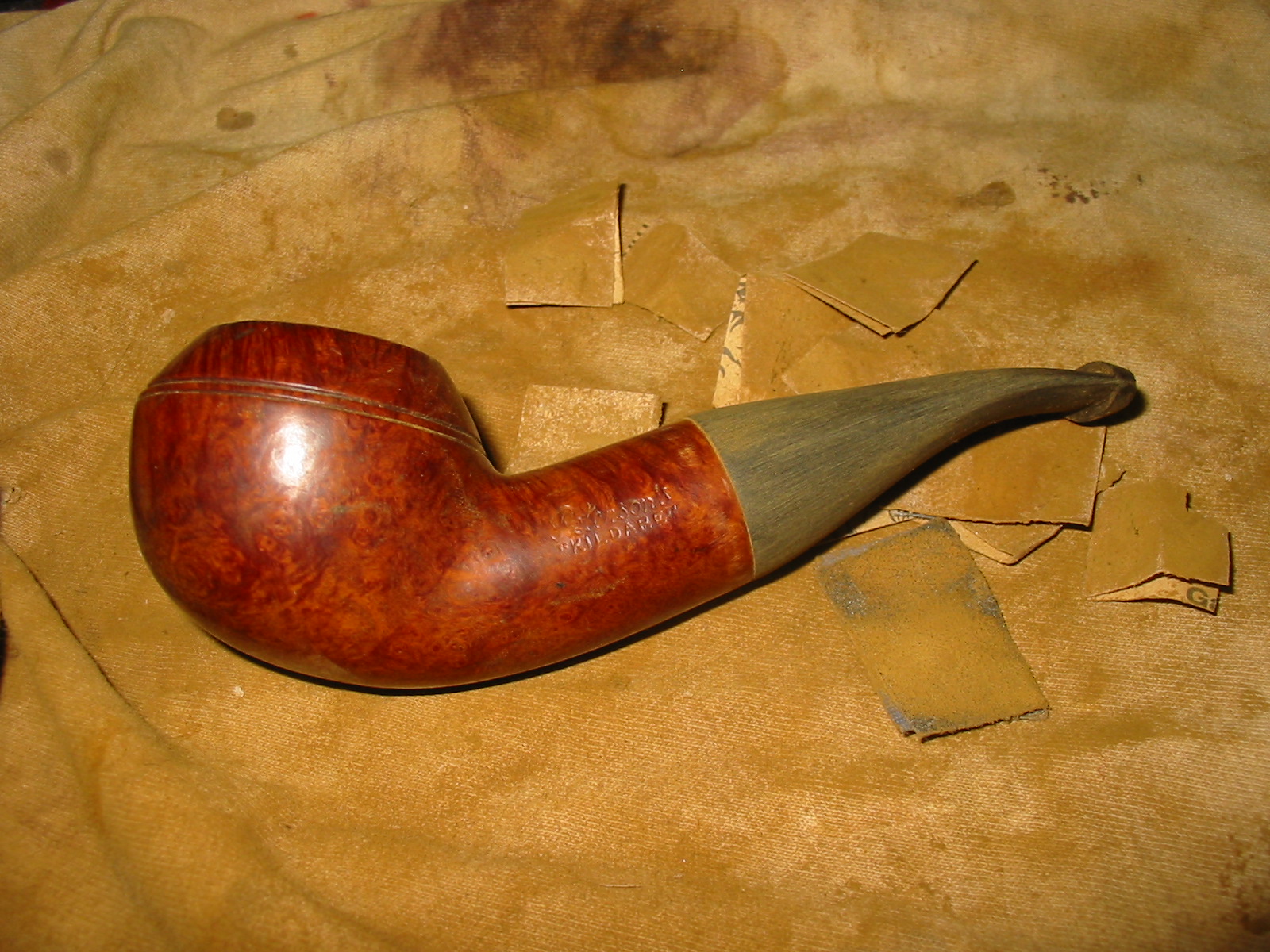
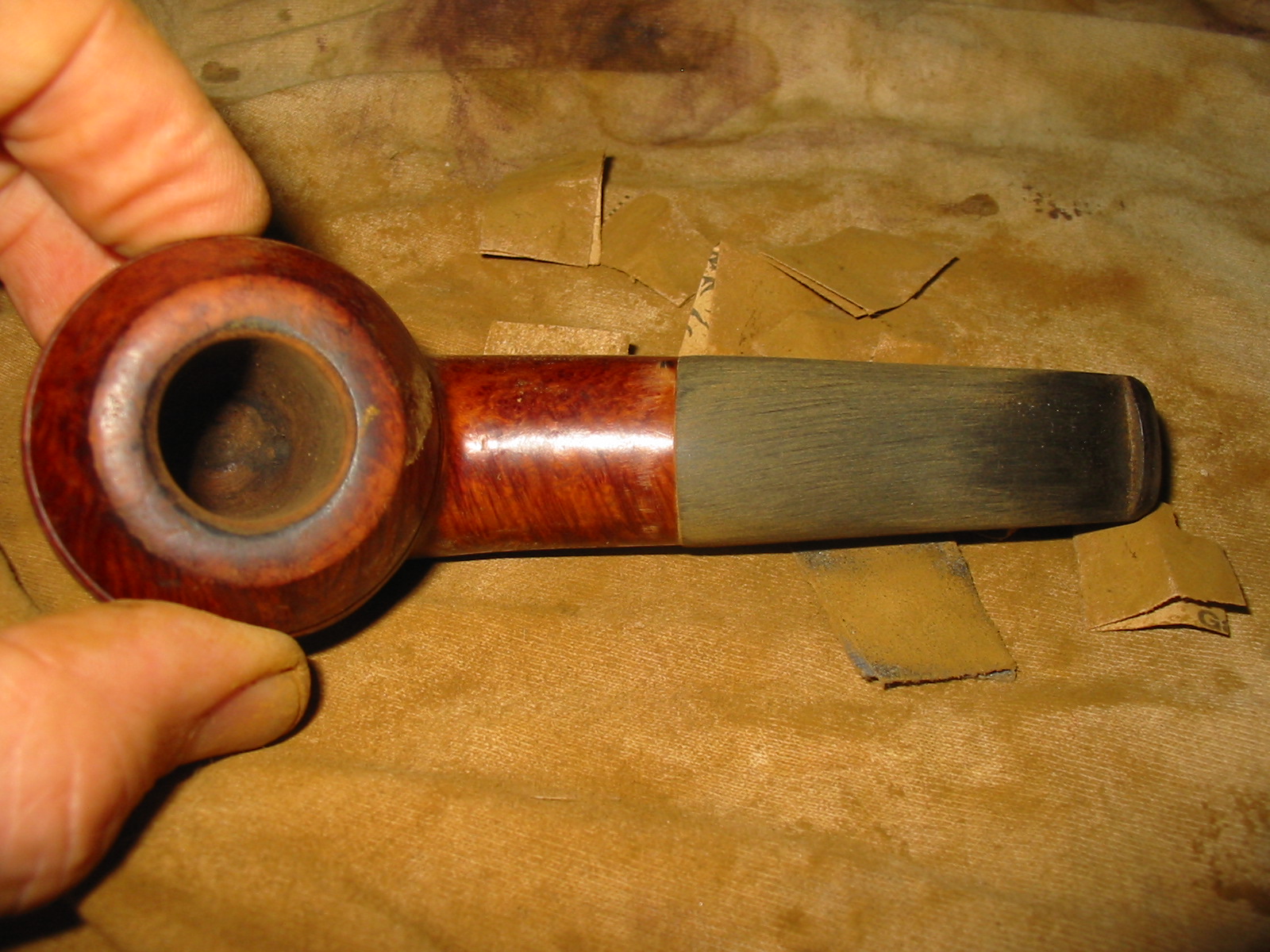
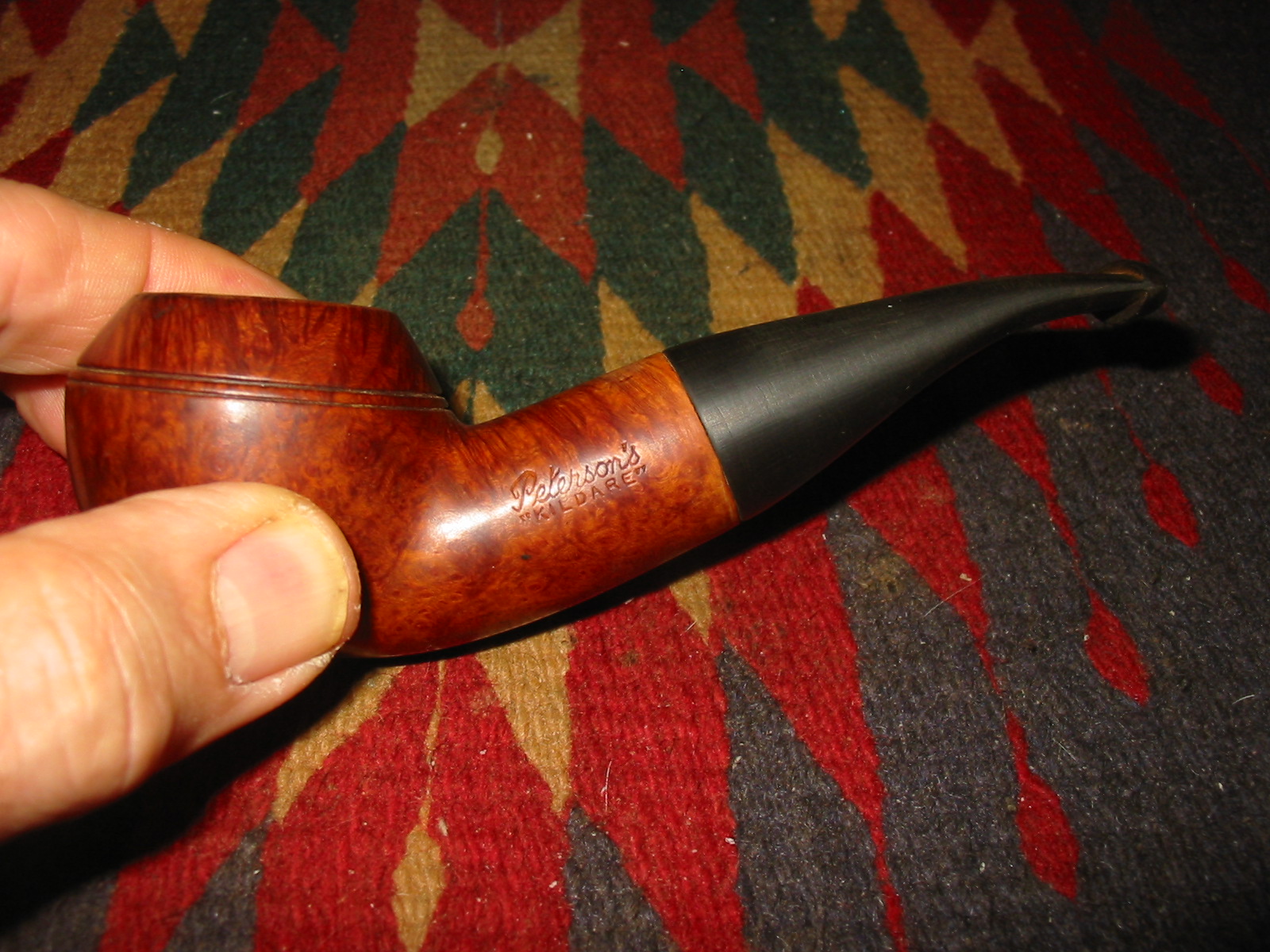
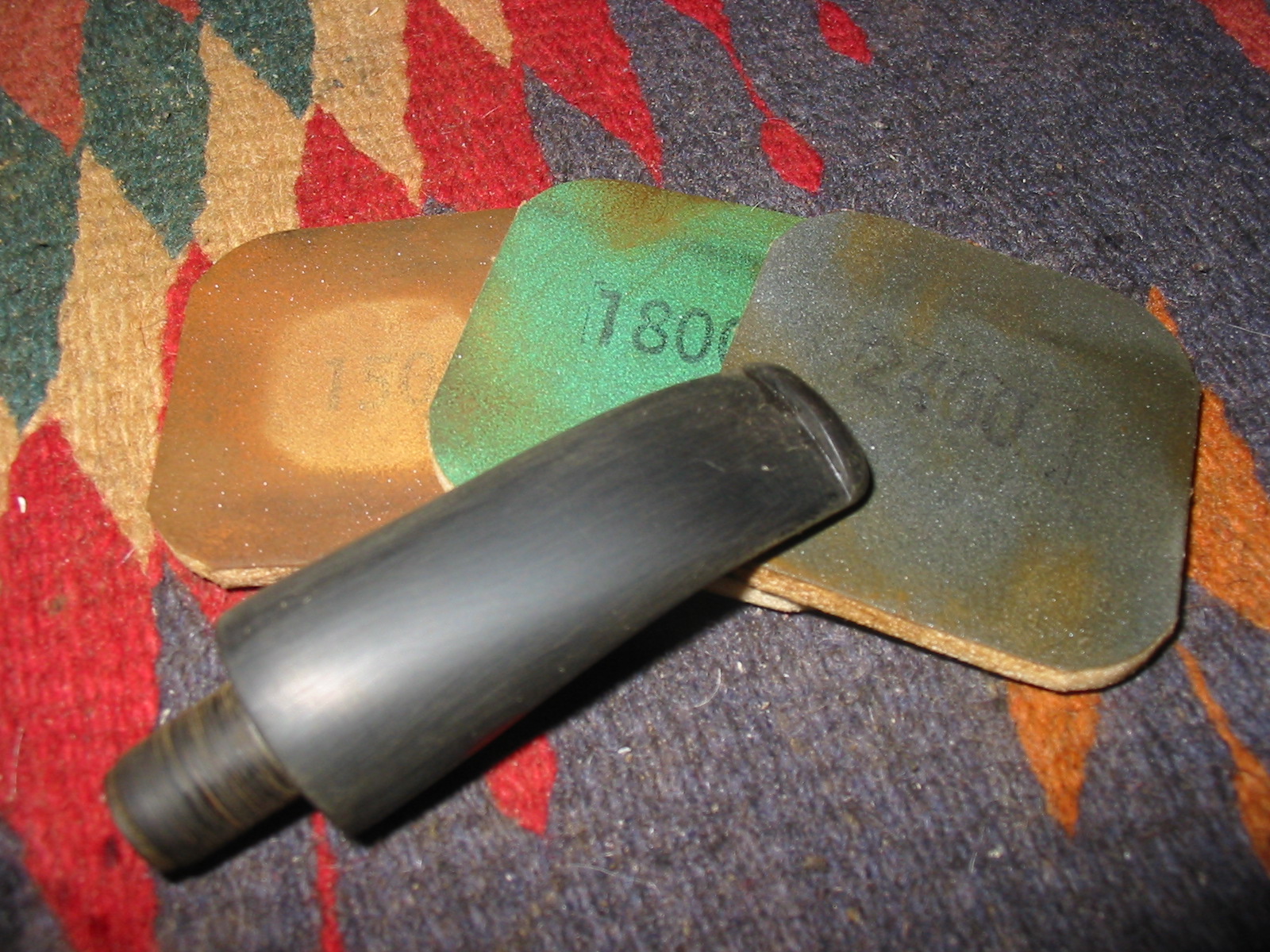
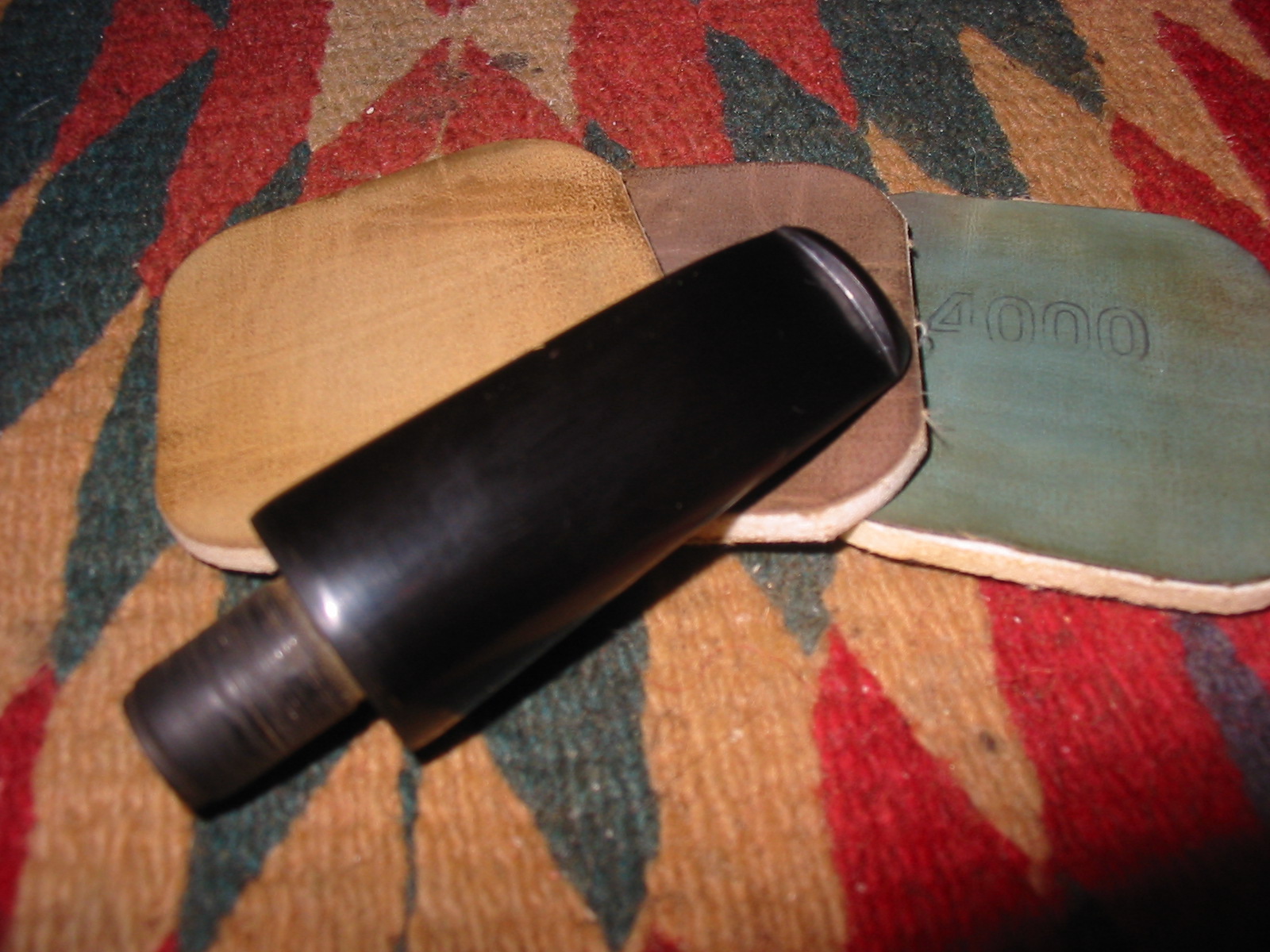
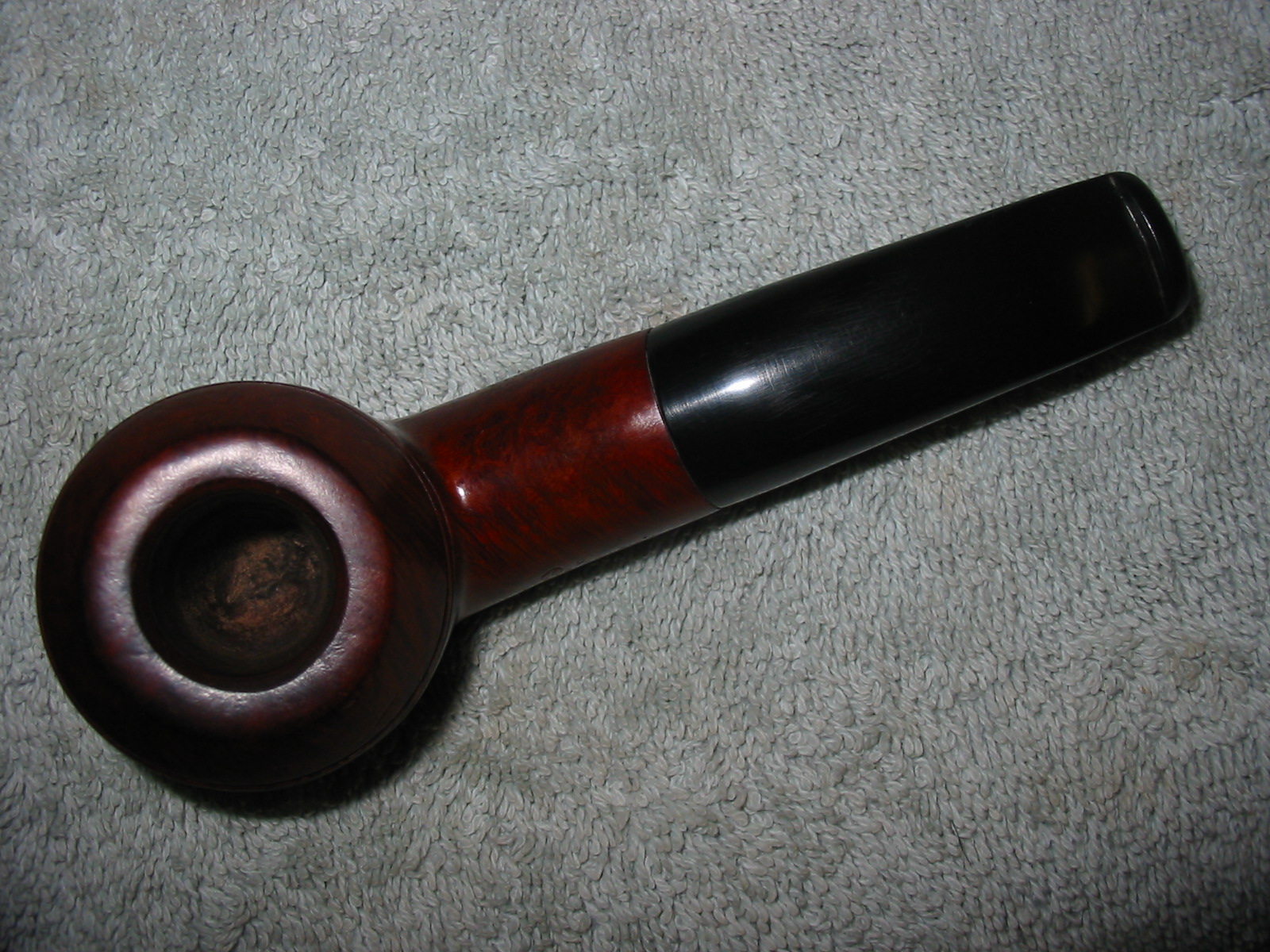
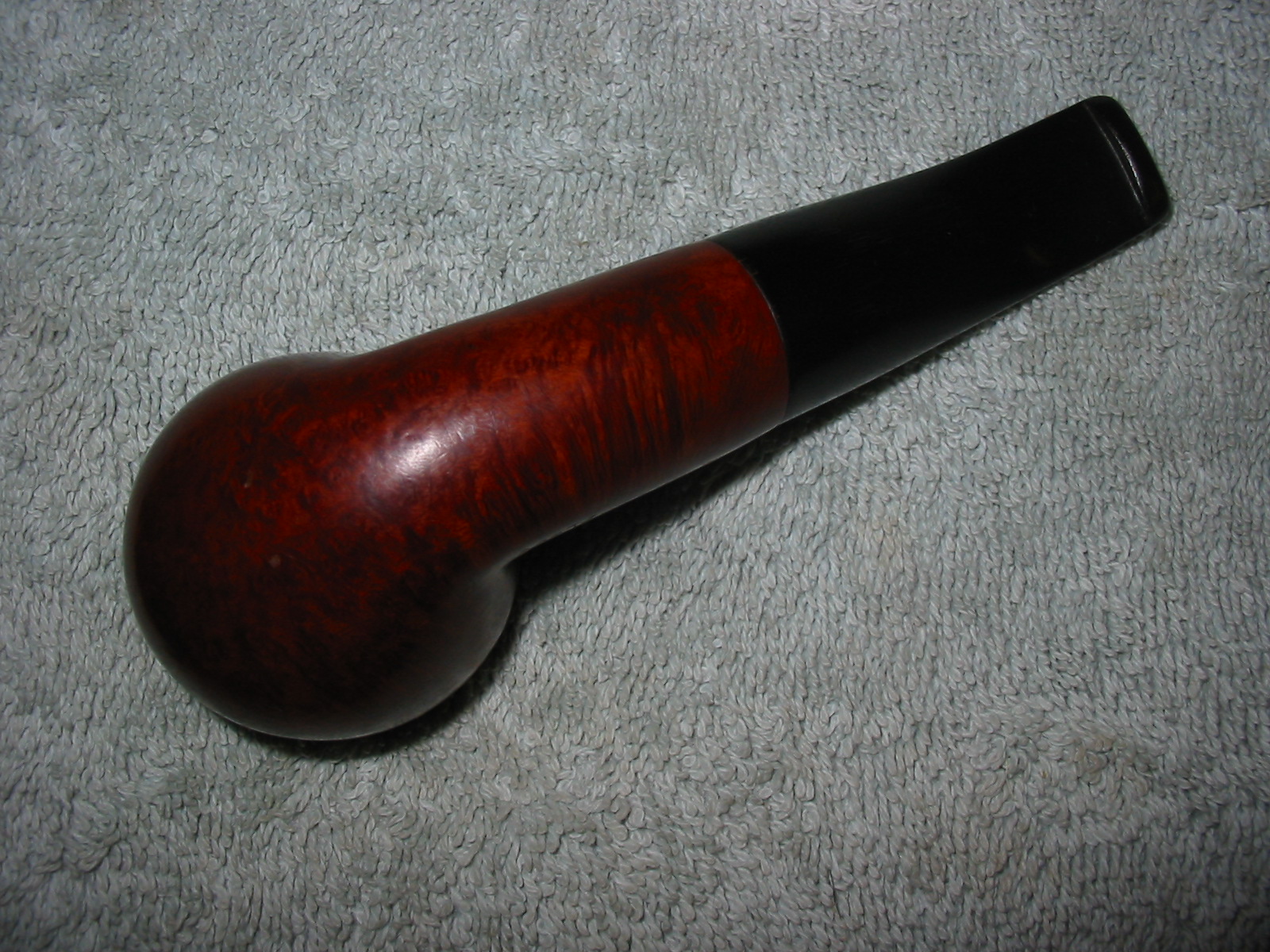
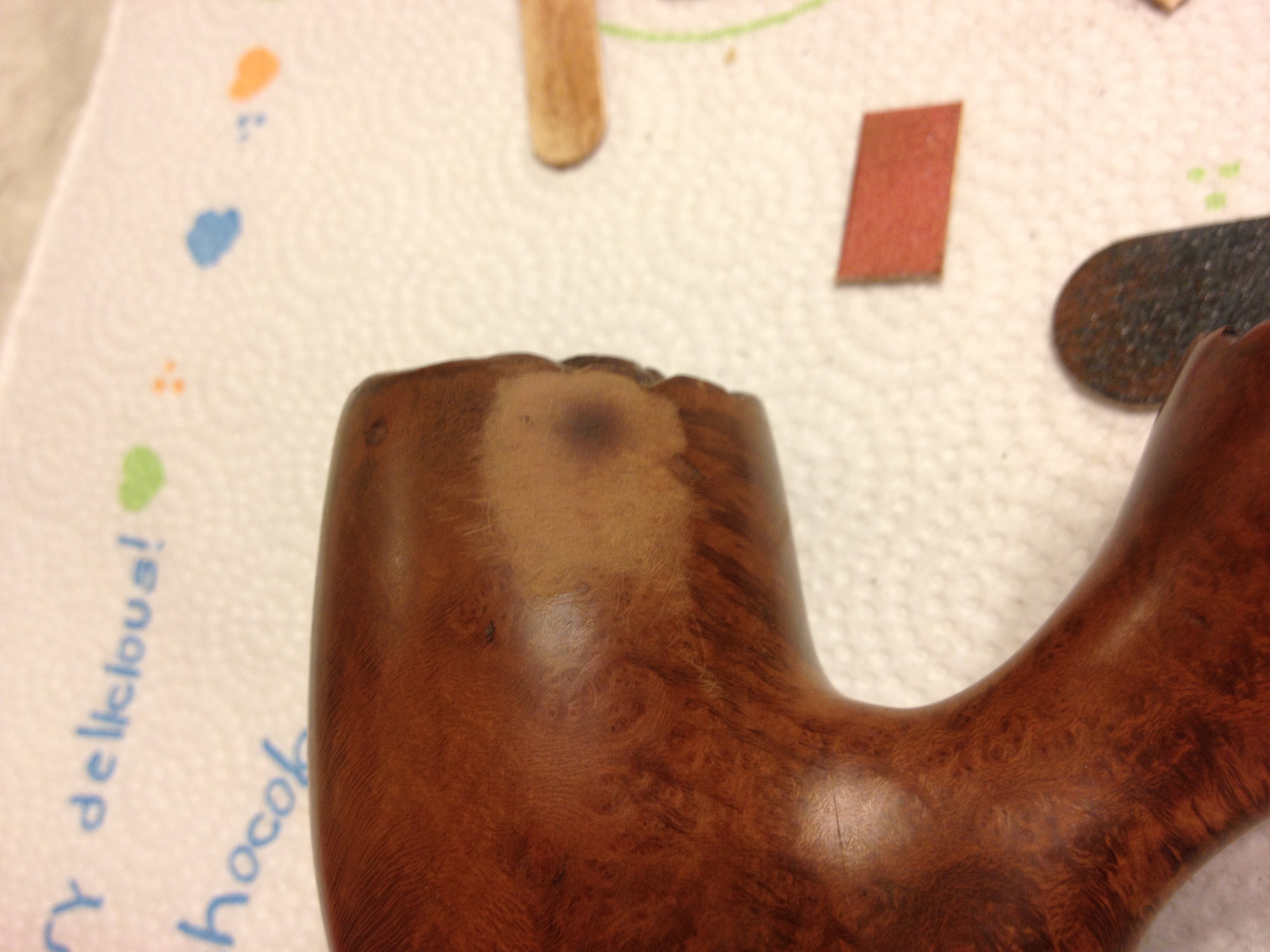
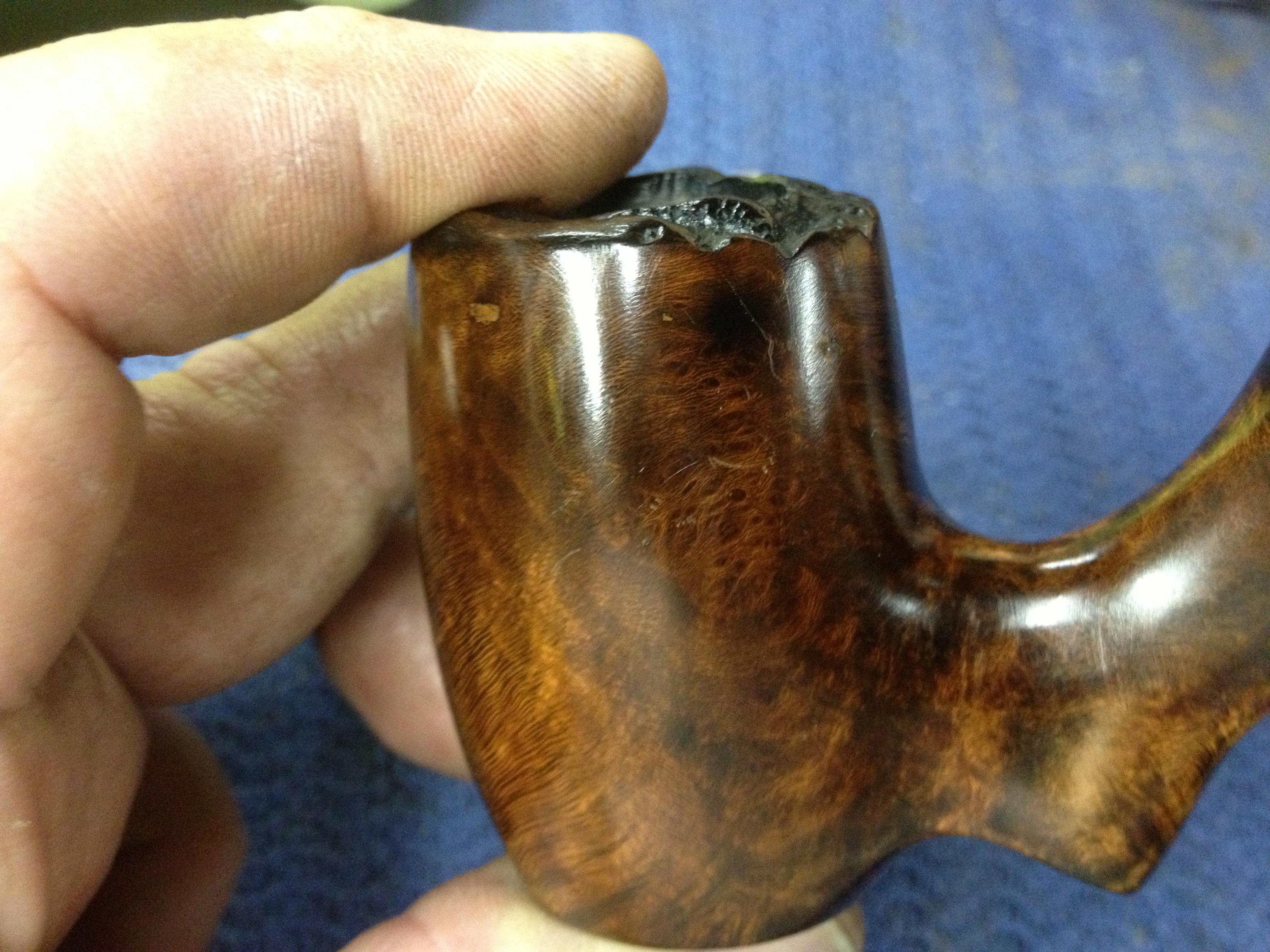
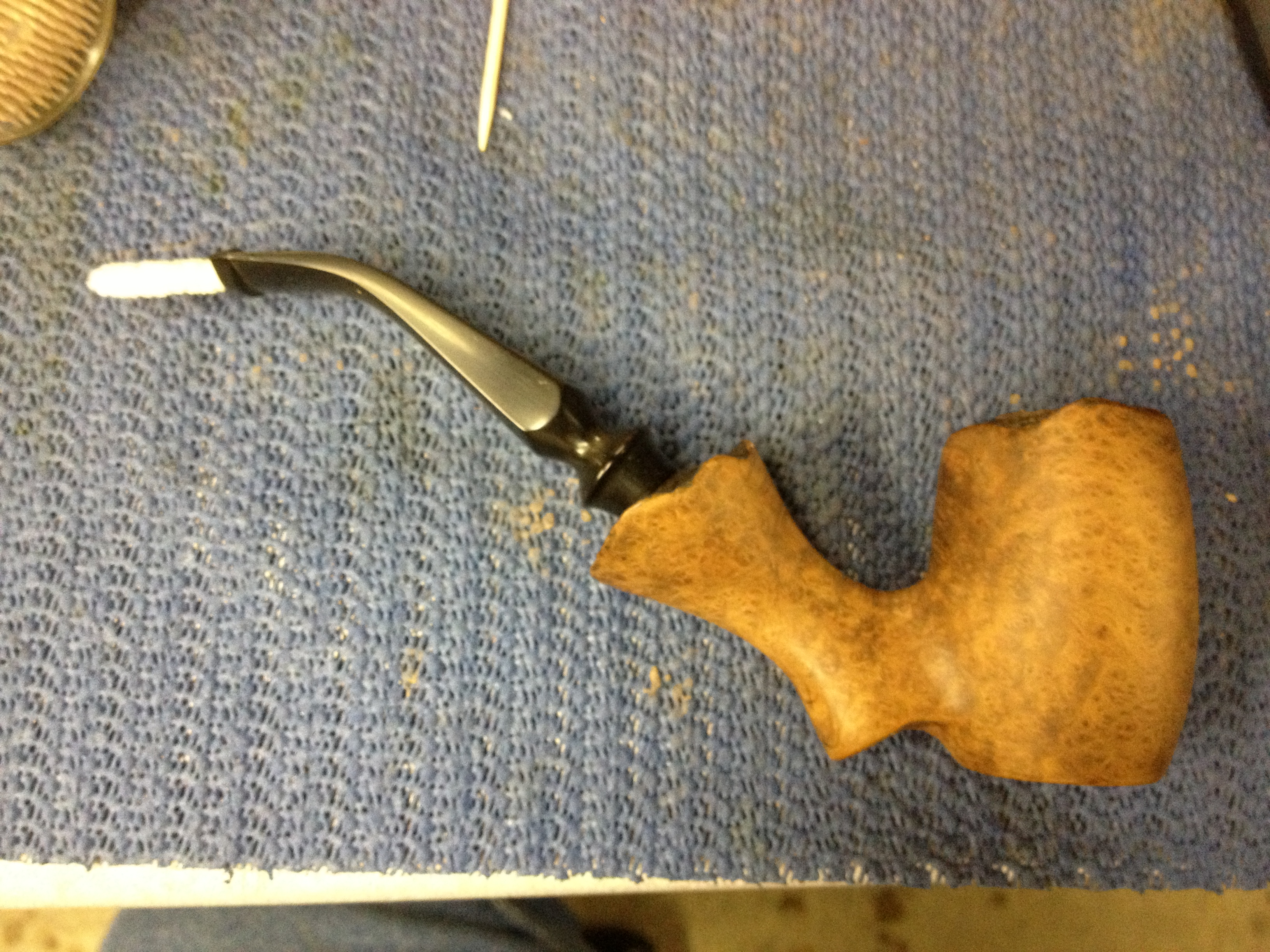
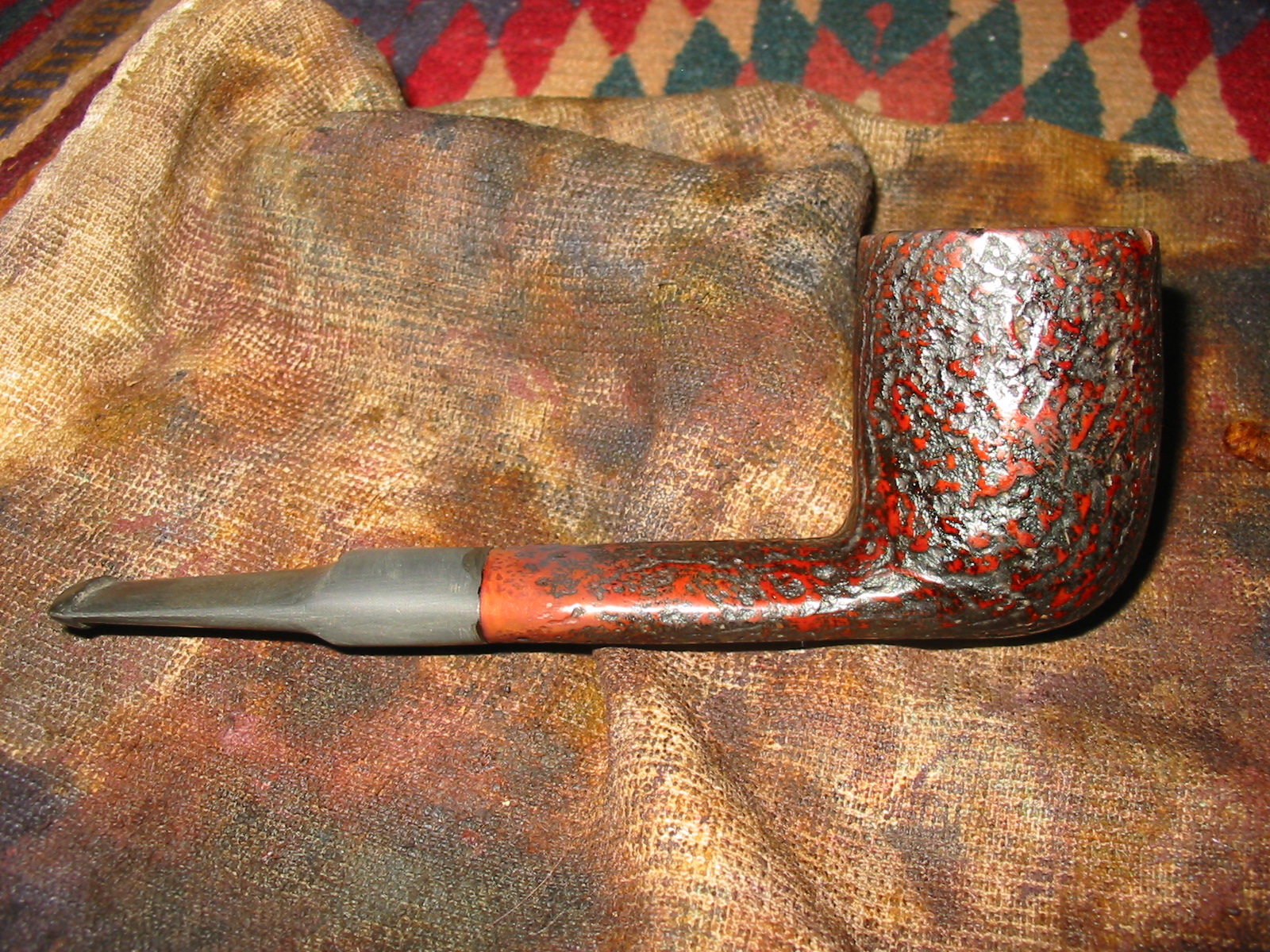
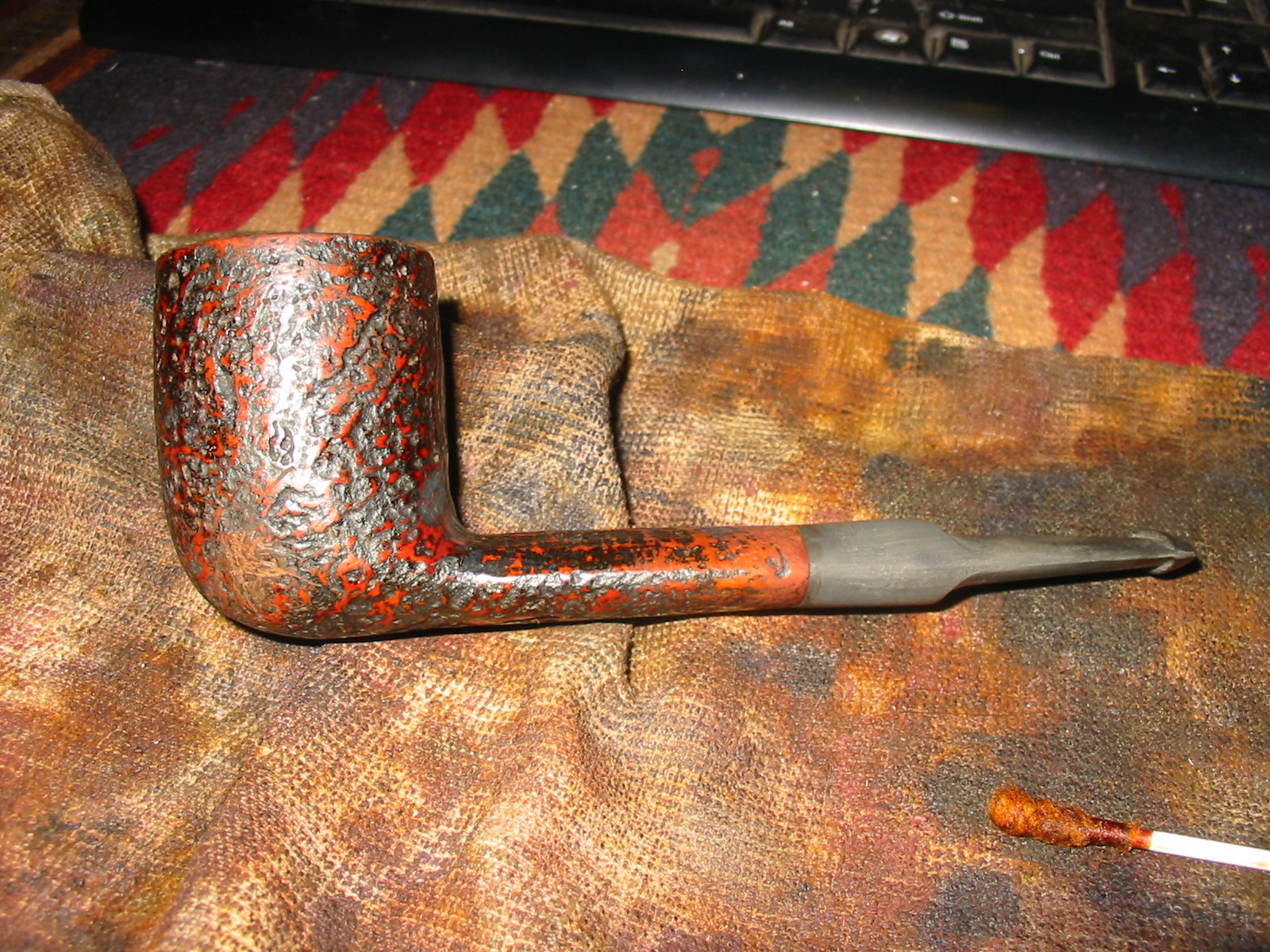
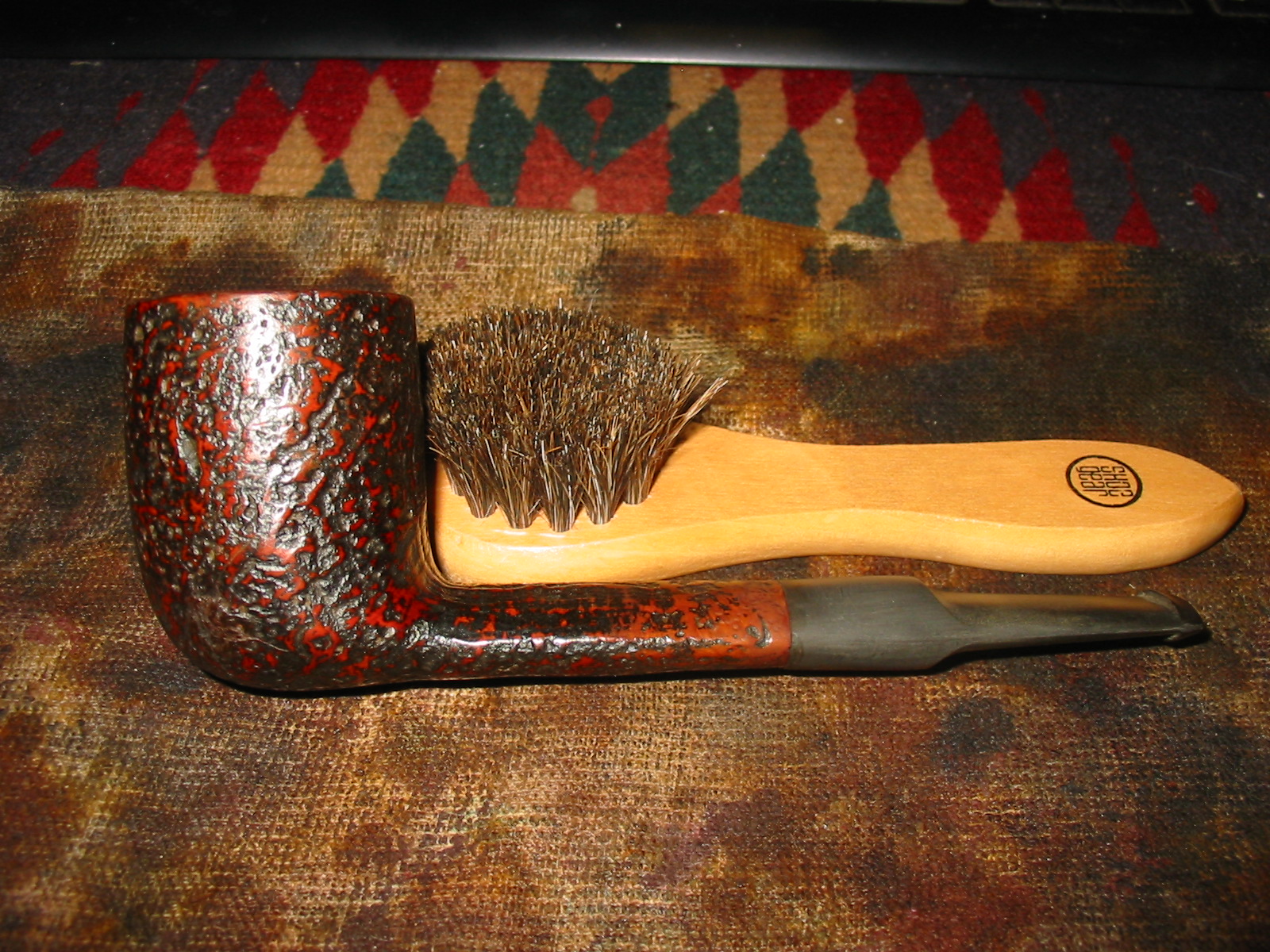
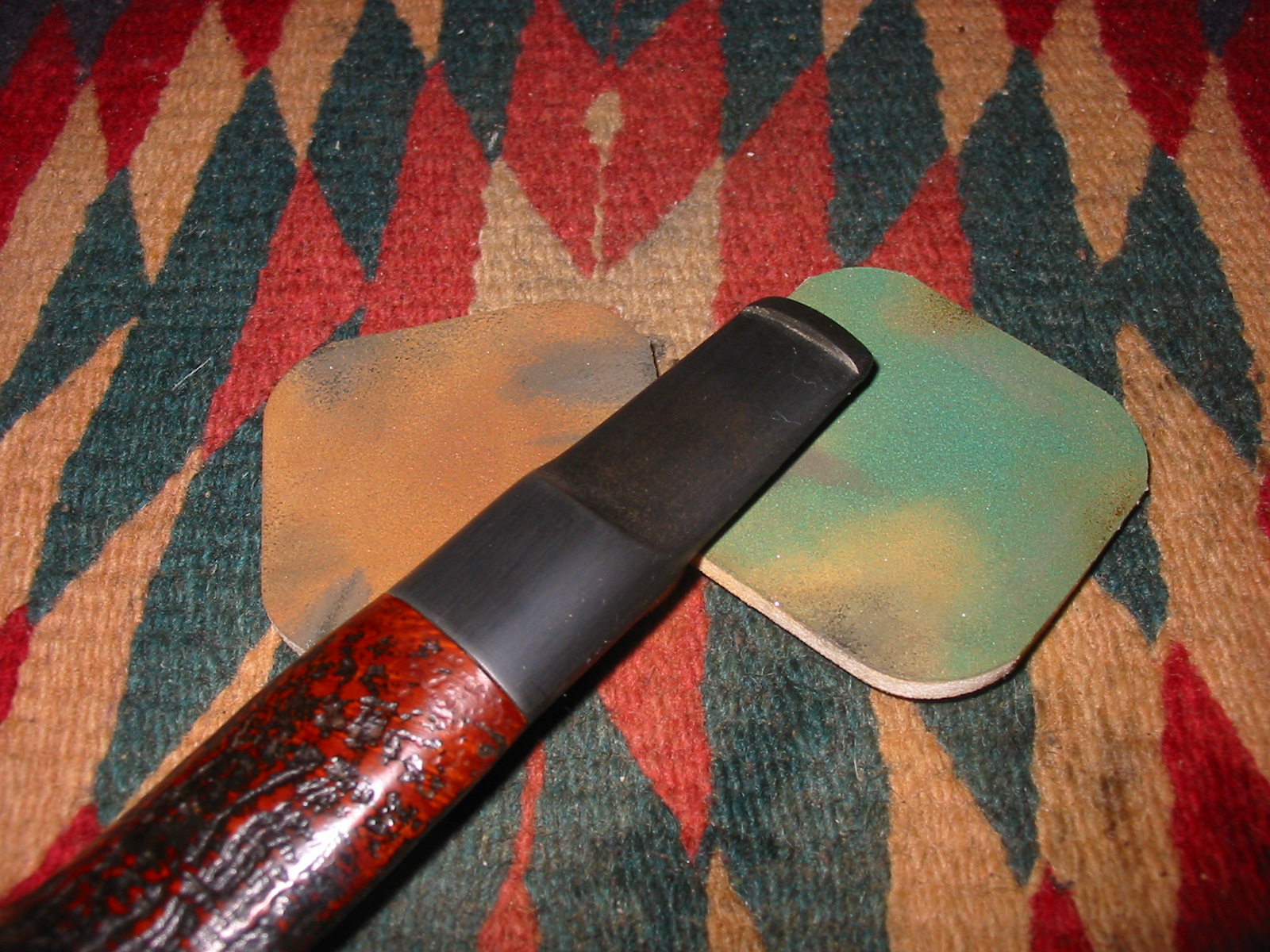
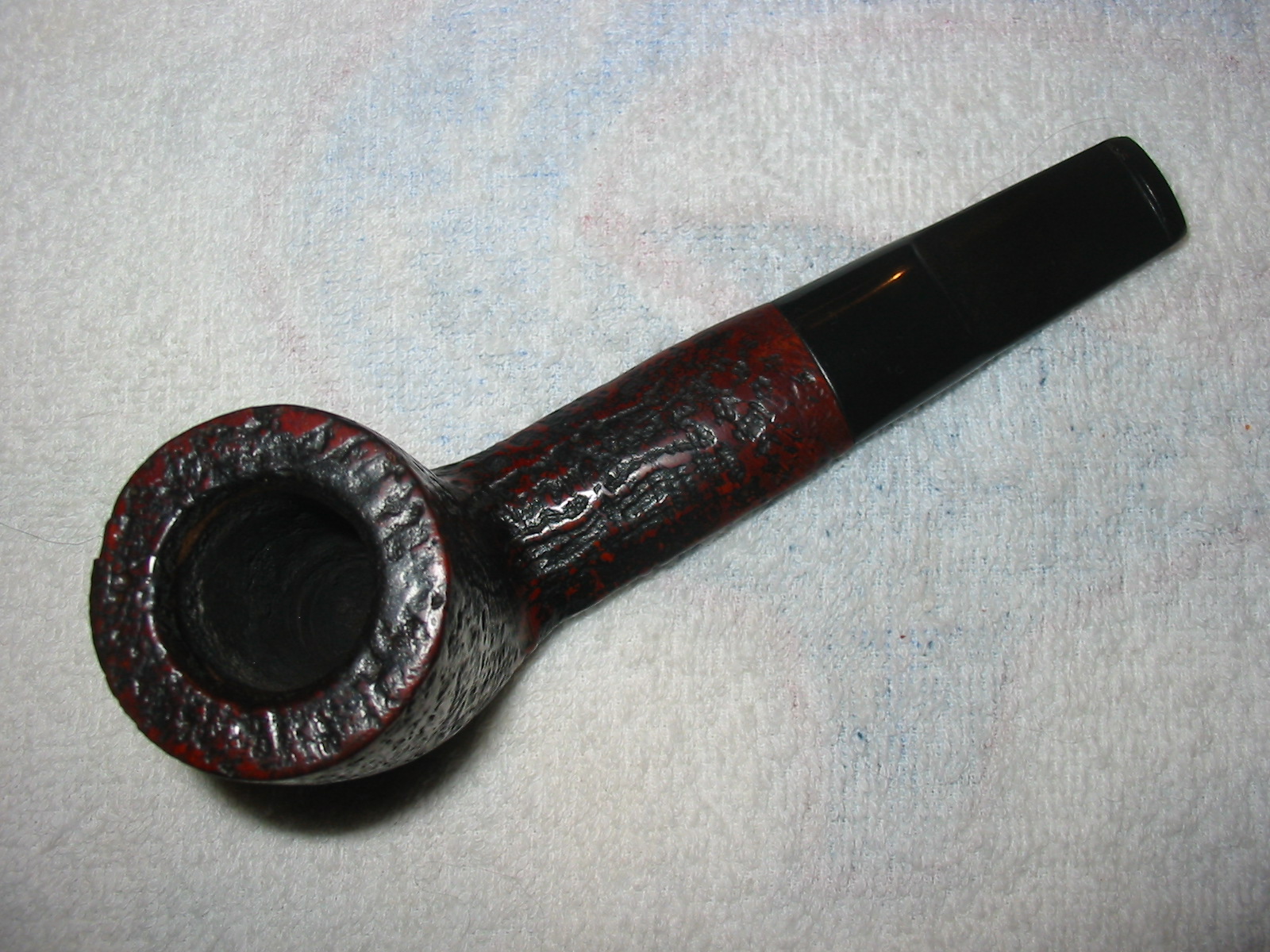
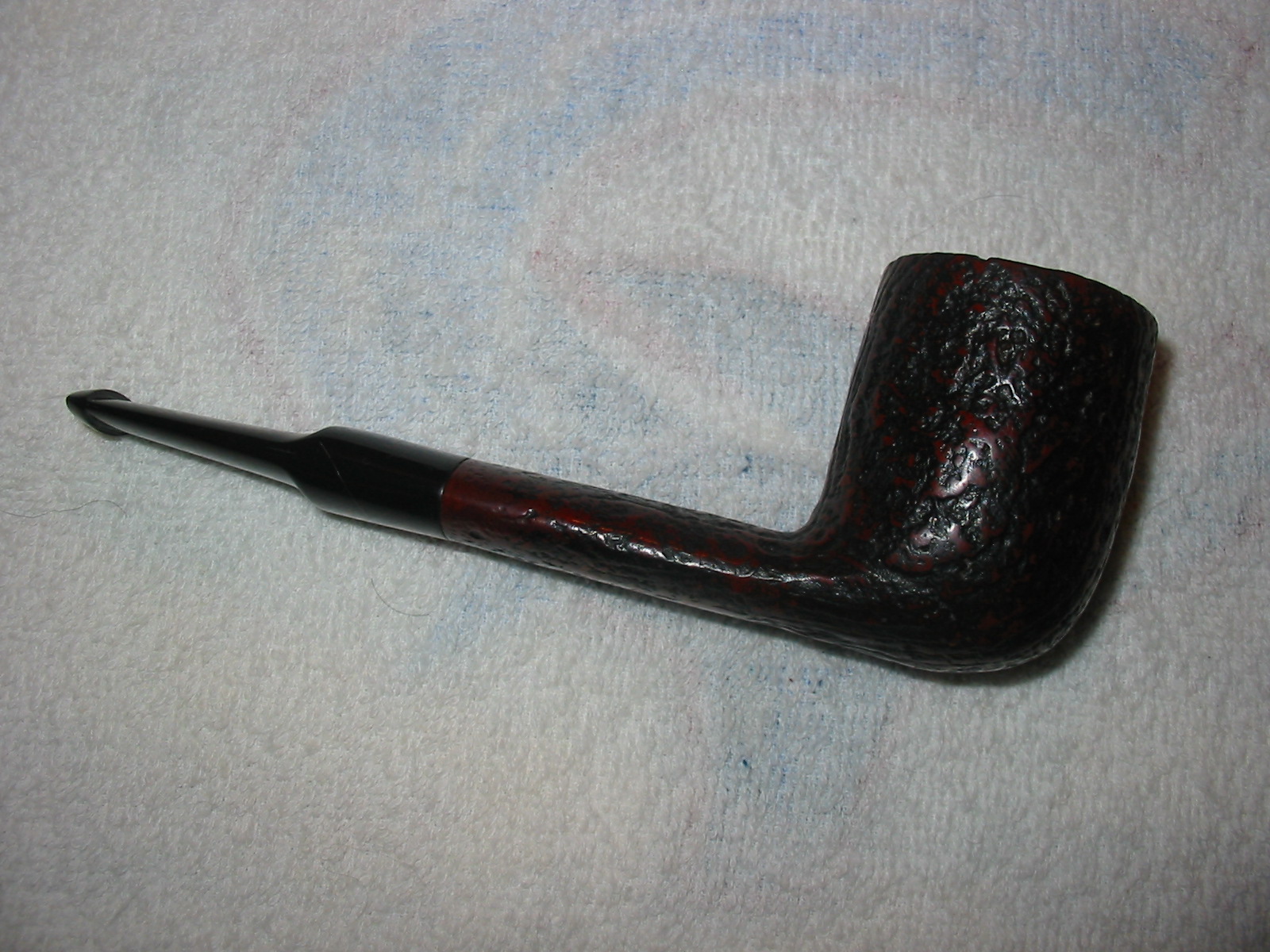
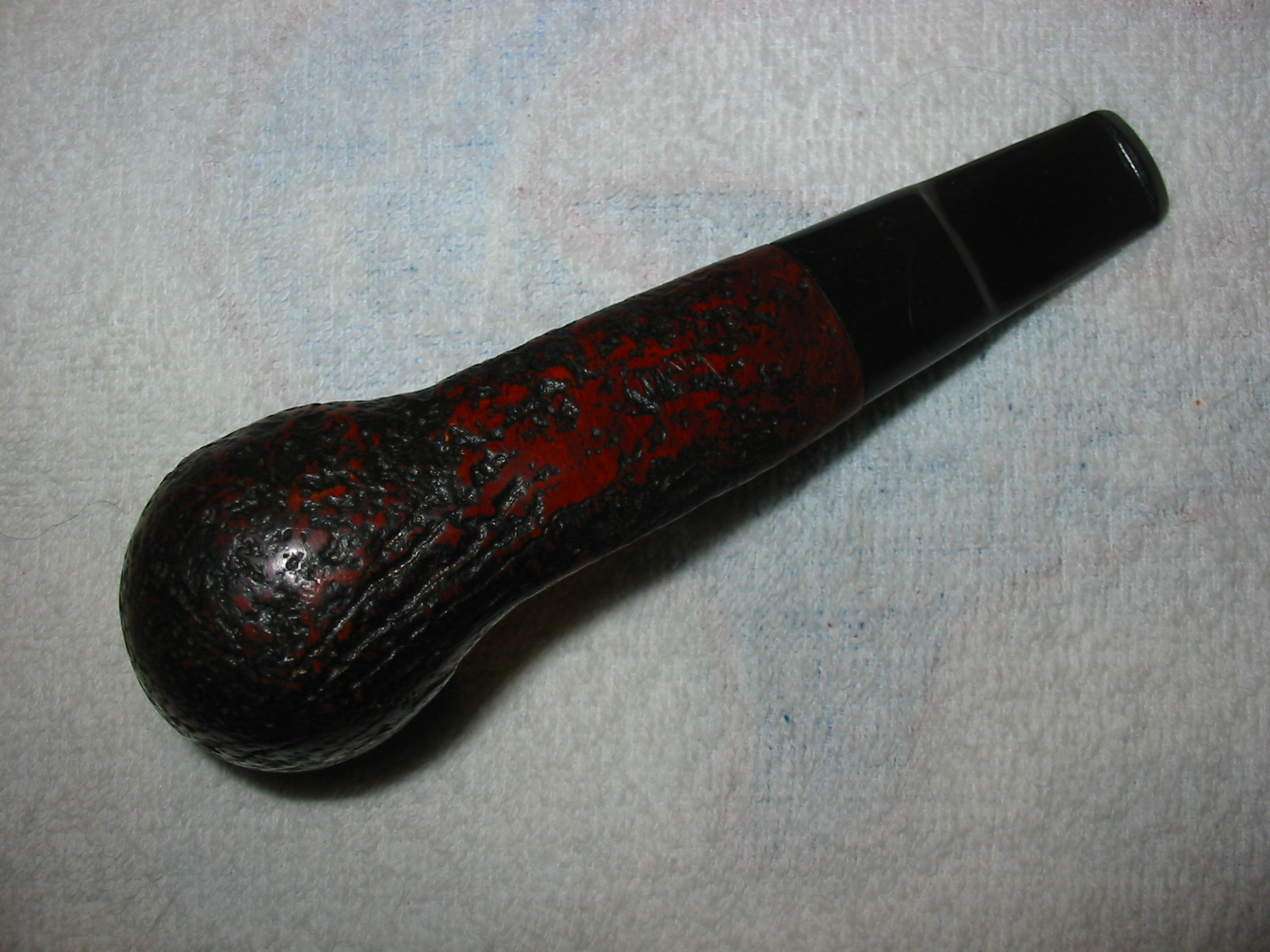
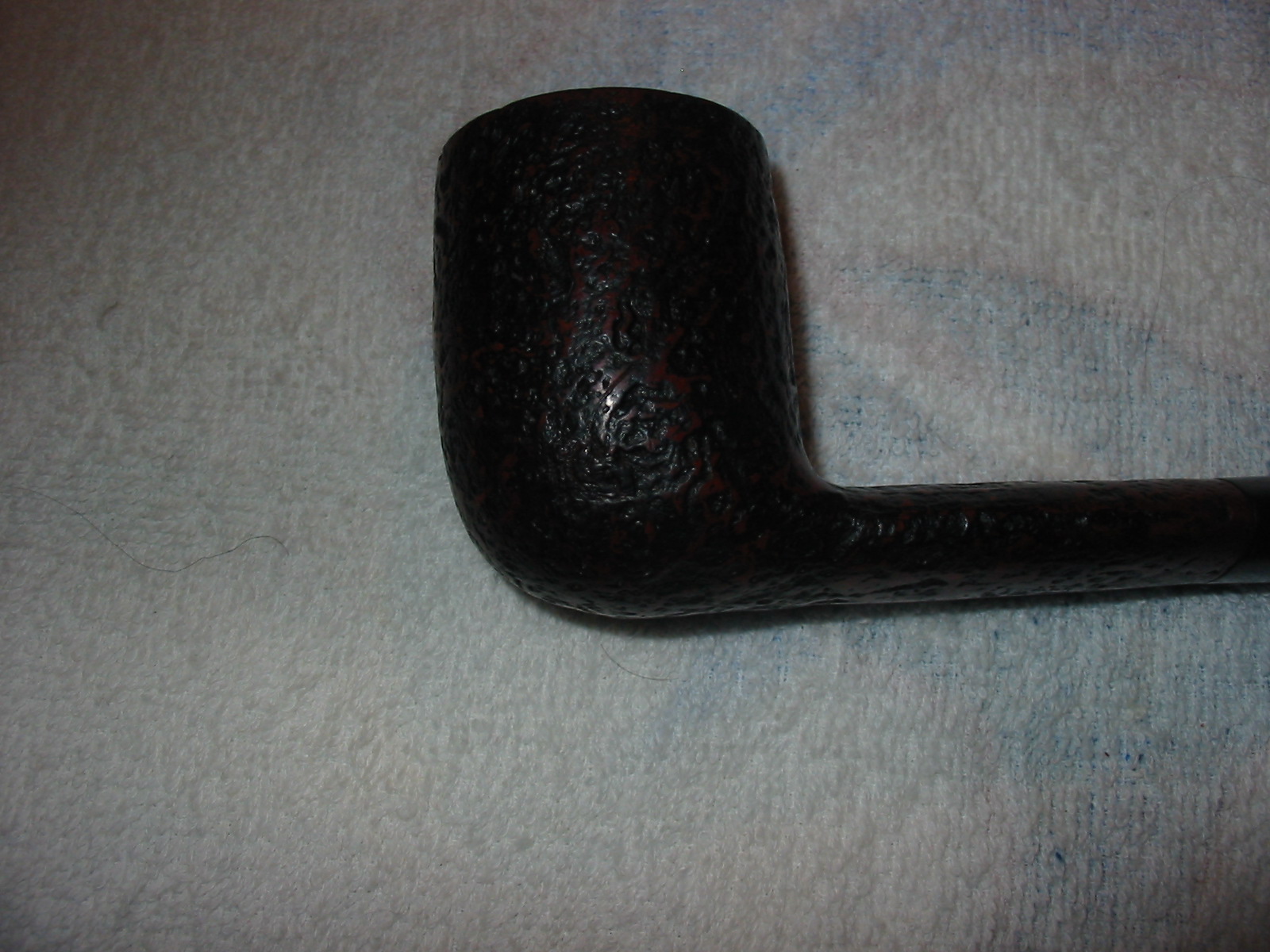
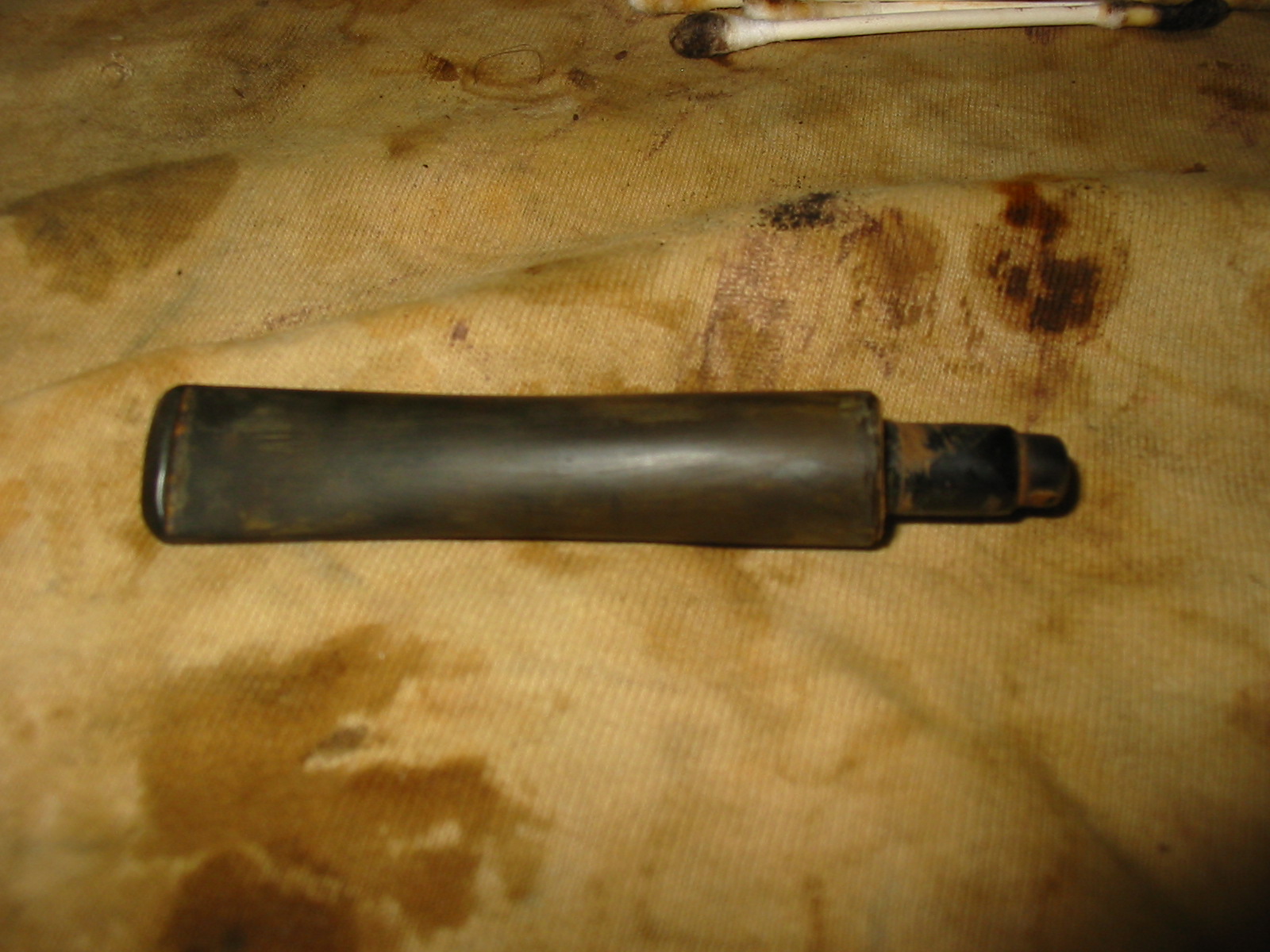
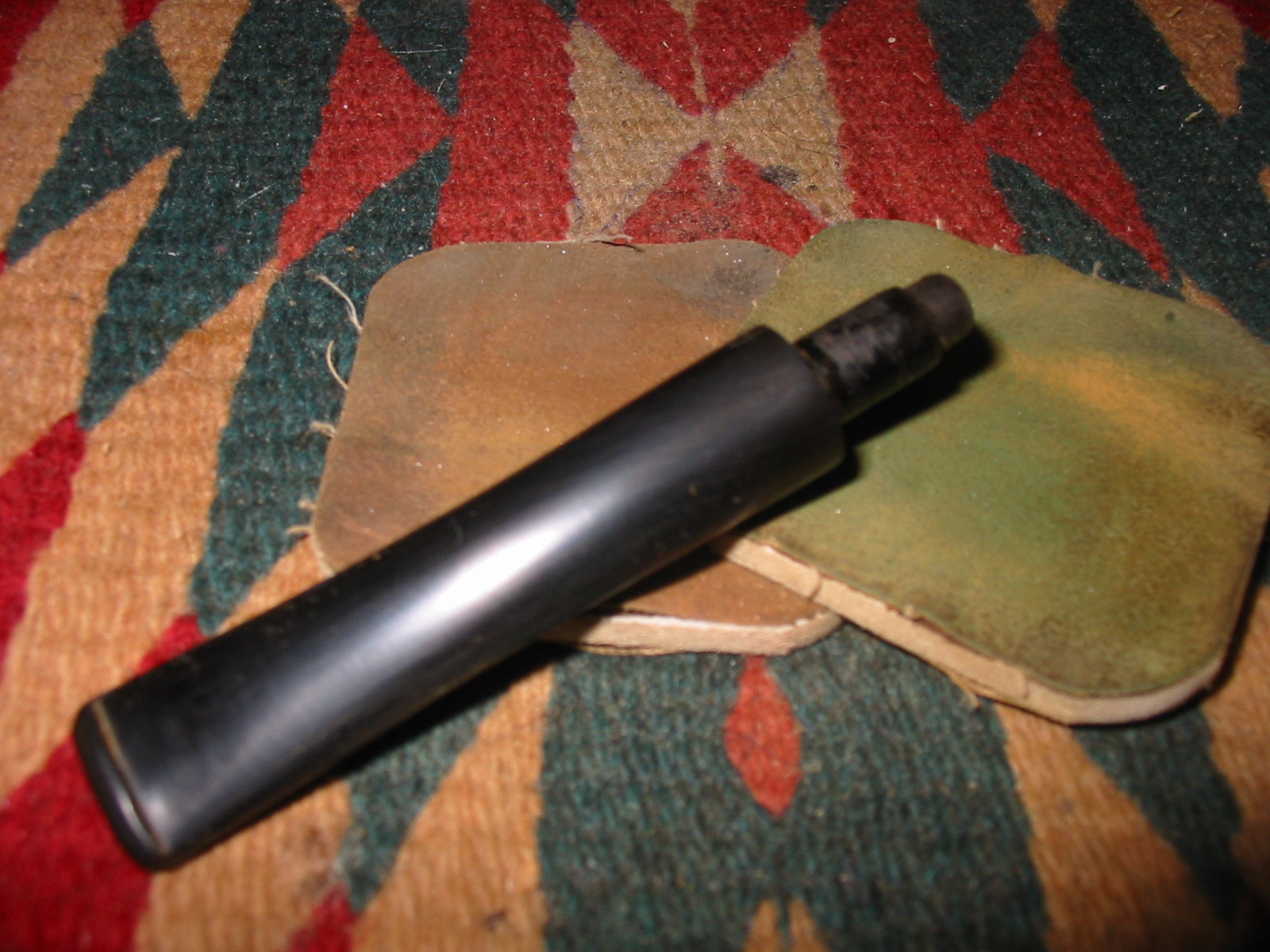
The stem took quite a bit of work to sand it smooth. I cleaned it up twice. Once when I first got it and then again when I figured out it was a horn stem. It is a big piece of horn and quite pretty in terms of the sheen and depth of colouration in it. I used the method I spelled out in a previous post on polishing horn stems and it is like new. I sanded it with wet dry sandpaper up to 2400 grit and then buffed it with lots of carnauba wax. Later I used the micromesh sanding pads on it and really gave it a depth of shine. The pipe is a great smoking pipe and is definitely a sitting pipe. It is a handful. The first picture shows the finished pipe. I wish I had some before photos but this was found in the days I never thought of doing that. So all I have is finished photos. The next series of photos show the size of the pipe in comparison to a nice little bent billiard that is about a group three sized pipe. The grain is quite nice. Nothing striking in terms of straight grain but there are several spots with nice birds eye and then the rest is swirling grain that almost seems to have movement to it. The stem is multicoloured and has the old orific (round) airhole in the button.

ImageImageImageImage

A Classic Rework of A Royal Duke Supreme


Blog by Steve Laug

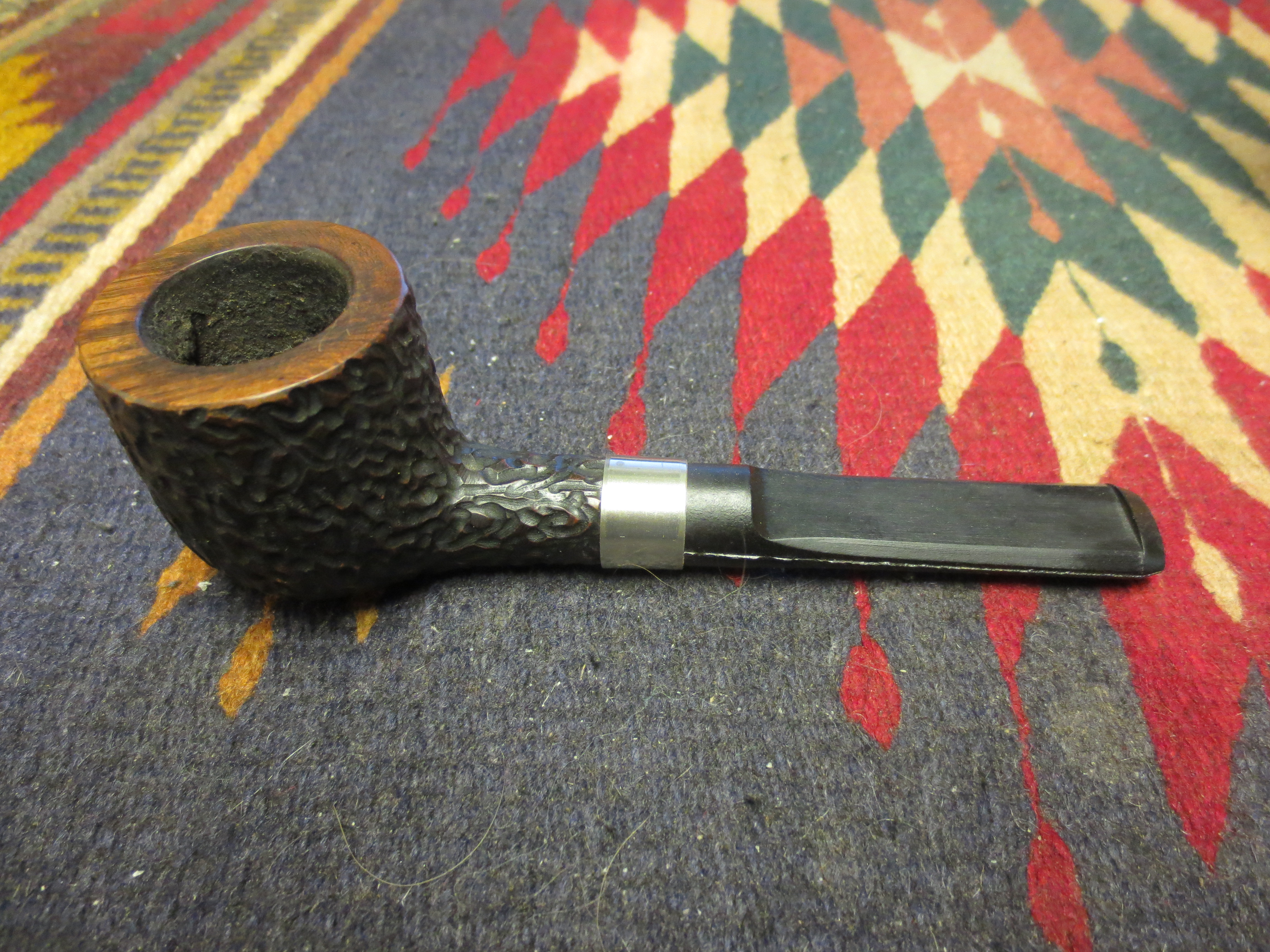
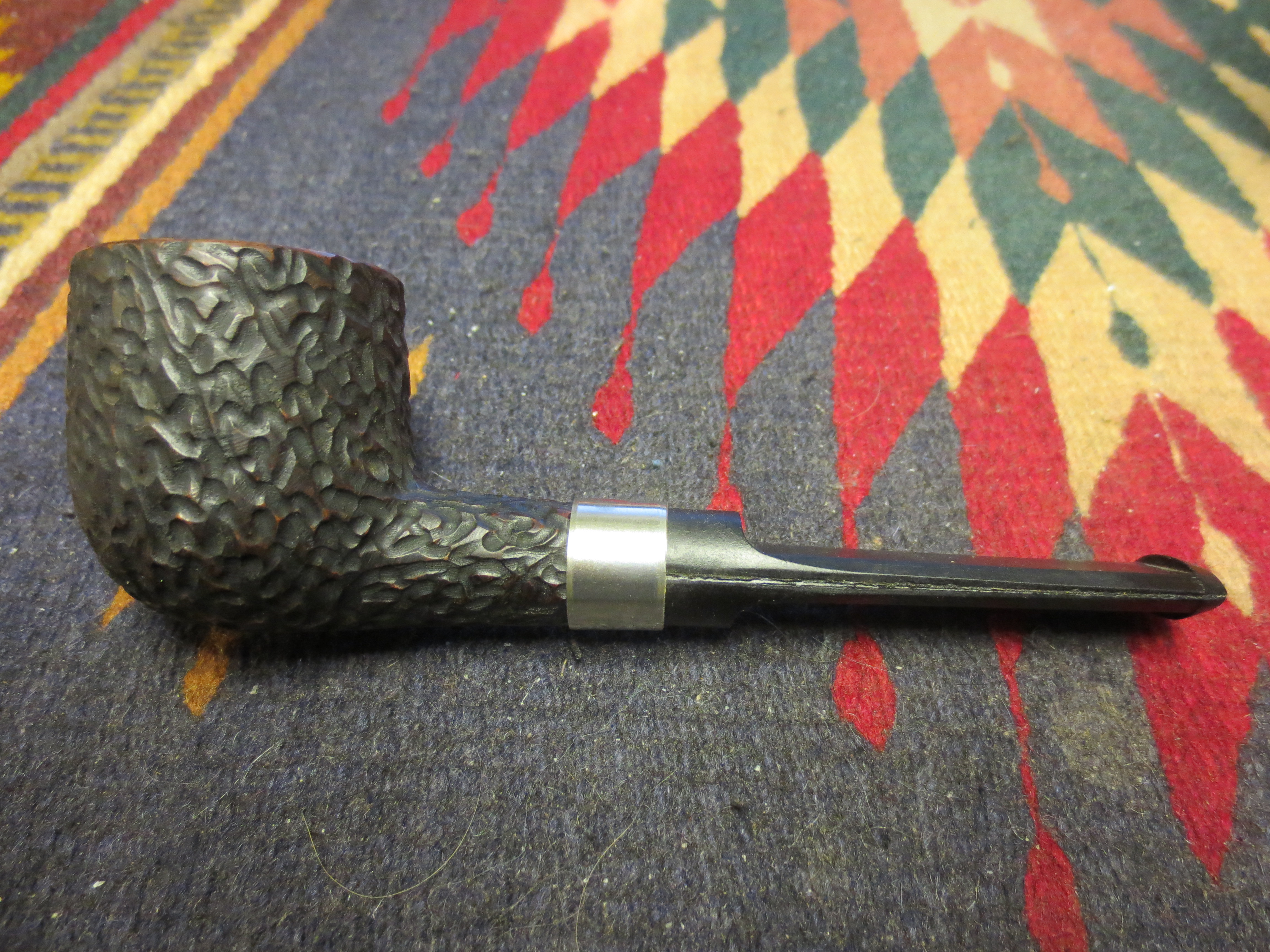
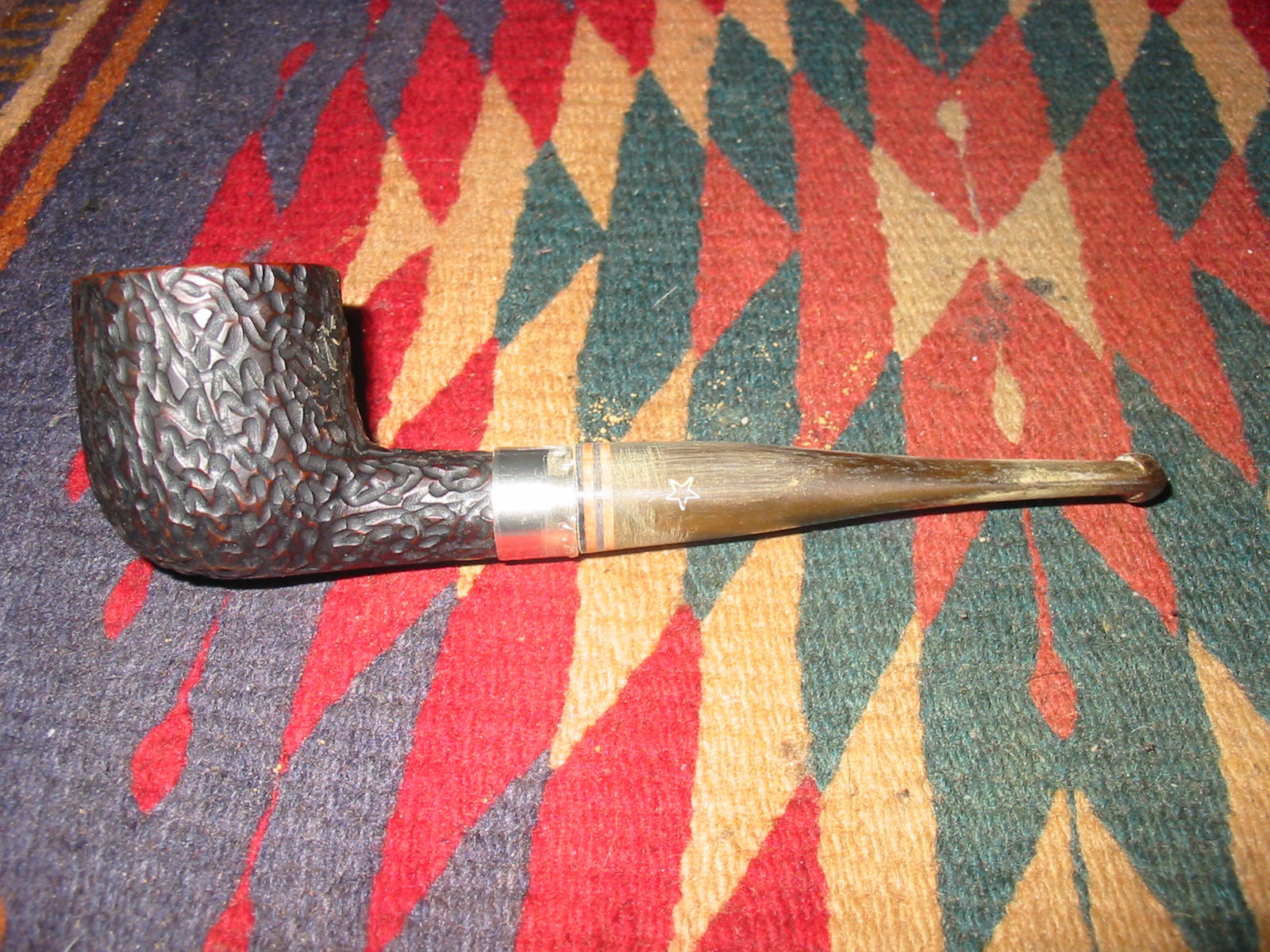
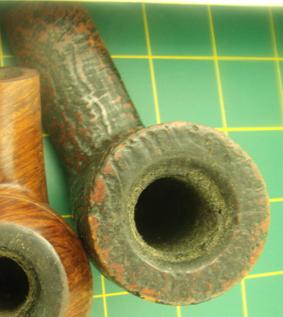
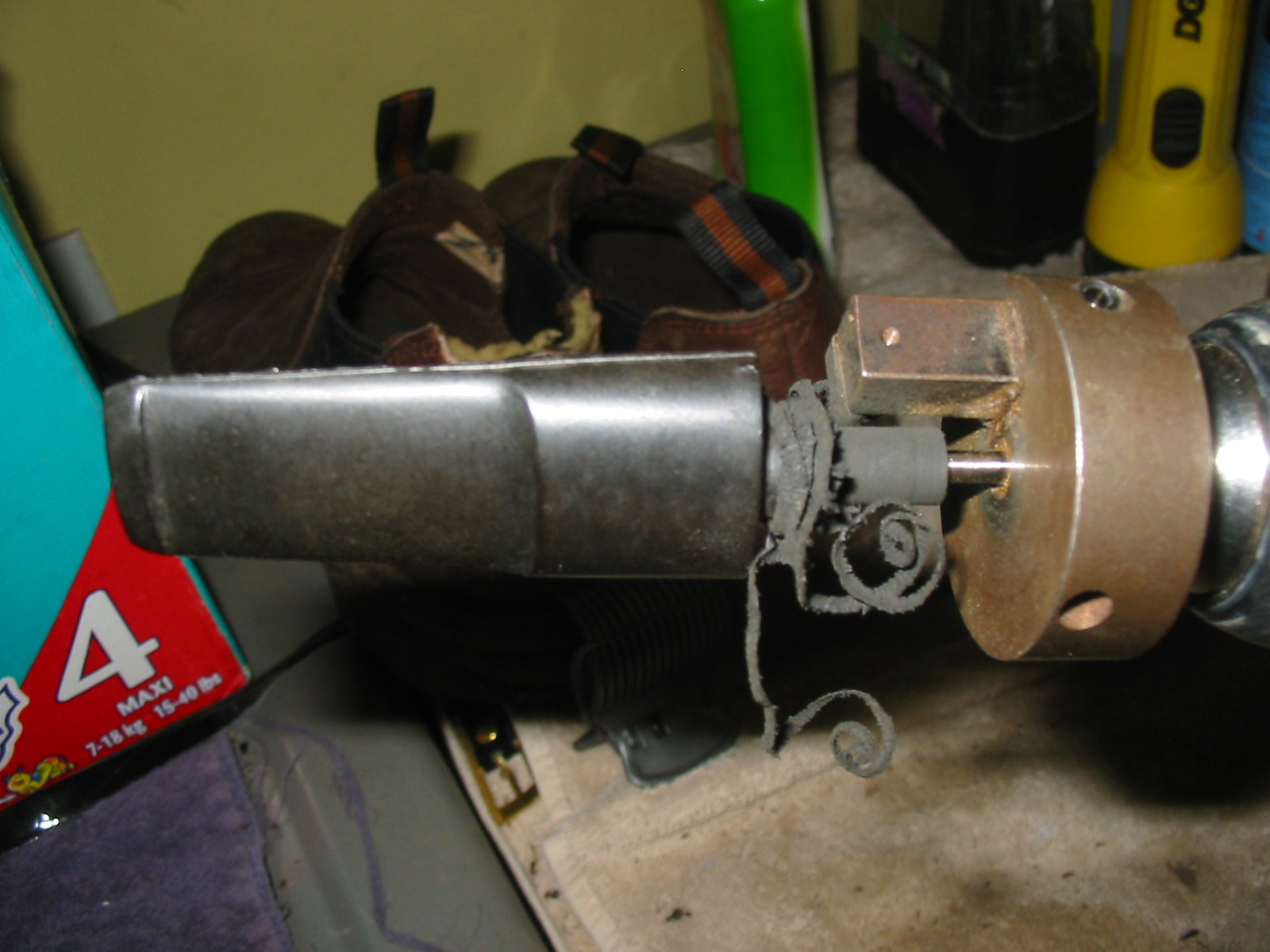
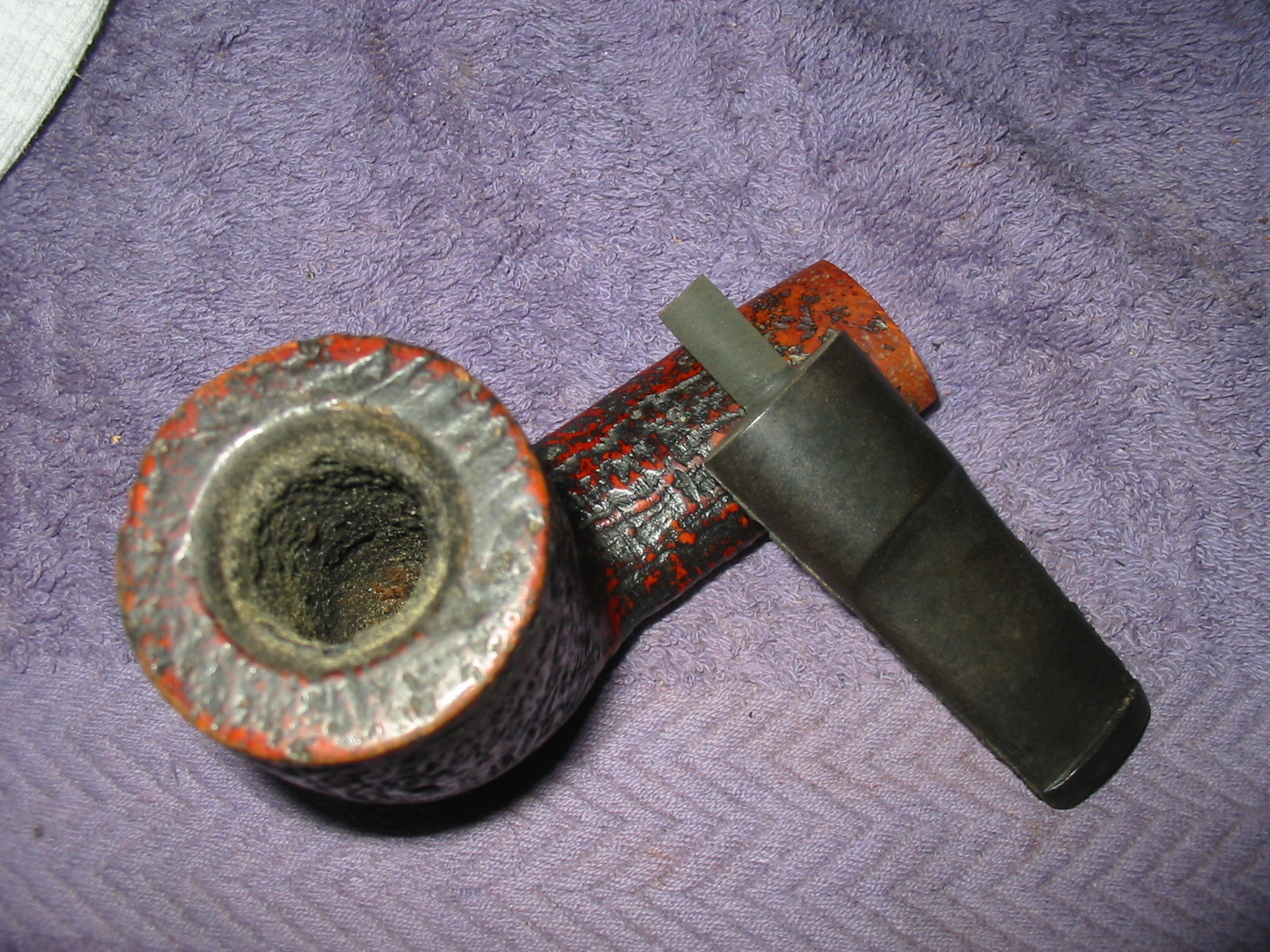
I had this old Royal Duke bowl in my box. It had some promise to my eye but it needed some work. The first thing I did was drill out the metal mortise that took a threaded tenon. I did not have any stems that fit it anyway and I wanted to try something new. The issue that remained once it was gone was the fact that the mortise rough inside and the end of the shank was not square so that there was no way to get a new stem to fit it seamlessly. The finish was very rough as can be seen in the photos below. The varnish on the outside of the bowl had bubbled and blistered. The front edge of the bowl was actually darkened as the varnish seemed to have burned or at least coloured. There were dents in the bowl and the rim was rough. I turned a precast stem with my tenon turner and got it close. I had to custom fit it as the shank was a little tapered toward the end.

ImageImageImage

The stem fit fairly well but would take a bit of customizing to get a good tight fit to the shank. It would also need a good cleanup to trim off the castings on the stem. The vulcanite was fairly decent quality as I have had it a long time but it showed no oxidation.

Image

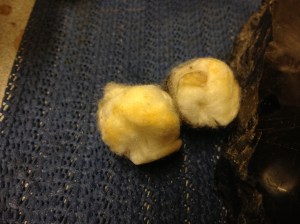
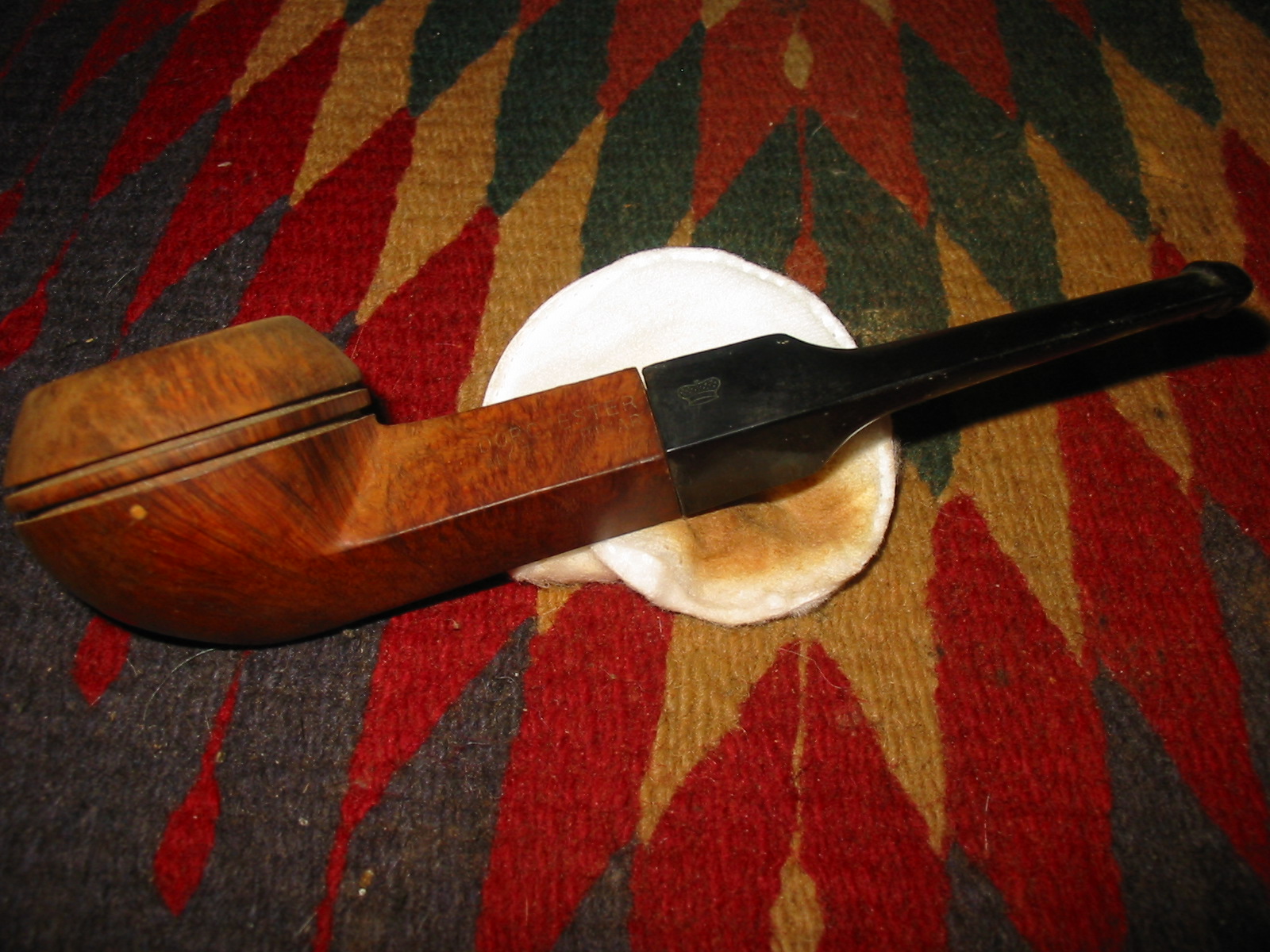
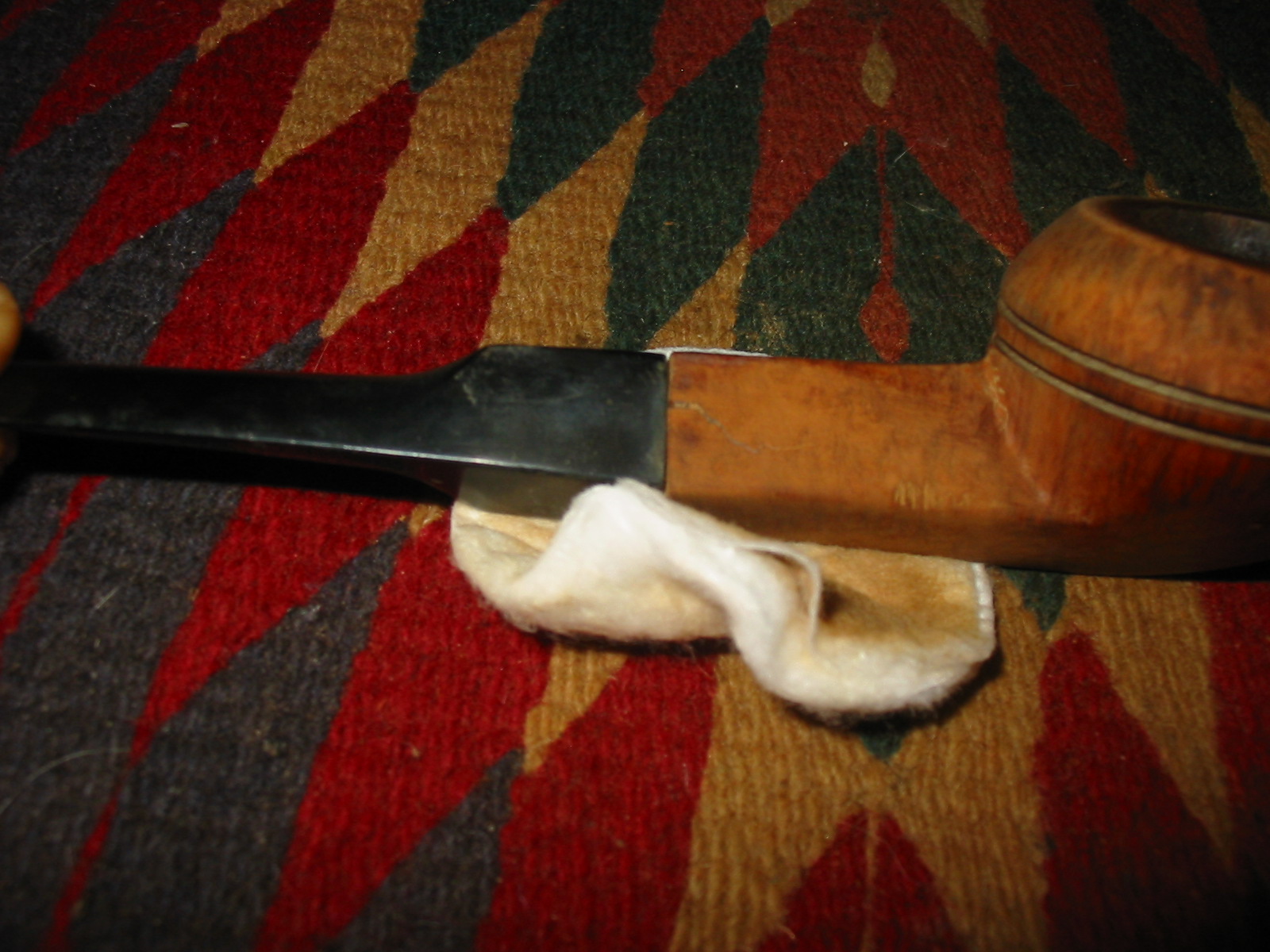
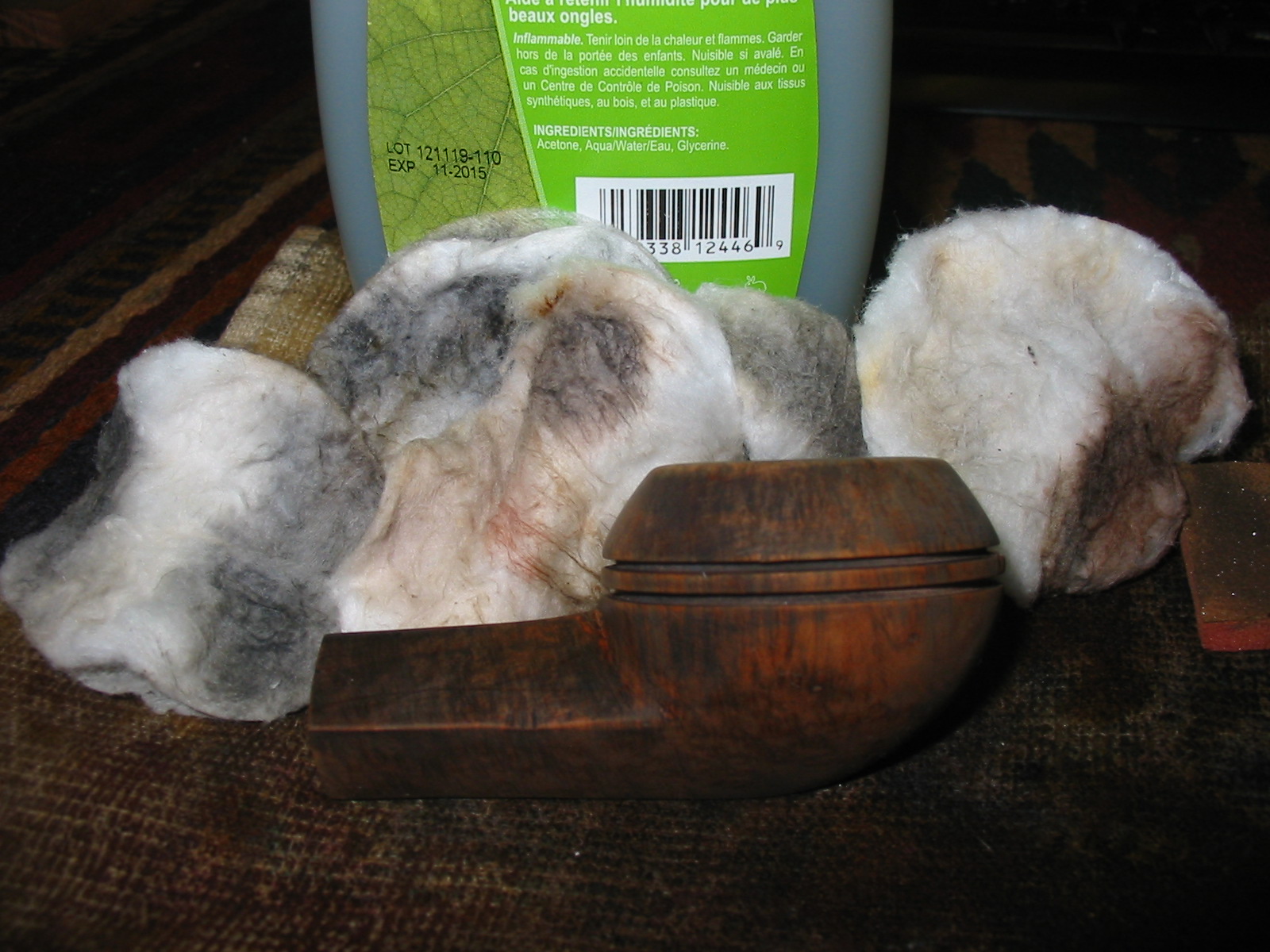
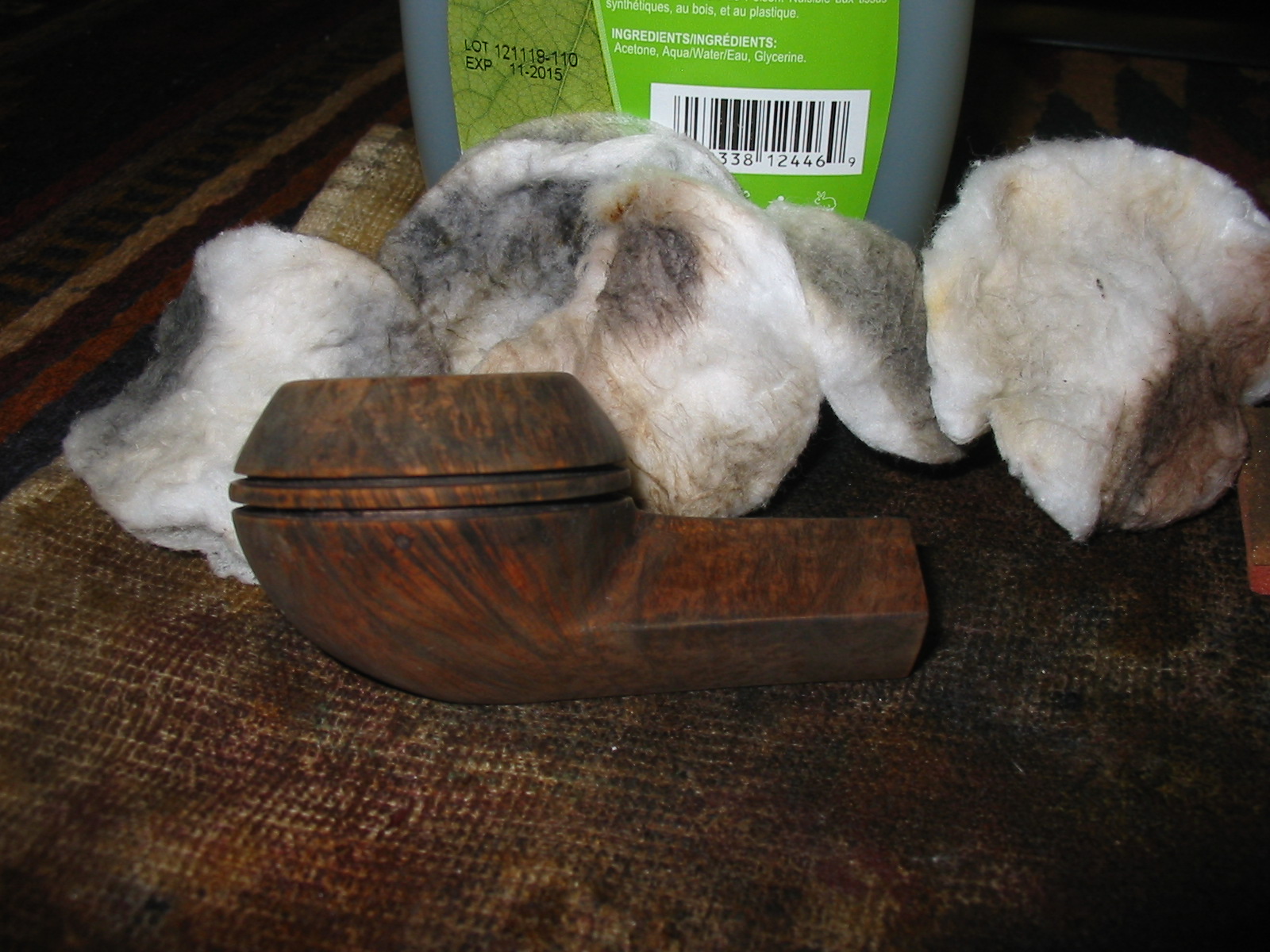
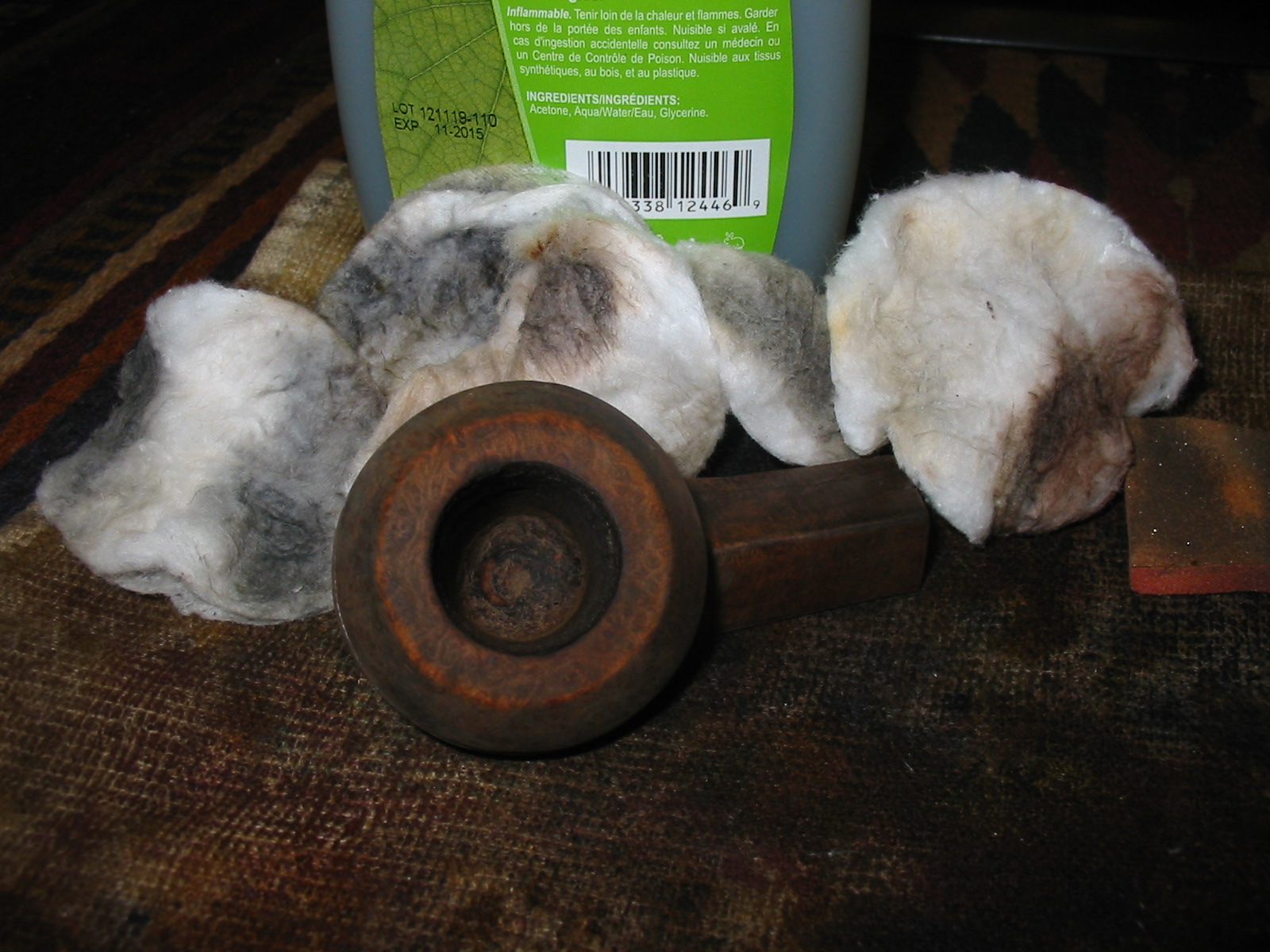
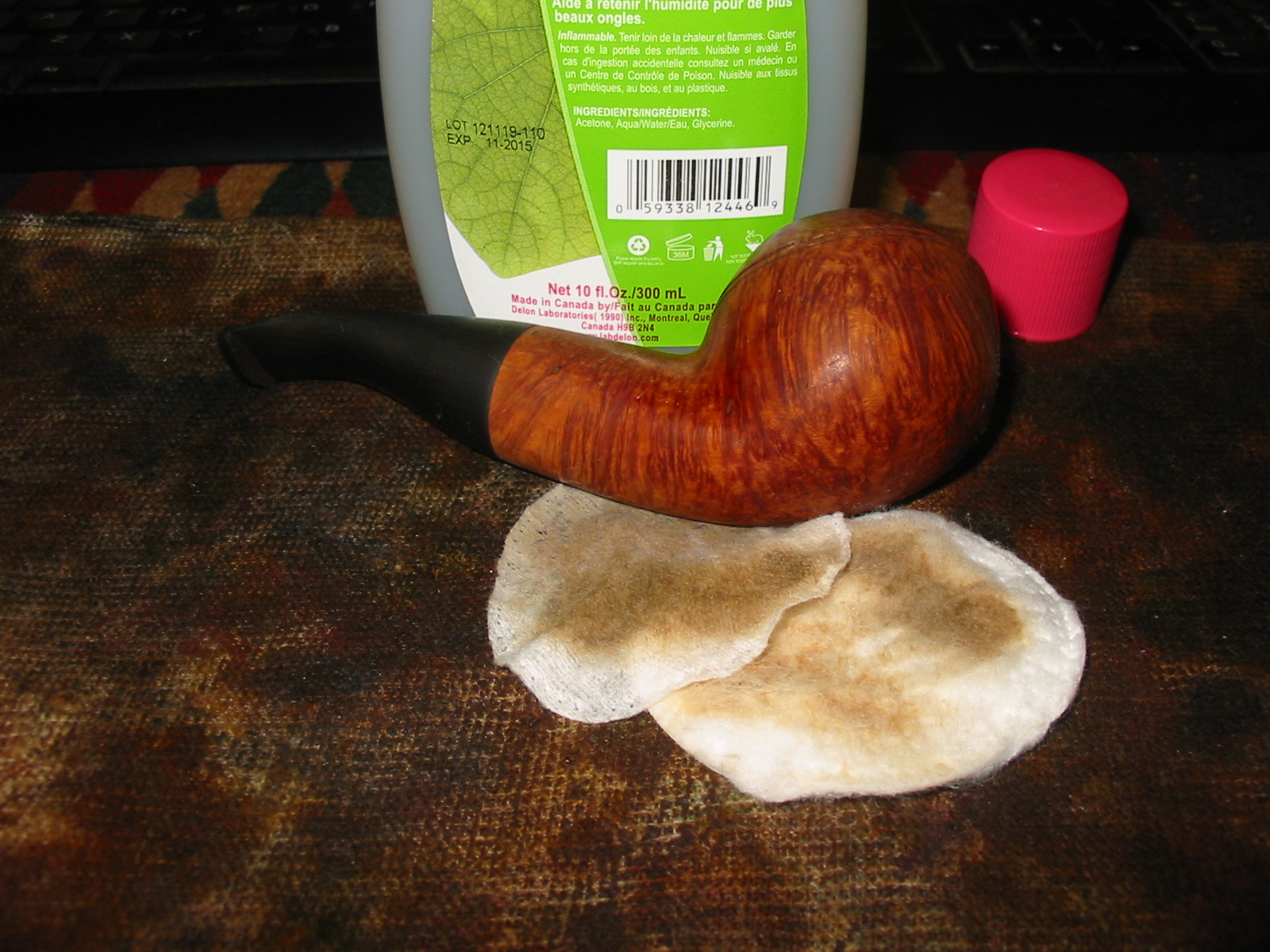
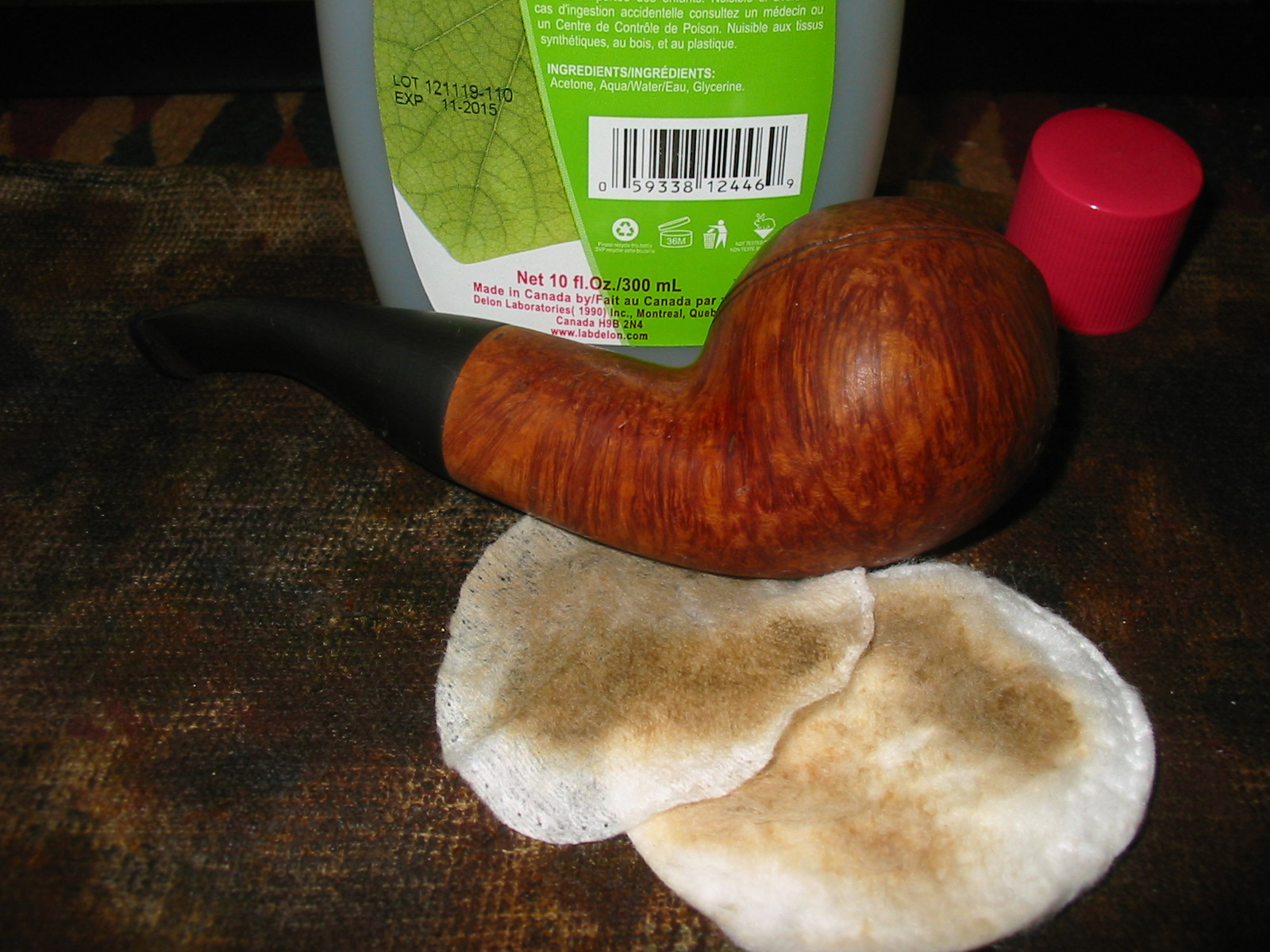
I decided to work on the bowl first to clean up the remaining finish and remove the varnish from the bowl. I also wanted to see if I could remove the darkening around the front and back of the bowl. I washed the bowl with acetone on a cotton pad and cleaned off the finish. It took repeated washing to break through the varnish coat and also the burned and bubble finish. The next two photos show the pads after the wash. You can begin to see the grain coming out on this beauty. That is what drew me to the pipe in the first place and I was glad to see that it was truly there.

Image

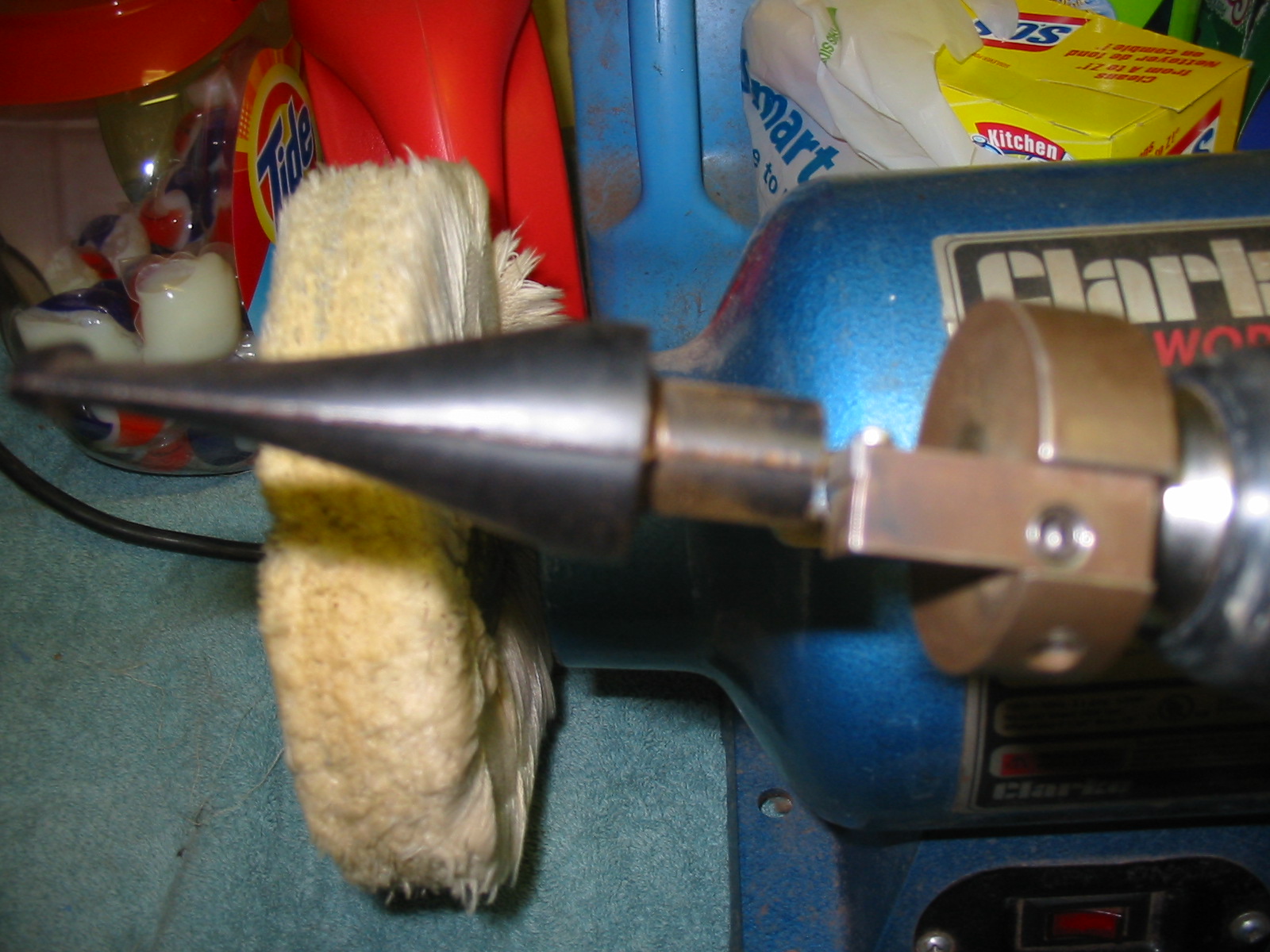
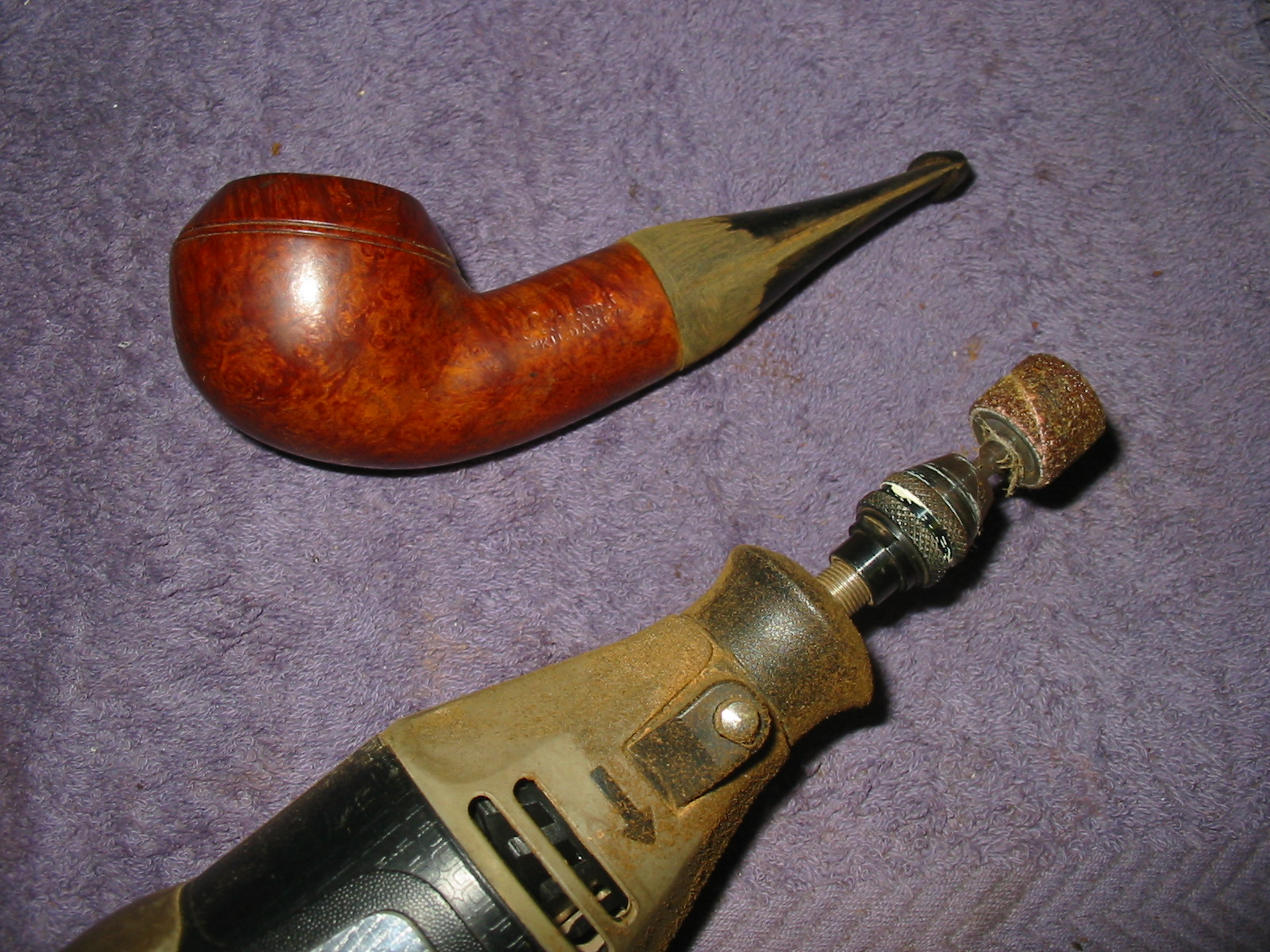
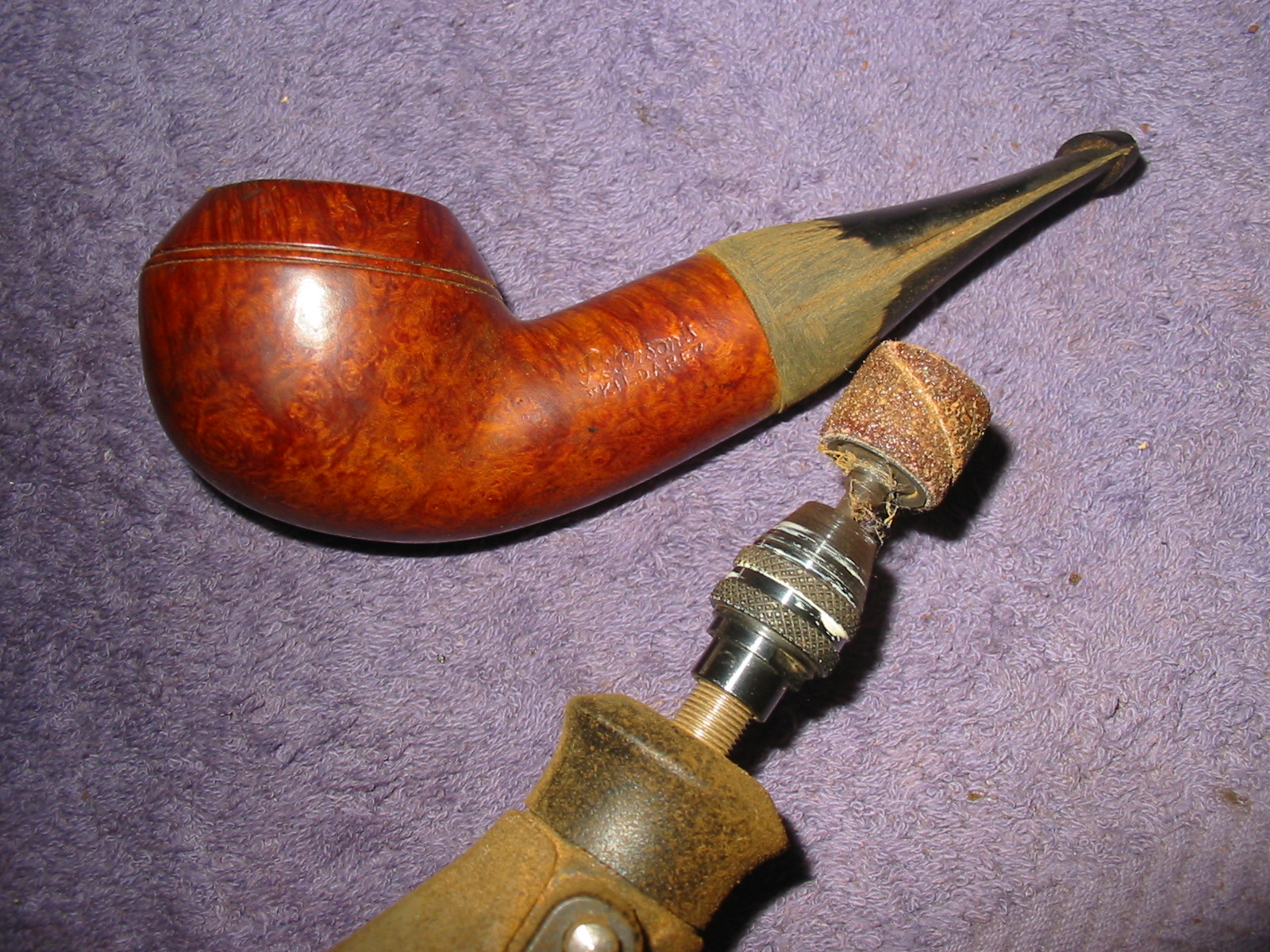
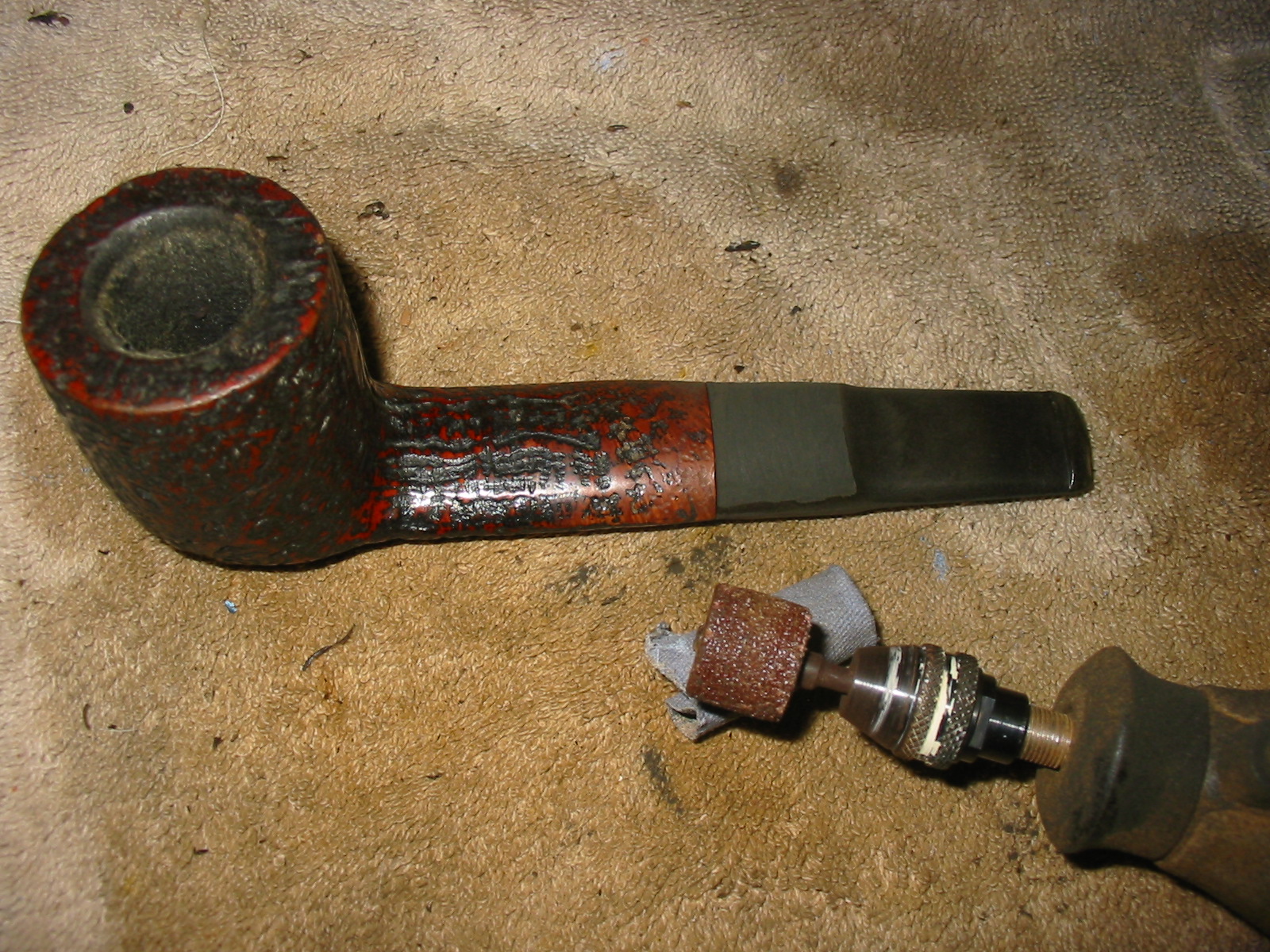
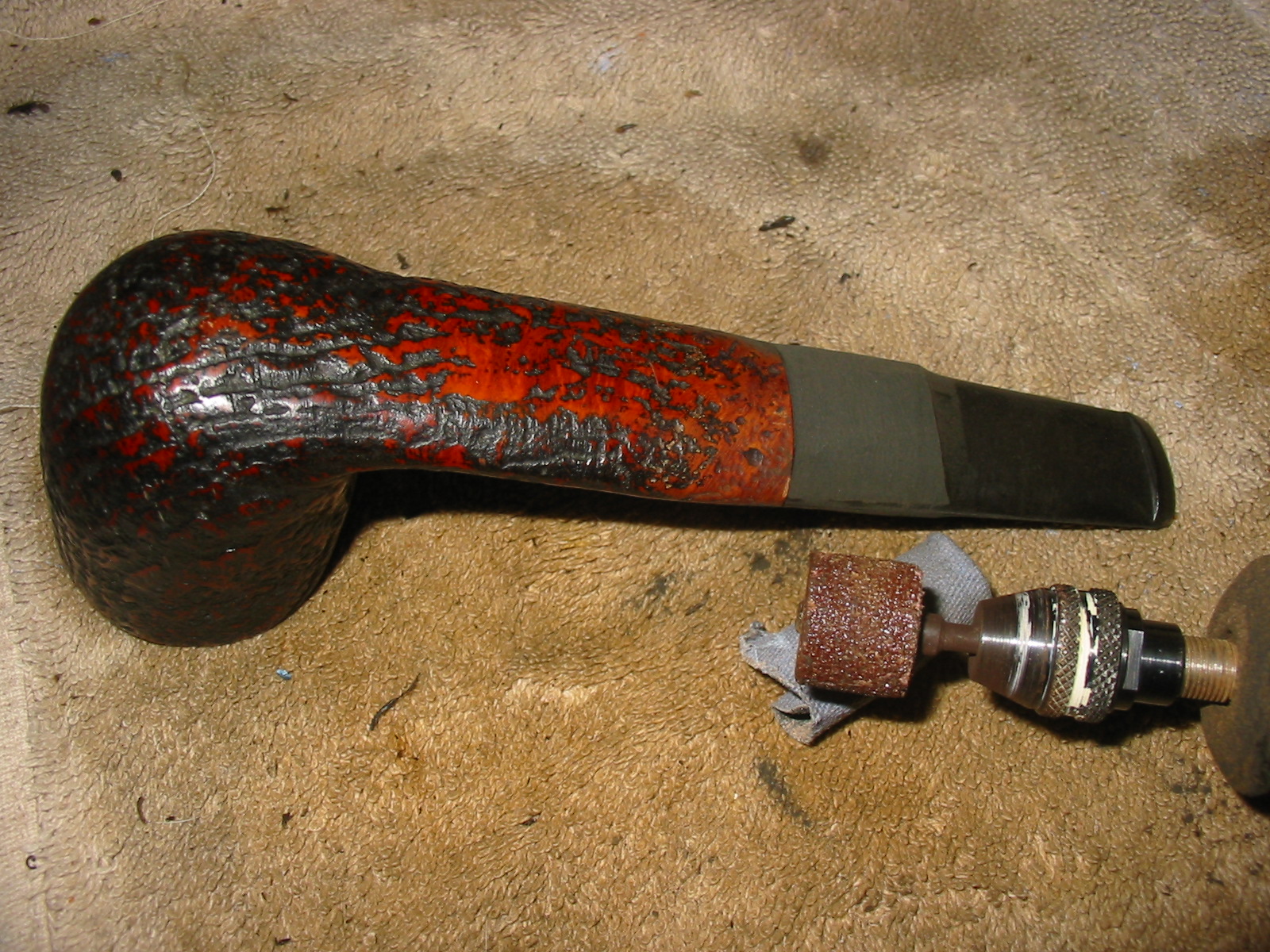
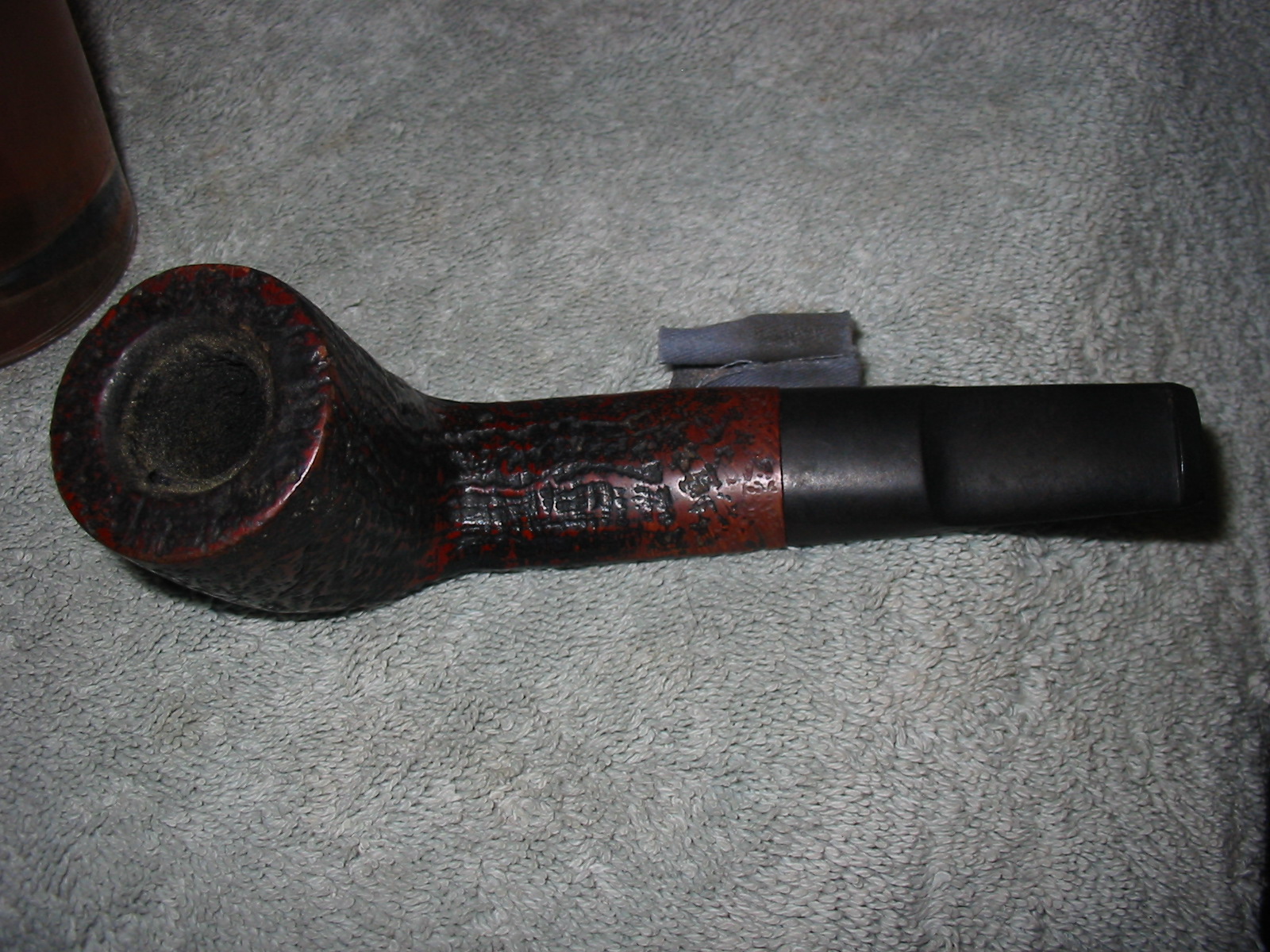
I repeated the washing until the pipe was clean and had no remaining finish coat. The dark undercoat of stain still remained and light brown topcoat also was still present. This is clearly seen in the photos below. I worked on the fit of the stem and tapered the tenon enough to get a good snug fit to the bowl. I also used my Dremel to remove excess vulcanite from the top and the sides of the stem so that it lined up smoothly with the shank of the pipe. It was at that point I decided to pressure fit a nickel band to the shank to square things up a bit. There was no way that the stem and the shank would meet squarely as the shank was a bit angled and dented from the metal inserted mortise. The previous mortise had been threaded in and it had a thin band or flat top on it that sat against the briar. It was also patched a bit with putty to make the flow from the shank to the insert smooth. I fit the nickel band with heat and pressed it into place. I liked the finished look of the band and it gave me a straight edge to work with on the new stem. I again used the Dremel with a sanding drum to shave off more of the vulcanite and make the stem fit against the band inside edge. The next two pictures below show the stem after the fit and the shaving with the Dremel. You can see the rough surface on the saddle and the cleaned up edges of the cast stem and the button.

ImageImage

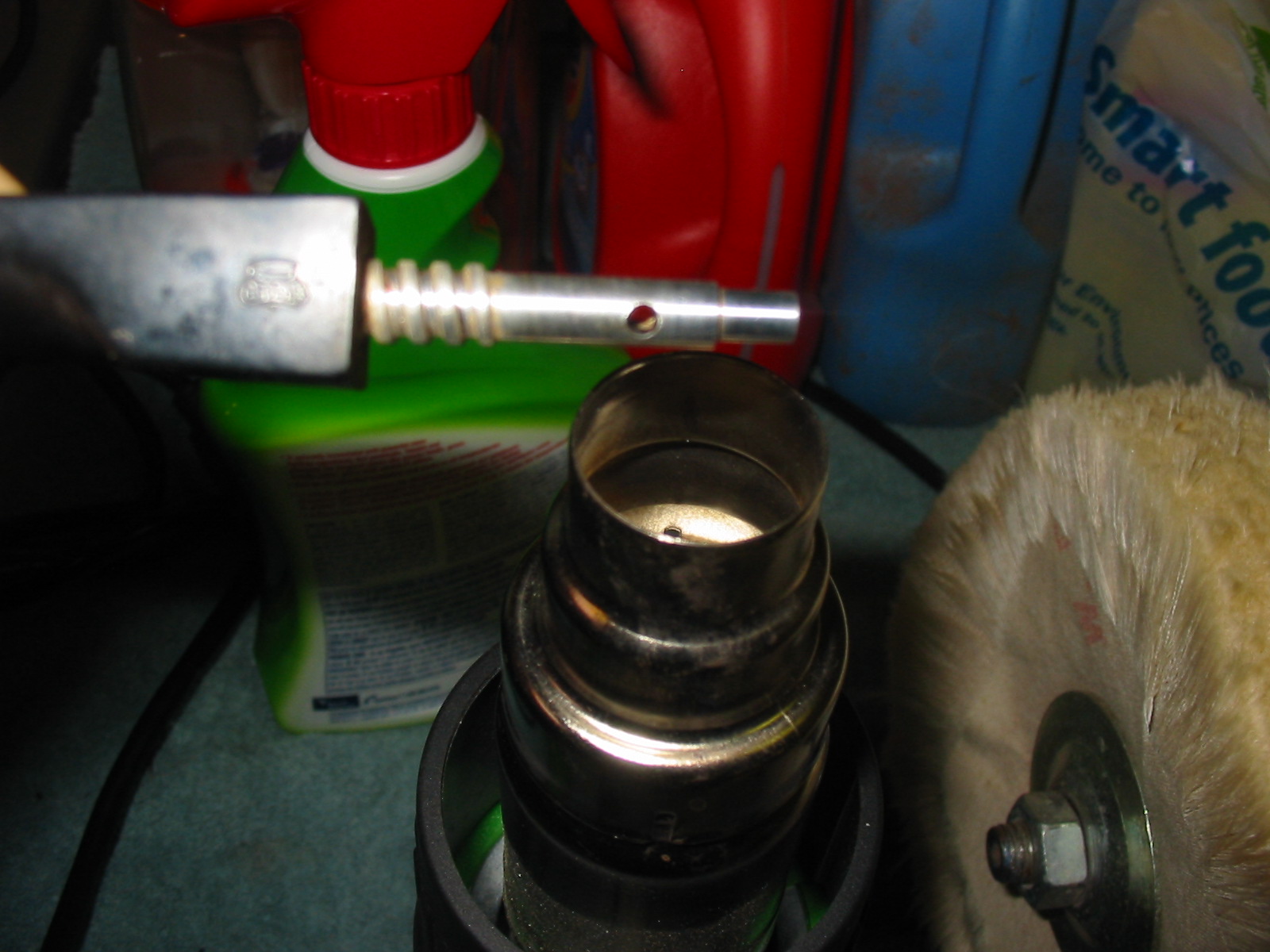
I then sanded the bowl and the stem with 240 grit sandpaper to remove the scratches in the briar and also on the vulcanite stem. It took quite a bit of sanding to smooth out the saddle of the stem. The next five photos show the progress of the sanding on the stem. I also sanded the bowl to remove the remaining finish and scratches. I topped the bowl and smooth out the inner and outer rim to remove the damages to them both. I also used my heat gun to put the bend in the stem. I have a curbed dowel here that I put the heated stem on to ensure that the bend is straight and that I do not crimp or bend the stem unevenly.

ImageImageImageImageImage

Once the sanding was at this point I wiped the bowl down with Isopropyl alcohol. I find that it removes any sanding dust and also the wet look shows me places where I still need to sand the bowl and stem. Once that was done I sanded the bowl again with 400 and 600 grit wet dry sand paper and water. I progressed through micromesh sanding pads 1500-12,000 grit – the first four pads with water and the remaining ones dry sanding. Once it was completed and smooth I wiped it down a final time before staining it.

ImageImage

While I was sanding the pipe and working on the stem I tried to visualize what stain I wanted to use on this pipe. At this point remember I was not trying to restore the original Royal Duke colouration. I was working a new pipe out of this piece of briar even though I left the stamping. I decided to go with an oxblood aniline stain. I applied it with a cotton swab, flamed it and then took it to my buffer and buffed it with White Diamond.

ImageImage

The next three photos show the pipe after the buffing with White Diamond. I had not applied any wax at this point nor was I finished working on the stem. The colour came out better than I imagined. The dark under notes of the grain come through nicely in the finished pipe. The light areas have a reddish brown hue that is a bit lighter as the pipe has been waxed and buffed.

ImageImageImage

Once the pipe was stained I coated the bowl with multiple coats of carnauba wax to protect the new stain while I worked on the band and the stem. The nickel bands shine up really well with the higher grit micromesh sanding pads. I sanded the band with the 6000-12,000 grit pads and then polished it with some wax as well. I moved on to the stem. I sanded it some more with 240 grit sandpaper to remove some more of the scratches in the saddle area left by the Dremel. I then sanded it again with the 400 and 600 grit wet dry and water to smooth out the lesser scratches left behind by the 240 grit sandpaper. I went on to use 1500-3200 wet micromesh sanding pads to polish up the stem some more. These early grits of micromesh leave behind a matte finish as they sand out the scratches. It takes the grits above 4000 to really see the depth and polish that is there when finished. Once I used the lower grits I then polished the stem using Maguiar’s Scratch X2.0 polish and rubbed it on with a cotton pad and polished it off. I buffed the stem with White Diamond following this to see what I needed to work on.

I took the stem back to my work table and used the higher grits of micromesh. I started with 3600 and worked through 4000, 6000, 8000 and 12,000. Once I finished I buffed it again with the White Diamond and then coated the stem with Obsidian Oil and let it sit while the oil soaked the stem. I hand buffed the oil with a soft cotton cloth and then polished it with some carnauba wax paste and then buffed the entire pipe with several coats of carnauba. I buffed it with a clean cotton buff between coats of wax. The final photos are of the pipe as it stands now.

ImageImageImageImage

An Interesting Weatherproof Wally Frank “Pepper Shaker”


I picked up this interesting piece of tobaciana somewhere though I no longer remember where it came from. It is an oval bowled pipe by Wally Frank and it has a briar wind cap that is attached via a brass peg. To me it looks like a Pepper shaker so that is what I have named it. I have a few other ones like this but the cap is made out of Bakelite and is on a side pin that allows it to flip forward. This one spins to the side or can be removed should the pipeman not want to use it covered.

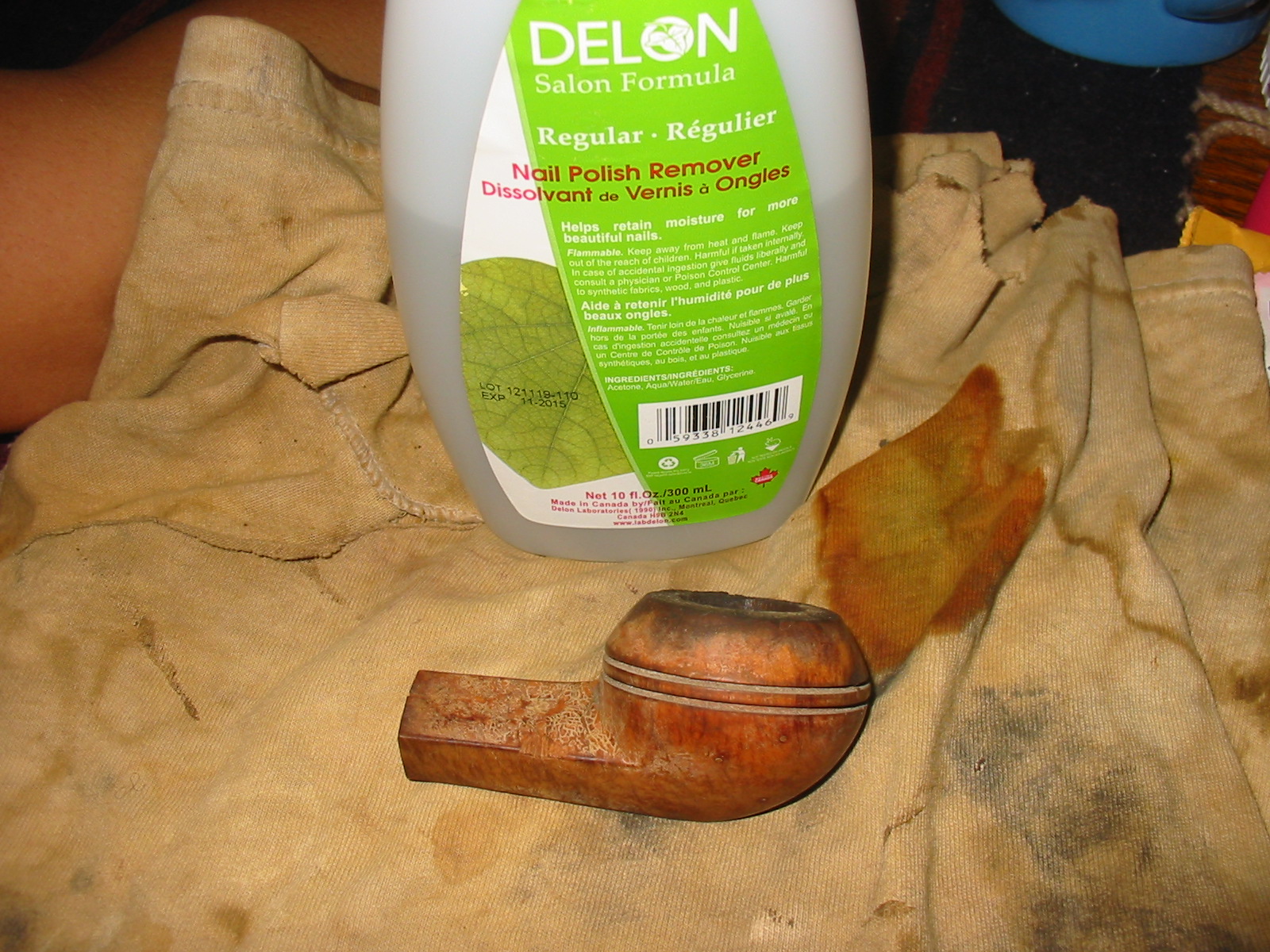
It came to me unsmoked and clean on the inside. The finish was very poorly done. There was a coat of varnish or lacquer on the pipe. It was spotty and in some places seemed to have bubbled or ran when it was applied. The stain that was underneath obscured the grain on the pipe. I decided to refinish the bowl and give it a new stain. I soaked it in an alcohol bath and then wiped down the bowl with acetone to clean the finish off. Once it was removed I sanded it with micromesh pads to get it smooth. I restained it with a nice cherry aniline stain. I flamed the stain to set it in the grain and then buffed the bowl to remove the excess and surface stain. The stem and pipe were buffed as a whole with white Diamond and then several coats of carnauba. Here is the finished product.
Frank1

Frank2

Frank3

Frank4

New Life for a BBB Ultima Thule Pocket Billiard


Blog by Steve Laug

I picked up this little BBB in the same lot as the little BBB bulldog that I posted about recently. It is a similar pocket size (4 and ½ inches) and needed a bit of work. It is stamped BBB in the standard diamond and over that Ultima Thule. (According to Wikipedia the name refers to any distant place beyond the known world.) Under the diamond it is stamped Own Make. The first two pictures are the EBay seller’s photos. When the pipe arrived I can honestly say that the seller did a great job on taking honest photos. The pipe was solid but in rough shape. The rim was slanted toward the front and round all the way around with many nicks and dents in it from tamping the pipe out. It was still round on the inner edge which is pretty amazing on these old timers. This was a pretty well cared for pipe other than the tamping. The finish was dirty and spotty – lighter in some places than others – with a mottled look to it. The stem was oxidized and the edge/ shoulder at the shank junction was rounded and no longer a good smooth fit. There were no bite marks on the stem and the surface was smooth under the oxidation. This would not be a bad clean up.
ult1

I separated the stem and bowl and reamed the bowl. I wiped the exterior with acetone to remove the remaining finish and the grime. Then I placed the bowl in the alcohol bath to soak while I worked on the stem.

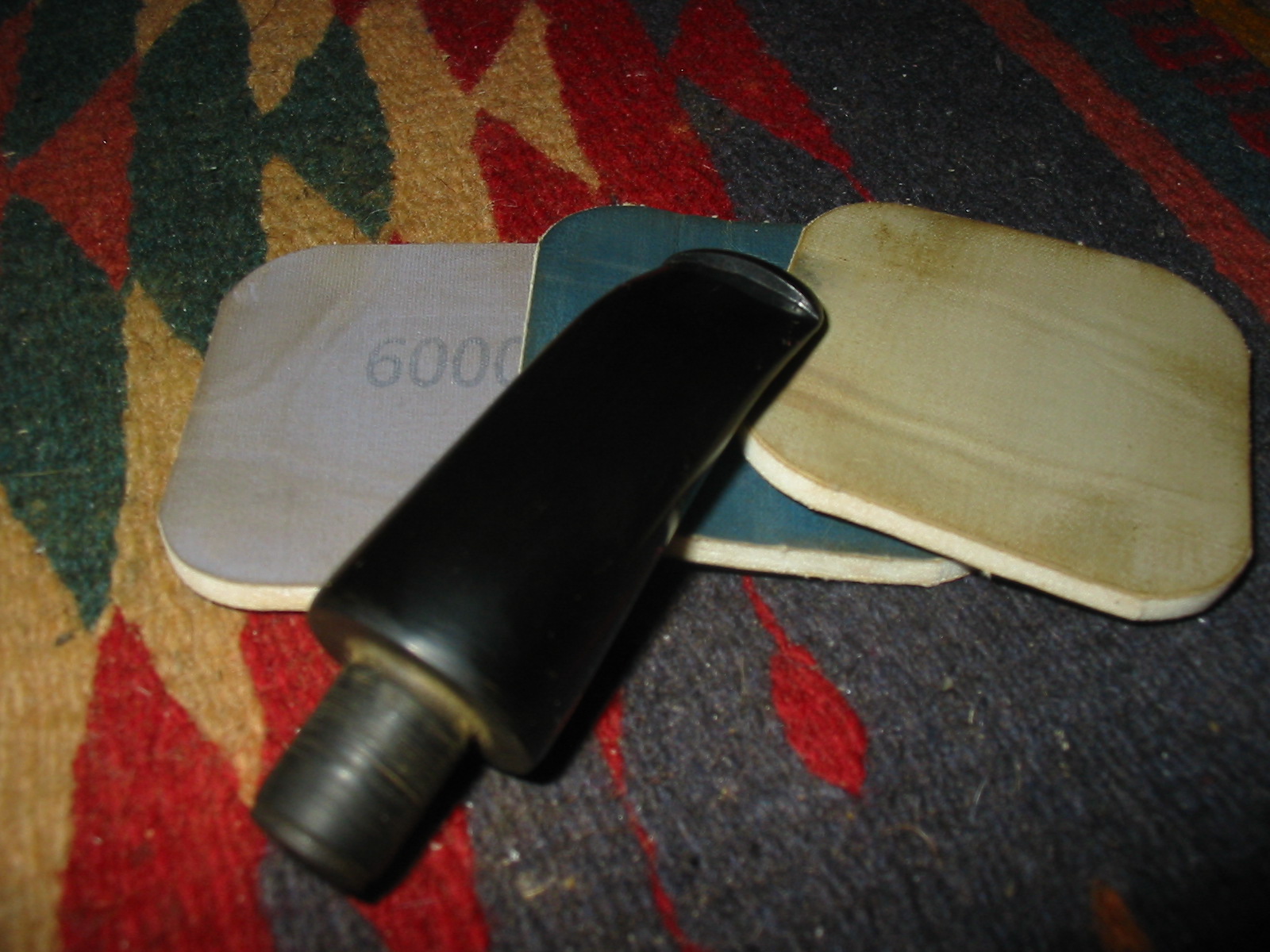
The stem actually was relatively easy to clean up. I wiped it down with a damp magic eraser and removed the majority of oxidation. Then I sanded it with 400 and 600 grit wet dry sandpaper followed by 1200-6000 grit micromesh sanding pads. I gave it a coating of Obsidian Oil and set it aside to dry. Once the bowl was finished I would buff them together. I did not want to chance rounding the edges even more. I also did not want to lose any more of the button on the pipe stem by over buffing.

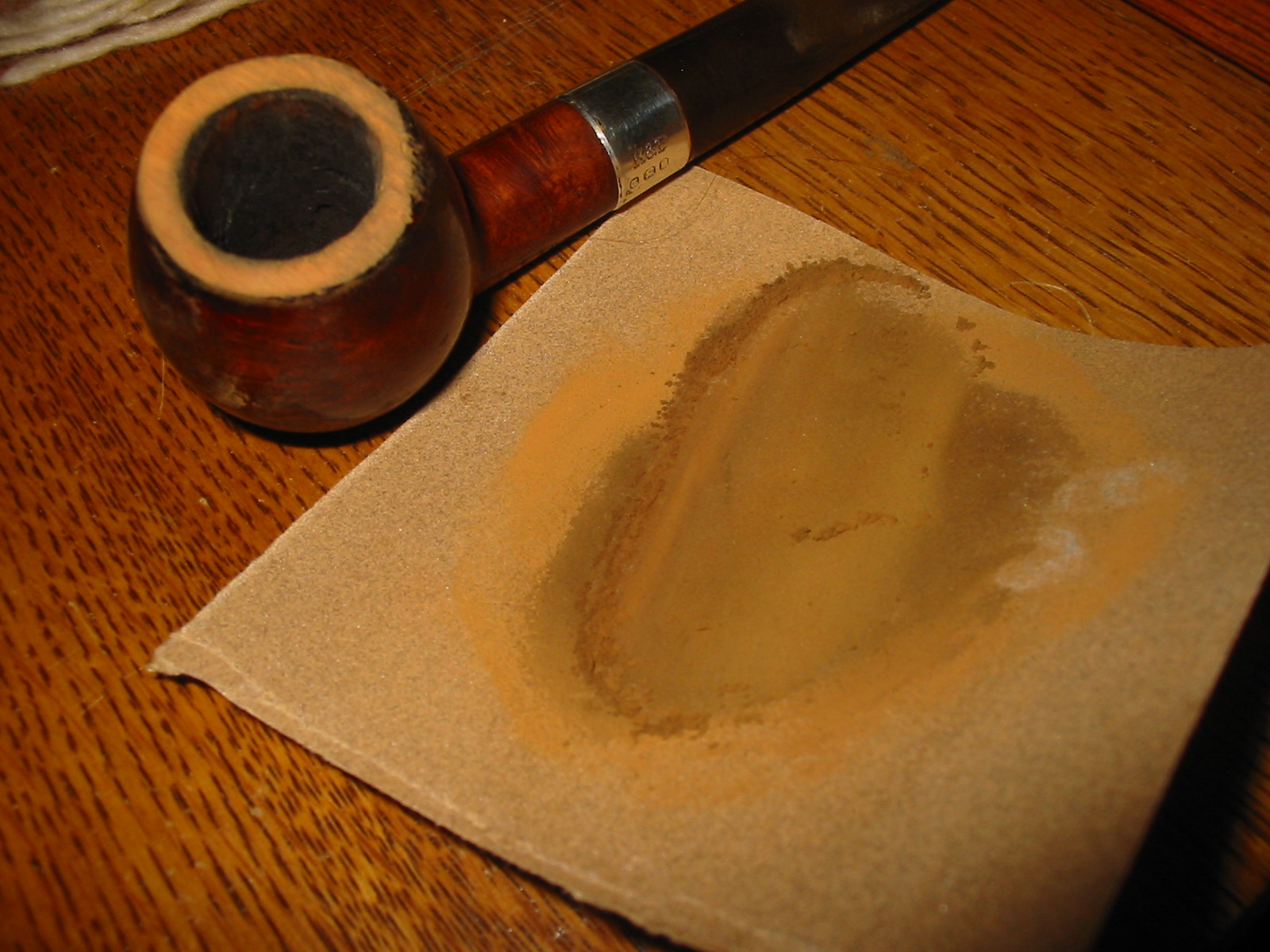
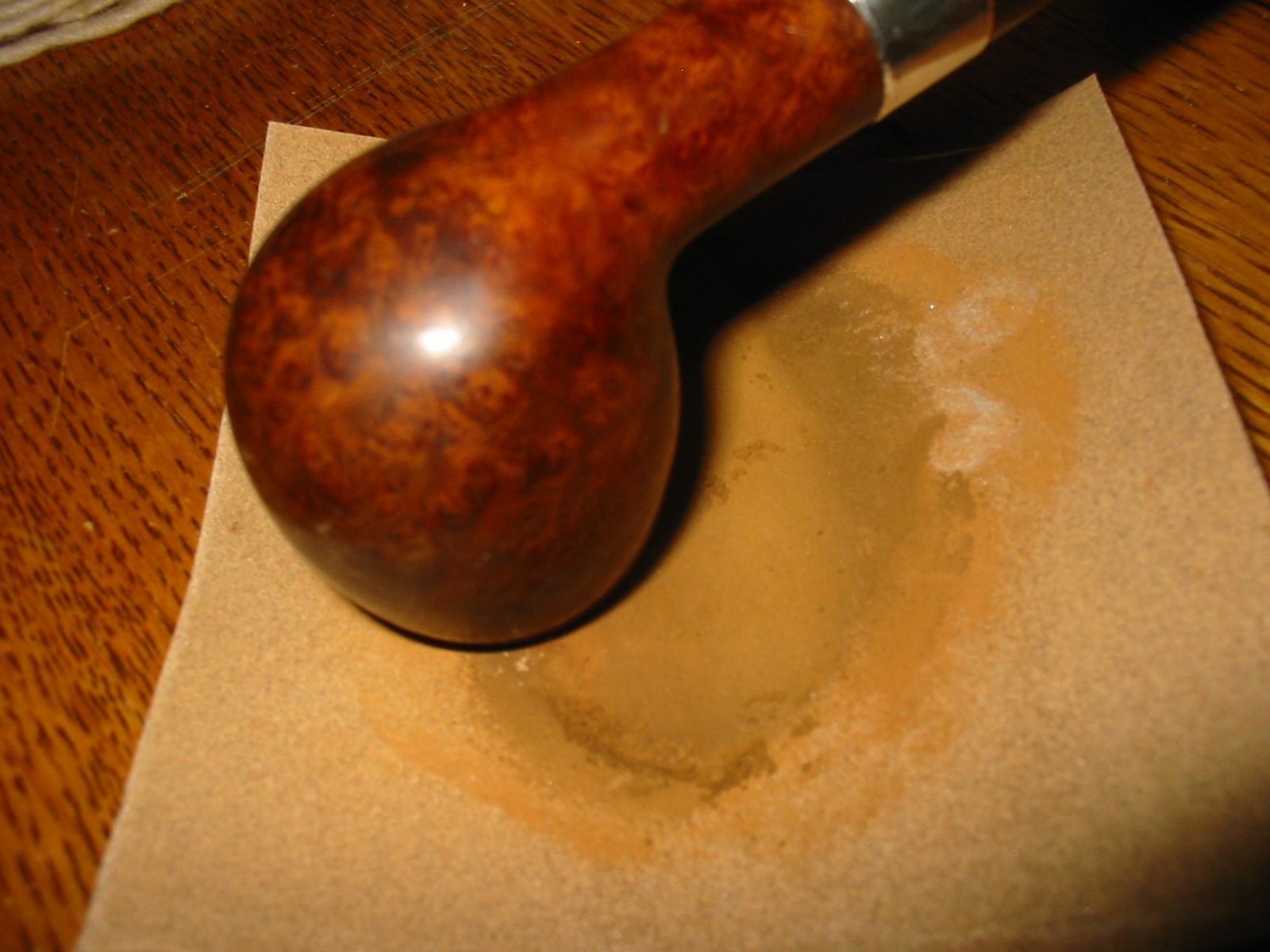
I removed the bowl from the alcohol bath after 1 hour of soaking. I dried it off and cleaned out the shank with pipe cleaners, shank brush and cotton swabs soaked in isopropyl alcohol. I worked those until they came out clean. I used sandpaper on the interior of the bowl to smooth out the remaining cake and clean the surface. I wiped it down with cotton swabs and isopropyl afterwards. I used the sanding board and paper to top the bowl and bring it back to a flat and even condition. I did not have to remove very much of the top but I wanted it to be straight and not slanted toward the front. I used my normal variety of sandpapers (280, 400 and 600) to do this and finished it with micromesh sanding pads 1200-6000 to remove the remaining scratches. I wiped down the bowl with a cotton pad dampened with acetone to remove any sanding dust and remnants of the topping process. I restained this bowl with an oxblood stain thinned with isopropyl to arrive at the original colour. I flamed the stain and when dry took it to the buffer and gave it a buff with White Diamond.

I reinserted the stem and the gap and roundness of the shoulders on the stem made a smooth fit impossible to attain. I decided to use an old BBB band that I had in my box and heated it and pressure fit it to the shank. I liked the finished look of the pipe. I gave the entirety several coats of carnauba wax and a polishing buff with a clean flannel buffing pad. The pictures below show the finished product.
ult2

ult3

Hot Rods – next round please, Basket briar massacre. (October 2012) Part 2 – Piet Binsbergen


Ok, so here is the silly bit.

These 2 pipes I did not photograph before I started. Once again apologies!

Die Braaivleis pyp (Afrikaans for the BBQ pipe)

This is my opinion. I guess that basket briars are not that bad. What makes them unattractive is that they are drilled skew and full of putty. Now skew drilling sucks and these pipes are laid to rest. When I do find pipes that look like the drilling is solid enough I often find the bowls to be full of putty fills hence they become basket briars. So why do they do it then? Well, time is money and to fill a pipe and sand it, covering it with a dark stain seems to be fast and cost effective.

I have found that if one spends time and uses the right tools, with some practise you can rusticate the bowl and the fills become part of the character of the pipe. So why do the pipe manufacturers not do it then? The answer again is a simple one! Time versus money. A solid rustication job may take me some hours. Now hours I have, low end pipe manufacturers do not!

In time I will put together a photo essay of my rustication process.

With this pipe, the bowl was semi rusticated. I added a silver shank ring and fitted a green Lucite shank ring for contrast. The stem was replaced.
Piet1
The Bushveld Poker

Before you all have a stroke, this is NOT a CASTELLO but a Purex basket briar.

This was fun as I could get the stummel into the lathe chuck and work it back into true. The drilling was good but the tobacco chamber was off set to the outside of the bowl (Welcome to the wonderful world of basket briars). I was able to turn the bowl down just a bit to bring it back into true. I also added some rings. As the bowl was full of fills lower down on the stummel I used the same rustication process as above. I added a silver shank ring for contrast. The stem is a screw in type fit with one of those nasty stingers fixed to the tenon of the stem. Here I removed the stinger and saved the stem. This is one of the few pipes that had a stem which was saveable so I went through the motions of bleaching soaking and polishing. All the pipes have draft holes open to 4mm.
Piet2

Restemmed Petersons 69 – Second Try was a Charm


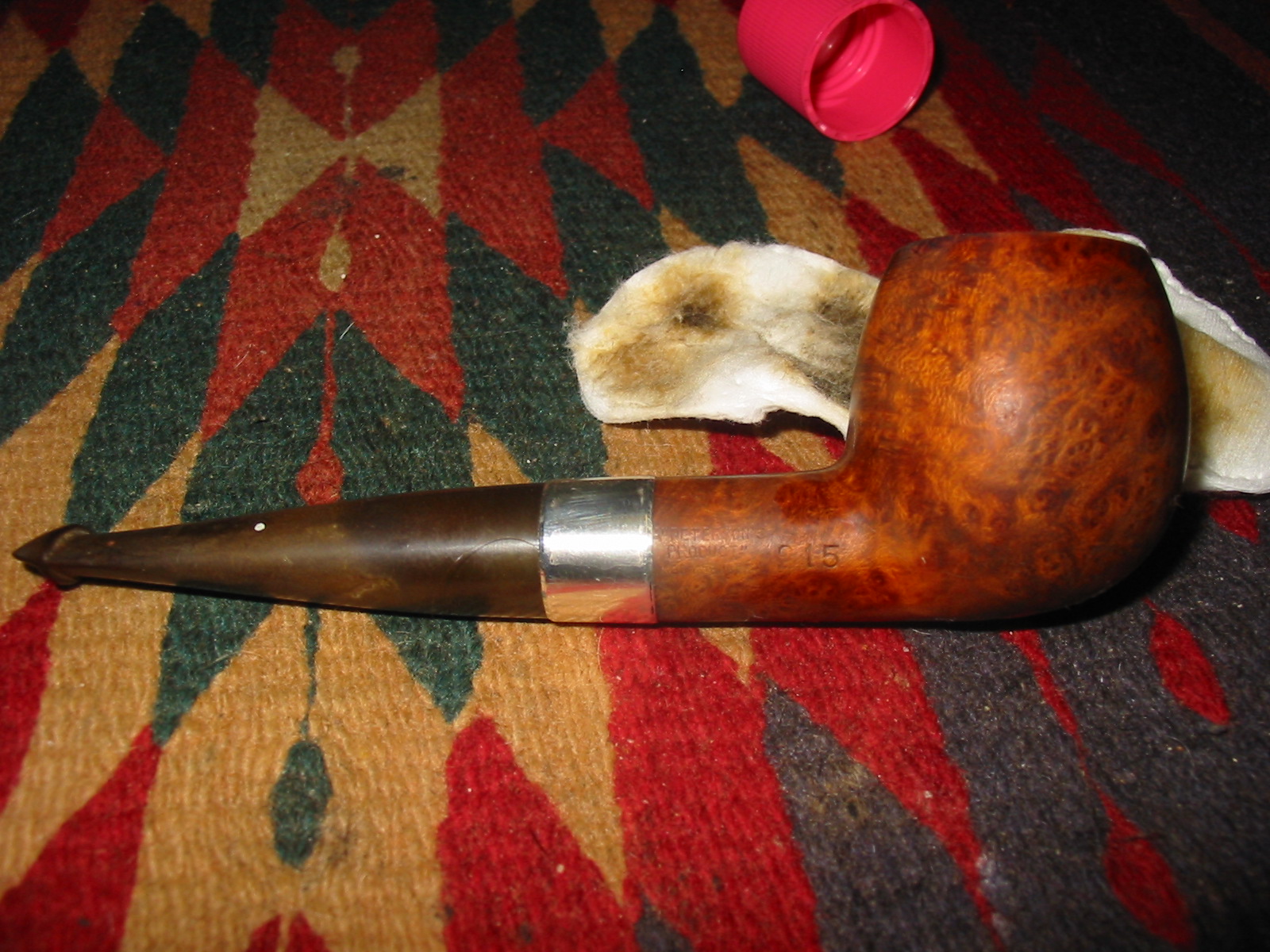
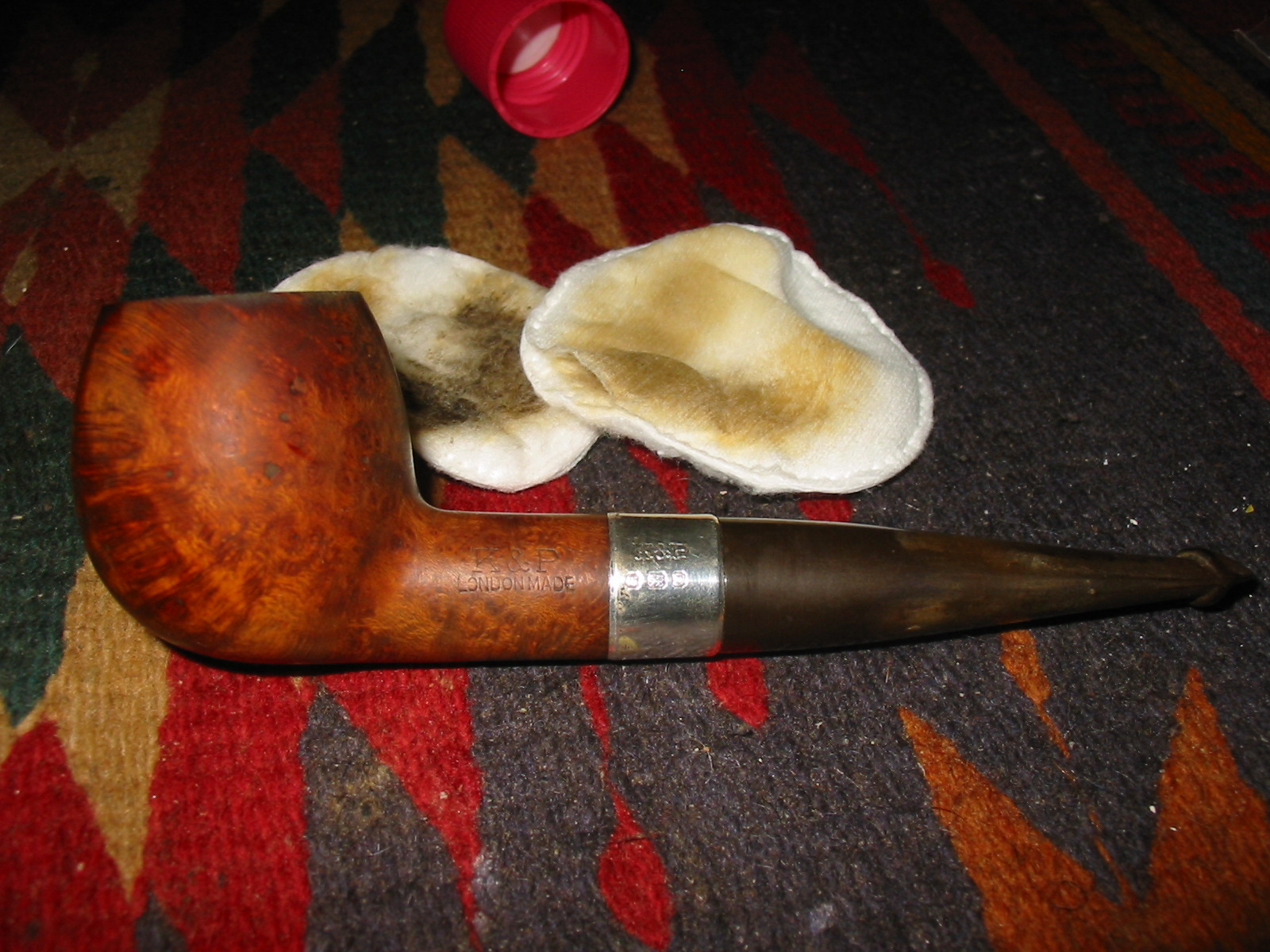
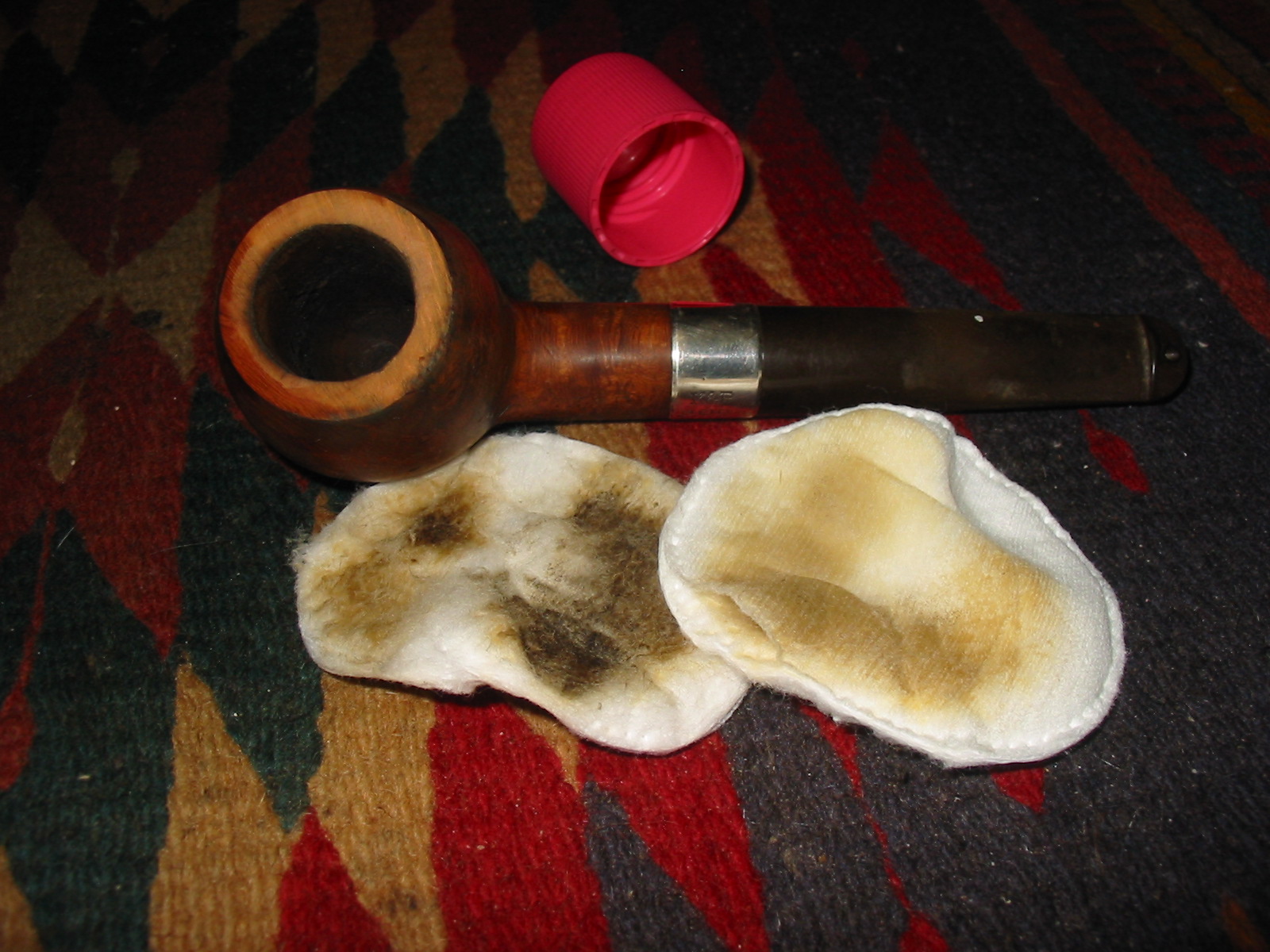
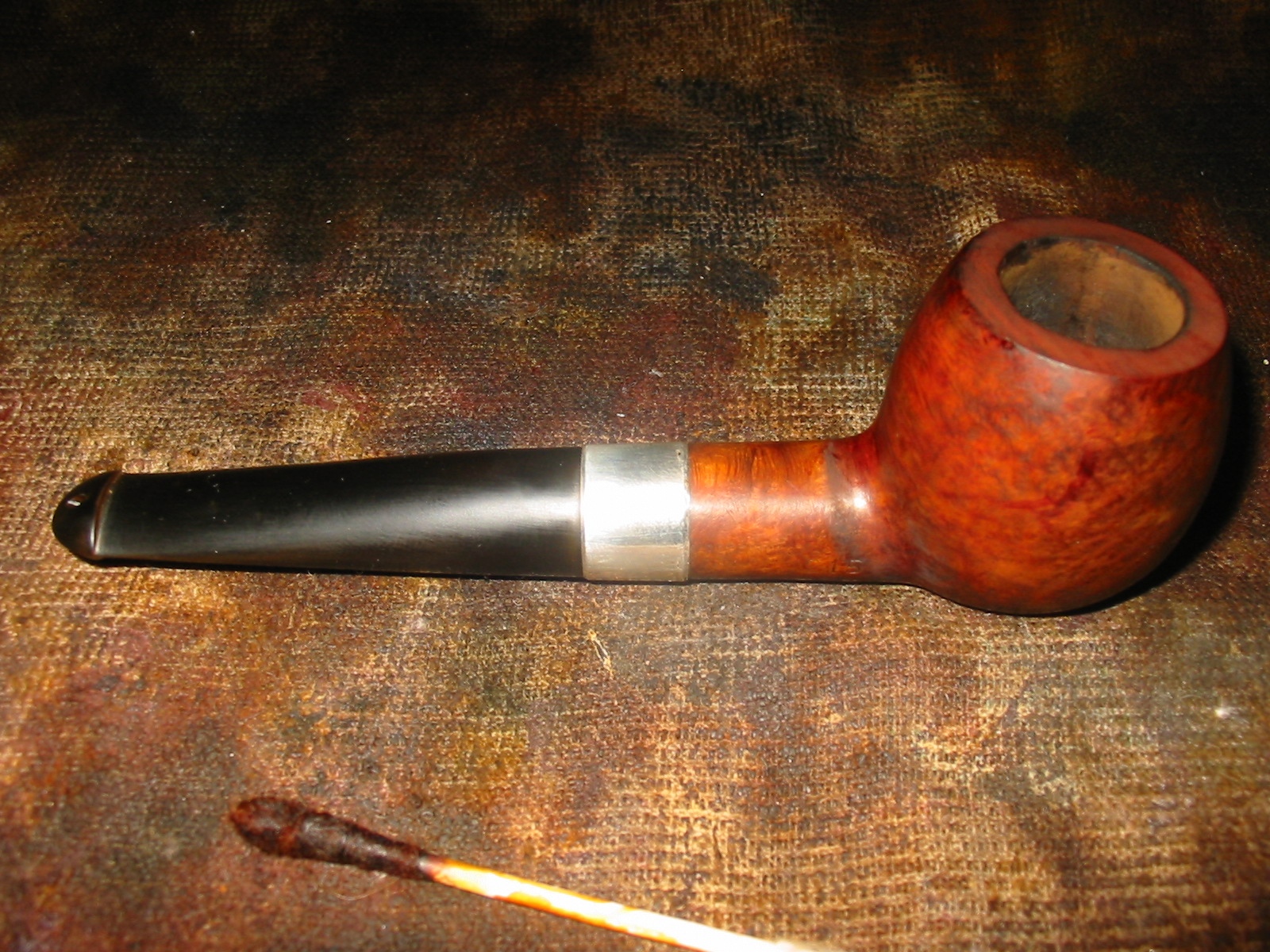
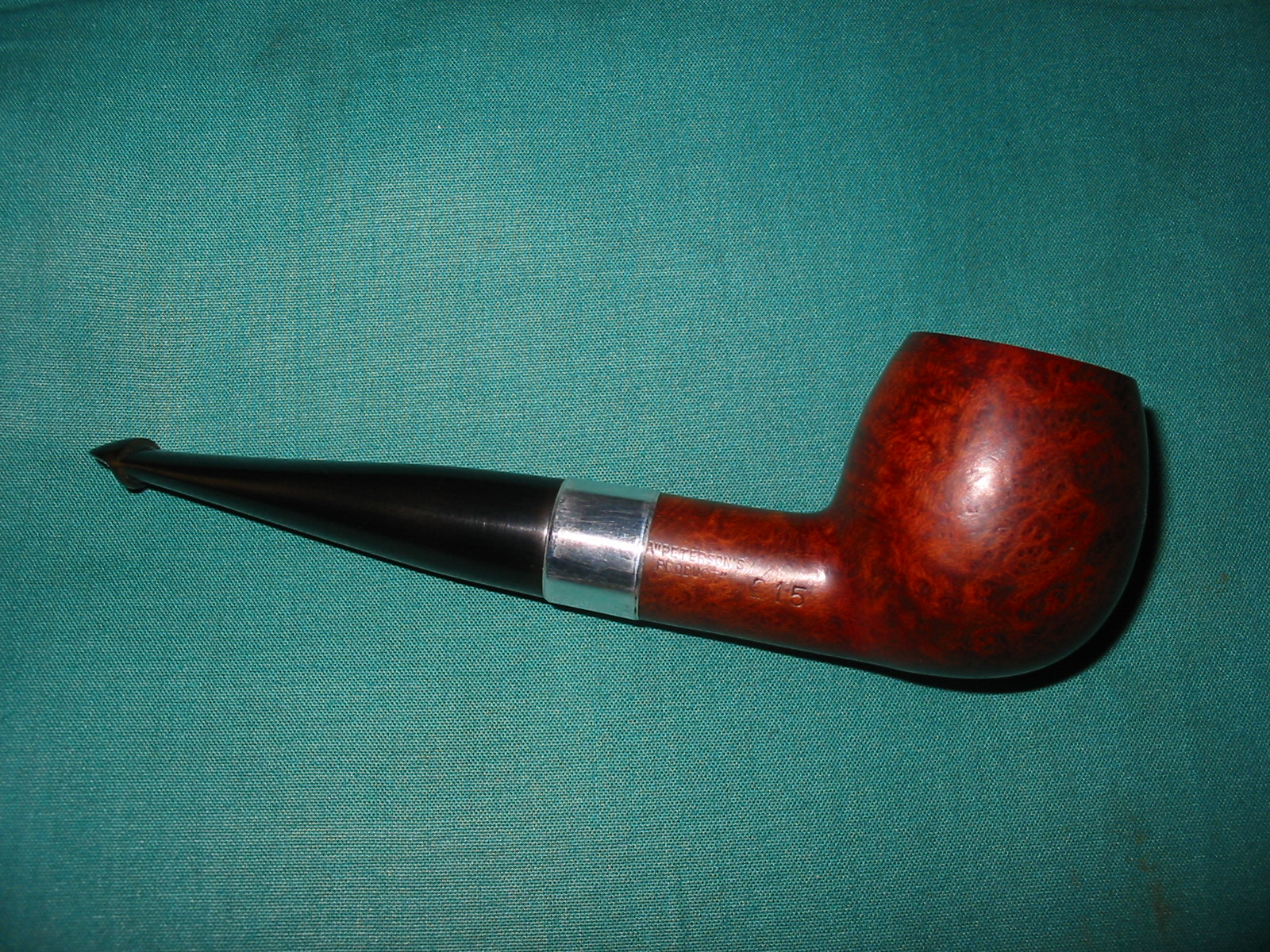
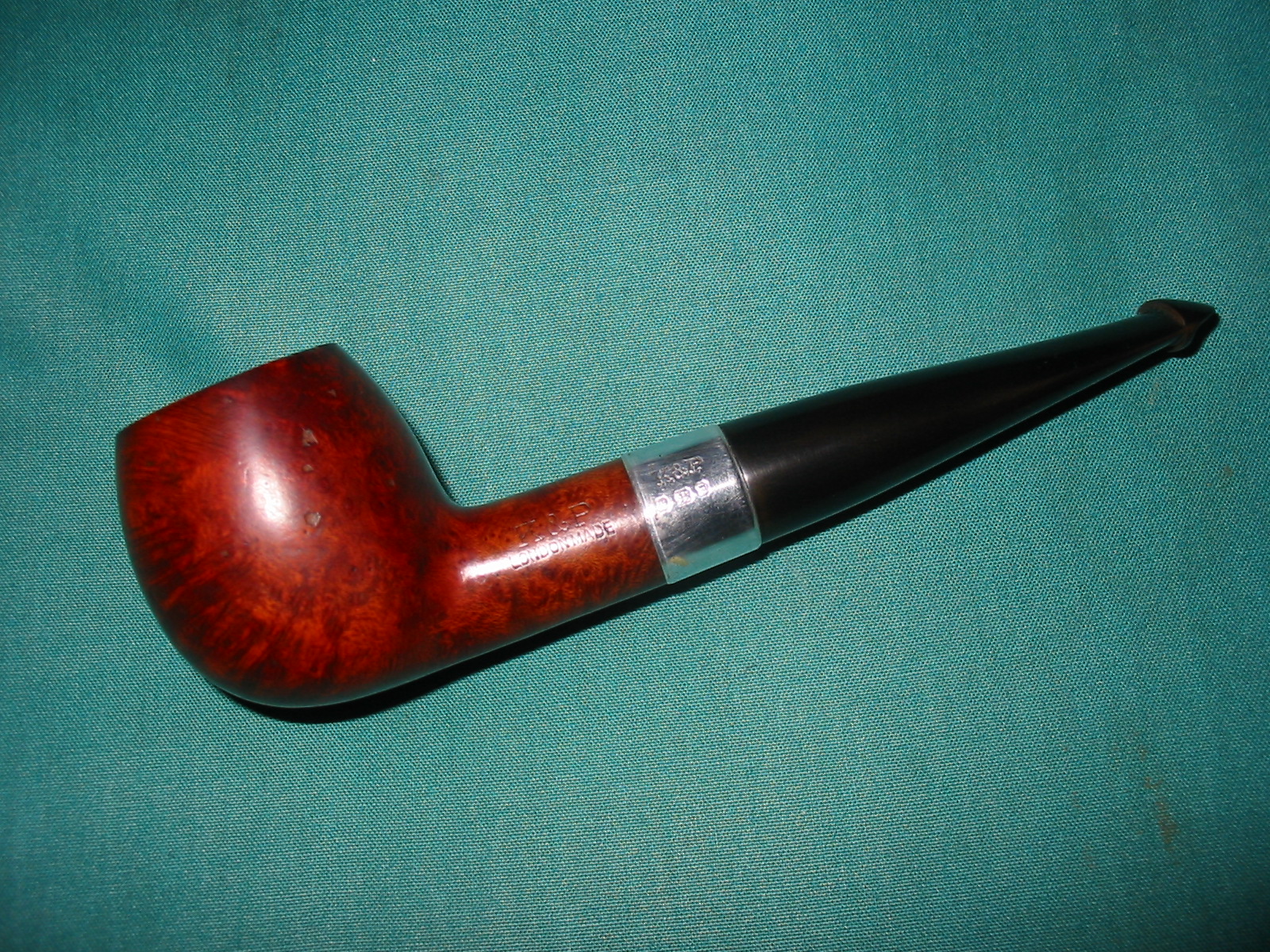
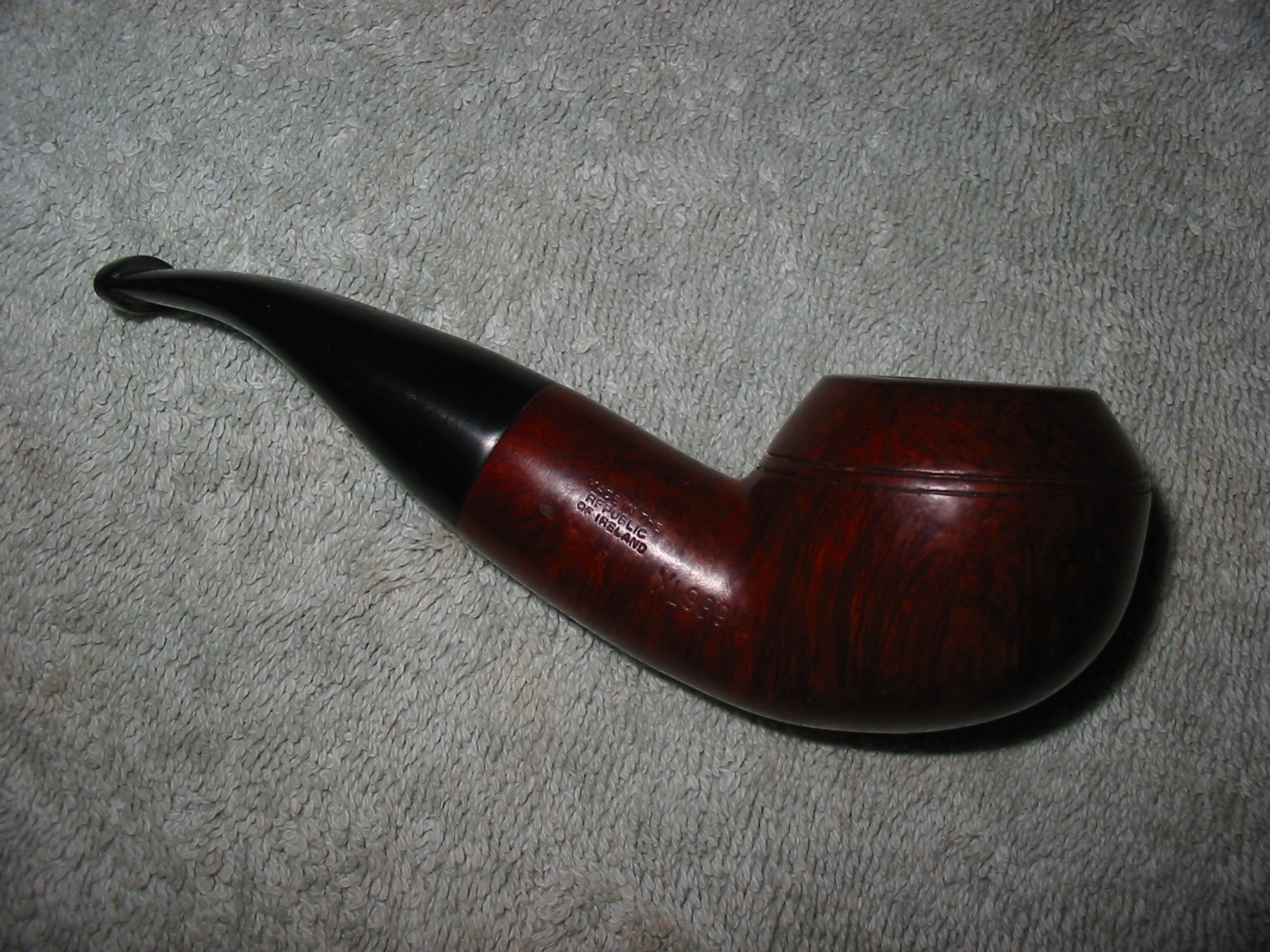
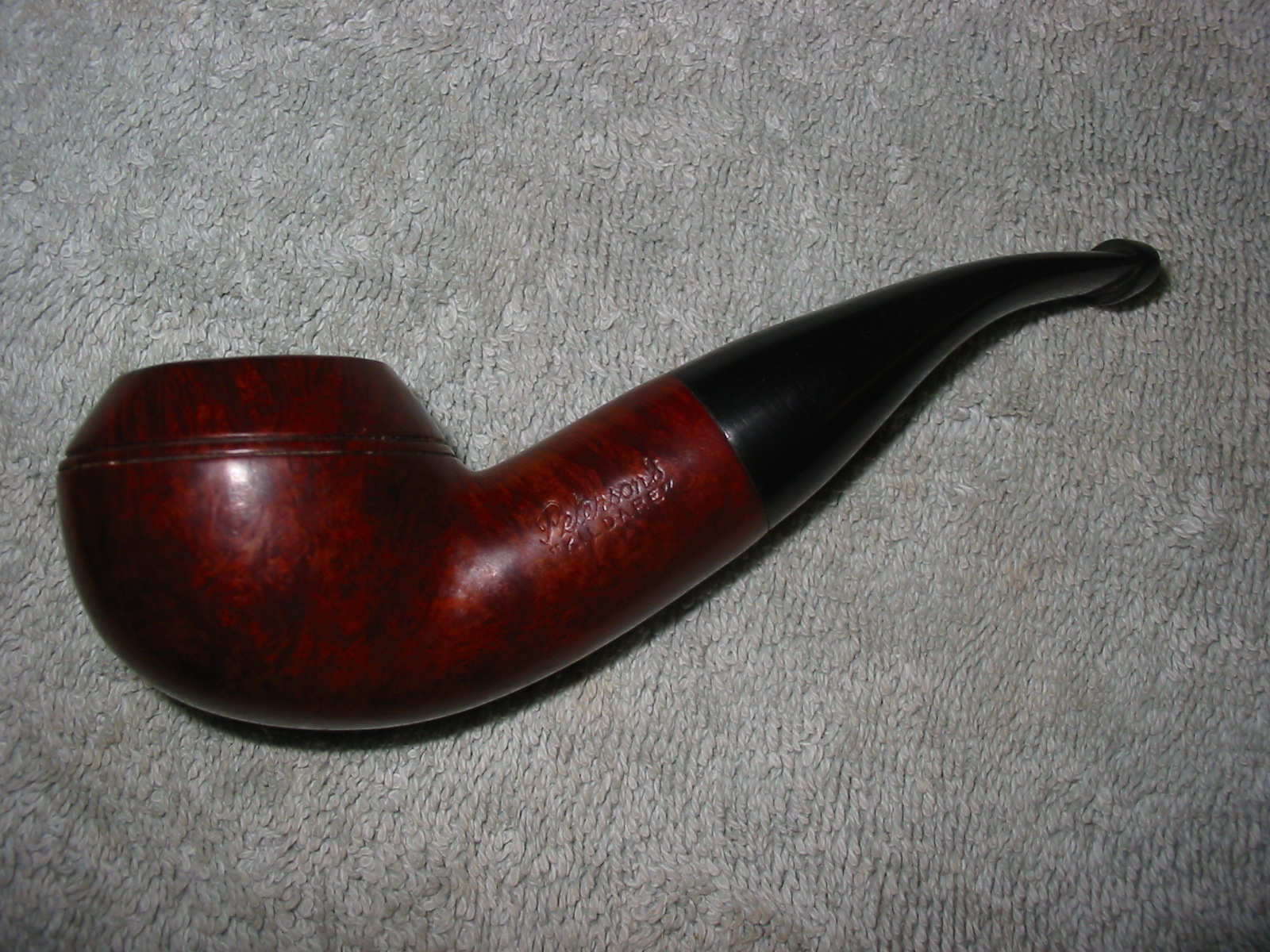
I had this old Peterson 69 bowl in my refurb bin for quite awhile. It is stamped also on the other side K&P Dublin, Made in the Republic of Ireland. I cleaned and reamed the bowl and cleaned out the mortise area with cotton swabs. I wiped the bowl down with acetone to remove the surface grime. I topped the bowl as it had major dents and roughening on the top from abuse. It needed a stem so I researched the kind of stem it needed and called a Peterson repair person in the states to have one sent to me.

Here is where the story gets a bit dicey. All I really wanted was to have the stem sent and I would fit it to the pipe but I let myself be talked into sending it south. It came back with the wrong stem on it and also had some serious cut marks on the tenon end. It also was a stem for a p-lip system pipe and the 69 is not a system pipe as far as I can tell. I was a bit frustrated to say the least so I set it aside for a week or two before calling the repairman and letting him know what I was feeling. I have to say that it is frustrating to expect one thing and get another. It is also frustrating to know that I could have done the work myself in less time if only I had a stem blank that I could have used.

I sent it back to him for a redo and included this internet photo of the pipe with the stem.
peter1

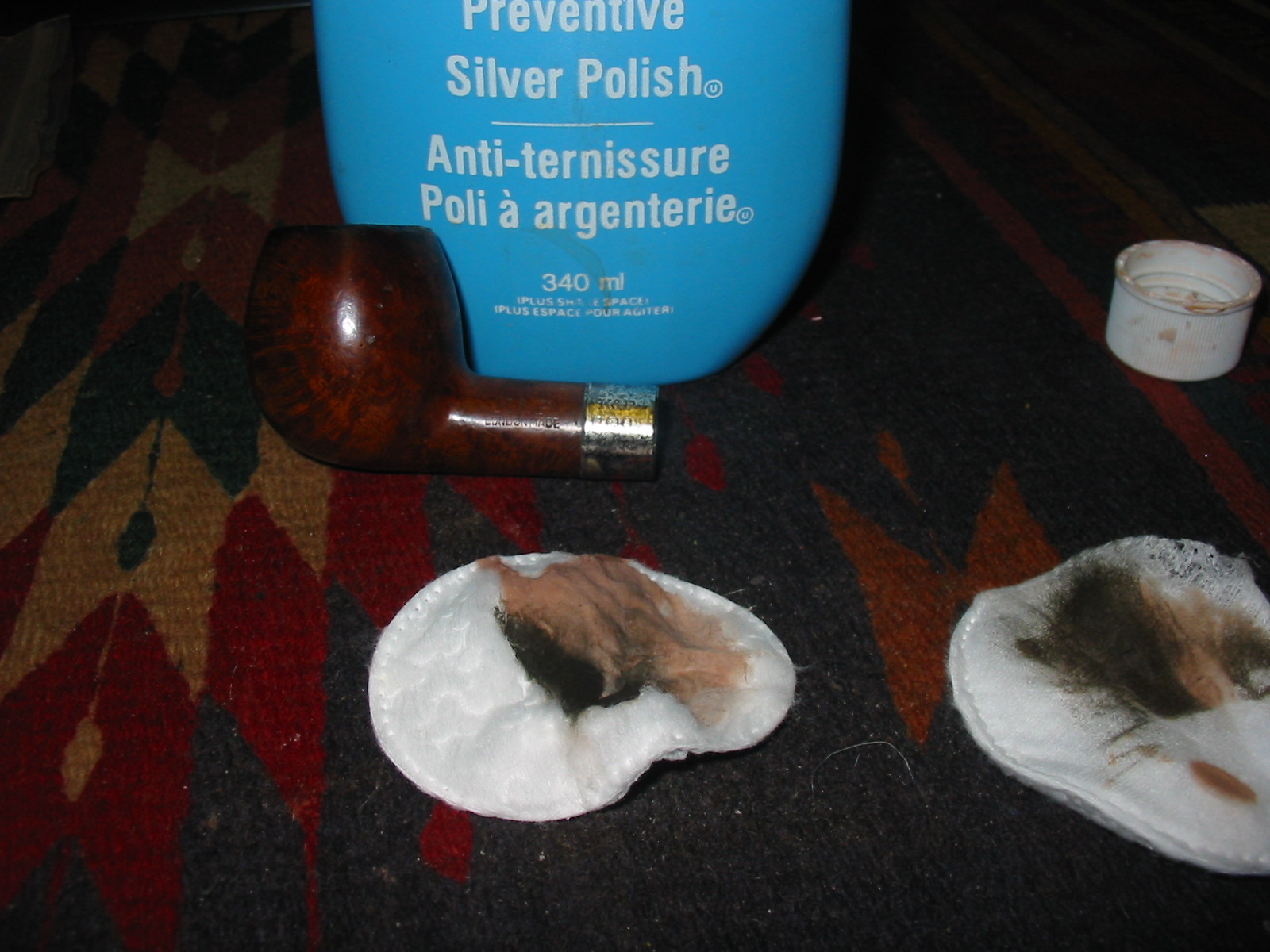
When it finally came back it was better – see the photos below. It was much better so I decided I was done with sending it back. Two times is enough. Once it was back I finished working on the rim and the rest of the bowl. I stained it with a medium brown aniline stain. It took the stain well and came out a reddish brown colour. I buffed it with Tripoli and White Diamond to polish the stem so the grain would show through. I finished it with several coats of carnauba wax and buffed with a soft flannel buff. The silver ferrule was polished with silver polish. It is a good smoker and is comfortable in the mouth.
Peter2

peter3

peter4

peter5

Refurbishing a GBD Penthouse with a Chairleg Stem


While scanning EBay for interesting old pipes to work on I came across a pipe for sale with the stamping Penthouse. There was little other information on the advert regarding the pipe but it looked interesting to me. The chairleg type stem made me think of the series of pipes that Al (upshalfan) has restored so I put a bid in for the pipe. I contacted Al and he sent me the following picture from a Tinderbox catalogue showing that indeed the pipe was a GBD line. (NOTE: The GBD catalog page came courtesy of Jerry Hannah. Jerry created the GBD Shapes/Model page that I frequently use for reference. I’m not sure if he reads this blog, but if so, thanks!) The headline on the page says that GBD breaks with tradition and forges bold new designs. Pipes marked J, K, and L in the picture below are all Penthouse pipes. I have no idea where they took the name but let imaginations rest, the pipes are stunning and the stems are uniquely beautiful.
Pent1

The Penthouse pipe that I bid on and subsequently won is an apple shape. The first six photos below are the seller’s pictures. It was these pictures that tempted me to place my initial bid on this pipe. As it turned out I was the sole bidder. The stem was badly oxidized and had some tooth chatter at the button. The stamping showed up but was not as deep as it appears in the photos. The rim appears to be darkened but not charred in the photos and the finish appeared to be dirty but not dented or scratched deeply. It was stamped on the left side- Penthouse in script over Made in England in block letters. On the right side it was stamped London England over 347. Now the wait began.
pent2

pent3

pent4

pent5

pent6

Pent7

When the pipe arrived it was much as the pictures had shown. I am never sure what to expect when I bid on these old pipes as I have been utterly surprised both ways – they have shown up in much worse shape than the photos showed or in much better shape. The next four photos show it as it appeared when I removed it from the box.
pent8

Pent9

Pent10

Pent11

The finish was actually quite dirty. Many of the dark areas of the finish were actually grime and grit and not the understain on the pipe. I wiped the pipe down with acetone to remove the grime. I also used a battery terminal brush to clean out the remaining cake remnants in the bowl. Then I dropped the bowl in the alcohol bath and the stem in a bath of Oxyclean. The bowl sat for about an hour in the alcohol bath and the stem sat in the bath overnight. When I removed them I cleaned out the shank and the inside of the stem until the pipe cleaners and cotton swabs came out clean. I wiped the entirety with a soft cotton pad and acetone to remove any remaining grime and the next series of four photos show the state of the pipe at this point in the process. The alcohol bath and acetone had successfully removed the remaining finish and the grime on the surface of the pipe. The Oxyclean had done a great job on the oxidation. You will notice the shiny areas on the top of the stem – I had run my fingernail across the surface to show how the oxidation had softened. It was ready for the next step in the process of cleaning the stem.
Pent12

Pent13

Pent14

Pent15

The next two photos show the stem after I had scrubbed it with a Magic Eraser. The stem was wet and shiny and you can see the oxidation on the Magic Eraser under the stem. I continued to scrub the stem with the Magic Eraser until it came out clean.
Pent16

Pent17

The oxidation was greatly decreased at this point but there was more work to be done on the stem. The hard points on the stem were obviously around the chairleg section. The grooves were difficult to get to with the Magic Eraser. I decided to use some Meguiar’s Scractch X 2.0 which is a scratch and blemish remover for auto paint finishes. I used soft cotton pads (makeup removal pads) with a spot of the Scratch X 2.0 on them to scrub the grooves and the area around the button as well. The next series of three photos show the stem after the scrubbing with X 2.0. The oxidation is further removed but still evident.
Pent18

Pent19

Pent20

At this point I continued to scrub with the X 2.0 until the stem was once again black. I buffed the stems with White Diamond on my buffer once that was finished. The next two photos (please forgive the blurry focus) show the stem after the application of Obsidian Oil to the clean stem. I left the Obsidian Oil on the stem until it was absorbed and then coated the stem with an initial coating of carnauba wax to protect it while I went to work on the bowl.
Pent21

Pent22

I coated the bowl with an oxblood aniline stain. The next two photos show the coated bowl before I flamed the stain to set it in the grain. The stem appears to be brown again but I had coated it with wax and left it to dry while I worked on the bowl.
Pent23

Pent24

I buffed off the stain with a soft flannel cloth that is pictured below. I wanted to highlight the variety of grain in the pipe so that is why I chose the stain I did. It also shows that the black understain that appeared in the original photos still remained and makes the grain very visible in the pictures below.
Pent25

Pent26

Pent27

Once the stain was dry I put the pipe back together and took it to my buffer. I buffed the stem and bowl with White Diamond until is shone. Then I moved on to a soft flannel buff with carnauba wax and a final polishing buff with a clean soft flannel buff. The finished pipe is pictured below. All that remains is to fire it up and enjoy a bowl in the “new” Penthouse pipe. The stamping on the stem is still present and not harmed by the work but it is light and will not hold any whitening product.
Pent28

Pent29

Pent30

Pent31

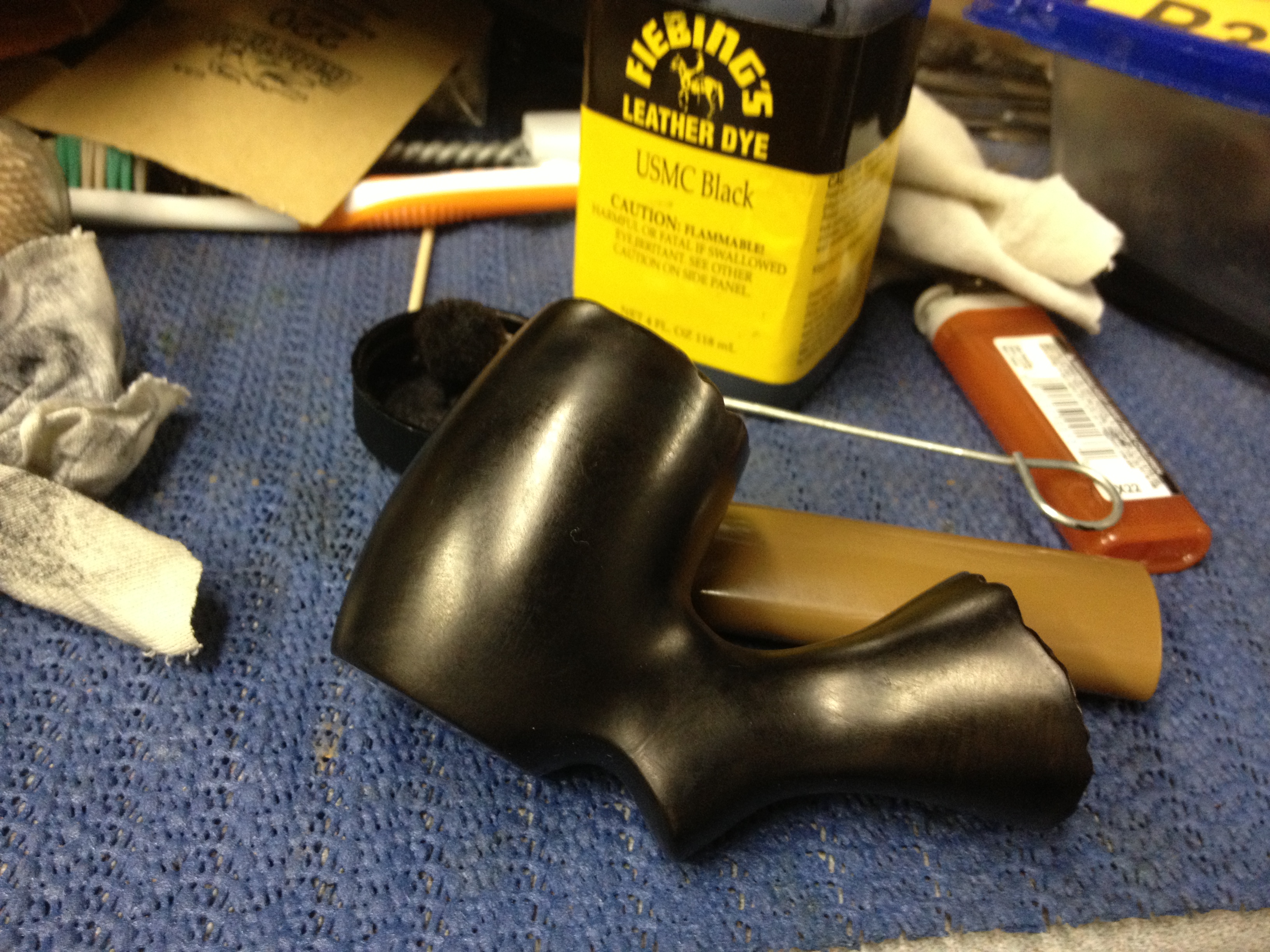
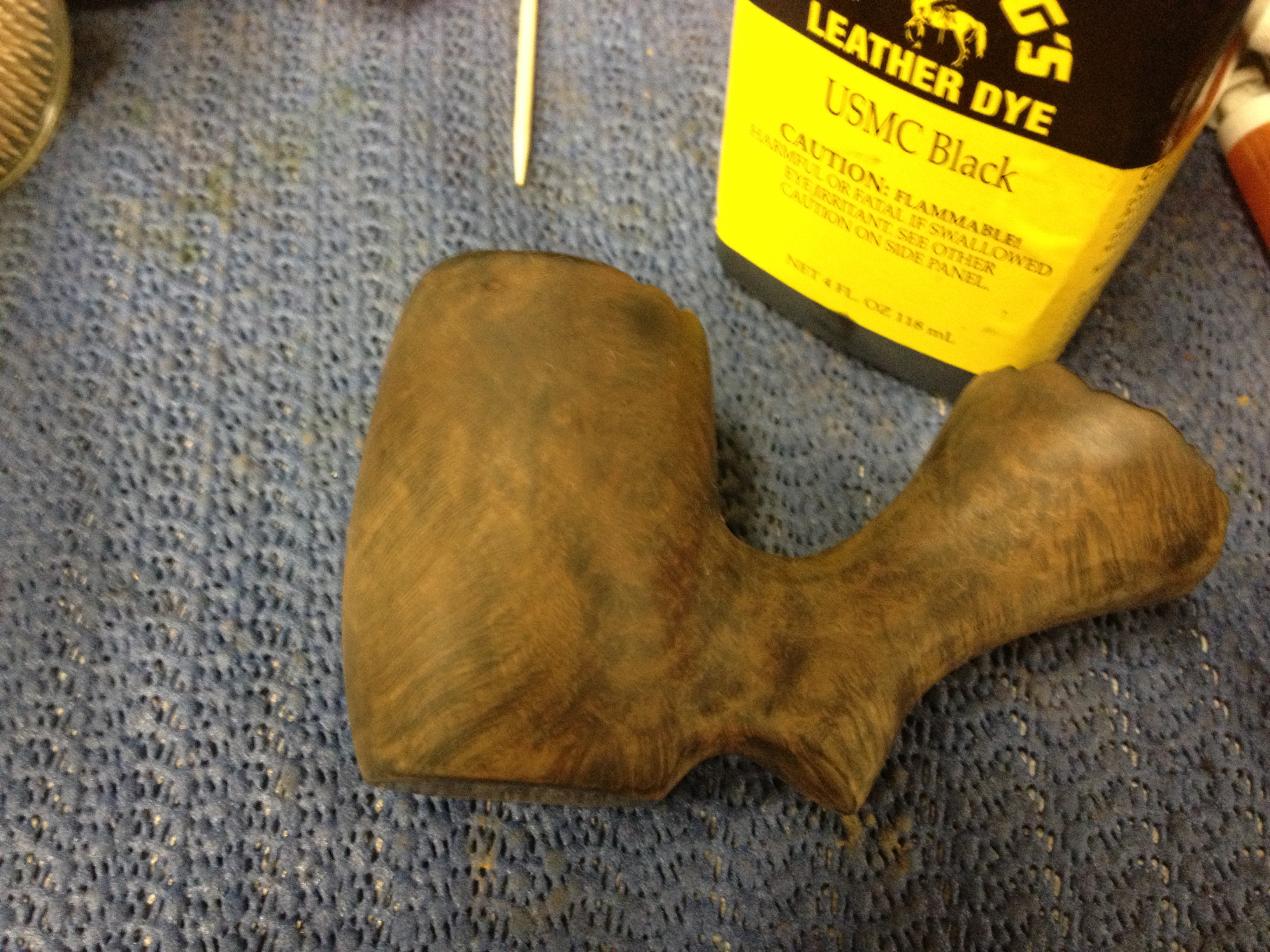
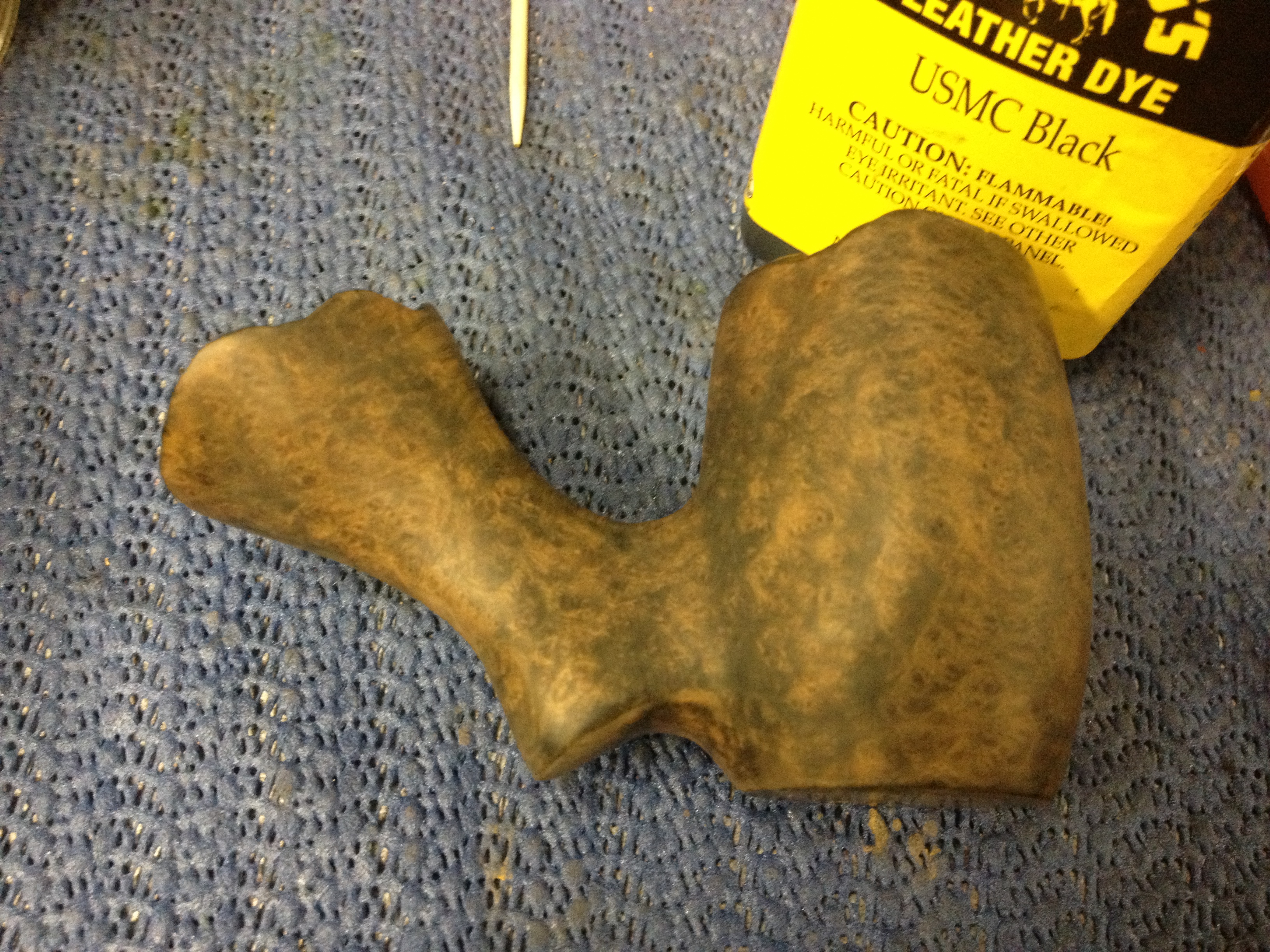
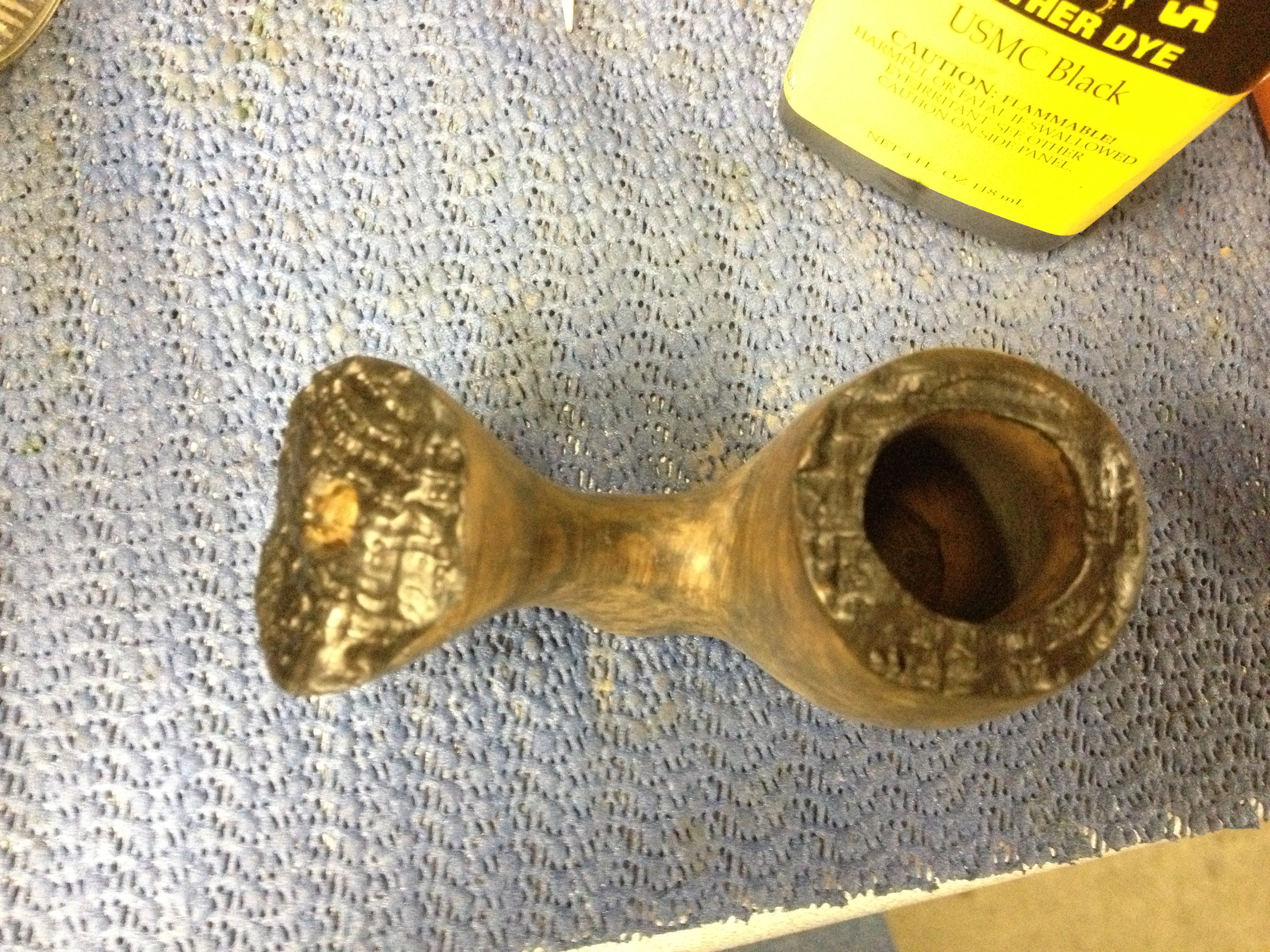
Dr. Grabow Colour – Damaged and Reborn


Blog by Steve Laug

I have had this old Dr. Grabow Coloured pipe for a long time. It had damage to the colour coat and to the rim. I kept putting off doing anything with it as I could see no way of repairing the colour coat. It had the nylon stem as well with the Medico filter system. It was a screw mount tenon. The stem was covered with tooth marks and I just did not want to do anything with it… until yesterday.

Yesterday morning I took the pipe out of the box of pipes for repair and wiped it down with some acetone to see if I could clean up the bowl. At this point it was my plan to find some of the same coloured paint and respray the paint on the bowl to fix the spots where it was scratched off. I put the pipe bowl in my pocket and took a trip to Walmart to see if I could match the yellow colour of the paint. I went through about 6 or 7 different yellow colours and none matched. I stuck it back in my pocket and headed home. By this point I had decided to strip the bowl back to the wood and see what was under the paint. I had always heard that the bowls used in these pipes were pretty devoid of grain and had many fills so I figured what did I have to lose on stripping the paint.

I dropped the bowl in the alcohol bath for several hours while I was working on other things around the house. My hope was to loosen the paint coat not dissolve it into the water. Isopropyl should not dissolve the paint but it would certainly soften the paint and penetrate under the paint coat through the scratch marks in the surface. After I removed the bowl from the bath I used a sanding pad with medium grit and rubbed it across the painted surface and the paint began to peel back very easily. The next series of three photos show the effect of the paint coming off with a very light sanding.

I continued to sand the paint coat until it was gone. The next series of four photos show the bowl after the sanding. The paint coat is gone; all that remains is the light coating of yellow haze that will come off with a quick acetone wash. Once the paint was gone I was left with a pretty bland block of briar. There were fills around the front of the bowl and the sides. The shank, right side had a large fill that extended most of the length of the shank. The rim was in great shape with no dents of burns. The inner bevel on the rim was in great shape. I reamed the bowl to clean up the inside and the softened cake. It came out smooth and fresh. I cleaned the shank to remove and of the remaining tars and oils.

Once I had the internals cleaned up I washed the bowl down with a cotton pad and acetone. This removed the remnants of the yellow paint. It is amazing to me to see the amount of yellow colouration that came off with the acetone. The wood had quite a bit of yellow pigment on the surface of the bowl. I washed it down until the pads remained white. I sanded the tooth chatter and marks on the nylon stem (did I ever tell you how much I hate these nylon stems?? No? Well they are truly a pain). I was able to get the majority of the tooth marks out with emery cloth and then 240 grit sandpaper. I attached the stem to the bowl to have a look at what I had to work with  and where I should go with the finish work.

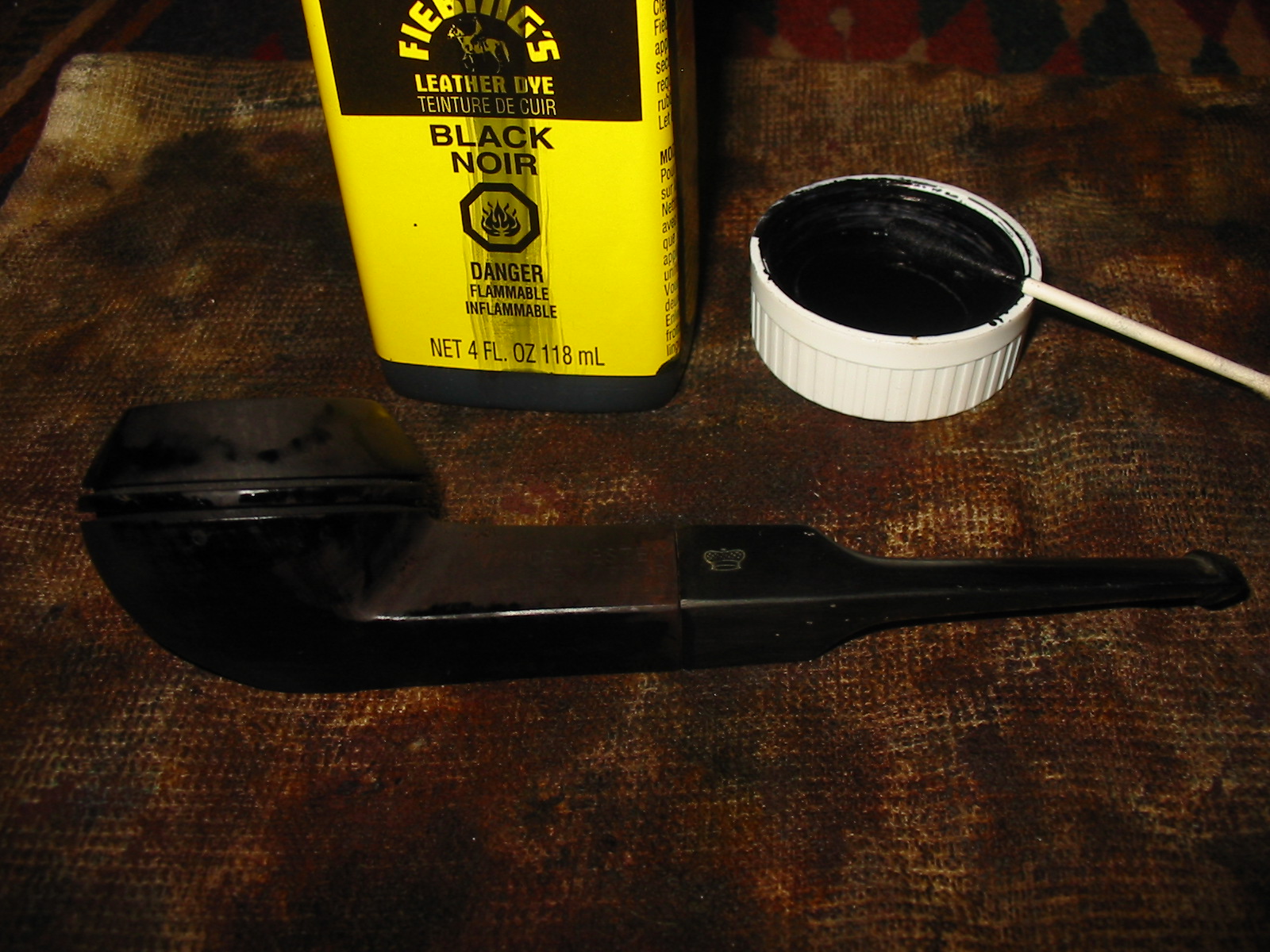
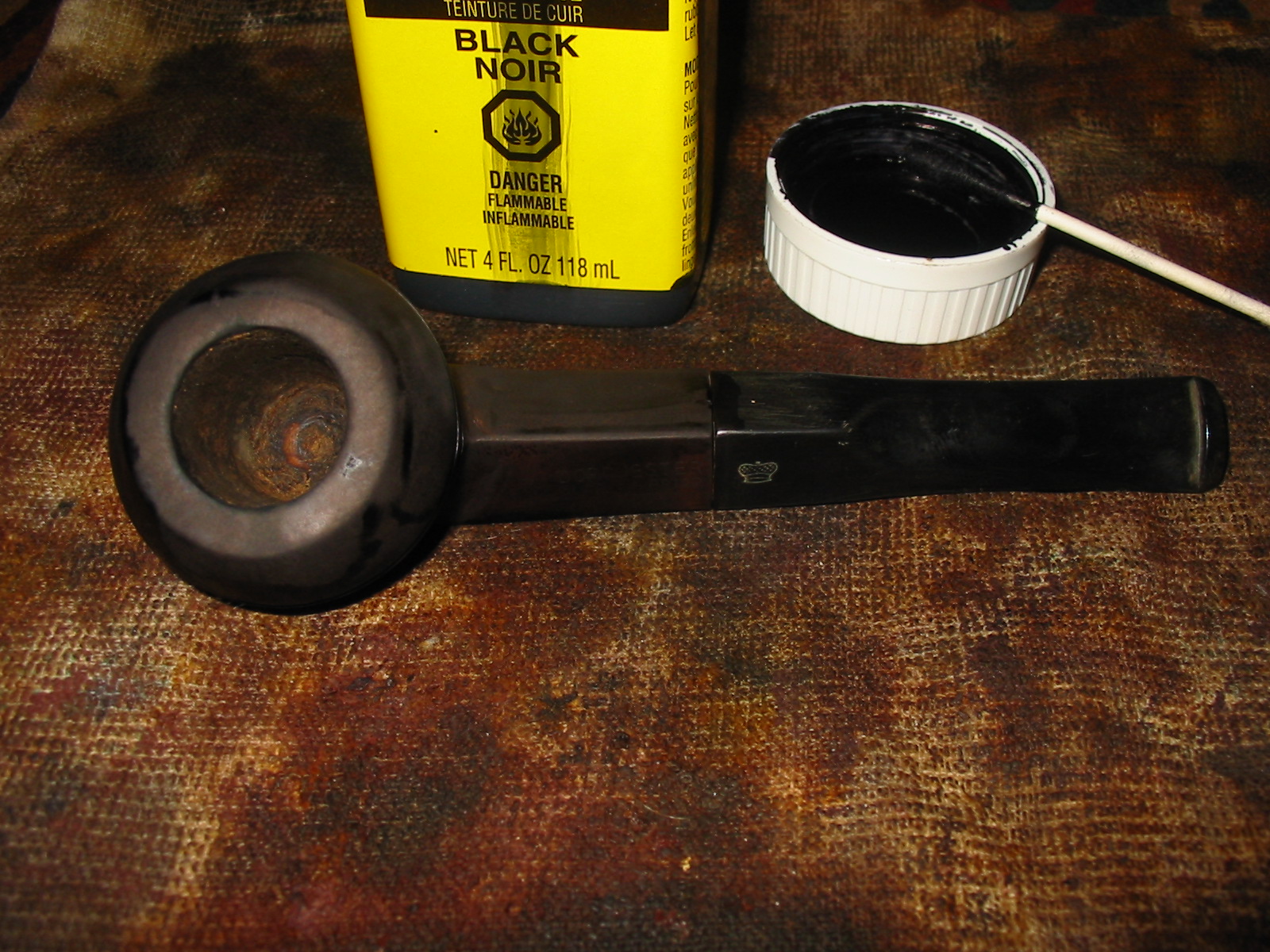
The fills seemed pretty disguised in the light colour of the briar so I decided to do a bit of an experiment. With a pipe of this calibre what do you have to lose? I stained it with a black aniline stain, flamed it and stained it a second time. My hope was that the fills would be hidden well by the stain coat. At first glance they seemed to remain hidden under the stain. I took the pipe to the buffer once it was dry and buffed the bowl with Tripoli to give it a shine and polish. As I did that the fills really stood out. The matte finish of the black hid them but the shine made them stand out. In the second photo below you can see the round fills on the front of the bowl. The one on the shank also stood out a bit.

The next series of photos show the pipe after a buff with Tripoli and White Diamond. The fills on the front now appeared to be a pinkish/red colour under the black coat. The one on the shank also looked pinkish/red. In the second photo below you can see where I restained the fill area on the shank. It was a large fill shaped almost like a moustache. Once it was dry I buffed it again with a light touch. The fills were just too obvious and ugly in my opinion. I even tried giving the pipe a top coat of dark brown stain to see if that would hide them. It did not. So I set the pipe down and went to supper. While I was eating I thought about the possibility of rusticating the bowl and giving the pipe a whole new look.

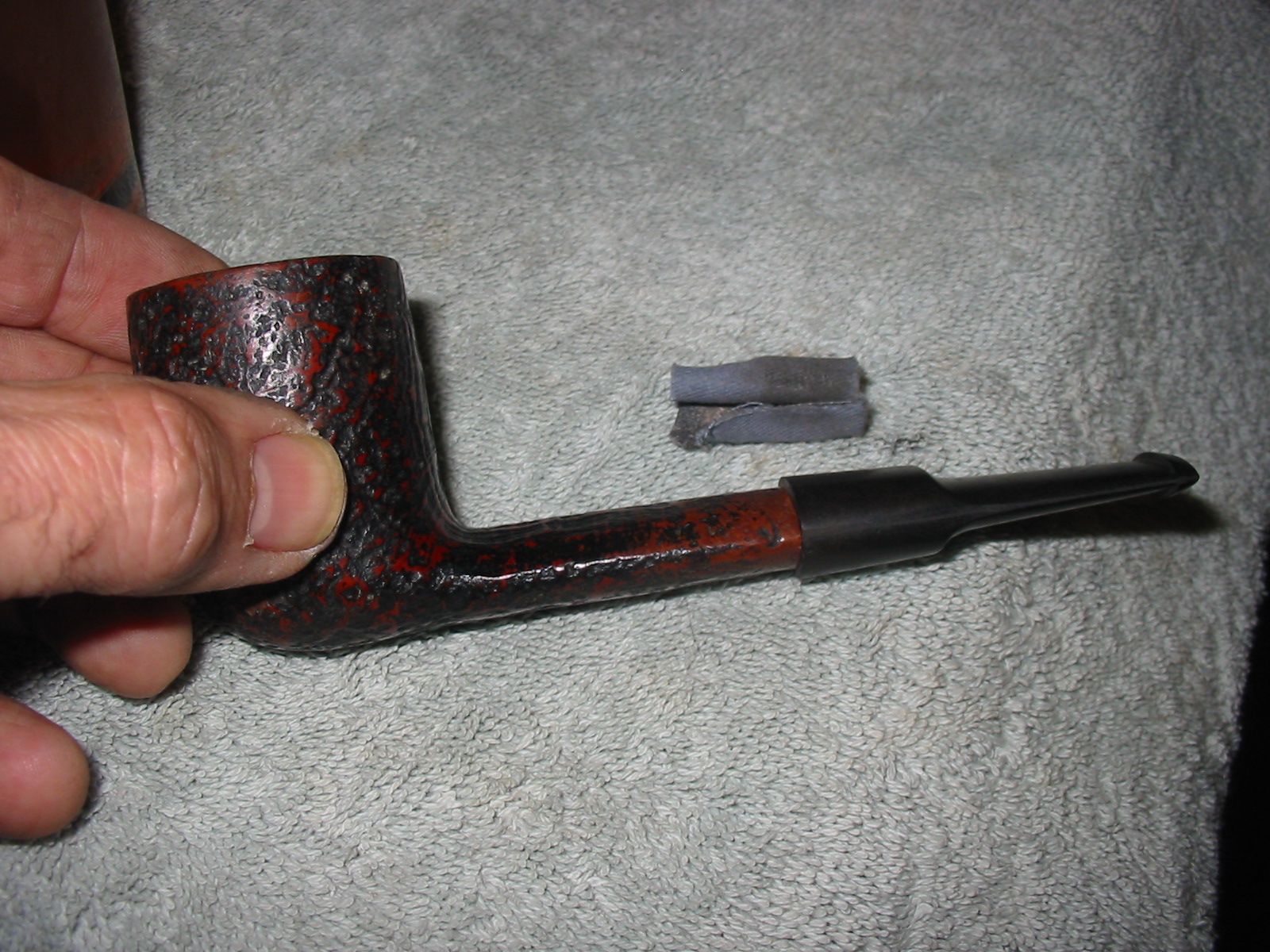
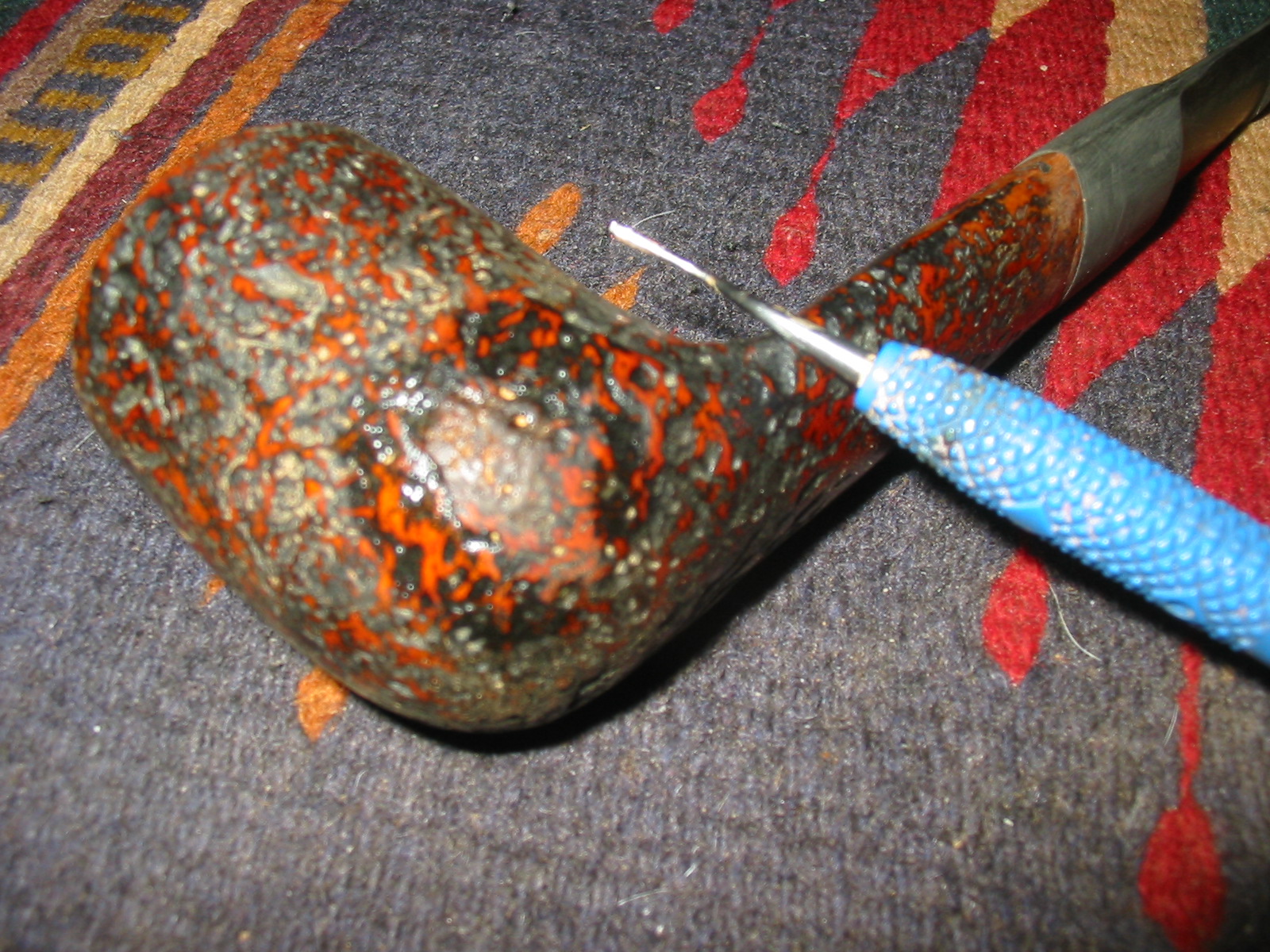
I took out my modified Philips screwdriver that I use for rustication and went to work on it. The screwdriver has the x pattern and a point. I used my Dremel to cut out the point and create four points with the remaining tip. It has a handle which I pad with a thick cotton cloth so that I can push it into the wood and minimize the discomfort on my palm from pressing. 

In the picture above you can see the work of rustication. The picture below shows the red coloured fills on the front of the bowl that made the decision to rusticate pretty easy for me.

I worked my way around the bowl as is seen in the next series of photos. I worked the front and then the bottom of the bowl and worked my way up each side of the bowl. In this case I decided that I wanted to see what the pipe would look like with a rusticated bowl and a smooth shank so I left the shank untouched with the rustication until I had finished the bowl.

The next three photos show the rusticated bowl and smooth shank look of the pipe. It just did not work for me. I did not like the look. As an aside – one of the great things with the rustication tool I use is the ability to use it in tight spaces and leave the surrounding surface untouched. By the way you will also note the photos that I left the rim smooth as well. 

The next two photos show the putty fills that were used. They seemed to have been white putty that was chalky when I scratched into it during the rustication process. You can see the location and the size of the fills in these photos. I am glad that I decided to rusticate this bowl.

I wrapped the shank and stem junction with a cellophane tape in multiple layers and extended onto the shank a quarter inch. I wanted to make a smooth band that would not be rusticated and match the smooth rim that I was leaving. The tape gave me an edge so that I would feel that as I twisted the tool in rusticating the shank. I also would give an edge to put the teeth of the tool against when I twisted it into the wood of the shank. The next series of photos show the rusticated shank. On the first one you can see the size of the fill on the right side of the shank. It also was the same white putty. As I hit it with the rusticator it left a white chalky residue. You can also see the intent of the band on the shank and the rim of the bowl being left smooth and what that would look like in contrast with the rough finish.

When I had finished the rustication I removed the tape guard and then sanded the band to get it smooth and to bring out the grain with dark undercoat.

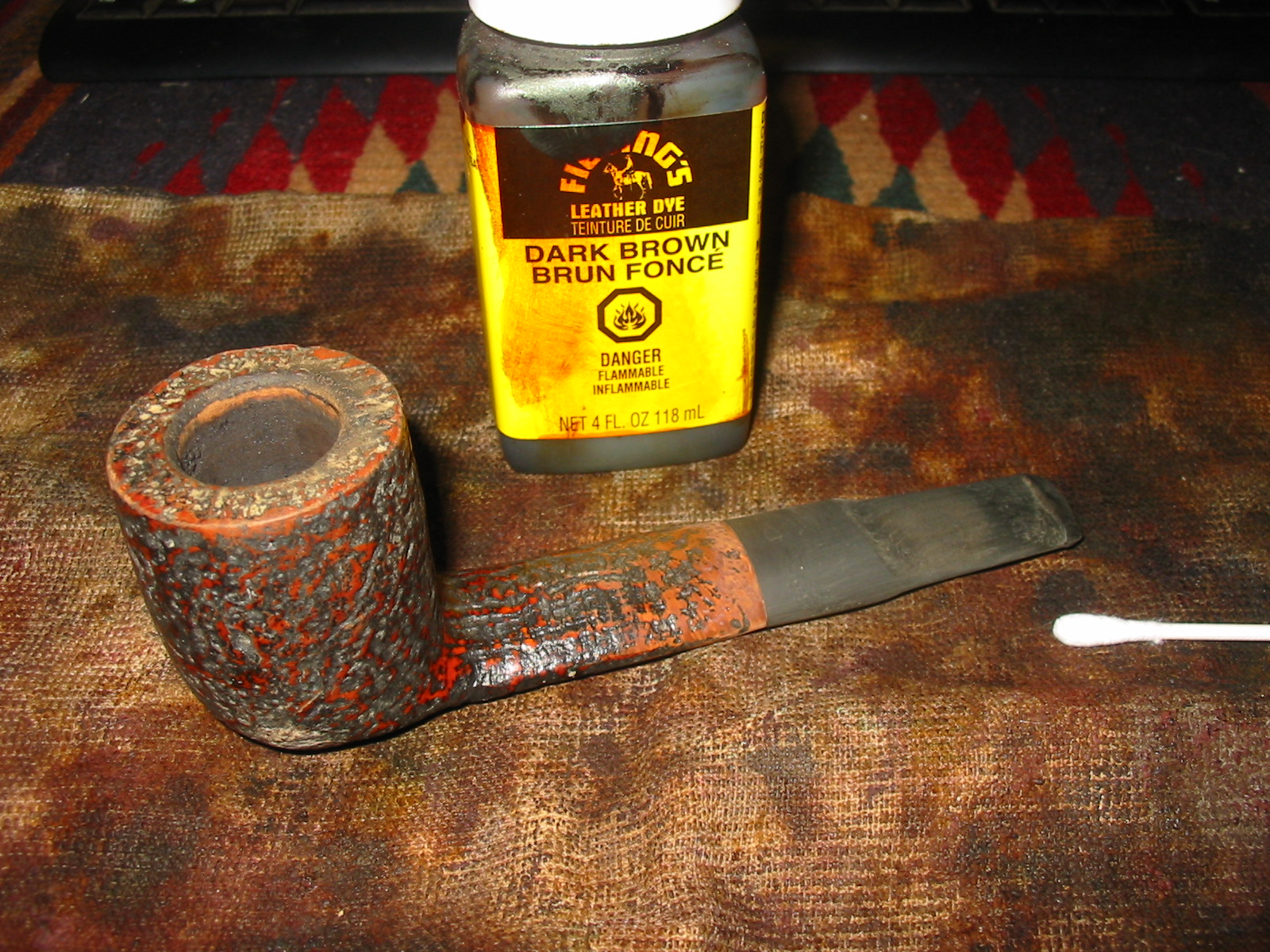
Once that was complete I stained the pipe with a black aniline stain. I applied it heavily and then flamed it. The flaming sets the stain deep in the grooves and recesses of the rustication. I gave the rim and the band a coat of black as well. Once it was on I rubbed it off with a soft cloth to get the effect that is visible in the pictures below.

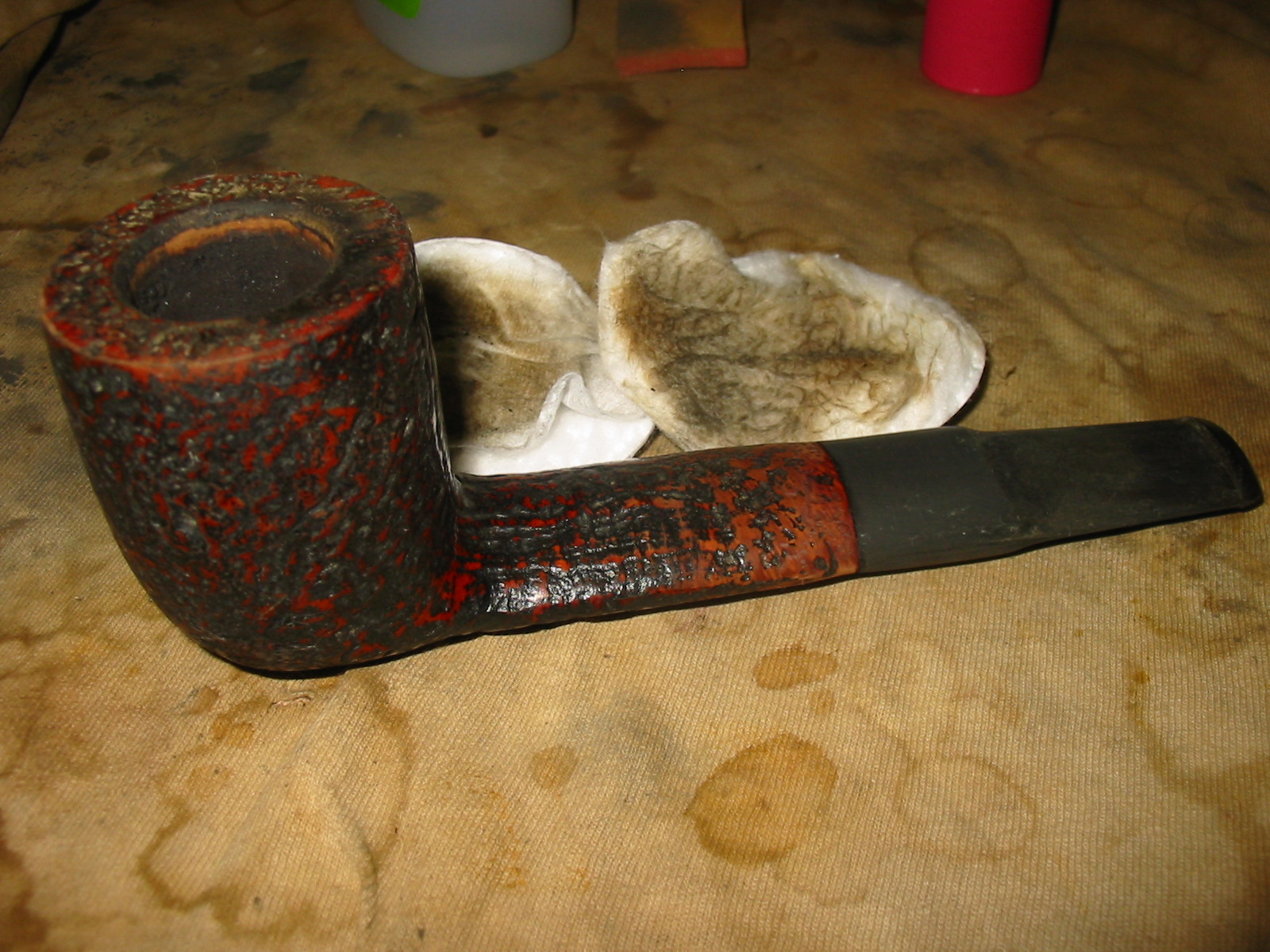
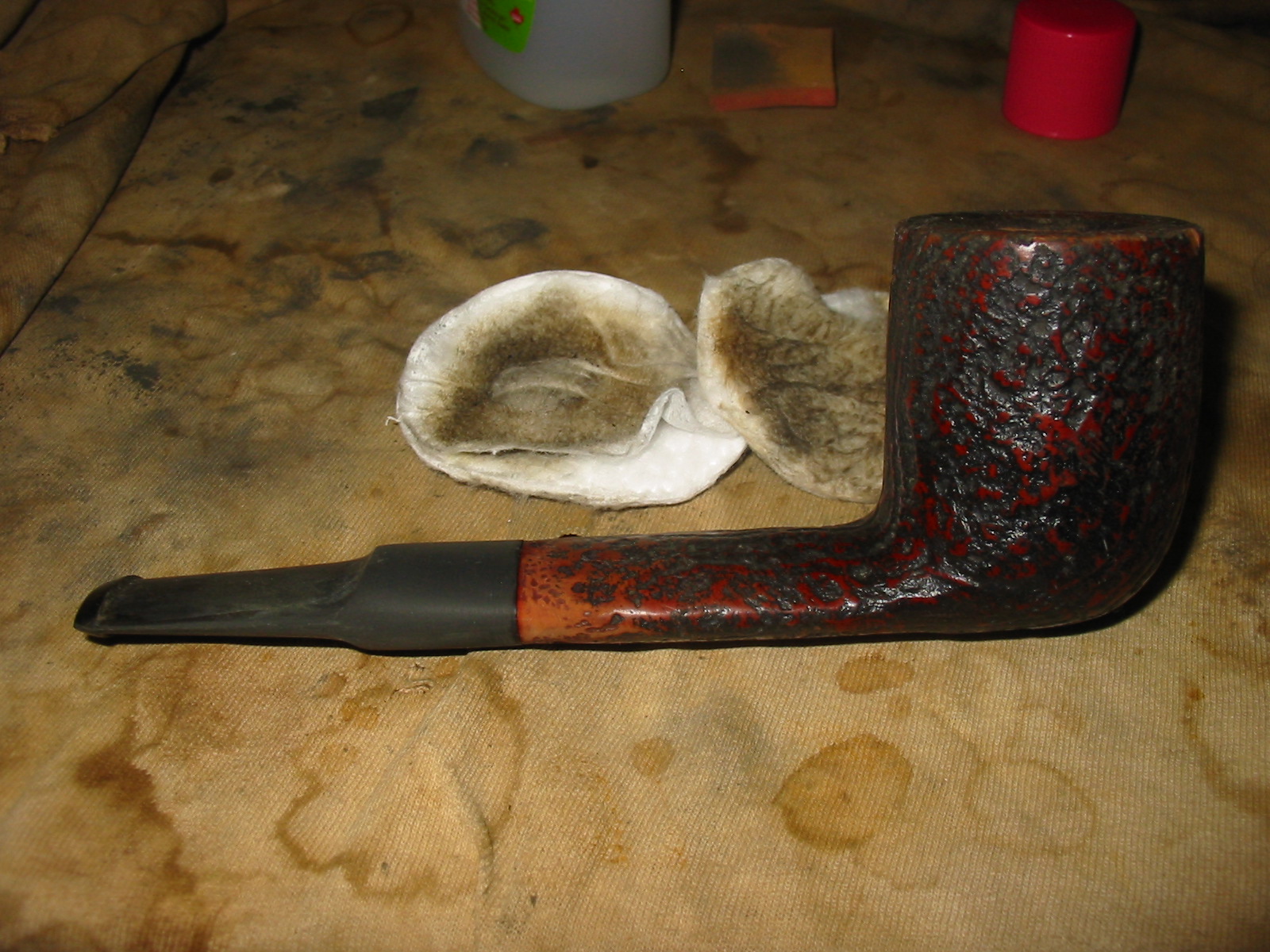
Once the stain was dry I worked on the smooth areas of the bowl – the rim and the band – with micromesh pads from 1500-6000 to polish them and smooth them out. I also worked on the nylon stem. It was a pain. The material scratches no matter what you do to it. And as I learned a long time ago it does not work to buff it as it has a very low melting point. So I sanded it with increasing grits of wet dry sandpaper – 400 to 600 grit and water and then sanded it with wet micromesh pads from 1500-12,000 to remove the scratching. I polished it on the buffer with blue polishing compound and a verrrrry light touch to give it a shine. I had waxed the smooth surfaces and the stem with carnauba and then wiped the pipe down with a cloth impregnated with Briar Wipe. Here is the finished pipe. I think the experiment worked!

Resurrecting a Barling “Fossil” – Gan Barber


When I put this Barling away in my ‘Lazarus’ box, I thought that it might be from the Early Transition period, and therefore made from the last of that century old Algerian briar that Barling’s were famous for. I had not looked carefully at the nomenclature obscured beneath the grime. Noting that it was a Barling’s, I stored it away, looking forward to the opportunity to smoke from a piece of classic wood.

When I pulled it out and inspected the markings I was disappointed to find it had all the earmarks of a post transition period pipe.  The Barling was in script, the model number had four digits, and T.V.F was stamped on the shank. Further, the bowl was not particularly well carved and there were several major fills – something you would never find on a Pre-transition family era pipe. Oh well. I decided to proceed with the refurb anyways.

I pulled a beautifully grained twin bore saddle bit Canadian from a drawer of miscellaneous pipes that I randomly smoke. It has no maker’s name, and is simply marked “France” 255. What a great smoker. Dry and sweet, it sang with the sample of Rincon De LA Pipe No. 1 sent to me compliments of 4noggins Tobacco.  So, what’s in a name? You just never know…..

The pipe was in poor condition, having been snapped at the bowl junction where the shank was very thin. Image

The airway was also drilled off center, which may have contributed to the break. Image

Dirt and grime aside, the bowl chamber was not scorched or heavily caked. The stem had some tooth marks, but was more dirty than oxidized. Image

The bowl and shank were placed in my trusty container of 91% Isopropyl alcohol (99% is hard to fine in my neck of the woods) and left to soak for several hours. Meanwhile, the stem went into a bath of Oxy-Clean for 30 minutes, mostly to loosen any residual tars in the airway. Once soaked, pulling several bristle cleaners through the airway was all that was needed to clean out the gunk. After wet scrubbing the exterior with synthetic 0000 wool and Oxy-Clean, the stem was set aside to dry.

Once the bowl was done soaking, I cleaned the small amount of cake from the bowl with my Senior reamer, dipping the bowl in the bath to rinse out the bits and pieces that came free. Next, the exterior surfaces were scrubbed with the synthetic 0000 wool, working wet with clean alcohol.

At this point, with the cleaning finished, the Barling was beginning to come back to life. I set the pipe aside for the evening to let everything dry thoroughly before moving on to the bonding phase. Image

I used my favorite epoxy, JB Kwik to bond the shank back to the bowl. I set the two parts on a clean work surface, aligned as closely as possible, before mixing the epoxy. I applied a thin layer to both surfaces. I pressed the shank and bowl together, taking care to align the fracture, and let as much excess as possible squeeze out to minimize the joint. Hand pressure for three minutes is all that is needed for the initial bond. I then set the bowl down and let it rest for another 7 minutes (approximate). Under ideal temperature, humidity and proportioning, JB Kwik reaches a rubbery stage after 10 minutes.  At this point, I removed the excess epoxy that squeezed from the joint with the tip of a utility knife blade. It peels off like a rubber gasket if you catch it at the right point as it cures. I then used the bit from my Senor reamer to carefully remove any excess epoxy that may have gotten into the airway. Care must be taken to work slowly and with very little pressure, as any leverage against the shank my cause the newly bonded joint to fail. Once the excess epoxy has been removed, I let the stummel cure for at least 6 hours.

With the pipe joined and epoxy cured, it was time to take the bowl and stem to the buffer for an initial polishing with red rouge. After cleaning any residual compound off with alcohol, the bowl was ready for stain. The stem needed some sanding to clean up the faint scouring from the synthetic 0000 wool. The Barling Cross logo was a faint memory, so conserving it was not a concern. 2×2 flex micro-mesh pads, 1500 through 4000, did the trick.

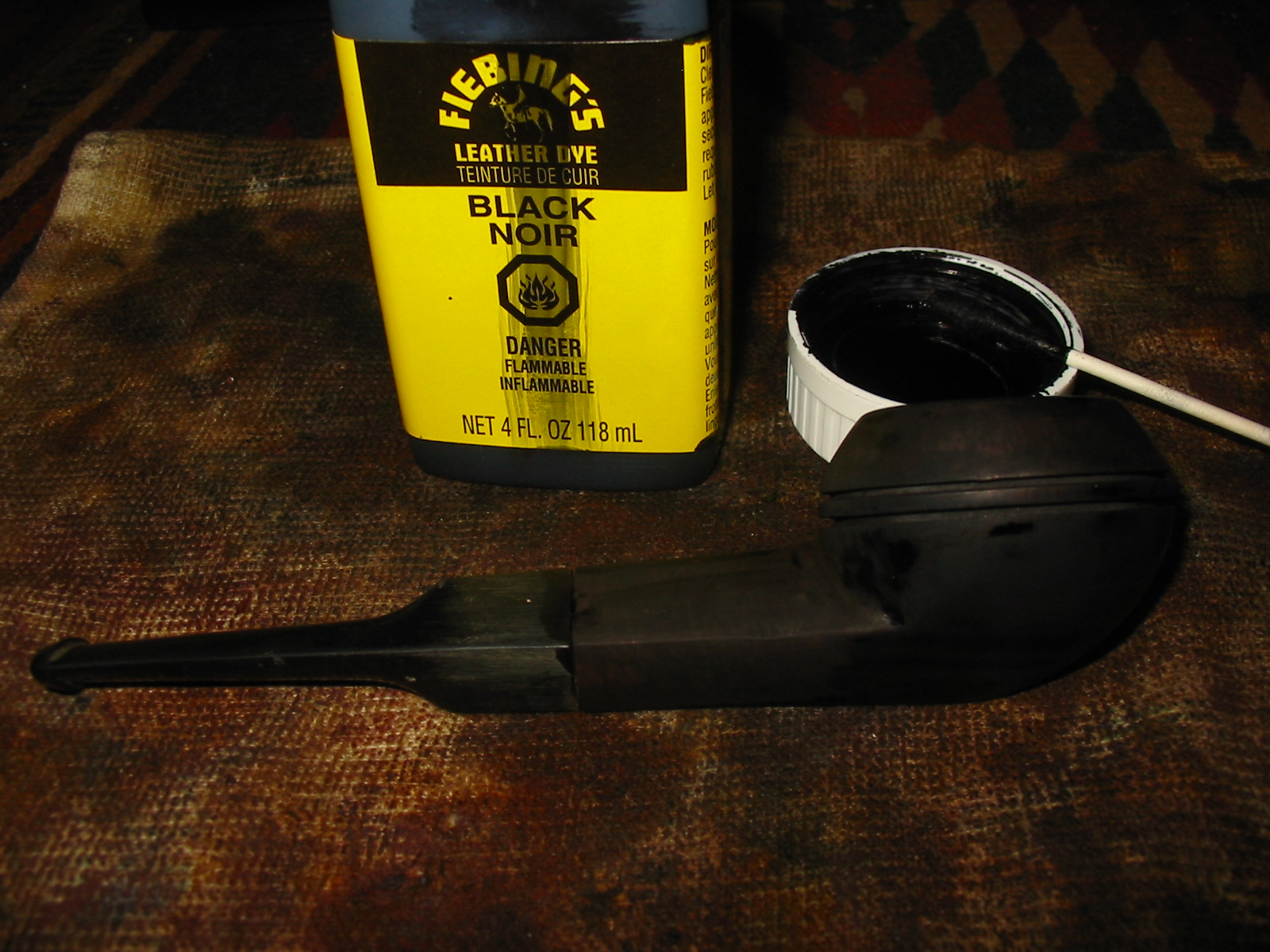
After two wash coats of Feibing’s Medium Brown aniline dye, and spot staining the two rather large fills (sorry, the photos were not usable), I wiped the bowl down vigorously with a micro-fiber cloth and set the stain with a table-top lighter. The micro-fiber cloth works wonders in evening out the coats of dye. Uneven coating or overlap marks blend beautifully when wiped down just after the dye dulls completely.

With the stain applied, the fills touched up, and the stem sanded, all that was left was a gentle once-over with white diamond, followed by three coats of carnauba wax on the bowl. The stem received a white diamond buff, followed by two coats of Briar Works Stem Wax and Sealer. I prefer to protect the stem this way, as my saliva tends to react with straight carnauba, leaving an unsightly white stain. ImageImage

I’ll save the repair of the tooth dents on the stem for a future essay…..

It may be inferior, when compared to the legendary family era Barlings, but it was still fun to resurrect a pipe that could be half a century old. Sandblasted or rusticated pipes are much easier to repair in this manner, as the rough texture tends to hide the repair. The fracture is only evident on the smooth portion of the stem where the nomenclature resides.

Thanks for looking.

-Gan

Resurrecting a Petersen Pre-Republic Billiard – Gan Barber


Blog by Gan Barber

It is a privilege to be able to post this blog entry from a friend and co-laborer in the refurbishing hobby. I have learned much from Gan, including the use of the alcohol bath for soaking bowls and preparing them. In fact as I read this report I am amazed at all the things we do similarly. I appreciate his taking the time to write this up to share here at rebornpipes. I look forward to more articles from Gan, as I am sure you will also after reading this one. Thanks Gan!

Well, the work is done, so it’s time to sit back, light up a bowl of Perreti 9575, and record this adventure….

I am not an expert on dating Petersen Pipes, but from the little I know, this one appears to be a Pre-Republic era vintage. There are no markings on the briar or stem. The hallmark on the band indicates nickel, not silver, and provides no dating information. The K&P, Peterson, Dublin stamping is the only indication that the pipe dates from the Pre-Republic era.

It came to me in a sorry state of repair, and, after some preliminary cleaning, sat in my ‘Lazarus’ box for many years. The shank had been snapped from the bowl, the rim was dented, and the P-Lip modified. It was never going to be a collector piece. Still, it held some promise…… Image

Before I begin the cleaning phase of any project, I like to remove any excess cake. I’m not looking to do anything more than scrape away thick accumulations from the bowl in order to find possible charring or burn-out. In this case, the break was clean, and exhibited no signs of burning that may have contributed to the damage. There was a small dent on the upper left rim of the bowl, leading me to believe that the previous owner liked to tap out the dottle, and had done so once too often.

Satisfied that the bowl was structurally sound, I placed it into a 91% Isopropyl alcohol bath. Once I removed the band, the broken shank followed. Image

I have had favorable results using this method to strip and clean a stummel. Using the highest percentage Isopropyl alcohol I can find (91%), means that only 9% of the solution is water. The low percentage of water allows the briar to dry rapidly once removed from the bath with very little residual moisture. I have soaked stummels for days without ill effects, though the extended time provides little in the way of additional cleaning. It can help with reducing strong ghosts, though. The alcohol will soften even the most stubborn cake, and sweeten the bowl as well as any other method.

Once the bowl had soaked long enough so loosen the dirt and soften the cake, I removed it from the bath and immediately reamed the bowl, removing as much cake as possible without quite  getting down to bare briar. My tool of choice here is a Senior Adjustable Reamer. Not that it’s the only tool that will work; it just happens to be what I have and works quite well for this task.

With the reaming completed, the stummel went back into the bath for another wash. I prefer to do the preliminary cleaning wet, so the stummel will see the bath frequently. The advantages of working wet are two-fold: The alcohol lubricates the mechanical action of the steelwool, mitigating scratching, and the wetting reveals any missed areas requiring additional attention. I worked the wet stummel with 0000 steel wool until most of the dirt, grime and tar were gone.

While the bowl soaked in the alcohol bath, the vulcanite stem soaked in a solution of Oxy-Clean (1/4 scoop to 16 ounces of clean, warm water). Depending on the level of oxidation, I will let the stem soak anywhere from 30 minutes to overnight. Again, I’ve left stems soaking for days without detriment. Generally, I like to soak the stem for two to three hours. The oxidation will turn to a yellow-white slime, and the majority of it will come off quite easily with 0000 steel wool. There was no logo present, so I used the 0000 liberally to achieve a thorough cleaning. Another advantage of the Oxi-Clean soak is its ability to loosen any gunk that has accumulated in the smoke passage. Several bristle pipe cleaners are all that are needed to literally pull the residue from the passage. Another pass with a regular pipe cleaner and some alcohol will remove any traces of tar.

Below are the bowl, shank, and stem after soaking in their respective baths and an initial wet scrub with the 0000 steel wool. Later on in the refurb, I will continue to clean them, but by dipping the steel wool into the alcohol for the wood and the Oxi-clean for the stem, rather than re-immersing them. Image

Once I was satisfied with the initial cleaning, it was time to move on to the most challenging aspect of this project – mating the shank to the bowl.

There are a number of factors to consider when choosing the proper bonding agent to use in repairing a broken or cracked stummel. Heat, moisture, clamping time and compatibility with wood are paramount. Traditional outdoor rated aliphatic glues (Tite-Bond, Elmers, etc.) are resistant to moisture, but I don’t trust them to withstand moist heat. Polyurethane adhesives are stronger and more resistant to both heat and moisture, but have high expansion rates and excessive foaming. Both require extended clamping periods, which is extremely challenging due to the irregular shape of a stummel.

My adhesive of choice is a a fast set epoxy – JB Kwik. It is extremely strong (though not as strong as regular Weld Bond), heat resistant to 500+ degrees F, impervious to moisture, and has a clamping time of only 3 minutes. Mixed from two parts (epoxy/catalyst), it has a reasonable working time, and the two pieces of the pipe stummel can be held together with strong hand pressure for three minutes and then released.

To rejoin the shank to the bowl, I carefully aligned the two pieces so that I could easily find the correct registration before mixing a small amount of the epoxy. I applied it to both surfaces with a toothpick, then pressed the shank and bowl together, squeezing as much epoxy out of the joint as hand pressure would allow. I held them this way for three minutes. I did not worry about any squeeze-out getting into the air passage – yet.

After hand clamping for three minutes, I gently set the stummel down and let it rest for another 7 minutes. If properly mixed, Weld Bond Quick will be set to a rubbery stage after ten minutes (at 70 degrees F). At this point, I took a utility knife and carefully lifted the squeeze out off of the briar. It should peel like a rubber gasket if you catch it at the right time, leaving only a dark oily residue where it contacted the briar. Next, I took the drill bit from the Senior Reamer, and gently worked it through the airway. Care must be taken to use as little pressure as possible to twist and push out any epoxy the made its way into the passage. Although Weld Bond is non-toxic when cured, if cleaned out properly, little if any will be present in the airway.

I allowed the epoxy to cure for 6 hours, and then set to work gently sanding the joint with 400 grit emery to fare the seam as smooth as possible without altering the shape of the pipe. The only caveat to using this epoxy – it is rather viscous and will leave a faintly visible line at the joint no matter how well the parts are mated. I’ve found that after sanding, staining and buffing, this line will all but disappear.

Image

The stummel after roughing in with the 400 grit emery. The graining did little to hide the seam on the left side…..

Image

…while on the right, the grain pattern was more favorable and the seam blended in nicely.

With the shank and bowl rejoined and fared, I finished cleaning the briar with 0000 steel wool wetted with alcohol. Working wet with alcohol eases the scuffing of the steel wool and reveals the grain and any remaining flaws that may need attention. It also removes any oils or dirt introduced from handling the raw wood. The JB Kwik is impervious to the alcohol.

The next stage consisted of wet sanding with 600 grit. I used alcohol as a lubricant. When finished with the 600, I took the bowl to the buffer for a gentle once over with red rouge. This serves to deepen the color of the briar and reveal any scratches or imperfections that the finer grits will have difficulty removing. Satisfied with the results, I continued to wet sand with 1500 grit emery. The final sanding stages were done dry with 3600 and 6000 micro-mesh. At this point in the process, I was simply polishing the briar to prepare it for staining.

I chose Feibings Light Brown dye and gave the stummel a wash coat, undiluted, using a cotton Q-Tip. I set the stain with my Perdomo table-top lighter, and then gave it a thorough rub down with a microfiber cloth. The microfiber works to even out any imperfections in the finish, and noticeably polishes the dye to a nice luster. The bowl is now ready for the buffer.

The stem received an additional scrub with 0000 steel wool wetted with Oxi-Clean to remove any remaining oxidation. I then wet sanded, with water now, using 400 and then 600 grit emery. A quick and gentle buff with red rouge to find any remaining scratches from the steel wool and sandpaper was followed by a wet sand with 1500 emery. I then polished the vulcanite with 3600 and 6000 micro-mesh to prepare it for the buffer.

Both the stem and bowl were given a soft buffing with white diamond on the buffer and then wiped down with microfiber to remove any trace compound.  I then swapped out the white diamond wheel for the wax one, and applied three coats of caranauba wax to the bowl. I like to use a moderate amount of pressure when applying wax as the caranauba is extremely hard and requires the heat generated to go on properly.

After the stem received a coat of Walker Briar Works sealer/wax and the nickel band was polished with Never Dull wadding, everything went back together and was ready to be enjoyed once again. It’s far from perfect, but then, it’s all about the journey, isn’t it? ImageImageImage

Thanks to Steve for inviting me to contribute.

Best Regards,

Gan Barber