Tag Archives: contrasting finishes on a pipe

Refreshing a Rusticated Imported Briar Rhodesian could it be a Weber Made Pipe?


by Steve Laug

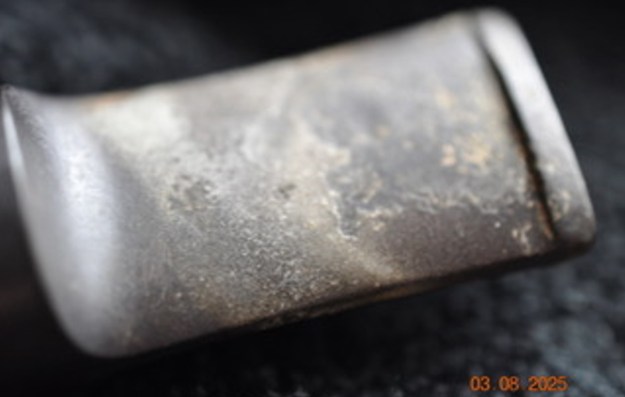
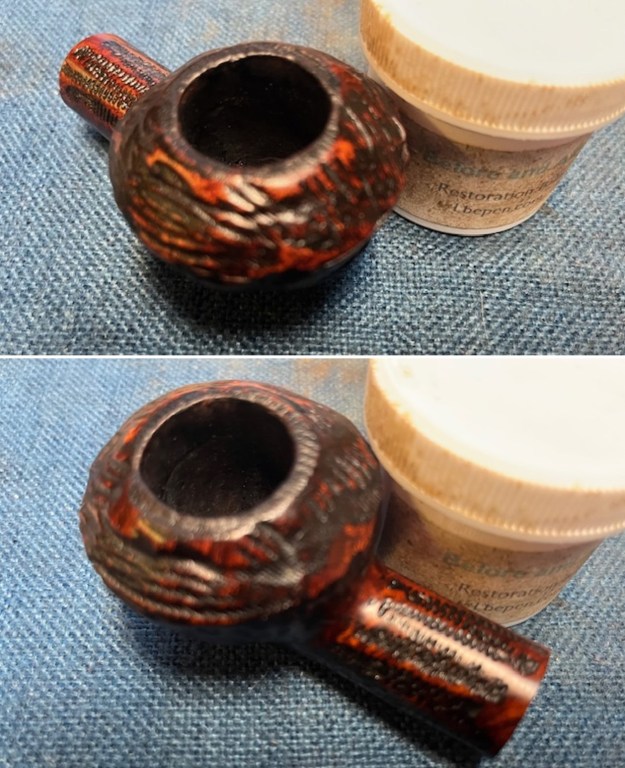
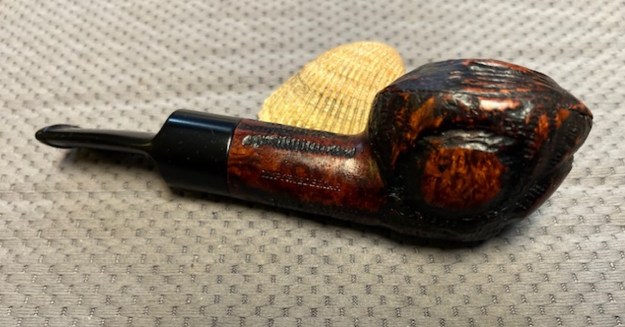
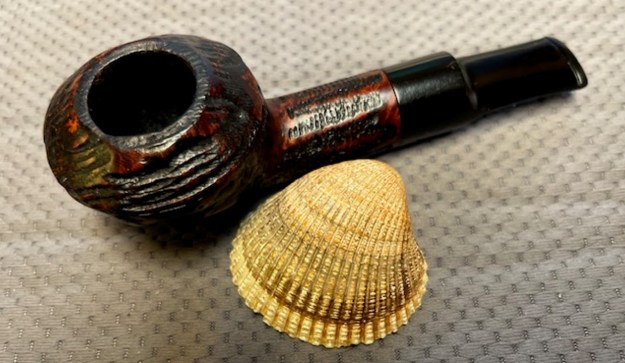
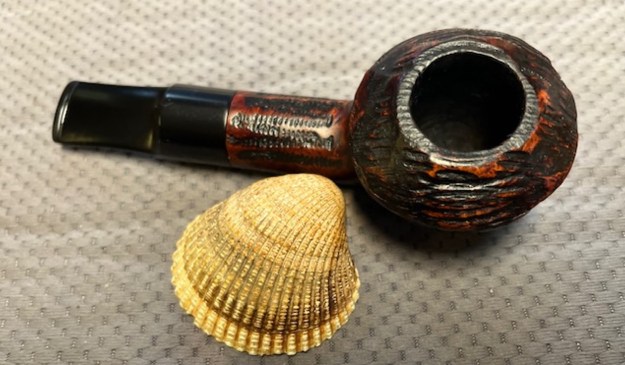
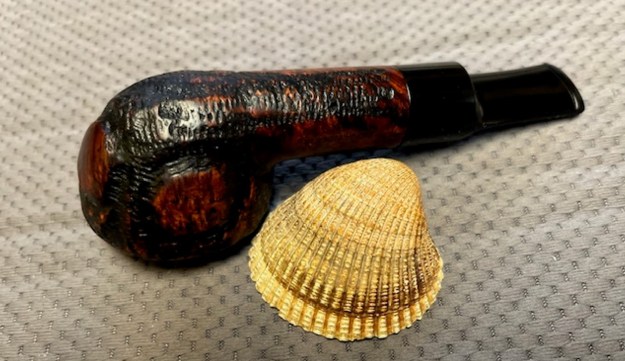
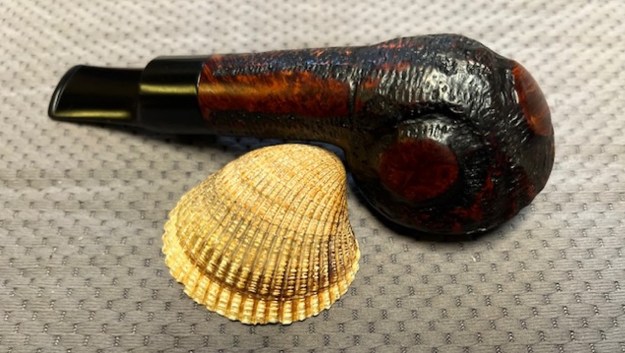
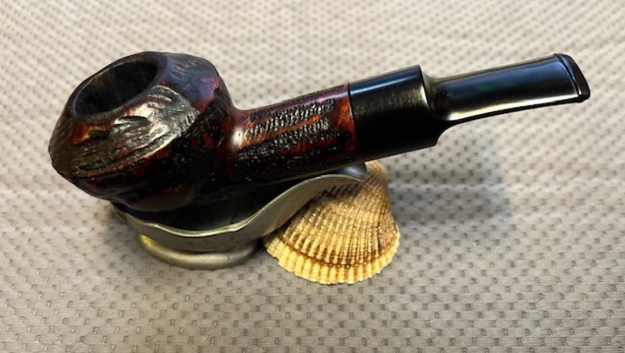
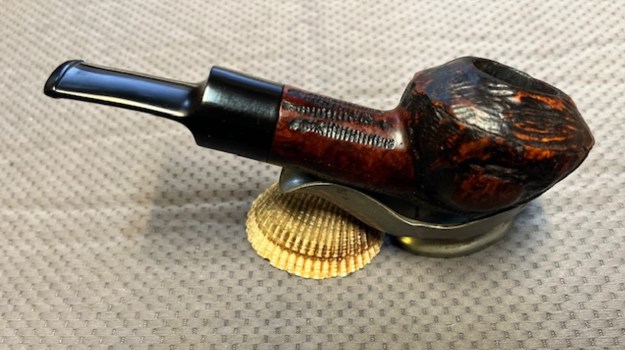
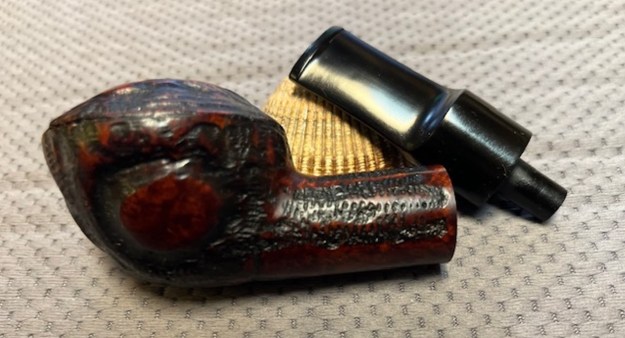
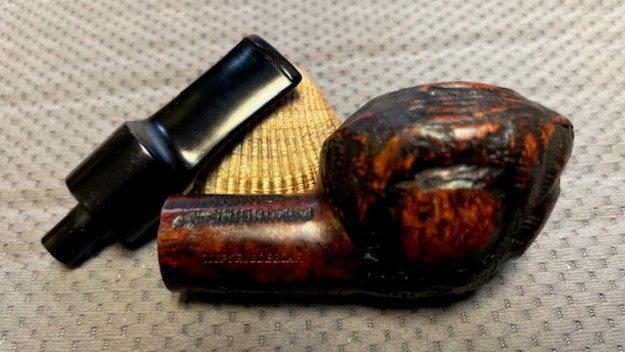
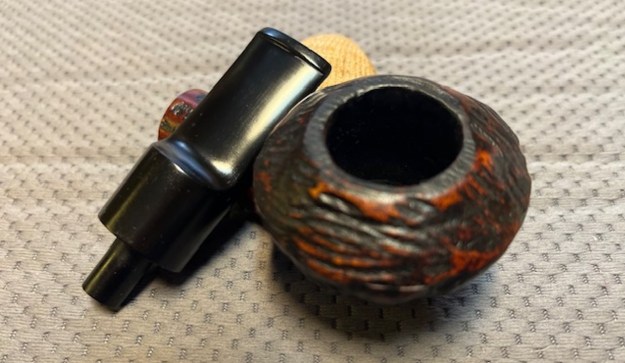
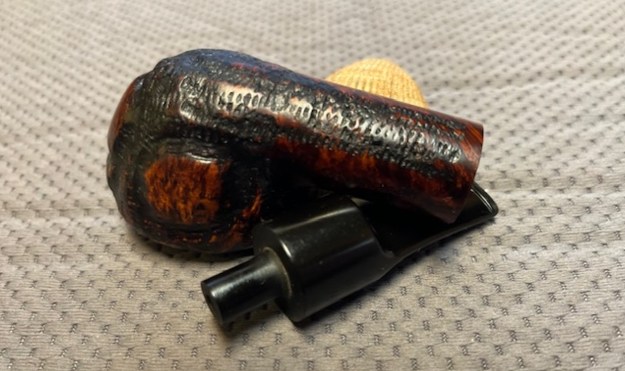
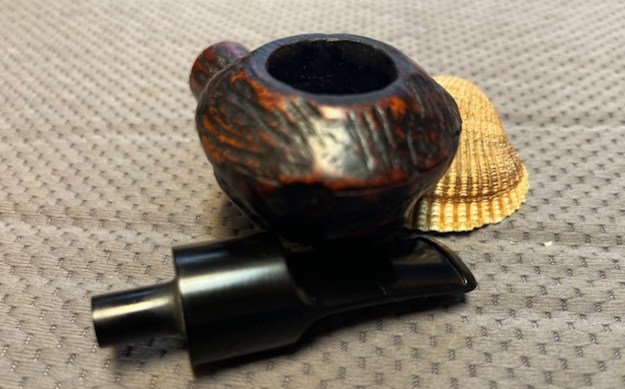
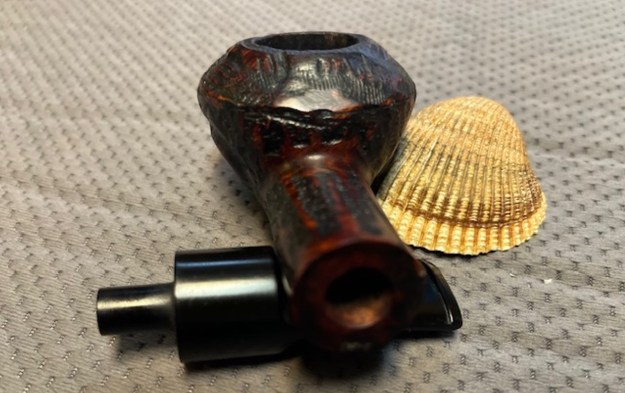
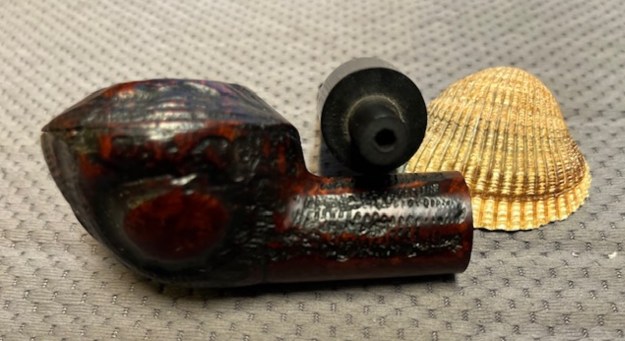
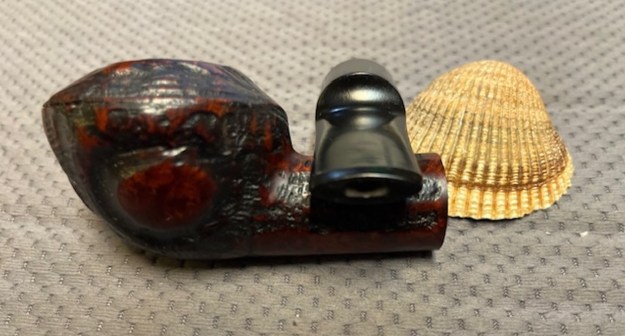
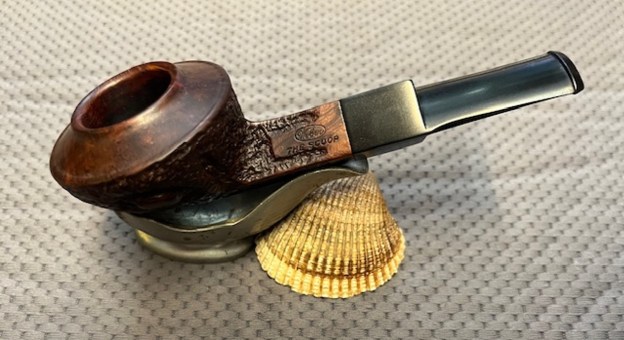
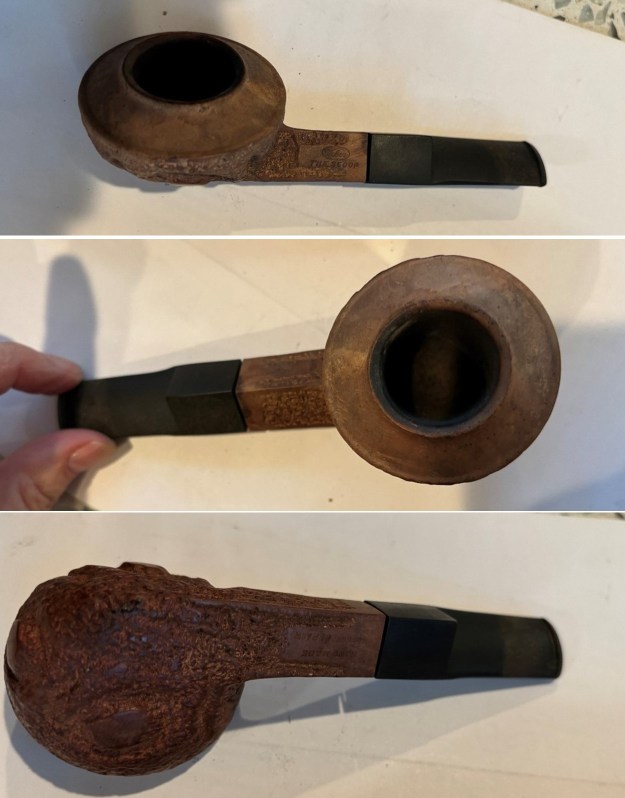
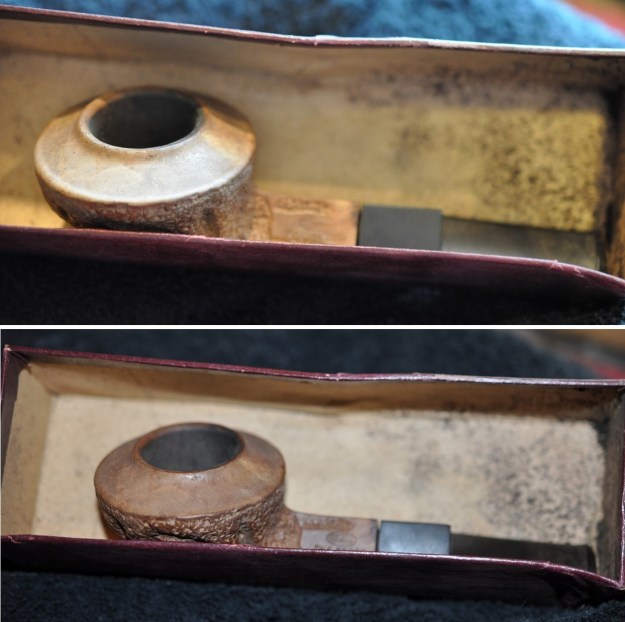
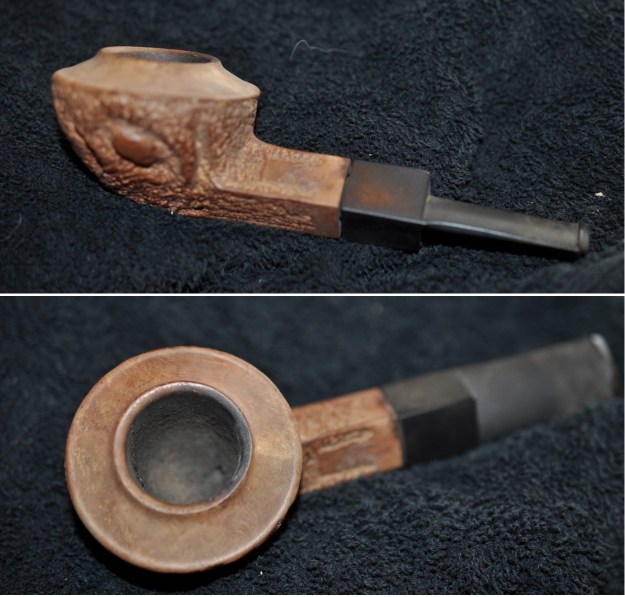
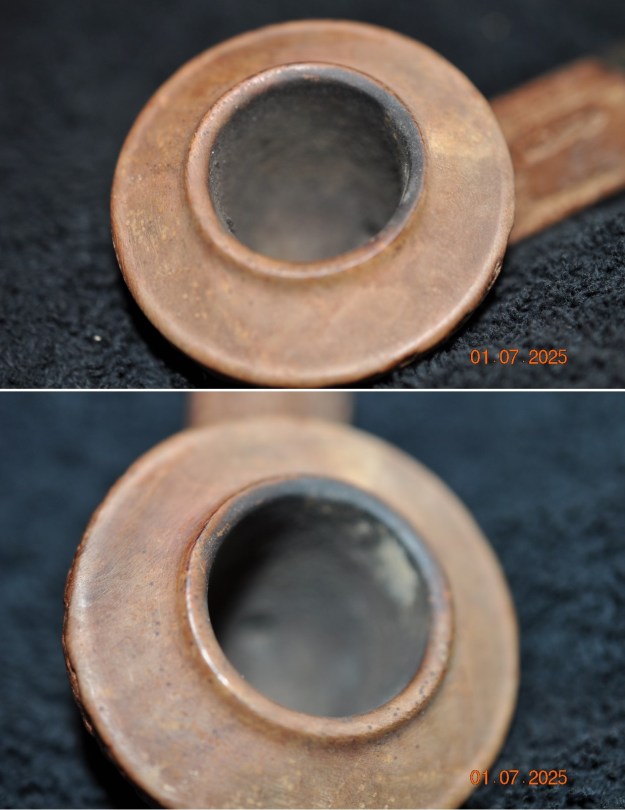
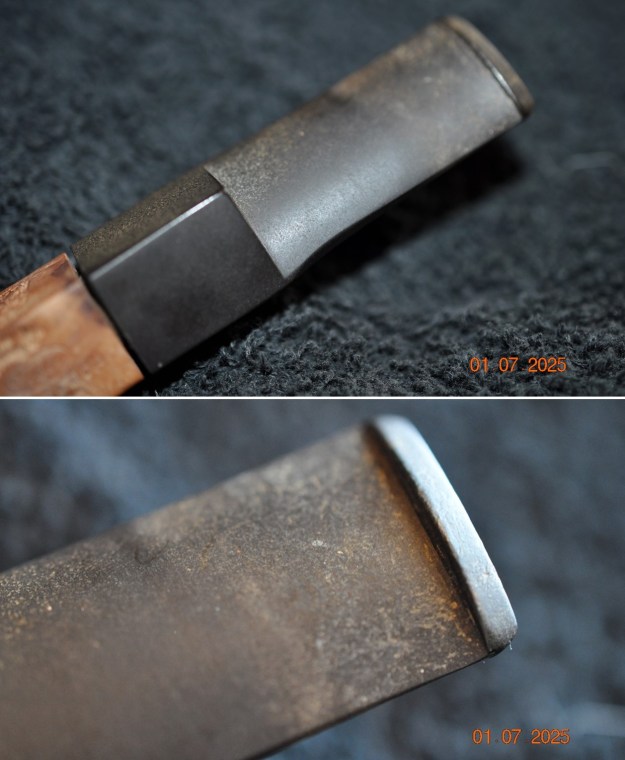
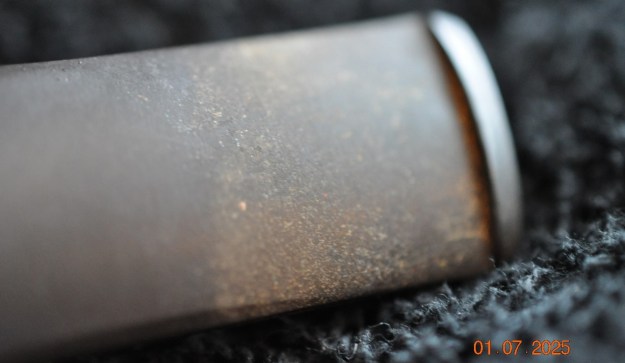
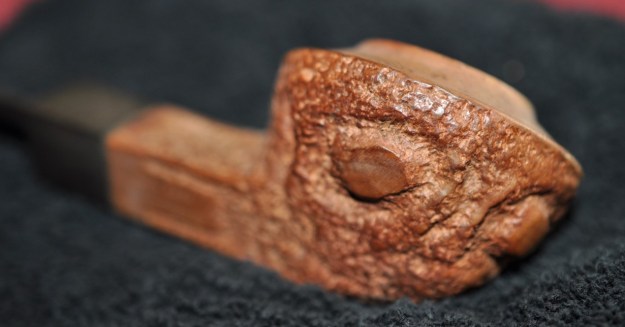
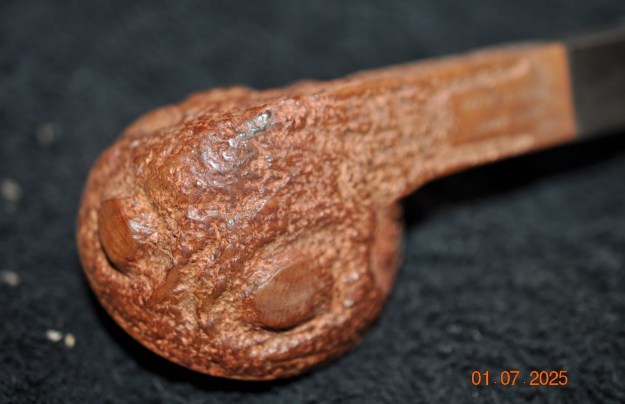
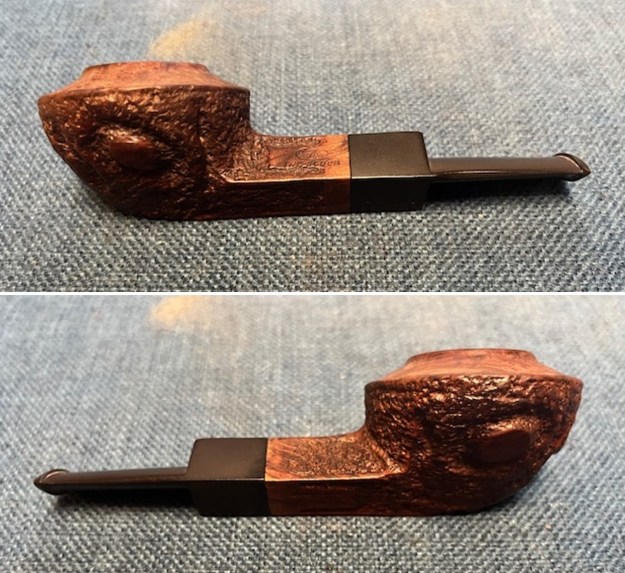
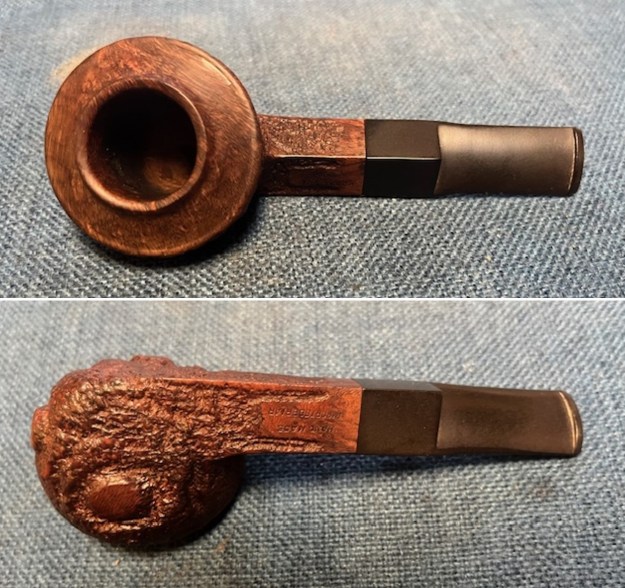
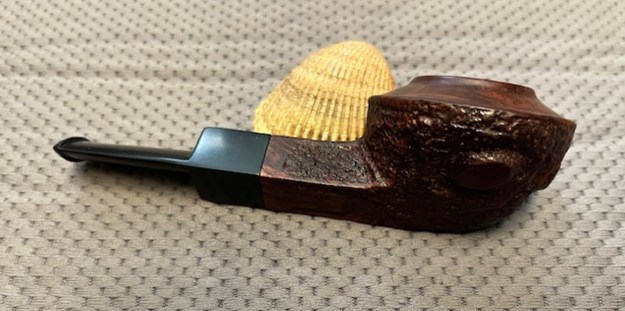
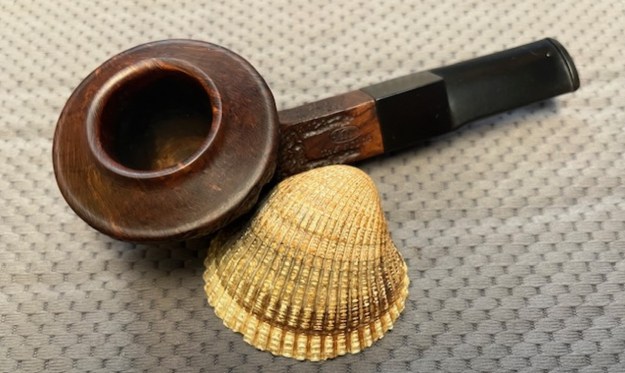
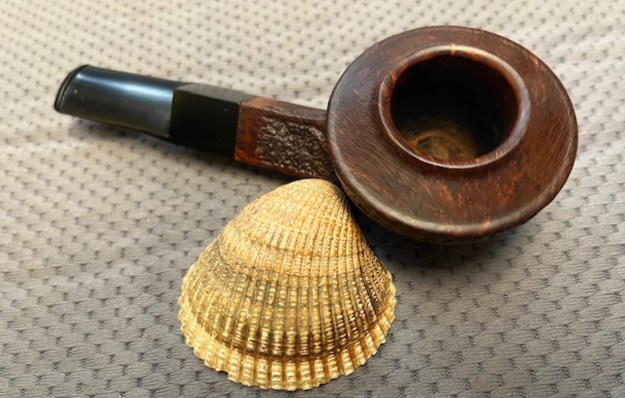
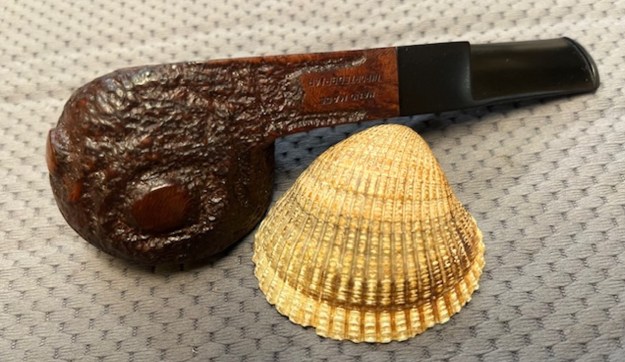
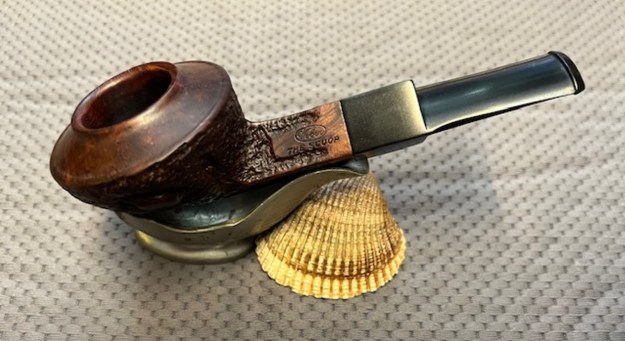
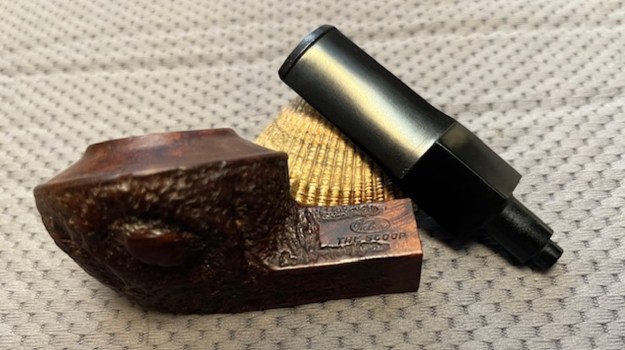
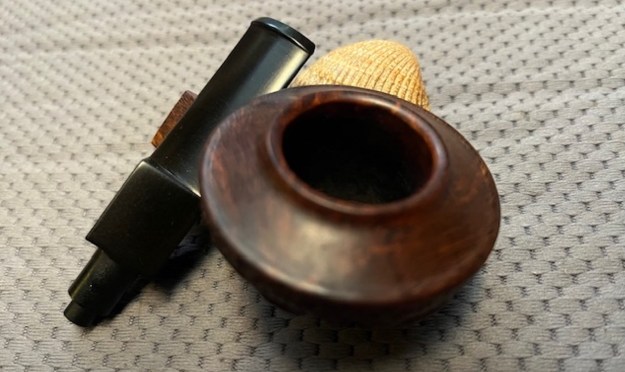
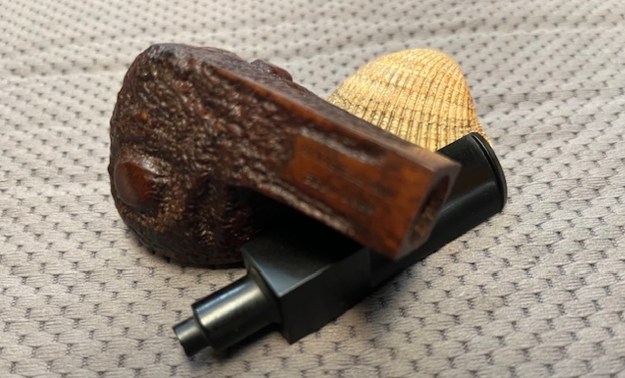
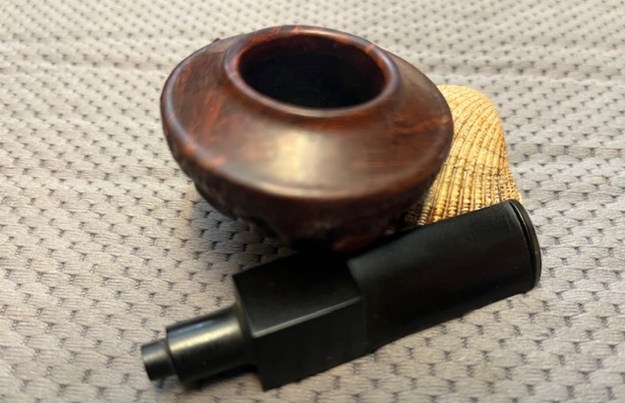
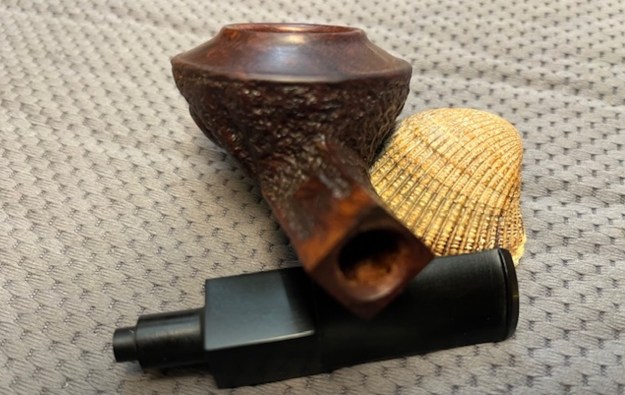
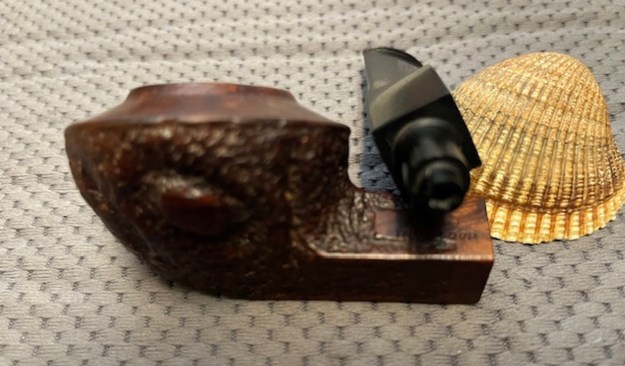
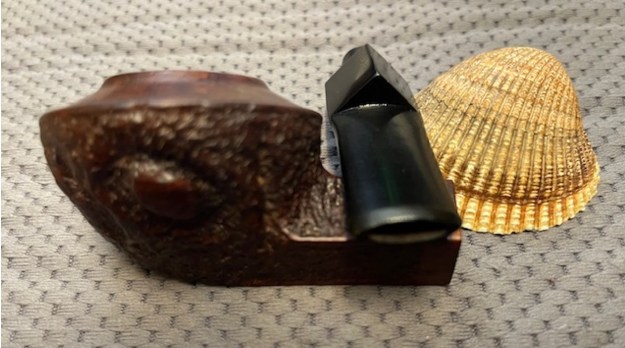
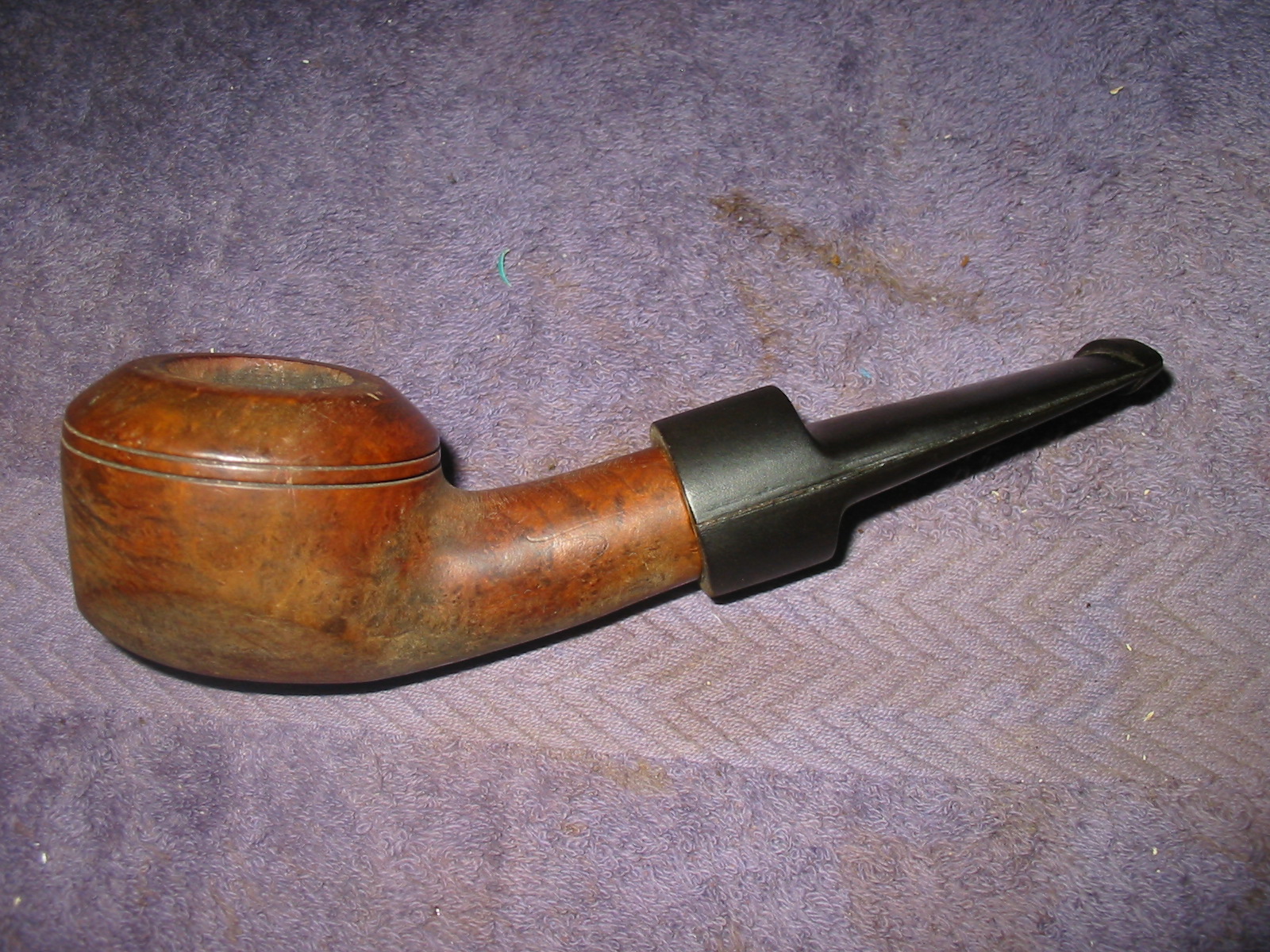
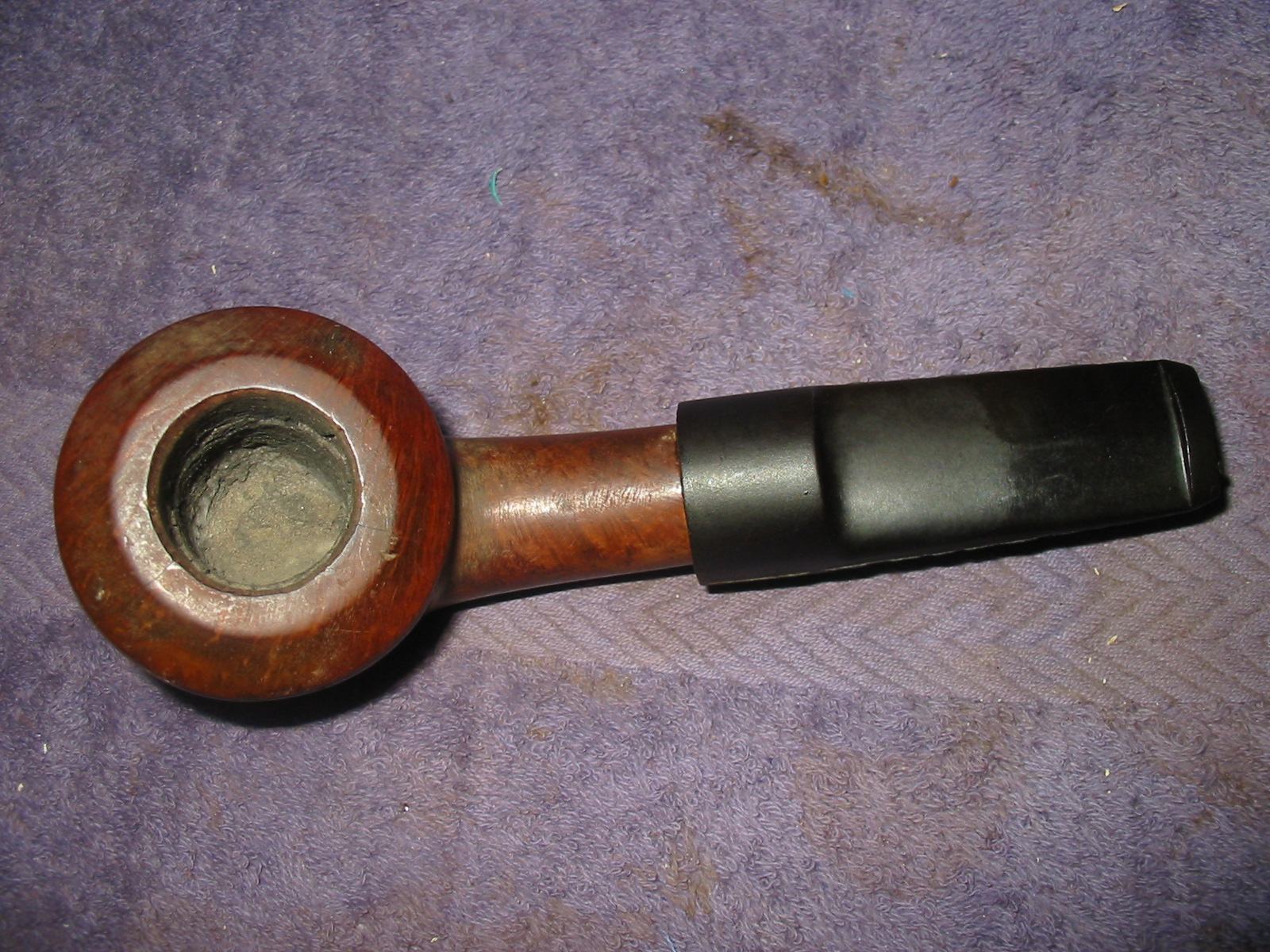
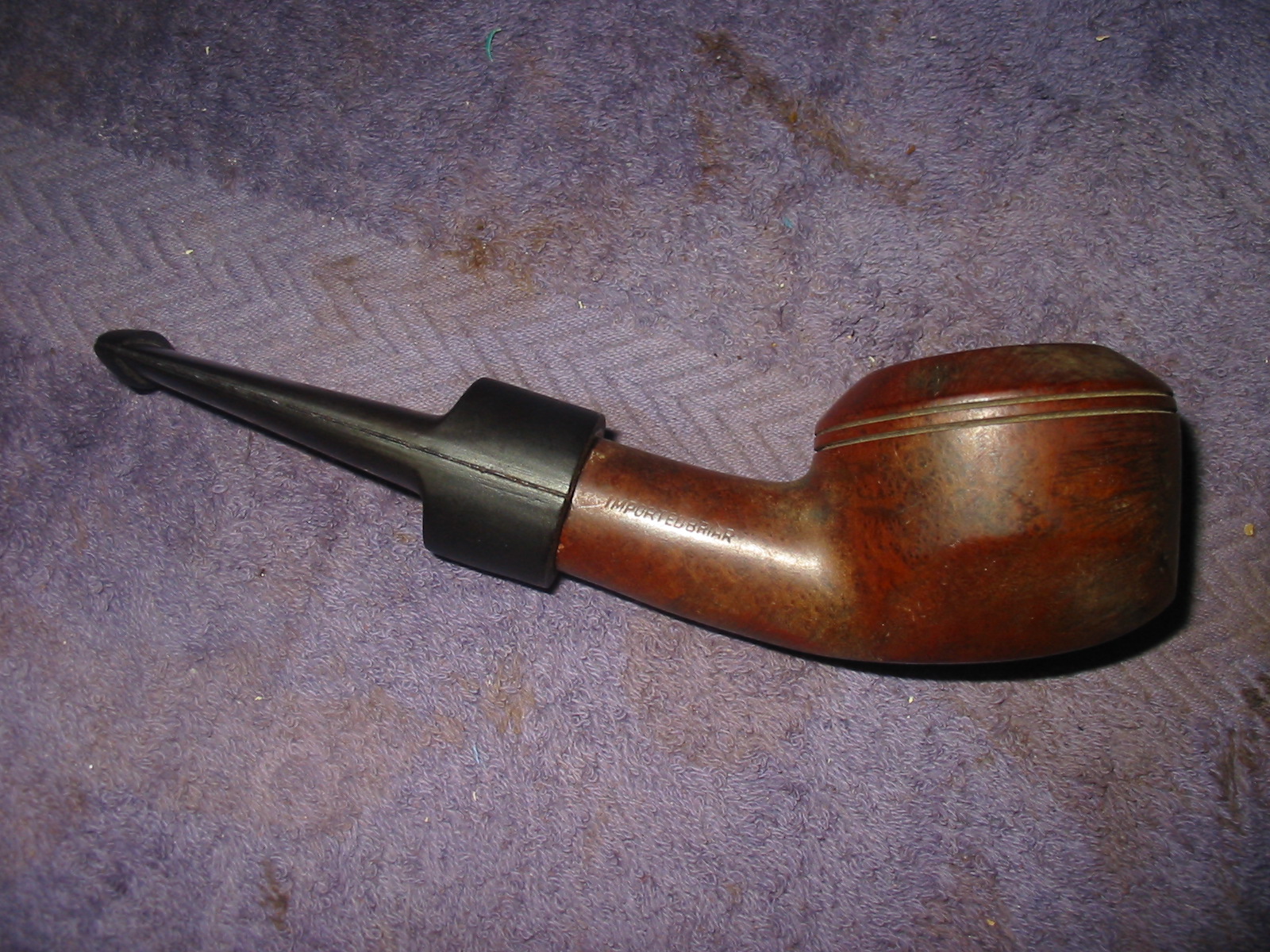
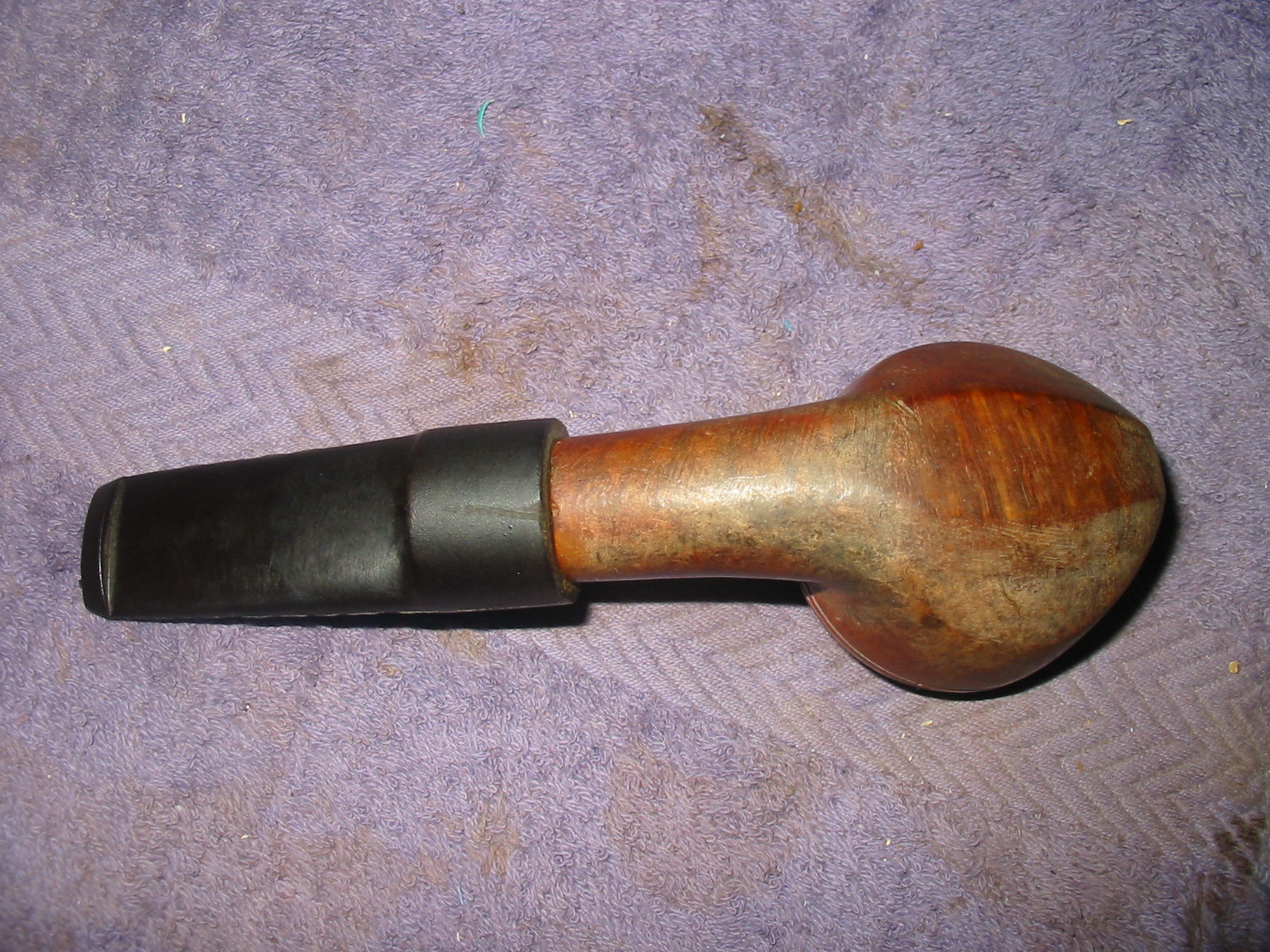
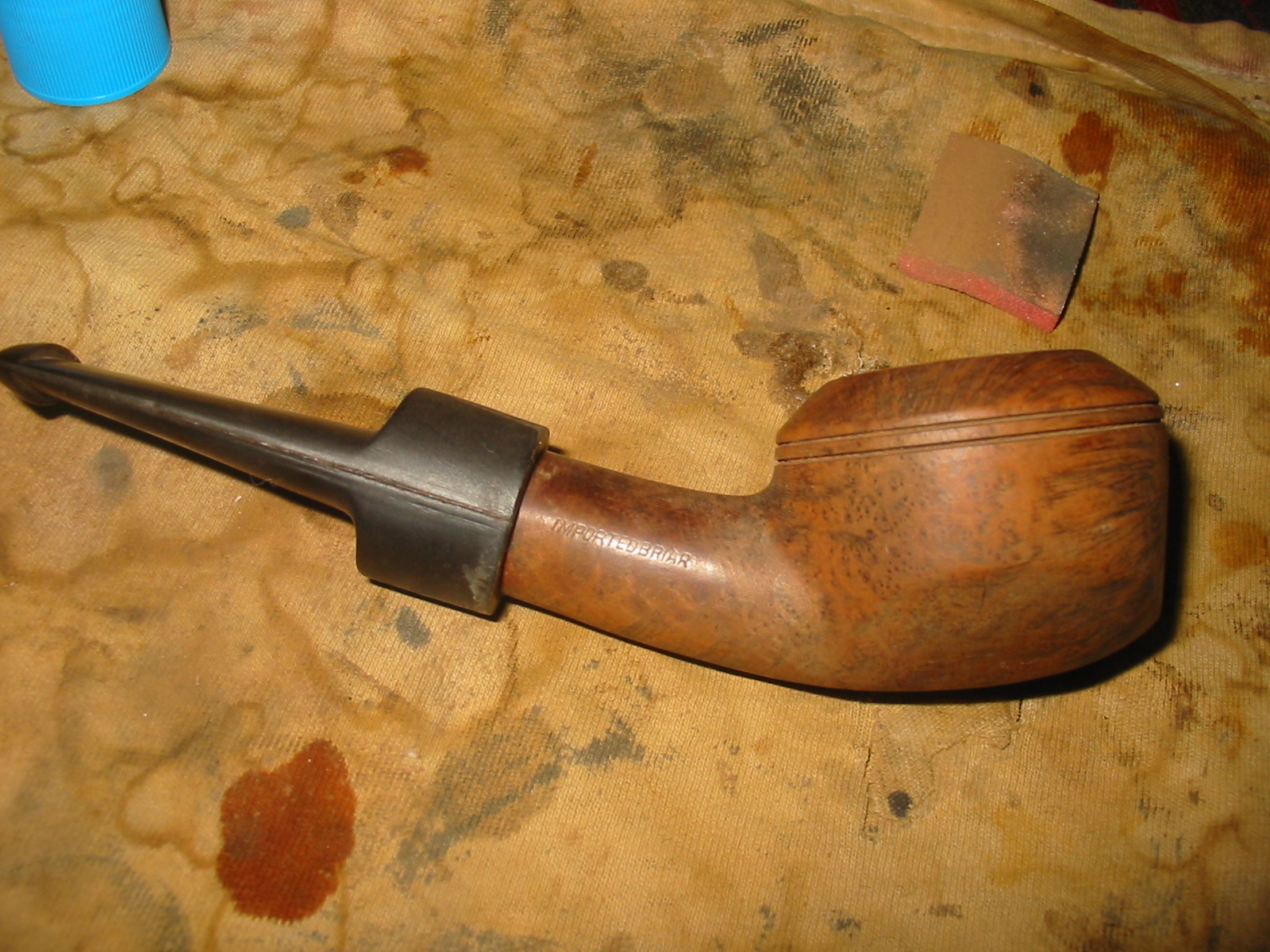
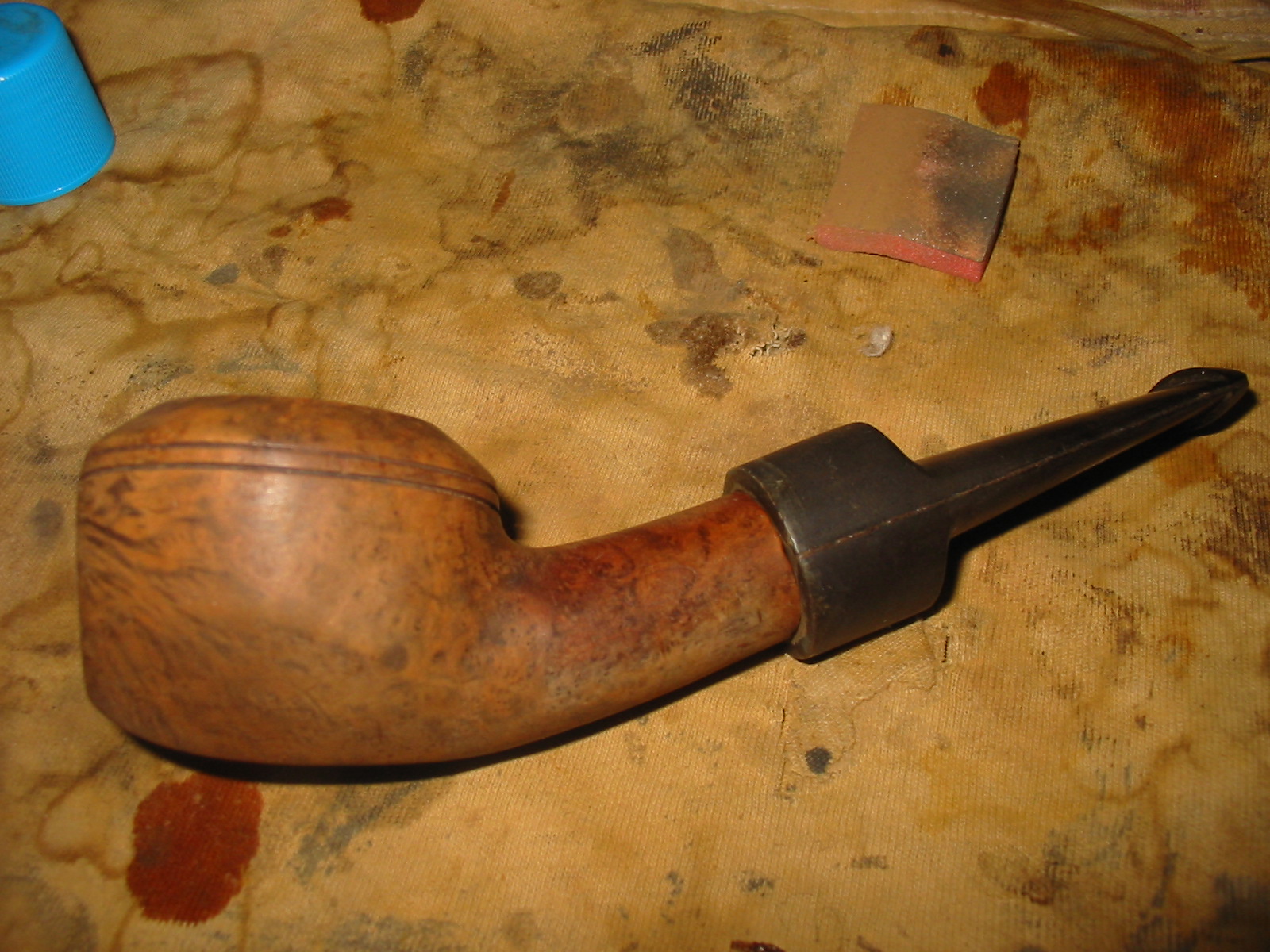
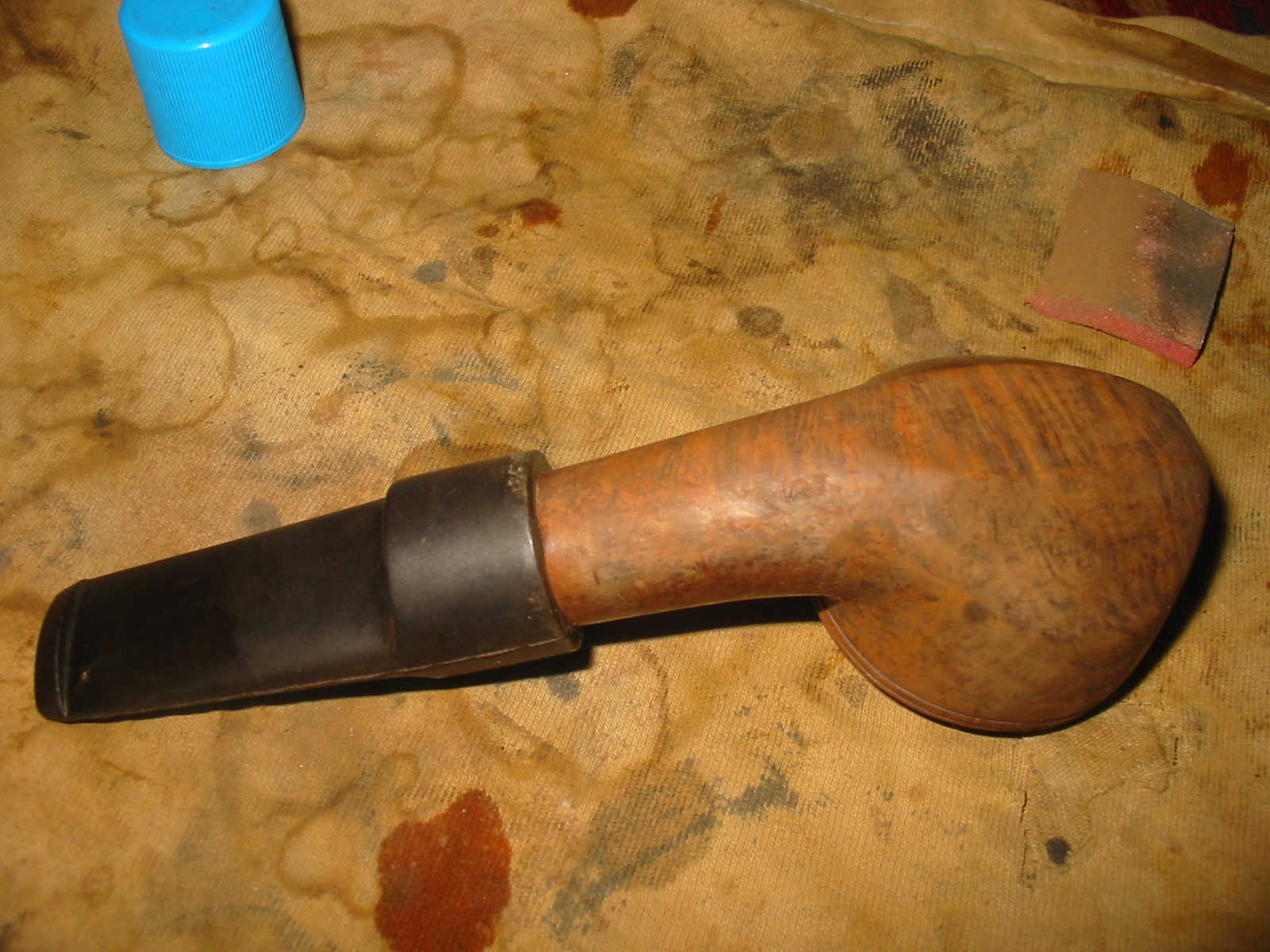
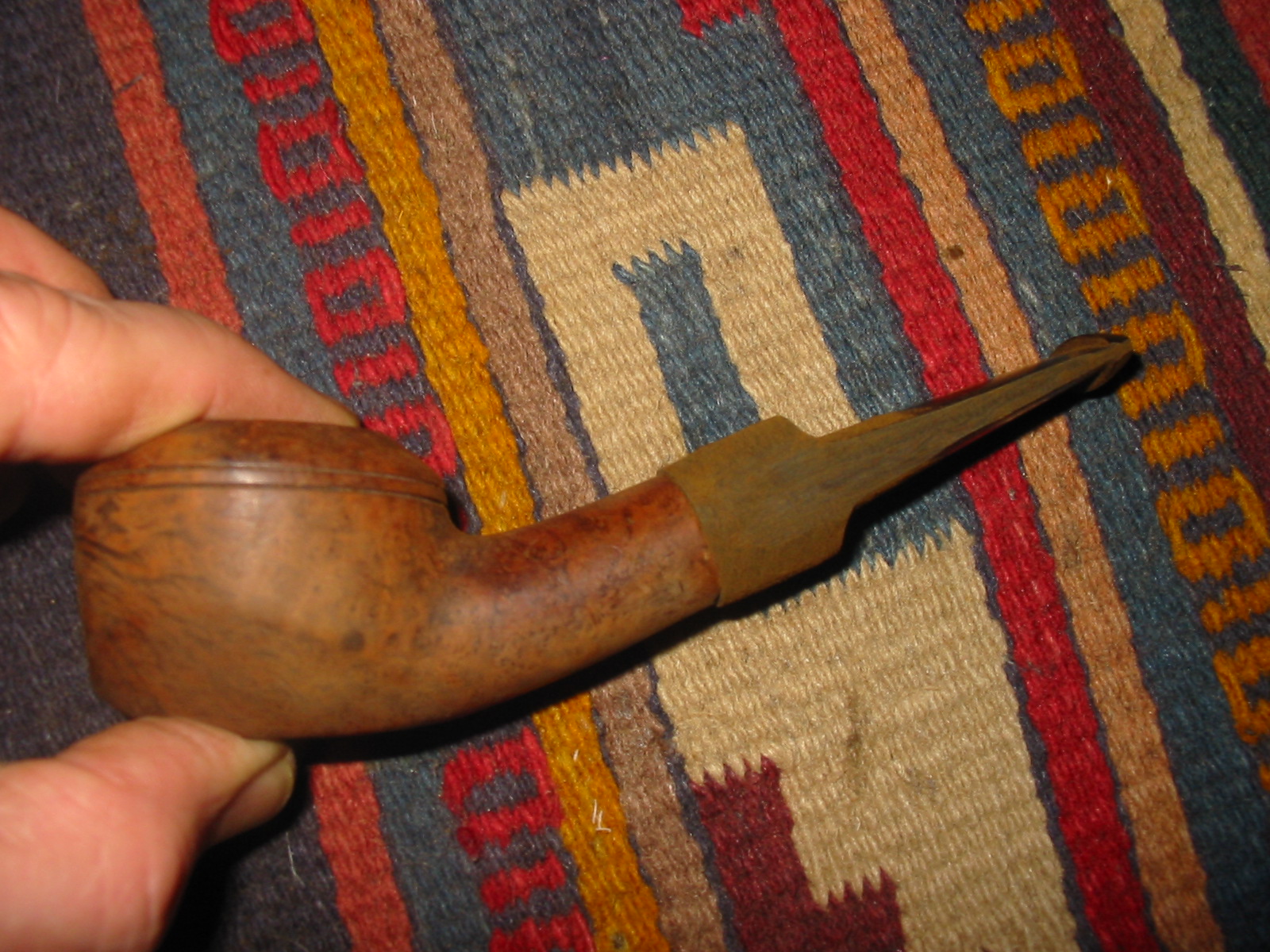
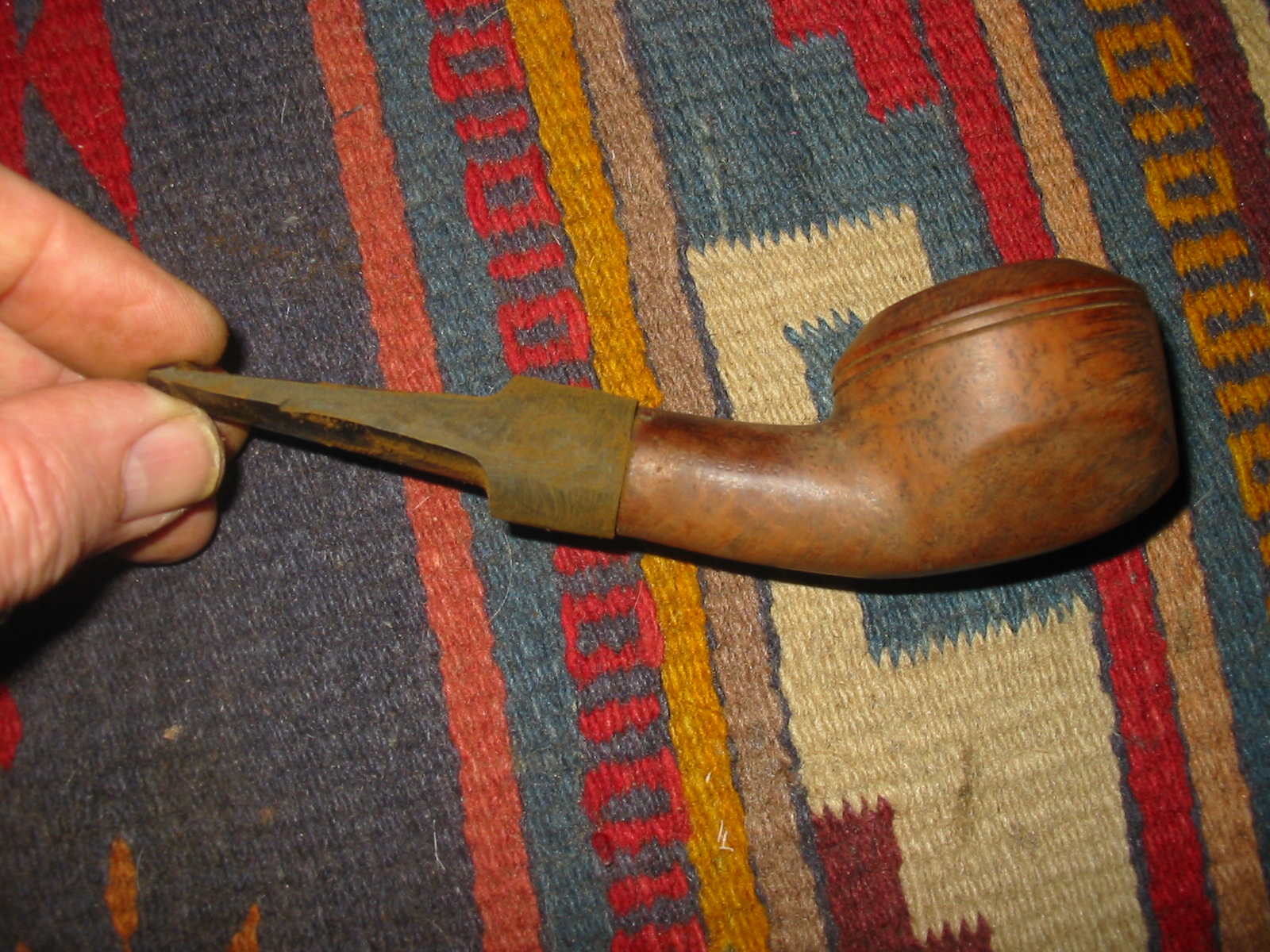
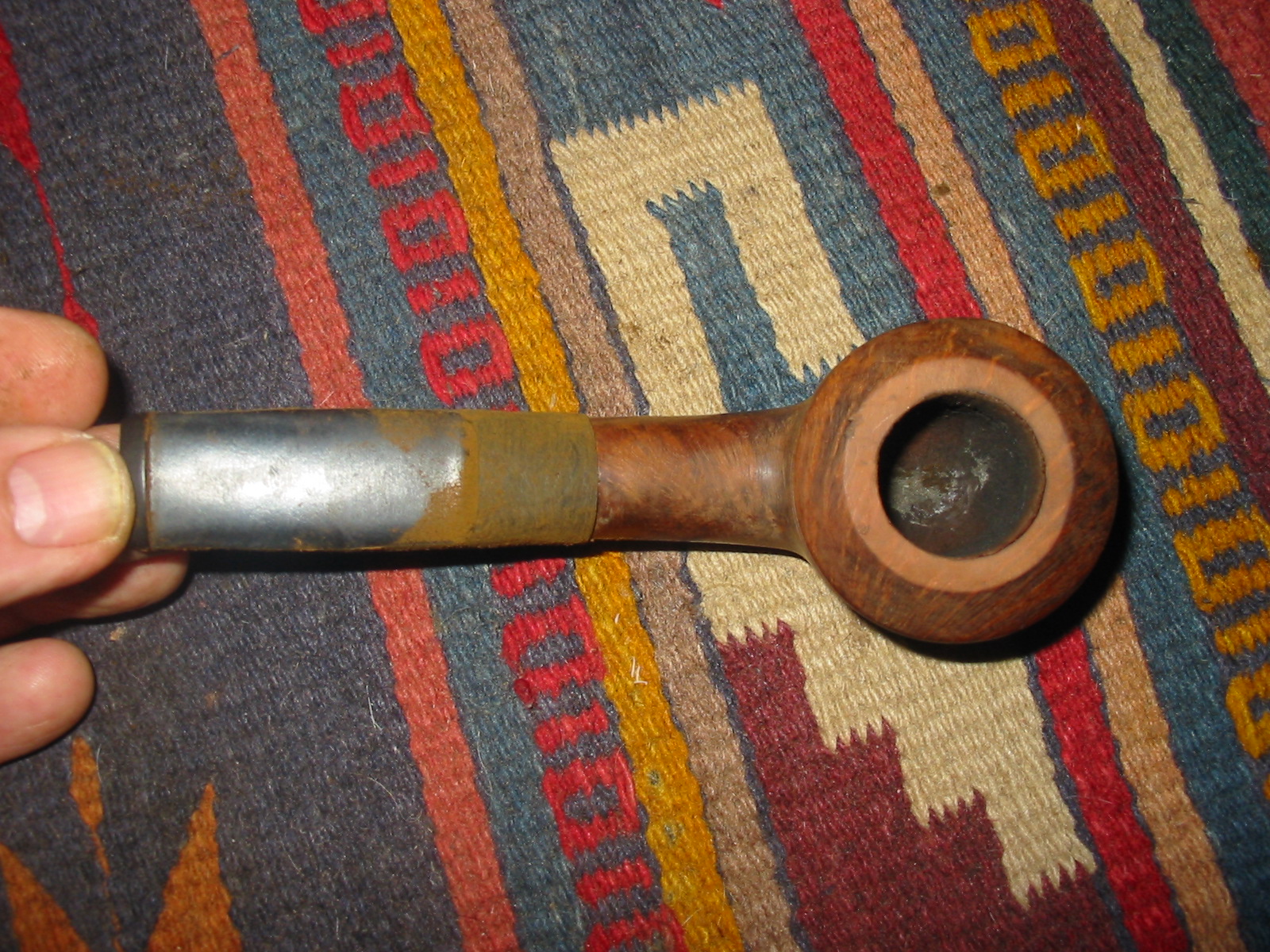
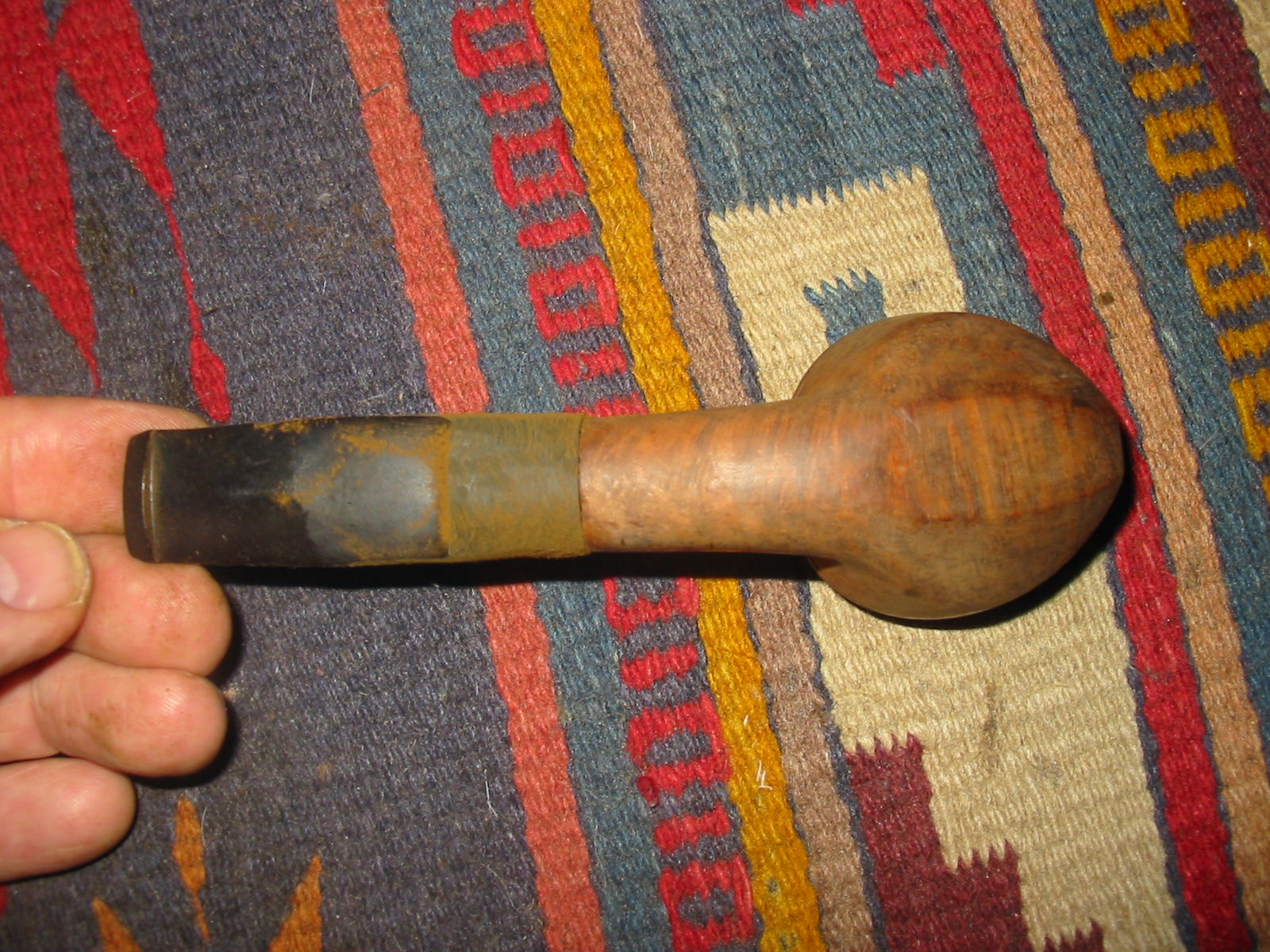
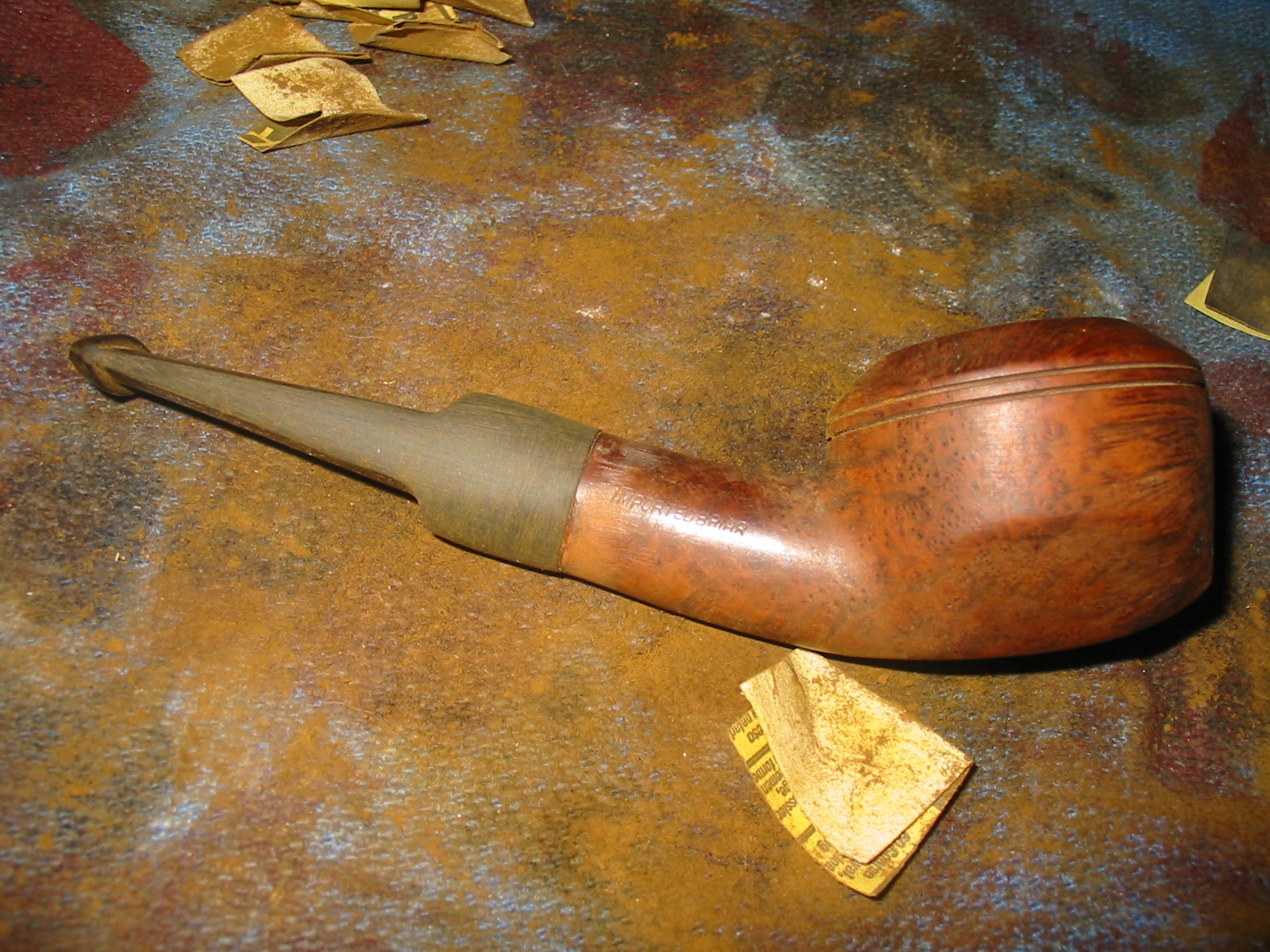
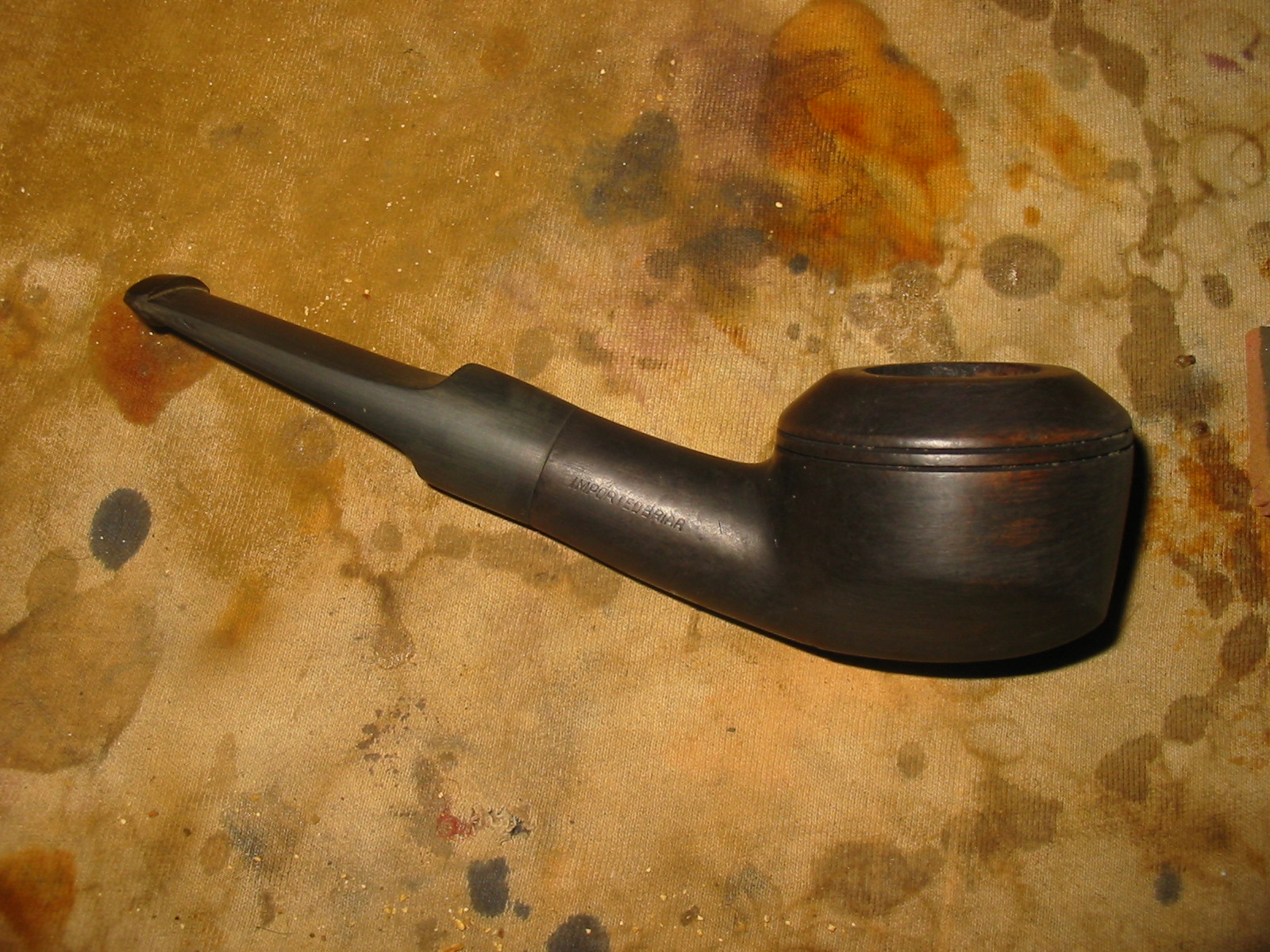
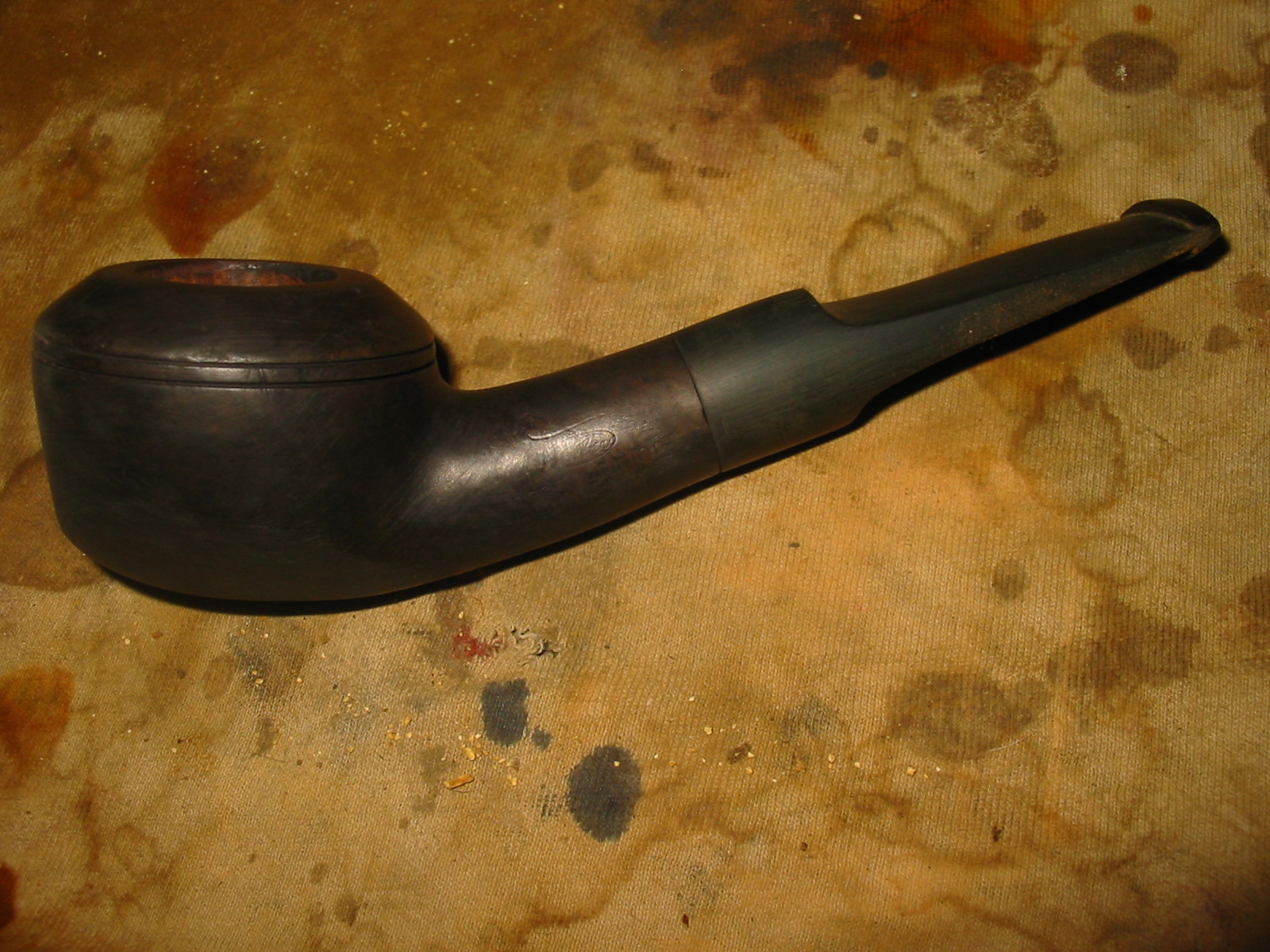
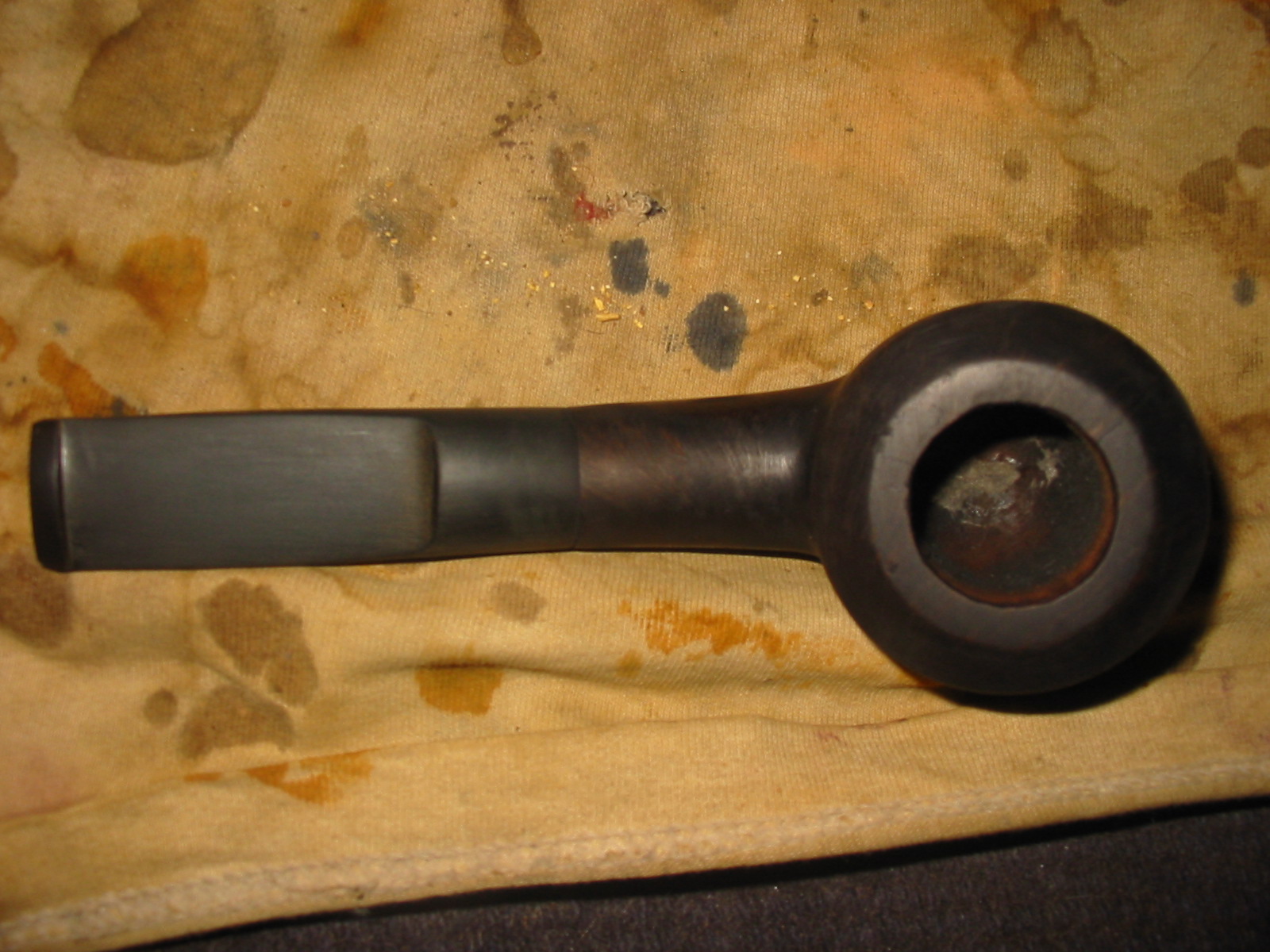
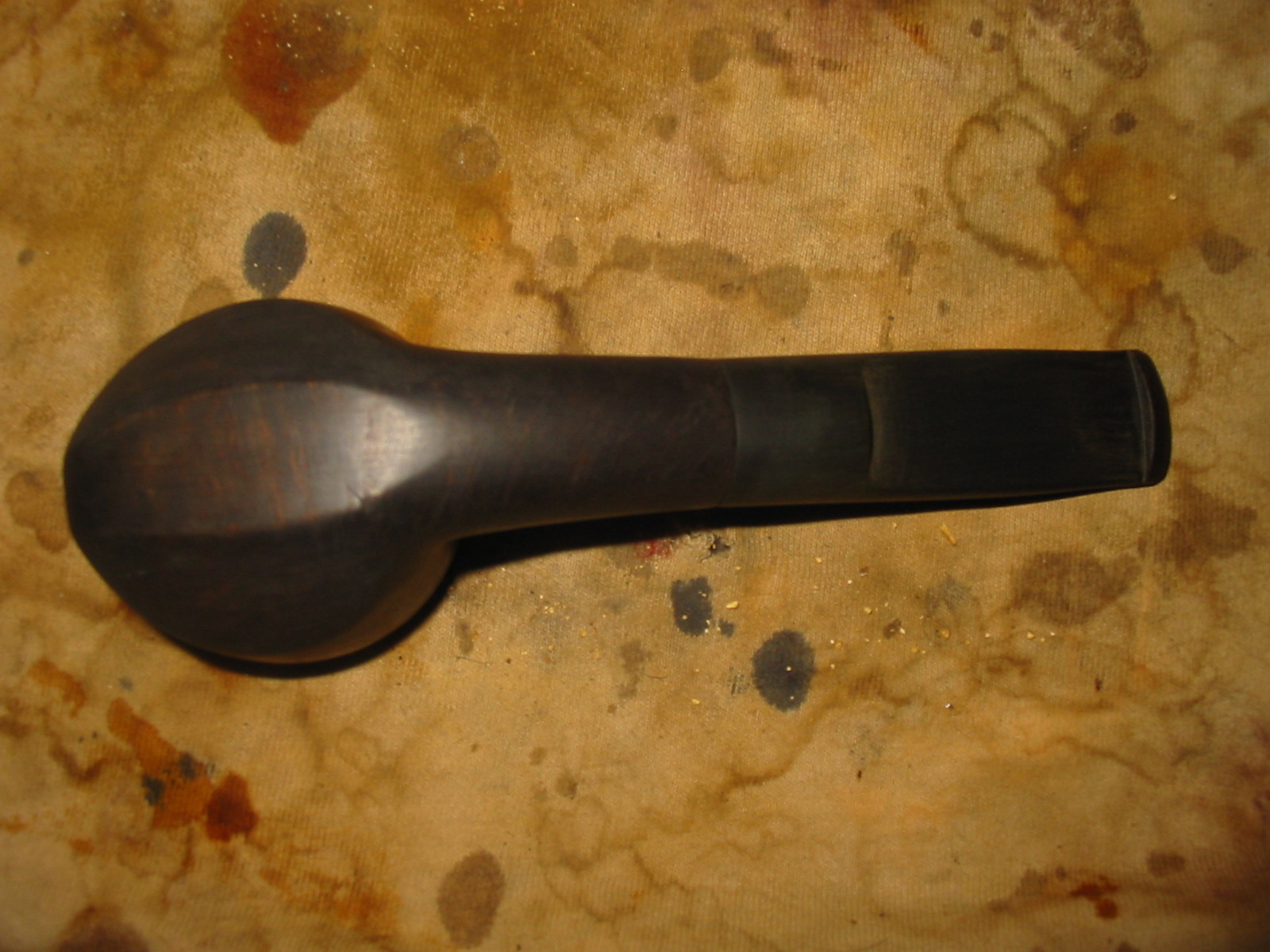
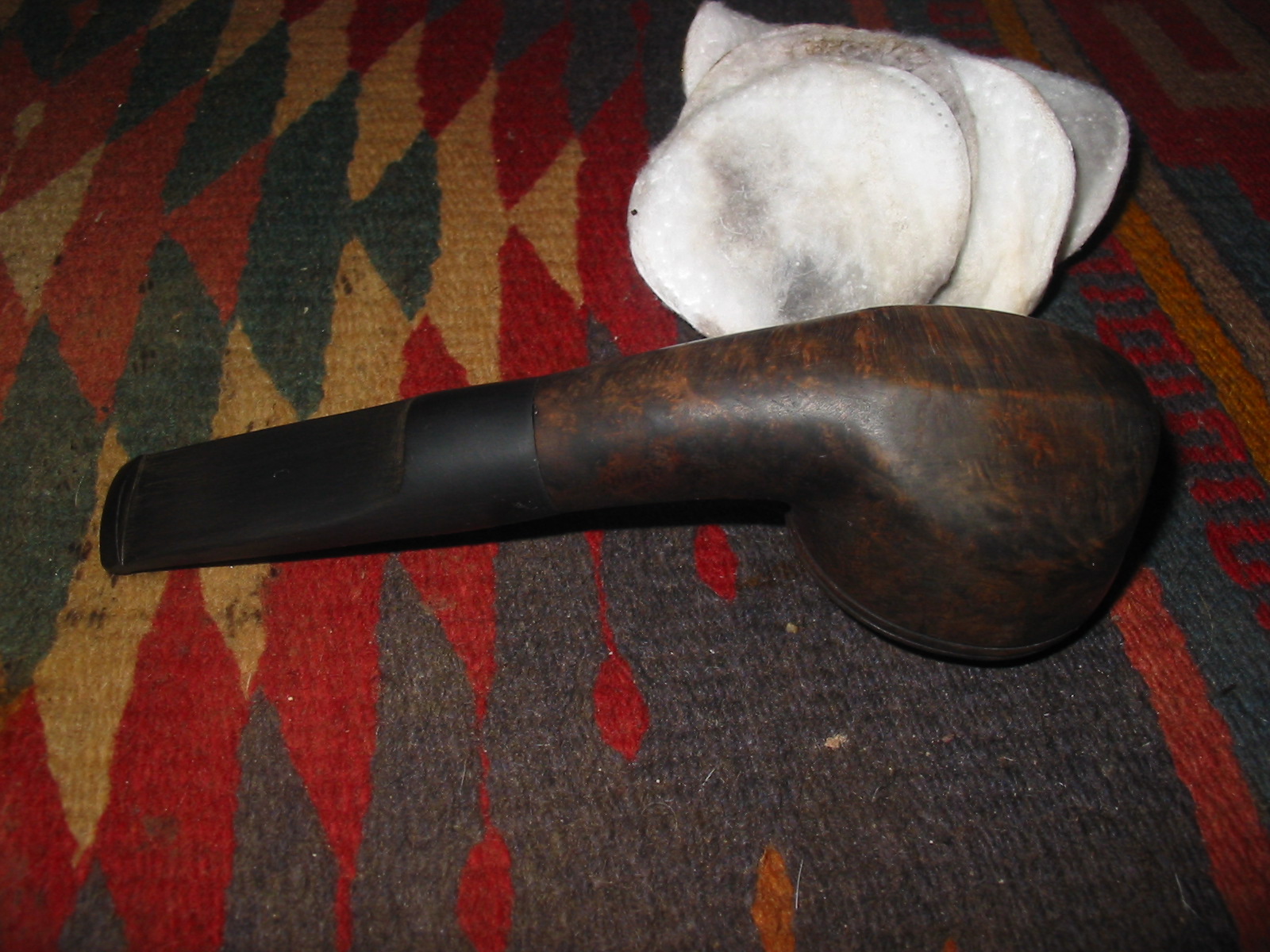
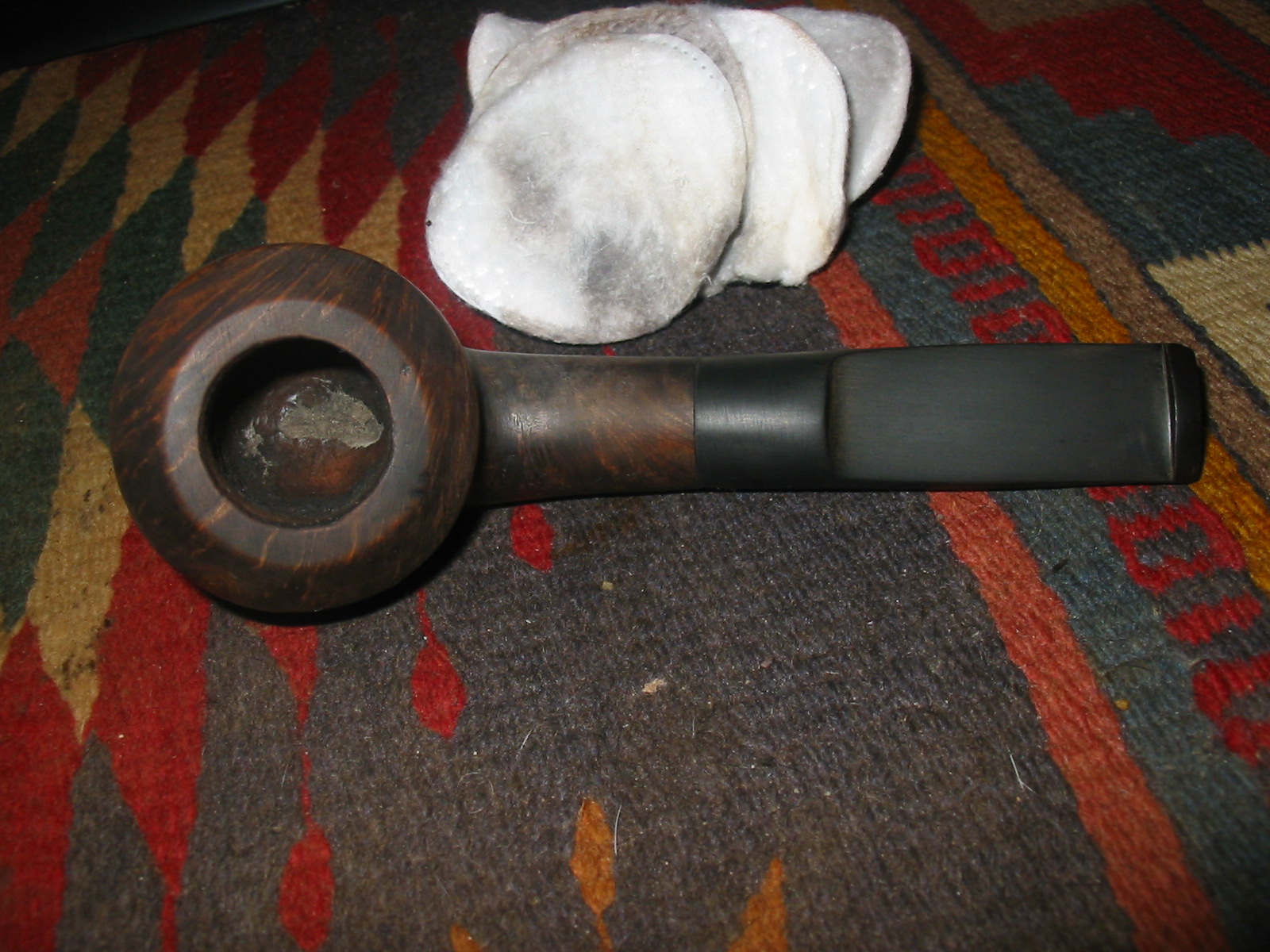
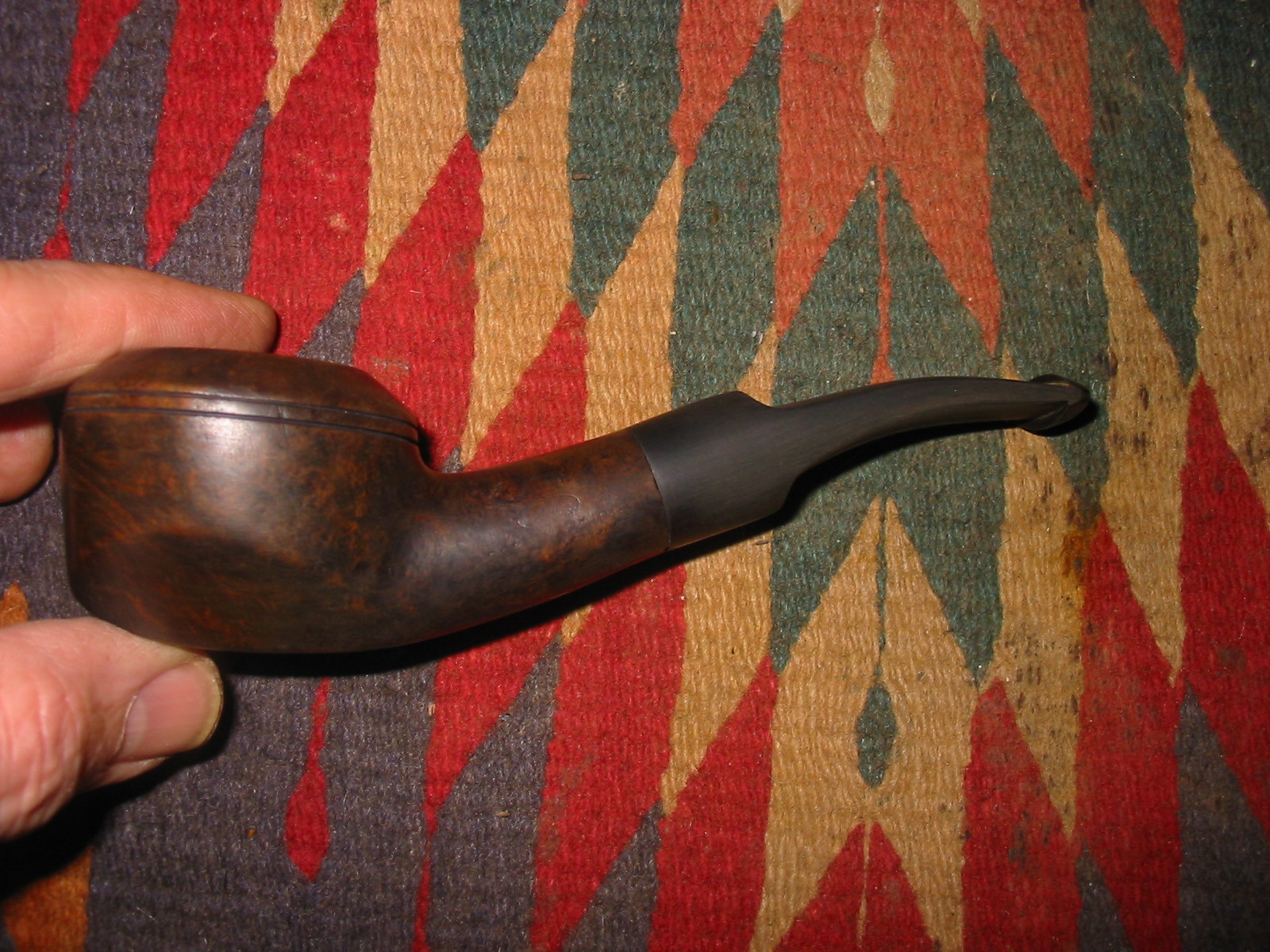
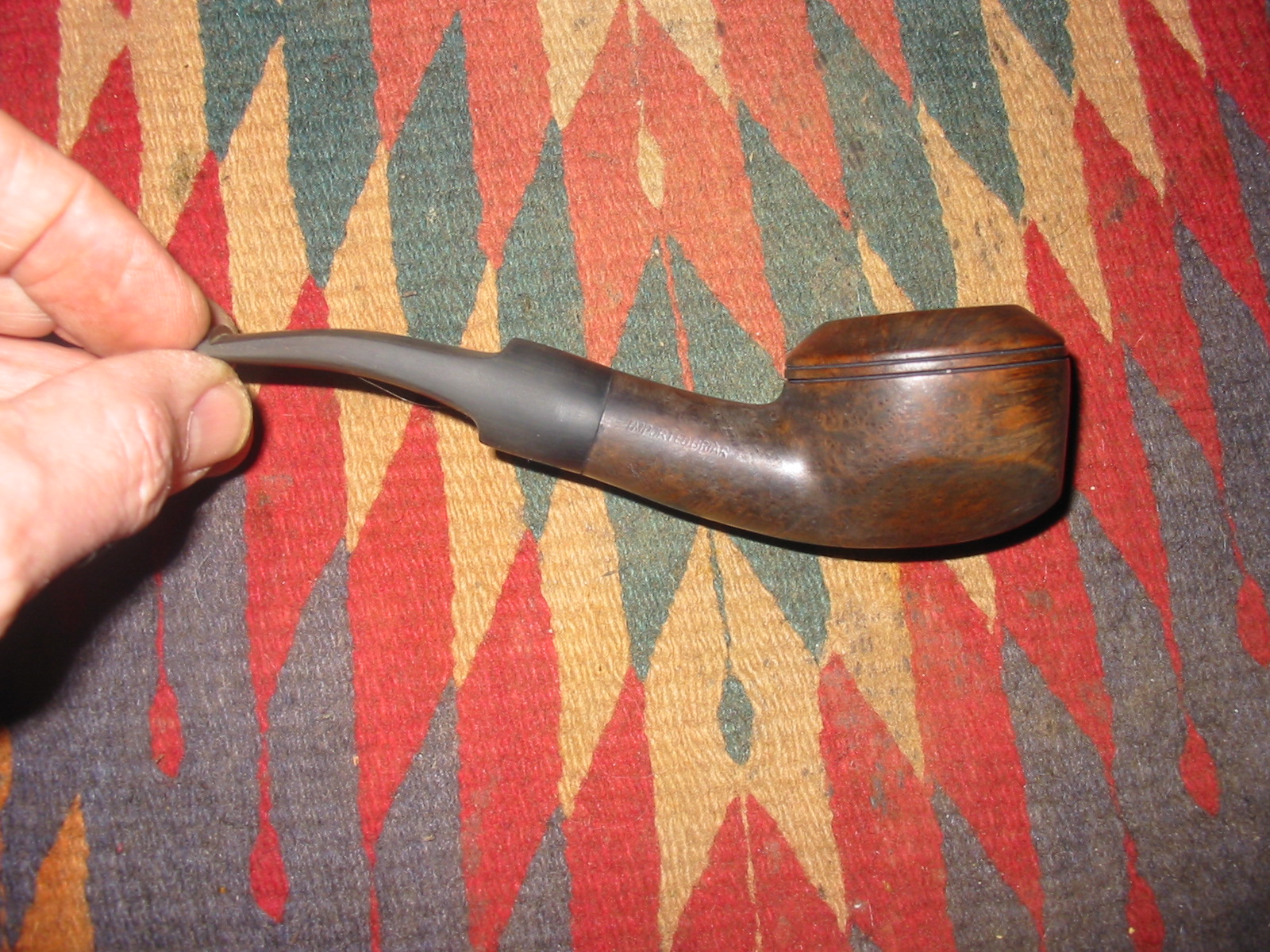
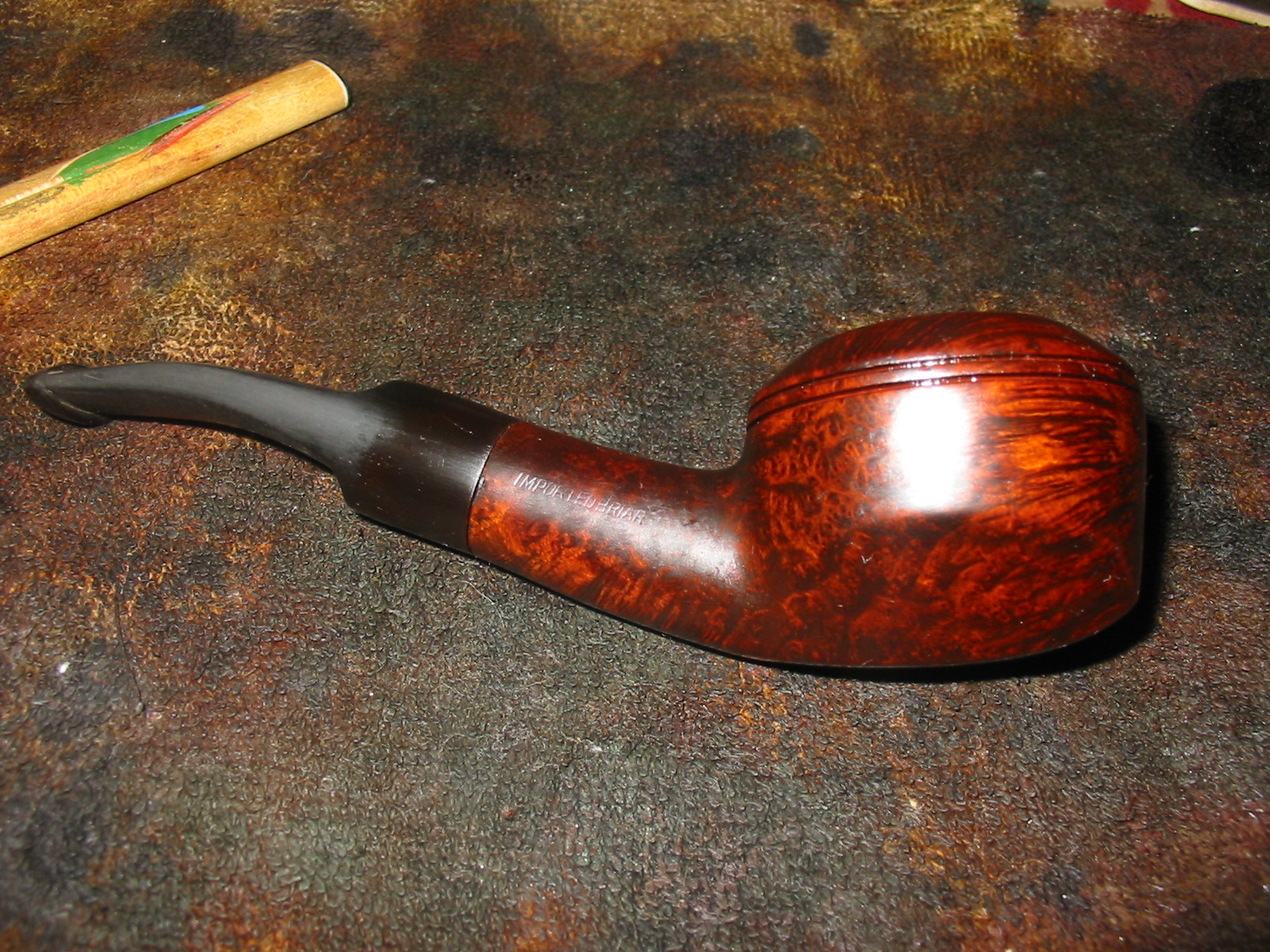
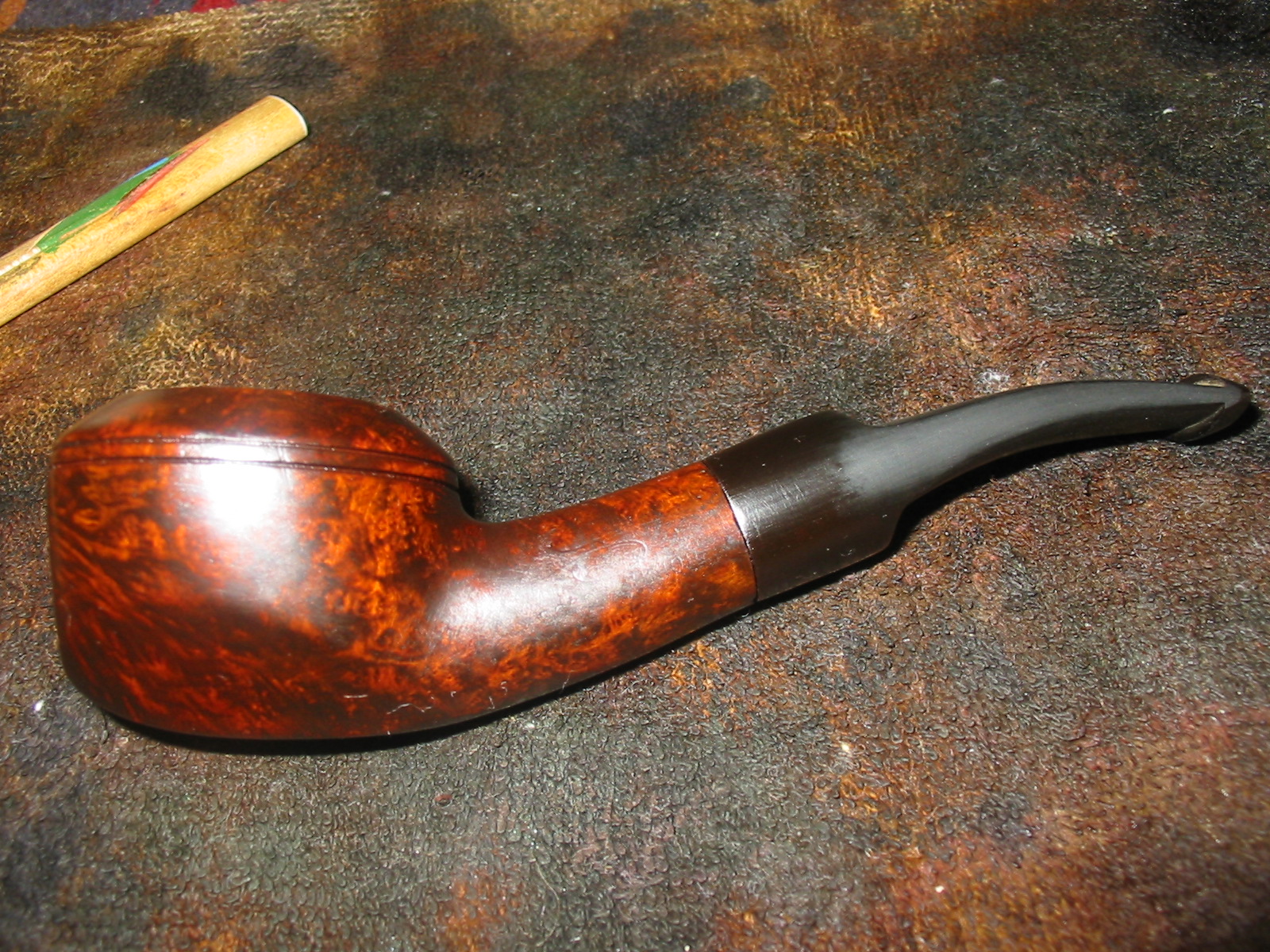
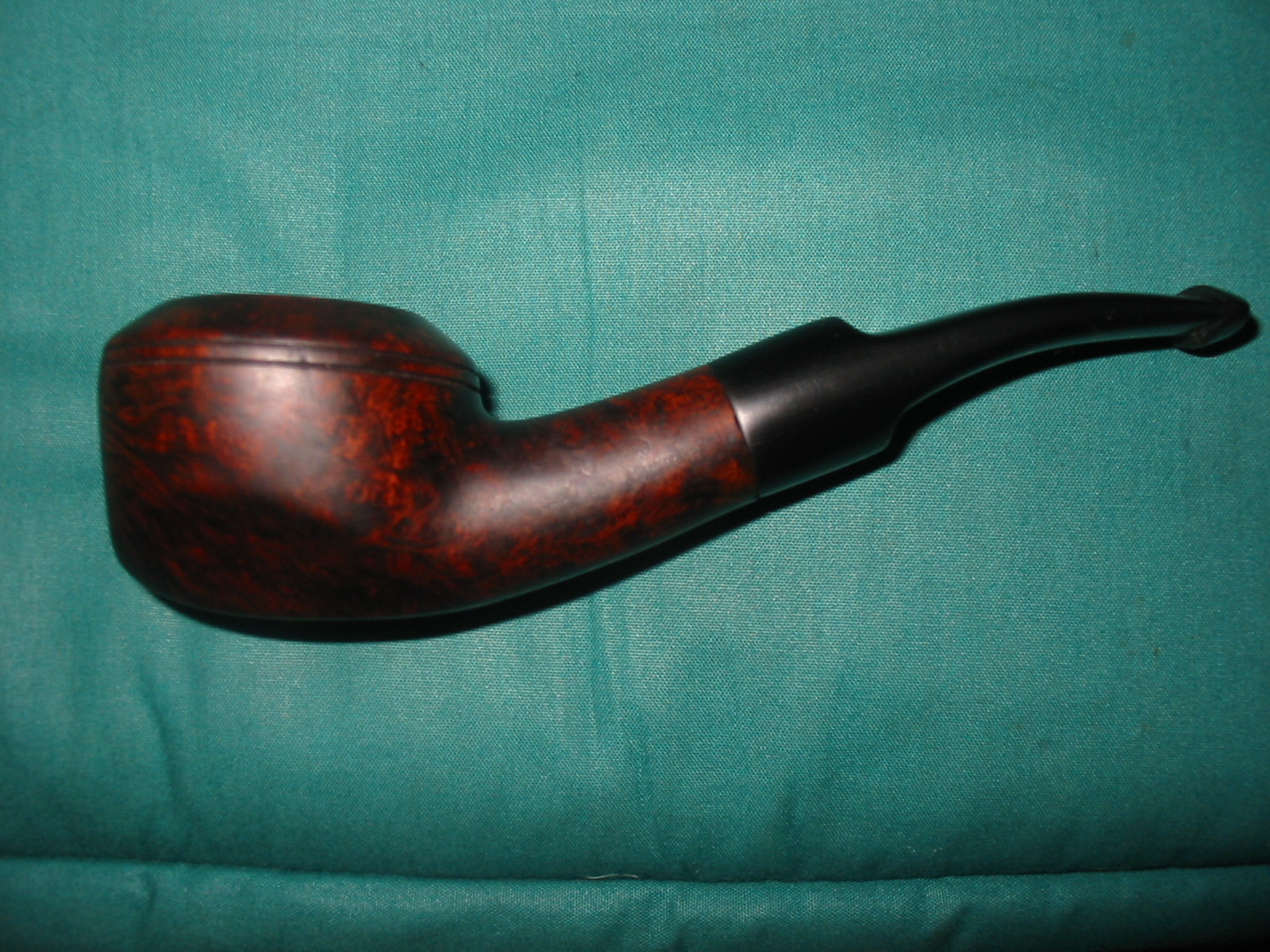
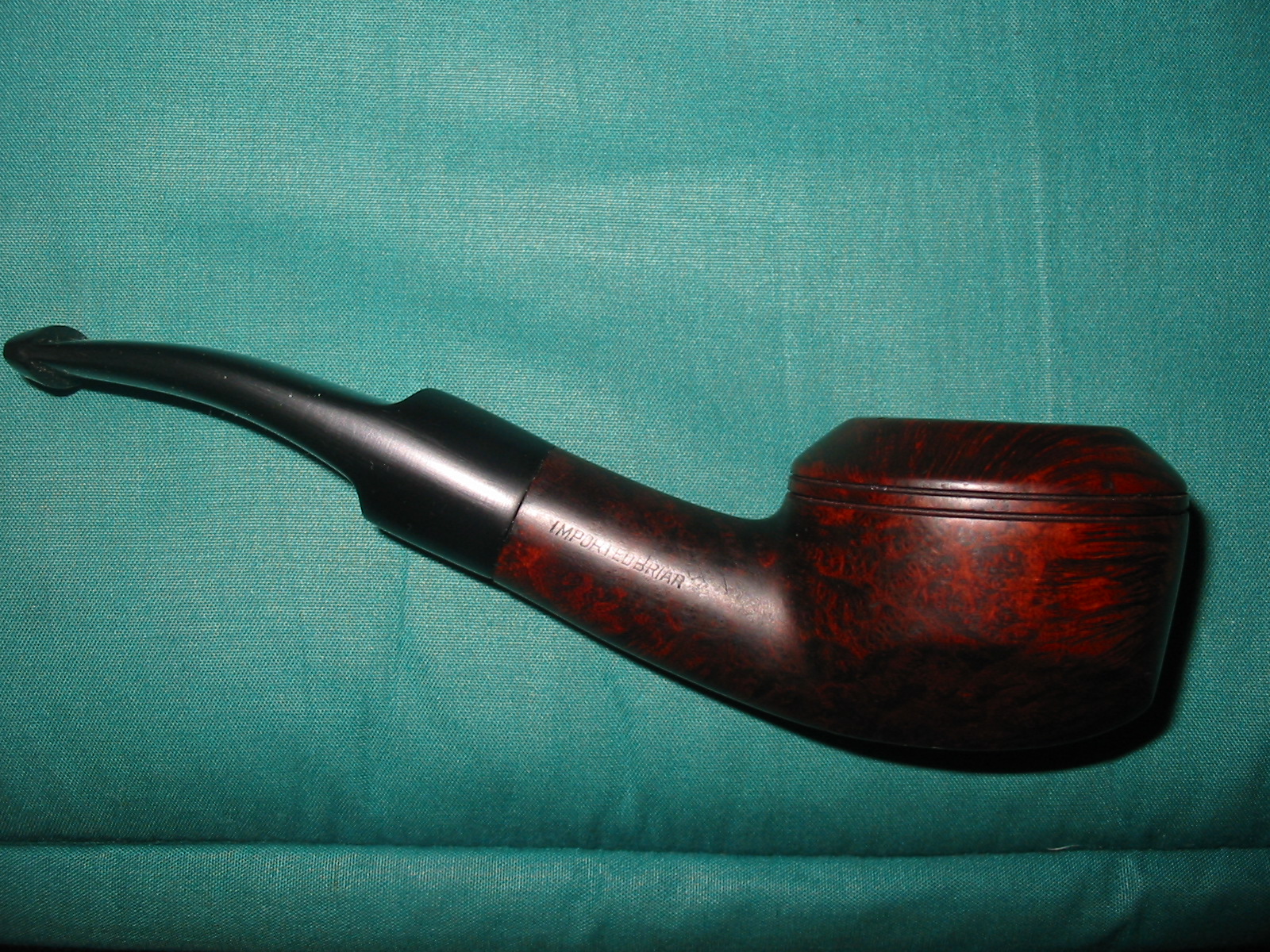
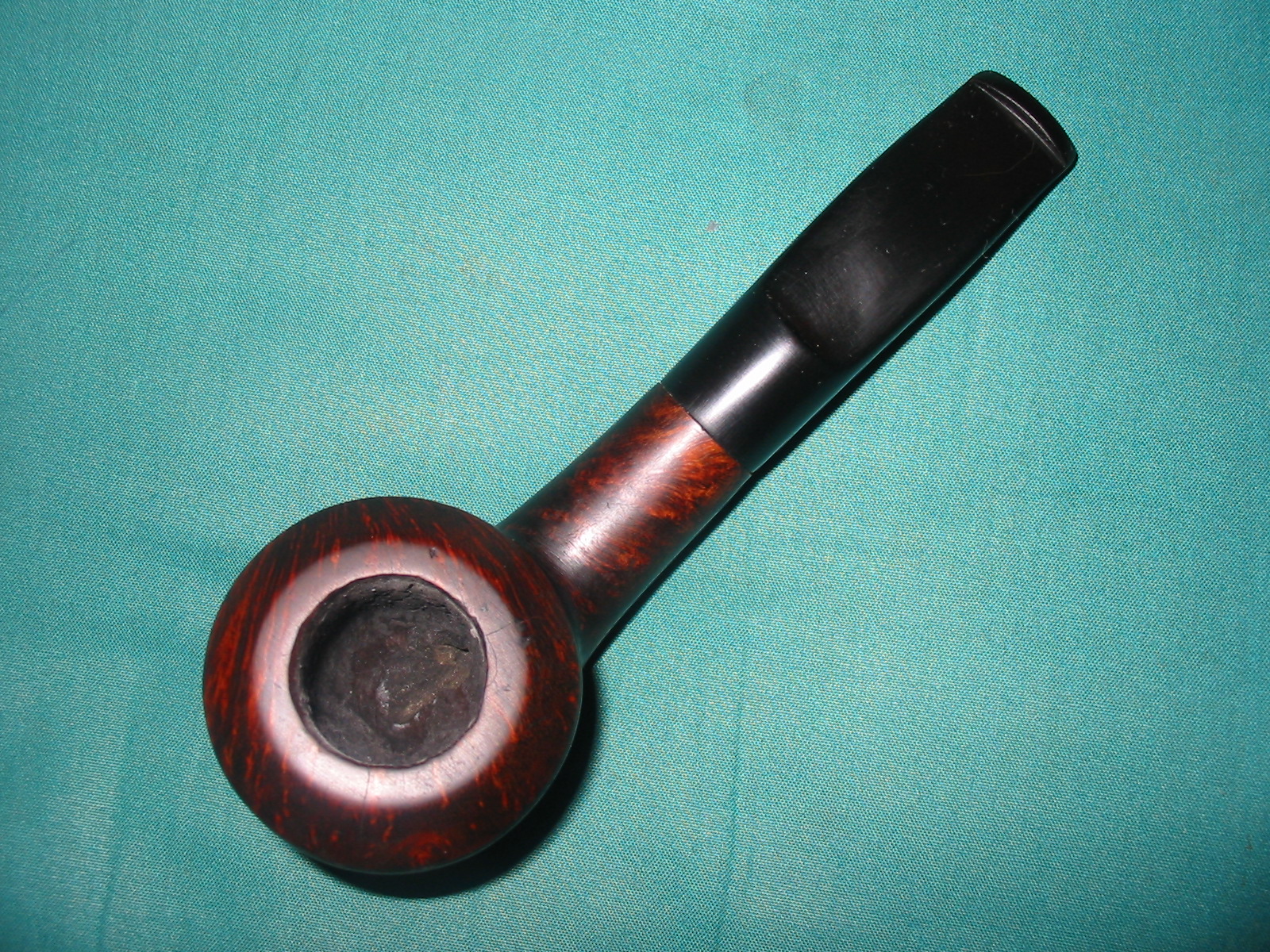
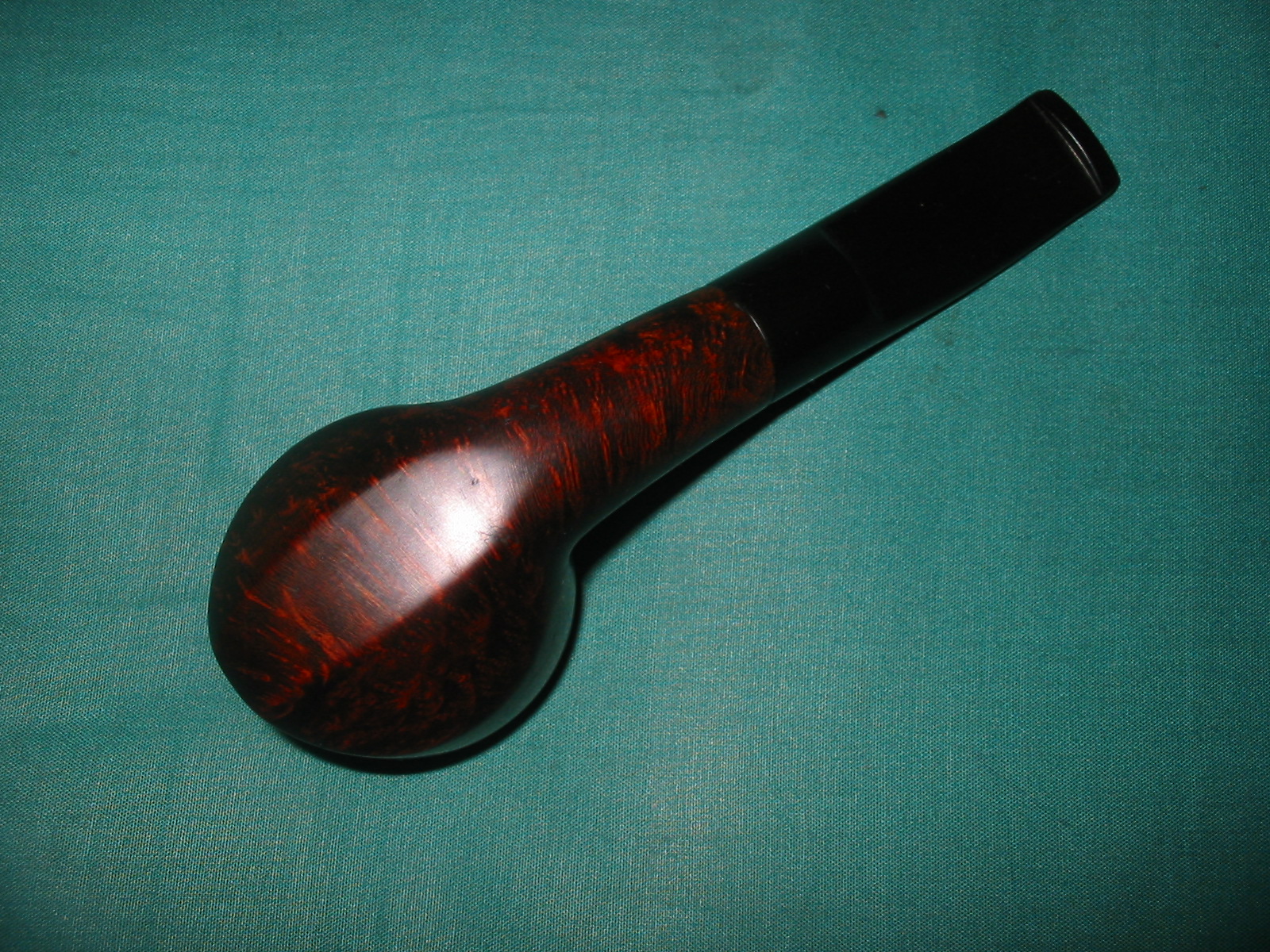
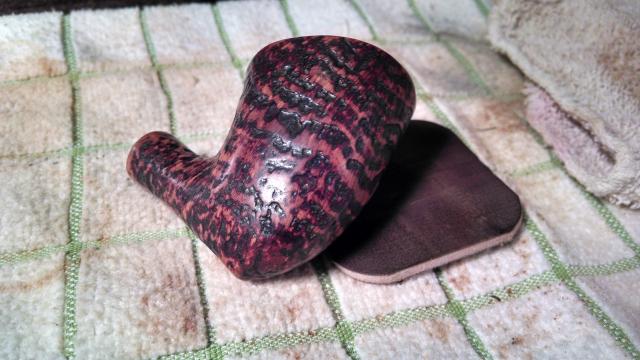
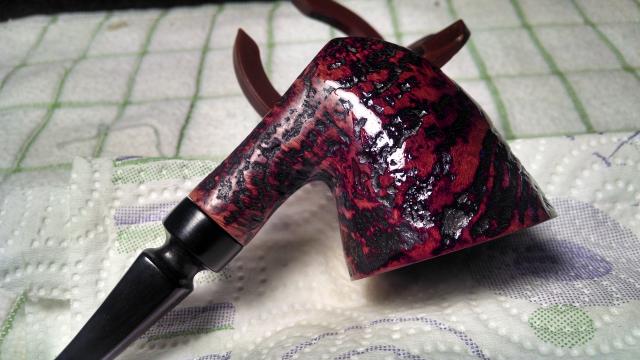
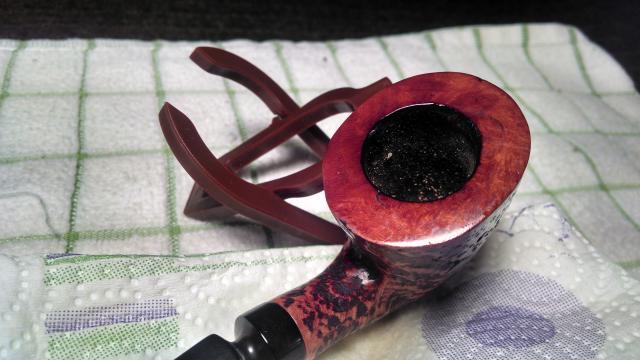
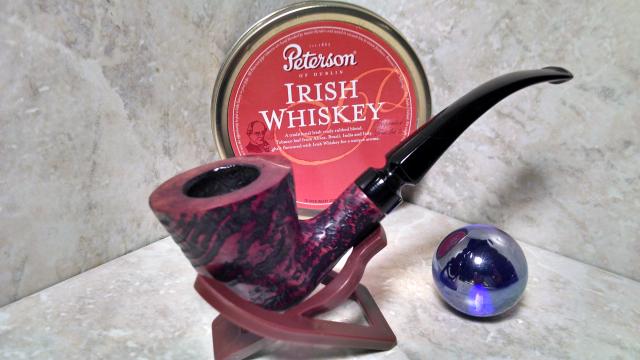
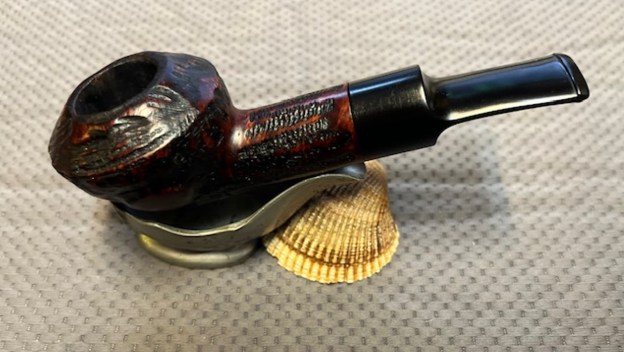
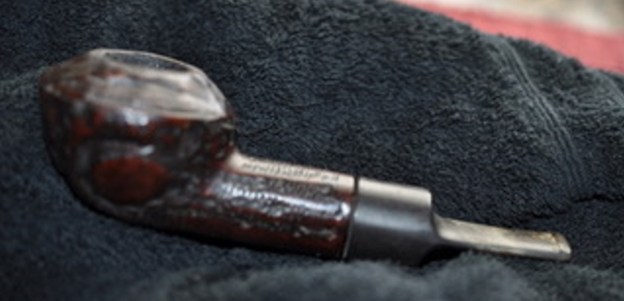
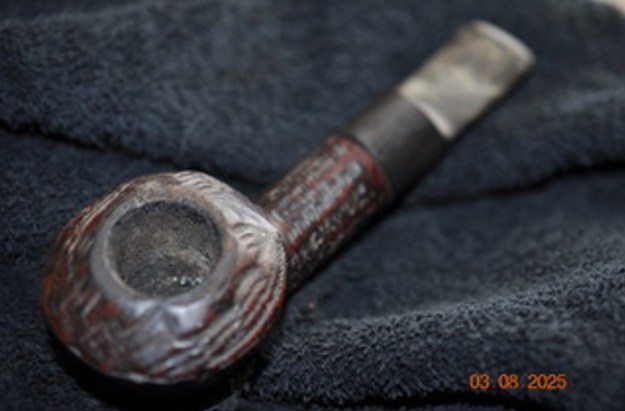
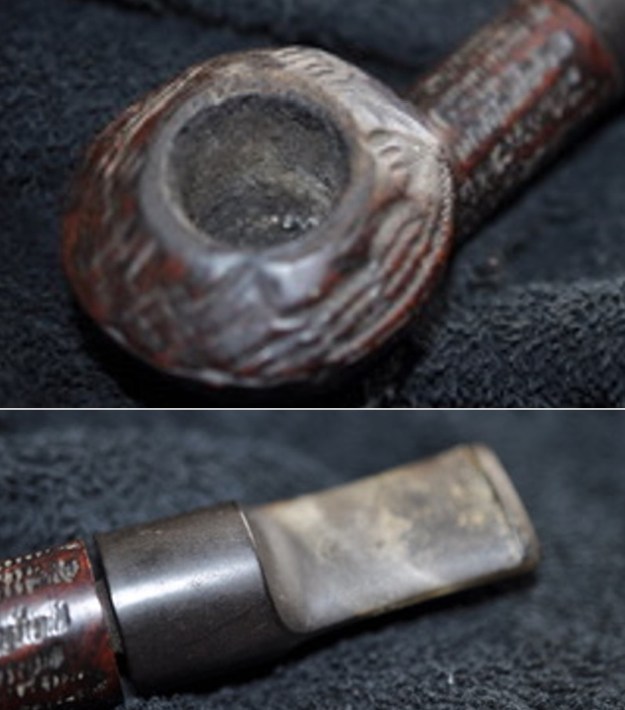
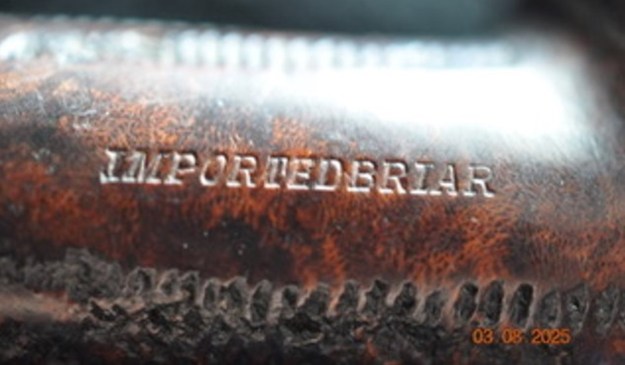
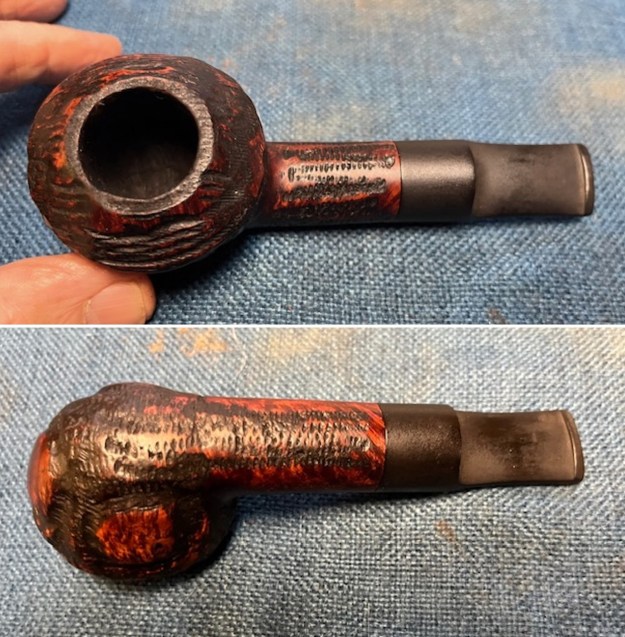
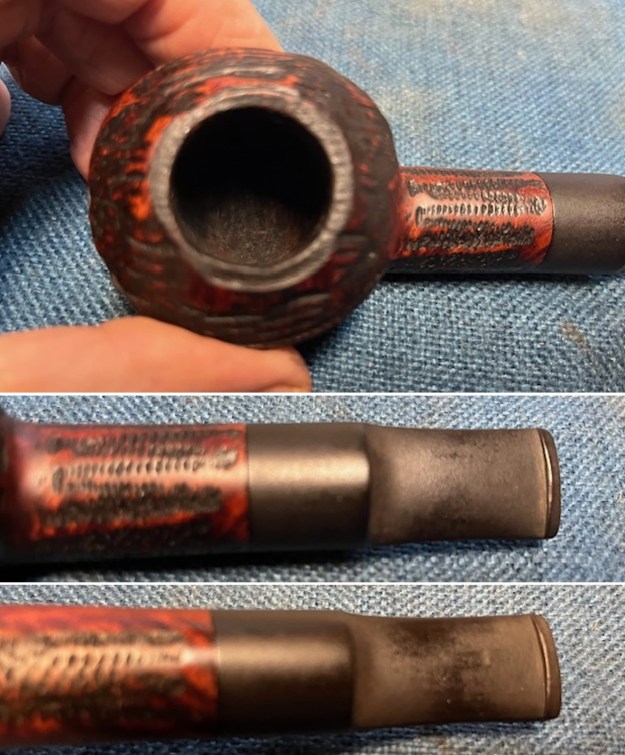
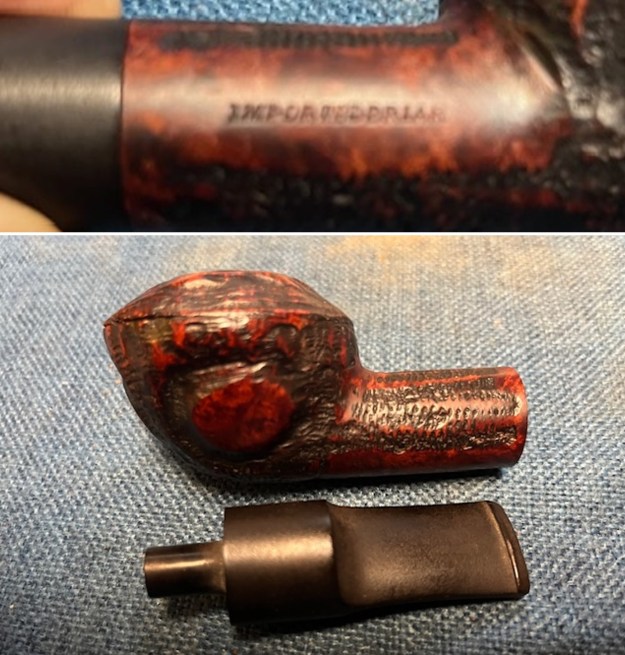
This mysterious pipe was purchased on 11/16/2024 from an auction in Mastic Beach, New York, USA. It is mysterious in terms of the maker. The only stamping on the pipe is on the right side of the shank and reads Imported Briar. The carving, or rustication is very similar to that of a recent Weber The Scoop that recently restored (https://rebornpipes.com/2025/04/16/restoring-a-unique-old-weber-the-scoop-squat-bulldog/). Like that one this pipe has three smooth spots on the sides and front of the bowl. The rustication leaves them as islands in a heavily rusticated bowl. The Weber Scoop I restored was the same. The rim cap was different from this one but there are many similarities that make we wonder if this mystery pipe is also a Weber made pipe. The bowl had a thick cake on the walls and an overflow of lava onto the rim top and edges. The rustication had a lot of dust and debris in the grooves and valleys. The vulcanite saddle stem was oxidized, calcified and has light tooth marks and chatter on both sides near the button. It was a unique and beautiful looking pipe in its own way. Jeff took photos of the pipe before he started cleaning it up. Have a look. Jeff took close up photos of the bowl and rim top to show the condition of the bowl and the rim top. You can also see the lava on the rim top, inner edge and the cake in the bowl. He also took close up photos of the stem to show its condition as mentioned above. I also took photos of the tooth marks and chatter on both sides of the stem. He took photos of the bowl sides and heel to show the rustication style around the bowl. The deep patterns around the smooth patches on the bowl front and sides. The rustication is swirled around the smooth patches and is doubly rusticated. Jeff also took a photo of the stamping on the right side of the shank. It is clear and readable as noted above.Since I had a hunch about a connection to Weber pipes I decided to do a bit of reading on Weber pipes in general and also see if I could pick up specific information on this particular pipe. I turned to Pipedia and found the some interesting historical information (https://pipedia.org/wiki/Weber_Pipe_Co.).
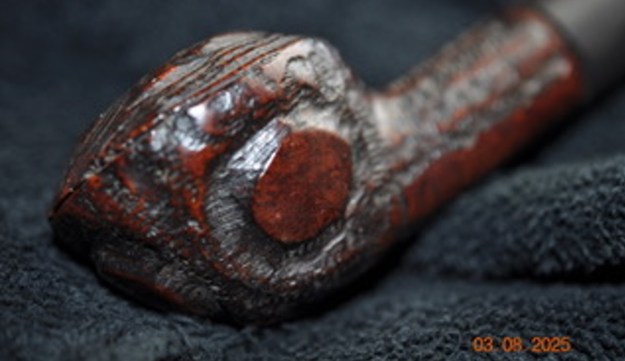
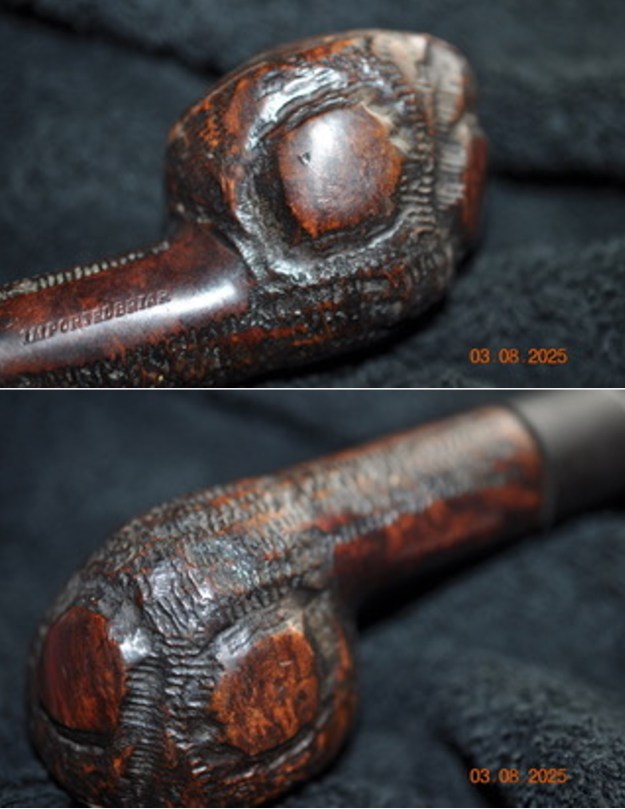
Carl B. Weber was a German from Bavaria. Aged 21 he immigrated to the USA in 1911. In 1938 he established Weber Briars Inc. in Jersey City, New Jersey – later renamed the Weber Pipe Co. The firm grew to be one of the giants of American pipe industry focusing itself in the middle price and quality zone. Trademark: “Weber” in an oval. Beside that Weber – especially in the years after 1950 – was a most important supplier for private label pipes that went to an immense number of pipe shops. In New York alone for example, exactly the same pipes were found at Wilke’s, Barclay Rex, Trinity East, Joe Strano’s Northampton Tobacconist in Ridgewood, Queens, Don-Lou in Bensonhurst, Brooklyn. Nearly all pipes for Wilke were unstained and many models, for example the “Wilke Danish Bent”, could hardly deny originating of Weber. Among others well reputed pipemaker Anthony Passante worked for Weber.

Weber Pipe Co. owned and manufactured Jobey pipes – when mainly sold in the USA by The Tinderbox from 1970’s – 80’s. In addition Jobey / Weber bought Danish freehands from Karl Erik (Ottendahl). These pipes were offered as Jobey Dansk. Ottendahl discontinued exports to the United States in 1987 and in the very same year – obviously only as a ghost brand – Jobey was transferred to Saint-Claude, France to be manufactured by Butz-Choquin. Carl B. Weber is the author of the famous book “Weber’s Guide to Pipes and Pipe Smoking”.     

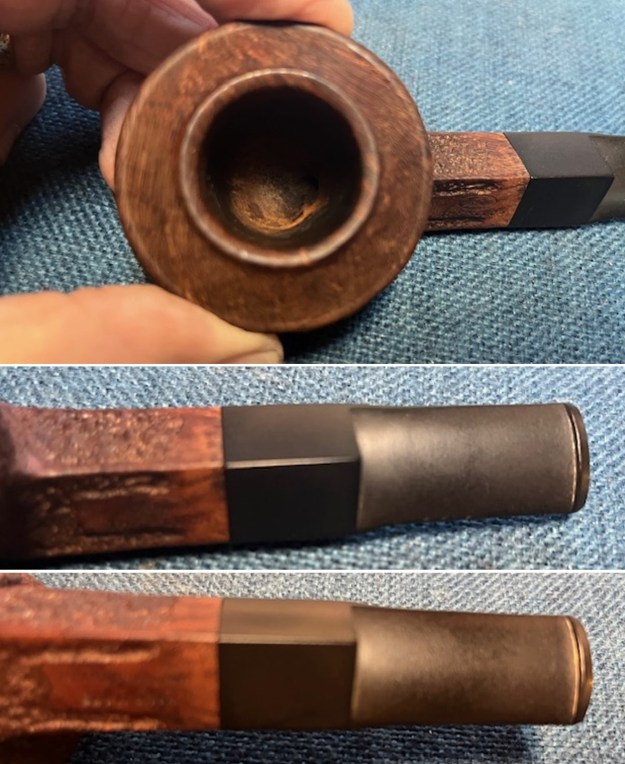
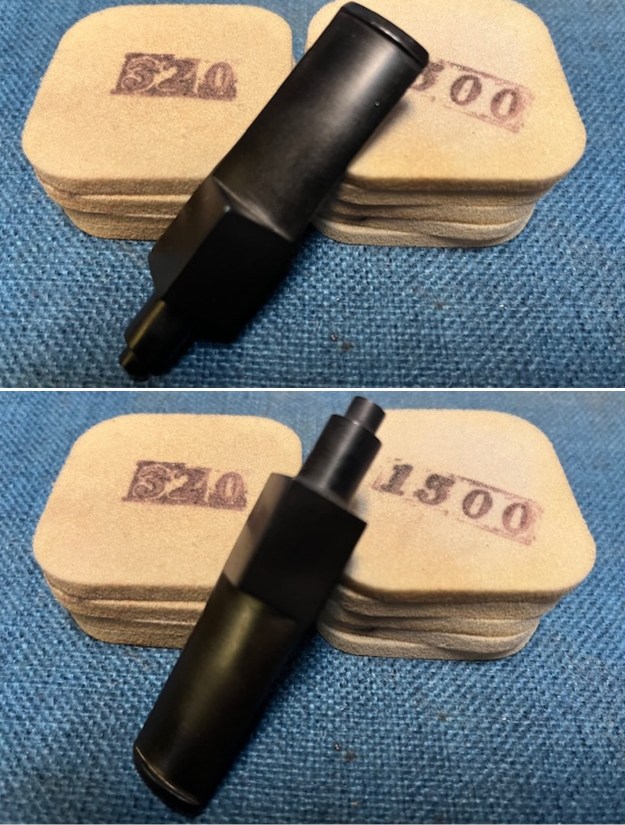
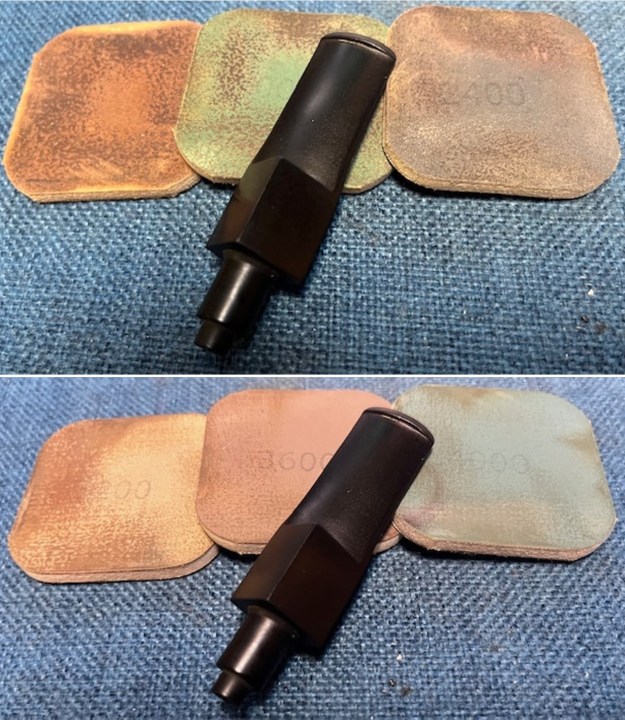
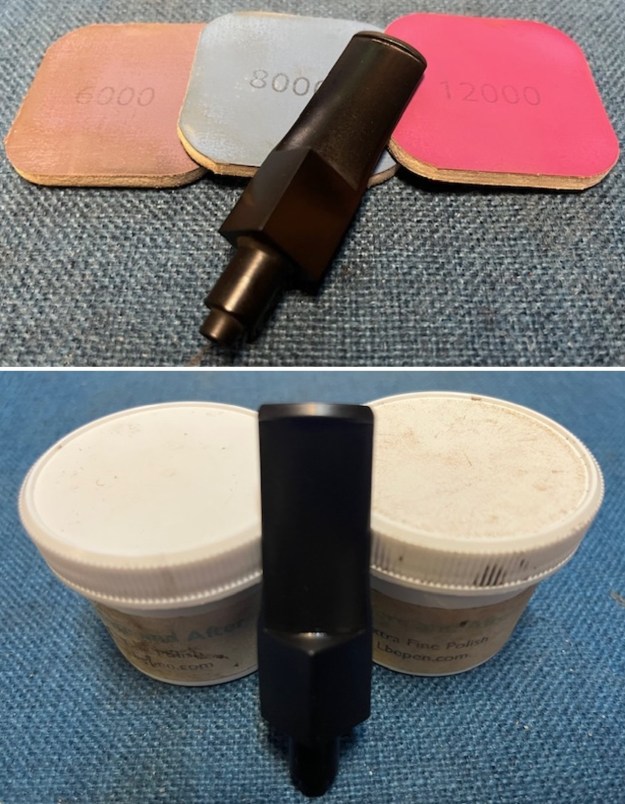
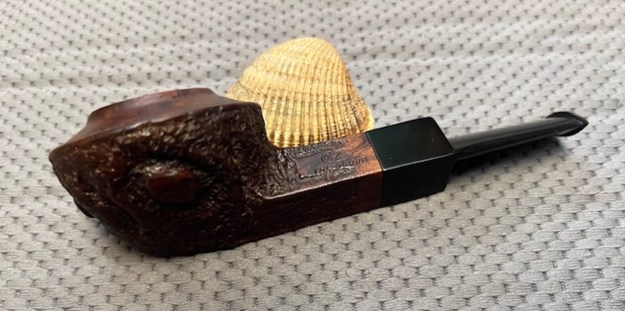
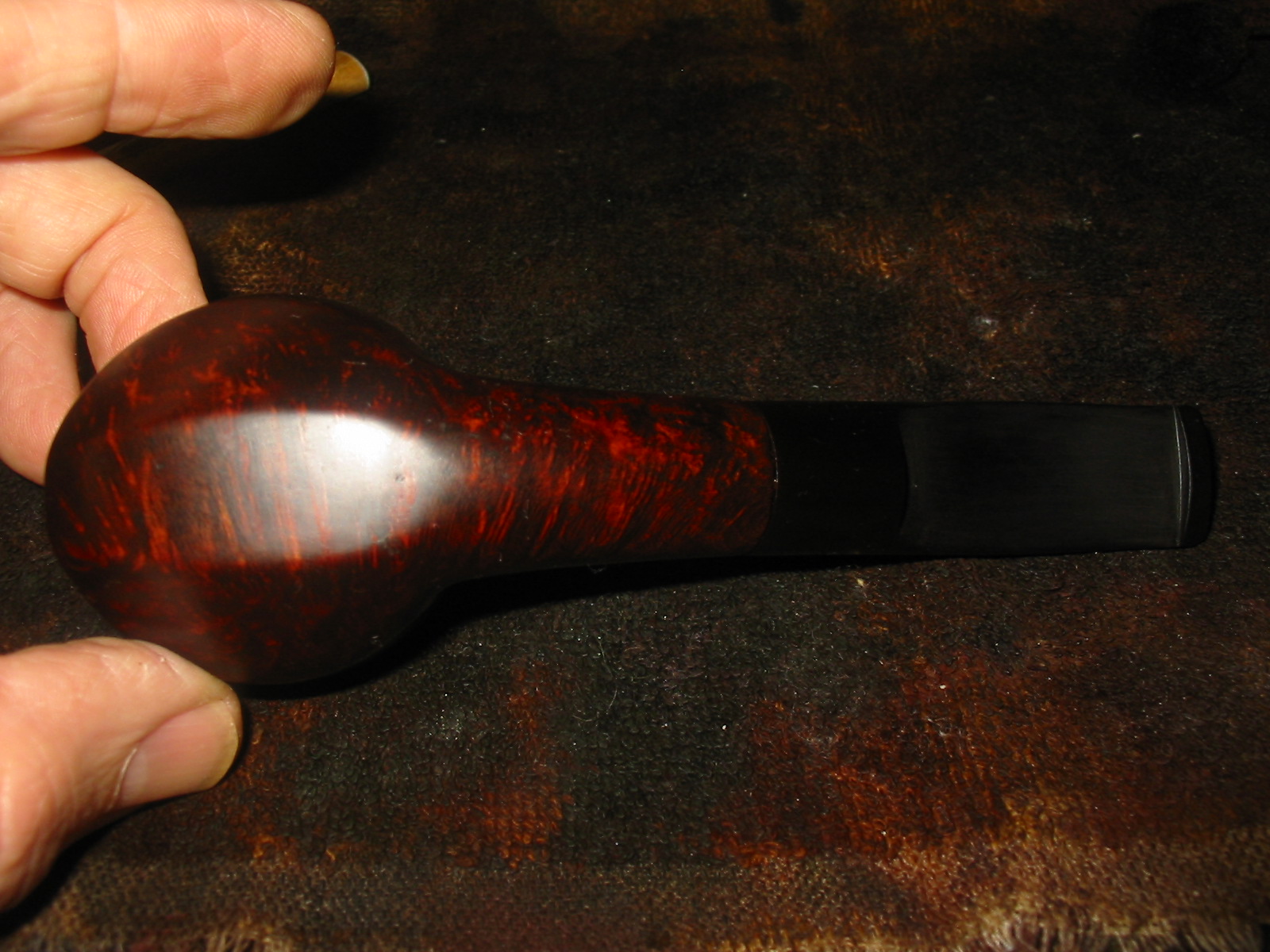
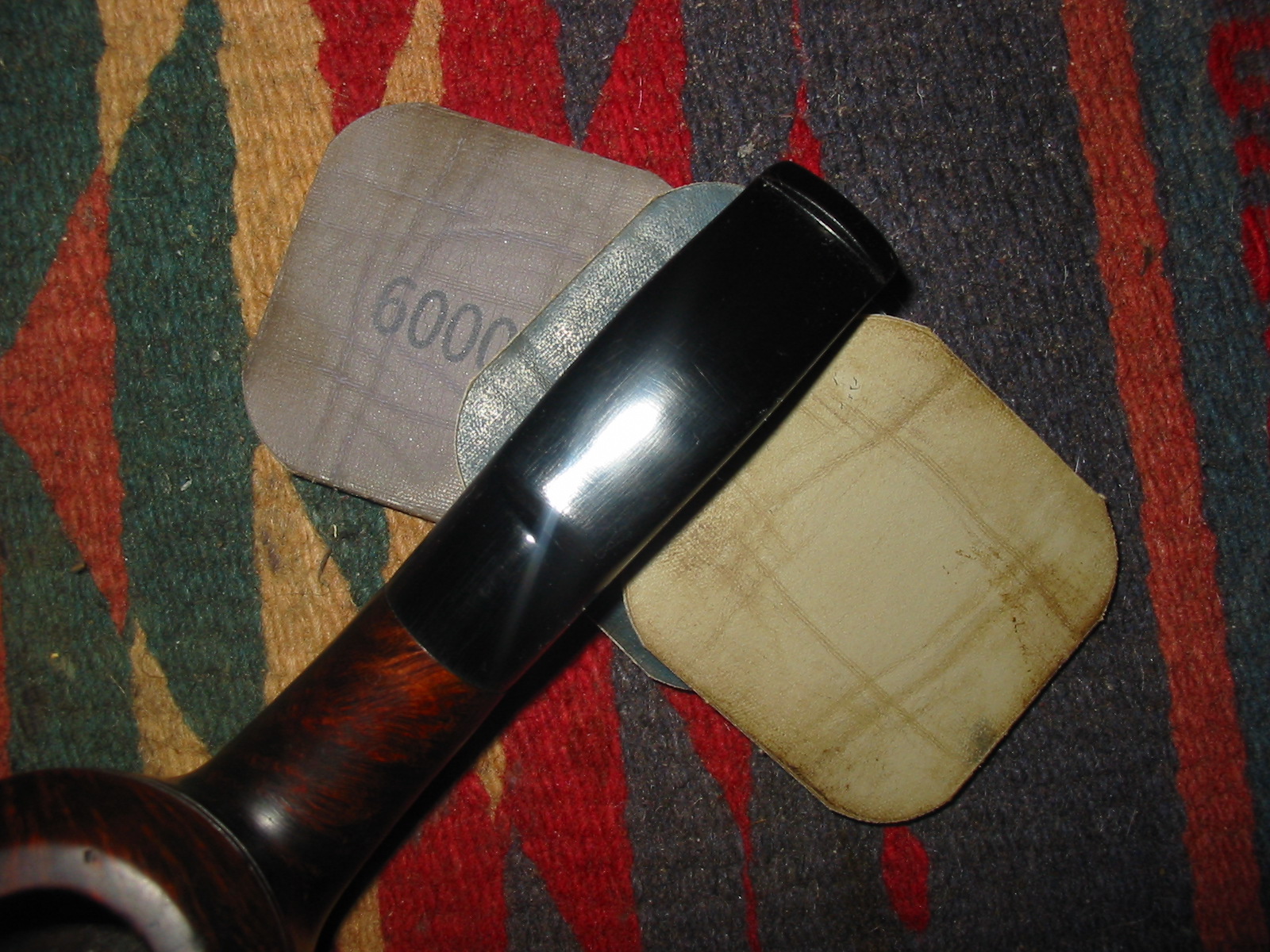
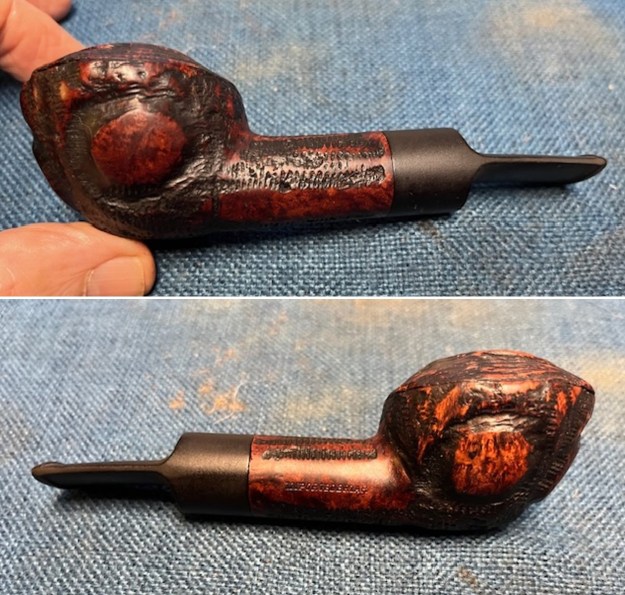
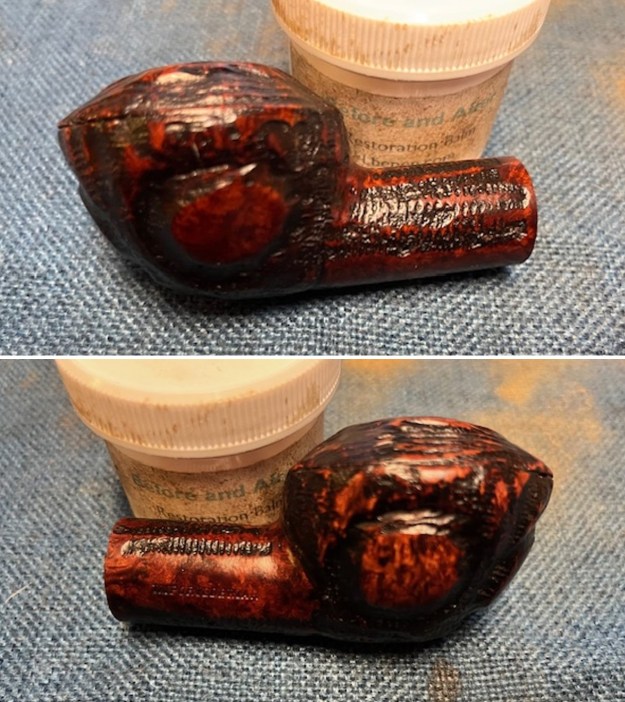
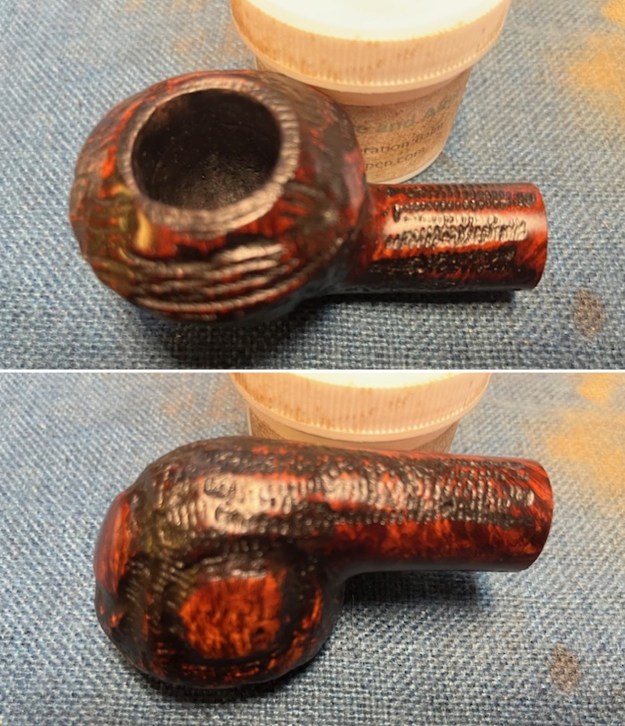
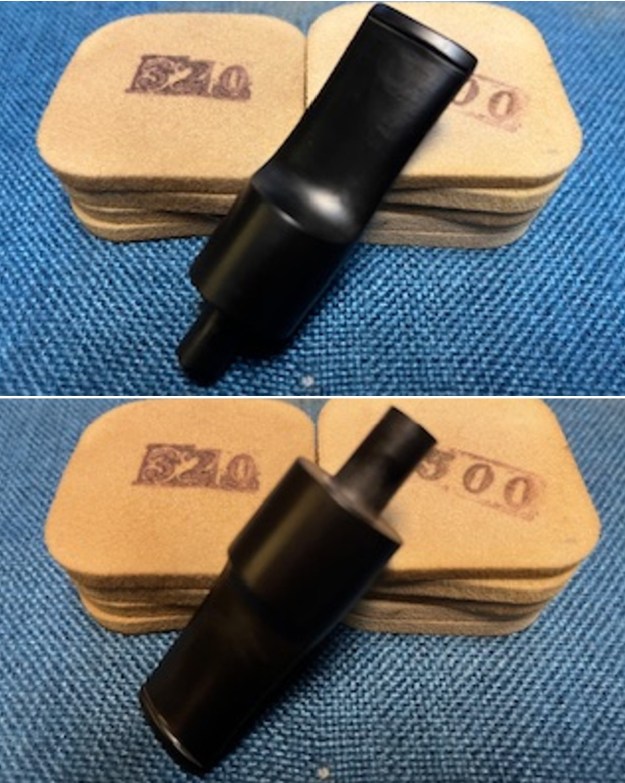
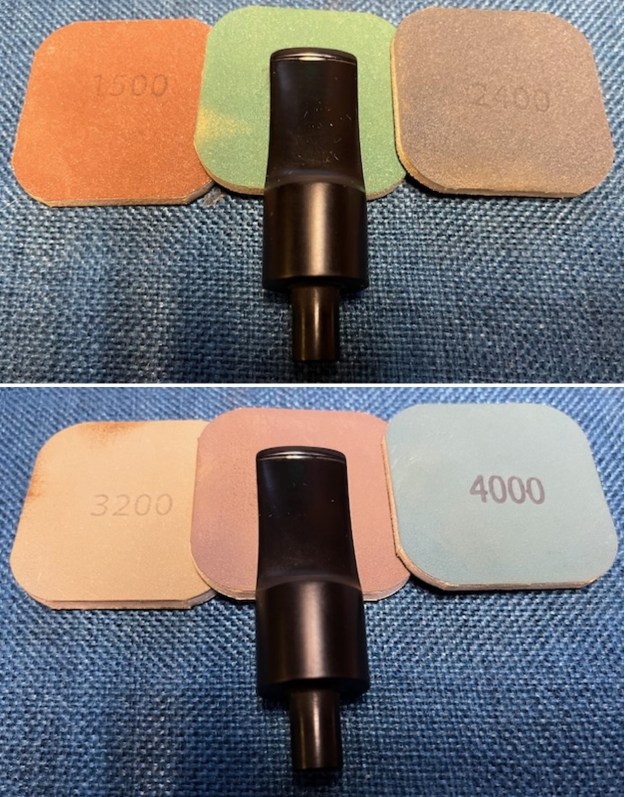
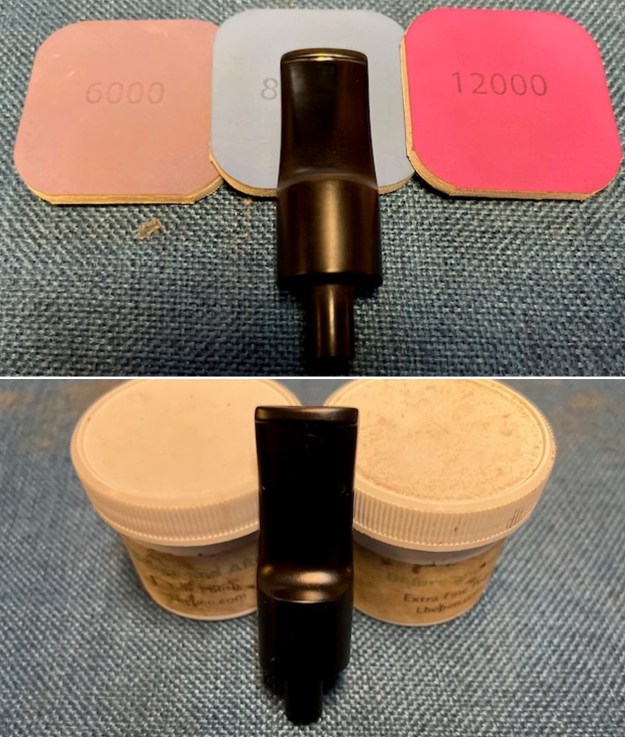
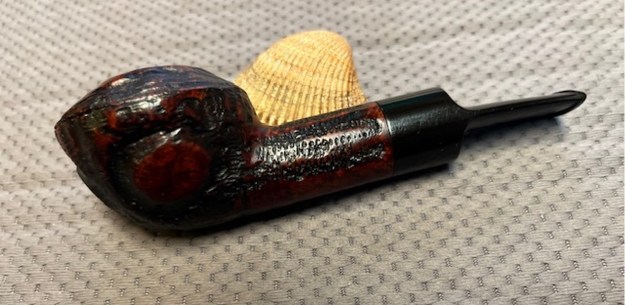
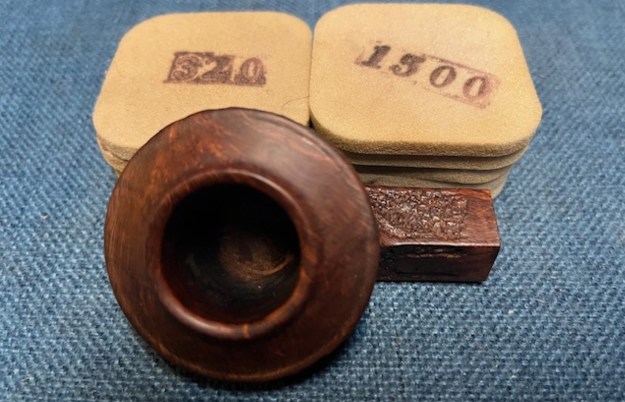
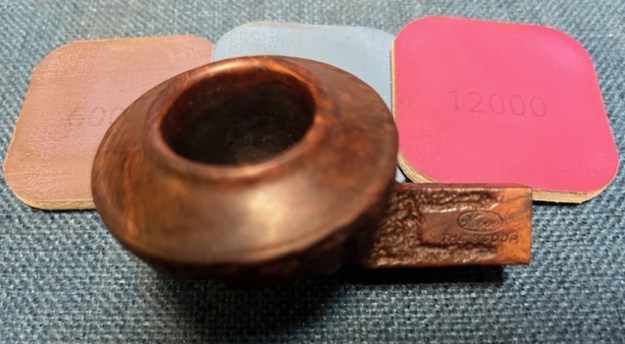
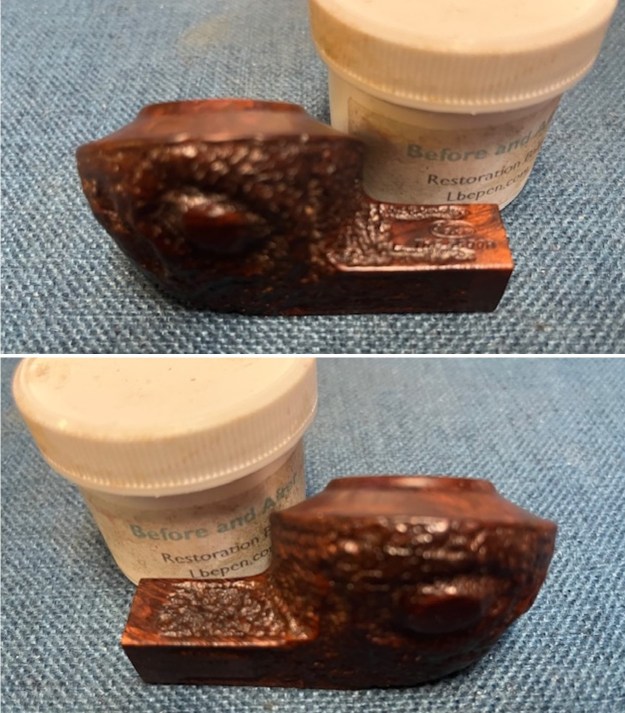
Armed with just my suspicion I turned my attention to the pipe itself. Jeff had cleaned the pipe with his usual penchant for thoroughness that I really appreciate. He reamed it with a PipNet pipe reamer and cleaned up the reaming with a Savinelli Fitsall Pipe Knife. He scrubbed out the internals with alcohol, pipe cleaners, shank brushes and cotton swabs until the pipe was clean. He scrubbed the exterior of the bowl with Murphy’s Oil Soap and a tooth brush to remove the grime and grit on the briar and the lava on the rim top. The finish looks very good with good looking grain around the bowl and shank. Jeff soaked the stem in Before & After Deoxidizer to remove the oxidation on the rubber. When the pipe arrived here in Vancouver for the second stop of its restoration tour it looked very good. I took photos before I started my part of the work. I took close up photos of the bowl, rim top and stem to show how clean the pipe was. The bowl was clean and the rim top and the inner edge look beautiful. The cap on this pipe was smooth with a ring around the inner and out edge and a rim top that is slightly inset. It is unique among the Weber Pipes that I have worked on. The stem was clean and did not show either tooth marks or chatter.I took photos of the stamping on the sides of the shank. It is very clear and readable and read as noted above. I also removed the stem from the shank and took photos of the pipe to show the look of the parts.The exterior of the bowl was in excellent condition. I did not need to do any sanding or work on the rim or bowl edges. I started by working some Before & After Restoration Balm into the briar with my finger tips and a shoe brush to get into the nooks and crannies. I let it sit on the bowl for 10 minutes and then buffed it off with a paper towel and soft cloth. The product is a great addition to the restoration work. It enlivens, enriches and protects the briar while giving it a deep glow. It is a product I use on every pipe I restore. I set the bowl aside and sanded the stem with 320-3500 grit sanding pads. I wiped it down after each pad with Obsidian Oil and it began to look very good.I polished the stem with micromesh sanding pads – dry sanding with 1500-12000 grit pads. Once again, I wiped it down between each pad with Obsidian Oil. I further polished it with Before and After Stem Polish – both Fine and Extra Fine. It looked very good. I am excited to be on the homestretch with beautiful Imported Briar Rhodesian. The mystery of the connection to Weber intrigues me. I look forward to when a pipe all comes back together, polished and waxed. I put the bowl and stem back together. I polished the bowl and stem with Blue Diamond on the buffer to remove any scratches. I gave the bowl multiple coats of Conservator’s Wax and the stem multiple coats of carnauba wax. I buffed the pipe with a clean buffing pad to raise the shine. I hand buffed it with a microfiber cloth to deepen the shine. The unique rusticated finish looks really good with the interesting patterns standing out on the shape. The richly stained briar and the polished black vulcanite went really well together. This Weber Scoop has a recognizable shape and look that catches the eye. The brown stain really makes the rustication depths pop. It is another comfortable pipe to hold in the hand. The finished pipe is shown in the photos below. The dimensions of the pipe are Length: 5 ½ inches, Height: 1 ½ inches, Outside diameter of the bowl: 2 inches, Chamber diameter: 1 inch. The weight of the pipe is 39 grams/1.38 ounces. This one will soon be on the American Pipe Makers Section of the rebornpipes store. Let me know if you are interested in adding it to your rack. Thanks for reading this blog and my reflections on the pipe while I worked on it.
Restoring a Unique Old Weber The Scoop Squat Bulldog


by Steve Laug

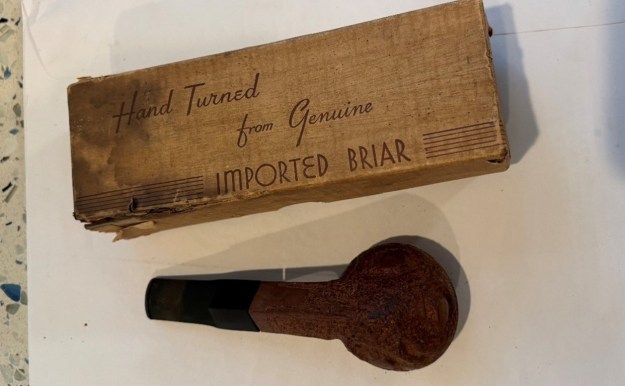
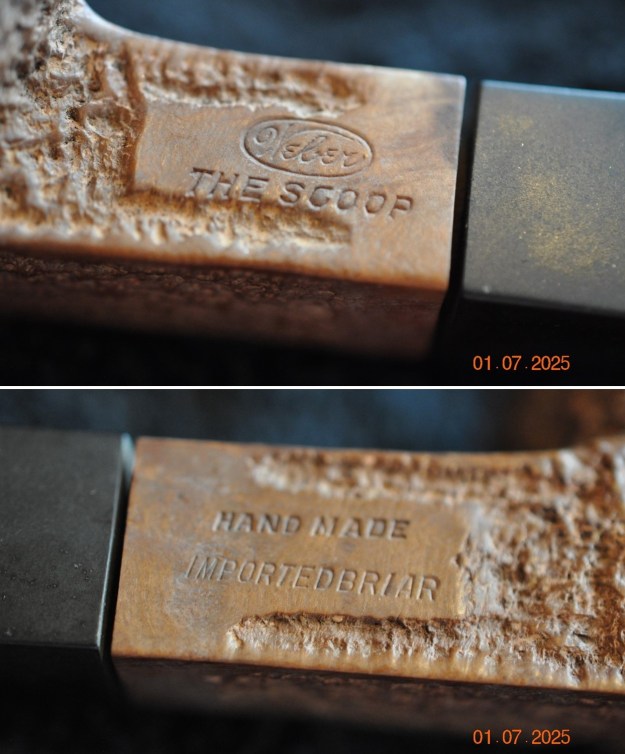
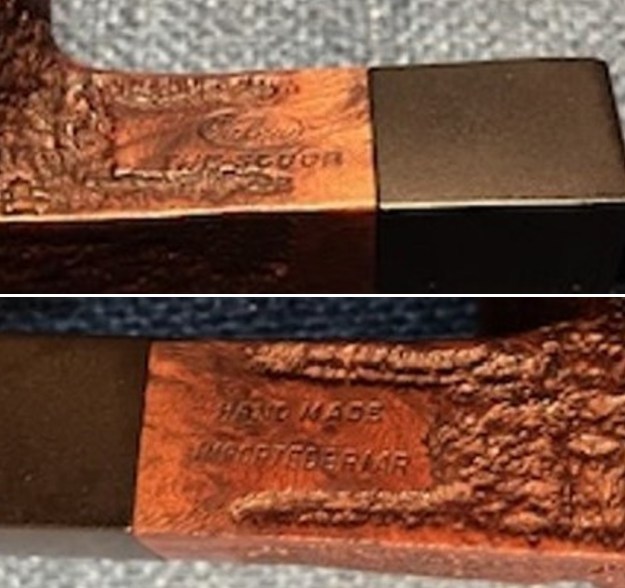
Last Fall I received an email from a lady in Pasadena, California, USA. We bought it from her on 11/08/2024. She sent me a series of photos to give me a sense of the condition of the pipe. The first photo showed the damaged box. The old box was definitely a Weber Box but it was for a Billiard not a Bulldog. The Box says Hand Turned from Genuine Imported Briar on the top of the box cover. On the end of the box it is labelled Billiard [over] the Weber logo [over] Synchro Standard. The box was in very rough condition with the paper label torn and falling apart. Inside there was mould on the bottom and one end of the box. It was a mess and to my mind was not worth keeping. Here are her photos.She also sent photos of the pipe so I could see it as she had described it. This particular Weber was a shape that he made famous. I have had several different versions of this pipe – mostly straight or ¼ bent and all were rusticated with Weber’s recognizable rustication. This one was different – it had a unique rustication style that set it apart. The first is a side and top shot that gives a sense of the rustication on the bowl side and the inset rim top. The stem was also quite clean. The second and third photos below show the top and the heel of the bowl. The top is smooth and inset a little bit. The rim edges look quite good. The sides and heel of the bowl are heavily rusticated with three odd shaped smooth spots on the front and the sides.The rusticated finish on this pipe and the Weber Scoop stamping are what caught our eye. The pipe has something about it that just grabbed me. I have worked on many Weber pipes and even a scoop in the past. But never have I seen one like this one. It is stamped on the left topside of the shank and reads Weber in an oval (logo) [over] The Scoop. On the right underside of the diamond shank it is stamped Hand Made [over] Imported Briar. It has a classic combination of Brown stains on the smooth and rusticated finish that is a stark contrast to the vulcanite saddle stem. It is a squat Bulldog with a vulcanite stem. The bowl is smooth on the rim top and rusticated everywhere else. There was a light cake in the bowl and spots of lava on the edges of the rim top. The inner edge and the top look good other than that. The stem is oxidized and very dirty at this point. It does not show any tooth marks or chatter on the top and underside ahead of the button. There is no logo on the diamond saddle stem and other than being dirty looks to be in good condition. Jeff took some photos of the box to confirm what I thought of the condition from the above photos. He removed the lid from the box and took photos of the inside of the box. It is very dirty and the inside had a lot of mould build up on the bottom of the box and ends. The pipe itself was very dirty and smelled mouldy.Jeff took the pipe out of the box and took photos of the pipe to show its condition. It is dirty, dusty and mouldy smelling. You can clearly see the unique finish that I spoke of above.He took some photos of the rim top and bowl from various angles to give me a clear picture of the condition of the rim top and bowl. It a light cake on the inside of the bowl and the rim top is spotted with lava that is heavier on the back side. He included photos that show the top and underside of the stem. It is as described above. Jeff took photos of the sides and heel of the bowl to give a sense of the carving and rustication on the bowl. It is quite unique and strangely beautiful. He captured the stamping on the sides of the shank. It read as noted above and is clear and very readable.I decided to do a bit of reading on Weber pipes in general and also see if I could pick up specific information on Weber The Scoop. I looked on Pipedia and found the following interesting historical information (https://pipedia.org/wiki/Weber_Pipe_Co.).

Carl B. Weber was a German from Bavaria. Aged 21 he immigrated to the USA in 1911. In 1938 he established Weber Briars Inc. in Jersey City, New Jersey – later renamed the Weber Pipe Co. The firm grew to be one of the giants of American pipe industry focusing itself in the middle price and quality zone. Trademark: “Weber” in an oval. Beside that Weber – especially in the years after 1950 – was a most important supplier for private label pipes that went to an immense number of pipe shops. In New York alone for example, exactly the same pipes were found at Wilke’s, Barclay Rex, Trinity East, Joe Strano’s Northampton Tobacconist in Ridgewood, Queens, Don-Lou in Bensonhurst, Brooklyn. Nearly all pipes for Wilke were unstained and many models, for example the “Wilke Danish Bent”, could hardly deny originating of Weber. Among others well reputed pipemaker Anthony Passante worked for Weber.

Weber Pipe Co. owned and manufactured Jobey pipes – when mainly sold in the USA by The Tinderbox from 1970’s – 80’s. In addition Jobey / Weber bought Danish freehands from Karl Erik (Ottendahl). These pipes were offered as Jobey Dansk. Ottendahl discontinued exports to the United States in 1987 and in the very same year – obviously only as a ghost brand – Jobey was transferred to Saint-Claude, France to be manufactured by Butz-Choquin. Carl B. Weber is the author of the famous book “Weber’s Guide to Pipes and Pipe Smoking”.                                   

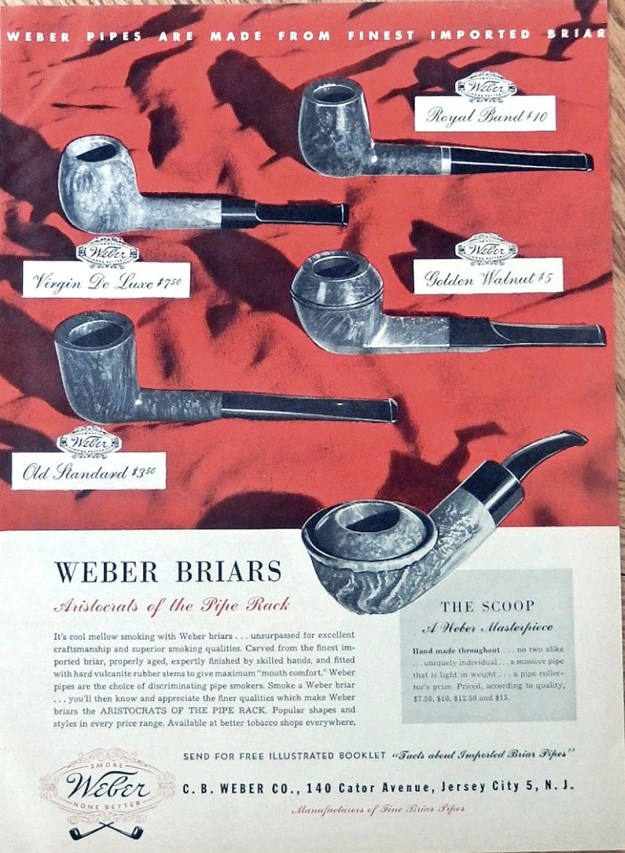
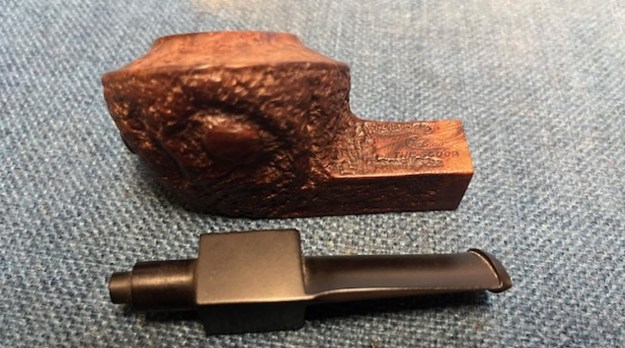
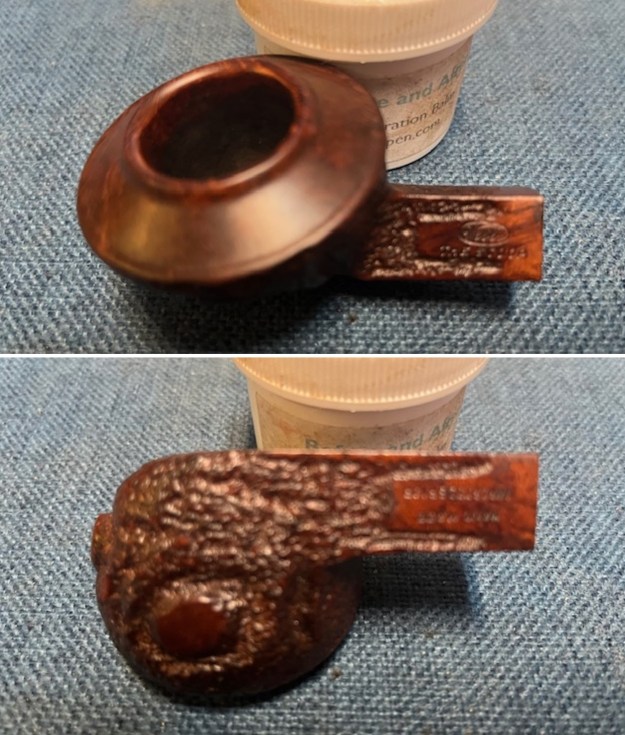
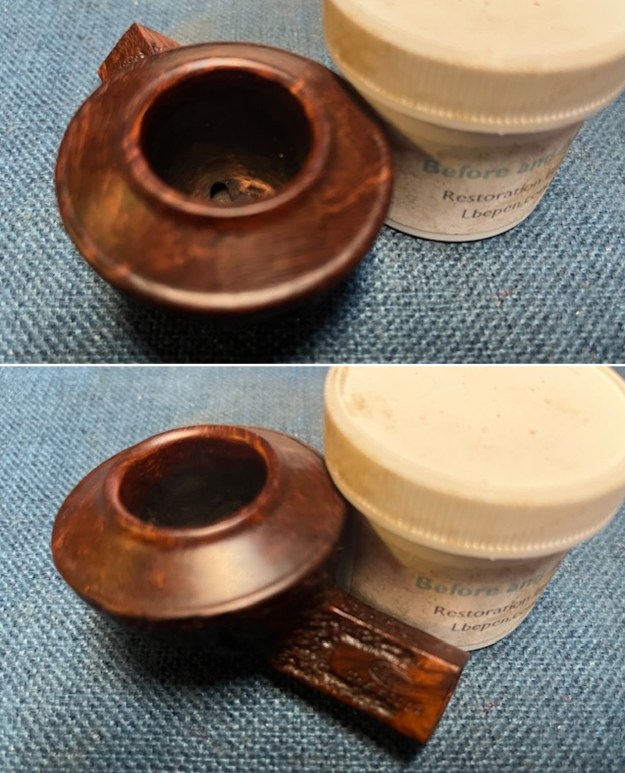
There was also a sales poster on the site that had an inset about The Scoop so I have included a copy of that poster below. Make sure to have a look at the photo and information. Armed with that information I turned my attention to the pipe itself. Jeff had cleaned the pipe with his usual penchant for thoroughness that I really appreciate. He reamed it with a PipNet pipe reamer and cleaned up the reaming with a Savinelli Fitsall Pipe Knife. He scrubbed out the internals with alcohol, pipe cleaners, shank brushes and cotton swabs until the pipe was clean. He scrubbed the exterior of the bowl with Murphy’s Oil Soap and a tooth brush to remove the grime and grit on the briar and the lava on the rim top. The finish looks very good with good looking grain around the bowl and shank. The musty smell of the ruined box was no longer and issue. Jeff soaked the stem in Before & After Deoxidizer to remove the oxidation on the rubber. When the pipe arrived here in Vancouver for the second stop of its restoration tour it looked very good. I took photos before I started my part of the work. I took close up photos of the bowl, rim top and stem to show how clean the pipe was. The bowl was clean and the rim top and the inner edge look beautiful. The cap on this pipe was smooth with a ring around the inner and out edge and a rim top that is slightly inset. It is unique among the Weber Pipes that I have worked on. The stem was clean and did not show either tooth marks or chatter.I took photos of the stamping on the sides of the shank. It is very clear and readable and read as noted above. I also removed the stem from the shank and took photos of the pipe to show the look of the parts. I sanded the rim top with 320-3500 grit sanding pads to remove the light scratching on the edges and surface of the rim. I wiped it down with a damp cloth after each sanding pad to remove the debris.I polished the smooth rim top with 1500-12000 grit micromesh sanding pad – dry sanding it with the pads. I wiped the bowl down with a damp cloth after each pad. It began to take on a deep shine. The exterior of the bowl look better after sanding. I worked some Before & After Restoration Balm into the briar with my finger tips and a shoe brush to get into the nooks and crannies. I let it sit on the bowl for 10 minutes and then buffed it off with a paper towel and soft cloth. The product is a great addition to the restoration work. It enlivens, enriches and protects the briar while giving it a deep glow. It is a product I use on every pipe I restore. I set the bowl aside and sanded the stem with 320-3500 grit sanding pads. I wiped it down after each pad with Obsidian Oil and it began to look very good.I polished the stem with micromesh sanding pads – dry sanding with 1500-12000 grit pads. Once again, I wiped it down between each pad with Obsidian Oil. I further polished it with Before and After Stem Polish – both Fine and Extra Fine. It looked very good. I am excited to be on the homestretch with beautiful Weber The Scoop Squat Bulldog. This is the part I look forward to when it all comes back together, polished and waxed. I put the bowl and stem back together. I polished the bowl and stem with Blue Diamond to polish out the scratches in the briar and the vulcanite. I gave the bowl multiple coats of Conservator’s Wax and the stem multiple coats of carnauba wax. I buffed the pipe with a clean buffing pad to raise the shine. I hand buffed it with a microfiber cloth to deepen the shine. The unique rusticated finish looks really good with the interesting patterns standing out on the shape. The richly stained briar and the polished black vulcanite went really well together. This Weber Scoop has a recognizable shape and look that catches the eye. The brown stain really makes the rustication depths pop. It is another comfortable pipe to hold in the hand. The finished pipe is shown in the photos below. The dimensions of the pipe are Length: 5 ½ inches, Height: 1 ½ inches, Outside diameter of the bowl: 2 inches, Chamber diameter: 1 inch. The weight of the pipe is 39 grams/1.38 ounces. This one will soon be on the American Pipe Makers Section of the rebornpipes store. Let me know if you are interested in adding it to your rack. Thanks for reading this blog and my reflections on the pipe while I worked on it.
Weber Scoop Junior Restemmed and Renewed


Blog by Steve Laug

The next pipe on the work table is pictured below. The stamping is faint on the left side of the shank but it reads Weber in and oval over Scoop Junior. On the right side of the shank it is stamped Imported Briar. I decided to do a bit of reading on Weber pipes. I looked on Pipedia and found the following information.

Carl B. Weber was a German from Bavaria. Aged 21 he immigrated to the USA in 1911. In 1938 he established Weber Briars Inc. in Jersey City, New Jersey – later renamed the Weber Pipe Co. The firm grew to be one of the giants of American pipe industry focusing itself in the middle price and quality zone. Trademark: “Weber” in an oval. Beside that Weber – especially in the years after 1950 – was a most important supplier for private label pipes that went to an immense number of pipe shops. In New York alone for example, exactly the same pipes were found at Wilke’s, Barclay Rex, Trinity East, Joe Strano’s Northampton Tobacconist in Ridgewood, Queens, Don-Lou in Bensonhurst, Brooklyn. Nearly all pipes for Wilke were unstained and many models, for example the “Wilke Danish Bent”, could hardly deny originating of Weber. Among others well reputed pipemaker Anthony Passante worked for Weber.

Weber Pipe Co. owned and manufactured Jobey pipes – when mainly sold in the USA by The Tinderbox from 1970’s – 80’s. In addition Jobey / Weber bought Danish freehands from Karl Erik (Ottendahl). These pipes were offered as Jobey Dansk. Ottendahl discontinued exports to the United States in 1987 and in the very same year – obviously only as a ghost brand – Jobey was transferred to Saint-Claude, France to be manufactured by Butz-Choquin. Carl B. Weber is the author of the famous book “Weber’s Guide to Pipes and Pipe Smoking”.

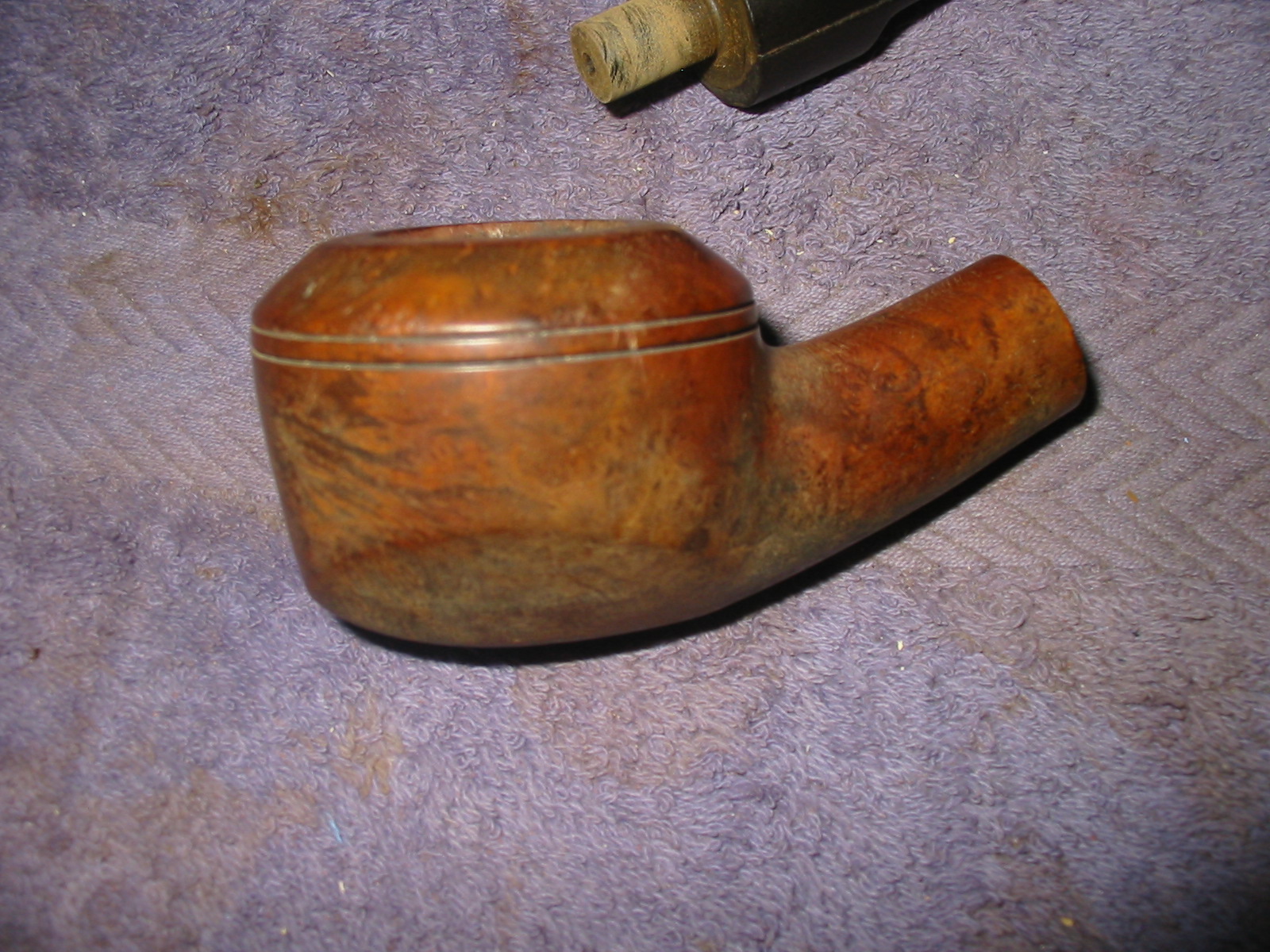
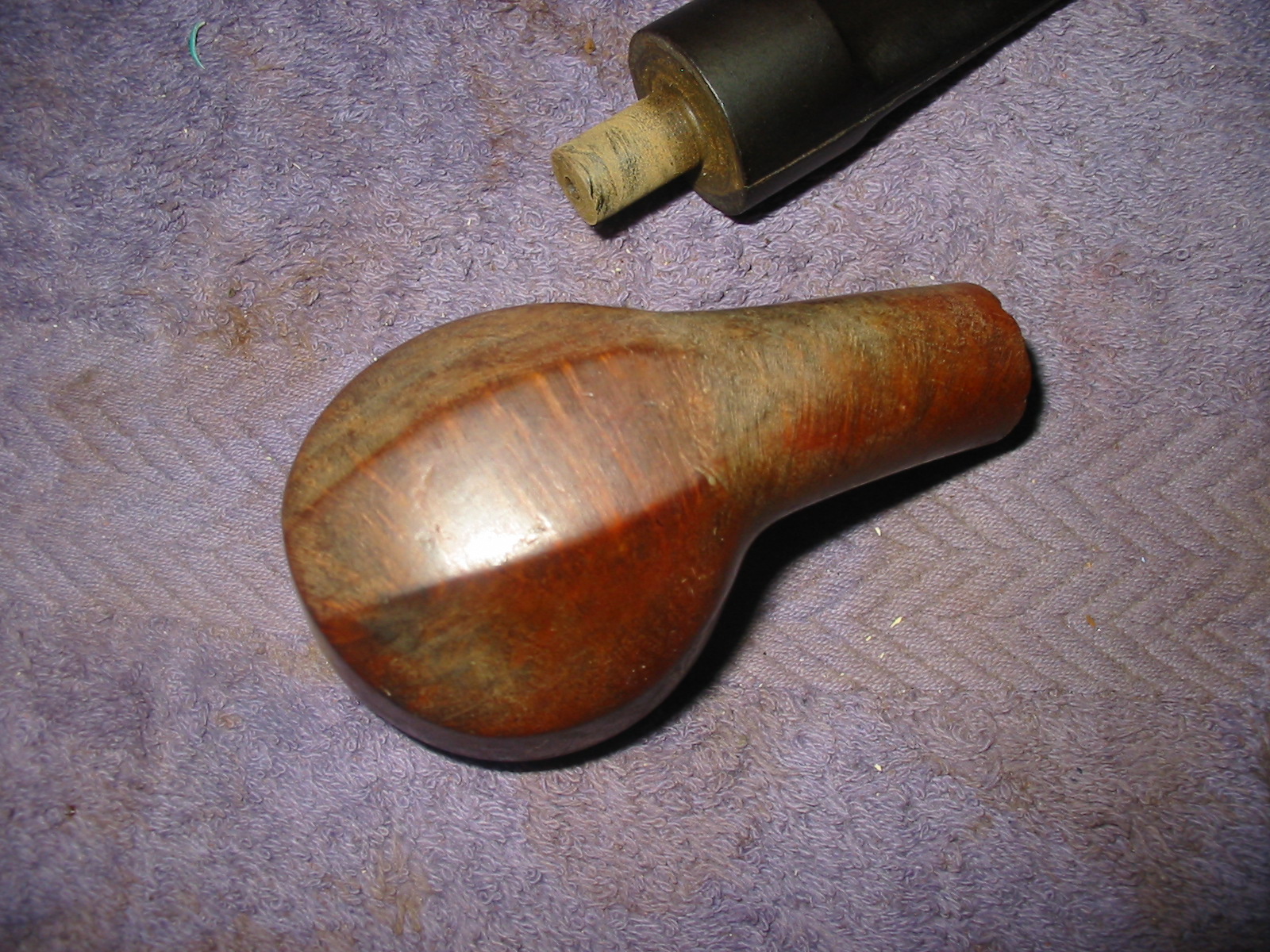
This particular Weber was a shape that he made famous. I have had several different version of this pipe – mostly straight or ¼ bent and all were rusticated with Weber’s recognizable rustication. This one was different – it was smooth, with no fills and very interesting grain. The bottom of the bowl and shank was beautiful cross grain; the sides were a mix of grain and some stunning birdseye. The finish was shot and the briar was weathered and dry. There were two fine cracks on the rim at 7 and 11 but they did not extend into the bowl – more like hairline cracks. The flat rim and the crowned portion above the parallel lines encircling the bowl was almost tiger striped. The parallel lines were filled with dust and grime. It had a broken cake in the bowl and had been repaired at some point in its history with pipe mud to build up the bottom of the bowl at the airway. The end of the shank had some small nicks on both sides and the bottom edge that would make lining up a stem for a tight fit difficult but not impossible. The bowl did not come with a stem so a stem would have to be fit and shaped.
IMG_6096

IMG_6097

IMG_6098

IMG_6099
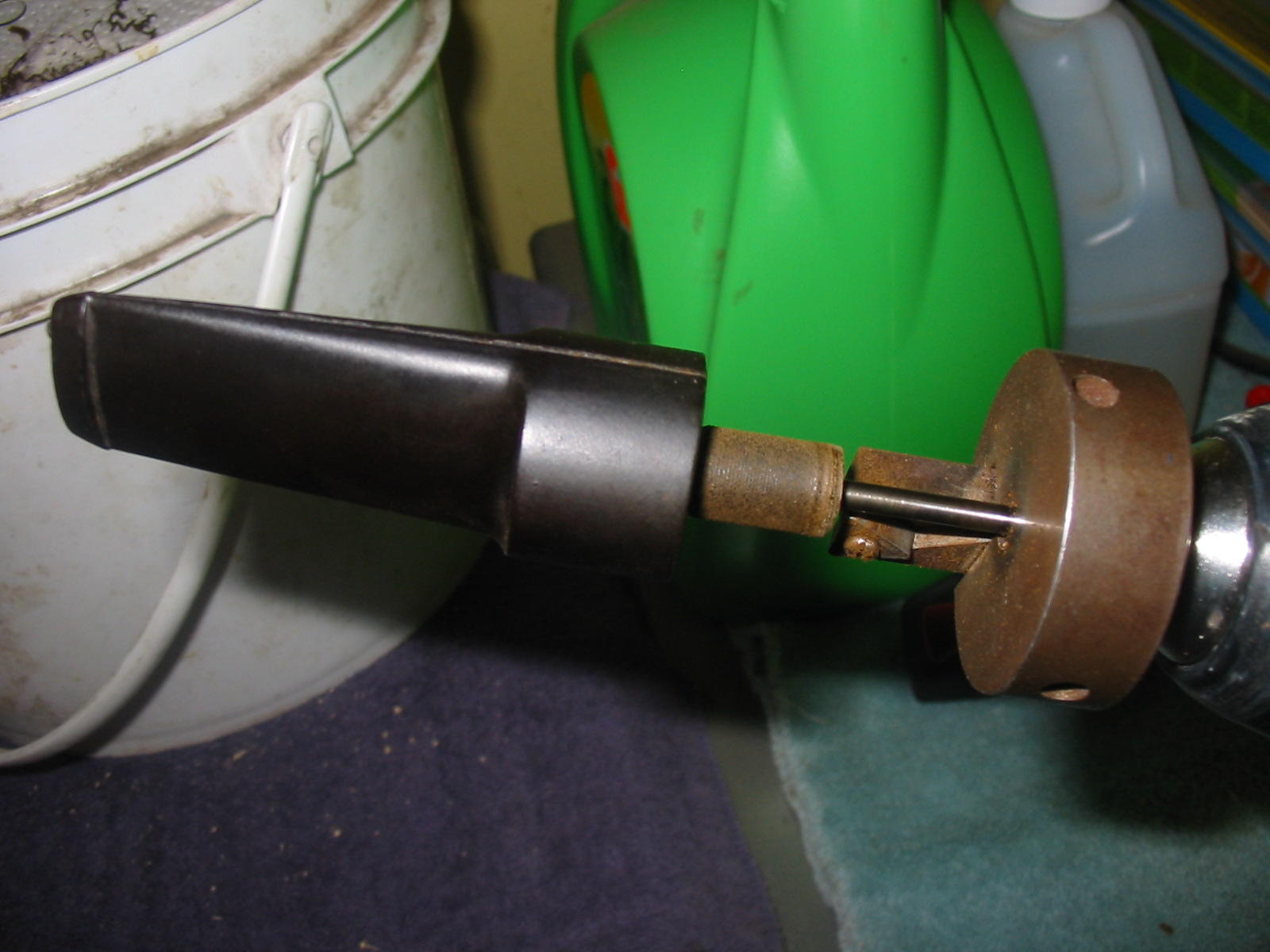
The only stem I had in my box of stems was a chunky saddle bit that would work but would need to have major adjustments in terms of diameter. I turned the tenon on a PIMO tenon turning tool until the stem fit snuggly in the shank of the pipe.
IMG_6091
You can see from the next series of photos that the stem was far too wide in diameter and would need to be trimmed to size for a good fit against the shank.
IMG_6092

IMG_6093

IMG_6094

IMG_6095
Before I worked on the stem I decided to do a bit of clean up on the bowl. I quickly reamed the bowl with a PipNet pipe reamer. I used the largest cutting head to ream the bowl.
IMG_6100
I lightly topped the bowl on a piece of sandpaper to remove the damage and the hard buildup on the surface of the rim.
IMG_6101
I wiped the bowl down with acetone on cotton pads to remove the damaged finish. I sanded the bowl with a medium and a fine grit sanding sponge to smooth out the rough spots on the bowl and to further remove the finish.
IMG_6104

IMG_6105

IMG_6106

IMG_6107

IMG_6108
I trimmed the diameter of the stem with a sanding drum on a Dremel. A steady hand is essential in doing this to get close to the shank of the pipe but not nick it with the fast moving drum. I generally do this in several stages to get it even and the alignment with the sides and top of the shank correct. I also take as much off as possible with the Dremel so that the hand sanding is really fine tuning the shape of the stem.
IMG_6109

IMG_6110

IMG_6111

IMG_6112
When the majority of the excess material has been removed with the Dremel I continue shaping the stem with 220 grit sandpaper squares. I sand until the marks from the Dremel are gone and the sides of the stem align with the line of the shank on each side. I want a good flow between the shank and the stem. I also sand the junction of the shank and stem until the flow is also correct. It takes a lot of sanding to get it to the place where the transitions are smooth and the old round chunky stem is a thing of the past.
IMG_6113

IMG_6114
Once I had the stem fitted there was still fine tuning to do to it. There were still scratches and marks on the saddle and the sides of the stem. The sides of the stem were too thick and needed to be thinned and shaped. However, I decided to change my pace a little and stain the bowl with a black aniline stain undercoat. I applied it and flamed it several times until the coverage was even.
IMG_6115

IMG_6116

IMG_6117

IMG_6118
When the stain was dry I wiped the bowl down with acetone on a cotton pad to remove some of the top black stain, while leaving it deep in the softer parts of the briar – the grain. I repeated the process until much of the black top coat was gone and the grain began to stand out on the bowl. It still would require some sanding and buffing to remove all that I wanted to remove before I applied a second coat of stain – an oxblood colour that would really set off the grain in this pipe.
IMG_6119

IMG_6120

IMG_6121

IMG_6122
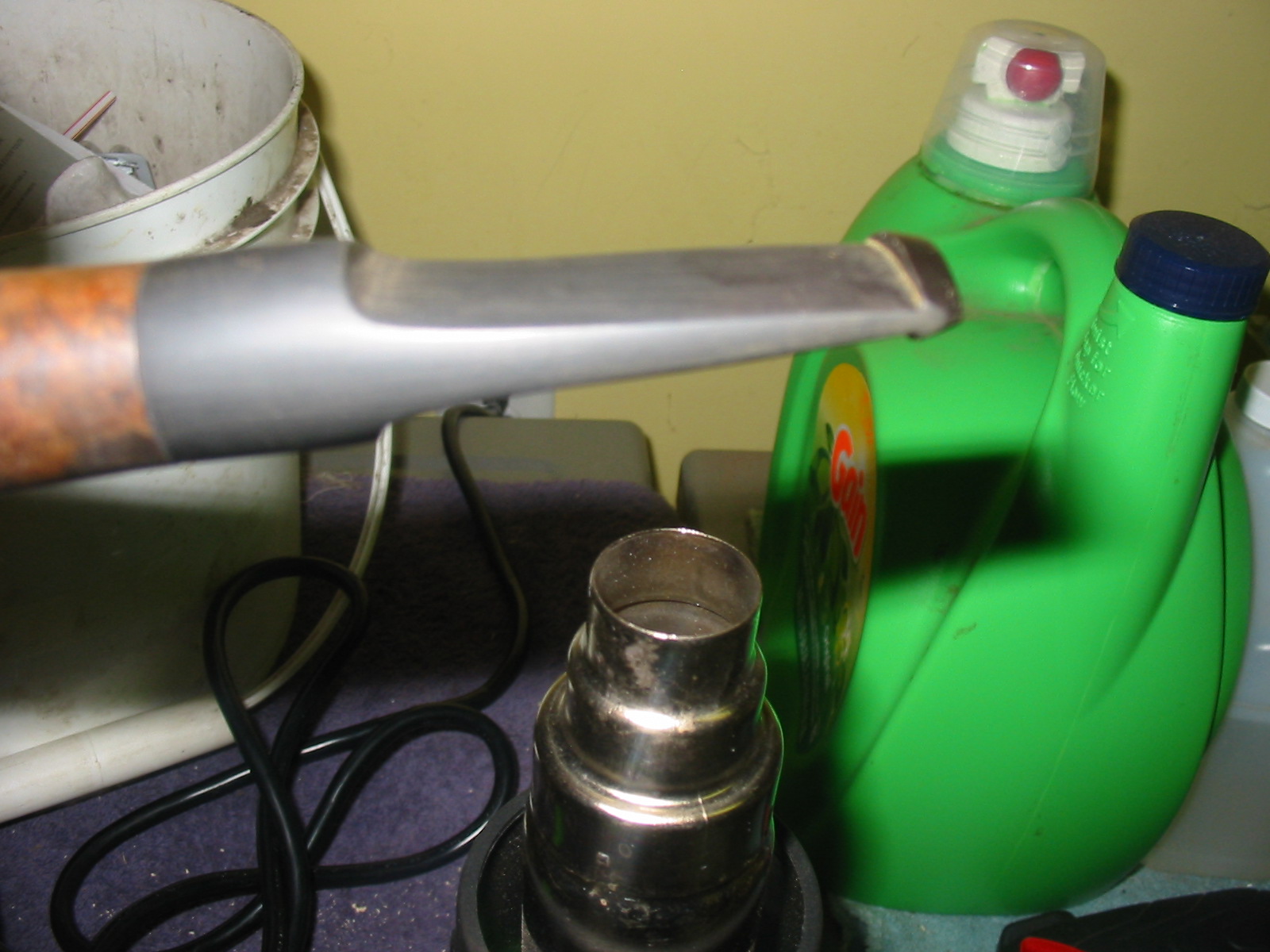
Before calling it a night I decided to bend the stem so I set up a heat gun and heated the stem until the vulcanite was pliable. Once it was soft I bent it over a wooden rolling pin that I use to keep the bend even. In this particular case because the stem was quite thick it took several reheatings until I got the bend the way I wanted it.
IMG_6123

IMG_6124

IMG_6125
In the morning when I got up I went down to the work table and gave the bowl its top coat of stain. I used an oxblood stain for the top coat as I thought the contrast between the black undercoat and the red would look good with this particular pipe.
IMG_6126

IMG_6127

IMG_6128

IMG_6129
I set the bowl aside and went to work, letting it dry for 8 or more hours. When I returned home in the evening I worked on the shaping of the stem. I sanded it with 220 grit sandpaper to thin it down and shape the edges on the blade. I also worked on the fit of the saddle to the shank to make sure the transition was smooth and as seamless as possible. Once I had the fit correct I sanded it with medium and fine grit sanding sponges and then my usual array of micromesh pads. I wet sanded with 1500-3200 grit pads and dry sanded with 3600-12000 grit pads.
IMG_6131

IMG_6132

IMG_6133
Once the stem was polished with the pads I buffed it with White Diamond on the wheel to further polish it and then gave it a final sanding with the last three grits of micromesh pads – 6000-12000 grit pads. I was not happy with the finish on the stem as it still showed scratches in the first batch of finished photos so I resanded it with the medium and fine grit pads to remove the scratches and then went through the micromesh pads again. I rubbed the stem down with Obsidian Oil and when dry buffed the pipe with White Diamond and gave it multiple coats of carnauba wax. The finished pipe is picture below. The finish came out quite nice. The contrast stain highlights the great grain on the pipe and makes the finish interesting to look at while smoking it.
IMG_6139

IMG_6140

IMG_6141

IMG_6138

Giving a Contrasting Look to a Hilson Viva 272 Sandblast Dublin – John Williams (aka Coastie)


I like contrast, and I like smooth rims. Contrast is just so much more attractive to my eye, and smooth rims are so much easier to clean. So when my good friend Holymolar, from the Pipe Smoker Unlimited Forum gifted this Hilson Viva 272 Sandblast Dublin in black, with a sandblast rim, the gears starting turning in my head. Every time I would smoke this pipe I would find myself staring at it and pondering what I was going to do.
John1

Then one evening I came up with a plan and set that plan into motion. Obviously the first thing that had to go was the sandblast on the bowl rim. So I pulled out the sanding board and a sheet of 320 grit and starting sanding away. Slowly and steadily the sandblast disappeared and left me with a nice smooth rim. Just what I like. If you use this technique make sure you keep your bowl rim completely flat on the sandpaper, sand in the same direction throughout and keep a check on your progress. No sense in taking off more than you need to. This technique also works very good when removing char from the rim.
John2

John3

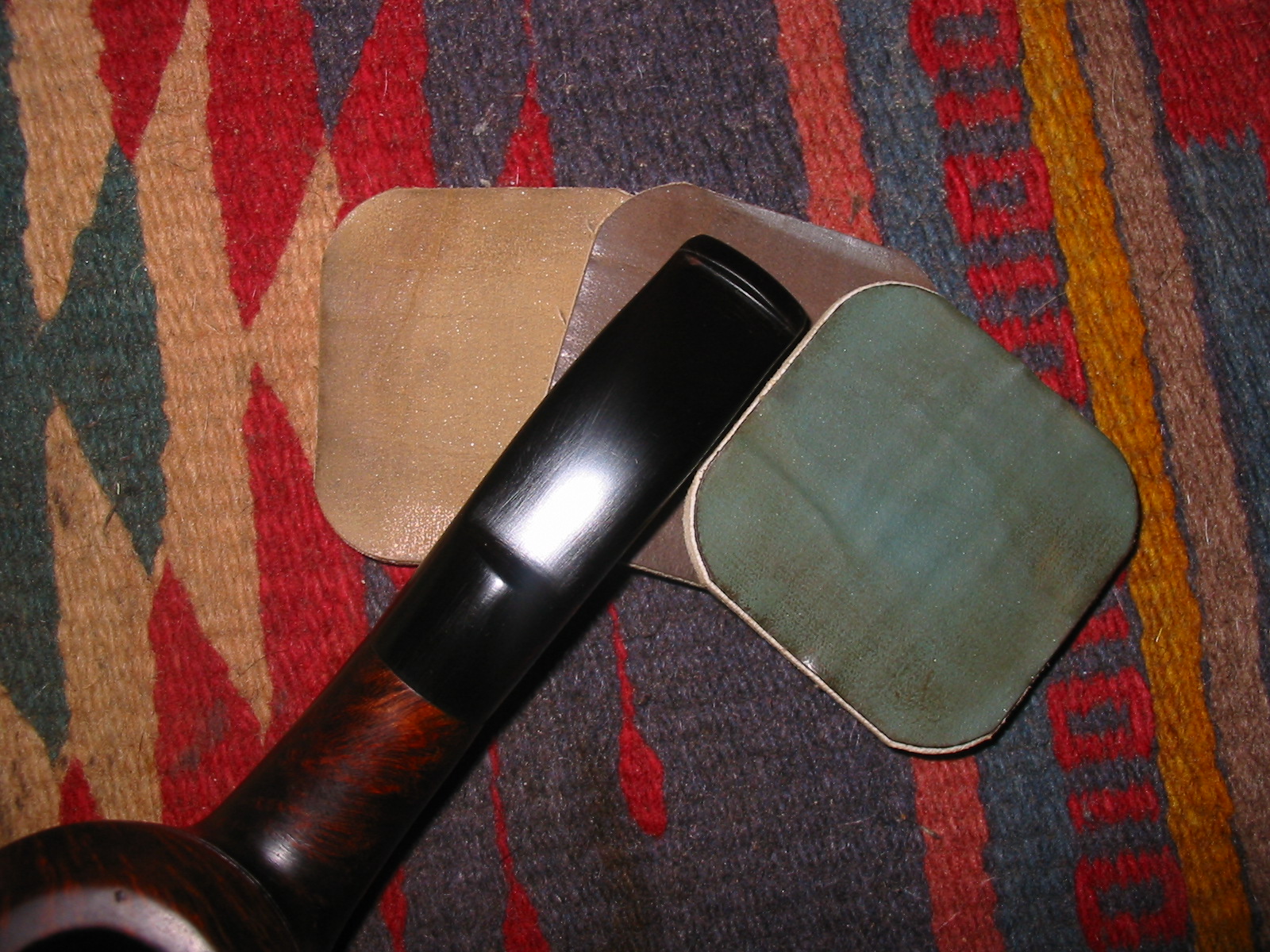
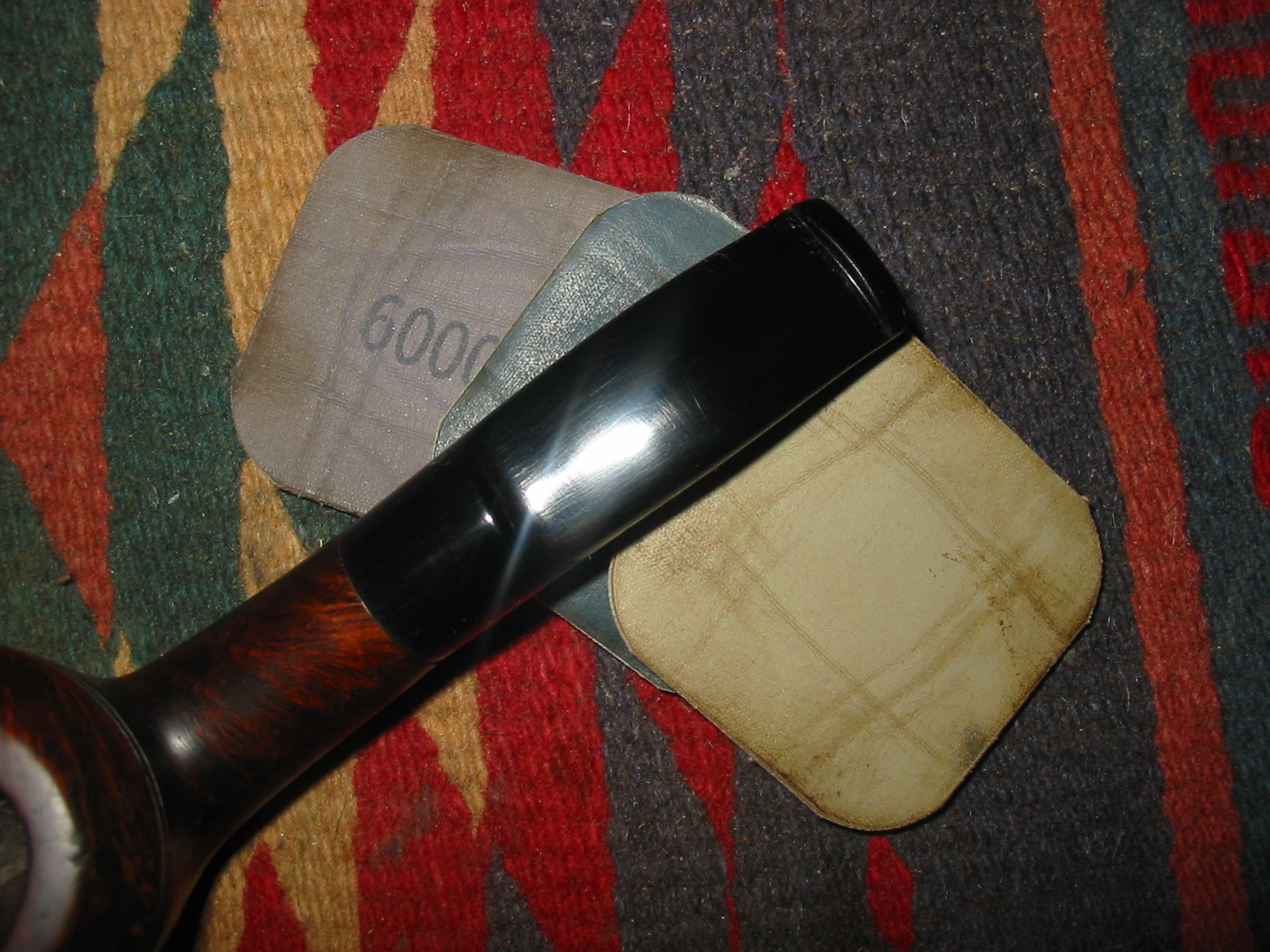
Now that the bowl rim was smooth and tidy, time to add some contrast. This is pretty easy to do on a sandblast finish. I took some 320 grit sandpaper and simply gave the pipe a good rub down until I had the degree of contrast I was looking for. Once the 320 took the finish off in the appropriate places I finished prepping the finish with 400, 500, 1000, then 1200 grit. Then switched to micromesh pads and went through the series; 1500, 1800, 2400, 3200, 3600, 4000, 6000, 8000, and finally 12000. Make sure you wipe down the surface well with a microfiber towel between each grit. What you will have when done is a very smooth surface that is ready for application of a finish.
John4

I decided that instead of applying a dye I would make the grain in the bare areas pop with an application of olive oil. A good olive oil rub down will reveal grain that you never would have seen any other way, and it adds an amazing color to the briar. After applying the olive oil and rubbing it in good, thoroughly wipe off the excess and let the pipe rest overnight. Then rub the pipe down good with a microfiber towel and remove any left over oil. When you are done you should not be able to feel any oily residue. If you follow this strictly then there is no danger of your pipe getting sticky or gooey when exposed to heat from smoking. I have used this technique on a lot of my pipes, that I smoke daily, and have never had an issue. Try it, you’ll like it.
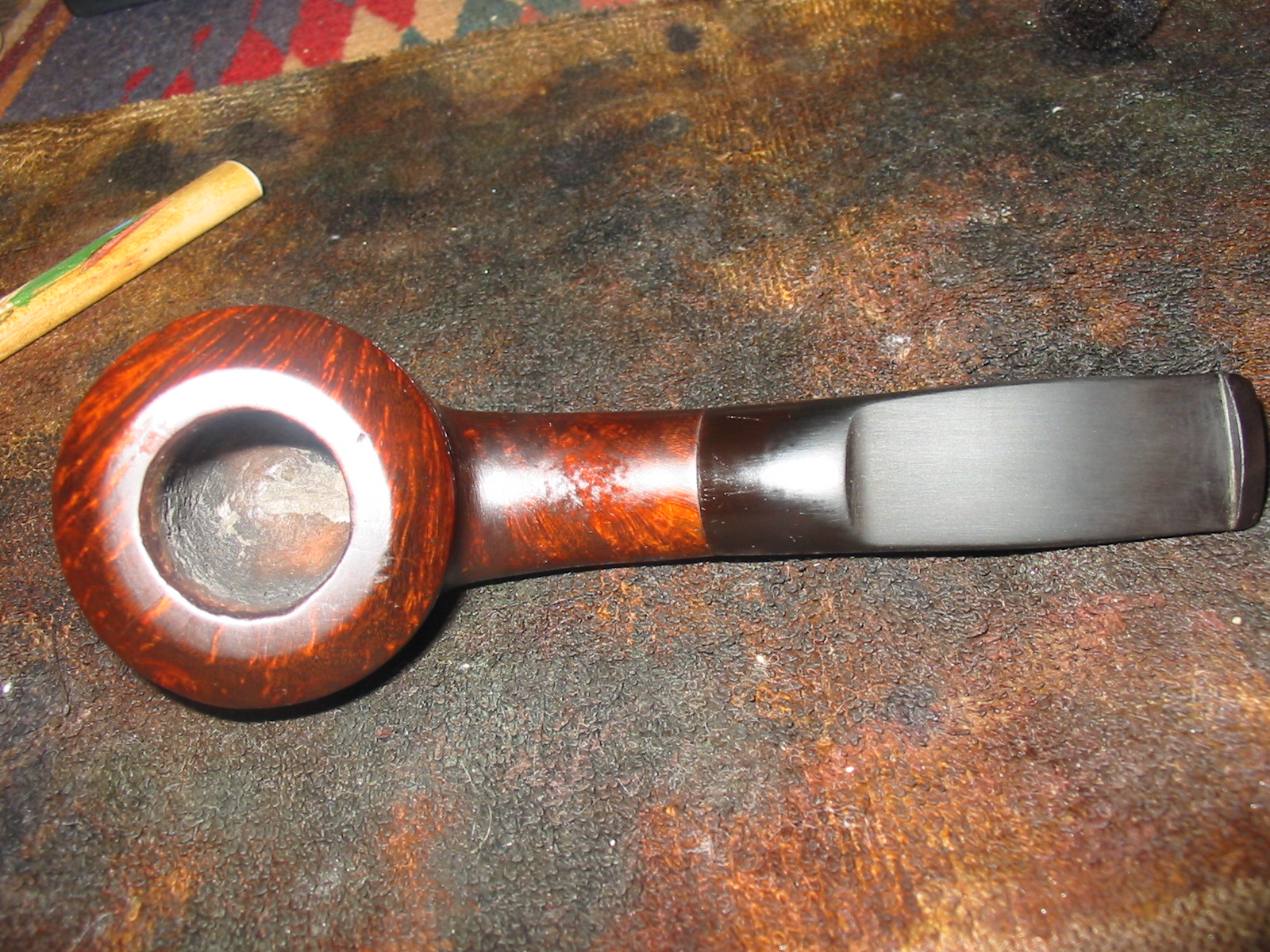
In this first pic you can see the change in briar color where I applied the oil as compared to the shank that has not been oiled yet. And the bowl rim is so much better smooth with a good color to the briar.
John5

John6

And of the course the final step to the process is a good buffing. Since this pipe is a sandblast I decided not to use White Diamond or carnauba on the body of the pipe as it would simply build up in the sandblast texture and look bad. So I applied a couple of light coats of Halcyon II wax, by hand, let it dry between coats and buffed it out with a clean microfiber towel. The bowl rim, since it is nice and smooth got treated to a buffing with White Diamond to bring out the shine, the 3 coats of carnauba wax.

Now it is all done and I can smoke it and enjoy the beauty of the briar.
John7

John8