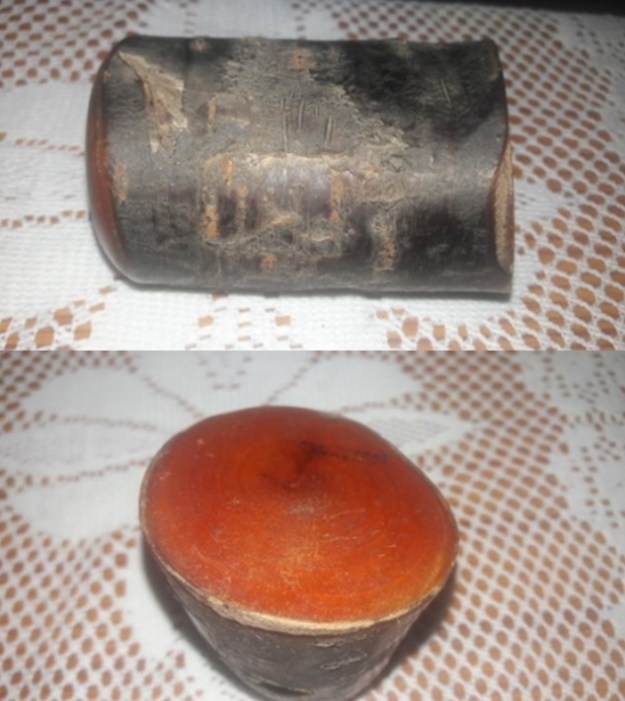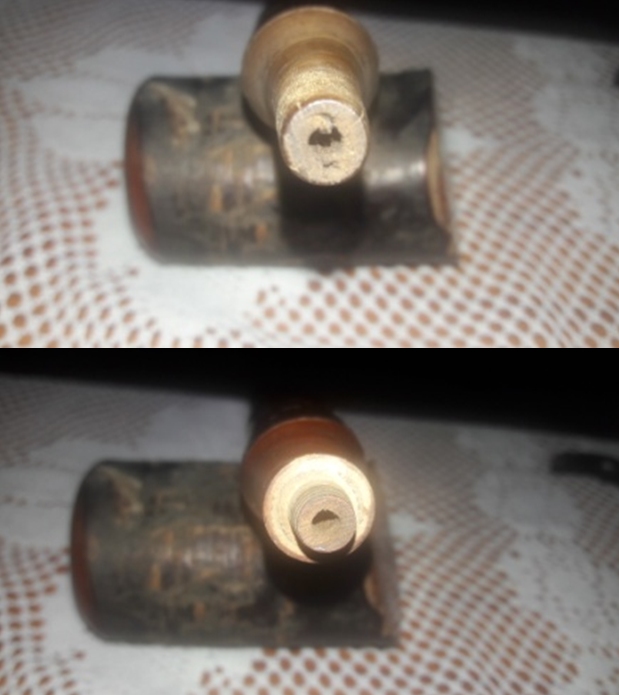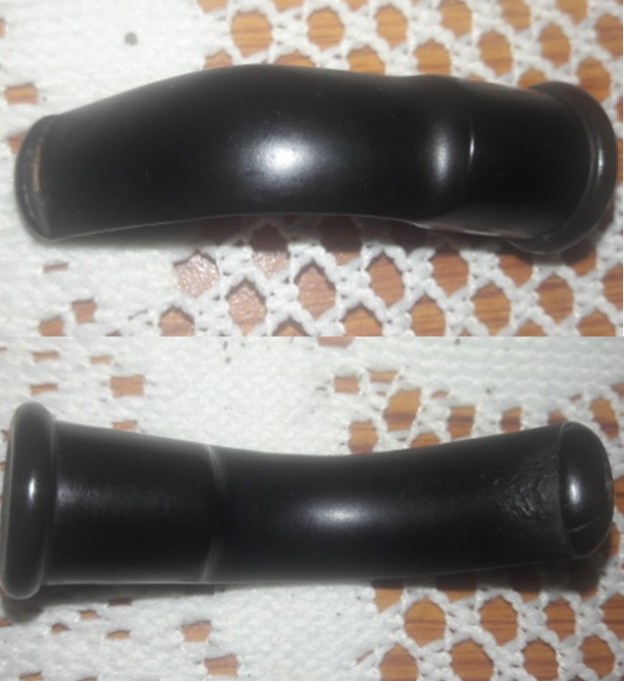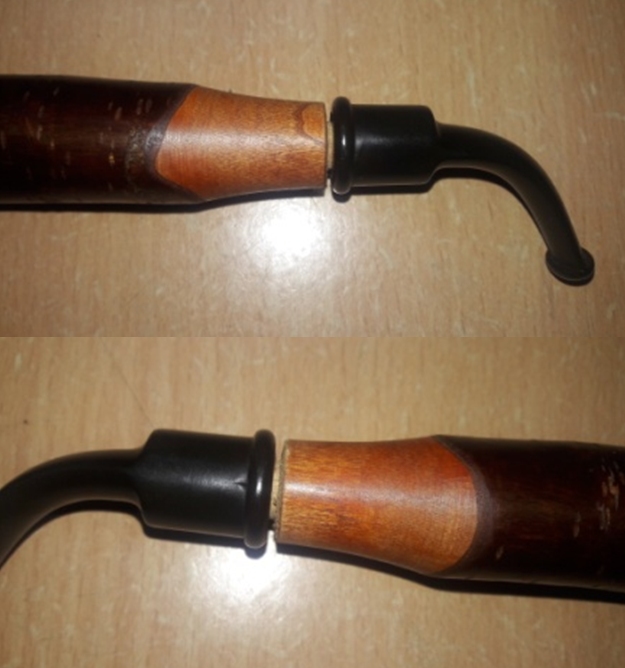
Tag Archives: Cherrywood pipes

Restemming a Lightly Smoked Ropp De Luxe 804 Cherrywood


Blog by Steve Laug

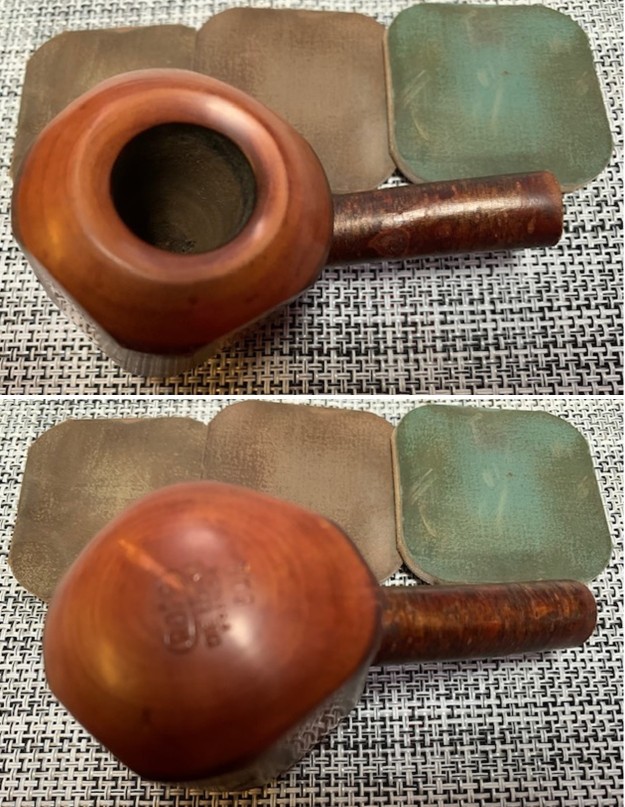
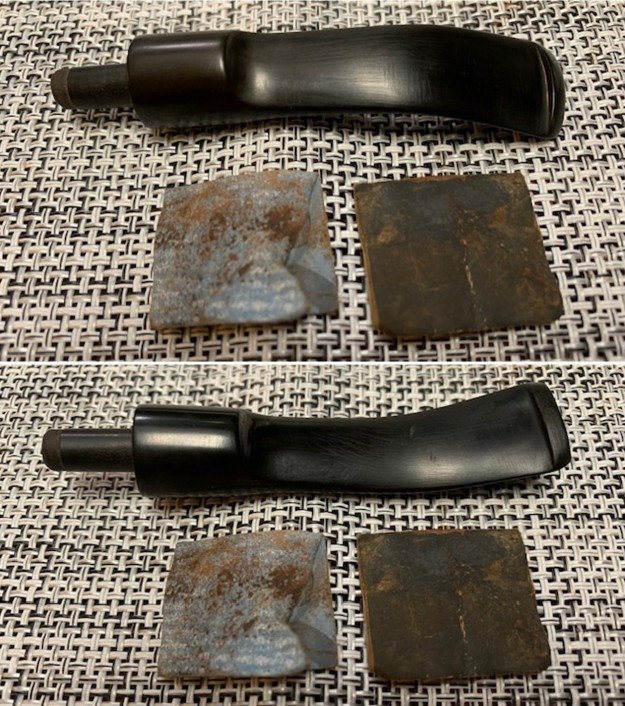
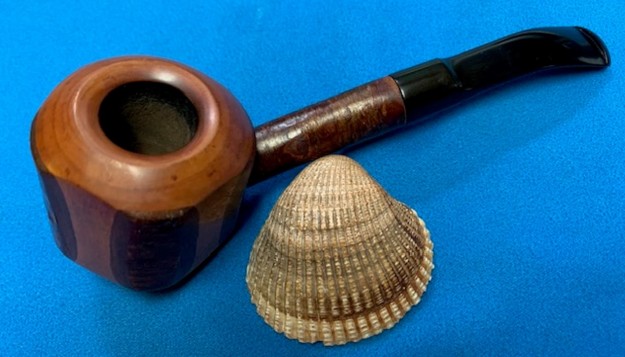
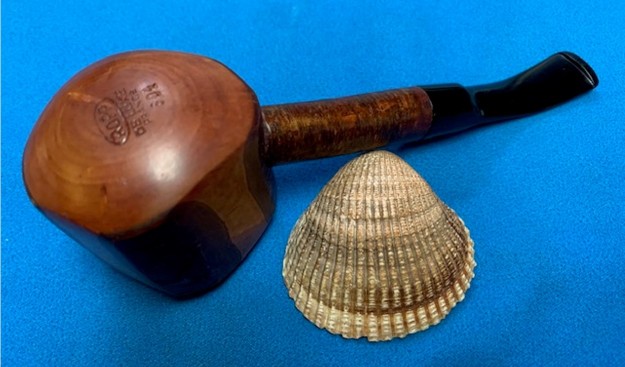
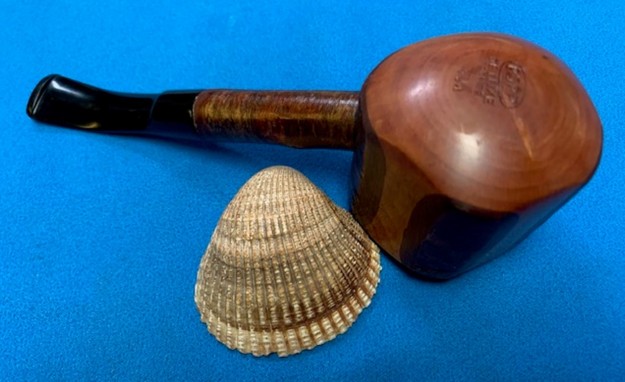
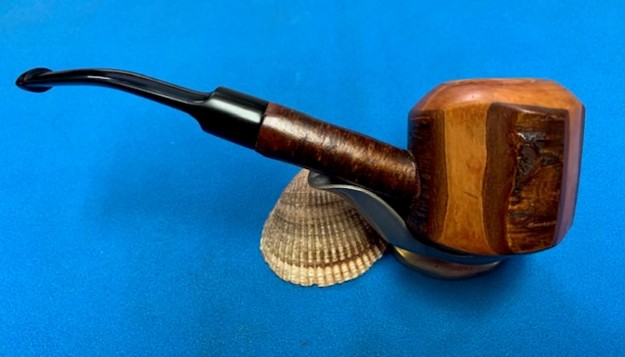
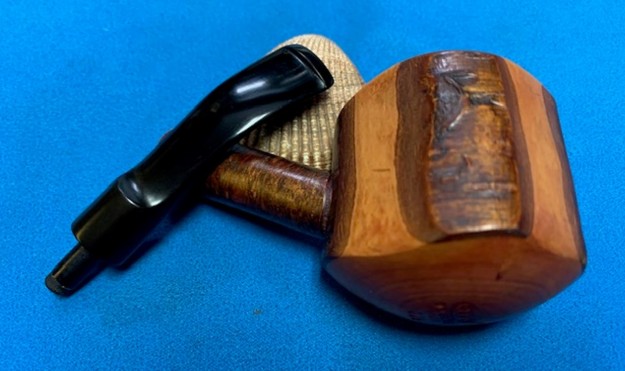
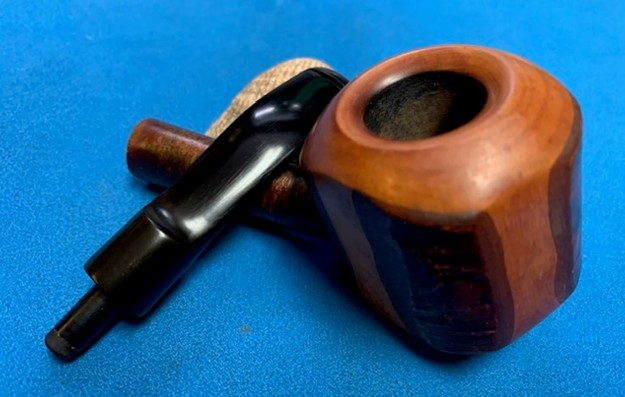
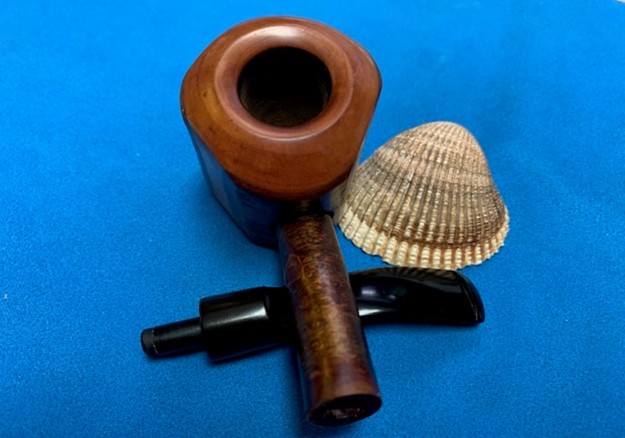
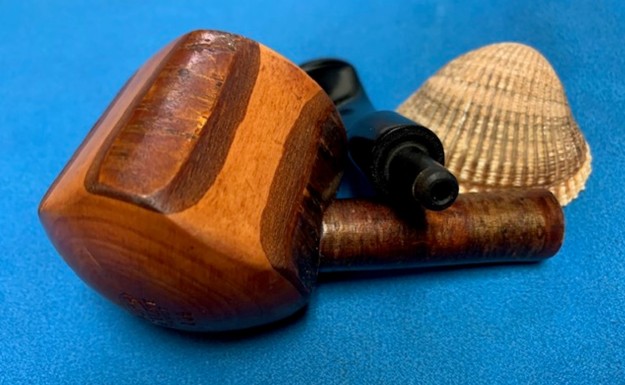
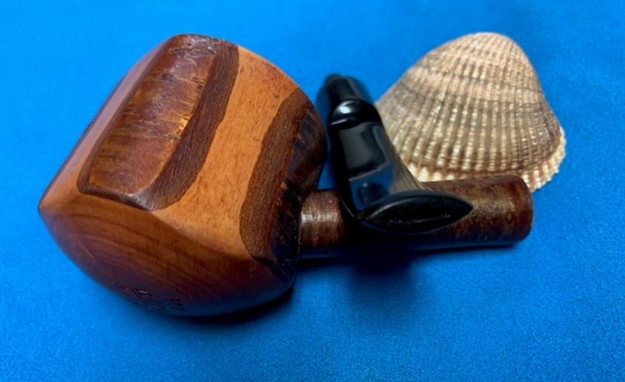
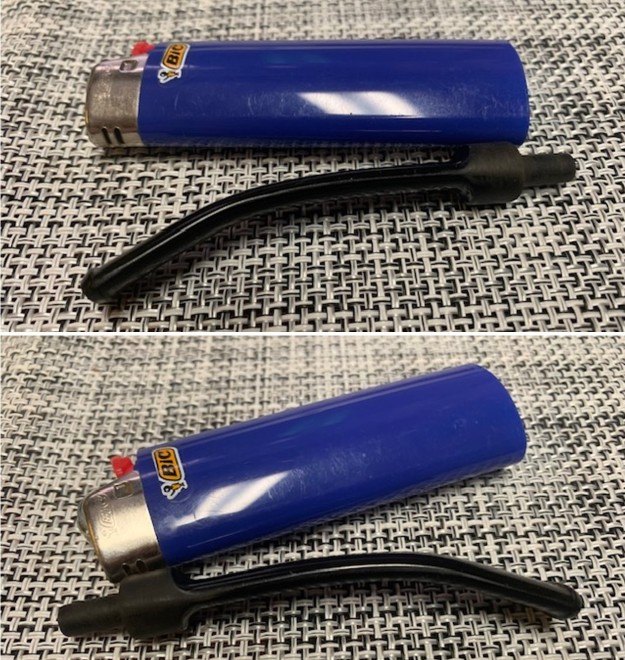
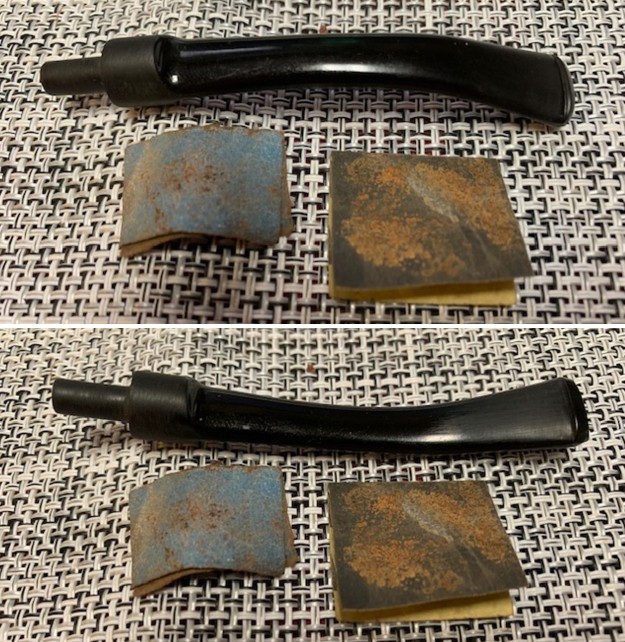
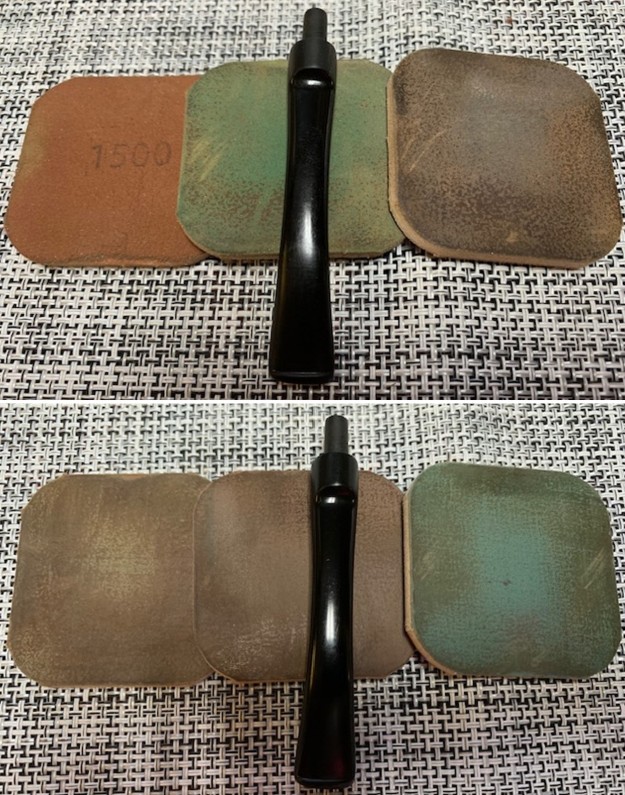
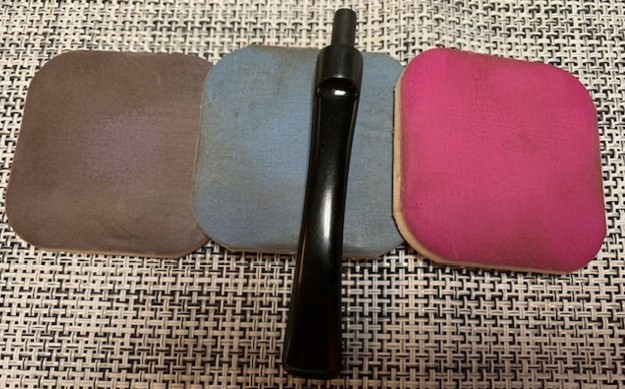
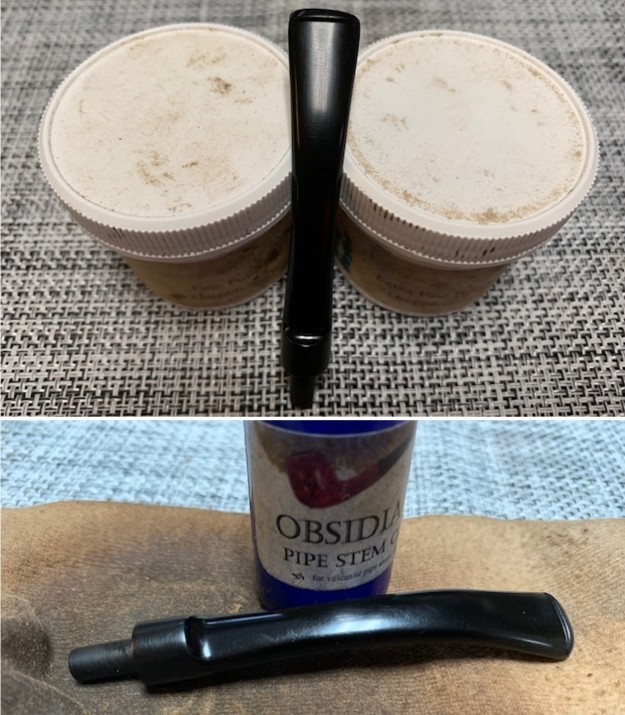
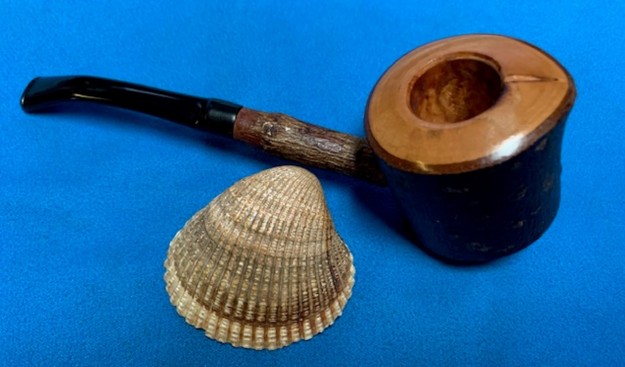
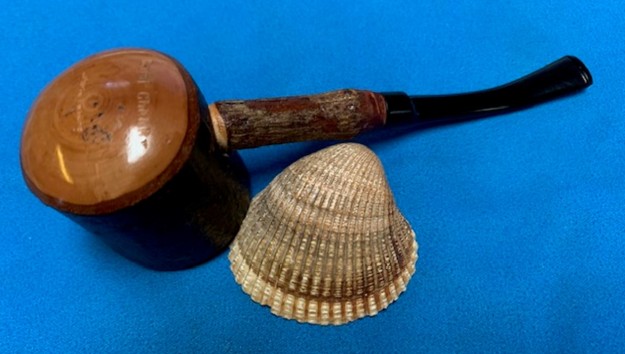
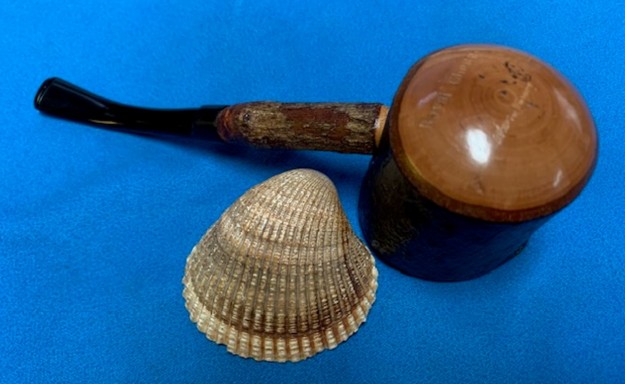
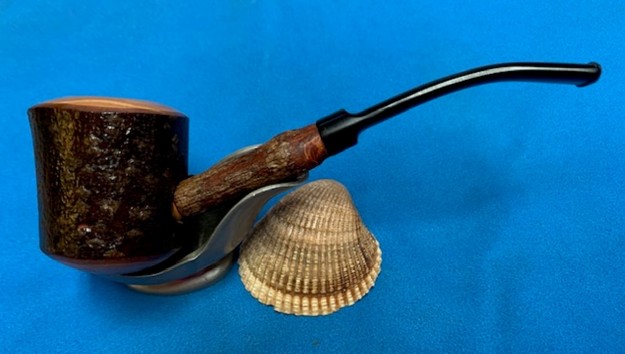
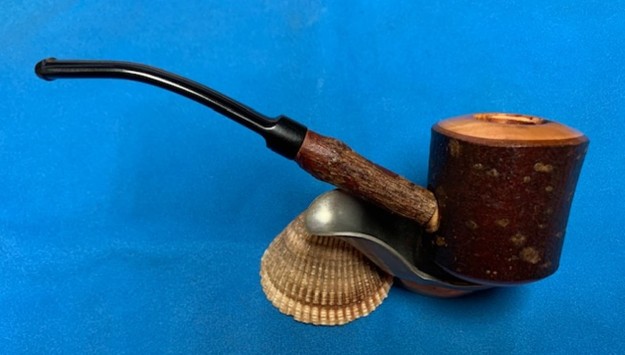
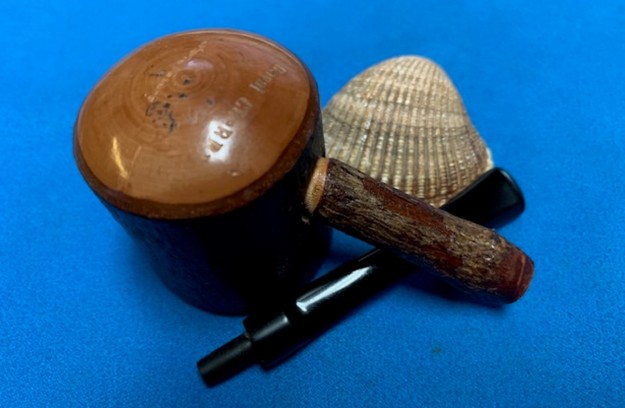
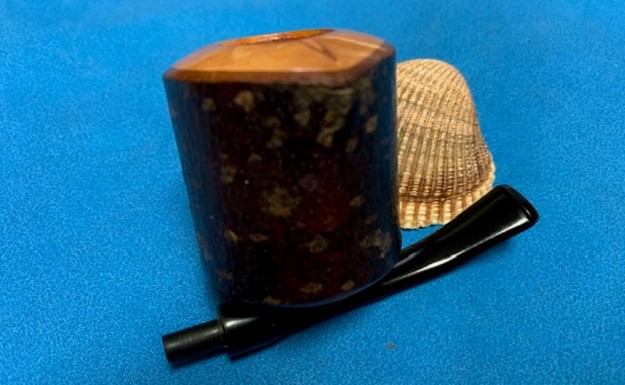
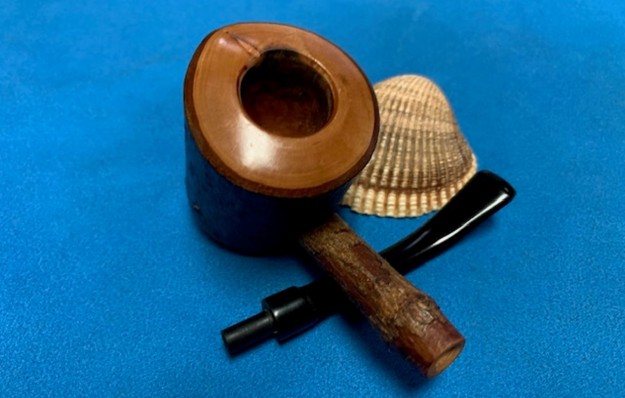
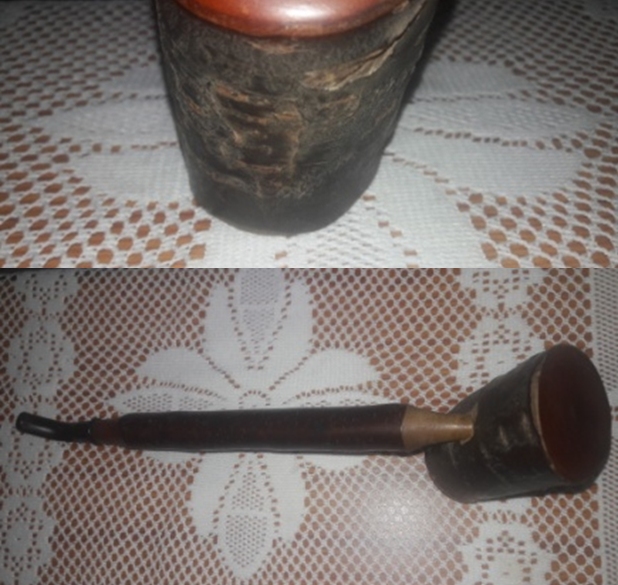
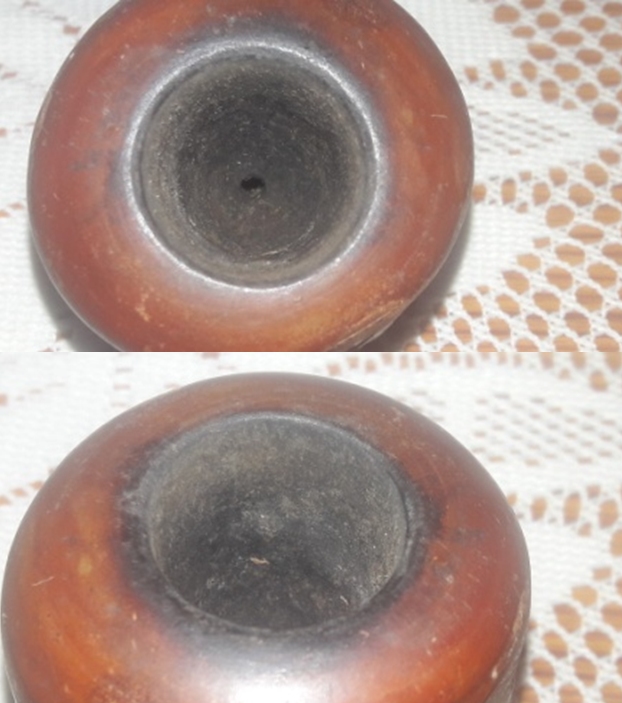
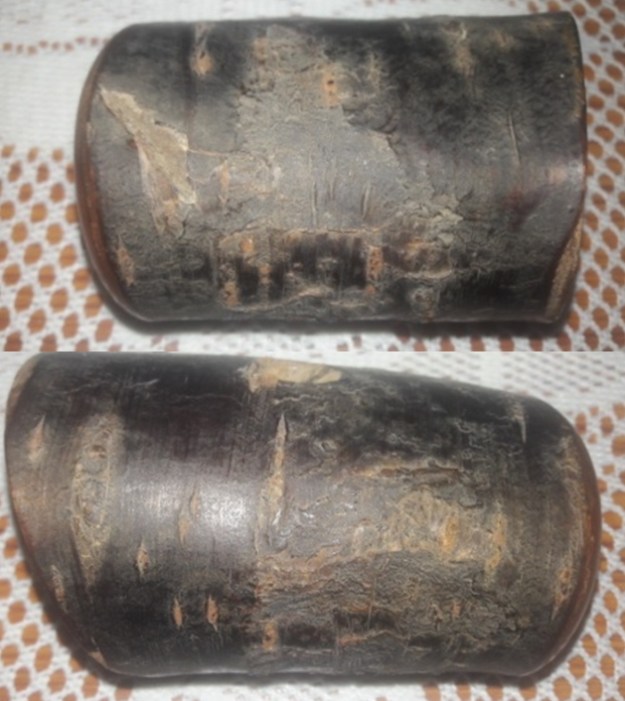
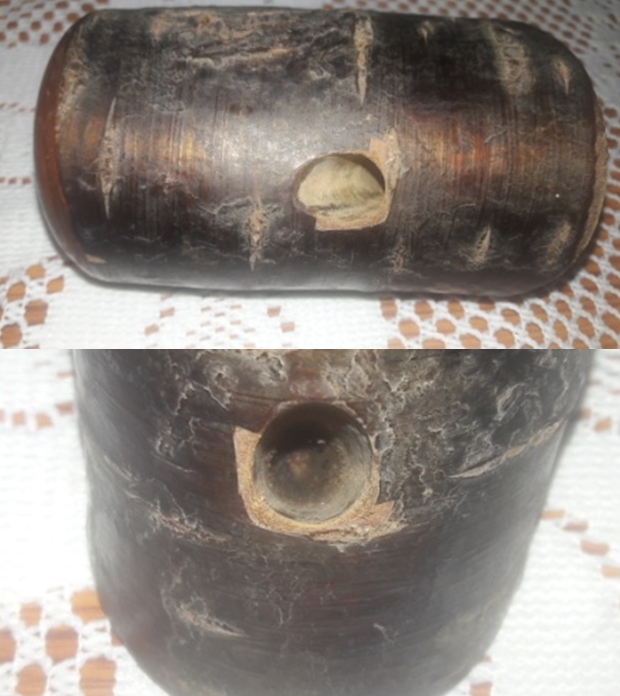
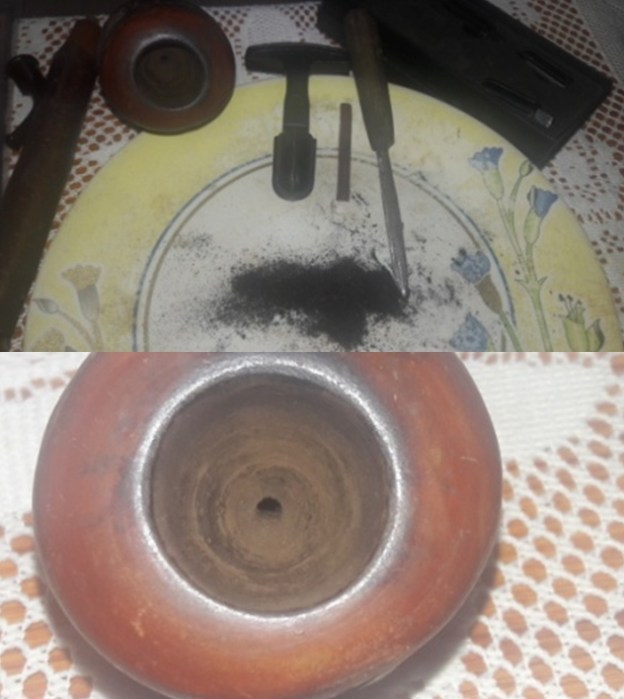
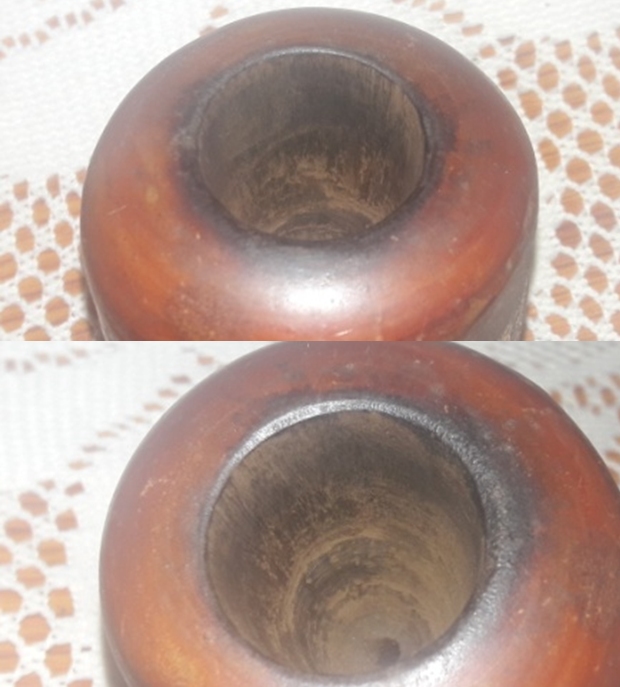
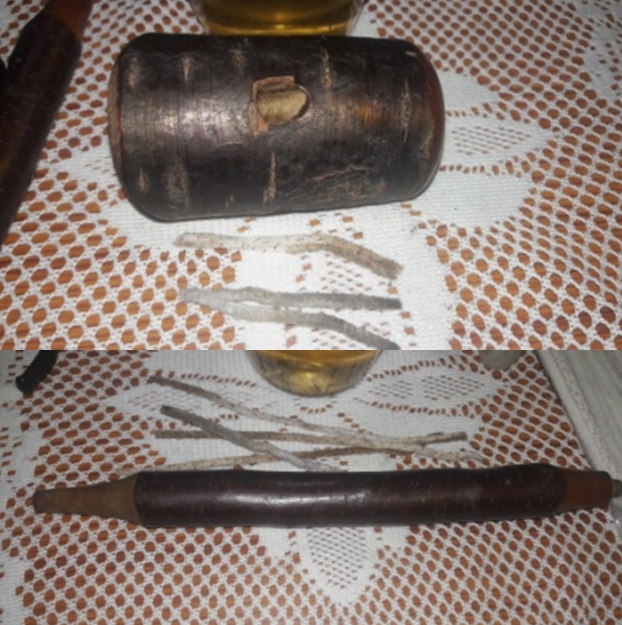
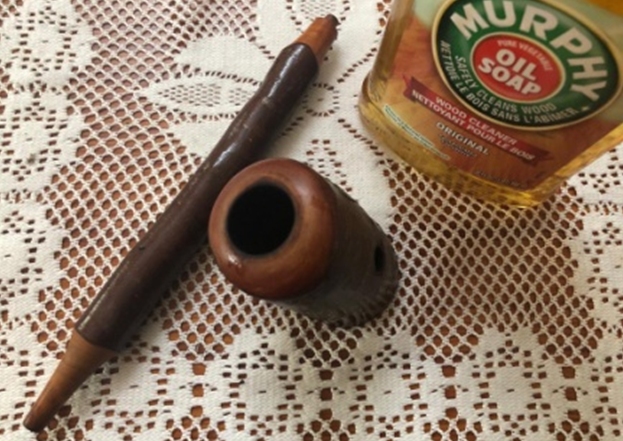
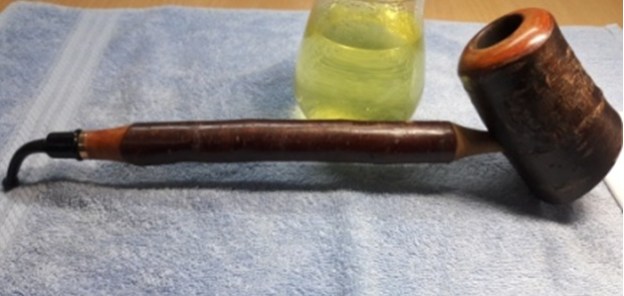
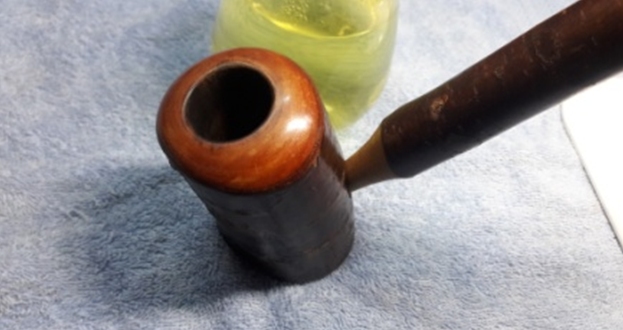
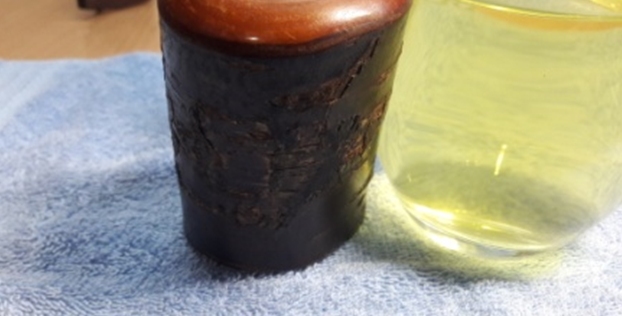
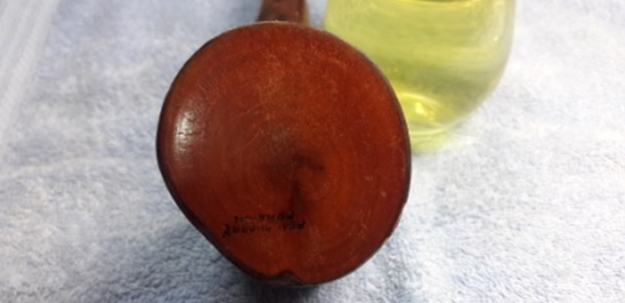
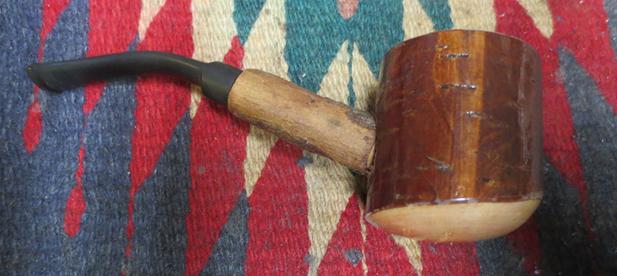
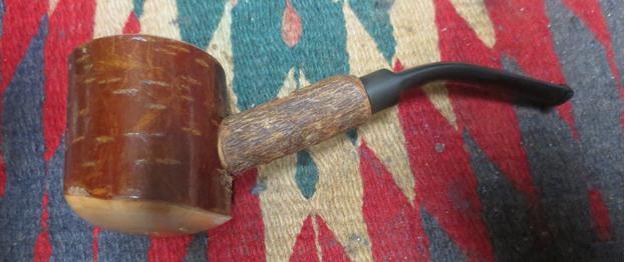
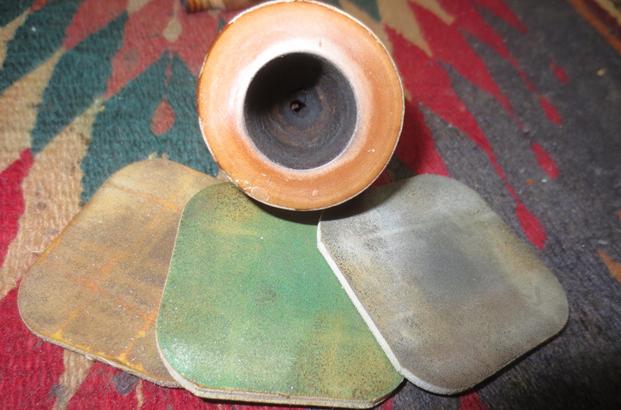
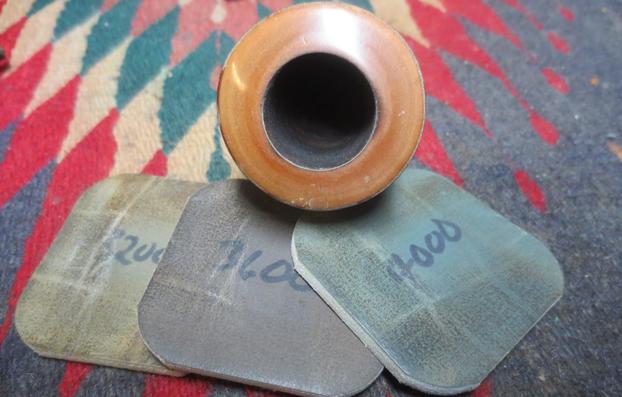
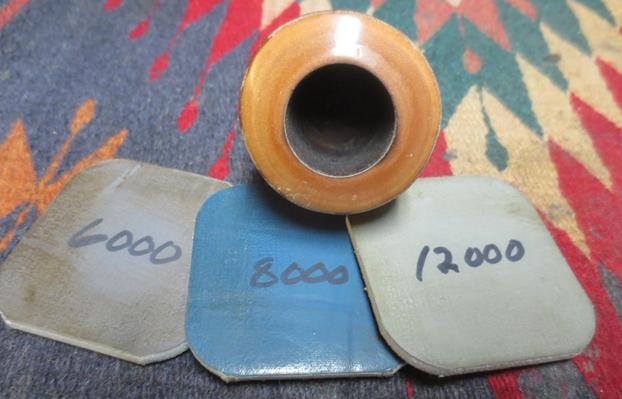
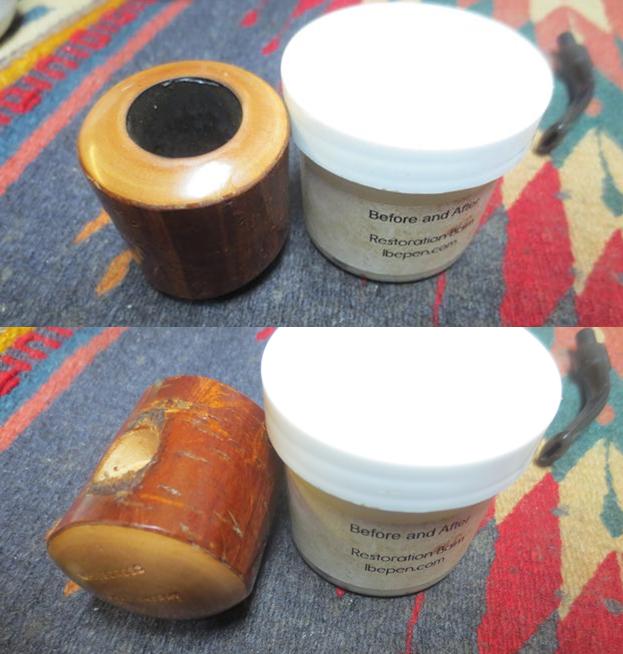
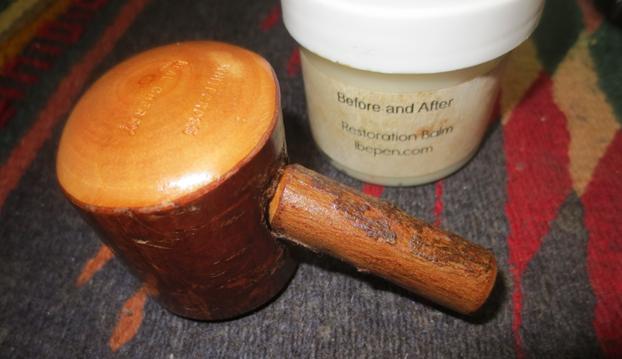
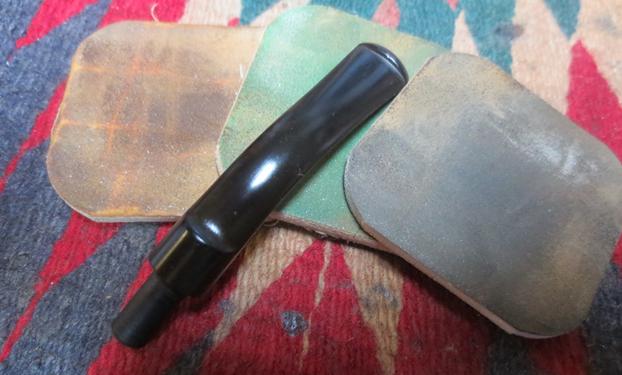
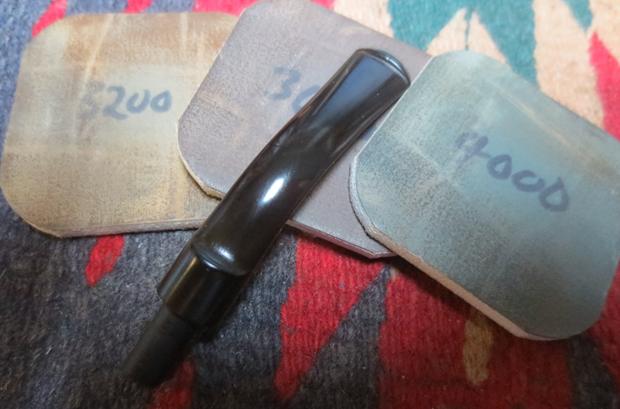
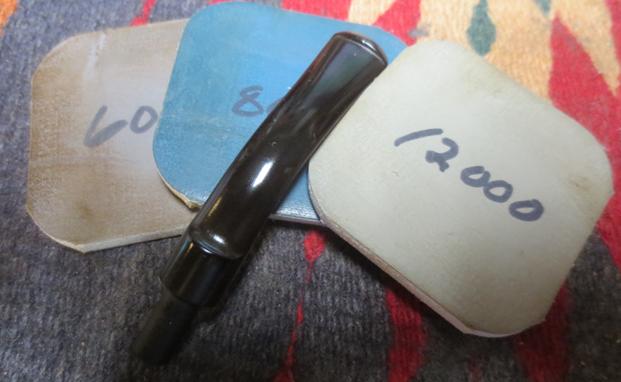
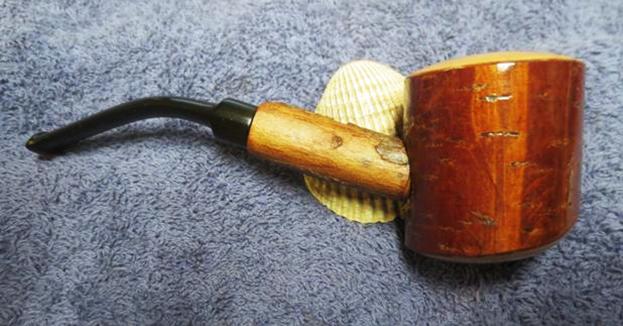
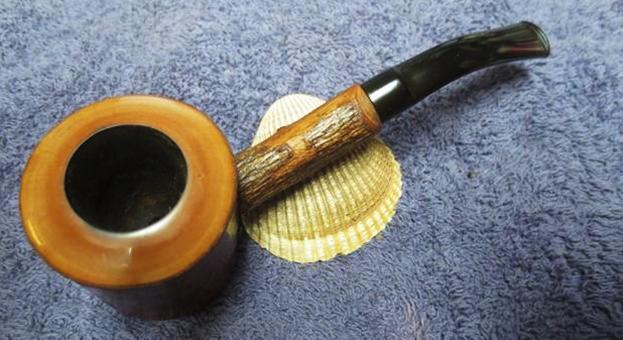
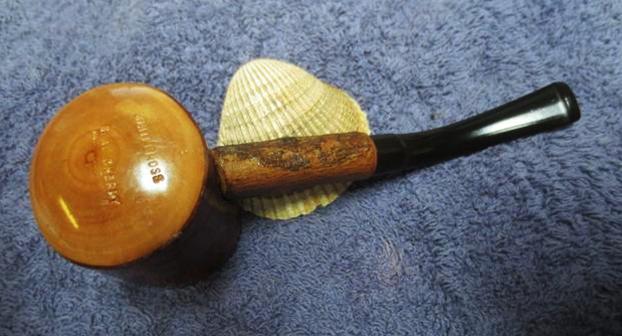
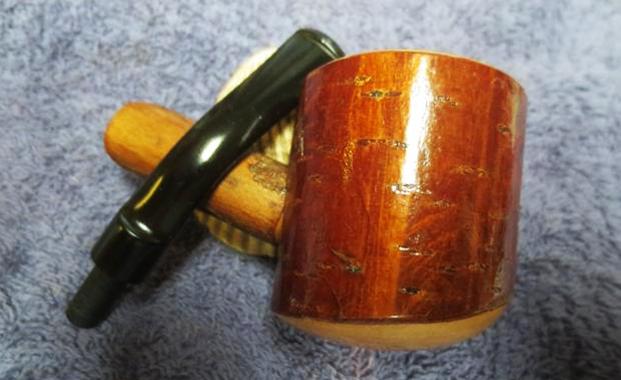
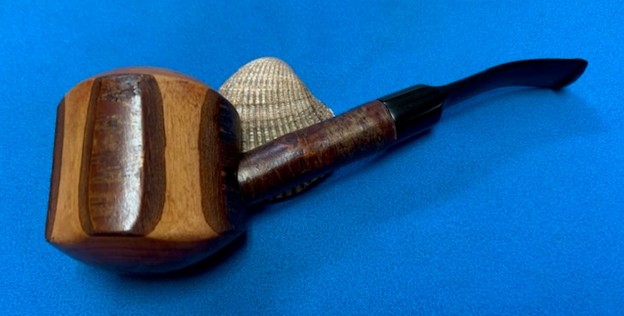
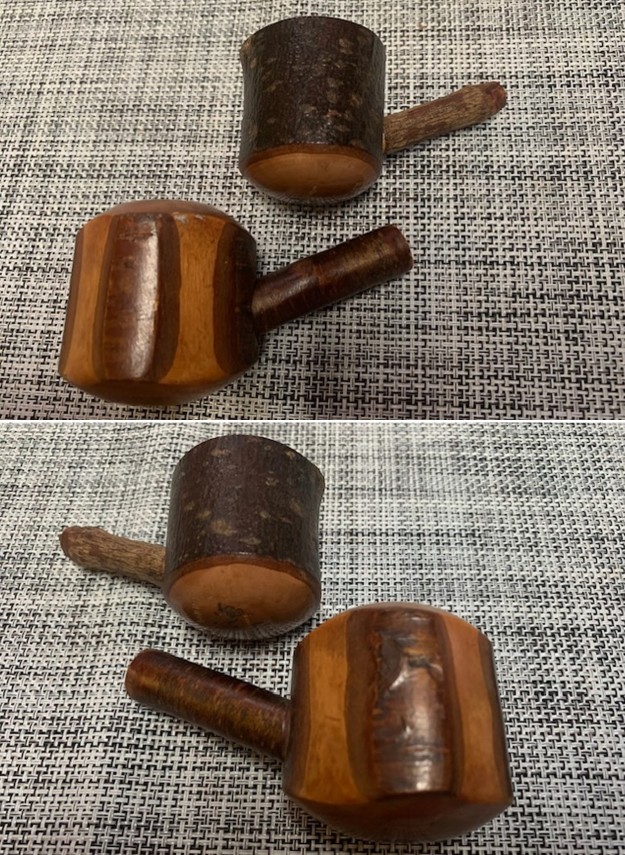
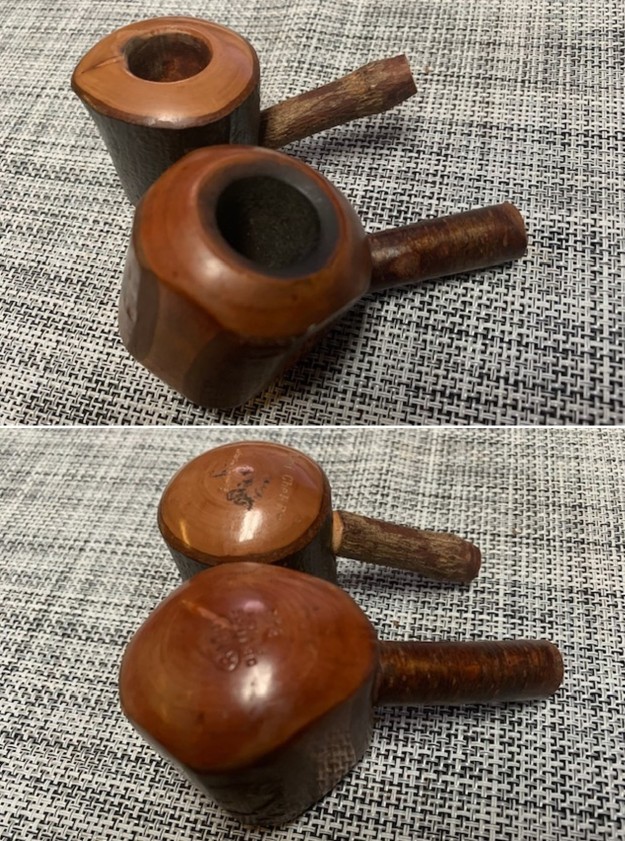
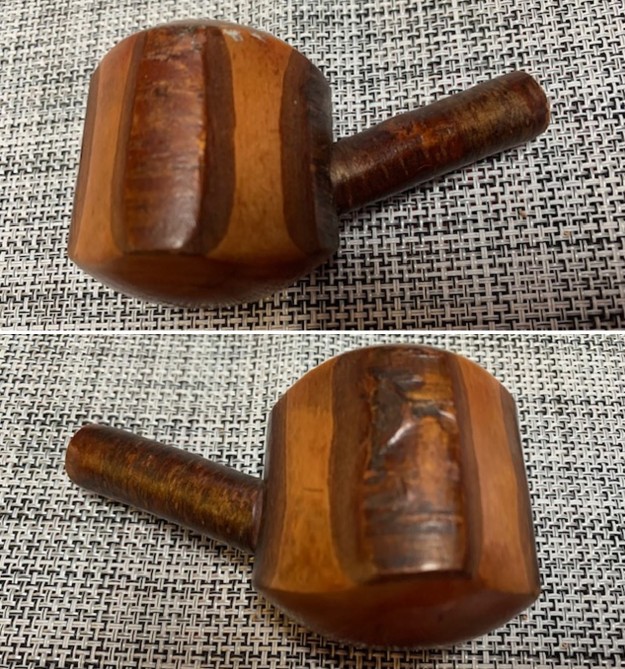
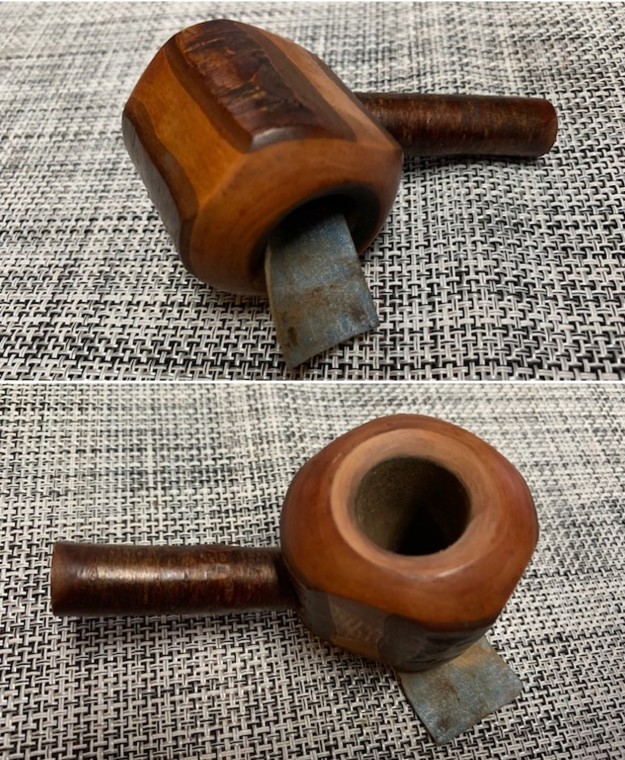
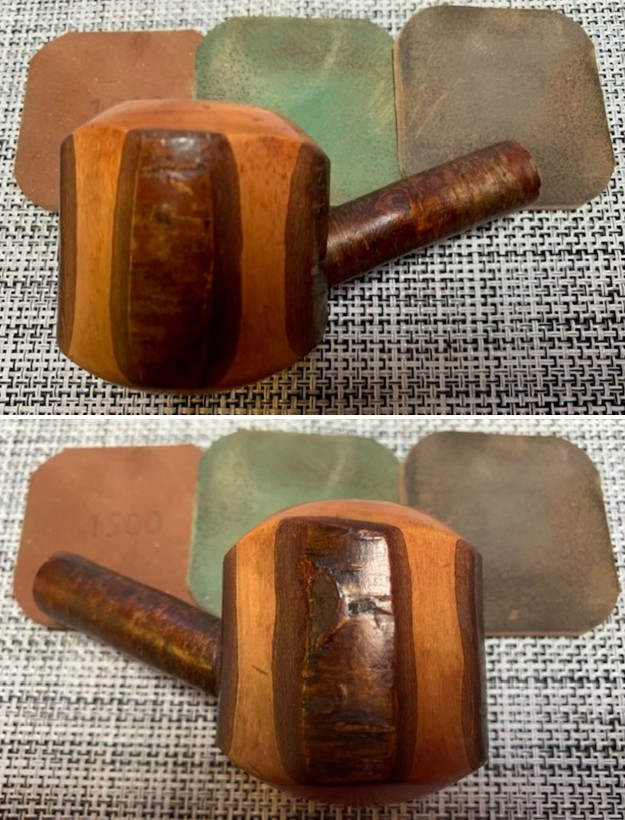
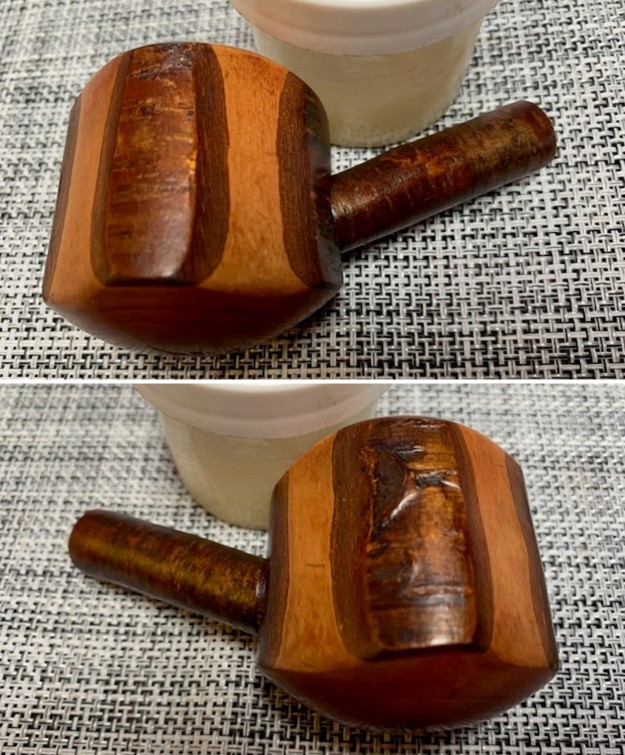
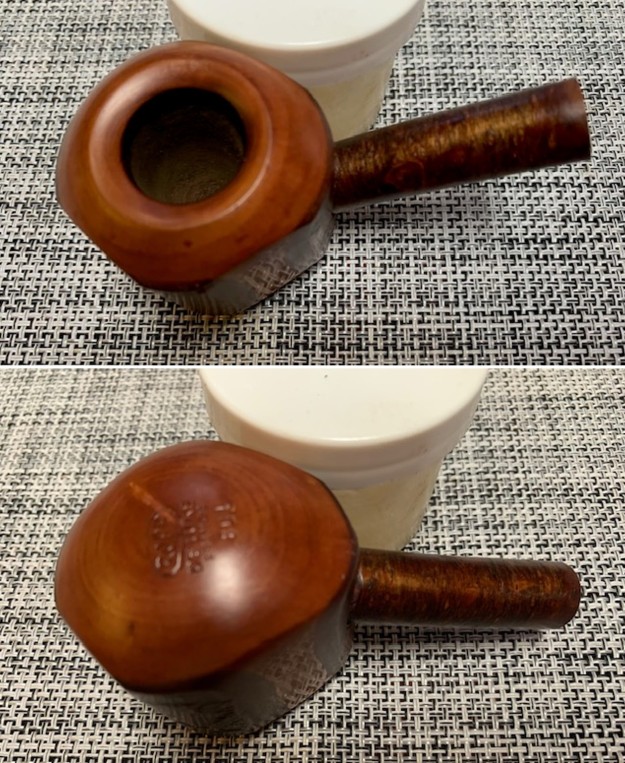
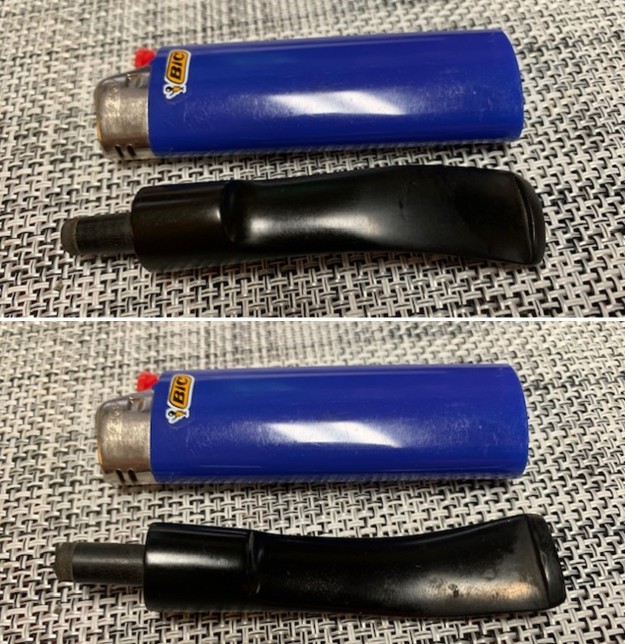
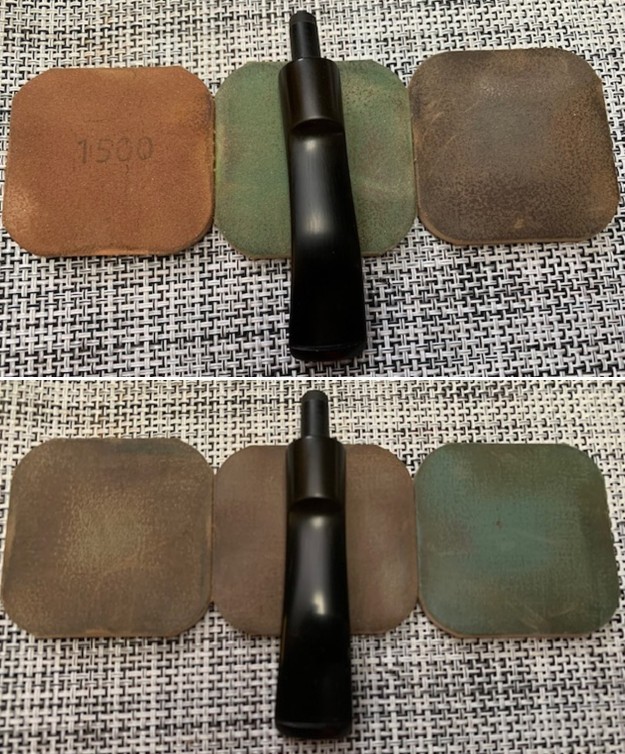
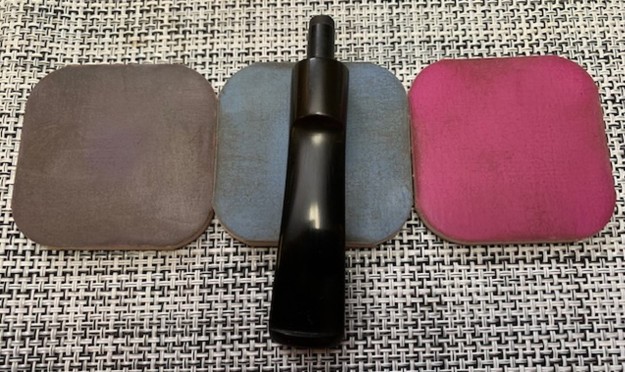
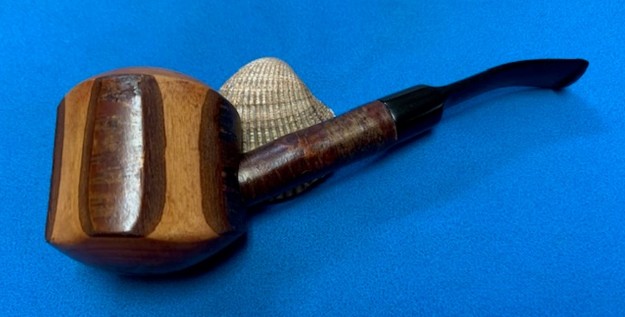
Two of my daughters and I enjoy visiting our local Flea Market. They look for a lot of different things and I keep an eye out for pipes. Not long ago we were there and the girls found their things and I found these two Cherrywood Pipes – one is marked Royal Cherry [over] Made in France (top pipe in the photo below) and the other is marked Ropp in an oval [over] Deluxe [over] France [over] 804. Both are in good condition and both are without their stems. Here is what the pipes looked like when I brought them home. After finishing the Royal Cherry Cherrywood I turned my attention to the Ropp bowl. The octagonal bowl had strips of bark on four of the panels and smooth cherry stripped of the bark on the other four panels. The rim top and the heel of the bowl were stripped of bark and were smooth cherry wood. The shank is a cherry wood branch that has been threaded and screwed into the back side of the bowl. The bark on the shank is undamaged and looks good. The bowl and shank have been given a coat of varnish or shellac as it is smooth and shiny. The bowl has been smoked and there is a light cake in the bowl with some darkening and light lava on the bevelled inner edge of the bowl. The heel of the bowl is also smooth. It is stamped Ropp in an oval [over] De Luxe [over] France [over] 804. There was no stem that came with the pipe so one would need to be fit to the shank. I took a photo of the rim top to show the darkening and lava on the bevel and the light cake in the bowl. The shape of the bowl is well done and looks very good.I took a photo of the stamping on the heel of the bowl. It is clear and readable as noted above.I found a stem in my collection that would fit the shank but it would need to be bent to follow the flow of the shank and bowl. It was used and had some tooth marks in both sides of the stem ahead of the button.I reamed the bowl to take the cake back to bare walls. I used a Savinelli Fitsall Pipe Knife and scraped it clean. I sanded the walls of the bowl smooth with 220 grit sandpaper wrapped around a piece of dowel. The walls of the bowl were smooth and undamaged.I cleaned out the shank airway and mortise with alcohol, cotton swabs and pipe cleaners. I did the same with the airway in the new stem. The pipe was clean when I was finished.I cleaned up the bevelled rim top with a folded piece of 220 grit sandpaper to remove the light lava and the darkening. It came off very well and looked much better.I polished the smooth portions of the cherry with micromesh sanding pads – 1500-12000 grit pads. I dry sanded the wood and then wiped it down with a damp cloth. The polishing work progressively brought a shine to the pipe. It looked really amazing – the combination of bark and smooth portions of the cherrywood. It is a beauty! I rubbed the bowl down with Before & After Restoration Balm. I worked it into the finish with my fingertips. The product works to clean, preserve and protect the wood. I let it sit and absorb for 10 minutes. I buffed it off with a soft cloth and then gave it a rigorous buff to raise the shine. It looks good at this point. I set the bowl aside and turned to address the stem. I heated the stem with the flame of a Bic lighter to soften the vulcanite and bend it to match the curves of the bowl and shank. Once it was soft I bent it and it looks much better. I took photos of the stem surface to show the deep tooth marks on the surface of the stem. I painted the surface of the tooth marks with a lighter flame. I was able to lift them considerably. I filled in what remained with black CA glue. I set it aside to allow them to cure. Once the repair had cured I flattened out the repair with small file to blend it into the stem surface. I sanded it smooth with a folded piece of 220 grit sandpaper. I started the polishing on the stem with a piece of 600 grit sandpaper. I wiped it down with Obsidian Oil and set it aside. I polished the stem with 1500-12000 grit micromesh sanding pads – I dry sanded the chatter on the stem surfaces on both sides and the diameter of the saddle portion of the stem. I wiped it down with Obsidian Oil on a cloth after the sanding pads. Once finished it looked very good. I finished the hand polishing of the stem with Before & After Pipe Polish – both the Fine and Extra Fine polishes. I gave it a final coat of Obsidian oil and set it aside to dry. I am really happy with the way that this restemmed Ropp De Luxe 804 Cherrywood Pipe turned out. It is a nice looking pipe with a great shape and finished with bark on the bowl sides and shank and the rim top and heel of the bowl are smooth. The vulcanite saddle stem turned out very nice. The polished stem works well with the Cherrywood finish. The wood really came alive with the buffing. The bark finish gave the pipe a sense of depth with the polishing and waxing. I put the stem back on the bowl and carefully buffed the pipe with Blue Diamond on the buffing wheel using a light touch on the wood. I gave the bowl multiple coats of Conservator’s Wax and the stem multiple coats of carnauba wax on the buffing wheel. I buffed the pipe with a clean buffing pad to raise the shine. I hand buffed the pipe with a microfiber cloth to deepen the shine. The finished Ropp De Luxe 804 Bent Cherrywood really is a beauty and feels great in the hand and looks very good. Give the finished pipe a look in the photos below. The dimensions of the pipe are Length: 6 ½ inches, Height: 2 inches, Outside diameter of the bowl: 1 ¾ inches, Chamber diameter: ¾ of an inch. The weight of the pipe is 64 grams/ 2.26 ounces. I will be putting the pipe on the rebornpipes store in the French Pipemakers Section. If you would like to add it to your collection let me know. Thanks for reading this blog and my reflections on the pipe while I worked on it. It was a fun one to work on!
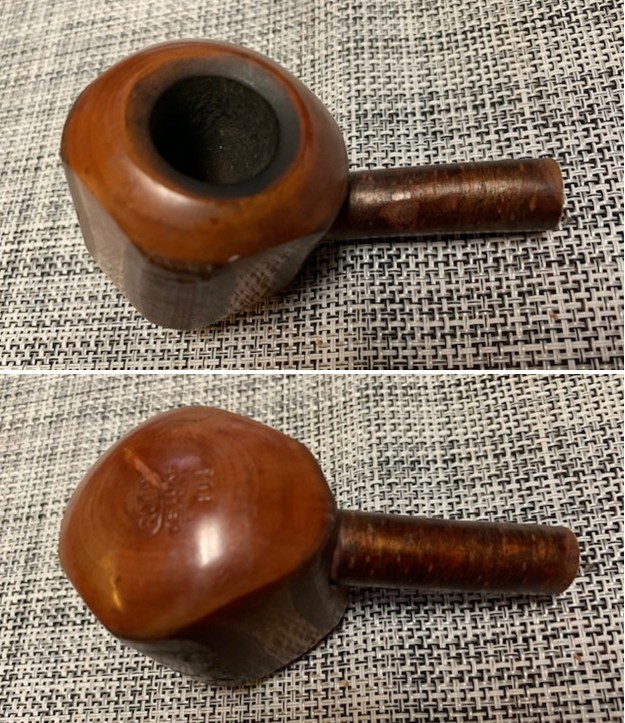
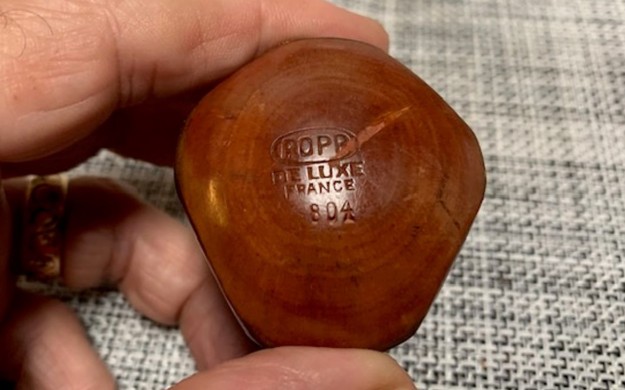
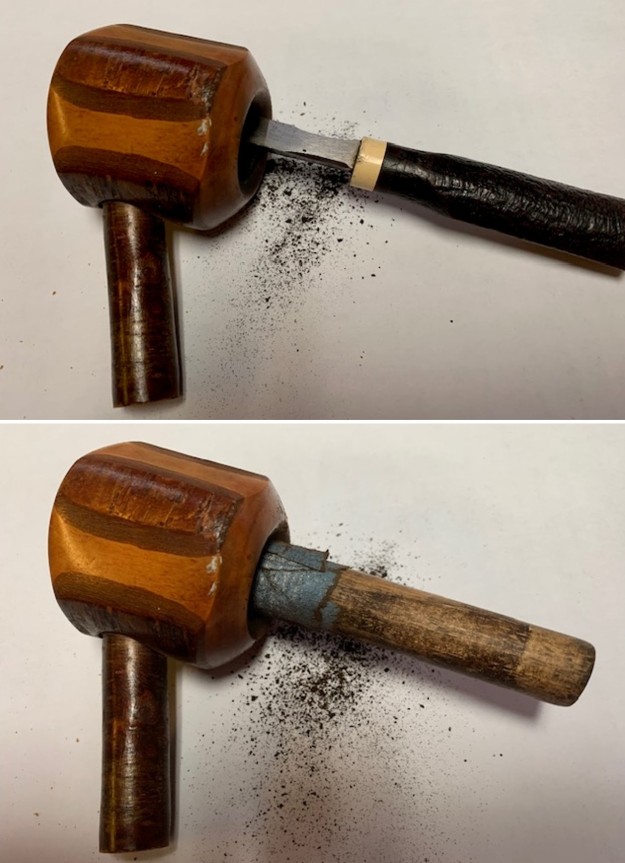
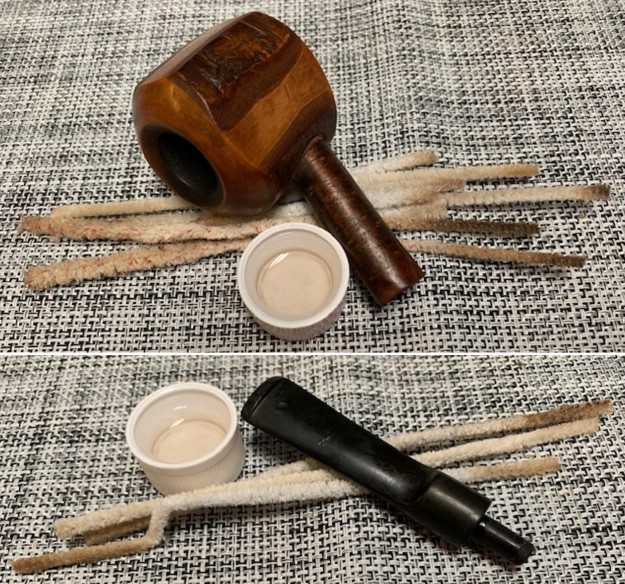
As always, I encourage your questions and comments as you read the blog. Thanks to each of you who are reading this blog. Remember we are not pipe owners; we are pipe men and women who hold our pipes in trust until they pass on into the trust of those who follow us.
Restemming an Unsmoked Royal Cherry 4 Made France Cherrywood


Blog by Steve Laug

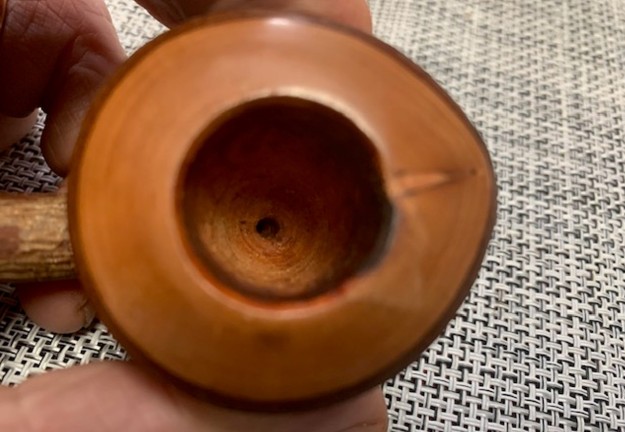
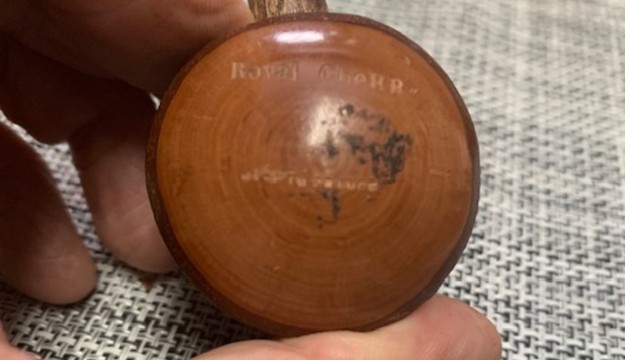
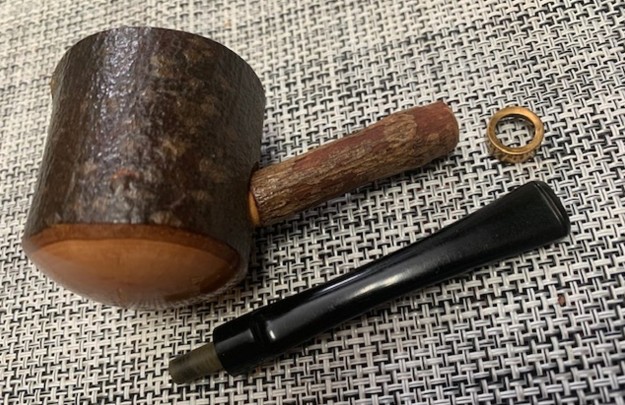
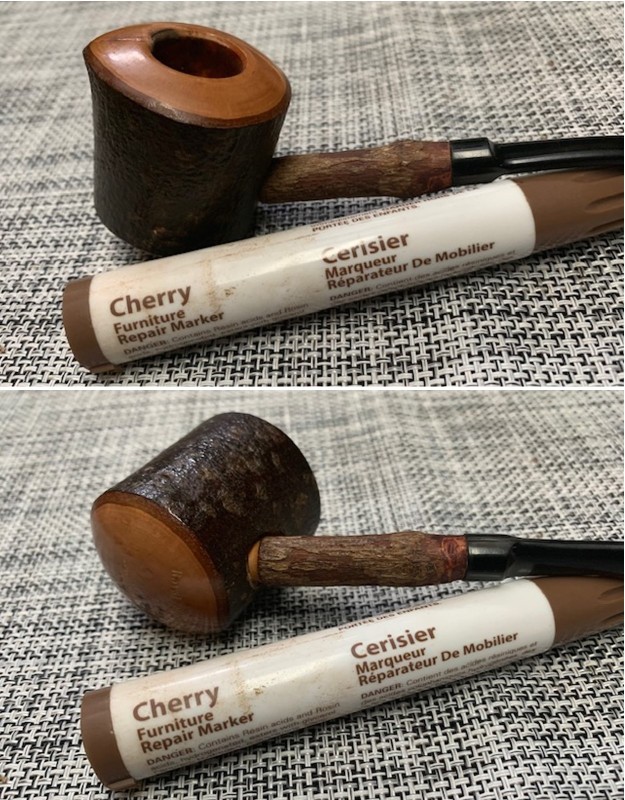
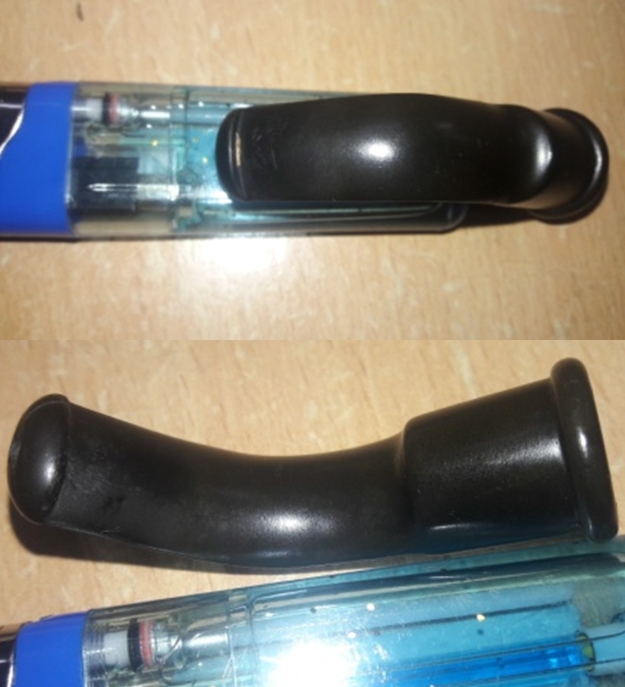
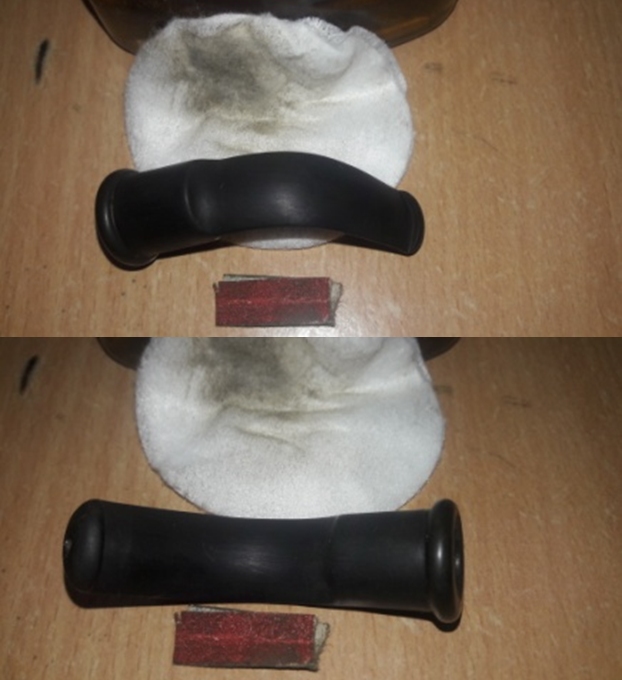
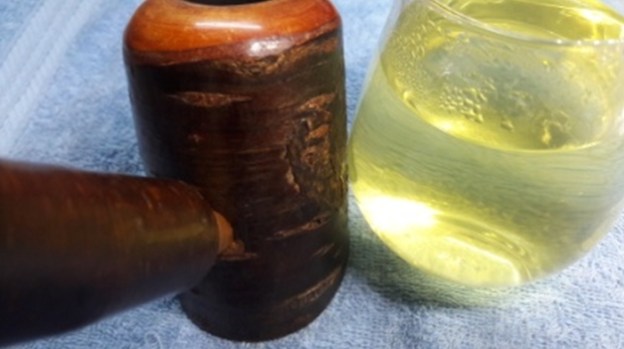
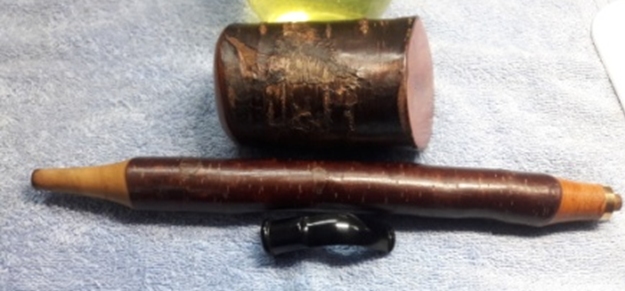
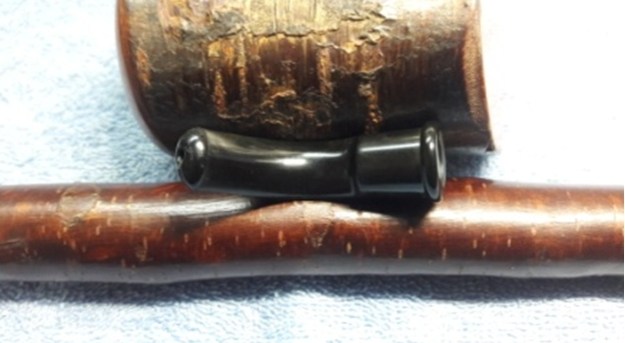
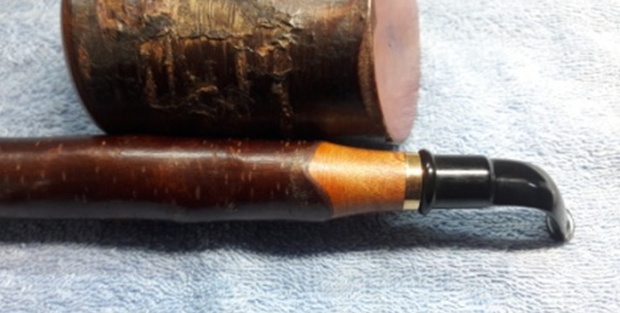
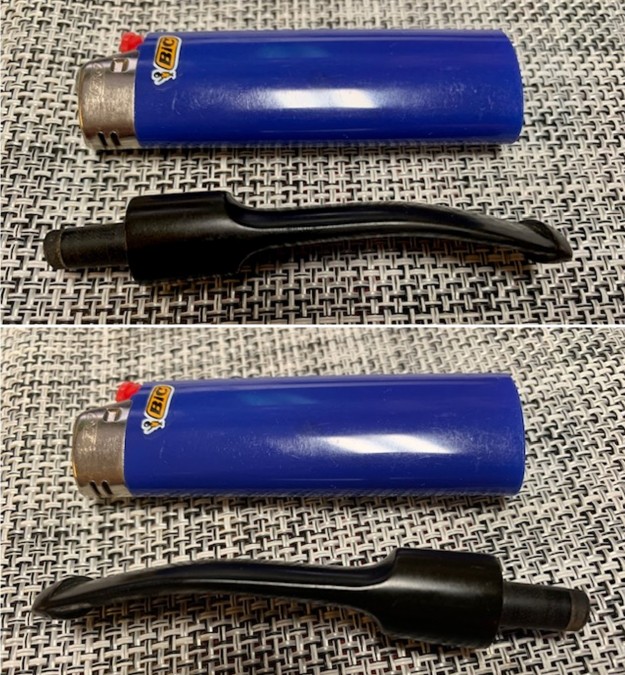
Two of my daughters and I enjoy visiting our local Flea Market. They look for a lot of different things and I keep an eye out for pipes. Not long ago we were there and the girls found their things and I found these two Cherrywood Pipes – one is marked Royal Cherry [over] Made in France (top pipe in the photo below) and the other is marked Ropp in an oval [over] Deluxe [over] France [over] 804. Both are in good condition and both are without their stems. Here is what the pipes looked like when I brought them home. I decided to work on the Royal Cherry pipe first. The bowl was covered with uninterrupted bark and seemed to have a varnish coat as there is a shiny coat on the bowl, rim top and the heel. The shank is a branch that has been threaded and screwed into the back side of the bowl. The top end of the shank is slightly tapered behind a branch nodule. The shank is not varnished or shiny. The rim top was smooth and there is a pointed nose on the front of the bowl. It has a split in it on the top that has been filled with putty. The bowl is unsmoked but there is some darkening on front inner edge of the bowl. The heel of the bowl is also smooth. It is stamped Royal Cherry [over] Made in France. There was some sticky substance on the heel from a price sticker. I took a photo of the rim top to show the clean and unsmoked bowl. You can also see the putty fill in the rim top on the pointed nose of the bowl. It is solid and smooth to the touch.I took a photo of the stamping on the heel of the bowl. It is clear and readable under the sticky substance left behind by a price tag.I found a stem that would fit the shank but it would need to be bent to follow the flow of the shank and bowl. I also put a band in the photo but ended up not using it.I touched up the shank end on the shank with a Cherry stain pen so that the smooth portion would match the stain on the smooth rim top and heel of the bowl.I heated the stem with the flame of a Bic lighter to soften the vulcanite and bend it to match the curves of the bowl and shank. Once it was soft I bent it and it looks much better.I sanded the diameter of the saddle portion to match the diameter of the shank. I used a folded piece of 220 grit sandpaper to reduce it to match the shank. I started the polishing with 600 grit wet dry sandpaper.I polished the stem with 1500-12000 grit micromesh sanding pads – I dry sanded the chatter on the stem surfaces on both sides and the diameter of the saddle portion of the stem. I wiped it down with Obsidian Oil on a cloth after the sanding pads. Once finished it looked very good. I finished the hand polishing of the stem with Before & After Pipe Polish – both the Fine and Extra Fine polishes. I gave it a final coat of Obsidian oil and set it aside to dry. I am really happy with the way that this restemmed, unsmoked Royal Cherry Bent Cherrywood Pipe turned out. It is a nice looking pipe with a great shape and finished with bark on the bowl sides and shank and the rim top and heel of the bowl are smooth. The vulcanite saddle stem turned out very nice. The polished stem works well with the Cherrywood finish. The wood really came alive with the buffing. The bark finish gave the pipe a sense of depth with the polishing and waxing. I put the stem back on the bowl and carefully buffed the pipe with Blue Diamond on the buffing wheel using a light touch on the wood. I gave the bowl multiple coats of Conservator’s Wax and the stem multiple coats of carnauba wax on the buffing wheel. I buffed the pipe with a clean buffing pad to raise the shine. I hand buffed the pipe with a microfiber cloth to deepen the shine. The finished Royal Cherry Bent Cherrywood really is a beauty and feels great in the hand and looks very good. Give the finished pipe a look in the photos below. The dimensions of the pipe are Length: 6 inches, Height: 2 inches, Outside diameter of the bowl: 1 ½ inches, Chamber diameter: ¾ of an inch. The weight of the pipe is 51 grams/ 1.80 ounces. I will be putting the pipe on the rebornpipes store in the French Pipemakers Section. If you would like to add it to your collection let me know. Thanks for reading this blog and my reflections on the pipe while I worked on it. It was a fun one to work on!

As always, I encourage your questions and comments as you read the blog. Thanks to each of you who are reading this blog. Remember we are not pipe owners; we are pipe men and women who hold our pipes in trust until they pass on into the trust of those who follow us.

Refurbishing A “Real Cherry Foreign” Pipe From Estate Lot Of 40


Blog by Paresh Deshpande

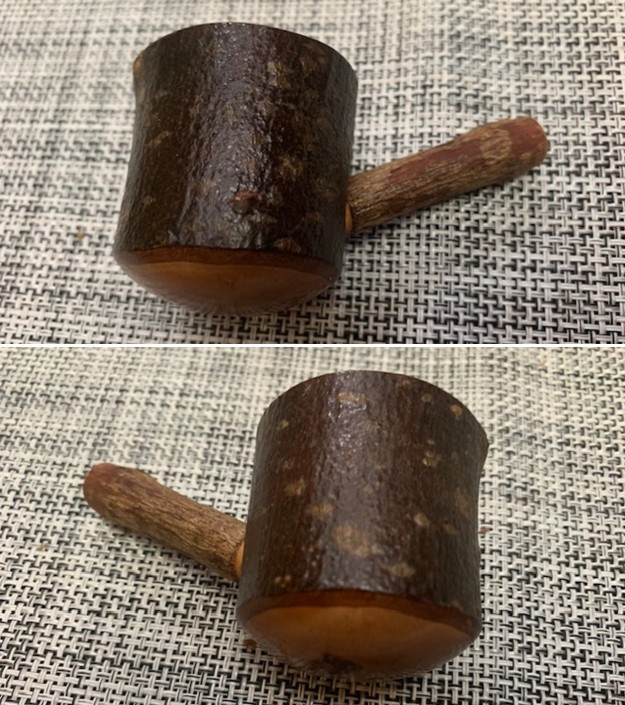
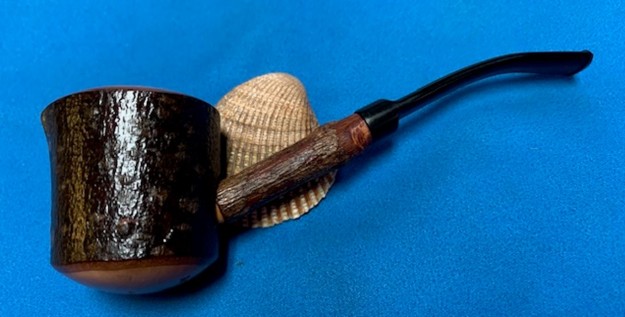
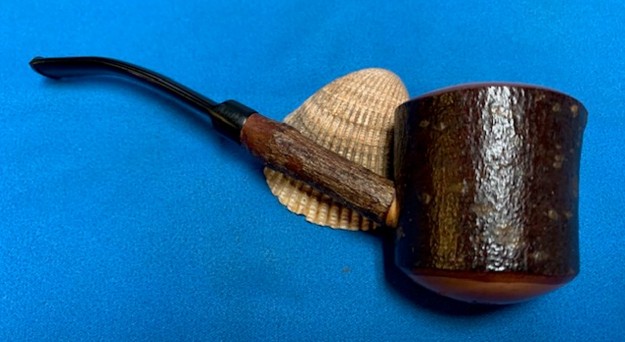
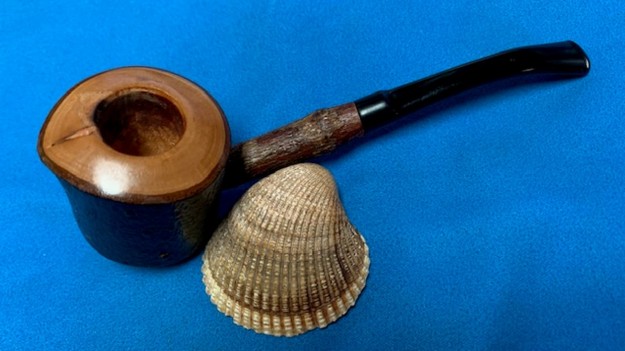
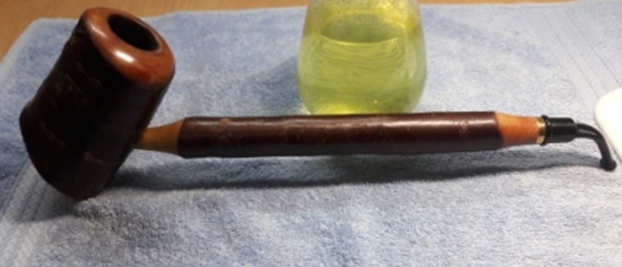
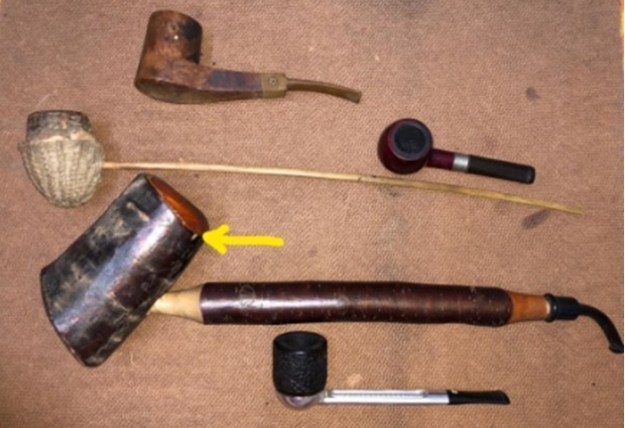
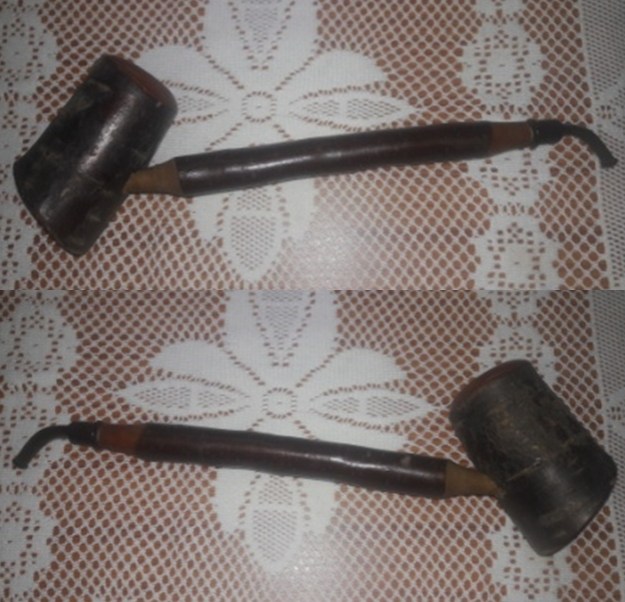
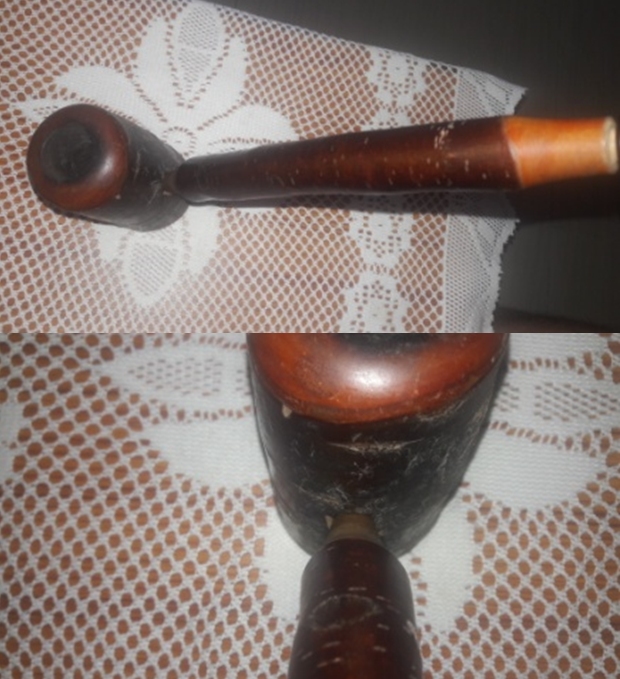
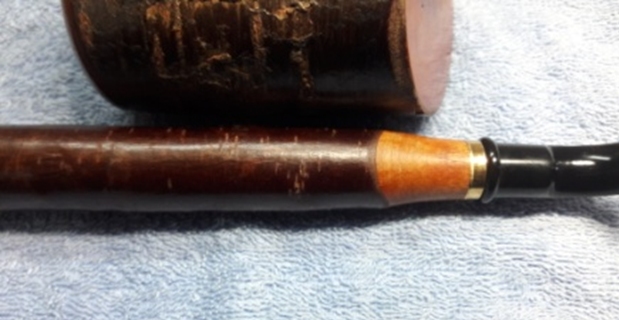
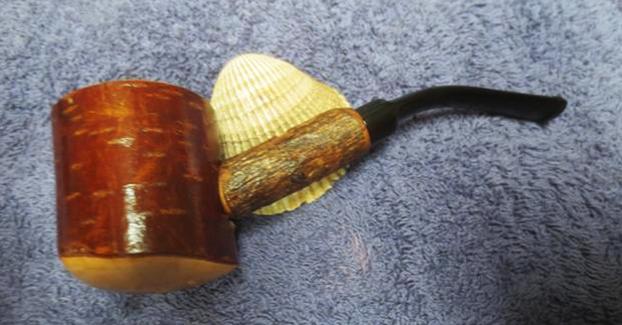
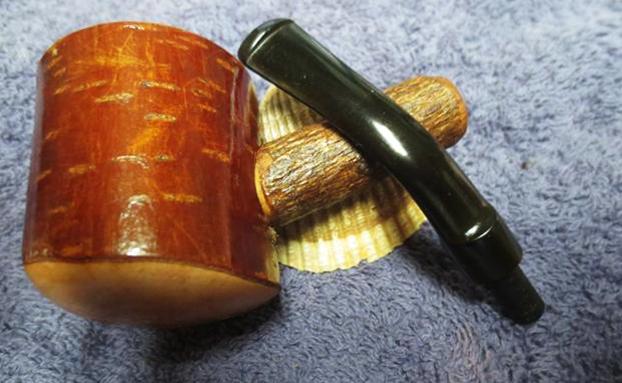
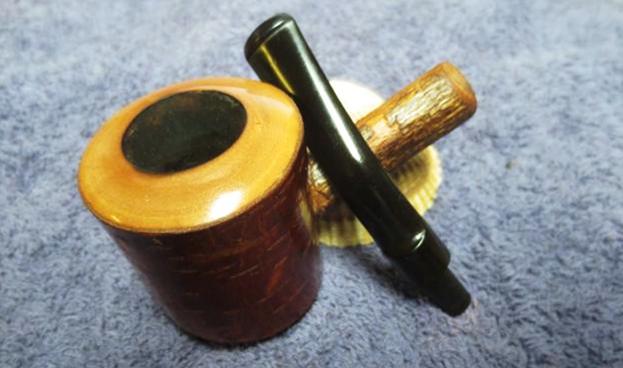
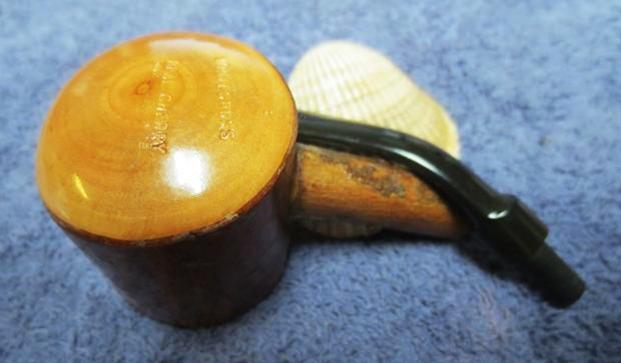
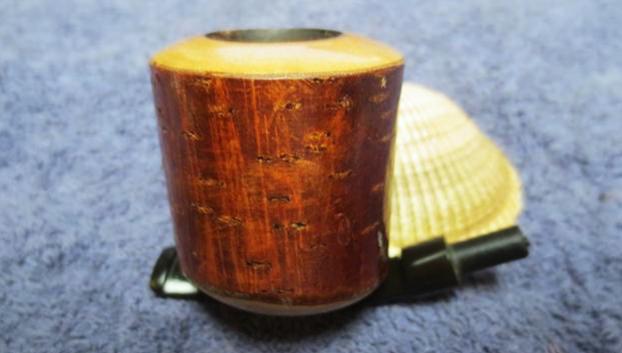
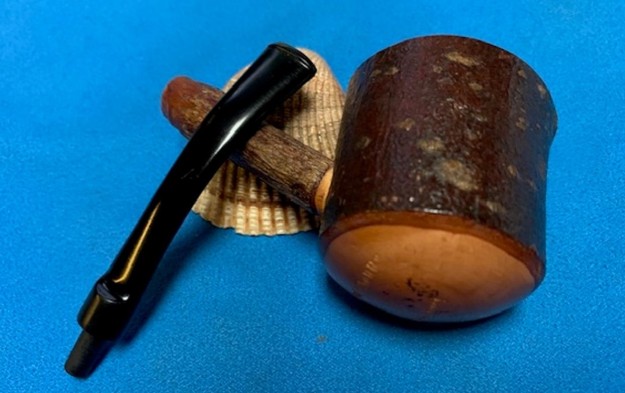
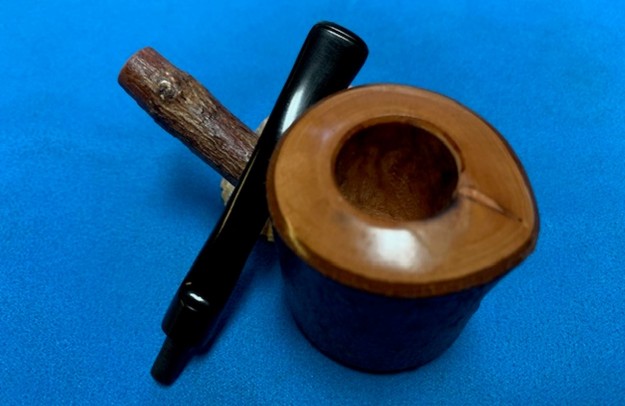
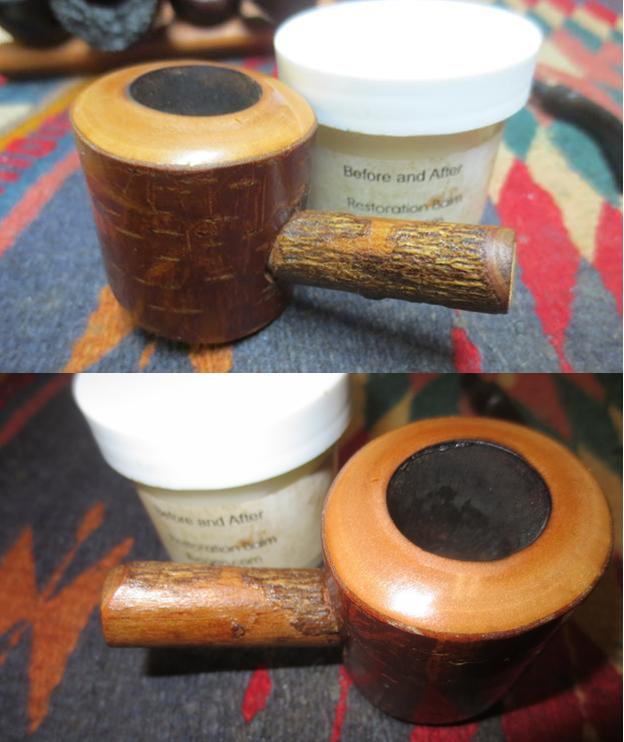
I had read about Etsy.com in various piper communities that I have subscribed to and on various blogs. My curiosity was thus stoked and I visited the site. True enough, I came across a lot of 40 pipes from an estate pipe seller. We struck a deal and about six months ago, this lot reached at my door step. Abha, my wife, though not very enthusiastic about the condition of a few pipes that were in the lot, was supportive enough to have chronicled each pipe and taken pictures of the entire lot. This lot did contain a few pipes that were worth adding to my personal collection and few that are, prima facie, not even worth attempting a restoration. However, on such pipes, I shall take a call as and when I get them on my work table (I hate discarding pipes in any condition!!). The pipe currently on my work table, from this lot, is humongous Cherry wood pipe with a thick removable cherry wood shank extension. This pipe is marked with a yellow arrow in the picture below and readers will also get a general idea about the size of this pipe.This sitter pipe has an intact bark all around the stummel and shank extension. The smooth bottom surface is at an angle which helps in weight distribution, making it a perfect sitter. The rim top, like the foot, is smooth. I wouldn’t exactly classify this pipe as beautiful, but it is definitely rugged looking with its own charm. Here are the pictures of the pipe as it sits on my work table. The pipe is stamped on the foot of the stummel as “REAL CHERRY” over “FOREIGN”, all in capital letters. The stampings are crisp and easily readable. However, there is no COM stamp anywhere on the pipe that would help me in establishing the provenance of this pipe. The vulcanite stem is devoid of any stampings.With no COM stamp, I am stonewalled in my quest to accurately ascertain the maker/ carver and in dating this pipe. I visited Reborn pipes, pipedia.org and pipephil.eu and from the write ups, pictures and information posted on these sites, my calculated guess is that this pipe would have been made in the ROPP factory for a retailer outside. From the perfectly round slot, I presume this to be a very early period, though, I am not very sure.
Any clarification/ confirmed inputs on this pipe are requested from all the learned readers of this write up!!

Initial Visual Inspection
The chamber has a thin and even layer of dry and hard cake with little overflow of lava on to the smooth rim top surface. The outward sloping rim top surface is stained a nice bright orange and is covered in places with overflowing oils and tars, but there are no signs of charring to the inner rim edge. The condition of the inner walls of the chamber can be checked and ascertained only after the cake has been taken down to the bare wood. The stain on the rim top surface should contrast beautifully with the rest of the dark colored bark of the stummel.The stummel has cherry bark all around which is covered in dust and grime. The bark is, however, intact. The Old bark has aged well and is beautiful in its patchy and scaly texture and color. There are signs of the beginnings of the process of exfoliation at the front of the stummel. The open area under the air hole at the bottom of the bowl and which houses the thick shank, shows minor accumulation of dried oils and crud. The flat bottom of the stummel, like the rim top surface, is stained bright orange. The long and thick cherry wood shank is tapered at both ends with a threaded stem end. The push fit tapered shank end that seats in to the stummel is uneven and covered in dust and grime. The cherry wood bark on the shank is intact and undamaged. The fit of the shank in to the stummel is snug and remains firmly attached. The thick rimmed full bent vulcanite saddle stem is lightly oxidized and is peppered with deep tooth chatter/ indentations on lower surface of the stem. The perfectly rounded slot of the stem has a number of cracks radiating outwards from the slot. The button edges on either surface have worn down slightly and will need to be sharpened. The wide chambered and threaded shank end of the stem shows accumulated dried dust and dirt. The seating of the stem over the the threaded shank is not flush and an irritating gap is clearly visible. It is likely that the issue will be addressed once the stem has been cleaned. The Process
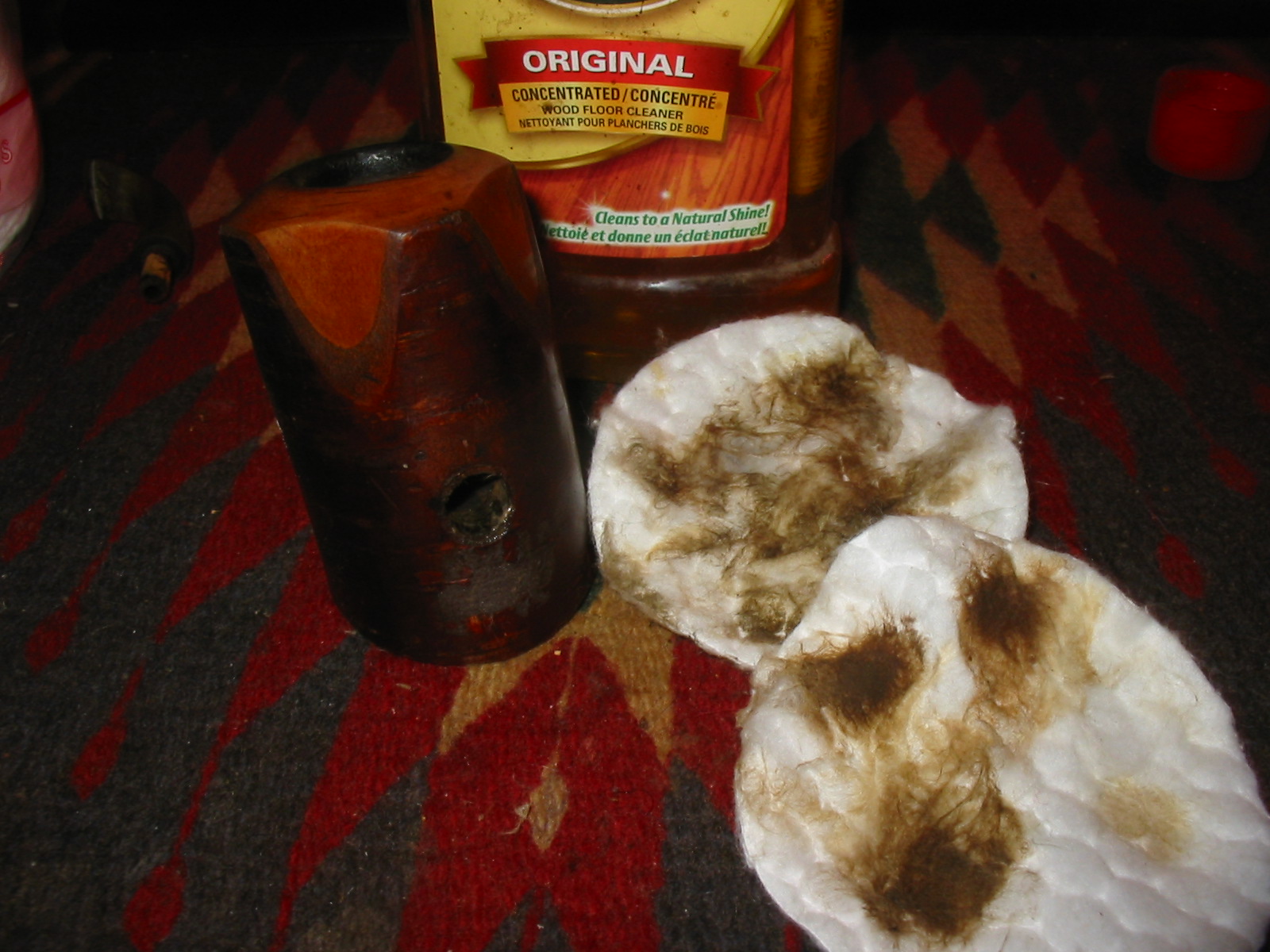
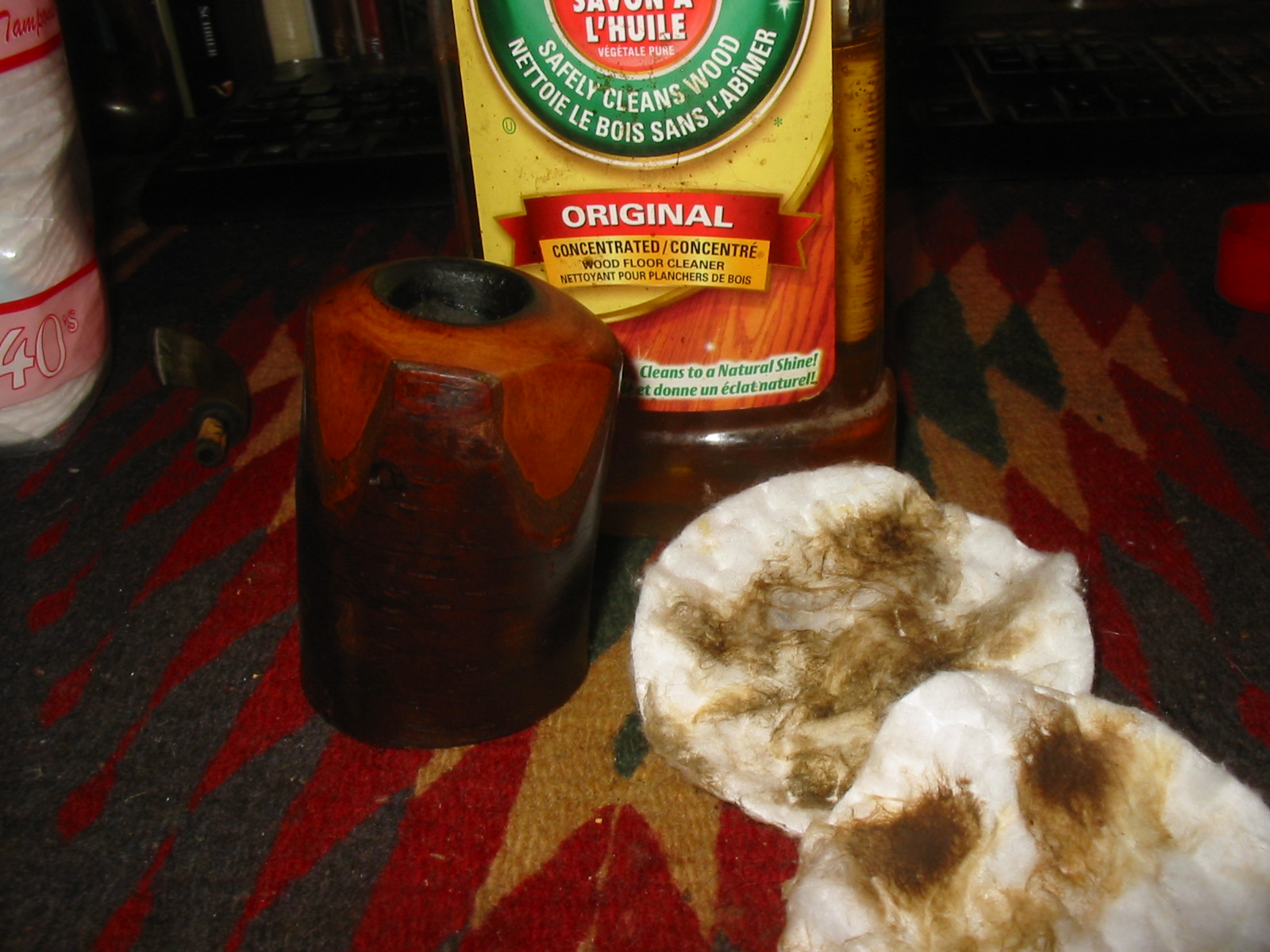
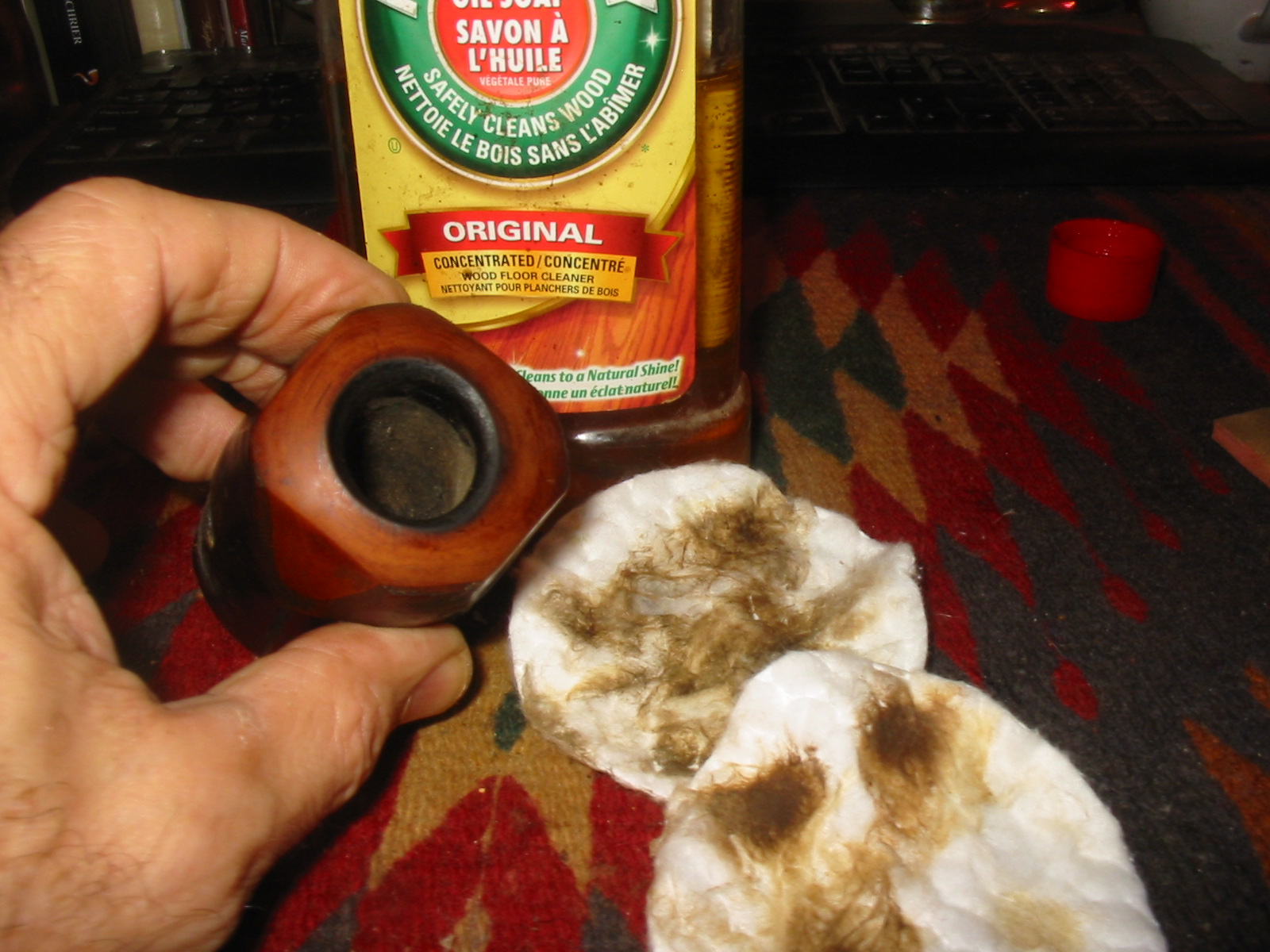
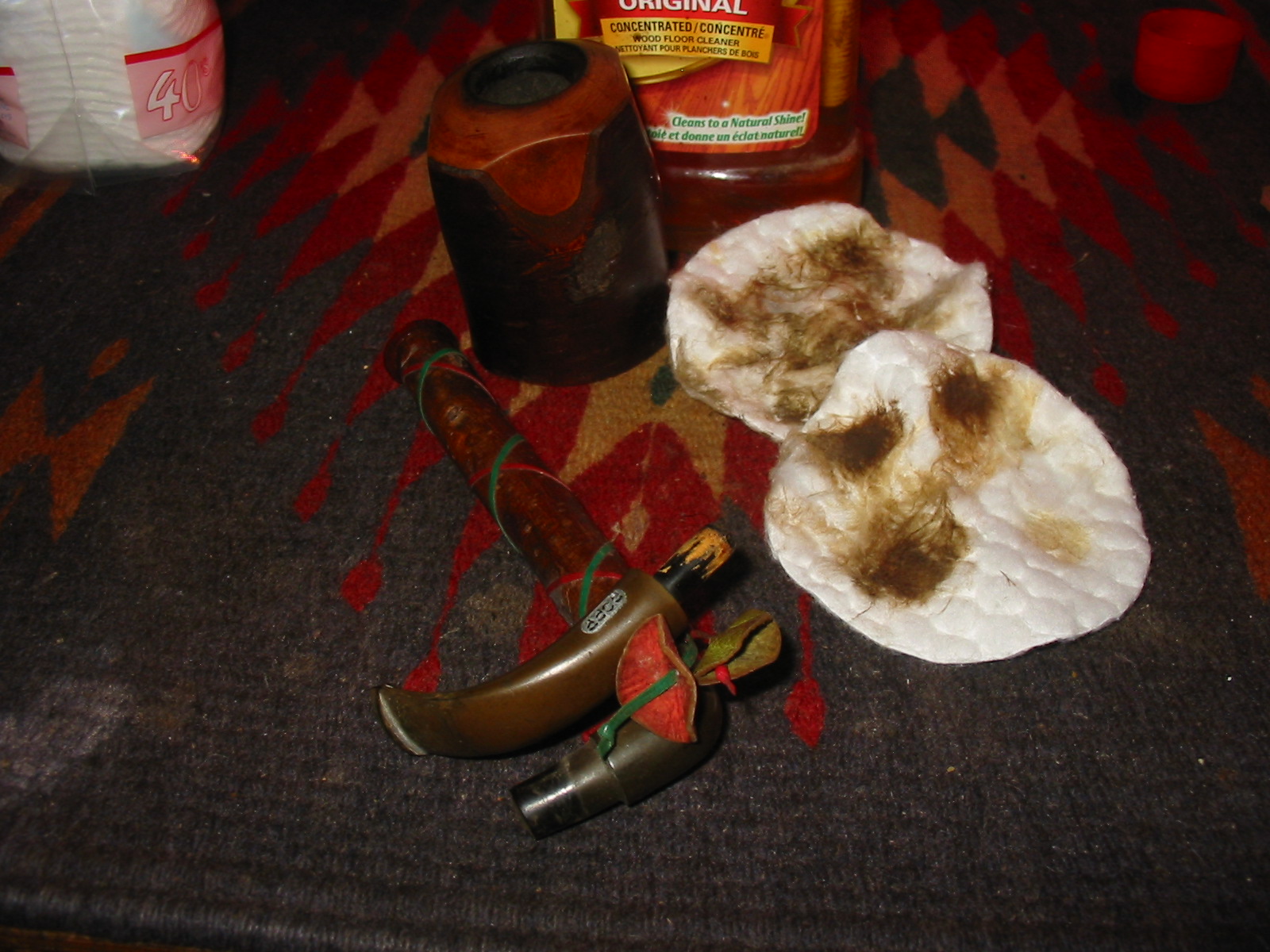
I began the process of refurbishing this pipe with reaming the chamber with a Castleford reamer tool, using the size four head of the tool. Using my fabricated knife; I further took the cake down to the bare wood. With a 150 grit sand paper, the walls of the chamber were rid of all the remnants of the cake, revealing smooth and solid chamber walls. I further wiped the chamber with a cotton swab wetted with isopropyl alcohol to completely remove the sanding dust. Next, I cleaned up the interior of the shank and open area under the air hole in the bottom of the bowl with alcohol, pipe cleaners and cotton swabs. I was surprised at how little dirt, tar and oil had built up there. The shank internals cleaned up nicely with a smooth and full draw.I scrubbed the external surface of the bowl and shank with undiluted Murphy’s oil soap and hard bristled tooth brush and dried it using paper towels and soft cotton cloth. I deliberately cleaned the smooth rim top to clean the entire lava overflow from the surface. The stummel and shank cleaned up nicely. I set them aside to dry out naturally. Staying with the stummel restoration, I polished the rim top surface and foot of the stummel with micromesh pads, wet sanding with 1500 to 12000 pads. I wiped the surface with a soft cloth at the end of the micromesh cycle. Both the surfaces look amazing with a deep shine. I rubbed a small quantity of “Before and After Restoration Balm” in to the cherry wood stummel and shank to enliven and protect it. I rubbed this balm deep in to the patchy/ scaly surfaces of the stummel, smooth rim top, foot and shank with my fingers and let it rest for a few minutes. The balm almost immediately works its magic and the wood now has a nice vibrant appearance with the dark brown hues of the bark contrasting with the deep orange stain of the rim top and foot. I further buff it with a horse hair shoe brush. Unfortunately, I completely missed out on taking pictures of this process and the results. I set the stummel aside.

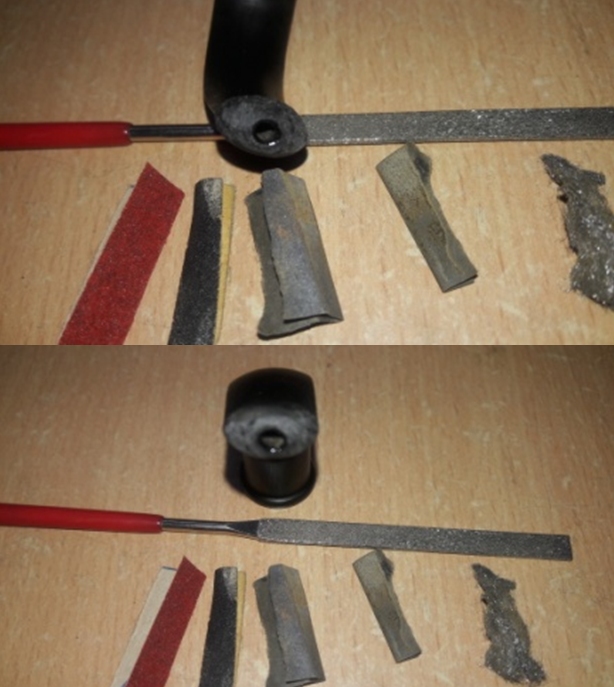
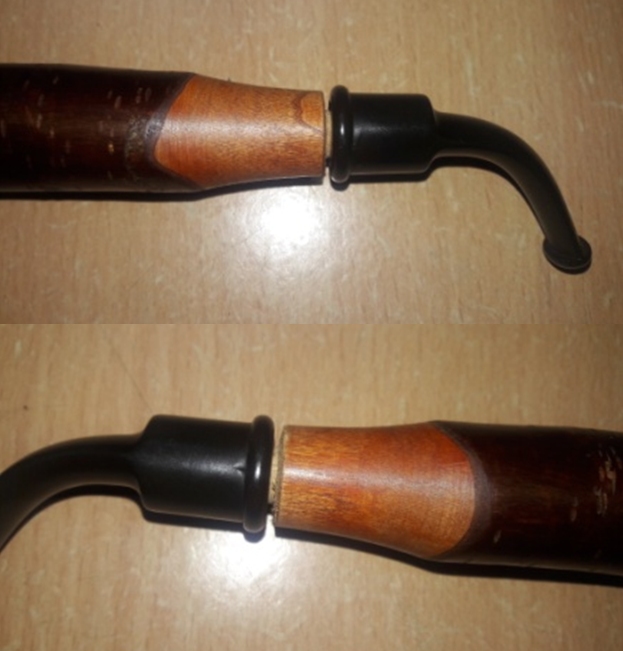
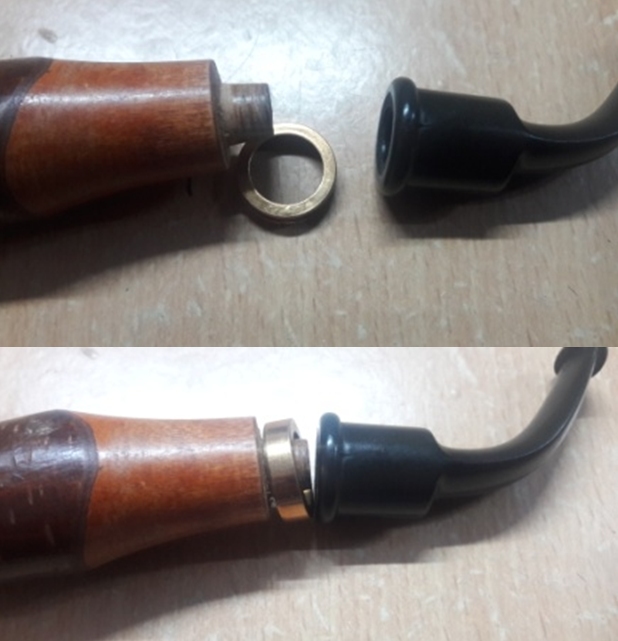
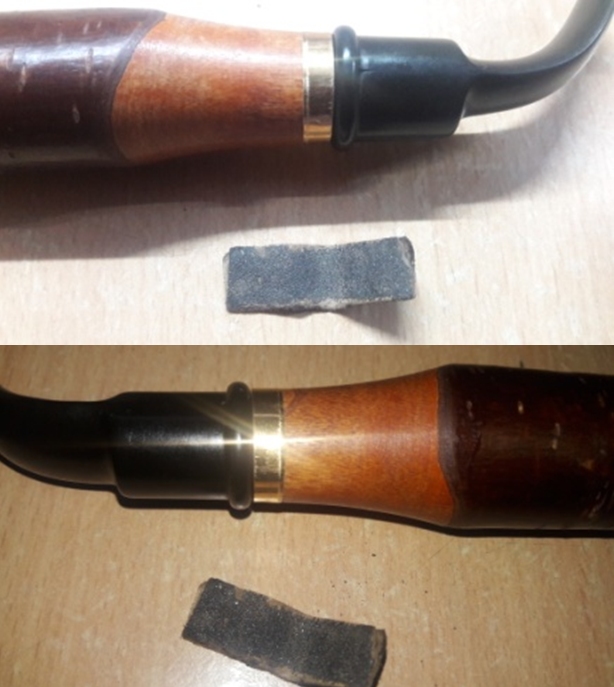
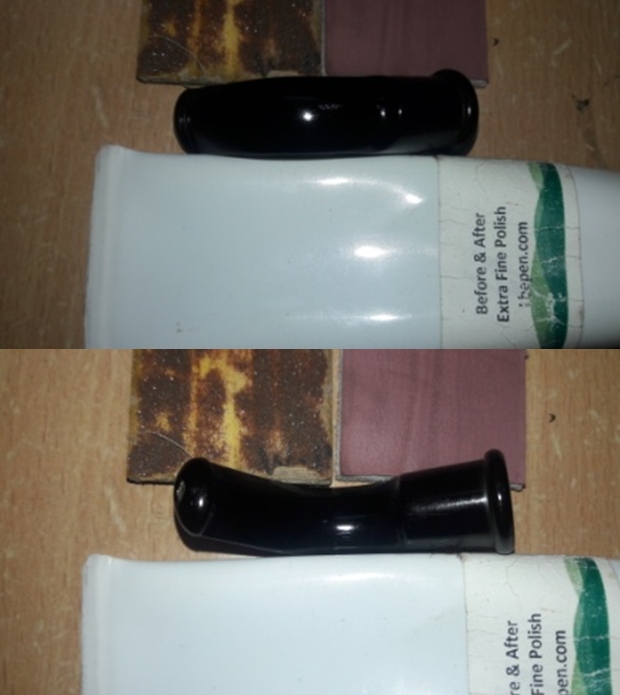
Getting down to the stem repairs, I began with cleaning the stem air way and the threaded wide chamber. I painted both surfaces of the stem with the flame of a lighter to raise the tooth indentations to the surface. This also helps in loosening minor oxidation from the stem surface. I sand the entire stem surface with a folded piece of a 220 grit sand paper to even out the raised tooth chatter and the tooth indentations to a degree and also to remove the loosened oxidation. I wiped the stem with a cotton swab and Murphy’s oil soap to further remove the oxidation. Most of the tooth chatter has been addressed by heating the damaged stem portion with the flame of a lighter; the minor tooth chatter visible on the lower surface in the bite zone should be completely eliminated during further sanding by sandpaper. At this stage in stem repairs, I now had a clear idea as to the extent of the repairs required by the stem. I tightly wound a scotch tape around the thin end of a tapered pipe cleaner and inserted it through the rounded slot. This prevents the fill from pouring down in to the slot and blocking the stem air way. I filled the cracks radiating outwards from the round slot with a mix of activated charcoal and CA superglue and set it aside for the fill to cure. Once the fill had cured sufficiently, with flat needle file I sanded the fills to match with rest of the button end. With the same file, I sharpened the button edge on both the upper and lower surface. I fine tuned the blending of the fill with the rest of the surface using a 220 grit sand paper and also sanded down the entire stem to remove the stubborn residual oxidation. I further sand the stem with 600 and 800 grit sand paper and wiped the stem with cotton pad dipped in alcohol to remove the resultant dust. I further smooth the fill and polished the entire stem with a 0000 grade steel wool. I rubbed some extra virgin olive oil in to the stem and set it aside to be absorbed in to stem. There was an issue of gap in the seating of the stem over the threaded shank end. I had hoped that after cleaning the stem internals this issue would be resolved. However, this did not happen. There was no other way, that I could think of to address this issue, but mask it (The Purist, though, may not agree with me on this thought process)!! I decided to mask this gap with a brass ring at the stem end of the shank. I selected a ring that was a tad smaller in diameter than the shank end. With a 220 grit sand paper, I carefully sand the very stem end of the shank, checking frequently for the seating of the ring. Once I had achieved the desired seating, I aligned the shank, ring and the stem. The assembled parts matched perfectly with no gap between the shank and stem and looked really nice. I glued the ring in to place with CA superglue and set it aside. I polished the stem with micromesh pads, wet sanding with 1500 to 12000 grit pads. I rubbed a little extra virgin olive oil in to the stem at the end of the micromesh pads polishing cycle. I rubbed “Before & After Extra Fine” polish that has been developed by my friend, Mark Hoover, in to the stem surface. This removes minor oxidation and scratches from the surface. I completed the polishing regime of the stem by rubbing a small quantity of Paragon wax and giving it a final polish with a soft cotton cloth. The stem is now nice, smooth and shiny.To apply the finishing touches, I mount a cotton cloth buffing wheel on to my hand held rotary tool and apply a coat of Blue Diamond to the stem to polish out the minor scratches. With a cotton buffing wheel that I use for carnauba wax, I apply a coat of carnauba wax to the stummel and stem and continued to work on it till the complete coat of wax had been polished out. I mount a clean cotton cloth buffing wheel and gave the entire pipe a once over buff. I finished the restoration by giving the entire pipe a rigorous hand buffing using a microfiber cloth to deepen the shine further. The finished pipe is shown below. P.S. – This is in no way a beautiful pipe, but a rugged and rustic looking with such a solid construction that it is capable of lasting for ages!! It has its own charm and the addition of the shiny brass ring at the stem end of the shank has given it some bling, breaking the monotony of cherry wood and how!!

Thanks for your patience and looking forward to inputs on the write up and any information on this pipe. Cheers…

Cleaning up a Whitecross Real Cherrywood Bent Billiard


Blog by Steve Laug

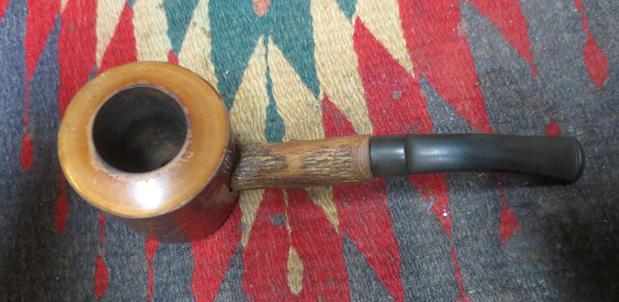
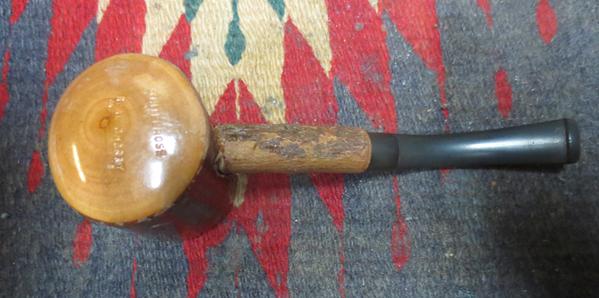
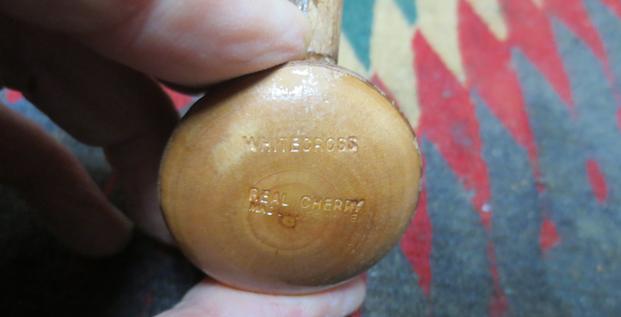
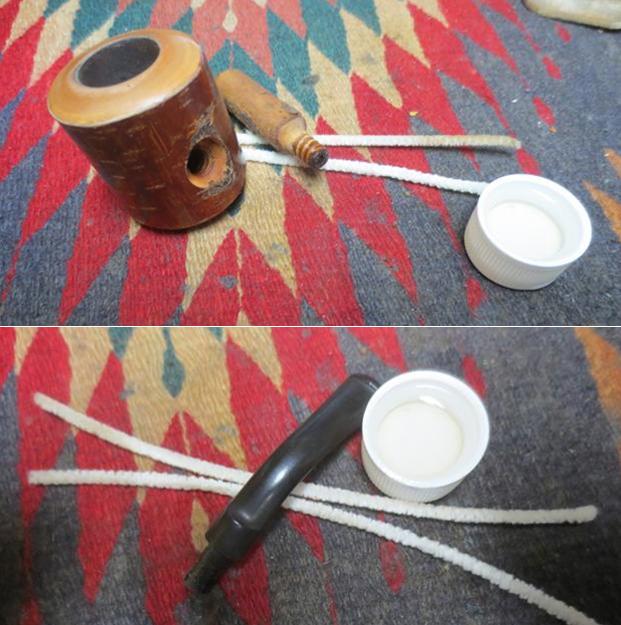
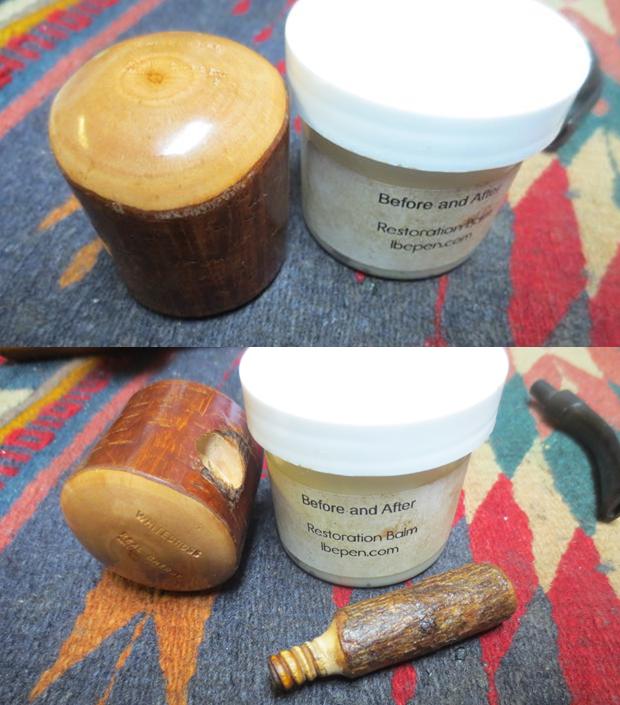
On one of my brother’s visits to an antique shop near his home he picked up a batch of pipes. The owner of the shop through in this little one as a freebie. It is a Ropp like cherry wood pipe. It has the cherry bark on the bowl and the remnants of bark on the shank. The stem is lightly oxidized but otherwise is in decent shape. There were not any tooth marks or chatter on it. The shank is screwed into the bowl and the fit is tight and aligned. The rim top has some burn and peeling on it but otherwise it is clean. The inner and outer edge of the bowl is very clean. The pipe has been lightly smoked but there is no cake in the bowl. It is stamped on the smooth underside of the bowl as follows: Whitecross over Real Cherry over Made in France. Jeff figured it was not worth cleaning up but there is something about these folksy Cherry wood pipes that intrigues me and I am a sucker for them. I took these photos before I worked on the pipe. The next photo shows the stamping on the underside of the pipe. The Made in France stamping makes me fairly certain that this is a Ropp brand pipe. It has all the components of a Ropp and the cherry wood look of the pipe is all Ropp.I unscrewed the shank from the bowl to clean up the interior of the shank and open area under the air hole in the bottom of the bowl. I cleaned it with alcohol, pipe cleaners and cotton swabs. I was surprised at how little dirt, tar and oil had built up there. I cleaned the airway in the shank and stem with pipe cleaners and alcohol.I cleaned up the rim top and edges with micromesh sanding pads. I wet sanded it with 1500-2400 grit micromesh pad and dry sanded it with 3200-12000 grit pads. I was able to remove all of the lava on the rim edge and the peeling edges of varnish. When I was finished the bowl looked really good. I rubbed the Cherry wood down with Before & After Restoration Balm. I used my fingers to rub it into the bark and the bare parts of the pipe. I wiped it down with a soft cloth and hand buffed it with a shoe brush. I rubbed the shank down with the Balm and buffed it with the shoe brush as well. I put the shank on the pipe and buffed it again with the shoe brush. I polished out the vulcanite stem with micromesh sanding pads – wet sanding it with 1500-2400 grit pads and dry sanding it with 3200-4000 grit pads. I wiped the stem down with Obsidian Oil after each sanding pad. I buffed the stem with Blue Diamond on the buffing wheel. I brought it back to the table and sanded it with the final three 6000-12000 grit pads. After the final pad I gave it a final coat of oil and set it aside to dry. I put the stem back on the bowl and gently worked the pipe over on the buffing wheel using Blue Diamond to polish the bowl and shank. I used a gentle touch on the pipe when I was buffing it so that the bark would remain intact on the bowl and shank. I buffed the stem with a harder touch to raise the gloss on the rubber. I gave the bowl multiple coats of Conservator’s Wax and gave the stem multiple coats of carnauba wax. I buffed the pipe with a shoe brush to raise the shine. I hand buffed it with a microfiber cloth to deepen the shine. The finished pipe is shown in the photos below. It looks better than it did in the beginning. It is a neat little Ropp style Cherrywood  pipe. The dimensions of the pipe are: Length: 5 1/2 inches, Height: 1 3/4 inches, Diameter of the bowl: 1 5/8 inches, Diameter of the bowl: 3/4 inches. I will be adding this one to the rebornpipes store shortly if you are interested in adding it to your collection. It will make a fine addition to the rack. If you are interested email me at slaug@uniserve.com or send me a message on Facebook. Thanks for looking.


Ropp Cherrywood Everest Oom Paul Restored


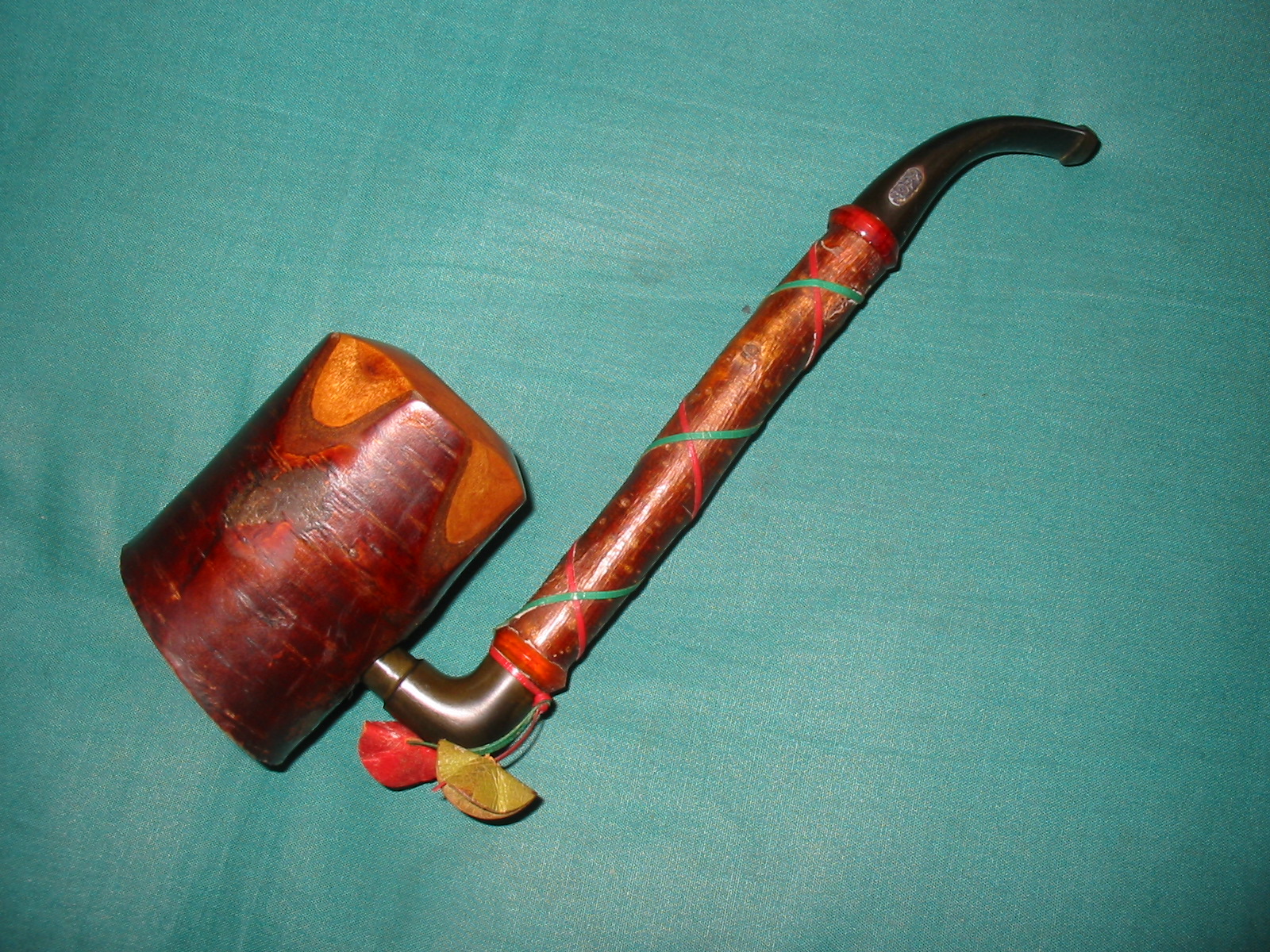
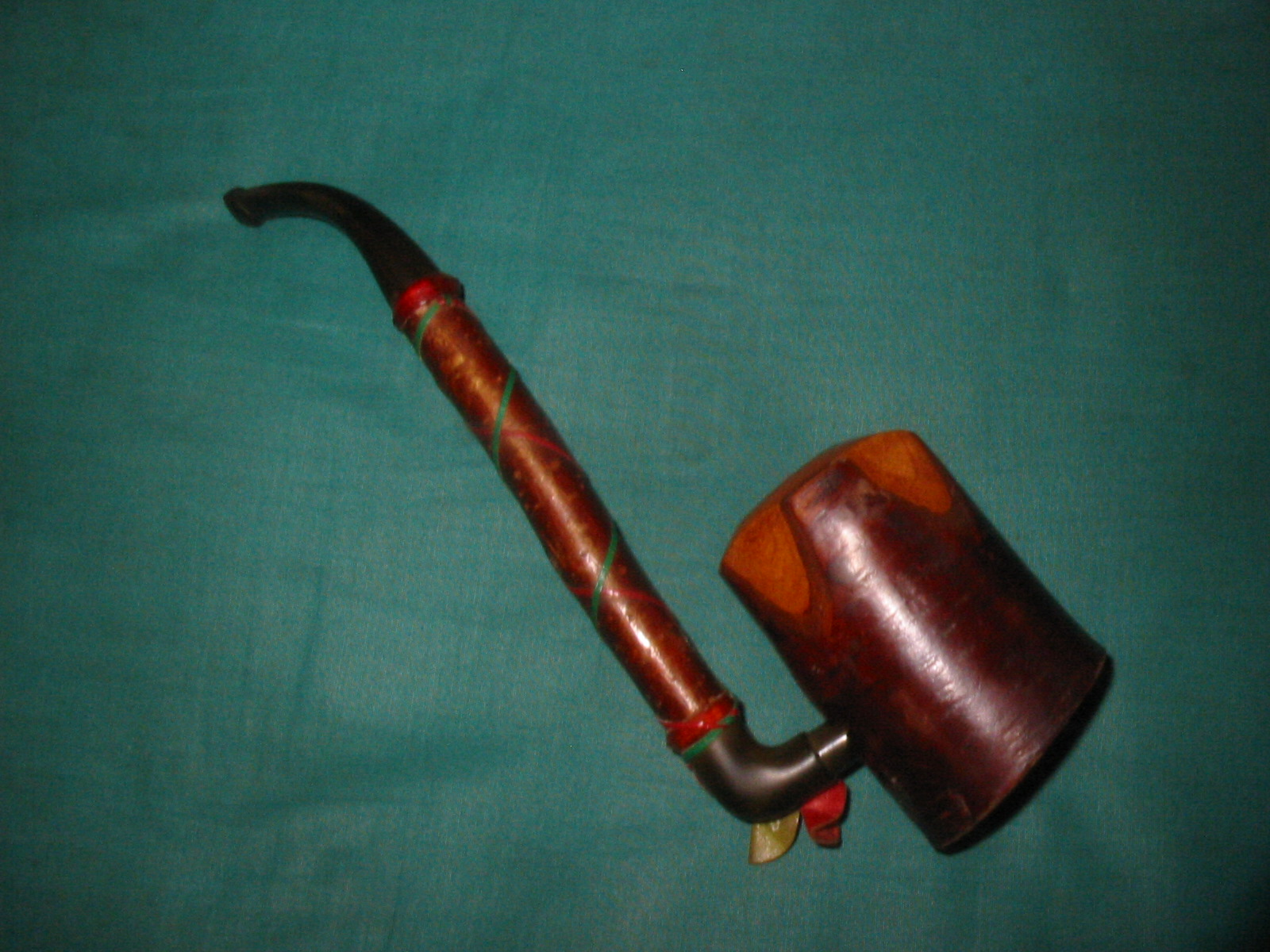
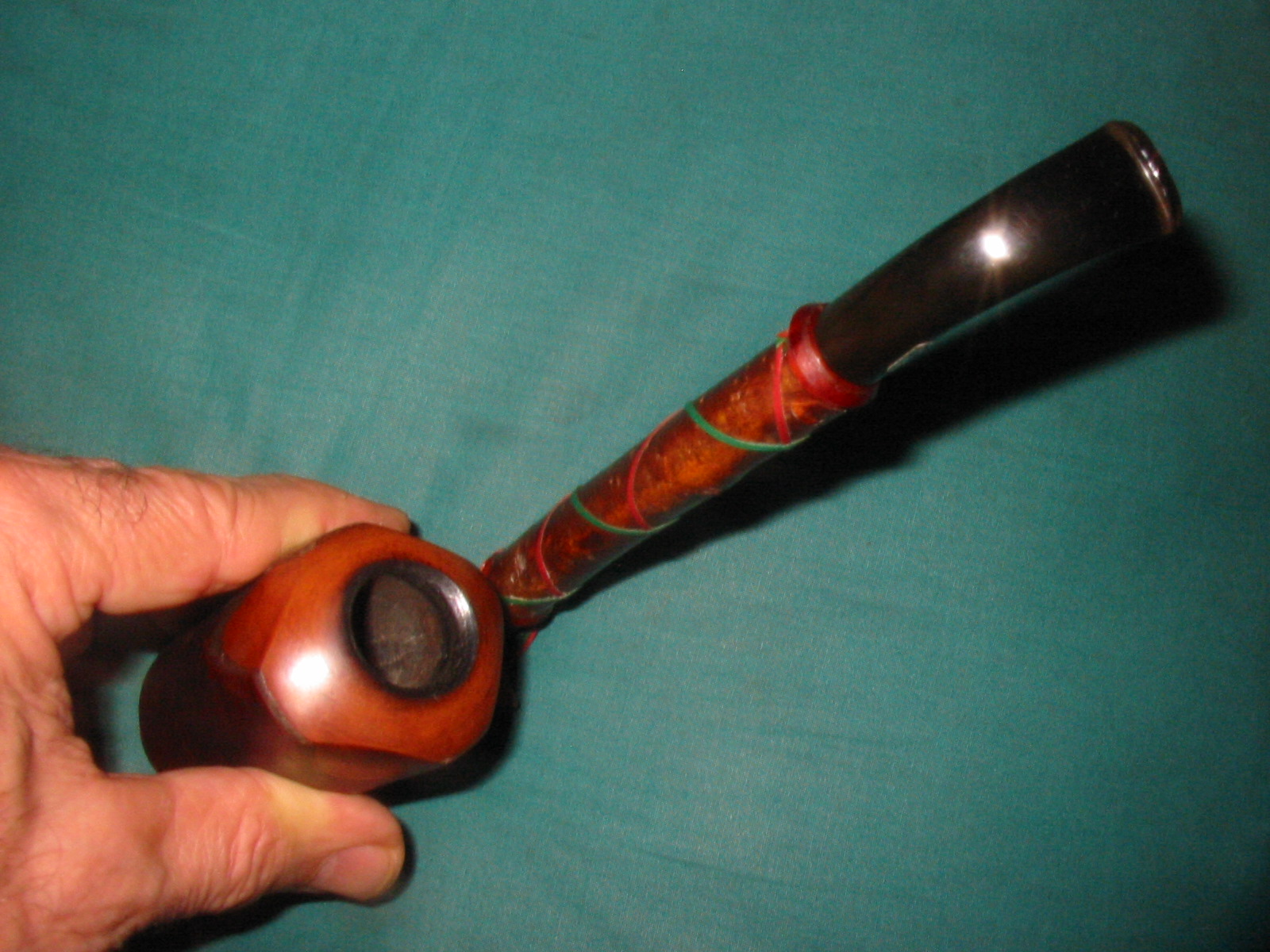
Yet another one of the pipe bowls that came to me in the gift box was a Ropp Cherrywood. It is stamped on the bottom of the bowl on a polished smooth portion, Ropp over Everest over Made in France. The wood was dirty and tired looking but still solid. The bowl was caked but not burned. The rim had a carbon buildup on it but was not burned or scorched. The drilling on the pipe was perfect. At first I thought that only the bowl had been included and I was scheming about the kind of stem to put on this one. But in the bottom of the box I found the original stem. It had a vulcanite 90 degree angle portion attached to the end of a cherrywood branch that fit snug in the hole in the bowl. At the other end of the cherrywood branch/shank was the stem. It bore the Ropp emblem and was badly oxidized. There was some tooth chatter on the stem near the button on the top and the bottom. The tenon on the stem had been coated with a brown wax to ensure a snug fit in the shank.
IMG_7443
I scrubbed the exterior of the bowl and rim with Murphy’s Oil Soap and cotton pads to remove the dirt and grime that had built up on the bark and wood. There were several places where the bark had a pitch build up on the outside that had hardened and was black. I was able to scrub away all of the carbon buildup on the rim and bring it back to the natural colour.
IMG_7419

IMG_7420

IMG_7421
I scrubbed the shank carefully with oil soap on cotton pads so as not to damage the leather wrapping that was on it. There were two cords – one red and one green that were interlaced around the length of the shank. A plastic ring was glued on the shank on both ends to anchor the leather cords. On the bowl end of the shank there were two roundels of leather that acted as tassels.
IMG_7425
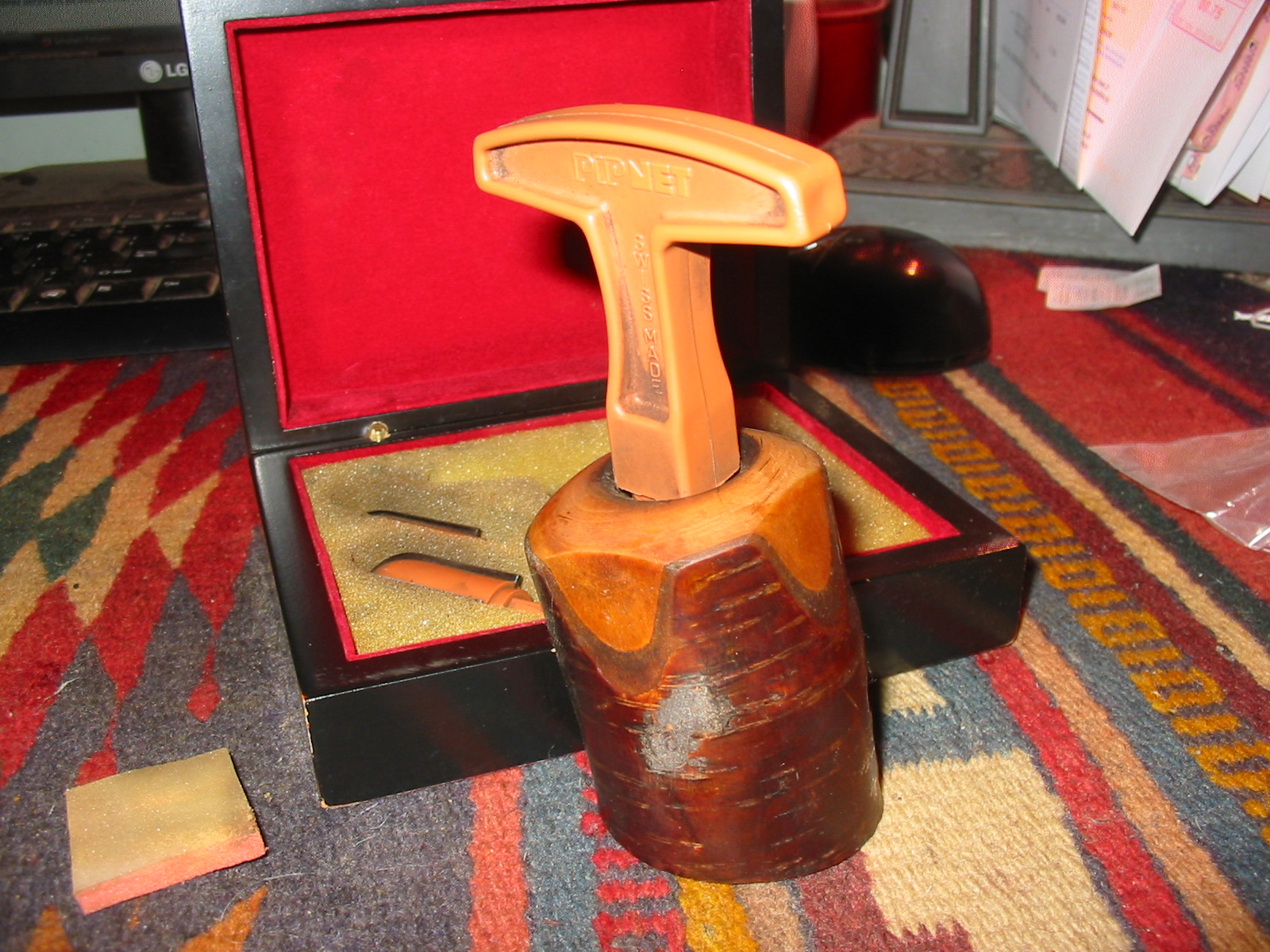
I reamed the bowl with a PipNet reamer. I find that the heads of this reamer fit most of the bowls that I work on. I cleaned out the ash from the bowl and then swabbed the bowl out with cotton swabs and alcohol. I also cleaned the airway on the bowl with cotton swabs.
IMG_7426
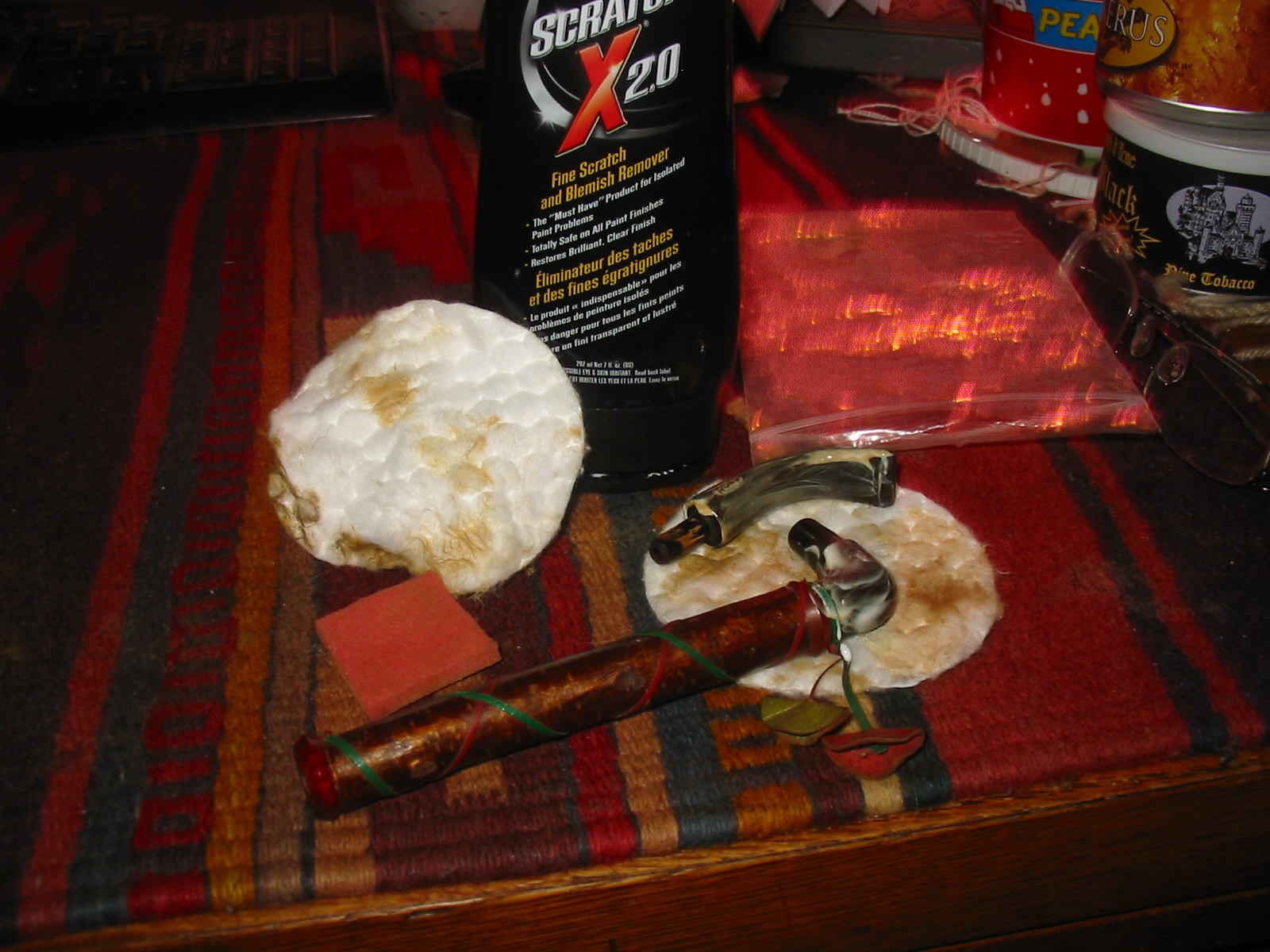
The 90 degree angle vulcanite connector between the bowl and shank was oxidized. It was hard to sand with micromesh pads or sanding sticks so I used a fine grit sanding sponge to break up the oxidation and then scrubbed it with Meguiar’s Scratch X2.0 – a plastic polish to remove the oxidation. It took a lot of scrubbing to get through the oxidation. I applied the polish with my finger and when it had dried scrubbed it off with cotton pads. While I worked on the connector I also applied the Scratch X2.0 to the stem and let it sit.
IMG_7427
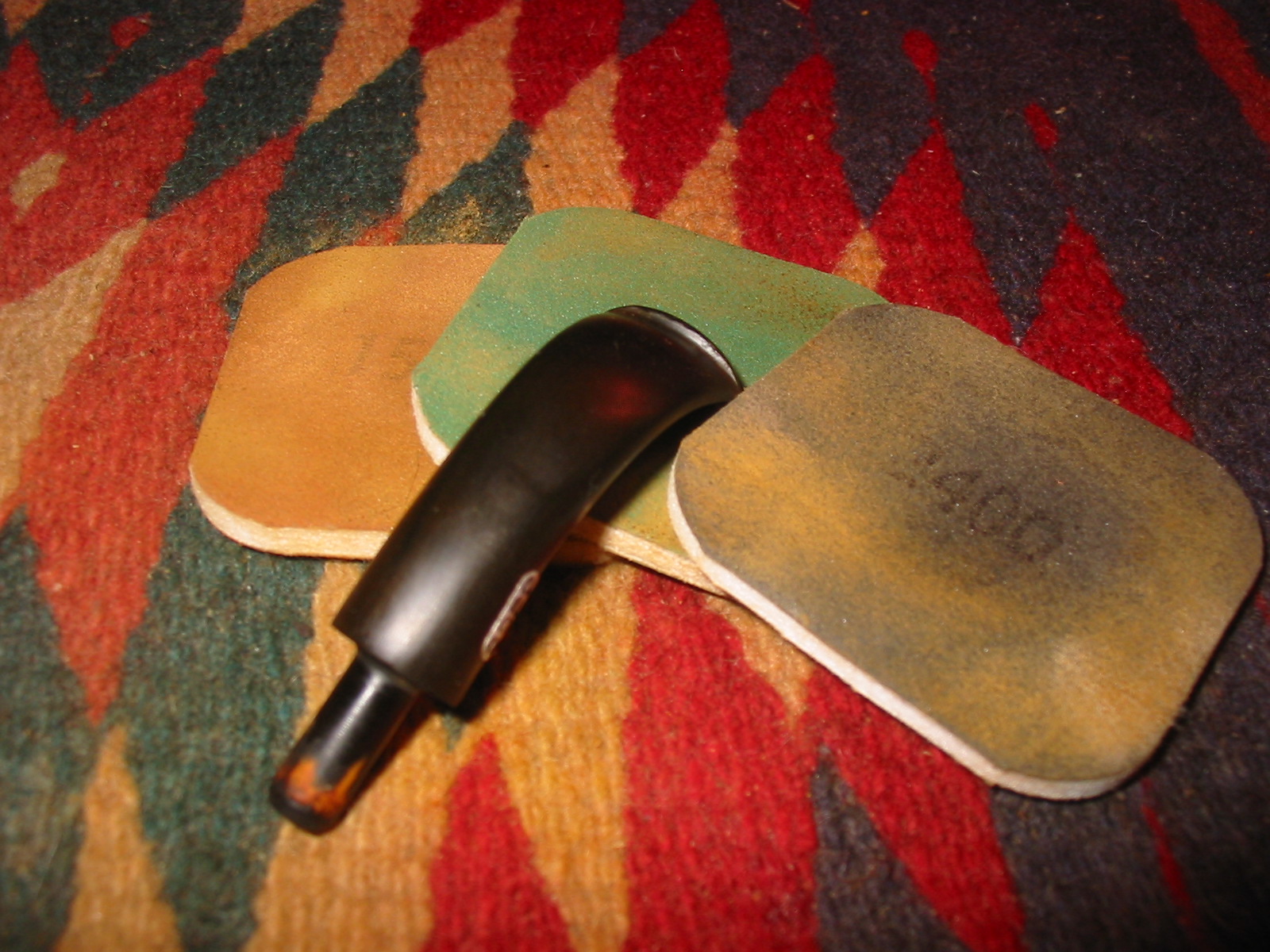
I sanded the stem with 220 grit sandpaper, medium and fine grit sanding sponges and then with the usual array of micromesh sanding pads. I wet sanded with 1500-2400 grit pads and dry sanded with 3200-12000 grit pads. I buffed the stem with White Diamond. I left some of the wax buildup on the stem once I found that to remove it made the stem very loose.
IMG_7428

IMG_7431

IMG_7432
I buffed the bowl and stem with White Diamond and then gave it several coats of carnauba wax and buffed it with a soft flannel buff. I hand waxed the shank with Halcyon II and then a shoe brush. The finished pipe is shown below. I am looking forward to experiencing a smoke in a Ropp Cherrywood Oom Paul.
IMG_7439

IMG_7440

IMG_7441

IMG_7442
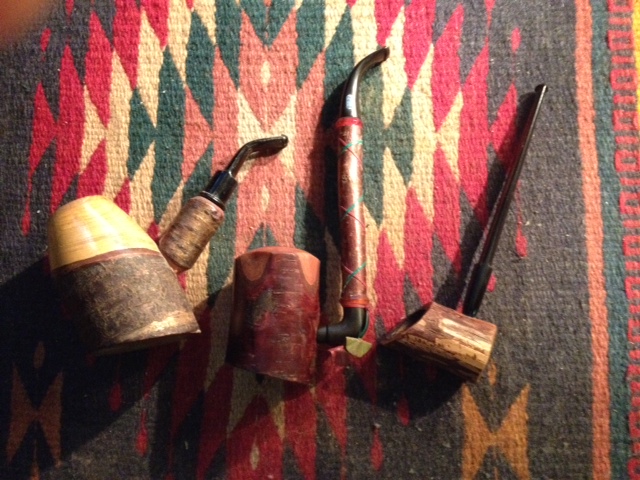
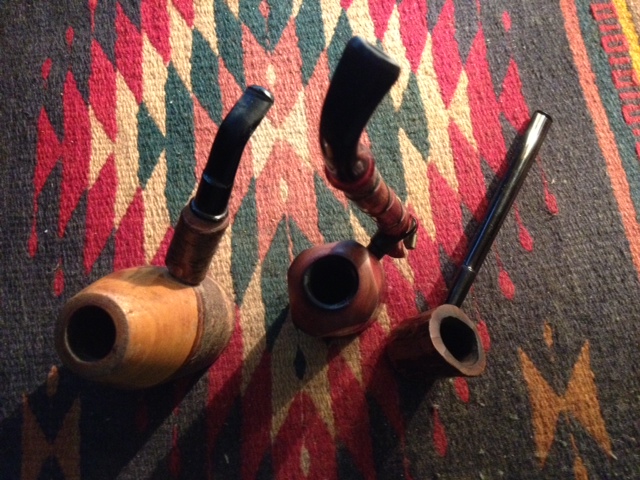
The final two photos were taken with my cell phone to show my Ropp Threesome – a Volcano, the Oom Paul and the newest Frankenpipe that I wrote about earlier. They make an interesting subset of my pipe collection and now they occupy shelves in my study. I think in the long run at least the two larger pipes will be primarily display items (though I plan to try them all out at least once).
photo 2

photo 4