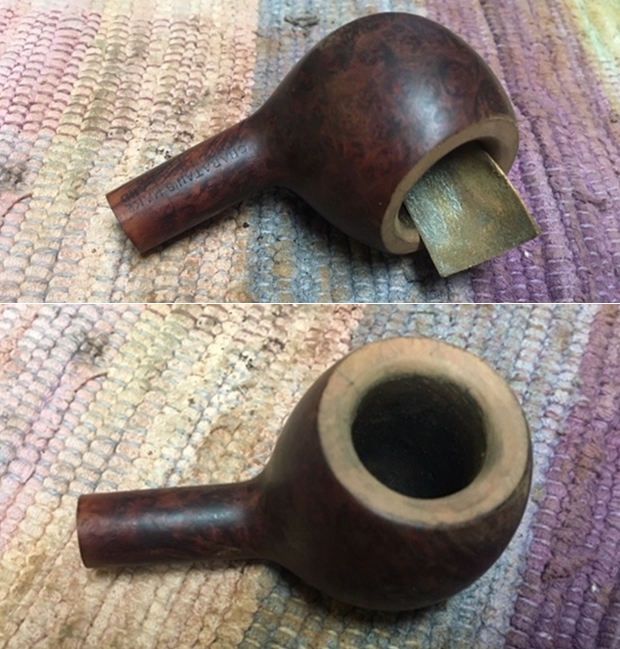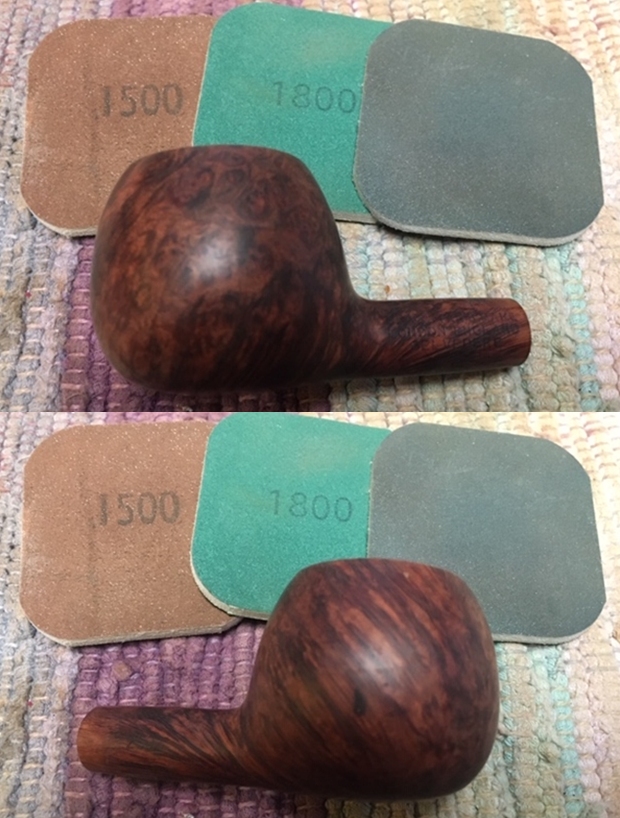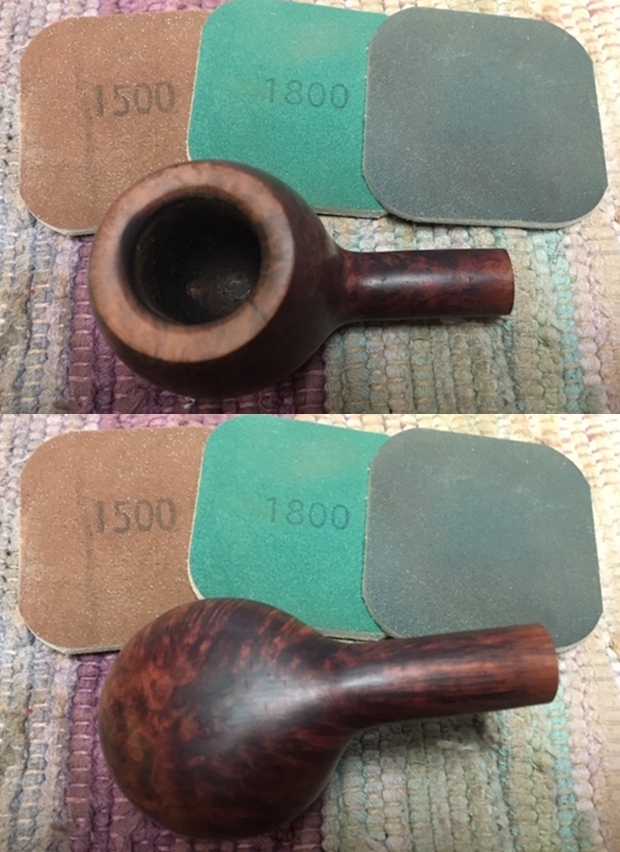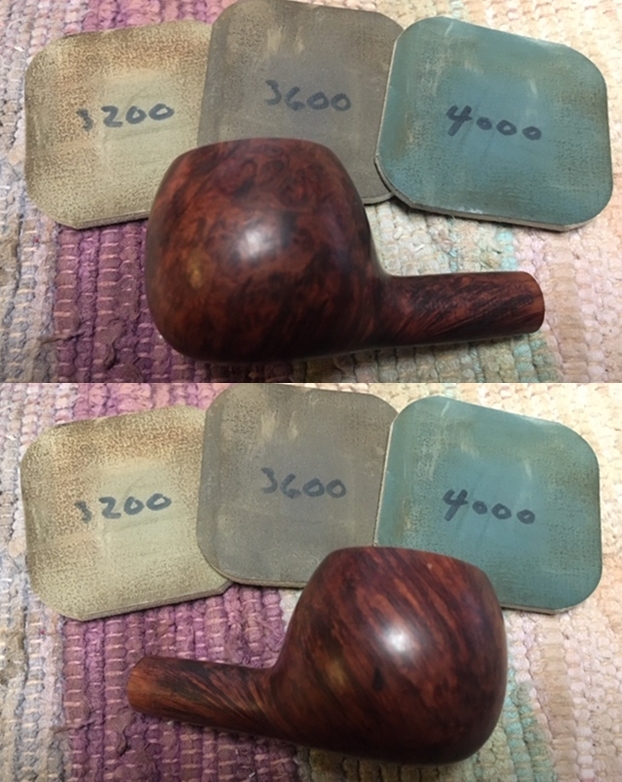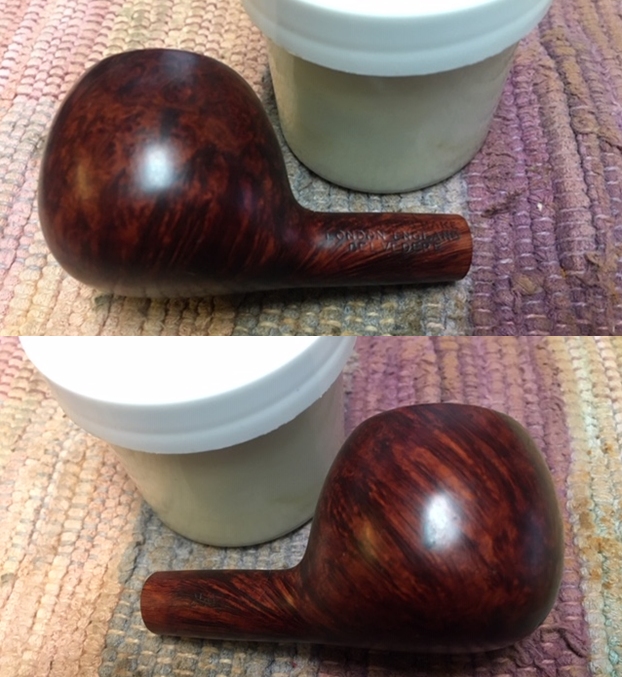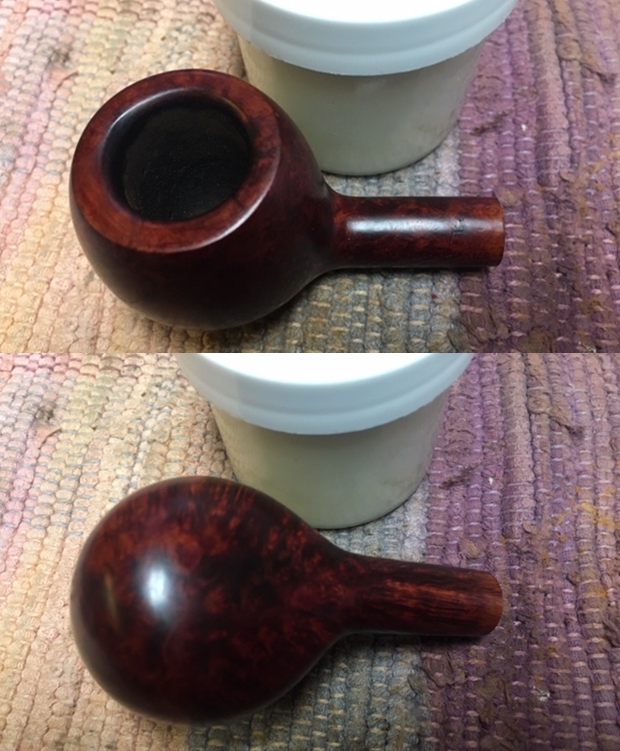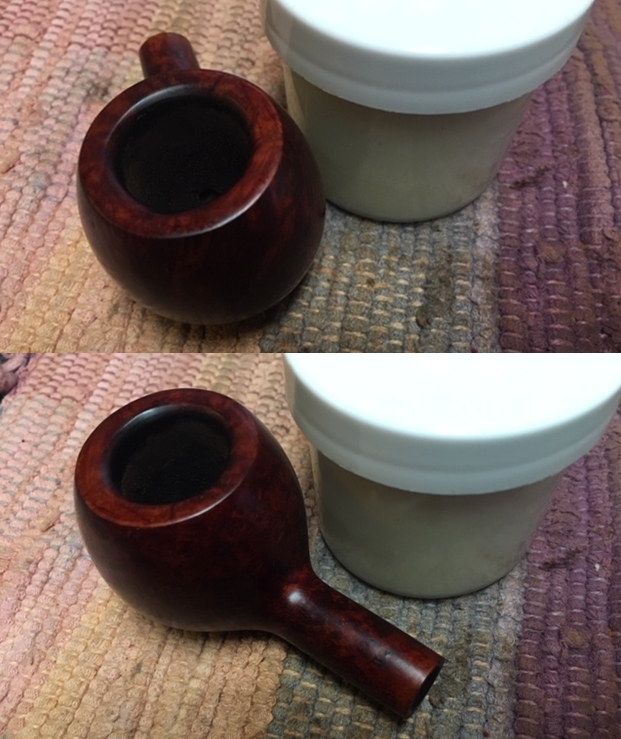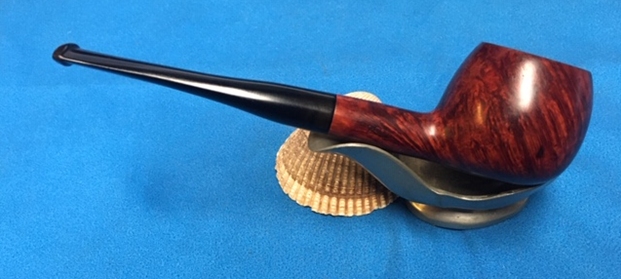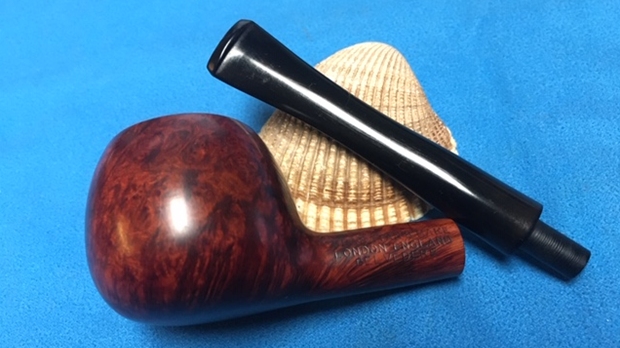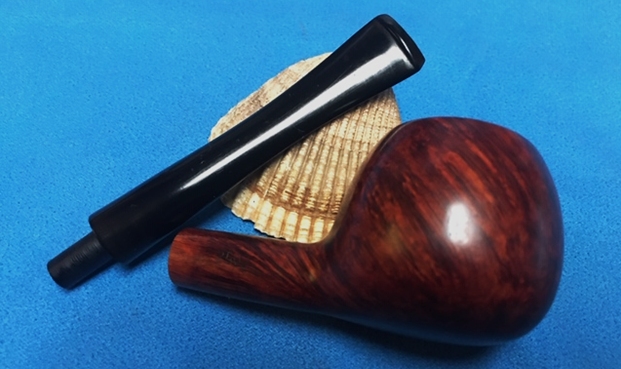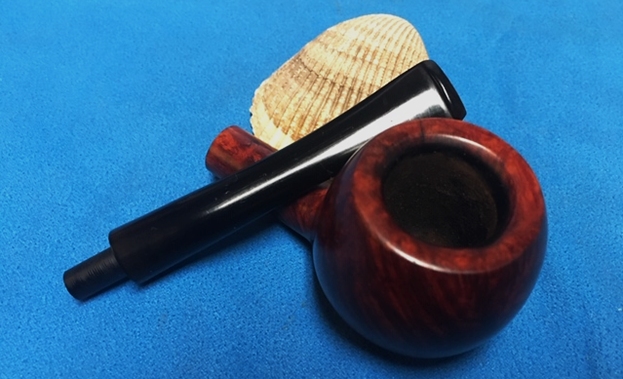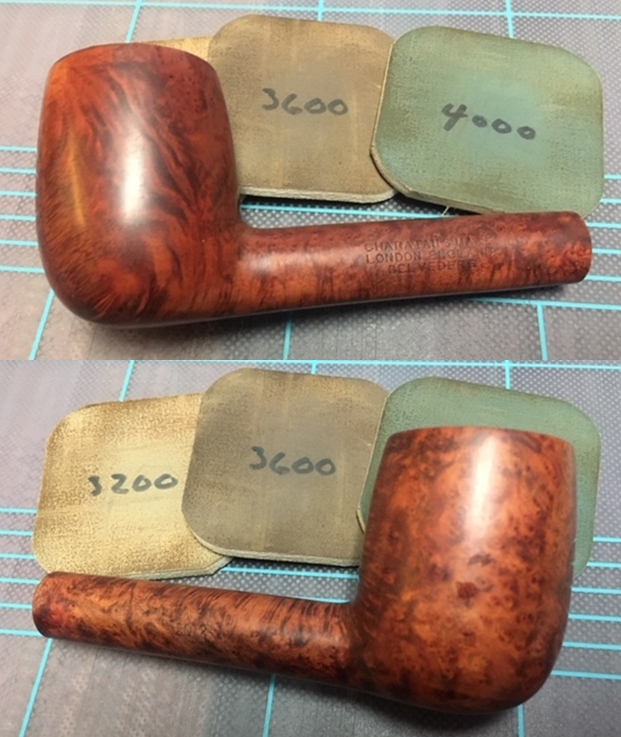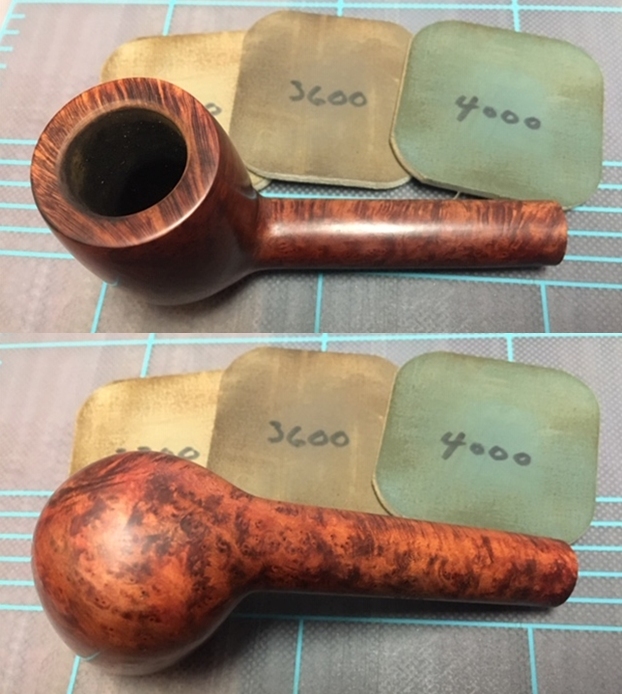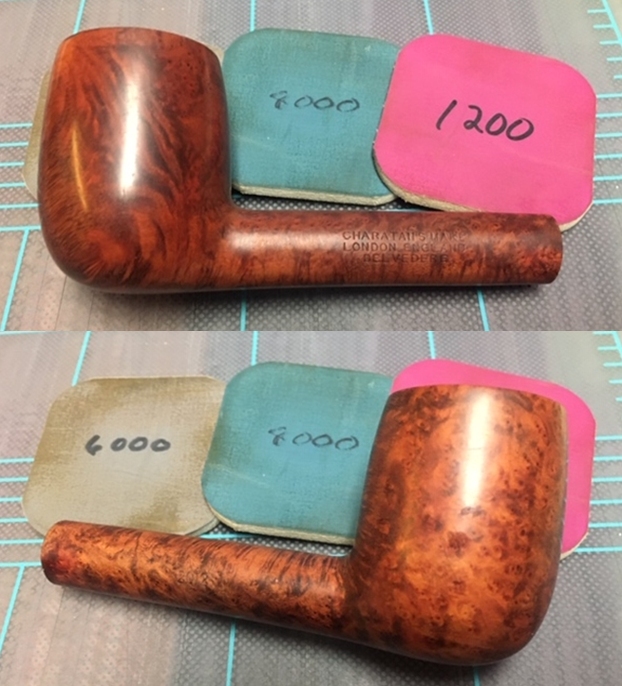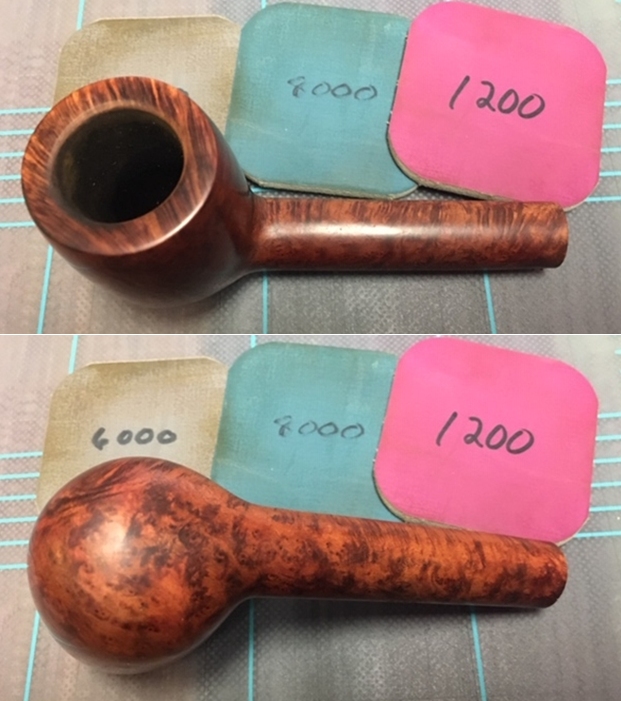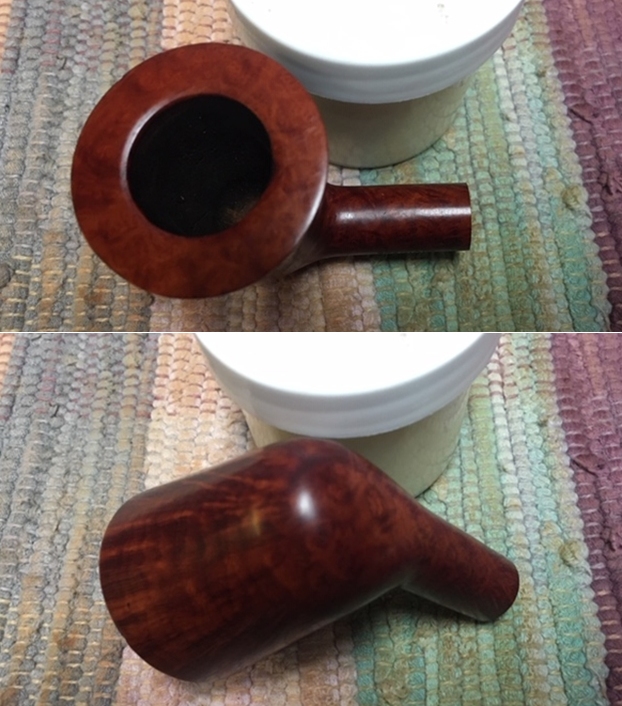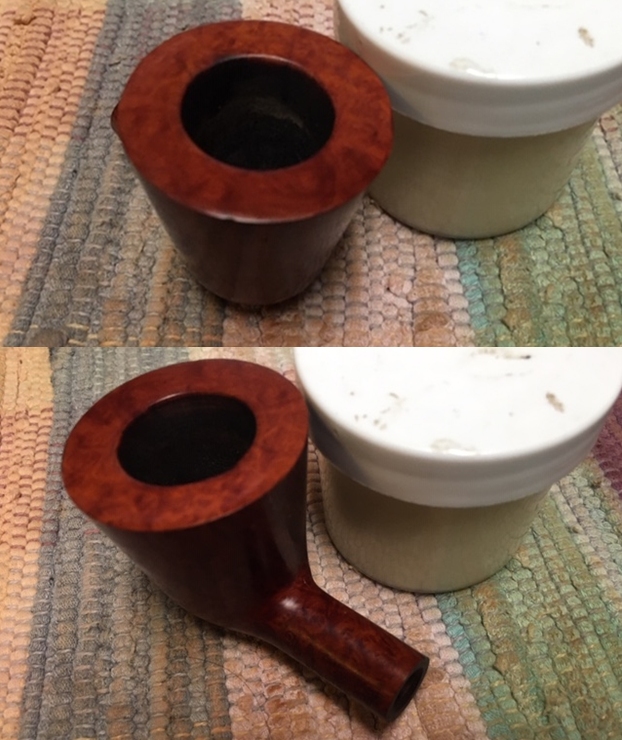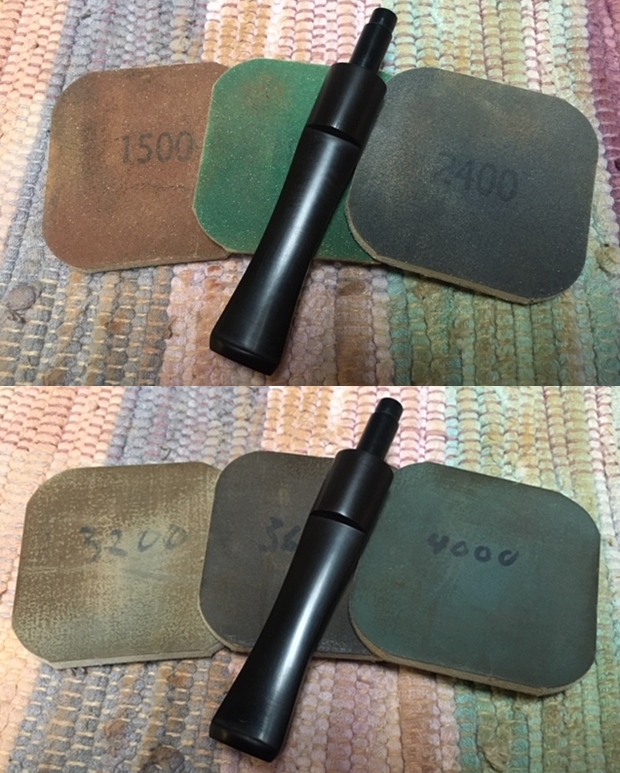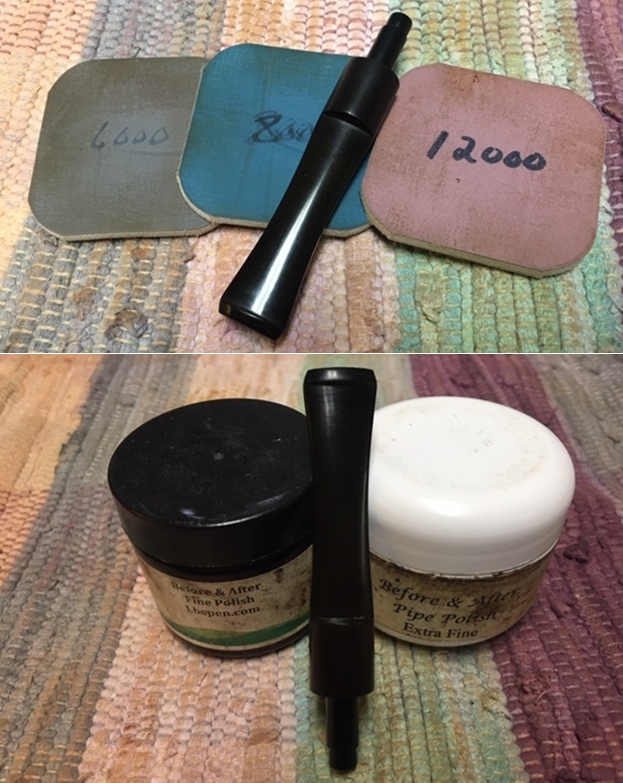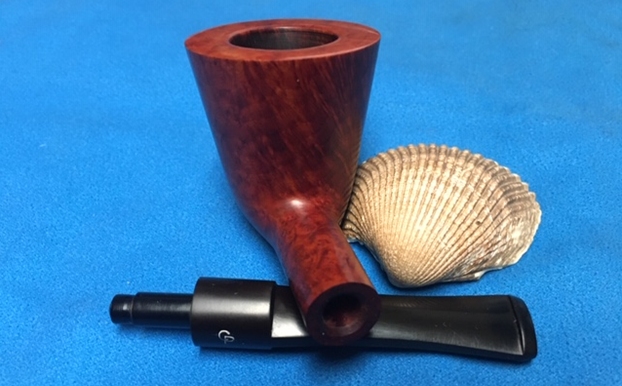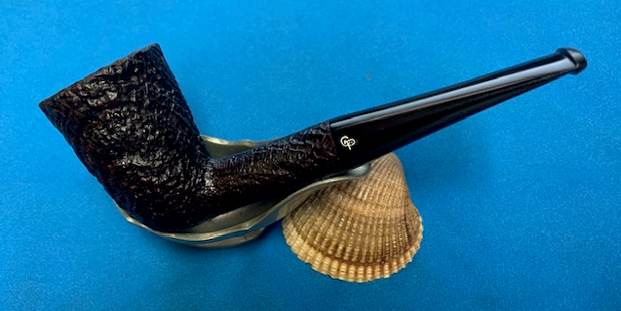
Tag Archives: Charatan’s Pipes

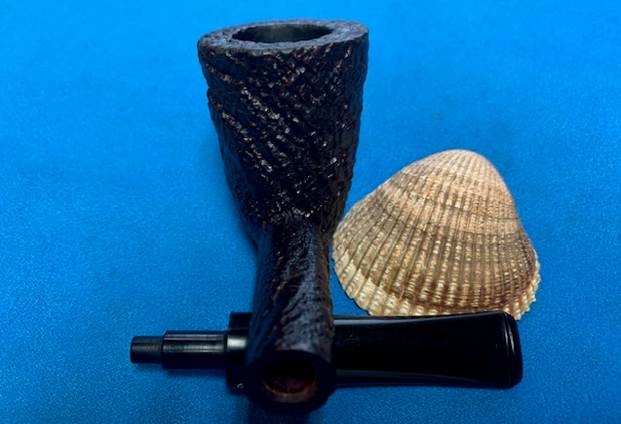
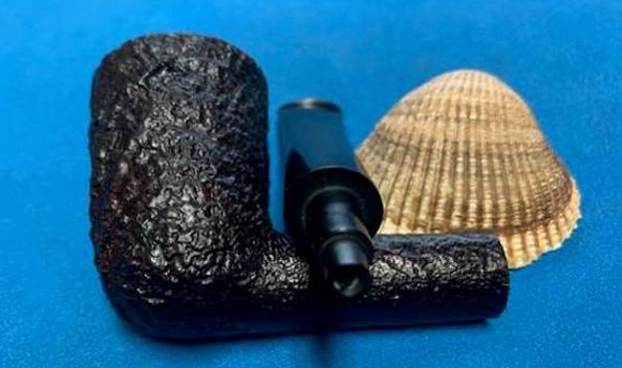
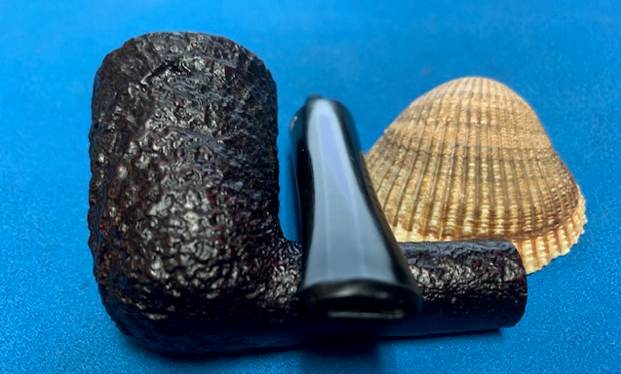
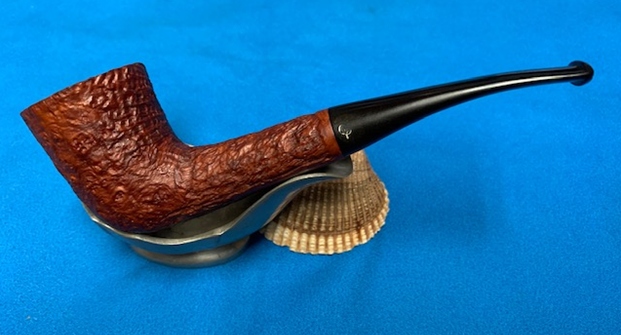
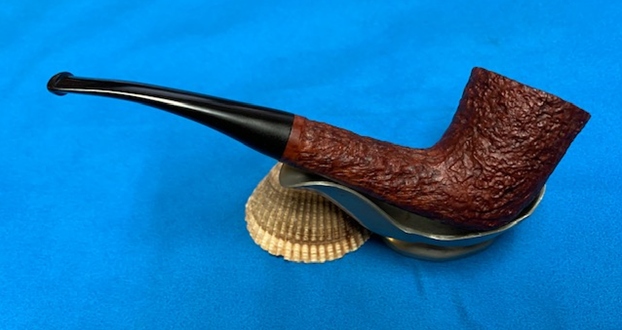
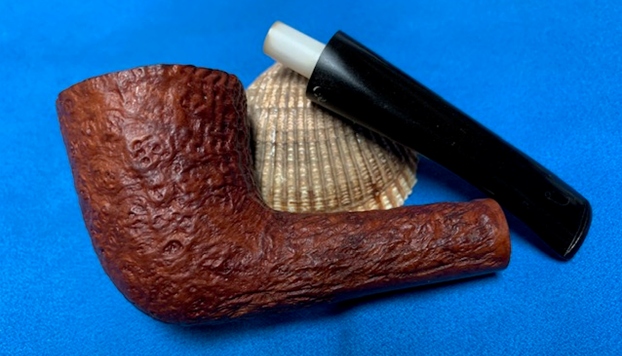
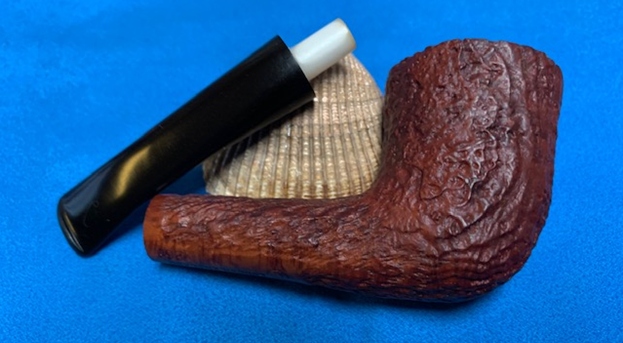
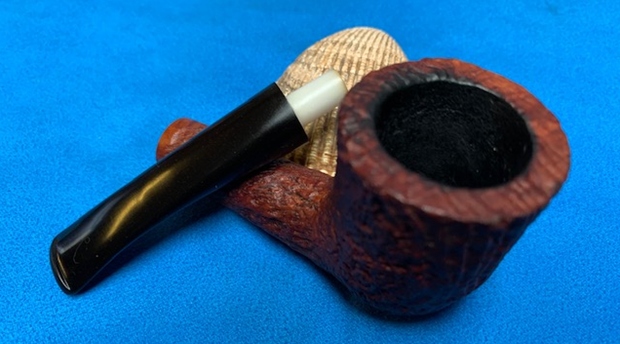
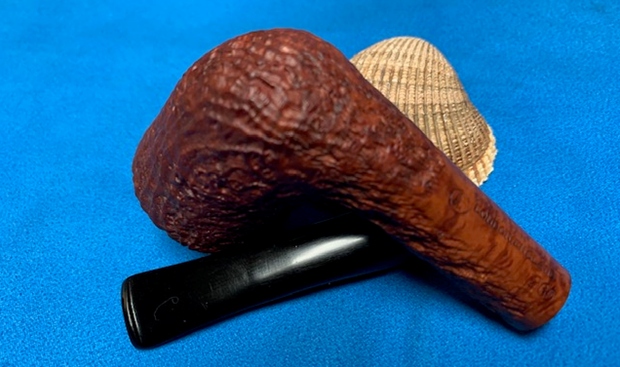
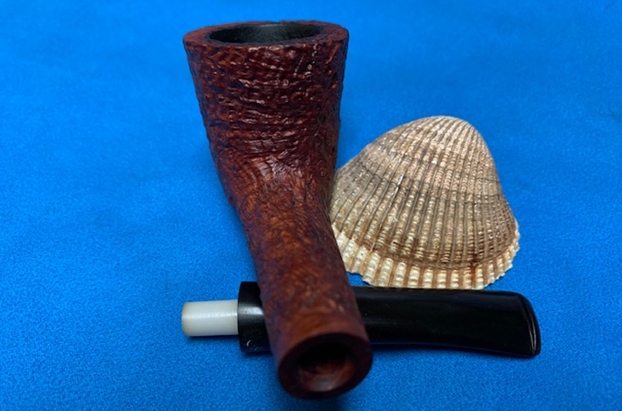
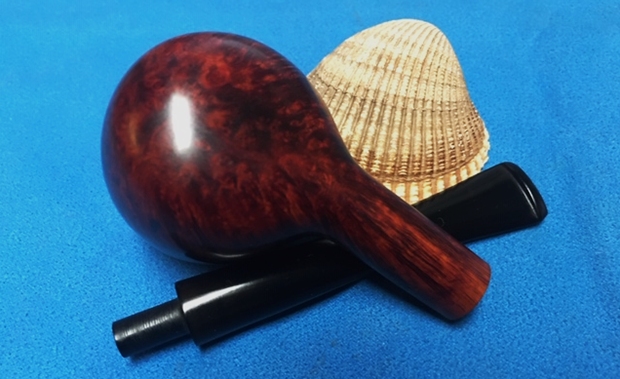
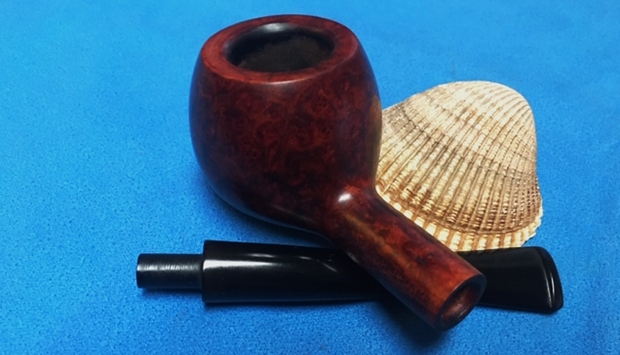
New Life for Tired Looking Charatan’s Make London England 90 Sandblast Dublin


Blog by Steve Laug

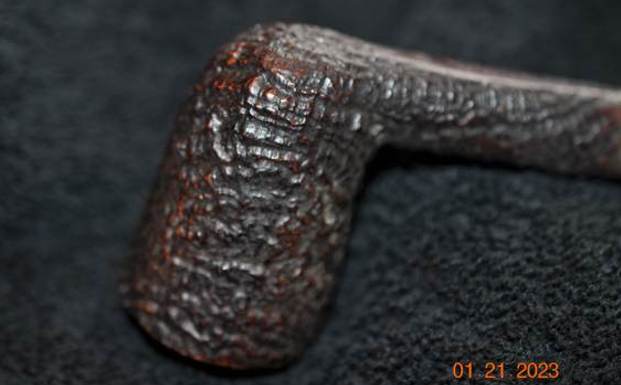
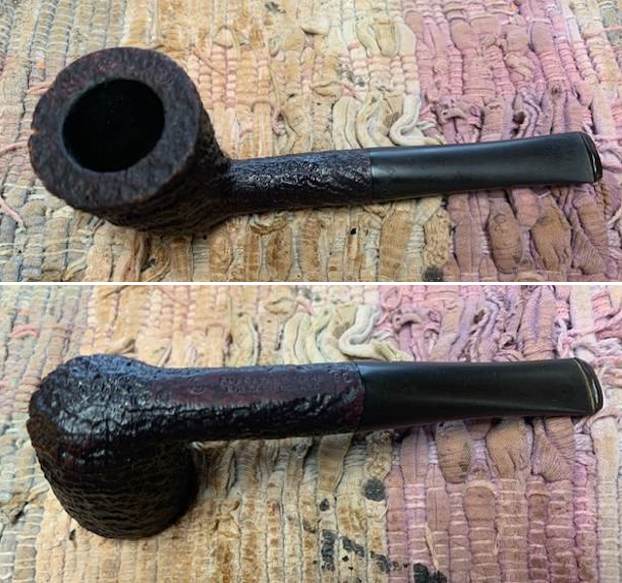
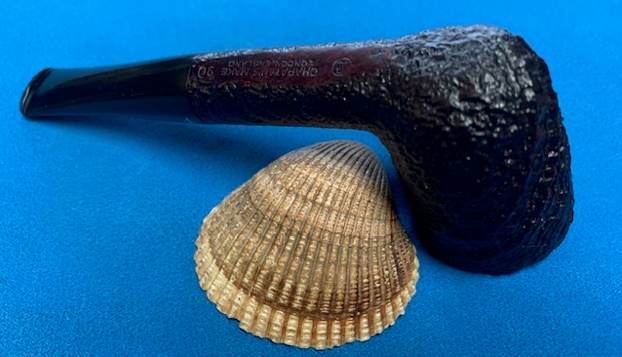
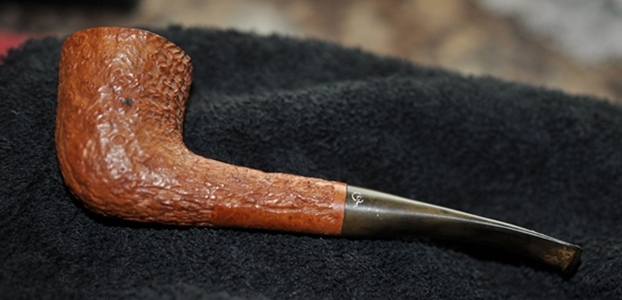
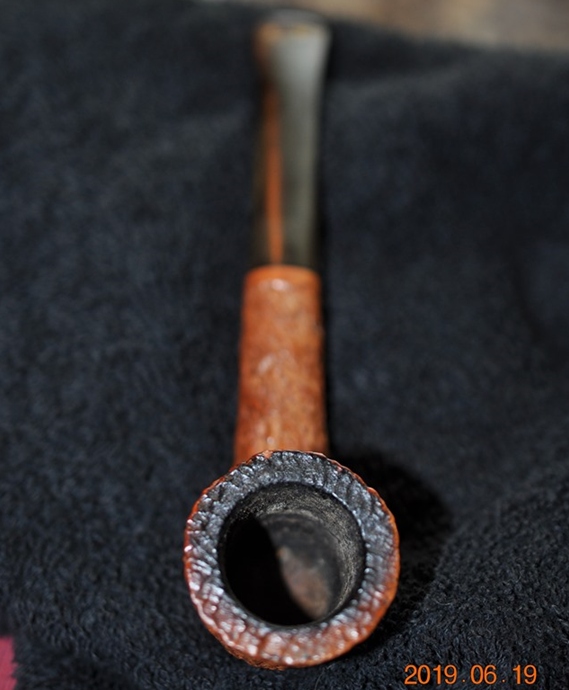
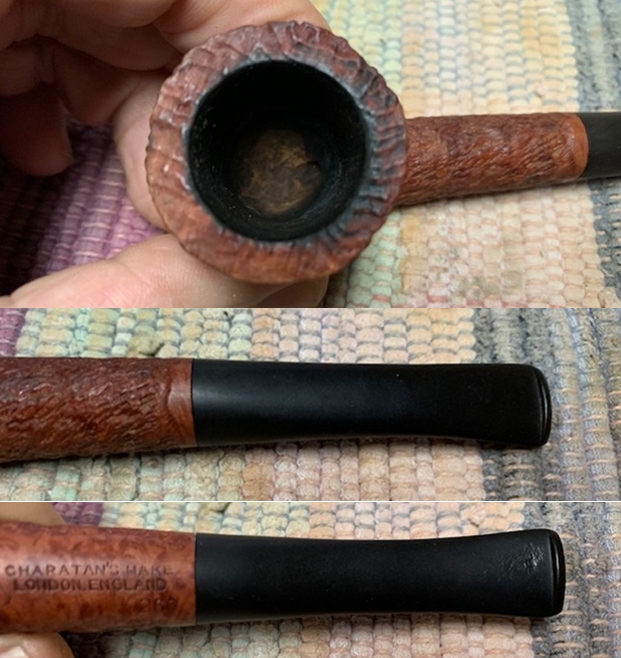
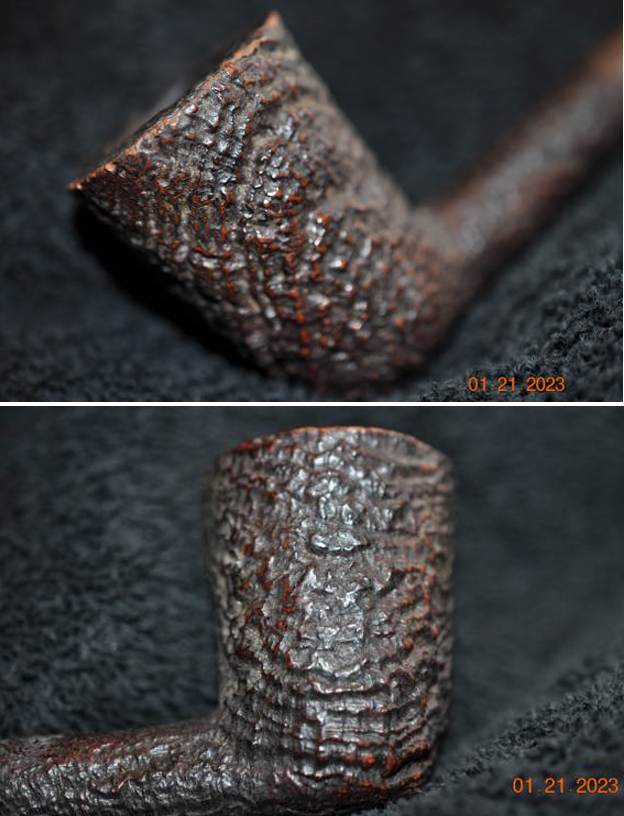
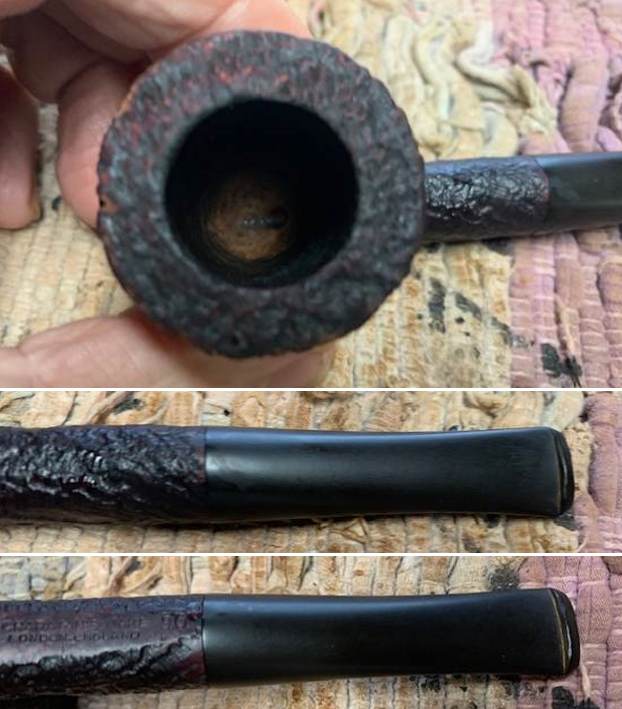
The next pipe is a beautiful sandblast Dublin shaped pipe. The sandblast is quite rugged and it is a very tactile pipe. I thought this would be another chance to walk you through my process of working on each pipe that we purchase. Jeff has set up a spread sheet to track where the pipe came from, the date of purchase and what we paid for it so that we know what we have invested in the pipe before we even work on it. This takes a lot of the guess work out of the process. This particular pipe was purchased on 09/18/2020 from a seller in Los Angeles, California, USA. I also want you to understand why we take the photos we do. If you have followed for a while then you will see the familiar pattern of the photos we include both in the before and midstream process of working on a pipe. It is not accidental as the photos have been taken to help me make an assessment of the pipe Jeff sees before he starts his clean up work. The photos of this pipe has some extra photos. We do this to record the condition that the pipe was in when received it and to assess what kind of work will need to be done on. When I look at these photos this is what I see.

  1. The first thing I see is great looking Dublin shaped pipe with a rugged classic Charatan pipe.
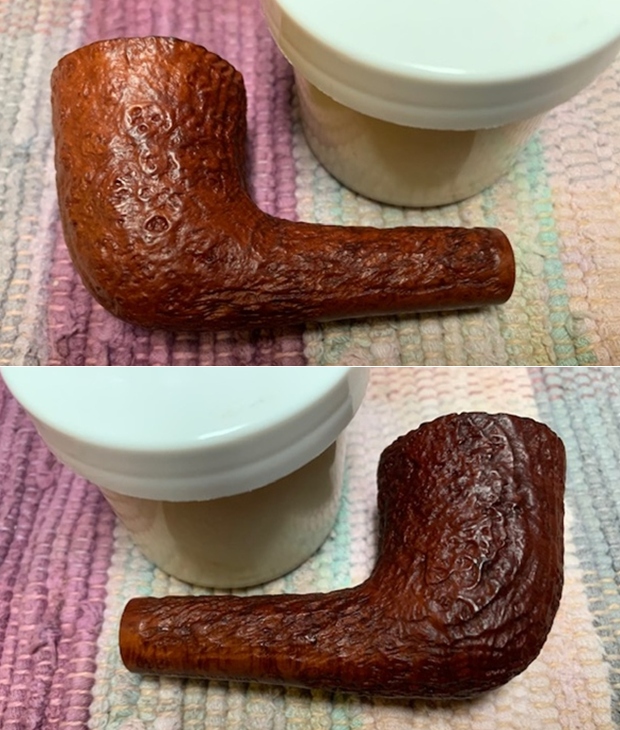
  2. The finish is dirty and there is grime and grit ground into nooks and crannies on the sides of the bowl. The blast highlights some interesting grain in the swirls and ridges of the finish.
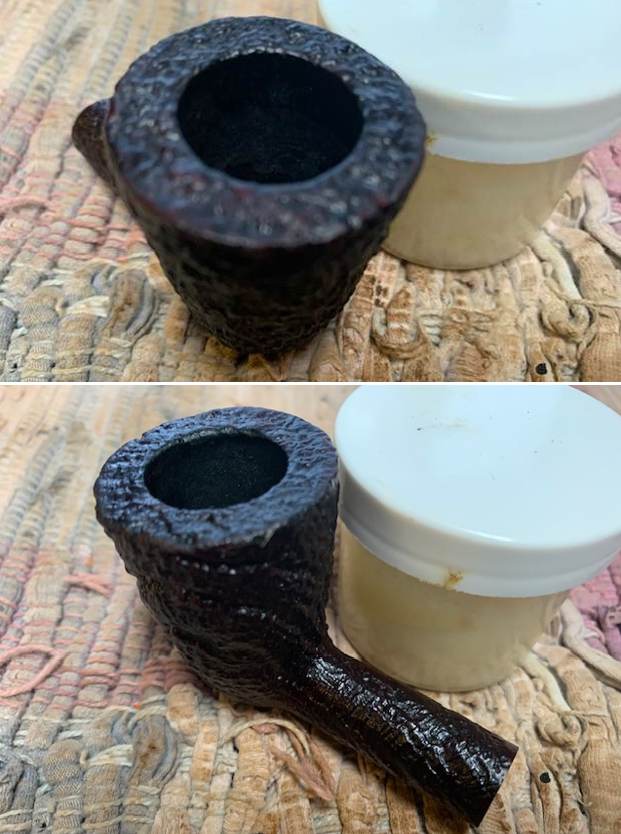
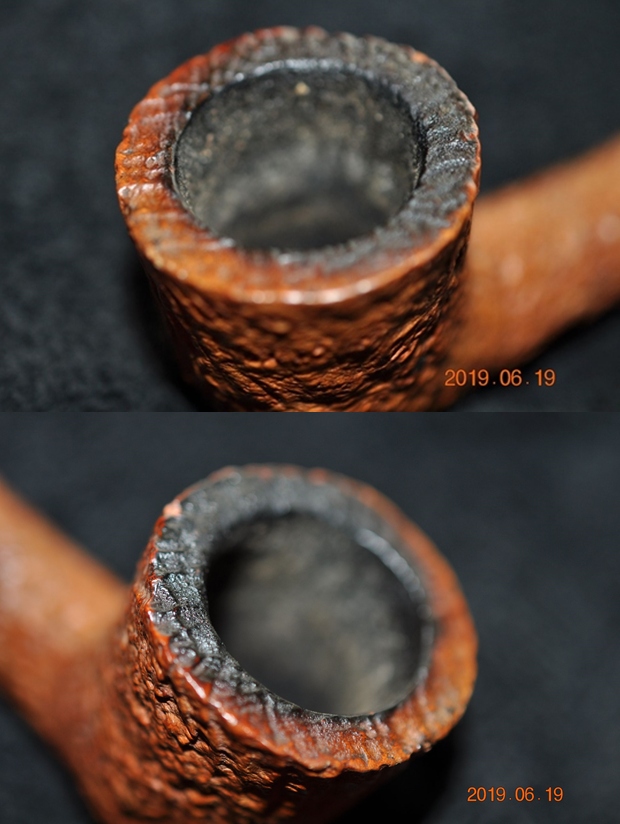
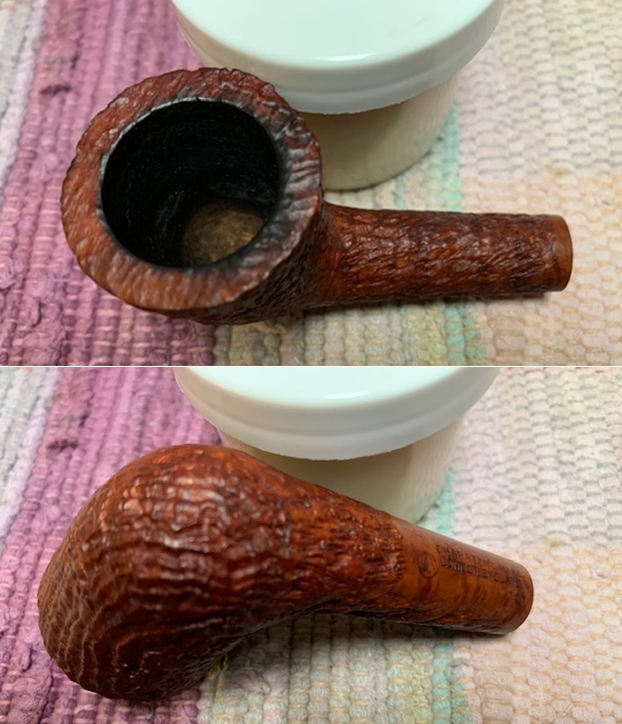
  3. The rim top has some lava and debris on the top and the inner edge is coated with the thick cake from the bowl. There are some nicks on the outer edge of the bowl. I think cleaning will reveal a real beauty.
  4. The bowl has a thick cake and debris on the walls that hides the walls and the inner edge of the bowl but once it is clean we will know what the bowl and edges really look like. The outer edges look good and there does not appear to be any obvious burn damage to the top or bowl edges.
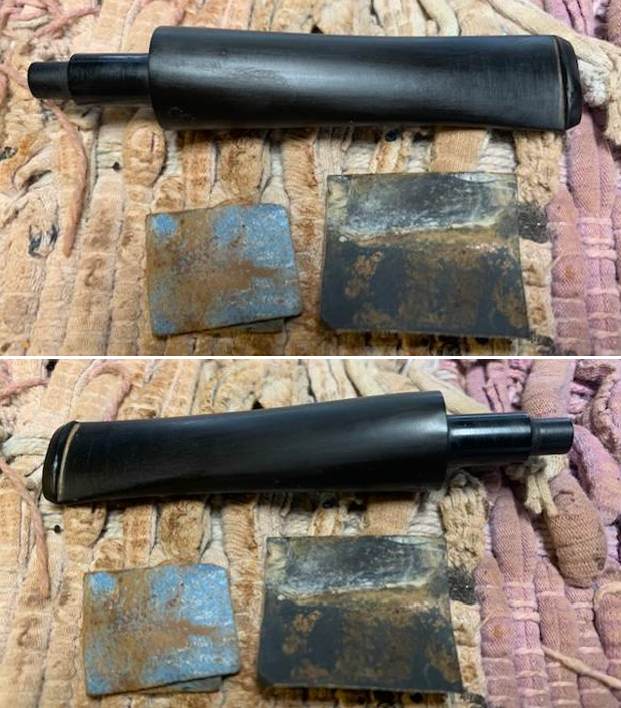
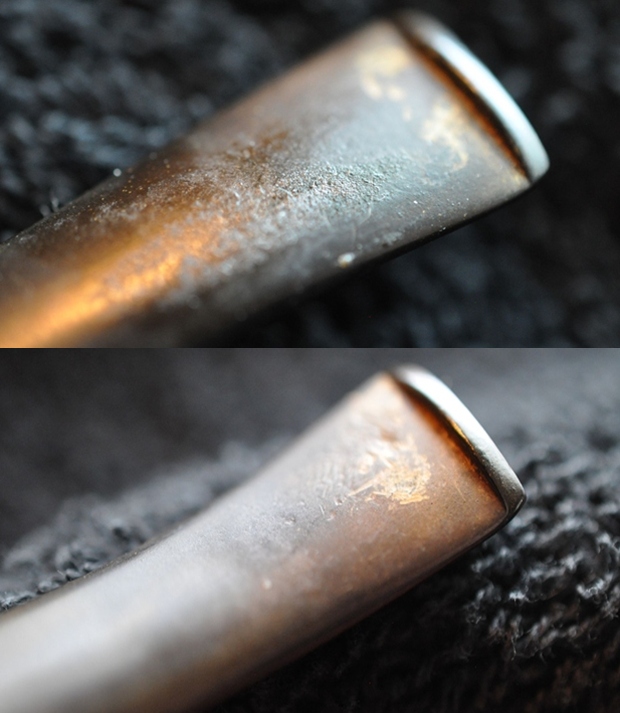
  5. The vulcanite taper stem is in good condition – dirty, calcified, oxidized and has tooth chatter and marks on both sides ahead of button. There is a CP logo left side of the stem that is readable but missing the colour that is usually in it.

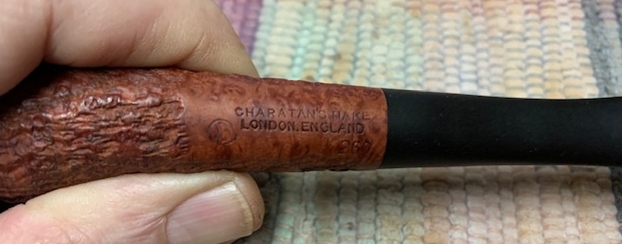
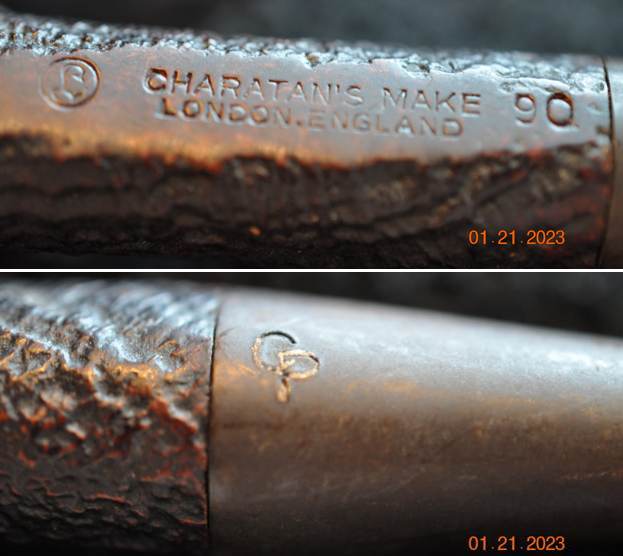
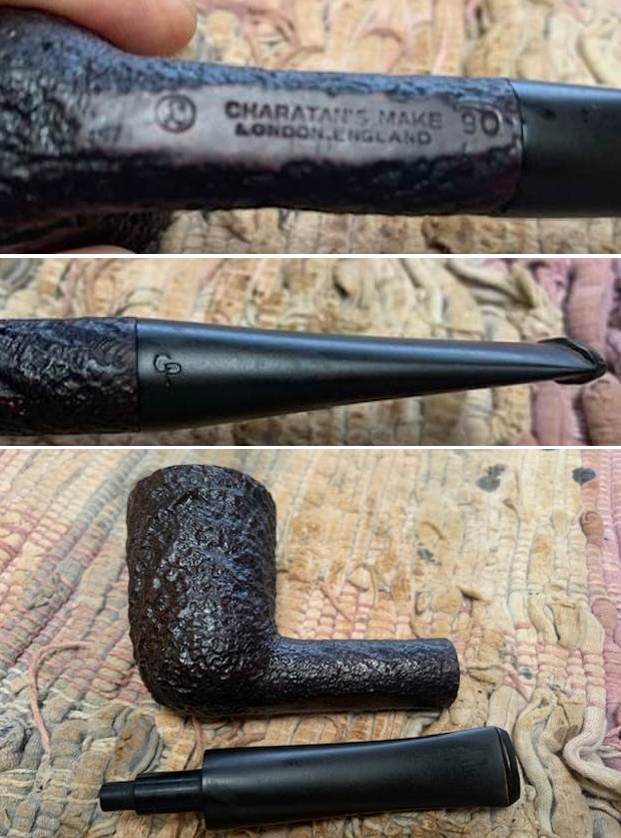
Overall my impressions of this pipe is that it is a great looking pipe a very rugged and tactile sandblast around the bowl sides. I think that once cleaned up it will look pretty amazing. The shape looks like it will be comfortable to hold. The photos below confirm the assessment above.Jeff took close up photos so that I could have a clearer picture of the condition of the bowl, rim edges and top. The rim top photos confirm my assessment above. The cake in the bowl is thick with tobacco debris stuck on the walls. The rim top has lava, grime and wear around the top and edges in the sandblast surface. You can also see the condition of the outer edge and the inner edge is in great condition. The bowl seems to be round and other than being in a used condition it is in great shape. The photos of the vulcanite stem surface from various angles confirmed my assessment of its condition. You can see that it is dirty in the first photo below. The stem has some tooth marks and chatter on the top and underside near the button.     Instead of telling you what I see in the next photos of the sides of the bowl and the heel I want to hear from you. Tell me what you see? What does the finish look like to you? Are there any visible problems or issues that stand out to you? Are the cracks or scratches in the valleys of the rustication or the high spots? Are there visible fills, flaws or fissures in the briar? Any visible issues on the heel of the bowl? These questions should help you to see what I am looking for when I see these photos.    He took photos of the stamping on the underside of the shank. It is stamped with a cursive L in a circle followed by Charatan’s Make [over] London, England. Next to that is stamped the shape number 90. The stem is faintly stamped with a CP logo on the left side of the taper. What stands out for you in the photos of the stamping on the pipe? What do you look for in the stamping? I know it is dirty but what do you see underneath the grime on the surface of the briar?An added part of pipe restoration for me is to try to gather as much background on a brand and maker as I can find. With Charatan that is an enjoyable web to untangle. There is a lot of information and it can lead to understanding what era a pipe was made in. To try to figure out the era of the Charatan’s pipe I was working on I turned to the Pipephil website, Logos and Stampings (http://www.pipephil.eu/logos/en/logo-charatan.html). There is some really helpful information on each of the lines of Charatan’s Make pipes that entered the market. There was not a sandblast stamped like the one in hand. The site did give a short history of the brand. I quote the portion that is most pertinent.
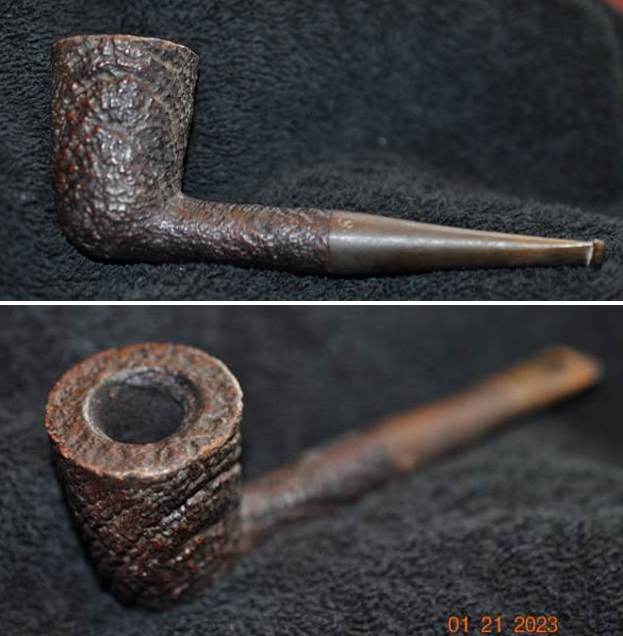
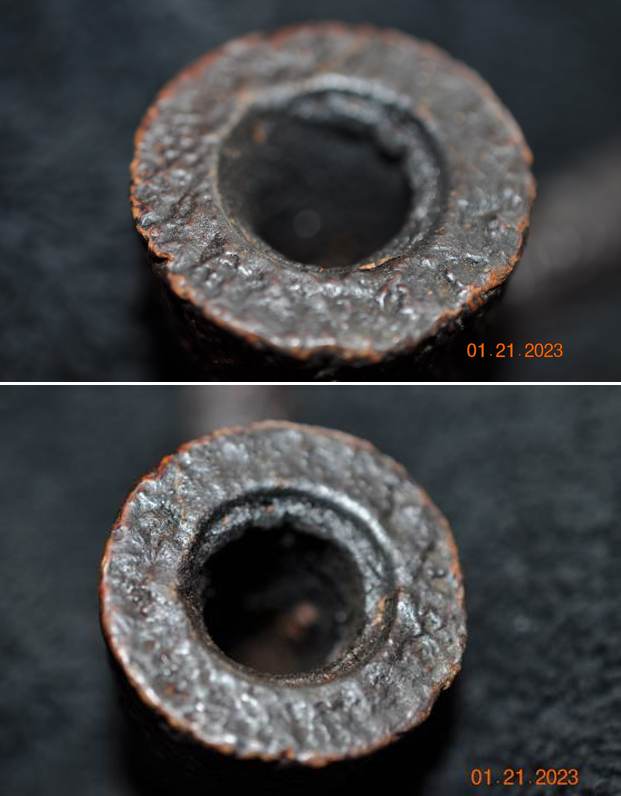
The brand was founded in 1863 by Frederik Charatan. When his father retired in 1910, Reuben Charatan took over the family business. All the pipes were handmade until 1973. The brand name has been overtaken by Dunhill in 1978 and sold in 1988 to James B. Russell Inc.(NJ, USA). During the period 1988-2002 Charatans were crafted by Butz Choquin in St Claude (France). Dunhill re-purchased Charatan brand name in 2002 and Colin Fromm (Invicta Briars, Castleford) followed up on freehand production.

Next I turned to Pipedia to see if I could find more information on the brand and possibly a link to a sandblast finished Dublin (https://pipedia.org/wiki/Charatan) but once again in the general article it was not listed. It did give a little more historical information. I quote the pertinent parts that give information on this particular pipe.In 1950 Herman G. Lane, striving to expand his business in Great Britain, made contacts with the Charatan family. Apparently Lane got a certain influence soon, but it was not until 1955 that Lane Ltd. became the sole distributor for Charatan’s in the United States superseding Wally Frank. This can be documented in a “biography” written for Herman G. Lane titled “Leaves from a Tobaccoman’s Log”.
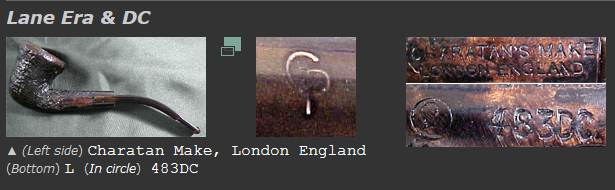
Thanks to Herman G. Lane’s dedicated labor Charatan became hugely popular in the States. As reported by Ken Barnes in an interview with Rick Newcombe, Reuben Charatan passed away in 1962, and his widow sold the firm to Herman Lane 1 or 2 years after his death.[1] In the early 1960s Charatan pipes were the first to overstep the $100 Dollar line in US pipe sales. In 1978 Lane’s heirs sold the Charatan company to Dunhill. The Prescot Street factory was closed in March 1982. Thereafter the fame and quality of the make declined.

The pre-Lane period (prior to 1955) and the Lane era pipes (1955 to until sometime between 1979 – 1984) are of primary interest the collector. The Lane era is often quoted as beginning about 1950.

Charatan records are almost non-existent before Lane due to a factory fire, making it difficult to date pre-Lane pipes. Charatan used 4 basic grades prior to 1950: Supreme, Selected, Executive, and Belvedere. After 1950 Herman Lane’s influence began, and the grades started to expand. In 1955 Lane took over sole distributorship of Charatan in the US. In 1957 he introduced the Supreme S. Most of his other introductions were from the 1960s and early 1970s.

From this I am fairly certain I am dealing with a Lane pipe made after 1955. There is also a circle L script mark that is a Lane stampings on the pipe which also supports this.

I continued digging further into the dating of the pipe, but what I had found above was a good start for me. If some of you would like to try your hand at dating it more accurately as to the time period it came out you might want to check out the article on Pipedia on Dating Charatans (https://pipedia.org/wiki/Dating_of_Charatans).

I also reread the article on Pipedia by the Italian fellow who contributed some really helpful information on the brand (https://pipedia.org/wiki/Charatan_-_Milan_2014). I quote the section on the Second period: Reuben Charatan 1910 – c. 1962. I have highlighted a portion of the section on the shank in red to point out some more helpful dating information.

– In 1962 Herman Lane took over the business from the Charatan family, although he had already influenced production from the 1950s.

– The pipes were mostly larger than the previous ones and corresponded in size to Dunhill group 5. These are slightly less rare, but still difficult to find.

– Stem: Usually in ebonite, saddle shaped or tapered, bearing a fine “CP” stamp, underbore system (see below) used when necessary.

– Shank: The shape code is stamped on it together with the nomenclature “CHARATAN’S MAKE LONDON ENGLAND” arranged in two lines. From 1955 onward on the models marketed for the USA there is also a serif and circled capital “L” (but not all models bear this) which resembles the pound sterling symbol. The “L” is for Lane, the importer.

From 1958, Lane changed the nomenclature for models marketed for the US to clarify the message: “MADE BY HAND”.  In this period the underbore was introduced. Its manufacturing period ranged between 1920 and c.1930. This model was equipped with a duralumin plunger trap fitted in the stem, which served to clean the residue more easily. This particular model bore a special stamp on the stem, and also had its own catalogue…

QUALITY GRADES…The stem did not only display the stamps mentioned above. Another stamp that can help dating is the one referring to the quality of the pipe. Until Herman Lane arrived on the scene there were four quality grades. Starting with the lowest: Belvedere, Executive, Selected, and Supreme. Lane went on to add higher grades from time to time: Supreme S, Supreme S100, S150, S200, S250, S300, Coronation, Royal Achievement, Crown Achievement, and Summa Cum Laude; these last three are extremely rare and almost impossible to find. He also invented other, different grades, even changing the previous pipe classification standards. We will not go into detail here, but it means that if we find an S100 or Coronation the pipe was manufactured following Herman Lane’s acquisition. In particular, the FH mark, or Freehand pipe was commissioned to the famous Danish craftsman, Preben Holm.

Nomenclature

The Lane Trademark serif and circled L indicates the pipe is from the “Lane Era” (approx. 1955 to 1979 -1984?), however it appears that both the English factory or Lane themselves sometimes, or perhaps even often forget to stamp the L on a pipe. The Charatan factory was known for inconsistencies, especially in stampings. Therefore, although an L on the pipe definitely defines it as a Lane Era pipe, the lack of it could simply mean the pipe missed receiving the stamp from the factory. The lack of the trademark could also mean the pipe was destined for the European market.

Charatan pipes were not well distributed prior to the Lane Era, so very few pre-Lane pipes exist today. Herman Lane greatly grew the brand in the U.S., which caused corresponding growth in Europe.

Generally, when the pipe is stamped with the BLOCK letters “MADE BY HAND” it means the pipe was probably made between 1958 and 1965”

Generally, block letters “MADE BY HAND” and some of the other nomenclature in script (i.e. City of London or Extra Large next to the MADE BY HAND) means the pipe was made sometime between 1965 and the mid 1970s. The total script nomenclature “Made by Hand in City of London” evolved over this period of time, so many pipes had variants, such as Made By Hand in block letters and City of London in script, or some other variation of the terms or stampings.

It is believed the FH was used on Charatan pipes between 1957 and 1967-68. Three different sizes were used. The Charatan Logo (CP) on the pipe bit was changed over the year

Now I knew I was working on Lane pipe which actually means it was between 1955 and 1988 as shown by the stamping.

Now it was time to work on the pipe.

I am sure many of you will shake your head and ask maybe even out loud, “Why is he including this again?” However, please remember that the point of these blogs is not to wow your with the work or make you shake your heads but I want you to know the details of the work we do so you can do your own. Back in 2020 Jeff wrote a blog about his cleaning process. I am including a link to that now so you can see what I mean about his process. Do not skip it! Give it a read (https://rebornpipes.com/2020/01/20/got-a-filthy-estate-pipe-that-you-need-to-clean/). Here is the introduction to that blog and it is very true even to this day.

Several have asked about Jeff’s cleaning regimen as I generally summarize it in the blogs that I post rather than give a detailed procedure. I have had the question asked enough that I asked Jeff to put together this blog so that you can get a clear picture of the process he uses. Like everything else in our hobby, people have different methods they swear by. Some may question the method and that is fine. But it works very well for us and has for many years. Some of his steps may surprise you but I know that when I get the pipes from him for my part of the restoration they are impeccably clean and sanitized. I have come to appreciate the thoroughness of the process he has developed because I really like working on clean pipe!

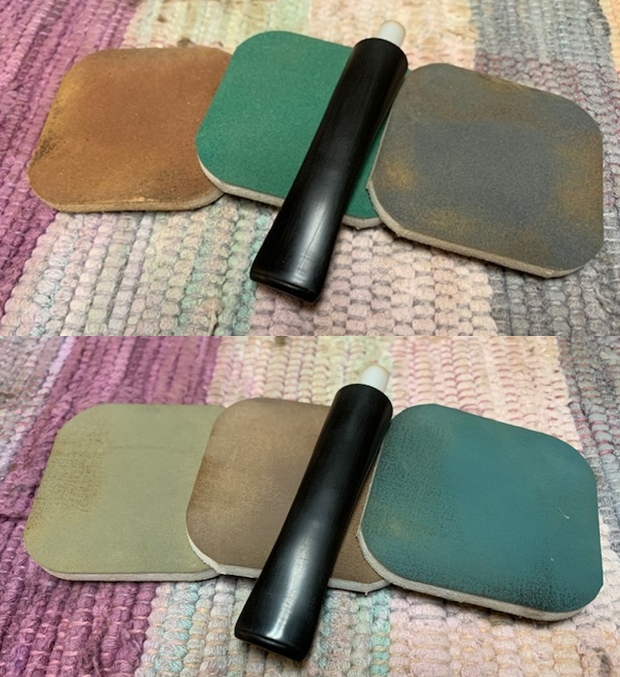
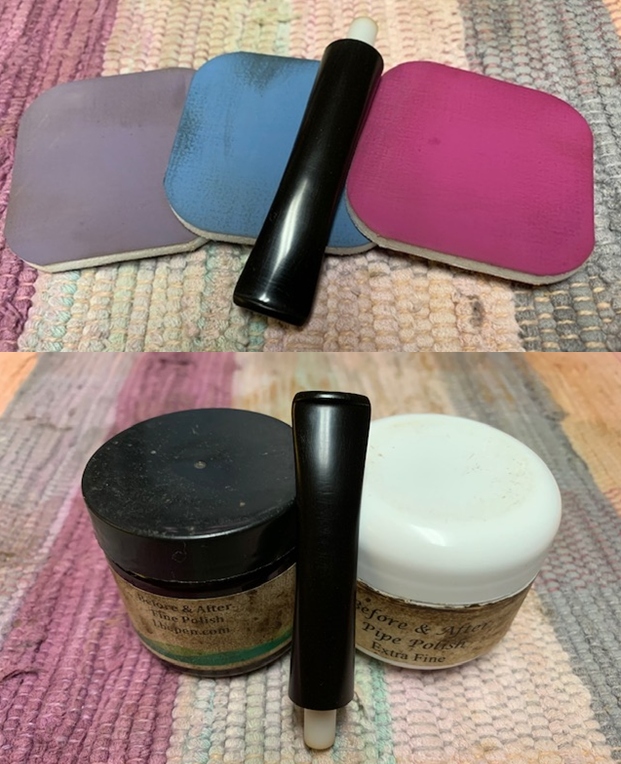
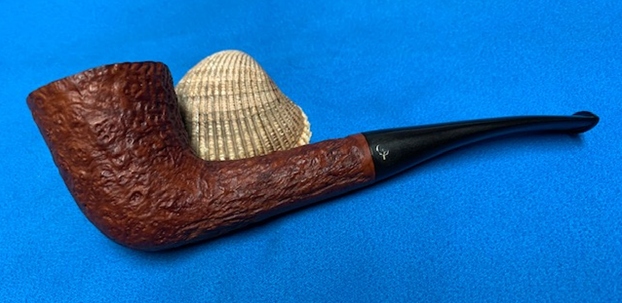
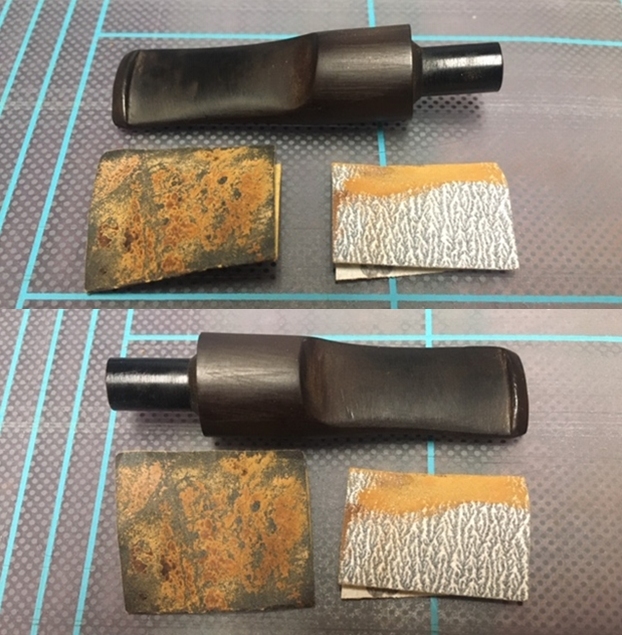
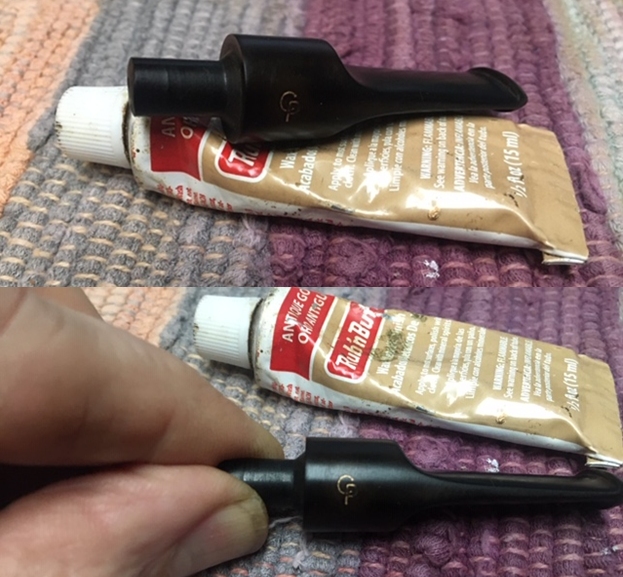
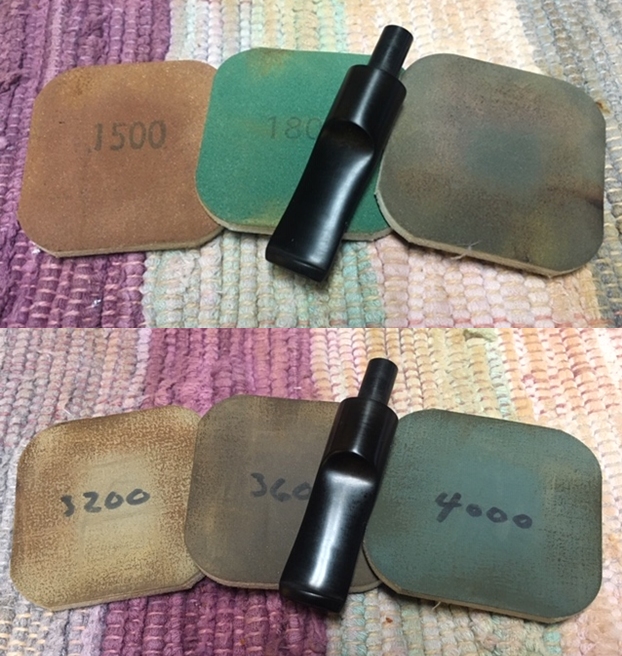
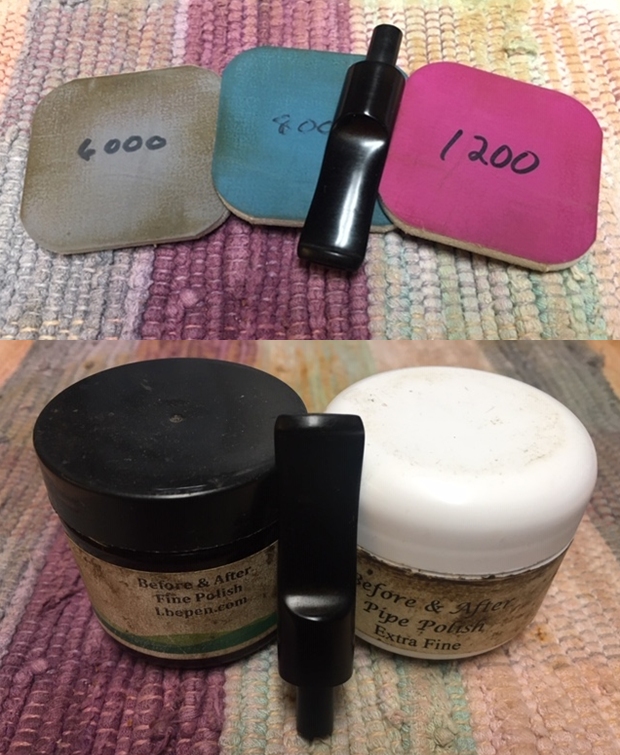
For the benefit of some of you who may be unfamiliar with some of the products he uses I have included photos of three of the items that Jeff mentions in his list. This will make it easier for recognition. These three are definitely North American Products so you will need to find suitable replacements or order these directly on Amazon. The makeup pads are fairly universal as we were able to pick some up in India when we were with Paresh and his family.

In the blog itself he breaks his process down into two parts – cleaning the stem and cleaning the bowl. Each one has a large number of steps that he methodically does every time. I know because I have watched him do the work and I have seen the pipes after his work on them. He followed this process step by step and when the pipe got to me it was spotlessly clean and ready for my work. The inside of the stem, shank and bowl were clean and to me that is an amazing gift as it means that my work on this end is with a clean pipe! I cannot tell you how much difference that makes for my work.

  1. The first thing I see is great looking Dublin shaped pipe with a rugged classic Charatan pipe. It is clearly stamped and is a shape 90.
  2. The finish is clean and the grime and grit have been removed from the finish on the bowl. The sandblast looks very good as well. There are some great patterns in the sandblast.
  3. The lava, grime and dust on the rim top has been removed and it has revealed that the inner edge is clean and burn free. The outer edge of the bowl is also in good condition. The nicks turn out to be spots where the stain has lightened.
  4. With the thick cake reamed out the walls of the bowl are clean and they look very good with no checking or burn damage to the walls. The inner edge also looks very good with no damage.
  5. The vulcanite stem is in excellent condition – it is clean and has light tooth chatter and marks on both sides ahead of button. The fit of the stem to the shank looks good. The CP logo on the left side of the stem is faint but the stamping is very deep and should hold some whitening very well.

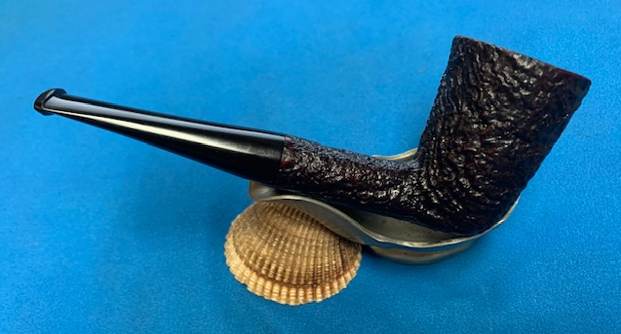
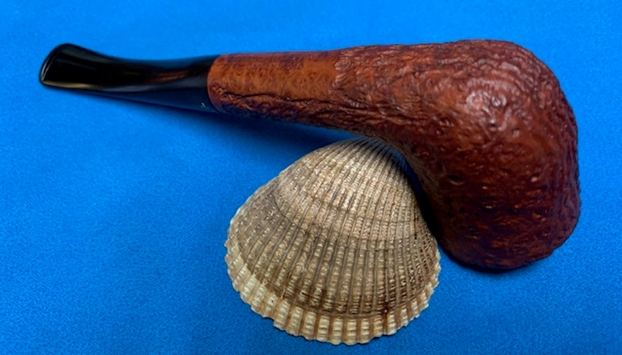
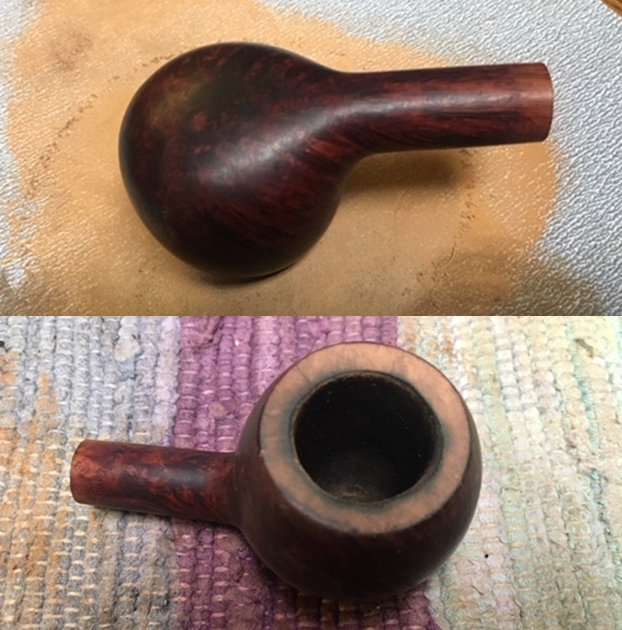
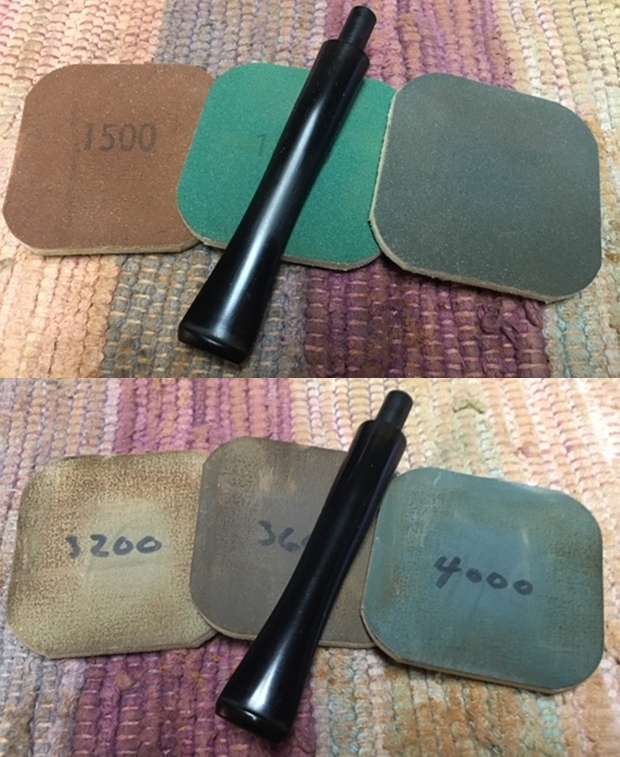
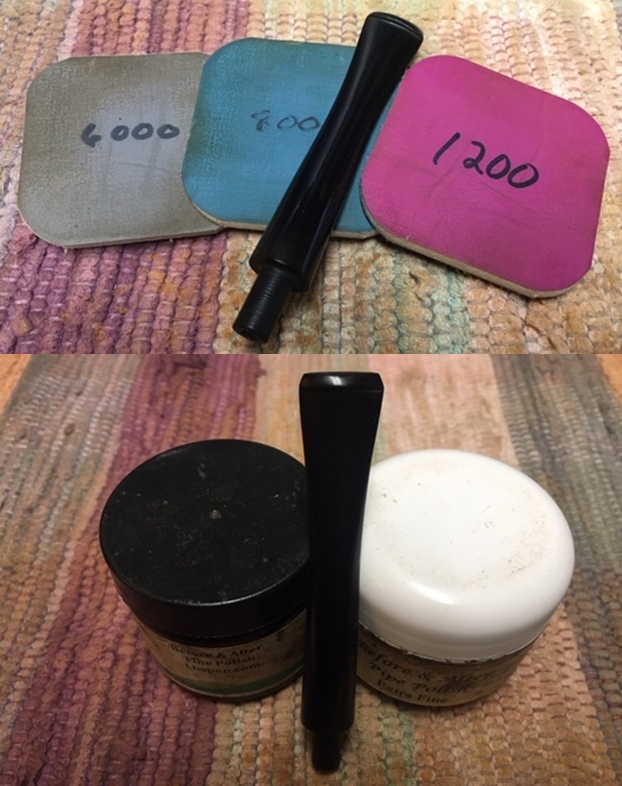
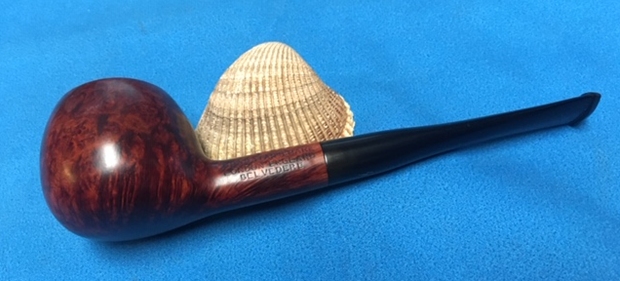
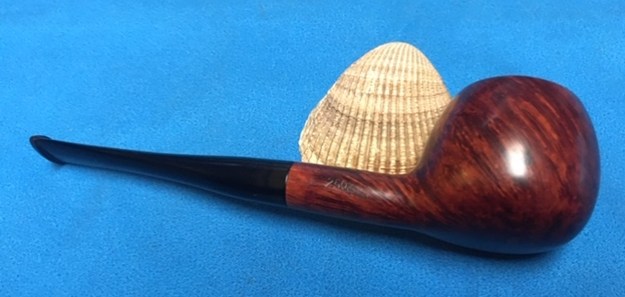
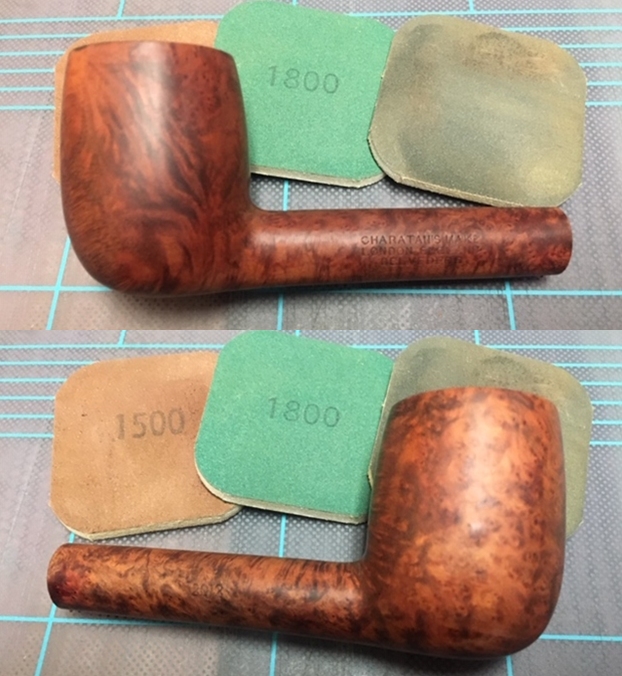
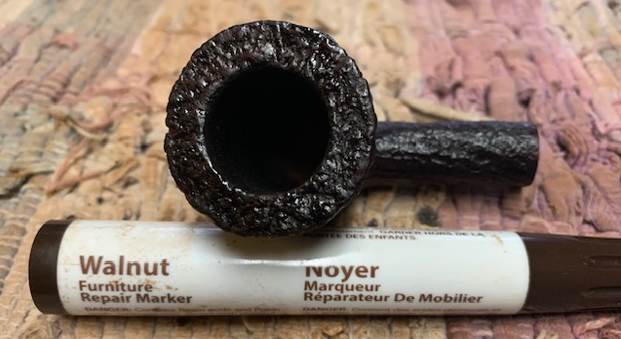
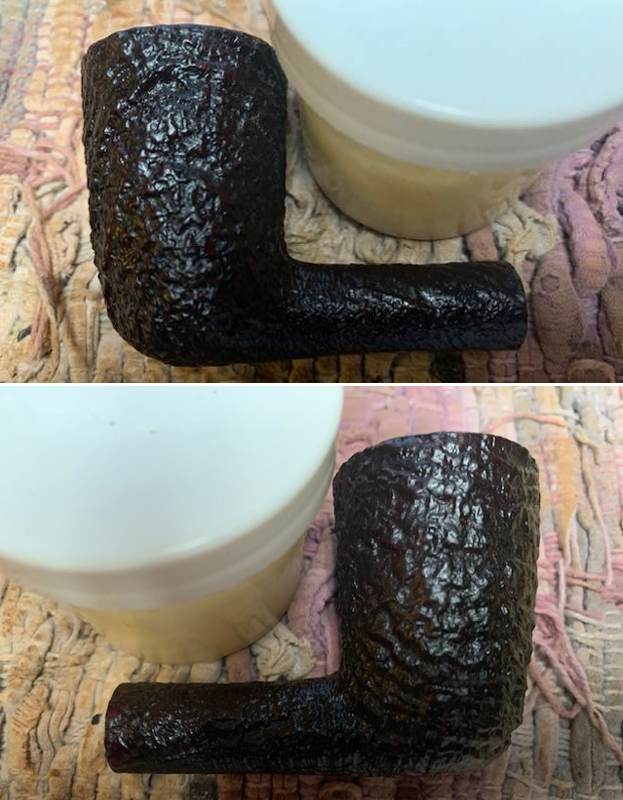
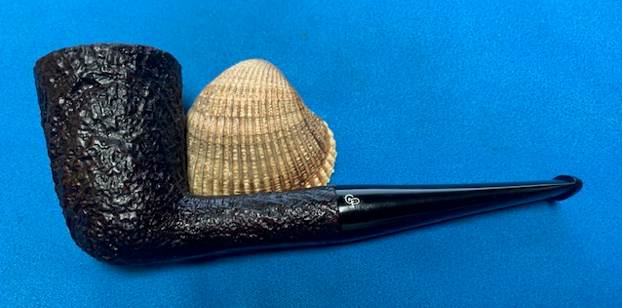
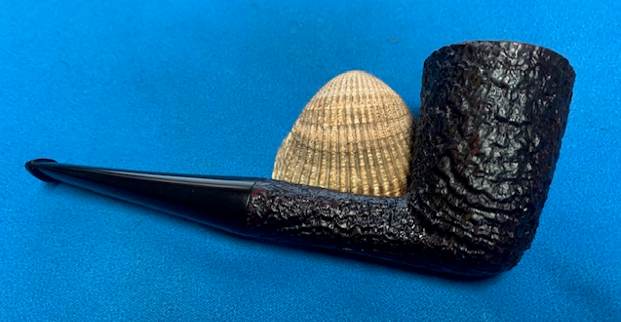
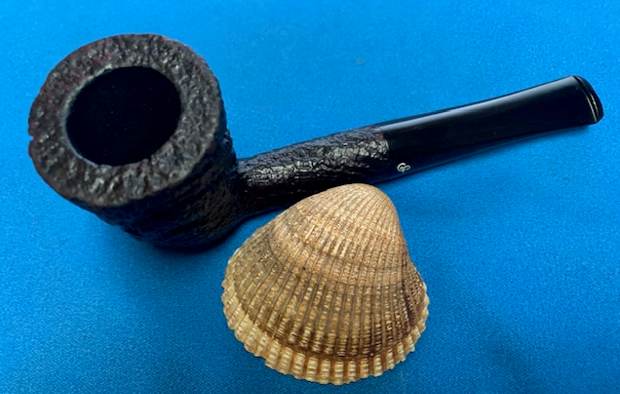
Hopefully the steps above show you both what I look for when I go over the pipe when I bring it to the work table and also what I see when I look at the pipe in my hands. They also clearly spell out a restoration plan in short form. My work is clear and addressing it will be the next steps. I took photos of the whole pipe to give you a picture of what I see when I have it on the table. This is important to me in that it also shows that there was no damage done during the clean up work or the transit of the pipe from Idaho to here in Vancouver. I carefully went over the bowl and rim top to get a sense of what is happening there. In this case once the rim top and edges were cleaned the rim cap and edges showed no damage. There was also no damage to the inner edge of the bowl. The top of the rim is washed out and missing some stain in spots. I also go over the stem carefully. The fit to the shank is snug and the transitions are smooth. There were some light tooth marks and chatter on the surface of the stem and the button. I took photos of the rim top and stem sides to show as best as I can what I see when I look at them. I always check to make sure that the clean up work did not damage the stamping on the underside of the shank. It is in excellent condition and is very clear and readable. The stamping on the stem though washed out is deep and very readable. I love just looking at the lay of the pipe and the proportion of the hand made pipes. I like to remove the stem from the shank to get a sense of what was in the mind of the pipe maker when he crafted the pipe. The photo shows its beauty in flow and shape.   I started my work on the clean bowl by addressing the fading of the stain on the rim top. I used a Walnut stain pen to blend it into the colour of the surrounding briar. It looks very good.I rubbed down the bowl and shank with Before & After Restoration Balm. It is a paste/balm that is rubbed into the surface of the briar. The product works to deep clean the nooks and crannies of finish, enliven and protect the briar. I worked it into the briar with my finger tips and into the rustication with a horse hair shoe brush. I let it sit for 10 minutes then wiped it off with a soft cloth then buffed it with a cotton cloth. The briar really began to have a deep shine in the sandblast. The photos I took of the bowl at this point mark the progress in the restoration. It is a gorgeous pipe. I set the bowl aside and turned my attention to the stem. I “painted” the stem surface at the button with the flame of a Bic lighter to lift the tooth marks. I was able to lift them all quite well. I sanded out what remained with 220 grit sandpaper and the starting the polishing with 600 grit wet dry sandpaper. I touched up the stamp on the side of the stem with white acrylic fingernail polish. I let it dry and then sanded the stem with a worn 1500 grit micromesh sanding pad.I polished the stem with micromesh sanding pads – 1500-12000 grit sanding pads and water to wet sand the stem. I wiped it down after each sanding pad with Obsidian Oil on a cotton rag after each sanding pads. But I find it does two things – first it gives some protection to the stem from oxidation and second it give the sanding pads bite in the polishing process. After finishing with the micromesh pads I rub the stem down with Before & After Fine and Extra Fine stem polish as it seems to really remove the fine scratches in the vulcanite. I rub the Fine Polish on the stem and wipe it off with a paper towel and then repeat the process with the Extra Fine polish. I finish the polishing of the stem down with a final coat of Obsidian Oil and set the stem aside to let the oil absorb. This process gives the stem a shine and also a bit of protection. The final steps in my process involve using the buffer. I buffed the stem with Blue Diamond to polish out the light scratches in the vulcanite. I gave the bowl multiple coats of Conservator’s Wax and the stem multiple coats of carnauba wax. I have found that I can get a deeper shine if I follow up the wax buff with a buff with a clean buffing pad. It works to raise the shine and then I hand buff with a microfiber cloth to deepen the shine. It is always fun for me to see what the polished bowl looks like with the polished stem. It really is a nice pipe. The mix of smooth and rusticated finishes around the bowl sides and shank looks great with the rich black and brown stains. The Charatan’s Make Sand Blast 90 Dublin feels great in my hand. It is a well balanced pipe. Have a look at it with the photos below. The dimensions are Length: 5 inches, Height: 2 inches, Outside diameter of the bowl: 1 ½ inches, Chamber diameter: ¾ of an inch. The weight of the pipe is 1.34 ounces/38 grams. It is a beautiful pocket sized pipe that I will soon be adding to the rebornpipes store in the British Pipemakers section. If you would like to add it to your collection let me know. It should be a great smoking pipe.
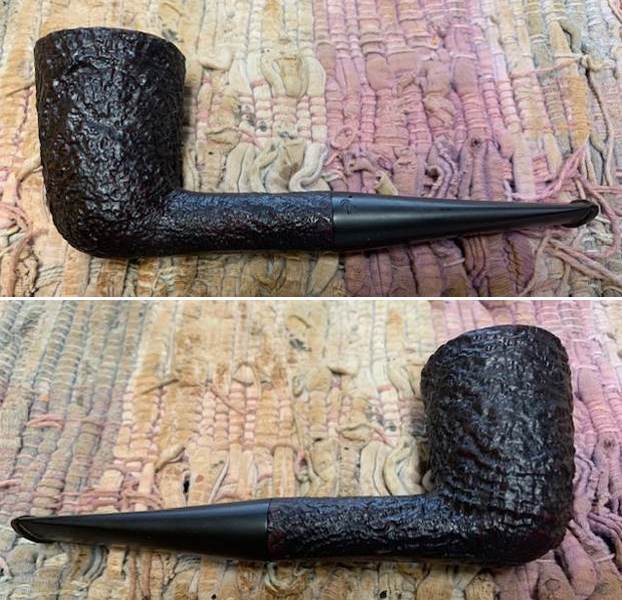
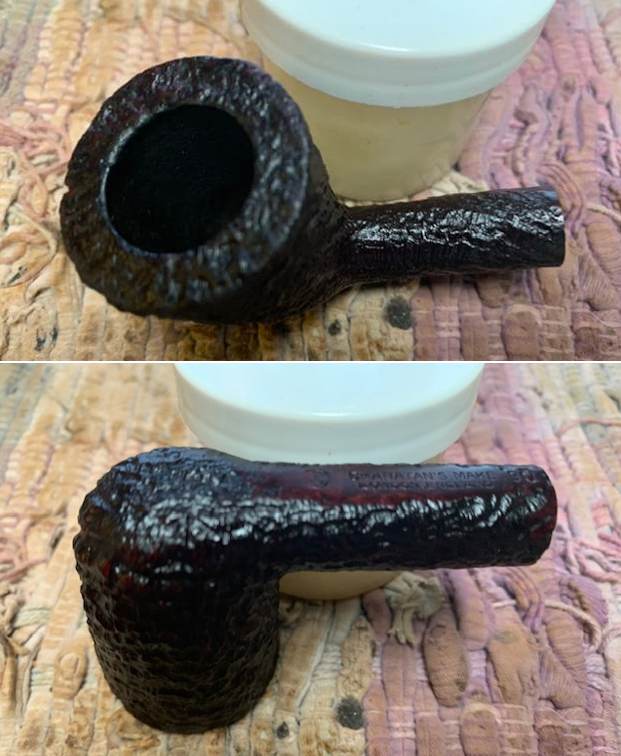
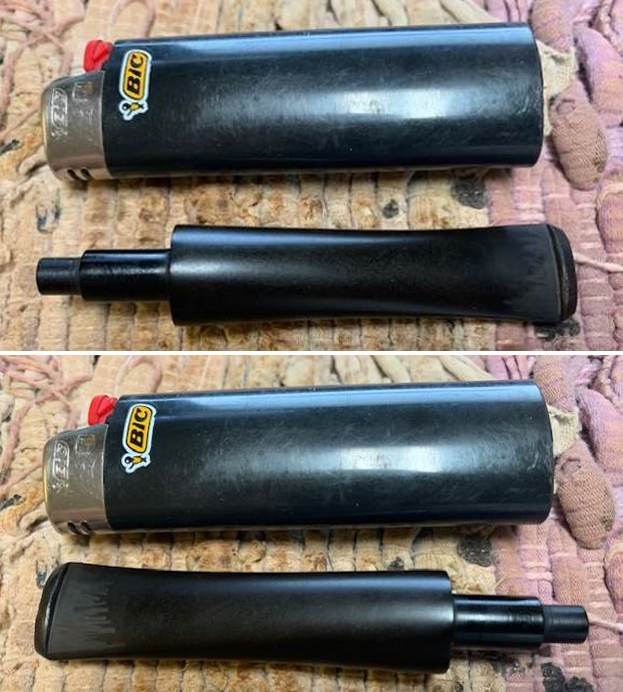
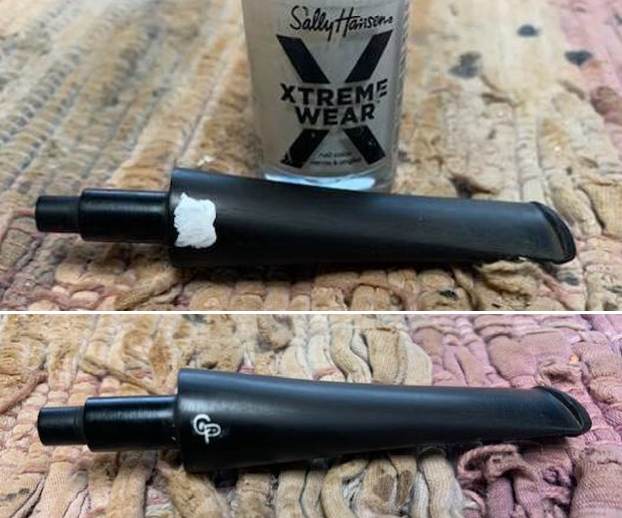
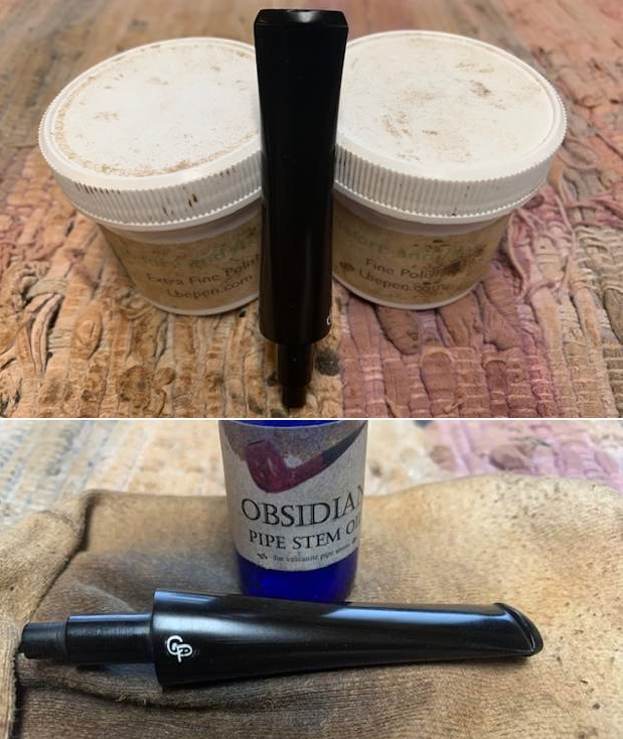
Hopefully the style of writing of this blog is helpful to you in some way. In it I wanted to show both what I am looking for and how I move forward in addressing what I see when work on a pipe. Let me know if it is helpful to you. It is probably the most straightforward detailed description of my work process that I have done. As always I encourage your questions and comments as you read the blog. Thanks to each of you who are reading this blog. Remember we are not pipe owners; we are pipe men and women who hold our pipes in trust until they pass on into the trust of those who follow us.
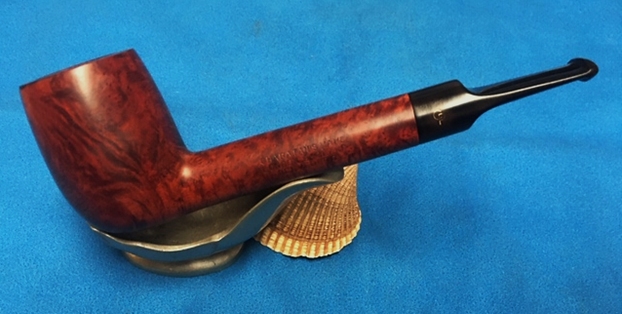
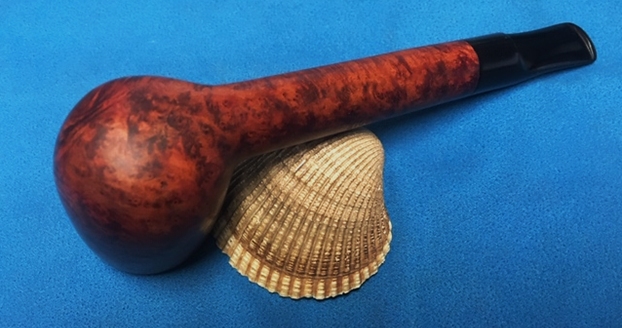
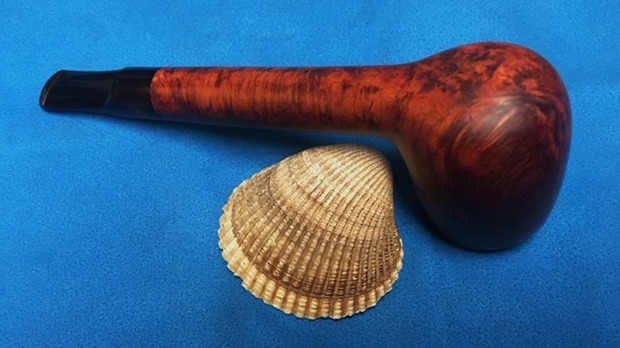
New Life for a Charatan’s Make Sandblast 260 Zulu


Blog by Steve Laug

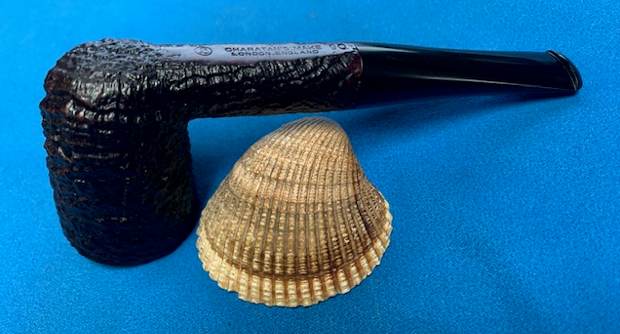
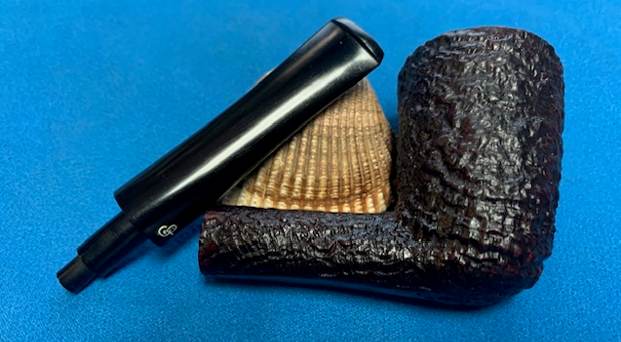
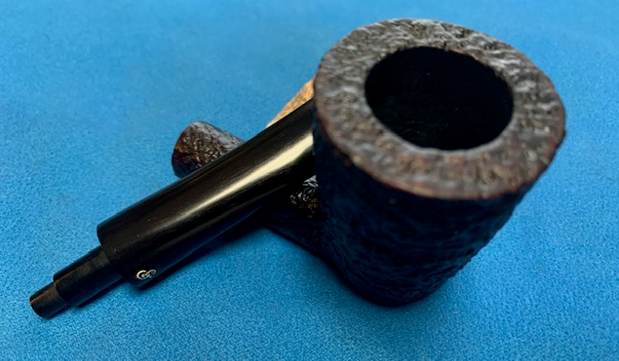
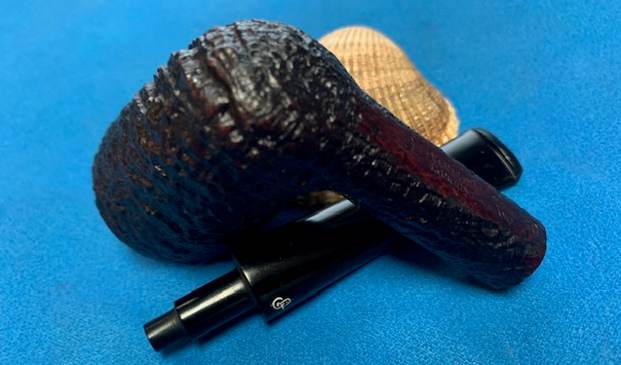
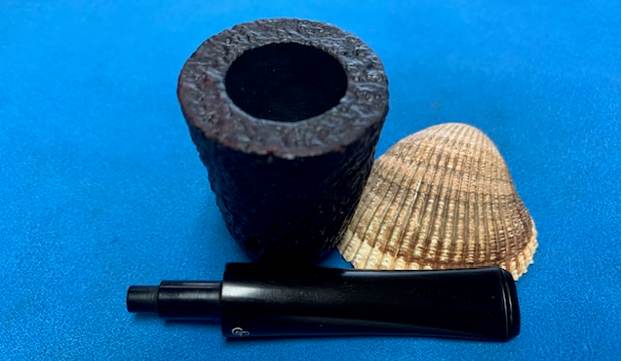
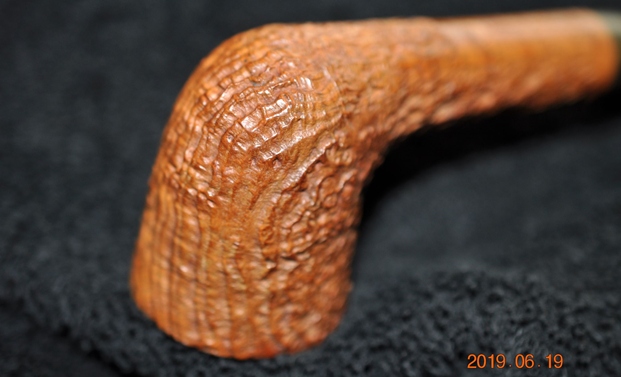
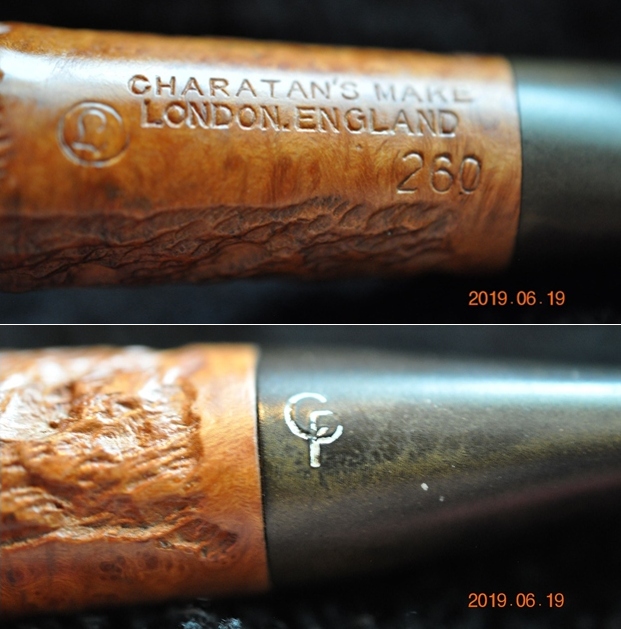
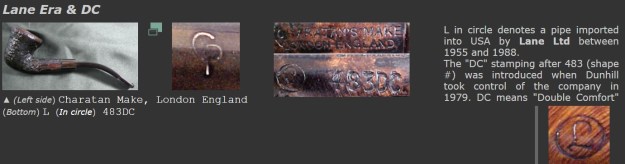
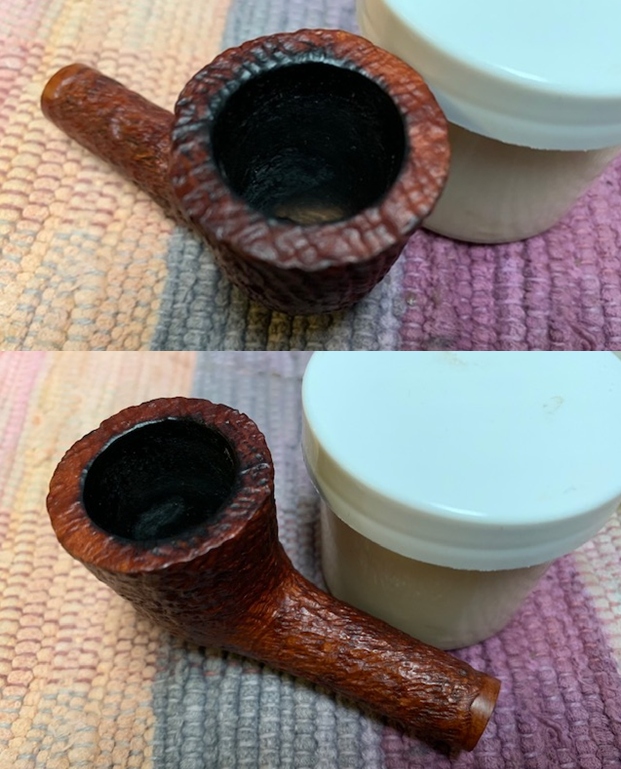
The next pipe on the work table came to us from an antique store in Utah that Jeff picked up on one of his pipe hunts.  The pipe is sandblast Zulu or Yachtsman shaped pipe. It is a rugged sandblast with some deep valleys and ridges around the bowl and shank. The pipe is stamped on smooth panel on the underside of the shank and reads Charatan’s Make [over] London England [over] the shape number 260 near the stem edge and a Lane Era Circle L toward the bowl. There was a lot of grime and dust in the crevices and valleys of the sandblast finish. The bowl was heavily caked with a lava coat flowing onto the sandblast finish of the top of the rim – heavier toward the rear of the bowl. The inside and outside edges looked to be in good condition but we would know more once Jeff had cleaned it. The stem was oxidized, calcified and had tooth chatter and marks on the top and underside near the button. The interlocking CP logo was stamped on the left side of the taper stem. The stamping was readable but was faintly stamped. It had promise but it was very dirty. Jeff took some photos of the pipe before he started his cleanup work. He took photos of the rim top and bowl to give a clear picture of the thickness of the cake and tobacco debris as well as the lava on the rim top and inner edge. He also took photos of the top and underside of the stem to show the oxidation and the chatter and tooth marks. Jeff took a photo the sides and heel of the bowl to give a picture of the sandblast. It is quite stunning.The stamping on the top and underside of the shank are clear and readable and read as noted above.  You can also see the CP stamp and the faint inset in the vulcanite.I turned to Pipephil’s site (http://www.pipephil.eu/logos/en/logo-charatan.html) to see if I could find a listing for the Charatan’s Make London England in a sandblast finish. I knew that I was dealing with a Lane Period pipe because of the circle L on the shank but the stem did not have a DC bit as expected. I found this section that shows a similarly sandblast pipe with the same stamping other than the DC.Pipedia gives a great history of the brand (https://pipedia.org/wiki/Charatan) that is well worth reading. There was also a helpful paragraph on the L stamping on the shank. I quote:
The Lane Trademark serif and circled L indicates the pipe is from the “Lane Era” (approx. 1955 to 1979 -1984?), however it appears that both the English factory or Lane themselves sometimes, or perhaps even often forget to stamp the L on a pipe. The Charatan factory was known for inconsistencies, especially in stampings. Therefore, although an L on the pipe definitely defines it as a Lane Era pipe, the lack of it could simply mean the pipe missed receiving the stamp from the factory. The lack of the trademark could also mean the pipe was destined for the European market.

Charatan pipes were not well distributed prior to the Lane Era, so very few pre-Lane pipes exist today. Herman Lane greatly grew the brand in the U.S., which caused corresponding growth in Europe.

Now I knew a bit about the pipe I was working on. It was made between 1955-1979-84 as show by the circle L stamp on the shank.  Now it was time to work on the pipe.

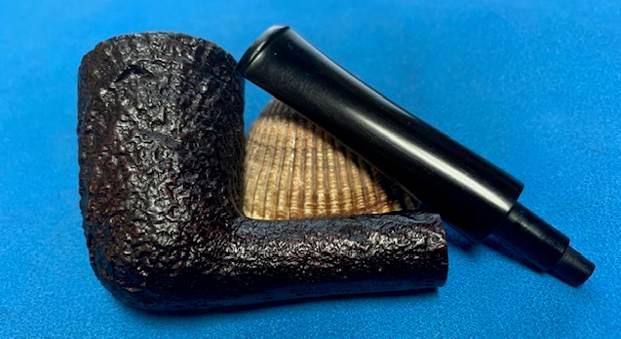
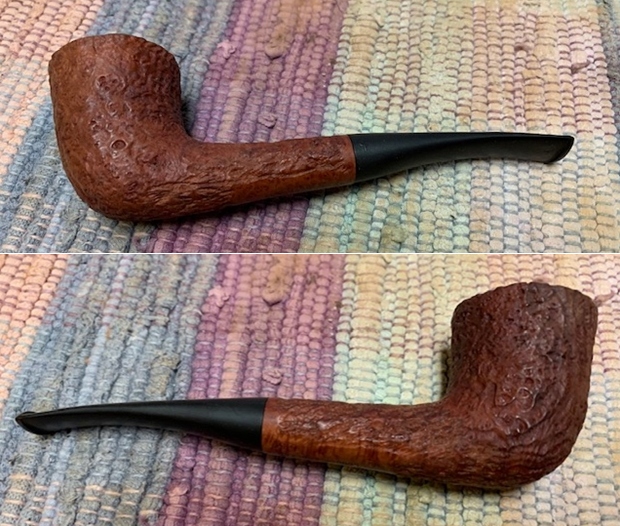
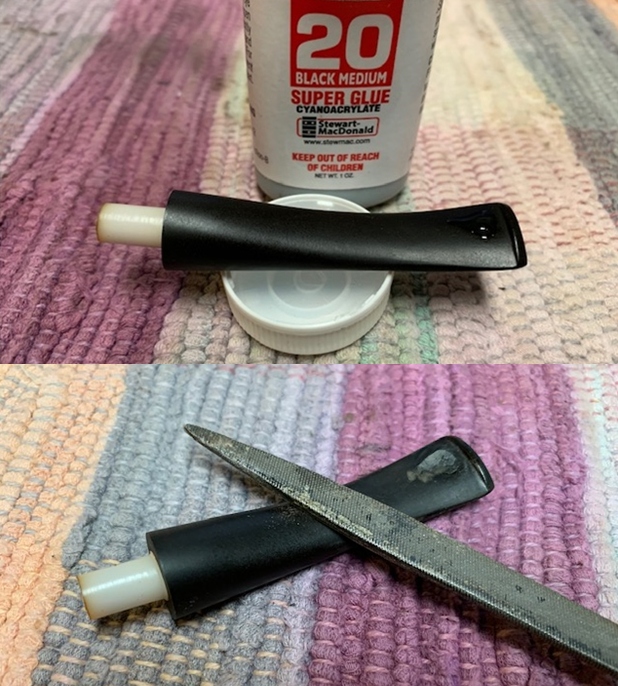
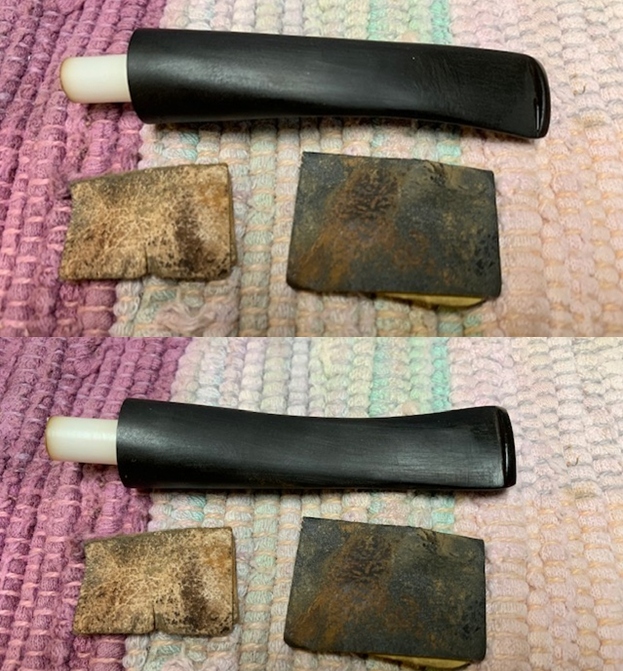
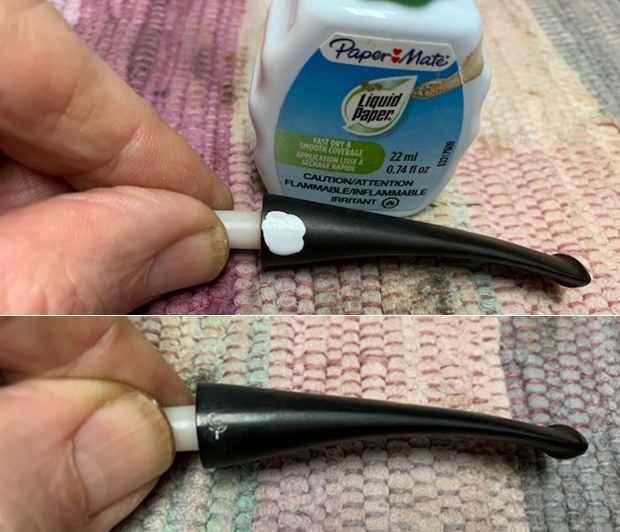
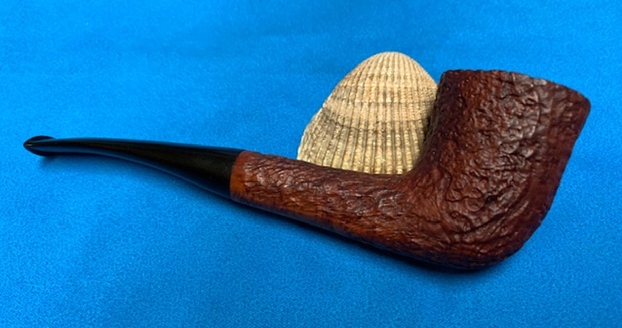
Jeff had cleaned up the pipe with his usual penchant for thoroughness. He reamed the pipe with a PipNet pipe reamer and removed the rest of it with a Savinelli Fitsall Pipe Knife.  He scrubbed the bowl with undiluted Murphy’s Oil Soap with a tooth brush. He rinsed it under running warm water to remove the soap and grime. He cleaned out the inside of the shank and the airway in the stem with alcohol, cotton swabs and pipe cleaners. He soaked the stem in Before & After Deoxidizer and rinsed it off with warm water. I took photos of the pipe once I received it.  The rim top cleaned up really well. The rim top and outer edge of the bowl appear to be in good condition. There is some darkening around the inner edge that will probably remain but it is not too bad. The stem surface looked good with a few small tooth marks and chatter on both sides near the button.  The stamping on the underside of the shank is clear and readable and reads as noted above. I removed the stem and took a photo of the pipe to give a sense of the whole. When I took it apart I noted the white Delrin replacement tenon. It was in excellent condition and the fit in the shank was perfect so I decided I would leave it alone.Now it was time to do my work on the pipe. The bowl was in such good condition that I rubbed the bowl and shank down with Before & After Restoration Balm. I worked it into the surface of the bowl sides and shank with my fingertips and a horsehair shoe brush to clean, enliven and protect the briar. I let the balm sit for a little while and then buffed with a cotton cloth to raise the shine.   I set the bowl aside and turned my attention to the stem. The tooth marks on the top were not too bad and would likely sand out well. Those on the underside were deeper and sharper. I filled them in with black super glue and set the stem aside to let the repairs cure. Once they had hardened I used a needle file to flatten the repair to match the surrounding vulcanite. I sanded the stem with 220 grit sandpaper to smooth out the remaining chatter on the top of the stem and further blend in the repair on the underside. I started the polishing process with 400 grit wet dry sandpaper. I touched up the CP stamp on the left side of the taper stem with PaperMate Liquid Paper. I daubed it onto the stamping and worked it into the stamp with a tooth pick. I was not overly hopeful as the stamping was not very deep but it was worth a try. Once it dried I scraped off the excess and left the white in the stamping. It is not complete but the original shape of the stamp is discernible.I set the bowl aside and turned to work on the stem. It was in good condition and the tooth marks were light so I figured they would polish out fairly easily. I polished the vulcanite stem with micromesh sanding pads – 1500-12000 grit pads. I wiped it down with Obsidian Oil after each sanding pad. I used Before & After Pipe Polish – both Fine and Extra Fine to further polish the stem.       This Charatan’s Make London England 260 Zulu is a great looking pipe now that it has been restored. The rugged sandblasted brown stained finish around the bowl is quite beautiful and highlights the nooks and crannies of the sandblast. The finish works well with the polished vulcanite oval taper stem. I put the stem back on the bowl and carefully buffed the pipe with Blue Diamond on the buffing wheel using a light touch on the briar. I gave the bowl multiple coats of Conservator’s Wax and the stem multiple coats of carnauba wax on the buffing wheel and followed that by buffing the entire pipe with a clean buffing pad. I hand buffed the pipe with a microfiber cloth to deepen the shine. The finished Charatan’s Make Sandblast Zulu sits nicely in the hand and feels great. Give the finished pipe a look in the photos below. The dimensions of the pipe are Length: 5 ½ inches, Height: 1 ¾ inches, Outside diameter of the bowl: 1 3/8 inches, Chamber diameter: 7/8 of an inch. I will be putting it on the rebornpipes store shortly. If you are interested in adding this pipe to your collection send me a message or an email. Thanks for reading this blog and my reflections on the pipe while I worked on it. There are many more to come!

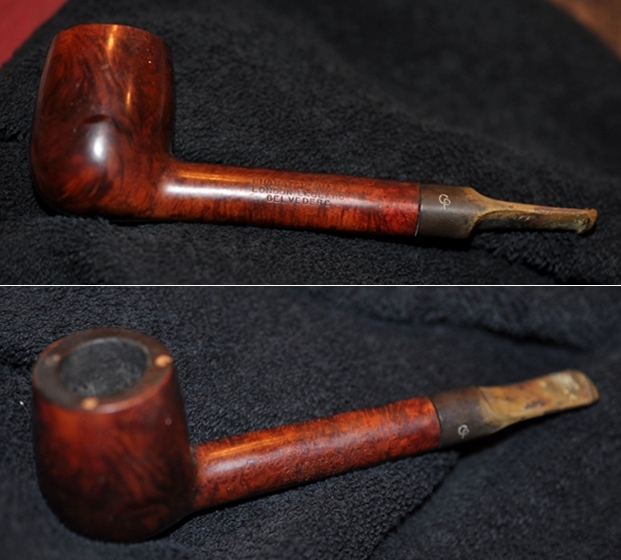
Back to Briar from Bob Kerr’s Estate – a Charatan’s Make Belvedere 2502 Prince


Blog by Steve Laug

I am continuing to work on the pipes in Bob Kerr’s estate for a while. I am getting closer to finishing restoring this large estate with only about 29 more pipes to do. This is the second of his two Charatan pipes that I am working on. I am cleaning them for the family and moving them out into the hands of pipemen and women who will carry on the trust that began with Bob and in some pipes was carried on by Bob. In the collection there were 19 Peterson’s pipes along with a bevy of Dunhills, some Comoy’s and Barlings as well as a lot of other pipes – a total of 125 pipes along with a box of parts. This is the largest estate that I have had the opportunity to work on. I put together a spread sheet of the pipes and stampings to create an invoice. I was taking on what would take me a fair amount of time to clean up. I could not pass up the opportunity to work on these pipes though. They were just too tempting. This beautiful Charatan’s Make Prince is a great pipe to work on. It is a classic shaped pipe with a Charatan spin on the prince shape. It will go on the rebornpipes store.

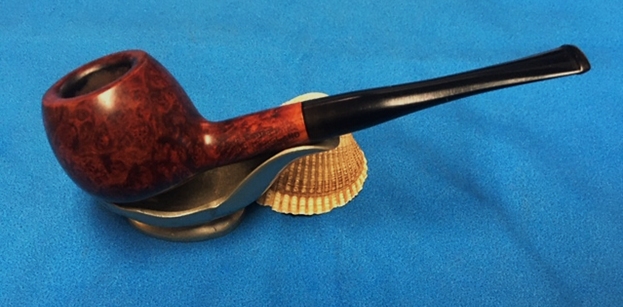
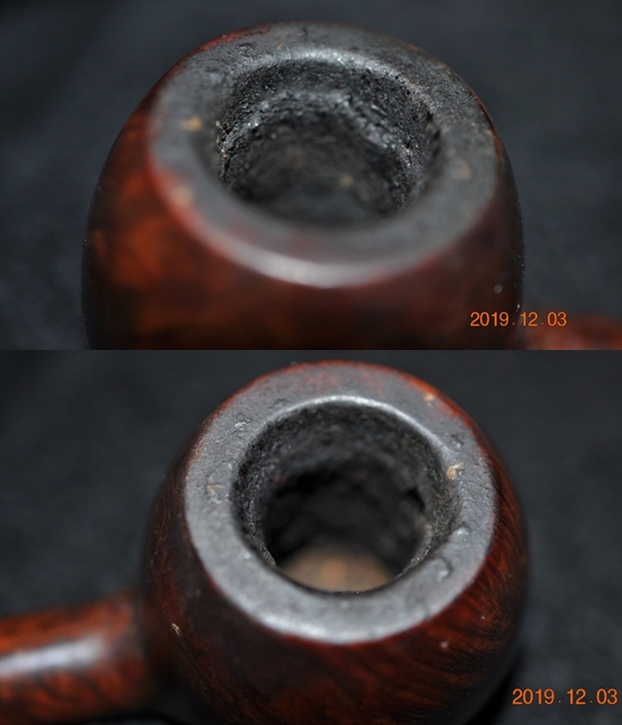
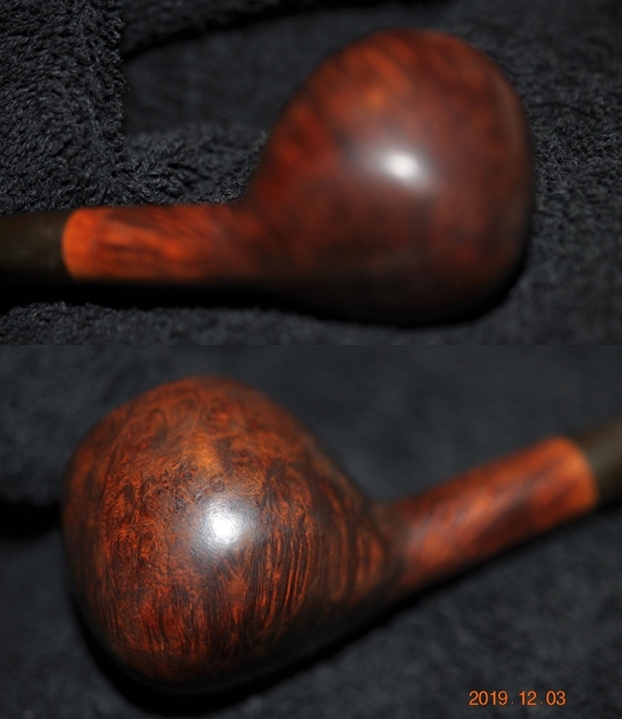
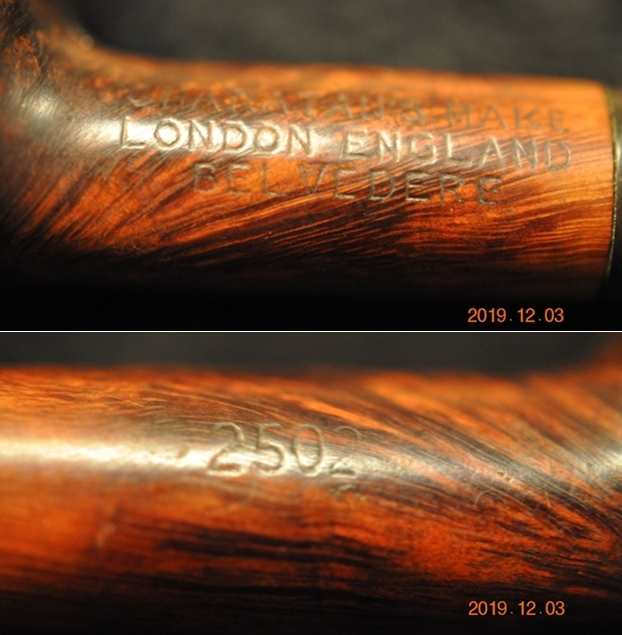
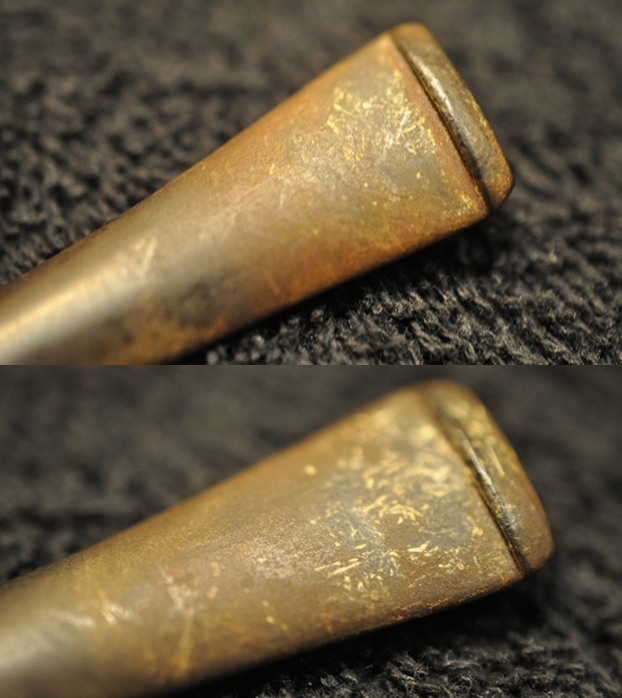
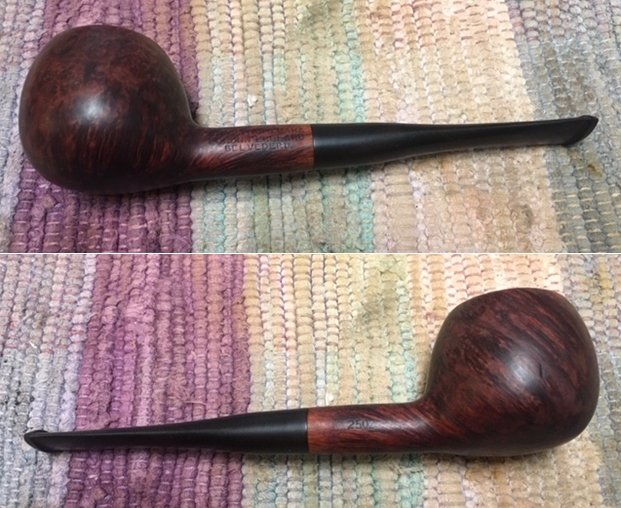
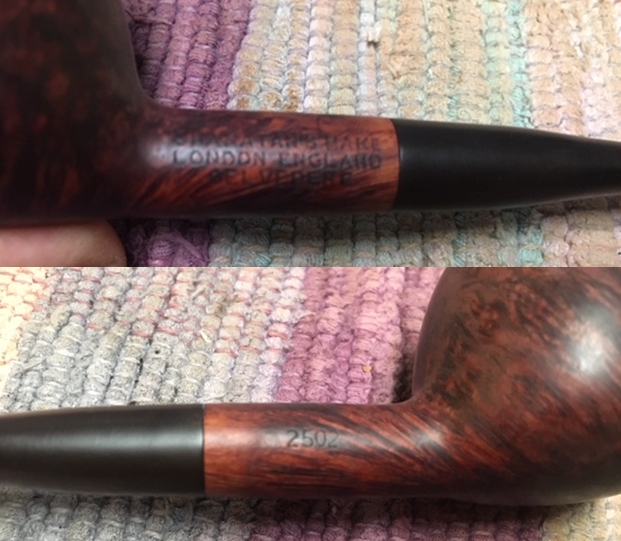
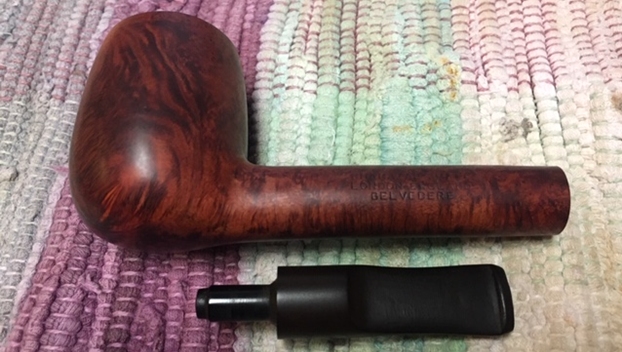
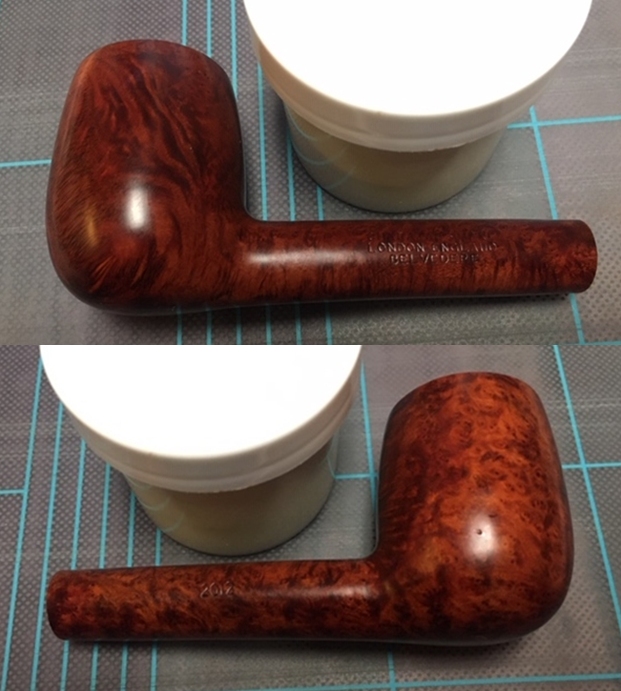
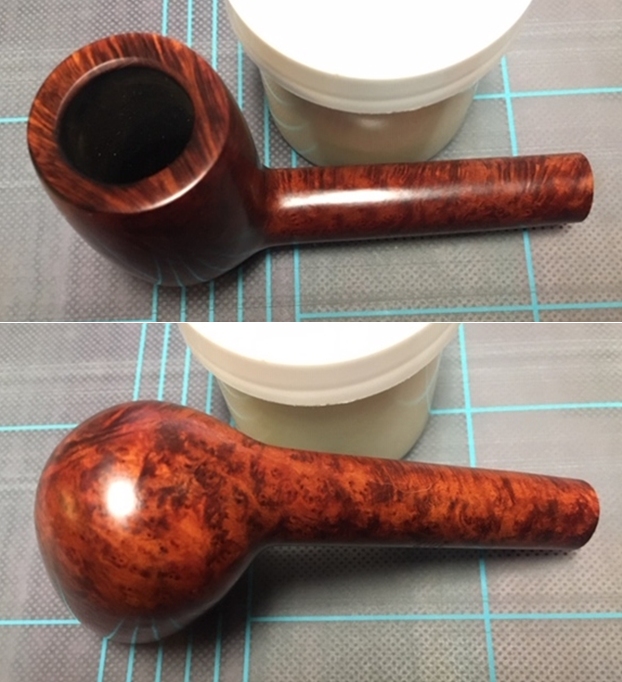
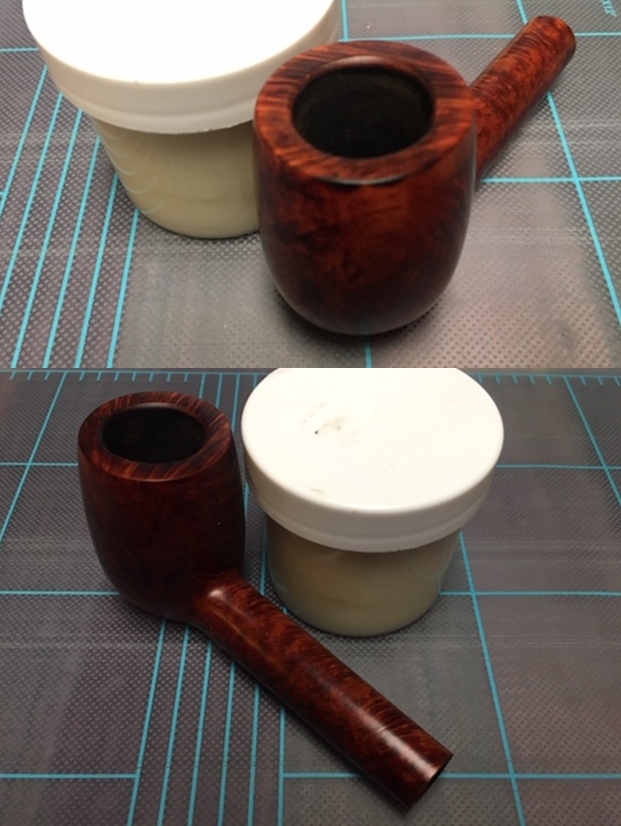
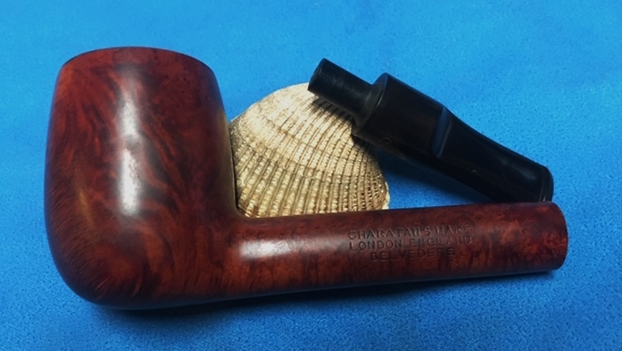
This Charatan’s Make London England Belvedere smooth finish with lots variation in the grain around the briar is a beauty! The pipe is stamped on the left of the shank and reads Charatan’s Make [over] London England [over] Belvedere. On the right side it has the shape number 2502. The grain grime and dirt ground into the mixture of grain around the bowl. It had rich dark and medium contrasting brown stains that do not look too bad. There was a thick cake in the bowl with remnants of tobacco stuck on the walls. There was a thick lava overflow sitting on the total rim top. The inner edge of the rim is dirty and may have some damage under the grime. It was a beautiful pipe that was dirty and tired looking. The replacement taper stem was oxidized and calcified toward the end. It had the characteristic tooth marks that I have come to expect from Bob’s pipes. Jeff took photos of the pipe before he started his cleanup work on it.  He took photos of the bowl and rim top to show the cake in the bowl and the lava build up on the edges of the bowl. It was thick and hard but hopefully it had protected the rim top and edges from damage. It was hard to know for sure from the photos.Jeff took photos of the sides and heel of the bowl to show the condition of the finish. You can see the beautiful grain under the grime and grit ground into the finish. He took photos of the stamping on both side of the shank. The stamping was readable as you can see from the photos and read as noted above. Jeff took photos of the top and underside of the stem showing the tooth chatter, scratching and oxidation on the stem surface and wear on the edges of the button.To try to figure out the era of the Charatan’s pipe I was working on I turned to the Pipephil website, Logos and Stampings. There is some really helpful information on each of the lines of Charatan’s Make pipes that entered the market. Here is the link to the section of the site that I turned to (http://www.pipephil.eu/logos/en/logo-charatan.html). There is an alphabetical listing of the lines but the Belvedere they showed had a stem made for a 9mm filter while the one I have is a nonfiltered pipe. The site did give a short history of the brand. I quote the portion that is most pertinent.

The brand was founded in 1863 by Frederik Charatan. When his father retired in 1910, Reuben Charatan took over the family business. All the pipes were handmade until 1973. The brand name has been overtaken by Dunhill in 1978 and sold in 1988 to James B. Russell Inc.(NJ, USA). During the period 1988-2002 Charatans were crafted by Butz Choquin in St Claude (France). Dunhill re-purchased Charatan brand name in 2002 and Colin Fromm (Invicta Briars, Castleford) followed up on freehand production.

I turned to Pipedia to see if I could find more information on the brand and possibly a link to the Belvedere line (https://pipedia.org/wiki/Charatan) but once again in the general article it was not listed.  It did give a little more historical information. I quote the pertinent parts and have highlighted in red the sections that give information on this particular pipe.

In 1863 Frederick Charatan, a Russian/Jewish immigrant, opened a shop in Mansell Street, located in the borough of Tower Hamlets, London E1, where he began to carve Meerschaum pipes. These pipes got very popular soon, and thus Charatan moved to a bigger workshop in Prescot Street, just around the corner. Here he began to make briar pipes which should make the name famous the world over. Charatan was the first brand to make entirely hand-made briars from the rough block to the finished pipe including the stems. The nomenclature “Charatan’s Make” refers to this method of production and was meant to differ Charatan from other brands who “assembled” pipes from pre-drilled bowls and delivered mouthpieces.

Being the undisputed No. 1 in English pipemaking, Charatan was approached by Alfred Dunhill who was unsatisfied with the quality of the pipes he imported from France. During 1908 – 1910 Dunhill bought pipes from Charatan paying exorbitant prices to ensure he had some of the very best pipes for sale in England. In 1910 he lured away Joel Sasieni, one of Charatan’s best carvers, and opened his own small pipe workshop on 28 Duke Street. On the retirement of his father in 1910 Reuben Charatan took over the family business…

…The pre-Lane period (prior to 1955) and the Lane era pipes (1955 to until sometime between 1979 – 1984) are of primary interest the collector. The Lane era is often quoted as beginning about 1950… Charatan records are almost non-existent before Lane due to a factory fire, making it difficult to date pre-Lane pipes. Charatan used 4 basic grades prior to 1950: Supreme, Selected, Executive, and Belvedere. After 1950 Herman Lane’s influence began, and the grades started to expand. In 1955 Lane took over sole distributorship of Charatan in the US. In 1957 he introduced the Supreme S. Most of his other introductions were from the 60’s and early 70’s…

I continue digging further into the dating of the pipe, but what I had found was a good start for me. If some of you would like to try your hand at dating it more accurately as to the time period it came out you might want to check out the article on Pipedia on Dating Charatans (https://pipedia.org/wiki/Dating_of_Charatans).

I also reread the article on Pipedia by the Italian fellow who contributed some really helpful information on the brand (https://pipedia.org/wiki/Charatan_-_Milan_2014). I quote the section on the Second period: Reuben Charatan 1910 – c. 1962

– In 1962 Herman Lane took over the business from the Charatan family, although he had already influenced production from the 1950s.

– The pipes were mostly larger than the previous ones and corresponded in size to Dunhill group 5. These are slightly less rare, but still difficult to find.

– Stem: Usually in ebonite, saddle shaped or tapered, bearing a fine “CP” stamp, underbore system (see below) used when necessary.

– Shank: The shape code is stamped on it together with the nomenclature “CHARATAN’S MAKE LONDON ENGLAND” arranged in two lines. From 1955 onwards on the models marketed for the USA there is also a serif and circled capital “L” (but not all models bear this) which resembles the pound sterling symbol. The “L” is for Lane, the importer.

From 1958, Lane changed the nomenclature for models marketed for the US to clarify the message: “MADE BY HAND”.  In this period the underbore was introduced. Its manufacturing period ranged between 1920 and c.1930. This model was equipped with a duralumin plunger trap fitted in the stem, which served to clean the residue more easily. This particular model bore a special stamp on the stem, and also had its own catalogue…

QUALITY GRADES…The stem did not only display the stamps mentioned above. Another stamp that can help dating is the one referring to the quality of the pipe. Until Herman Lane arrived on the scene there were four quality grades. Starting with the lowest: Belvedere, Executive, Selected, and Supreme. Lane went on to add higher grades from time to time: Supreme S, Supreme S100, S150, S200, S250, S300, Coronation, Royal Achievement, Crown Achievement, and Summa Cum Laude; these last three are extremely rare and almost impossible to find. He also invented other, different grades, even changing the previous pipe classification standards. We will not go into detail here, but it means that if we find an S100 or Coronation the pipe was manufactured following Herman Lane’s acquisition. In particular, the FH mark, or Freehand pipe was commissioned to the famous Danish craftsman, Preben Holm.

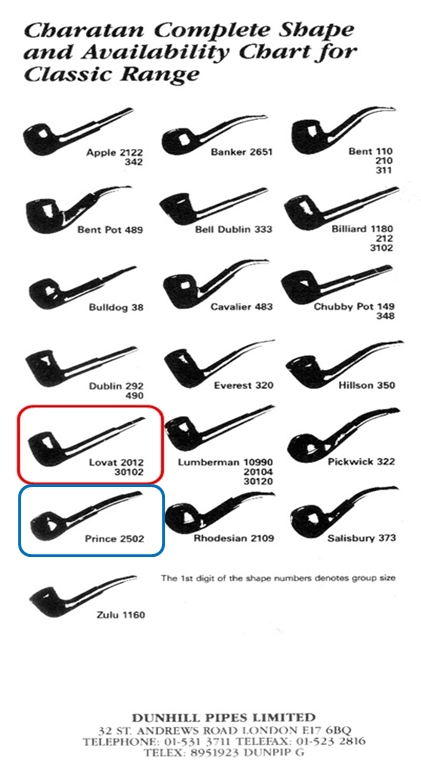
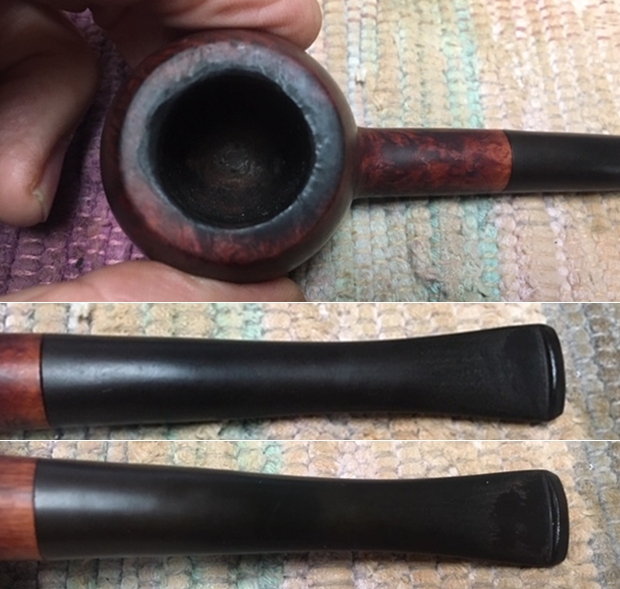
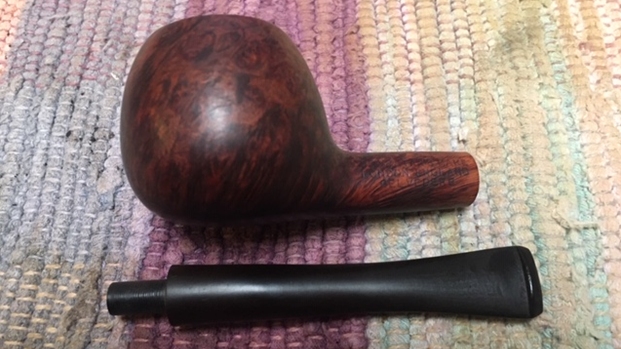
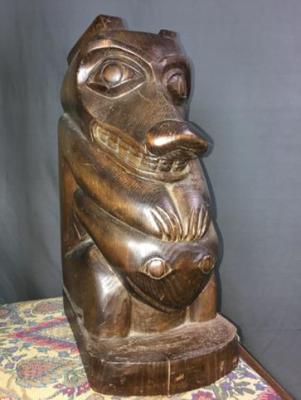
I am also including a shape chart from that site. I have drawn a blue box around the 2502 Prince shape.With over 125 pipes to clean from Bob’s estate I took a batch of them to the states with me when I visited and left them with Jeff so he could help me out. Jeff cleaned the pipes with his usual penchant for thoroughness that I really appreciate. Once he finished he shipped them back to me. This one was a real mess and I did not know what to expect when I unwrapped it from his box. He reamed it with a PipNet pipe reamer and cleaned up the reaming with a Savinelli Fitsall Pipe Knife. He scrubbed out the internals with alcohol, pipe cleaners and cotton swabs until the pipe was clean. He scrubbed the exterior of the bowl with Murphy’s Oil Soap and a tooth brush to remove the grime and grit on the briar and the lava on the rim top. The finish looks very good with good looking grain around the bowl and shank. Jeff scrubbed it with Soft Scrub and soaked it in Before & After Deoxidizer to remove the oxidation on the rubber. When the pipe arrived here in Vancouver for the second stop of its restoration tour it looked a lot better. The stem still had a lot of deep oxidation. I took photos before I started my part of the work.   I took some close up photos of the rim top and also of the stem surface. I wanted to show what cleaned bowl and rim top looked like. The rim top shows damage on the inner edge with some charring on the front inner edge. I also took close up photos of the stem to show the light tooth marks and the remaining oxidation on the stem surface.I took photos of the stamping on the sides of the shank and it is clear and readable. It is stamped as noted above. I took the stem off the shank and took some photos to give a clear picture of the pipe from the left side profile and the top looking down. It is a really pretty pipe.Since this is another pipe Bob’s estate I am sure that some of you have read at least some of the other restoration work that has been done on the previous pipes. You have also read what I have included about Bob Kerr, the pipeman who held these pipes in trust before I came to work on them (see photo to the left). Also, if you have followed the blog for long you will already know that I like to include background information on the pipeman whose pipes I am restoring. For me, when I am working on an estate I really like to have a sense of the person who held the pipes in trust before I worked on them. It gives me another dimension of the restoration work. I asked Brian if he or his wife would like to write a brief biographical tribute to her father, Bob. His daughter worked on it and I received the following short write up on him and some pictures to go along with the words including one of Bob’s carvings. Once again I thank you Brian and tell your wife thank you as well.

I am delighted to pass on these beloved pipes of my father’s. I hope each user gets many hours of contemplative pleasure as he did. I remember the aroma of tobacco in the rec room, as he put up his feet on his lazy boy. He’d be first at the paper then, no one could touch it before him. Maybe there would be a movie on with an actor smoking a pipe. He would have very definite opinions on whether the performer was a ‘real’ smoker or not, a distinction which I could never see but it would be very clear to him. He worked by day as a sales manager of a paper products company, a job he hated. What he longed for was the life of an artist, so on the weekends and sometimes mid-week evenings he would journey to his workshop and come out with wood sculptures, all of which he declared as crap but every one of them treasured by my sister and myself. Enjoy the pipes, and maybe a little of his creative spirit will enter you!

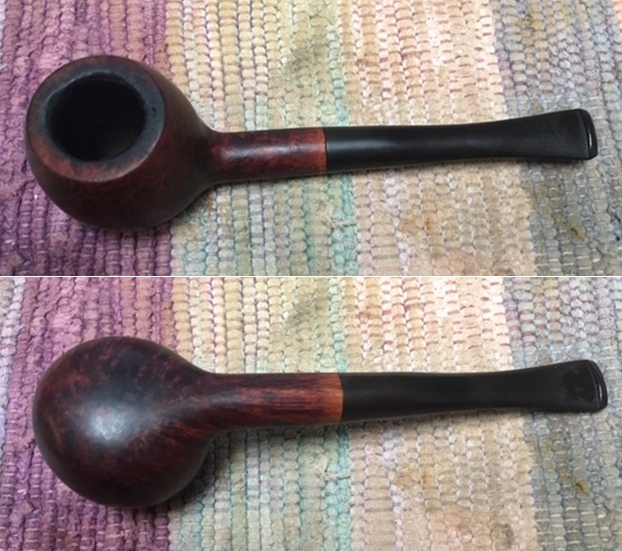
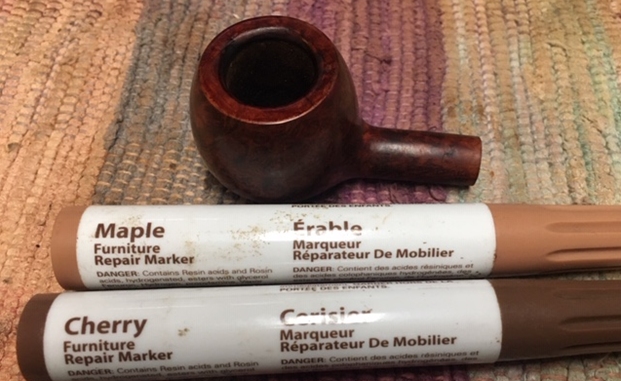
Now on to my part of the restoration of this Charatan’s Make 2502 Prince. I decided to start by dealing with the damage to the inner edge of the rim. I topped the bowl on a topping board with 220 grit sandpaper to remove the damage on the rim top. I followed up with a folded piece of 220 grit sandpaper to smooth out the edge and give it a slight bevel to remove the damaged area and bring the bowl back into round. I polished the briar with micromesh sanding pads – wet sanding with 1500-12000 grit pads and wiping the briar down with a damp cloth after each sanding pad. I touched up the stain on the rim top with a Maple and a Cherry stain pen blended on the top. Once the bowl was polished it would blend in well with the rest of the briar around the bowl.I rubbed the bowl down with Before & After Restoration Balm. I worked it into the surface of the briar with my fingertips to clean, enliven and protect it. I let the balm sit for a little while and then buffed with a cotton cloth and shoe brush to raise the shine. Mark Hoover’s Balm is a product that I have come to appreciate and one I use on every pipe I have been working on. I set the bowl aside and turned my attention to the stem. I worked over the rest of the remaining oxidation and the tooth marks with 220 grit sandpaper. I started polishing the stem with 400 grit wet dry sandpaper. At this point it is starting to look much better.  I polished the vulcanite with micromesh sanding pads – 1500-12000 grit pads. I wiped it down with a damp cloth after each sanding pad. I used Before & After Pipe Polish – both Fine and Extra Fine to further polish the stem. This Charatan’s Make Belvedere Prince from Bob Kerr’s estate turned out to be a great looking pipe. The mix of brown stains highlights the sandblasted grain around the bowl sides, top and bottom. The finish on the pipe is in excellent condition and the contrasting stains work well with the polished vulcanite saddle stem. I put the stem back on the bowl and carefully buffed the pipe with Blue Diamond on the buffing wheel using a light touch on the briar. I gave the bowl and stem multiple coats of carnauba wax on the buffing wheel and followed that by buffing the entire pipe with a clean buffing pad. I hand buffed the pipe with a microfiber cloth to deepen the shine. The finished Charatan’s Make Belvedere 2502 Prince fits nicely in the hand and feels great. Give the finished pipe a look in the photos below. The dimensions of the pipe are Length: 5 ½ inches, Height: 1 ½ inches, Outside diameter of the bowl: 1 ¼ inches, Chamber diameter: ¾ of an inch. If you are interested in carrying on Bob’s legacy with this pipe send me a message or an email. I have more to work on of various brands. Perhaps one of those will catch your attention. Thanks for reading this blog and my reflections on the pipe while I worked on it. This is an interesting estate to bring back to life.

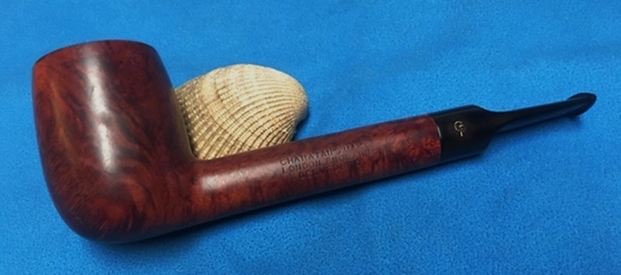
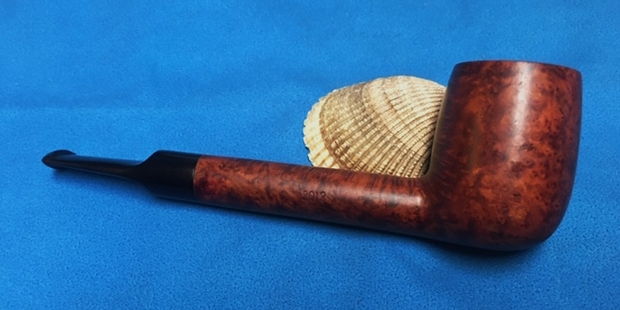
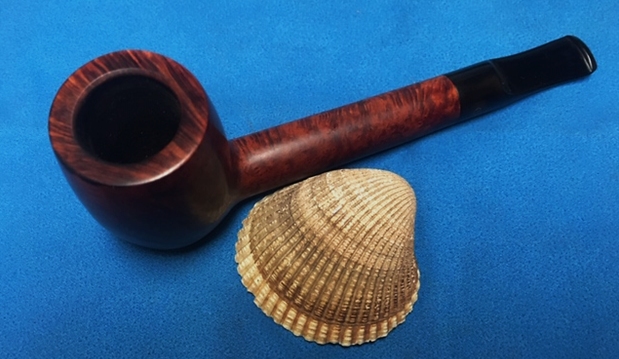
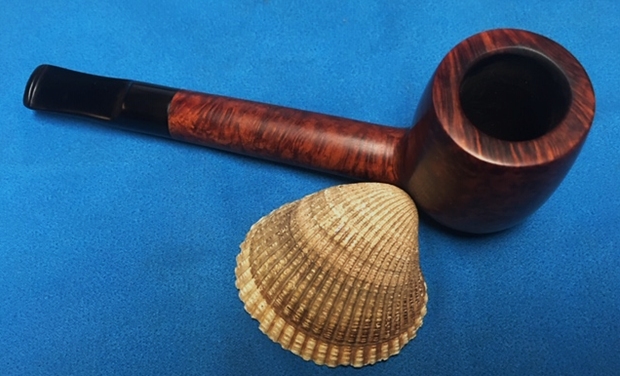
The next pipe from Bob Kerr’s Estate – a Charatan’s Make Belvedere 2012


Blog by Steve Laug

I am continuing to work on the pipes in Bob Kerr’s estate for a while. I am getting closer to finishing restoring this large estate with only about 29 more pipes to do. This is one of his two Charatan’s pipes that I am working on. I am cleaning them for the family and moving them out into the hands of pipemen and women who will carry on the trust that began with Bob and in some pipes was carried on by Bob. In the collection there were 19 Peterson’s pipes along with a bevy of Dunhills, some Comoy’s and Barlings as well as a lot of other pipes – a total of 125 pipes along with a box of parts. This is the largest estate that I have had the opportunity to work on. I put together a spread sheet of the pipes and stampings to create an invoice. I was taking on what would take me a fair amount of time to clean up. I could not pass up the opportunity to work on these pipes though. They were just too tempting. This beautiful Charatan’s Make Lovat is a great pipe to work on. It is a classic shaped pipe with a Charatan spin on the Lovat shape. It will go on the rebornpipes store.

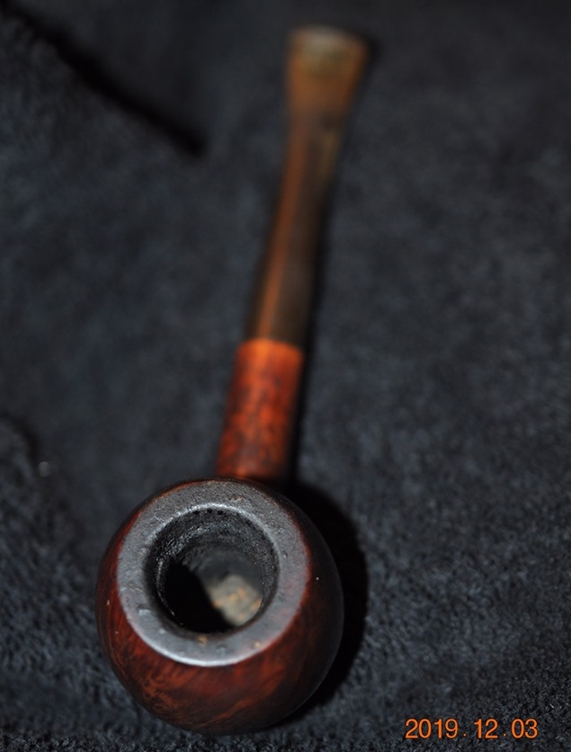
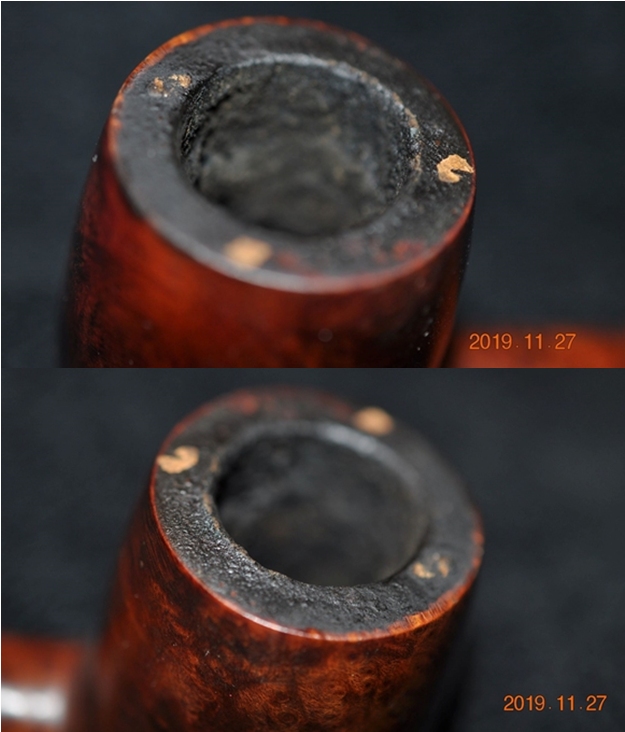
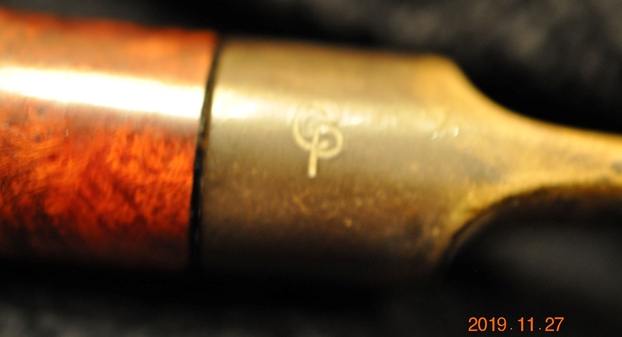
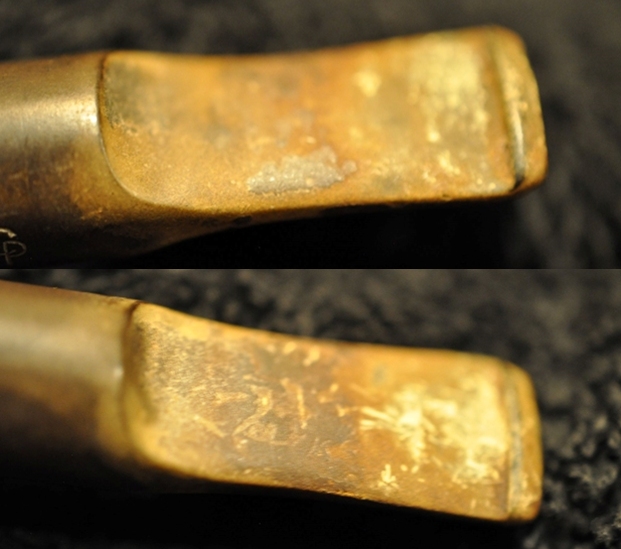
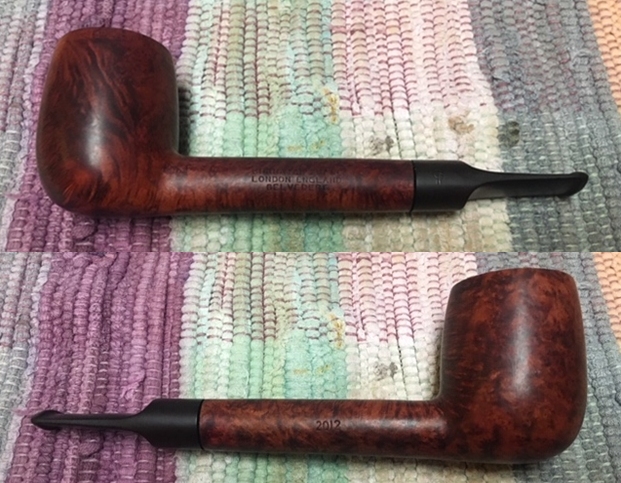
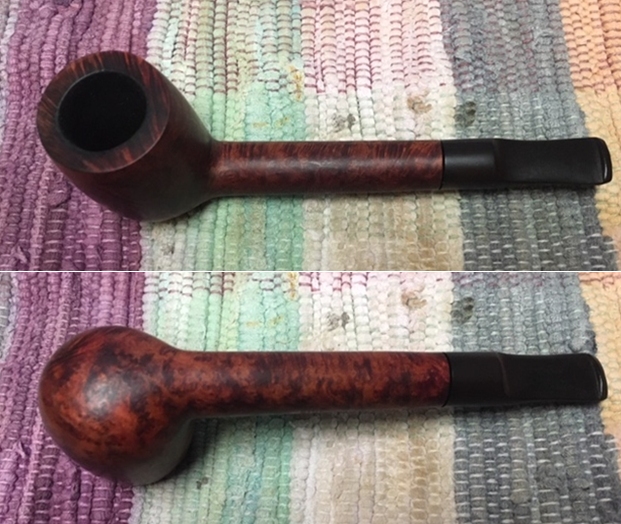
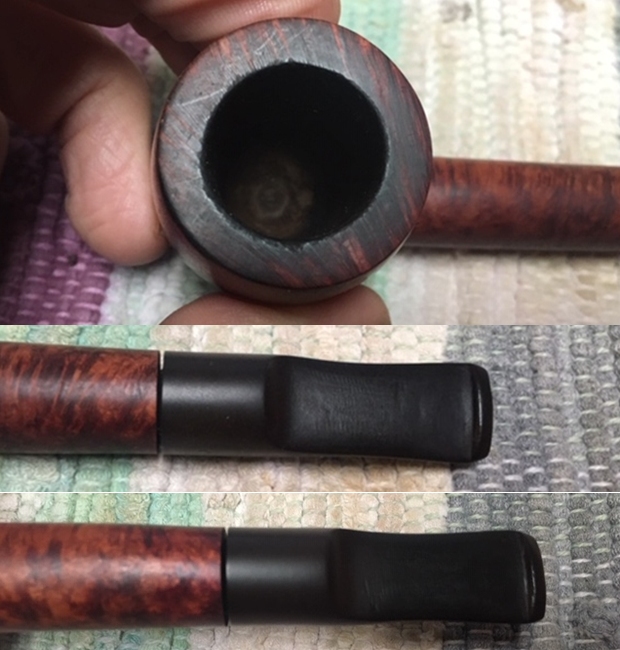
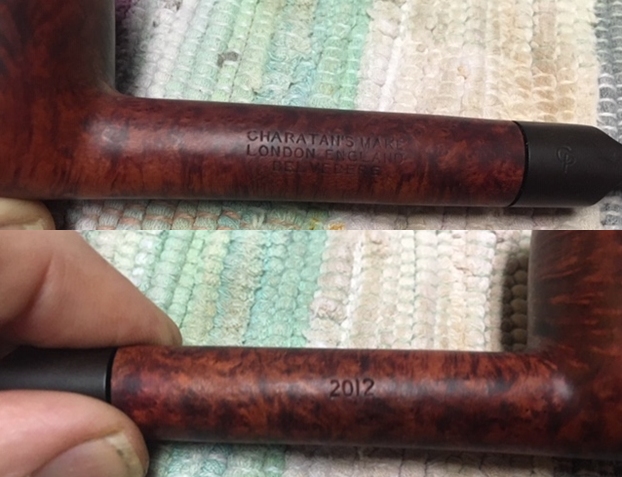
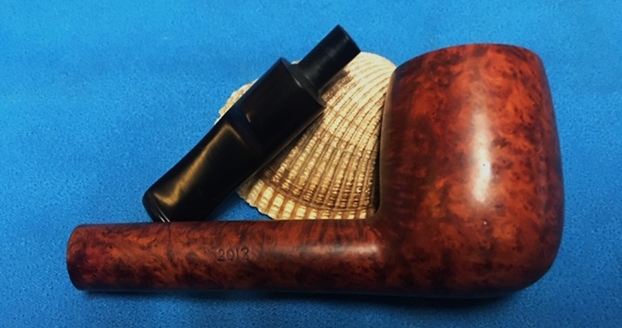
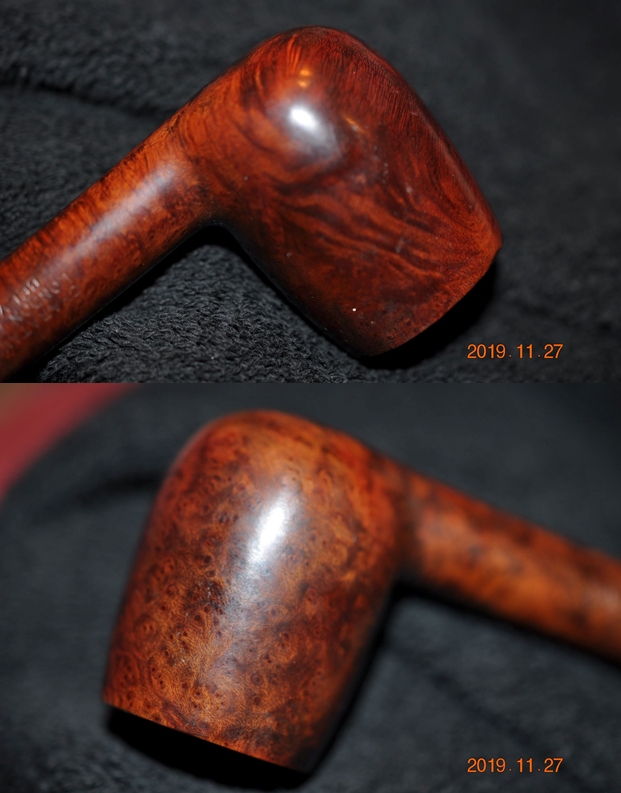
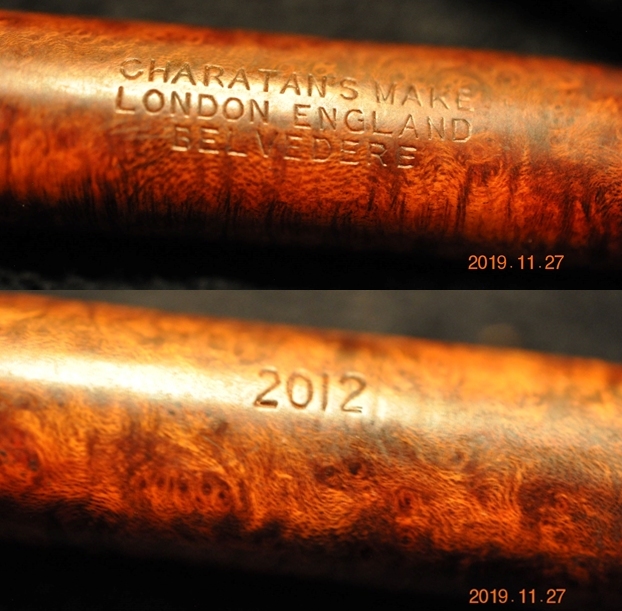
This Charatan’s Make London England Belvedere smooth finish with lots variation in the grain around the briar is a beauty! The pipe is stamped on the left of the shank and reads Charatan’s Make over London England over Belvedere. On the right side it has the shape number 2012. The grain grime and dirt ground into the mixture of grain around the bowl. It had rich dark and medium contrasting brown stains that do not look too bad. There was a thick cake in the bowl with remnants of tobacco stuck on the walls. There was a thick lava overflow sitting on the total rim top. The inner edge of the rim is dirty and may have some damage under the grime. It was a beautiful pipe that was dirty and tired looking. The stem was oxidized and calcified toward the end. It bears the CP stamp on the left side of the saddle stem. It had the characteristic tooth marks that I have come to expect from Bob’s pipes. Jeff took photos of the pipe before he started his cleanup work on it. He took photos of the bowl and rim top to show the cake in the bowl and the lava build up on the edges of the bowl. It was thick and hard but hopefully it had protected the rim top and edges from damage. It was hard to know for sure from the photos.Jeff took photos of the sides and heel of the bowl to show the condition of the finish. You can see the beautiful grain under the grime and grit ground into the finish. He took photos of the stamping on both side of the shank. The stamping was readable as you can see from the photos and read as noted above. You can also see the CP stamp on the left side of the saddle stem. Jeff took photos of the top and underside of the stem showing the tooth chatter, scratching and oxidation on the stem surface and wear on the edges of the button.To try to figure out the era of the Charatan’s pipe I was working on I turned to the Pipephil website, Logos and Stampings. There is some really helpful information on each of the lines of Charatan’s Make pipes that entered the market. Here is the link to the section of the site that I turned to (http://www.pipephil.eu/logos/en/logo-charatan.html). There is an alphabetical listing of the lines but the Belvedere they showed had a stem made for a 9mm filter while the one I have is a nonfiltered pipe. The site did give a short history of the brand. I quote the portion that is most pertinent.

The brand was founded in 1863 by Frederik Charatan. When his father retired in 1910, Reuben Charatan took over the family business. All the pipes were handmade until 1973. The brand name has been overtaken by Dunhill in 1978 and sold in 1988 to James B. Russell Inc.(NJ, USA). During the period 1988-2002 Charatans were crafted by Butz Choquin in St Claude (France). Dunhill re-purchased Charatan brand name in 2002 and Colin Fromm (Invicta Briars, Castleford) followed up on freehand production.

I turned to Pipedia to see if I could find more information on the brand and possibly a link to the Belvedere line (https://pipedia.org/wiki/Charatan) but once again in the general article it was not listed.  It did give a little more historical information. I quote the pertinent parts and have highlighted in red the sections that give information on this particular pipe.

In 1863 Frederick Charatan, a Russian/Jewish immigrant, opened a shop in Mansell Street, located in the borough of Tower Hamlets, London E1, where he began to carve Meerschaum pipes. These pipes got very popular soon, and thus Charatan moved to a bigger workshop in Prescot Street, just around the corner. Here he began to make briar pipes which should make the name famous the world over. Charatan was the first brand to make entirely hand-made briars from the rough block to the finished pipe including the stems. The nomenclature “Charatan’s Make” refers to this method of production and was meant to differ Charatan from other brands who “assembled” pipes from pre-drilled bowls and delivered mouthpieces.

Being the undisputed No. 1 in English pipemaking, Charatan was approached by Alfred Dunhill who was unsatisfied with the quality of the pipes he imported from France. During 1908 – 1910 Dunhill bought pipes from Charatan paying exorbitant prices to ensure he had some of the very best pipes for sale in England. In 1910 he lured away Joel Sasieni, one of Charatan’s best carvers, and opened his own small pipe workshop on 28 Duke Street. On the retirement of his father in 1910 Reuben Charatan took over the family business…

…The pre-Lane period (prior to 1955) and the Lane era pipes (1955 to until sometime between 1979 – 1984) are of primary interest the collector. The Lane era is often quoted as beginning about 1950… Charatan records are almost non-existent before Lane due to a factory fire, making it difficult to date pre-Lane pipes. Charatan used 4 basic grades prior to 1950: Supreme, Selected, Executive, and Belvedere. After 1950 Herman Lane’s influence began, and the grades started to expand. In 1955 Lane took over sole distributorship of Charatan in the US. In 1957 he introduced the Supreme S. Most of his other introductions were from the 60’s and early 70’s…

The section called Miscellaneous Notes had some interesting information. The pipe I was working did not have the Double Comfort (DC) bit which helps give more credence to an early pre-Lane date for this one. It also does not have the Serif L on the shank which adds to my belief of its early date.

Charatan records indicate the DC (Double Comfort) bit was introduced in the 50’s, but some report seeing them in earlier production. Still others indicate they were introduced by Lane in 1960. Regardless, the DC bit is not an accurate way to date a pipe because many Charatan’s were made with regular and saddle type bits throughout the “Lane Era”…

…The Lane Trademark serif and circled L indicates the pipe is from the “Lane Era” (approx. 1955 to 1979 -1984?), however it appears that both the English factory or Lane themselves sometimes, or perhaps even often forget to stamp the L on a pipe. The Charatan factory was known for inconsistencies, especially in stampings. Therefore, although an L on the pipe definitely defines it as a Lane Era pipe, the lack of it could simply mean the pipe missed receiving the stamp from the factory. The lack of the trademark could also mean the pipe was destined for the European market.

I continue digging further into the dating of the pipe, but what I had found was a good start for me. If some of you would like to try your hand at dating it more accurately as to the time period it came out you might want to check out the article on Pipedia on Dating Charatans (https://pipedia.org/wiki/Dating_of_Charatans).

I also reread the article on Pipedia by the Italian fellow who contributed some really helpful information on the brand (https://pipedia.org/wiki/Charatan_-_Milan_2014). I quote the section on the Second period: Reuben Charatan 1910 – c. 1962

– In 1962 Herman Lane took over the business from the Charatan family, although he had already influenced production from the 1950s.

– The pipes were mostly larger than the previous ones and corresponded in size to Dunhill group 5. These are slightly less rare, but still difficult to find.

– Stem: Usually in ebonite, saddle shaped or tapered, bearing a fine “CP” stamp, underbore system (see below) used when necessary.

– Shank: The shape code is stamped on it together with the nomenclature “CHARATAN’S MAKE LONDON ENGLAND” arranged in two lines. From 1955 onwards on the models marketed for the USA there is also a serif and circled capital “L” (but not all models bear this) which resembles the pound sterling symbol. The “L” is for Lane, the importer.

From 1958, Lane changed the nomenclature for models marketed for the US to clarify the message: “MADE BY HAND”.  In this period the underbore was introduced. Its manufacturing period ranged between 1920 and c.1930. This model was equipped with a duralumin plunger trap fitted in the stem, which served to clean the residue more easily. This particular model bore a special stamp on the stem, and also had its own catalogue…

QUALITY GRADES…The stem did not only display the stamps mentioned above. Another stamp that can help dating is the one referring to the quality of the pipe. Until Herman Lane arrived on the scene there were four quality grades. Starting with the lowest: Belvedere, Executive, Selected, and Supreme. Lane went on to add higher grades from time to time: Supreme S, Supreme S100, S150, S200, S250, S300, Coronation, Royal Achievement, Crown Achievement, and Summa Cum Laude; these last three are extremely rare and almost impossible to find. He also invented other, different grades, even changing the previous pipe classification standards. We will not go into detail here, but it means that if we find an S100 or Coronation the pipe was manufactured following Herman Lane’s acquisition. In particular, the FH mark, or Freehand pipe was commissioned to the famous Danish craftsman, Preben Holm.

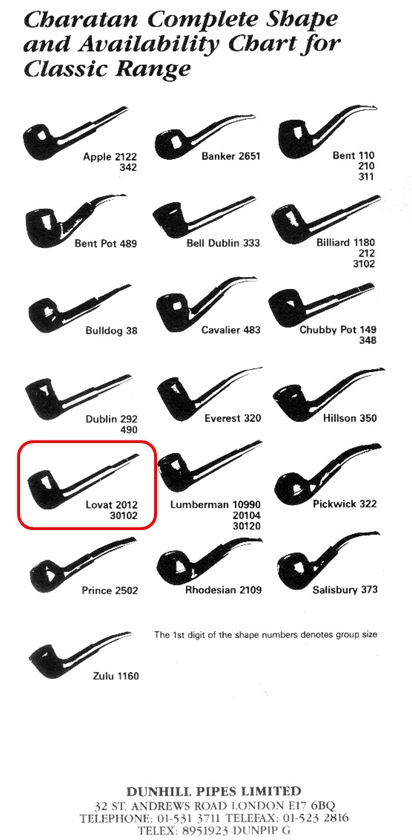
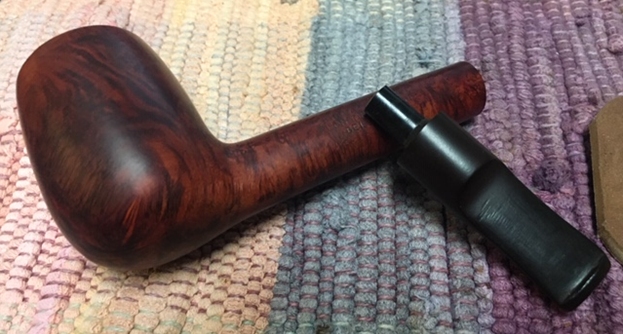
I am also including a shape chart from that site. I have drawn a red box around the 2012 Lovat shape.With over 125 pipes to clean from Bob’s estate I took a batch of them to the states with me when I visited and left them with Jeff so he could help me out. Jeff cleaned the pipes with his usual penchant for thoroughness that I really appreciate. Once he finished he shipped them back to me. This one was a real mess and I did not know what to expect when I unwrapped it from his box. He reamed it with a PipNet pipe reamer and cleaned up the reaming with a Savinelli Fitsall Pipe Knife. He scrubbed out the internals with alcohol, pipe cleaners and cotton swabs until the pipe was clean. He scrubbed the exterior of the bowl with Murphy’s Oil Soap and a tooth brush to remove the grime and grit on the briar and the lava on the rim top. The finish looks very good with good looking grain around the bowl and shank. Jeff scrubbed it with Soft Scrub and soaked it in Before & After Deoxidizer to remove the oxidation on the rubber. When the pipe arrived here in Vancouver for the second stop of its restoration tour it looked a lot better. The stem still had a lot of deep oxidation. I took photos before I started my part of the work.   I took some close up photos of the rim top and also of the stem surface. I wanted to show what cleaned bowl and rim top looked like. The rim top good but there was some damage on the inner edge with some charring on the front inner edge. I also took close up photos of the stem to show the light tooth marks and the remaining oxidation on the stem surface.I took photos of the stamping on the sides of the shank and it is clear and readable. It is stamped as noted above.   I took the stem off the shank and took some photos to give a clear picture of the pipe from the left side profile. It is a really pretty pipe.Since this is another pipe Bob’s estate I am sure that some of you have read at least some of the other restoration work that has been done on the previous pipes. You have also read what I have included about Bob Kerr, the pipeman who held these pipes in trust before I came to work on them (see photo to the left). Also, if you have followed the blog for long you will already know that I like to include background information on the pipeman whose pipes I am restoring. For me, when I am working on an estate I really like to have a sense of the person who held the pipes in trust before I worked on them. It gives me another dimension of the restoration work. I asked Brian if he or his wife would like to write a brief biographical tribute to her father, Bob. His daughter worked on it and I received the following short write up on him and some pictures to go along with the words including one of Bob’s carvings. Once again I thank you Brian and tell your wife thank you as well.

I am delighted to pass on these beloved pipes of my father’s. I hope each user gets many hours of contemplative pleasure as he did. I remember the aroma of tobacco in the rec room, as he put up his feet on his lazy boy. He’d be first at the paper then, no one could touch it before him. Maybe there would be a movie on with an actor smoking a pipe. He would have very definite opinions on whether the performer was a ‘real’ smoker or not, a distinction which I could never see but it would be very clear to him. He worked by day as a sales manager of a paper products company, a job he hated. What he longed for was the life of an artist, so on the weekends and sometimes mid-week evenings he would journey to his workshop and come out with wood sculptures, all of which he declared as crap but every one of them treasured by my sister and myself. Enjoy the pipes, and maybe a little of his creative spirit will enter you!

Now on to my part of the restoration of this Charatan’s Make 2012 Lovat. I decided to start by dealing with the damage to the inner edge of the rim. I used a folded piece of 220 grit sandpaper to smooth out the edge and give it a slight bevel to remove the damaged area and bring the bowl back into round.Sometimes the pipe does not come with enough work on it! Today I took the pipe to my old office to work on it while I waited for movers to come for our Canon Copier and some of the desks, computers and equipment. I was carrying it from my car to the office and it fell out of my hand and bounced off the asphalt parking lot. It left some nice road rash on the right side of the bowl. I tell you when that happens I want to cry!! This evening when I got home I filled in the divots of the rash with some clear super glue. Once it cured I sanded them smooth with micromesh and blended them into the surrounding briar.I polished the briar with micromesh sanding pads – wet sanding with 1500-12000 grit pads and wiping the briar down with a damp cloth after each sanding pad. I rubbed the bowl down with Before & After Restoration Balm. I worked it into the surface of the briar with my fingertips to clean, enliven and protect it. I let the balm sit for a little while and then buffed with a cotton cloth and shoe brush to raise the shine. Mark Hoover’s Balm is a product that I have come to appreciate and one I use on every pipe I have been working on. I set the bowl aside and turned my attention to the stem. It did not seat against the shank end when it arrived as could be seen from the photos at the beginning. Someone had trimmed the step down tenon slightly and done it crooked. To smooth that out and facilitate a snug fit against the shank end I cleaned up the tenon. I topped the tenon on the topping board with 220 grit sandpaper and straightened out the tenon end. It did not take too much work to get the fit right.I worked over the rest of the remaining oxidation and the tooth marks with 220 grit sandpaper. I started polishing the stem with 400 grit wet dry sandpaper. At this point it is starting to look much better.  I touched up the CP stamp on the left side of the saddle stem with some Rub’N Buff Antique gold. I tried some Liquid Paper but it did not stick. The Rub’N Buff worked well and highlights the fine stamping of the entwined CP on the left side of the saddle.I polished the vulcanite with micromesh sanding pads – 1500-12000 grit pads. I wiped it down with a damp cloth after each sanding pad. I used Before & After Pipe Polish – both Fine and Extra Fine to further polish the stem. This Charatan’s Make Belvedere Lovat from Bob Kerr’s estate turned out to be a great looking pipe. The mix of brown stains highlights the grain around the bowl sides, top and bottom. The finish on the pipe is in excellent condition and the contrasting stains work well with the polished vulcanite saddle stem. I put the stem back on the bowl and carefully buffed the pipe with Blue Diamond on the buffing wheel using a light touch on the briar. I gave the bowl and stem multiple coats of carnauba wax on the buffing wheel and followed that by buffing the entire pipe with a clean buffing pad. I hand buffed the pipe with a microfiber cloth to deepen the shine. The finished Charatan’s Make Belvedere Lovat fits nicely in the hand and feels great. Give the finished pipe a look in the photos below. The dimensions of the pipe are Length: 5 ¾ inches, Height: 2 inches, Outside diameter of the bowl: 1 ¼ inches, Chamber diameter: ¾ of an inch. If you are interested in carrying on Bob’s legacy with this pipe send me a message or an email. I have more to work on of various brands. Perhaps one of those will catch your attention. Thanks for reading this blog and my reflections on the pipe while I worked on it. This is an interesting estate to bring back to life.

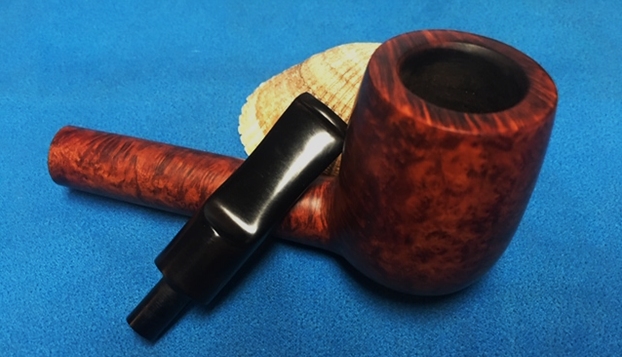
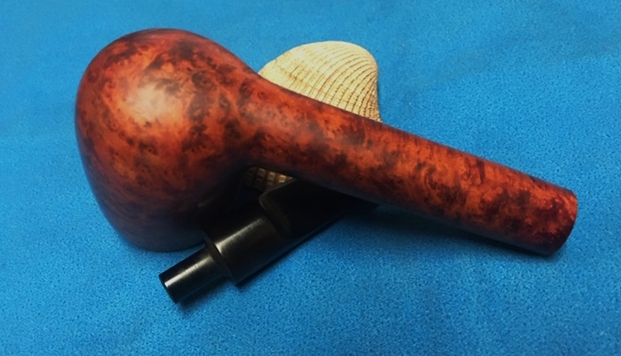
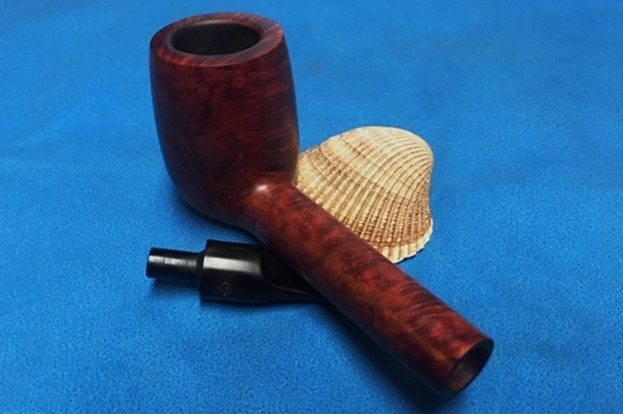
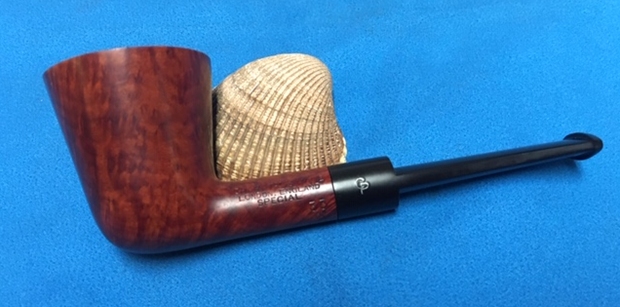
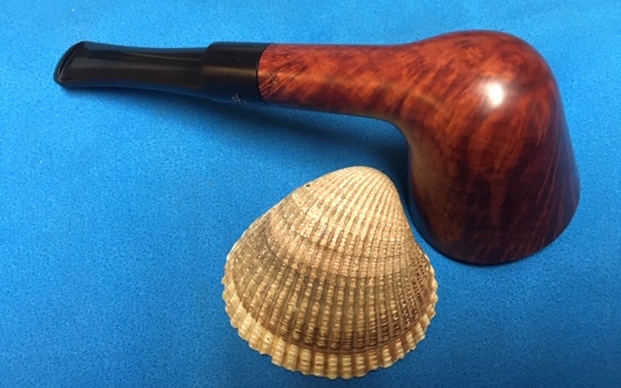
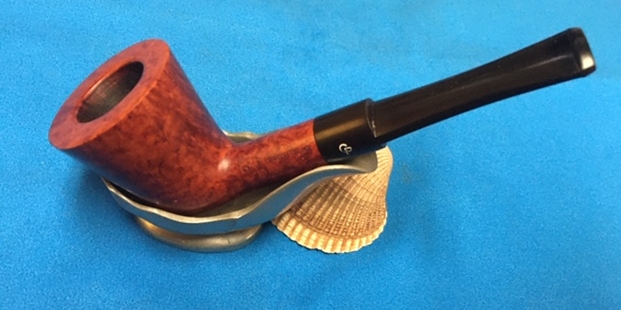
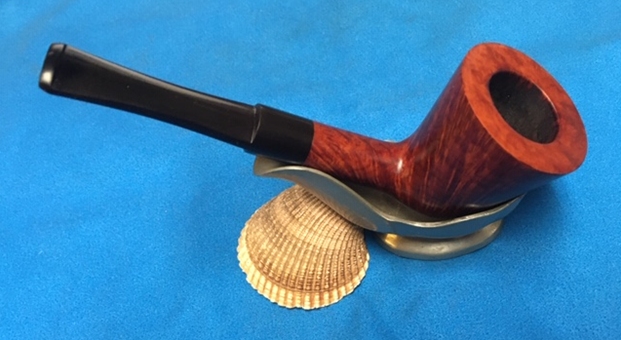
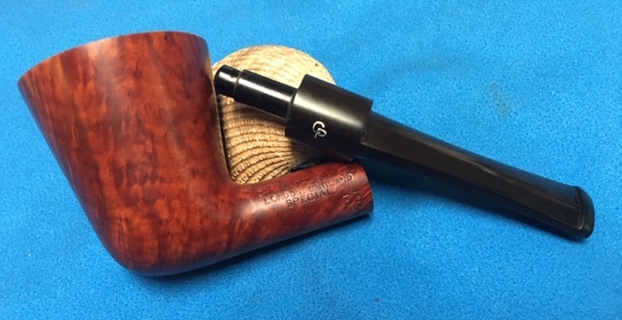
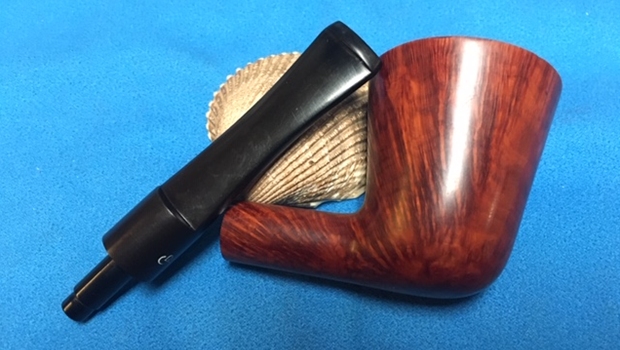
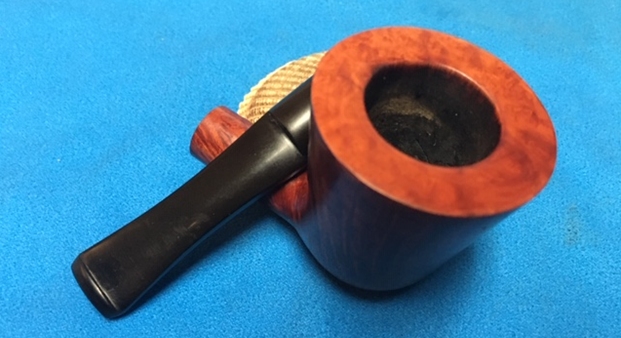
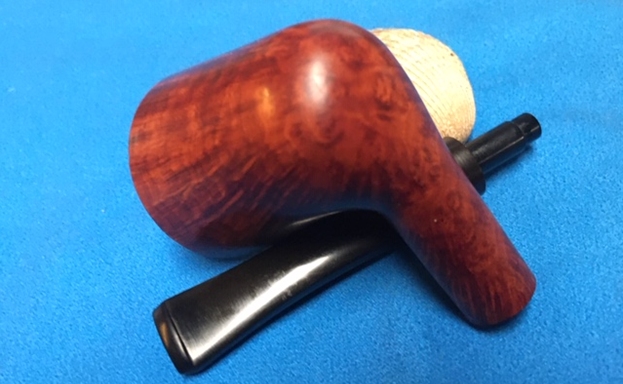
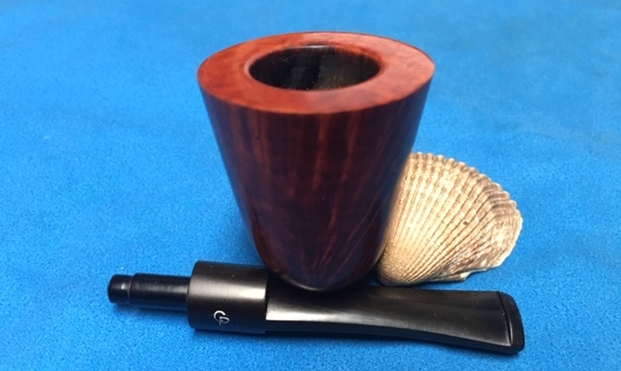
Breathing New Life into a Charatan’s Make Special Bell 33X Dublin


Blog by Steve Laug

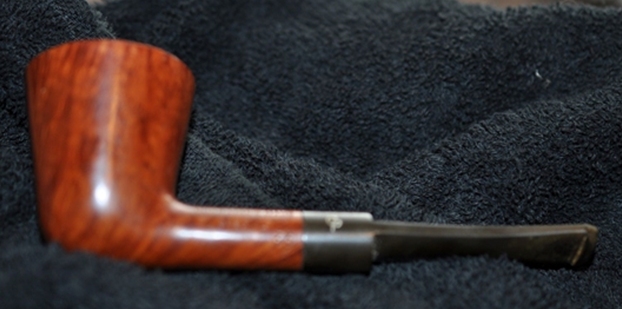
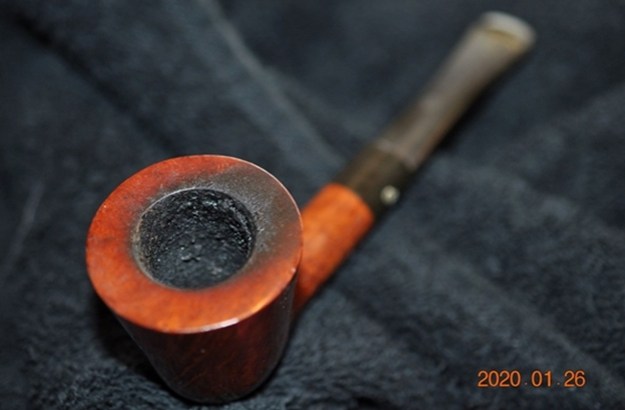
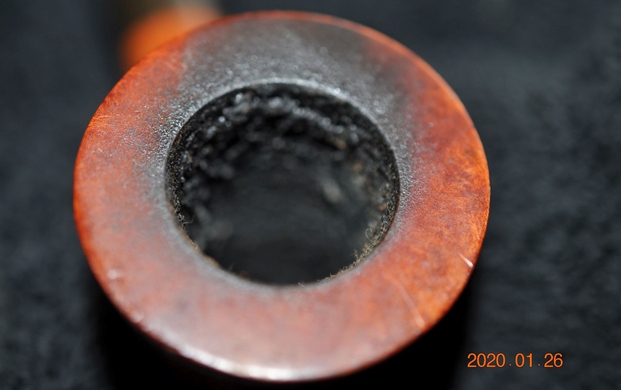
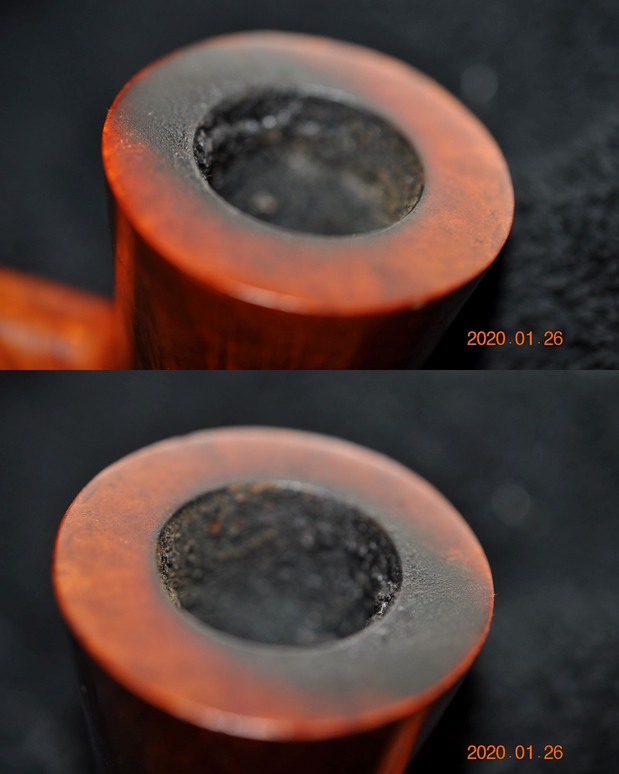
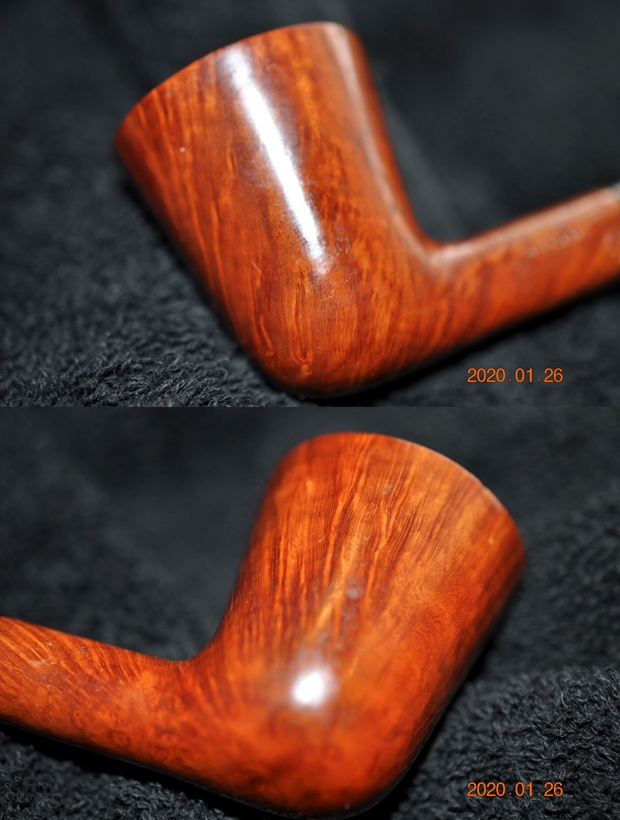
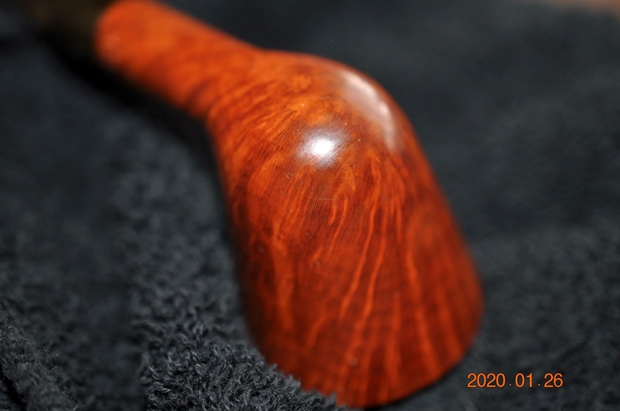
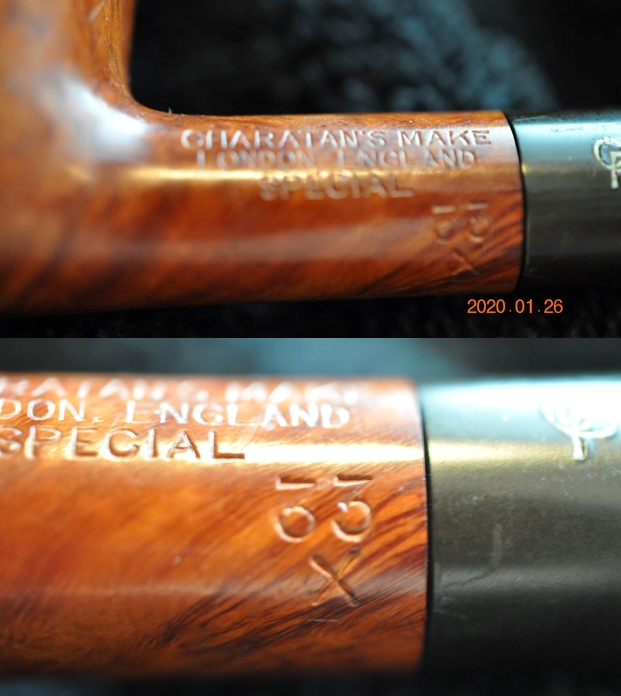
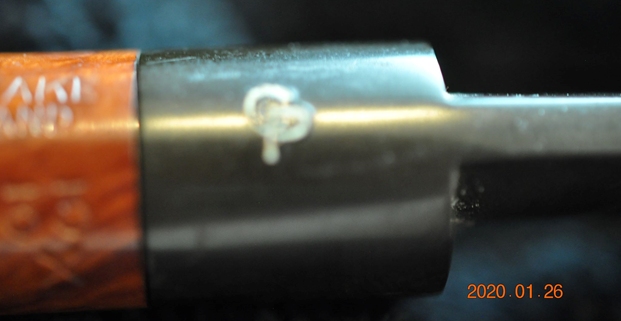
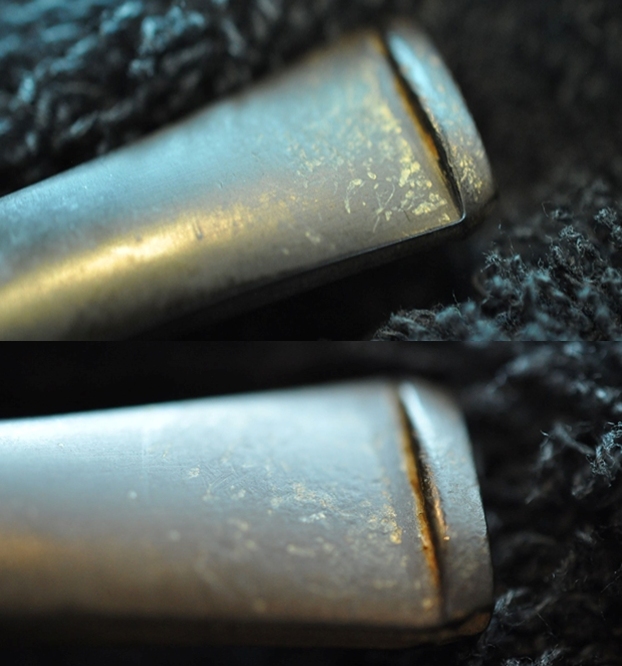
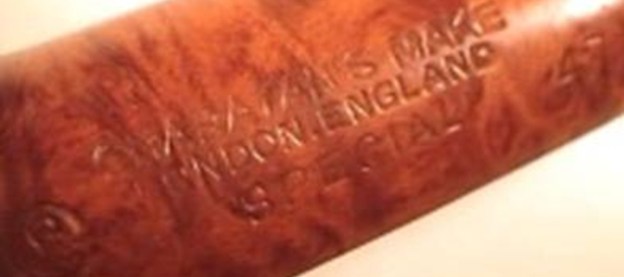
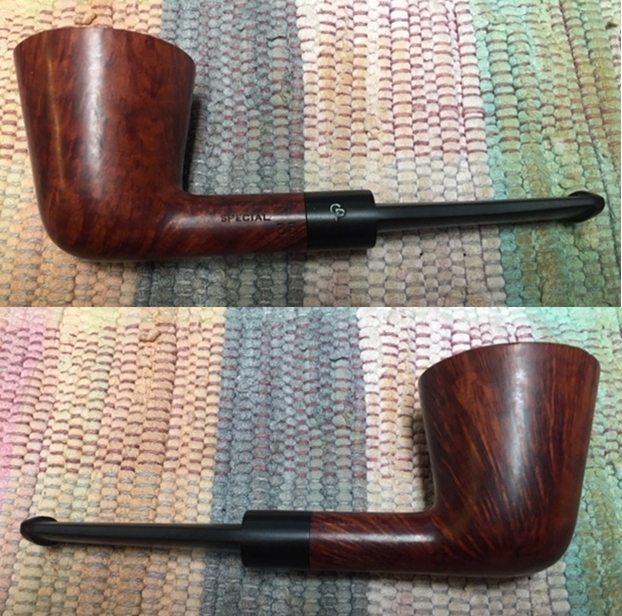
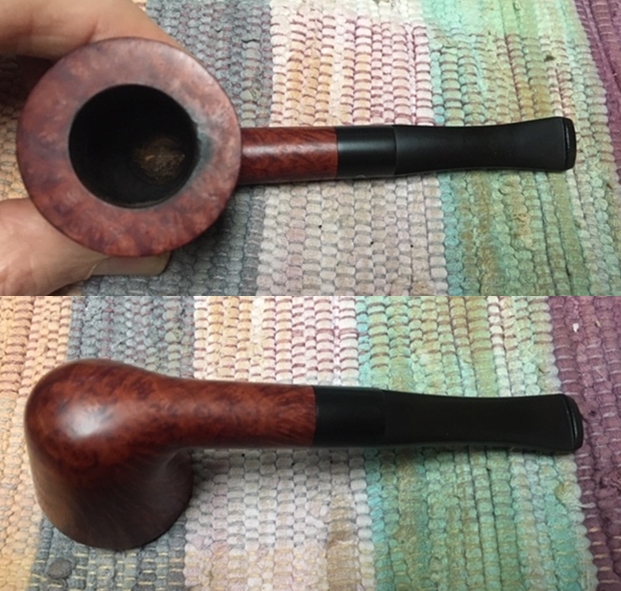
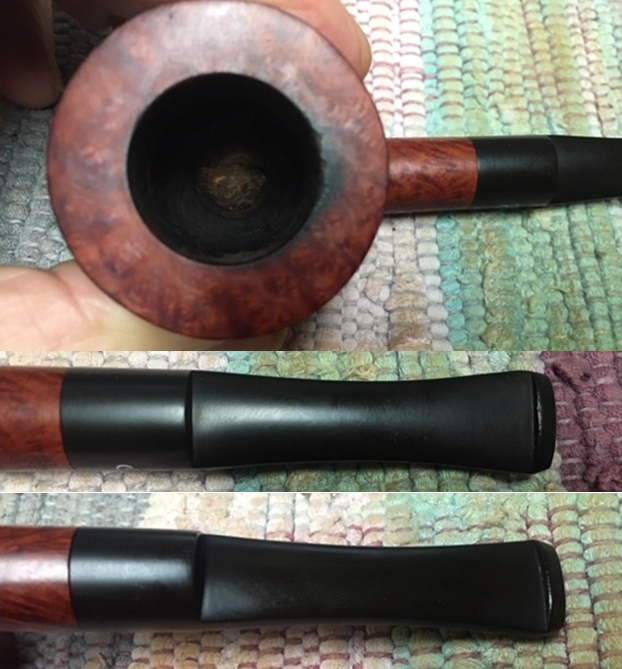
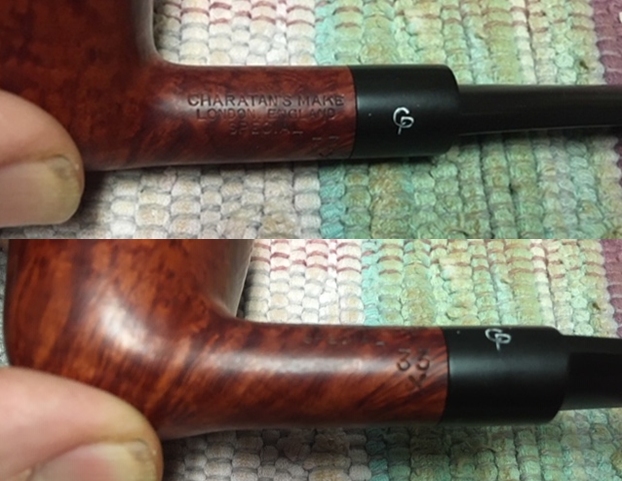
I still remember the first Charatan pipe I picked up over 25 or so years ago. I remember finding it in an Antique Shop that is no longer around. It was Charatan’s Make Bell 33X with a Double Comfort (DC) bit on it and probably the craggiest looking sandblast I had seen to date when I found it. I still have that pipe and still fire it up with a good bowl of 5100. It is a smoking machine. So when I when I moved on to choose the next pipe to work on it was not a far stretch to pick the Charatan’s Make Special Bell 33X smooth that was in my box. It is a nice looking Dublin shaped pipe that Charatan called a Bell. All of the stamping is on the left side of the shank. It reads Charatan’s Make [over] London England. Under that it reads Special with the shape number 33X. The CP logo on the left side of the vulcanite saddle stem is clear and readable. It was dirty and was another well-loved pipe when we received it. The bowl had a thick cake and the lava overflow on the inner edge of the bowl a heavy on the back side of the rim top. It was hard to know the condition of the inner edge of the bowl. The pipe had a rich medium brown stain that highlighted nice grain on the bowl sides under the grime and the finish appeared to be in good condition. A lot would be revealed once Jeff had worked his magic on it. The vulcanite saddle stem was in good condition with light tooth chatter and marks on both sides ahead of the button and on the button surface itself. Jeff took photos of the pipe before he started his cleanup work. Jeff tried to capture the condition of the bowl and rim top with the next series of photos. You can see the work that is ahead of us there. The grain around the bowl is quite stunning. Jeff took some great photos showing what is underneath the grime and debris of time and use. He captured the stamping on the left side of the shank and both sides of the half saddle acrylic stem. They are clear and readable. It read as noted above. The photos of the stem show the stem surface. It is dirty and has light tooth marks and chatter on both sides ahead of the button.I turned to Pipephil to get a quick overview on the brand to refresh me in a quick overview of the history of the Charatan’s Make Brand (http://www.pipephil.eu/logos/en/logo-charatan.html). I quote a pertinent summary of the information I found there.

Short history of the brand. Brand founded in 1863 by Frederik Charatan. When his father retired in 1910, Reuben Charatan took over the family business. All the pipes were handmade until 1973. The brand name has been overtaken by Dunhill in 1978 and sold in 1988 to James B. Russell Inc. (NJ, USA). During the period 1988-2002 Charatans were crafted by Butz Choquin in St Claude (France). Dunhill re-purchased Charatan brand name in 2002 and Colin Fromm (Invicta Briars, Castleford) follows up on freehand production.

I turned to Pipedia to the specific section on Dating Charatans to fill in more of the gaps (https://pipedia.org/wiki/Dating_of_Charatans). I was hoping to be able to solidify the time period that the pipe was made. In reading through the material I am pretty confident that the pipe is a Third Era Pipe. I have included the section from the article that helped me arrive at this conclusion.

Identification of a third era pipe (First Lane era, 1961-1965)

Pipes of this period are quite common.

1) The mouthpiece is frequently double comfort, rarely saddle without the double comfort, never tapered. If the stem is not a double comfort but a saddle one, it is characterized by the letter X on the right of the shape code (e.g. 2502X), naturally in this case the letters DC are not displayed.

2) In the CP logo, the C enters the P

3) Presence of £ on the shank (note that from 1955 all the pipe imported in the USA by Lane has it, however that stamping is not synonymous of the Lane era)

4)Presence of the letter DC just after the shape number (e.g. 2502 DC) or of the letter X only if the stem is not a double comfort one

5) Presence in some models of the stamp “MADE BY HAND” on the shank (introduced for the first time in 1958)

6) Presence of the writing “CHARATAN’S MAKE LONDON ENGLAND” on 2 lines

7) The CP logo is thicker than in previous eras

I am also including a photo from the article that shows the same stamping as the one I am working on. The one I have has a different shape number (33X) and also does not have the Lane’s L stamp visible on the left side of the shank in the photo below.I posted the stamping on the Tobacco Pipe Restorers Group on FaceBook and Paige Simms and I dialogued a bit about it. Michael Stanley responded first and echoed my thinking. Paige Simms followed up with the rest of the dialogue. It was a very helpful conversation.

Michael Stanley: The “X” denotes a non DC mouthpiece. And imho, that, was a good move!

 Steve Laug: Thanks Michael I would agree.

Paige Simms: I beg to differ my friends. The ‘X’ denotes a ‘special’ pipe in grain, size or maybe shape. I have several DC stemmed pieces stamped ‘X’

Paige Simms: No ‘Lane stamp’ may mean made before 1958ish…….or they forgot to stamp it. LOL. But the shape number ’33’ probably dates it pre1968. How is it stamped on the right side of the shank? IMPORTANT

Steve Laug: Nothing on the right side Paige… Everything is on the left

Paige Simms: Meaning then, the pipe was made before 1955 or 1960. The nomenclature change after the ‘blank right shank’ was in block letters “MADE BY HAND”. That stamp started in 1956 or 1961. (And ran for 5 years only). I was a founding member and I learned well from ‘The International Charatan Pipe Smokers Society’. That’s a Great pipe!!!

Steve Laug: What is the 1968 referring to above?

Paige Simms: The first year of the “Lane stamping”

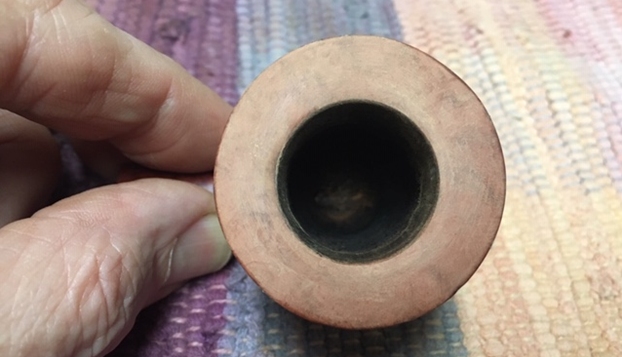
With that information in hand Pipedia informed me that I was dealing with an era of Charatans pipes that were quite common. It was known as a third era pipe (First Lane era, 1961-1965). According to the information from Pipedia the pipe was made in the early 1960s. From Paige Simms information it pushed it back a bit further to being made before 1955 or 1960. The nomenclature change after the ‘blank right shank’ was in block letters “MADE BY HAND”. That stamp started in 1956 or 1961. (And ran for 5 years only).  I now had an idea of the age of the pipe and a bit of its story – it had been made between 1955-1961. Now it was time to work on the pipe itself.

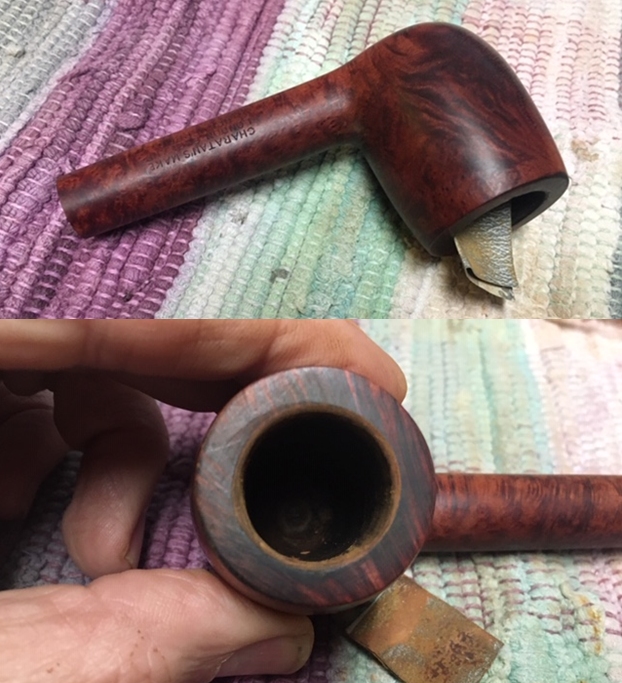
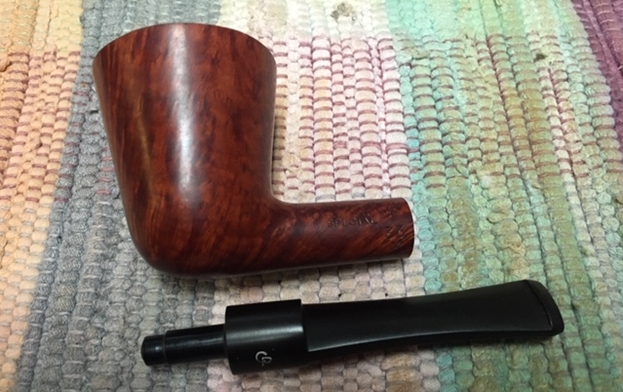
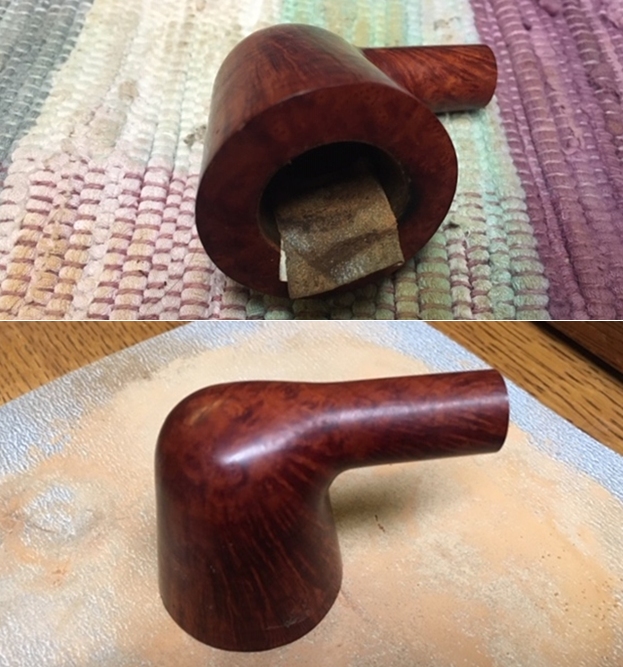
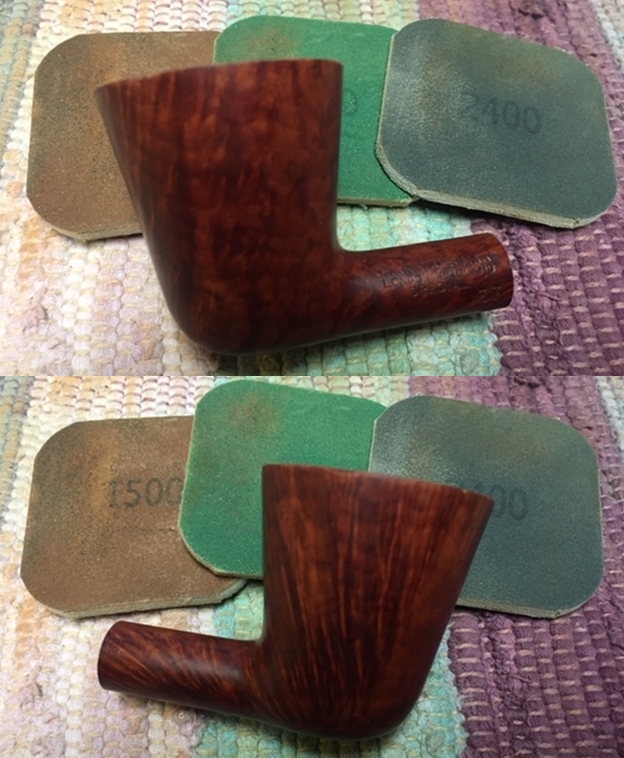
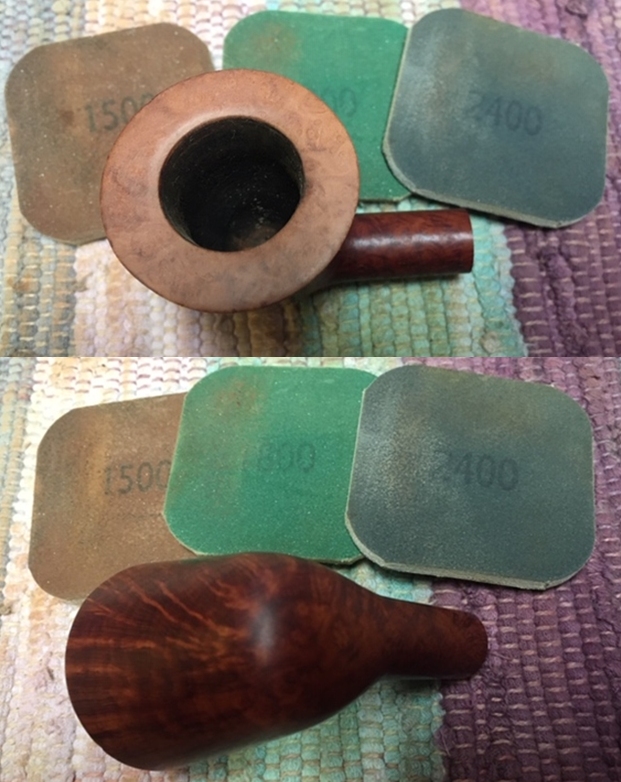
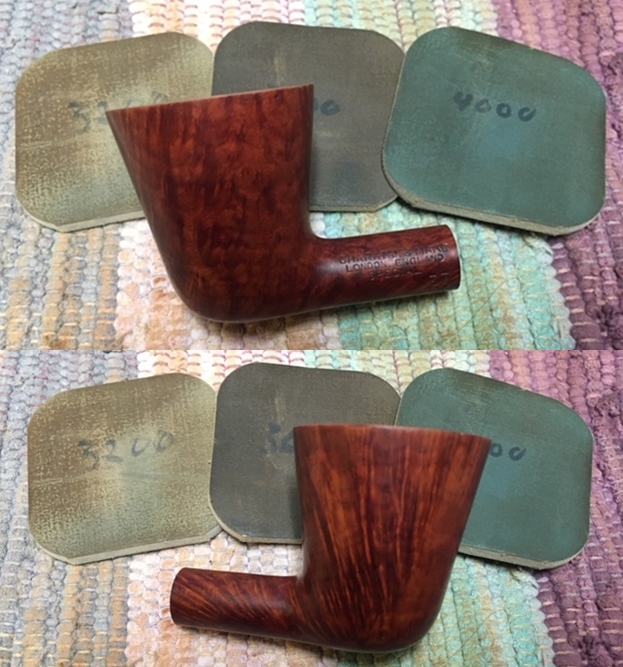
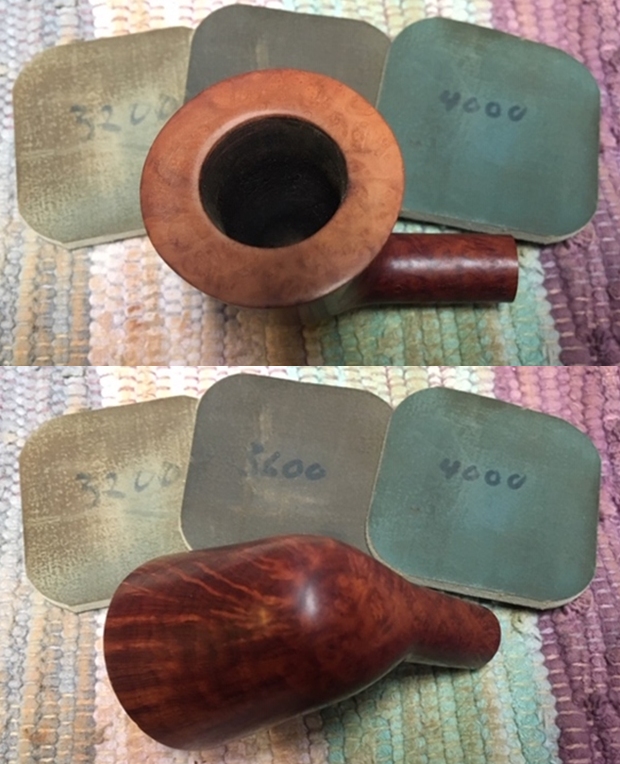
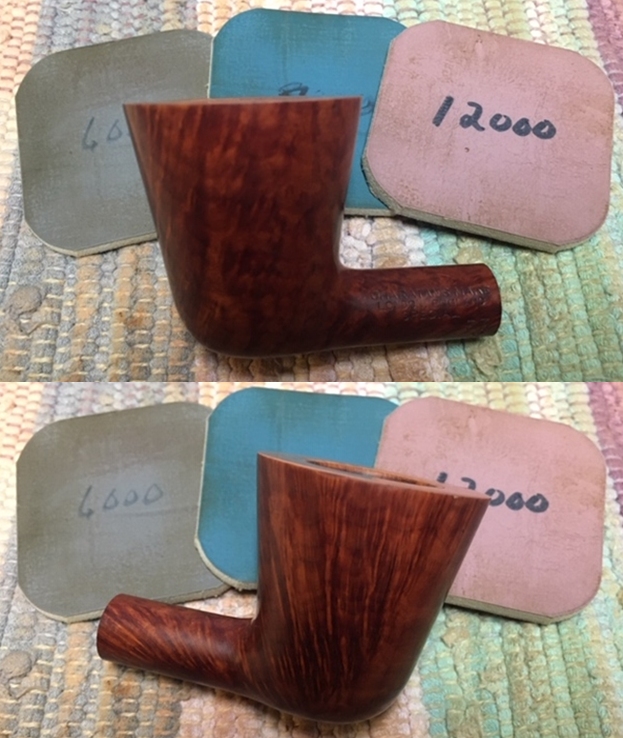
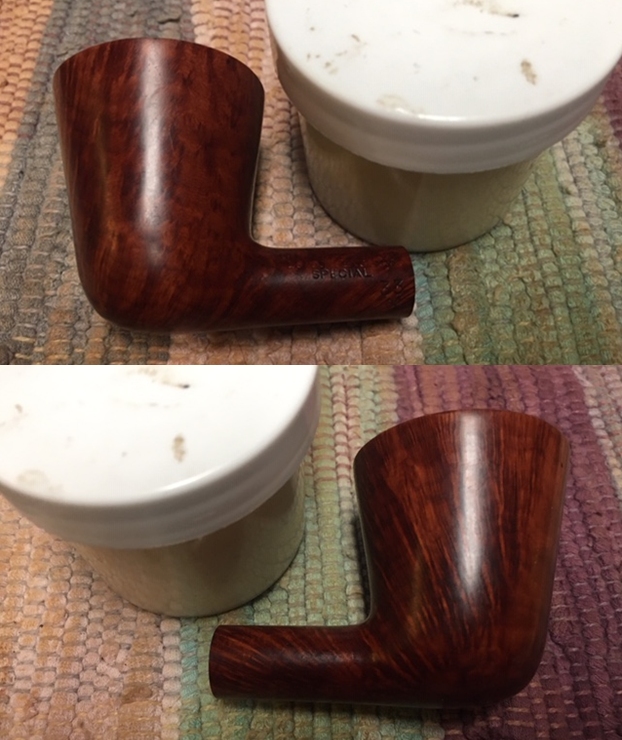
Jeff cleaned the pipe with his usual penchant for thoroughness that I really appreciate. This one was a real mess and I did not know what to expect when I unwrapped it from his box. He reamed it with a PipNet pipe reamer and cleaned up the reaming with a Savinelli Fitsall Pipe Knife. He scrubbed out the internals with alcohol, pipe cleaners and cotton swabs until the pipe was clean. He scrubbed the exterior of the bowl with Murphy’s Oil Soap and a tooth brush to remove the grime and grit on the briar and the lava on the rim top. The finish looks very good with good looking grain around the bowl and shank. Jeff scrubbed the stem with Soft Scrub and then soaked it in Before & After Deoxidizer to remove the oxidation on the rubber. When the pipe arrived here in Vancouver for the second stop of its restoration tour it looked very good. I took photos before I started my part of the work. I took some photos of the rim top and stem. Once Jeff removed the lava on the back side of the rim top and inner edges the damage became evident. There was some significant damage on the back inner edge of the bowl that included chipping and burning of the surface. The outer edge of the bowl looks very good. The close up photos of the stem shows that is it very clean and there is some minimal tooth chatter and marks on the button and surface just ahead of the button.I took photos of the stamping on the stem and shank of the pipe. It is clear and readable. I took the stem off the shank and took a picture of the pipe. It really is a nice looking pipe with great lines.I started my part of the restoration work on the pipe by trying to address the burn damage on the back inner edge of the rim. The least invasive method was where I started. I used a folded piece of 220 grit sandpaper to try and smooth out the edge while keeping the bowl in round. While I was able to smooth out the edge and keep it round the burn damage on the back of the rim top needed something a little more invasive. This is probably a step that some will find unnecessary but I feel somewhat compelled to try to bring it back as close as possible to the original look. I topped it on a topping board with 220 grit sandpaper. Once I finished it I smoothed out the inner edge again. The third photo below shows the newly shaped rim top without the burn damage. Fortunately it was not too deep and the topping was minimal. I was happy with the rim top and edges now so it was time to polish the briar with micromesh sanding pads – dry sanding with 1500-12000 grit pads. I wiped the bowl down after each pad with a damp cloth. I was also hoping to blend the newly topped bowl into the finish of the rest of the pipe. The grain really began to stand out and the finish took on a shine by the last sanding pad. The photos tell the story! I apologize for the next photo but I did not catch it until later in the process when it was too late to go back and retake the photo.I touched up the rim top up with a blend of oak and maple stain pens to match the rest of the bowl. I forgot to take a photo of that. When the stain was cured I worked some Before & After Restoration Balm into the surface of the briar with my fingertips. The product works to clean, enliven and protect the briar. I let the balm sit for about ten minutes and then buffed with a cotton cloth to raise the shine. The photos show the bowl at this point in the restoration process. I laid the bowl aside and turned to deal with the stem. The tooth marks and chatter on the stem were not deep. I polished the stem with micromesh sanding pads – dry sanding with 1500-12000 grit sanding pads. I wiped it down after each sanding pad with a cloth containing some Obsidian Oil. I finished polishing it with Before & After Pipe Stem Polish – both Fine and Extra Fine and buffed it off with a cotton cloth. This older Charatan pipe came together quite well. The finish on the pipe is in excellent condition and the contrasting stains work well with the black vulcanite saddle stem. With the grime and debris gone from the finish and the bowl it was a beauty and the grain just pops at this point. I put the stem back on the bowl and buffed the pipe with Blue Diamond on the buffing wheel. I carefully avoided the stamping on the shank and stem during the process. I gave the bowl and the stem multiple coats of carnauba wax on the buffing wheel and followed that by buffing it with a clean buffing pad on the buffer. I hand buffed the pipe with a microfiber cloth to deepen the shine. The finished Charatan’s Make Special 33X is quite beautiful and is a lovely Bell shaped pipe. The finish on the bowl combines various stains to give it depth. It is very well done. Give the finished pipe a look in the photos below. I can only tell you that it is much prettier in person than the photos capture. The dimensions of the pipe are Length: 5 inches, Height: 2 inches, Outside diameter of the bowl: 1 5/8 inches, Chamber diameter: ¾ of an inch. I really like this Bell shaped Charatan’s Make Special pipe and it really does remind me of one of my first pipe finds. This is a great looking pipe in great condition. Thanks for walking through the restoration with me as I worked over another beautiful pipe. Thanks for your time.