
Blog by Steve Laug
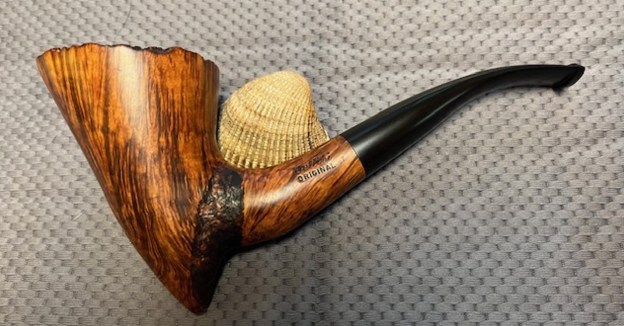
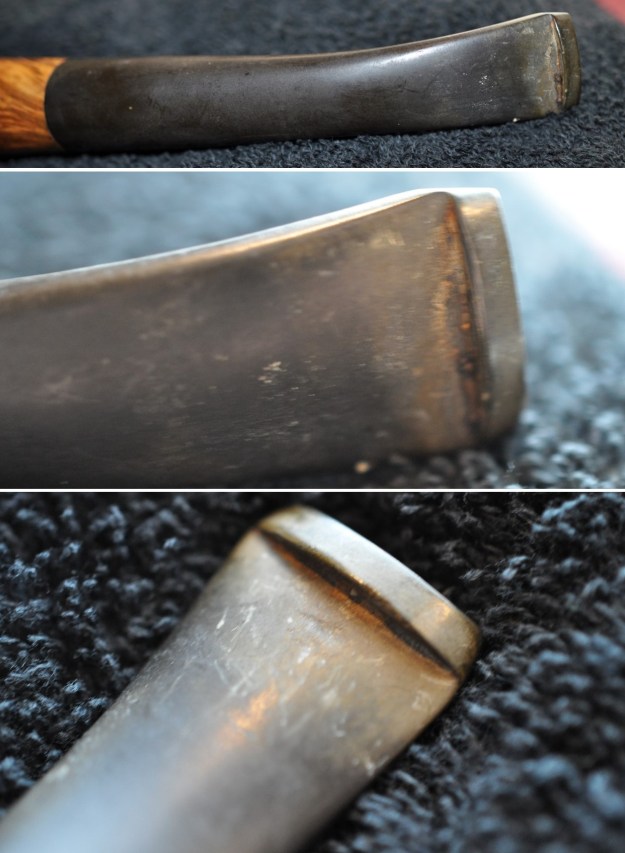
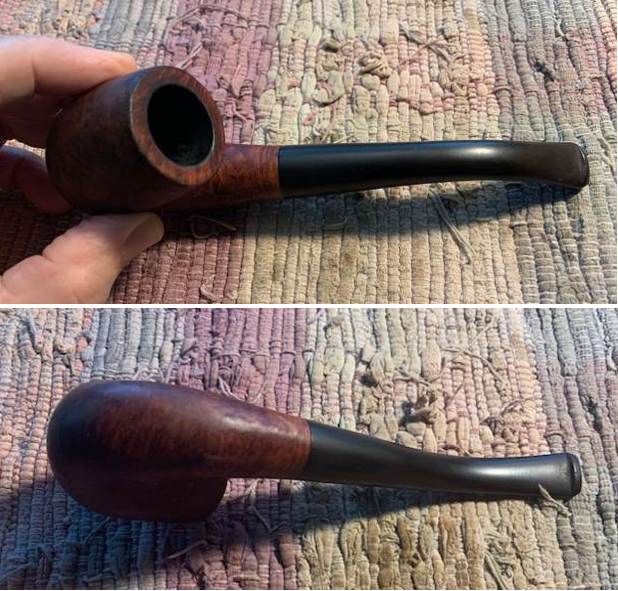
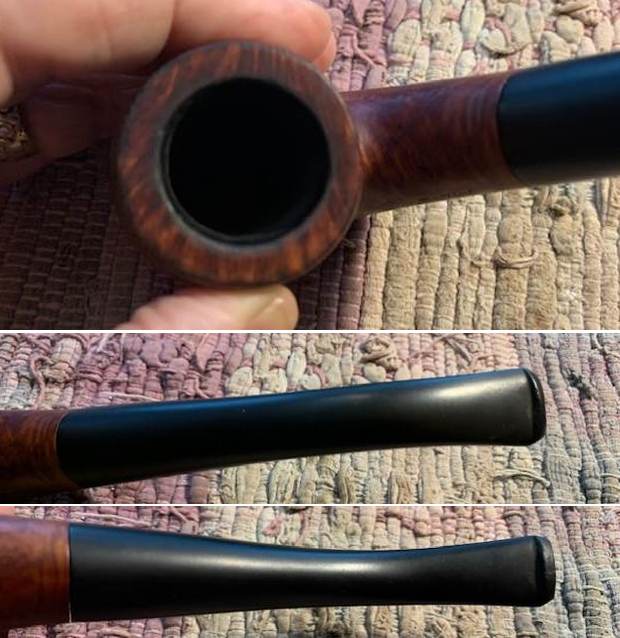
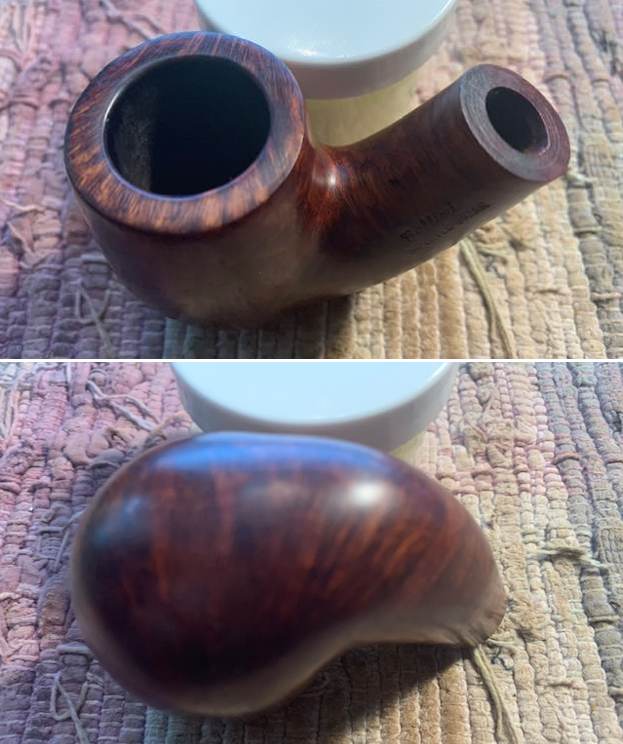
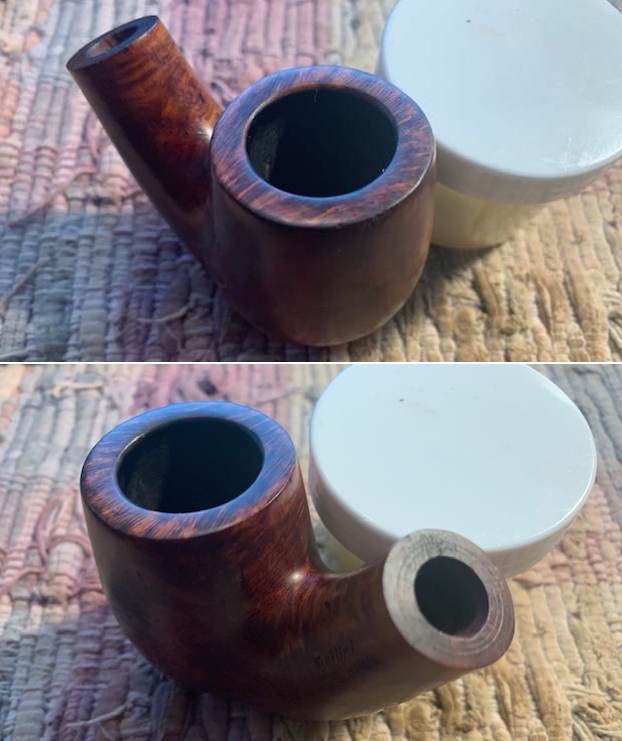
The next pipe on the table is a Freehand with some rustication at the shank/bowl joint and plateau on the rim top. It has a well shaped thick vulcanite taper stem. We purchased it from an estate sale in Idaho Falls, Idaho, USA on 09/16/2023. The pipe is stamped on the left side of the shank and reads Cellini [over] Original. There is no other stamping on the bowl or shank. There was a thick cake in the bowl and some darkening and lava on the inner edge of the bowl and the first part of the plateau rim top. It was hard to know for certain the condition of the inner edge though it appeared to be in good condition. There were oils and grime ground into the bowl sides gives the finish a flat look though there is some great grain. The shank is thick and has a slight curve to it giving the pipe the appearance of a pick axe. The shape of the taper stem also matches the curves of the bowl and shank. It is a dirty stem with calcification, oxidation, grime and grit on the surface. There were also light tooth marks on both the top and underside of the stem just ahead of the button. Jeff took photos of the pipe before he started his clean up work. I have included them below.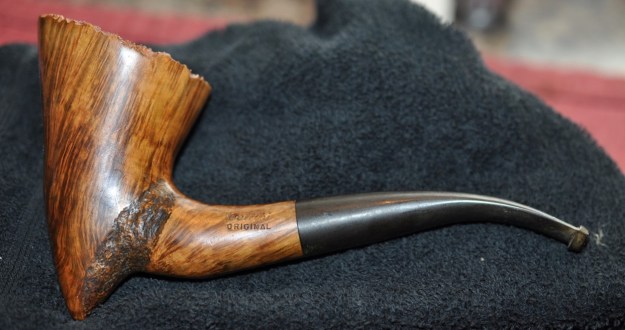 He took photos of the pipe’s bowl and rim top to show the cake in the bowl, the darkening on the inner edge and the lava coat overflowing onto the top. There are some oil stains on the rim top in various spots among the plateau finish. It is another dirty pipe. He also took photos to capture the oxidation, calcification and the light tooth marks on the top and underside of the stem near the button.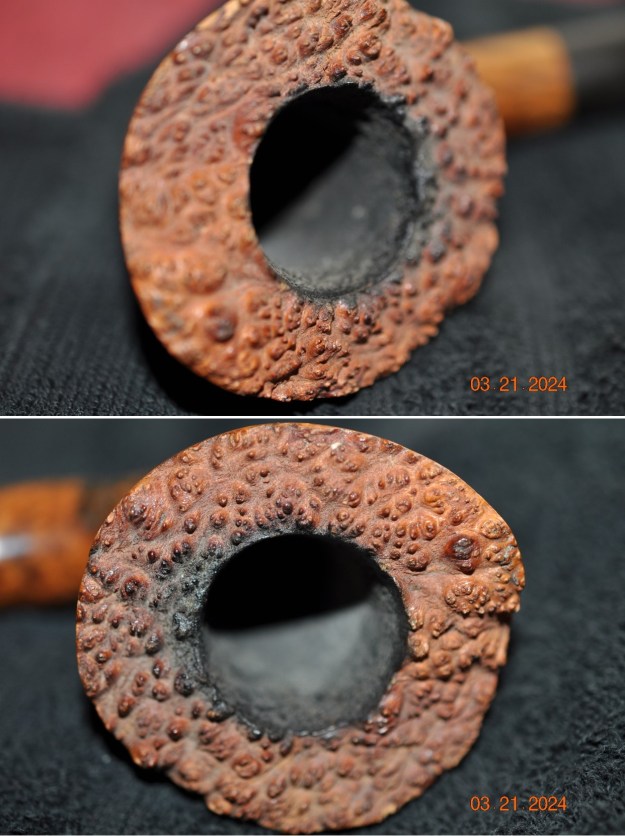
 He took photos of the sides and heel of the bowl to show the grain around the bowl and the amount of grime ground into the surface of the briar.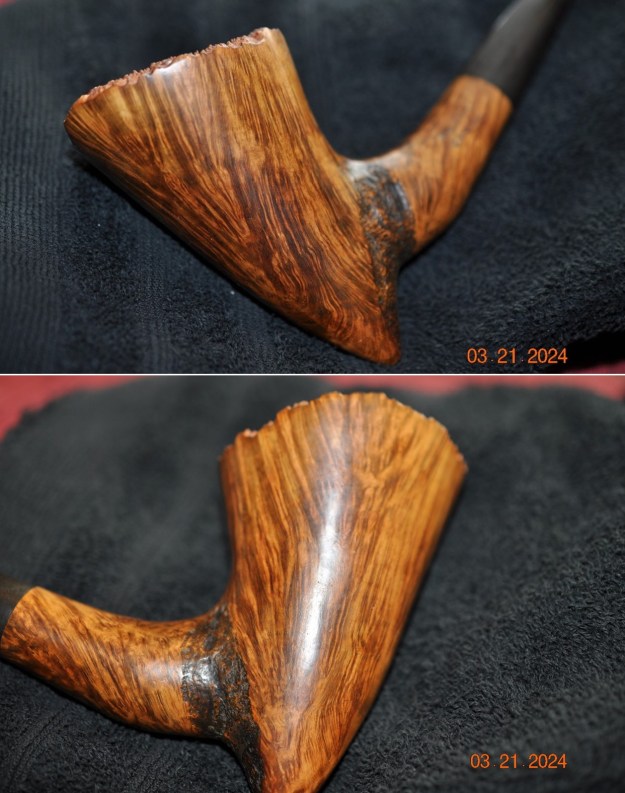
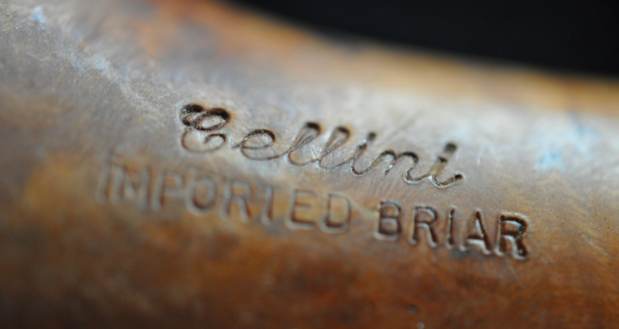
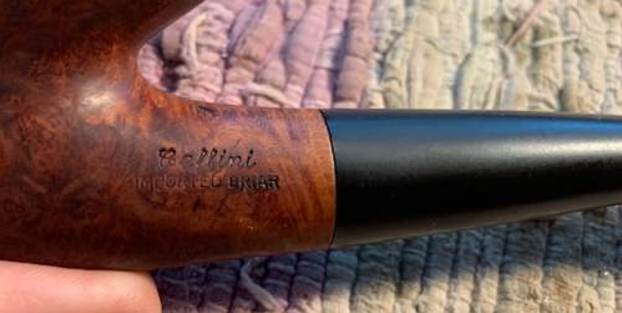
 He took a photo of the stamping on the left side of the shank. It is clear and quite readable.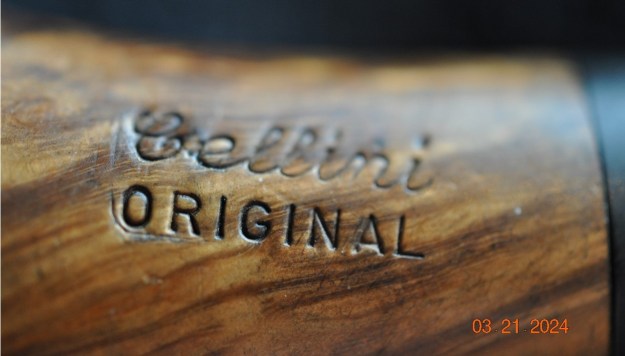
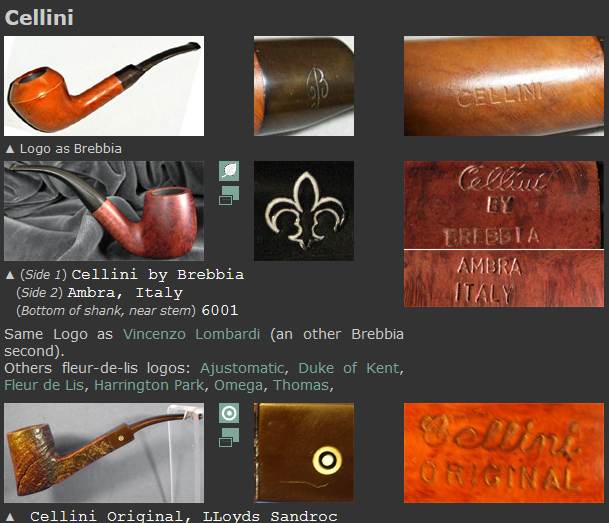
 I turned to Pipephil’s site (http://pipephil.eu/logos/en/logo-c3.html) for a summary of the information he had gathered on the brand and perhaps some photos. I have included both the information from the sidebar as well as a screen capture of some photos. I quote:
The shop in Chicago, Illinois, USA (opening: April 27, 1929) was exclusively devoted to pipes. These generally were imported and Brebbia was the most important supplier. The shop closed down on February 28, 1991.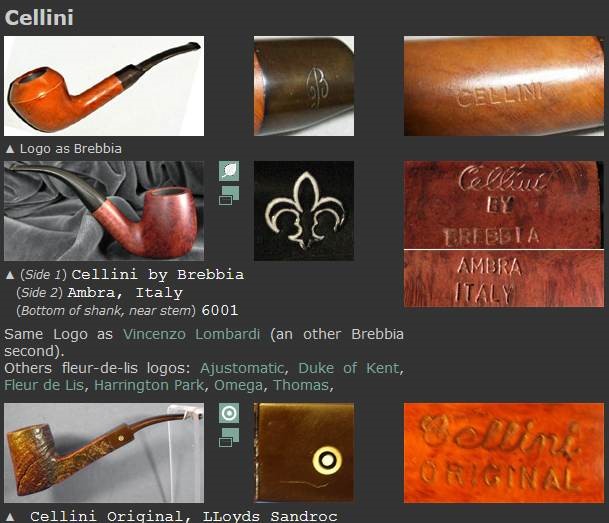 From there I turned to Pipedia where as usual there was a great history of the brand to read about (https://pipedia.org/wiki/Cellini). I quote several pertinent paragraphs to whet your interested. Make sure to go to the site and read it in its entirety.
Cellini, or better, the Cellini Pipe Shop as it became known for its brand “Cellini” from its company name, Victory Pipe Craftsmen, was located in the heart of downtown Chicago, Illinois: 170 N. Franklin St, Chicago IL, 60606. Ideally for those who liked short ways, one of Cellini’s locations was across the street from Zimmerman’s Liquor Store. The company got it’s start in 1927 aided by a friendship between Arthur (Art) Silber and Tracy Mincer(??) who went for Custom-Bilt fame in 1934.
Art Silber (also known as the “Art” of pipe smoking) made Cellini a full service Pipe and Tobacco Shop offering tobacco blends and a complete line of accessories as well as an extensive and varied line of pipes ranging from Indian Peace Pipes to porcelain, cherrywoods, meerschaums and hefty sculptured freehands. The Catalogues were nearly 100 pages long – including some cigars, but absolutely NO cigarettes! – primarily pipes and pipe-related products! Cellini Pipes have Good Collectible value of their own commanding good prices on auctions today, developing somewhat of a Cult Following among Collectors.
Art was joined by his wife Ruth, daughter Bobbe (short for Barbara, also an established artist) and his 2 sons Stuart (who created the Cigar Pipe, crafted various Cellini pipes and freehands, became a cigar aficionado, was an antique and Meerschaum repair expert and more),and Elliot (who also worked as a physicist and an organic chemist).
Victory Pipe Craftsmen became the largest pipe repair shop in the country (probably in the world), repairing up to 2000 pipes per week for some 1200 pipe shops in the U.S., from replacing and customizing stems (mouthpieces) to Meerschaum and antique repair. Art Silber innovated many developments in the pipe industry. He invented a keyless 4-jaw chuck for nearly instant mounting of almost every shape mouthpiece. The result was finely crafted, custom-fitted complete stem replacement (including sanding with 3 grades of sandpaper, proprietary custom staining to match, bending if needed, and polishing on 2 different polishing wheels) in 8 1/2 minutes!! Cellini was famous for while-u-wait pipe repairs, which of course allowed the customer to browse the thousands of Cellini pipes on display…
…Although Cellini offered a very small variety of brands by other makers, their primary business was selling their own pipes made in their Chicago factory. Art Silber (also known as the “Art of pipe smoking”), who made pipes himself once upon a time, employed his own pipemakers (with “Primo Polidori”, former factory supervisor of the Chicago Dr. Grabow/Linkman factory, being the most recognizable name). The company was Victory Pipe Craftsmen, (Victory Pipe Craftsmen Inc. was the actual corporate name for “Cellini of Chicago”) The most experienced pipemaker there was Primo Polidori…
After the death of it’s founder Art Silber, The Cellini Pipe Shop survived until the late 1980’s, run by Art’s oldest son Stuart, Bobbe and Elliot, ending a significant chapter in American pipemaking history. Art Silber’s sons Stuart (sometimes called “The Legend”) and Elliot are still liquidating the residue of the shop’s inventory. The charismatic Bobbe and their mother Ruth Silber have since passed on. All those interested should be aware that some of the Cellini Pipes seen on today’s online auctions may be flawed or rejected pipes that were not offered for sale while the company was in operation. Be sure to ask the seller to distinguish their pipes. Cellini specialized in natural finish, no lacquer, no varnish, no fills or wood putty. If flaws were found, the shape was changed, carving was done, or the pieces were used for repair of broken pipes…
From that information I knew that the pipe that I was working on was carved by one of the in house carvers at Cellini Pipe Shop in Chicago. I also knew that it was made before their closing in 1991. I had no idea how old it was as the shop started in 1929. Now it was time to work on the pipe on my end.
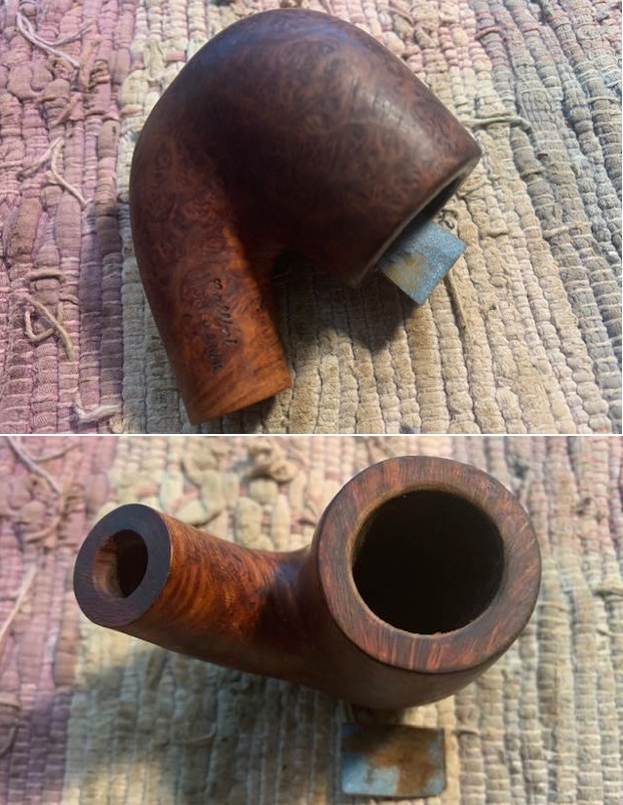
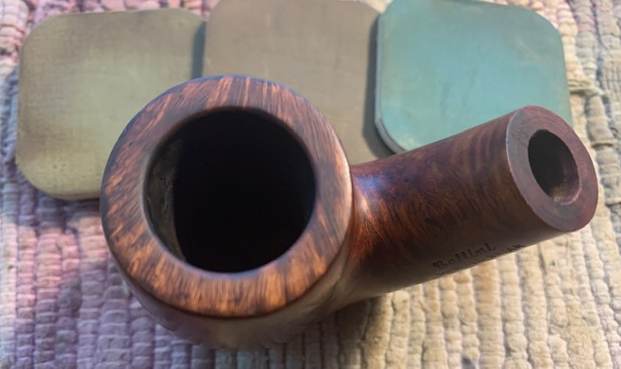
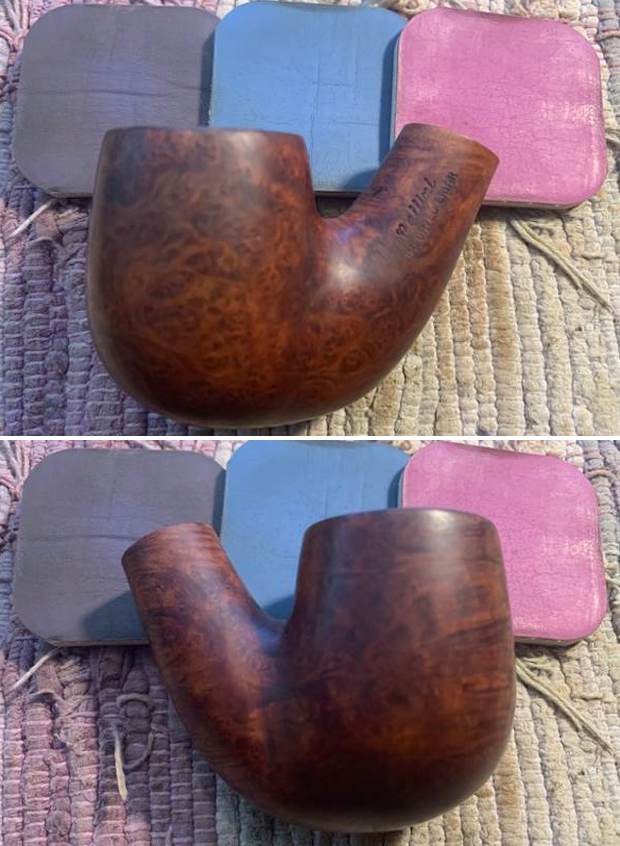
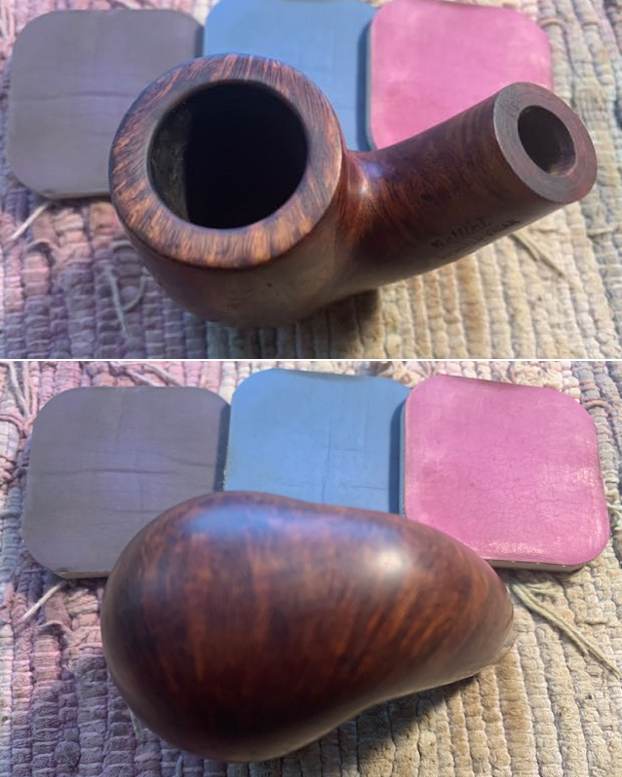
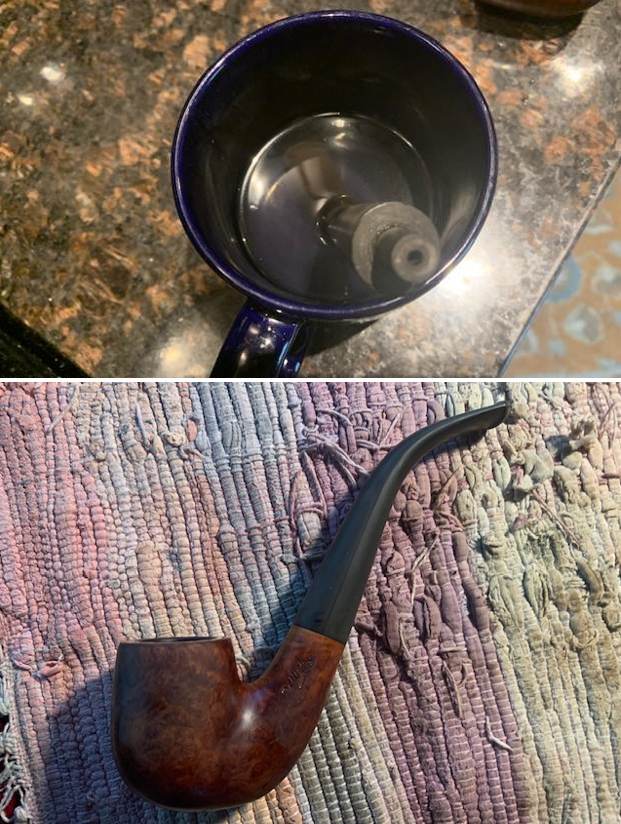
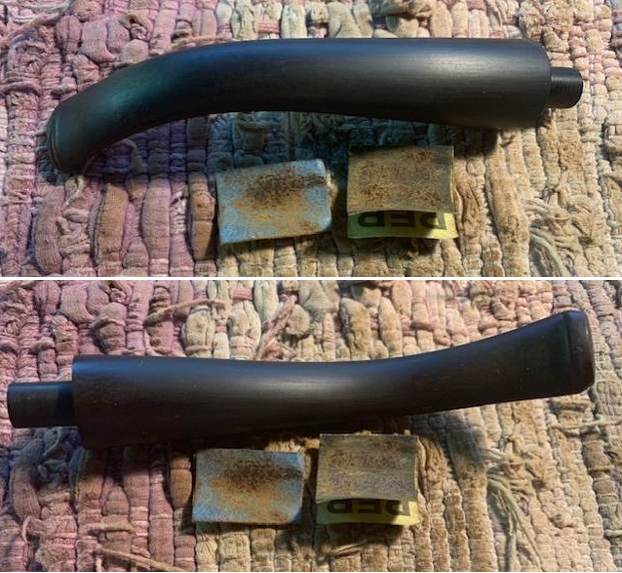
When I received it from Jeff this past week it did not look like the same pipe. It was clean and the finish had life. He reamed it with a PipNet pipe reamer and got rid of the cake. He cleaned up the reaming with a Savinelli Fitsall Pipe Knife so that we could see the walls of the bowl and assess for damage. It was in good condition. He cleaned the internals of the shank and stem with cotton swabs, pipe cleaners and alcohol. He scrubbed the exterior with undiluted Murphy’s Oil Soap and a tooth brush. He rinsed the pipe under warm water. He dried it off with a cloth and then let it air dry. The stem was scrubbed with Soft Scrub and soaked in Briarville’s Stem Deoxidizer. It came out looking very good. The finish on the bowl and the rim top cleaned up nicely. I took pictures of the pipe to show how it looked when I unpacked it. 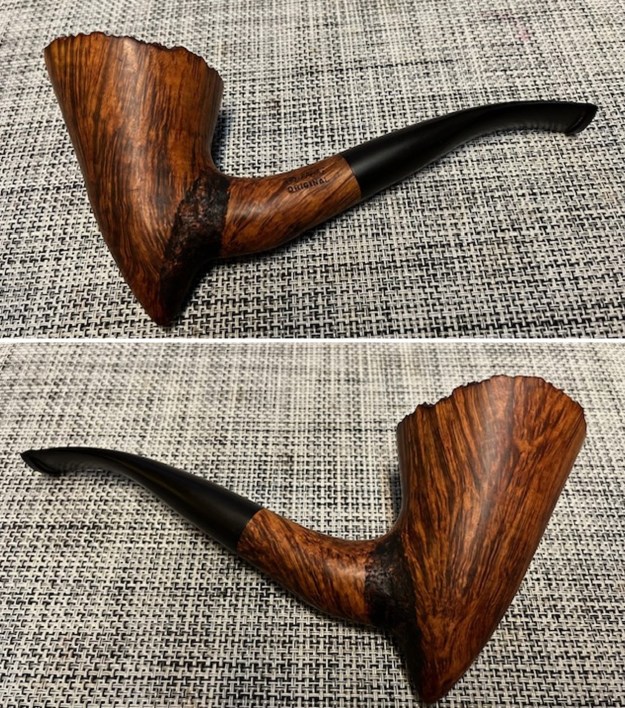
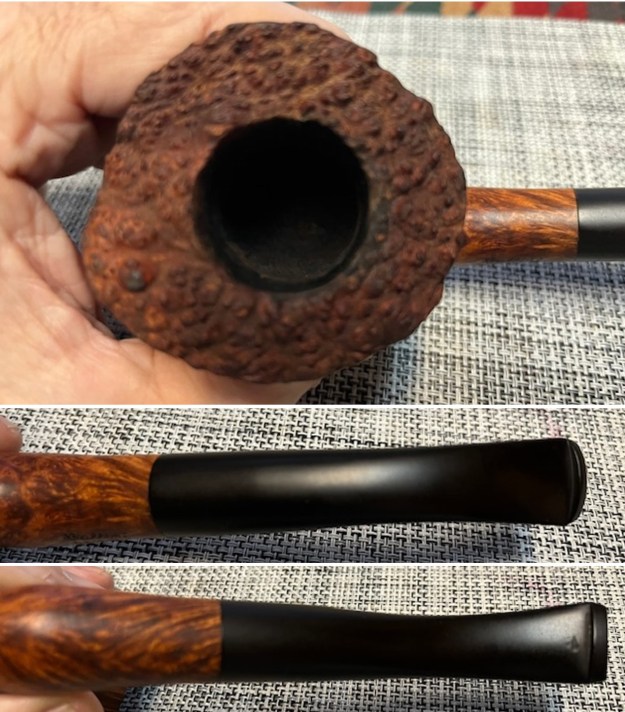
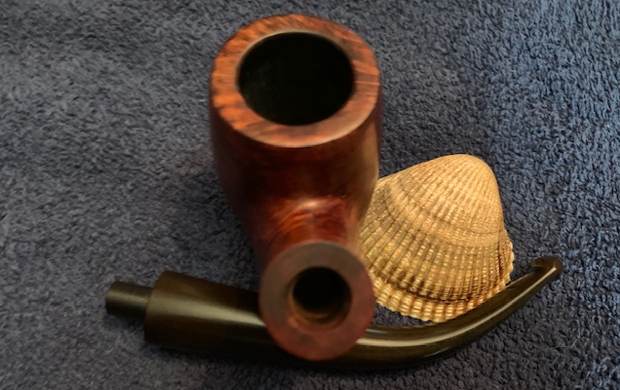
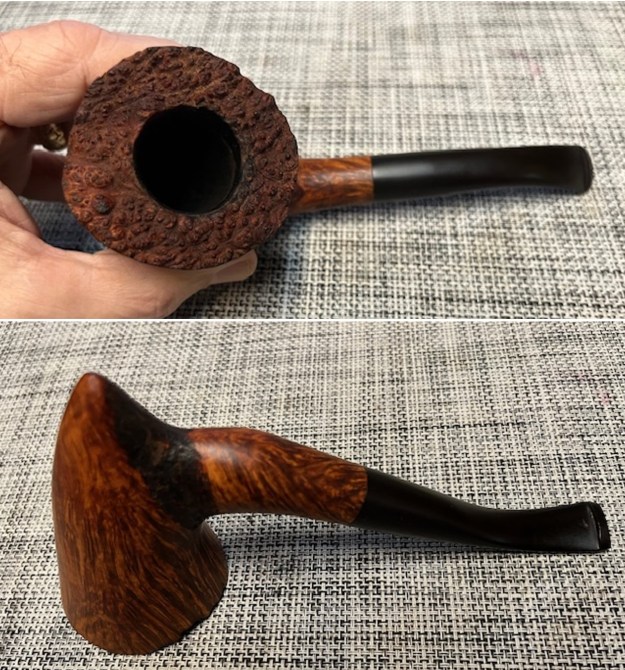 I took some photos of the rim top and stem to show the condition of them both when the pipe arrived. Overall it looked good. There is some darkening and damage to the inner edge of the bowl. The stem had some light tooth chatter and marks ahead of the button and on the button surface on both sides.
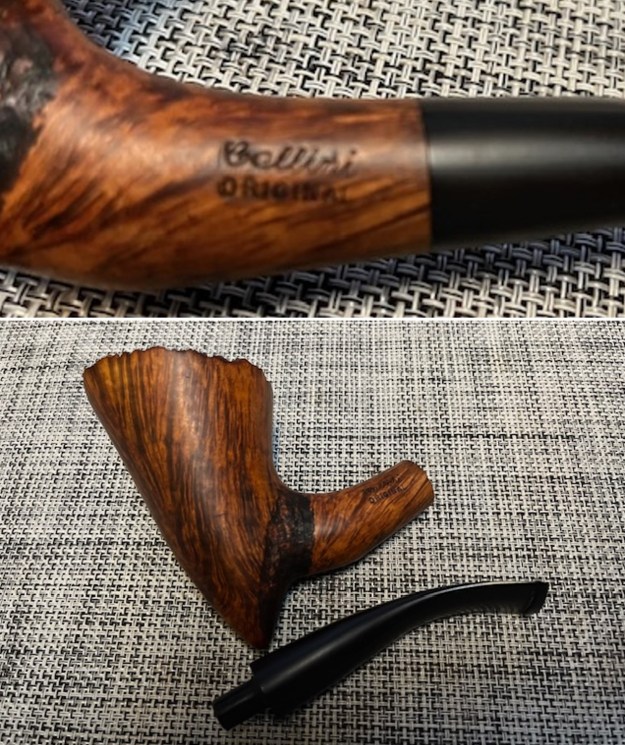
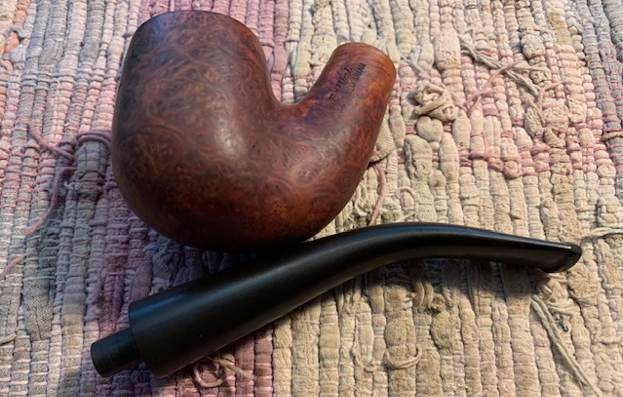
 I took a photo of the stamping on the left side of the shank. It is readable and in great condition. I removed the stem from the shank and took a photo of the pipe to show the look of the pipe.
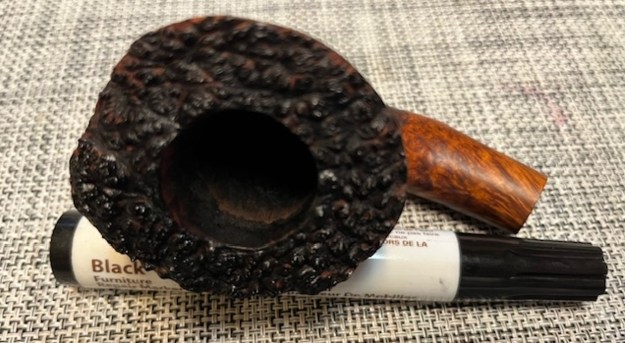
 I started my work on the pipe by addressing the stain spots and darkening on the rim top. I decided to stain the rim top with a black stain pen. I worked the stain into the valleys of the plateau as much as possible. Once it dried I would sand off the stain on the high spots giving a real sense of contrast.
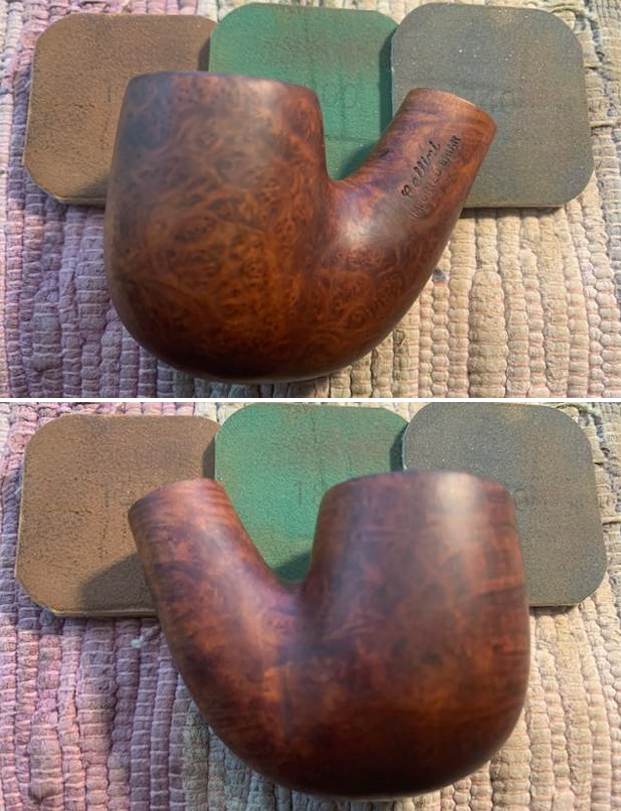
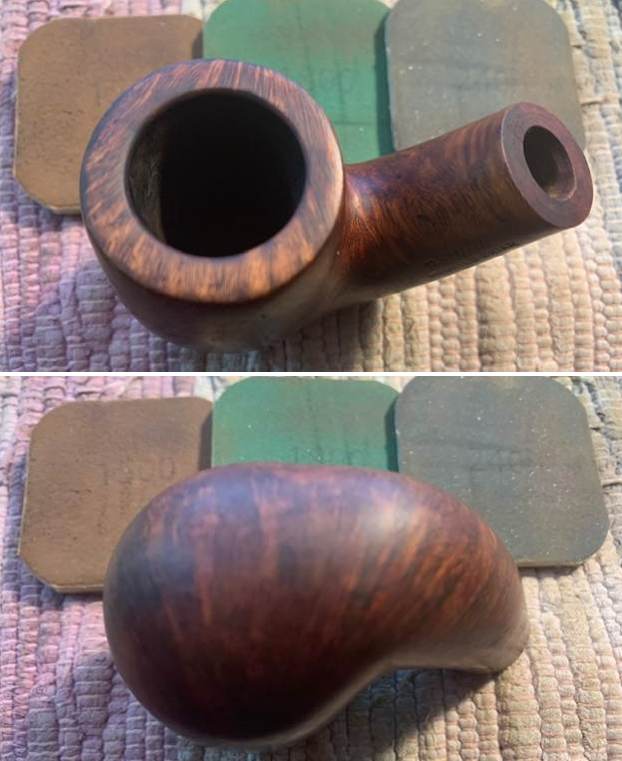
 I polished the briar on the bowl as well as the high spots on the plateau top with the 320-3500 grit sanding pads. I worked over the rim top and bowl with each pad and then wiped it down with a damp cloth. The pipe really began to take on a shine and the rim top began to match the rest of the briar.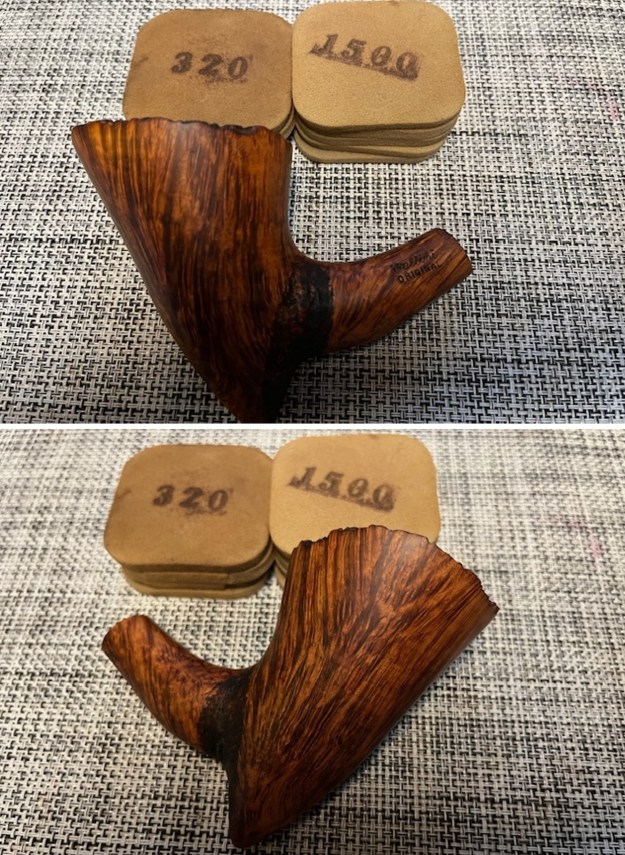
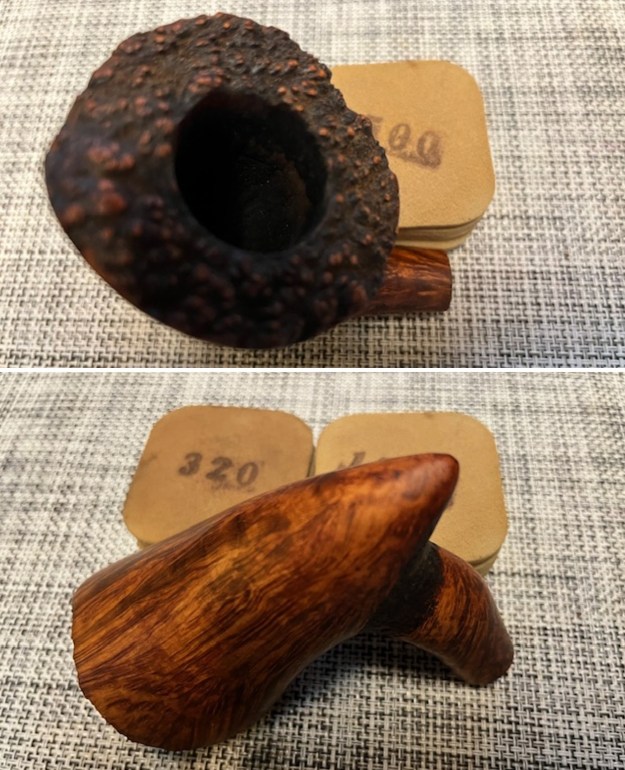 I polished the bowl with micromesh sanding pads – dry sanding with 1500-12000 grit pads. I wiped the briar down after each pad with a damp cloth. The bowl is starting to look very good.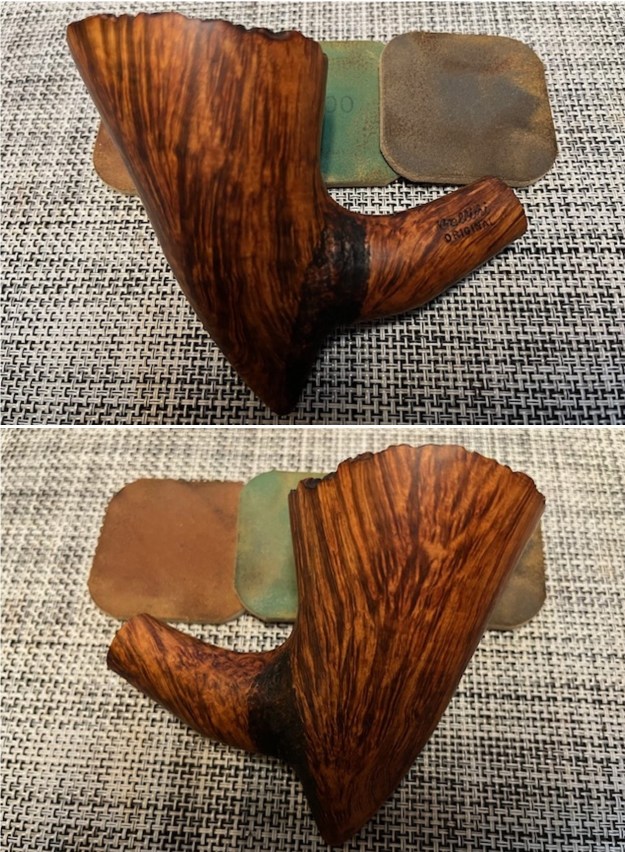
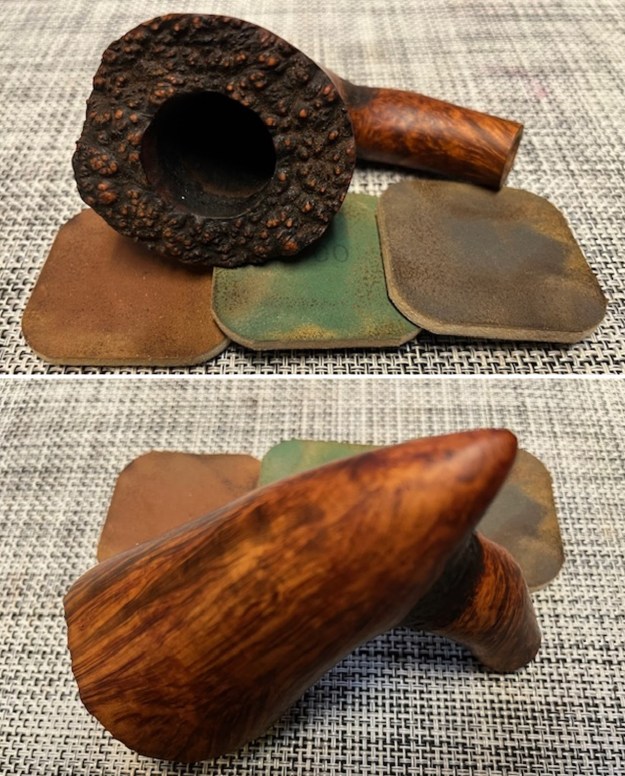
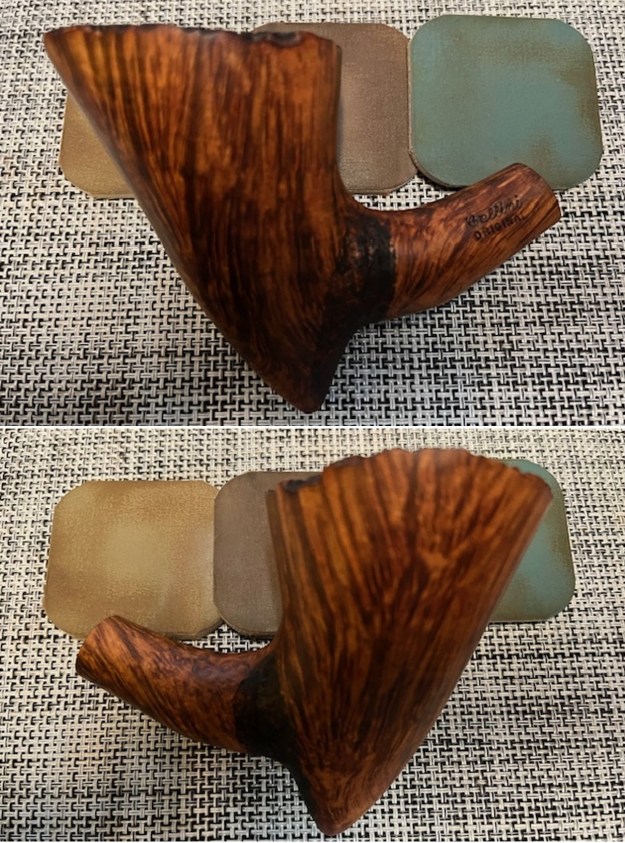
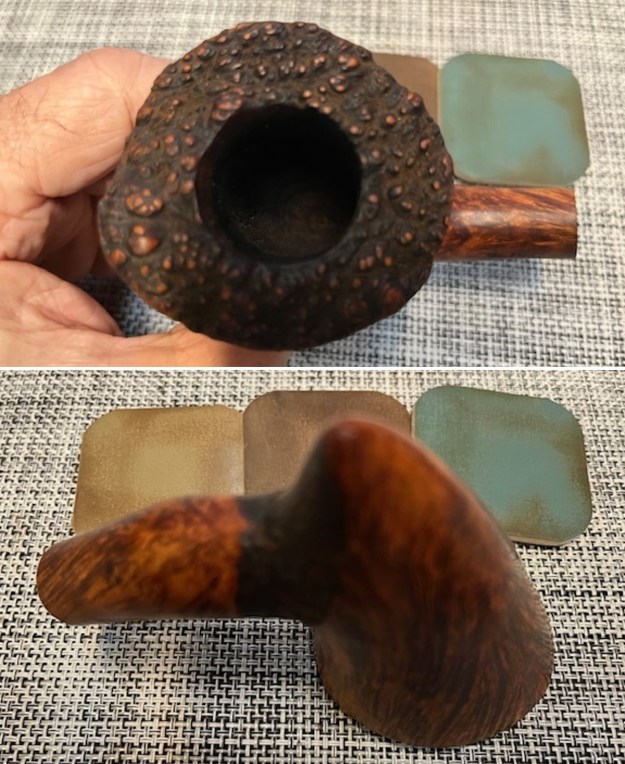
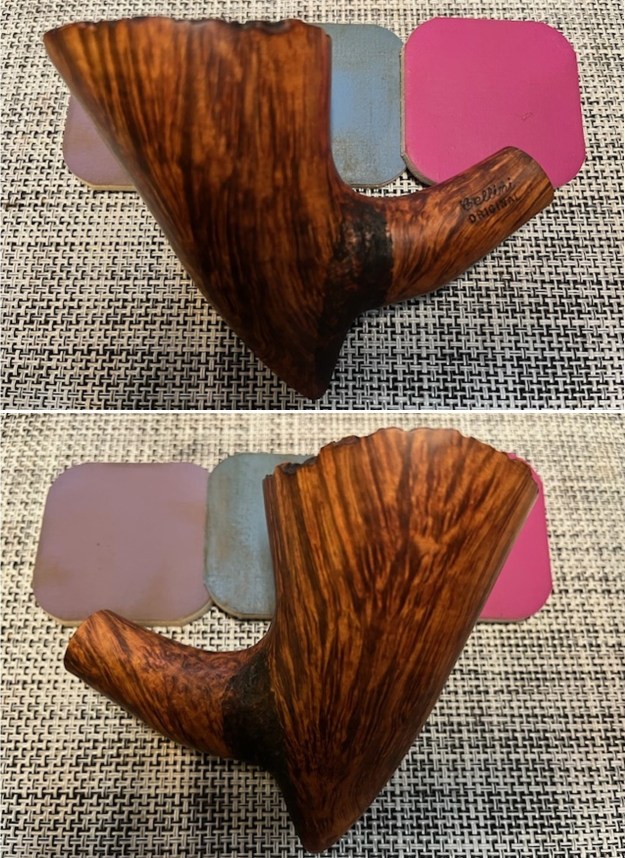
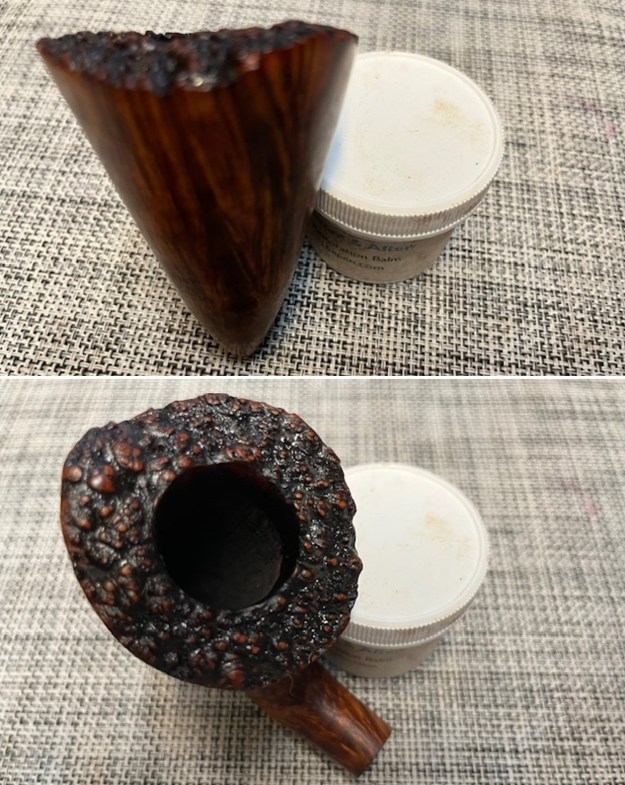
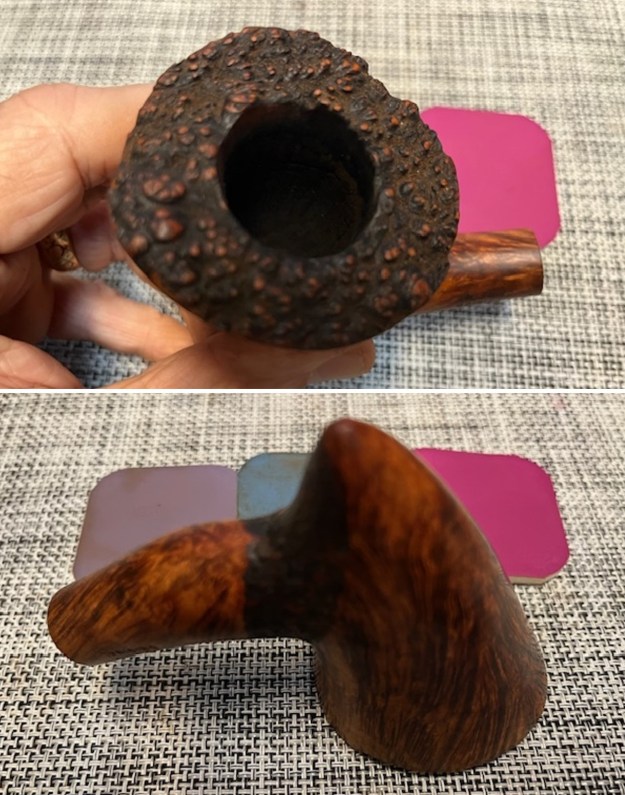 I worked some Before & After Restoration Balm into the surface of the briar with my fingertips to clean, enliven and protect it. I let the balm sit for a little while and then buffed with a cotton cloth to raise the shine. The photos show the bowl at this point in the restoration process.

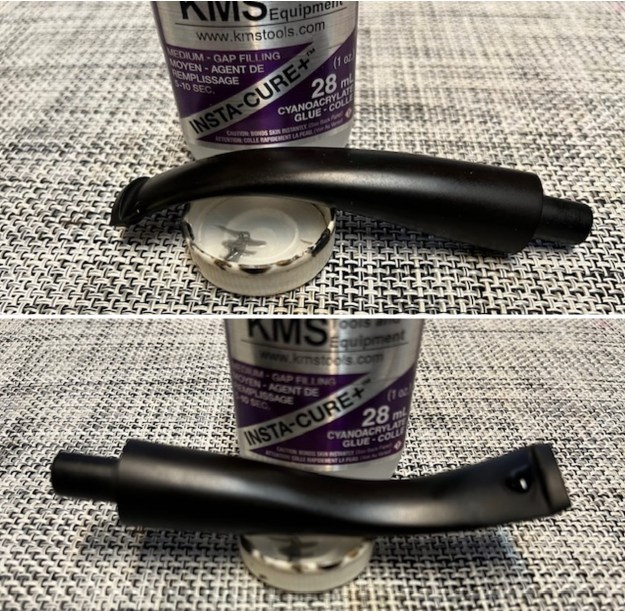
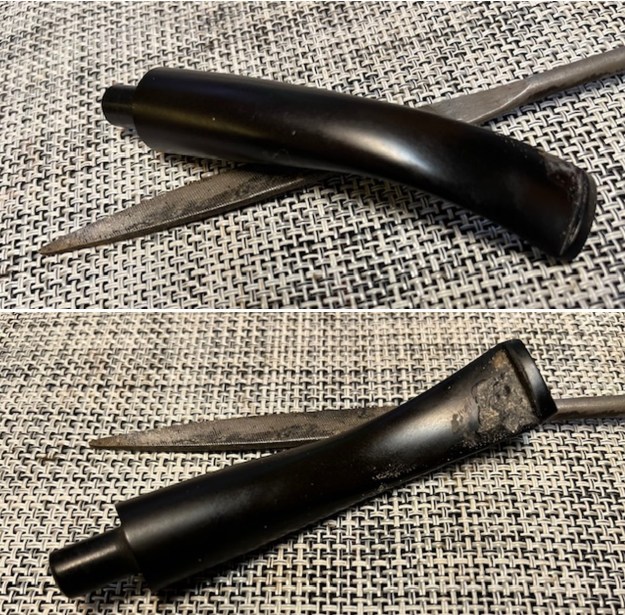
 I “painted” the stem surface with the flame of a lighter to lift the tooth marks. I was able to lift the majority of the marks but there was a deep one that remained on the to on the right side of the bit ahead of the button and on the underside. I filled them in with clear CA glue and set it aside to cure. I flattened the repairs with a small needle file and then sanded the stem with 220 grit sandpaper to blend them into the surface of the stem.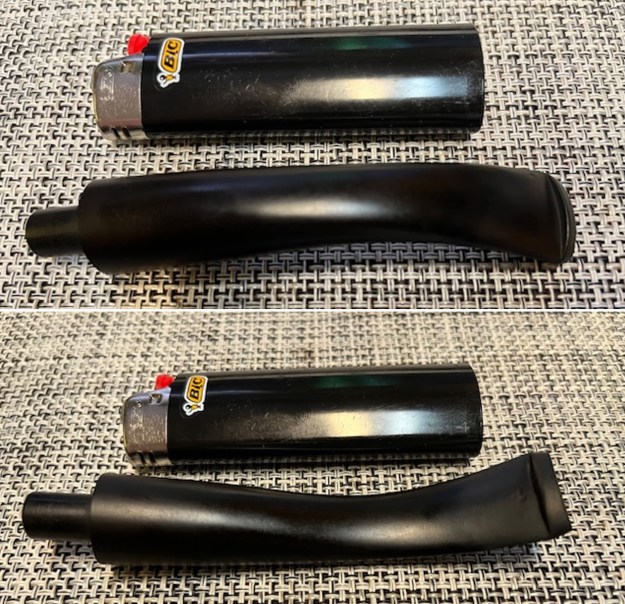
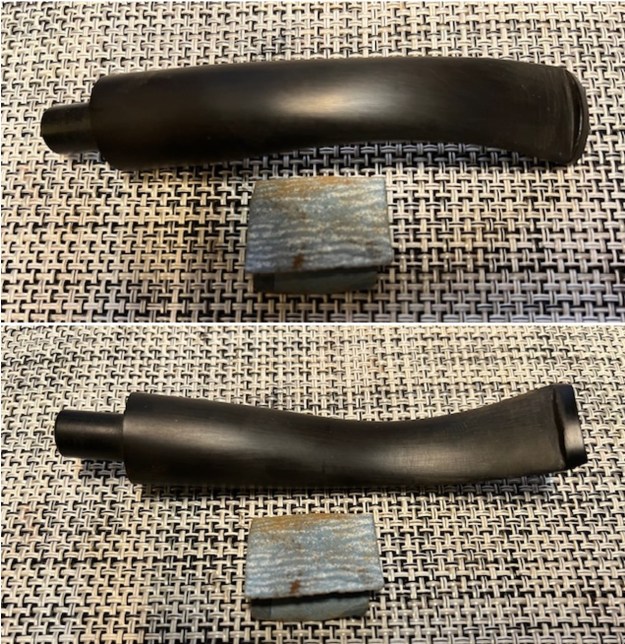 I sanded it with 320-3500 grit sanding pads. I wiped it down after each sanding pad with a damp cloth. By the final 3500 grit sanding pad the rim top had a shine.
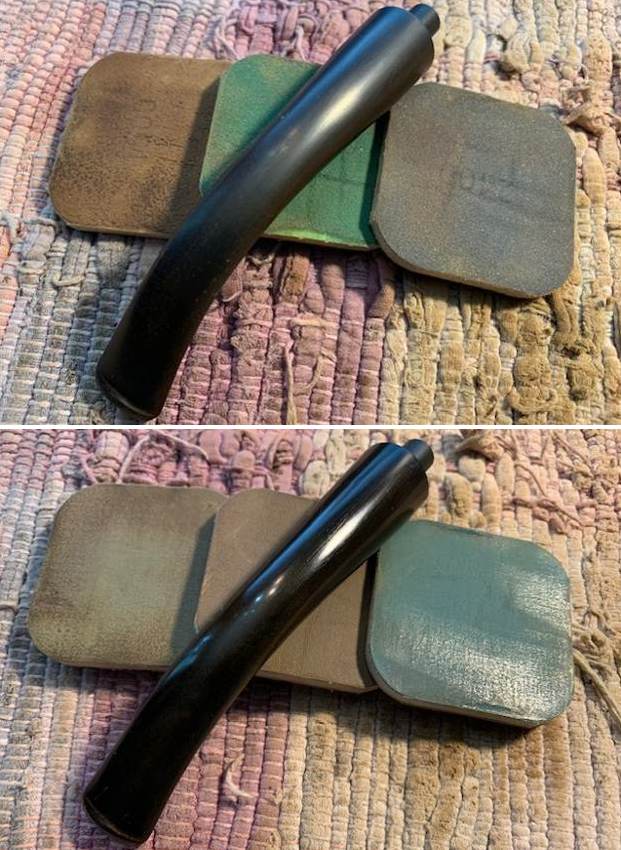
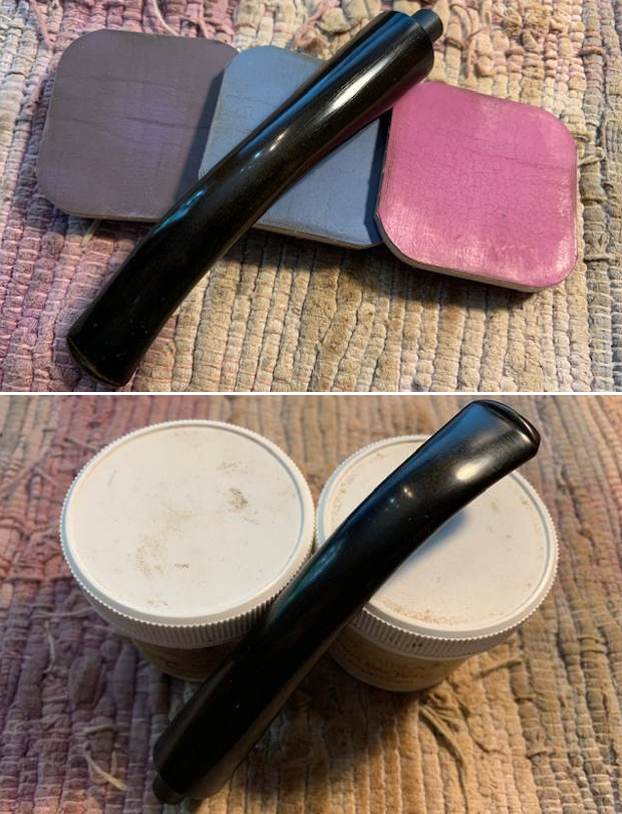
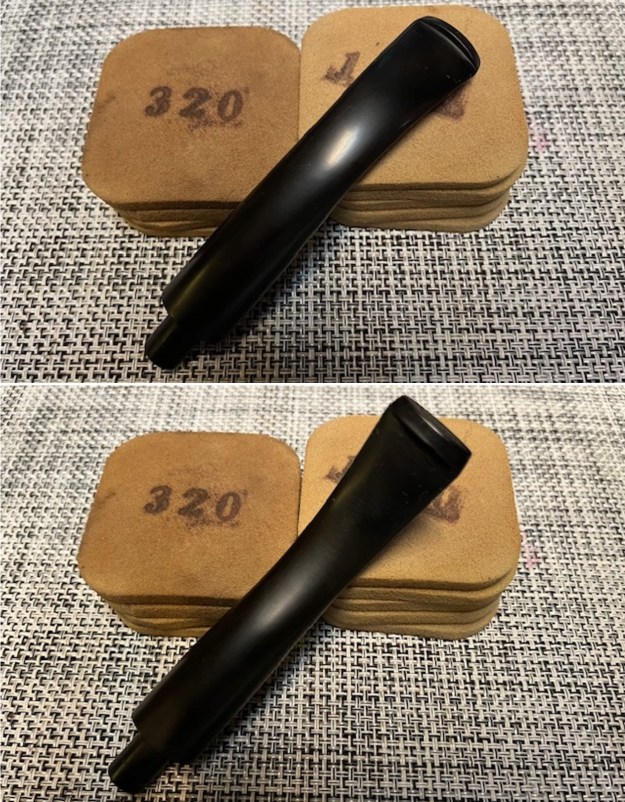 I polished the stem with micromesh sanding pads – wet sanding with 1500-12000 grit sanding pads. I wiped it down after each sanding pad with some Obsidian Oil. I finished polishing it with Before & After Pipe Stem Polish – both Fine and Extra Fine and buffed it off with a cotton cloth.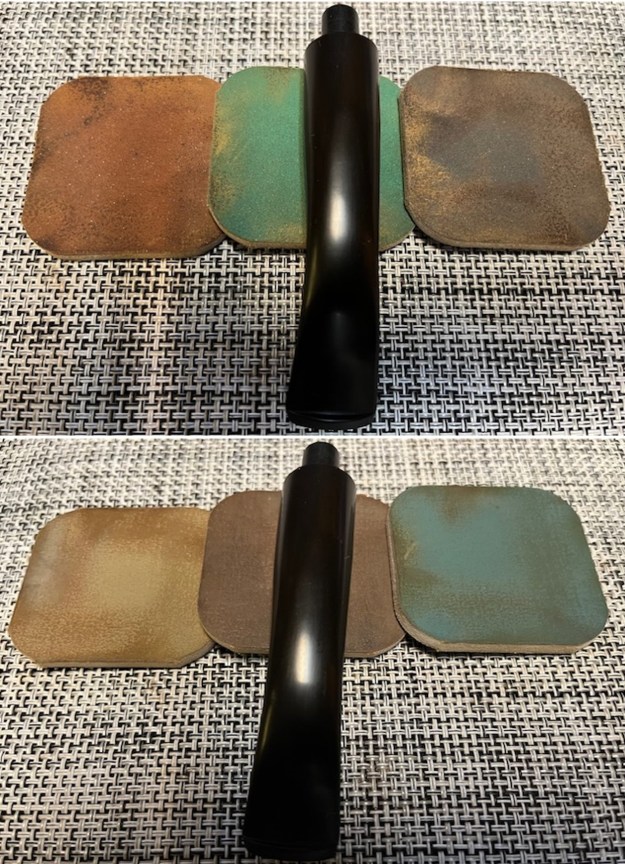
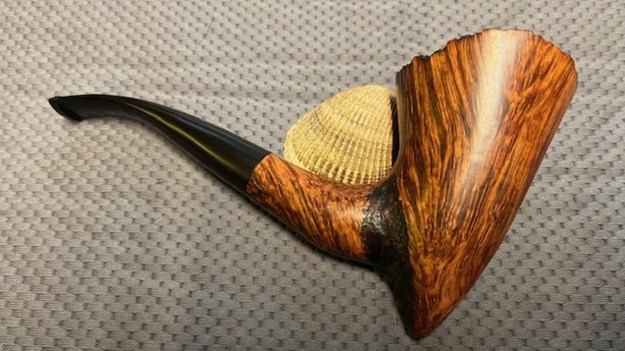
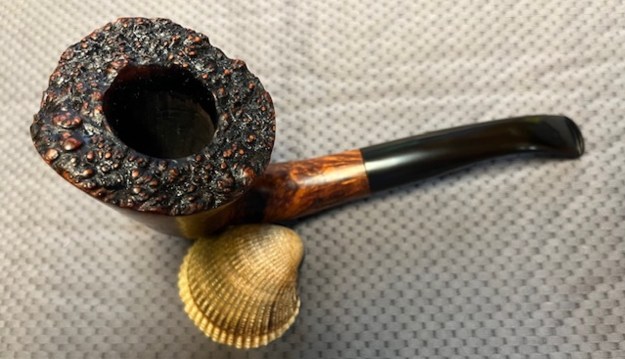
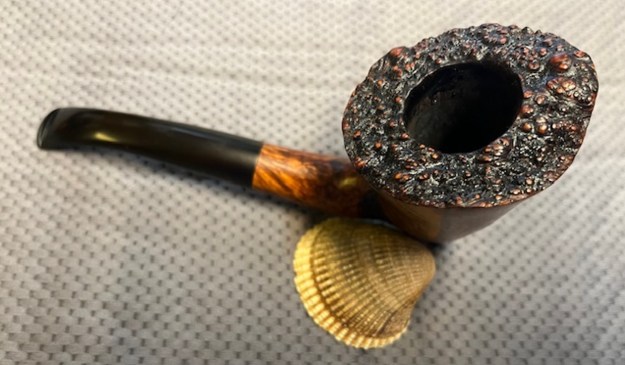
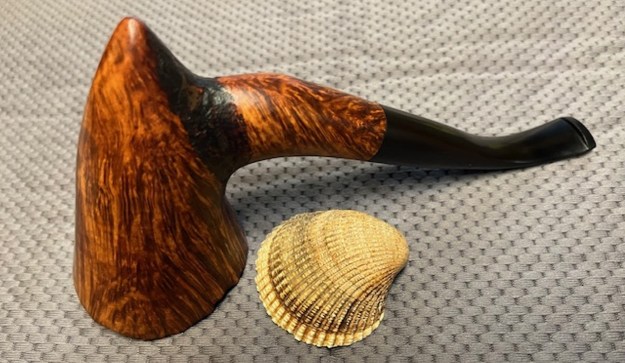
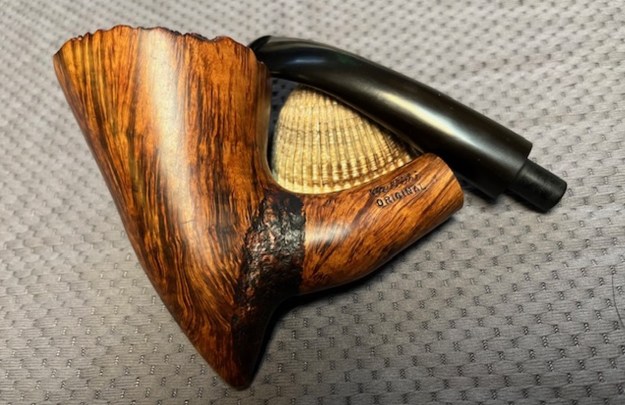
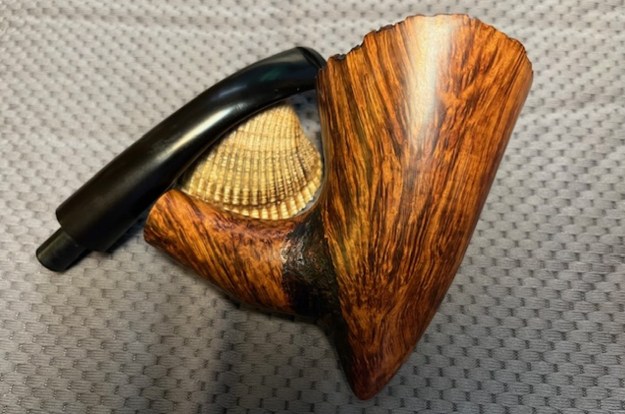
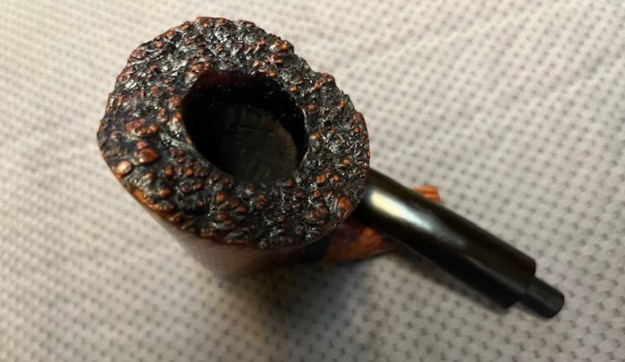
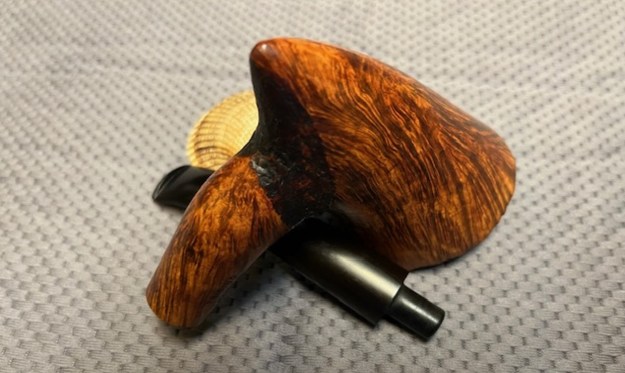
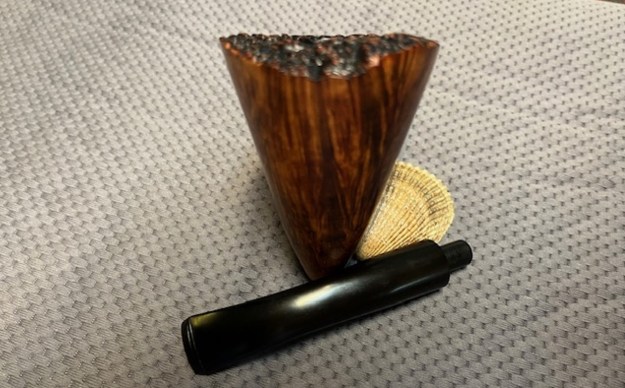
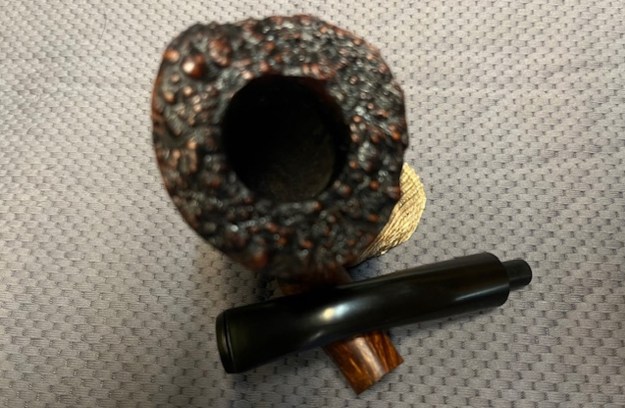
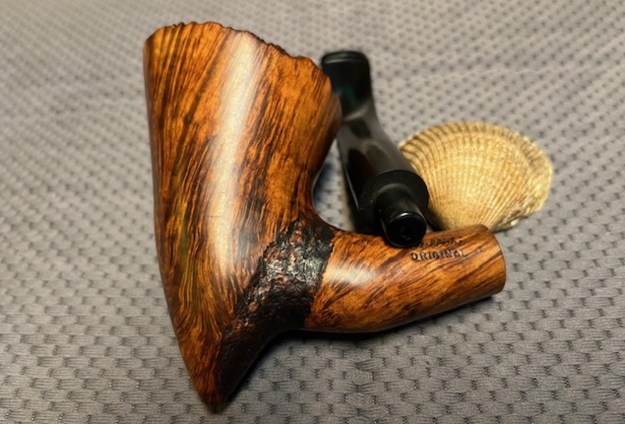
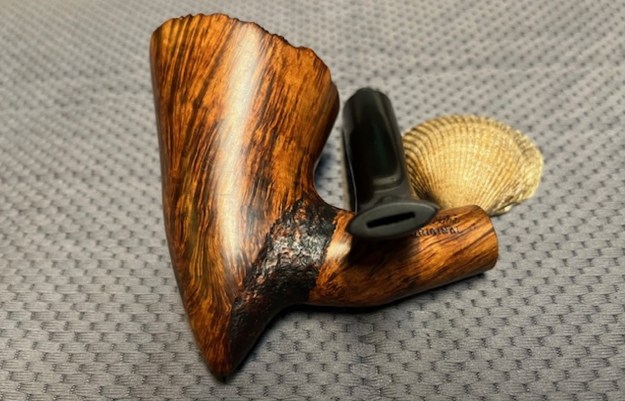
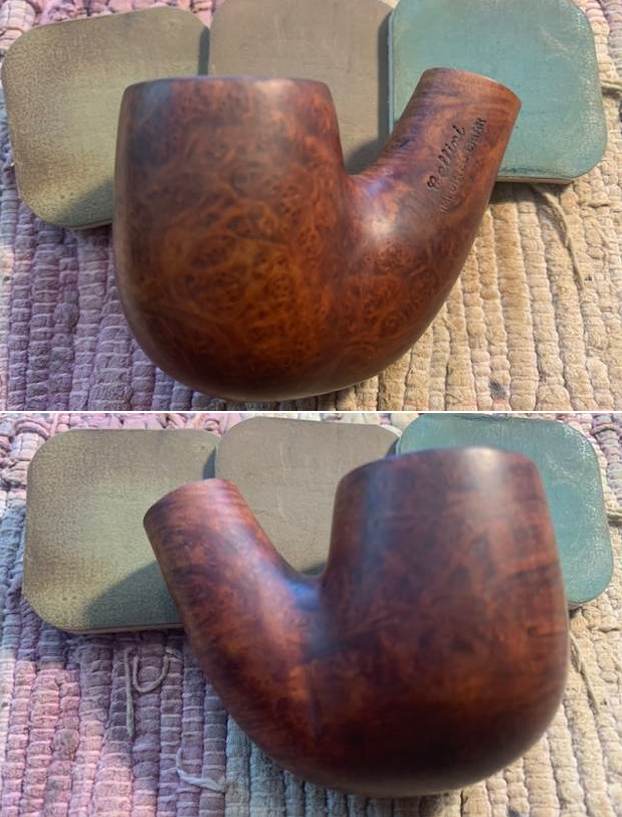
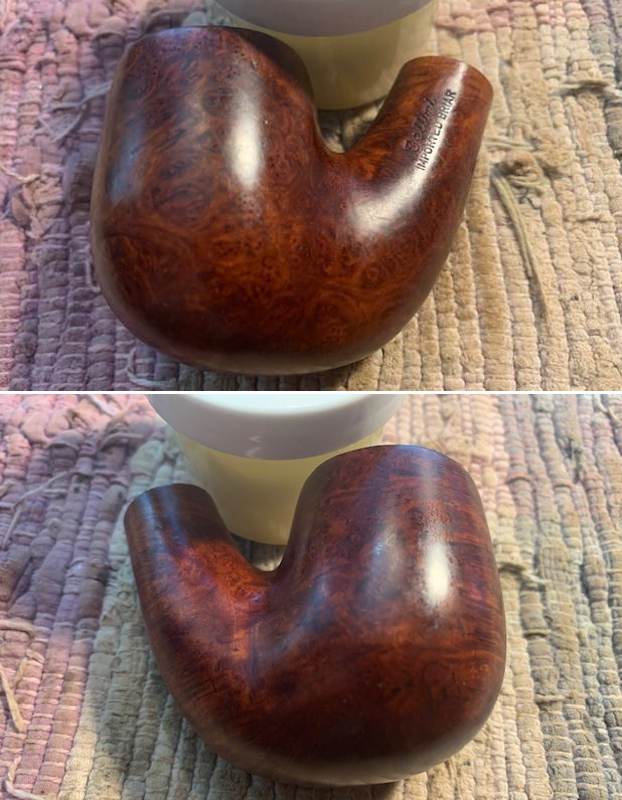
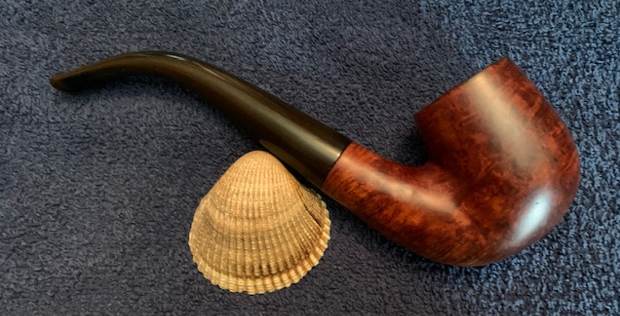
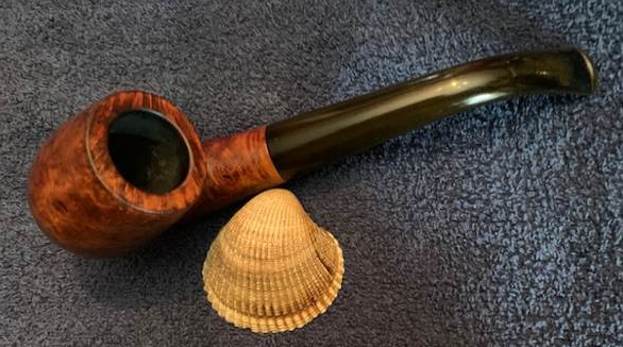
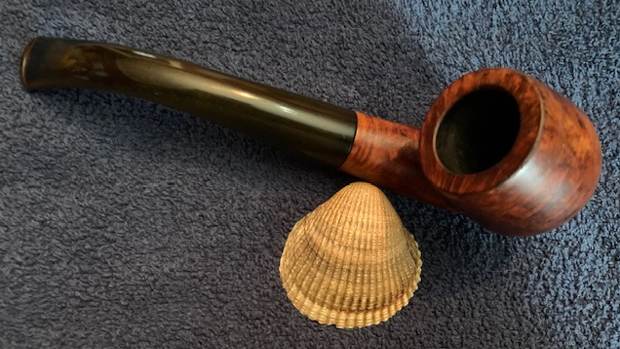
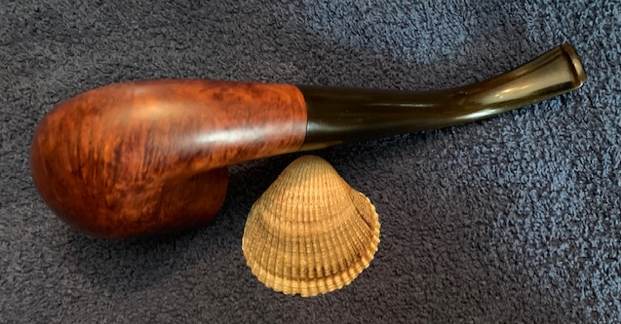
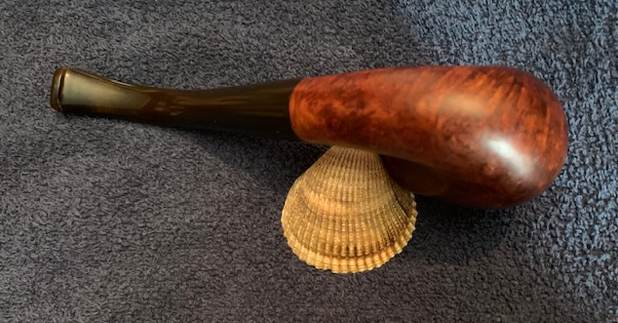
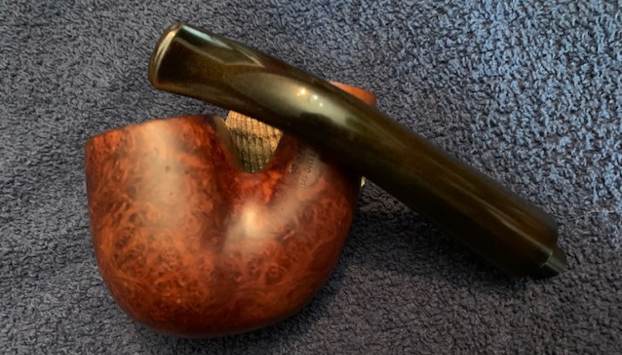
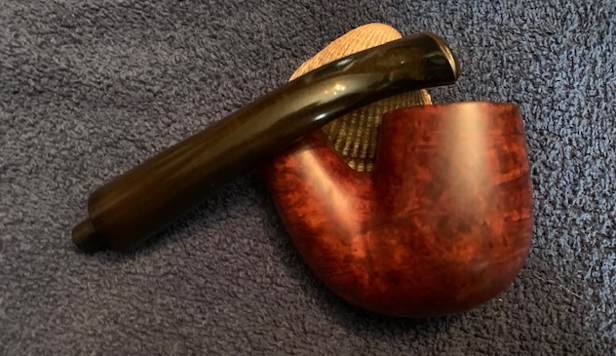
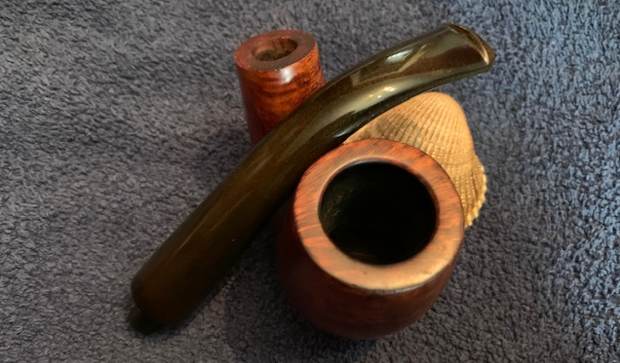
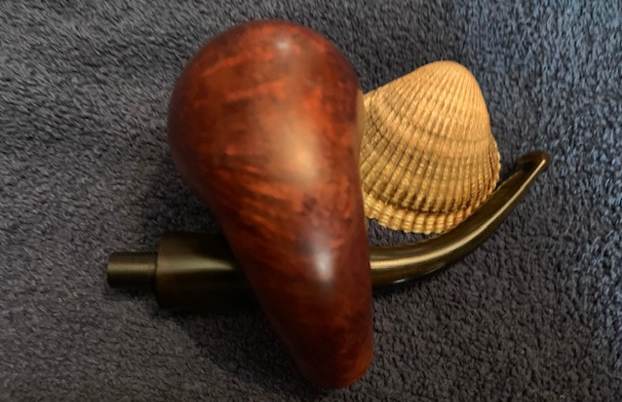
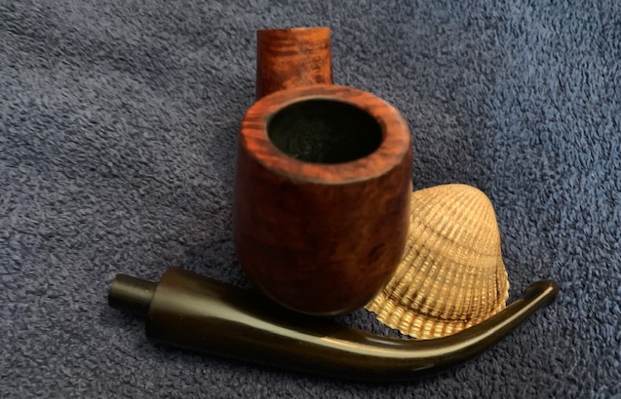
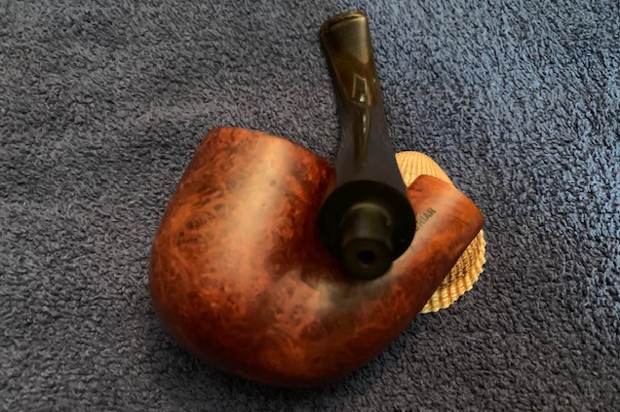
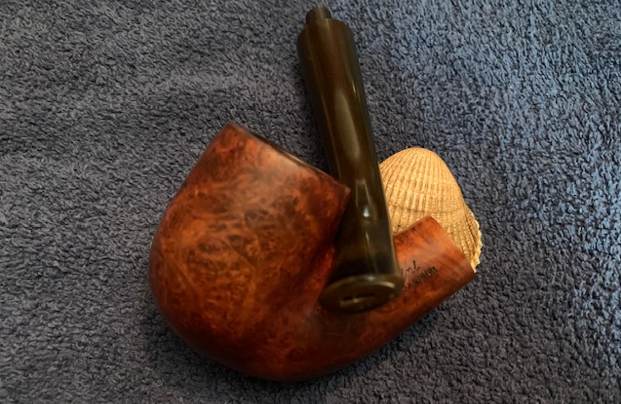
 This is a large hand made Cellini Original Freehand Pickaxe with a plateau rim top made by the Cellini Pipe Company with a bent vulcanite stem. It has a great look and feel. The shape fits well in the hand with the curve of the bowl and shank junction a perfect fit for the thumb around the bowl when held. I polished stem and the bowl with Blue Diamond polish on the buffing wheel. I gave the bowl and the stem multiple coats of carnauba wax. I buffed the pipe with a clean buffing pad to raise the shine. I hand buffed it with a microfiber cloth to deepen the shine. The pipe polished up pretty nicely. The rich combination of browns in the smooth finish and the black and brown of the plateau rim top and rusticated patches on the shank bowl union took on life with the buffing. The rich colour of the briar works well with the polished hard rubber stem. I like the grain and finished look of this Cellini Bent Plateau Freehand. Have a look at it with the photos below. The shape, finish and flow of the pipe and stem are very well done. The dimensions are Length: 7 ½ inches, Height: 3 ½ inches, Outside diameter of the bowl: 2 ¼ wide, Chamber diameter: 1 inch. The weight of the pipe is 86 grams/ 3.03 ounces. This Danish style Freehand is a real beauty. Thanks for walking through the restoration with me as I worked over another beautiful pipe. This one will be going on the rebornpipes store in the American Pipe Making Section shortly if you would like to add it to your collection. Thanks for your time.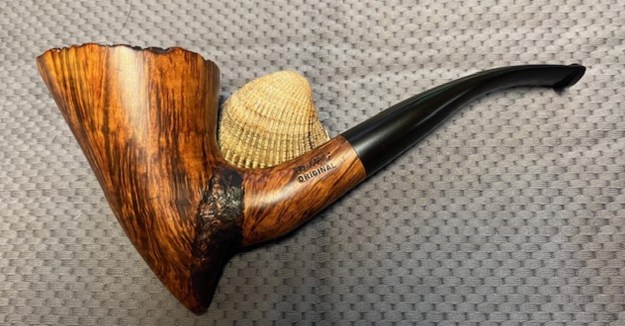


 rebornpipes