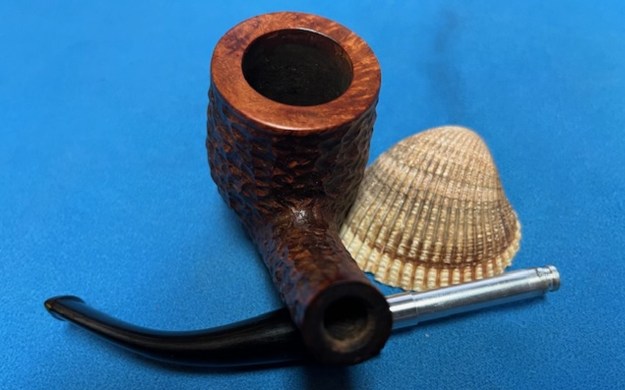
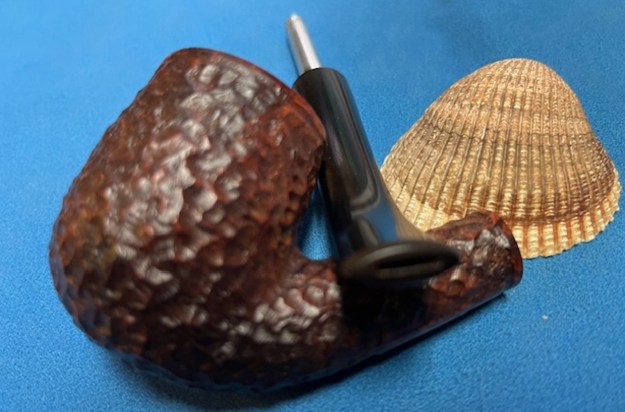
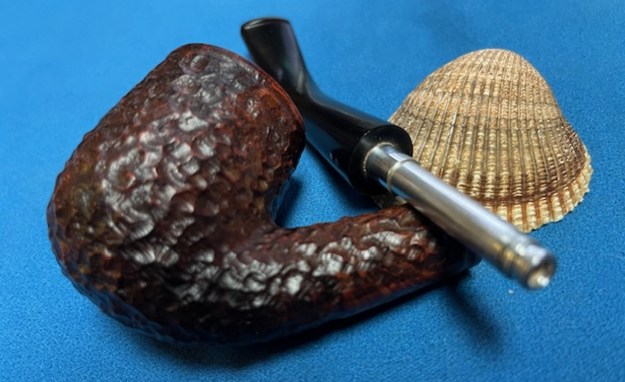
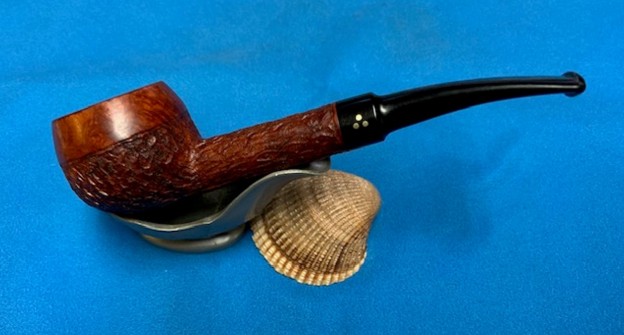
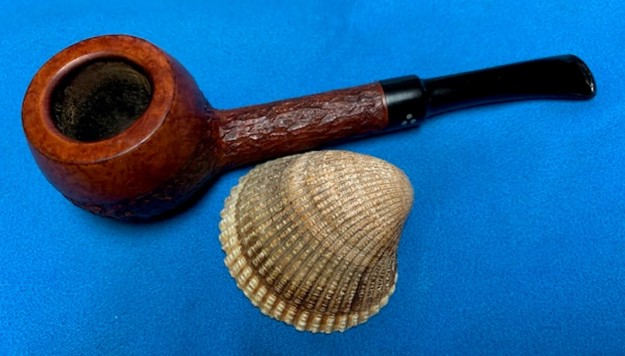
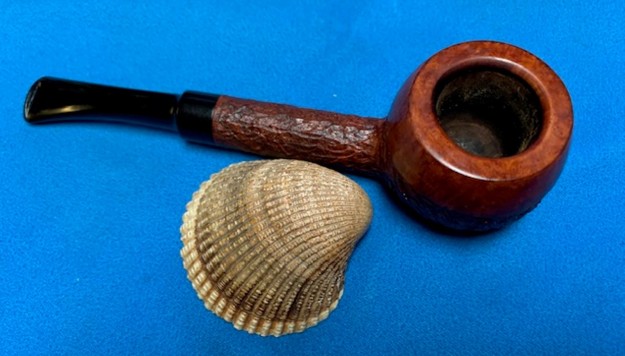
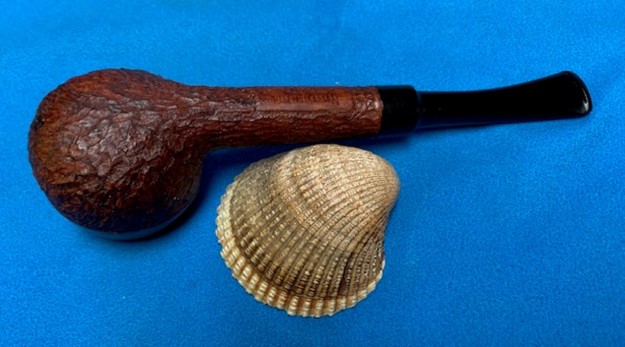
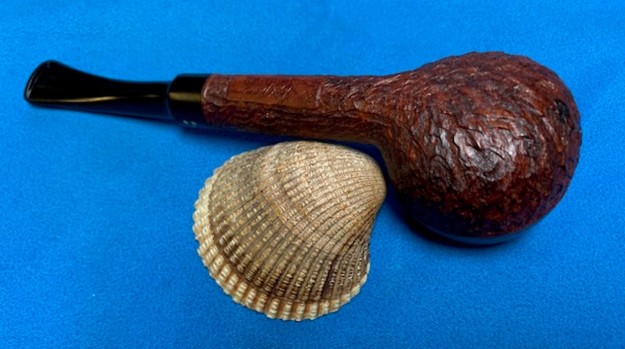
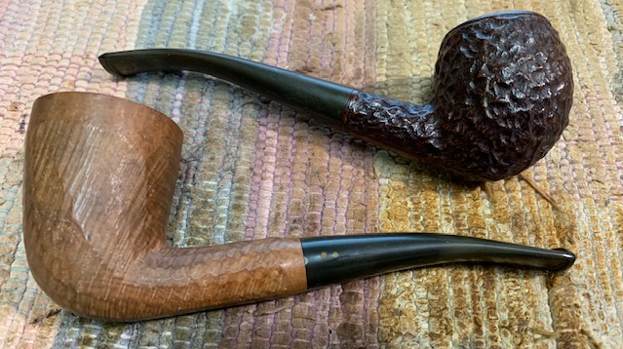
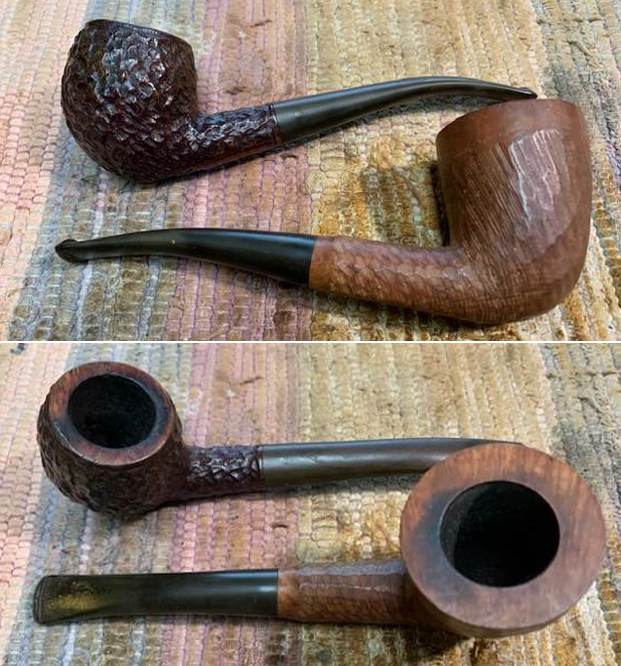
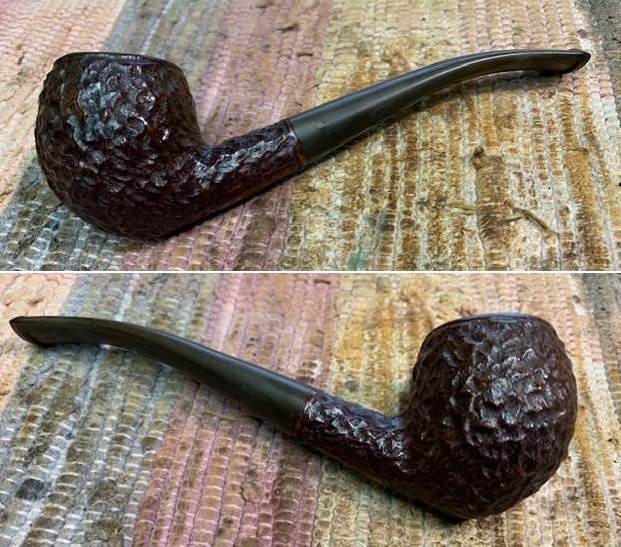
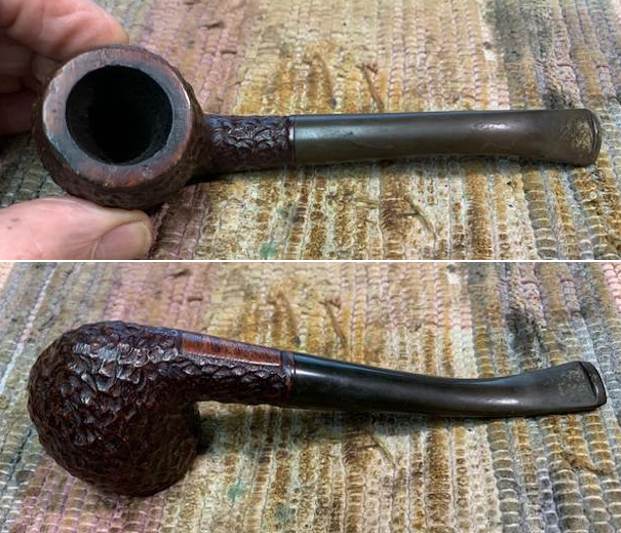
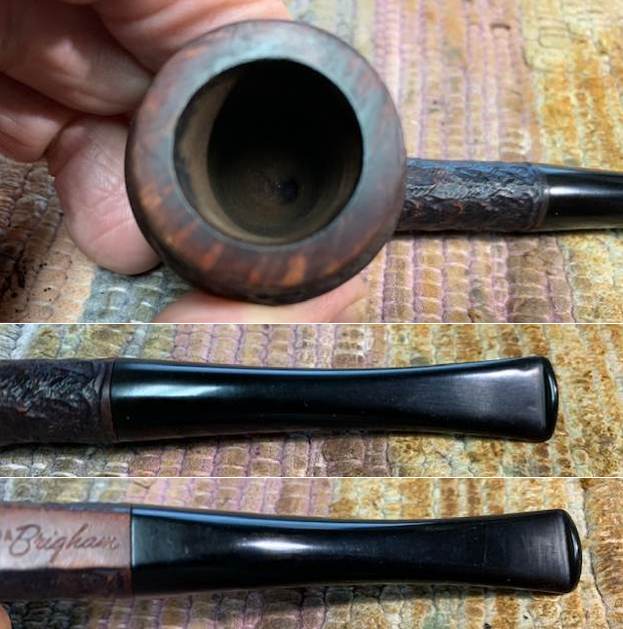
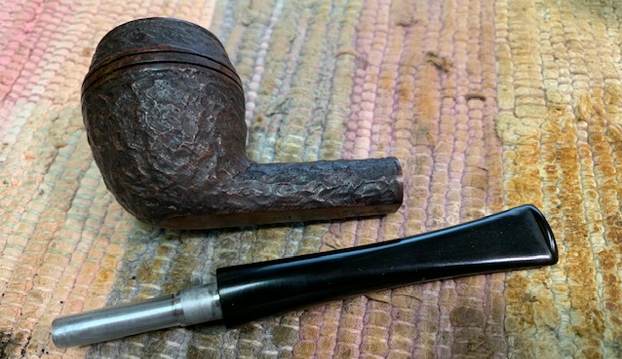
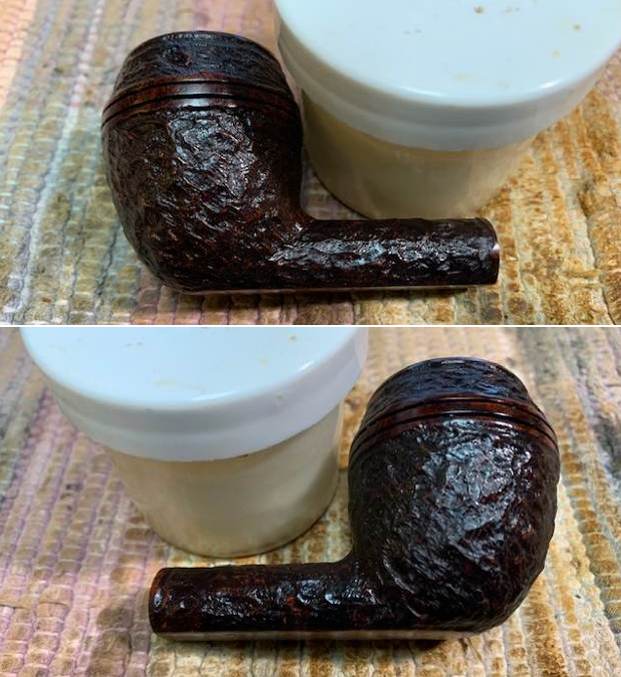
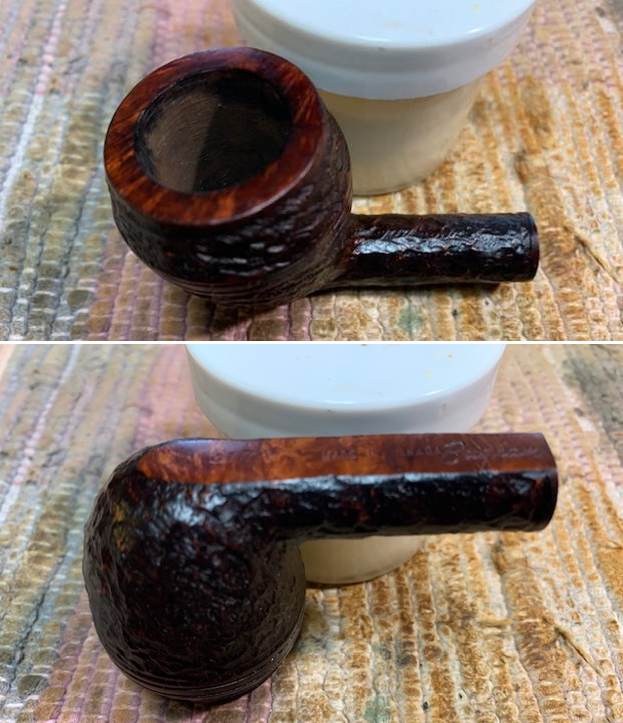
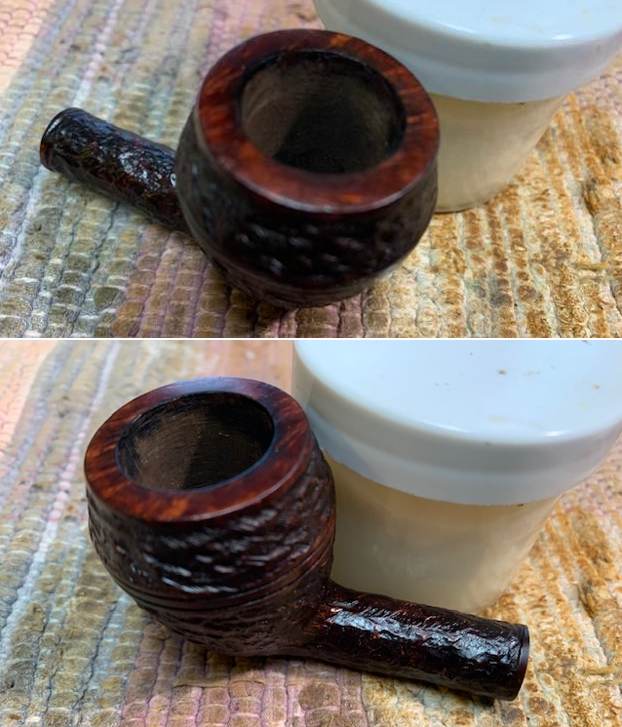
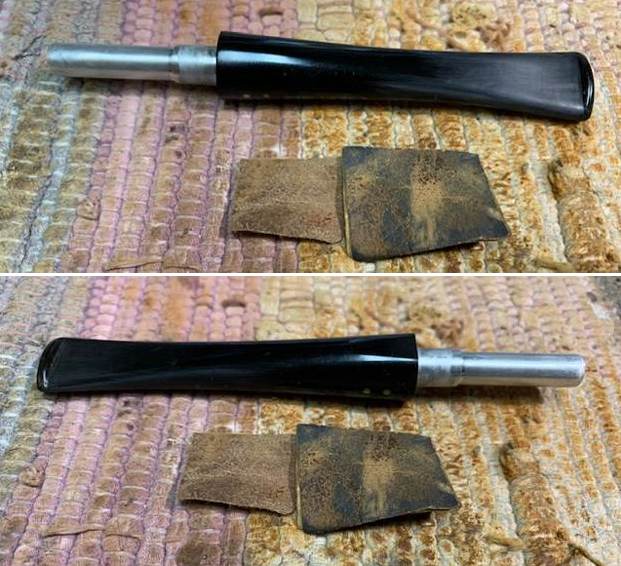
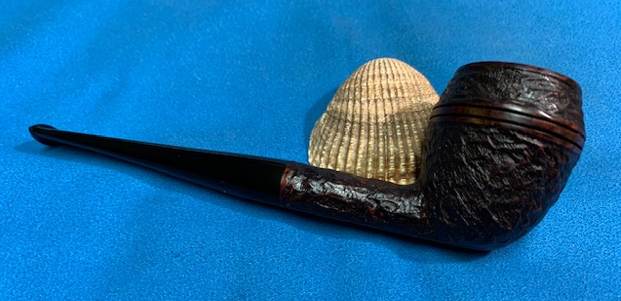
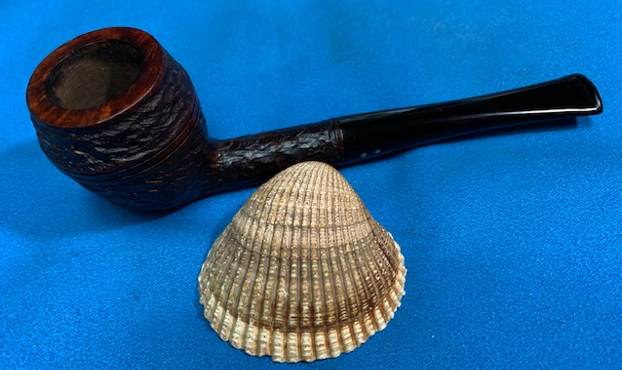
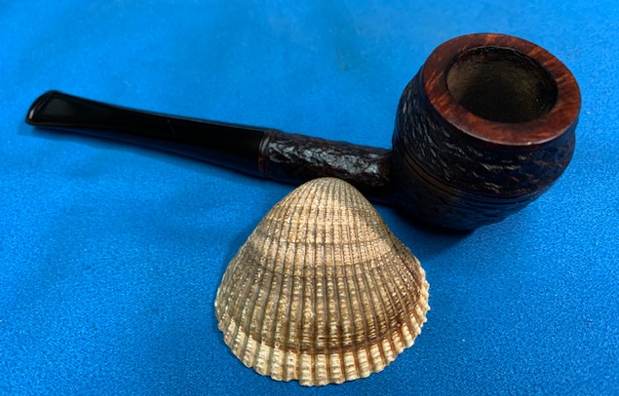
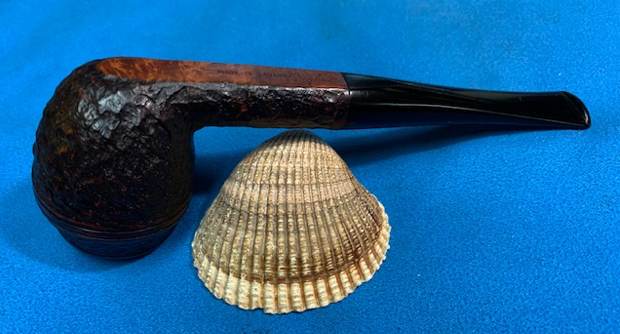
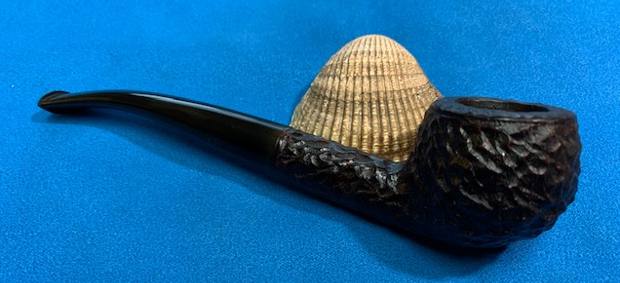
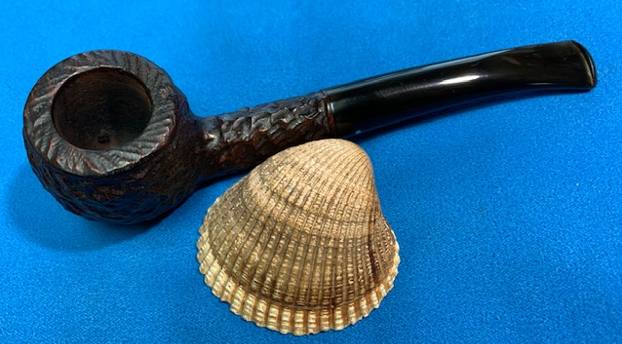
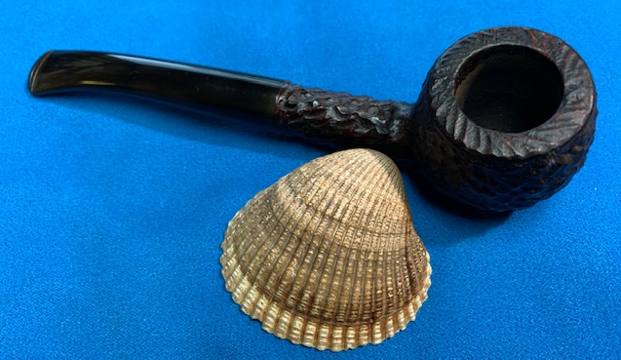
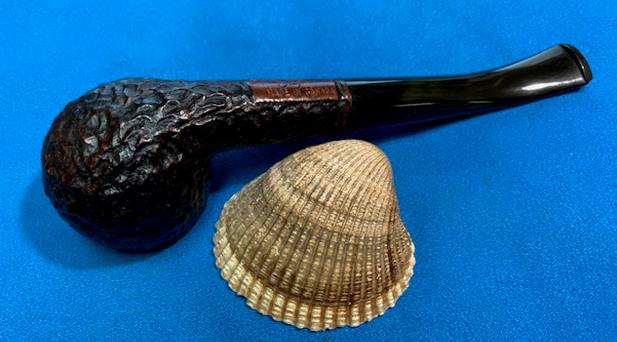
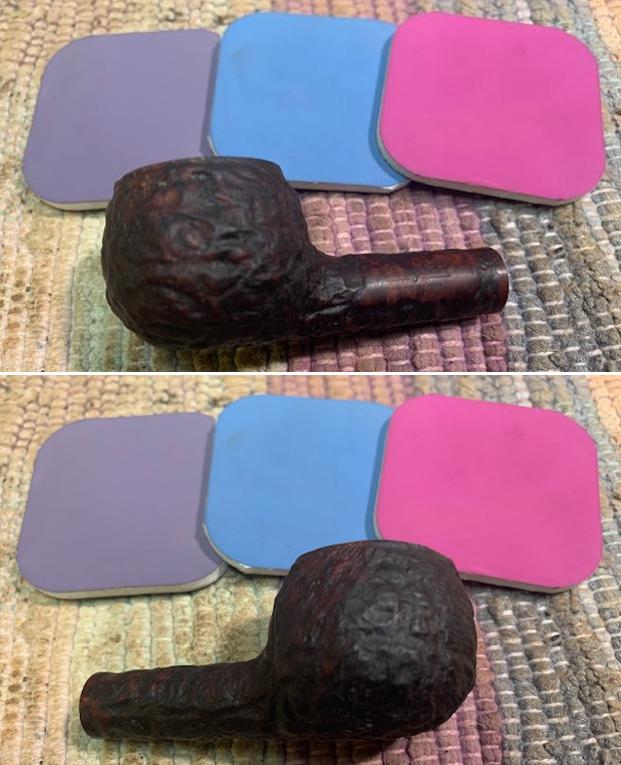
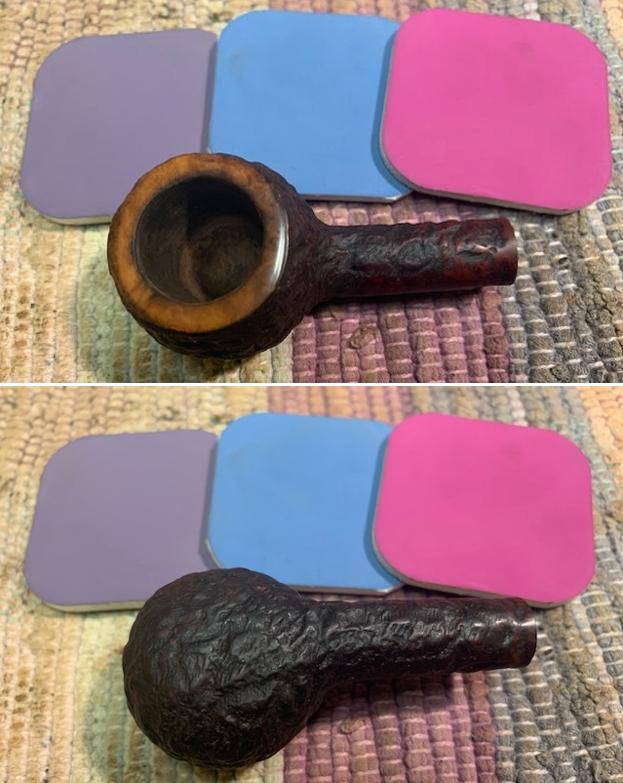
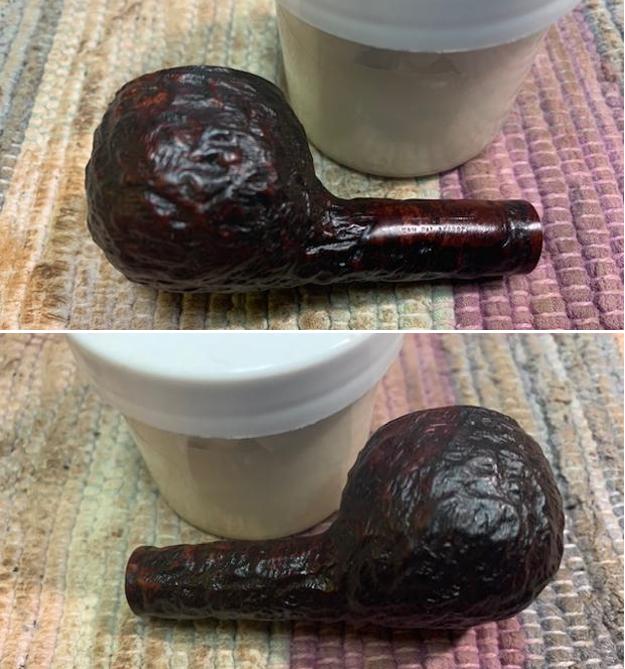
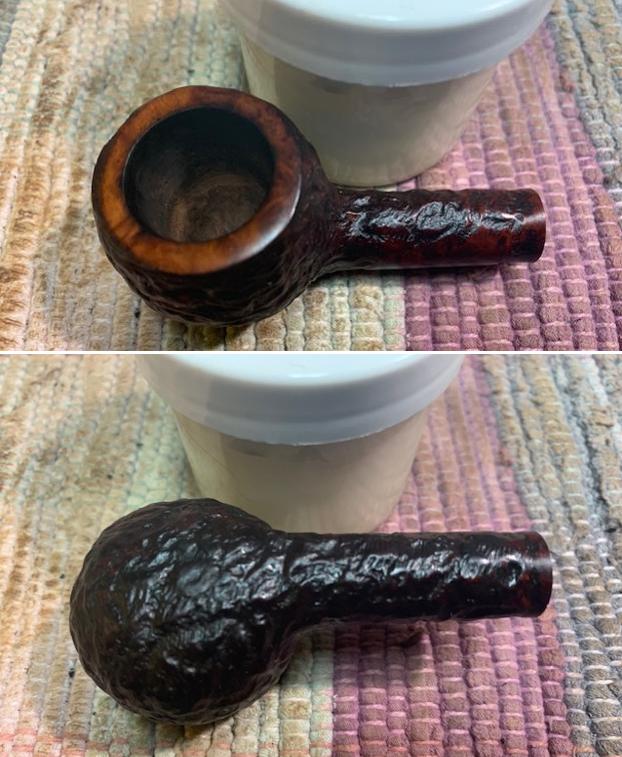
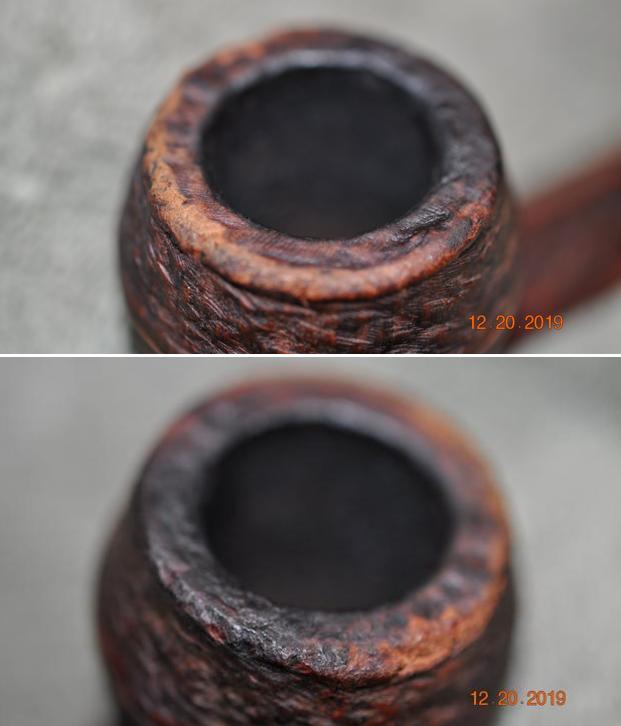
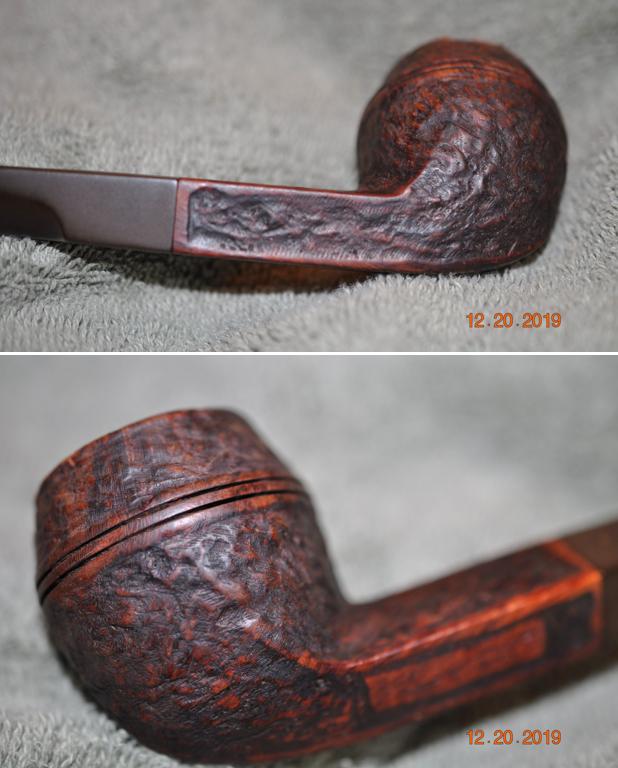
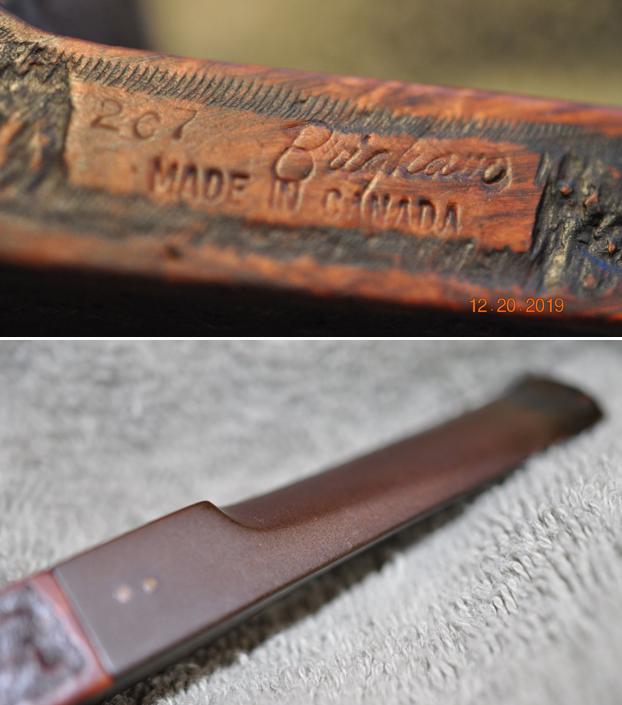
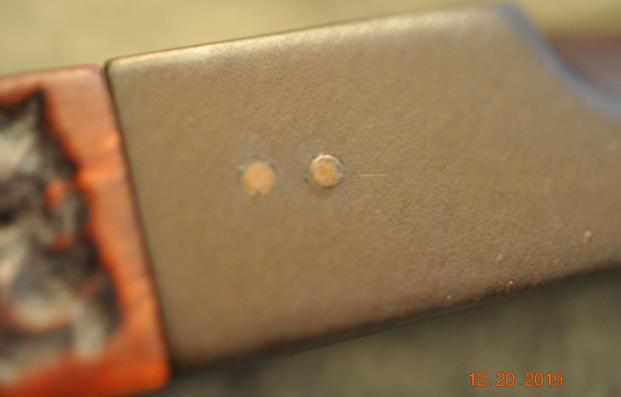
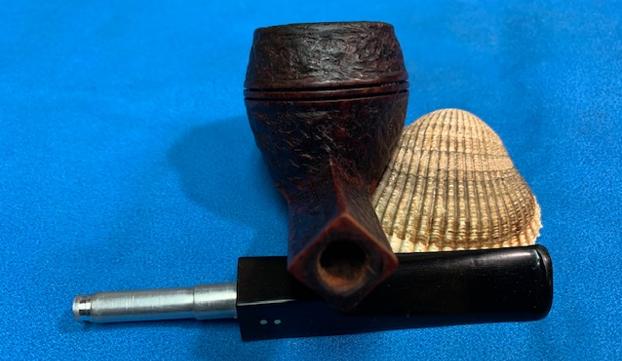
Tag Archives: Brigham Made in Canada Pipes

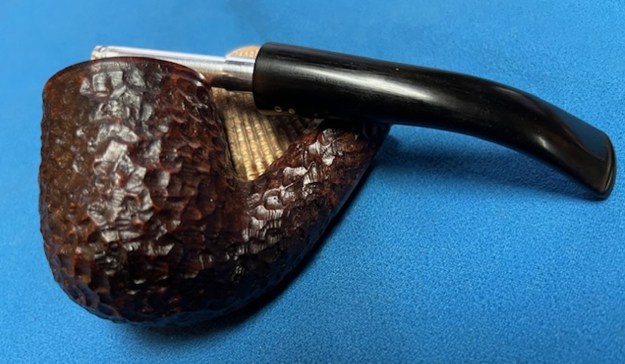
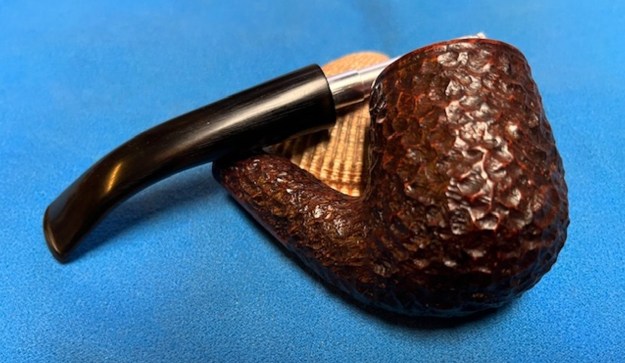
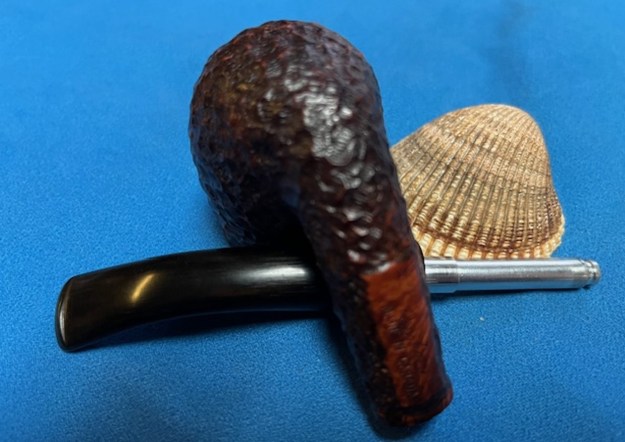
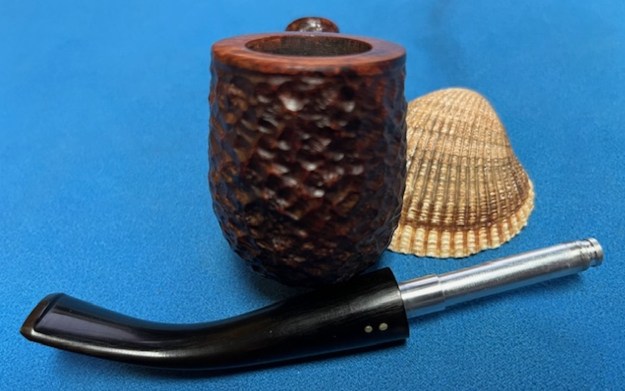
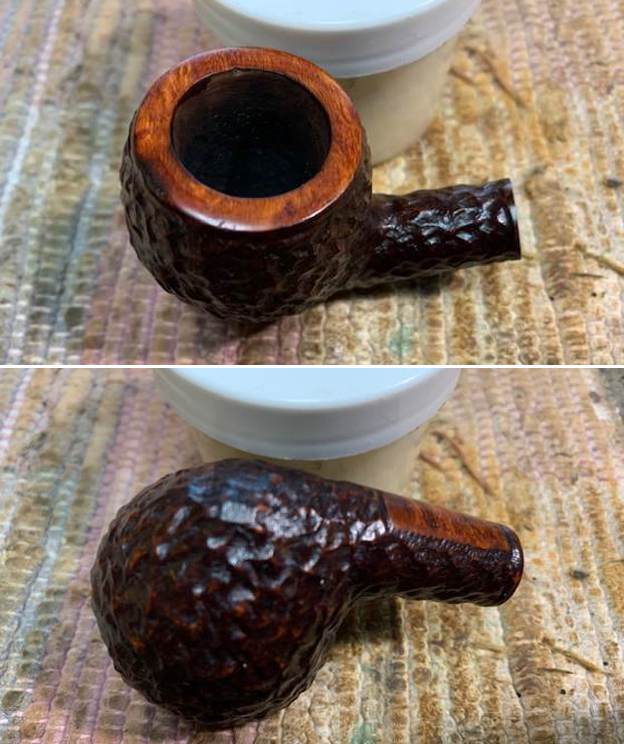
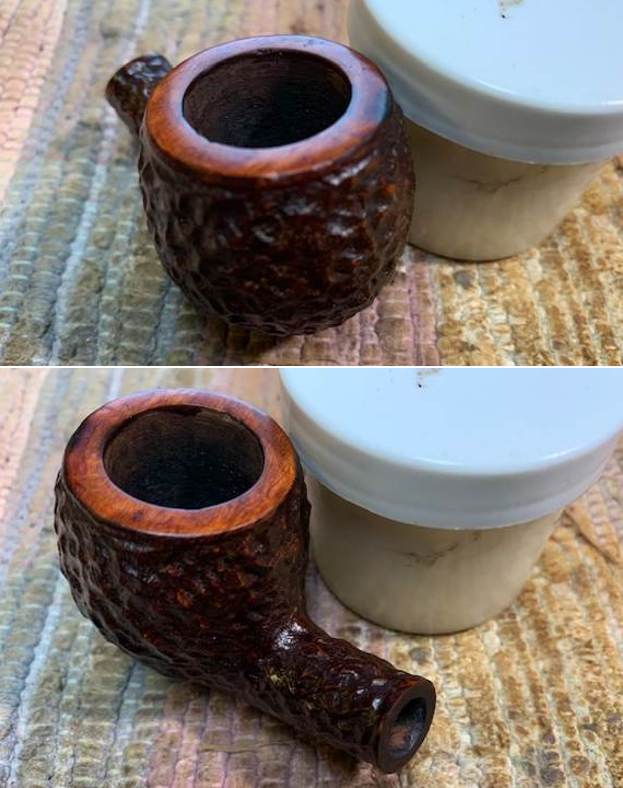
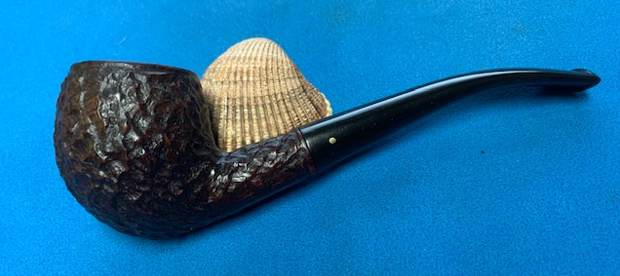
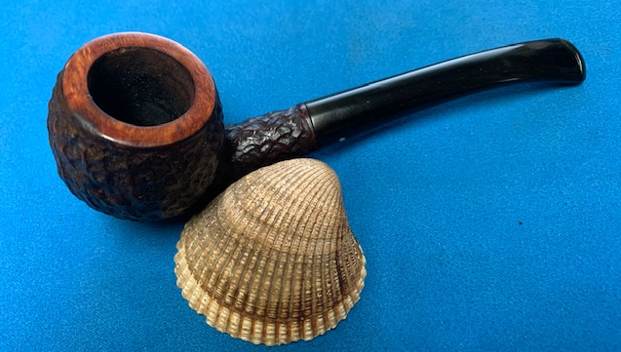
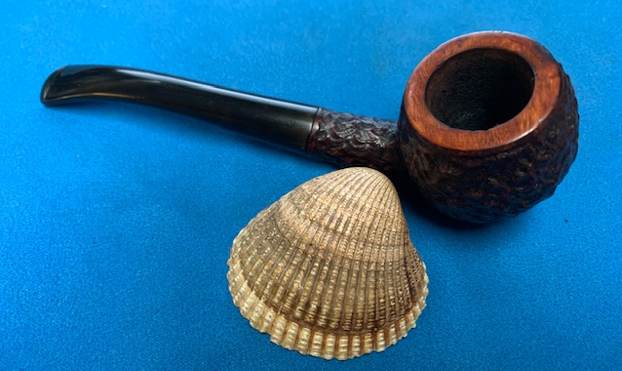
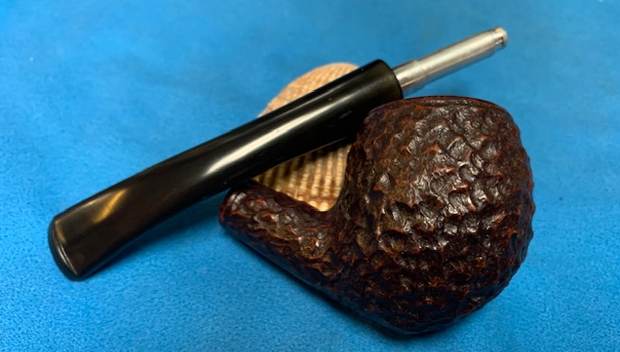
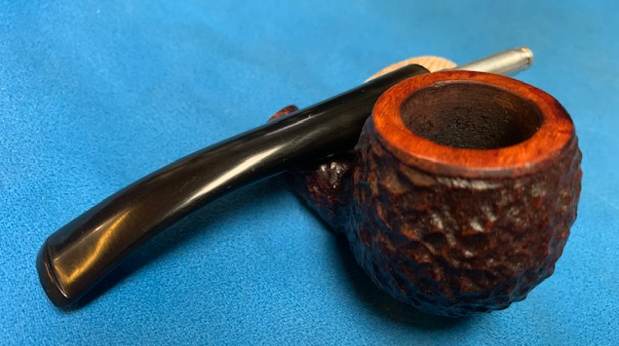
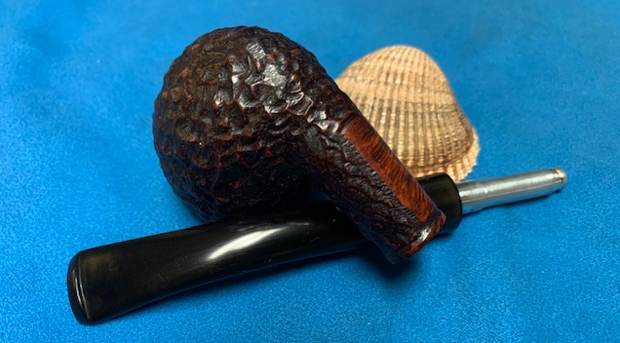
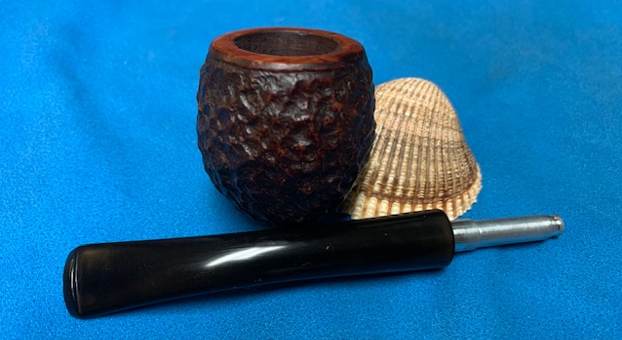
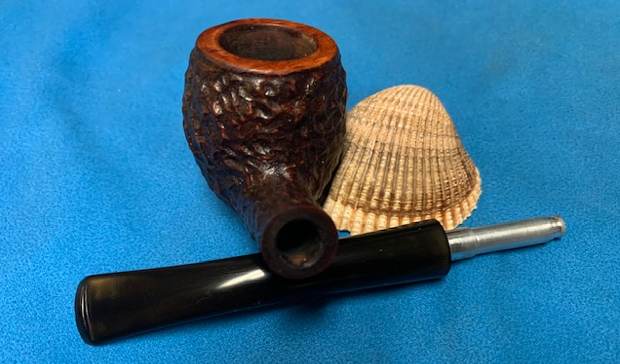
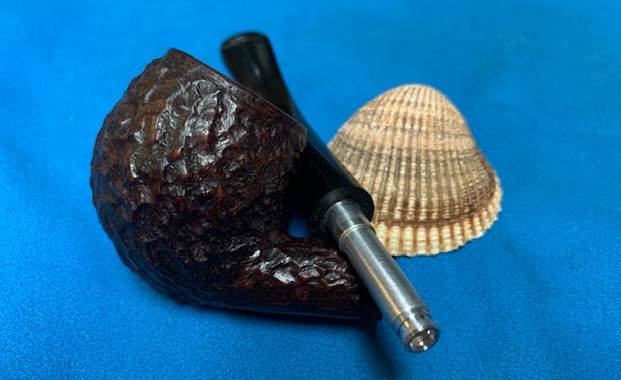
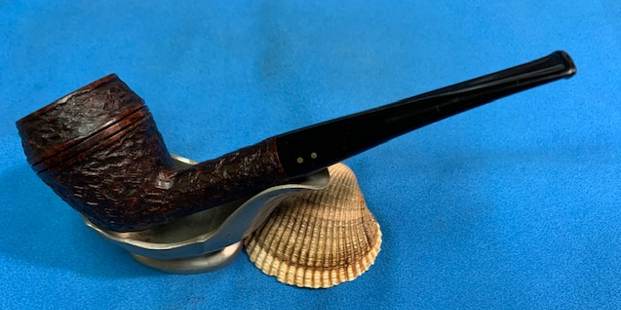
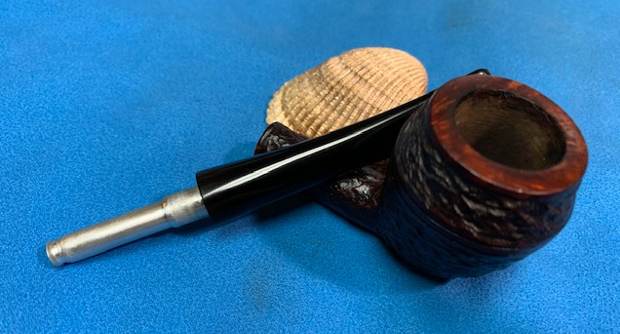
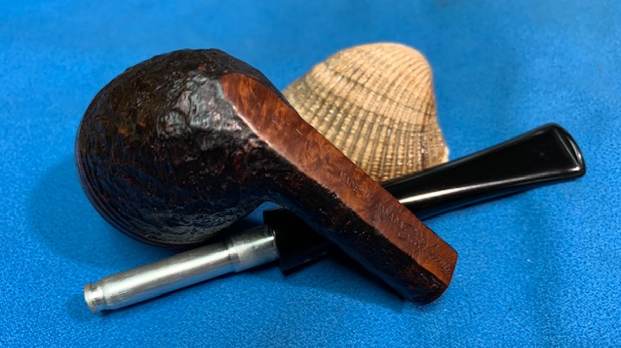
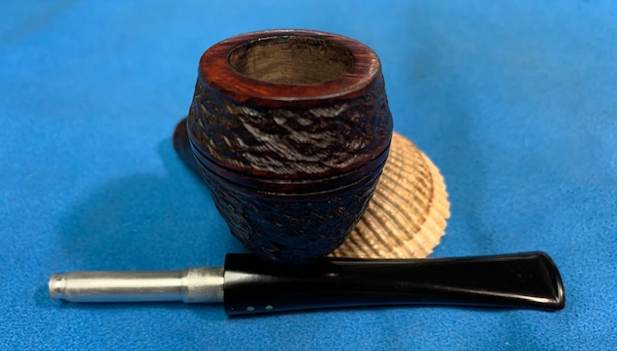
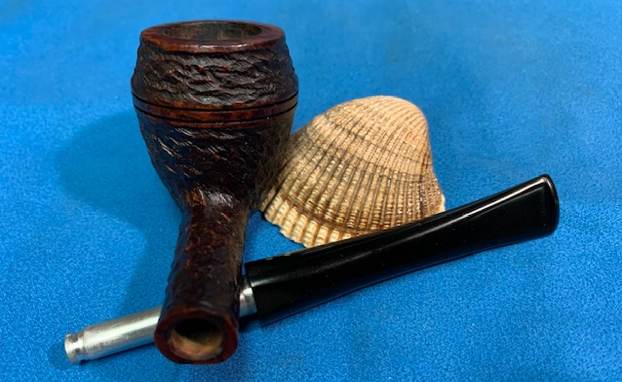
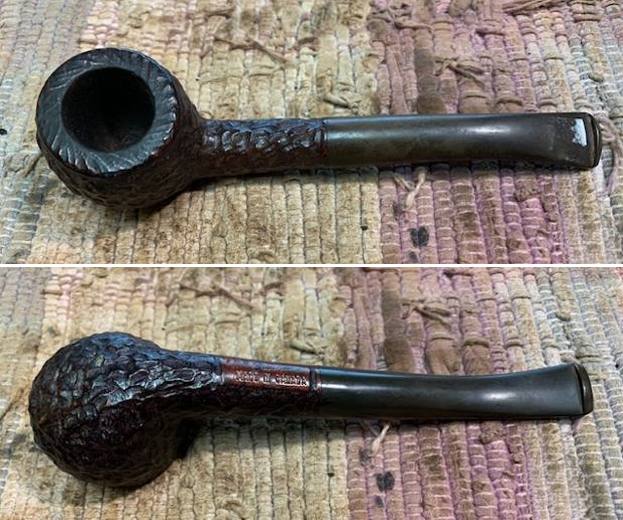
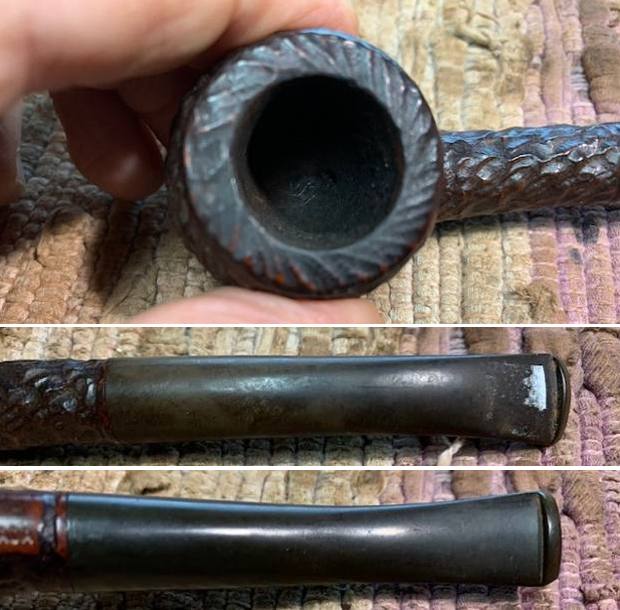
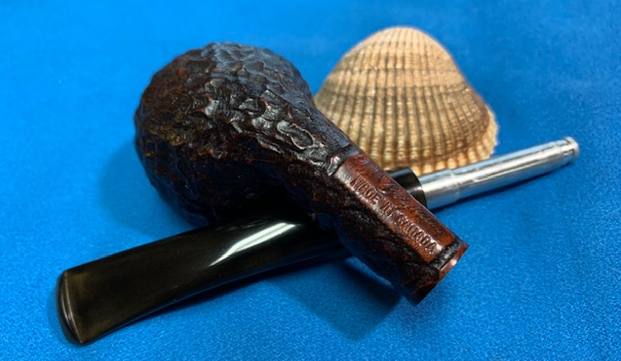
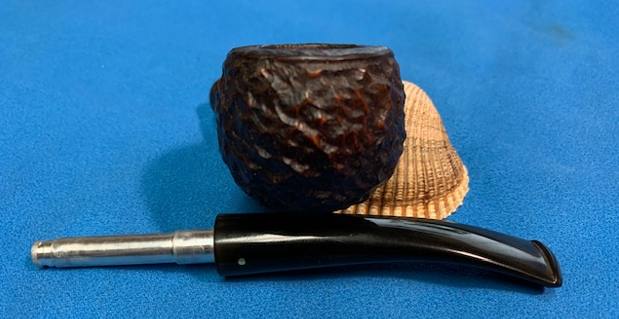
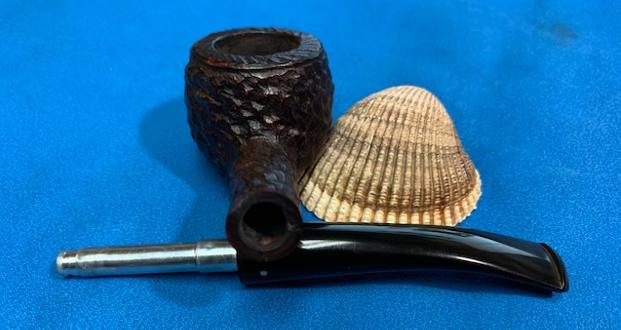
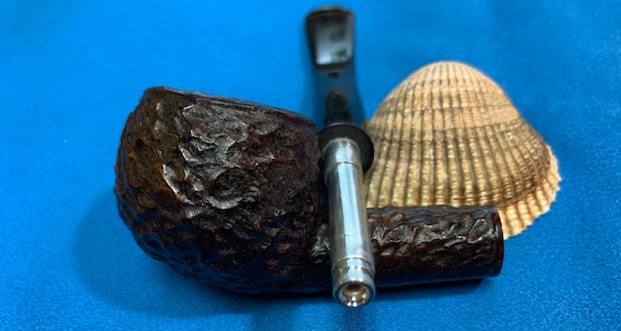
Resurrecting a Brigham Made in Canada 625 Bulldog with a Frozen Stem


Blog by Steve Laug

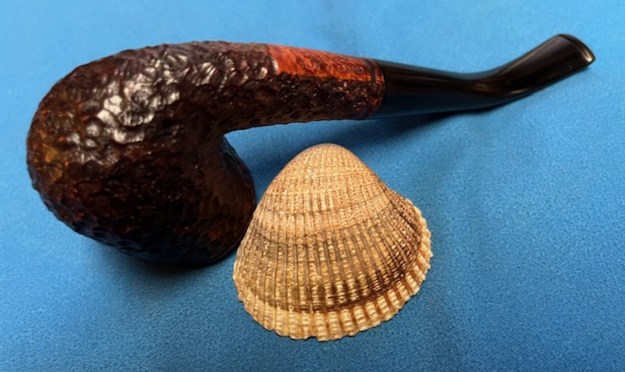
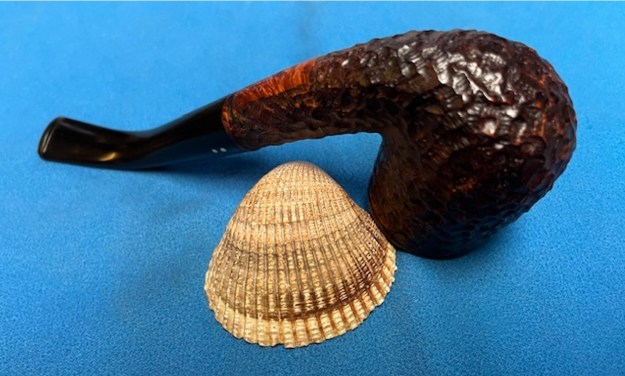
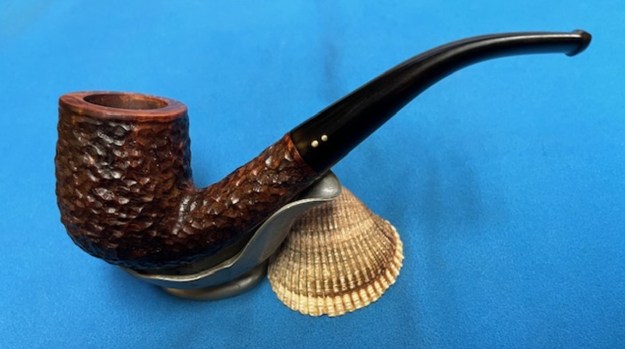
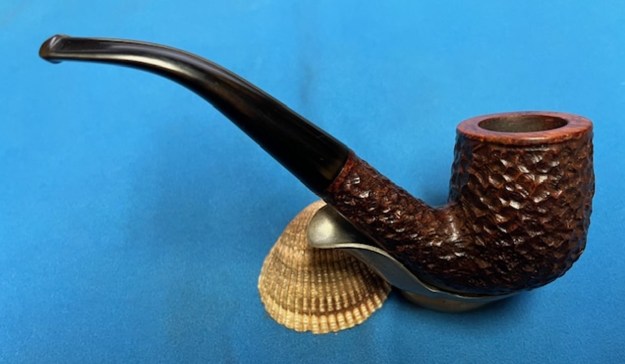
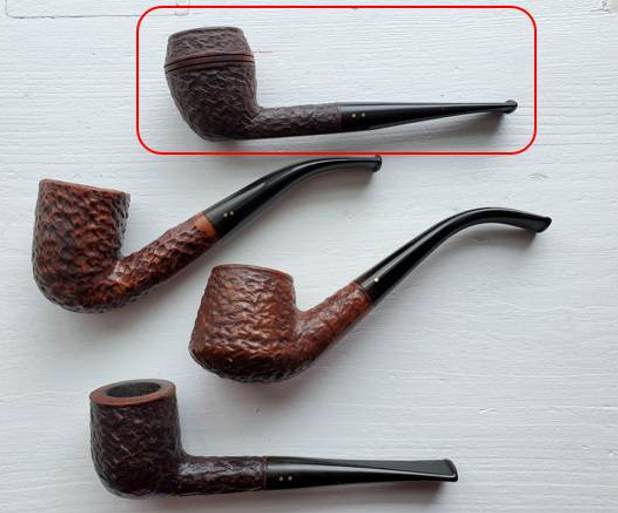
On Saturday, April 27 Kenneth and I went to an antique and collectible sale at an arena in New Westminster, BC, Canada. I wrote about the adventure and posted it in a previous blog last weekend (https://rebornpipes.com/2024/04/28/you-have-to-join-kenneth-and-me-on-a-great-morning-pipe-hunt/). On the hunt I picked up four pipes that I have listed below:

  1. Jeantet Fait Main Bent Freehand Dublin 4 with a diamond shank
  2. Jeantet Fait Main Bent Apple 9 with a uniquely shaped shank and stem
  3. Republic Era Peterson’s System Pipe 1307 Bowl sans stem
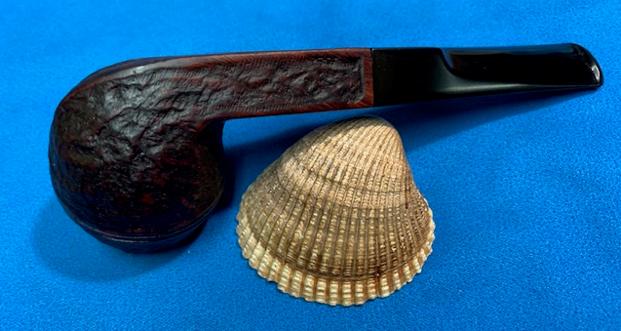
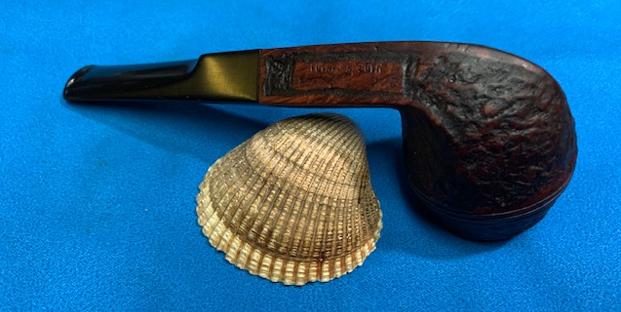
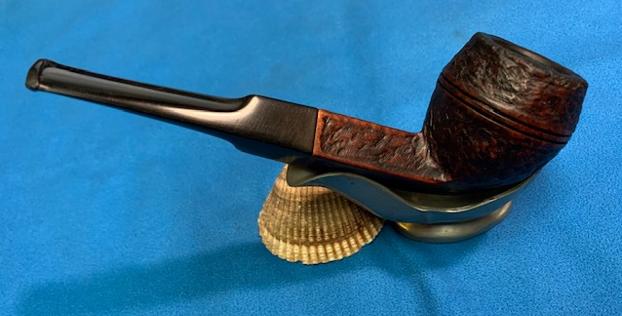
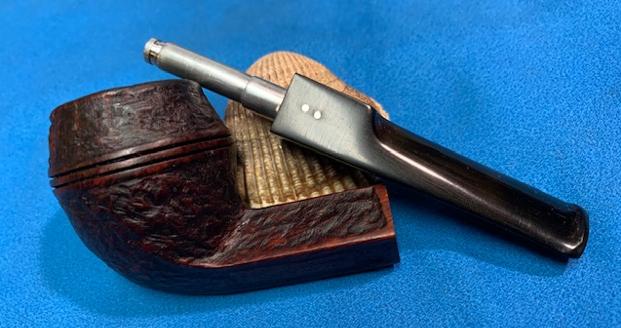
  4. Brigham Made in Canada 625 Squat Straight Bulldog

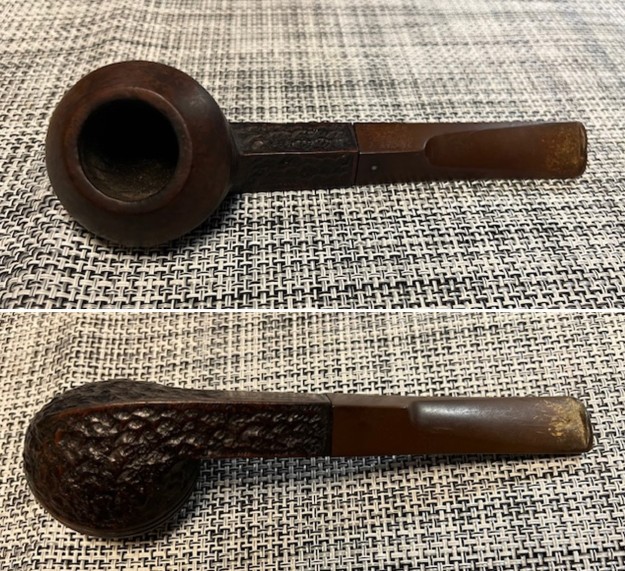
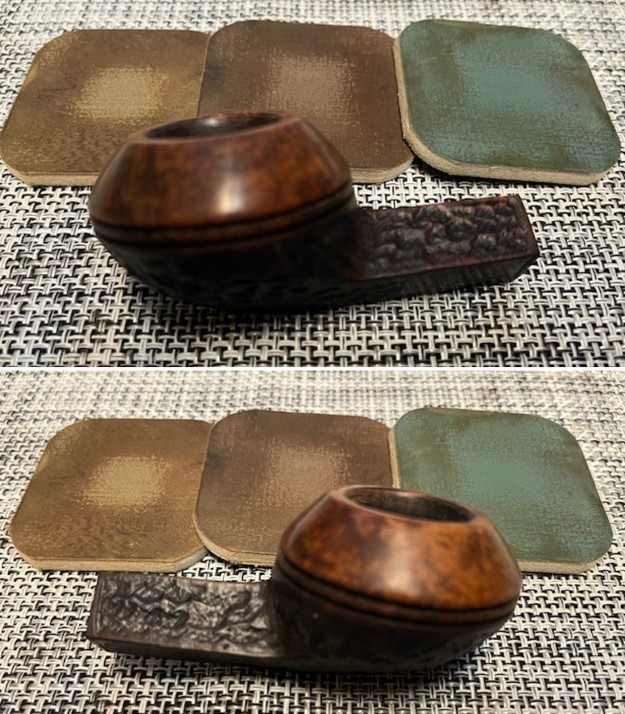
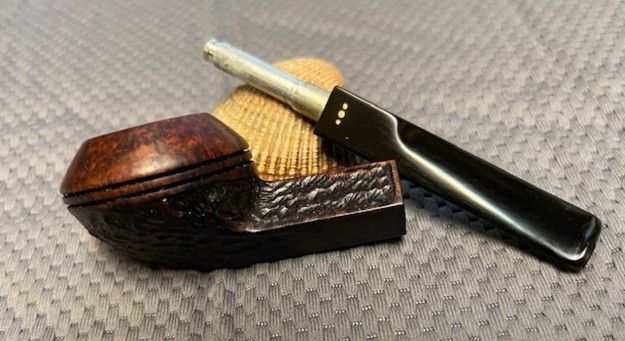
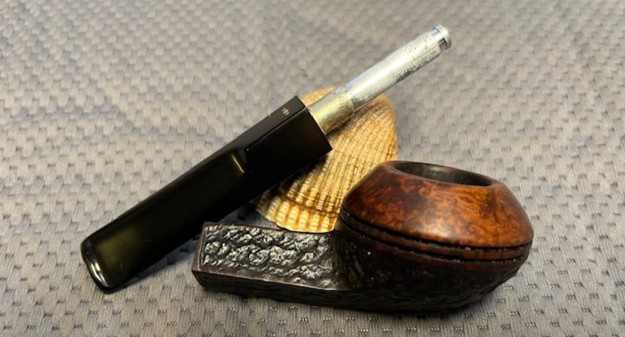
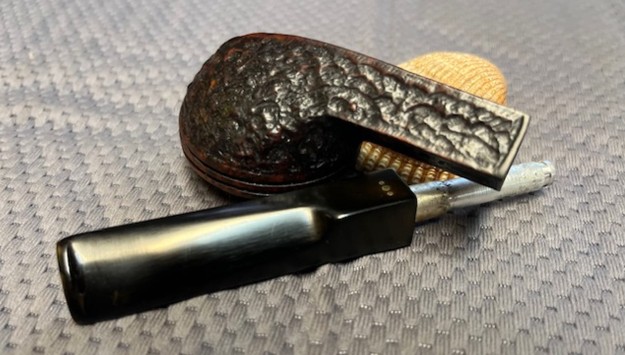
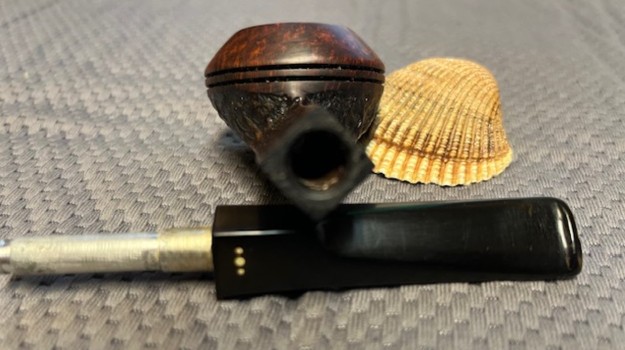
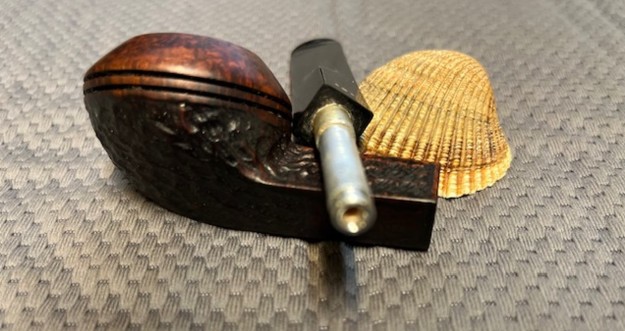
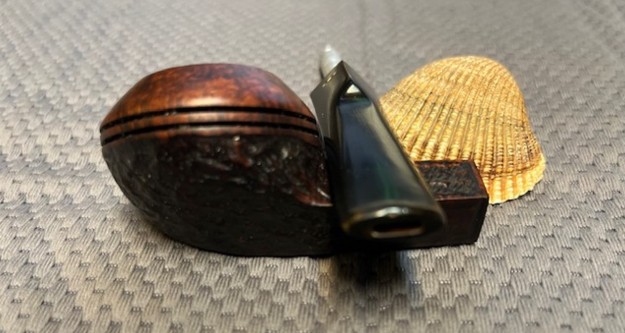
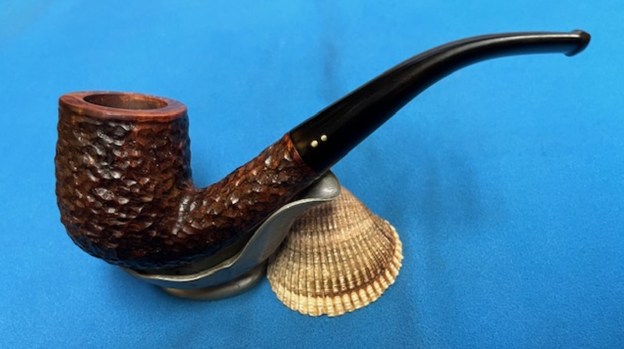
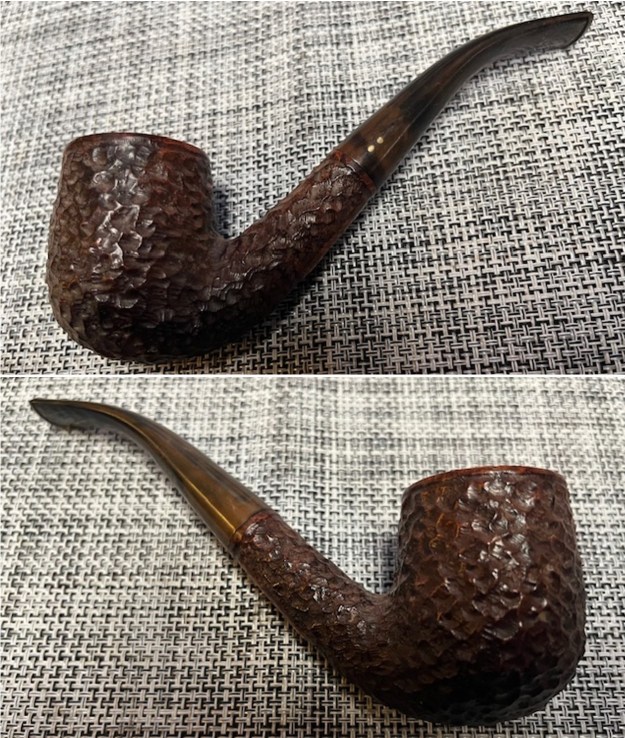
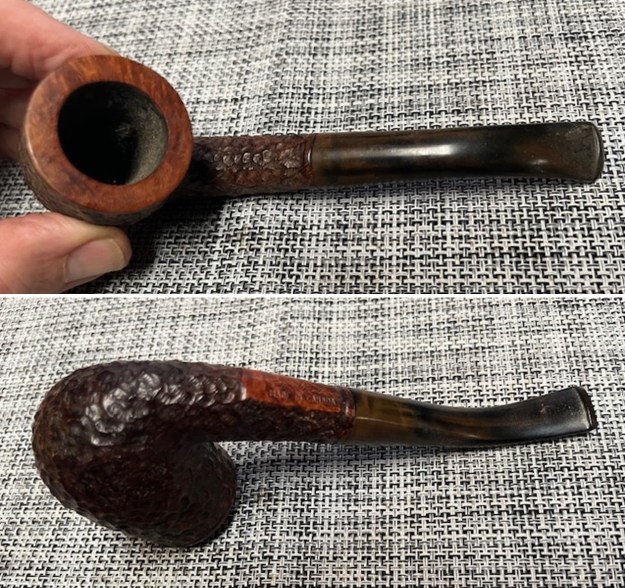
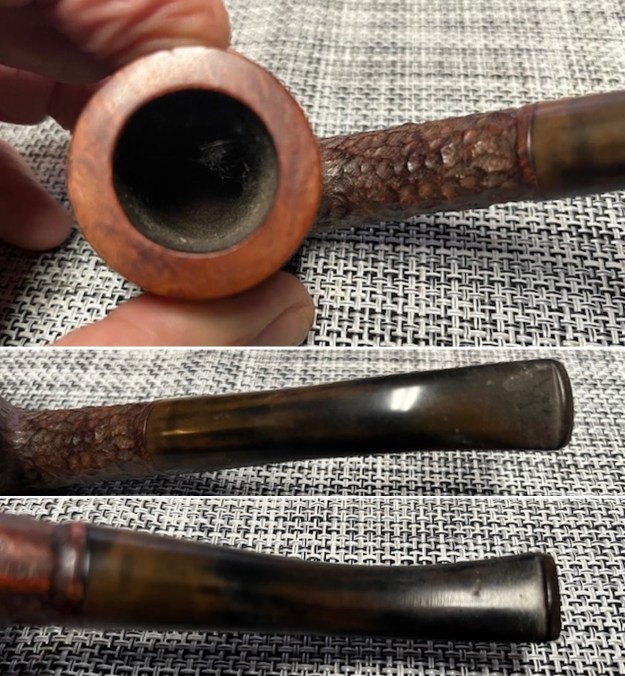
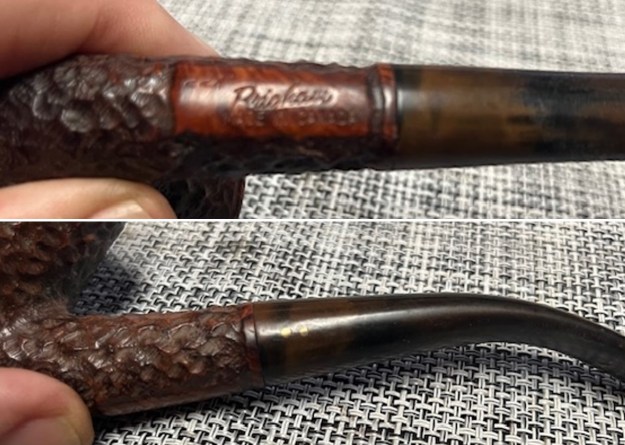
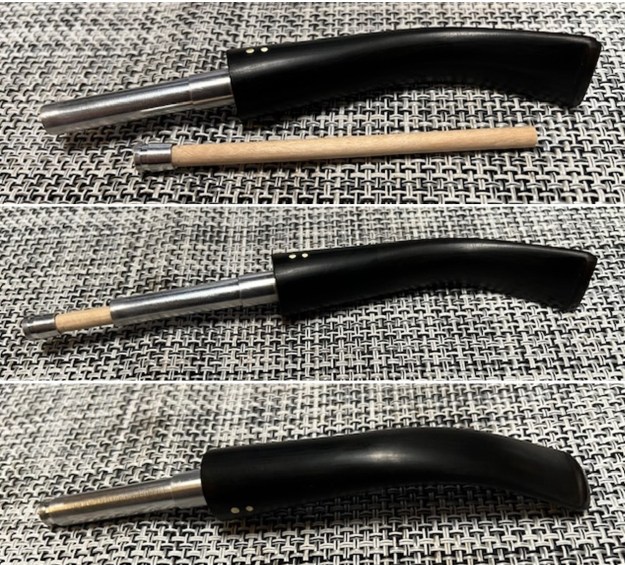
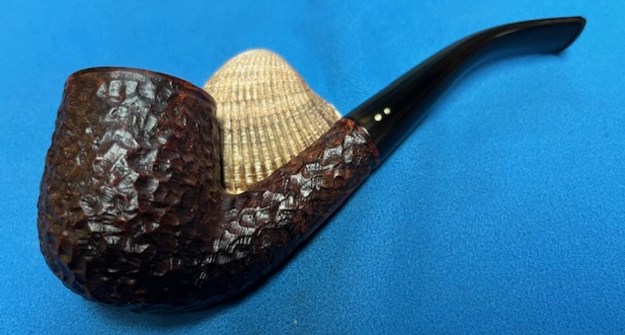
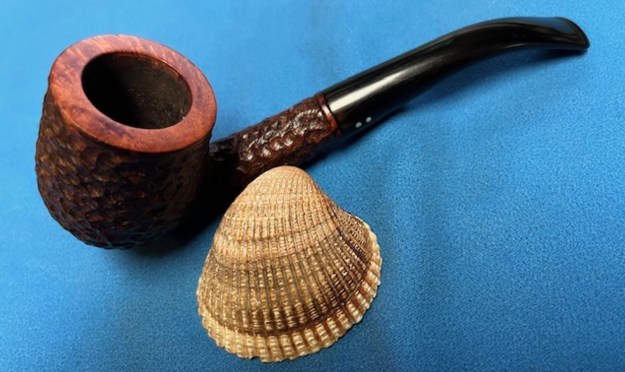
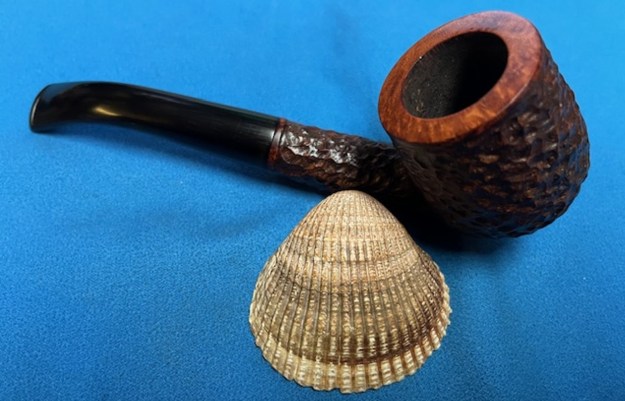
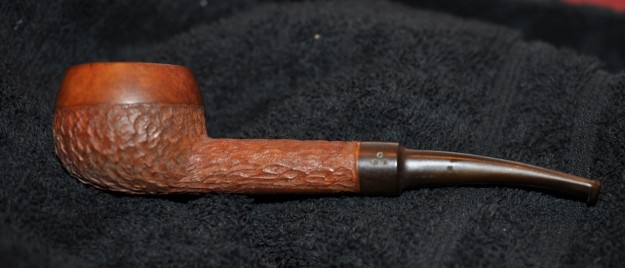
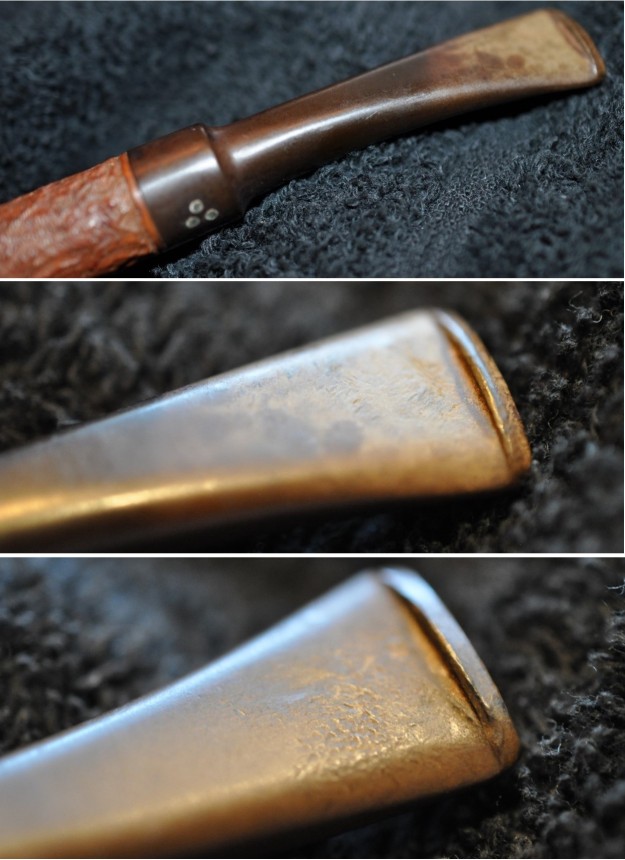
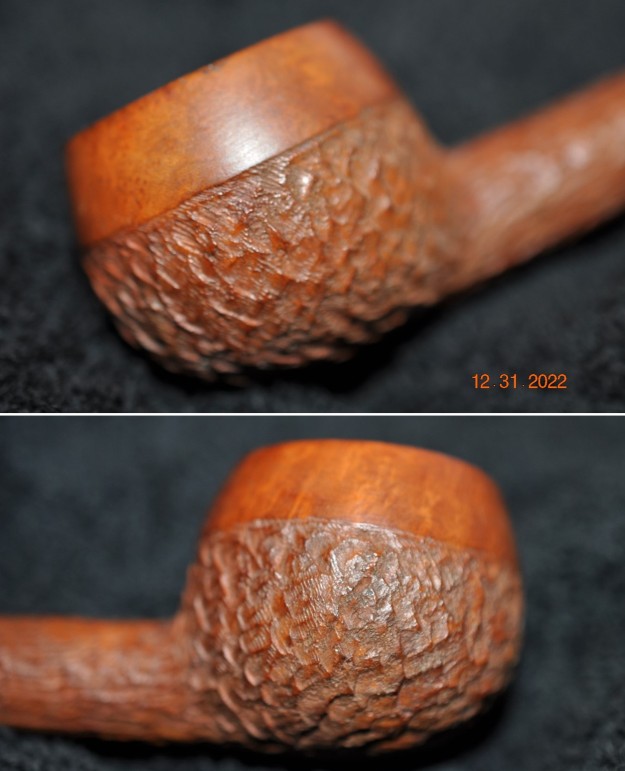
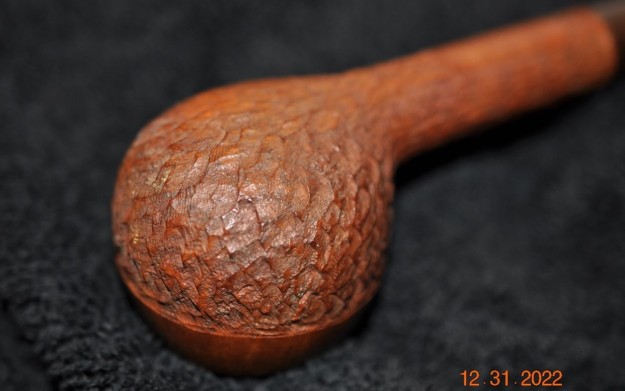
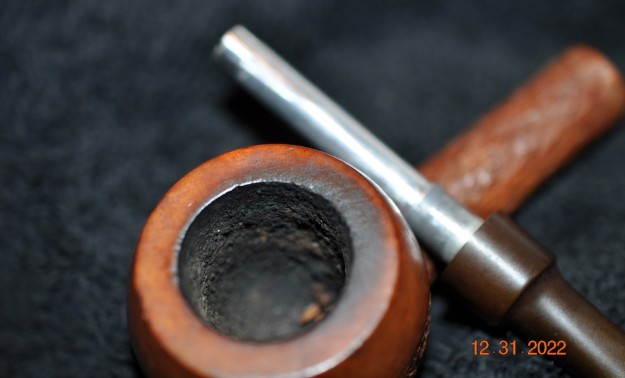
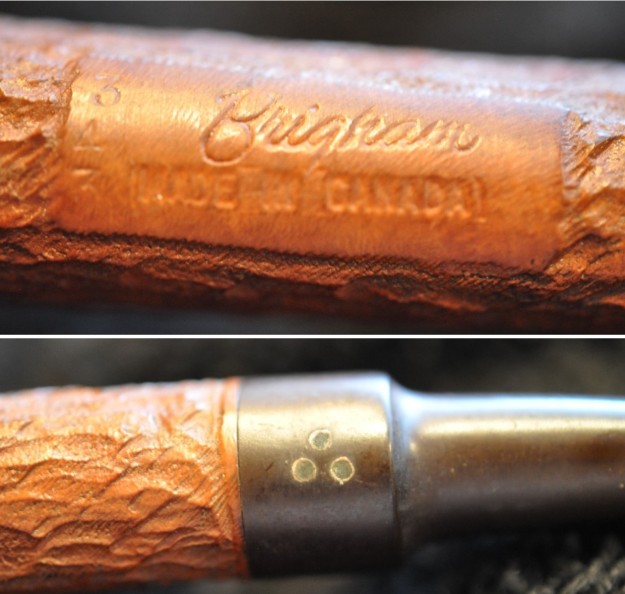
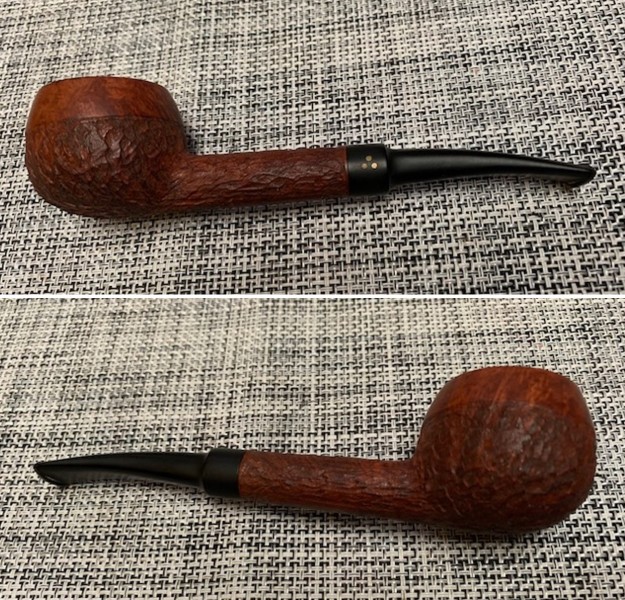
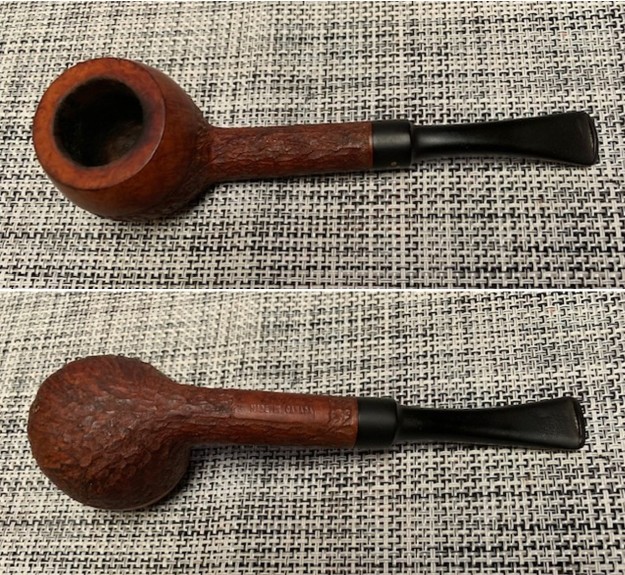
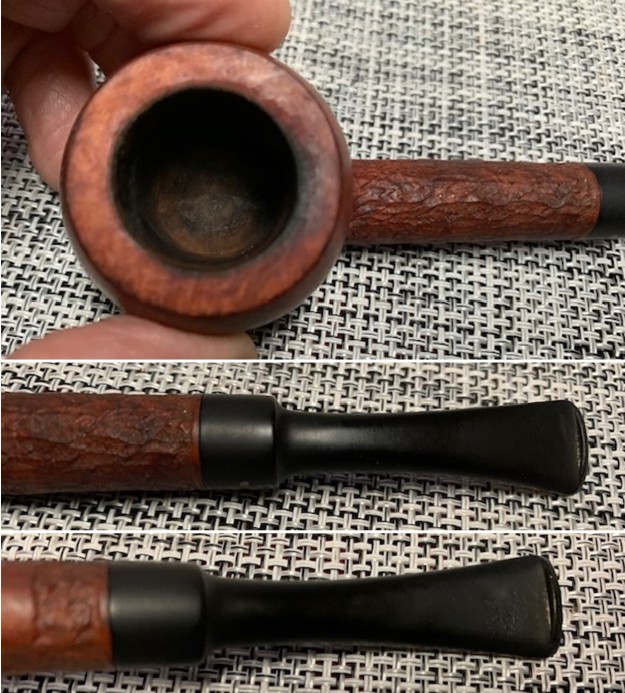
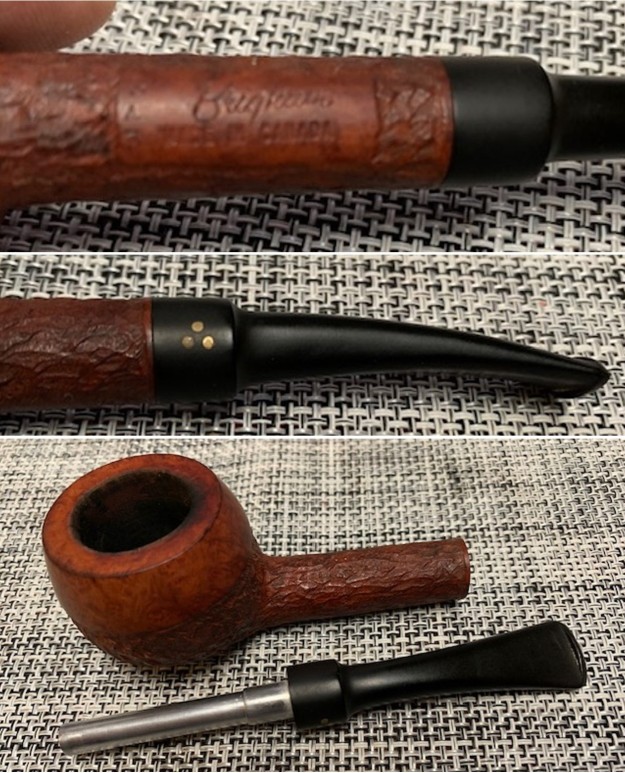
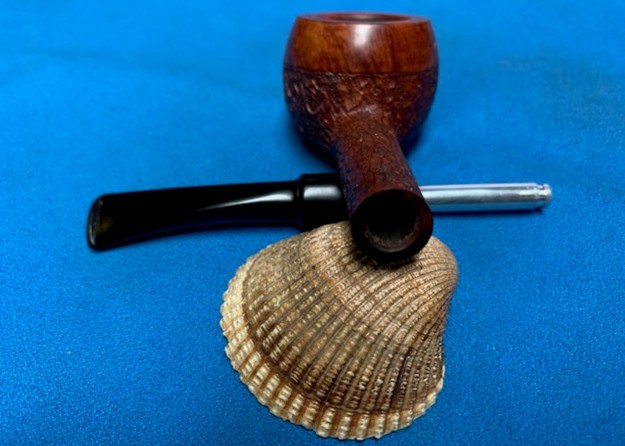
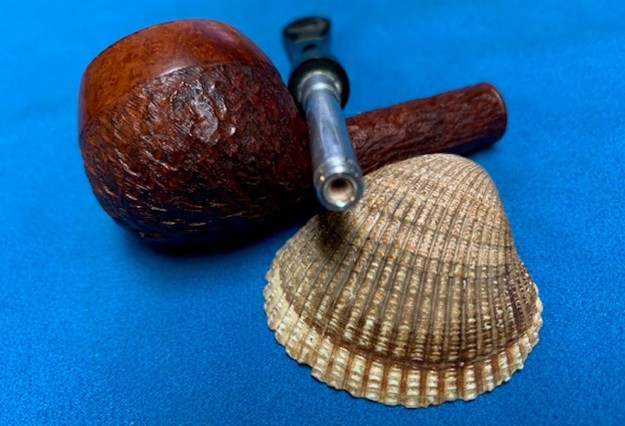
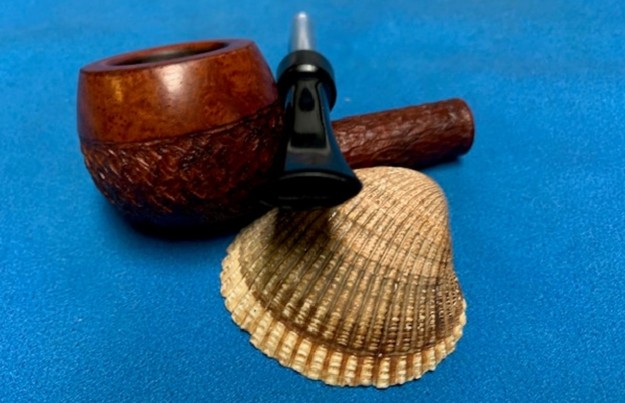
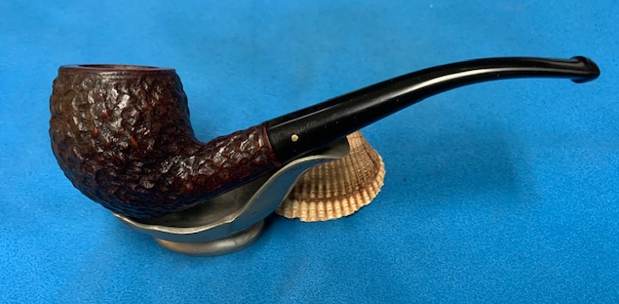
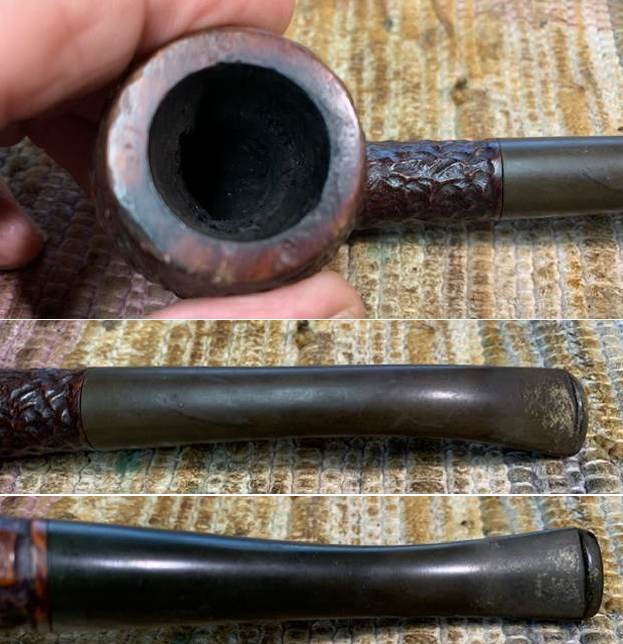
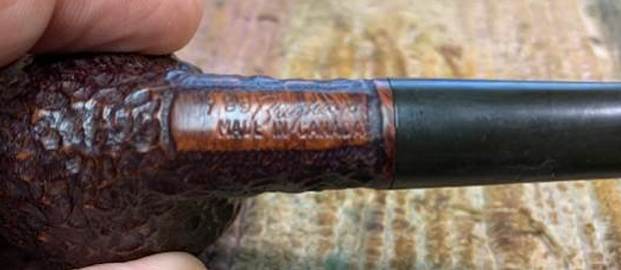
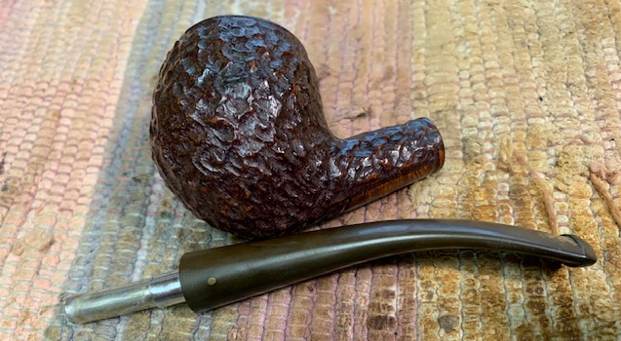
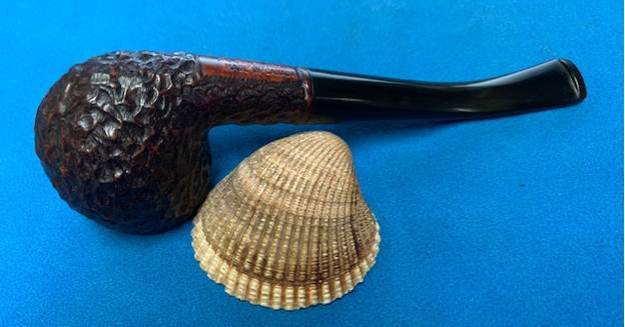
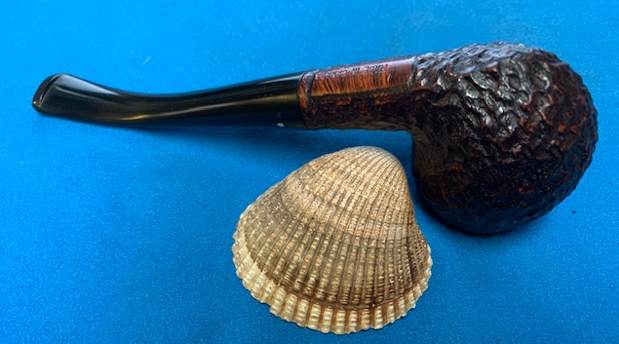
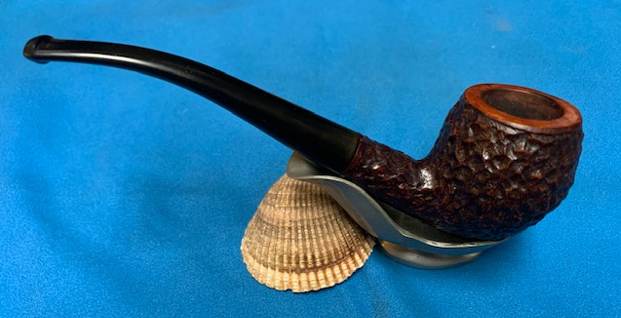
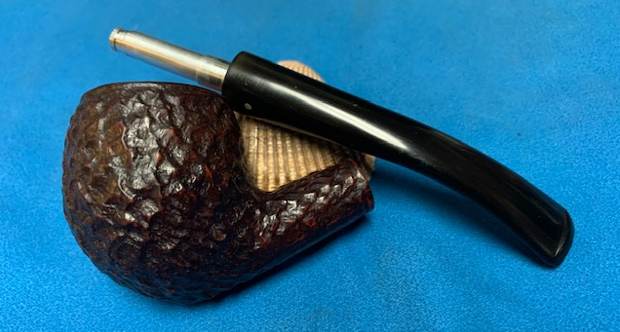
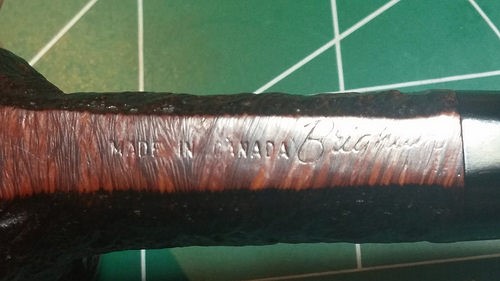
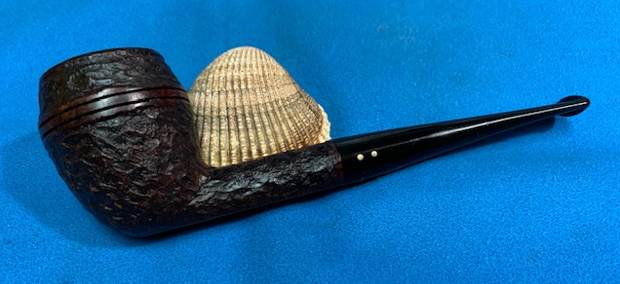
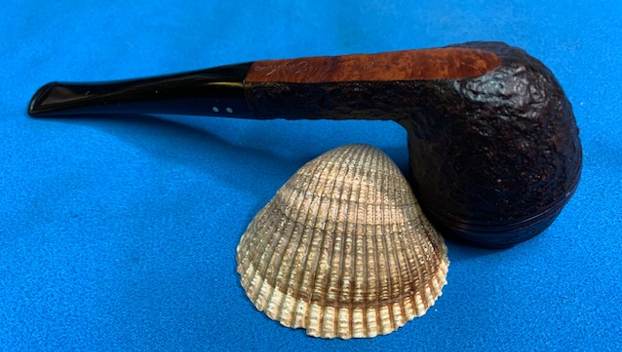
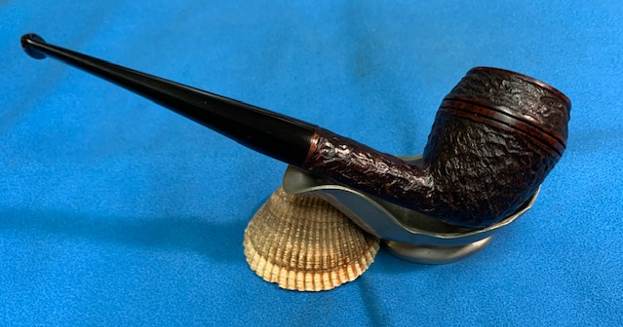
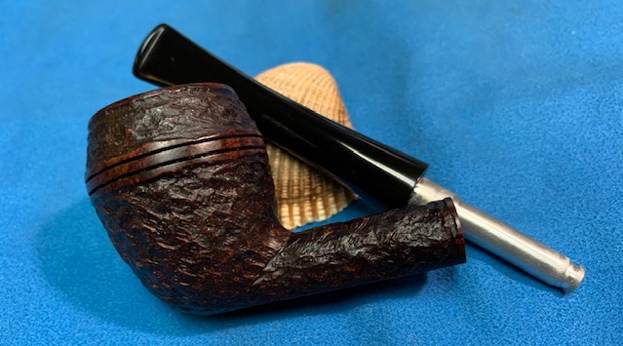
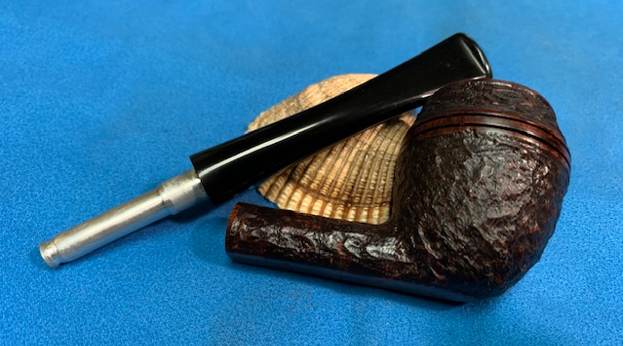
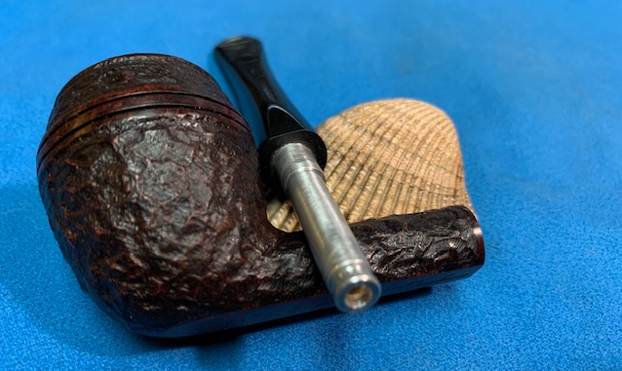
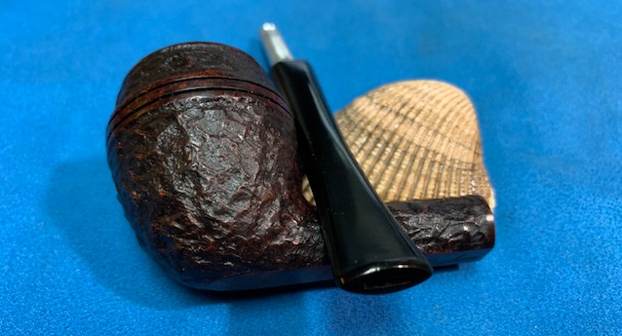
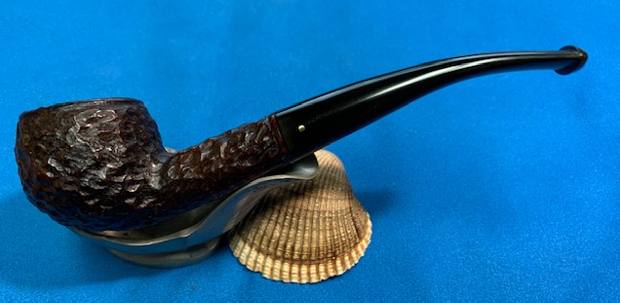
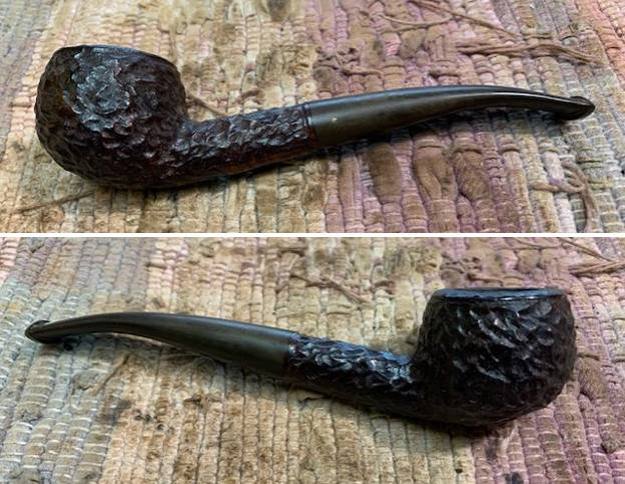
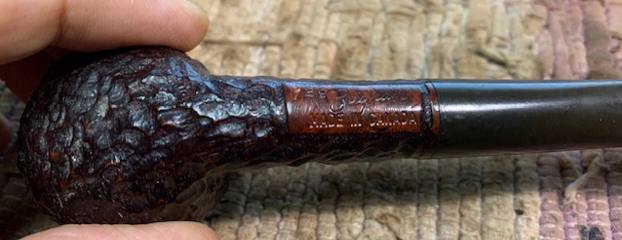
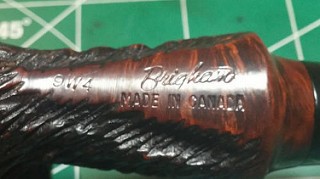
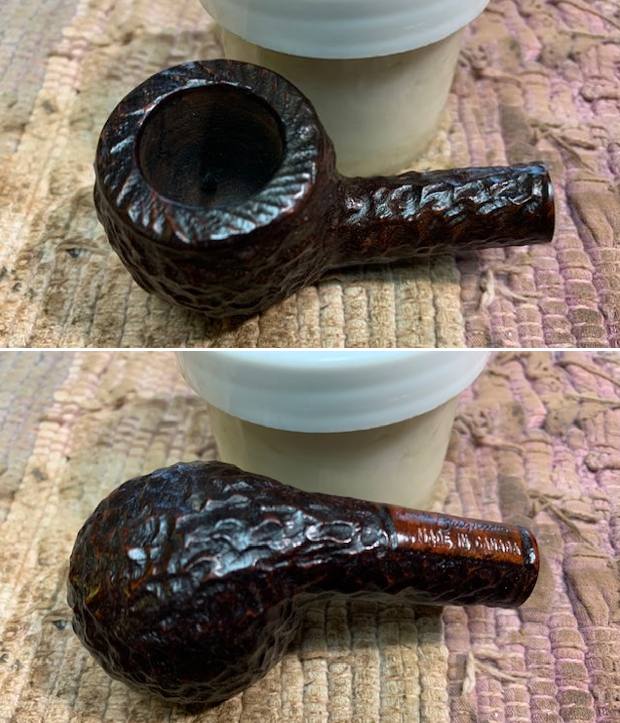
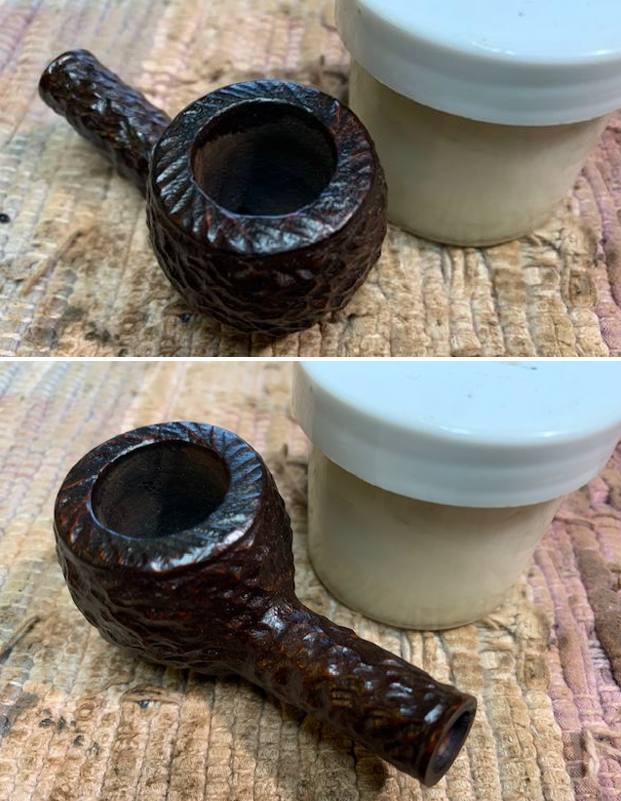
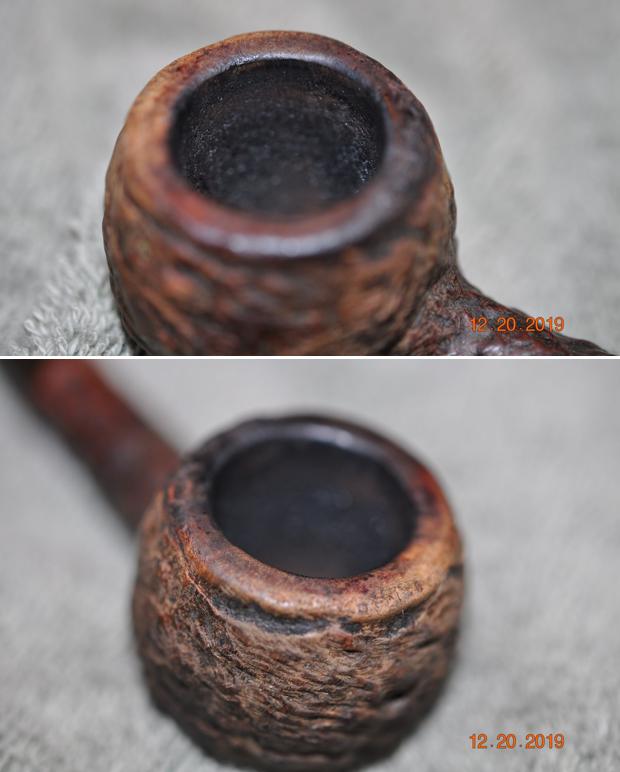
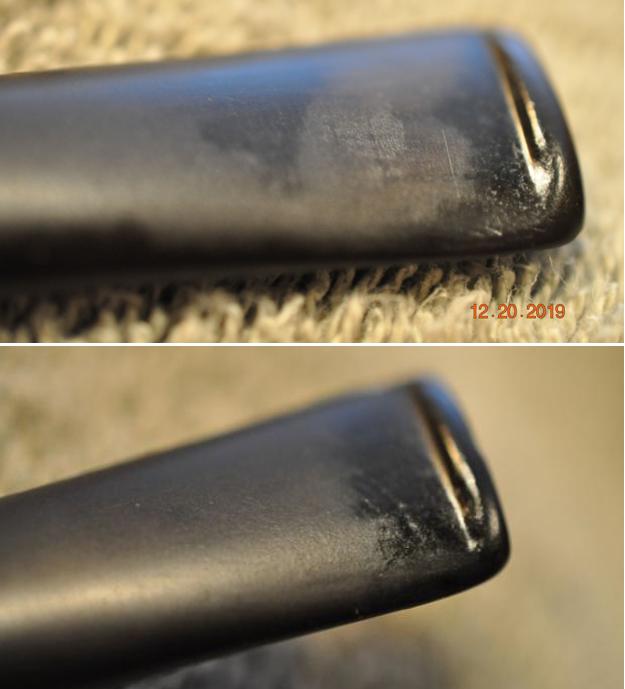
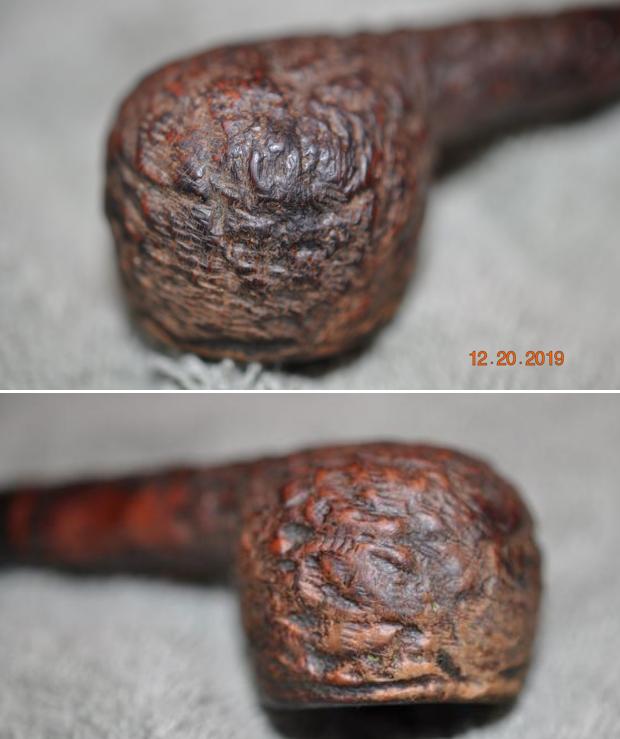
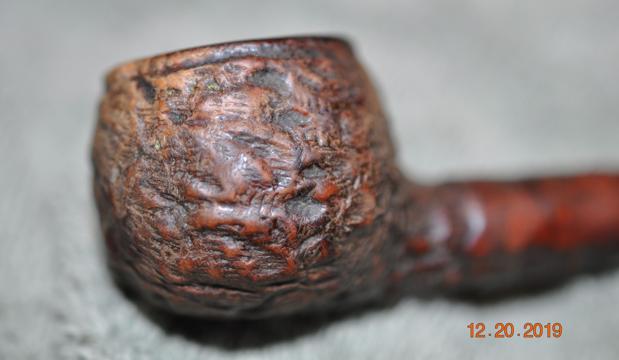
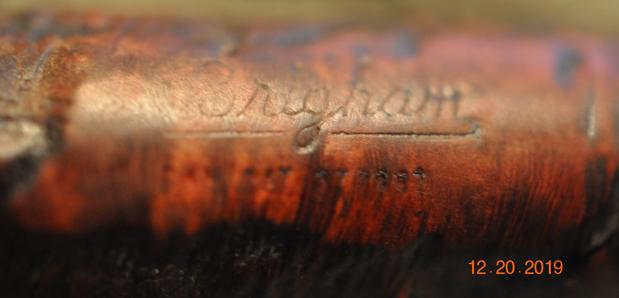
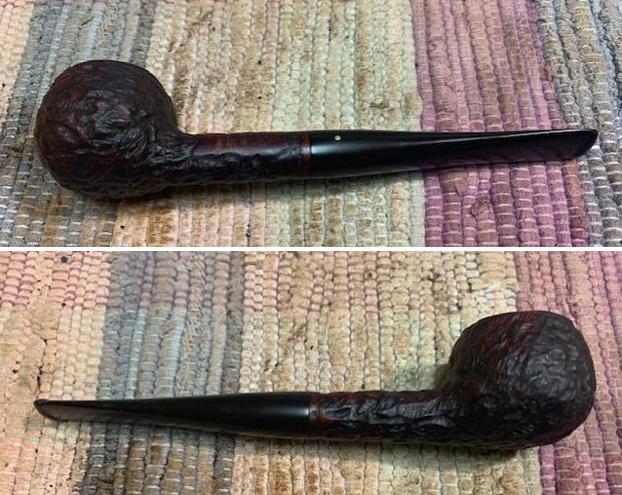
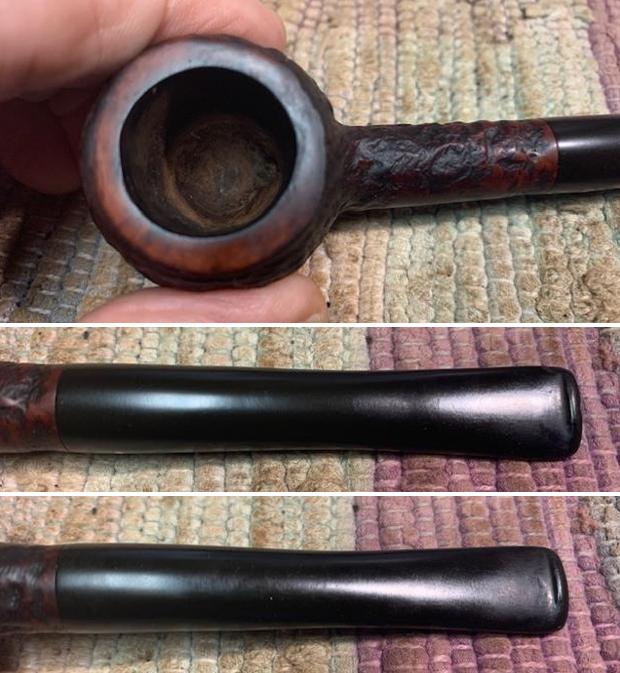
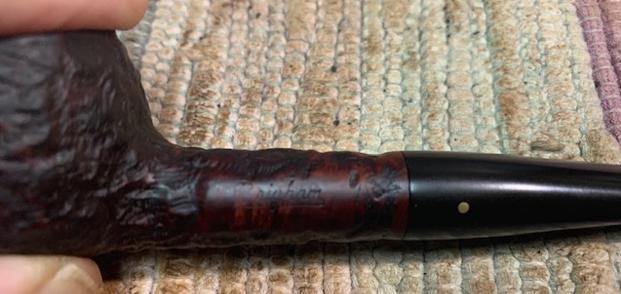
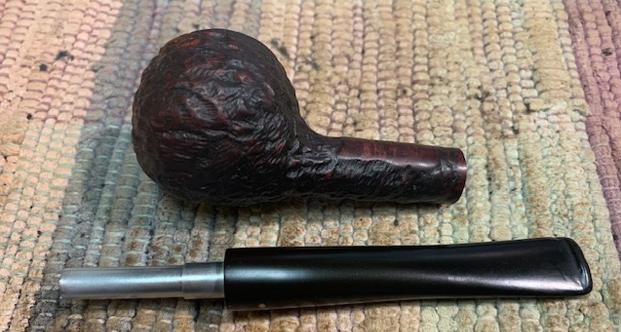
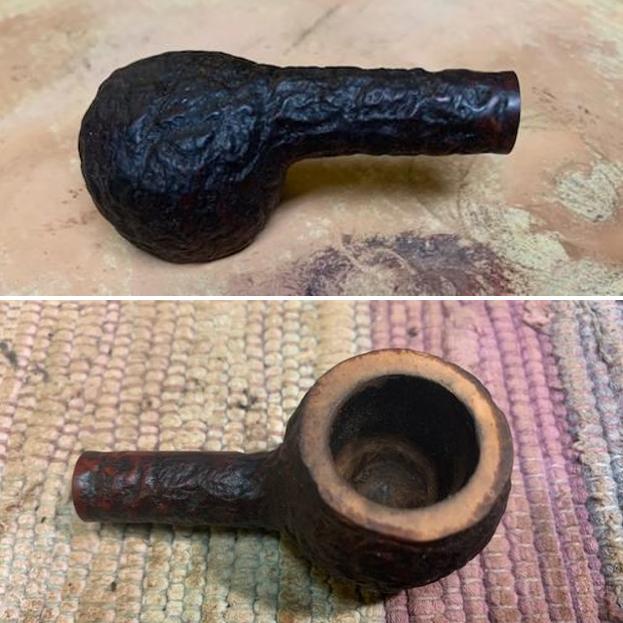
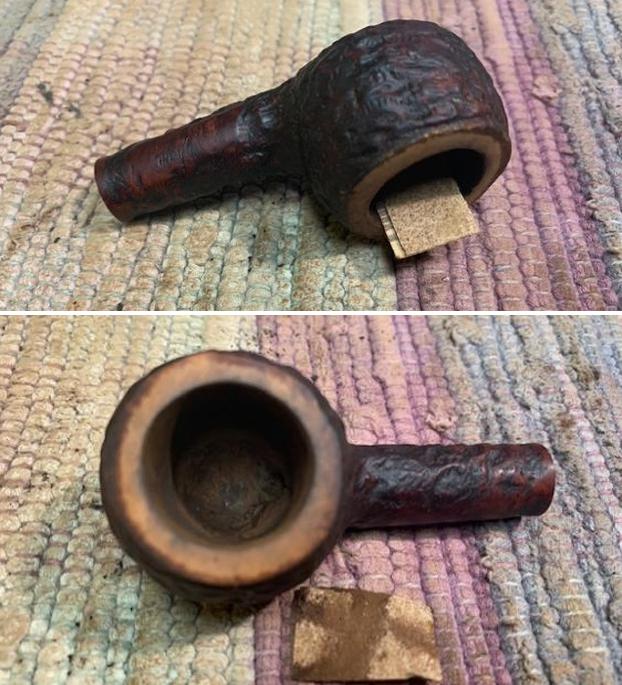
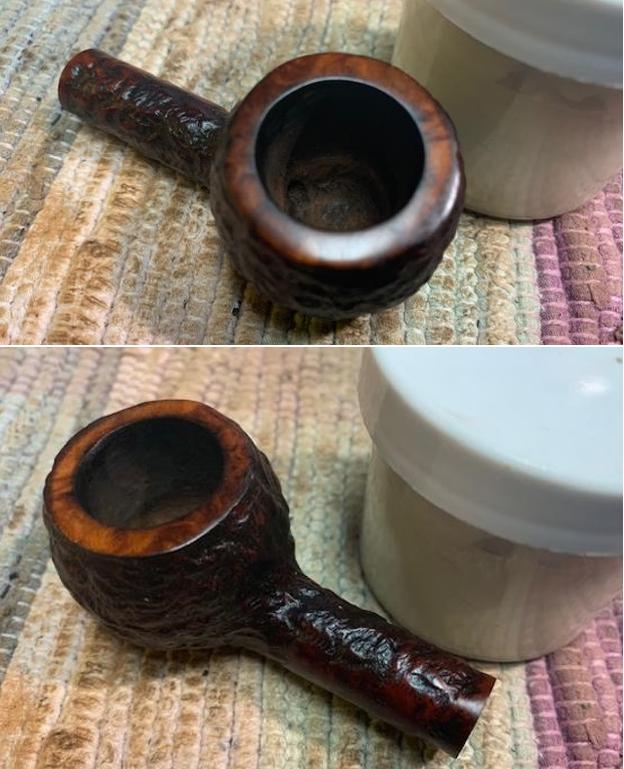
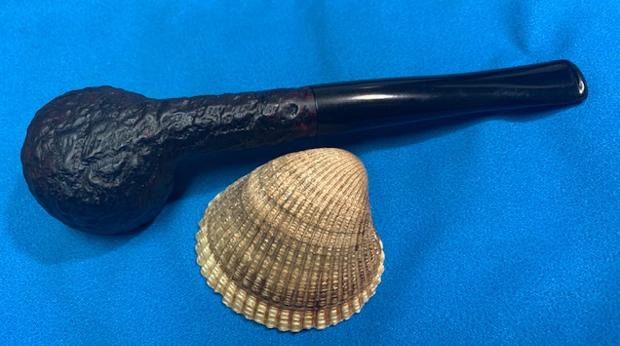
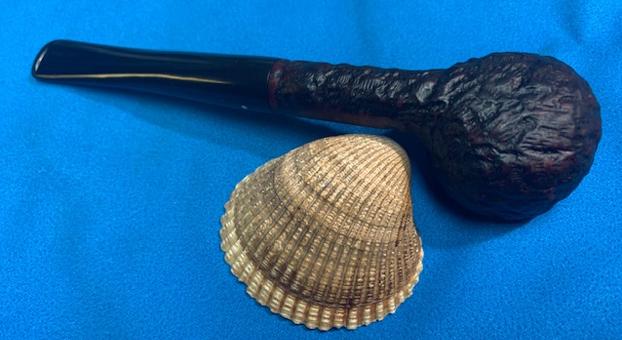
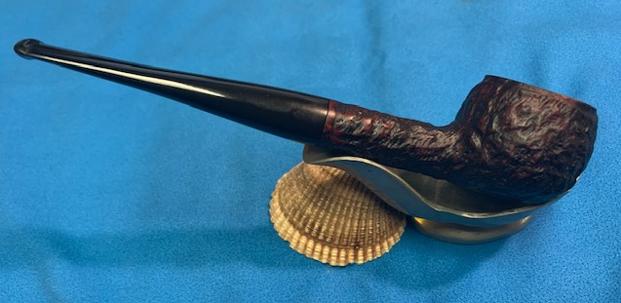
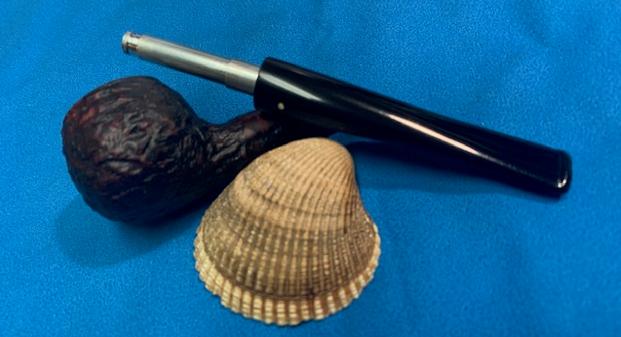
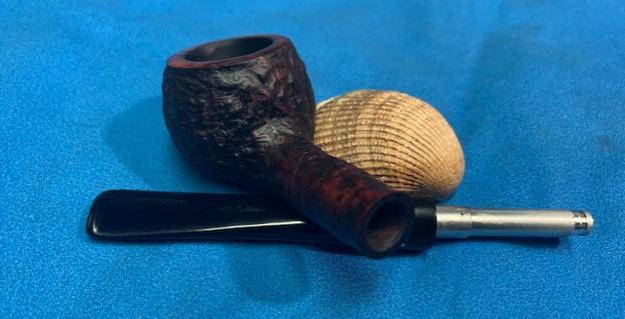
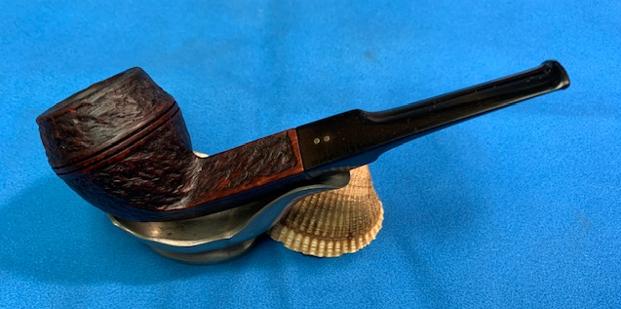
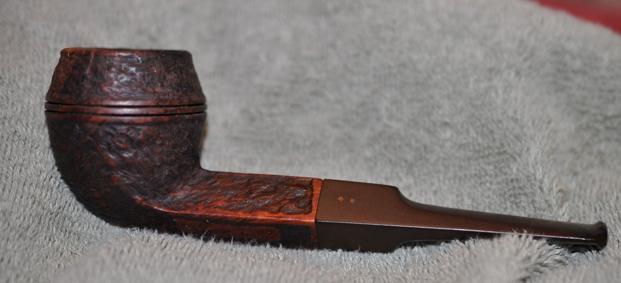
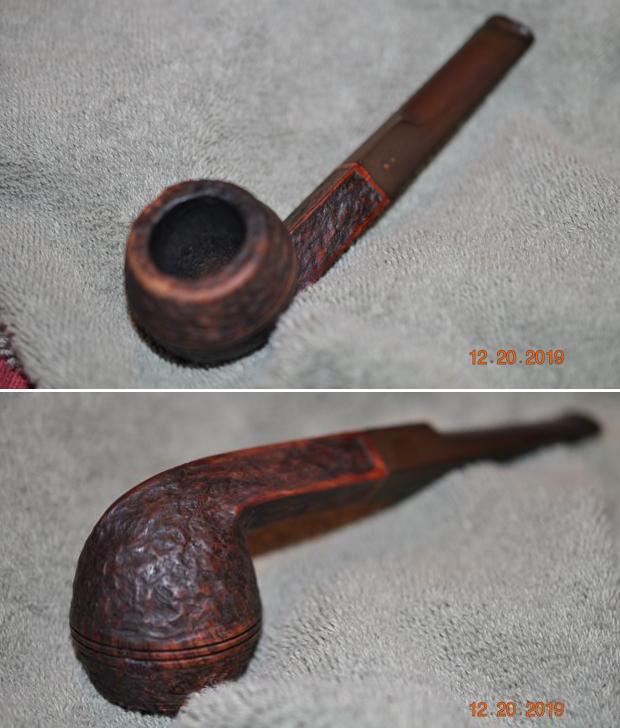
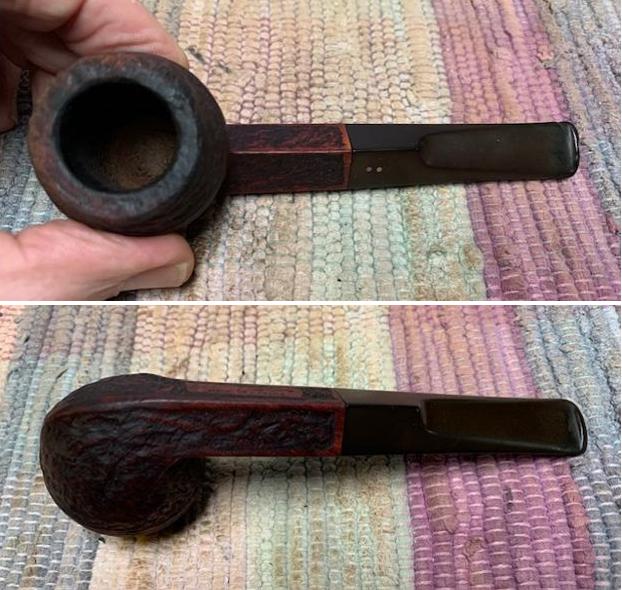
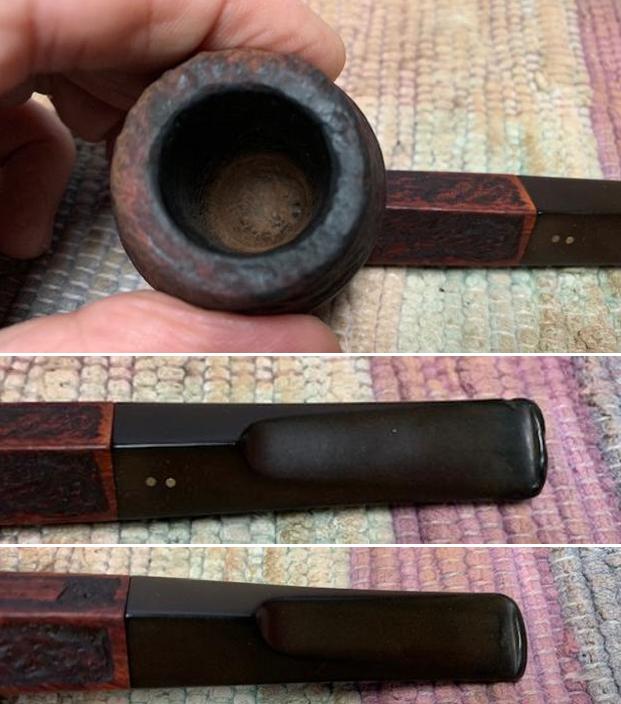
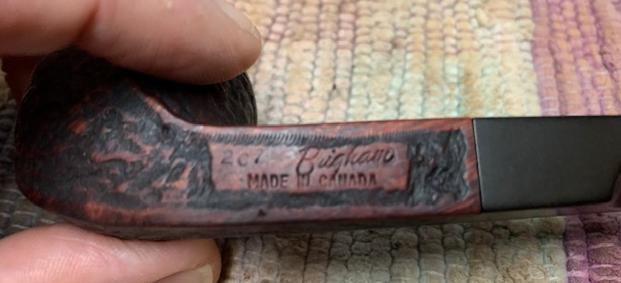
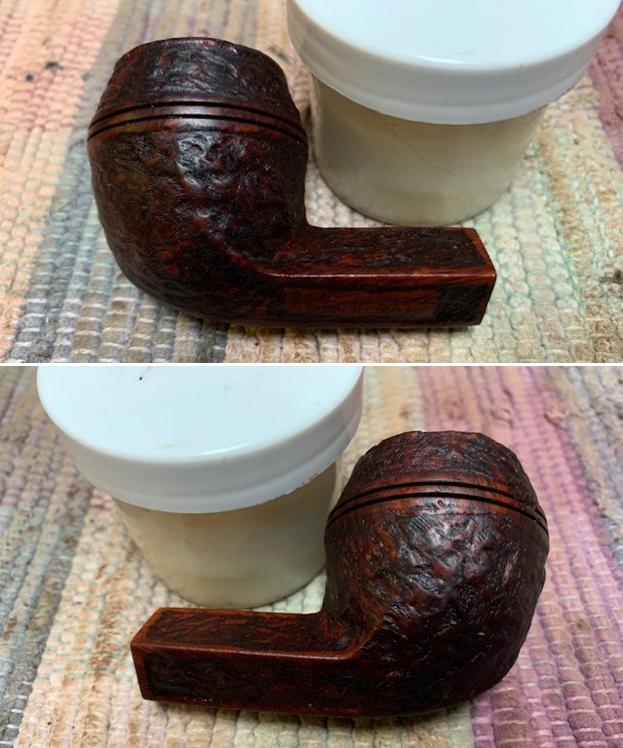
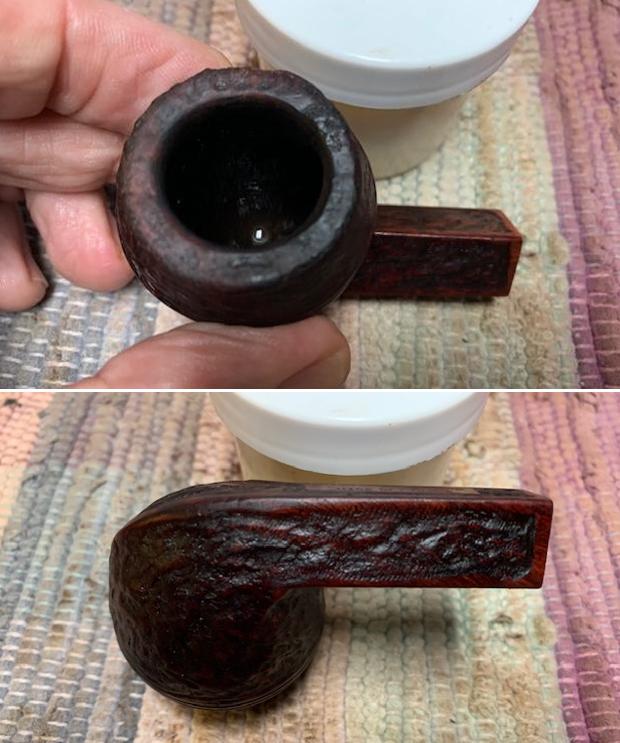
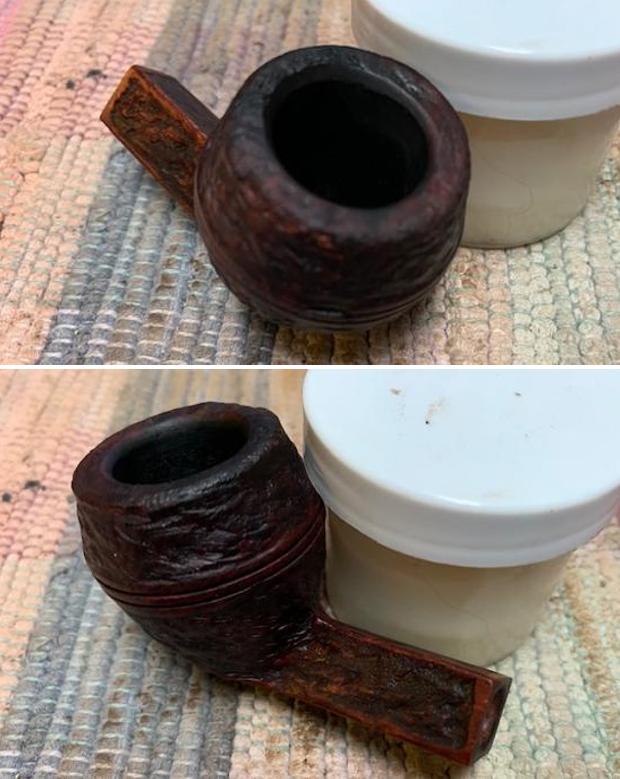
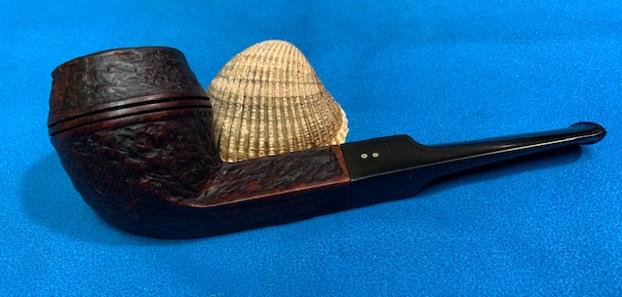
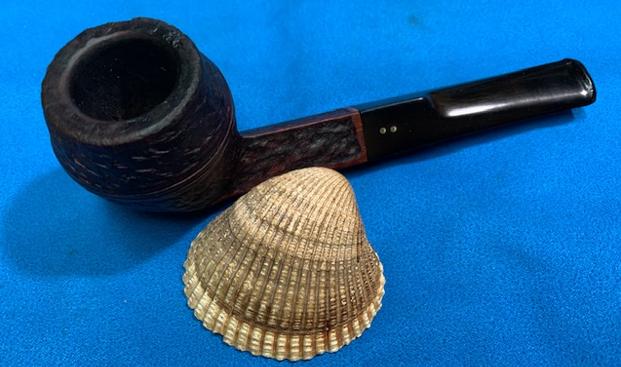
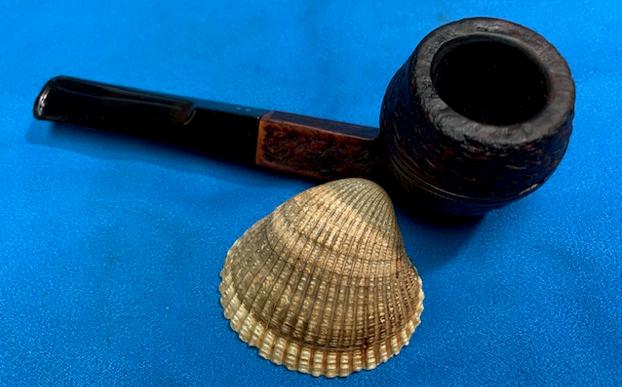
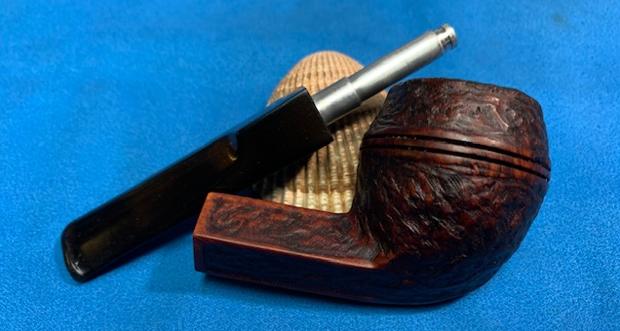
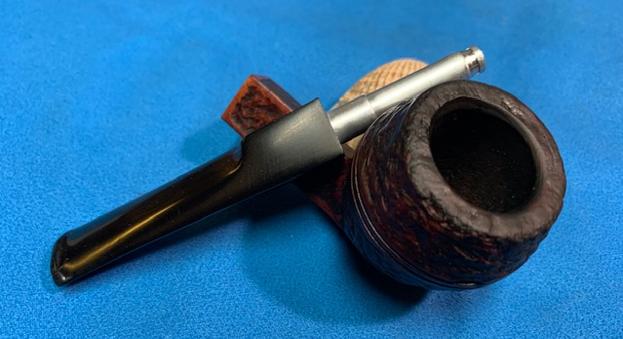
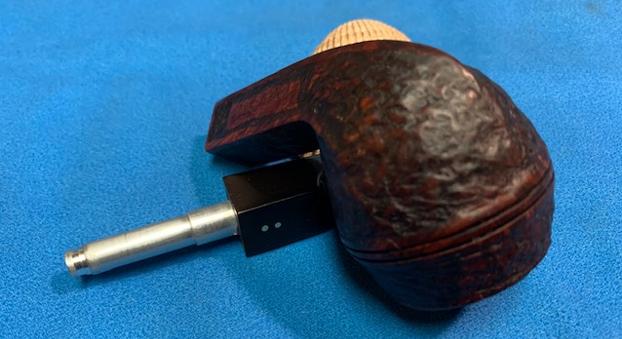
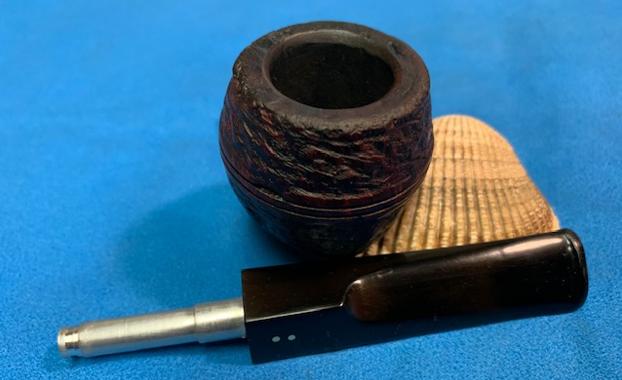
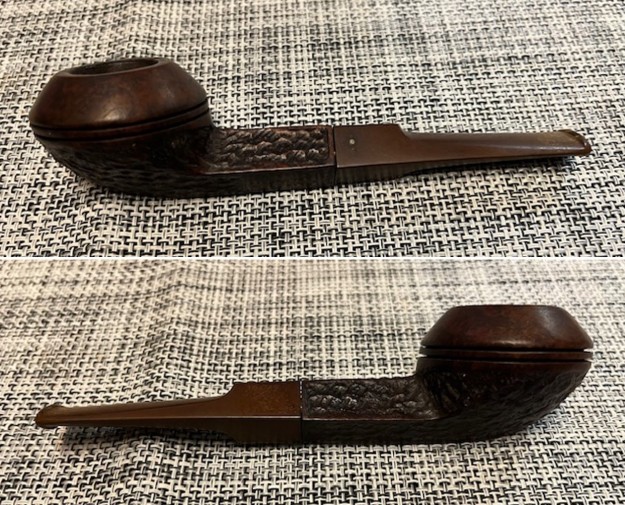
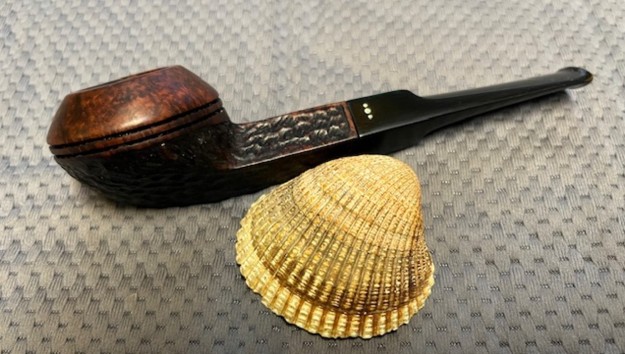
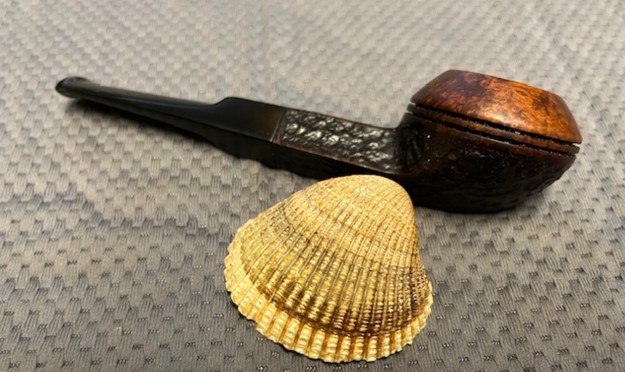
I have included photos of the foursome below. They are in the order of the list above. I chose to work on the final pipe in the above photos. It is shown in the photos below and is stamped 625 next to Brigham [over] Made in Canada on a smooth panel on the left underside of the diamond shank. There are three vertical brass dots that are corroded and dark on the left topside of the diamond stem. It is squat straight Bulldog shape with a smooth cap, twin rings below the cap and a rusticated bowl and shank. The pipe has some great grain around the rim cap. The rim top is clean and shows some darkening on the back topside. The inner edge of the bowl is damaged and slightly out of round. The bowl had a light to moderate cake on the walls and some spots of lava on the rim top. The briar is dry and lifeless with some grime and grit ground into the briar. The stem was oxidized and had some tooth marks on the top and underside ahead of the button. The stem was frozen in place in the shank and was not removable. From my experience I would guess that the aluminum tube in the shank had begun to oxidize and that combined with the tars and oils had bound the tenon apparatus to the briar in the shank. I had a feeling it was going to be a real pain to separate the stem and the shank. The photos below show what I saw when I examined the pipe. I took photos of the bowl and rim top to show the condition of the bowl. The rim top has some darkening and scratches in the smooth surface. There was some damage around the inner edge of the bowl and there is a moderate cake in the bowl. The stem is oxidized and is very dirty from the shank to the button. There are tooth marks and chatter on the stem on both sides ahead of the button. Remember the stem is not removable at this point.I took photos of the stamping on the topsides of the shank. It reads as noted above. It is faint in spots but is still very readable. There are three brass dots stacked vertically on the top left side of the diamond stem. They are oxidized but are present.The next best thing to talking with Charles Lemon of Dad’s Pipes is to read the article he wrote on dating Brigham pipes on Pipedia. Charles has done a magnificent job of collating the material on the brand into this article and giving a historical flow of the eras of the Brigham pipe since its beginning in 1906. Thank you Charles for you work on this as it is a one of a kind resource. (https://pipedia.org/wiki/Brigham_Pipes_%E2%80%93_A_Closer_Look_at_Dots,_Dates_and_Markings).
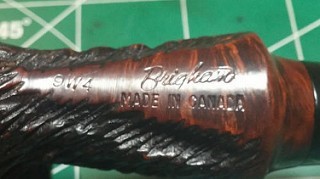
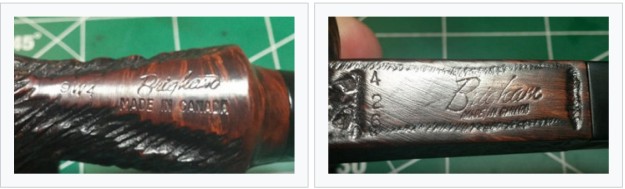
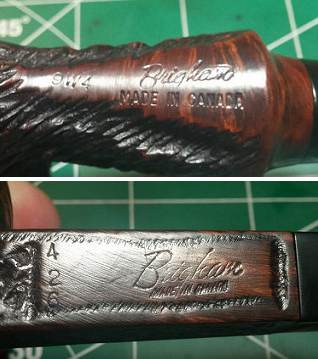
Around the late 1960s or early 1970s, at the beginning of what I’ve called the Canadian Era (roughly 1970 – 1980), the stampings changed again as Brigham moved to modernize its logo. Pipes are stamped with the 3-digit shape number and “Brigham” over “Made in Canada”. Note these two variants of this stamping.

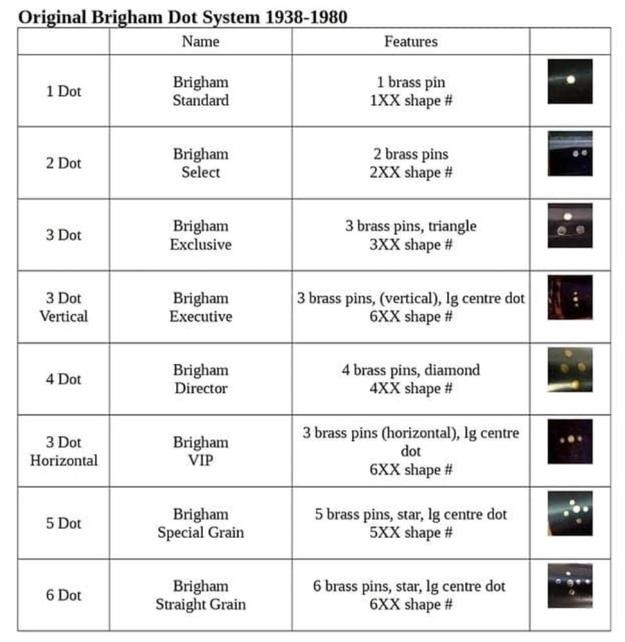
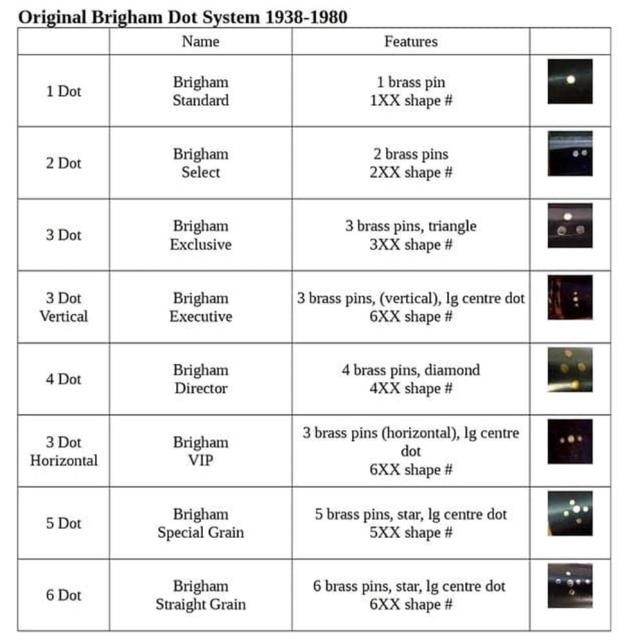
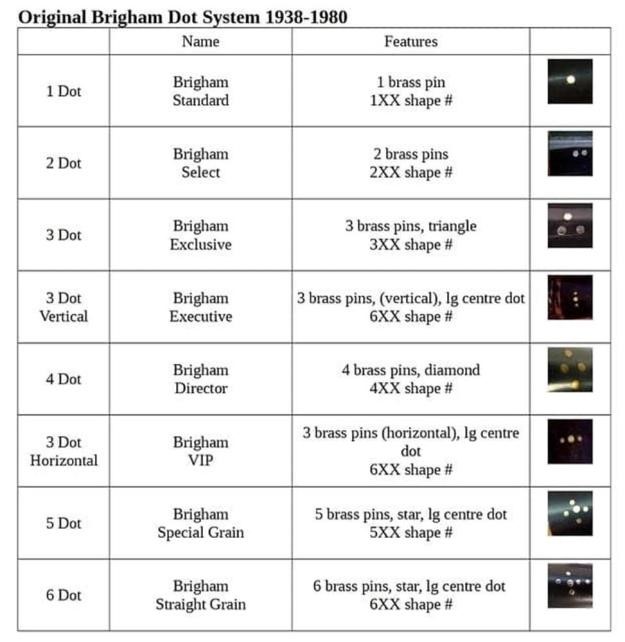
Canadian Era StampsI then turned to Charles Lemon’s book, “Brigham Pipes A Century of Canadian Briar” to confirm the meaning of the 625 shape number and the placement of the three dots on the stem side. I have collated the information I found there below.

The shape # 625 indicates a 600-series shape 25. The shape 25 is a Medium Squat Bulldog. The text in the list of shapes in the back of the book says it has a taper stem but the photo shows the same pipe I have with a saddle stem. The saddle stem on this one is the original stem so I believe the photo in the list is correct rather than the description. The block letter “Made in Canada” stamp was used in the Canadian Era, approximately 1970 through 1979. The stamp on the pipe I am working on is like the first one above so I believe it was made in 1978. The stem carries the vertical 3-Dot pattern of the Brigham Executive grade, which pairs with the 600-series shape number.

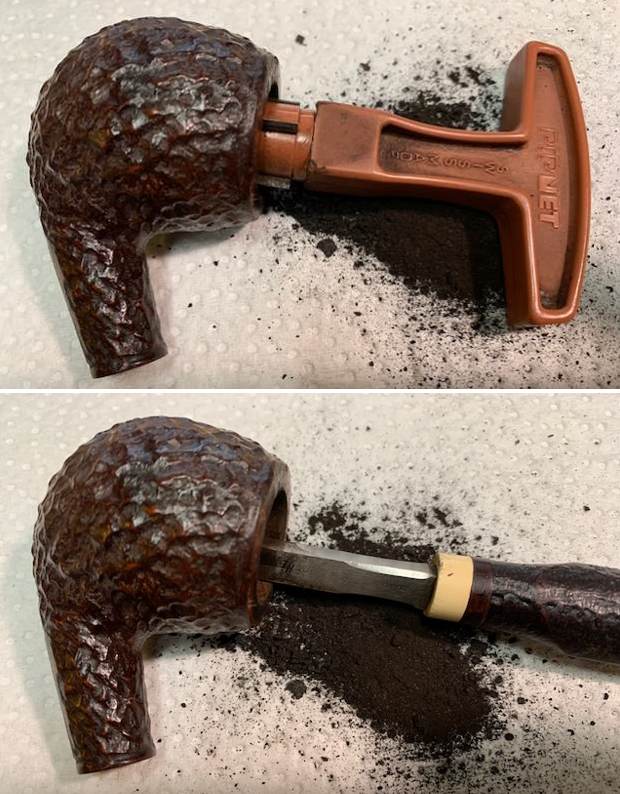
Armed with that information I turned to work on the pipe. I decided to tackle the stuck stem first. It was actually the first of the four pipes that I worked on. I used all the tried and true methods for removing stuck stems and I have to tell you that none of them worked. I left it in the freezer for increasingly longer times – starting with 15 minutes and finally leaving it in overnight. Nothing worked. It did not budge at all. I heated the shank and stem with a heat gun working it carefully over the surface so as not to burn either the briar or the vulcanite. Again, no amount of heat or time made any difference at all. I put the pipe in the microwave and heated it carefully with no success. I was not going to give up on it. I would beat this stuck stem one way or another. But, do understand that all of these procedures took me from the day I found the pipe on April 27 until May 10th. In between all the other methods I used a pipe cleaner to apply alcohol at the joint of the stem and shank with no success. I used the same method with acetone and again no success.

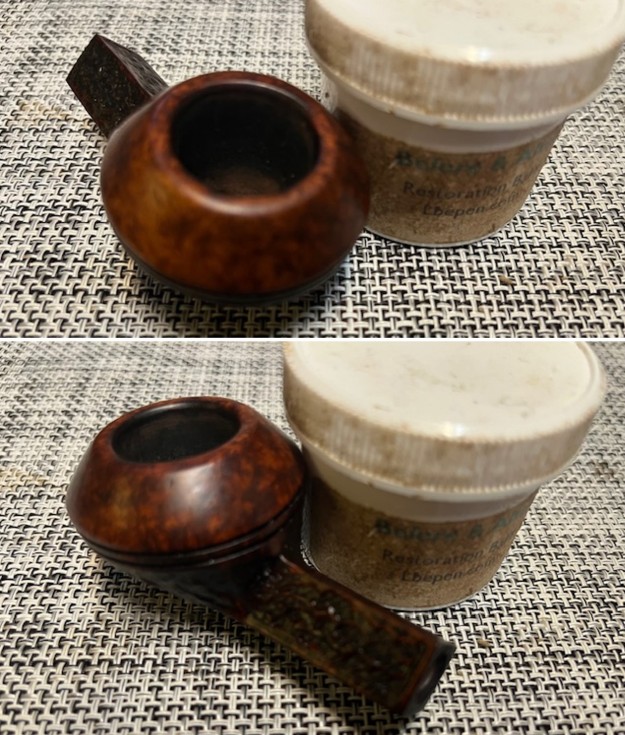
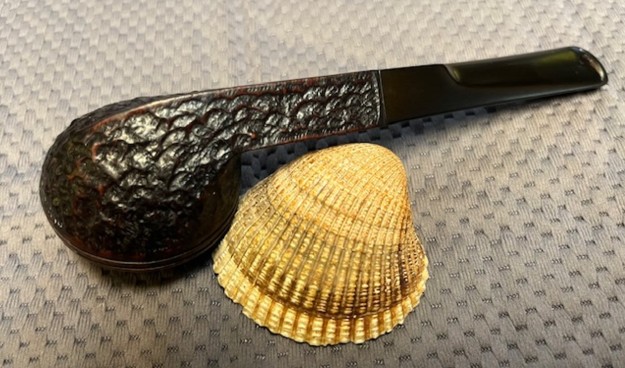
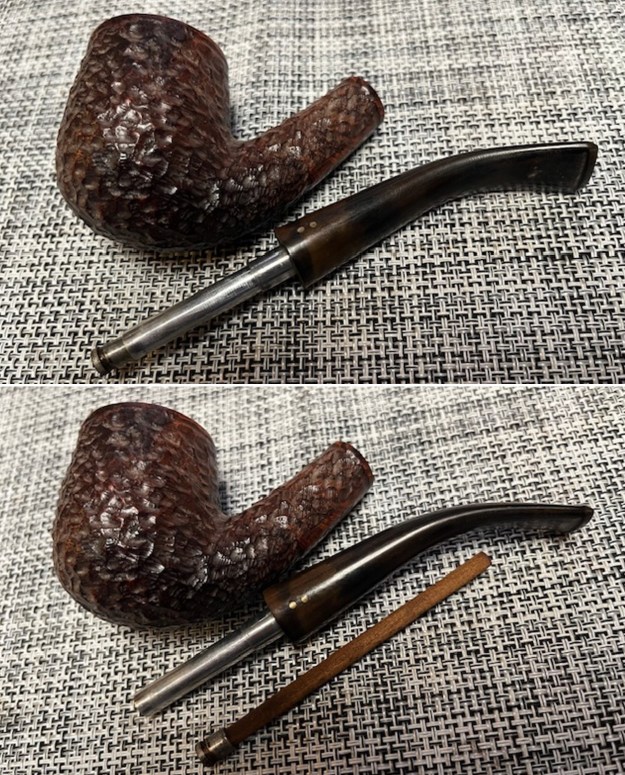
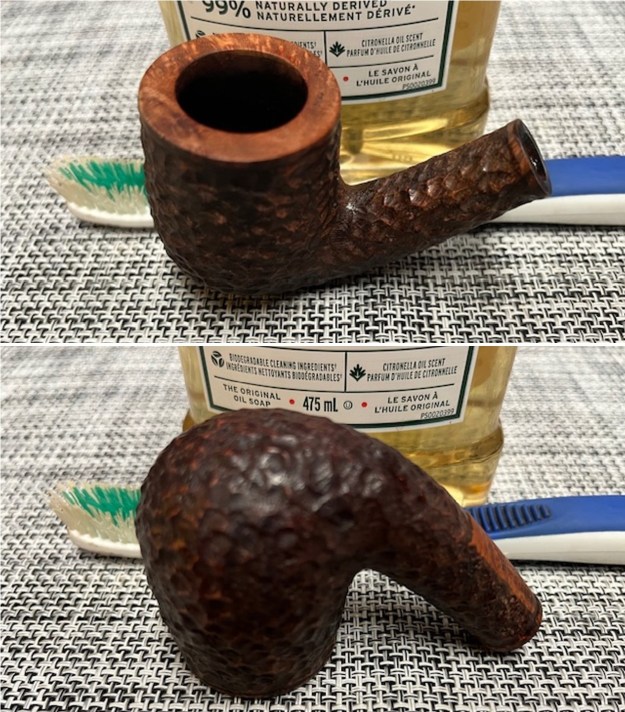
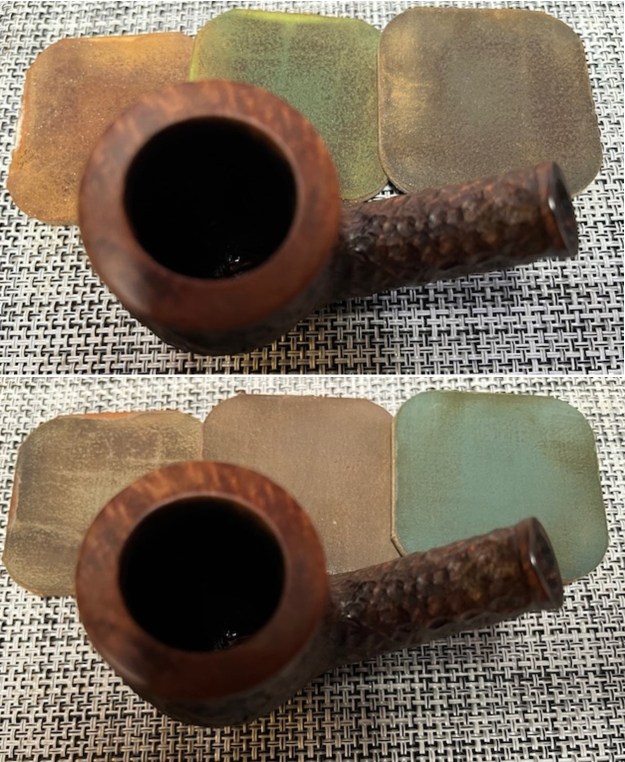
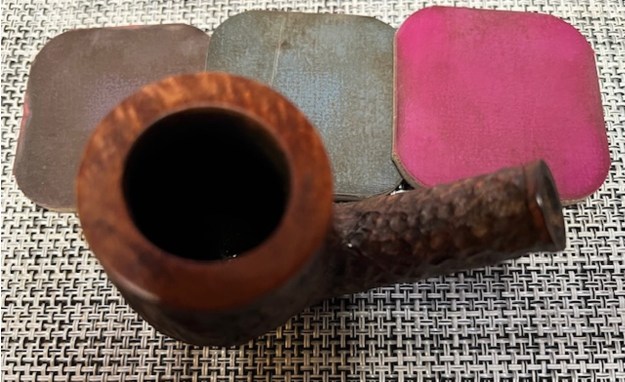
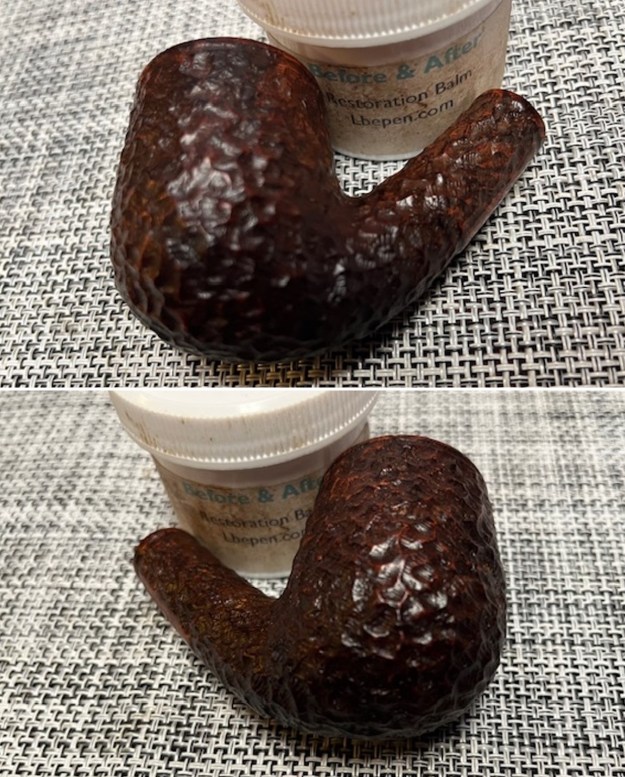
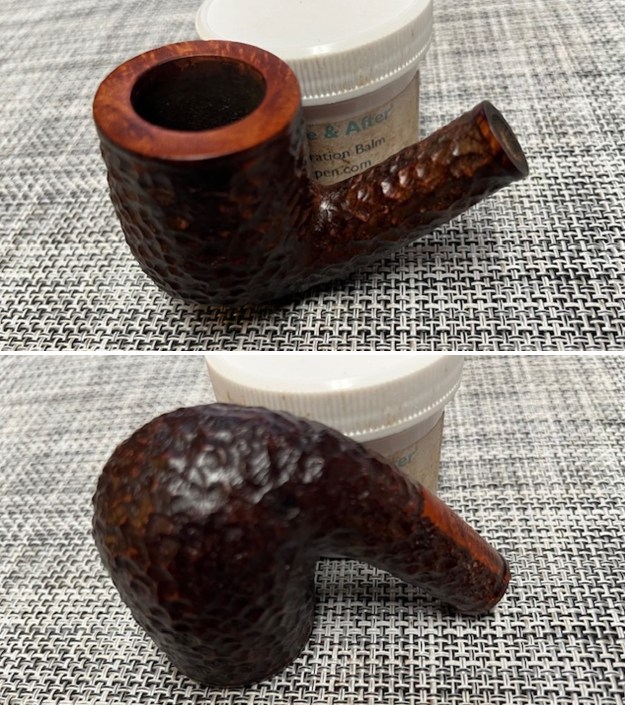
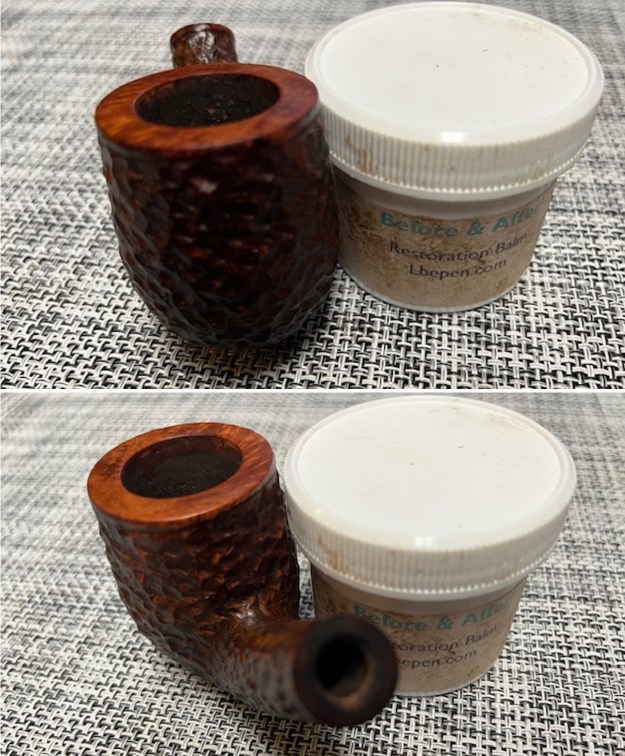
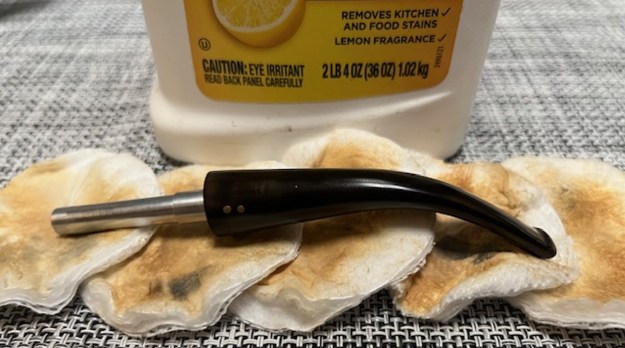
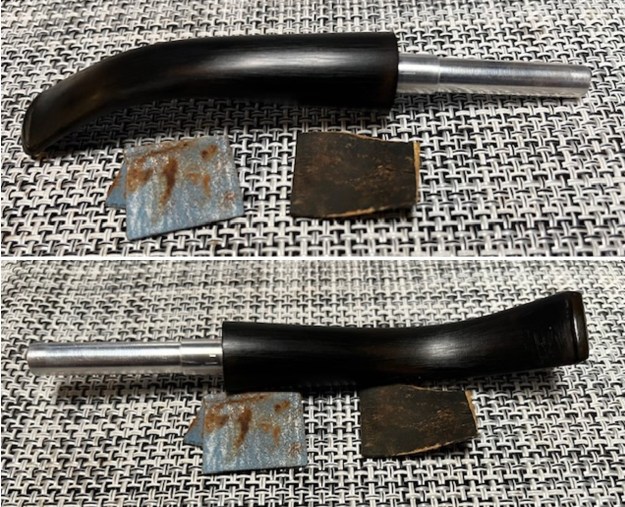
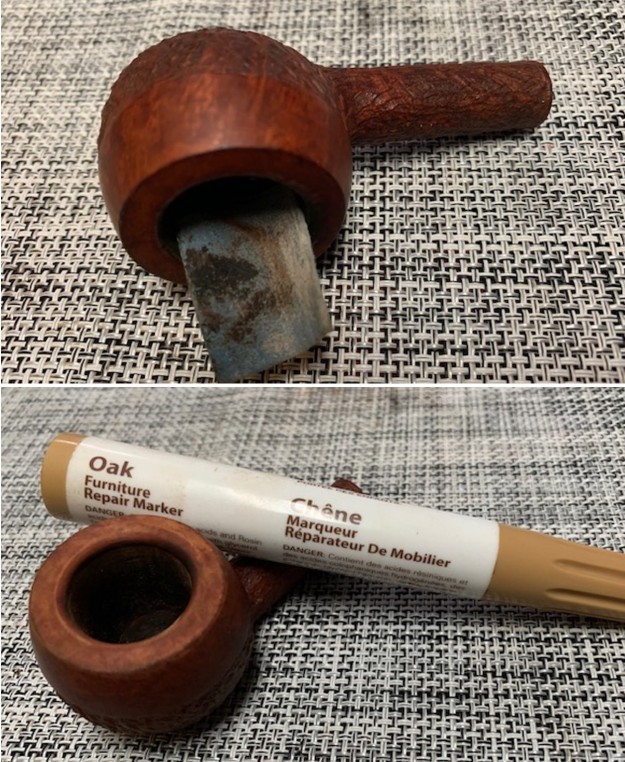
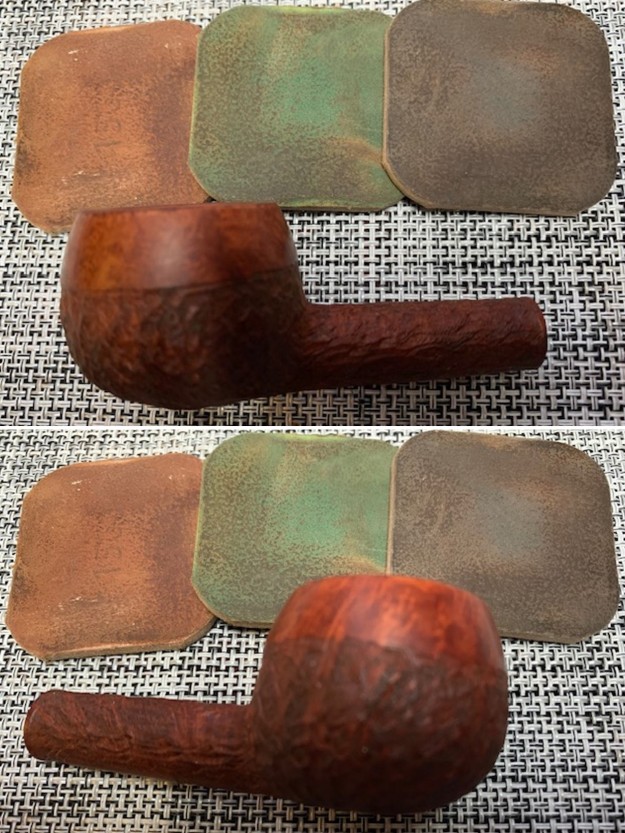
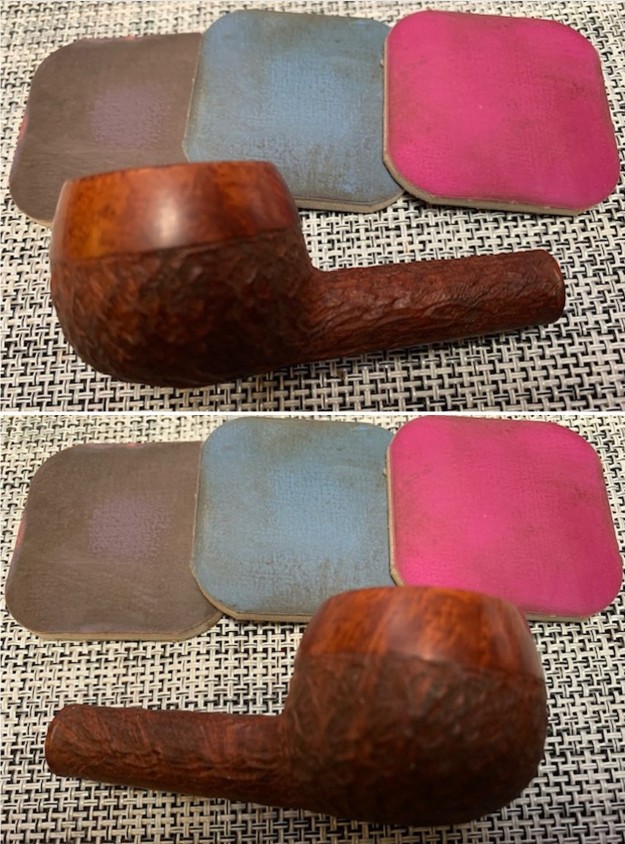
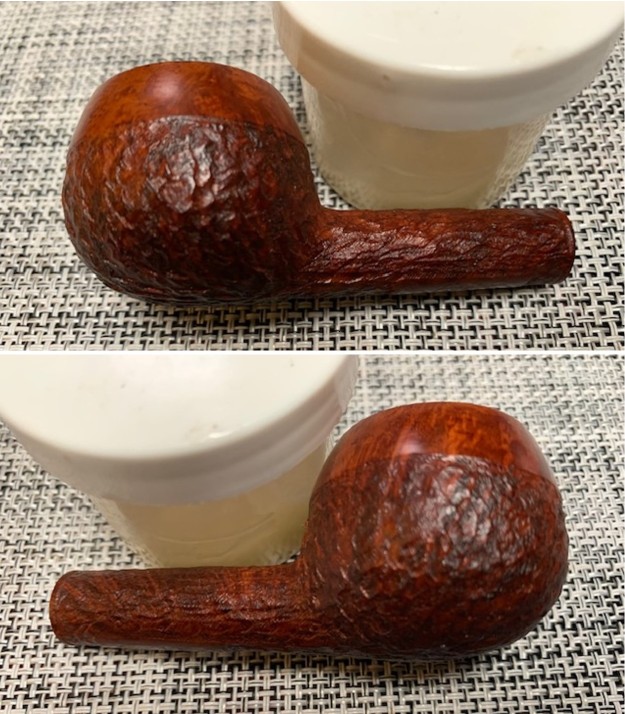
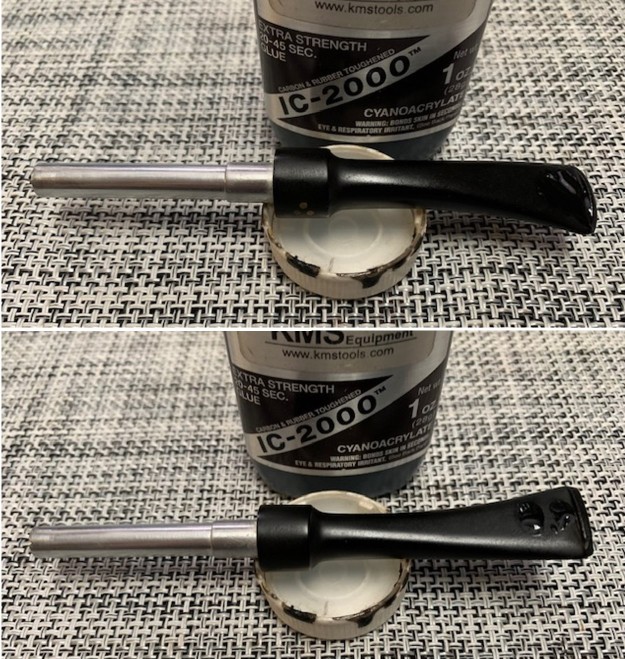
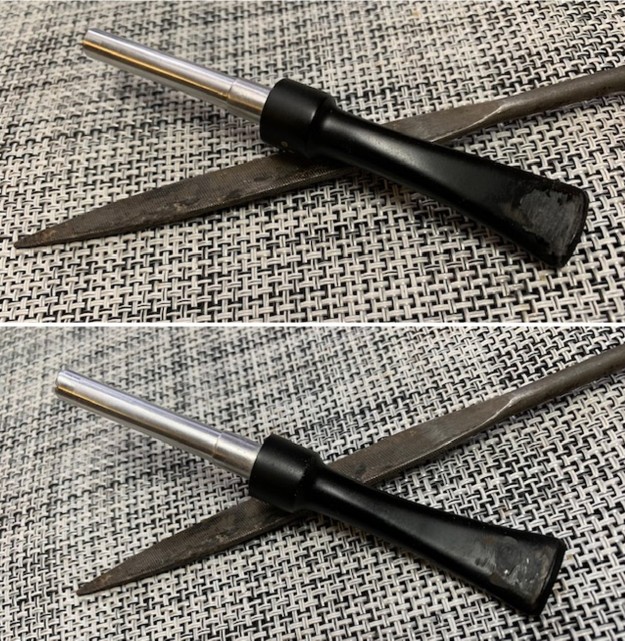
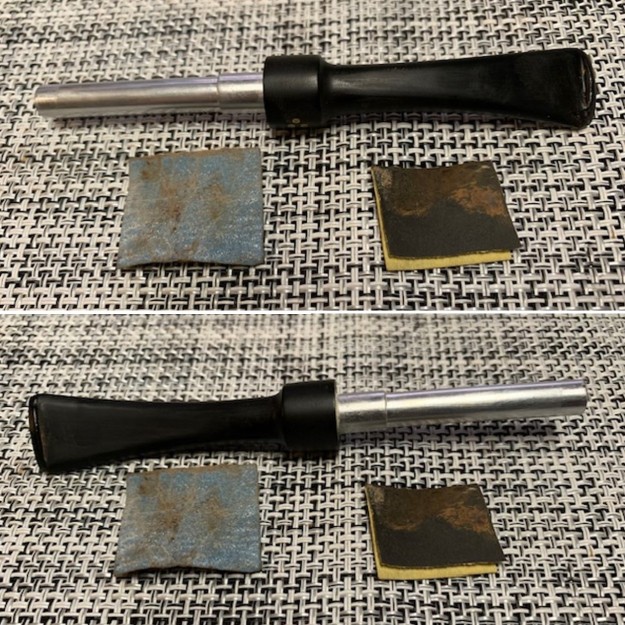
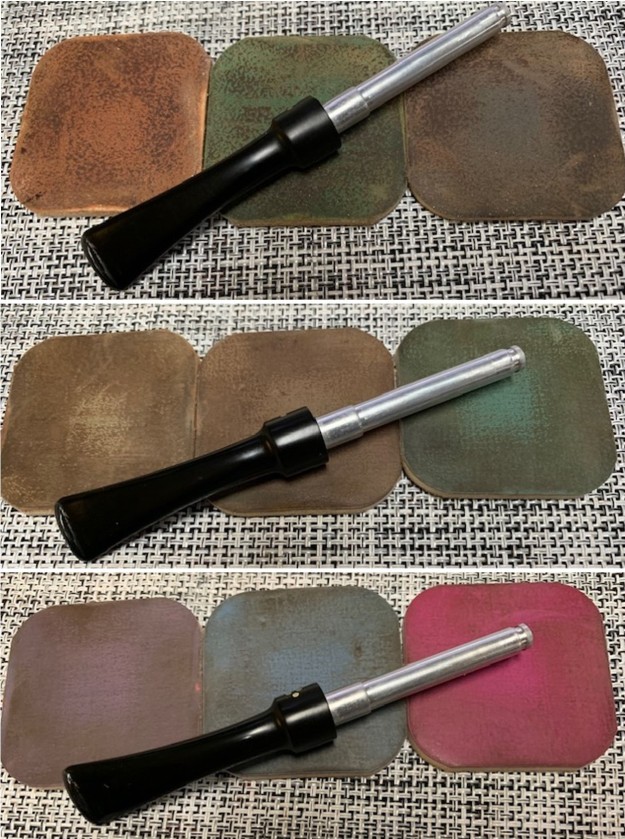
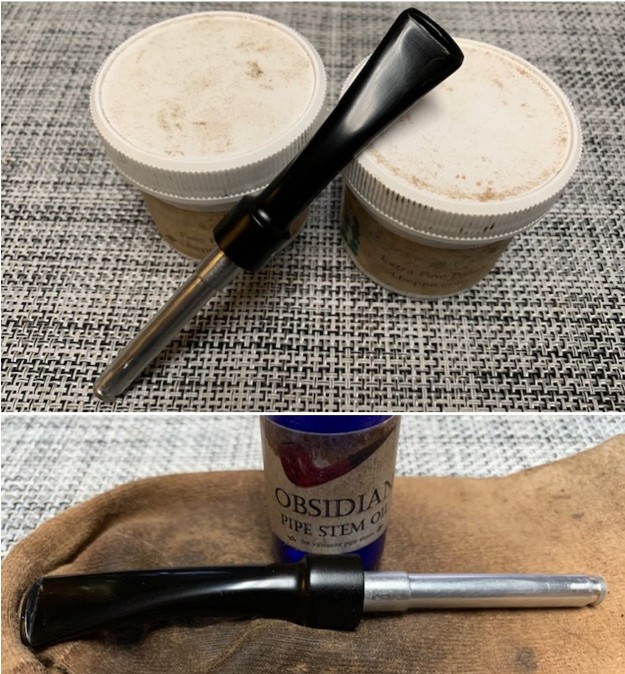
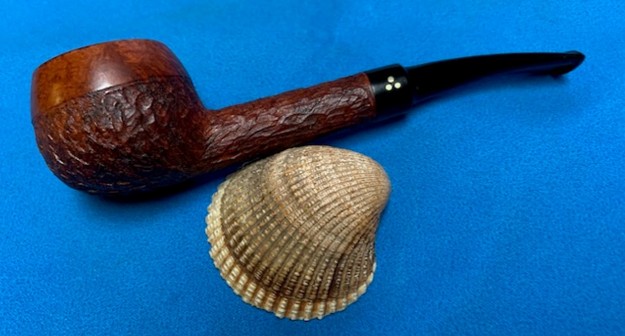
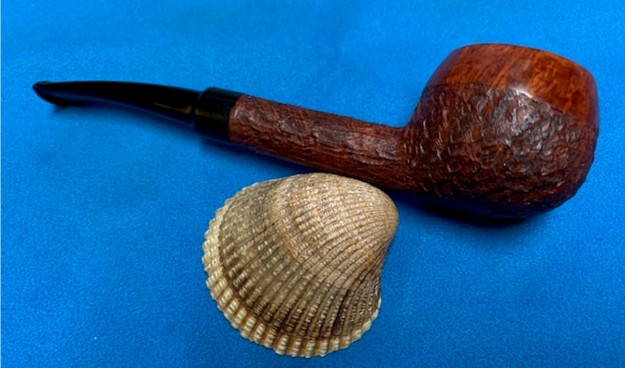
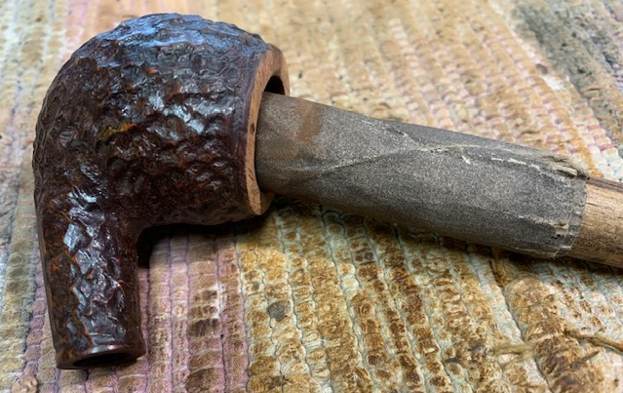
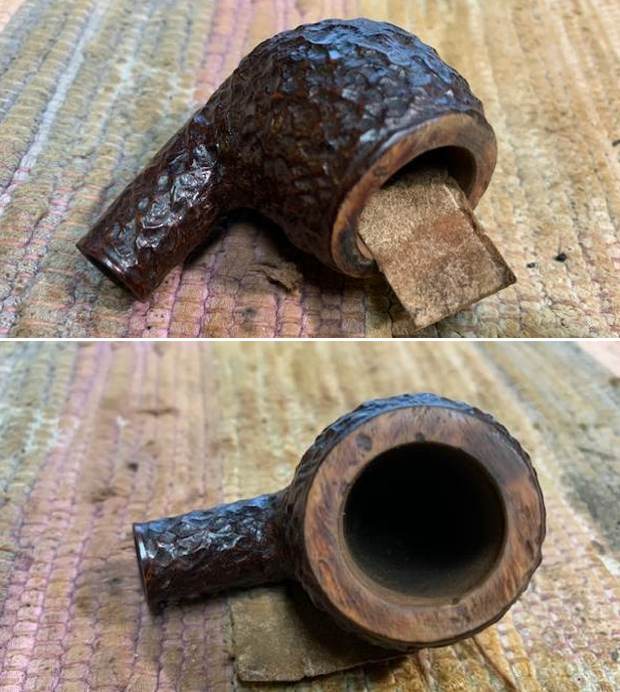
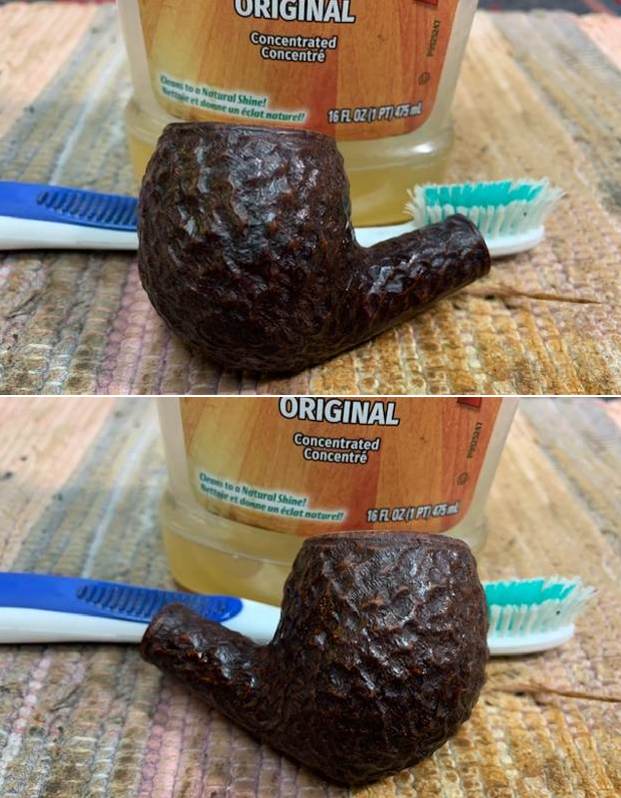
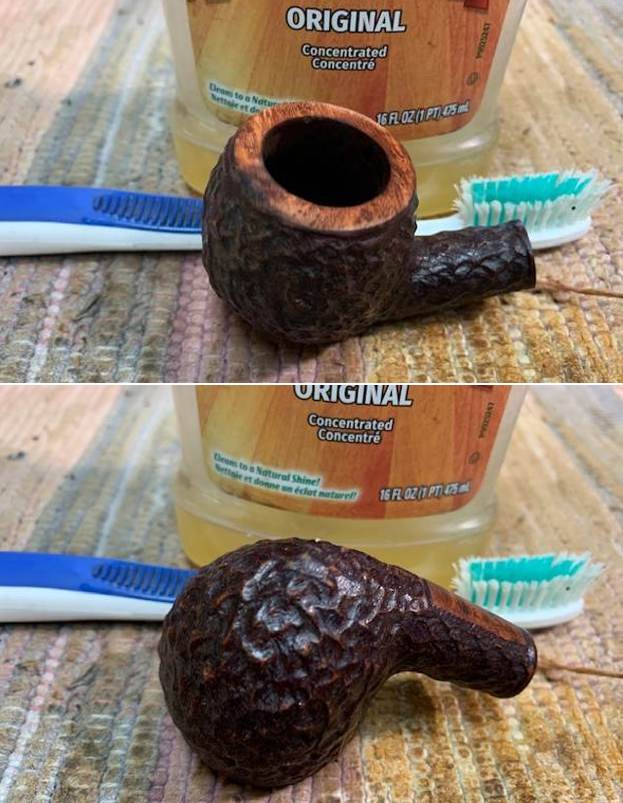
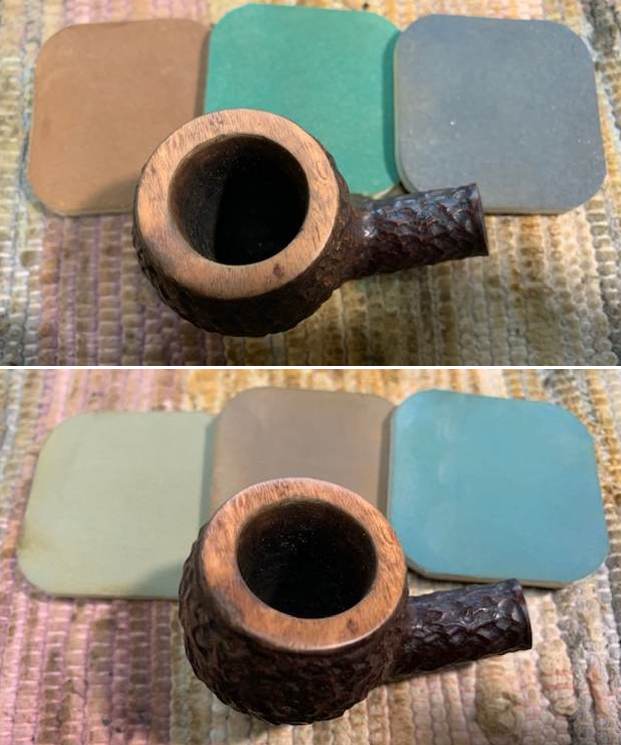
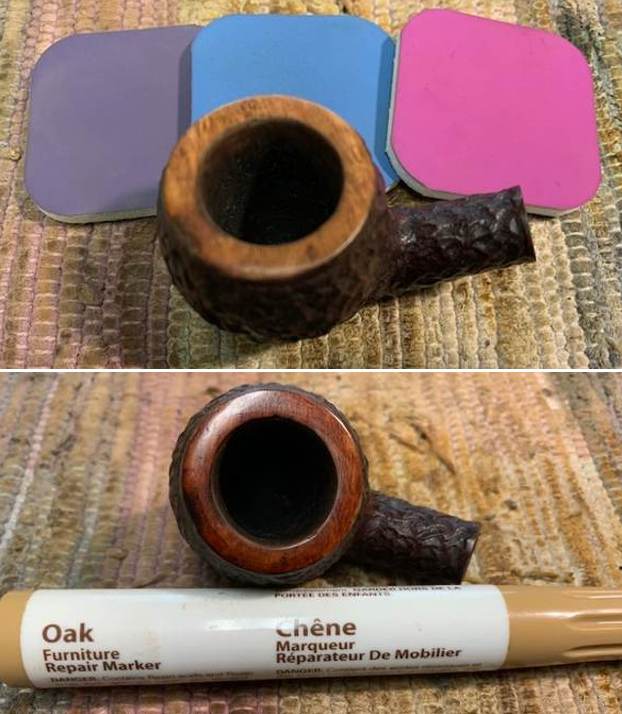
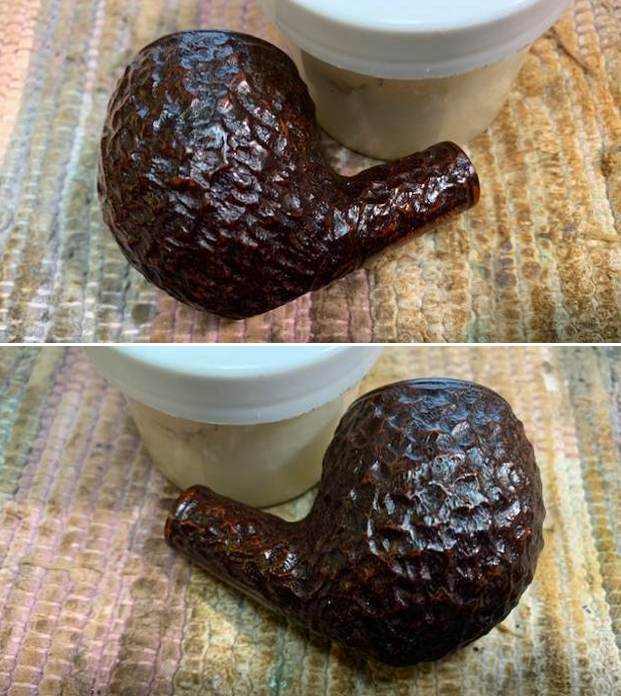
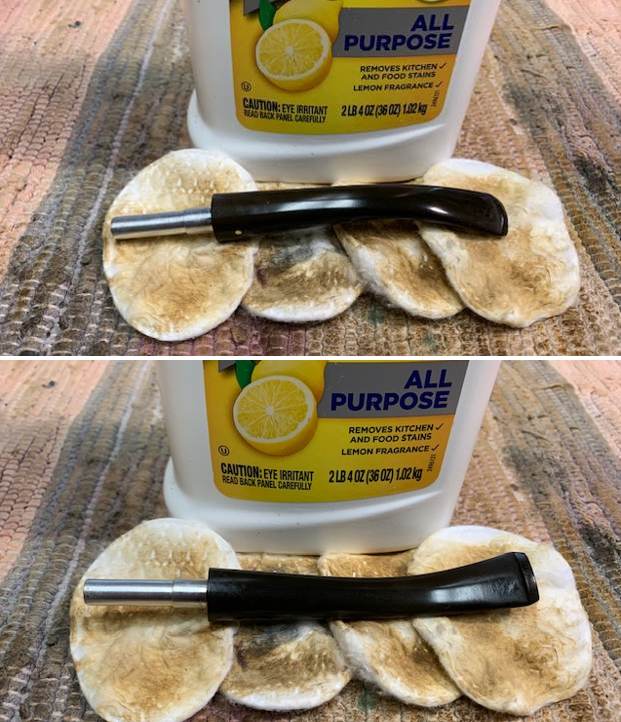
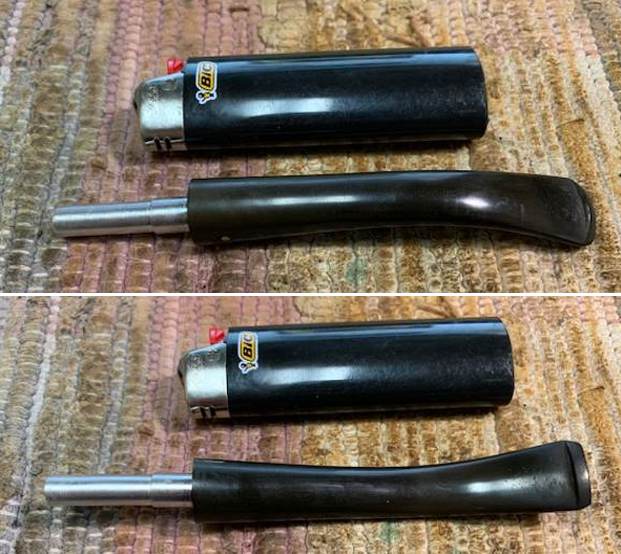
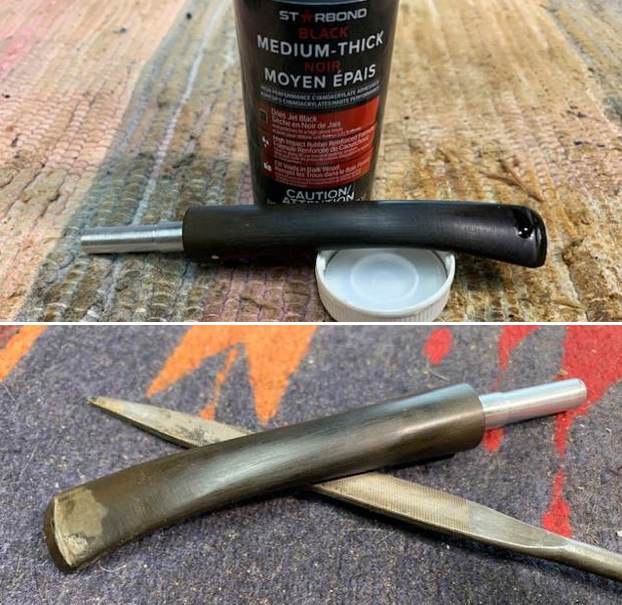
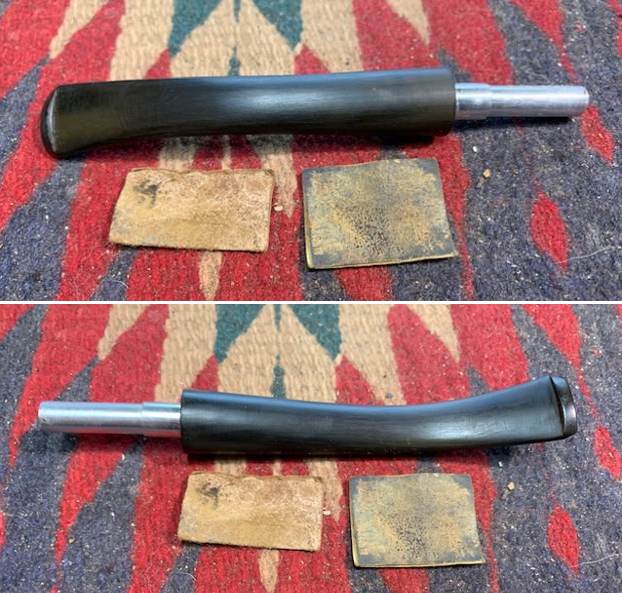
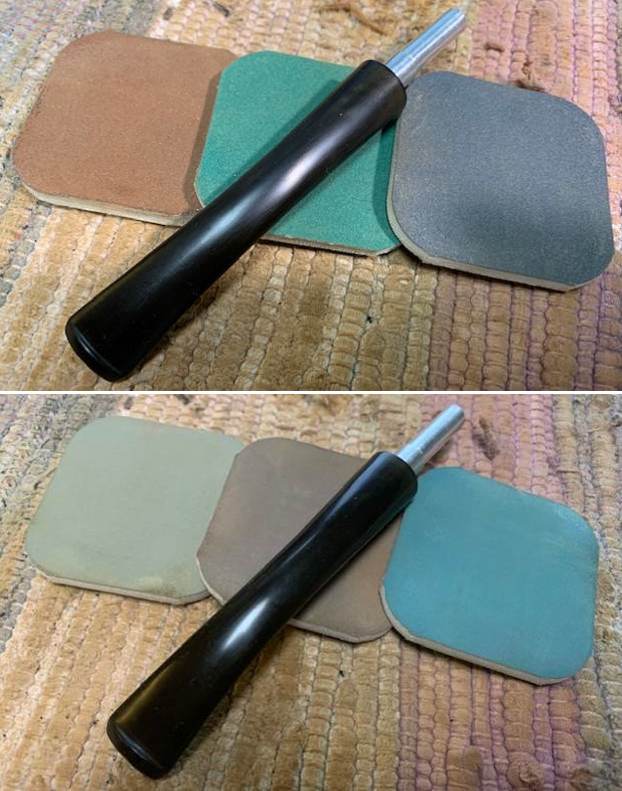
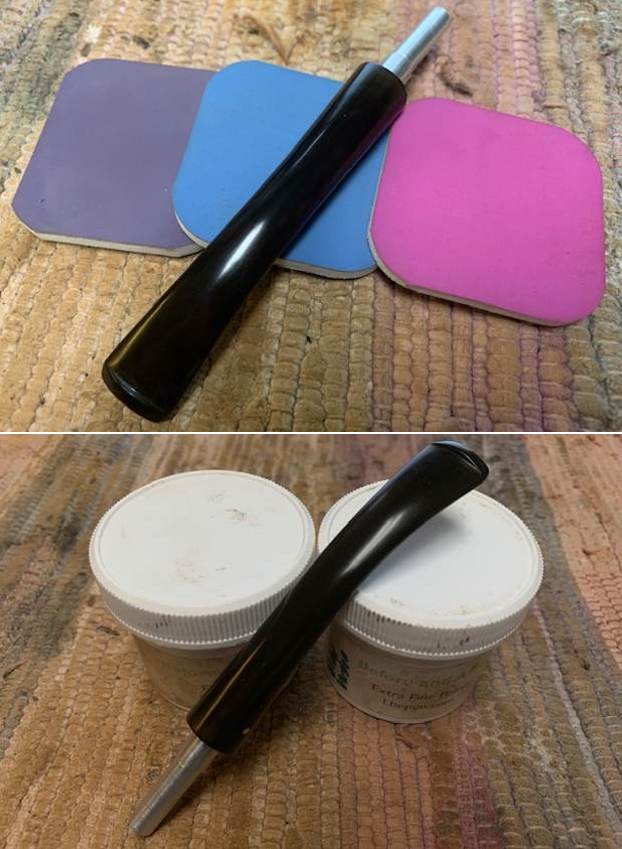
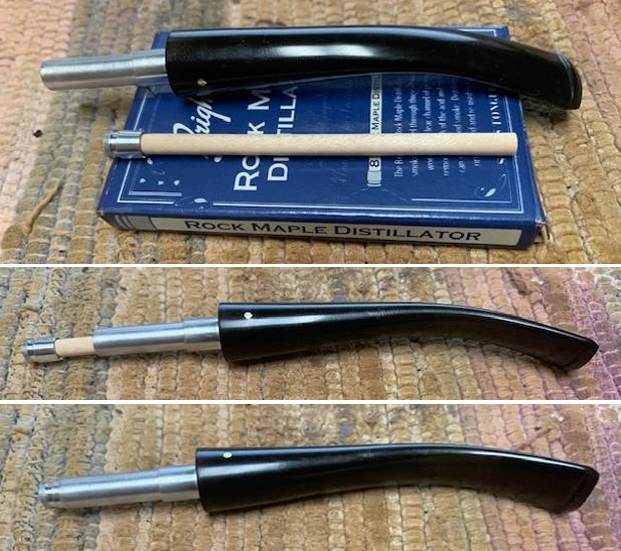
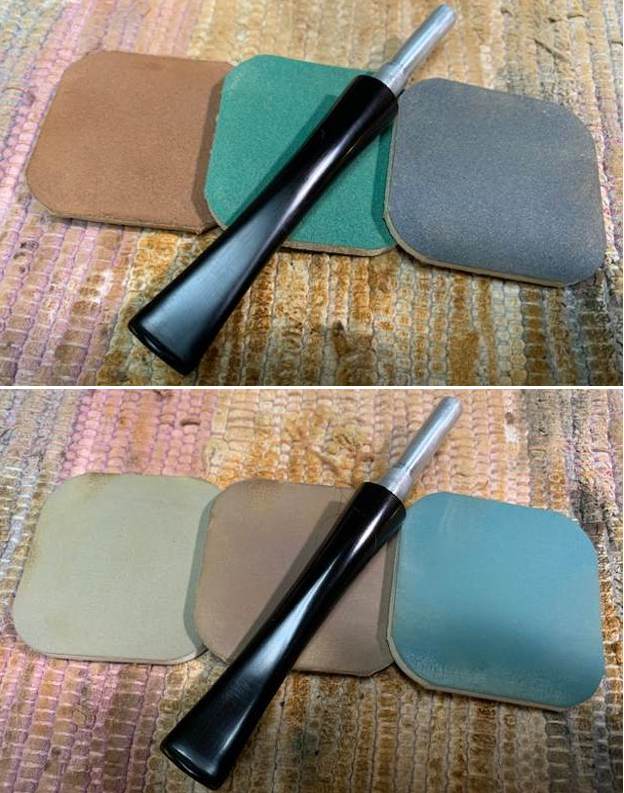
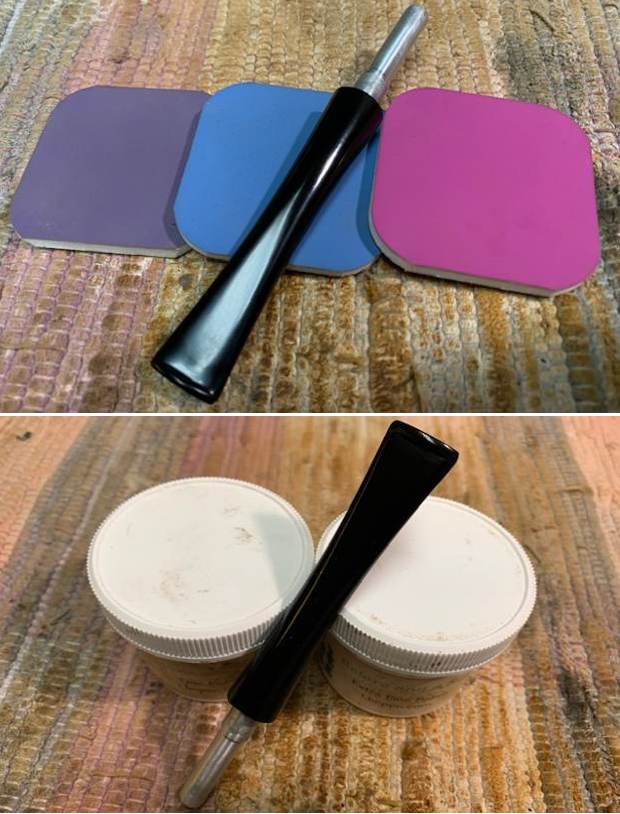
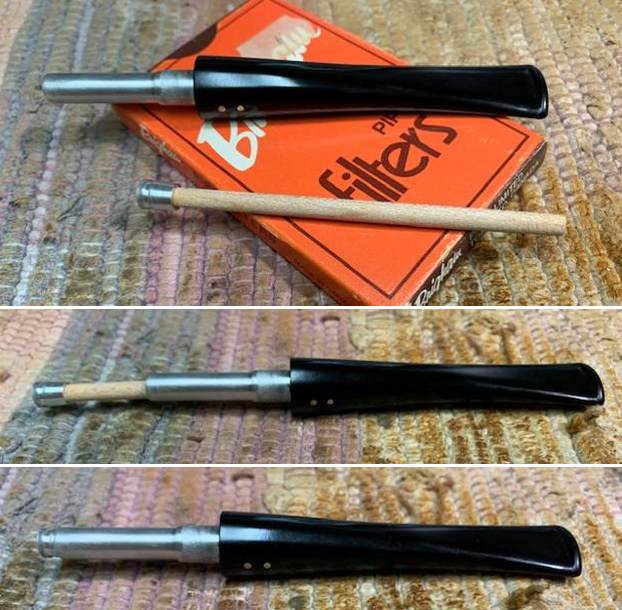
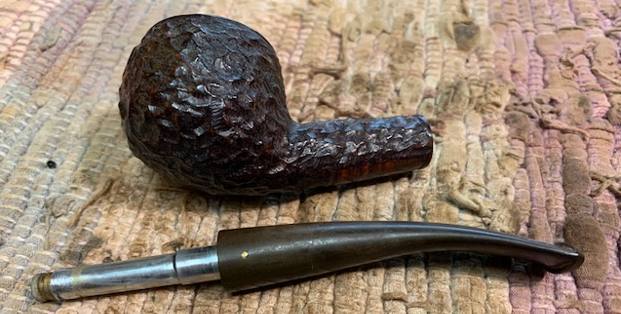
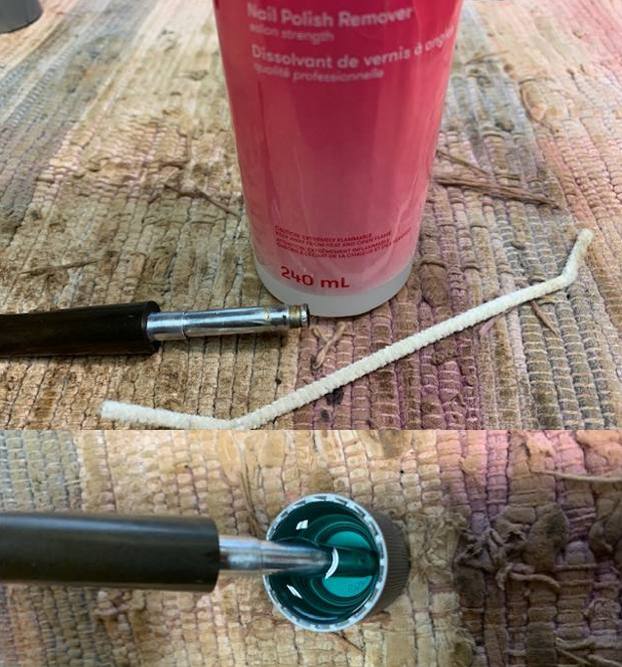
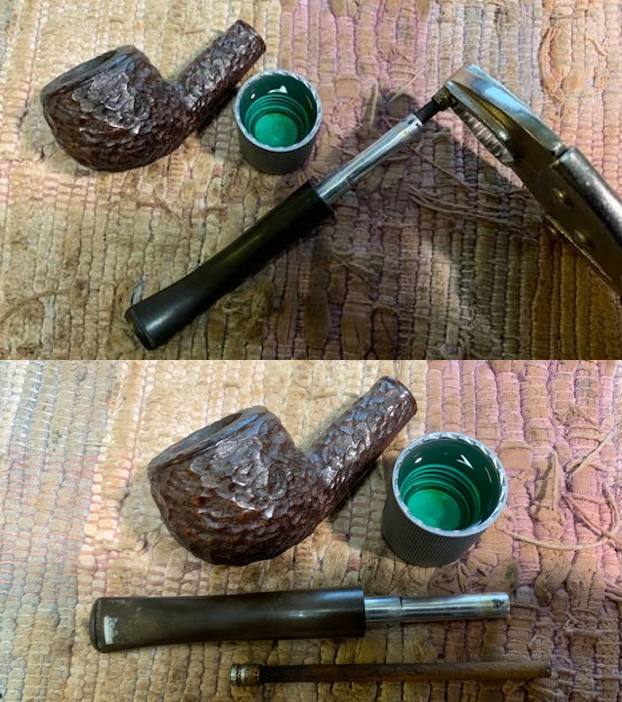
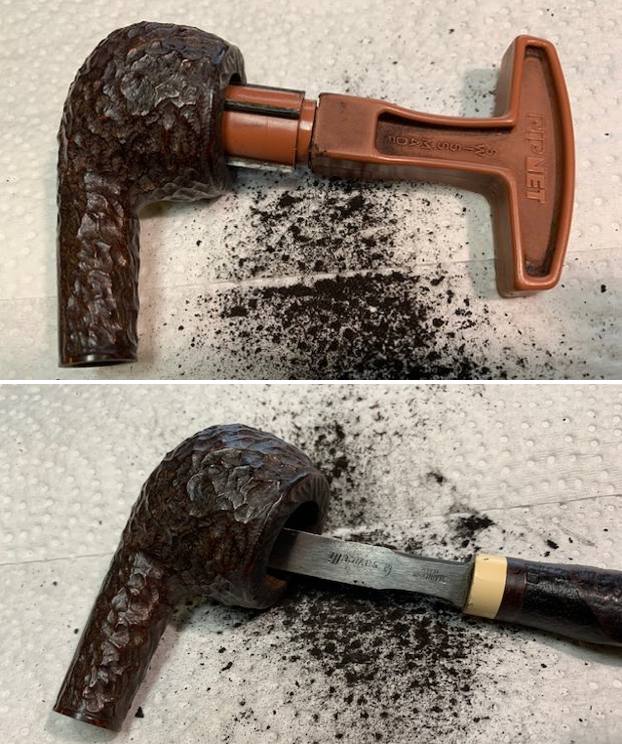
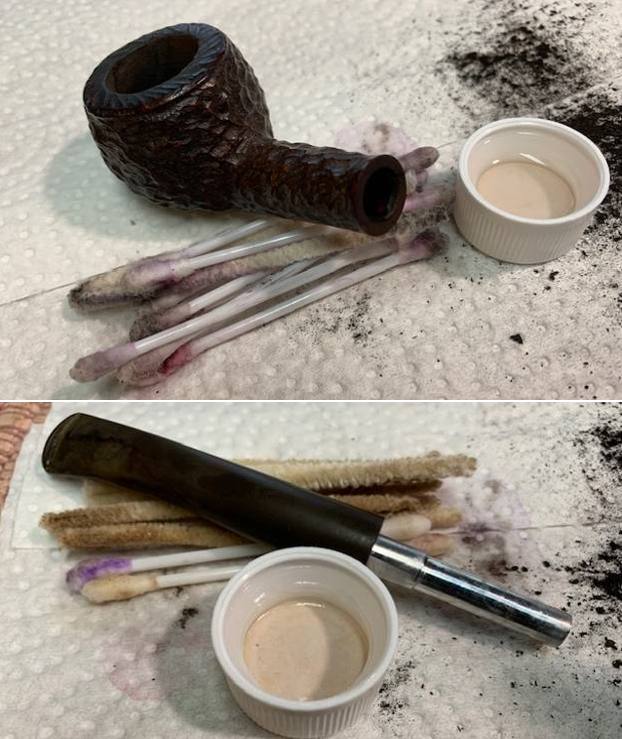
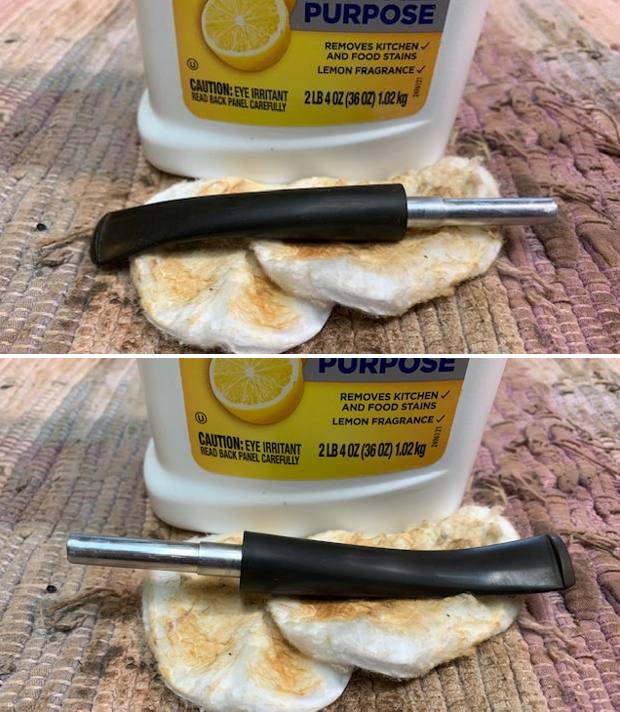
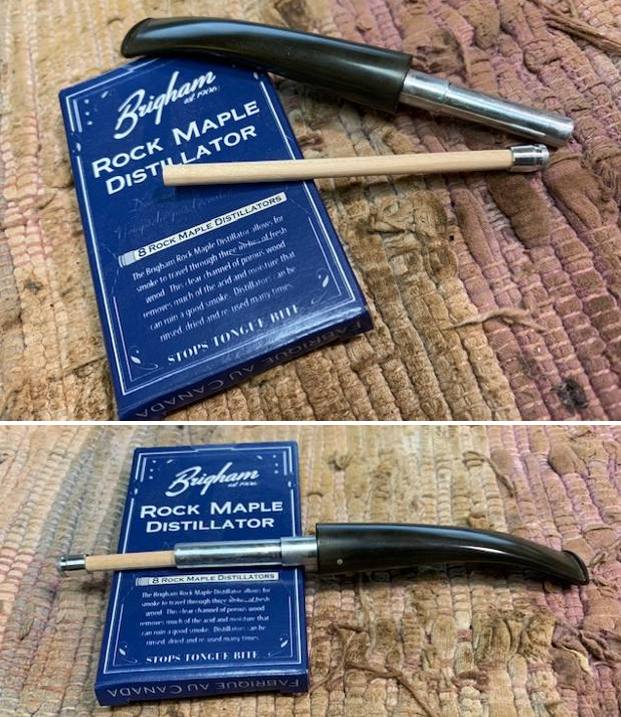
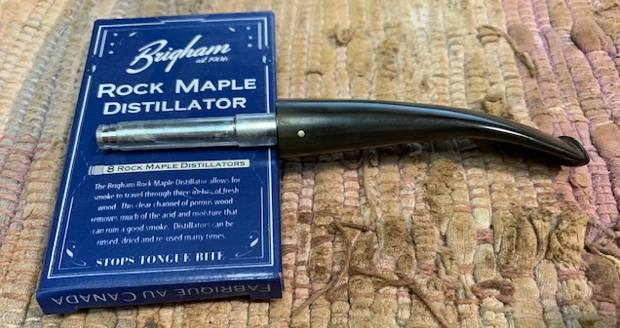
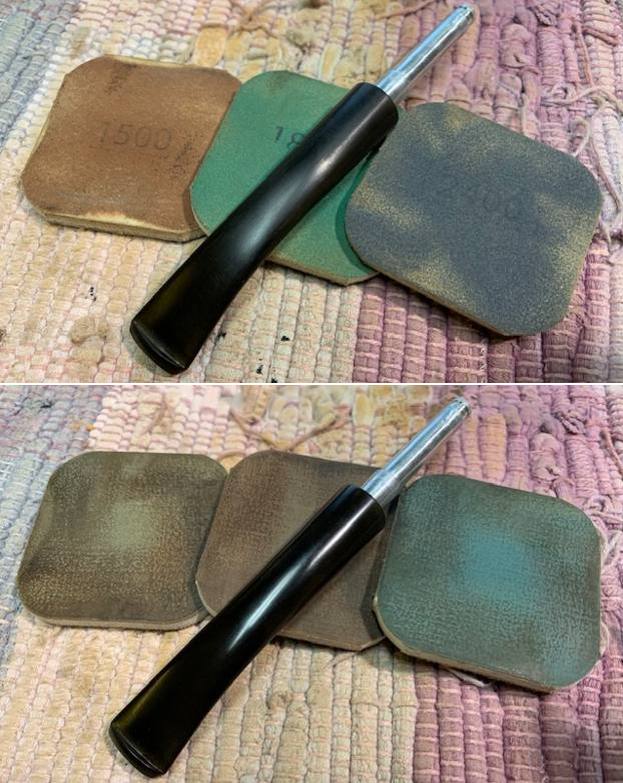
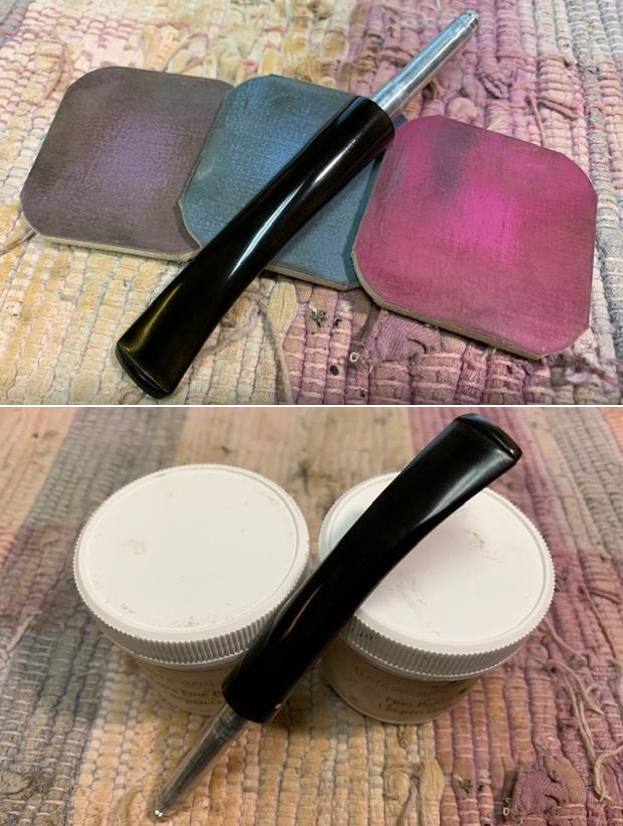
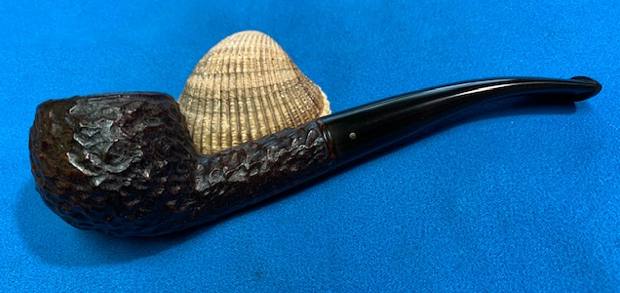
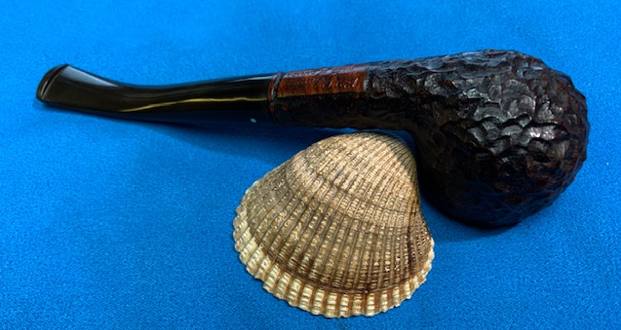
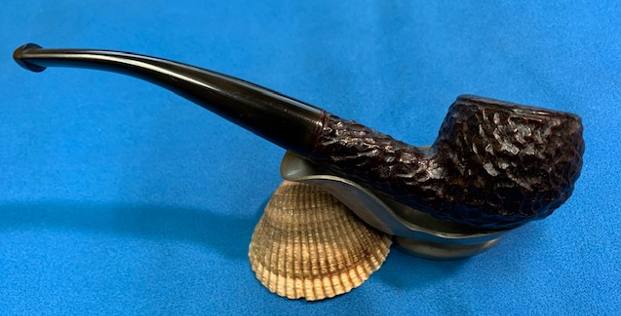
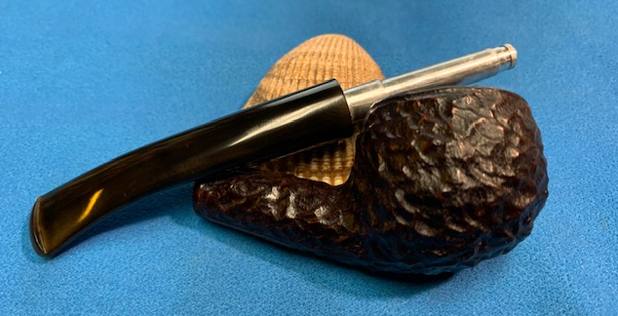
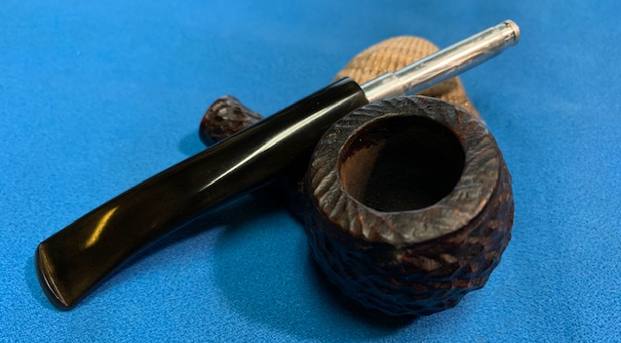
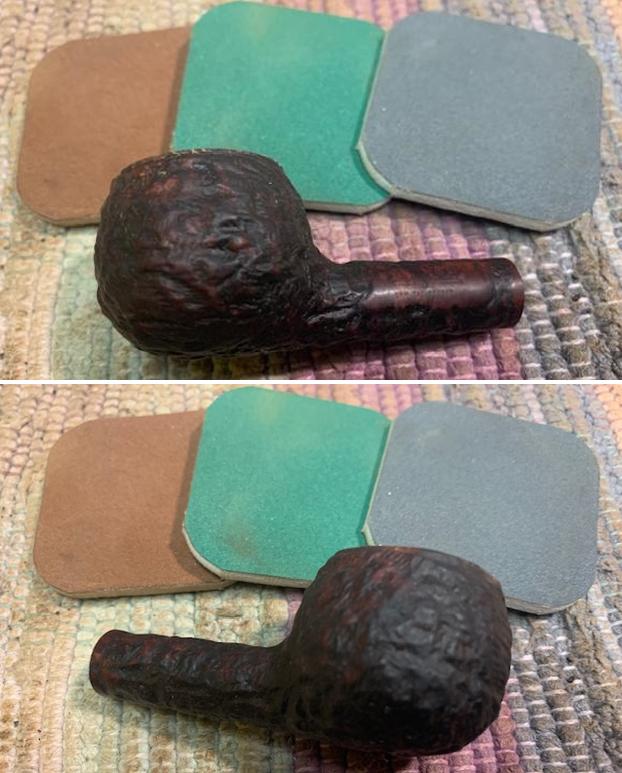
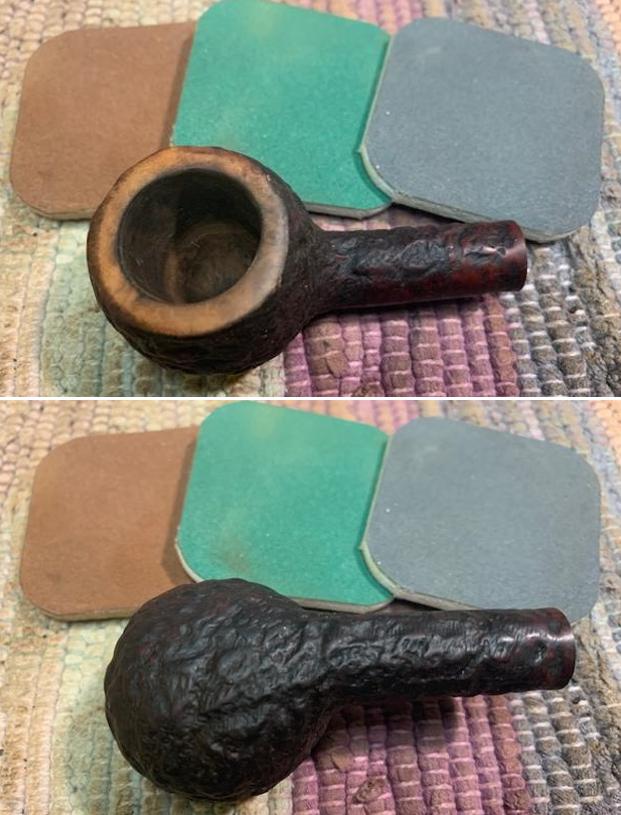
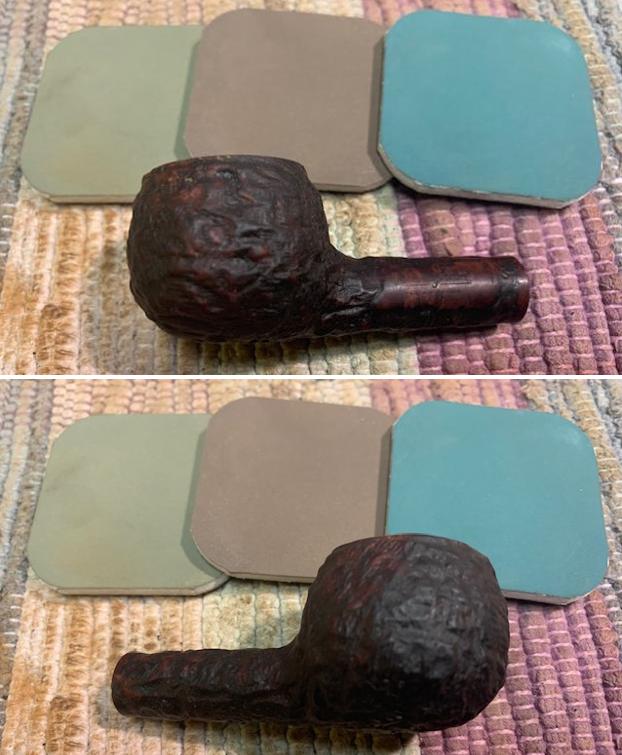
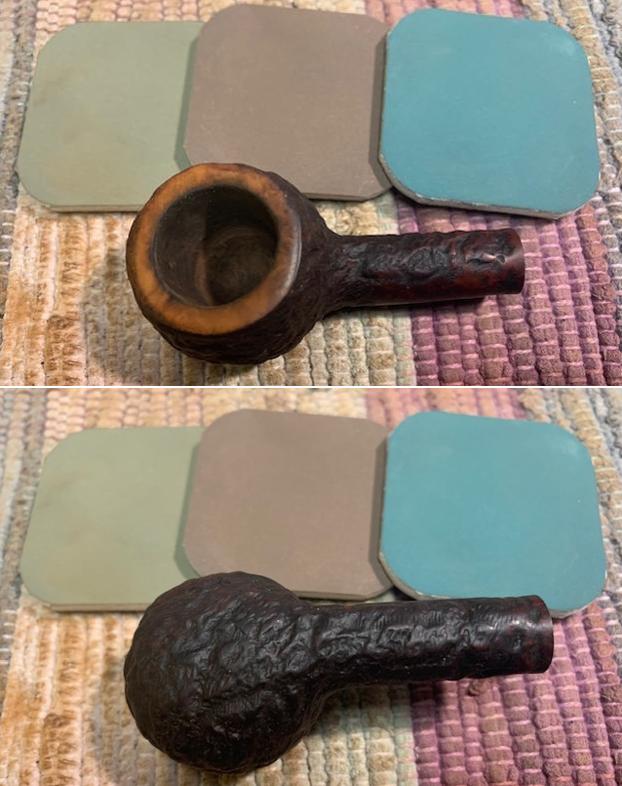
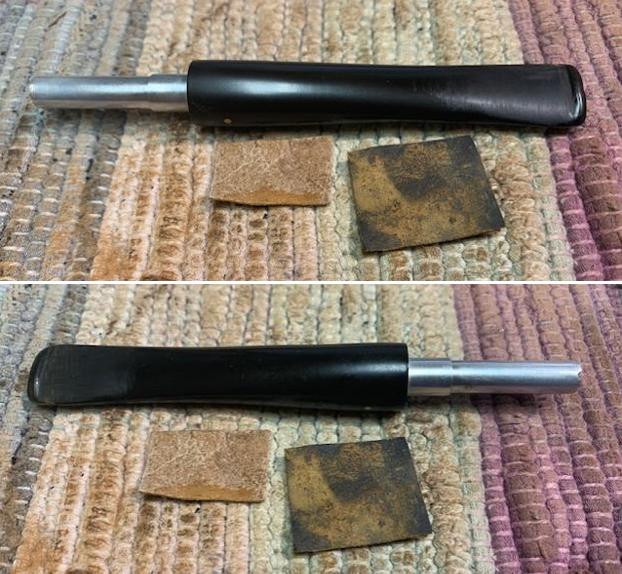
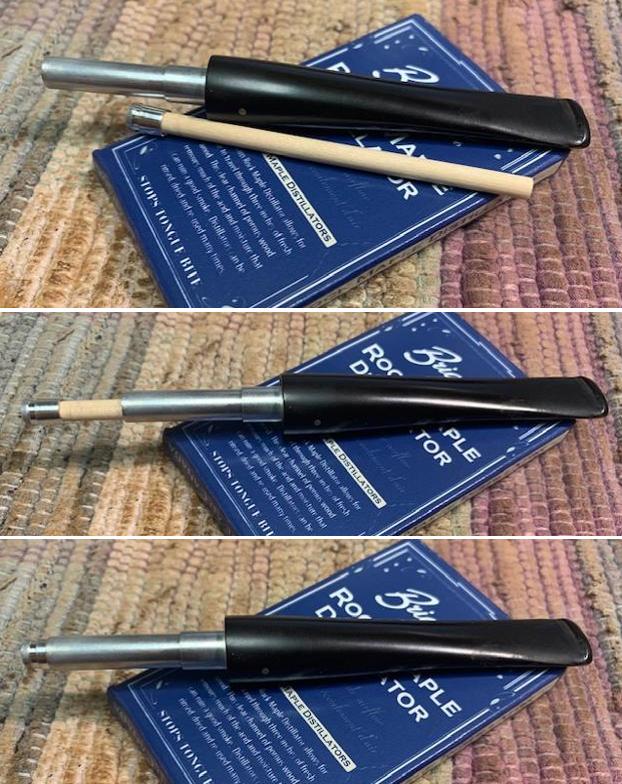
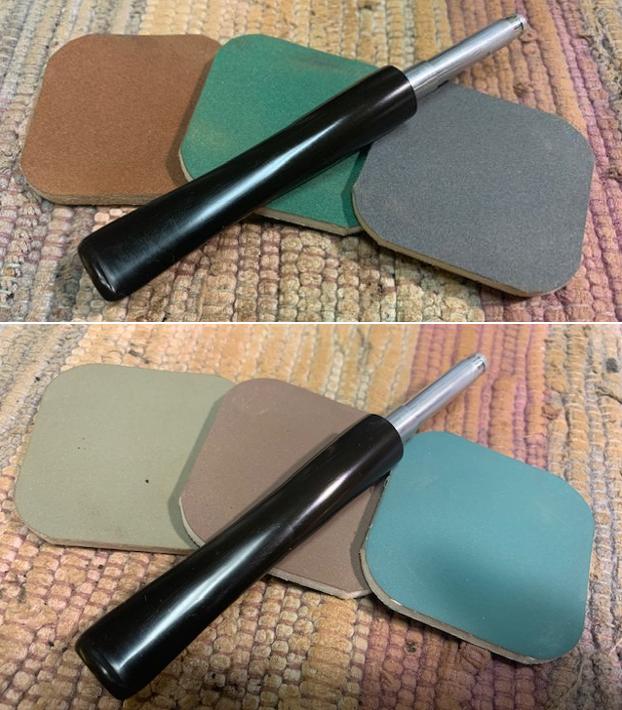
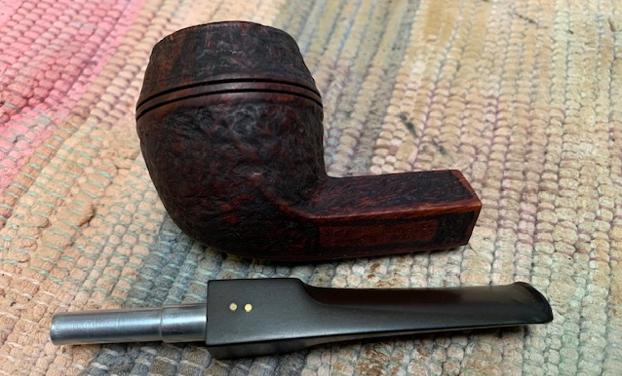
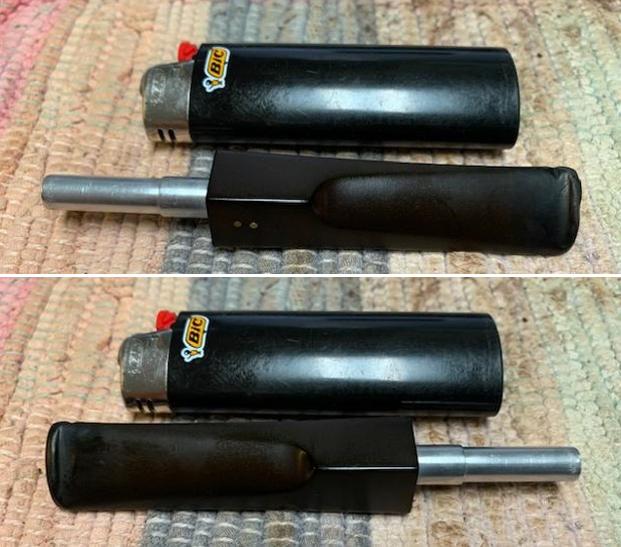
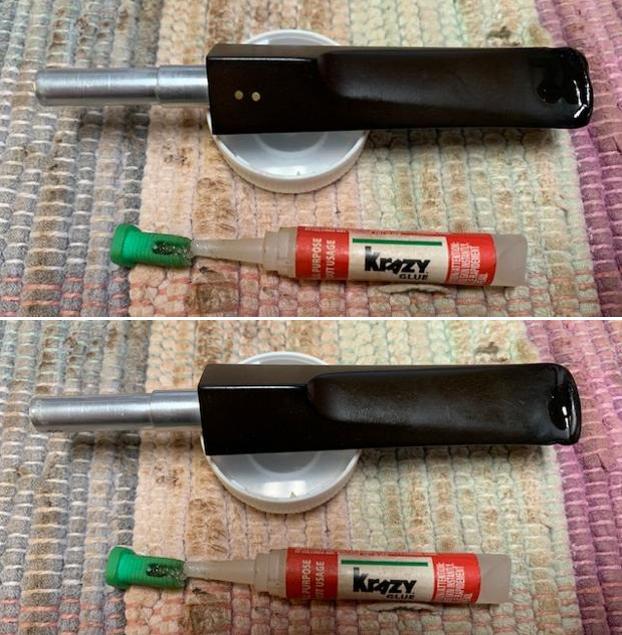
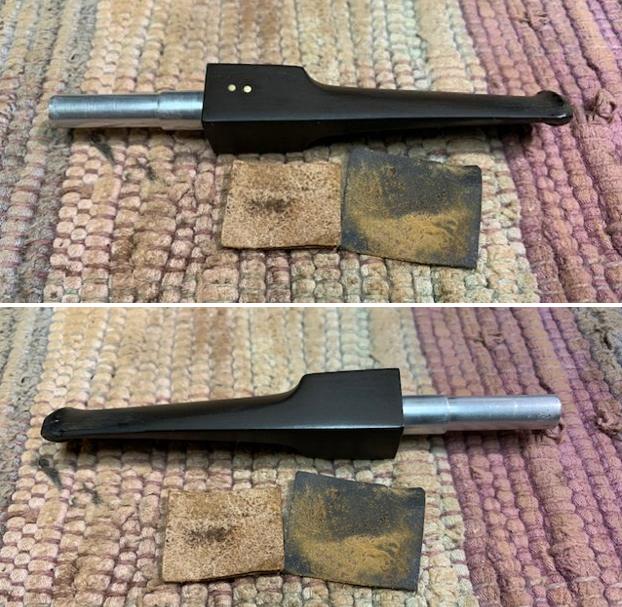
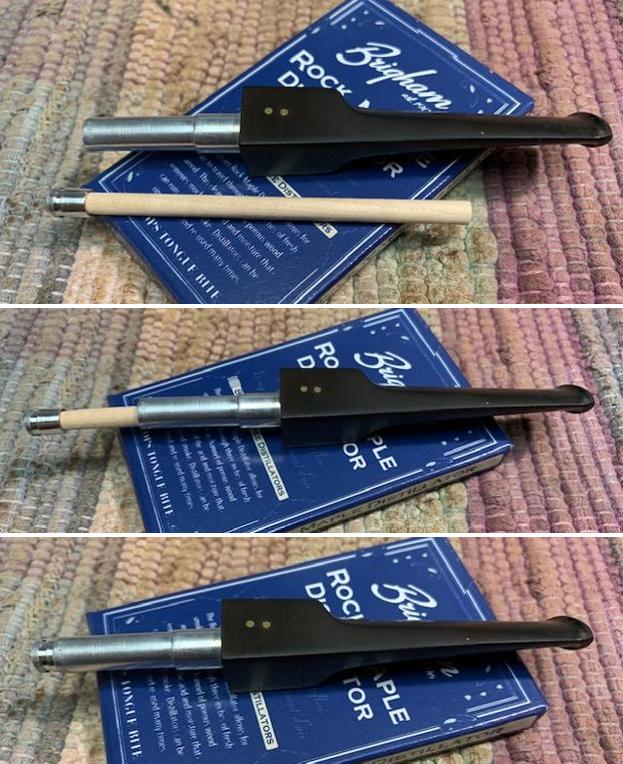
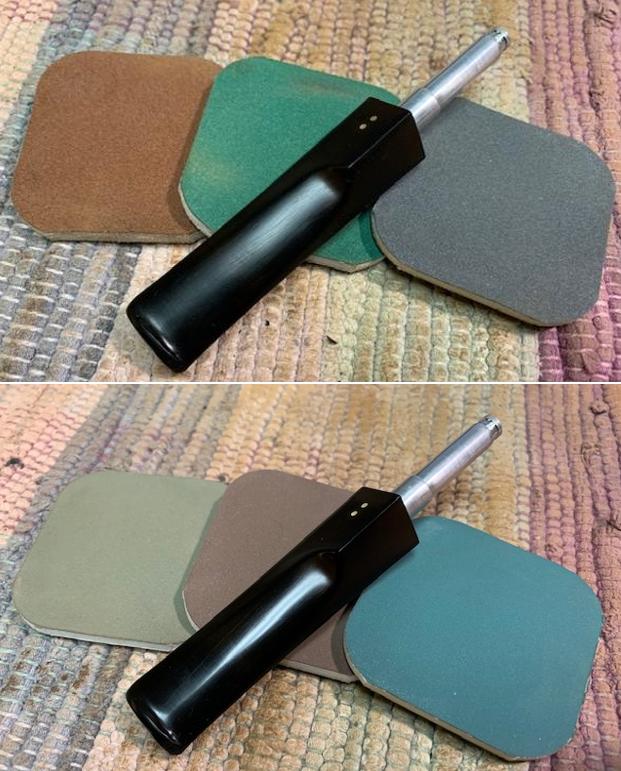
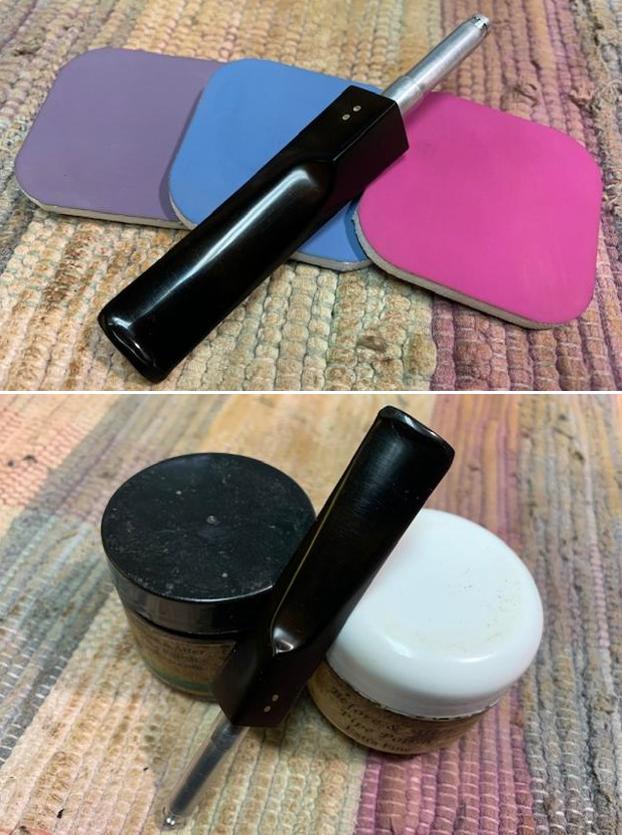
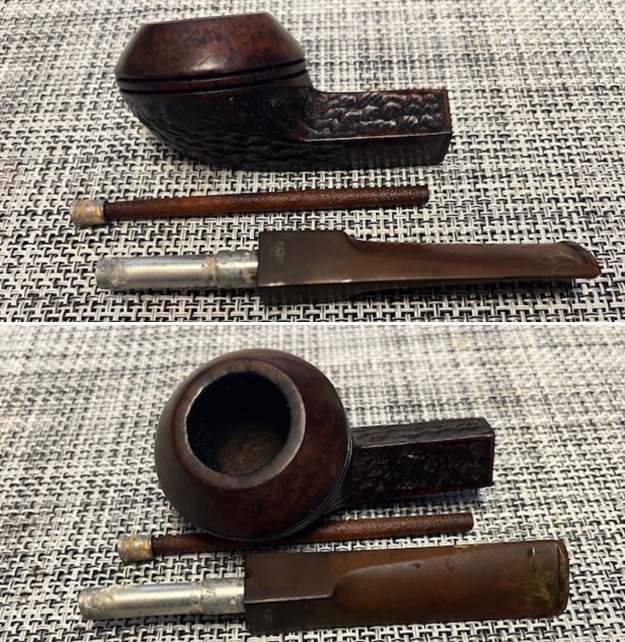
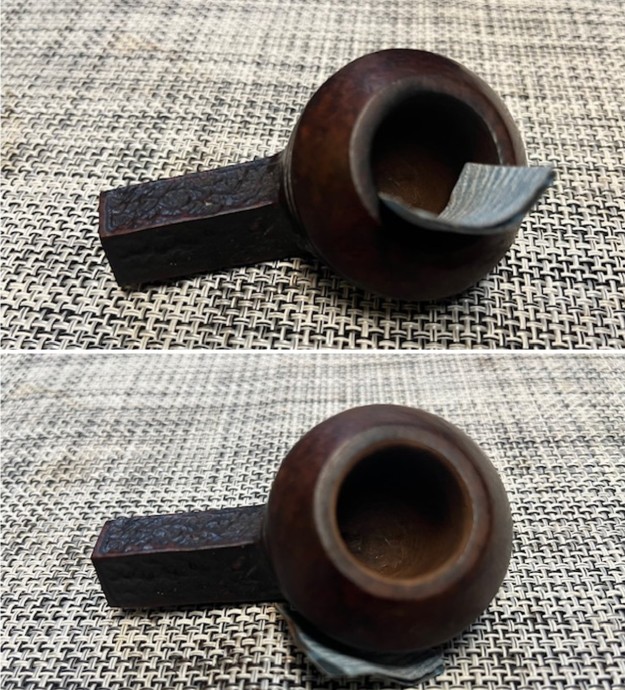
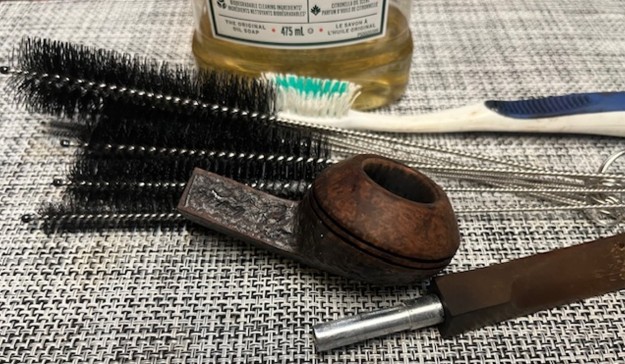
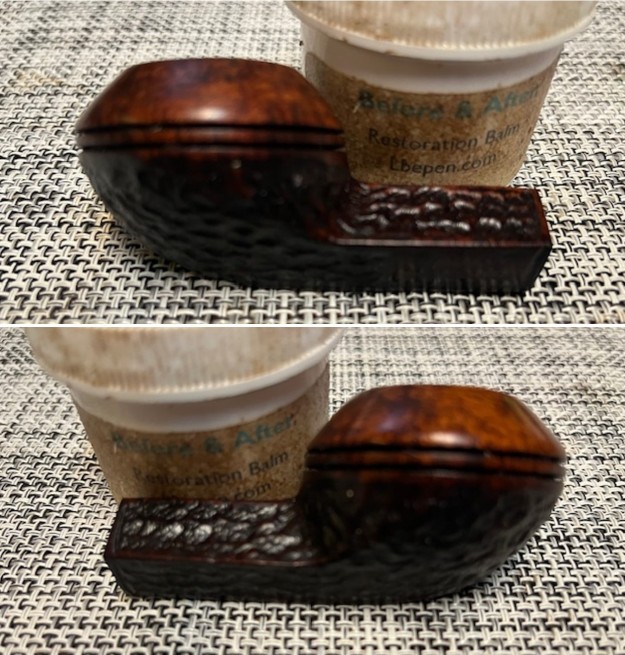
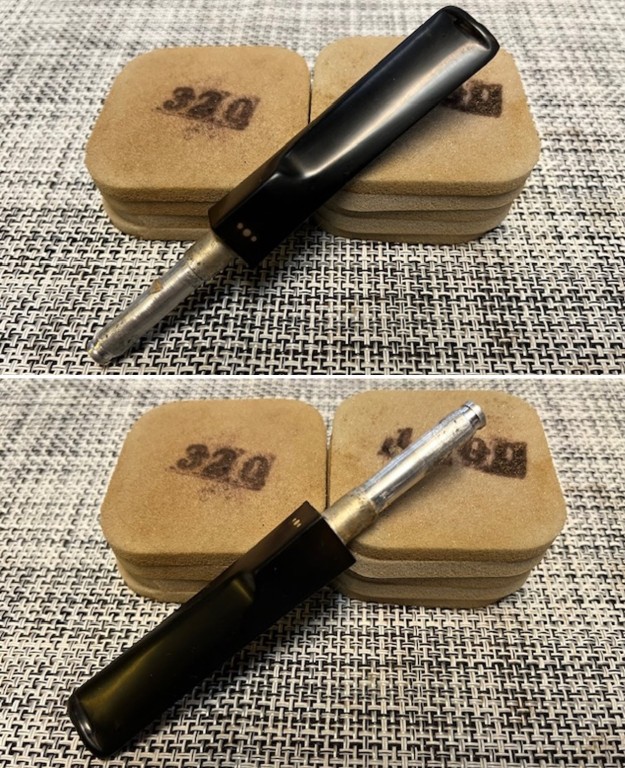
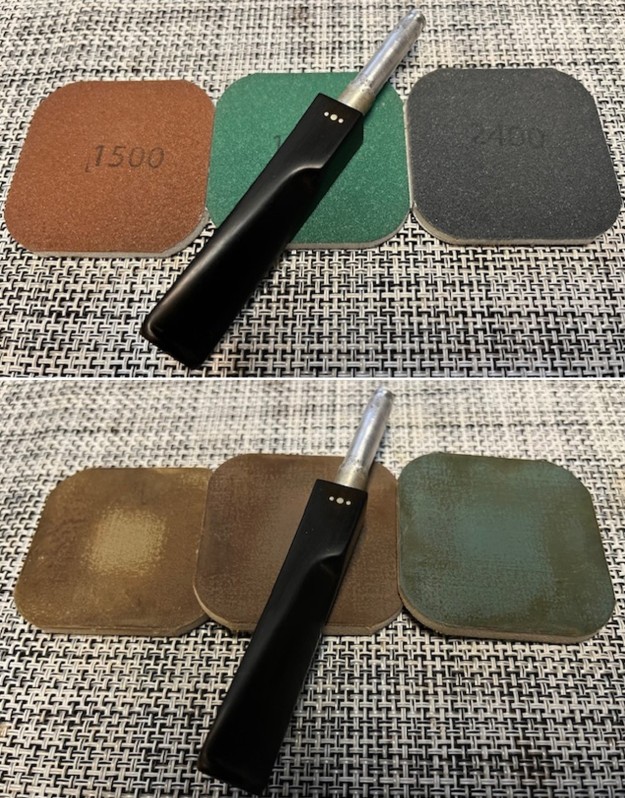
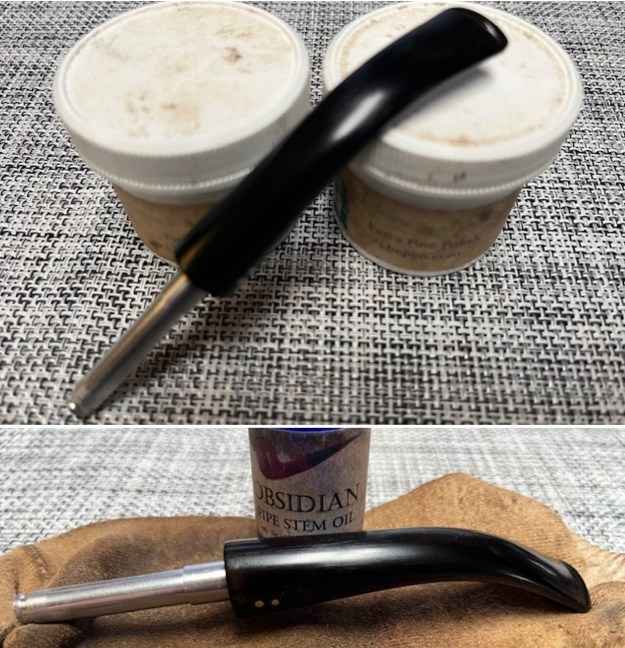
Finally, I inserted a folded pipe cleaner in the slot and pushed it as far as it would go into the stem. I wanted to block off the button and the inside of the hard maple filter that Brighams have in the elongated aluminum tenon. Once it was inserted I filled the bowl with acetone (fingernail polish remover) and let it sit until it evaporated. I repeated the process morning, noon and night before bed. Nothing was working to beat the frozen stem. Finally, this morning I was on the phone with my brother and the fill of acetone had evaporated so I decided to wiggle it while we talked. Low and behold, shiver me timbers, be still my beating heart, whatever phrase you want to you it moved just slightly! With a cry of exhilaration, I knew I was going to beat this stuck stem situation. I wiggled the stem all the way through the conversation and just before we closed the Facetime call the stem turned and was able to turn it free. The amount of sludge (I don’t know what else to call all the white build up in the shank and on the tube) was absolutely awful. I don’t know if I have ever seen it this thick. It was pitting the aluminum and the inside of the briar had a thick coat that filled in the gap between the tube and the walls. It was a huge mess.But that was not the end of the stuck tenon and parts! The maple hard wood filter with an aluminum cap was absolutely stuck in the tube. I could not remove it with pliers. I heated it with a lighter and tried it once more with no success. So… I resorted to an old alcohol bath I have here and have not used for over a year or more. I took the cap off the container that held the darkened alcohol and dropped the stem into the mix tenon down. It sat in the mix for at least and hour before I got back to it. I removed it from the container and used the pliers to grab the aluminum end and turn it. Sounds easy right? Wrong… I have had these aluminum tips snap off and leave the hardwood stuck in the tenon. I gingerly wiggled the end while carefully pulling on it and low and behold it let loose and the entire tube and tip was free! Once again the inside of the tube was a mess but the acetone had done a bit of work softening the goop on the aluminum walls.I was excited to say the least. It took literally 10 days short of a month to get this stem removed from the shank. You don’t even know how many times I was tempted to pitch the pipe in the trash and move on to other pipes. I even buried it on a corner of the desk that I don’t use much for daily work but it had a bit of a siren call and I could not ignore it. Today I beat it! Today I won this seemingly insignificant battle. But to me it felt epic to win. I took photos of the parts in celebration of the win. You can see the corrosion on the aluminum tip of the hard wood insert. You can also see the slight thinning of the tube just ahead of the tip – it could easily have snapped leaving me with yet another mess! The aluminum tenon is also corroded and has some of the white “aluminum oxide” build up around the length. The inside of the mortise is also thickly coated with a furry white insulation. Now that it was apart it was time to do a bit of cleaning before I could even begin working on it. I wanted to remove as much of the white fuzzy oxide on the inside of both the shank and the aluminum tenon tube as possible before going further. I pitched the hard wood filter in the garbage as it would be replaced when the work was finished. I cleaned out the shank with a pen knife to scrape away the debris then clean it with cotton swabs, pipe cleaners and alcohol until they came out significantly cleaner. I did the same with the aluminum tube tenon. Remember this was step one of the clean! I would do much more before this pipe was actually finished.I guess one of the benefits of the bowl soaking with acetone for two weeks is that the cake absolutely dissolved and I was able to wipe it out after each evaporation and refill of the bowl. It was surprisingly clean. I cleaned up the remnants of the cake on the walls with a Savinelli Fitsall Pipe Knife. I sanded the bowl sides with 220 grit sandpaper wrapped around a piece of dowel. The bowl walls showed no heat damage or checking and were almost bare briar in the bottom half of the bowl.I used a folded piece of 220 grit sandpaper to clean up the inner edge to remove the damage and nicks in the surface. It did not take too much to smooth out the damage on the inner edge and make it look much better.I scrubbed the externals bowl and shank with Murphy’s Oil Soap and a tooth brush. I rinsed it off with warm water to remove the grime and debris from the scrubbing. I scrubbed the inside of the shank and the aluminum tenon tube with Murphy’s as well using a set of shank brushes. The white is all gone and the pipe actually smells amazing!I cleaned out the internals of the bowl, mortise and the airway in the shank and the stem a second time with alcohol, pipe cleaners and cotton swabs to make sure it was clean inside. I was not expecting a lot of dirt and debris after the double scrubbing it had already received but I wanted to make sure. Because of the length of the tube I had to strategically fold the pipe cleaners to scrub the tube. Shining a light through it now shows it just shines… whew.I sanded the surface of the briar with 320-3500 grit sanding pads. It took on a real shine on the briar as I worked through the pads. I wiped it down after each sanding pad with a damp cloth to remove the sanding dust and debris left behind. The pipe had cleaned up so well that I turned to polish the briar with micromesh sanding pads. I dry sanded it with 1500-12000 grit sanding pads and wiped the bowl down after each pad with a damp cloth. By the final pads the briar really had a shine.  I rubbed the briar down with Before & After Restoration Balm. I worked it into the briar with my fingertips and a shoe brush. The product works to clean, enliven and preserve the briar. I let it sit for 10 minutes then I buffed it with a cotton cloth to deepen the shine. The briar really came alive with the balm. I set aside the bowl and turned my attention to the stem. To help remove the oxidation I scrubbed the stem with Soft Scrub Cleanser and cotton pads. It took some elbow work but the stem definitely looked better and the sulphur smell of the oxidation is gone!I “painted” the tooth marks on the stem with the flame of a Bic lighter to lift them. I was able raise them some. I filled in what remained with some clear CA glue and set it aside to cure. In the morning I used some small files to flatten the repairs into the surrounding surface of the stem. I sanded the repaired areas with 220 grit sandpaper to further flatten them. The stem was beginning to look good. I sanded the surface with 320-3500 grit sanding pads to further clean up the spots of oxidation on the surface of the stem. I wiped it down with a soft damp cloth following each sanding pad to remove the sanding debris. I also worked on the aluminum tube tenon with the pads. I was able to remove debris and smooth out the pits in the aluminum. There is some staining on the tube that I was not able to remove.I polished out the scratches with micromesh sanding pads – dry sanding with 1500-12000 grit pads. I wiped the stem down after each sanding pad with Obsidian Oil. I polished it with Before & After Pipe Stem Polish – both Fine and Extra Fine. Once I had finished the polishing I gave it a final coat of oil and set it aside to dry. I also used the pads on the aluminum as well and made some more progress. I found my box of Brigham Rock Maple Distillators and took a clean one from the box to replace the one that was stuck in the pipe when I received it. The beauty of these is that they can easily be rinsed out with alcohol or warm water to remove the tars and oils and reused. I put the bowl and stem back together. I buffed the bowl and stem with Blue Diamond to polish out the scratches in the briar and the vulcanite. I gave the bowl and the stem multiple coats of carnauba wax. I buffed the pipe with a clean buffing pad to raise the shine. I hand buffed it with a microfiber cloth to deepen the shine. The pipe polished up pretty nicely. The Brigham Squat Bulldog with the rusticated bowl and shank and smooth bull cap is quite beautiful and it has some beautiful grain around the rim cap. The contrast of swirling grain looked good with the polished black vulcanite. This Brigham Squat Bulldog 625 is really a beauty. The finished pipe is shown in the photos below. The dimensions of the pipe are Length: 5 ½ inches, Height: 1 ½ inches, Outside diameter of the bowl: 1 ¾ inches, Chamber diameter: 7/8 of an inch. The weight of the pipe is 1.27 ounces/36 grams. Thanks for reading this blog and my reflections on the pipe while I worked on it. With it I have finished the Antique Show finds and am on to other pipes in the queue.
Restoring a Brigham Select Two Dot Bent Billiard from the Regina Lot


Blog by Steve Laug

The next pipe I chose to work on came from a lot of 11 pipes I purchased from a lady in Regina, Saskatchewan. She had found them in a house she bought and wanted to know if I wanted them. We struck a deal, I paid for the pipes and shipping and the box arrived while I was travelling in Europe. In the box were 5 Stanwells, 1 Soren Freehand, 1 Calabash with a Briar Bowl, 1 Nording Freehand, 1 Italian Made Bertenetti, 1 Rhodesian with a banded cracked shank, and 1 Brigham.The pipe on the table is a rusticated Brigham Bent Billiard from the lot above. The pipe is stamped on a smooth panel on the underside of the shank and reads 224 [shape number] followed by Brigham in script. Underneath it is stamped Made in Canada. There was a thick cake in the bowl, cobwebs in the bottom and on the bowl walls and some remnants of tobacco. There was a light lava overflow on the smooth rim top. The edges of the bowl were in good condition with a few small nicks on the outer edge. The rusticated finish is dirty and dusty. The stem was oxidized and spotty on the top and underside and around the shank end. The stem did not have tooth marks or chatter. There were two brass dots on the left side of the taper stem. I took photos of the pipe before I started my cleanup work on it. I took a close-up photo of the bowl and rim top to show the cake in the bowl. The rim top shows some thin lava spots on the smooth finish. The inner and outer edges of the bowl looked good. I took photos of the top and underside of the stem surface and button to show its general condition. It looked very good under the spotty oxidation.The stamping on the underside of the shank is clear and readable as noted above. The two horizontal brass dots on the left side of the stem side were slightly tarnished.I removed the stem from the shank and was not surprised to see the Brigham Hard Maple filter in the metal tenon. You can see the two brass dots on the left side of the stem in the photo below.For historical background for those unfamiliar with the brand I am including the information from Pipedia on Brigham pipes. It is a great read in terms of the history and background on the pipes (https://pipedia.org/wiki/Brigham_Pipes). Charles Lemon (Dadspipes) has recently published a book on the history of the brand. If you can get a hold of a copy it is a great read. The Pipedia article is a good summary. I have included it below.

Roy Brigham, after serving an apprenticeship under an Austrian pipesmith, started his own pipe repair shop in Toronto, in 1906. By 1918 the business had grown to include five other craftsmen and had developed a reputation across Canada for the high quality of workmanship. After repairing many different brands of pipes over the years, Roy noted certain recurring complaints by pipe smokers, the most common referred to as “tongue bite”. Tongue bite is a burning sensation on the smoker’s tongue, previously thought to be due to the heat of the smoke (i.e. a “hot smoking pipe”).

He soon began manufacturing his own pipes, which were lightweight, yet featured a more rugged construction, strengthening the weak points observed in other pipes. The problem of tongue bite intrigued him, and he decided to make overcoming it a future goal.

About 1938, Roy’s son Herb joined him to assist in the business. The business barely survived the great depression because pipes were considered to be a luxury, not a necessity, and selling pipes was difficult indeed. In approximately 1937 [1], after some experimentation, Roy and Herb discovered that tongue bite was in fact a form of mild chemical burn to the tongue, caused by tars and acids in the smoke. They found that by filtering the smoke, it was possible to retain the flavour of the tobacco and yet remove these impurities and thereby stop the tongue bite.

Just as Thomas Edison had searched far and wide for the perfect material from which to make the first electric light bulb filaments, Roy & Herb began experimenting with many materials, both common and exotic, in the quest for the perfect pipe filter. Results varied wildly. Most of the materials didn’t work at all and some actually imparted their own flavour into the smoke. They eventually found just two materials that were satisfactory in pipes: bamboo and rock maple. As bamboo was obviously not as readily available, rock maple then became the logical choice.

They were able to manufacture a replaceable hollow wooden tube made from rock maple dowelling, which when inserted into a specially made pipe, caused absolutely no restriction to the draw of the pipe, yet extracted many of the impurities which had caused tongue bite. The result was indeed a truly better smoking pipe…

Charles Lemon has also written a great article on the stamping and marking on the Brigham pipes that fit into a time line that he has drafted. It is well worth a read and is fascinating. (https://pipedia.org/wiki/Brigham_Pipes_%E2%80%93_A_Closer_Look_at_Dots,_Dates_and_Markings). I quote from the pertinent section on the time frame for this pipe.

Around the late 1960s or early 1970s, at the beginning of what I’ve called the Canadian Era (roughly 1970 – 1980), the stampings changed again as Brigham moved to modernize its logo. Pipes are stamped with the 3-digit shape number and “Brigham” over “Made in Canada”.

This solidly places the pipe I am working on in the period of Brigham production that Charles calls the Canadian Era (1970-80). It is a great looking pipe with a slightly different rustication pattern than some of the early Brighams I have worked on.

Charles also put together a chart that helps the restorer to understand the Brigham dot system. I quote from the same link on Pipedia as noted above.

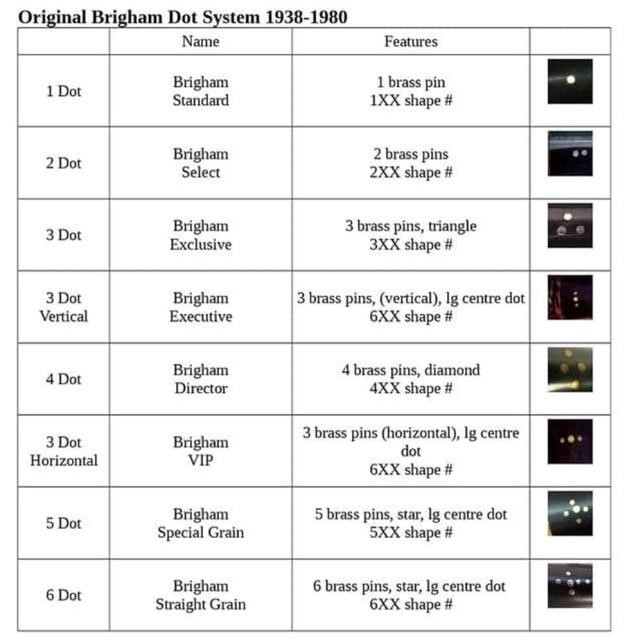
The Original Brigham Dot System 1938 – 1980

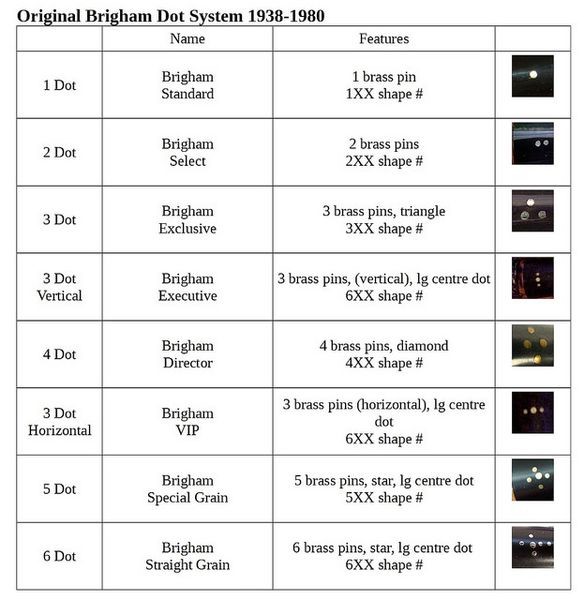
Brigham pipes are renown in the pipe world for their famous “Brigham Dots”, a system of brass pins inset in the stem to denote the grade of each pipe. The original 8-grade pinning system, used for 42 years between 1938 and 1978 (spanning the Patent, Post-Patent and Canadian Eras) looked like this: With the information from Charles’ article and the chart above I knew what I was dealing with in terms of the stamping and the age of this pipe. The pipe was made between in 1970-1980 because of the style of the stamping noted above. The 2 dots on the pipe told me that it was a Brigham Select. Now it was time to work on the pipe.

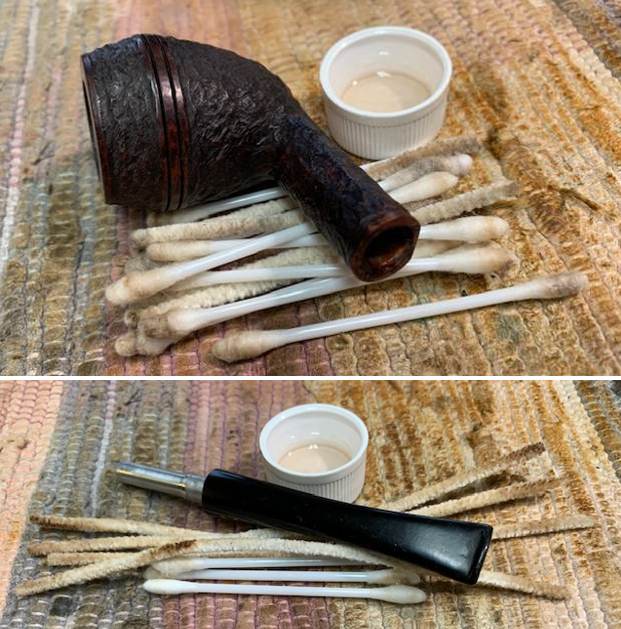
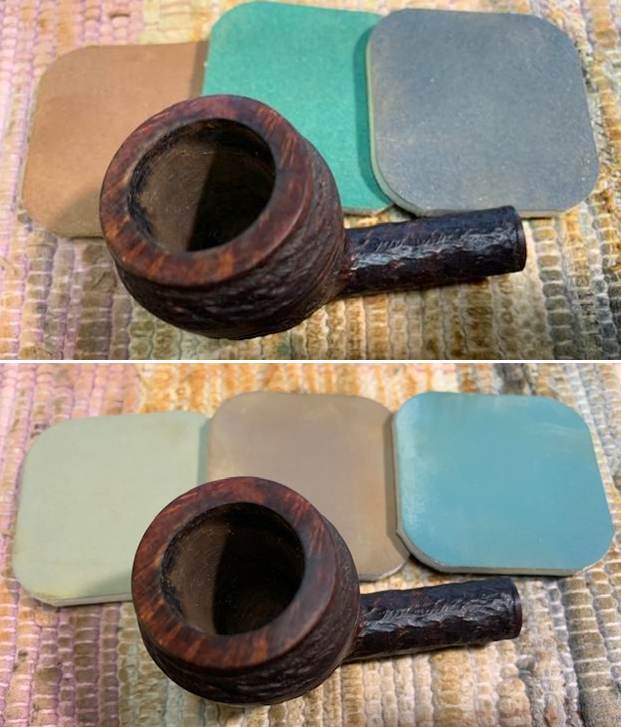
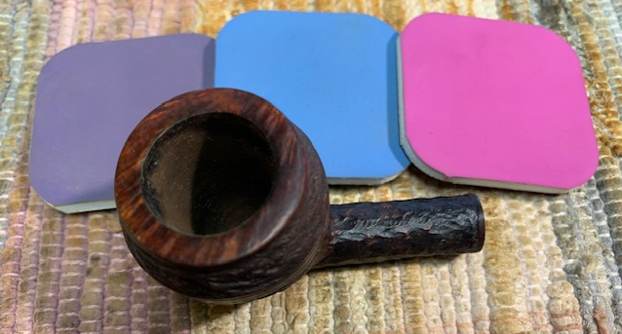
I began my work by reaming the bowl with a PipNet pipe reamer using the third cutting head to take the cake back to bare briar. I cleaned up the reaming with a Savinelli Fitsall Pipe Knife.I scrubbed out the internals with 99% isopropyl alcohol, pipe cleaners and cotton swabs until the shank and the airway into the bowl and the stem were clean. You will notice that there was some red stain that came out of the inside of the shank with the cleaning. I scrubbed the exterior of the bowl and the rim a tooth brush and undiluted Murphy’s Oil Soap. It looked much better and the dust and debris was gone. I polished the smooth rim top with 1500-12000 grit micromesh sanding pads. I wiped it down with a damp cloth after each pad. The rim top took on a deep shine that highlighted the grain. I worked some Before & After Restoration Balm into the surface of the briar with my fingertips and a horsehair shoe brush to clean, enliven and protect the briar. I let the balm sit for 15 minutes and then buffed with a cotton cloth to raise the shine. The photos show the bowl at this point in the restoration process. With that done, the bowl was finished other than the final buffing. I set it aside and turned my attention to the stem. I scrubbed the surface of the stem with Soft Scrub to remove the oxidation on the surface of the vulcanite. It came out looking much better. I sanded out the remaining oxidation and the tooth marks with 220 grit sandpaper. I started the polishing with 600 grit wet dry sandpaper.  Before polishing the stem further, I decided to fit it with a new Rock Maple Distillator.I polished the stem with micromesh sanding pads – wet sanding with 1500-12000 grit sanding pads. I wiped it down after each sanding pad with Obsidian Oil. I finished polishing it with Before & After Pipe Stem Polish – both Fine and Extra Fine and buffed it off with a cotton cloth. I gave it a coat of Obsidian Oil to preserve and protect the stem.I am excited to finish this Brigham 2 Bent Billiard. I put the pipe back together and buffed it with Blue Diamond on the buffing wheel. I gave the bowl multiple coats of Conservator’s Wax and the stem multiple coats of carnauba wax. I buffed the pipe with a clean buffing pad to raise the shine and hand buffed it with microfiber cloth to deepen the shine. It is fun to see what the polished bowl looks like with the rusticated finish. Added to that the polished black vulcanite stem with the shining brass pins was beautiful. This mixed grain on the rusticated Brigham Select 2 Dot Bent Billiard is nice looking and the pipe feels great in my hand. It is light and well balanced. Have a look at it with the photos below. The dimensions are Length: 5 ½ inches, Height: 2 inches, Outside diameter of the bowl: 1 ½ inches, Chamber diameter: ¾ of an inch. The weight of the pipe is 1.90 ounces/54 grams. It is a beautiful pipe and one that will be on the rebornpipes store in the Canadian Pipe Makers section. If you are interested in adding it to your collection let me know. Thanks for walking through the cleanup with me as I worked over this pipe.

As always, I encourage your questions and comments as you read the blog. Thanks to each of you who are reading this blog. Remember we are not pipe owners; we are pipe men and women who hold our pipes in trust until they pass on into the trust of those who follow us.

Cleaning up a Canadian Era 1970-1980 Brigham 343 Made in Canada Prince


Blog by Steve Laug

The next pipe I have chosen is an interesting looking mixed finish Prince that was stained with a rich brown colour on both the smooth upper portion and rusticated lower portion of the bowl and shank. It was stamped on the smooth underside of the shank. The stamping was readable. The shape number 343 is on the bowl side of the shank. That is followed by the stamping Brigham in script [over] Made in Canada. The age on this one is Canadian Era, nominally 1970-80. The pipe was purchased form a Facebook DND auction on 11/11/2021 from a sell in Salmon Creek, Washington, USA. It was dirty with grime ground into the finish around the bowl and shank. The bowl had thick cake with darkening on the inner edge of the bowl and an overflow of lava on the rim top. It was heavier on the backside of the rim top. The internals were dirty though there was no filter tube in the aluminum tenon. I would need to replace the Maple Distillator once I was finished. The stem was oxidized, calcified and had some chatter and deep tooth marks on the top and underside near the button. Jeff took photos of the pipe before he started his clean up work. He took photos of the bowl and rim top to show their general condition. You can see the thick cake in the bowl and the thick lava coat on the top of the rim and inner edge of the bowl. The finish on the bowl is very dirty with grime and oils ground into the bowl, but still very stunning. The round saddle stem is oxidized, calcified and has chatter and deep tooth marks on the top and underside ahead of the button. Jeff took some photos of the sides and heel of the bowl to give an idea of the grain around the bowl and shank. It is amazing and I cannot wait to see what it looks like once it is polished and waxed. Jeff removed the stem from the shank and took a photo of the aluminum tube that held the Distillator. It was obviously removed from the tube but the inside was quite dirty.He took some photos of the stamping on the underside of the shank to capture it for me. It is clear and readable as noted above. He also included a photo of the three dot triangle brass pins in the left side of the saddle stem.Before starting my clean up work on the pipe I turned to a chart that Charles Lemon of Dad’s Pipes sent to me on the Dot system on Brighams until 1980. As the pipe I am working on is a fits in this time frame, it’s more accurate to refer to its grade by name (the post 1980 grading scheme refers to Dots). Here is the chart that Charles sent me. The pipe I am working on is thus a Brigham Exclusive with the 3 brass pins arranged in a triangle. For historical background for those unfamiliar with the brand I am including the information from Pipedia on Brigham pipes. It is a great read in terms of the history and background on the pipes (https://pipedia.org/wiki/Brigham_Pipes). Charles Lemon (Dadspipes) is currently working on a book on the history of the brand. Until that is complete this article is a good summary. I have included it below.

Roy Brigham, after serving an apprenticeship under an Austrian pipesmith, started his own pipe repair shop in Toronto, in 1906. By 1918 the business had grown to include five other craftsmen and had developed a reputation across Canada for the high quality of workmanship. After repairing many different brands of pipes over the years, Roy noted certain recurring complaints by pipe smokers, the most common referred to as “tongue bite”. Tongue bite is a burning sensation on the smoker’s tongue, previously thought to be due to the heat of the smoke (i.e. a “hot smoking pipe”).

He soon began manufacturing his own pipes, which were lightweight, yet featured a more rugged construction, strengthening the weak points observed in other pipes. The problem of tongue bite intrigued him, and he decided to make overcoming it a future goal.

About 1938, Roy’s son Herb joined him to assist in the business. The business barely survived the great depression because pipes were considered to be a luxury, not a necessity, and selling pipes was difficult indeed. In approximately 1937 [1], after some experimentation, Roy and Herb discovered that tongue bite was in fact a form of mild chemical burn to the tongue, caused by tars and acids in the smoke. They found that by filtering the smoke, it was possible to retain the flavour of the tobacco and yet remove these impurities and thereby stop the tongue bite.

Just as Thomas Edison had searched far and wide for the perfect material from which to make the first electric light bulb filaments, Roy & Herb began experimenting with many materials, both common and exotic, in the quest for the perfect pipe filter. Results varied wildly. Most of the materials didn’t work at all and some actually imparted their own flavour into the smoke. They eventually found just two materials that were satisfactory in pipes: bamboo and rock maple. As bamboo was obviously not as readily available, rock maple then became the logical choice.

They were able to manufacture a replaceable hollow wooden tube made from rock maple dowelling, which when inserted into a specially made pipe, caused absolutely no restriction to the draw of the pipe, yet extracted many of the impurities which had caused tongue bite. The result was indeed a truly better smoking pipe…

Charles Lemon has also written a great article on the stampings and marking on the Brigham pipes that fit into a time line that he has drafted. It is well worth a read and is fascinating. (https://pipedia.org/wiki/Brigham_Pipes_%E2%80%93_A_Closer_Look_at_Dots,_Dates_and_Markings). I quote from the pertinent section on the time frame for this pipe.

Around the late 1960s or early 1970s, at the beginning of what I’ve called the Canadian Era (roughly 1970 – 1980), the stampings changed again as Brigham moved to modernize its logo. Pipes are stamped with the 3-digit shape number and “Brigham” over “Made in Canada”. Note these two variants of this stamping. The pipe I am working on is stamped with a three-digit shape number as noted above. The cursive Brigham stamp over Made is Canada (like the first photo above) tells me that the pipe was made between 1970-1980. It is made in the period Charles has designated it as the Canadian Era. Now it was time to work on the pipe.

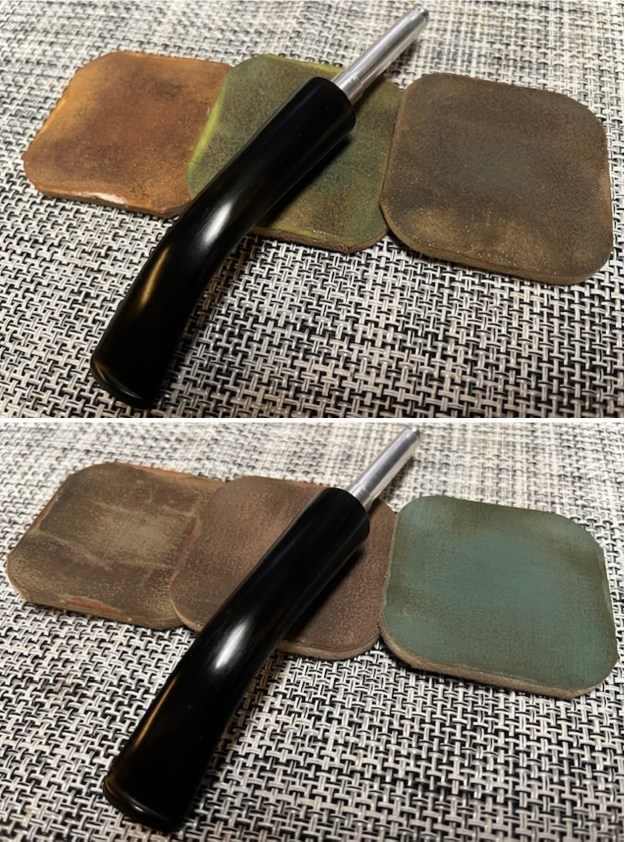
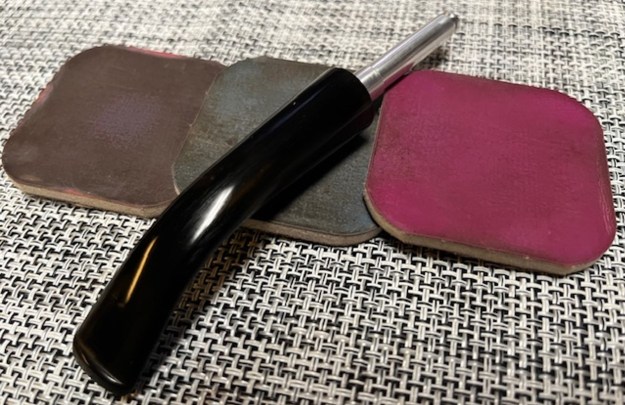
Jeff had thoroughly cleaned up the pipe. He reamed the pipe with a PipNet Pipe Reamer and cleaned up the remnants with a Savinelli Fitsall Pipe Knife. He scrubbed the bowl with undiluted Murphy’s Oil Soap with a tooth brush. He rinsed it under running warm water to remove the soap and grime. He cleaned out the inside of the shank and the airway in the stem with alcohol, cotton swabs and pipe cleaners. He scrubbed the exterior of the stem with Soft Scrub to remove the grime. He soaked the stem in Briarville’s Pipe Stem Deoxidizer and rinsed it off with warm water. The pipe looked very good when it arrived here in Vancouver. I took a photo of the bowl and rim top to show how clean the bowl and the rim top and inner edges of the bowl. You can see the darkening around the inner edge and the burn damage on the back topside of the rim. I took photos of the stem surface to show the condition and tooth marks and chatter on both sides ahead of the button.I took a photo of the stamping on the underside of the shank’ It is readable as noted above and though faint is clear. I took a photo of the three dot brass pins on the left side of the stem as well. It is in excellent condition. I removed the stem from the shank and took a photo of the pipe parts. It is quite a stunning piece.I started my work by cleaning up the darkened inner edge of the rim and burned area on the back of the rim top with a folded piece of 220 grit sandpaper. The rim top cleaned up nicely. I had to give the inner edge a slight bevel to accommodate the damage on the rim edge. It worked well to minimize the damage at the back of the rim edge. I stained it with an oak stain pen to blend it in. I polished the smooth portions on the rim top and top half of the bowl with micromesh sanding pads – dry sanding with 1500-12000 grit pads. I wiped the bowl down after each pad with a damp cloth to remove the grit. The bowl began to take on a rich shine. It is a beauty. I rubbed the bowl down with Before & After Restoration Balm. I worked it into the surface of the briar with my fingertips and a shoe brush to get it in the grooves. It works to clean, restore and preserve the briar. I let it do its magic for 15 minutes then buffed it off with a cotton cloth. The pipe looks incredibly good at this point in the process. I set the bowl aside and turned my attention to the stem. I painted the tooth marks in the vulcanite with the flame of a Bic lighter to lift them. I was able to raise them a little. What remained, I filled in with black rubberized CA glue. Once it hardened I flattened the repairs out with a small file. I sanded the stem with 220 grit sandpaper to blend them into the rest of the vulcanite stem and started the polishing them with 600 wet dry sandpaper. At this point in the process of polishing the stem I stopped to fit the stem with the Rock Maple Distillator. I took one out of the box I have of the Distillators and fit it in the tenon tube.I set the bowl aside and turned my attention to the stem. I polished the stem with micromesh sanding pads – 1500-12000 grit pads. I wiped it down with Obsidian Oil after each sanding pad. I finished polishing it with Before & After Pipe Stem Polish – both Fine and Extra Fine and buffed it off with a cotton cloth. I gave it a coat of Obsidian Oil to preserve and protect the stem.  This Brigham Made in Canada 343 Prince is a great looking pipe now that it has been restored. The brown stains really highlight the grain on the smooth portion and the rusticated portion. Once it was polished the finish is stunning. I put the stem back on the bowl and carefully buffed the pipe with Blue Diamond on the buffing wheel. I gave the bowl and the stem multiple coats of carnauba wax on the buffing wheel and followed that by buffing the entire pipe with a clean buffing pad. I hand buffed the pipe with a microfiber cloth to deepen the shine. The finished Brigham Made in Canada 343 Prince fits nicely in the hand and feels great. Give the finished pipe a look in the photos below. The dimensions of the pipe are Length: 5 ¾ inches, Height: 1 ¼ inches, Outside diameter of the bowl: 1 ½ inches, Chamber diameter: 7/8 of an inch. The weight of the pipe is 37 grams/1.31 ounces. I will be adding the pipe to the Canadian Pipe Makers Section of the rebornpipes store. If you are interested in purchasing this pipe send me a message or an email. Thanks for reading this blog and my reflections on the pipe while I worked on it.
As always, I encourage your questions and comments as you read the blog. Thanks to each of you who are reading this blog. Remember we are not pipe owners; we are pipe men and women who hold our pipes in trust until they pass on into the trust of those who follow us.

Restoring a Brigham Made in Canada (1Dot) 189 Bent Acorn


Blog by Steve Laug

Not too long ago my wife and I had dinner with some good friends here in Vancouver – first time since COVID-19 so it was good to see them. At the beginning of the meal he handed me a box that he said was for me. In it were some pipes that he was giving to me and a bunch of cigars. The pipes included two Brigham rusticated pipes that I have included photos of below. The two pipes in the photo were clean but well smoked. The bowls had light cake and some lava and darkening on the rim top. The stems were lightly oxidized and had tooth chatter on both sides ahead of the button. I decided I would work on them next. I finished the Sportsman Dublin first and now turned my attention to the second pipe. It is a classic Brigham Shape I call an acorn. It is well carved with a rusticated finish and a smooth rim top. It is stamped on the underside and reads 189 followed by Brigham [over] Made in Canada. There was one dot on the stem side and tooth chatter and oxidation. It was going to be a beauty once cleaned up. I took photos of the pipe when it brought it to the desk top. There was a moderate cake in the bowl in the bowl with lava overflowing into the rim top. There were some dark spots on the top of the rim on the front and the back sides. There was also some damage on the inner edge of the rim that would need to be dealt with. The shank and airways were dirty with tars and oil. The finish was dirty and would need scrubbing. I was hoping to bring it back to the natural finish. There was no Hard Rock Maple filter in the tenon and the pipe smelled of stale tobacco. The stem was lightly oxidized and there was some light tooth chatter to the top or underside of the stem. The button had no damage. Overall the pipe looked good even though it was a dirty one. I took photos of the rim top and the bowl to show the condition. The rim top was smooth with some nicks and dents in the surface. It also had some darkening around the top and damage to the inner edges. I also took photos of both sides of the stem to show the tooth marks and chatter. Over all the pipe was in okay condition.I took a photo of the stamping on the underside of the shank. It is clear and t it reads as noted above.I took a photo of the pipe with the stem removed to give an overall picture of the pipe. It really is quite beautiful.For historical background for those unfamiliar with the brand I am including the information from Pipedia on Brigham pipes. It is a great read in terms of the history and background on the pipes (https://pipedia.org/wiki/Brigham_Pipes). Charles Lemon (Dadspipes) is currently working on a book on the history of the brand. Until that is complete this article is a good summary. I have included it below.

Roy Brigham, after serving an apprenticeship under an Austrian pipesmith, started his own pipe repair shop in Toronto, in 1906. By 1918 the business had grown to include five other craftsmen and had developed a reputation across Canada for the high quality of workmanship. After repairing many different brands of pipes over the years, Roy noted certain recurring complaints by pipe smokers, the most common referred to as “tongue bite”. Tongue bite is a burning sensation on the smoker’s tongue, previously thought to be due to the heat of the smoke (i.e. a “hot smoking pipe”).

He soon began manufacturing his own pipes, which were lightweight, yet featured a more rugged construction, strengthening the weak points observed in other pipes. The problem of tongue bite intrigued him, and he decided to make overcoming it a future goal.

About 1938, Roy’s son Herb joined him to assist in the business. The business barely survived the great depression because pipes were considered to be a luxury, not a necessity, and selling pipes was difficult indeed. In approximately 1937 [1], after some experimentation, Roy and Herb discovered that tongue bite was in fact a form of mild chemical burn to the tongue, caused by tars and acids in the smoke. They found that by filtering the smoke, it was possible to retain the flavour of the tobacco and yet remove these impurities and thereby stop the tongue bite.

Just as Thomas Edison had searched far and wide for the perfect material from which to make the first electric light bulb filaments, Roy & Herb began experimenting with many materials, both common and exotic, in the quest for the perfect pipe filter. Results varied wildly. Most of the materials didn’t work at all and some actually imparted their own flavour into the smoke. They eventually found just two materials that were satisfactory in pipes: bamboo and rock maple. As bamboo was obviously not as readily available, rock maple then became the logical choice.

They were able to manufacture a replaceable hollow wooden tube made from rock maple dowelling, which when inserted into a specially made pipe, caused absolutely no restriction to the draw of the pipe, yet extracted many of the impurities which had caused tongue bite. The result was indeed a truly better smoking pipe…

Interestingly the pipe I have in hand is a 1 Dot grade but very well done. It is stamped with the shape number 189 followed by Brigham [over] Made in Canada.

Charles Lemon has also written a great article on the stampings and marking on the Brigham pipes that fit into a time line that he has drafted. It is well worth a read and is fascinating. (https://pipedia.org/wiki/Brigham_Pipes_%E2%80%93_A_Closer_Look_at_Dots,_Dates_and_Markings). I quote from the pertinent section on the time frame for this pipe.

Around the late 1960s or early 1970s, at the beginning of what I’ve called the Canadian Era (roughly 1970 – 1980), the stampings changed again as Brigham moved to modernize its logo. Pipes are stamped with the 3-digit shape number and “Brigham” over “Made in Canada”. Note these two variants of this stamping.

This solidly places the pipe I am working on in the period of Brigham production that Charles calls the Canadian Era (1969/70-1980). It is a great looking pipe with the classic rusticated style of finish.

The Original Brigham Dot System 1938 – 1980

Brigham pipes are renown in the pipe world for their famous “Brigham Dots”, a system of brass pins inset in the stem to denote the grade of each pipe. The original 8-grade pinning system, used for 42 years between 1938 and 1978 (spanning the Patent, Post-Patent and Canadian Eras) looked like this:I knew that I was dealing with a pipe made between 1969-1980 from Canadian Era. It sports 1 dot making it Brigham Standard pipe. There is a 189 shape number on the pipe. Now to do a bit of spiffing with the pipe itself.

I reamed the pipe with a PipNet pipe reamer to remove the light cake from the bowl walls. It was uneven and needed to be removed so I took it back to bare briar. I cleaned up the reaming with a Savinelli Fitsall Pipe Knife and then sanded the bowl with a dowel wrapped with 220 grit sandpaper to smooth out the walls. I worked on the damage to the rim top and the inner edge of the rim with 220 grit sandpaper. It looked much better.I scrubbed the exterior of the pipe with a tooth brush with undiluted Murphy’s Oil Soap. I scrubbed it to remove the build up on the rim top. I rinsed it with warm water and dried it off with a soft cloth. I cleaned out the internals with alcohol, cotton swabs and pipe cleaners to remove the debris and the oils from the shank and tenon as well as the airway into the stem and bowl.I polished the darkening on the rim top with micromesh sanding pads – dry sanding with 1500-12000 grit pads to remove as much of the darkening as I could. Once it was complete I stained the rim top with an Oak stain pen to match the smooth portions of the finish on the shank end and underside. I rubbed the bowl down with some Before & After Restoration Balm. I worked it into the briar with my fingertips and a horse hair shoe brush. The product works to clean, renew and protect briar. I let it do its work for 15 minutes then buffed it off with a soft cloth. The pipe is really quite a beauty. I set the bowl aside and turned my attention to the stem. I scrubbed it with Soft Scrub All Purpose cleaner to remove the oxidation as much as possible. It needed to be clean before I could address the tooth marks.Once it was clean I “painted” the tooth marks and chatter with the flame of a lighter. I was able to raise all of the damage on the underside of the stem and the majority on the topside. I lightly sanded the topside with 220 grit sandpaper to prepare for the repair. I filled in the tooth marks that remained with black superglue and set the stem aside to cure. Once it cured I flattened out the repaired area with a small file to start the process of blending it into the surrounding briar. I sanded the surface with 220 grit sandpaper to remove the remaining oxidation and also finish blending in the repair. I started polishing it with 400 grit wet dry sandpaper. It is beginning to look quite good. I polished the surface of the stem on both sides using micromesh sanding pads. I dry sanded the stem with the 1500-12000 grit pads, then wiped it down with a cloth impregnated with Obsidian Oil. I finished polishing it with Before & After stem polish – both Fine and Extra Fine. I gave it a final coat of Obsidian Oil and set it aside to dry. I fit the clean and polished stem with the Brigham Rock Maple Distillator and took photos to show what it looked like. This is in essence a hollow Maple wood tube that serves to filter out the moisture and deliver a clean and flavourful smoke. I am excited to finish this 1969-1980 Brigham Made in Canada Acorn 189 – 1 Dot from the Canadian Era. I put the pipe back together and buffed it with Blue Diamond on the buffing wheel. I gave the bowl multiple coats of Conservator’s Wax and the stem multiple coats of carnauba wax. I buffed the pipe with a clean buffing pad to raise the shine and hand buffed it with microfiber cloth to deepen the shine. It is fun to see what the polished bowl looks like with the rusticated finish. Added to that the polished black vulcanite stem with the shining brass pins was beautiful. This mixed grain on the rusticated Brigham Standard 1 Dot 189 Acorn is nice looking and the pipe feels great in my hand. It is light and well balanced. Have a look at it with the photos below. The dimensions are Length: 6 inches, Height: 1 ¾ inches, Outside diameter of the bowl: 1 ¼ inches, Chamber diameter: ¾ of an inch. The weight of the pipe is 1.45 ounces/41 grams. It is a beautiful pipe and one that will be on the rebornpipes store in the Canadian Pipe Makers Section soon. If you are interested in adding it to your collection let me know. Thanks for walking through the cleanup with me as I worked over this pipe. Thanks to each of you who are reading this blog. Remember we are not pipe owners; we are pipemen and women who hold our pipes in trust until they pass on into the trust of those who follow us.

Restoring a Post-Patent Era Made in Canada Brigham Rusticated 217 Rhodesian


Blog by Steve Laug

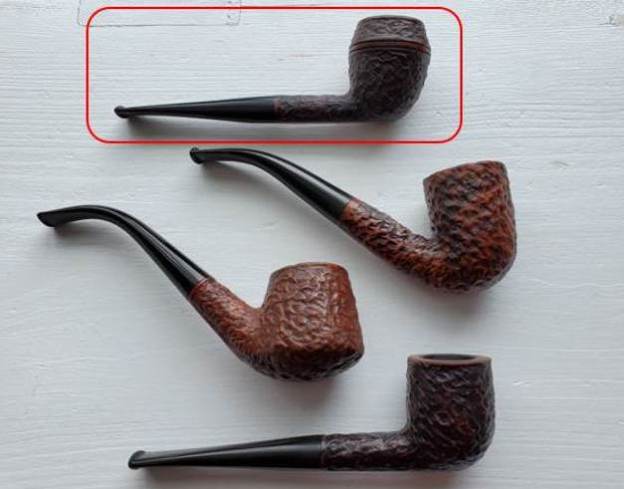
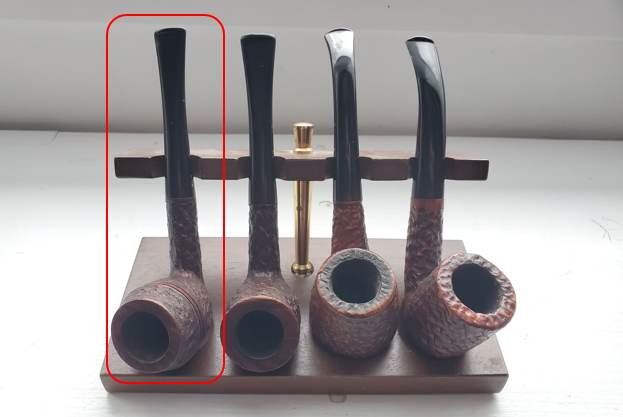
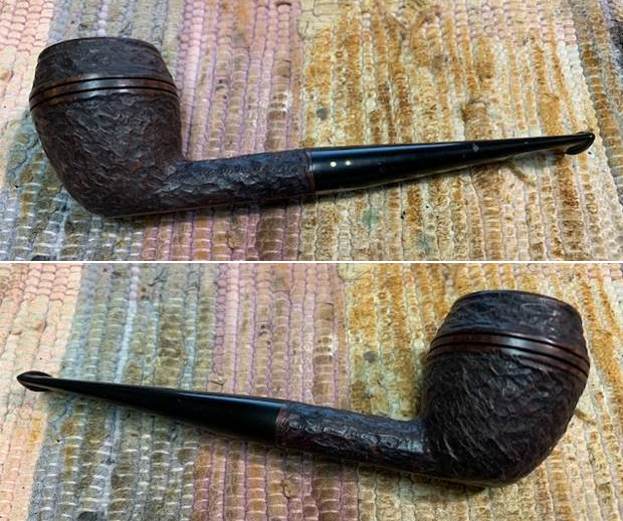
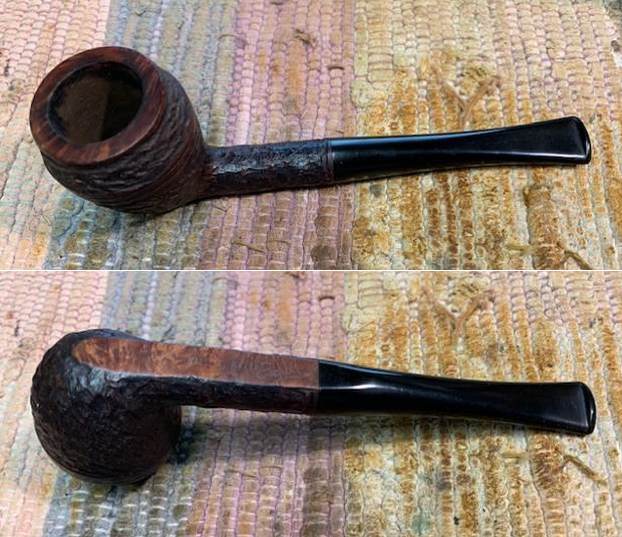
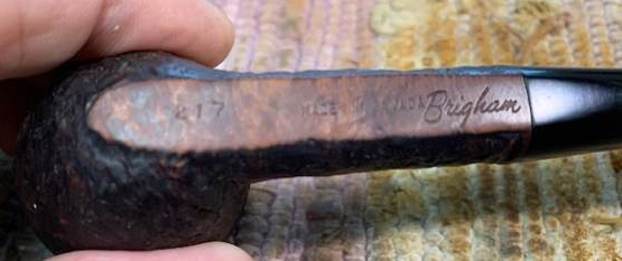
Not too long ago a fellow in Eastern Canada was selling a foursome of Brigham rusticated pipes on Facebook. Jeff contacted him and we became the new owners of the pipes. He sent us some photos of the pipes that I have included below. It did not take long for them to arrive here in Vancouver. When they did I was amazed at how good they looked. Two of them were relatively clean and two were used. The top two pipes in the photo were clean and the bottom two were still dirty with cake and debris in the bowls. I decided I would work on them next. I started with the Straight Rhodesian shaped pipe – the first one in the photos below as marked by the red box outlining it. It is stamped on the underside with the shape number 217 on the heel of the bowl followed further down the shank by Made in Canada followed by Brigham. I took photos of the pipe when it arrived. It was clean other than some ash in the bowl and in the airway. The finish was quite clean and the aluminum tenon also is clean. It did not have the Hard Rock Maple filter in the shank but it appeared to be very clean. The stem was very clean and shiny with no tooth marks on the top or underside of the stem. The button was very clean as well with no damage. Overall the pipe looked very good. I took photos of the rim top and the bowl to show the condition. The rim top was smooth. I also took photos of both sides of the stem to show how clean it looked. Over all the pipe was in good condition. I would need to run pipe cleaners through to remove the carbon in the bowl. I took a photo of the stamping on the underside of the shank. It reads as noted above.I took a photo of the pipe with the stem removed to give an overall picture of the pipe. It really is quite beautiful.For historical background for those unfamiliar with the brand I am including the information from Pipedia on Brigham pipes. It is a great read in terms of the history and background on the pipes (https://pipedia.org/wiki/Brigham_Pipes). Charles Lemon (Dadspipes) is currently working on a book on the history of the brand. Until that is complete this article is a good summary. I have included it below.

Roy Brigham, after serving an apprenticeship under an Austrian pipesmith, started his own pipe repair shop in Toronto, in 1906. By 1918 the business had grown to include five other craftsmen and had developed a reputation across Canada for the high quality of workmanship. After repairing many different brands of pipes over the years, Roy noted certain recurring complaints by pipe smokers, the most common referred to as “tongue bite”. Tongue bite is a burning sensation on the smoker’s tongue, previously thought to be due to the heat of the smoke (i.e. a “hot smoking pipe”).

He soon began manufacturing his own pipes, which were lightweight, yet featured a more rugged construction, strengthening the weak points observed in other pipes. The problem of tongue bite intrigued him, and he decided to make overcoming it a future goal.

About 1938, Roy’s son Herb joined him to assist in the business. The business barely survived the great depression because pipes were considered to be a luxury, not a necessity, and selling pipes was difficult indeed. In approximately 1937 [1], after some experimentation, Roy and Herb discovered that tongue bite was in fact a form of mild chemical burn to the tongue, caused by tars and acids in the smoke. They found that by filtering the smoke, it was possible to retain the flavour of the tobacco and yet remove these impurities and thereby stop the tongue bite.

Just as Thomas Edison had searched far and wide for the perfect material from which to make the first electric light bulb filaments, Roy & Herb began experimenting with many materials, both common and exotic, in the quest for the perfect pipe filter. Results varied wildly. Most of the materials didn’t work at all and some actually imparted their own flavour into the smoke. They eventually found just two materials that were satisfactory in pipes: bamboo and rock maple. As bamboo was obviously not as readily available, rock maple then became the logical choice.

They were able to manufacture a replaceable hollow wooden tube made from rock maple dowelling, which when inserted into a specially made pipe, caused absolutely no restriction to the draw of the pipe, yet extracted many of the impurities which had caused tongue bite. The result was indeed a truly better smoking pipe…

Charles Lemon has also written a great article on the stampings and marking on the Brigham pipes that fit into a time line that he has drafted. It is well worth a read and is fascinating. (https://pipedia.org/wiki/Brigham_Pipes_%E2%80%93_A_Closer_Look_at_Dots,_Dates_and_Markings). I quote from the pertinent section on the time frame for this pipe.

The patent on the Brigham filter system expired in 1955, ushering in the Post-Patent Era (1956 – roughly 1969). The “CAN PAT” stamp was replaced by a “Made in Canada” stamp in block letters. The 1960s saw the introduction of new product lines, including the Norsemen and Valhalla series of rusticated and smooth (respectively) freehand-style pipes created to capitalize on the growing demand for Danish pipe shapes.

This solidly places the pipe I am working on in the period of Brigham production that Charles calls the Post-Patent Era (1956-1969). It is a great looking pipe with an older style rustication pattern than the later Brighams that I have worked on.

Charles also put together a chart that helps the restorer to understand the Brigham dot system. I quote from the same link on Pipedia as noted above.

The Original Brigham Dot System 1938 – 1980

Brigham pipes are renown in the pipe world for their famous “Brigham Dots”, a system of brass pins inset in the stem to denote the grade of each pipe. The original 8-grade pinning system, used for 42 years between 1938 and 1978 (spanning the Patent, Post-Patent and Canadian Eras) looked like this: I knew that I was dealing with a pipe made between 1956-1969 from the Post-Patent Era. It sports 2 dots making it Brigham Select pipe with a 3 digit shape number 217. Now to do a bit of spiffing with the pipe itself.

I cleaned out the internals with alcohol, cotton swabs and pipe cleaners to remove the debris and the oils from the shank and tenon as well as the airway into the stem and bowl. I also wiped down the inside of the bowl with a paper towel. to remove the carbon dust that was there.I polished the smooth rim top with micromesh sanding pads – dry sanding it with 1500-12000 grit pads. I wiped rim top down with a damp cloth to wipe off the dust and debris. It started to look very good. I rubbed the bowl down with some Before & After Restoration Balm. I worked it into the briar with my fingertips and a horse hair shoe brush. The product works to clean, renew and protect briar. I let it do its work for 15 minutes then buffed it off with a soft cloth. The pipe is really quite a beauty. I set the bowl aside and turned my attention to the stem. There were tooth marks (light but present) on both sides ahead of the button. I sanded them smooth with 220 grit sandpaper and started the polishing with 400 grit wet dry sandpaper. I was able to remove all of the marks. I polished out the scratches remaining in the surface of the stem ahead of the button on both sides using micromesh sanding pads. I dry sanded the stem and them wiped it down with a cloth impregnated with Obsidian Oil. I finished polishing it with Before & After stem polish – both Fine and Extra Fine. I gave it a final coat of Obsidian Oil and set it aside to dry. I fit the clean and polished stem with the Brigham Rock Maple Distillator and took photos to show what it looked like. This is in essence a hollow Maple wood tube that serves to filter out the moisture and deliver a clean and flavourful smoke.  I am excited to finish this Post-Patent Era Made in Canada Brigham 217 Rhodesian. I put the pipe back together and buffed it with Blue Diamond on the buffing wheel. I gave the bowl multiple coats of Conservator’s Wax and the stem multiple coats of carnauba wax. I buffed the pipe with a clean buffing pad to raise the shine and hand buffed it with microfiber cloth to deepen the shine. It is fun to see what the polished bowl looks like with the rusticated finish. Added to that the polished black vulcanite stem with the shining brass pins was beautiful. This mixed grain on the rusticated Brigham 217 Rhodesian (Bulldog) is nice looking and the pipe feels great in my hand. It is light and well balanced. Have a look at it with the photos below. The dimensions are Length: 5 ¾ inches, Height: 1 ¾ inches, Outside diameter of the bowl: 1 ¼ inches, Chamber diameter: ¾ of an inch. The weight of the pipe is 1.34 ounces/38 grams. It is a beautiful pipe and one that will be on the rebornpipes store soon. If you are interested in adding it to your collection let me know. Thanks for walking through the cleanup with me as I worked over this pipe. Thanks to each of you who are reading this blog. Remember we are not pipe owners; we are pipemen and women who hold our pipes in trust until they pass on into the trust of those who follow us.

Breathing Life into a Brigham Standard (1-Dot) 129 Bent Apple


Blog by Steve Laug

The next pipe on the table is a rusticated Bent Apple/Prince that I took in on a trade or else found on one of my long ago pipe hunts. I cannot remember to be honest with you all. Sometimes I just put the pipes in a box to work on at a later date and forget about them. Strange I know but it is the truth. The pipe is stamped on a smooth panel on the underside of the shank and reads 129 [shape number] followed by Brigham in script. Underneath it is stamped Made in Canada. There was a thick cake in the bowl with remnants of tobacco stuck on the walls. There was a light lava overflow on the rusticated rim top. The edges of the bowl were in good condition. The rusticated finish is dirty and dusty. The stem was lightly oxidized and had part of a price sticker on the top side. The stem did not have tooth marks or chatter. There was a single brass dot on the left side of the taper stem. I took photos of the pipe before I started my cleanup work on it. I took a close up photo of the bowl and rim top to show the cake in the bowl. The rusticated rim top showed some lava in the grooves of the rustication but the inner and outer edges of the bowl looked good. I took photos of the top and underside of the stem surface and button to show its general condition. It looked very good under the light oxidation. The stamping is clear and readable as noted above. I removed the stem from the shank and was not surprised to see the Brigham Hard Maple filter stuck in the metal tenon. You can see the single brass dot on the left side of the stem in the photo below.For historical background for those unfamiliar with the brand I am including the information from Pipedia on Brigham pipes. It is a great read in terms of the history and background on the pipes (https://pipedia.org/wiki/Brigham_Pipes). Charles Lemon (Dadspipes) is currently working on a book on the history of the brand. Until that is complete this article is a good summary. I have included it below.

Roy Brigham, after serving an apprenticeship under an Austrian pipesmith, started his own pipe repair shop in Toronto, in 1906. By 1918 the business had grown to include five other craftsmen and had developed a reputation across Canada for the high quality of workmanship. After repairing many different brands of pipes over the years, Roy noted certain recurring complaints by pipe smokers, the most common referred to as “tongue bite”. Tongue bite is a burning sensation on the smoker’s tongue, previously thought to be due to the heat of the smoke (i.e. a “hot smoking pipe”).

He soon began manufacturing his own pipes, which were lightweight, yet featured a more rugged construction, strengthening the weak points observed in other pipes. The problem of tongue bite intrigued him, and he decided to make overcoming it a future goal.

About 1938, Roy’s son Herb joined him to assist in the business. The business barely survived the great depression because pipes were considered to be a luxury, not a necessity, and selling pipes was difficult indeed. In approximately 1937 [1], after some experimentation, Roy and Herb discovered that tongue bite was in fact a form of mild chemical burn to the tongue, caused by tars and acids in the smoke. They found that by filtering the smoke, it was possible to retain the flavour of the tobacco and yet remove these impurities and thereby stop the tongue bite.

Just as Thomas Edison had searched far and wide for the perfect material from which to make the first electric light bulb filaments, Roy & Herb began experimenting with many materials, both common and exotic, in the quest for the perfect pipe filter. Results varied wildly. Most of the materials didn’t work at all and some actually imparted their own flavour into the smoke. They eventually found just two materials that were satisfactory in pipes: bamboo and rock maple. As bamboo was obviously not as readily available, rock maple then became the logical choice.

They were able to manufacture a replaceable hollow wooden tube made from rock maple dowelling, which when inserted into a specially made pipe, caused absolutely no restriction to the draw of the pipe, yet extracted many of the impurities which had caused tongue bite. The result was indeed a truly better smoking pipe…

Charles Lemon has also written a great article on the stamping and marking on the Brigham pipes that fit into a time line that he has drafted. It is well worth a read and is fascinating. (https://pipedia.org/wiki/Brigham_Pipes_%E2%80%93_A_Closer_Look_at_Dots,_Dates_and_Markings). I quote from the pertinent section on the time frame for this pipe.

Around the late 1960s or early 1970s, at the beginning of what I’ve called the Canadian Era (roughly 1970 – 1980), the stampings changed again as Brigham moved to modernize its logo. Pipes are stamped with the 3-digit shape number and “Brigham” over “Made in Canada”.

This solidly places the pipe I am working on in the period of Brigham production that Charles calls the Canadian Era (1970-80). It is a great looking pipe with a slightly different rustication pattern than some of the early Brighams I have worked on.

Charles also put together a chart that helps the restorer to understand the Brigham dot system. I quote from the same link on Pipedia as noted above.

The Original Brigham Dot System 1938 – 1980

Brigham pipes are reknown in the pipe world for their famous “Brigham Dots”, a system of brass pins inset in the stem to denote the grade of each pipe. The original 8-grade pinning system, used for 42 years between 1938 and 1978 (spanning the Patent, Post-Patent and Canadian Eras) looked like this: With the information from Charles’ article and the chart above I knew what I was dealing with in terms of the stamping and the age of this pipe. The pipe was made between in 1978 because of the style of the stamping noted above. The 1 dot on the pipe told me that it was a Brigham Standard. Now it was time to work on the pipe.

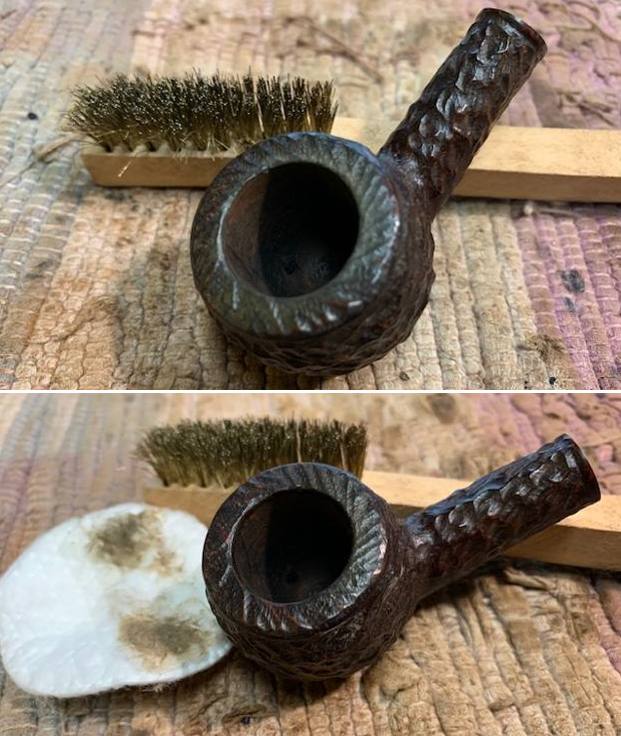
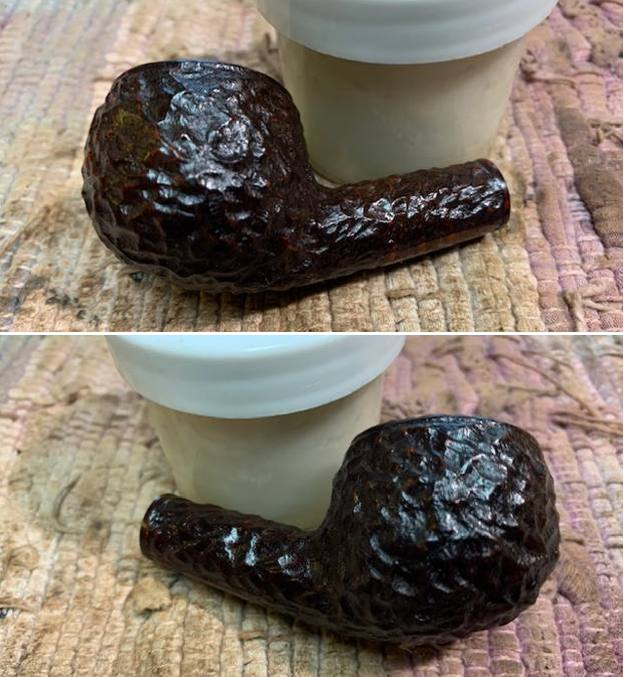
I began my work by dealing with the Hard Rock Maple filter that was stuck in the tenon. The gunk (technical term) had hardened and I could not even remove it with pliers. I painted the joint with some acetone on a pipe cleaner and tried once again with no success. I then let the tenon sit in a cap of acetone for a few moments to see if the filter would loosen. After a few minutes I locked a pair of vise grips on the filter and it turned quite easily and I was able to remove the filthy filter. The maple was absolutely black inside and out. I set the stem aside and turned my attention to the bowl. I reamed it with a PipNet pipe reamer using the third cutting head to take the cake back to bare briar. I cleaned up the reaming with a Savinelli Fitsall Pipe Knife. I scrubbed out the internals with 99% isopropyl alcohol, pipe cleaners and cotton swabs until the shank and the airway into the bowl and the stem were clean. You will notice that there was some red stain that came out of the inside of the shank with the cleaning.I used a brass bristle brush to scrub off the rim top rustication. It loosened the grit. I wiped the rim top down with some undiluted Murphy’s Oil Soap on a cotton pad and used the brush again. The rim top looked very good at this point.I worked some Before & After Restoration Balm into the surface of the briar with my fingertips and a horsehair shoe brush to clean, enliven and protect the briar. I let the balm sit for 15 minutes and then buffed with a cotton cloth to raise the shine. The photos show the bowl at this point in the restoration process. With that done the bowl was finished other than the final buffing. I set it aside and turned my attention to the stem. I scrubbed the surface of the stem with Soft Scrub to remove the oxidation on the surface of the vulcanite. It came out looking much better. Before polishing the stem further I decided to fit the clean stem with a new Rock Maple Distillator.  I polished the stem with micromesh sanding pads – wet sanding with 1500-12000 grit sanding pads. I wiped it down after each sanding pad with Obsidian Oil. I polished it with Before & After Pipe Stem Polish – both Fine and Extra Fine. This Brigham Standard Rusticated 129 Bent Apple is a really nice looking pipe. The classic Brigham rustication gives a lot of dimensionality to the pipe. I put it back together and buffed it with Blue Diamond on the buffing wheel. I gave the bowl and the stem multiple coats of carnauba wax. I buffed the pipe with a clean buffing pad on the wheel to raise the shine and hand buffed it with a microfiber cloth to deepen the shine. It is fun to see what the polished rusticated bowl looks like with the polished black vulcanite stem with a shining brass pin. The pipe really is beautiful. This rusticated Brigham Standard (1 Dot) Bent Apple is nice looking and the pipe feels great in my hand. It is light and well balanced. Have a look at it with the photos below. The dimensions are Length: 5 ¾ inches, Height: 1 ¼ inches, Outside diameter of the bowl: 1 ¼ inches, Chamber diameter: ¾ of an inch. The weight of the pipe is 33 grams/1.16 ounces. It is a beautiful pipe and one that will soon be on the rebornpipes store in the Canadian Pipemakers section. If you are interested in adding it to your collection let me know. Thanks for walking through the restoration with me as I worked over this pipe. Please we are not pipe owners; we hold our pipes in trust until they pass on into the trust of the next in line. 

Breathing Life into a Patented Brigham Standard (1-Dot) Prince


Blog by Steve Laug

With this Canadian Made Brigham on the table I am finishing the last of the Brigham pipes I had waiting for me to complete. This one is a rusticated Prince, stamped on a smooth panel on the left side of the shank with faint stamping visible with a lens under light. It reads Can. Pat. 372982 followed by Brigham underlined and in script. There is no shape number stamped on the pipe. There was a thick cake in the bowl with remnants of tobacco stuck on the walls. There was a lava overflow on the rim. The smooth rim top and edges appear to have some damage. There is damage all the way around the outside edges of the bowl. The finish is tired and dried out looking and the rustication lacks the look of dimensionality that Brigham rustications seem to capture so well. Once again, I am hoping at this point that there was a beautiful pipe underneath all of the buildup of years of use. The stem was oxidized and calcified toward the end with some tooth chatter. There were also some tooth marks on both sides of the stem ahead of the button and on the button surface itself. There was a single brass dot on the left side of the taper stem. Jeff took photos of the pipe before he started his cleanup work on it. Jeff took photos of the bowl and rim top to show the cake in the bowl. The smooth rim top showed some darkening and damage as did the inner and outer edges of the bowl. He took photos of the top and underside of the stem showing the tooth chatter, scratching and oxidation on the stem surface and wear on the edges of the button. Jeff took a photo of the side and heel of the bowl to show the condition of the finish. You can see the well done and rugged rustication that is typical of Brigham pipes. Even under the dirt and debris of the years it looked very good. The stamping is faint but readable as noted above. He included a pic of the one brass dot on the stem. For historical background for those unfamiliar with the brand I am including the information from Pipedia on Brigham pipes. It is a great read in terms of the history and background on the pipes (https://pipedia.org/wiki/Brigham_Pipes). Charles Lemon (Dadspipes) is currently working on a book on the history of the brand. Until that is complete this article is a good summary. I have included it below.

Roy Brigham, after serving an apprenticeship under an Austrian pipesmith, started his own pipe repair shop in Toronto, in 1906. By 1918 the business had grown to include five other craftsmen and had developed a reputation across Canada for the high quality of workmanship. After repairing many different brands of pipes over the years, Roy noted certain recurring complaints by pipe smokers, the most common referred to as “tongue bite”. Tongue bite is a burning sensation on the smoker’s tongue, previously thought to be due to the heat of the smoke (i.e. a “hot smoking pipe”).

He soon began manufacturing his own pipes, which were lightweight, yet featured a more rugged construction, strengthening the weak points observed in other pipes. The problem of tongue bite intrigued him, and he decided to make overcoming it a future goal.

About 1938, Roy’s son Herb joined him to assist in the business. The business barely survived the great depression because pipes were considered to be a luxury, not a necessity, and selling pipes was difficult indeed. In approximately 1937 [1], after some experimentation, Roy and Herb discovered that tongue bite was in fact a form of mild chemical burn to the tongue, caused by tars and acids in the smoke. They found that by filtering the smoke, it was possible to retain the flavour of the tobacco and yet remove these impurities and thereby stop the tongue bite.

Just as Thomas Edison had searched far and wide for the perfect material from which to make the first electric light bulb filaments, Roy & Herb began experimenting with many materials, both common and exotic, in the quest for the perfect pipe filter. Results varied wildly. Most of the materials didn’t work at all and some actually imparted their own flavour into the smoke. They eventually found just two materials that were satisfactory in pipes: bamboo and rock maple. As bamboo was obviously not as readily available, rock maple then became the logical choice.

They were able to manufacture a replaceable hollow wooden tube made from rock maple dowelling, which when inserted into a specially made pipe, caused absolutely no restriction to the draw of the pipe, yet extracted many of the impurities which had caused tongue bite. The result was indeed a truly better smoking pipe…

I have written to Charles Lemon (Dadspipes) previously about Patent Number pipes and since this was another one, I referred to a previous blog I had written about the stamping on a 2199 Lovat shaped pipe. He responded with information that I am including in part below.

Hey Steve! Good to hear from you.

Shape 2199 is what most would call a Lovat. Brigham called it a Club for whatever reason- just to be different, perhaps!…As these are all Patent pipes, it’s more accurate to refer to their grade by name (the post 1980 grading scheme refers to Dots). Here is the original scheme: I also wrote Charles about this specific pipe and he sent me the reply below. It is fascinating information regarding this older Canadian made pipe.

Patent Prince – the Straight Prince is a Shape 13. I can’t tell from the pic how many Dots it has on the stem (1?). Dating will again be 1938-55.

With the information from Charles’ message and the chart above that he included I knew what I was dealing with in terms of the stamping and the age of this pipe. The pipe was made between 1938-1955 because of the Patent number and also that the 1 dot pipe was a Brigham Standard. Now it was time to work on the pipe.

I am really happy to have Jeff’s help on cleaning up the pipes that we pick up along the way. He cleaned this filthy pipe with his usual penchant for thoroughness that I really appreciate. This one was a real mess and I did not know what to expect when I unwrapped it from his box. He reamed it with a PipNet pipe reamer and cleaned up the reaming with a Savinelli Fitsall Pipe Knife. He scrubbed out the internals with alcohol, pipe cleaners and cotton swabs until the pipe was clean. He scrubbed the exterior of the bowl with Murphy’s Oil Soap and a tooth brush to remove the grime and grit on the briar and the lava on the rim top. The finish looks much better and the great rustication on the bowl and shank had greatly improved. The rim top still was a mess. Jeff soaked the stem in Before & After Deoxidizer to remove the oxidation on the rubber. He scrubbed it with Soft Scrub All Purpose Cleaner to remove the majority of the oxidation. When the pipe arrived here in Vancouver for the second stop of its restoration tour I was amazed it looked so good. (This was the last pipe I worked on late last evening and I honestly forgot to take some before photos!! Must have been tired. I did a fair bit of work on the pipe and the this morning took the “before” photos. Sorry about that.)  I took some close up photos of the rim top and the stem surface. I had already started working on the rim top last evening. I lightly topped it and gave it a coat of stain to see the look. Lots more work to do on it but it is getting there. I took close up photos of the stem to show the condition of the surface and button. I took a photo of the stamping on the left side of the shank. You can see that it is stamped as noted above. It is faint but readable.I took the pipe apart and took a photo of the pipe. It is a good looking pipe and has some great looking rustication on the bowl and shank. I decided to start my restoration work on this one by dealing with the damaged rim top and edges. I topped the bowl on a topping board with 220 grit sandpaper to remove the darkening and damage. I worked over the inner edge of the bowl with a folded piece of 220 grit sandpaper. The rim top and edges looked much better at this point. I polished the smooth rim top with micromesh sanding pads – wet sanding it with 1500-12000 grit pads. After each pad I wiped the briar down with a damp cloth. I worked some Before & After Restoration Balm into the surface of the briar with my fingertips and a horsehair shoe brush to clean, enliven and protect the briar. I let the balm sit for 15 minutes and then buffed with a cotton cloth to raise the shine. The photos show the bowl at this point in the restoration process. With that done the bowl was finished other than the final buffing. I set it aside and turned my attention to the stem. I sanded out the tooth marks with 220 grit sandpaper and started the polishing with 400 grit wet dry sandpaper.   Before polishing the stem further I decided to fit the clean stem with a new Rock Maple Distillator.I polished the stem with micromesh sanding pads – wet sanding with 1500-12000 grit sanding pads. I wiped it down after each sanding pad with Obsidian Oil. I polished it with Before & After Pipe Stem Polish – both Fine and Extra Fine. I am excited to finish this Brigham Prince as it is the last of the lot that I have been restoring of this brand. It turned out to be a nice looking Standard 13 Rusticated Prince. It has a combined finish with a smooth rim top and the rest of the bowl and shank rusticated with the normal Brigham rustication. I put the pipe back together and buffed it with Blue Diamond on the buffing wheel. I gave the bowl and the stem multiple coats of carnauba wax. I hand buffed the pipe with a clean buffing pad to raise the shine. It is fun to see what the polished bowl looks like with the grain popping through on the rim top and the rustication on the rest of the bowl and shank. Added to that the polished black vulcanite stem with four shining brass pins was beautiful. This rusticated Brigham Standard (1 Dot) Prince is nice looking and the pipe feels great in my hand. It is light and well balanced. Have a look at it with the photos below. The dimensions are Length: 6 inches, Height: 1 ¼ inches, Outside diameter of the bowl: 1 ¼ inches, Chamber diameter: ¾ of an inch. The weight of the pipe is 32grams/1.13ounces. It is a beautiful pipe and one that will be on the rebornpipes store soon. If you are interested in adding it to your collection let me know. Thanks for walking through the restoration with me as I worked over this pipe. Thanks to each of you who are reading this blog. Remember we are not pipe owners; we are pipemen and women who hold our pipes in trust until they pass on into the trust of the next pipeman or woman. 

New Life for a Brigham 267 Tall Saddle Stem Bulldog


Blog by Steve Laug

I chose to work another Canadian Made Brigham to work on next. The pipe is a large straight Bulldog with a saddle stem. It is a neat looking pipe with real character. It is stamped Brigham over MADE IN CANADA on the left underside of the shank and has the shape number 267 stamped to the left of that. The stem has two brass pins on the top left side of the saddle. There was a heavy cake in the bowl and darkening on the rim top and edges. The rim top has a classic Brigham rustication matching that around the bowl and shank. There is some damage on the front and right outer edge of the bowl. I think that there was a beautiful pipe underneath all of the buildup of years of use. The stem was oxidized and had tooth marks and chatter both sides ahead of the button and on the button surface itself. Jeff took photos of the pipe before he started his cleanup work on it. Jeff took photos of the bowl and rim top to show the condition of the bowl with the thick cake in the bowl and the damage and darkening on the rim top. He took photos of the top and underside of the stem showing the condition of the stem.     Jeff took photos of the sides and heel of the bowl to show the rustic condition of the finish. The rustication is well done and rugged in the spots on the bowl and rim. Even under the dirt and debris of the years it looked very good.     The stamping is very clear and reads as noted above. He included pics of the 2 brass dots on the stem. For the needed background I am including the information from Pipedia on Brigham pipes. It is a great read in terms of the history of the brand (https://pipedia.org/wiki/Brigham_Pipes). Charles Lemon (Dadspipes) is currently working on a book on the history of the brand. Until that is complete this article is a good summary. I have included it below.

Roy Brigham, after serving an apprenticeship under an Austrian pipesmith, started his own pipe repair shop in Toronto, in 1906. By 1918 the business had grown to include five other craftsmen and had developed a reputation across Canada for the high quality of workmanship. After repairing many different brands of pipes over the years, Roy noted certain recurring complaints by pipe smokers, the most common referred to as “tongue bite”. Tongue bite is a burning sensation on the smoker’s tongue, previously thought to be due to the heat of the smoke (i.e. a “hot smoking pipe”).

He soon began manufacturing his own pipes, which were lightweight, yet featured a more rugged construction, strengthening the weak points observed in other pipes. The problem of tongue bite intrigued him, and he decided to make overcoming it a future goal.

About 1938, Roy’s son Herb joined him to assist in the business. The business barely survived the great depression because pipes were considered to be a luxury, not a necessity, and selling pipes was difficult indeed. In approximately 1937 [1], after some experimentation, Roy and Herb discovered that tongue bite was in fact a form of mild chemical burn to the tongue, caused by tars and acids in the smoke. They found that by filtering the smoke, it was possible to retain the flavour of the tobacco and yet remove these impurities and thereby stop the tongue bite.

Just as Thomas Edison had searched far and wide for the perfect material from which to make the first electric light bulb filaments, Roy & Herb began experimenting with many materials, both common and exotic, in the quest for the perfect pipe filter. Results varied wildly. Most of the materials didn’t work at all and some actually imparted their own flavour into the smoke. They eventually found just two materials that were satisfactory in pipes: bamboo and rock maple. As bamboo was obviously not as readily available, rock maple then became the logical choice.

They were able to manufacture a replaceable hollow wooden tube made from rock maple dowelling, which when inserted into a specially made pipe, caused absolutely no restriction to the draw of the pipe, yet extracted many of the impurities which had caused tongue bite. The result was indeed a truly better smoking pipe…

I sent Charles a quick email asking him about this pipe and sent along a photo of the Bulldog pipe. I have included his response below.

267 Bulldog – this is a “Tall Bulldog”, one of 4 or 5 Bulldog shapes from the original Brigham lineup. The 267 came with a diamond saddle stem (from what I can tell, Shape 66 was also a Bulldog but with a taper stem). Dating will be similar to the 306 Dublin… If the “Made in Canada” stamp is block letters in a single line separate from the Brigham logo, the pipe dates from between 1955 to about 1970…

With the information from Charles’ I knew what I was dealing with in terms of the stamping and the age of this pipe. I learned that the pipe was originally made between 1955 and 1970 (approximately) because of the stamping on the shank. Now it was time to work on the pipe.

I am really happy to have Jeff’s help on cleaning up the pipes that we pick up along the way. He cleaned this filthy pipe with his usual penchant for thoroughness that I really appreciate. This one was a real mess and I did not know what to expect when I unwrapped it from his box. He reamed it with a PipNet pipe reamer and cleaned up the reaming with a Savinelli Fitsall Pipe Knife. He scrubbed out the internals with alcohol, pipe cleaners and cotton swabs until the pipe was clean. He scrubbed the exterior of the bowl with Murphy’s Oil Soap and a tooth brush to remove the grime and grit on the briar and the lava on the rim top. The finish looks very good with great looking rustication on the bowl and shank. Jeff soaked the stem in Before & After Deoxidizer to remove the oxidation on the rubber. He scrubbed it with Soft Scrub All Purpose Cleaner to remove the majority of the oxidation. When the pipe arrived here in Vancouver it looked very good. I took some close up photos of the pipe before I started my part of the restoration.   I took photos of the bowl and rim top as well as both sides of the stem to show its condition. The rim top and edges show a darkening and the damage on the inner edge. The roughening to the outer edge on the front and the right side seemed to have been minimized during the scrub and the briar swelled with the wetting of the bowl and it looked very good.  I took close up photos of the stem to show the tooth marks on the top and underside ahead of the button and on the top edge of the button as well.    I took a photo of the stamping on the left underside of the shank. You can see that it is stamped as noted above. It is clear and readable. I took the pipe apart and took a photo of the pipe. It is an interesting pipe that you can see the rustic finish on in the photo below. The twin rings around the bowl cap and the sharp angles of the pipe are smooth and give the pipe a nice look.I decided to start my restoration work on this one by cleaning up the rim top and edges of the bowl. I sanded the inner edge with a folded piece of 220 grit sandpaper and gave it a slight bevel to take care of the burn marks and roughness of the edge. The bowl looks much better once I had finished.I worked some Before & After Restoration Balm into the surface of the briar with my fingertips and a horse hair shoe brush to clean, enliven and protect the briar. I let the balm sit for 15 minutes and then buffed with a cotton cloth to raise the shine. The photos show the bowl at this point in the restoration process. With that done the bowl was finished other than the final buffing. I set it aside and turned my attention to the stem. I “painted” the tooth marks on the stem surface with the flame of a lighter to raise them. I was able to lift many of the marks other than those you can see in the photos below. I filled those marks in with CA and set the stem aside to cure. Once the repairs cured I sanded them with 220 grit sand paper to blend them into the rest of the stem surface. I started to polish it with a folded piece of 400 wet dry sandpaper.  Before I finished the polishing stem I fit the clean stem with a new Rock Maple Distillator.     I polished the stem with micromesh sanding pads – wet sanding with 1500-12000 grit sanding pads. I wiped it down after each sanding pad with Obsidian Oil. I polished it with Before & After Pipe Stem Polish – both Fine and Extra Fine.    I am glad to finish this Brigham 267 Tall Bulldog – an substantial feeling pipe that Brigham made in a large line of various shapes and sizes of Bulldogs. It is the first one of this style that I have worked on. It has a unique Brigham look that is different from any other pipe making company. In this case it adds the touch of smooth twin rings around the bowl cap and on all of the sharp edges of the diamond shank. I put the pipe back together and buffed it with Blue Diamond on the buffing wheel. I gave the bowl and the stem multiple coats of carnauba wax. I buffed it with a clean buffing pad to raise the shine. I hand buffed the pipe with a microfiber cloth to deepen it. It is fun to see what the polished bowl looks like with the mix of smooth lines and hard rustication around the bowl and shank. Added to that the polished, rebuilt black, vulcanite saddle stem with two shining brass pins was beautiful. This Brigham Tall Bulldog 267 is nice looking and the pipe feels great in my hand. It is light and well balanced. Have a look at it with the photos below. The dimensions are Length: 5 ½ inches, Height: 2 inches, Outside diameter of the bowl: 1 ½ inches, Chamber diameter: 7/8 of an inch. The weight of the pipe is 24grams/.99ounces. It is a beautiful pipe and one that will be on the rebornpipes store soon. If you are interested in adding it to your collection let me know. Thanks for walking through the restoration with me as I worked over this pipe. Thanks to each of you who are reading this blog.