
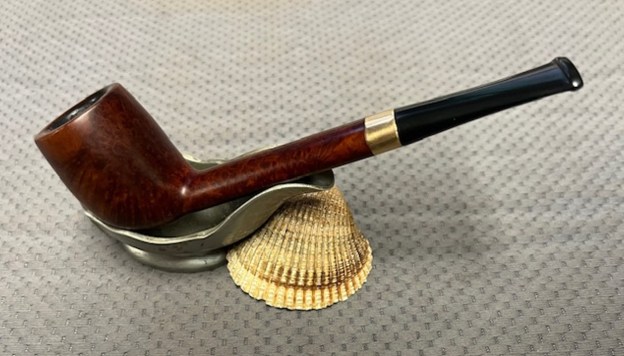
by Steve Laug
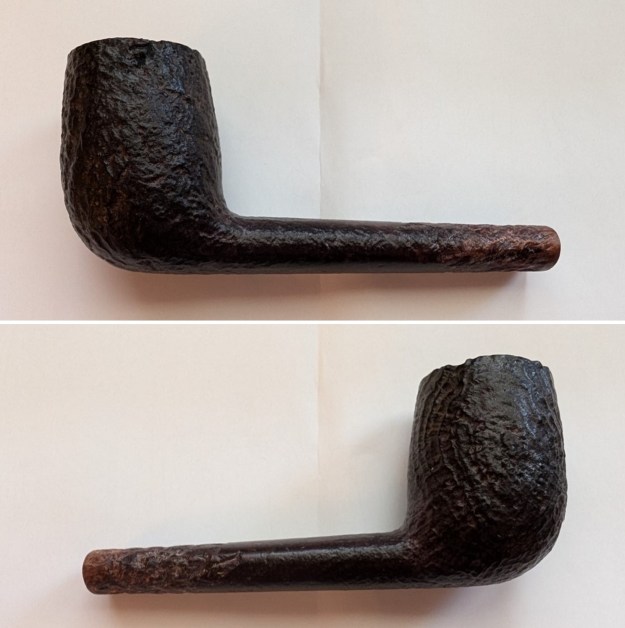
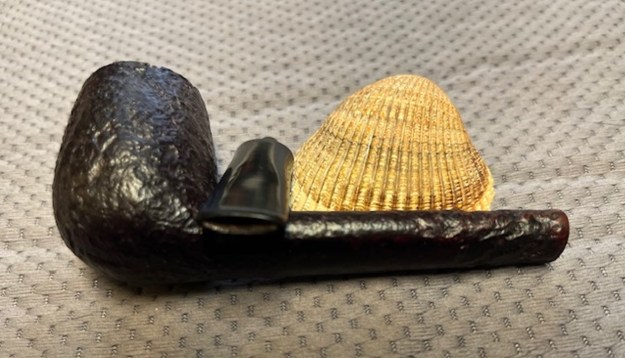
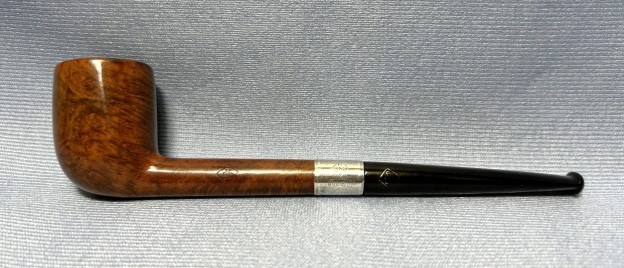
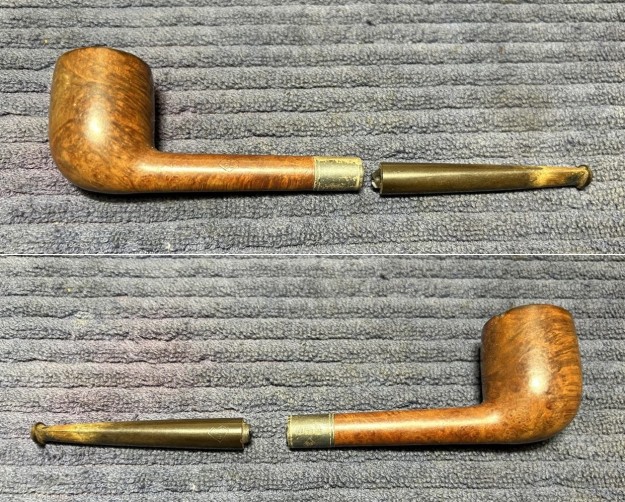
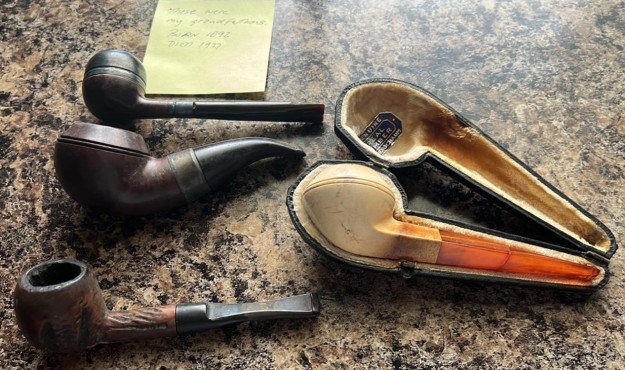
Not too long ago I received an email from a Andrew in Greece asking if I could work on some pipes for him. He had some that needed a stem and a couple of pipes with broken stems and a Canadian that had a crack down the back of the bowl and across the right side. We emailed back and forth and he sent me the following photos. I figured they would be some interesting pipes to work on so he sent them to me to work on. 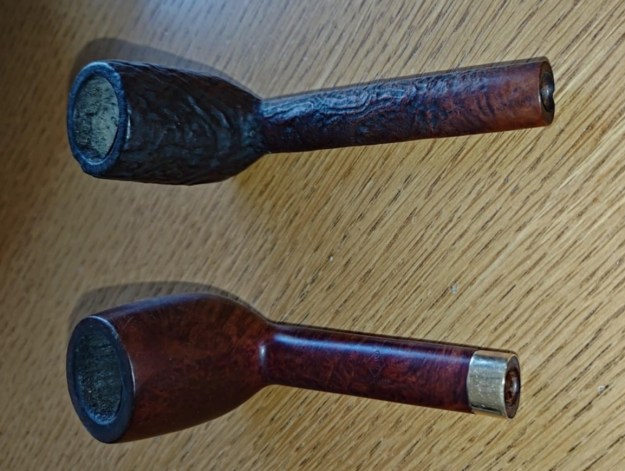
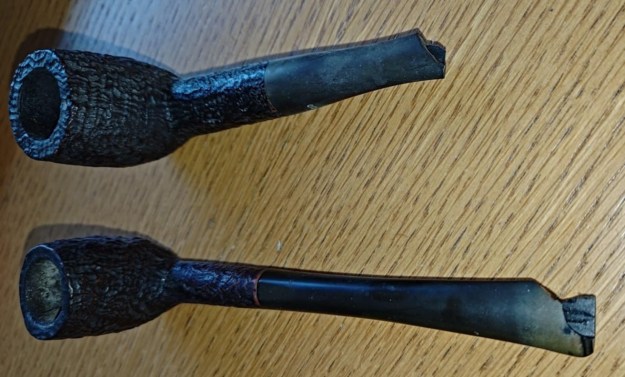
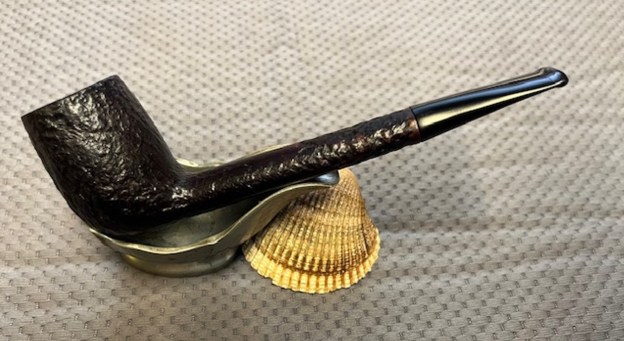
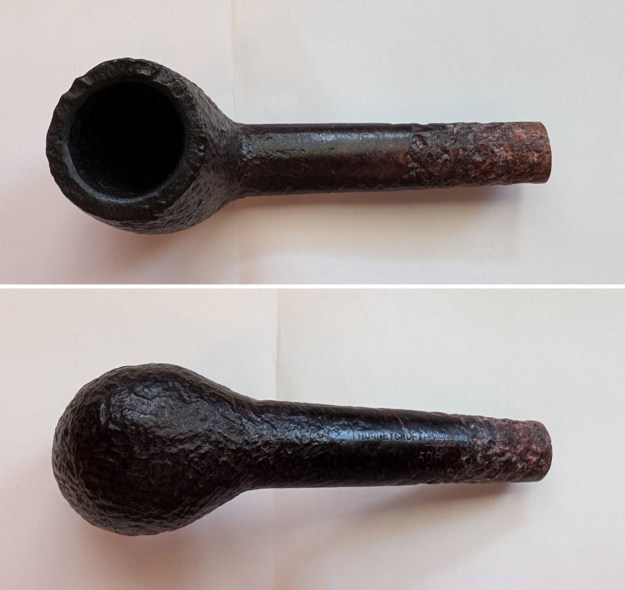
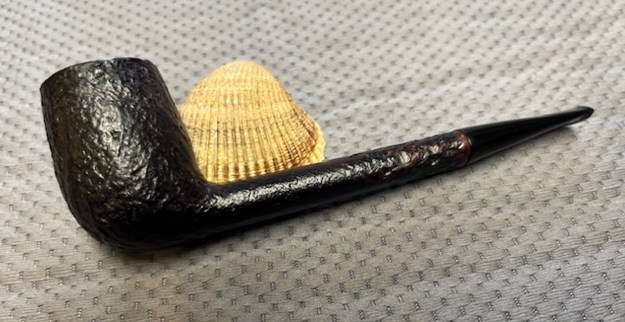
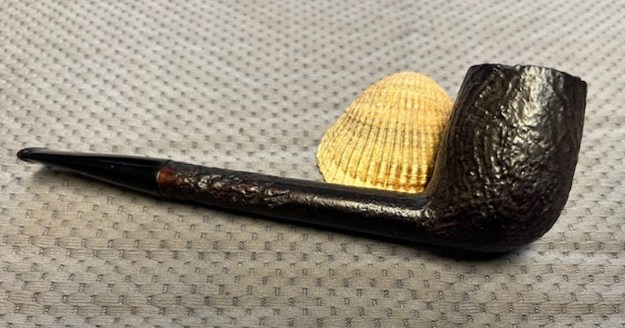
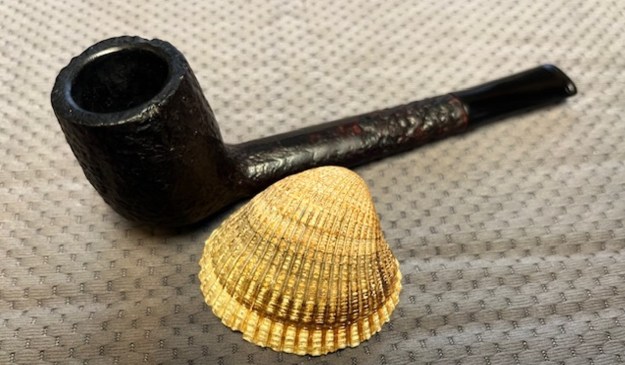
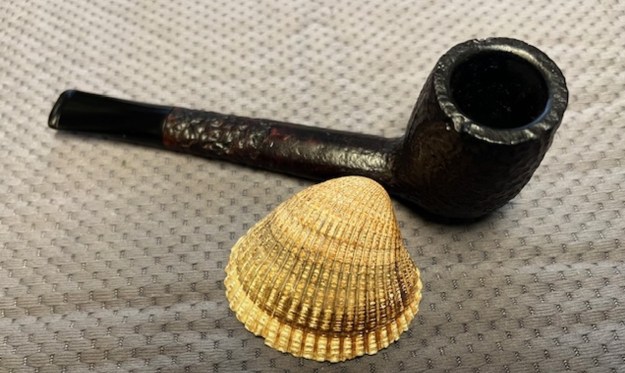
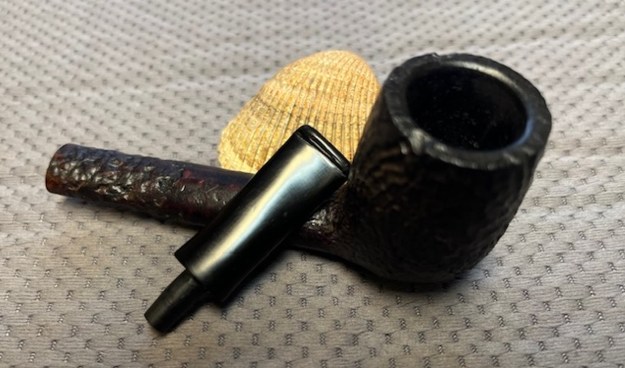
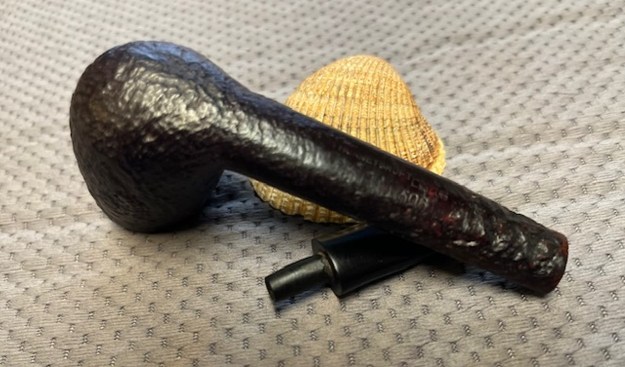
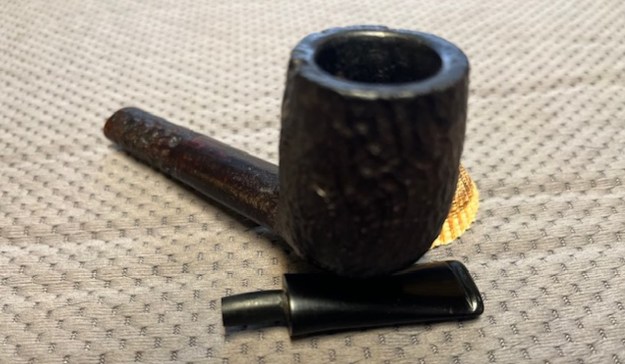
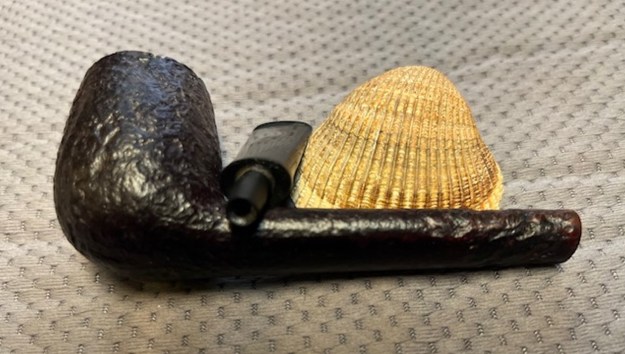
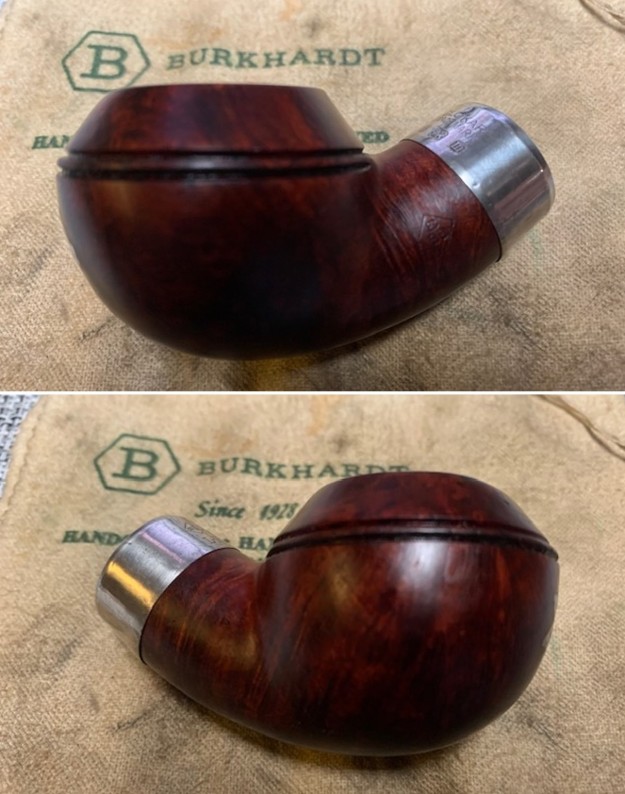
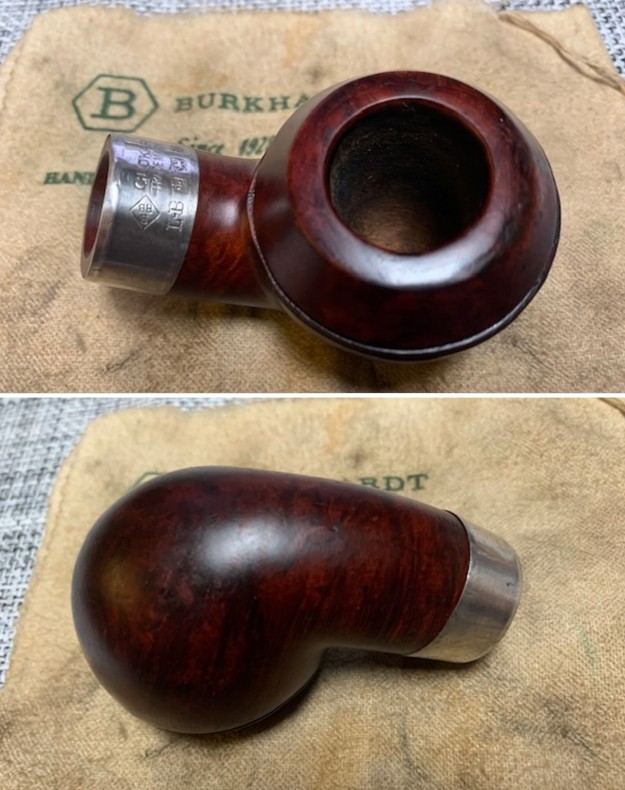
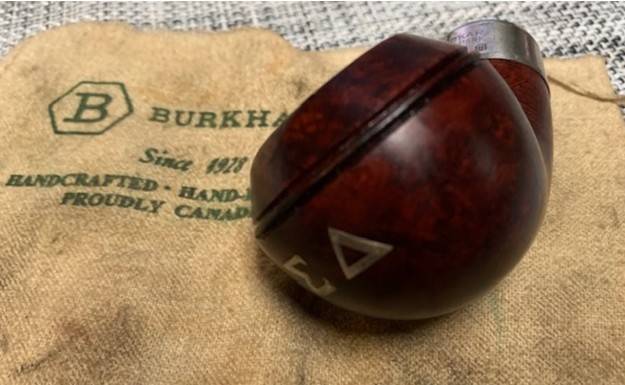
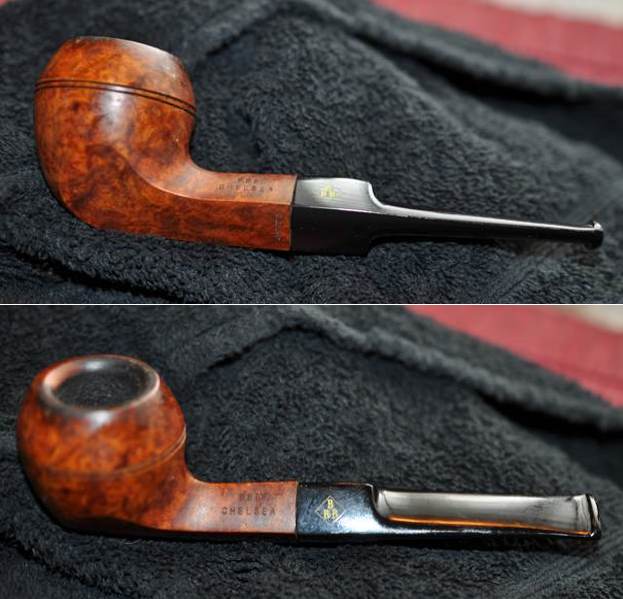
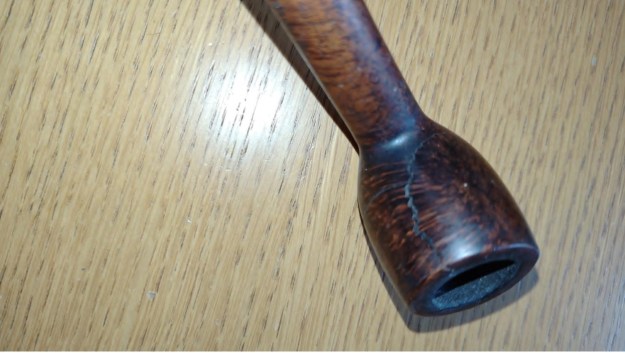 I received the box yesterday. When I opened it this morning I was amazed to see what he had sent. The Sandblast Canadian that needed restemming was stamped 264 Peterson’s Kapruf. The rest of the stamping was quite faint. The pipe needed to be restemmed and it had a small divot in the shank end and what looked like a crack. The second, a smooth Canadian was a BBB Ultonia 504 with a gold band. The two Sandblast with broken stems turned out to be Stanwells. The larger on is stamped Stanwell [over] Regd. No. 969-48. It is followed by the shape number 858 [over] Old Briar. The smaller one is stamped Stanwell [over] Regd. No. 969-48 followed by de Luxe followed by the shape number 87. The last of the five with the cracked bowl is an 8 Dot Sasieni [over] London Made [over] Pat. No. 1513428. It was also stamped “Amesbury”. They were going to be an interesting lot to work on.
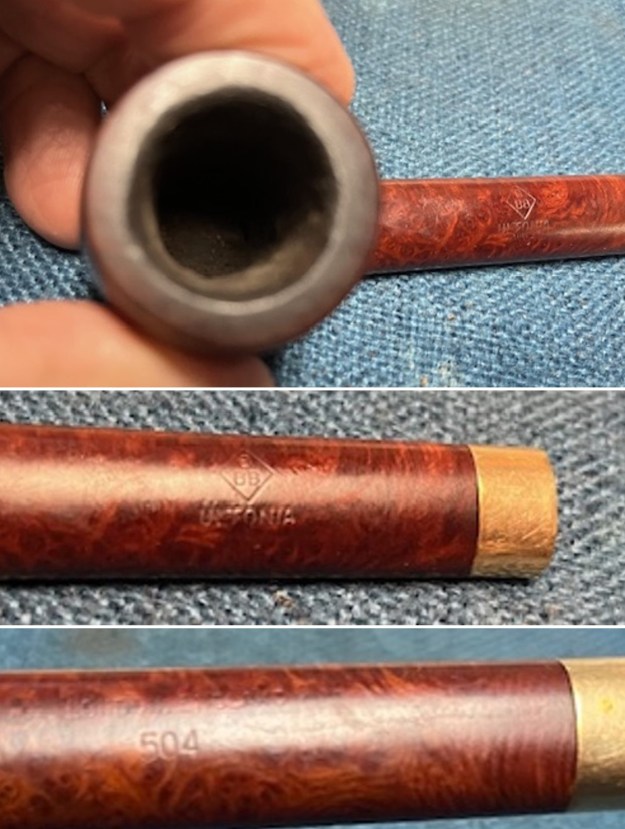
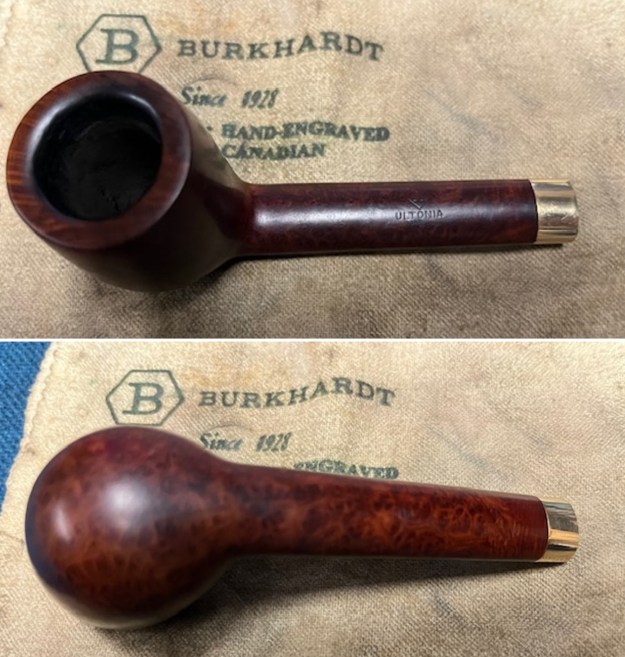
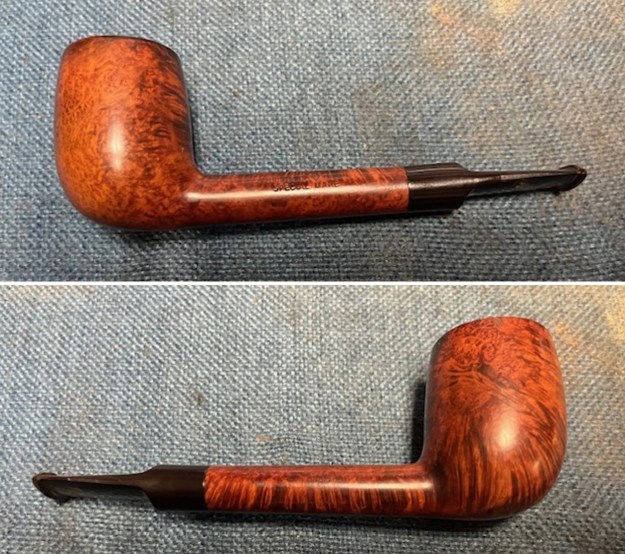
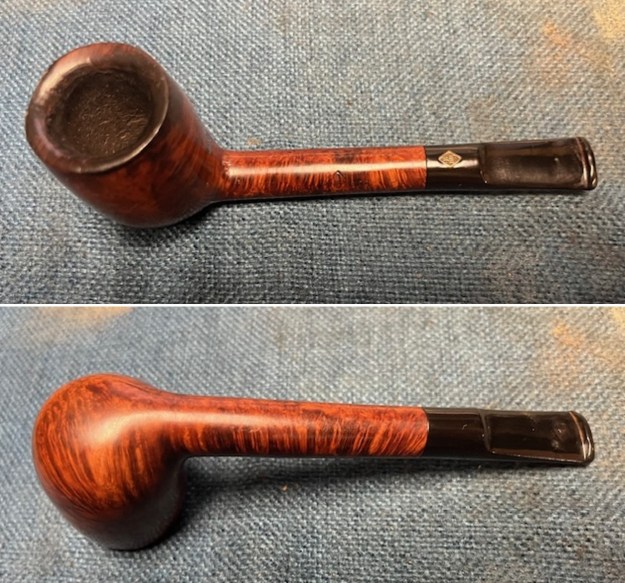
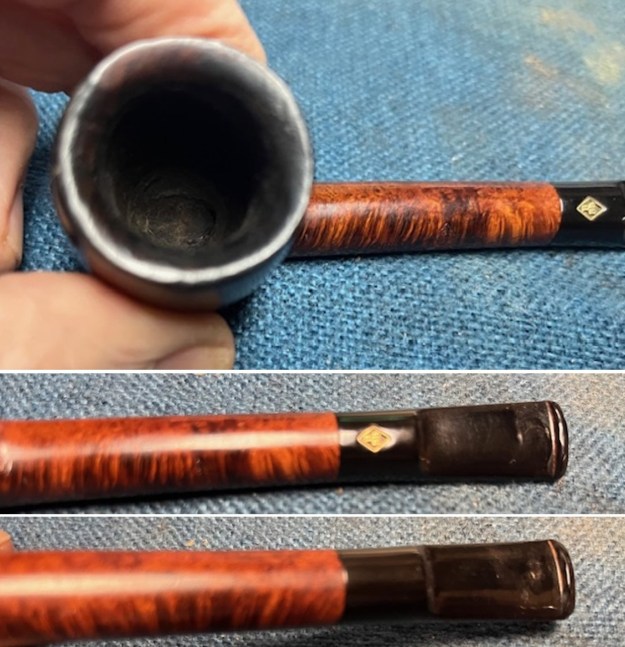
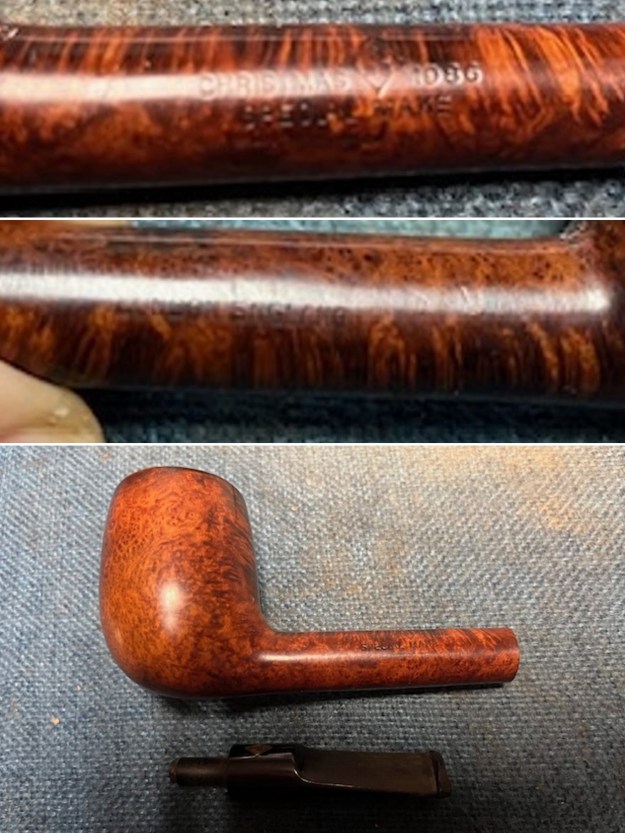
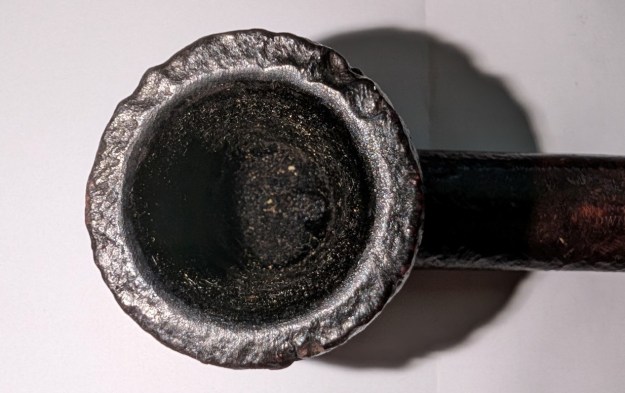
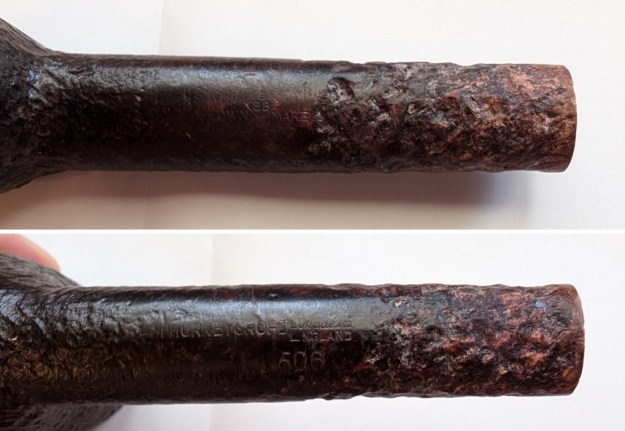
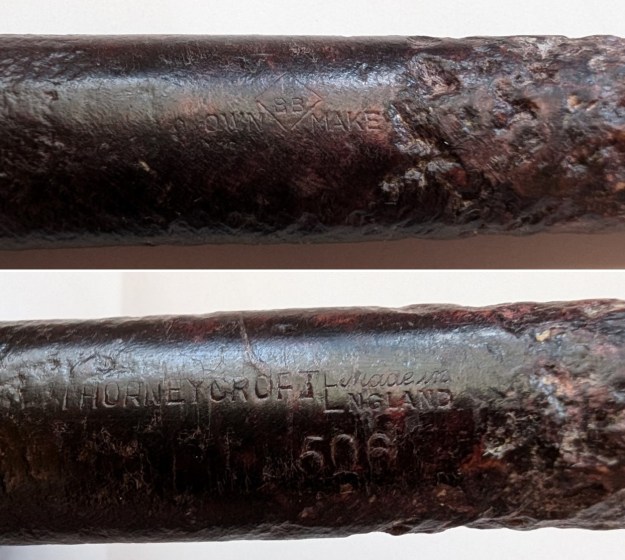
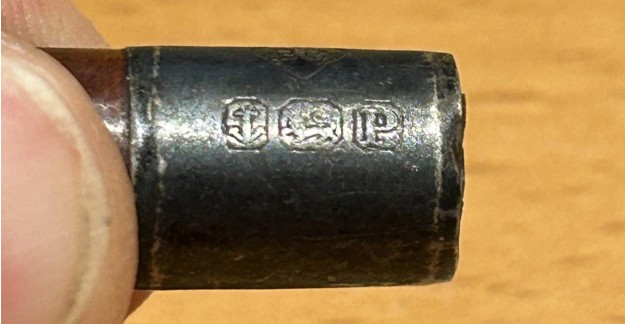
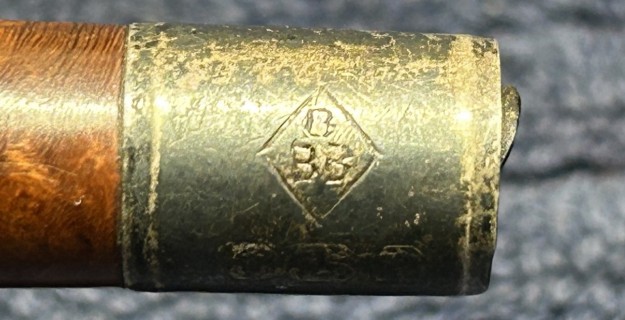
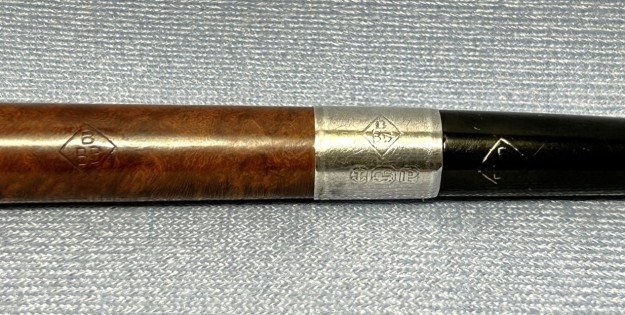
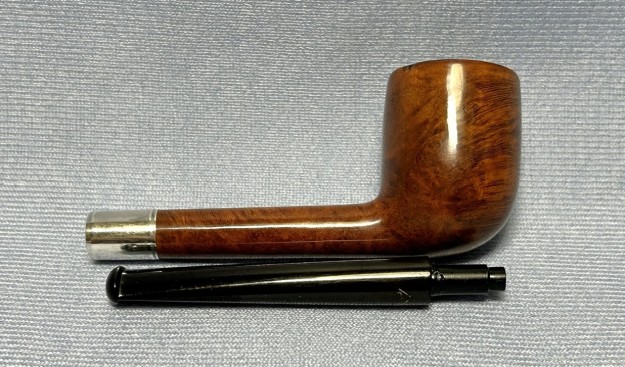
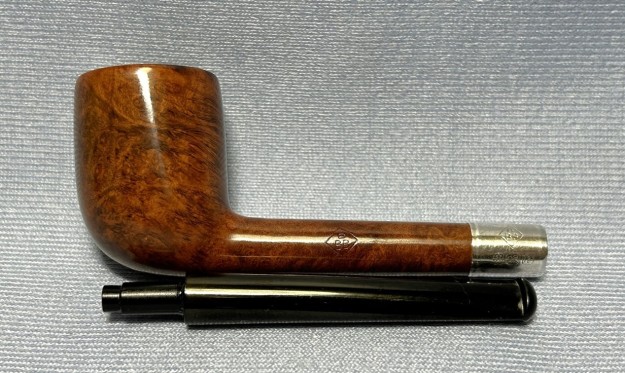
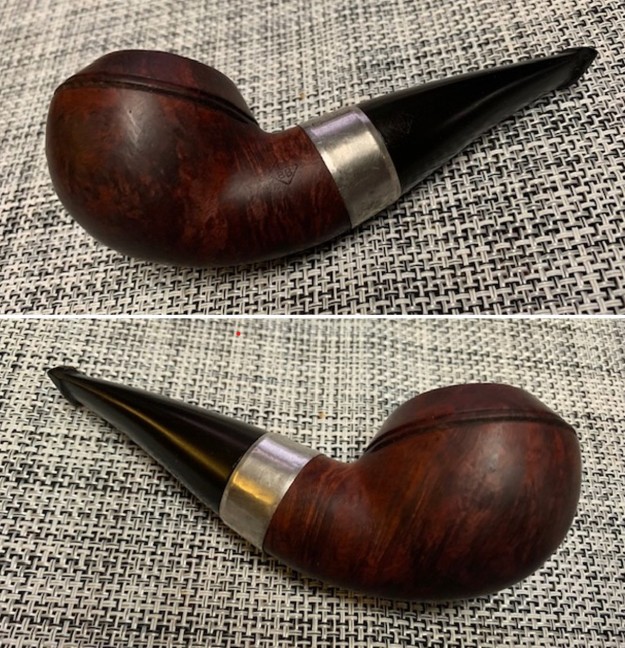
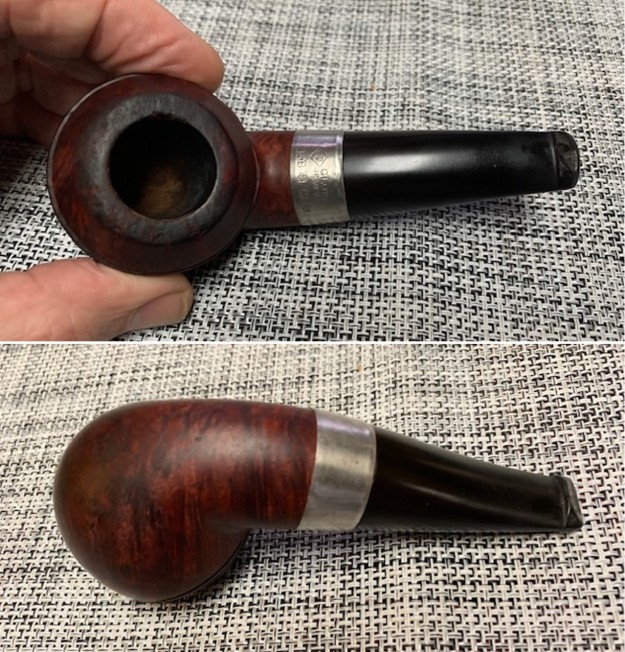
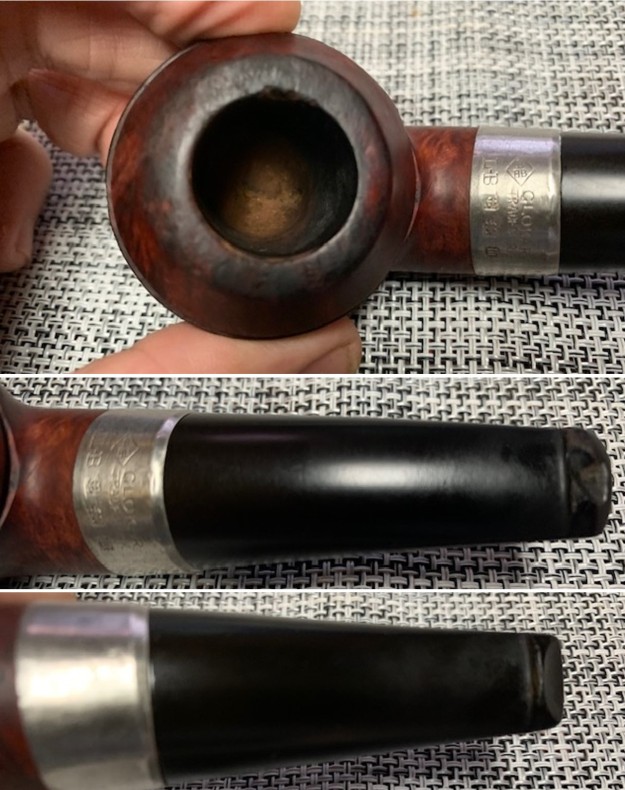
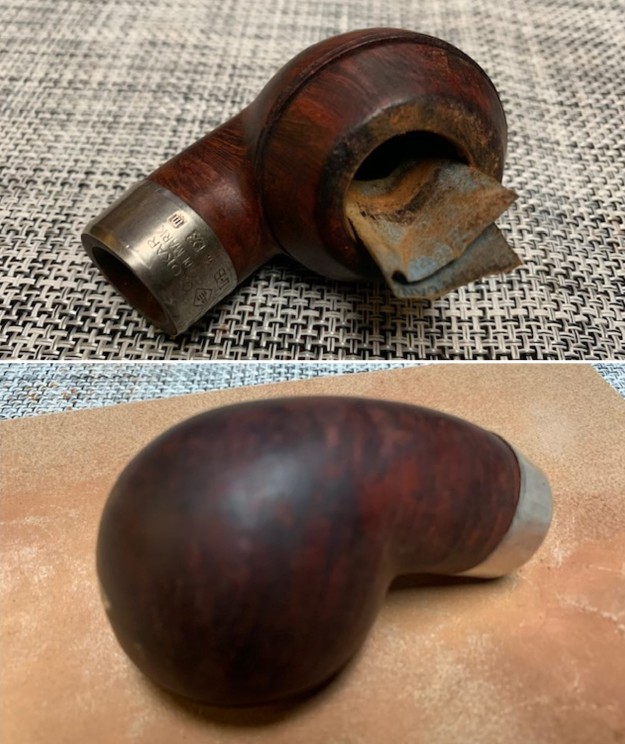
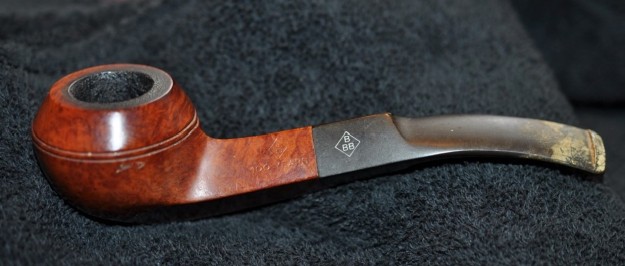
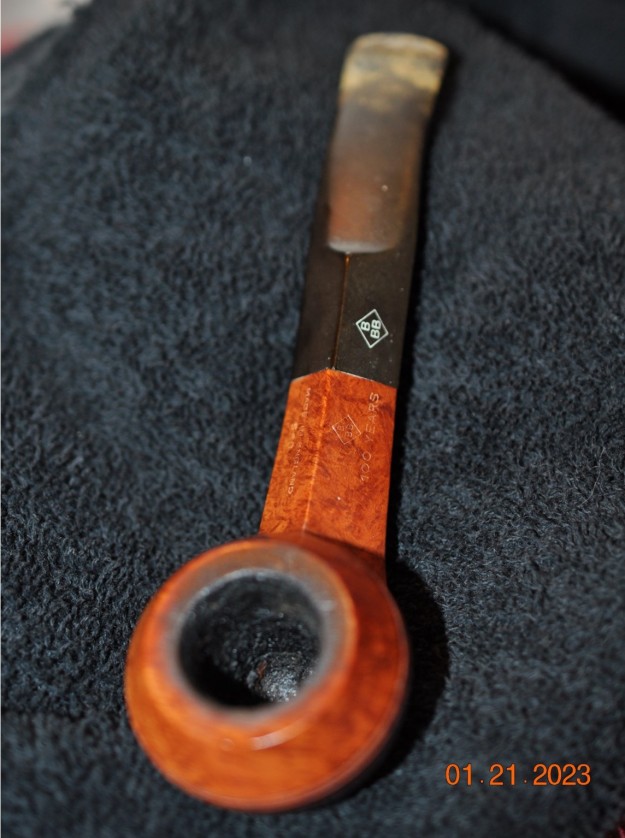
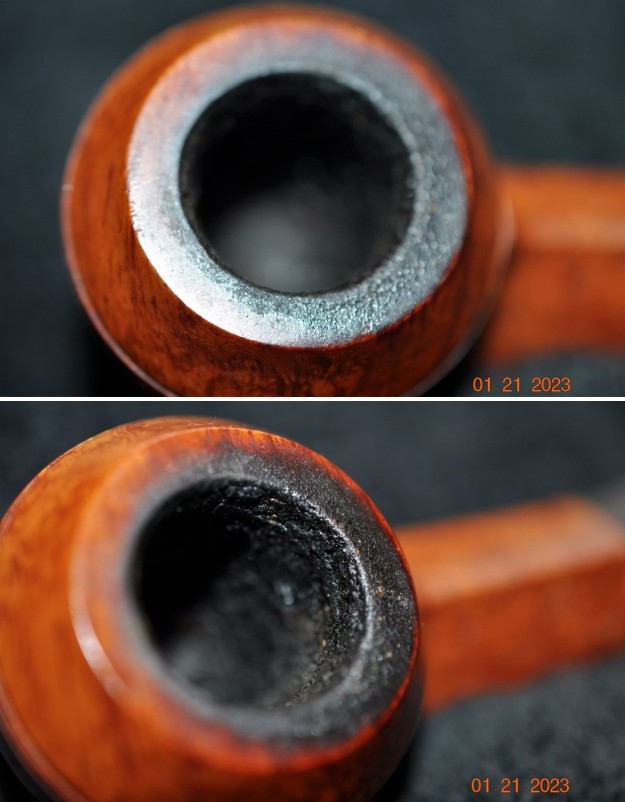
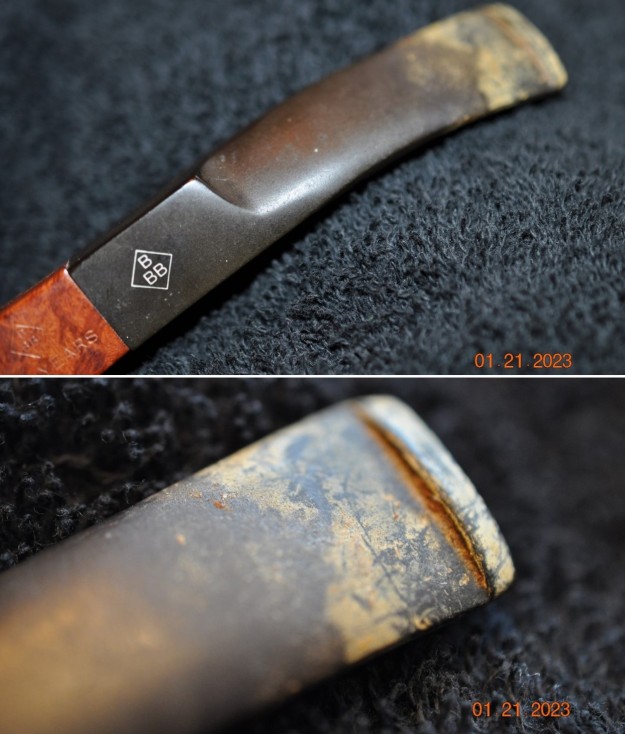
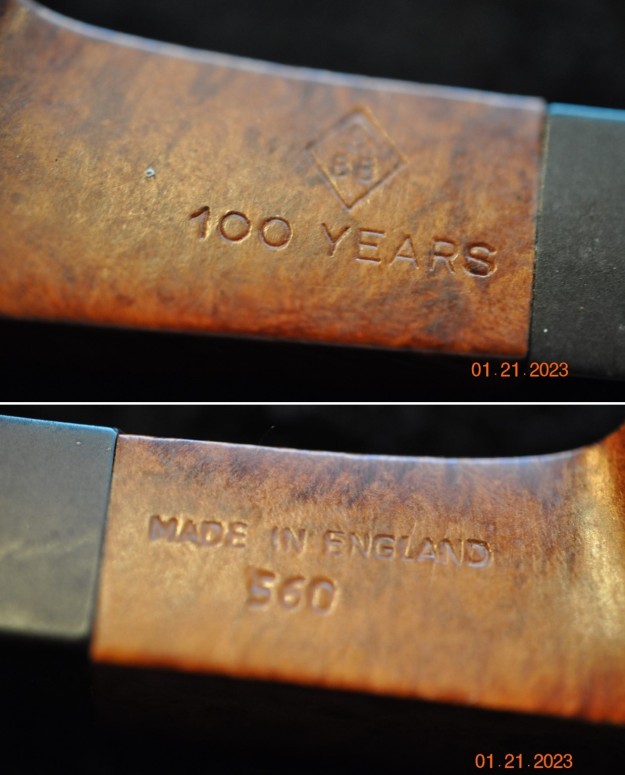
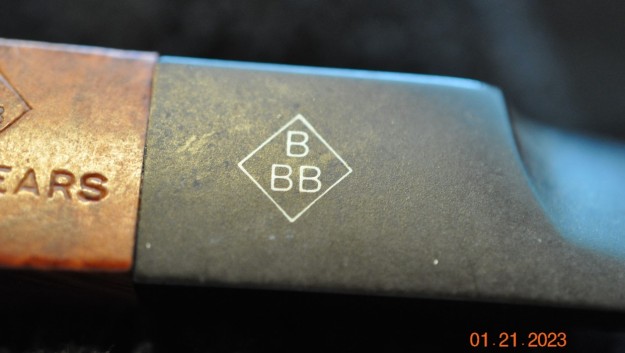
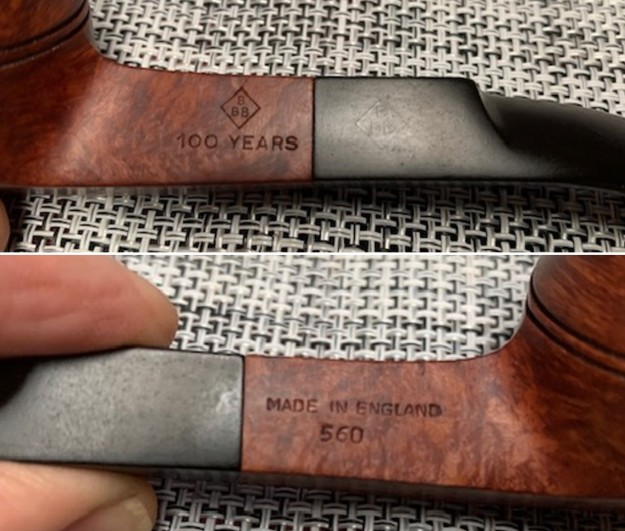
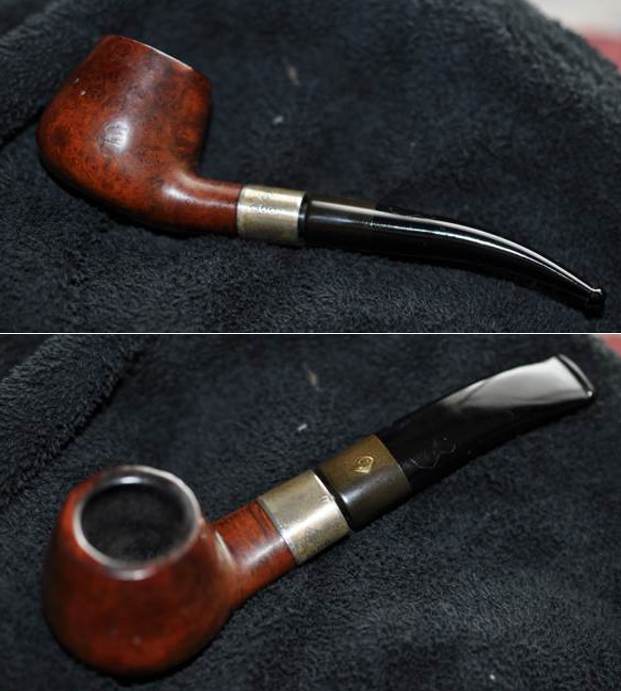
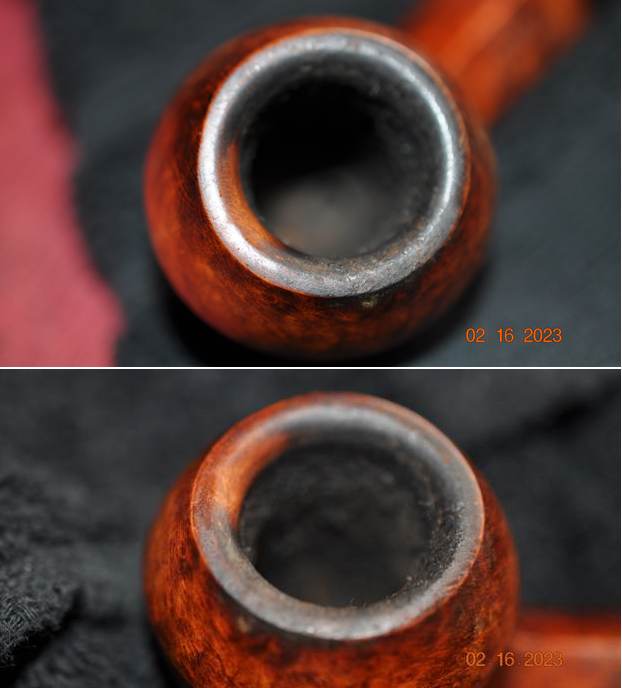
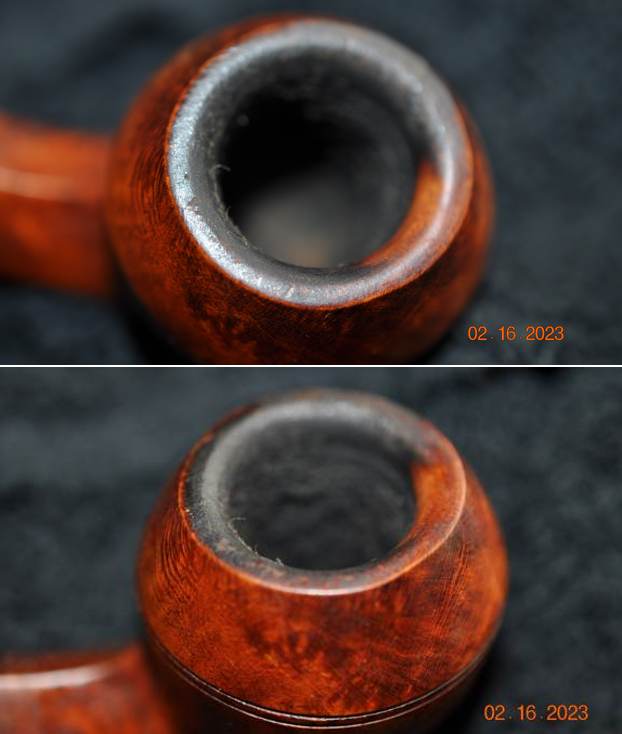
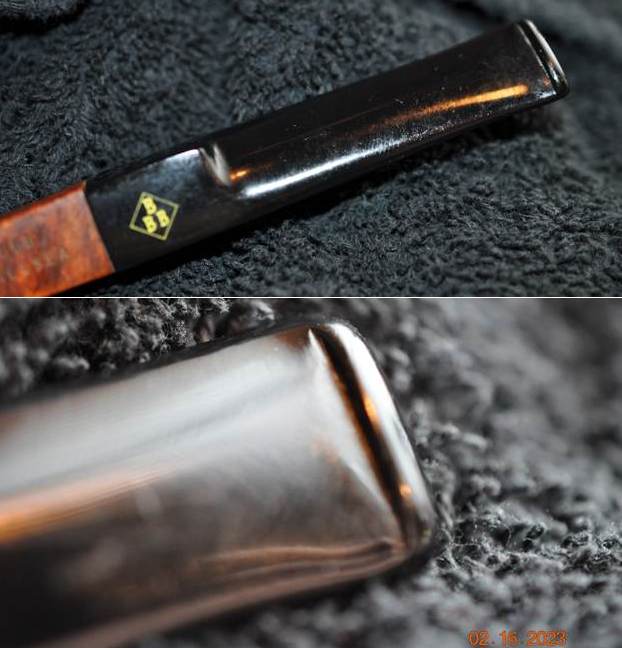
I chose to deal with the BBB Ultonia 504 Gold Banded Canadian next. It was in decent condition, probably the best of the lot. The stamping on the topside of the shank was BBB in a diamond [over] Ultonia and on the underside was the shape number 504. It was clear and readable. The smooth finish was nice but dirty. The bowl had a light cake in it and there were spots of lava on the rim top and inner edge. The inner edge was a little rough from previous reaming. There was a nice looking gold band on the shank end that was decorative as I could find no cracks. The interior of the shank was quite dirty. 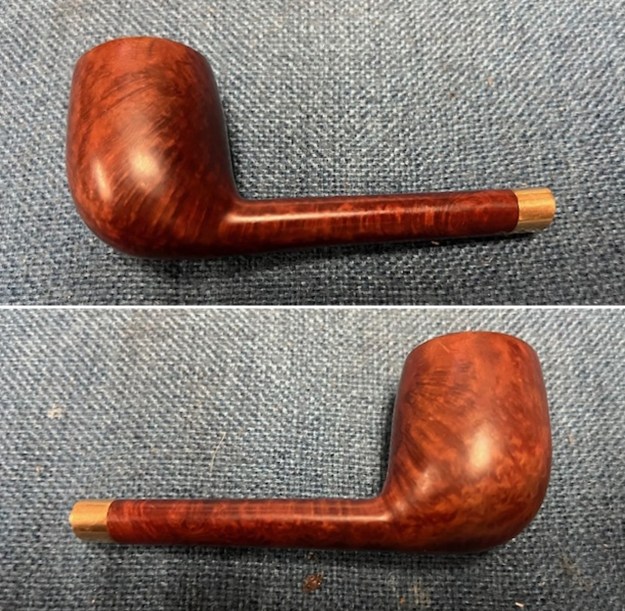
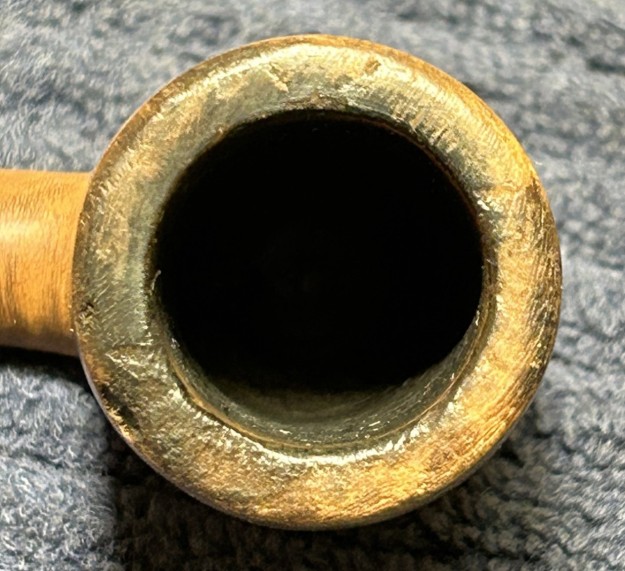
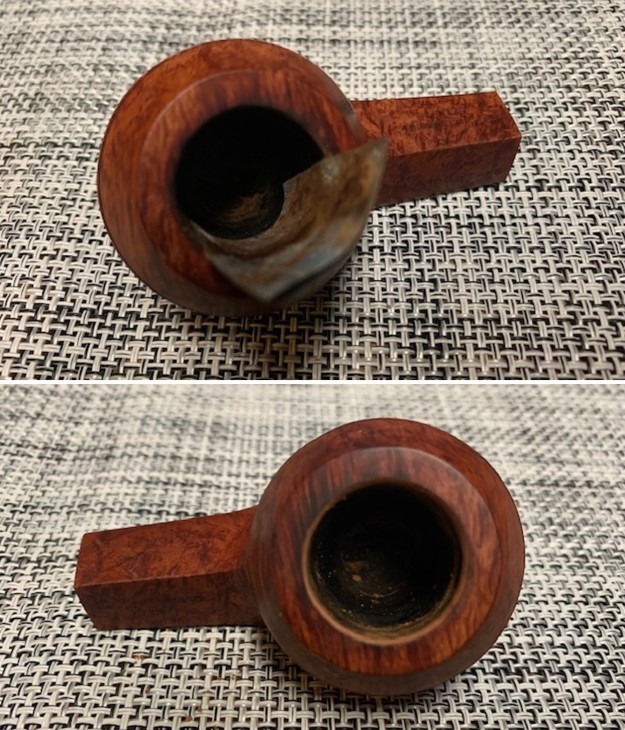
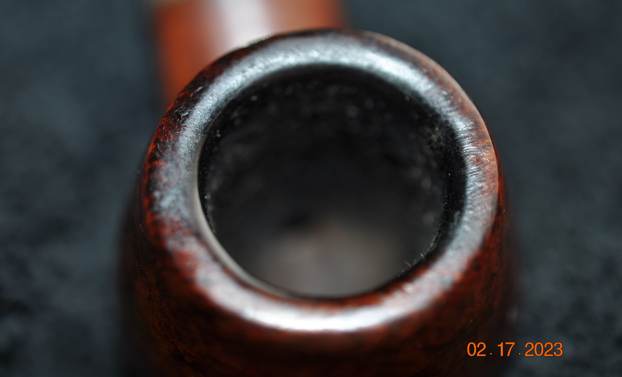
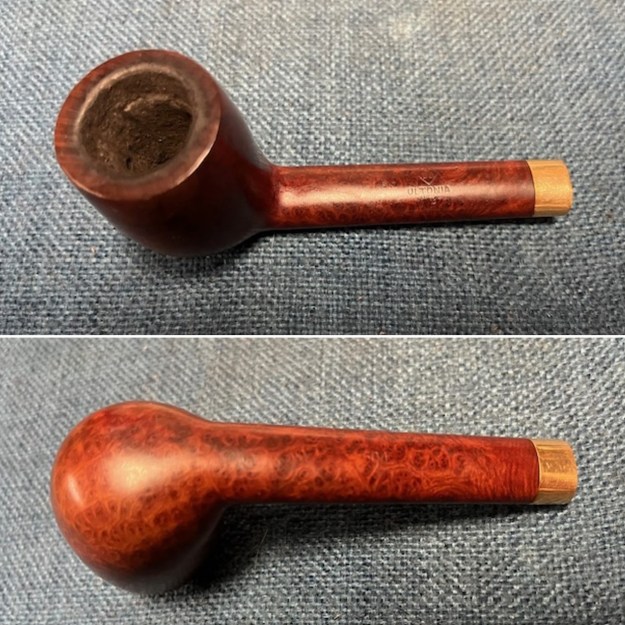 I took a photo of the bowl and rim top to show the condition of them bowl. The lava on the rim top was spotty and had some darkening. The inner edge was also damaged. I also took a photo of the top underside of the shank to show the faint stamping that was present. It is faint in spots but is still readable.
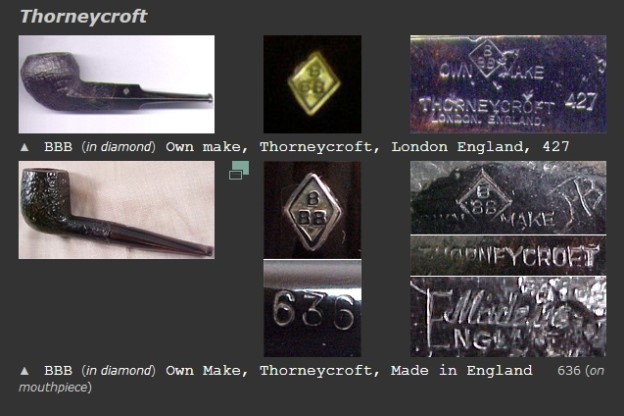
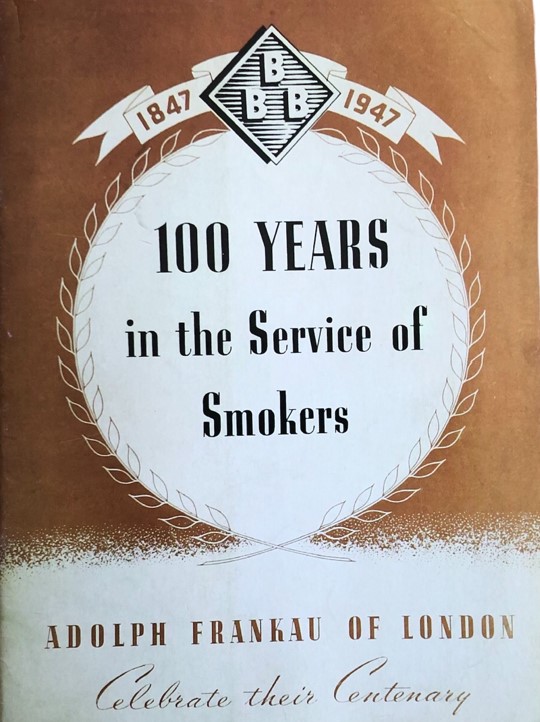
 I turned to Pipephil’s site to see if it listed the Ultonia line (http://pipephil.eu/logos/en/logo-bbb.html). It did not but it gave a short summary of the brand. I quote:
BBB: ”Best British Briar” is now a brand of the Cadogan Company (Oppenheimer group). American rights to use the brand name were sold to Wally Frank in 1980. Founder of the brand in 1847: Louis Blumfeld. The oldest pipe brand name in the UK has been registered in 1876 (Blumfeld Best Briar) Grading (ascendant): Own Make, Bold Grain, Best Make, Rare Grain.
I turned to Pipedia (https://pipedia.org/wiki/BBB) to see if I could get some specific information on the Ultonia. I read through the history on the site and I quote the pertinent section of article below.
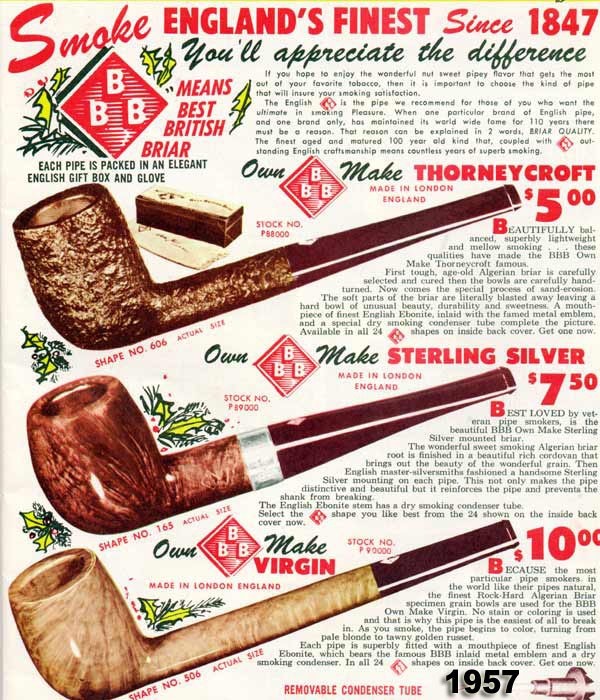
Louis Blumfeld develops from the very start of important international trade, with a particular success in Canada, in Australia, in Zealand News, India and in the extrème Is Europe, in Switzerland and, with a special mention, in Denmark. If the USA were never an extraordinary market, a branch is opened all the same in New York. In fact, the marketing strategy was focused especially on the countries of the Britanique Empire. Little before 1914, A Frankau & Co was also a sole agent for the pipes Cherry Wood of the Ropp house to cover the United Kingdom and its colonies.
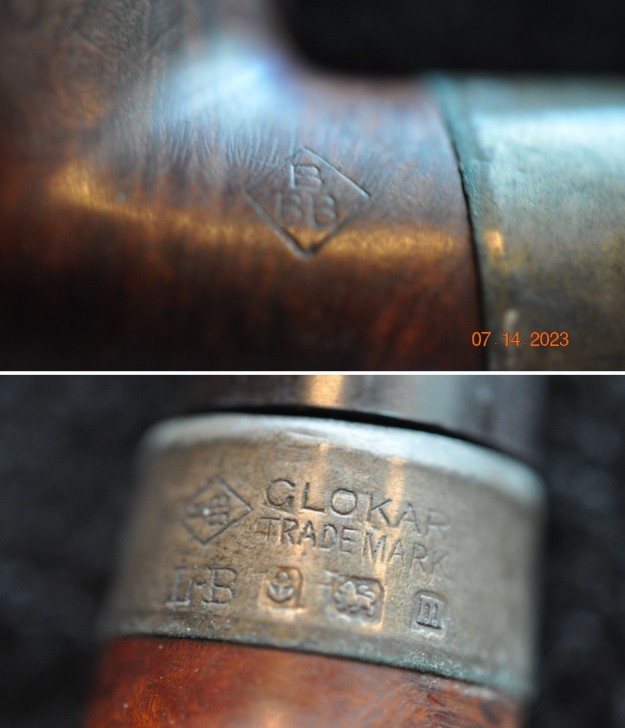
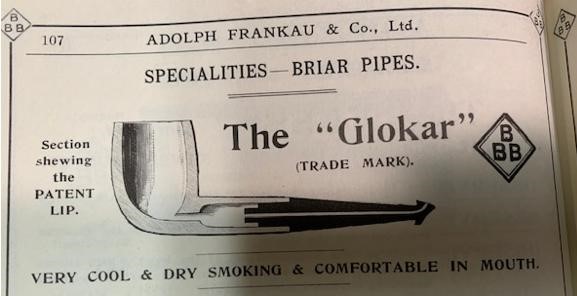
If the BBB are its the most known pipes, A Frankau & Co had several marks of pipes: Capt. Kidd, Fairway (“F” in white; FAIRWAY/LONDON MADE/ENGLAND), Frankau’ S (London Made/Made in England), Glokar, Major Daff, the Snap-FIT. It also seems that Ultonia and Last Word must be regarded as marks with whole share, in spite of the fact that they are presented as being product lines under label BBB. That would explain their absence of catalogues BBB…
… In the Thirties, the top-of-the-range one becomes “BBB Best Make” with alternatives like “Super Stopping” and “Ultonia Thule”. The BBB Carlton, sold with the detail with 8/6 in 1938, is equipped with a system complicated out of metal, system which equipped the BBB London Dry too. Blue Peter was not estampillées BBB but BBB Ultonia, and the BBB Two Star (* *) become the bottom-of-the-range one. The calabash leaves the catalogues, but some pipes with case and some scums are still produced. The forms also are typical of this time: half are billiards, some princes and bullcaps, a limited number of bulldogs and curved. It is as at that time as the top-of-the-range series receive an incrustation of initials BBB out of metal, whereas the bottom-of-the-range series have only the engraved pipe.
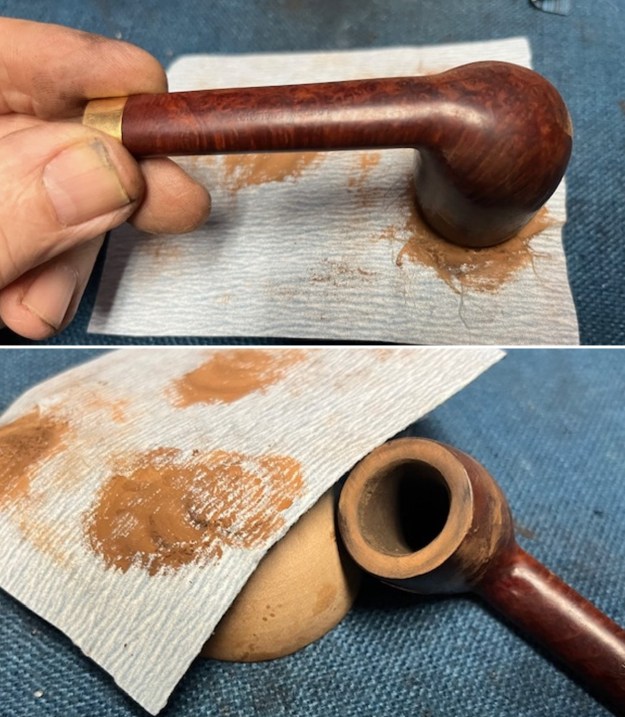
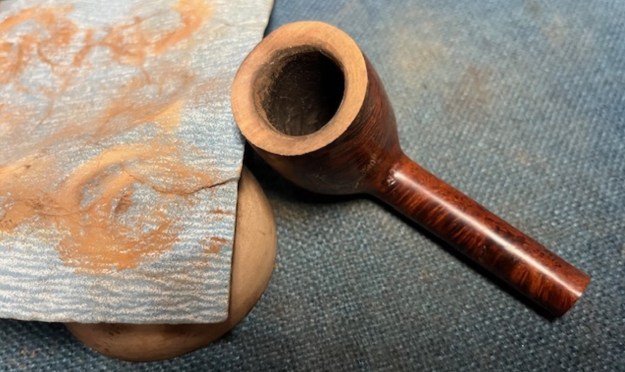
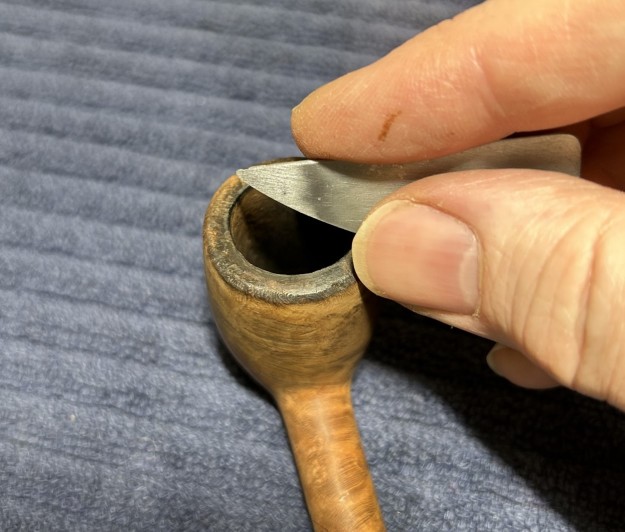
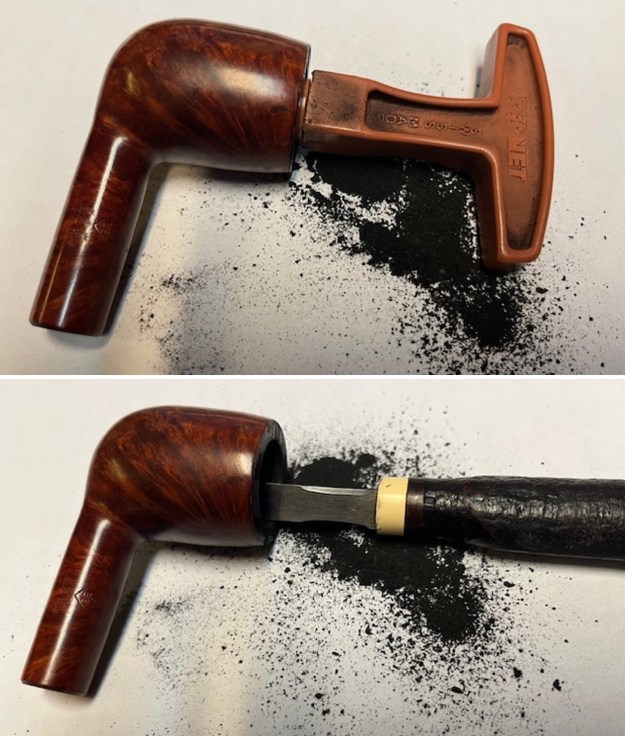
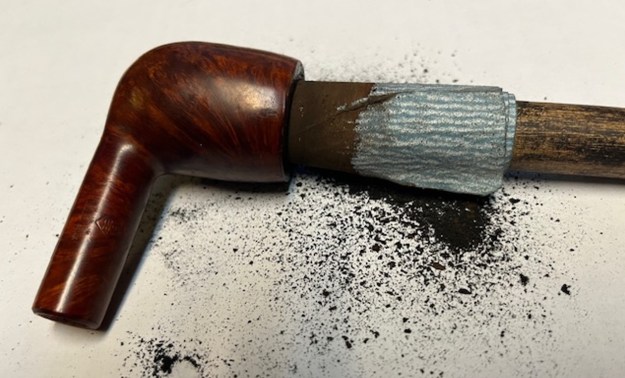
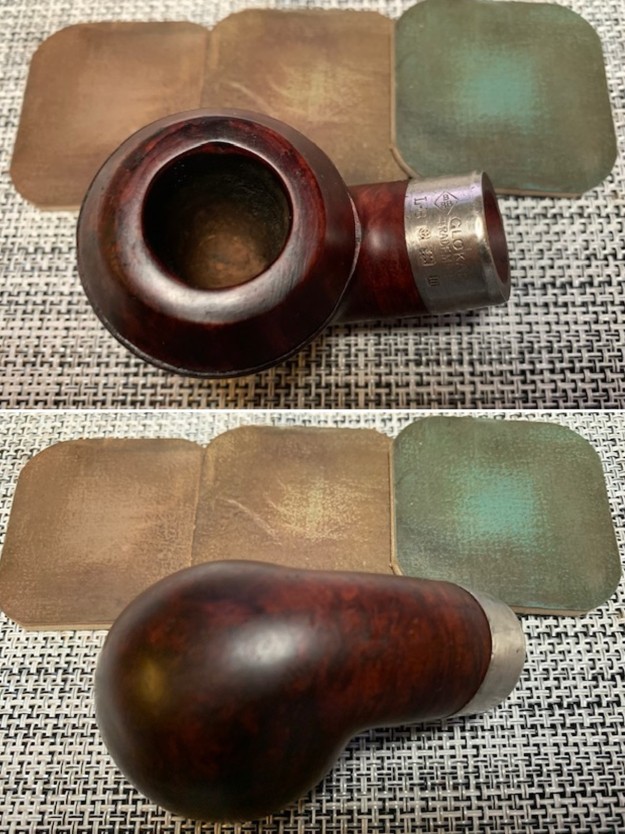
I reamed the bowl with a Savinelli Fitsall Pipe Knife and scraped out the cake that was present to get it back to bare briar. I sanded the walls of the bowl with 220 grit sandpaper wrapped around a dowel to smooth them out. The pipe began to look much better.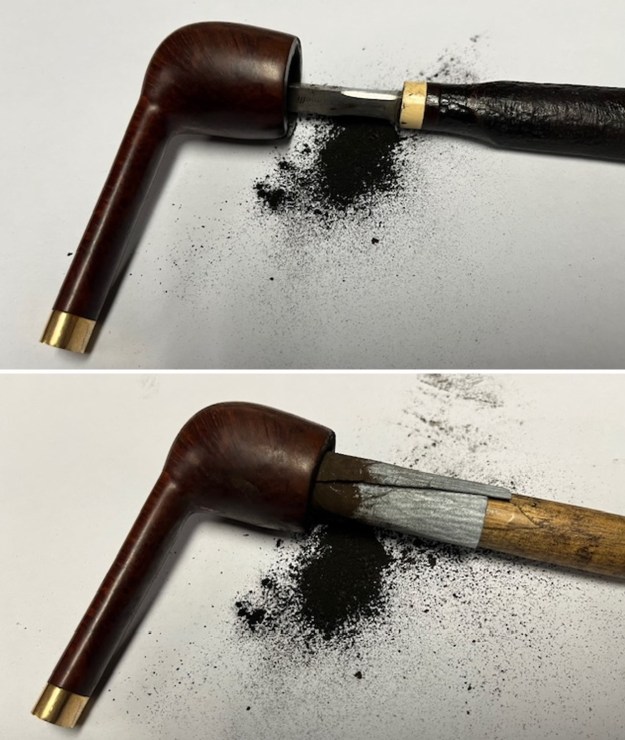 I used a piece of 220 grit sandpaper and a wooden sphere to remove the damage on the rim top and the inner edge. I cleaned up the bevel on the inner edge and smoothed out the damage.
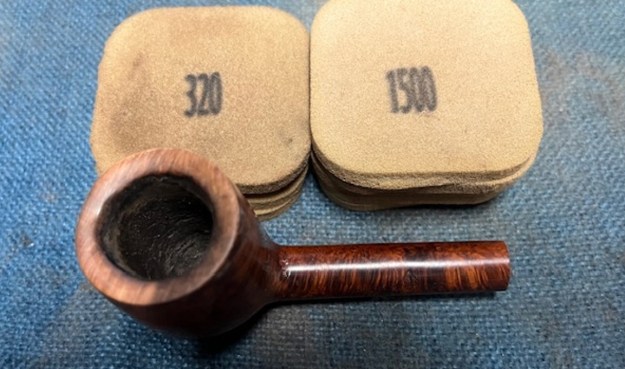
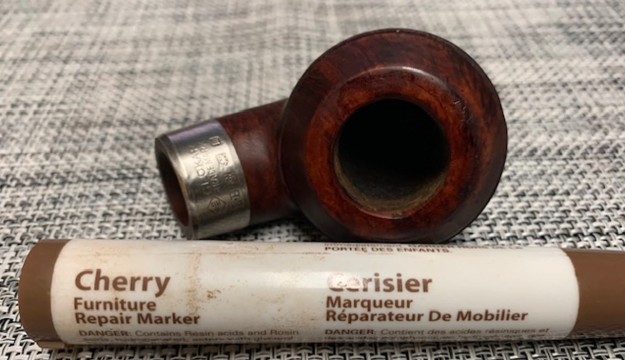
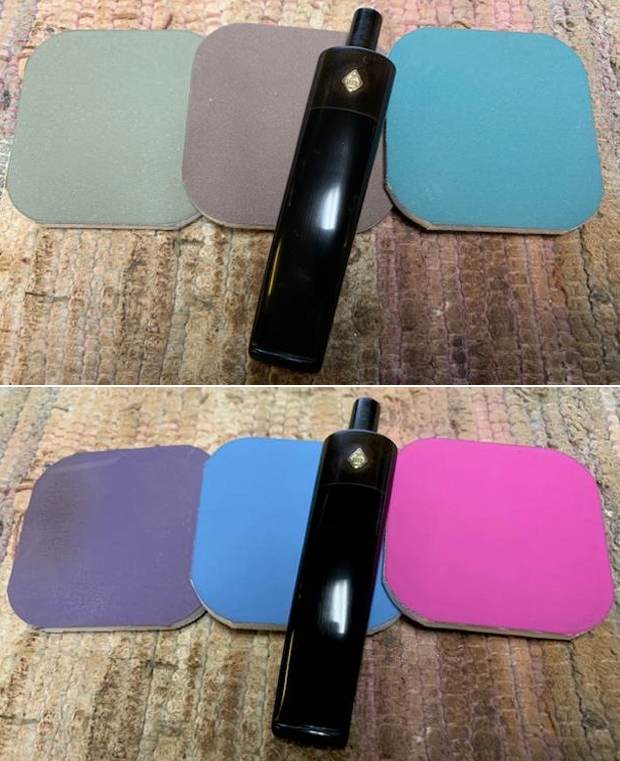
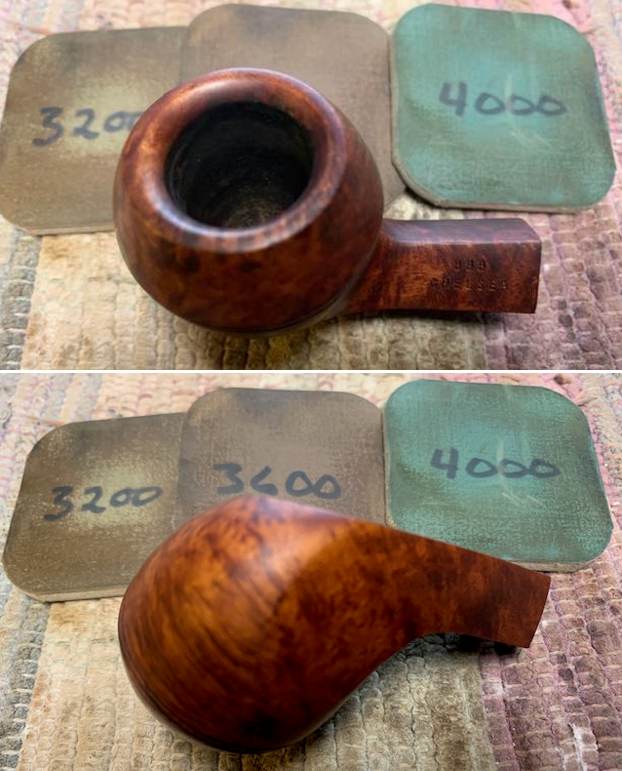
 I sanded the rim top and the bowl sides with 320-3500 grit 2×2 inch sanding pads to remove the nicks and damage to the finish. I wiped the bowl down with a damp cloth after each sanding pad.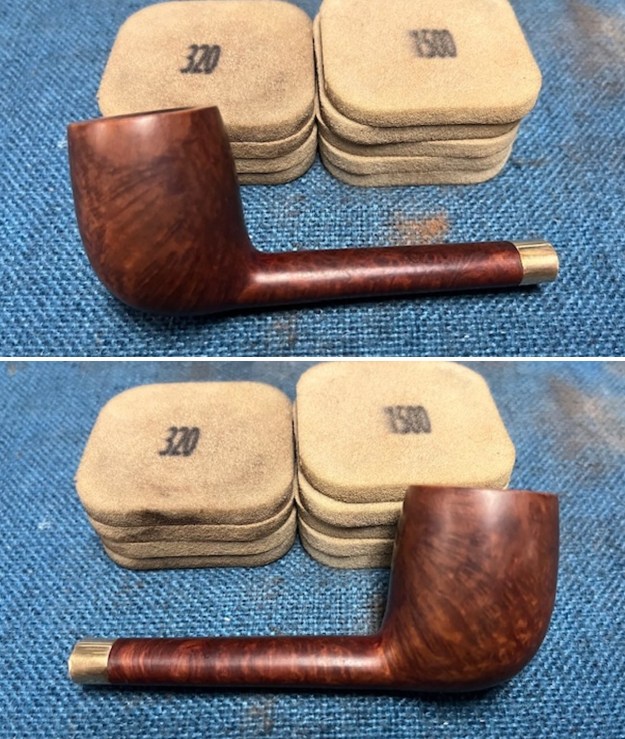
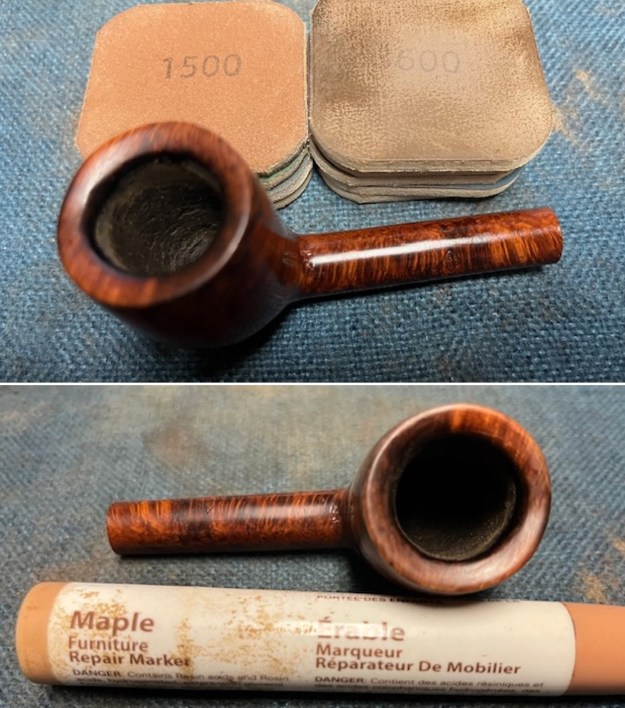
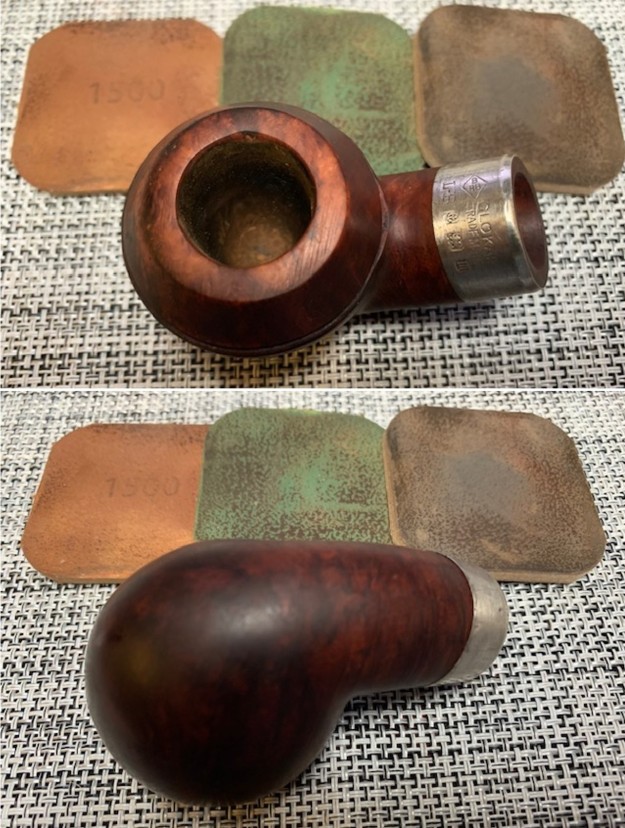
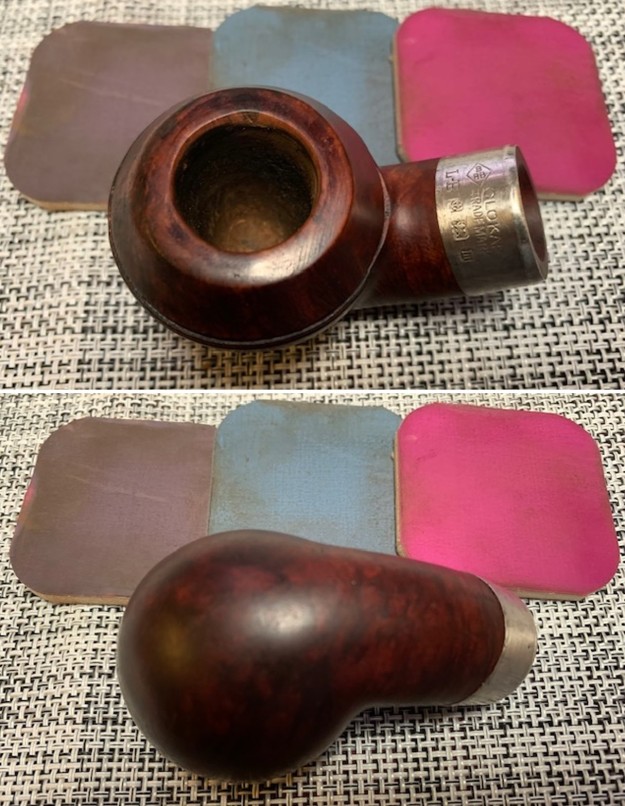
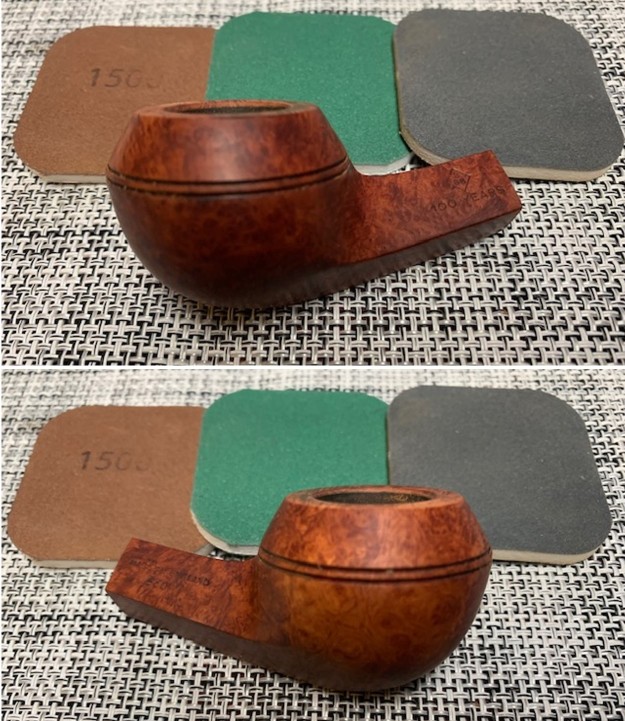
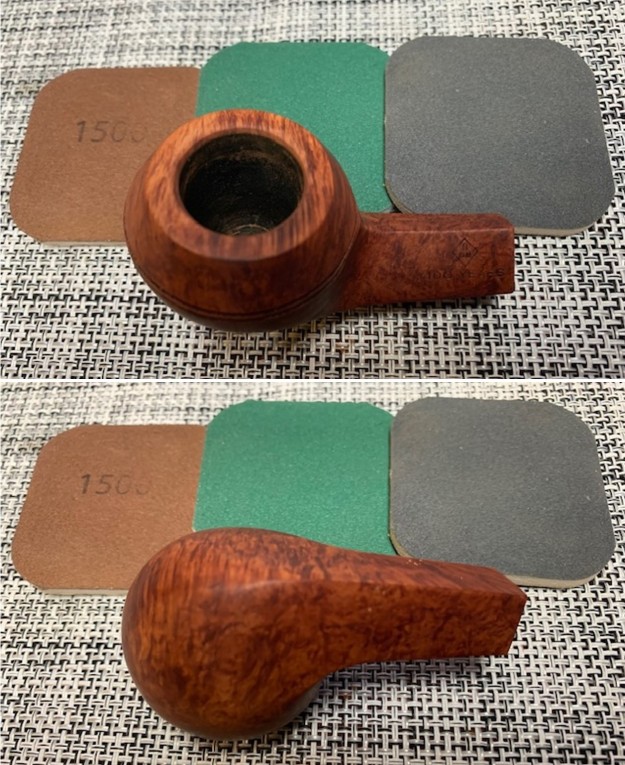
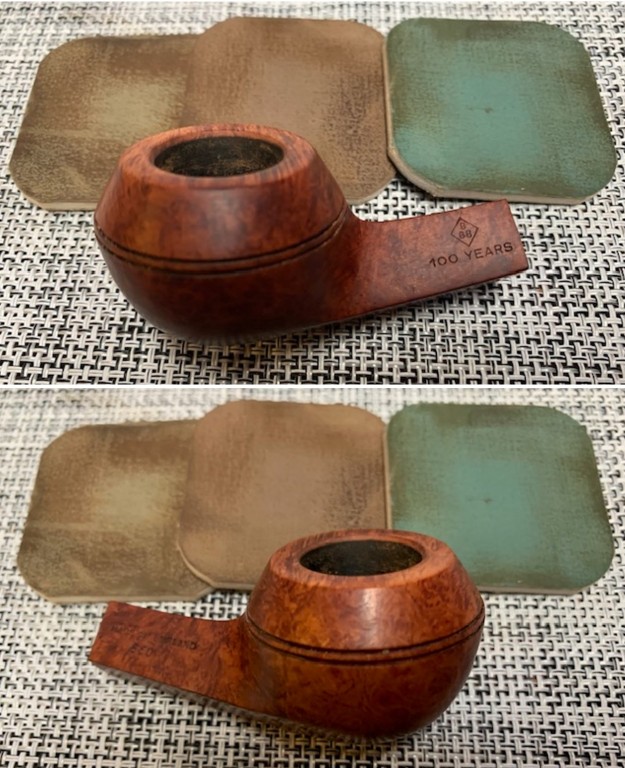
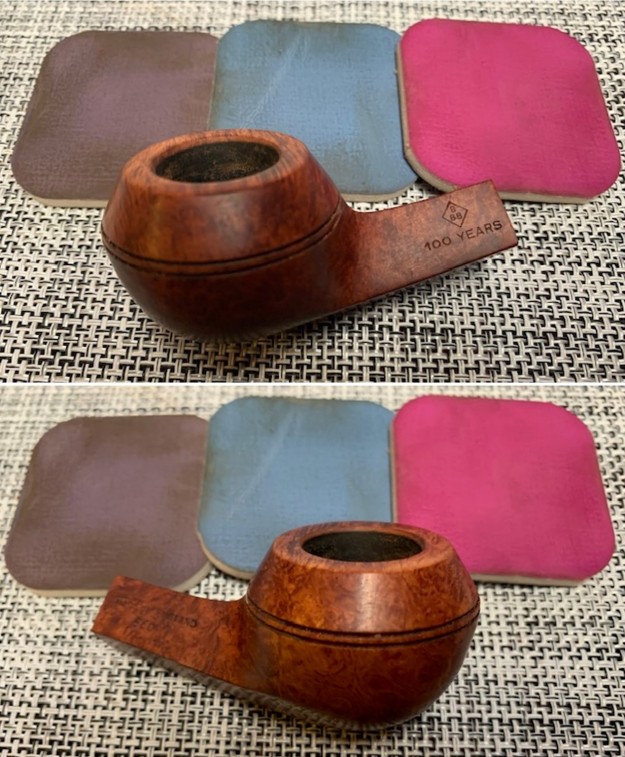
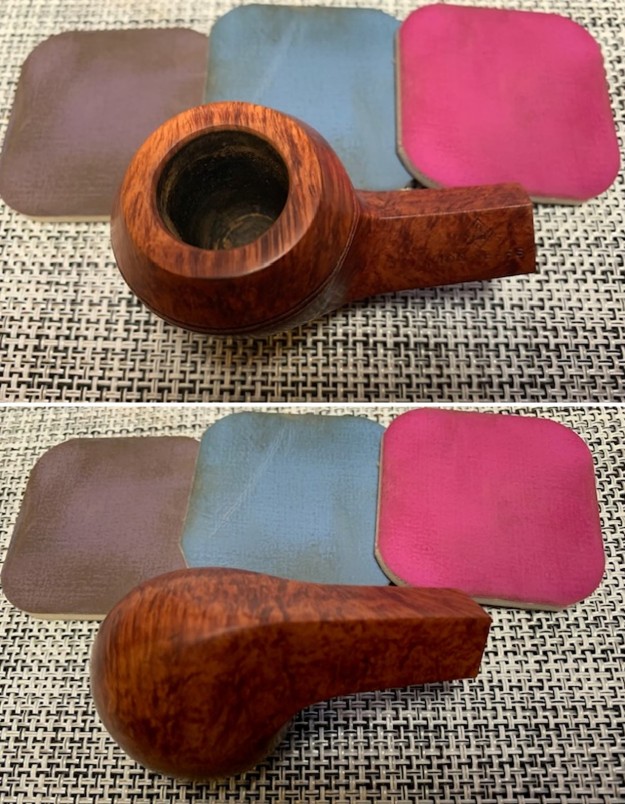
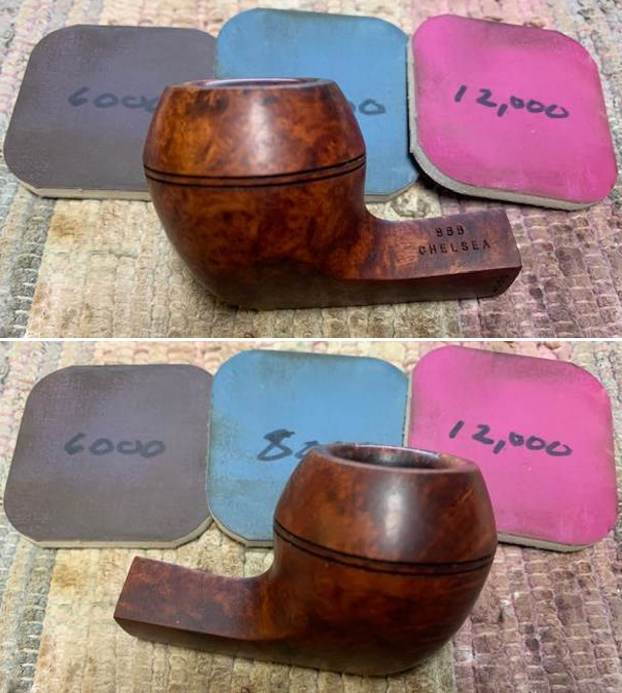
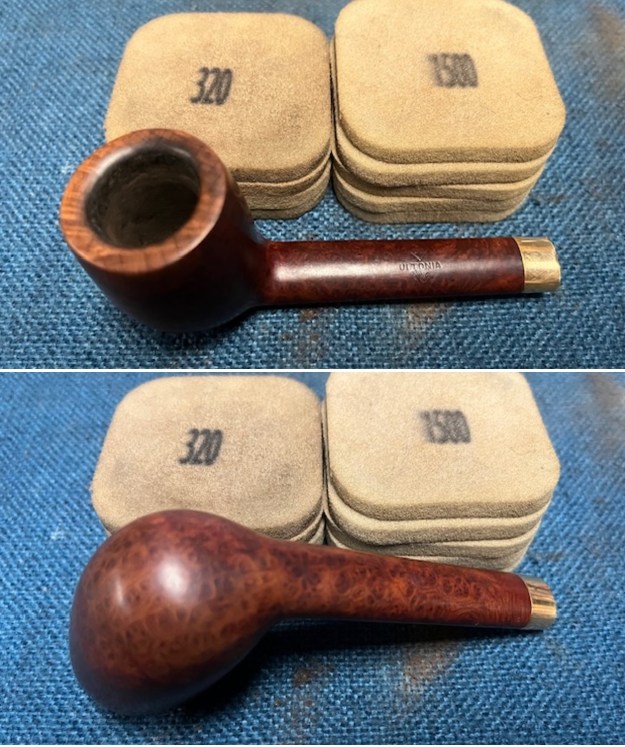 I polished the briar with 1500-12000 grit micromesh sanding pads. I dry sanded with each pad and then wiped the bowl down after each pad to remove the debris. It began to look rich and smooth.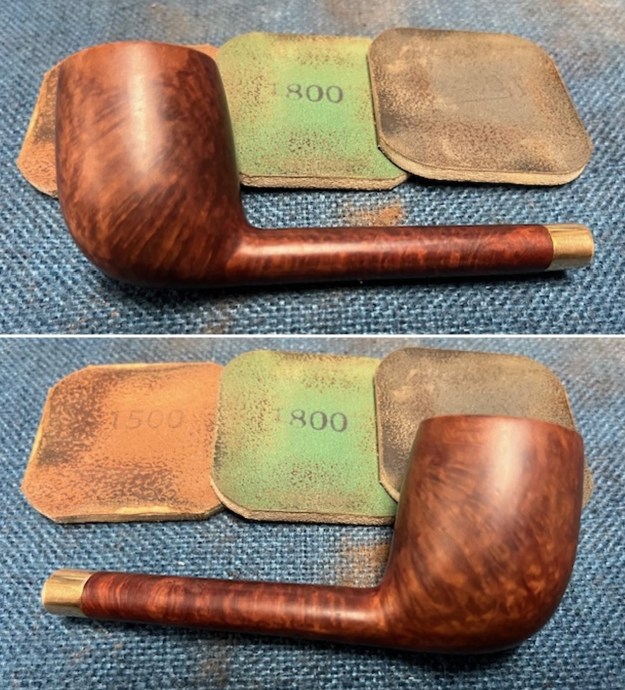
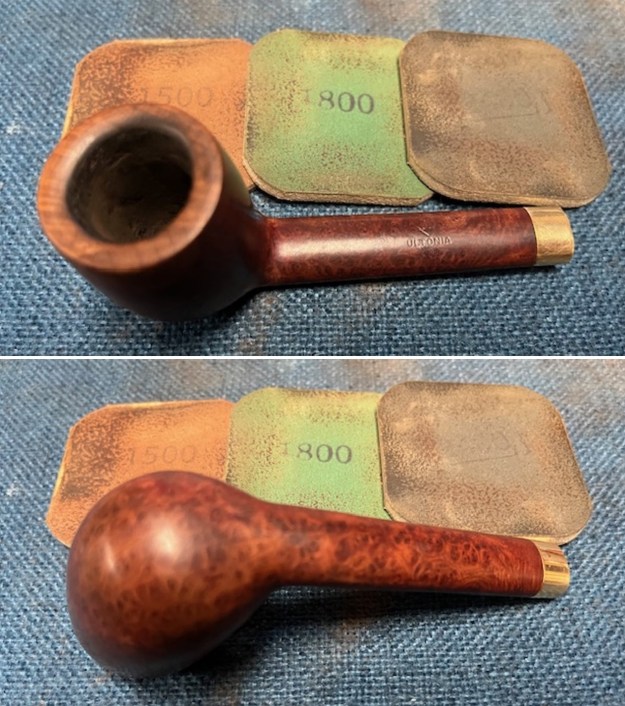
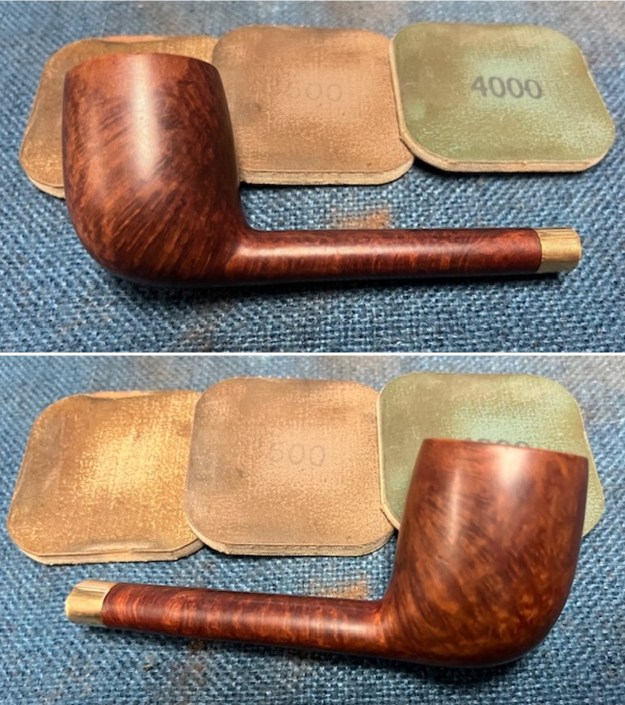
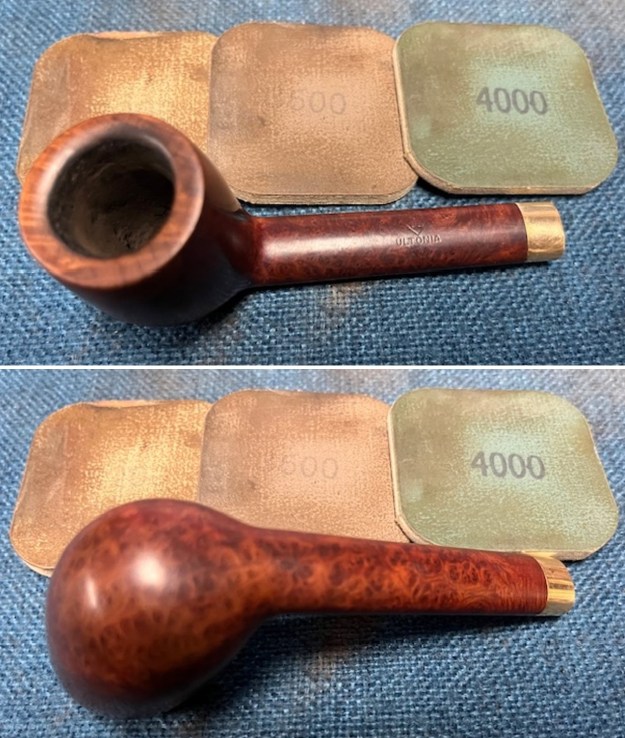
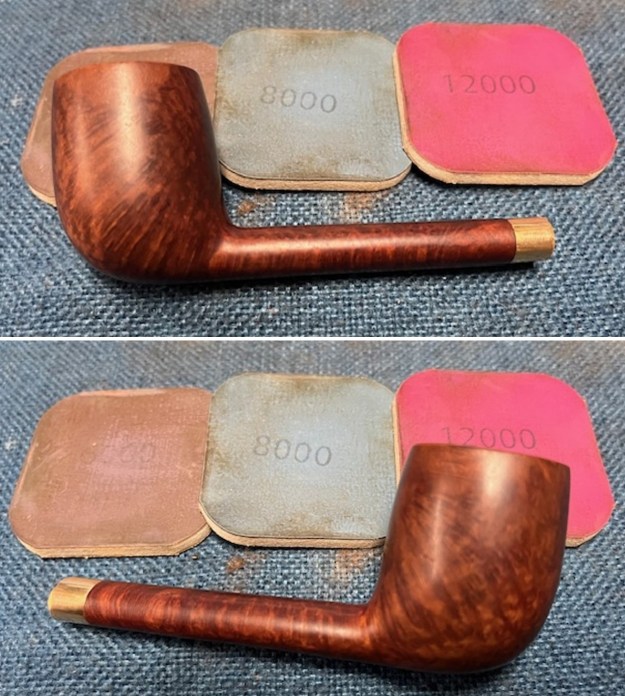
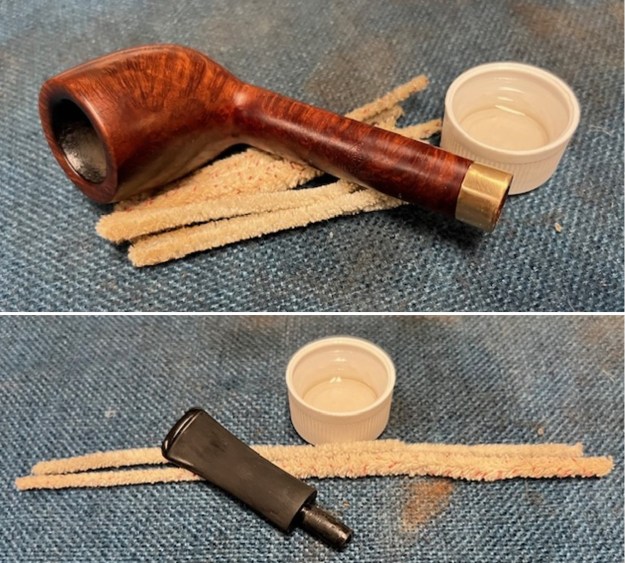
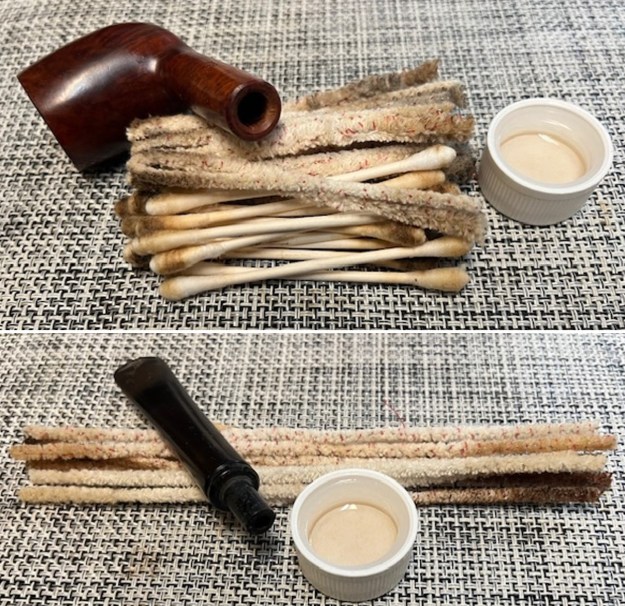
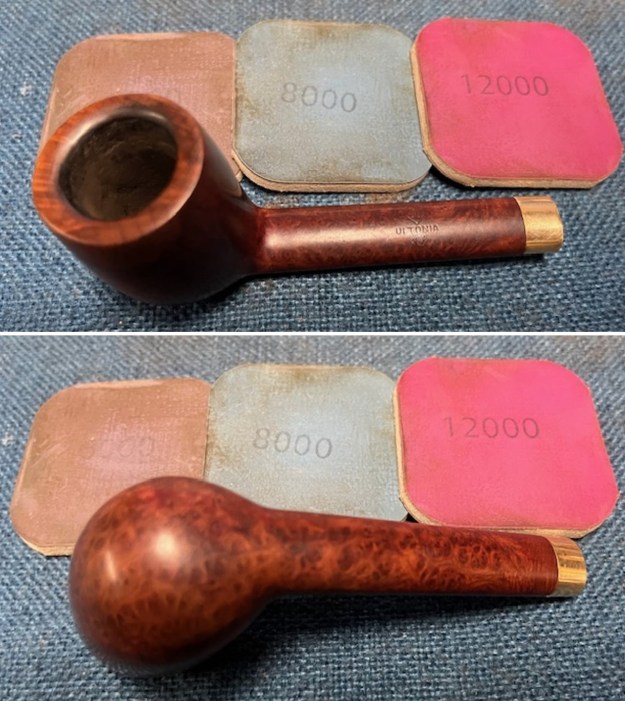 I cleaned out the internals of the shank and bowl with pipe cleaners, cotton swabs and isopropyl alcohol. The pipe is very clean. I like it clean to make a better fit for new stem. I cleaned out the airway in the stem I had chosen with pipe cleaners and alcohol.
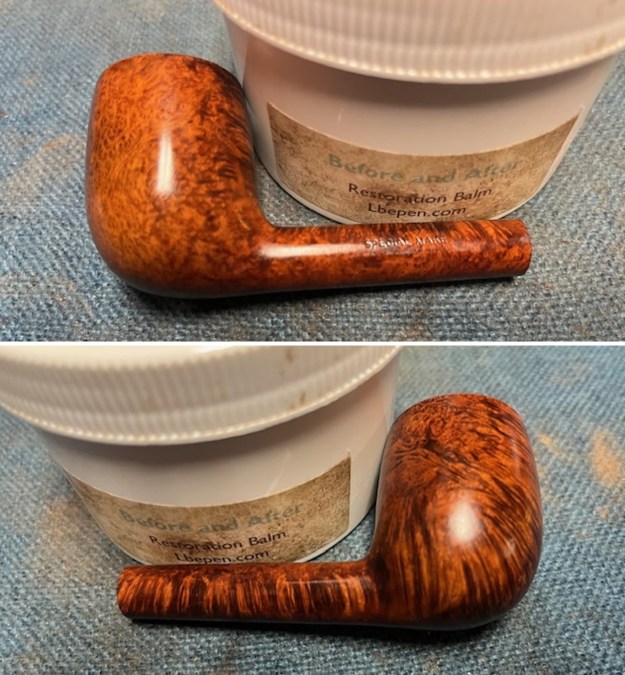
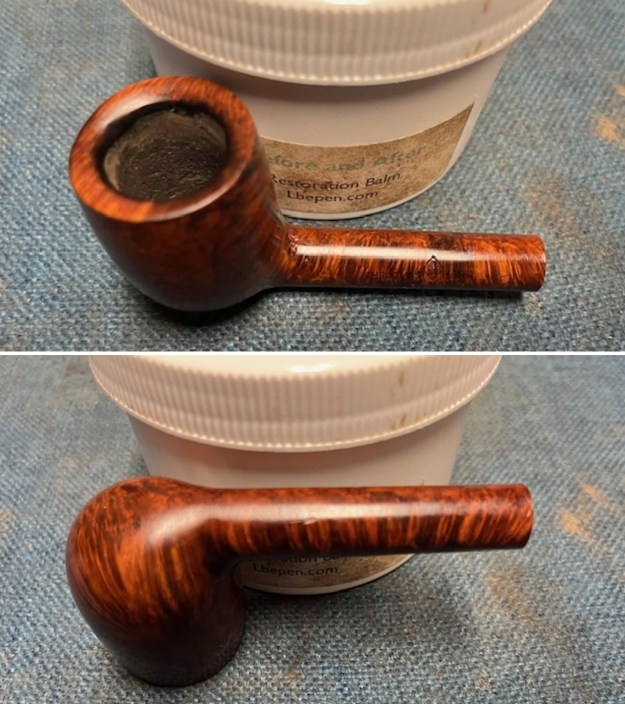
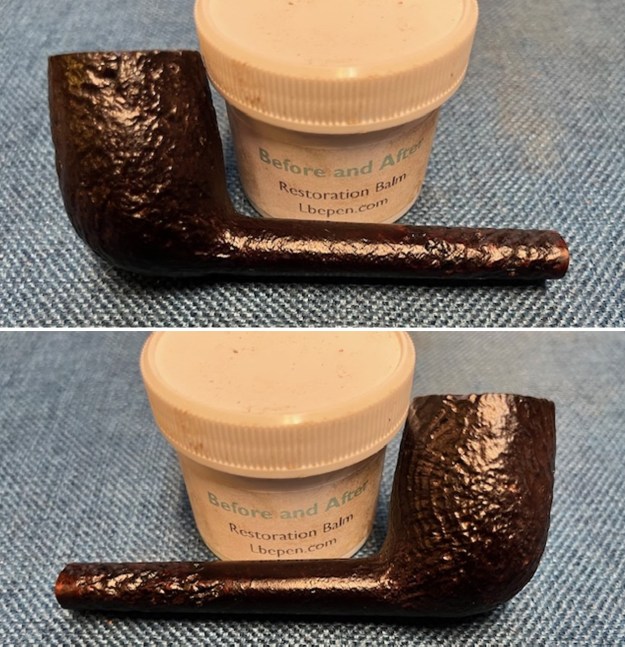
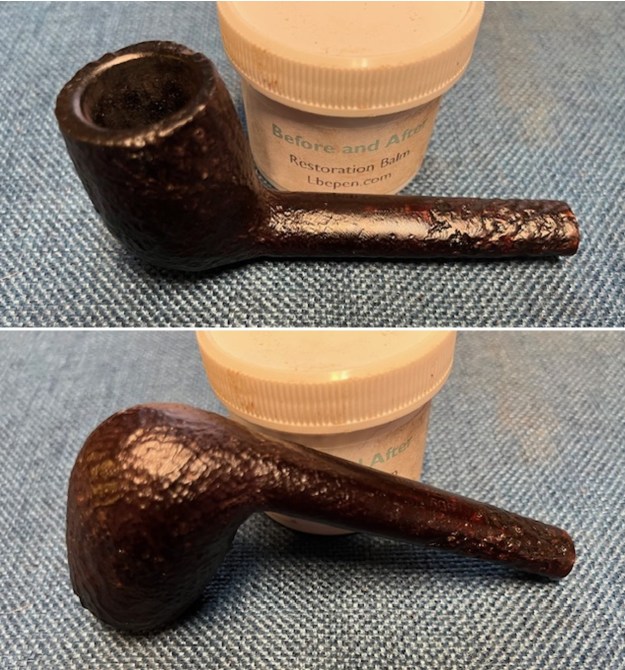
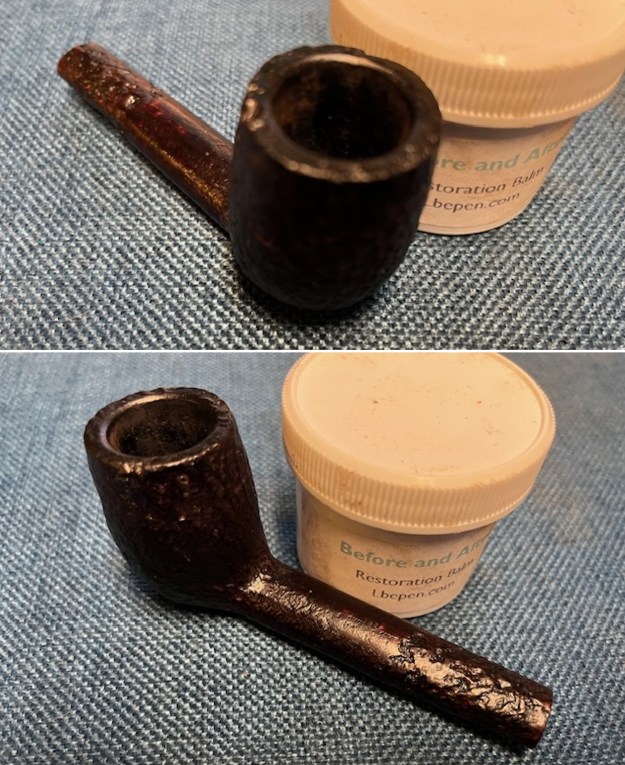
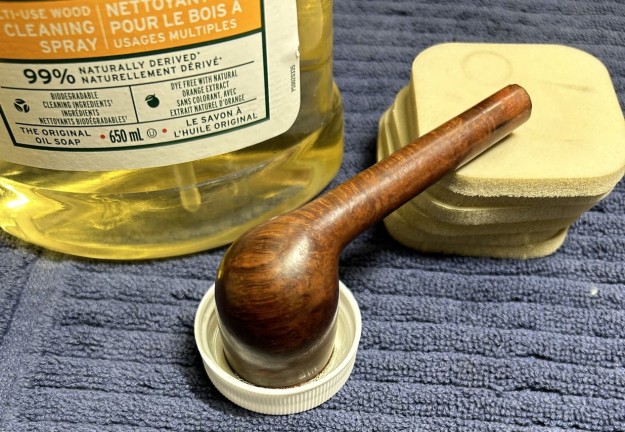
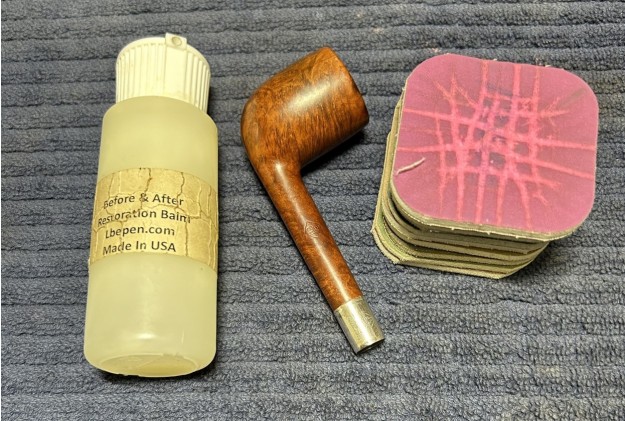
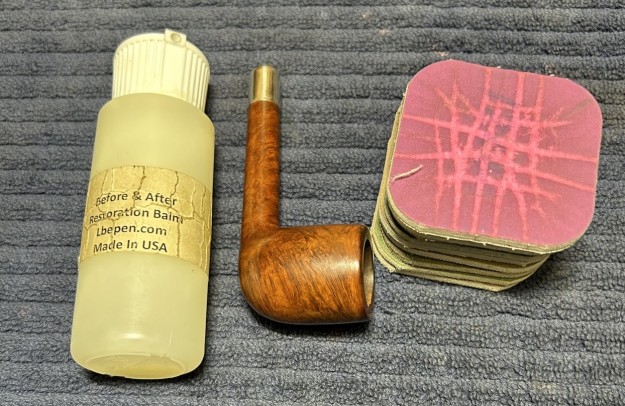
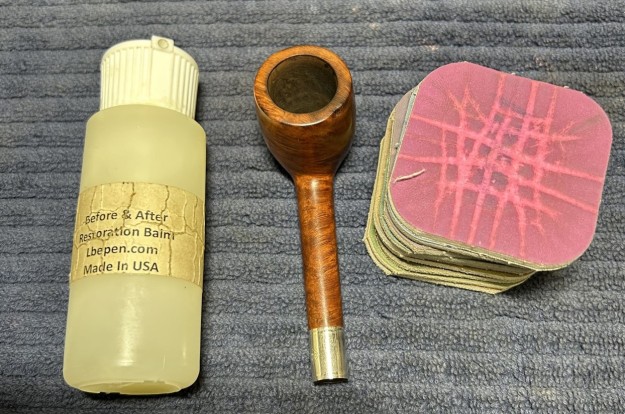
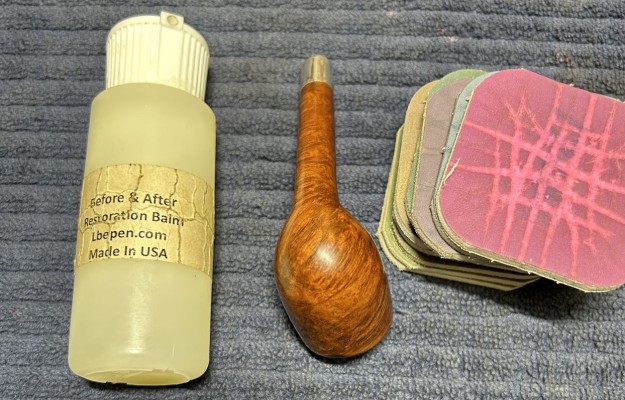
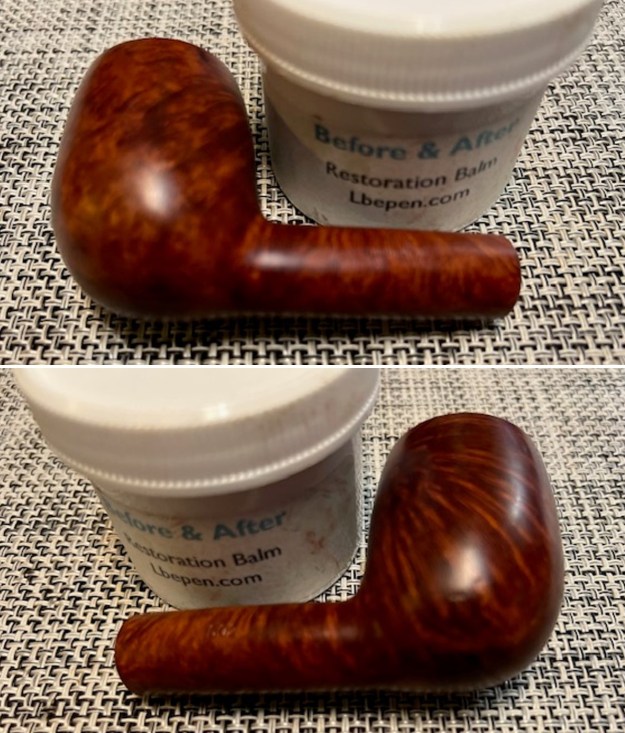
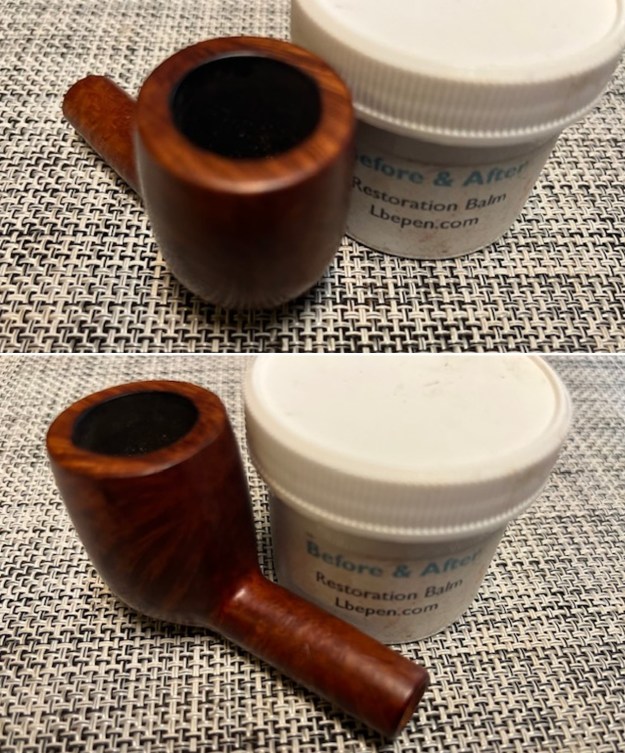
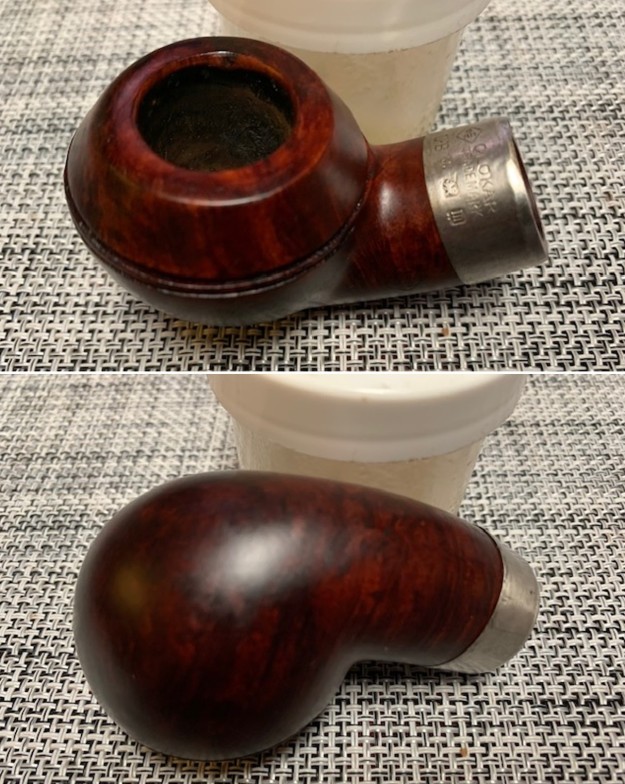
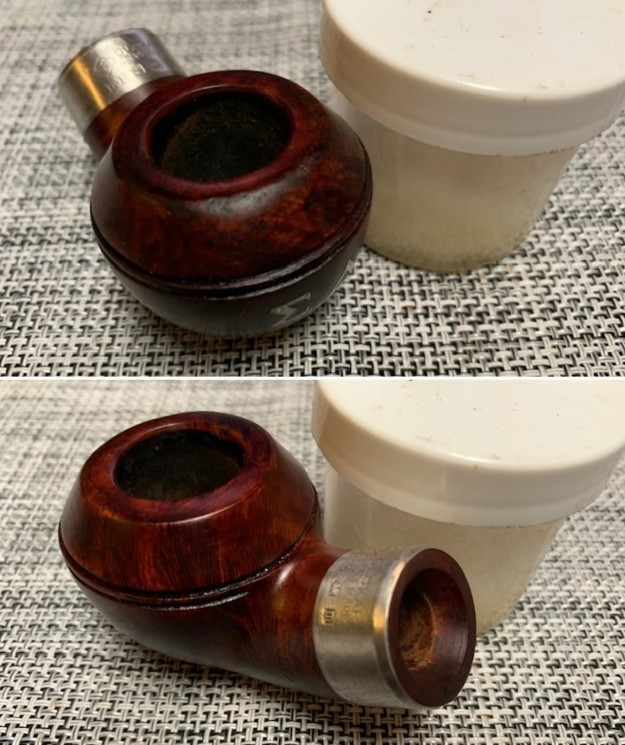
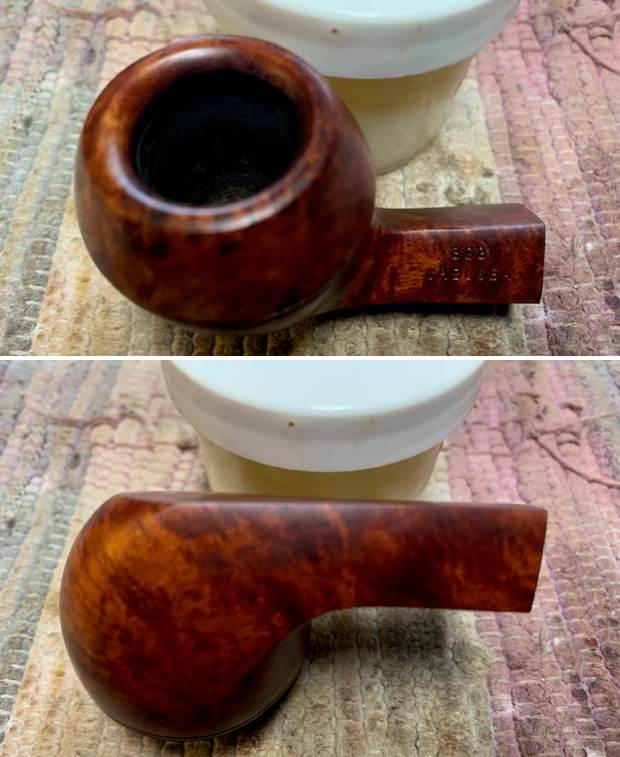
 I worked some Before & After Restoration Balm into the surface of the briar with my finger tips and a shoe brush to work it into the sandblast. The product is incredible and the way it brings the grain to the fore is unique. It works to clean, protect and invigorate the wood.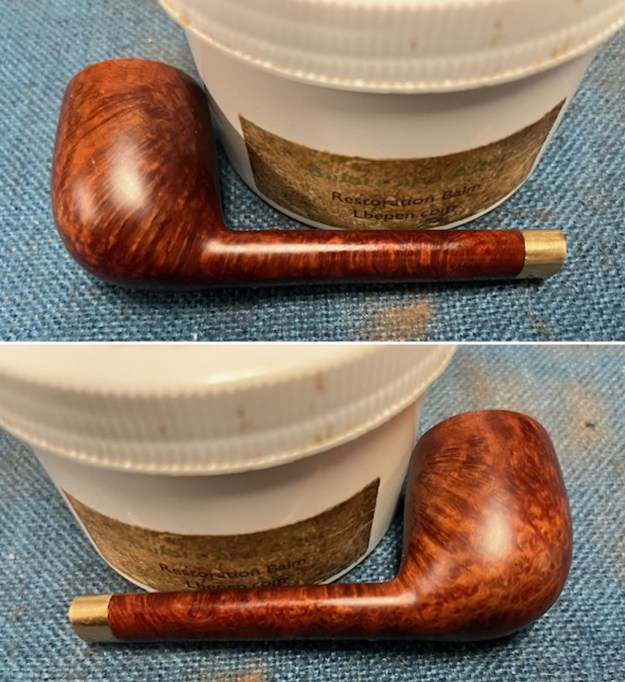
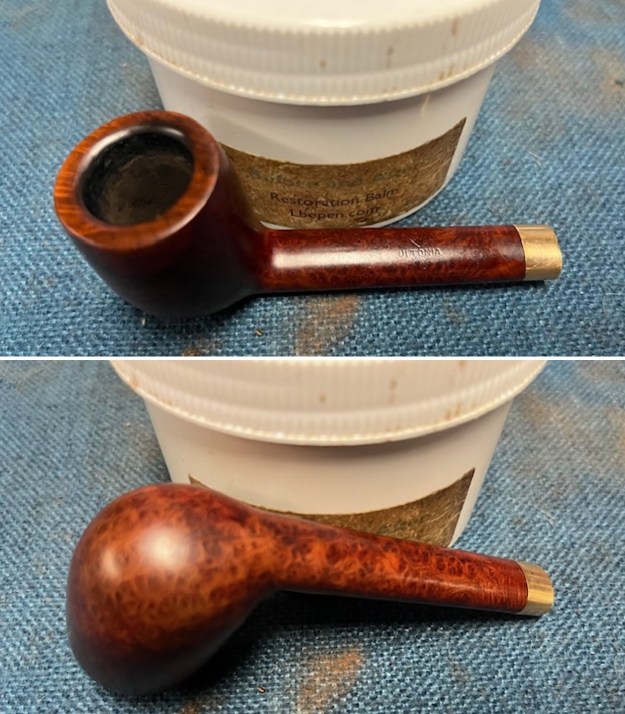
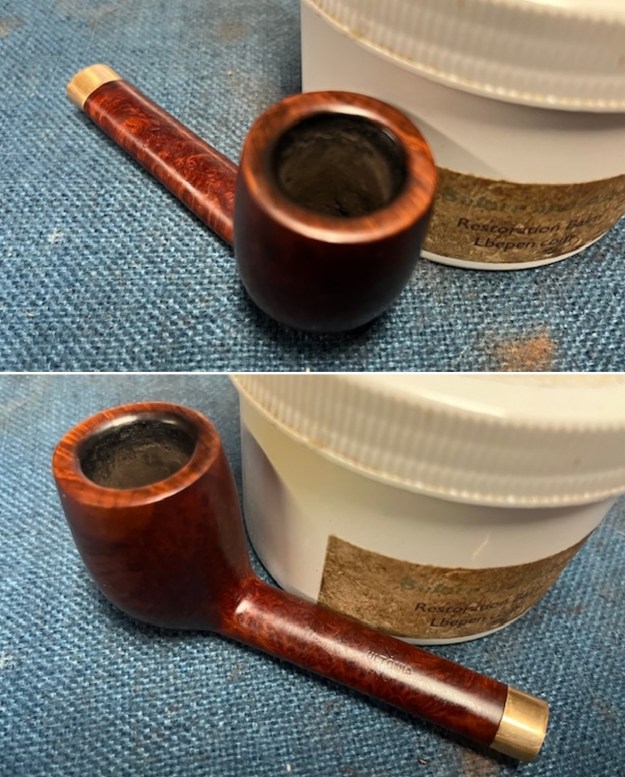 I polished gold band with a jeweller’s cloth to polish and protect it from oxidation. It is a great looking piece of bling.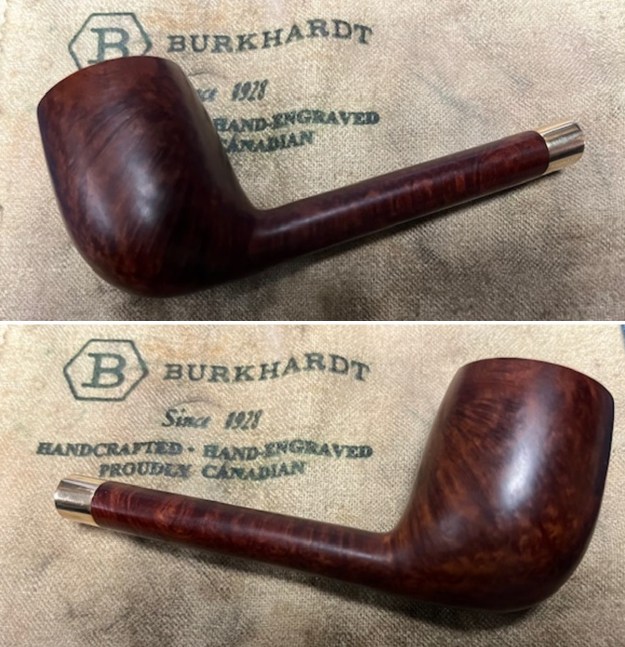
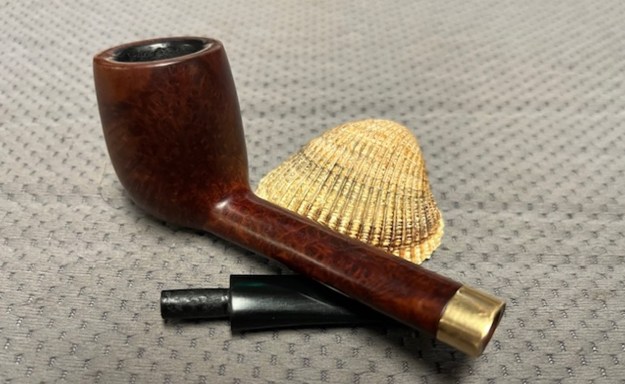
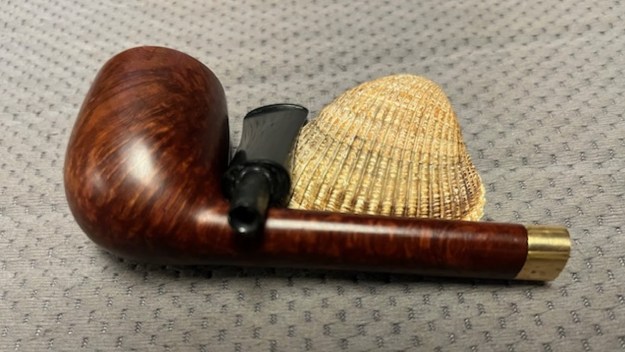
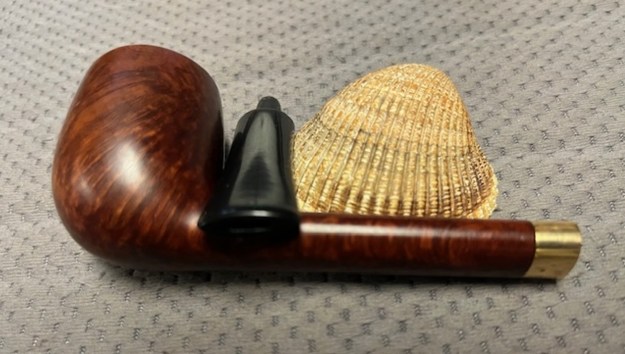
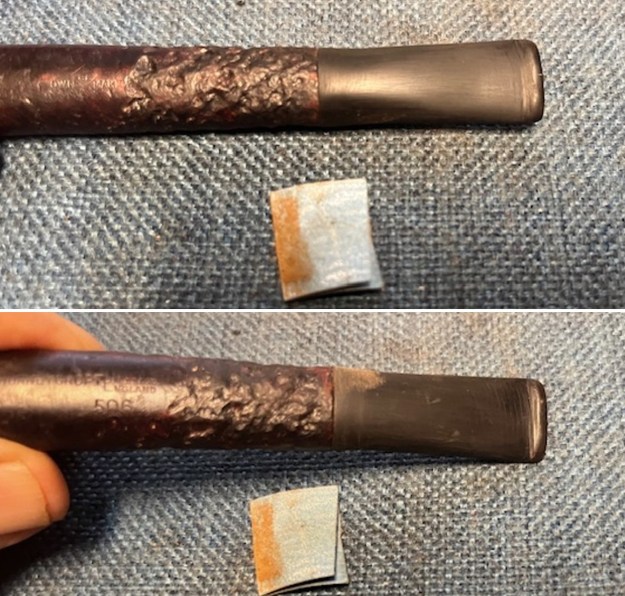
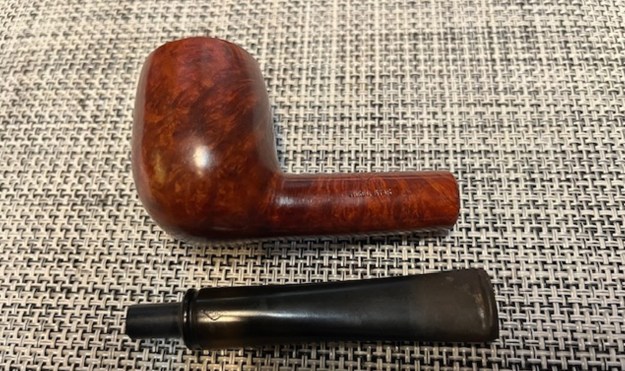
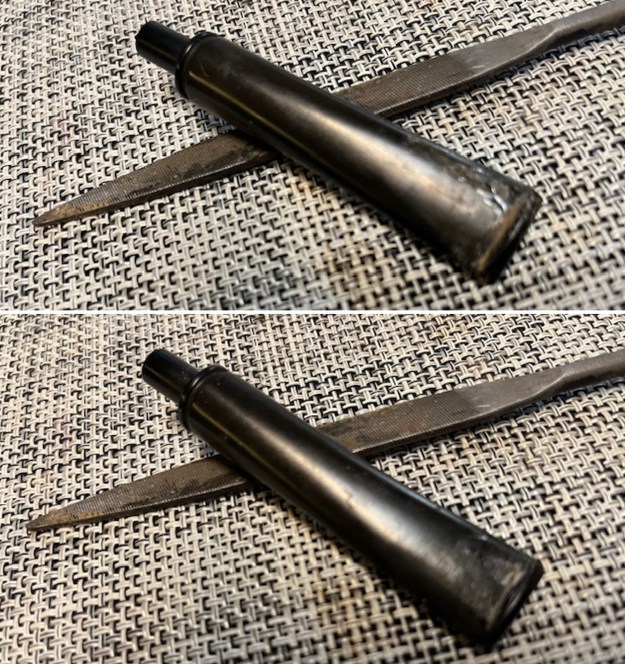
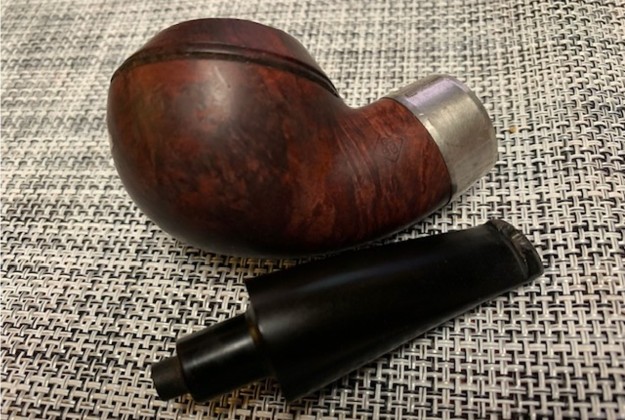
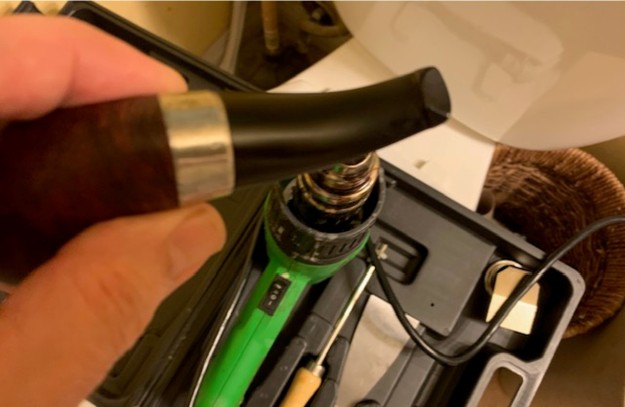
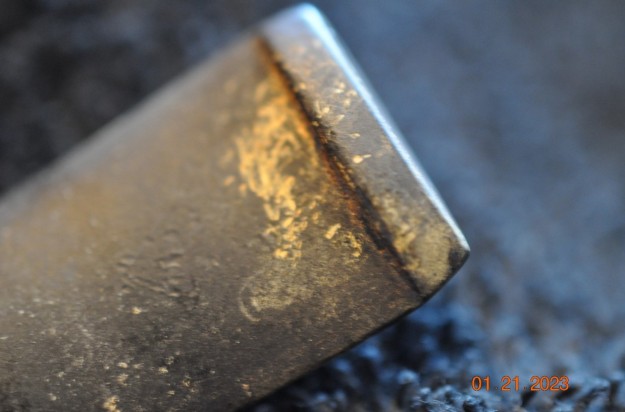
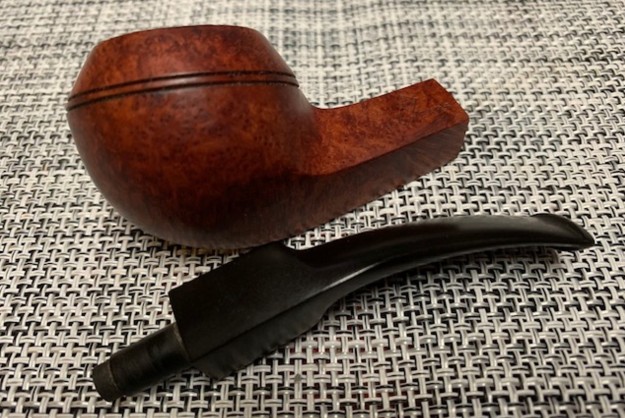
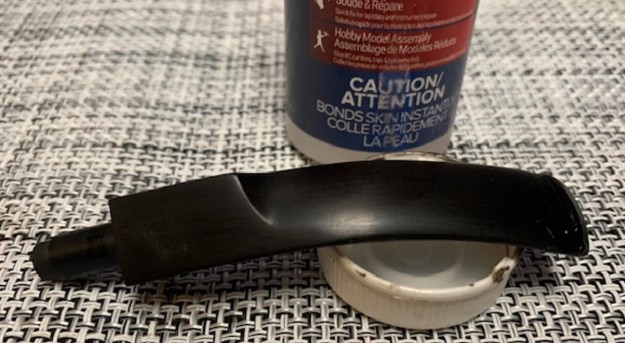
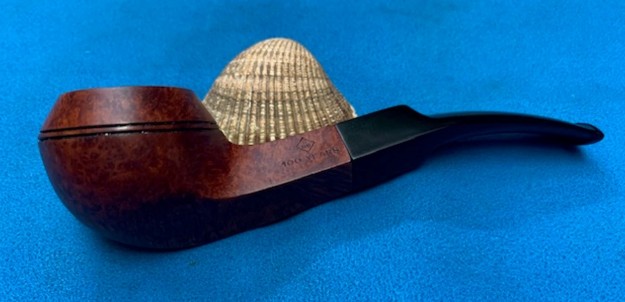
 I went through my stems and found one that was the right length and would need some slight adjusting to fit the diameter of the shank and the tenon. I used a folded piece of 220 grit sandpaper to shape and rework the stem and tenon to fit the shank end. Once I was finished with the reshaping of the stem I put it in the shank and took photos of the look of the stem.
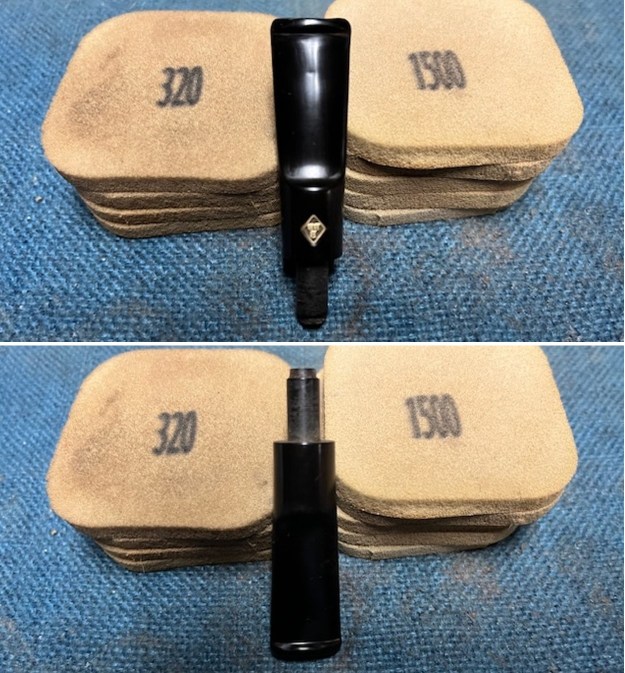
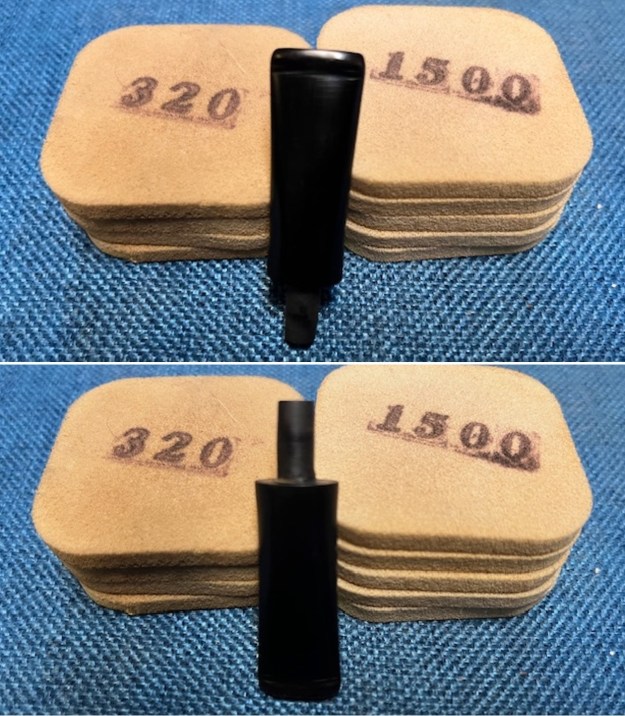
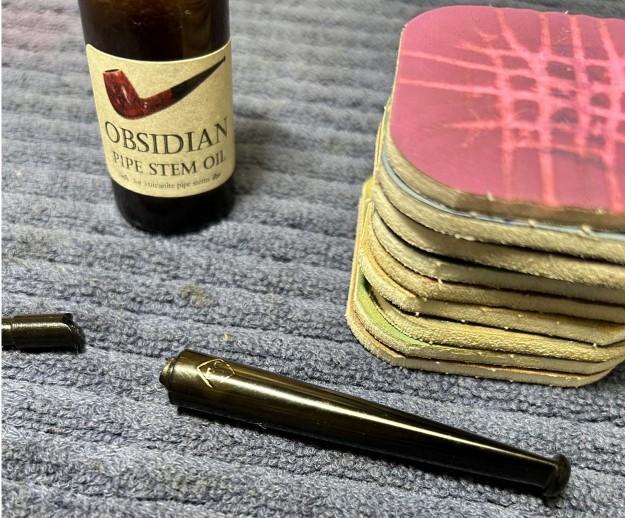
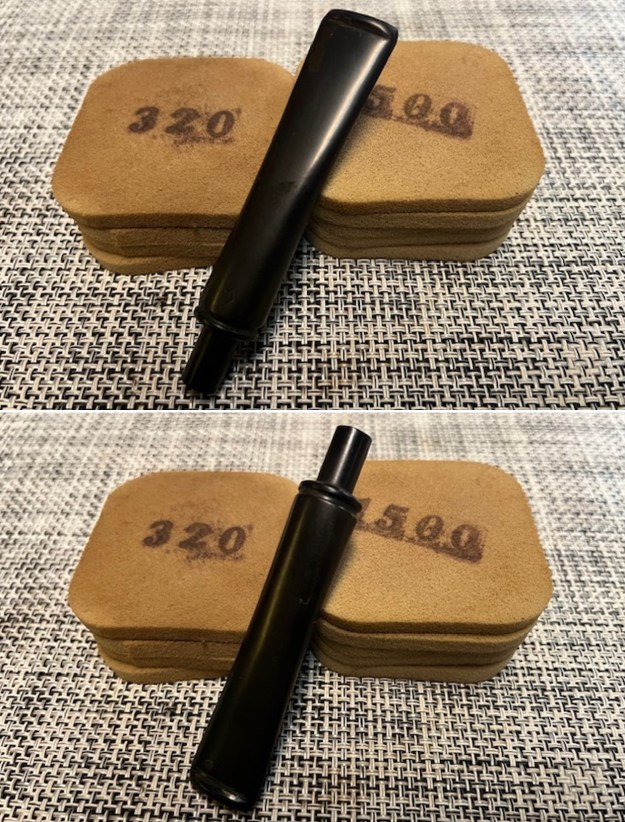
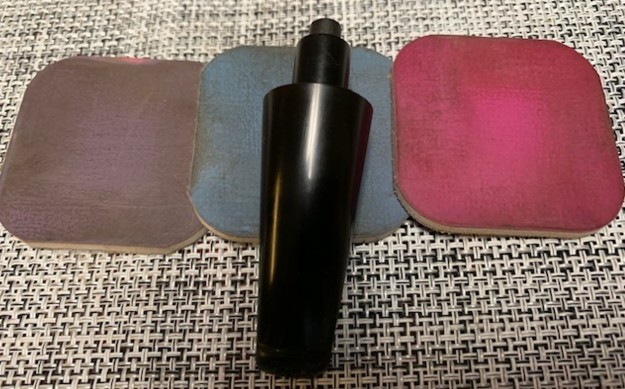
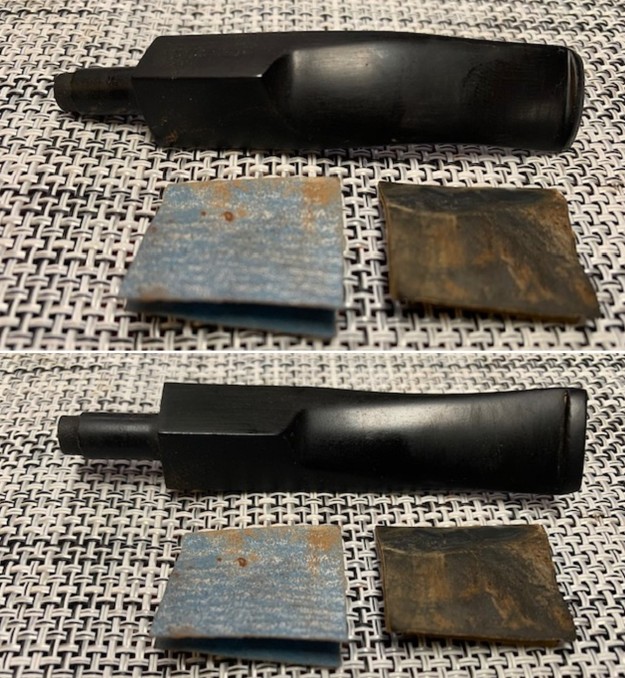
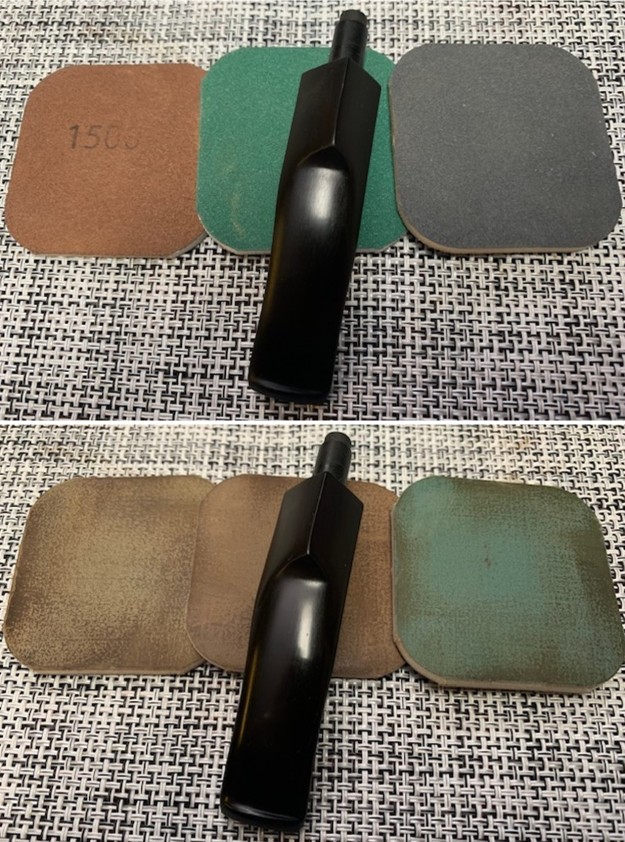
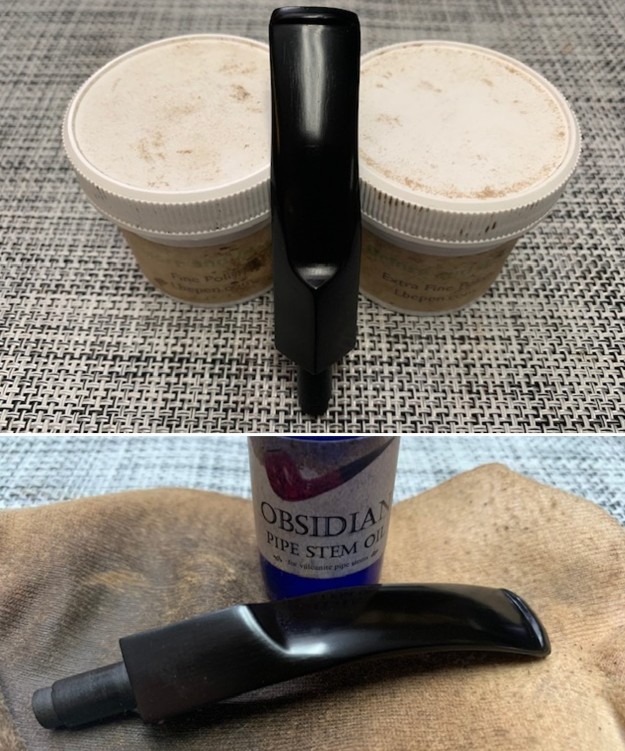
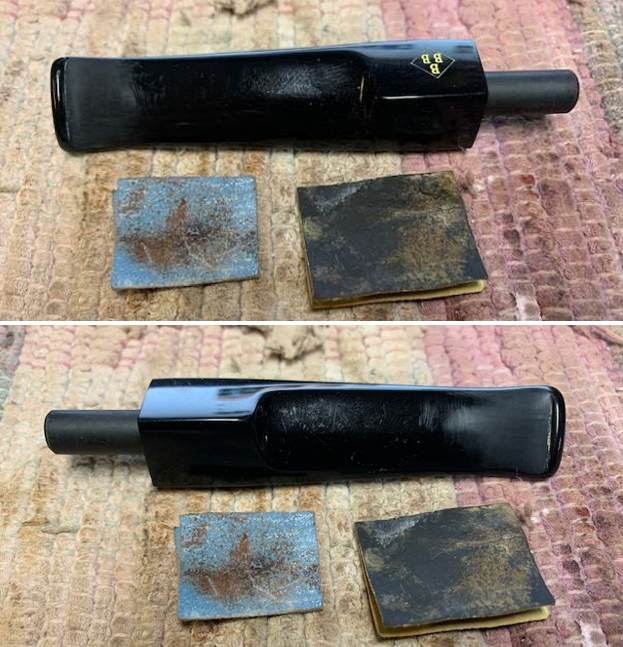
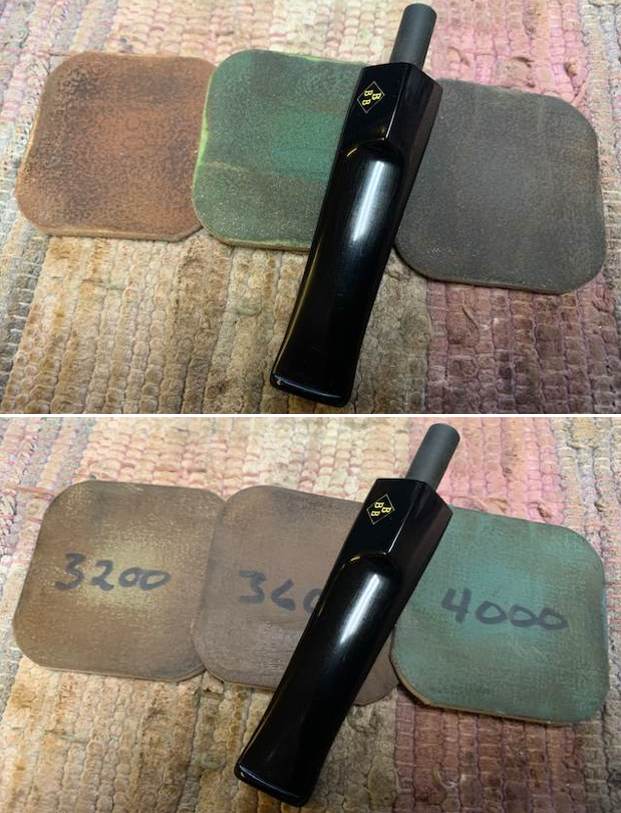
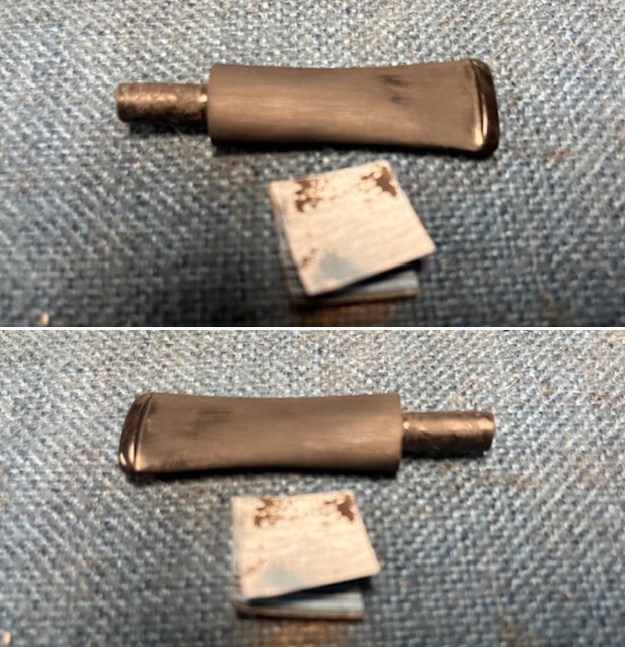 I sanded the stem with 320-1500 grit 2×2 inch sanding pads. I wiped the stem down after each sanding pad with an Obsidian Oil Cloth to remove the sanding dust. It began to look very good.
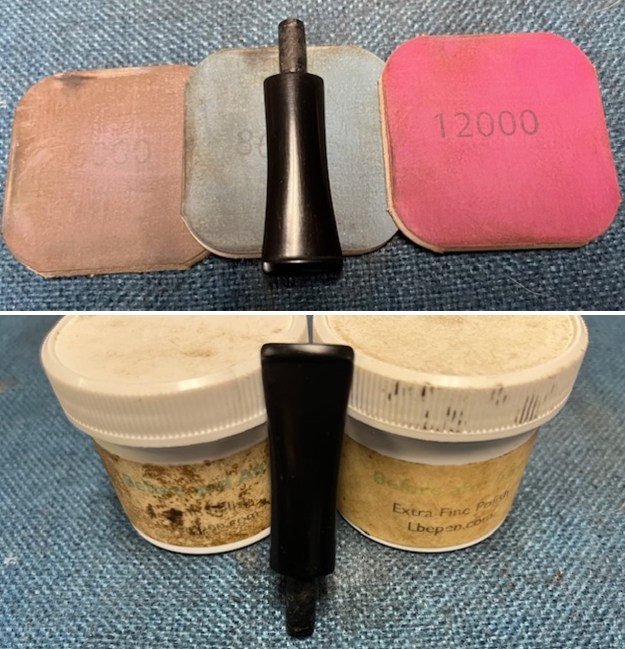
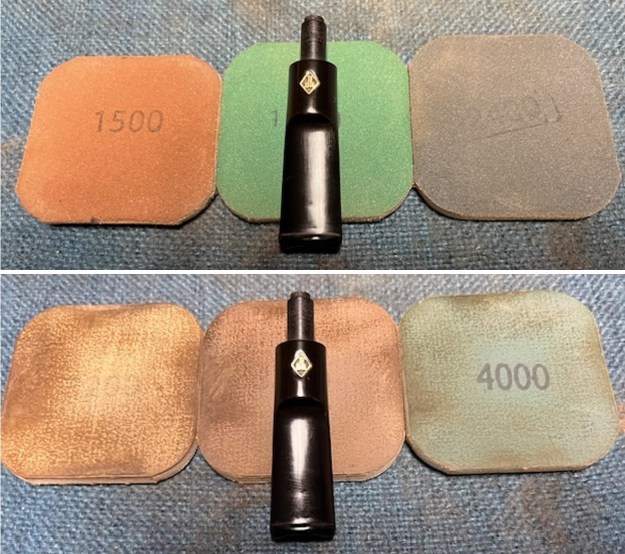
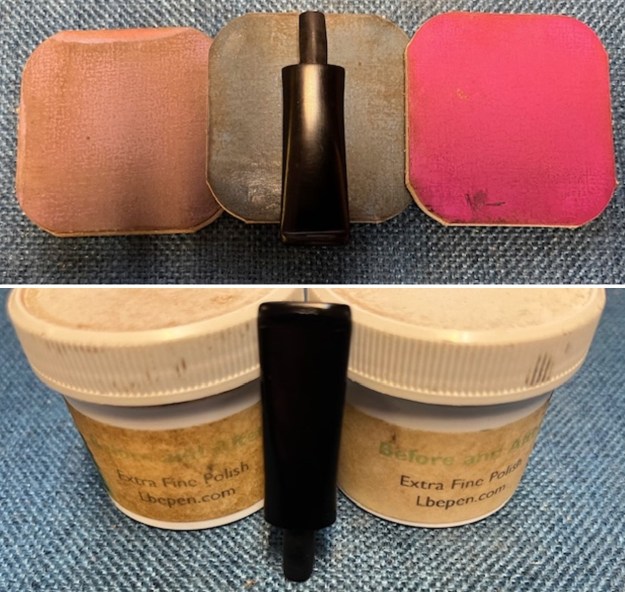
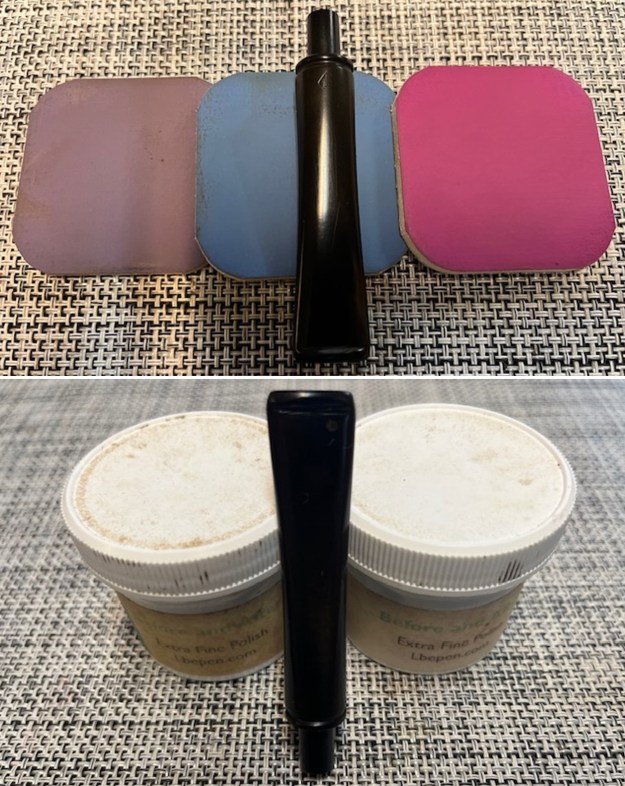
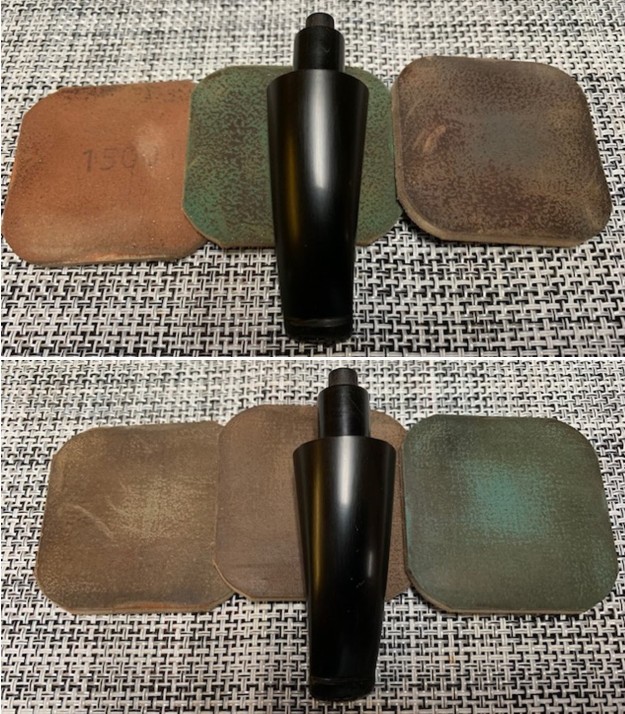
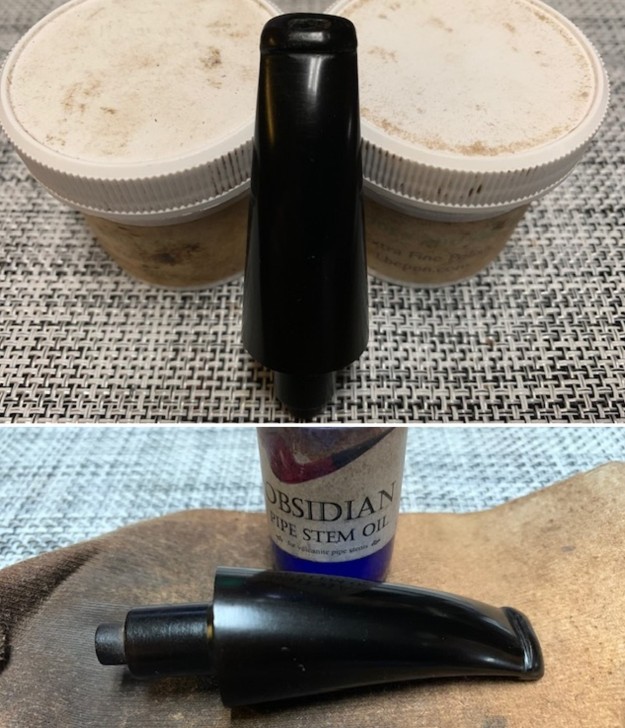
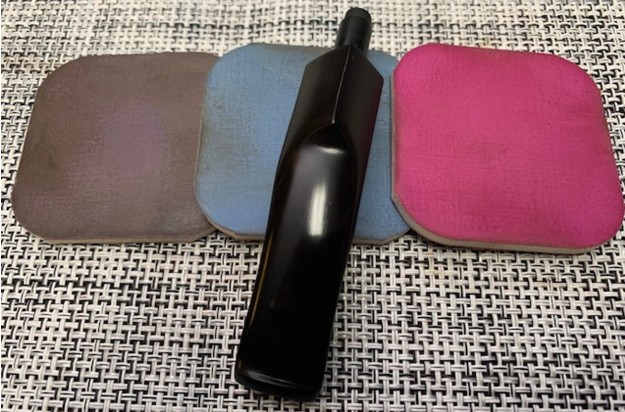
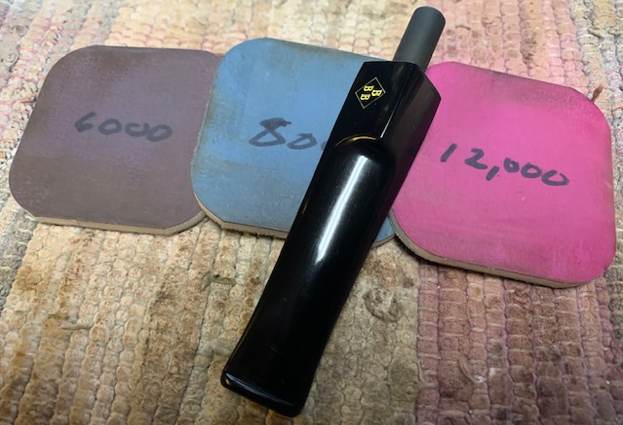
 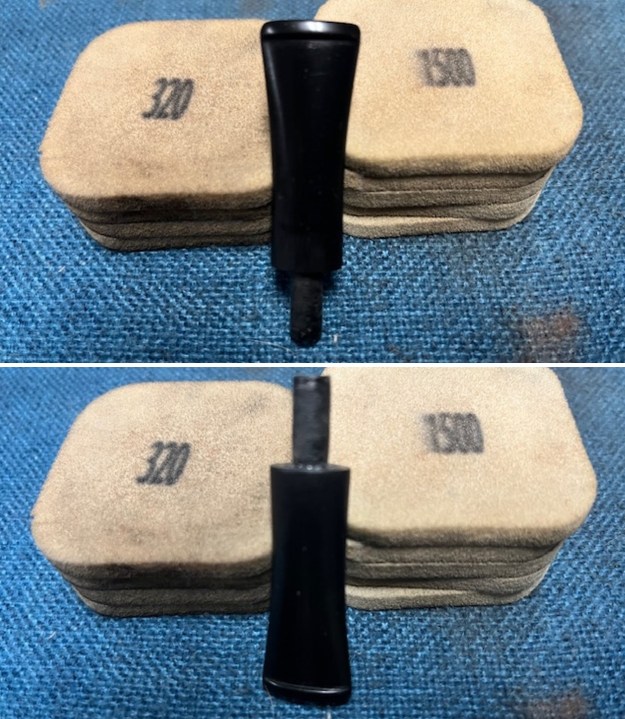 I polished the stem with micromesh sanding pads – dry sanding with 1500-12000 grit pads. I wiped the stem down after each sanding pad with an Obsidian Oil Cloth. The stem began to take on a rich shine.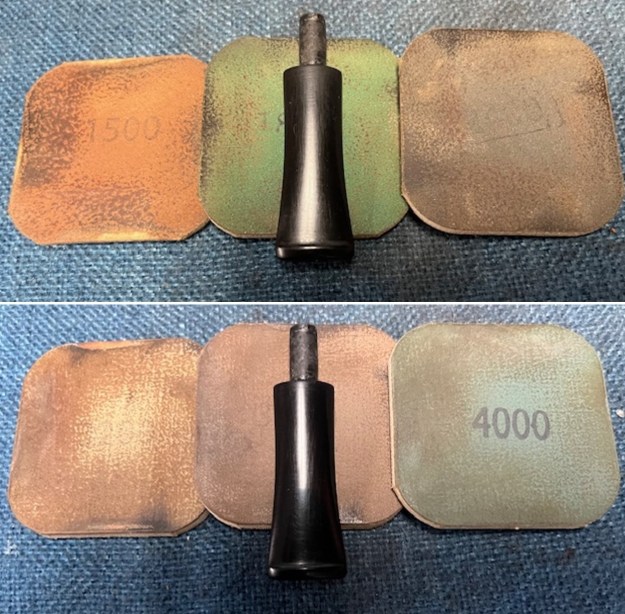
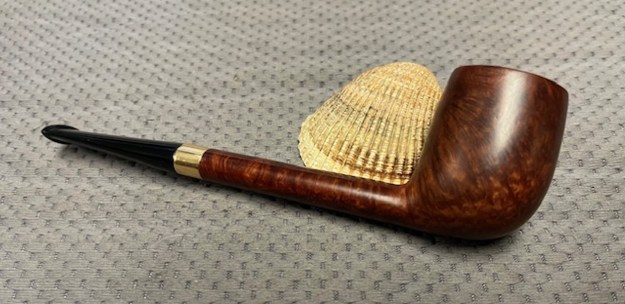
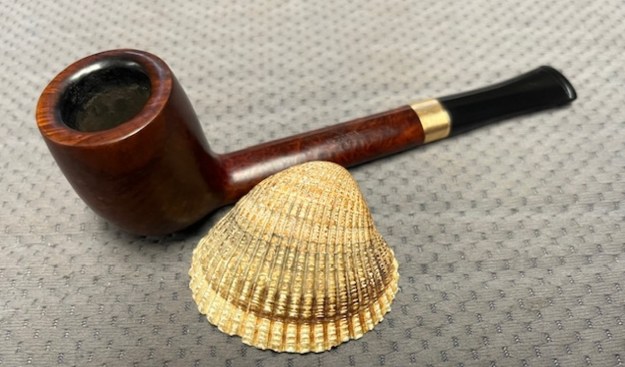
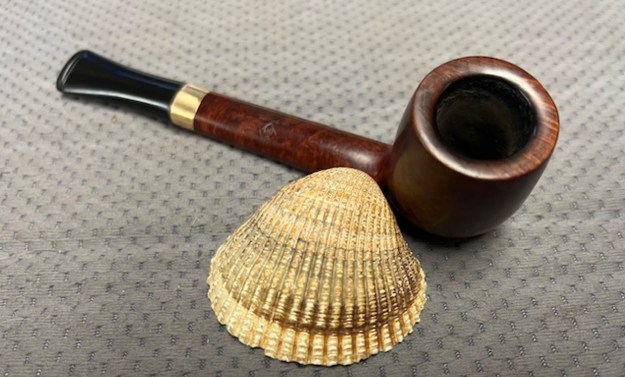
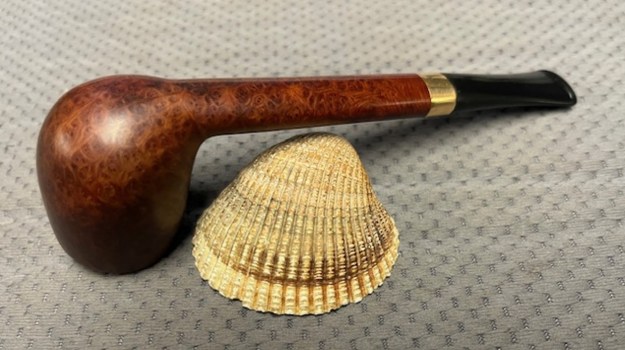
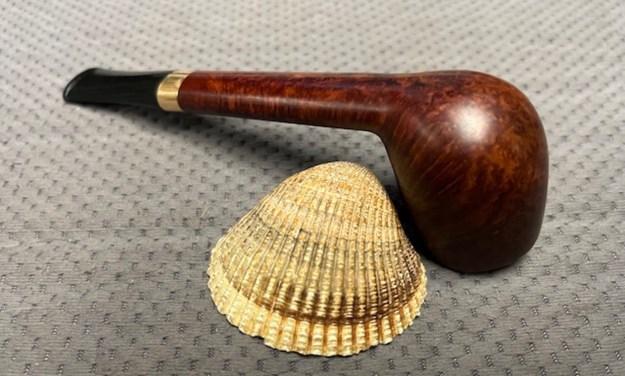
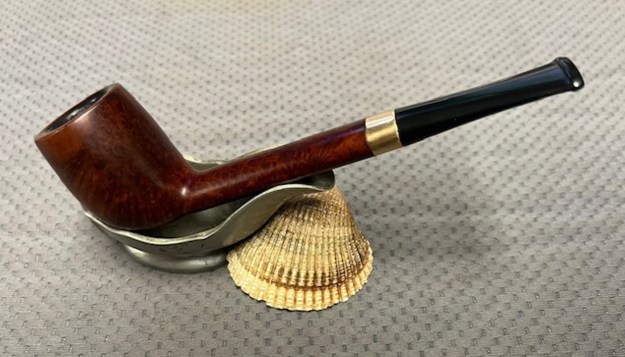
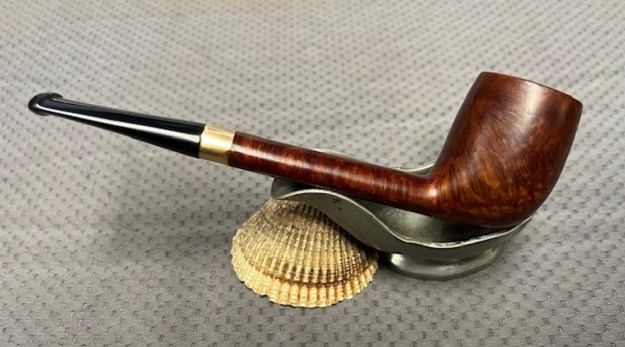
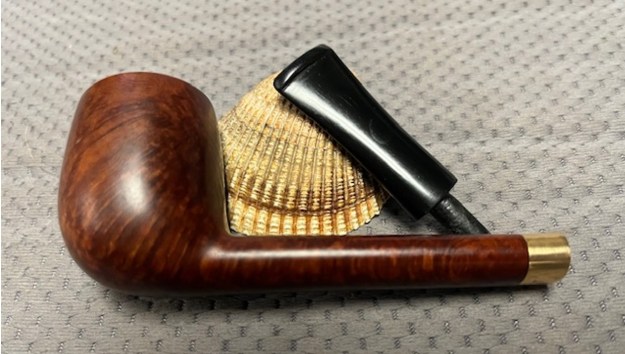
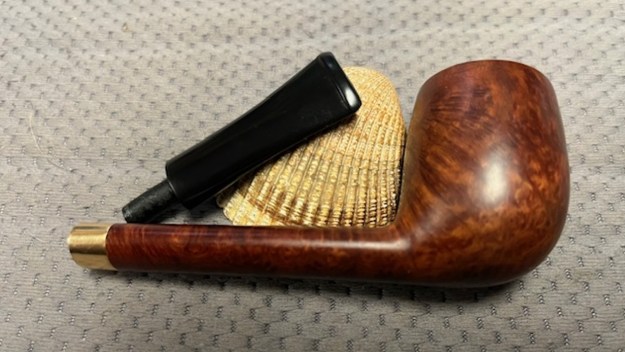
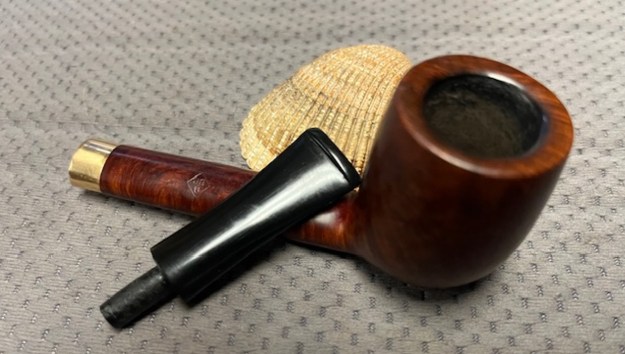
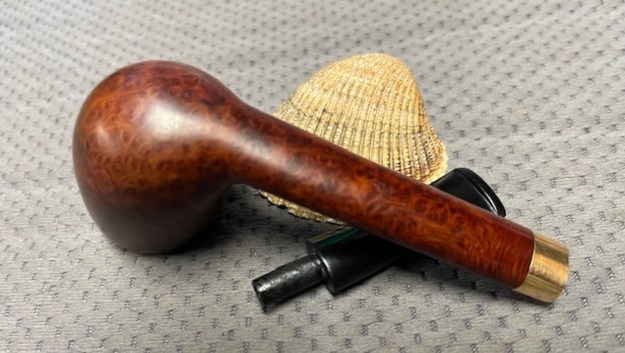
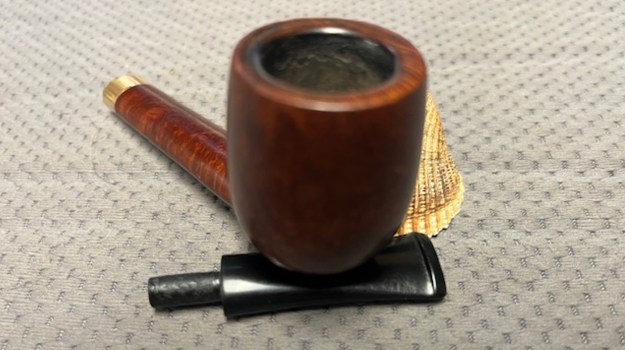
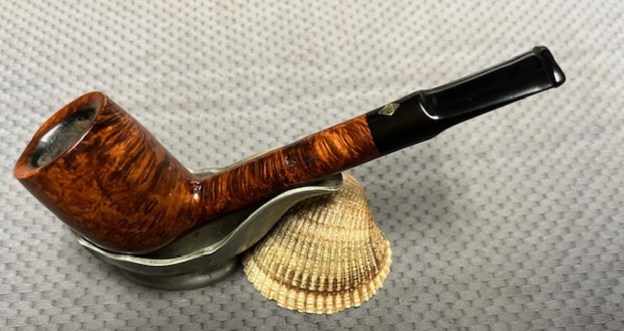
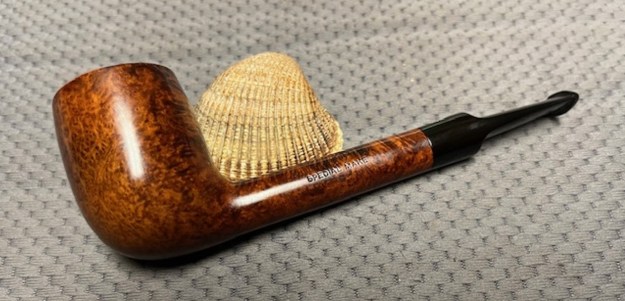
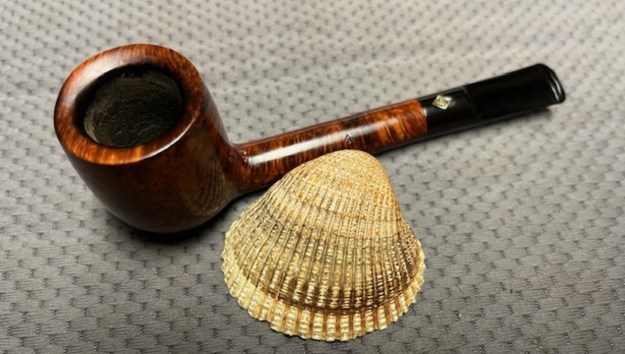
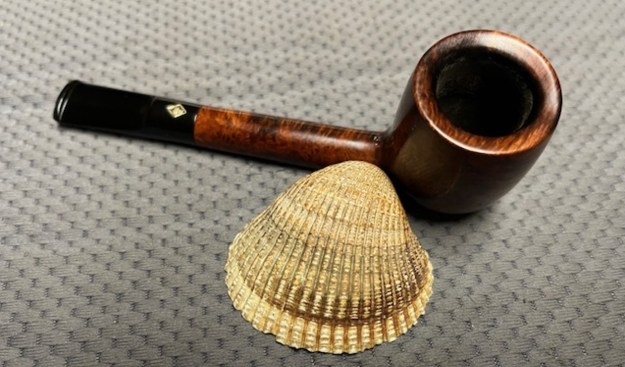
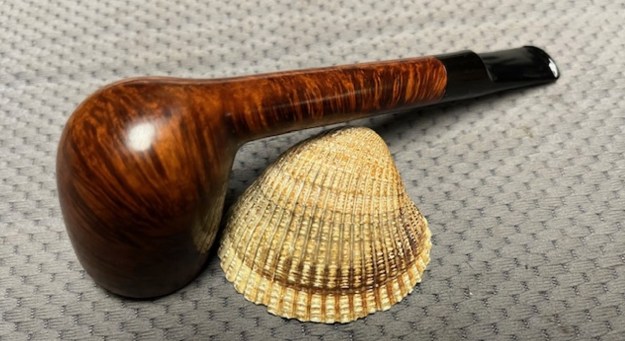
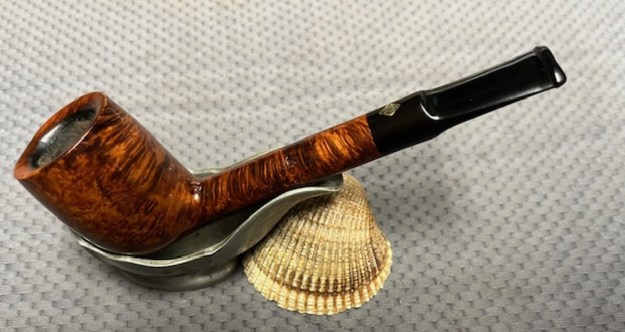
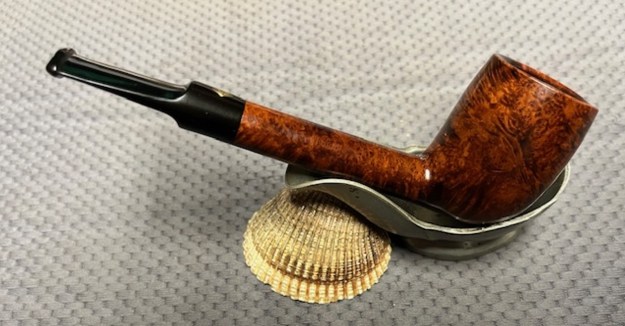
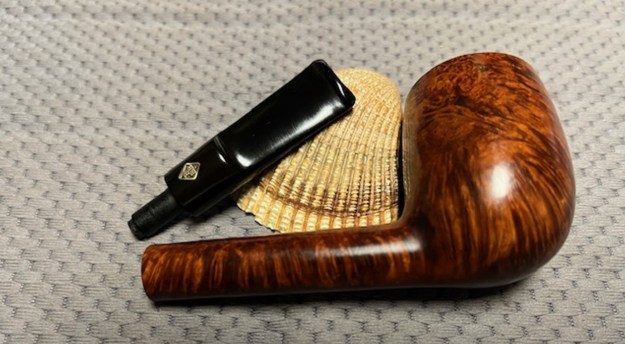
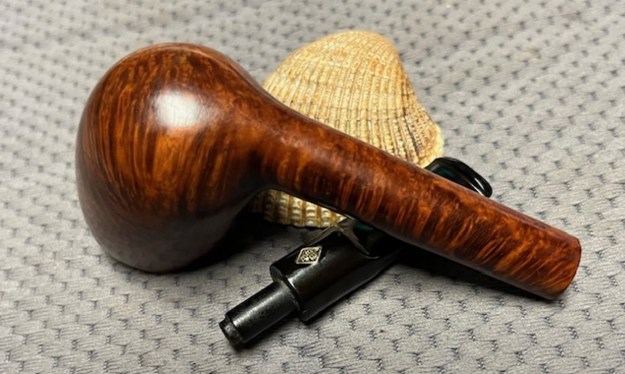
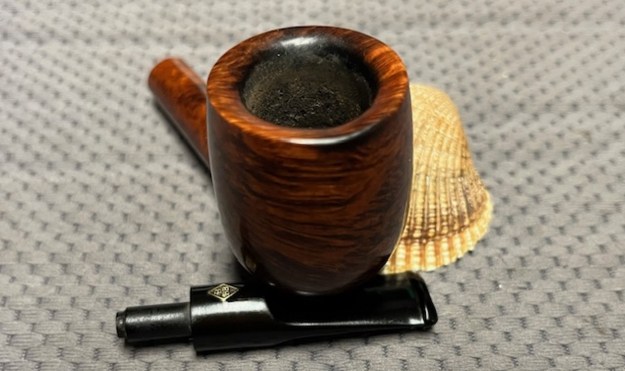
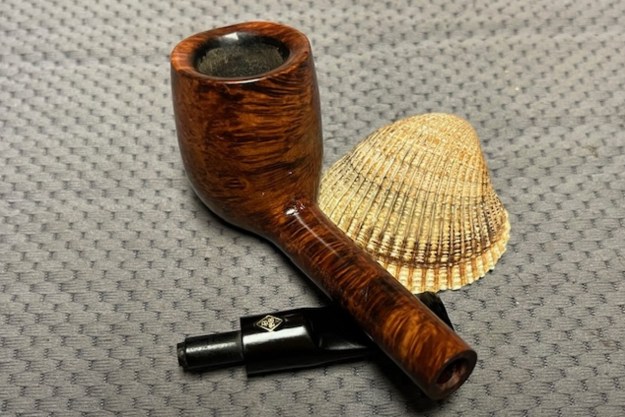
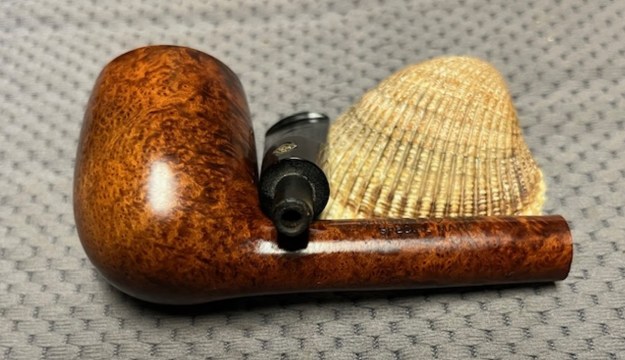
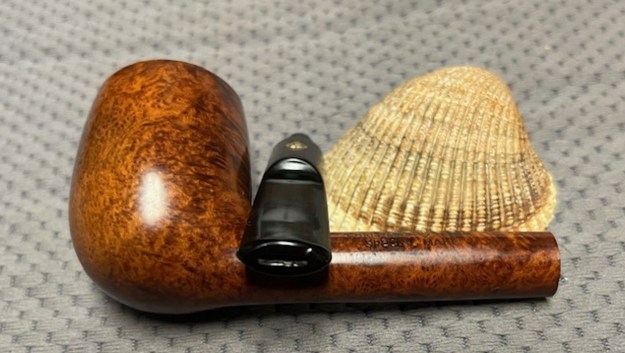
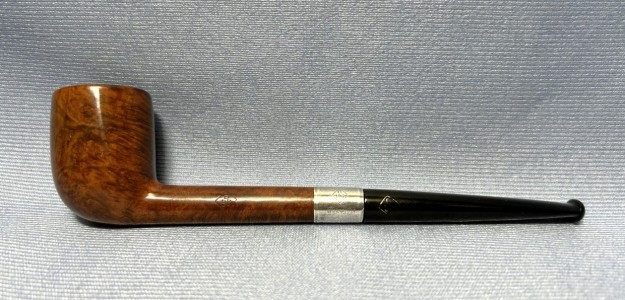
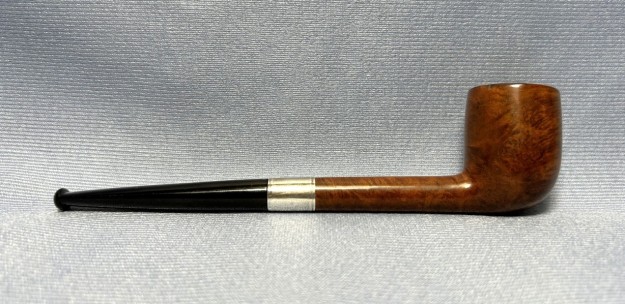
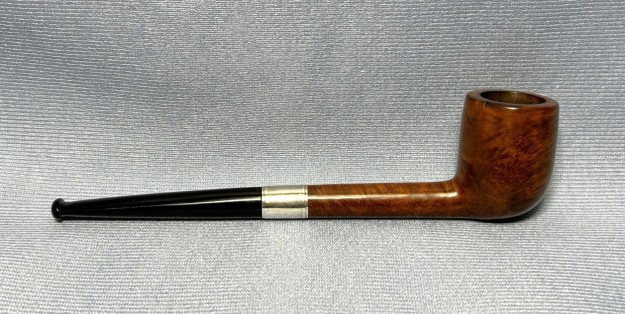
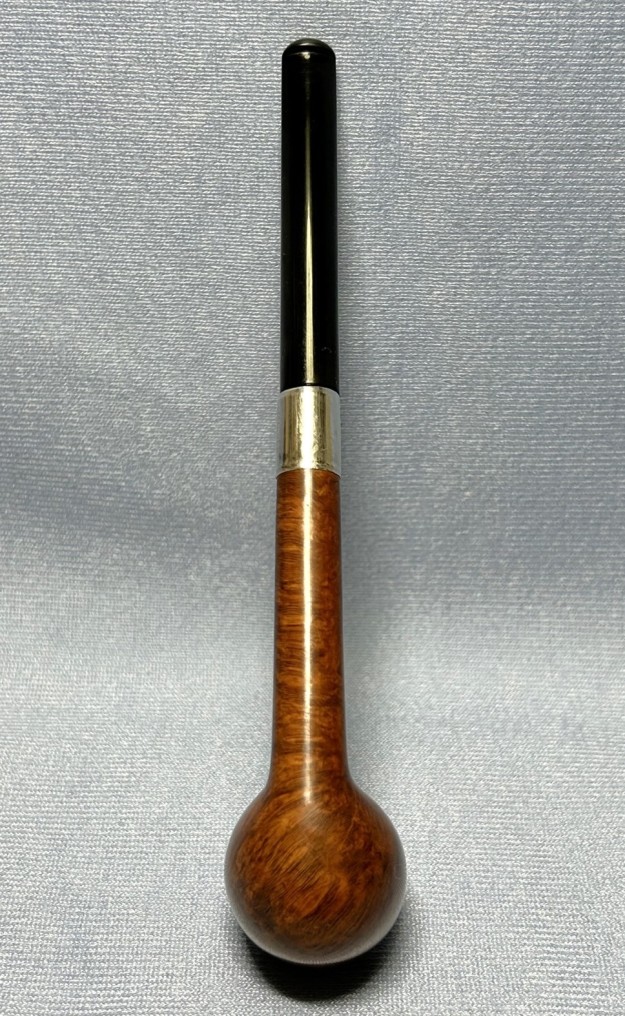
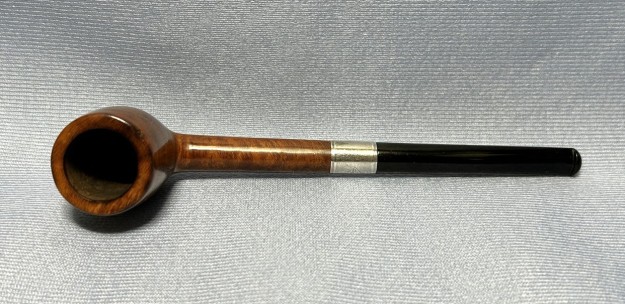
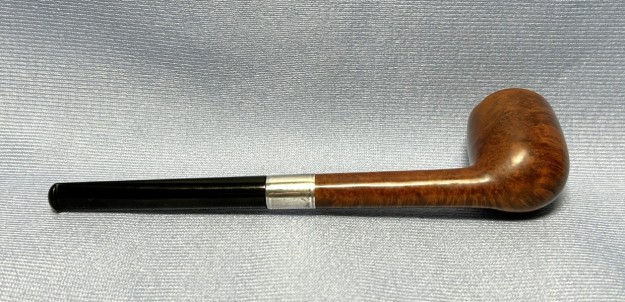
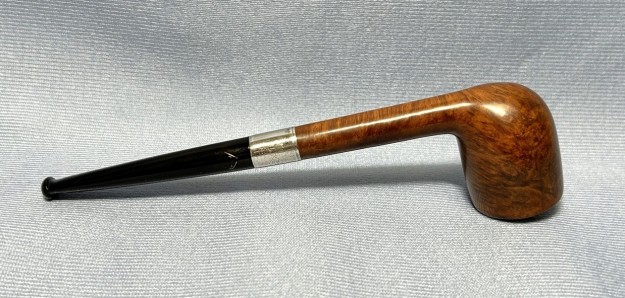
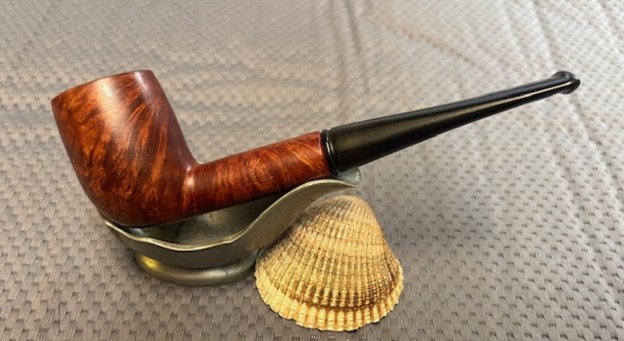
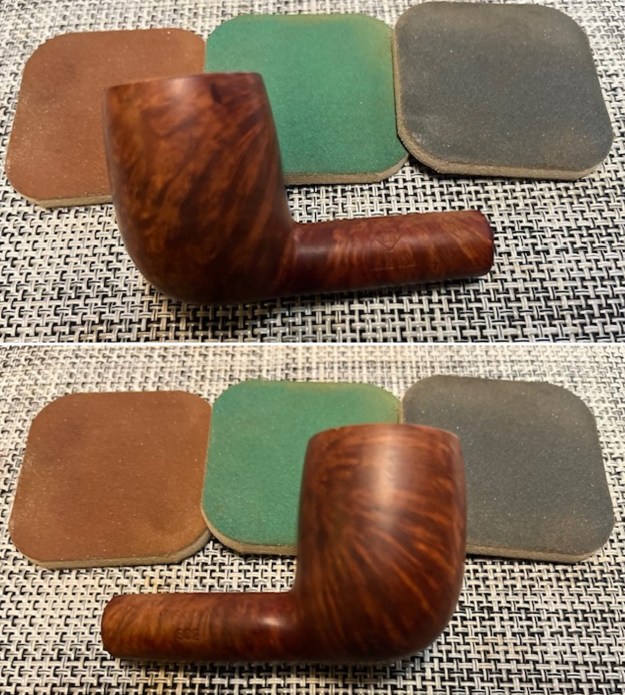
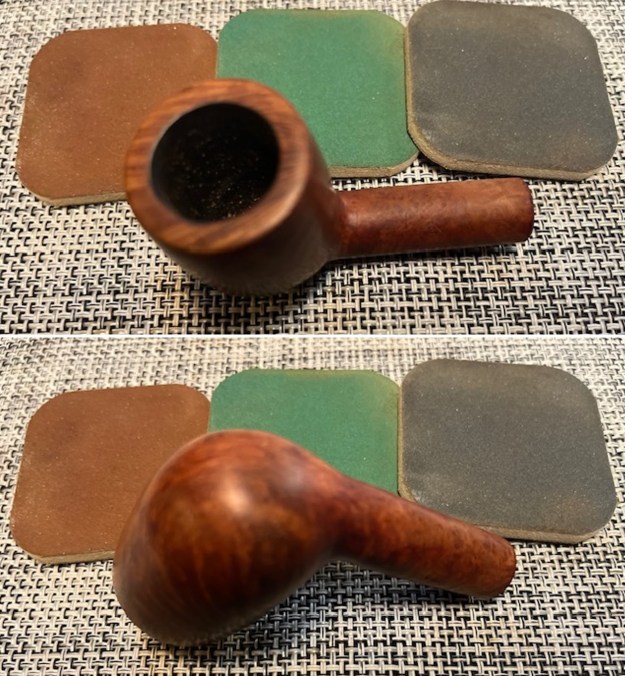
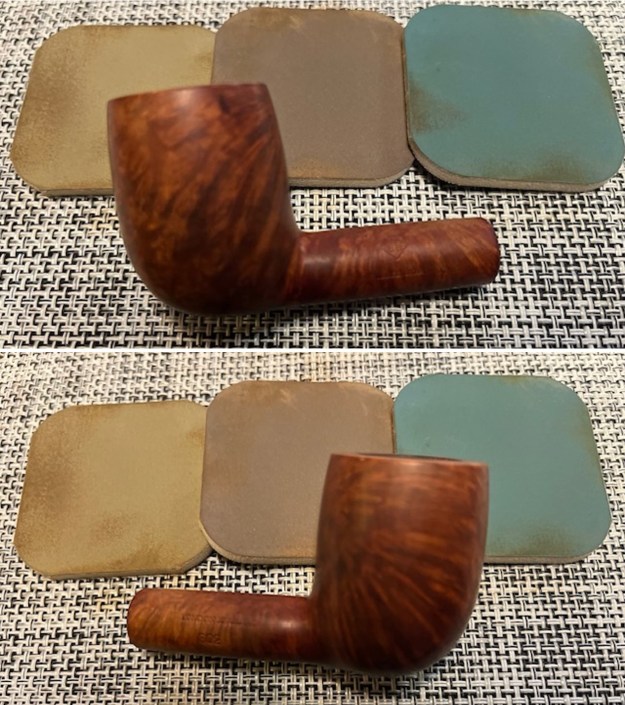
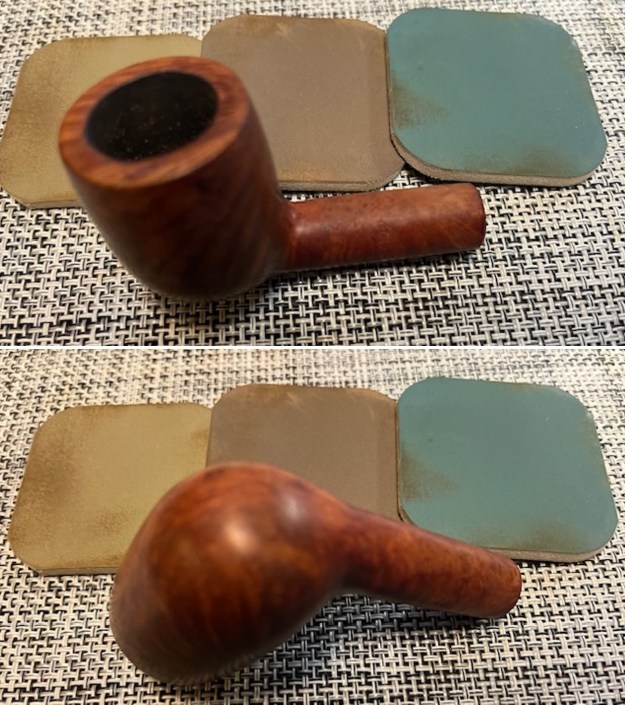
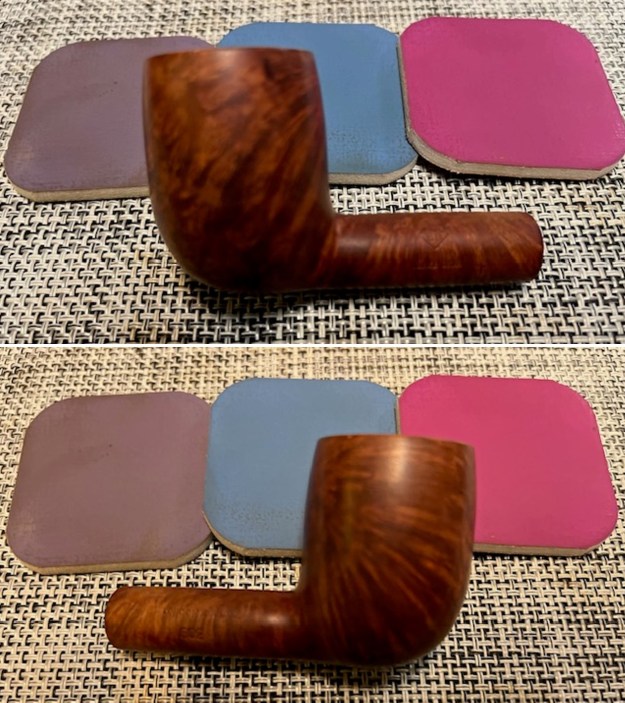
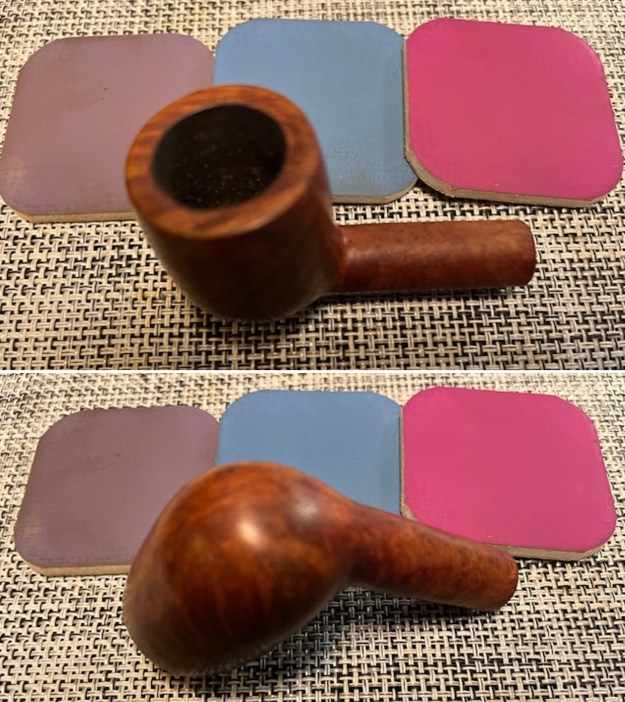
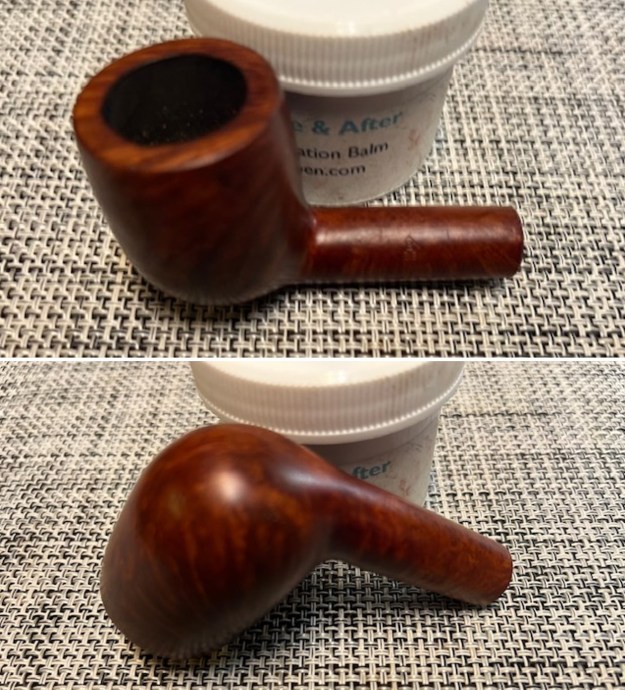
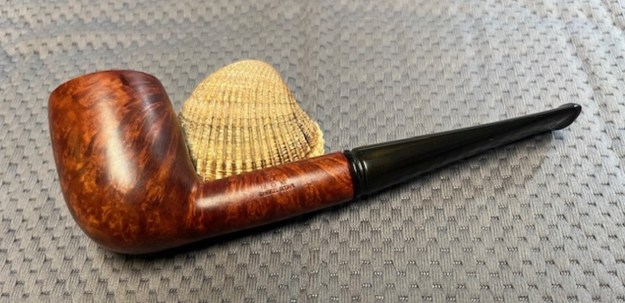
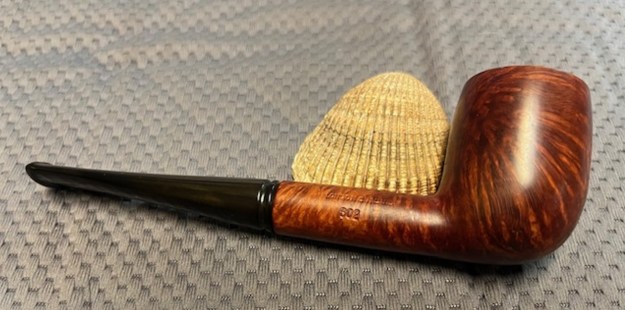
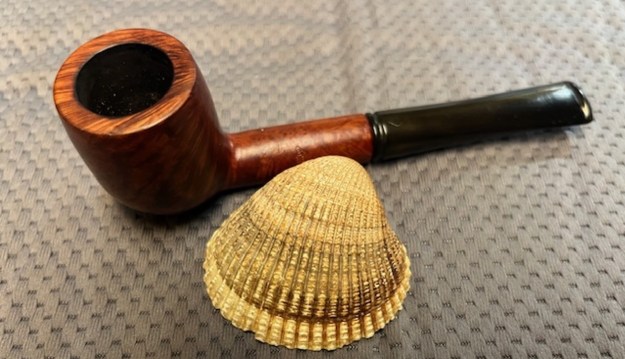
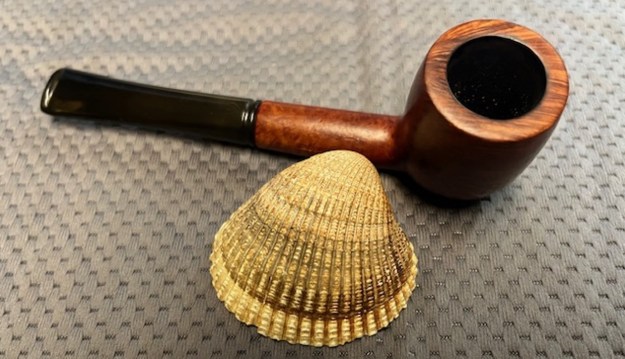
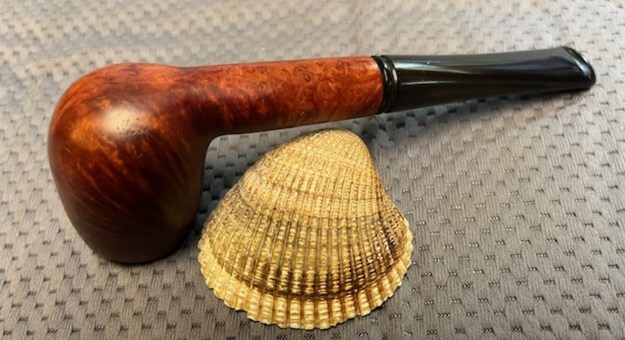
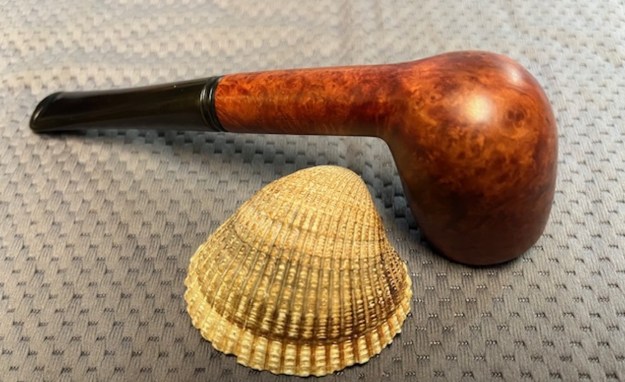
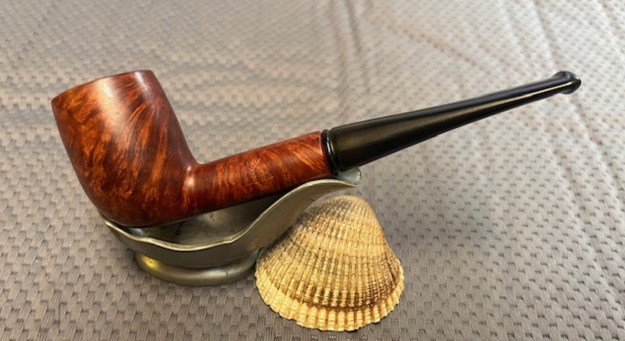
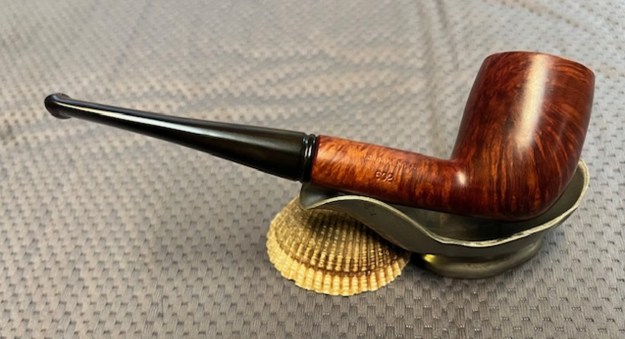
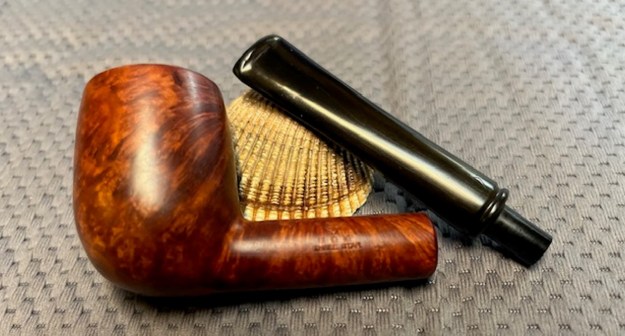
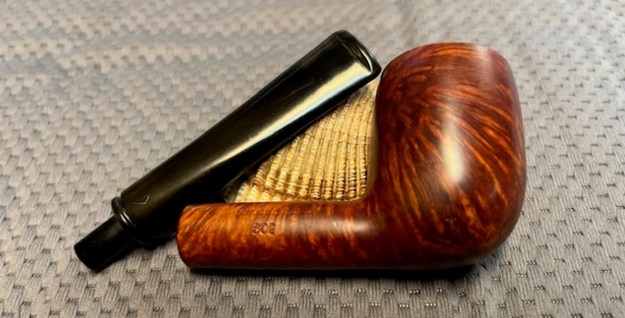
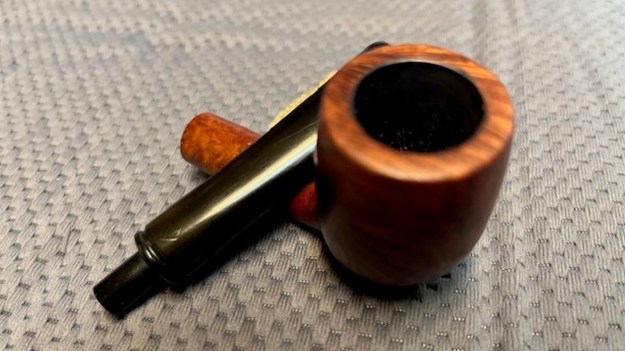
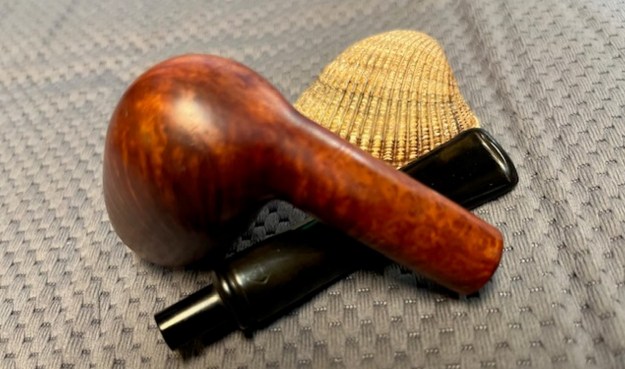
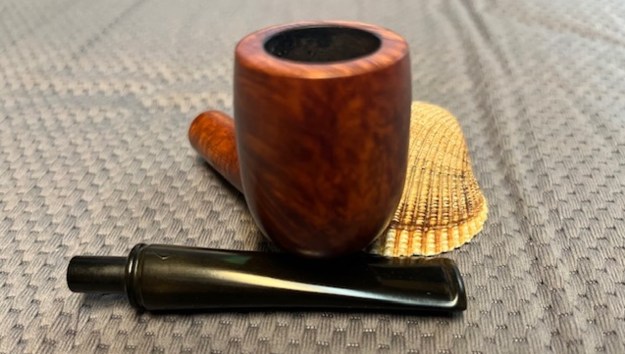
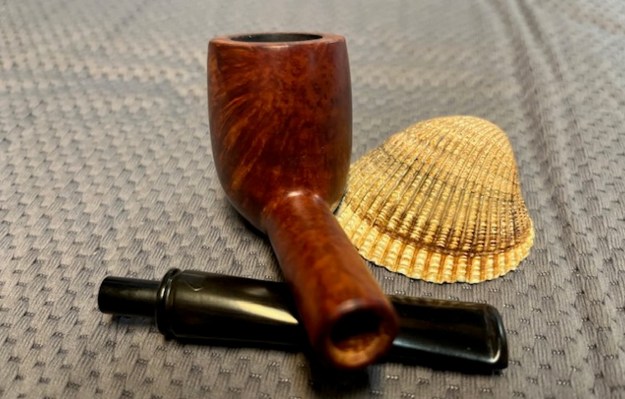
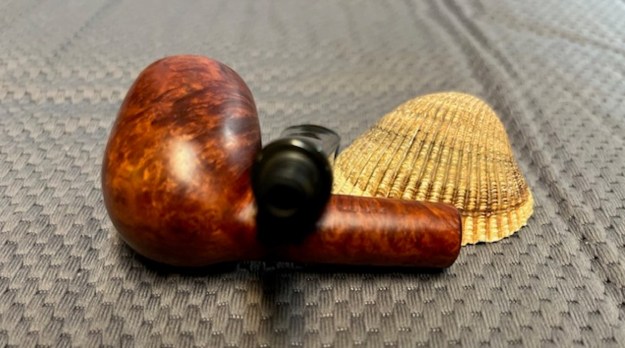
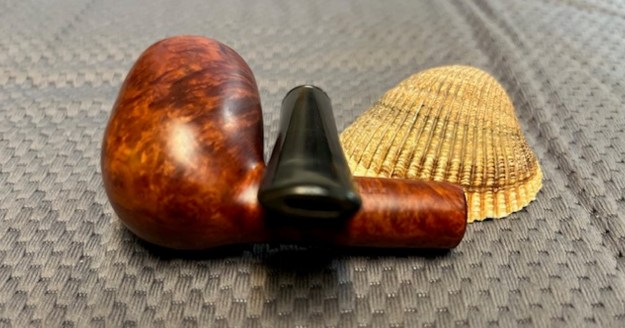
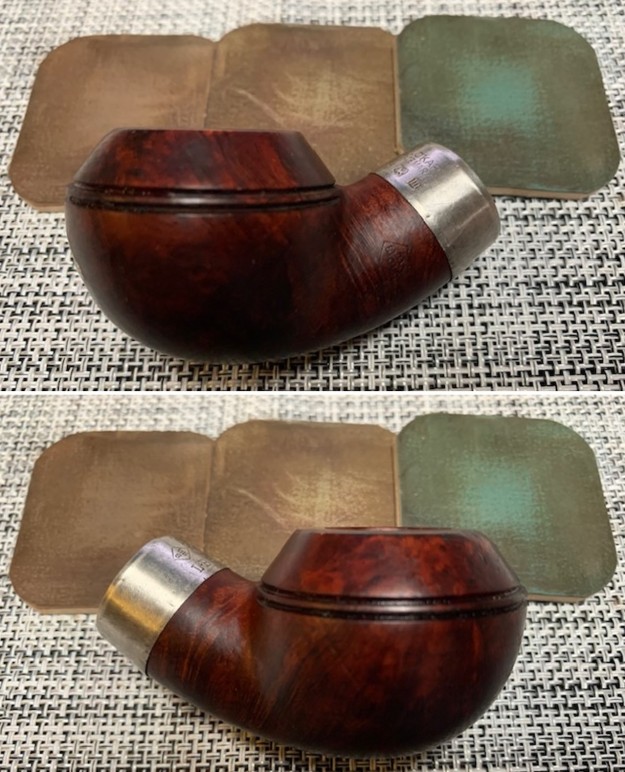
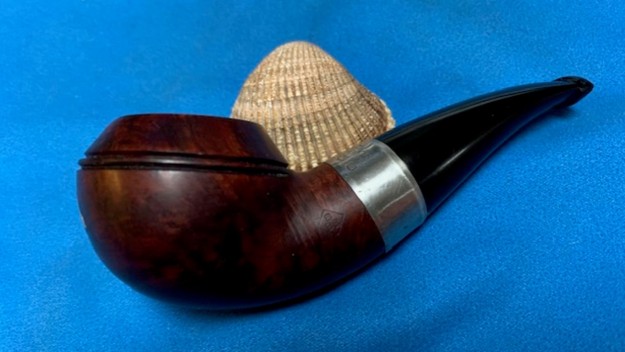
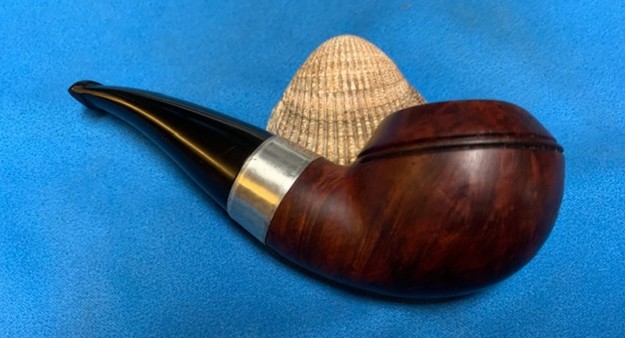
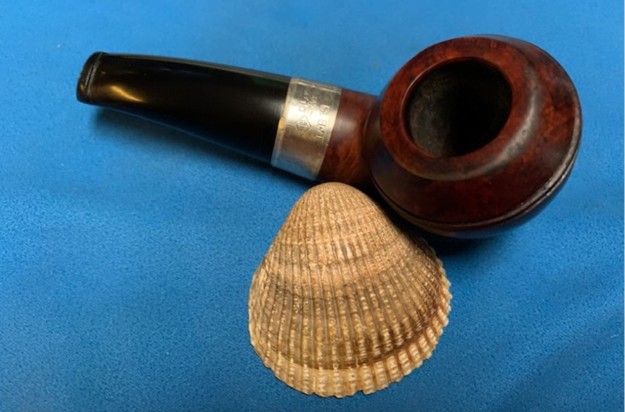
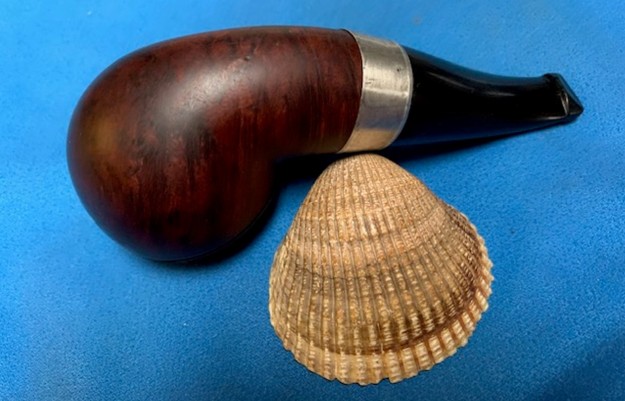
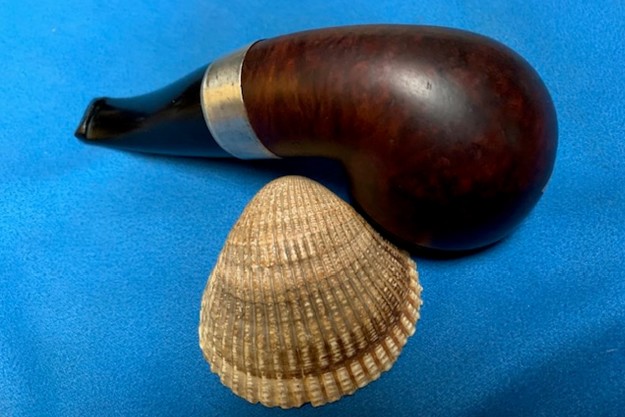
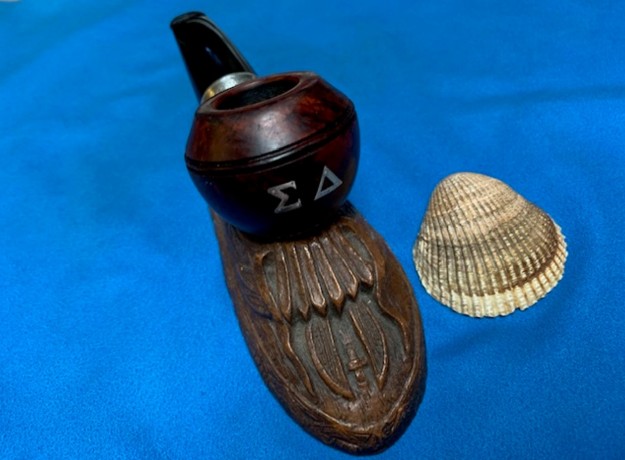
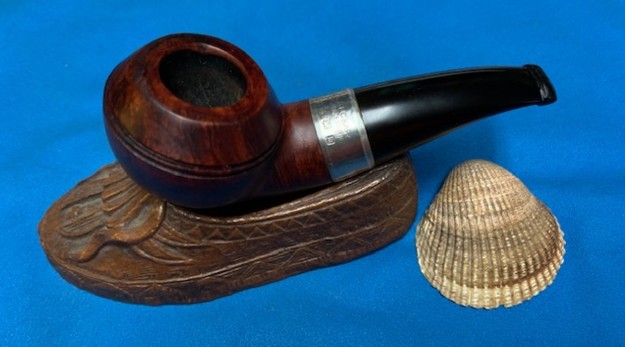
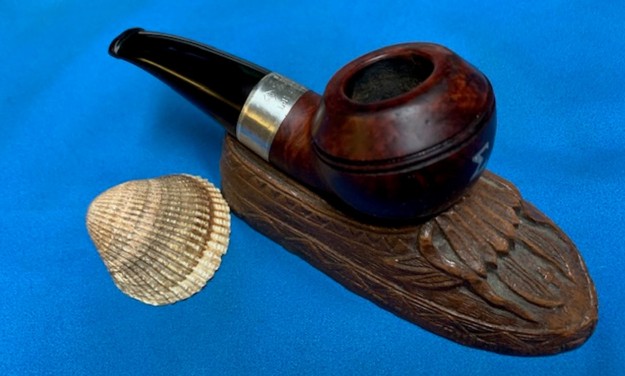
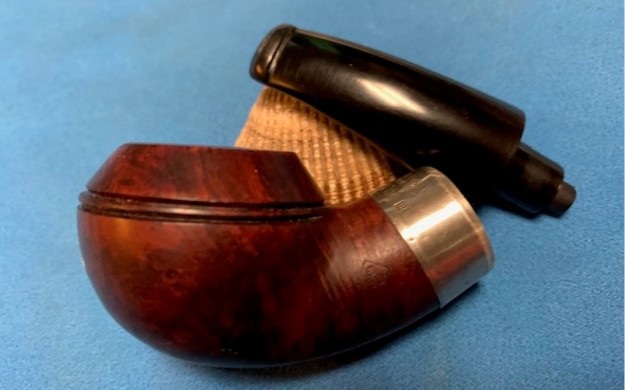
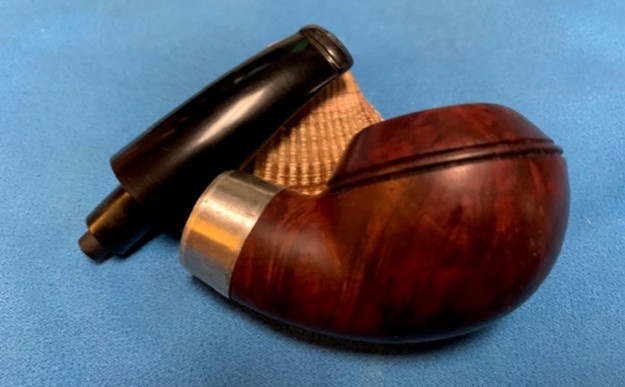
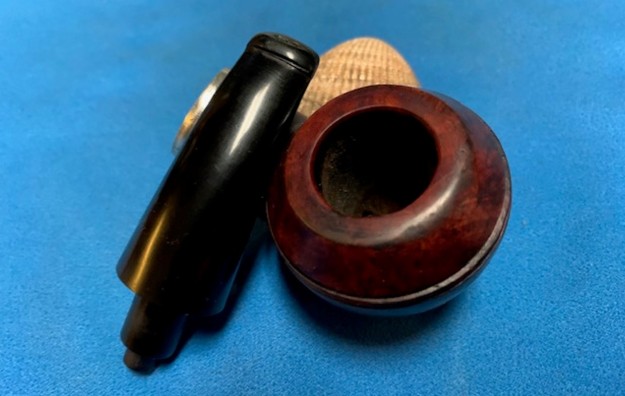
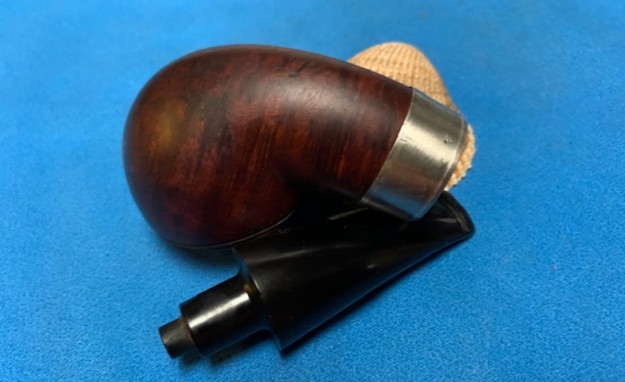
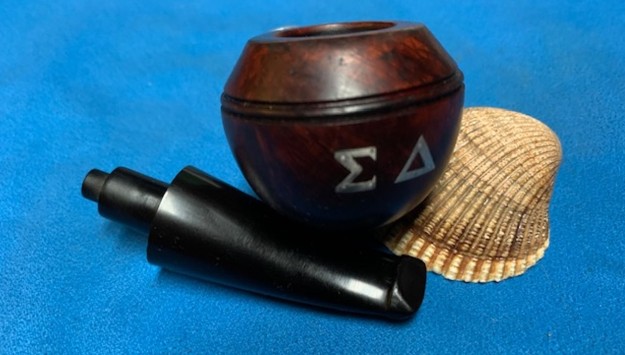
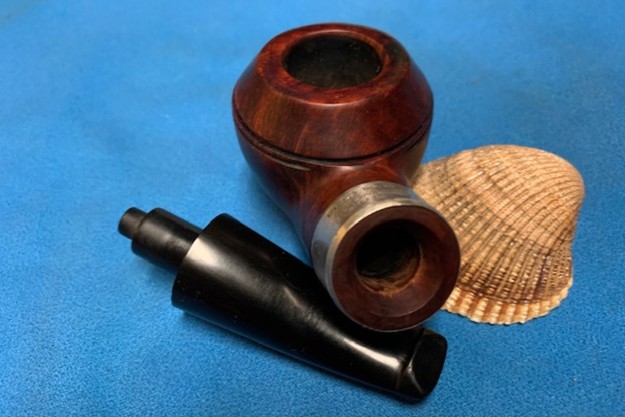
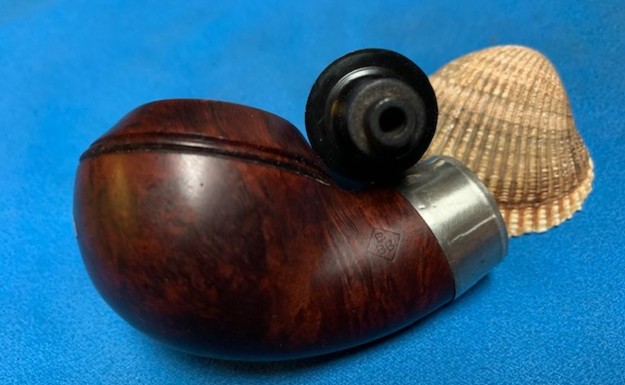
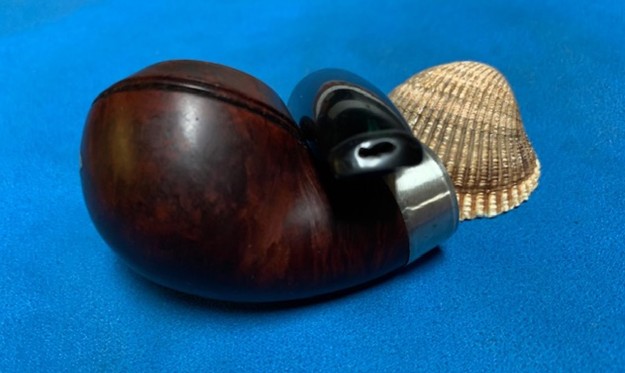
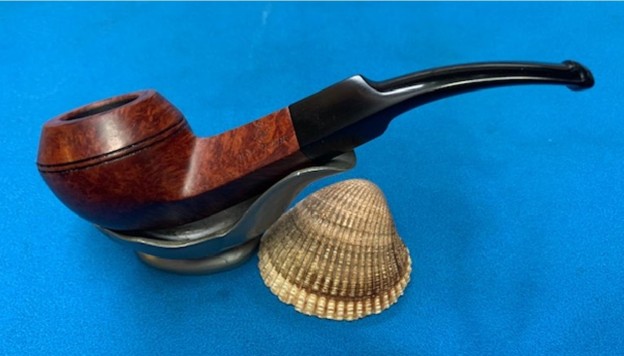
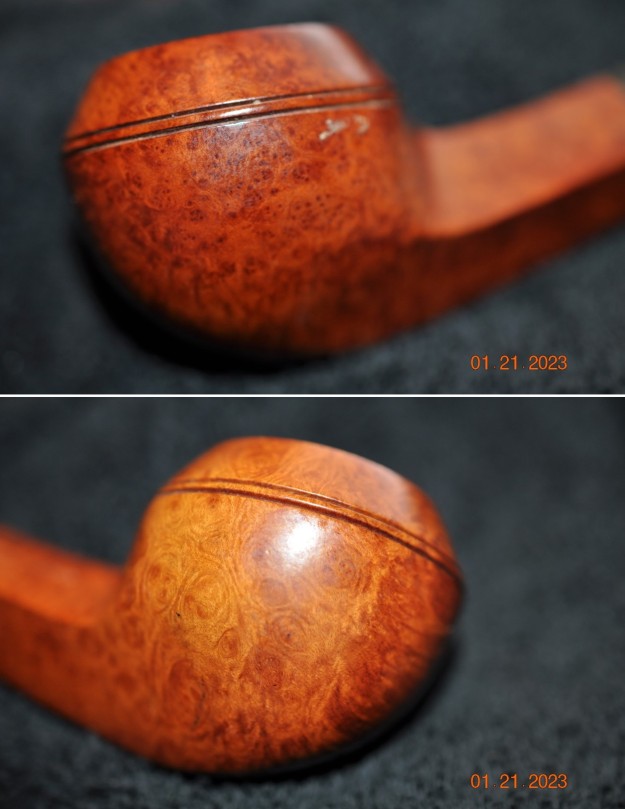
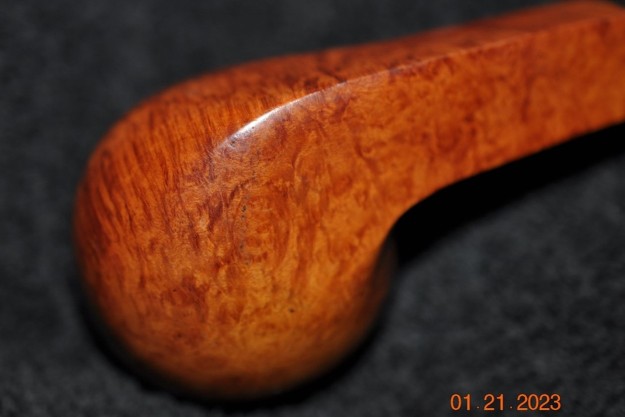
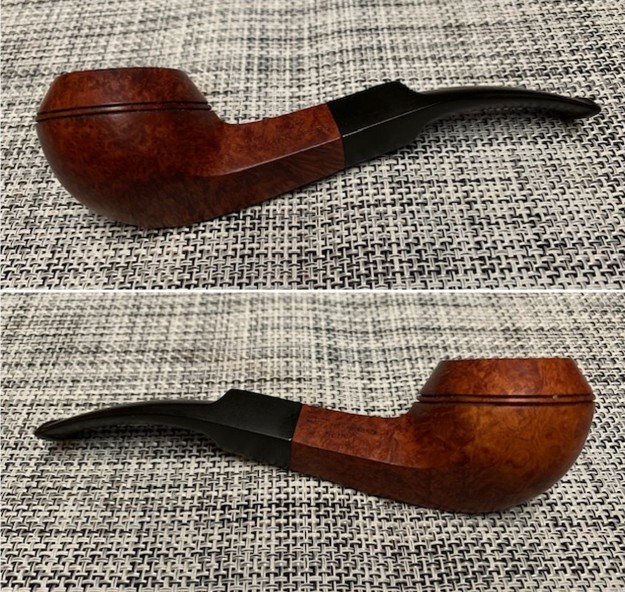
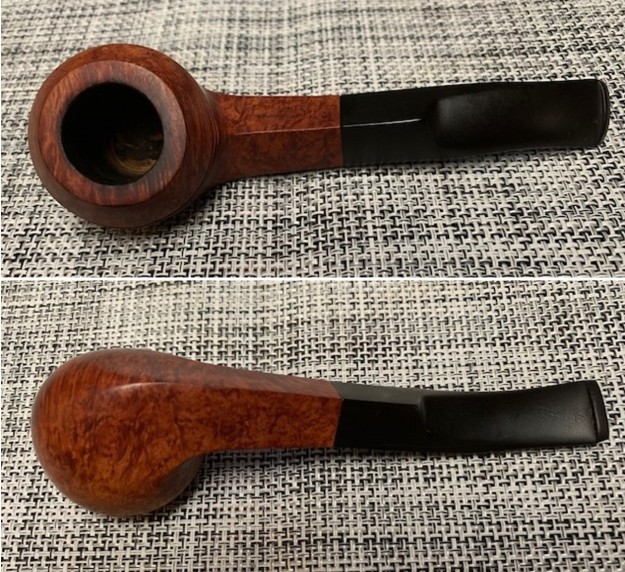
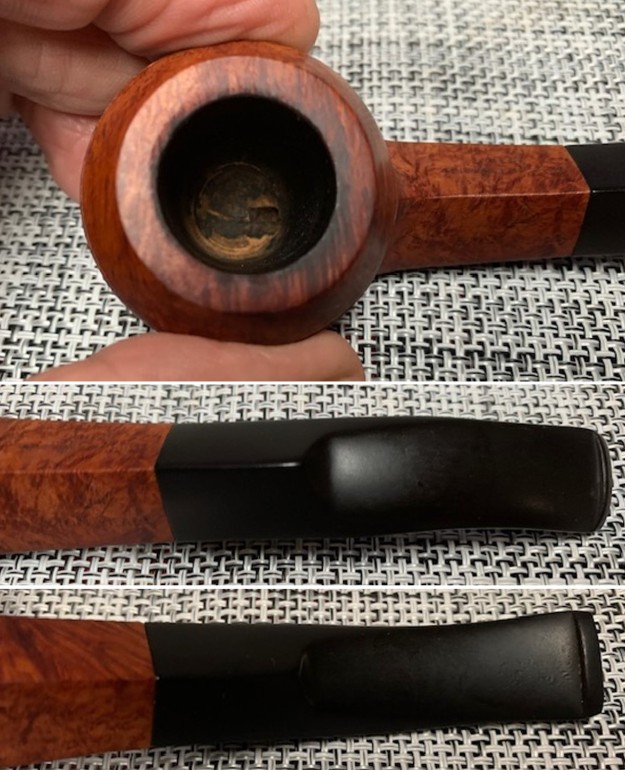
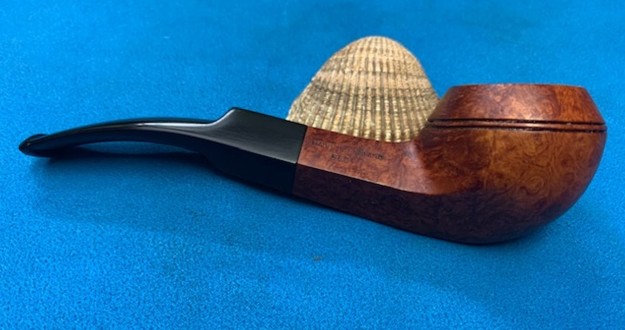
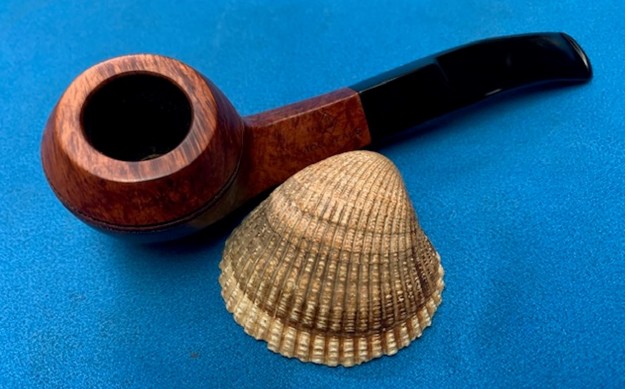
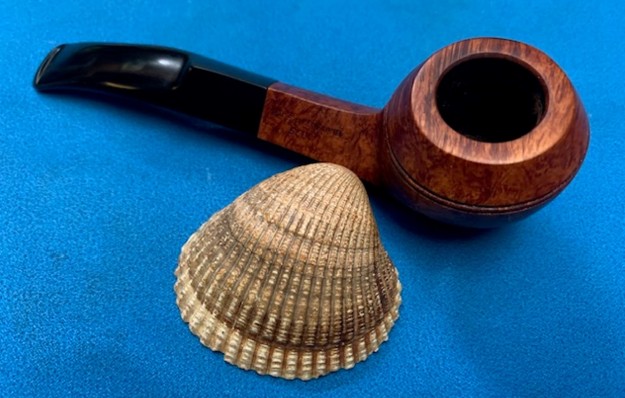
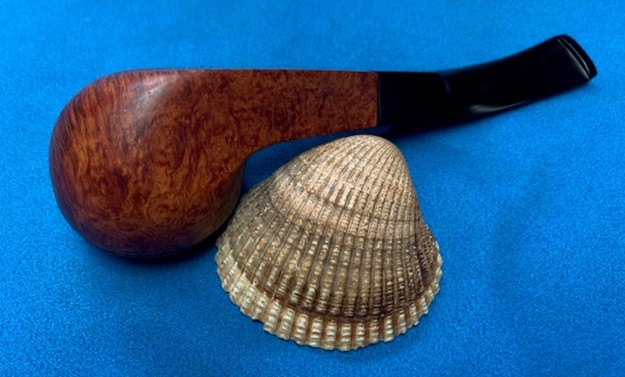
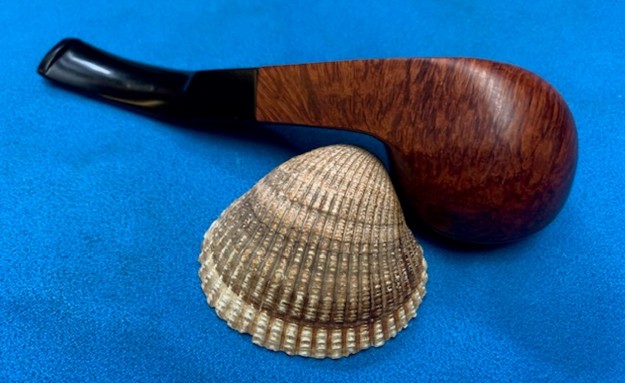
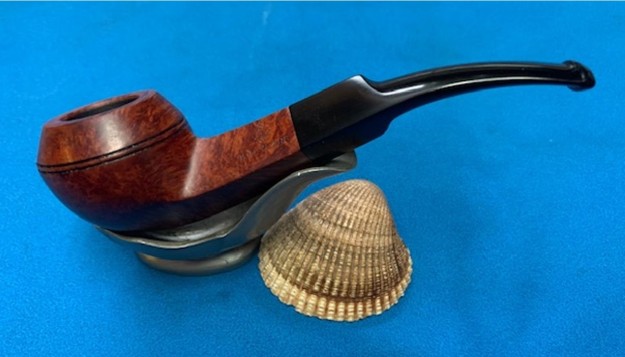
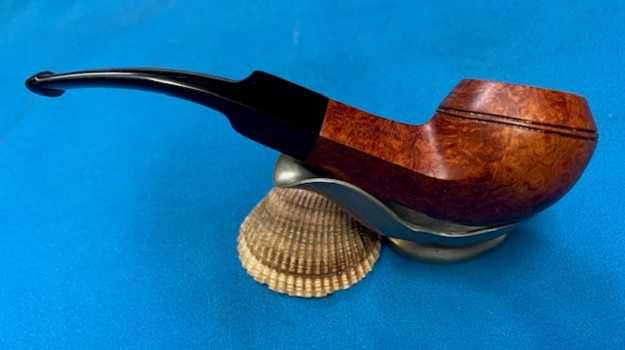
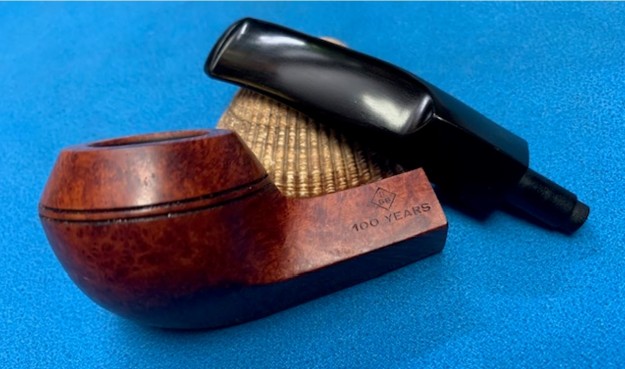
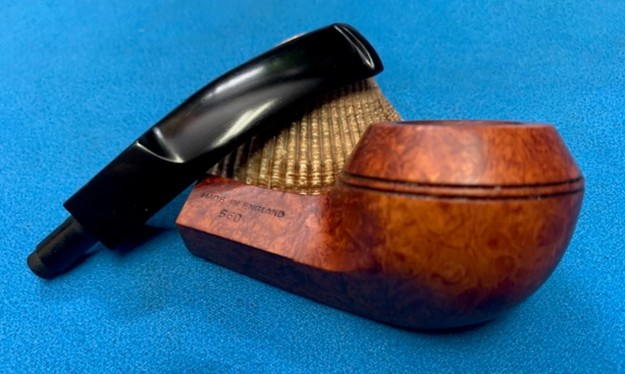
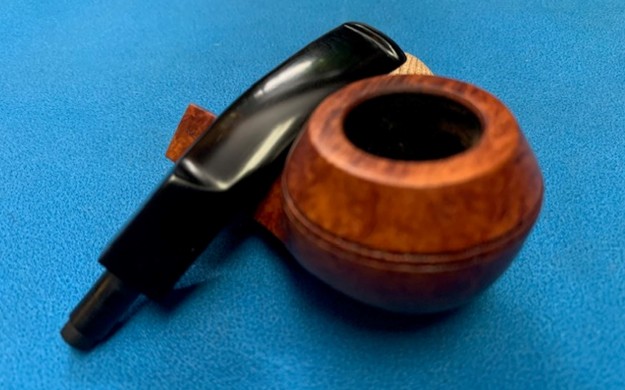
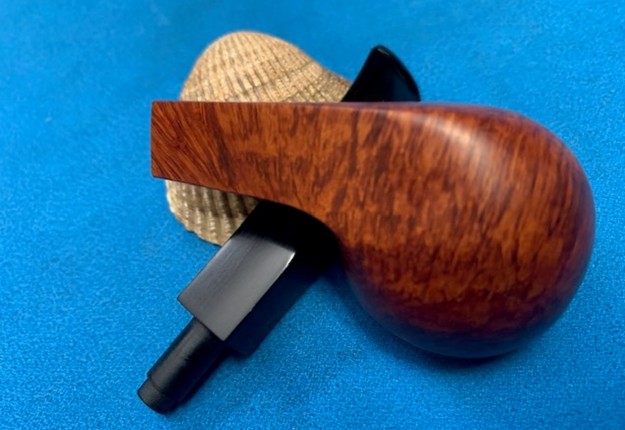
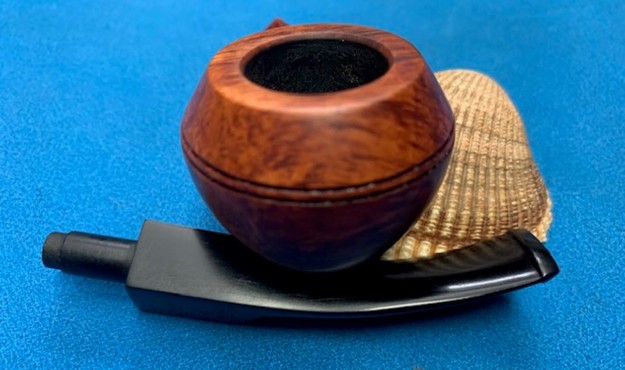
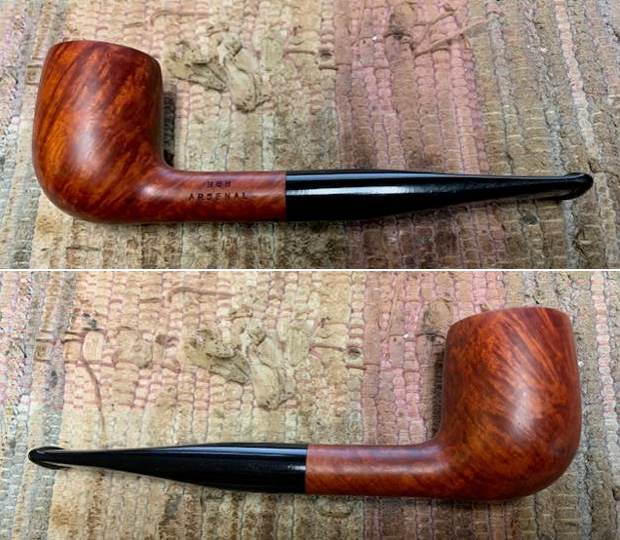
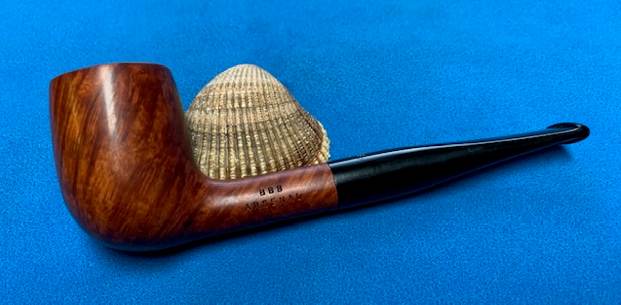
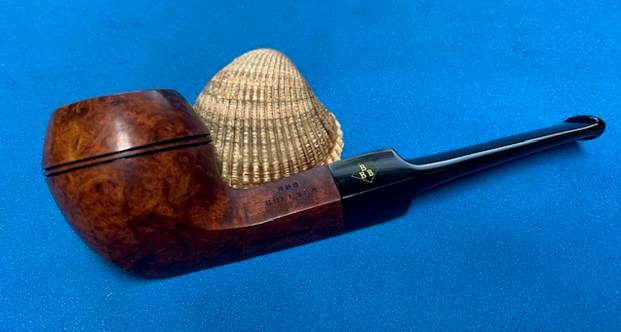
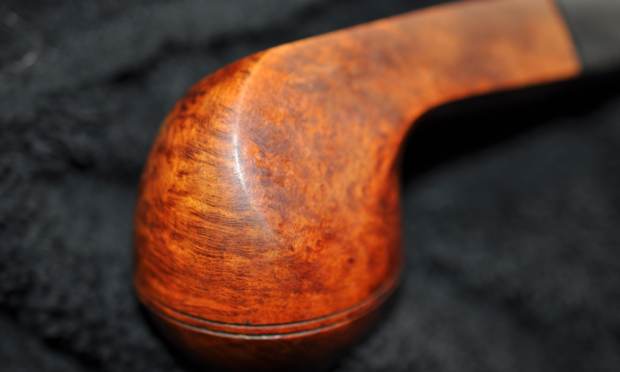
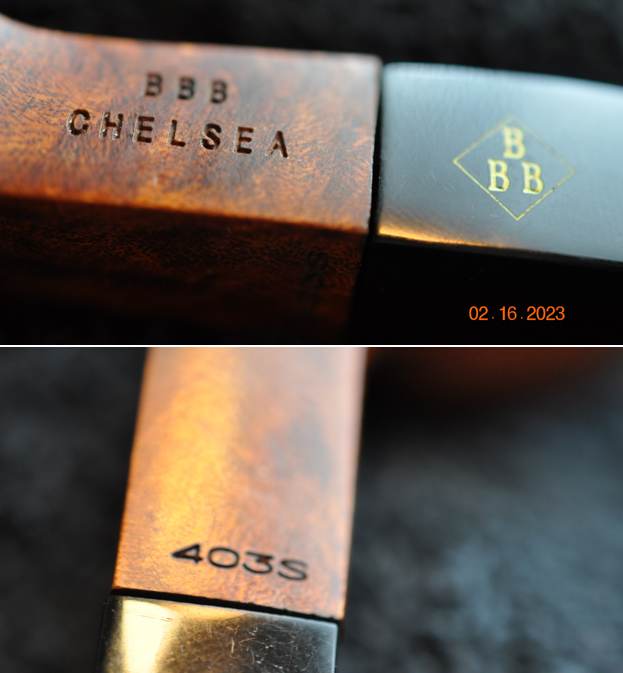
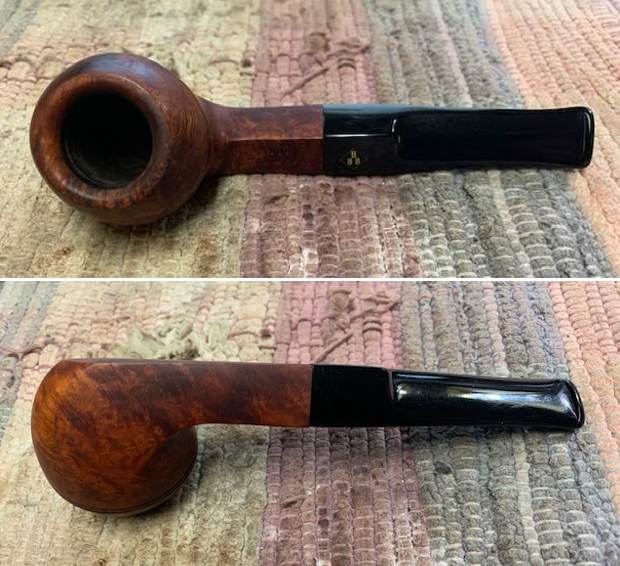
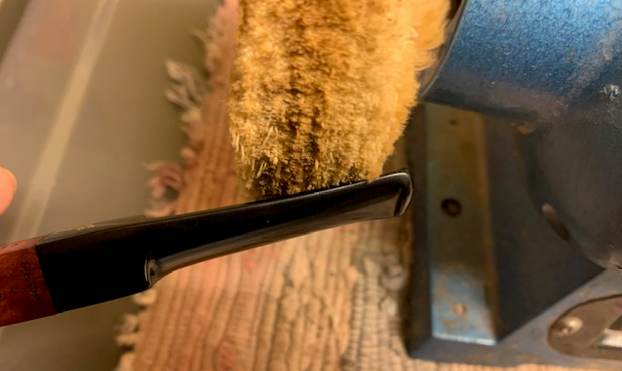
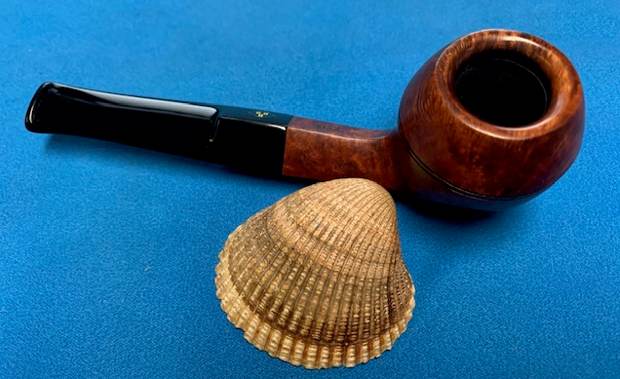
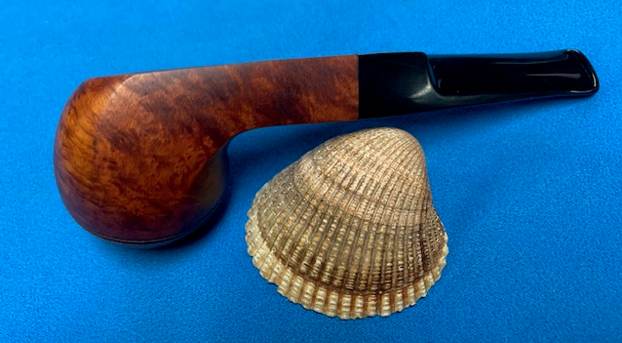
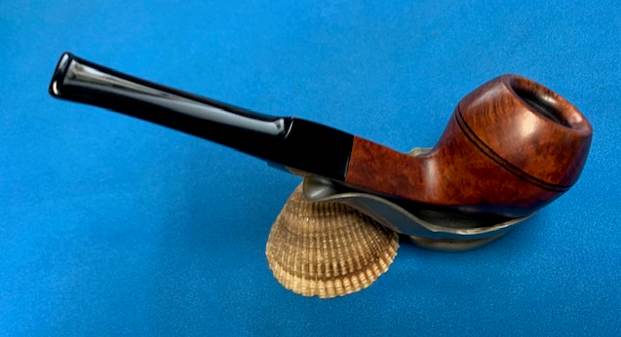
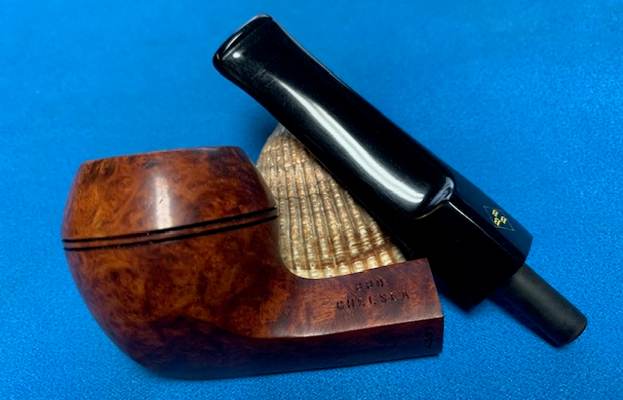
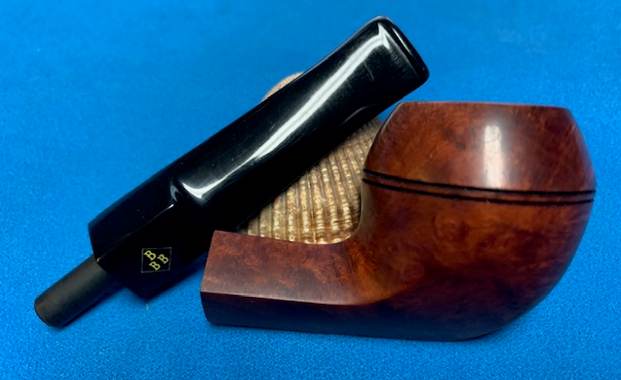
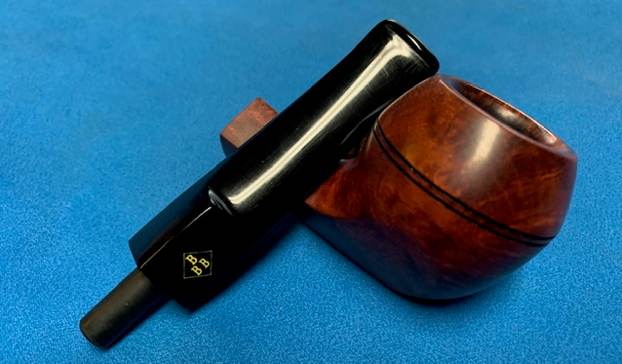
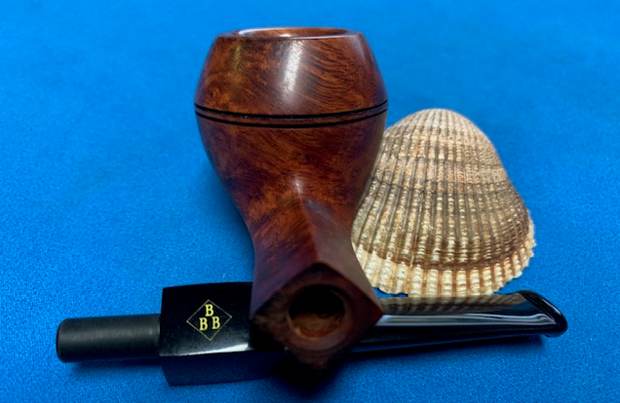
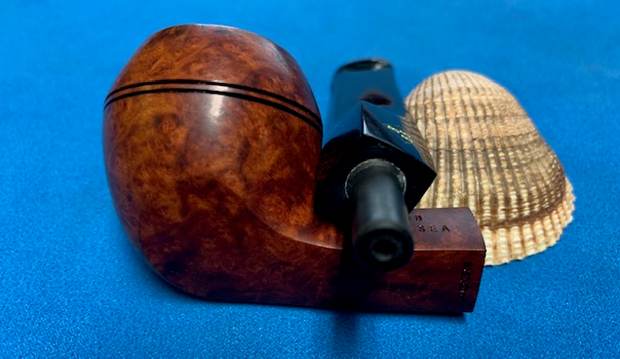
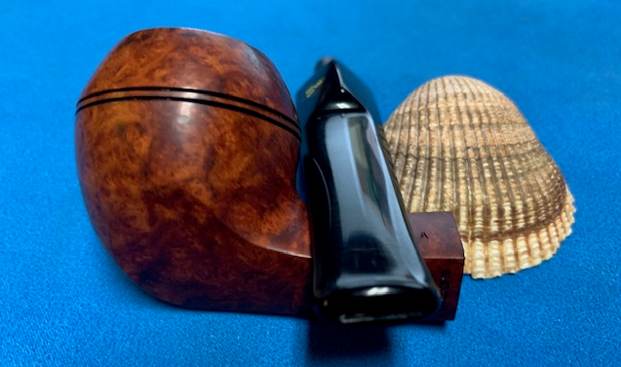
 This older BBB Ultonia 504 Gold Banded Canadian with a new vulcanite taper stem is a great looking pipe now that it has been restored. The beautiful grain on the briar shines through the polished finish is stunning. I put the stem back on the bowl and carefully buffed the pipe with Blue Diamond on the buffing wheel. I gave the bowl and the stem multiple coats of carnauba wax on the buffing wheel and followed that by buffing the entire pipe with a clean buffing pad. I hand buffed the pipe with a microfiber cloth to deepen the shine. The finished BBB Ultonia Canadian 504 fits nicely in the hand and feels great. Give the finished pipe a look in the photos below. The dimensions of the pipe are Length: 5 ½ inches, Height: 1 ½ inches, Outside diameter of the bowl: 1 ¼ inches, Chamber diameter: ¾ of an inch. The weight of the pipe is 31 grams/1.09 ounces. It is a beautiful pipe and one that I hold until I have finished working on the other three pipes that Andrew sent me. Once I am finished with the lot they will be heading back to Greece. Thanks for walking through the restoration with me as I worked over this pipe. Thanks to each of you who are reading this blog.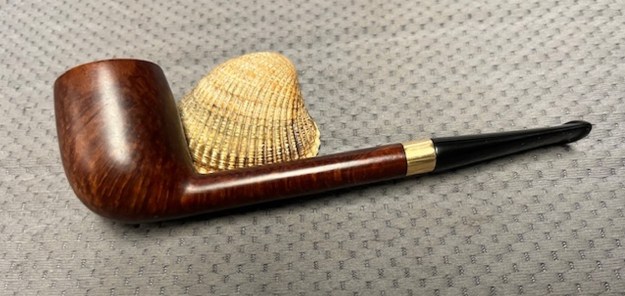

































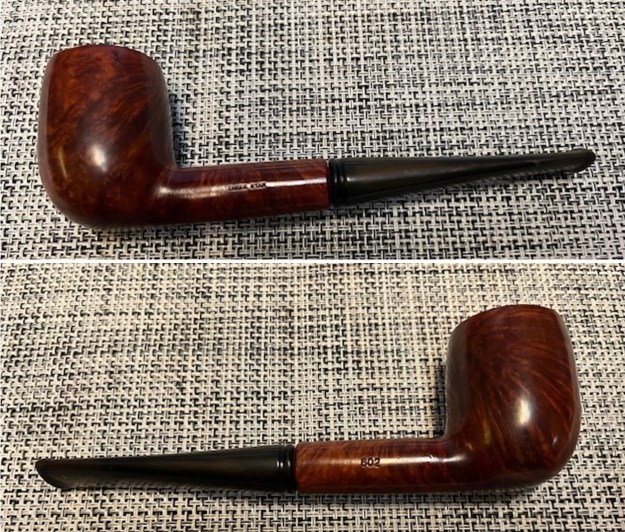
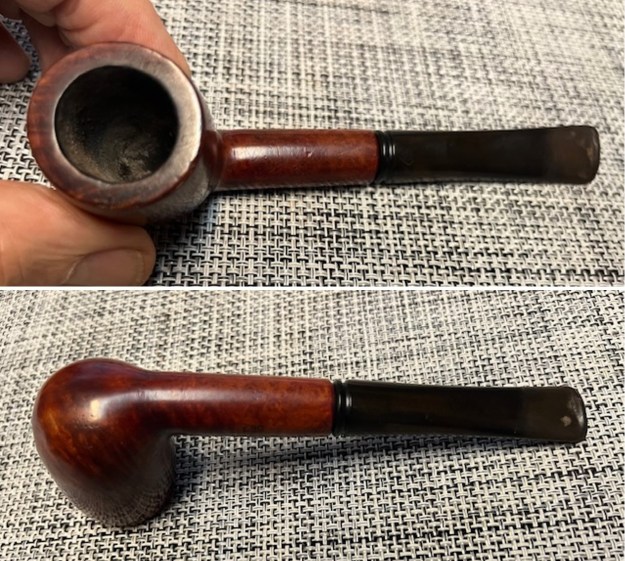
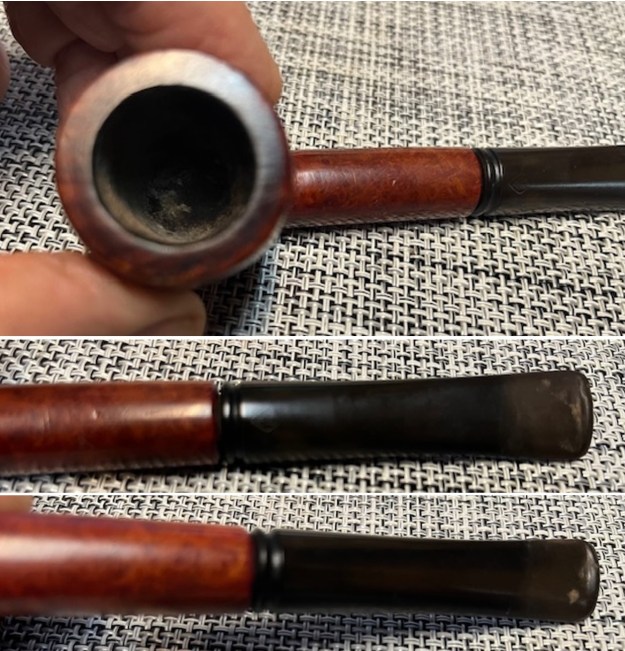
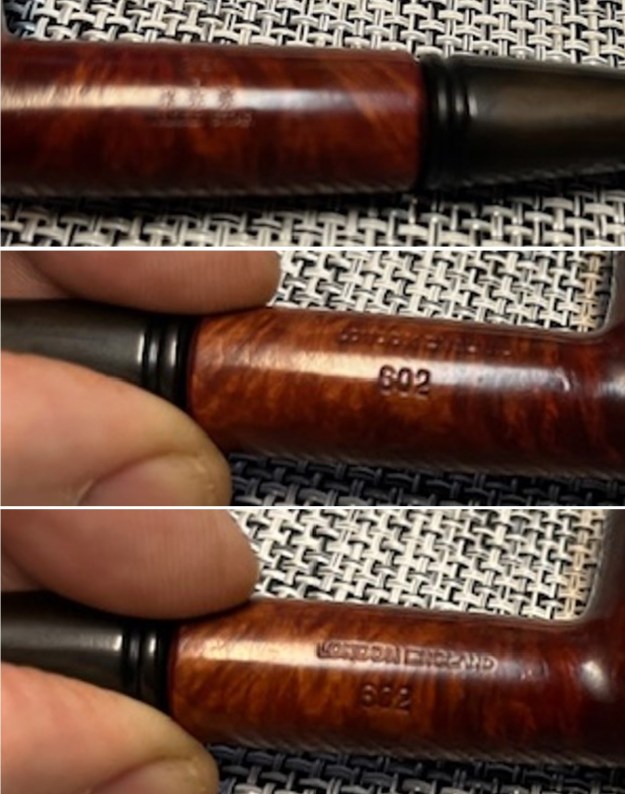
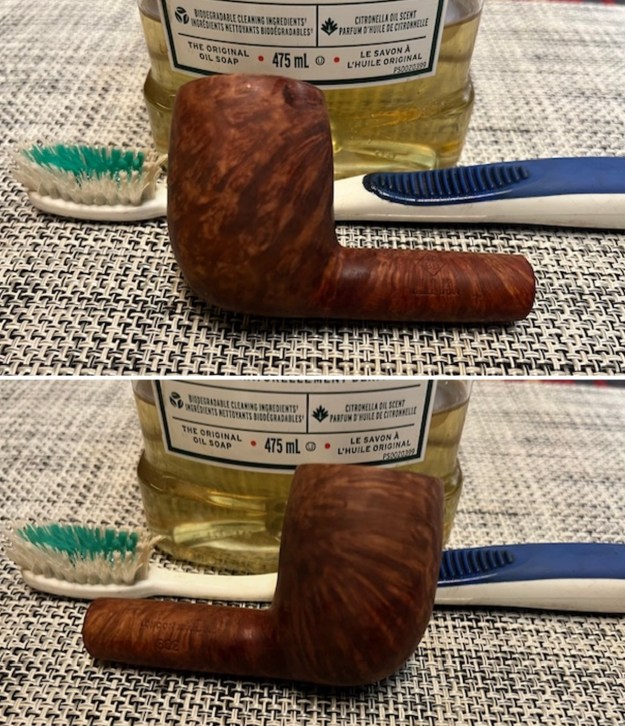
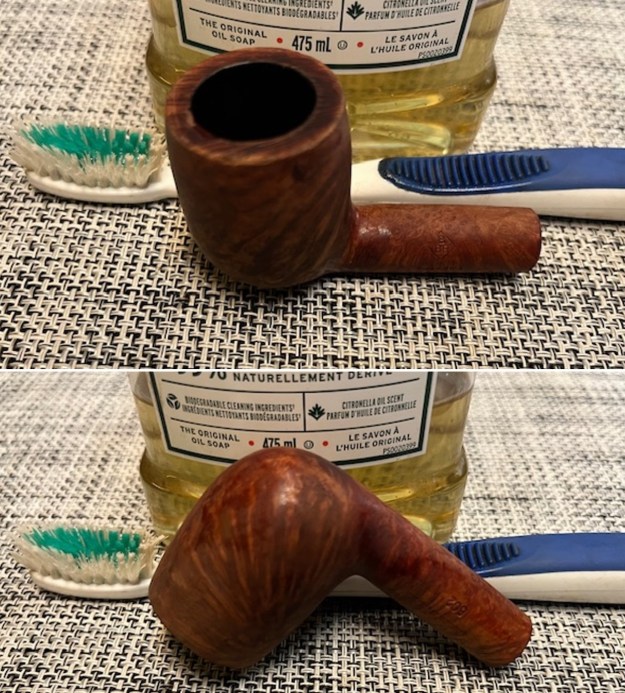
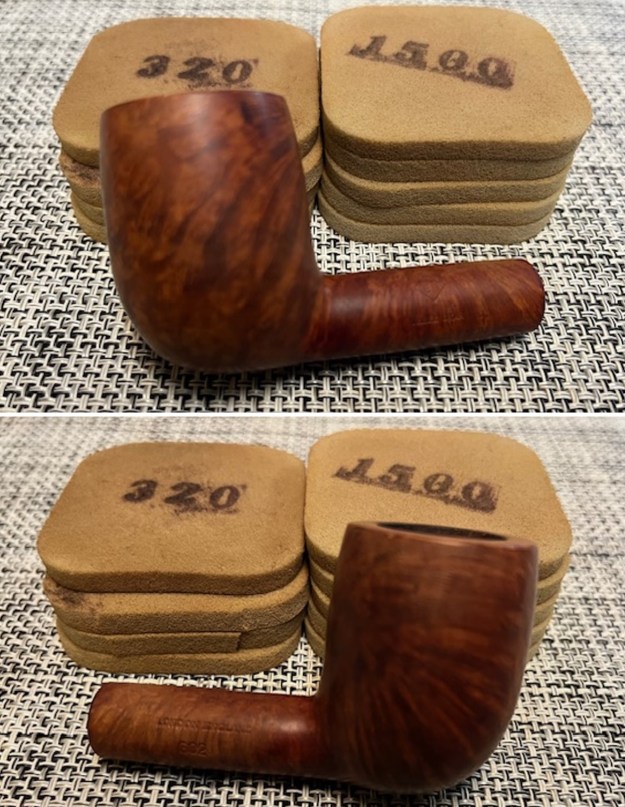
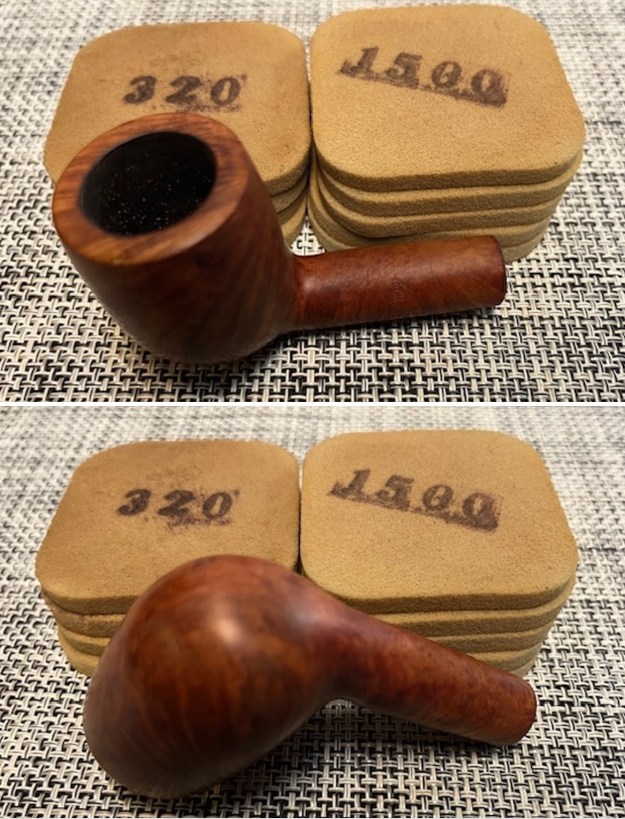






































 rebornpipes