
by Steve Laug
On the weekend I received a phone call from Brian, a fellow the local pipe shop referred to me. He had two Savinelli Balsa filter pipes that were clogged and had no airflow. He asked if I would clean and open them up for him. I received them in the post yesterday and opened the box that he sent them in. The first pipe I chose to work on was a Canadian shape. It was stamped Tundra on the topside of the shank and has a Savinelli S shield on the underside followed by the shape number 802. The finish was very dirty and sticky to touch. The bowl had a thick cake that completely covered the airway at the bottom of the bowl. The rim top had was covered by thick coat of lava that was sticky. The taper stem was multi-coloured acrylic. It had a bite trough in the underside ahead of the button and some deep tooth marks on the topside. The tenon was thin and was made to hold a Balsa filter. There was a clean and very damaged filter in the tenon. The shank and airways in both the mortise and stem were very dirty. I blew through the stem and it was clear and unclogged. I tried to blow through the shank and it was completely closed off with no airflow at all. I took photos of the pipe before I started my work.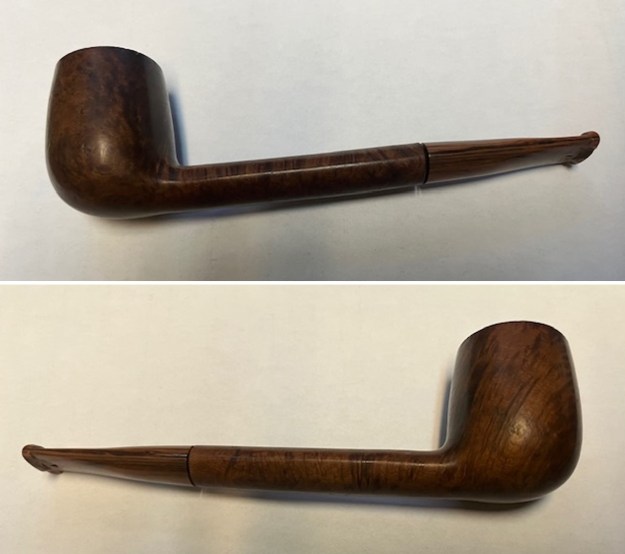
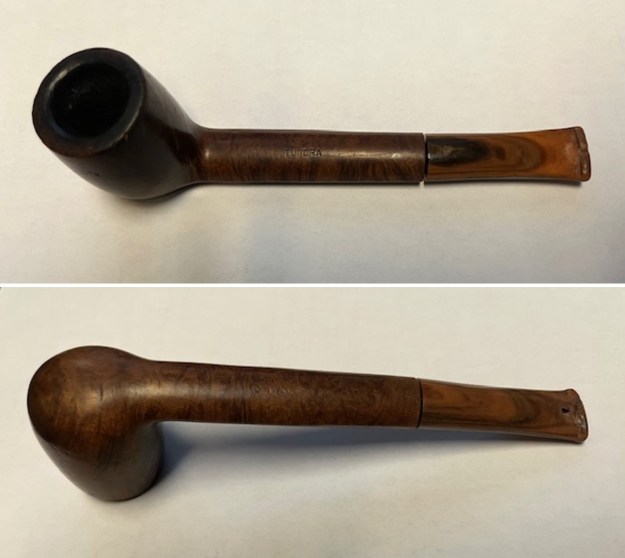 I took photos of the rim top and the stem to show the condition. You can see the cake in the bowl and overflow of lava on the rim top. The photos of the stem show the tooth marks and chatter on the top and the bite through on the underside of the stem. There are also bite marks on the top and underside of the button.
 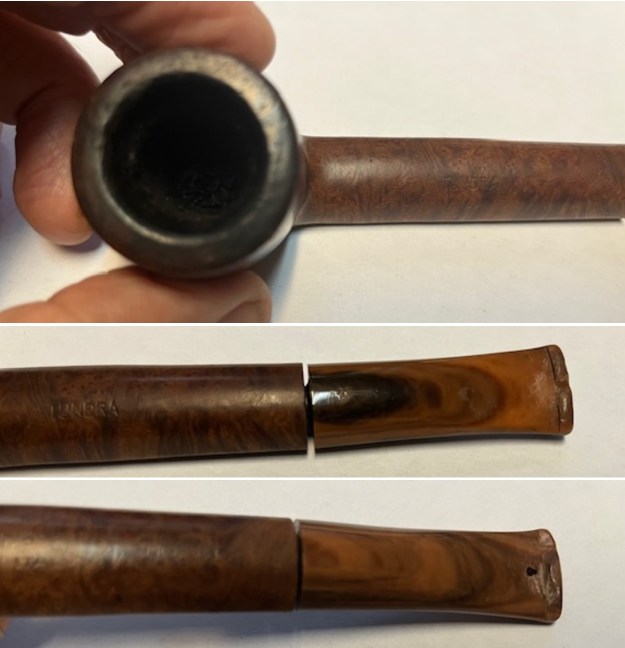 I took photos of the stamping on the top and underside of the shank to capture it. The Tundra stamp and the stamping on the underside was faint but readable as noted above. I removed the stem and took a photo of the parts to give a sense of the look of the pipe.
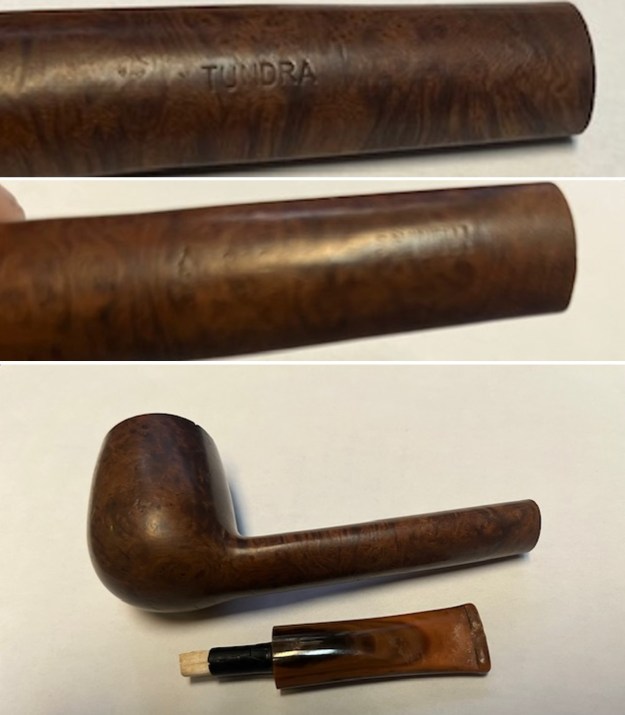 I turned to the Savinelli website to see what it had to say about the Tundra line of pipes (https://www.savinelli.it/rw_en/savinelli-tundra-802.html). Interestingly, they had the same pipe pictured on the site with the following description.
This pipe series take inspiration from Tundra, typical landscape of cold countries. The warm finish and the coloured stem let appreciate a wide variety of brown shades. Here we propose you a splendid Canadian, model 802. Style which has as main feature a long and elliptical shank. The shank length allows the smoke to cool down, making it fresh and pleasant.
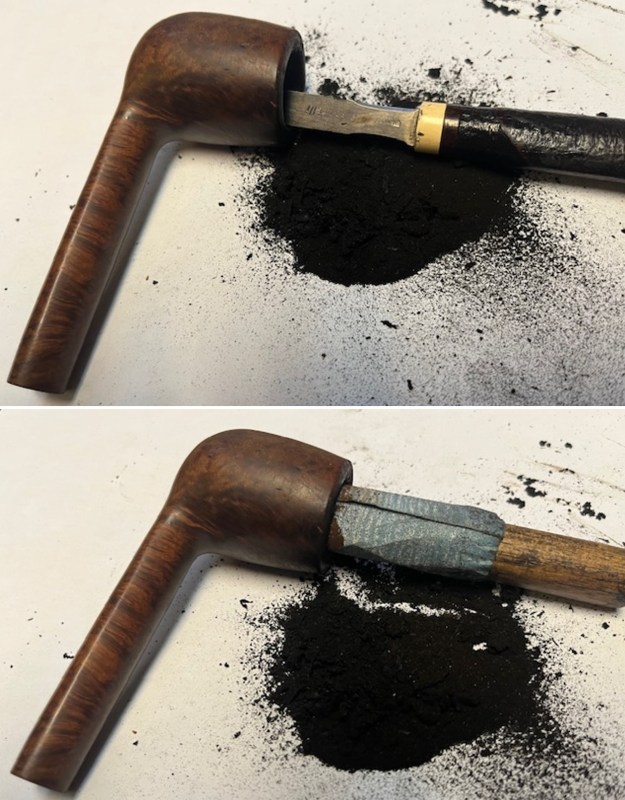
I started my work on the pipe by reaming the bowl with a PipNet reamer. I used the first cutting head and took the cake back to bare briar. I cleaned up the reaming with a Savinelli Fitsall Pipe Knife and removed all the remnants of the cake. I scraped the rim top with the flat edge of the blade at the same time and removed most of the thick lava build up. I sanded the walls of the bowl with a piece of dowel wrapped in 220 grit sandpaper. The walls look very good at his point in the process.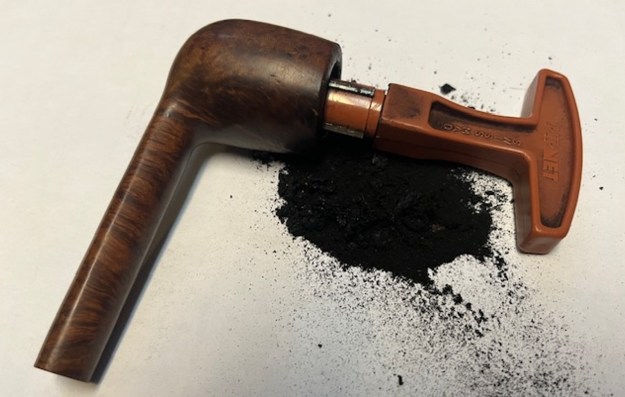
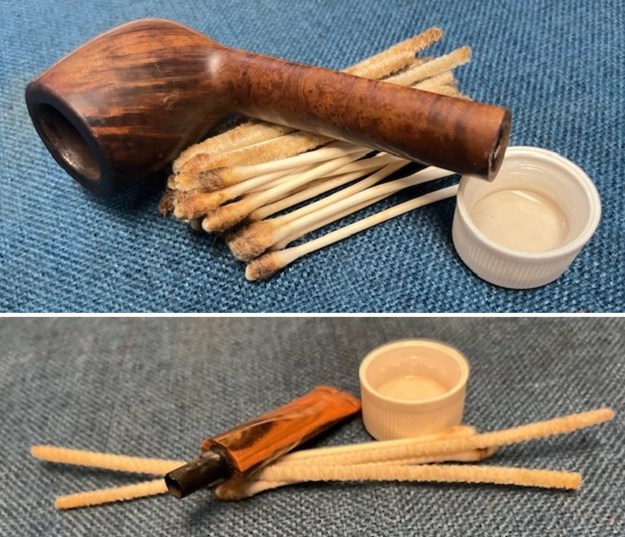
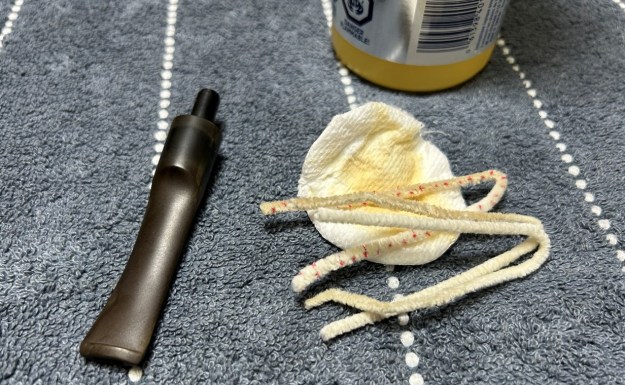
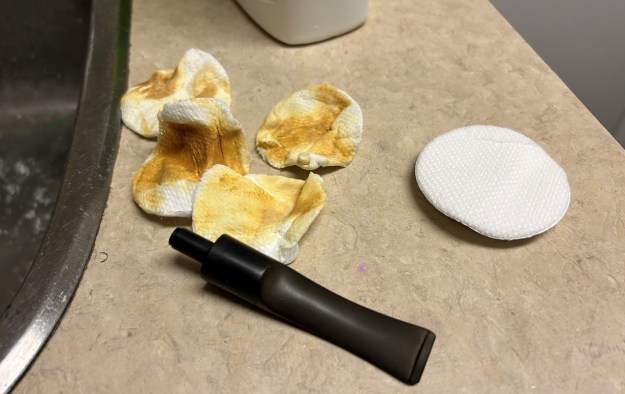
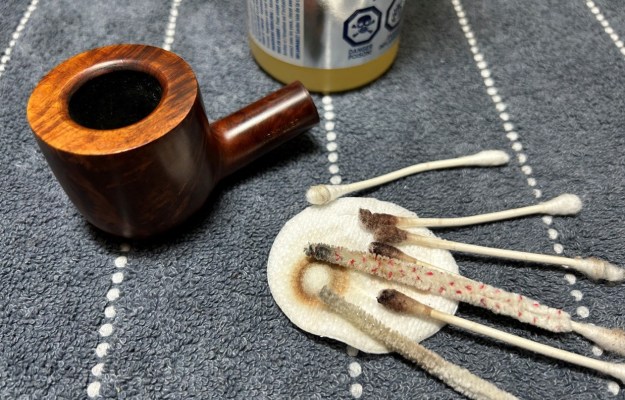
 I cleaned out the shank, the airway and the mortise as well as the airway in the stem with alcohol, cotton swabs, hard bristle and soft bristle pipe cleaners. It was a very dirty pipe which just meant that it had really been enjoyed by the previous pipe man.
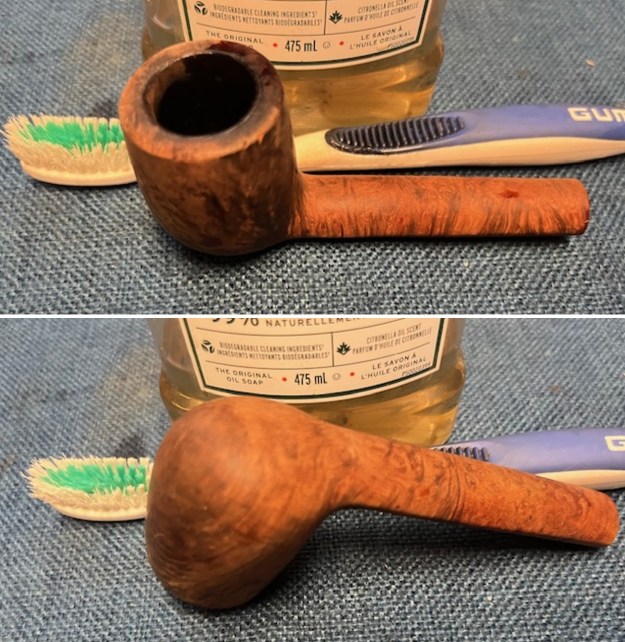
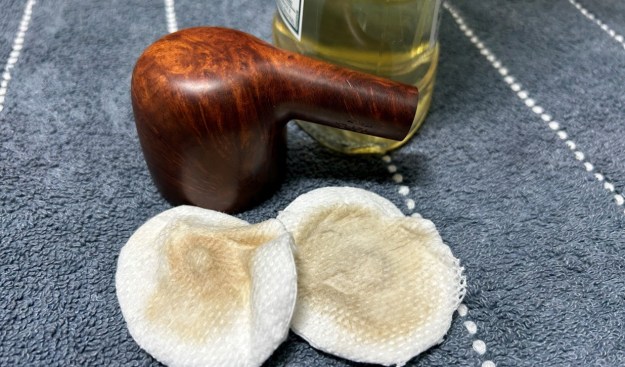
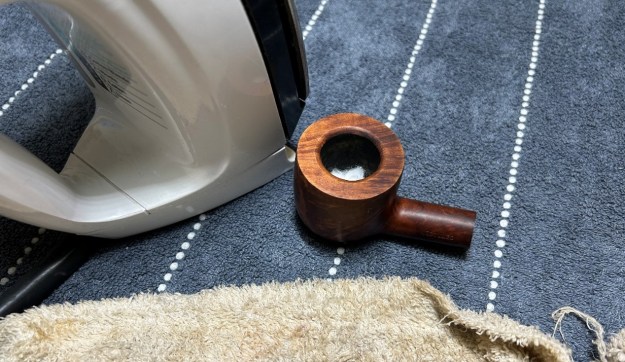
  I scrubbed the exterior of the bowl and shank with a tooth brush and undiluted Murphy’s Oil Soap. I scrubbed the lava on the rim top and overflow on the outside of the bowl with the soap. I rinsed the briar with warm water to remove the grime and debris of the scrubbing. It looked significantly better after the scrubbing. The darkening on the rim top was better but it would need a little more work. Once I cleaned the bowl with the soap it looked much better.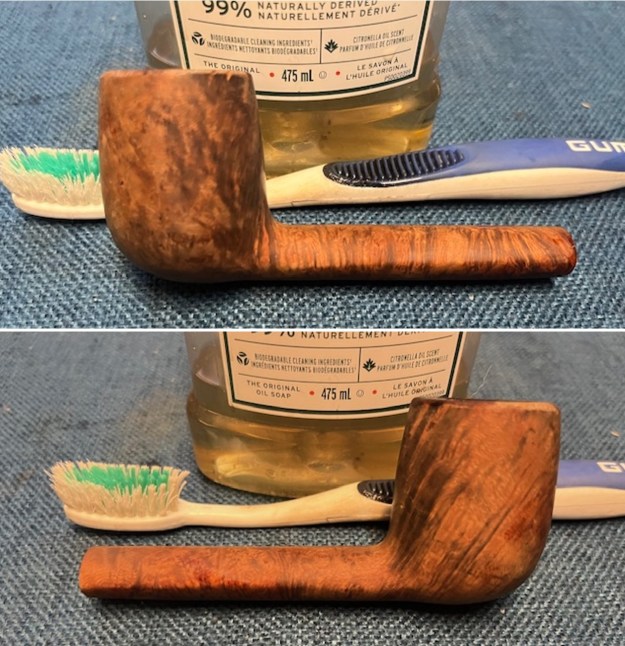
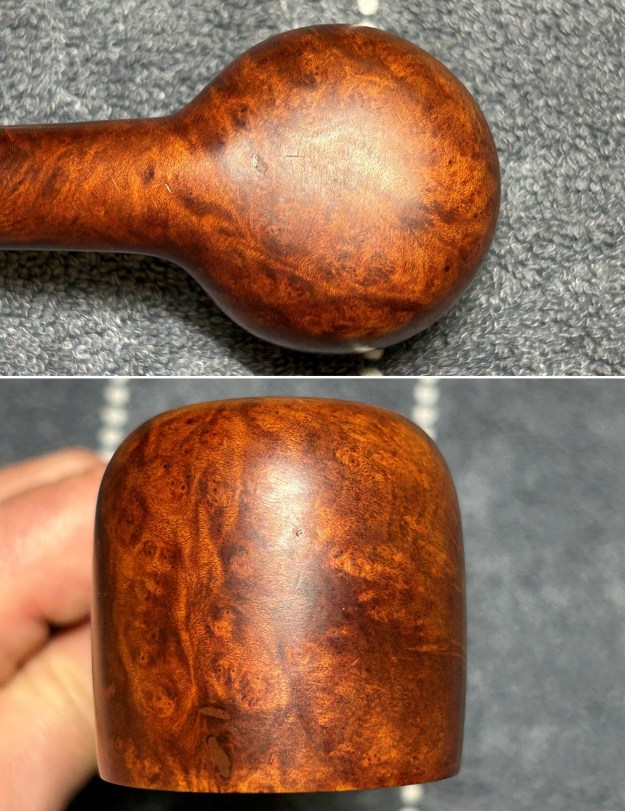
 To take the pipe to the next level, I polished the bowl and rim top with micromesh sanding pads – dry sanding it with 1200-15000 grit pads. I wiped the bowl down with a damp cloth after each sanding pad. The grain started to rise to the surface and the repairs blended even more as I polished it.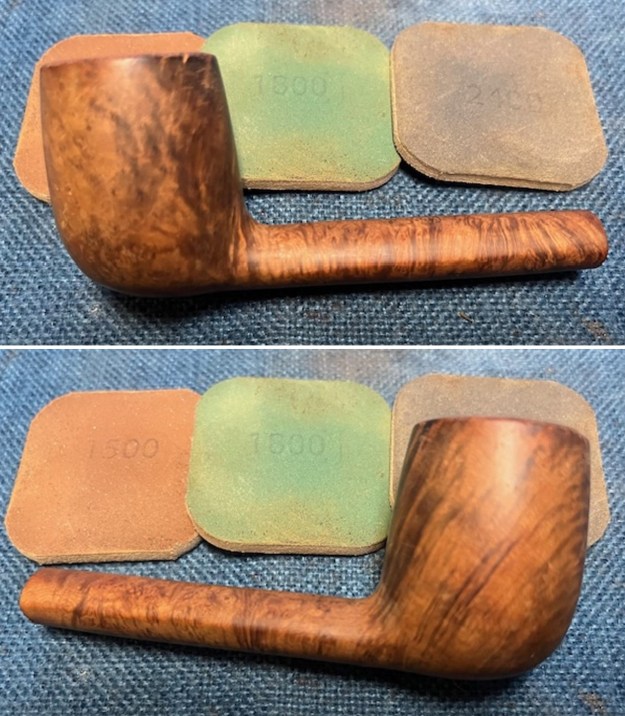
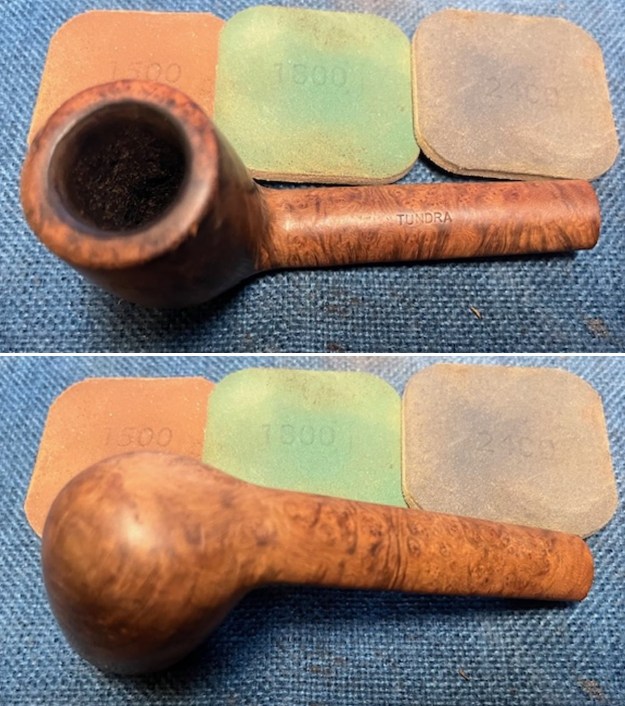
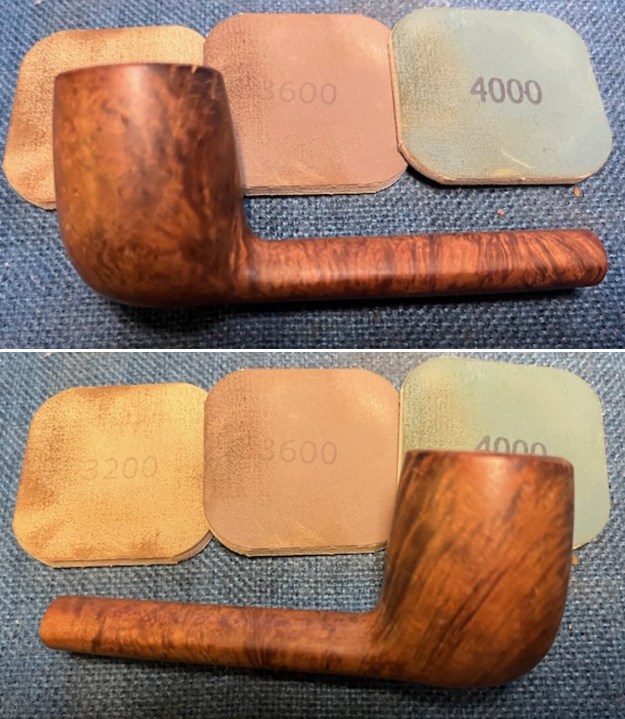
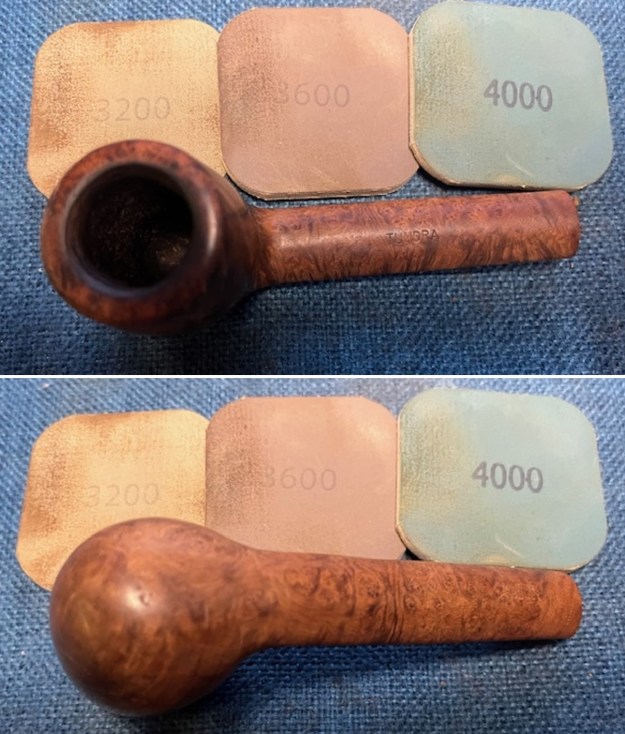
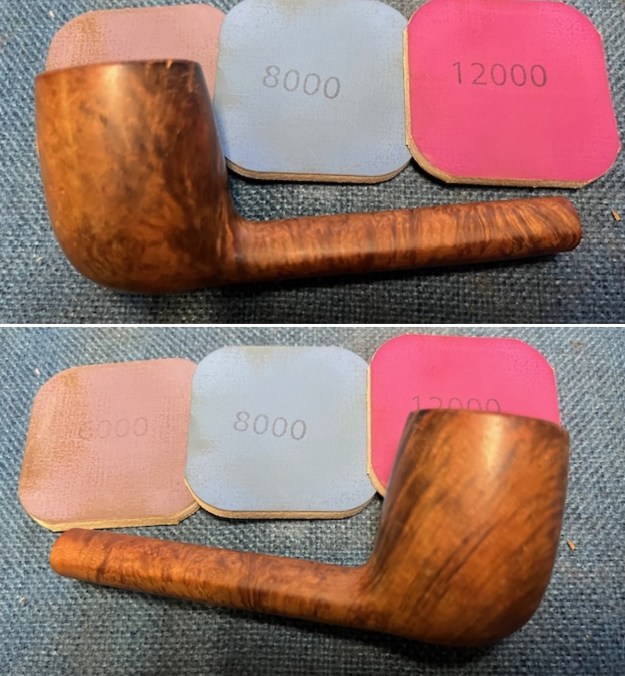
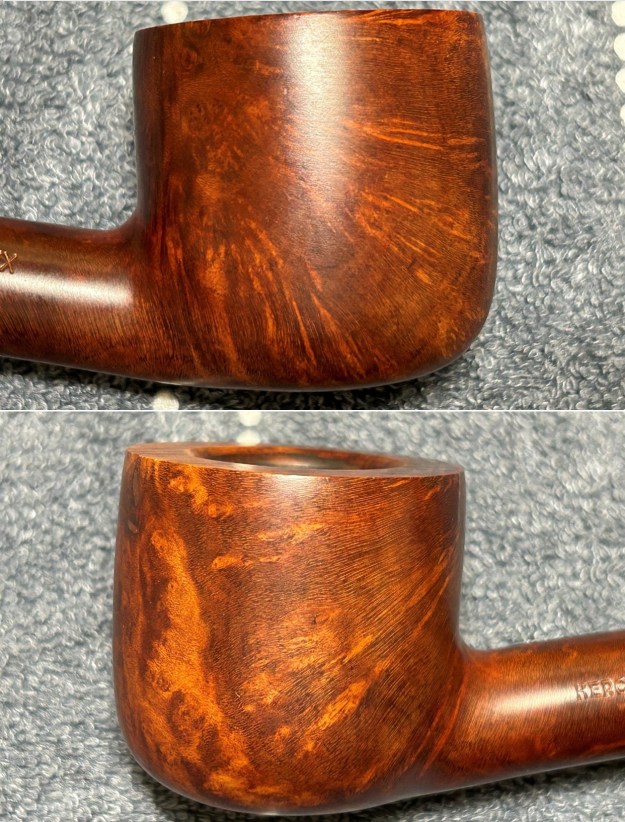
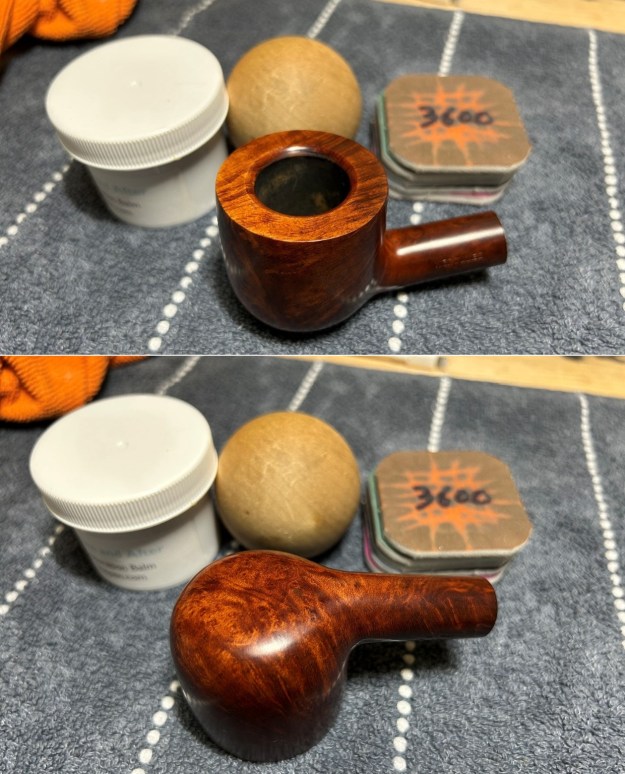
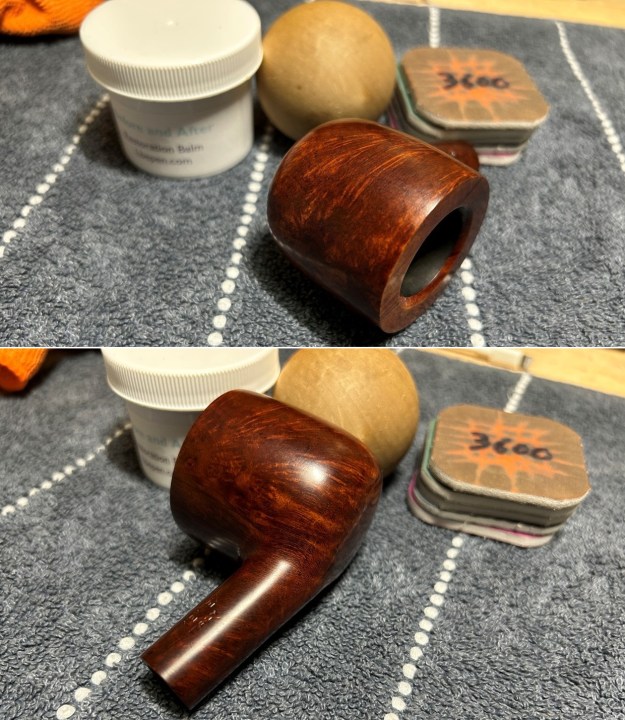
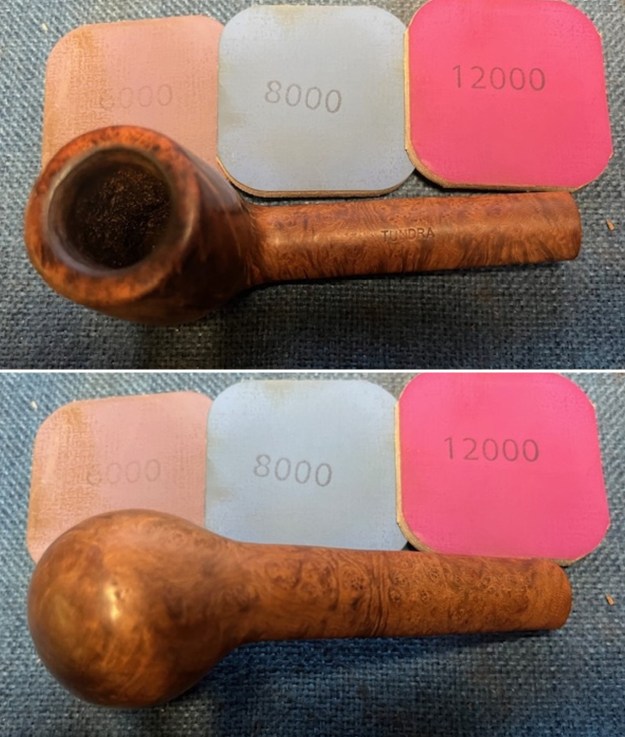 I rubbed the bowl and shank down with Before & After Restoration Balm to deep clean the finish on the bowl and shank. The product works to clean, enliven and protect the briar. I worked it in with my fingers to get it into the briar. I let it sit for 10 minutes then I wiped it off and buffed it with a soft cloth. The briar really began to have a rich shine. I took some photos of the bowl at this point to mark the progress in the restoration. It is a beautiful bowl.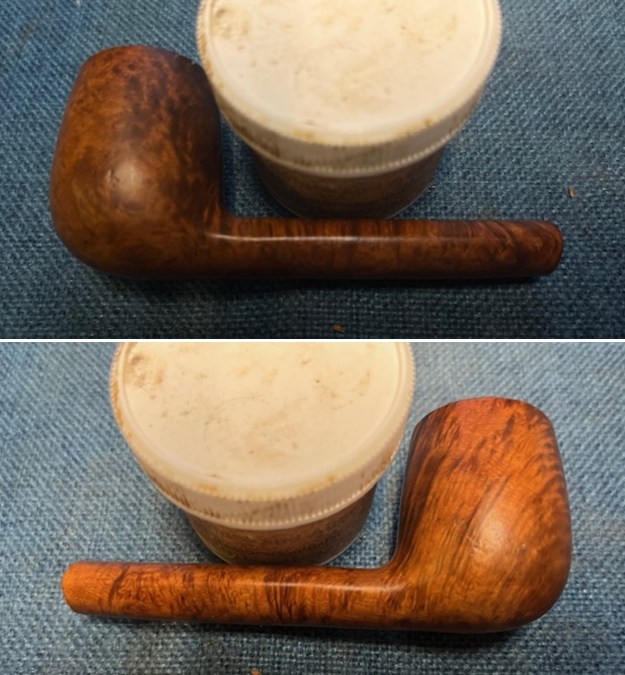
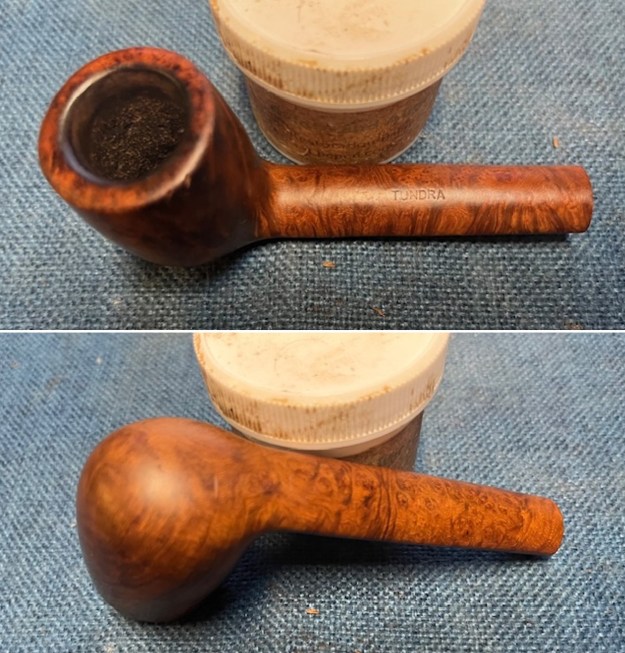
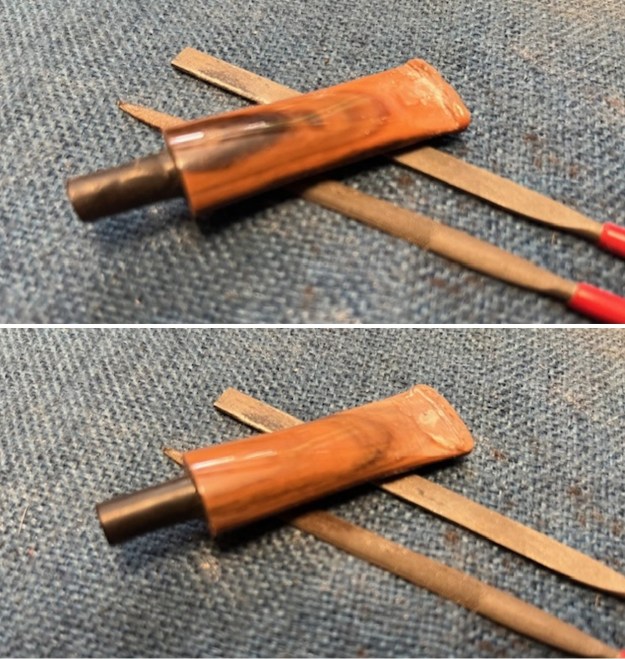
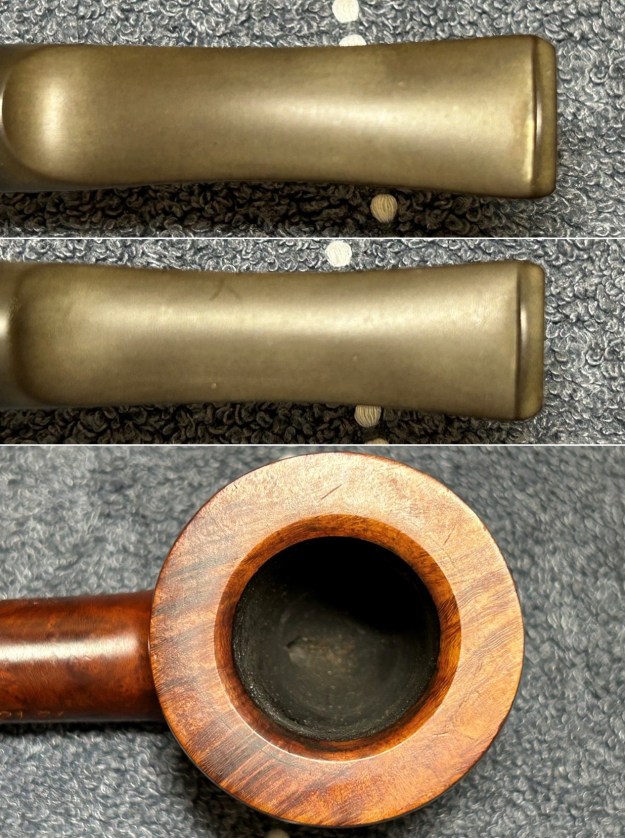
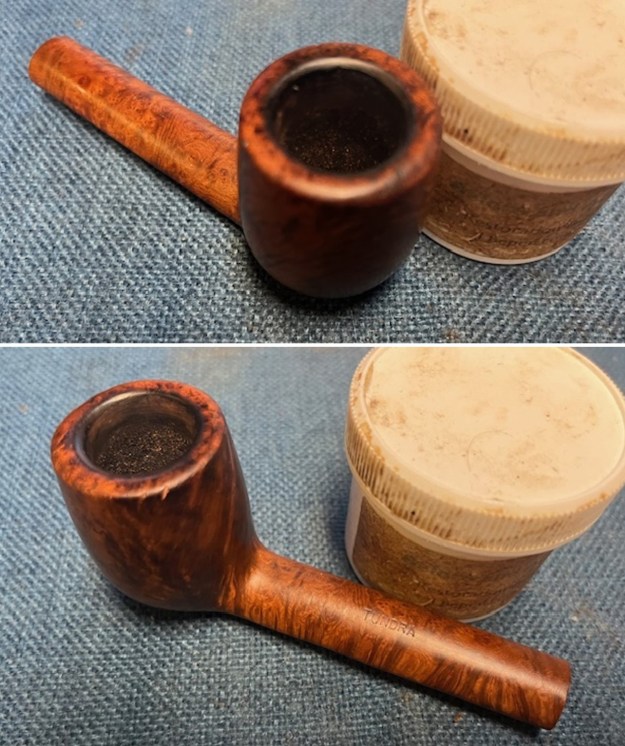 With the the shank clear and the airway open it was time to work on the stem. It was clear, just dirty and I needed to address the bite through in the stem. The coloured acrylic made this challenging but not undo-able. I needed to also fill in the bite marks on the topside and the marks on the button edge as well. I greased a pipe cleaner with Vaseline and inserted it below the hole. I filled in the hole with clear CA glue, rebuilt the button edge and also filled in the tooth marks at the same time. I set it aside to cure. Once the repairs cured I used some small files to recut the button edge, reshape the surface and flatten the repair on the stem surface on both sides. I put the balsa filter back in the tenon to stiffen it and used 220 grit sandpaper to smooth out the edges, the button top and the surface of the stem. It was looking good. The filled in bite through on the underside was visible but the beauty was it was underneath! I would continue to sand and work it to minimize the visibility but the repair was solid.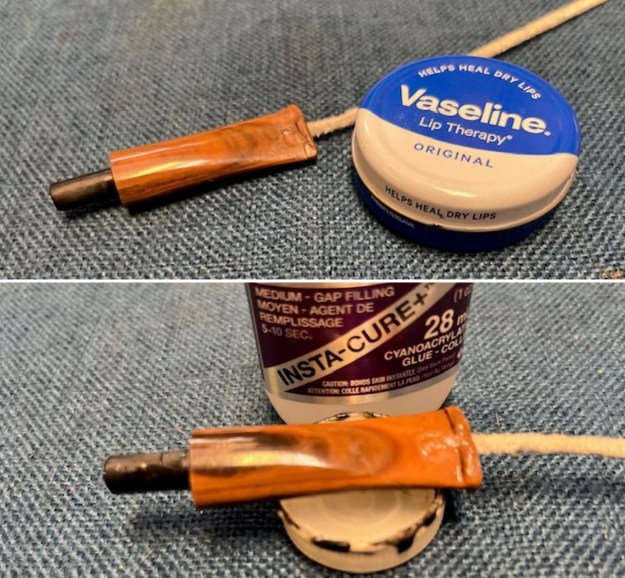
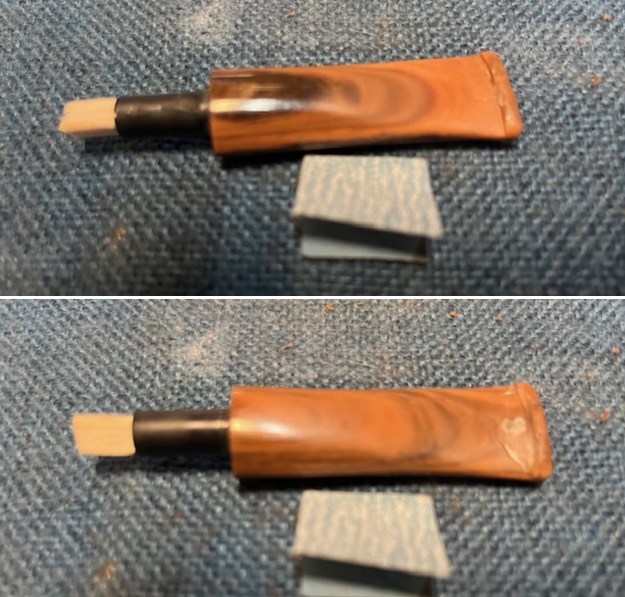 I built up the flimsy and misshaped tenon surface with some clear CA glue. It also repaired the thin hairline cracks in the surface. Once it cured I sanded it smooth with 220 sandpaper.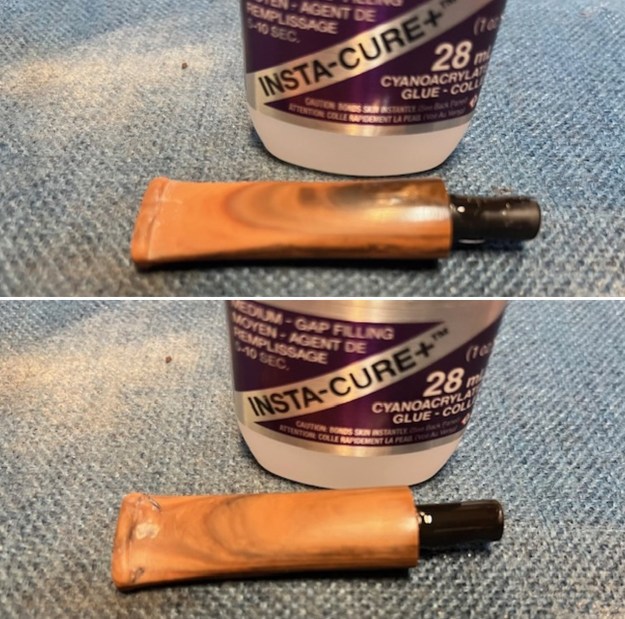
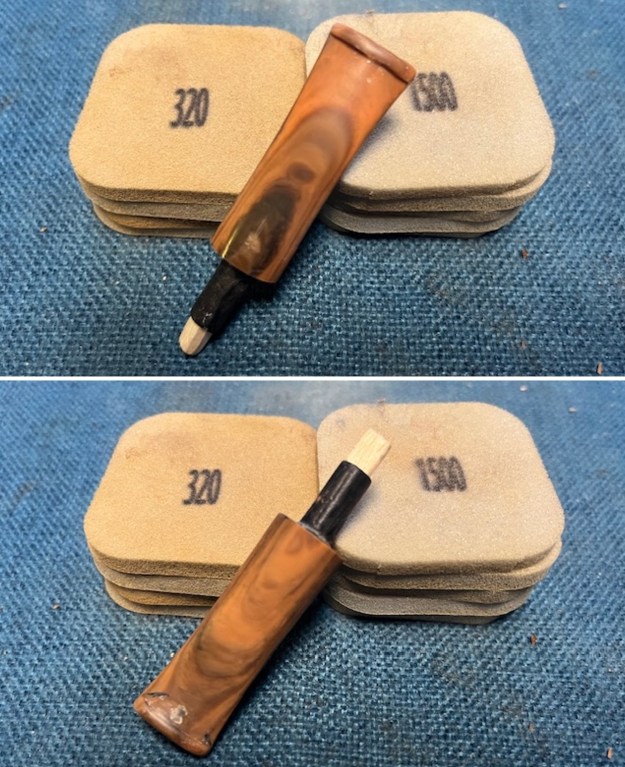
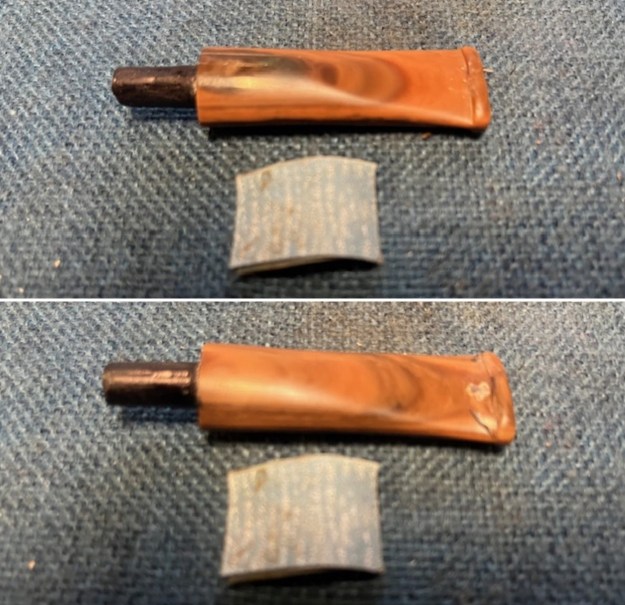 I sanded the surface of the acrylic taper stem with the 2 x 2-inch sanding pads – 320-3500 grit pads to clean up the sanding marks on the stem surface. By the final 3500 grit pad the stem started to really shine.
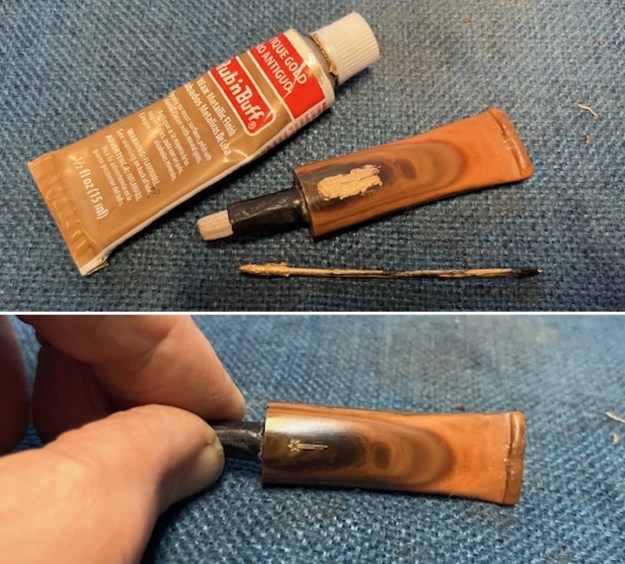
 I touched up the gold shooting star stamp on the top of the stem with Antique Gold Rub’n Buff. I pressed it into the stamp with a tooth pick and buffed it off with a soft towel. It looks good.
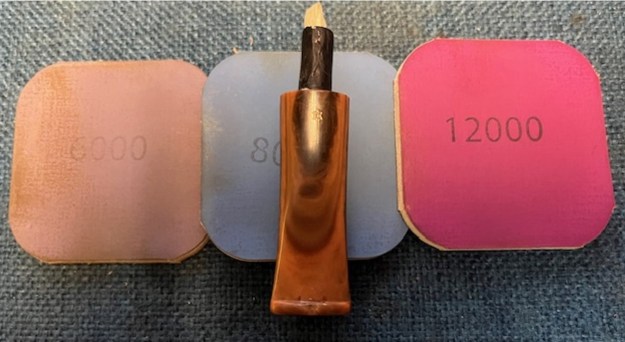
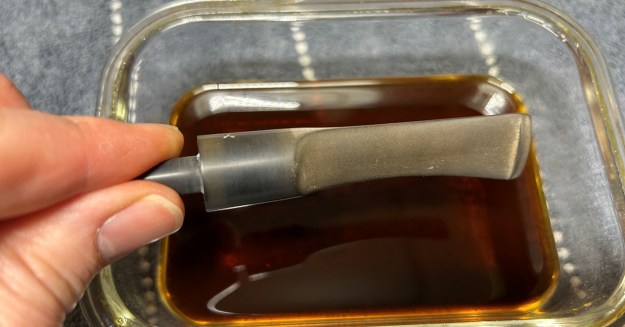
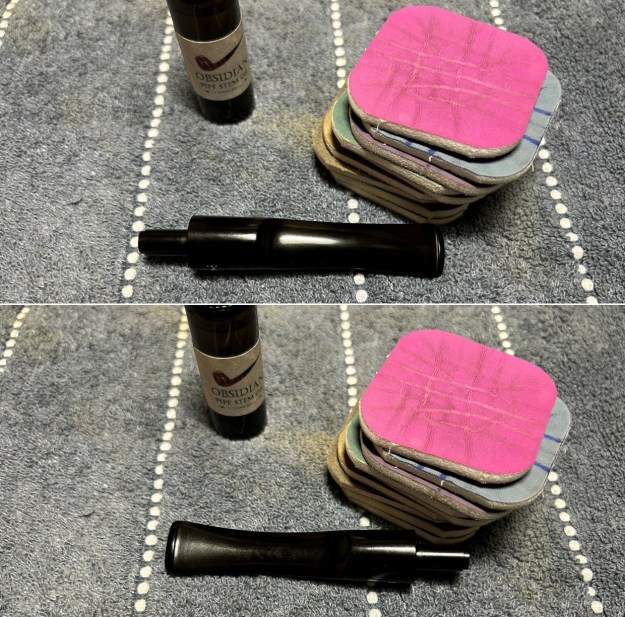
 I polished the stem with micromesh sanding pads – dry sanding with 1500-12000 grit pads. I wiped the stem down after each sanding pad with Obsidian Oil. I set it aside to dry.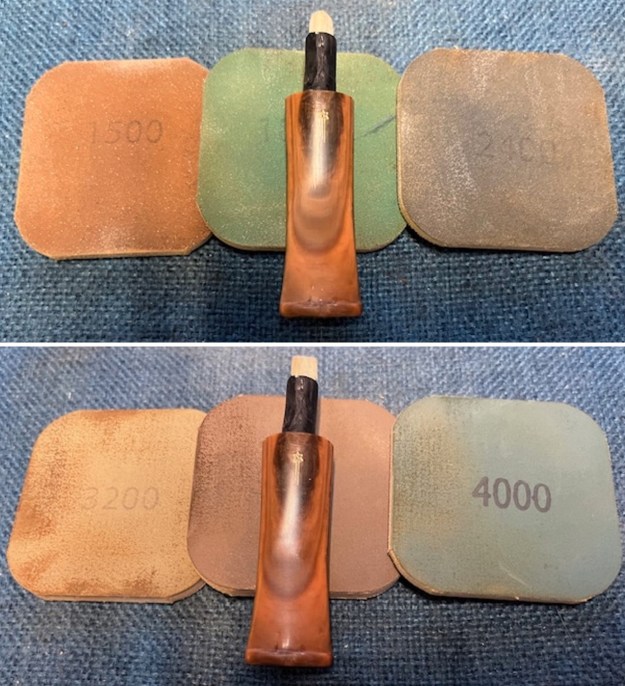
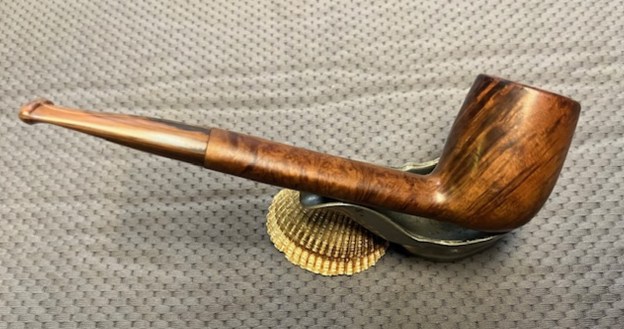
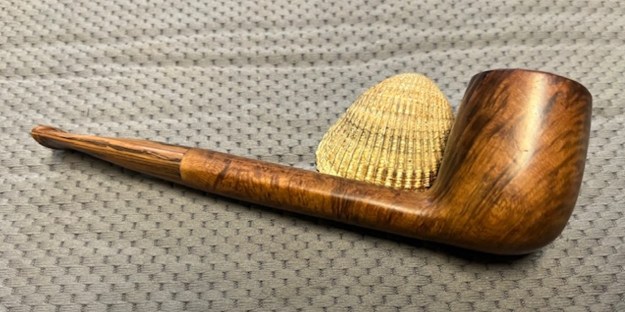
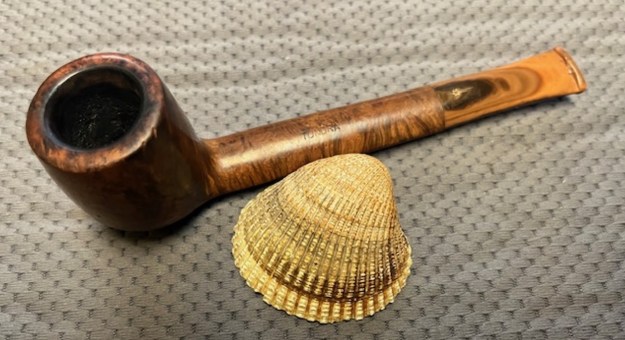
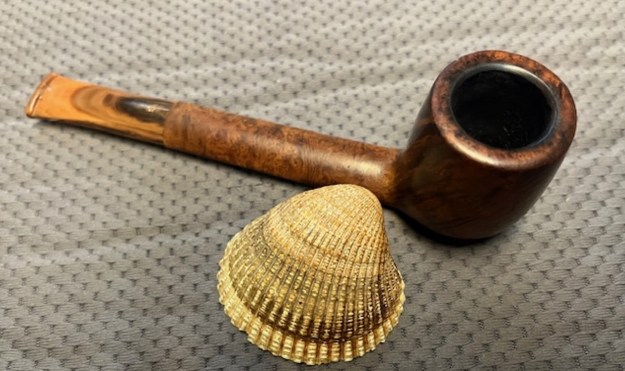
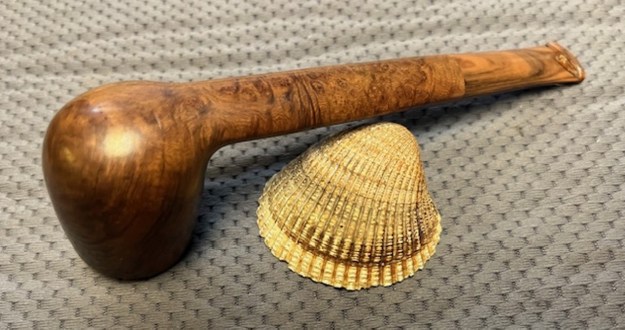
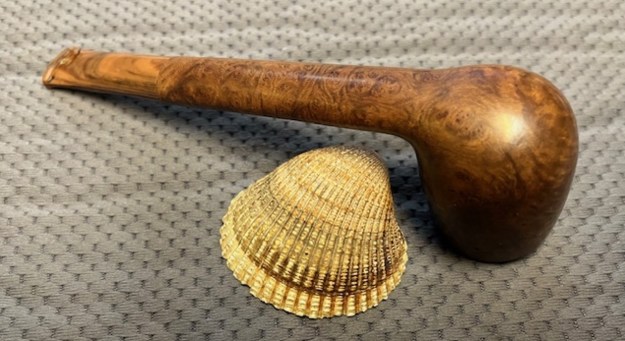
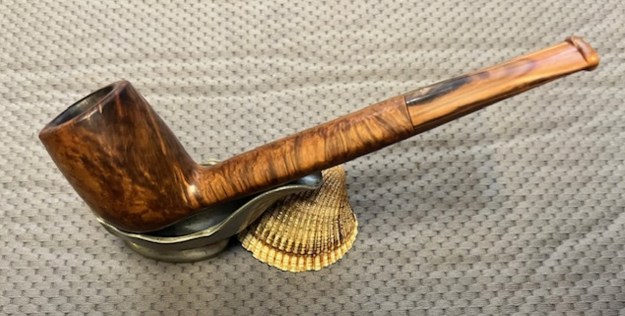
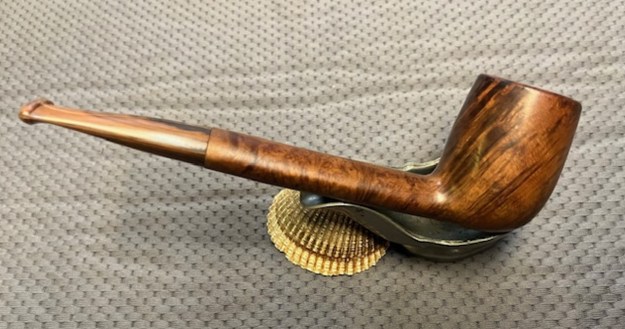
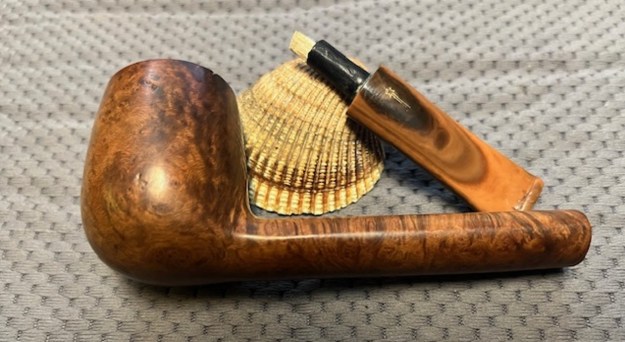
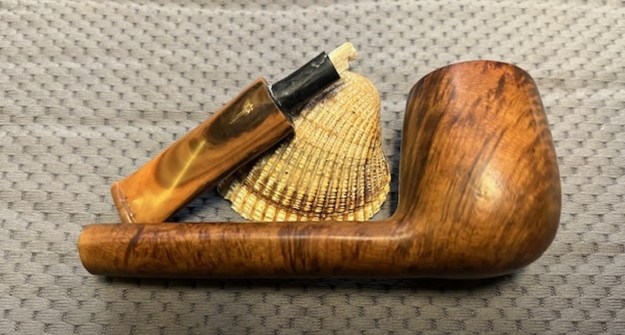
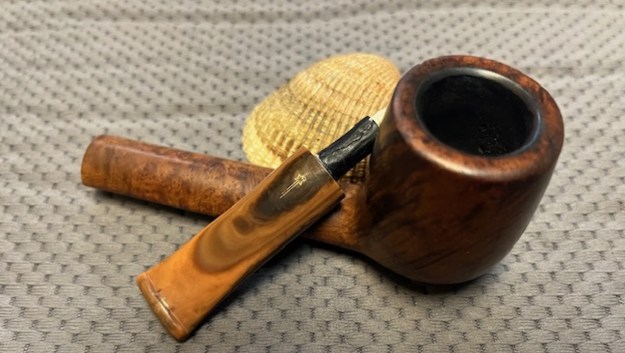
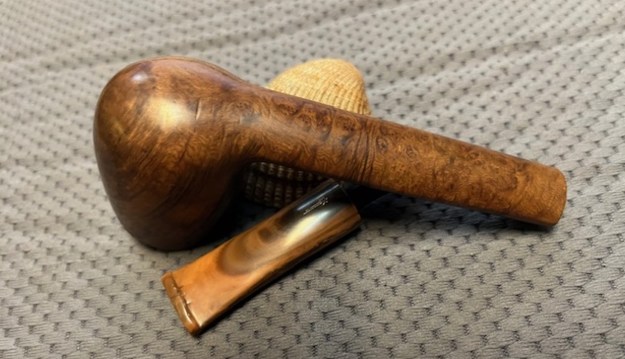
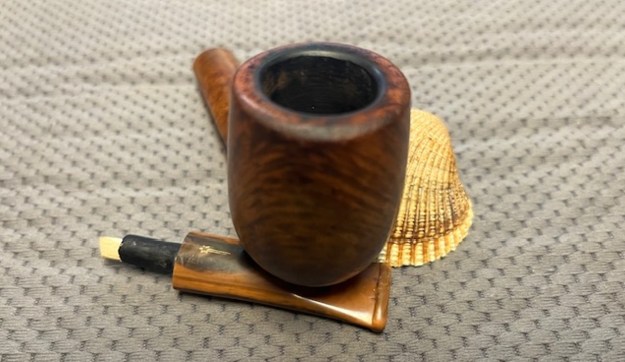
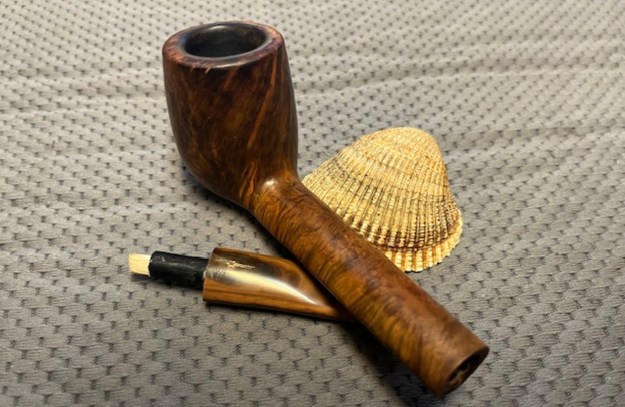
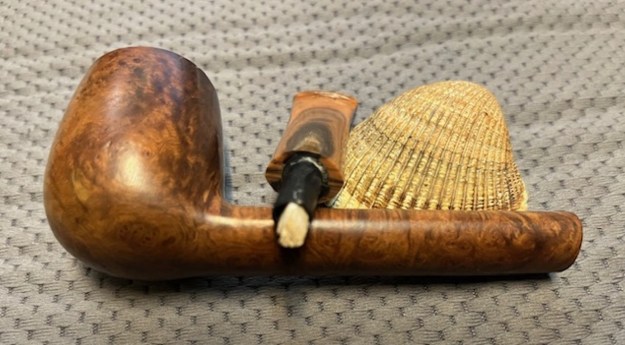
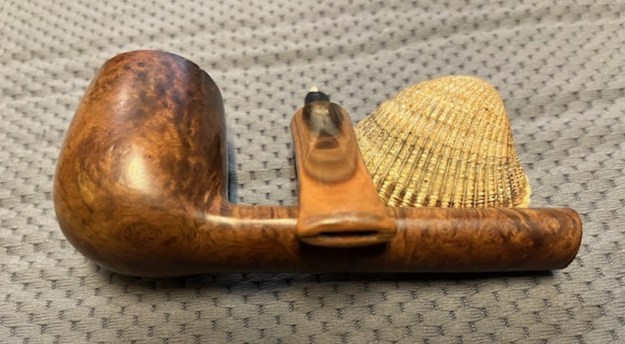
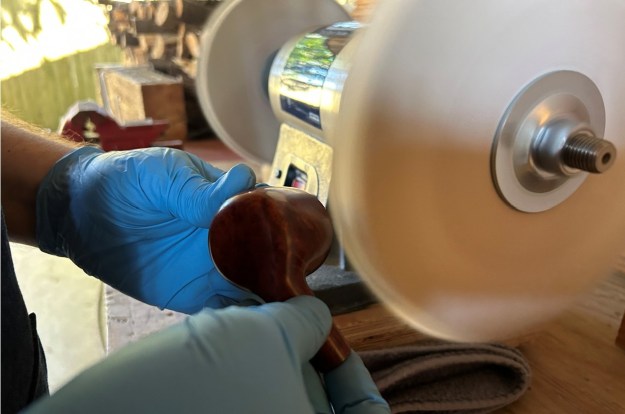
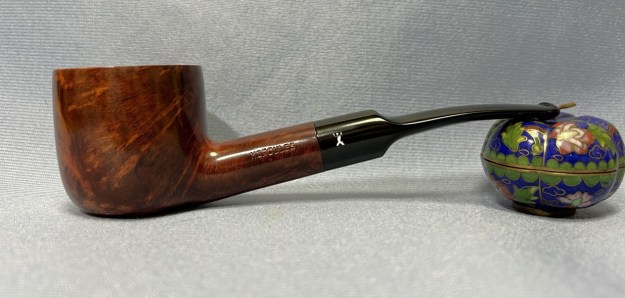
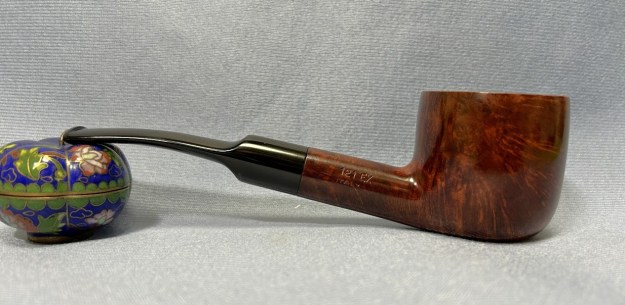
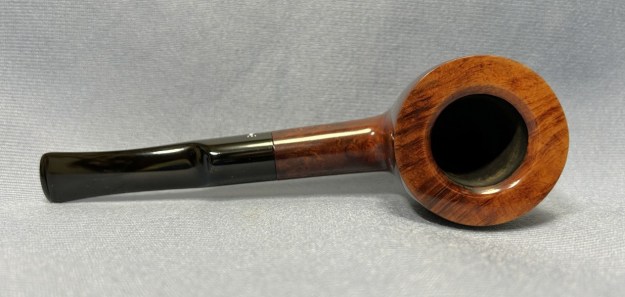
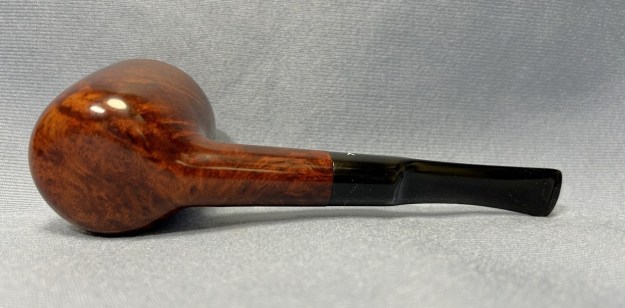
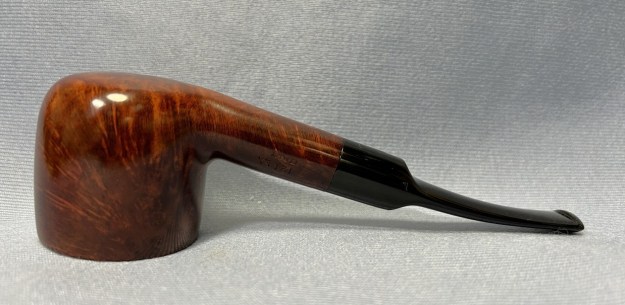
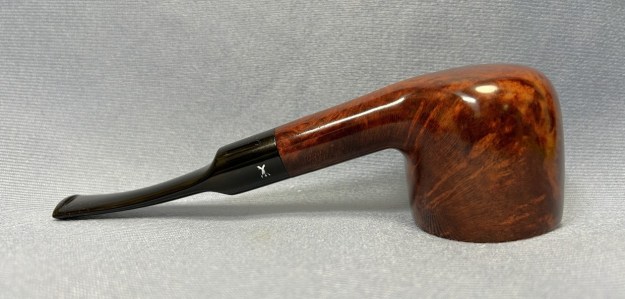
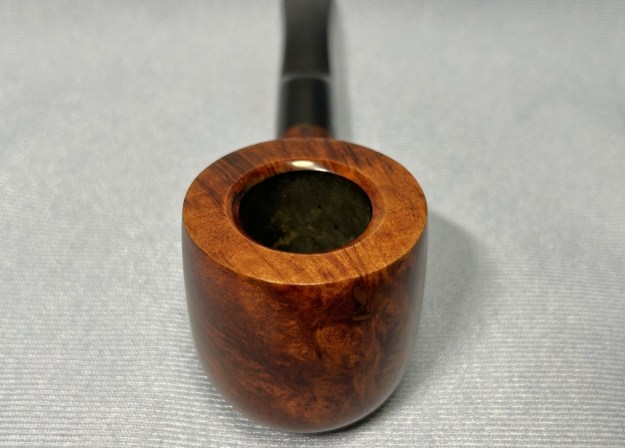
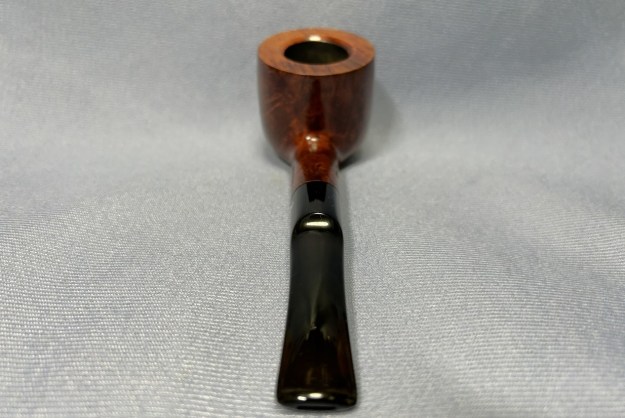
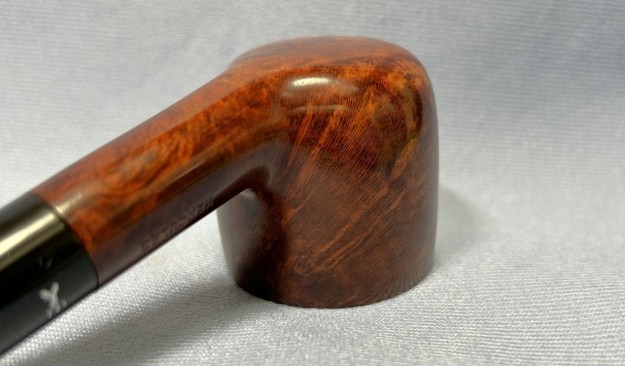
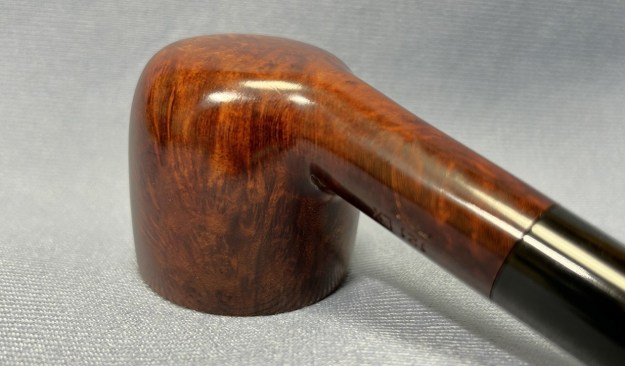
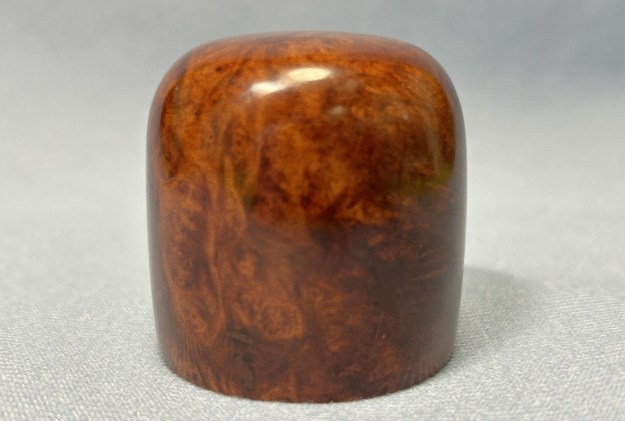
 I am excited to finish this Savinelli Tundra 802 Canadian with an acrylic taper stem. I put the pipe back together and buffed it with Blue Diamond on the buffing wheel. I gave the bowl multiple coats of carnauba wax. I buffed the pipe with a clean buffing pad to raise the shine and then by hand with a microfibre cloth to deepen it. It is fun to see what the polished bowl looks like with beautiful grain on the smooth bowl and shank. The polished grain on the pipe looks great with the repaired acrylic stem. This Savinelli Tundra Canadian is great looking and the pipe feels great in my hand. It is light and well balanced. Have a look at it with the photos below. The dimensions are Length: 6 inches, Height: 1 ¾ inches, Outside diameter of the bowl: 1 ¼ inches, Chamber diameter: ¾ of an inch. The weight of the pipe is 41 grams/1.45 ounces. This first Savinelli that Brian sent is a beautiful pipe that I will send to him once I have cleaned up the other pipe he sent. I look forward to hearing what he thinks of this resurrected beauty. It should be a great smoking pipe.
As always, I encourage your questions and comments as you read the blog. Thanks to each of you who are reading this blog. Remember we are not pipe owners; we are pipe men and women who hold our pipes in trust until they pass on into the trust of those who follow us.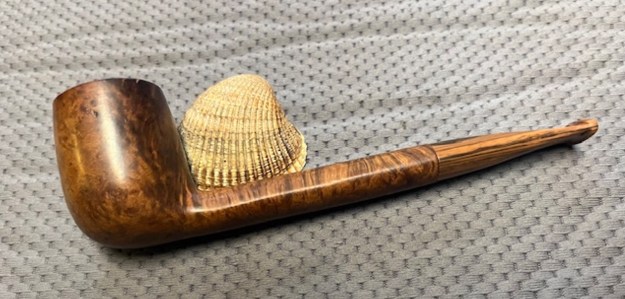
 rebornpipes