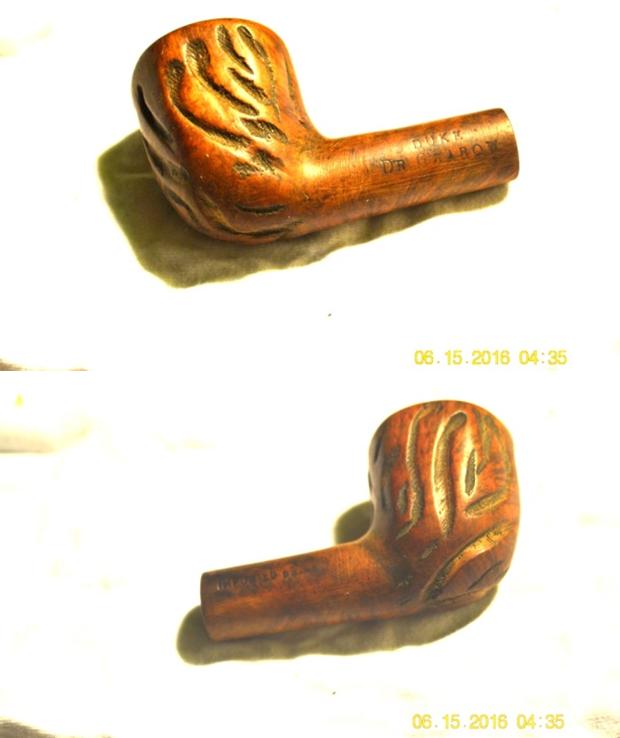
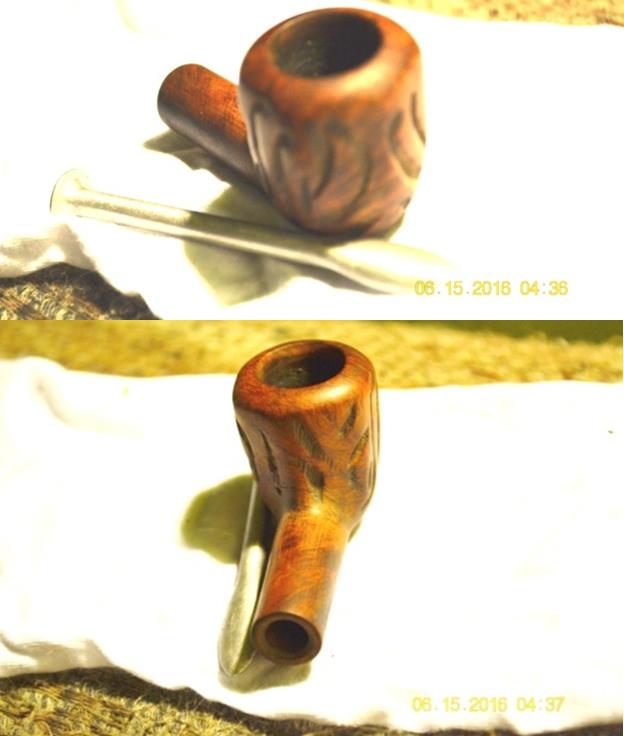
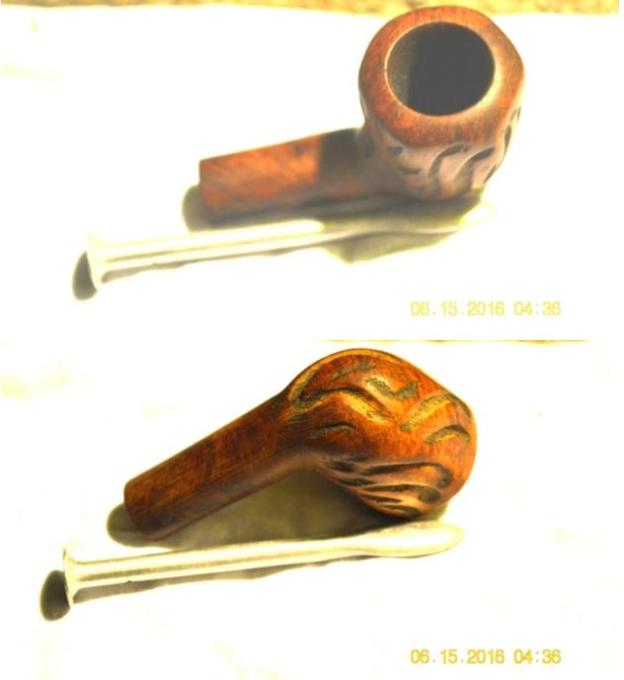
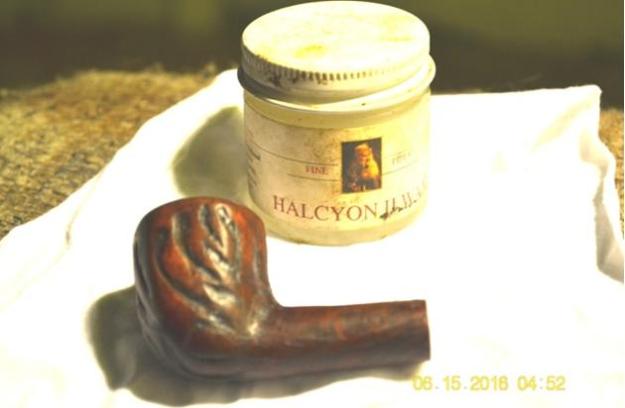
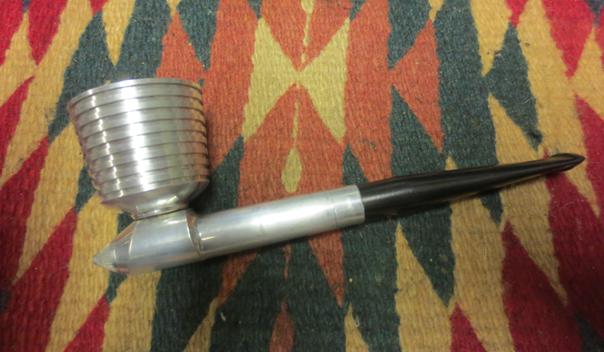
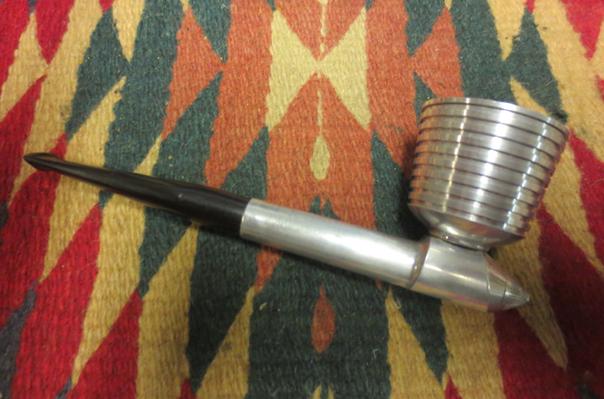
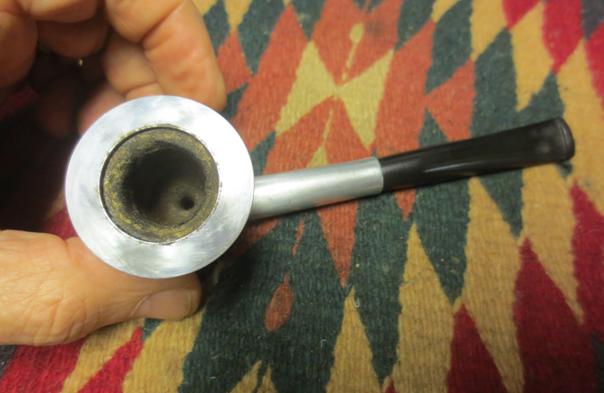
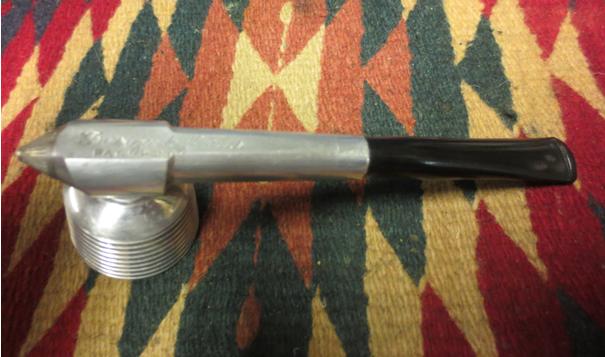
Tag Archives: pipe refurbishing

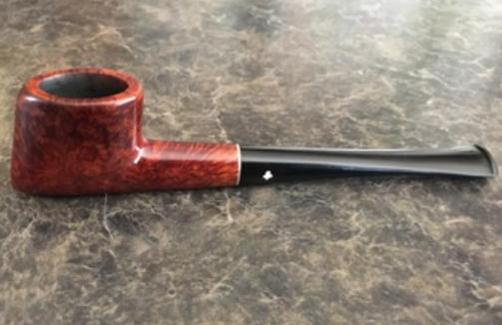
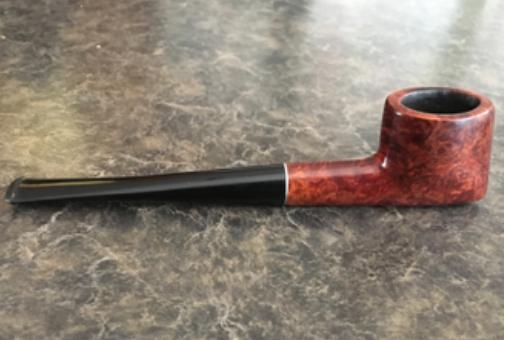
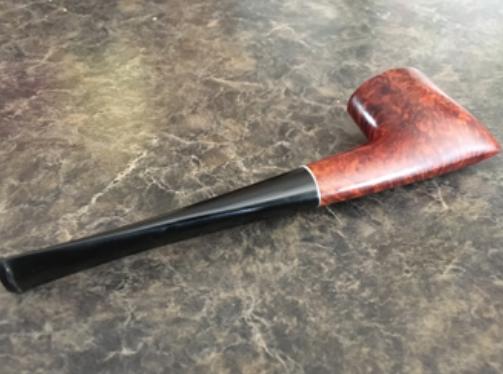
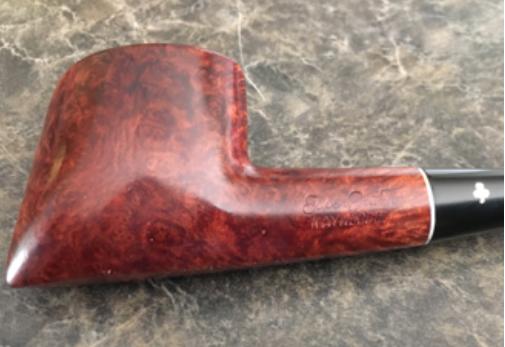
Fixing a Citation Squat Bulldog


Guest Blog by Robert M. Boughton
Member, International Society of Codgers
Member, North American Society of Pipe Collectors
http://www.naspc.org
http://www.roadrunnerpipesnm.biz
http://about.me/boughtonrobert
Photos © the Author

INTRODUCTION
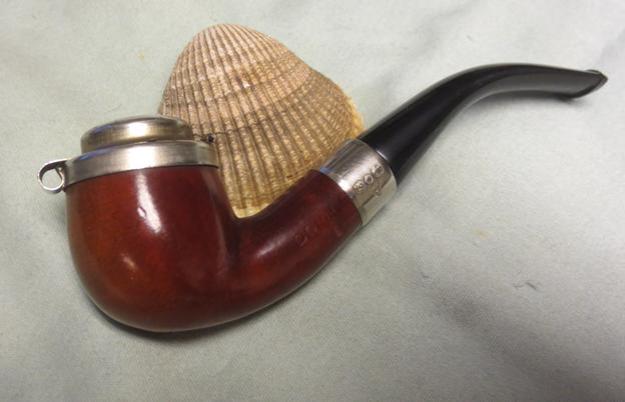
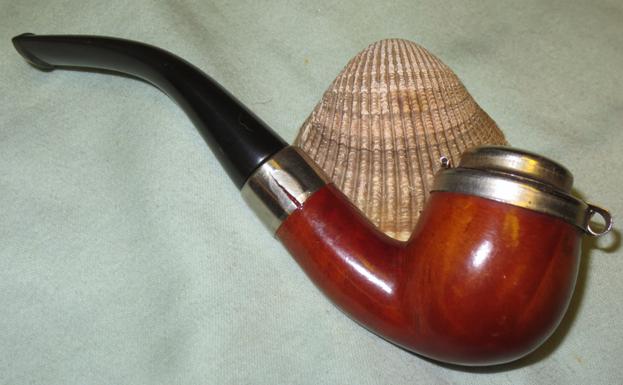
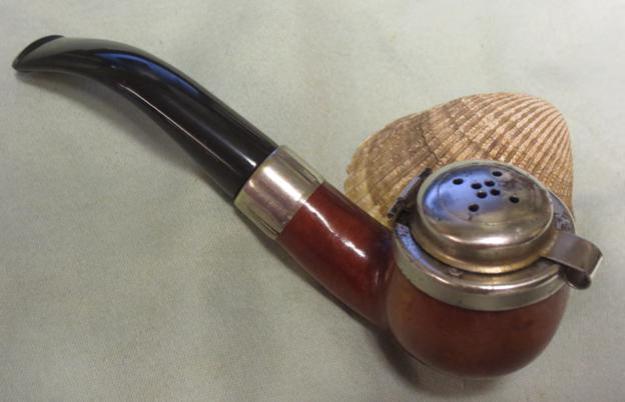
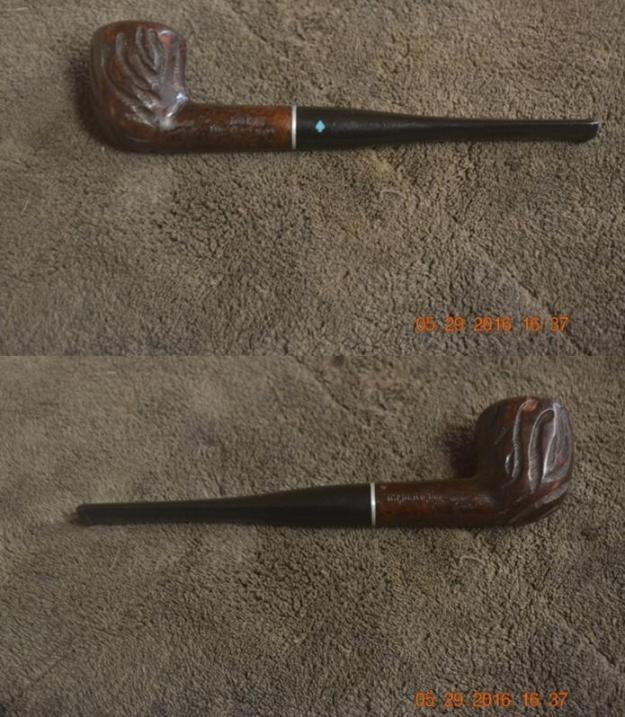
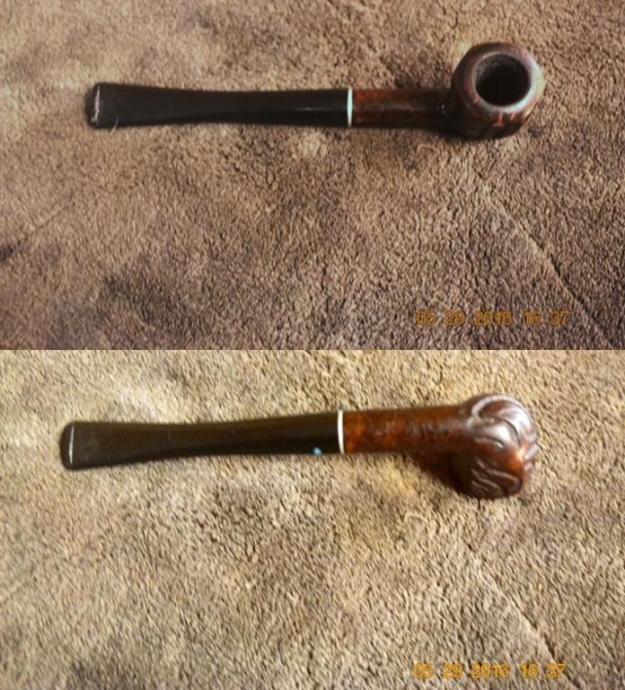
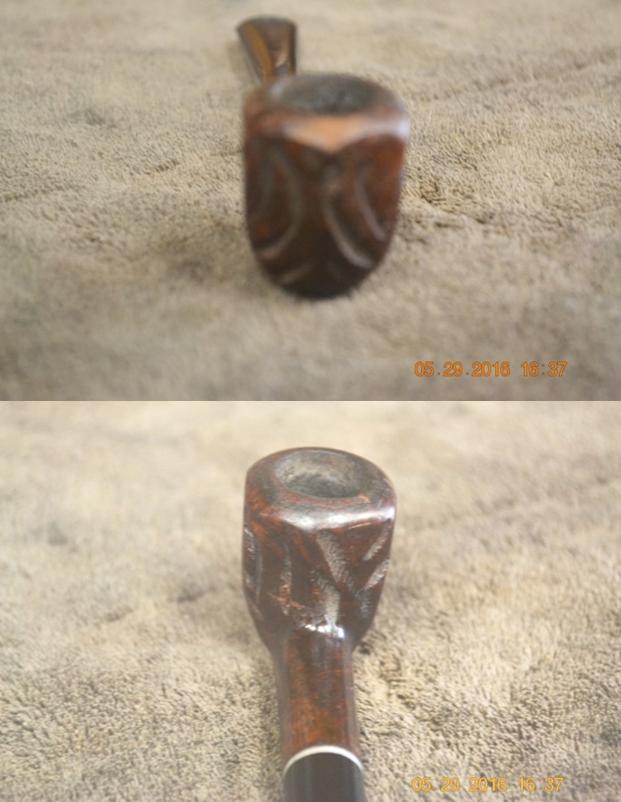
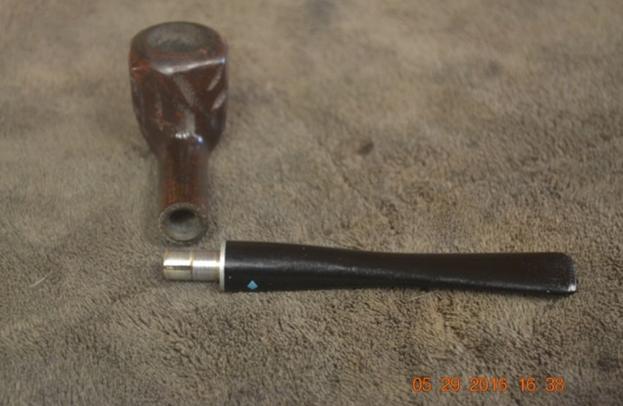
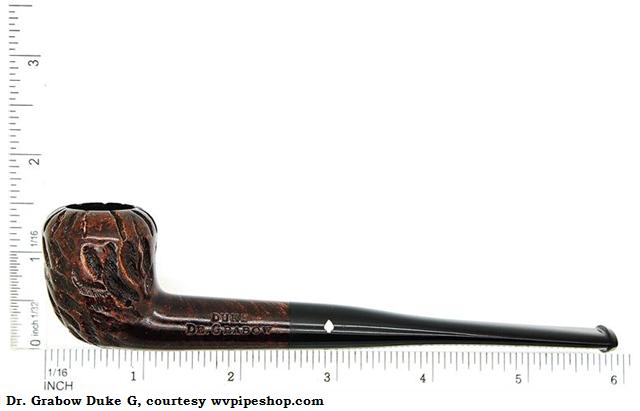
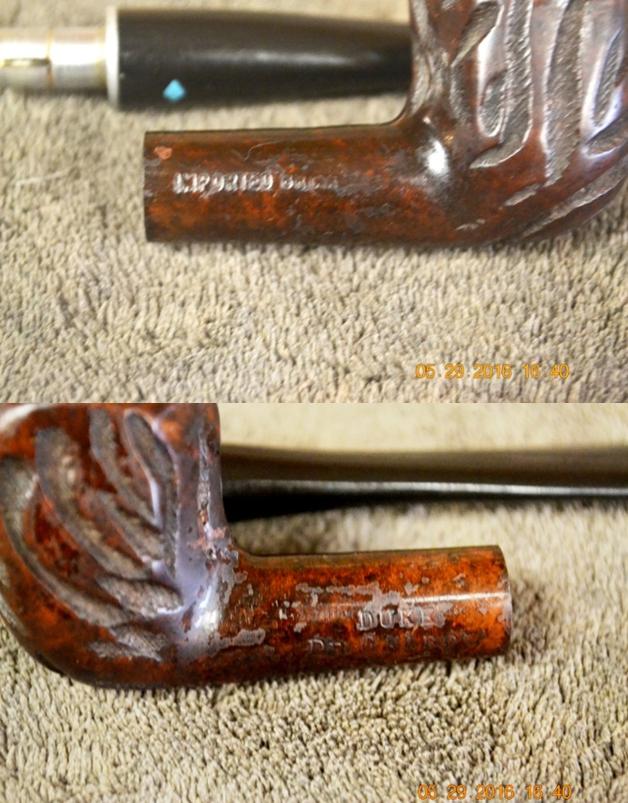
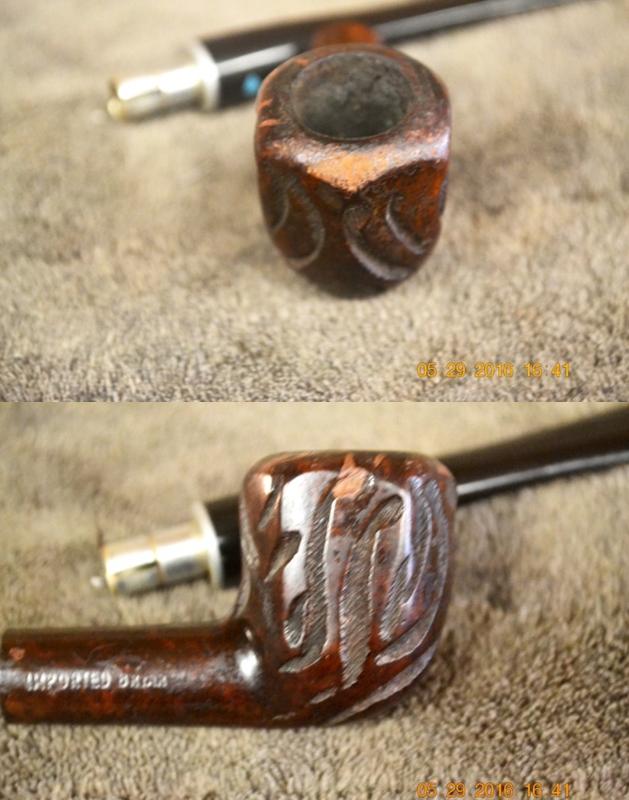
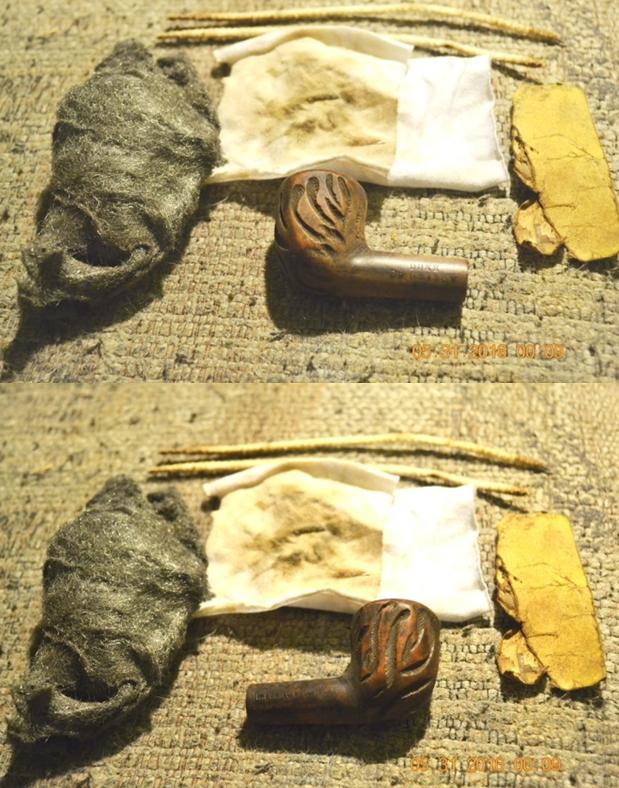
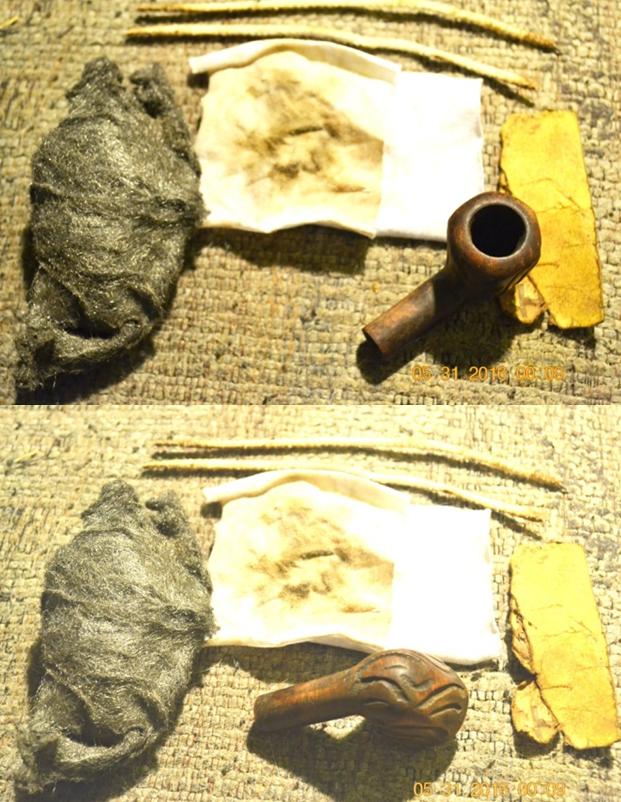
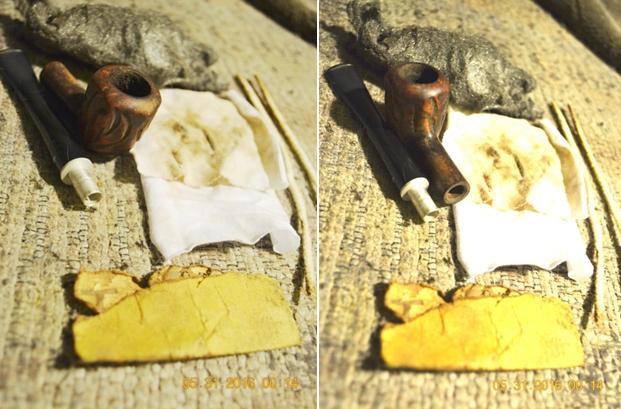
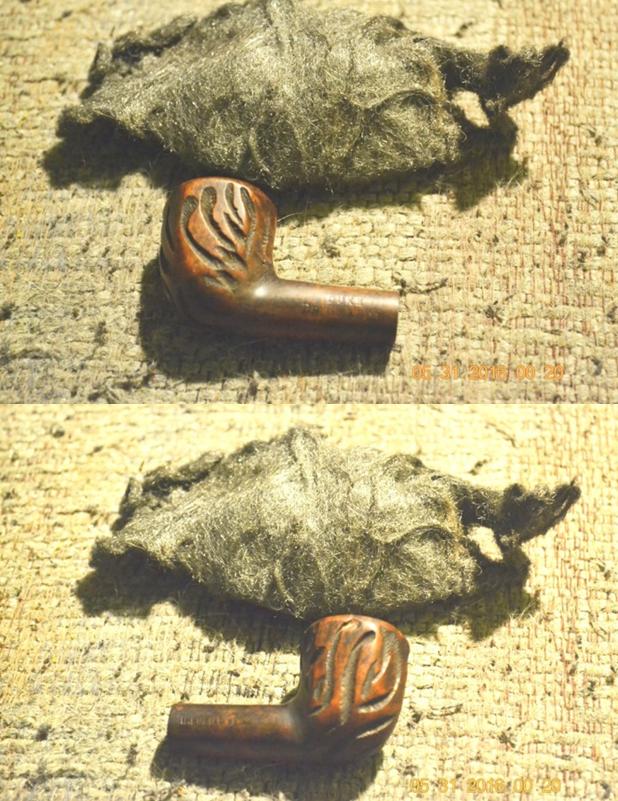
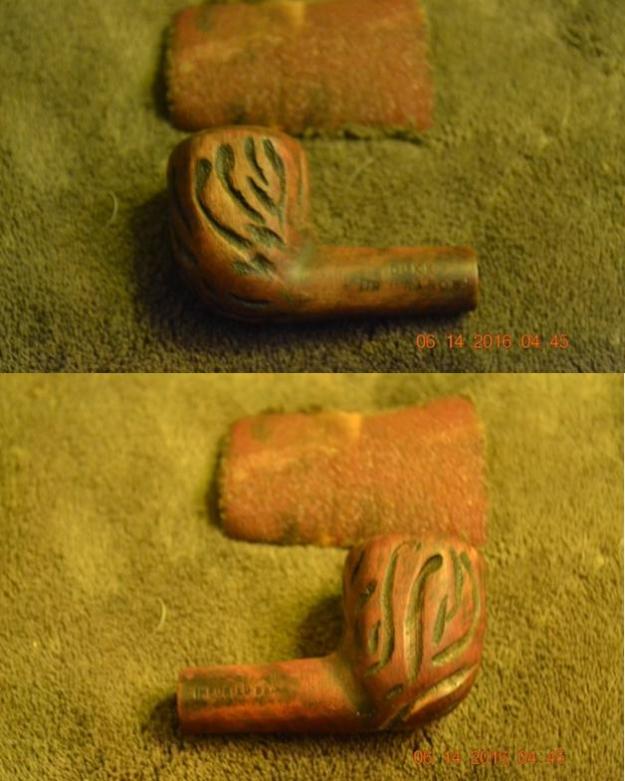
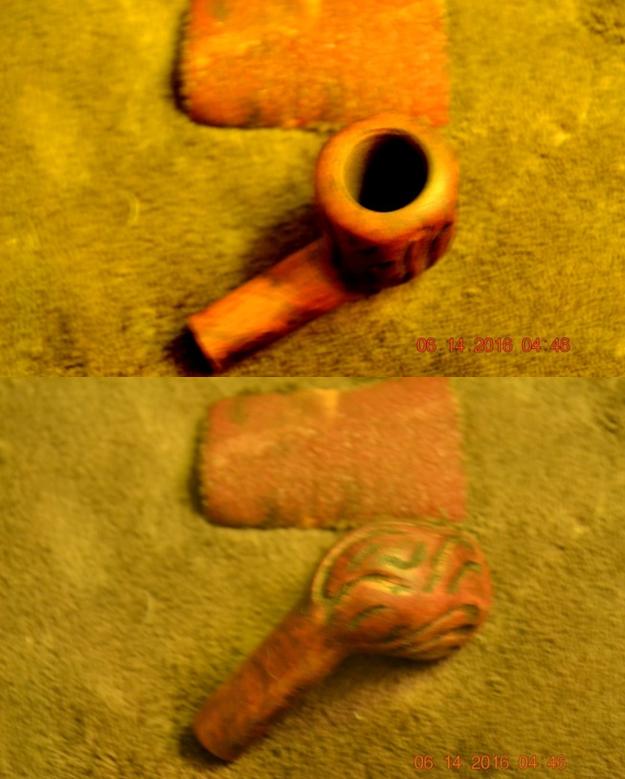
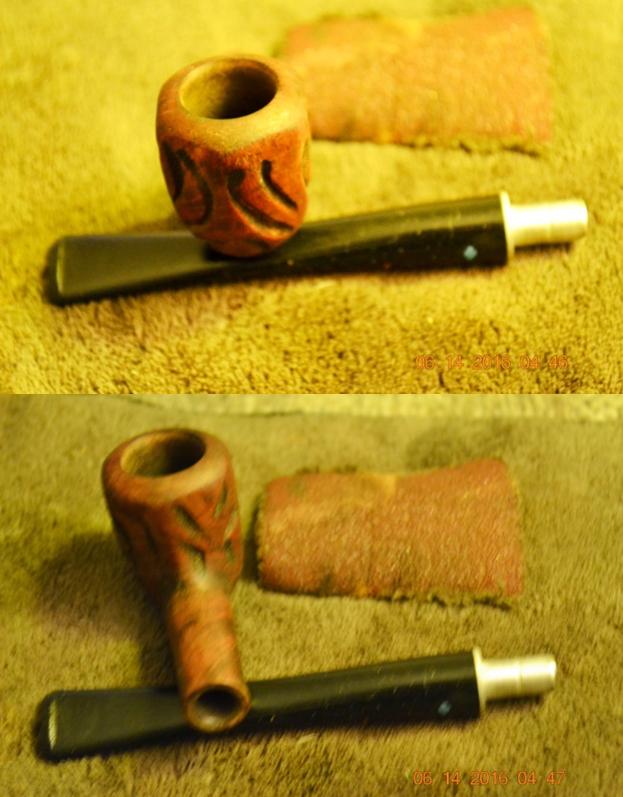
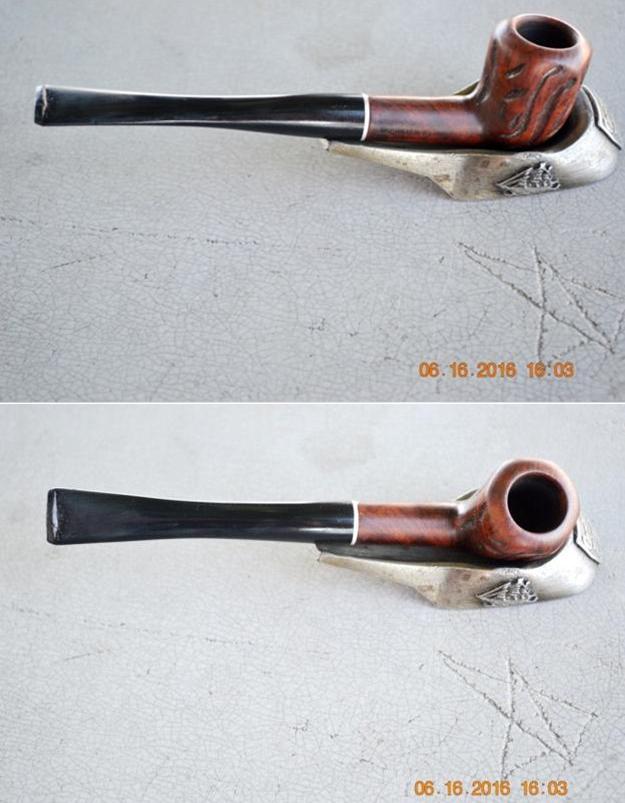
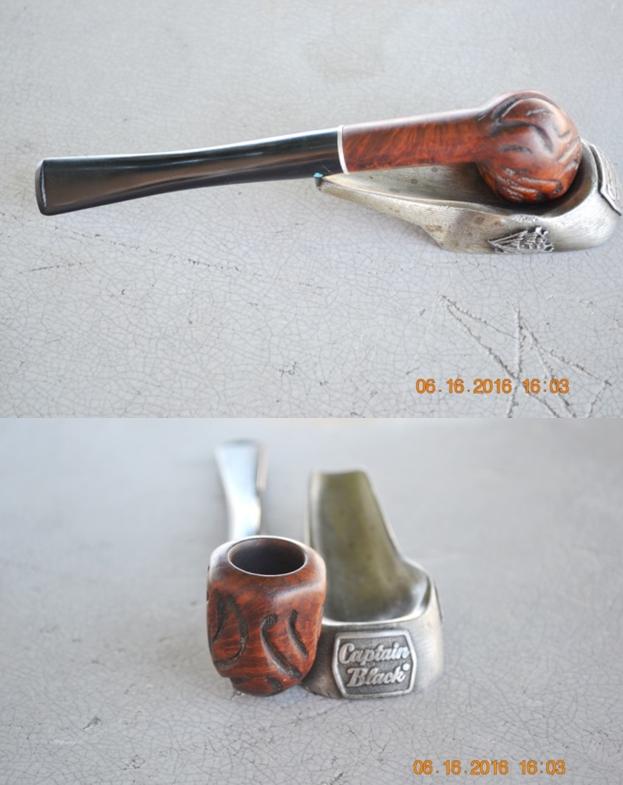
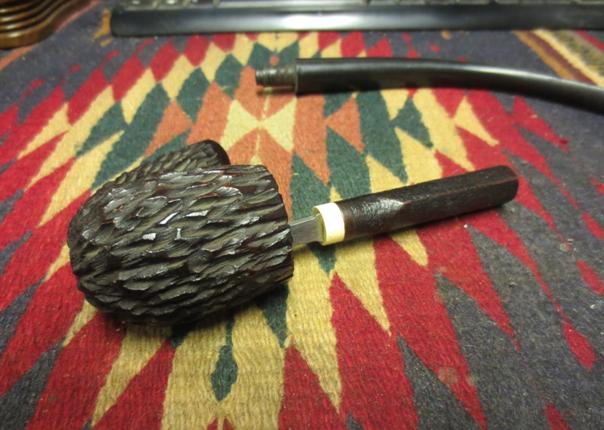
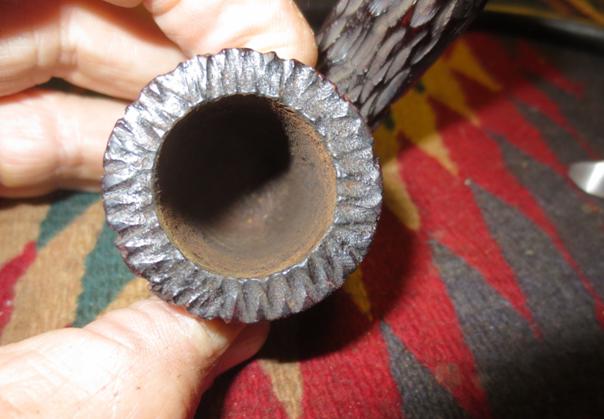
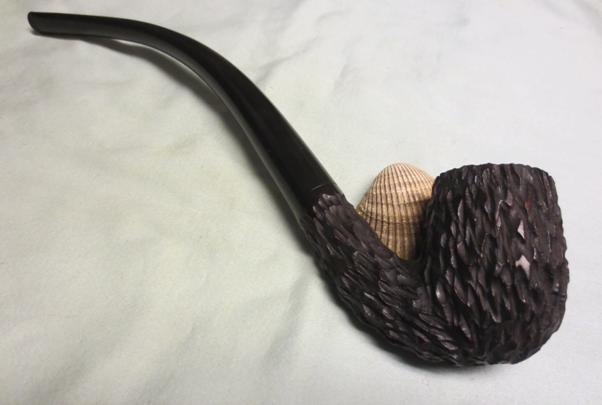
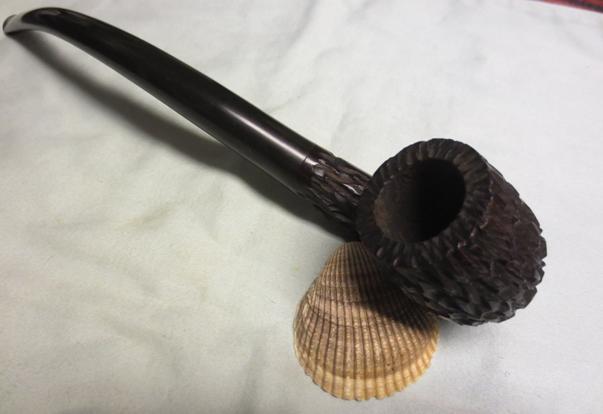
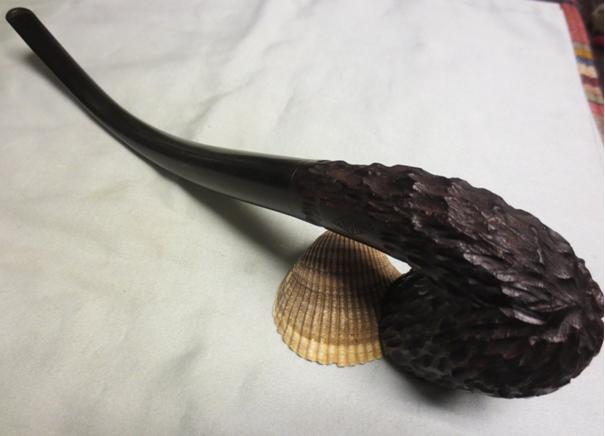
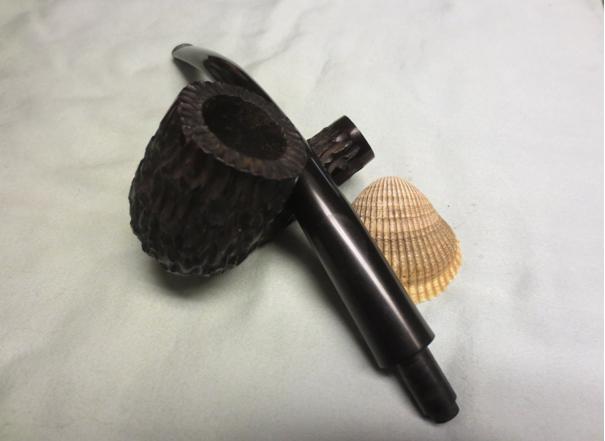
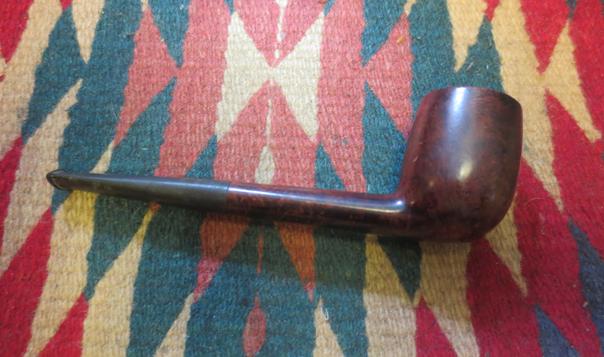
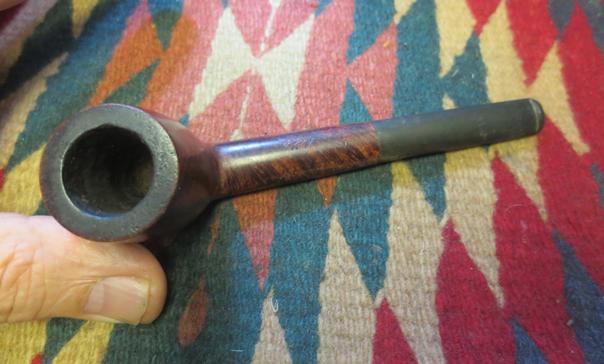
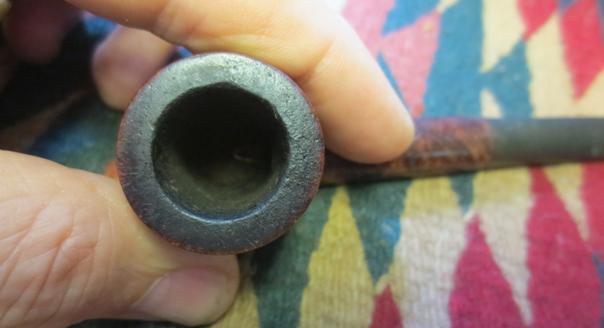
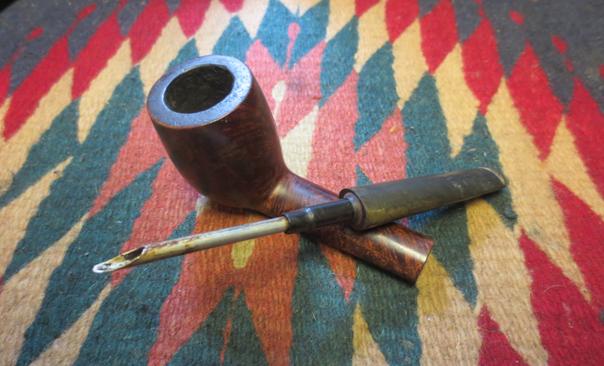
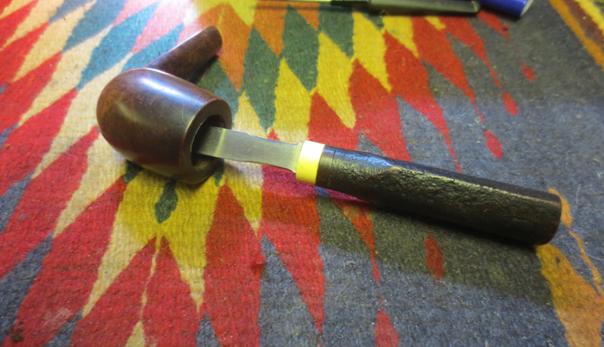
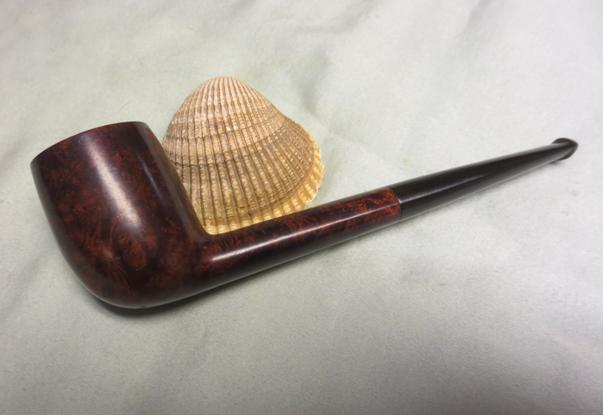
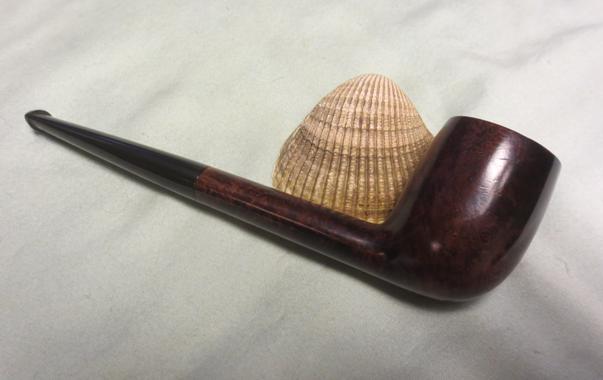
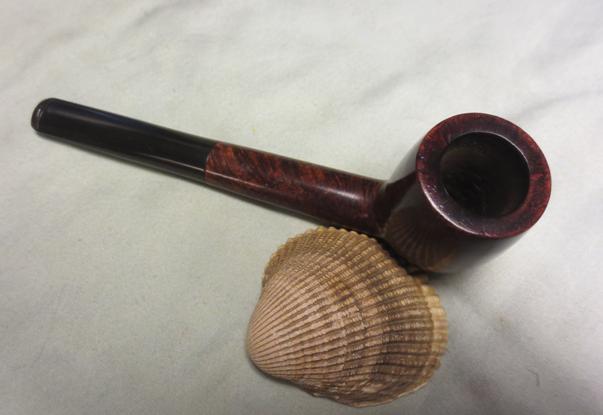
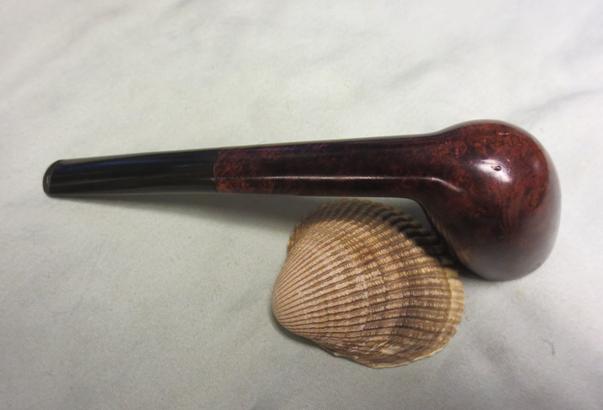
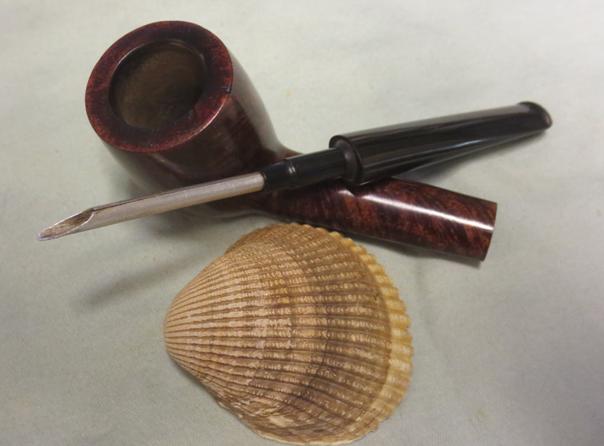
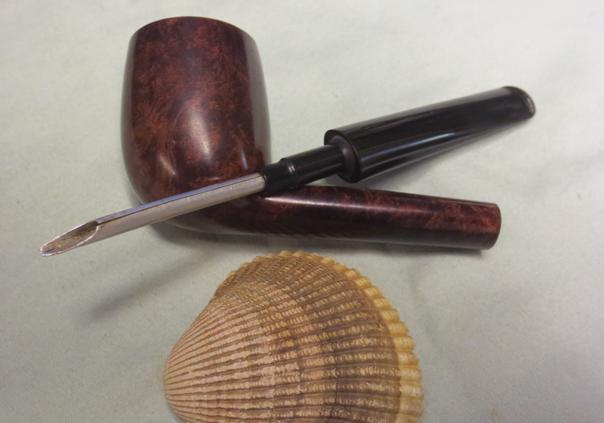
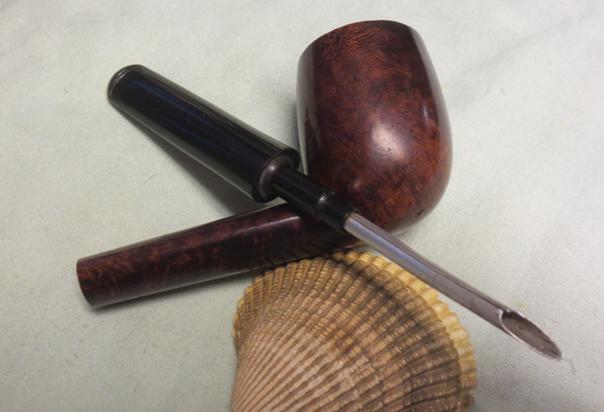
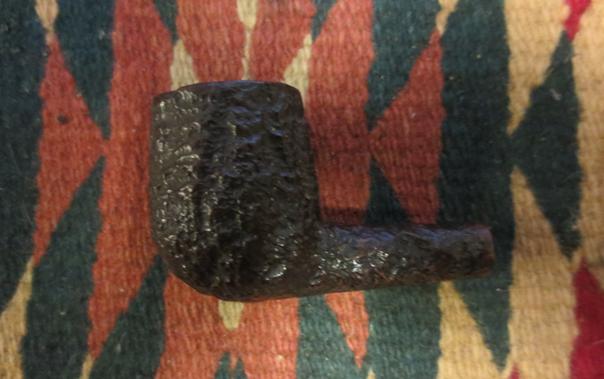
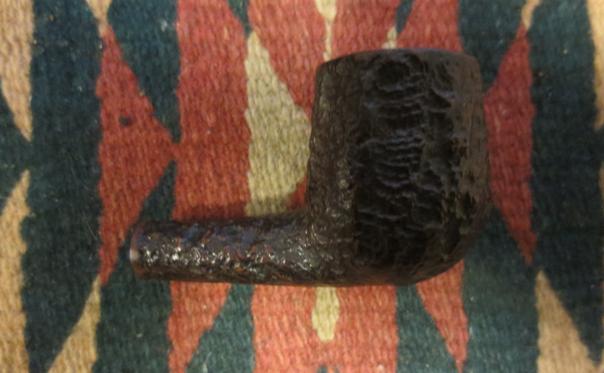
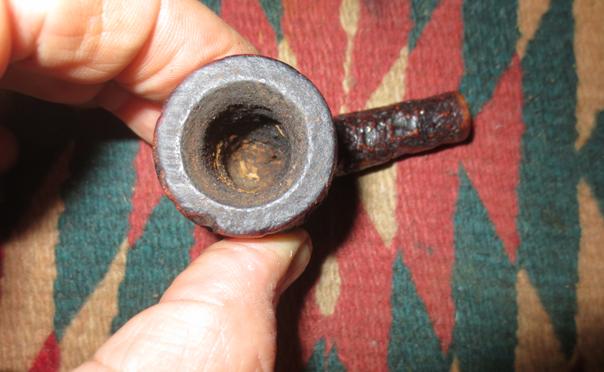
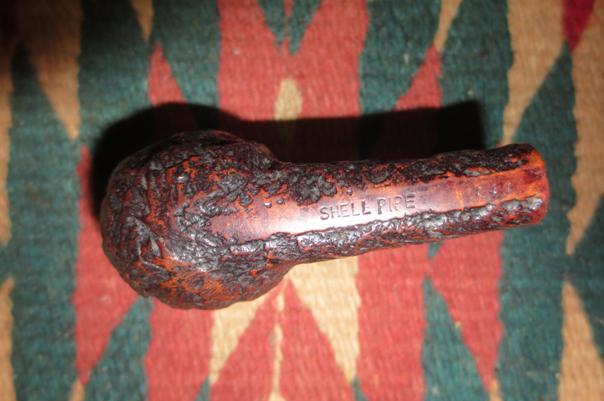
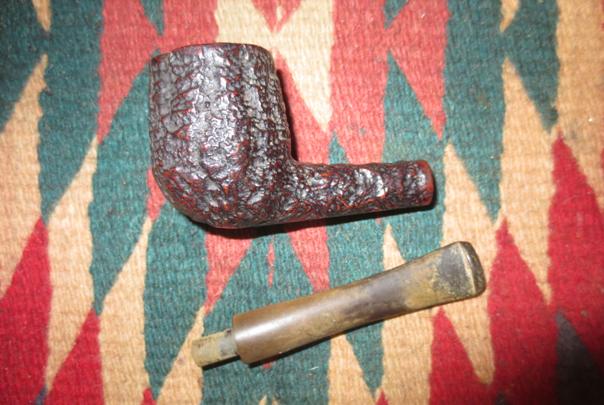
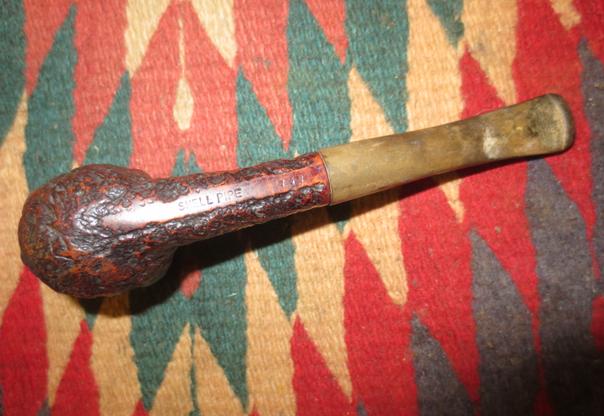
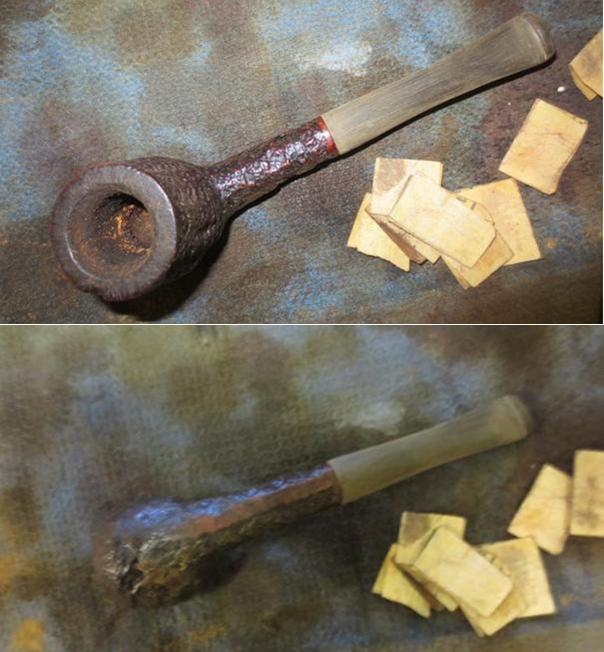
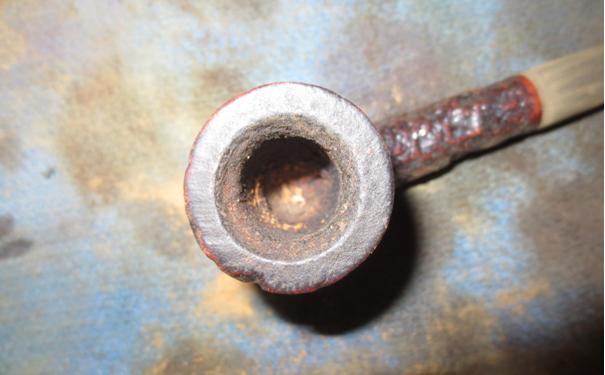
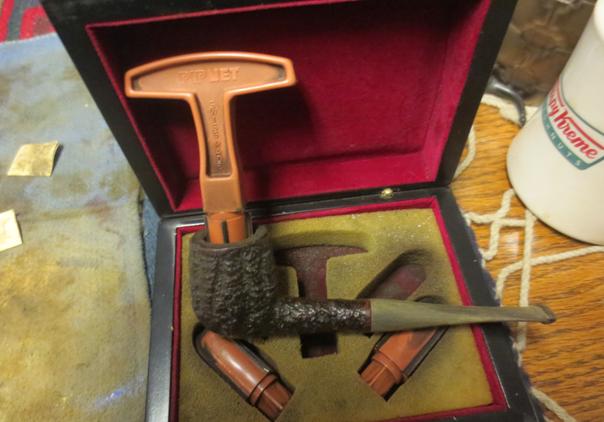
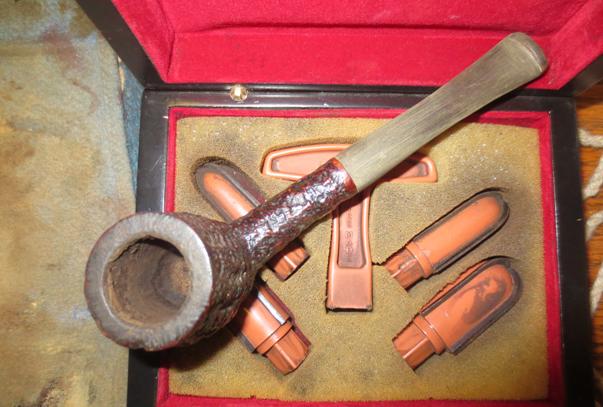
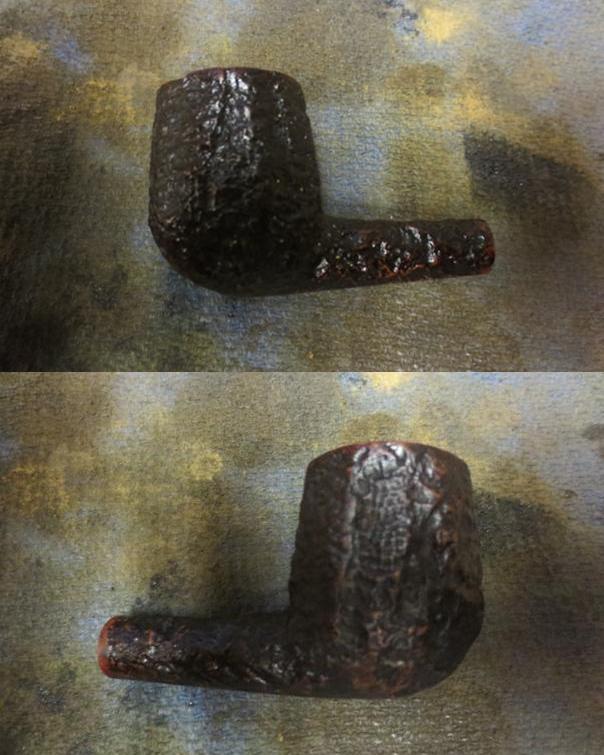
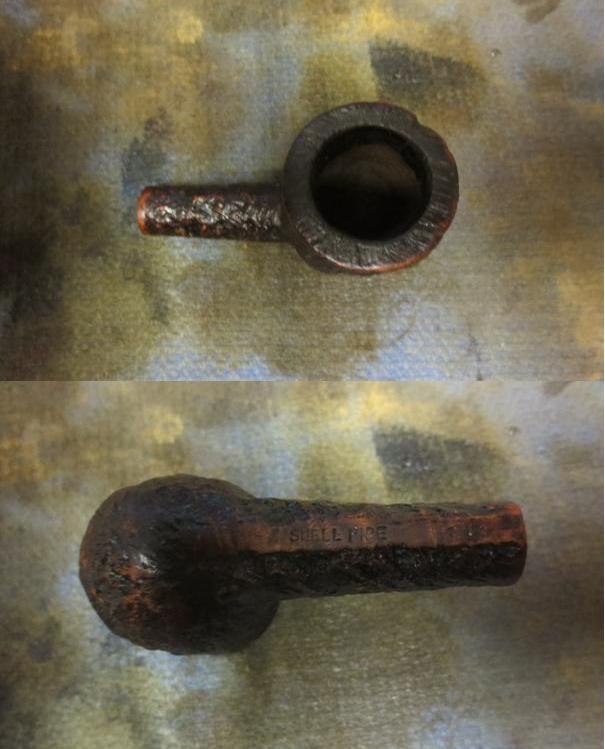
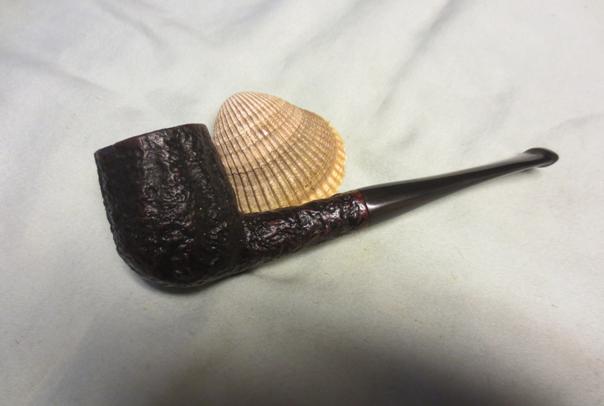
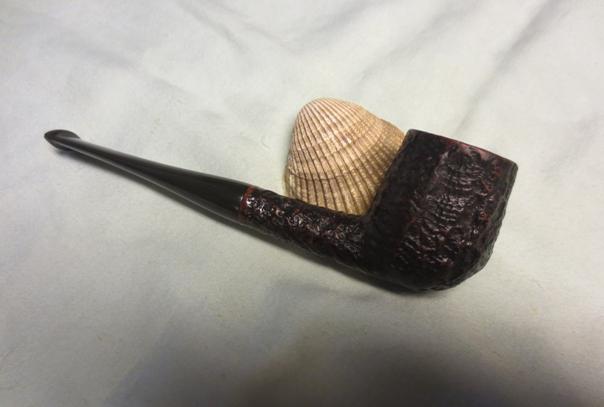
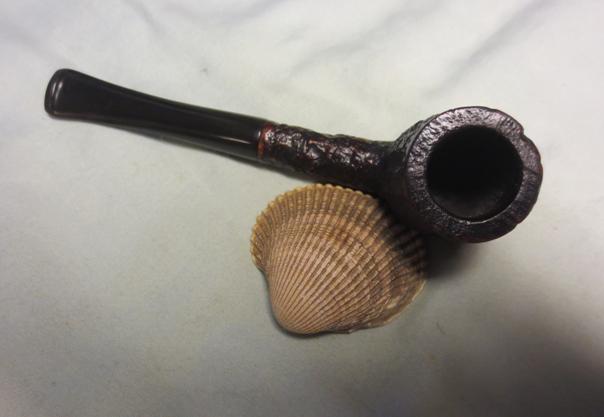
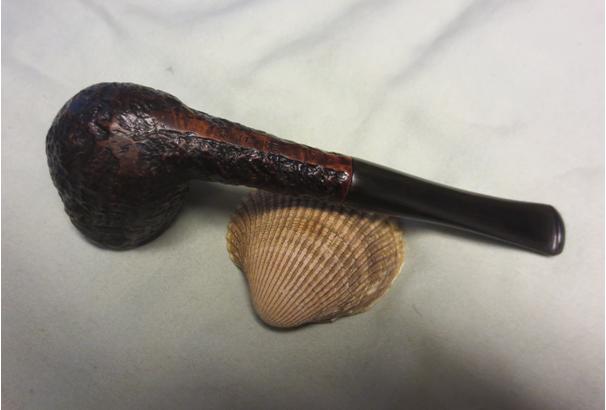
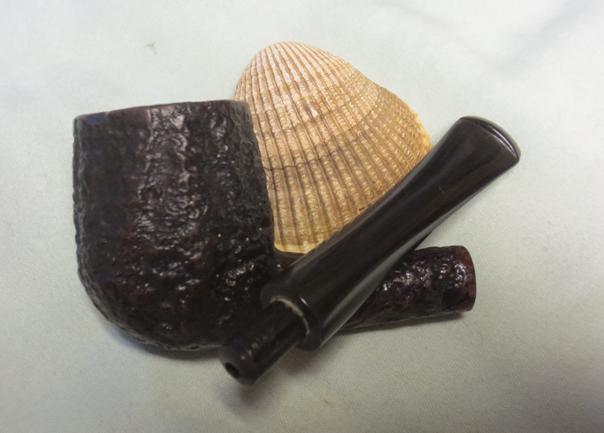
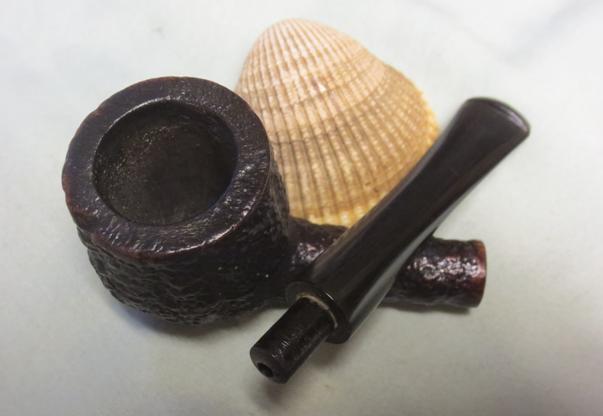
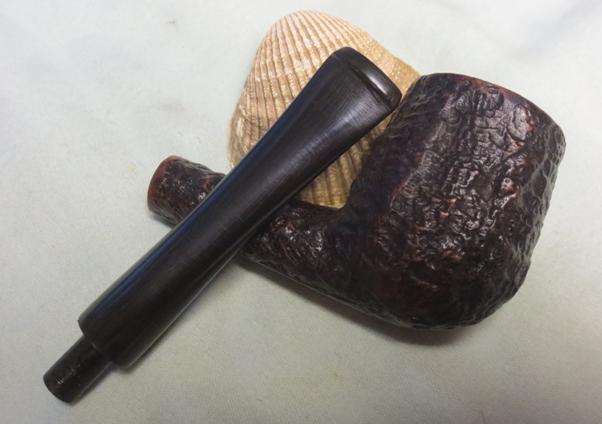
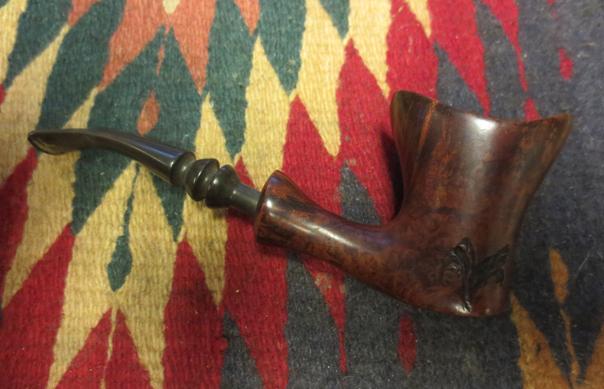
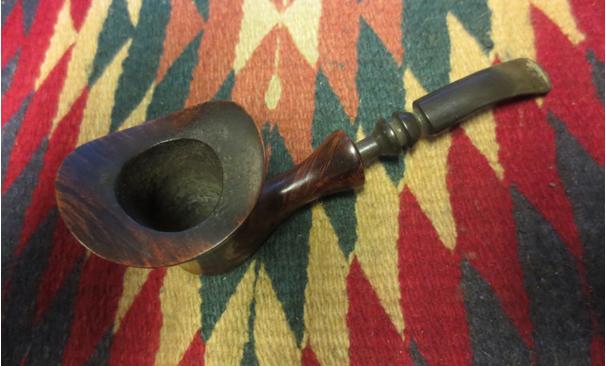
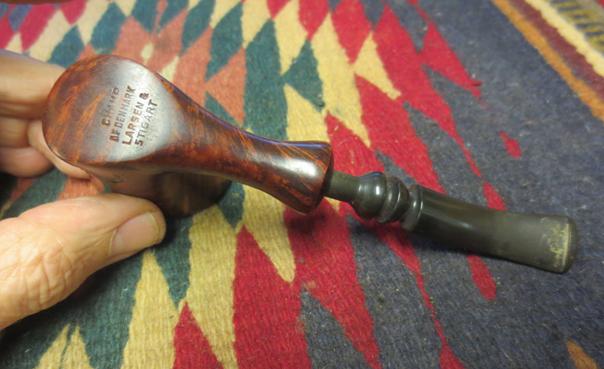
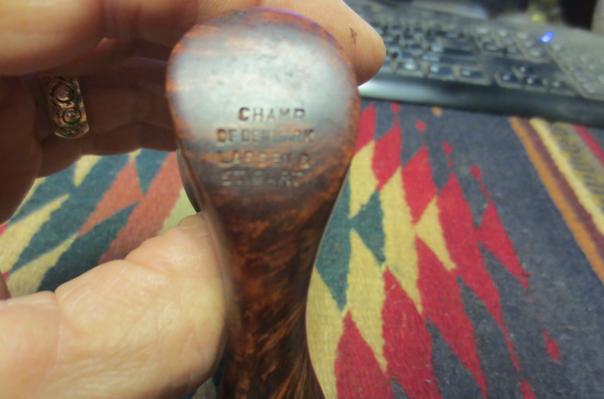
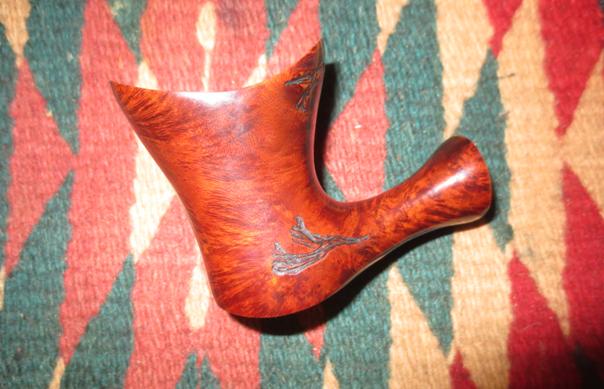
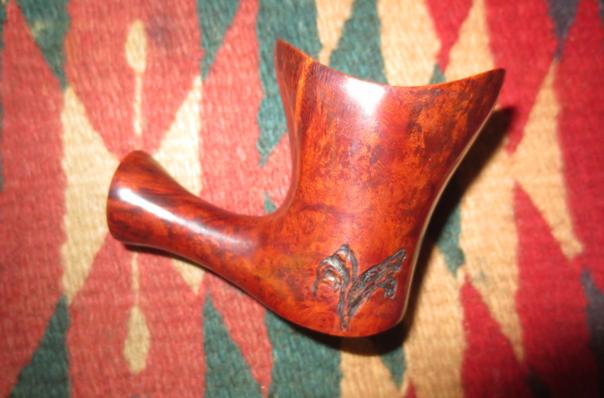
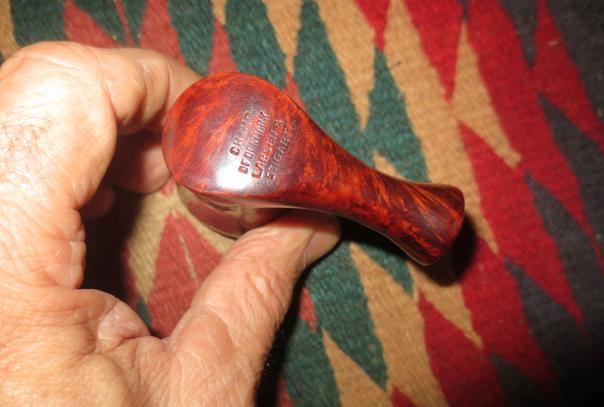
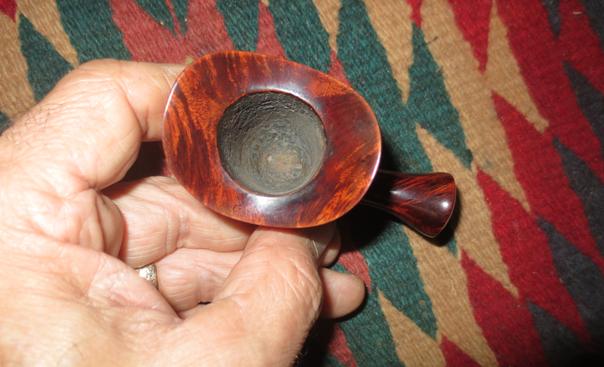
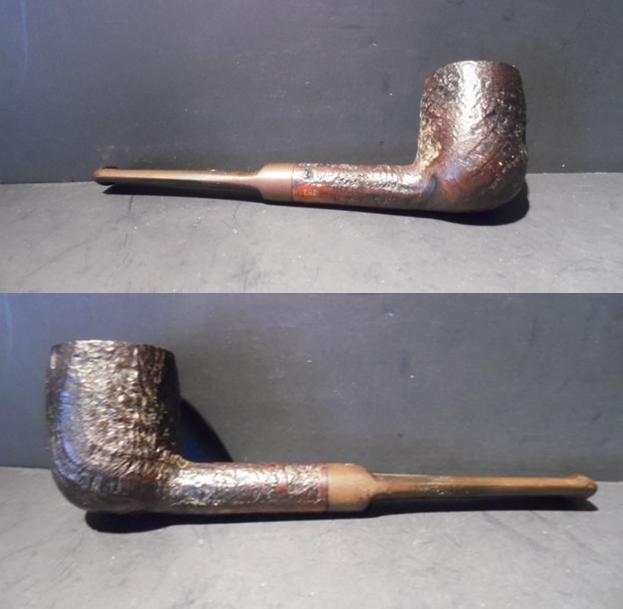
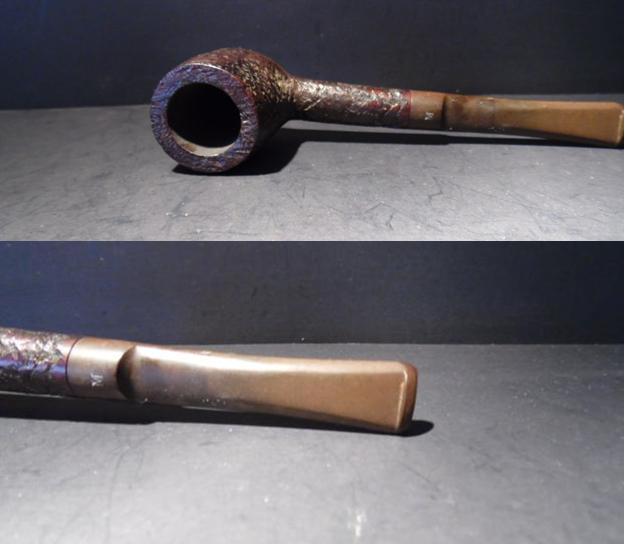
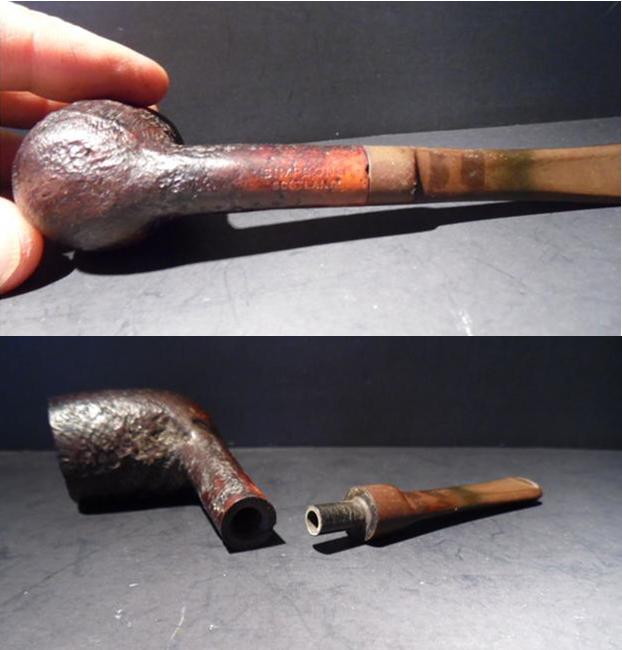
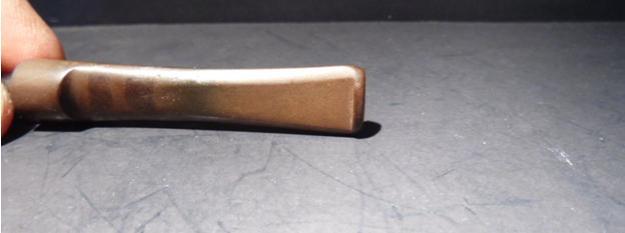
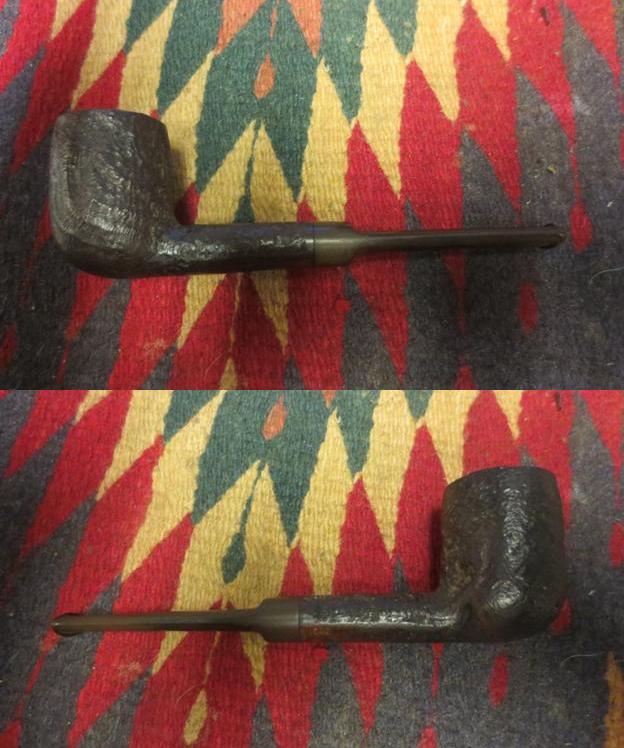
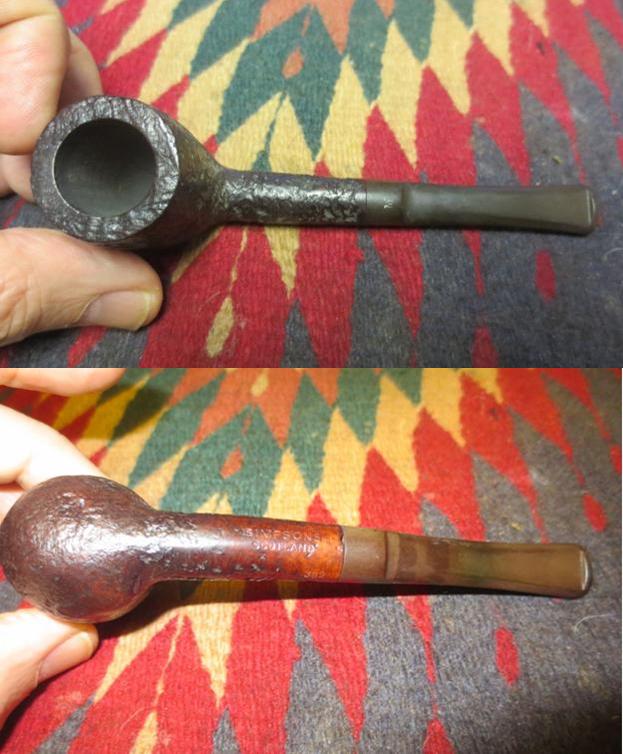
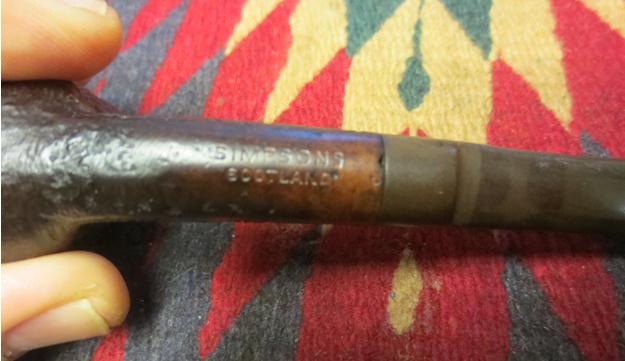
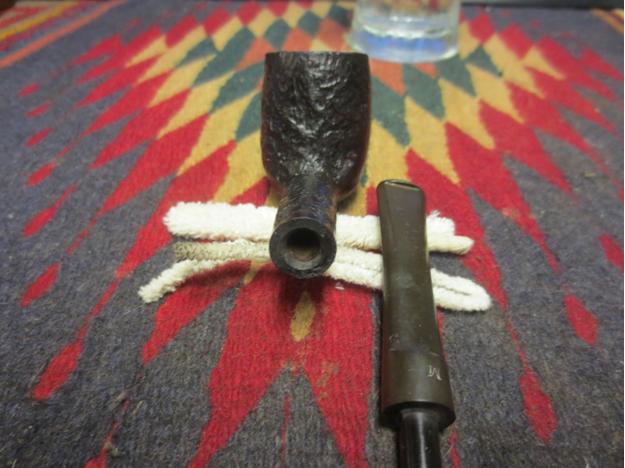
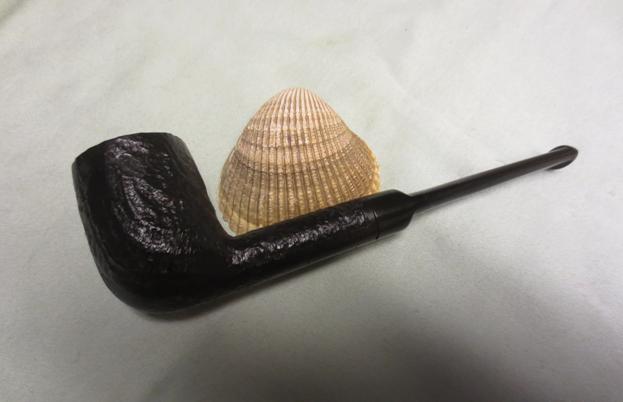
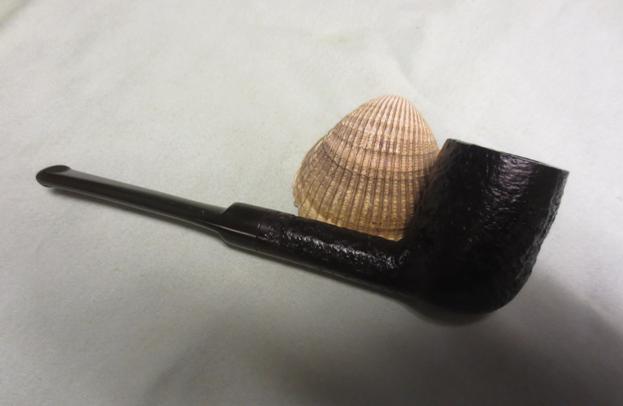
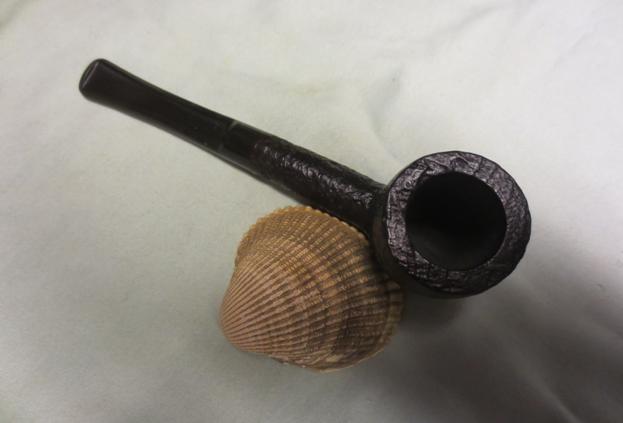
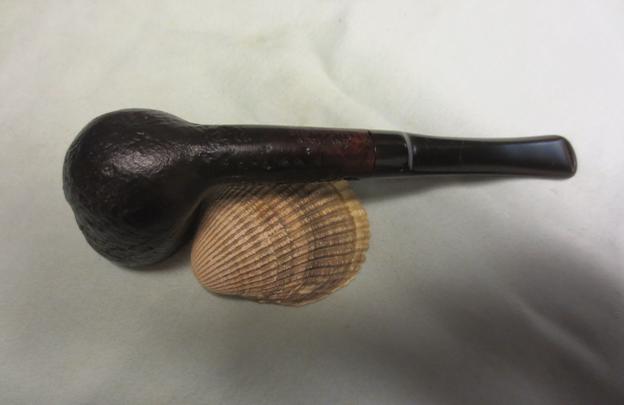
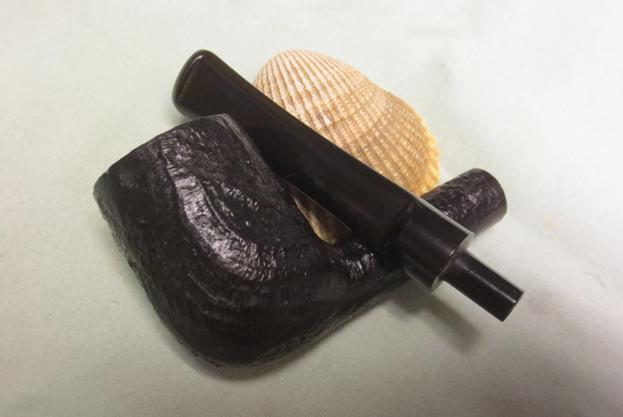
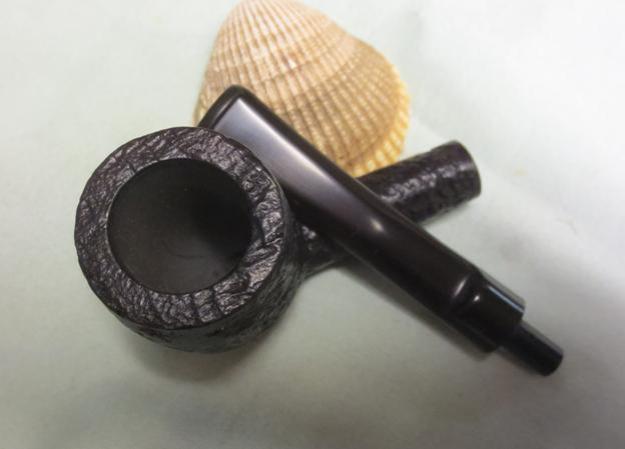
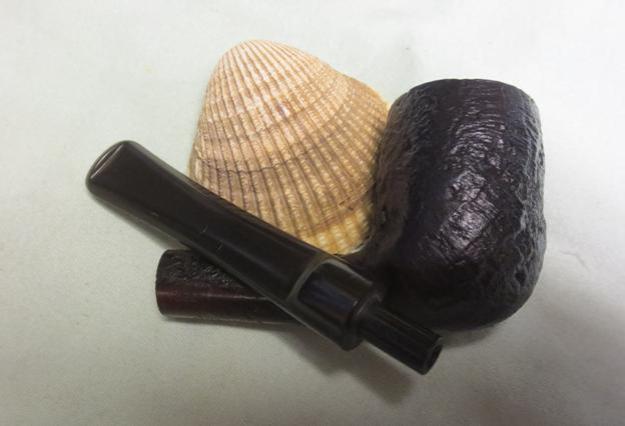
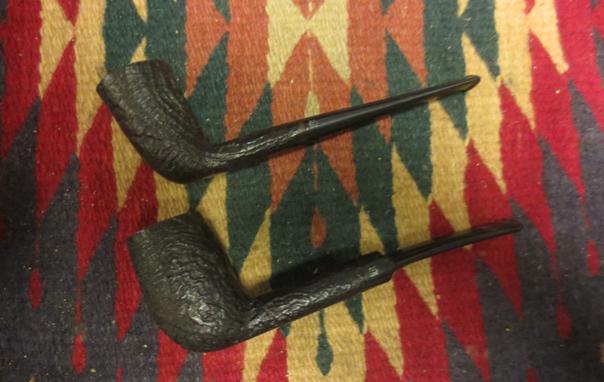
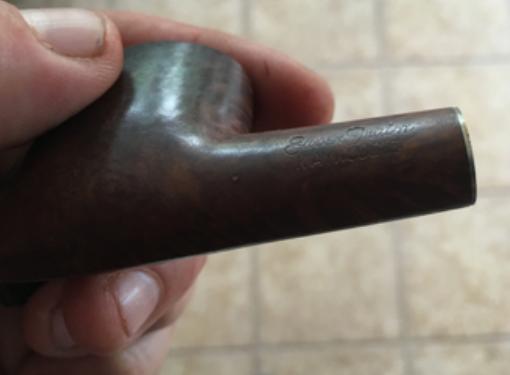
I thought I found the maker of this Citation on Pipephil, but should have taken a closer look at the nomenclature. As it turns out, the cursive style used by the U.S. manufacturer was a clear mismatch for the block letters on my squat bulldog. For now, I’m stumped. Here is the pipe as I received it.Citation1 Citation2 Citation3 Citation4The unusual cleanliness of the pipe tends to hide the need for serious work on the entire surface of the stummel, in particular a bad ding in the rim.Citation5RESTORATION
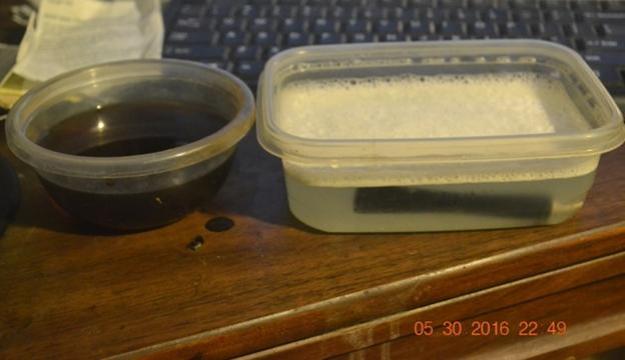
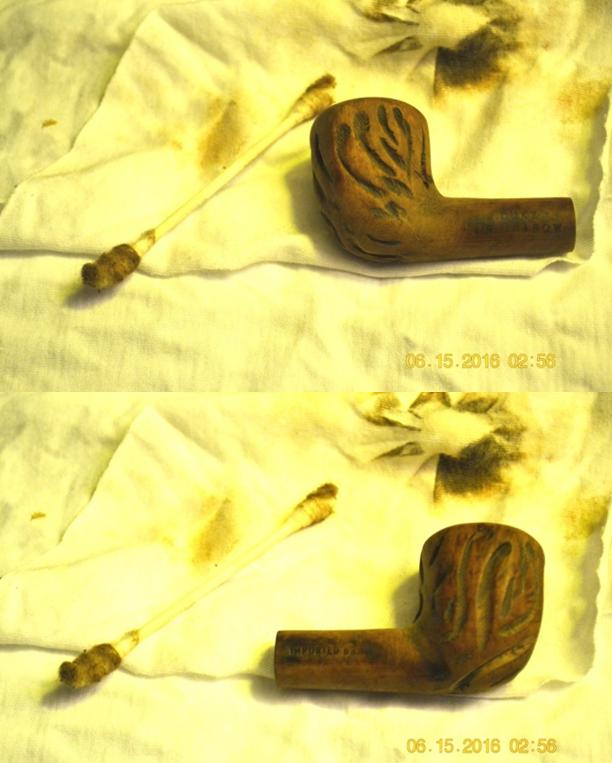
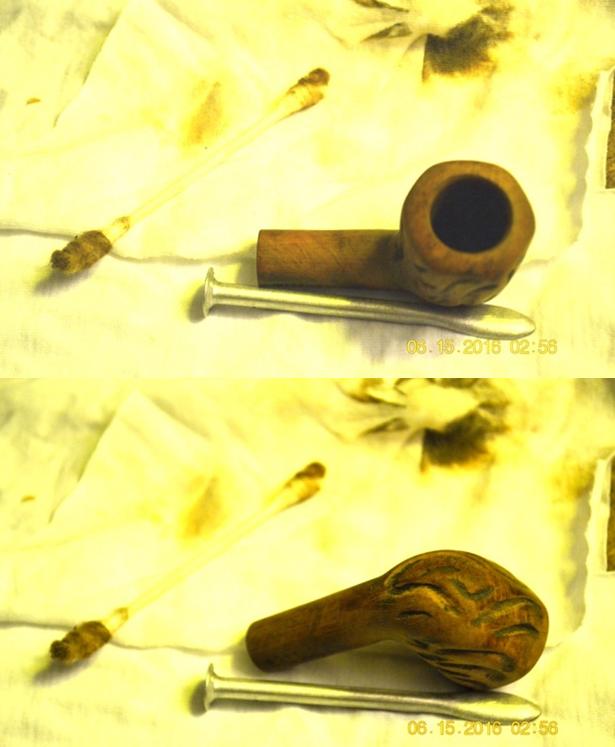
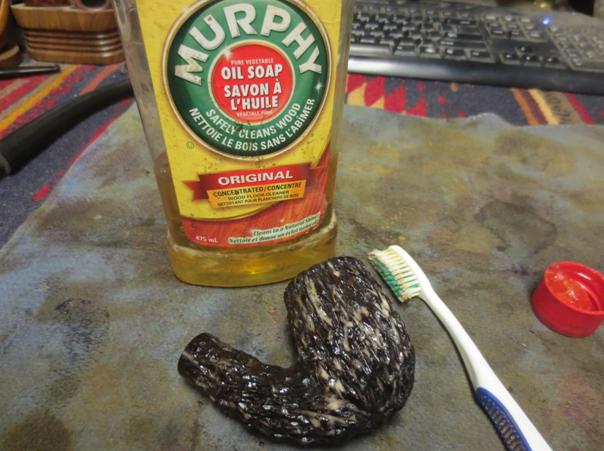
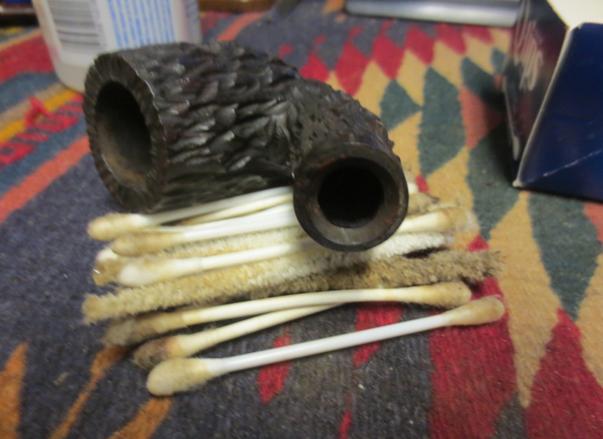
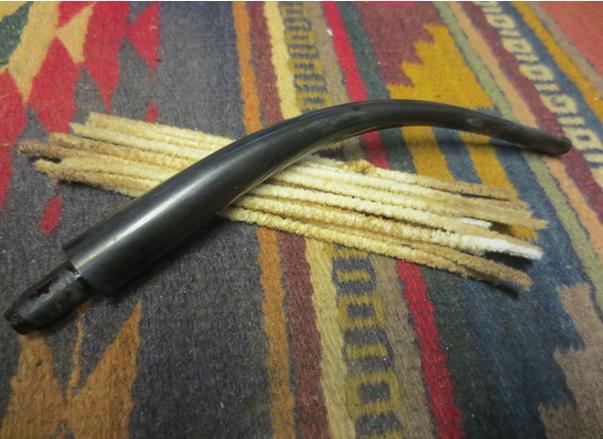
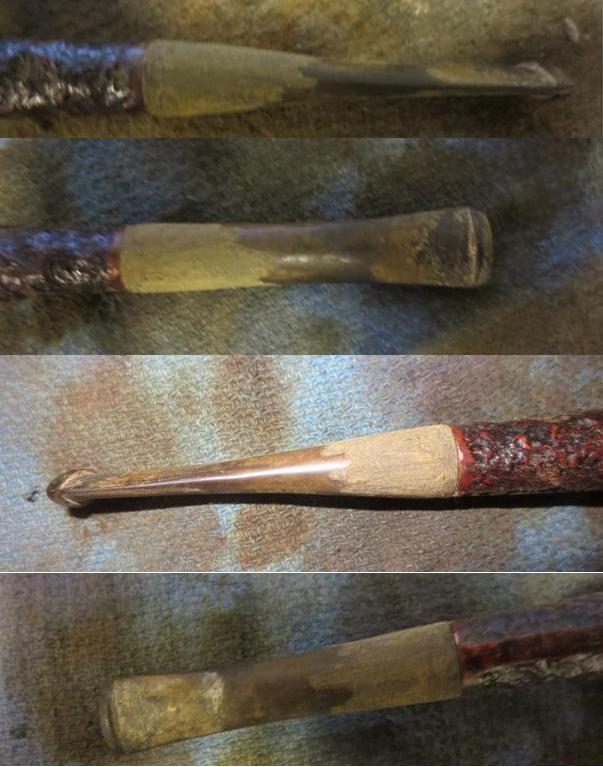
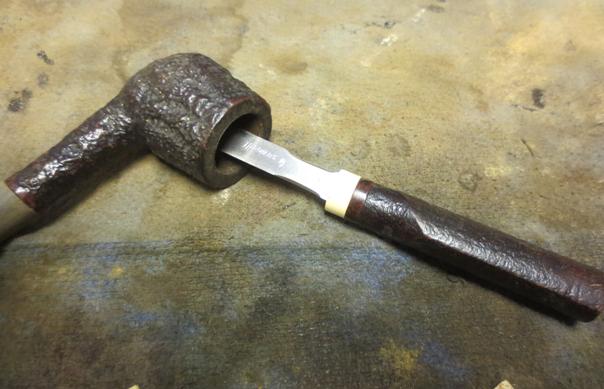
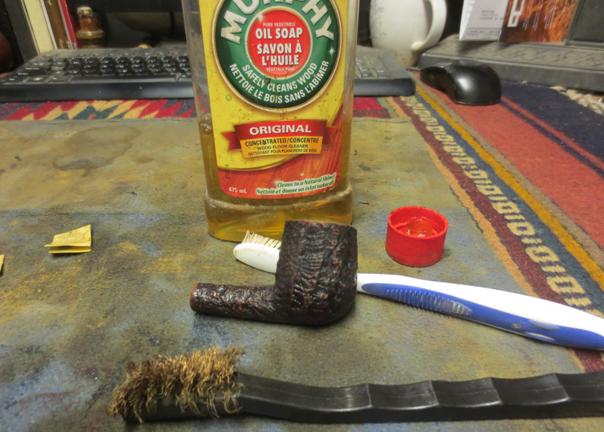
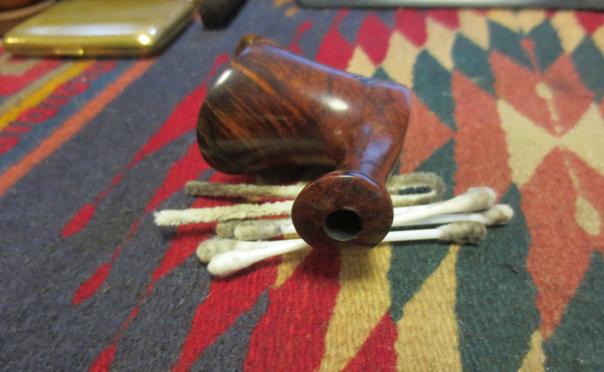
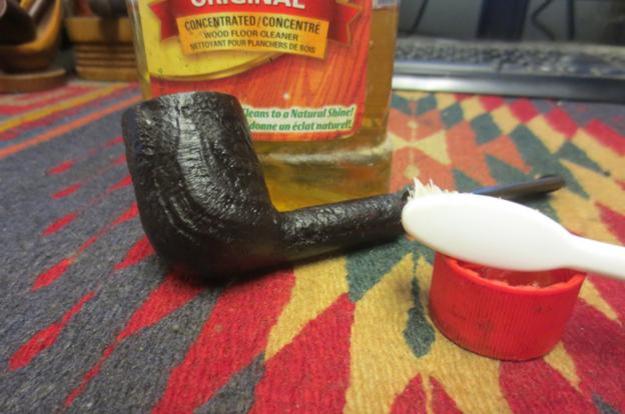
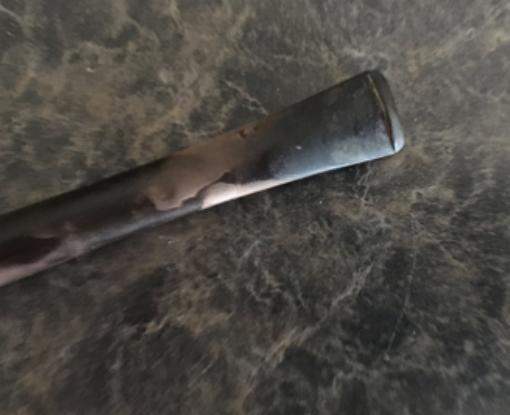
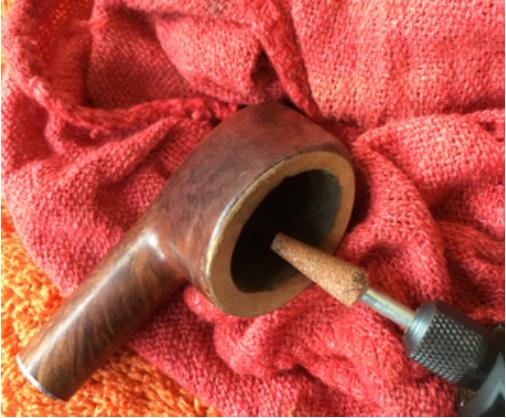
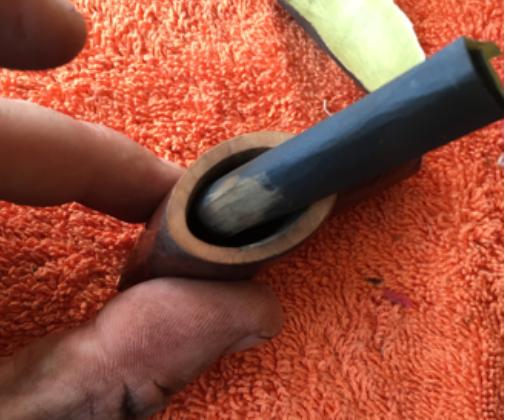
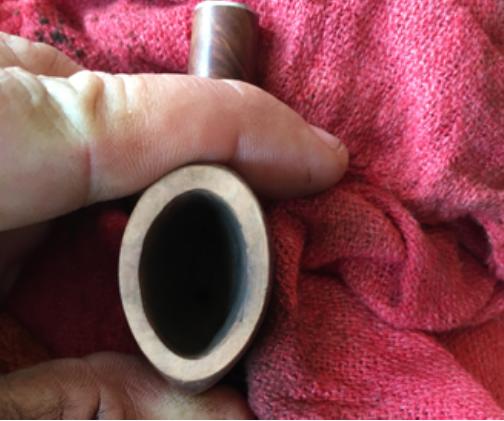
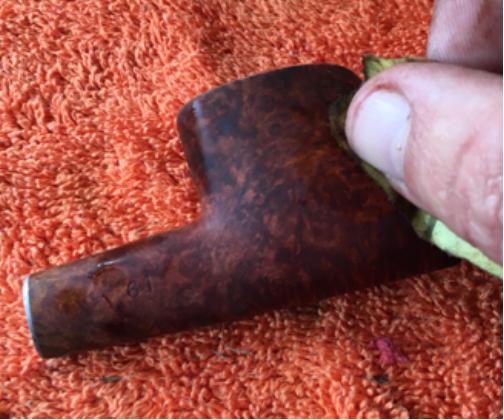
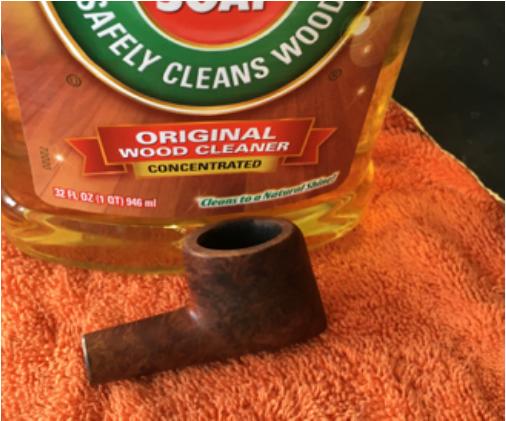
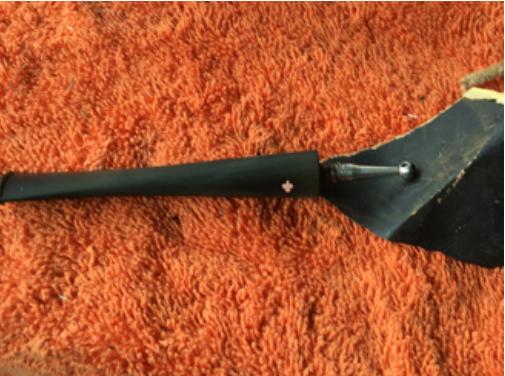
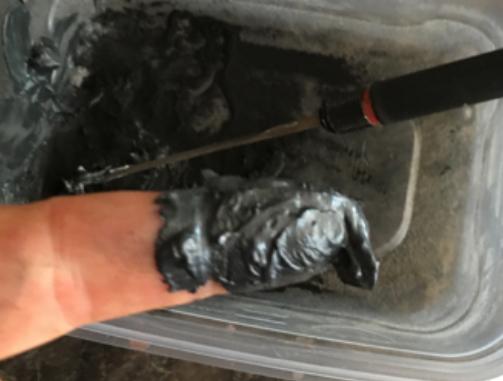
First, I tossed the bit in an OxiClean bath.Citation6While it started soaking, I used 150-grit paper evenly around the curved rim until the ding was gone and it was even all around. I also smoothed a rough spot on the right side of the top curve of the shank.Citation7Continuing just below the rim with 320-grit paper, I almost immediately realized the scratches were so pervasive and the grain so clear and fill-free that an Everclear strip was warranted. After the bit had soaked about 30 minutes, I dumped the OxiClean, rinsed the bit and ran a cleaner through it. Then I poured a jar of used Everclear in the Tupperware tub and dunked the stummel in.Citation8 Citation9

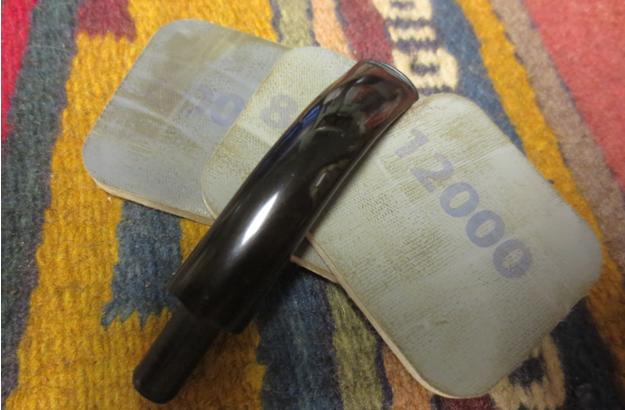
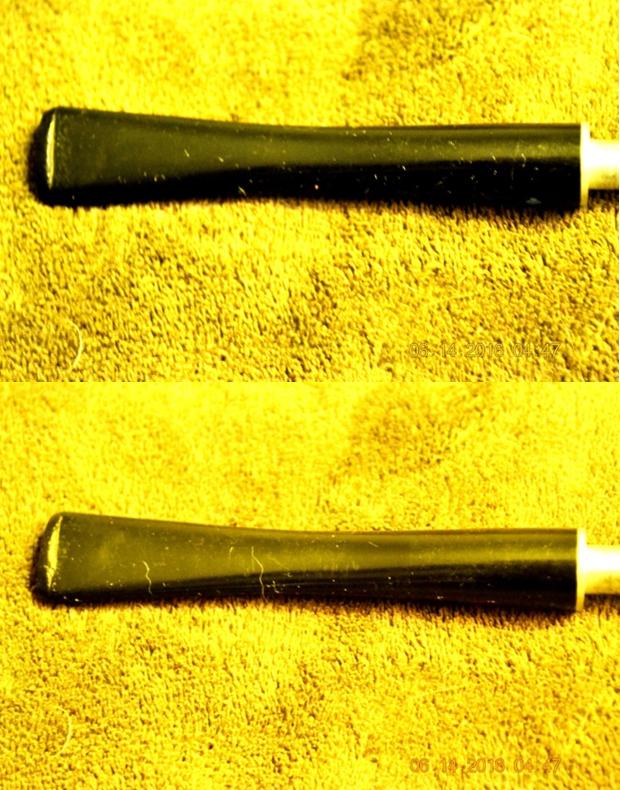
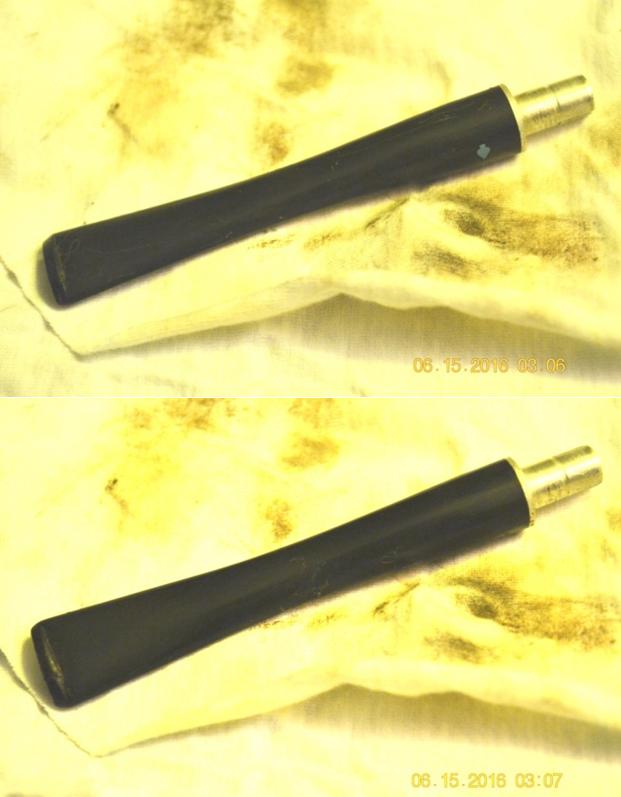
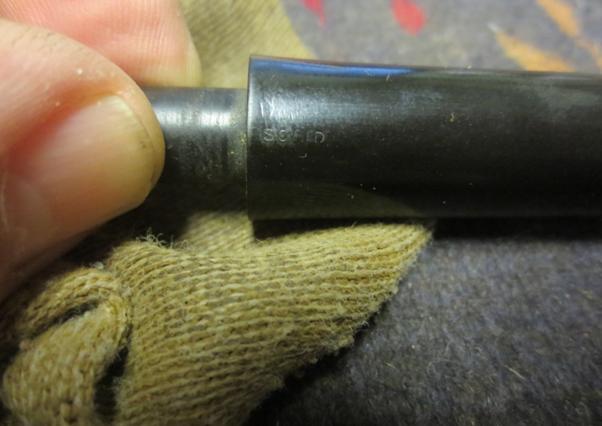
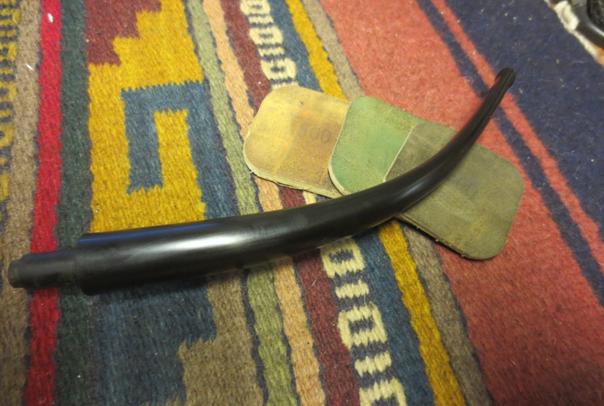
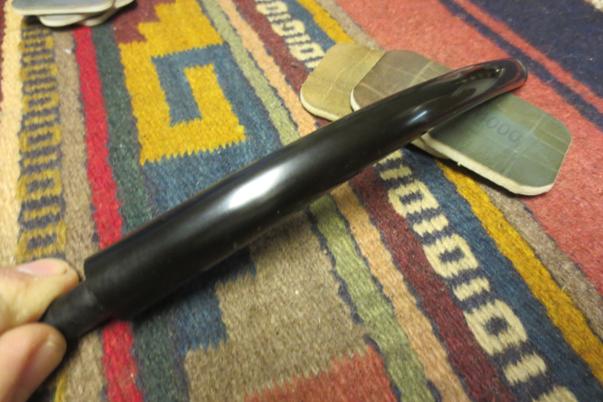
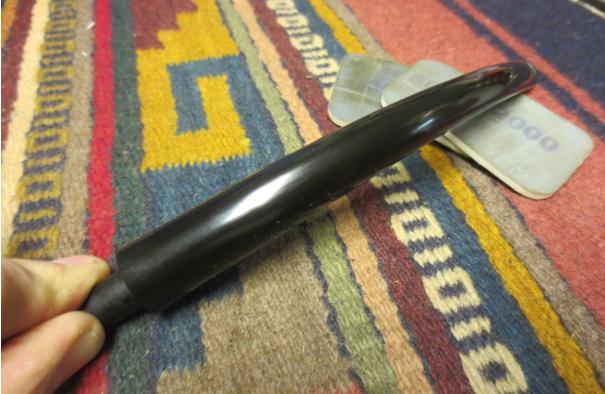
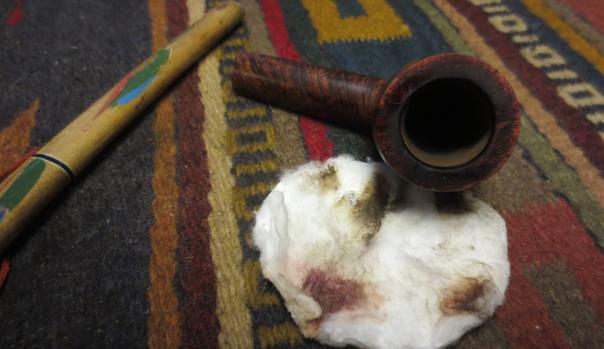
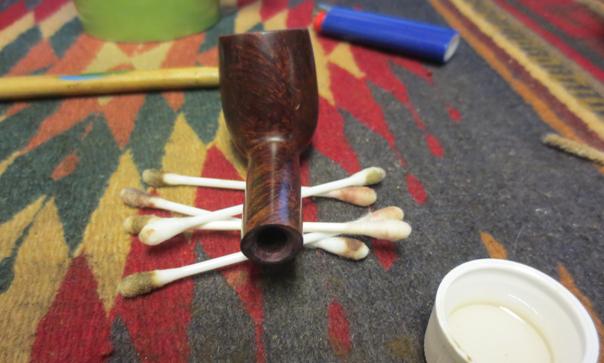
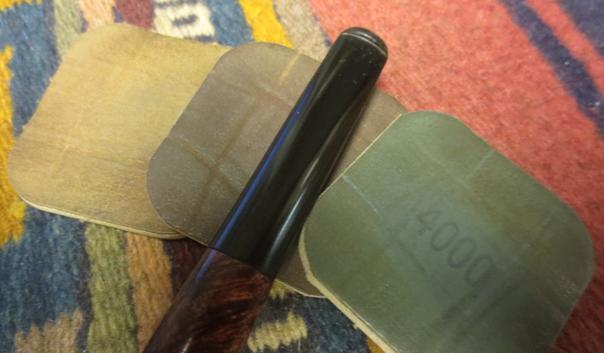
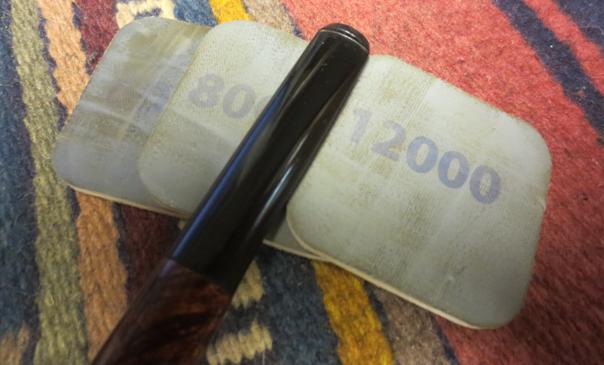
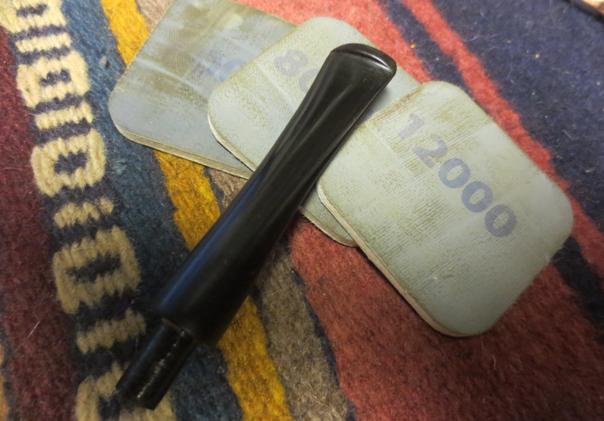
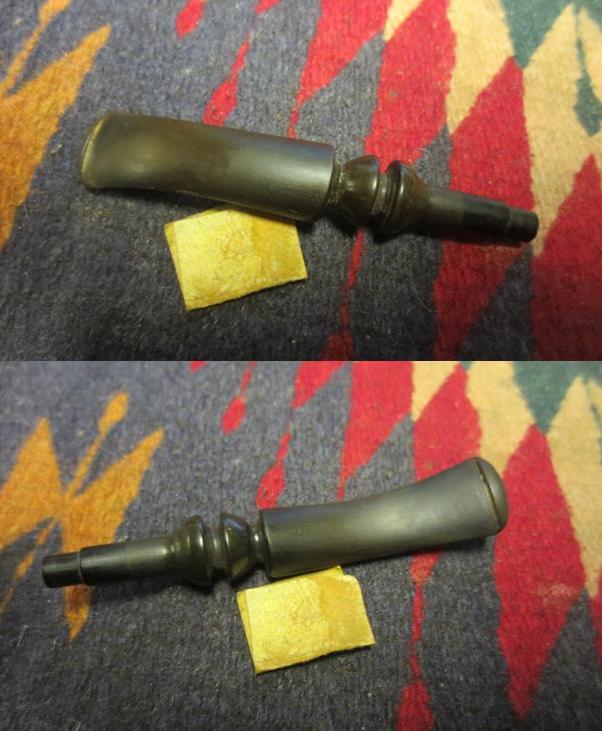
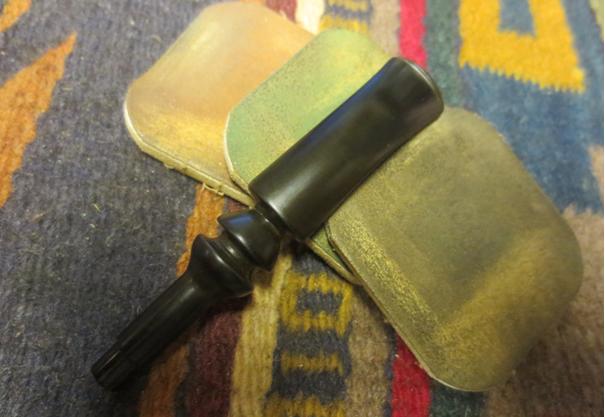
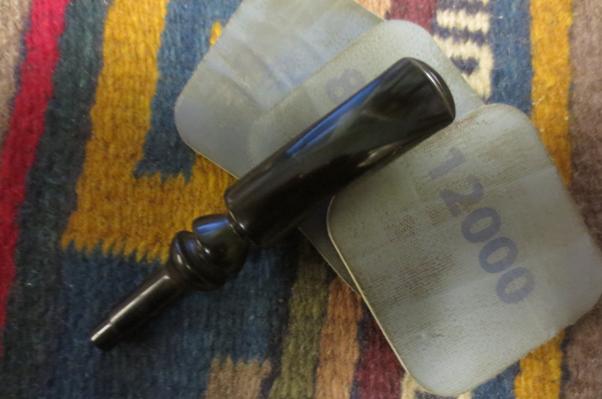
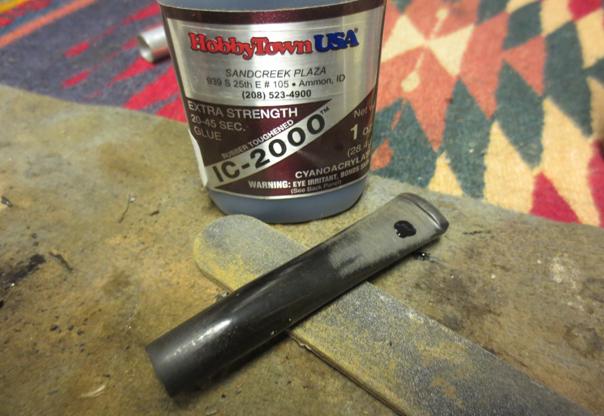
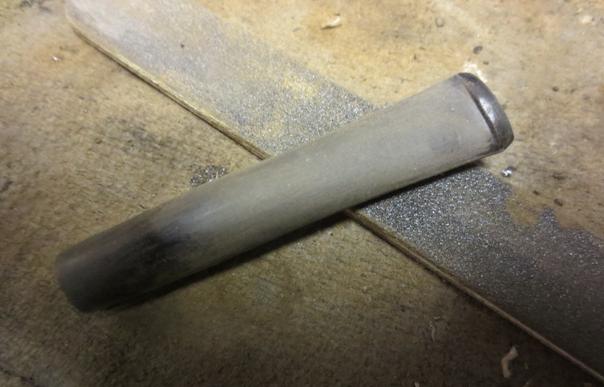
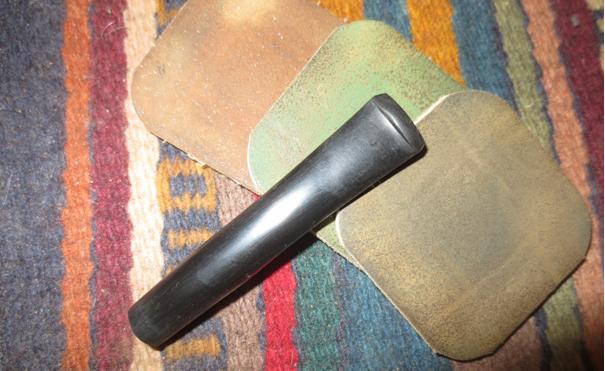
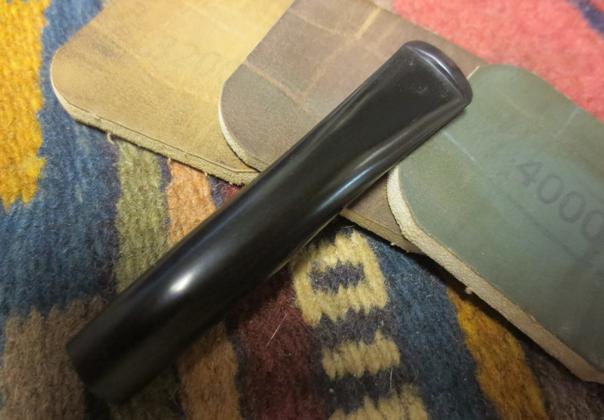
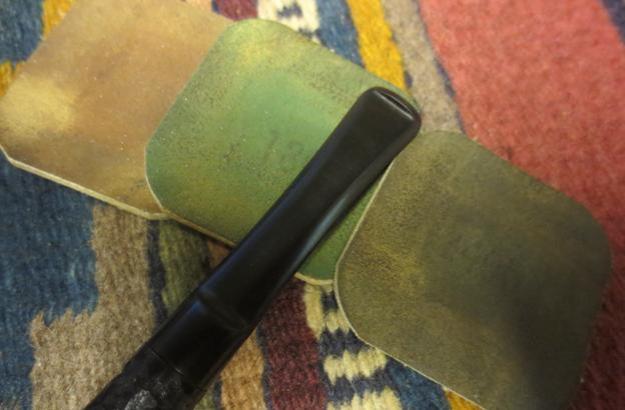
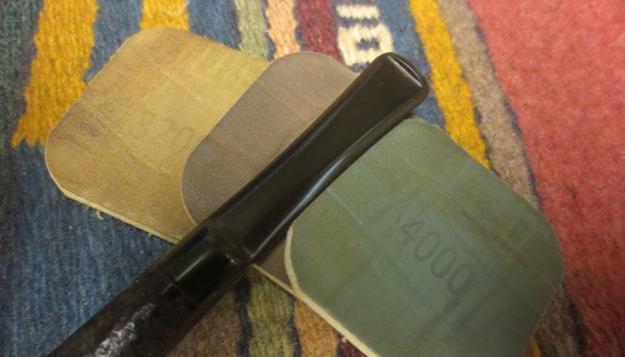
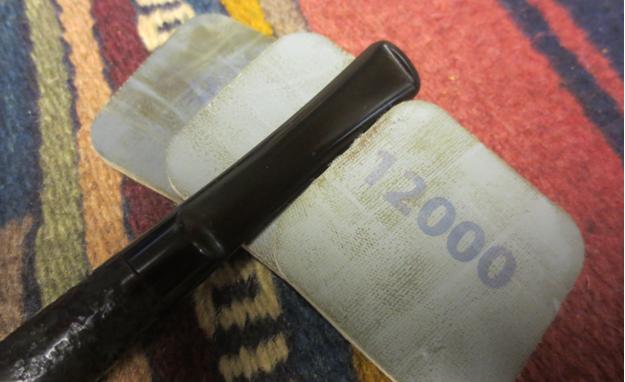
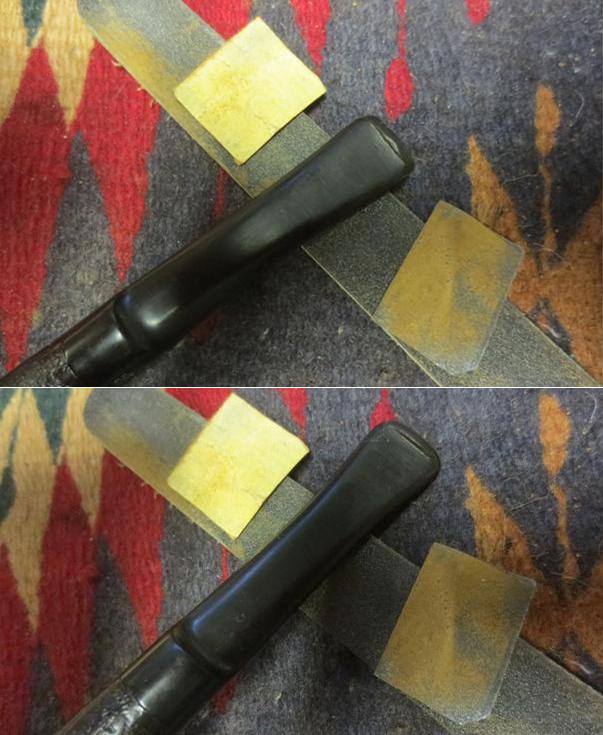
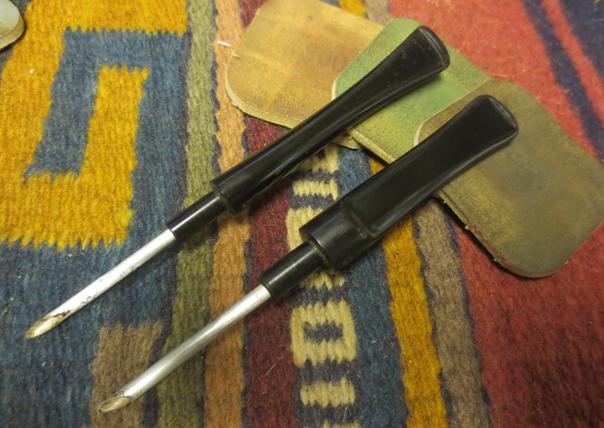
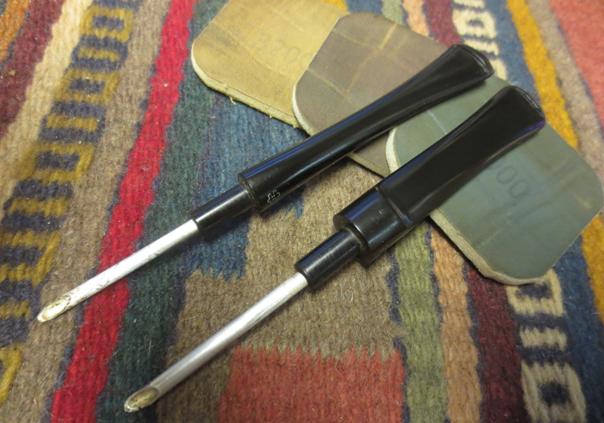
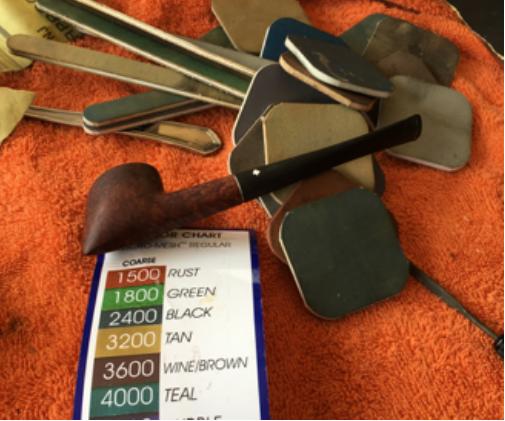
The bit was in good shape, and wet micro-mesh from 1500-12000 made it black and smooth again.Citation10I removed the stummel from the Everclear when it had soaked for an hour and wiped the chamber with a cotton cloth square before sanding the dried alcohol from the wood with 200-grit paper.Citation11 Citation12 Citation13Although I can’t explain how it works, my experiences stripping pipes with Everclear and then sanding and micro-meshing them had prepared me for the radical change in color I would notice after the full scale of micro-mesh.Citation14 Citation15 Citation16

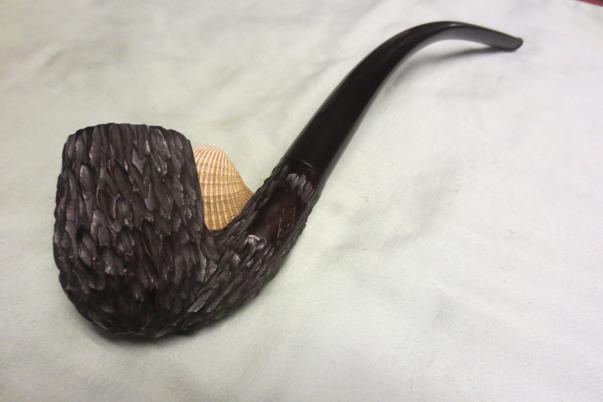
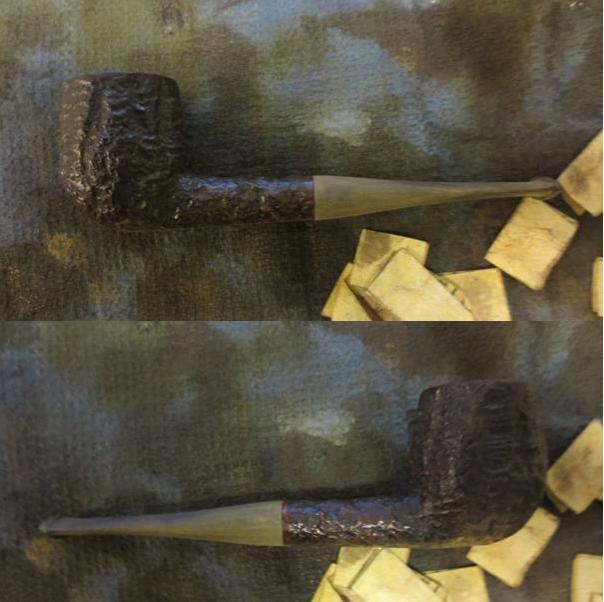
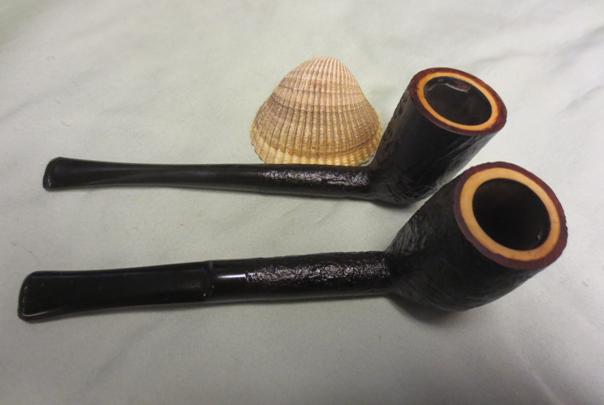
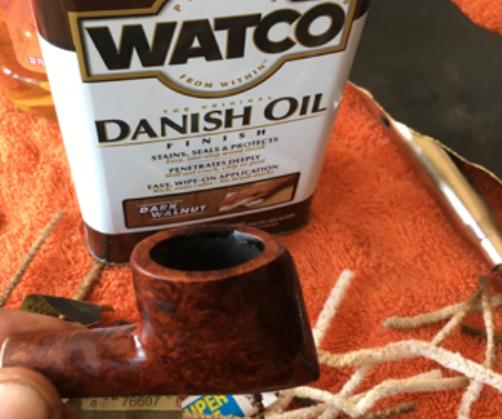
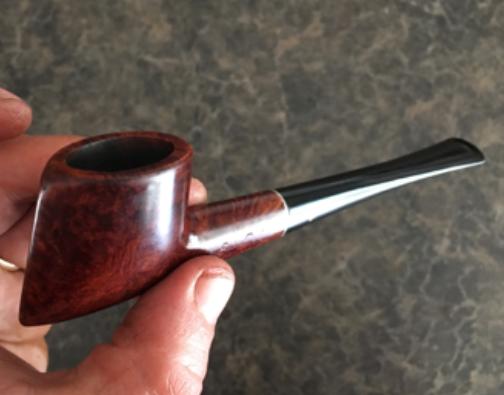
Still, this is the first time I can remember where the grain was good enough that I didn’t need to use any stain. All I needed to do was sand the chamber and retort the pipe, the latter of which proved almost unnecessary.Citation17This is the finished pipe, after buffing with white Tripoli, White Diamond and Carnauba. I used red and white Tripoli, White Diamond and Carnauba on the bit.Citation18 Citation19 Citation20

CONCLUSION
Bulldogs always sell fast, even no-names or relatively unknown brands. But I still don’t know why I put off restoring this pipe for so long. Working on it was a real pleasure, and I did it overnight.

Breathing Some Life into a Bari Squash Full Bent 7811


Blog by Steve Laug

Bari1When my brother sent me a picture of this Bari Squash there was something about it that reminded me of the teardrop shape that Julius Vesz, a Canadian pipemaker, carved. It was more egg-shaped however but the similarity caught my attention. He was able to pick it up on Ebay for a decent price and it only remained for me to get it in hand and work on it. Once I got the pipe to the work table I could see that it really was in decent shape. The pipe fit nicely in the hand and is 4 3/4 inches long, the bowl is 1.875 inches tall, inside diameter of bowl is 3/4 inches. The stamping on the smooth portion on the bottom is unevenly stamped and reads: Bari over Squash. Next to that is reads Made in Denmark with the shape number 7811 at the end. Bari2 Bari3I know next to nothing about the Bari brand so I looked it up on Pipedia. Here is the link: https://pipedia.org/wiki/Bari. I summarized the material that I found there as it gives a clear picture of the brand. I found several pipes in my latest hunt by Viggo Nielsen so this was very interesting information.

Pipedia states that Bari Piber was founded by Viggo Nielsen in Kolding, Denmark around the turn of 1950/51. His sons Kai and Jørgen both grew into their father’s business from a very young age and worked there till 1975. Both have become successful pipe makers. Bari successfully adapted the new Danish design that had been started mainly by Stanwell for its own models. Bari was sold in 1978 to Van Eicken Tobaccos in Hamburg, Germany though the pipes were still made in Denmark. From 1978 to 1993 Åge Bogelund and Helmer Thomsen headed Bari’s pipe production. Helmer Thomson bought the company in 1993 re-naming it to “Bari Piber Helmer Thomsen”. The workshop moved to more convenient buildings in Vejen. Bogelund, who created very respectable freehands of his own during the time at Bari got lost somehow after 1993. Bari’s basic conception fundamentally stayed the same for decades: series pipes pre-worked by machines and carefully finished by hand – thus no spectacular highgrades but solid, reliable every day’s companions were what they turned out. The most famous series are the smooth “Classic Diamond” and the blasted “Wiking”.

The finish on the Bari Squash that I was working on was dirty and tired looking but the blast was really nice. The rim was clean and both the inner and outer edges were in great shape. I had reamed the pipe back to bare briar while I was traveling. It looked to be in excellent shape. There was some wear on the front outer edge of the rim that would need a touch up of stain. The stem was oxidized and scratched. The top of the button had a tooth mark that indented it mid button along the sharp edge but not on the outer curve. The stamping on the left side of the stem read BARI and was light and uneven. After reading about the factory I wonder what era of the Bari life span this pipe came from. Bari4 Bari5Once I got home to the workshop I cleaned up the “field” reaming with a Savinelli Pipe Knife to smooth out the walls of the bowl.Bari6I cleaned out the shank and airway in the bowl and the stem with alcohol, pipe cleaners and cotton swabs. The darkening on the cotton was a combination of tobacco juices and brown stain. It looked as if the inside of the shank had some stain.Bari7 Bari8I scrubbed the exterior of the bowl with Murphy’s Oil Soap and then rinsed it off and dried it. I gave it several coats of Conservator’s Wax and hand buffed it with a shoe brush.Bari9I gave the bowl a light buff on the wheel with a clean buffing pad to raise the shine.Bari10 Bari11 Bari12 Bari13 Bari14With the bowl finished it was time to work on the stem. There was a bite mark on the top of the button that needed to be addressed. I used some black super glue to fill in the divot on the top and smooth out the damage.Bari15Once the glue dried I sanded and shaped the button with needle files and sandpaper. The photos below show the shape developing from the repair to the finished look. Much polishing still needed to happen but it was shaped and ready.Bari16 Bari17 Bari18I wet sanded the stem with 1500-2400 grit micromesh sanding pads. I gave it coat of Obsidian Oil and then dry sanded the stem with 3200-4000 grit pads. I gave it another coat of oil and then buffed it with Blue Diamond on the wheel. I took it back to the table and sanded it with 6000-12000 grit pads and gave it a final coat of Obsidian Oil. I set it aside to dry.Bari19 Bari20 Bari21I buffed the pipe stem with Blue Diamond and then with multiple coats of carnauba wax. I buffed the pipe with a clean buffing pad to raise the shine. I hand buffed it with a microfibre cloth and took the final photos below. I love the shape of this little pipe and the feel of it in hand. It came out beautifully in my opinion. Thanks for looking.Bari22 Bari23 Bari24 Bari25 Bari26 Bari27 Bari28 Bari29 Bari30
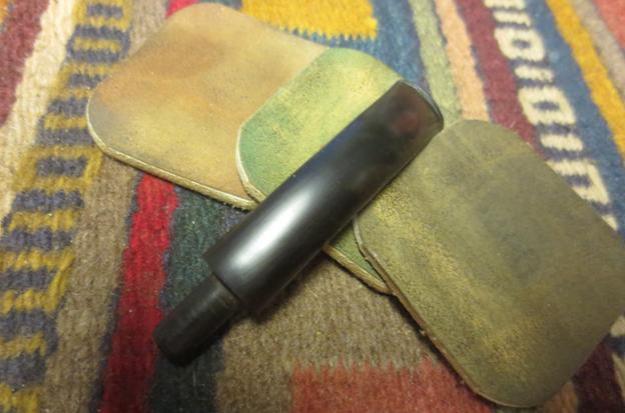
Restoring an Old Sea Slug or an Old River Chubby Bent Apple


Blog by Steve Laug

My brother Jeff picked up a pipe that is in one of my favourite shapes – the chubby apple. I love the feel of this pipe shape in the hand. It just fits perfectly and sits right in my opinion. This one was stamped on the underside of the shank with the words OLD RIVER. There is no shape number or country of origin stamped on the pipe. The rusticated finish is very tactile and feels great in the hand. To me it has the look and shape of a sea slug. Living in Vancouver, near on the ocean I have seen a lot of sea slugs and always found something endearing in their sheer ugliness. The finish on this one reminds me of those ugly sea slugs and yet the look captures me. The stem is a solid rubber of high quality as it was only minimally oxidized and it was very hard. I took the following photos when the pipe arrived to show you its condition. The finish is unique to my mind. It is almost a combination of sandblast and rustication. The deep grooves on the pipe were dirty with dust and debris lodged in them. The high spots were quite shiny and clean. The stem had mild oxidation on the surface but nothing deep. The shape of the stem was old style with a slot in the button but highly tapered as it made its way to the button.old1 Old2The rim was clean with nothing more than the same dust as the sides of the bowl. There was no build up on the flat surface of the rim and the inner and outer edges were in good shape. Someone had reamed it out and it looked to have been sanded clean. They did well in terms of keeping the inner edge of the bowl round and the distance between the inner and outer wall of the rim equidistant all the way around the bowl.old3 old4I searched on the internet to see if I could find any information on the brand or the maker of the pipe. I found many pictures of virtually the same pipe I had but little or no information. Finally looking at one photo of a pipe that is the obvious brother of the one I have on Smokershaven.com I found some information. I was dubious about the information as the pipe I have is certainly an older pipe and one that has an older style stem but the connection was worth checking out. Here is the link: https://www.smokershaven.com/old-river-estate-pipe-carved-chubby-bent-apple/. In the description of the pipe on the site it says that the Old River brand was made by Oliver Camphausen. Because of the uncertainty I wrote to Mr. Camphausen in Germany and asked him directly if he made that brand. His response is below.

Dear Mr. Laug,
No you’ re gone wrong. I’ m sorry but I never carved this pipe. Also never used this brand stamping my pipes.
Best regards
Oliver Camphausen

With that answer my sole clue as to the identity of the pipe was gone. Not only do I not know any information on the maker but I am not even certain if there were other shapes made under this name. Every picture of the brand that I have seen on the web was virtually identical in shape to the one I have. There is variation of course in the bend and shape of the stem (some had a replacement stem). There is also variation in the rustication pattern as all were done individually by hand but the overall bumpy chubby look of the pipe is the same. So the mystery remains and I will just enjoy the pipe.

I took two close-up photos of the pipe. The first is a photo of the underside of the shank with the stamping. The second is of the bowl and the rim.old5 old6The pipe was filthy inside the shank and airway in both the bowl and the stem. I cleaned out both with alcohol, cotton swabs and pipe cleaners until they were spotless and the pipe smelled sweet once again.old7 old8I scrubbed down the bowl with Murphy’s Oil Soap, rinsed and dried it to give it a good cleaning and remove the dust and debris from the crevices. I gave the bowl several coats of Conservator’s Wax and then buffed it by hand with a shoe brush.old9I sanded the stem with some 600 grit sandpaper to remove the surface oxidation and marks on the surface. I wet sanded it with 1500-2400 grit micromesh sanding pads and rubbed it down with Obsidian Oil. I dry sanded with 3200-4000 grit pads and gave it another coat of oil. I finished by dry sanding it with 6000-12000 grit pads and gave it a final coat of Obsidian Oil and let it sit until it was absorbed then hand buffed it.old10 old11 old12I buffed the pipe lightly with Blue Diamond and gave the stem multiple coats of carnauba wax. I gave the bowl several more coats of Conservator’s Wax and then buffed the pipe with a clean buffing pad on the wheel. I gave it a final hand buff with a microfibre cloth to raise a deeper shine. The finished Sea Slug is shown in the photos below. There is just something endearing about the sheer ugliness of the slug. I like it! Thanks for looking.old13 old14 old15 old16 old17 old18 old19

Restoring a Lovely Rhodesian by John Calich


Blog by Steve Laug

I have had a thing for Calich pipes since John made a new stem for a bowl I bought on Ebay for one of his pipes. It was a labour of love and one which led to several phone conversations and correspondence with John. He was a great guy and a definite loss to the Canadian pipe smoking community. Whenever I come across one of his pipes in need of work I try to purchase it and restore it. The pipe I am writing about at this time is a Calich Hand Made Rhodesian that is stamped that way on the underside of the shank. It also has a 04 stamping. The photos below were shown by the eBay seller. The bowl appears to be in great shape. The stem is slightly oxidized and the seller noted that there was a hole in the top side of the stem at the button. I knew what I was getting into when I purchased this pipe – or so I thought.Calich1I have written several blogs about Calich pipes that help give an idea of the age of the pipe. While I waited for the pipe to arrive I reread those pieces to refresh my memory on the stamping. I have included the links to the blogs below.
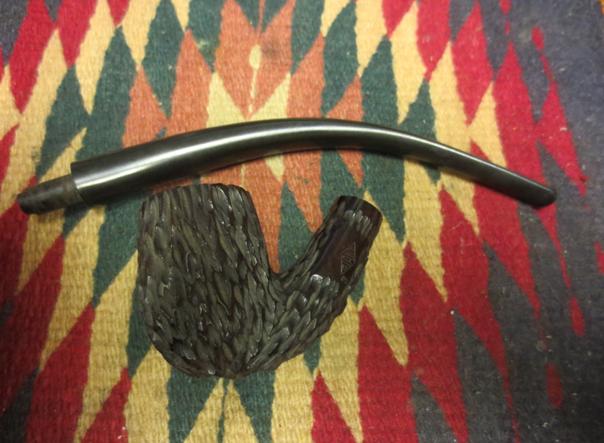
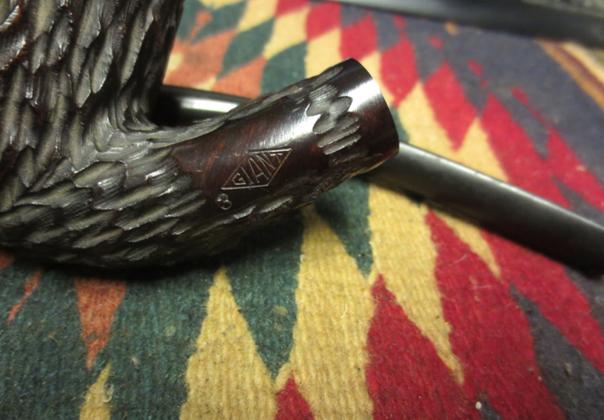
https://rebornpipes.com/2015/03/03/one-of-my-john-calich-pipes-a-calich-ee-billiard/

I summarize the dating information from those blogs now: From my research and conversations I learned that John’s pipes were graded 3E – 8E. The retail prices for them ranged from $145.00 to $500.00. Each pipe was stamped “CALICH” and given an E grade. His earlier pipes were graded from 3-14 and had a single, tiny silver dot applied to the top of the stem. More information can be found at the Pipedia website by clicking on this link. http://pipedia.org/wiki/Calich This information told me as expected that the pipe I had was an earlier one.

I vaguely remembered that I had found further information but could not remember it so I read the next blog I wrote. https://rebornpipes.com/2014/03/21/reflecting-on-my-collection-of-john-calich-pipes/ There the information honed in on the date more closely. I quote from that blog now: I did find out some further information on the dating of Calich pipes as the information on Pipedia was not complete. What I found was very helpful. His early pipes were graded with numbers from 3 – 14. By the late 1980’s Calich introduced 15, 16, and even one 17. In the mid-90’s the grade system changed employing a number of E’s. The more EE’s the higher the grade. From that information I knew that the pipe I had was not only an earlier one but came from early in the 1980s.

When the pipe arrived I took some photos of it to give a clear picture of what I was going to have to deal with in the restoration of this pipe. The stem was more oxidized than the seller’s photos showed and the finish also showed more debris in the rustication and the double rings around the bowl cap than had appeared in the photos. The rim top looked about the same – there was a thin build up of lava on the flat surface but the inner and outer edges were undamaged.Calich2 Calich3The bowl had a light cake in it and would be easy to deal with. There was no damage to the inner bowl. As I looked over the surface of the bowl it was clear that under the grime the pipe was in pretty decent shape. The big issue was the hole in the top side of the stem at the button.Calich4 Calich5 Calich6I took a photo of the bite through to show the extent of the damage. The edges of the bite through were also pushed down into the airway on the stem constricting the airway so that a pipe cleaner would not pass through. The topside of the button was also thinned down considerably and would need to be built up. Calich7 Calich8I used needle files and a dental pick to open up the airway and clean up the crushed edges of the bite through. It enlarged the hole but the airway was wide open when I finished. I also roughed up the edges of the cleaned up hole with the needle files to give a rough surface for the repair to bond to.Calich9 Calich10 Calich11With the stem hole cleaned up I was ready to begin the repair. I cut a wedge of cardboard and covered it with clear tape to make a surface that the glue would not stick to. I inserted it into the airway under the hole and wedged it in place. I mixed a batch of activated charcoal powder and black super glue to make a patching mortar and using a dental spatula applied the material to the hole and the top of the button to build it up. I sprayed it with some accelerator to harden the surface so I could continue to work on the pipe and removed the cardboard wedge.Calich12 Calich13I reamed the bowl with the Savinelli Pipe Knife to clean out the thin cake. You can see from the photo that there was not much of a build up so it was quick job.Calich14I set the stem aside and used a dental pick to clean out the rings around the bowl cap. I scrubbed the rustication with some Murphy’s Oil Soap to clean up the dust in the grooves and crevices of the finish.Calich15I scrubbed the top of the rim with saliva and cotton pads and was able to remove the lava on the surface without harming the finish on the bowl top.Calich16 Calich17I cleaned out the inside of the mortise and shank with cotton swabs, pipe cleaners and alcohol.Calich18By that time I was also able to clean out the inside of the stem with pipe cleaners and alcohol. The pipe cleaners went through with little issue and the stem was clean.Calich19The next morning after the glue had cured overnight I worked on the stem. I needed to reshape the slot to facilitate easy cleaning so I used needle files to clean up the entrance of the airway.Calich20I sanded the stem repair and the surface of the button top with a sanding board to begin the process of reshaping the surfaces of both.Calich21I cleaned up the edge of the button and shaped the surface of the button with needle files until the edge was sharp the surface matched that of the underside of the button.Calich22With all of the hard shaping done it was time to begin the tedious process of sanding the repairs. I started with 220 grit sandpaper to smooth out the surface and the transition to the rest of the stem.Calich23There were still some small holes around some spots on the fill. I used a clear super glue to fill these in and smoothed out the patch with a spatula.Calich24 Calich25When the repair had dried I sanded it with some finer grit sand papers until the surface was smooth.Calich26 Calich27 Calich28I moved on to sand the stem with micromesh sanding pads – wet sanding it with 1500-2400 grit pads and then giving it a coat of Obsidian Oil. I dry sanded with 3200-4000 grit pads and gave it another coat of oil. I finished by sanding it with 6000-12000 grit pads and giving it a final coat of oil. I let the oil dry before buffing the pipe.Calich29 Calich30 Calich31I buffed the pipe and stem with Blue Diamond on the wheel and then gave the stem several coats of Carnauba wax. I buffed the stem with a clean buffing pad. I gave the bowl several coats of Conservator’s Wax and hand buffed it with a shoe brush. The finished pipe is shown in the photos below. The stem repair is solid and though visible to me as I have looked at it so long, it is not obvious. The pipe is useable and looks as close to what it must have looked like when John shipped it out from his shop in the 80s. Thanks for looking.Calich32 Calich33 Calich34 Calich35 Calich36 Calich37 Calilch36

Restoring a Unique Kaywoodie Flame Grain 23C


Blog by Bill Hein

Today I have an interesting Kaywoodie on the bench. This particular pipe is an early Flame grain. It has a shape number of 23C. This is interesting because 23C was used for two different pipes in the same era. 23C is a two panel apple shape. One is half bent, the other is a square shank. The one on my bench is a square shank. I imagine it is quite rare as this style was only made in 1947. This still has its 4 hole stinger. Below are the before pictures.KW1 KW2Starting off I disassembled the pipe and tossed the stem into a oxiclean bath. While the stem was soaking I reamed out the bowl and filled it with salt and alcohol. After a few hours I removed the stem from the oxiclean bath and rinsed it off. To my surprise there wasn’t much oxidation. I knocked the salt out of the bowl and gave it a good rinse before setting it aside to dry.

Kw3While the bowl was drying out I ran alcohol soaked pipe cleaners through the stem until they came out clean. This can be tricky with Kaywoodie pipes as quite a bit of sludge builds up inside the stinger. The ball on this pipe wasn’t too nasty but I found a very narrow pipe cleaner, a piece of wire, or even a toothpick can come in handy cleaning out the holes. I took some heat and 500 grit wet sandpaper to remove the oxidation and lift the few tooth marks near the bit.

I buffed the stem, stinger, and metal shank insert with white diamond. I then buffed the bowl and stem with carnauba wax. I finished the pipe up by buffing by hand with a microfibre cloth until I achieved a near mirror like shine. Below is the finished pipe.KW4 KW5 KW6


Refinishing an English made Comoy’s Gold Bark 87S Zulu


Blog by Steve Laug

Quite a few years back now, my daughters gave me this little Comoy’s Golden Bark Zulu as a birthday gift. They had dutifully hunted for the pipe and then picked it up at a local pipe shop. I loved the look and the shape of it as it reminded me of an older one that I had smoked from time to time. I loaded a bowl and smoked it just twice because the finish bubbled and blistered in the sandblast on the back, front and sides of the bowl. I talked with others about what to do and found out that really there was nothing left to do but refinish the pipe or return it to the shop. I looked into returning it to the shop but found that it was one of a kind so I kept it. I put it in the pipe cupboard and there it remained for many years. In the photos below you can see the blistering in terms of discolouration on the sides of the bowl. The underside of the shank had also faded and was significantly lighter than the rest of the pipe.Bark1 Bark2 Bark3 Bark4Fast forward to several weeks ago. On Facebook I was following a conversation that Chuck of Stag Tobacco in Albuquerque, New Mexico was having with one of the Stokkebyes and found that they were talking about Comoy pipes. I wrote a real time question on the thread there and found out quickly that what I had in hand was an English Comoy and that it was significantly older than I had originally imagined. Somehow I thought it was made during the period when the Italians made the pipes during the Cadogan era. I was wrong it turns out. The stamping on the underside of the shank reads COMOY’S over GOLD BARK over the round COM stamp with Made in London in a circle with the in residing in the center of the circle. Underneath the circle is a straight line reading ENGLAND. Next to that stamping is the 87S shape number and then along the edge of the shank stem joint is stamped 004.

I decided then that it was time to address the finish on the pipe. I took a few close up photos to show the blistering of the finish to give you an idea of what I was working with.Bark5 Bark6 Bark7The rim also had a little darkening from the little bit I had used it and there was the beginning of a light cake in the bowl.Bark8To begin stripping the bowl I wiped it down with acetone on cotton pads and found that it worked to remove the finish on the high spots of the blast but left a lot of the shiny bubbly finish in the deep grooves.Bark9 Bark10 Bark11 Bark12To deal with the bubbly finish in the grooves of the blast I used a brass bristle brush and then wet the bowl down with acetone to keep the surface wet while I scrubbed it with the brush.Bark13 Bark14 Bark15 Bark16I finished removing the finish with more acetone on cotton pads until the finish was clean. I took a few photos of the pipe at this point to show the new look of the finish. The lighter colour of the shank was beginning to blend in better with the rest of the pipe.Bark17 Bark18 Bark19 Bark20I gave the bowl a light coat of olive oil to highlight the red tones in the finish and then buffed it lightly with a clean buffing pad. I gave it a coat of Conservator’s Wax and buffed it with a shoe brush. The finished pipe is shown in the photos below. The colour of the blast and the look of the pipe exceed what I thought it would look like when I was finished. The grain on the pipe shows through the blast and gives the pipe a beautiful look in my opinion. Thanks Chuck for the impetus to get this pipe cleaned up. I am once again looking forward to using this pipe and enjoying the gift from my daughters. Thanks for looking.Bark21 Bark22 Bark23 Bark24 Bark25 Bark26 Bark27 Bark28

Taking a Minimalist Approach on Restoring a Comoy’s Blue Riband 340 Billiard


Blog by Steve Laug

A reader and friend in Texas and I had been corresponding about this pipe for a long time. When he picked it up and sent it to me for a restoration I was excited to see it. The Comoy’s Blue Riband has long been a favourite pipe of mine and I looked forward to seeing what the one he was sending looked like. From the photos I could see that it was dirty and tired with an oxidized stem but otherwise in decent shape. When I arrived I took it to the shop and opened the box. The next photos show the condition of the pipe before I started the clean up process. The stem was oxidized as well as having some calcification around the button end that someone had scraped off. It did not have any tooth marks and minimal tooth chatter. The rim was dirty and sported a coat of lava that hid the inner beveled edge and the top but it did not seem to have been burned or damaged. The bowl had an uneven cake build up inside that would need to be reamed. The finish was dirty but in really good shape. The grime on the surface obscured the stellar grain that showed on all sides of this pipe.Blue1 Blue2 Blue3 Blue4I took some close up photos of the rim and the stem to give a better idea of the condition of the pipe.Blue5 Blue6I decided on a minimalist approach to cleaning this stem. I did not want to remove too much of the surface of the vulcanite or change the fit to the shank in any way. I scrubbed the stem with Meguiar’s Scratch X2.0, a plastic polishing compound. The second photo below shows the stem after one application of the polish.Blue7 Blue8I used the Savinelli Pipe Knife to clean out the uneven cake from the bowl.Blue9I cleaned out the shank with pipe cleaners, cotton swabs and alcohol until it was fresh. I did the same with the stem.Blue10I scrubbed the rim with saliva on cotton pads to remove the lava build up without damaging the finish. It took some elbow grease but I was able to remove all of the grime.Blue11I gently cleaned off the briar with Murphy’s Oil Soap to remove the grime and make the grain stand out once again. I use the soap undiluted and in this case very sparingly. I applied it with a cotton pad and quickly wiped off the surface. I did not want to remove the stain just clean the surface. The photos below show the bowl after the scrubbing.Blue12 Blue13 Blue14 Blue15With the bowl clean I took some photos of the stamping on the shank. The first photo shows the left side of the shank with the Blue Riband stamping. It is sharp and clear. The second shows the right side of the shank with the Made in London stamp and the shape number.Blue16 Blue17I continued to scrub the stem with the Meguiars polish until the vulcanite began to shine with a rich black glow. I sanded it with 1500-12000 grit micromesh sanding pads and rubbed it down with Obsidian Oil. It took a lot of elbow grease but it worked and the stem shone. I buffed the bowl and stem with Blue Diamond and then gave the full pipe multiple coats of carnauba wax. I buffed with a clean buffing pad and then by hand with a microfibre cloth. The finished pipe is shown in the photos below. I mailed it out to my friend in Texas and look forward to hearing what he thinks of the pipe now. Thanks for looking.Blue18 Blue19 Blue20 Blue21 Blue22 Blue23 Blue24
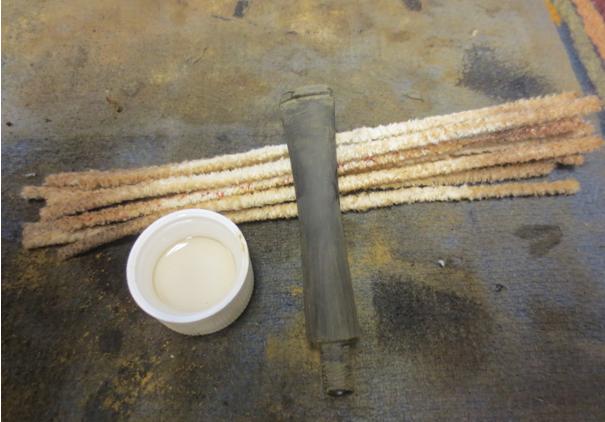
An Interesting Multi-Finish Stanwell Buffalo Sitter 606


Blog by Steve Laug

This pipe came to me in the last box of pipes that my brother sent me. It is a Stanwell as can be seen from the shape and finish. From my research I came to understand that it came from the Stanwell Buffalo line. It is stamped on the smooth underside of the shank with the words Stanwell Made in Denmark and the shape number 606. The shape number is very visible and I was unable to locate that number on the internet shape charts.The front of the bowl was smooth and there was an acrylic horn-like material as a shank extension. The bowl had a light cake and looked as if it had been reamed recently. The rim of the pipe was really dirty with lava overflow from the bowl but underneath I could see that it was originally smooth like the front of the bowl and the portion where the stamping was on the underside of the shank. There was some burn damage on the outer and the inner edges of the rim that would need to be addressed. The pipe was a mix of medium and dark brown stains and the finish had a light sand blast on the surface of the sides, back and bottom of the bowl and the top and sides of the shank. The finish was dirty with lots of grime in the grain of the blast. The stem is a military style stick bit. The stem was in good shape with only one tooth mark on the underside toward the right side of the pipe. The fit in the shank was snug. The stamping on the stem showed the Stanwell Crown and S and it was faint but visible.Buff1 Buff2 Buff3 Buff4I took a close up photo of the rim to show the state of things when I started. You can see the buildup on the surface and the burn damage on the front inner edge of the rim.Buff5I cleaned up the reaming with the Savinelli Pipe Knife and then cleaned out the internals of the bowl, shank, mortise and airway in the stem. I used pipe cleaners, cotton swabs and alcohol to remove all of the oils.Buff6 Buff7I scrubbed the stem with Meguiar’s Scratch X2.0 plastic polish to remove the oxidation. I sanded the tooth marks on the underside of the stem with 220 grit sandpaper until the stem was smooth.Buff8 Buff9I lightly topped the bowl on the topping board. I wanted to remove the damaged surface and clean up rim edges. I also wanted to expose the burn marks so that I could address them.Buff10I sanded the rim top with 1500-2400 grit micromesh sanding pads to smooth out the scratching. I then stained it with a medium brown stain pen to match the smooth portions of the pipe. You can see the burn damage on the inside edge of the front of the bowl.Buff11I folded a piece of sandpaper and worked on beveling the inside edge all the way around the bowl to minimize the damaged area on the right front edge. While the damage is still visible it is much more subtle than it was before the beveling.Buff12 Buff13I set the bowl aside and worked on the stem. I sanded it with 220 grit sandpaper to clean up some of the oxidation and then worked on it with micromesh sanding pads. I wet sanded the stem with 1500-2400 grit sanding pads and then rubbed the stem down with Obsidian Oil. I dry sanded with 3200-4000 grit pads and gave it another coat of oil. I finished sanding with 6000-12000 grit pads and gave it a final coat of oil. I set it aside to dry.Buff14 Buff15 Buff16I buffed the pipe with Blue Diamond (lightly on the bowl except for the smooth areas and the rim top and more concentrated on the stem). I gave the stem several coats of carnauba wax and buffed with a clean buffing pad. I hand waxed the bowl with Conservator’s Wax. I hand buffed the bowl with a shoe brush. I finished buffing the pipe with a microfiber cloth. The finished pipe is shown in the photos below. I am still debating rusticating the rim to match the bowl and stain it darker to blend with the sandblast but not sure… time will tell. Thanks for looking.Buff17 Buff18 Buff19 Buff20 Buff21 Buff22 Buff23
Restemming and Restoring a Potpouri Author


Blog by Steve Laug

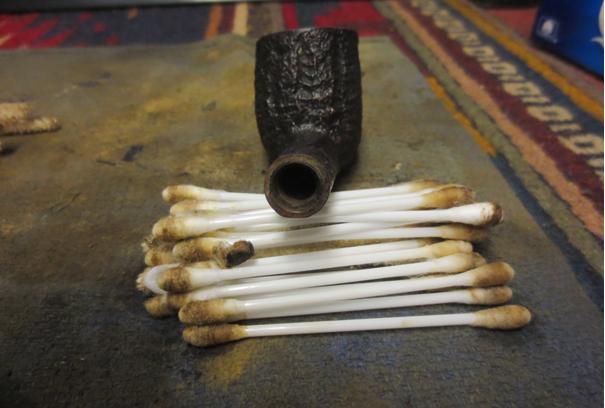
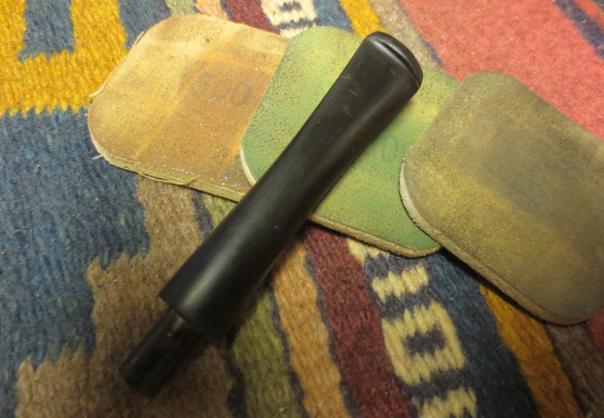
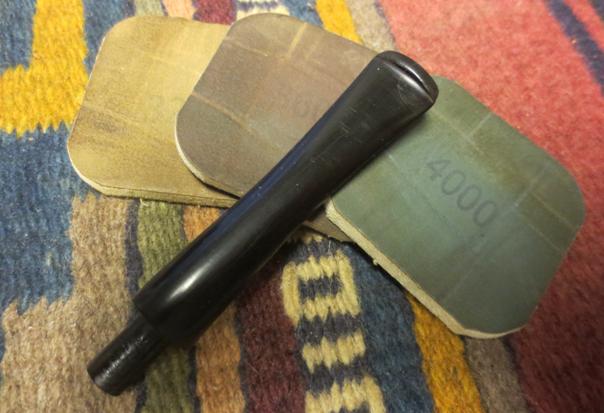
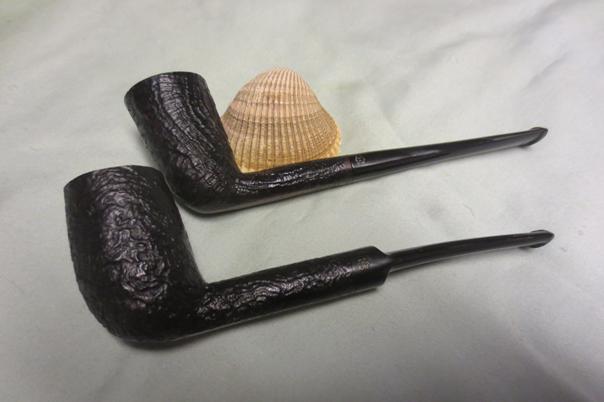
I have a growing box of bowls that came to me without stems. It seems each time I clean it out and restem the pipes I inherit more of them. This is not a complaint as I actually enjoy restemming pipe bowls. It is always a challenge to get a new stem to align properly with the shank and to deal with cracks or damages to the bowl or the shank. This bowl came to me and I immediately fell for the rustic rocklike features of the rustication. It was gnarled and rough looking and felt great in the hand. The bowl was dirty and the deep grooves of the rustication had a lot of dirt and grime build up in them. The rim was caked and the rustication pretty much filled in the grooves making the rim surface smooth. The bowl had a rough cake in it and looked as if someone had started reaming the bowl but did not finish. There were some small fissures like cracks in the sides of the bowl near the entrance of the airway and on the bottom and the top of the airway. Someone had cleaned out the shank so it was not too dirty. There was a small crack on the top of the shank that was about 1/8 long. I could open it slightly with a wedge so it would need to be glued and banded. The pipe showed a lot of promise though and I could see it come alive if I had the correct stem for it.Pot1 Pot2In the photo below there is a small crack barely visible in the middle of the shank end between my fingers. I have circled it with red to focus your eye on it. The tip of the red arrow is on top of the crack in the shank. It extends about 1/8 to ¼ inch.Pot3 Pot4I took a close-up photo of the bowl and rim to give you an idea of the state of things when I started. It is hard to see but at this point I could see some small cracks around the entrance of the airway to the bowl.Pot5I went through my can of stems and found a green acrylic stem that would do the trick on this pipe. It would go well with the rustication and the length and width of the stem would carry through the thickness of the bowl. I sanded the tenon with the Dremel and sanding drum until it was a close fit to the shank. I finished sanding by hand with 220 grit sandpaper. It fit well in terms of the width of the shank but it was slightly thicker on the top and the bottom where it met the shank. I was careful inserting it as I did not want to crack the shank further.Pot6 Pot7 Pot8I used the Dremel and sanding drum to remove much of the excess thickness on the top and the bottom of the stem at the shank junction. I do this carefully with the stem in place in the shank so that I can get it as close as possible without damaging the finish on the shank. You can see in the next two photos that the junction is pretty smooth now and the thickness is almost a match.Pot9 Pot10I finished the fit with a file and took off the remaining thickness that had to go. I also used the file to remove the tooth indentations on both sides of the stem near the button.Pot11 Pot12With the fit nearly perfect it was time to sand out the filing marks and smooth out the stem. I have a medium grit sanding stick that works perfect for this application and I sanded with it until all of the file marks were gone and the transition between the shank and the stem was smooth.Pot13 Pot14With the stem fit roughed in I turned my attention to the bowl and shank. I wanted to have the shank and bowl clean so I could deal with the repairs to the airway in the bowl and the crack on the top of the shank. I reamed the bowl with a PipNet reamer using the largest cutting head. I cleaned up the remaining cake with the Savinelli Pipe Knife.Pot15 Pot16I scrubbed the exterior of the bowl with Murphy’s Oil Soap and a tooth brush on the sides, shank and the bowl of the bowl. I scrubbed the rim with a brass bristle brush until all of the lava that filled the rustication was gone.Pot17I rinsed off the soap with warm water and dried the bowl with a soft towel. The cleaned and reamed pipe is shown in the photo below.Pot18With the bowl reamed and the finish clean I turned to the internals. I cleaned out the mortise and airway into the bowl with pipe cleaners, cotton swabs and alcohol. It did not take too much to clean out the pipe. I cleaned the stem the same way and used a dental pick to clean up the slot in the end of the button.Pot19 Pot20I lightly sanded the crack on the top of the shank and spread it open with a dental pick. I used a tooth pick to push super glue into the crack and then held the crack together until the glue set. Once it was dry I found a round band that had the right circumference to fit the shank and heated it with a lighter and pressed it onto the shank of the pipe.Pot21 Pot22With shank repair complete and the bowl cleaned and ready I put the stem in place in the shank and took some photos of the pipe. I really liked the look of the band breaking up the rustic bowl and the smooth green stem. The band fit perfectly and did not cover the stamping on the underside of the shank. I still needed to sand the stem some more to get a shine but you can see what the pipe will look like at this point. Pot23 Pot24I mixed a batch of pipe mud (cigar ash and water) and used a dental spatula to apply it to the bottom of the bowl. I inserted a pipe cleaner in the airway and used the spatula to apply the mud to the small cracks and fissures around the airway. Once the mud cured the pipe bowl would be in good shape until a new cake was built.Pot25I heated the stem in a cup of water in the microwave until it was pliable and then put a gentle bend in it to give it a more elegant look and comfortable feel.Pot26 Pot27I wet sanded the stem with 1500-2400 grit micromesh sanding pads to remove the scratches. I dry sanded with 3200-4000 grit pads and then finished with 6000-12000 grit pads. I rubbed away the sanding dust with a damp cloth.Pot28 Pot29 Pot30I gave the pipe a light buff with Blue Diamond on the wheel to bring some deep shine to the stem. I then gave the stem several coats of carnauba wax and buffed it with a clean buffing pad. I finished by hand buffing it with a microfibre cloth. The finished pipe is shown in the photos below. The green acrylic stem works well with the rough finish on the bowl. I like the finished look. What do think? Thanks for looking.Pot31 Pot32 Pot33 Pot34
An Amazing Find – A Corsica Cavalier with a Horn Stem and End Cap


Blog Steve Laug

This is yet one more of my brother’s amazing finds. It is a beautiful Cavalier with a horn stem and end cap. It is stamped in classic late 19th Century fashion with gold leaf on the left side of the shank. It reads CORSICA in and arch over two stars around a capital V with what looks like an elongated 0 in the middle of the V. Underneath the *V* is VIEILLE RACINE stamped in a reverse arch. The words form and oval. It is my understanding that the Vielle Racine stamp translates literally as Old Root. The band is stamped 14K and is almost a rose gold. It is fitted to the shank and also is beveled inward covering the shank end. The horn end cap has a threaded short bone tenon that screws into the briar. It has a large bowl.

When the pipe came to me it was dirty but the bowl had been reamed. The rim had a slight build up and the inner edge had been slightly damaged when it had been reamed. The gold band was tarnished. The finish was dirty and spotted with sticky dark spots on the end cap and in the bend at the top of the shank bowl junction. The bowl had been coated with shellac that was spotty and cloudy in places. The stem looked really good at first glance but I would have to examine it more closely once I started cleaning it up. The grain on the briar was beautiful and I could not wait to clean it up and see what lay beneath the grime and the shellac.Cor1 Cor2 Cor3 Cor4I took several close-up photos to highlight different aspects of the pipe. The first of these is the state of the rim and bowl. The rim photo is a bit blurry but gives a pretty good idea nonetheless of the state of the bowl and the tars on the rim. The second photo is of the stamping on the left side of the shank. It still had the gold leaf in the stamping to highlight it.Cor5 Cor6I took the pipe apart and photographed the parts. I also took a photo of the end cap so that the bone tenon in visible.Cor7 Cor8The horn stem looked really good but looking at it up close I could see a crack along the top of the stem following the curve and a small group of them on the right side of the stem. There were also a few chips missing on the underside of the stem near the shank junction. The tenon had a unique look to it – almost a nipple on the end of it. It was coated with a little varnish as well so it much have someone’s attempt to tighten it as it was currently quite loose in the shank.Cor9 Cor10Before I started to work on it I decided to do a bit of research to fill in the gaps on another pipe brand that had not heard of before seeing this one. I was familiar with briar coming from Corsica but had not run across the pipe brand of that name. I resorted to the pipephil site to see if he had any information on the pipe and who may have made it. The site did have the brand listed. It turns out that Corsica is a brand of Henri Vuillard of Saint Claude, France. This Vuillard was not to be confused with E. Vuillard & Cie also of Saint Claude. Reading that information helped me to make sense of the large *V* in the centre of the stamping on the pipe that I am working on. Here is the link to the information: http://www.pipephil.eu/logos/en/infos/hvuillard-en.html. The site included the following photos of several pipes in this line. The cursive form of the Corsica stamp is very similar to the stamping on my pipe.Cor11The link also included a sub link to a secondary page on the history of the brand. The following is an abstract of the information that I found regarding the maker of this pipe. At the end of the 19th century the Vuillard house managed by Paul Vuillard and established at Chemin de la Coupe (Saint Claude) produced match boxes and cases for spectacles. At the beginning of the 20th century on Henri’s (son of Paul Vuillard) initiative the factory is converted to the production of briar pipes which were marketed under the “Corsica” brand.

From that information along with the materials and the design of the pipe I am pretty confident in saying that it was made in the early 20th century when the company was managed by Paul Vuillard who took the initiative to start making pipes. An interesting note is that from 1914-1918 The Henri Vuillard Factory produced pipes for the French Army. The article says that at that time they had between 170-180 employees.

Armed with this new knowledge and an estimate of the age of the pipe I began to clean it up. The cake had been reamed already so I just cleaned up the walls of the bowl with the Savinelli Pipe Knife. I had removed the stem and the end cap so it was easy to hold the bowl and ream it.Cor12I cleaned the shank from the mortise to the end cap with pipe cleaners, cotton swabs and alcohol. The oils and tars that came out were not very dark and they did not smell like tobacco. It was almost as if they were the stain from the outside of the bowl. It did not matter though it took quite a few before the shank was clean all the way through.Cor13I cleaned the airway in the stem as well. It also was dirty. But as I cleaned off the exterior the cracks became more noticeable, particularly the one on the topside.Cor14I scrubbed the exterior of the bowl with acetone on cotton pads to remove the shellac coat. I was careful around the gold leaf in the stamping as I did not want to damage that area of the bowl.Cor15 Cor16 Cor17 Cor18I put Vaseline on the threads of the bone tenon on the end cap and carefully turned it into the end of the shank. I polished the bone of the end cap with 1500-4000 grit micromesh sanding pads to smooth it out. I rubbed it down with some Obsidian Oil and let it dry. Cor19In the photo below you can see the fine cracks in the stem near the tenon end. This is also where the chips were. I drilled a tiny hole at each end of the crack on the top of the stem with a micro drill bit. I filled the holes and the crack with clear super glue. I used the clear super glue to also stabilize the other cracks on the sides of the stem and to build up the chipped areas on the underside of the stem.Cor20 Cor21 Cor22When the glue dried I sanded the stem with 220 grit sandpaper to smooth out the repairs and to begin to polish the stem.Cor23 Cor24 Cor25 Cor26 Cor27Once the repairs were smooth I wet sanded the stem with 1500-2400 grit micromesh sanding pads and gave the stem a coat of Obsidian Oil. I dry sanded it with 3200-4000 grit pads and gave it another coat of oil. I know the oil is made for vulcanite but I wanted to bring a little life to the horn. I finished sanding the stem with 6000-12000 grit pads and gave it a final coat of oil.Cor28 Cor29 Cor30 Cor31 Cor32 Cor33I polished the gold band on the shank end with a jeweler’s cloth until it shone. I gave the briar several coats of Conservators Wax and hand buffed the bowl with a shoe brush when it dried. Cor34 Cor35I decided not to buff this pipe on the wheel because I did not want to damage the gold leaf or the horn. I hand buffed it with a microfibre cloth and polished it until it shone. The finished pipe is shown in the photos that follow. It truly is a beautiful old pipe. I only wish that the horn was more perfect. The stem glows but I see the repaired cracks. Ah well it is better than having the stem splinter apart while using it. It should be good for another hundred plus years now. Thanks for looking.Cor36 Cor37 Cor38 Cor39 Cor40 Cor41 Cor42 Cor43 Cor44 Cor45