
by Steve Laug
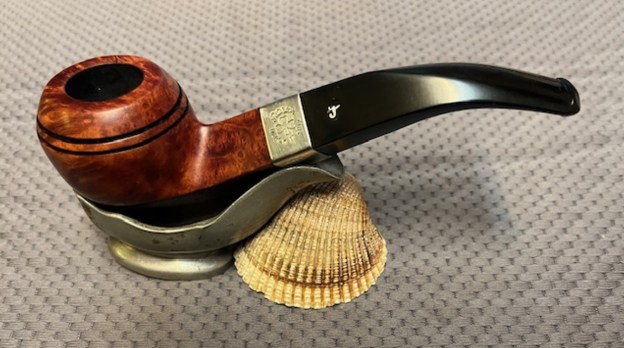
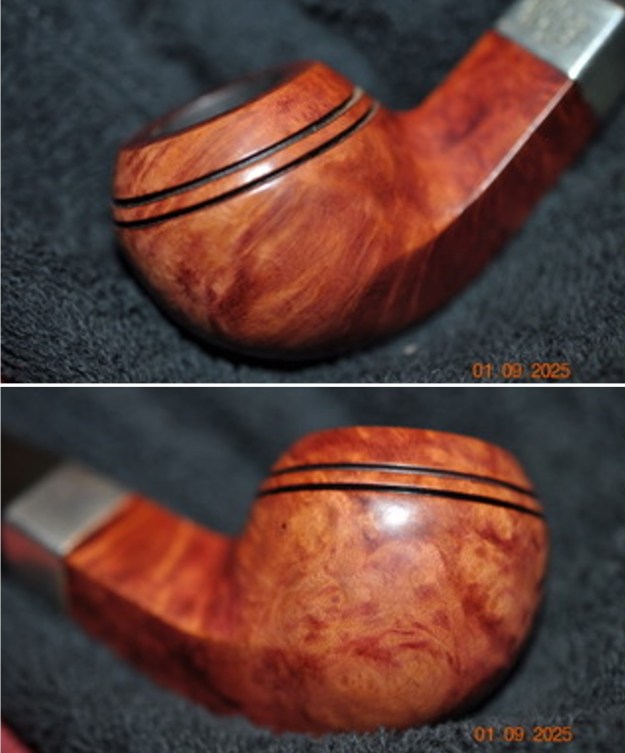
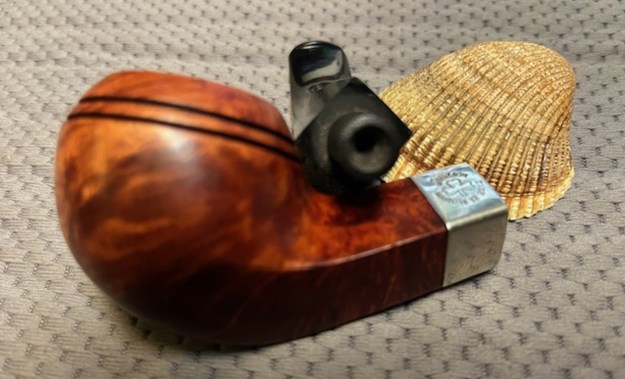
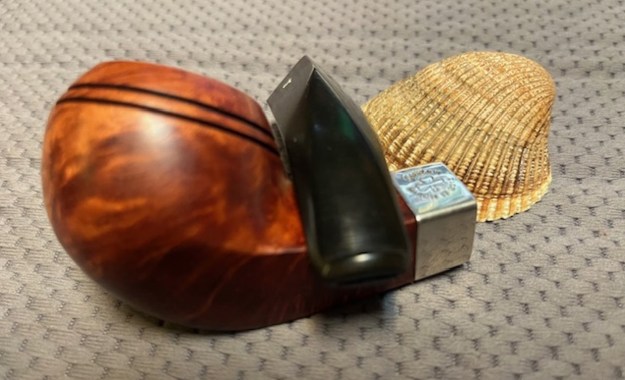
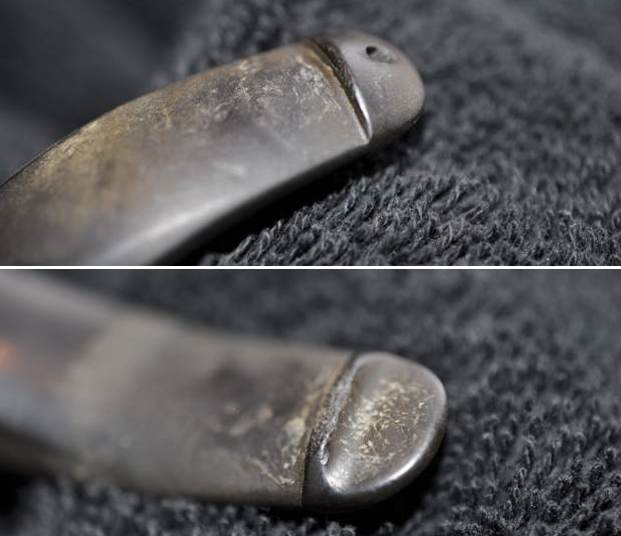
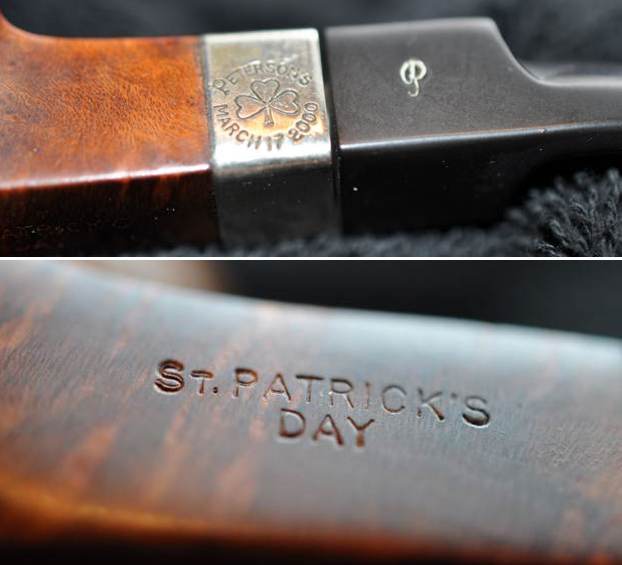
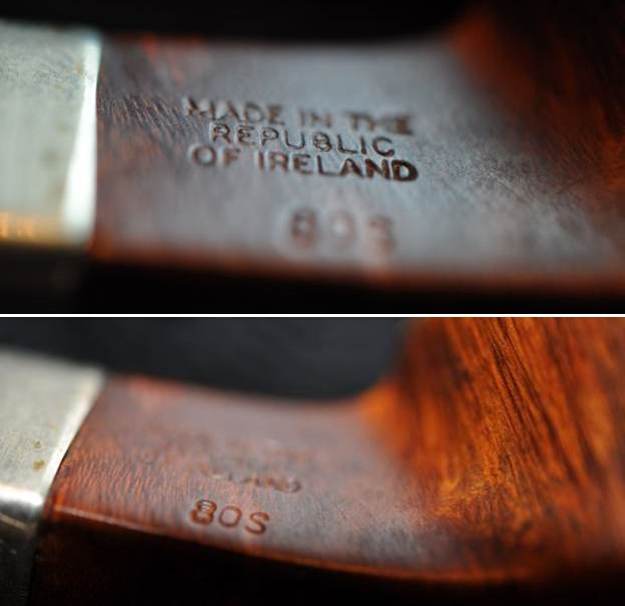
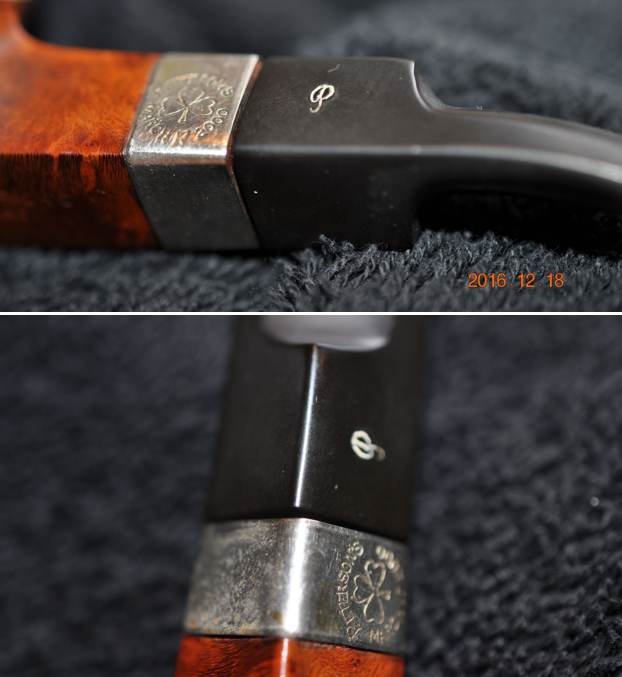
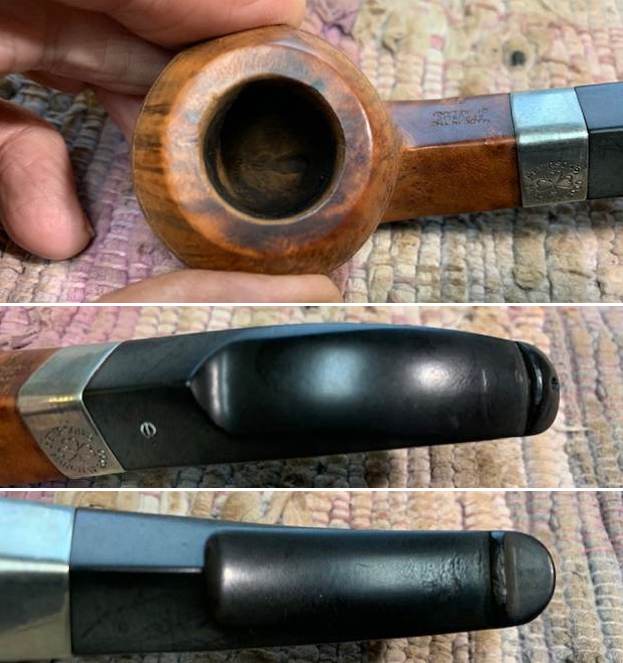
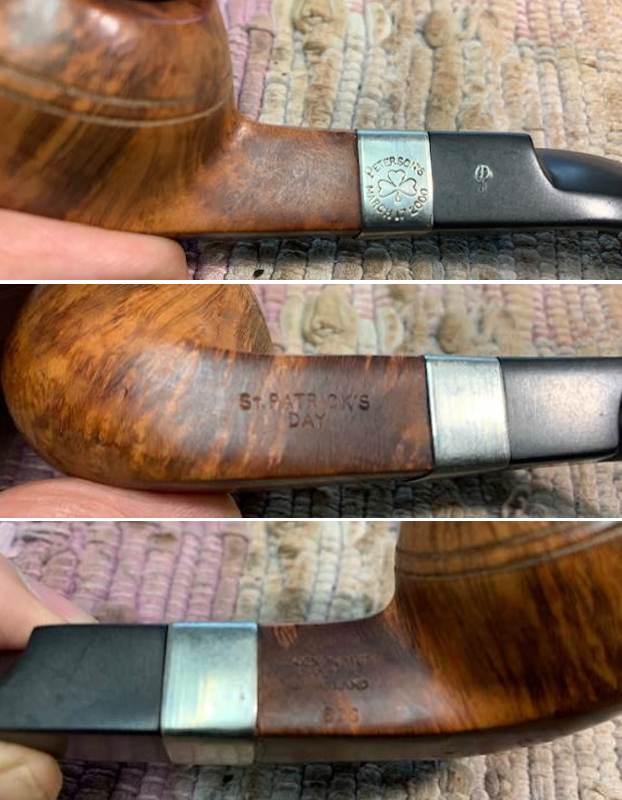
The next pipe on the table is another Peterson’s Pipe. We recently purchased it from a seller in Wellsville, Kansas, USA on Facebook Pipe Exchange on Facebook on 12/09/2024. It is a nicely grained Bent Bulldog with mixed grain on the sides and birdseye on the front and the back of the bowl. The capped rim top also had mixed grain across the top. It is stamped on the left underside of the diamond shank and reads St. Patrick’s [over] Day and on the right underside it is stamped with the shape 80S. The nickel band is stamped with a shamrock on the left side and around the outside of the leaf it is stamped Peterson arched over the top and the date March 17, 2012 arched underneath. There was a moderated cake in the bowl and some darkening around the inner edge and light lava spots on the rim top. The mortise smelled of oils and tars but surprisingly there was little darkening in it. The stem had some oxidation, some white/sludge built up ahead of the edge of the button. There were some light tooth marks or chatter on the top and underside ahead of the button. Jeff took photos of the pipe before he started his cleanup work. They tell the story and give a glimpse of the promise that we see in this pipe. 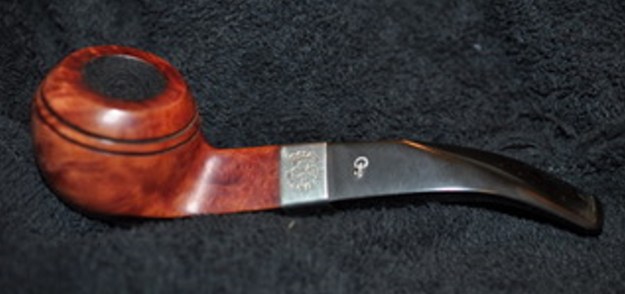
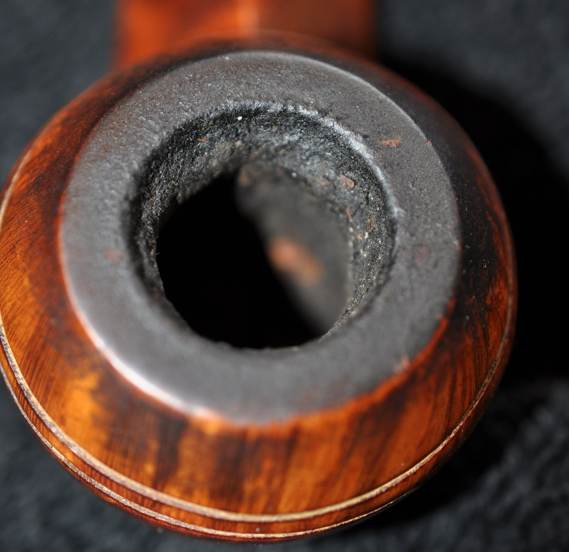
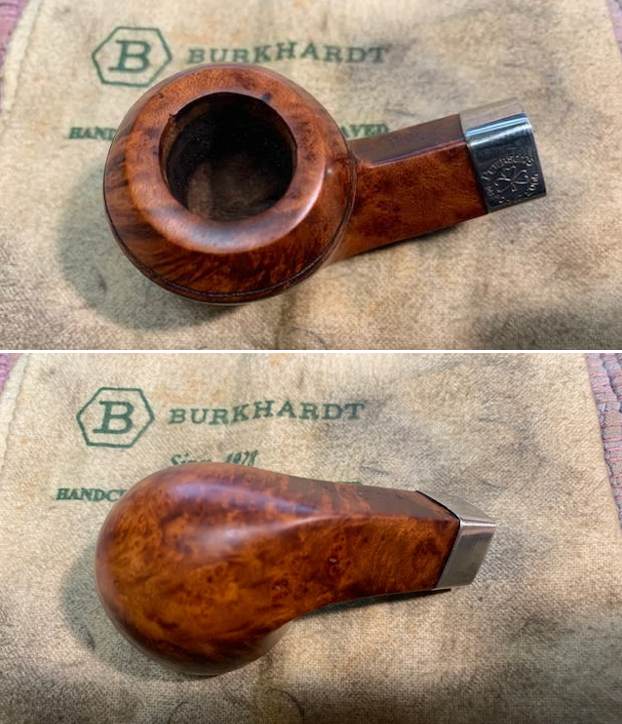
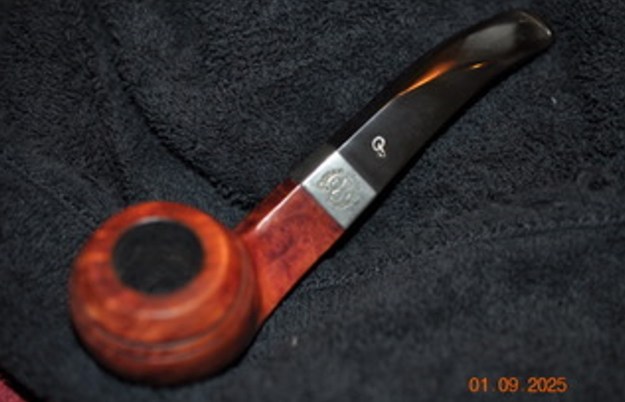 He took a photo of the rim top and bowl to show the current condition. The inner edge and the rim top showed darkening and spots of lava as mentioned above. The photos of the bowl walls show the moderate cake on the walls. The stem photos show the oxidation and light marks on the rim top on both sides.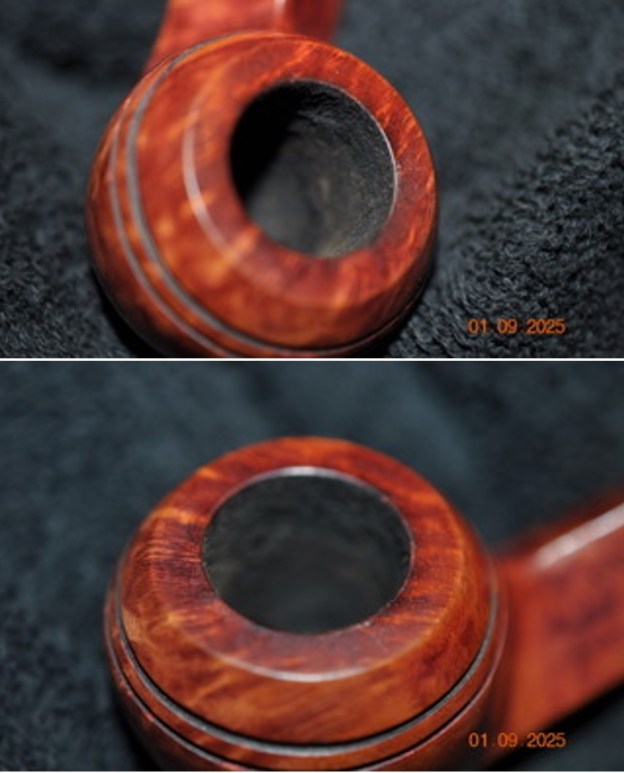
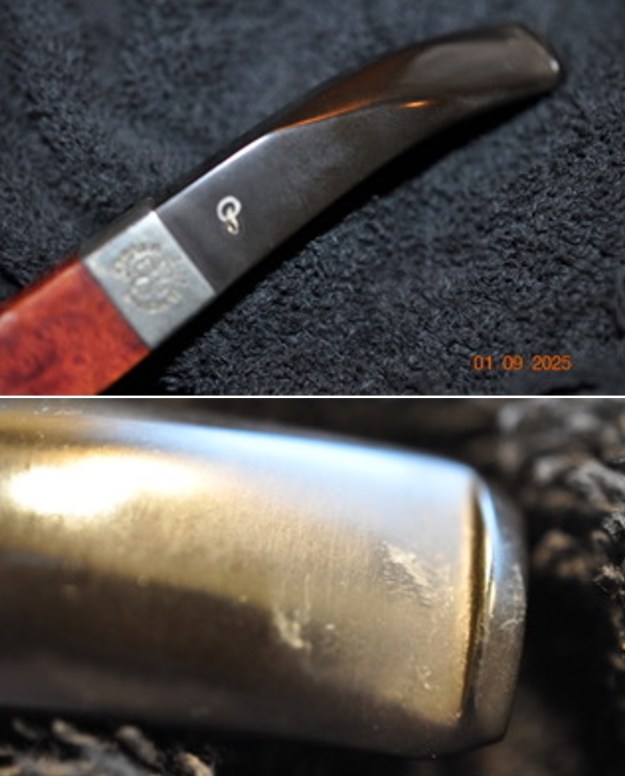
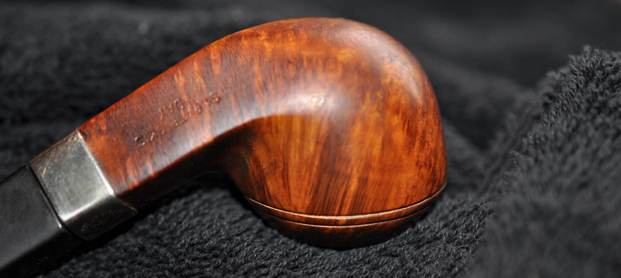
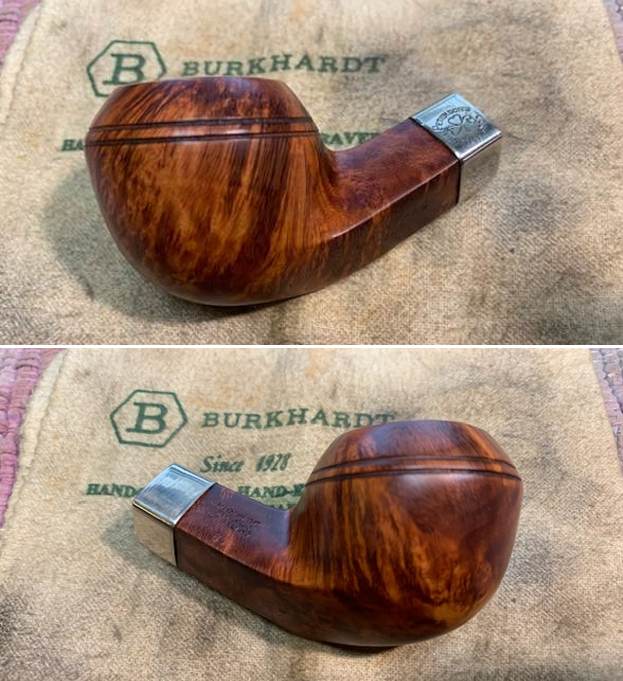
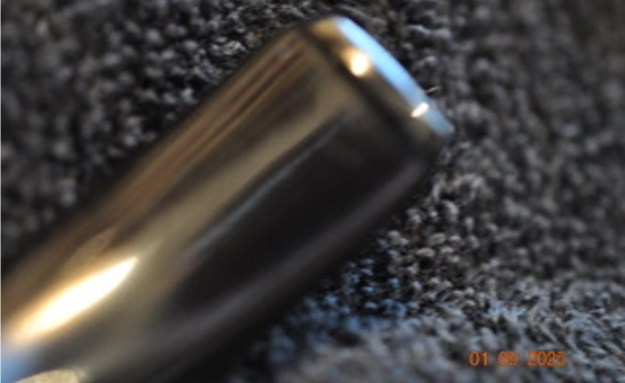 Jeff took photos of the sides and heel of the bowl to give a sense of the condition of the bowl and the grain around the bowl. It is a beauty.
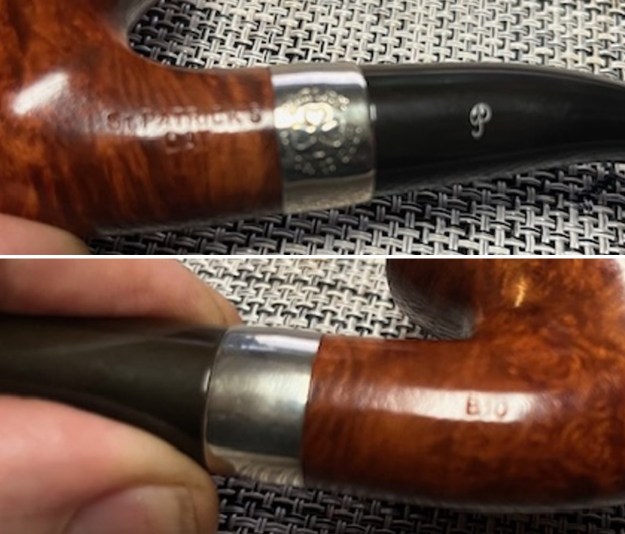
 He took photos of the shank sides to capture the stamping on the shank and the band. The white “P” logo on the left side of the stem is also very clean.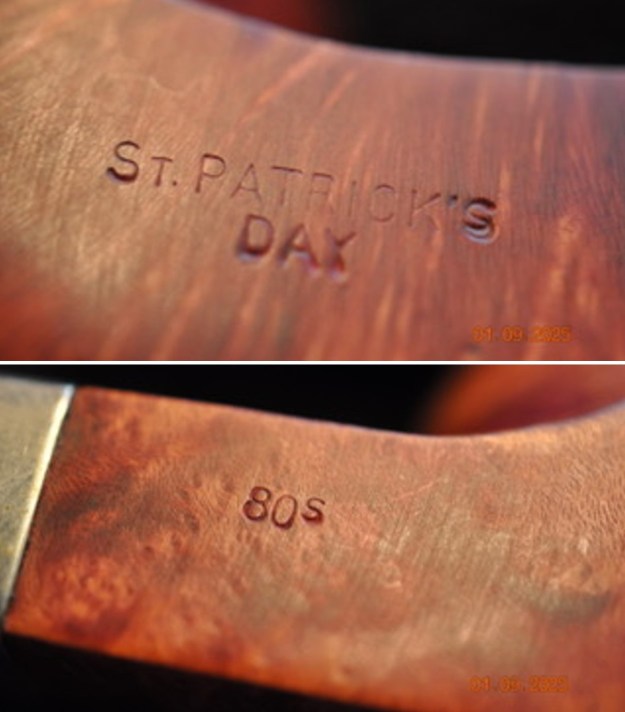
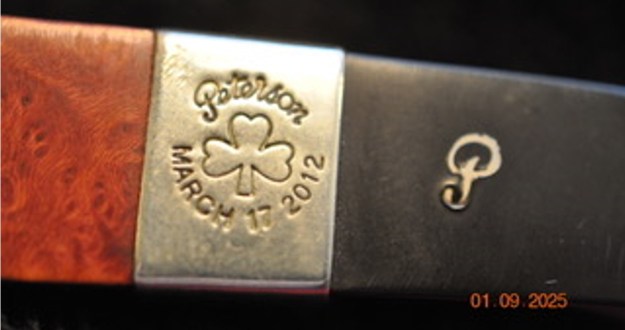 On Mark Irwin’s Petersonpipenotes blog he gives a great history of the St. Patrick’s Day pipes. It is a great read and includes a pictorial tour of the line. It is very helpful. Here is the link (https://petersonpipenotes.org/84-a-visual-history-of-the-st-patricks-day-pipes-1998-2018/).
He includes the following information and a photo of the pipe that is very similar to the 80S I am working on. It is notable that he comments that the shape is a classy, English-style 80s bent bulldog: perfect for your favorite Latakia bomb!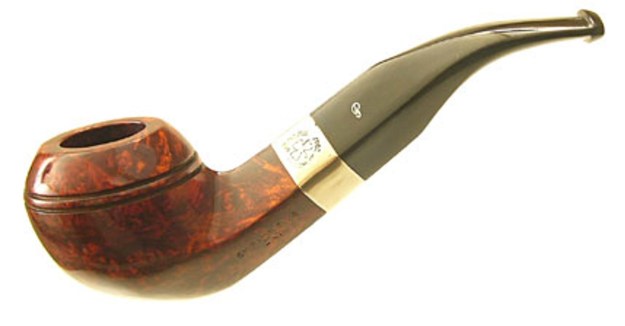 Now it was time to work on the pipe. Since Jeff always follows the same pattern of work in his cleanup we do not include photos but rather just a simple summary. Jeff reamed the bowl with a PipNet pipe reamer and followed up with a Savinelli Fitsall pipe knife to remove the cake. He scrubbed out the mortise and the airway in the shank and the stem with alcohol, cotton swabs and pipe cleaners. He scrubbed the exterior of the bowl, rim, shank and stem with a tooth brush and Murphy’s Oil Soap to remove the oils and tars on the rim and the grime on the finish of the bowl. He rinsed it under running water. He dried it off with a soft cloth. He was able to remove the spotty lava build up on the rim top and you could see the damages to the top and edges of the rim. I think this pipe may well been before we worked with Mark Hoover’s Before & After Deoxidizer so he cleaned the internals and externals. The stem was clean but lightly oxidized. I took photos of what the pipe looked like when I brought to my worktable.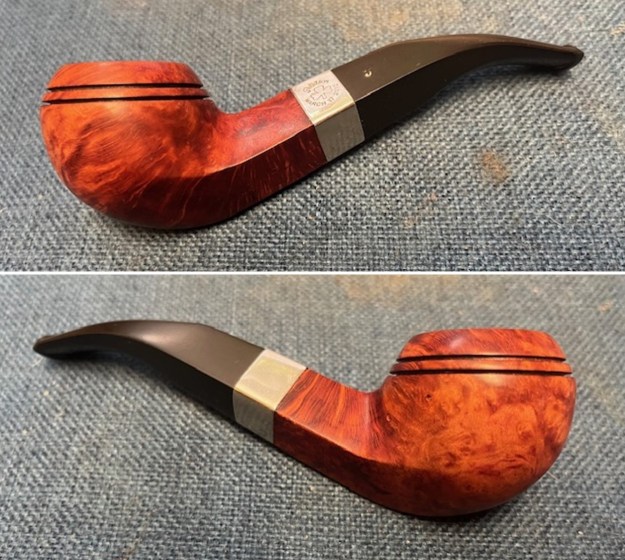
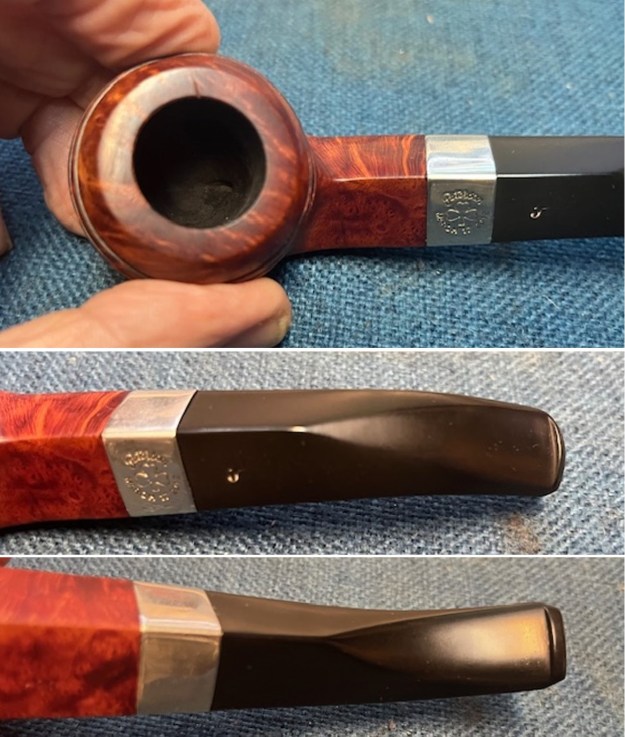
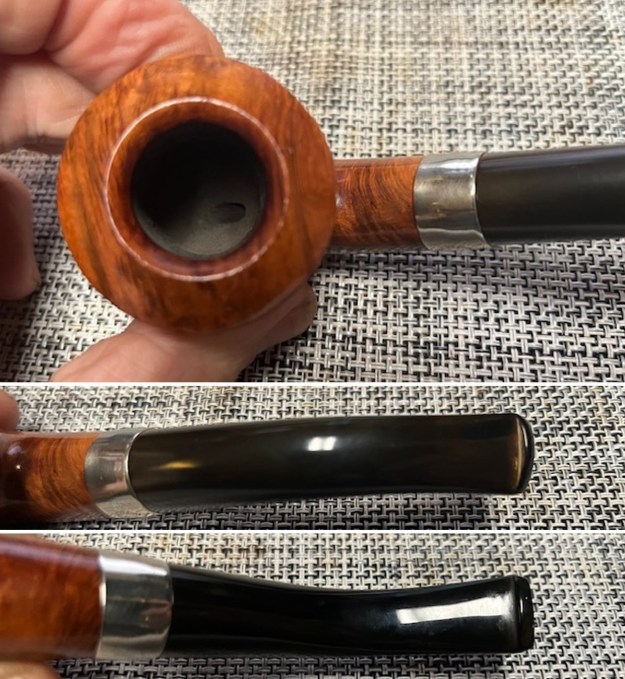
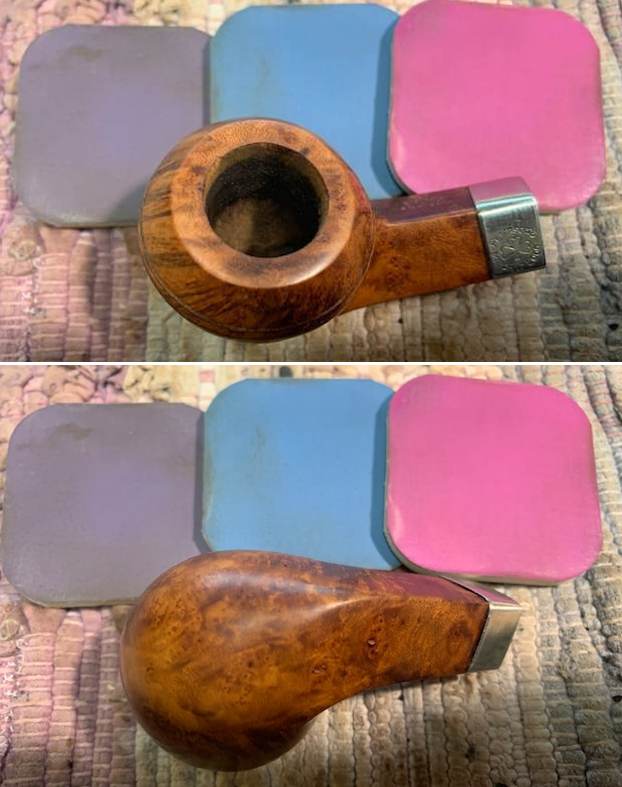
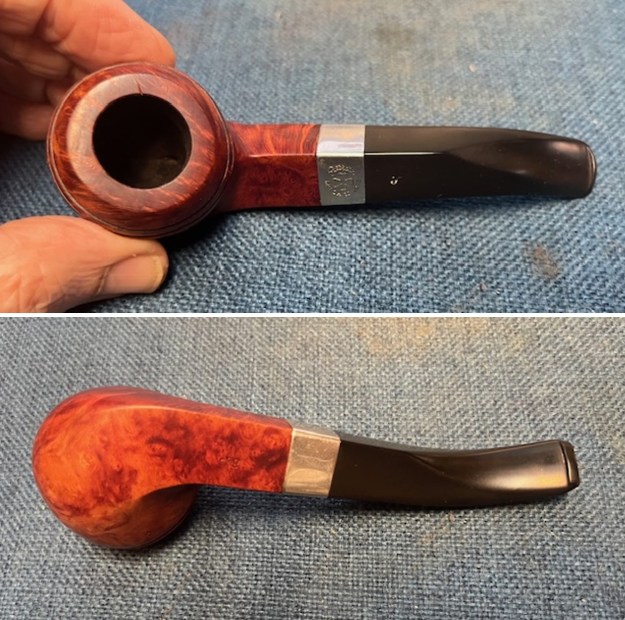 I took close up photos of the bowl, rim top and stem to show how clean the pipe was. The bowl was clean and the rim top and the inner edge looked good. On the rim top on the right side there was a nick that upon examination was a spot where a fill had come out. I breathed a sigh of relief as when I first saw it I though it was a crack! I am thankful that is the case. The stem was clean and there were light tooth marks on the top and underside of the stem.
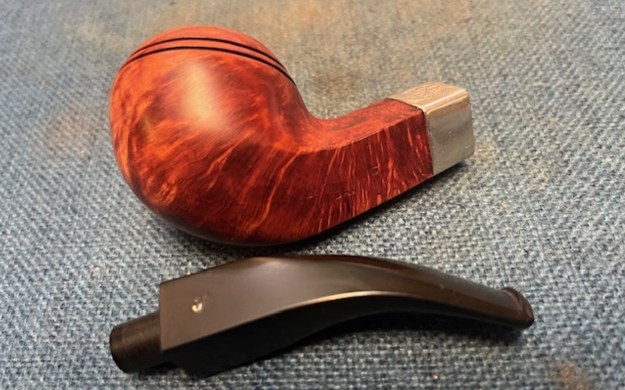
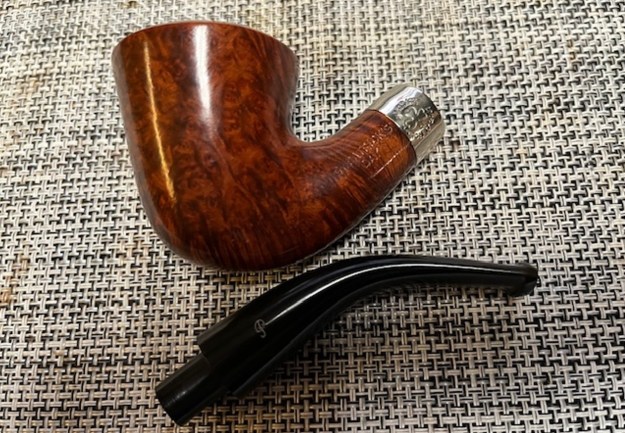
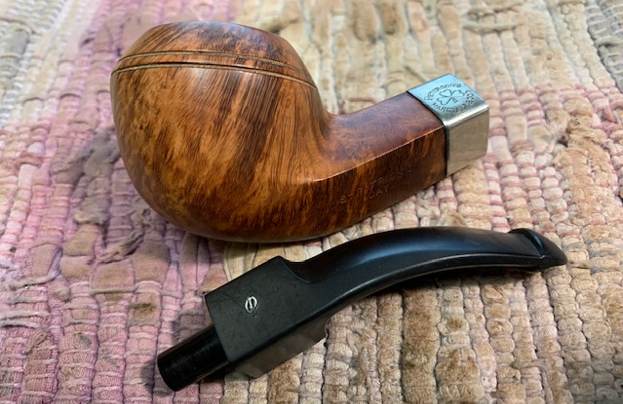
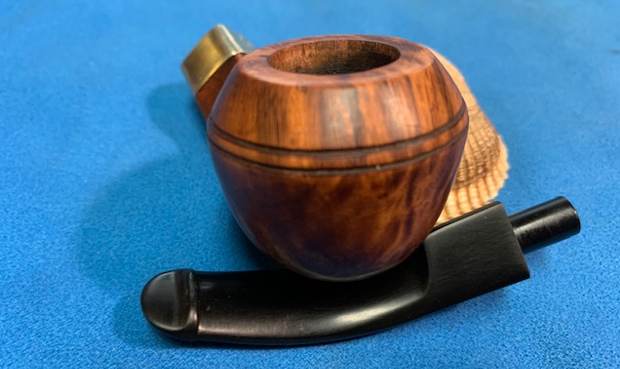
 I took photos of the stamping on the sides of the shank. It is faint in spots but still readable and read as noted above. I also removed the stem from the shank and took photos of the pipe to show the look of the parts.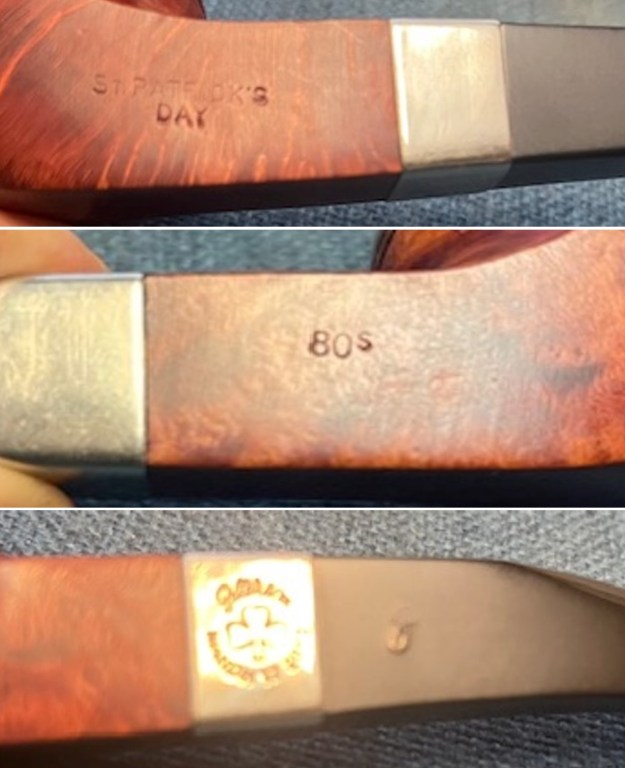
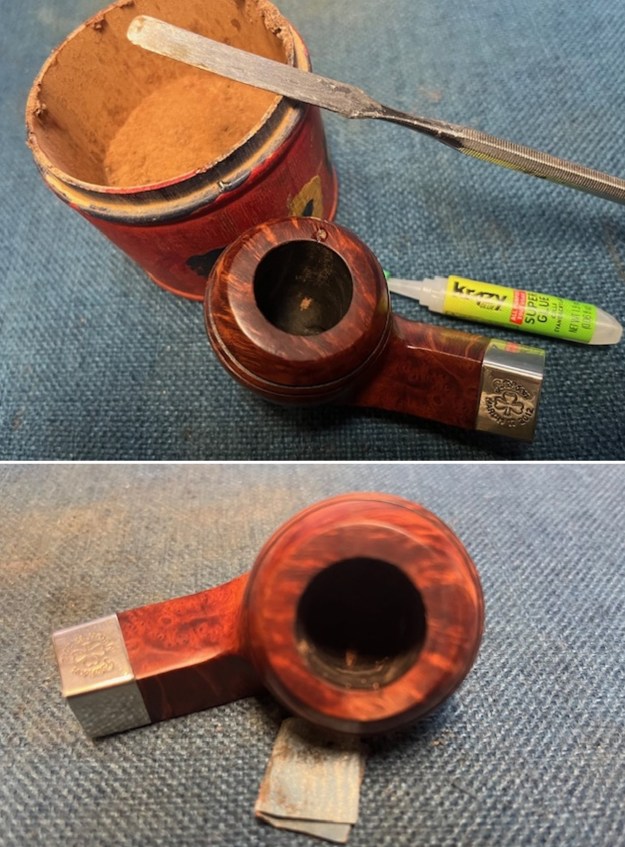
 I decided to deal with the flaw, or missing fill on the right side of the rim top first. It was very clean so I blew out any dust or debris the put a spot of CA glue and some briar dust in the area. I sanded it smooth with a small piece of 220 grit sandpaper.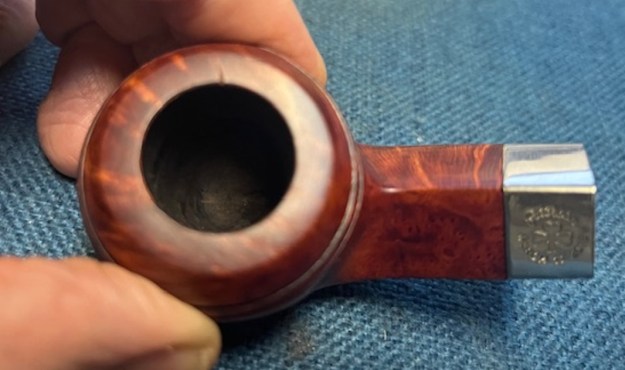
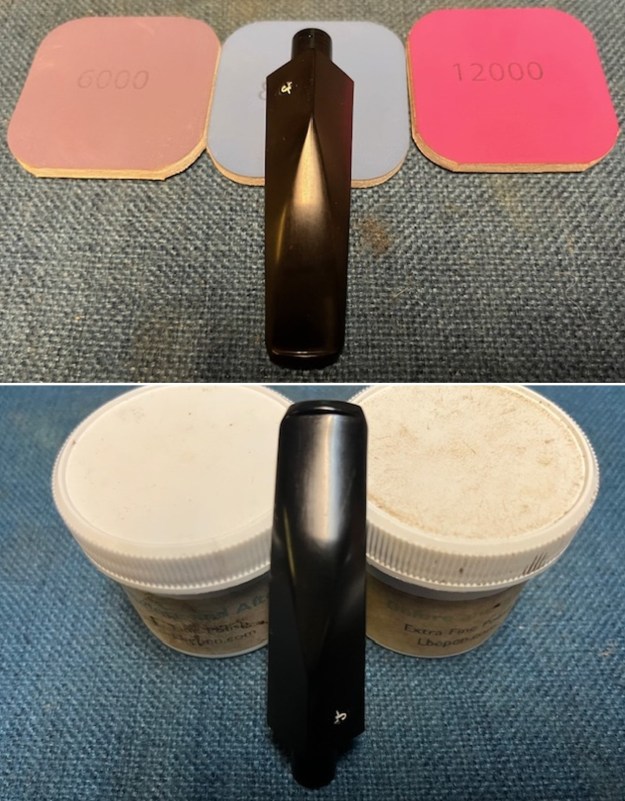
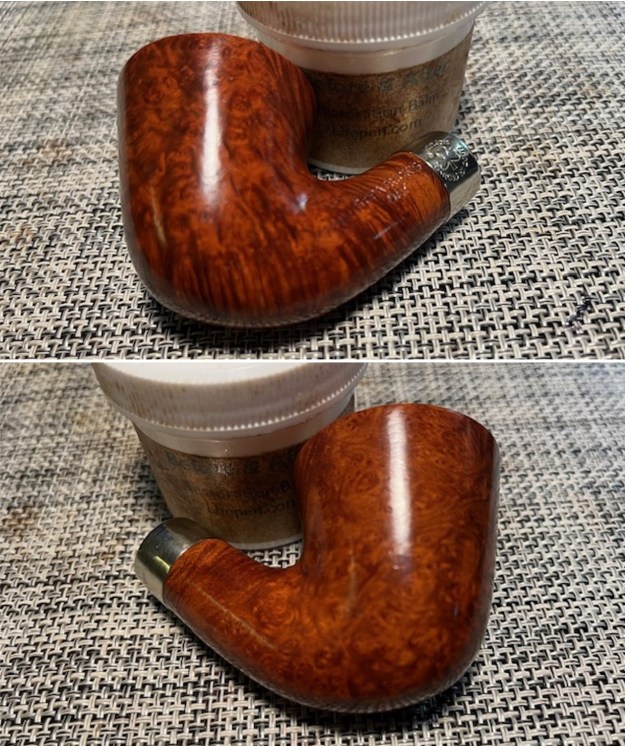
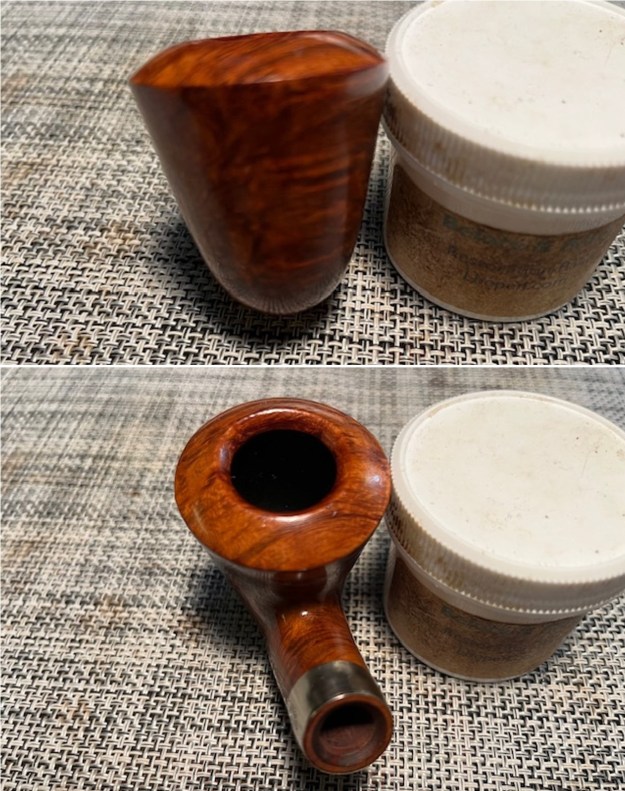
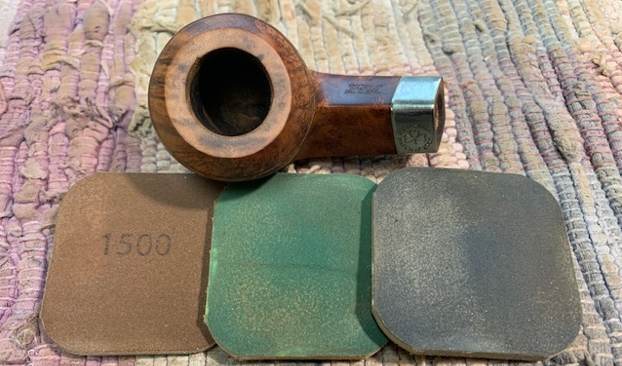
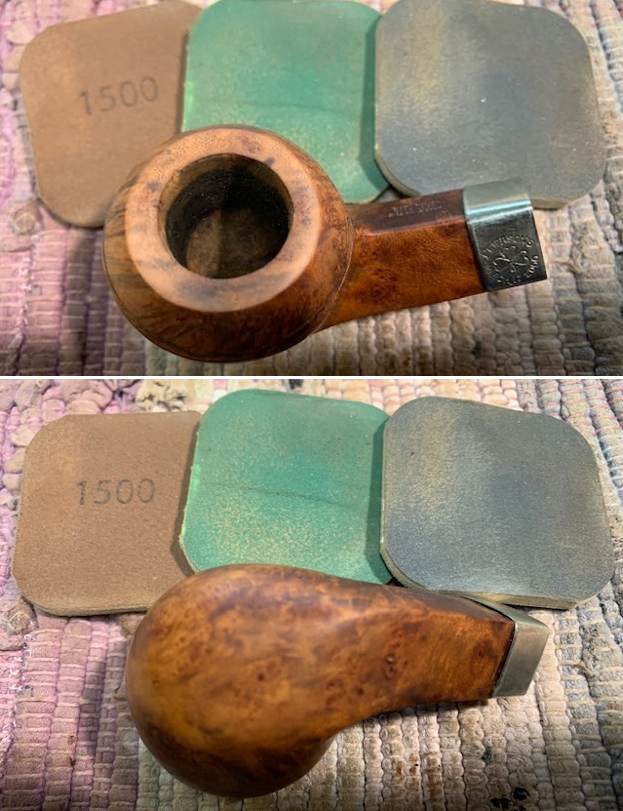
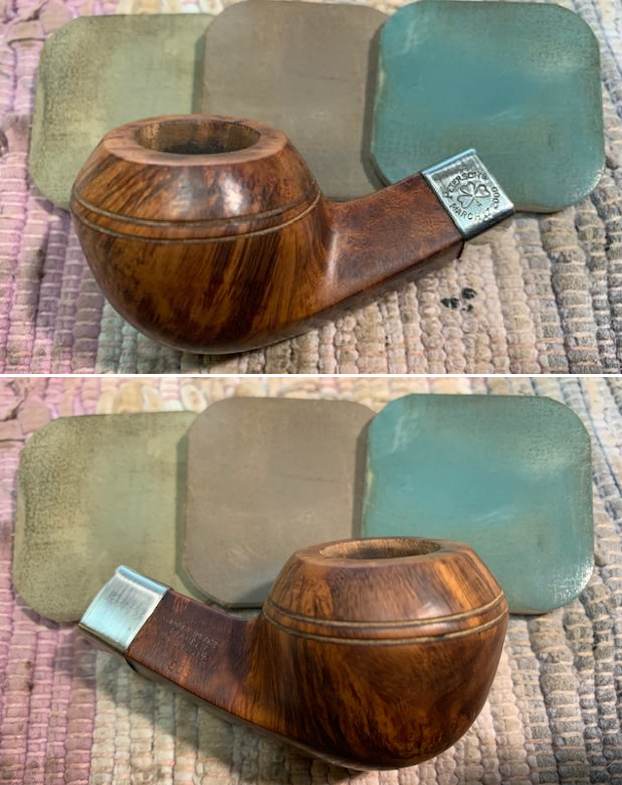
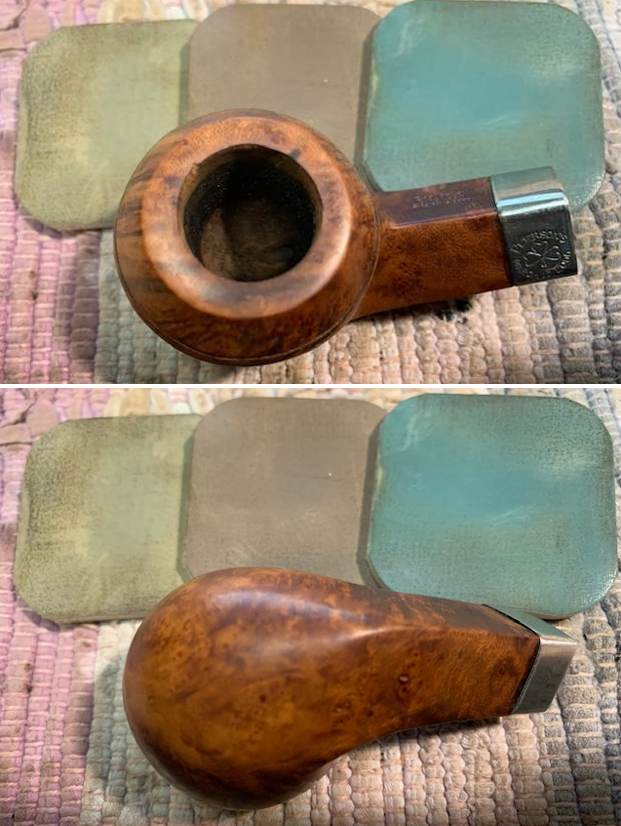
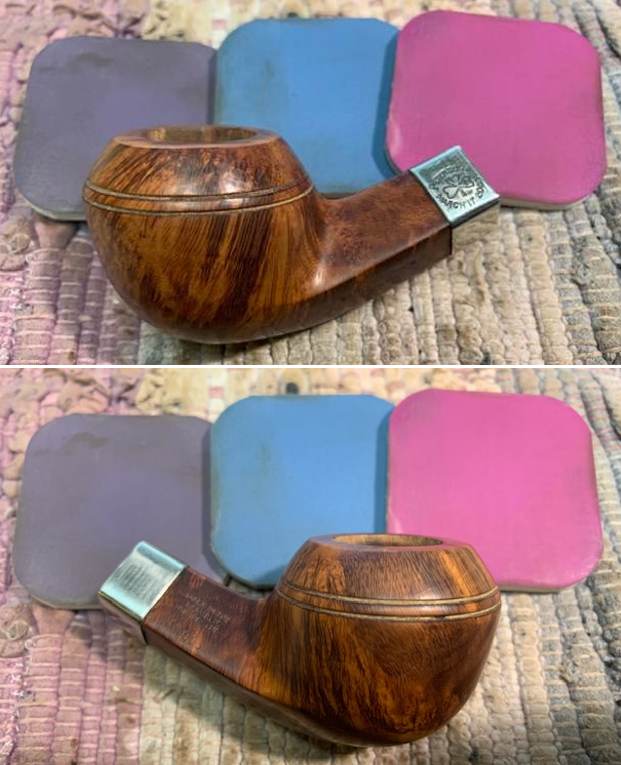
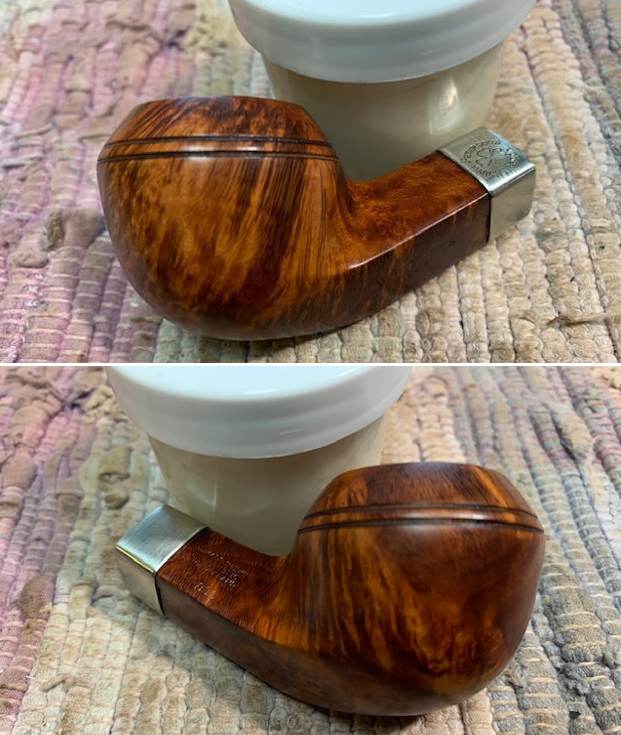
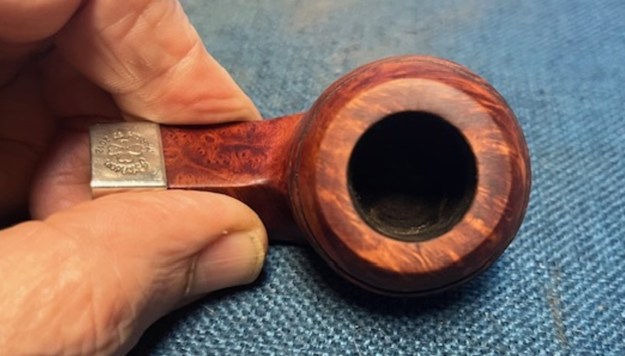 I polished the briar with micromesh sanding pads – 1500-12000 grit sanding pads. I wiped the bowl surface down with a damp cloth after each sanding pad to remove the sanding dust. Once I finished the exterior of the briar was clean and the grain really stood out.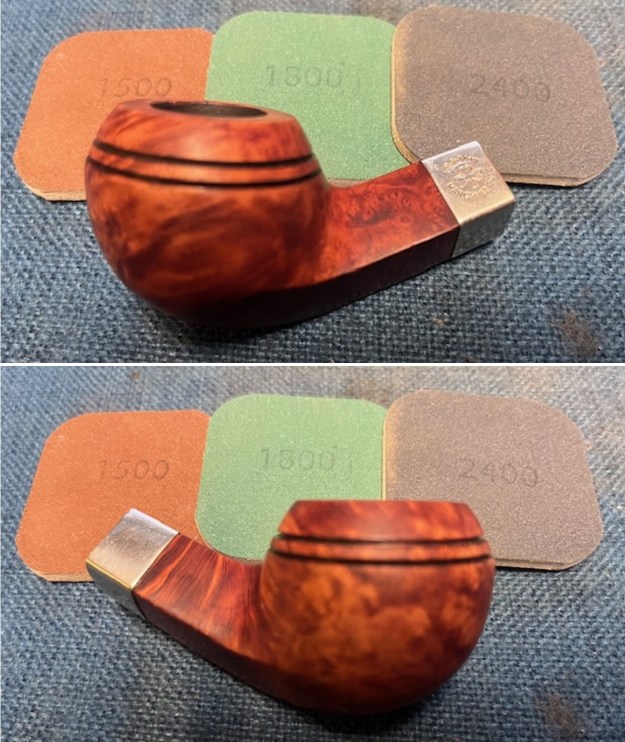
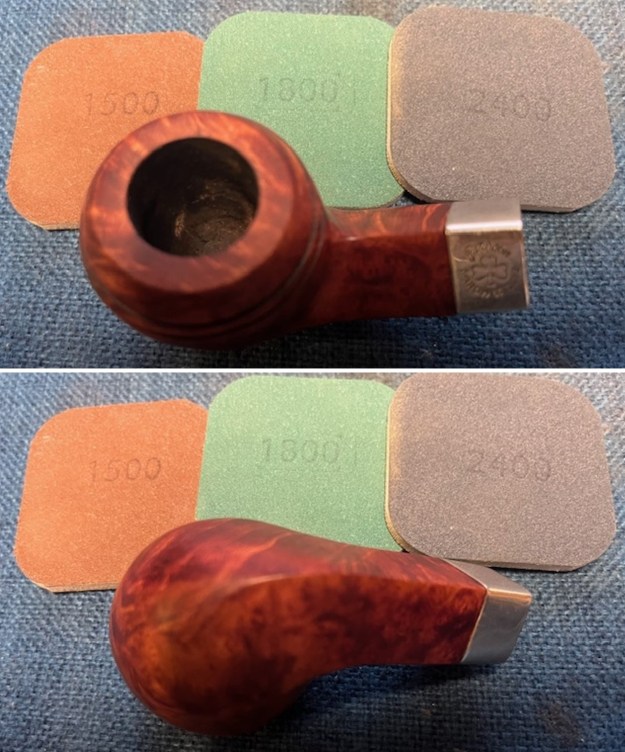
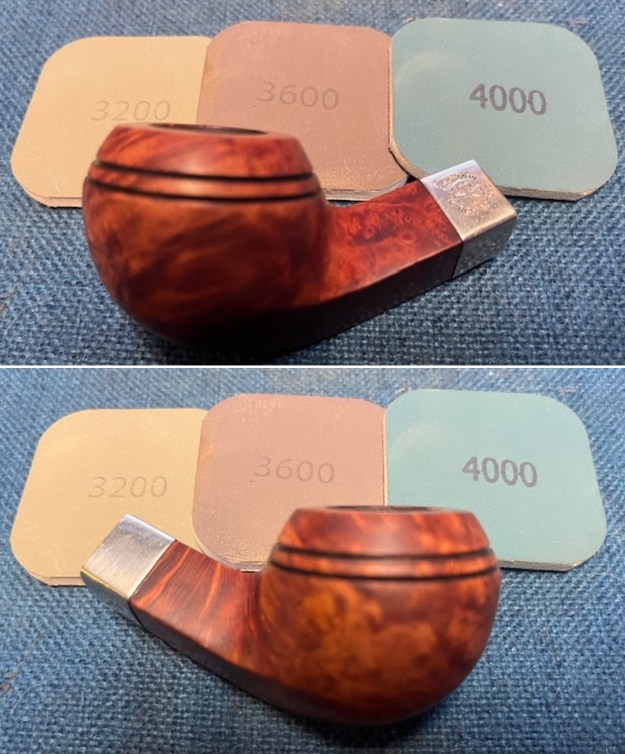
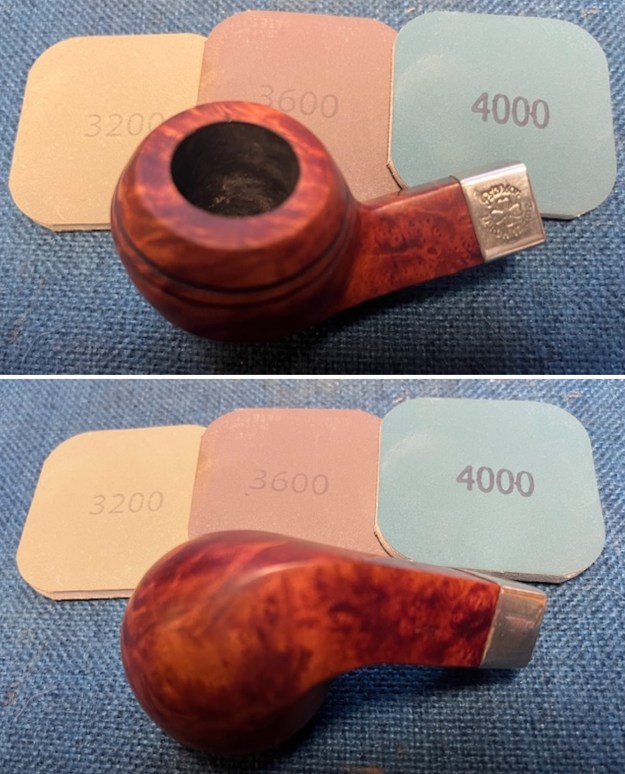
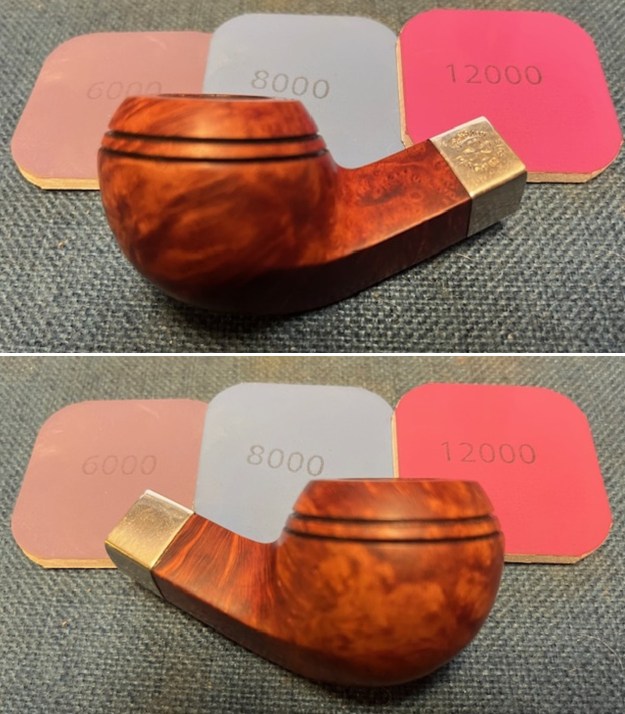
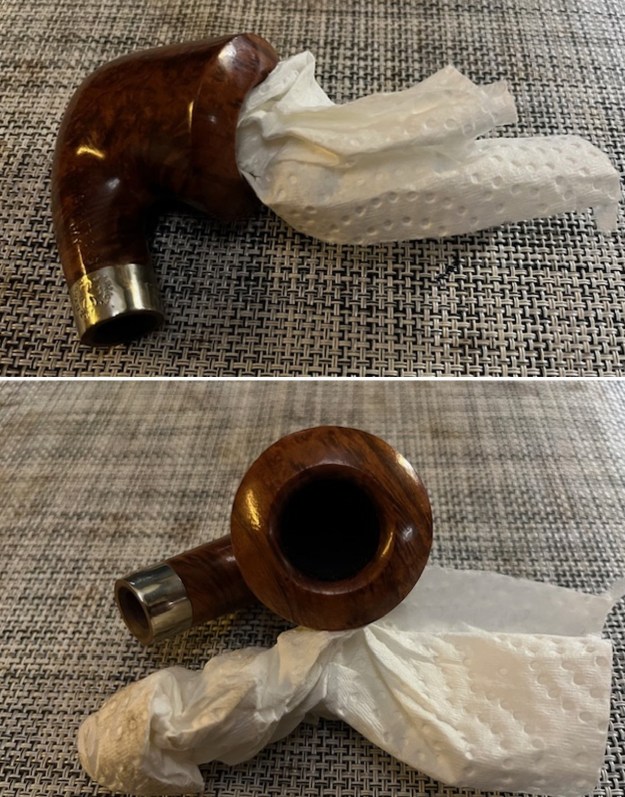
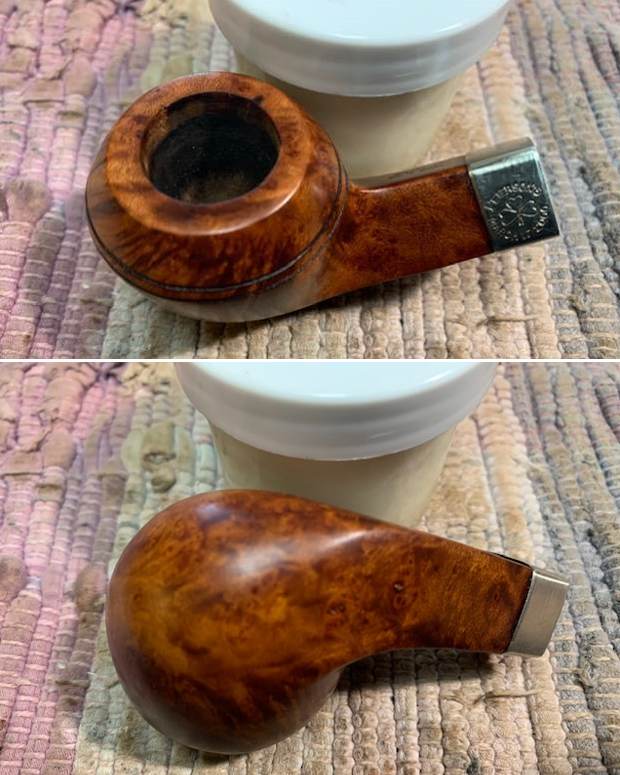
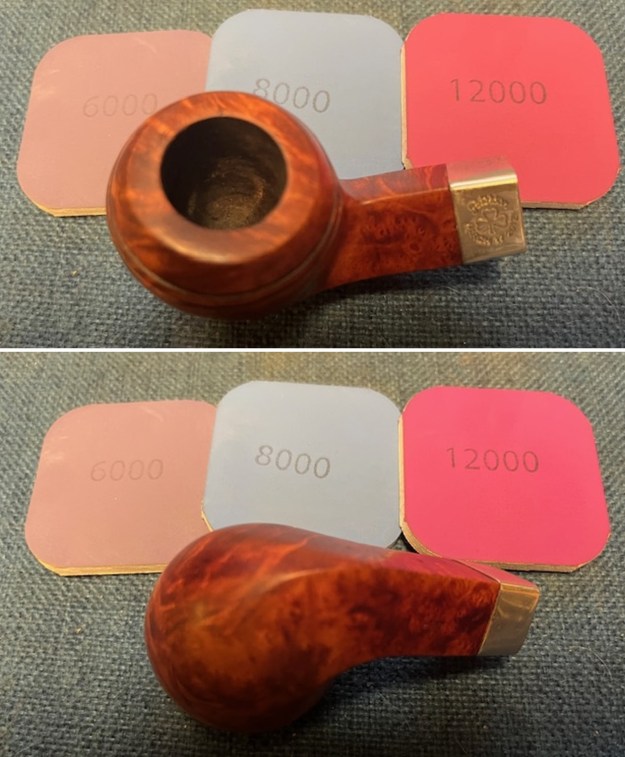 I worked some Before & After Restoration Balm into the surface of the briar with my fingertips to clean, enliven and protect the briar. I let the balm sit for 15 minutes and then buffed with a cotton cloth to raise the shine. The photos show the bowl at this point in the restoration process.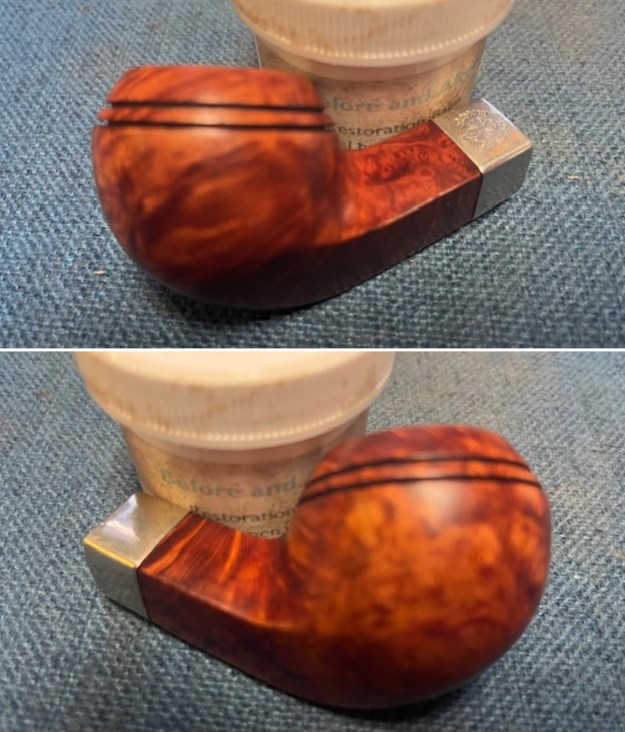
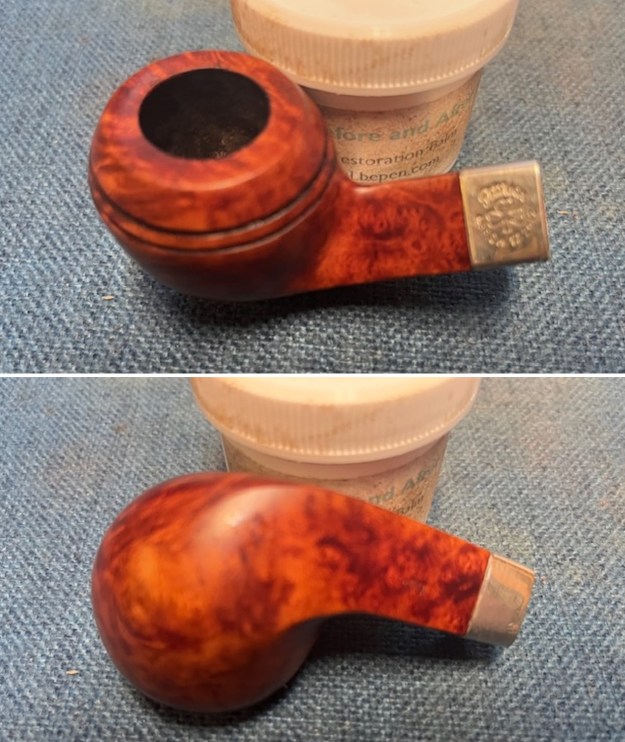
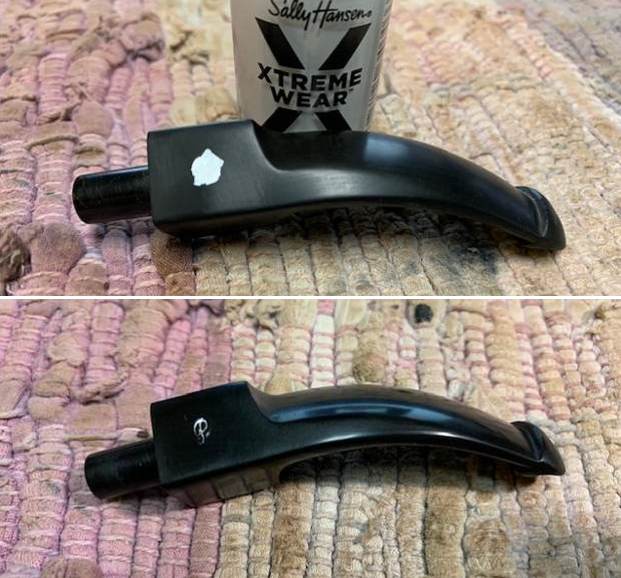
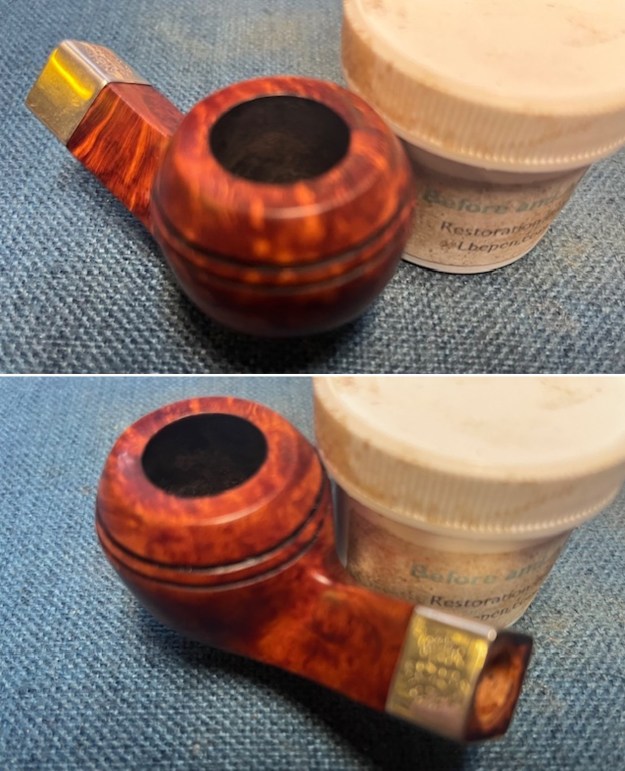 I turned my attention to the stem. I touched up the stamp on the left side of the stem with white acrylic fingernail polish. I scraped the excess off. The stamp looked much better however, part of the P is missing on the right side. The pictures below show what it looks like.
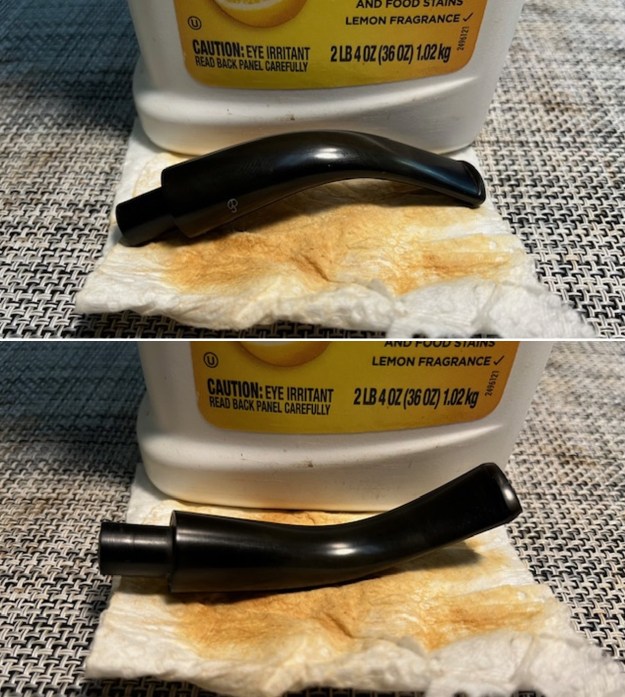
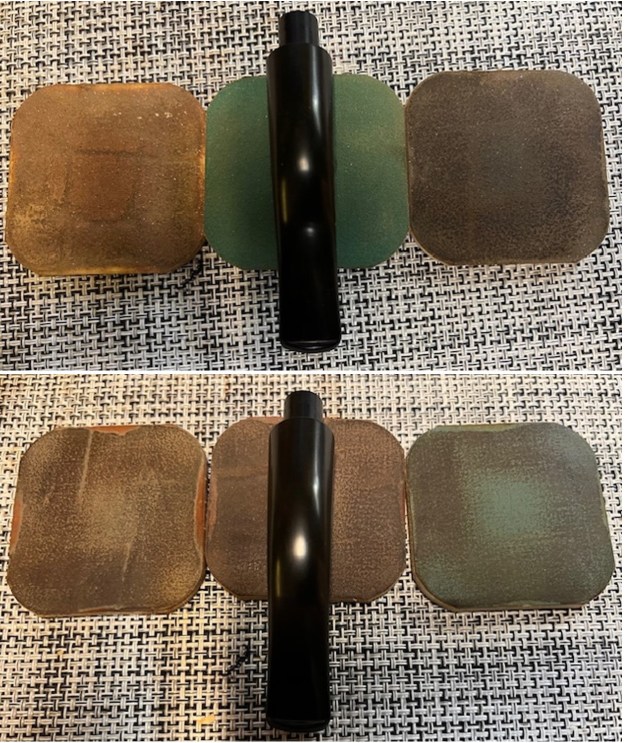
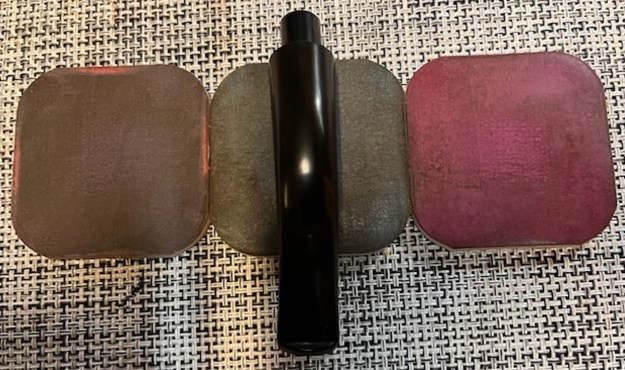
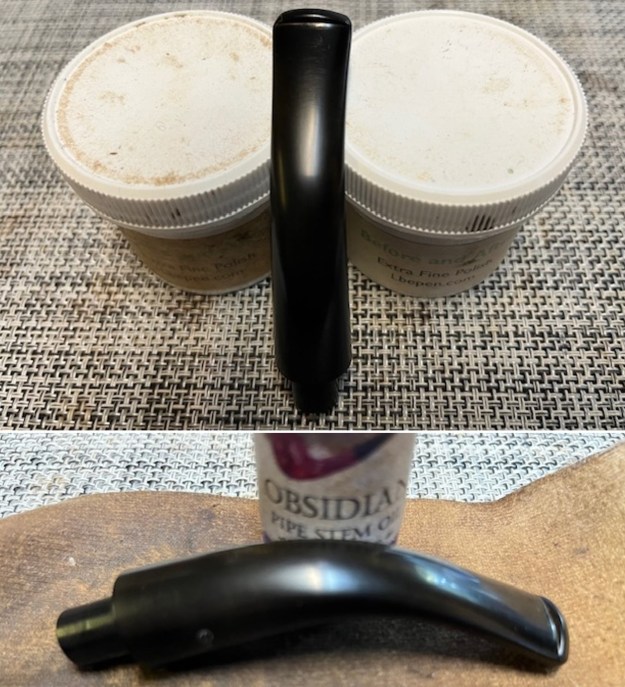
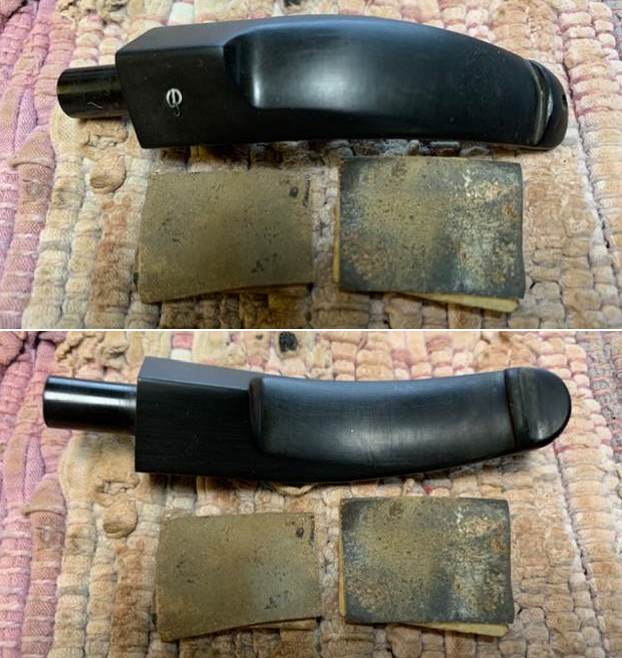
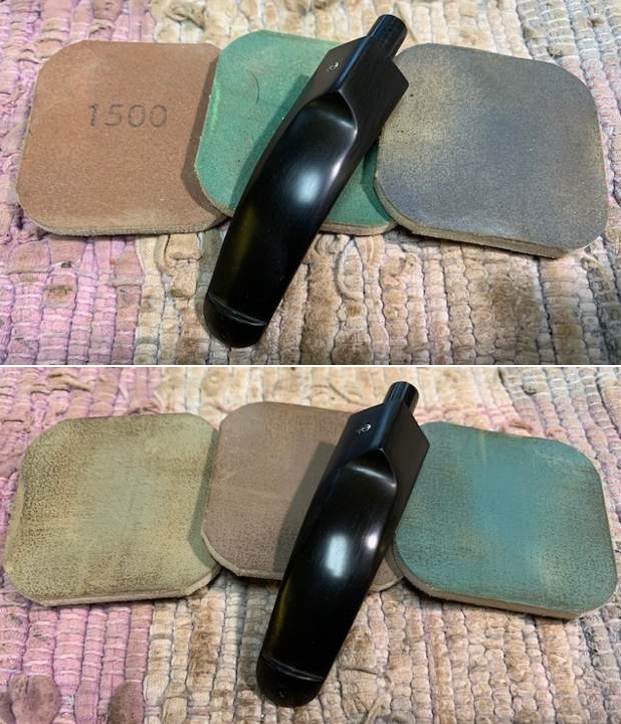
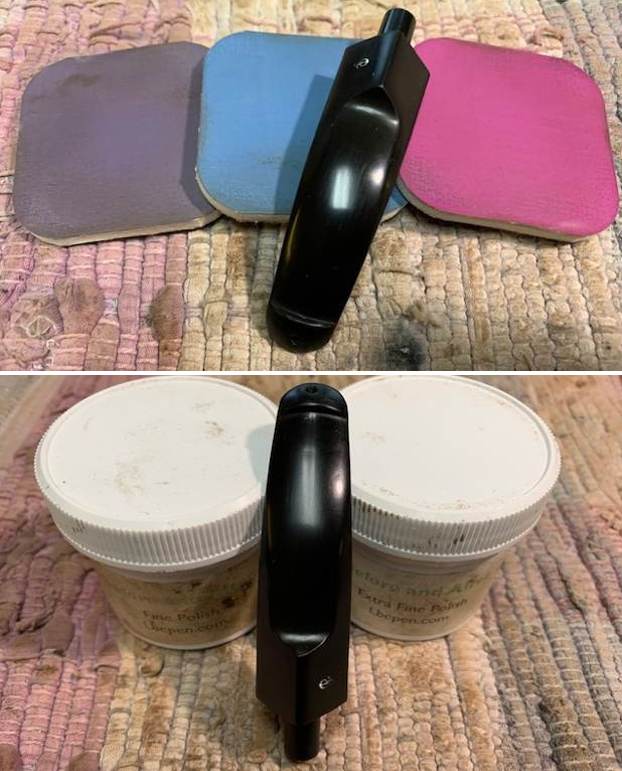
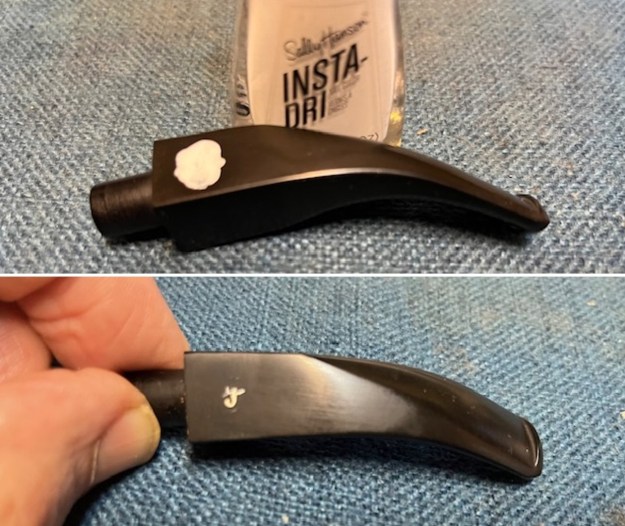 I set the bowl aside and turned to the stem. I polished the stem with micromesh sanding pads – wet sanding with 1500-12000 grit pads. I wiped the stem down after each sanding pad with Obsidian Oil. I polished it with Before & After Pipe Stem Polish – both Fine and Extra Fine. Once I had finished the polishing I gave it final coat of oil and set it aside to dry.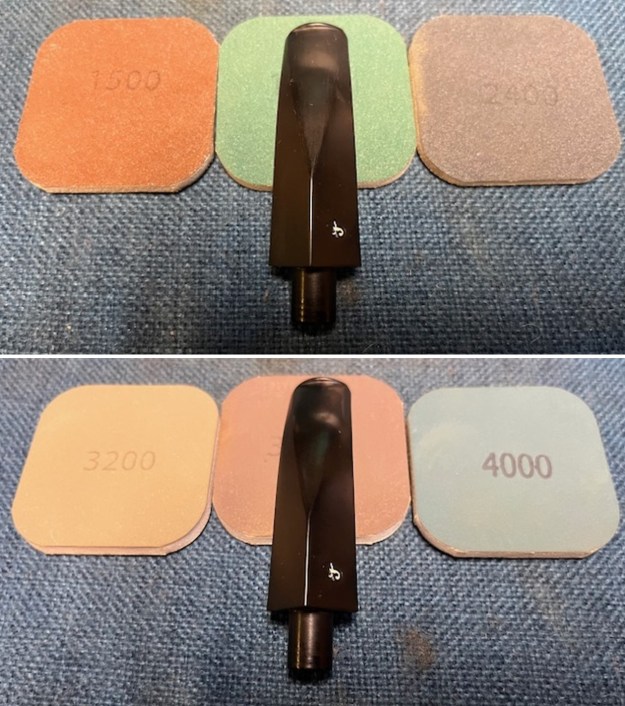
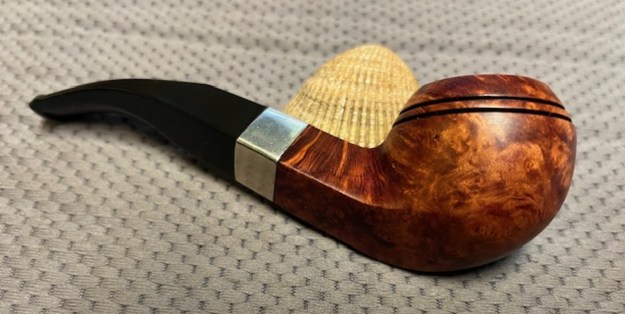
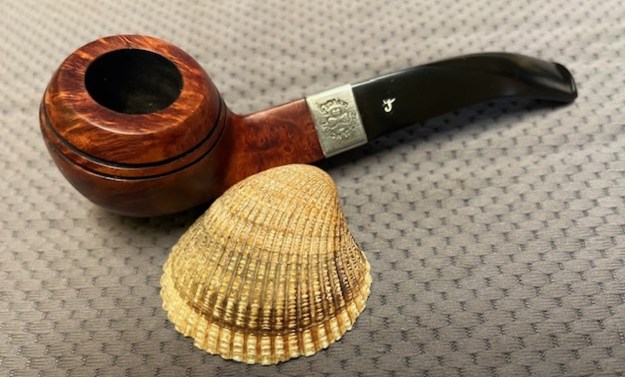
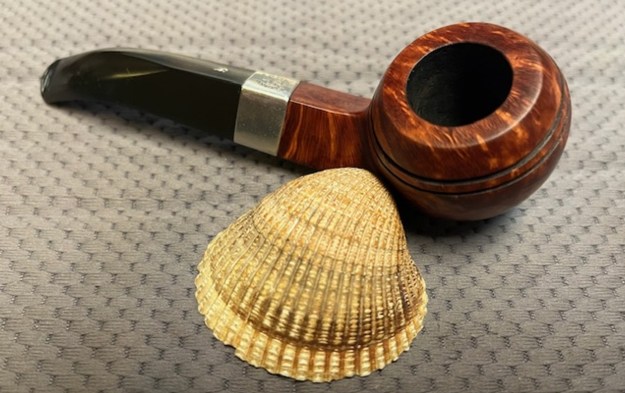
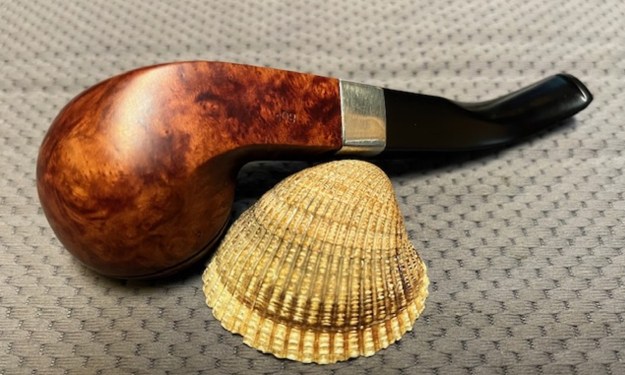
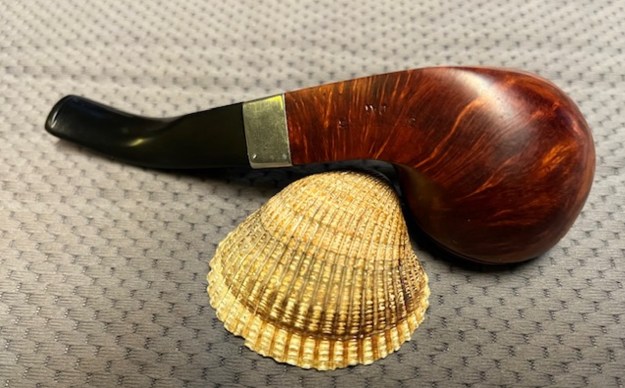
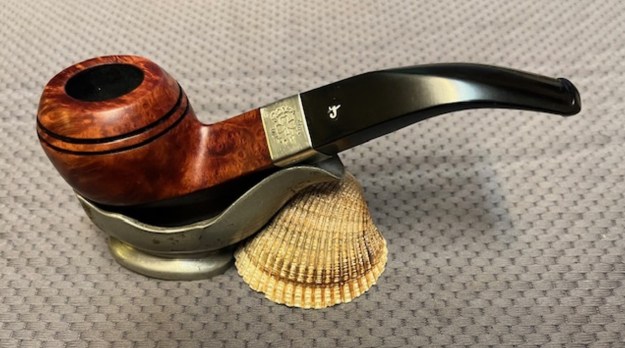
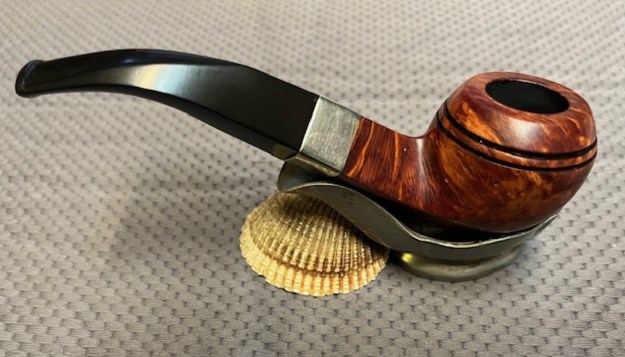
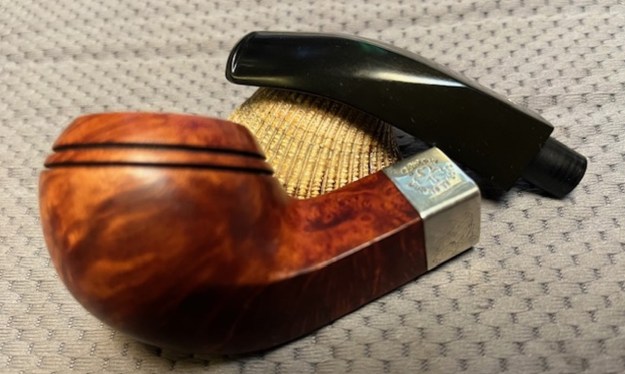
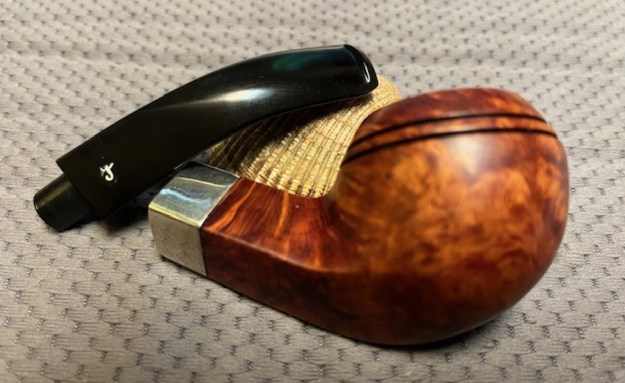
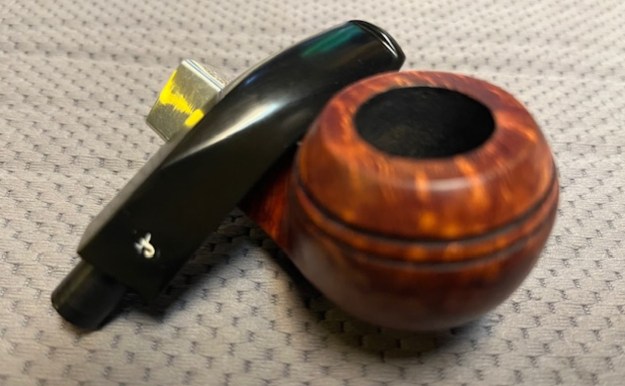
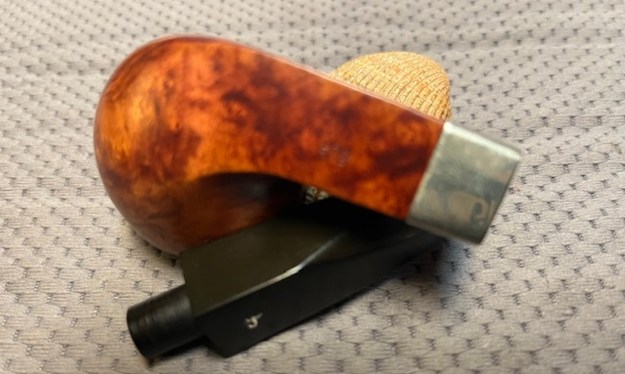
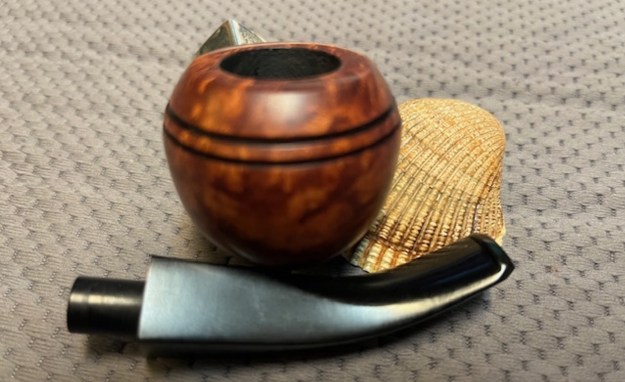
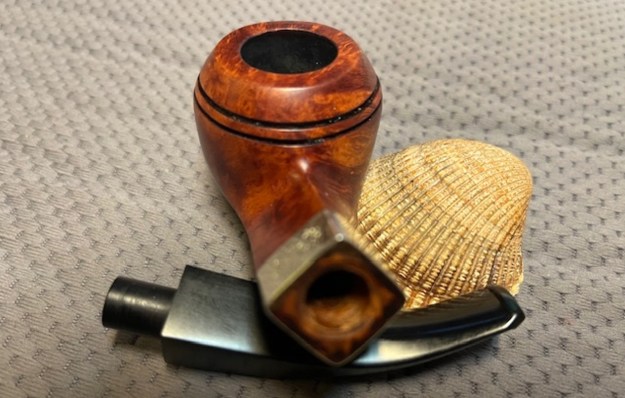
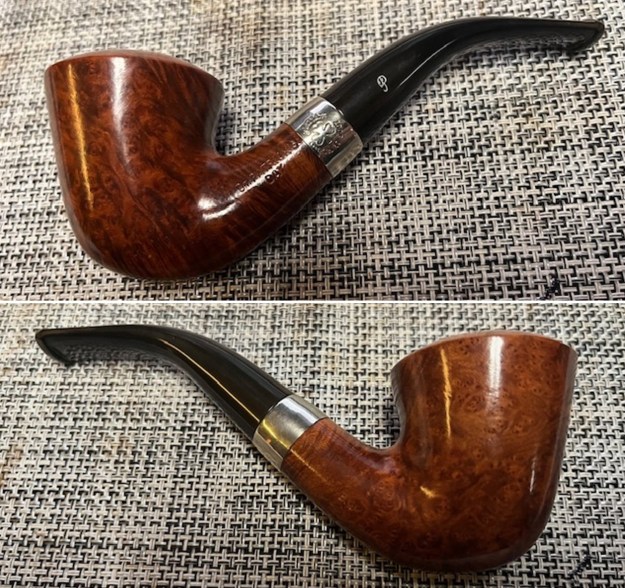
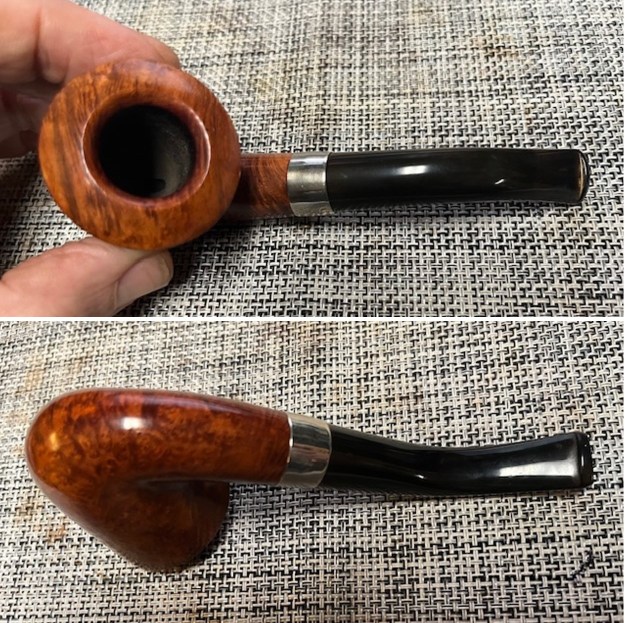
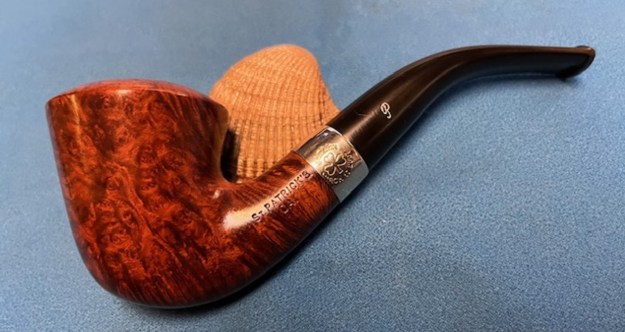
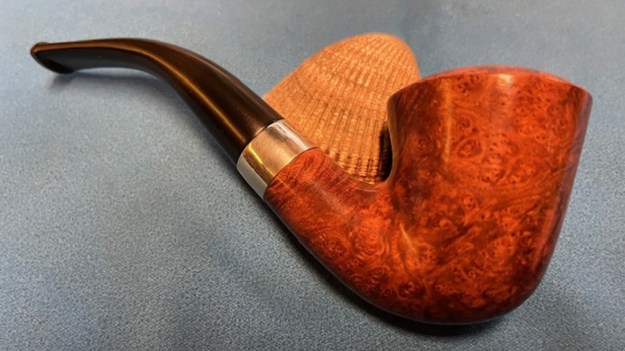
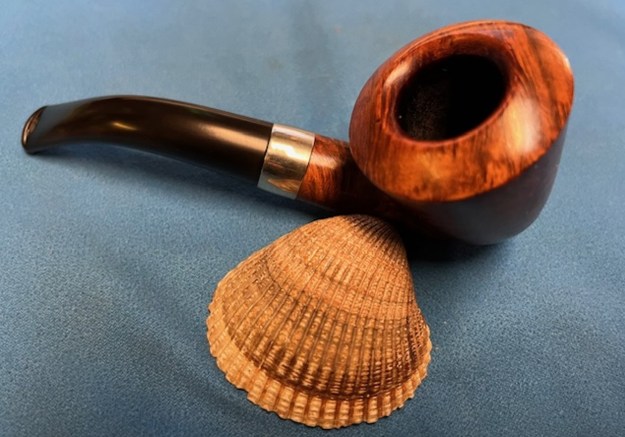
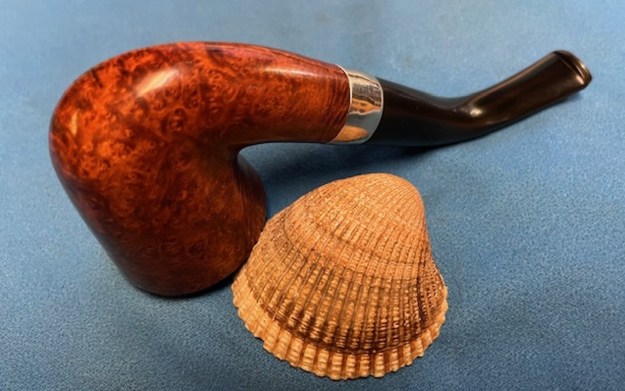
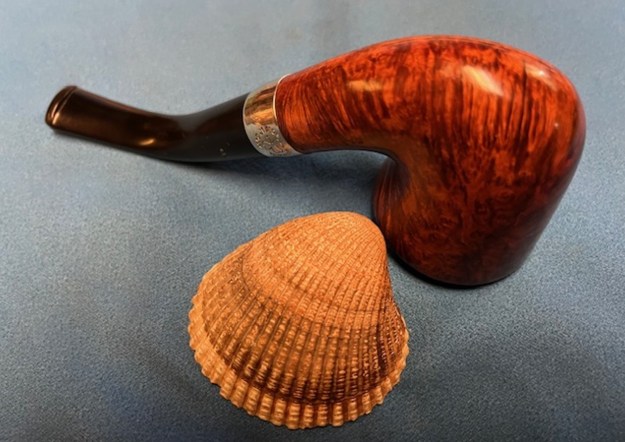
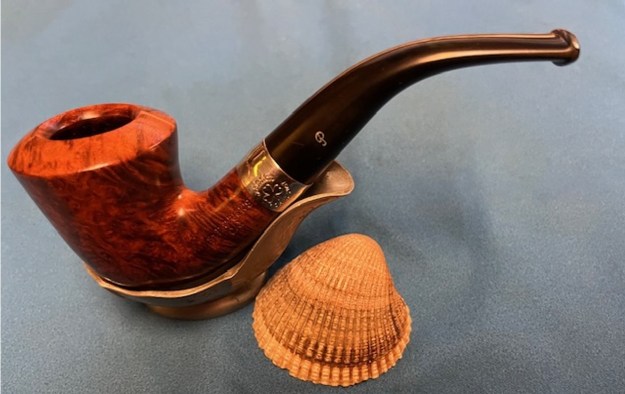
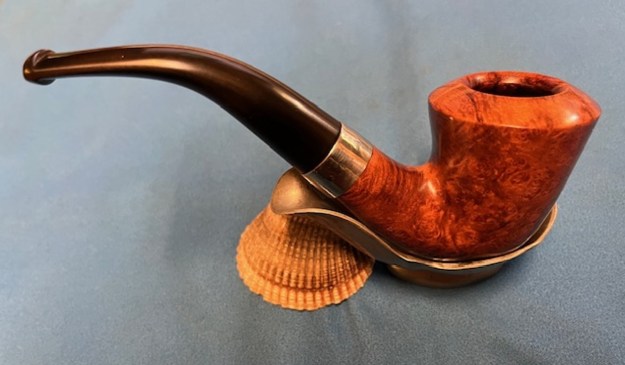
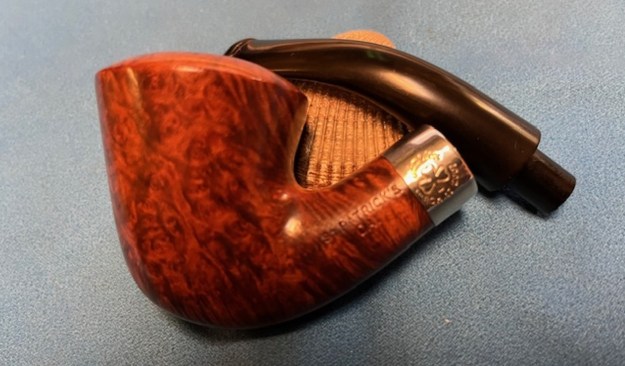
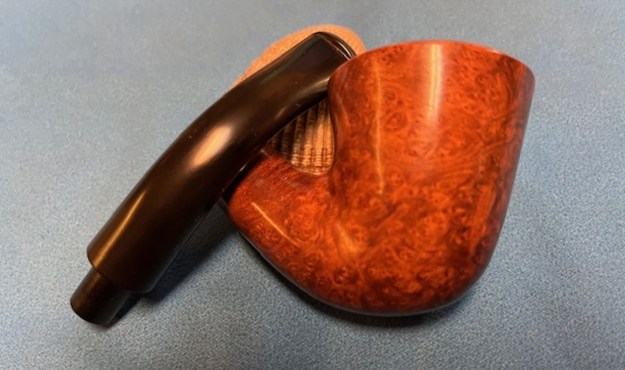
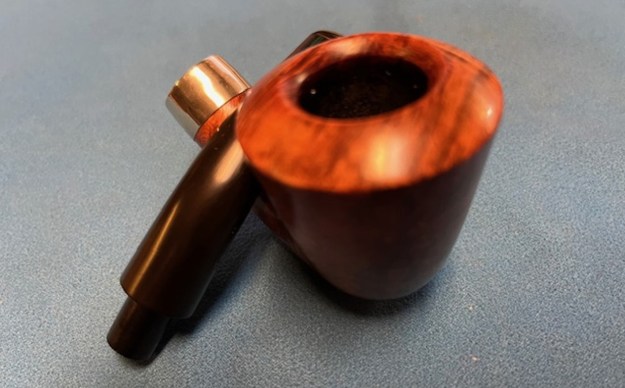
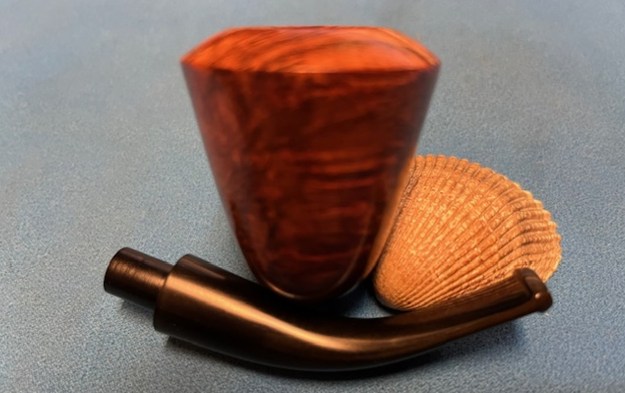
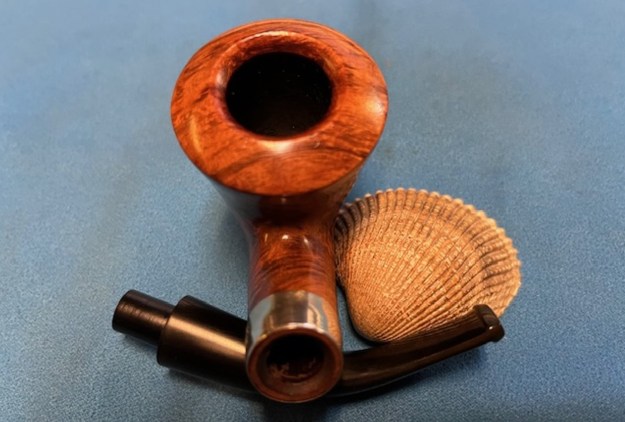
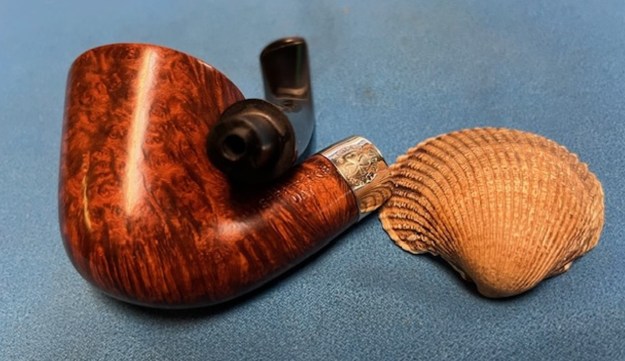
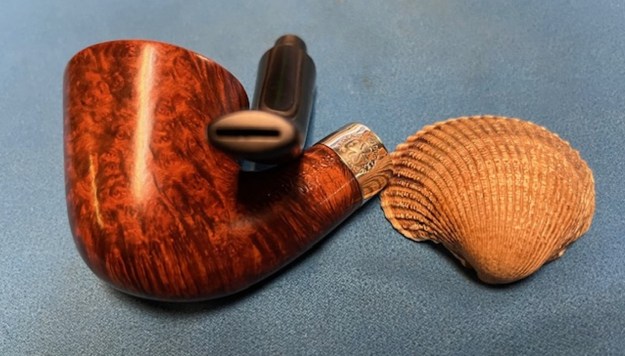
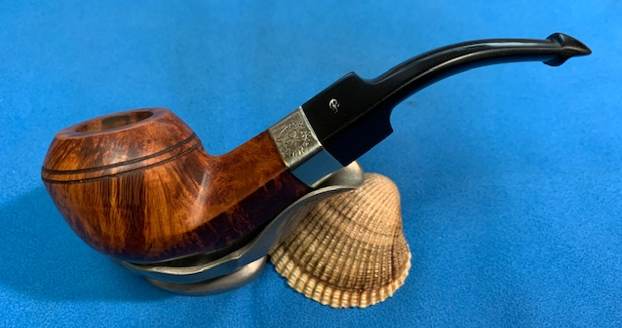
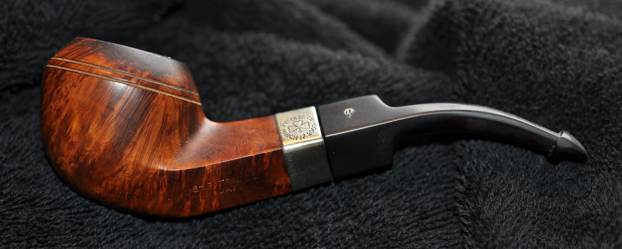
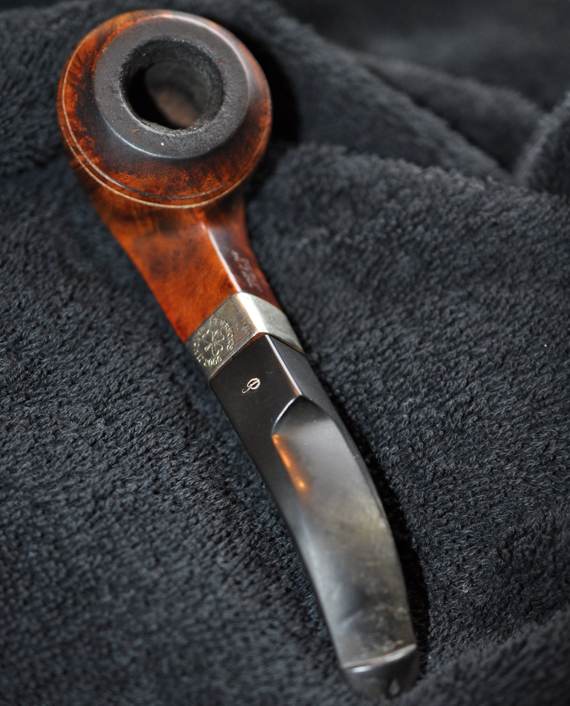
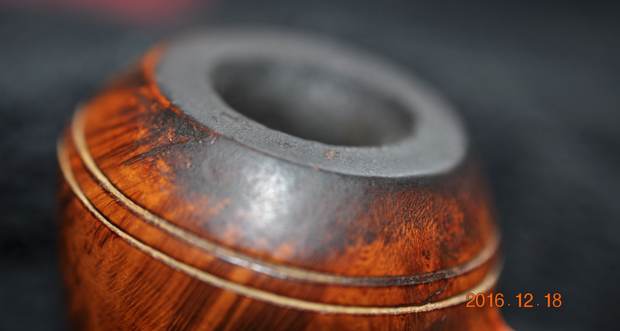
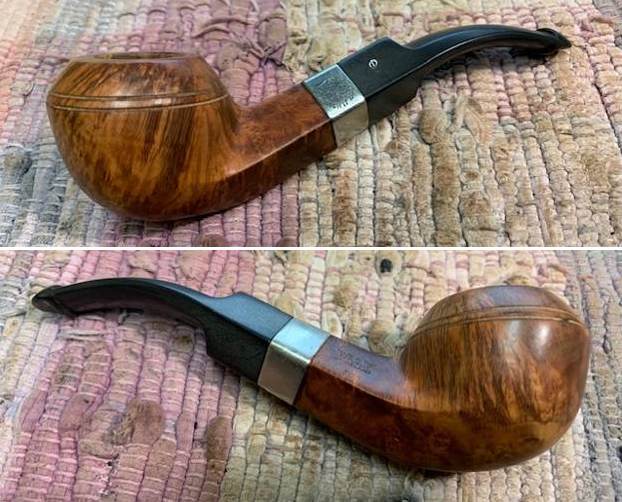
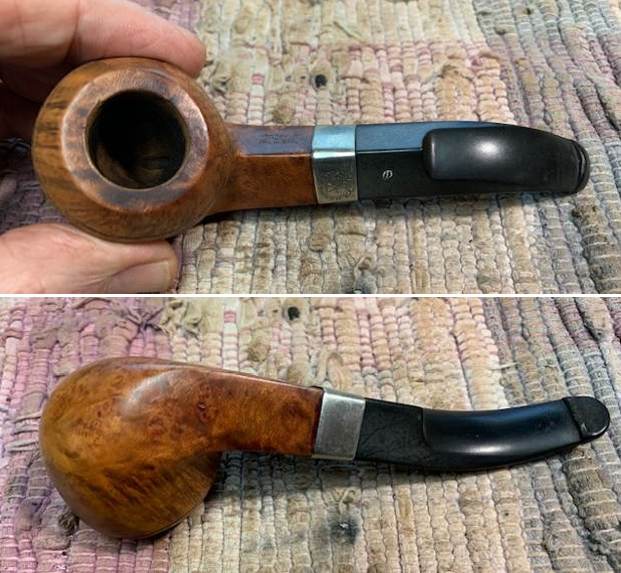
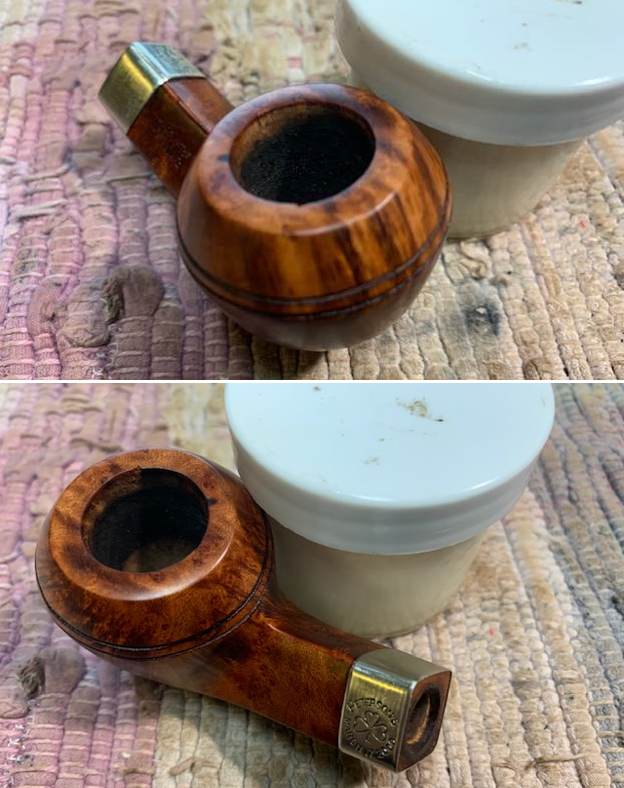
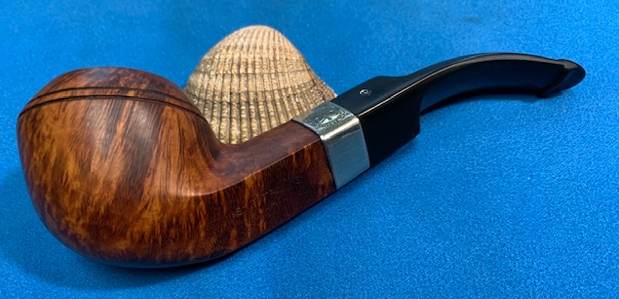
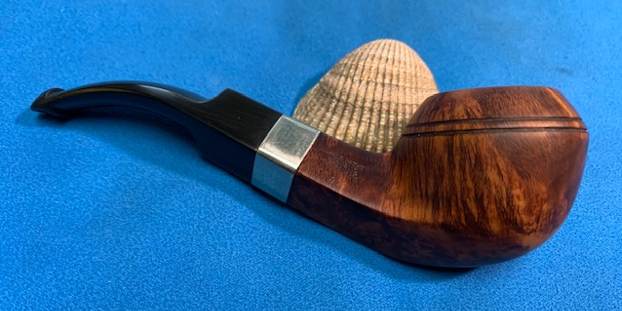
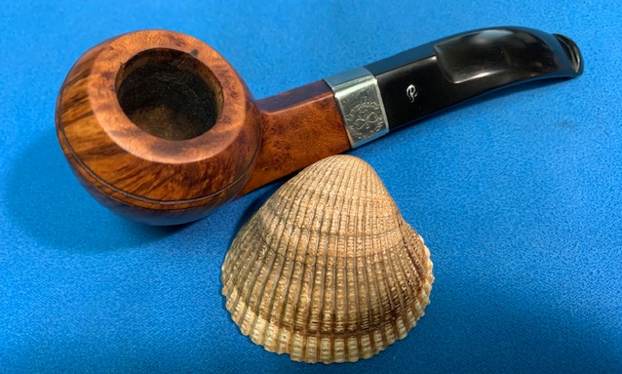
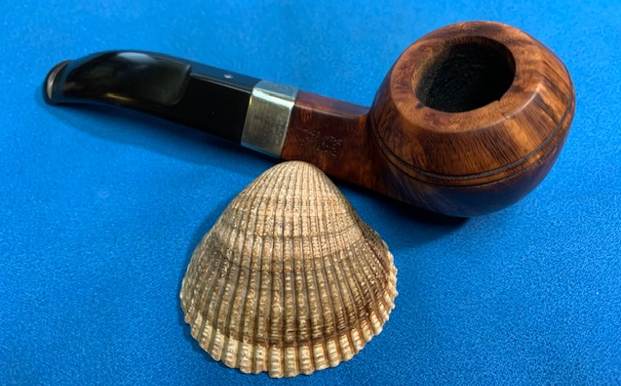
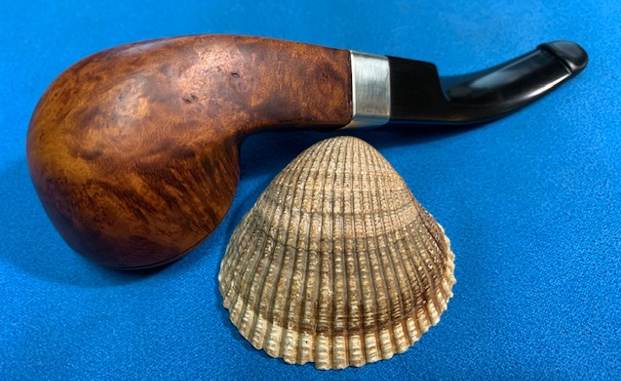
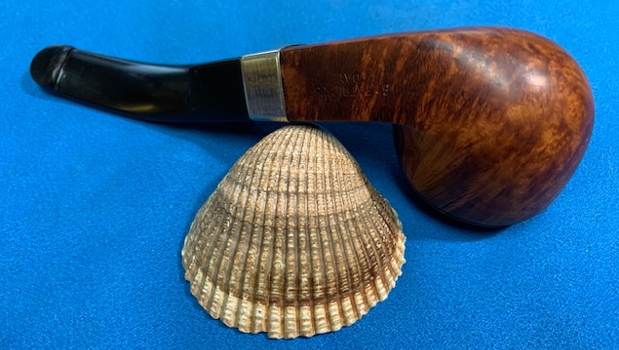
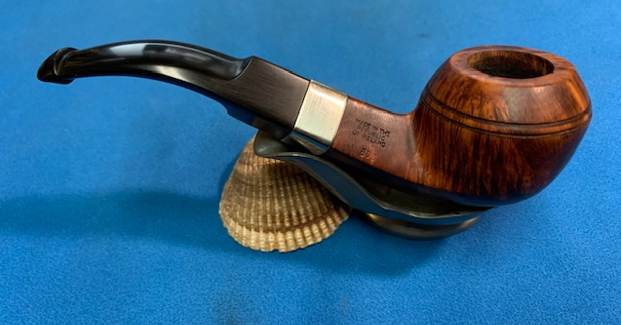
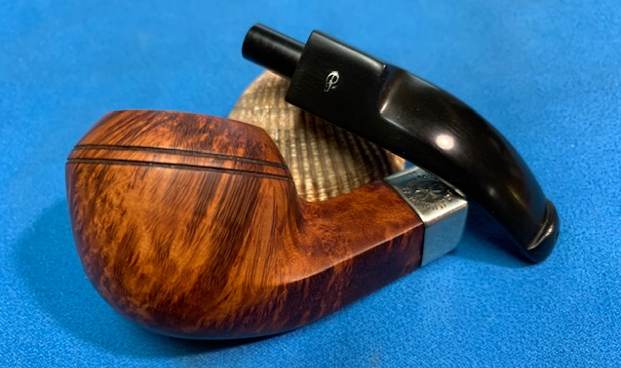
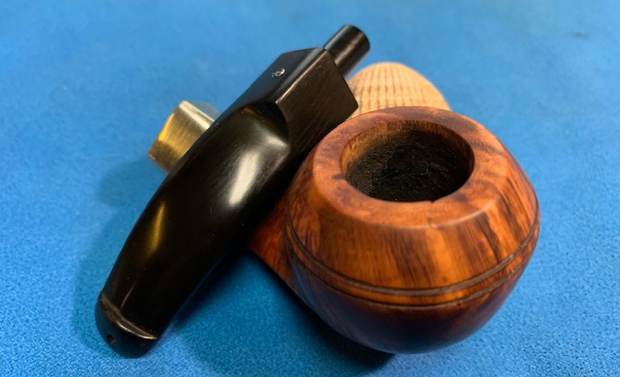
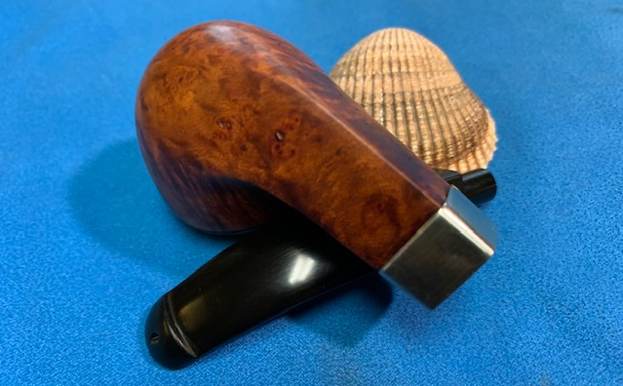
 I am excited to finish this Peterson’s 2012 St. Patrick’s Day 80S Classic Bent Bulldog with a polished nickel band and a taper vulcanite stem. I put the pipe back together and buffed it with Blue Diamond on the buffing wheel. I gave the bowl and the stem multiple coats of carnauba wax. I hand buffed the pipe with a clean buffing pad to raise the shine. It is fun to see what the polished bowl looks like with beautiful birdseye and cross grain on the sides of the bowl. Added to that the polished nickel band and the black vulcanite stem was beautiful. This smooth Peterson’s St. Patrick’s Day 2012 80S Bent Bulldog is great looking and the pipe feels great in my hand. It is light and well balanced. Have a look at it with the photos below. The dimensions are Length: 5 ½ inches, Height: 1 ½ inches, Outside diameter of the bowl: 1 ¼ inches, Chamber diameter: ¾ of an inch. The weight of the pipe is 50 grams/1.76 ounces. It turned out to be a beautiful pipe. I will be putting it on the rebornpipes store in the Irish Pipe Makers section. If you are interested in adding it to your rack let me know by message or by email to slaug@uniserve.com. Thanks for your time reading the blog. I appreciated it.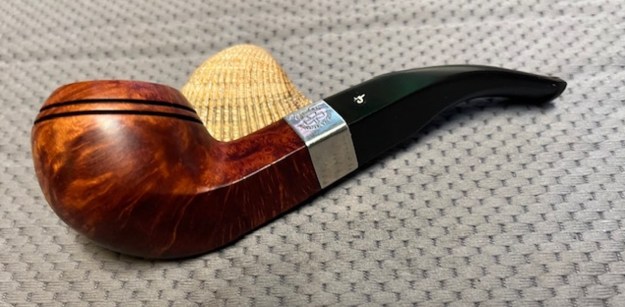








 rebornpipes