Tag Archives: Neerup Danish Pipes

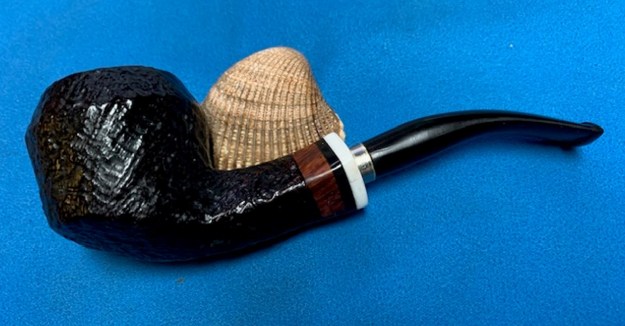
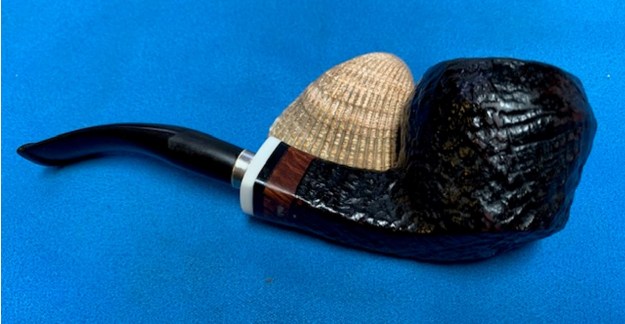
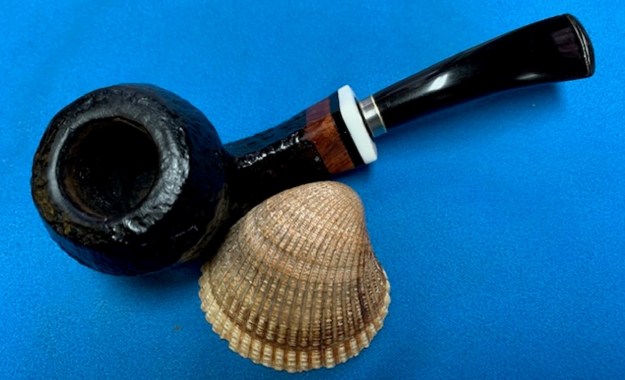
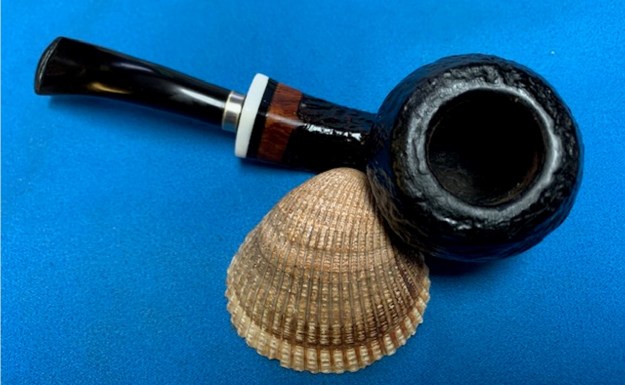
Replacing a Snapped Tenon on a Neerup of Denmark Freehand Style Bulldog


Blog by Steve Laug

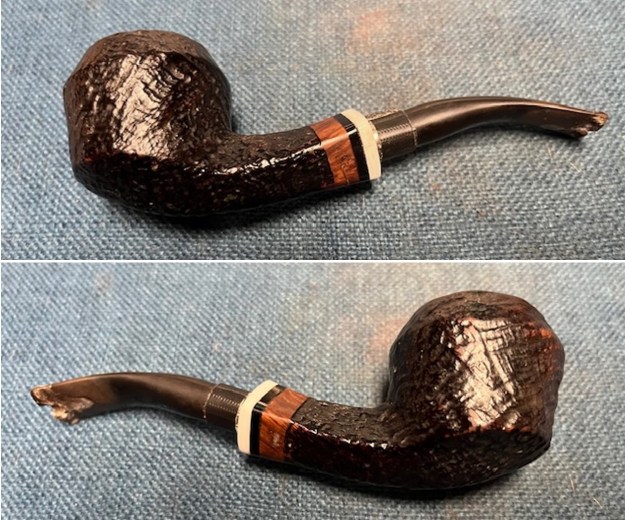
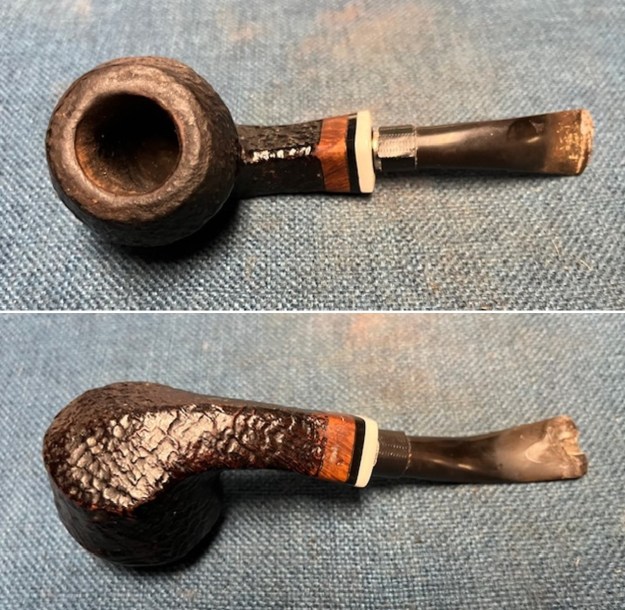
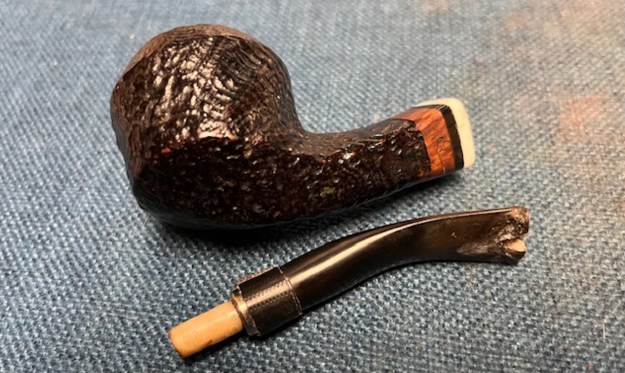
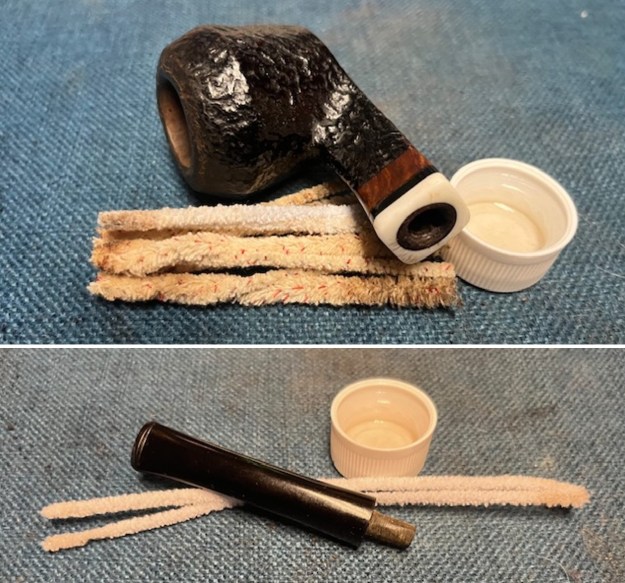
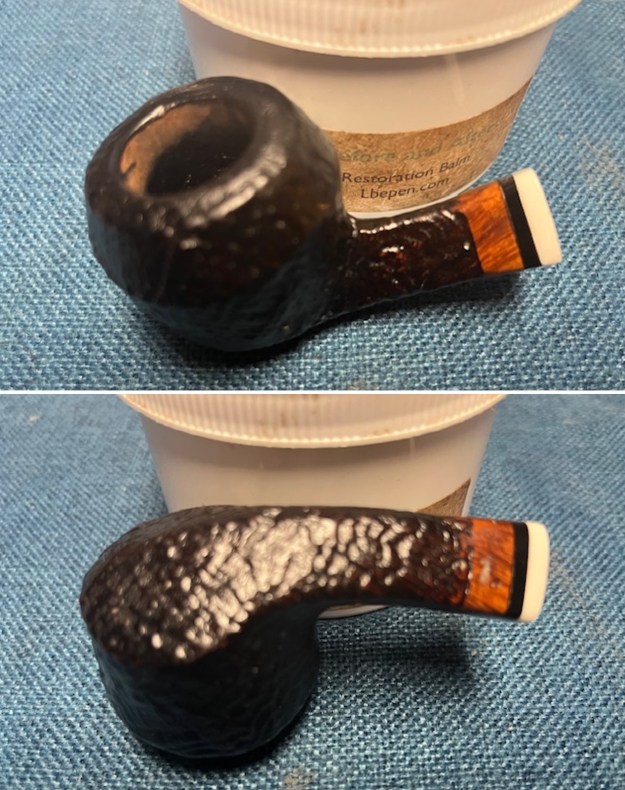
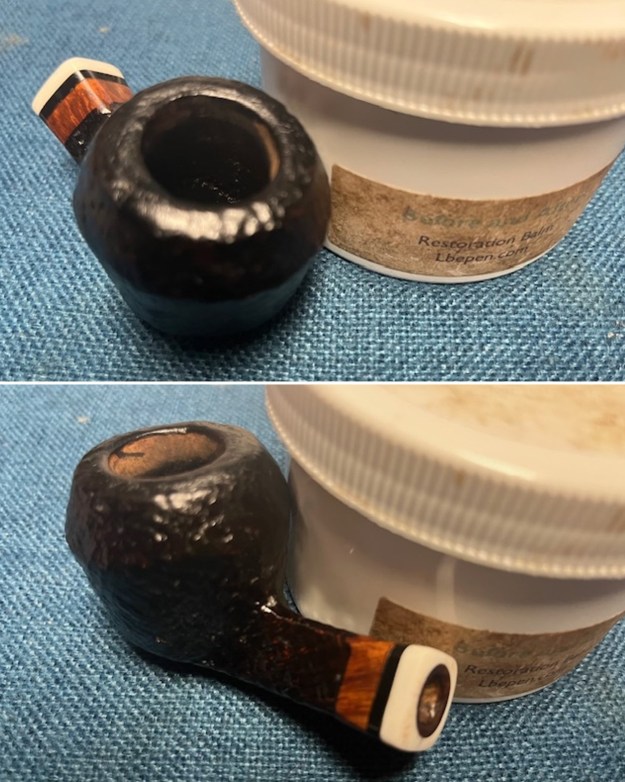
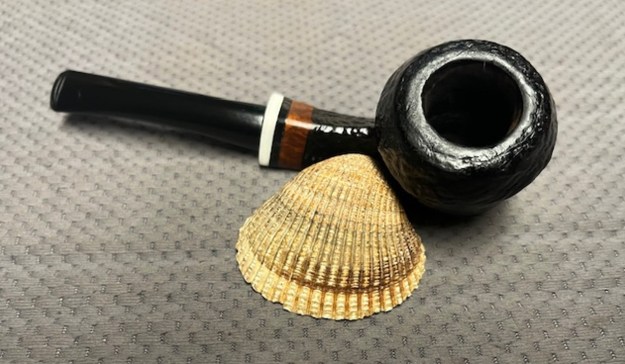
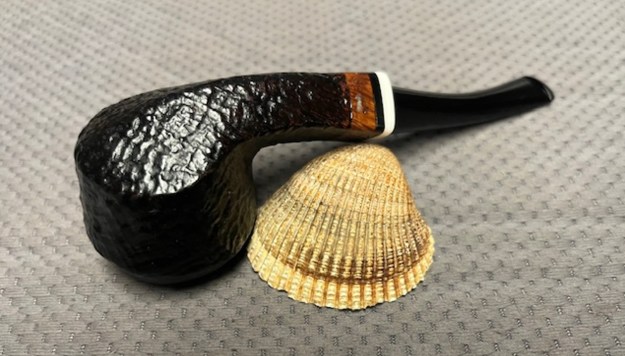
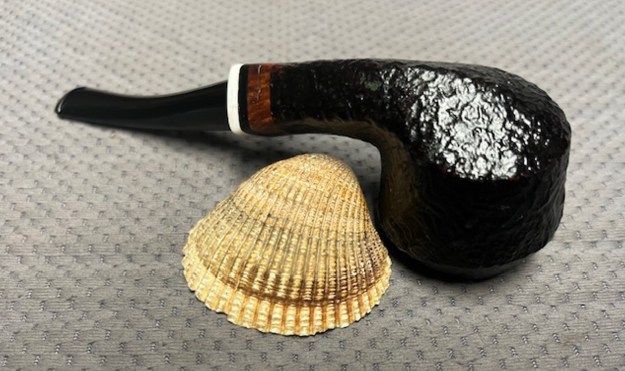
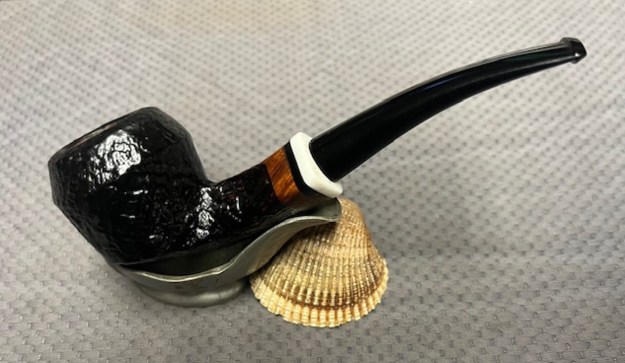
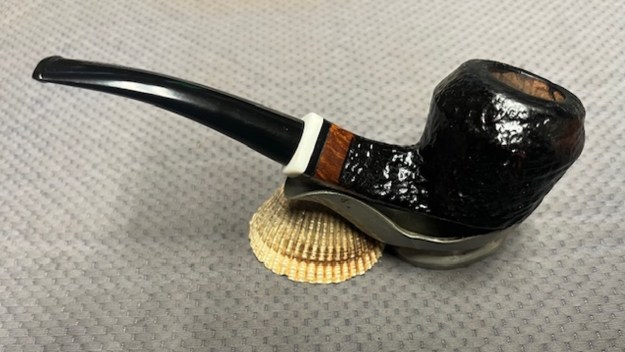
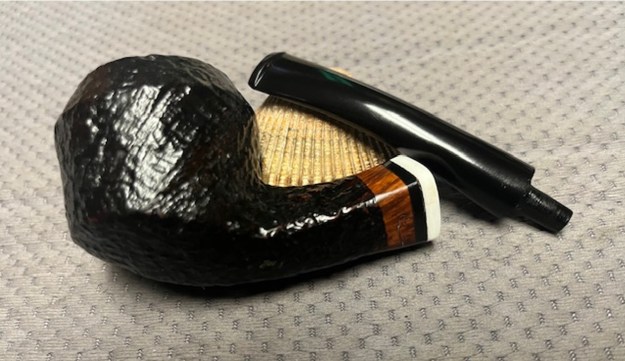
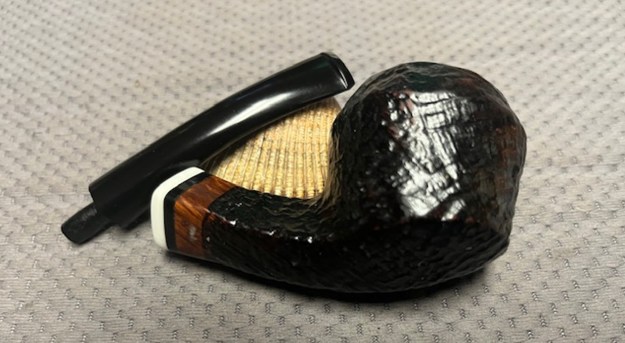
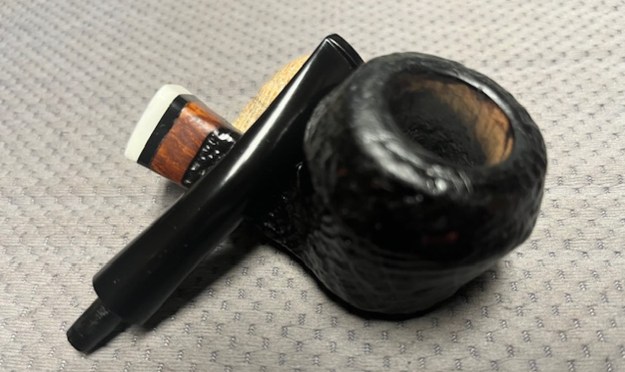
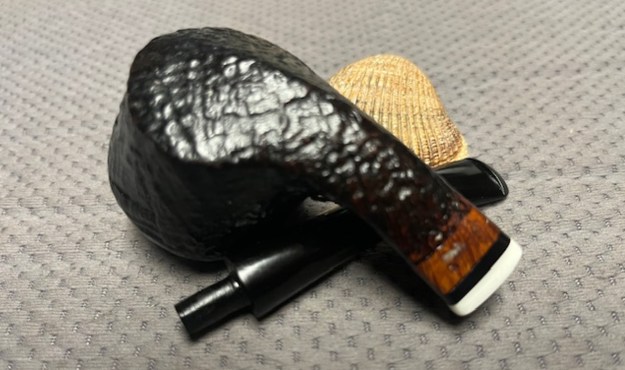
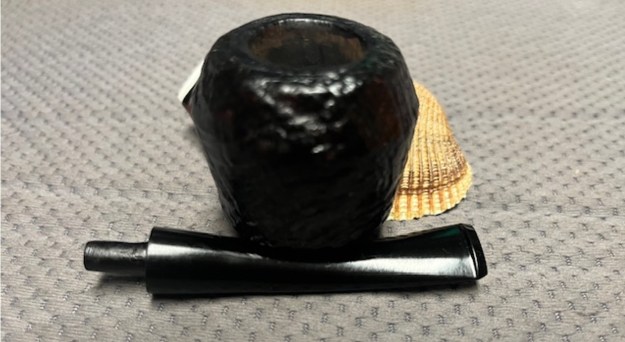
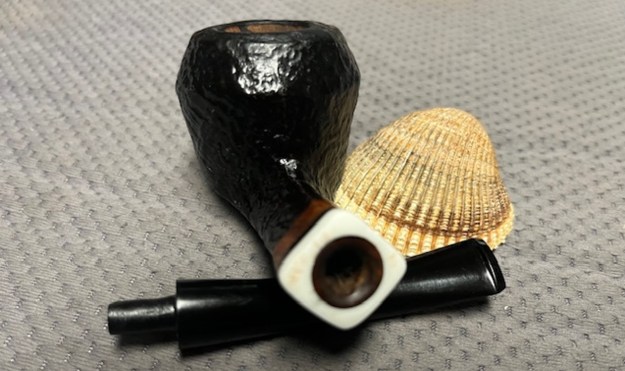
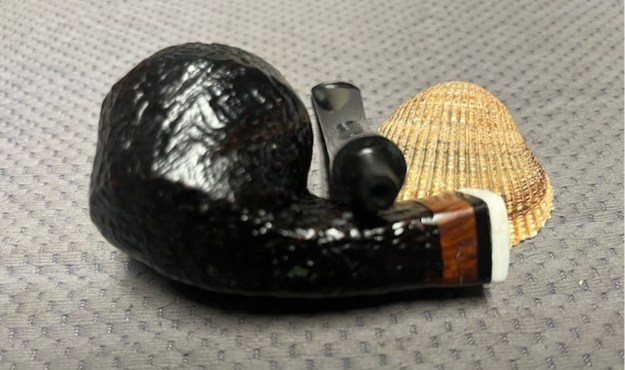
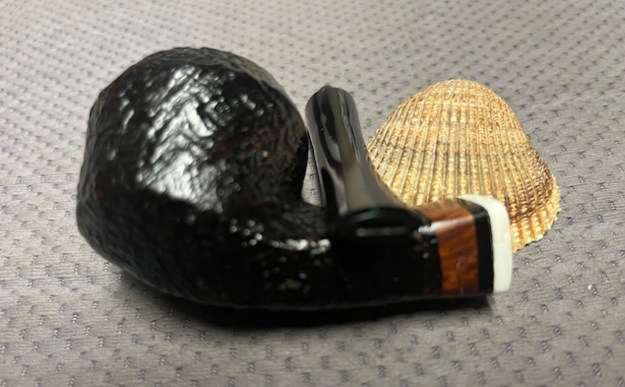
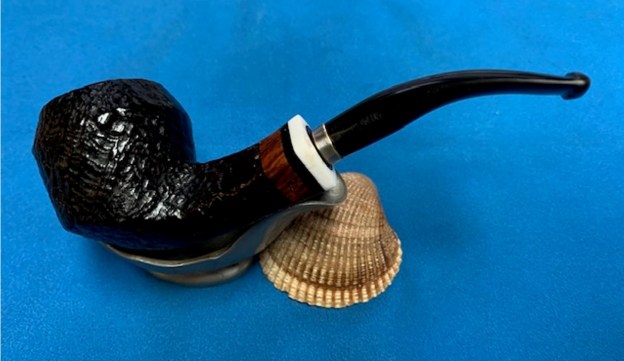
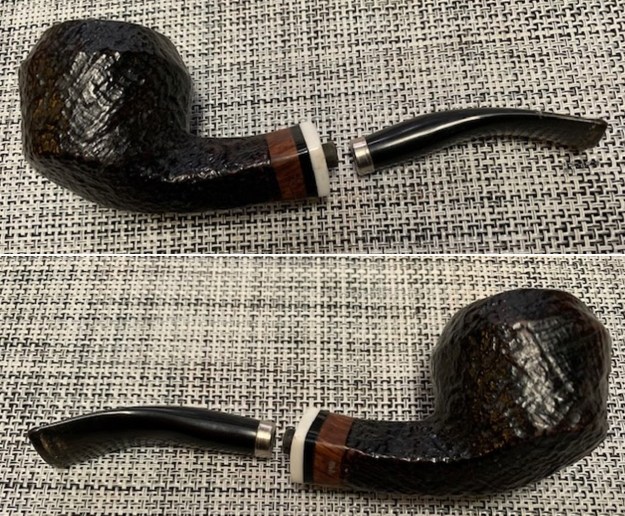
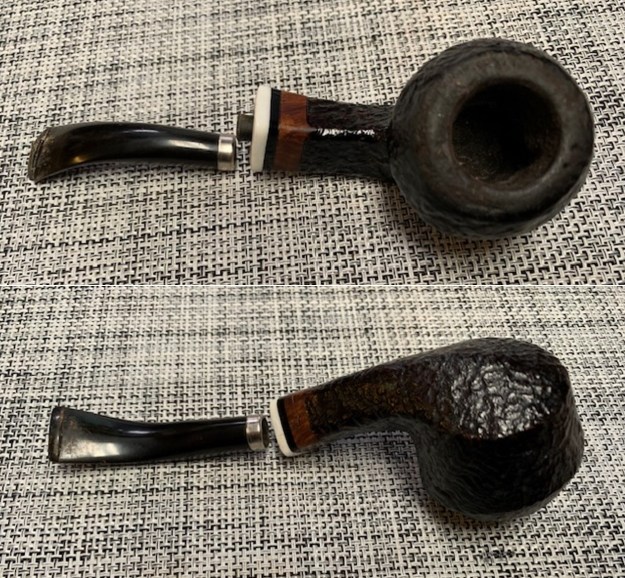
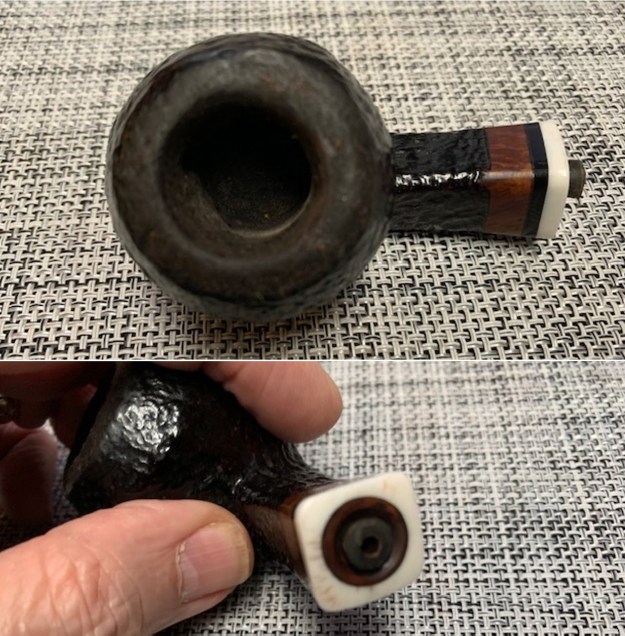
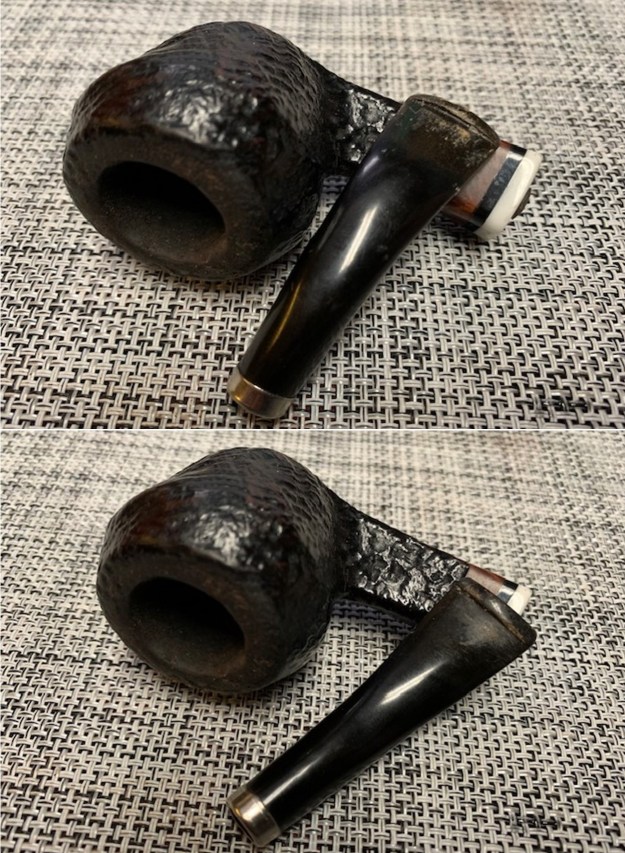
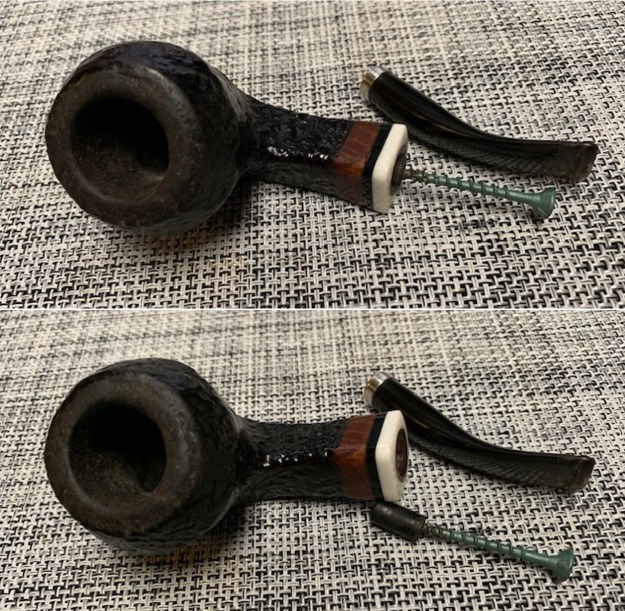
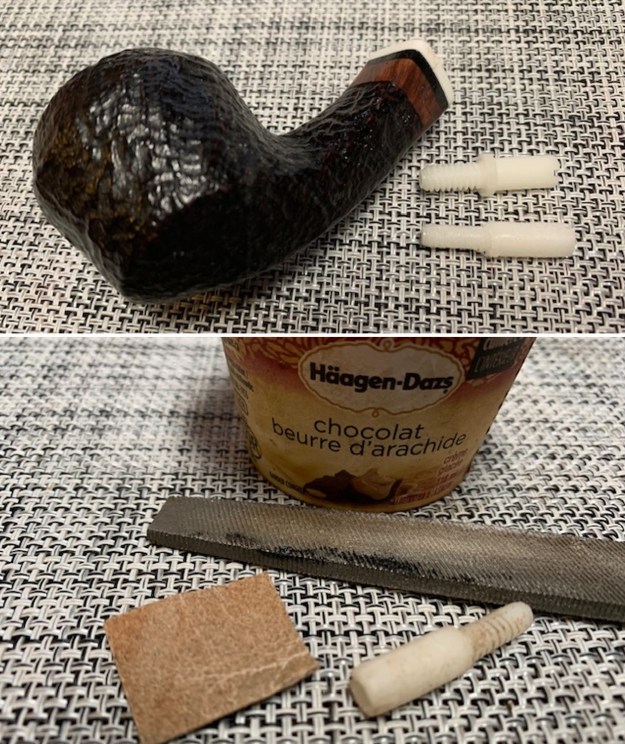
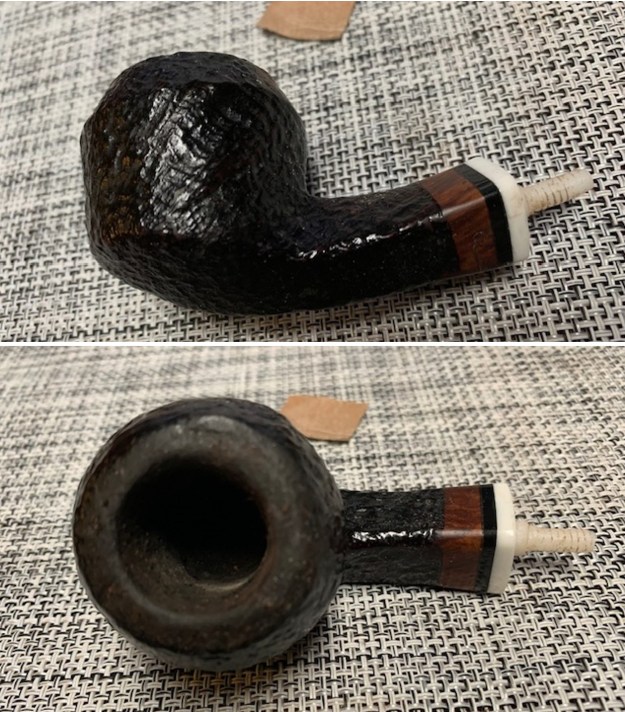
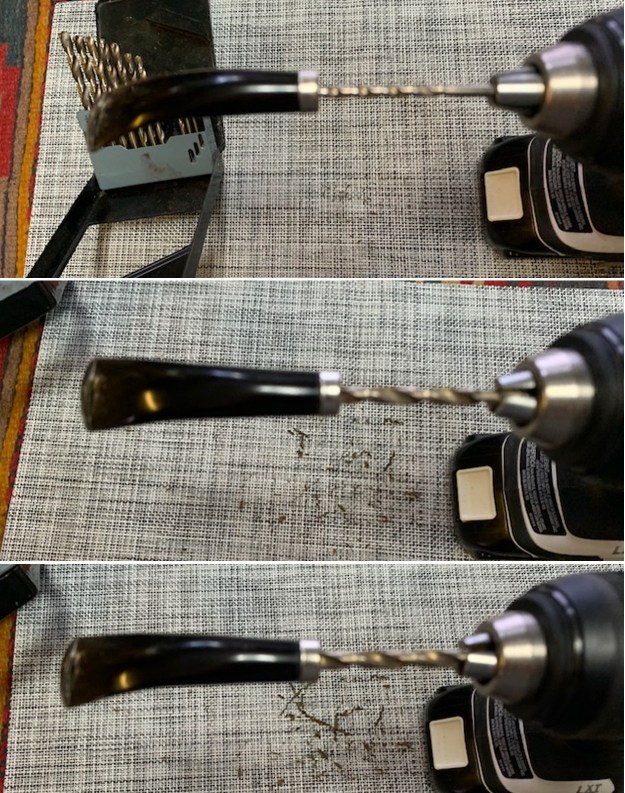
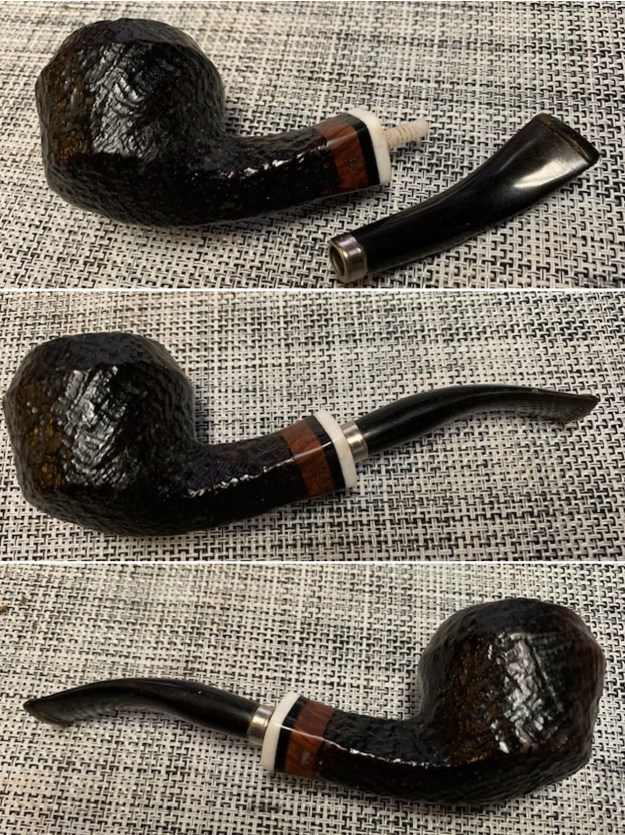
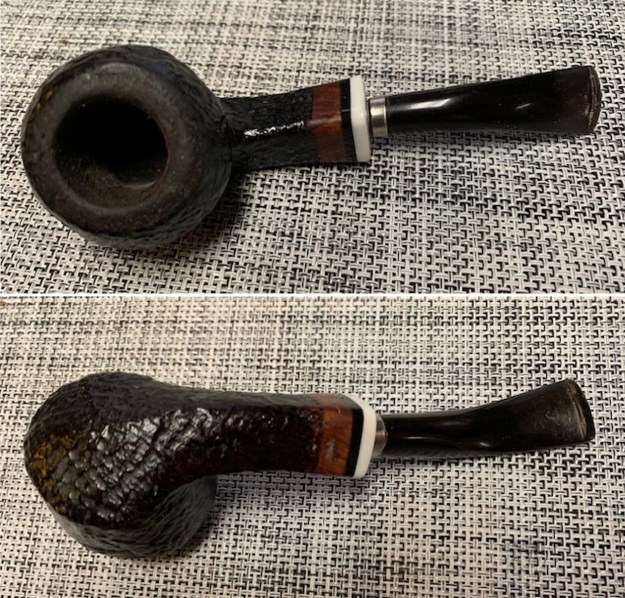
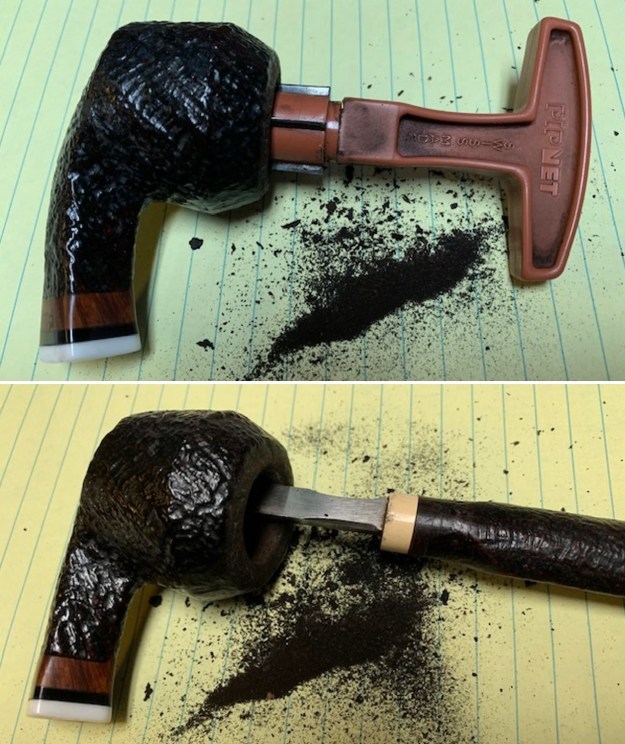
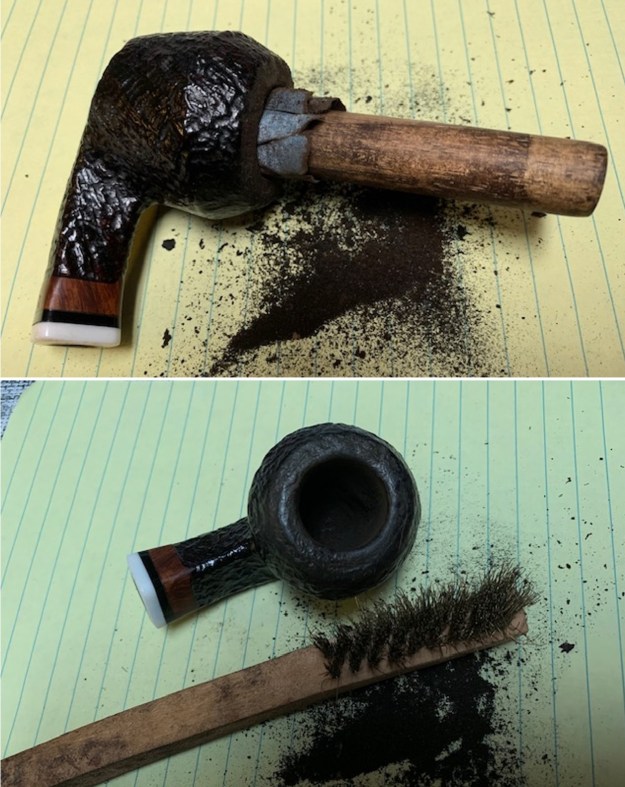
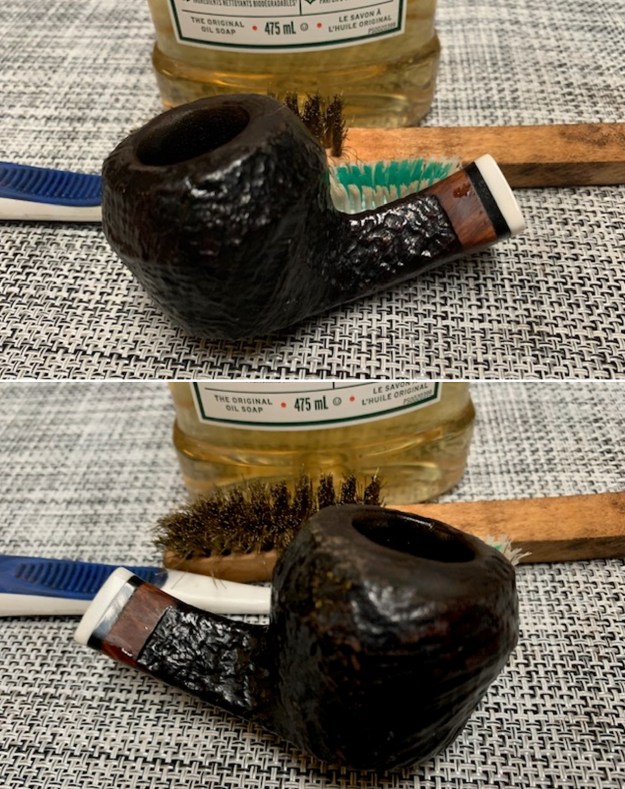
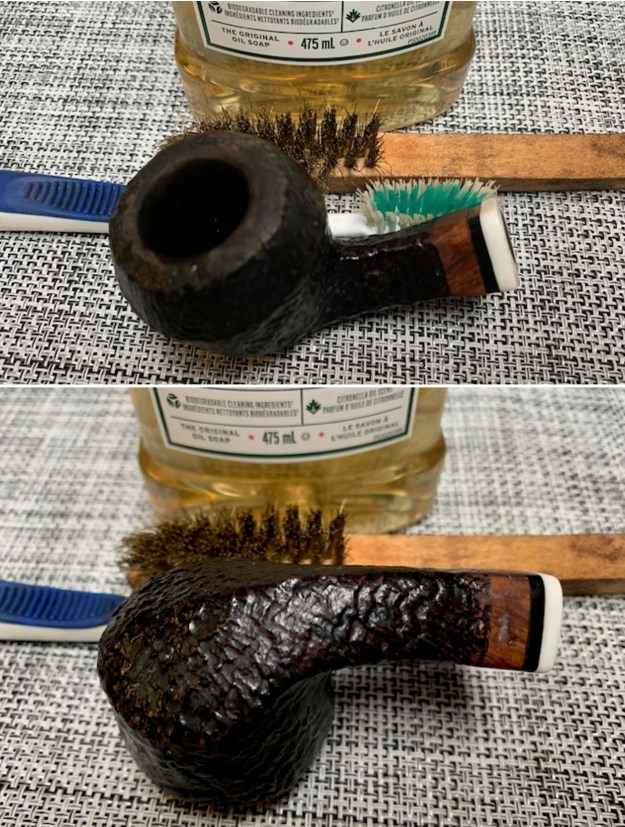
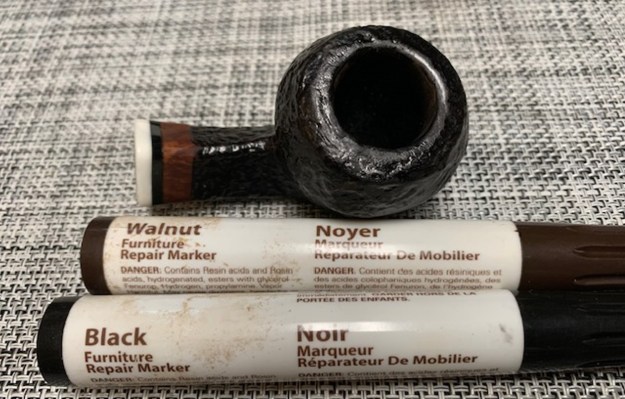
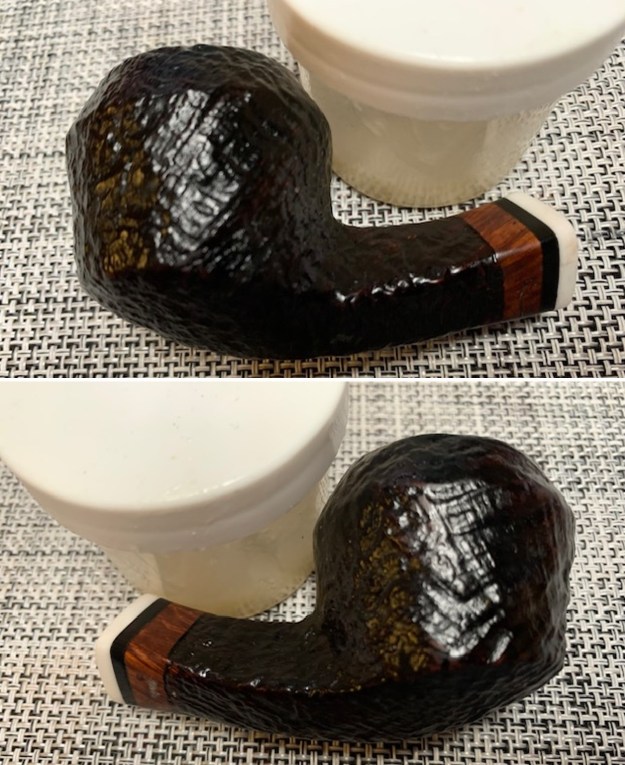
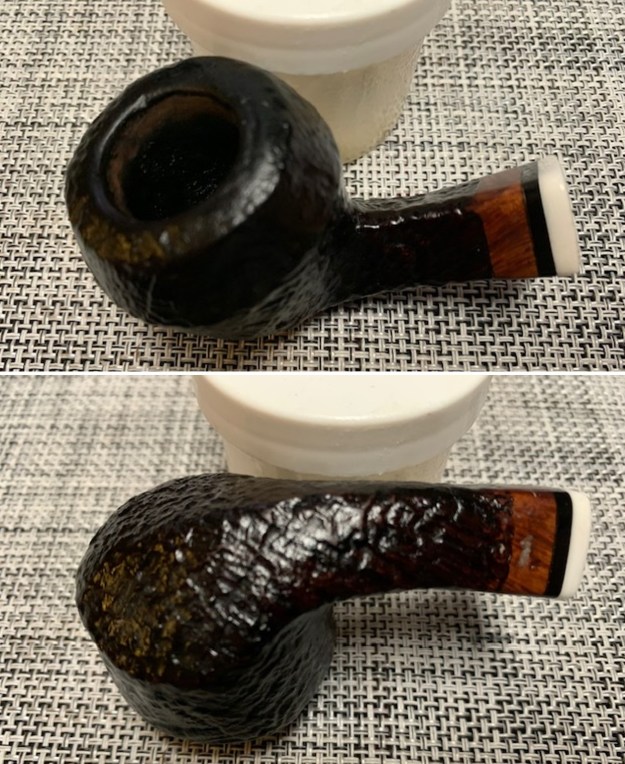
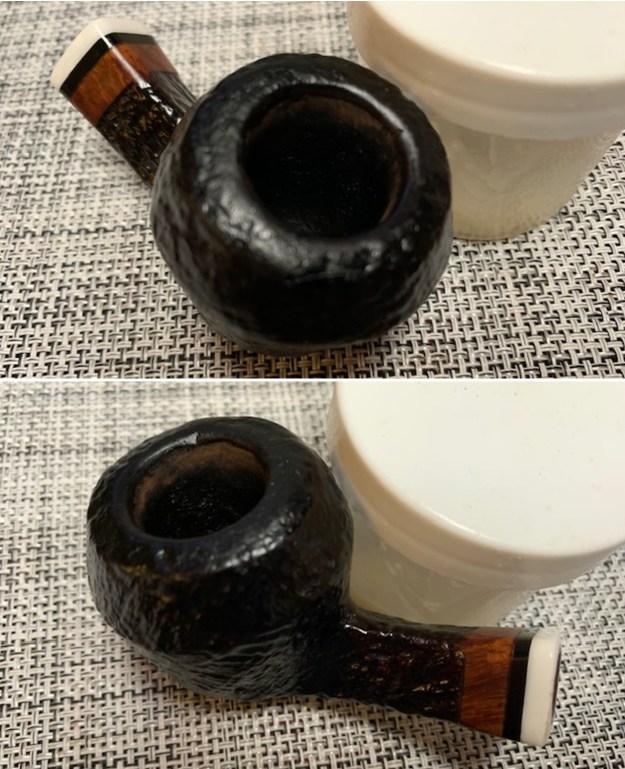
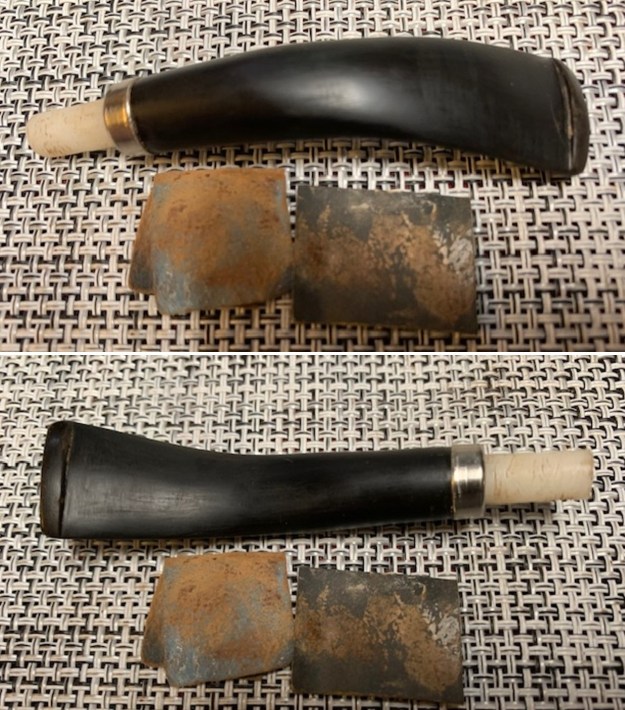
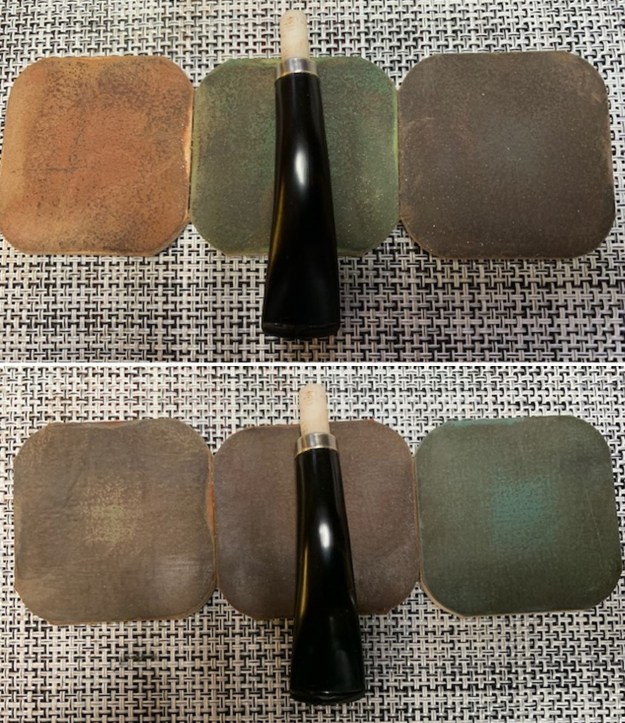
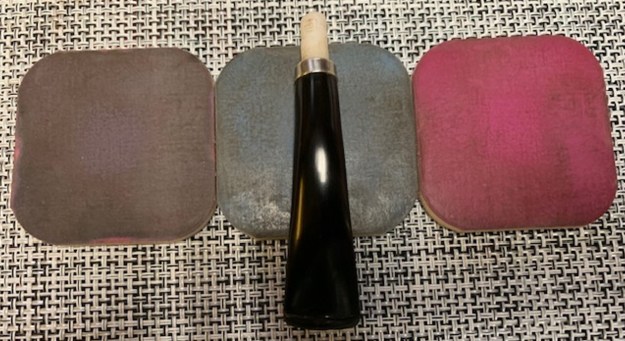
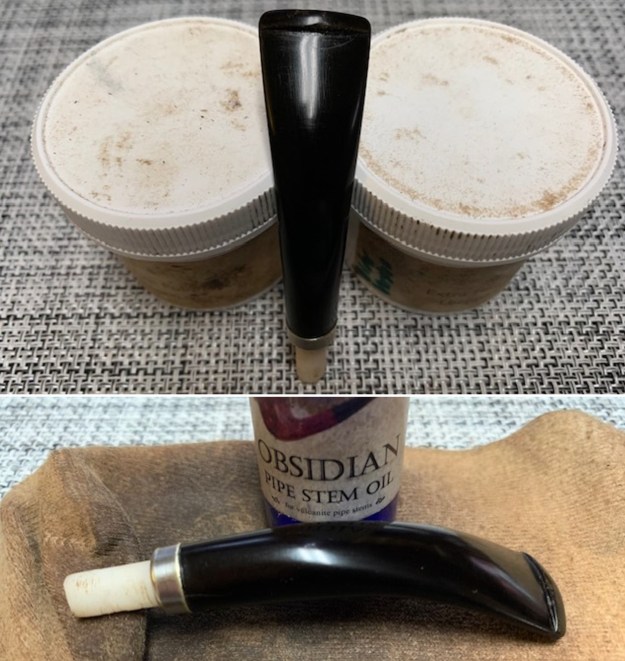
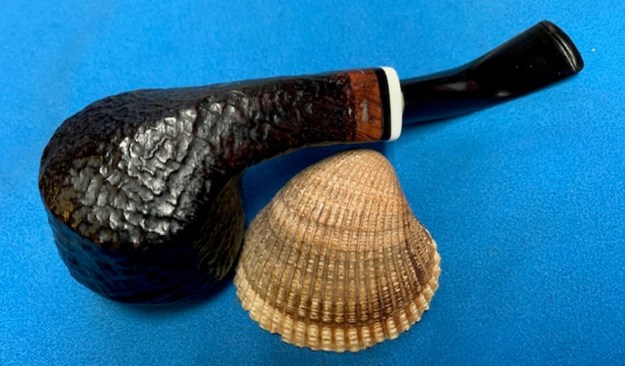
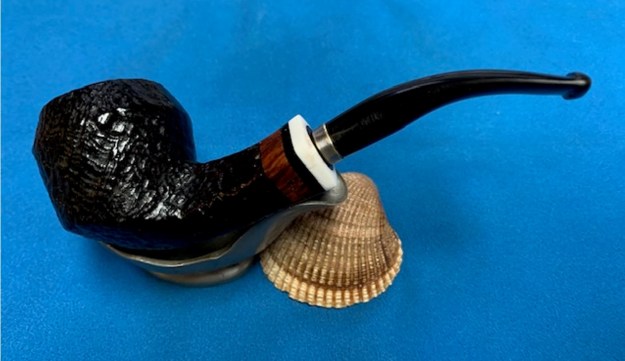
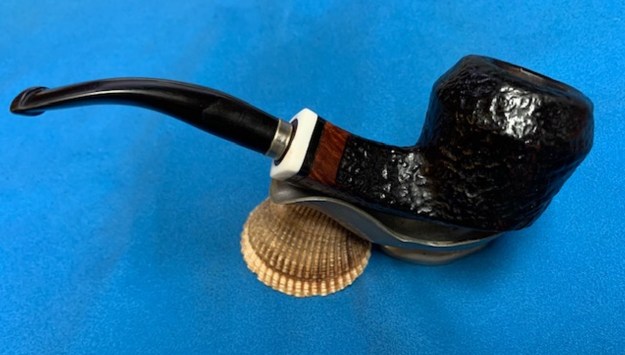
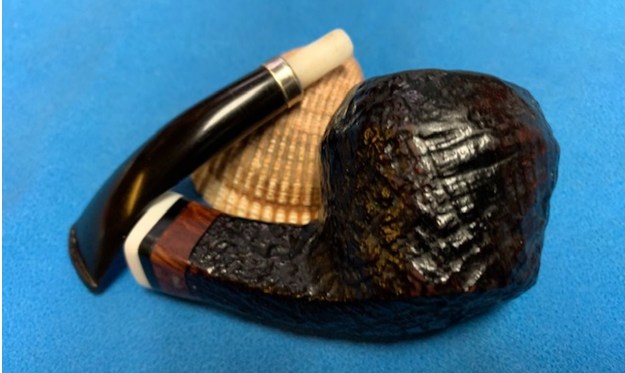
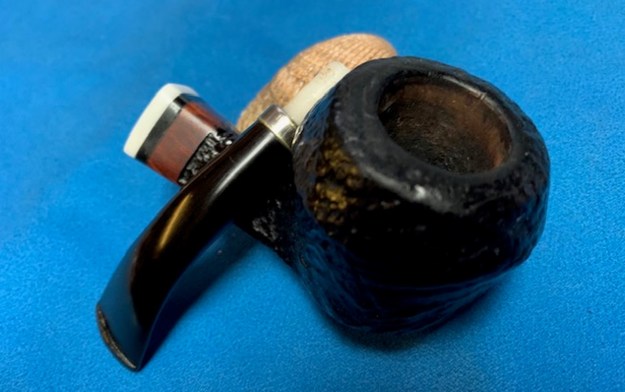
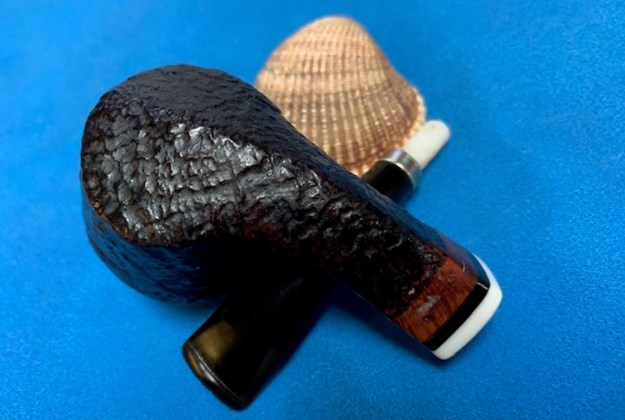
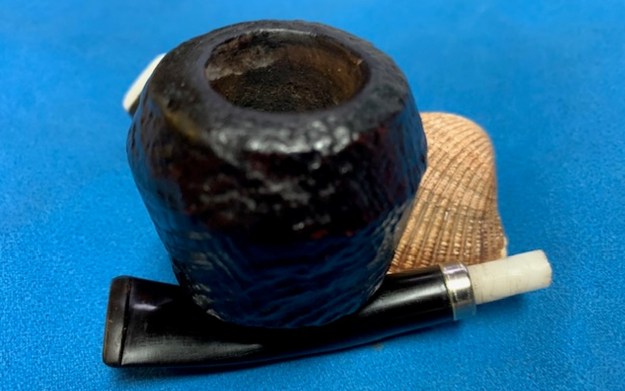
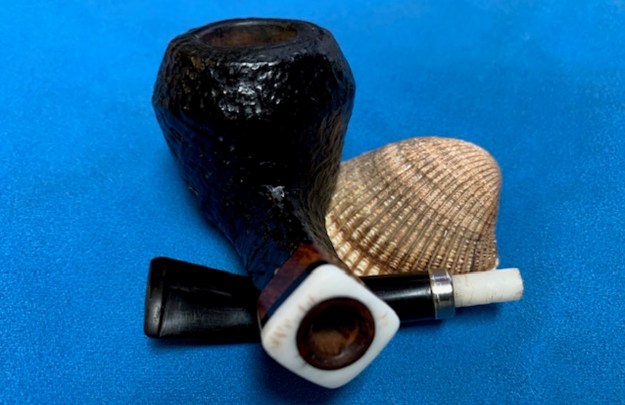
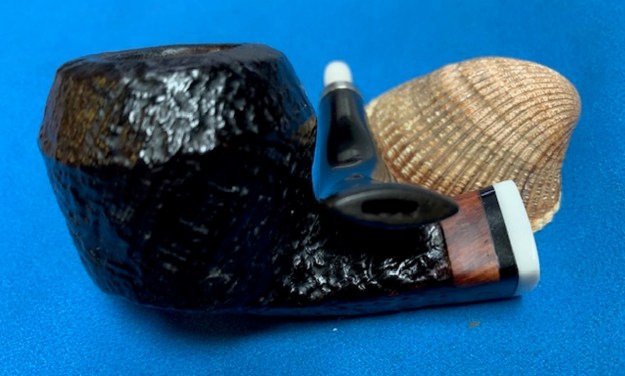
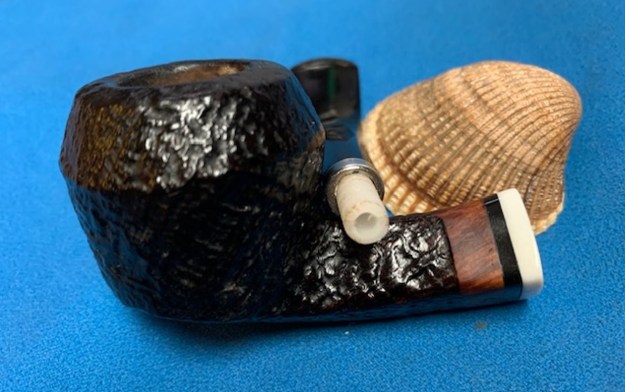
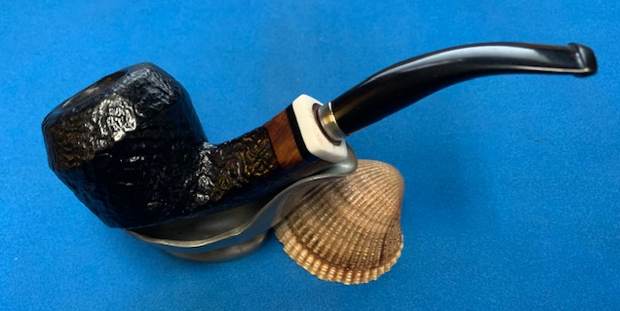
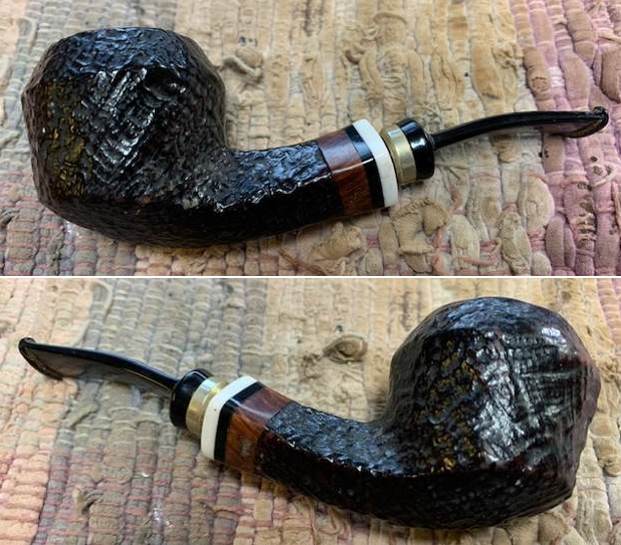
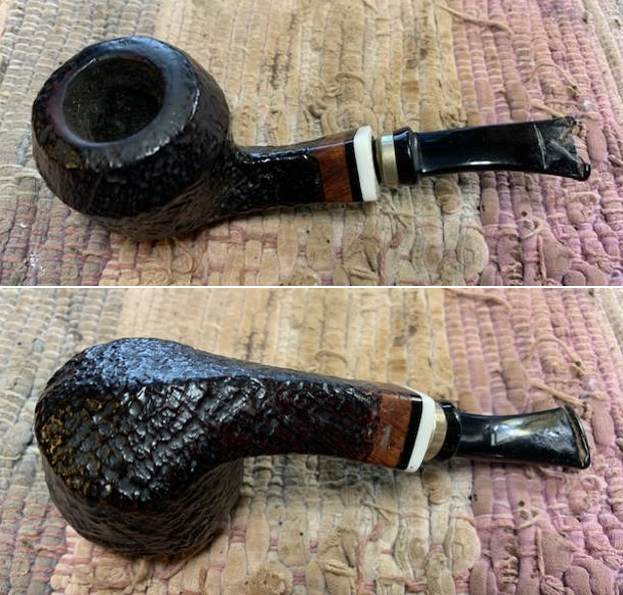
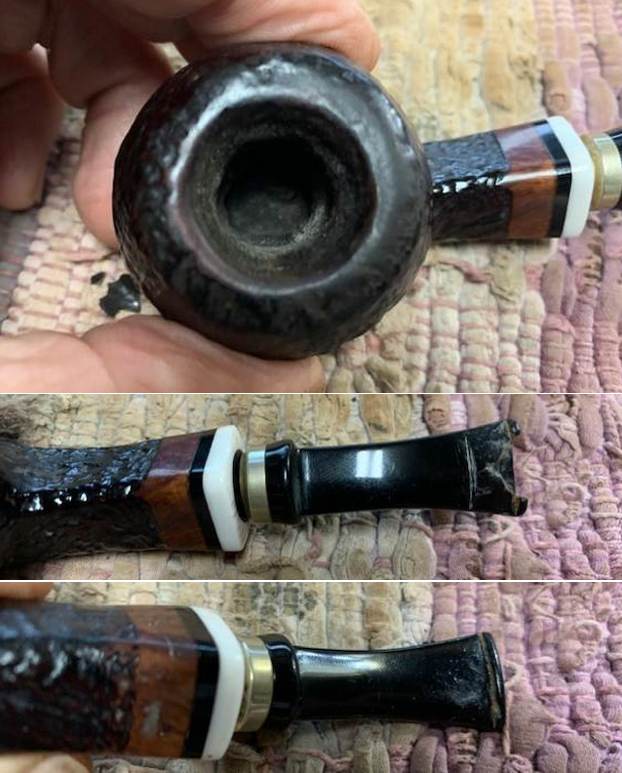
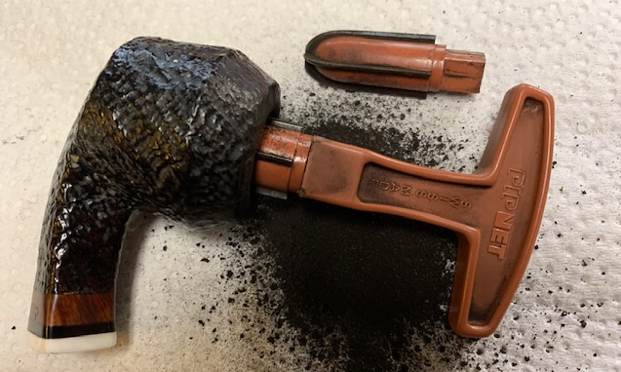
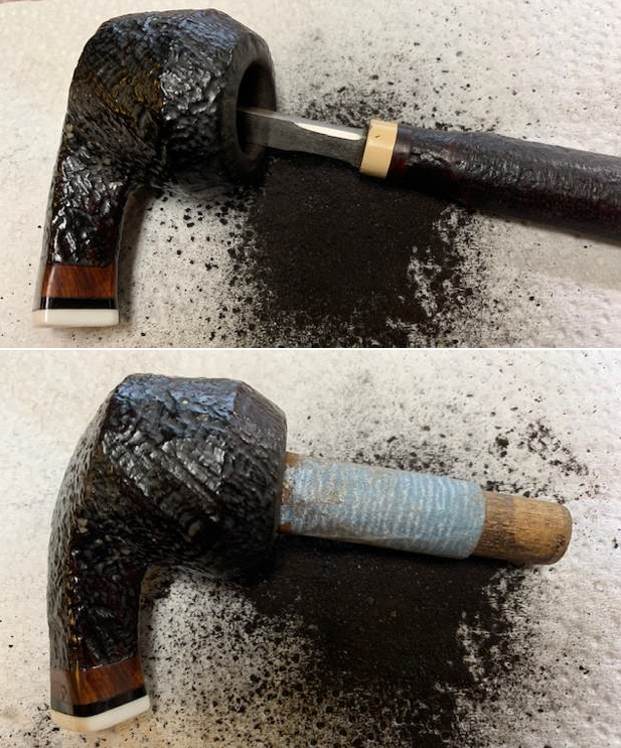
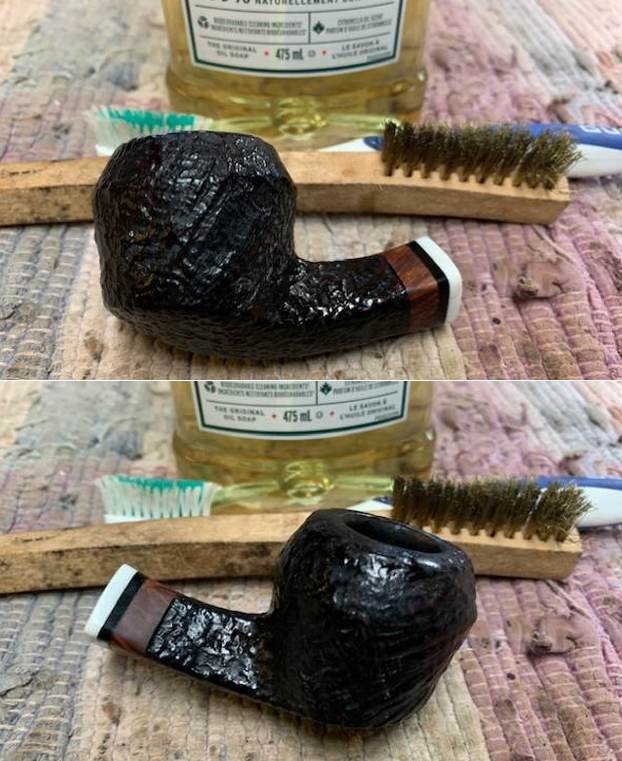
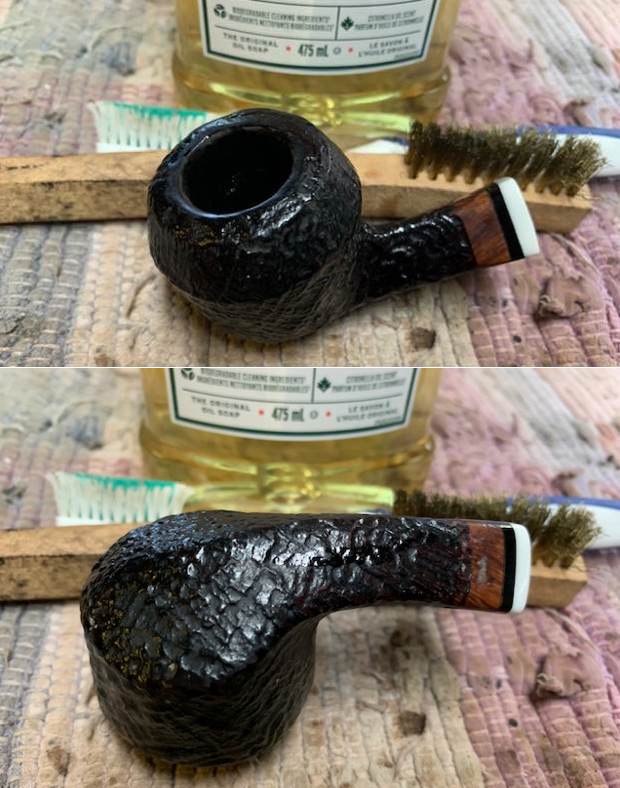
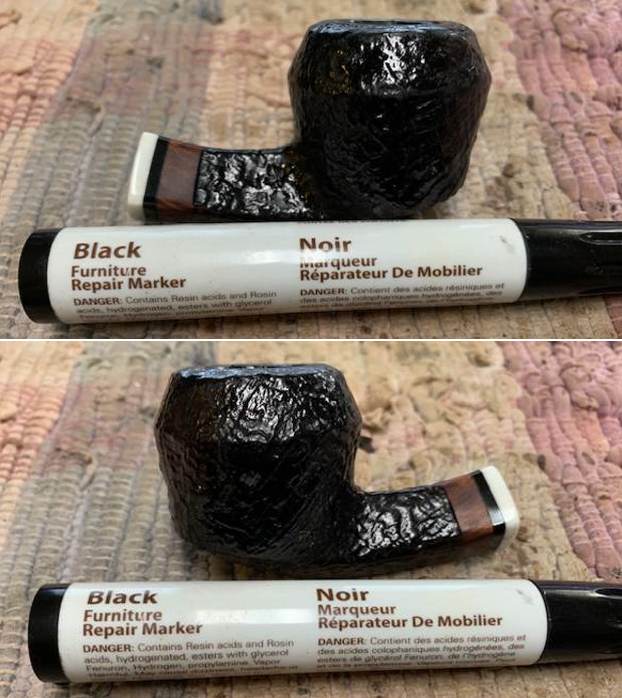
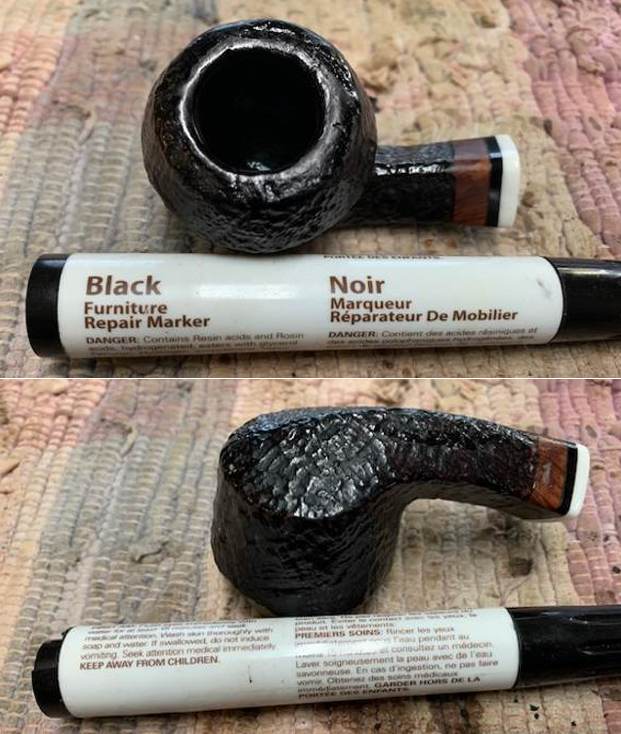
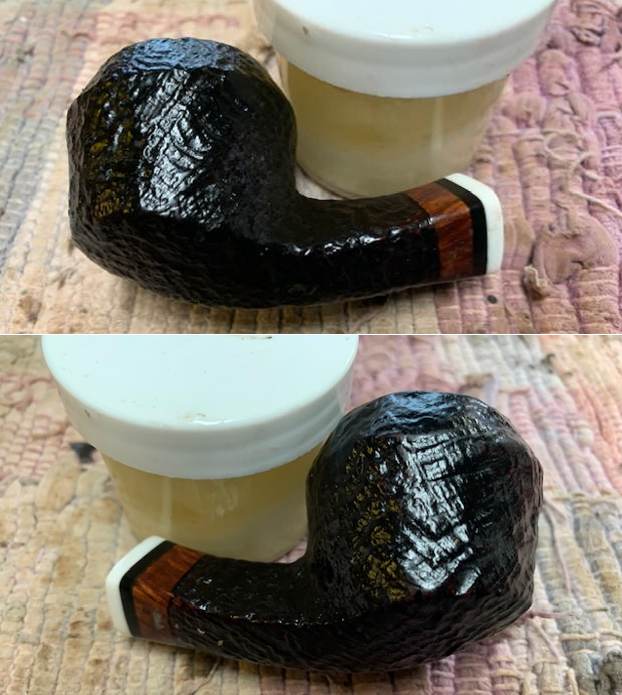
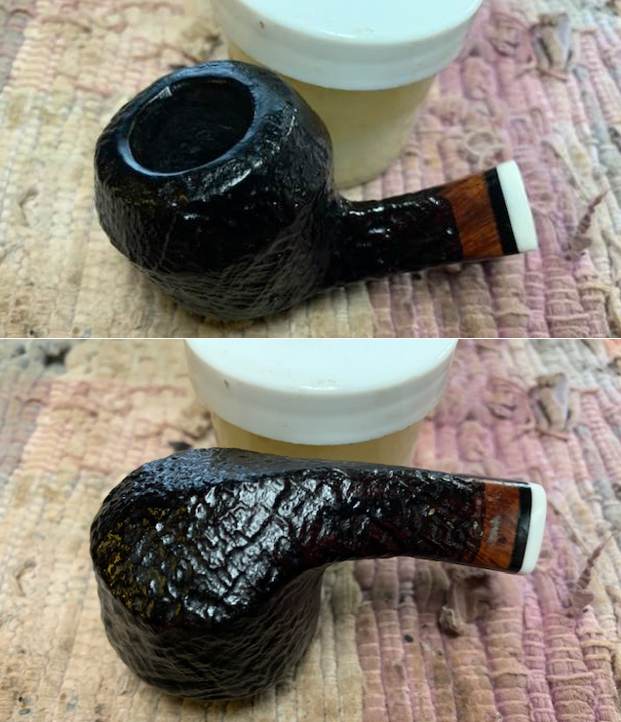
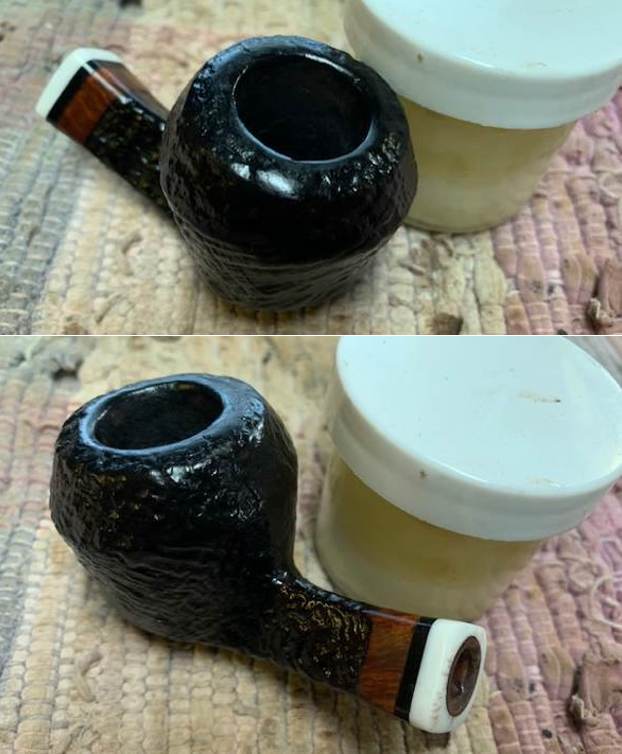
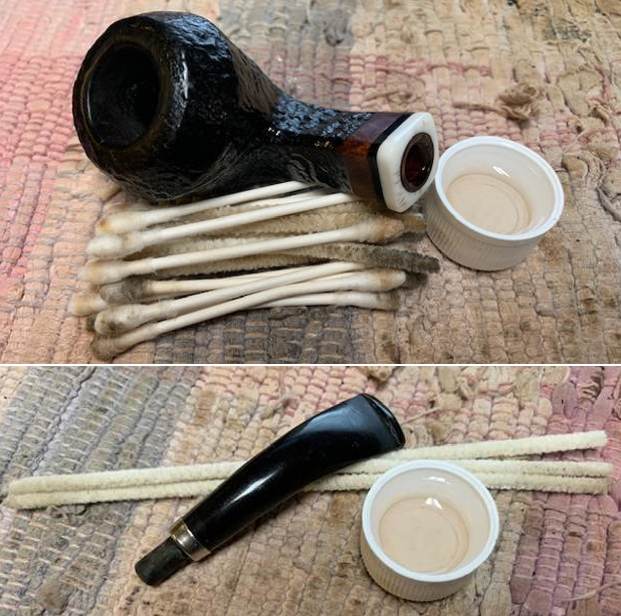
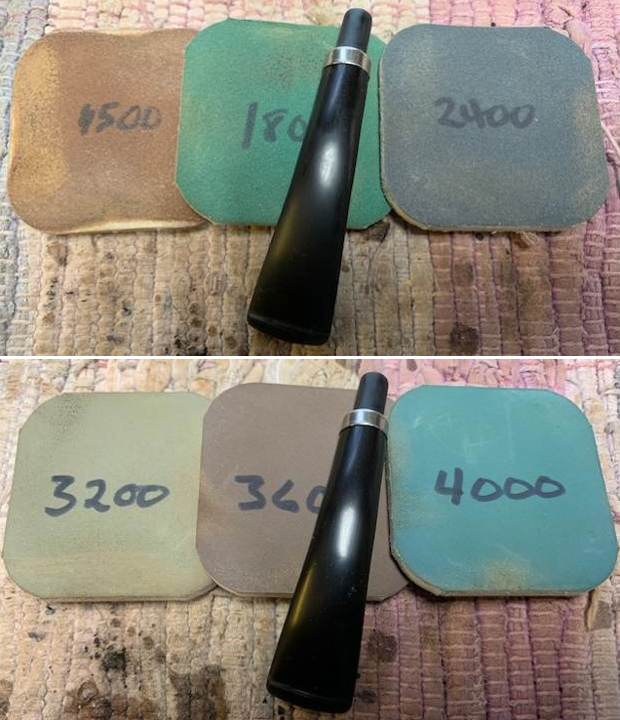
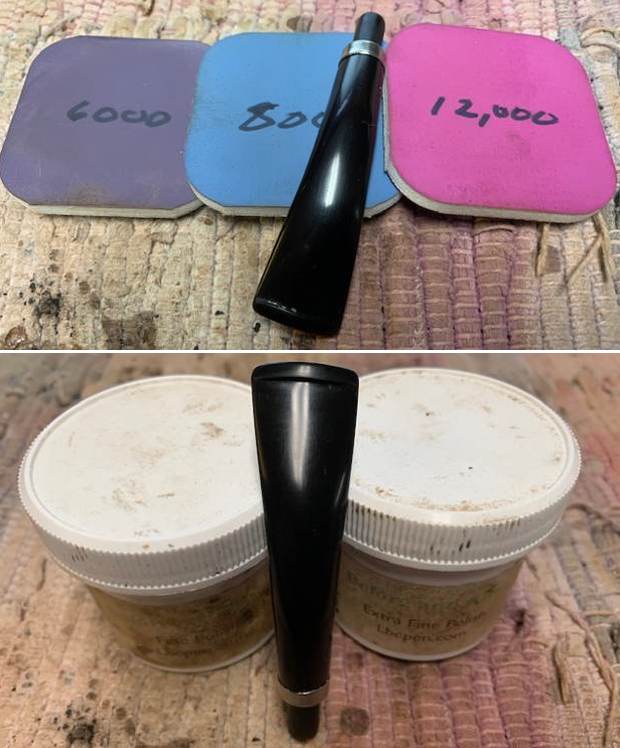
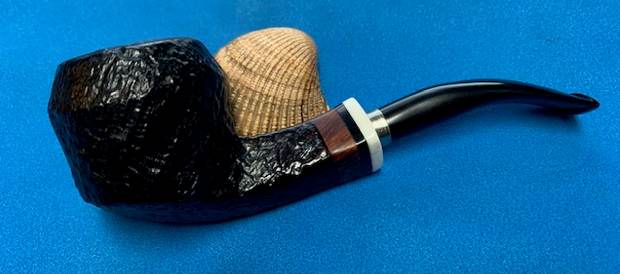
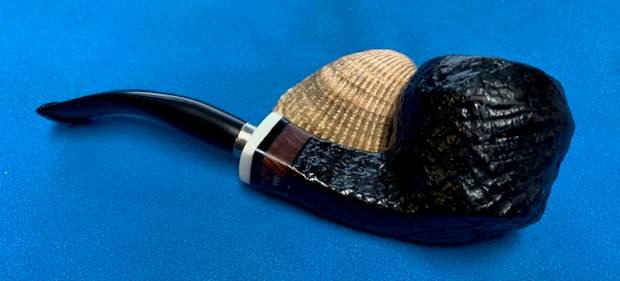
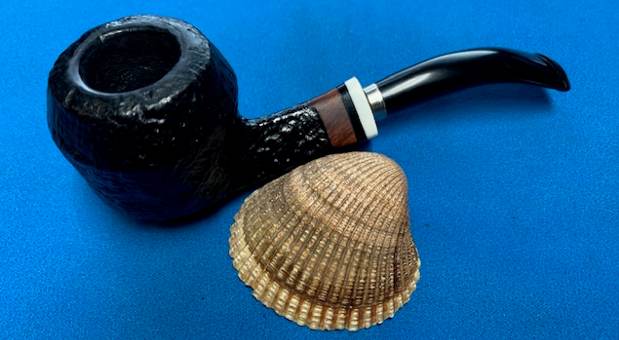
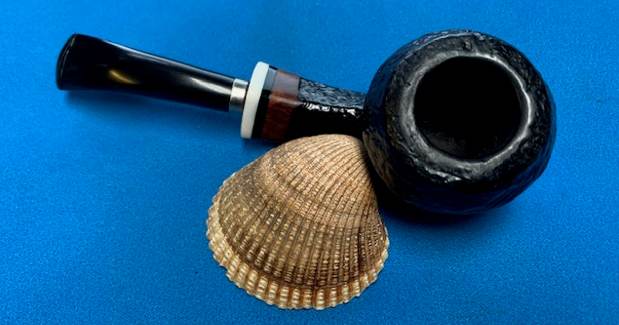
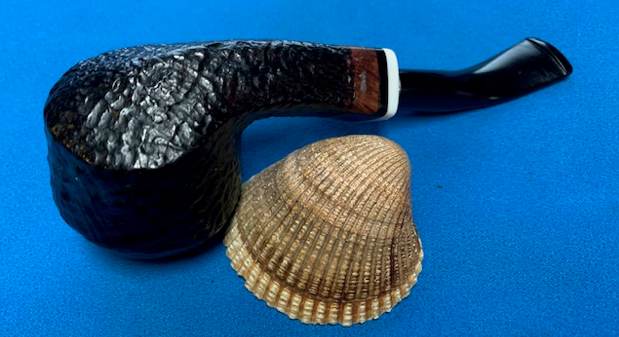
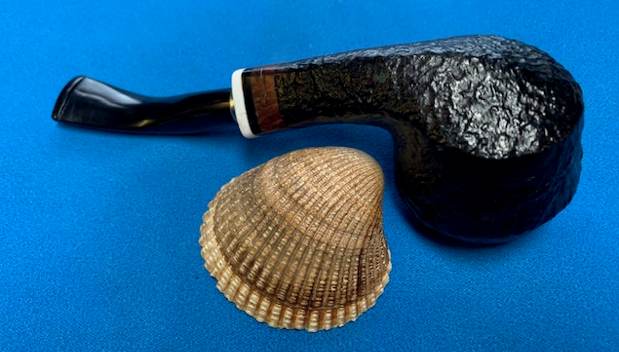
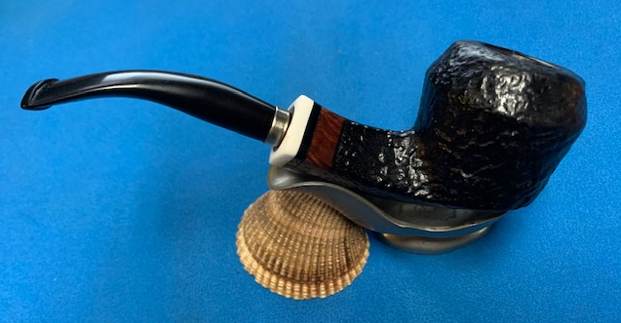
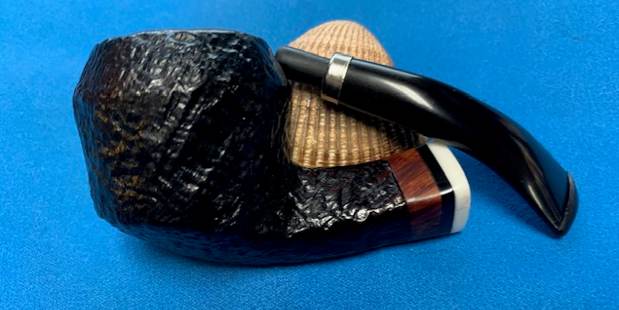
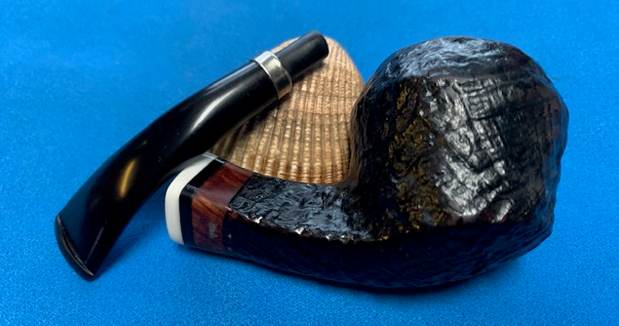
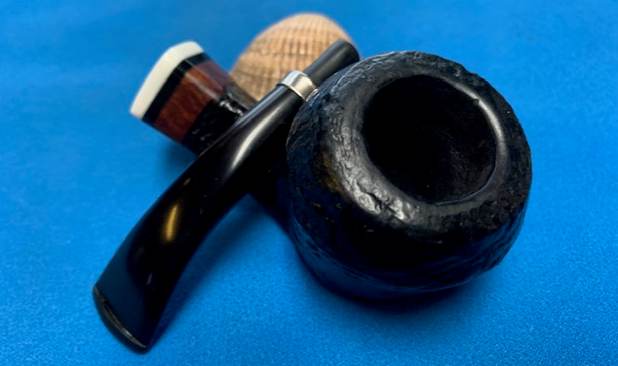
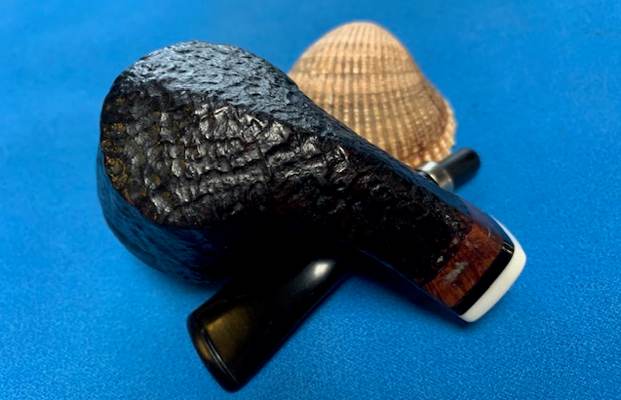
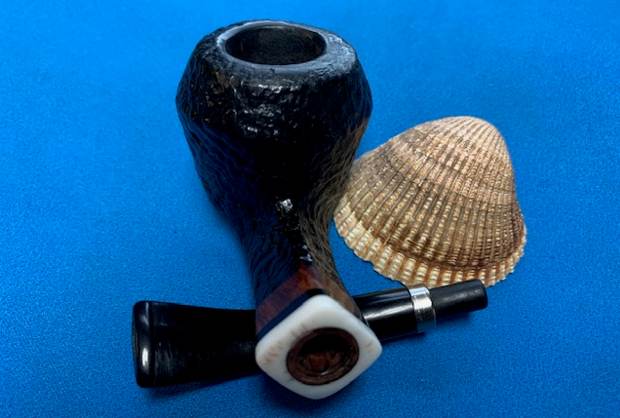
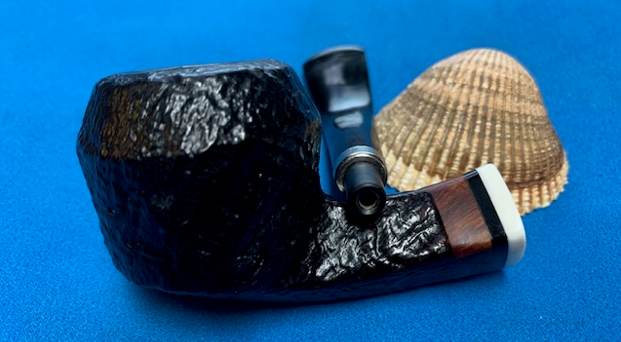
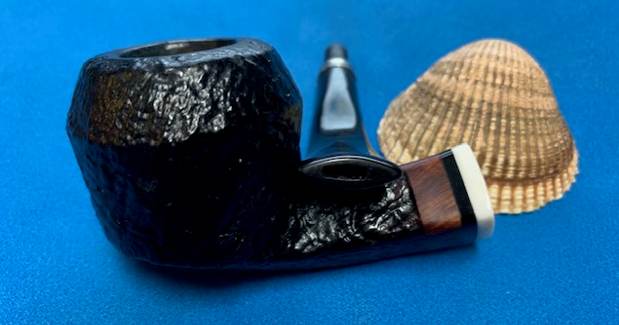
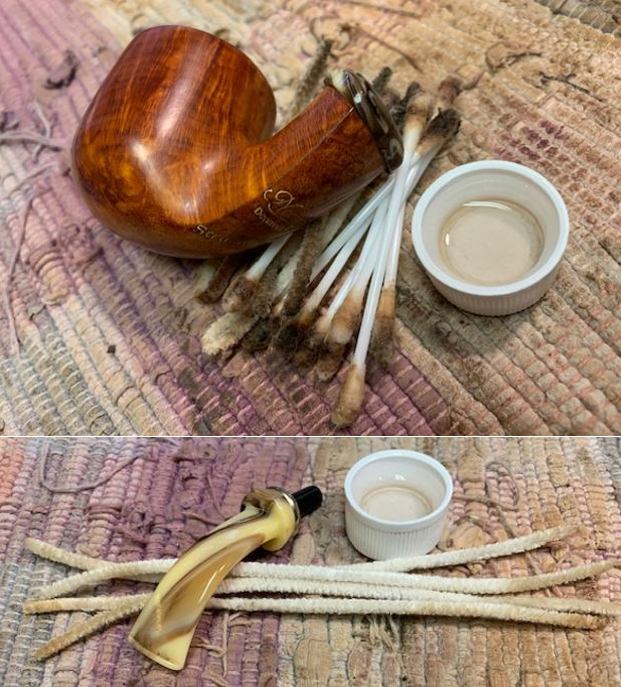
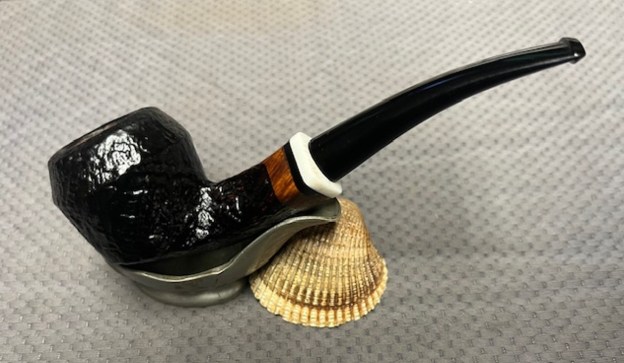
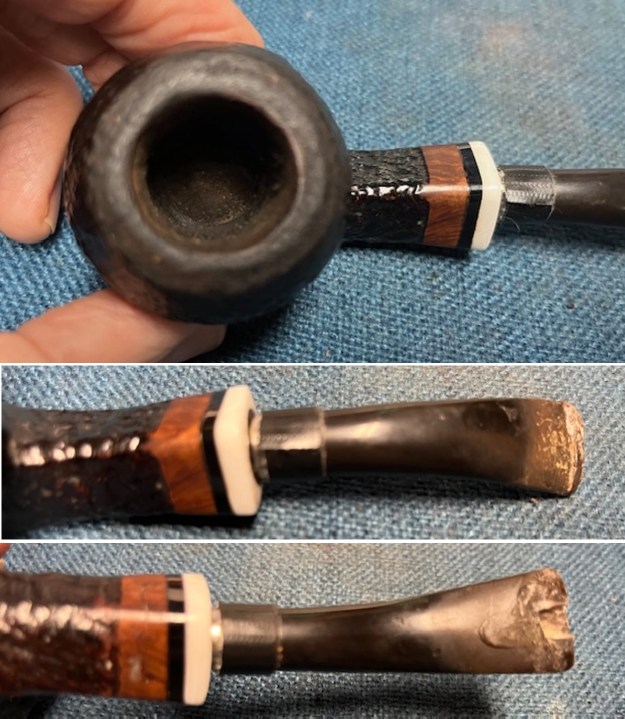
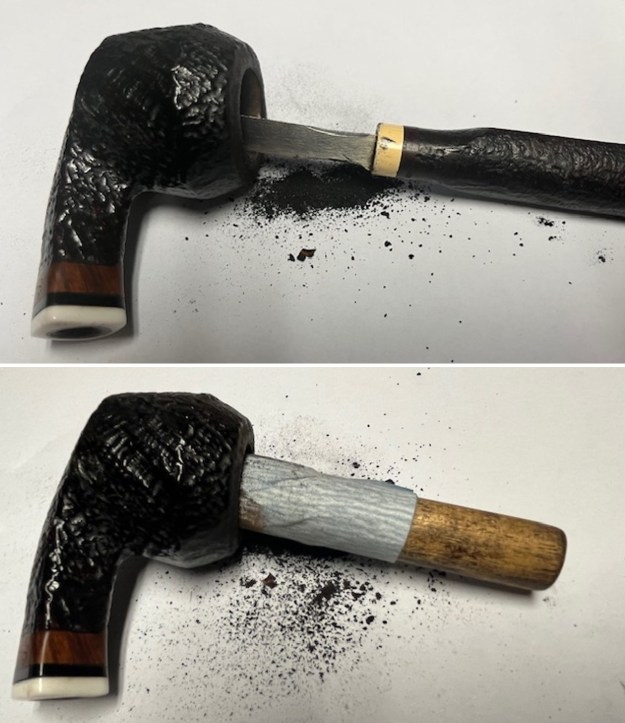
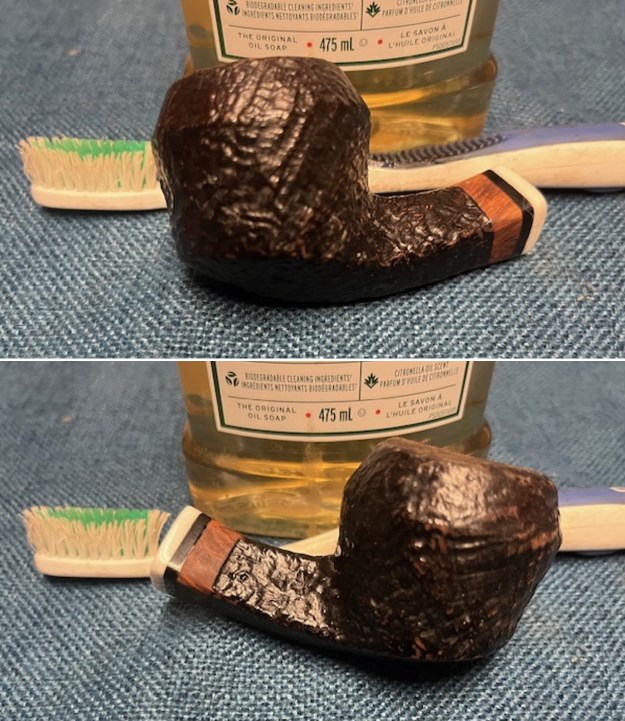
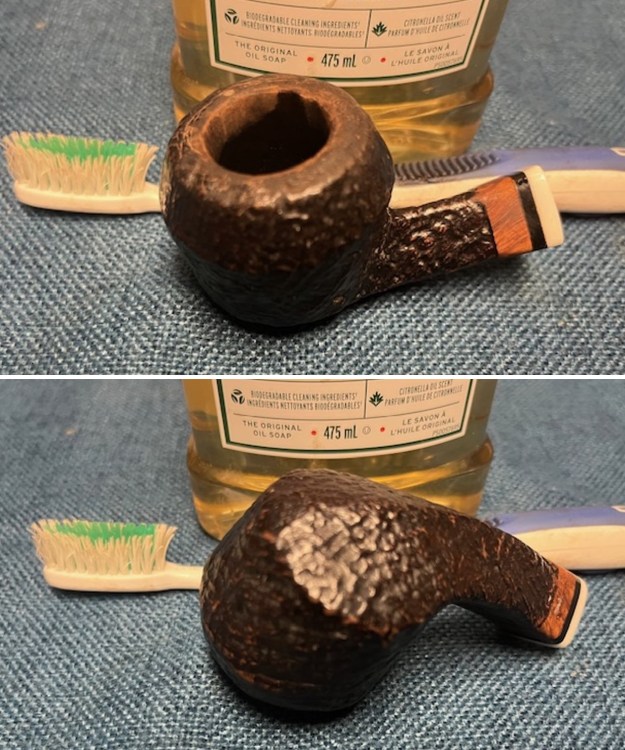
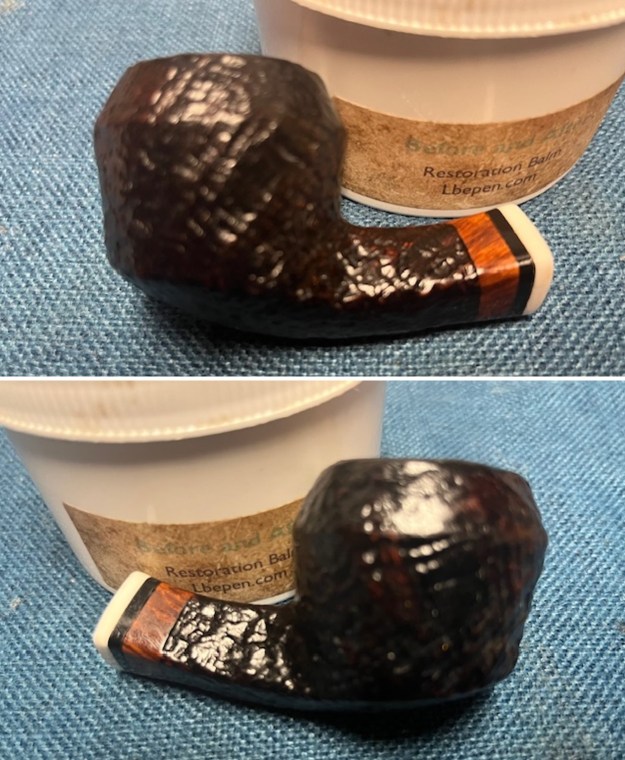
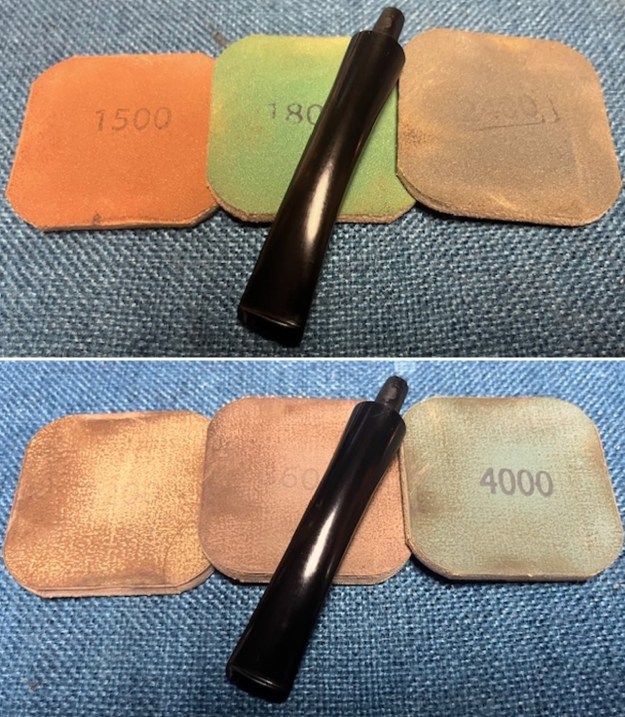
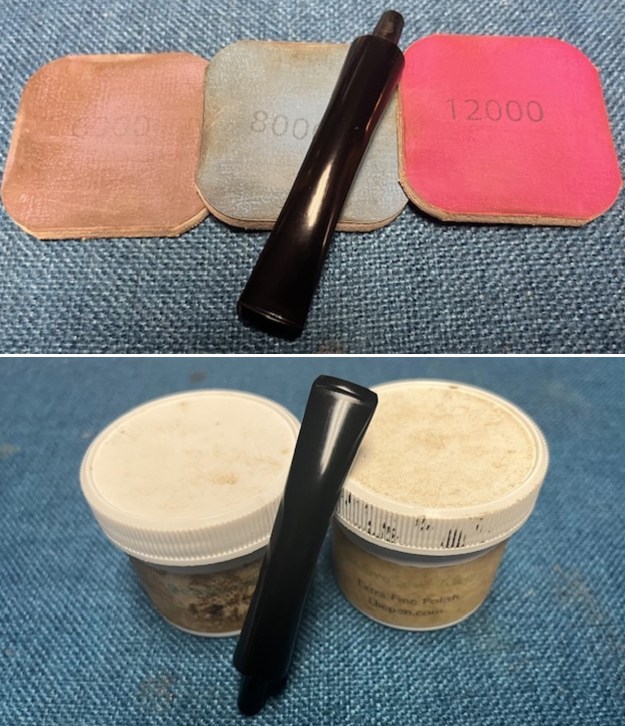
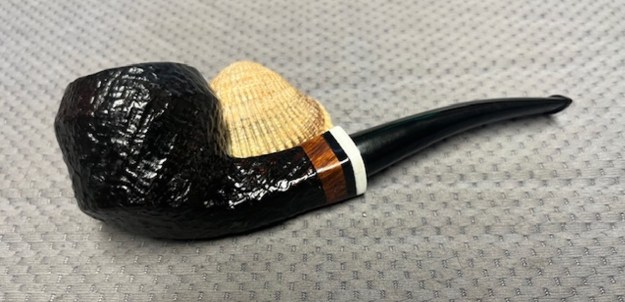
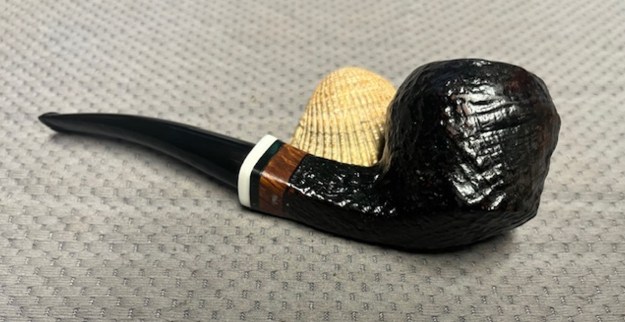
The next pipe on the table came to me from Curtis, a customer I have repaired pipes for in the past. He sent me two pipes that he wanted repaired by mail. I started with this one first. In looking at it I recalled that I had restemmed this pipe for him in December of last year. The original stem had been badly damaged and I had replaced it with the current stem and cap to give it a look similar to the original. It was a lot of work but I liked how it looks. Here is the link to that restoration (https://rebornpipes.com/2022/12/22/new-life-and-new-look-for-a-neerup-made-in-denmark-bulldog/). It was a nicely shaped sandblasted Bulldog with a black acrylic and a white acrylic spacer on the shank end. There was a snapped tenon in the shank and a vulcanite taper stem with a silver metal end cap/band. The tenon had snapped smoothly against the metal stem band. I would need to clean it up and replace the tenon. The bowl had a thick cake of a vanilla smelling aromatic and a thick overflow of lava on the inner edge and the rim top. The rim top was slightly worn and smooth under the lava. The stem had some calcification, tooth chatter and marks on the surface of the top and underside ahead of the button. I took some close photos of the bowl, rim top and the stem to show their condition when I started working on it. You can see the thick cake in the bowl and the thick lava coat on the rim top and inner edge. It is quite heavy and the overflow obscures the condition of the edge of the bowl and the rim top. I was able to start pulling the broken tenon and you can see it extending out of the shank. I started my work on this pipe by pulling the broken tenon from the shank. I used a drywall screw and threaded it into the airway in the tenon piece. When it took hold, I wiggled the tenon free from the shank. It took a bit of careful and slow work to loosen and remove it. I went through my box of tenons looking for one that was the proper size for the shank. Ideally it would have been a black threaded tenon but I did not have any that were the proper diameter. I did have some white Delrin tenons that were perfect and would work with the white acrylic space. The lower one in the photo would be perfect. I reduced the diameter of the threaded portion with my Dremel and a sanding drum. I used a flat file to smooth out the transition and further shape the new tenon. I used a folded piece of 180 grit sandpaper to remove the sanding marks and clean up the diameter of the tenon.When I finished the sanding, I polished it with 220 and 600 grit sandpaper to smooth out the surface. Once finished, it fit perfectly in the shank of the pipe. I left threads on the insert portion of the new tenon so that the glue would have something to grab onto when it was inserted in the stem. I removed the new tenon from the shank and turned my attentions to the stem. I drilled out the airway with a succession of larger drill bit – beginning with one slightly larger than the airway in the stem and ending with an 11/64ths drill bit.Once it had been opened up I pushed the tenon in the shank once more and slid the stem over the top to align it. The fit was very snug and nice. I took photos of it to show the fit at this point in the restoration process. I removed the stem from the pipe and the tenon from the mortise. I turned my attention to cleaning the internals and the externals of the bowl and shank. I reamed the bowl with a PipNet pipe reamer and the number three cutting head. I took the cake back to bare briar. I cleaned up the reaming with a Savinelli Fitsall pipe knife to remove what remained. I sanded the walls of the bowl with 220 grit sandpaper wrapped around a piece of dowel. Once finished the bowl walls were smooth and clean. I scraped off the lava on the rim top with the edge of a Savinelli Pipe Knife and then used a brass bristle wire brush to remove the debris. I scrubbed the exterior of the bowl with a tooth brush and undiluted Murphy’s Oil Soap. I used the brass bristle brush to work over the rim top with the soap to go more deeply in the sandblast surface of the rim. I cleaned out the airway in the shank and the stem with alcohol, cotton swabs and pipe cleaners. I worked on them until the mortise and airway in the shank and stem were clean.Before gluing the new tenon in place in the stem I went over the stem with a lens. I saw a crack in the stem side on the left. It must have happened when the tenon snapped in the shank. I removed the metal band/cap on the stem end and dabbed some clear CA glue in the cracked area and worked it into the crack with a tooth pick. I put some white glue in the inside of the cap and pressed it back onto the stem end. The crack was solidly repaired and the cap and band held it together.I touched up the rim top and edges with a Walnut and a Black stain pen to blend colour of the clean surface into the colour of the rest of the bowl and shank.I worked some Before & After Restoration Balm into the surface of the bowl and shank with my fingertips to clean, enliven and protect the briar. I let the balm sit for 15 minutes and then buffed with a cotton cloth to raise the shine. The photos show the bowl at this point in the restoration process.   I set the bowl aside and turned my attention to the stem. I sanded the stem surface with a folded piece of 220 grit sandpaper. I started polishing it with 600 wet dry sandpaper. I polished the stem with micromesh sanding pads – wet sanding with 1500-12000 grit sanding pads. I wiped it down after each sanding pad with Obsidian Oil. I finished polishing the stem with Before & After Pipe Stem Polish – both Fine and Extra Fine. I wiped the stem down with a final coat of Obsidian Oil and let it sit and absorb into the vulcanite. This Neerup Made in Denmark Freehand Bulldog carved by Peder Jeppesen combines a great looking piece of sandblast briar with a multi-banded shank extension and a vulcanite stem to make a beautiful pipe. The clean up work brought back the shiny coat allowing the grain to come alive with the polishing and waxing. I put the stem back on the bowl and carefully buffed the pipe with Blue Diamond on the buffing wheel. I gave the bowl and the stem multiple coats of carnauba wax on the buffing wheel and followed that by buffing the entire pipe with a clean buffing pad. I hand buffed the pipe with a microfiber cloth to deepen the shine. The finished Neerup Made in Denmark Bulldog really is a beauty and fits nicely in the hand and looks very good. Give the finished pipe a look in the photos below. The dimensions of the pipe are Length: 5 1/2 inches, Height: 2 inches, Outside diameter of the bowl: 1 ¾ inches, Chamber diameter: ¾ of an inch. The weight of the pipe is 1.80 ounces/51 grams. Once I finish the second pipe this one will be going back to Curtis to enjoy. Thanks for reading this blog and my reflections on the pipe while I worked on it. There are many more to come!

As always, I encourage your questions and comments as you read the blog. Thanks to each of you who are reading this blog. Remember we are not pipe owners; we are pipe men and women who hold our pipes in trust until they pass on into the trust of those who follow us.

New Life and New Look for a Neerup Made in Denmark Bulldog


Blog by Steve Laug

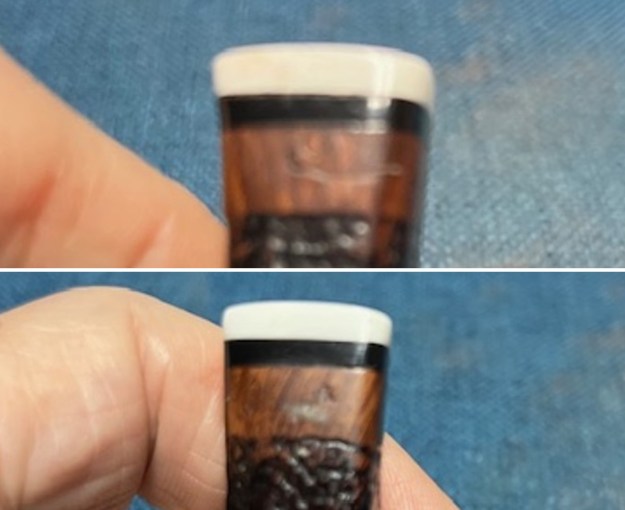
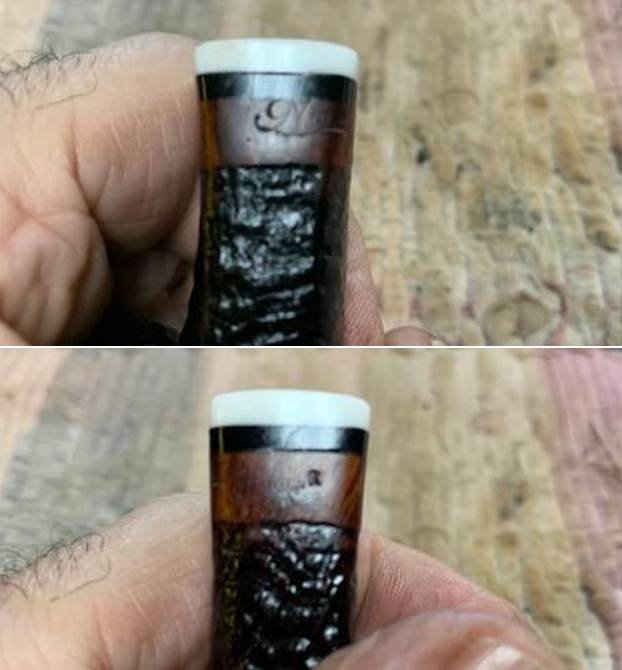
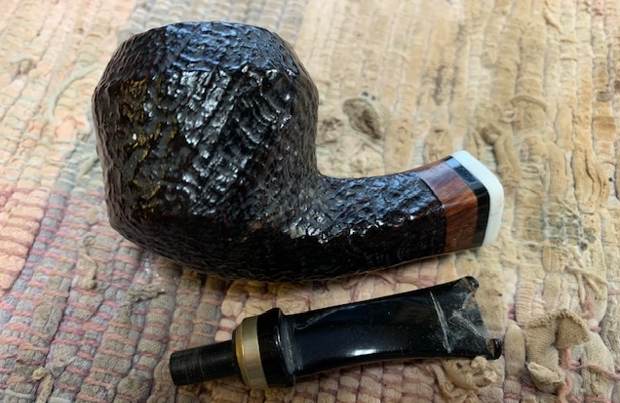
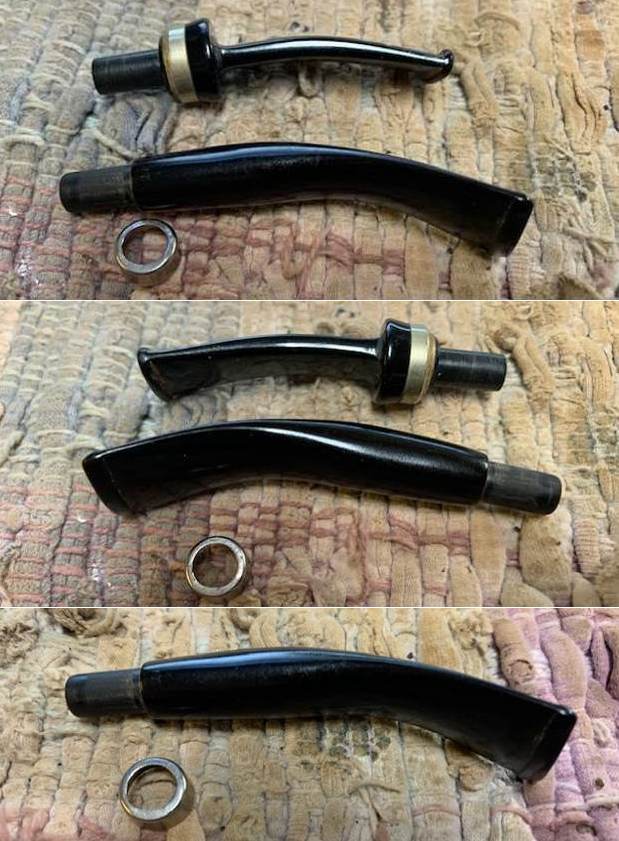
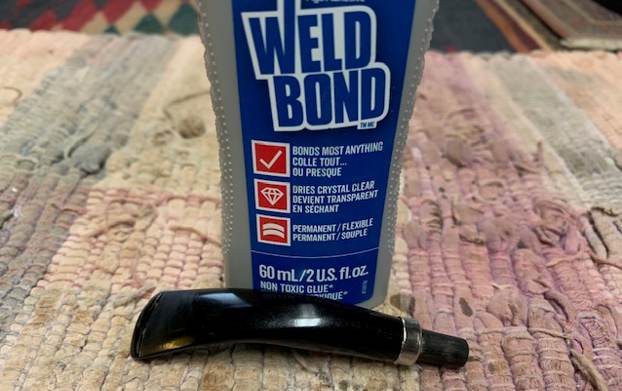
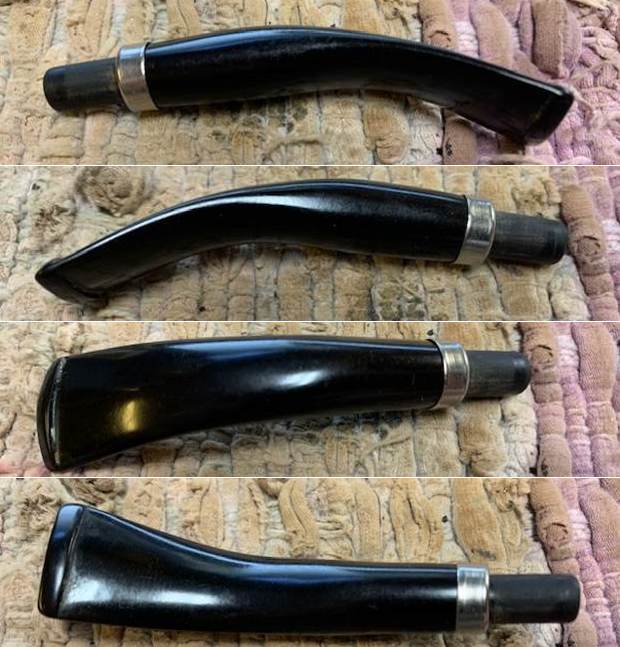
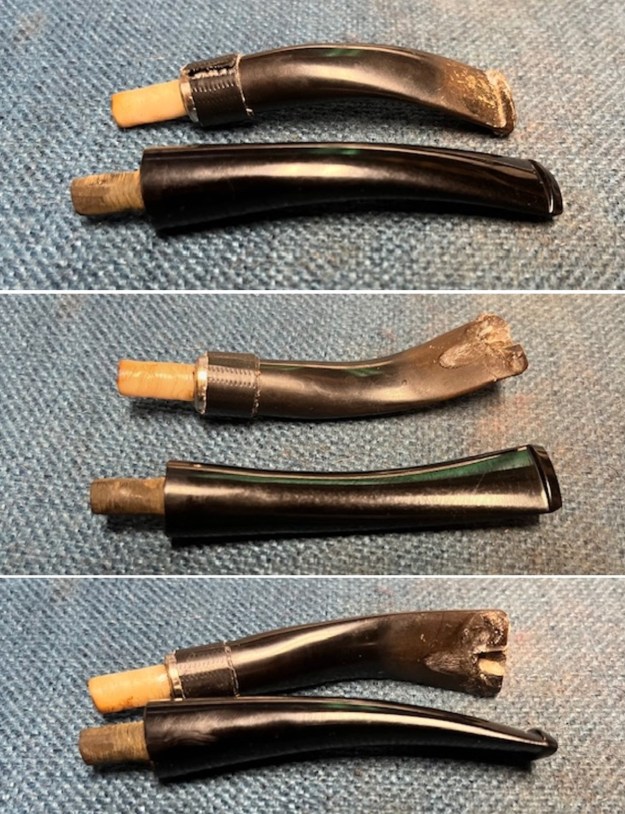
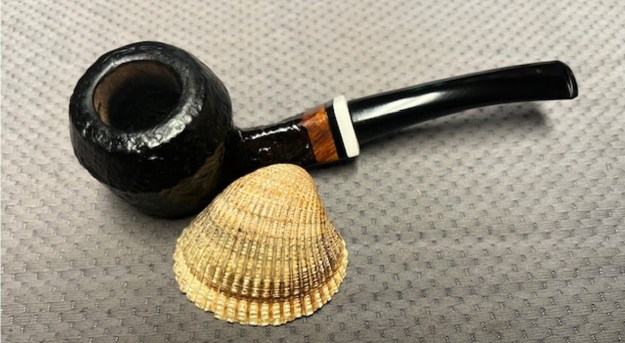
Last week I received a call from Curtis, a gentleman who had been referred to me by City Cigar. He called to inquire if I could repair a broken tenon on a Savinelli Hand Made Estella that was gift from his son and he had dropped it and snapped the tenon off. We chatted and he sent photos and eventually agreed on the repair. He sent the pipe to me through Canada Post and when the box arrived on Monday it also included a second pipe. I talked with Curtis about the second pipe and we decided to restem it as the chip on the top button edge and stem were too big for a repair. The pipe is a sandblast Freehand style Bulldog with a smooth briar band, a black acrylic band and a white acrylic band. It is stamped on the smooth underside of the briar band and reads Neerup followed by Made in Denmark. The stem was vulcanite and had a fitted brass cap above the tenon. It was a slight saddle stem with a gentle bend. It was seriously damaged. There was a large wedge missing from the topside and just ahead of that there was a carved line like a dental bit to facilitate holding it in the teeth. There was a very thick cake in the bowl that took up over half of the diameter of the bowl and the shank was filled with gummy tars and oils. There was an overflow of lava on the rim top and some damage on the back right outer edge from knocking out the pipe. It was a pretty little pipe that looked great. I took photos of the pipe before I started my work on it. I took a close up photo of the bowl and rim top to show the thickness of the cake and the condition of the stem when I received the pipe. It was a bit of a mess. The stem was in rough condition as noted above. You can see the damage on both sides of the stem – the chipped and broken top of the stem and button as well as the tooth damage on the underside of the stem. Looking at it you can see why we chose to restem it.The next two photos showed the stamping on the underside of the shank. It is faint but readable as noted above.I removed the stem and took a photo of the pipe to give a sense of perspective to the parts.I reamed the bowl with a PipNet Pipe Reamer to remove the cake from the bowl – using the #1 and #2 cutting heads to take out the majority of the cake in the bowl. I cleaned up the reaming with a Savinelli Fitsall Pipe Knife and a piece of dowel wrapped with some 220 grit sandpaper. I scrubbed the bowl with Murphy’s Oil Soap and a tooth brush on the sandblast and the a brass bristle brush on the rim top. I rinsed the bowl with warm running water to rinse off the soap and the grime left behind. It looked better. I touched up the nicks and marks on the sandblast bowl and rim top with a black stain pen to blend them into the rest of the bowl. I rubbed the bowl down with Before & After Restoration Balm. I worked it into the sandblast with my fingertips and a horsehair shoe brush to get it deep in the grooves of the sandblast. I let it sit for 15 minutes and buffed it off with a soft cloth. I went through my stem and found this slightly longer taper stem that would need very little adjustment to fit in the shank. I also found a metal ferrule cap in my collection that would fit on the end of the stem and approximate the one that was on the original stem. I took pictures of the old stem with the replacement stem in the photo to show the difference.I glued the polished aluminum ferrule onto the end of the stem – sliding it over the tenon to give a metal end decoration and create a metal look to the stem. I cleaned up the excess glue and took a photo of the finished look of the stem. I liked it.Then I remembered that I had not cleaned out the shank and the internals of the pipe or the new stem. I did it now. I cleaned out the shank and the mortise with pipe cleaners, cotton swabs and isopropyl alcohol to remove the tars and oils. I also cleaned out the airway in the stem I had chosen to use as well.I polished the stem with micromesh sanding pads – dry sanding with 1500-12000 grit sanding pads. I wiped the stem down after each sanding pad with a cloth impregnated with Obsidian Oil. The oil both preserves the rubber and also provides some needed friction for the micromesh pads. I polished it with Before & After Fine & Extra Fine Polish. I rubbed it down a final time with the oil and set it aside. This Neerup Made in Denmark Freehand Bulldog carved by Peder Jeppesen combines a great looking piece of sandblast briar with a multi-banded shank extension and a vulcanite stem to make a beautiful pipe. The removal of the thick shiny coat allows the grain to come alive with the polishing and waxing. I put the stem back on the bowl and carefully buffed the pipe with Blue Diamond on the buffing wheel. I gave the bowl and the stem multiple coats of carnauba wax on the buffing wheel and followed that by buffing the entire pipe with a clean buffing pad. I hand buffed the pipe with a microfiber cloth to deepen the shine. The finished Neerup Made in Denmark Bulldog really is a beauty and fits nicely in the hand and looks very good. Give the finished pipe a look in the photos below. The dimensions of the pipe are Length: 5 1/2 inches, Height: 2 inches, Outside diameter of the bowl: 1 ¾ inches, Chamber diameter: ¾ of an inch. The weight of the pipe is 1.80 ounces/51 grams. Once I finish the second pipe this one will be going back to Curtis to enjoy. Thanks for reading this blog and my reflections on the pipe while I worked on it. There are many more to come!
Reconditioning and Refinishing a Neerup Denmark Structure 3 Bent Pot


Blog by Steve Laug

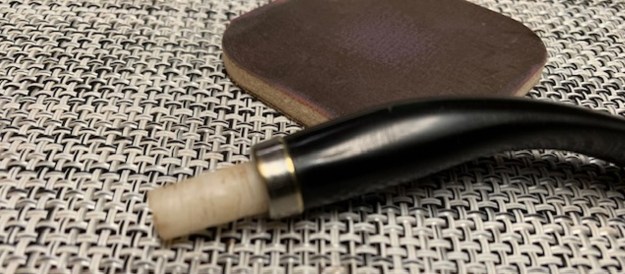
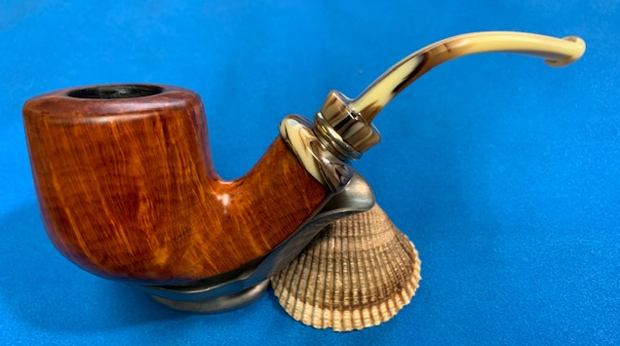
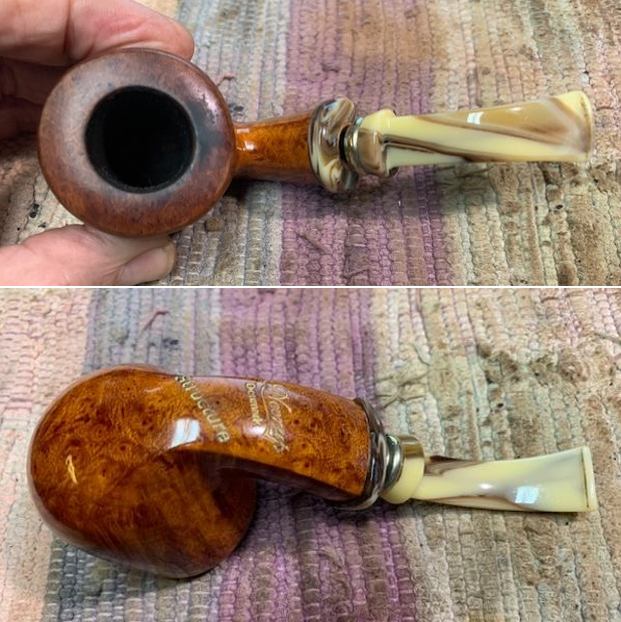
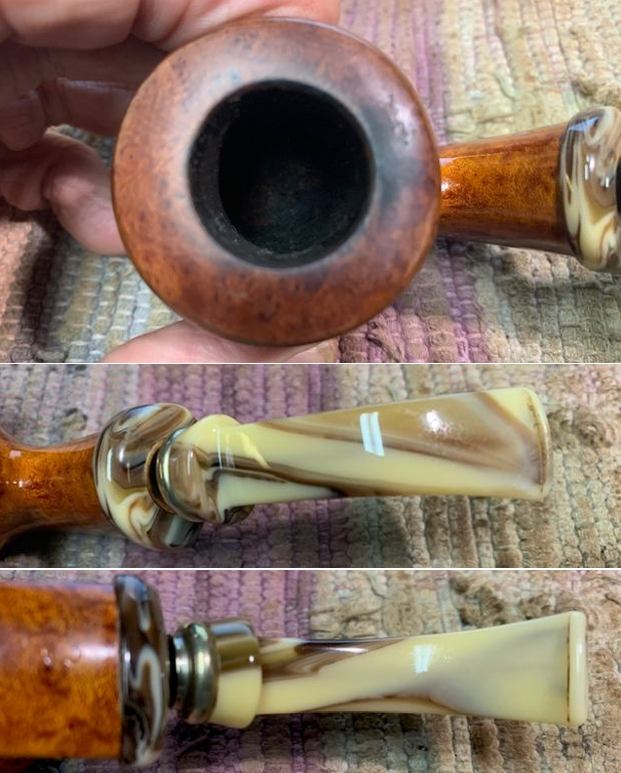
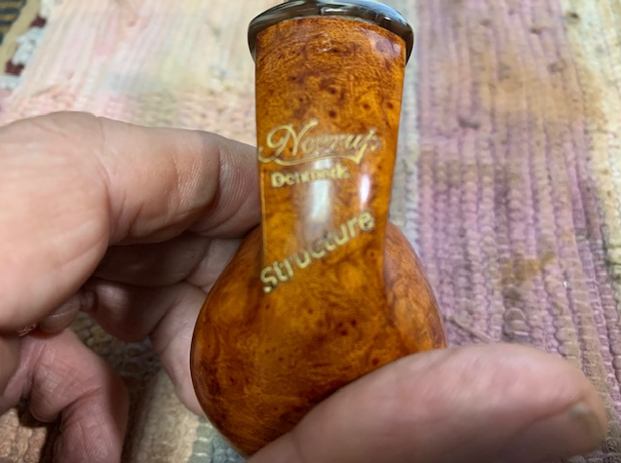
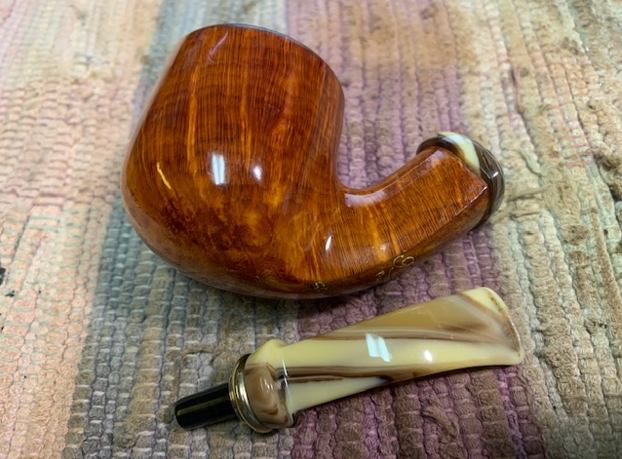
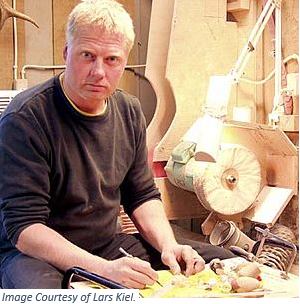
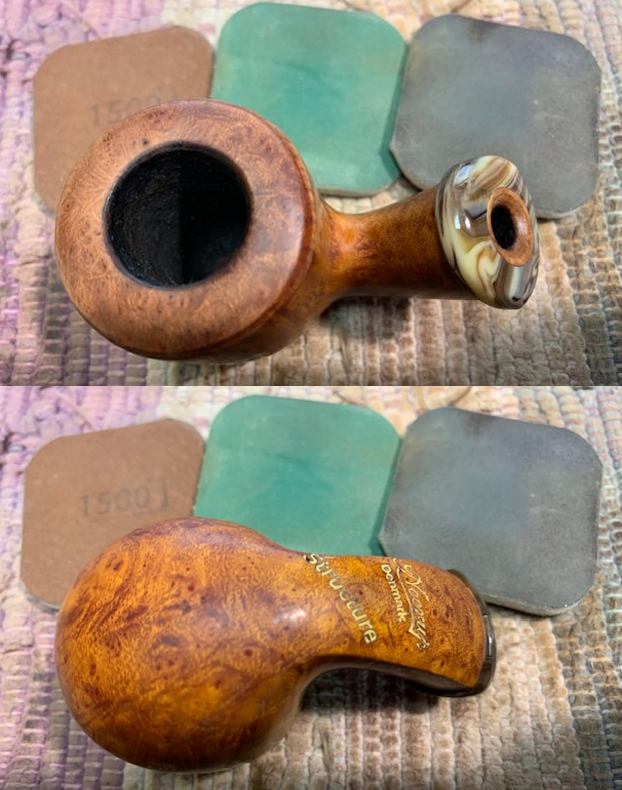
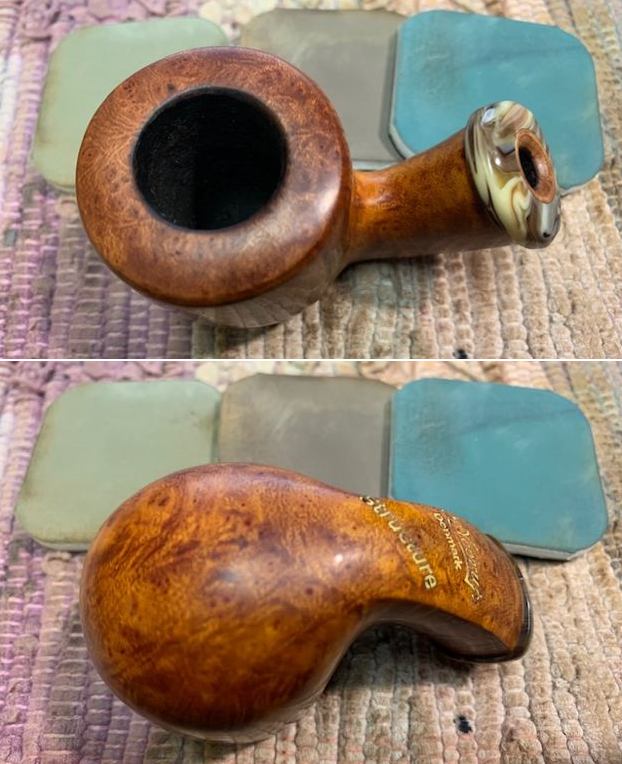
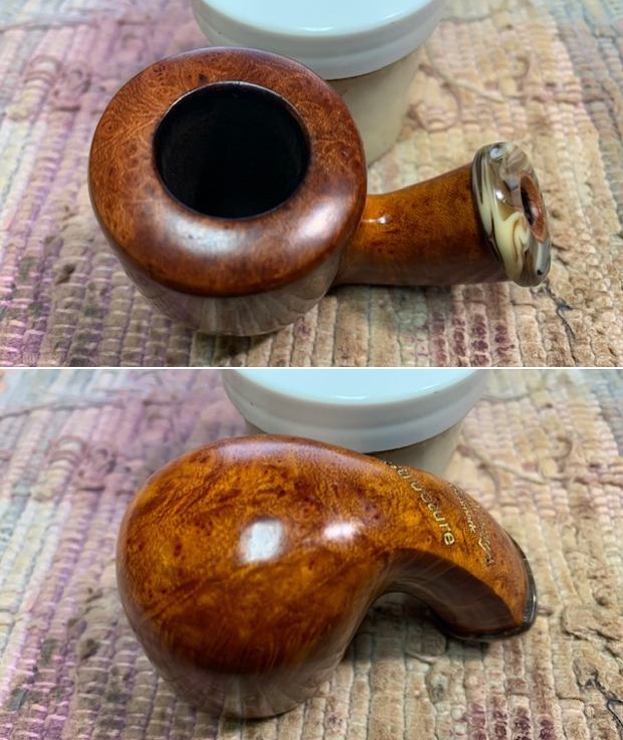
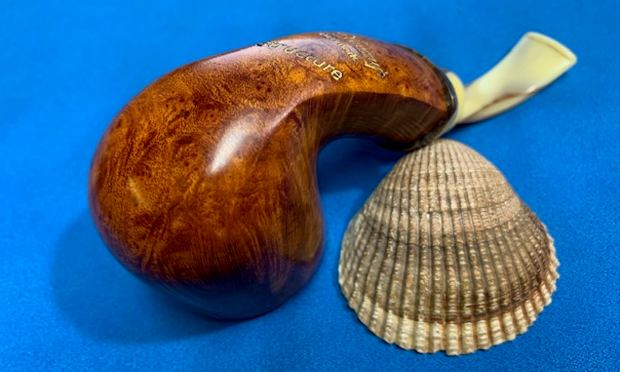
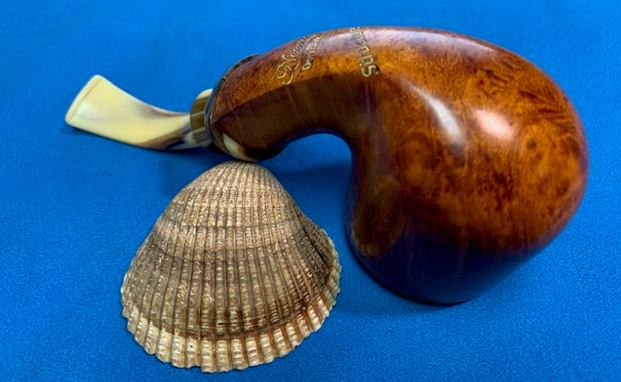
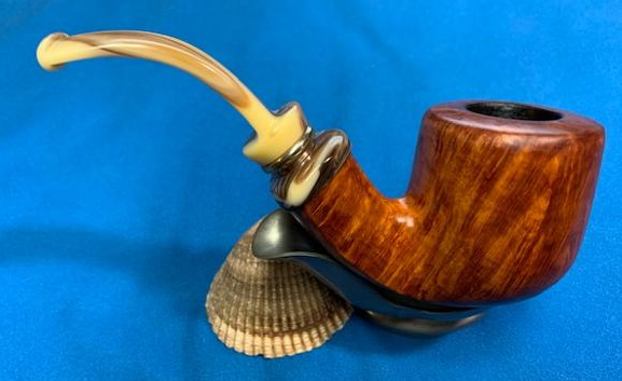
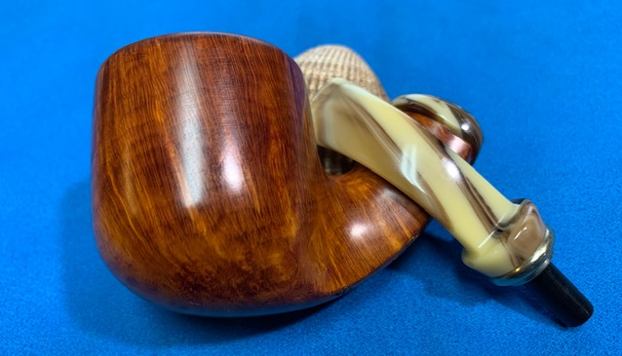
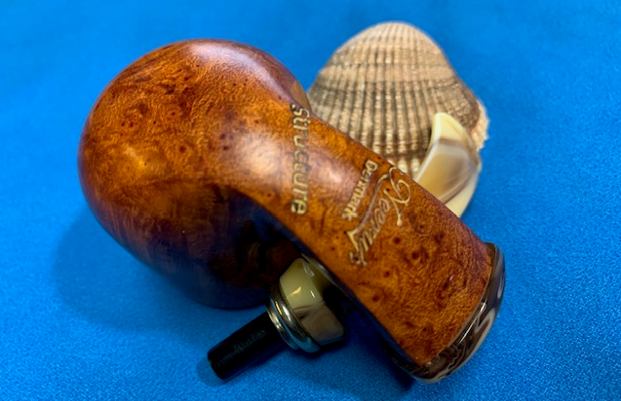
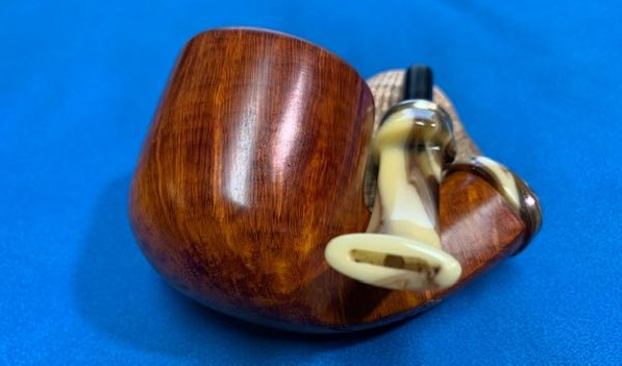
The friend who dropped off the Peterson 1994 POY 999 for repair also dropped off this interesting looking Neerup. [I have written about the restoration of the Peterson POY 999 previously (https://rebornpipes.com/2021/08/12/restoring-a-petersons-of-dublin-1994-pipe-of-the-year-in-a-999-shape/)]. I have several Neerup pipes in my collection but none of them had this thick varnish or urethane coat on them. It was a bit odd in that the top did not have a coat and the top outer edge was also devoid of the shiny coat. There are some odd nicks in the sides of the bowl but they only seem to be in the plastic coat rather than the briar. The pipe has a light cake in the bowl. The rim top has some darkening and lava build up that will need to go. The pipe is stamped on the underside of the shank and reads 3 [over] Neerup in script with a gold foil fill [over] Denmark with gold [over] Structure. The shank end has a acrylic band that matches the stem. The stem has a polished nickel band on the stem and the tenon is Delrin. The acrylic stem has tooth marks and chatter on both sides ahead of the button. I took close up photos of the rim top and bowl as well as the surfaces of the stem to show their condition. You will see what I noted above.I took a photo of the stamping on the underside of the shank. It is clear and readable as noted above. The number 3 is the only portion of the stamping that does not have gold in the stamp.I removed the stem from the bowl to give a sense of the proportion of the pipe. It really is a nice piece of briar that is well shaped. The acrylic shank adornment and the stem match are a feature that has grown on me as I have worked on it.Even though I have several Neerup pipes I have not spent much time learning about them and their maker. I turned to Pipedia (https://pipedia.org/wiki/Neerup) and read about the maker, Peder Jeppesen. I quote the article that he wrote on Pipedia below and have included the photo of him that was there.

My name is Peder Jeppesen (full name Peder Christian Jeppesen) and my pipemaker name is Neerup, which is an old family name. (Neerup is the family name of one of his grandmothers.) I live with my family in Lejre, near one of the oldest city’s in Denmark called Roskilde.

I have made pipes for nearly 25 years; I started at Karl Erik Ottendahl, and continued after this at legendary Erik Nørding, from whom I learned all steps of pipe making and decoration work.

It has always been my dream of the future to make pipes in my own name and design. (The dream came true when Jeppesen could buy some machinery and other equipment from the closed down pipe factory of Georg Jensen.) Now that this is a reality, I would like to introduce my pipes to all pipe smokers.

Pipe production, together with rock music, is to me a kind of therapy, which gives me good inspiration. I also get great ideas and inspiration when I am fishing, running or biking in the beautiful nature around me.

My pipes are produced in briar from Corsica, Greece or at rare times Morocco. The stems are made in black acrylic, sometimes in Cumberland or amber.

When I am designing a model, I concentrate on the proportions between the bowl, shank and mouthpiece. It’s important that the pipe has a perfect balance

The smoke-qualities in a Neerup pipe are given by a deep and well finished tobacco chamber, the perfectly drilled and centered smoke channel, the stem tenon fit to it’s mortise, and a mouthpiece with plenty of air and a pleasant bit.

To meet my costumer’s demands, I use a lot of time to get ideas for decorations that make my pipes interesting and unique. Nearly all the pipes I make have some kind of decoration on the shank, the stem or at the top of the bowl.

The silver-work I use are made in registered 925 sterling silver, and are hand made by a competent silver and jewel smith. I also use different kinds of exotic wood, that I mix with black rings and art amber, but it’s important to me that the decorations are well fitted and make the pipe beautiful and harmonic.

The finish of the pipes is done by concentrated grinding, sanding, buffing and polishing, that keep the pipe and its colors nice and shiny for a long time.

I hope my pipes will have your attention – all comments are welcome.

Today, working as an independent pipemaker, Jeppesen feels obligated to the art of his instructors and tries to develop this further. Truely in the spirit of Karl Erik Ottendahl and Nørding he is one of these few Danish pipemakers, who, despite of high skills and great experience, offer fine pipes, which can be afforded by average wage-earners. Meanwhile his pipes also found acknowledgment in the United States and Japan.

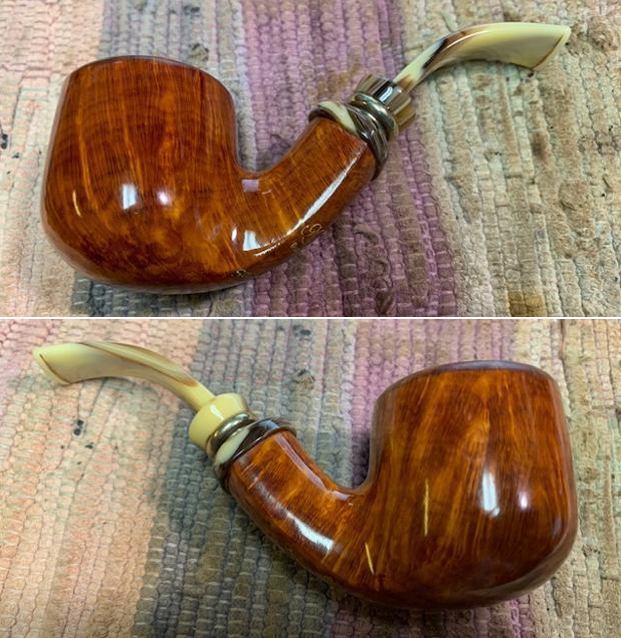
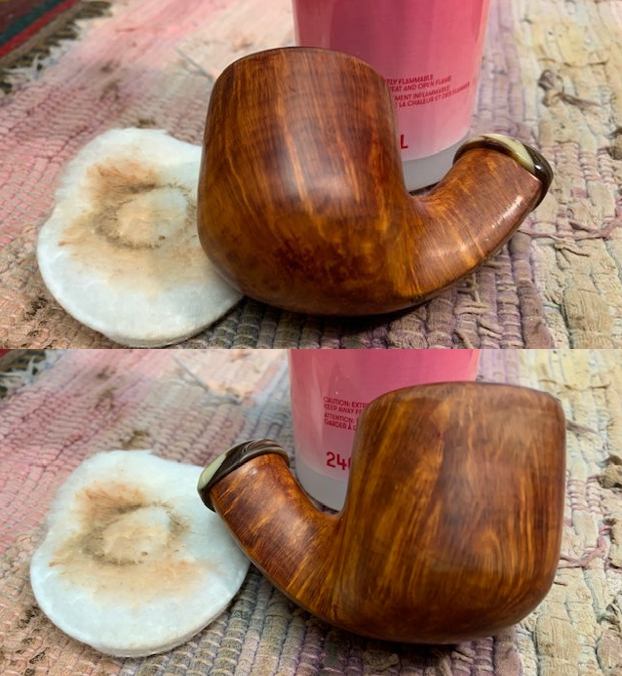
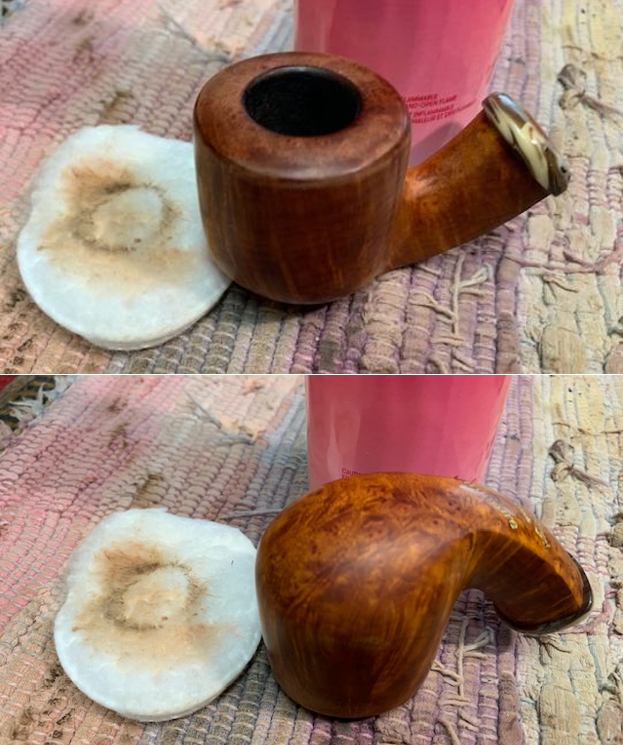
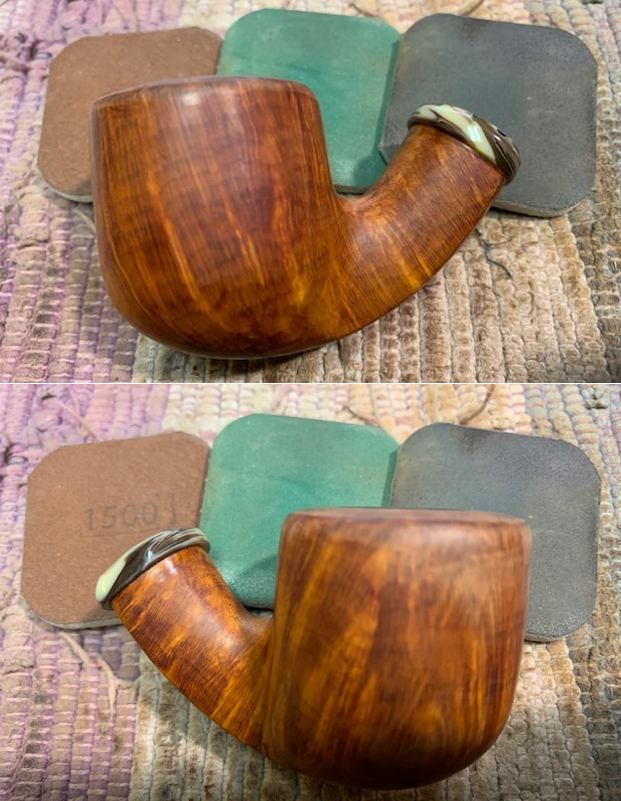
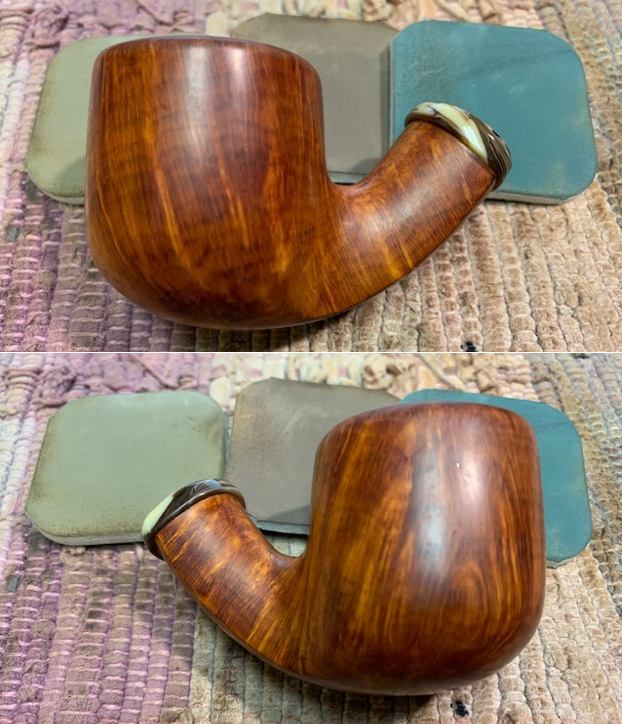
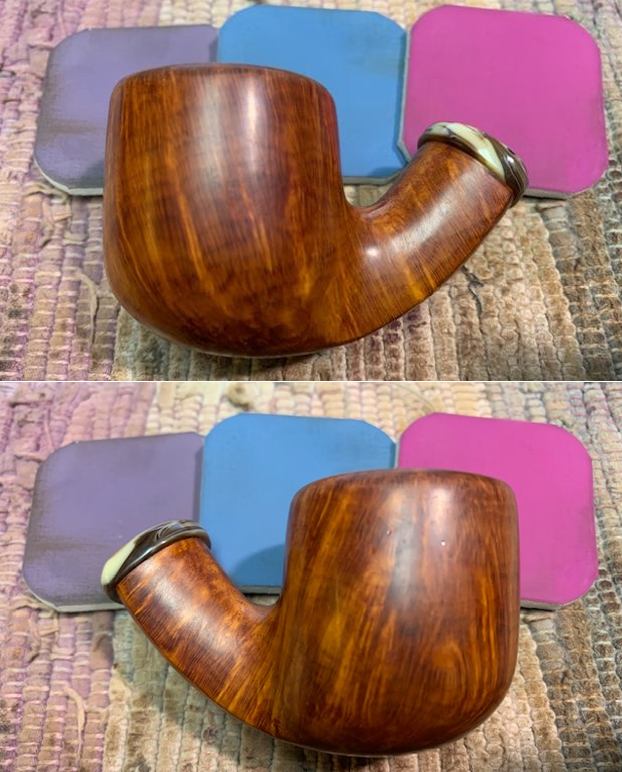
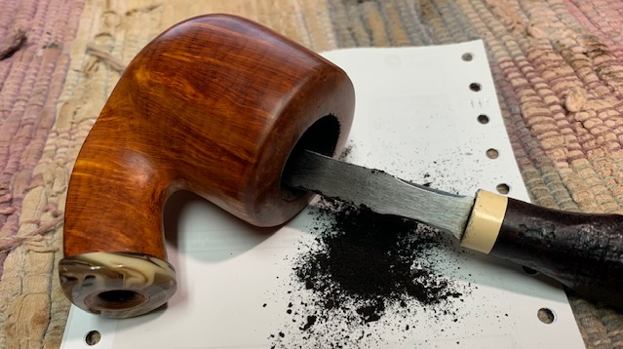
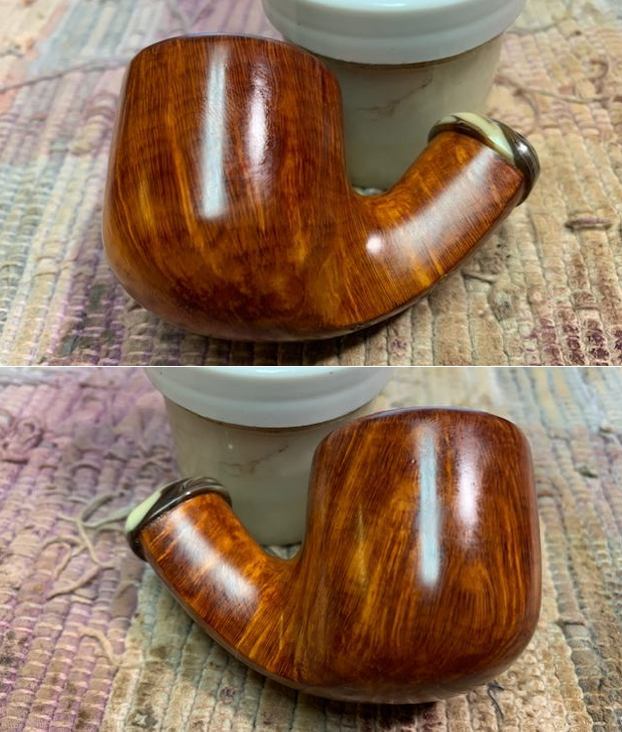
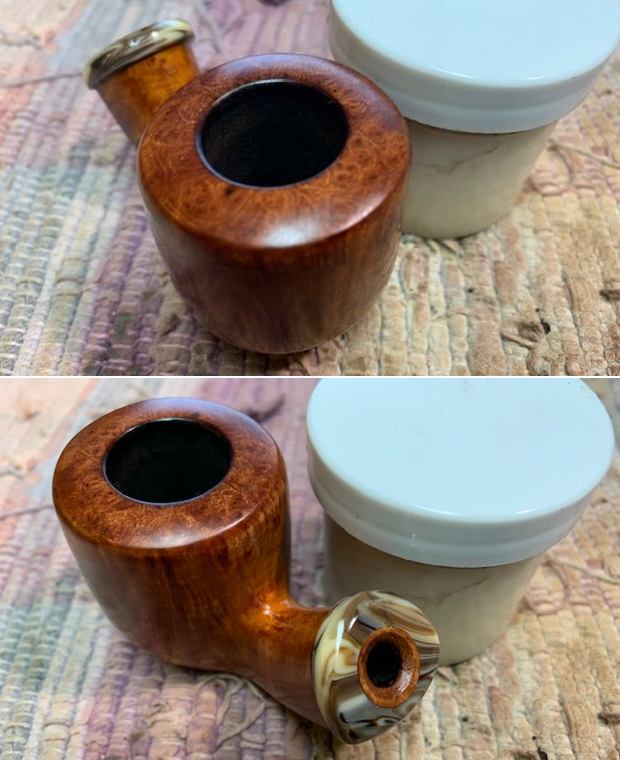
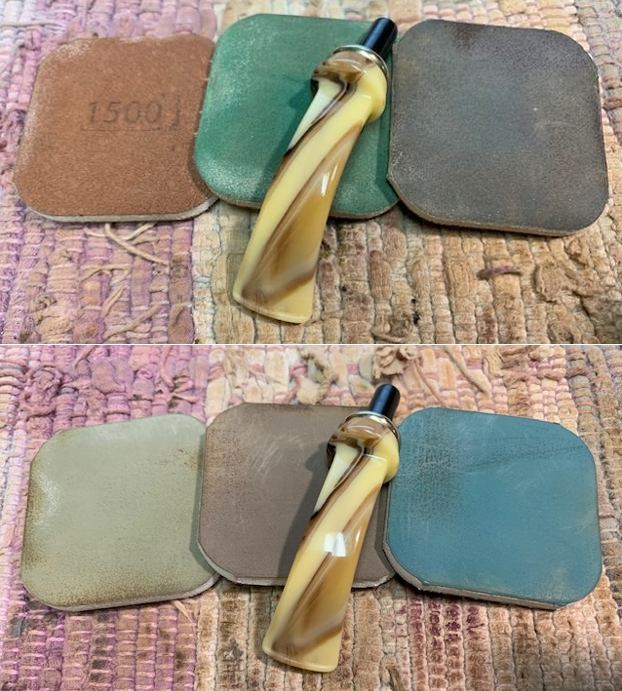
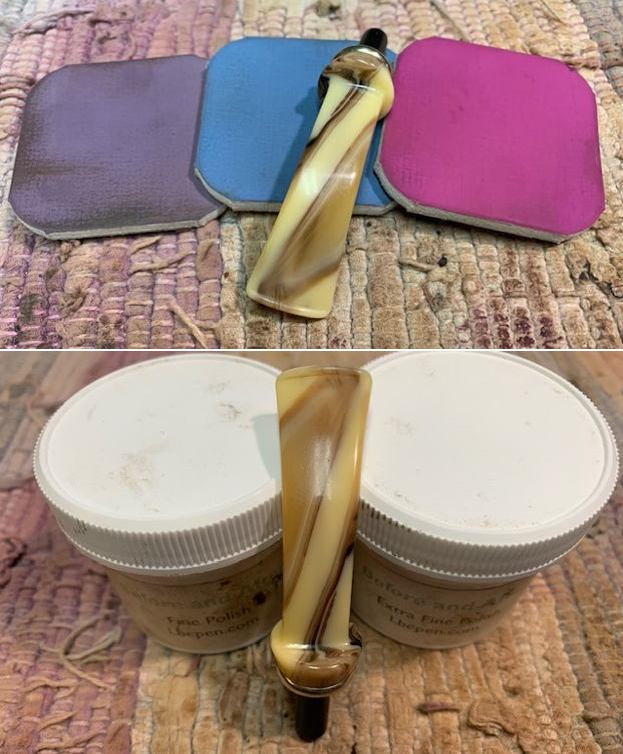
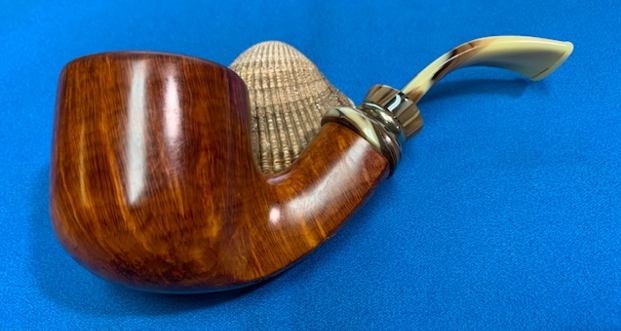
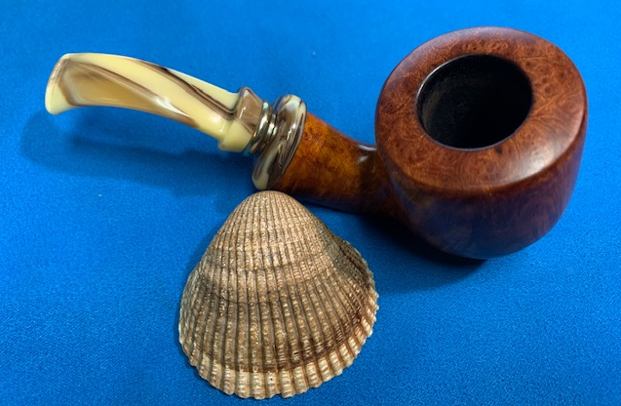
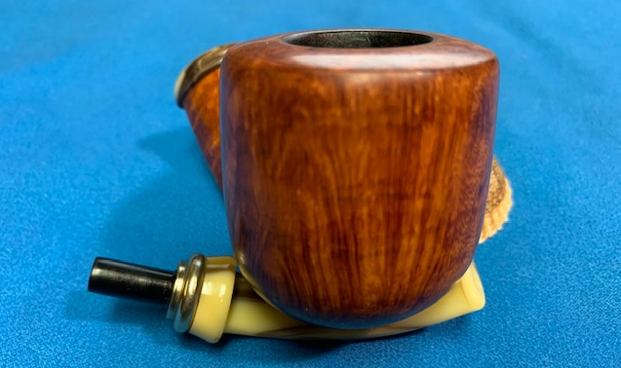
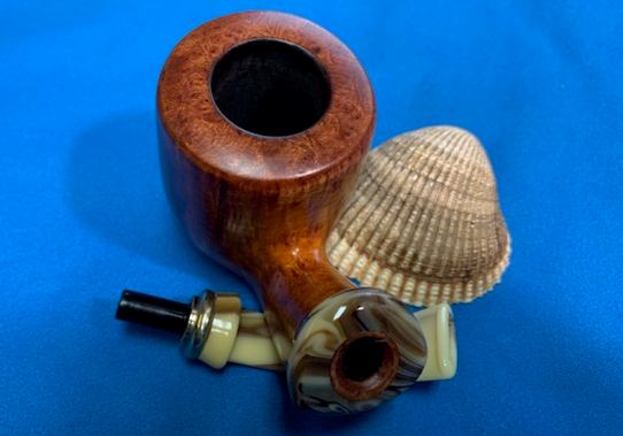
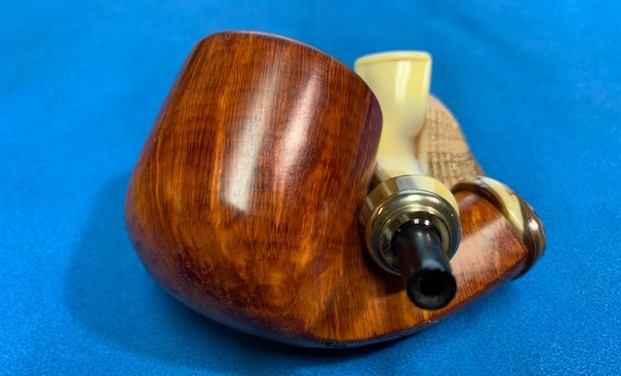
Now that I had a clear idea about the background to the pipe and the pipemaker I turned my attention to the pipe itself. I decided to remove the thick shiny coat. I broke the shine with 1500 grit micromesh. Once I had broken the finish I wiped the bowl down with acetone on a cotton pad. I was careful not to damage the gold stamping on the underside of the shank or the acrylic shank end. I used the acetone to remove the tar and lava on the rim top at the same time. With the shine removed the grain really is quite stunning. I polished the briar further to remove remnants of the shiny finish. I used micromesh sanding pads and dry sanded with 1500-12000 grit pads. I wiped the bowl down after each bad to check and make sure there was progress. By the end the bowl was taking on a natural shine and the grain really stood out. Sometimes I get so focused on what is in front of me that I can forget some steps! Sheesh!! I finished the polishing then looked at the bowl and smelled it. The pipe was quite dirty. I reamed out the thin cake in the bowl as it was quite crumbly. I used a Savinelli Fitsall Pipe Knife and scraped it back to the walls. I cleaned out the mortise and the airway in the shank and stem with alcohol, pipe cleaners and cotton swabs. It was a dirty pipe. Man I am glad I remembered when I did. It smells much better at this point. I rubbed the bowl and shank down with Before & After Restoration Balm. I worked it into the surface of the bowl sides and shank with my fingertips to clean, enliven and protect the briar. I let the balm sit for 10 minutes, then buffed with a cotton cloth to raise the shine. The Balm did its magic and the grain stood out on the briar.I polished out the tooth marks and chatter with micromesh sanding pads – 1500-12000 grit pads. I wiped it down with a damp cloth after each sanding pad. I used Before & After Pipe Polish – both Fine and Extra Fine to further polish the stem. It really is a nice looking piece of acrylic. This Neerup Denmark Structure 3 Bent Pot carved by Peder Jeppesen combines a great looking piece of briar with a swirled mix of brown/cream/ivory acrylic stem to make a beautiful pipe. The removal of the thick shiny coat allows the grain to come alive with the polishing and waxing. I put the stem back on the bowl and carefully buffed the pipe with Blue Diamond on the buffing wheel. I gave the bowl and the stem multiple coats of carnauba wax on the buffing wheel and followed that by buffing the entire pipe with a clean buffing pad. I hand buffed the pipe with a microfiber cloth to deepen the shine. The finished Neerup Structure Bent Pot really is a beauty and fits nicely in the hand and looks very good. Give the finished pipe a look in the photos below. The dimensions of the pipe are Length: 5 inches, Height: 2 inches, Outside diameter of the bowl: 1 ¾ inches, Chamber diameter: ¾ of an inch. The weight of the pipe is 2.05oz./58grams. Thanks for reading this blog and my reflections on the pipe while I worked on it. There are many more to come!