
Blog by Steve Laug
The next pipe on the work table came to us from a pipe hunt that Jeff and I did in Alberta. We found it in an antique shop in Lethbridge. It is squat Diplomat shaped pipe with a saddle vulcanite stem. The bowl has a rich reddish brown colour combination that highlights grain. The pipe has a lot of scratches and nicks in the surface of the briar. This pipe is double stamped on the underside of the shank and reads Morel [over] Fait Main [over] France. It appears that there is a number stamped on the top of the shank near the stem that reads 4604. The stem is also stamped Morel on the top of the saddle. There is a thick cake in the bowl and a thick overflow of lava on the edges of the rim top. The rim top and the inner and the outer edges of the bowl are pretty beat up. There were some light tooth marks and chatter on both sides of the vulcanite stem near the button. The pipe looks to be in good condition under the grime. I have worked on a few Morel pipes over the years and found them well made and well carved. I have a Morel in my own collection that I have had for over 25 years and it is a great smoker. This is an interesting piece. Jeff took photos of the pipe before he started his cleanup. 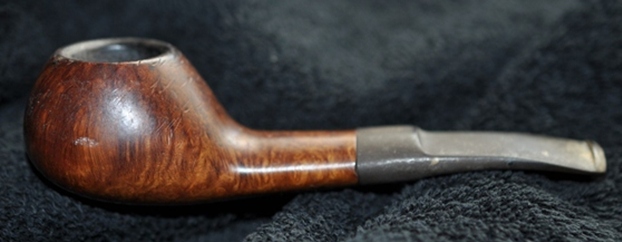
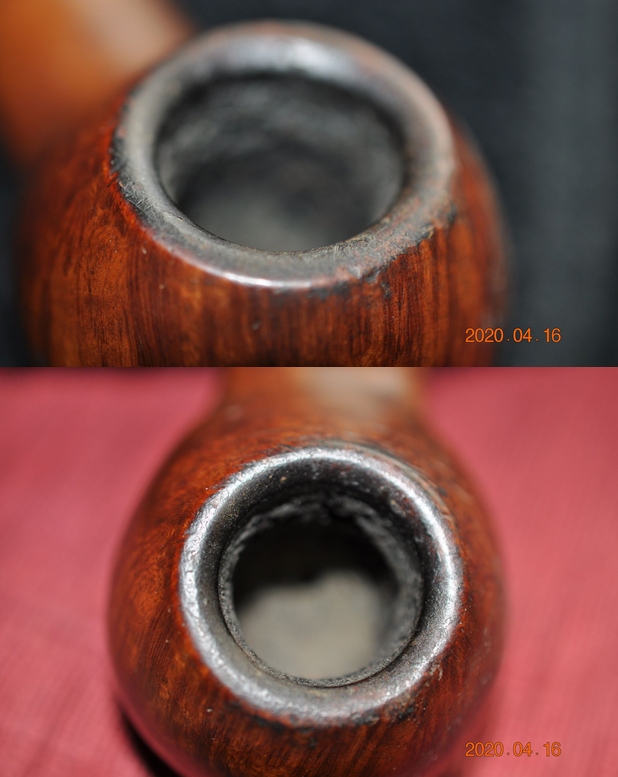
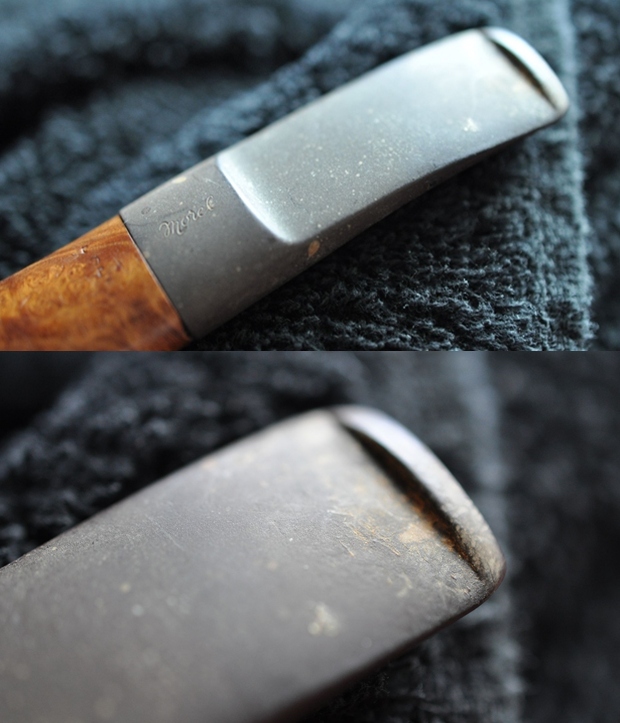
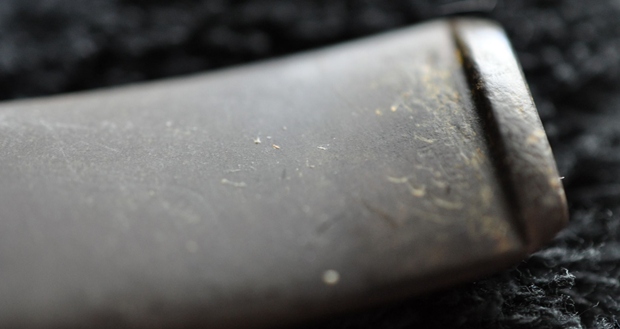
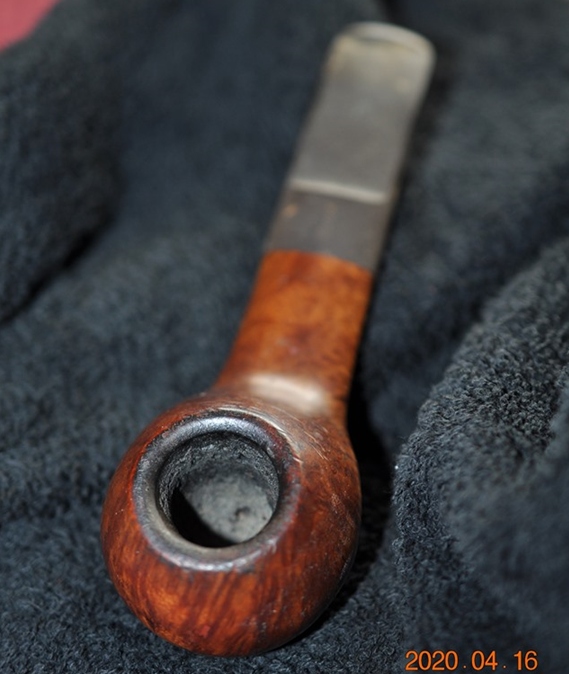 He took photos of the rim top to show the thick cake and the heavy lava coat. The inner edge of the bowl looks good under the grime. The top and outer edge are nicked. You can see the scratches in the briar all around the bowl sides. It is an incredibly dirty pipe but obviously one that was a great smoker. He also captured the shape of the stem and the tooth marks and chatter on the top and underside of the stem near the button.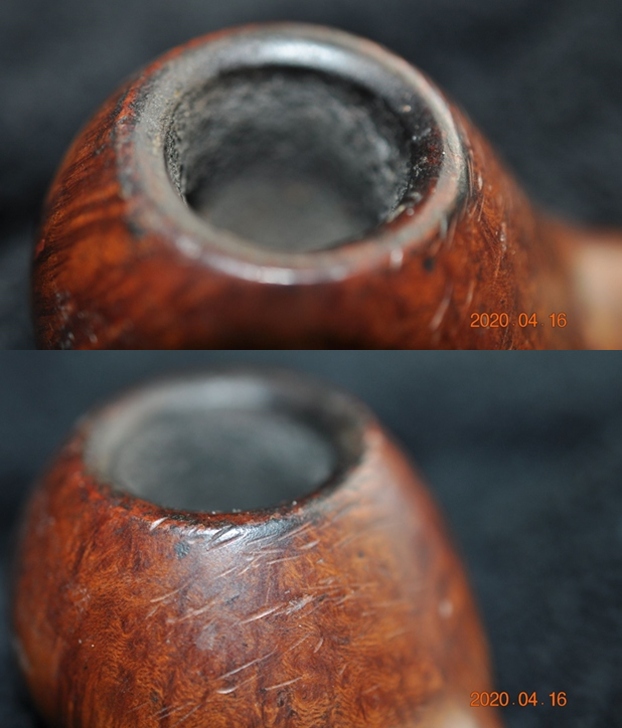
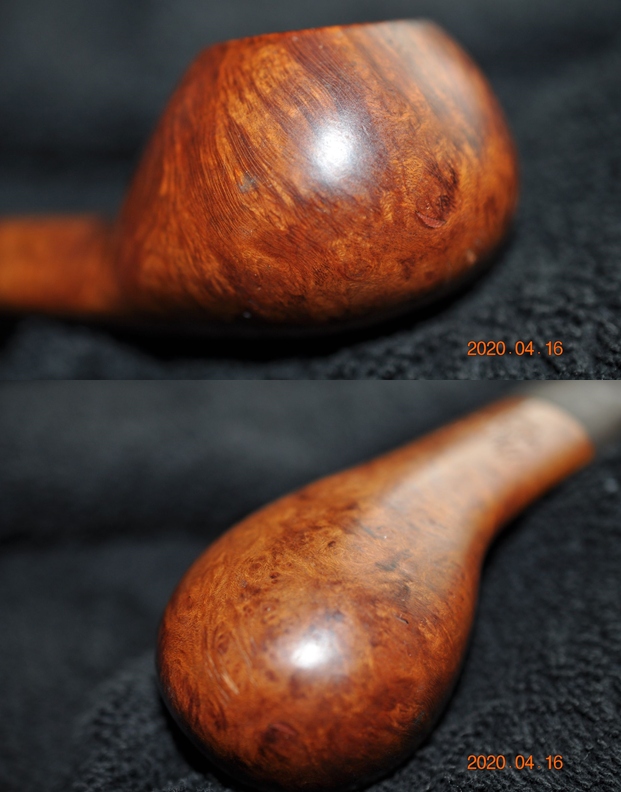
 He took photos of the sides and heel of the bowl to show the scratches around the bowl and the condition of the pipe. You can see the grime ground into the surface of the briar. You can also see the wear on the top edge of the bowl.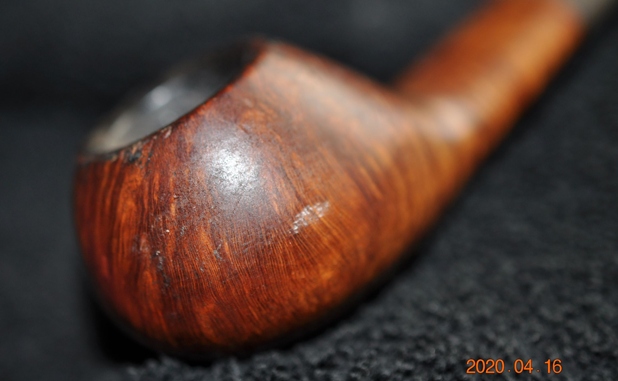
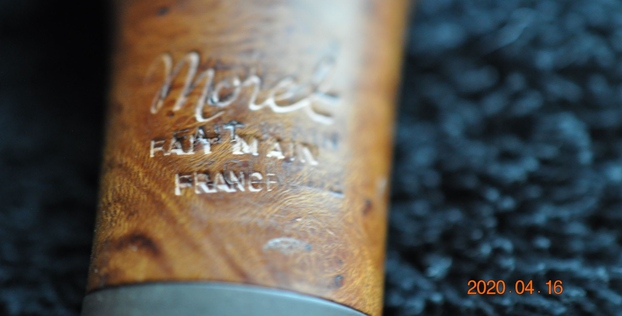
 He took a photo of the stamping on the left side of the shank and stem. It is clear and readable as noted above. The stem has a faint Morel signature.
 I turned to a previous blog I had written on a Morel pipe to refresh my memory about the brand and the carver (https://rebornpipes.com/2018/06/13/simple-rebirth-of-a-morel-hand-made-freehand/).
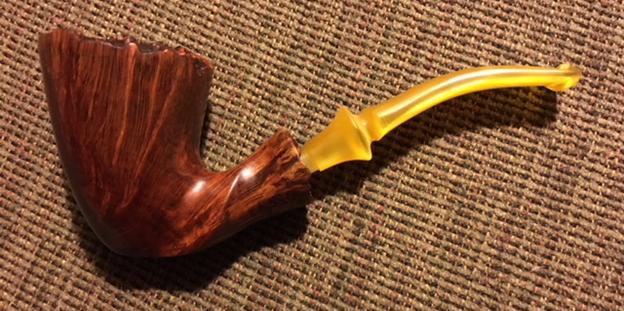
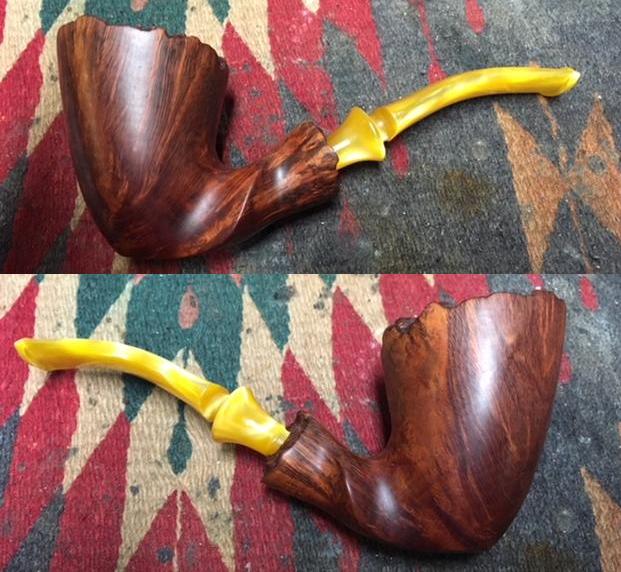
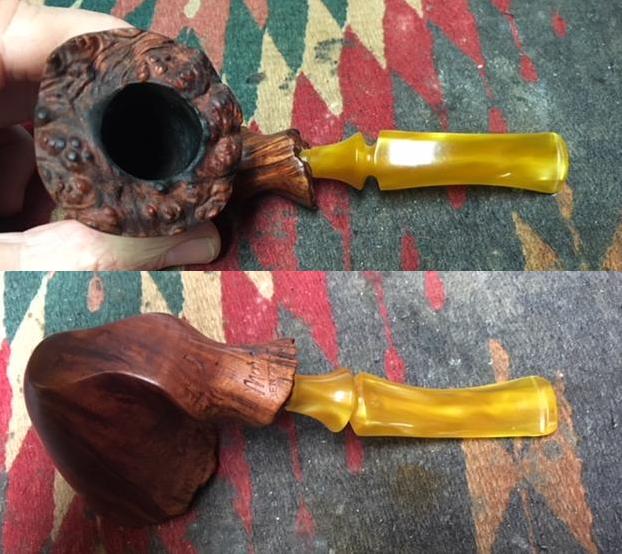
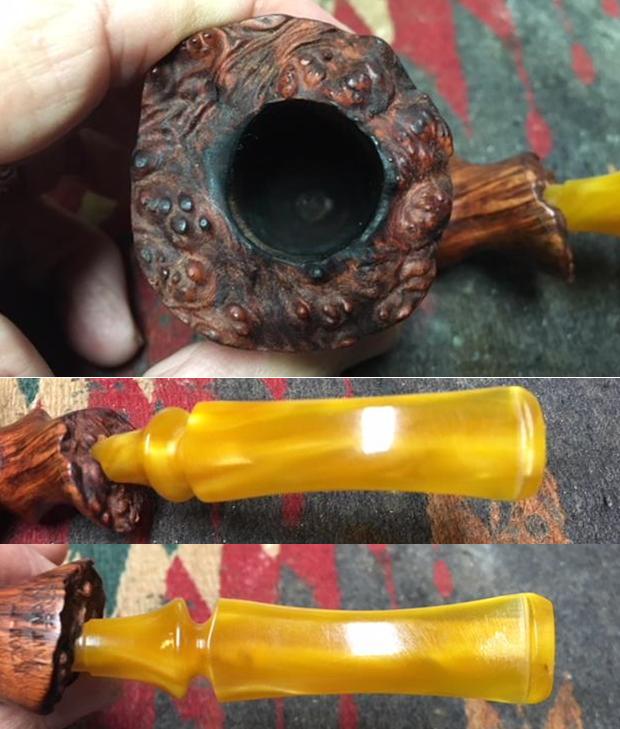
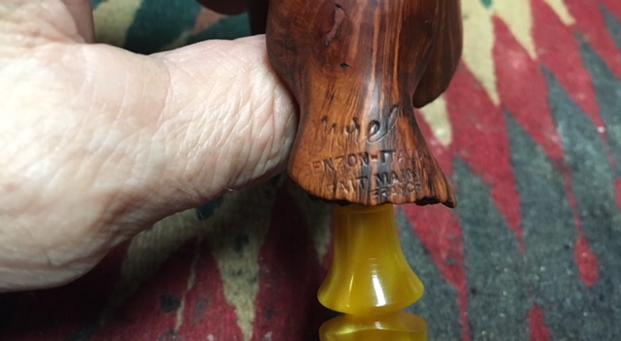
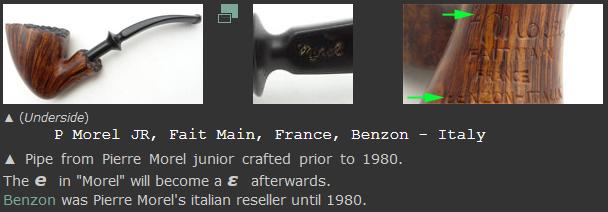
I knew from memory that he had made pipes for Chacom at one point in time but could not remember the details. I went to pipephil’s site and looked up the brand to see what I could find. The pipe that was included in the entry on the site was similar to the one I am working on. The one I have has a flattened bottom on the shank and bowl and a twist in the shank. It also has an acrylic stem. Here is the link http://www.pipephil.eu/logos/en/logo-m7.html. I did a screen capture of the pertinent entry and the photo of Morel. They are included below. The stamping on the shank “Morel” is exactly as it is spelled out above. The “e” in Morel is the cursive letter. The Benzon – Italy stamp is the same so this helps to date the pipe to pre-1980 when Benzon ceased to be Morel’s Italian reseller.
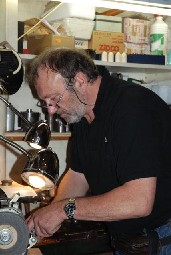
I went on to read further on Pipedia to see if I could find more information. Here is the link. https://pipedia.org/wiki/Morel. I have included the pertinent information below as well as a photo of the carver.
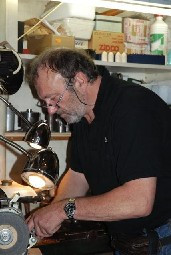 In 1978, Pierre Morel, an independent free-hand pipe maker, was enlisted by Chacom to create a line of completely hand made pipes, called the Chacom Grand Cru. For this line he created the free-hand shapes Naja and “Fleur de Bruyère”. In 1987, Pierre Morel joined the team at Chapuis-Comoy full-time. (The above is an excerpt from the Chacom website)
Still employed at Chacom, Pierre Morel will be 60 in 2009 and must retire from the house that employs him.
When asked by “Pipe Gazette” in February of 2009, “If there should be a pipe of Pierre Morel, it would be what form?”, Mr. Morel responded, “Flower Morel, I’ve probably made hundreds.”
Pierre works now in his own shop. The new line is the result of over 40 years’ experience in free-hand high-grade pipe carving. His new High-grade line will be available online. Here is a link to his website, http://www.pierremorelpipes.fr/pipes-disponibles-pierre-morel-1.htm
Now I had a pretty good idea of the brand and the maker of this pipe as well a bit of clarity on the date is was carved
As usual Jeff had done a thorough cleanup on the pipe. He reamed the bowl with a PipNet pipe reamer and followed up with a Savinelli Fitsall pipe knife to remove the cake. He scrubbed out the mortise and the airway in the shank and the stem with alcohol, cotton swabs and pipe cleaners. He scrubbed the exterior of the bowl, rim, shank and stem with a tooth brush and Murphy’s Oil Soap to remove the oils and tars on the rim and the grime on the finish of the bowl. He rinsed it under running water. One of the benefits of this scrub is that it also tends to lift some of the scratches and nicks in the surface of the briar. He dried it off with a soft cloth. He cleaned the internals and externals of the stem with alcohol, pipe cleaners and cotton swabs. He soaked the stem in Before & After Deoxidizer and rinsed it off with warm water and cleaned out the airway in the stem with alcohol. Other than the damaged rim top the pipe looked good. 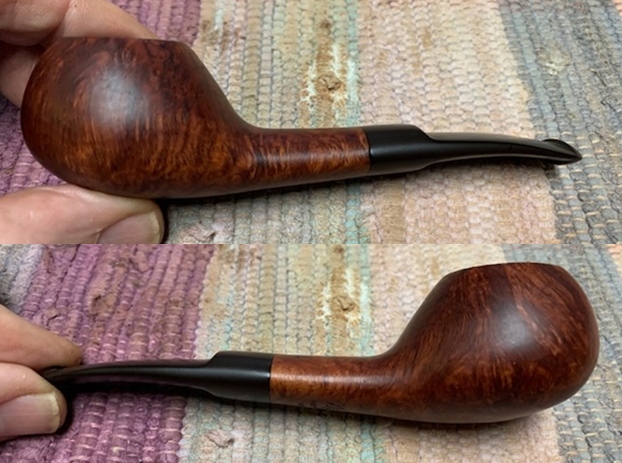
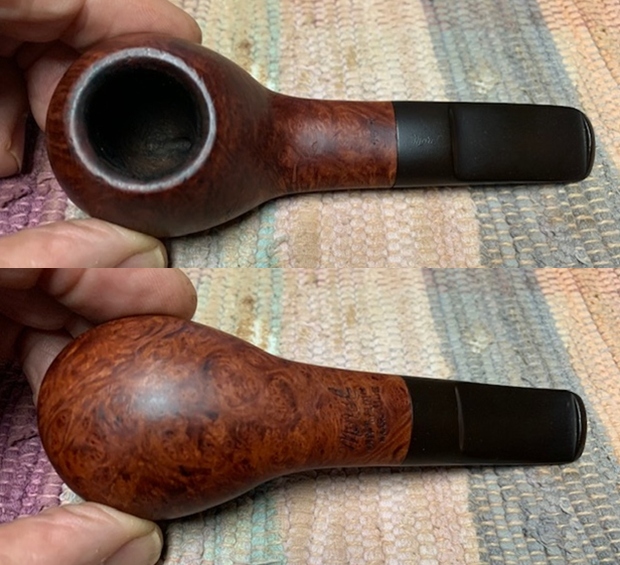 I took a photo of the rim top and stem to show the condition. It is clean but the crowned rim top was damaged. It looked like the pipe had been hammered against a hard surface. The inner edge of the bowl showed some nicks all the way around. The vulcanite saddle stem had light tooth chatter and marks on both sides ahead of the button and on the button edges.
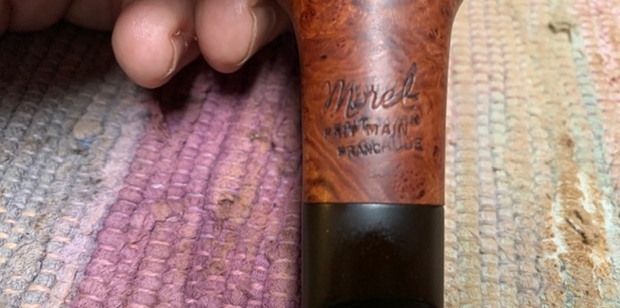
 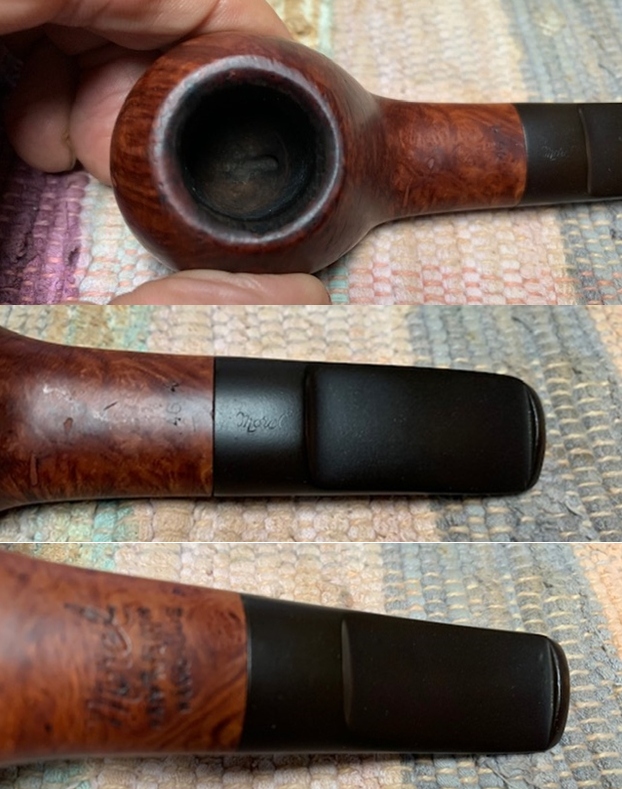 The stamping on the underside of the shank is double stamped and reads as noted above. It is clear and readable.
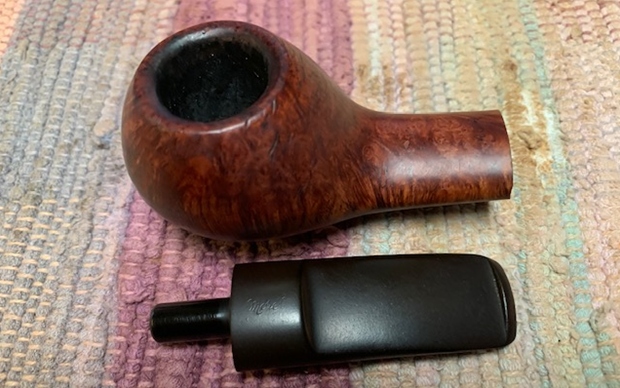
  I removed the stem and the extension from the shank and took a photo of the pipe to give a sense of the whole. It is a Diplomat shaped that should be interesting once it is all cleaned up.
  Now it was time to do my work on the pipe. I started by working on the crowned rim with a folded piece of 220 grit sandpaper to remove the damage and smooth it out.
 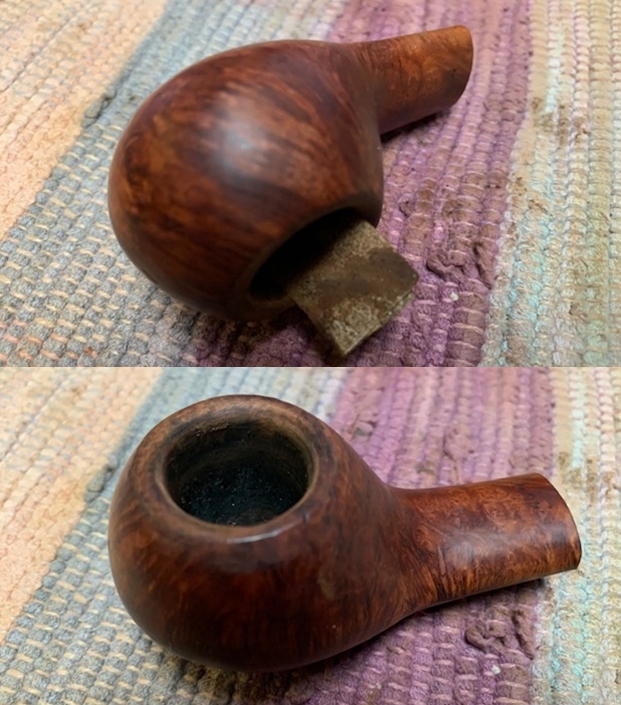 I filled in the deep gouges that remained in the bowl with clear super glue and once the glue cured sanded them with a 1500 grit micromesh pad to blend them into the surface of the briar.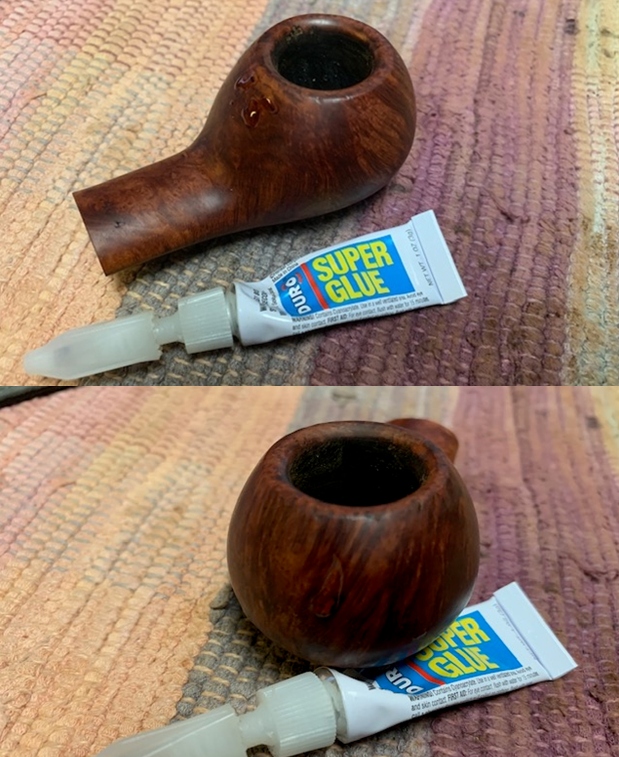
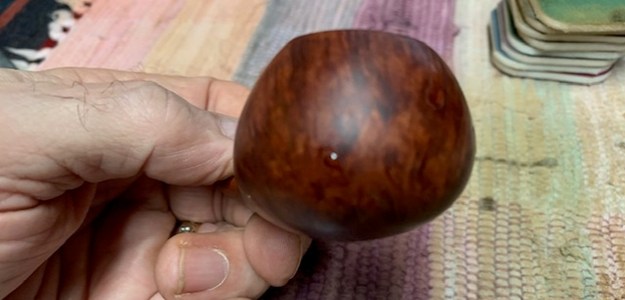
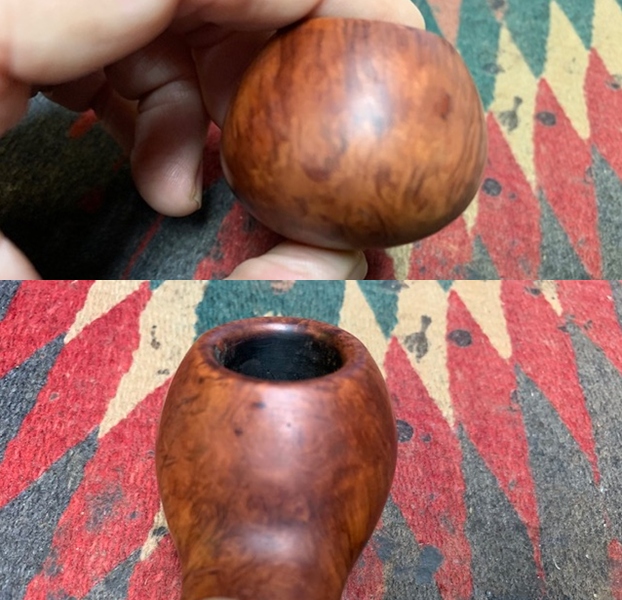 I polished the briar with micromesh sanding pads – wet sanding with 1500-12000 grit pads and wiped down the bowl after each sanding pad.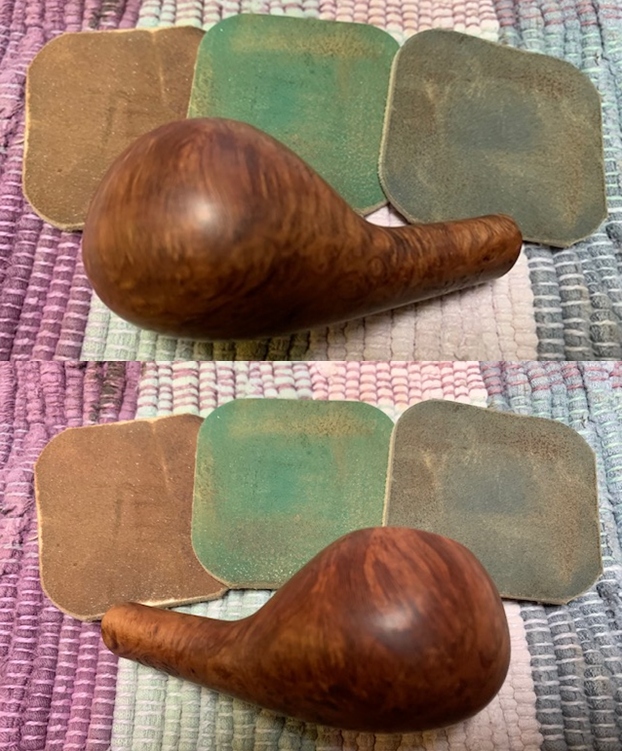
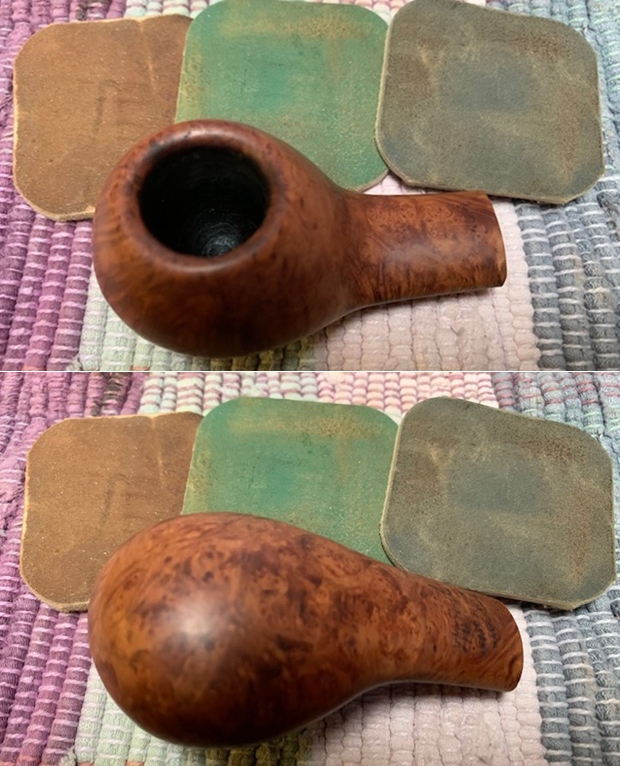
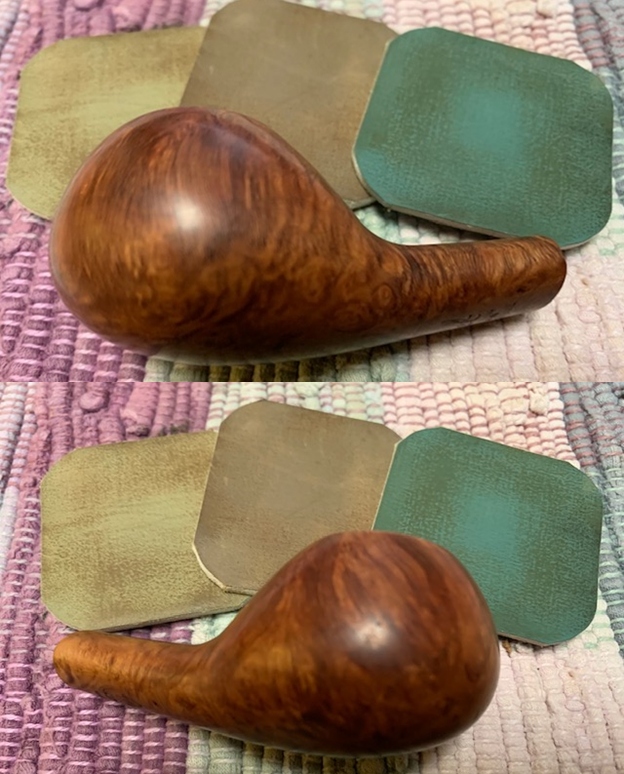

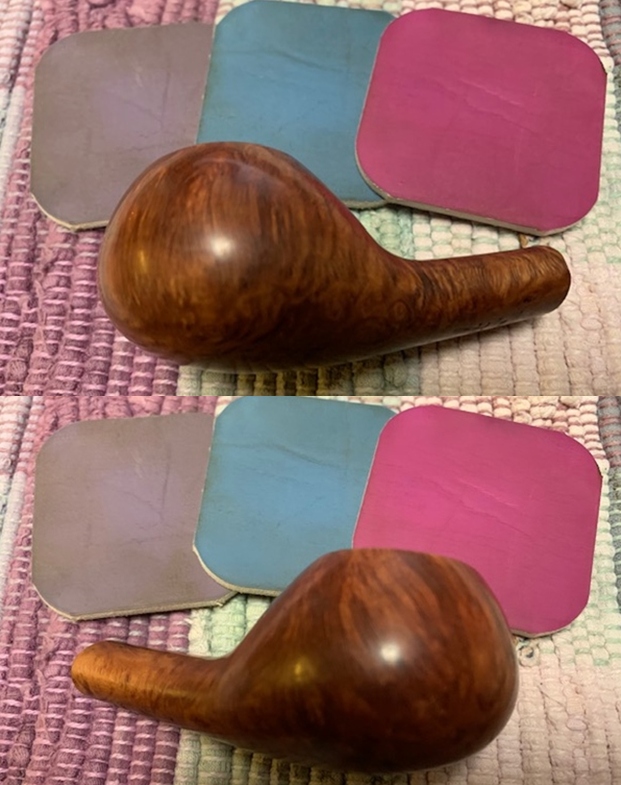
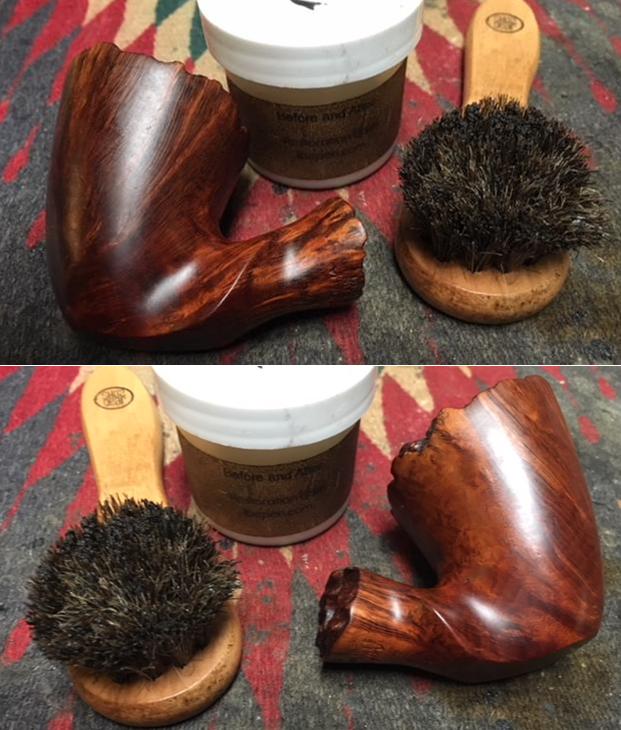
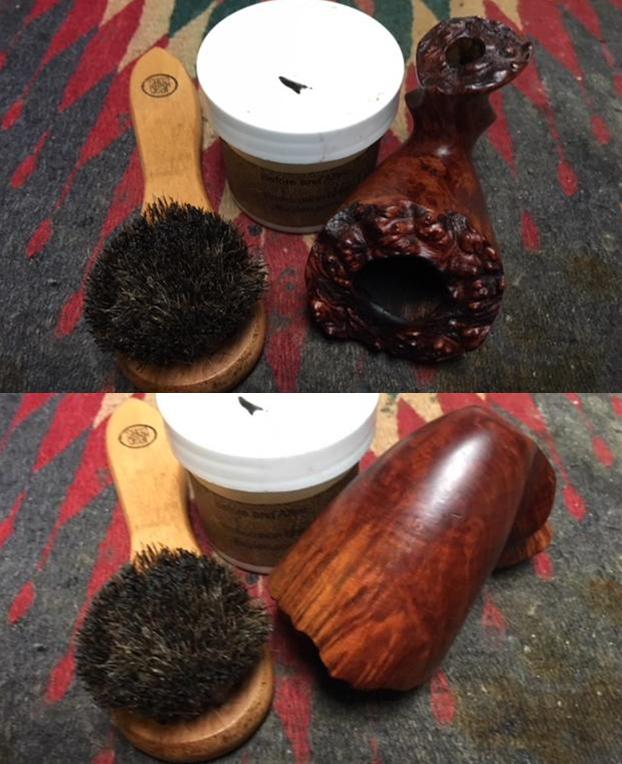
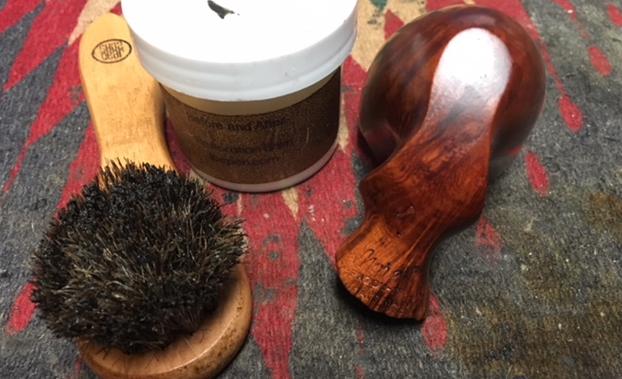
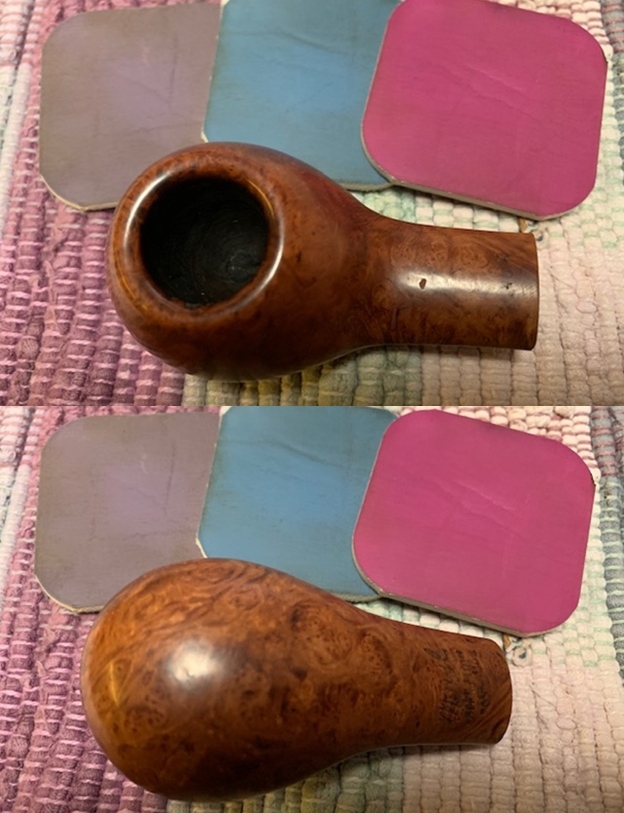 I rubbed the bowl and shank down with Before & After Restoration Balm. I worked it into the surface of the bowl sides and shank with my fingertips to clean, enliven and protect the briar. I let the balm sit for a little while and then buffed with a cotton cloth to raise the shine. The Balm did its magic and the grain stood out.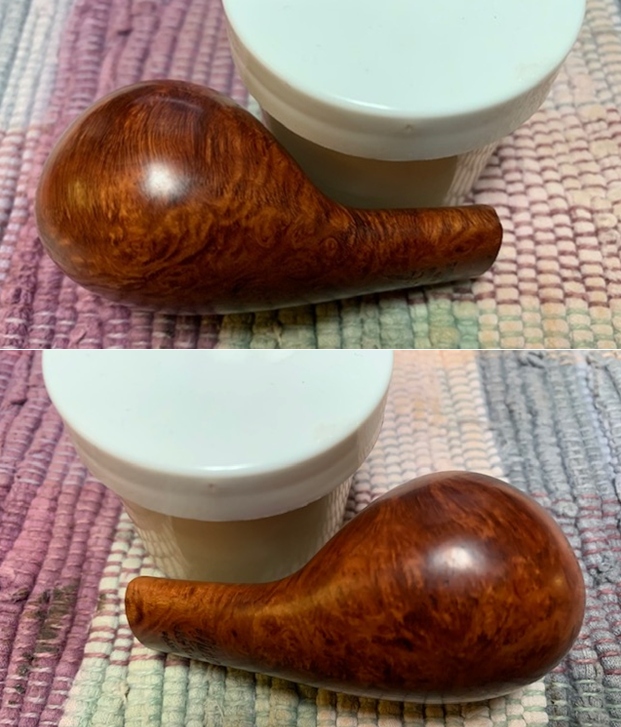
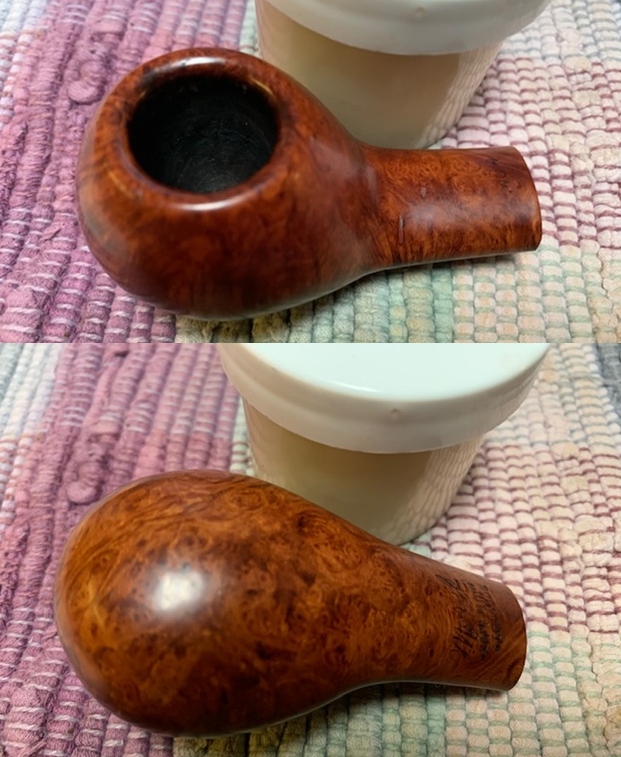
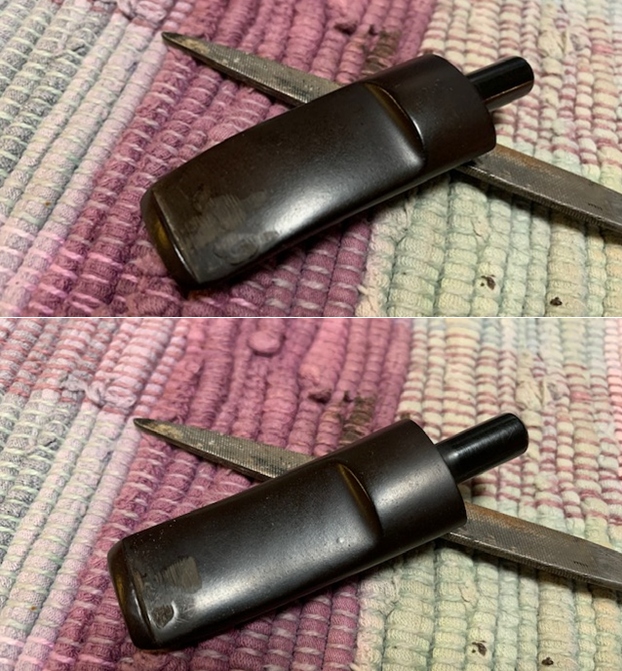
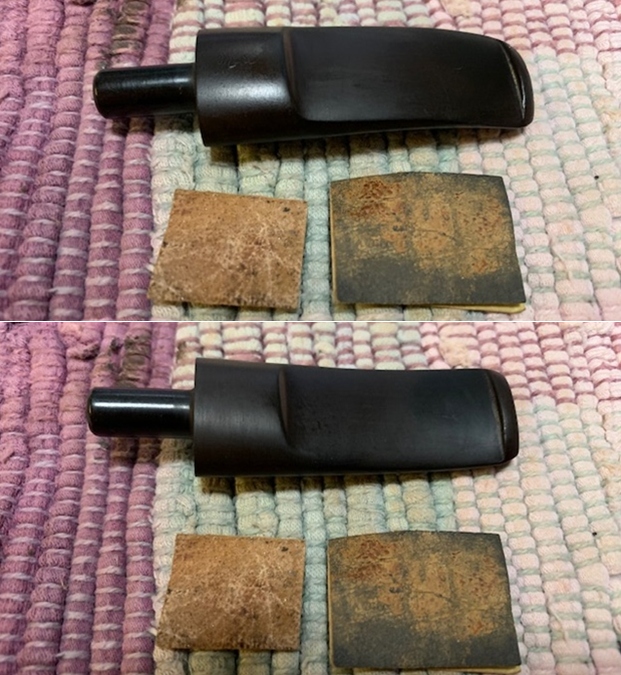
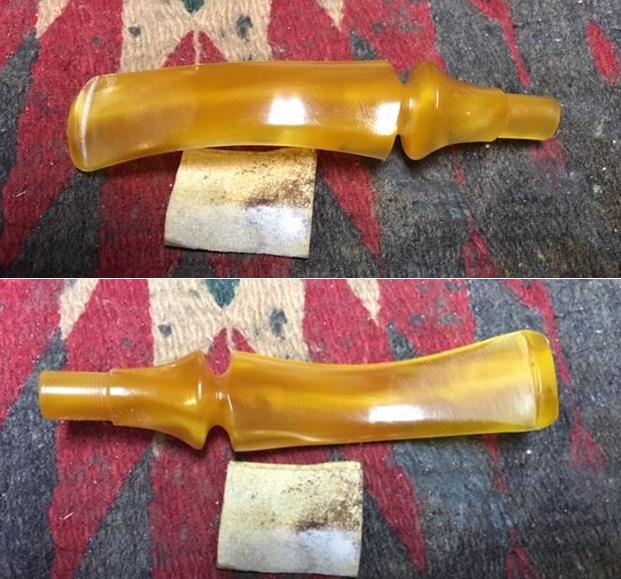
 I set the bowl aside and turned my attention to the stem. I filled in the deep cuts and tooth marks with black super glue. When the repairs cured I recut the button and flattened the repairs with a needle file. I followed that by sanding out the tooth marks on the stem with 220 grit sandpaper and started the polishing process with 400 grit wet dry sandpaper.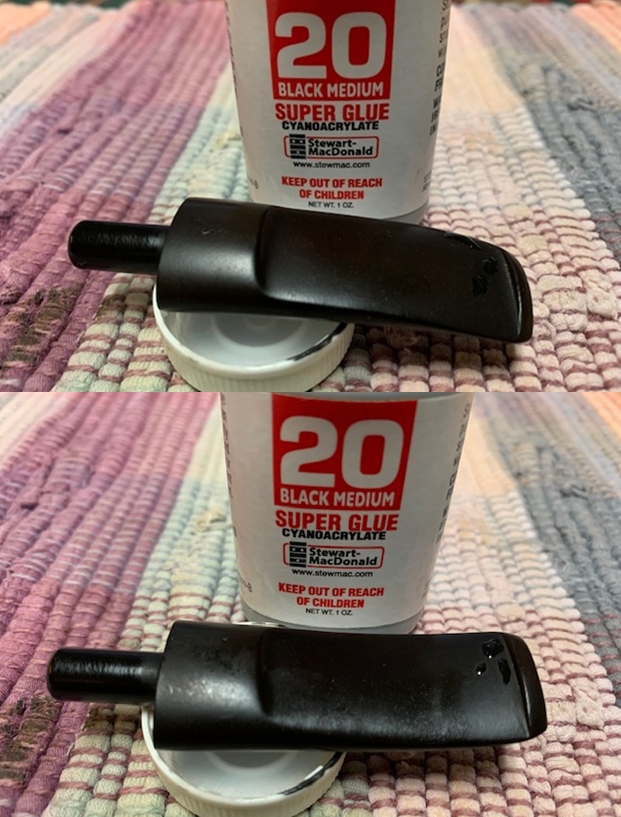
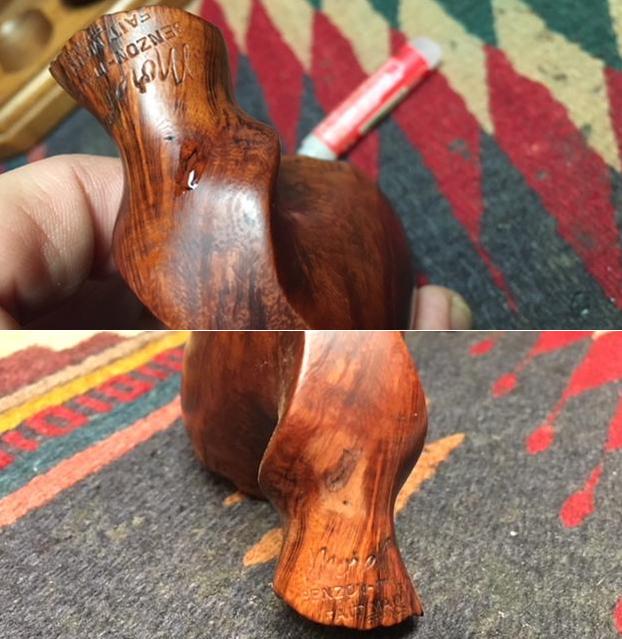
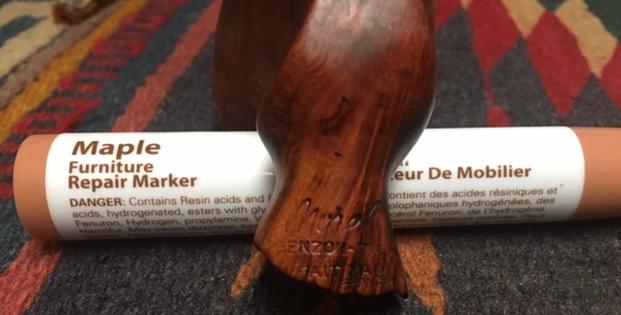
 I touched up the faint stamping on the top of the saddle – it read Morel. I daubed on some Paper Made Liquid Paper. Once it cured I scraped it off with a tooth pick. While it was faint it picked up some of the letters.
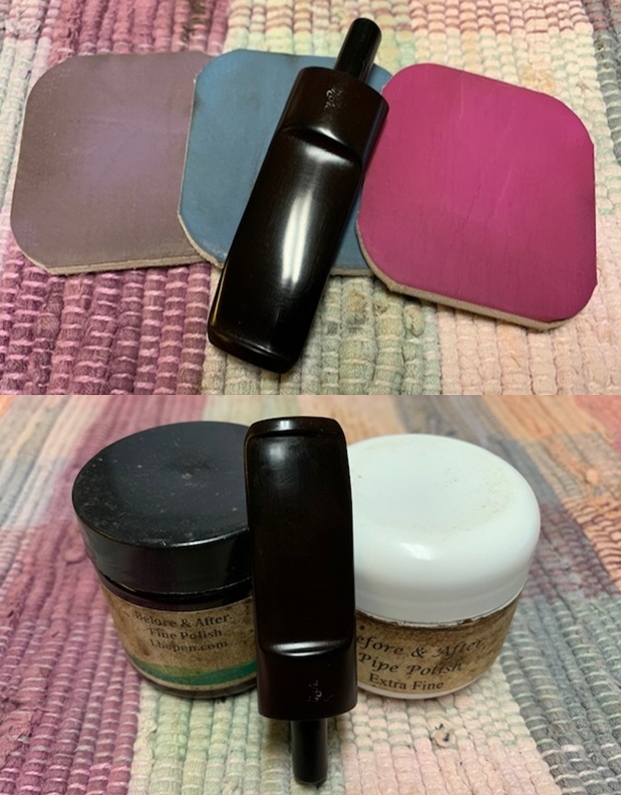
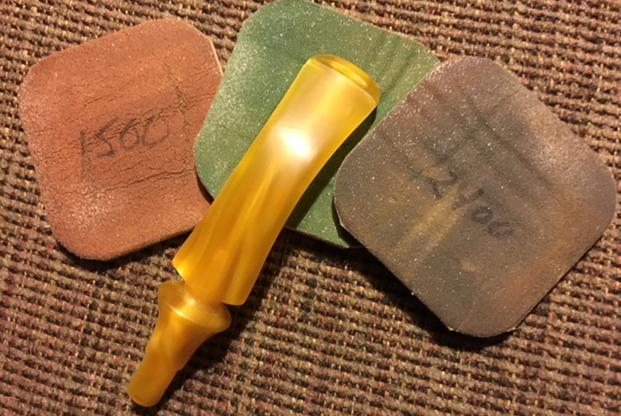
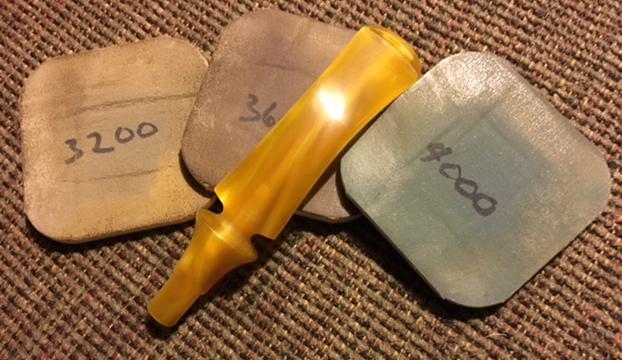
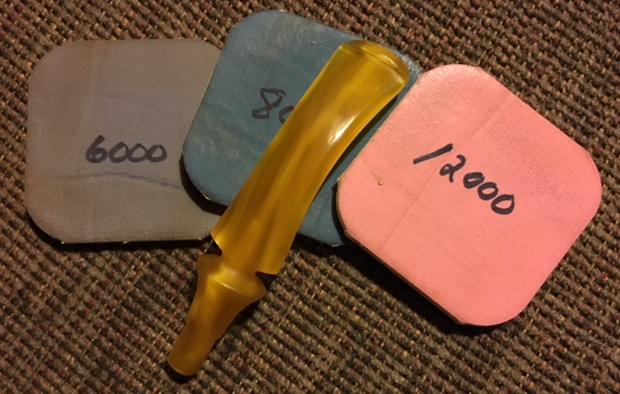
 I polished the vulcanite stem with micromesh sanding pads – 1500-12000 grit pads. I wiped it down with Obsidian Oil after each sanding pad. I used Before & After Pipe Polish – both Fine and Extra Fine to further polish the stem. The photo below shows the polished stem.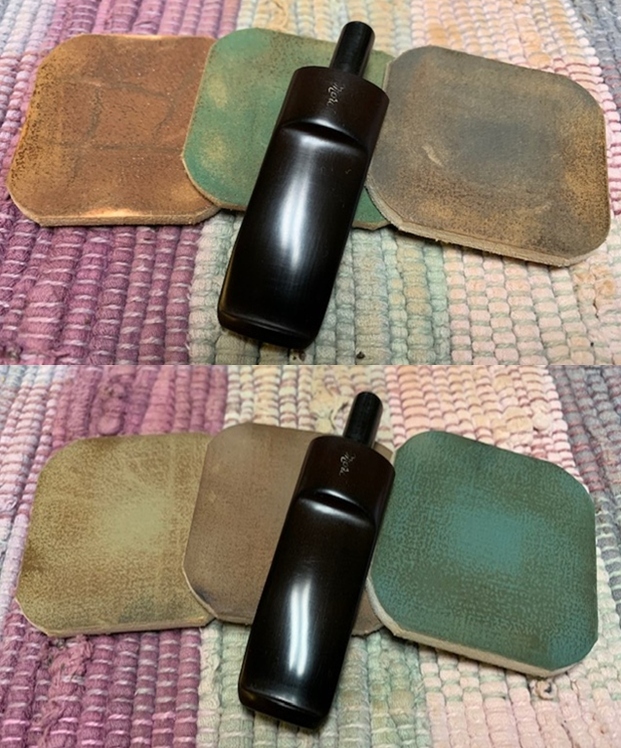
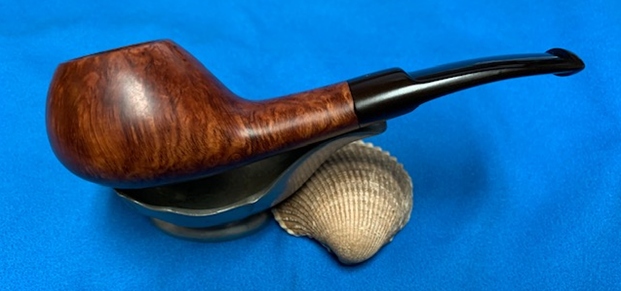
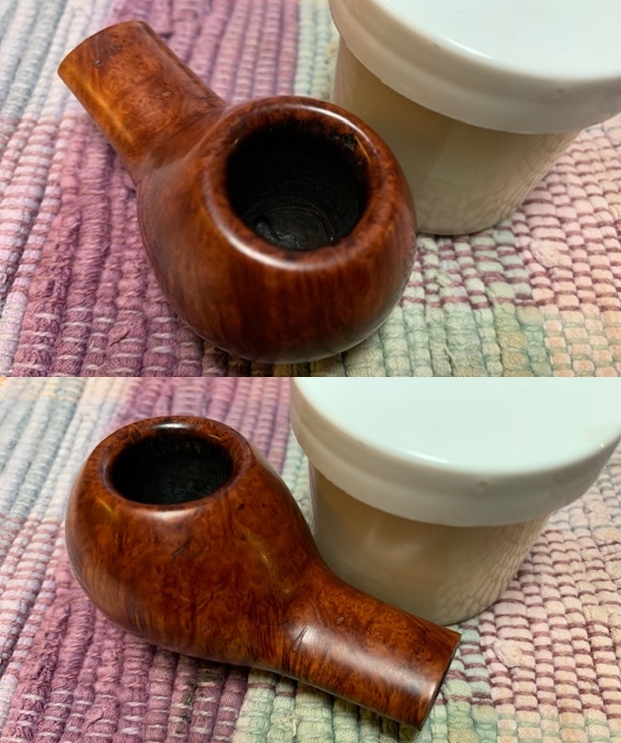
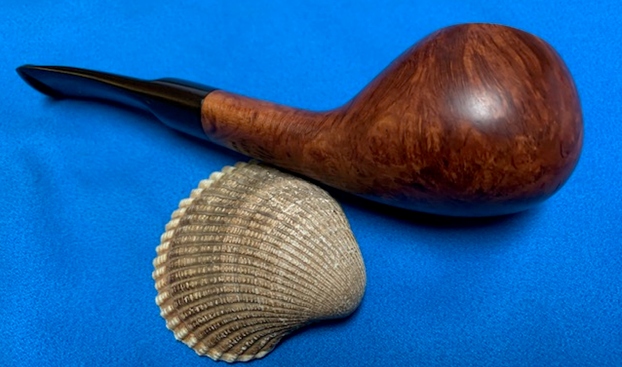
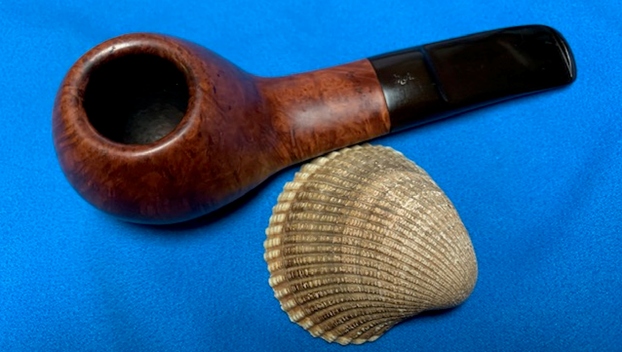
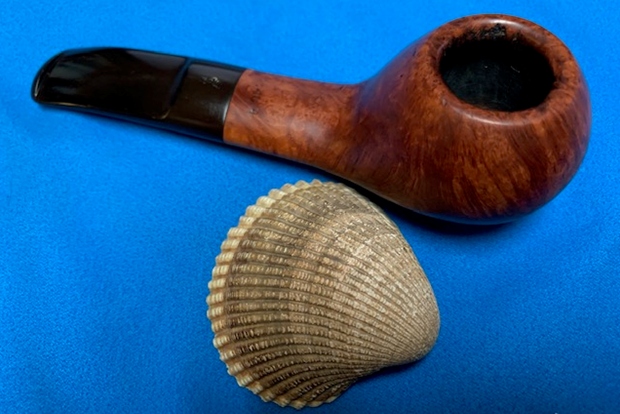
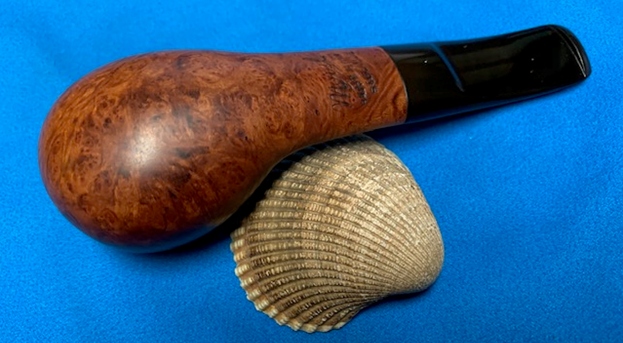
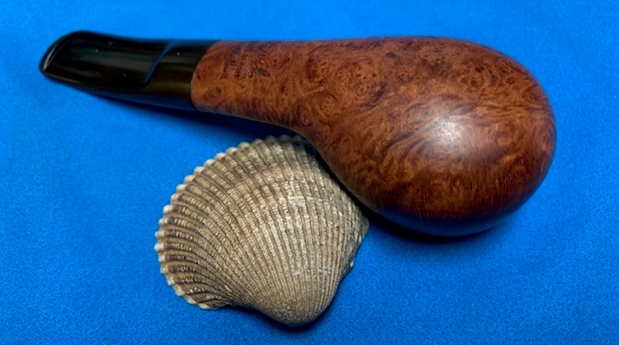
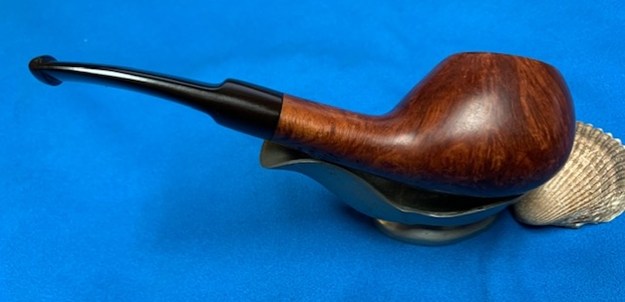
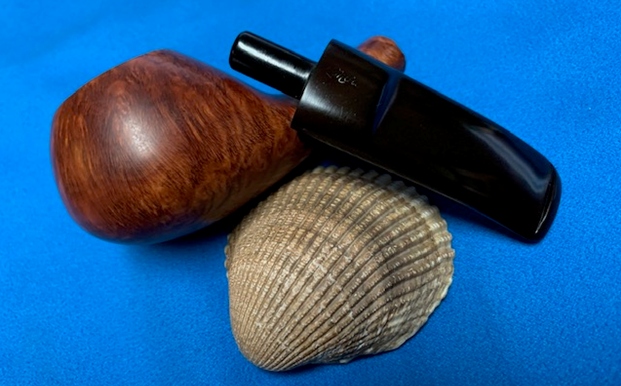
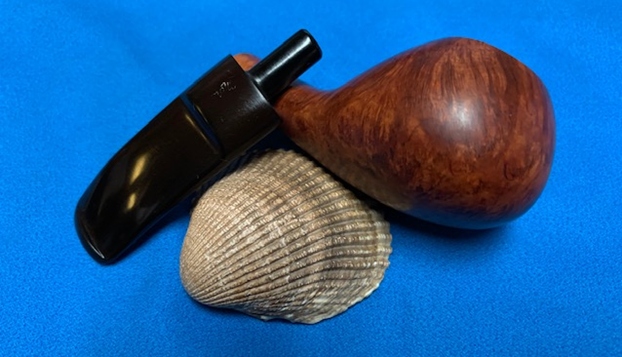
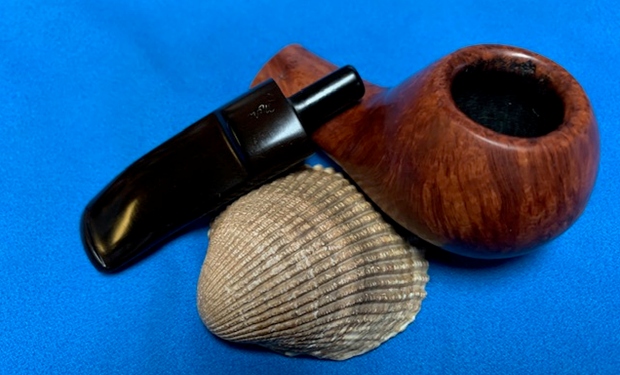
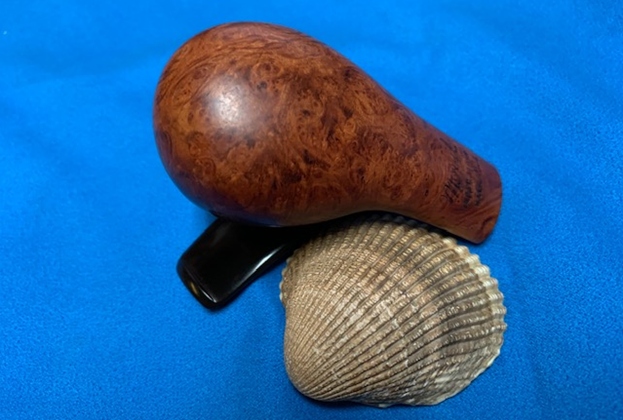
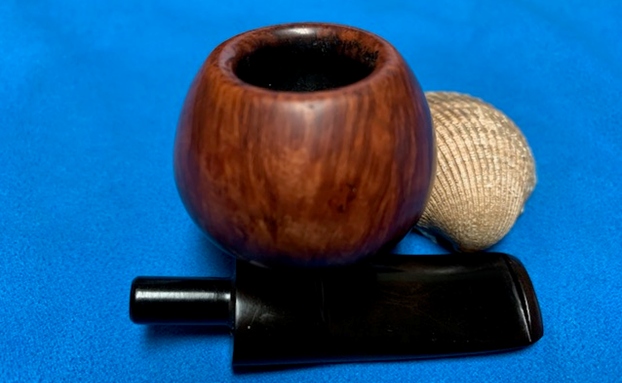
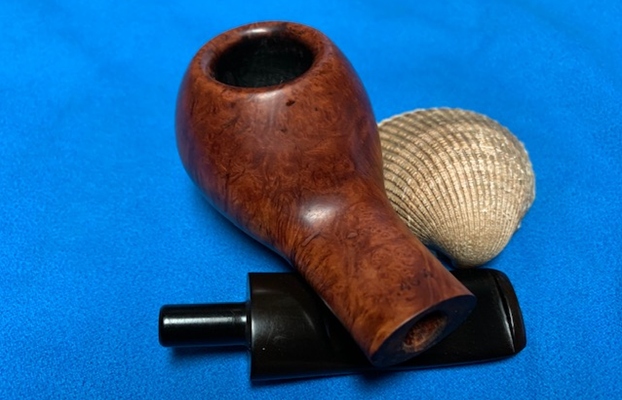
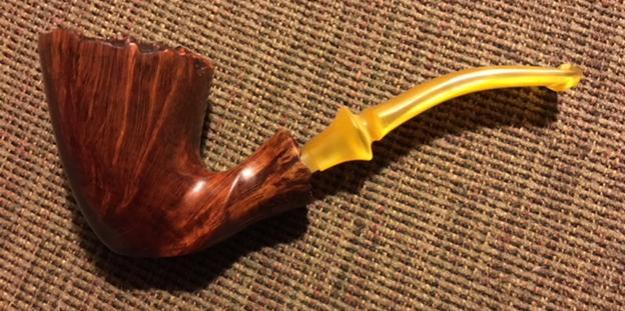
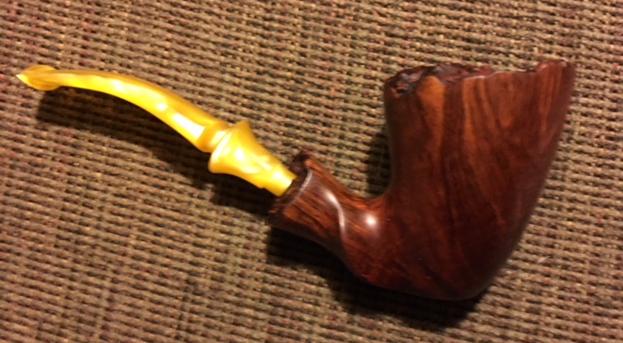
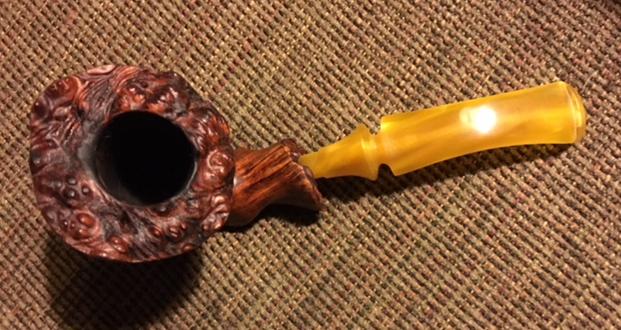
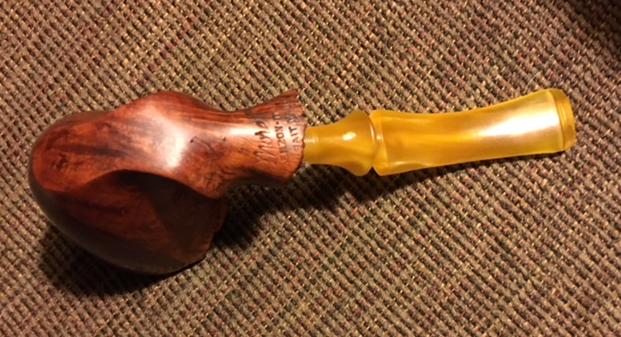
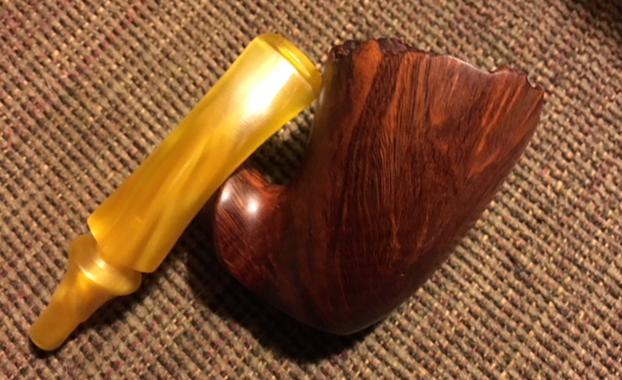
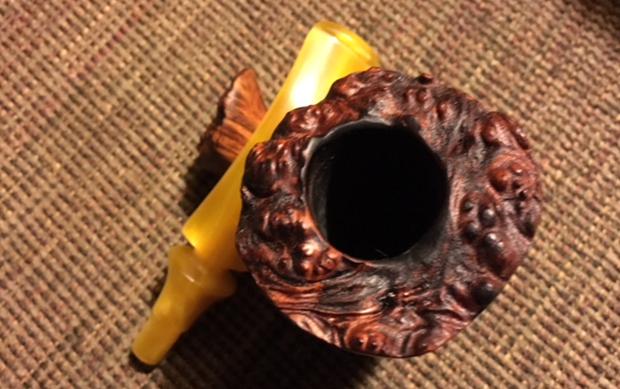
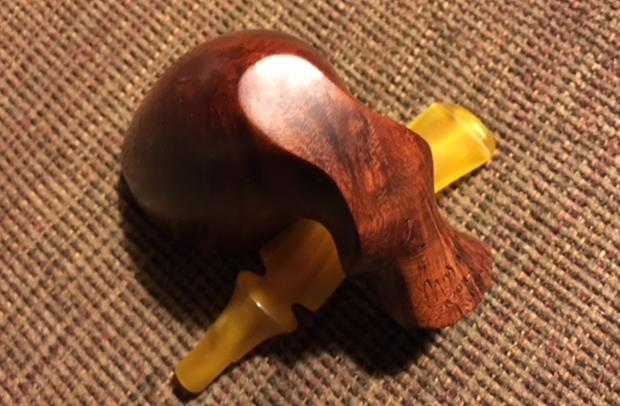
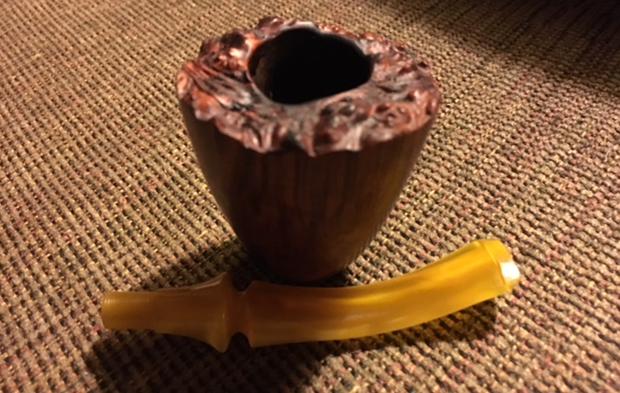
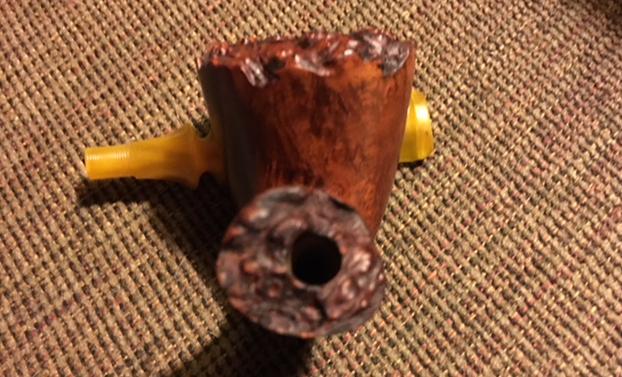
 This smooth finish, nicely grained Morel Hand Made Diplomat with a vulcanite taper stem is a great looking pipe now that it has been restored. The briar around the bowl is clean and really came alive. The rich brown stains took on a sense of depth with the polishing and waxing. The grain really popped. I put the vulcanite stem back on the bowl and carefully buffed the pipe with Blue Diamond on the buffing wheel using a light touch on the briar. I gave the bowl and the stem multiple coats of carnauba wax on the buffing wheel. I buffed the pipe with a clean buffing pad to raise the shine. I hand buffed the pipe with a microfiber cloth to deepen the shine. The finished Morel Diplomat is a beauty and feels in the hand and looks very good. Give the finished pipe a look in the photos below. The dimensions of the pipe are Length: 5 inches, Height: 1 ¼ inches, Outside diameter of the bowl: 1 ½ inches, Chamber diameter: ¾ of an inch. Thanks for reading this blog and my reflections on the pipe while I worked on it. There are many more to come!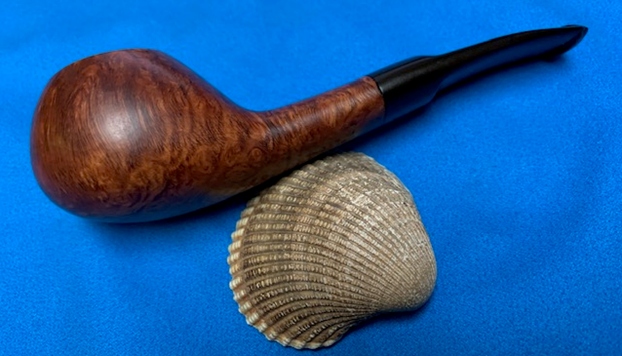


 rebornpipes