
Blog by Steve Laug
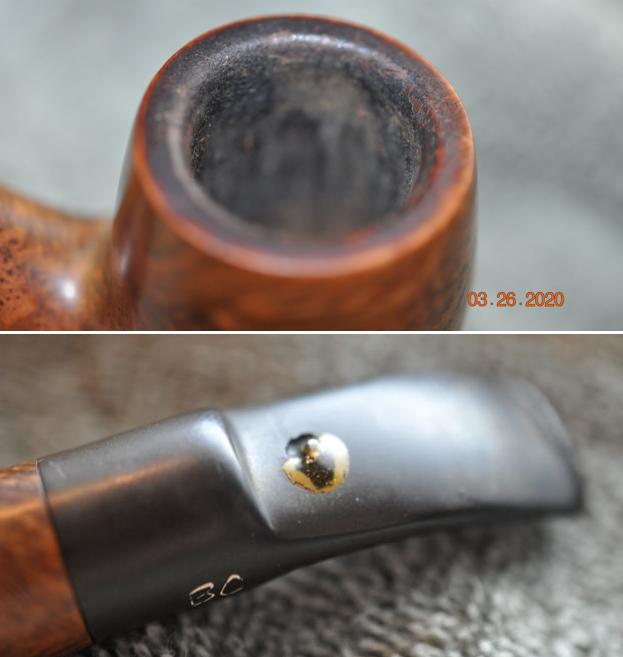
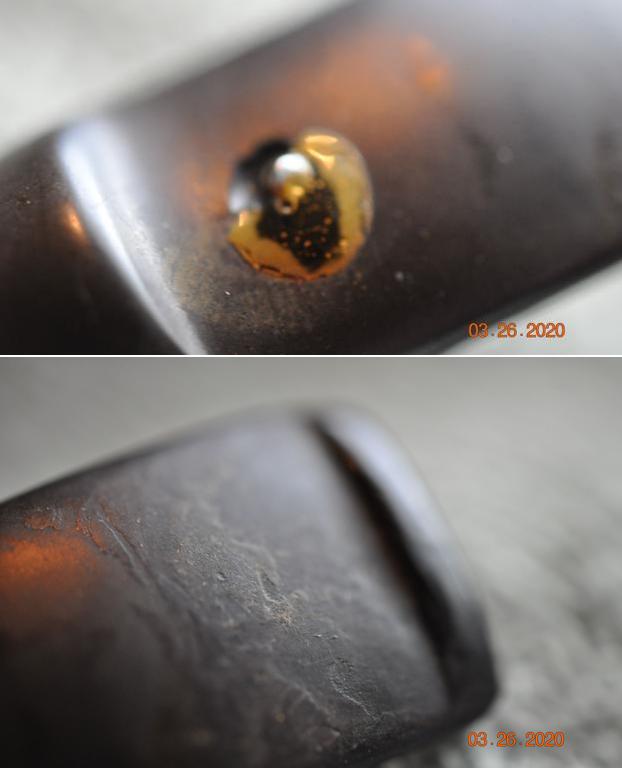
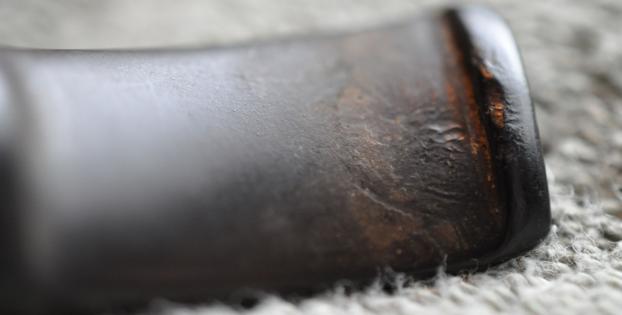
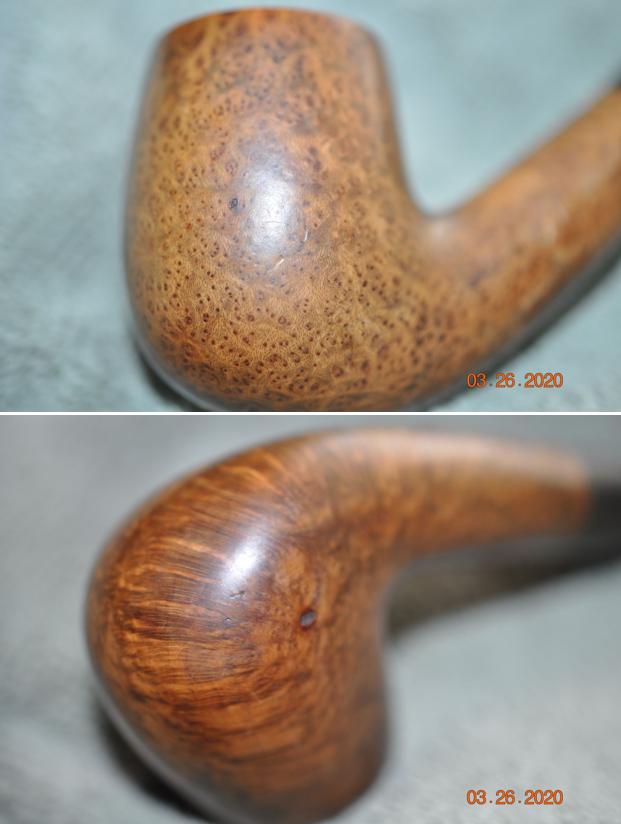
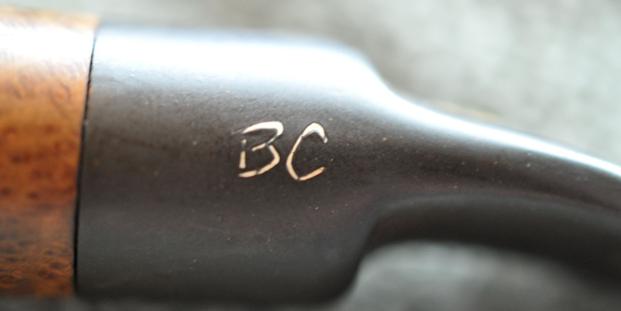
The next pipe on the work table came to us from an antique mall in Logan, Utah, USA early in 2020. It is a unique snub nose bent Billiard with cross grain and birdseye grain and has a short saddle vulcanite stem. The bowl has a rich medium brown colour combination that highlights grain. The pipe has some grime ground into the surface of the briar. It really has some stunning grain on the bowl and shank. This pipe is stamped on the sides of the shank. On the left it reads Butz Choquin [over] Bosco. On the right it read St. Claude [over] France [over] the shape number 1040. There is a moderate cake in the bowl and a thick overflow of lava on the rim top and edges. The rim top looks good but it is hard to be certain with the lava coat. The saddle stem has BC stamped on the left side. There is also a strange metal pin in the top below the saddle stem. It had been filled in with a clear/golden epoxy that was chipped and broken. I have no idea if this is original or some previous pipe owner’s addition. There were some tooth marks and chatter on both sides of the vulcanite stem near the button. The pipe looks to be in good condition under the grime. Jeff took photos of the pipe before he started his cleanup. 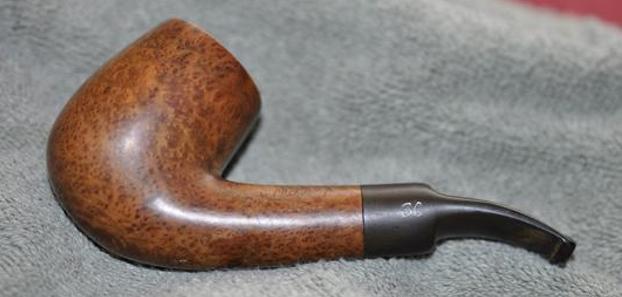
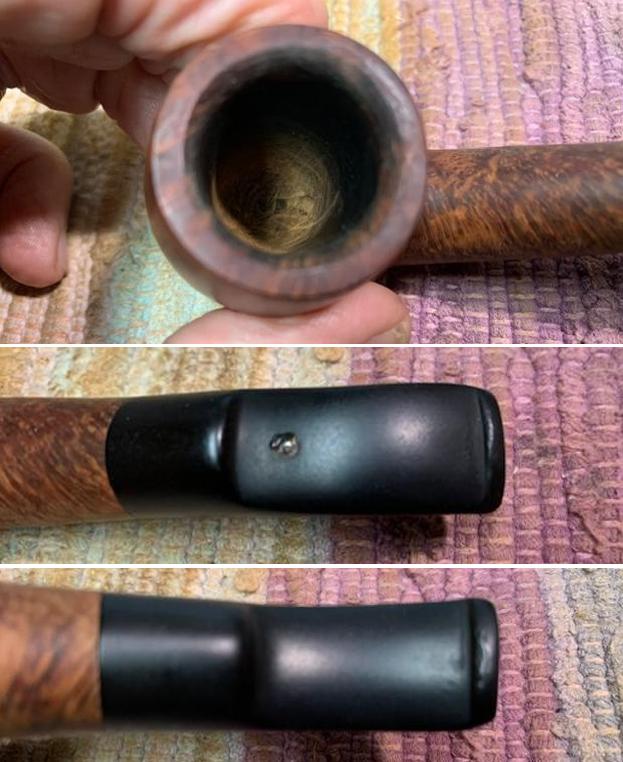
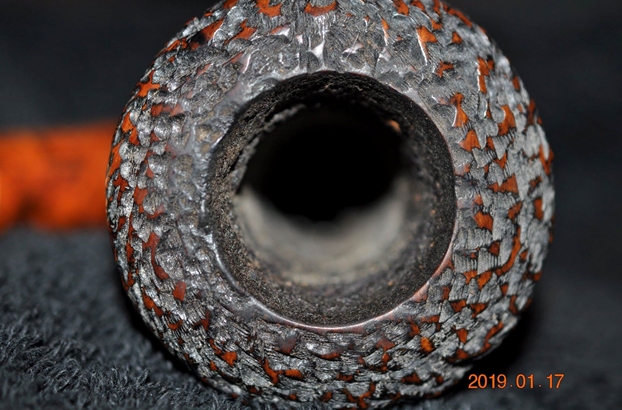
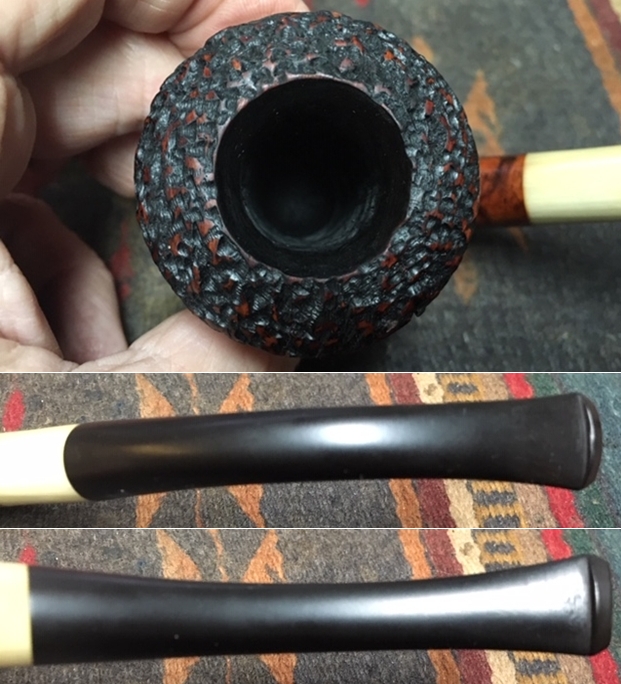
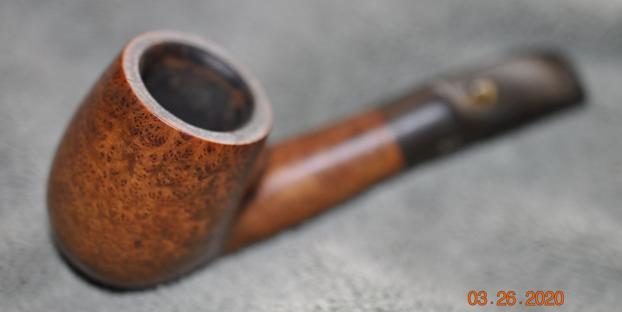 He took photos of the rim top to show the thick cake and the thick lava coat. It is hard to know what the condition of the rim top and edges is like under that thick lava. It is an incredibly dirty pipe but obviously one that was a great smoker. The stem is another strange part of the pipe. It is short and stubby but is original. It has that odd pin and gold epoxy on the top of the stem. The stem also has tooth marks and chatter on both sides ahead of the button. The stem was made for a 6mm filter.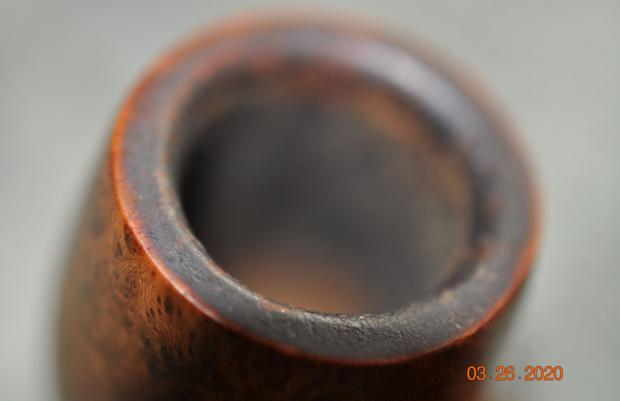
 He took photos of the sides and heel of the bowl to show the beautiful grain around the bowl and the condition of the pipe. You can see the grime ground into the surface of the briar as well as the sandpits.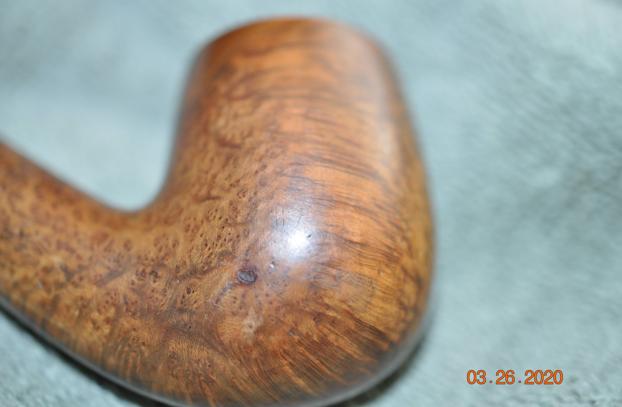
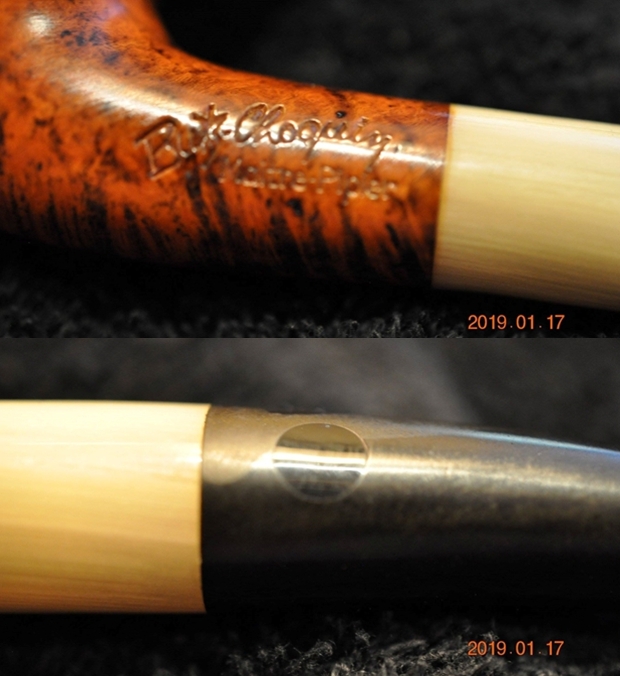
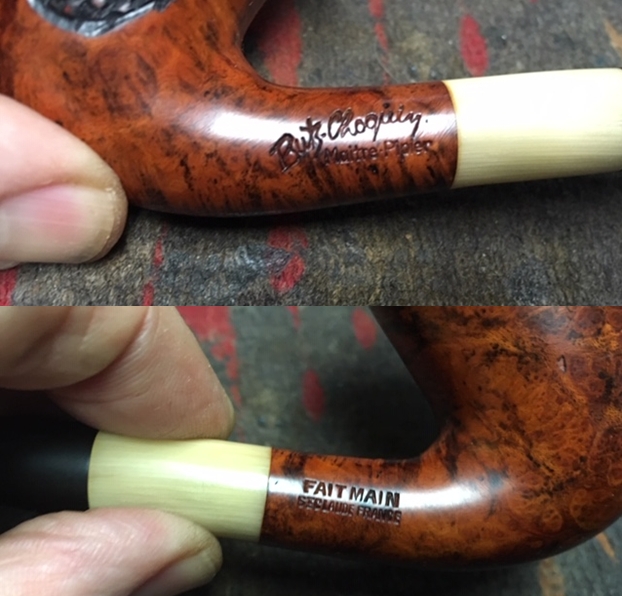
 He took a photo of the stamping on the sides of the shank. It is clear and readable as noted above. He also captured the BC stamp on the saddle stem.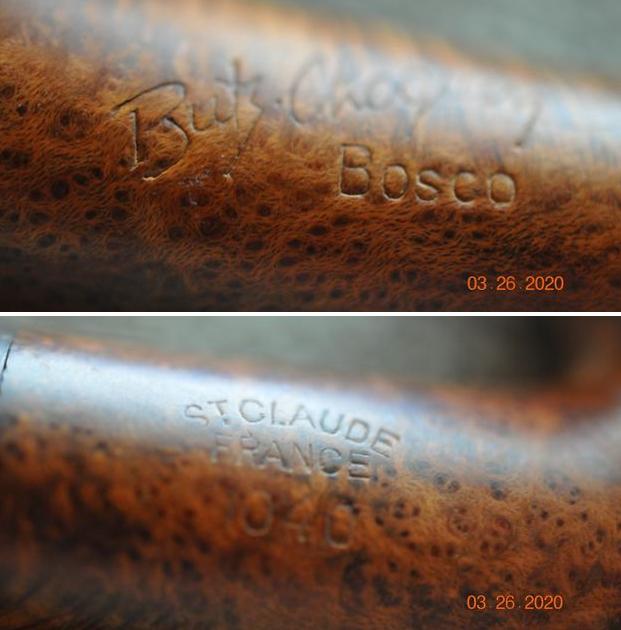
 I wondered about the name of the pipe and did a quick Google search on the word as a name. the search turned up the following:
Italian: topographic name for someone living or working in a wood, from Late Latin boscus ‘shrub’, ‘undergrowth’ (of Gallic or Germanic origin), or a habitational name from a place named with this word.
It turns out to be a fitting name for a pipe made of the shrub Briar! I like the connection but I am not certain that it is what is referred to… but it could be right?
I turned then to Pipephil’s site to look at the Butz Choquin write up there and see if I could learn anything about the line (http://www.pipephil.eu/logos/en/logo-butzchoquin.html). There was a nothing listed for the Bosco pipe but there was a short history of the brand that is worth a read.
I looked up the Parker brand on Pipedia to see if I could find the Butz-Choquin Bosco Line (https://pipedia.org/wiki/Butz-Choquin). There was nothing that tied directly to the line I am working on. There is a detailed history of the brand there that is a good read.
It was time to work on the pipe. As usual Jeff had done a thorough cleanup on the pipe. He reamed the bowl with a PipNet pipe reamer and followed up with a Savinelli Fitsall pipe knife to remove the cake. He scrubbed out the mortise and the airway in the shank and the stem with alcohol, cotton swabs and pipe cleaners. He scrubbed the exterior of the bowl, rim, shank and stem with a tooth brush and Murphy’s Oil Soap to remove the oils and tars on the rim and the grime on the finish of the bowl. He rinsed it under running water. One of the benefits of this scrub is that it also tends to lift some of the scratches and nicks in the surface of the briar. He dried it off with a soft cloth. He cleaned the internals and externals of the stem with alcohol, pipe cleaners and cotton swabs. He soaked the stem in Briarville’s Pipe Stem Deoxidizer and rinsed it off with warm water and cleaned out the airway in the stem with alcohol. This odd little pipe actually was quite stunning! 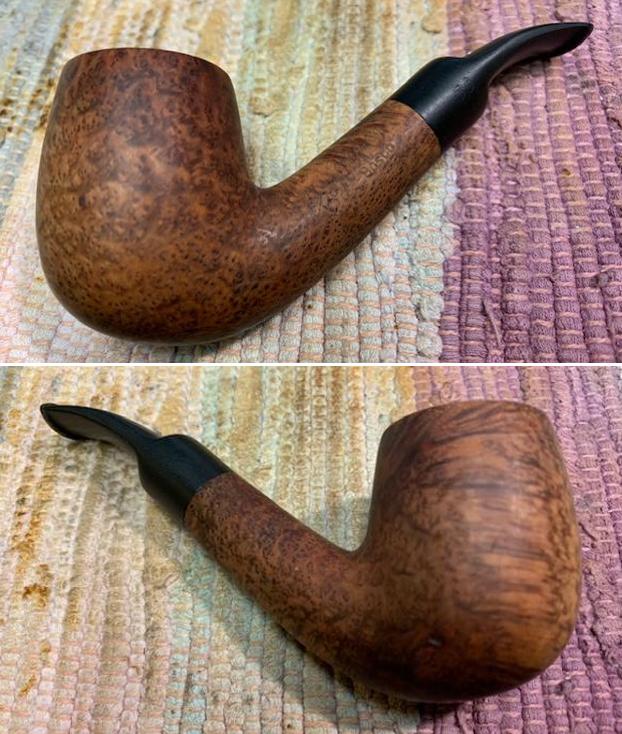
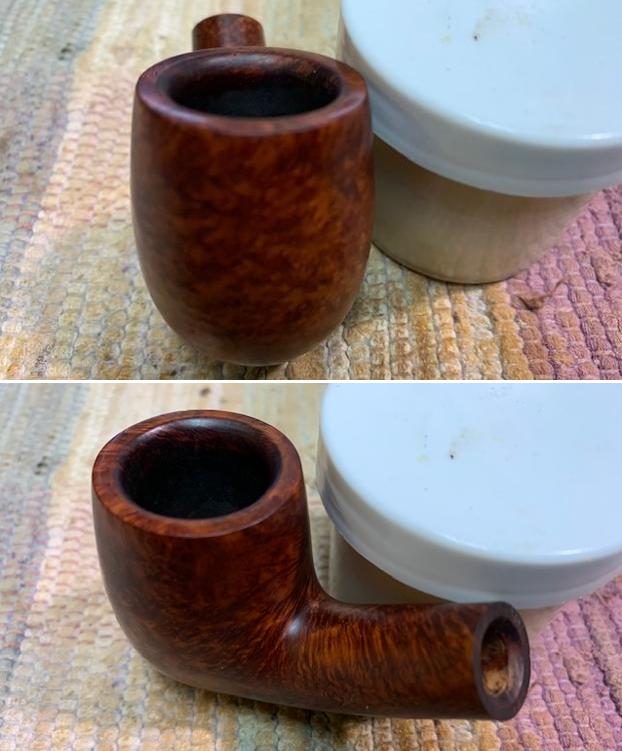
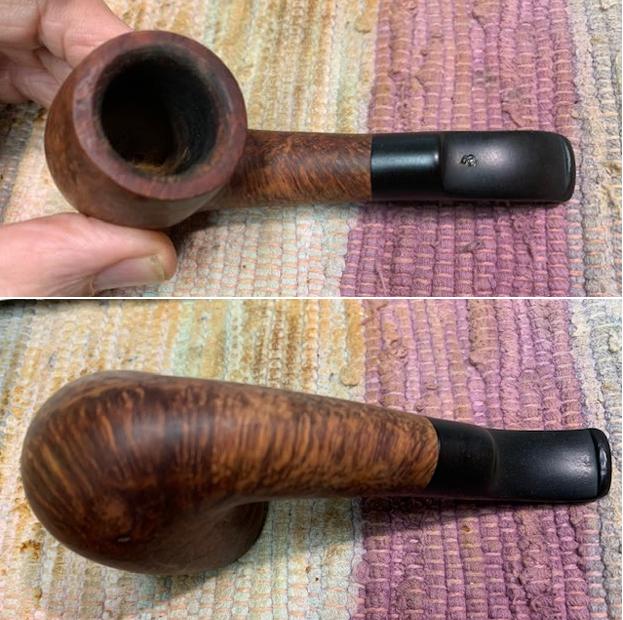 I took a photo of the rim top and stem to show the condition. The rim top looked very good. The rim top and the inner edge of the bowl had darkening and the varnish coat had peeled. The vulcanite saddle stem had light tooth chatter and marks on both sides ahead of the button and on the button edges.
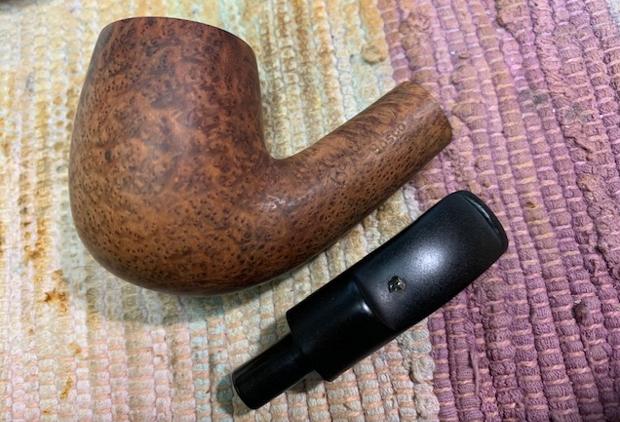
 I removed the stem and the extension from the shank and took a photo of the pipe to give a sense of the whole. It is a nice Straight Grain Billiard that should clean up very well.
  I polished the briar with micromesh sanding pads – wet sanding with 1500-12000 grit pads and wiped down the bowl after each sanding pad.

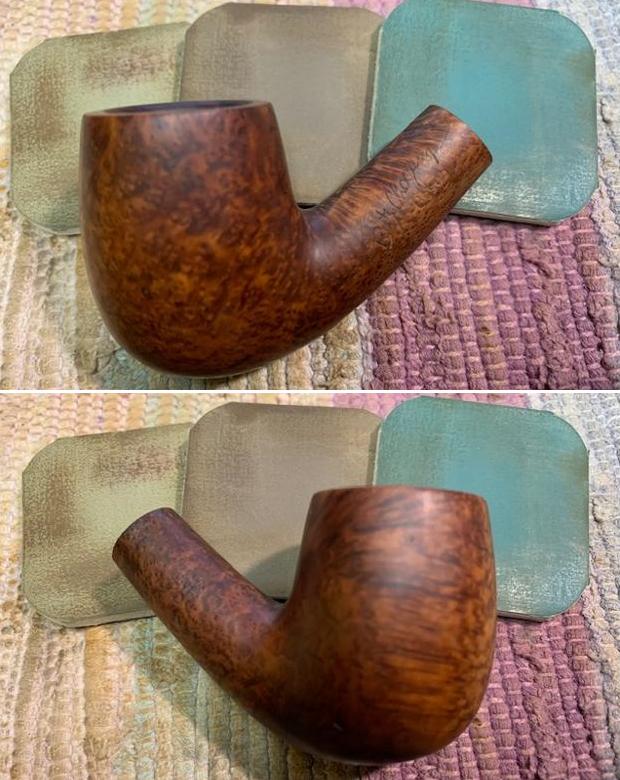
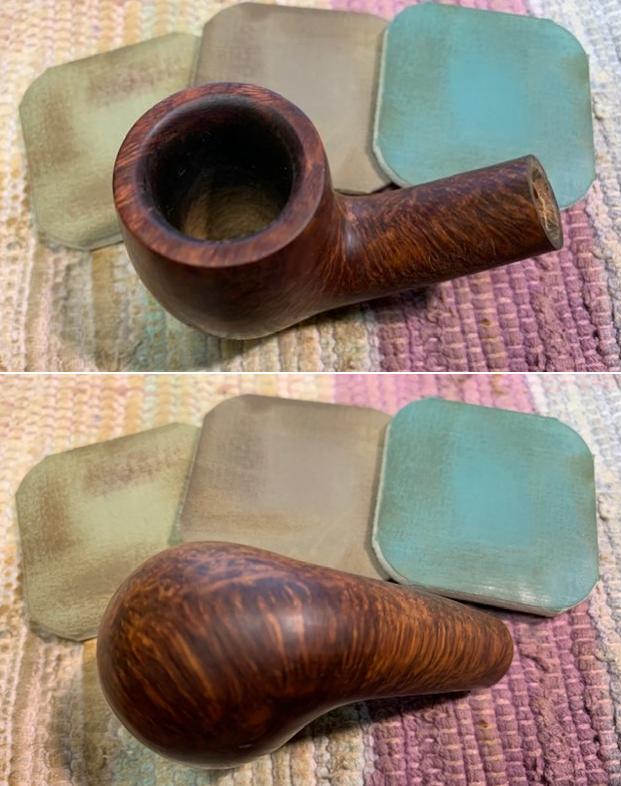
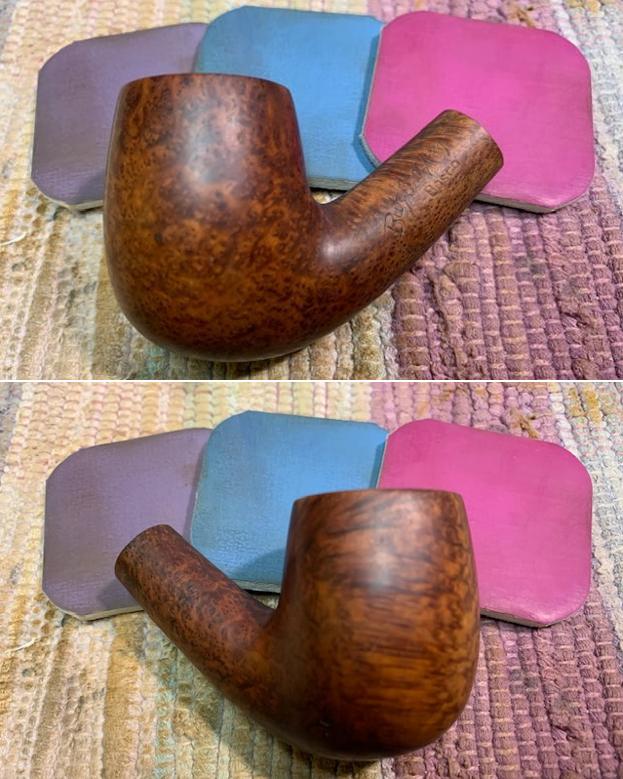
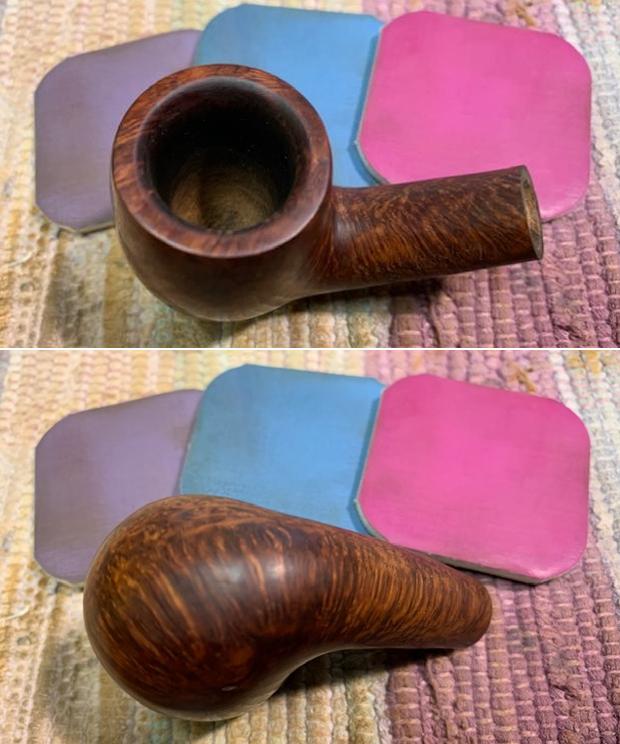 I rubbed the bowl and shank down with Before & After Restoration Balm. I worked it into the surface of the bowl sides and shank with my fingertips to clean, enliven and protect the briar. I let the balm sit for a little while and then buffed with a cotton cloth to raise the shine. The Balm did its magic and the grain stood out.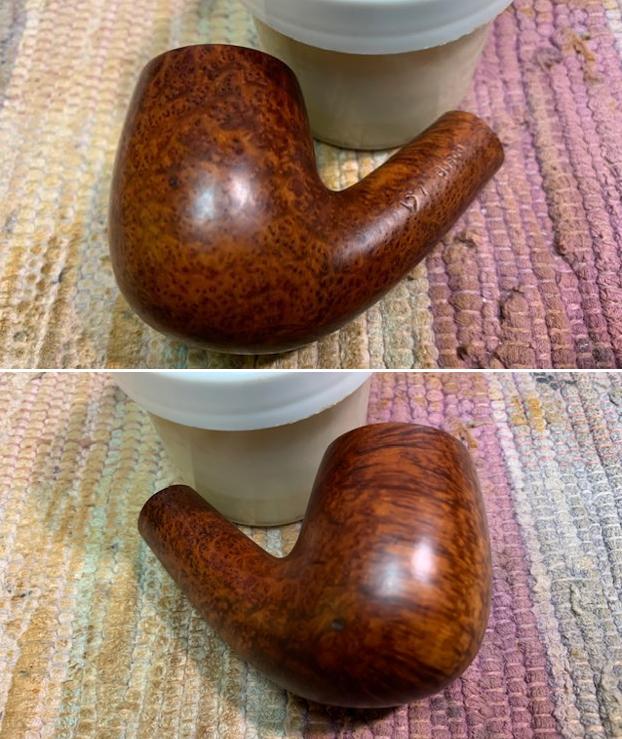

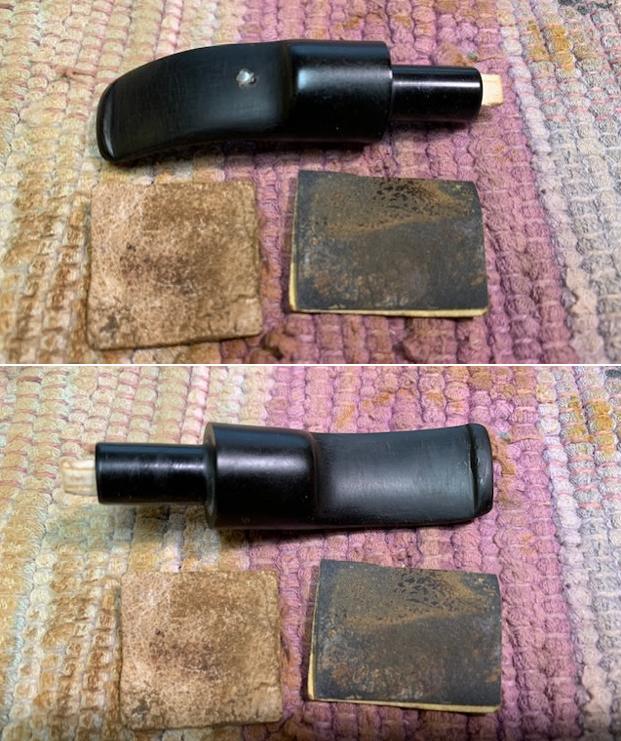
 I set the bowl aside and turned my attention to the stem. I filled in the tooth marks near the button and the pitting around the pin in the top of the stem. Once the repairs cured I used a small file to flatten out the repairs and start to blend them into the stem surface. I sanded the repairs with 220 grit sandpaper and started the polishing process with 400 grit wet dry sandpaper.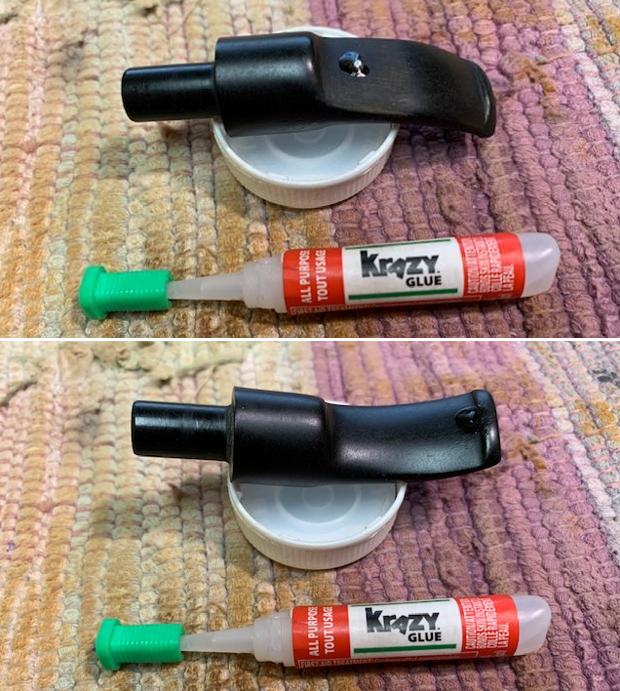

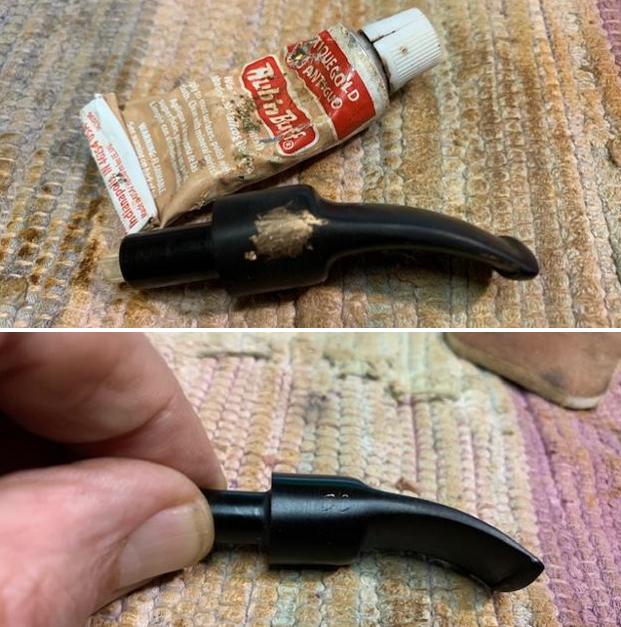
 I used Rub’n Buff Antique Gold to fill in the BC stamp on the left side of the saddle stem. I rubbed it on with a cotton swab and buffed it off with a cotton pad. The stamp is faint but readable.
  I polished the vulcanite stem with micromesh sanding pads – 1500-12000 grit pads. I wiped it down with Obsidian Oil after each sanding pad. I used Before & After Pipe Polish – both Fine and Extra Fine to further polish the stem. The photo below shows the polished stem.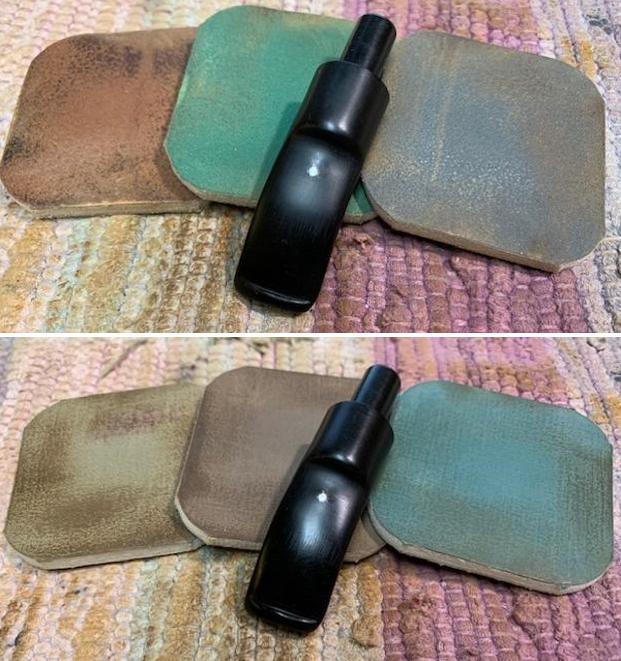
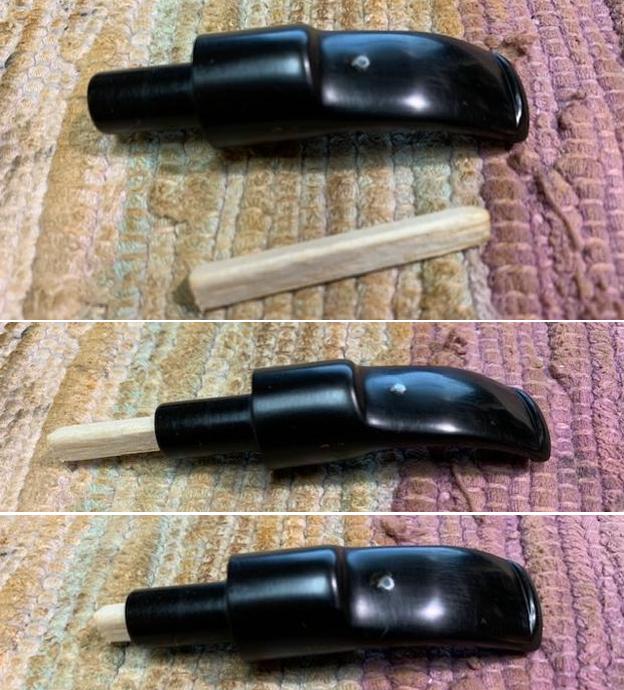
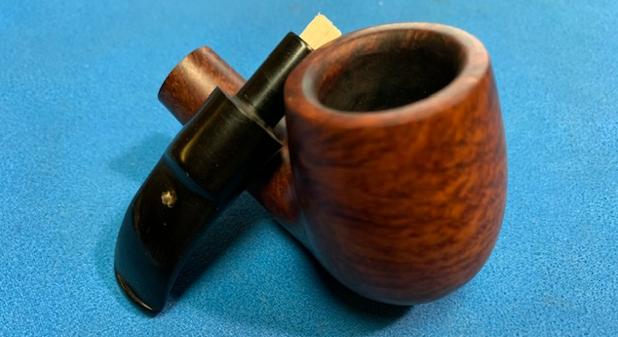
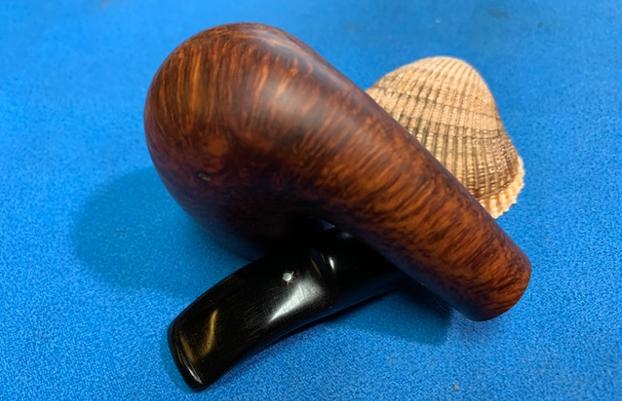
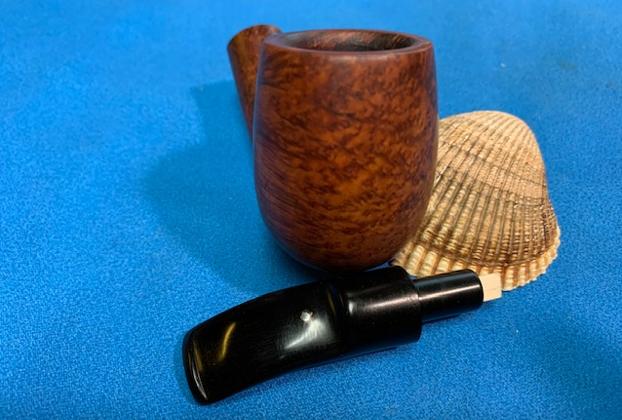
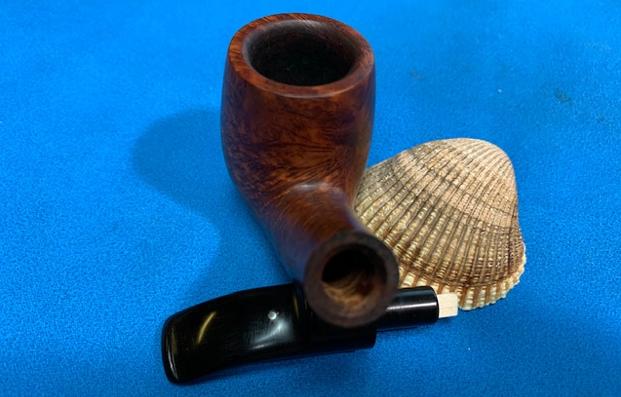
 While working on the stem I decided to see what would fit in the wide open tenon. It was obviously drilled for a 6mm filter. I did not have any, but I did have a Savinelli 6mm Balsa wood filter. Some how a pipe with the name Bosco (shrub/wood) just matched that style of filter. I fit it in place. Then it dawned on me that the pin on the top of the stem was made to keep the filter from going to deep in the stem. It worked well.
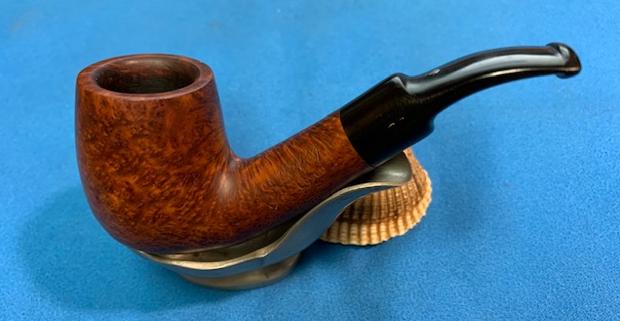
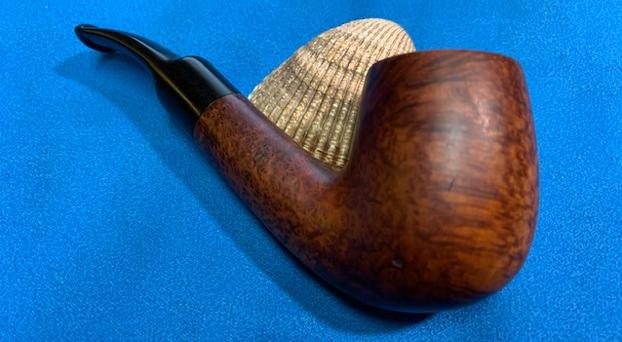
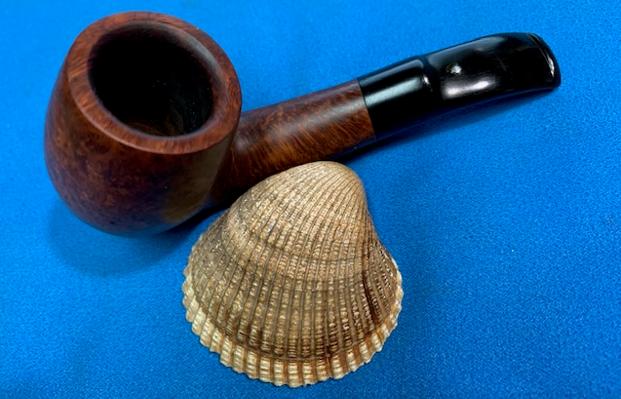
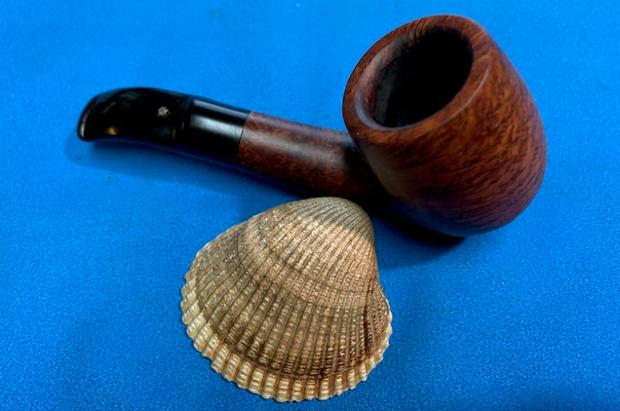
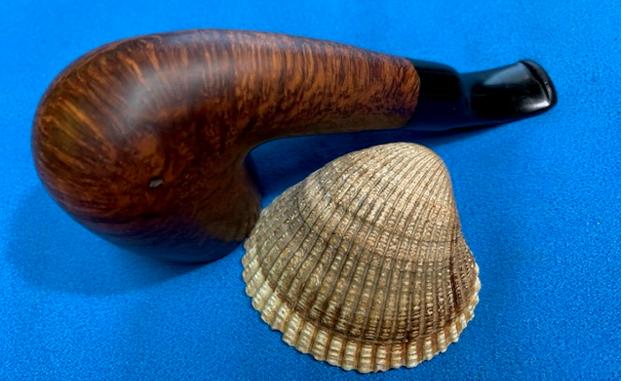
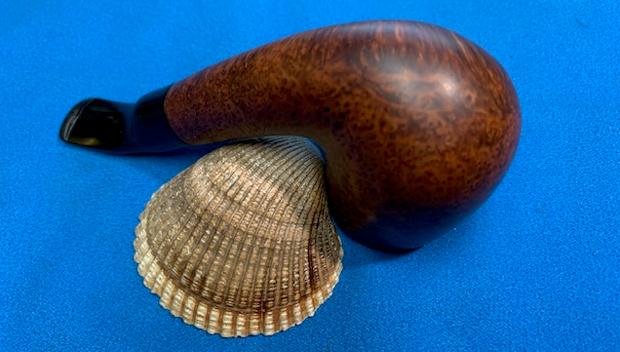
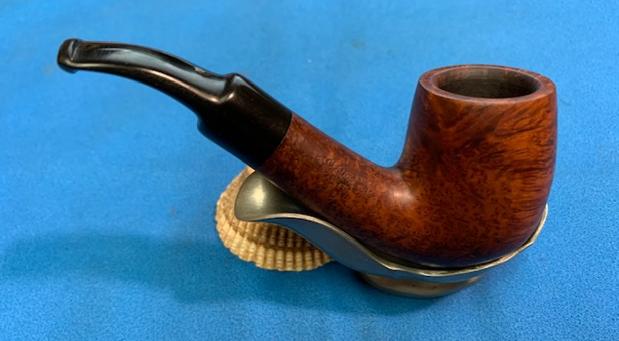
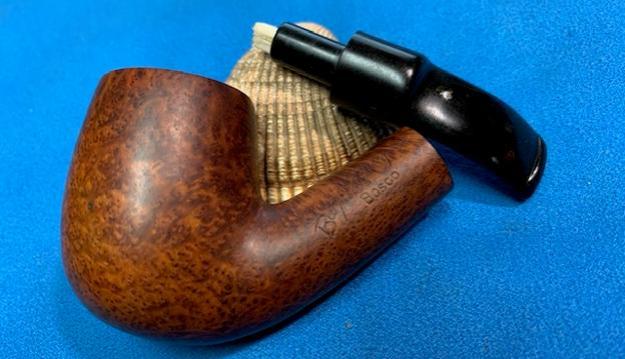
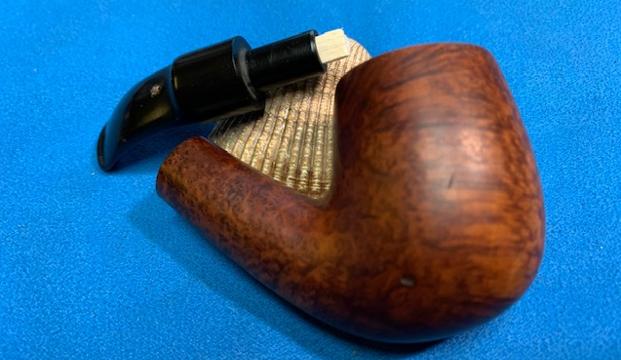
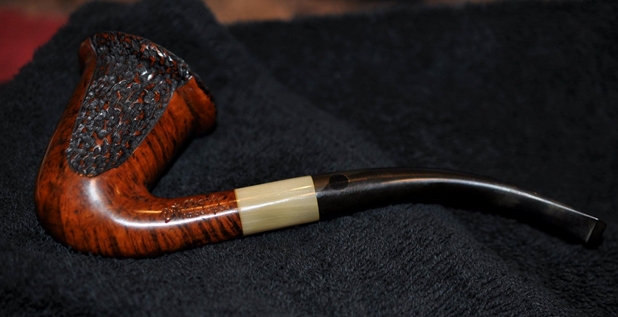
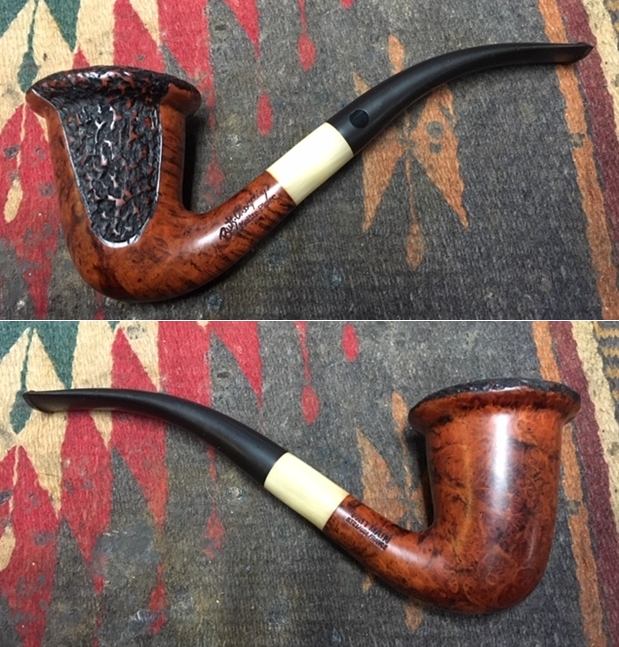
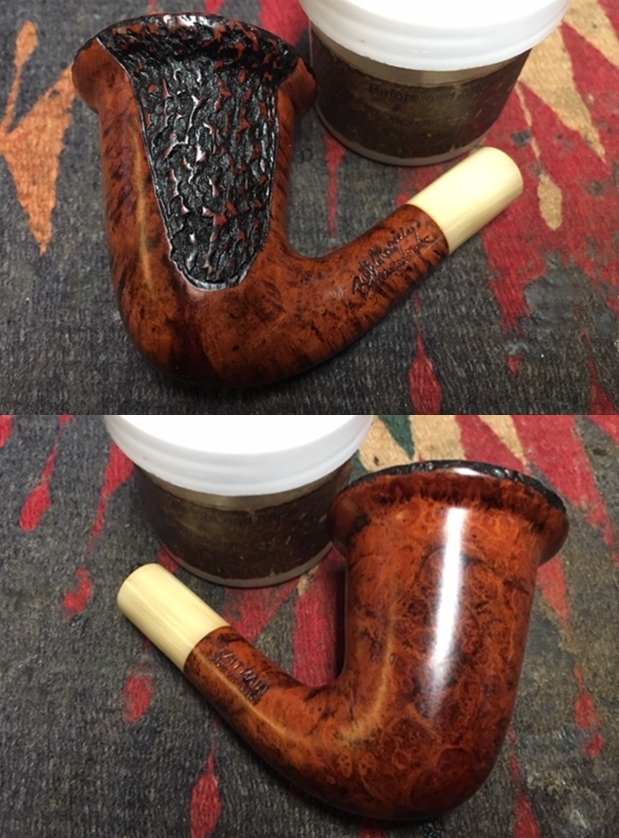
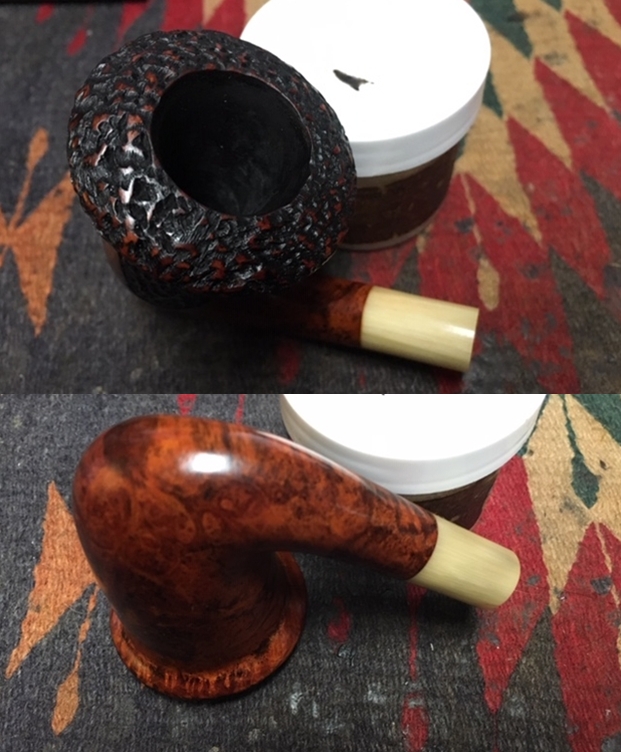
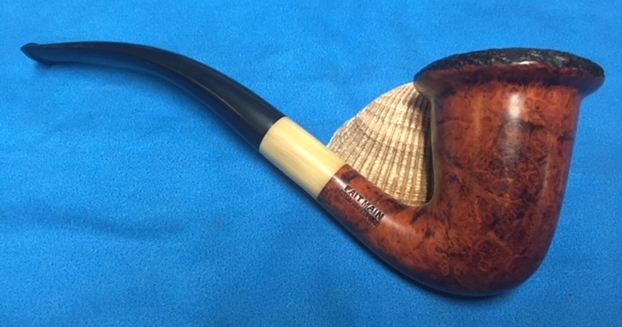
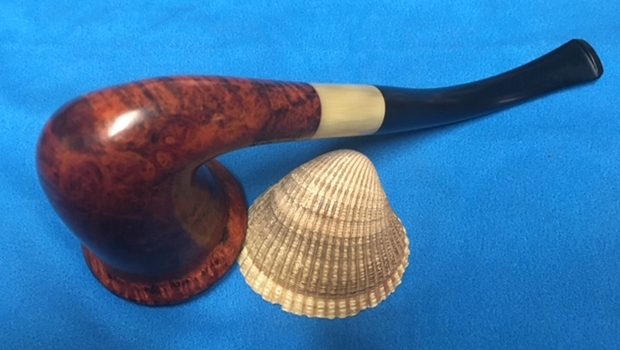
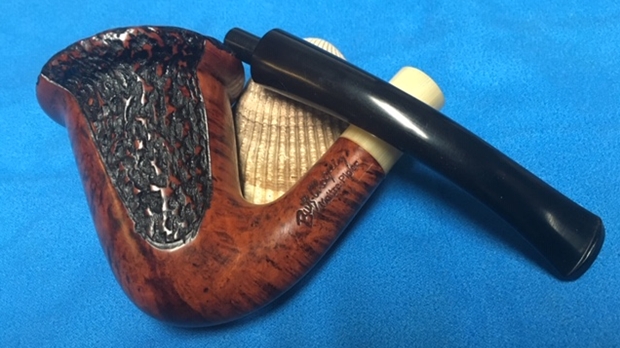
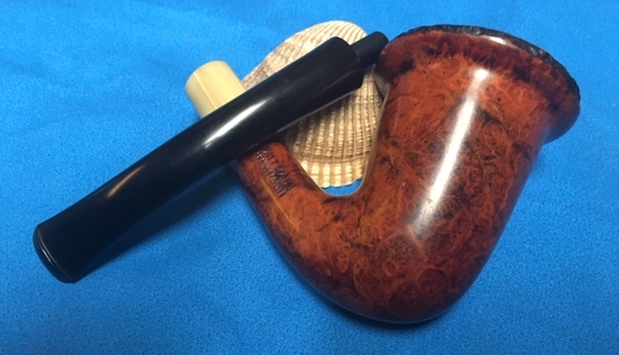
  This nicely grained Butz Choquin Bosco 1040 Bent Billiard Nosewarmer with a vulcanite saddle stem is a great looking pipe now that it has been restored. The briar is clean and really came alive. The rich brown stains gave the grain a sense of depth with the polishing and waxing. The grain really popped. I put the vulcanite stem back on the bowl and carefully buffed the pipe with Blue Diamond on the buffing wheel using a light touch on the briar. I gave the bowl and the stem multiple coats of carnauba wax on the buffing wheel. I buffed the pipe with a clean buffing pad to raise the shine. I hand buffed the pipe with a microfiber cloth to deepen the shine. The finished Short Butz Choquin Bent Billiard is a beauty and feels great in the hand and looks very good. Give the finished pipe a look in the photos below. The dimensions of the pipe are Length: 4 ¼ inches, Height: 2 inches, Outside diameter of the bowl: 1 ¼ inches, Chamber diameter: ¾ of an inch. The weight of the pipe is 41grams/1.45oz. The pipe will be going on the rebornpipes store soon. It will be in the section on French Pipe Makes if you would like to add it to your collection.Thanks for reading this blog and my reflections on the pipe while I worked on it. There are many more to come!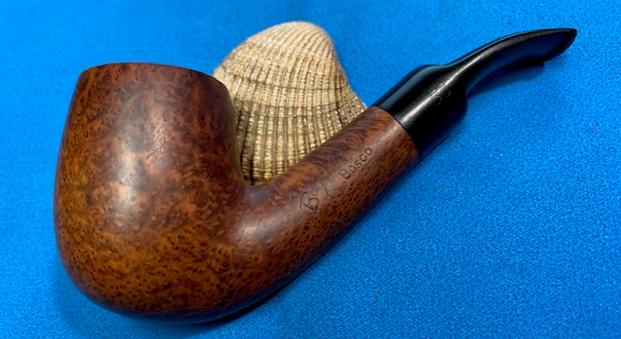













 rebornpipes