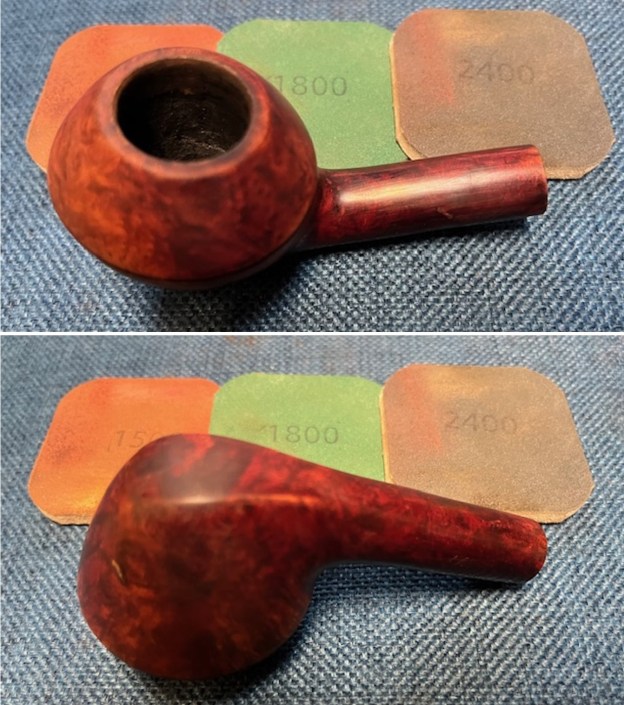
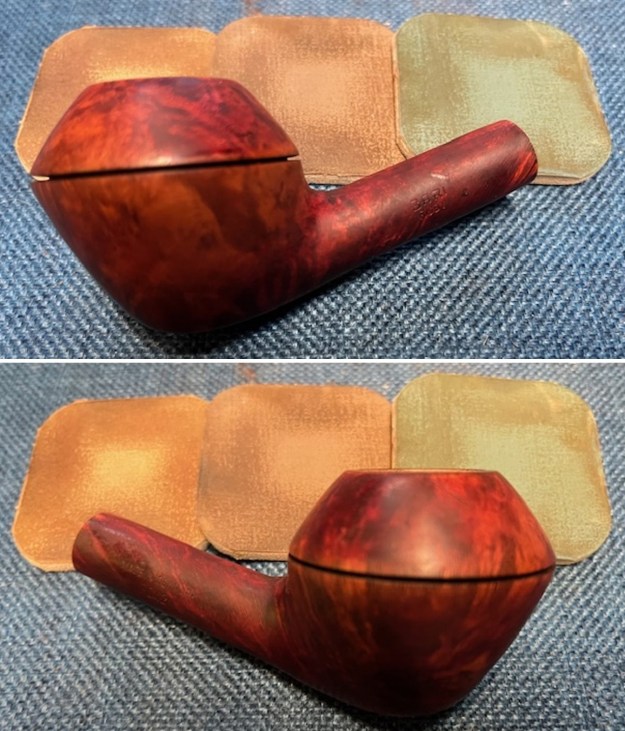
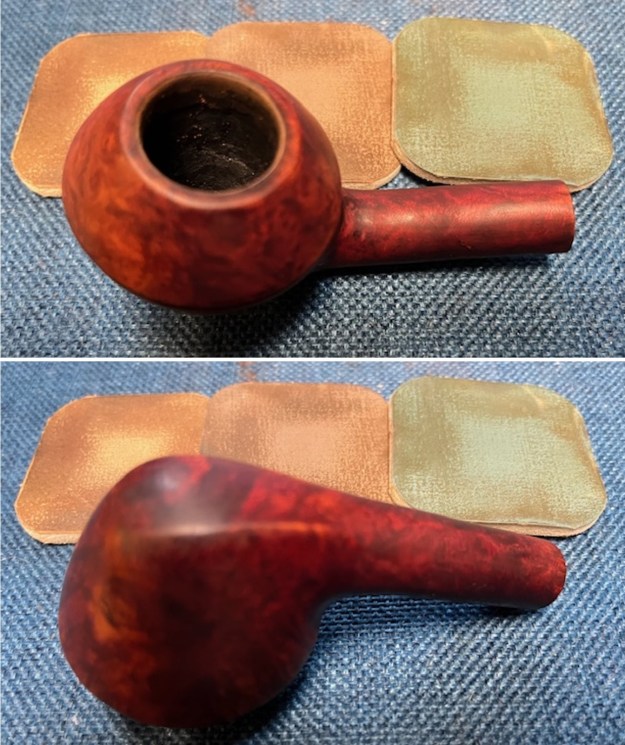
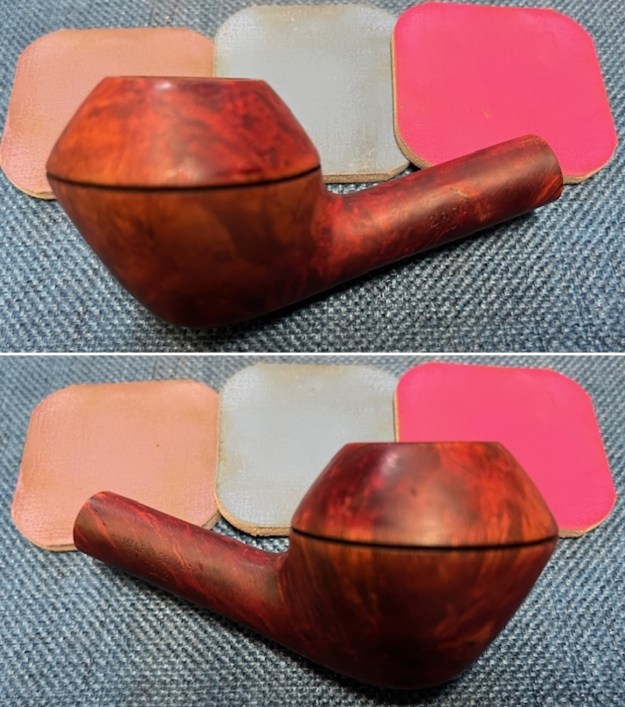
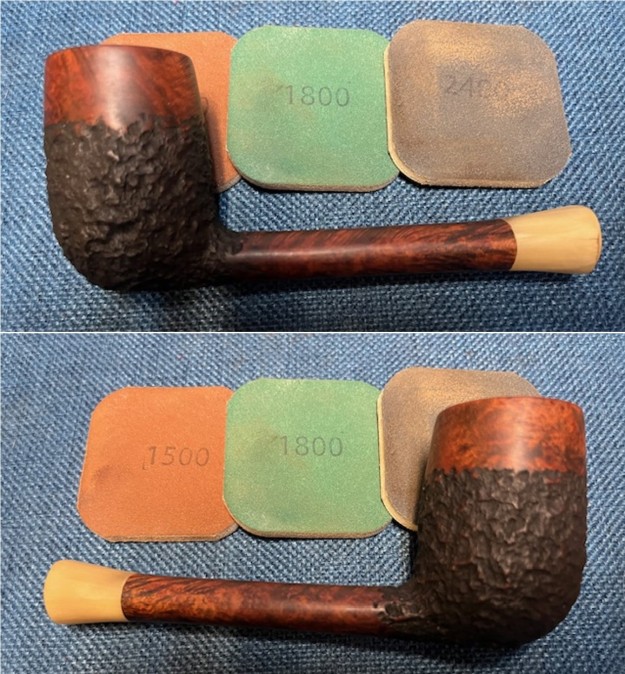
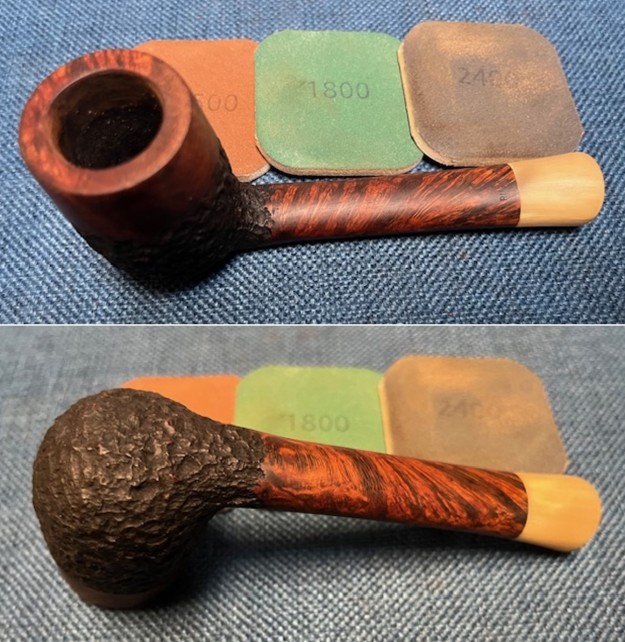
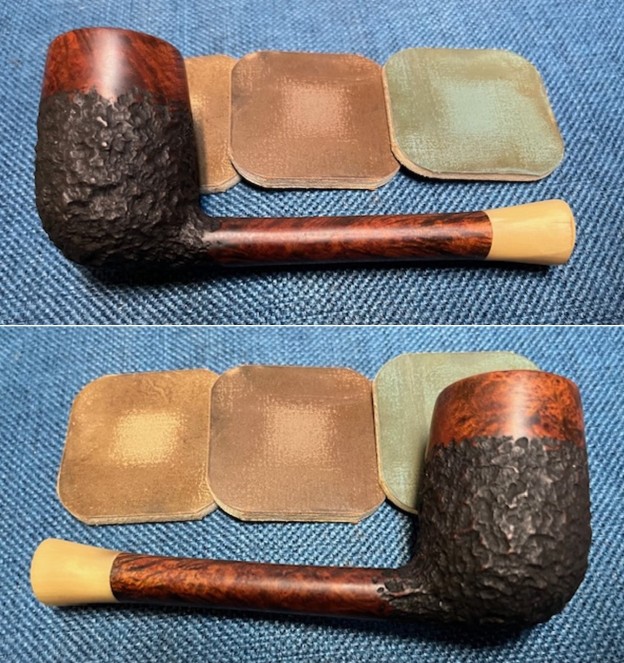
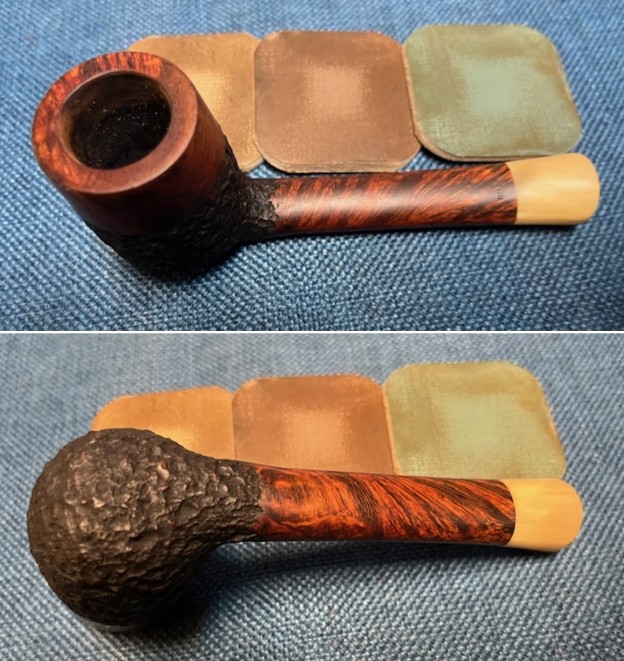
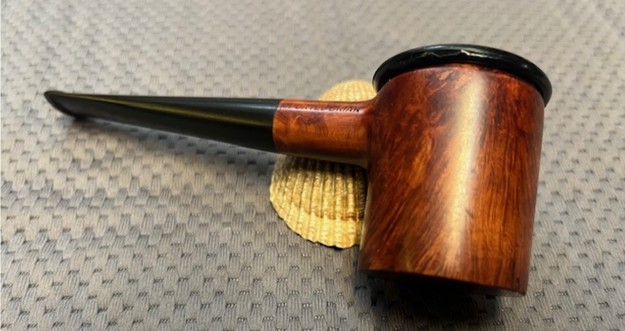
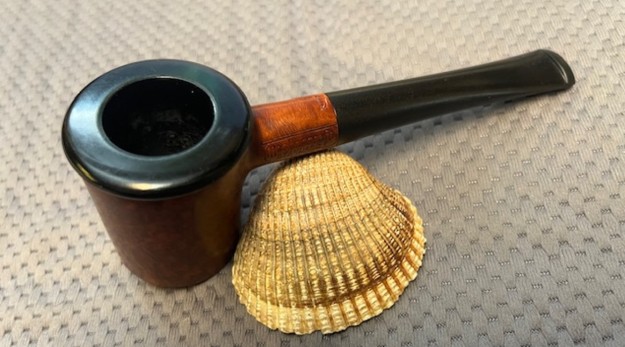
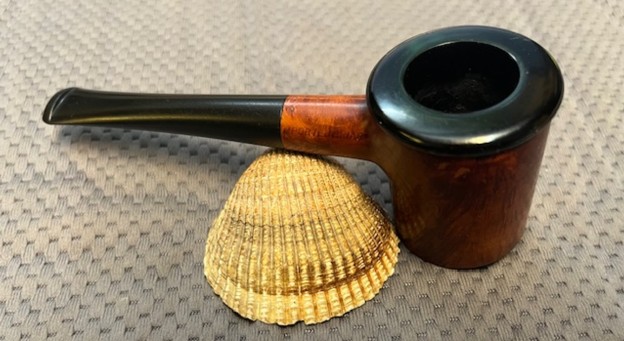
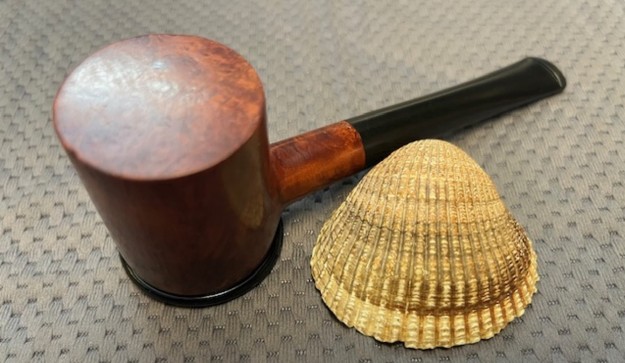
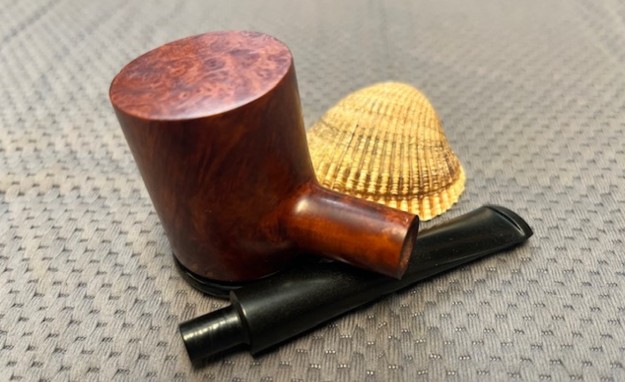
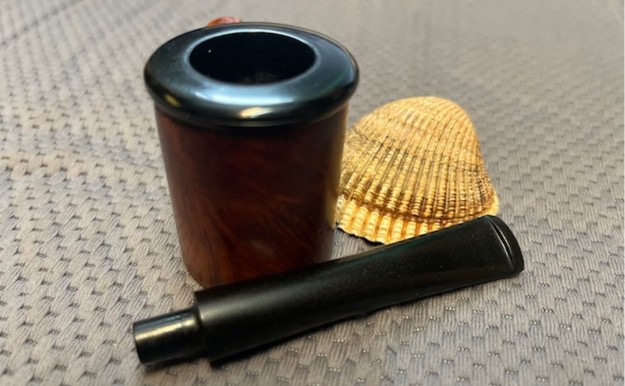
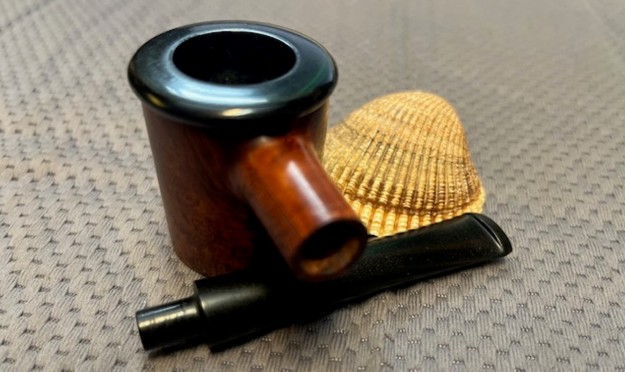
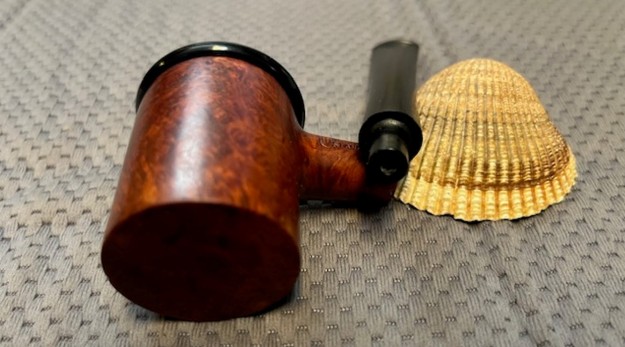
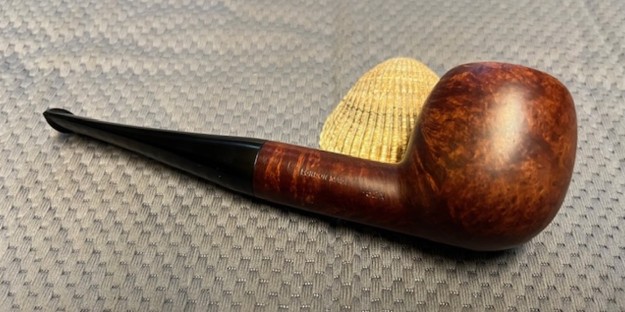
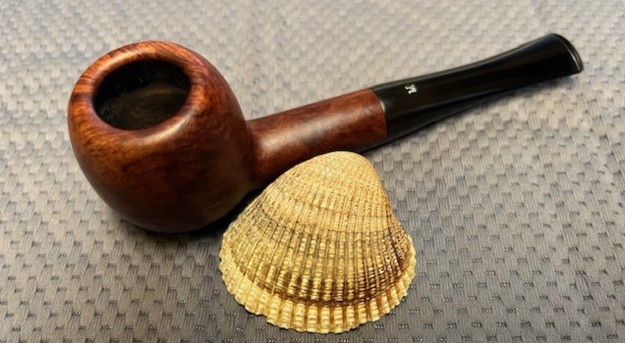
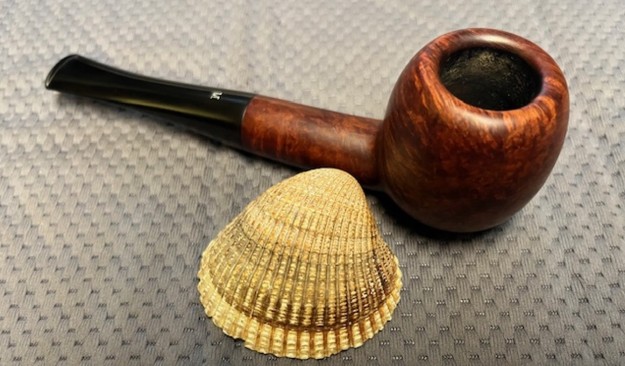
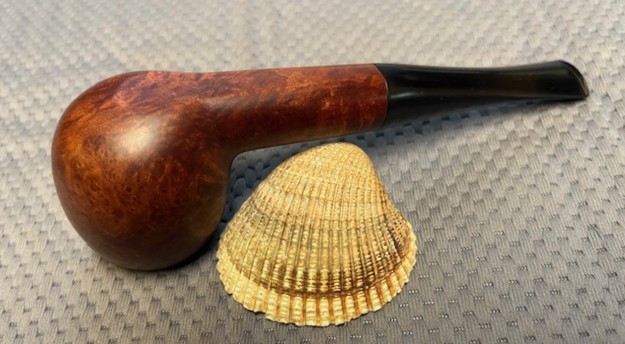
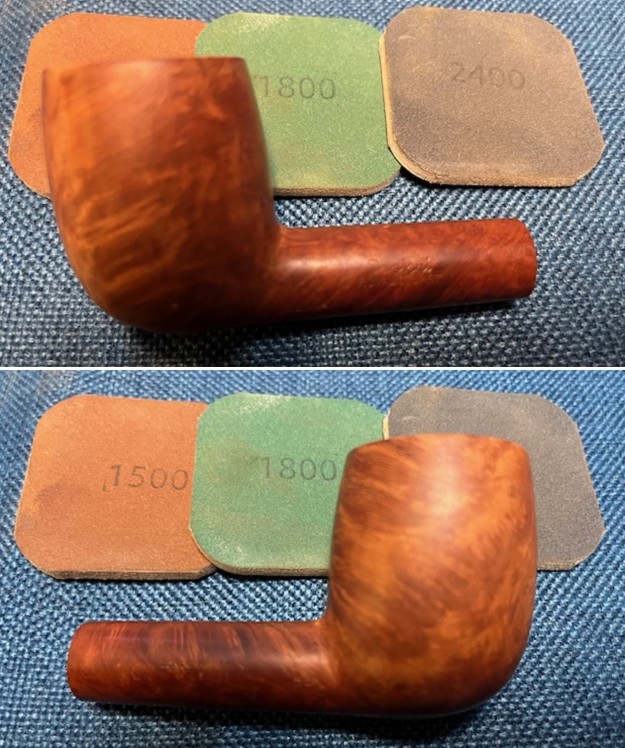
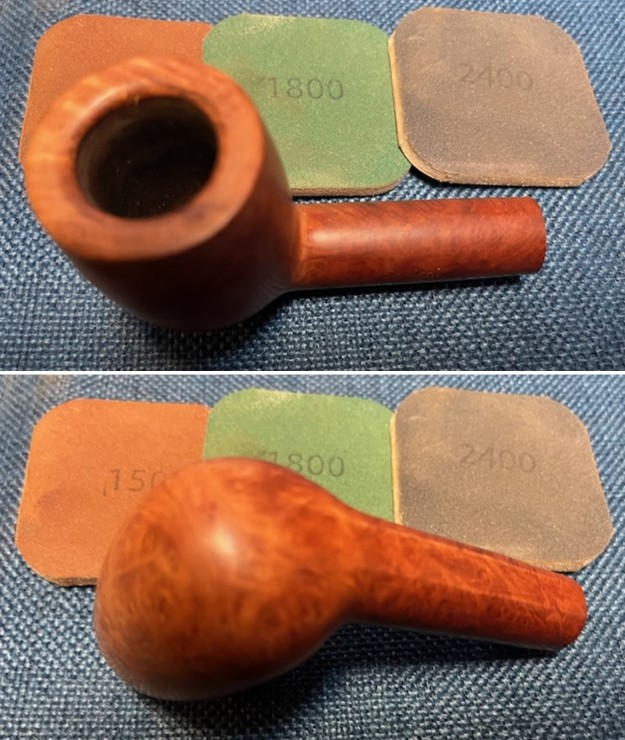
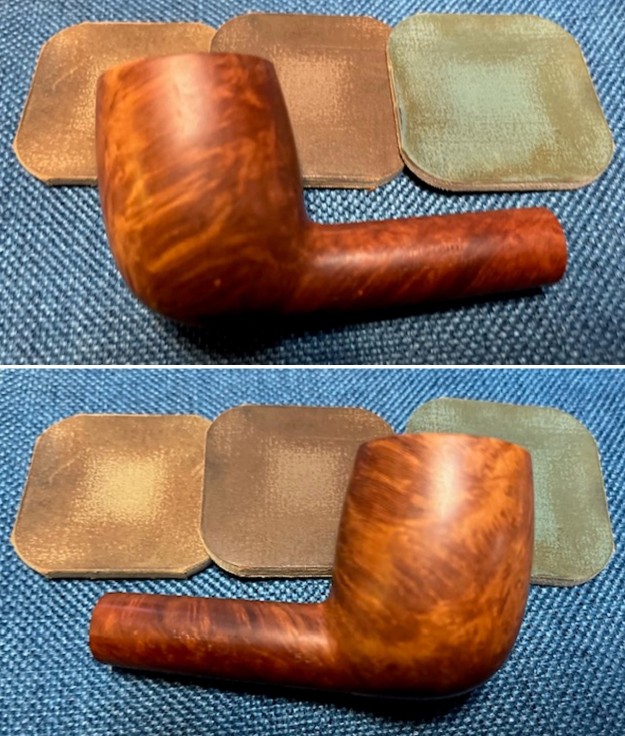
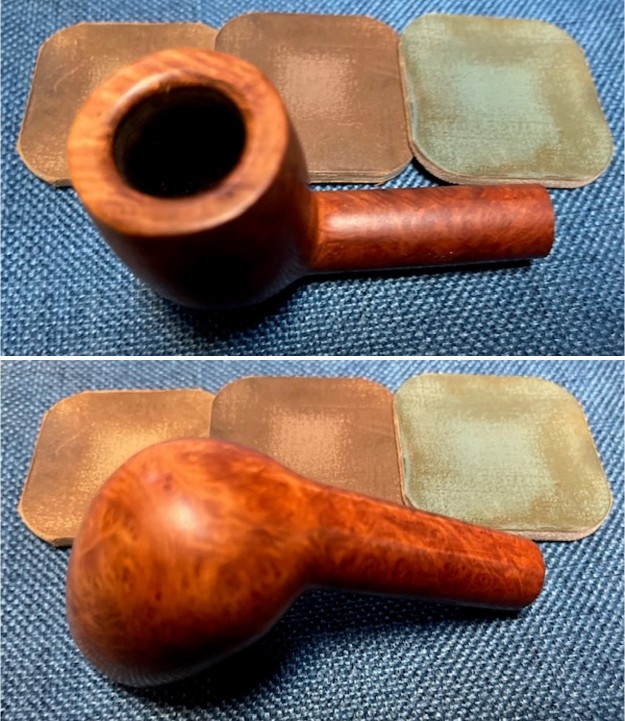
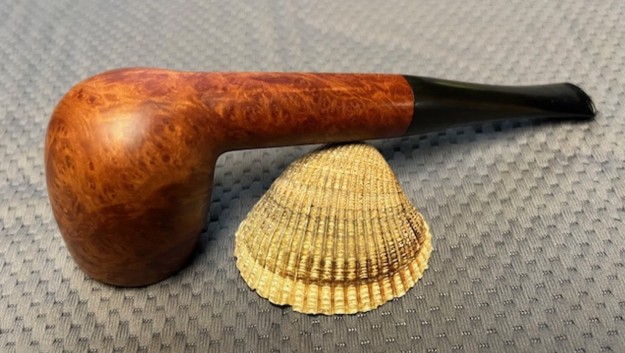
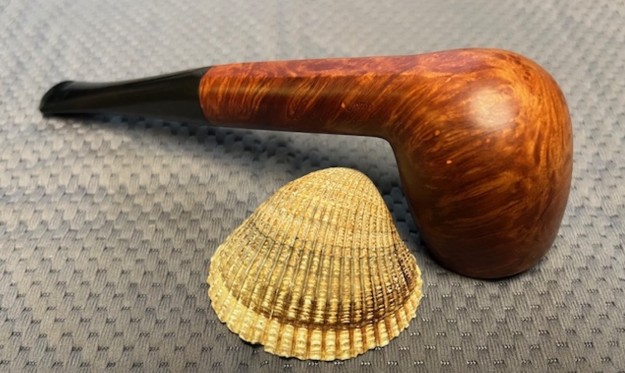
Restoring a Gorgeous Danish Freehand Canted Egg


by Kenneth Lieblich

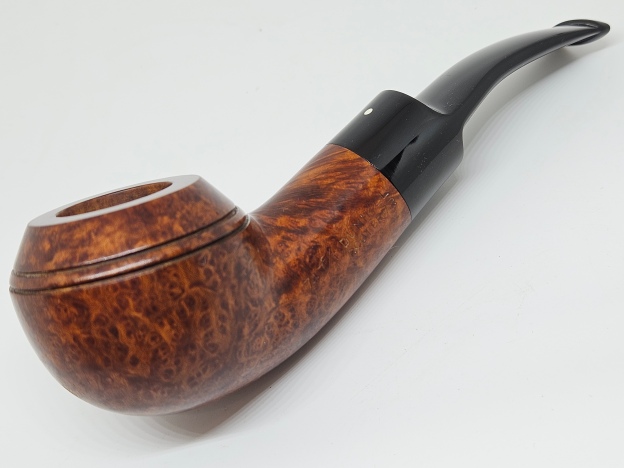
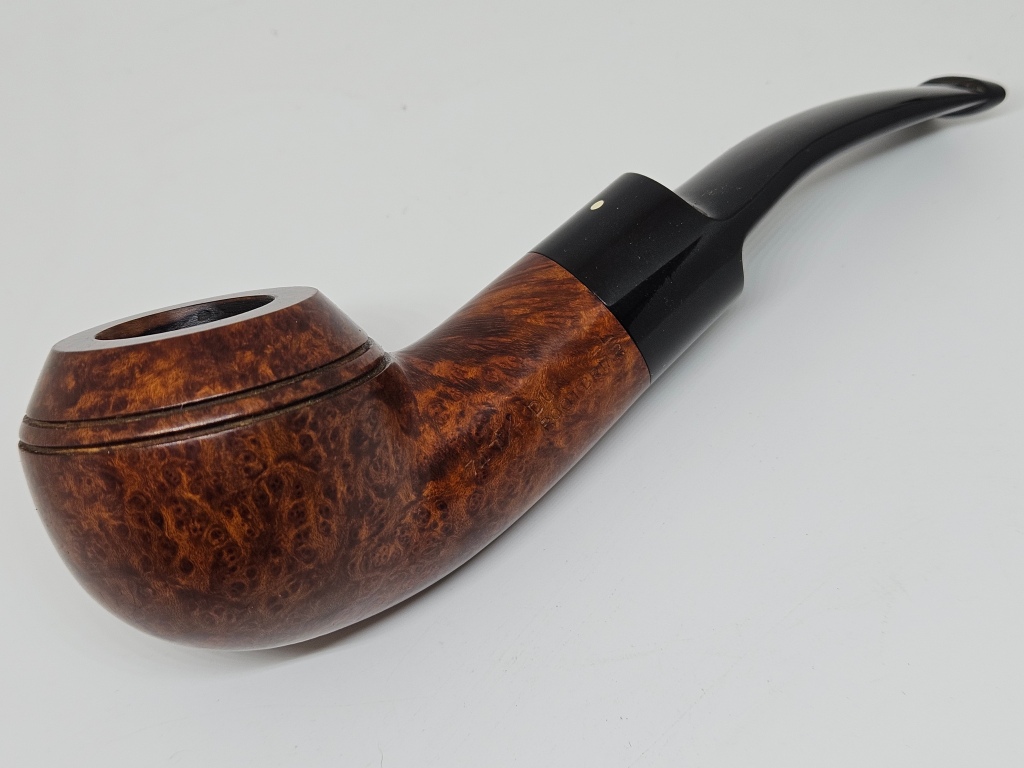
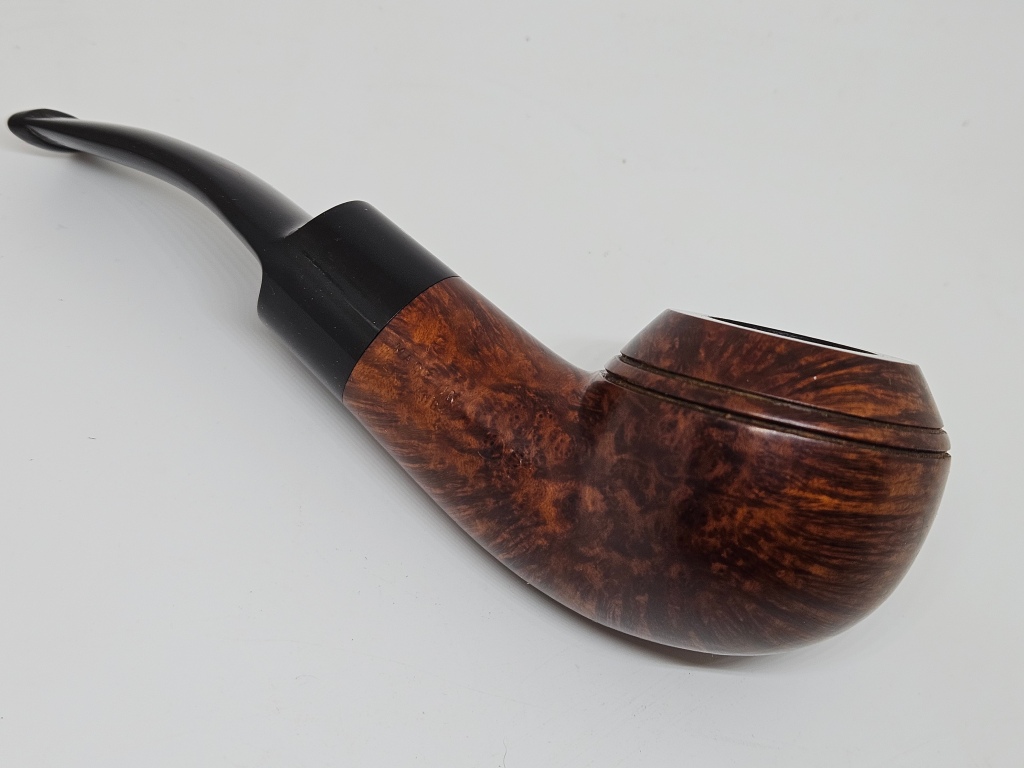
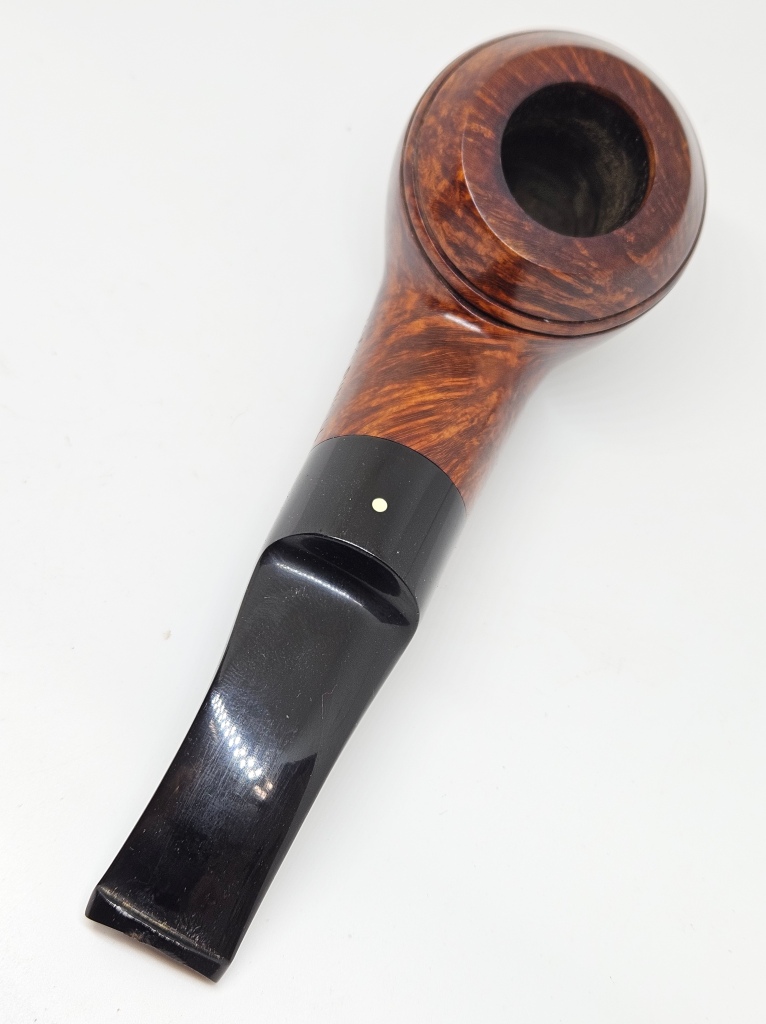
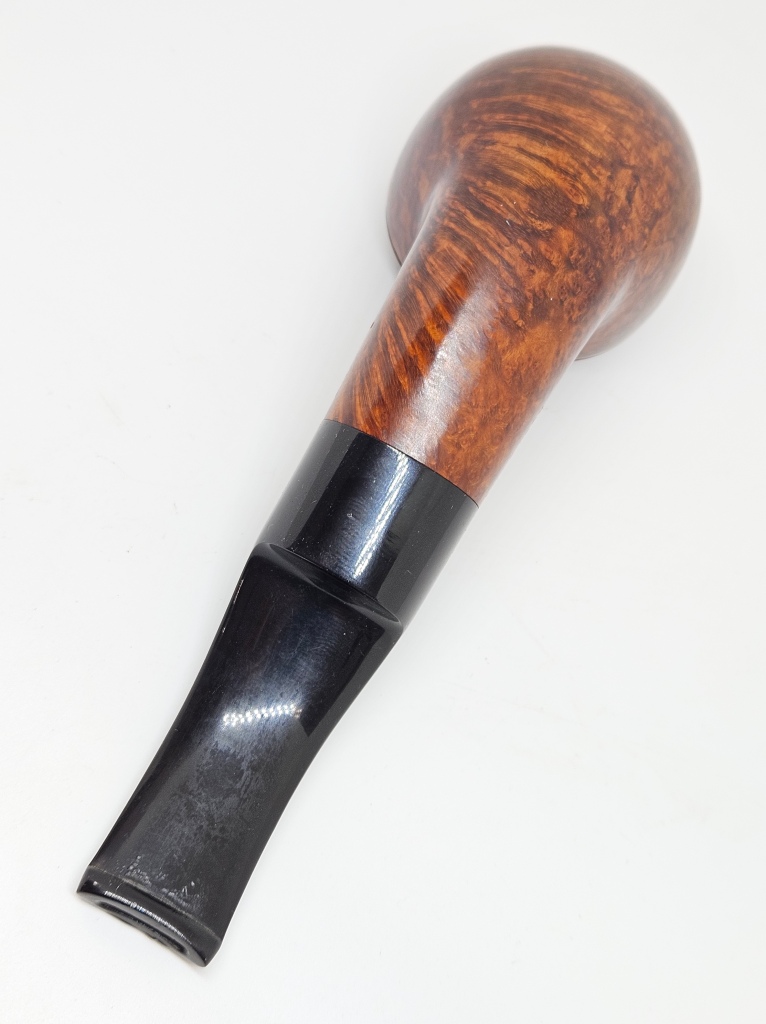
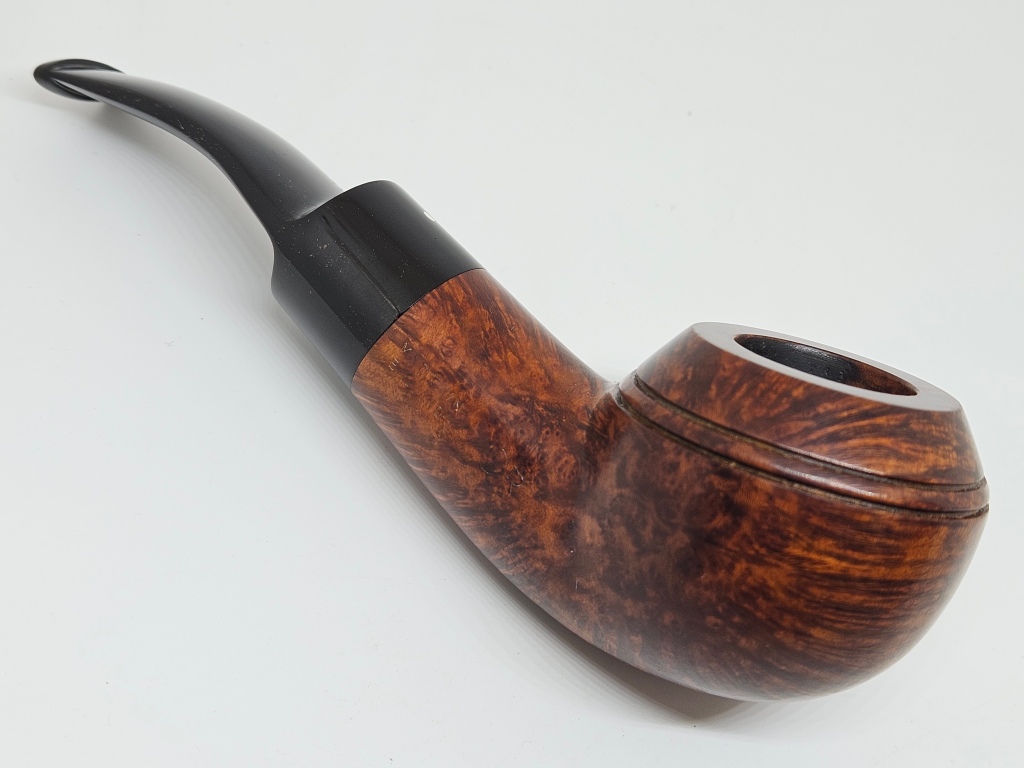
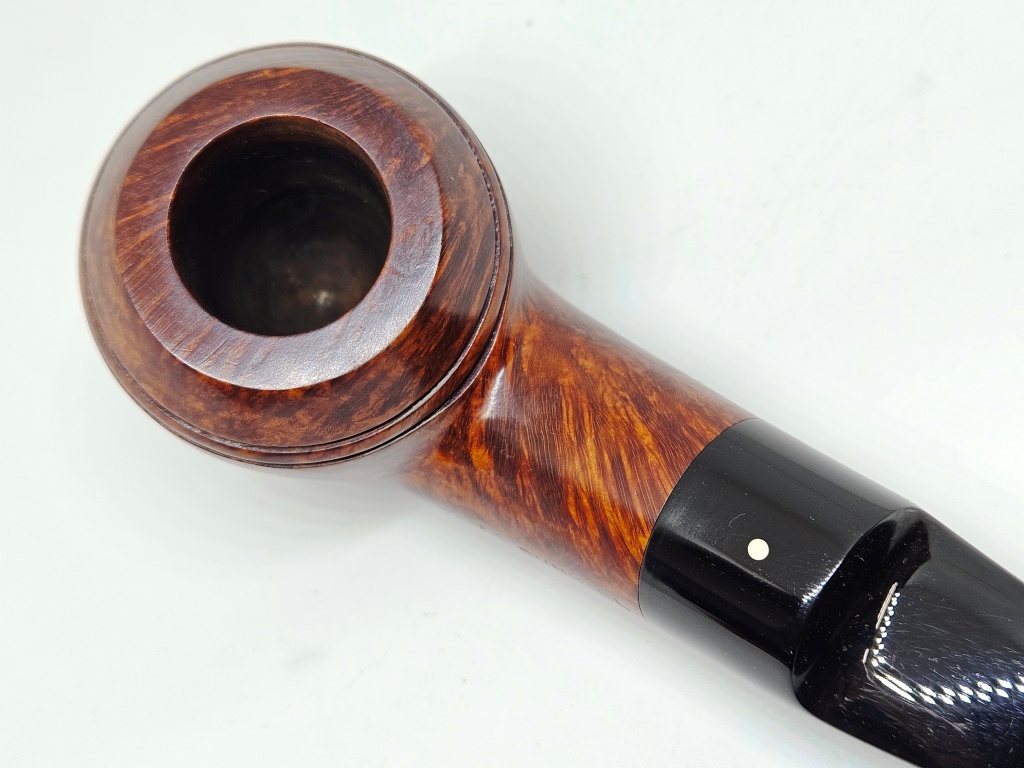
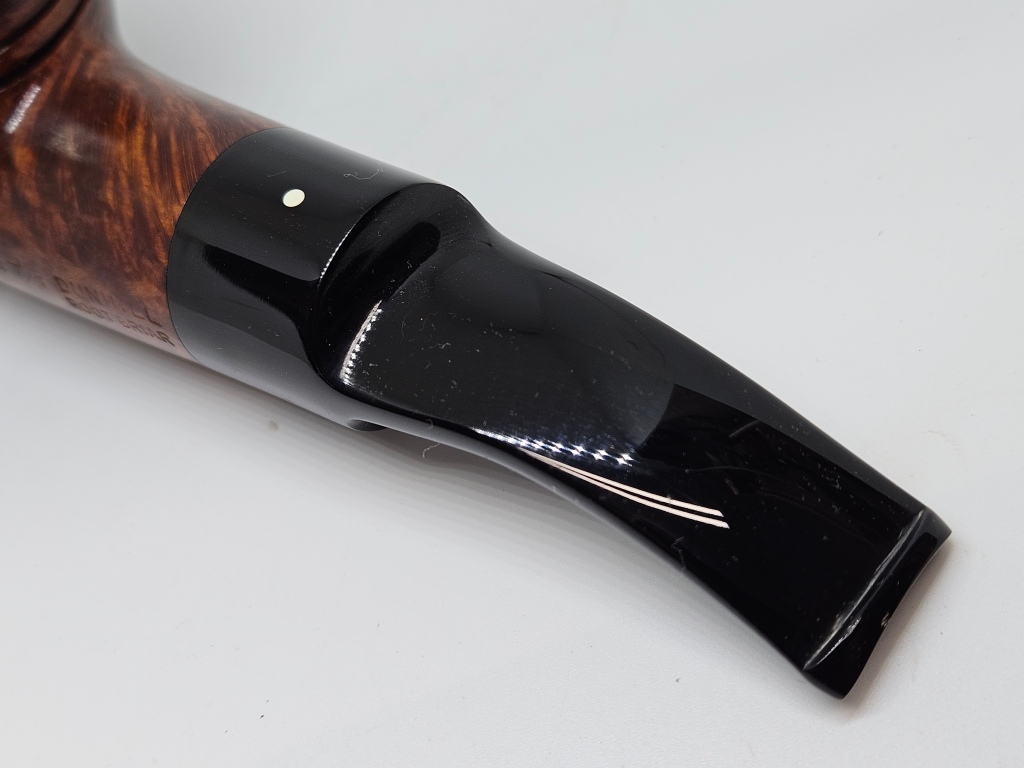
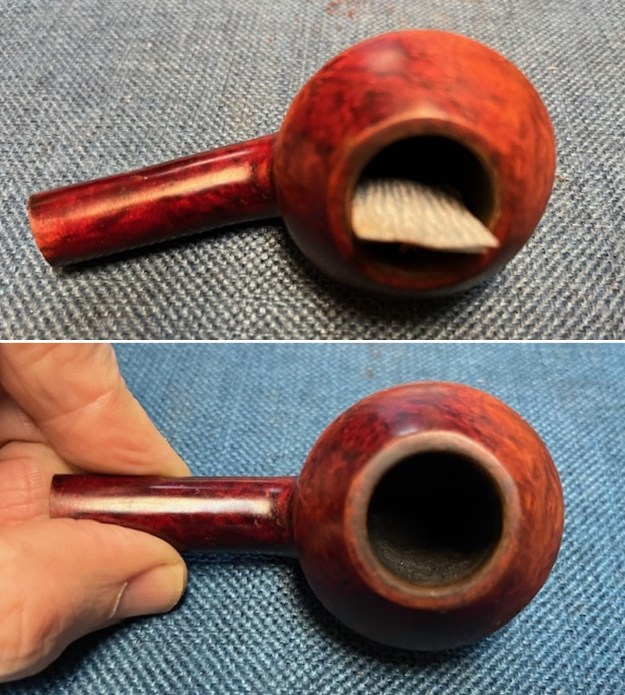
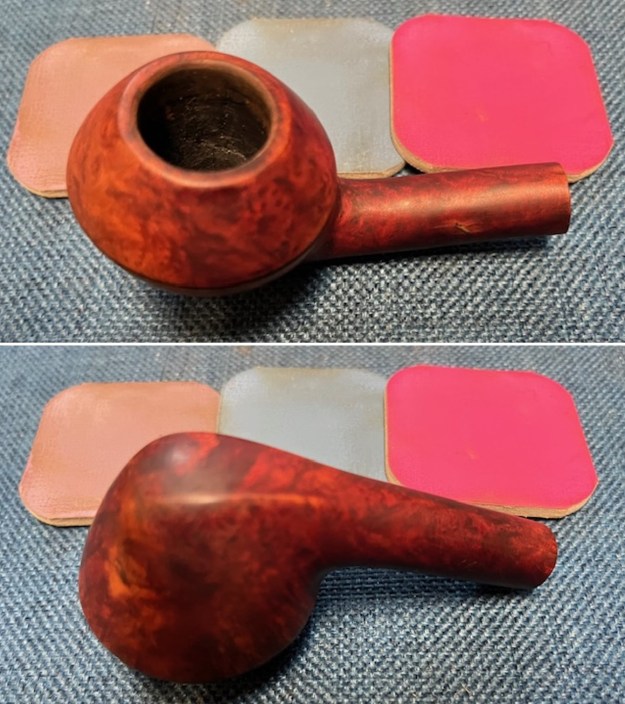
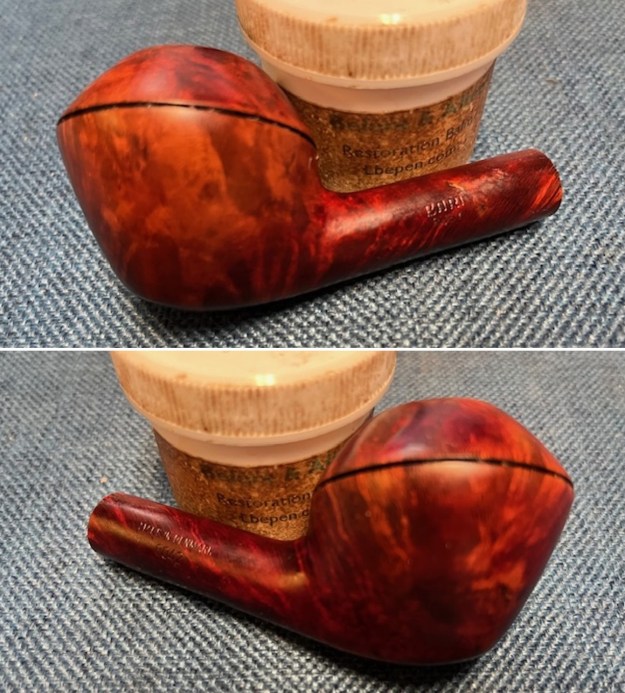
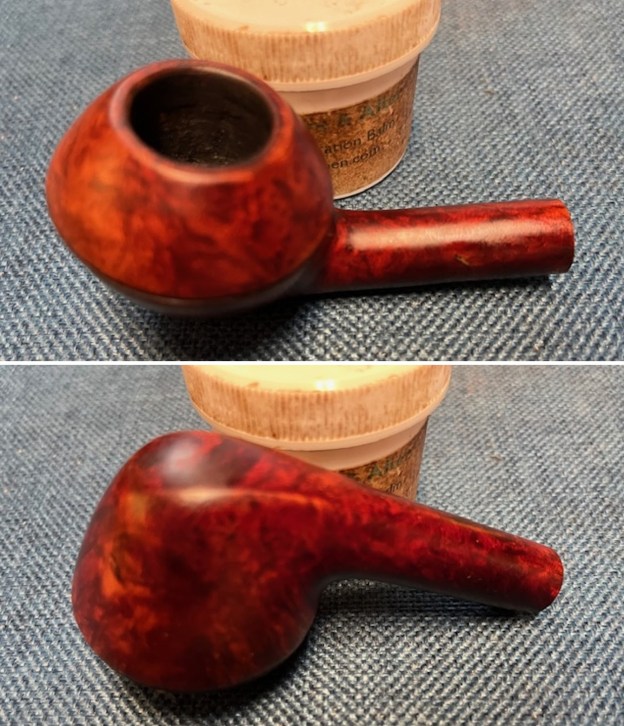
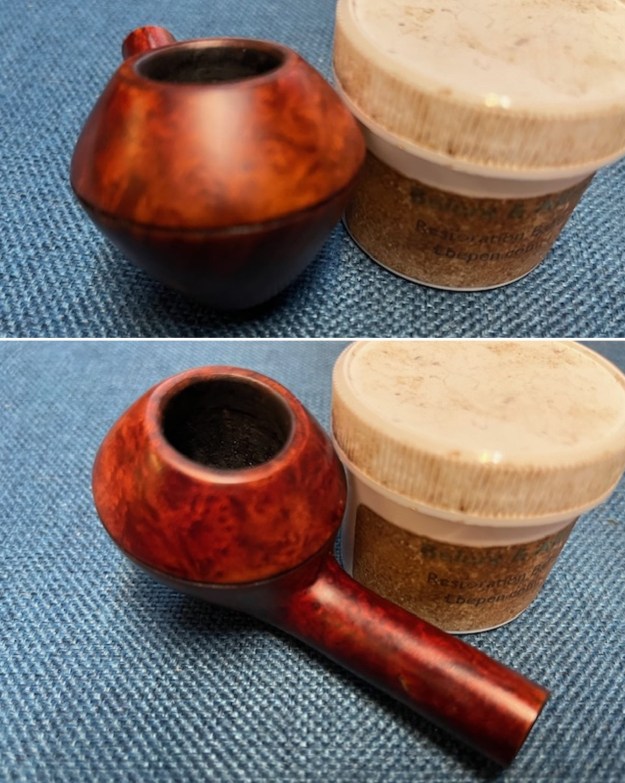
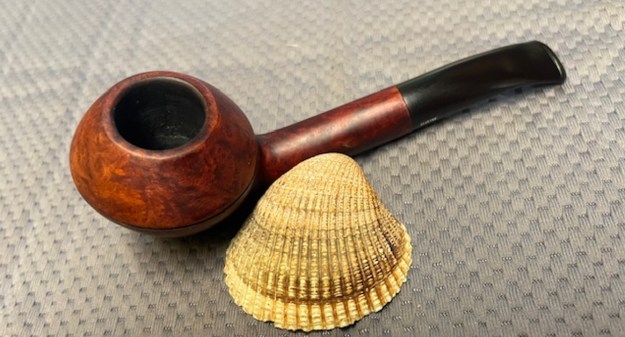
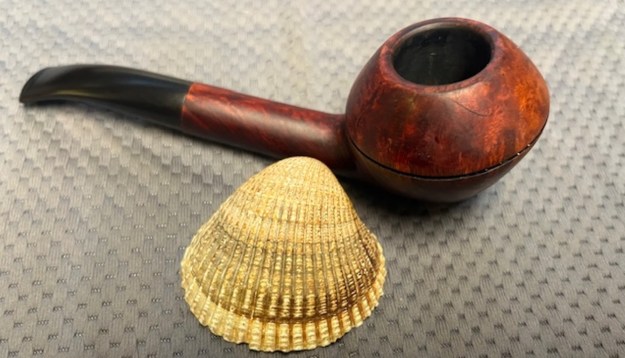
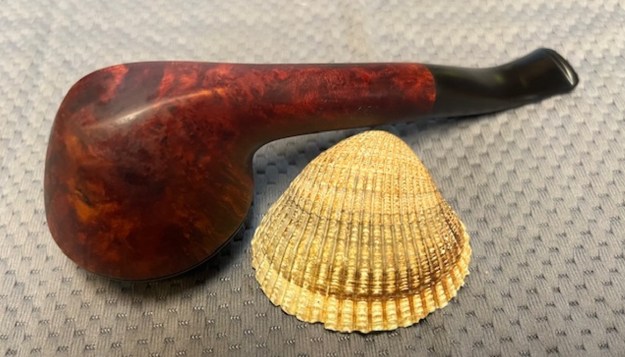
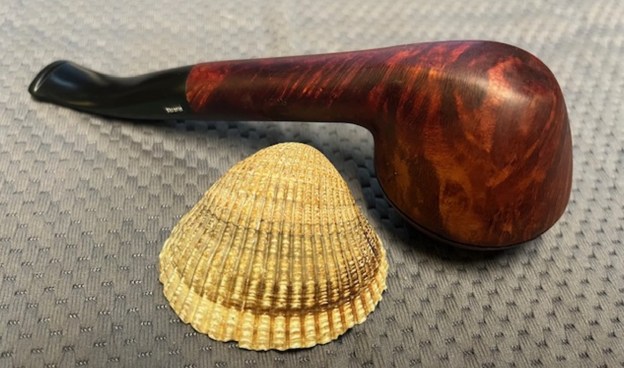
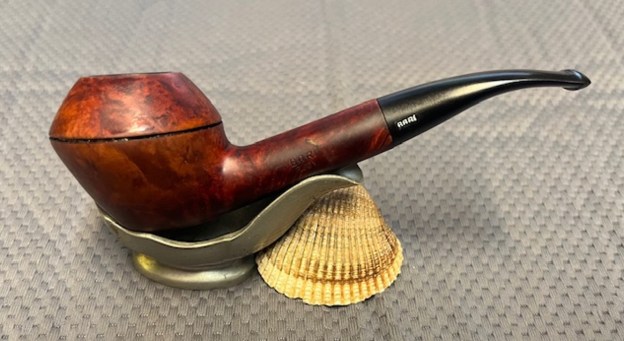
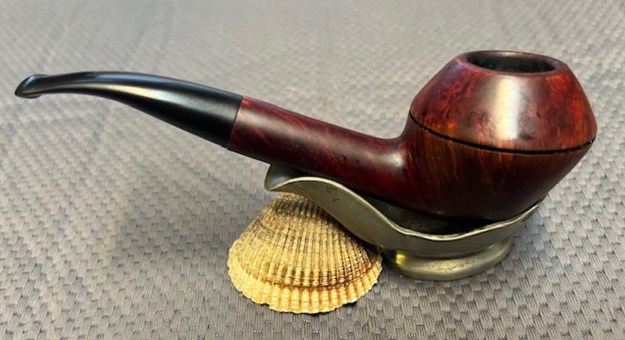
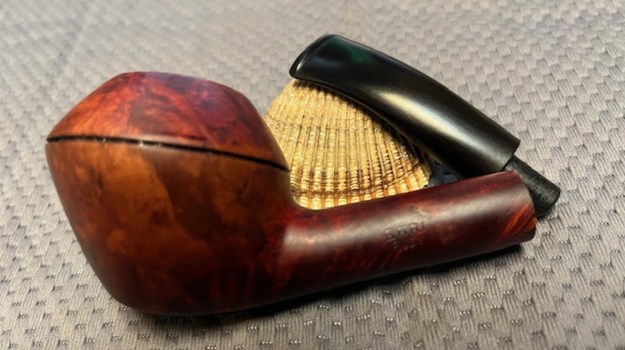
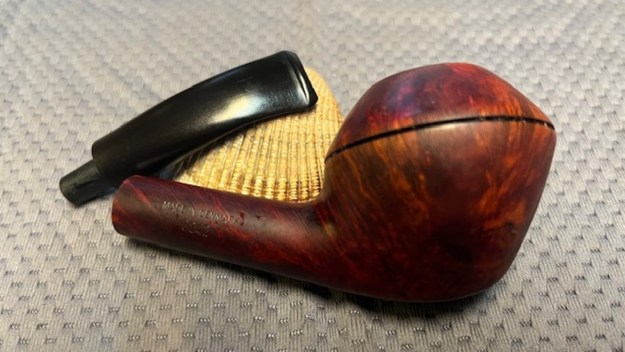
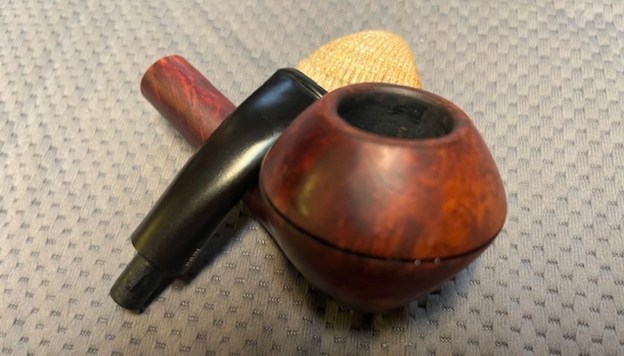
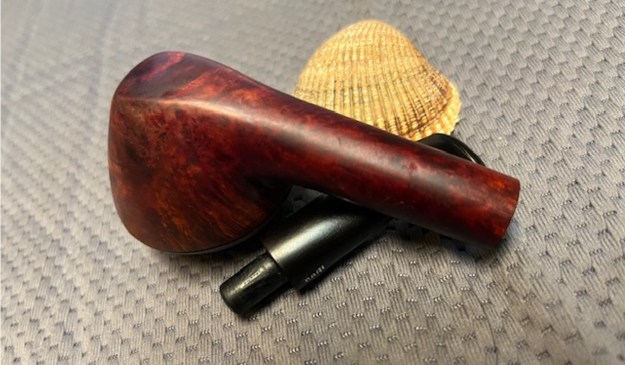
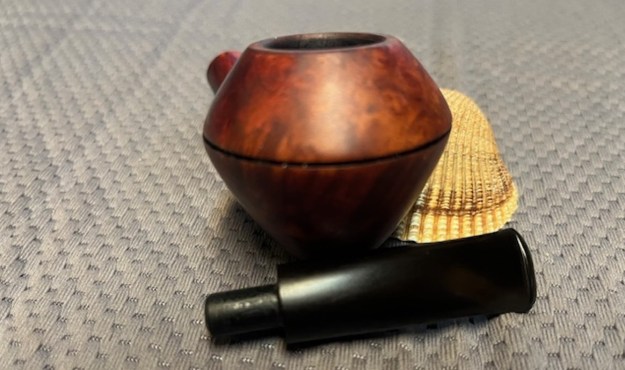
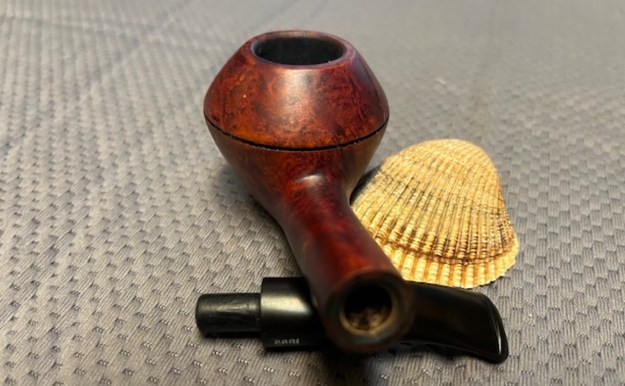
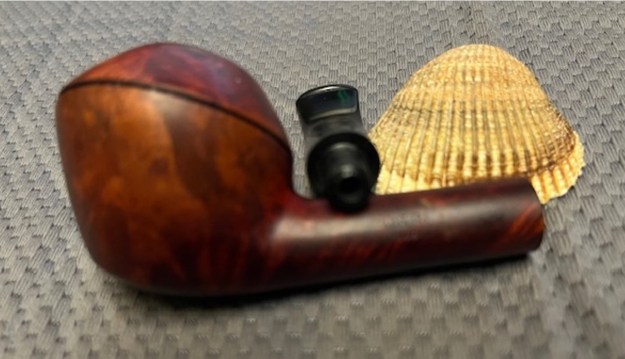
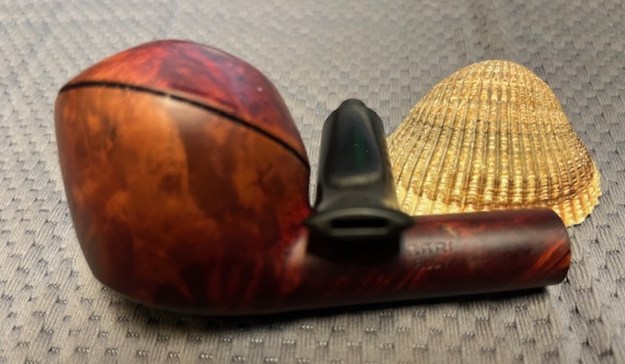
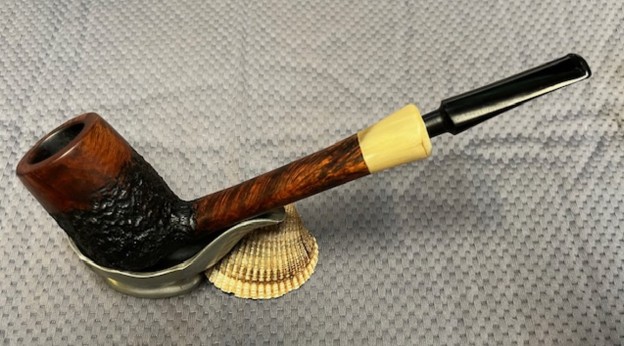
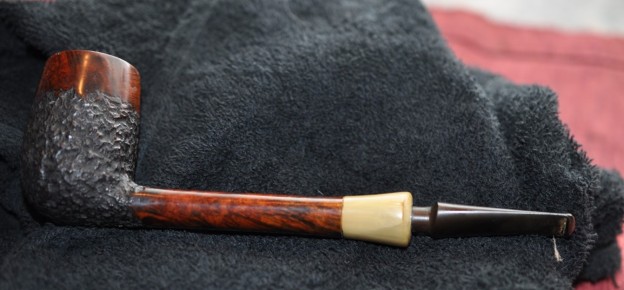
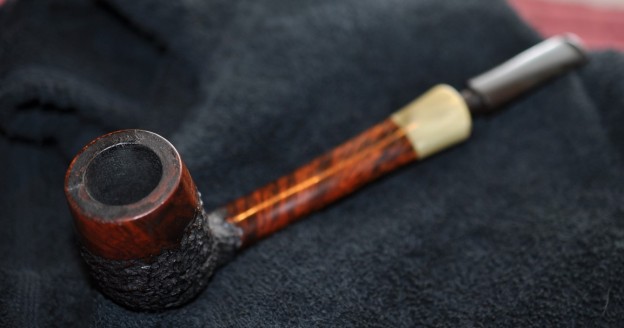
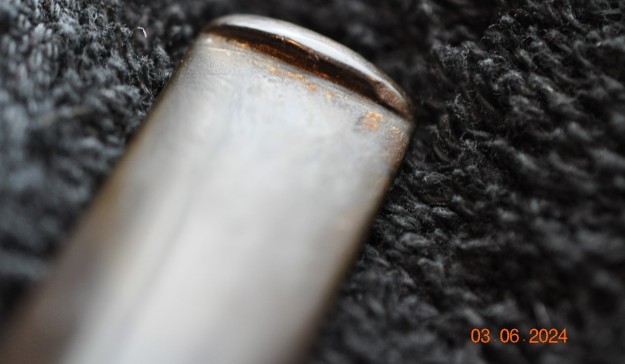
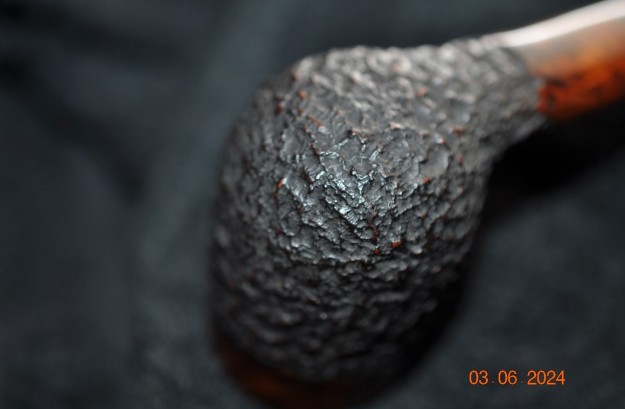
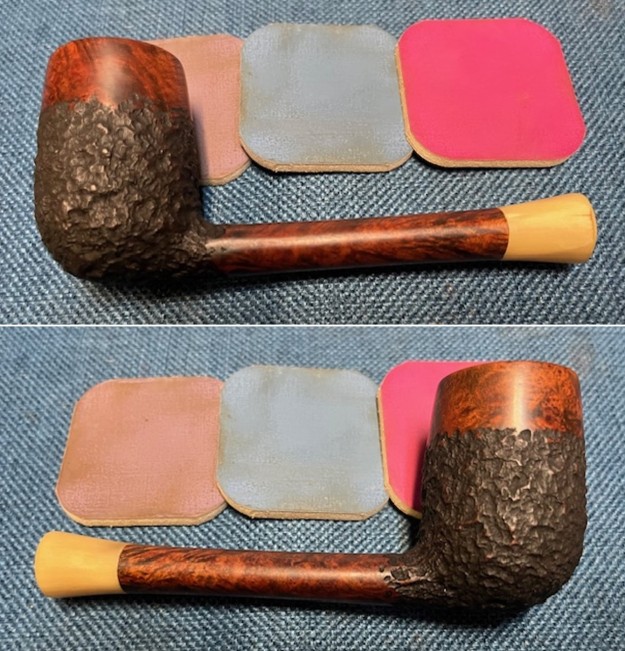
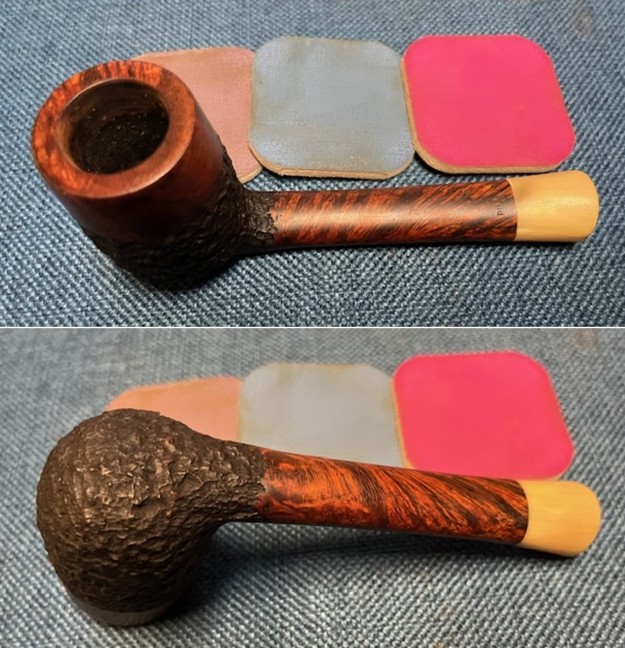
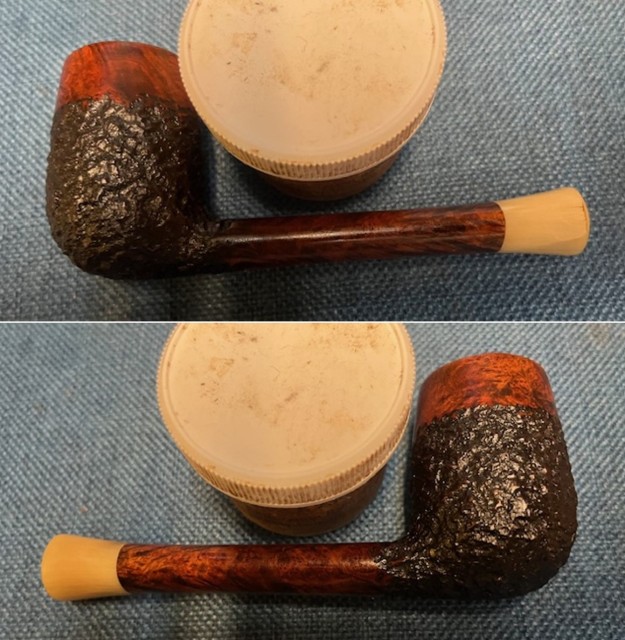
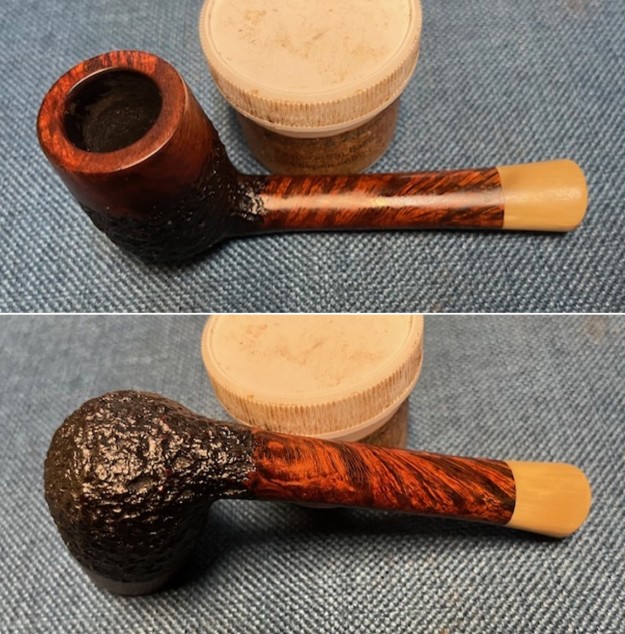
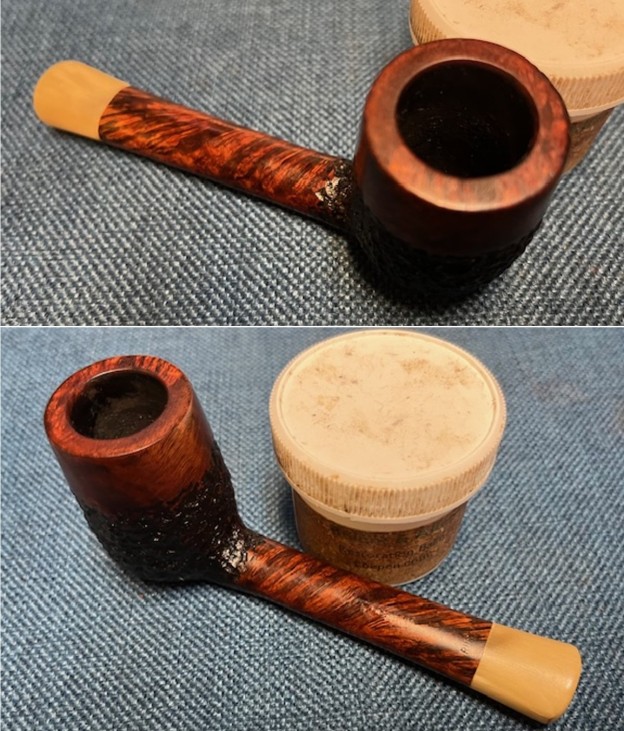
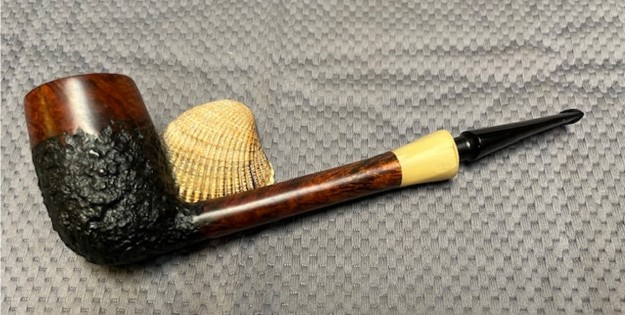
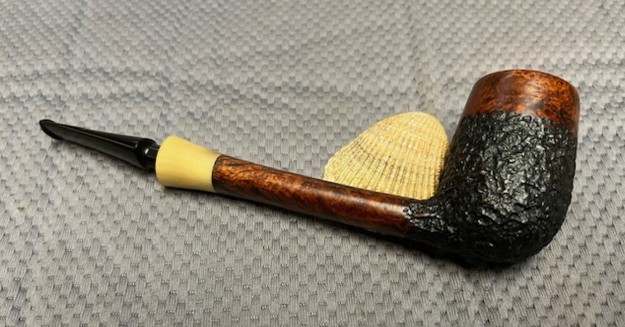
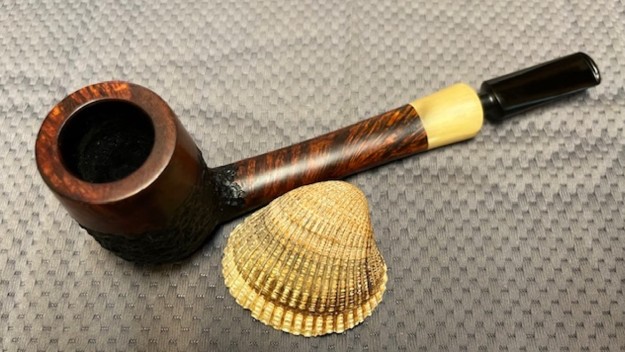
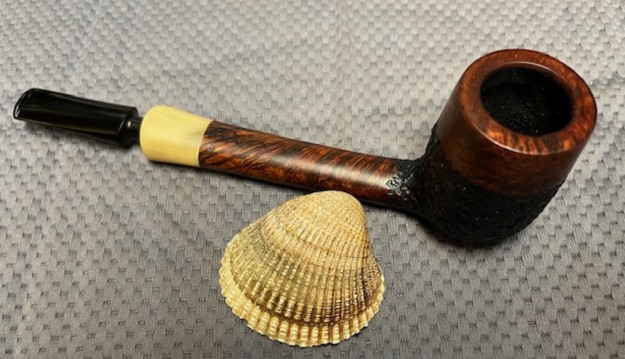
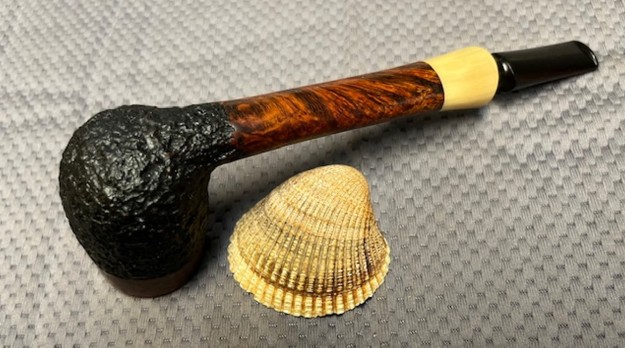
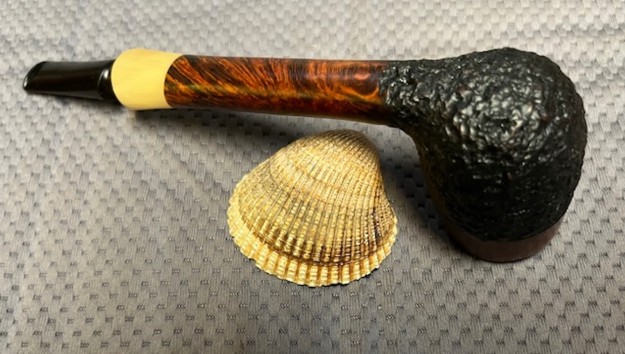
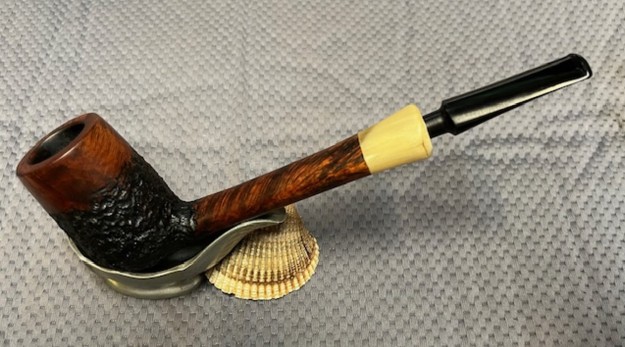
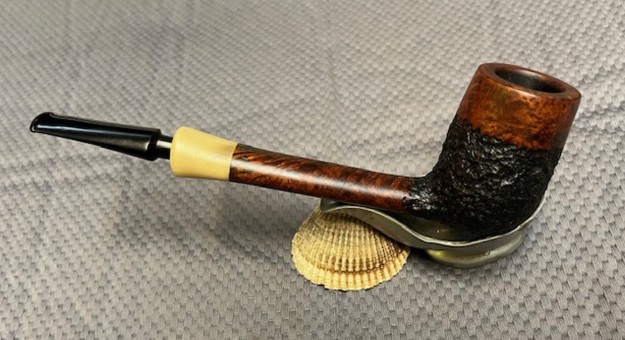
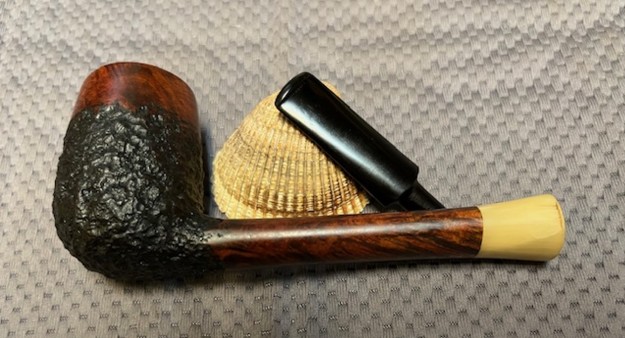
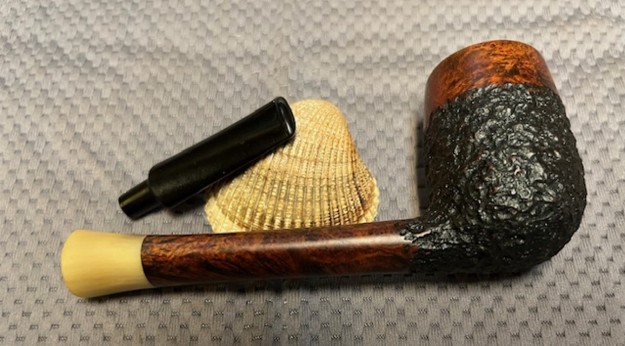
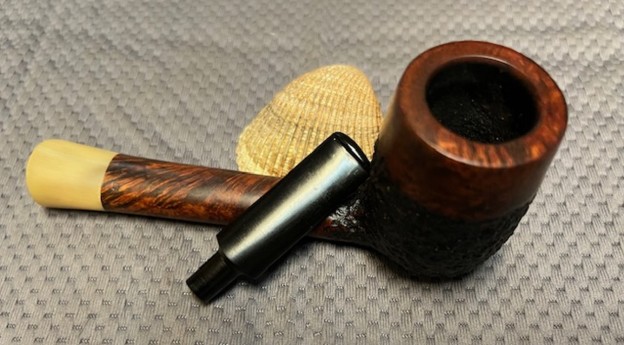
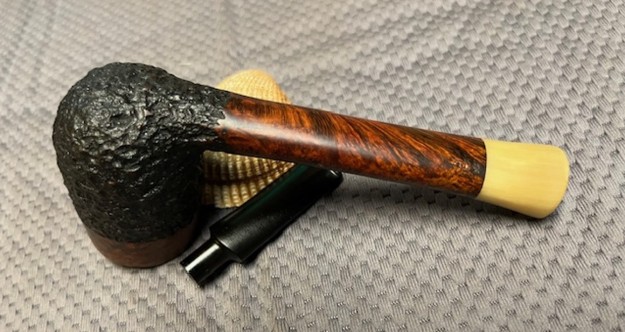
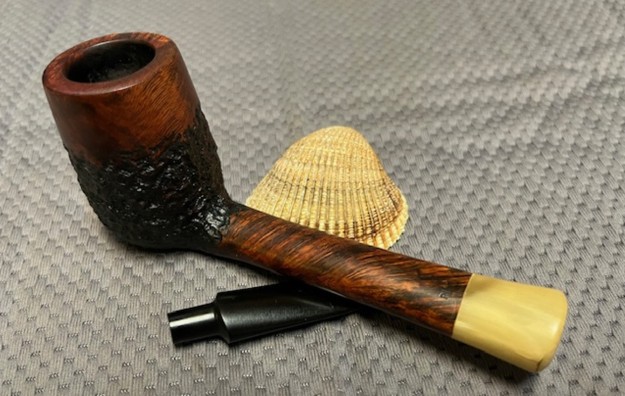
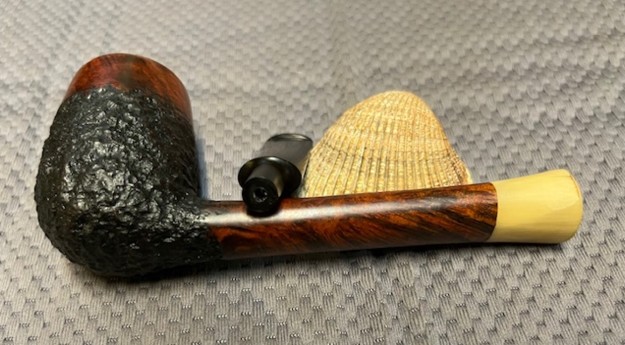
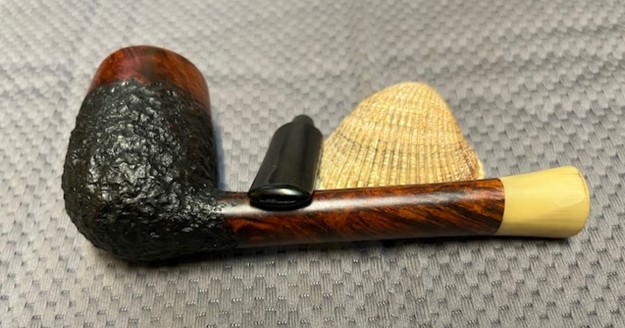
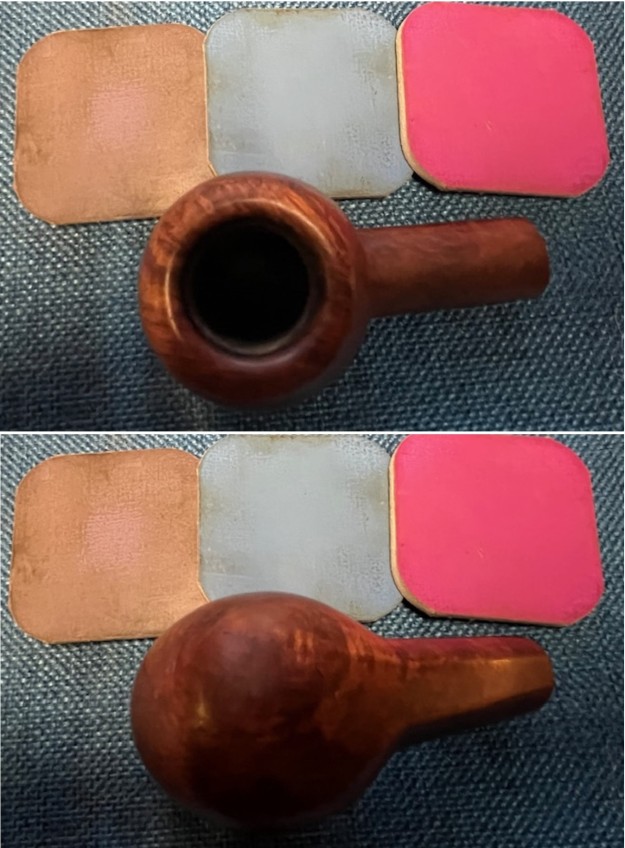
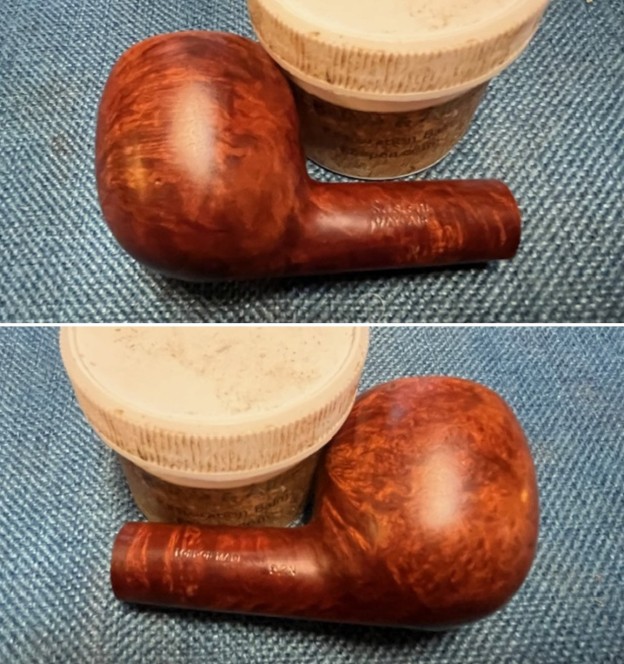
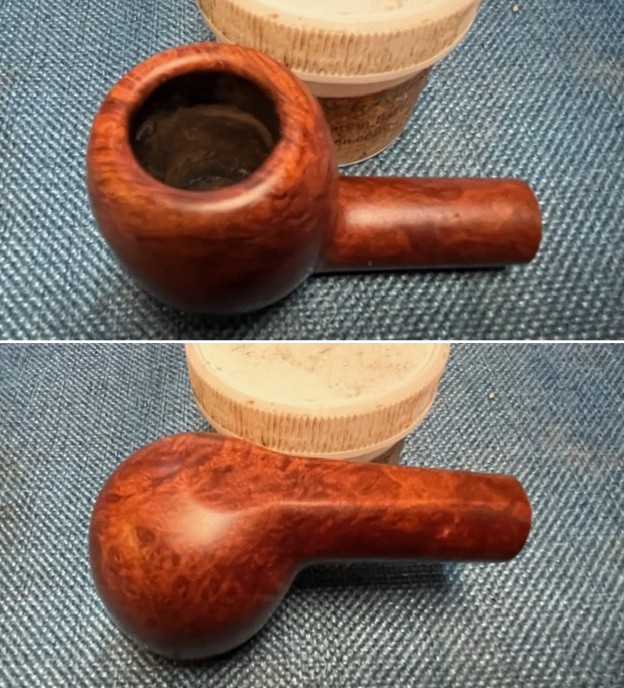
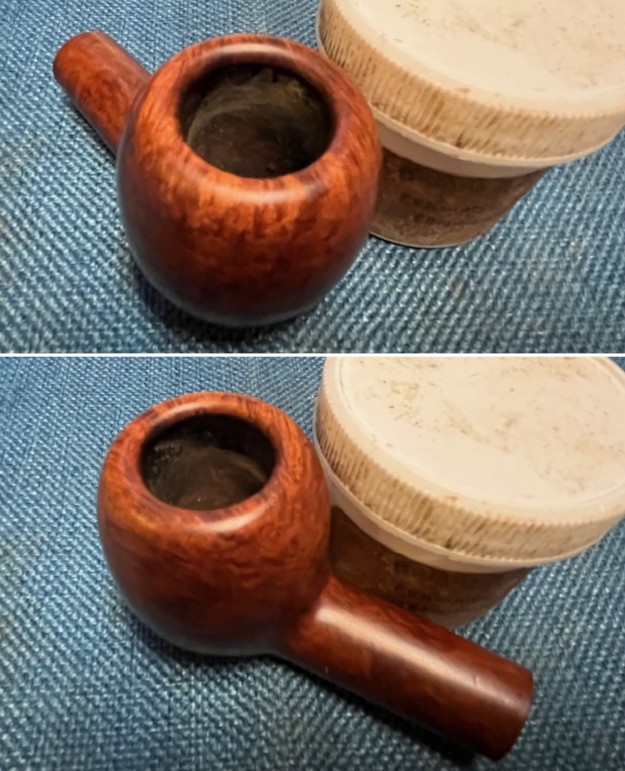
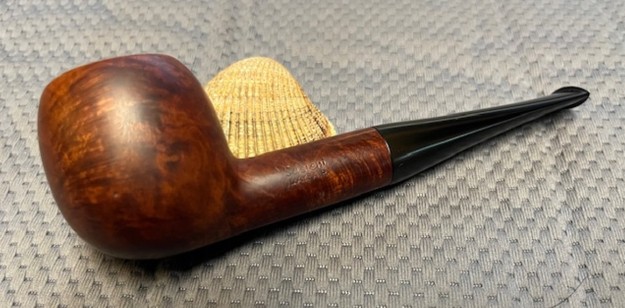
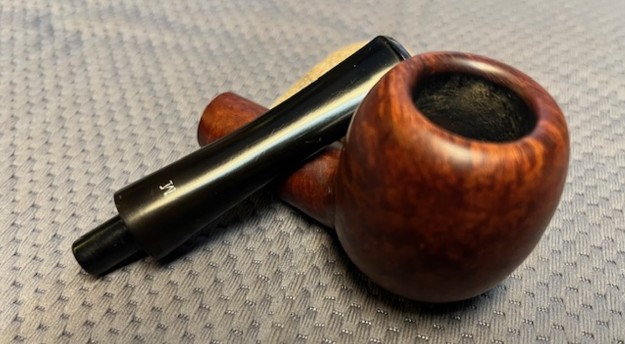
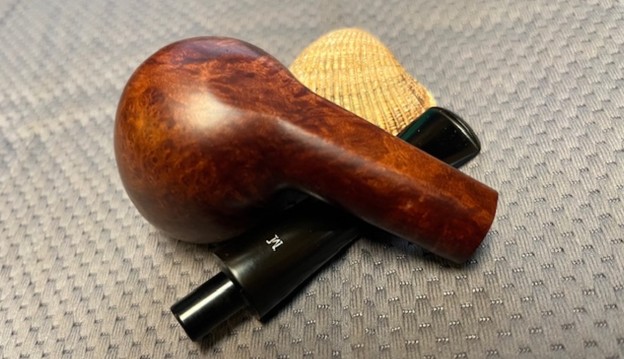
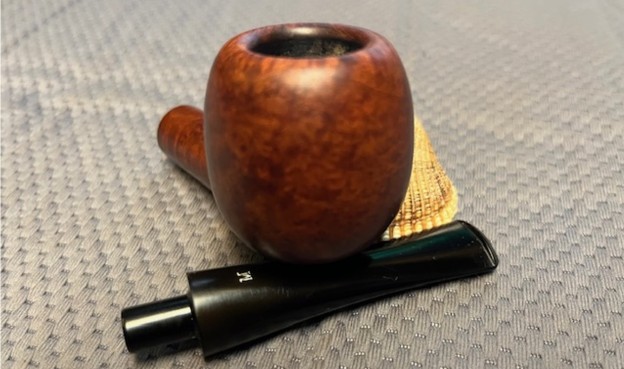
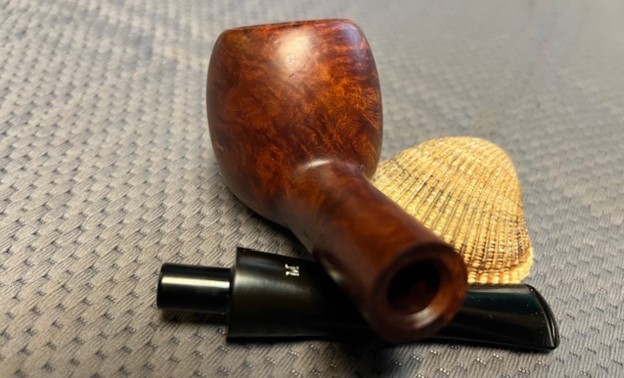
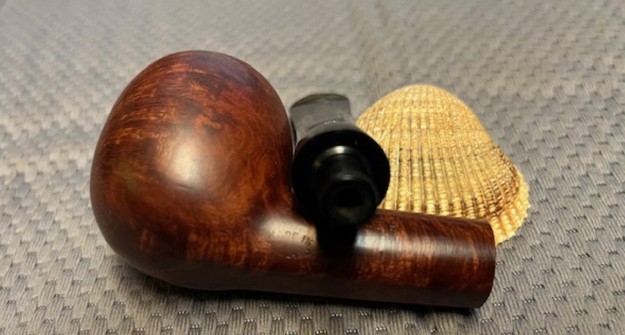
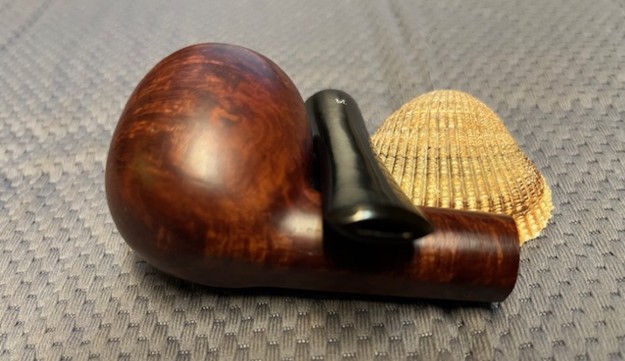
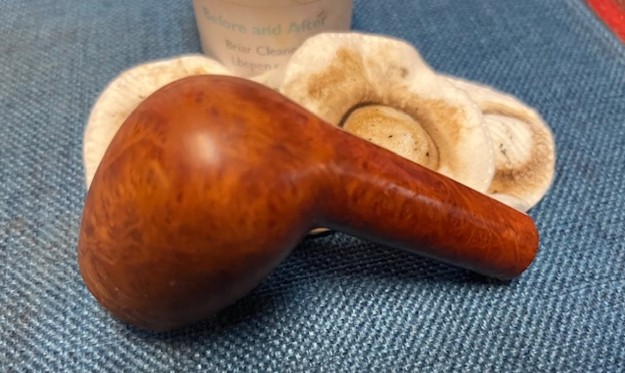
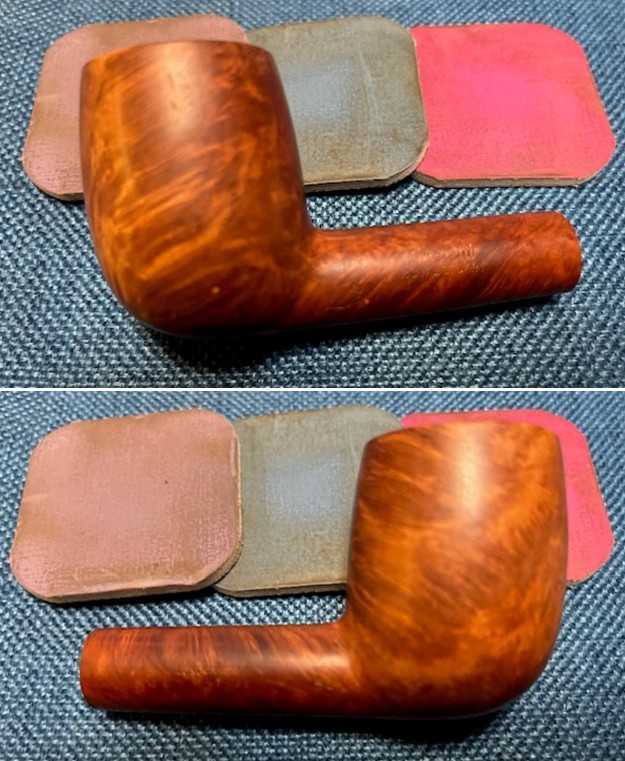
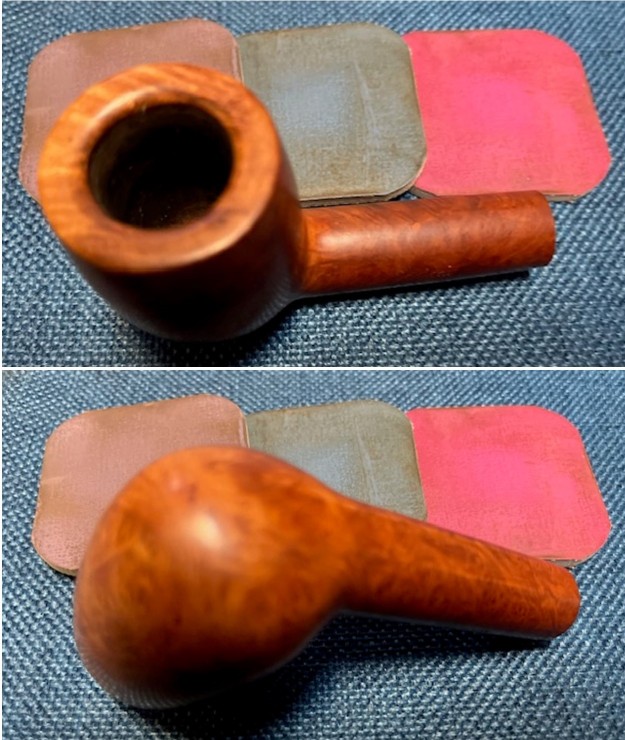
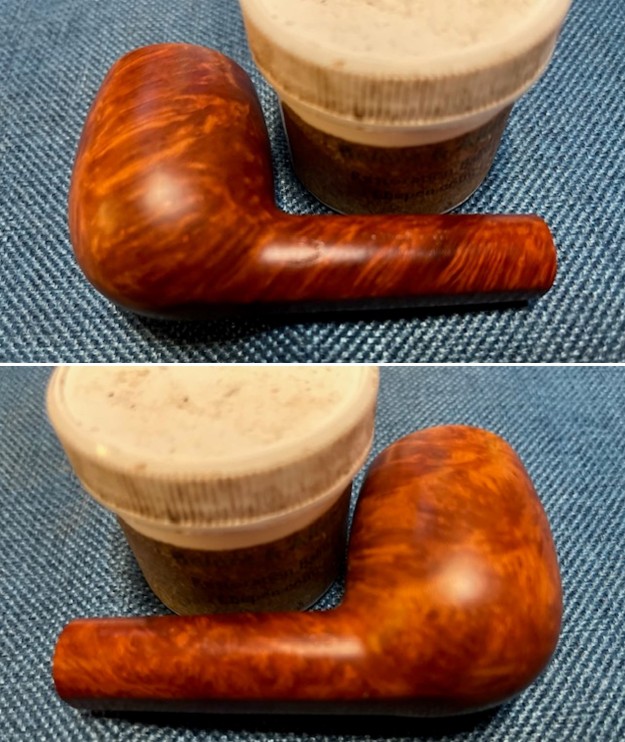
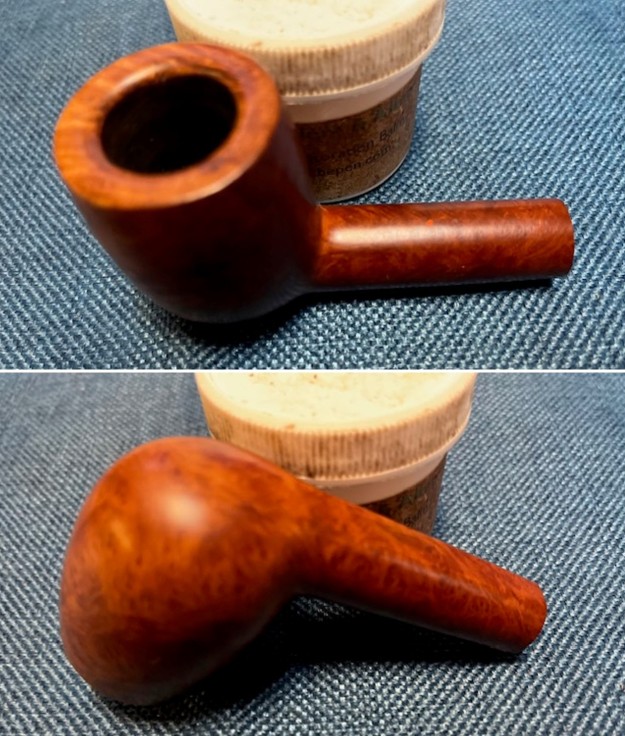
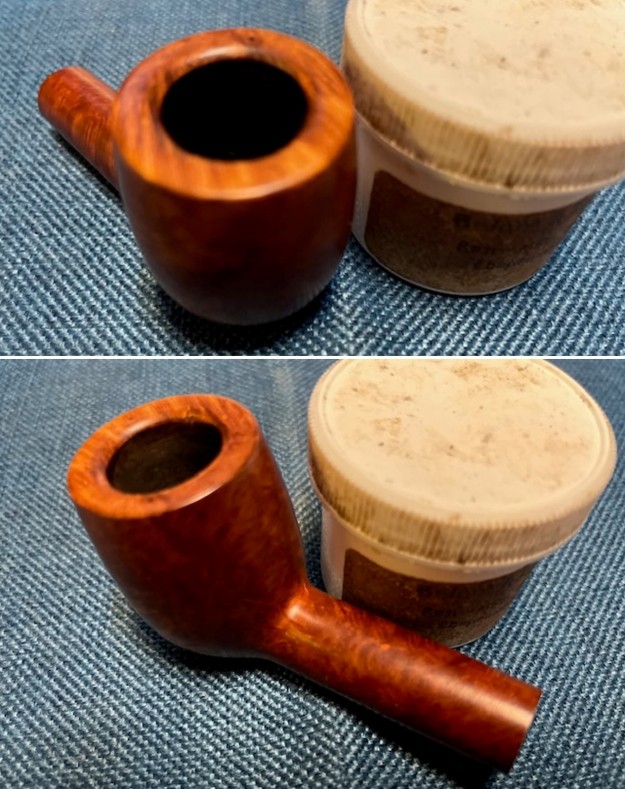
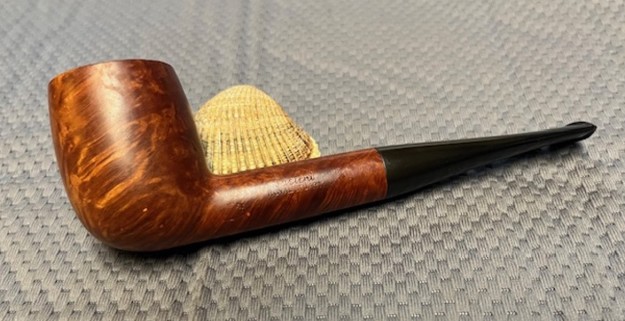
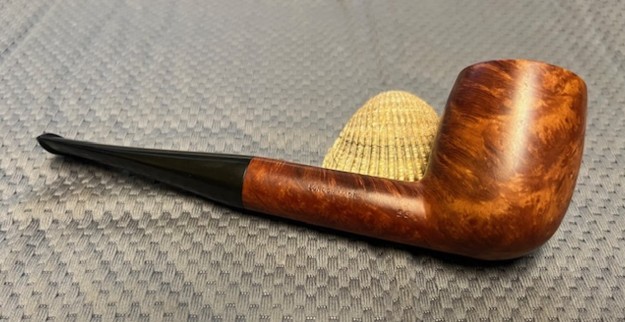
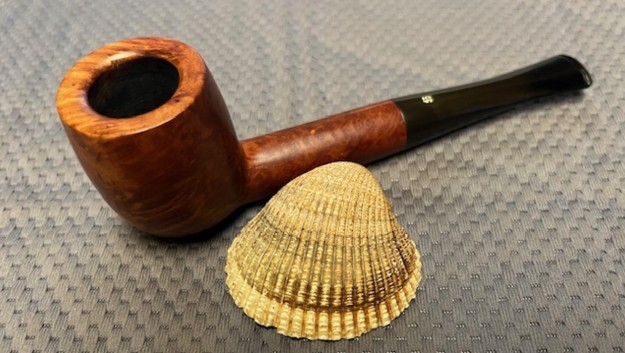
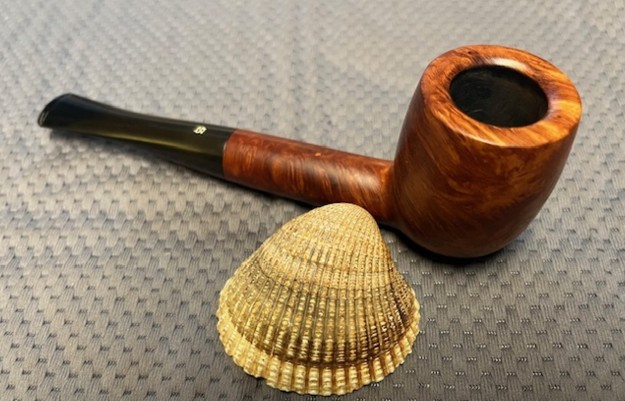
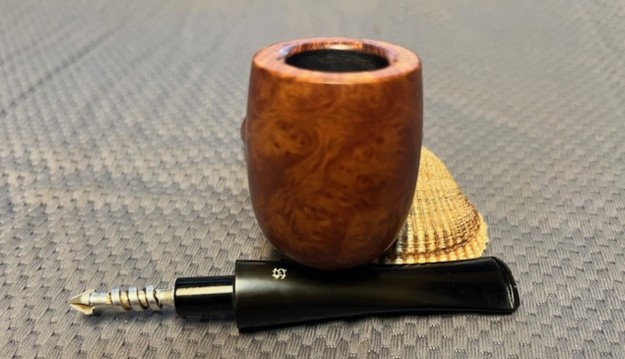
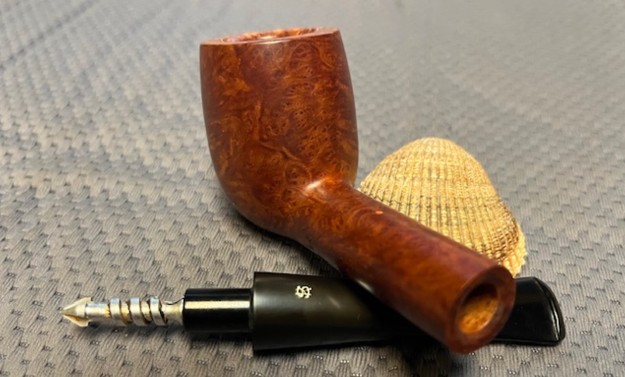
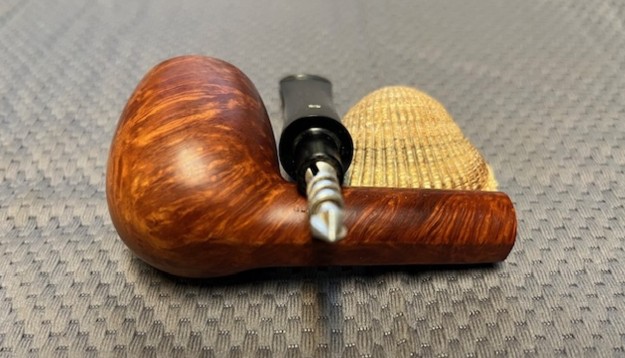
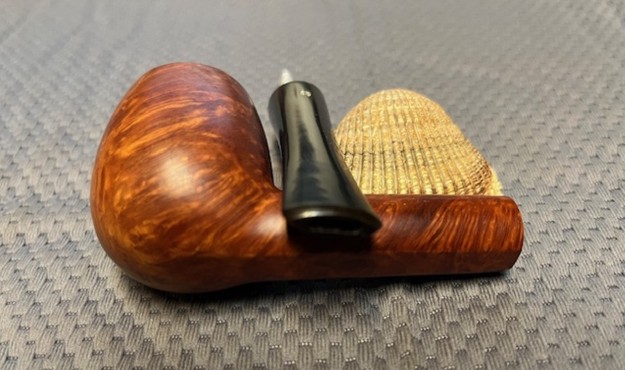
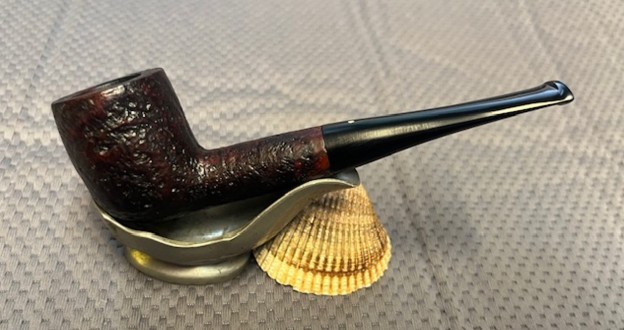
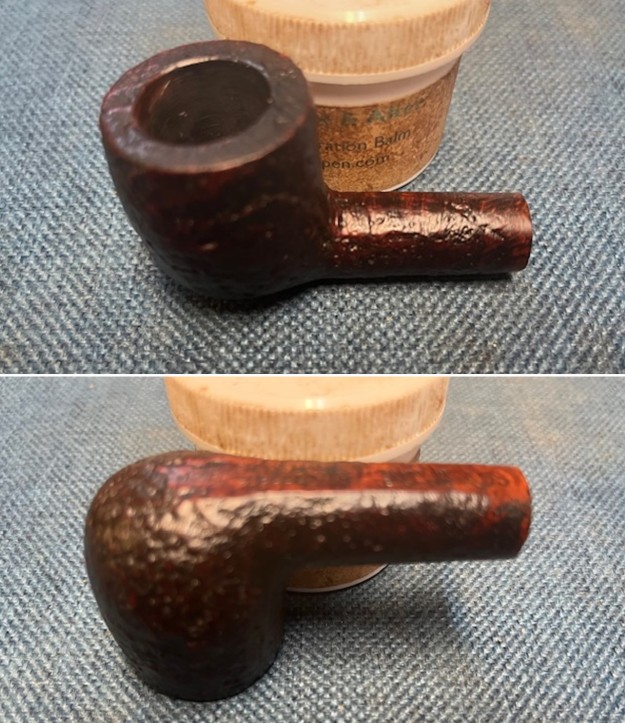
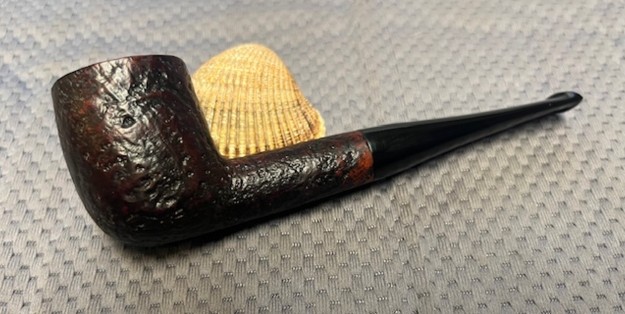
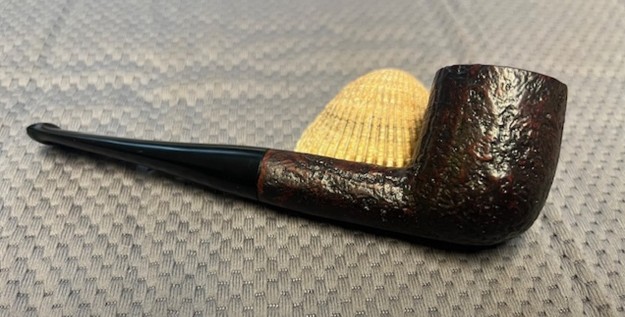
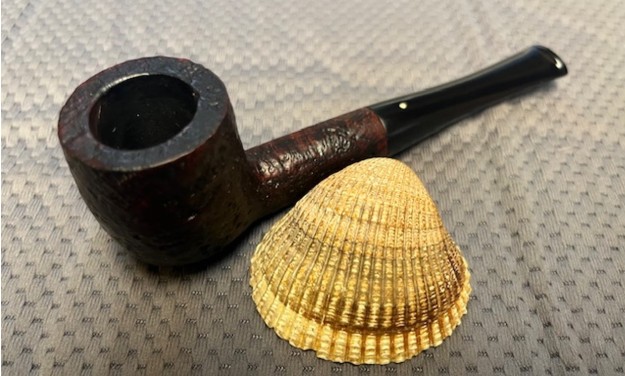
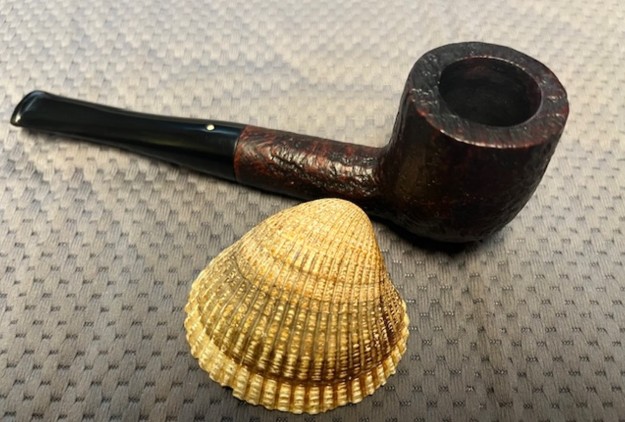
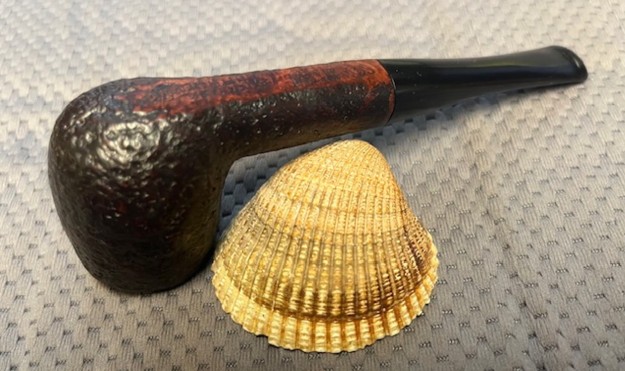
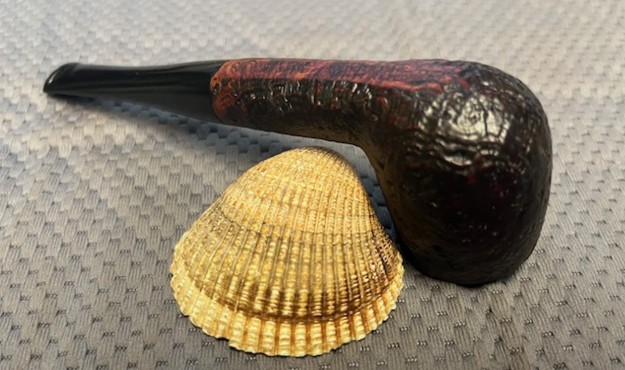
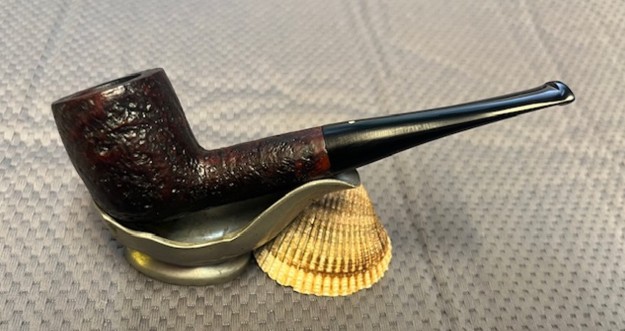
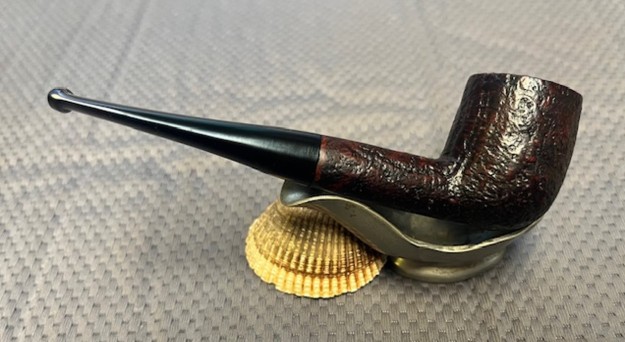
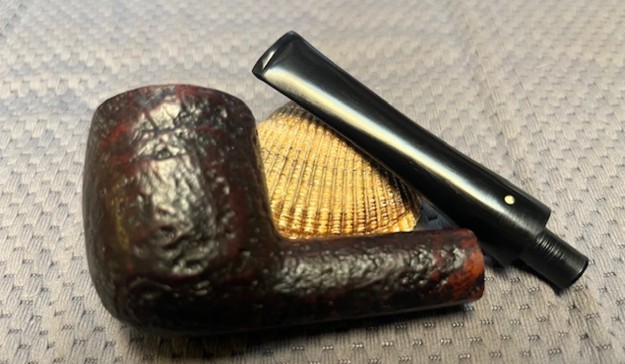
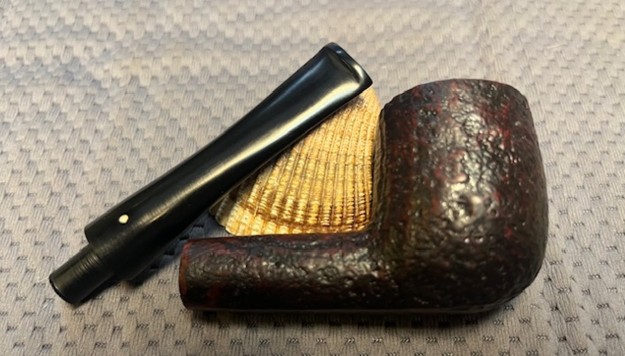
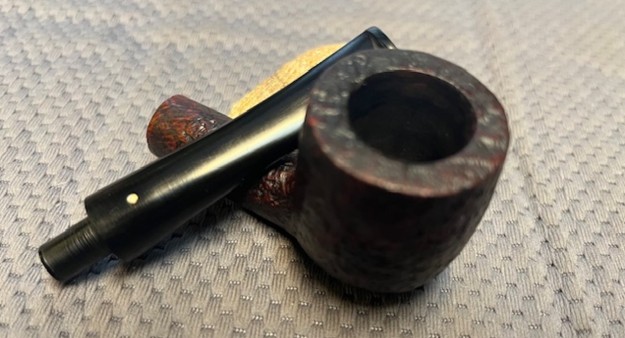
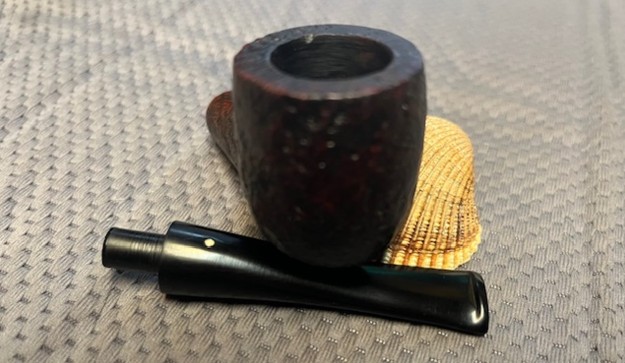
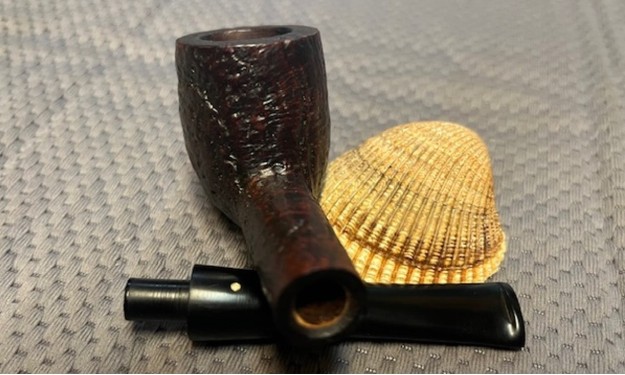
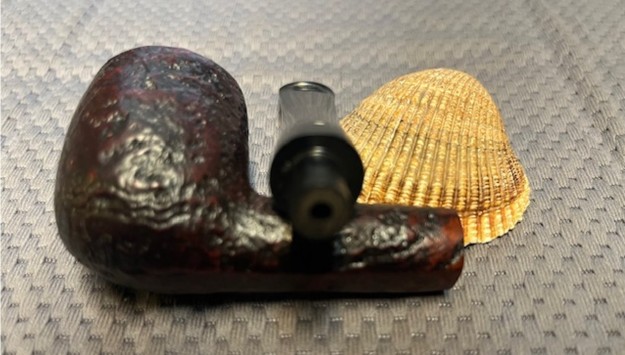
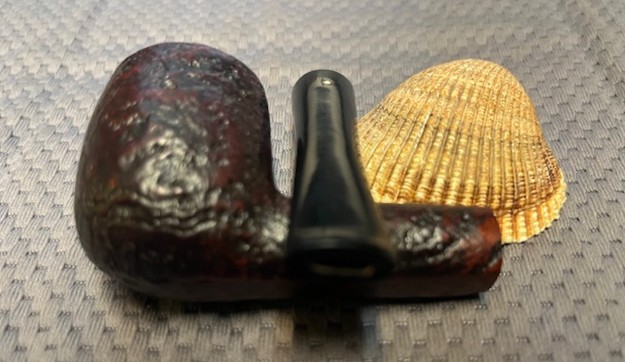
Wow – this is one breathtaking pipe. I acquired this beauty from a kind lady in the Vancouver area who sold me her late husband’s pipes. He had good and modest taste, and I immediately took a liking to this pipe. The combination of smooth and sandblasted briar is very attractive and the blast itself is really craggy and wonderful. The restoration was good fun too. This is a Royal Guard 535M freehand canted egg – or, at least, that’s what I’m going to call it. I learned from previous research that “Royal Guard” is a Stanwell sub-brand (in this case). I believe there was also a full Stanwell line called Royal Guard too, but that’s a topic for another time. It’s all a bit confusing, but this pipe is definitely of the sub-brand variety. As is typical of Stanwell sub-brands, the quality is immaculate and it’s not at all obvious why this wasn’t a full-blown Stanwell. This canted egg is a very attractive shape and it really makes an impression. It has beautiful, partially-sandblasted briar from the bowl and down the shank to the vulcanite shank extension. It also has a lovely flared push stem. The underside of the shank reads 535M [over] Royal Guard [over] Made in Denmark and, on the stem, the letters RG, indicating the Royal Guard make. Both Pipedia and Pipephil list Royal Guard as being a Stanwell sub-brand or second (and not much else), as per the photo below.I did some searching for that “535M” shape number, but came up empty. Stanwell does not have a 535 shape number. Sometimes a digit can be added to a shape number, but the Stanwell 35 shape does not correspond to this pipe at all. I learned that some of the Stanwell sub-brands used the Stanwell shape numbers and some used their own. Apparently, Royal Guard uses their own. Meanwhile, Pipedia has a good amount of information on the Stanwell brand and its history. I certainly recommend looking it over: https://pipedia.org/wiki/Stanwell.

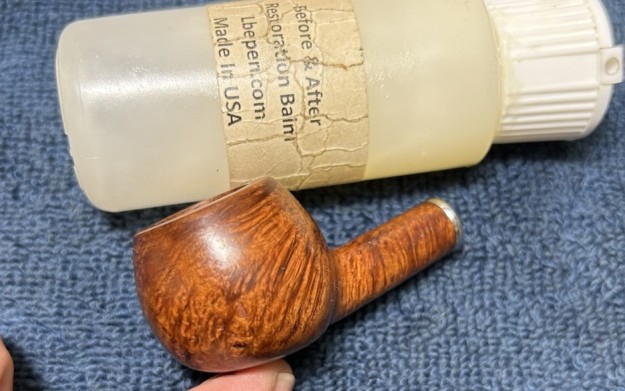
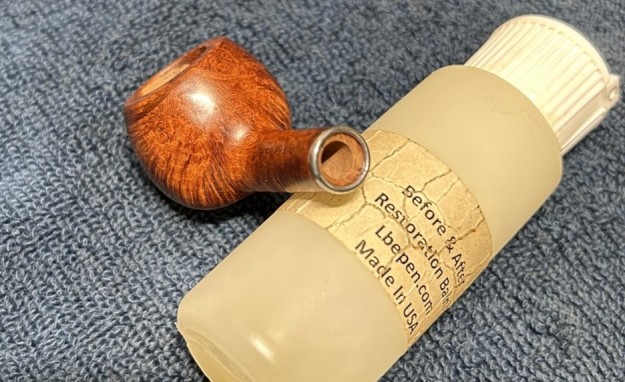
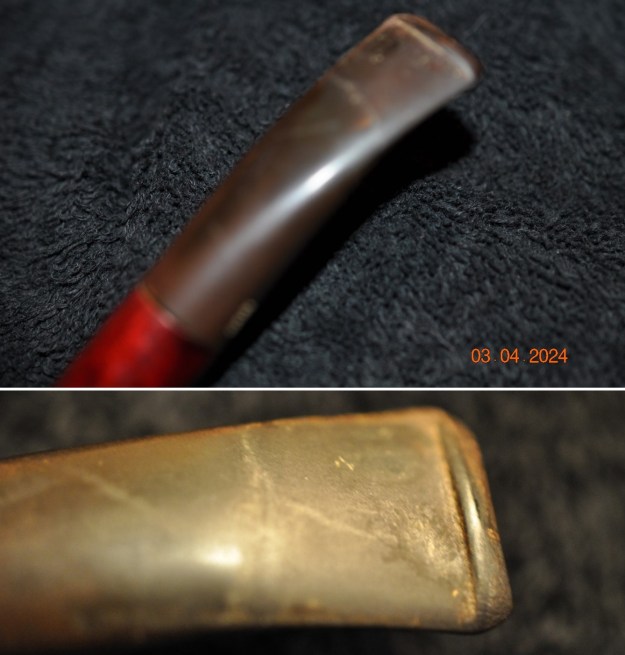
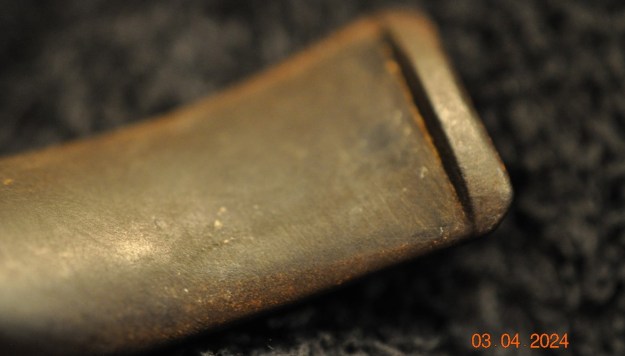
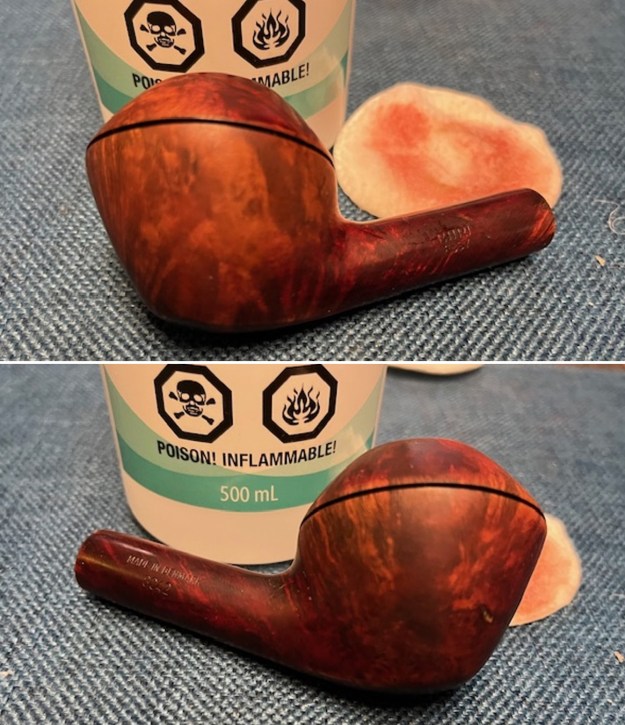
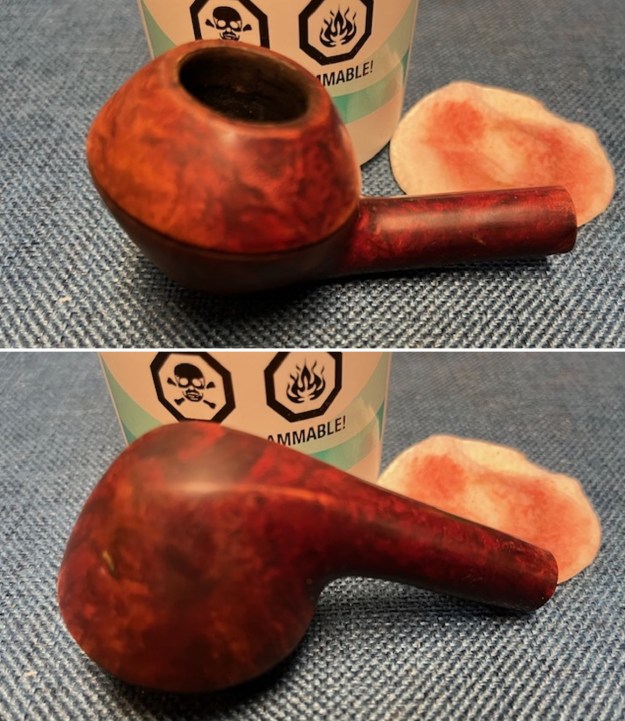
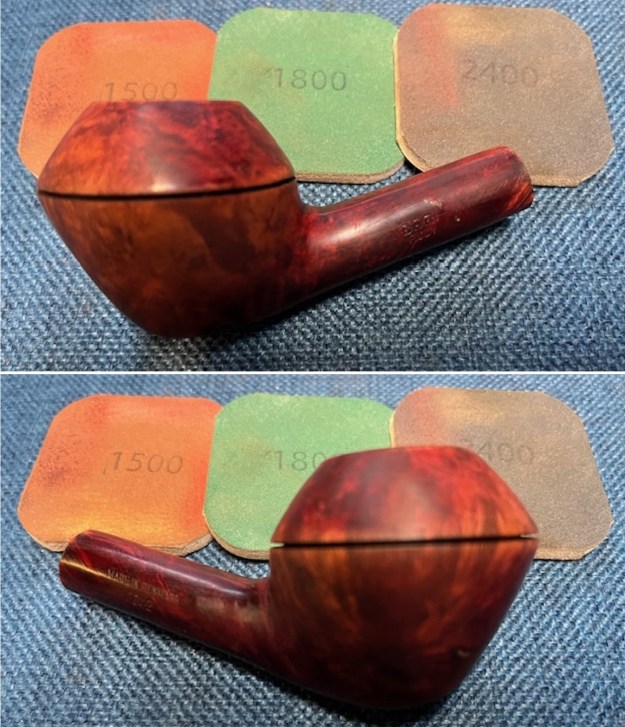
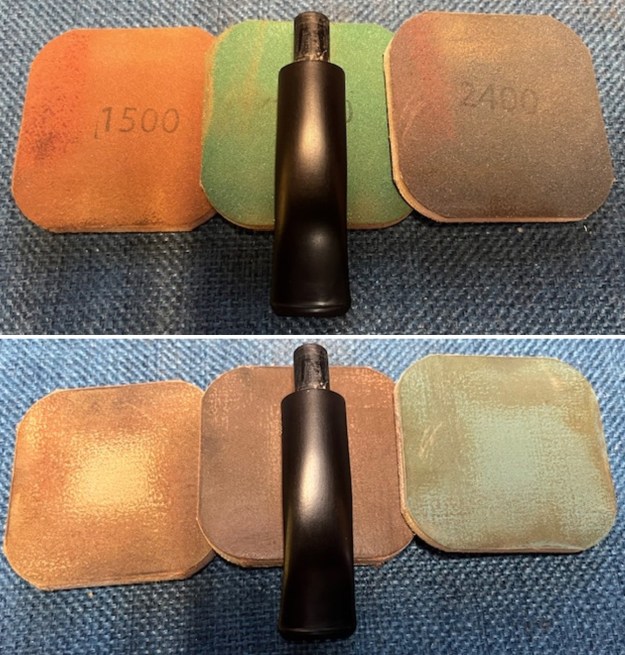
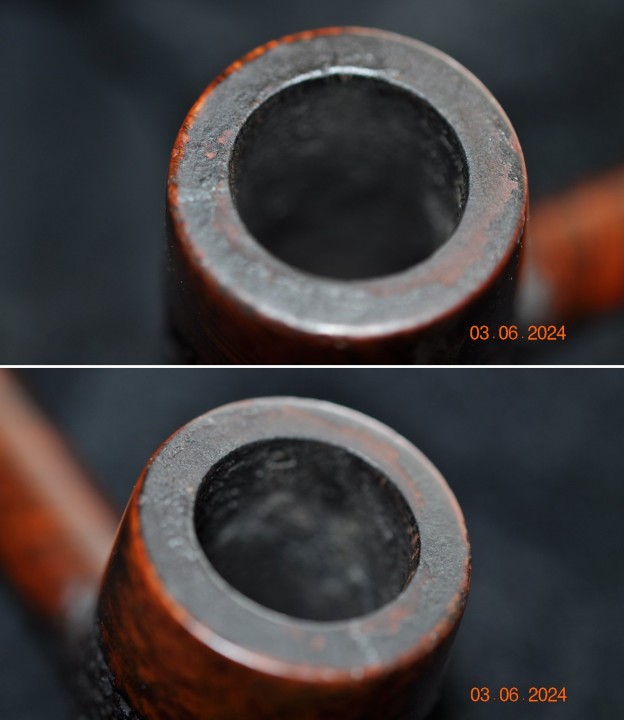
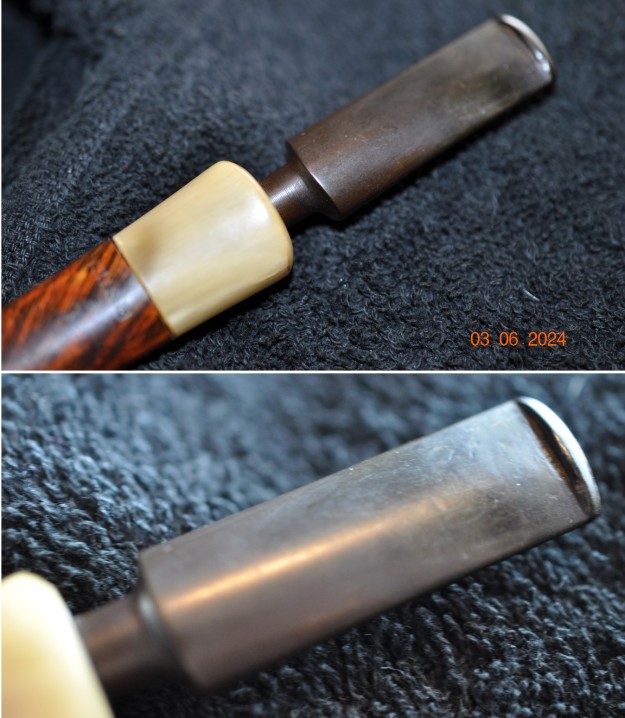
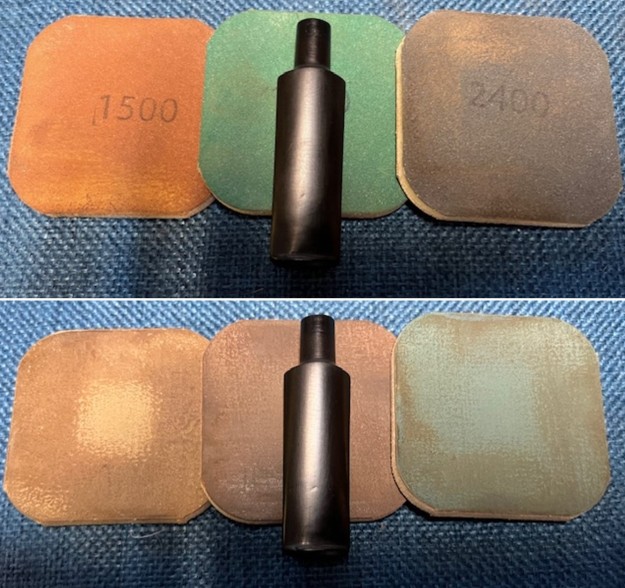
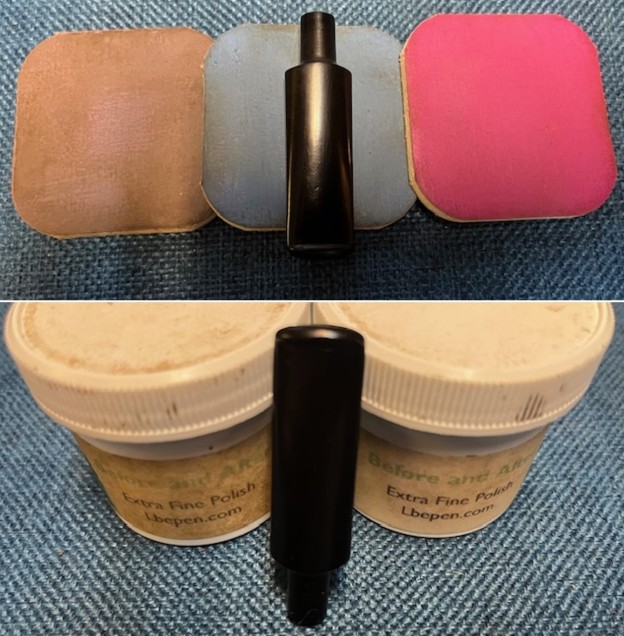
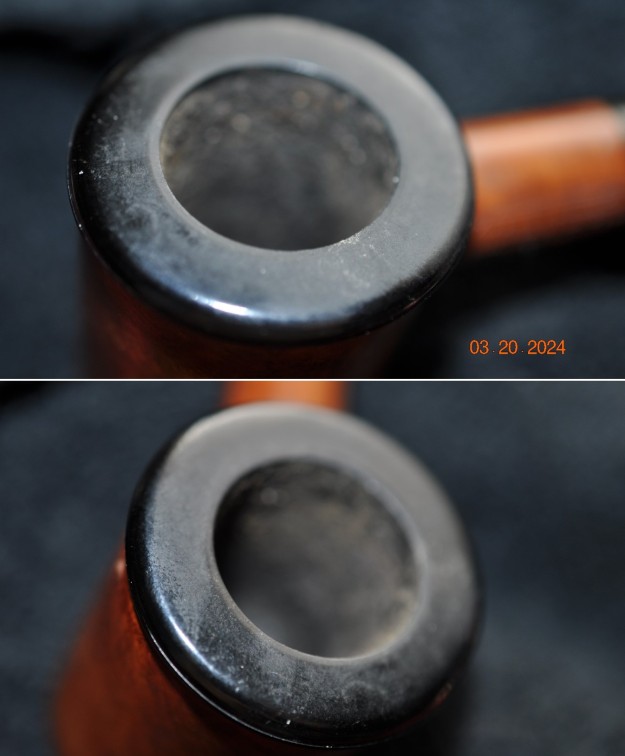
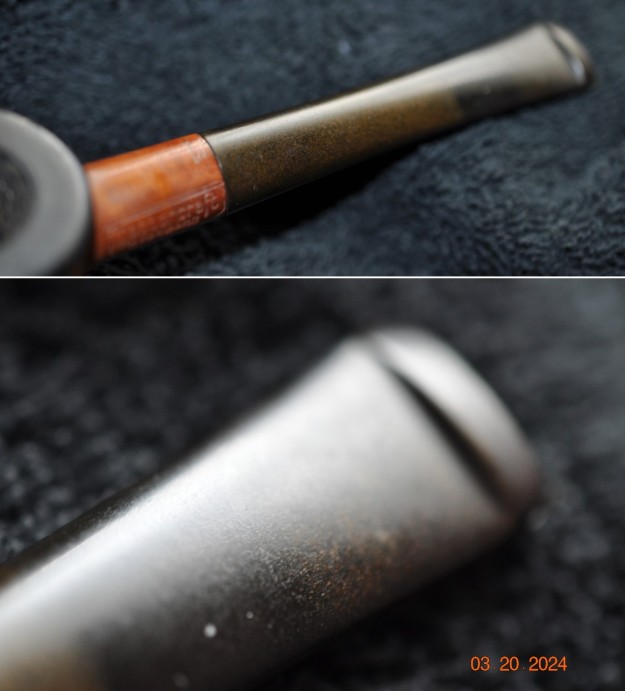
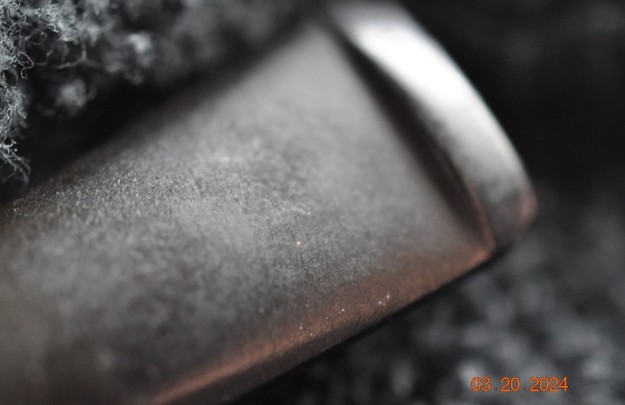
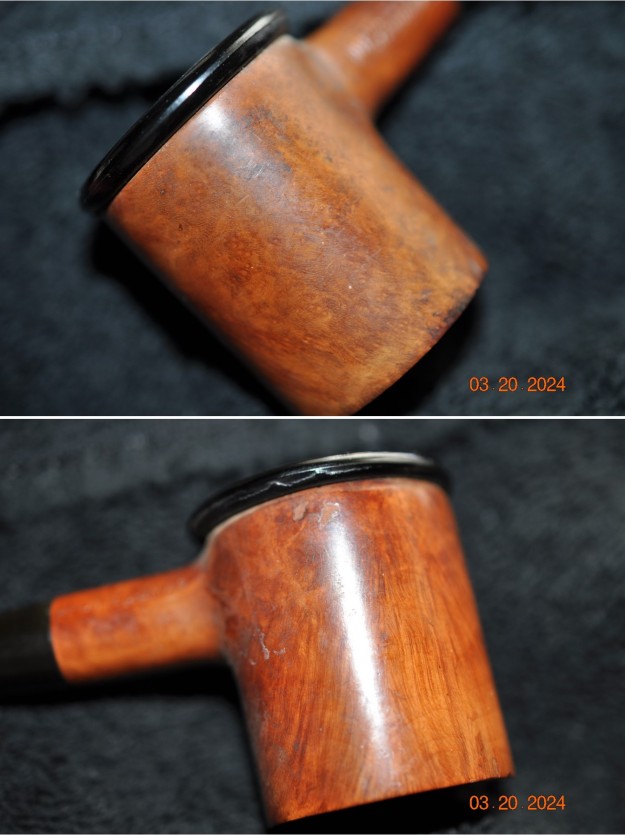
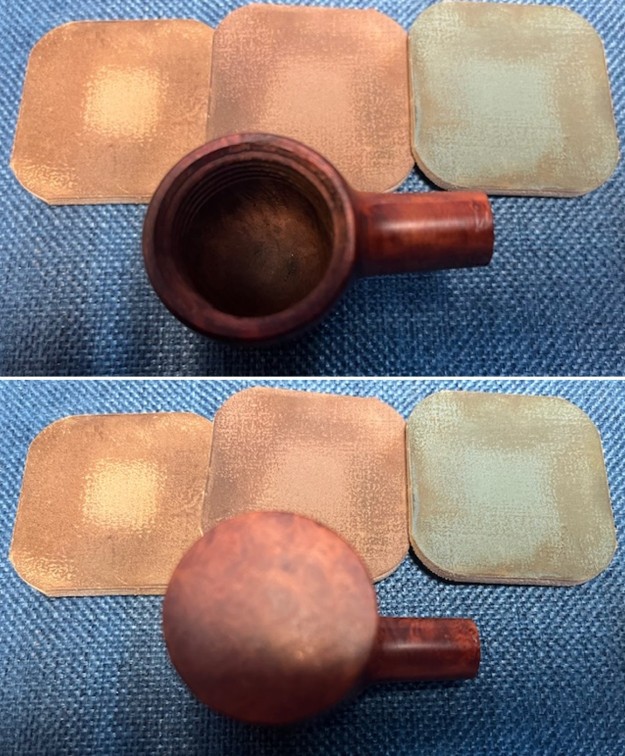
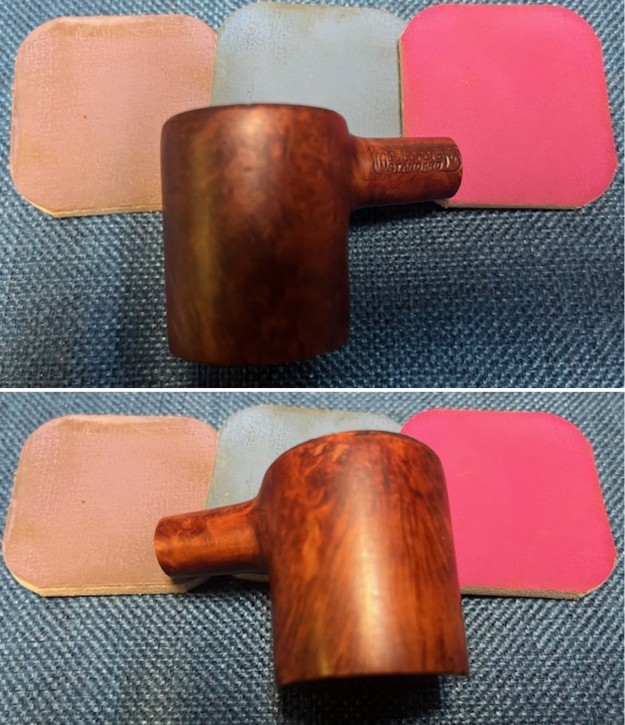
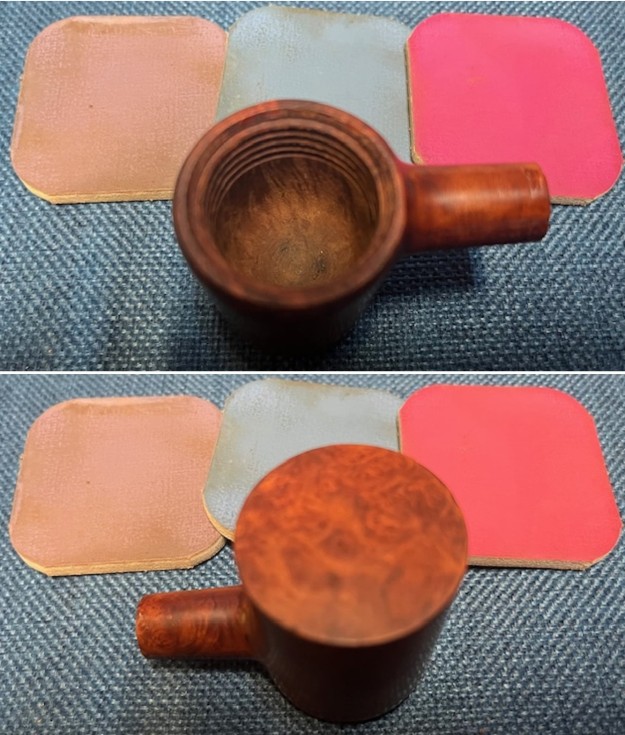
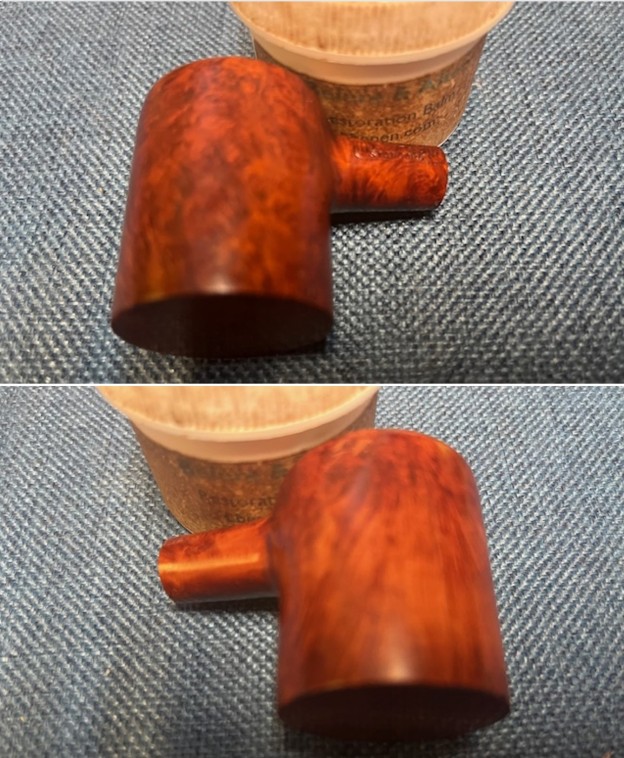
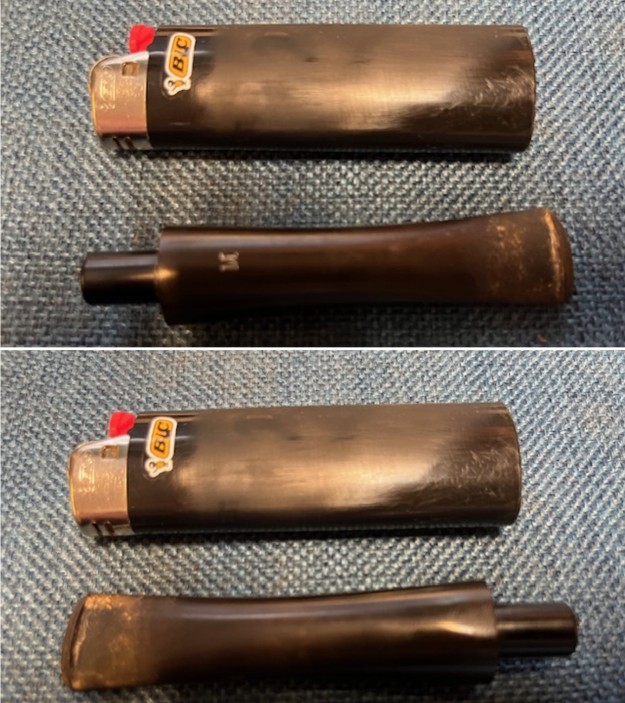
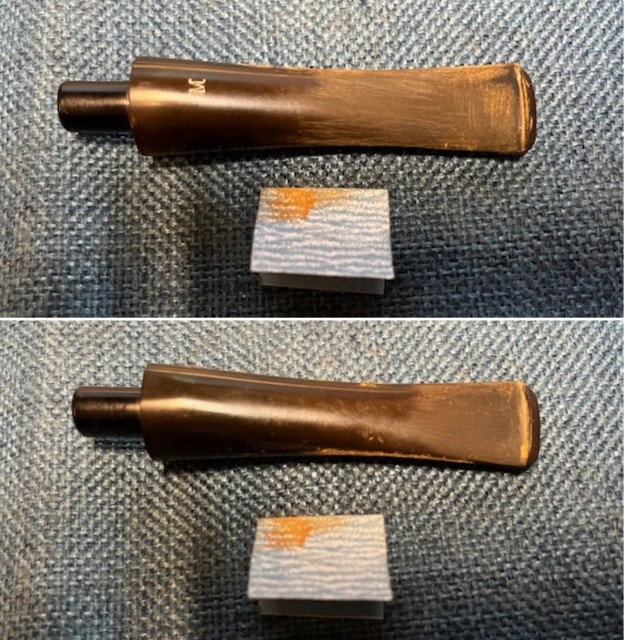
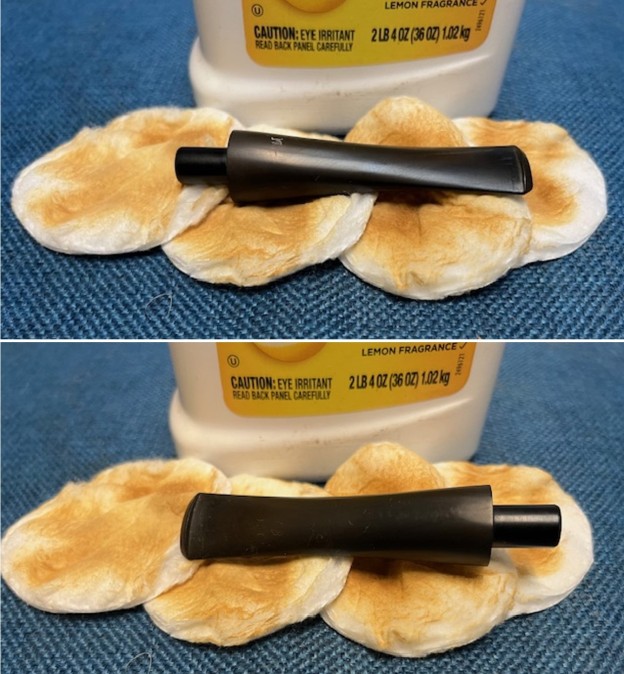
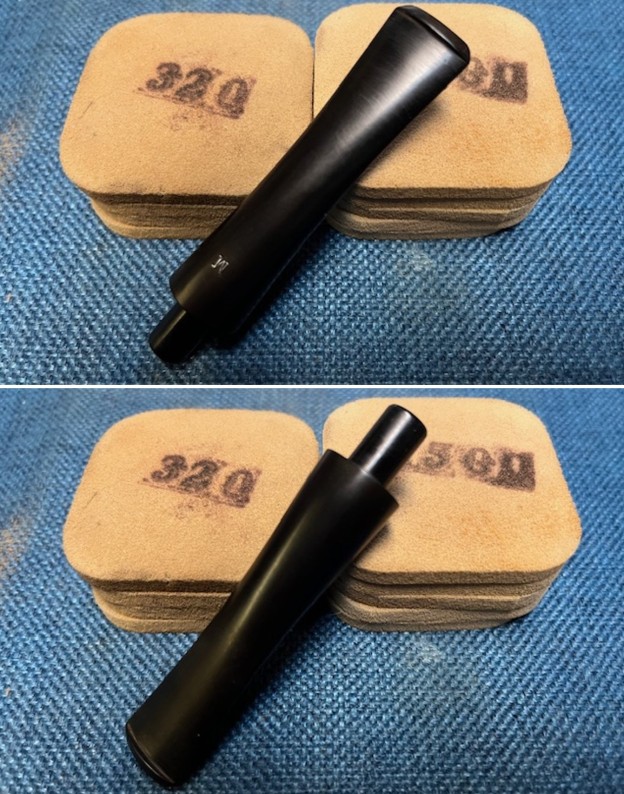
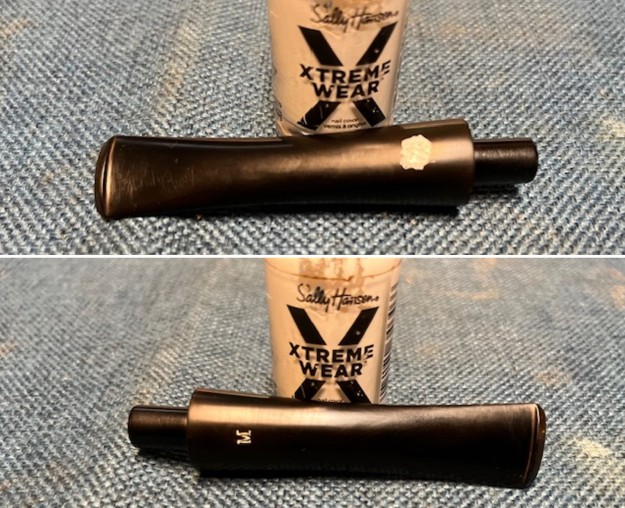
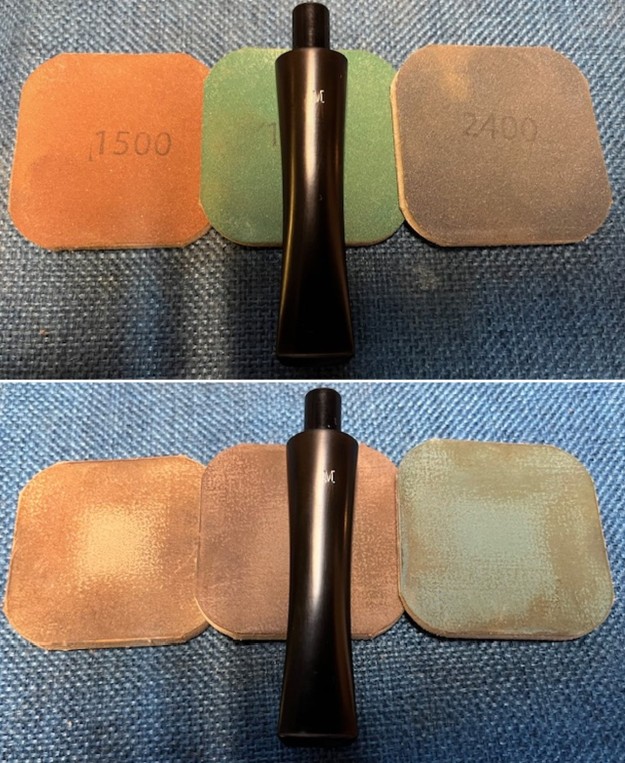
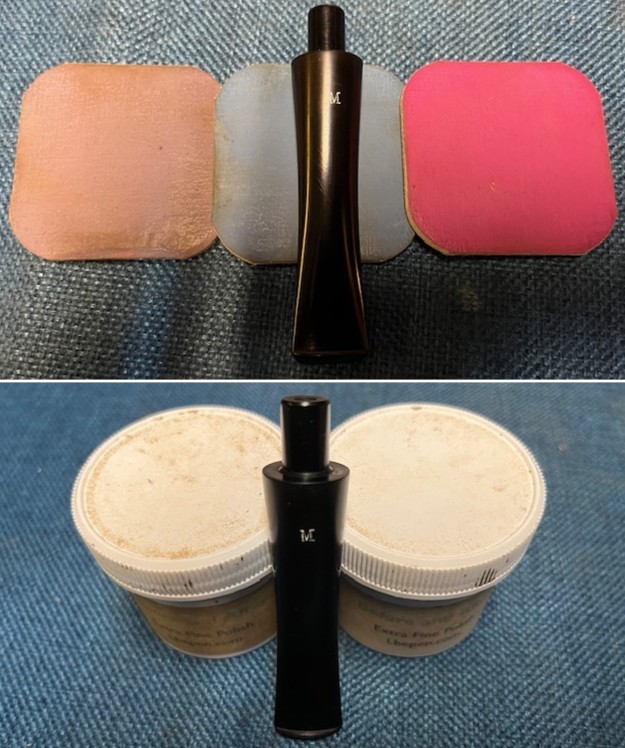
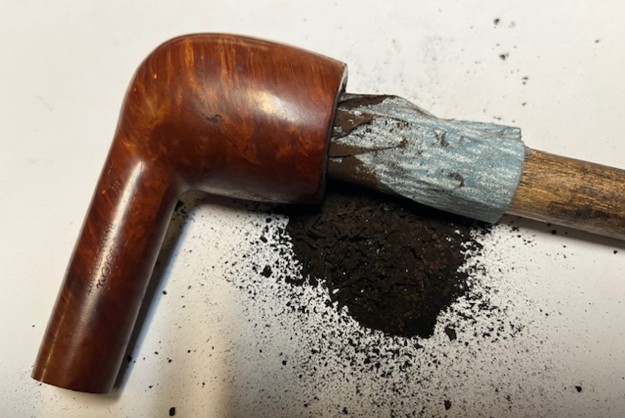
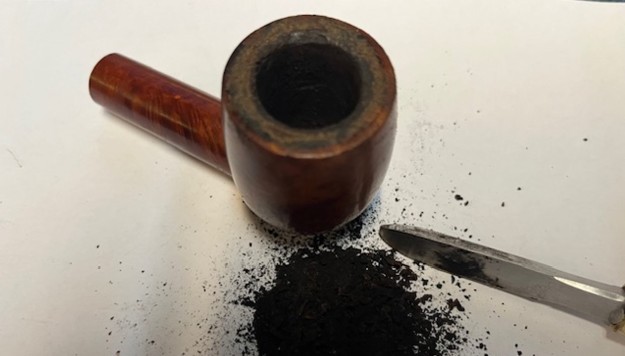
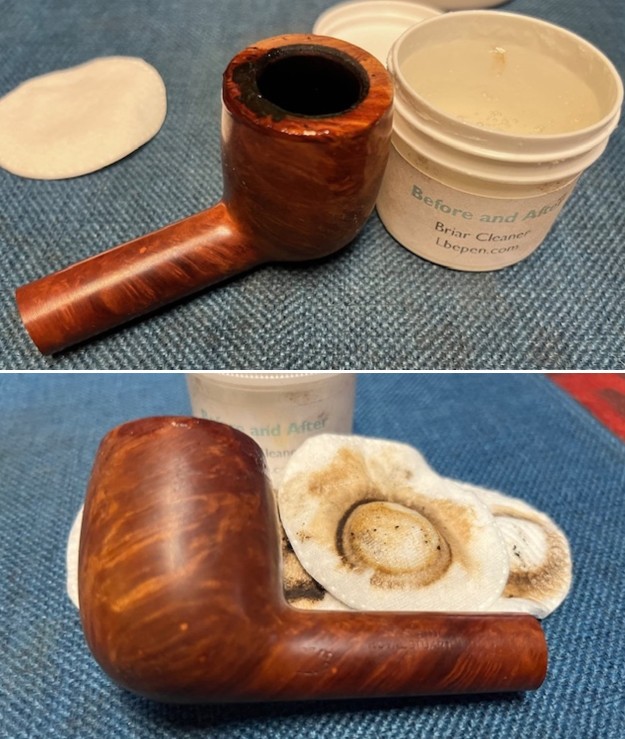
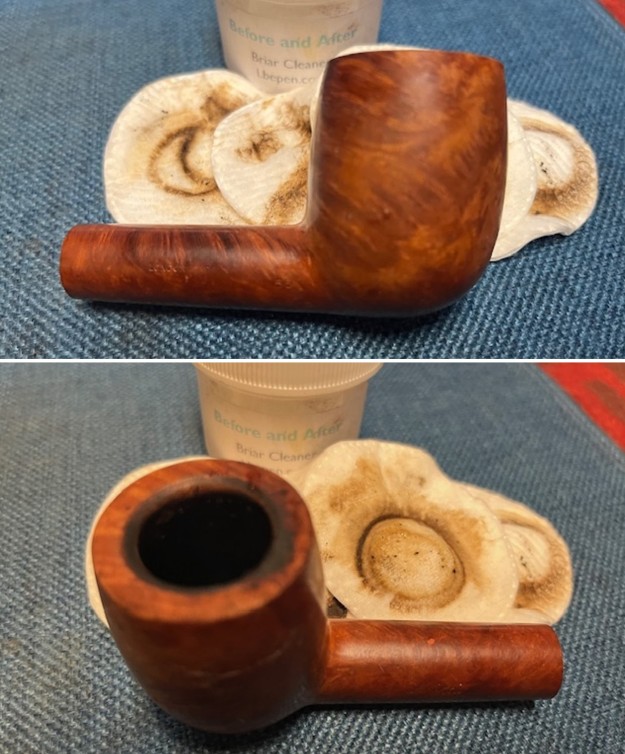
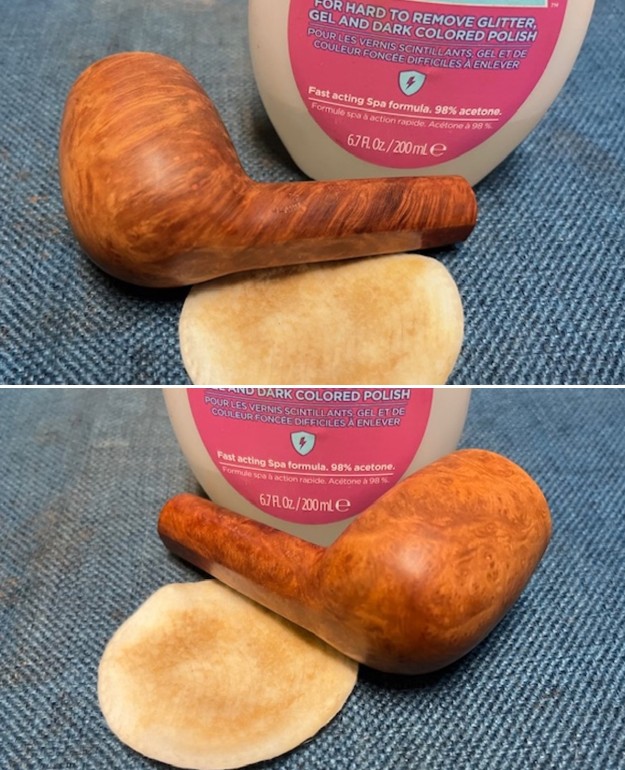
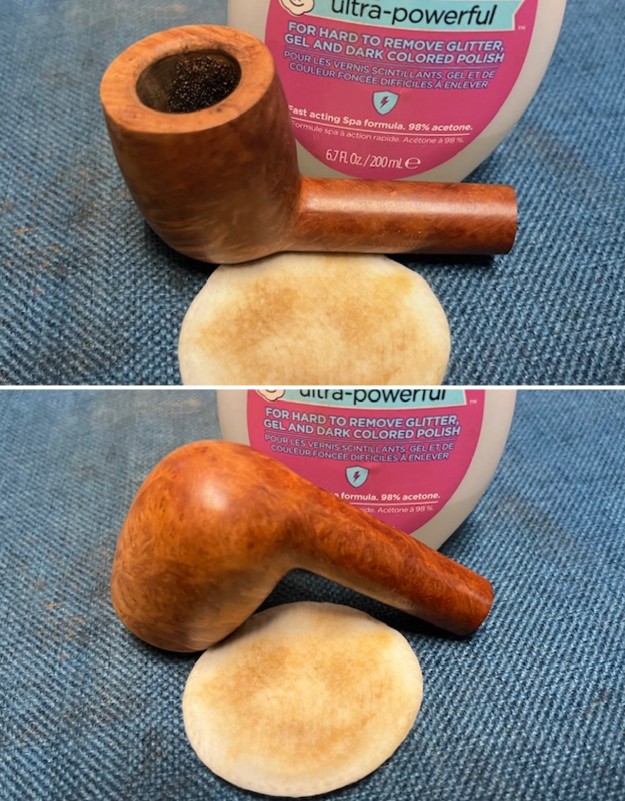
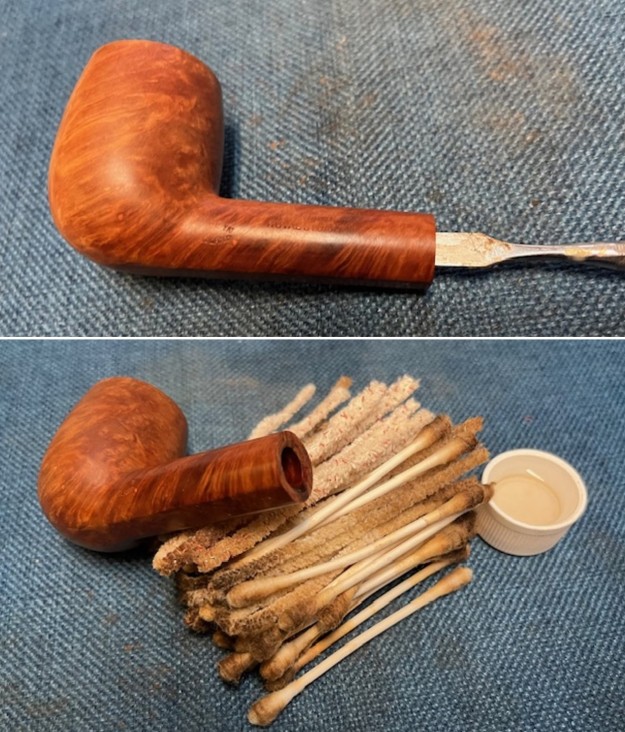
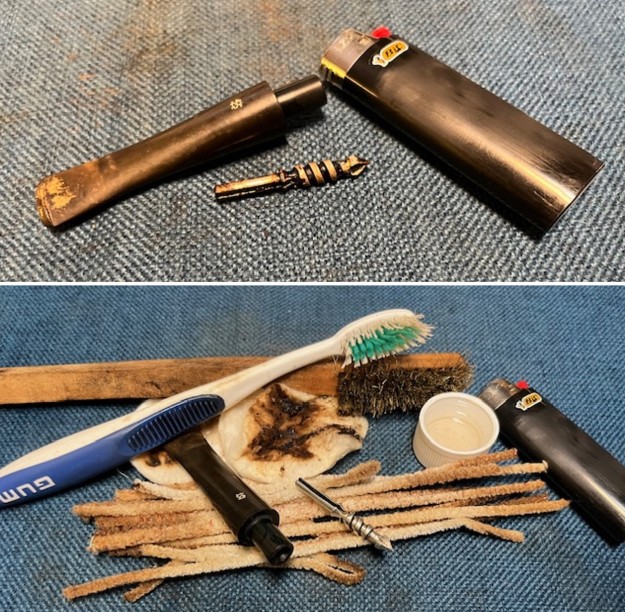
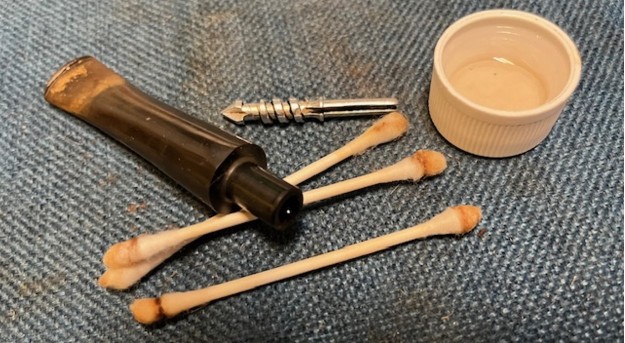
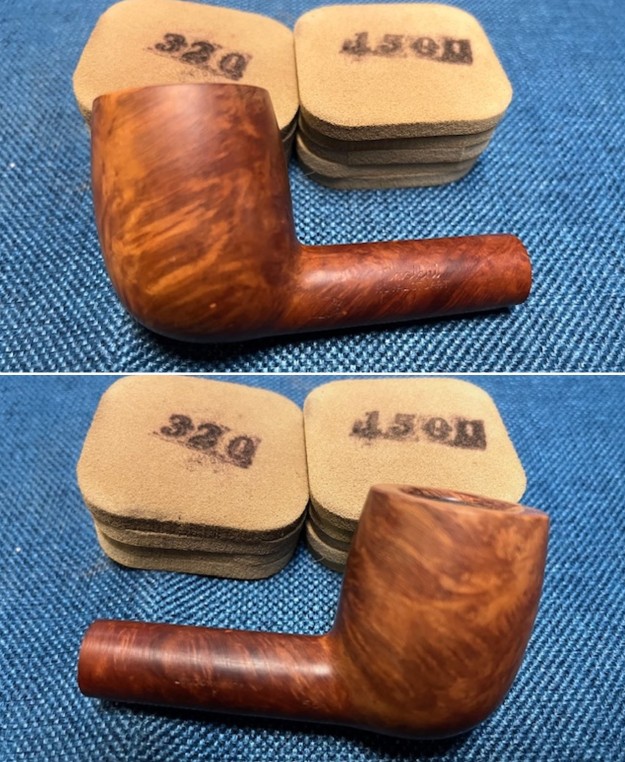
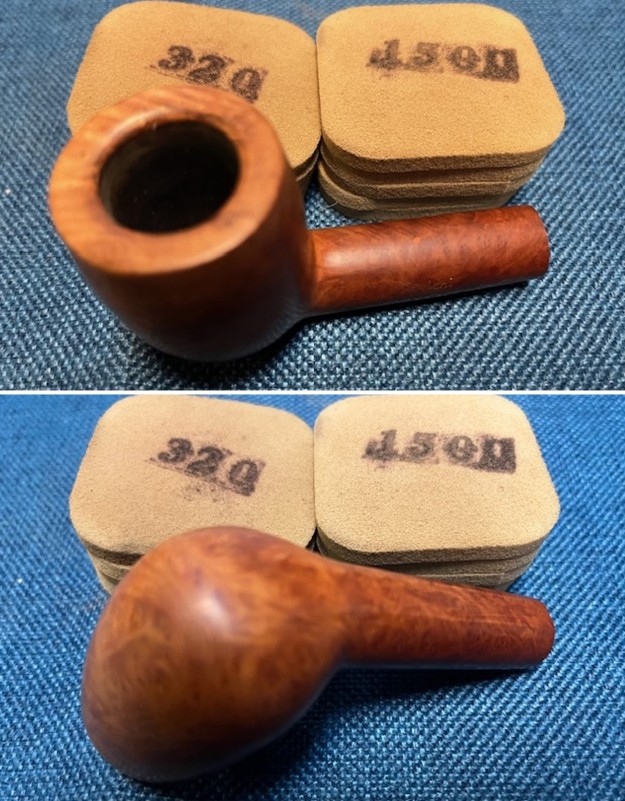
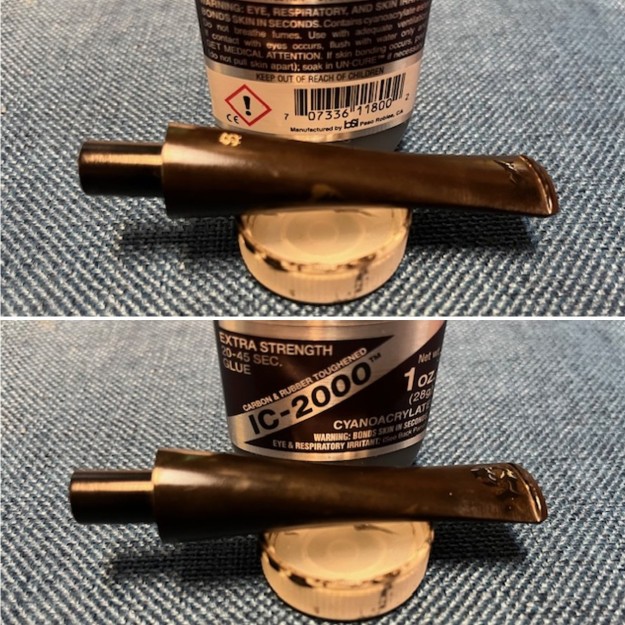
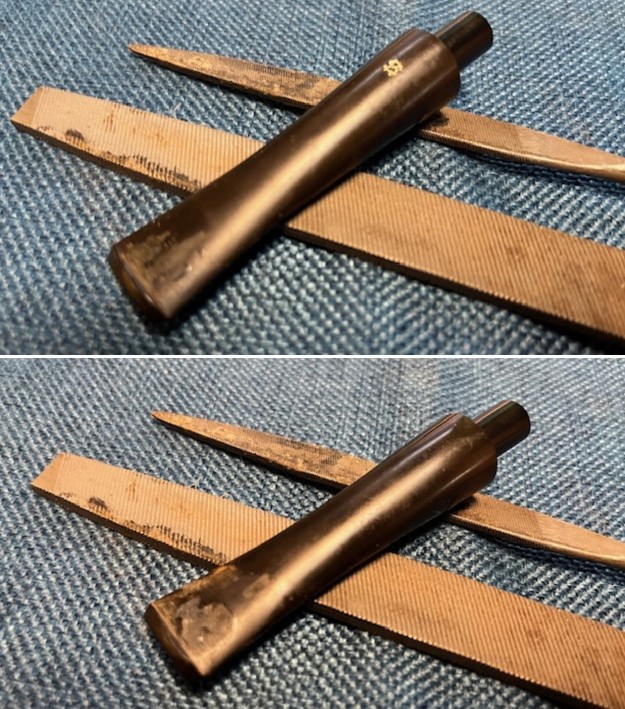
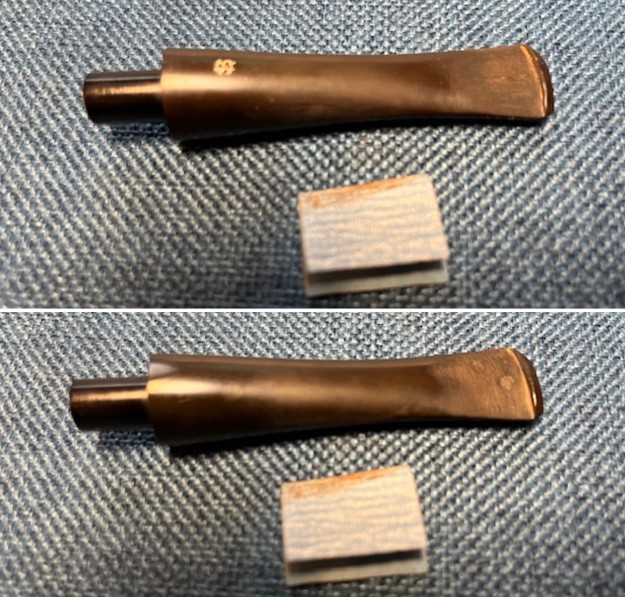
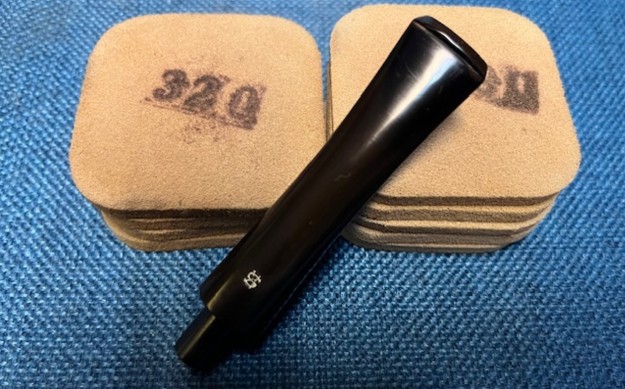
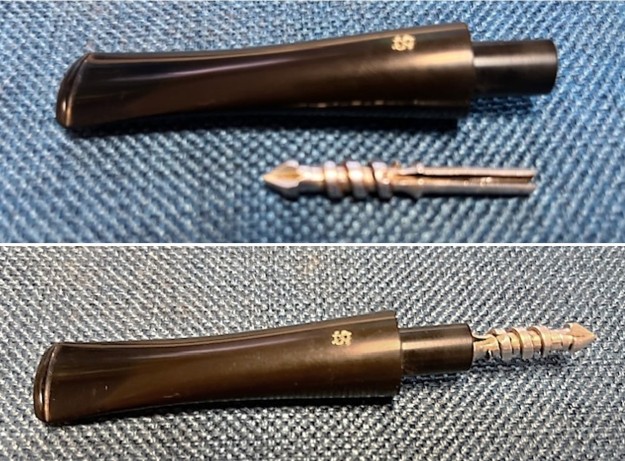
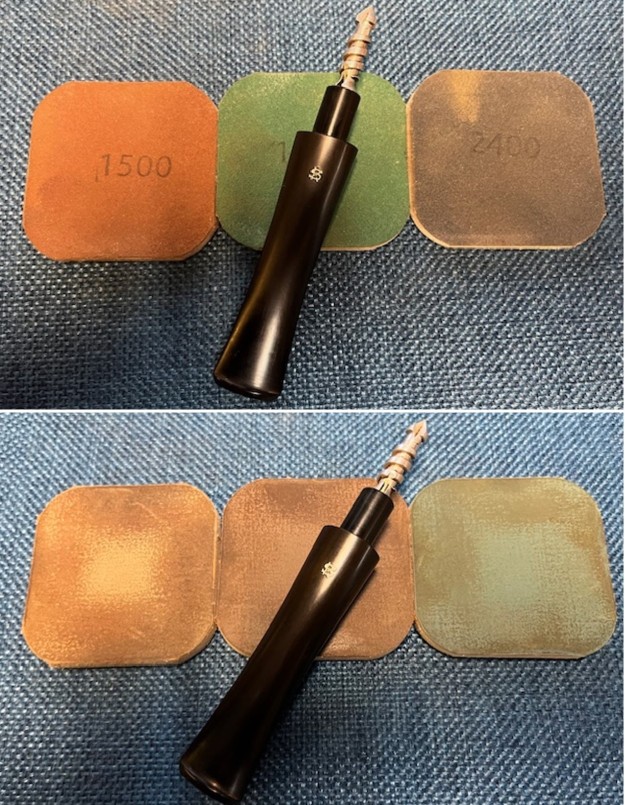
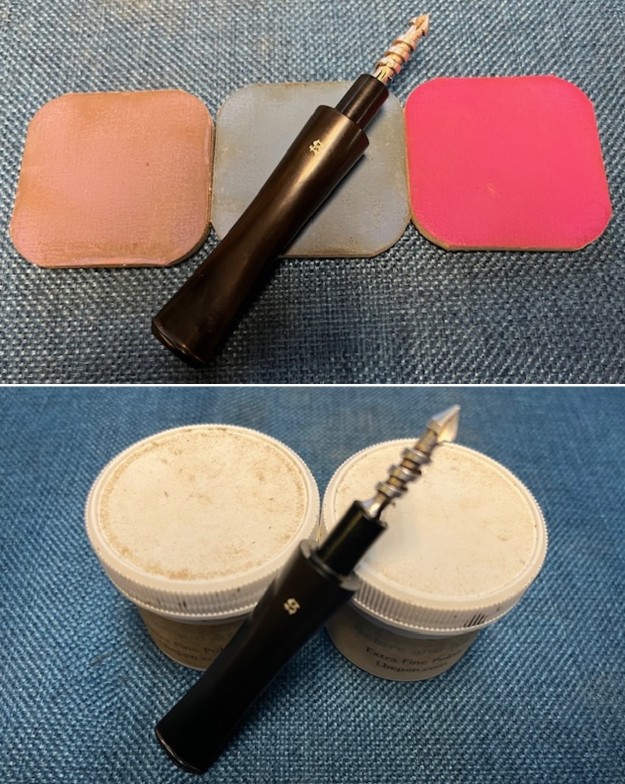
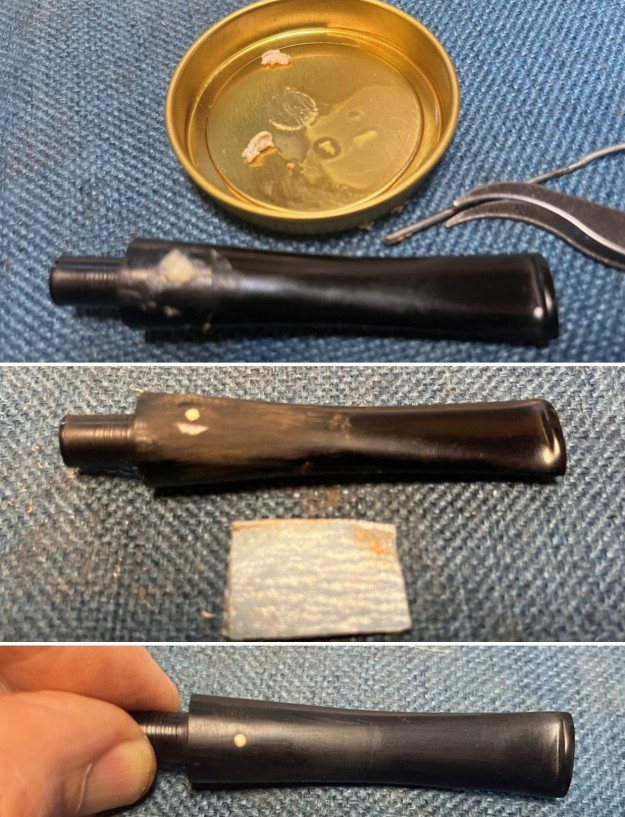
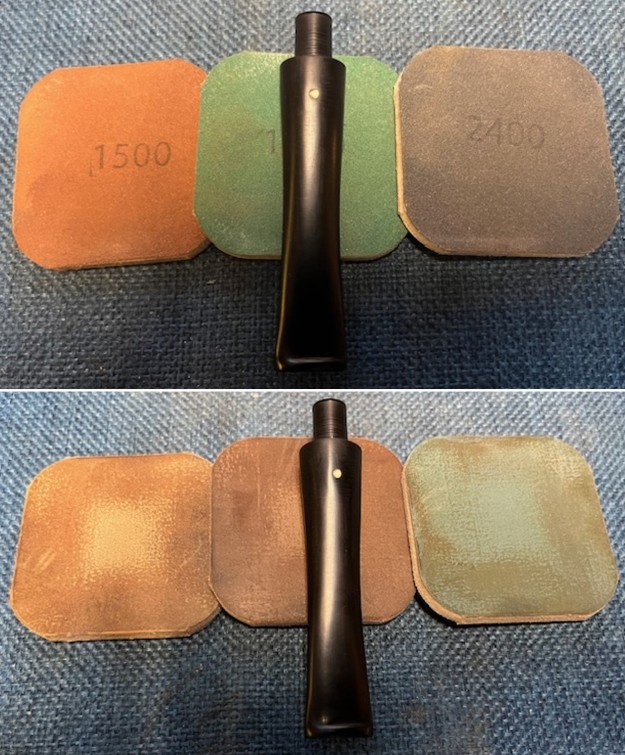
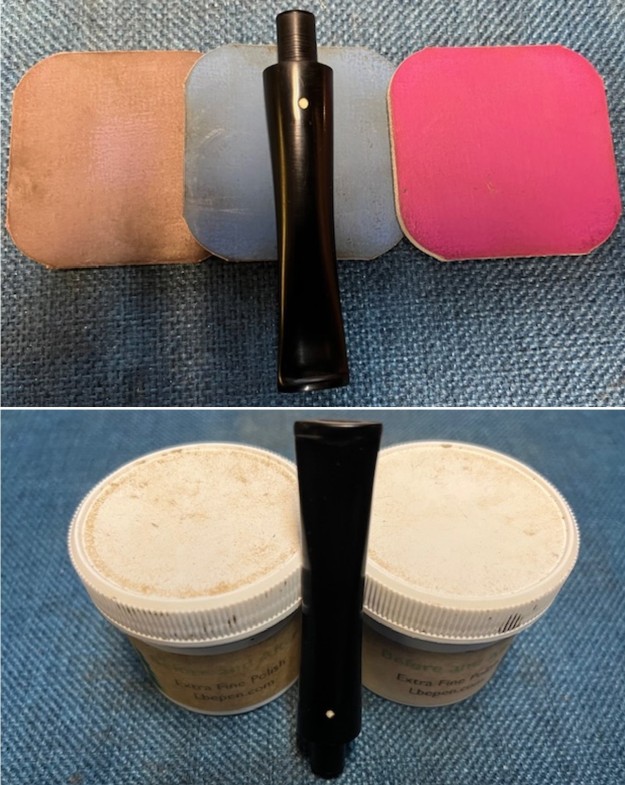
Anyway, this really is a good-looking pipe. No major issues to resolve – just a few minor ones. The stem was a bit dirty, and had some small dents. There was also some oxidation on the vulcanite. The rim on the stummel was a bit blackened, but not seriously. The insides were dirty and would need some work to clean out. The stem was first on my list. I wiped down the outside of the stem with oil soap on some cotton pads. I also took a BIC lighter and ‘painted’ the stem with its flame in order to lift the bite marks and dents. This worked reasonably well, but I would still need to sort out the dents. Then, I cleaned out the insides of the stem with pipe cleaners and isopropyl alcohol. Once this process was done, I used some cleanser and cotton pads to wipe down the stem before throwing it in the oxidation remover overnight. The following day, I cleaned all of the de-oxidizing mess and again scrubbed with the cleanser on some cotton pads to remove the leftover oxidation. This worked well. I used some nail polish to restore the letters “RG” on the stem. I painted the area carefully and let it fully set before proceeding.Before I moved on to the Micromesh pads, I built up the dents on the stem with black, carbon-and-rubber-infused cyanoacrylate adhesive and let them fully cure.I sanded the adhesive down with my needle files to meld seamlessly into the stem. I then used all nine Micromesh pads (1,500 through 12,000 grit) to bring out the lovely black lustre on the stem. I also used pipe stem oil in between each pad scrubbing (from 3600 on up). I then proceeded to clean out the insides of the shank with cotton swabs, pipe cleaners, and isopropyl alcohol. There was some filth inside this stummel, but it wasn’t too bad. I followed that up by cleaning the insides with some dish soap and tube brushes.I decided to de-ghost the pipe, so I thrust cotton balls into the bowl and the shank and saturated them with 99% isopropyl alcohol. I let the stummel sit overnight. This caused any remaining oils, tars and smells to leach out into the cotton. The bowl was nice and clean after this.At this point, I turned my attention to the vulcanite shank extension. This, like the stem, needed to be cleaned and deoxidized. However, I did not want to soak the whole shank in the deox fluid. Similarly, I couldn’t risk getting any of the powerful cleanser on the beautiful briar. So, I took some clear hockey tape and carefully, precisely masked the briar with it, as protection. I then proceeded to clean the vulcanite safely with the cleanser. I’m glad I did – boy, was it dirty!I then moved on to cleaning the outside of the stummel with oil soap, some cotton pads, and a toothbrush. That removed any latent dirt hidden in the lovely recesses of the sandblast.As I mentioned earlier, there were some very minor burn marks on the rim of the stummel that also needed to be addressed. Fortunately, I was able to resolve this by gently sanding the interior rim edge to remove any remnants that remained. This worked perfectly and didn’t affect the pipe at all. Since this was a partial sandblast, I only needed to use the Micromesh pads on the smooth sections near the rim and shank. Of course, I also sanded the vulcanite shank extension and, like the stem, I used pipe stem oil on it. A light application of Before & After Restoration Balm brought out the best in the stummel. The balm does wonderful things to the wood and really emphasizes how beautiful this pipe is. I’m going to be sorry to see it go.


I took the pipe to my bench polisher and gave it a thorough going-over with my buffing compound and carnauba wax. This pipe was a delight from the start and its beauty only increased through the restoration process. This Royal Guard 535M freehand canted egg is elegant, light, and incredibly comfortable to hold. Finally, I am pleased to announce that this pipe is for sale! If you are interested in acquiring it for your collection, please have a look in the ‘Danish’ pipe section of the store here on Steve’s website. You can also email me directly at kenneth@knightsofthepipe.com. The approximate dimensions of the pipe are as follows: length 5½ in. (142 mm); height 2⅛ in. (54 mm); bowl diameter 1½ in. (39 mm); chamber diameter ¾ in. (19 mm). The weight of the pipe is 1⅜ oz. (41 g). I hope you enjoyed reading the story of this restoration as much as I enjoyed restoring it. If you are interested in more of my work, please follow me here on Steve’s website or send me an email. Thank you very much for reading and, as always, I welcome and encourage your comments.

Grail List Addition – Dunhill Root Briar Rhodesian


By Al Jones

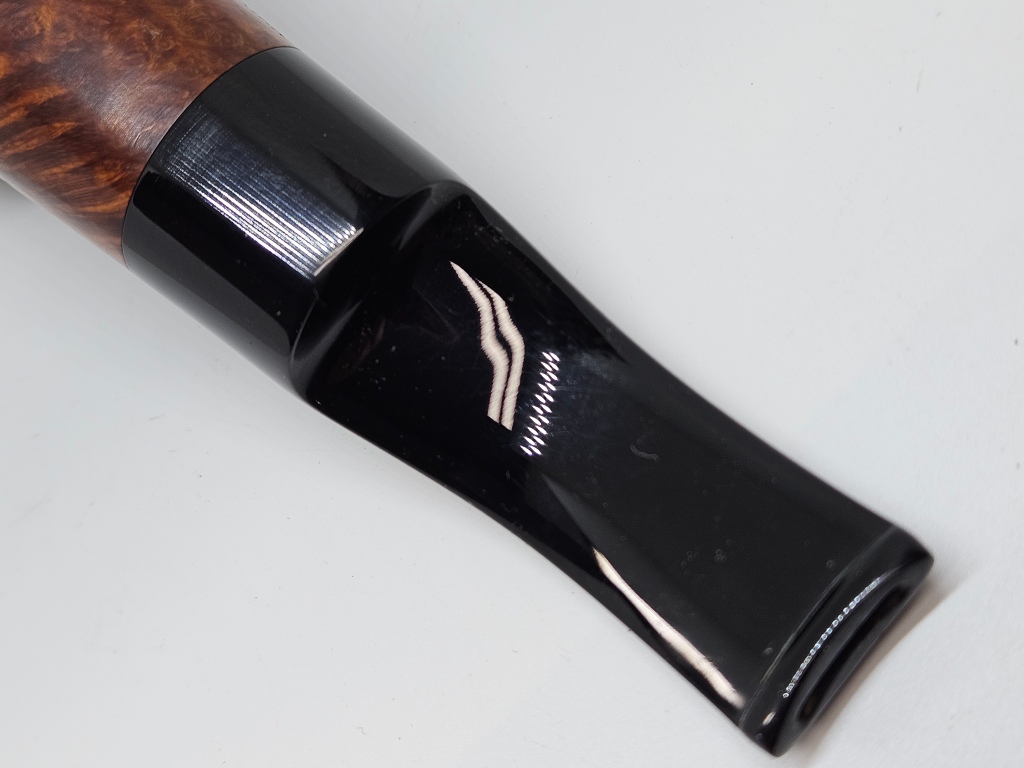
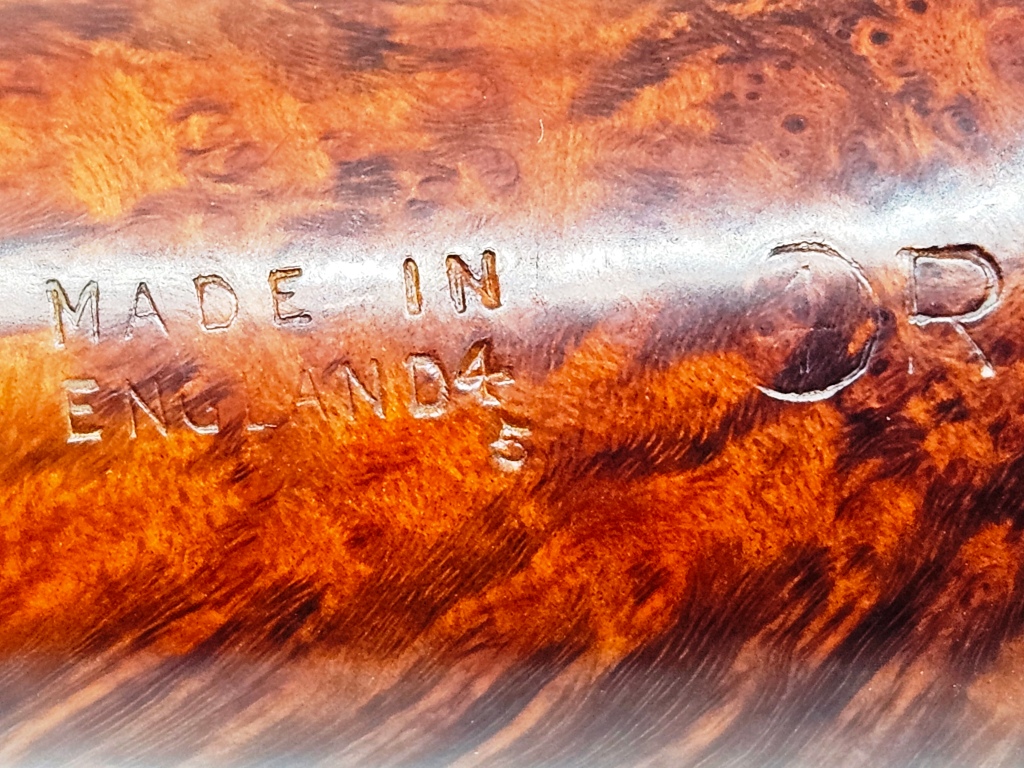
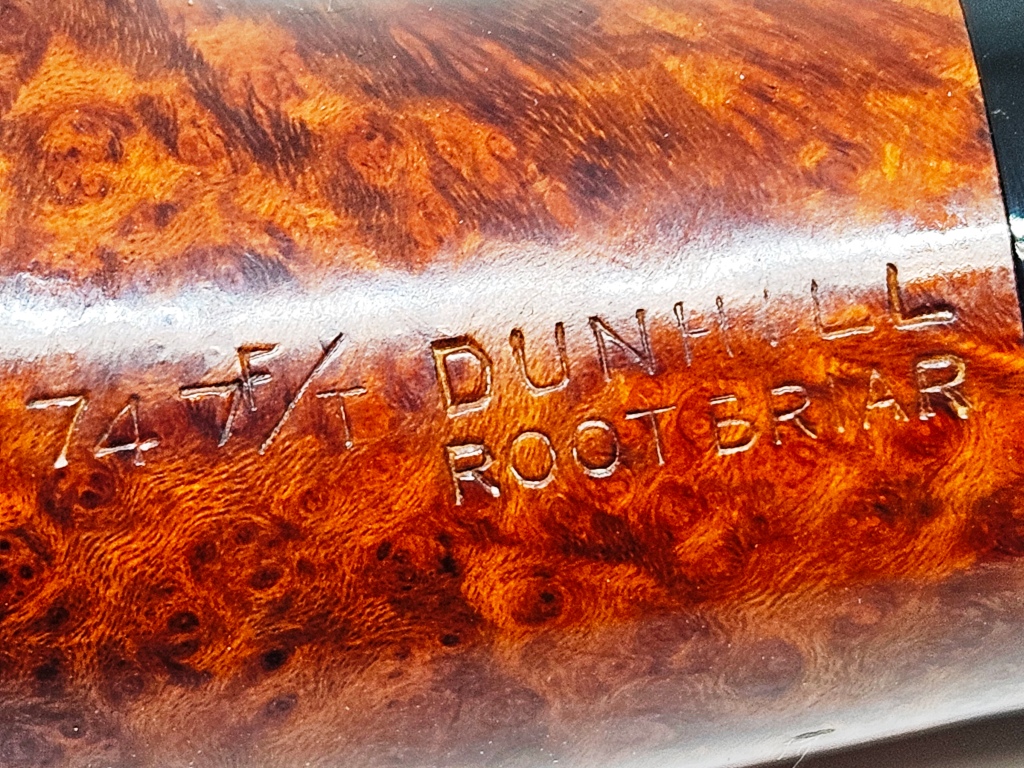
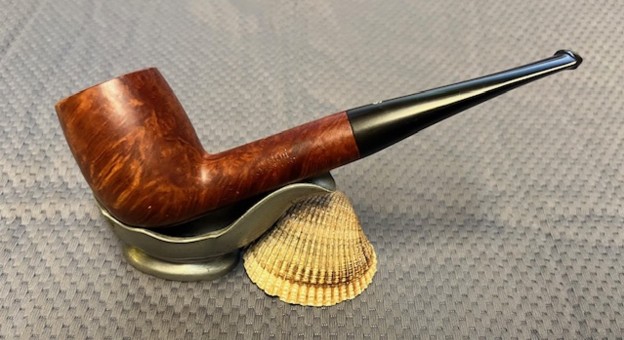
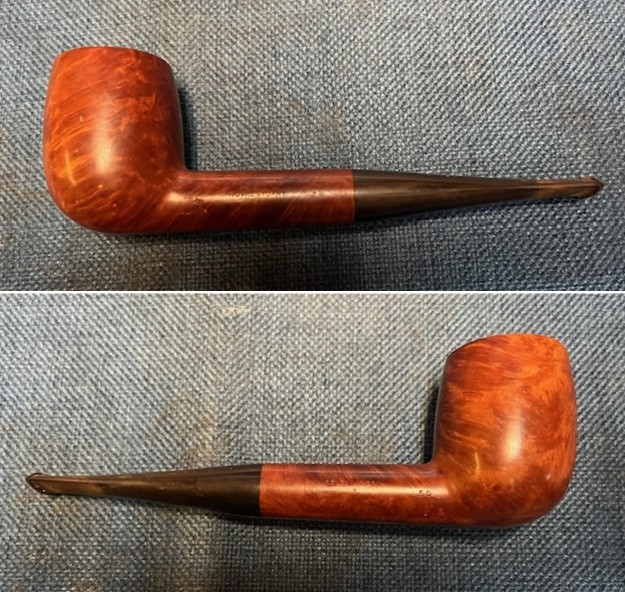
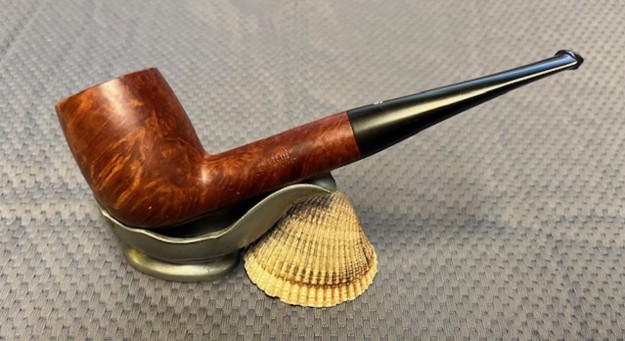
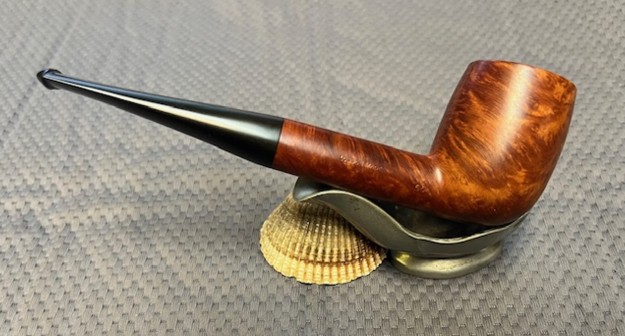
In 2010, I started smoking a pipe and by 2011, I knew my passion was with the classic British shapes and makers. I started a “Holy Grail” list of pipe makes and shapes I wanted to own. Around 2018, I completed the list, with one exception. In 2014 a pipe reseller listed a Dunhill 747, a saddle stemmed Rhodesian. Similar in shape to the GBD 9438, one of my all time favorite Rhodesians. It was way out of my price range comfort zone and it was quickly sold. I added the shape to my Holy Grail list. Jesse Silver, on the PipesMagazine forum always wisely advises folks who missed a bid on an exorbitantly priced pipe – and said another one will come along. I waited patiently, but by 2020, I still had not seen another example and I just removed it from my otherwise completed list. Then, last week, another one showed up on eBay, this one a Root Briar with what appeared to be a 1964 date stamp. The new to eBay sellers pictures were not great. A picture with the shape number was not shown at all. I requested additional pictures and the seller quickly complied and satisfied my answers. I waited until the final seconds to bid, with a bid only slightly over the starting bid. I was surprised to find I was the lone bidder.

The pipe was delivered quickly and it was in very good condition. There were some minor teeth indentions and one nip out of the beautifully shaped Dunhill button. The bowl was in great shape with only some mild cake residue. The nomenclature was strong. The stem was slightly loose, but I knew smoking it would fix that issue. Dunhill Root Briar grain is never spectacular, but I feel this one was better than average for that grade. Below is the pipe as it was received, which included a nifty shaped and zippered velour pouch. The pipe is only slightly larger than the GBD 9438 and at 61 grams, weighs a few grams more.

The cake was so mild, I only used a piece of 320 paper to remove the minor residue. I cleaned the shank with a bristle brush dipped in alcohol, but didn’t feel the need to soak this one with my normal practice of alcohol and sea salt.

A flame from a lighter nicely lifted the teeth indentions. I used wet sandpaper to remove the light oxidation, moving from 800 to 2000 and then 12,000 grade micromesh. The stem was then buffed with White Diamond and Meguiars Plastic Polish.

I polished bowl carefully with White Diamond rouge and then several coats of Carnuba wax.

Below is the finished pipe, that I’m smoking while writing this blog entry. The stem did tighten nicely to its original fitment.

New Life for a NOS French Churchwarden


by Kenneth Lieblich

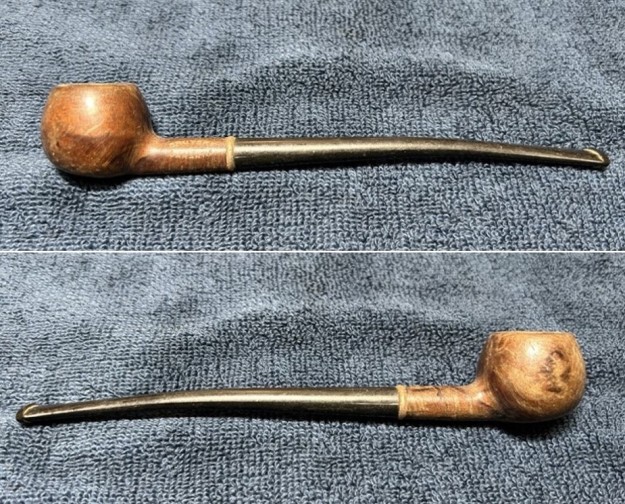
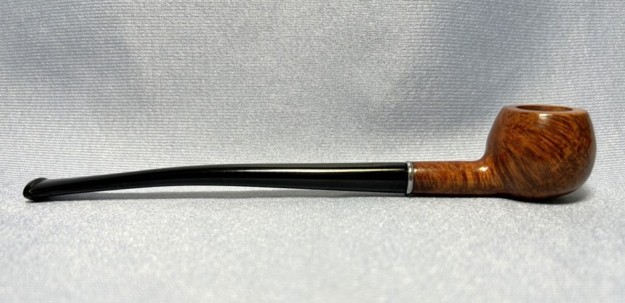
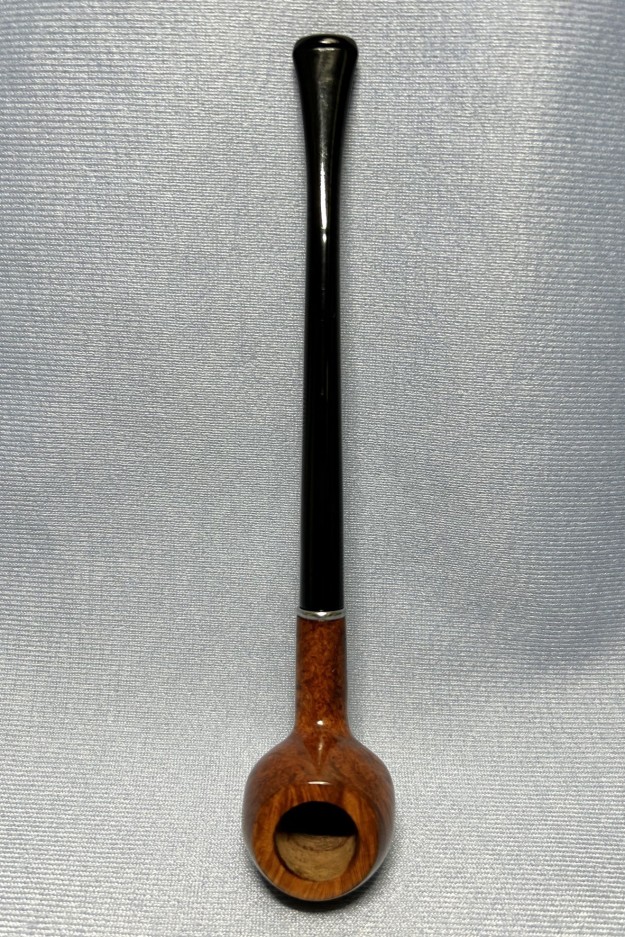
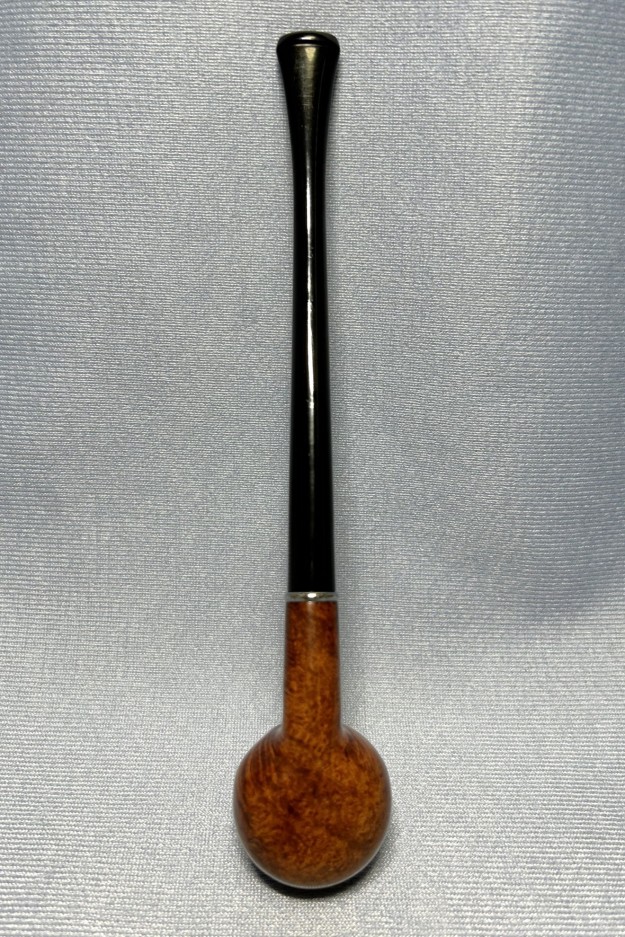
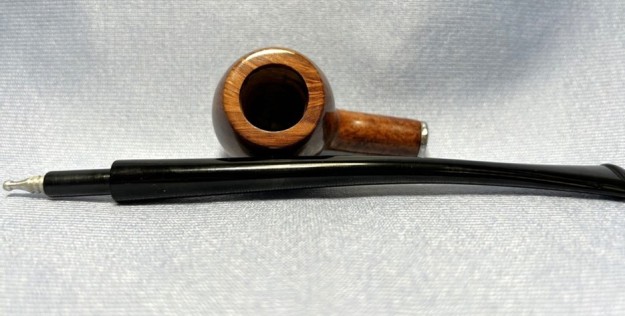
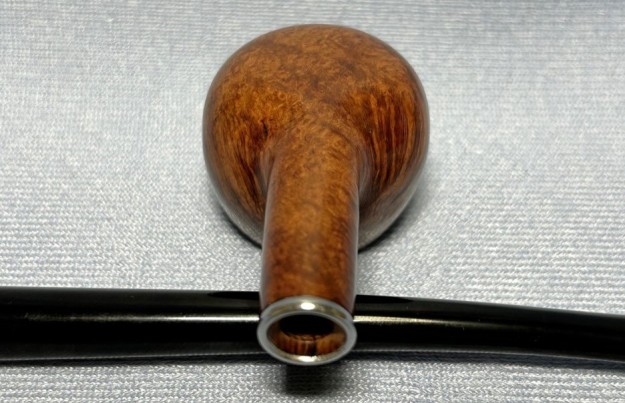
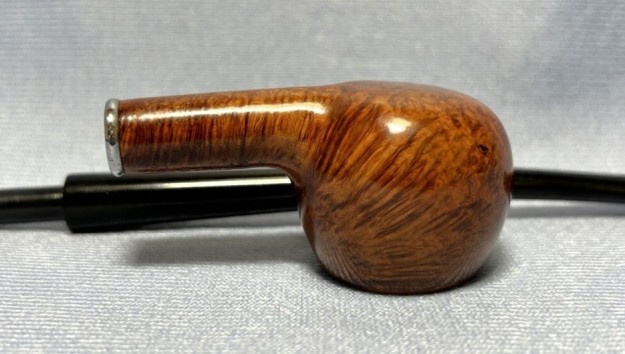
Next up is a charming apple churchwarden that I found in one of my bins and it piqued my interest. It’s got the typical shape and feel of a regular churchwarden, but this one is a bit smaller – and perhaps a bit more manageable. It’s hard to know how old this one is, but it feels old and it has certainly seen better days. I’m looking forward to this one.

Frankly, this one didn’t look like it had been smoked at all. It was certainly filthy, but that seemed to be from questionable storage rather than smoking. The only markings were on the left side of the shank: Bruyère [over] Garantie which translates to ‘Genuine Briar’. The words Bruyère Garantie on a pipe are the bane of my pipe restoration existence. They are found on a plethora of different pipes, usually without any other identification. Ugh. One comment on the old Pipes Magazine forums confirms exactly what my meagre research has uncovered:

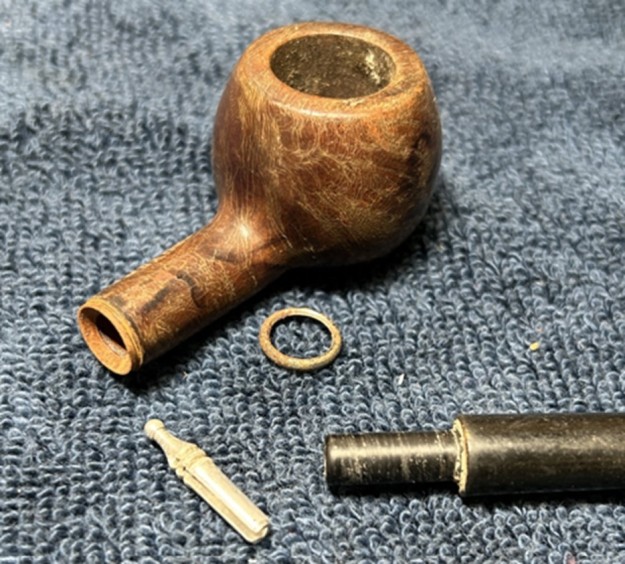
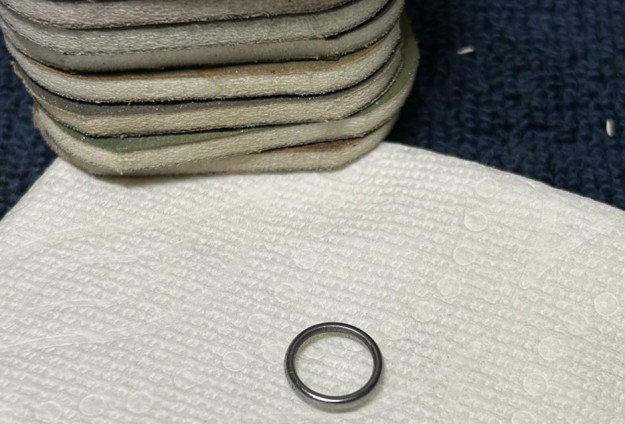
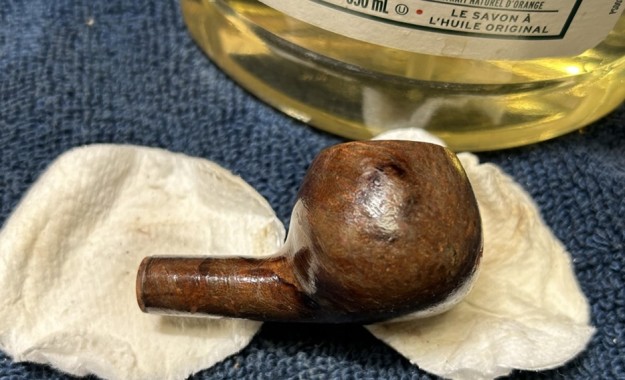
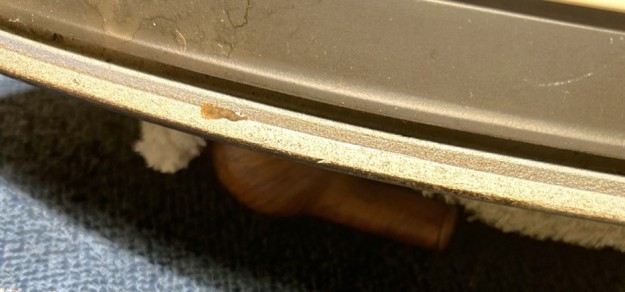
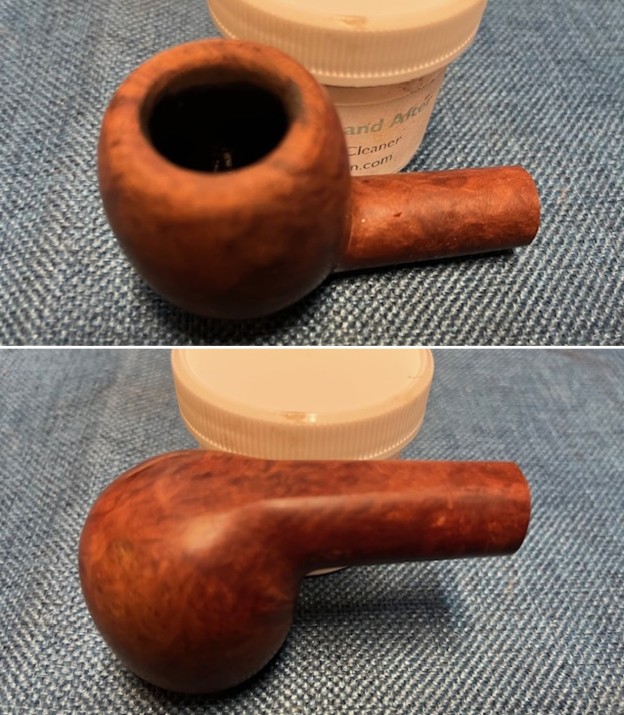
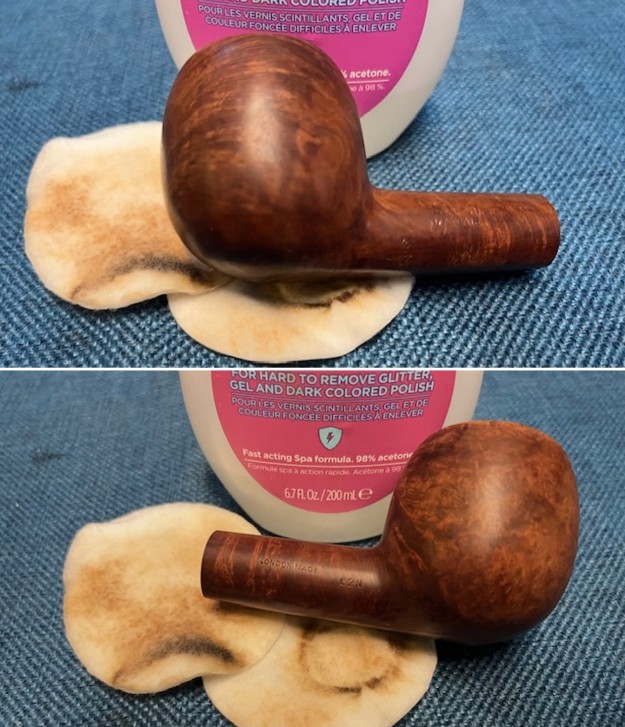
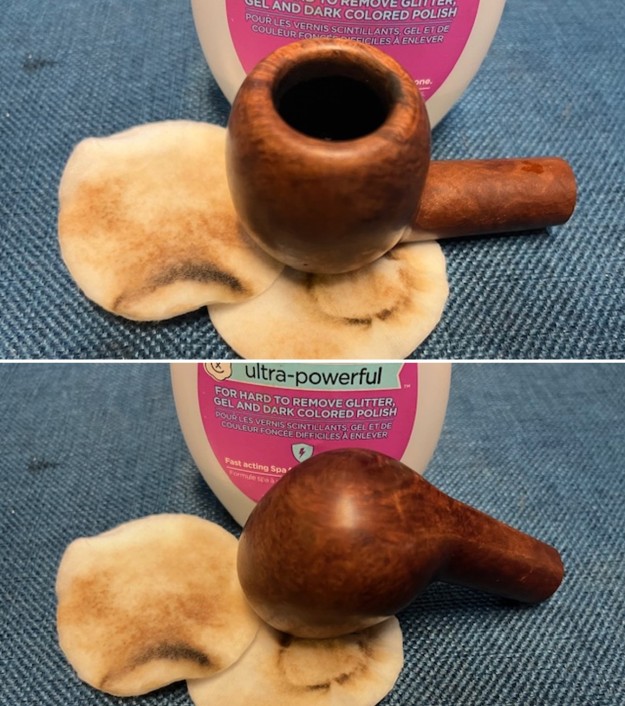
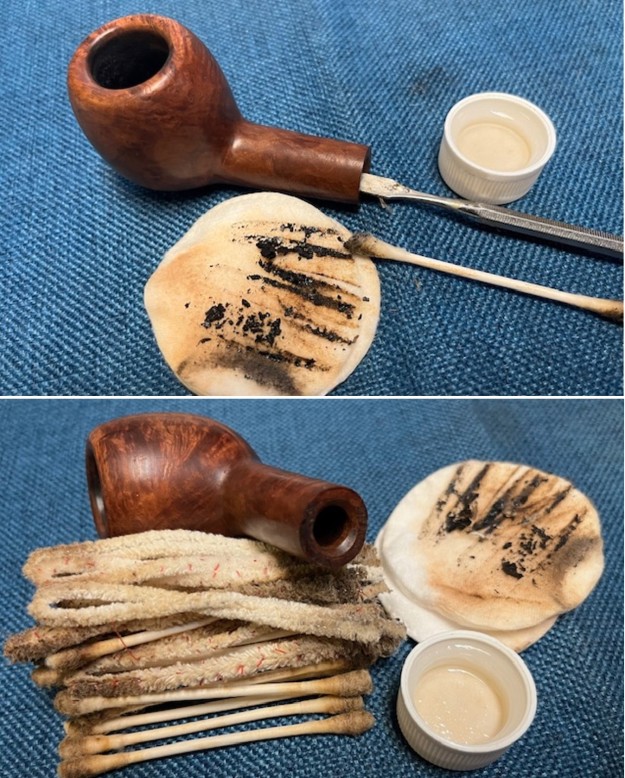
“Lots of French and German pipes, even pre-war ones, were given the label “Bruyere Garantie.” At least the ones I’ve seen for sale were listed as being from the 1920s and 30s. But I suspect that is a genuine date for those because many of them had horn stems, which are much rarer in post-war pipes and some of them definitely had an Art Deco/Art Nouveau look about them as well as old-fashioned rounded buttons.” — pitchforkThis pipe doesn’t have the old orific button, but it might date from just after that time period. Anyway, time to get to work! I started by sending the stinger for a soak in some lemon-infused isopropyl alcohol. I let it sit for several hours, cleaned it off and gave it a quick polish. Good as new!The shank had a lovely, thin band around it – but it was quite encrusted. I removed it, looked closer, and saw that there was rust! Interesting – the band must have some iron in it. I dropped the band in a little plastic bowl of plain white vinegar and let it soak overnight. I scrubbed with some 0000-grit steel wool and that worked a treat. Gave it a quick polish with my Micromesh pads and it looked good as new.Next, I went to work on the long stem. It appears to be acrylic – definitely not vulcanite. I gave it a good wipe-down with some soap on cotton rounds and that helped. As mentioned earlier, I don’t think this pipe was smoked and, though I can’t be sure about that, the stem’s insides had dust-type filth rather than tobacco debris. Regardless, I cleaned it out with pipe cleaners and 99% isopropyl alcohol. It wasn’t too dirty.Fortunately, the stem was in good enough shape that it didn’t show any tooth marks/dents. So, I skipped the cyanoacrylate treatments and jumped straight to the Micromesh pads. I used all nine pads (1,500 through 12,000 grit) to bring out the lovely black lustre on the stem. I also used Obsidian Pipe Stem Oil in between each pad scrubbing (from 3,600 onward).Now for the stummel. As the photos show, the finish on the wood has crackled and/or degraded somewhat over the years. It looks terrible and I’ll have to address that. First, I decided to ream out the bowl – but there wasn’t anything to ream! This is another clue that suggests an unsmoked pipe. It was certainly dusty inside – very. I cleaned out the insides with pipe cleaners and 99% isopropyl alcohol. I also cleaned the insides with some soap and tube brushes. It was nice and clean after this.Now to deal with the finish on the stummel. I grabbed some Murphy’s and rubbed the surface to clean things up. This did precious little. Since there was a fill that also needed to be fixed under this finish, I took some acetone and thoroughly cleaned the surface – that was the best decision I made! The pipe looked so much better with the old finish removed. There was actually some very nice wood under there.I examined the nicks in the briar. I took my iron and a damp cloth to try to raise them. The hot and moist steam can often cause the wood to swell slightly and return to shape. This worked well – I was pleased with the results. However, some lumps and bumps remained on the rim and a big fill to boot. In order to safely remove the marks on the rim, I “topped” the pipe – that is to say, I gently and evenly sanded down the rim on a piece of 220-grit sandpaper. This effectively removed the damage, without altering the look of the pipe. Then, I made a mix of cyanoacrylate and briar dust and filled the fill. I sanded the repair down with 400-grit sandpaper, then proceeded to use the Micromesh pads over the whole thing. Oh boy, it really looked good. I glued the band back on the shank and applied some Before & After Restoration Balm. I let it sit for 20 minutes or so. It does lovely things to the wood. I polished it with a microfibre cloth and it shone. Wow – the pipe really looks lovely.

Off to the bench polisher I went. I applied some White Diamond and a few coats of carnauba wax and they added the finishing touch. This old Bruyere Garantie churchwarden was in need of a new lease on life. I am pleased to announce that this pipe is for sale! If you are interested in acquiring it for your collection, please have a look in the “French” pipe section of the store here on Steve’s website. You can also email me directly at kenneth@knightsofthepipe.com. The approximate dimensions of the pipe are as follows: length 7⅜ in. (185 mm); height 1⅛ in. (28 mm); bowl diameter 1¼ in. (32 mm); chamber diameter ⅔ in. (15 mm). The weight of the pipe is ¾ oz. (23 g). I hope you enjoyed reading the story of this restoration as much as I enjoyed restoring it. If you are interested in more of my work, please follow me here on Steve’s website or send me an email. Thank you very much for reading and, as always, I welcome and encourage your comments.

Restoring a Bari Ruby Made in Denmark 8042 Rhodesian


By Steve Laug

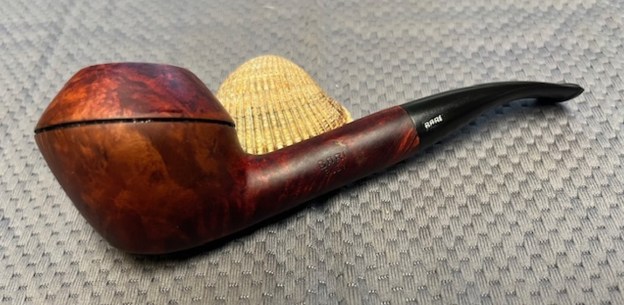
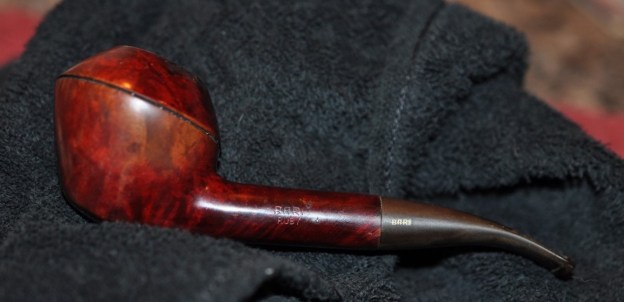
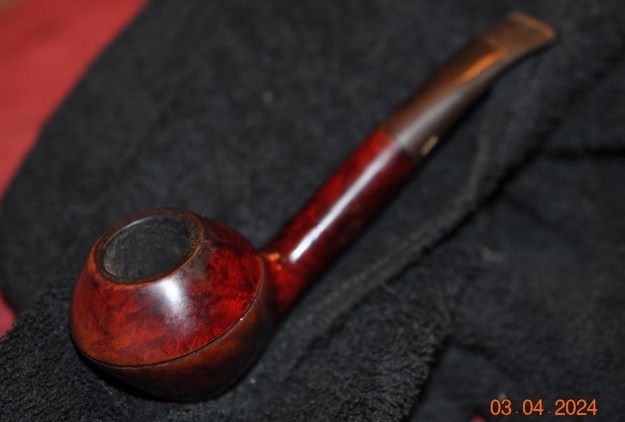
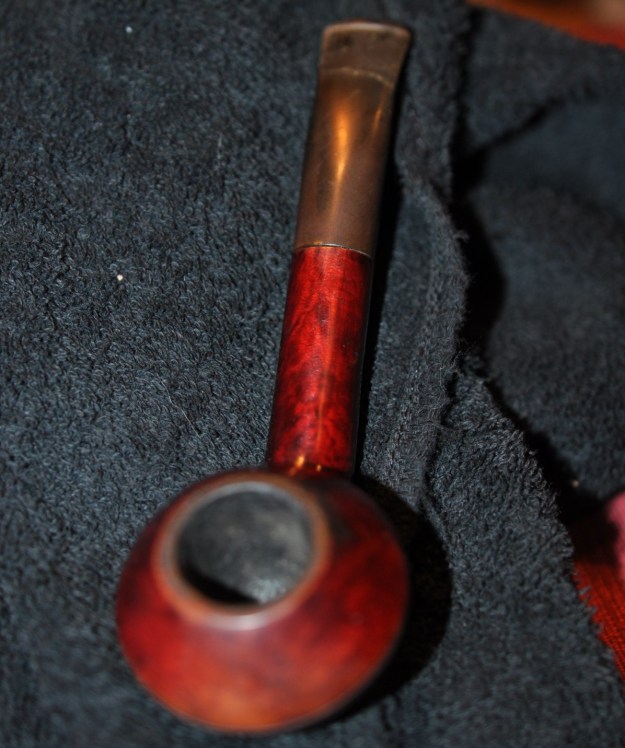
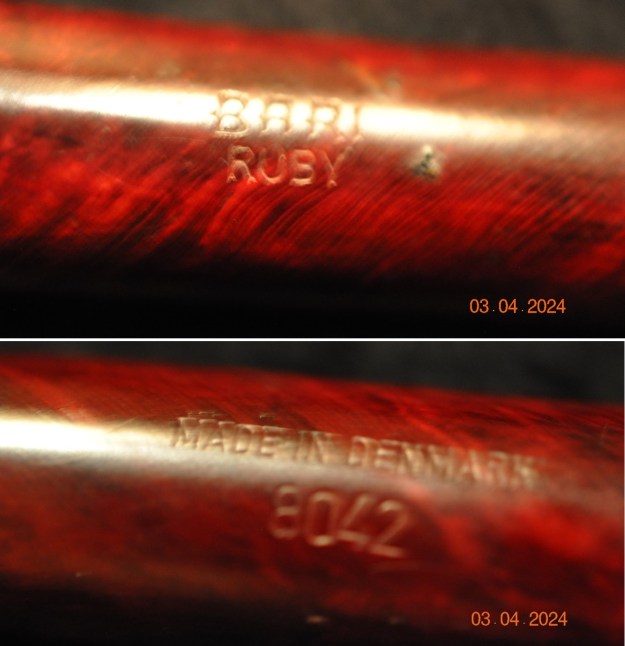
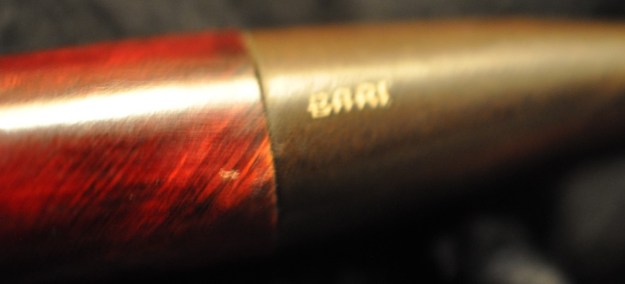
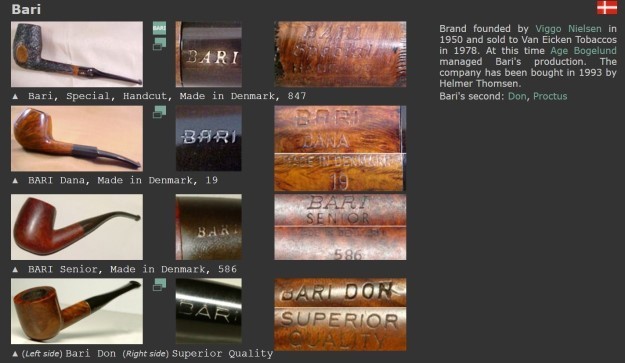
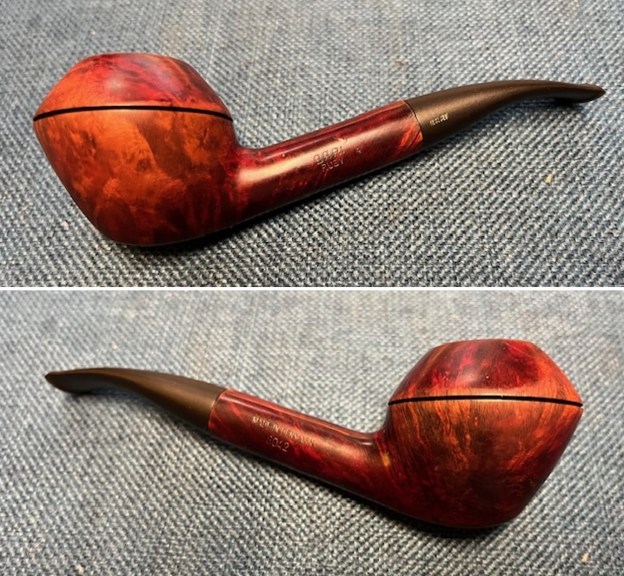
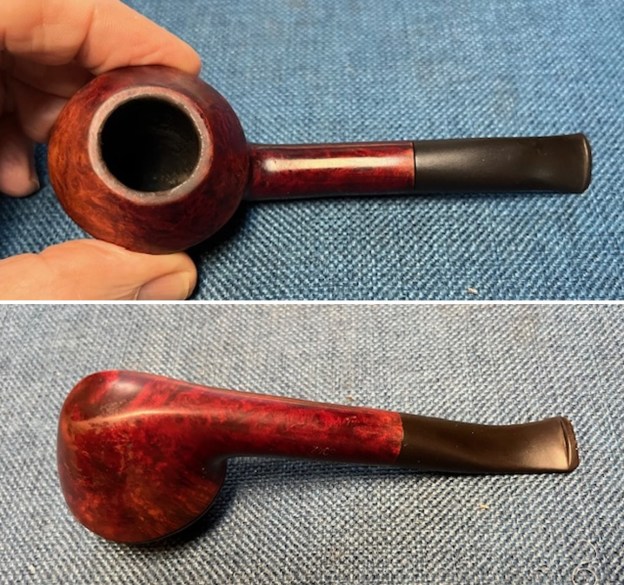
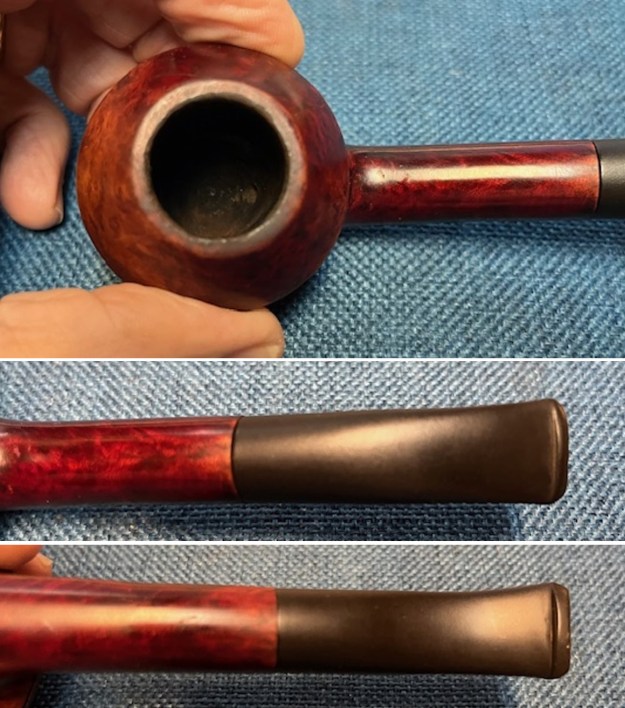
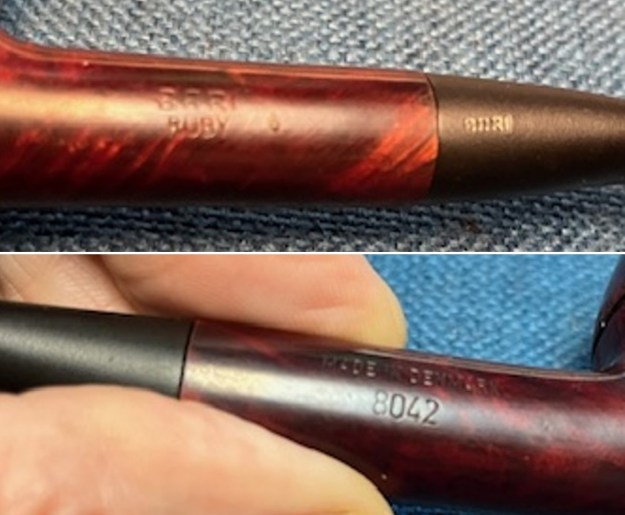
The next pipe on the worktable is a Danish made pipe from the workshop of Viggo Nielsen. It is a great looking long shank ¼ Bent Rhodesian. The pipe came to us from eBay on 01/22/2024 from a seller in Jordan, Minnesota, USA. It has great grain around the bowl and shank with some small fills on the bowl and the shank that are a bit swollen. The pipe is stamped on the left side and clearly reads BARI [over] Ruby and on the right side it reads Made in Denmark [over] 8042. The finish was dirty with dust and grime ground into the briar but great grain still shone through. The pipe is very dirty with a thick cake in the bowl and lava on the rim top. The rim top is thin and looks like the bowl might be slightly out of round but it was hard to know what was under the lava coat on the top and edges. There was a coat of varnish on the bowl that was spotty and uneven. The vulcanite taper stem was oxidized and dirty and had some light tooth chatter and marks on both sides ahead of the button. Jeff took these photos of the pipe before he started his cleanup work. He took photos of the rim and bowl to show the condition of the bowl and rim top. You can see the thick cake in the bowl and a thick coat of lava on the rim top. He also took photos of the stem surfaces to show its overall condition when it arrived. It was oxidized and dirty and had light tooth marks and chatter on both sides. The photos of the sides and heel of the bowl show the grain showing through the finish around the bowl and shank sides. The rich reddish stain adds depth to the finish. He took photos of the stamping on the sides of the shank. It was clear and readable as noted above. He also took a photo of the BARI stamp on the left side of the stem. Before I started working on it I did a bit of research on the brand to remind myself of the maker. I have worked on quite a few Bari’s in the past so rather than rework all of that I am including the information I found while working on a Bari Special Handcut Made in Denmark Dublin Freehand (https://rebornpipes.com/2020/07/22/cleaning-up-a-danish-made-bari-special-handcut-b-dublin-freehand/). I quote below from that blog.

I quoted a section from Pipedia on Bari pipes (https://pipedia.org/wiki/Bari). It is good to be reminded of the fact that Viggo Nielsen was the pipe maker.

Pipedia states that Bari Piber was founded by Viggo Nielsen in Kolding, Denmark around the turn of 1950/51. His sons Kai and Jørgen both grew into their father’s business from a very young age and worked there till 1975. Both have become successful pipe makers.

Bari successfully adapted the new Danish design that had been started mainly by Stanwell for its own models. Bari was sold in 1978 to Van Eicken Tobaccos in Hamburg, Germany though the pipes were still made in Denmark. From 1978 to 1993 Åge Bogelund and Helmer Thomsen headed Bari’s pipe production.

Helmer Thomson bought the company in 1993 re-naming it to “Bari Piber Helmer Thomsen”. The workshop moved to more convenient buildings in Vejen. Bogelund, who created very respectable freehands of his own during the time at Bari got lost somehow after 1993. Bari’s basic conception fundamentally stayed the same for decades: series pipes pre-worked by machines and carefully finished by hand – thus no spectacular highgrades but solid, reliable every day’s companions were what they turned out. The most famous series are the smooth “Classic Diamond” and the blasted “Wiking”.

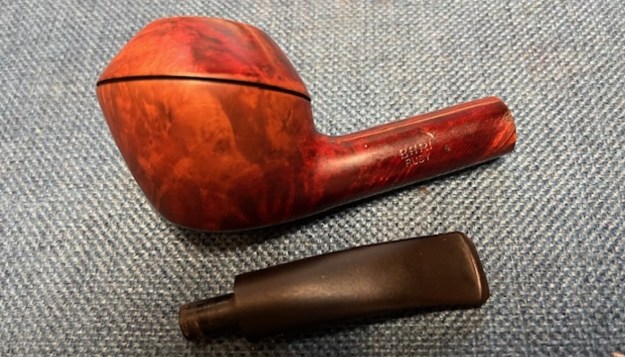
I did a quick look at Pipephil’s site (http://www.pipephil.eu/logos/en/logo-b1.html) and did a screen capture of the section on Bari pipes.Now that I was reminded about the Viggo Nielsen connection it was time to work on the pipe on my end. Jeff had done a great clean up of the pipe. He had reamed it with a PipNet reamer and took the cake back to bare briar. He cleaned up the remnants with a Savinelli Fitsall Pipe Knife. He scrubbed internals of the shank and stem with alcohol, cotton swabs, pipe cleaners and a shank brush. He cleaned the exterior of the pipe with undiluted Murphy’s Oil Soap and a tooth brush to remove the grime and the lava on the rim top. There were several fills on the bowl and the shank that were swollen and needed to sanded smooth. He scrubbed the stem with Soft Scrub to remove the debris that had accumulated on it. The stem was soaked in Briarville’s Pipe Stem Deoxidizer and then rinsed clean. The pipe looked clean and ready for the next step in the process. Here are some photos of it when I brought it to the table. I took photos of the rim top and the top and underside of the stem. You can see the clean bowl and rim top. The rim top showed some light damage on the top and the inner edge of the bowl. The inner edge was slightly out of round with nicks in the briar. The stem has light tooth chatter and marks on both sides ahead of the button. It is a nice looking pipe.The next photos show the stamping on the left and right sides of the shank. It is clear and readable as noted above. The Bari stamp on the left side of the stem is visible in the first photo below. I also took the stem off the shank and took a photo of the pipe to show its parts. I started my work on the pipe by addressing the damage on the rim top and the inner edge with a folded piece of 220 grit sandpaper. It looked much better once finished.To remove the damaged and spotty varnish coat I wiped the bowl down with alcohol on cotton pads. I was able to remove the spotty coat and the briar looked much better. The fills showed clearly on the shank the bowl. I polished the briar with micromesh sanding pads – dry sanding with 1500-12000 grit pads. I worked over the damaged fills at the same time. I wiped the bowl down with a damp cloth after each sanding pad. It really began to take on a shine. I rubbed the bowl down with some Before & After Restoration Balm. I worked it into the briar with my fingertips. The product works to clean, renew and protect briar. I let it do its work for 15 minutes then buffed it off with a soft cloth. The pipe is really quite a beauty. I set the bowl aside and I polished the stem on both sides using micromesh sanding pads. I dry sanded the stem with the 1500-12000 grit pads, then wiped it down with a cloth impregnated with Obsidian Oil. I finished polishing it with Before & After stem polish – both Fine and Extra Fine. I gave it a final coat of Obsidian Oil and set it aside to dry. This is another pipe I am excited to finish. It is a beautiful Bari Ruby Made in Denmark Bent Rhodesian. I put the pipe back together and buffed it lightly with Blue Diamond on the buffing wheel. I gave the bowl and the stem multiple coats of carnauba wax. I buffed the pipe with a clean buffing pad to raise the shine and hand buffed it with microfiber cloth to deepen the shine. It is fun to see what the polished bowl looks like with the polished stem with the golden acrylic spacer. It really was a beautiful pipe. The sandblasted grain shining through the rich browns/black stain on this Bari Ruby Bent Rhodesian is nice looking and the pipe feels great in my hand. It is light and well balanced. Have a look at it with the photos below. The dimensions are Length: 5 ¾ inches, Height: 1 ¾ inches, Outside diameter of the bowl: 2 inches, Chamber diameter: ¾ of an inch. The weight of the pipe is 1.66 ounces/47 grams. It is a beautiful pipe and one that will be on the rebornpipes store in the Danish Pipe Makers Section soon. If you are interested in adding it to your collection let me know. Thanks for walking through the cleanup with me as I worked over this pipe. Thanks to each of you who are reading this blog. Remember we are not pipe owners; we are pipemen and women who hold our pipes in trust until they pass on into the trust of those who follow us.
Restoring and Repairing a Larsen Copenhagen Handmade Made in Denmark Rustica


By Steve Laug

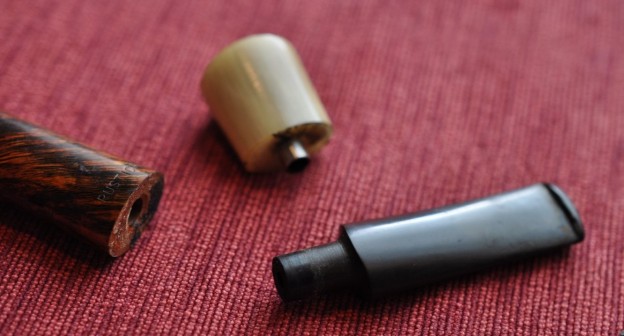
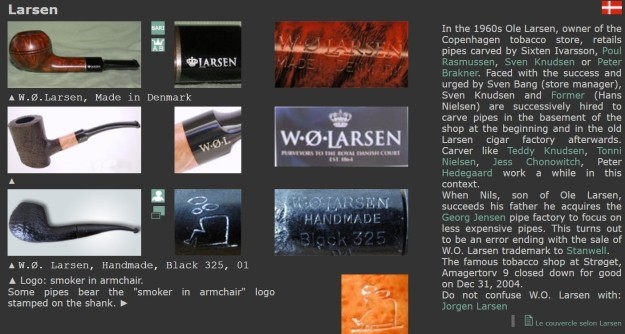
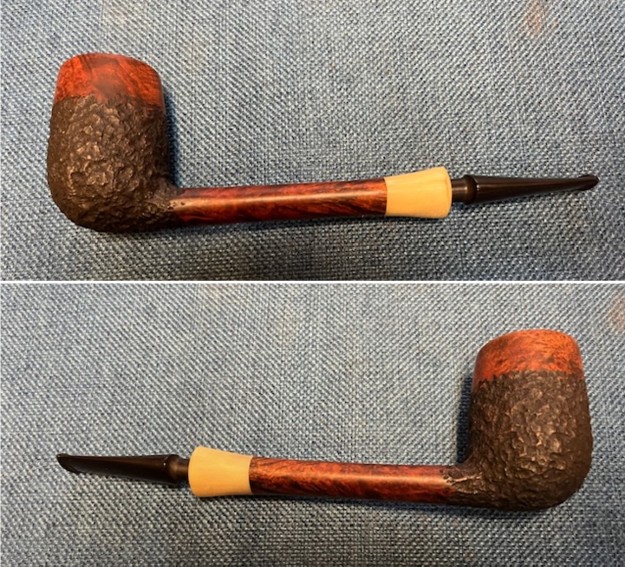
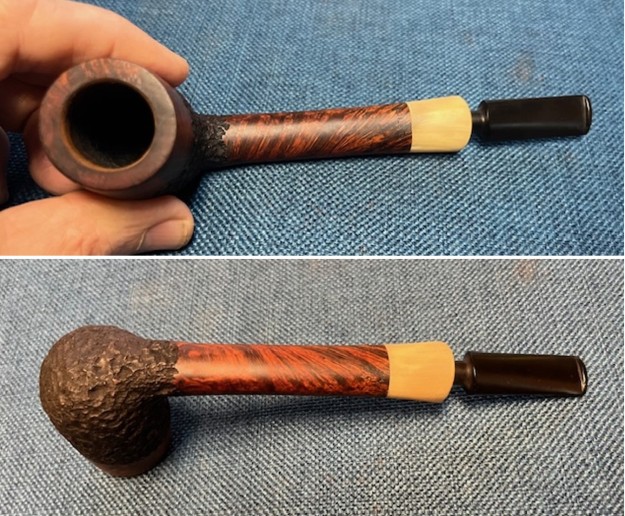
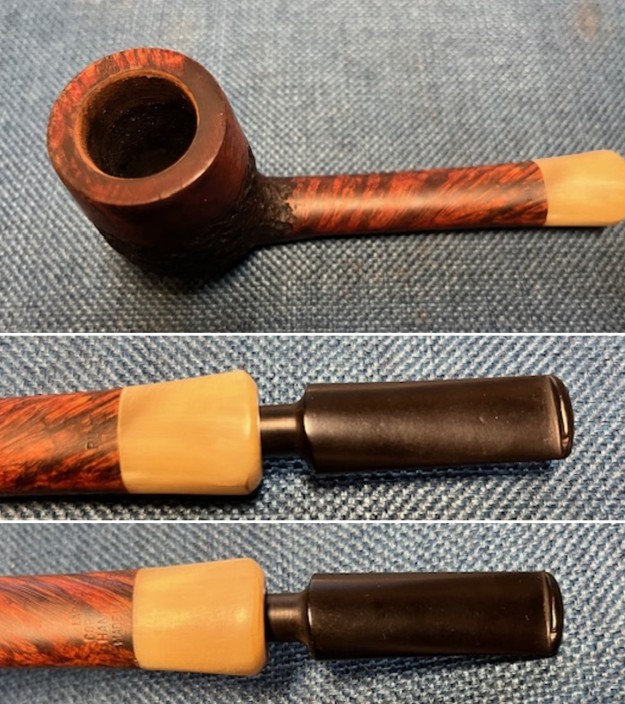
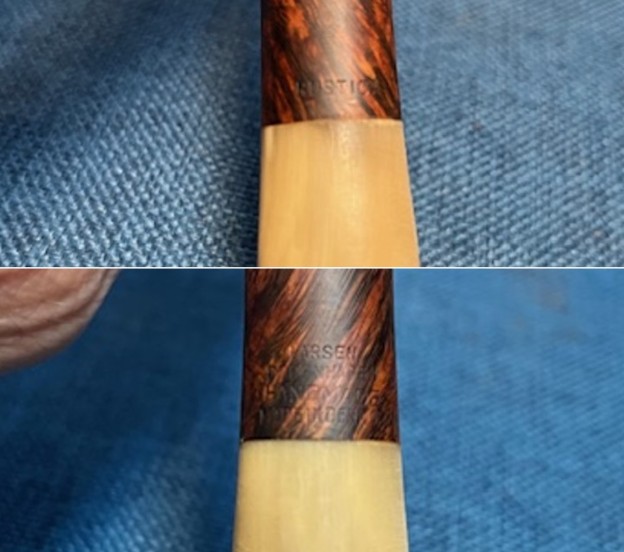
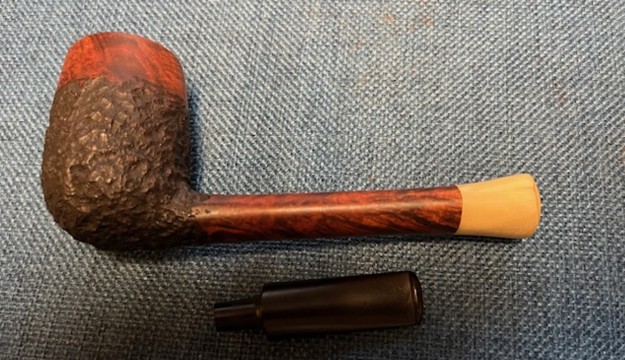
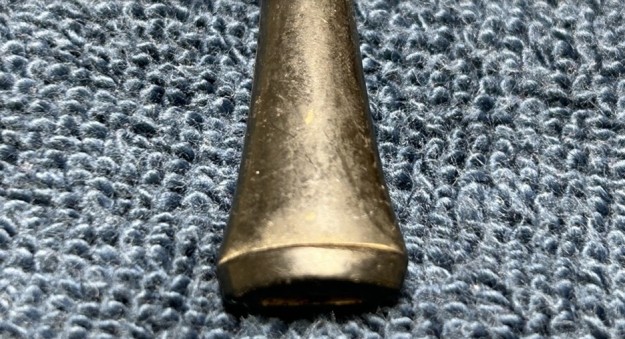
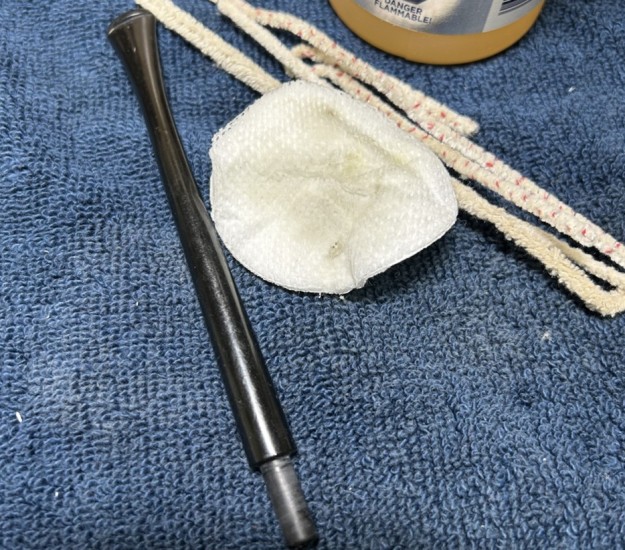
The next pipe on the worktable is a Danish made pipe from the workshop W.O. Larsen. It is a combination of rustication and smooth portions and a horn shank extension. The bowl is a classic Danish looking Canadian. The pipe came to us from eBay on 01/22/2024 from a seller in Jordan, Minnesota, USA.  The pipe is very dirty with a thick cake in the bowl and lava on the rim top. The rim edge looks like it might be slightly out of round but it was hard to know what was under the lava coat on the top and edges. It is stamped on the underside of the bowl and shank on a smooth panel. It reads Larsen [over] Copenhagen [over] Handmade [over] Made in Denmark. On the top side it is stamped Rustica. The finish was dusty and there were oils and grime ground into the rusticated and the smooth finish around the sides of the bowl. The horn shank extension had a metal insert to protect it from cracked and a tube inside connecting the extension to the shank. The stem fit well and was oxidized and dirty with tooth marks and chatter on both sides ahead of the button. Jeff took some photos of the pipe before he started his cleanup work. Jeff took a photo of the rim top to show the thick build up of lava on the rim top. It is also built up on the inner edge of the bowl. The thick cake in the bowl is very visible. He captured the oxidation and tooth marks on both sides of the stem ahead of the button as well. He took photos of the sides and the heel of the bowl to show the combined smooth and rusticated finish on the pipe. It is a unique finish that really gives depth to the rustication and shows the grain in the smooth portions. He took two photos to capture the stamping top and underside of the shank just ahead of the horn extension. Each one moves down the shank to the horn shank extension. It is clear and readable as noted above. You can also see that the horn extension is loose from the shank end.Once the stem was removed the shank extension came off in his hand. He took a photo of the parts.I turned to Pipephil (http://www.pipephil.eu/logos/en/logo-l2.html) to get a quick view of the brand once again. I did a screen capture of the site’s information and have included that below. The pipe I am working on is a Larsen as it is stamped similarly to the ones in the photos. It is interestingly stamped with a lot more detail than any of the ones shown in the screen capture below.I turned to Pipedia (https://pipedia.org/wiki/W.%C3%98._Larsen) for a quick read. The site is worth reading the history of the shop and the brand and its influence on Danish pipe carving. There was no additional information on the unique stamping on this pipe.

What I learned from the research is that the pipe is a Larsen made pipe that could have been designed by W.O Larsen himself or at least one of the shop carvers. It is a beauty that uses a unique finish to give definition to the shape. It is very similar to a previous Larsen that I restemmed and repaired (https://rebornpipes.com/2024/06/09/argggh-sometimes-the-easiest-restoration-becomes-a-real-nightmare/).

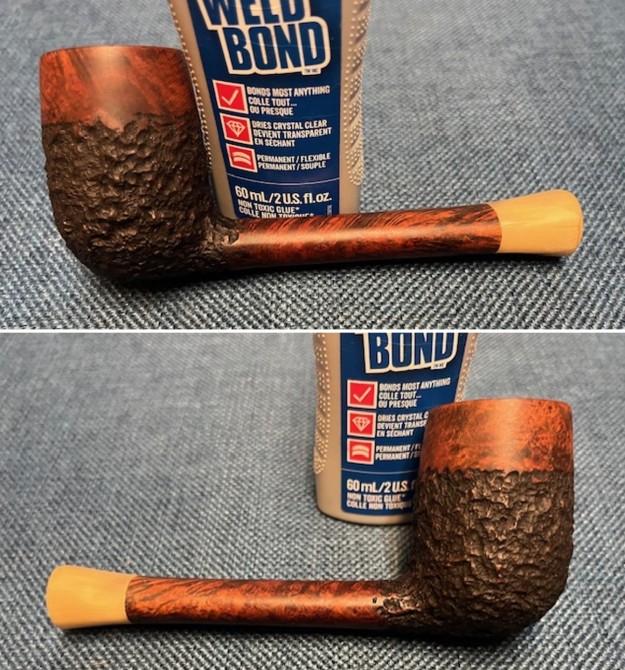
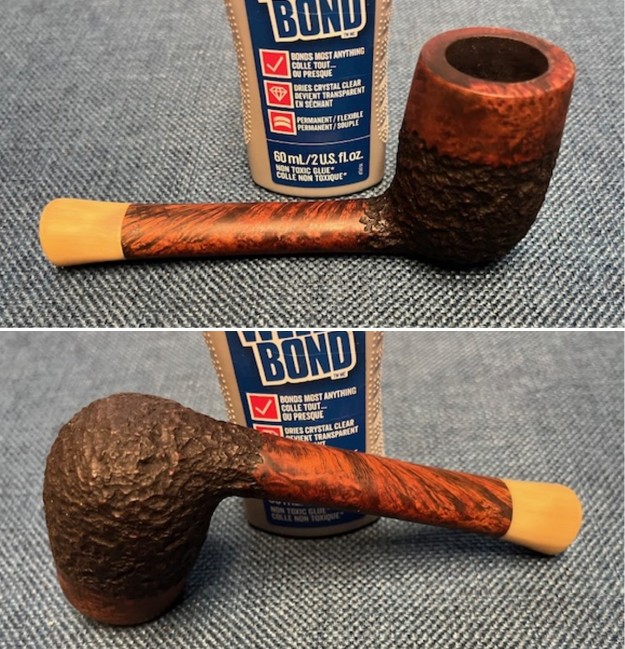
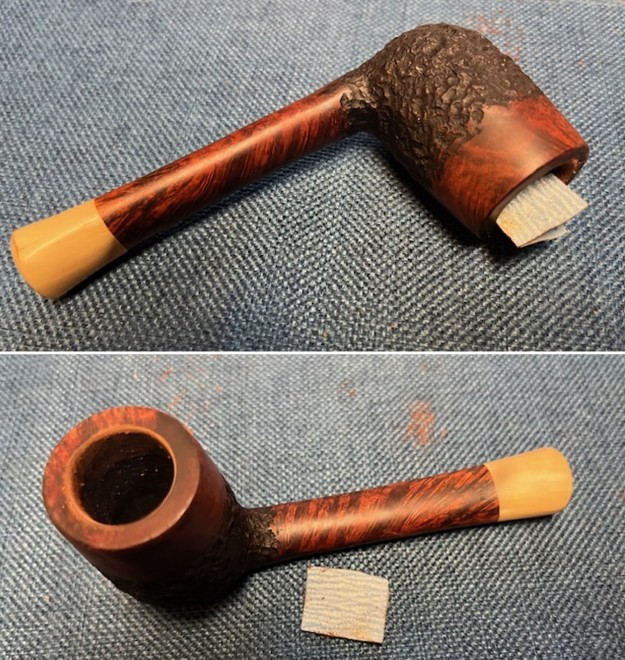
With that information I moved forward to work on the pipe itself and see what I had to do with it. Jeff had done an amazing job in removing all of the cake and the lava on the sand blast rim top. He had reamed the bowl with a PipNet Pipe Reamer and cleaned up the remnants with a Savinelli Fitsall Pipe Knife. He took the cake back to bare briar so we could check the walls for damage. He scrubbed the exterior of the bowl with Murphy’s Oil Soap and a tooth brush to remove the grime on the bowl and rim and was able to remove the lava and dirt. The finish on the bowl and rim top looked very good showing a unique and beautiful combination of smooth and rusticated finishes. He cleaned out the interior of the bowl and shank with pipe cleaners, cotton swabs and alcohol until they came out clean. He cleaned the stem with Soft Scrub on the outside and alcohol, pipe cleaners and cotton swabs on the inside. He soaked it in Briarville’s stem deoxidizer to remove the oxidation. It certainly looked better when it arrived.  I took photos of the pipe before I started my part of the restoration.  I took some close up photos of the rim top showing the inner edge of the bowl – damages and nicks in the edge. I took photos of the stem to try and capture the tooth marks but they are hard to see in the photos.I took photos of the stamping on the top and underside of the shank to show the condition after the cleanup. This stamping is clearer than the photos show. I took a photo of the bowl with the stem next to it to show the overall look of the pipe. I decided to start my work on this pipe by regluing the horn shank extension to the briar. I have used different types of glue in the past but I have gone back to using Weld Bond all purpose glue. It gives me lots of time to fine tune the fit to the shank. Once I have it in place I push the parts together to squeeze out the excess glue and let it start to cure. I wiped down the excess glue on the briar and horn and set it aside to cure over night. Once the repair cured I went on to address the chipping and marks on the inner edge of the rim. I used a folded piece of 220 grit sandpaper to smooth out the damage. I gave the rim a very subtle bevel and the damage disappeared.I polished the briar and the horn shank extension with micromesh sanding pads – dry sanding with 1500-12000 grit pads. I wiped the bowl down after each pad with a damp cloth to remove the sanding dust. I rubbed the bowl down with Before & After Restoration Balm. I worked it into the smooth and the rusticated finish of the bowl, rim top and shank with my fingertips and a shoe brush to clean, enliven and protect it. I find that the balm really makes the briar come alive again. The contrasts in the layers of stain and the contrasting finish really made the grain stand out. I let the balm sit for 15 minutes and then buffed with a cotton cloth and shoe brush to raise the shine. I set the bowl aside and turned my attention to the stem. I polished it with micromesh sanding pads – dry sanding with 1500-12000 grit sanding pads. I wiped it down after each sanding pad with a cloth containing some Obsidian Oil. I finished polishing it with Before & After Pipe Stem Polish – both Fine and Extra Fine and buffed it off with a cotton cloth. This Larsen Copenhagen Handmade Rustica Canadian is a great looking pipe now that it has been restored. The shape is elegant and flowing with a thin, fitted taper vulcanite stem. I put the stem on the bowl and carefully buffed the pipe with Blue Diamond on the buffing wheel using a light touch on the briar. I gave the rusticated parts of the bowl multiple coats of Conservator’s Wax and the smooth portions and the stem multiple coats of carnauba wax on the buffing wheel and followed that by buffing the entire pipe with a clean buffing pad. I hand buffed the pipe with a microfiber cloth to deepen the shine. The finished Larsen Copenhagen Rustica Canadian fits nicely in the hand and feels great. Give the finished pipe a look in the photos below. The dimensions of the pipe are Length: 7 inches, Height: 2 inches, Outside diameter of the bowl: 1 ¼ inches, Chamber diameter: ¾ of an inch. The weight of the pipe is 1.98 ounces/56 grams. I will be putting it on the Danish Pipe Maker Section of the rebornpipes store shortly. If you are interested in adding this pipe to your collection send me a message or an email. Thanks for reading this blog and my reflections on the pipe while I worked on it. There are many more to come!

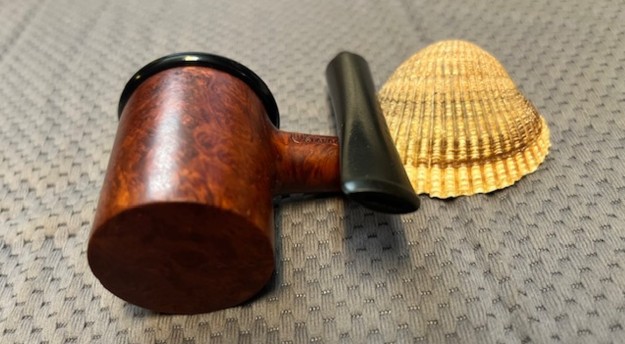
Fresh Life for a Mastercraft Standard Calabash with a Bakelite Bowl


By Steve Laug

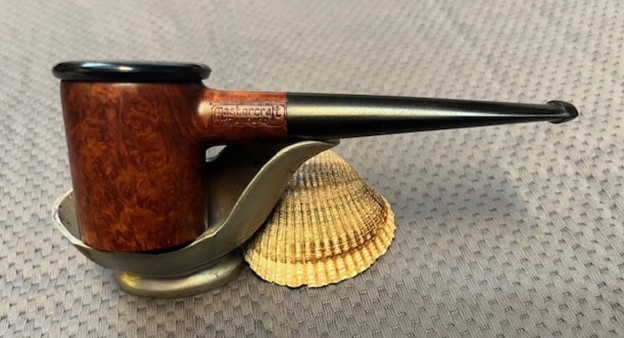
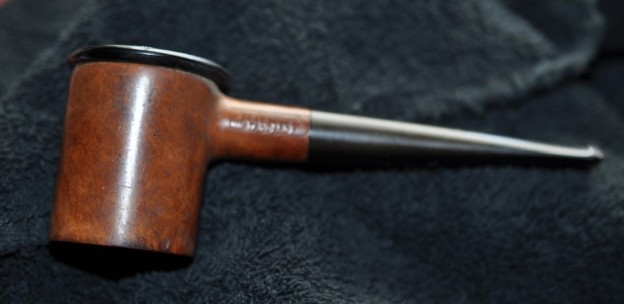
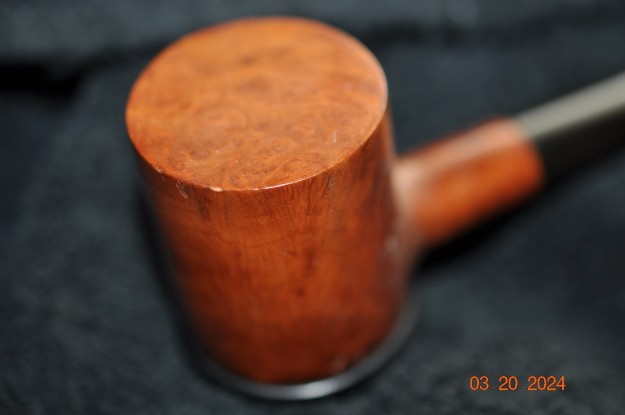
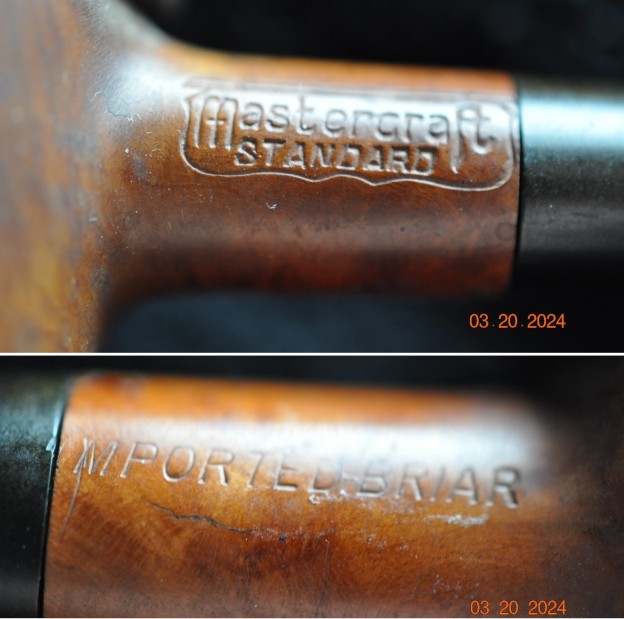
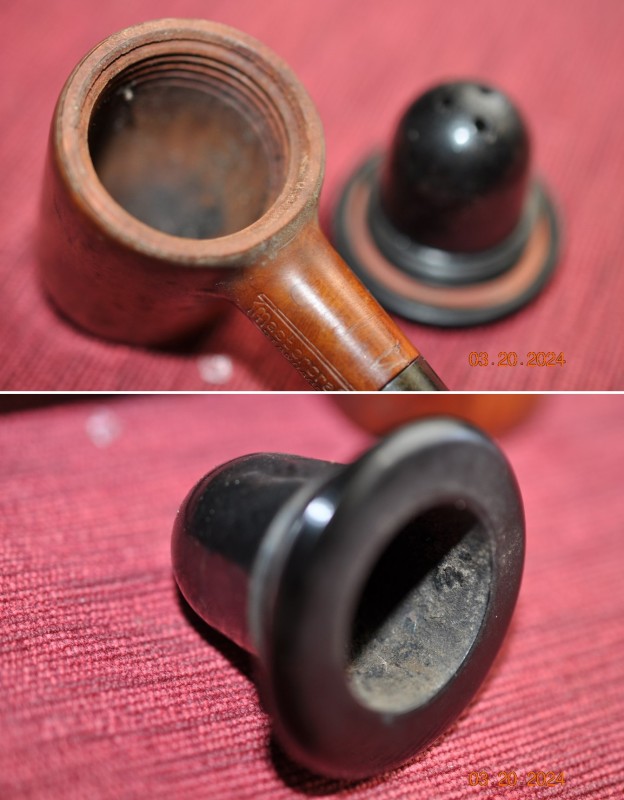
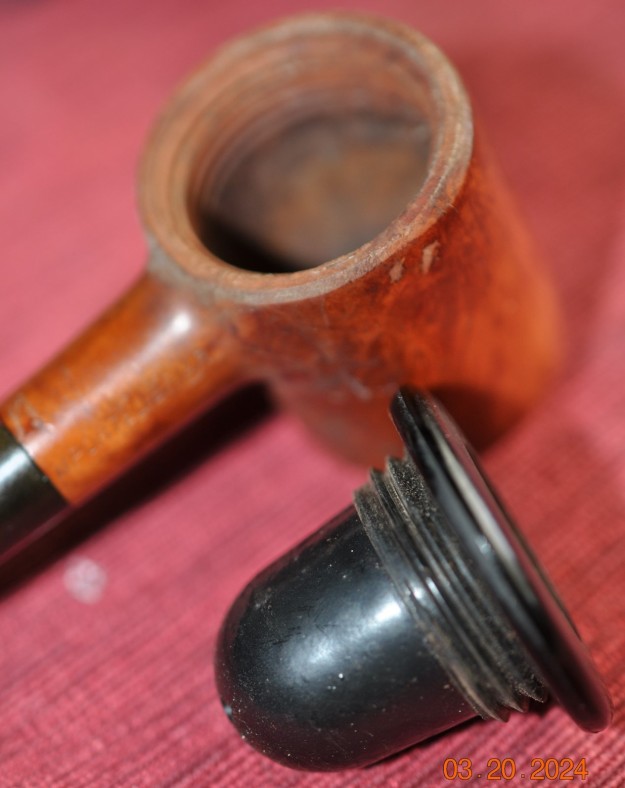
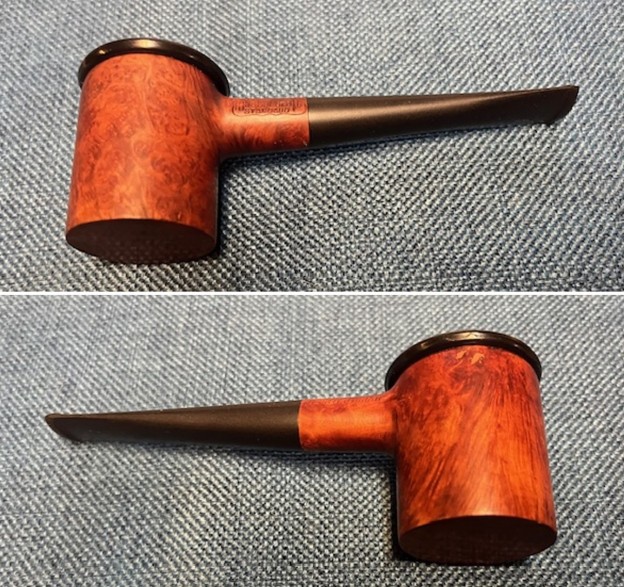
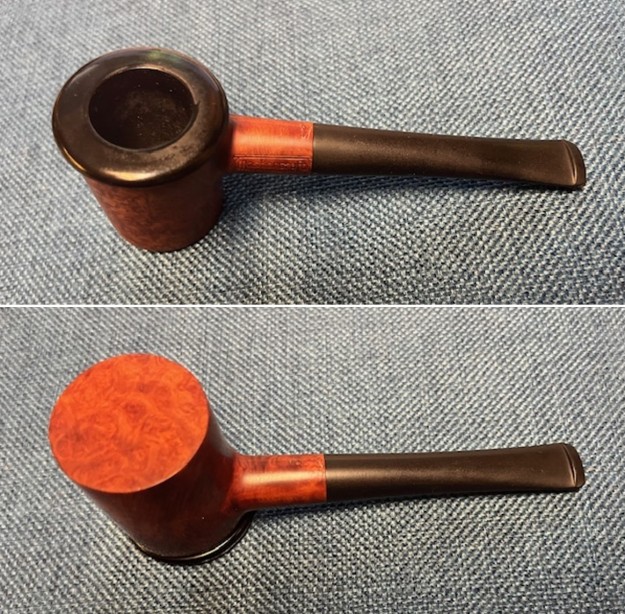
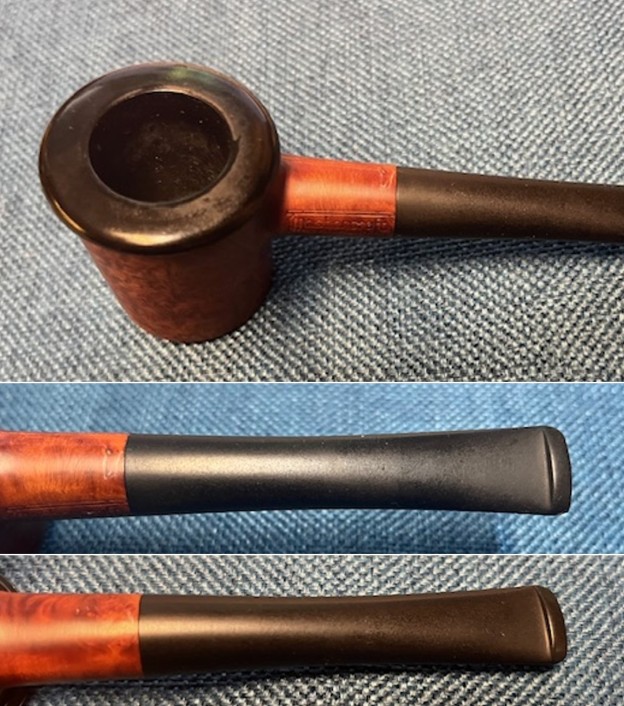
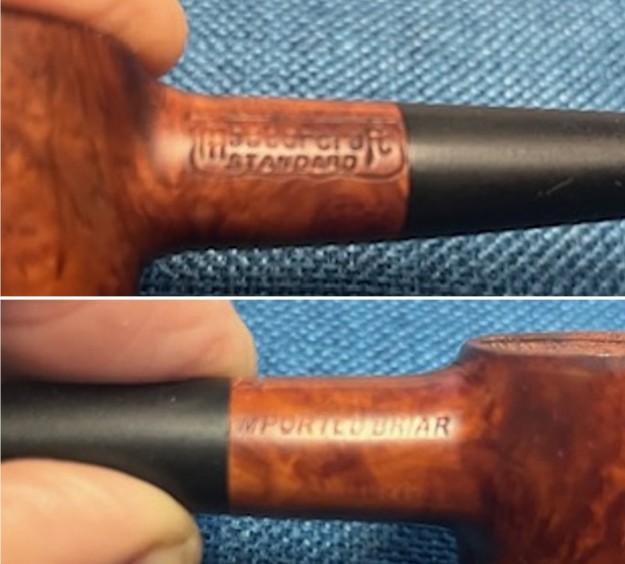
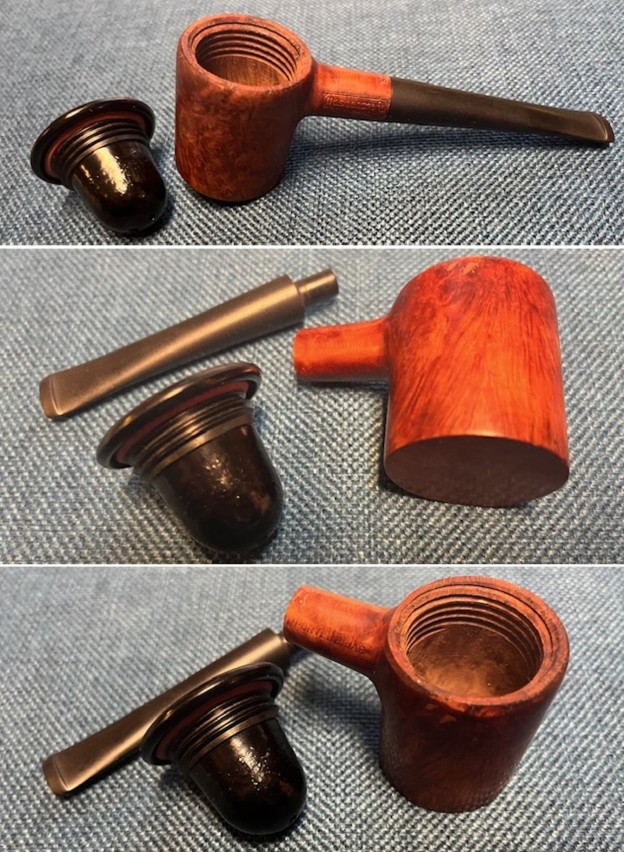
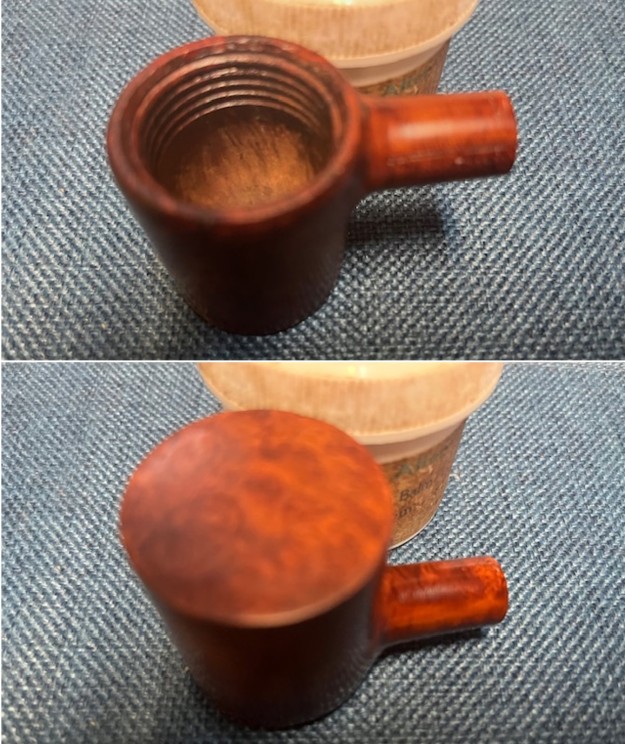
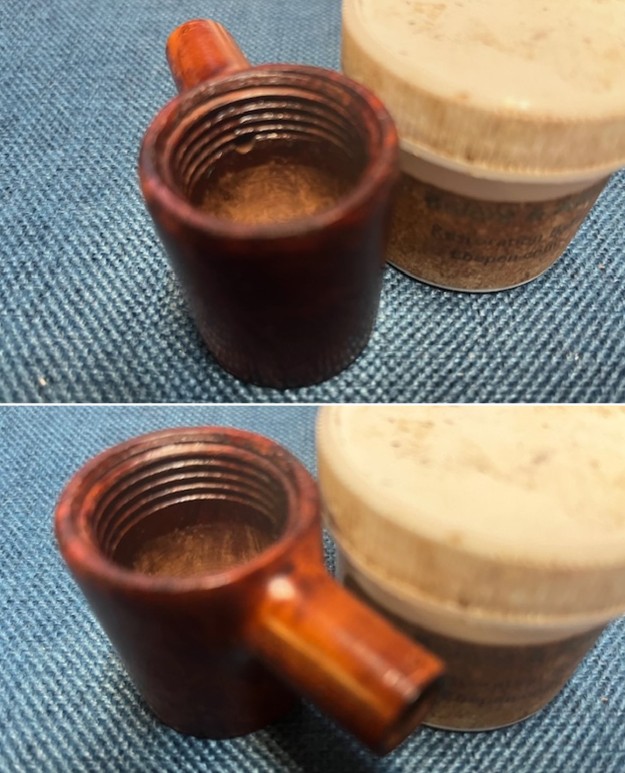
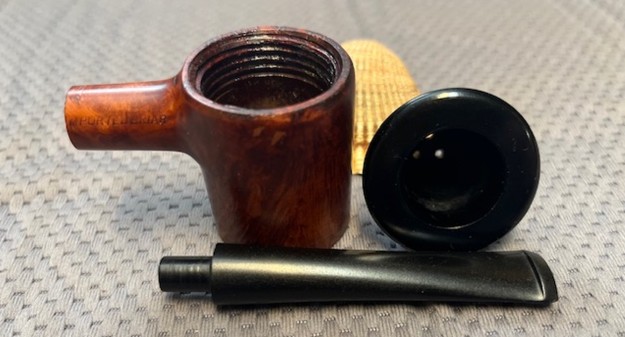
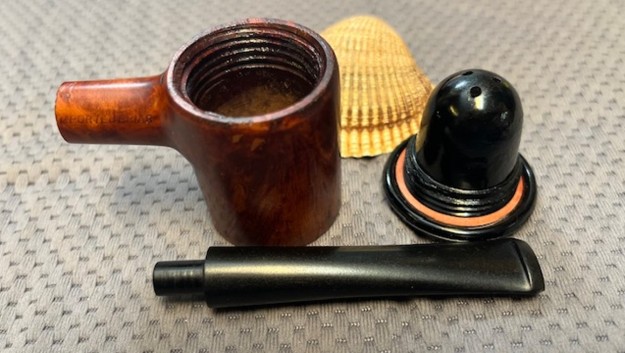
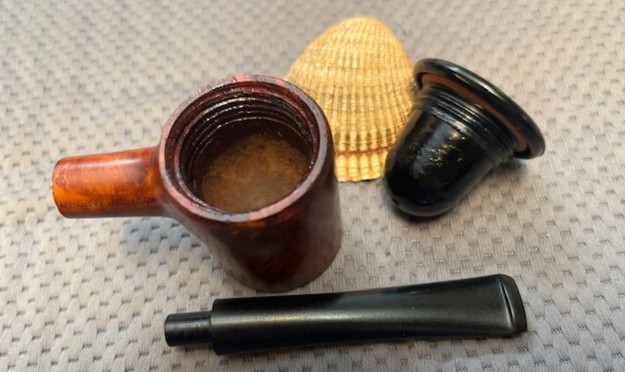
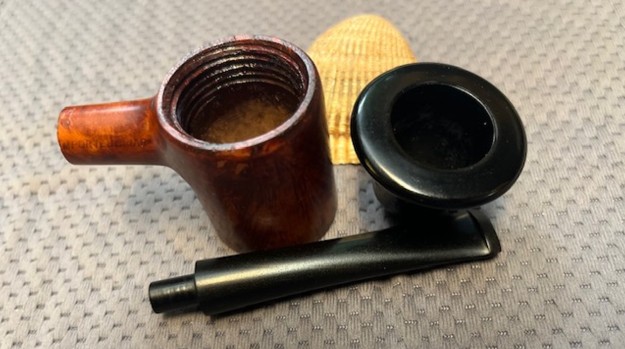
I don’t know what it is but there is something about these Campaign style pipes that captures my eye and my imagination. They are really quite ugly in terms of aesthetics so it can’t be that so I am not sure. It is basically a briar calabash pipe with a Bakelite bowl. I have had a few over the years so I know that they smoke very cool much like a gourd calabash. The bowl is screwed into the briar base with threads on both. The entrance of the airway is at the top of the bowl so the entire briar bowl is a cooling chamber to allow the settling of tars, oil and debris from the smoke before it rises to be drawn into the stem and your mouth. This pipe came to us on 12/07/2023 from a seller in Milwaukee, Oregon, USA. The pipe is stamped on the left side of the shank and reads Mastercraft [over] Standard in the Mastercraft logo shield. On the right side it reads IMPORTED BRIAR with the letter I missing on the shank end. There is no other stamping on the bowl, the insert or the vulcanite stem. The externals of the bowl and stem are quite dirty with oils and tars ground into the briar and light oxidation and chatter on the stem surface. The Bakelite bowl insert has a heavy cake in it with some lava on the rim top. The pipe was obviously someone’s favourite. Jeff took photos of the pipe before he started to clean it up. I have included them below. Jeff took close-up photos of the bowl and rim top to show its condition. The bowl had a thick cake on the walls of the Bakelite and some lava overflow on the rim top. The edges looked very good at this point under the lava. The stem was lightly oxidized and showed some tooth marks and chatter on both sides ahead of the button. Jeff took photos of the sides of the bowl and the heel to show the condition of the bowl at this point. It was dirty as can be seen. There appear to also be a few small fills on the right side of the bowl near the top. It will be interesting to see how well this cleans up.He took photos of the stamping on the shank sides. You can see that it is clear and readable as noted bove. You can also see the letter “I” is missing on the right side of the shank. It probably was stamped in the gap between the stem and the shank.Jeff unscrewed the Bakelite bowl from the briar bowl and took photos. You can see the rubber gasket at the top of the inside of the Bakelite cap. You can also see the three holes in the bottom of the Bakelite cup. This kind of Briar Calabash has been made by many companies – WDC, Kaywoodie, Mastercraft, Dunhill and others. They have come out with different names. They have been branded as Campaign pipes, Captain Warren pipes, Lyon Pipes, the General Dawes pipes and other names. Obviously, the concept of the inserted bowl is quite popular and has been around for a long time. The bowl insert has been made of different things in various pipes – the bowls could be meerschaum, briar or as in this case Bakelite. It really is a true calabash that acts to filter out tars, oils and debris and deliver a smooth smoke.

I have restored several of them over the years and always enjoyed working on them. They are also some good smoking pipes. Here are some links to a few of the pipes I have worked on over the years.

https://rebornpipes.com/2017/07/02/loving-the-old-wdc-campaign-pipe/

https://rebornpipes.com/2018/02/03/61583/

https://rebornpipes.com/2021/04/04/resurrecting-a-briar-wdc-campaign-pipe/

I found an excellent article on Pipedia on the Campaign style of pipes and two particular brands that were issued. It has some great history on the General Dawes and the Captain Warren pipes and the men behind them both. Give the article a read and take time to take a trip back in time. (https://pipedia.org/wiki/The_General_and_the_Captain:_Two_Period_Pipes_of_the_Early_Twentieth_Century).

The pipe I am working on is a little different than these because of the Bakelite Bowl that screws into the briar bowl. The others above were typically briar bowls and even a meerschaum bowl occasionally but I had not seen one of these with a Bakelite cup. It was now time to do my part of the work on the pipe.

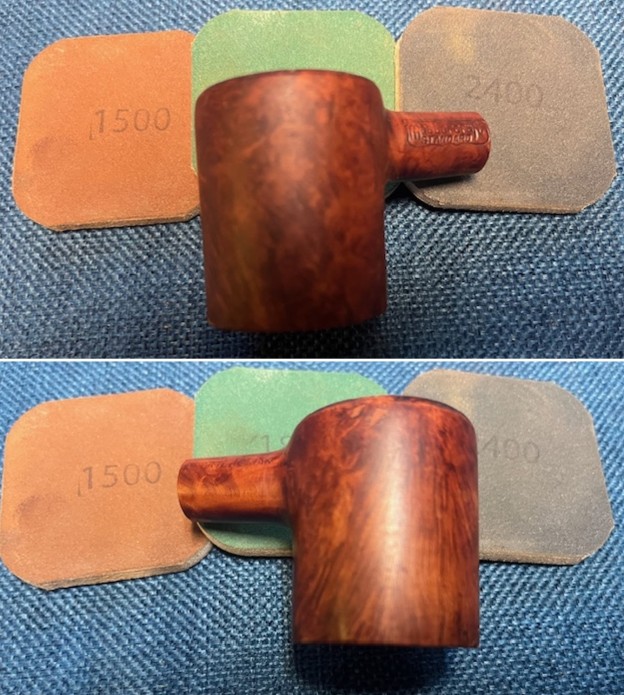
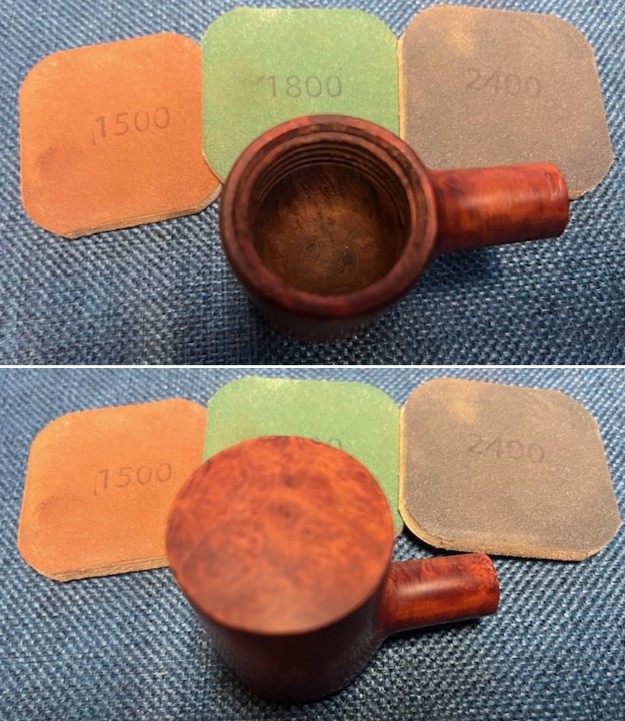
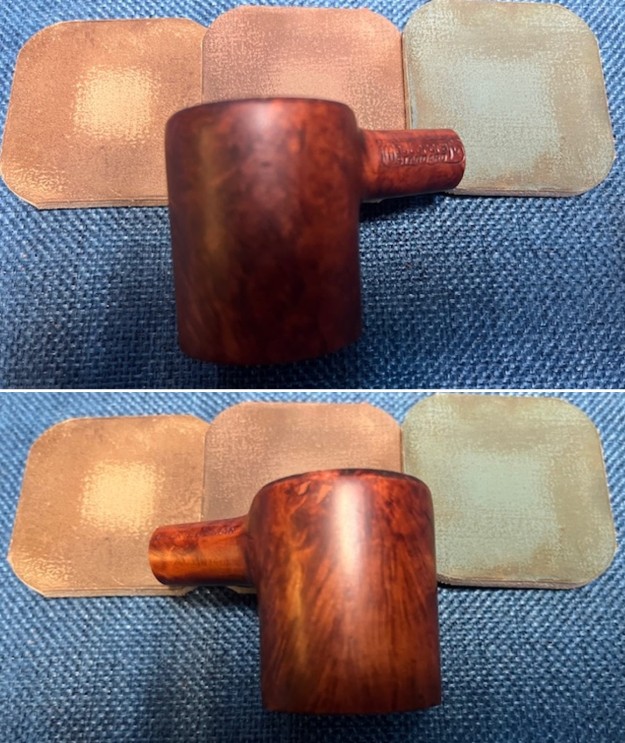
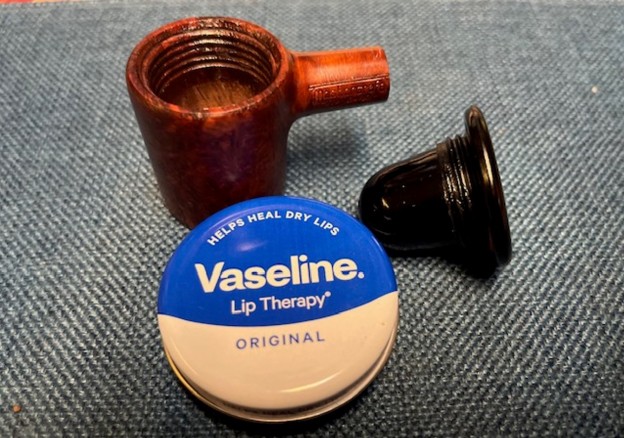
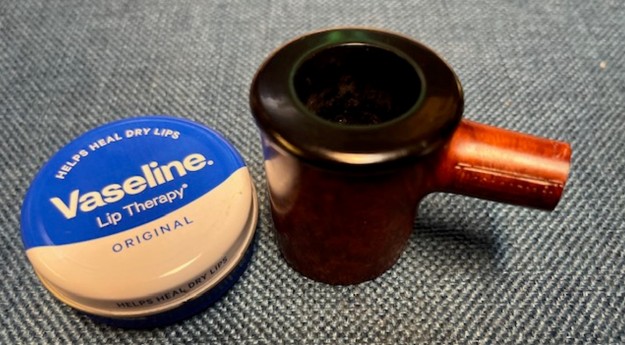
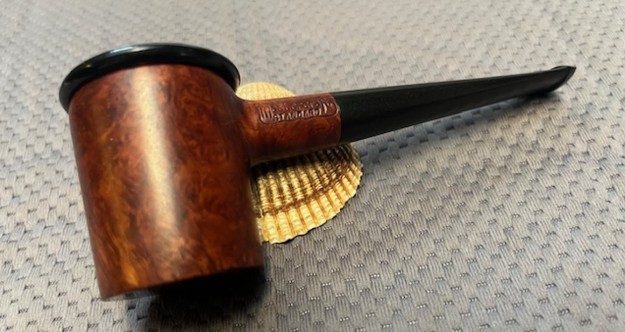
Jeff reamed it with a PipNet pipe reamer and cleaned up the reaming with a Savinelli Fitsall Pipe Knife. He scrubbed out the internals of the shank and stem with alcohol, pipe cleaners and cotton swabs until the pipe was clean. He scrubbed the exterior of the bowl with Murphy’s Oil Soap and a tooth brush to remove the grime and grit on the briar and the lava on the rim top. The finish on the bowl looked really good when I got it. The rim top and edges looked very good. He soaked the twin bore stem in Briarville’s Pipe Stem Deoxidizer bath to remove the oxidation. The stem looked better and the deep tooth marks and chatter on the surface were also visible. When the pipe arrived here in Vancouver for the second stop of its restoration tour it looked much better than when he found it. I took photos of the pipe before I started my work on it. I took photos of the condition of the rim top and stem before I started working. The rim top looks very good and the bowl is spotless. The stem is much better but still shows some oxidation and tooth chatter and deep marks on both sides near the button.   I took photos of the stamping on the sides of the shank. The stamping was clear and readable as noted above.I took the bowl and stem apart and took a photo of the pipe to show the look of the pipe. The first one shows the bowl unscrewed and the threads on both. The other photos show the parts with the stem removed.Now it was my turn to work on the pipe. The bowl was in very good condition so I polished the briar with micromesh sanding pads – dry sanding with 1500-12000 grit pads. I wiped the bowl down after each pad with a damp cloth to remove the sanding dust. I worked some Before & After Restoration Balm into the finish of the bowl, rim top and shank with my fingertips to clean, enliven and protect it. I find that the balm really makes the briar come alive again. The contrasts in the layers of stain really made the grain stand out. I let the balm sit for 15 minutes and then buffed with a cotton cloth to raise the shine. The bowl really looks good at this point. I polished the Bakelite cup top with micromesh sanding pads – dry sanding with 1500-12000 grit sanding pads. I wiped the rim top down after each sanding pad with a damp cloth. It really took on a shine. I wiped the threads down on both the cup insert and the briar bowl with Vaseline. I rubbed it deep into the threads of the briar and on the threads of the insert. I polished the vulcanite with micromesh sanding pads – 1500-12000 grit pads. I wiped it down with Obsidian Oil after each sanding pad. I used Before & After Pipe Polish – both Fine and Extra Fine to further polish the stem. I gave it a final coat of Obsidian Oil and let it dry. This Mastercraft Standard Calabash with a Bakelite Bowl Cup and a vulcanite taper stem has a beautiful, uniquely grained outer bowl that houses the threaded Bakelite cup. The polished vulcanite taper stem adds to the mix. I put the stem back on the bowl and buffed the pipe with Blue Diamond on the buffing wheel being careful to not buff the stamping. I gave the bowl and the stem multiple coats of carnauba wax on the buffing wheel and followed that by buffing it with a clean buffing pad. I hand buffed the pipe with a microfiber cloth to deepen the shine. The finished Mastercraft Standard Calabash is quite nice and feels great in the hand. Give the finished pipe a look in the photos below. The dimensions of the pipe are Length: 5 inches, Height: 1 ¾ inches, Outside diameter of the bowl: 1 ½ inches, Chamber diameter: ¾ of an inch. The weight of the pipe is 1.45 ounces/41 grams. Thanks for walking through the restoration with me as I worked over another beautiful pipe. This one will be going on the rebornpipes store in the American Pipe Makers Section. Thanks for your time.

A Linkman’s Dr Grabow De Luxe 9733 Restoration


John, I love these older Linkman Pipes and find that they use quality briar and are well made. That is a beauty. well done on the restoration. had to share it here. thanks

Photographed and written by John M. Young A few years ago when I started the hobby of pipe restoration I picked up a Linkman’s Dr Grabow 9733A with …

A Linkman’s Dr Grabow De Luxe 9733 Restoration

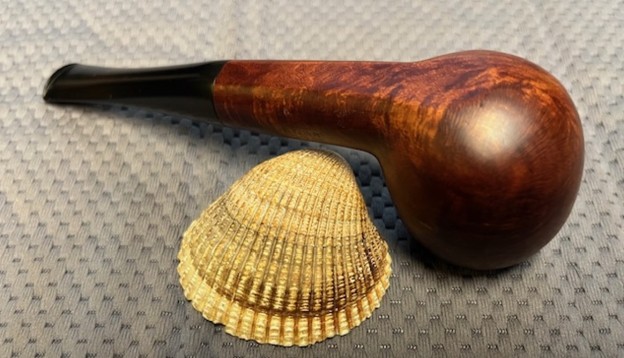
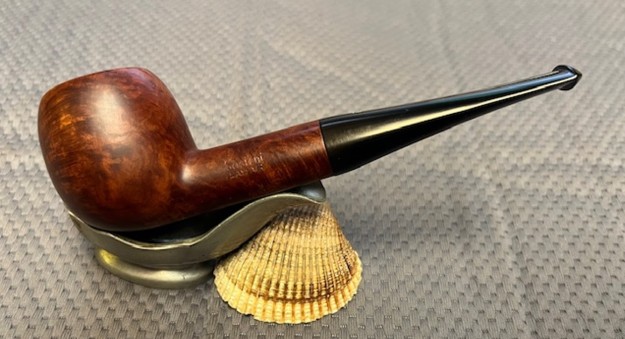
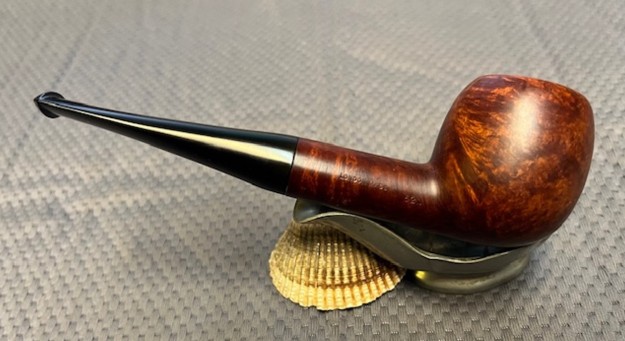
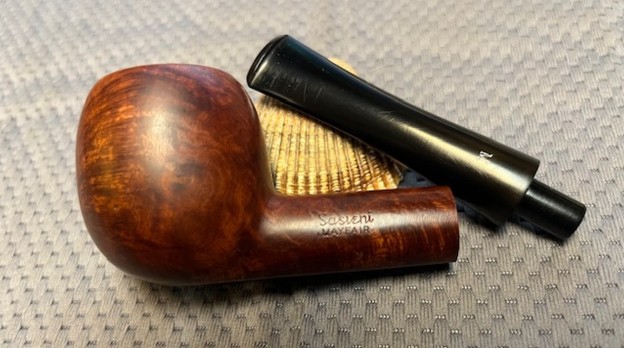
Cleaning up another Bellingham Pipe Hunt Find, a Sasieni Mayfair 52N Apple


By Steve Laug

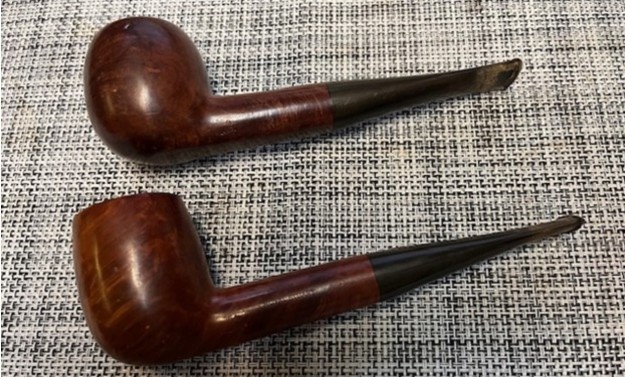
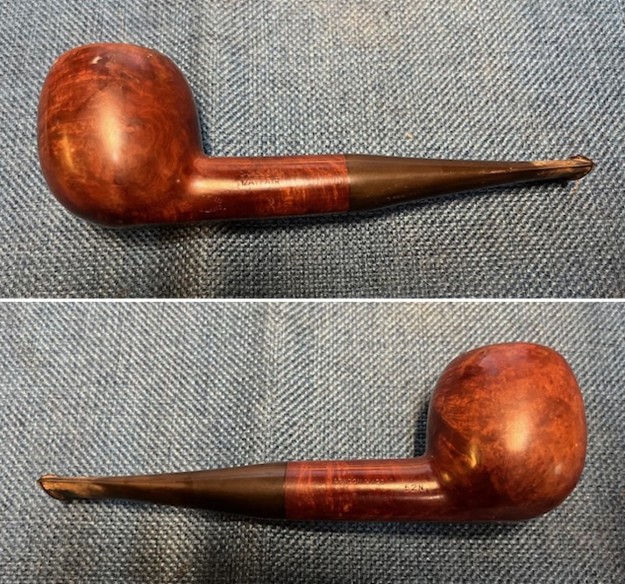
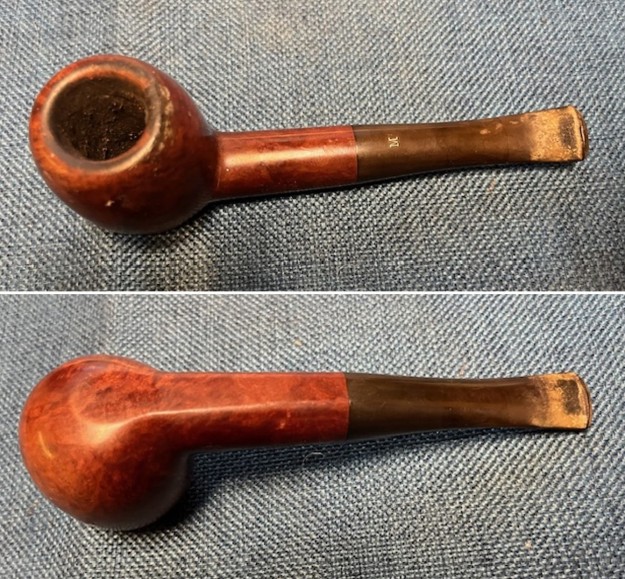
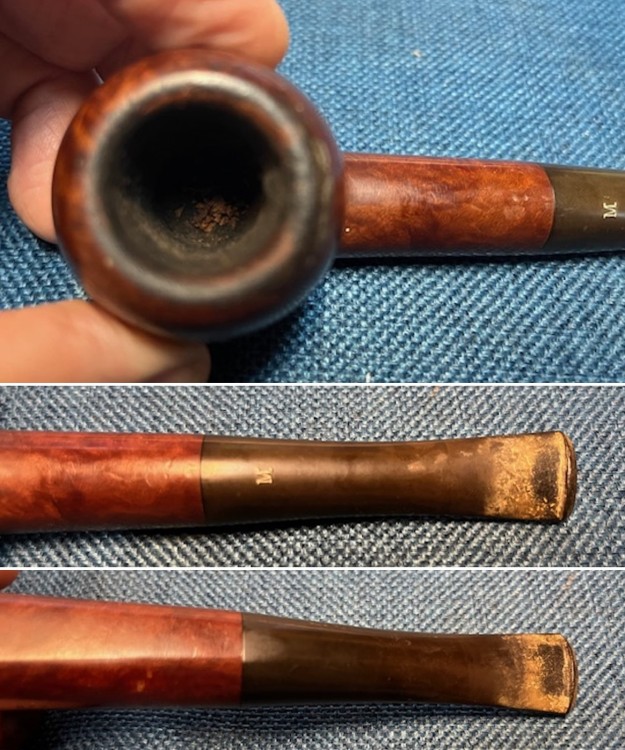
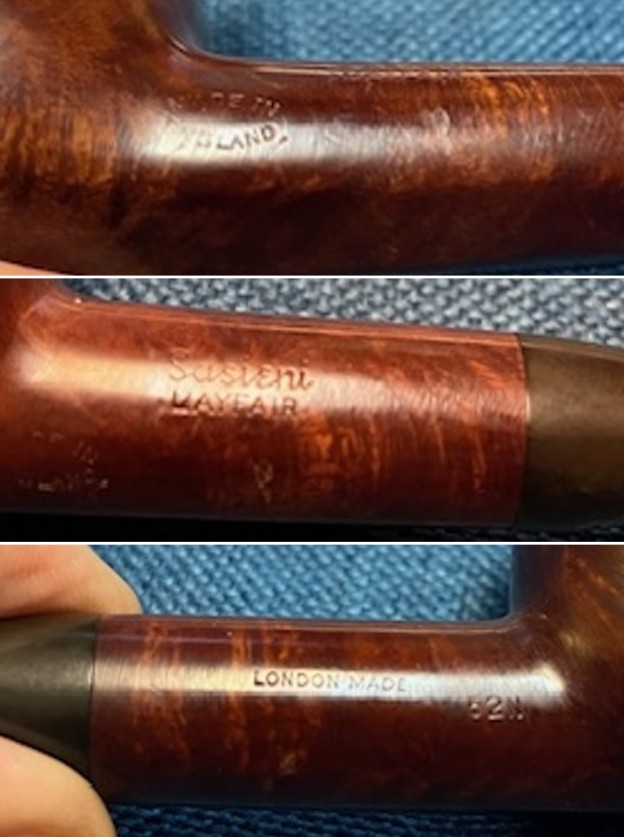
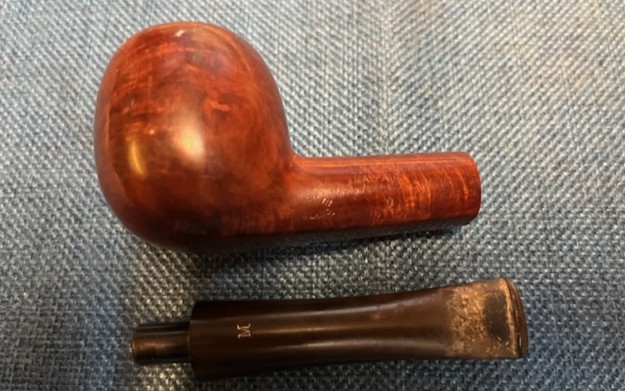
We met up at a local eatery and had a great breakfast together with our aunt. We took her to her residence afterwards and visited with her for most of the morning. Together we headed to Old Town Bellingham to begin our pipe hunt. We visited three of my favourite antique malls and worked out way through the aisles of wares for sale. Jeff and I tend to divide and conquer, each walking through the aisles of the shop looking for pipes. The rest of the family moves through looking for their own treasures. In the first shop there was a rack and in it were two pipes. The first was a Sasieni Royal Stuart Billiard and the second was a Sasieni Mayfair Apple. Both were great and were added to the hunt bag. Here is the link to the blog on the hunt and a photo of the pipes we added (https://rebornpipes.com/tag/bellingham-pipe-hunt/). Both were dirty but both contained the Sasieni Magic – classic shapes and nice briar. The next pipe on the work table is the second Sasieni a Mayfair Apple which is the upper pipe in the photo below. It is stamped on the left side of the shank and has a rugby ball stamp Made in England next to the shank/bowl junction. That is followed by Sasieni [over] Mayfair. On the right side it has the shape number 52N next to the bowl/shank junction followed by London Made stamped mid shank. The stem has an M logo on the topside. The bowl had a thick cake and a thick lava overflow on the rim. It was hard to estimate the condition of the rim top with the cake and lava coat but I was hoping it had been protected from damage. It appeared that the outer edge was in decent condition. The finish was a classic Sasieni smooth. The finish was dusty and tired but had some nice grain under the grime and the finish appeared to be in good condition. There were a few nicks in the surface on the left side of the bowl. A lot would be revealed once I had cleaned it. The stem was dirty, oxidized, calcified and had tooth chatter and tooth marks near the button on both sides. I took photos of the pipe before I stated my cleanup work. I took a close-up photo of the bowl and rim top to show its condition. The bowl had a thick cake in it and an overflow of lava on the top of the rim. The previous pipeman had left a mess for me to clean up. The stem was also is a mess. There was some tooth marks and dents on the top and underside ahead of the button. There was a thick coat of calcification and oxidation on the stem. M logo stamp on top of the stem was clear and readable.I took photos of the stamping on the right and left side of the shank. It is clear and readable as noted above. I removed the stem from the shank and took a photo of the parts. It is a beautiful pipe. The stinger apparatus is missing and the airway in the tenon is the same as the Royal Stuart that I worked on (https://rebornpipes.com/2024/06/16/cleaning-up-another-bellingham-pipe-hunt-find-a-sasieni-royal-stuart-55-billiard/). As is my usual practice I turned to Pipephil (http://www.pipephil.eu/logos/en/logo-sasieni2.html) to look for any information on the Mayfair line. It was not listed in the original Sasieni list but it did come up in the Sasieni Seconds list. It was listed there and I did a screen capture of the section and have included it below. The logo on the pipe stem I was working on is stamped like the third one below. The shank stamp was like the one in the third photo below. From that information I knew that I was dealing with a Family Era Sasieni with the white M logo that was used on these older ones. That placed the date before 1979 when the company was sold.
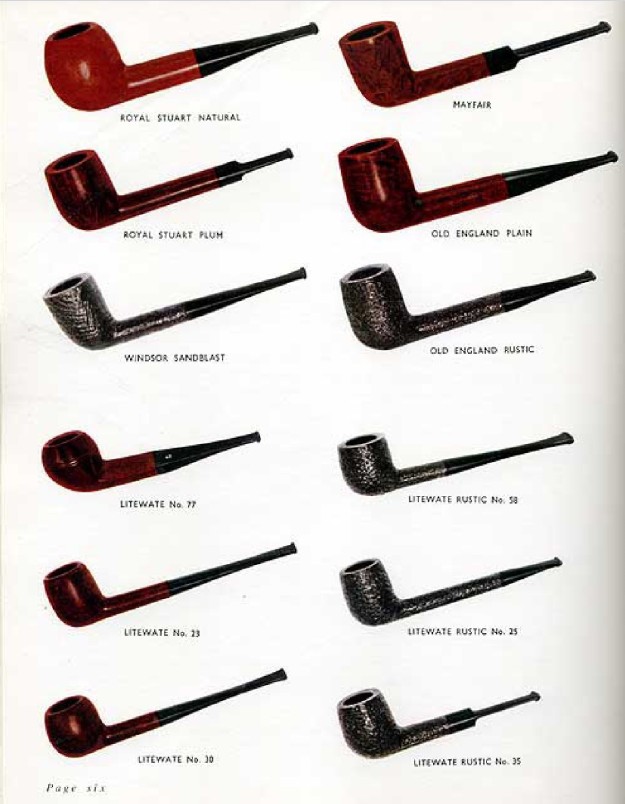
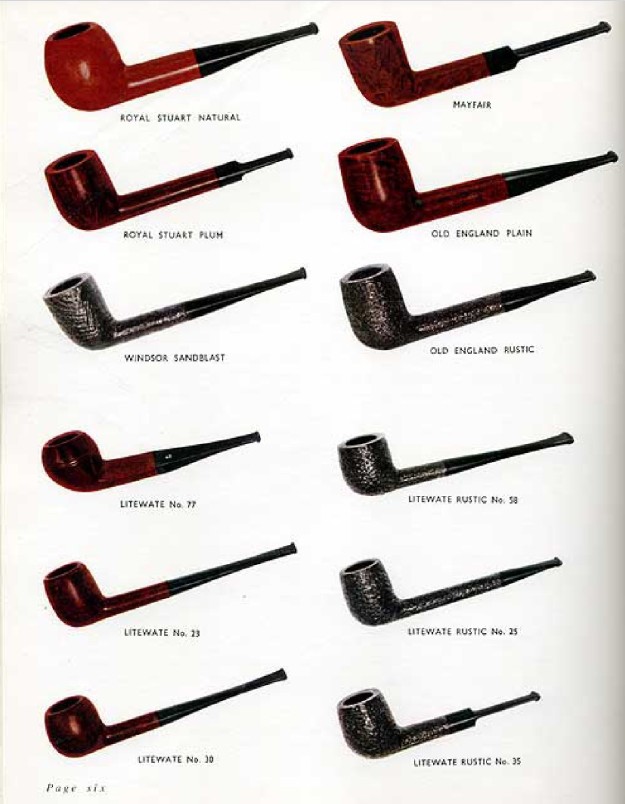
From there I turned to Pipedia and read through the history of the brand. It confirmed the date of manufacture as pre-1979. At the bottom of the Pipedia article there was a 1965 catalogue. I have included the link to the catalogue (https://pipedia.org/images/1/1b/Sasieni_1965.pdf). Page six of the catalogue had a listing of the Sasieni lines and on the top right column the Mayfair was shown.

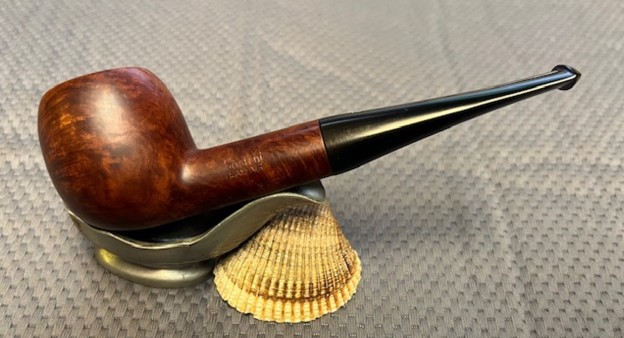
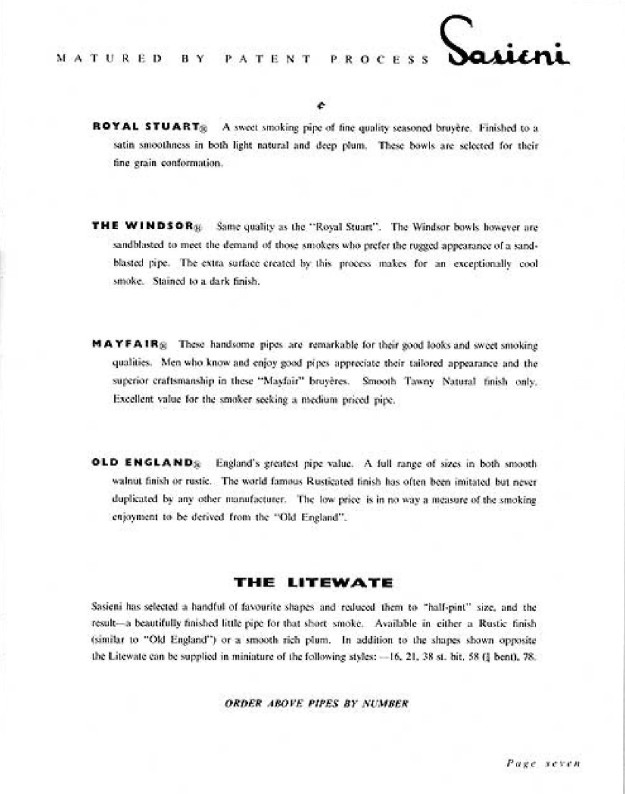
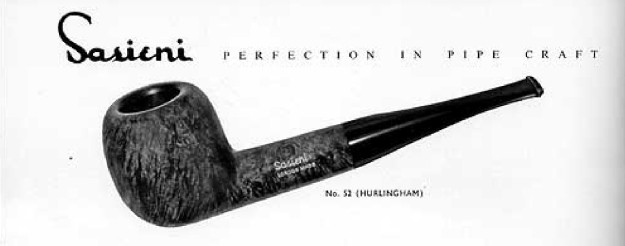
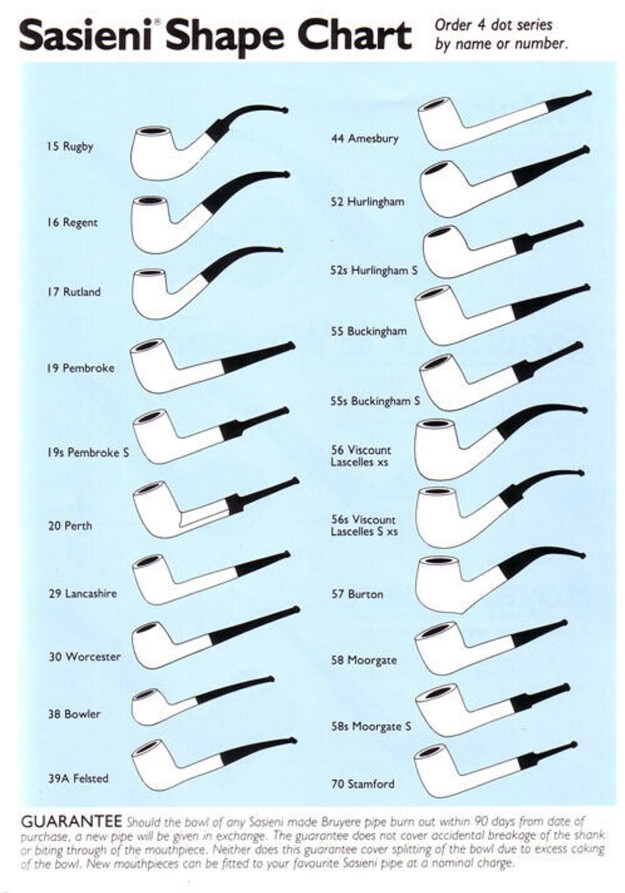
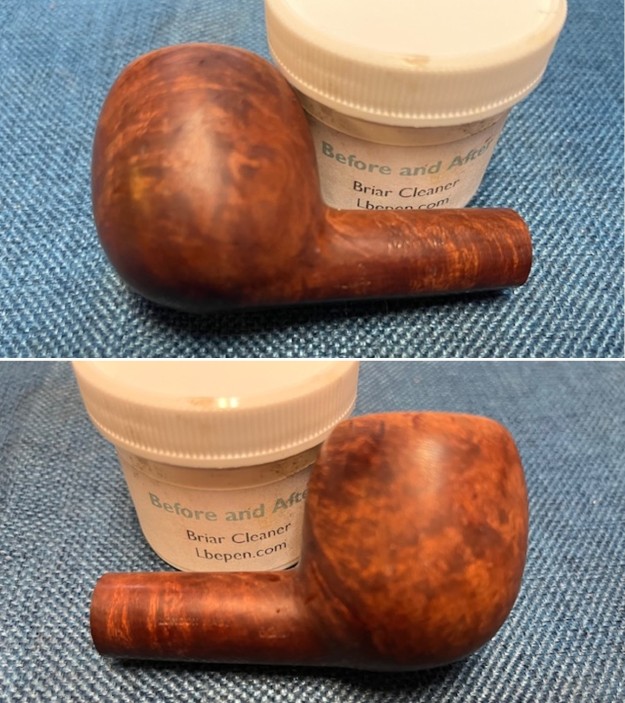
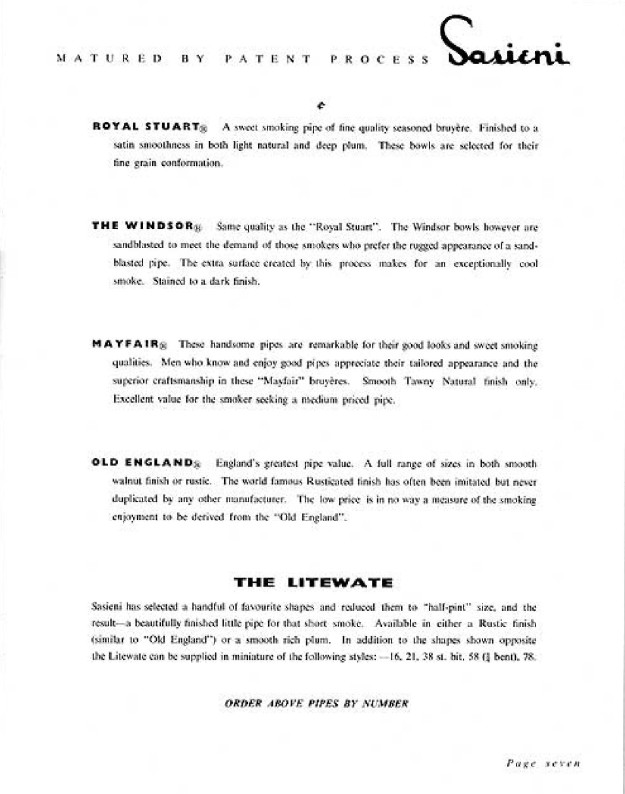
Page seven below gives a great description of the Mayfair line. It reads: Mayfair – these handsome pipes are remarkable for their good looks and sweet smoking qualities. Men who know and enjoy good pipes appreciate their tailored appearance and the superior craftsmanship in these “Mayfair” bruyeres. Smooth Tawny Natural finish only. Excellent value for the smoker seeking a medium priced pipe. Now I knew that is was not a second at all at this point in time. It was rather a well made pipe selected for its tailored appearance and superior craftsmanship on a medium priced pipe. That also pushed the date back to at 1965. The catalogue also had a shape photo that matched the numbers on the pipe I am working on. The shape 52 was known as a Hurlingham and was used in quite a few of the Sasieni lines for that large Apple. I have included a screen capture of the shape photo in the catalogue.There was also a shape chart on Pipedia and I have saved the page that included the shape of the 52N (Hurlingham) (https://pipedia.org/wiki/File:Sasnieni_Shapes.jpg).Now I knew what I was working on. It was a pre-1965 Apple in the Hurlingham shape in an early version of the Mayfair and in Smooth Tawny Natural finish that had taken on some colour through smoking. Now it was time to start my work on it. I reamed the pipe with a PipNet pipe reamer using the second and the third cutting head to take the cake back to bare briar. I cleaned up the remnants of the cake with a Savinelli Fitsall Pipe Knife. I finished the bowl internals by sanding the bowl walls with 220 grit sandpaper wrapped around a piece of dowel. The bowl walls looked very good with no checking or cracking to the walls. I scraped the heavy lava on the rim top with the edge of the Savinelli Fitsall Pipe Knife. I was able to remove the majority of the build up. The rest would come up after I scrubbed the bowl.I decided to scrub the bowl with Mark Hoover’s Before & After Briar Cleaner. He had sent me a sample to try out so this was the first pipe to try it out on. I shook the jar to make sure it was well mixed. I applied it to the surface of the briar bowl and the filthy rim top with my finger tips. I scrubbed it with a tooth brush and wiped it off with a cotton pad to remove the grime and the residual product left on the briar.  It looked much better once I had cleaned it. I rinsed it off with warm water and dried the briar with a cotton cloth. There were still some flecks of paint and debris on the briar and the rim top still had some lava that I needed to remove. I wiped the bowl with a cotton pad and acetone and cleaned off the remainder of the debris and the briar looked very good. With the externals cleaned it was now time to work on the internals of the mortise, shank and airway in the stem. I scraped the walls of the shank with a dental spatula and took a lot of tars and oils out with the spatula. From there I cleaned up the debris with pipe cleaners, cotton swabs and isopropyl alcohol until it was clean and the smell was gone. I cleaned the airway in the stem with alcohol, cotton swabs and pipe cleaners. I used both bristle and fluffy pipe cleaners to clean out the oils and tars. I scoured out the open tenon with a cotton swab. It came out looking much better. I set the stem aside and went back to working on the bowl. I sanded the briar with 320-3500 grit sanding pads. I wiped the briar down after each sanding pad with a damp cloth to remove the debris that was left behind. By the time I finished the last pad the briar was very smooth and clean to the touch. I polished the briar with micromesh sanding pads – dry sanding with 1500-12000 grit sanding pads. I wiped it down with a damp cloth after each sanding pad. The bowl began to really shine with the polishing. I worked some Before & After Restoration Balm into the finish of the briar with my finger tips. The product works well to clean, enliven and protect the briar and really brings it back to life. I have been using it for quite a few years now and really like the way it makes the briar come alive and makes the grain pop. I set aside the bowl and turned my attention to the stem. I “painted” the tooth marks on the surface of the stem and was able to lift them all. I blended the remaining marks into the surface with a folded piece of 220 grit sandpaper. I worked on the oxidation on the stem with Soft Scrub and cotton pads. I find that the product really cut through the deep oxidation and removes it well. I worked on both side of the stem and was pleased that it did no harm the “M” stamp on the topside of the stem.I sanded the stem with 320-3500 grit sanding pads to blend in the scratch marks from the 220 grit sandpaper and to remove the residual oxidation that still remained. I wiped it down after each sanding pad with a damp cloth. By the final 3500 grit sanding pad the stem had a more normal shine and the oxidation, tooth marks and chatter were gone.I decided to touch up the M stamp on the top of the stem at this point. I used an acrylic white fingernail polish and it dries hard and matches very well. I applied it with the brush in the cap and worked it into the stamp with a tooth pick. Once it was cured I lightly sanded it off with a 1500 grit micromesh sanding pad.I polished the vulcanite with micromesh sanding pads – 1500-12000 grit pads. I wiped it down with Obsidian Oil after each sanding pad. I used Before & After Pipe Polish – both Fine and Extra Fine to further polish the stem. This Sasieni Mayfair 52N Apple with a vulcanite taper stem has a beautiful, unique Natural Sasieni finish that has some great grain standing out. The polished vulcanite taper stem adds to the mix. I put the stem back on the bowl and buffed the pipe with Blue Diamond on the buffing wheel being careful to not buff the stamping. I gave the bowl and the stem multiple coats of carnauba wax on the buffing wheel and followed that by buffing it with a clean buffing pad. I hand buffed the pipe with a microfiber cloth to deepen the shine. The finished Made in England Sasieni Mayfair 52N Apple is quite nice and feels great in the hand. Give the finished pipe a look in the photos below. The dimensions of the pipe are Length: 6 inches, Height: 1 ¾ inches, Outside diameter of the bowl: 1 ¼ inches, Chamber diameter: ¾ of an inch. The weight of the pipe is 1.76 ounces/50 grams. Thanks for walking through the restoration with me as I worked over another beautiful pipe. This one will be going on the rebornpipes store in the English Pipe Makers Section. Thanks for your time.

Cleaning up another Bellingham Pipe Hunt Find – a Sasieni Royal Stuart 55 Billiard


By Steve Laug

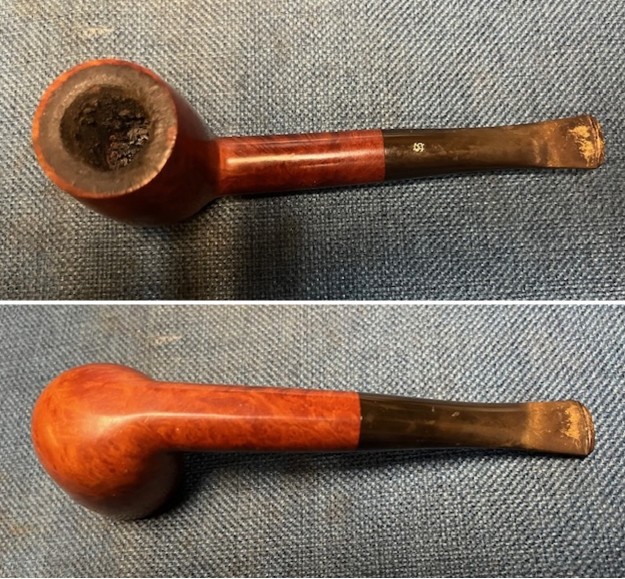
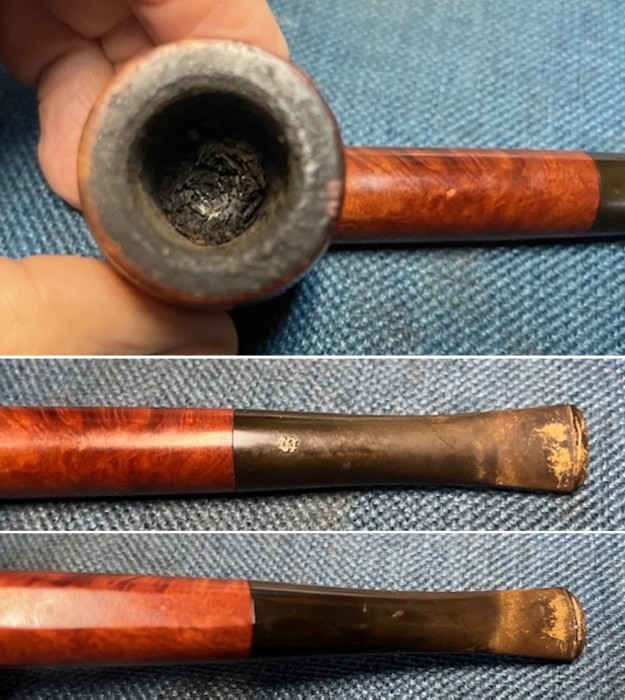
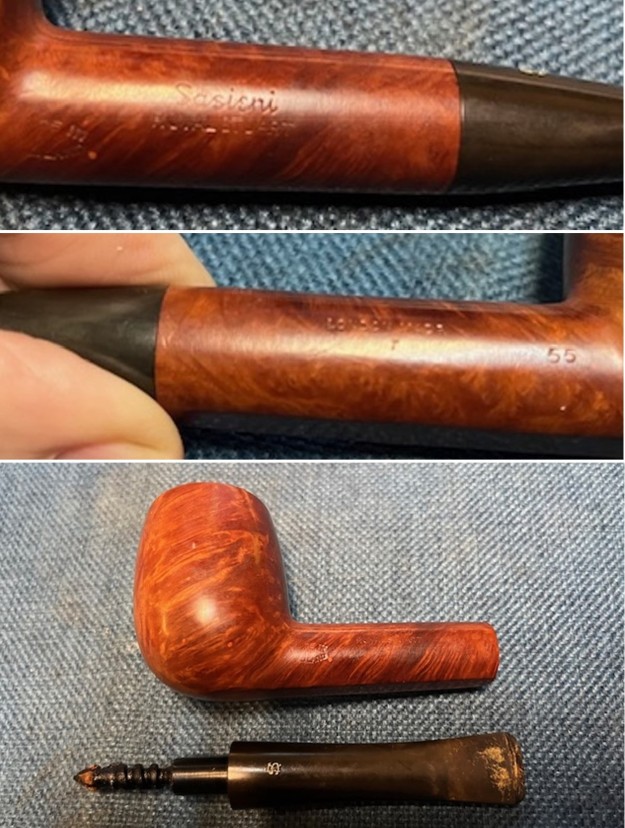
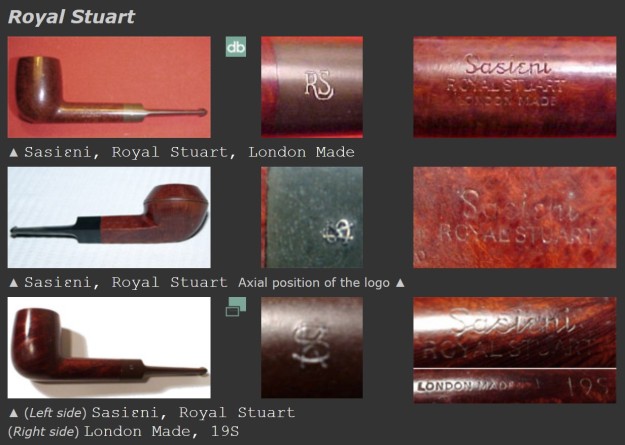
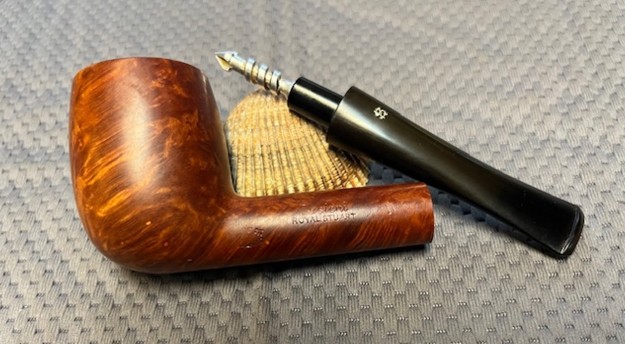
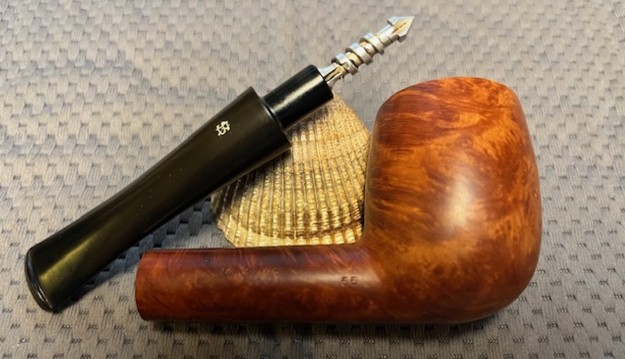
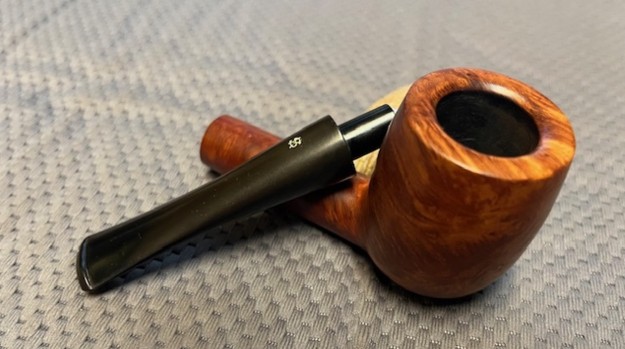
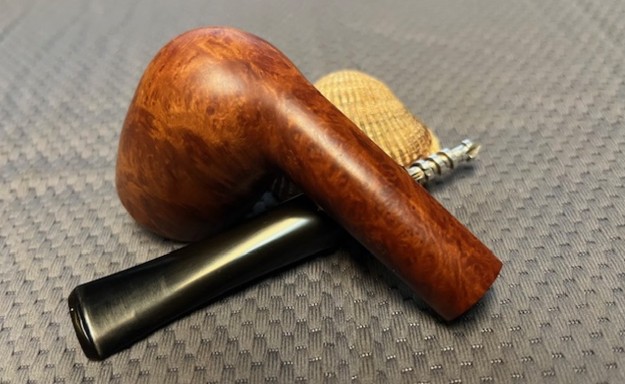
We met up at a local eatery and had a great breakfast together with our aunt. We took her to her residence afterwards and visited with her for most of the morning. Together we headed to Old Town Bellingham to begin our pipe hunt. We visited three of my favourite antique malls and worked out way through the aisles of wares for sale. Jeff and I tend to divide and conquer, each walking through the aisles of the shop looking for pipes. The rest of the family moves through looking for their own treasures. In the first shop there was a rack and in it were two pipes. The first was a Sasieni Royal Stuart Billiard and the second was a Sasieni Mayfair Apple. Both were great and were added to the hunt bag. Here is the link to the blog on the hunt and a photo of the pipes we added (https://rebornpipes.com/tag/bellingham-pipe-hunt/). Both were dirty but both contained the Sasieni Magic – classic shapes and nice briar. The next pipe on the work table is the Sasieni Royal Stuart which is the lower pipe in the photo below. It is stamped on the left side of the shank and has a rugby ball stamp Made in England next to the shank/bowl junction. That is followed by Sasieni [over] Royal Stuart. On the right side it has the shape number 55 next to the bowl/shank junction followed by London Made stamped mid shank. The stem has an RS logo on the topside. The bowl had a thick cake and almost a half bowl of tobacco filling it. There was a thick lava overflow on the rim. It was hard to estimate the condition of the rim top with the cake and lava coat but I was hoping it had been protected from damage. It appeared that the outer edge was in decent condition. The finish was a classic Sasieni smooth. The finish was dusty and tired but had some nice grain under the grime and the finish appeared to be in good condition. A lot would be revealed once I had cleaned it. The stem was dirty, oxidized, calcified and had tooth chatter and tooth marks near the button on both sides. I took photos of the pipe before I started my cleanup work. I took a close-up photo of the bowl and rim top to show its condition. The bowl is over half full with burned tobacco and debris. It is unburned just below the surface of the ash. I always wonder when I find a bowl filled like this what happened to the pipeman who had the pipe before. Was he suddenly called out during a smoke? Did something happen to him after he laid the bowl down that kept him from coming back and finishing his smoke. I guess know one will ever know. It left a mess for me to clean up. The stem was also is a mess. There was some tooth marks and dents on the top and underside ahead of the button. There was a thick coat of calcification and oxidation on the stem. RS logo stamp on top of the stem was clear and readable.I took photos of the stamping on the right and left side of the shank. It is clear and readable as noted above. I removed the stem from the shank and took a photo of the parts. It is a beautiful pipe. The stinger apparatus was filthy and clogged with tar and oils in the spear end and all the spirals. It is aluminum but you would never know that from looking at it.As is my usual practice I turned to Pipephil (http://www.pipephil.eu/logos/en/logo-sasieni2.html) to look for any information on the Royal Stuart line. It was not listed in the original Sasieni list but it did come up in the Sasieni Seconds list. It was listed there and I did a screen capture of the section and have included it below. The logo on the pipe stem I was working on is stamped like the second one below. The shank stamp was like the one in the third photo below. While this was helpful it did not get me any closer to establishing a date for the pipe. I turned to Google and did a quick search there. It came up with a Worthpoint article that I have included along with the photos below (https://www.worthpoint.com/worthopedia/sasieni-family-era-royal-stuart-139465999).This COLLECTIBLE BRIAR PIPE is an OLD “FAMILY-ERA” SASIENI in the CLASSIC CANADIAN Shape!!! It is a Dunhill Group 4 Size. Although like most non-dotted Sasieni’s it does not have a “Town Name” (which Sasieni used in lieu of Shape Numbers), Sasieni connoisseurs will recognize this as the ever-popular “Amesbury” Shape (#44 on the Sasieni Shape Charts)! It comes from one of Sasieni’s oldest and most popular lines – – – the “ROYAL STUART”!!! It is one of the OLDEST ROYAL STUART’s because it has the ORIGINAL “RS” OVERSTAMPED LOGO (with the “R” Stamped over the “S” or vice versa)! For those who have not experienced the quality of Sasieni Pipes, this is an outstanding opportunity that does not require the commitment of a substantial investment as do many higher graded Sasieni’s! In the early Sasieni History after the short reign of the One Dot, Sasieni Eight Dots, the Four Dots became the top-of-the-line throughout most of the “Family Era” (or the time during which the Sasieni Family continued in ownership and operated the company including the quality control). Pipes that were not quite good enough to receive a higher grade became Two Dots or “Claret” One Dots. At the same time and throughout the history of the Company, Sasieni also offered a wide variety of non-dotted pipes beginning with their earliest catalogs. Many of those early lines like “His Royal Highness,” “The Henley Club” and “The Friar” disappeared into the rich lore of Sasieni History. But the “ROYAL STUART” survived the test of time and continued throughout the Family Era. During the “FAMILY ERA,” the finish often became the distinguishing characteristic between lines of “non-dotted” Sasieni’s. Mayfair’s were “Smooth Tawny Natural finish,” and Old England’s started as rusticated pipes while Royal Stuart’s were natural smooth or “deep plum” colored . Their great popularity quickly caused Sasieni to expand the Royal Stuart line to include “carved rusticated finish” pipes, too! And, the Royal Stuart became one of the longest-running “workhorses” among all Sasieni lines! Royal Stuart’s were advertised as an “outstanding quality and rare value” pipe but it was the bowl selection process that separated this line from others. Sasieni explained: “These bowls are selected for their fine grain conformation.” And this Canadian is a good example! Much of the Bowl has BIRDSEYE on the sides with DIAGONAL CROSS GRAIN which is actually more like STRANDS OF FLAME GRAIN on the front and back!!! The FLAME GRAIN continues on both sides of the Shank where it becomes PERPENDICULAR, PARALLEL STRAIGHT GRAIN!!! The NATURAL SMOOTH Finish has mellowed into a LIGHT WALNUT BROWN PATINA and there are NO dents, chips or scratches which detract from the beauty of the finish! A few small sandpits or sandspots keep the Pipe from perfection (and undoubtedly kept it from becoming a “dotted” Sasieni)! NO varnish, lacquer or shellac has been added to improve the finish for the pictures and temporarily conceal scratches and toothmarks! And, NO coating has been applied to the inside of the bowl to hide cracks, heat fissures and even burn-outs! The Pipe shines as it did when it came from the factory! This Canadian is 6″ LONG with a Bowl just OVER 1 3/4″ TALL!!! The nomenclature is crisp and clear: “Sasieni [in script], ROYAL STUART, LONDON MADE, MADE IN ENGLAND [in the classic Sasieni “football” shape], 44N”. The very oldest White Sasieni “RS” Overstamped Logo used on Royal Stuart’s remains mostly visible on the original bit! This is an unusual and collectible old Sasieni that is in PRISTINE CONDITION!!! It is an excellent entry-level Sasieni collectible! If the CONDITION of your eBay purchase is of importance to you, you will not find a better Sasieni Royal Stuart on eBay. Particularly because of its condition, this Royal Stuart is a bargain priced collectible! This Sasieni Canadian has been refurbished and is ready to smoke. There are no toothmarks on the mouthpiece and no carbon build-up on the Rim of the bowl.

From that information I knew that I was dealing with a Family Era Sasieni with the white overstamped RS logo that was used on these older ones. That placed the date before 1979 when the company was sold.

From there I turned to Pipedia and read through the history of the brand. It confirmed the date of manufacture as pre-1979. At the bottom of the Pipedia article there was a 1965 catalogue. I have included the link to the catalogue (https://pipedia.org/images/1/1b/Sasieni_1965.pdf). Page six of the catalogue had a listing of the Sasieni lines and on the top left column the Royal Stuart was shown.

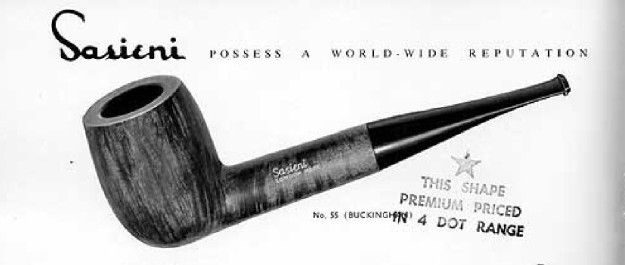
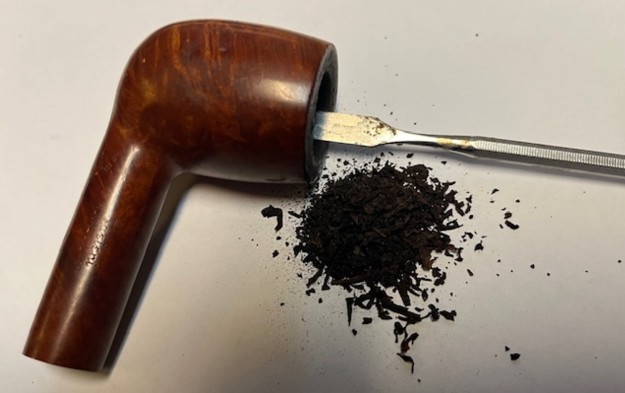
Page seven below gives a great description of the Royal Stuart line. It reads: Royal Stuart a sweet smoking pipe of fine smoking quality bruyere. Finished to a satin smoothness in both light natural and deep plum. These bowls are selected for their fine grain conformation.Now I knew that is was not a second at all at this point in time. It was rather a well made pipe selected for its fine grain conformation. That also pushed the date back to at 1965. The catalogue also had a shape photo that matched the numbers on the pipe I am working on. The shape 55 was known as a Buckingham and was used in quite a few of the Sasieni lines for that large Billiard. I have included a screen capture of the shape photo in the catalogue.There was also a shape chart on Pipedia and I have saved the page that included the shape of the 55 (Buckingham) (https://pipedia.org/wiki/File:Sasnieni_Shapes.jpg).Now I knew what I was working on. It was a pre-1965 Billiard in the Buckingham shape in an early version of the Royal Stuart and in the light Natural finish that had taken on some colour through smoking. Now it was time to start my work on it. I used a dental spatula to remove the dried tobacco in the bottom half of the bowl. It was too dry and to compromised to determine the type of tobacco but I could tell that it was not an aromatic as there was no smell in the tars and oils in the shank and on the stinger.I reamed the pipe with a PipNet pipe reamer using the second and the third cutting head to take the cake back to bare briar. I cleaned up the remnants of the cake with a Savinelli Fitsall Pipe Knife. I finished the bowl internals by sanding the bowl walls with 220 grit sandpaper wrapped around a piece of dowel. The bowl walls looked very good with no checking or cracking to the walls. I scraped the heavy lava on the rim top with the edge of the Savinelli Fitsall Pipe Knife. I was able to remove the majority of the build up. The rest would come up after I scrubbed the bowl.I decided to scrub the bowl with Mark Hoover’s Before & After Briar Cleaner. He had sent me a sample to try out so this was the first pipe to try it out on. I shook the jar to make sure it was well mixed. I applied it to the surface of the briar bowl and the filthy rim top with my finger tips. I scrubbed it with a tooth brush and wiped it off with a cotton pad to remove the grime and the residual product left on the briar.  It looked much better once I had cleaned it. I rinsed it off with warm water and dried the briar with a cotton cloth. There were still some flecks of paint and debris on the briar and the rim top still had some lava that I needed to remove. I wiped the bowl with a cotton pad and acetone and cleaned off the remainder of the debris and the briar looked very good. With the externals cleaned it was now time to work on the internals of the mortise, shank and airway in the stem. I scraped the walls of the shank with a dental spatula and took a lot of tars and oils out with the spatula. From there I cleaned up the debris with pipe cleaners, cotton swabs and isopropyl alcohol until it was clean and the smell was gone. In order to clean out the shank I needed to remove the stinger apparatus from the tenon. I heated the stinger with a lighter and the goo softened enough to be able to remove the singer. I then cleaned the airway in the stem with alcohol, cotton swabs and pipe cleaners. I used both bristle and fluffy pipe cleaners to clean out the oils and tars. I used a tooth brush and a brass bristle wire brush to clean off the stinger at the same time. I scoured out the open tenon with a cotton swab. It came out looking much better. I set the stem aside and went back to working on the bowl. I sanded the briar with 320-3500 grit sanding pads. I wiped the briar down after each sanding pad with a damp cloth to remove the debris that was left behind. By the time I finished the last pad the briar was very smooth and clean to the touch. I polished the briar with micromesh sanding pads – dry sanding with 1500-12000 grit sanding pads. I wiped it down with a damp cloth after each sanding pad. The bowl began to really shine with the polishing. I worked some Before & After Restoration Balm into the finish of the briar with my finger tips. The product works well to clean, enliven and protect the briar and really brings it back to life. I have been using it for quite a few years now and really like the way it makes the briar come alive and makes the grain pop. I set aside the bowl and turned my attention to the stem. I “painted” the tooth marks on the surface of the stem and was able to lift them partially. I cleaned out the tooth marks with alcohol and q-tip then filled in the ones that remained with some rubberized, black CA glue. Once the glue cured I flattened out the repairs and recut the button edge with small files to start the process of blending them into the surface of the vulcanite. I further blended then with a folded piece of 220 grit sandpaper. I sanded the stem with 320-3500 grit sanding pads to remove the varnish coat that covered it. I wiped it down after each sanding pad with a damp cloth. By the final 3500 grit sanding pad the stem had a more normal shine and the varnish, tooth marks and chatter were gone. Once I finished with the sanding pads I reinserted the stinger apparatus in the tenon. I used a small blade to spread the gap in the end of the insertion part and pressed into the tenon. It is really a strange looking piece of aluminum. I polished the vulcanite with micromesh sanding pads – 1500-12000 grit pads. I wiped it down with Obsidian Oil after each sanding pad. I used Before & After Pipe Polish – both Fine and Extra Fine to further polish the stem. This Sasieni Royal Stuart 55 Billiard with a vulcanite taper stem has a beautiful, unique Natural Sasieni Royal Stuart finish that has some great grain standing out. The polished vulcanite taper stem adds to the mix. I put the stem back on the bowl and buffed the pipe with Blue Diamond on the buffing wheel being careful to not buff the stamping. I gave the bowl and the stem multiple coats of carnauba wax on the buffing wheel and followed that by buffing it with a clean buffing pad. I hand buffed the pipe with a microfiber cloth to deepen the shine. The finished Made in England Sasieni Royal Stuart 55 Billiard is quite nice and feels great in the hand. Give the finished pipe a look in the photos below. The dimensions of the pipe are Length: 6 inches, Height: 2 inches, Outside diameter of the bowl: 1 ¼ inches, Chamber diameter: ¾ of an inch. The weight of the pipe is 1.73 ounces/49 grams. Thanks for walking through the restoration with me as I worked over another beautiful pipe. This one will be going on the rebornpipes store in the English Pipe Makers Section. Thanks for your time.

Fresh Life for a 1976 Dunhill Shell Briar 126 3S Billiard


By Steve Laug

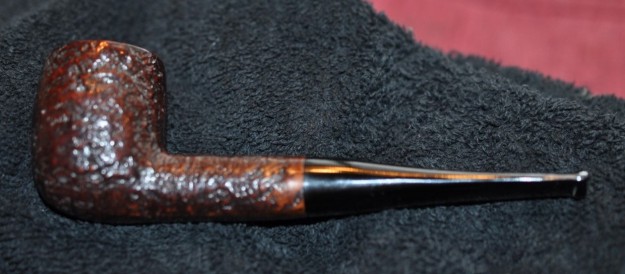
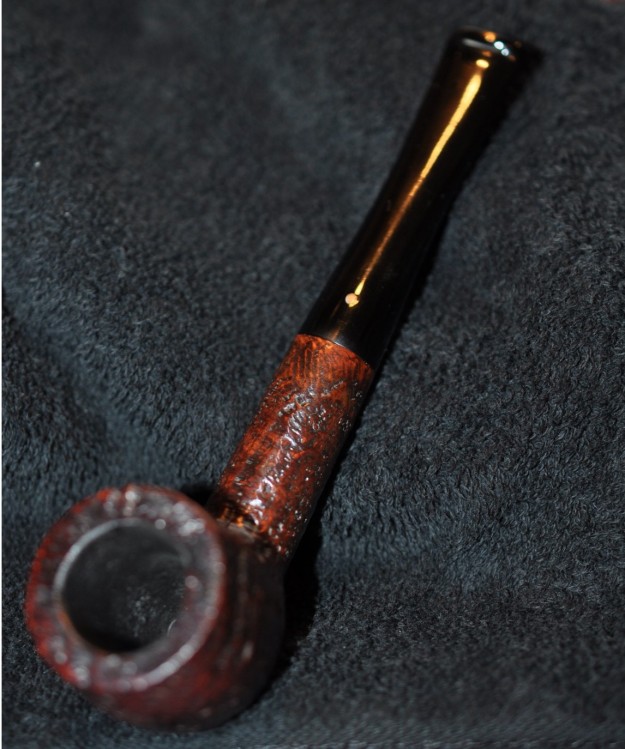
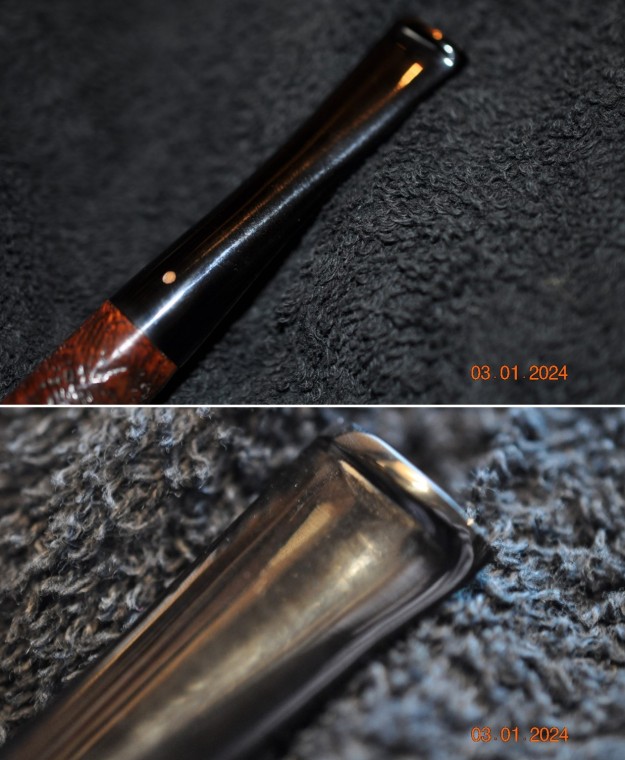
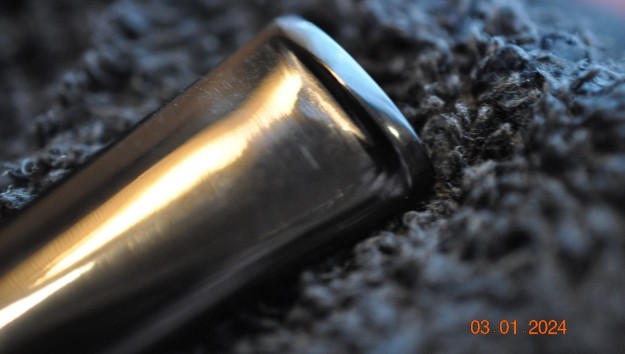
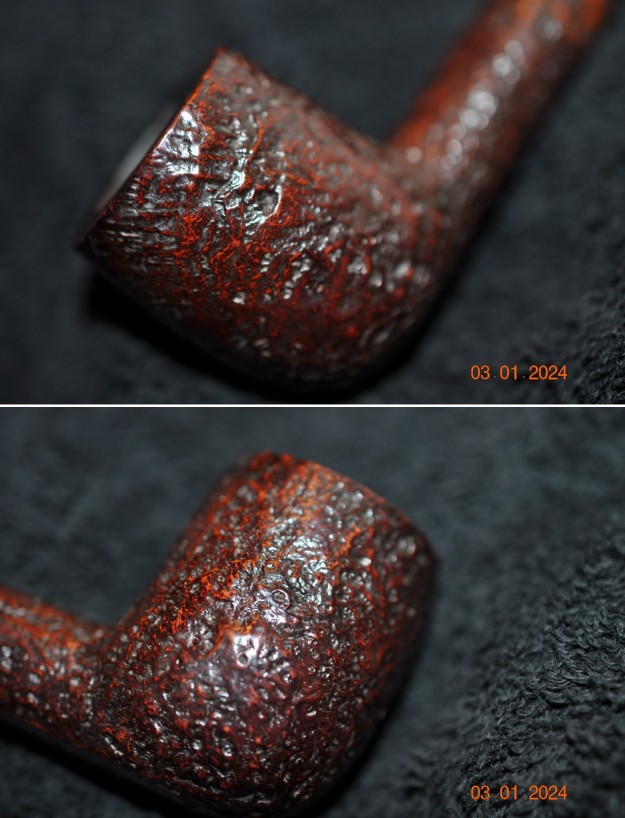
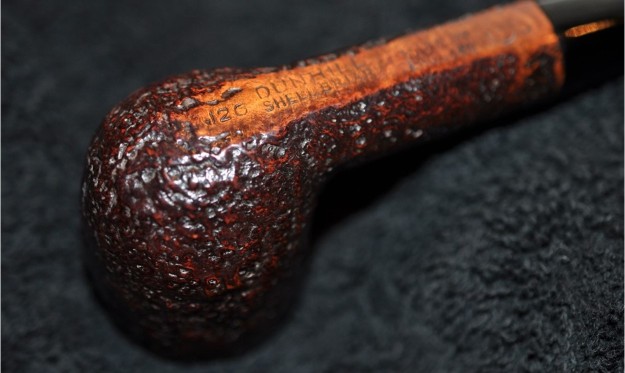
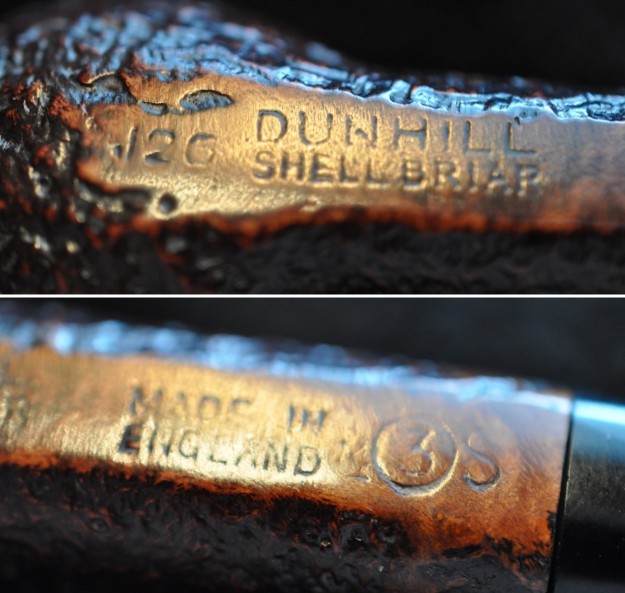
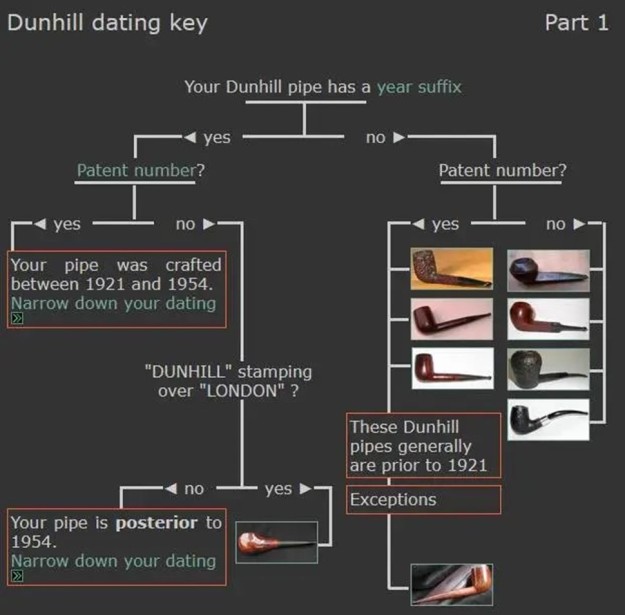
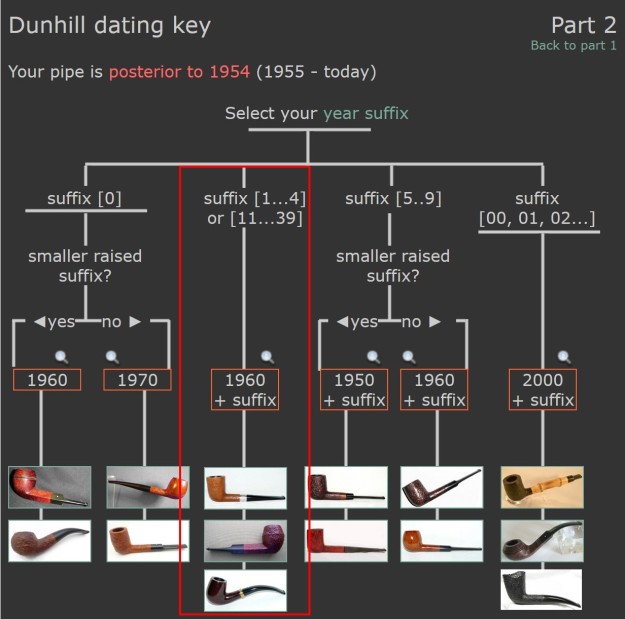
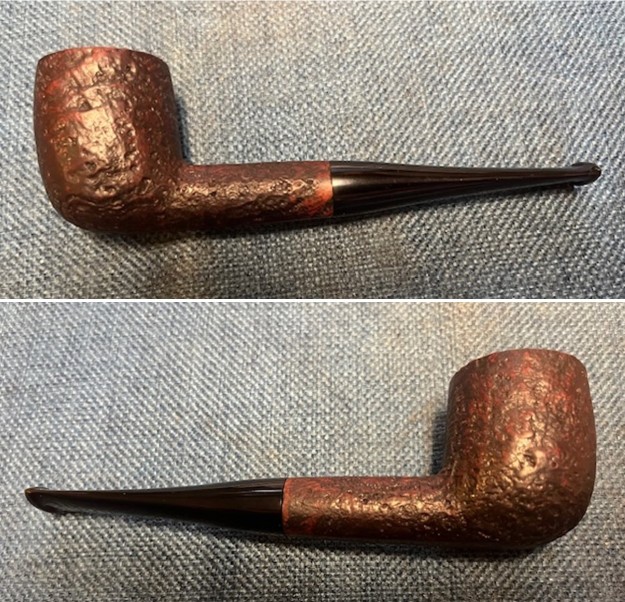
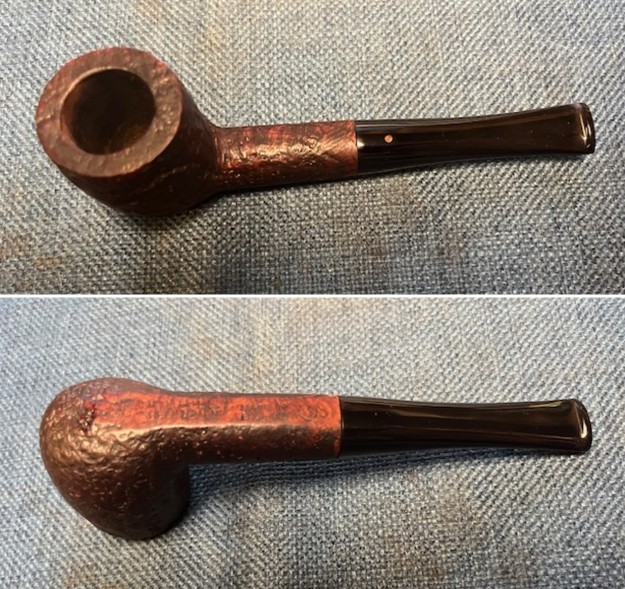
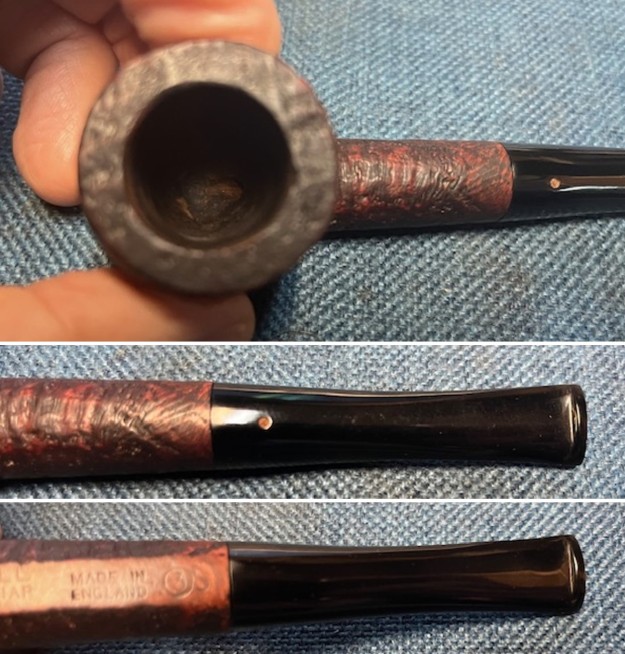
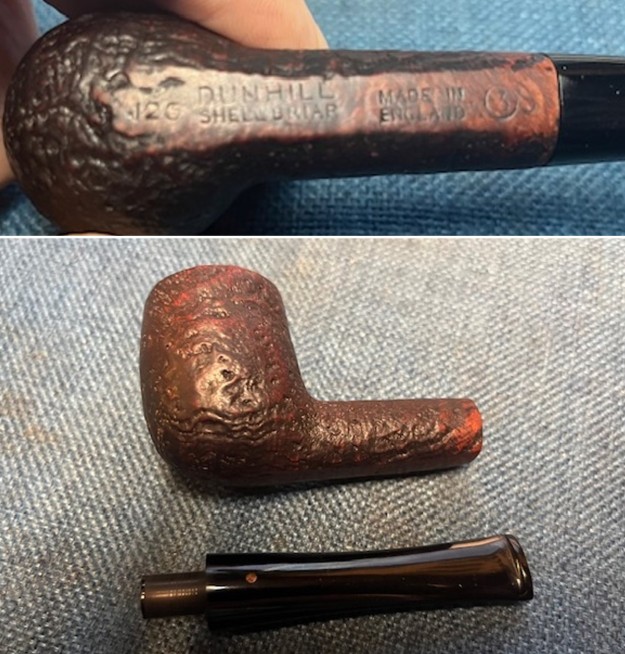
The next pipe on the work table is a lovely Dunhill small sandblast Billiard shaped briar pipe. We purchased it from our contact in Copenhagen, Denmark on 01/22/2024. It is a classic Dunhill Sandblast Billiard shaped bowl. It has a sandblast, rich brown stained bowl that really highlights the grain in the briar. The bowl is dirty with grime in the finish. There also appears to be a shiny varnish coat over the grime in the sandblast. There appears to be a varnish coat on the stem as well. The bowl has a moderated cake and a light lava overflow on the sandblast rim top and edges. The stamping on the pipe is clear and readable and on the under side it reads 126 the shape number [followed by] Dunhill [over Shell Briar. That is followed by Made in England the superscript date number 16 is stamped after the D in England. There is a circle 3S following the date stamp that identifies the pipe as a group 3 sized pipe in a Shell finish. The stem had a white spot that is damaged and shrunken on the top side of the taper. It is lightly oxidized and has tooth chatter and deep tooth marks on both sides ahead of the button. The sad thing is that once again the stem is covered with a varnish coat. Jeff took photos of the pipe before he started his cleanup. He took photos of the pipe’s bowl and rim top to show the cake in the bowl and the lava coat overflowing onto the top. It is another dirty pipe. You can see the shiny coat on top of the finish and the grime in the photos. He also took photos of the stem to capture the tooth marks on the top and underside near the button. He took photos of the sides and the heel of the bowl to give a sense of the sandblast finish on this one. Even under the grime and shiny varnish coat in the grooves the blast is quite beautiful. Jeff took photos of the stamping on the underside of the shank. It is clear and readable though it is faint in some spots. I wanted to unpack the Dunhill stamping on the shank and work to understand each element of the stamp. I generally use the Pipephil site to gather as much initial information as possible (http://pipephil.eu/logos/en/dunhill/shell-briar1.html). The stamping is interpreted as follows: The number 126 is the shape number for a taper stem Billiard. The Shell Briar stamp refers to the finish. The underlined, superscript number 16 following the D of England would give the date the pipe. The circle 3S tells me that the pipe is a group 3 sized pipe and the S is for the Shell finish. The photo below is of the stamping on a Don shape but the stamping is similar on this one.Pipephil also has some helpful dating keys on the site that are basically flow charts that you can walk through to date your pipe (http://pipephil.eu/logos/en/dunhill/cledat-en1.html). I turned to Part 1 of the Dating Key and followed the chart. This pipe has 16 following the D in England. There was no patent number so that took me to the section on the chart below (column one) which instructed me that the pipe could be dated as being made “posterior to 1954”.I followed the link under “Your pipe is posterior to 1954. Narrow down your dating”. That took me to Page 2 of the dating key (http://pipephil.eu/logos/en/dunhill/cledat-en1a.html). The second column – suffic [1…4] or [11…39] led me to the next section. Since the 16 after the D in England the date of the pipe spelled as 1960 + 16 making the date 1976.I then turned to Pipedia’s section on Dunhill Shell Briar to get a bit of background on the Dunhill finishes (https://pipedia.org/wiki/Dunhill#Root_Briar). I quote:

Shell

A deep craggy sandblast with a black stain finish (usually made using Algerian briar) – the color of the stain used has varied over the years. Although there is some doubt as to them being the first to sandblast pipes, Dunhill’s Shell pipes, and the sandblasting techniques developed to create them are considered one of Dunhill’s greatest and most lasting contributions to the art of pipe making.

The documented history of Dunhill’s inception of the Shell is largely limited to patent applications — there are no catalog pages or advertisements promoting blasted pipes at the time. The preliminary work on the English patent (No. 1484/17) was submitted on October 13, 1917. The patent submission was completed half a year later, on April 12, 1918, followed by the granting of the English patent on October 14, 1918. This was less than a month before the end of The Great War on November 11th.

In 1986 Dunhill released a line of premium Shell finish pipes – “RING GRAIN”. These are high-quality straight grain pipes which are sandblasted. Initially only Ring Grain, but now in two different finishes. In 1995 the “Shilling” was introduced with Cumberland finish – it is an extremely rare series. These pipes exhibit a deeper blast characteristic of that of the 1930’s – mid-1960’s (and the limited ‘deep blast’ pipes of the early 1980s) and show a fine graining pattern. These are considered the best new Dunhills by many enthusiasts today and are very rare. The finish is sometimes described as tasting like vanilla at first, with the taste becoming more normal or good as the pipe breaks in.

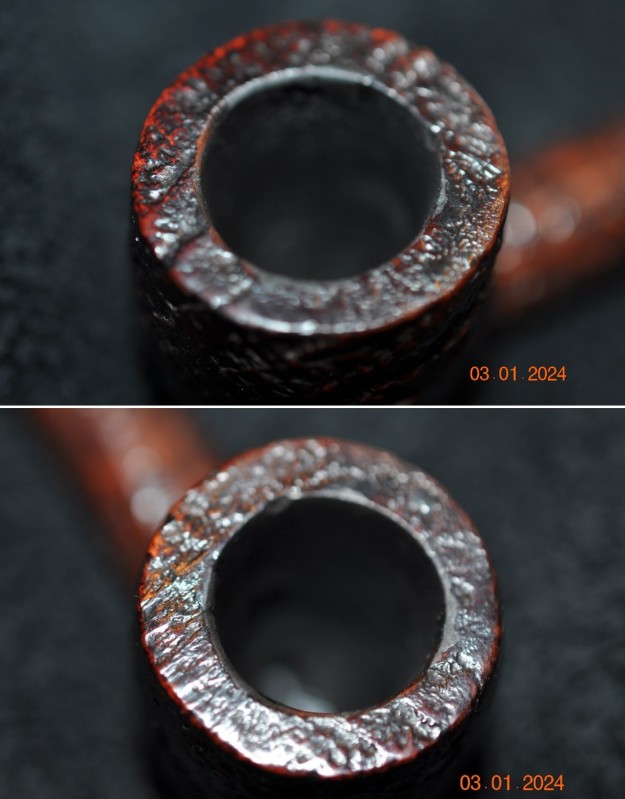
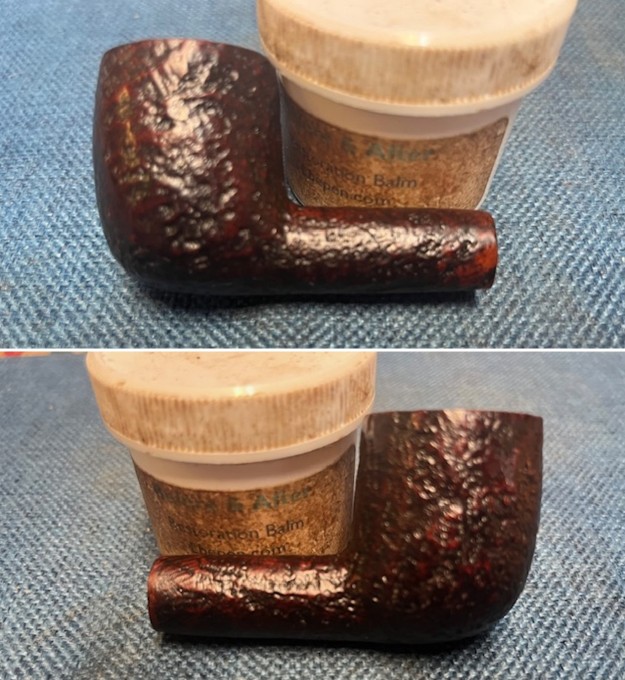
I turned to work on the pipe itself. Jeff had done an amazing cleanup of the pipe. He reamed the cake with a PipNet reamer and cleaned up that with a Savinelli Fitsall Pipe Knife. He scrubbed the internals of the bowl and stem with alcohol, cotton swabs, pipe cleaners and shank brushes. He scrubbed the externals with undiluted Murphy’s Oil Soap and rinsed the bowl off with running water. His scrubbing removed the varnish on the bowl with just a few spots remaining. He soaked the stem in Briarville’s Pipe stem Deoxidizer and once it had soaked rinsed it off with warm water to remove the residual solution. He dried it off and rubbed it down to remove any oxidation that was still on the stem. The soak did not penetrate the varnish on the stem at all but it certainly looked better. Other than the shiny spots in the finish where the varnish remained, the pipe looked very good when I received it. You can also see the sunken state of the white spot on the stem surface. I took a photo of the rim top to show the condition. It looks good with the tars and oils removed from the rim top. The inner edge of the bowl was in excellent condition. The bowl itself was very clean. The stem came out clean but the varnish coat remained and discoloured the white spot. The photos clearly pick up the shrunken white spot on the stem top. The varnish coat gave the whole stem an artificial shine that hid the tooth marks and chatter underneath.I took a photo of the underside of the shank to show the stamping. The photo shows the stamping and it is very readable other than the date stamp which is visible in person. I removed the stem from the shank and took a photo of the pipe parts to show what I was working with. I think once the varnish is removed the pipe will be a nicer looking piece.The briar was actually very clean and the varnish coat had been eliminated on the bowl so I had a bit of an easier job than on the previous 126 that had a heavy varnish coat. I rubbed the bowl down with Before & After Restoration Balm. I worked it into the surface with my fingertips and a horsehair shoe brush to work it into the nooks and crannies of the sandblast finish. The product works to clean, enliven and preserve the briar. I let it sit for 10 minutes (it varies how long I leave it not for any specific reason but because I get preoccupied with other things). Once it has done its magic I buff it with a cotton cloth to deepen the shine. The pipe really comes alive with the balm. I sanded the stem with 320-3500 grit sanding pads to remove the varnish coat that covered it. I wiped it down after each sanding pad with a damp cloth. By the final 3500 grit sanding pad the stem had a more normal shine and the varnish, tooth marks and chatter were gone. With that done I was ready to address the shrunken and discoloured white spot.Once I hard removed the varnish coat I cleaned up the sunken white spot with a cotton swab and isopropyl alcohol. I was able to remove the staining on the spot and the grime that had built up in the hole. It was now ready for the patch. Mark Hoover has some small white acrylic dots that can be used to fill in the hole in the stem top.  I followed Mark’s direction and put one acrylic dot into a small amount of acetone for a couple of seconds. I then pushed it into the hole with some tweezers. Mark had said that if the drilled hole goes a bit deeper and is not to the level with the surface of the stem then wait a minute or two and put another on top. I let it harden and then I sanded it smooth with 220 grit sandpaper. I polished the vulcanite with micromesh sanding pads – 1500-12000 grit pads. I wiped it down with Obsidian Oil after each sanding pad. I used Before & After Pipe Polish – both Fine and Extra Fine to further polish the stem. This 1976 Dunhill Shell Briar 126 Billiard with a vulcanite taper stem has a beautiful, unique Dunhill Sandblast finish that is very deep and craggy. The Shell Briar mixed brown finish highlights some great grain around the bowl and shank. It has a unique sandblast that Dunhill specialized in making. The removal of the varnish gave a clearness to the stem surface. The polished vulcanite taper stem adds to the mix. I put the stem back on the bowl and buffed the pipe with Blue Diamond on the buffing wheel being careful to not buff the stamping. I gave the bowl multiple coats of Conservator’s Wax and the stem multiple coats of carnauba wax on the buffing wheel and followed that by buffing it with a clean buffing pad. I hand buffed the pipe with a microfiber cloth to deepen the shine. The finished Dunhill Shell Briar 126 Billiard is quite nice and feels great in the hand. Give the finished pipe a look in the photos below. The dimensions of the pipe are Length: 5 ¼ inches, Height: 1 ½ inches, Outside diameter of the bowl: 1 ¼ inches, Chamber diameter: ¾ of an inch. The weight of the pipe is 1.13 ounces/32 grams. Thanks for walking through the restoration with me as I worked over another beautiful pipe. This one will be going on the rebornpipes store in the English Pipe Makers Section. Thanks for your time.