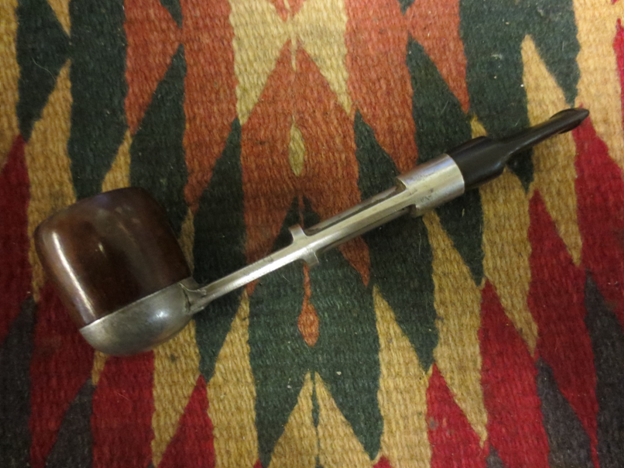
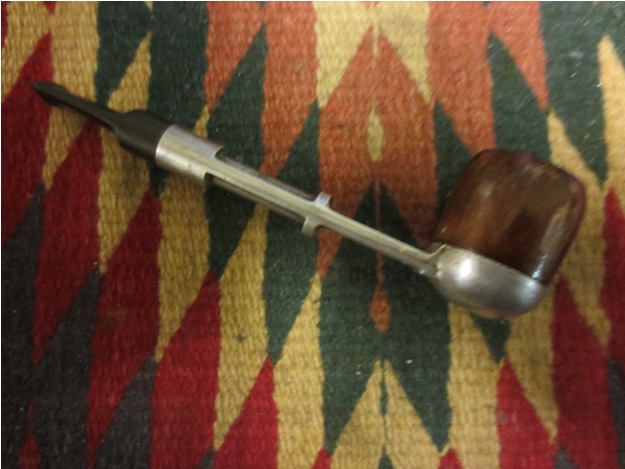
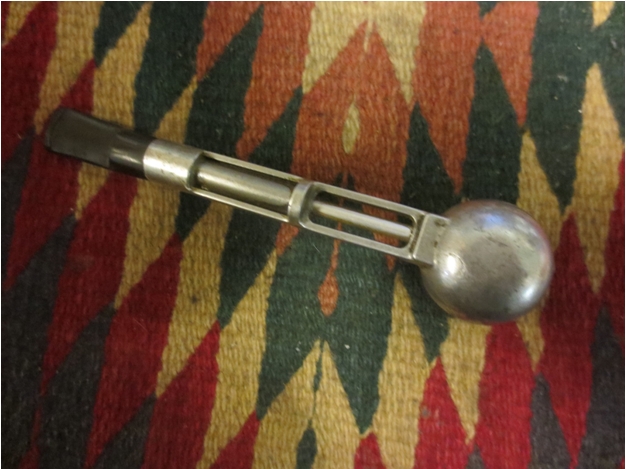
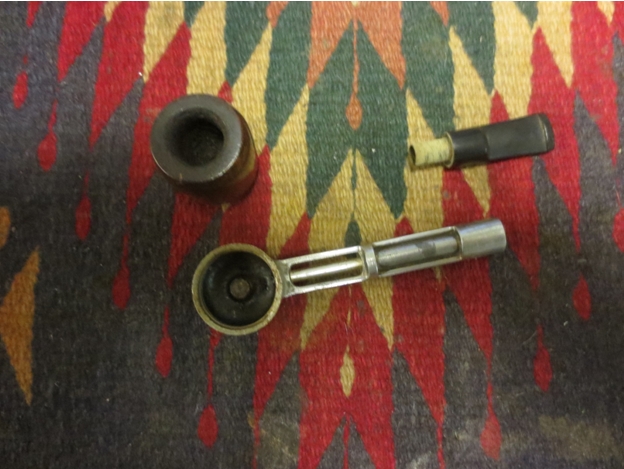
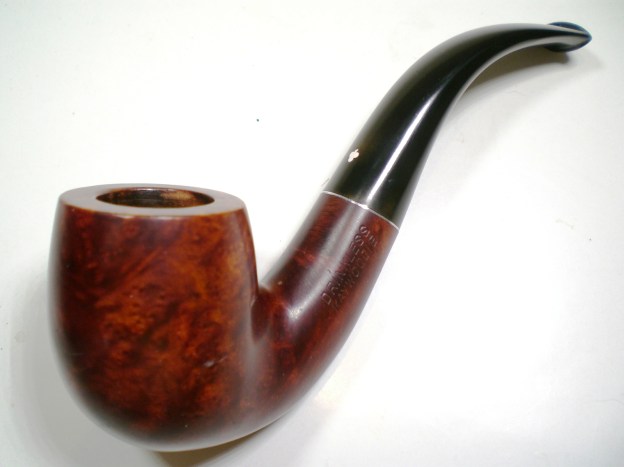
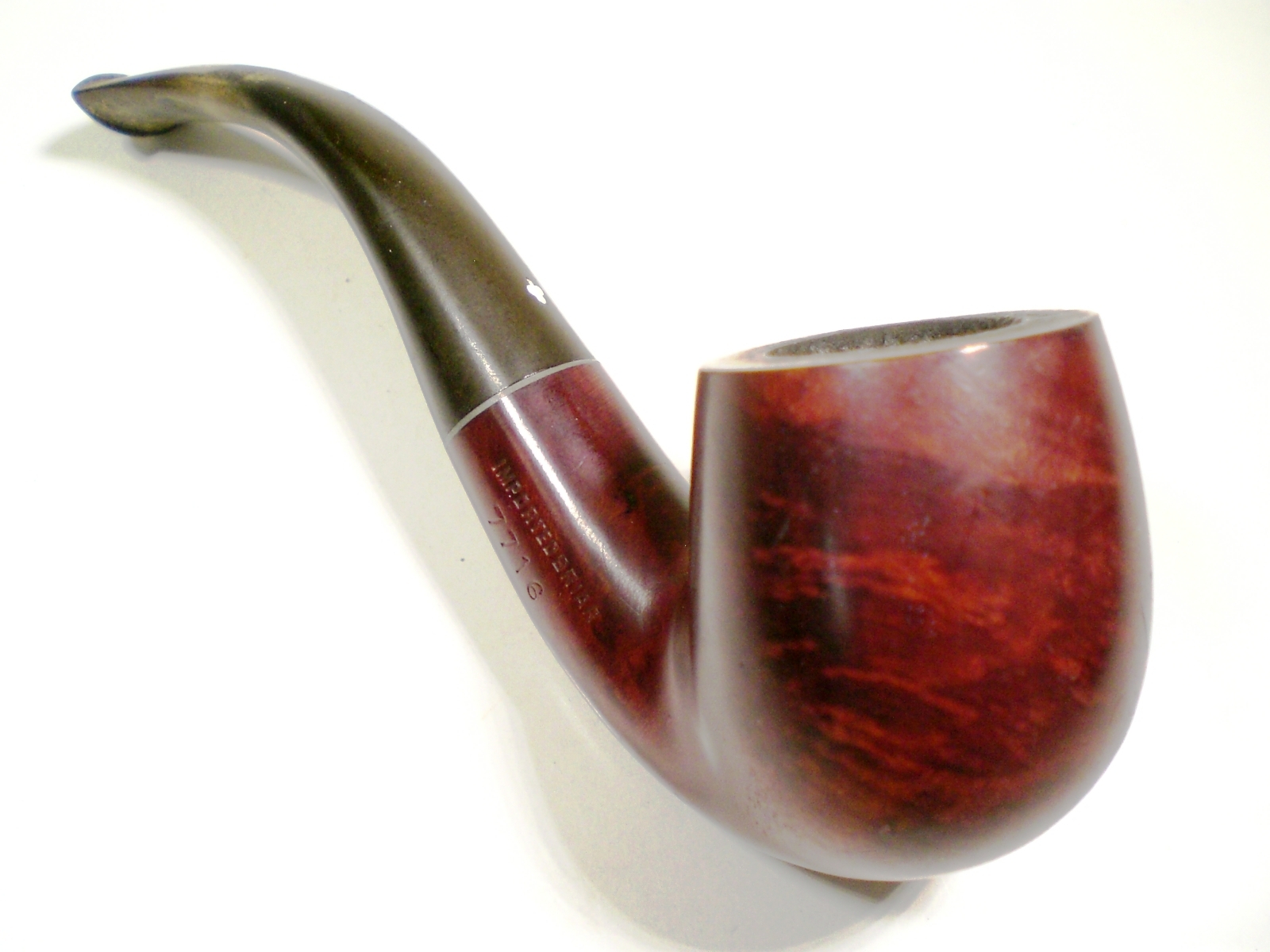
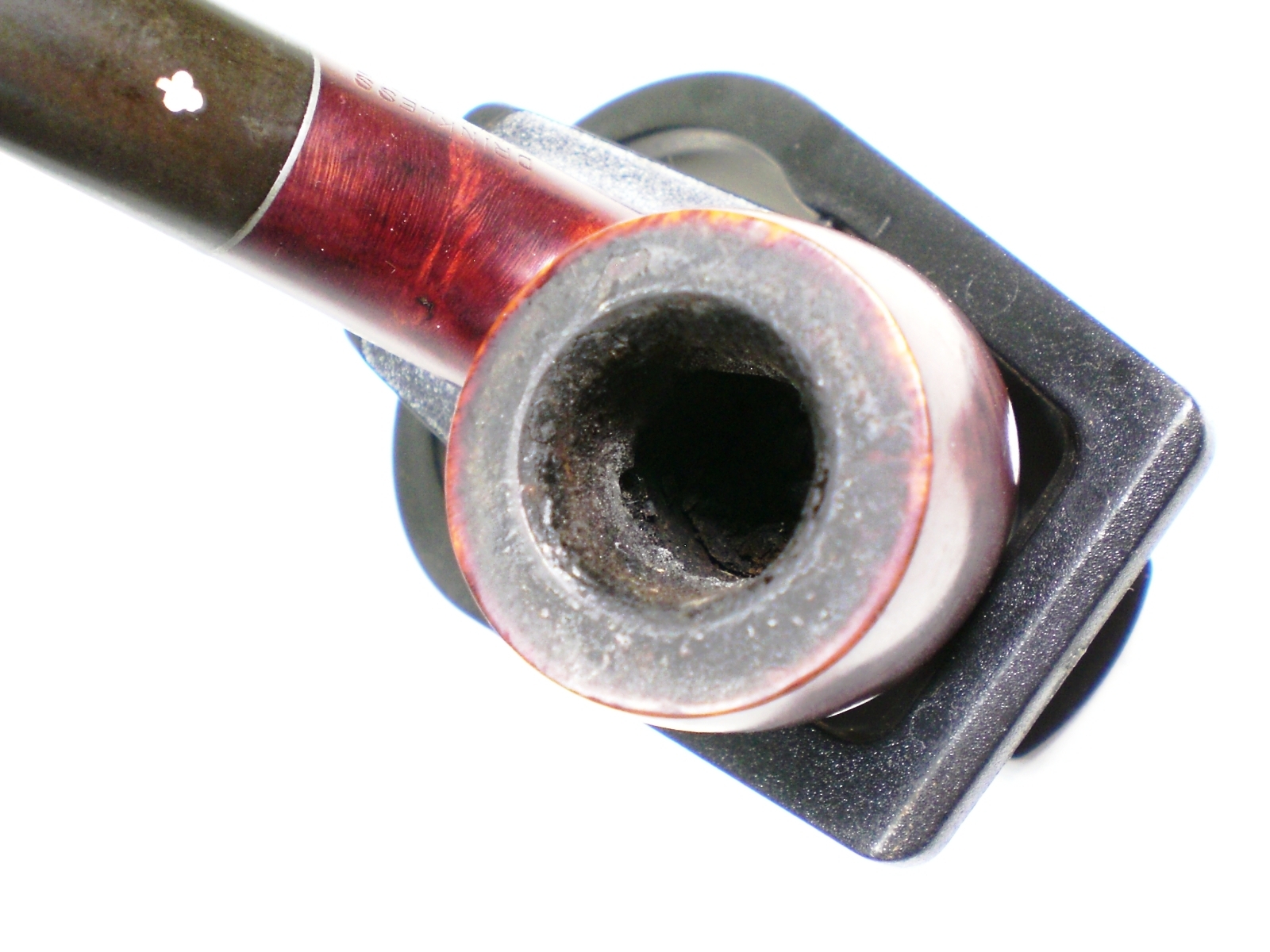
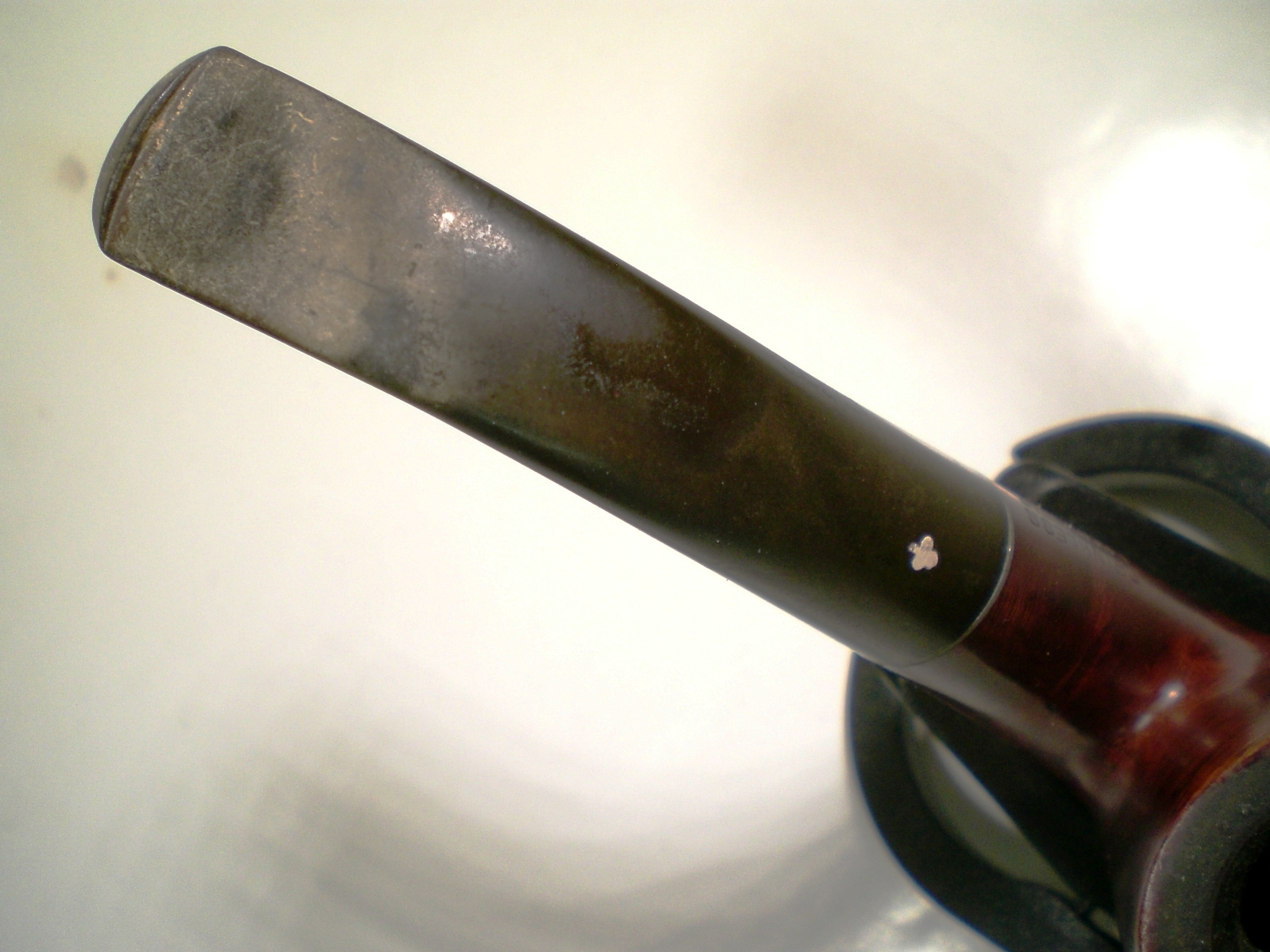
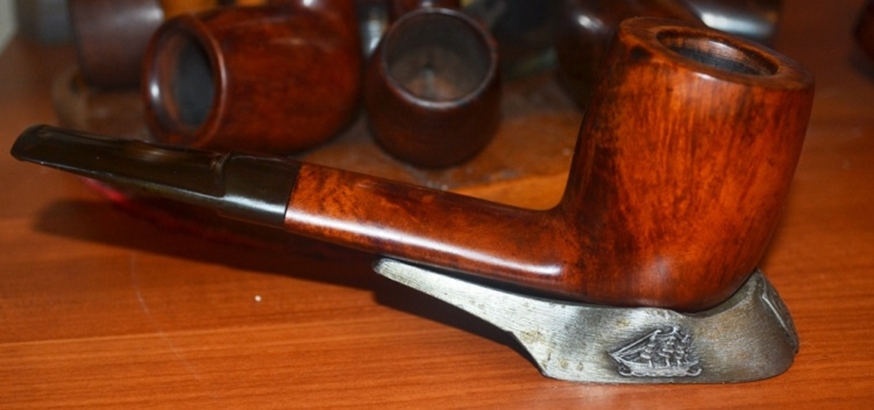
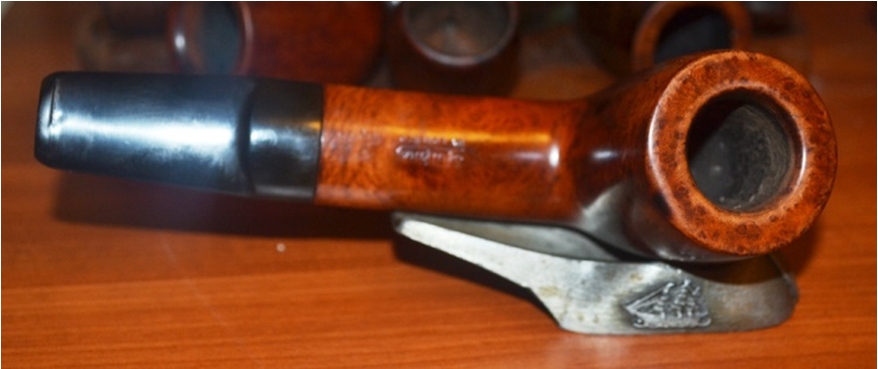
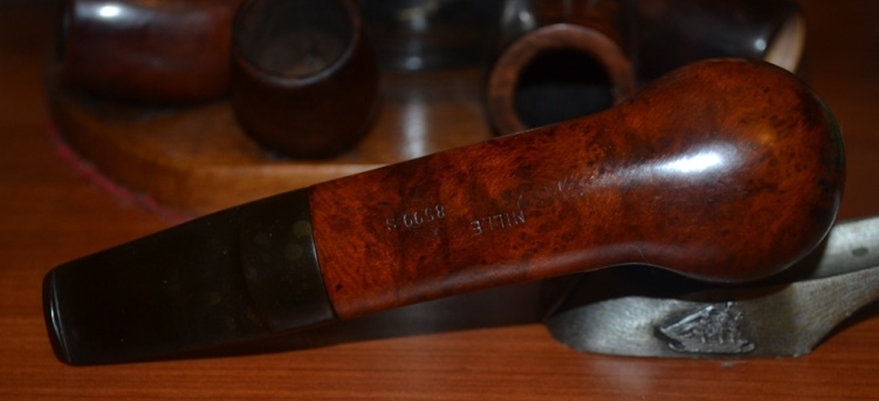
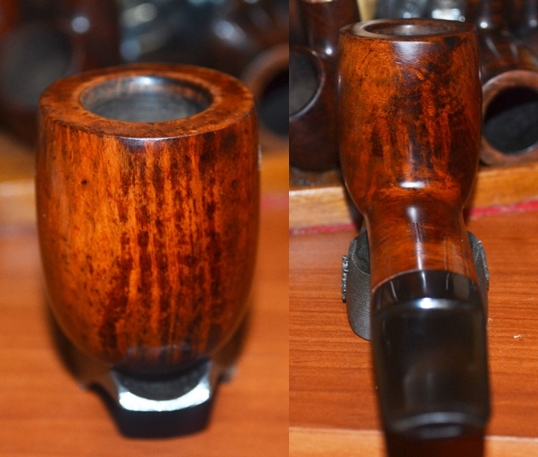
A Perfect Pipe Hunting Day


On Friday John, a friend of mine from Calgary, Alberta came for the weekend for a visit. We planned to go to the US for a day so that I could take him to a couple of pipe shops in Bellingham, Washington – the Senate Smoke Shop and the Fairhaven Smoke Shop (I have written reviews of both shops here on rebornpipes). When John arrived and we were planning our day he said that he also wanted to visit some of the places where I went hunting for estate pipes when I am down there. It was going to be a great day and I was hoping that we would find some good pipes to make his first hunt a success. We decided to leave early on Saturday morning and spend the whole day hunting. We crossed the border, headed to a local restaurant for breakfast while we waited for the shops to open. We each downed an order of biscuits and gravy, bacon and eggs and orange juice. We took our time to enjoy our breakfast and once had finished we headed to the first hunting spot – an antique mall.

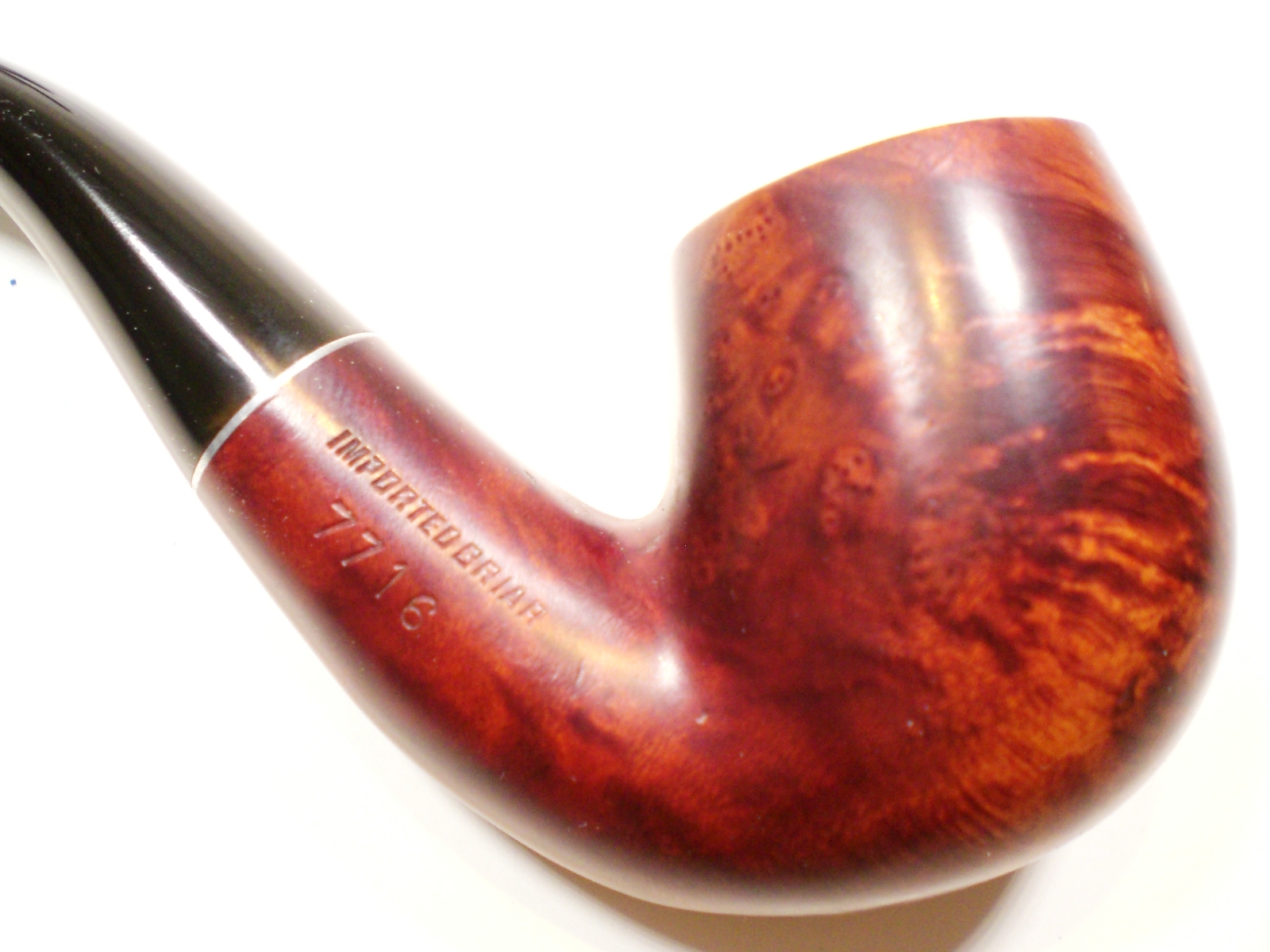
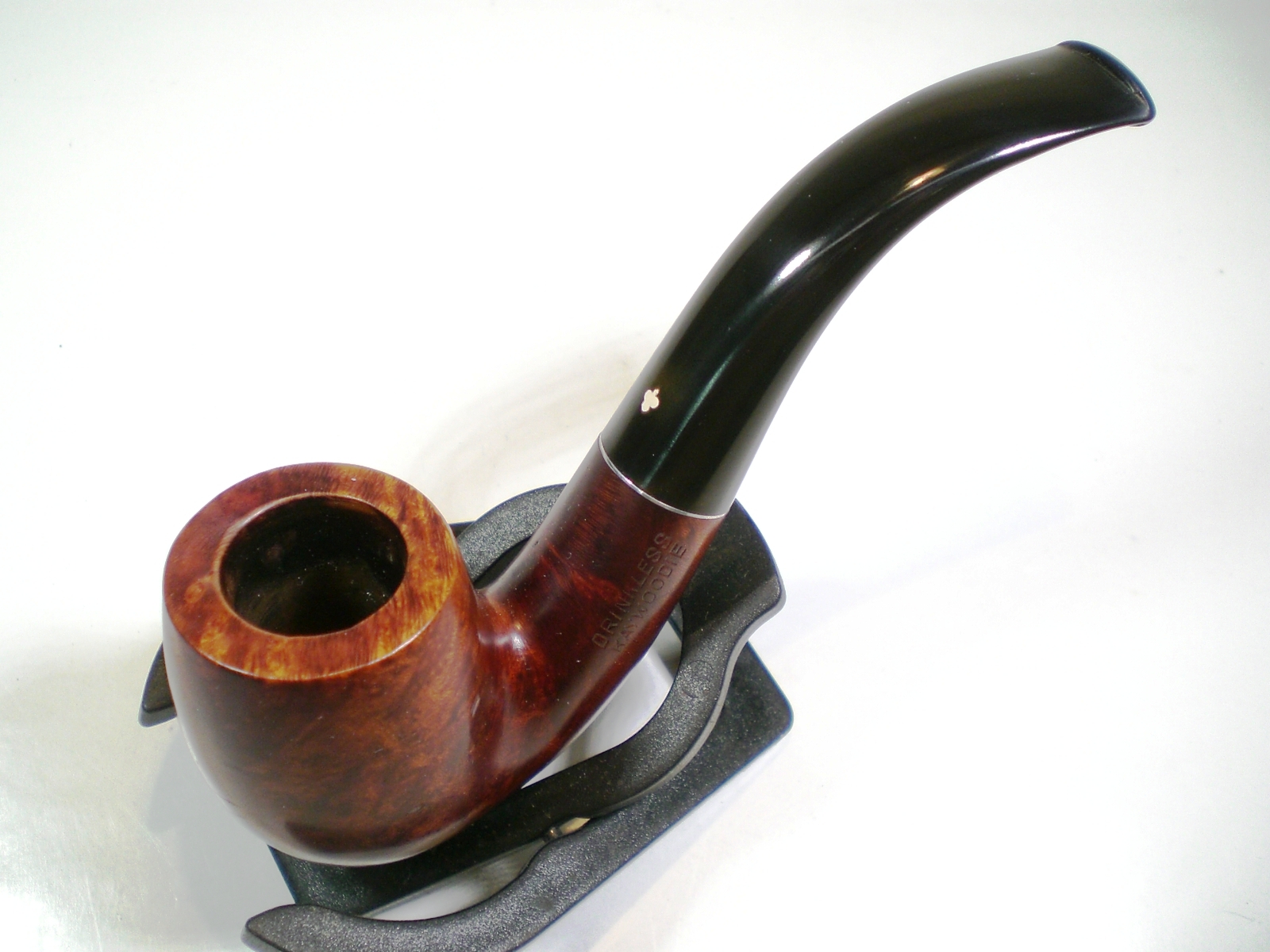
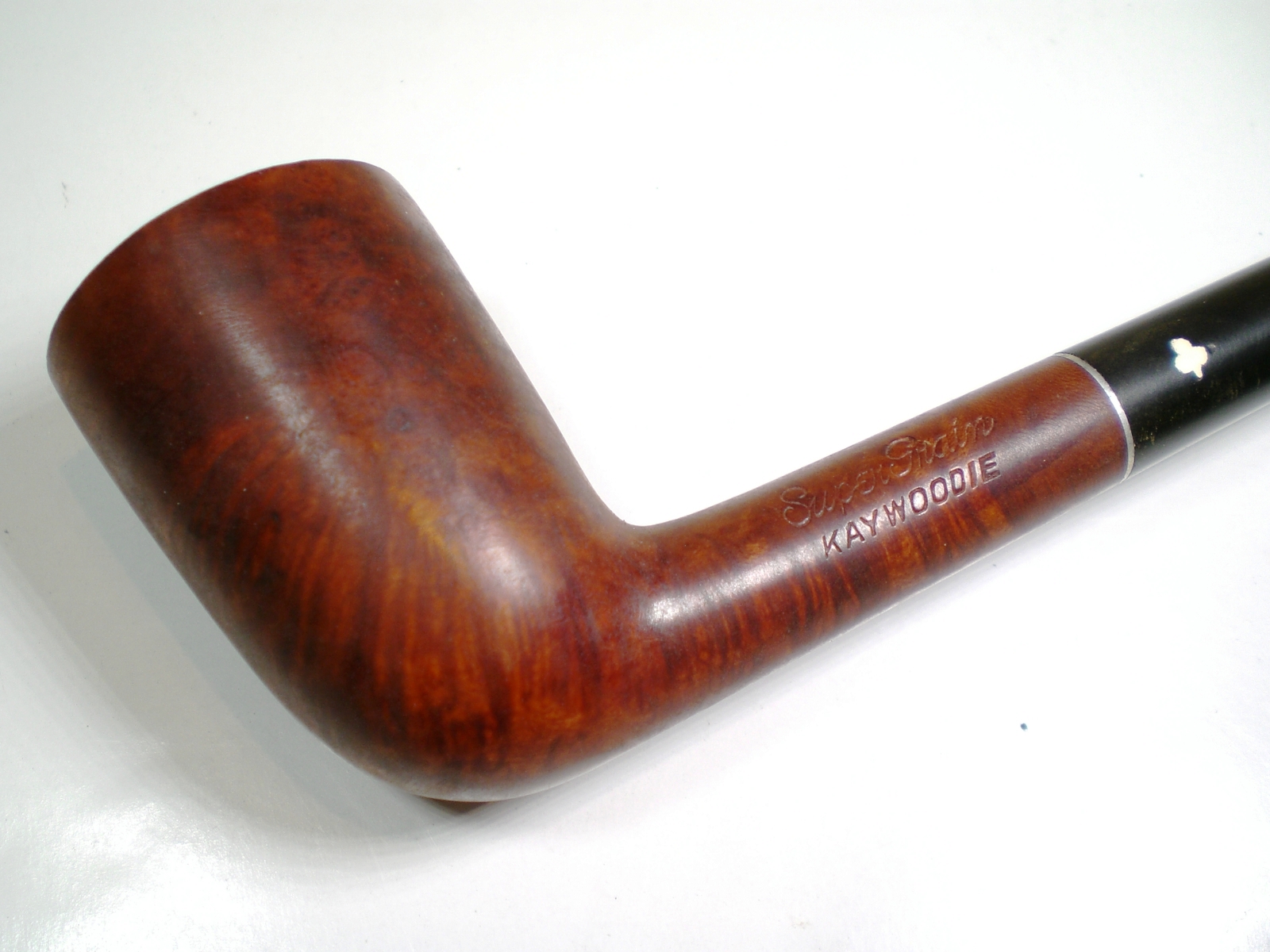
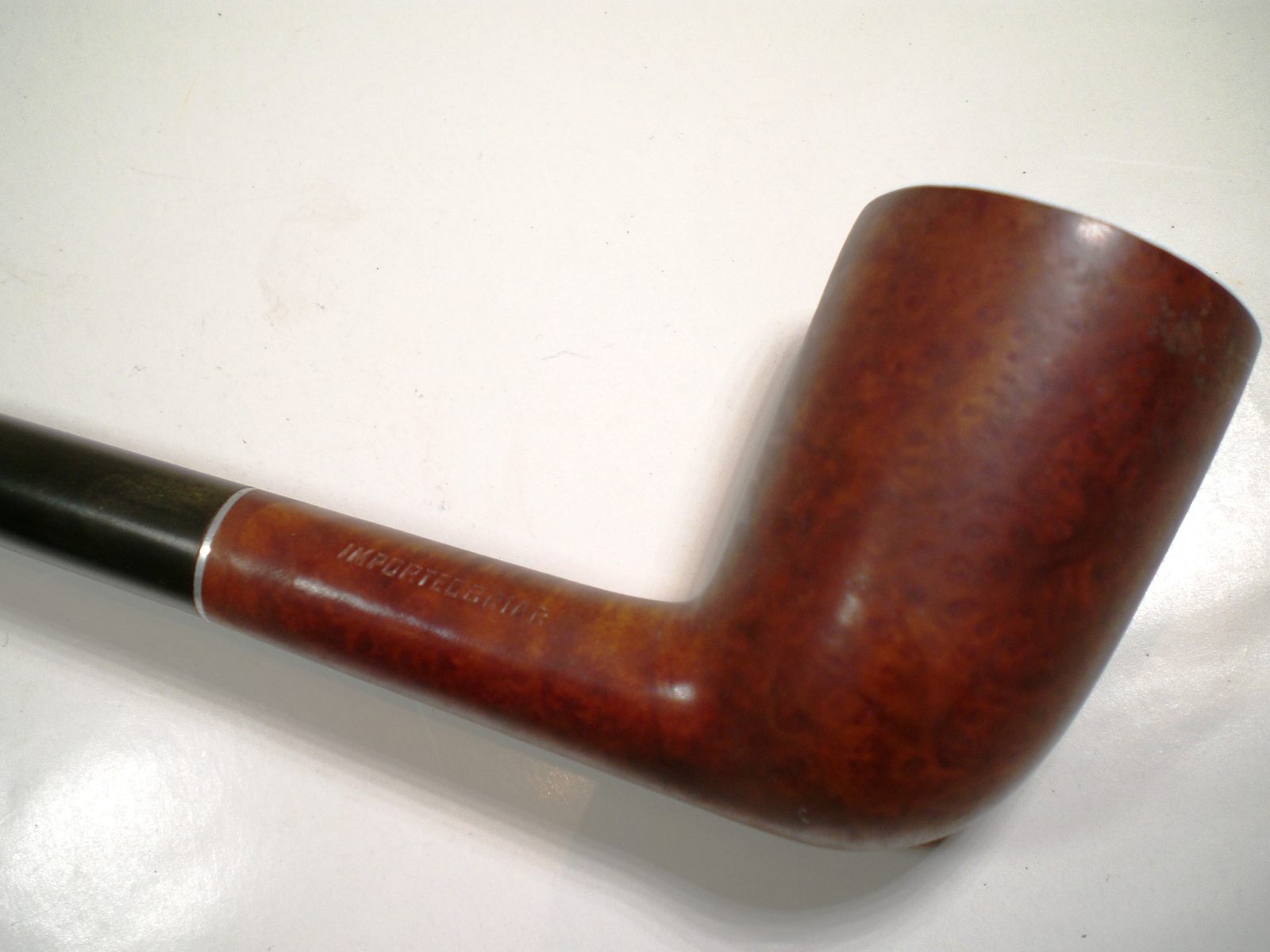
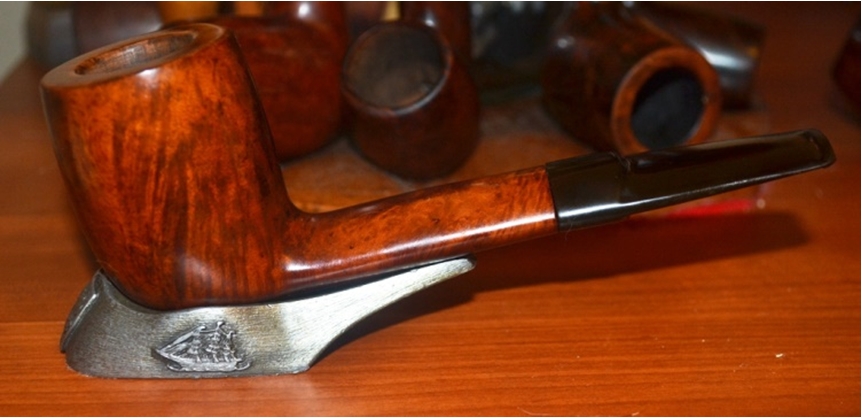
We cruised slowly through the store looking at all the cupboards and tins, ferreting out old pipes. I found quite a few old timers that did not grab my interest. John found a pigskin covered opera pipe stamped Longchamp and bearing a horse on the stem. It was in good shape and lightly smoked. The rim was tarred and the leather dirty. It had a ¼ bent stem that was very clean, though oxidized. He found an old 10 pipe rack made of oak and a brown glass humidor in the middle that had a worn finish but beautifully grained wood. It came with four old pipes – a Falcon, a nylon Falcon style pipe, a Yello-Bole Bulldog and a no name Imported Briar Apple full of fills. We paid for our finds and headed to the next stop to see what we would find. I had a bit more luck and found an old Canadian stamped Paul’s and Italy. It was a large Canadian made from a nice piece of briar but was filthy and the rim was beat up. I purchased my Canadian and then we moved on to the next shop. IMG_2051 IMG_2052 We visited with the shop keeper who had just returned from a trip to California and he showed us a dozen or more pipes that he had purchased from an estate. None of them caught our attention but we had a great visit with him before heading to our next stop. At that shop we enjoyed looking through the pipes that were for sale. John picked out two of them that caught his eye. The first pipe was a Danish Sovereign Peewit shaped sandblast. It was a dark brown/black stained blast with a typical Stanwell style stem. The shank bore the stamping Danish Sovereign, shape #30. The stem was dirty but easily fixable. The tenon had an interesting Delrin sleeve over the end that made the diameter large enough to fit the shank as it had been drilled out to make it larger. I am not sure why they had enlarged the shank but it had been well done. The second pipe was a Peterson Dumore shape 72 that had some beautiful grain – birdseye on the sides and cross grain on the front and back of the bowl. The stem was in great shape though badly oxidized. All totalled John had added seven “new” pipes to his “new” round 10 pipe rack. IMG_2050 I picked out four that caught my eye. The first one was a Savinelli Punto Oro 804 Canadian black sandblast that was in decent shape. The finish was very good while the stem was oxidized but had no tooth marks. The bowl was smoked but clean. It would be an easy one to clean up. The second was a Peterson Tankard with a rounded rim and a military bit. The finish was very worn, the stamping was weak in spots but it said Peterson Tankard over Made in the Republic of Ireland. The stem was oxidized and had a few tooth dents on the top and bottom sides near the P-lip button but should clean up nicely. The third one was a Dunhill Shell Billiard with a saddle stem. It was stamped Dunhill Shell over Made in England. Next to the Shell stamping it had a 23 stamped. On the other side of the Dunhill stamping it read 42121. After the D in England it was stamped 20 which if I read it correctly makes it a 1980 pipe. It had a nice blast and the finish was not terribly worn. The rim was dirty and the bowl was thickly caked. The stem had the inner tube insert in the tenon and it extended to the airway in the bowl. The stem was badly oxidized and had tooth dents in both the top and bottom sides near the button. The fourth pipe was an Astley ¼ bent cherry wood. It had a black rusticated finish and the stamping on the smooth bowl bottom read Astleys over 109 Jermyn St over London. The shape number 48 was under that. The bowl had a thick cake and heavy buildup on the rim. The finish though was in very good shape. The stem had a thick calcification on the top and bottom, tooth marks and chatter as well. It was oxidized but bore a very clean capital A stamp on the top of the saddle. The stem was over bent. IMG_2049 We stopped by the Senate Smoke Shop and spent the better part of an hour visiting with the owner/proprietor, Mike. John bought two pouches of tobacco from him before we left the shop to drive south to Fairhaven to visit his other shop. I had visited the Fairhaven Smoke Shop many times over the years and it has the air of an old time pipe and tobacco shop. I always enjoy going there and wanted to introduce John to the charms of the place. We visited with Jesse, the sales clerk and I picked up a pouch of McClellands Oriental and a few flakes of 2035 that had some age on it. We each bought some bundles of pipe cleaners so that we could clean up the pipes we had added to our collections.

We finished the hunt having had a successful day each of had found some good pipes, some tobaccos to try and John had picked up a nice oak pipe rack for his pipes. We decided to celebrate a great day and headed to a favourite Mexican restaurant of mine for lunch while we looked over our finds. We laughed and ooohed and ahhhed at the various pipes we picked up. We had a great visit over lunch and after lunch found a spot outside to enjoy a bowl of our new tobacco and visit before we headed back to Canada. We relaxed and smoked our pipes and commented on what a great day it had been. We were pleased with our finds and looked forward to working on them later. When our pipes had gone out we tipped out the dottle and headed home.

The plan was to spend the evening cleaning up John’s purchases – both pipes and the pipe rack so that he could take home some clean pipes and a refinished rack. He wanted to learn about the craft of refurbishing so these pipes would be a great place for him to begin. Over the evening we refinished the pipe rack – stripped it and restained it with a light Cherry stain. We washed the humidor and reattached the clay disk to the lid. We also refurbished the Peterson Dunmore, the Danish Sovereign Peewit, the Falcon (the bowl was shot, so I gave him an extra bowl that I had here), the Yello-Bole Bulldog and the Longchamp Opera pipe. John loaded his car and left this morning with his cleaned and restored finds for a short road trip back to Calgary. It was great to spend time with him chatting, hunting, refurbishing and enjoying our pipes. I always enjoy my visits with John and on top of our normal good visits this time we had added great day pipe hunting. IMG_2106 Now the time has come to begin cleaning up my pipe hunt finds. I am looking forward to seeing these five pipes cleaned and refurbished and then filled with tobacco to smoke for many years ahead.

Holy Grail Upgrade – GBD 9438 Virgin


Blog by Al Jones

The GBD 9438 in Virgin grade was near the top of my “Holy Grail” list. two years ago, I found and restored one with a Perspex stem (that article is in the archives here). I prefer a Vulcanite stem and finally won an Ebay auction for a suitable example. My collecting strategy is that once a pipe from my list is acquired, to keep an eye out for a pipe in better condition. The pipe arrived in very good condition, with a few bumps in the briar and an oxidized stem. This restoration required two repairs I had not yet completed.

The pipe as received, show a lot of potential.

GBD_9438_Virgin_Vul_Before

GBD_9438_Virgin_Vul_Before (1)

GBD_9438_Virgin_Vul_Before (2)

GBD_9438_Virgin_Vul_Before (3)

GBD_9438_Virgin_Vul_Before (6)

GBD_9438_Virgin_Vul_Before (5)

The tenon had a “bullet” shaped head, which is similar to another GBD in my collection, a Virgin 28D with a “Hand Cut” stamp on the stem. Unfortunately the stem on the 9438 does not have this stamp. The draft hole in the tenon was curiously very small, not like any GBD I had ever encountered. The opening was so small, a pipe cleaner could barely pass through. Testing the draft, there was no way that this would smoke well. It appeared as if something was in the standard hole. I explored carefully with a drill bit and discovered that the material was made of wood. It appeared that someone had inserted a wooden plug into the tenon and then drilled it. Fortunately, the wood piece came out easily and the pipe now passes a stem straight into the bowl. Here you can see the plug. I have no idea why someone would think that this was a good idea and I can’t imagine the pipe smoked well.

GBD_9438_Virgin_Vul_Draft Hole

And the tenon with the plug removed.

GBD_9438_Vul_Finished (9)

There were two creases in the otherwise unmarked briar. I thought they would come out with some steam. Using a heated kitchen knife and a piece of wet cloth, folded over four times, the creases came out nicely. Here you can see the before and after pictures. The steam lightens the briar somewhat, but buffed and waxed it comes right back.

GBD_9438_Virgin_Vul_Dents

GBD_9438_Virgin_Vul_Dents (1)

GBD_9438_Virgin_Vul_Dents (3)

GBD_9438_Virgin_Vul_Dents (2)

The bowl had only a very light cake, I’m guessing the pipe was put aside before much use. I soaked the bowl in some sea salt and alcohol. The stem was also soaked in a mild solution of Oxyclean with a dab of grease on the brass rondell. I buffed the bowl lightly with White Diamond and then several coats of Carnuba wax, carefully working away from the stamped nomenclature, which was in very good condition.

The stem had a very heavy coat of oxidation. I started with 800 grit wet paper, than worked up to 1000, 1500 and 2000. I then used the 8000 and 12000 grades of Micromesh. The stem was then buffed lightly with White Diamond rouge. Here is the pipe after using the 800 grit paper.

GBD_9438_Virgin_Vul_800 Stem

The few teeth scratches came out but the stem had an odd kink and not the standard graceful curve. I inserted a cleaner into the stem and warmed the vulcanite with heat from the flame of a propane torch. There is probably a less risky way to heat the vulcanite, but that is what I had in my shop. The stem was slowly moved back into it’s original position. I was tempted to let well enough alone, but I think the pipe looks much better with the correct stem bend.

GBD_9438_Virgin_Vul_800 Stem (1)

Below is the finished pipe. I’m very pleased with this Virgin 9438.  The wood is flawless and or a GBD, it has decent grain.

GBD_9438_Vul_Gallery

GBD_9438_Vul_Finished (2)

GBD_9438_Vul_Finished (8)

GBD_9438_Vul_Finished (3)

GBD_9438_Vul_Finished (4)

GBD_9438_Vul_Finished (5)

GBD_9438_Vul_Finished (6)

GBD_9438_Vul_Finished (7)

Tenon Troubles- Why I Stretch Rather Than Squash


Blog by Greg Wolford

Not long ago I was asked why I go through the trouble of using a drill bit (the blunt end) to stretch out a tenon instead of simply pressing it down to enlarge it when I’m fixing a loose stem. (The original article is posted HERE) I answered with because it is less likely to bend or mushroom the tenon doing it this way but there’s another reason to use this method: “headspace”.

Ideally the tenon should fit snugly against the mortise with little or no “headspace” or gap. When a stem is loose enlarging its diameter is the best long term fix but the method for the fix has an impact on the pipe’s smoking characteristics on my opinion.

Pressing it down while it’s warm will increase the diameter but also shorten the tenon, thus increasing the gap or headspace, too, which is undesirable. By stretching the tenon to the right fit, you get a nice, snug stem and no increase in the headspace. If you are a listener to the PipesMagazine Radio show you already know the reason why this is important; and if you’re not a listener you should be! Anyway, the increased gap allows more gunk to build up in the shank and can cause a pipe to smoke wetter, neither are desirable things. So, again, in my opinion, the extra time and effort the stretch-method requires is well worth the investment.

Got Today’s Apple! Restoring an Imported Briar Apple


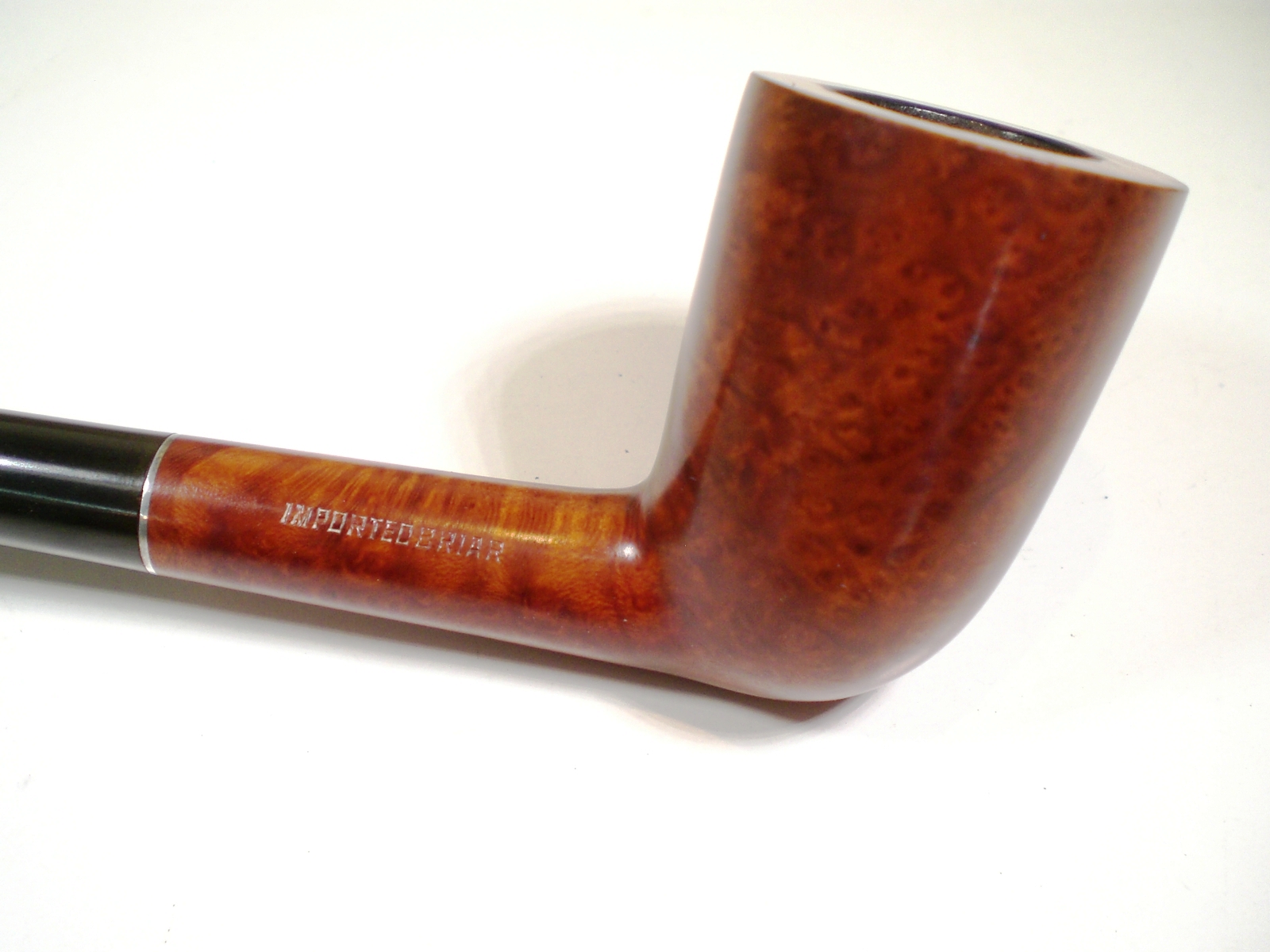
Yet another gift pipe bowl that I had in my box was a no name Imported Briar Apple. It had a threaded tenon and I just “happened” to have a stem that fit it perfectly in my can of stems. (One day I need to get the stems sorted and organized more. Currently I have a can of round stems and a can of everything else stems. This necessitates emptying the entire can on the work table each time I need them and sorting through to find what I need.) The stem was a used Grabow stem that was missing the stinger but the tenon was intact. It was oxidized and dirty but very functional. There were no tooth marks or bite marks on the surface. When twisted onto the pipe it was slightly overturned. IMG_2015 IMG_2016 The bowl had an interesting finish in that the briar was smooth around the rounded rim and down the bowl. Then there were grooves or what I call worm trails cut vertically down the sides of the bowl and horizontally on the shank. The all culminated in rusticated pattern on the bottom of the bowl. The finish was shot and the worm trails had all nature of detritus packed into them. The grooves were full in some places. The stain was present but worn. If there had ever been a varnish coat it too was gone. The aluminum mortise insert was well oxidized. The bowl had a thick buildup of cake and loose pieces of tobacco handing on the sides. The rim was dirty but did not have any damage. IMG_2017 IMG_2018 I heated the tenon with a Bic lighter and straightened the overclocked stem. I reamed the bowl with a PipNet pipe reamer and then scrubbed the bowl down with Murphy’s Oil Soap and a tooth brush. I rinsed it with lukewarm water and dried it off. I scrubbed the buildup on the rim with a cotton pad and saliva and then used isopropyl alcohol on a cotton pad until I had broken through the tough outer coat. I used a medium grit sanding sponge to sand off the rest of the buildup and then wiped it down again with alcohol. IMG_2019 IMG_2020 I wiped down the exterior of the bowl and shank with acetone on cotton pads to remove the remaining finish. IMG_2022 I sanded the stem with 220 grit sandpaper to remove the oxidation and the calcification buildup at the button. I worked in the creases with a sanding stick. Once I had cut through the oxidation I sanded the stem with a medium and a fine grit sanding sponge.IMG_2026 IMG_2027 IMG_2028 IMG_2029 Once I had removed the finish and did the initial sanding on the stem I cleaned out the shank and stem with cotton swabs, pipe cleaners and alcohol until they were clean. IMG_2024 IMG_2025 I sanded the aluminum mortise insert with medium and fine grit sanding pads. I stained the bowl with a Danish Oil Walnut stain. IMG_2030 IMG_2031 IMG_2032 After I had stained the pipe I put a cork in the bowl and set it aside in an old candle stick holder to dry while I worked on the stem. IMG_2033 IMG_2034 IMG_2035 IMG_2036 I sanded the stem with my usual array of micromesh sanding pads – wet sanding with 1500-2400 grit pads and dry sanding with 3200-12,000 grit pads. I rubbed it down with Obsidian Oil between each set of three sanding pads and gave it a final coat of the oil after sanding with the 12,000 grit pad. I took it to the buffer and buffed it with White Diamond. IMG_2037 IMG_2038 IMG_2040 When the stain on the bowl had dried I put the stem on the pipe and then gave the entire pipe another buff with the White Diamond and then gave it multiple coats of carnauba wax. I finished by buffing it with a soft flannel buff to raise the shine on the bowl and stem. The finished pipe is shown below. The stem actually looks like it is the original stem and the pipe looks as good as new. It is ready for a long life in the hands of the next pipeman who takes it home to join his/her rack. IMG_2041 IMG_2042 IMG_2046 IMG_2048
Goodfellas Cigar Shop – Visiting a Victoria Pipe & Cigar Shop


goodfellascigar shop logo This past weekend my wife, eldest daughter and I visited Victoria, British Columbia. On such visits in the past I had always stopped by the Old Morris Tobacconist Shop to pay homage to this long standing icon to old time tobacco shops. The last few times I had been there though I was very disappointed at how the shop had become a mere shell of its past and had turned into a high end gift shop. It was quite sad. This time I had no intention of visiting the shop and feeding that disappointment some more. Something new had to be found to replace that stop.

I did a bit of research on the web and through friends and decided to visit Goodfellas Cigar Shop which was quite literally not far from the Old Morris Shop. I had heard good things about the shop and had been told that they carried pipe tobacco and a few pipes. I found out that they had two shops in Victoria and since I was downtown I decided to visit the downtown shop on Store Street. I had no idea what to expect when I got to the place in spite of spending some time on the website looking at photos. My past experience with cigar shops has always been that pipes were a mere after thought and not a big part of the store. The website did show that at least Goodfellas carried a wide range of tobacco blends – both tinned and house bulk blends.I was excited to see if they aslo had a similar range of pipes for sale. goodfellas cigar store panarama My wife and daughter went to do a bit of shopping and I headed to Goodfellas. When I opened the door the bell sounded to let the proprietor know I was there. I looked around the shop and got a quick look at what was available. There was a wall of tinned tobacco behind the counter that had blends by McClellands, and those bearing the Petersons, Solani, Dunhill, Erinmore, Reiner, Davidoff labels. The tinned blends were mainly Virgina, Virginia-Perique, Balkan and English. There were also several shelves of jarred tobacco that housed bulk blends by Lane and McClelland and had a wide range of aromatics and a few English and straight Virginias. There were humidors of cigars on several walls that had a wide selection. There were personal humidors and humidor supplies for the individual humidor. There were also several display cases of pipes including Petersons, Stanwells, Dunhill and Chacom. The selection appeared to be quite wide. GF interior2 There was one staff member, James, on site at that time and he was helping several people who were buying cigars and cigarettes. He seemed knowledgeable of the cigars that the shop carried and genuinely interested in serving the customers. I did a quick walk through the small corner shop taking in the sights. I asked some pipe questions when the opportunity arose. My questions were all designed to assess whether I was talking to a cigar man or a pipe man. To my delight he was a pipe man. Not only was he knowledgable about pipes and tobaccos but he smoked a pipe and an occasional cigar not the other way around.

To say that I was impressed is to put it mildly. This was truly a tobacconist and not a gift shop. They had all of the necessary pipe and cigar paraphernalia and a few glass pipes. I walked through looking at the pipes that were offered and found some nice ones. I asked about the Dunhill’s that they had advertized and was told that they had had problems with the display case being broken into and Dunhill items being stolen so they had put them away for the time being. The Petersons, Stanwells, Chacom pipes that they carried were in glass topped display cases that were well lit and nicely arranged. Pipe tampers, lighters, pipe cases etc. were all on display and accessible for the shopper. The same was true of the cigar cutters, punches and travel cases and humidors. There was a wide range of both pipe and cigar items available for purchase.

The next two photos show the Royal Oaks Store. They have a large walk in humidor and did have a smoking area at that location until health authorities ordered its closure. I have that one on the list to visit next time I am over in Victoria. GF Shop When I googled the shop on line, I enjoyed reading through the descriptions of the house blends of tobacco that they sold in bulk. I thought it would be good to put a list of their bulk blends in this article. GF Tobacs GF Tobacs2 I picked up some of the House Tobacco Sunday Morning – it was billed as a crossover blend between English and Aromatic tobaccos. It contains Cyprian Latakia balanced with a light aromatic tobacco. The blend smelled good and when I smoked it my wife commented on the room note. I also smoked a bowl on my front porch and a fellow commented as he walked by about how good it smelled. It is a bit too aromatic for my usual smoke but it is a good smoke to fire up with non-smoking company. The smell of the burning tobacco brings good comments from those passing by and seems to bring back memories of fathers, grandfathers and good friends who smoked pipes. IMG_2014 Here is the contact information and addresses for both of the Goodfellas Cigar Shop locations. If you are ever in Victoria, BC I would encourage you to stop by for a visit and enjoy the conversation and the atmosphere of a great shop. Thank you Goodfellas for keeping the tobacconist tradition alive. GF interior GF Addresses

The Doctor Gets a New Coat- A Dr Grabow Omega Reborn


Blog by Greg Wolford

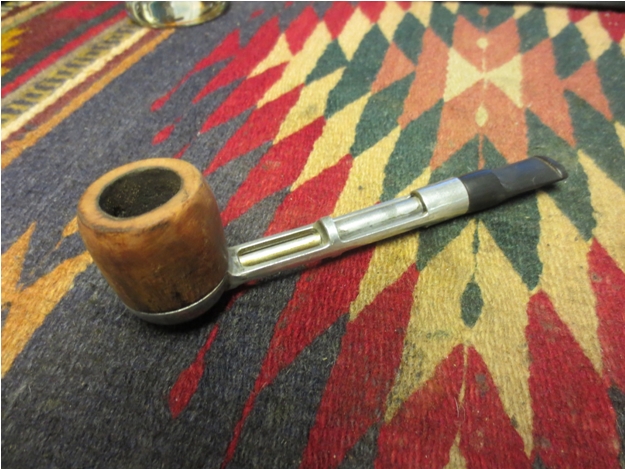
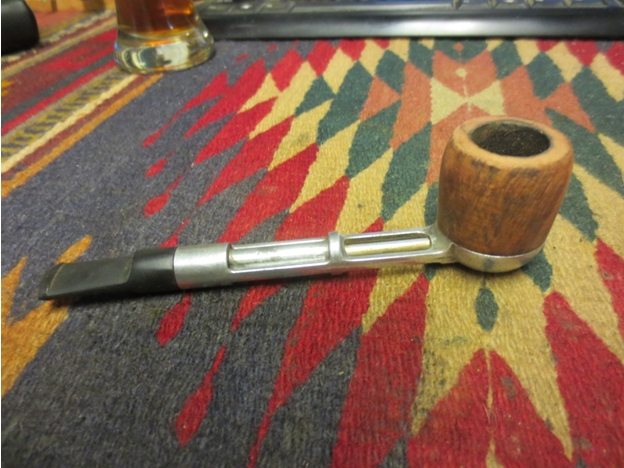
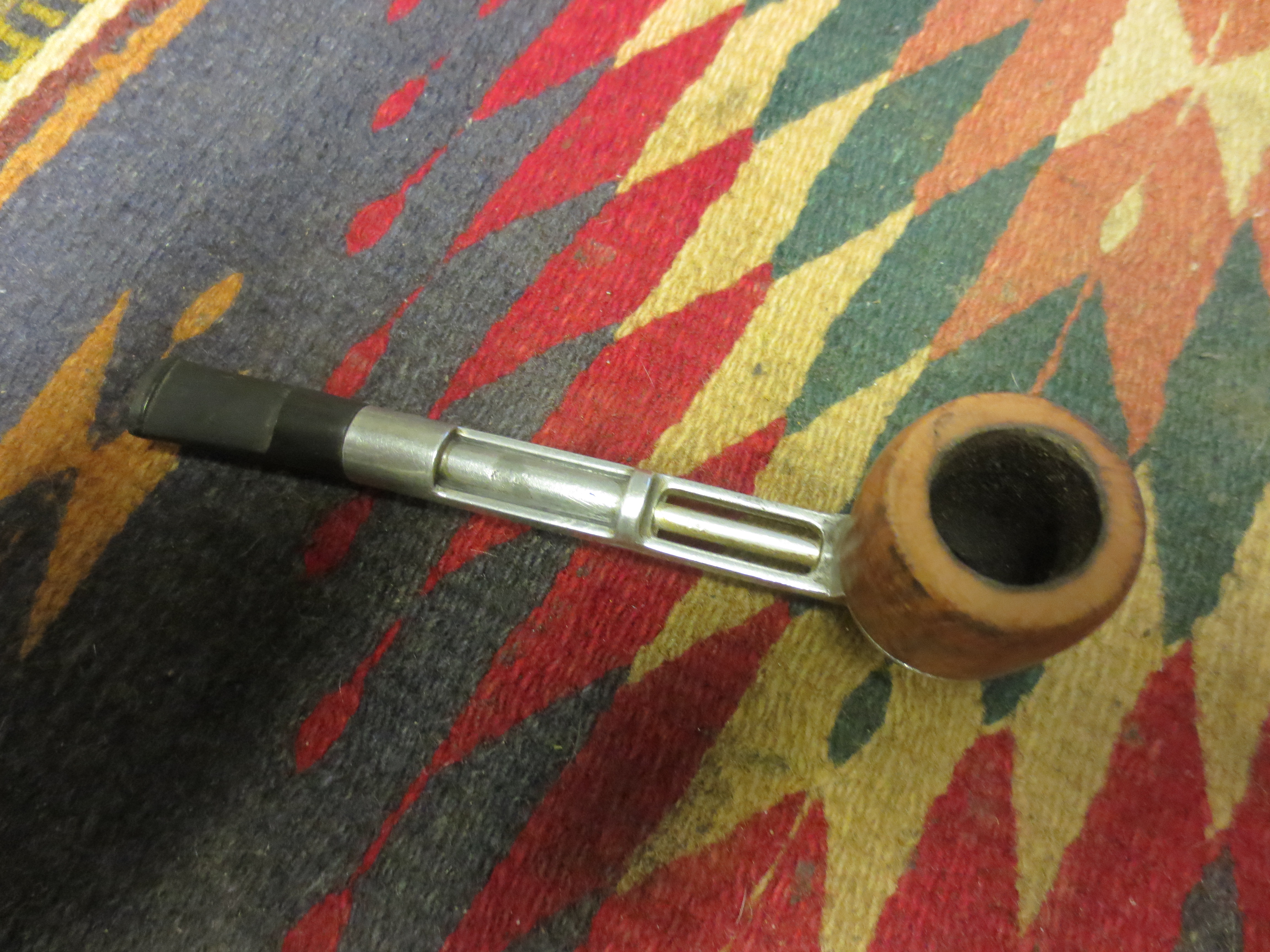
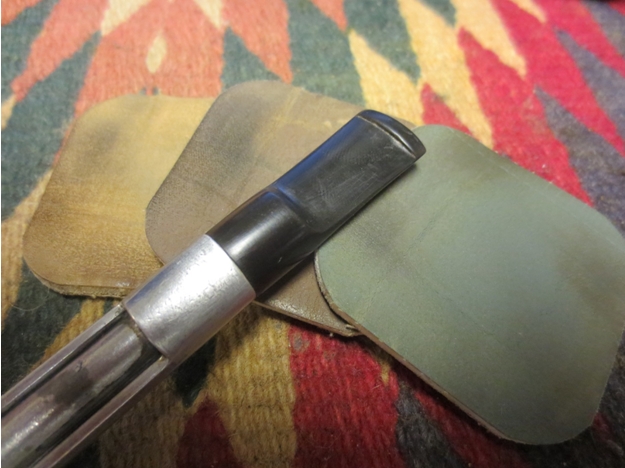
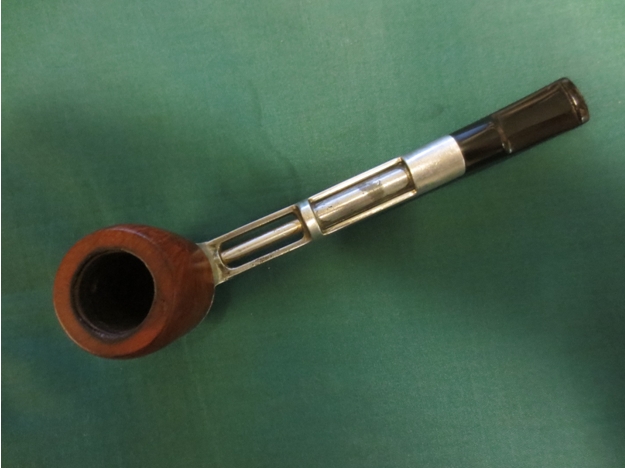
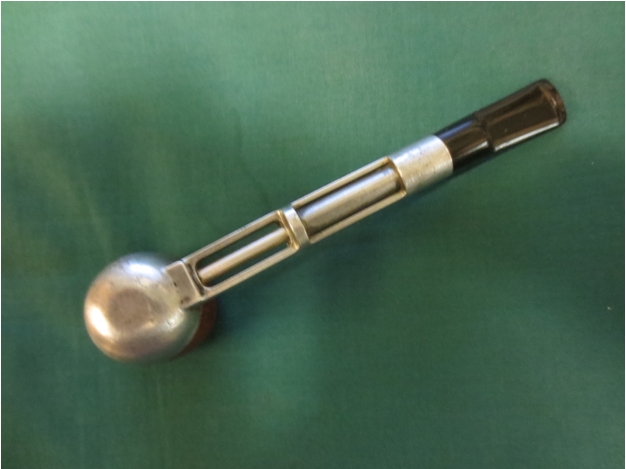
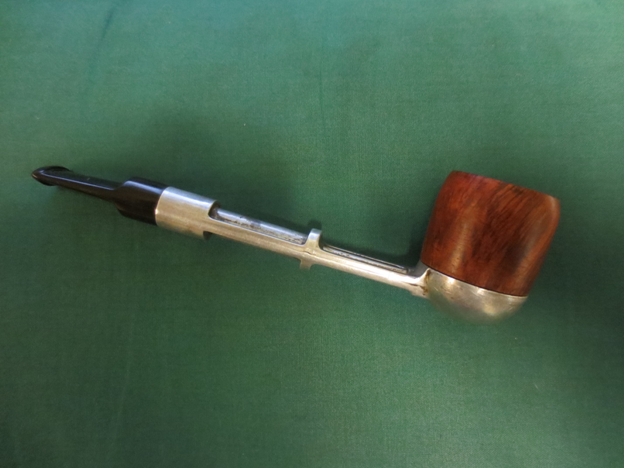
Of late I’ve been admiring system-type pipes. Having never had one I placed a bid on a lot of four old pipes – two I had little interest in – two of which were Dr Grabow Omegas, a smooth and a rusticated. Here are a few photos from the seller; I forgot (again) to take before and even some along-the-way shots.
IMG_0286.PNG

IMG_0287.PNG

IMG_0285.PNG

I stared on them both with the normal scrubbing the outside with acetone on cotton balls to remove their finishes. Then I reamed them back to bare wood. The smooth pipe was heavily caked but the rusticated one wasn’t at all, barely smoked really. However, you can’t tell in the above picture, the rusticated one had some heavy damage to the inner rim. I began by topping the bowl to even it it some but it would take a lot of briar removal to attempt to get out the chunks missing from the inner rim. So I took the second largest head on my Castleford reamer, too big for the bowl, and started a “bevel” on the inner rim, which I then worked with needle files and sandpaper to smooth out. I couldn’t take out all the damage but made it much less noticeable and would be even better after I stained it and it was later smoked. Next I got out my hand drill and re-drilled both bowls with a 5/32″ bit to improve the draw. I did the same thing with the tenon ends of the stems and then funneled them out. At this point I dropped both bowls in an alcohol bath overnight.

I cleaned out the stems with alcohol and pipe cleaners until they came out white. These stems are not vulcanite but a nylon-type material, ABS plastic I believe, and are not my favorite to work on. The smooth bowled pipe had a good stem the rusticated one’s stem was chewed pretty badly. I decided to use some of the adhesive accelerator and black super glue to raise up some the bites marks; I left the “roughness” of the chew marks on, thinking the glue would adhere better. I alternated polishing the “good” stem and building up the patch on the chewed up P-lip style one. Once the “rough” stem was built up to my satisfaction I used a needle file and some 320 wet/dry paper to smooth off the roughness from the chewing the previous pipeman had done. Then I polished the stem with plastic polish and was happy with the “decent” look I ended up with; I felt it just wasn’t worth the time and effort to try to get this plastic stem any closer to “new” than it was now.

The next morning I took the bowls out of their soak and let them dry an hour or so. I wanted to make this “typical” rusticated Omega look less typical so I started sanding in it; the rustication was plenty deep enough to remove some briar on the smooth part without worry of loosing the rustication’s definition. I did tape off the stamping to retain that as much as possible before starting.

Taking off the old deep red top coat would give me a great opportunity to create a kind of unique contrast on this pipe I thought so after sanding the bowl and band with 220 and 320 grits I used a black sharpie to color in all the rustication and also the rim and new inner bevel. Then I used 400 grit to sand off the bowl again, to remove the over-marks of black, and the band. Then I applied a coat of a lighter red, which is actually a stain marker I got in a set at The Dollar Tree and is marked “medium brown”. I let the stain cure for a bit and then highlighted the nomenclature with white acrylic paint, for an extra “pop”.

IMG_0290.JPG

IMG_0288.JPG

IMG_0289.JPG

While the paint cured I have the stem a final polish with plastic polish just to brighten and shine it a little more. I was tempted to try to make the bit nicer but the back of my mind kept telling me it wasn’t worth the headache so I finally decided to leave it.

I have the bowl one last coat of stain and let it dry for about 15 minutes; these bargain-markers dry real fast, even if the colors aren’t what I thought they’d be. Then I applied a good coat of Halcyon II wax to the pipe and stem and buffed it by hand.

The end product is, in my eye, a pretty neat and definitely different from most other Omega product, even with the “boogered” stem.

IMG_0223.JPG

IMG_0222.JPG

IMG_0221.JPG

IMG_0225.JPG

IMG_0230.JPG

IMG_0224.JPG

Restoring a Jobey Stromboli 160


jobeylogo I have been looking for a Jobey Stromboli for quite a while now but never found the shape I wanted. I love the rustic almost Sea Rock look of the Stromboli finish and the Jobey link system has intrigued me. So when I saw this one on EBay it only took a minute to make a bid and lock in the end price I was willing to pay for the pipe. The shape, the wavy rim surface and the flow of the stem attracted me. The Lucite stems on many of these pipes was quite thick and cumbersome looking but this one is nice and streamlined looking and reminds me of the GBD chairleg stems on some of their pipes. The seller says that it was in good shape and that the stem was a green colour. The bowl exterior looks odd to me and definitely the finish has taken a bit of a beating. The rusticated finish is quite forgiving however so I am hopeful that a good scrub and restain will do the trick. The stem appears to be in good shape with minimal tooth chatter on the top and bottom sides near the button. The six photos below were included by the seller in the EBay listing. Jobey1 Jobey2 Jobey4 Jobey5 Jobey6 Jobey7 Since I know next to nothing about Jobeys in general and more specifically about their claim to fame Link System I decided to do a bit of digging on the web. I have included a picture of the link taken from the web to give an idea of what the actual part looks like. link Chris beat me to it and posted this patent applied for and issued for the bowl and shank connection I have included the entire patent document in the text of this article because it is fascinating to me to read how the designer worded his application and how the cutaway pictures show the connector both in terms of side views and end views.

Smoking pipe bowl shank and stem connection
US 3537462 A
Images(1)
Jobey links Description (OCR text may contain errors)
United States Patent Peter V. Genna Inventor Brooklyn, New York Appl. No. 802,170 Filed Feb. 25, 1969 Patented Nov. 3, 1970 Assignee Wally Frank, Ltd. New York, New York a corporation of New York SMOKING PIPE BOWL SHANK AND STEM CONNECTION 1 Claim, 4 Drawing Figs. US. Cl 131/225 Int. Cl A24f 1/00, A24f 7/02 Field of Search 131/225 [56] References Cited V UNITED STATES PATENTS 1,168,481 l/1916 Combs 131/225 2,461,905 2/1949 Lavietes 131/225 3,044,472 7/1962 Keyser 131/225 FOREIGN PATENTS 274,743 7/1927 Great Britain 131/225 Primary ExaminerJoseph S. Reich Attorney-Harry B. Rook ABSTRACT: A coupler to separately connect the bowl shank and the stem of a smoking pipe, has one end threaded to screw into the shank bore. The other end portion is cylindrically smooth and the stem is frictionally longitudinally and rotatablyslidable thereon. Between said end portions the coupler has a circumferential flange that is disposed wholly in a counterbore of said shank and firmly seats on the bottom wall of the counterbore.

SMOKING PIPE BOWL SHANK AND STEM CONNECTION BACKGROUND OF THE INVENTION
In one type of shank and stem connection, the stem has a cylindrical tenon at one end which is longitudinally slidable and rotatable in a bore in the shank.

Another type of shank and stem connection comprises a screw threaded tenon on the stem and a complementary screw-threaded bore in the shank.

The first-mentioned type of connection has the objection that it is difficult to obtain a tight nonseeping joint between this shank and the stern, and it is practically impossible to maintain a snug connection between the parts because of the wear incident to frequent removal and replacement of the stem.

The second-mentioned connection has the objection that due to wear of the screw threads looseness in the connection of the parts occurs and results in seepage of moisture through the connection. Also attempts to tighten the connection by screwing the stern more firmly into the shank results in a displacement of the bit or mouthpiece of the stem with respect to the bowl and sometimes causes a stripping or damaging of the threads in either or both of the shank and tenon.

SUMMARY
One object of the present invention is to provide a connection between a bowl shank and a stem which shall overcome the above-mentioned objections to the prior art.

More particularly the invention contemplates a construction and a combination of a bowl shank, stem and coupler wherein the coupler has one end screw threaded into the bore, and the stem is frictionally longitudinally and rotatably slidable on the other end portion of the coupling; and said coupler has a circumferential flange between said end portion that is disposed wholly in a counterbore of the shank and firmly seats on the bottom wall of the counterbore, whereby the stem can slide longitudinally and rotate on the coupler and the coupler can be tightly screwed into the shank bore without danger of stripping the threads and with practical insurance of a seepage-proof joint between the coupler and the shank.

A BRIEF DESCRIPTION OF THE DRAWINGS
For a complete understanding of the invention, reference should be had to the following description in conjunction with the accompanying drawings in which:

FIG. 1 is a central vertical longitudinal sectional view through portions of the bowl shank and stem and showing the coupler in side elevation;

FIG. 2 is an enlarged central, vertical longitudinal sectional view with portions of the bowl and the stem omitted;

FIG. 3 is an end view of the coupler; and

FIG. 4 is a similar view on the plane of the line 4-4 of FIG. 2.

BRIEF DESCRIPTION OF THE PREFERRED EMBODIMENTS OF THE INVENTION
The reference character A designates the smoking pipe bowl which has a shank B provided with a smoke duct 1 and a bore 2 to receive the coupler C which serves to separately connect the shank B to the stem D.

The shank bore 2 is entirely screw threaded at 3-to receive the threads 4 on one end portion of the coupler C the other end portion of which is smoothly cylindrical as indicated at 5 and on which is longitudinally slidable and rotatable the stem D. Preferably the coupler is formed of a moldable plastic material, for example hard rubber or Bakelite, and the stem is preferably formed of the same material. Between its said end portions, the coupler has a circumferential flange 6 which is adapted to be wholly disposed within a counterbore 7 at the end of the bore in the shank. The depth of the counterbore is greater than the thickness of the flan e. When the screwthreaded end of the coupler IS screwed into the bore of the shank, the flange 6 firmly or tightly abuts the bottom wall 8 of the counterbore. For convenience in screwing the coupler into the shank and unscrewing it from the shank, the coupler is provided with a diametrical kerf 9 in the stem-receiving end thereof.

However, in accordance with the invention the stem has a sufficiently tight frictional fit on the coupler so that the coupler can be screwed into and out of the shank bore by simple rotation of the stem. The stem has at one end a cylindrical smooth-walled socket 12 which receives the cylindrical end 5 of the coupler and the stem and is frictionally rotatable on the coupler so that the stem can be easily adjusted into the proper relation to the bowl, and the stem is also longitudinally slidable on the coupler so that the inner end 10 of the stem can be kept in neat and tight abutment with the end surface 11 of the shank. FIG. 2 shows the stem slid away from the end of the shank while FIG. 1 shows the stern and shank in their normal relation to each other.

It will be seen readily that the flange-limits the screwing of the coupler into the shank and thus protects against stripping of the threads. At the same time, the flange abutting the bottom wall of the counterbore provides a seepage-proof joint between the coupler and the shank. To compensate for wear of the threads or of the abutting surfaces of the flange and the counterbore, the coupler can be screwed farther into the bore, and the stem can be slid on the coupler to maintain the neat and tight joint between the end 10 of the stem and the end 11 of the shank.

Claim:
l. A smoking pipe comprising a bowl having a shank which has an internally screw-threaded bore at the outer end of which is a counterbore, a stem having at one end a cylindrical smooth walled socket providing a bottom wall therein, and a coupler having a cylindrical smooth end portion frictionally received in said socket for relative longitudinal movement and rotation, said coupler having its other end portion screwthreaded to mate with said screw-threaded bore and having a flange between said end portions wholly disposed in said counterbore and in firm abutting contact with the bottom wall of said counterbore, the depth of the counterbore being greater than the thickness of the flange.

Classifications
U.S. Classification 131/225
International Classification A24F7/00, A24F7/02
Cooperative Classification A24F7/02
European Classification A24F7/02

Further digging led me to learn that Jobey has had three homes throughout its existence. The pipes were originally made in England circa 1920 and then the company moved to the US. The Jobey Dansk version of the pipes was made in Denmark. Now the pipes are produced in Saint-Claude, France by Butz-Choquin since 1987. Under these broad time lines I was able to find a listing of the owner/distributor and manufacture of the brand during the time period that the brand was in the US.The list below was what I was able to find in several spots on the web. Each time I read the list it was cited that the dates are/were approximate.(The majority of the information below comes from Pipedia.)

Owners/Distributors/Manufacturers of Jobey Pipes from 1942-the late 80s

George Yale Pipes & Tobacco, New York (1942)
Norwalk Pipe Co., New York (1949)
Arlington Briar Pipes Corporation, Brooklyn (when?)
Hollco International, New York (1969).
Weber Pipe Co., Jersey City, NJ (1970’s)
The Tinderbox (1970’s – 80’s).

“Throughout decades Jobey pipes were mainly sold in the USA, Canada and England but remained almost unknown in continental Europe. The bulk of Jobeys was predominantly made according to classical patterns and mainly in the lower to middle price range. The predominant judgment of the pipe smokers reads: “A well made pipe for the price.” So there is hardly anything very special or exciting about Jobey pipes although a flyer from ca. 1970 assures: “The briar root Jobey insists upon for its peer of pipes is left untouched to grow, harden and sweeten for 100 years. […] Jobey uses only the heart of this century old briar and only one out of 500 bowls turned measures up to the rigid Jobey specifications.”99.80% of cull… that makes the layman marveling!”

“Yet then there are partially really exciting Freehands mainly in the seventies, that Jobey – Weber owned back then – bought from Danish pipe genius Karl Erik (Ottendahl). These pipes were offered as Jobey Dansk – ’70’s pure! (BTW waning sales caused Ottendahl to discontinue exports to the United States in 1987.)”

In the very same year – obviously only as a ghost brand – Jobey was transferred to Saint-Claude, France to be manufactured by Butz-Choquin.

There must have been an abandonment of the fabrication, because in 2002 the message was spread, the current proprietor of the brand F&K Cigar Co. from St. Louis, MO had recently re-introduced the Jobey very successfully again…”

I thought that the information might give me some idea as to when the pipe I had was made. However there was no information on the stamping distinctives of the various makers. Judging from the style of the stem and the thick, coloured Lucite it is made from my assessment would be that the pipe came from the period of the late 60s or 70s. It is not a Danish style Dansk so it is not from the period that Ottendahl carved the pipes so that would preclude it being Danish made. I am thinking it was American made. That is about as certain as I can be on the dating of this pipe.

When it arrived I was pleased with the overall look of the pipe. The deep rustication reminded me of Castello Sea Rocks. The finish was worn and the stain was missing on some of the high spots on the rustication. The rustication on the rim was filled in with a buildup of tars and oils. The bowl had been reamed and was clean. The photos from the seller had an almost green tint in some portions of the bowl. I was glad to see that the finish did not have any mold problems. The interior of the shank was quite dirty. The threaded mortise was filled with black tars and oils. The stem had tooth chatter on the top and bottom near the button but there were no tooth marks or dents that were deep in the surface. The fit of the stem to the shank was clean and tight. I am not sure whether the threaded tenon actually is to remain in the shank or the stem. I was unable to remove it from the stem so it acts like a threaded tenon fixed to the stem. The tenon had the same black buildup around the base of the piece and the threads had the same. The pipe was in fair shape and needed a thorough cleanup. The pipe smelled strongly of aromatic tobaccos.

I began the cleanup by scrubbing the exterior of the pipe with a tooth-brush and Murphy’s Oil Soap. I used it undiluted and scrubbed until the soap was dark. I picked the buildup on the rim with a dental pick and cleaned out the grooves there. I rinsed it with lukewarm running water to remove it from the nooks and crannies of the finish. IMG_1979 IMG_1980 Once it was rinsed off I dried it with a cotton towel. The state of the finish is shown in the next three photos. There are spots where the stain is gone but the finish is very clean and ready to be stained. IMG_1981 IMG_1982 IMG_1983 I cleaned out the internals of the bowl and shank with pipe cleaners, cotton swabs and isopropyl alcohol. I scrubbed out the threaded mortise with the cotton swabs and alcohol until they came out clean. The airway ahead of the threaded mortise was scrubbed with pipe cleaners. I also gave the stem an initial cleaning. IMG_1984 Once the grime was off the stem the tooth chatter was very evident on the top and bottom sides of the stem. I would need to sand the stem to remove the tooth chatter and restore the shine to the stem. The airway would also need to be cleaned out thoroughly as when I held it to the light it was still black on the inside. IMG_1985 IMG_1986 IMG_1987 I wiped the bowl down with alcohol to prepare it for staining. I used a Dark Brown Aniline stain and applied it with the provided wool dauber. I flamed the stain and repeated the process until the coverage was even across the bowl. IMG_1988 IMG_1989 IMG_1990 IMG_1991 While the bowl was drying I sanded the tooth chatter on the stem with 220 grit sandpaper to remove the marks from the surface of the Lucite. Once the tooth chatter marks were removed I sanded it with a medium and a fine grit sanding sponge to remove the scratching left behind by the sandpaper. The third photo below shows the stem after the sanding sponge has been used. IMG_1992 IMG_1993 IMG_1995 The next step in the sanding process for me has always been to sand with the micromesh sanding pads. I wet sanded with the 1500-2400 grit pads and dry sanded with 3200-12,000 grit pads. Each successive grit of micromesh brought a deeper shine to the auburn/hazel coloured Lucite. IMG_1996 IMG_1997 IMG_1998 Once the stain was dry on the exterior of the pipe I wiped it down with a cotton pad wetted with alcohol to lighten the finish slightly. I then gave the pipe a light buff with White Diamond and a shoe brush to raise the shine. I rubbed on some Halcyon II wax to protect the finish from my next step in the process. No matter how much I cleaned the pipe it still smelled of heavy “caramel like” aromatic tobacco. I decided to give it the cotton ball and alcohol treatment. I pressed two cotton balls into the bowl making sure they were not touching the rim and used an ear syringe to fill the bowl with isopropyl alcohol. I wanted to leach out the tars and oils that were in the briar and eradicate the smell. I filled the bowl and set it in an old ice-cube tray overnight. IMG_1999 Within the first 30 minutes the cotton was already turning brown along the edges. This told me that the process was working. IMG_2000 In the morning when I got up the cotton was a medium to dark brown as shown in the photo below. I picked it out carefully with a dental pick. The alcohol had evaporated so the cotton was not soggy, just damp. I wiped out the bowl with cotton swabs and cleaned out the shank once again with pipe cleaners to remove any of the remaining oils and tars from the surface. I lightly buffed it once more with a soft flannel buffing pad to polish the briar and stem. IMG_2001 The finished pipe is shown in the final four photos. It has been waxed with Halcyon II Wax and buffed with a shoe brush and lightly with a soft flannel buffing pad. The stem has multiple coats of carnauba wax and also was buffed with a soft flannel buffing pad. I generally let a bowl that I have given the cotton ball and alcohol or salt and alcohol treatment dry for several days before loading it up and giving it an inaugural smoke. IMG_2010 IMG_2011 IMG_2012 IMG_2013

Ponderings on an Almost Lost Generation of Pipe Smokers, with a Restoration Thrown In – Robert M. Boughton


Guest Blog by Robert M. Boughton
Member, North American Society of Pipe Collectors
http://www.roadrunnerpipes.com
http://about.me/boughtonrobert
Photos © the Author, except when obvious

“If You’re Getting Dad a Pipe, Make It a FRANK MEDICO – HESSON GUARD MILANO…Frank Medico Is the filter-cooled pipe. Changing the filter keeps it fresh, cool, odorless. Milano has a special cushion-sealed guard. Handkerchief test proves it keeps the ‘vital zone’ spotless.”
— Newspaper Ad, 1944, http://209.212.22.88/data/rbr/1940-1949/1944/1944.06.15.pdf,pg.2

INTRODUCTION: THE SO-CALLED GOOD OLD DAYS

If that doesn’t pull your nostalgia trigger, try these other family-friendly happy piper ads, also from the 1940s and our same sponsor:
Rob1
There is a reason I’m focusing on Medico ads, which will become clear, but first take as close a look at these as you can. I apologize for the sizes, but the words are unimportant, inane in fact. Take, as a further example, one short 1928 newspaper ad for the Demuth Milano with the Hesson Guard which read, “Would You Stick Your Handkerchief in the Stem of Your Pipe? This Is Possible with the ‘Metal Guard.’ It Stays Clean.” (http://news.google.com/newspapers?nid=1499&dat=19281028&id=aJVQAAAAIBAJ&sjid=siEEAAAAIBAJ&pg=1833,4407321,p.51.)

I wanted to see that trick and by chance came across a “Scientific American” ad on how to “stop goo” in the October 1950 issue with instructions to try the hankie test on a Milano Lockmount, which was a metal gadget with a “permanent” cork tip, all attached to the stem that was inserted into the shank. The ad shows a handkerchief stuffed into the empty shank and suggested it would always come out clean. (http://books.google.com/books?id=7iwDAAAAMBAJ&pg=PA26&lpg=PA26&dq=hesson+guard&source=bl&ots=mVrSmRlYxu&sig=5Z3GWlOjardFbCsE6ToDTWjdJuI&hl=en&sa=X&ei=1YIXVJeSEtDioATlzIGABw&ved=0CCMQ6AEwATgU#v=onepage&q=hesson%20guard&f=false,p.26.) My guess is that the operative word in the humongous URL is the last, “false.” What, my enquiring mind wondered, knowing what can happen to cork in pipes under the best of situations, becomes of the cork when it invariably will be saturated with goo? I, for one, do not care to think about it.

As Fred R. Barnard, himself a clever ad man,wrote in the text of one almost always misquoted example of his work in “Printer’s Ink” magazine in 1921, “One look is worth a thousand pictures.”I, for one, love these old ads, not only for their nostalgic value but their frankly corny (now) approach to selling pipes. Viewing them today we need to realize that times and life were not really simpler way back when; our advertising and entertainment were simply more diversionary tactics to deal with the horrors in the world. Who in those days wanted to see real life on the big screen or print ads? Ask the average Joe or Jane on the street that question today and you’re liable to get a litany of reality shows.

Although I am single, from what I gather of married smokers, mostly men, the wives if not the rental agreements rule the household, and so most smokers seem to enjoy their extramarital love affairs out of the home. A few, including our good host Steve, apparently just enjoy it more in the great Canadian outdoors, for example, as I would if I had the rural setting to accommodate my inclination. It’s dangerous enough where I live just to check the mail, so for me “outdoors” means driving my SUV about town with the doors auto-locked, a pipe in my mouth and the sun roof open.

But again, really take a good look at the classic expressions on the faces of the men and women in these ads – unadulterated agreement, if you will indulge perhaps only a fanciful imagination, that the pipe is no problem, so long as it has the vital filter space. Ah, yes, we all know the importance of that special spot. And get a look at the wide-eyed, half-crazed, sideways, Renfield-like peek of utterly tweaked fulfillment on the man’s face in all three, not to mention the “Better Homes and Gardens” Housewife of the Year leer from the woman that gives one the idea that she knows who the real boss in the house is anyway. Why, the man’s expression not only brings to mind Dracula’s bat-nuts servant played so memorably by Dwight Frye in the 1931 horror pinnacle for Bela Lugosi (the only real Dracula movie ever made), it’s even reminiscent of the 1936 cult classic movie, “Reefer Madness,” which with more than a little irony is seen today as the nonsense it is more than public and legislative attitudes aimed at the childish belief that outrageous taxes will eliminate smoking tobacco of any kind, no matter how contemplative and rarefied.

Happily, this brings me to one of my important points. The very word rarefied, in the sense of refined or purified, describes my new friend and fellow pipe club member, Laurence H. Lattman, Ph.D. Had I met Dr. Lattman under different circumstances, or even known when I met him a month or so ago that he earned the degree in geology at the University of Cincinnati with a special knack for geomorphology, I would follow my general urge to refer to him as such.

Larry Lattman, Honest-to-God Old Codger

Larry Lattman, Honest-to-God Old Codger

Larry began a career as a professor at Pennsylvania State University in 1957; he chaired the University of Cincinnati’s Geology Department for five years before moving on to the University of Utah, where he was dean of the College of Engineering and then took the chair of the College of Mines and Mineral Industries; from Utah Larry moved at last to New Mexico, where he was president of New Mexico Tech (then known as the New Mexico Institute of Mining and Technology) until his retirement, and he has authored or co-authored at least 45 scholarly papers and two books.

His honors include the Penn State Distinguished Teaching Award in 1969, a Fulbright Professorship at Moscow State University in 1975, the American Institute of Mining, Metallurgical, and Petroleum Engineers’ (M.I.M.E.) Mineral Industry Education Award in 1986, as well as being a Fellow of the Geological Society of America and a 1981 Distinguished Member of the Society of Mining Engineers. His consultations to organizations and governments worldwide, including the National Academy of Sciences in the U.S., are prolific.

Therefore, of the many very intelligent people with doctorates in this or that whom I have met in my life, surely Dr. Lattman deserves the distinction, and I’m sure that is what his scores of students over the decades he has been an educator call him. To anyone who knows the excellent engineer and geologist better, however, he goes by Larry – just Larry, not even Mr. Lattman. Like most folks, Larry enjoys a good joke, but unlike most, he has a seemingly countless collection from which he can draw at any moment given the trains of thought of those around him, which are often numerous and fast-paced and drawn to the teacher as I imagine he attracts his students. I will not quote any of Larry’s jokes here for various reasons.

Something else special about Larry, and that touches on the purpose of this writing, is that he is 90 years old. This means he has survived being born in the Bronx, New York on November 30, 1923, when the’20s were just starting to Roar, living his formative years during the Great Depression, seeing Prohibition come and go, enlisting in the Army Corps of Engineers when he was 20 and serving the last two years of World War II – all by the time he was barely able to drink legally with today’s standards and morals in this country.

Still, the first thing I can remember Larry saying was, “I smoked my first pipe when I was 18, and FDR was president.” That’s Franklin Delano Roosevelt, the 32nd president of the U.S. and the only one to be elected more than twice (four times: 1932, 1936, 1940 and 1944), before the 22nd Amendment to the Constitution was passed by Congress in 1947 and ratified by the states in 1951.

“I smoked my first pipe when I was 18, and FDR was president.” I will never forget those words. To me, as I suspect is true with most others, they are as hard to imagine as an email sent to me by Larry would have been for him when he was that 18-year-old. As he recalls the occasion of his first pipe experience, it was a rum and maple blend in a Frank Medico filter model that he says was similar to the Medico Harwood Gold Crest most prominent in the second ad above. He added that, during the time at his resume of universities, he “puffed pipes off and on accumulating a group of Dunhills and four dot Sasienis (including a group of seven matched ones in a box with each day of the week specified.)” After a hiatus of about 20 years, Larry continued in the email, he “began to puff in earnest.” Few know the importance of being earnest better than Larry.

Now I will flashback to 1943, when young Larry joined the military to do his part for Uncle Sam and the world. The Mills Brothers’ “Paper Doll” was No. 1 on Billboard, and Rudy Vallee and His Connecticut Yankees’ “As Time Goes By” was No. 11. (In case you wondered, I added No. 11 because it happens to be one of my favorites.) The U.S. population was 136,739,353, and unemployment was 1.9 percent (compared to 318,860,010 and 6.1 percent as of this writing). FDR’s Social Security aspect of the New Deal was meant to be a temporary fix, not permanent. The price of a stamp was three cents. Federal spending, most of it because of the war, was $78.56 Billion instead of today’s $3.8 Trillion (although at the inflation rate of 1,277.2 percent compared to 1943, federal spending then would have been $1.1 Trillion, but that’s still no excuse for either). The New York Yankees won the World Series, of course, 4-1 against the St. Louis Cardinals. FDR and Britain’s Winston Churchill held the Casablanca Conference, and the movie “Casablanca” with Humphrey Bogart and Ingrid Bergman, which was released the previous year, was still in theaters because there was nowhere else to see it. THAT ALONE SHOULD BLOW OUR MINDS! BTW (from the new invention that made Larry’s email possible), “Mrs. Miniver,” with Greer Garson and Walter Pidgeon, won the Oscar for Best Picture. Where have all the greats gone?

I should mention that Larry also has the distinction of being the first person to purchase a restored pipe online from my store, although I had sold five others in person to various associates. I’m afraid Larry might have gotten a wild hair somewhere, and ended up buying another. The rest of this blog is about the first buy, a straight large bowl Duca Carlo natural billiard by Savinelli, and how I cleaned it up.

THE PIPE RESTORATION

Photo 1

Photo 1

Photo 2

Photo 2

Photo 3

Photo 3

Photo 4

Photo 4

Photo 5 & 6

Photo 5 & 6

As can be seen from the photos above, this project posed almost textbook restoration issues to be overcome. First, although it was nowhere close to the dirtiest pipe I have ever cornered, it needed a good bath before I could really see what I had to do. Photo 3 shows the moderate ding and scorching on the rim, and a large amount of cake buildup in the bowl. It just doesn’t reveal the depth of the rim blackening or the incredible layers of cake and how thick they were in places. And so the rim and bowl were my main problems.

I give every pipe a quick-clean to make sure there are no truly serious interior problems with the stem’s bore or tenon and/or the bowl’s mortise or draught hole and then, in general, wait to clean and sterilize the inside of the pipe thoroughly until after I have at least reamed and sanded the chamber. This is probably the only general procedural step in every pipe restoration on which I choose to deviate from my mentor and friend, Chuck Richards. His perfectly sound idea is to clean the thing and be done with it, while I prefer to wait except as noted, although I know Chuck must give his finished work a final run-through with the stem cleaner anyway.

Therefore, after Rob’s patented Quick-and-Dirty Cleaning, in multiple senses of the description, I turned to the rim, which I had already scrubbed with purified water to a dull, dark and negligibly different appearance, and gave the task my absolute all with several grades of micromesh, working my way lower in number and only higher in bodily and mental temperature. Determined not to spend my night on the rim, I found a nice small piece of 400-grit sandpaper that worked wonders in moments. With a bit more elbow grease and attention to the exact location of the smaller but still present ding, I was able to remove the blight and finish up with a hand-buffing using 1800 micromesh, if I recall correctly.

Photo 7

Photo 7

With my micromesh kit handy, I flipped the bowl over (see Photo 4) to check out the little pit I noticed as I cleaned the briar. This time, with both Chuck’s and Steve’s repeated advice, in the echoes of my mind, to take it easy on the sanding, and Steve’s specific mention of 1500 micromesh in an email full of good constructive criticism (which I always appreciate because it seems to come to me more often in negative forms), I found my little Platte River box and dug out that exact numbered piece of paper. Careful again to apply the slow, even pressure of the grit only to the small hole in the wood with the 1500 curled around an index finger, it ended up looking much better.
Photo 8

Photo 8

After that, noticing what I was beginning to think must be my tell-tale scratch signature, I switched to 3200 and wiped until it had a nice shine. I used only the 3200 on other isolated parts of the bowl with almost microscopic scratches and other flaws, then wiped it all clean with a cotton rag.

In the event of any possible unevenness in the upper diameter of the bowl as a result of the reaming I contemplated to remove the years of staggered caking, like narrow ledges on the face of a mountain – with the peak being, as it should on a mountain but not in the bowl of any pipe, the smallest part – I put aside my plans to re-stain the rim. Instead I took my Senior Pipe Reamer from its box and had trouble finding a setting to insert it. Getting it all the way in and starting at the base being impossible, I began at the peak and slowly cranked away until the blades slipped lower. In that fashion I bored a path down to the bottom of the chasm, which resembled the inside of a volcano, crusted and jagged. Altogether this phase was accomplished in four or five small steps.

Along the way, I dumped out the loosening carbon into a growing mound that reached almost an inch high in the initial descent. Then I commenced the reaming proper, so to speak, turning the blades at an angle favoring the top of the bowl, and broke new ground there, where I actually reached bare briar for about three-eighths of an inch down the slope. In this fashion, I made several more slow descents before the interior was more or less convex, though still very rough. The only remaining wide fissure was at the very bottom of the bowl, which I determined to eliminate with sanding by hand until I achieved an overall smoothness that would be even with the bottom, with which I could then deal.
I started with 150-grit paper and made a surprisingly brief, easy time of it. After dumping more carbon, I stuck a small square of cotton over a finger and used it to wipe the inside of the bowl roughly to clear it of more soot. Switching to 400-grit paper, I used the only appropriate finger to finish the job, with the satisfying result of a bowl that was as smooth as obsidian and, except for the clean briar at the top, appeared to be pre-smoked. The final pile of carbon was higher than two inches, which is truly amazing given that the actual bowl interior was 7/8×1-1/2”.

I knew the time had come to clean the pipe, which proved to be unusually easy. All I needed was a few pipe cleaners, the alcohol and about 20 minutes. I deduced that whoever smoked the pipe for so long and with such disregard for upkeep of the bowl at least disliked the wet, acrid dottle backwash he must have generated to use pipe cleaners on the stem and shank fairly often.

With the end of the project in sight, I felt a surge of motivation to finish, but not in a rush. I just wasn’t about to stop at that point, if that makes sense. And so I reached for my brown boot stain. With the applicator brush dipped at one end into the liquid and then wiped as dry as possible on the rim of the bottle, I ran it twice with care around the pipe’s dull but smooth rim and immediately fired it gently with my lighter. Setting it aside for a few minutes to cool off, I then returned to my micromesh box and removed the darkened, dried excess stain with my 3200 paper using soft, even strokes. The final color was a perfect match.

I rubbed the entire pipe and stem separately with my cotton cloth and gave both an evil eye inspection, with my magnifier glasses on, of course. The bowl was ready, but one look at the stem almost stopped my heart. I had forgotten it completely! However, I was in luck, as there were no dings or chatter to fix, so all I needed to do was micromesh it. (See photos 3 and 4.) I chose 800 for one run, then 3200 for the other. In a few minutes, both parts were ready for buffing.

Red Tripoli followed by a good rub with a cotton rag and then White Diamond worked for the stem. The bowl I buffed with white Tripoli, White Diamond and carnauba.

Photo 9

Photo 9

Photo 10

Photo 10

Photo 11

Photo 11

Photo 12

Photo 12

Photo 13

Photo 13

Photo 14

Photo 14

CONCLUSION
The 1940s and ’50s, and into the ’60s, were the heyday of pipesmoking. Most young men at least experimented with them, and I remember my early boyhood when my father and nearly every friend of his, including many doctors, were devotees of the relaxing enjoyment of the magical, mostly briar personal and social tool that was as ubiquitous as cocktails at lunch and after work. My father, for one, believed in caring for all of his tools and keeping them in their proper places, whether it was in the garage, his home office space or the large walk-in closets he shared with my mother. The closets, I remember, were where he stored his boxes of pipes, high on the upper shelves like a gun, where I could not get to them.

Ironically, I played a key part in his abandoning the enjoyment of his pipes. Swept up by the foolishness of my sisters and mother, who all had heads full of the initial hysteria created by the Surgeon General’s warnings on all cigarette packages and in ads, and thereby harped on him to quit smoking “so you won’t get cancer,” and being only a lad of seven or younger, I gave in and joined them. In the end, my father succumbed to the incessant nagging from all of us and quit for good.

Now 81 and not likely to take up the old pleasure again, he has not talked to me for about 14 years, after a 15-year lapse, when I tracked down his phone number from his best friend, who was a medical doctor he met in college and lived on a different island in Hawaii. The purpose of the call was to follow up on a telegram I sent my father and his new wife, the wedding of whom I learned literally at the last minute the day of the ceremony. I paid for hand-delivery, which I learned in the conversation we had that was short and cordial they received and appreciated. Not that my role in his giving up one of his main pleasures in life was in any way part of the official reason for the gulf that came to divide us (which excuse I still do not understand), I’m sure my father, being the kind of man he is, never forgot.

At any rate, as my father would say to change a subject, the Surgeon General’s warning would seem to coincide with the decline of smoking in general and the pipe in particular. I could only guess how many times I’ve had my pipe with me in public and been stopped by strangers who almost invariably comment that my pipe and the pleasant aroma of its tobacco remind them of their father or grandfather. Fortunately, I’m long past the initial sting. After all, most of the time I could be either.

I will end with one story of Larry’s from his two years of service in Europe during World War II. This needs a little set up, naturally. Assigned at first to the Manhattan Project (which developed the atom bomb, for those who don’t know), Larry was without explanation transferred to the European Theater – a marvelous euphemism up with which only the military could come. As it turned out, the latent engineering talent with which Larry appears to have been born led the powers that were in the old War Department to conclude that Larry’s understanding of the Bomb and ability to speak pidgin German made him the perfect candidate to question or interrogate German scientists, depending on whether they fled on their own or were captured, as to their knowledge of the Fatherland’s own plans for a similar weapon of mass destruction.

At any rate, Larry’s day job, so to speak, in the Corps of Engineers mostly involved setting up Bailey Bridges, which could be assembled quickly with pre-made parts and engineer-soldiers using only wrenches. Conceived by a British civil servant named Donald Bailey while being driven home after watching another conventional bridge being blown up by enemy bombers, the Bailey Bridge proved to be a highly effective weapon to allow the rapid construction of means to transport troops and heavy vehicles including tanks across rivers anywhere.(http://www.youtube.com/watch?v=5PcoozadA6A.)

Larry recalls his part helping to assemble these bridges, which not only are easy and fast to put together but last as long as most of their regular counterparts. In fact, many of the Baileys constructed in Europe during the war are still there. During a trip to France with his wife many years later, Larry decided to track down at least one of the bridges he helped to make. After hours of driving around the French countryside, he found what he was looking for but was horrified by what the locals had done to it.

“They painted it an awful shade of pink!” he exclaimed. “No Bailey should ever be painted pink! They should be left the way they were built.”

Indeed.

Transferring a Stinger/Metal Tenon Apparatus from One Stem to Another


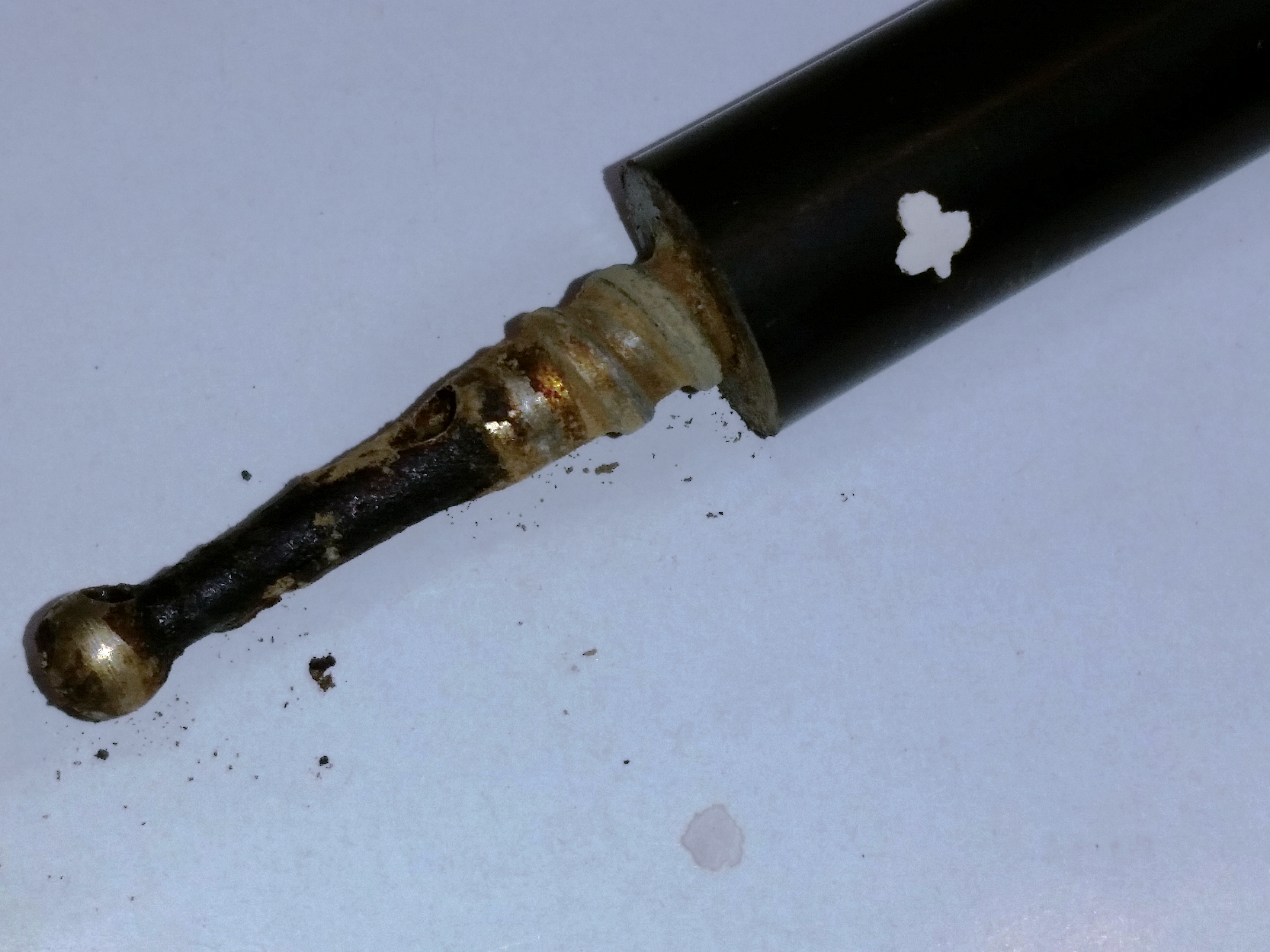
I have run into a challenge when seeking to restem several older Kaywoodie and Dr. Grabow pipes. The challenge was whether to keep the pipe original (my natural inclination) or to drill out the mortise and install a push stem. If I was going to keep it more original then the issue was how to move the stinger/tenon apparatus from a broken or damaged old stem to a new one. In the original stem the threaded tenon fit perfectly into the mortise on the bowl. The alignment was tight against the shank and the diameter of the old stem worked. Worst case scenario I could realign the stem and the fit would be fine. So the question for me in restoring these pipes was how to move the tenon/stinger apparatus from the old broken stem to the new one. From reading various forums on Kaywoodies and Dr. Grabow pipes I had learned that you could heat the tenon and adjust an overturned stem. After thinking about this for a bit I wondered if heating the tenon might also let me remove it from the old stem. For the purpose of this essay I used an older Dr. Grabow Regal Adjustomatic stem as the experiment for moving a tenon/stinger apparatus to a new stem. I have written about the full restoration of this pipe in an earlier article (https://rebornpipes.com/2014/09/14/rebuilding-a-dr-grabow-regal-adjustomatic-patent-billiard/). IMG_1927 The stem I wanted to use for a replacement was an old Kaywoodie stem. It too had a metal tenon and stinger. The stem/stinger from the Kaywoodie would not fit the bowl as the threads were different from those found in the shank/mortise of the Grabow. I heated the stinger on the Kaywoodie stem with a Bic lighter until it was loose and I was able to carefully work it out of the end of the stem with a pair of needle nose pliers. It was pressed into the hole in the stem and was grooved to give some bite to the piece when it was glued in the stem. I could have used a heat gun to loosen the glue but decided to work with minimal tools this time to try and remove it. The lighter worked very well and within a few moments I had the metal tenon and stinger removed from the stem (Photo 1). IMG_1948 I used the same process to heat the Grabow stinger/tenon with the lighter as well and tried to work it out of the stem with the needle nose pliers. I was able to move it very slightly but was unable to pull it out of the stem. I decided to use the mortise in the shank to help me remove the part from the old stem. I reheated it and screwed the tenon into the shank of the pipe and twisted and pulled on the stem. It came out about a third of the way. I reheated it and repeated the process until I was able to work it all the way out of the stem. In the photo below the KW stinger/tenon and stem are shown in the front and the Grabow stinger/tenon and stem in the back of the photo next to the lighter. The Grabow apparatus was smooth and held in place by friction and light glue. The stinger end was also removable from the Grabow tenon (Photo 3). IMG_1949 The diameter of the insert on the Grabow tenon was slightly larger than the one on the KW stem. In experimenting I found that it was one drill bit size larger. I used that drill bit with a cordless drill and opened the hole in the KW stem to receive the Grabow tenon. I also had to drill the hole a little deeper into the stem to account for the added length of the end of the Grabow insert (Photo 4). IMG_1950 In redrilling the KW stem I removed the inset that had held the lip on the original tenon insert. In order for the Grabow tenon lip to fit correctly against the stem when fully inserted I would need to make allowance for that inset once again. I used a sharp knife and beveled the inner edge of the airway on the stem at a sharp angle and worked on it until the insert fit tight against the end of the stem when inserted (Photo 5). IMG_1951 I pressed the insert into the stem to check on the depth of the hole and the fit against the stem. I always do this before I glue it in place and make more work for myself if it is incorrect. Once I was certain that the fit was correct I removed the tenon and put a thin coat of all purpose white glue on the end and screwed it into the mortise on the shank. This would allow me to adjust the stem and line it up before the glue set. I pushed the stem onto the glued end and lined it up. When the glue had set I unscrewed the stem and tenon and cleaned up the end of the threaded tenon and inserted the stinger (Photos 6 & 7). IMG_1952 IMG_1953 The next photo shows the two stems – the KW stem with the Grabow stinger/tenon in place sitting next to the old Grabow stem. All that remained at this point was to work on the diameter of the stem itself and make the transition from the shank to the stem seamless (Photo 8). IMG_1965 I have included the next two photos (Photos 9 & 10) of the finished pipe to show the entire pipe once the new stem was in place. The stem fit well in the shank – tight against the metal mortise with no gap. The new stem fit as well as the old one but had no bite marks or holes. Over all the process of moving the metal fitment was quite simple. It was a matter of heat, drilling and pressure to put the old tenon in a new stem. A bit of sanding and polishing and the new stem was good to go and the old pipe was back into service. IMG_1970 IMG_1973

Rebuilding a Dr. Grabow Regal Adjustomatic Patent Billiard


One of the few pipes with a stem included in my gift box of bowls was a nice little Dr. Grabow Billiard. It had a long stem that clearly fit the shank of the pipe and gave it an elegant look and feel. At first glance I figured this one would clean up quite easily. The varnish finish on the bowl was worn and spotty with pieces of the varnish coat peeling off the surface of the briar. The rim was coated with a thick layer of tars and oils but looked sound. The bowl had a thick cake particularly from mid bowl to the bottom of the bowl. It was very hard and was not crumbling at all. It had however, closed the bowl to a large degree. The mortise was part of the aluminum band on the shank. It was a threaded cast piece that was fitted against the briar and was oxidized. The internals were quite clean. The bowl was stamped on the left side: REGAL over Dr. Grabow. On the right side it was stamped Imported Briar over Adjustomatic over PAT. 2461905. I have written about the patent on the Adjustomatic tenon/stem in an earlier post on rebornpipes: https://rebornpipes.com/tag/dr-grabow-adjustomatic/ I included patent information and diagrams on that page so I will not repeat that material in this post. The stem had thick calcification on the top and bottom sides of the stem and looked like it had one time sported a softie bit. When I turned the stem over there was a large hole in the underside from the button forward. IMG_1924 IMG_1925 IMG_1926 IMG_1927 I wiped down the bowl with acetone on a cotton pad to remove the damaged varnish and prepare the bowl for possible restaining once the rim had been cleaned off. It took some scrubbing but I was able to get rid of the varnish from the surface and out of the grooves in the carved leaves on both sides of the bowl. It turned out that underneath the peeling varnish there was some very nice grain on the pipe. The top and bottom of the shank and the front and back of the bowl were really nice cross grain. There was a small nick in the back of the bowl near the top of the rim that had a small fill otherwise the briar was flawless. The sides were very nice birdseye grain. This was going to be a stunning pipe once it was finished. IMG_1928 IMG_1929 IMG_1930 I wiped down the buildup on the rim and was unable to even dent the hard tar. I lightly topped the bowl on a topping board to take of the buildup and not affect the rim itself. I carefully removed the tars, checking every move across the sandpaper to make sure that I was not damaging the surface of the rim. IMG_1931 IMG_1932 Once I had cut through the buildup the briar was in very good shape. I used a PipNet reamer with the smallest cutting head to remove the carbon cake in the bowl. Even the smallest head was hard to turn against the rock hard cake of this bowl. I carefully worked it back and forth, being careful not to tip the cutting head to either side and lose the roundness of the bowl. Once I had gotten the head in as far as possible I used a pen knife to work on the bottom portion of the bowl and then reworked the reamer in that area. IMG_1933 I decided to try to patch the hole in the stem. I cleaned hole and put Vaseline on a pipe cleaner. I inserted it in the airway then sprayed accelerator on the stem, put black superglue on the hole and let it sit. The hole was quite large and I was not sure that the repair would hold. I applied the glue in several layers building up the patch until it was quite thick. I sprayed it with the accelerator each time to speed the drying time. IMG_1934 IMG_1935 IMG_1936 I sanded the patched area with 150 and 220 grit sandpaper to smooth out the patch and then reapplied more black super glue and accelerator. IMG_1937 I set the stem aside and let it cure. In the morning I sanded the stem patch until it was smooth in the process my fingernail went through the stem above the patch. I explored the thickness of the stem up the stem and found that I could push through the airway quite a distance up the stem (Photo 1 below). After that fiasco I noticed that the patch was also quite unstable. I was able to push out the patch with my fingernail. The stem after patching and pushing through the repair is shown in Photo 2. IMG_1943 IMG_1944 At this point it was clear that a stem patch would not work on this stem. With the thinness of the vulcanite extending up the stem about an inch it was not clear how far that would go. I was going to need to do something different. I cut off the stem with a Dremel and sanding drum. IMG_1945 IMG_1946 After cutting it off I could see the problem – airway was drilled very high in the stem. There was no room for cutting a new button on the stem and opening up the slot. The top of the stem was thin for another inch toward the tenon. I had to come up with something very different to address this issue. IMG_1947 I had an old Kaywoodie stem in my can of stems that was about the same diameter as the damaged one. It was missing the club logo in the side of the stem but had a club shaped hole. I heated the stinger on the KW stem with a lighter and then was able to remove it with a pair of needle nose pliers. IMG_1948 I also heated the Grabow stem with the lighter and worked on it with the pliers. It came out slowly. I finally screwed it into the bowl and turned it until the stem came off. I then unscrewed the tenon from the bowl. I tried it in the KW stem and it was just a little bit bigger than the hole in the stem. I would need to drill it one size larger to get a fit. IMG_1949 I used my cordless drill to drill it out. It had to be slightly larger and slightly deeper than the KW stinger apparatus. To make room for the lip on the aluminum piece I used a sharp knife to bevel the inner edge of the hole to accommodate the lip. IMG_1950 IMG_1951 The Grabow tenon/adjustomatic apparatus fit in the shank and I pressed it into place to see if the fit was correct. I then removed it and used a white all purpose glue to hold it in place. There was a removable stinger end for the tenon so I reinserted that in place and the new insert was ready. IMG_1952 IMG_1953 The fit of the stem against the shank was perfect. The diameter of the stem was slightly larger than the diameter of the shank so I would need to sand it to make them match. I tried to remove the Grabow insert from the old stem so that I could use it on the new stem. I tried to pick it out with a dental pick but was not able to remove it. IMG_1954 IMG_1955 I filled the club hole with black superglue and then sanded it smooth. I used 220 grit sandpaper to work on the diameter of the stem. I also sanded the end of the stem around the button to remove the tooth marks and chatter. IMG_1956 The next series of four photos show the stem after all of the sanding and shaping. The new stem looked quite good with the bowl. The fit was perfect and the lines and flow of the angles was exactly what I was looking for when I started. IMG_1957 IMG_1958 IMG_1959 IMG_1960 I sanded the stem with a medium and fine grit sanding sponge and then refilled the small holes around the patched club logo with more superglue. I sanded the patch down with 220 grit sandpaper and resanded it with the sanding sponges until it was smooth. The photo below shows the two stem side by side. IMG_1965 I sanded the stems with micromesh sanding pads – wet sanding with 1500-2400 grit pads and dry sanding with 3200-12,000 grit pads. I rubbed it down with Obsidian Oil between each set of three grits of micromesh. I buffed the stem with White Diamond and then gave it a final coat of Obsidian Oil and set it aside to work on the bowl. IMG_1966 IMG_1967 IMG_1968 I buffed the bowl with White Diamond and carefully buffed around the stamping on the sides. I polished the aluminum shank band with the higher grades of micromesh pads and then a polishing cloth to remove the scratches and bring up the shine. The next series of four photos show the polished bowl before I worked on it with some 8000-12,000 grit micromesh pads. IMG_1938 IMG_1939 IMG_1940 IMG_1941 IMG_1942 I gave the bowl a wiped down coat of Danish Oil and walnut stain. I wanted to give the briar a shine coat but not add much colour to the finish. It really made the grain pop on this one. IMG_1961 IMG_1962 IMG_1963 IMG_1964 Once the oil had dried I buffed the bowl with White Diamond and then gave it several coats of carnauba wax. I buffed it with a soft flannel buff. I put the stem back in place and gave the bowl and stem several more coats of wax and buffed to a shine. The finished pipe is shown below. The look and feel of the pipe is like new. It is cleaned, restemmed, refinished and ready to fire up with its inaugural bowl of tobacco. It should last a long time and serve its owner well – whether I keep it or pass it on to another pipeman. (I decided to take these final photos on a piece of marble counter top to see if I could get a good contrast on the photos.) IMG_1970 IMG_1971 IMG_1972 IMG_1973