Cleaning up a London Made Charleston Banker


Blog by Steve Laug

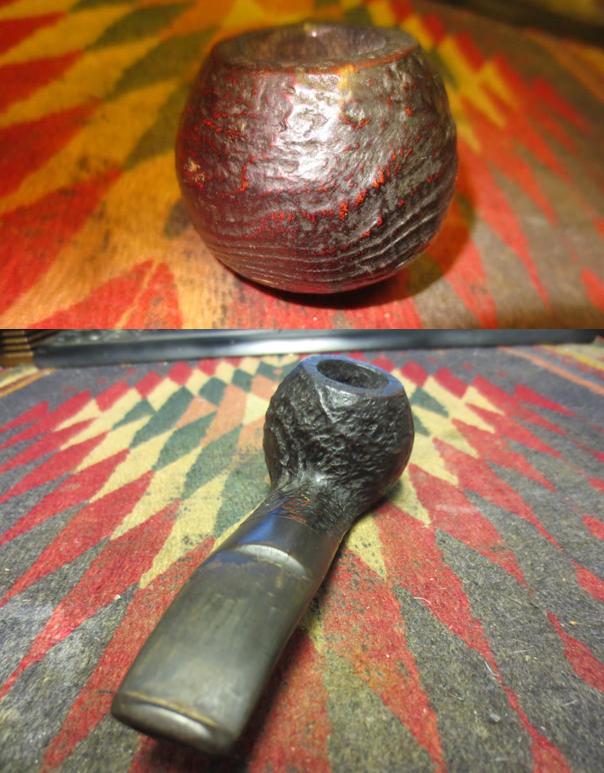
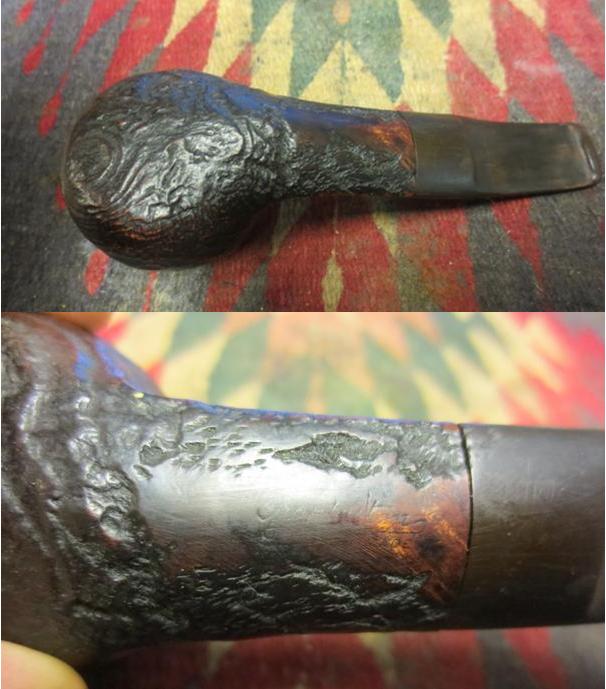
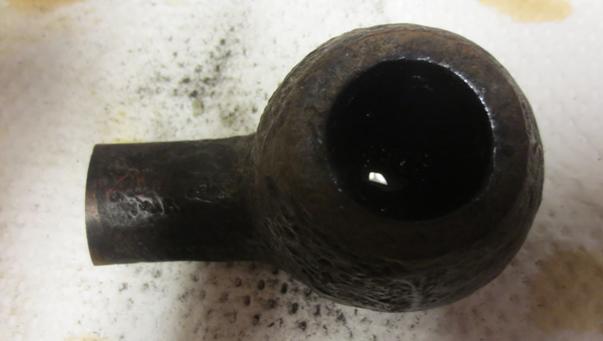
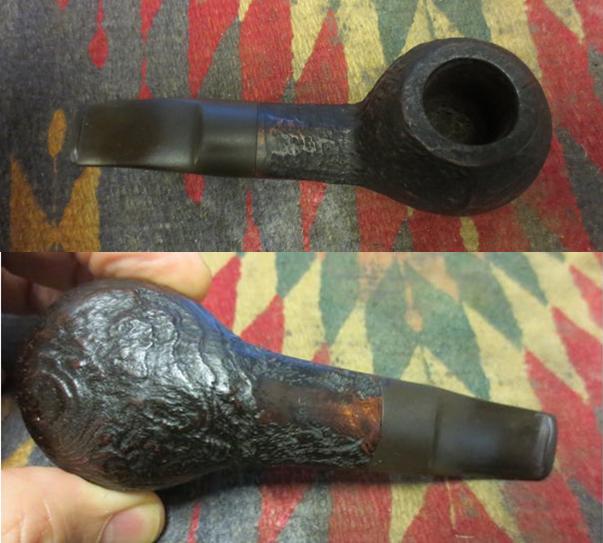
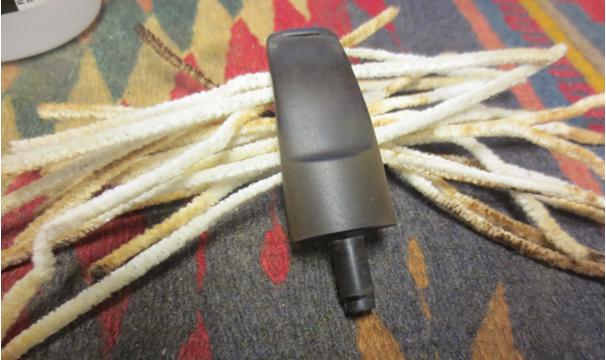
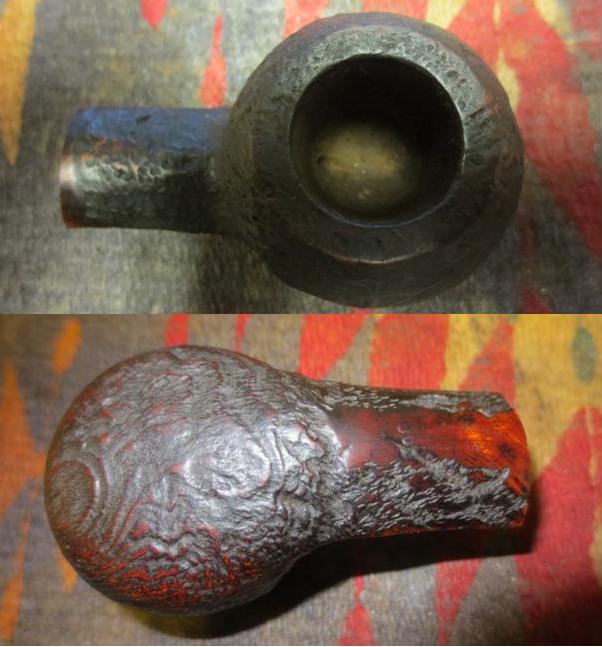
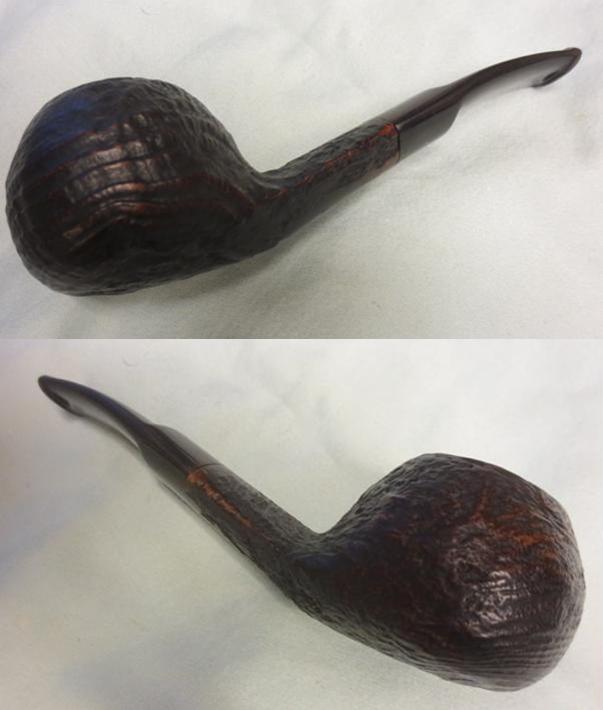
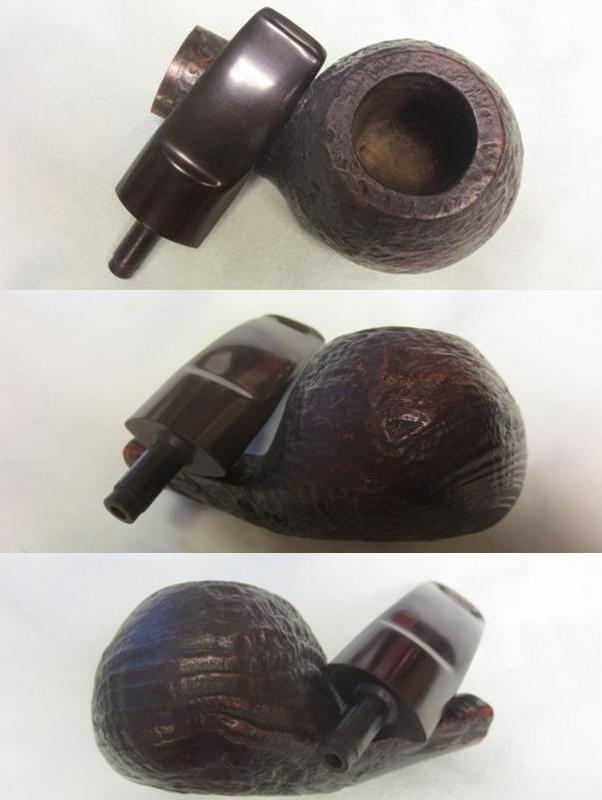
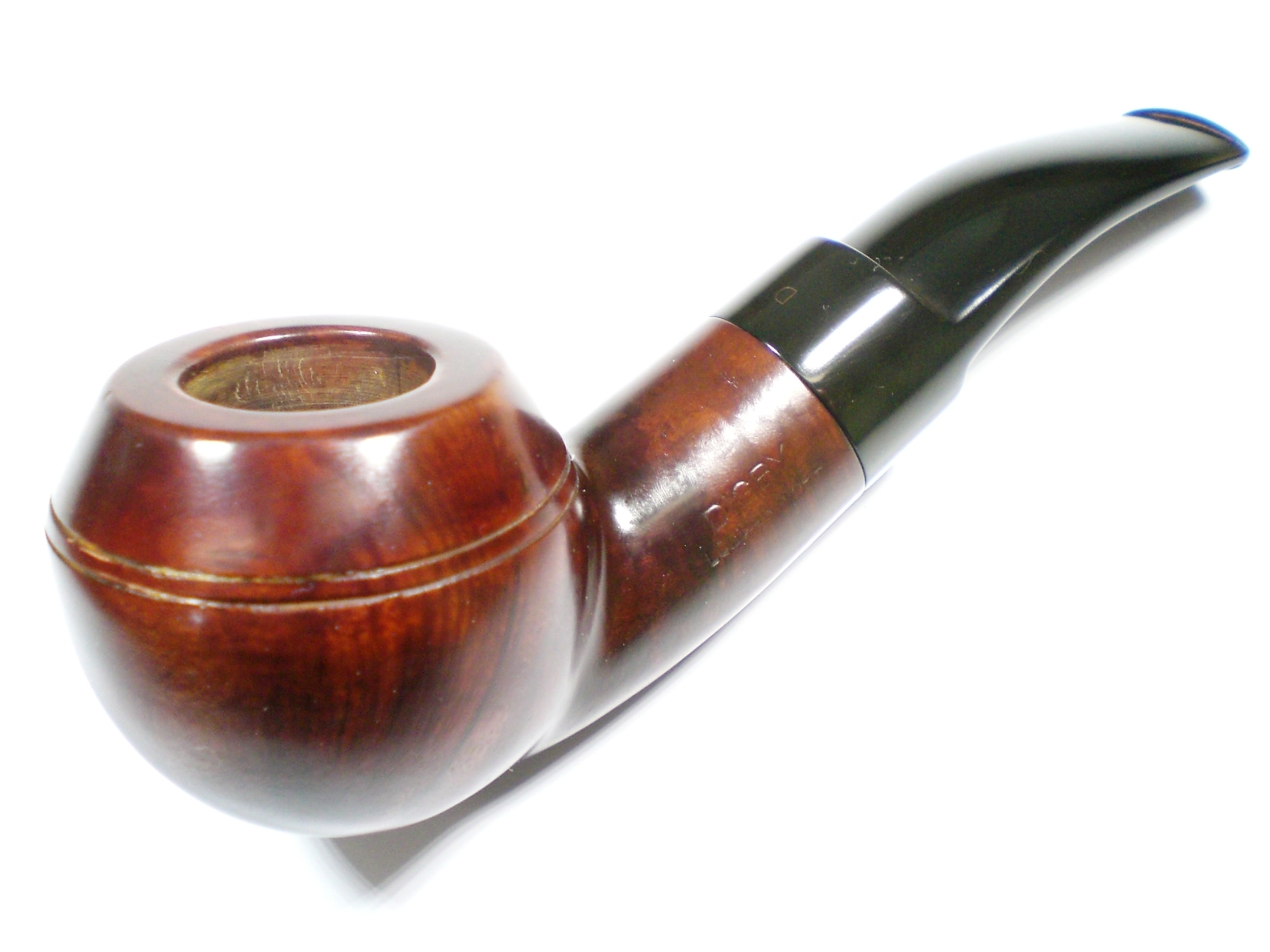
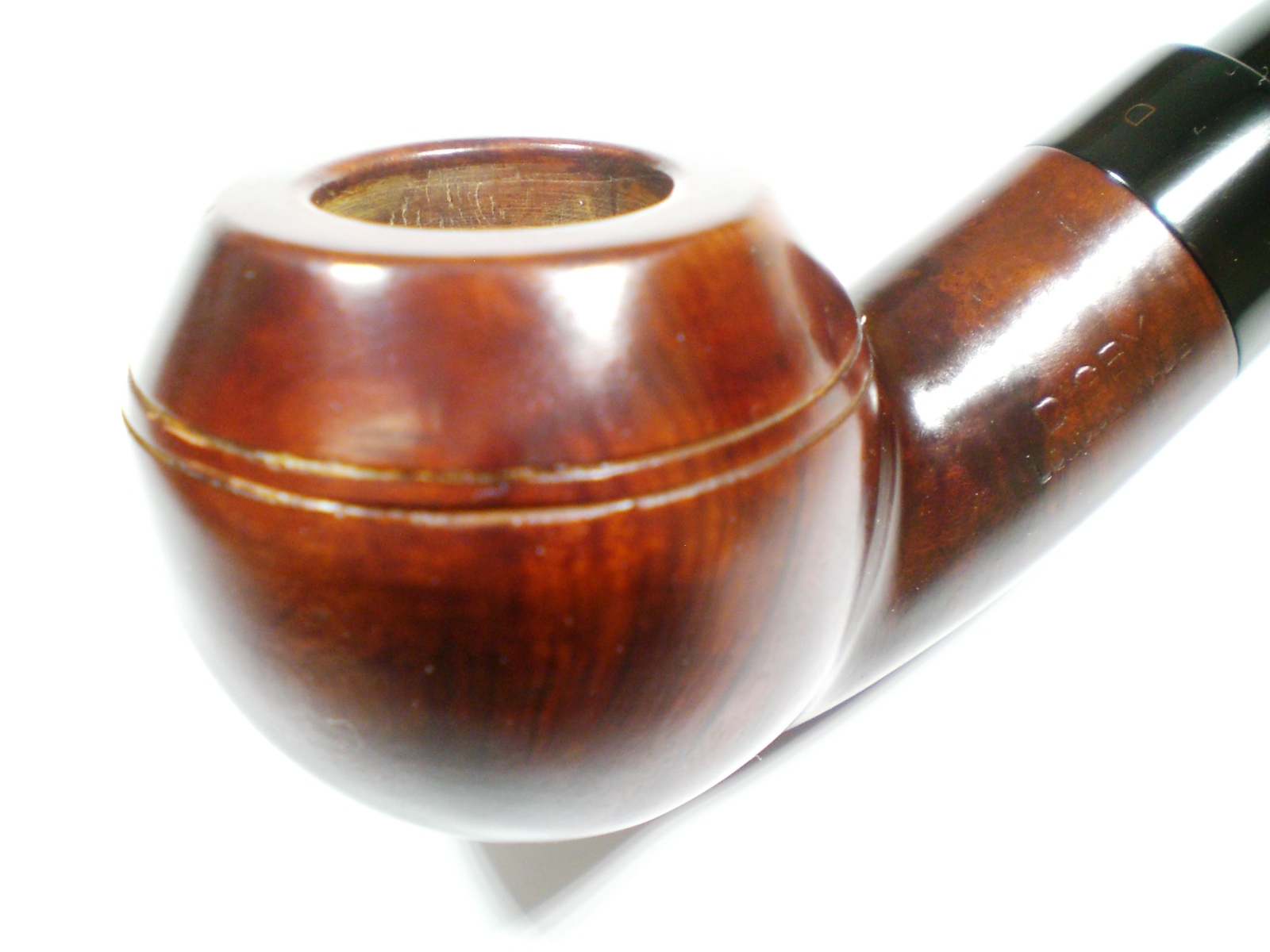
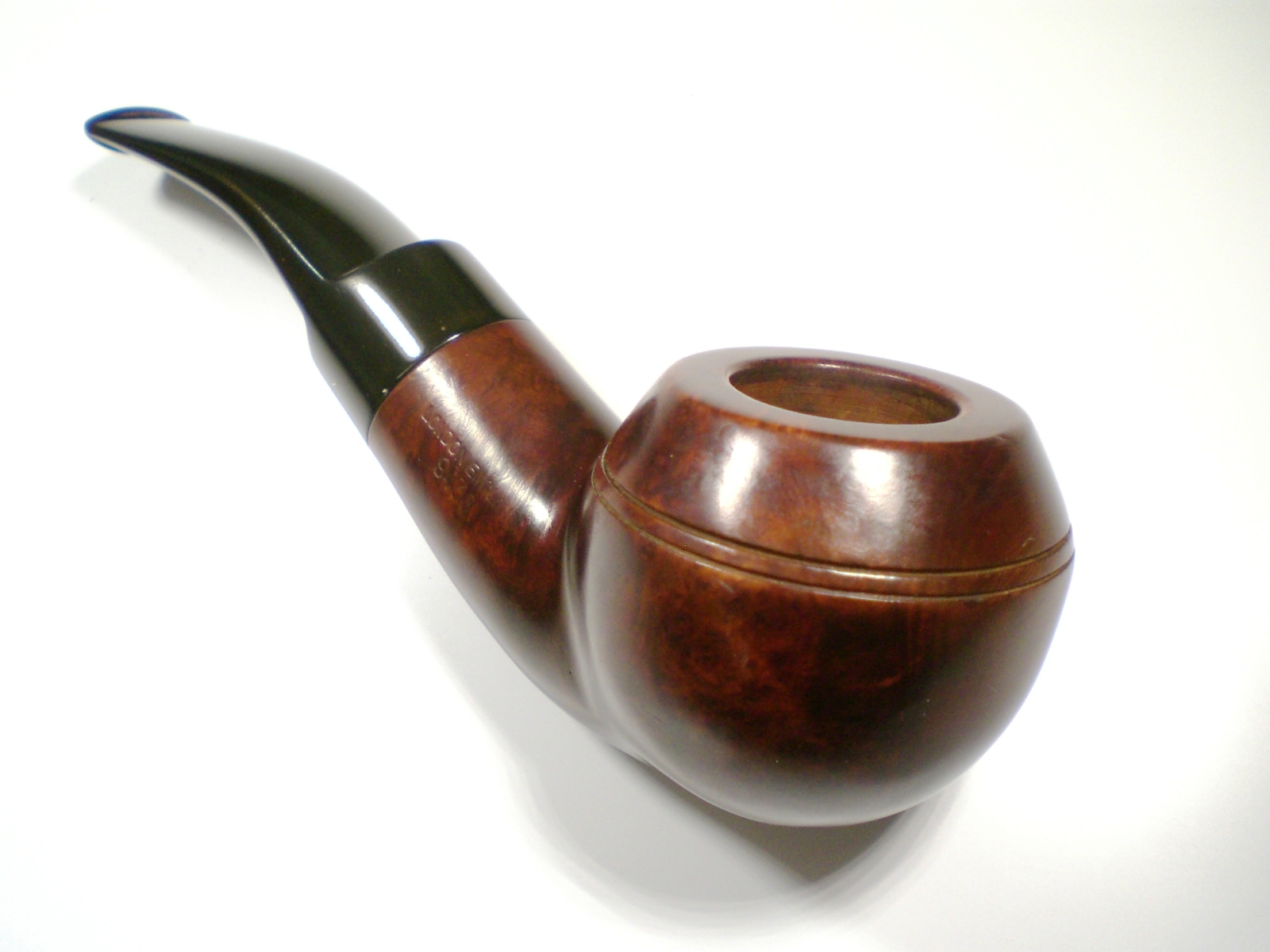
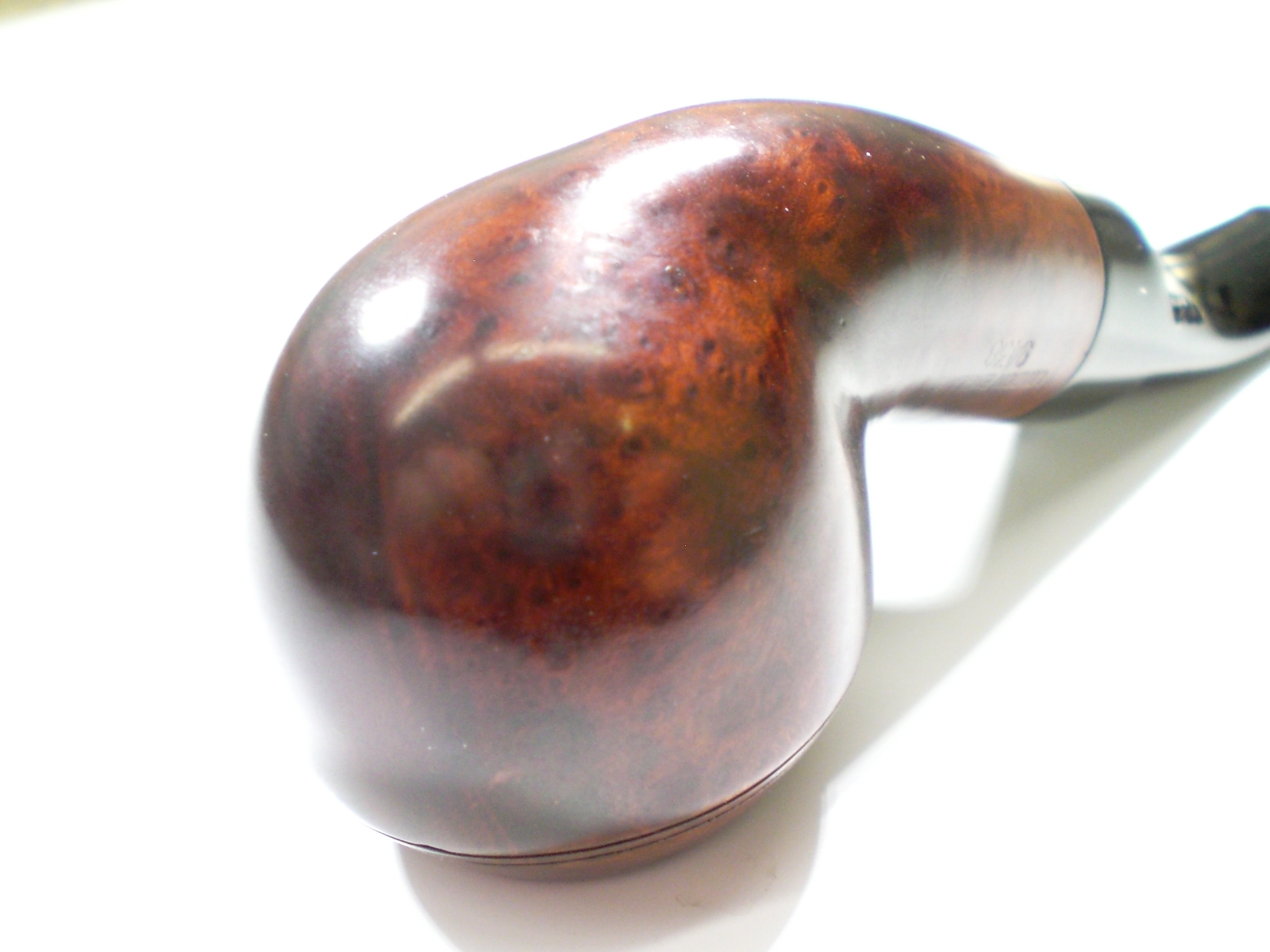
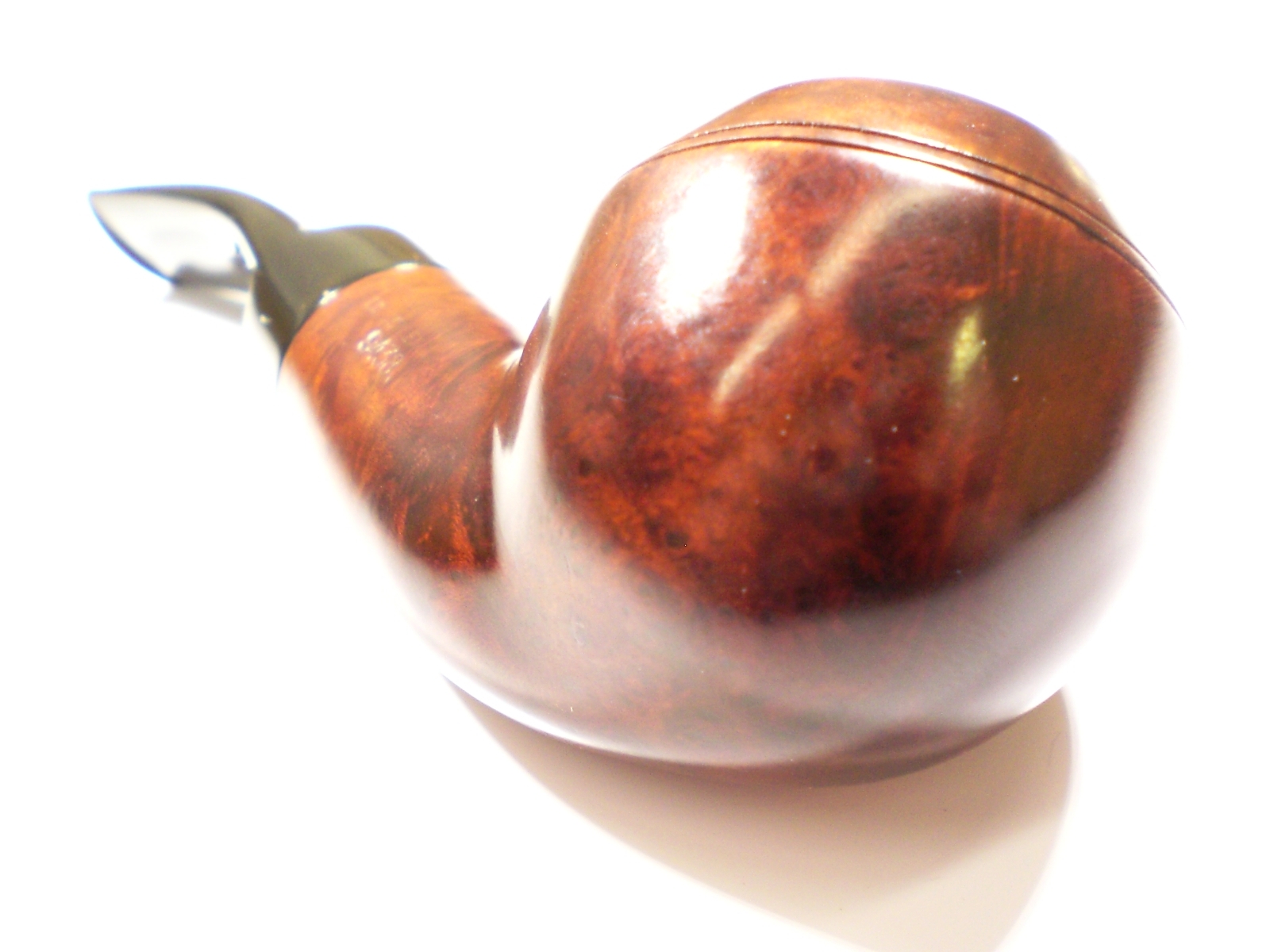
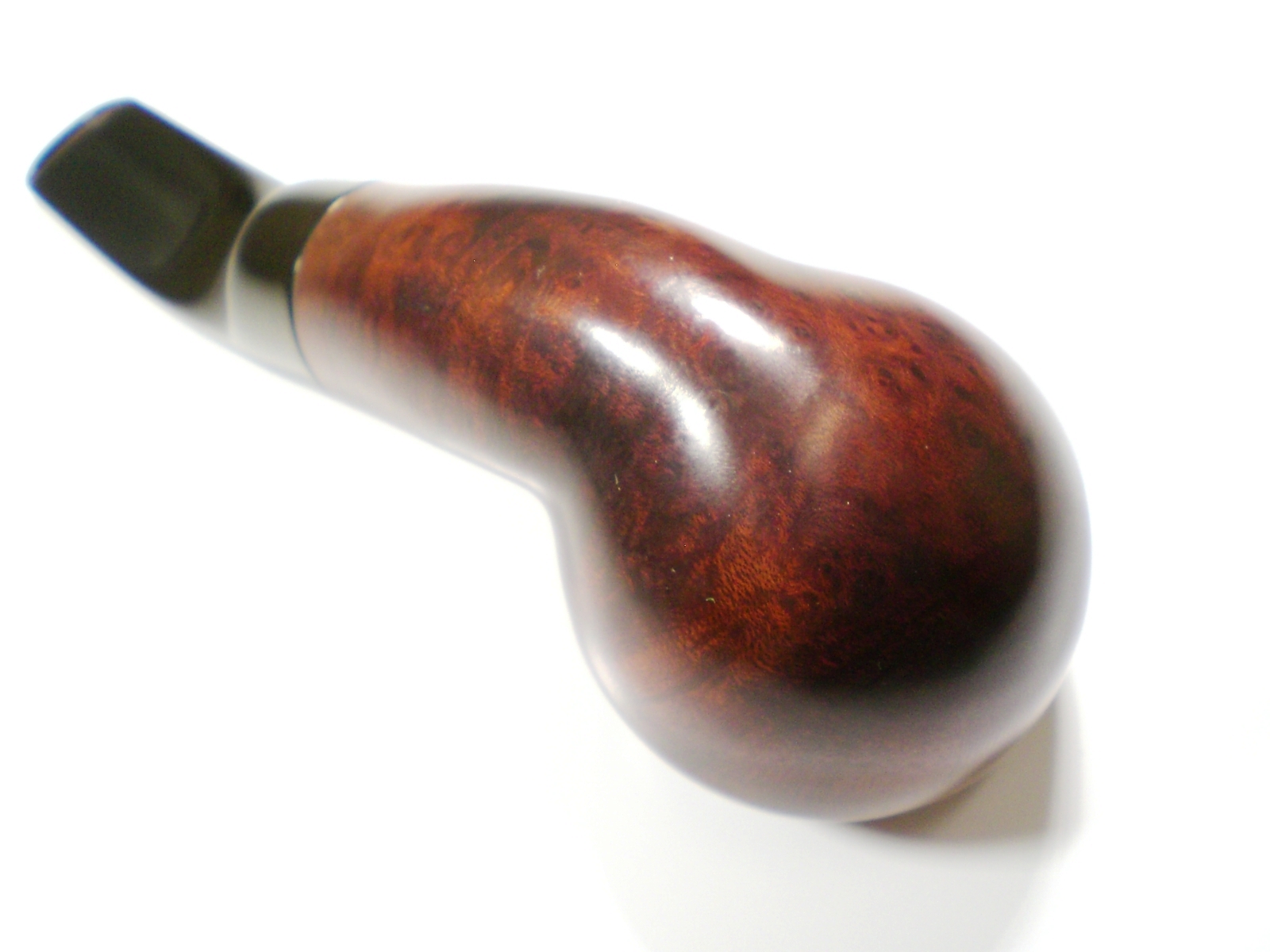
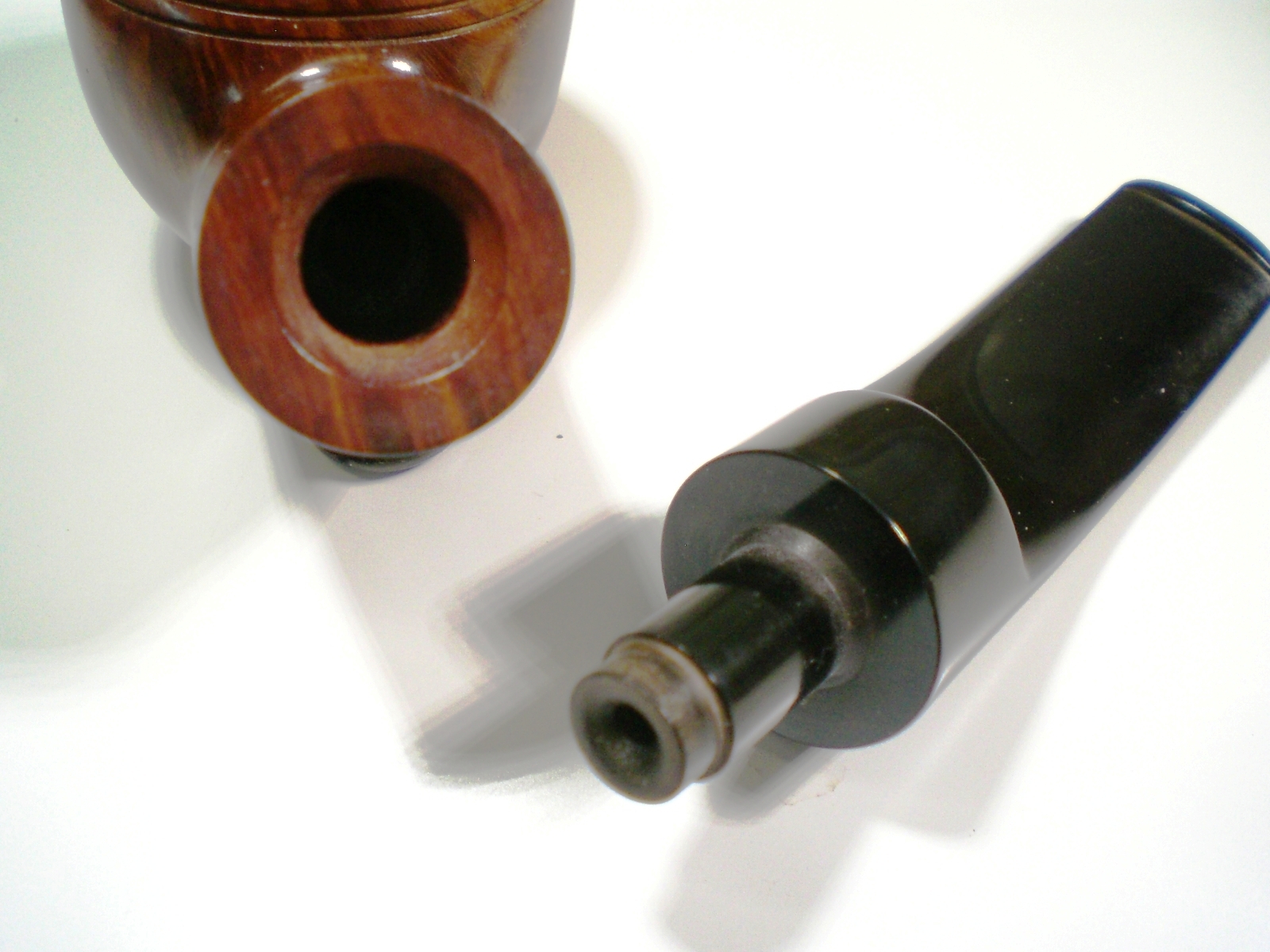
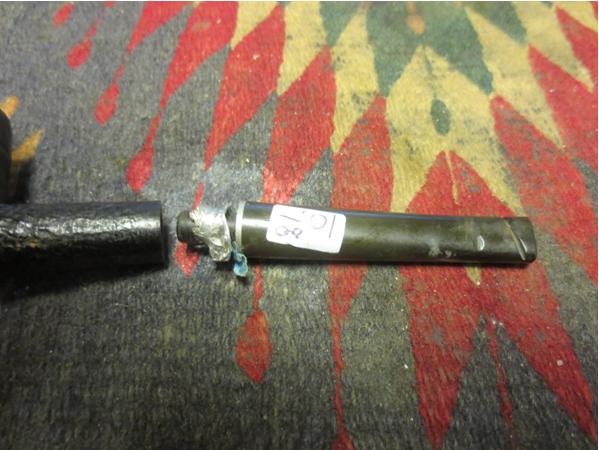
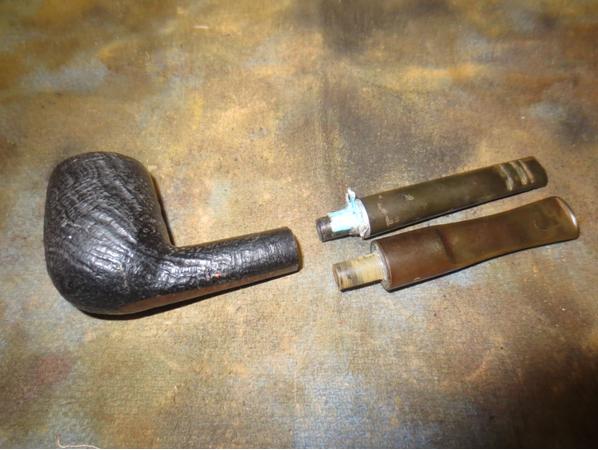
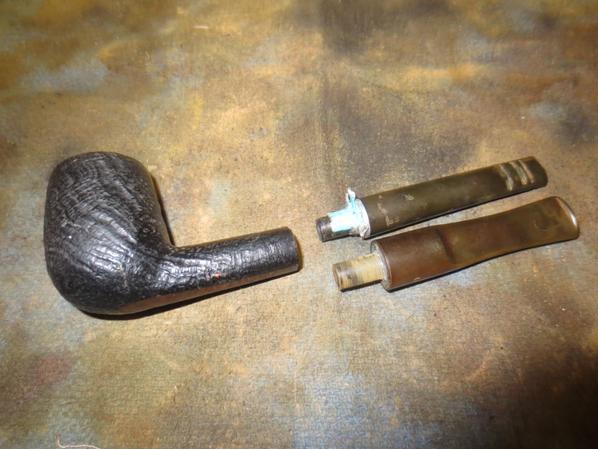
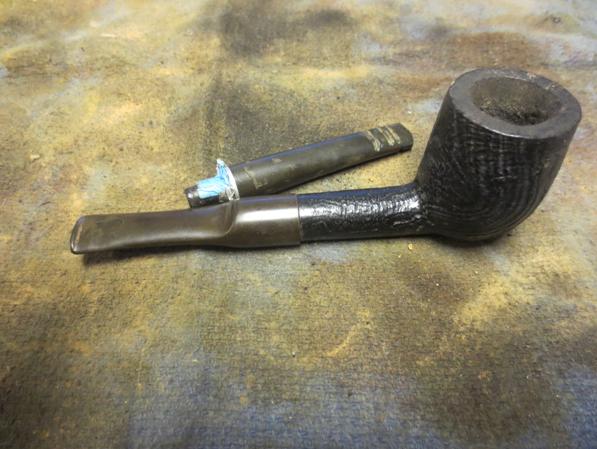
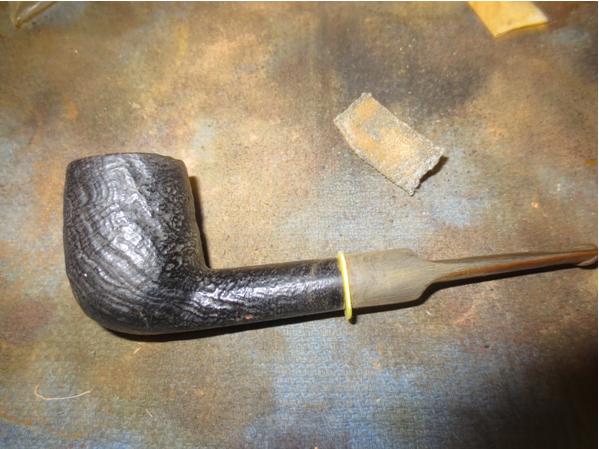
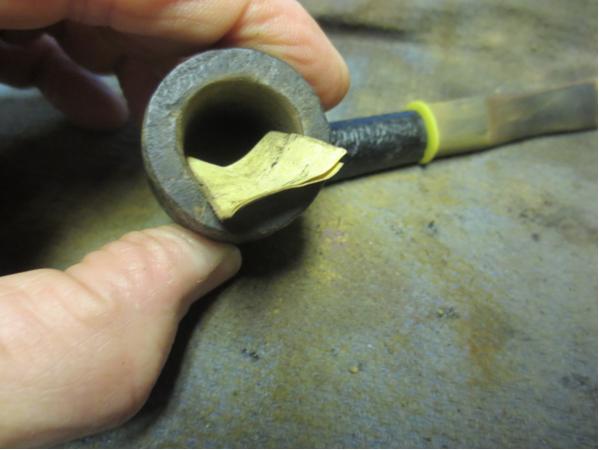
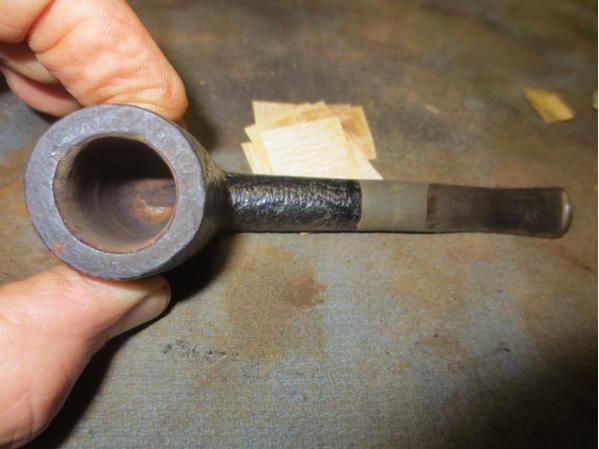
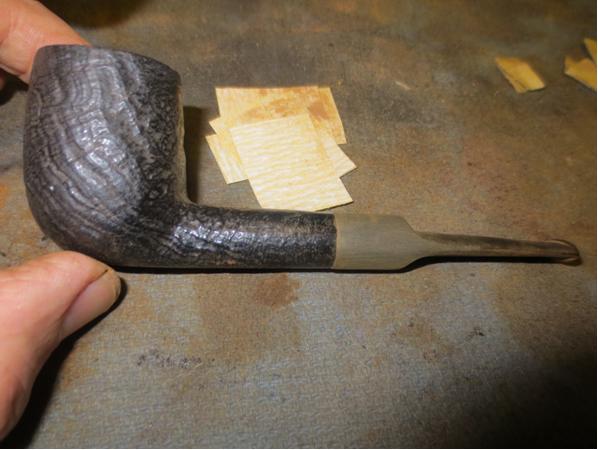
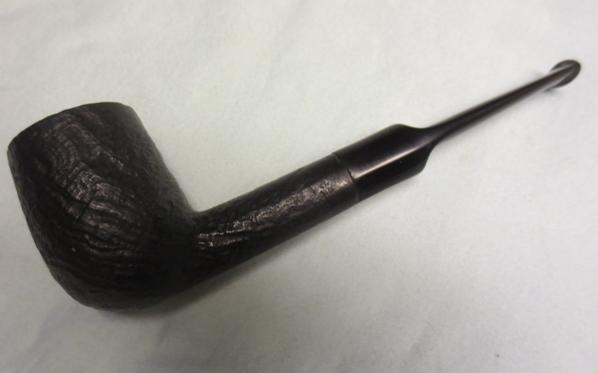
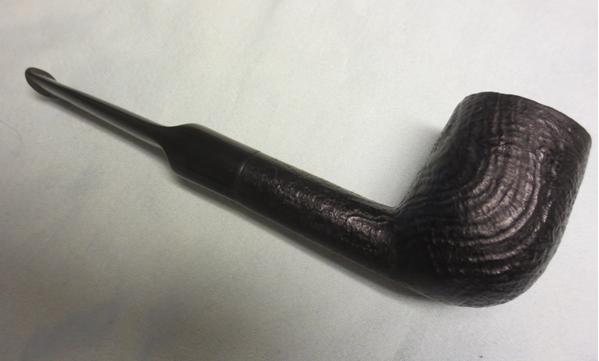
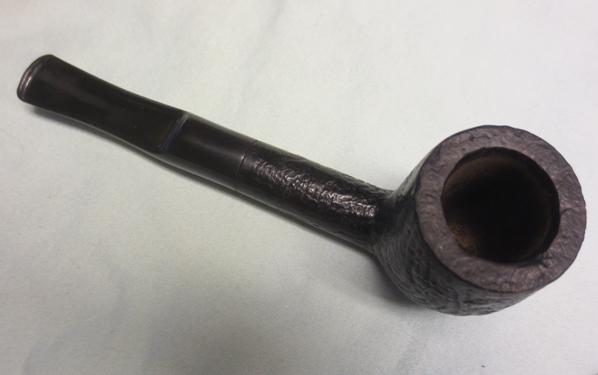
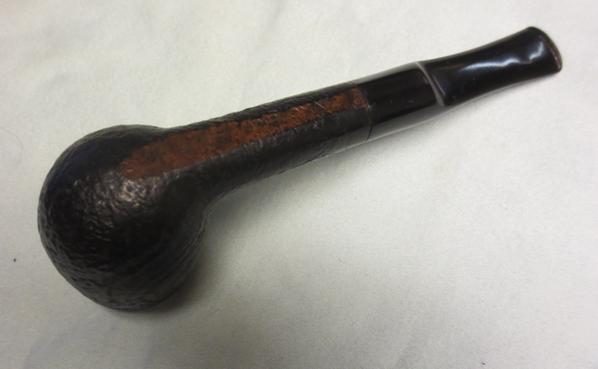
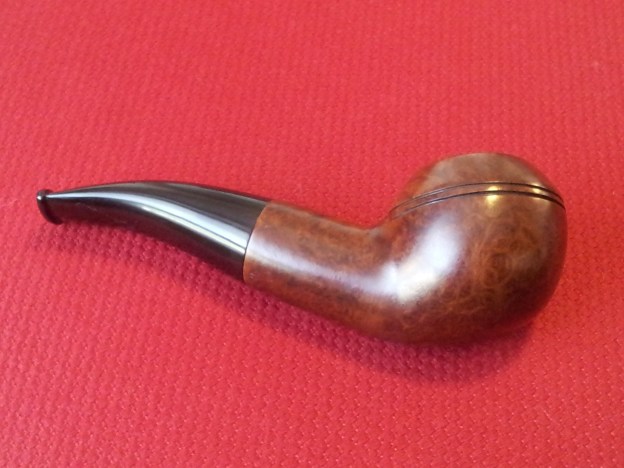
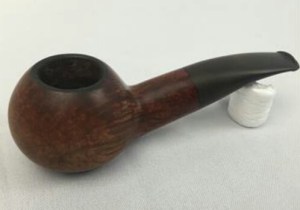
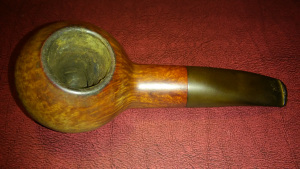
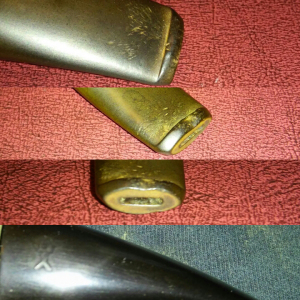
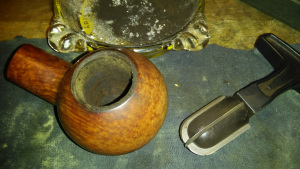
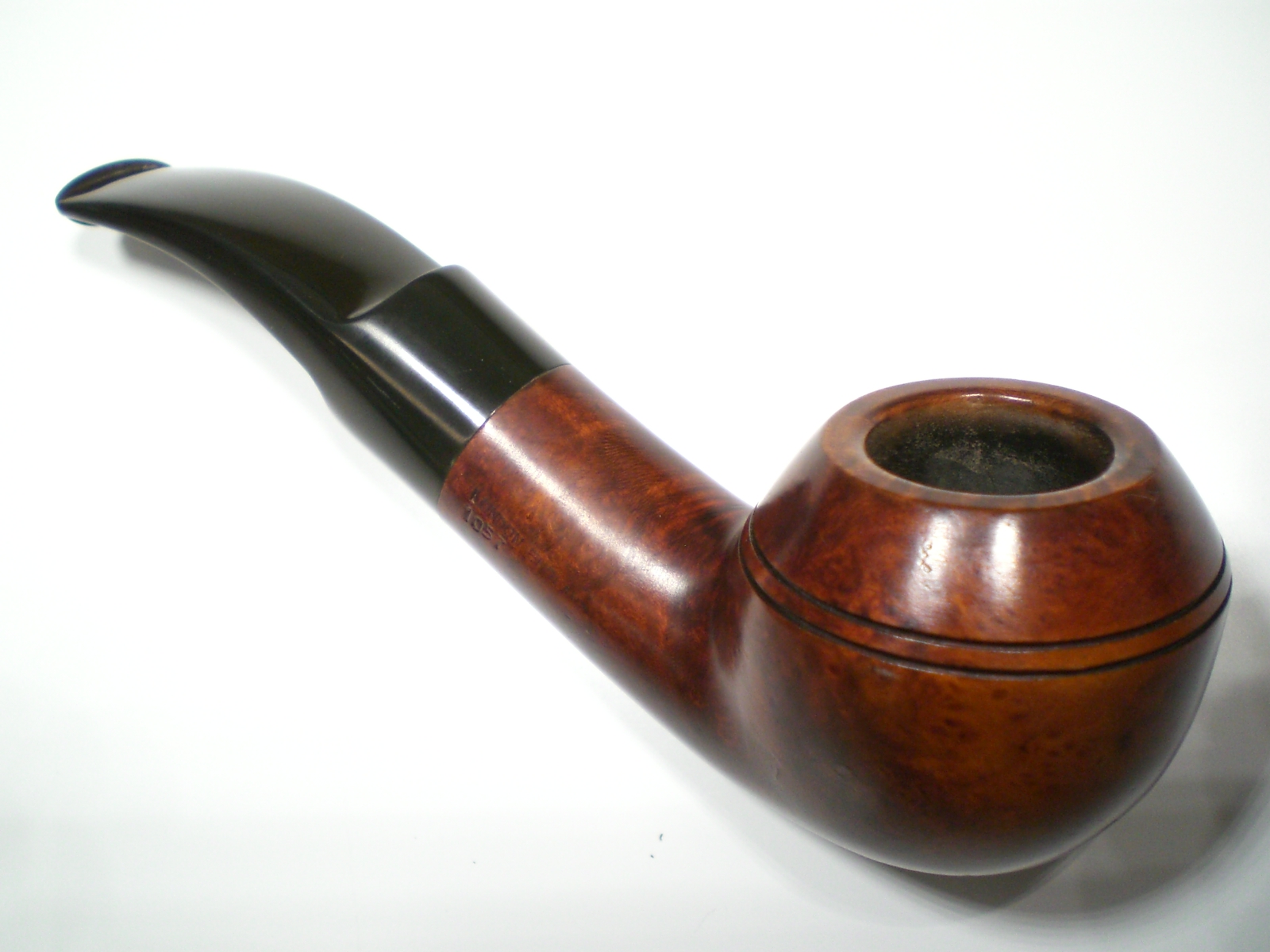
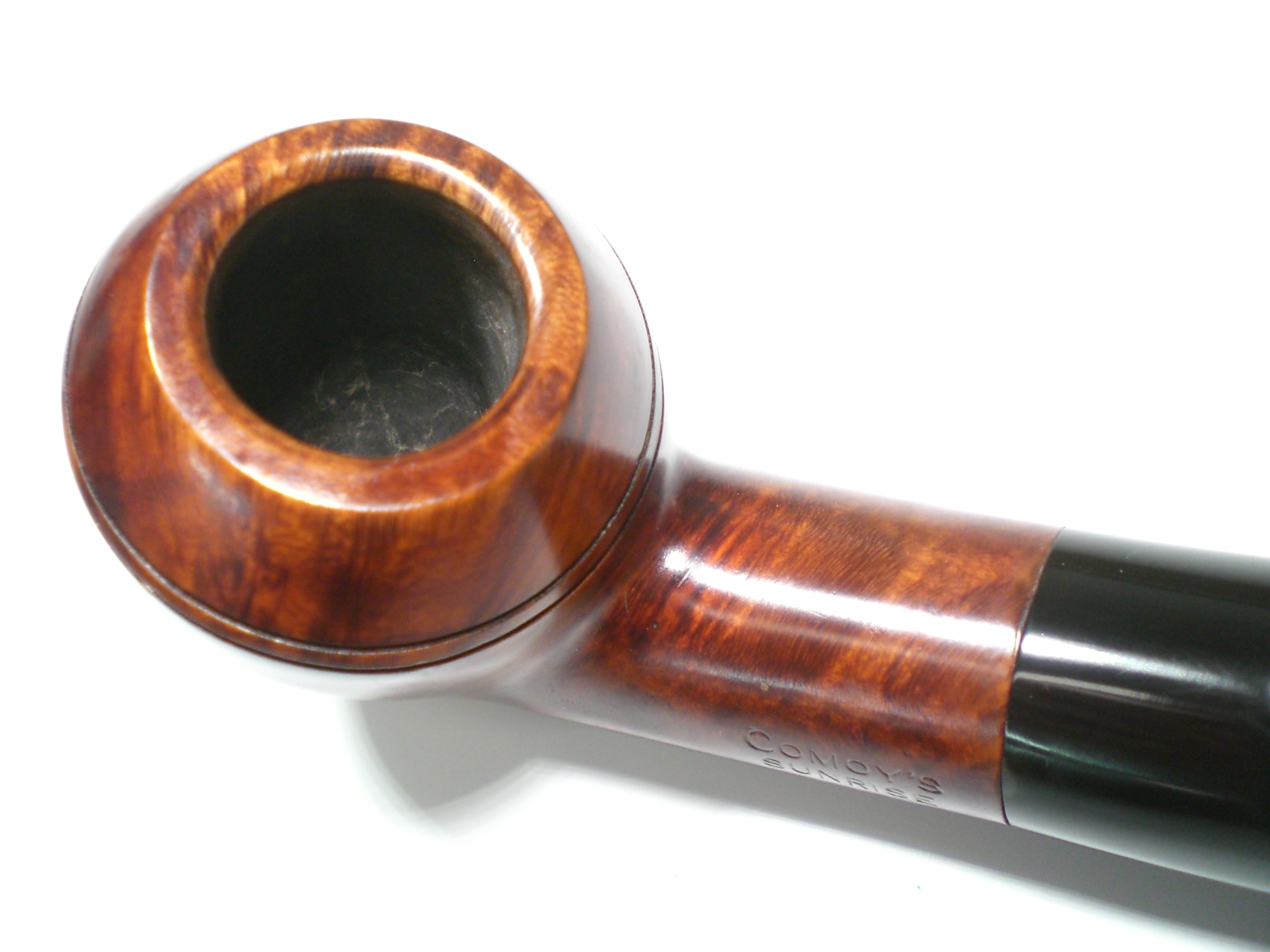
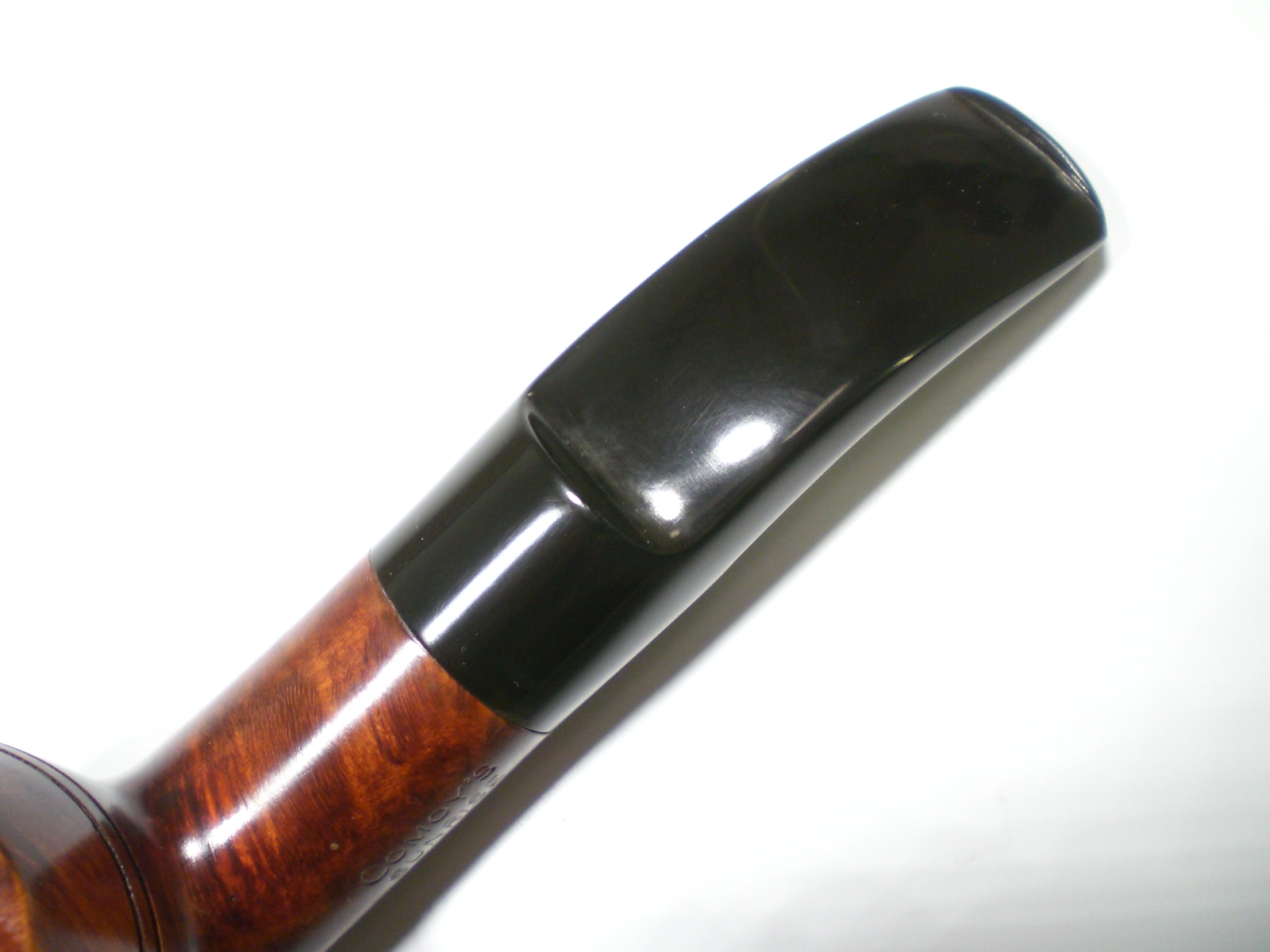
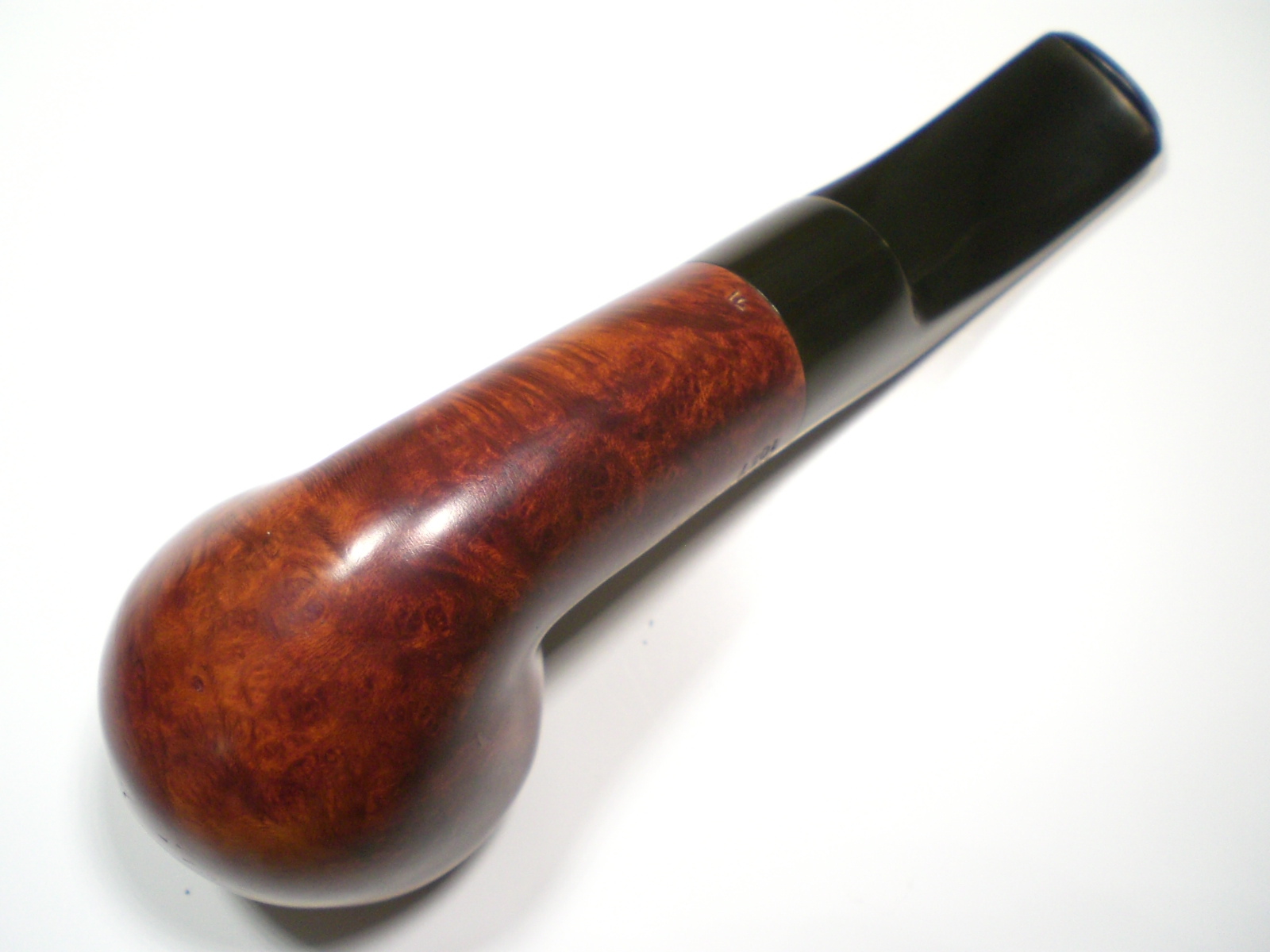
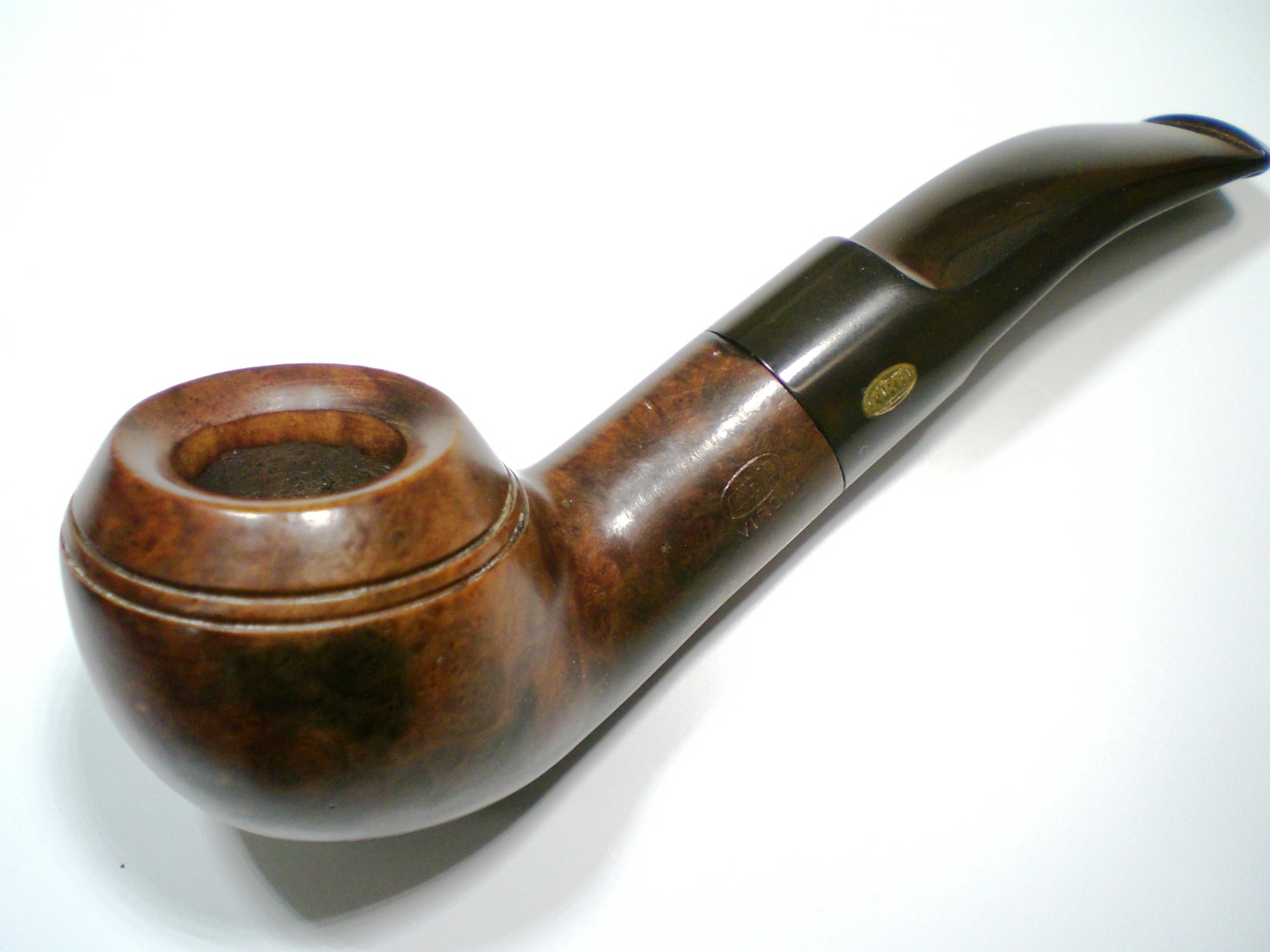
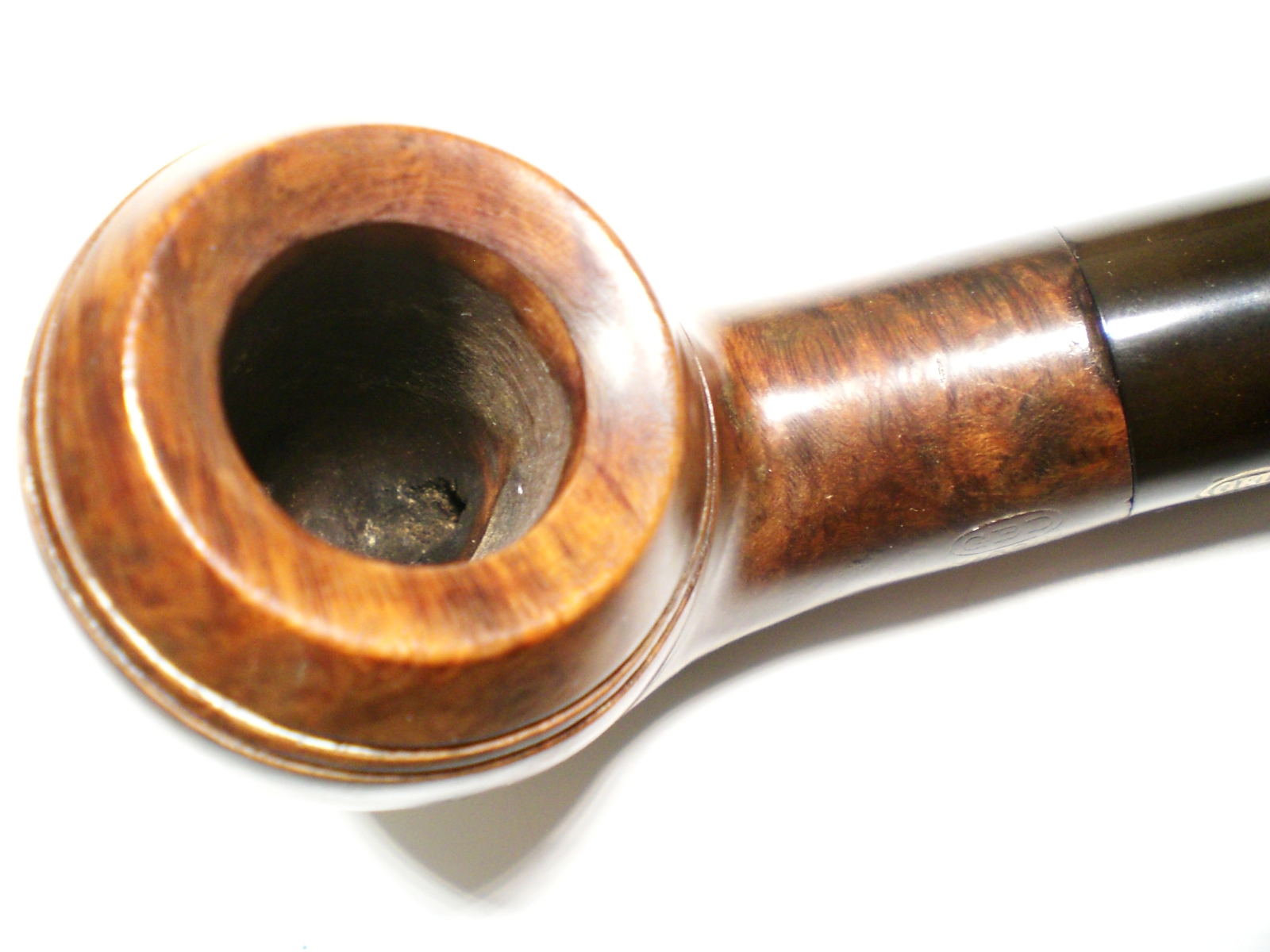
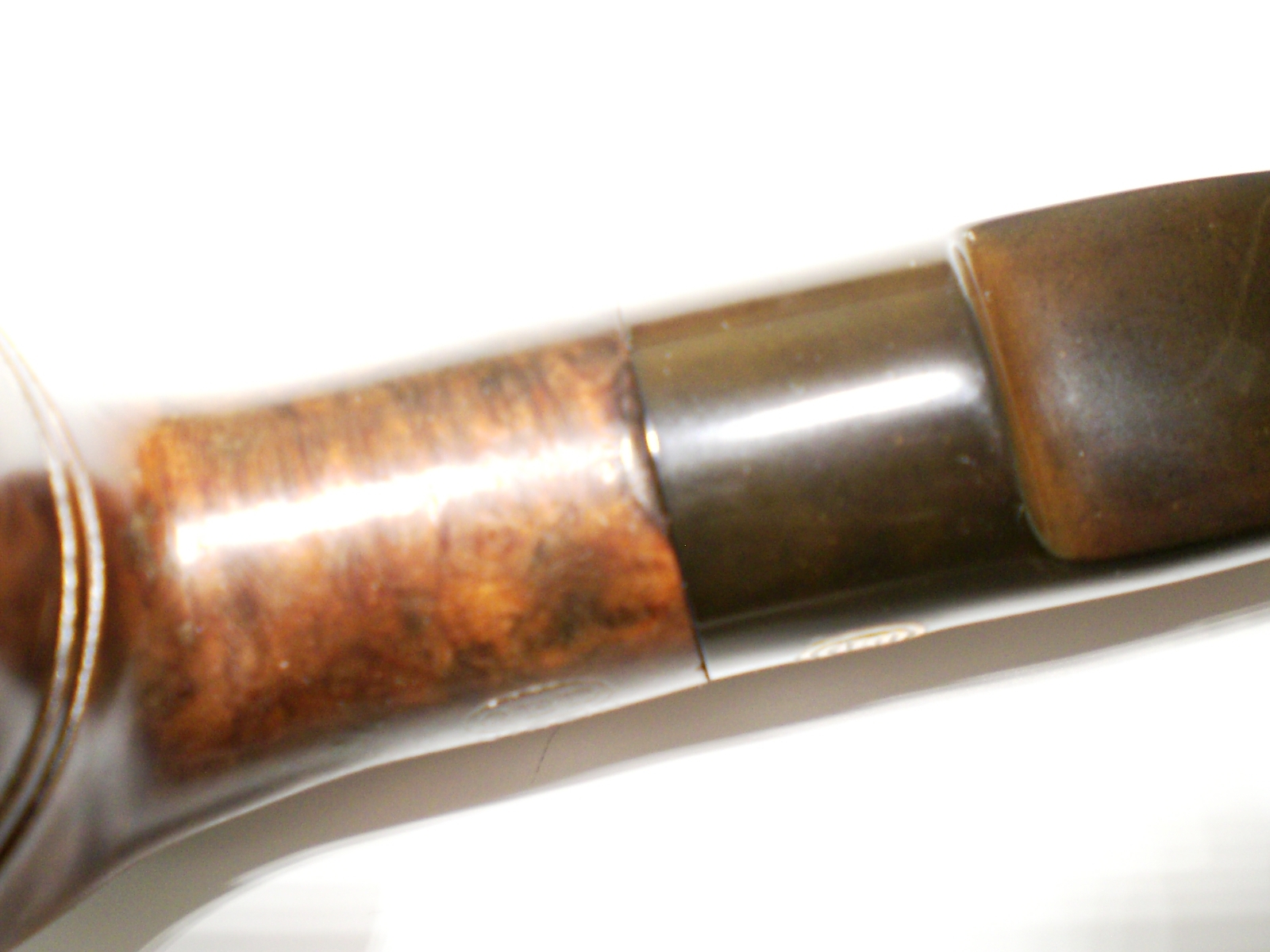
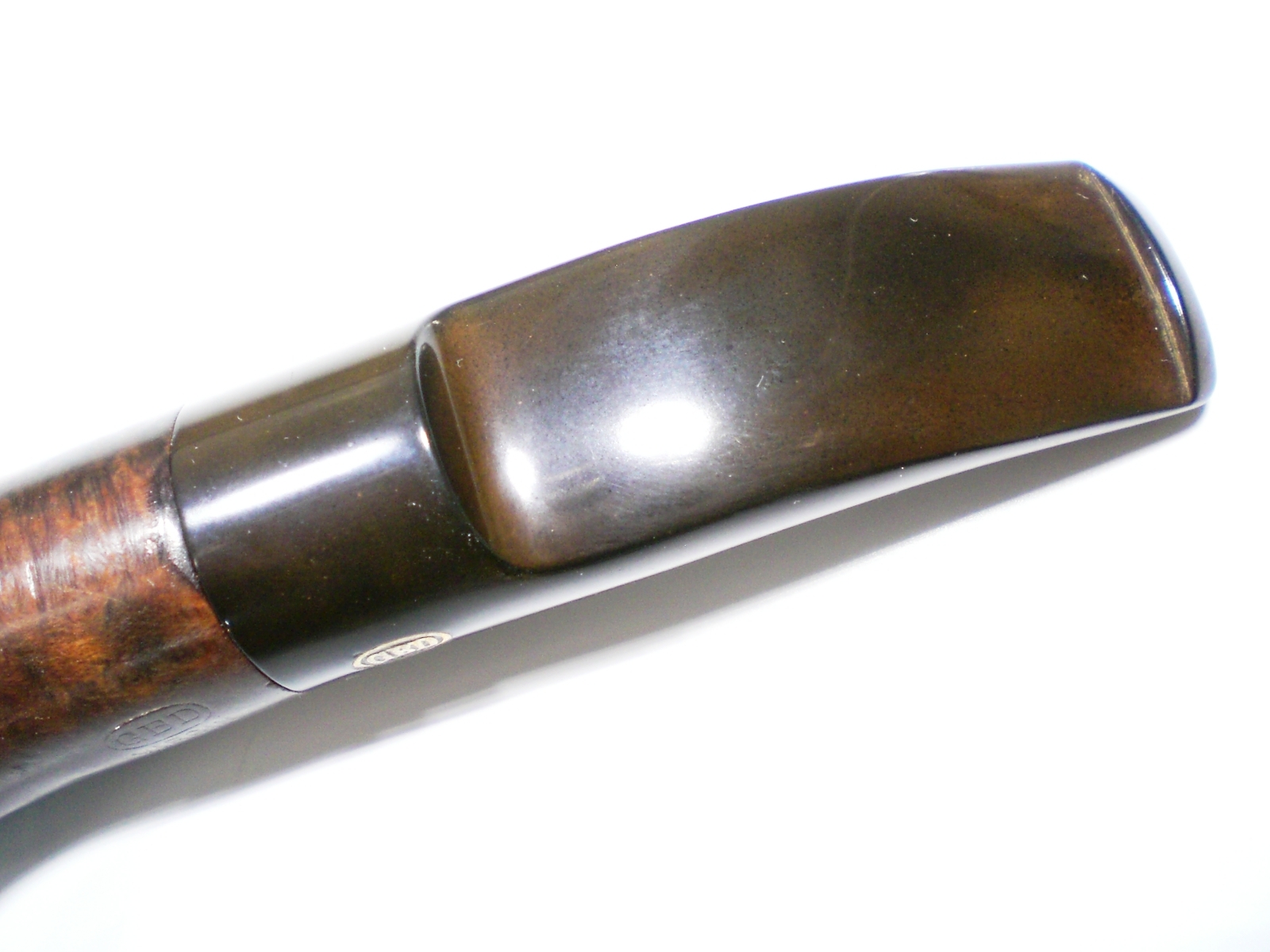
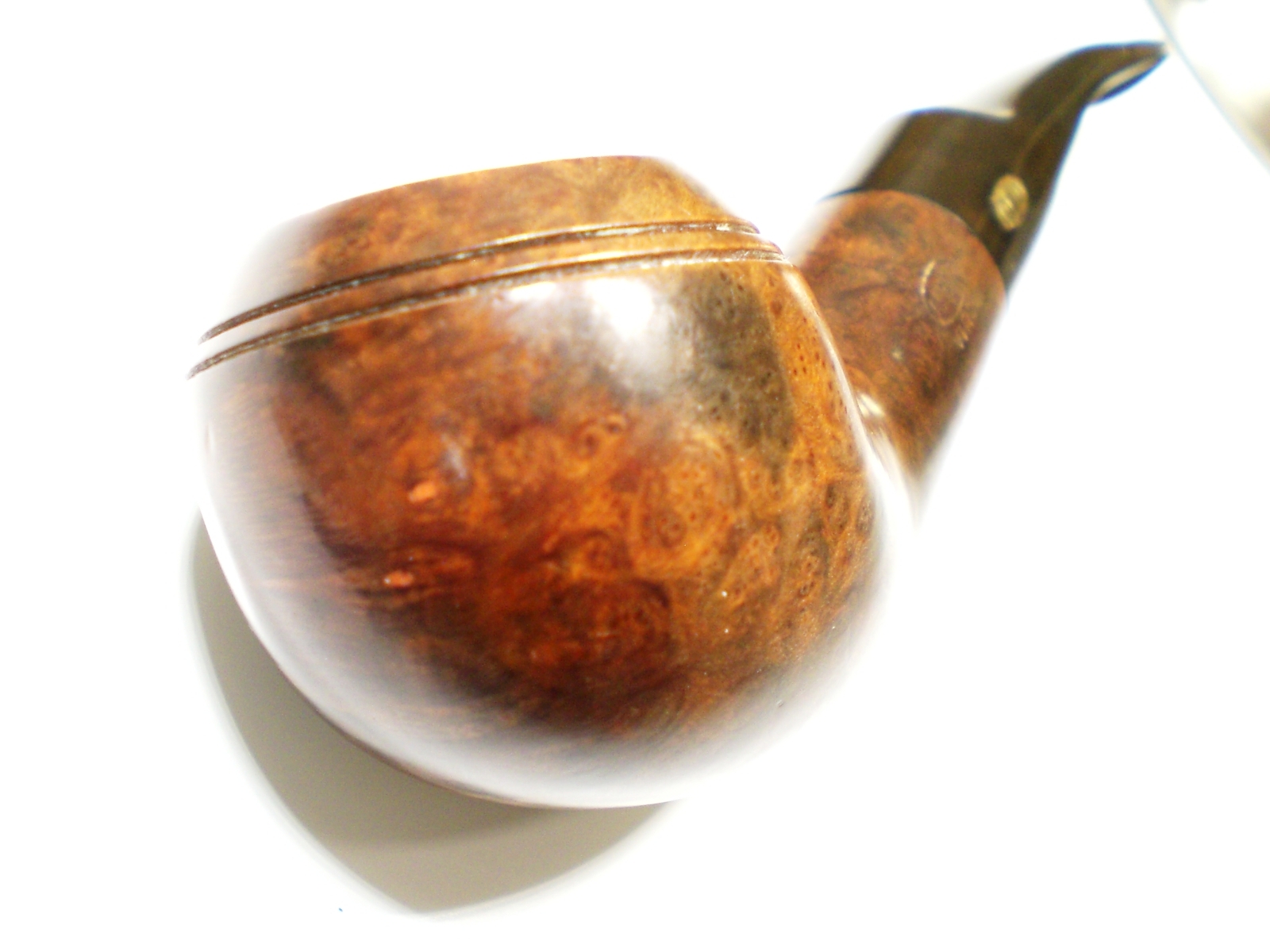
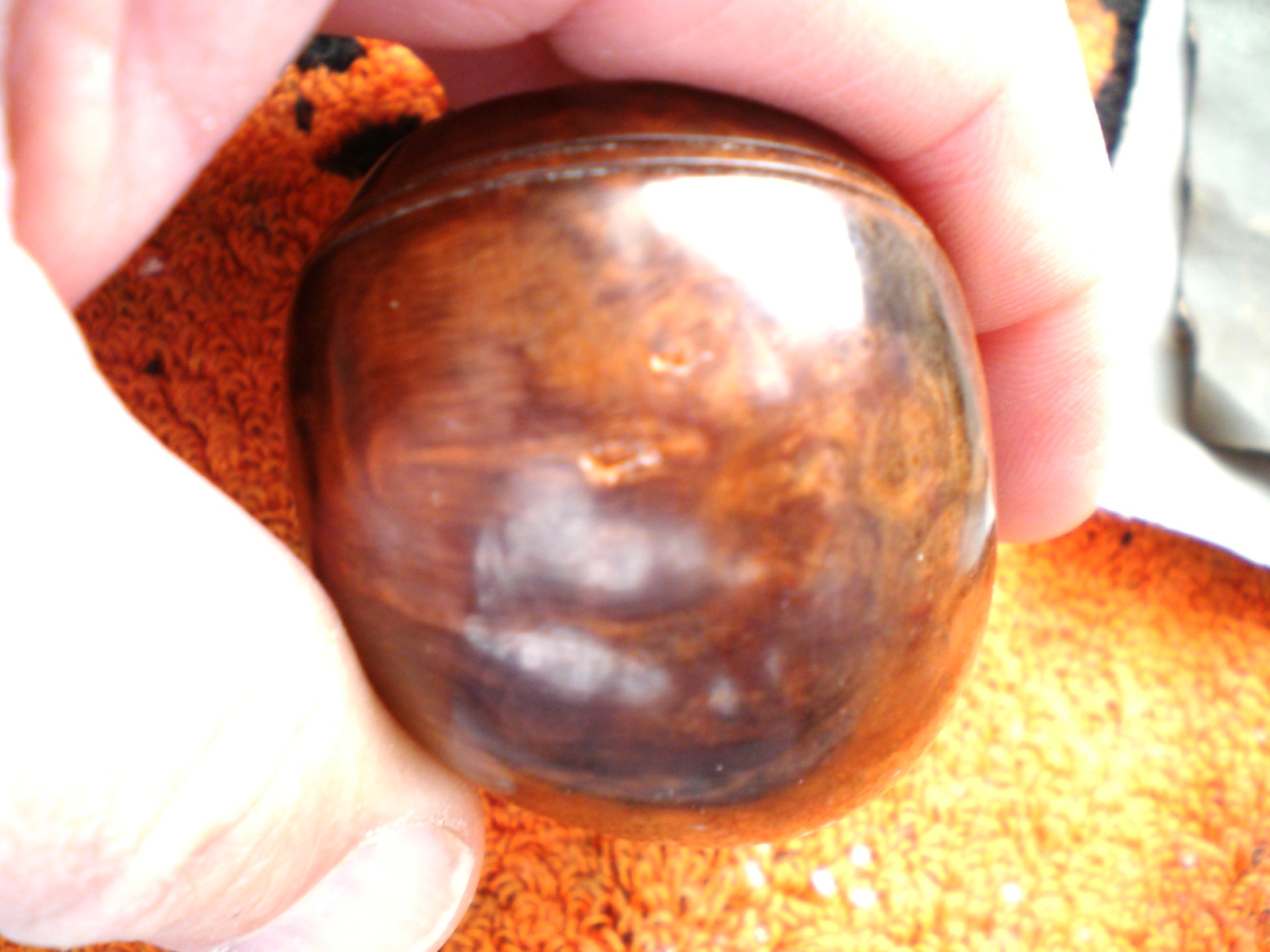
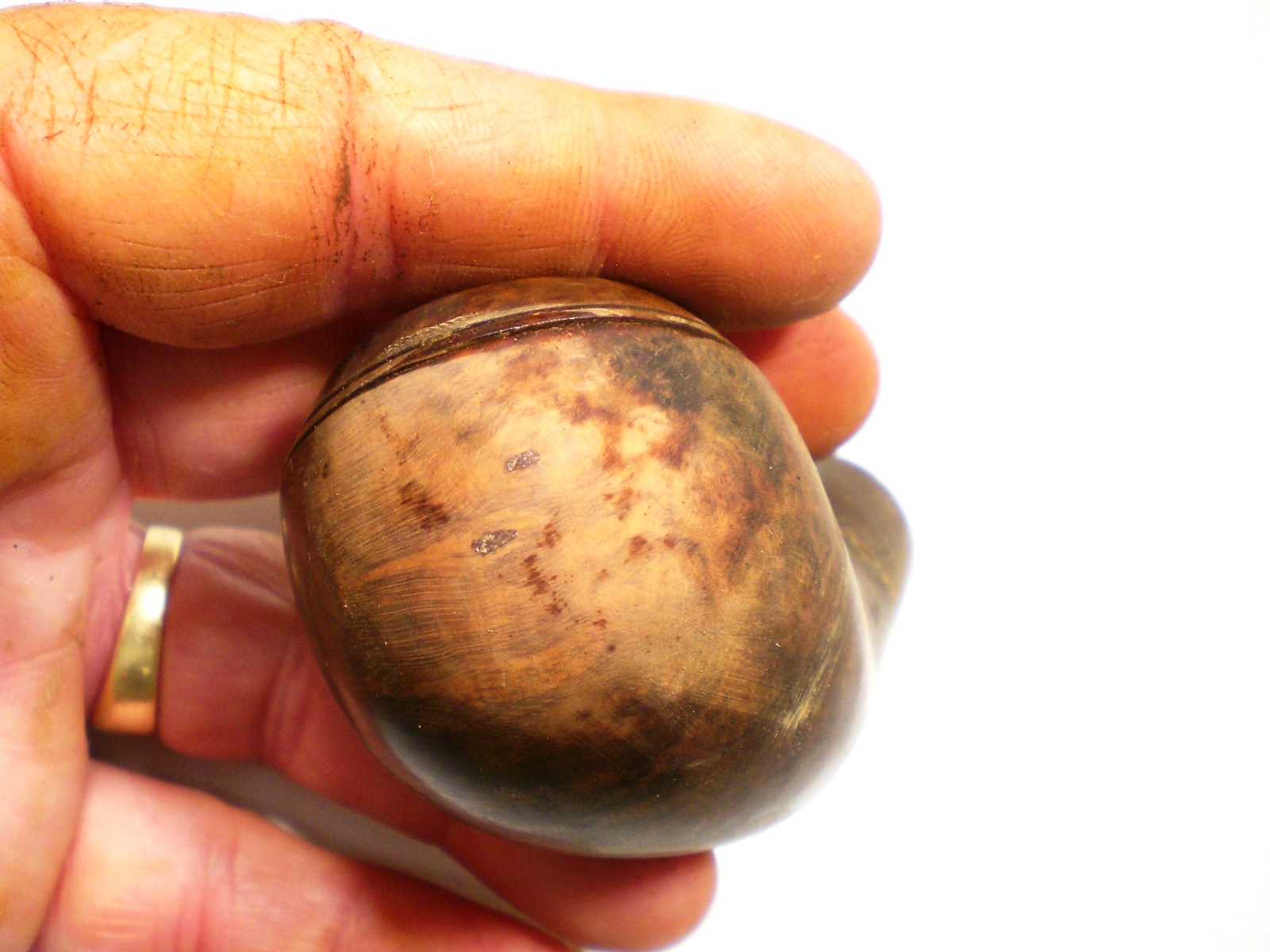
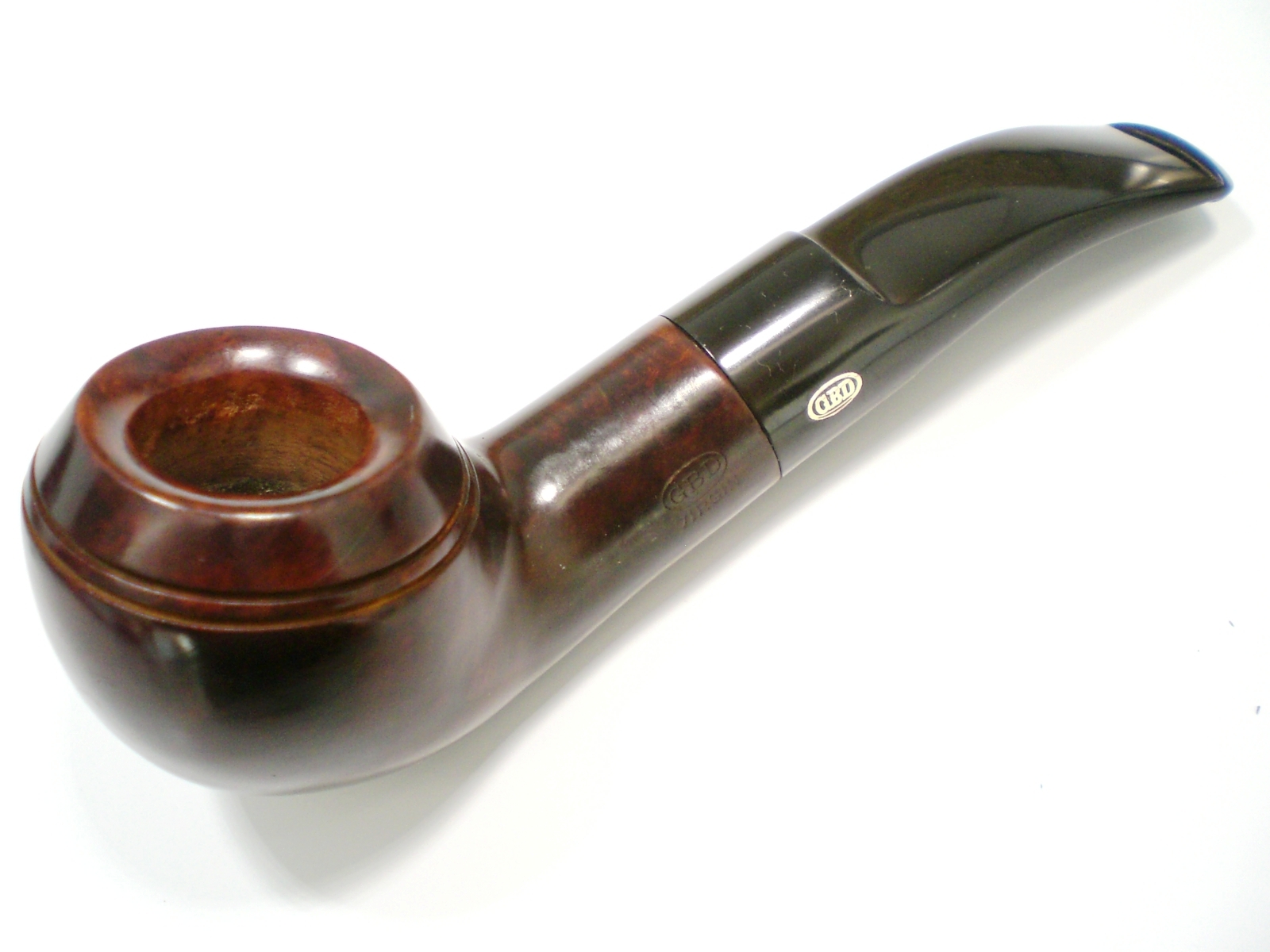
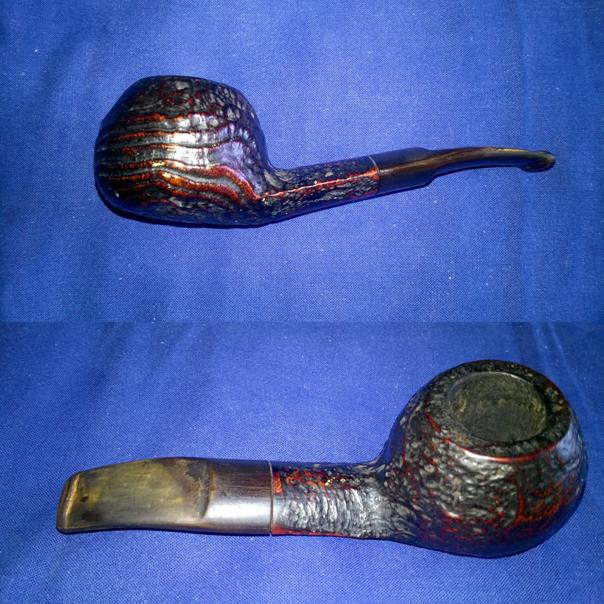
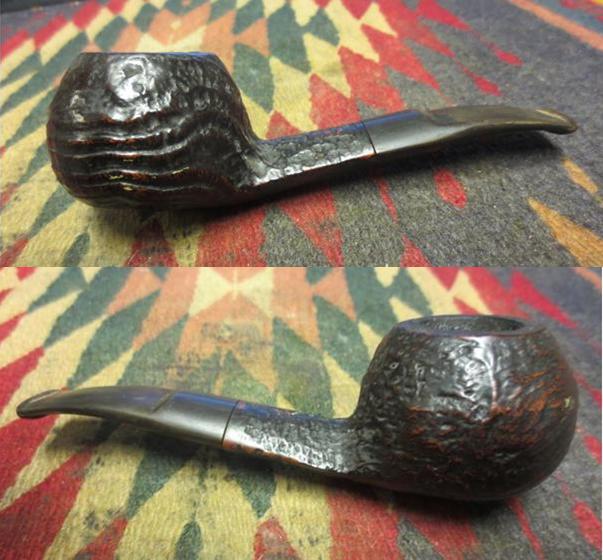
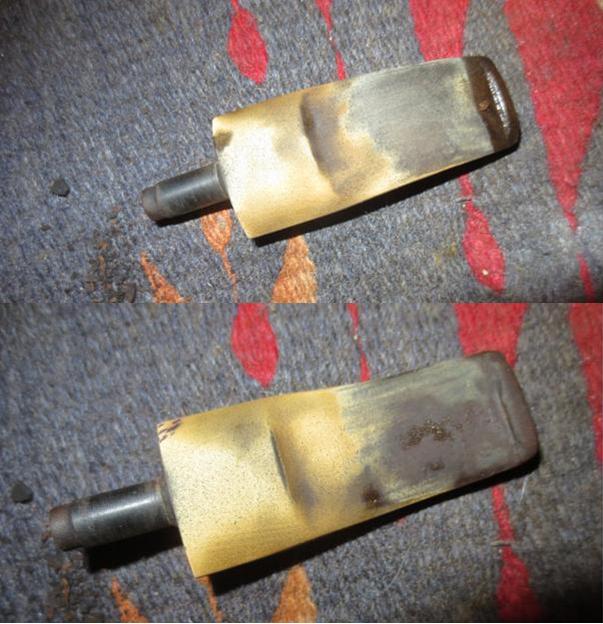
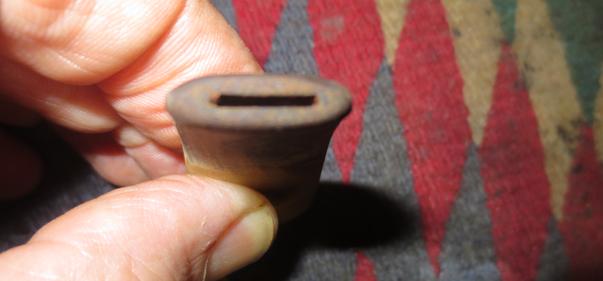
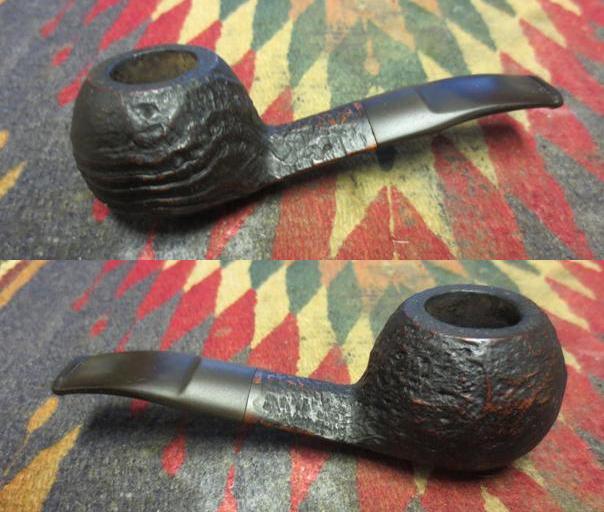
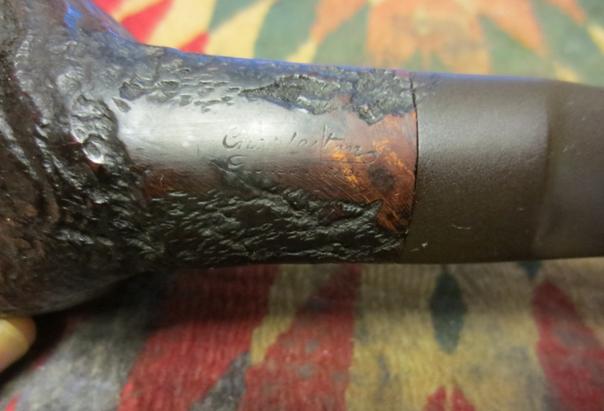
When I saw this pipe on Ebay I decided to bid on it. I had bought from this English sell a few times in the past and he generally has some great older pipes. He had listed this one as a Criterion London Made pipe. I had looked and found that Criterion was made by Comoy’s. He described it as a 1/8th bent sandblasted prince. To me it is almost a Banker shape. The bowl is quite large and the oval shank ends with a saddle bit. It is 5 inches (12.75cms) long and the bowl height is 1.5 inches (3.75cms). He described it as lightly smoked, and in very good condition and as usual his description was perfect. He said that the markings on the bottom of shank were very faint and read Criterion over London Made. When the pipe arrived I looked at the faint stamping with a lens and a bright light and it actually reads: Charleston in script over block script LONDON MADE. I had not heard of Charleston pipes before so I did a bit of research and found the brand listed in Who Made That Pipe. It was listed as being made by Sydney Charleston Ltd. London, England. The first two photos are the ones provided by the seller on Ebay.Charleston1 When the pipe arrived I took it to the work table and took a few photos of the state of the pipe before I began to work on it. It was in pretty decent shape. The finish was dirty and the rim had dirt on it. The bowl had a cake build up. The stem was oxidized with a few small tooth marks on the top and bottom of the stem near the button. The slot was virtually plugged so I could not get a pipe cleaner through it to clean the inside.Charleston2
Charleston3

Charleston4

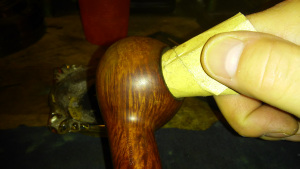
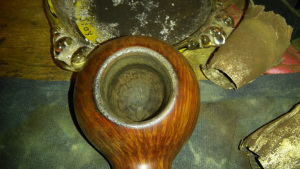
Charleston5 I took the pipe apart and put the bowl in an alcohol bath to soften the hard cake and the stem into an Oxyclean bath to soften the oxidation on the stem. I left them to soak overnight.Charleston6 When I took the bowl out in the morning I scrubbed it with a brass bristle whitewall tire brush to clean out the grooves in the blast on the bowl and the rim. I was able to remove all of the build up and grime from the ridges and grooves.Charleston7
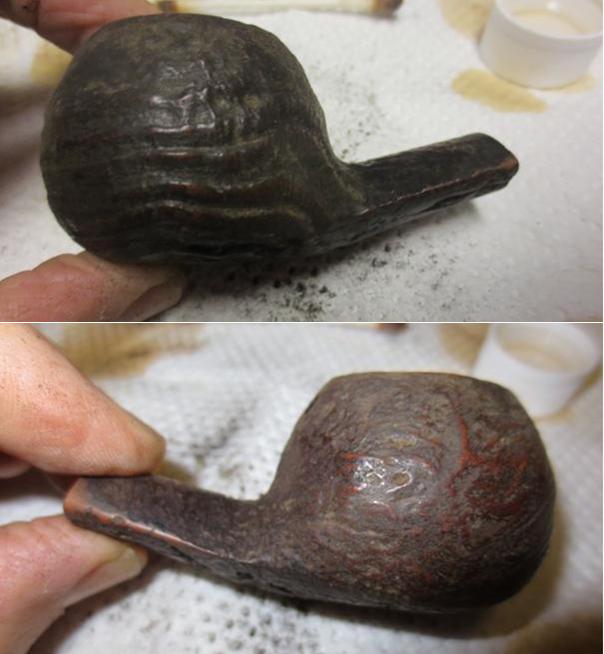
Charleston8 I wiped out the bowl with a cotton swab and then reamed it with a PipNet reamer to remove the cake. The bath had softened the cake so it came out very easily.Charleston9 I took the stem out of the Oxyclean bath and the oxidation had all come to the surface. It was soft and would be easier to remove.Charleston10 I used a dental pick to clean out the slot and then a pipe cleaner to make sure the edges of the Y were wide open to further clean it.Charleston11 I scrubbed down the bowl and stem with a Mr. Clean Magic Eraser and gave the bowl a light rub down with olive oil. I took the following photos. There was progress to be seen.Charleston12
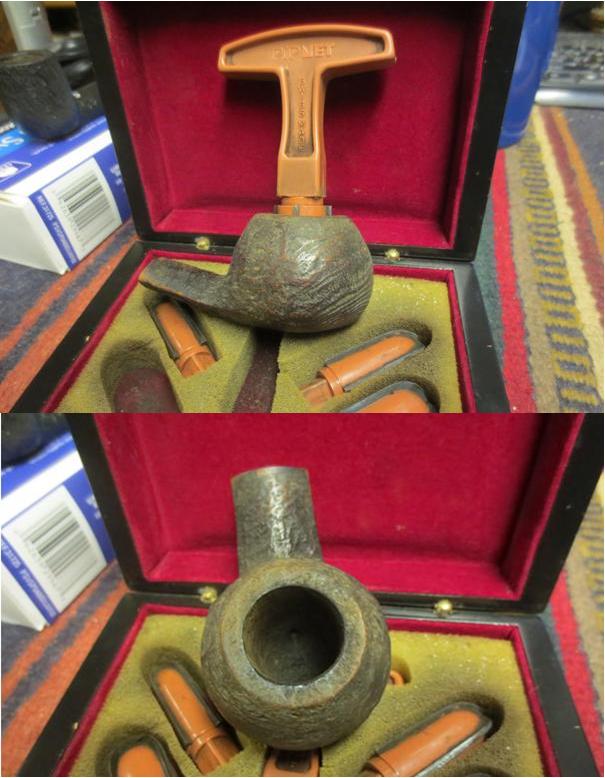
Charleston13 The cleaning and oil seemed to make the stamping more legible. In the photo below you can see the Charleston with a curled line under it and the London Made stamping underneath the line.Charleston14 I cleaned out the bowl, shank and stem with pipe cleaners, cotton swabs and alcohol. It was incredibly dirty. I would need to use the retort to really clean it.Charleston15
Charleston16 I sanded the stem with 220 grit sandpaper and worked out the tooth marks on the top and underside near the button.Charleston17 I set up the retort and held the tube over the flame to boil the alcohol through the stem and bowl. I ran three test tubes of alcohol through the pipe before it came out clean. The fourth bowl came through with clear.Charleston18
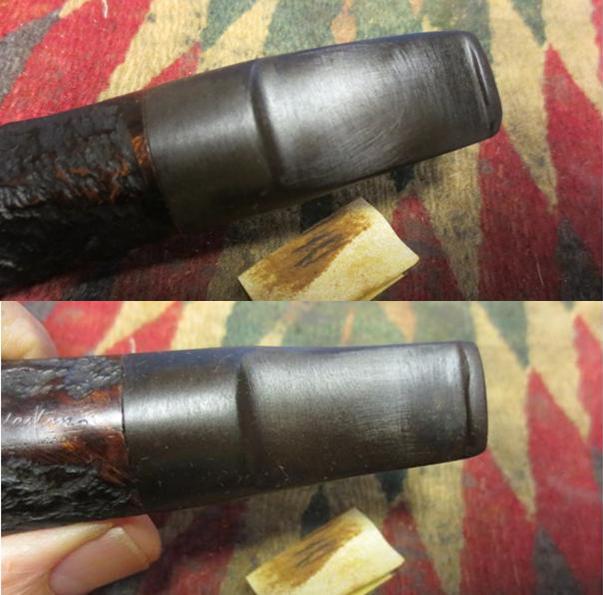
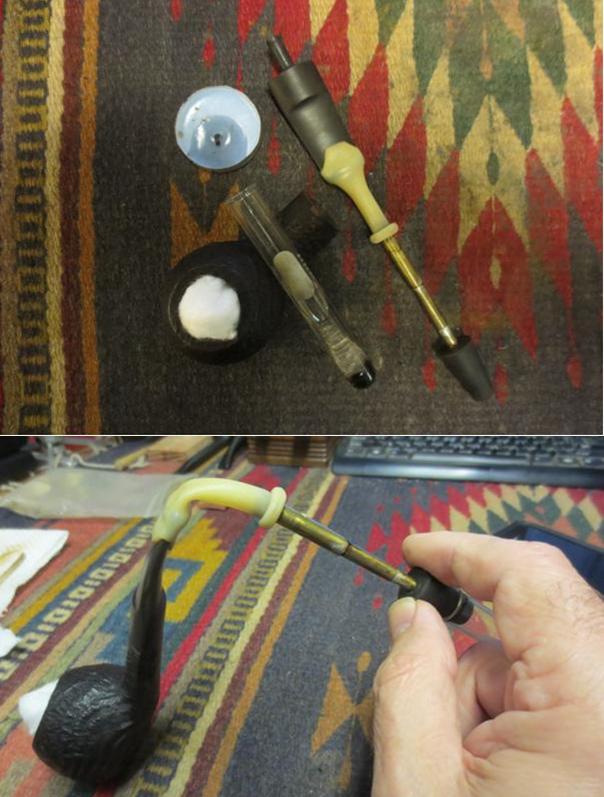
Charleston19 I took the cotton ball out of the bowl, wiped out the bowl with a cotton swab and ran pipe cleaners through the stem and shank to remove any moisture and final debris. The pipe smelled fresh and clean and the interior was clear.Charleston20

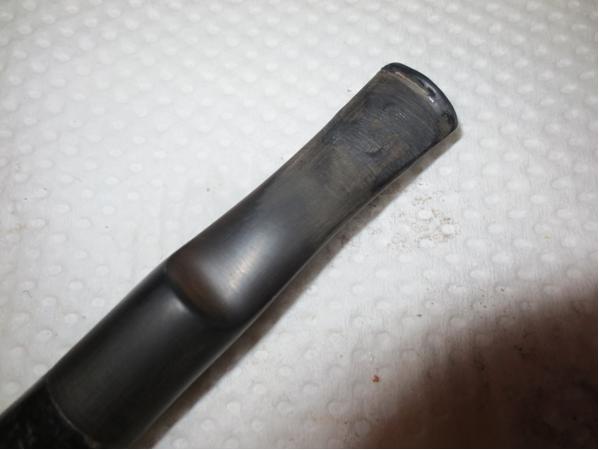
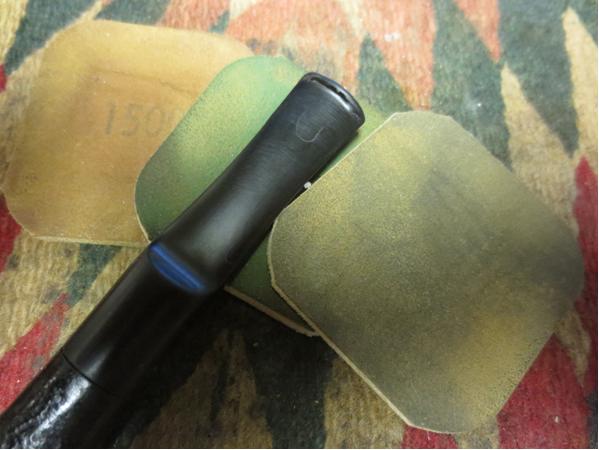
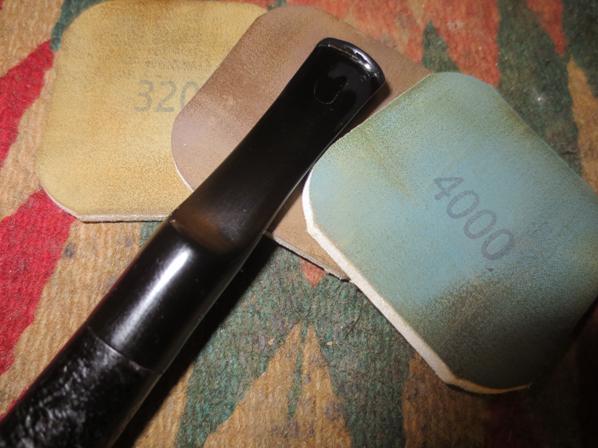
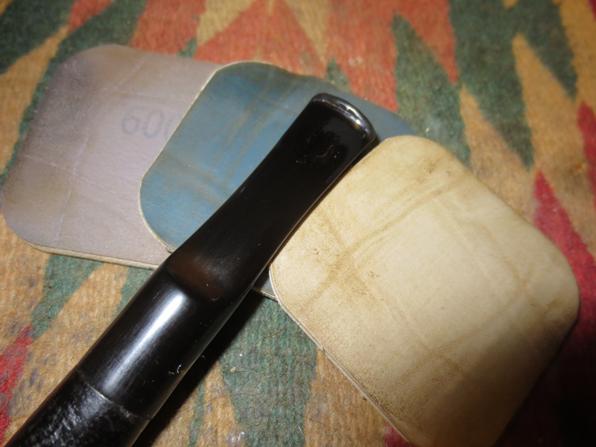
Charleston21 I worked on the stem with a medium and a fine grit sanding sponge and then wet sanded with 1500-2400 grit micromesh sanding pads. I rubbed the stem down with Obsidian Oil before dry sanding with 3200-4000 grit pads. I gave it another rub down with oil and then finished sanding with 6000-12000 grit pads. I gave it a final rub down of Obsidian Oil and let it dry.Charleston22
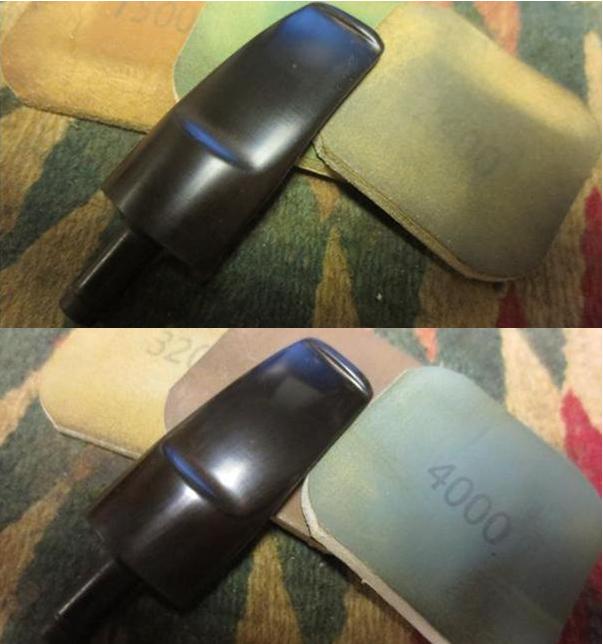
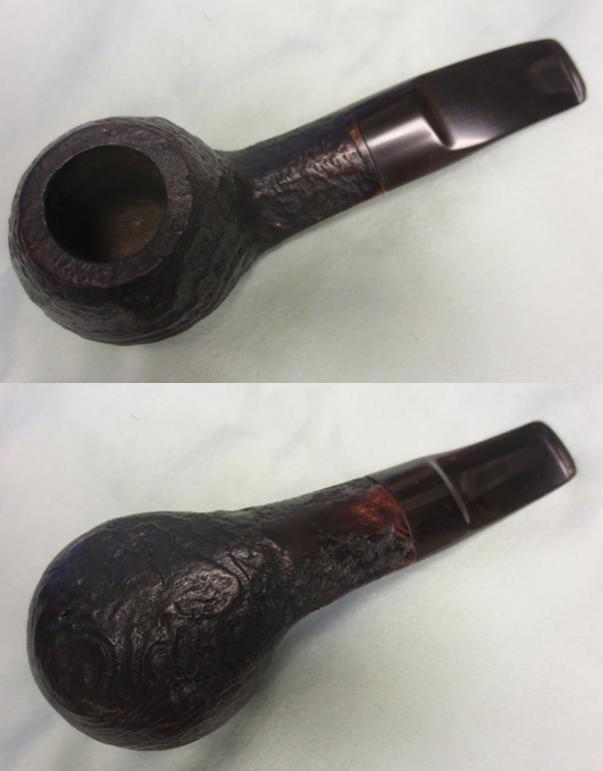
Charleston23 I buffed the pipe with White Diamond and Blue Diamond on the buffing wheel and then gave it multiple coats of carnauba wax. I then buffed it with a clean flannel buff and a final hand buff with a microfibre cloth. The finished pipe is shown in the photos below. It is fresh and ready to smoke. I intend to fire up a bowl today!

Thanks for looking.Charleston24
Charleston25

Charleston26

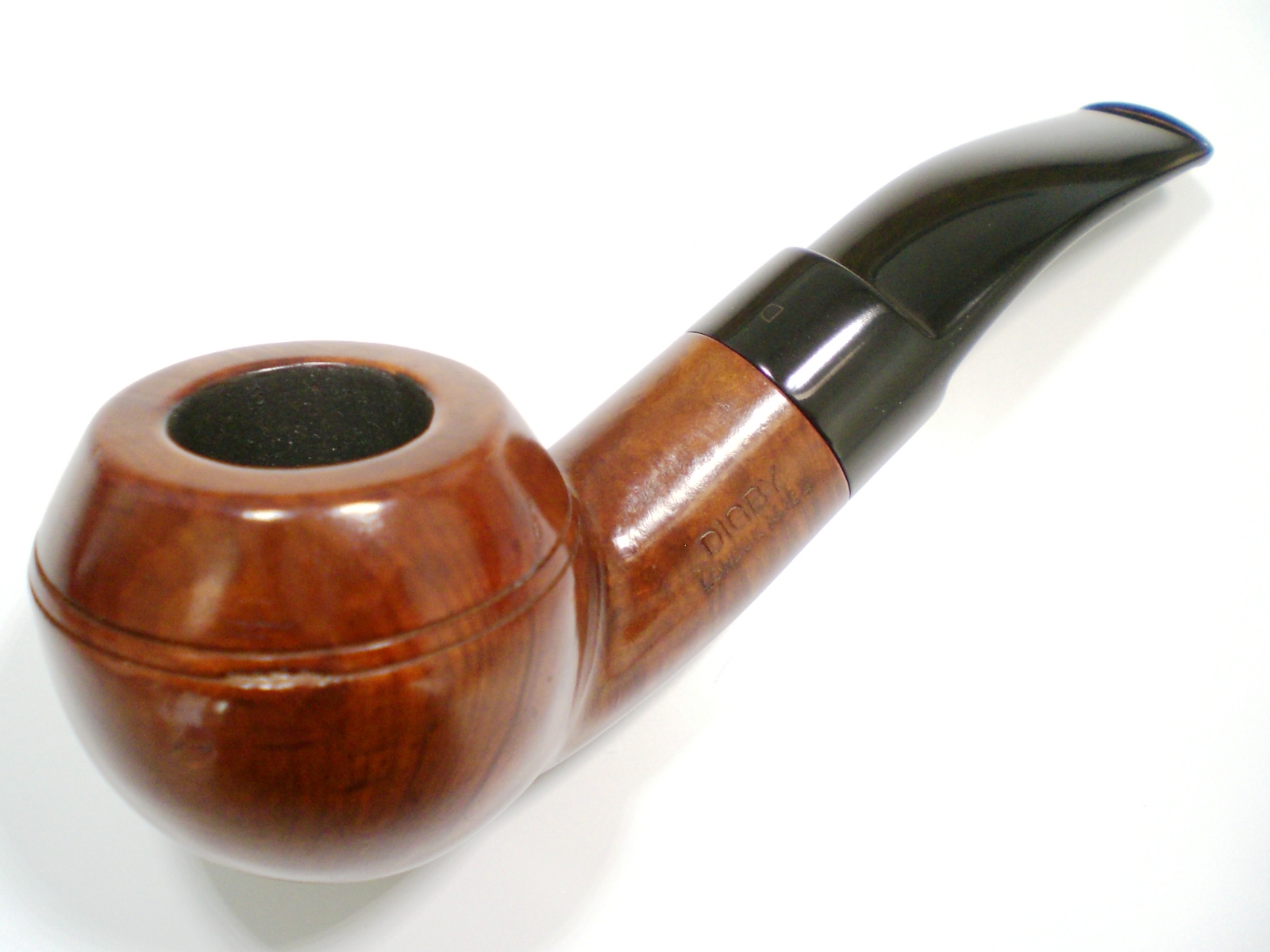
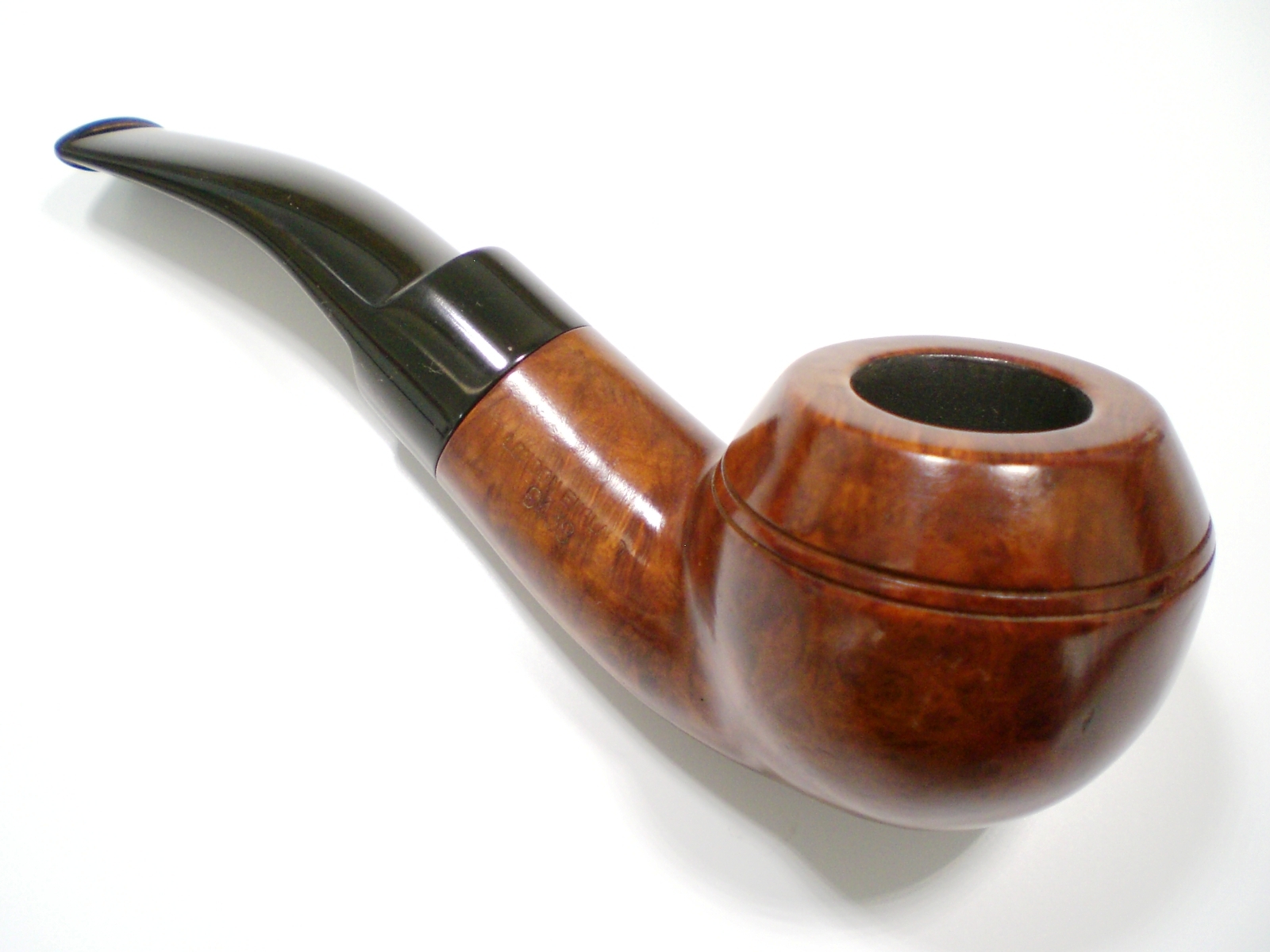
Digby 9438 Bead Repair/Refinish


By Al Jones

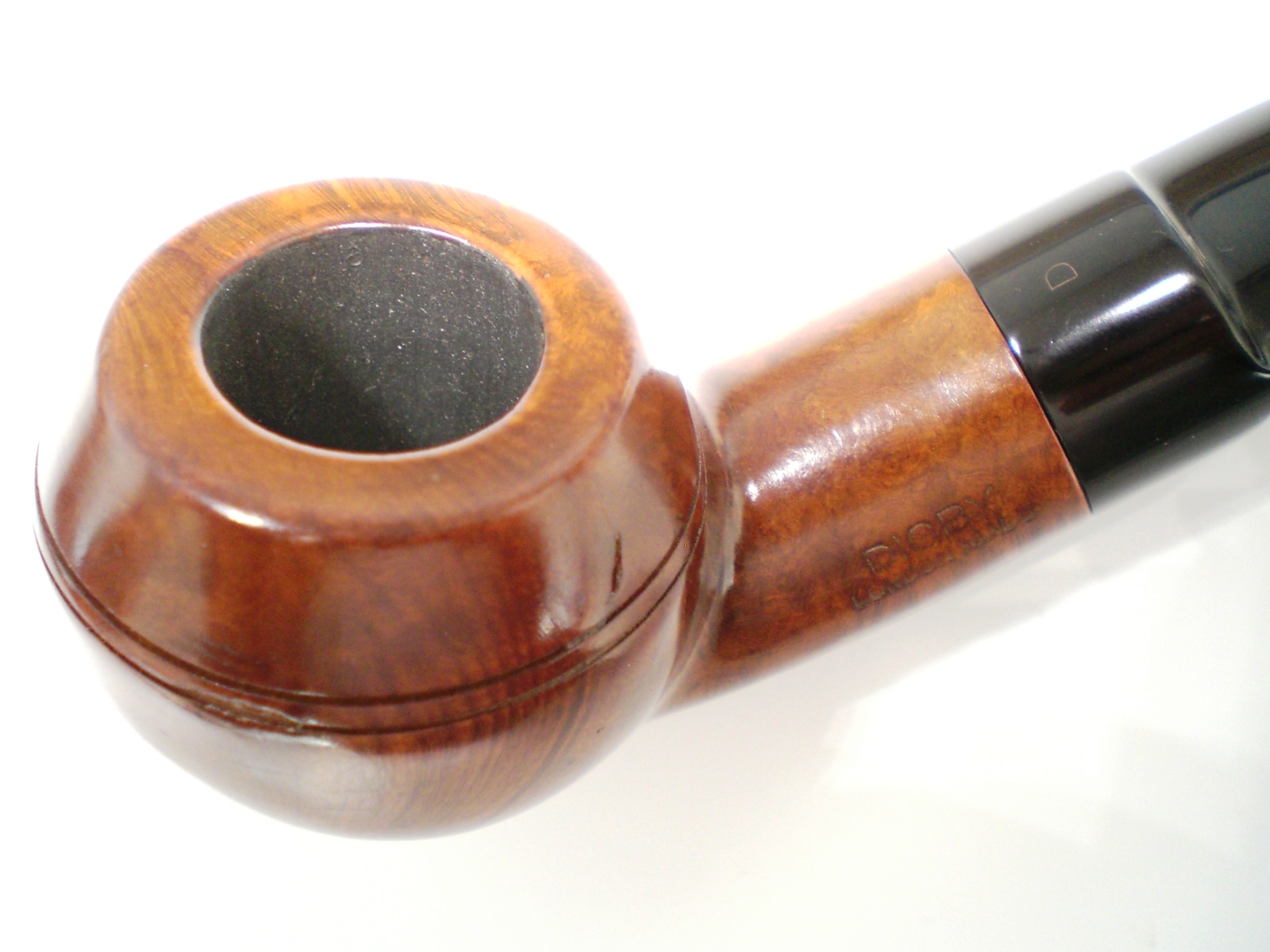
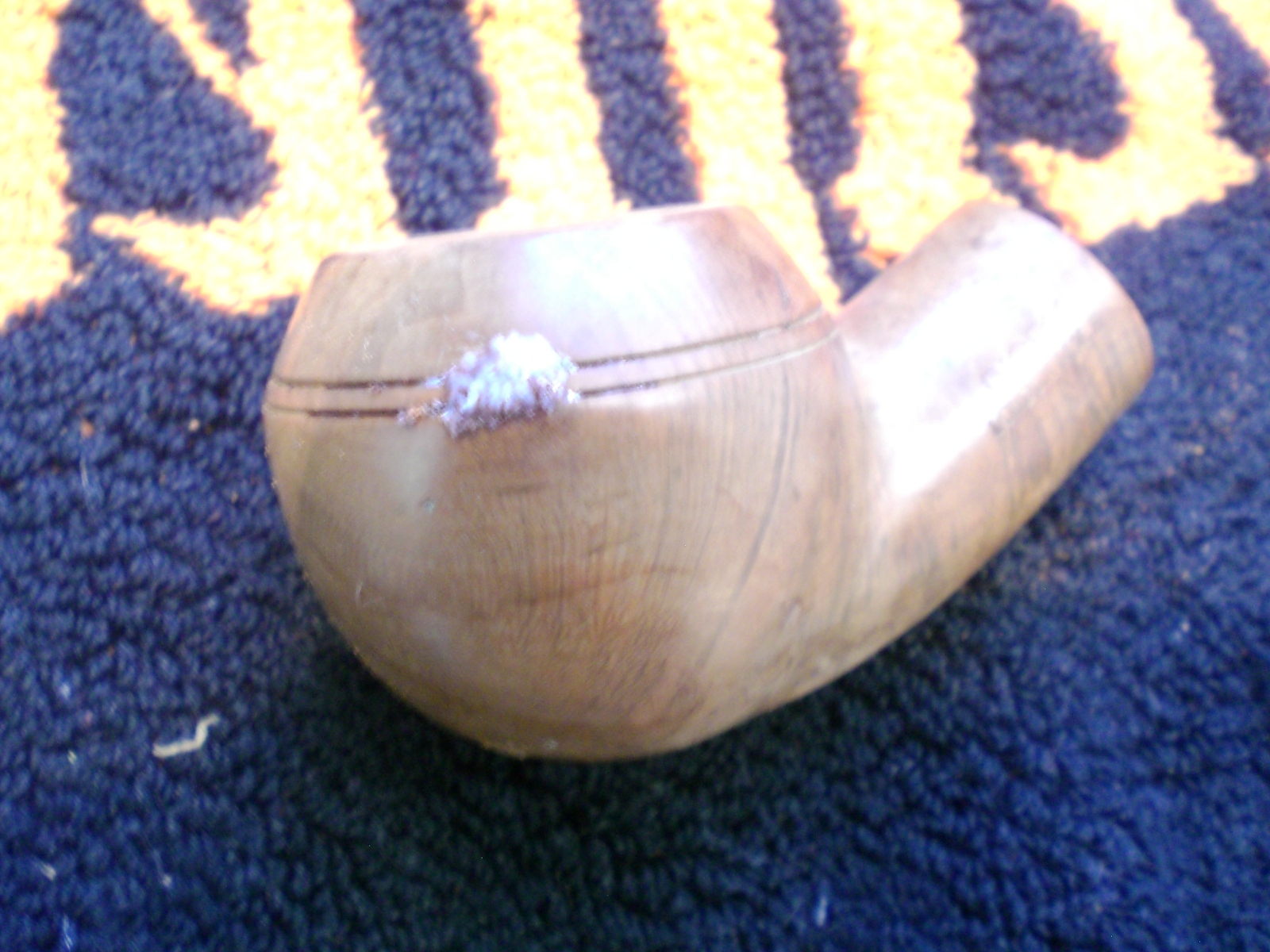
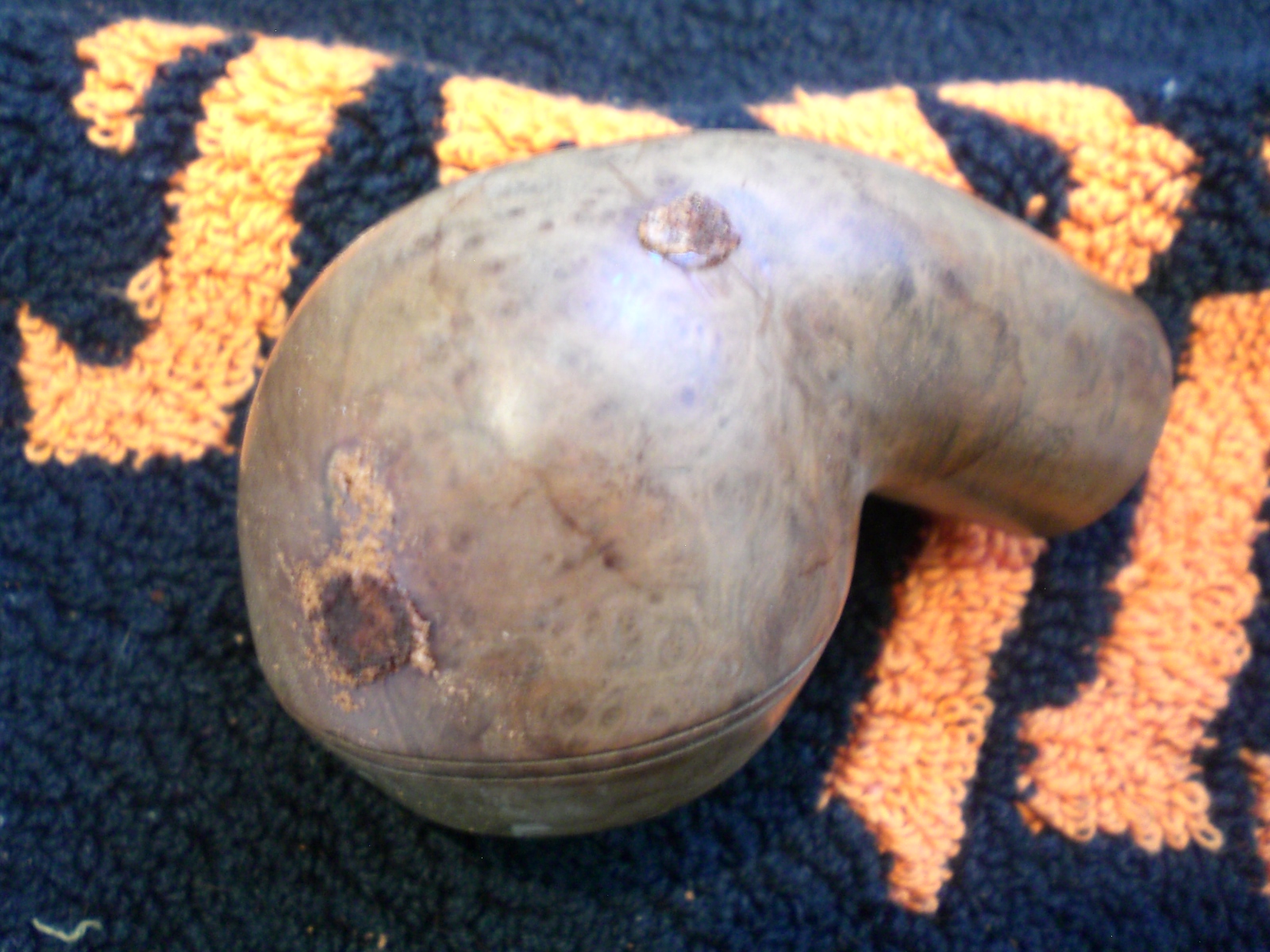
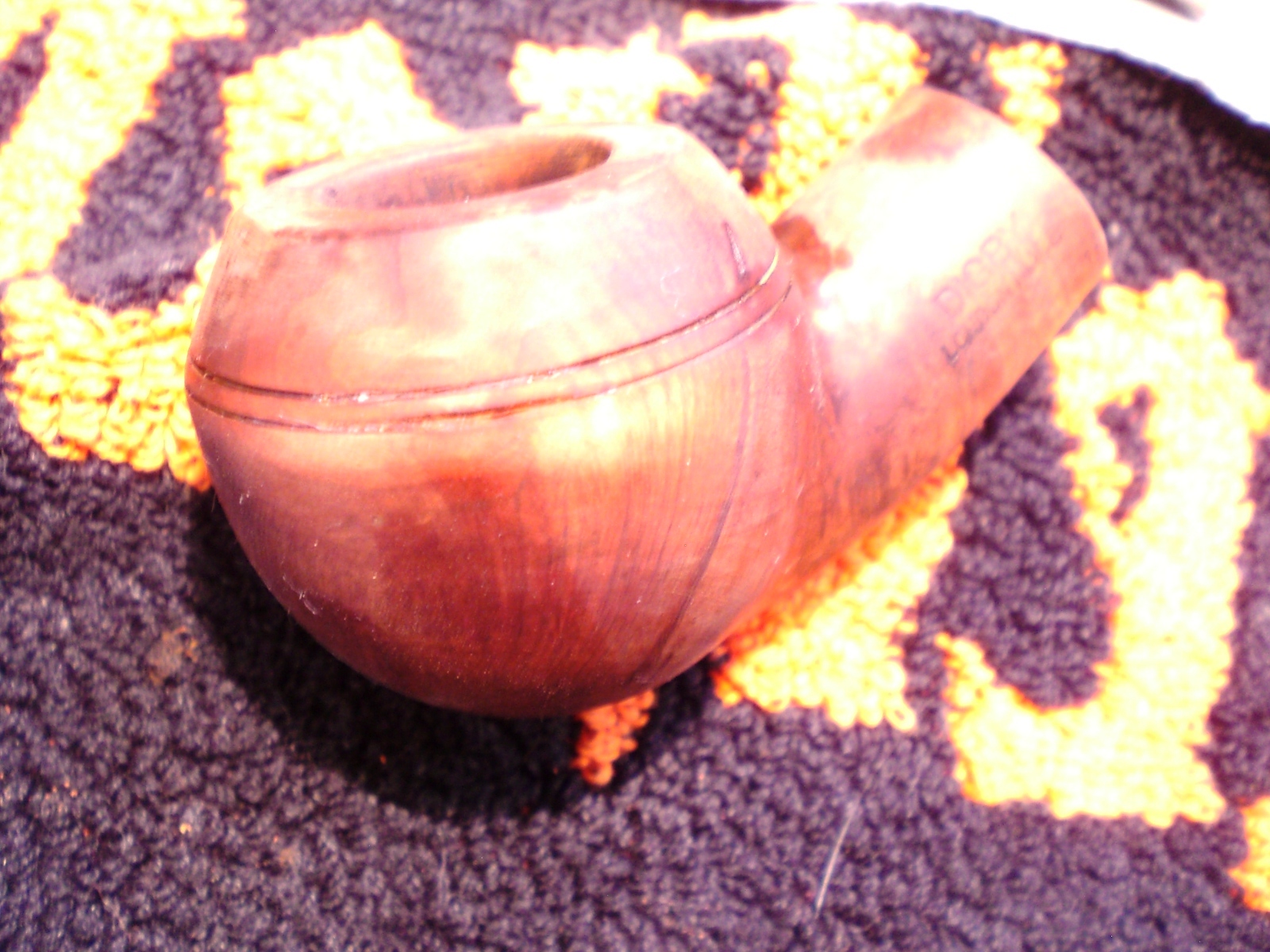
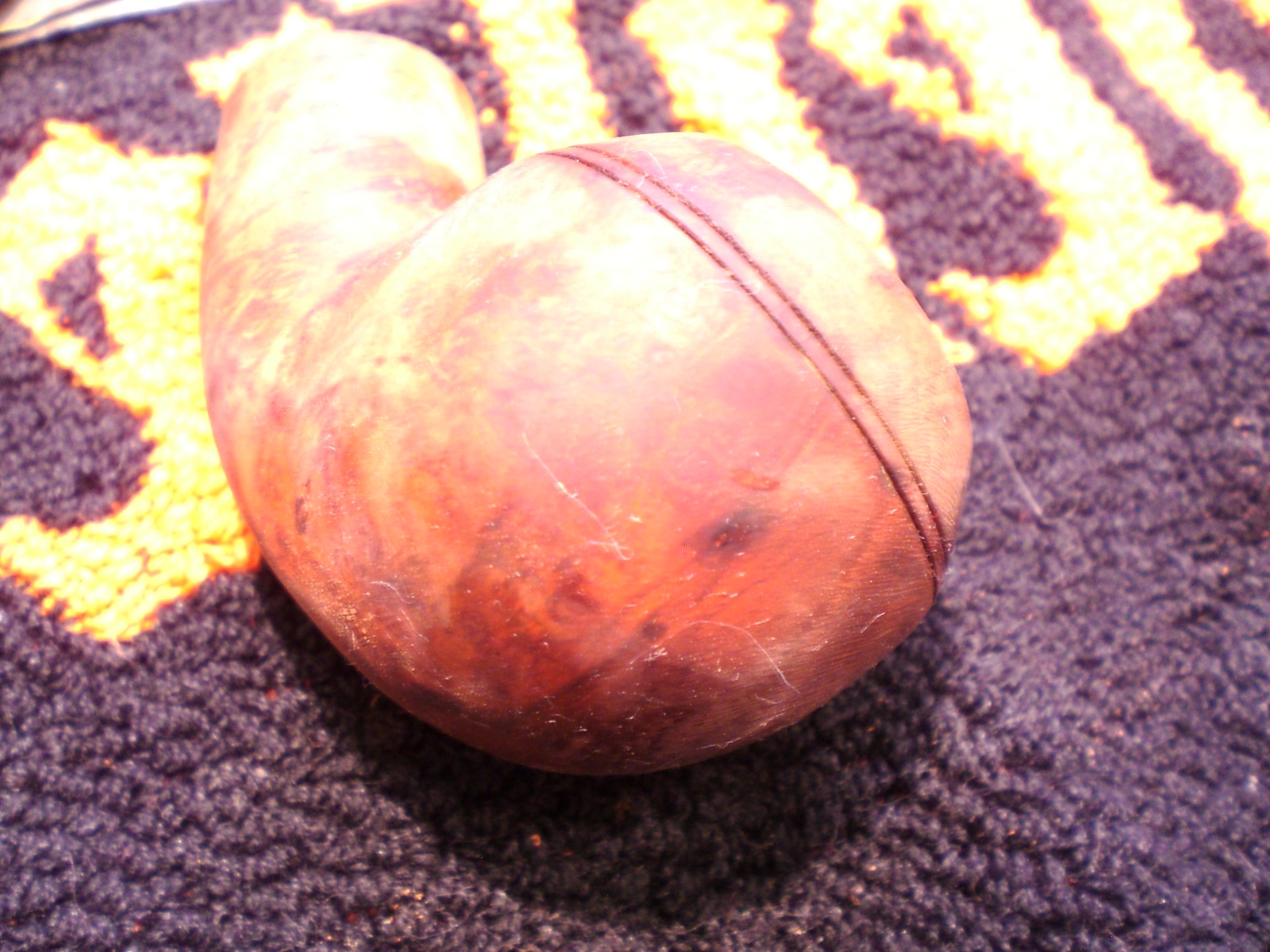
I really didn’t need another 9438 shape, but this Digby model was listed at a reasonable Buy-It-Now price eBay from seller “Shiny Pipes” and I couldn’t resist. The overall pipe was in good condition and the stem was in great condition. There were a few dings and or fill holes on the bowl and one section of the bead line had been damaged. Typically, I’m never happy with the stem finish on eBay pipes, but I didn’t need to do anything to this one.

Pipedia lists very little for the Digby line, only:

Digby pipes were made by GBD as a second line for pipes with too many flaws to carry the primary brand. They appeared, in the 1976 catalog, in either a smooth walnut finish or a dark sandblast. Digby pipes were openly sold as being made “By the Makers of the Famous GBD”.

The pipe as received. The damaged bead line is noticable.

Digby_9438 (2)

Digby_9438 (3)

Digby_9438 (4)

I’ve never tried to repair a bead line, but I’ve followed with great interest of the work by Dave Gossett, whose excellent work is detailed in this blog.

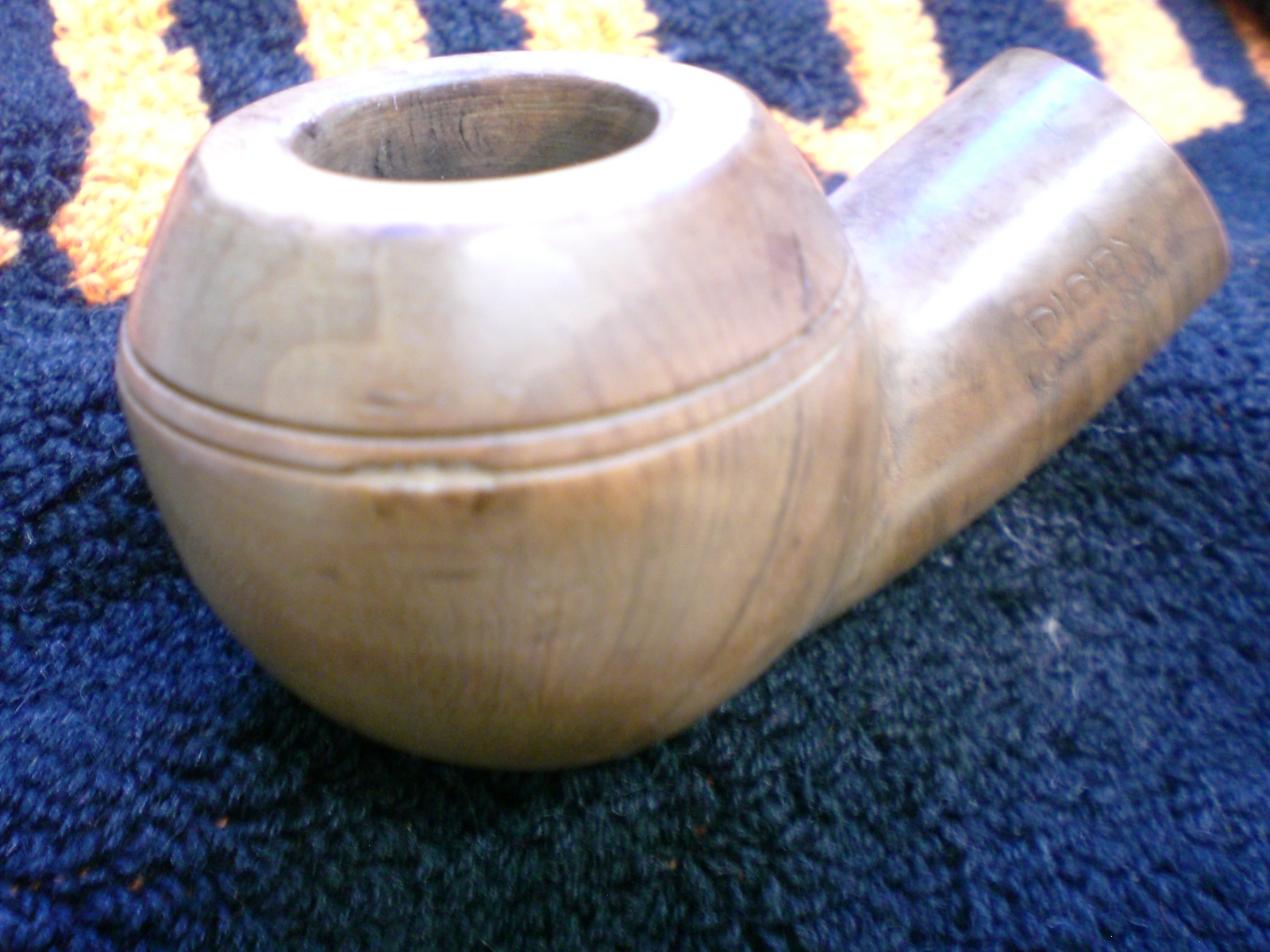
I gave the pipe a brief soak in alcohol, to remove the wax and stain. Dave has warned me that the alcohol soak has raised grain and damaged nomenclature so I only left the pipe immersed for 30 minutes.

I used clear CA glue and pressed in briar dust/shavings (created with a file from an old pipe). Dave has mentioned putting a tape-covered piece of cardboard in the bead ring, but these rings were so shallow that didn’t work. I was forced to cover both bead lines with the repair.

Digby_9438_Resto (8)

Digby_9438_Resto (9)

Digby_9438_Resto (10)

Digby_9438_Resto (11)

Digby_9438_Resto (12)

Digby_9438_Resto (13)

I used 600 and then 800 grit wet sandpaper (3M) to smooth the glue repairs.

On the bead ring, I used a sharp, think knife blade to recut the bead line. One fill was on top of the bead line, but very close. I covered the bead line with a piece of clear packing tape to keep the glue out of the lines. The bead line repair is not perfect, but a big improvement from what was received.

I used Feiblings Medium Brown stain on the bowl. The stain color blended in the fill areas nicely and gave the briar a richer look. The original stain was a little washed out and highlighted the bland grain too much.

I then buffed the pipe with White Diamond and several coats of Carnuba wax to finish the job. The stem was already in great condition, including the D stamp, which somehow survived.

Below is the finished pipe. Curiously, the tenon on this Digby is nicely funneled, a feature I’ve only seen on GBD “Hand Cut” stamped stems.

Digby_9438_Resto (1)

Digby_9438_Resto (2)

Digby_9438_Resto (3)

Digby_9438_Resto (4)

Digby_9438_Resto (5)

Digby_9438_Resto (6)

Digby_9438_Resto (7)

Digby_9438_Resto (1)

A Simple Elegance: Cleaning, Restemming and Restoring a Diplomat Billiard


Blog by Steve Laug

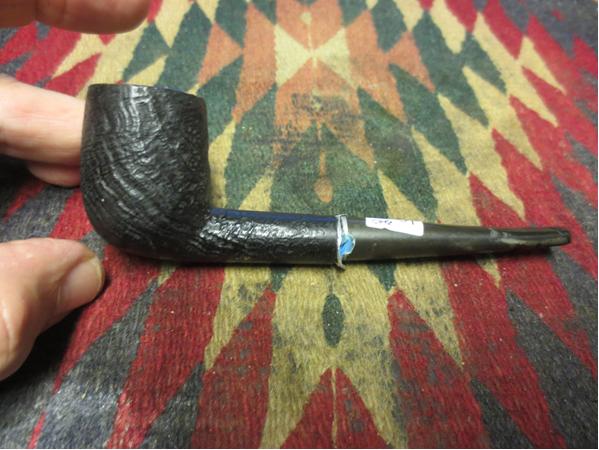
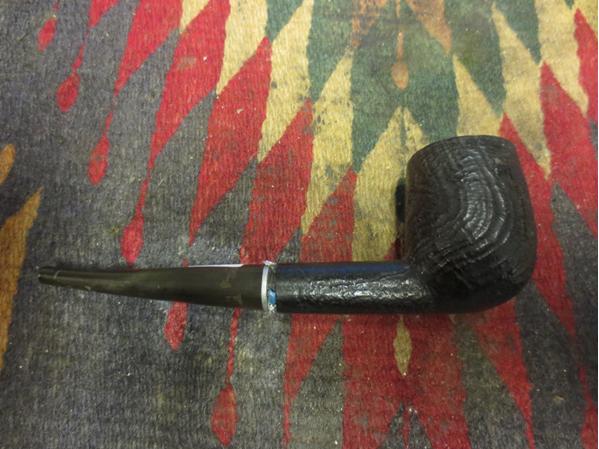
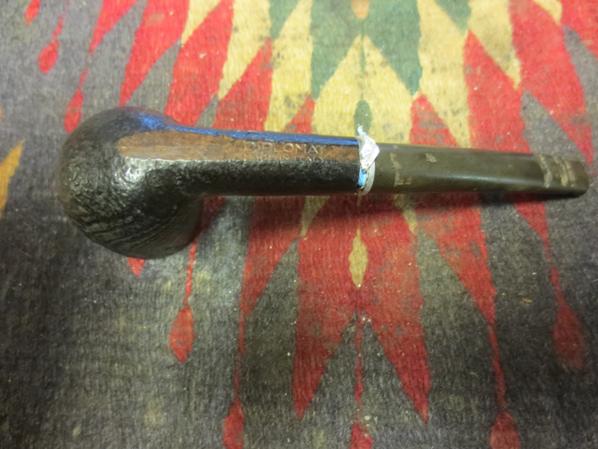
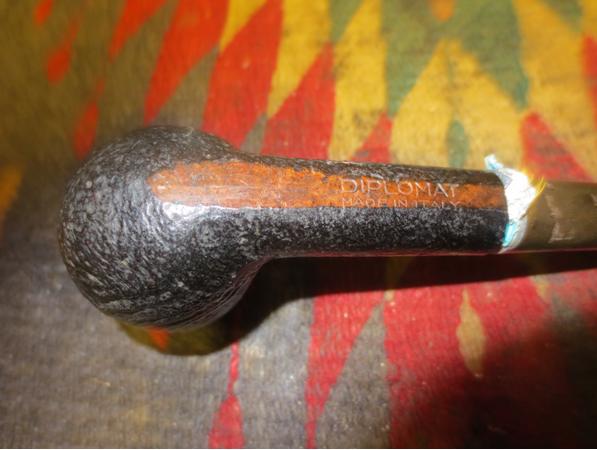
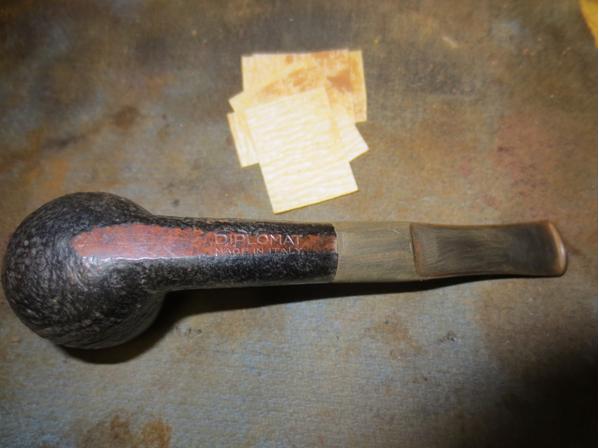
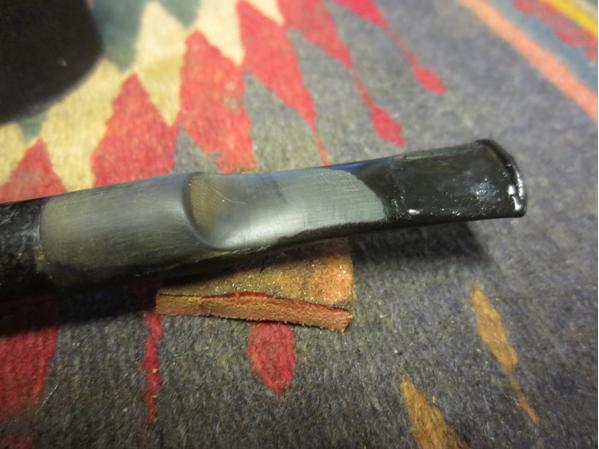
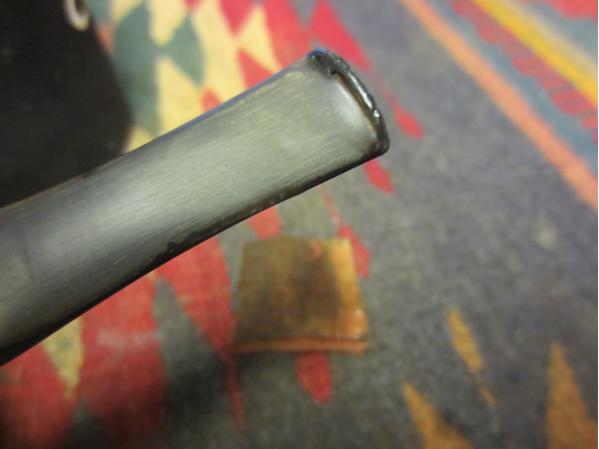
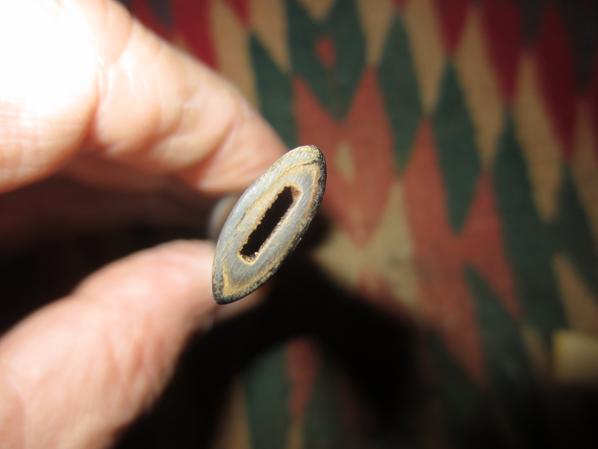
On my recent Lethbridge trip I found the Diplomat pipe at an Antique Fair. It is a nice sandblast billiard with a dark undercoat and a brown over stain. The bowl was in decent shape. The sandblast was deep and quite beautiful to look at. The nooks and crannies caused in the process made for an interesting feel in the hand as well. The stain had worn off in spots on the sides of the bowl and along the outer edges of the rim. The finish was also generally dull and lifeless. The surface of the rim was dirty with tars and oils. The inner edge was slightly damaged and would need to be worked on. There was a thick cake around the middle of the bowl and light at bottom and on top. The stem was one that somebody had Gerry-rigged to fit. It was smaller in diameter and the tenon was too small. The previous owner had wrapped the tenon with thread and then with aluminum foil and pressed it into the shank. The stem had also been hacked up to repair a damaged button and grooves had been carved on the top and bottom sides of the stem to make it a dental bit.Dip1

Dip2

Dip3

Dip4

Dip5 I took close-up photos of the top of the bowl and the underside of the shank to give a clear picture of the state of the inner edge of the rim and the stamping on the pipe.Dip6

Dip7 The next two photos show the stem that came with the pipe and the “fancy” work that had been down to make it fit the shank and create grooves on the top and underside that would allow the pipe to be held in the mouth behind dentures.Dip8

Dip9 My first task was to go through my stem can and see if I could find a better stem for this pipe. I did not have a tapered stem that would readily fit but I did have a saddle stem that would look good after shaping and fitting it to the shank.Dip10 I lightly sanded the tenon to get a snug fit in the shank and pushed the new stem home to have a look at the fit. The stem would need to be sanded to bring the diameter at the stem/shank union down to match the shank. I took a few photos to see what the pipe looked like with this new stem.Dip10

Dip11

Dip12

Dip13 I used a Dremel with a sanding drum to carefully reduce the diameter of the saddle portion of the stem. I have found that I can roughly shape the stem to fit better and then finish by hand sanding it (photo 1). Once I had the rough shape I sanded it with a coarse emery paper to remove the gouges and scratches left behind by the sanding drum (photo 2). I slipped a plastic washer on the tenon and put the stem back in place. I sanded it with 180 and 220 grit sandpaper to further shape it and remove the scratches (photo 3).Dip15

Dip16

Dip17 With the basic fit correct and only needing to fine tune it and polish the stem I decided to ream the bowl. I used a PipNet reamer and took the cake back to bare wood.Dip18

Dip19 I cleaned out the inside of the shank and stem with pipe cleaners, cotton swabs and alcohol. Once it was clean I worked on the inner edge of the rim. I sanded it and reshaped it to make it smooth and round once again using a folded piece of 220 grit sandpaper.Dip20

Dip21

Dip22 I sanded the stem some more with 220 grit sandpaper and flattened the bottom side to match the flat bottom of the shank. The next set of three photos show the fit and shape of the stem at this point.Dip23

Dip24

Dip25 The button was quite thin and I decided to build it up with black superglue. I also could see a repair that had been done on the stem before I used it so I worked on that to further blend it into the stem surface.Dip26 When the glue dried I sanded it with 220 grit sandpaper to feather it into the surface of the rest of the stem and also worked on shaping the button. In the second photo below you can see the end view of the built-up and reshaped button.Dip27

Dip28 I sanded the stem and button with a medium and a fine grit sanding sponge to remove the scratches and blend in the patches. I then wet sanded the stem with 1500-2400 grit micromesh sanding pads and then rubbed the stem down with Obsidian Oil. I dry sanded with 3200-4000 grit pads and rubbed it down again with oil. I finished by sanding it with 6000-12000 grit pads and gave the stem a final coat of Obsidian Oil. I set it aside until the oil was dry.Dip29

Dip30

Dip31

Dip32 I touched up the worn spots on the finish of the bowl with a dark brown stain pen and a black permanent marker and then buffed the bowl and stem with White Diamond on the wheel. I buffed it again with Blue Diamond and then gave the pipe multiple coats of carnauba wax. I polished it with a clean flannel buff and then hand buff with a microfibre cloth. The finished pipe is shown in the photos below. I like the looks of the saddle stem and the deep sandblast finish. The pipe has an understated elegance about it that I like.

Thanks for looking.Dip33

Dip34

Dip35

Dip36

Dip37

Restoring an Underwhelming Habitant Deluxe Chubby Bulldog


Great job on this one! I love this shape. Like Al, it tugs on me as well. I am a sucker for this shape. Nice work on completing the twin rings around the cap and on the reshaping of the button. Great work.

Charles Lemon's avatar

Some pipe shapes jump out at you from across the room, grabbing your attention in the equal but opposite way other shapes make you wonder what the carver could possibly have been thinking. I was immediately drawn to this pipe when I spotted it on a recent estate pipe hunting expedition. The chubby bulldog reminded me of a kind of cross between a Savinelli 320KS recently featured on rebornpipes.com and the classic Peterson 999 shape, though this pipe was not nearly as well-executed. In fact, it rather struck me as a practice piece after I had stared at it a while. The bowl was drilled slightly off-centre, and the distinctive bulldog bowl rings were anything but on this pipe – the upper ring was almost entirely absent, and the lower was unevenly cut.
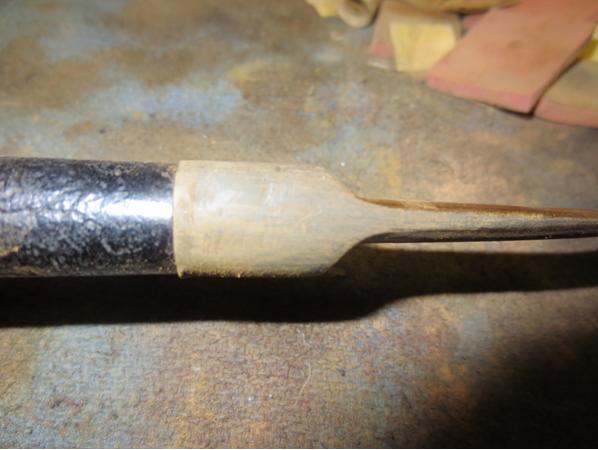
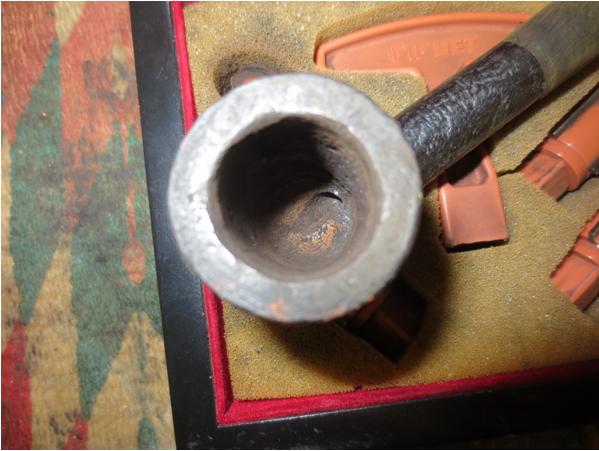
The pipe had the usual gammut of estate pipe woes – tarry rim, dents, dings, scratches and…

View original post 739 more words

One More For The Case.


I am a big fan of Custom Bilt and Custombilt pipes ever since I read Bill Unger’s book on the Custombilt story. I have about 7-8 of them in my collection. This is a great piece of pipe history. Thanks Tim.

pipesrevival's avatarPipesRevival

 photo 20151009_1028122_zpsnbbw4qeb.jpg

My ever-growing collection of Custom-Bilt pipes, it has indeed outgrown it’s display case. Originally meant to house my small Tom Howard and Custom-Bilt collection has turned into an overflowing collection of Custom-Bilt pipes alone. Before my knowledge of the company and it’s founder Tracy Mincer, I was intrigued by these large and ugly pieces of briar. They seemed like misfits in a sea of smooth,small and manicured pipes of it’s time.

Custombilt pipes are not all created equally which I soon found out. My first Custom-Bilt purchase three years ago was more of an accident, an older woman the owner of an antique shop in Troy N.Y. had listed a pipe in her EBay shop, poor photos and little information let it slip by unnoticed , I decided to pull the trigger. I was surprised upon receiving the pipe it was big, bulky and roughly carved but comfortable in the hand…

View original post 1,322 more words

Savinelli Hercules 320 EX


Nicely done Tim. I love the cross grain and birdseye on this one. It is a beauty. Great work.

pipesrevival's avatarPipesRevival

Screenshot_2015-10-22-18-29-46~220150904_110911_zpsotamwek9-1

About a month ago my wife surprised me with a haul of five that I could have never pulled off. She is an incredible woman and apparently has a better eye then myself.  This was the worst of the lot.

20150911_205203

The pipe upon receiving, a Savinelli Hercules 320 EX. She was big and beautiful.

20150911_205240PhotoGrid_1445555032134

She was in decent shape a little cake, rim char,the button was worn and the biggest problem was the stem logo, it was beyond saving very worn.

20150911_21074320150911_21120520150911_213405

I started with my Castleford Reamer working from the smallest to the largest attachment and in this case the largest was too small. I moved to 250 grit sandpaper so I could take it back to the briar and finished it off with 400 grit paper.

20150911_213720

 Next the build up on the rim, I applied Method wood for good polish and let it soak in for 10 min . After the…

View original post 427 more words

Kaywoodie Handmade Oversized Pipes


Tim did an amazing job on this pair. Thought I would reblog it. Well done.

pipesrevival's avatarPipesRevival

Screenshot_2015-07-10-10-41-452_zpsw2hs3uvb

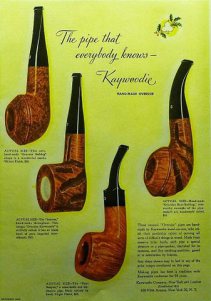
The ad above I believe is from the late 40’s early 50’s from what I could find I think this is where my pair falls.

Some of my first estates were Kaywoodies. Living in New York most of my life I loved reading of there history and the successful building of a brand everyone knows. The only thing I couldn’t get past was how small there pipes were. I have a few in my collection from the 30’s and 40’s that make my wife laugh when I smoke them. I’m a pretty hefty guy so in turn I would need to find a hefty Kaywoodie.

Six months ago I found my chance with the Kaywoodie Handmade Oversized line. They are big and beautiful pieces of Briar reminiscent of my first love Custom-bilt. I originally posted this refurb on Pipes Magazine with the help of forum members I was able to put these beauties back…

View original post 577 more words

Home from Lethbridge, Alberta with a few Pipe Finds and Gifts


Blog by Steve Laug

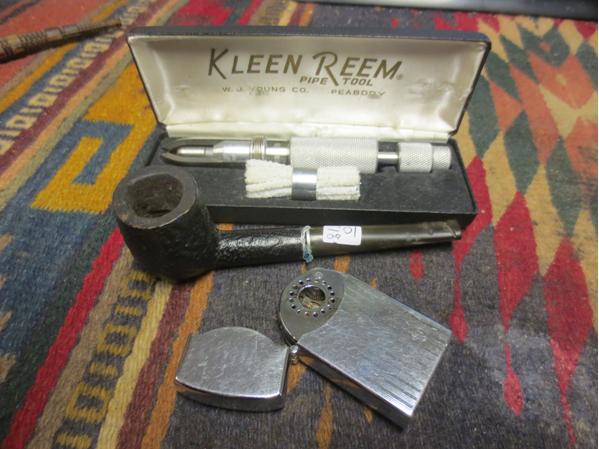
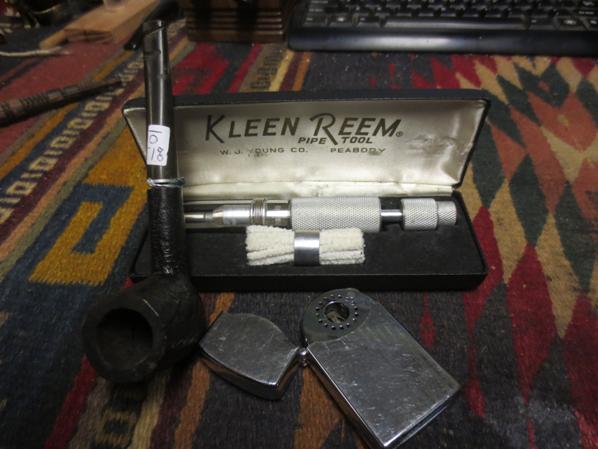
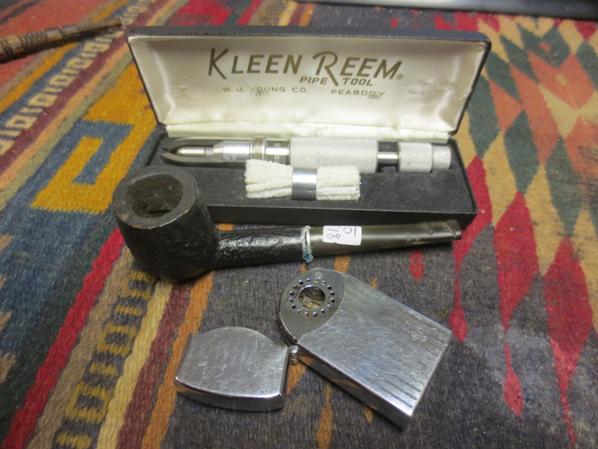
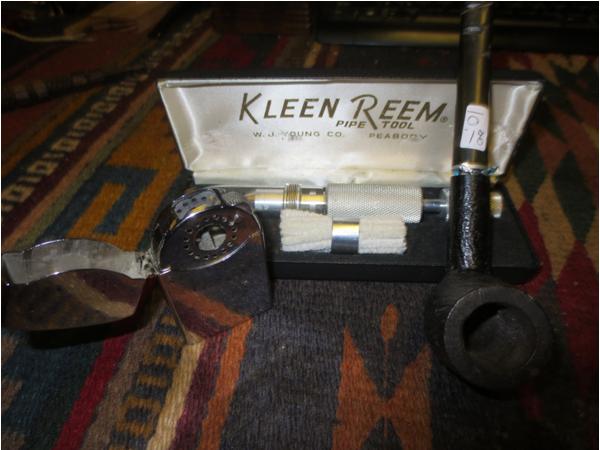
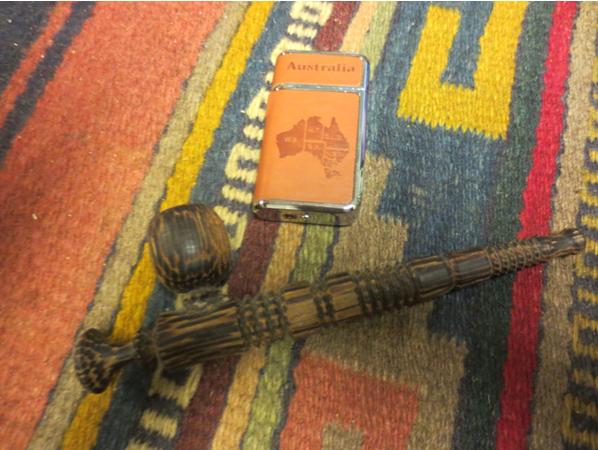
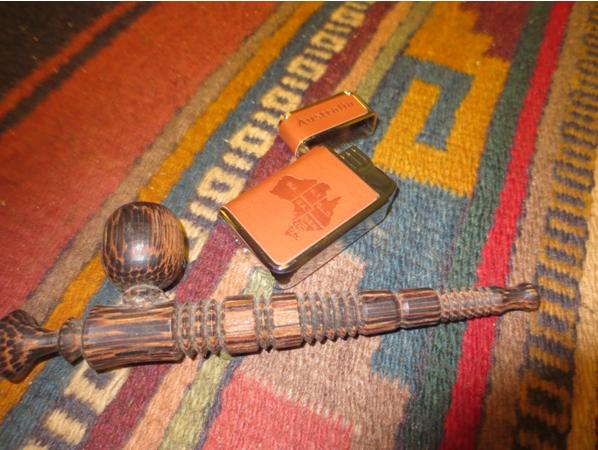
I was away for a little over a week and just returned from a week of rest and work in Lethbridge, Alberta with a good friend, Rohan. It was a great time. I am unable to visit somewhere without checking out antique shops or malls to see if I can find any pipes or tobacciana that interest me. So for sure I had to do a bit of that on this trip. On Saturday there was an Antique/Flea Market happening at the race track under the grand stands and we went to check it out. Over the years I have generally found something to take home with me on these expeditions. My friend’s wife found a nice wooden pipe rack with a humidor jar for him. I found a few items scattered around the market. The first of these was a rough old sandblast billiard that was stamped Diplomat and Italy on the bottom of the shank. The stem was not the original as it did not fit. Whoever owned it before had wrapped the tenon with thread and tin foil to hold it in place in the shank. They had also hacked up the stem with files to cut a new button and grooves on the underside to make it a dental bit. It was very rough. I paid $10 Cndn for it which for the American’s reading this is about $6. Not a bad deal.Leth1 I also found an unused Kleen Reem pipe tool in a hard shell case. All parts were there and the lining of the box was a little worn for wear. The tool itself was spotless and the band of pipe cleaner pieces was still present. I paid $20 for the tool which is a great deal for a vintage pipe tool that was still unused.Leth2 The third item shown in the photos is a pipe lighter. It did not have flints in the chamber so the wheel free spun. It is stamped Fisher Elite over Made in Canada. This little lighter was $10. It will take a bit of work to get it working well again but it is a nice piece of tobacciana and Canadian made to boot.Leth3 Rohan had made several trips recently and picked up some gifts for me. I thank him for his thoughtfulness. The first of these was a little hand carved pipe from Columbia. It is similar to the ones that friends have brought back for me from Nepal. I know it is not a tobacco pipe but it is interesting nonetheless and now sits on my book case with a pipe from Viet Nam, two from Nepal, two older Ropp Cherrywood pipe. The other gift was from a recent trip to Australia. He picked up this leather covered Butane torch lighter for me that will make a great addition to my lighters.Leth4

Leth5 It was a great trip in a lot of ways. My friend and I enjoyed many a bowl together on his front porch and on Monday afternoon visited a pipe man from England that lived down the street from Rohan. He invited the two of us to join him on his patio. We looked over his collection of pipes and tobacco. Then we sat outside and chatted while enjoying a few bowls together. His wife brought us each a cup of tea and some butter tarts to enjoy while we visited.

Sitting at home now and cleaning up the Diplomat pipe I want to say, “Thanks Rohan for the great time and the memories that I added both in terms of pipes and lighters and shared bowls. I look forward to the next time we meet.”

New Buffing Station Day!


Nice setup. I have two similar bench grinder conversions. They have larger wheels on them – 6 inch I believe and they are great to work with.

Charles Lemon's avatar

Just a quick post to show off my new buffing station 😀

Up til now, I’ve been mounting buffing wheels in my drill press. This has worked out fairly well, as I can adjust the drive belt on the press to manage the RPMs of the spindle. It’s a fairly quick adjustment process, but a dirty one, as the belt and pulleys seem to manufacture their own grease and grime. It has also meant that I can only have one buffing wheel in use at any given time, which can become tedious. I have been considering upgrade options for  a while, and then  – serendipity! A convergence of motivations and a good sale.

The motivational convergence occurred between me and my wife. I wanted a new work area for pipe restorations and she wanted a warm indoor parking spot. Thus the current (and ongoing, but I can just barely see…

View original post 281 more words

Pipes for Marines Project (Comoys 1057 & GBD 9438 Virgin)


By Al Jones

Last year, PipesMagazine forum member “shaintiques” undertook a project to supply pipes and tobacco to active duty Marines on deployment. Dave Shain has been posting updates to the forum, below is the latest update. Dave explains the project:

The purpose of the project is to build community and help new pipe smokers. I want new pipe smokers to have an awesome experience out of the gate so they stick with it. All pipes and tobacco are donated from the larger community. I run the project through two forums, facebook, and instagram. I have started reaching out to some of the bigger names in the business looking for donations as well. Anyone who wants to donate can contact me at westgapipe@gmail.com. My address is Dave Shain, 6808 Brookwood Ct. Douglasville, Ga 30135.

http://pipesmagazine.com/forums/topic/pipes-for-marines?replies=30#post-862037

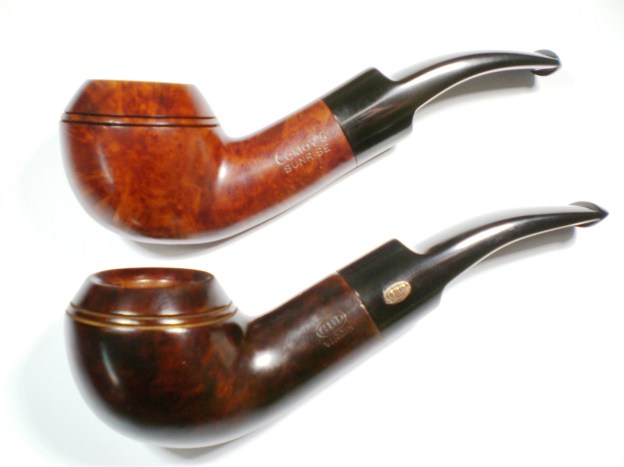
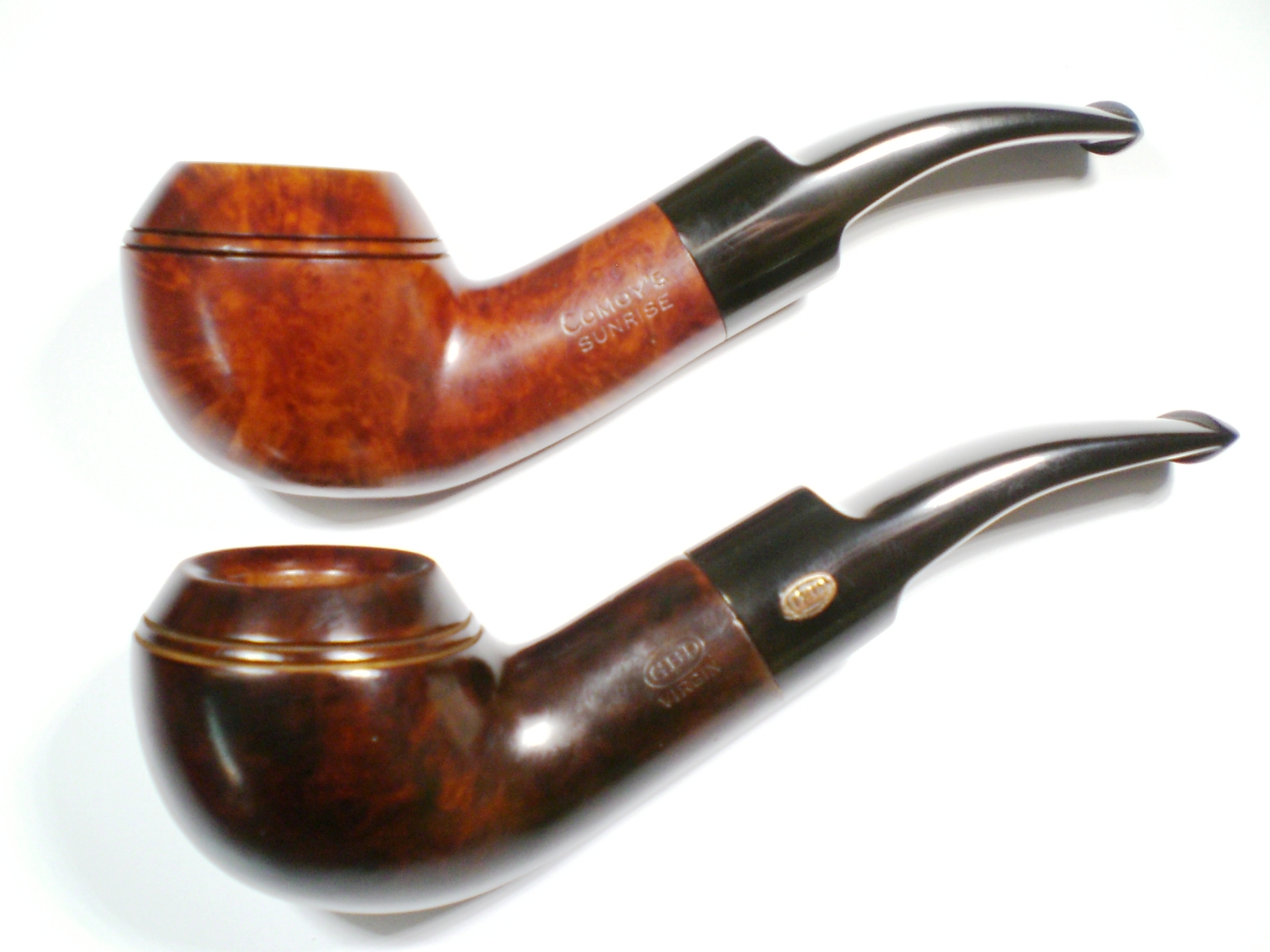
A fellow British Rhodesian forum member, Glouchesterman, recently sent me these two Rhodesian beauties and we decided once restored, they would be a nice contribution to Dave’s project. The first pipe is a Comoys Shape 1057 in Sunrise and the second a GBD 9438 Virgin. Both are post-Cadogan makes of the same shape.

The pipes were in very good shape. The Comoys just needed a mild clean-up. The GBD was also in terrific shape but curiously had two noticeable fills.

Comoys 1057

Comoys_1057_Sunrise_Before (1)

Comoys_1057_Sunrise_Before (2)

Comoys_1057_Sunrise_Before (3)

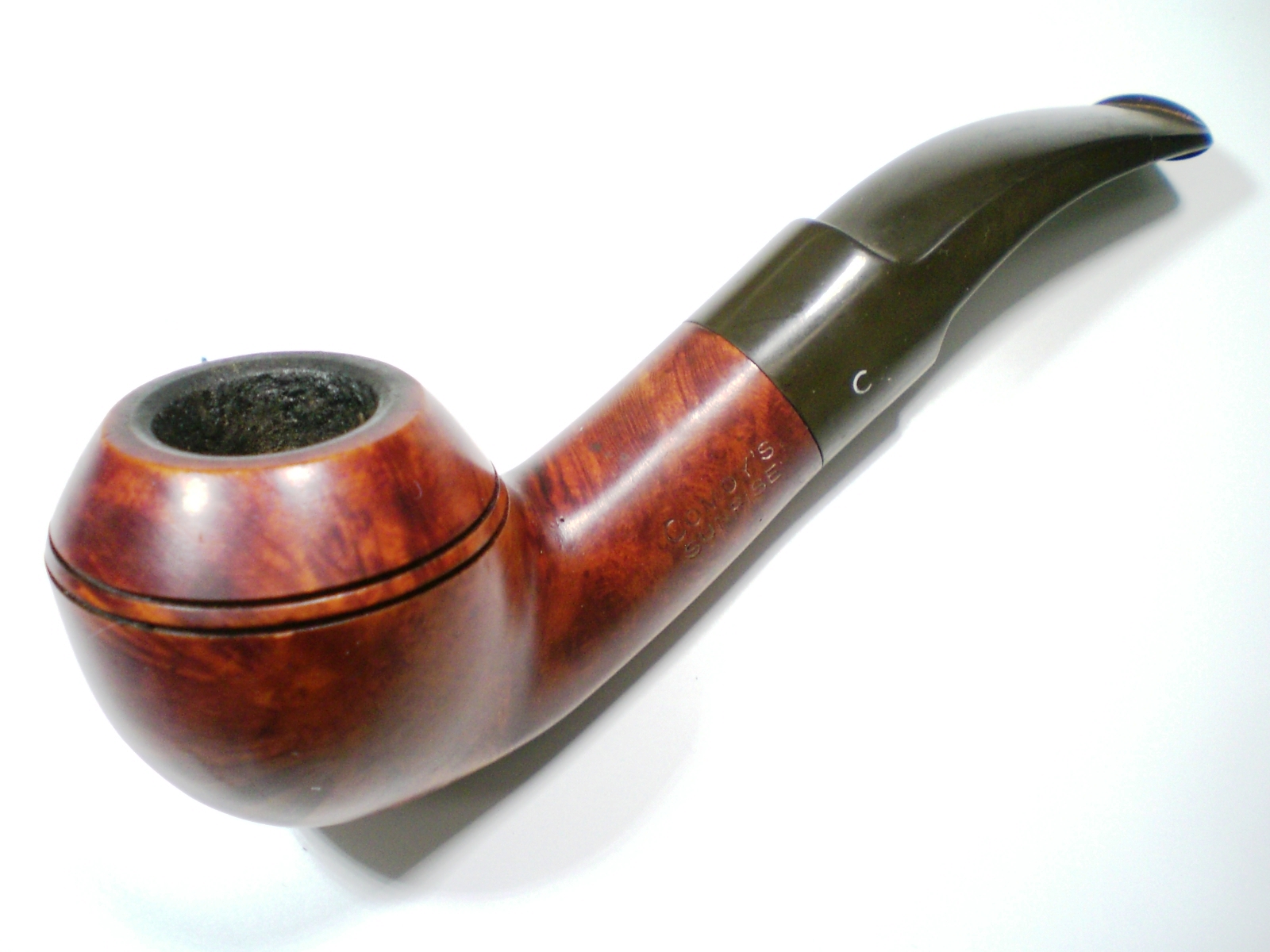
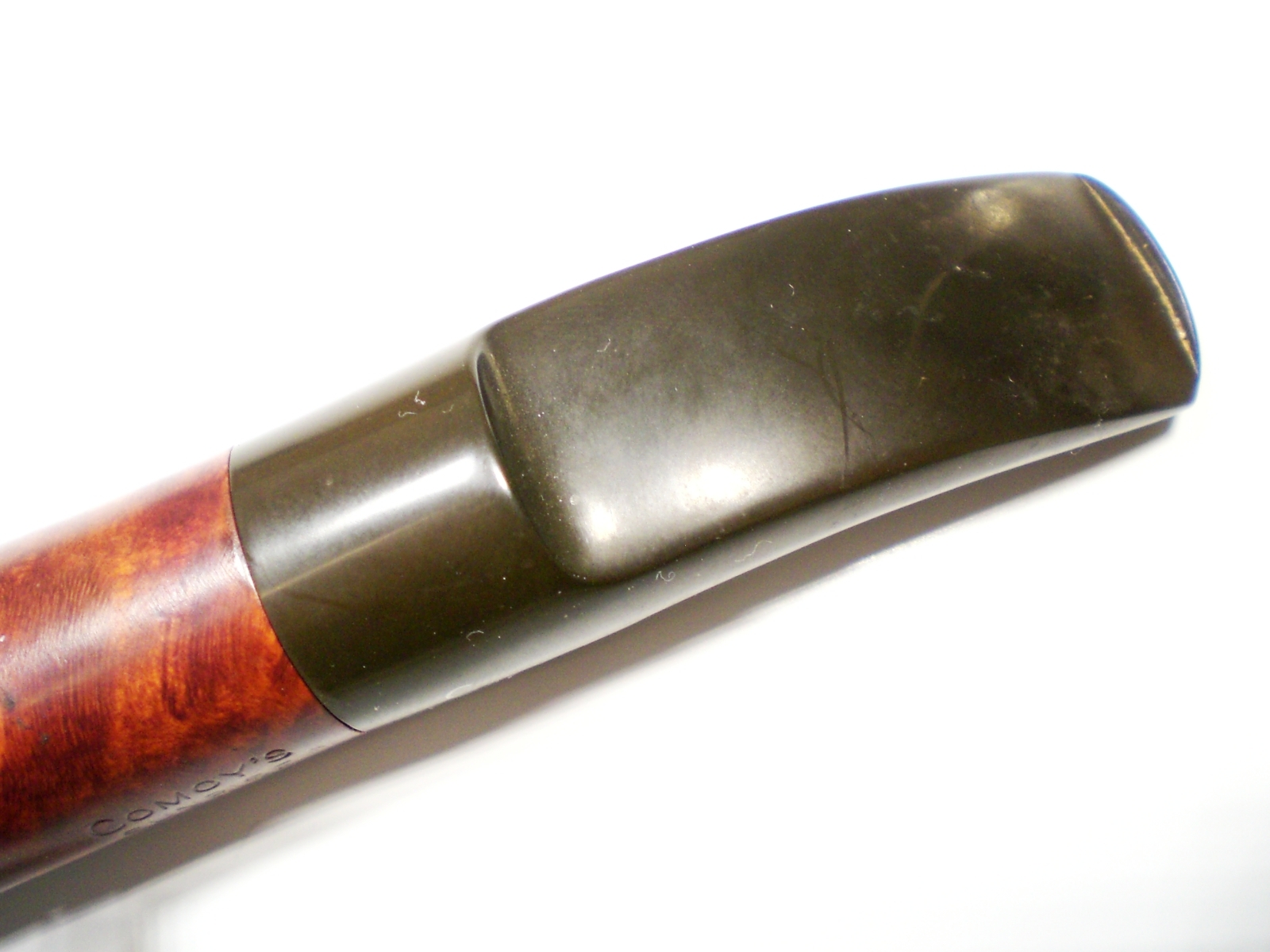
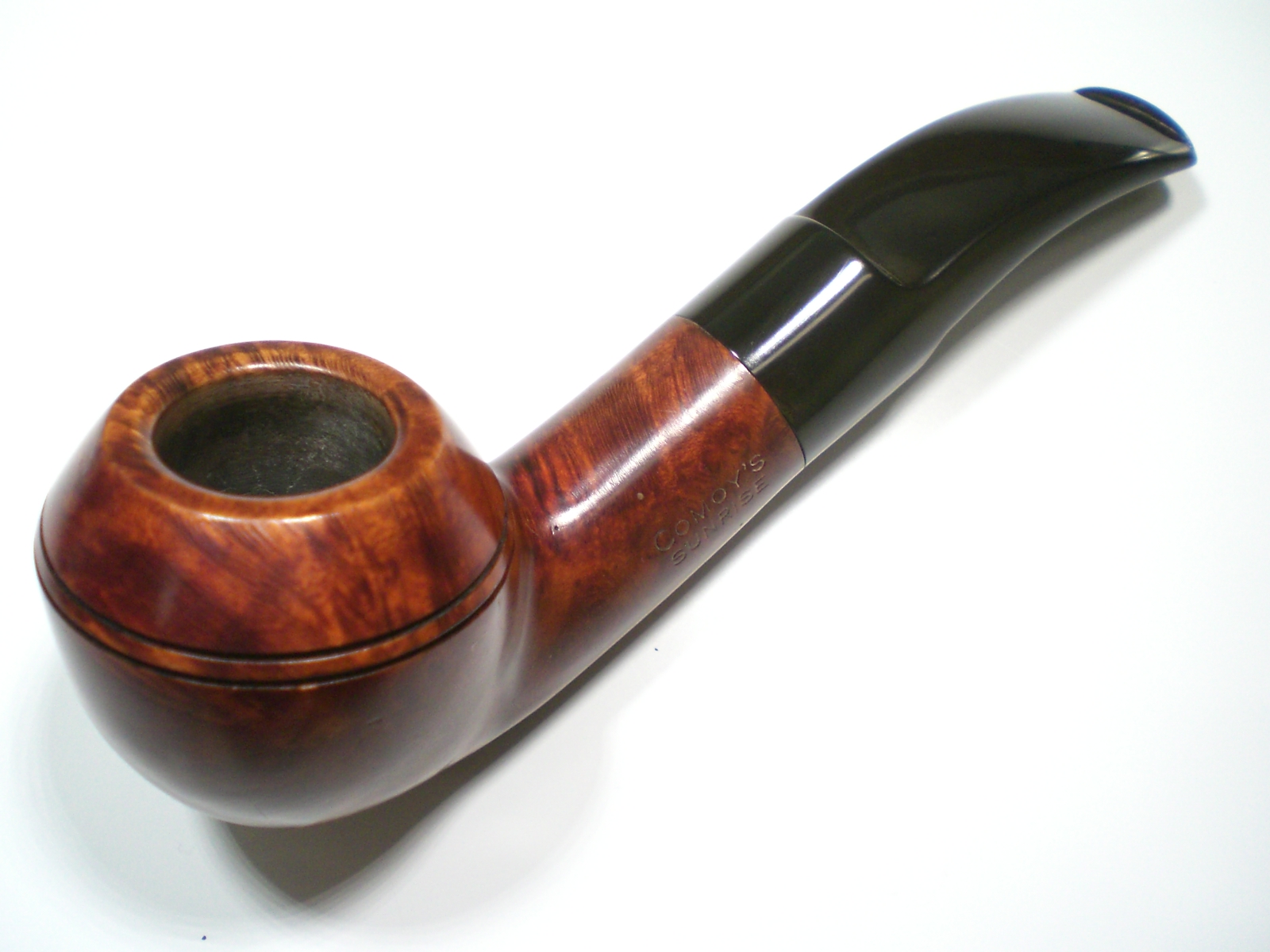
The Comoys just needed the typical bowl ream and soak (alcohol & sea salt). The stem only had mild oxidation and was polished with 800>1500 and 2000 grade wet paper, than 8000 and 12000 grade micromesh. It was buffed with White Diamond and Meguiars Plastic polish. I did decided to remove the very weakly stamped “C” stem logo. Working around it only makes it stand out more. The nomenclature is super-strong on this one, so there’s no mistaking that it is a Comoys. The tenon did have a very tiny draft hole. I used a 5/32″ drill bit to open the tenon end up a bit, hopefully that will enable it to be a better smoker for the soldier that receives it.

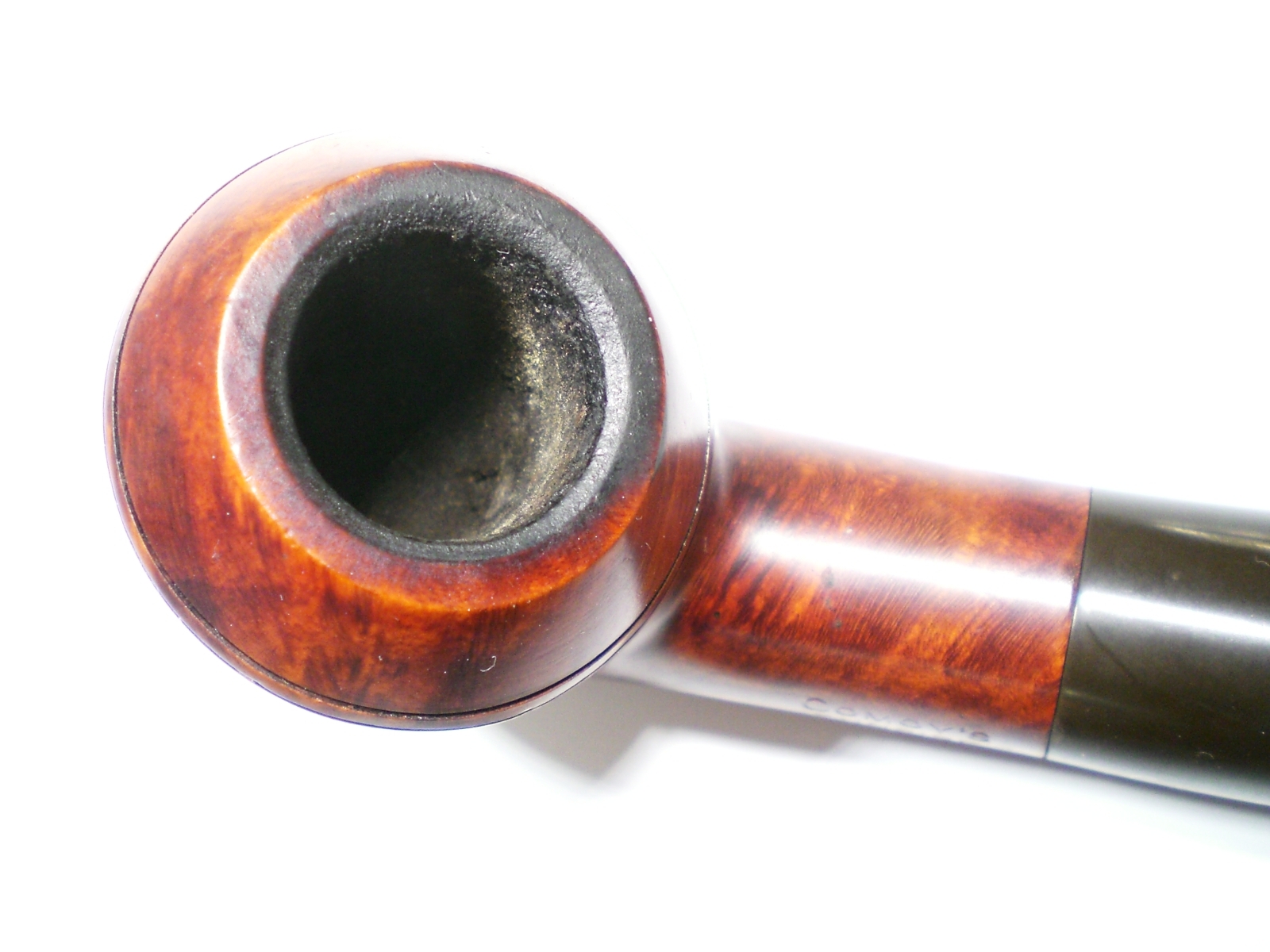
There was some mild scorching on the rim top but it was removed with 2000 grade wet paper and then a stain wash just on the bowl top. The bowl was then buffed lightly with White Diamond to brighten it up and several coats of Carnuba wax.

Comoys_1057_Sunrise_Finish (1)

Comoys_1057_Sunrise_Finish (4)

Comoys_1057_Sunrise_Finish (2)

Comoys_1057_Sunrise_Finish (3)

Comoys_1057_Sunrise_Finish (5)

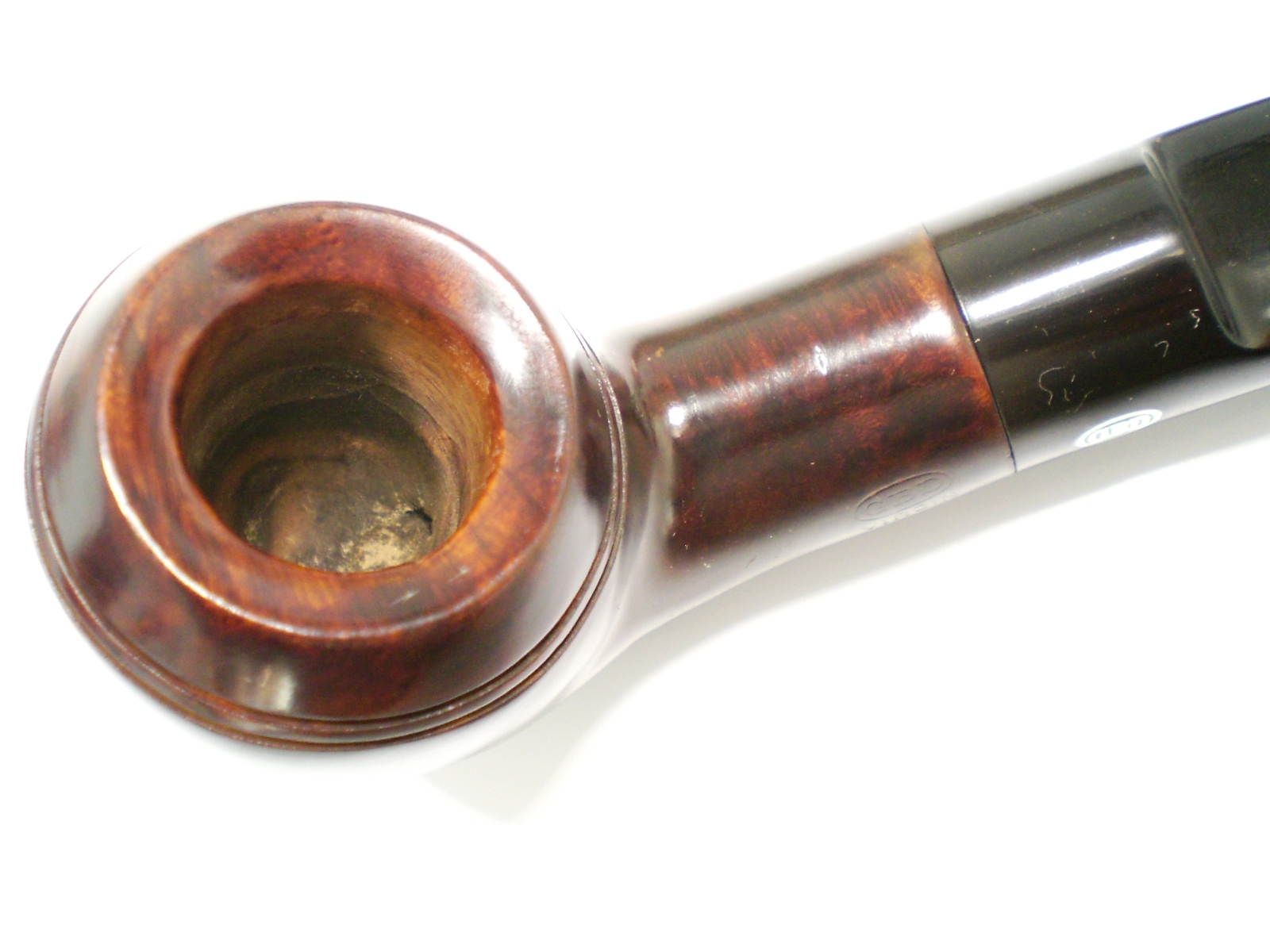
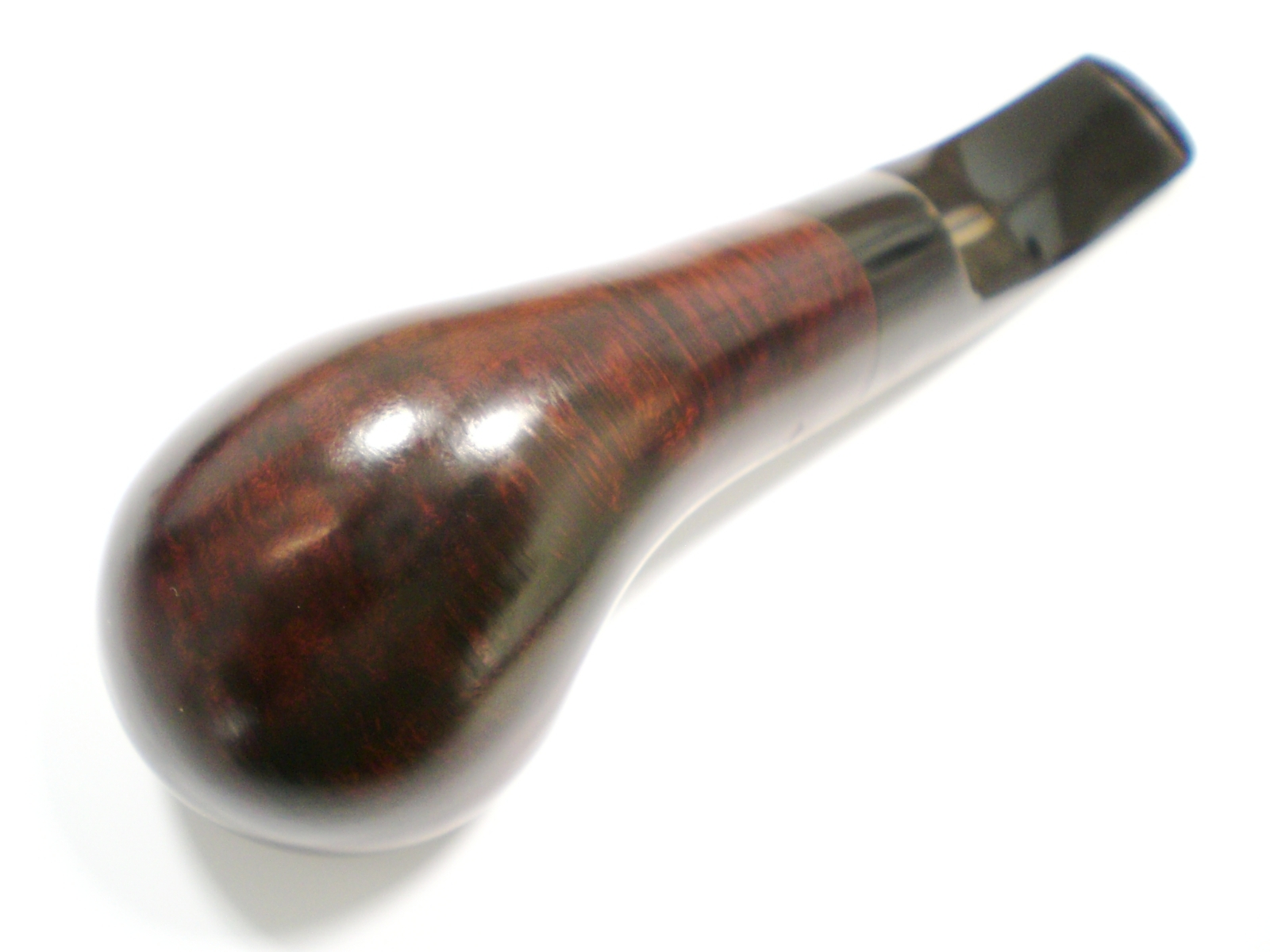
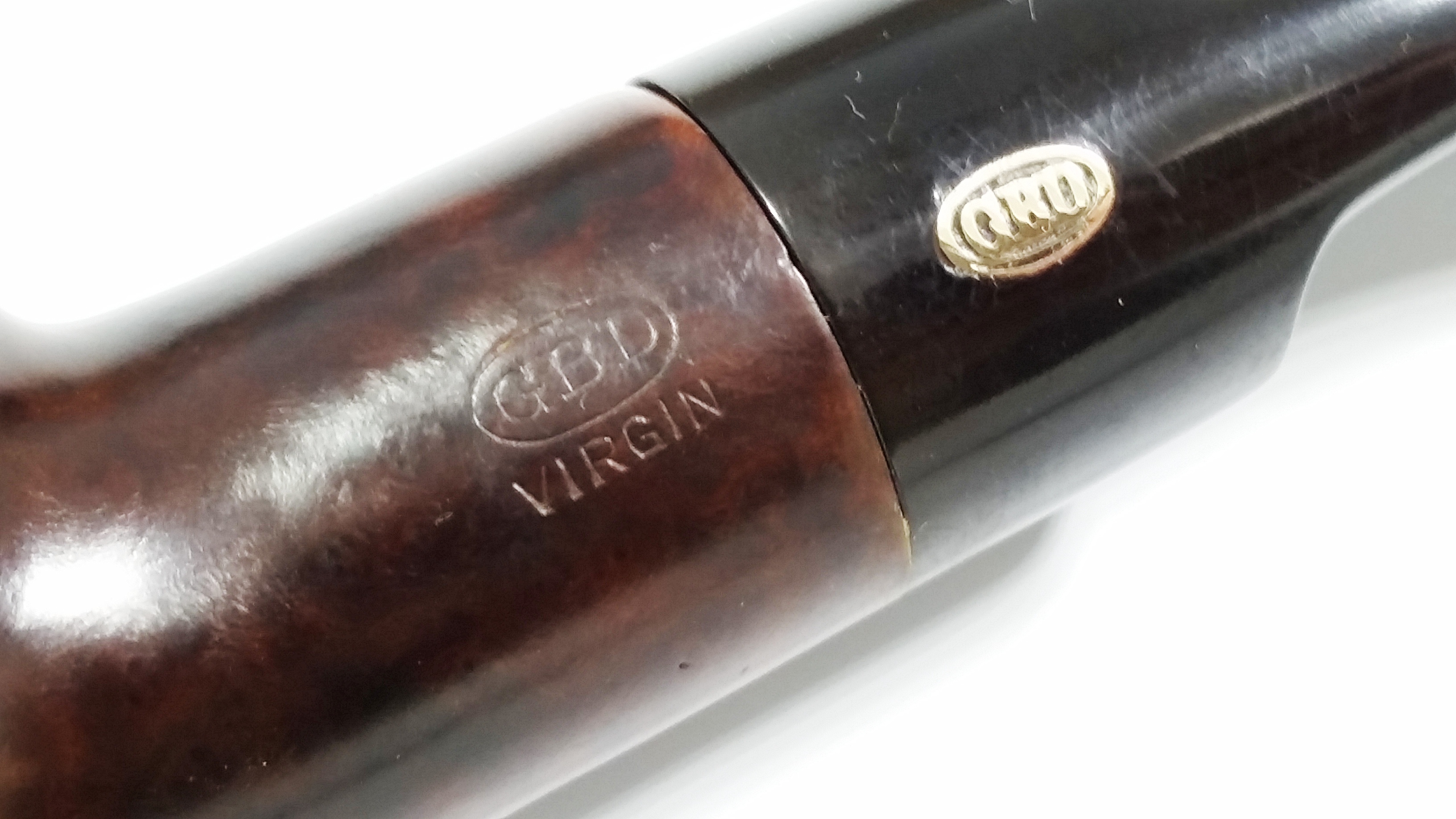
The GBD was an interesting piece. It was stamped “Virgin” and had the “London, England” stamping and brass rondell usually seen on pre-Cadogan era pipes. The person donating these pipes thought it was a Cadogan era pipe. The brass rondell does look a little different. There is also a letter stamped on the shank, which I have frequently seen on Cadogan era pipes. This one also has the non-tapered stem (full width) and I’ve heard that is a sign of a Cadogan era stem. It is identical to the Comoys, but drilled larger. And of course there are the two fills and dark stain. Virgin grade pipes, while not necessarily nicely grained, were never seen with fills (at least by my experience).

Curiously, the shank had what appeared to be a burn mark on the top of the shank,near the junction with the stem. The stain was also blotchy dark in several spots.

GBD_9438_Virgin_Before (1)

GBD_9438_Virgin_Before (2)

GBD_9438_Virgin_Before (3)

GBD_9438_Virgin_Before (4)

GBD_9438_Virgin_Before (6)

The stem had some stubborn oxidation that I removed with 800>1500 and 2000 grade paper. Then, like the Comoys, 8000 and 12000 grade paper to finish. It was also buffed with White Diamond and Meguiars Plastic polish.

I thought the pipe would present better with the fills removed. At first, I just used some black super-glue but they were just as noticeable. I took that out and put a drop of clear superglue and briar dust in each fill. Sanded smooth with 800 grit paper, the fills were nearly invisible. The first picture shows the fills removed and then covered by the glue/dust.

GBD_9438_Virgin_Before(8)

GBD_9438_Virgin_Before(9)

GBD_9438_Virgin_Before(10)

I restained the pipe with some darker brown stain (Feiblings Medium Brown) and then buffed it with White Diamond and several coats of Carnuba wax. I was able to minimize the burn mark on the shank by sanding it with some 2000 grade wet paper. It was already below the edge of the stem,but it looked like an improvement.

The finished GBD and both pipes. Hopefully they allow two of our Marines to enjoy some brief moments of peace and solitude as they serve our country.

GBD_9438_Virgin_Finish (1)

GBD_9438_Virgin_Finish (4)

GBD_9438_Virgin_Finish (2)

GBD_9438_Virgin_Finish (5)

GBD_9438_Virgin_Finish (6)

GBD_9438_Virgin_Finish (3)

?

GBD&Comoys