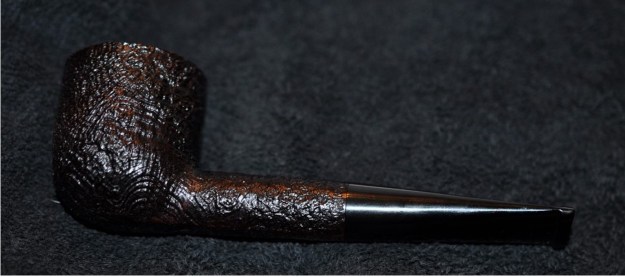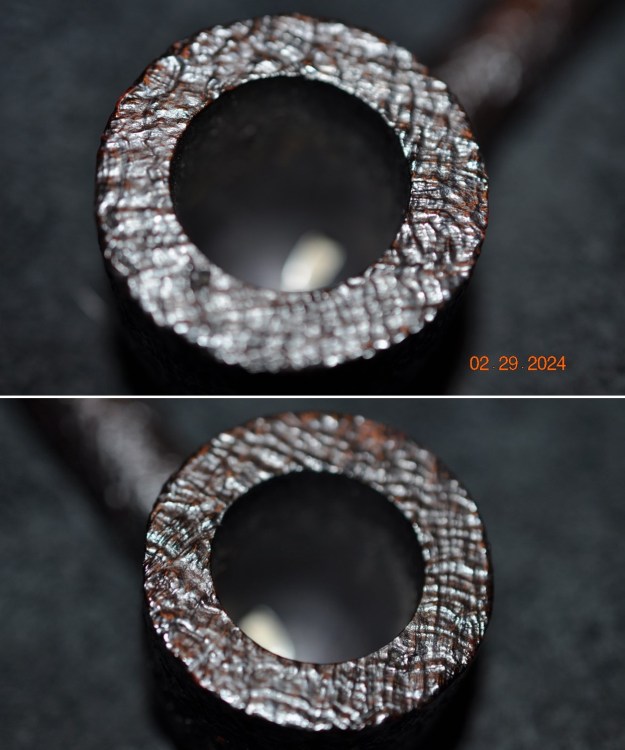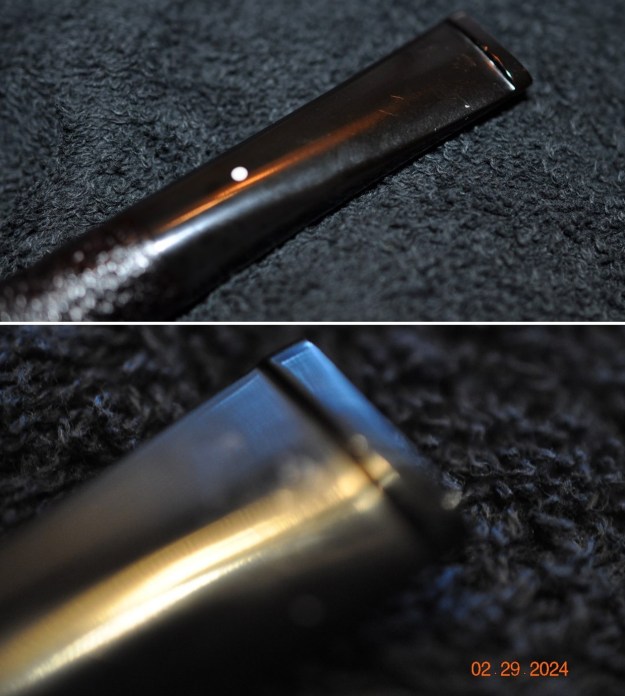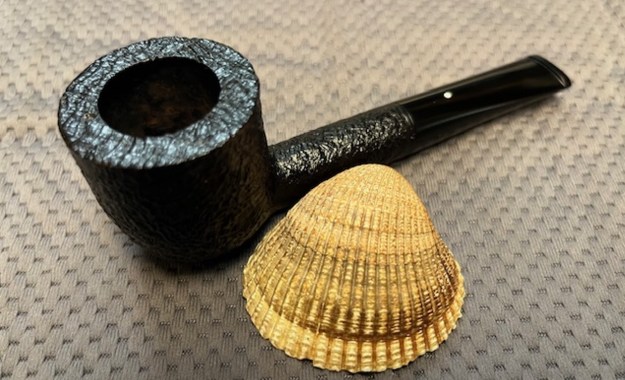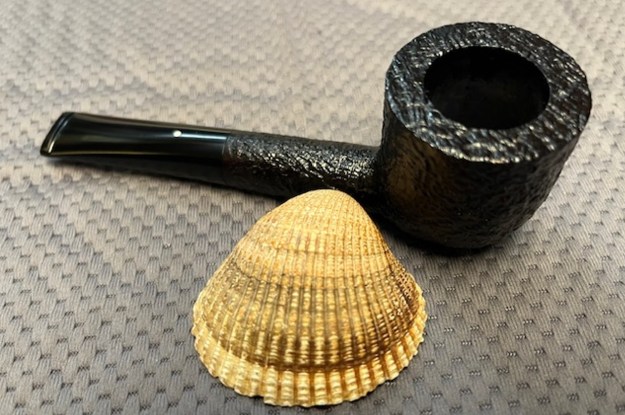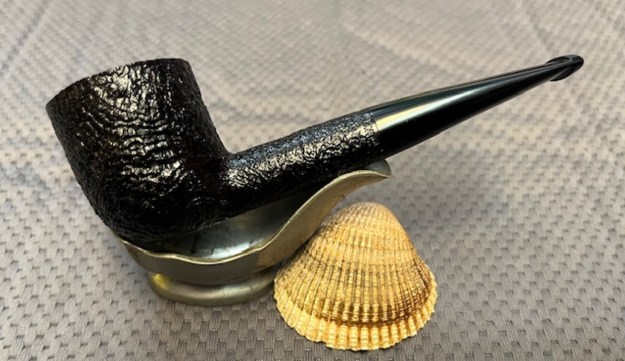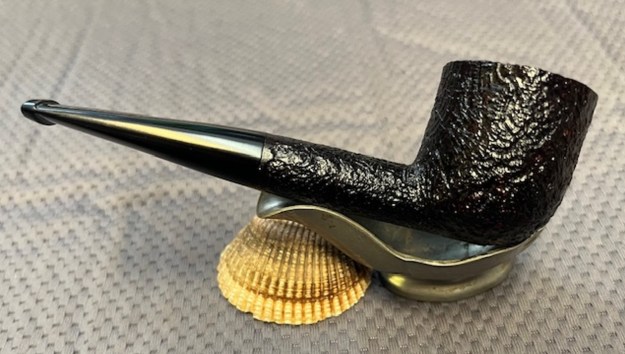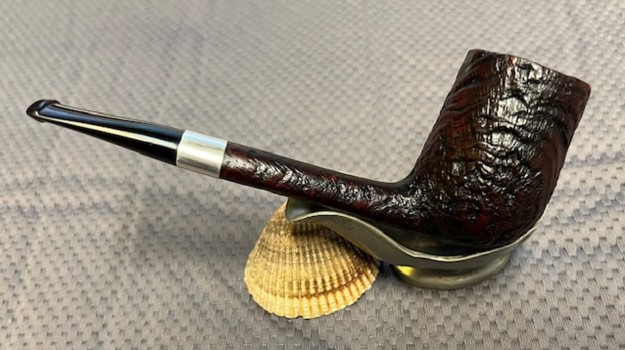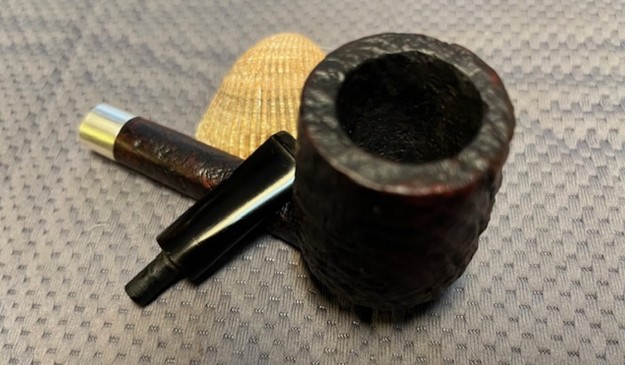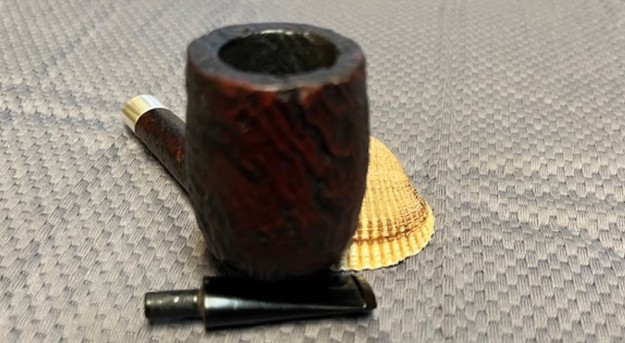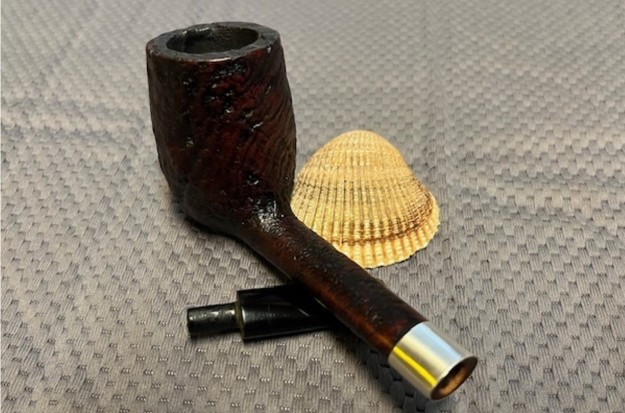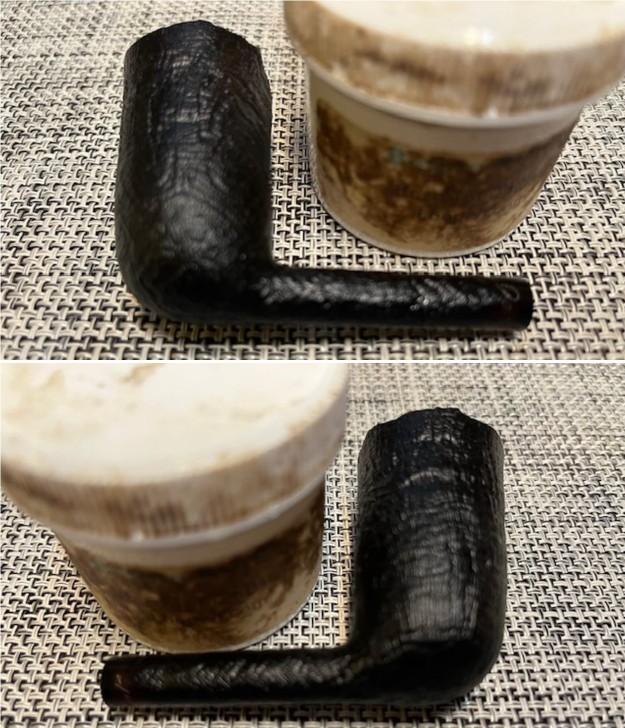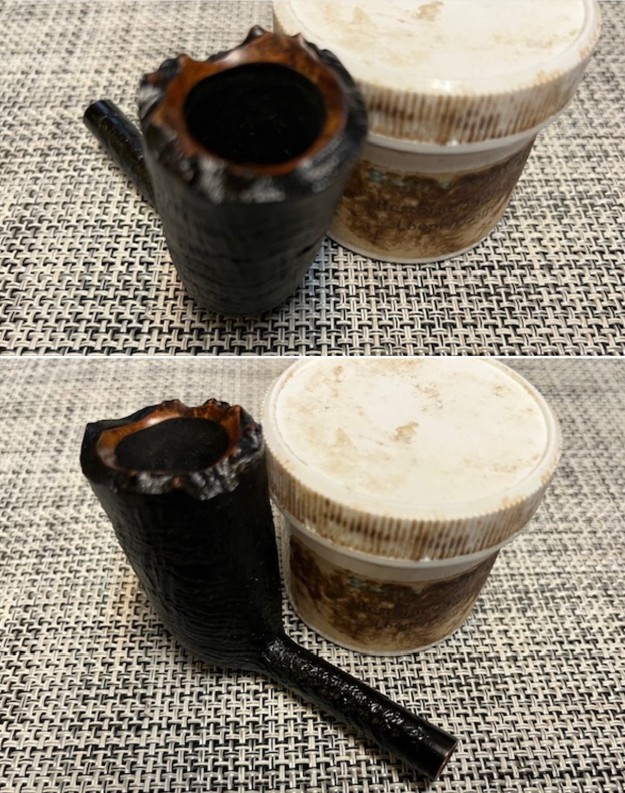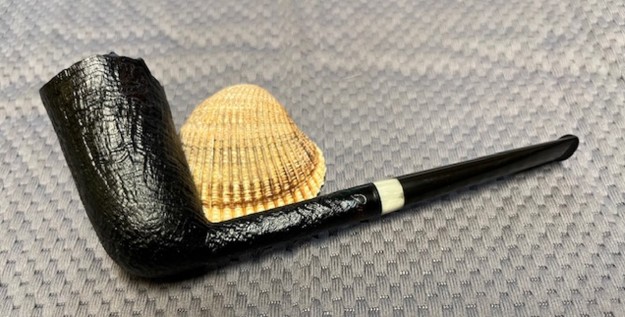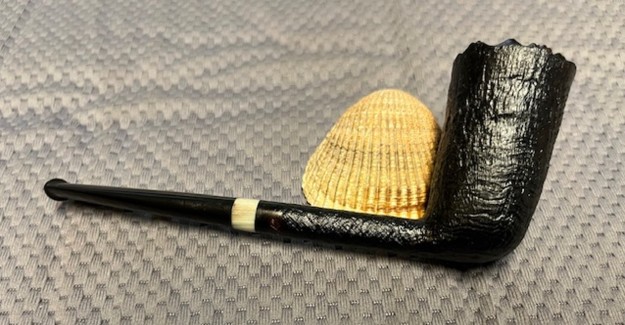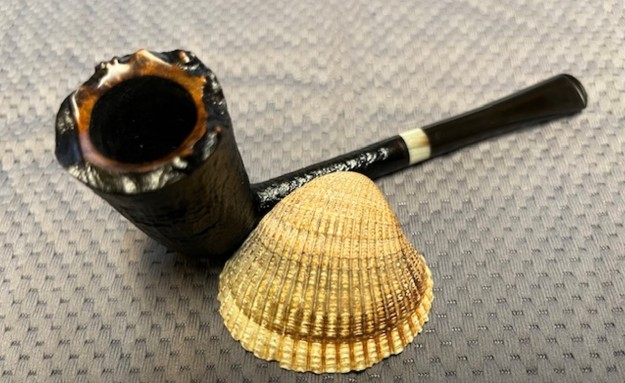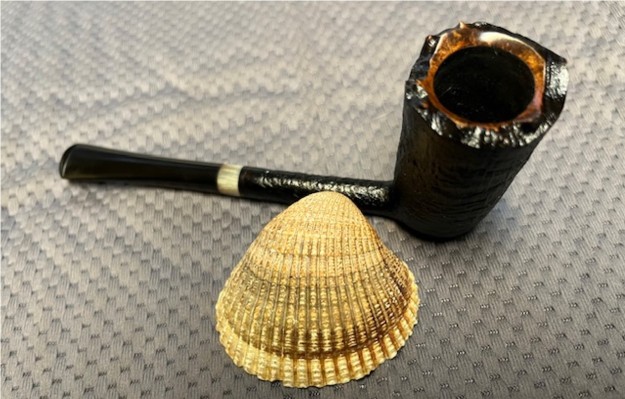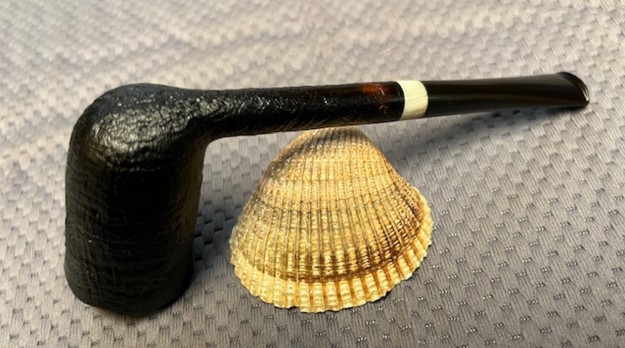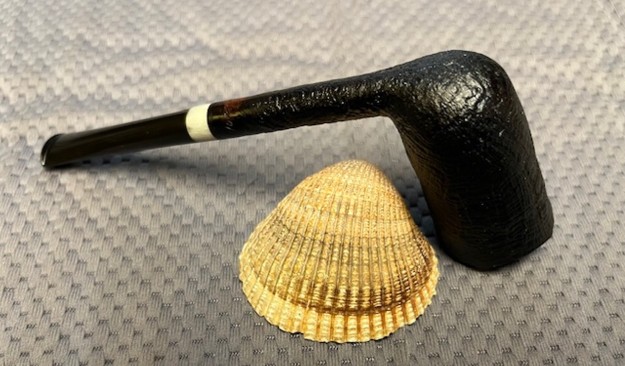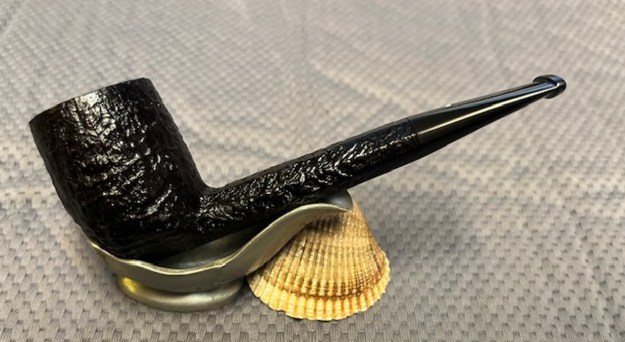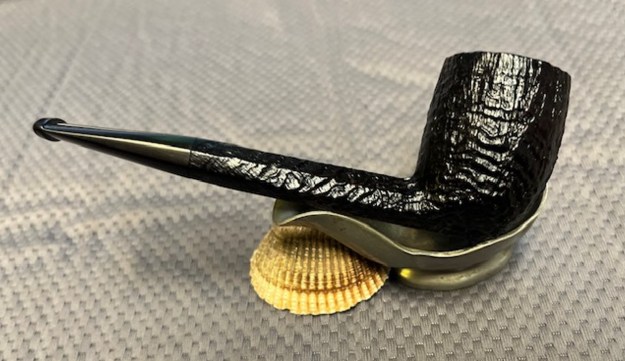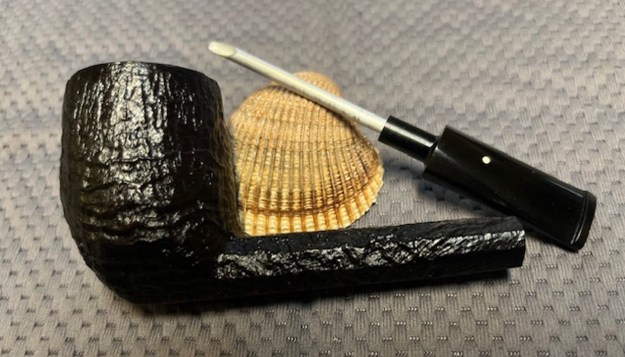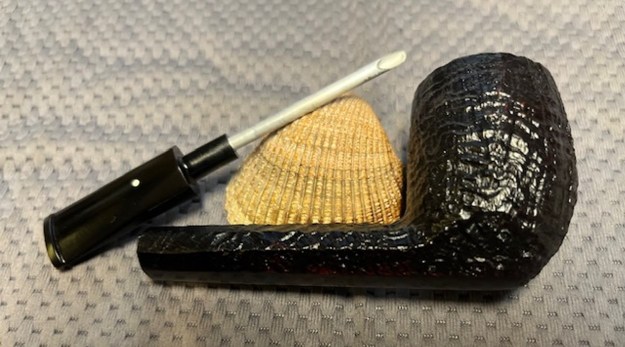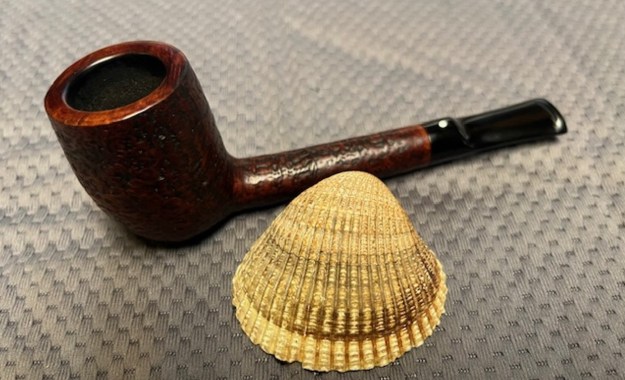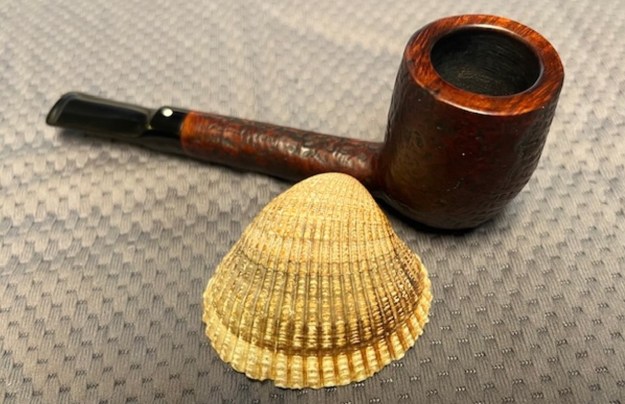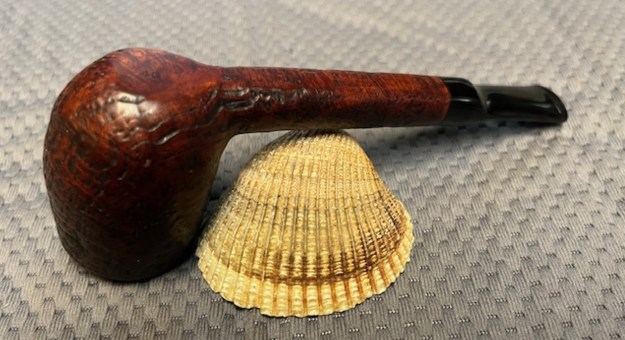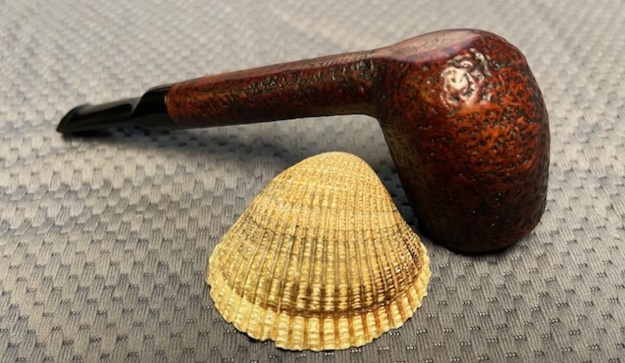
Category Archives: Pipe Refurbishing Essays

Essays and pictorial essays on the art of refurbishing

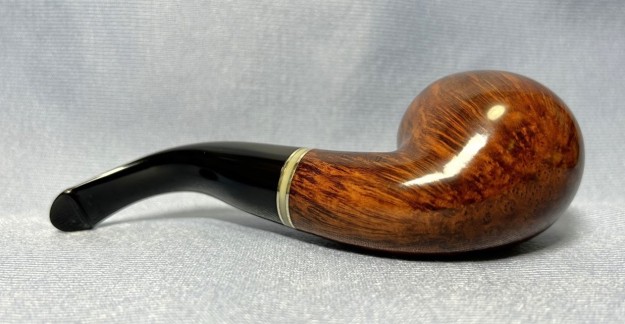
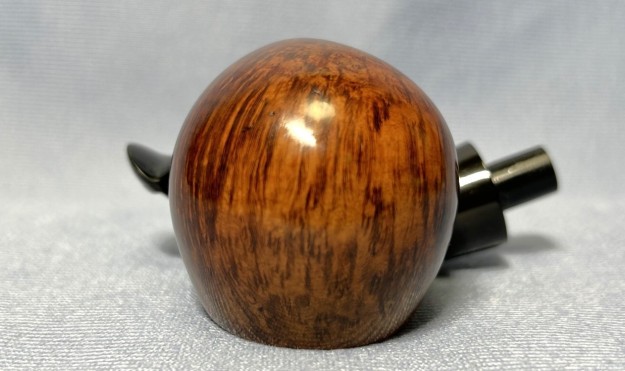
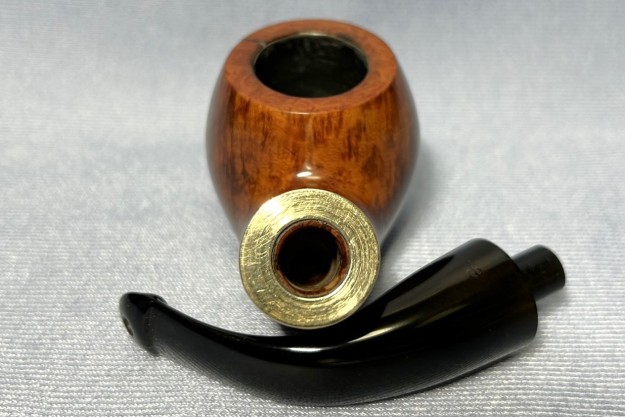
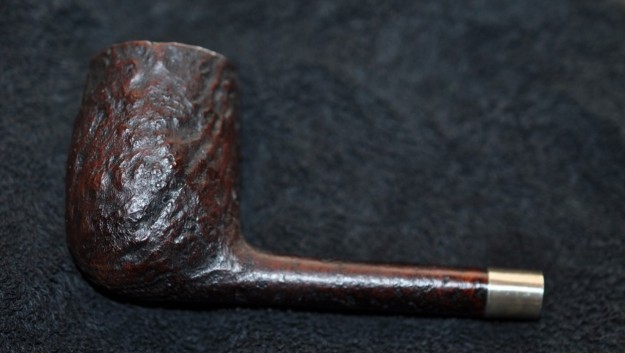
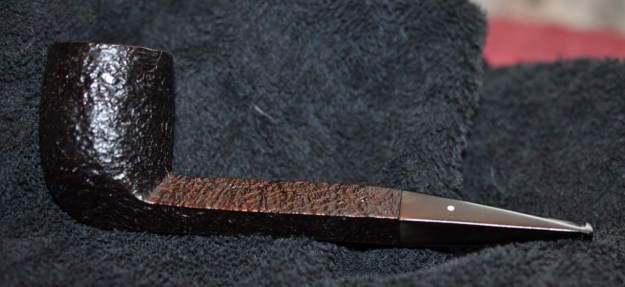
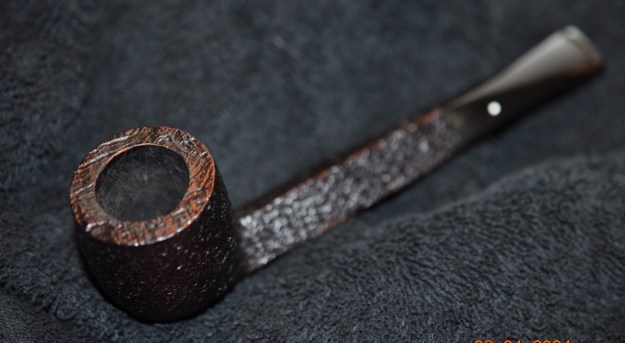
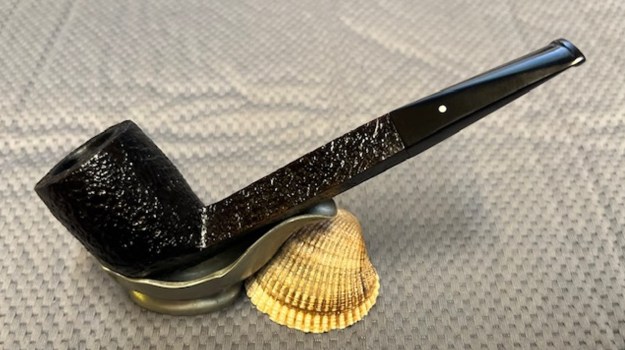
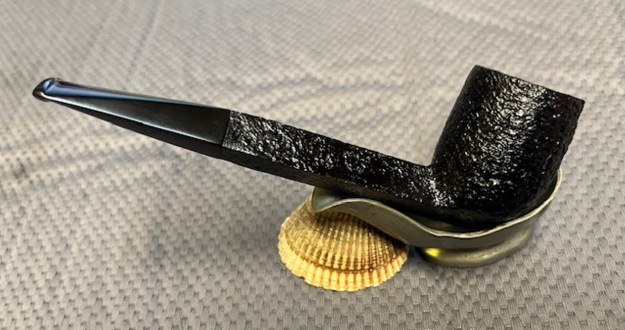
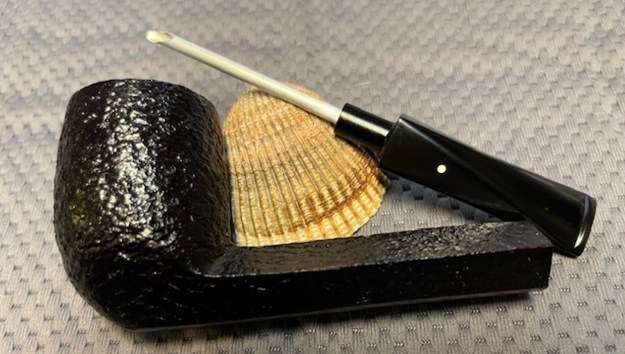
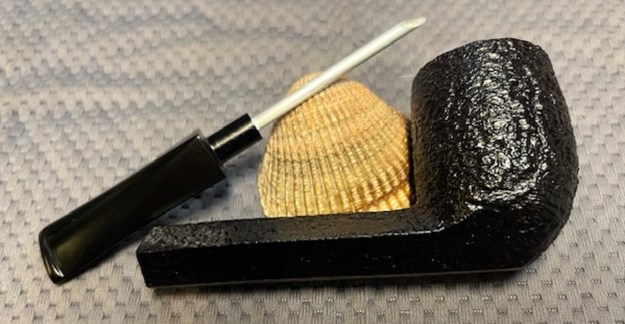
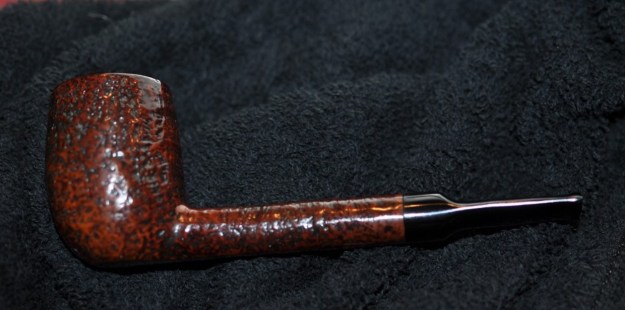
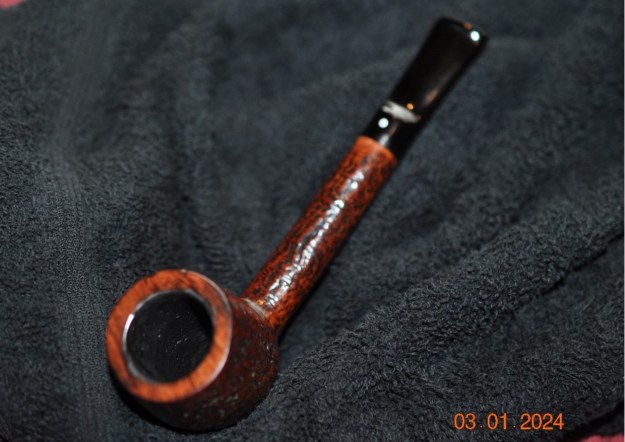
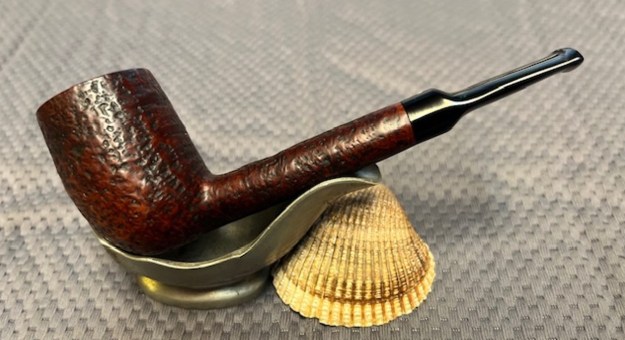
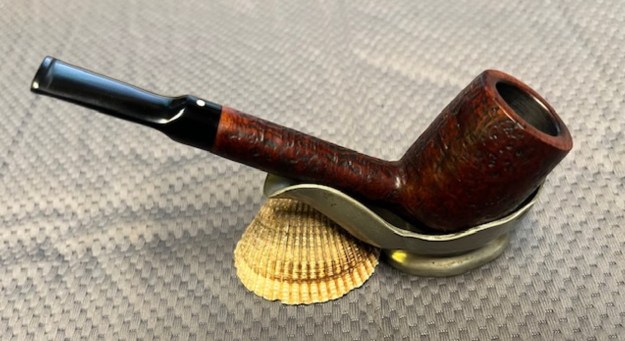
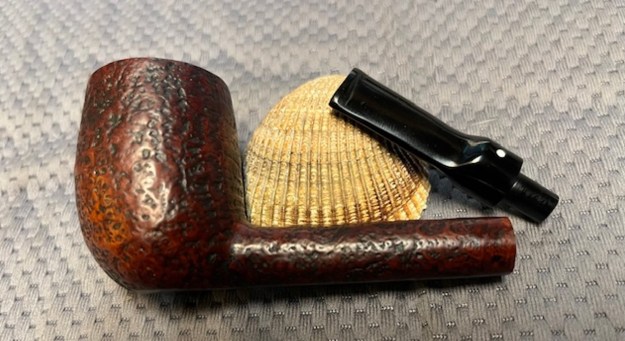
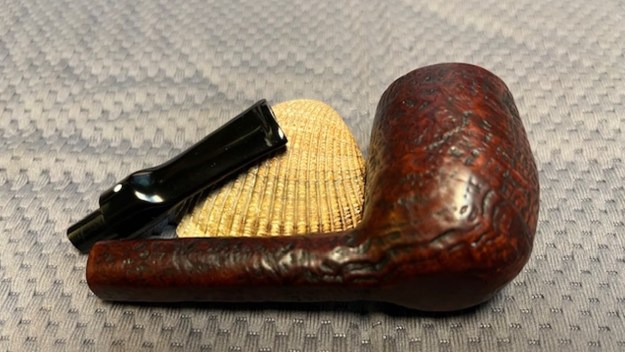
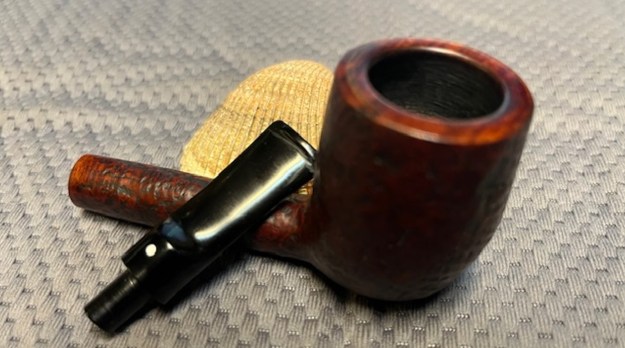
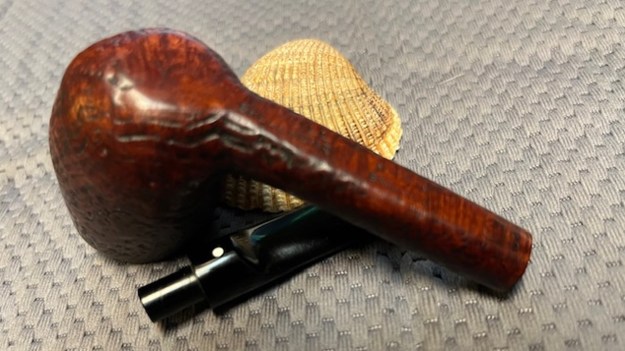
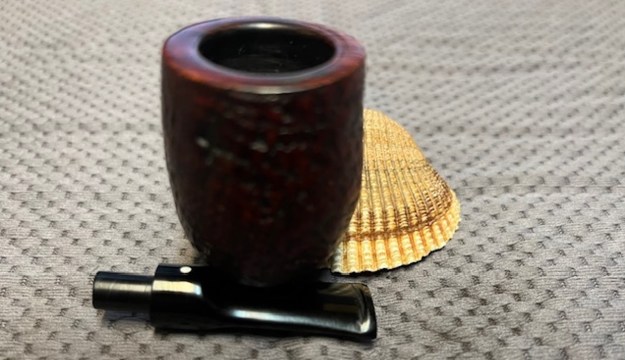
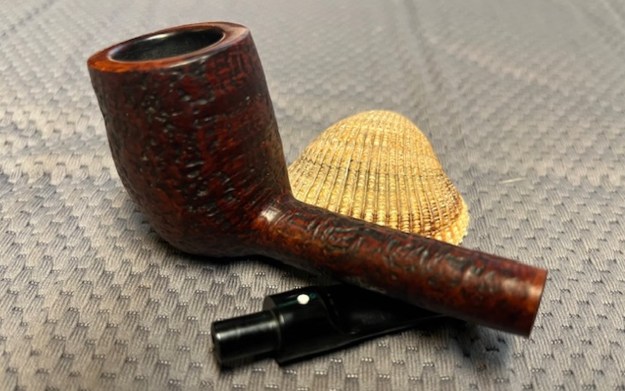
Someone Must Have Loved Smoking This Stanwell FM 2008 113 Conical Canadian


Blog by Steve Laug

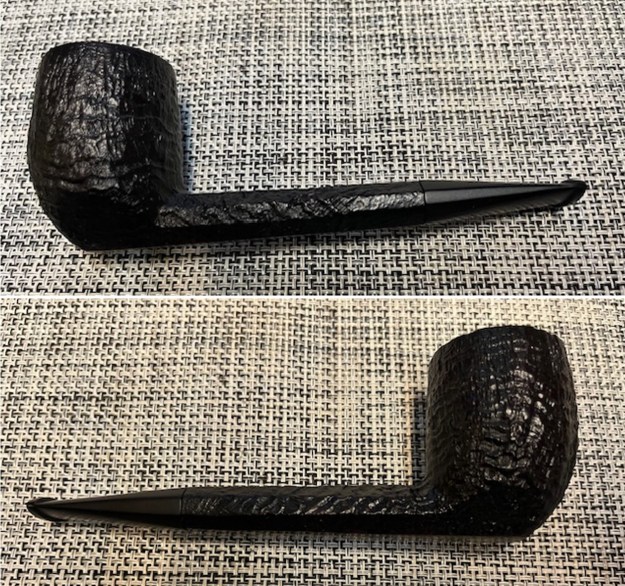
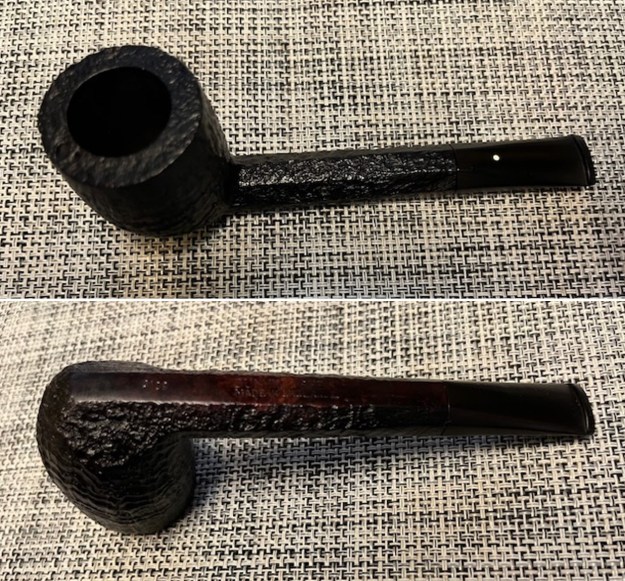
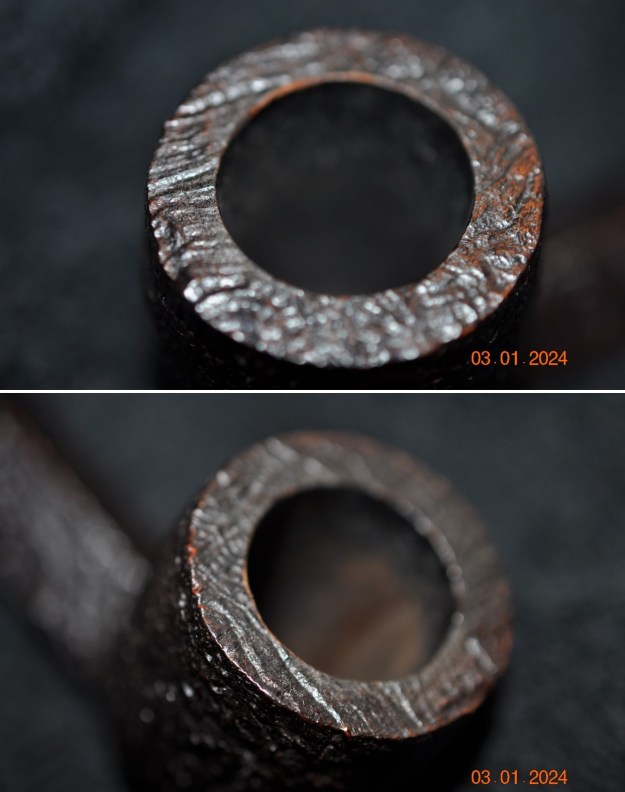
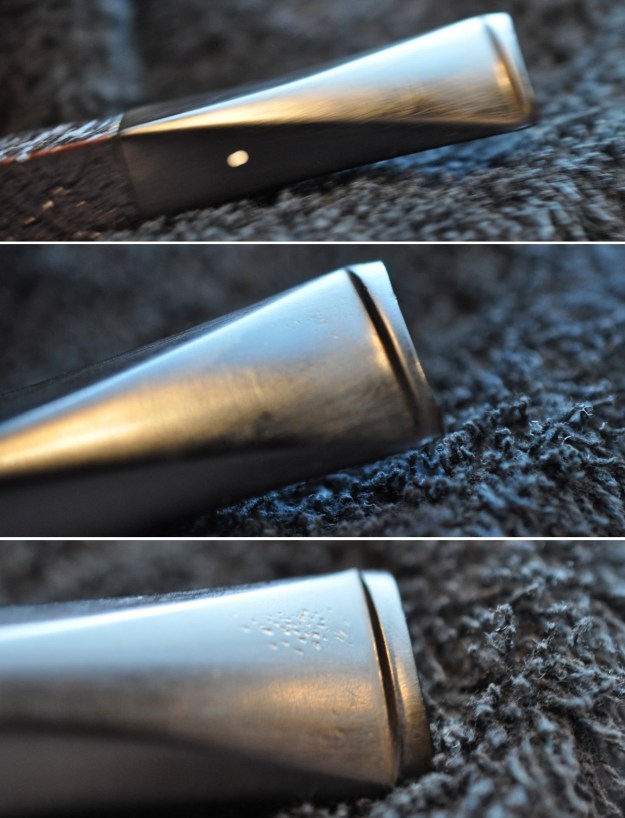
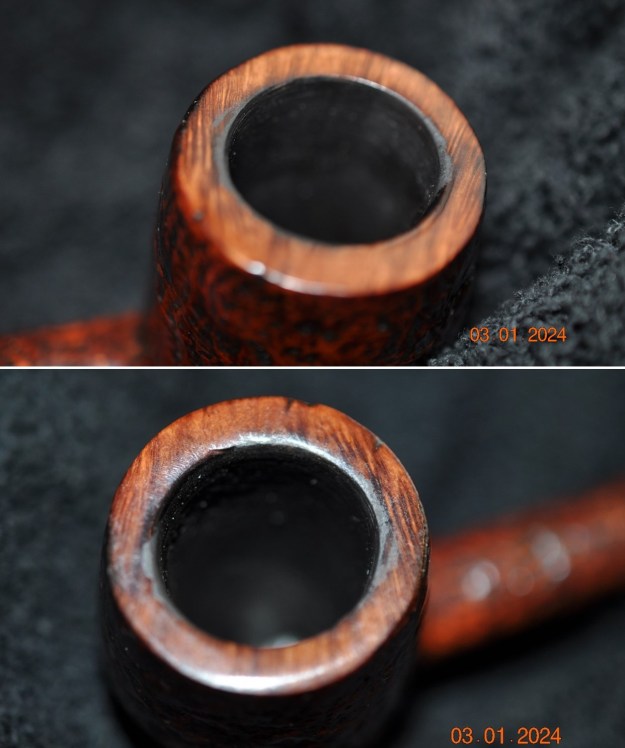
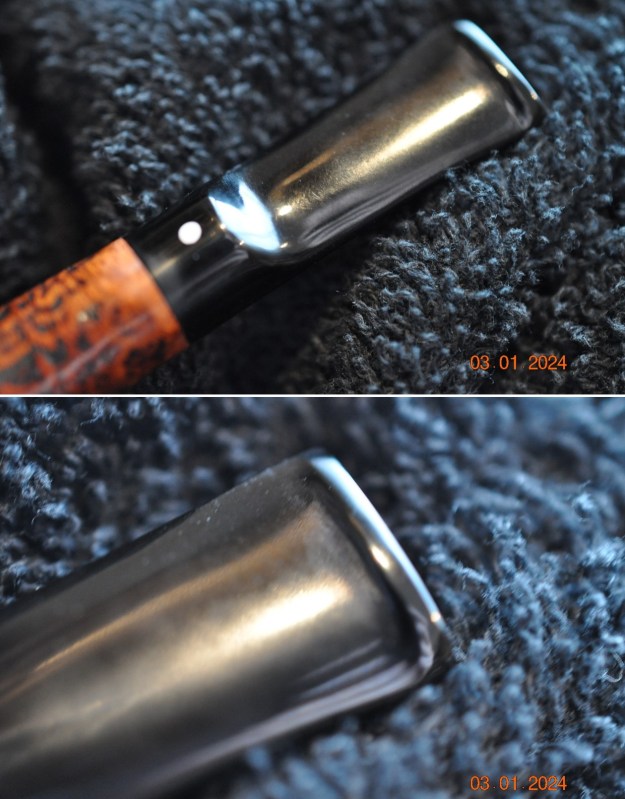
The next pipe I am working on was purchased on 01/26/2023 as part of a group of pipes from a fellow in Copenhagen, Denmark. This was another dirty pipe with a lot of wear and tear and obviously it had been someone’s favourite smoker. The pipe is stamped on the underside of the shank and reads Stanwell [over] Made in Denmark [over] FM 2008. On the right side of the shank it is stamped with a 113 shape number near the stem/shank junction. The FM2008 stamp had me a bit mystified though I figured it was probably made for a smoking competition thanks to Jesper’s previous help. I would need to check that out. The dirty smooth finish was not able to hide the beauty of the grain around the bowl and shank. There were tars and oils ground into the surface of the briar. The finish on the first ½ inch of the shank was lighter than the rest of the pipe and it is not clear why. There does not appear to be cracks or a previous band so I am uncertain why it is there. Perhaps in the clean up Jeff will figure it out. The bowl had a very thick cake that flowed over the top of the smooth rim in a heavy lava coat. The inner edge was so heavily coated that it to assess its condition. The stem was a black acrylic taper stem without a logo stamp. It had some light tooth marks and chatter on both sides ahead of the button. Jeff took photos of the pipes before he started his clean up work. Jeff took photos of the rim and bowl to show the heavy cake and heavy lava coat covering the rim top. The inner edge of the rim was so thickly caked that it was not possible to know with certainty the condition. It really was a dirty pipe but still a beauty. He also took photos of the stem surfaces to show its overall condition when it arrived. The photos of the sides and heel of the bowls show some beautiful grain around the bowl and shank sides. The brown stain on the briar adds depth to the finish on the pipe and makes the grain really stand out on the bowl and shank. It shows some promise. He also took photos of the stamping on the sides of the shank. It is clear and reads as noted above.I decided before I started my work on the pipe to try and unravel the stamping on the underside of the shank. I did a Google search of Stanwell FM 2008 and got no hits. I changed the search to hunt for a Stanwell Made in Denmark FM 2008 and came up with one solid hit to a discussion the Brothers of Briar pipe forum where Bas Stevens had a pretty extensive post on the shapes of Stanwells (https://www.brothersofbriar.com/threads/basil-stevens-stanwell-shape-list.8421/). Toward the end of that discussion he had three notes on unique stamping. The final one listed was a not on the FM stamp. I quote:

Pipes stamped with FM are ones that were made for the Frederikshavn Pipe Smoking Championship.

I wrote to Jesper Klith on Facebook and asked if that information was correct. He replied quickly with confirmation and an interesting personal note that I have included below.

That is correct, the club in Frederikshavn held some large contests, I attended once and met both Anne Julie and Peter Hedegaard there.

So now I knew! The FM 2008 stamp was referring to a large smoking contest in Frederikshavn in 2008. The pipe was made to be used in the competition and was also a commemorative piece. Now it was time to start my work on the pipe.

I was looking forward to looking over the lighter coloured shank end after Jeff cleaned up the pipe for me. I was curious to know what was happening there. He reamed the bowl with a PipNet pipe reamer and cleaned it up with a Savinelli Fitsall Pipe Knife. He scrubbed the exterior with Murphy’s Oil Soap and a tooth brush to clean off the grime off the finish and the overflow of lava on the rim top. The cleaning had removed the grime on the rim top. I examined the first half inch where the lightening had been and there were no cracks or marks left behind by a band so it was a bit of a mystery. Jeff’s scrubbing had evened up the stain a bit and I would do a bit more in my work on it. He cleaned up the internals of the shank, mortise and stem with pipe cleaners, cotton swabs and alcohol to remove all of the oils and tars in the pipe. He soaked the stem in Briarvilles Pipe Stem Deoxidizer and was able to remove any remaining grime on the surface and inside. The fit of the stem to the shank made it look like an original even though there was not a Stanwell logo on it. When it arrived here in Vancouver it was a clean pipe and I knew what I had to work with. I took photos of it before I started my part of the restoration. I took a photo of the rim top and the stem to show their condition. Jeff was able to clean up the cake and the lava overflow that was shown in the rim and bowl photos above. The rim top looked very good but there seemed to be light damage and darkening to the top and inner edge of the bowl. There is a small fill visible in the first photo on the top of the shank near the bowl. The stem looked better, though there were light tooth marks and chatter on both sides near the button. I took a photo of the stamping on the silver plate on the left side of the shank to show that it was readable and undamaged by the cleanup work. I removed the stem from the shank and took a photo of the parts to give a sense of what the pipe looks like. The pipe looked so good that I started my work by polishing the smooth rim top and bowl with micromesh sanding pads. I dry sanded it with 1500-12000 grit pads. I wiped the bowl down after each pad with a damp cloth. The pipe began to take on a rich shine and grain was beginning to stand out. I sanded with all of the pads and wiped the bowl down after each pad with a soft cloth. I rubbed the bowl and shank down with Before & After Restoration Balm to deep clean the finish on the bowl and shank. The product works to clean, enliven and protect the briar. I worked it in with my fingers to get it into the briar. I used a horsehair shoe brush to work it into the sand blast. I let it sit for 10 minutes then I wiped it off and buffed it with a soft cloth. The briar really began to have a rich shine. I took some photos of the bowl at this point to mark the progress in the restoration. It is a beautiful bowl.  I set the bowl aside and worked on the stem at this point in the process. I polished light tooth marks and chatter out of the stem with micromesh sanding pads – dry sanding with 1500-12000 grit pads. I wiped the stem down after each sanding pad with Obsidian Oil. I polished the stem with Before & After Pipe Stem Polish – both Fine and Extra Fine. I gave it a coat of Obsidian Pipe Stem Oil. It works to protect the stem from oxidizing. I set it aside to dry. I put the stem back on the Stanwell Frederikshavn in 2008 Danish Style 113 Canadian and took it to the buffer. I buffed the bowl and stem with Blue Diamond to polish the briar and the acrylic. Blue Diamond does a great job on the smaller scratches that remain in both. I gave the bowl and the stem several coats of carnauba wax and buffed the pipe with a clean buffing pad to raise the shine. I hand buffed it with a microfiber cloth to deepen the shine. I am amazed at how well it turned out. The finished pipe is shown in the photos below. This is a beautiful Stanwell Frederikshavn in 2008 Canadian – the acrylic taper stem and smooth finish combine to give the pipe a great look. The dimensions of the pipe are Length: 5 ½ inches, Height: 1 ¾ inch, Outside diameter of the bowl: 1 inch, Chamber diameter: ¾ of an inch. The weight of the pipe is 1.41  ounces/41 grams. This is another pipe that I will be putting on the rebornpipes online store in the Danish Pipe Pipemaking Companies Section shortly, if you are interested in adding it to your collection. Thanks for walking through the restoration with me on this beauty!

As always, I encourage your questions and comments as you read the blog. Thanks to each of you who are reading this blog. Remember we are not pipe owners; we are pipe men and women who hold our pipes in trust until they pass on into the trust of those who follow us.

Cleaning up a Royal Guard 585 Bent Billiard


Blog by Steve Laug

The next pipe I am working on was purchased quite a while ago on 01/16/2017 from an eBay auction in Covington, Ohio, USA. This was another dirty pipe but underneath it had a great mix of sandblast and smooth finishes. It was obviously someone’s favourite smoker. The pipe was stamped on the underside of the shank that reads Royal Guard [over] Made in Denmark. On the right of the shank next to the stem/shank junction it is stamped the shape number 373. The pipe was a bent billiard. The dirty finish was not able to hide the beauty in the grime. There were tars and oils ground into the surface of the briar. The bowl had a thick cake that flowed over the top of the rim in a heavy lava coat. The condition of the inner edge was hard to assess under the cake and the lava coat. The stem was a black vulcanite saddle stem with a stamped white RG logo on the left side. There were tooth marks and chatter on both sides ahead of the button. Jeff took photos of the pipes before he started his clean up work. Jeff took photos of the rim and bowl to show the heavy cake and heavy lava coat covering the rim top. The inner edge of the rim is caked and hard to assess in terms of its condition. It really was a dirty pipe but still a beauty. He also took photos of the stem surfaces to show its overall condition when it arrived. You can see the tooth marks and chatter on both sides of the stem. The photos of the sides and heel of the bowl show contrast between the sandblast portions and the smooth areas in the finish. It is a beautiful combination. The brown stain on the briar adds depth to the finish on the pipe and makes the grain really stand out. It shows a lot of promise. Jeff took photos of the stamping on the shank sides. You can see that they are clear and read as noted above. On Pipephil’s site(http://www.pipephil.eu/logos/en/logo-r6.html) there is a section on the royal Guard that says it is a Stanwell Second. There is also some interesting information on the section so I did a screen capture of it and have included it below.Stanwell seconds :Christian, Danish Natural, Danish Sovereign, Danske Club, Henley, Majestic, Royal Danish, Royal Guard, Scandia

Royal Guard is listed on Pipedia’s site (https://pipedia.org/wiki/Stanwell) as a Stanwell second line. The site also has a great short review of Stanwell history and links to several articles on the site that interesting.

Jeff cleaned up the pipe for me. He reamed the bowl with a PipNet pipe reamer and cleaned it up with a Savinelli Fitsall Pipe Knife. He scrubbed the exterior with Murphy’s Oil Soap and a tooth brush to clean off the grime off the finish and the overflow of lava on the rim top. The cleaning had removed the grime on the rim top. He cleaned up the internals of the shank, mortise and stem with pipe cleaners, cotton swabs and alcohol to remove all of the oils and tars in the pipe. He soaked the stem in Briarvilles Pipe Stem Deoxidizer and was able to remove much of the oxidation, calcification. When it arrived here in Vancouver it was a clean pipe and I knew what I had to work with. I took photos of it before I started my part of the restoration. I took a photo of the rim top and the stem to show their condition once it arrived in Canada. Jeff was able to clean up the cake and the lava overflow that was shown in the rim and bowl photos above. The rim top and the inner edge of the bowl looked very good – just some darkening. The stem looked better and the tooth marks and chatter on both sides near the button. The stamping was clear and readable as noted above. I removed the stem from the shank and took a photo to give a sense of the proportions of this pipe. I started my work on the pipe by addressing the darkening on the rim top and inner edge of the bowl. I used a folded piece of 220 grit sandpaper to remove the darkening and prepare it for deeper polishing.I polished the rim top and the smooth portions of the briar with sanding pads. I dry sanded it with 1500-12000 grit micromesh sanding pads. I wiped the bowl down after each sanding pad with a damp cloth. I rubbed the briar down with Before & After Restoration Balm. I worked it into the briar with my fingertips. The product works to clean, enliven and preserve the briar. I let it sit for 10 minutes while I worked on the stem. After the time passed I buffed it with a cotton cloth to deepen the shine. The briar really comes alive with the balm. I set the bowl aside and turned my attention to the stem. I started by addressing the tooth marks on the surface of the stem on both sides. I “painted” the surface of the stem with the flame of a lighter to lift them. I was able to lift them significantly. I scrubbed the stem surface with Soft Scrub cleanser to remove the oxidation in the tooth marks. I used a rubberized black super glue to fill in the remaining marks. I set the stem aside to let the repairs cure. Once it cured I used a small file to flatten the repair and recut the button edge. I used a folded piece of 220 grit sandpaper to smooth out the repairs.  I touched up the RG stamp on the left side of the stem with some white acrylic fingernail polish. I scraped off the excess and buffed it lightly with a 1000 grit sanding pad. It is clear and readable.I started working on polishing the stem with my 320-3500 grit sanding pads. I was able to remove the tooth marks and chatter on both sides ahead of the button. It looked much better at this point in the process. I polished the stem with micromesh sanding pads – dry sanding with 1500-12000 grit pads. I wiped the stem down after each sanding pad with Obsidian Oil. I polished it with Before & After Pipe Stem Polish – both Fine and Extra Fine. I gave it a coat of Obsidian Pipe Stem Oil. It works to protect the stem from oxidizing. I set it aside to dry. This beautiful Stanwell Second Danish Made Royal Guard 585 Bent Billiard with a saddle vulcanite stem turned out very nice. The mix of brown stains on the smooth and sandblast portions highlights the great grain around the bowl sides and bottom. The finish on the pipe is in excellent condition. I put the stem back on the bowl and carefully buffed the pipe with Blue Diamond on the buffing wheel. I gave the bowl and stem multiple coats of carnauba wax on the buffing wheel and followed that by buffing the entire pipe with a clean buffing pad. I hand buffed the pipe with a microfiber cloth to deepen the shine. The finished Royal Guard Bent Billiard is very nice and feels great in the hand. Give the finished pipe a look in the photos below. It is a nice pipe whose dimensions are Length: 5 inches, Height: 2 inches, Outside diameter of the bowl: 1 ¼ inches, Chamber diameter: ¾ of an inch. The weight of the pipe is 48 grams/1.69 ounces. Thanks for walking through the restoration with me as I worked over another beautiful pipe. This one will be going on the rebornpipes store, in the Danish Pipe Makers Section shortly. If you are interested in adding it to your collection let me know by message or by email to slaug@uniserve.com. Thanks for your time.
As always, I encourage your questions and comments as you read the blog. Thanks to each of you who are reading this blog. Remember we are not pipe owners; we are pipe men and women who hold our pipes in trust until they pass on into the trust of those who follow us.

A Emperor Supreme Rusticated Medium Golfer Restoration


Written and photographed by  John M. Young. A while back I discovered the cache of Pipe Lovers Magazines from 1946, 1947 and 1948.  The articles were…

A Emperor Supreme Rusticated Medium Golfer Restoration

I love this kind of pos John. The background and personal connection is what it is all about. Great job.

A Winthrop Billiard Restoration


Great job… keep us posted if you find out more John.

Written and photographed by  John M. Young This is not the pipe I set down to restore.  I actually started a different pipe and got to a point where …

A Winthrop Billiard Restoration

Fresh Life for a Vallo Made in Denmark 373 Bent Sitter


Blog by Steve Laug

The next pipe I am working on was purchased quite a while ago on 10/20/2016 from an antique shop in Astoria, Oregon, USA. This was another dirty pipe but underneath it had some nice grain and a nice shape and no fills that were visible. It was obviously it had been someone’s favourite smoker. The pipe was stamped on the left side of the shank that reads Vallo [over] Made in Denmark. On the underside of the shank next to the stem/shank junction it is stamped the shape number 373. The pipe was and egg light shape made to be a sitter. It was well balanced and stood. The dirty finish was not able to hide the beauty in the grime. There were tars and oils ground into the surface of the briar. The bowl had a thick cake that flowed over the top of the rim in a heavy lava coat. The condition of the inner edge was hard to assess under the cake and the lava coat. The stem was a black vulcanite saddle stem with a stamped white V on the left side. There were many tooth marks and chatter on both sides ahead of the button. Jeff took photos of the pipes before he started his clean up work. Jeff took photos of the rim and bowl to show the heavy cake and heavy lava coat covering the rim top. The inner edge of the rim is caked and hard to assess in terms of its condition. It really was a dirty pipe but still a beauty. He also took photos of the stem surfaces to show its overall condition when it arrived. You can see the tooth marks and chatter on both sides of the stem. The photos of the sides and heel of the bowls show some beautiful grain around the bowl and shank sides. The brown stain on the briar adds depth to the finish on the pipe and makes the grain really stand out. It shows a lot of promise. He also took photos of the stamping on the shank sides. They are clear and it reads as noted above. He also took a photo of the Vallo “V” stamp on the left side of the stem. I looked on Pipedia and on Pipephil and found nothing on the Vallo brand. I turned to my copy of the book Who made That Pipe. It identifies Vallo pipe as having been made by Jarl, Denmark.

Armed with that information I went back to Pipedia and looked up information on the Jarl pipe (https://pipedia.org/wiki/Jarl). I quote the information on that below.

In December of 2010 Ellen Jarl wrote that Jarl pipes were made by her grandfather, Niels Mogens Jørgensen in a little factory in the town of Bramdrupdam, just outside Kolding, Denmark. We have no reason to doubt that Niels Mogens Jørgensen is the maker of these pipes.

I now knew a bit about the pipe. It was now time to go to work on the pipe itself.

Jeff cleaned up the pipe for me. He reamed the bowl with a PipNet pipe reamer and cleaned it up with a Savinelli Fitsall Pipe Knife. He scrubbed the exterior with Murphy’s Oil Soap and a tooth brush to clean off the grime off the finish and the overflow of lava on the rim top. The cleaning had removed the grime on the rim top. He cleaned up the internals of the shank, mortise and stem with pipe cleaners, cotton swabs and alcohol to remove all of the oils and tars in the pipe. He soaked the stem in Briarvilles Pipe Stem Deoxidizer and was able to remove much of the oxidation, calcification. When it arrived here in Vancouver it was a clean pipe and I knew what I had to work with. I took photos of it before I started my part of the restoration. I took a photo of the rim top and the stem to show their condition once it arrived in Canada. Jeff was able to clean up the cake and the lava overflow that was shown in the rim and bowl photos above. The rim top and the inner edge of the bowl looked very good – just some darkening. The stem looked better and the tooth marks and chatter on both sides near the button. The stamping was clear and readable as noted above. I removed the stem from the shank and took a photo to give a sense of the proportions of this pipe. I started my work on the pipe by polishing the briar with micromesh because it was in such good condition. I polished it with 1500-12000 grit micromesh sanding pads. I wiped the bowl down after each sanding pad with a damp cloth. I rubbed the briar down with Before & After Restoration Balm. I worked it into the briar with my fingertips. The product works to clean, enliven and preserve the briar. I let it sit for 10 minutes while I worked on the stem. After the time passed I buffed it with a cotton cloth to deepen the shine. The briar really comes alive with the balm. I set the bowl aside and turned my attention to the stem. I started by addressing the tooth marks on the surface of the stem on both sides. I “painted” the surface of the stem with the flame of a lighter to lift them. I was able to lift them significantly. I scrubbed the stem surface with Soft Scrub cleanser to remove the oxidation in the tooth marks. I used a rubberized black super glue to fill in the remaining marks. I set the stem aside to let the repairs cure. Once it cured I used a small file to flatten the repair and recut the button edge. I used a folded piece of 220 grit sandpaper to smooth out the repairs. I touched up the V stamp on the left side of the stem with some white acrylic fingernail polish. I scraped off the excess and buffed it lightly with a 100 grit sanding pad. It is clear and readable.I started working on polishing the stem with my 320-3500 grit sanding pads. I was able to remove the tooth marks and chatter on both sides ahead of the button. It looked much better at this point in the process. I polished the stem with micromesh sanding pads – dry sanding with 1500-12000 grit pads. I wiped the stem down after each sanding pad with Obsidian Oil. I polished it with Before & After Pipe Stem Polish – both Fine and Extra Fine. I gave it a coat of Obsidian Pipe Stem Oil. It works to protect the stem from oxidizing. I set it aside to dry.This beautifully grained Danish Made by Jarl, Vallo Bent Apple 373 Sitter with a saddle vulcanite stem turned out very nice. The mix of brown stains highlights the great grain around the bowl sides and bottom. The brass banded top edge and rim top and brass band give the pipe a touch of class. The finish on the pipe is in excellent condition. I put the stem back on the bowl and carefully buffed the pipe with Blue Diamond on the buffing wheel. I gave the bowl and stem multiple coats of carnauba wax on the buffing wheel and followed that by buffing the entire pipe with a clean buffing pad. I hand buffed the pipe with a microfiber cloth to deepen the shine. The finished Vallo Bent Apple Sitter is very nice and feels great in the hand. Give the finished pipe a look in the photos below. It is a nice pipe whose dimensions are Length: 5 inches, Height: 1 ¾ inches, Outside diameter of the bowl: 1 ¼ inches, Chamber diameter: ¾ of an inch. The weight of the pipe is 59 grams/2.08 ounces. Thanks for walking through the restoration with me as I worked over another beautiful pipe. This one will be going on the rebornpipes store, in the Danish Pipe Makers Section shortly. If you are interested in adding it to your collection let me know by message or by email to slaug@uniserve.com. Thanks for your time.

As always, I encourage your questions and comments as you read the blog. Thanks to each of you who are reading this blog. Remember we are not pipe owners; we are pipe men and women who hold our pipes in trust until they pass on into the trust of those who follow us.

Giving new life to a lovely Danish Made Gilt Edge Stanwell 98 Lovat


Blog by Steve Laug

The next pipe I am working on was purchased a year ago on 01/26/2023 as part of a group of pipes from a fellow in Copenhagen, Denmark. This was another dirty pipe but underneath it had some nice grain. It was obviously it had been someone’s favourite smoker. The pipe was stamped on the underside of the shank that reads Stanwell [over] Made in Denmark [over] Gilt Edge. On the right side of the shank it is stamped with a 98 which is the shape for a Lovat. There was a gold band around the shank end and at the rim top and edge that were a very nice touch and what gave it the name Gilt Edge. The dirty finish was not able to hide the beauty in the grime. There were tars and oils ground into the surface of the briar. The bowl had a thick cake that flowed over the top of the rim in a heavy lava coat. The condition of the inner edge was hard to assess under the cake and the lava coat. The stem was a black vulcanite saddle stem with an inlaid brass crown S on the left side. There were light tooth marks and chatter on both sides ahead of the button. The bite mark on the underside was deep and almost through the vulcanite. Jeff took photos of the pipes before he started his clean up work. Jeff took photos of the rim and bowl to show the heavy cake and heavy lava coat covering the rim top. The inner edge of the rim is caked and hard to assess in terms of its condition. It really was a dirty pipe but still a beauty. He also took photos of the stem surfaces to show its overall condition when it arrived. You can see the small deep tooth mark on the underside. The photos of the sides and heel of the bowls show some beautiful grain around the bowl and shank sides. The brown stain on the briar adds depth to the finish on the pipe and makes the grain really stand out. The gold rim cap and shank band are a beautiful addition. It shows a lot of promise. He also took photos of the stamping on the shank sides. It is faint but reads as noted above. He also took a photo of the Crown S stamp on the left side of the stem. From what I can find on the web the Rondo line was an older line of Stanwell pipes that is similar to the Brass Band line but has yellow acrylic between the bands. It is a nice looking pipe but one about which I could find little information.

I turned to the article on Pipedia that gave background information the shape numbers and the designers of the shapes (https://pipedia.org/wiki/Stanwell_Shape_Numbers_and_Designers). From what I can see there the shape number 98 was made in two versions. The first is a Pot shaped pipe with a saddle stem. The second shape is a Lovat. The pipe on the table is clearly the second shape listed – a Lovat.

Jeff cleaned up the pipe for me. He reamed the bowl with a PipNet pipe reamer and cleaned it up with a Savinelli Fitsall Pipe Knife. He scrubbed the exterior with Murphy’s Oil Soap and a tooth brush to clean off the grime off the finish and the overflow of lava on the rim top. The cleaning had removed the grime on the rim top. He cleaned up the internals of the shank, mortise and stem with pipe cleaners, cotton swabs and alcohol to remove all of the oils and tars in the pipe. He soaked the stem in Briarvilles Pipe Stem Deoxidizer and was able to remove much of the oxidation, calcification. When it arrived here in Vancouver it was a clean pipe and I knew what I had to work with. I took photos of it before I started my part of the restoration. I took a photo of the rim top and the stem to show their condition once it arrived in Canada. Jeff was able to clean up the cake and the lava overflow that was shown in the rim and bowl photos above. The rim top and the inner edge of the bowl showed some darkening on the top and some damage on the left inner edge with a burn mark. The stem looked better and the tooth marks and chatter on both sides near the button. It is hard to see the pinhole in the stem surface on the underside but it is present and small.The stamping was hard to capture it with the camera but it is readable on the underside of the shank near the shank/stem junction. The stamping on the right side of the shank shows the shape number 98 mid shank. I removed the stem from the shank and took a photo to give a sense of the proportions of this Lovat.I started my work on the pipe by cleaning up the darkening around the inner edge of the rim and the top. I started by addressing the chip out of the top inner edge and top of the bowl. I worked on the inner edge with a folded piece of 220 grit sandpaper and smoothed out the rim top at the same time. It began to look very good at this point. The grain and colour began to shine through.I polished the briar with micromesh because it was in such good condition. I polished it with 1500-12000 grit micromesh sanding pads. I wiped the bowl down after each sanding pad with a damp cloth. I rubbed the briar down with Before & After Restoration Balm. I worked it into the briar with my fingertips. The product works to clean, enliven and preserve the briar. I let it sit for 10 minutes while I worked on the stem. After the time passed I buffed it with a cotton cloth to deepen the shine. The briar really comes alive with the balm. I set the bowl aside and turned my attention to the stem. I started by addressing the deep tooth marks on the surface of the stem on both sides. The marks on the underside were significantly deeper and had created a pin hole in the surface. I used a rubberized black super glue to fill in the deep marks and repair the pin hole. I set the stem aside to let the repairs cure. Once it cured I used a small file to flatten the repair. I used a folded piece of 220 grit sandpaper to smooth out the repairs. I started working on polishing the stem with my 320-3500 grit sanding pads. I was able to remove the tooth marks and chatter on both sides ahead of the button. It looked much better at this point in the process.I polished the stem with micromesh sanding pads – dry sanding with 1500-12000 grit pads. I wiped the stem down after each sanding pad with Obsidian Oil.I polished it with Before & After Pipe Stem Polish – both Fine and Extra Fine. I gave it a coat of Obsidian Pipe Stem Oil. It works to protect the stem from oxidizing. I set it aside to dry.This beautifully grained Danish Made Stanwell Gilt Edge 98 Lovat with a saddle vulcanite stem turned out very nice. The mix of brown stains highlights the great grain around the bowl sides and bottom. The brass banded top edge and rim top and brass band give the pipe a touch of class. The finish on the pipe is in excellent condition. I put the stem back on the bowl and carefully buffed the pipe with Blue Diamond on the buffing wheel. I gave the bowl and stem multiple coats of carnauba wax on the buffing wheel and followed that by buffing the entire pipe with a clean buffing pad. I hand buffed the pipe with a microfiber cloth to deepen the shine. The finished Stanwell Gilt Edge Lovat is very nice and feels great in the hand. Give the finished pipe a look in the photos below. It is a nice pipe whose dimensions are Length: 5 inches, Height: 1 ¾ inches, Outside diameter of the bowl: 1 1/8 inches, Chamber diameter: ¾ of an inch. The weight of the pipe is 37 grams/1.31 ounces. Thanks for walking through the restoration with me as I worked over another beautiful pipe. This one will be going on the rebornpipes store, in the Danish Pipe Makers Section shortly. If you are interested in adding it to your collection let me know by message or by email to slaug@uniserve.com. Thanks for your time.

As always, I encourage your questions and comments as you read the blog. Thanks to each of you who are reading this blog. Remember we are not pipe owners; we are pipe men and women who hold our pipes in trust until they pass on into the trust of those who follow us.

A Savinelli Like No Other


by Kenneth Lieblich

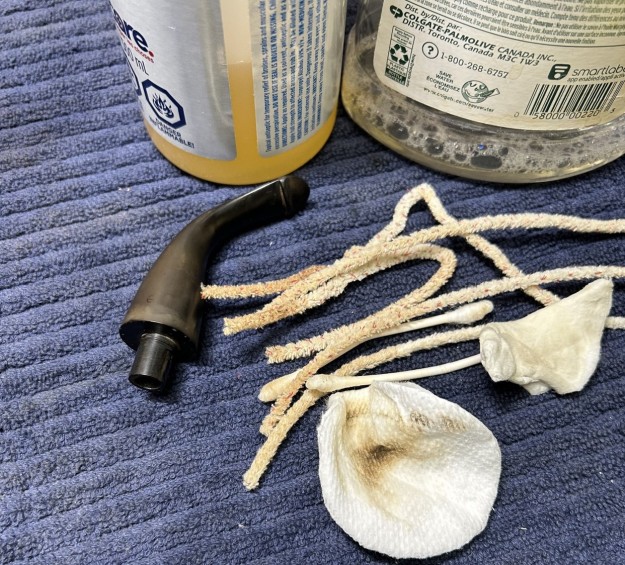
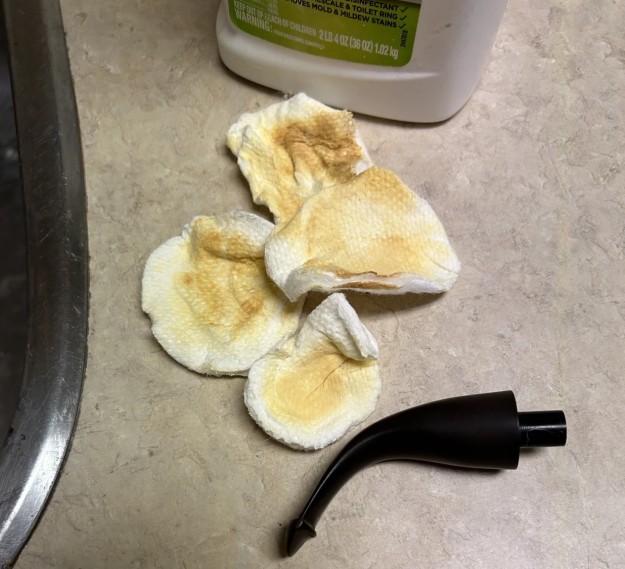
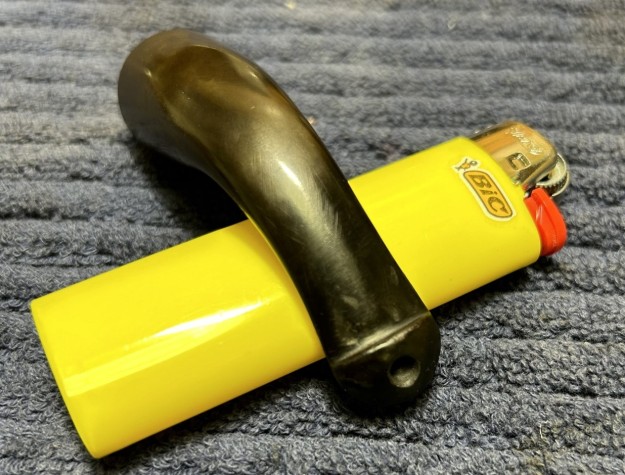
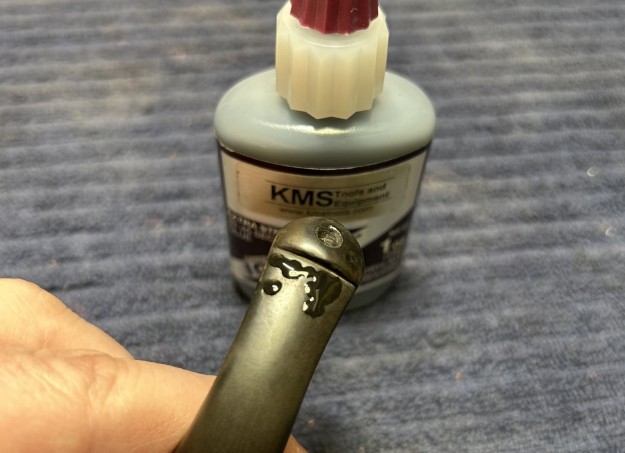
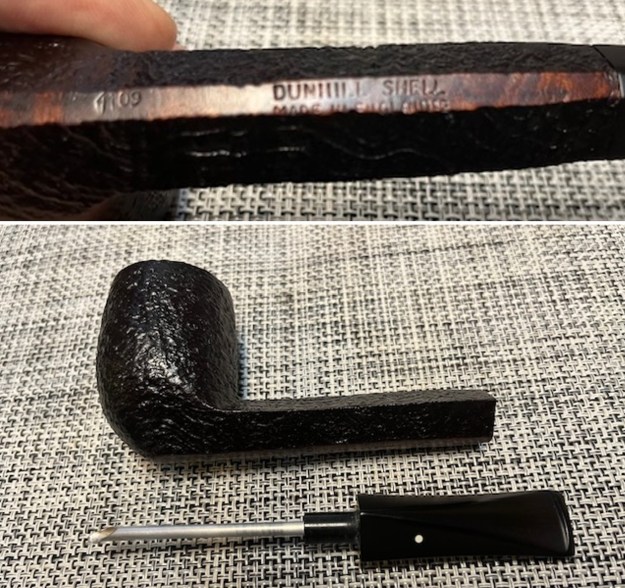
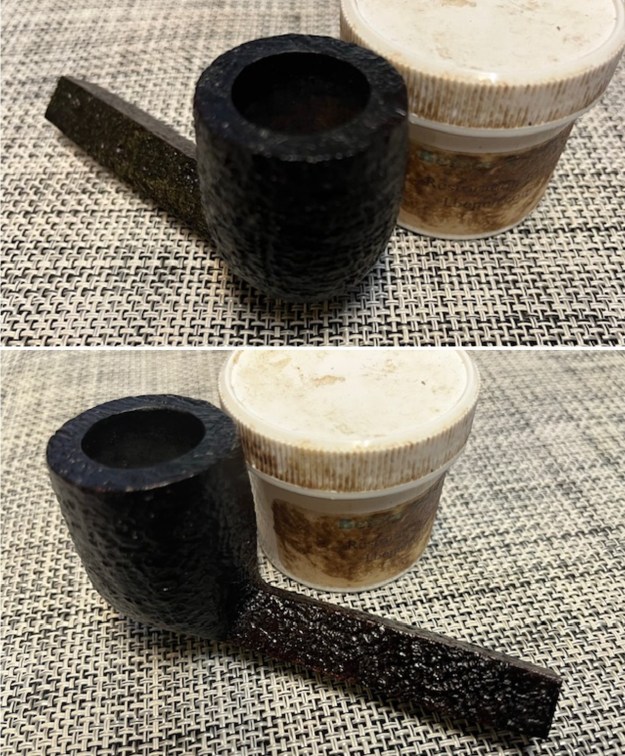
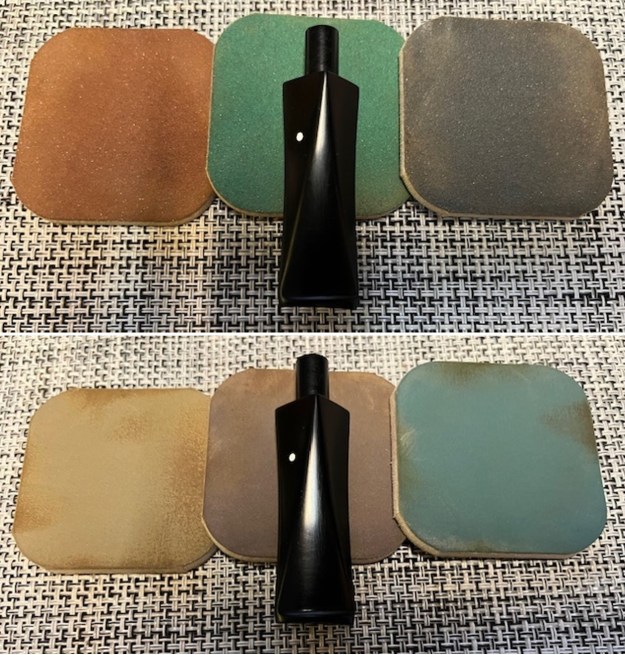
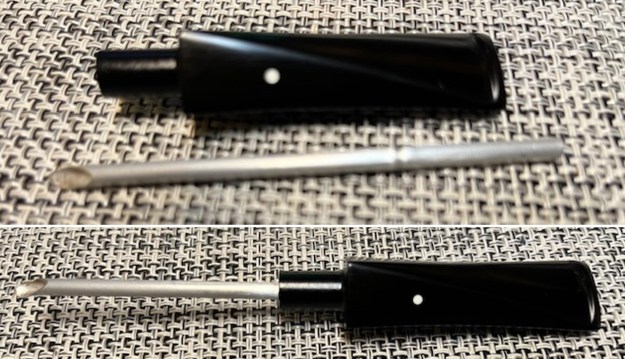
Say hello to this beautiful Savinelli Nonpareil 9614 bent billiard! It came to me in a lot of pipes I bought some time ago and it seemed right to bring this one back to life. At first, it seemed like a relatively straightforward restoration, but – wow – this pipe ended up taking an awful lot of work. You can now buy this pipe for your collection and enjoy the fruits of my labours. This pipe promises to be a great smoker, I figure. Let’s look at the markings. The left side of the shank reads Savinelli [over] Nonpareil. Despite Savinelli being an Italian company, the word nonpareil is French and means “without equal” – literally, “not the same”. On the left side of the shank is the lovely Savinelli crown, next to which are the marks 9614 [over] Italy. Naturally, the number refers to the shape. Finally, there are two brass dots on the left side of the stem – very nice touch. Savinelli is one of the most recognized names in pipe smoking and they have a long and storied history. You can read about them from their own website or from Pipedia’s article about them. However, I was particularly interested in learning more about the Nonpareil line. Sadly, Pipedia had nothing on this subject. I checked with Pipephil and they did have a bit of information, which I display below. I learned from Pipephil that old Savinellis used to have four-digit shape numbers, newer ones three. The exceptions to this rule, however, are the Nonpareil and Dry System lines.The stem on this pipe definitely shows signs of use. There were some tooth marks – dents and scratches – and plenty of calcification. Of course, there was also some oxidation, but I didn’t realize just how much until much later. The stummel was tired and drab. There were indications of lava on the rim and plenty of cake in the bowl. Also, the briar had a few little scratches from the years of love of its previous owner. Nothing to worry about – or so I thought. More on that later. Well, the usual cleaning procedures were in order for this pipe. I started on the stem by wiping it down with some Murphy’s on a cotton round. Then, I cleaned out the insides of the stem with pipe cleaners and lemon-oil isopropyl alcohol. At this point, I took a BIC lighter and ‘painted’ the stem with its flame in order to lift the tooth marks. This was moderately successful in raising the dents. Once that was done, the stem went for an overnight soak in the Before & After Hard Rubber Deoxidizer. After soaking, I cleaned off the de-oxidizing fluid with alcohol, pipe cleaners, et cetera. The oxidation had migrated to the surface and I used SoftScrub to work it off. I was surprised at how poorly this worked (as compared with other restorations), so I actually sent it for another soak in the deox fluid and repeated the same cleaning procedures afterwards. Once I got the stem looking vaguely deoxidized (and before I moved on to the Micromesh pads), I built up the tooth damage on the stem with black cyanoacrylate adhesive and let it fully cure. I used my miniature files to take down the majority of the dried glue. I then sanded it down with 400-grit sandpaper to meld seamlessly into the stem. I then used all nine Micromesh pads (1,500 through 12,000 grit) to bring out the lovely black lustre on the stem. But WAIT! I never made it through all nine pads because I could see that the oxidation was so stubborn, I would need to put in some extra work first. Recently, Steve kindly introduced me to a new type of sanding pad – more aggressive grit for more aggressive jobs. I’m going to refer to them as the ‘grey pads’ since that’s their colour. I used the grey pads to really attack the oxidation on the stem and they worked very well. I don’t have photos of this, but I’m pleased with the results. There are some small wounds remaining on the stem, but they are not an issue at all. Once done with the greys, I went back again to the Micromesh pads. I also used Obsidian Pipe Stem Oil in between each pad scrubbing. This also really made the brass dots pop! Putting the stem aside, I moved on to the stummel. I used the PipNet Reamer (and some sandpaper taped to a wooden dowel) to take the bowl down to bare briar, as I wanted to ensure there were no hidden flaws in the walls of the bowl. Fortunately, there were none. I then proceeded to clean out the insides of the shank with Q-tips, pipe cleaners, and isopropyl alcohol. There was a lot of nastiness inside this stummel and – boy-oh-boy – it took a lot of cotton to get this thing clean! I took a close look at the rim. In order to save as much of the rim as possible, I used a piece of machine metal to very delicately scrape away as much lava as I could. I do this before automatically jumping to my topping board. This worked well and the topping board was not needed.A de-ghosting session seemed like a good idea. This de-ghosting consisted of thrusting cotton balls in the bowl and the shank, and saturating them with 99% isopropyl alcohol. I let the stummel sit overnight. This caused the oils, tars and smells to leech out into the cotton. Finally, a relatively clean and fresh-smelling bowl emerged. I then moved on to cleaning the outside of the stummel with Murphy’s Oil Soap and some cotton pads. What a difference that made! I also cleaned the insides with some Castile soap and tube brushes.I examined the scratches and bumps in the briar. I dug out my iron and a damp cloth to try to raise them. The hot and moist steam can often cause the wood to swell slightly and return to shape. This worked quite well, but alas, I forgot to take pictures. After this, I used all nine Micromesh pads (1,500 through 12,000 grit) to remove the scratches in the wood and make everything smooth. Prior to that, however, I applied some clear hockey tape to the shank extension – it was already lovely and smooth, and I didn’t want to scratch it. This tape is fantastic because it is incredibly resistant to sanding yet comes off with no residue whatsoever. I applied some Before & After Restoration Balm and began to admire my work when my eyes saw something that was uncovered in my restoration: a thin craze line in the valley between the stummel and the shank. It was certainly not visible before, so the cleaning and sanding had revealed it. Even though the line was incredibly thin and seemingly shallow, I needed to address it. My first step was to ensure that the line would not continue to creep after I had repaired it. To that end, I took a micro-drill bit, inserted it in my Dremel, and very carefully drilled a hole in both ends of the line. That done, I carefully applied a tiny bead of cyanoacrylate adhesive to the tiny hole and the tiny line. Finally, I let it cure. This was a great success – I was really pleased with how the repair looked. I had to sand this area again, of course, so I applied my hockey tape all over the place (see photo) and went to work with some sandpaper and Micromesh pads. I then rubbed in some more Before & After Restoration Balm and finally saw the beauty of my work.Off to the bench polisher I went. I applied some White Diamond and a few coats of carnauba wax and they added the finishing touch. This Savinelli Nonpareil 9614 bent billiard was in need of a reminder of its beauty and Italian heritage. I am pleased to announce that this pipe is for sale! If you are interested in acquiring it for your collection, please have a look in the “Italy” pipe section of the store here on Steve’s website. You can also email me directly at kenneth@knightsofthepipe.com. The approximate dimensions of the Savinelli Nonpareil 9614 bent billiard are as follows: length 4¾ in. (121 mm); height 5⅛ in. (130 mm); bowl diameter 1⅝ in. (40 mm); chamber diameter ¾ in. (19 mm). The weight of the pipe is 1⅞ oz. (55 g). I hope you enjoyed reading the story of this restoration as much as I enjoyed restoring it. If you are interested in more of my work, please follow me here on Steve’s website or send me an email. Thank you very much for reading and, as always, I welcome and encourage your comments.

Restoring a Danish Made Stanwell Rondo Lovat


Blog by Steve Laug

The next pipe I am working on was purchased a year ago on 01/26/2023 as part of a group of pipes from a fellow in Copenhagen, Denmark. This was another dirty pipe but underneath it had some nice grain. It was obviously it had been someone’s favourite smoker. The pipe was stamped on the underside of the shank that reads Stanwell [over] Made in Denmark [over] Rondo. The stamping is faint but possibly the shape number is 98 which is the shape for a lovat. The dirty finish was not able to hide the beauty in the grime. There were tars and oils ground into the surface of the briar. The bowl had a moderate cake that flowed over the top of the rim in a spotty lava coat. The inner edge looked to be in good condition under the light lava coat. The stem was a black acrylic saddle stem with an inlaid silver crown S on the left side. There were light tooth marks and chatter on both sides ahead of the button. Jeff took photos of the pipes before he started his clean up work. Jeff took photos of the rim and bowl to show the heavy cake and heavy lava coat covering the rim top. The inner edge of the rim is caked but appears to be in good condition. It really was a dirty pipe but still a beauty. He also took photos of the stem surfaces to show its overall condition when it arrived. The photos of the sides and heel of the bowls show some beautiful grain around the bowl and shank sides. The brown stain on the briar adds depth to the finish on the pipe and makes the grain really stand out. It shows some promise.He also took photos of the stamping on the shank sides. It is faint but reads as noted above. He also took a photo of the Crown S stamp on the left side of the stem. From what I can find on the web the Rondo line was an older line of Stanwell pipes that is similar to the Brass Band line but has yellow acrylic between the bands. It is a nice looking pipe but one about which I could find little information.

I turned to the article on Pipedia that gave background information the shape numbers and the designers of the shapes (https://pipedia.org/wiki/Stanwell_Shape_Numbers_and_Designers). From what I can see there the shape number 98 was made in two versions. The first is a Pot shaped pipe with a saddle stem. The second shape is a Lovat. It seems to me that the pipe I am working on kind of combines these two shapes – it is a Lovat shaped Pot. Long shank with a Pot shaped bowl.

Jeff cleaned up the pipe for me. He reamed the bowl with a PipNet pipe reamer and cleaned it up with a Savinelli Fitsall Pipe Knife. He scrubbed the exterior with Murphy’s Oil Soap and a tooth brush to clean off the grime off the finish and the overflow of lava on the rim top. The cleaning had removed the grime on the rim top. He cleaned up the internals of the shank, mortise and stem with pipe cleaners, cotton swabs and alcohol to remove all of the oils and tars in the pipe. He soaked the stem in Briarvilles Pipe Stem Deoxidizer and was able to remove much of the oxidation, calcification. When it arrived here in Vancouver it was a clean pipe and I knew what I had to work with. I took photos of it before I started my part of the restoration. I took a photo of the rim top and the stem to show their condition once it arrived in Canada. Jeff was able to clean up the cake and the lava overflow that was shown in the rim and bowl photos above. The rim top and the inner edge of the bowl looked very good. The stem looked better, though there were light tooth marks and chatter on both sides near the button.The stamping was faint enough that I could not capture it with the camera. I removed the stem from the shank and took a photo to give a sense of the proportions of this Lovat and Pot bowl.I started my work on the pipe by cleaning up the darkening around the inner edge of the rim and the top with a folded piece of 220 grit sandpaper.I polished the briar with micromesh because it was in such good condition. I polished it with 1500-12000 grit micromesh sanding pads. I wiped the bowl down after each sanding pad with a damp cloth. I rubbed the briar down with Before & After Restoration Balm. I worked it into the briar with my fingertips. The product works to clean, enliven and preserve the briar. I let it sit for 10 minutes while I worked on the stem. After the time passed I buffed it with a cotton cloth to deepen the shine. The briar really comes alive with the balm. I started working on polishing the stem with my 320-3500 grit sanding pads. I was able to remove the tooth marks and chatter on both sides ahead of the button. It looked much better at this point in the processI polished the stem with micromesh sanding pads – dry sanding with 1500-12000 grit pads. I wiped the stem down after each sanding pad with Obsidian Oil.I polished it with Before & After Pipe Stem Polish – both Fine and Extra Fine. I gave it a coat of Obsidian Pipe Stem Oil. It works to protect the stem from oxidizing. I set it aside to dry.This beautifully grained Danish Made Stanwell Rondo 98 Lovat with a saddle vulcanite stem turned out very nice. The mix of brown stains highlights the great grain around the bowl sides and bottom. The rim top and edges look very good. The finish on the pipe is in excellent condition. I put the stem back on the bowl and carefully buffed the pipe with Blue Diamond on the buffing wheel. I gave the bowl and stem multiple coats of carnauba wax on the buffing wheel and followed that by buffing the entire pipe with a clean buffing pad. I hand buffed the pipe with a microfiber cloth to deepen the shine. The finished Stanwell Rondo Lovat is very nice and feels great in the hand. Give the finished pipe a look in the photos below. It is a nice pipe whose dimensions are Length: 5 inches, Height: 1 ½ inches, Outside diameter of the bowl: 1 ¼ inches, Chamber diameter: ¾ of an inch. The weight of the pipe is 28 grams/0.99 ounces. Thanks for walking through the restoration with me as I worked over another beautiful pipe. This one will be going on the rebornpipes store, in the Danish Pipe Makers Section shortly. If you are interested in adding it to your collection let me know by message or by email to slaug@uniserve.com. Thanks for your time.

As always, I encourage your questions and comments as you read the blog. Thanks to each of you who are reading this blog. Remember we are not pipe owners; we are pipe men and women who hold our pipes in trust until they pass on into the trust of those who follow us.

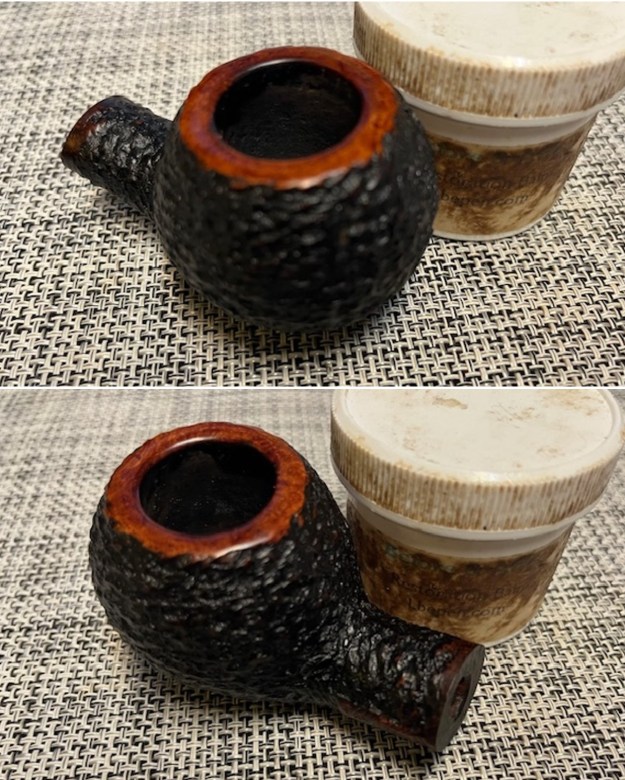
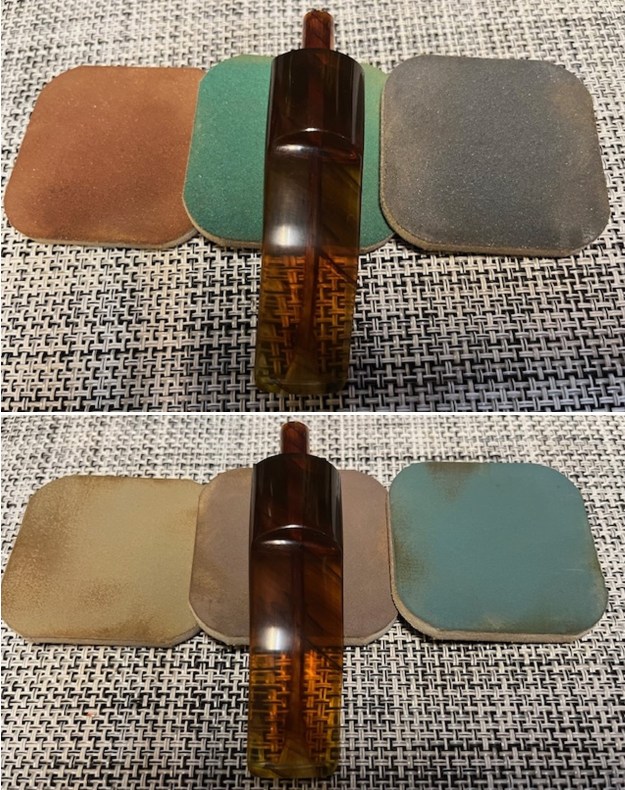
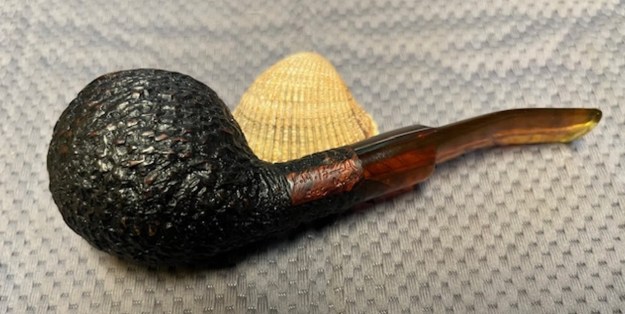
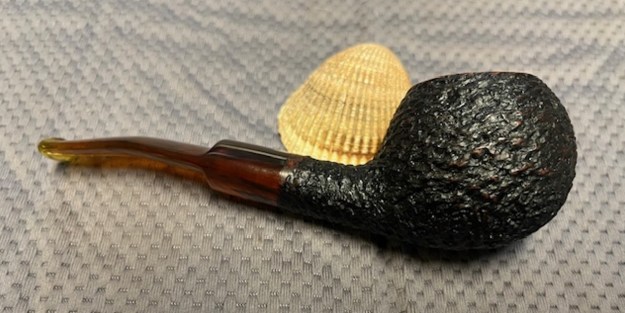
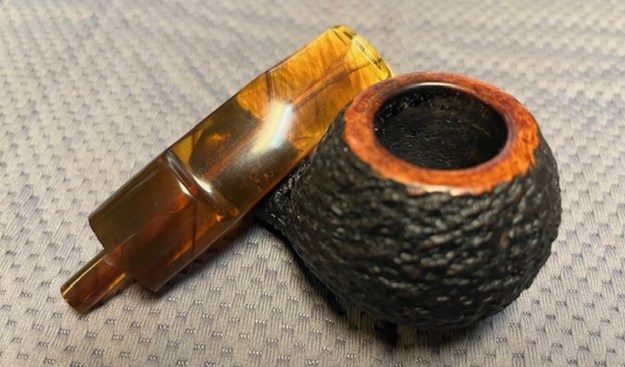
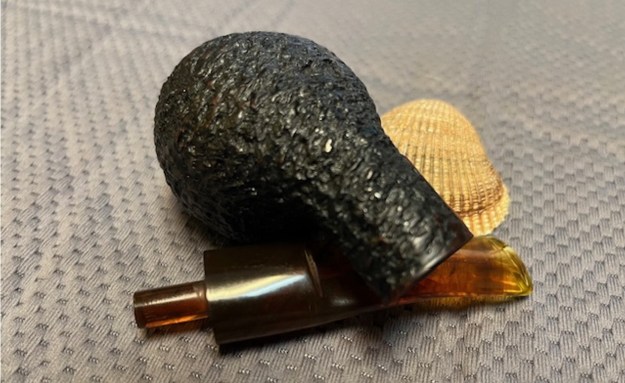
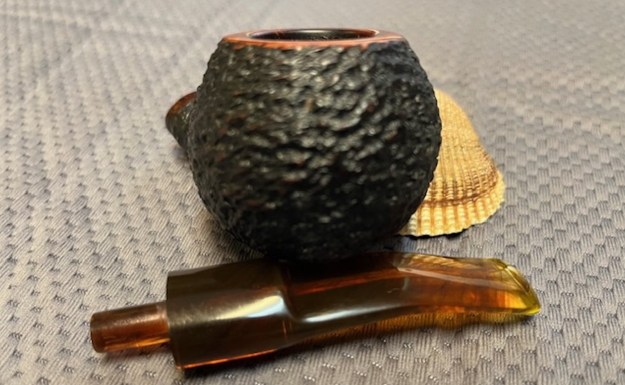
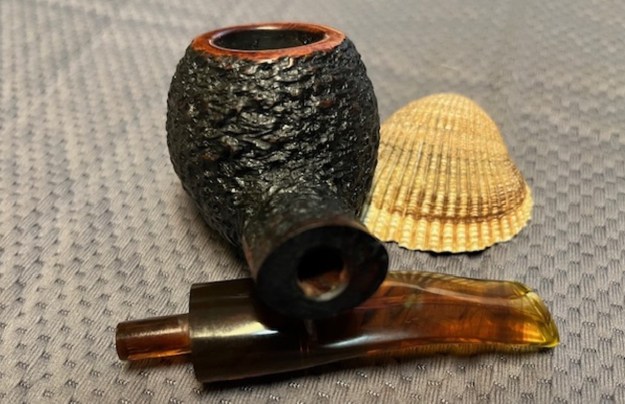
Working Around a Shortage of Acrylic Stems


Great job shaping that stem. I really need to get a lathe.

Welcome to 2024, everyone! The move into a new year should be a time for looking forward to new experiences, new events, and better times ahead (or …

Working Around a Shortage of Acrylic Stems

Such Stunning Grain on this Danish Made Stanwell Royal Prince 51 Billiard


Blog by Steve Laug

The next pipe I am working on was purchased a year ago on 01/26/2023 as part of a group of pipes from a fellow in Copenhagen, Denmark. This was another dirty pipe but underneath it had some astonishingly beautiful grain. It was obviously it had been someone’s favourite smoker. The pipe was stamped on the left side of the shank that reads Stanwell [over] Royal [over] Prince. On the right side of the shank it was stamped with the shape number 51. The dirty finish was not able to hide the beauty in the grime. There were tars and oils ground into the surface of the briar. The bowl had a very thick cake that flowed over the top of the rim in a heavy lava coat. The inner edge looked to be in good condition and showed lava and darkening. The stem was a black vulcanite taper stem stamped with a faded white crown S on the left side. It had some light tooth marks and chatter on both sides ahead of the button. There was some oxidation and calcification on both sides but it had a lot of potential. Jeff took photos of the pipes before he started his clean up work. Jeff took photos of the rim and bowl to show the heavy cake and heavy lava coat covering the rim top. The inner edge of the rim is caked but appears to be in good condition. It really was a dirty pipe but still a beauty. He also took photos of the stem surfaces to show its overall condition when it arrived. The photos of the sides and heel of the bowls show some beautiful grain around the bowl and shank sides. The brown stain on the briar adds depth to the finish on the pipe and makes the grain really stand out. It shows some promise. He also took photos of the stamping on the shank sides. It reads as noted above. He also took a photo of the Crown S stamp on the left side of the stem. I did some searching on Google and found a pipe very much like the pipe that I am working on  Pinterest (https://www.pinterest.ca/pin/danish-estates-stanwell-royal-prince-51-pre2010-unsmoked–6544361942508713/). It gives a great description of the 51 Billiard in the Royal Prince line. I quote it below.

A beautiful little classic Billiard from Stanwell, this “51” shape features a lot of iconic Danish cues — like the lower-set waistline of the bowl, the slight sweeping motion of the transition, and the clean, minimalist lines of the shank and stem. The chamber proportions are perfect for a bit of folded flake or some pure Virginias, and the flame grain on this Royal Prince edition is stunning.

Jeff cleaned up the pipe for me. He reamed the bowl with a PipNet pipe reamer and cleaned it up with a Savinelli Fitsall Pipe Knife. He scrubbed the exterior with Murphy’s Oil Soap and a tooth brush to clean off the grime off the finish and the overflow of lava on the rim top. The cleaning had removed the grime on the rim top. He cleaned up the internals of the shank, mortise and stem with pipe cleaners, cotton swabs and alcohol to remove all of the oils and tars in the pipe. He soaked the stem in Briarvilles Pipe Stem Deoxidizer and was able to remove much of the oxidation, calcification. When it arrived here in Vancouver it was a clean pipe and I knew what I had to work with. I took photos of it before I started my part of the restoration. I took a photo of the rim top and the stem to show their condition once it arrived in Canada. Jeff was able to clean up the cake and the lava overflow that was shown in the rim and bowl photos above. The rim top and the inner edge of the bowl looked very good. The stem looked better, though there were light tooth marks and chatter on both sides near the button. I took photos of the stamping on the shank sides to show that it was readable and undamaged by the cleanup work. I removed the stem from the shank and took a photo of the parts to give a sense of what the pipe looks like. I started my work on the pipe by polishing the briar with micromesh because it was in such good condition. I polished it with 1500-12000 grit micromesh sanding pads. I wiped the bowl down after each sanding pad with a damp cloth. I rubbed the briar down with Before & After Restoration Balm. I worked it into the briar with my fingertips. The product works to clean, enliven and preserve the briar. I let it sit for 10 minutes while I worked on the stem. After the time passed I buffed it with a cotton cloth to deepen the shine. The briar really comes alive with the balm. I set the bowl aside and turned my attention to the stem. The upper portion of the stem was in good condition so I started with touching up the white crown S stamp on the left side of the stem. I used white acrylic fingernail polish to rework the stamping. I applied it with the brush that came with it and when it dried scraped off the excess and polished it off with a 2000 grit sanding pad. I started working on polishing the stem with my 320-2500 grit sanding pads. I was able to remove the scratches and light tooth marks and chatter on both sides ahead of the button. It looked much better at this point in the process.I polished the stem with micromesh sanding pads – dry sanding with 1500-12000 grit pads. I wiped the stem down after each sanding pad with Obsidian Oil. I polished it with Before & After Pipe Stem Polish – both Fine and Extra Fine. I gave it a coat of Obsidian Pipe Stem Oil. It works to protect the stem from oxidizing. I set it aside to dry. This beautifully grained Danish Made Stanwell Royal Prince 51 Billiard with a taper vulcanite stem turned out very nice. The mix of brown stains highlights the great grain around the bowl sides and bottom. The rim top and edges look very good. The finish on the pipe is in excellent condition. I put the stem back on the bowl and carefully buffed the pipe with Blue Diamond on the buffing wheel. I gave the bowl and stem multiple coats of carnauba wax on the buffing wheel and followed that by buffing the entire pipe with a clean buffing pad. I hand buffed the pipe with a microfiber cloth to deepen the shine. The finished Stanwell Royal Prince 51 Billiard is very nice and feels great in the hand. Give the finished pipe a look in the photos below. It is a nice pipe whose dimensions are Length: 5 ¾ inches, Height: 1 ¾ inches, Outside diameter of the bowl: 1 ¼ inches, Chamber diameter: ¾ of an inch. The weight of the pipe is 34 grams/1.20 ounces. Thanks for walking through the restoration with me as I worked over another beautiful pipe. This one will be going on the rebornpipes store, in the Danish Pipe Makers Section shortly. If you are interested in adding it to your collection let me know by message or by email to slaug@uniserve.com. Thanks for your time.

As always, I encourage your questions and comments as you read the blog. Thanks to each of you who are reading this blog. Remember we are not pipe owners; we are pipe men and women who hold our pipes in trust until they pass on into the trust of those who follow us.