Category Archives: Pipe and Tobacco Historical Documents

Reflecting on my Dunhill Collection


Blog by Steve Laug

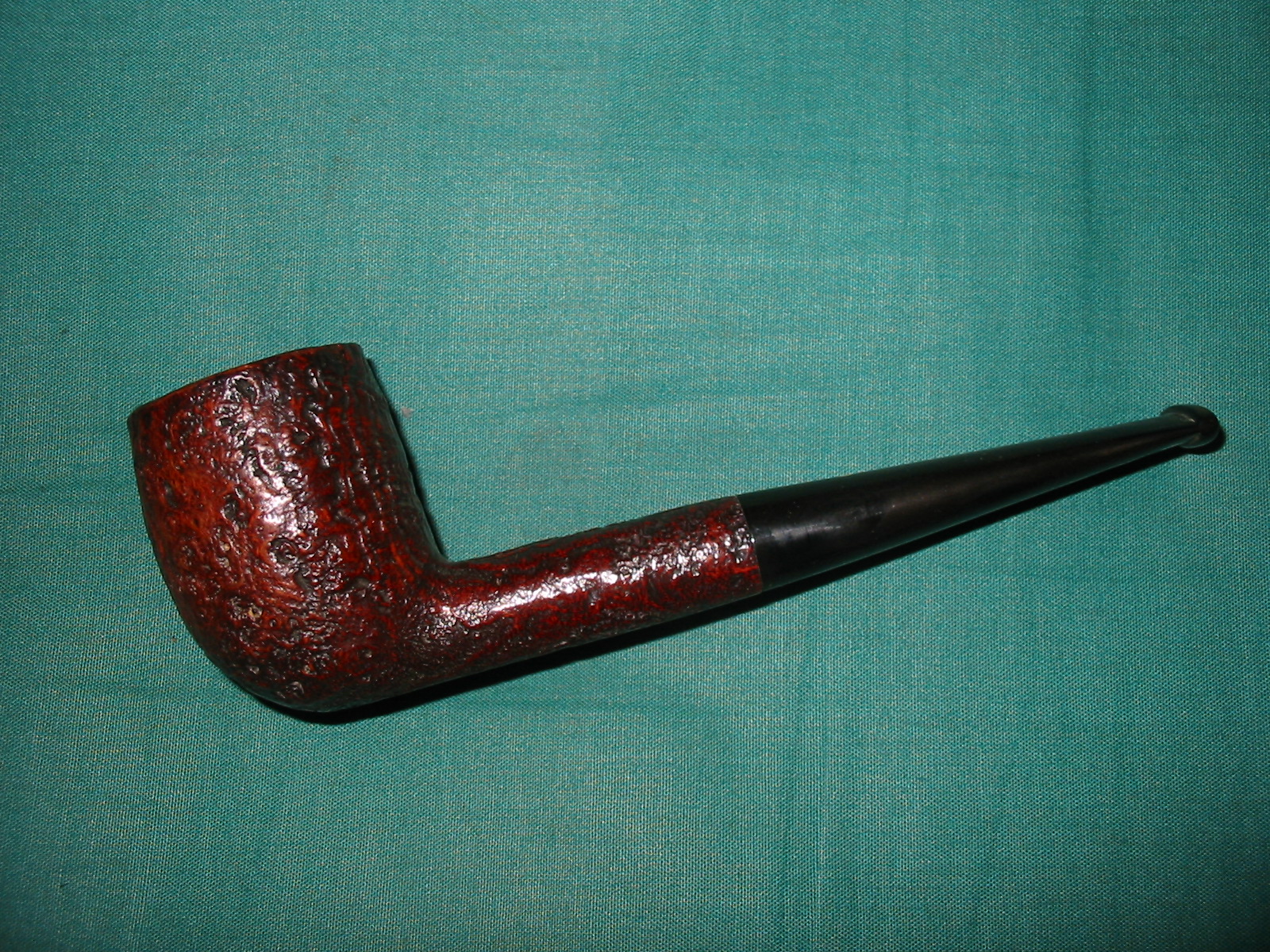
I am currently in the mode of cleaning up pipes in my collection. I have been polishing and giving them attention as well as taking the time to enjoy them by looking at them and handling each one. I have shown my John Calich and my Mark Tinsky pipes. This morning I am working through my Dunhills. As I went through them I have to say I am a bit surprised that I have so many of them. I figured there were a half-dozen or so but have never really looked at them all in one place. Laid out together there are eleven of them. I used to have a dozen I guess, but I sold one to a friend’s wife for her husband’s birthday – a 1973 Tanshell. So here are my eleven pipes.

The first group is the Shell or Shell Briars – I have five of them. They are beautiful sandblast pipes with a two-tone finish of dark and medium brown (or maybe dark brown with the high portions buffed lighter). The first of them is an old-timer. It is a bent billiard whose blast has been worn smooth over the years. I have had it dated to various times from mid 30’s to 1943.
IMG_5661

IMG_5662
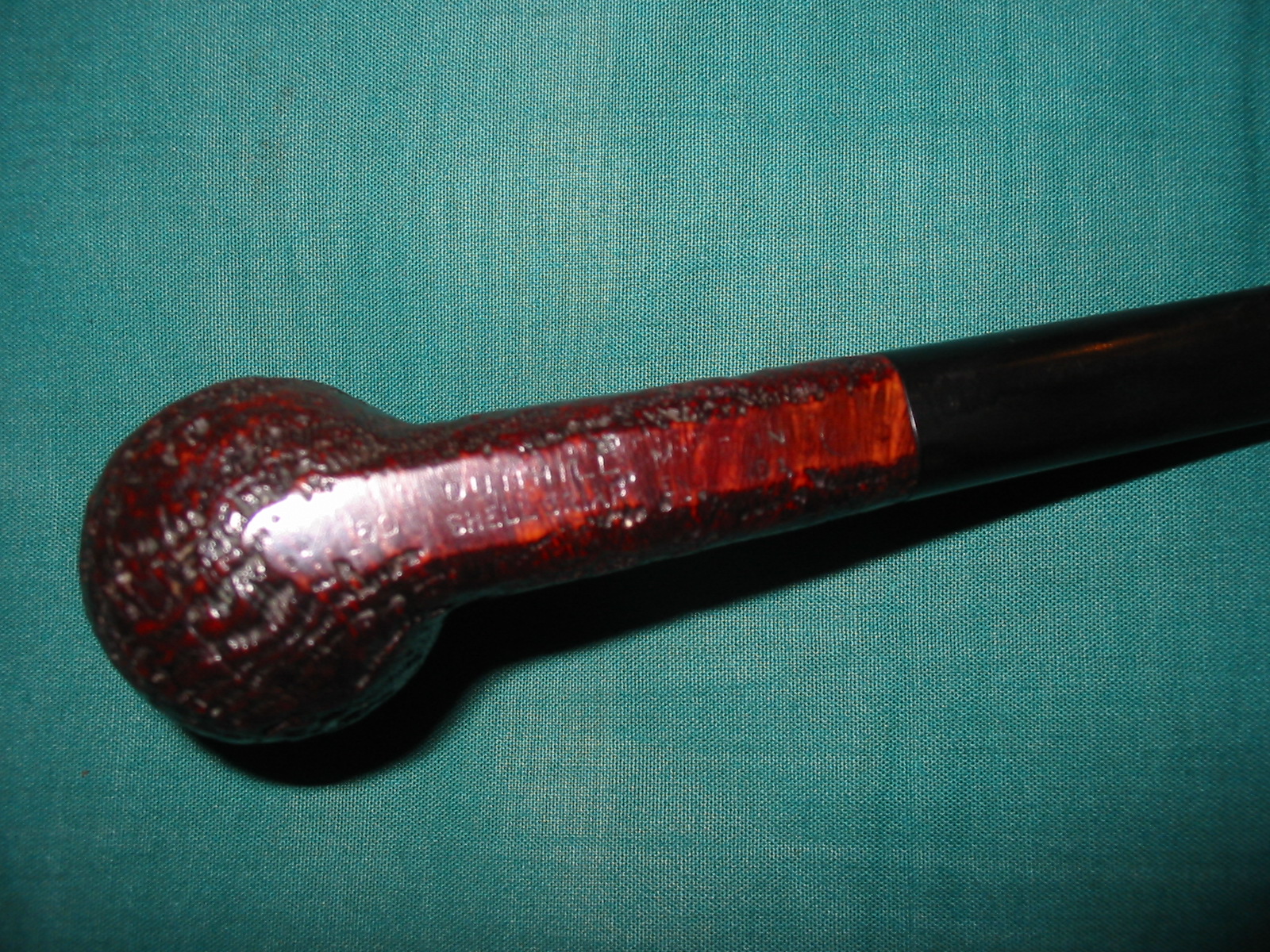
The stamping is quite weak but under a bright light with a lense it reads as follows:
DUNHILL SHELL Made in England 3 (this three is the questionable issue – overstamped)
N52 PATENT NO. 417574/34
IMG_5666
It is in good shape regardless of the age. The blast on the rim is worn but the stem is in good shape with minor tooth marks on the stem and the button surface. The white spot is darkened and appears to possibly be ivory though I am not sure.

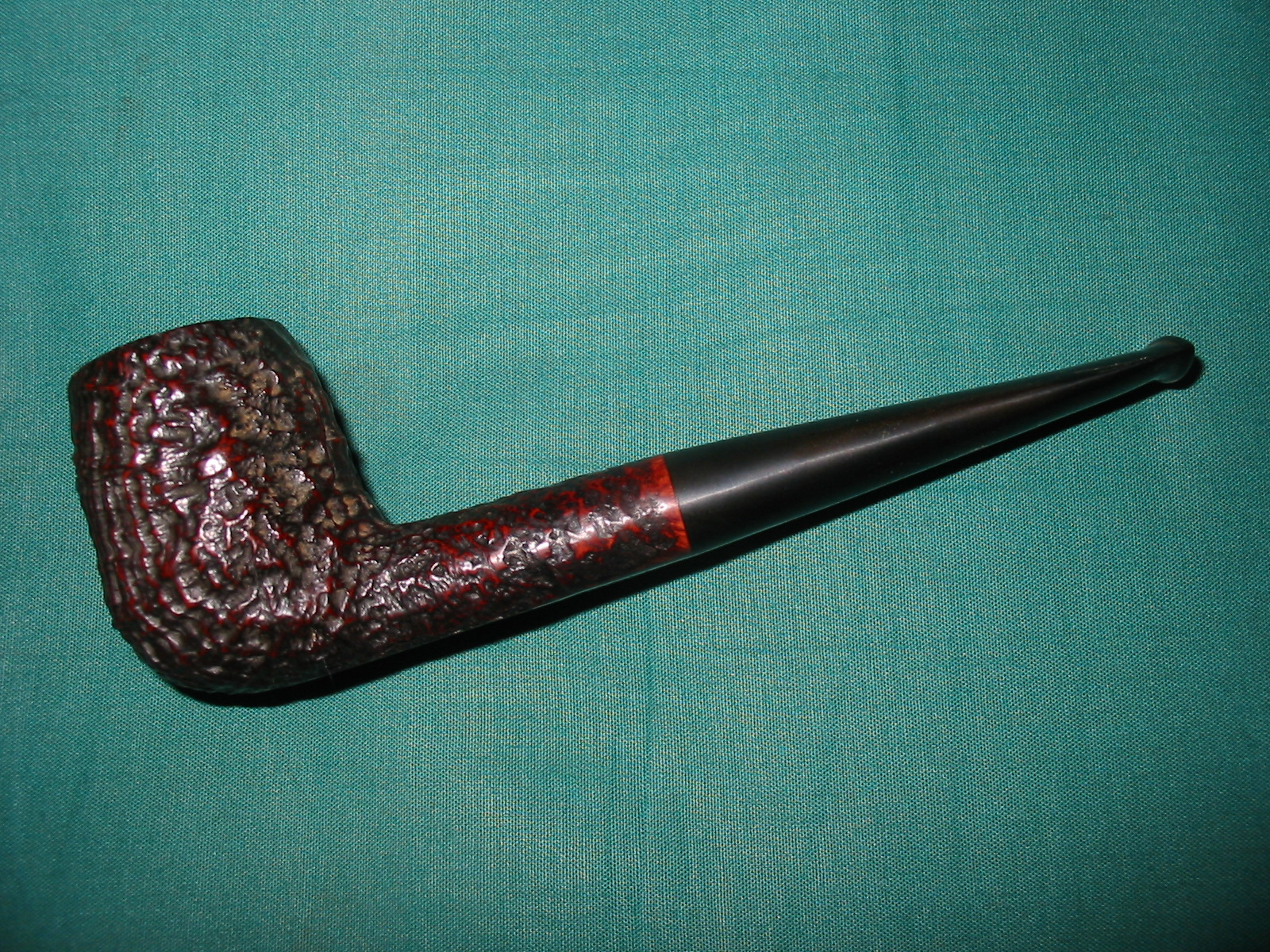
The next two are Birth Year Pipes for me. They are both made in 1954. The first one is a Canadian that I picked up on EBay. I had been looking for a birth year pipe for quite a while and contacted Mike Hagley regarding one. I had heard he might have one that I could purchase. He sent me the link to this one on EBay. It was not in good shape and had a stem with a missing white spot. I bid and won the auction. I sent it to Dave Wolf at Walker Briarworks for cleaning and repair. Dave did a great job cleaning it up and repairing the stem for me. I have had it for quite a few years now and enjoyed smoking it on my birthday. The ultimate pleasure was smoking this 1954 Dunhill Canadian with some 1954 Dobie Four Square Green on my 54th birthday a few years ago.
IMG_5658

IMG_5659
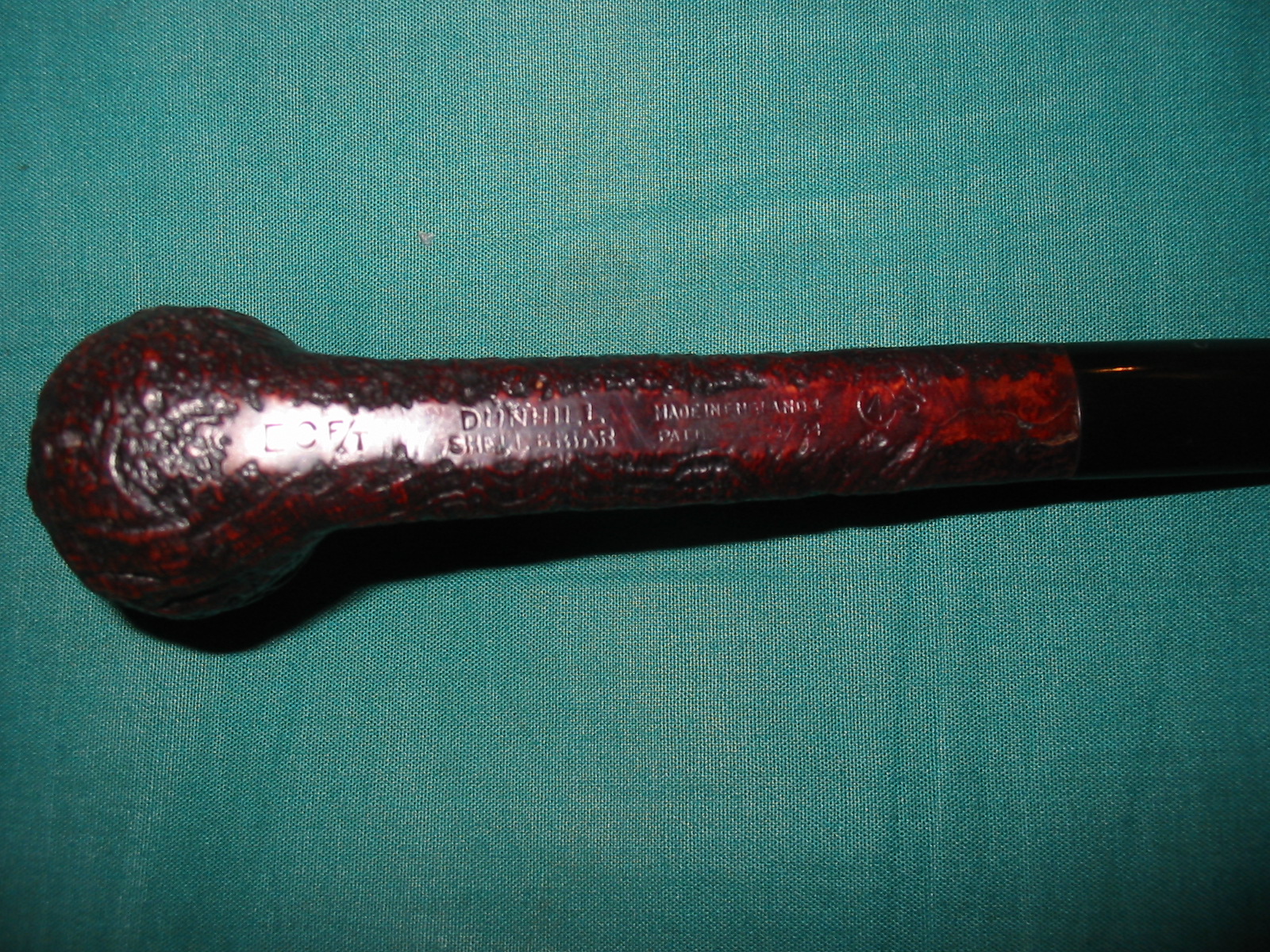
The stamping on this one is:
EC F/T DUNHILL Made in England 4 with a 4 in a circle and an S
SHELL BRIAR Patent No. 417574/34
IMG_5660
It is in great shape since Dave worked on it. The finish is beautiful and the blast has a mix of birdseye and cross grain. There are some deep craggy places in the blast and the blast on the oval shank is also well done. It is one of my favourite pipes in the collection.

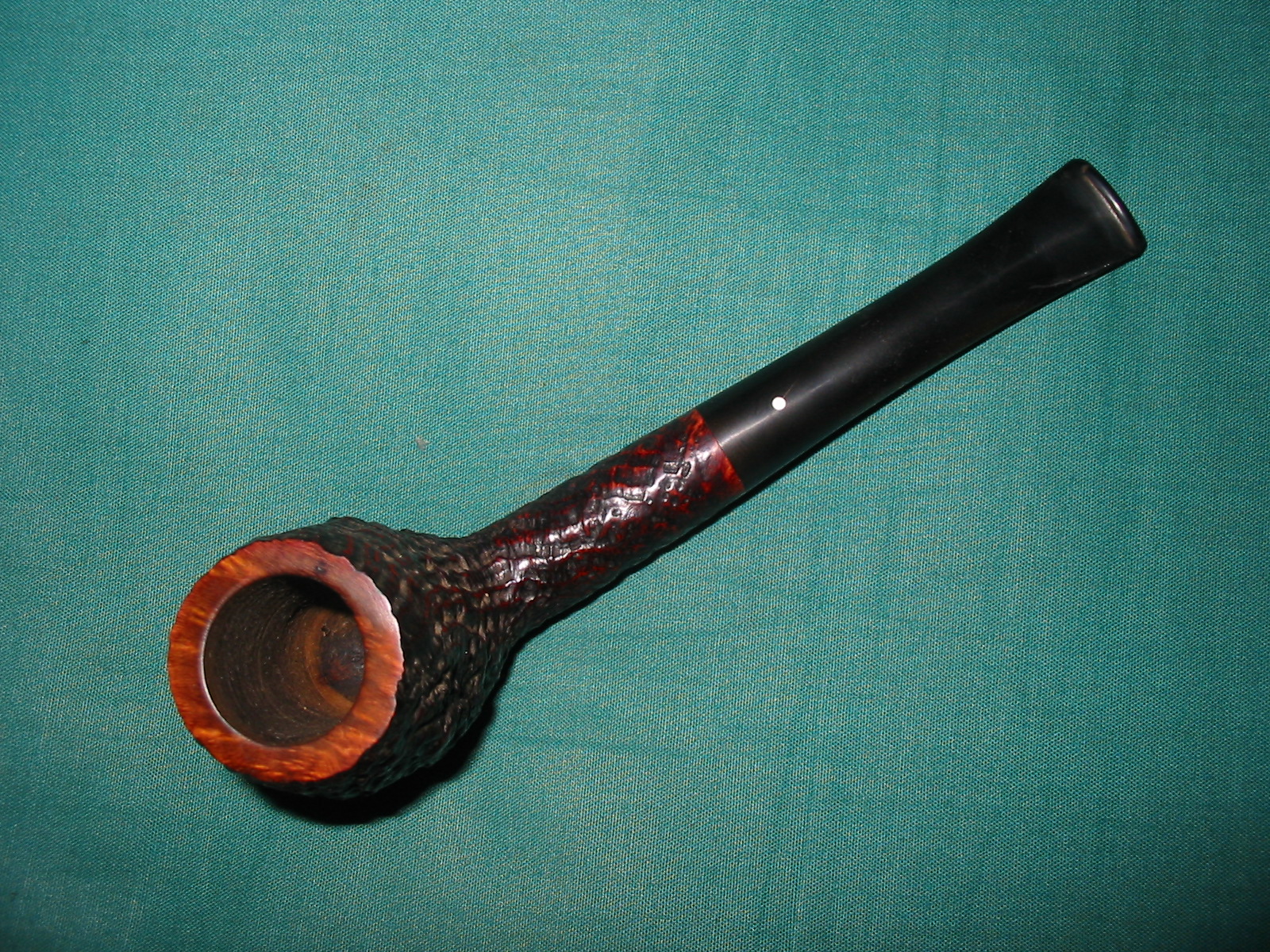
The second birth year pipe is a billiard. I bought this one on EBay as well. Its condition is good. The finish on the bowl and shank is excellent and the blast is deep and craggy. Somewhere along the way I believe someone topped this pipe so it has a smooth, restained rim. One day I may send it out and have the rim reworked to match the rest of the pipe. Or maybe one day I will attempt it myself. The time just has not been right for me to do either one. The stem is in good shape with a few small tooth marks on the surface. It is also a pleasure to smoke. I find though that the smooth rim just makes me reach for it less than my other birth year pipe.
IMG_5655

IMG_5656
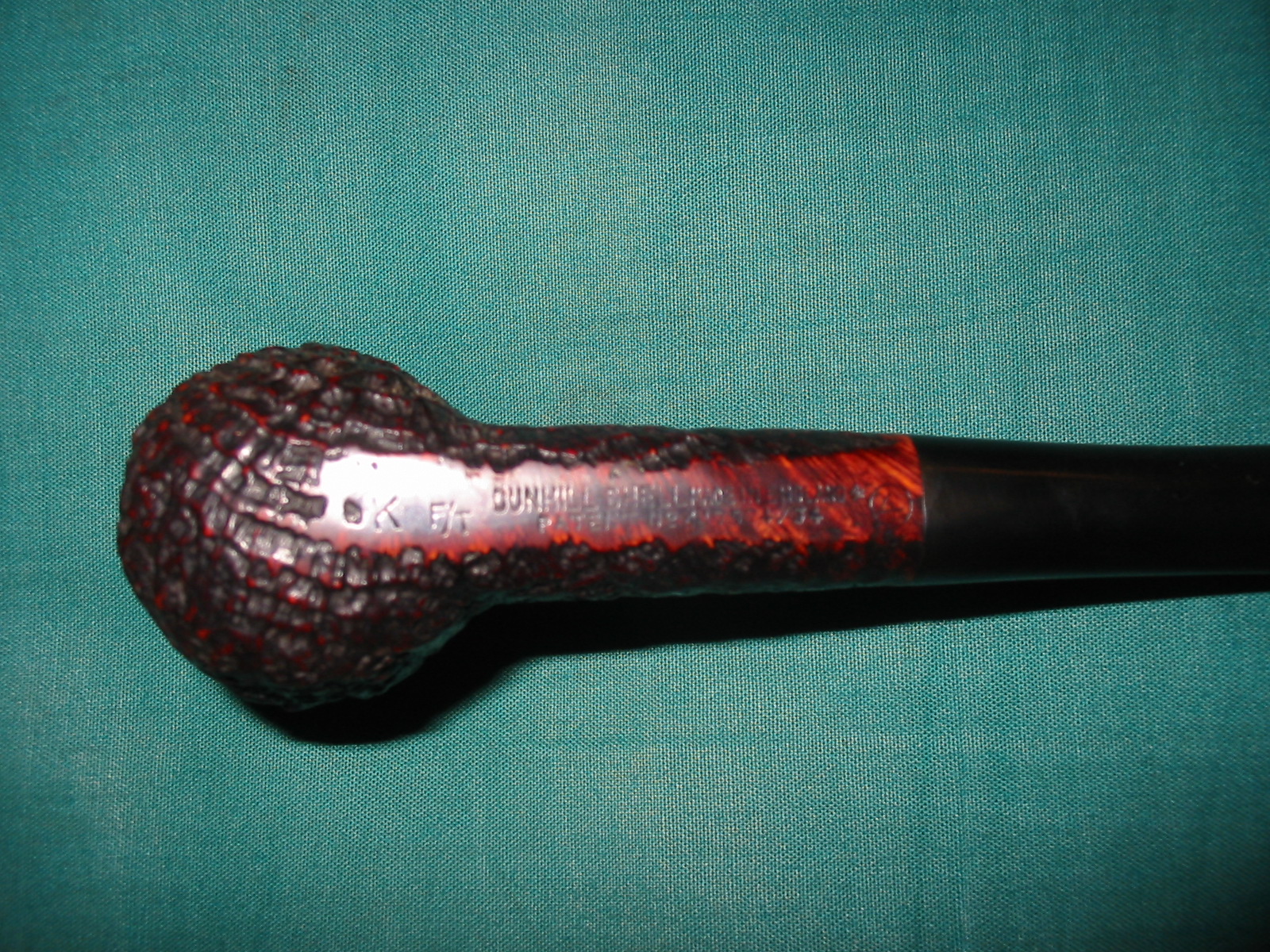
The stamping on this is:
K F/T DUNHILL SHELL Made in England 4 with a 4 in a circle
Patent No. 417574/34
IMG_5657
The fourth Shell in my collection is moving into another decade. I have two Shells from the 1960 era. The first one is a Billiard that is in good shape. The finish on the bowl and shank is excellent though this pipe is nowhere near as craggy as the 1954 billiard. The blast is nice but not deep. Like the 1954 billiard this one has seen some work on the rim. It appears to have been lightly topped so much of the blast on the rim is gone leaving behind a few deeper spots. I found this pipe in a Value Village Thrift Shop (Rummage Shop) in a display case and bought it for the paltry sum of $12 CNDN. It has some ripples on the top of the vulcanite stem and some tooth marks on the underside.
IMG_5652

IMG_5653
The stamping on this one reads:
60 DUNHILL Made In 4 in a circle and S
SHELL BRIAR England 1
IMG_5654
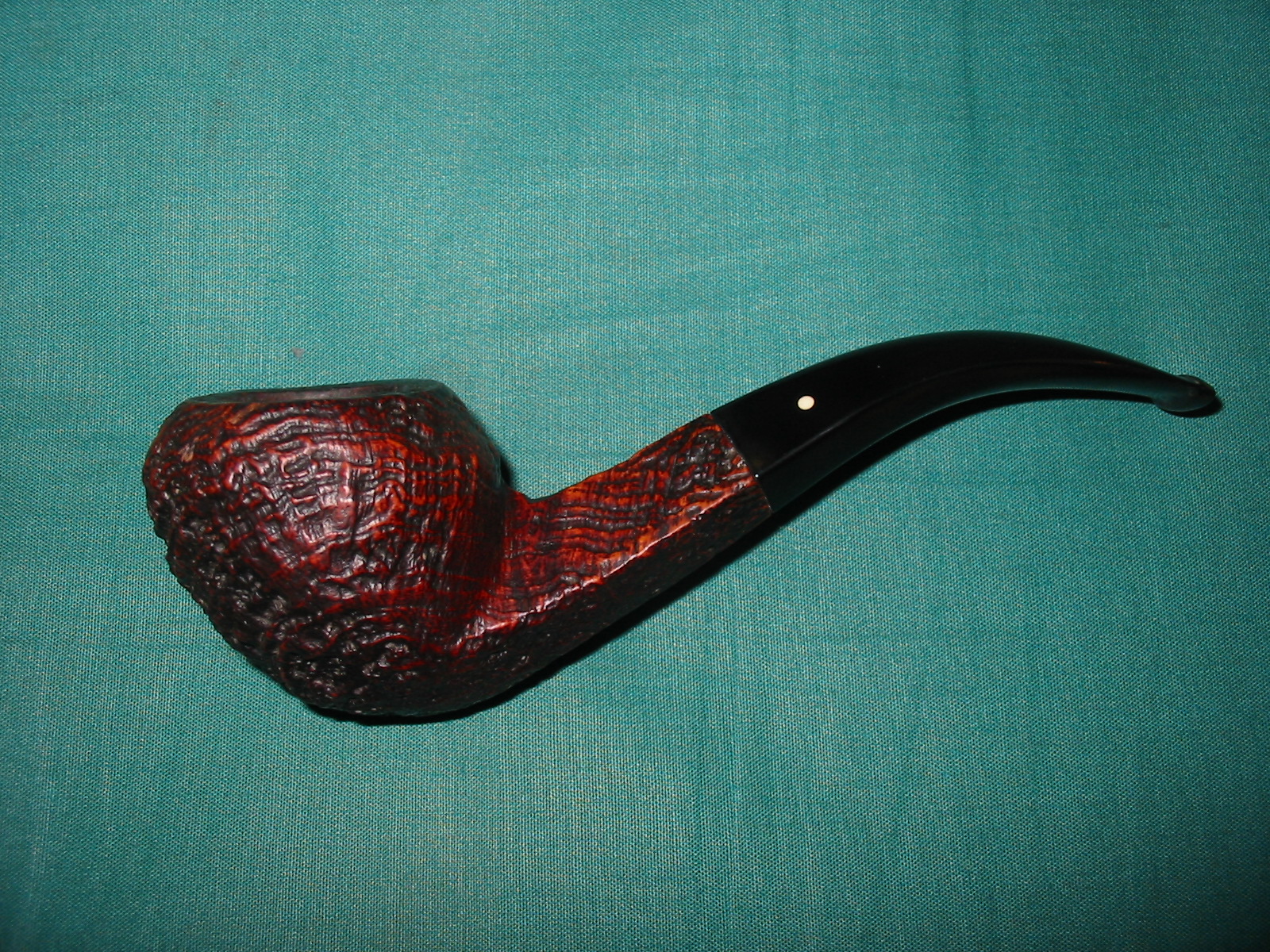
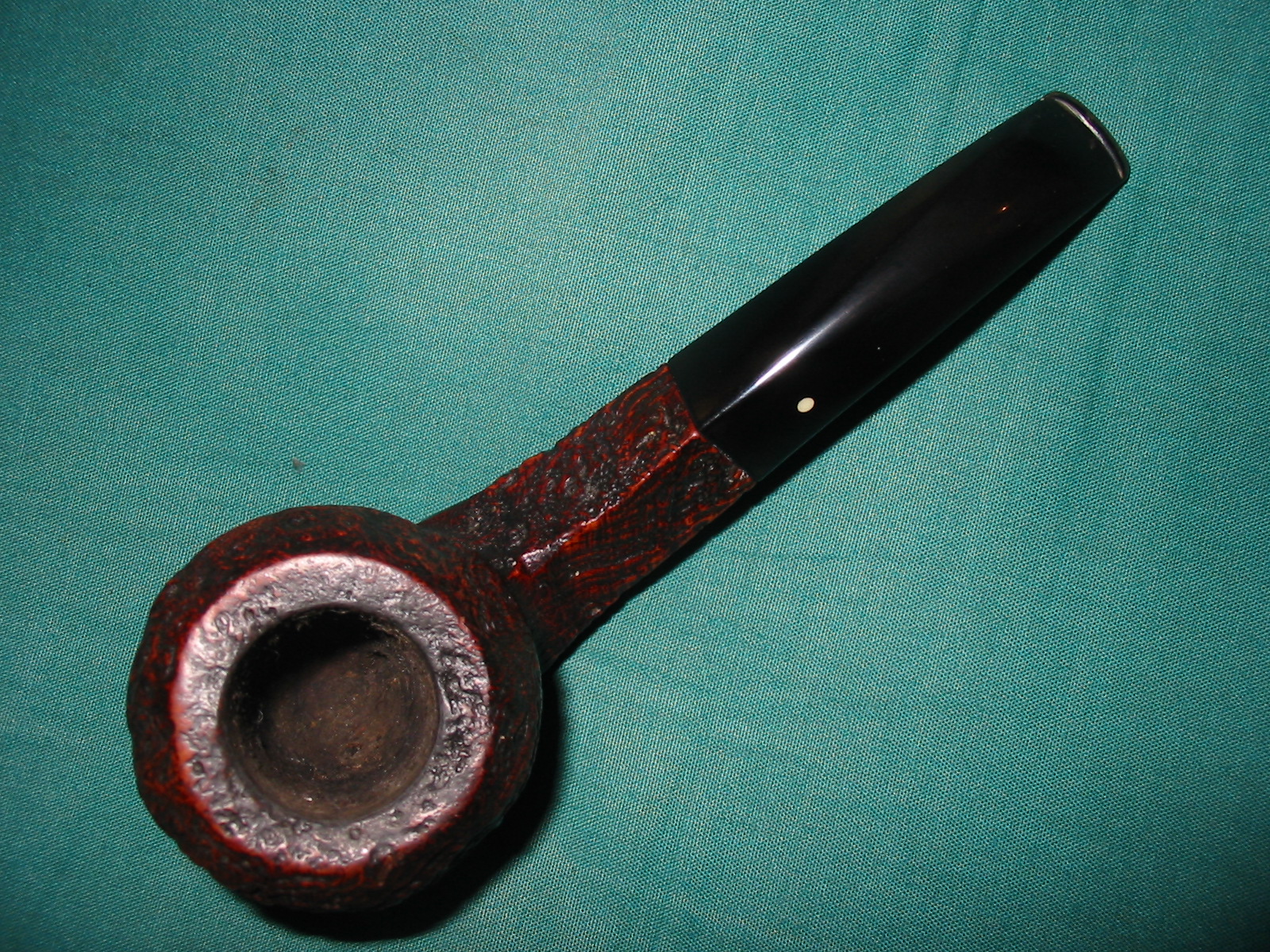
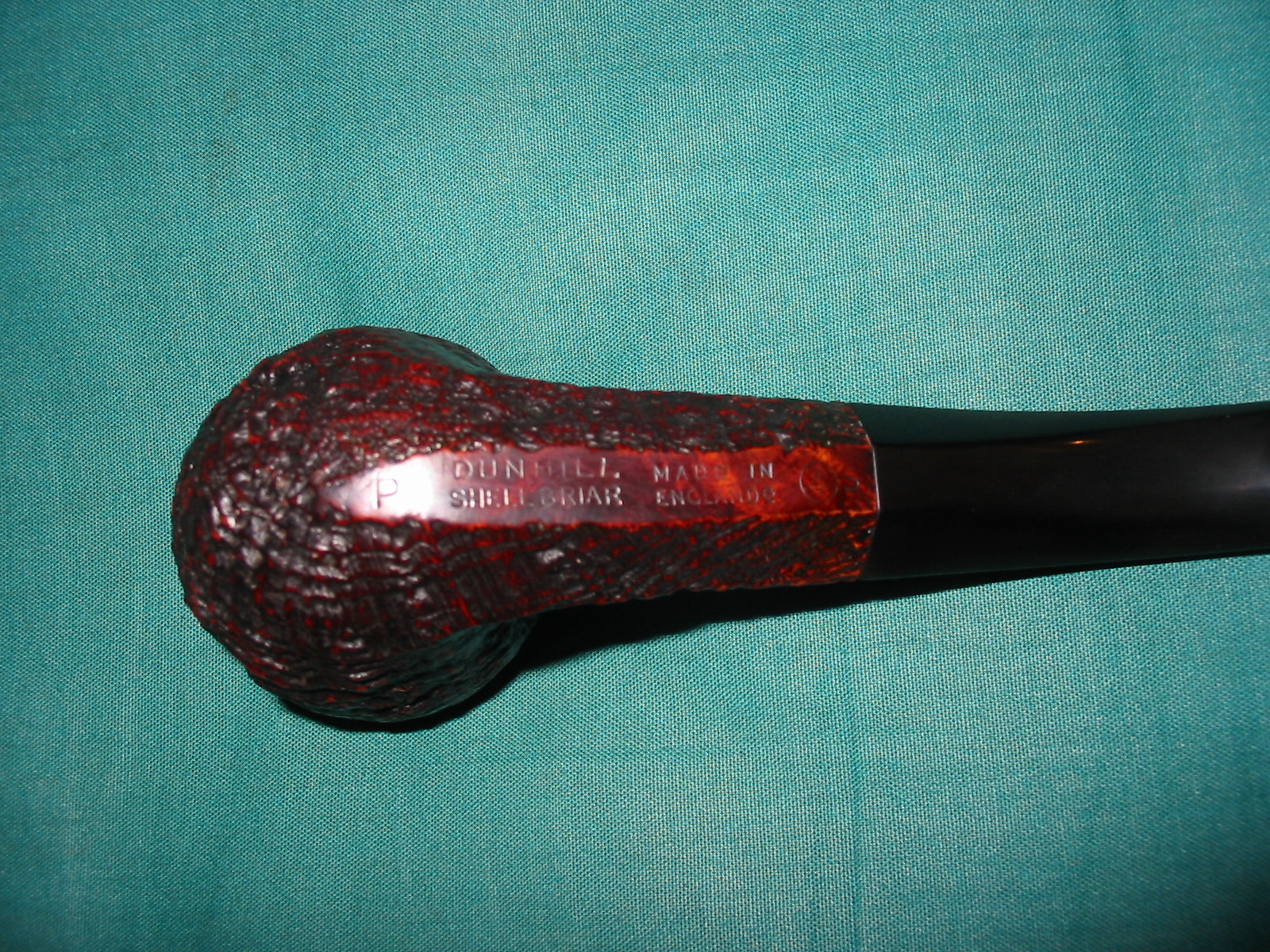
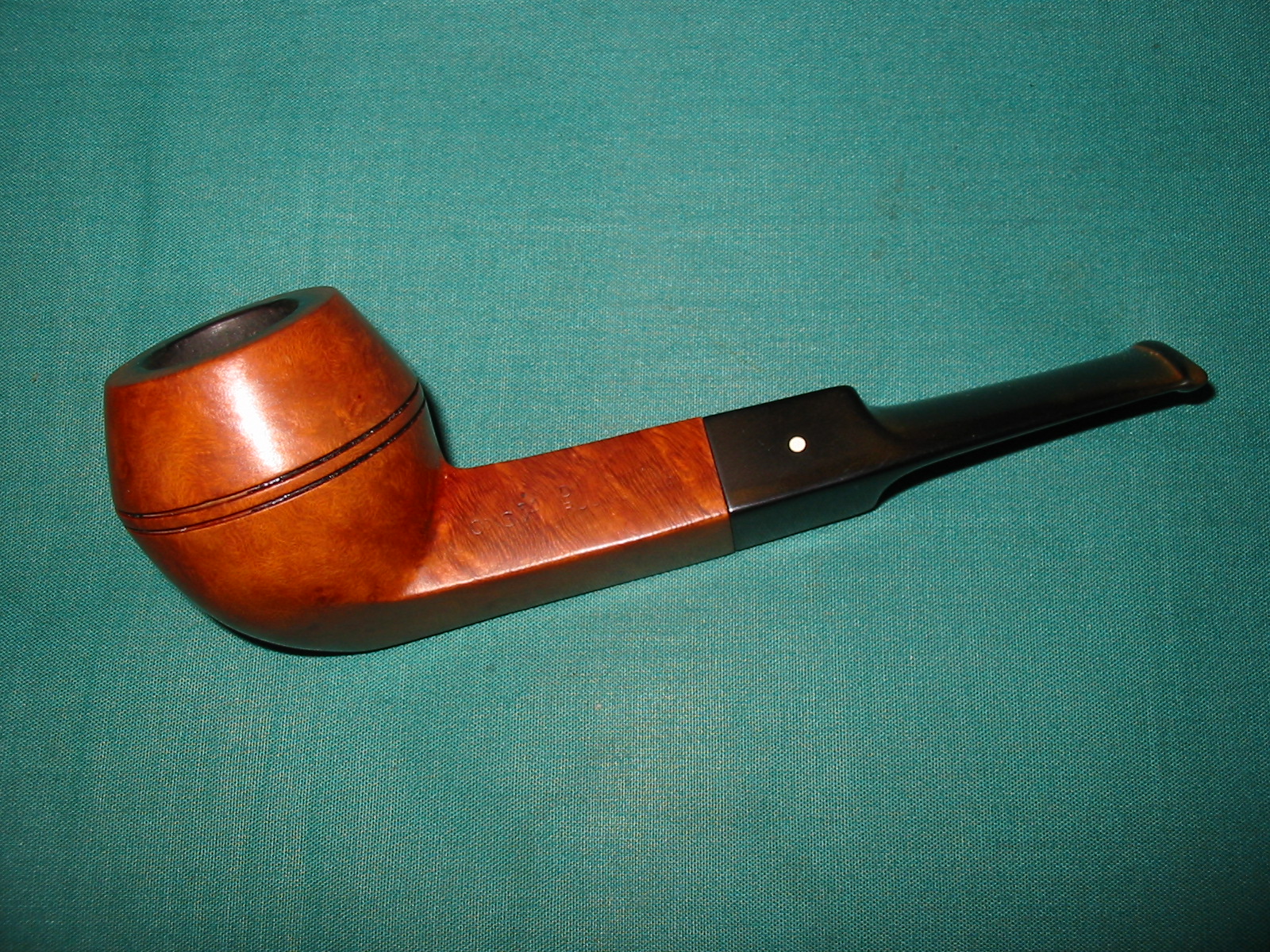
The last Shell is bent bulldog shaped pipe from 1966. It is actually one of my favourite Dunhill shapes. I have one in almost the exact shape that is stamped Parker. This pipe has an amazing deep blast that hearkens back to the earlier blasts on the Shells. The finish is in excellent shape with even the rim showing the blast. The diamond shank with a flattened bottom transitions nicely into the stem. The stem was in excellent shape, or at least I thought it was when I bought it off of Ebay. When I received it the top and sides of the stem were oxidized and there was a light tooth mark on top. When I turned it over there was a bite through on the underside next to the button. I cleaned it up and repaired it with a black superglue patch. The pipe stem looks quite clean and new now and there are not any bite through marks or tooth marks.
IMG_5649

IMG_5650
The stamping on this one reads:
P DUNHILL Made in 4 in a circle and S
SHELL BRIAR England 6
IMG_5651
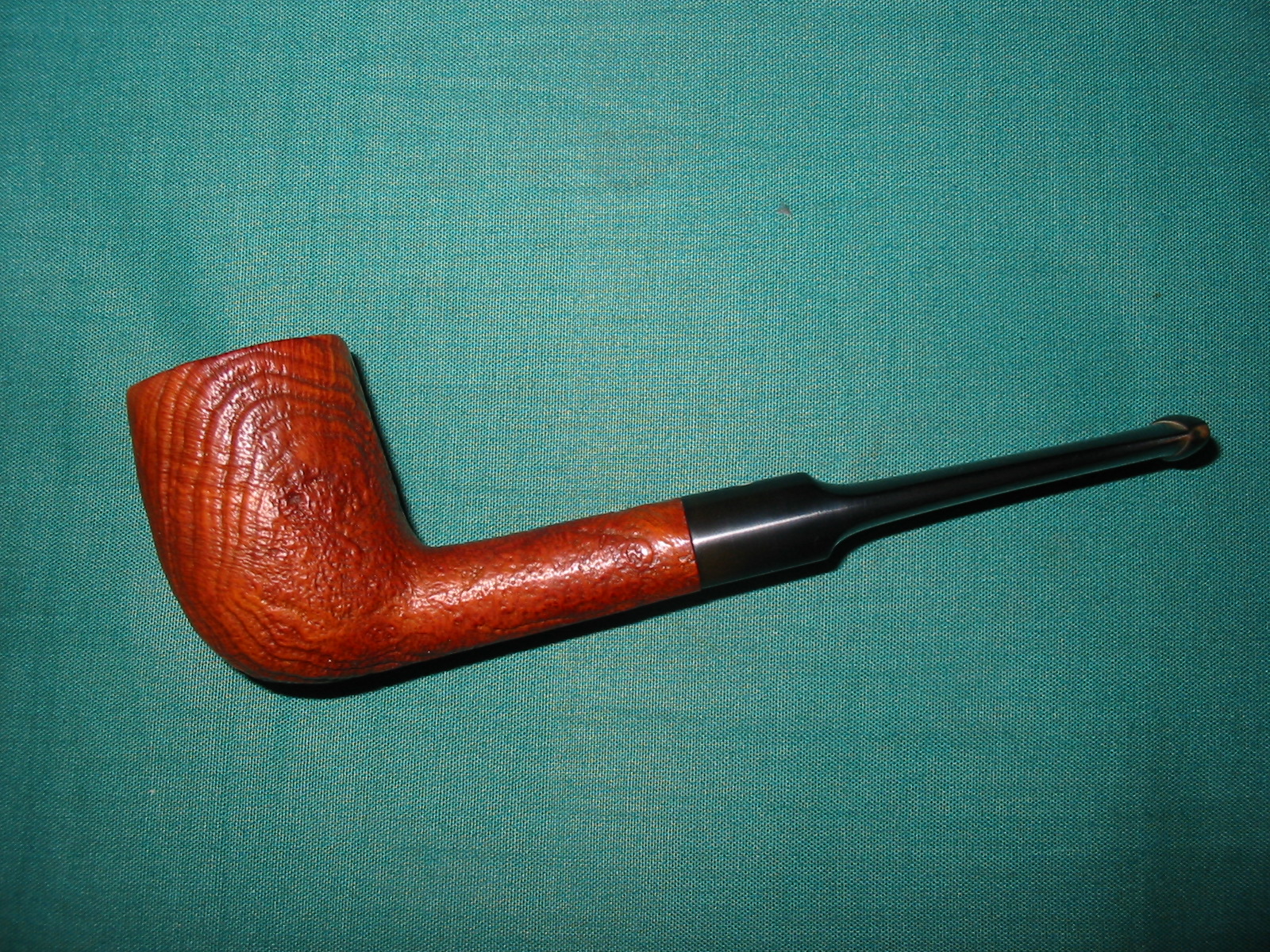
I have one Tan Shell in my collection. It is a little group 1 sized billiard with a saddle stem. I picked this up in an Antique Mall in Washington State. It was hidden stem down in a jar of old Dr. Grabows that were in rough shape and a few old corn cobs. I saw the sand blast and the shape and colour and could not believe it. I took the pipe out of the jar and sure enough it was a Dunhill. The price on it was $10 – an unbelievable deal. It was clean and the finish was slightly soiled. The rim had some darkening but the bowl was clean. The stem has a great fish tail look to it and was only oxidized. I have smoked this one quite a bit since the day I found it and it is a great smoking little pipe. It is on the small side for me but I reach for it for a quick smoke.
IMG_5667

IMG_5668
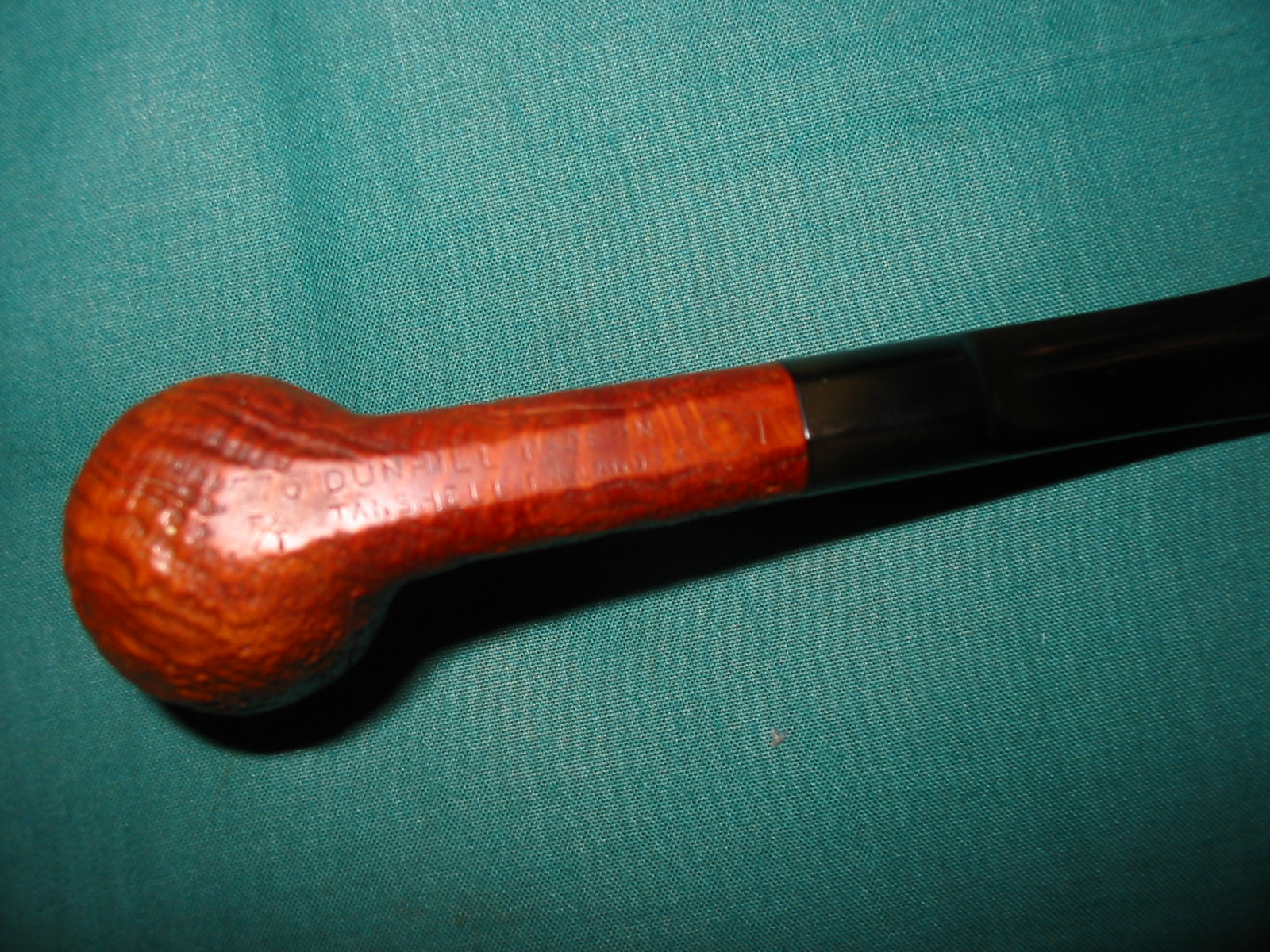
The stamping on it reads:
576 F/T DUNHILL Made in 1 in a circle and T
TAN SHELL England 3 and slightly lower and offset 4
The date stamping makes me think that the pipe was made in 1963 and stamped or issued in 1964. I am never sure about the meaning of the double date numbers. I remember reading though something along what I mentioned above.
IMG_5689
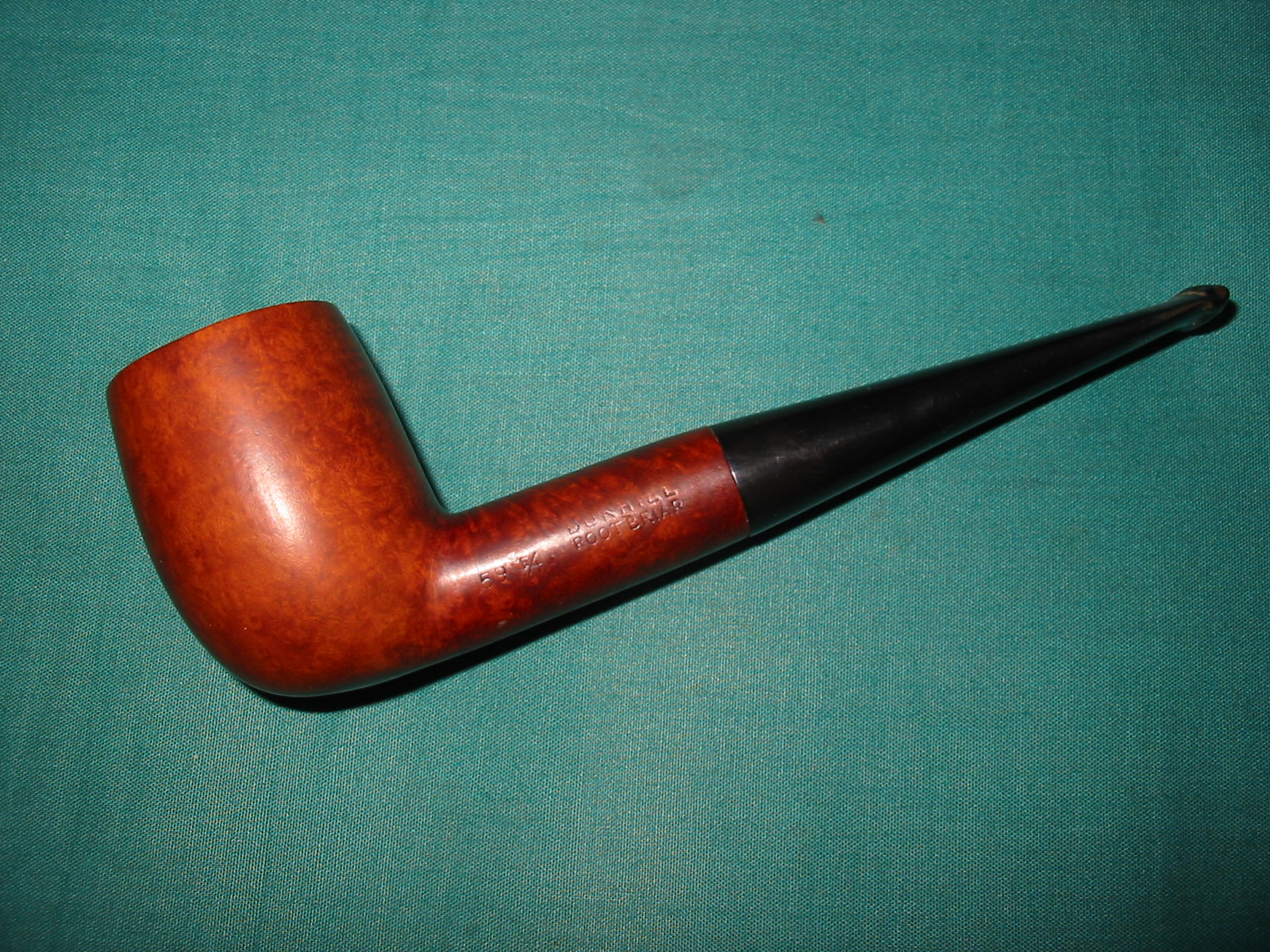
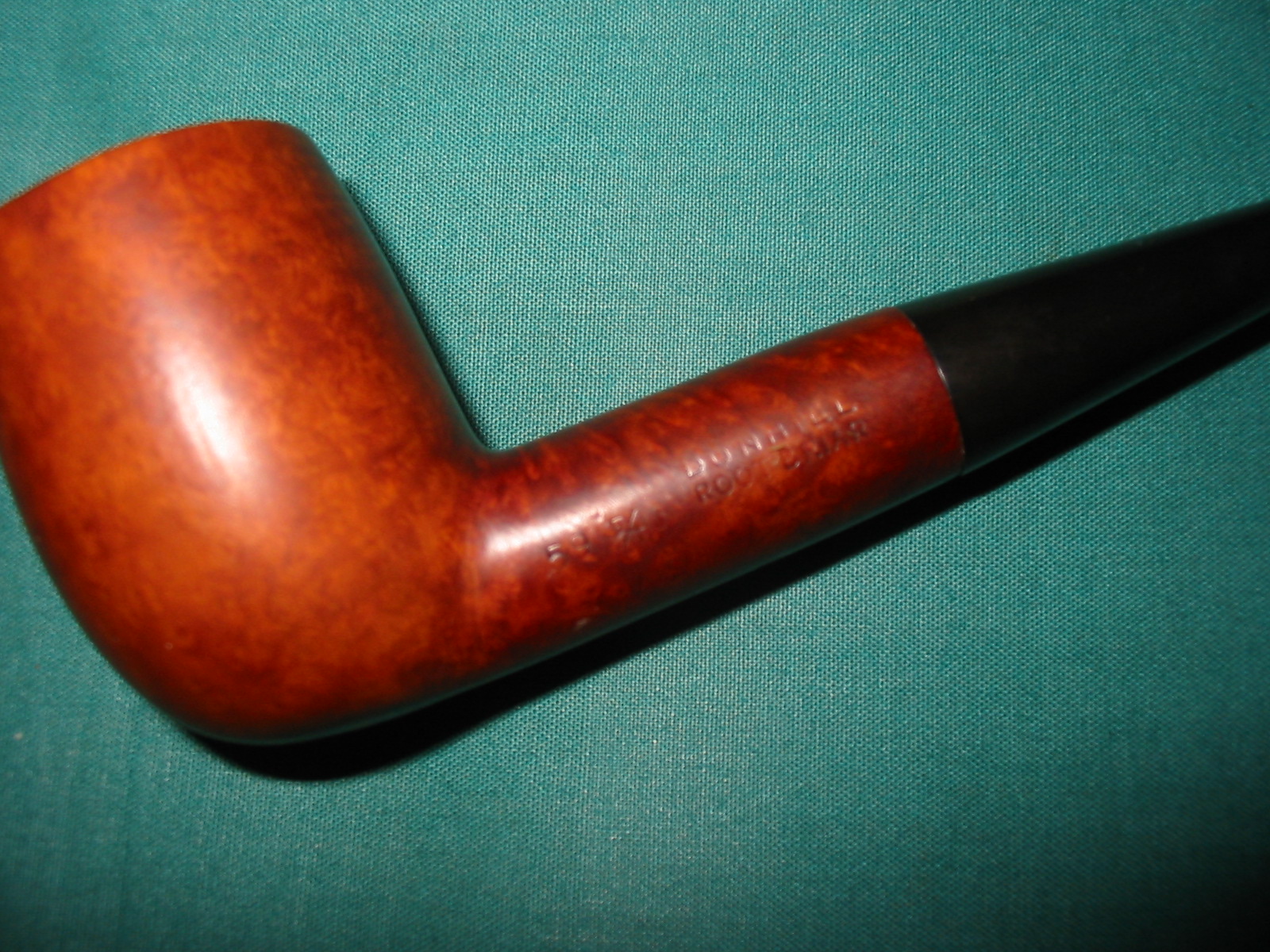
I have two Root Briar pipes both from 1961. The first of those is a large billiard that I purchased on Ebay with a burned through in the bottom of the bowl. Because of the damage it was very cheap. When it arrived I drilled out the burn through and repaired it with a briar plug. I have written about that repair on the blog earlier. The finish other than that burn through was in good shape with some cross grain on the sides of the bowl and birdseye grain on the front and back sides. The stem was clean except for some tooth marks on the top and bottom of the stem near the button. The pipe cleaned up well and is a good smoking pipe.
IMG_5670

IMG_5671
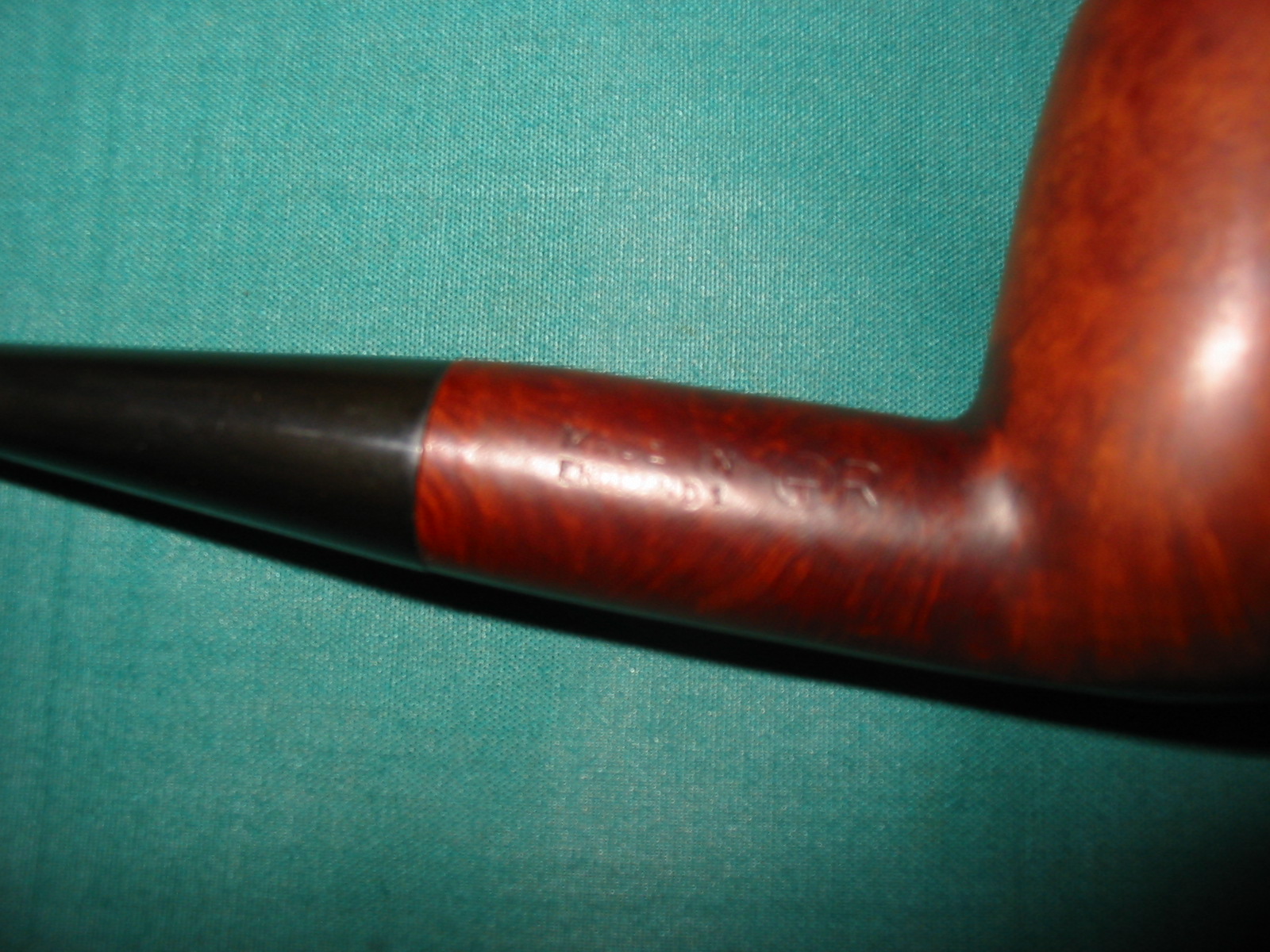
The stamping is on both sides of the shank. It reads:
On the left side:
59 F/T DUNHILL
ROOT BRIAR
On the right side:
Made in 4 in a circle and R
England 1
IMG_5673

IMG_5674
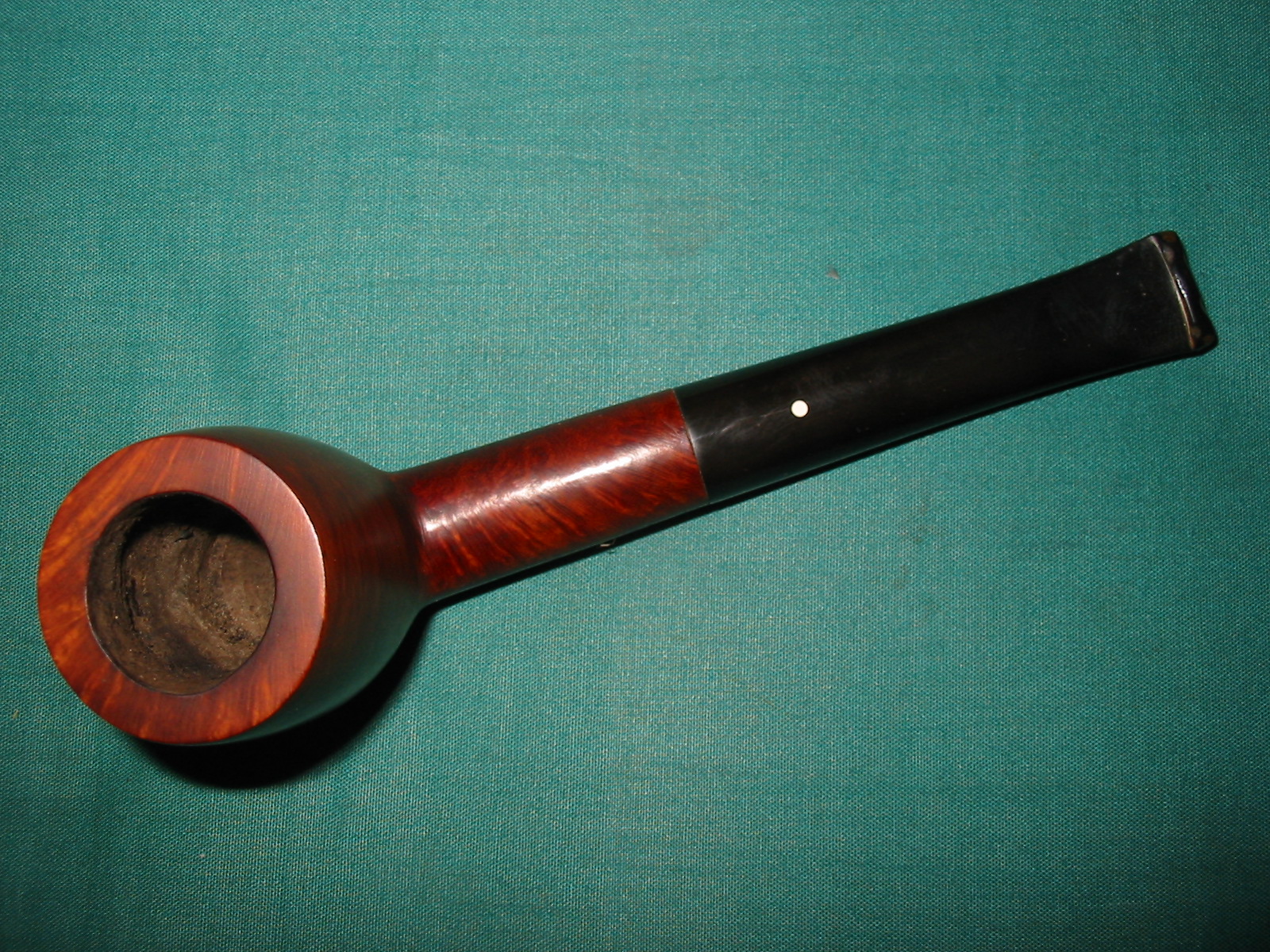
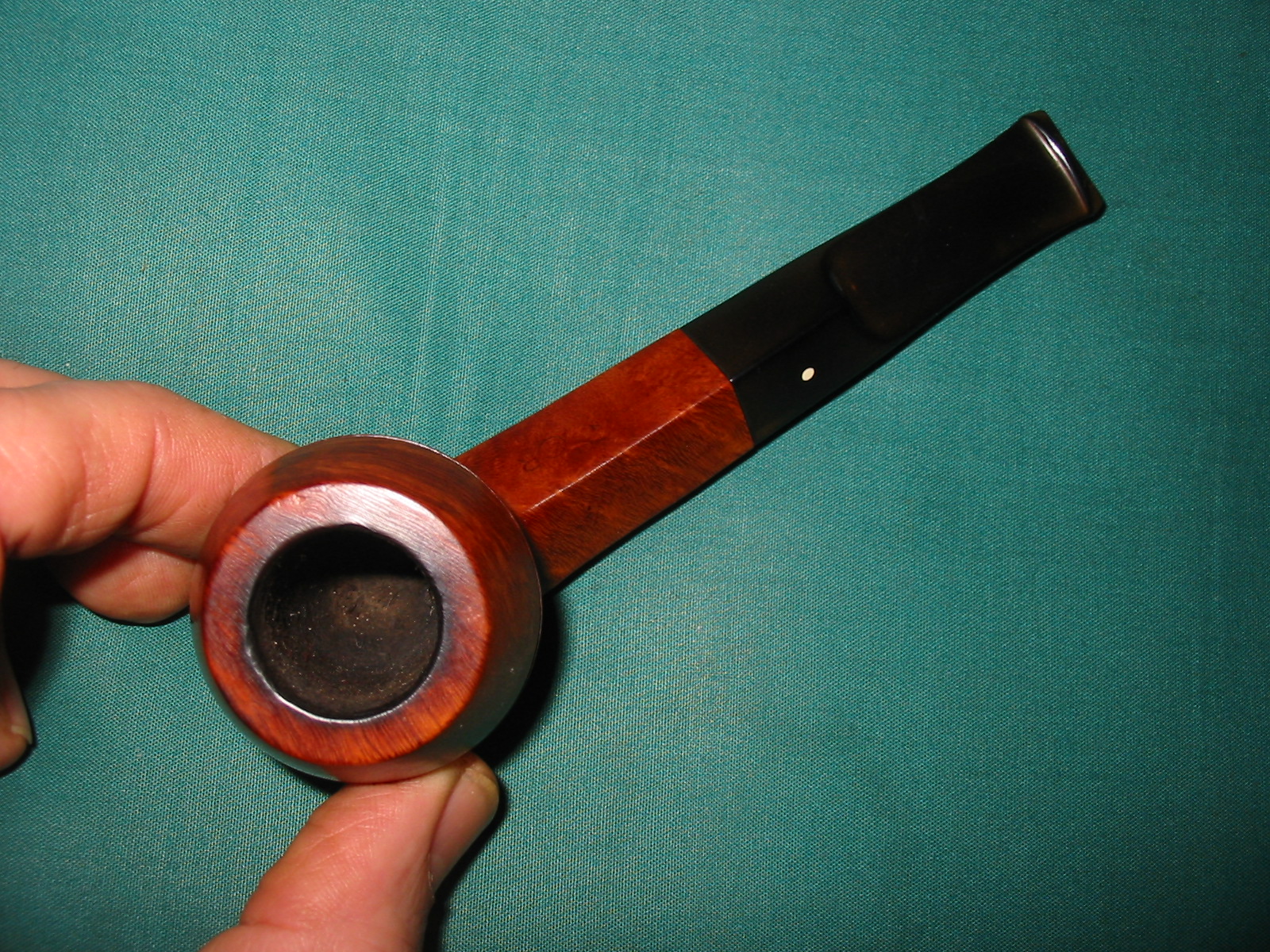
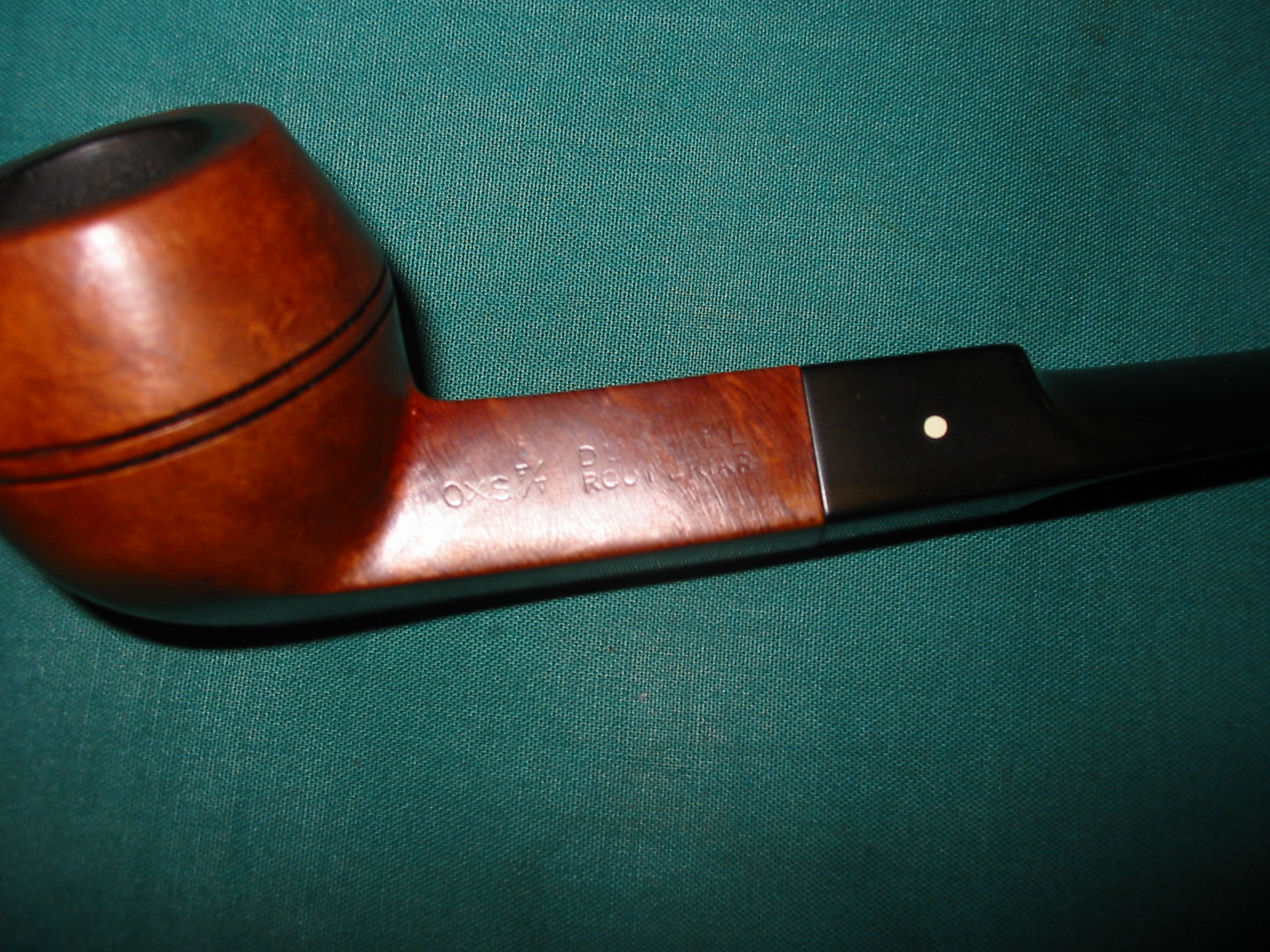
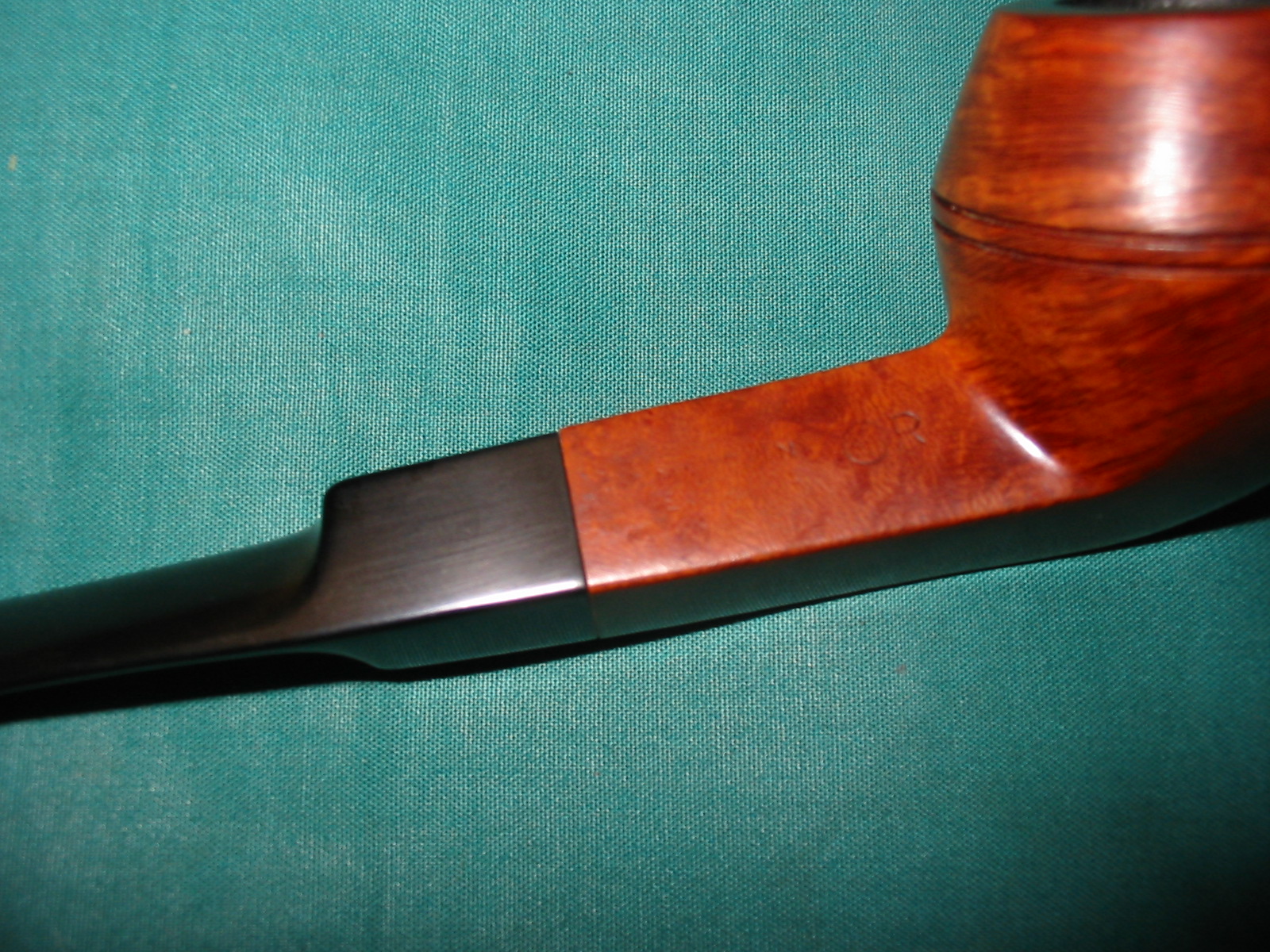
The second Root Briar is a 1961 straight shank bulldog. I picked this one up in a trade. It is a beautifully executed pipe. Dunhill makes some stellar bulldogs. The finish on this one was in excellent shape when it arrived. It matches the finish on the billiard exactly. There was some rim darkening but no serious damage to the rim. It has a mix of grains with nothing that truly stands out. The stem was in excellent shape with slight oxidation but no tooth marks or chatter. It is another great smoking pipe.
IMG_5675

IMG_5676
The stamping is on both sides of the shank. It reads:
On the left side:
OXS F/T DUNHILL
ROOT BRIAR
On the right side:
Made in 4 in a circle and R
England 1
IMG_5677

IMG_5678
The next pipe is a bit of a mystery. It does not have any date stamping on the shank. The shank is also repaired at the factory as the stamping goes over the shank splice. The shank is a separate piece of briar from the bowl. A response by Jacek Rochacki on a post I wrote yesterday on the addition of a shank extension made me think that possibly this pipe was made during the war years when briar was hard to come by. The factory thus spliced together two pieces of briar to make this pipe. The omission of the date stamp is still a puzzle so I may never know when the pipe was made. I have written previously about this pipe on the blog. It is a straight stemmed prince shape. It is definitely not one of my favourite shapes. I picked it up at an Antique Mall in BC quite a few years ago now. The seller had it priced at $20 Cndn so I did not ask questions and bought it immediately. The bowl finish was worn and the rim was badly beaten. I steamed the rim, topped it lightly and reshaped the bowl accordingly. The stem was in excellent shape with little oxidation. There were minor tooth marks near the button on the top and bottom sides of the stem.
IMG_5679

IMG_5680
The stamping is deep and legible on both sides and reads:
On the left
FET DUNHILL
BRUYERE
On the right
Made in 4 in a circle A
England (no date stamp following the D in England)
IMG_5681
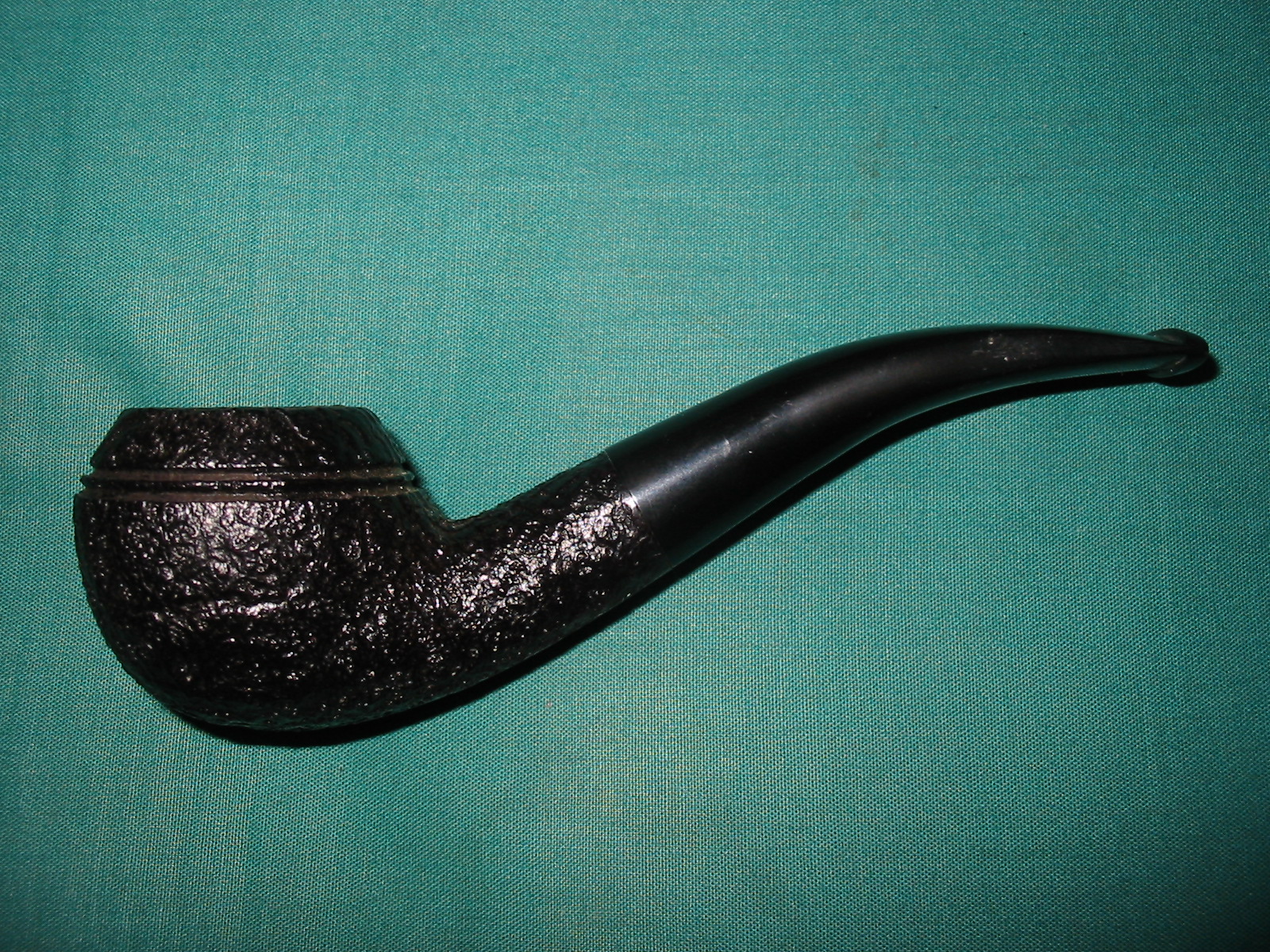
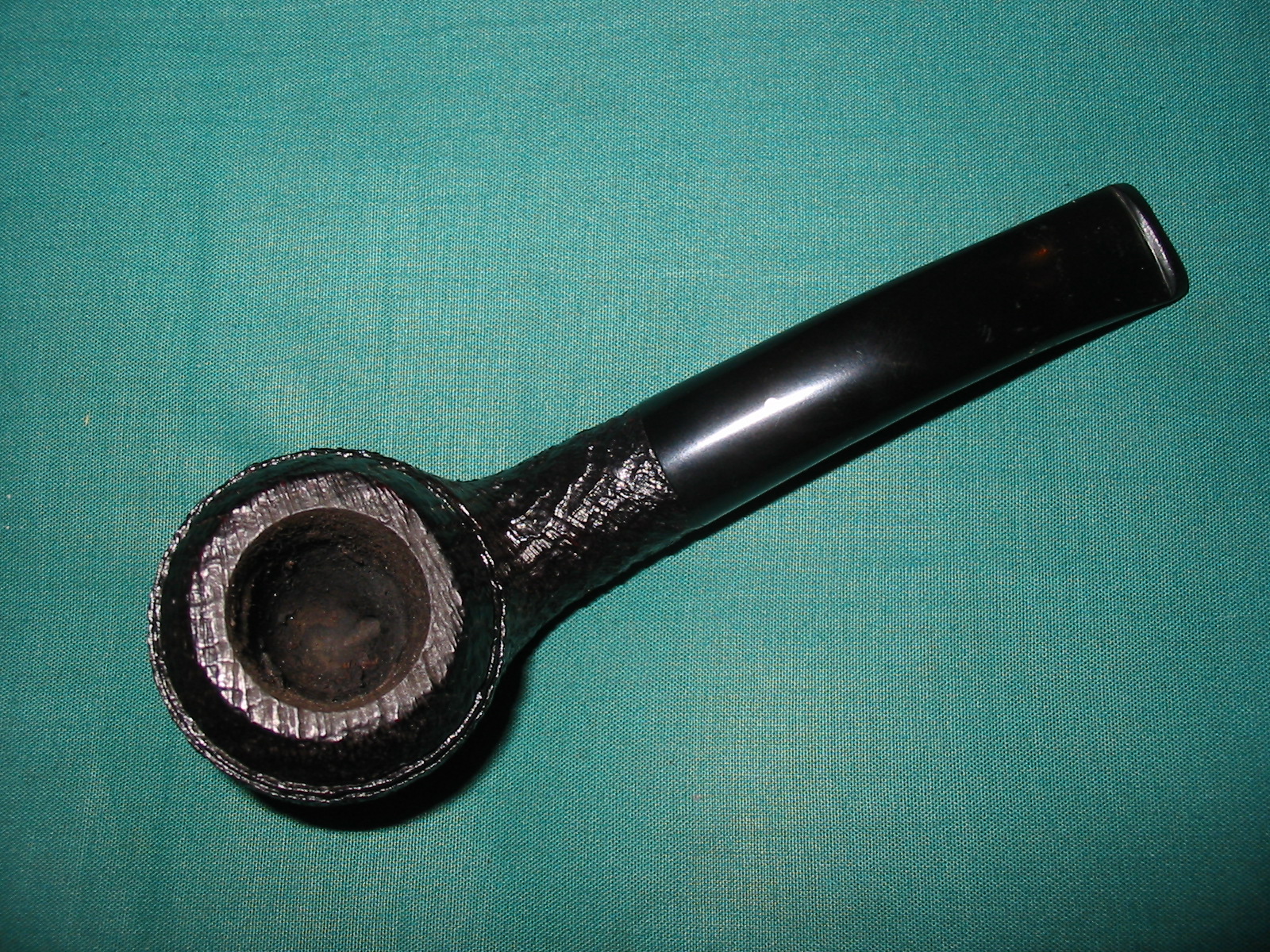
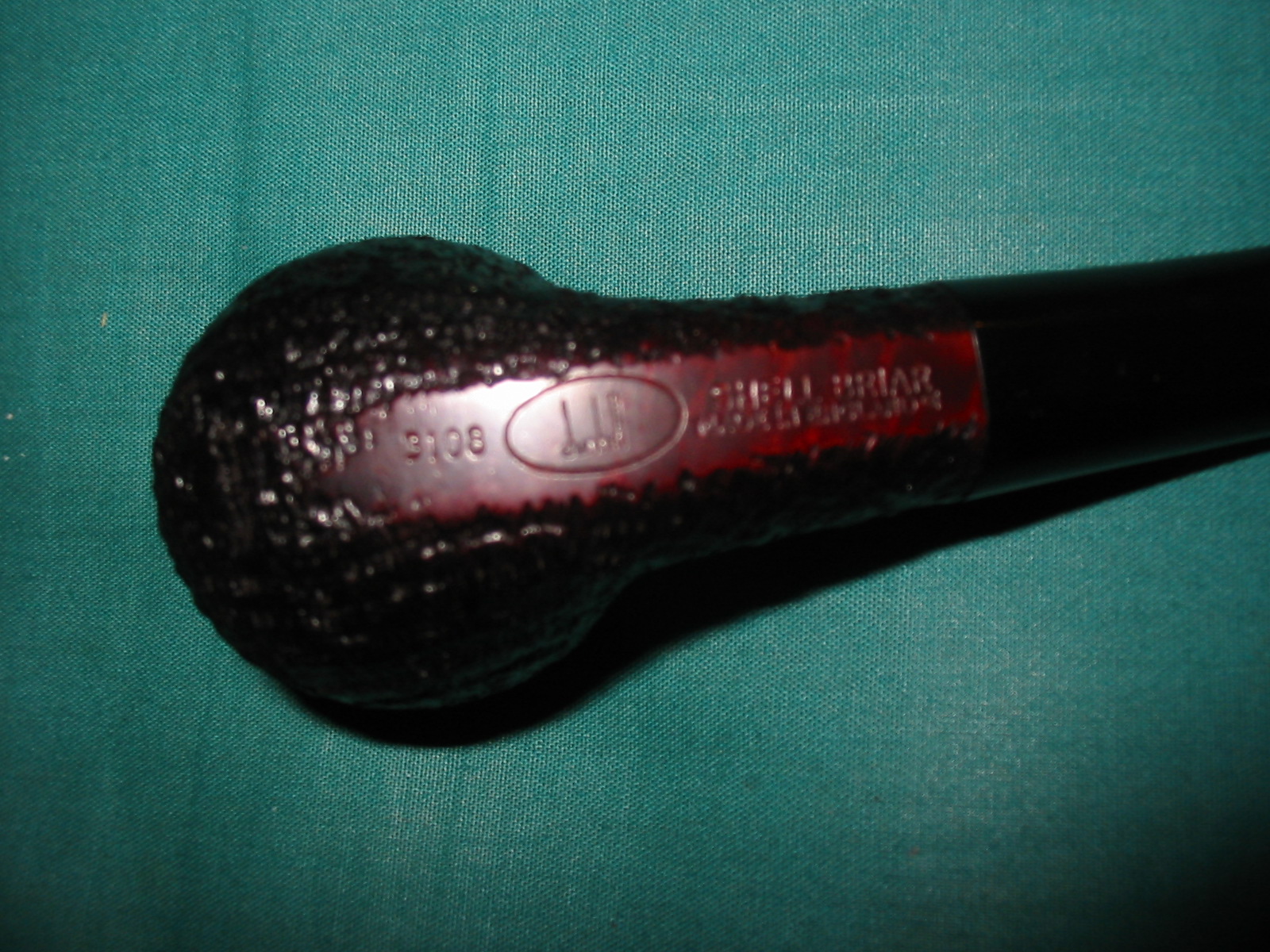
The last two pipes in my Dunhill collection are more current production models. The first is a bent Rhodesian with a Shell finish. This one does not have the old characteristic rich contrasting stain on the blast. It is stained black. It is well executed and comfortable to hold. The shank and the stem are on the chunky side, which I like. It is a nicely made taper stem. I bought this from a pipe dealer in Washington who had close out stock that he was moving.
IMG_5682

IMG_5683
It is stamped:
3108 dunhill in an oval Shell Grain over Made in England 01
The stamping dates this pipe as a 2001. I smoked it quite a bit and it is a great size for putting in my jacket pocket when I am out on a walk about.
IMG_5684
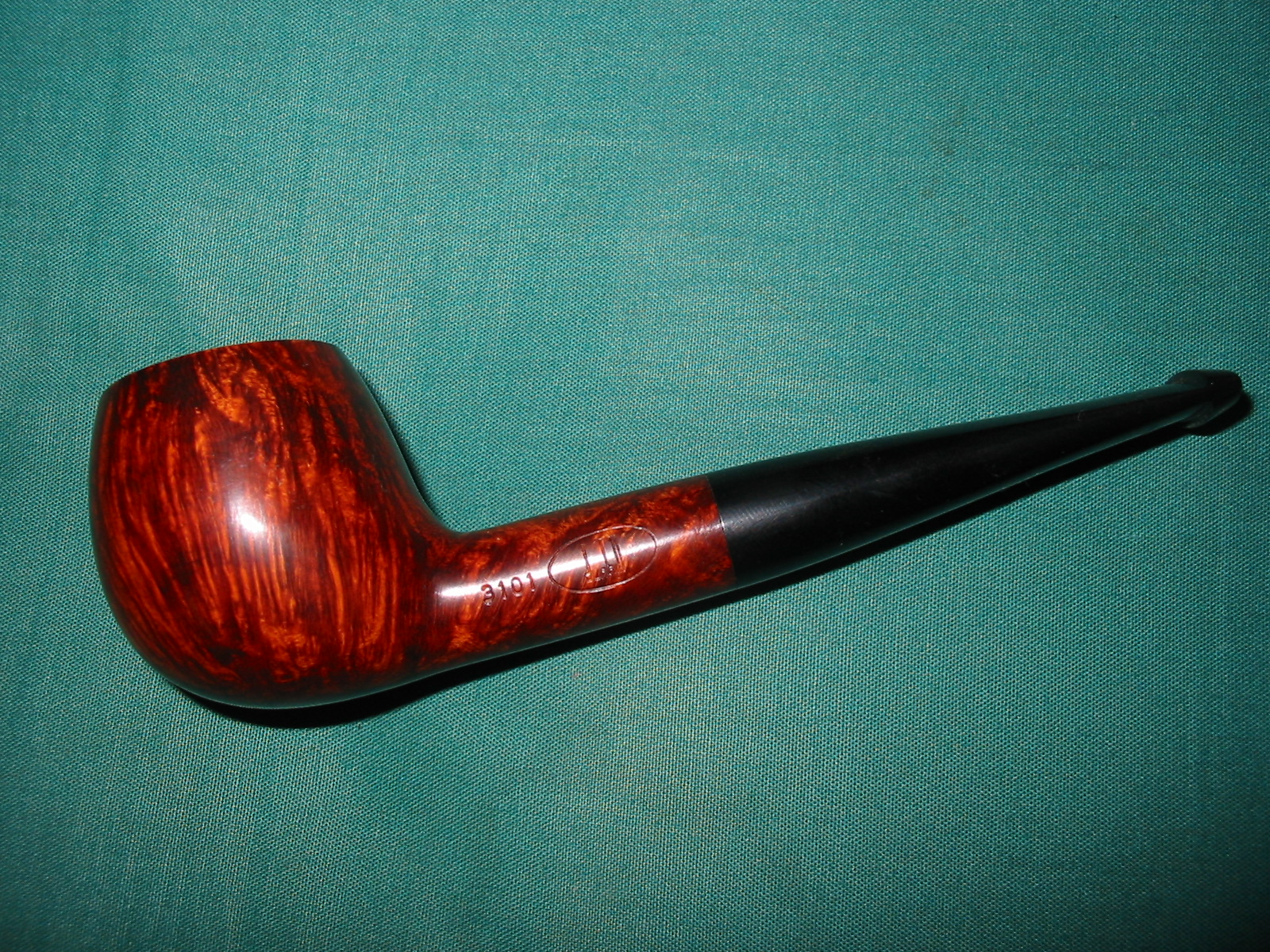
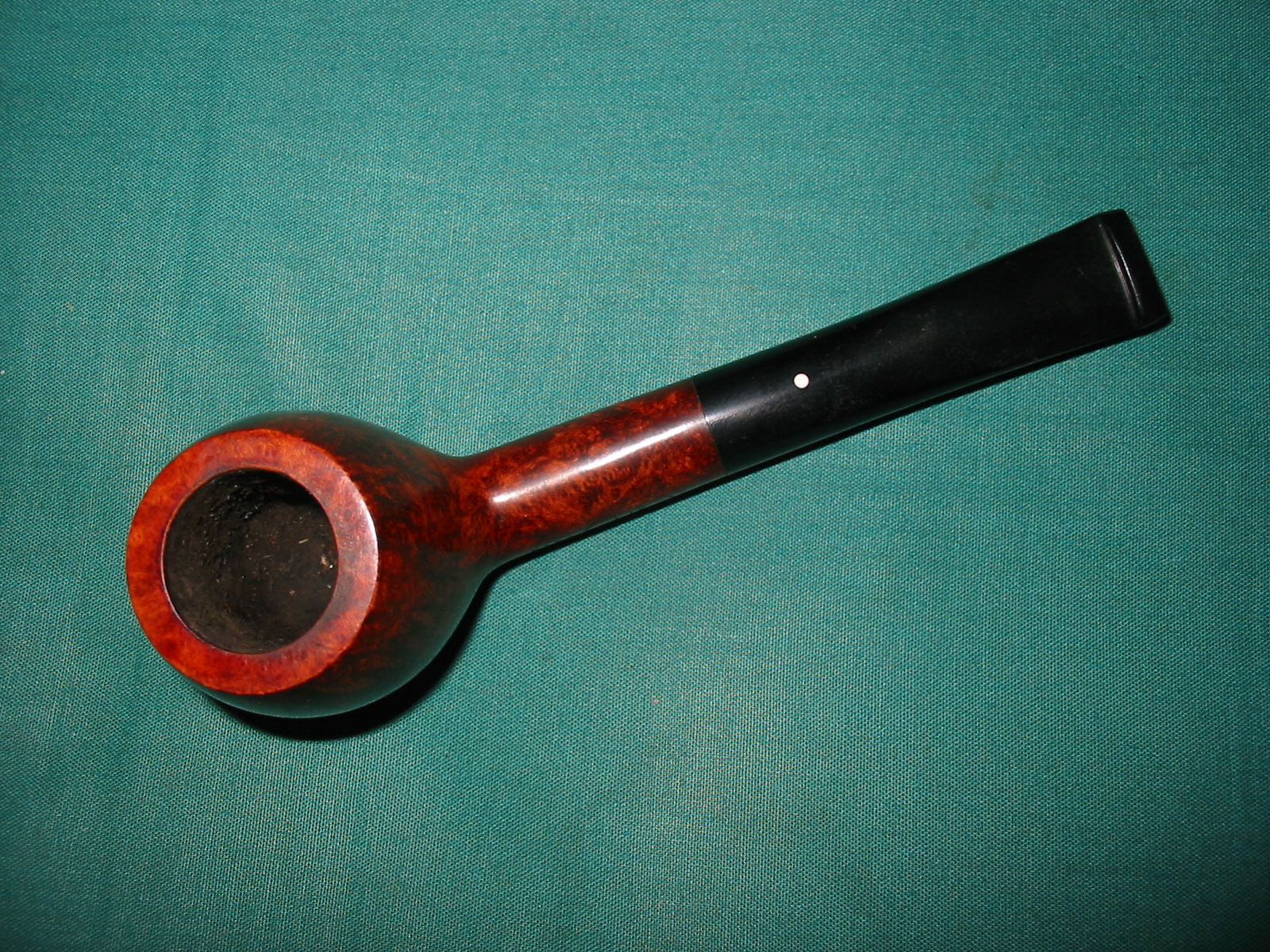
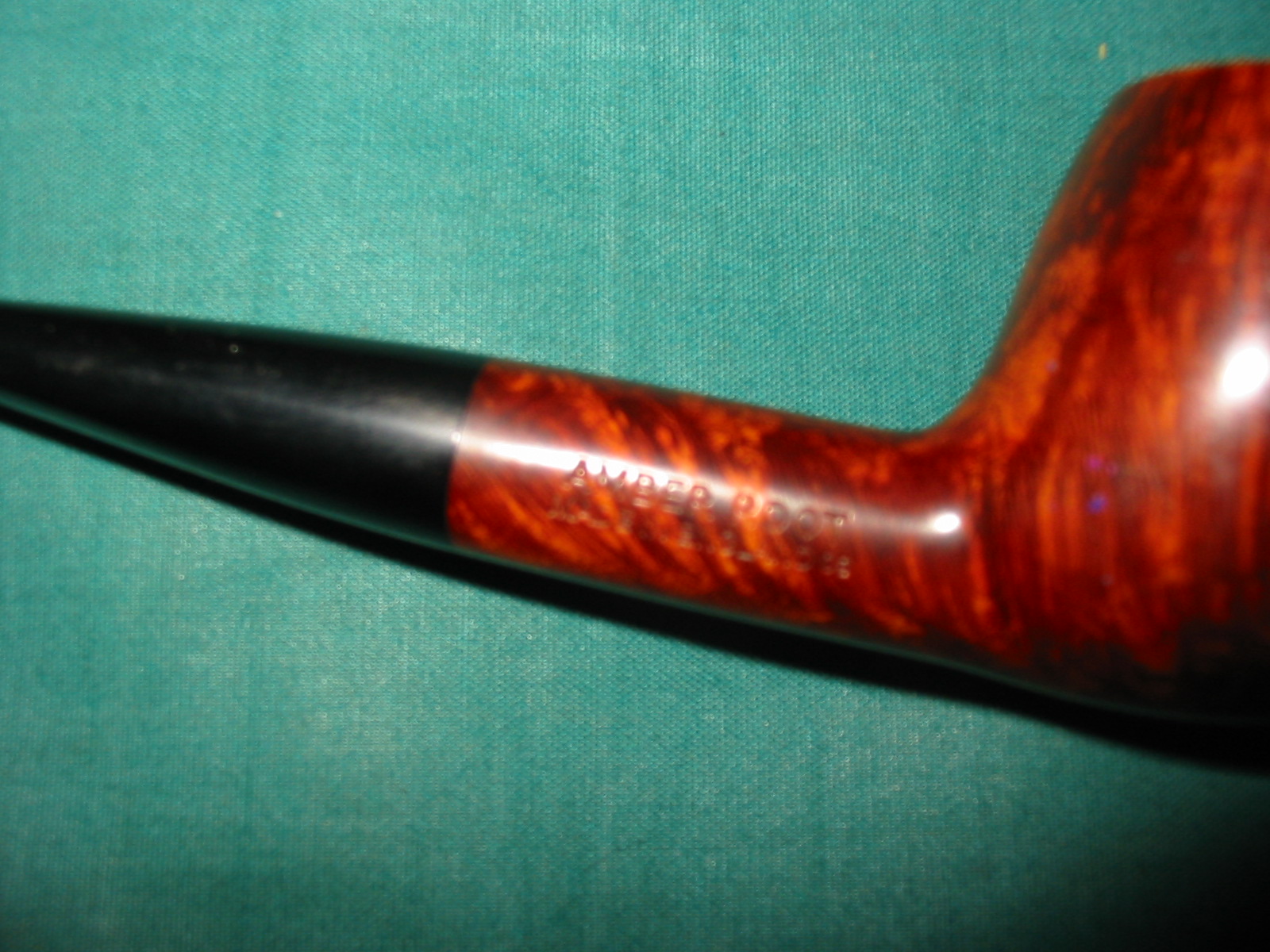
The last pipe is an Amber Root apple. I loved the finish on this one when I saw and had to have it. I purchased it from the same dealer as the little Rhodesian above. It has a reddish finish and some stellar grain. The sides of the bowl and shank have straight or flame grain. The rim, top of the shank and the underside of the bowl and shank have beautiful birdseye grain. The stem is well made and comfortable. This pipe is also a great size for the pocket and smokes well.
IMG_5685

IMG_5686
It is stamped on both sides of the shank.
On the left it reads:
3101 dunhill in an oval
On the right it reads:
AMBER ROOT
Made in England 05
The stamping makes this a pipe made in 2005. As such it is the newest Dunhill pipe in my collection.
IMG_5687

IMG_5688
That is my entire Dunhill collection as it stands today. It spans a large part of history from either 1937/1943 to 2005. It has pipes with a variety of Dunhill finishes – Shell, Shell Briar, Tan Shell, Root Briar, Bruyere and Amber Root. Each pipe in itself is a well made factory pipe. The earlier pipes have some stunning blasts and finishes while the two newer ones also have some beautiful finishes that are unique to the newer lines. I cannot say that I am a Dunhill fanatic but having these pipes in my collection make me a small time collector that is for sure. I think the thing I enjoy about the Dunhill pipes is that they can generally be dated to a period of history. As one who enjoys knowing that kind of detail regarding the pipes I smoke I have to say that I am drawn to them. To this day I continue to check the display cases at thrift shops and antique malls in hopes of finding yet another old Dunhill. But I guess that finding four of them that way is not to bad a record.

Reflecting on My Collection of John Calich Pipes


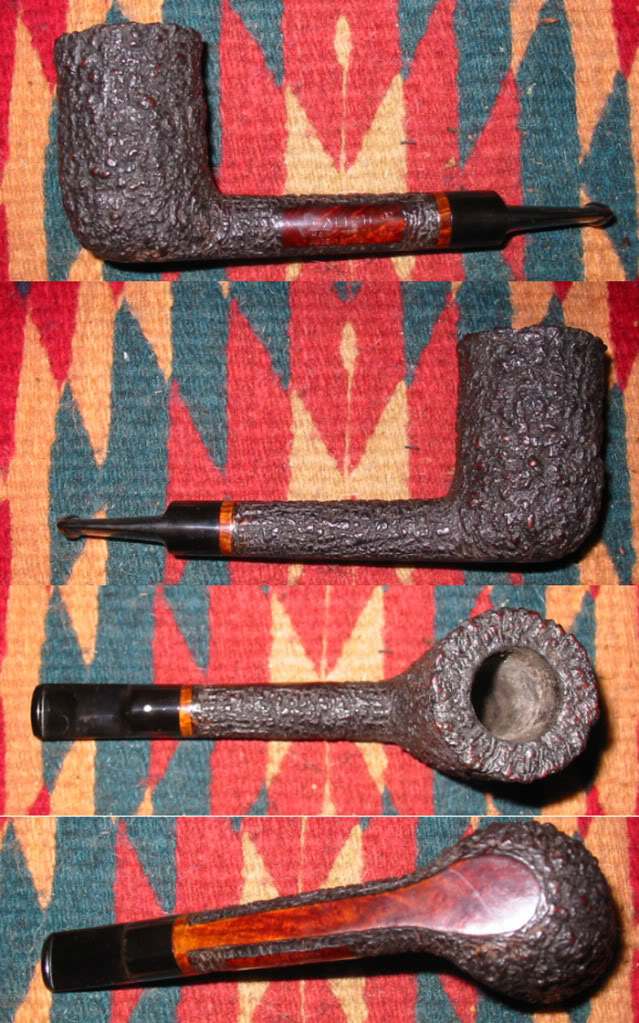
I don’t remember when I first became familiar with Calich pipes. They were not a brand that I had heard of or seen. I do remember that the first time I saw one of his pipes was when I was visiting Mike Glukler of Briar Blues and he had a John Calich pipe for sale. It had to have been before 2003 because of health issues that tied me up from 03-04. I know that I was immediately drawn to the rusticated finish it had and the two tone stain that Calich had used to accent the rustication and the smooth portions of the pipe. He used a dark brown stain as an under stain with an oxblood top stain. The contrast was well done. The pipe was a large Lumberman shape. The stem was vulcanite with a small tooth mark on the top of the stem. It was stamped CALICH 02 over Hand Made 4E over Made in Canada. I had no idea of the age of the pipe or the meaning of the stampings but I paid for it and it became mine. It smoked very well so I began to keep an eye open for John’s pipes.
Calichstack
From my research I found that John’s pipes are graded 3E – 8E. Retail prices range from$ 145.00 to $ 500.00. Each pipe is stamped “CALICH” and the E grade. His earlier pipes were graded from 3-14, and a single, tiny silver dot is applied to the top of the stem. http://pipedia.org/wiki/Calich Armed with that information I found that the first pipe I purchased was a newer pipe of John’s and was stamped 4E which made it a mid-grade pipe.

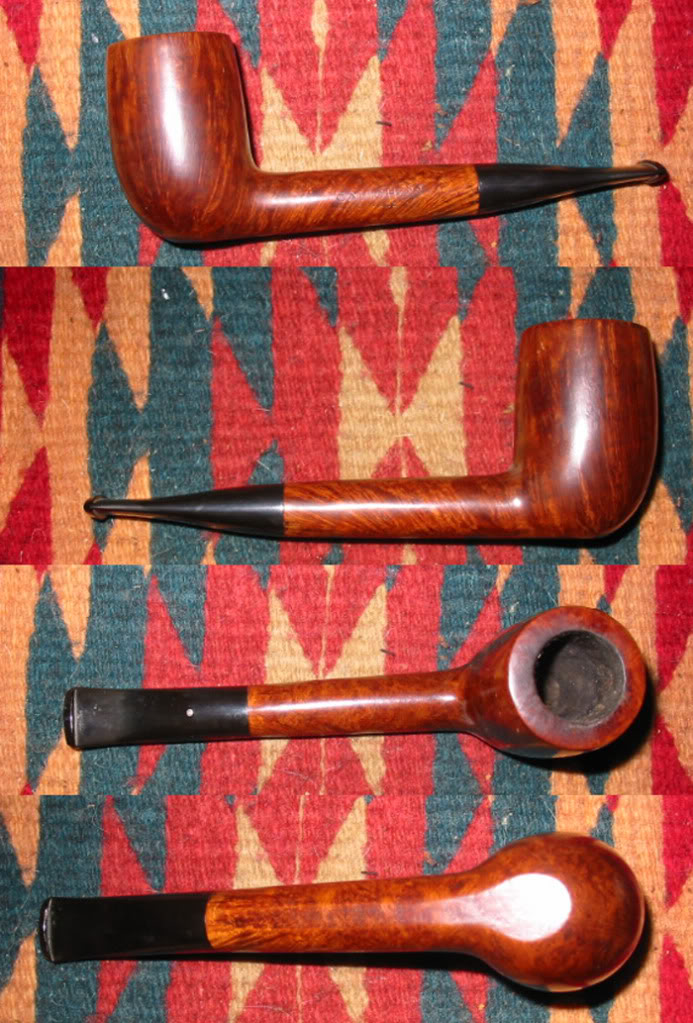
Soon after that I found two more of his pipes on EBay. This was a time when you could still pick up good deals on relatively unknown pipe makers. The first pipe I picked up was a nice billiard that obviously had seen some use and had a replacement stem. The fit of the stem was poor and the gap and space between stem and shank was large. The scratches in the vulcanite made the stem a real mess. The pipe had beautiful grain under the grime and was stamped CALICH EE over Hand Made. I bid on it and won. The EE stamping did not fit the grading information that I had found on the internet.

I wanted the seller to send it directly to John for a new stem. This put a bit of hurry into the equation so I hunted down John’s number to see if he would be willing to make a replacement stem for this pipe. I called him and we had a great conversation on the phone. We talked about all things pipe and pipe making. It was delightful to talk together and we did so for quite a while before I got around to asking him if he would make a stem for the old billiard.

I still remember the conversation. He asked about the stamping on the pipe and within a short few moments he told me when he had carved the pipe. For the life of me I wish I had written it down because today I cannot remember what he said. He said to go ahead and have the pipe sent to him and he would make a new stem for it. I emailed the EBay Seller and asked him to send it directly to John Calich in Mississauga, Ontario. He gladly did so and the pipe was on its way to John.

It was not too long before John called me and told me the pipe was finished. He packed it up and sent it to me. I was excited because I had not even seen the pipe in person yet. I had no idea about the real size of the pipe or the actual condition though it looked a bit rough in the photos. I couldn’t wait to see it. When it arrived in the mail I opened the package and unwrapped the pipe. John had not only restemmed the billiard but he had cleaned it up and polished it so that it shone like new. It did not even look like the same pipe. It was a cross cut piece of briar with stunning birdseye on the sides of the bowl and shank with cross grain on the front and the back of the bowl.

I did a bit more digging on the internet to find out some information on the dating of Calich pipes as the information on Pipedia was not complete. What I found was very helpful. His early pipes were graded with numbers from 3 – 14. By the late 1980’s Calich introduced 15, 16, and even one 17. In the mid-90’s the grade system changed employing a number of E’s. The more EE’s the higher the grade. This helped me understand the stamping on the billiard. Thus the pipe was a double EE grade and was made in the mid-90’s.

The last gradings that were used on the pipes were a number and an E. For example the stamping went 3E – 7E (10E was the top level but levels exceeding 7E or 8E seemed never to have been used). This information came from http://www.pipephil.eu/logos/en/logo-c1.html and has been edited for my use.
CalichBilliard
The third Calich I bought was also on EBay. It is a Liverpool with a very nice flame grained tall bowl. This one is stamped CALICH 83 over Hand Made 10. It was dirty and the bowl was caked and the rim covered with tar and oils. The stem was original, bearing the silver dot on top. The vulcanite was oxidized and had small tooth marks on the top and underside of the stem. It cleaned up very nicely and is a great smoking pipe. From the information above it is clear that the pipe stamping means that the pipe is the earliest one I have – made in 1983 and a grade 10 pipe.
Calichlum
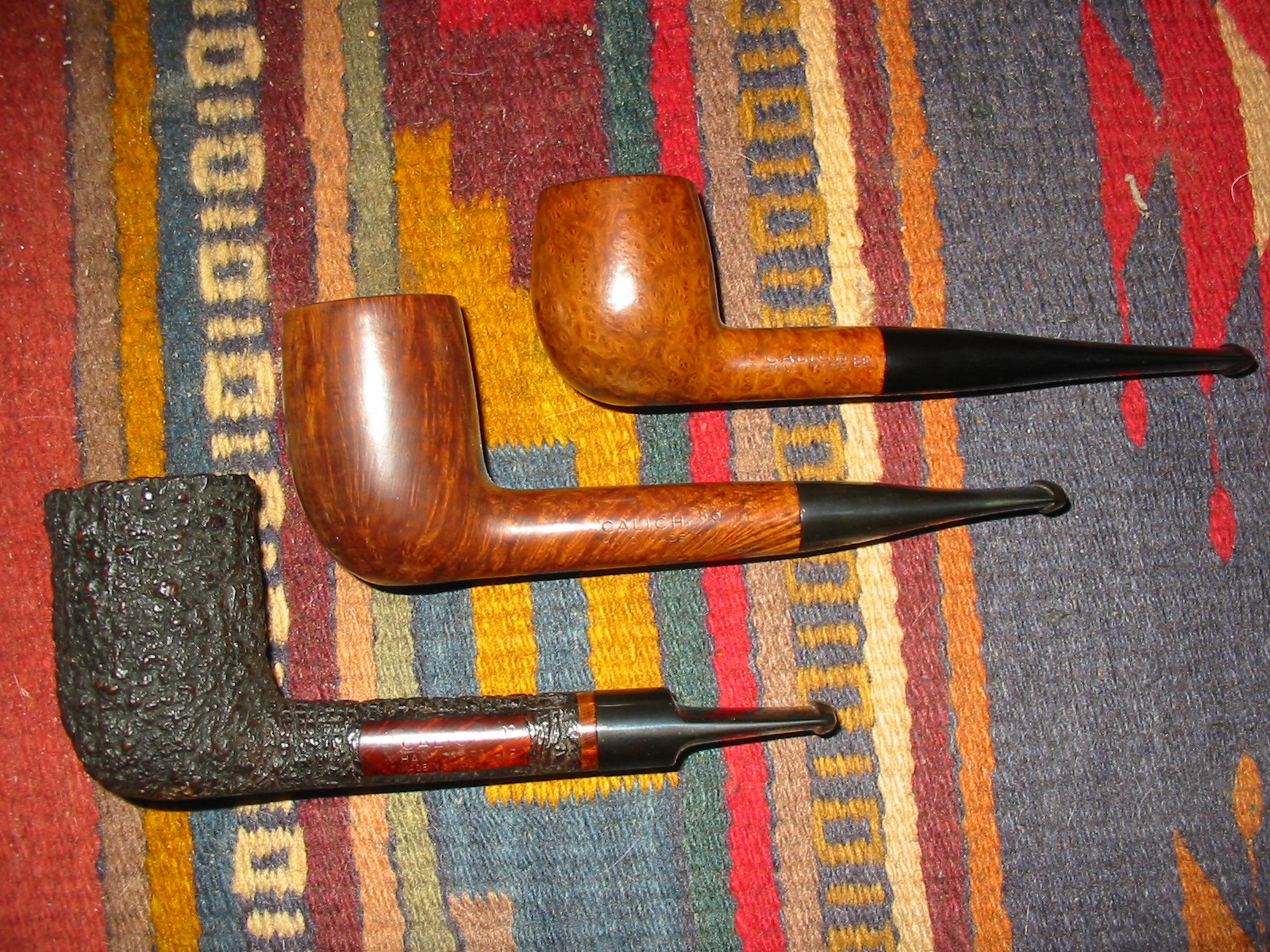
Thus the three pipes I have in my collection by John Calich come from the three different periods of his carving. The first I purchased, the Lumberman 4E, was the latest Calich. It was made in the third period of his classification numbers. The second one, the Billiard EE was from the middle period where the classifications were multiple E’s. The third pipe, the Liverpool 10 is the oldest pipe from the first period of stamping when Calich used just numbers 3-14. I had not realized that my pipes covered most of the years that he was carving.

Here are two photos of the threesome together. I took these photos to give an idea of what the size of the pipes were in comparison to one another.
IMG_5512

IMG_5513
I learned from my reading that John was a full time pipe maker for over 40 years. His pipes were mostly traditional shapes. His signature style was rustication and smooth on the same pipe along with a unique skill to stain a pipe in contrasting colors. He used only top quality Grecian and Calabrian briar. The mouthpieces are hand finished Vulcanite “A”. Each pipe was entirely made by hand. John Calich was featured in the summer 2005 issue of Pipes & Tobacco.

John Calich died in 2008. From my limited exposure to John I have to say that he was a gentleman and a great pipe maker. He was known as one of Canada’s finest carvers. I conclude this article about John’s pipes with a tribute written by Maxim Engle on John’s passing in 2008. Maxim says it very well in my opinion and his words match the various interactions I had with John over the phone.

John Calich – Pipemaker 1928-2008.

John passed away late last week as a result of cancer and heart failure. His cancer was caused by exposure to asbestos many years ago. John originally worked in the sheet metal and the air balance industries. In his early forties, he decided to become a pipe maker. He was largely self taught and developed his unique two tone staining on his own. He travelled widely in the US and Canada seeking pipe knowledge. He went to New Orleans to find out about the manufacture of Perique. He drove on his motorcycle to visit JT Cooke in Vermont. There his bike fell over in slow motion as the asphalt melted under the stand on a hot summers afternoon as he and Jim looked on and laughed. He continued to drive his bike into his late 60’s.

John shared his knowledge and enthusiasm with colleagues and member of the Burlington and Toronto pipe clubs. He was always encouraging to younger pipe makers and new pipe smokers. John’s pipes were mostly sold in and around Toronto. I was privileged to have been able to give John’s pipes a wider audience through the web site and always sold all he could supply me with. His pipes were extremely popular in Japan.

I will miss smoking a pipe with him in his workshop while he either showed some me restoration technique or we just sat and talked. During his brief illness, before he passed away, many of you conveyed to him your best; I knew he really appreciated that. The pipe smoking community will miss him.

If you own one of his pipes light it up with your favorite tobacco in memoriam. He would like that.
Be Well, Smoke Well
Maxim
http://www.pipes2smoke.com/

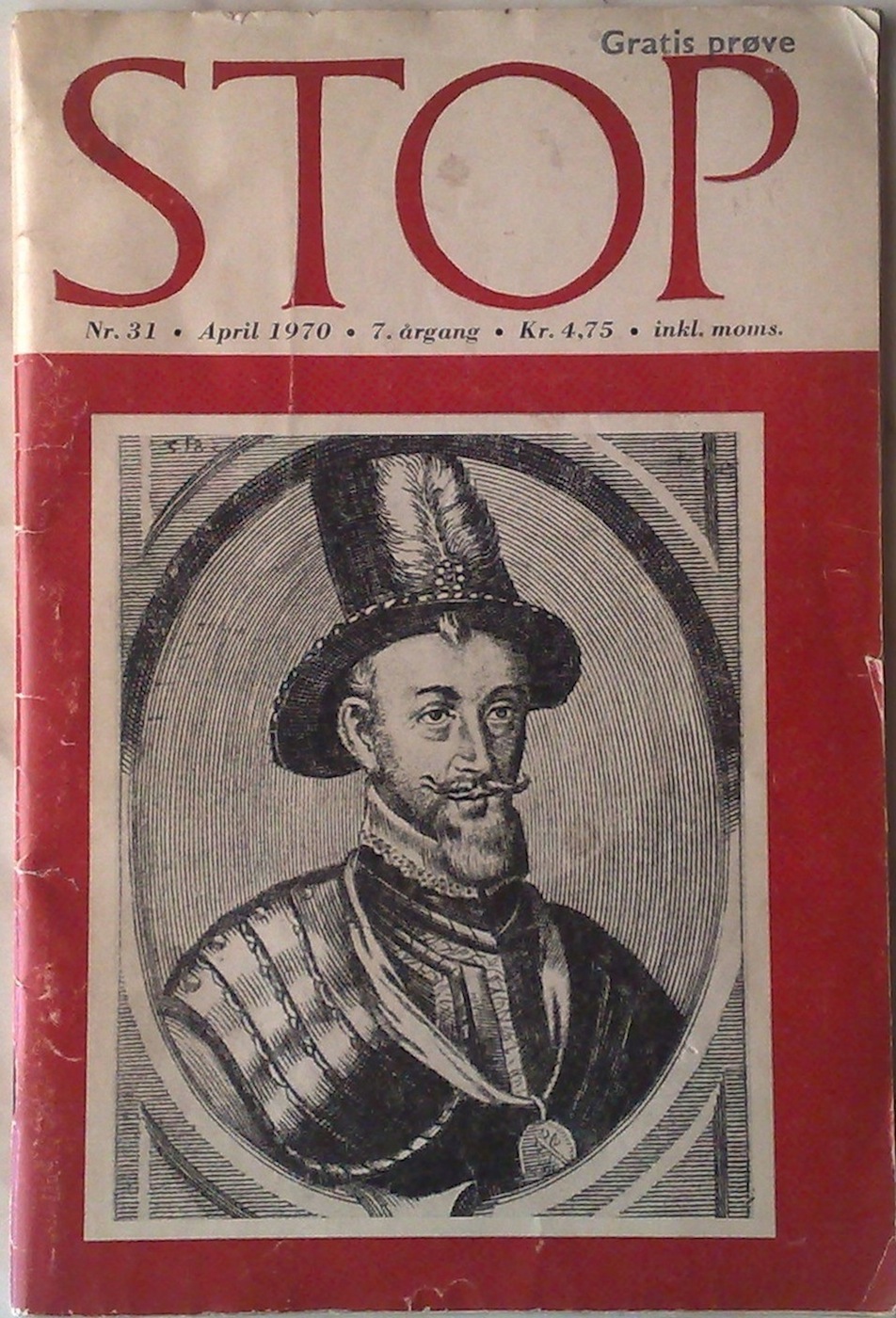
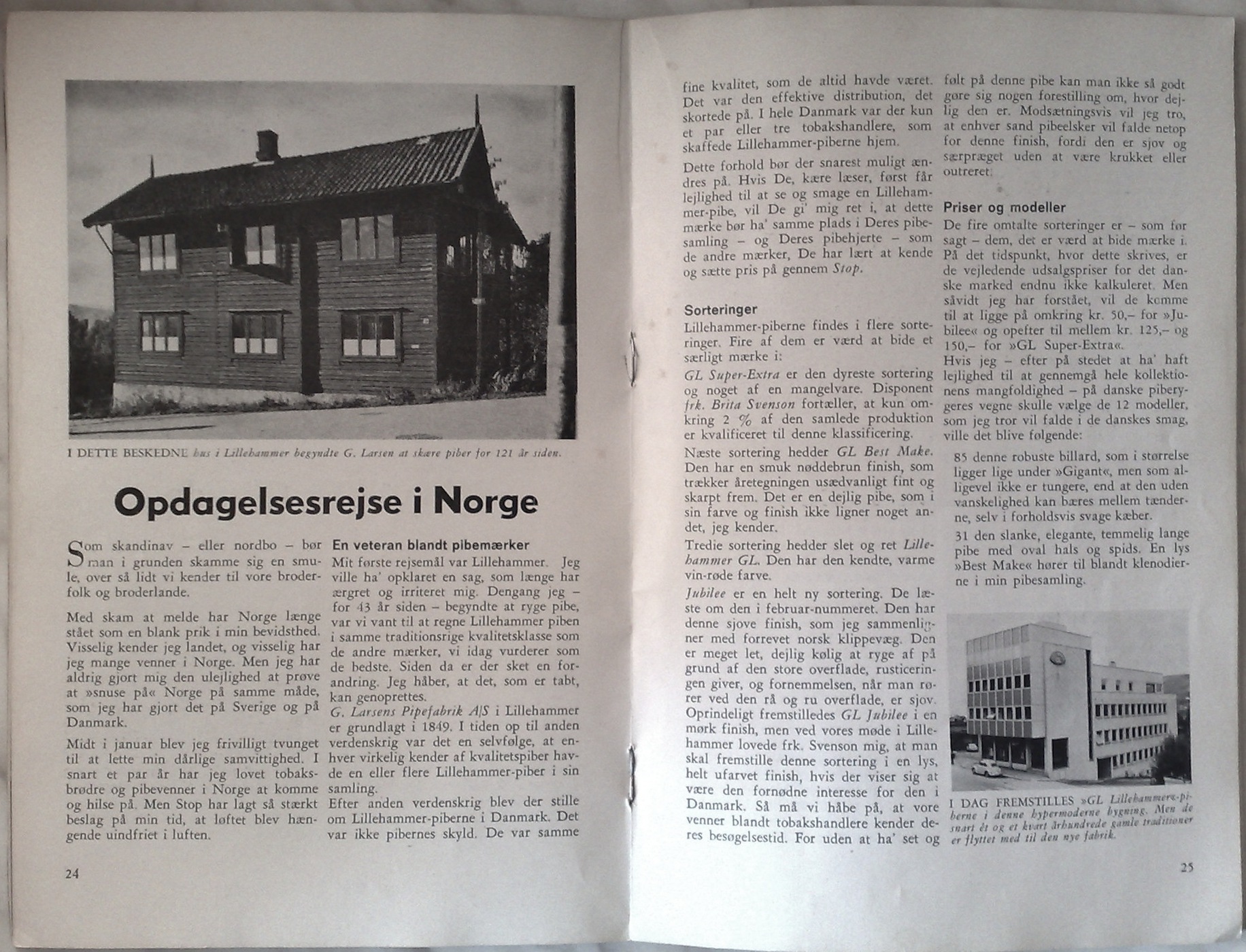
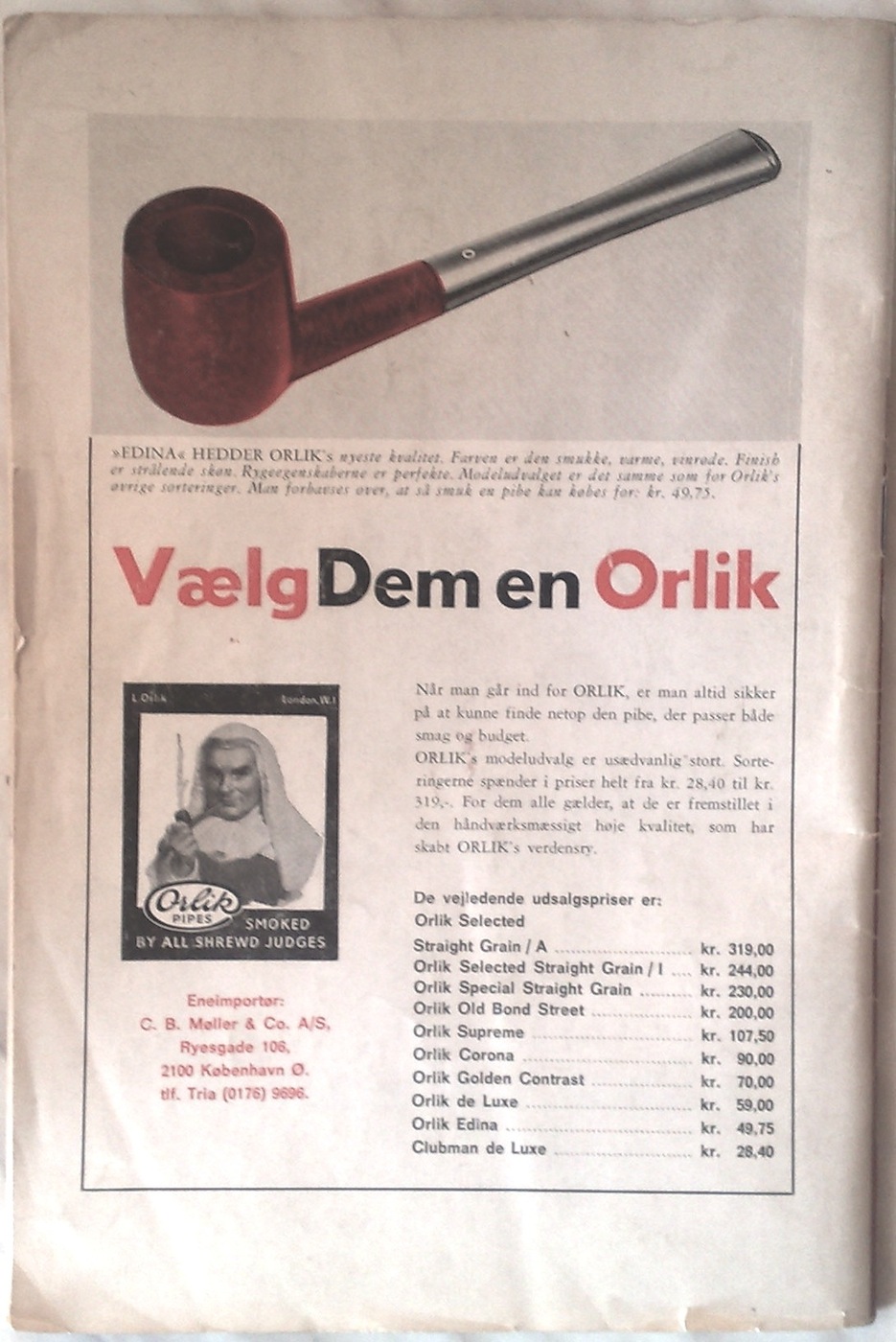
A Danish Pipe Magazine STOP – articles provided by Jacek A. Rochacki


In correspondence with Jacek he spoke to me about a magazine that he had in his possession called STOP. It is a Danish Pipe Magazine with what sounded like some exceedingly interesting articles. It is written in Danish and I would love to have some of our Danish readers translate some of the articles that are included in these scans that Jacek sent.

Here is part of the email Jacek sent me with the magazine portions attached. In it he spells out what he included in his scans of the magazine pages.

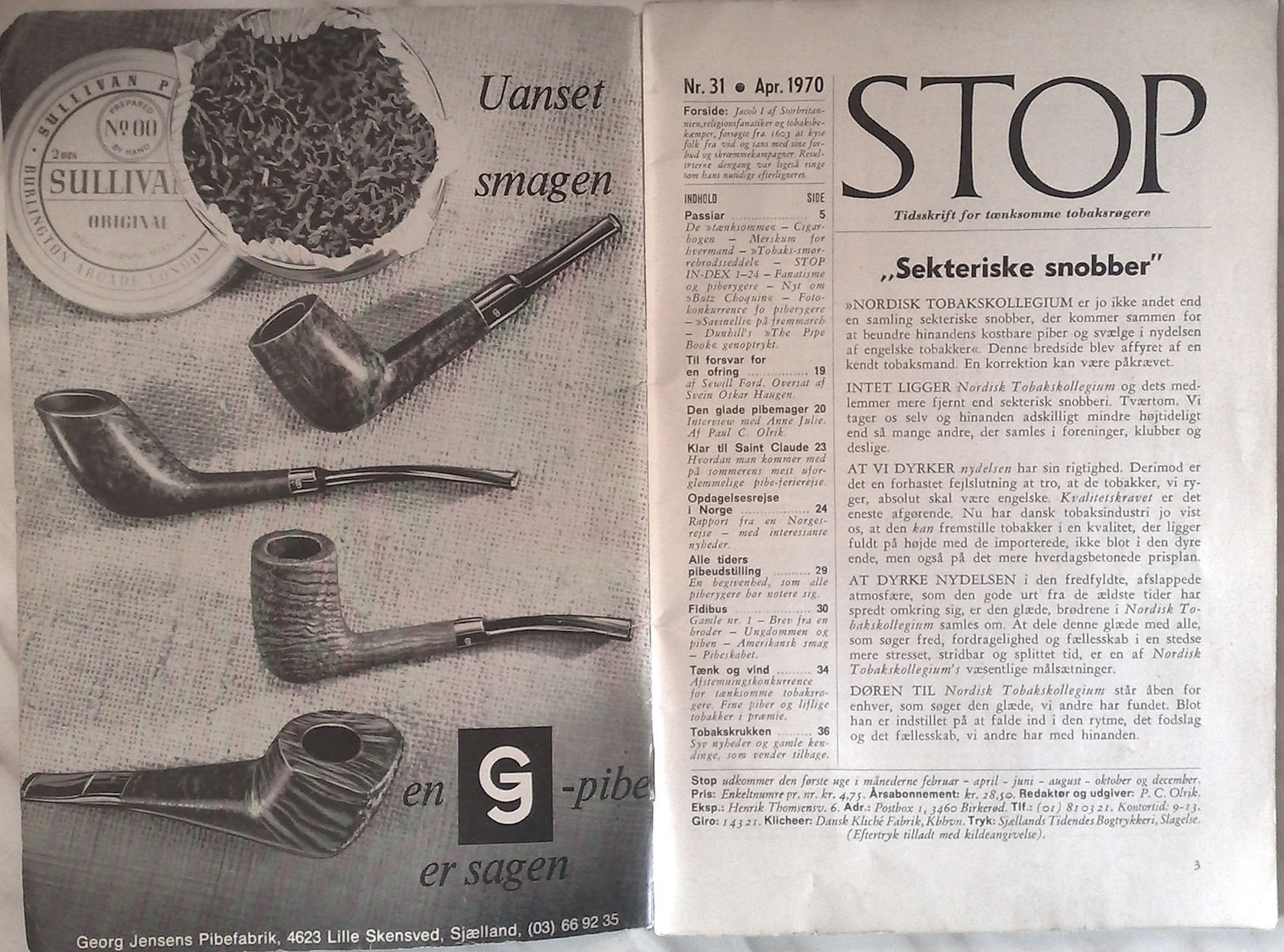
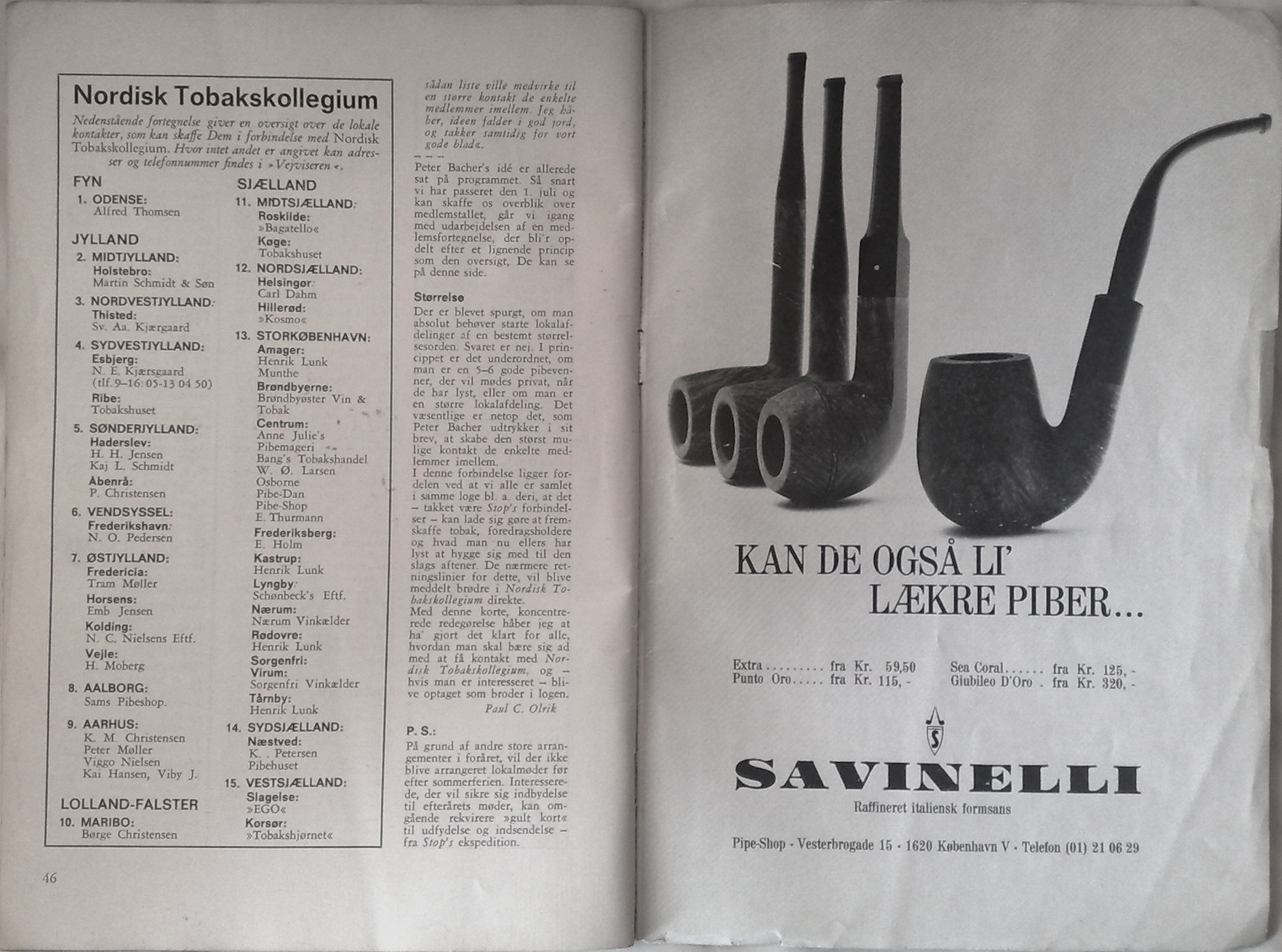
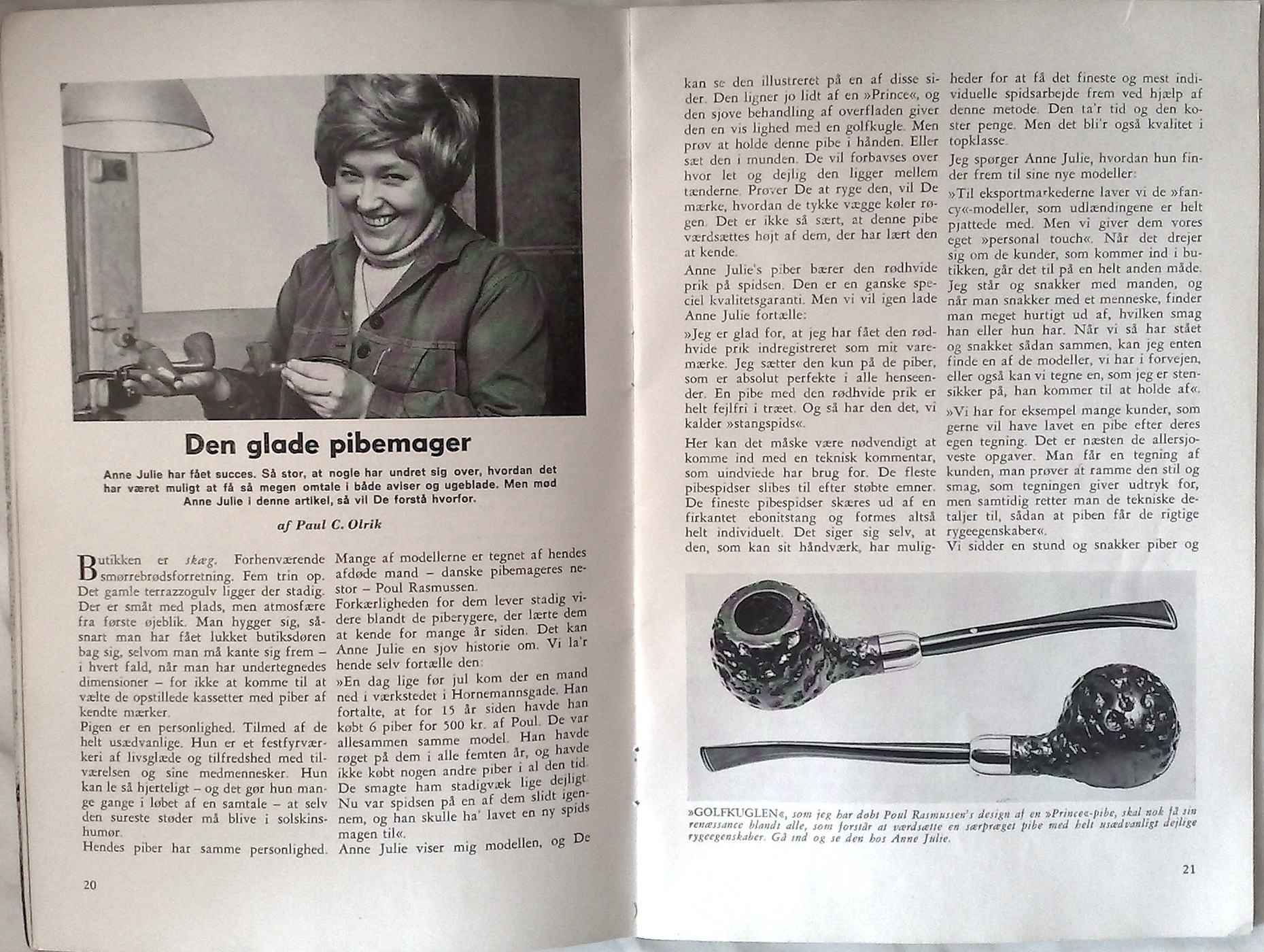
I acquired this free copy No 31, April 1970, 7th year of existence of the STOP in late summer 1970 in Copenhagen, if I remember correctly in famous Pipe House W. Ø. Larsen, where I was a frequent, and I think welcome visitor during my trips to Denmark. I scanned at the best of my present technical possibilities 9 pictures. First two show front cover and next/following two pages. Then on pages 21 and 22 there is text on Anne Julie. Then at page 24 begins text on once famous Lillehammer pipes – G. Larsen – founded by Gudbrand Larsen in town Lillehammer in Norway. In July 1970 I received as gift of friendship in Uppsala, Sweden, the G.L. Lillehammer Best Make, Topper shape that I have kept up to now. The Lillehammer and Norway story continues on the next pages. At the end, after page 46 I enclose picture/scan of the back cover. If you think that despite Danish language it may be of interest to friends on your blog, then please make choice of what I am sending or publish all these documents. I hope that this email letter with attachments is not “too heavy” and will not block your inbox.
STOP front cover

STOP page 3

STOP page 46

STOP pages 20, 21

STOP pages 22,23

STOP pages 24,25

STOP pages 26, 27

STOP pages 28,29

STOP back cover

Again, if any of our Danish friends would like to provide a translation of these articles for our non-Danish speaking readers that would be greatly appreciated. Thank you Jacek for providing this great magazine.

An Old envelope – empty, but still full of memories – Jacek A Rochacki


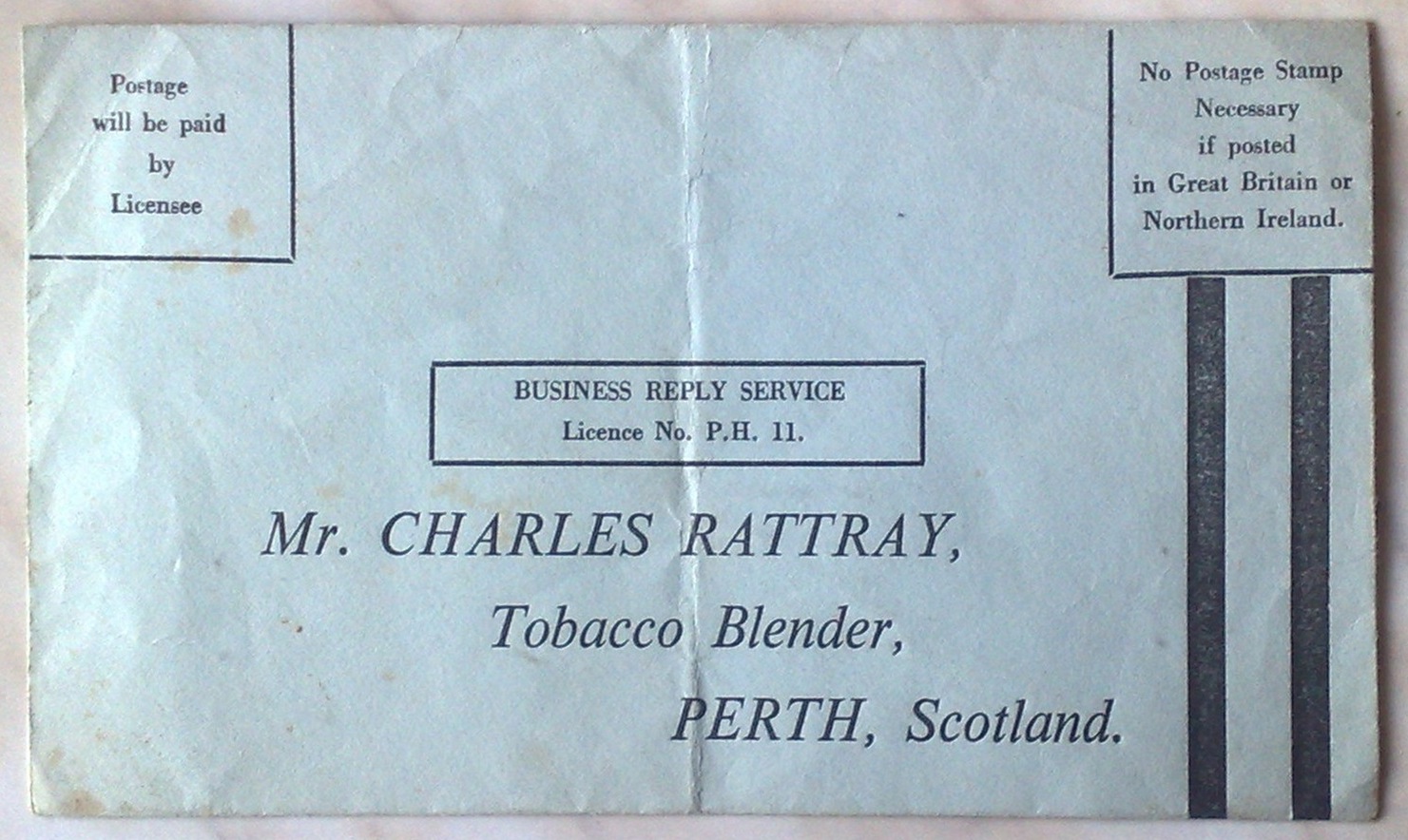
I see, that I have become more and more talkative, maybe it is caused by age, maybe I feel more and more at home with friends… So posting my comment below Steve’s story on the Fairhaven Smoke Shop I mentioned old envelope with address: Mr. Charles Rattray, Tobacco Blender, PERTH, Scotland. Encouraged by kind suggestion by Mark Domingues I am enclosing picture of this envelope.
Rattray envelope
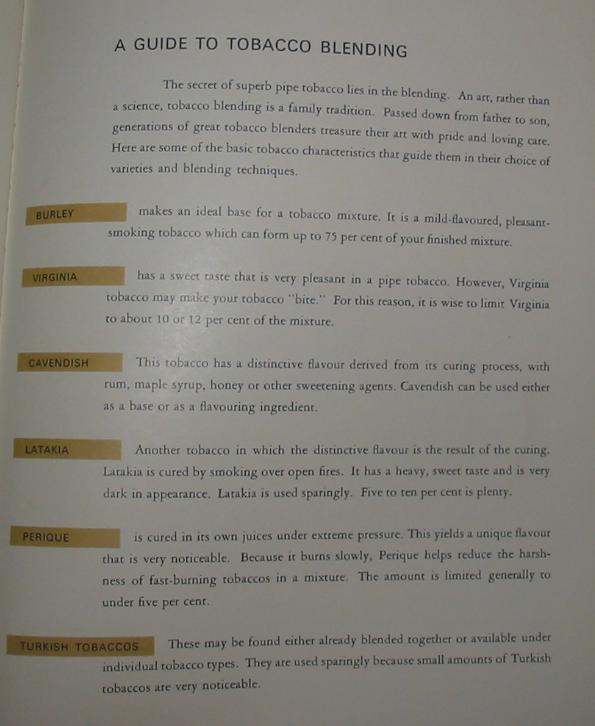
Browsing on Steve’s blog I found with joy the publication of an old Rattray’s Booklet on Tobacco Blending https://rebornpipes.wordpress.com/2012/08/11/charles-rattrays-of-perth-catalogue/ So all the more I would like to continue with following story connected with Rattrays.

Rattray’s is known as a manufacturer of pipe tobaccos, which are now manufactured in Germany, but names of blends like Marlin Flake, Old Gowrie, Hal o’the Wynd remain the same. Beside this “tobacco aspect” Rattray is the family name of an old Scottish historical family, and their house is the Craighall Castle by the town of Blairgowrie, Perthshire, Scotland. The Craighall Castle like many other castles has a big clock in the castle’s tower. The clock demanded regular maintenance. In “my” time there this service was provided by clock and watch specialist – a watchmaker, whom I happen to know.

During one of my visits to Scotland this watch and clock specialist invited me to join him on his next visit to the castle. We entered the hall and I was surprised to see many photos of soldiers in uniforms with well known to me Polish distinctions and badges from the time of WWII. Soon I learned that the Craighall Castle, like many other locations in Scotland, was at the time of WWII converted to a hospital and convalescent centre for the Polish wounded soldiers. Many men in uniforms shown in photos were smoking short pipes – bulldogs or lovats, which, as I remember from stories, were popular with some military formations. On the wall there was a marble plate with the Polish Eagle, badges of some Polish military formations and words of gratitude to the people of Blairgowrie, Rattray and district, in commemoration of their hospitality.

Then our host – the Right Honorable Rattray appeared who, after complimenting my acquaintance for his clock service, kindly offered us a nice cup of tea. I was so surprised by seeing one more sign of Polish presence in Scotland that I simply forgot to ask our host, if his respectable family had any kind of connection with the well known tobacco brand.

An Older Comoy’s Brochure


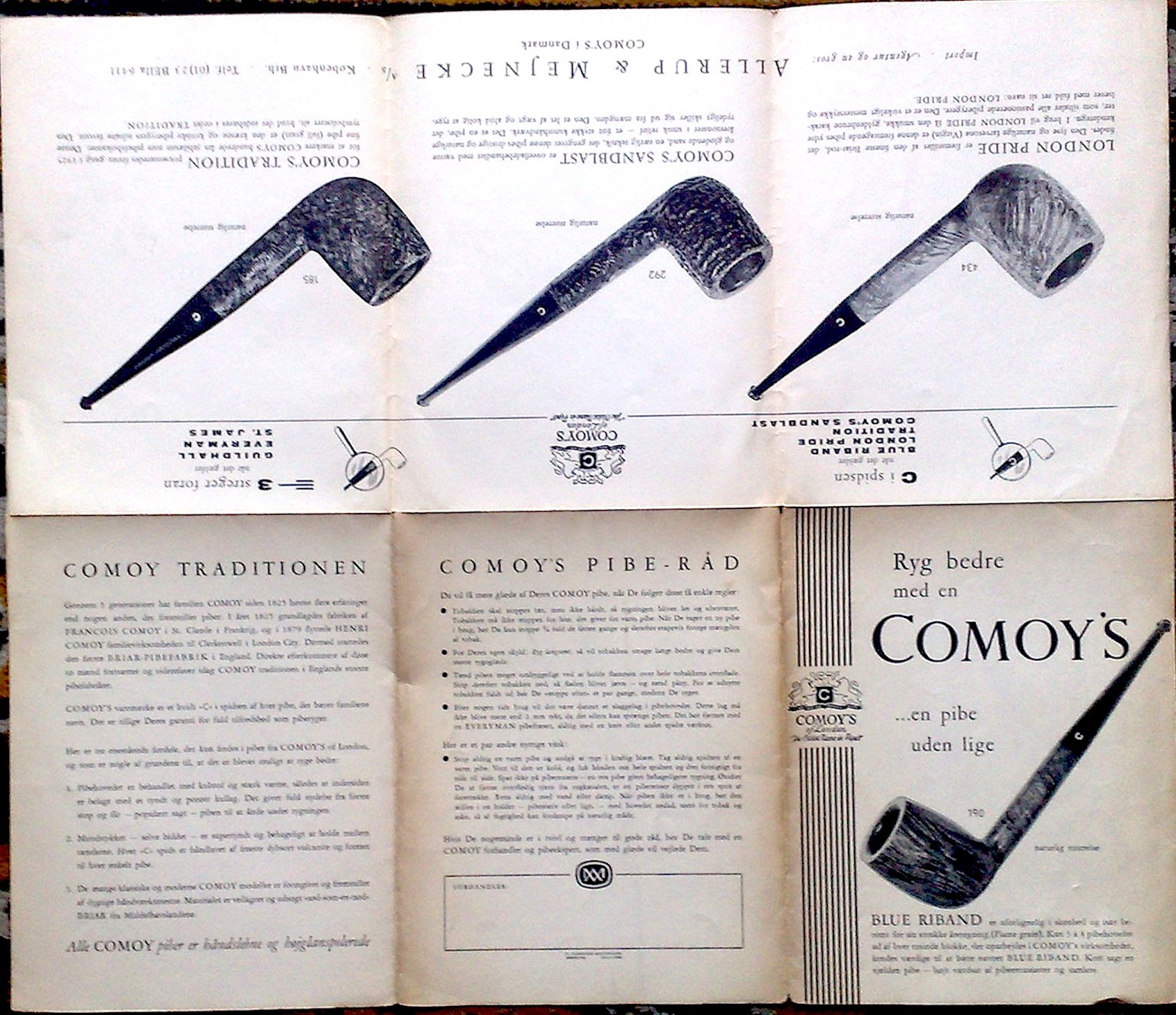
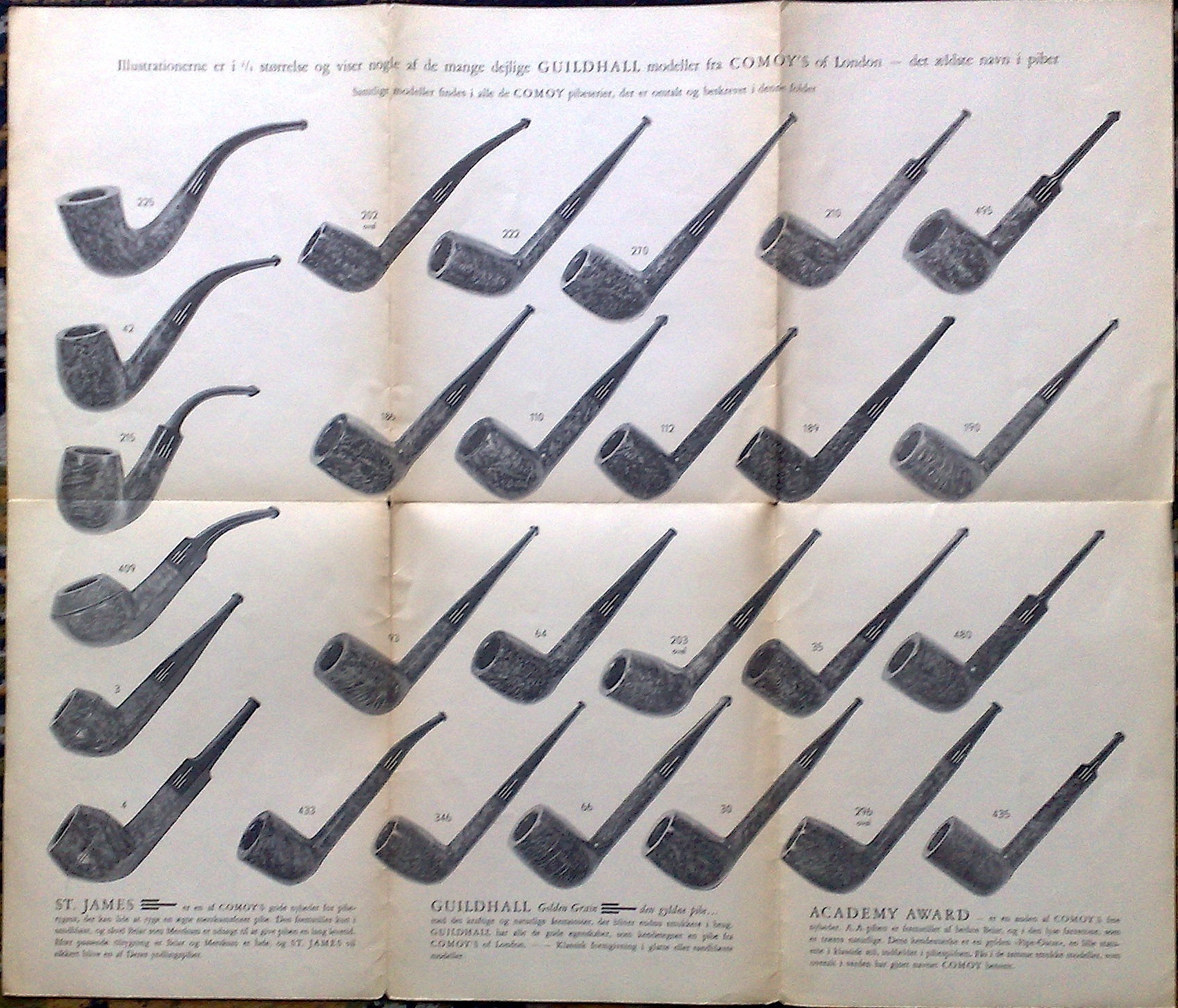
This morning I awoke to find that Jacek Rochacki had sent me an email with this lovely old Comoy’s brochure attached. I truly love these old pipe and tobacco leaflets and brochures. They are a tool that I use regularly when I am trying figure out a particular brand or shape. In my mind I can never have enough of these old pieces around. Thank you Jacek for sending this one to me to post on the blog. I have included his email to me as it has several links that are helpful.

With regard to nice conversation on Comoy’s I realized that the folder published by Chris Keene here http://pipepages.com/dancomoy2.htm is missing it’s back part/side with information and pictures of St. James, Guildhall and Academy Award edition from Comoy’s.

So I am enclosing scans of mine copy of the same folder that I acquired in Copenhagen in Summer 1969. Both sides.

And:
Guildhall is also mentioned here:
http://www.chriskeene.com/75comoycat5.htm

With my best

Jacek, returning to text on “C” markings in Comoy’s pipes
Comoy's 1

Comoy's 2

Restoring a Briarmeer Rhodesian 175 ED that was Made in Canada


Blog by Steve Laug

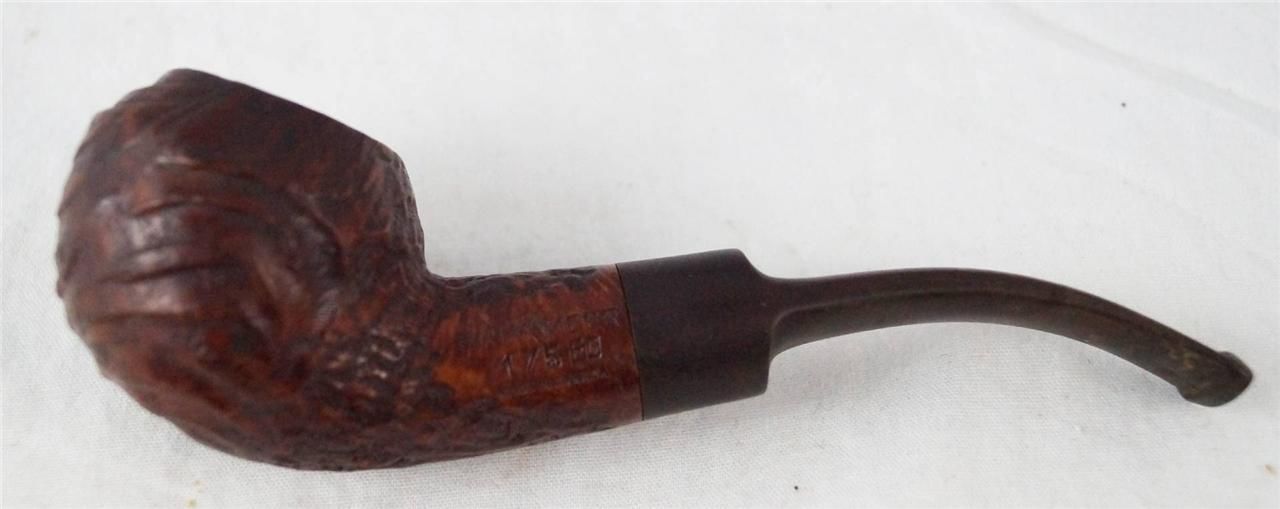
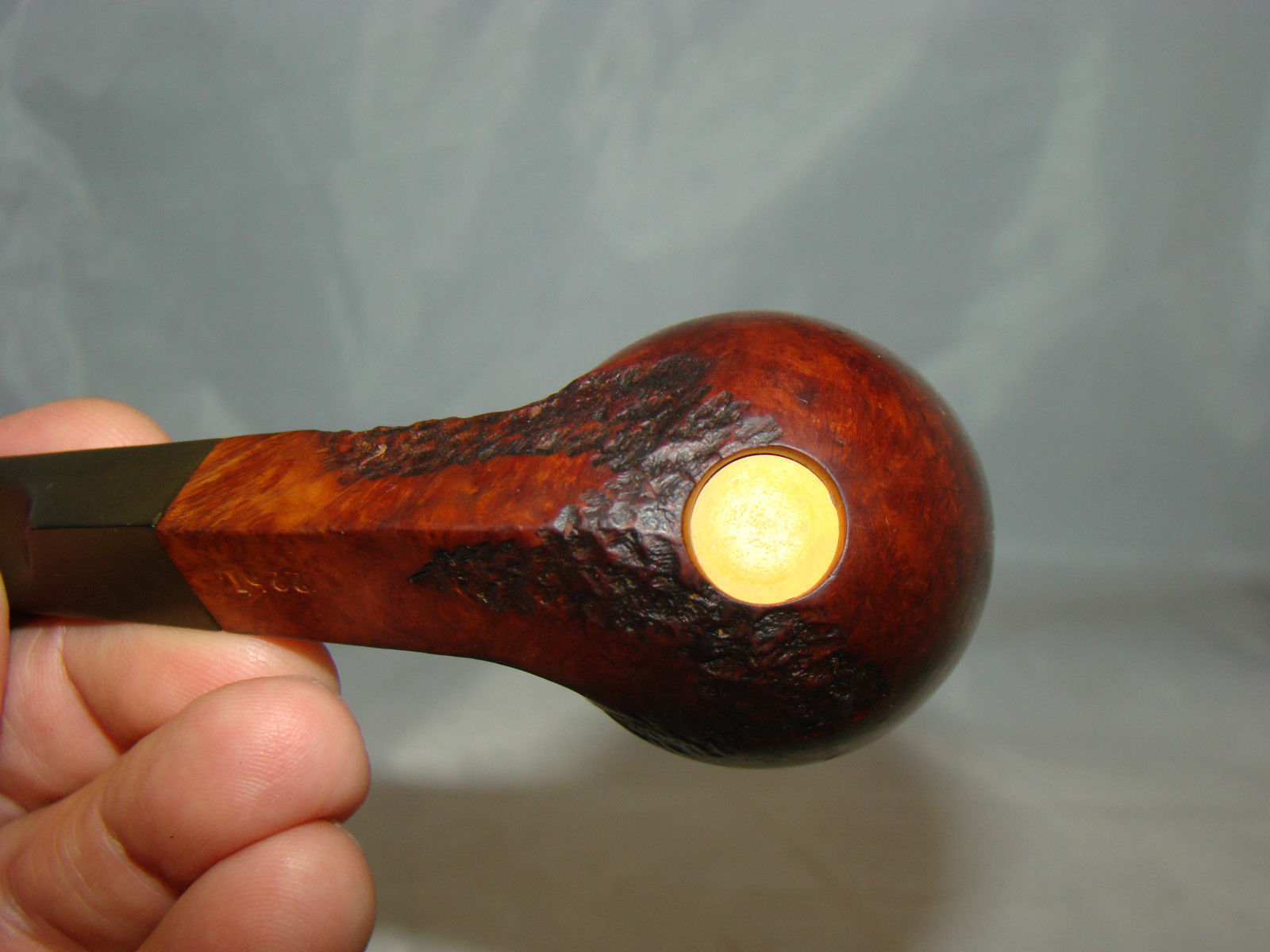
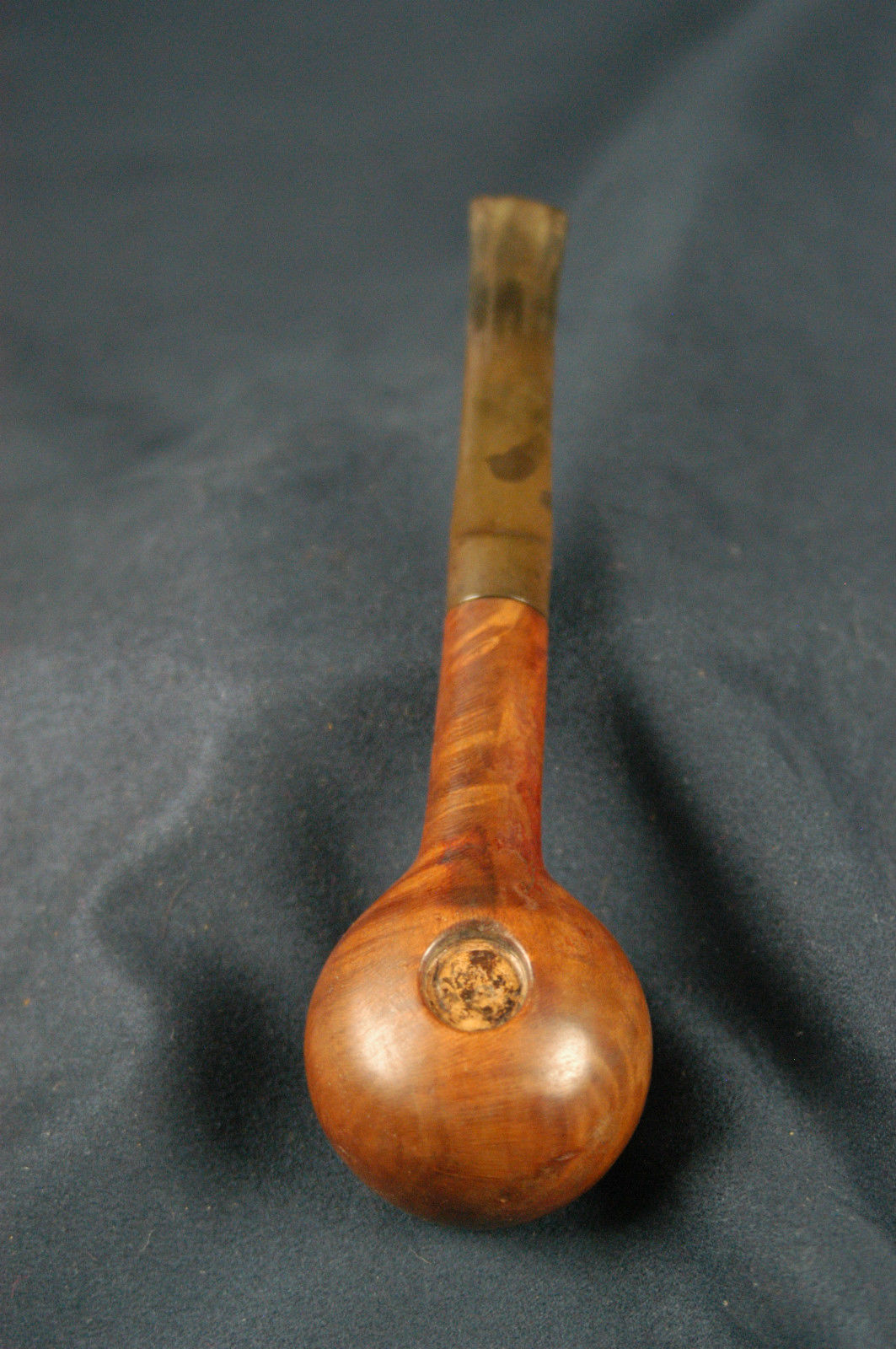
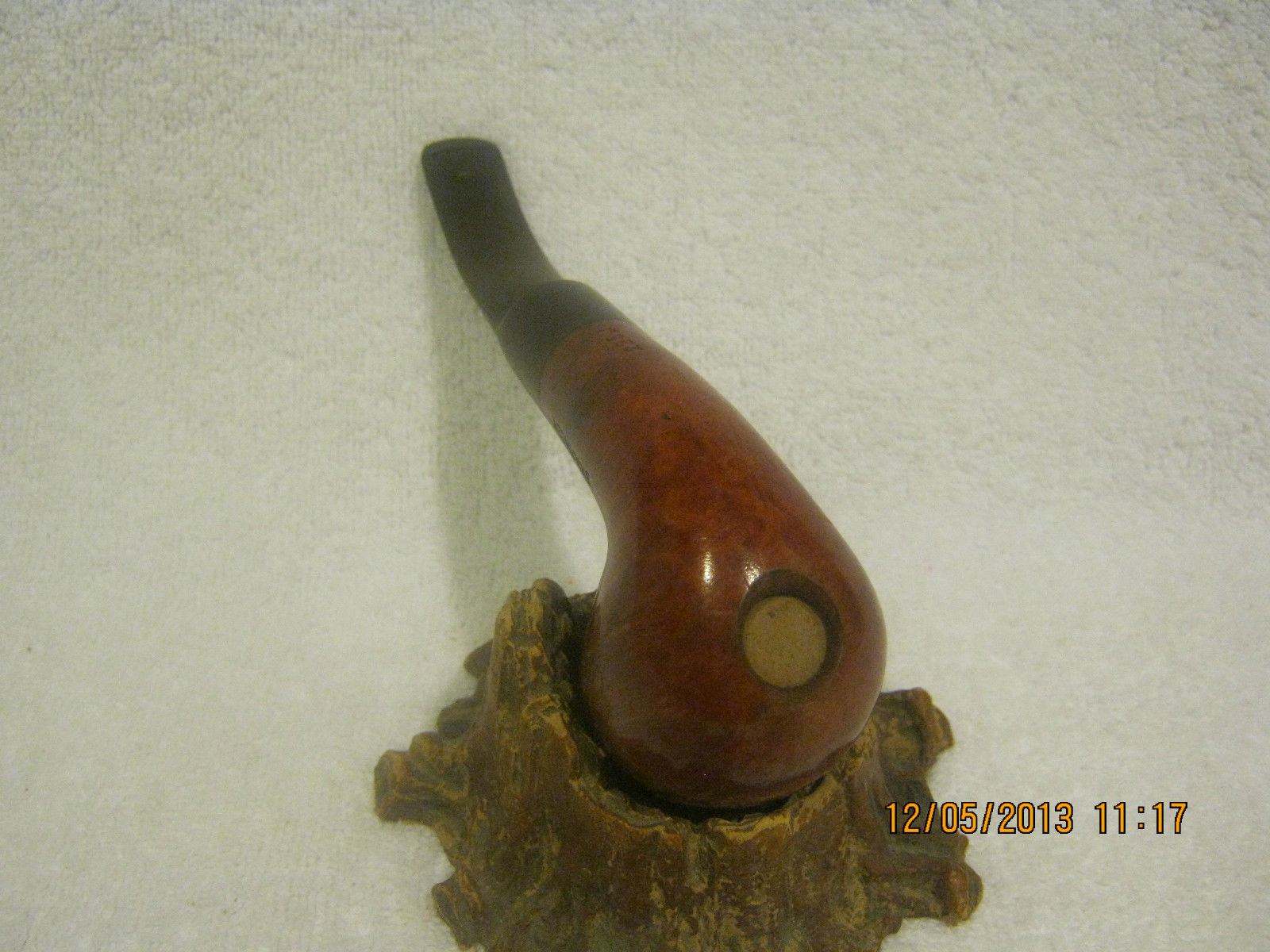
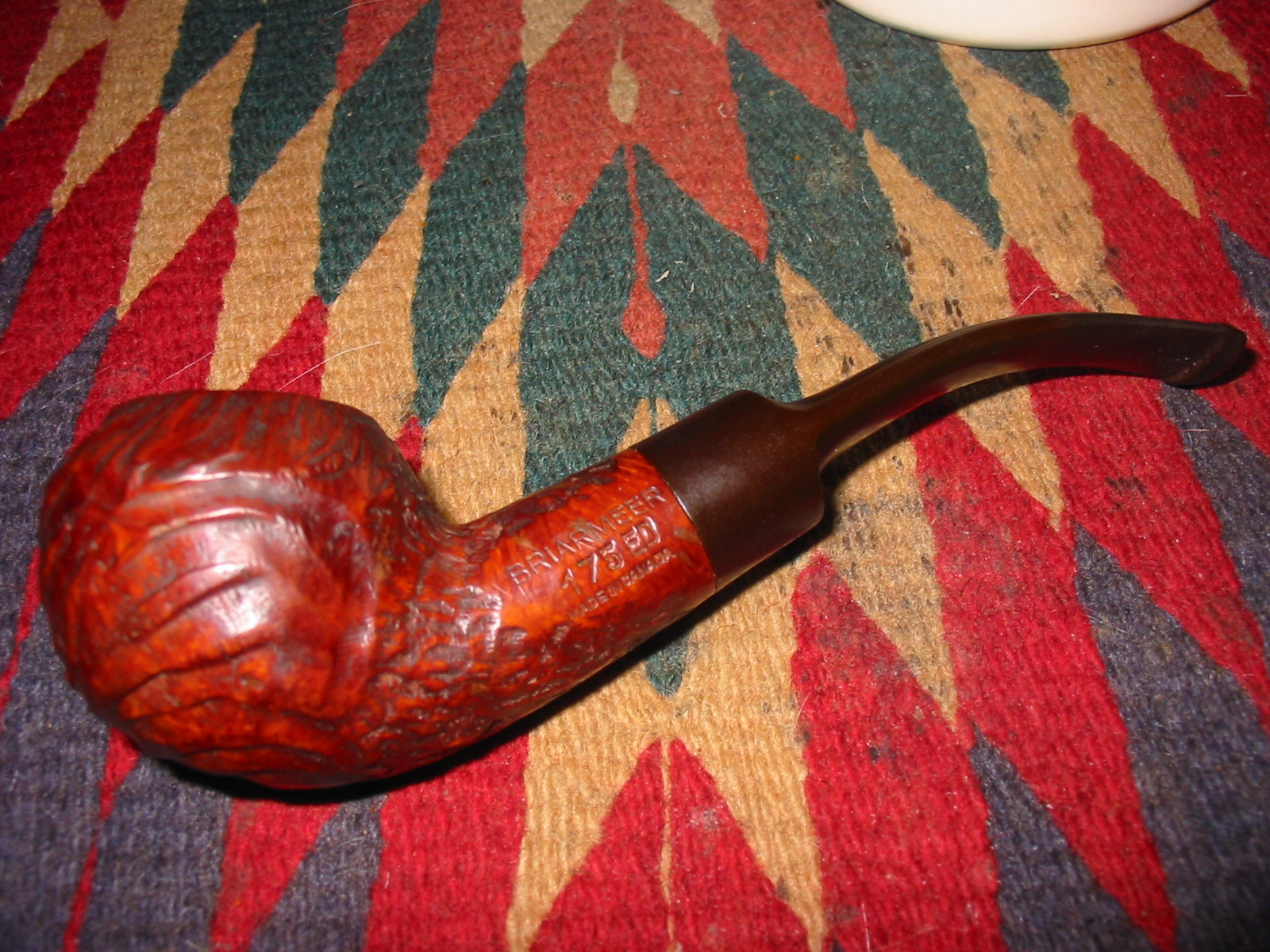
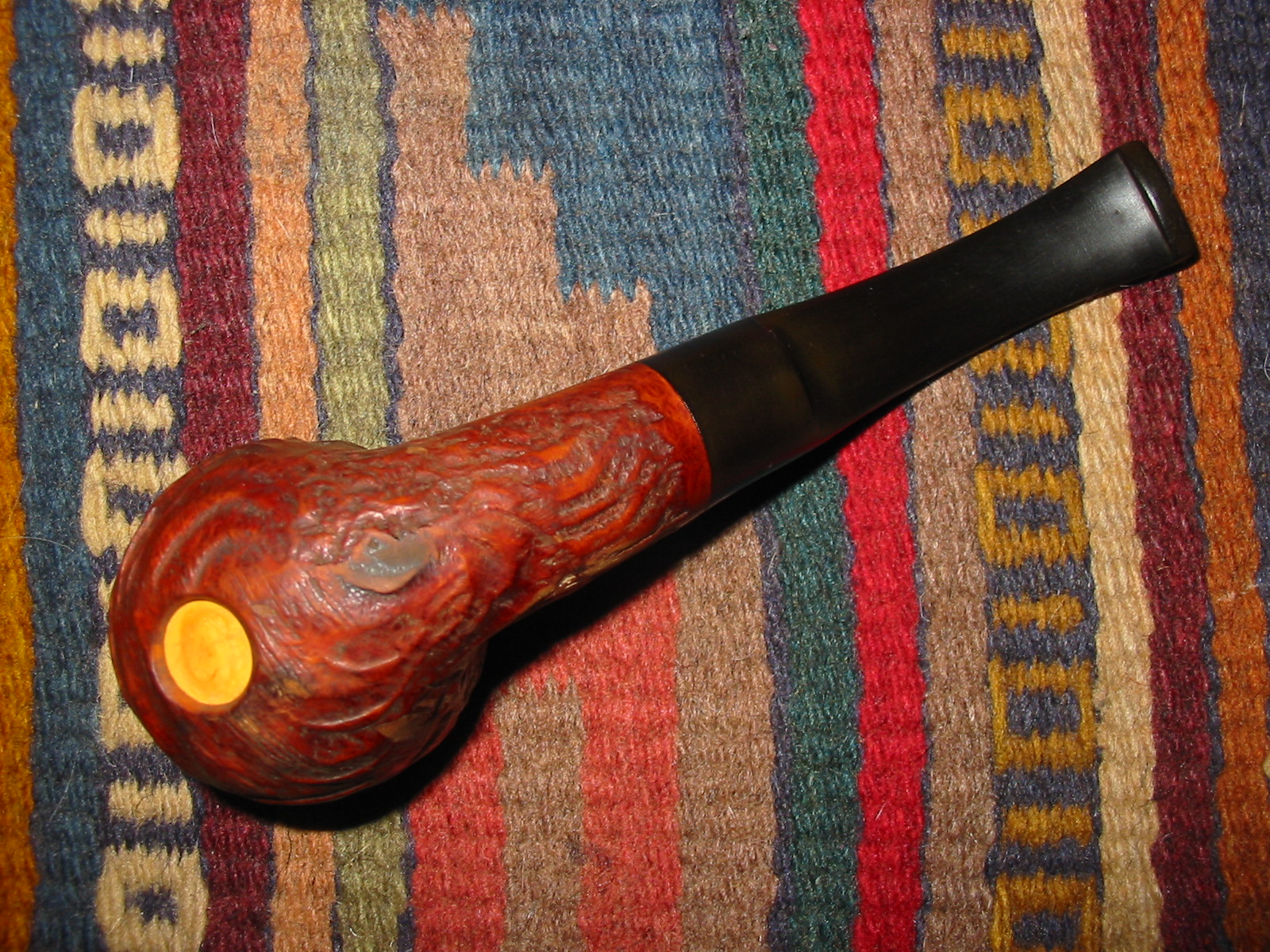
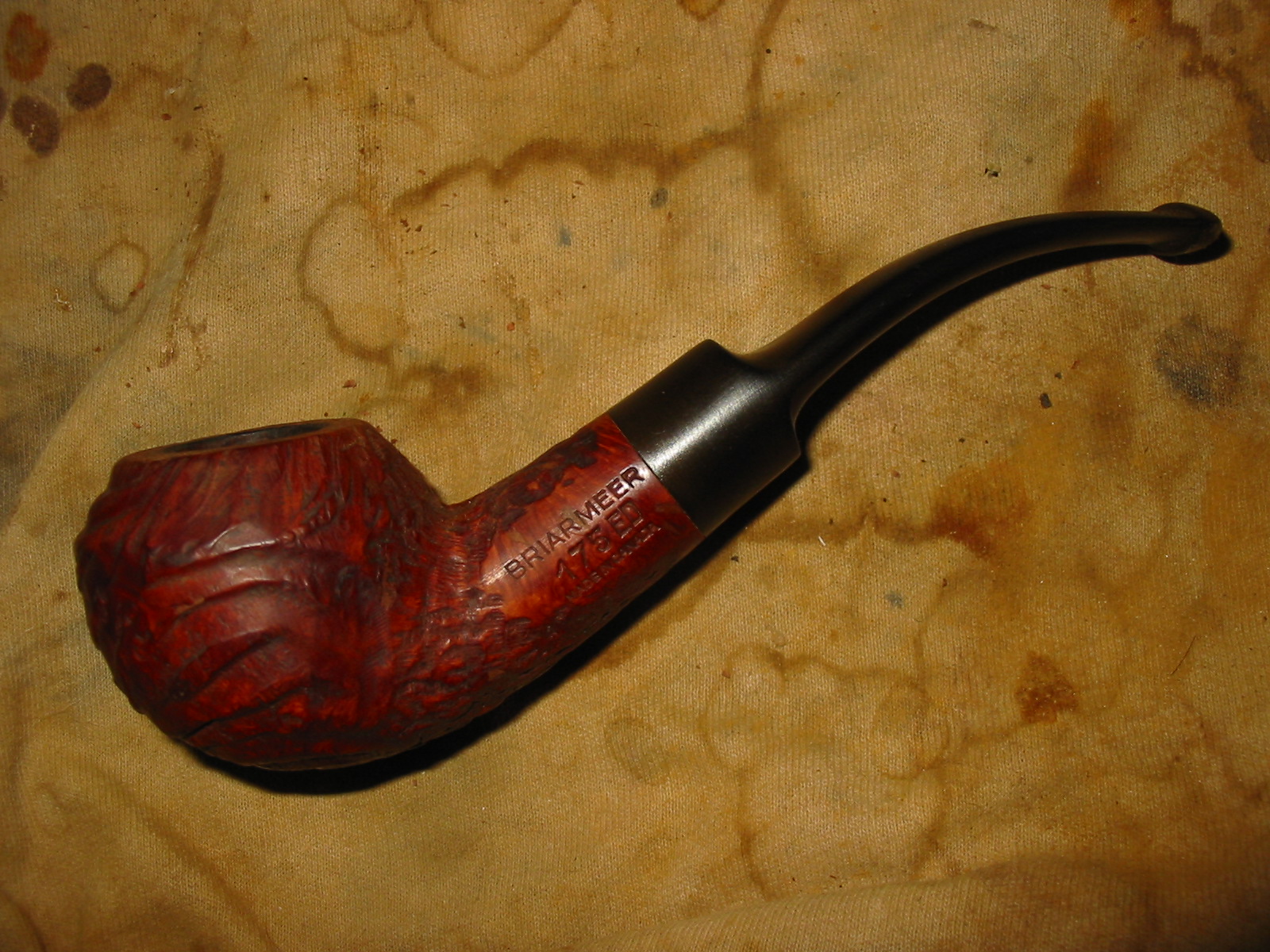
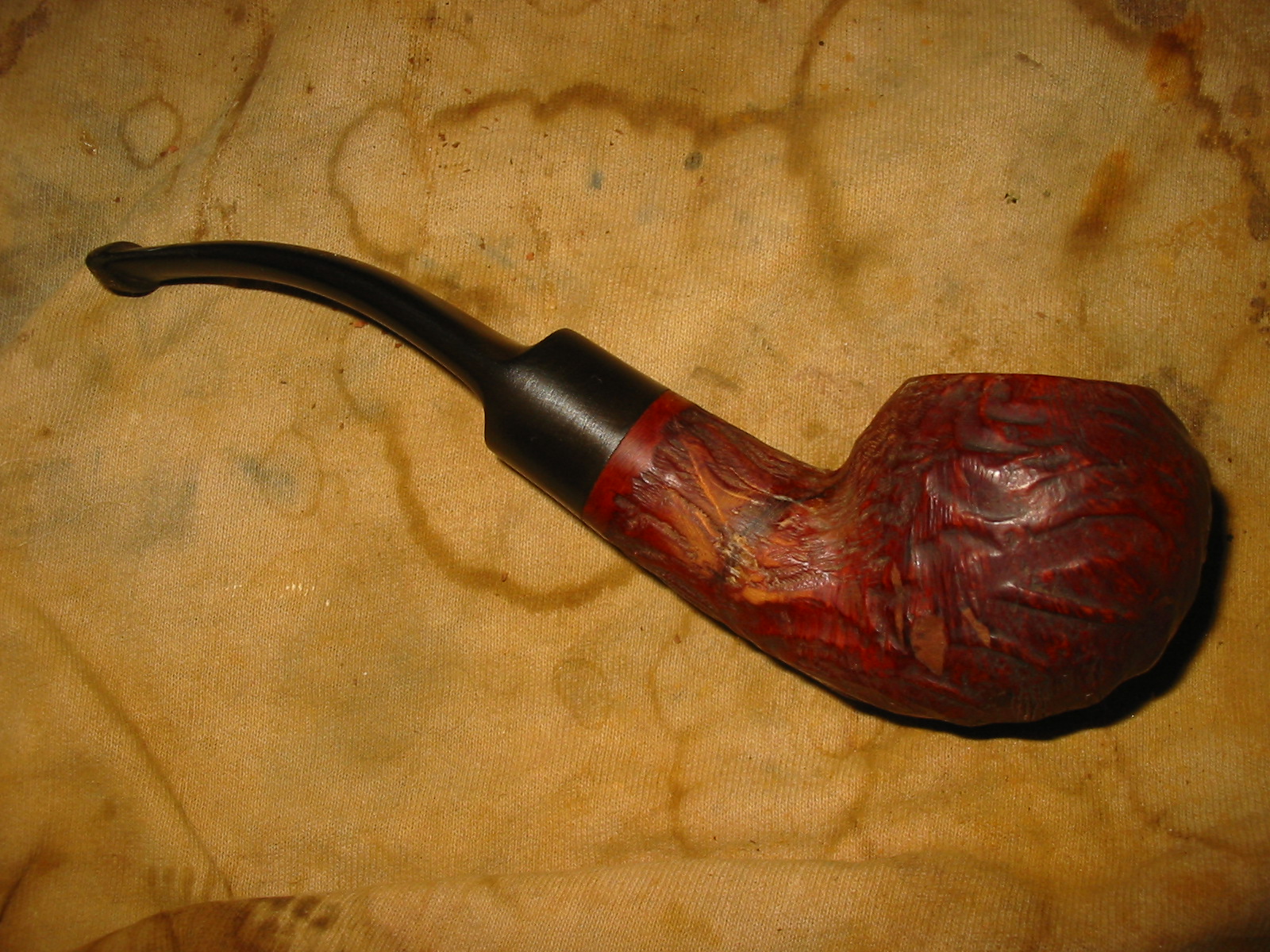
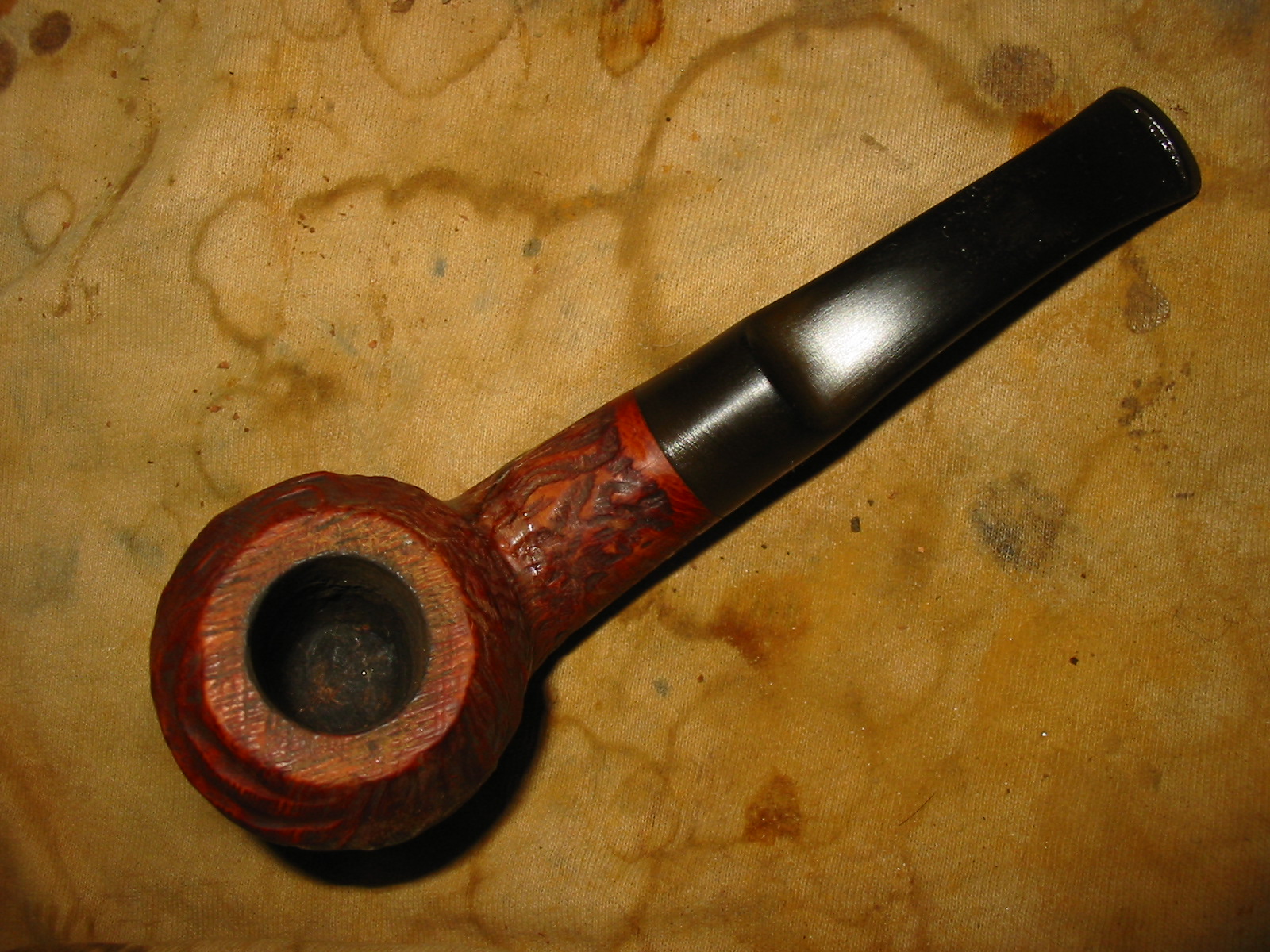
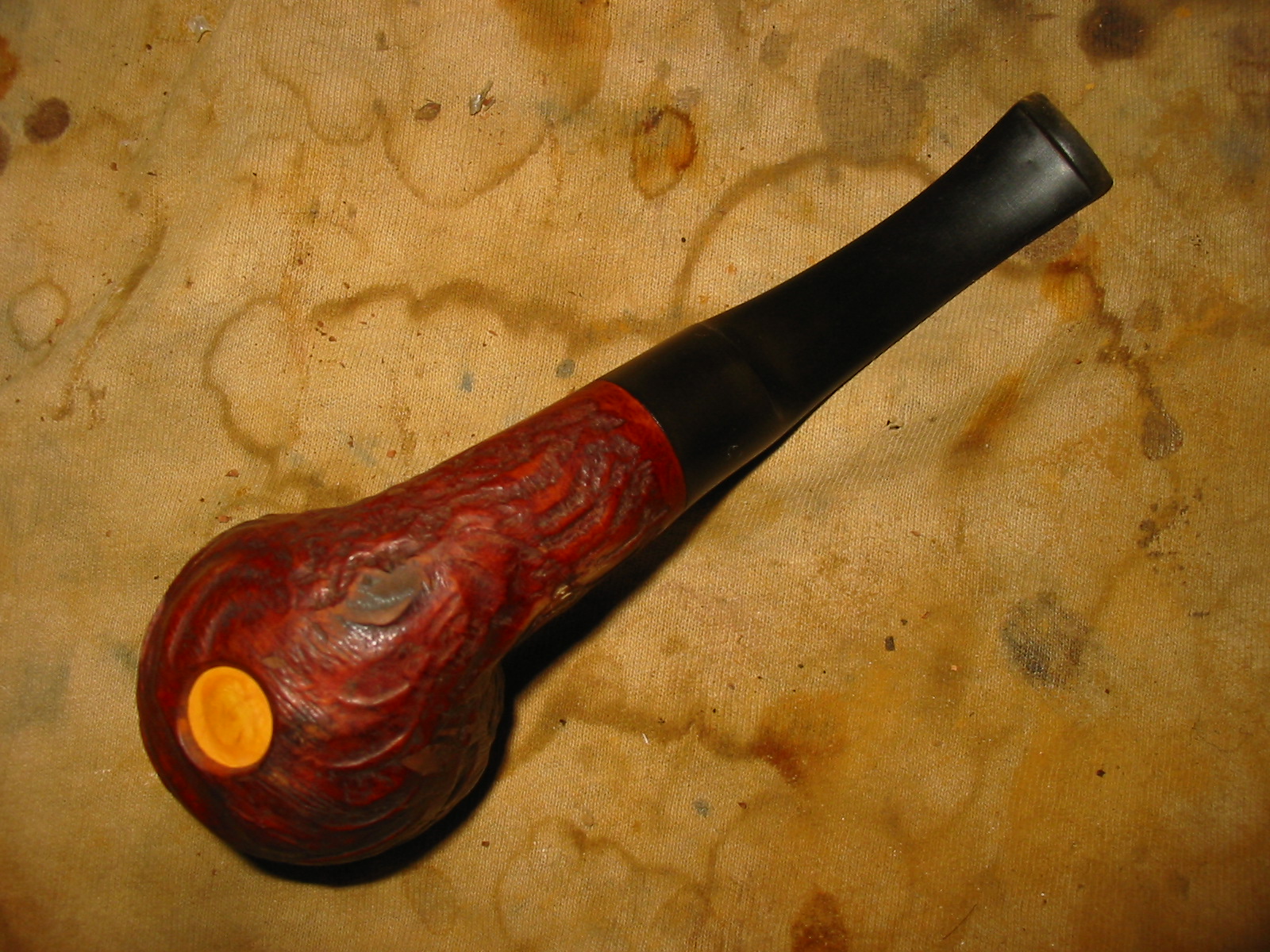
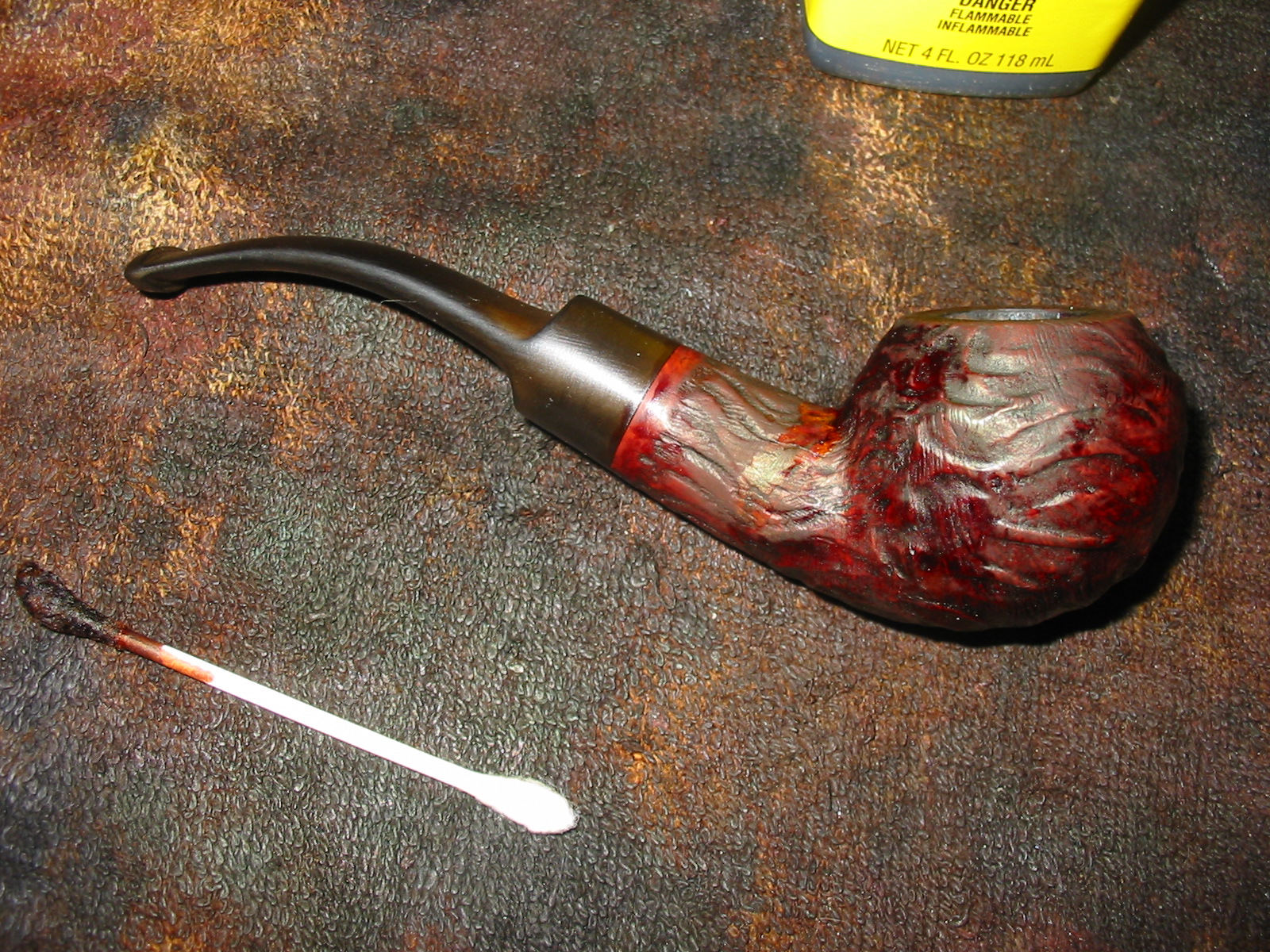
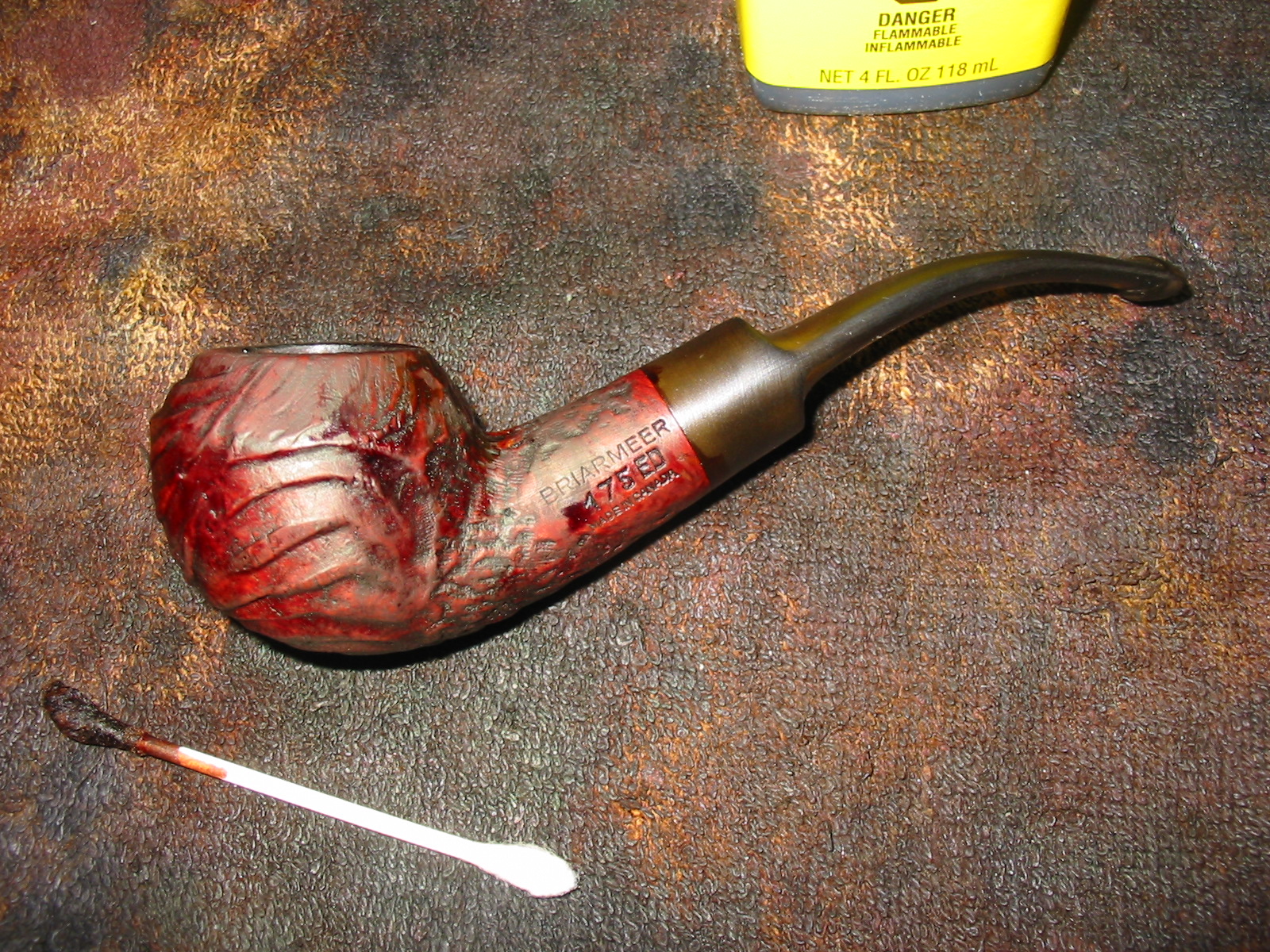
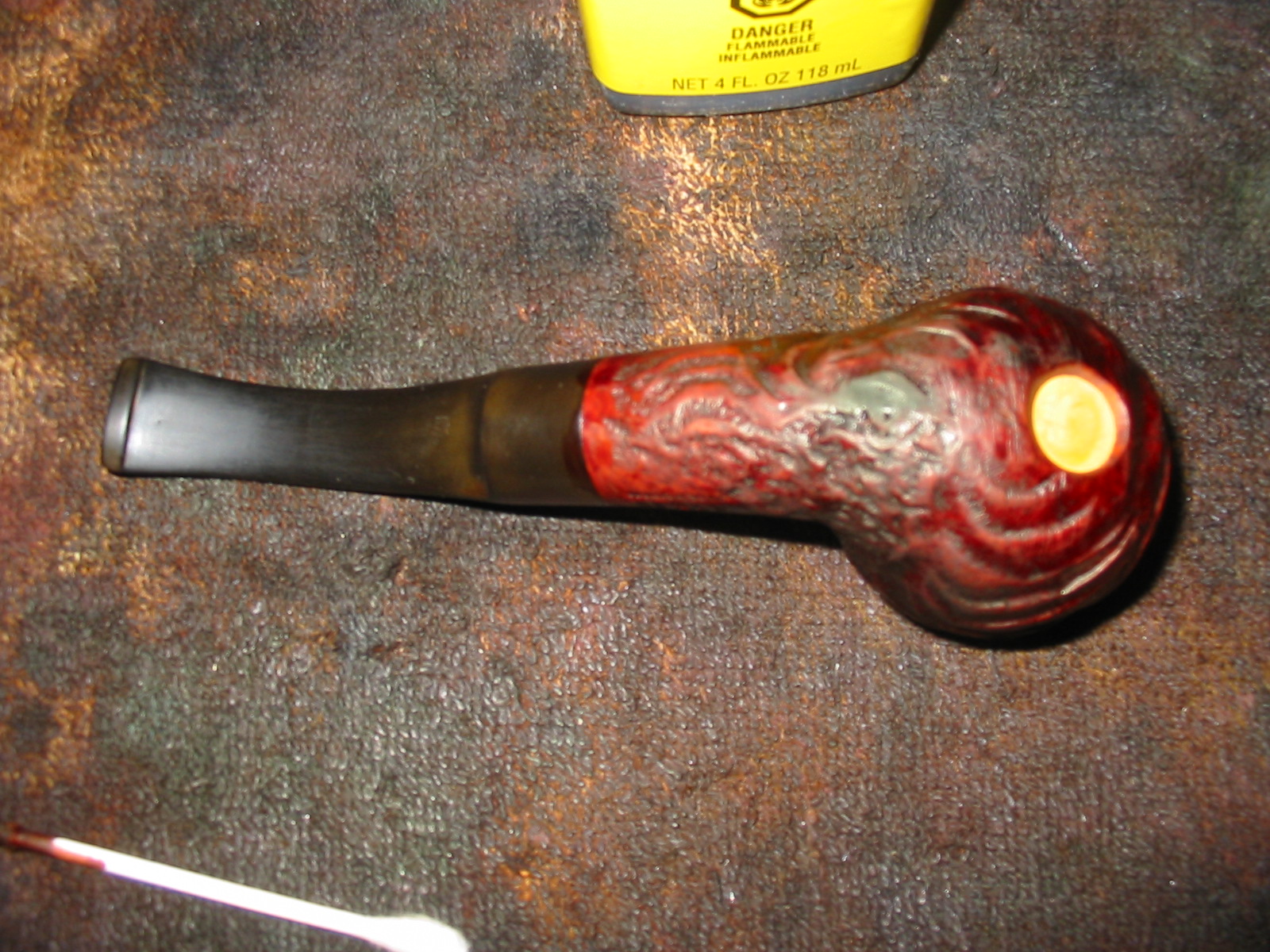
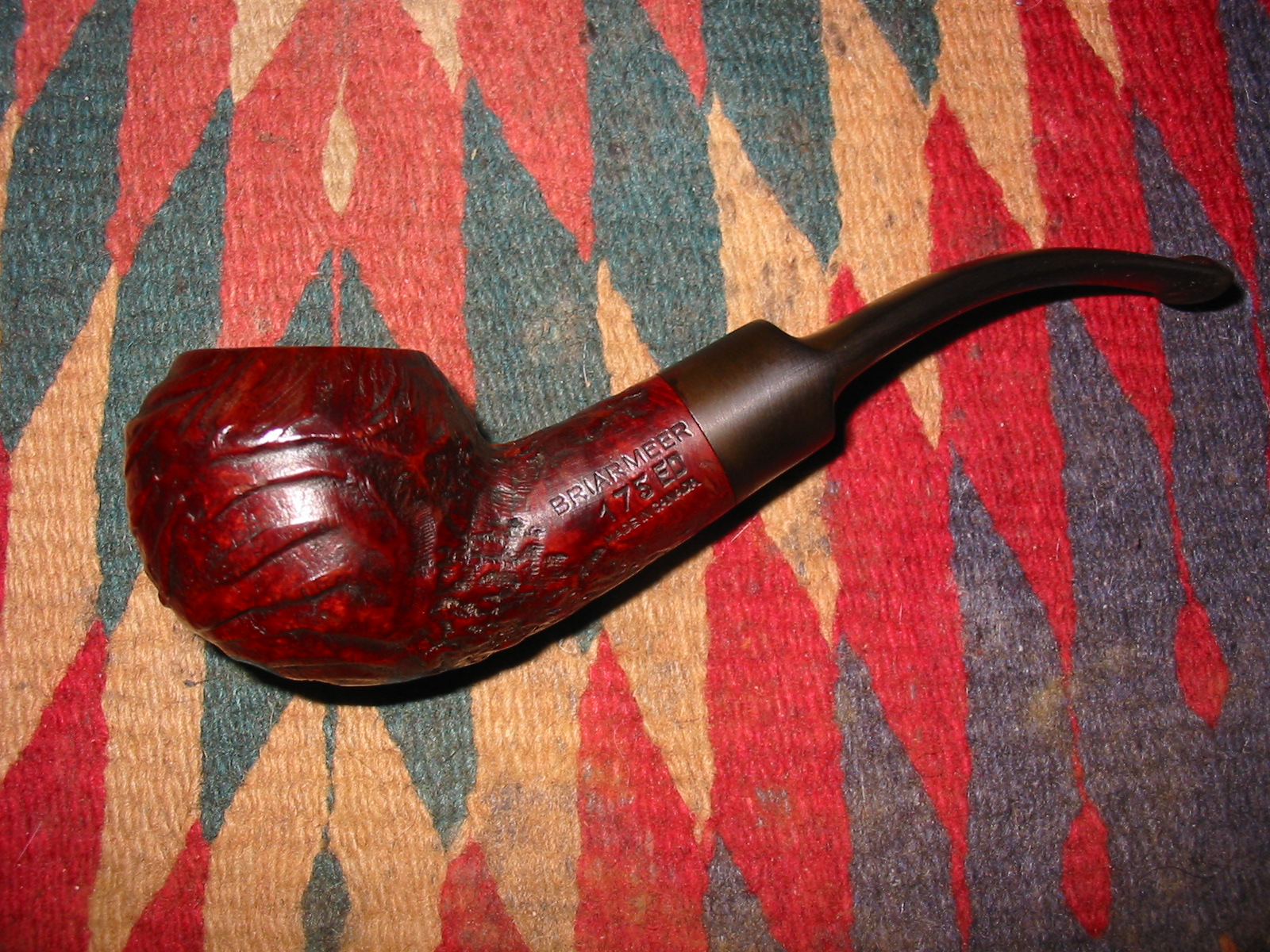
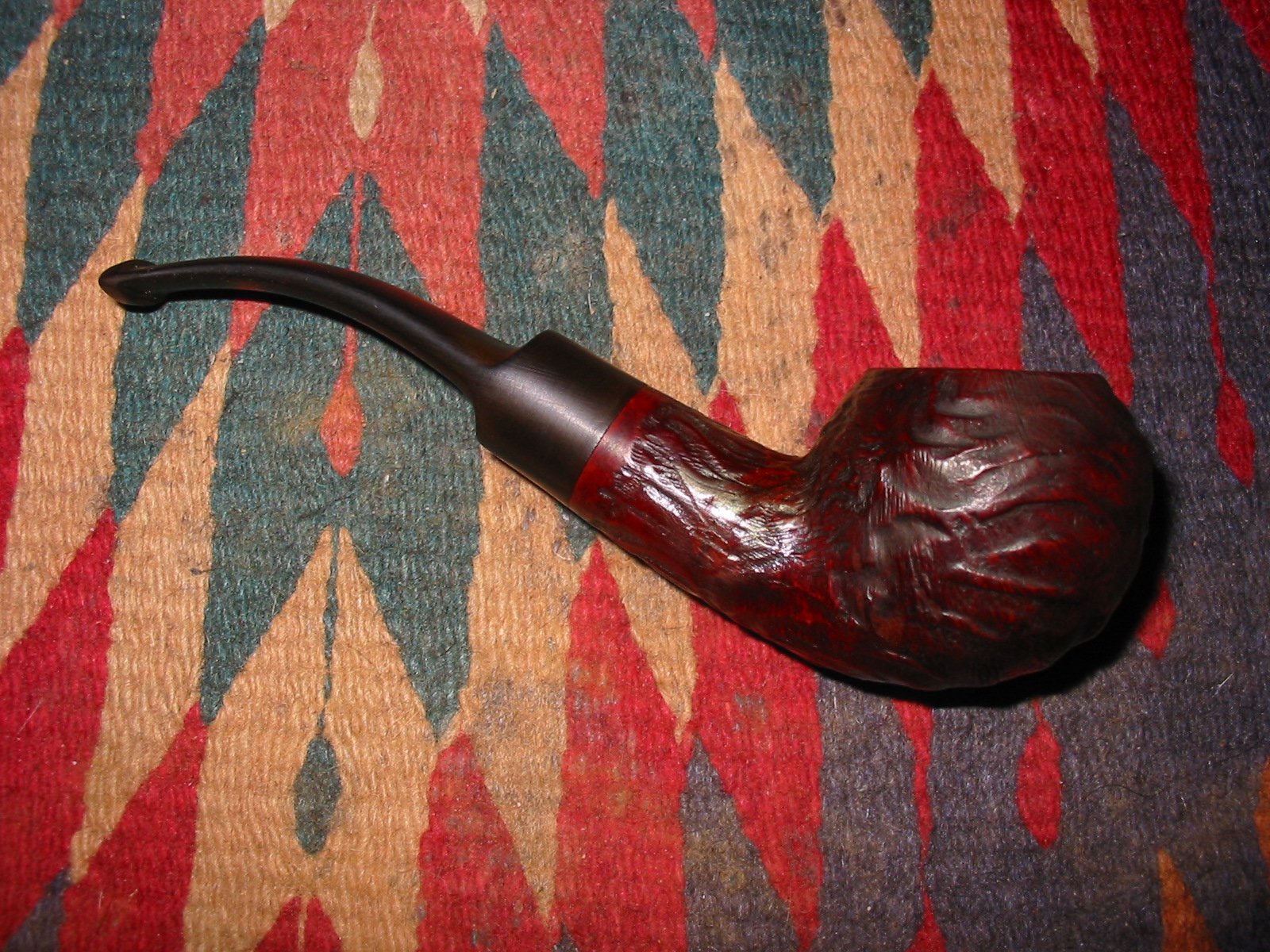
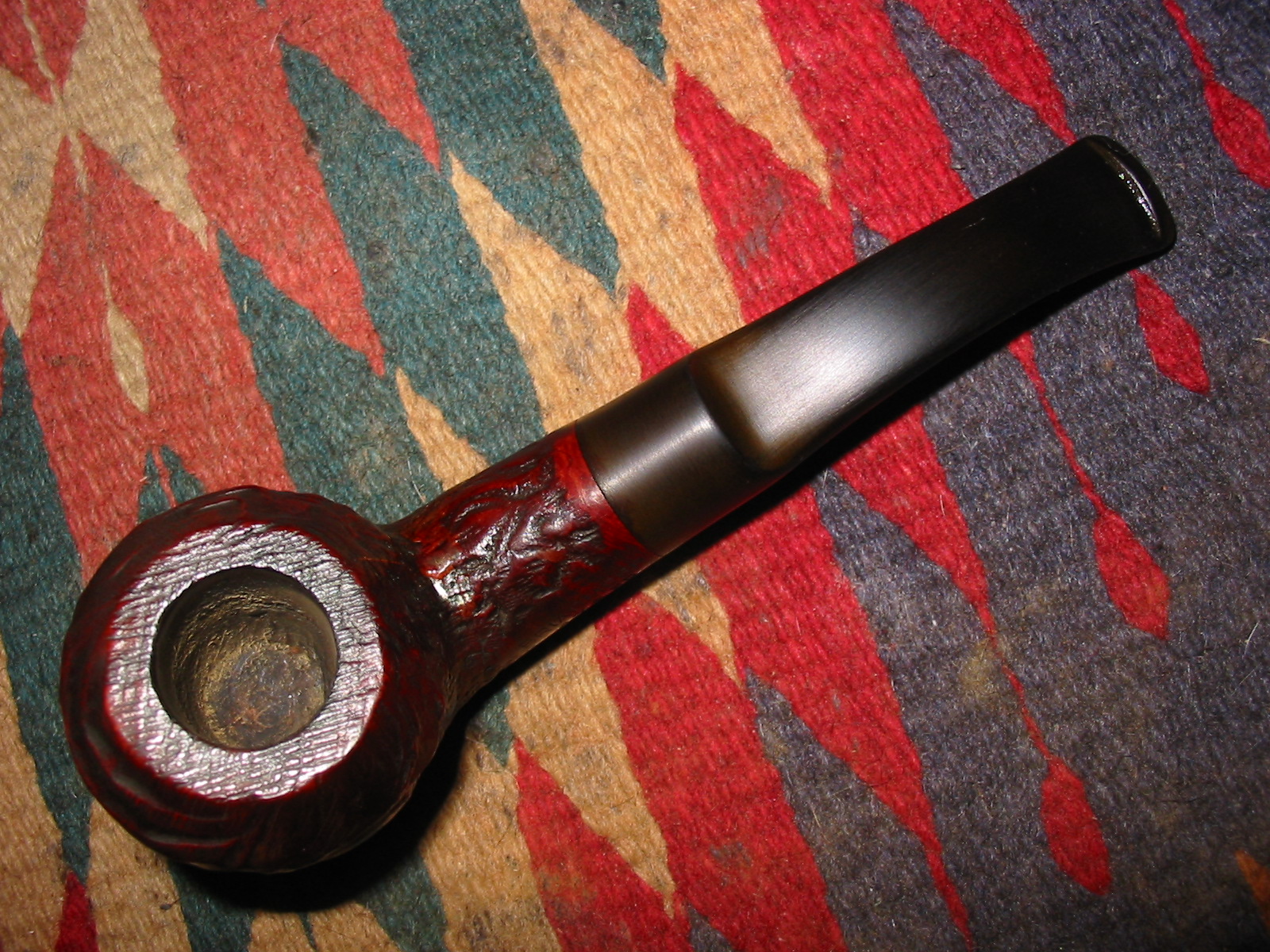
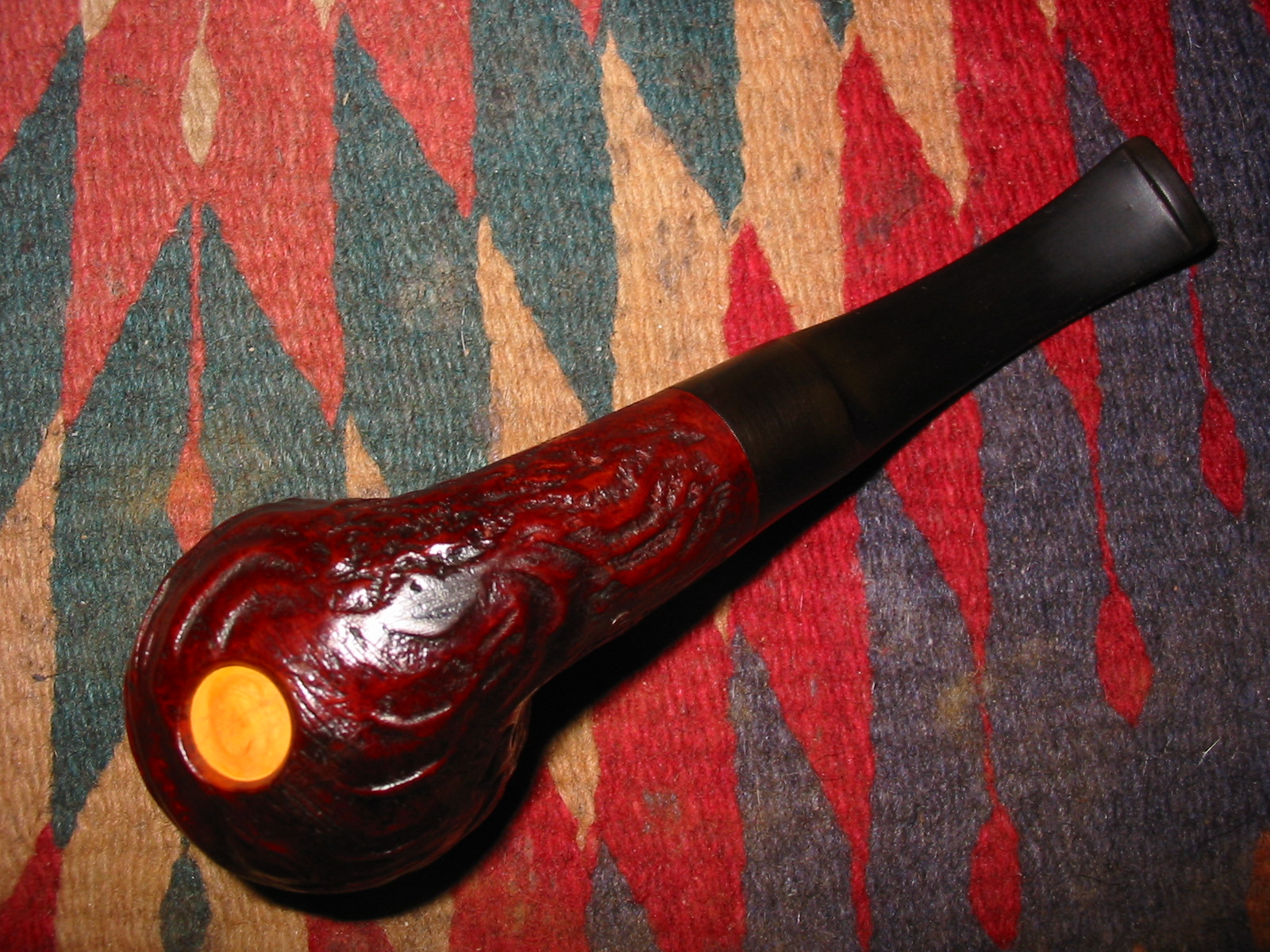
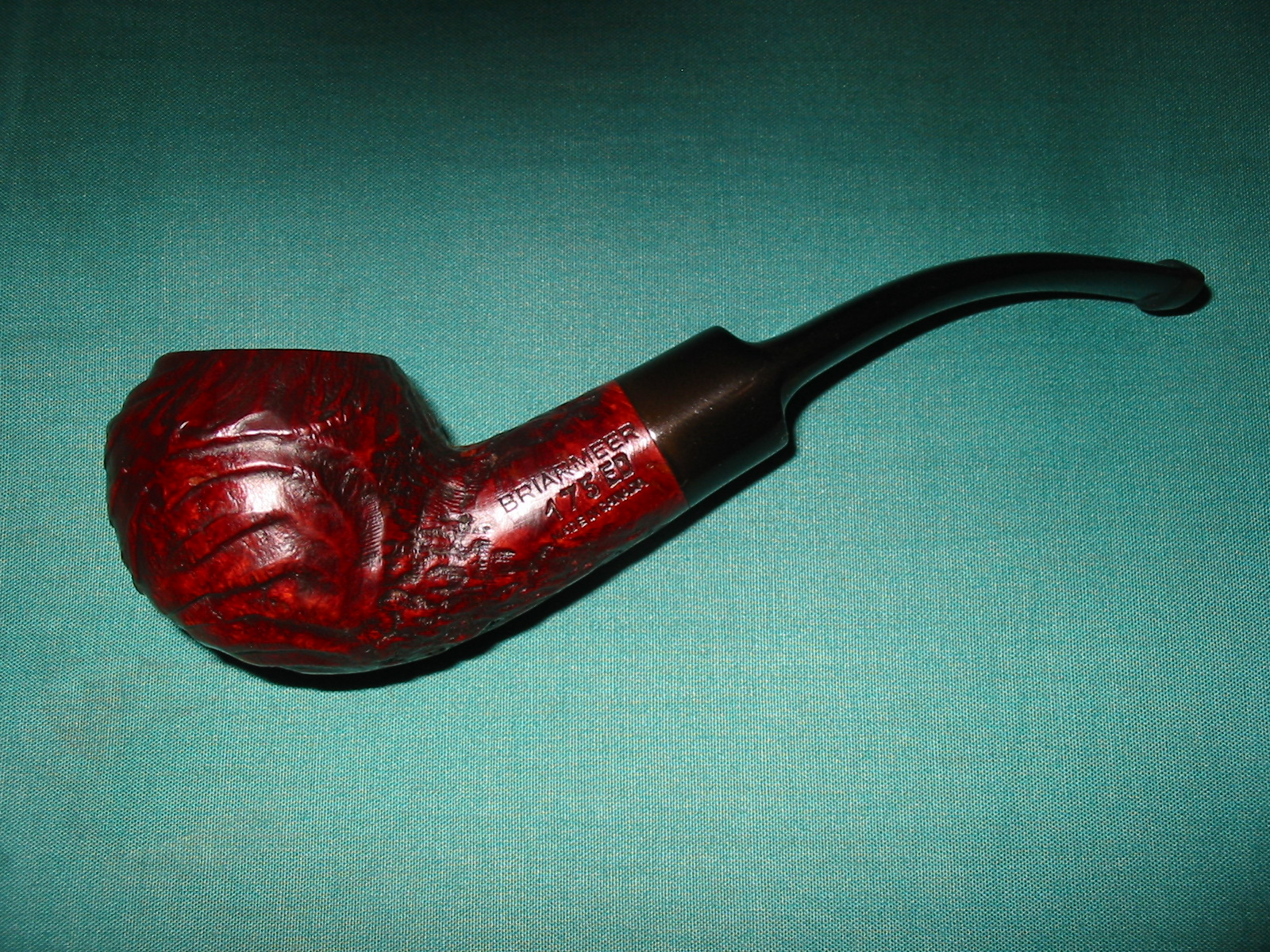
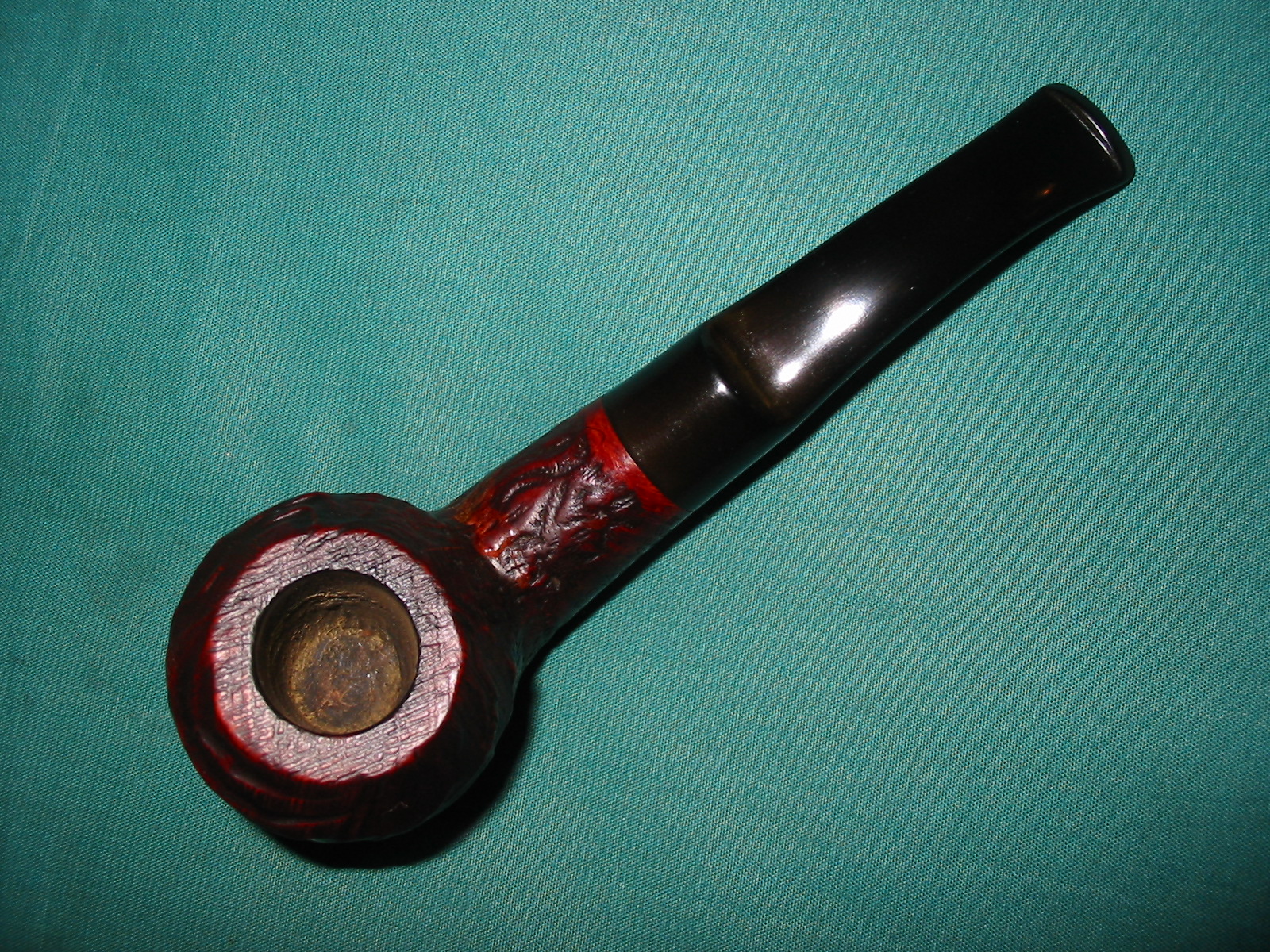
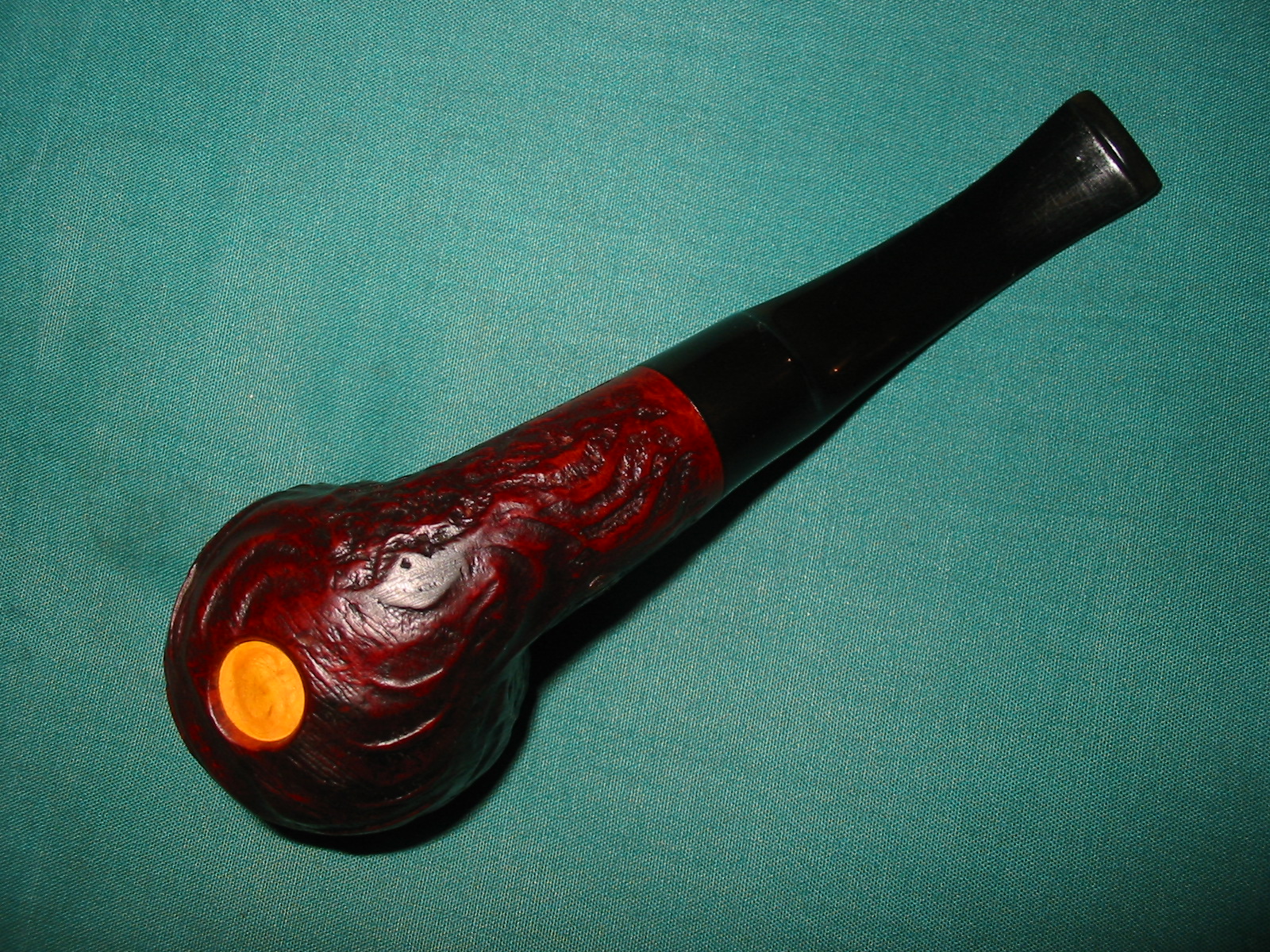
I received an email from Andrew saying that he had a pipe he wanted to send my way. It was my kind of shape – a Rhodesian. He said that it was an odd pipe in that on the bottom of the bowl it had a slightly inset circular divot. The round inset was almost like a poorly made plug on the bottom of the bowl, or one that had shrunken with time. He thought that it would be a great challenge for me to do a repair on it. The stamping on the pipe shank was Briarmeer 175 ED Canada.
Briarmeer1

The brand was one I had not heard of before. And since I am in Canada I wanted to try to figure out where the pipe was made and what the plug was about. The name seemed to suggest that it was a meerlined pipe or at least included meerschaum in some form or fashion. Yet when I emailed Andrew about it he replied that there was no meerschaum lining present in the bowl. Instead it was just a nice looking briar pipe with the strange, misfit looking round plug on the bottom of the bowl.

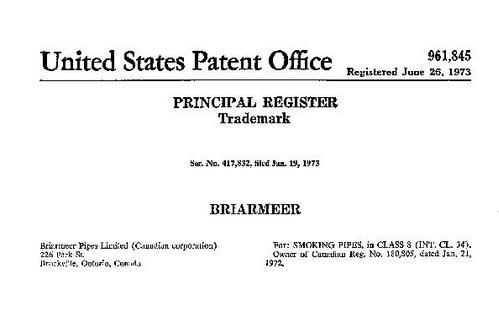
This would require some research to see what I could find out. I went online and searched for any information that I could find regarding the brand. I wrote to the trademark attorney who was listed as the representative of the brand and received a very cryptic answer that was not helpful at all. I did learn however that Briarmeer pipes were made by Briarmeer Pipes Limited, 226 Park Street, Brockville, Ontario. The business was no longer present at that address and did not show up in any Brockville Business Directories available online or through the Yellow Pages .I searched the Canadian, American and British patent sites hoping to find a patent registration for the pipe but was not able to find one. I found a trademark registration document from the US patent office that showed that the brand or trademark was registered in the US in 1973. The document pictured below gives that information as well as the Canadian Registration Number 180,805 and that it was registered in Canada on January 21, 1972.
Briarmeer US Trademark patent

Using these registration numbers I searched both the Canadian and US patent records but could find no patent information available. From the public records it appears that the Briarmeer Company went out of business sometime in the late1980’s or early 1990’s and the name became public domain.

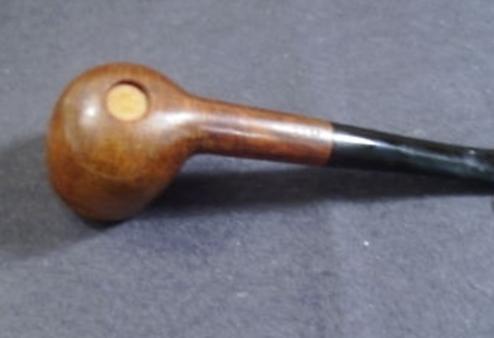
I was able to find out through further digging that the pipe is a variation on what Kaywoodiedid with its famous Carburetor.Kaywoodie had drilled a hole in the bottom of the bowl and inserted a metal airhole to introduce air into the bottom of the bowl to enhance burning of the tobacco. In the Briarmeer the drilled out area in the bottom of the bowl was significantly larger.It had been drilled out and a meerschaum disk inserted in the resultant hole. The draw hole was to be perfectly centered at the bottom of the bowl. From what I could find out the idea of using the meerschaum insert came to a Canadian engineer about 30+ years ago. He reasoned that the meerschaum bottom of the bowl would allow for a drier and cooler smoke while the briar would be sturdier than the meerschaum for the walls of the bowl.Now I knew what the inset on the bottom of the bowl was and where the Meer portion of the Briarmeer name came from.

I decided to see if I could hunt down some photos of the pipe. I had not noticed them before and did not figure I would find many available. I was wrong. I found quite a few clear photos online that showed the novel meerschaum insert with clarity. In all of the photos it was clear that the insert sits inset into the bottom of the bowl and there is a variance in the external bowl bottom and the depth of the inset meerschaum disk. I have included four of the photos I found to show the insert in the exterior bowl bottom. Some of the photos show a new and unsmoked pipe and other show an estate pipe. All have the pipes show the same variation in the depth of the bottom of the bowl and the depth of the meerschaum disk.
Briarmeer6

Briarmeer8

Briarmeer3

Briarmeer pipe bottom

I also learned that the American Company, Briarcraft who made the Smokemaster pipe also made a pipe with called the Briarmeer Acadian. The Briarcraft version of the pipe was a meerschaum lined pipe and was stamped with the Briarcraft logo, a B in a diamond on the shank and on the stem.However, the pipe I was gifted was not a meerschaum lined briar and it did not have the B stamp on either the shank or the stem. The stem appears to be original and the stamping on the shank clearly says that the pipe is Canadian made.

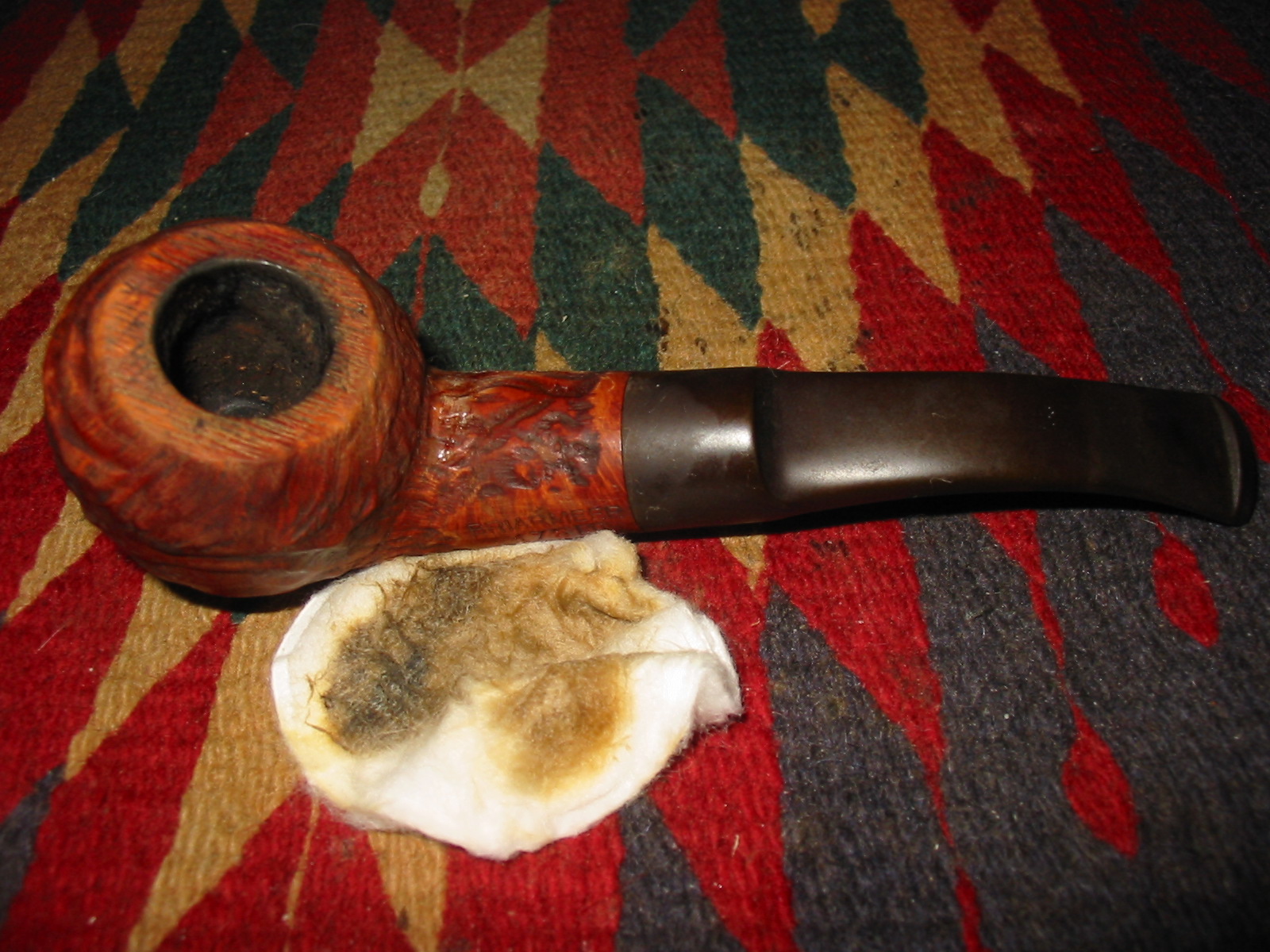
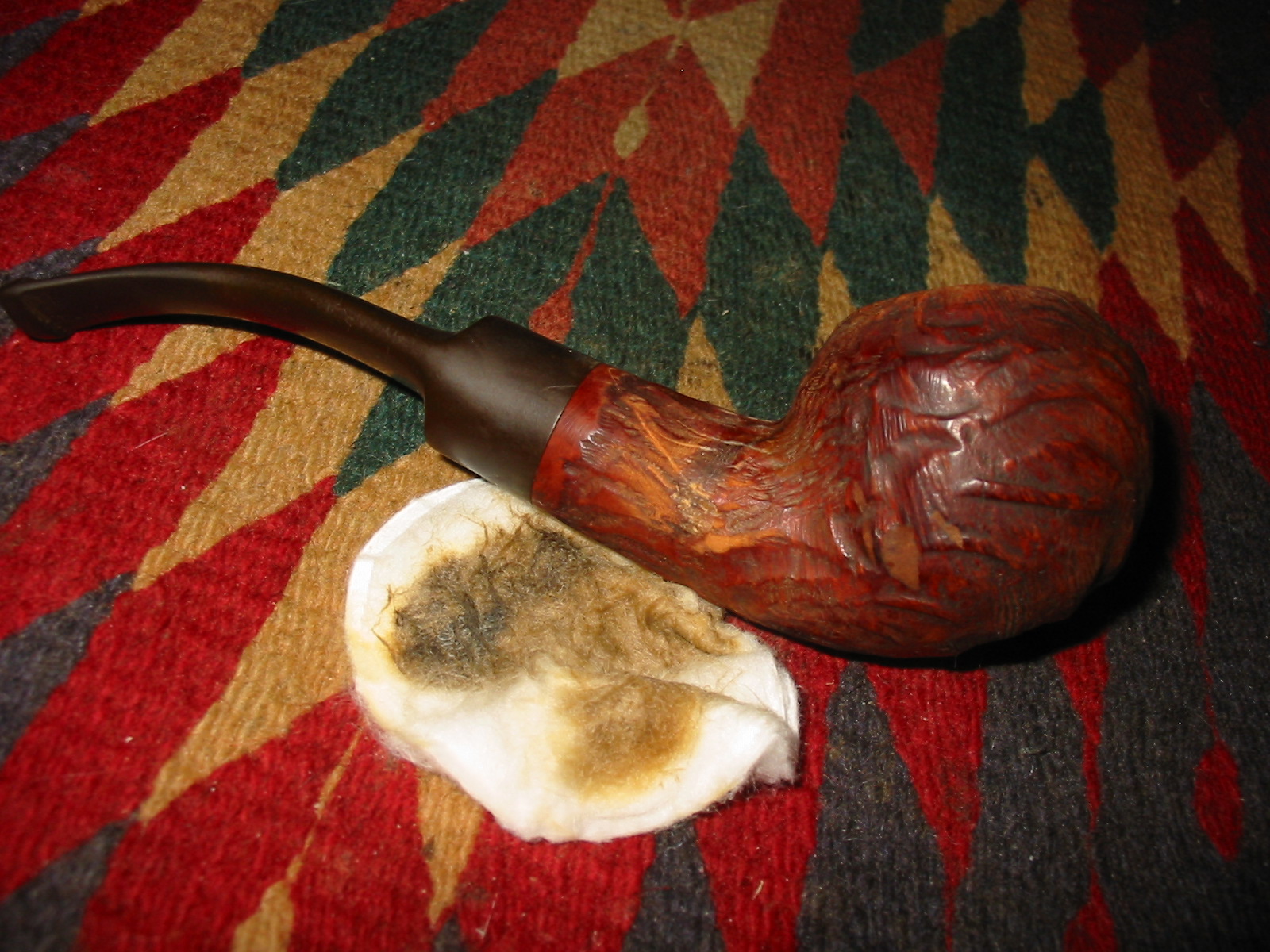
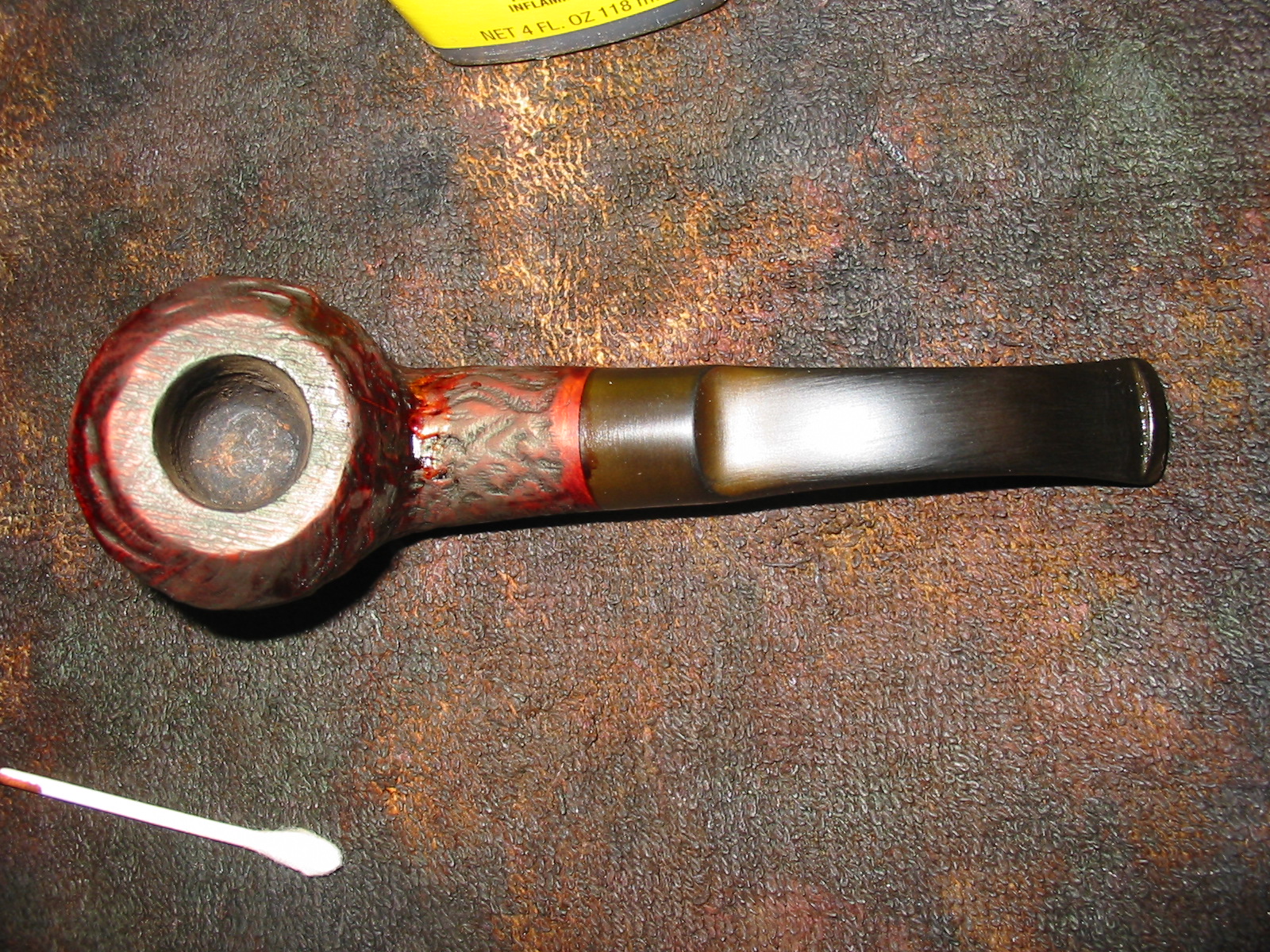
The pipe from Andrew arrived and it was indeed one of my favourite shapes. The finish was a little dirty and the rim had some carbon build up. The stem was oxidized and had some tooth marks on the underside of the stem near the button. There was also a darkened spot like a burn mark on the underside of the shank near the insert. There were several fills in the grooves of the rustication but I was fairly certain that when I restained the pipe they would be hidden. The meerschaum insert looked to be in very good shape from the outside of the bowl. Inside was caked with a fair amount of carbon and the insert was not visible looking into the bowl.
IMG_5192

IMG_5193

IMG_5194

IMG_5195
Upon closer examination it was evident that there was a crack in the shank on the right side that ran at an angle from mid-shank toward the back of the bowl shank union. The crack did not start on the bottom of the shank but rather started midway up on the right side of the shank and ended near the top middle of the shank. It was very clear under a lens that it was present. The next two photos, though slightly out of focus show the crack. It runs across the rustication pattern mid-shank.
IMG_5196

IMG_5197

I cleaned out the crack with a dental pick to remove the buildup of grime that filled it. The grime was evident through the lens. Once I had it clean when I viewed it through the lens I used superglue to repair the crack. Fortunately the crack did not go all the way into the airway. I checked the inside of the airway with a penlight and it was smooth and flawless. The repair externally would remove the visible damage.
IMG_5218

IMG_5219

I left the superglue to cure overnight and in the morning used the dental pick to clean out the grooves of the rustication and sanded the smooth portions of the briar surface with 220 grit sandpaper and then medium and fine grit sanding sponges. The photo below shows the repair after sanding and shaping.
IMG_5227

I wiped the surface of the bowl down with acetone on cotton pads to remove the damaged finish and enable me to blend in the patch when I restained the pipe. I scrubbed the rusticated rim of the bowl with the pads as well and was able to remove the carbon build up.
IMG_5228

IMG_5229

IMG_5230

I sanded the darkened area (burn?) on the bottom of the bowl to lighten it in preparation for staining. I wiped that area down with acetone on cotton pads afterward.
IMG_5231

I sanded the stem with 220 grit sandpaper and a medium and fine grit sanding sponge to remove the oxidation. I sanded the tooth marks on the underside of the stem near the button and was able to remove them.
IMG_5233

IMG_5234

IMG_5235

IMG_5236

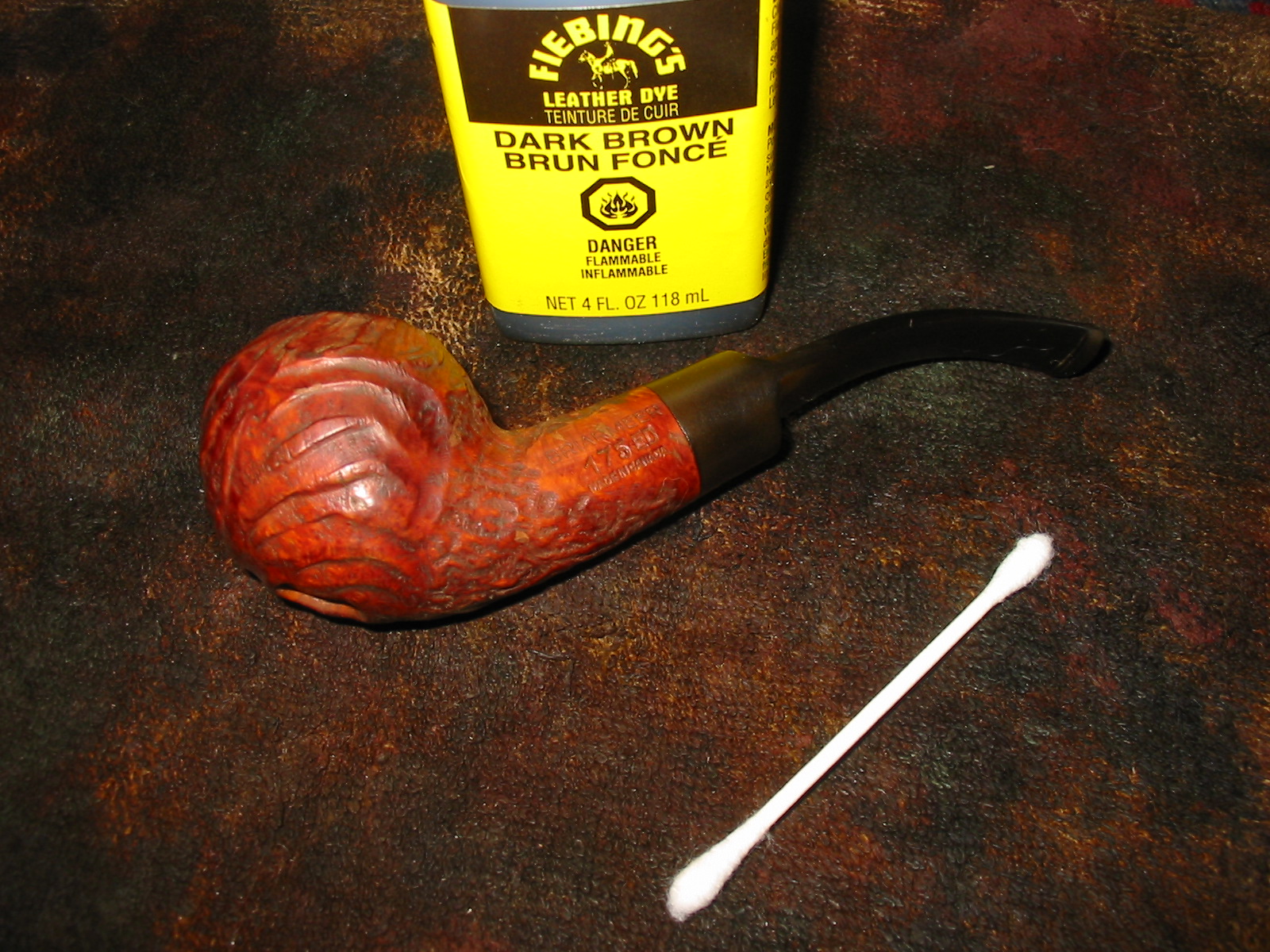
I wiped the bowl down a final time with acetone, being careful not to scrub the insert with it. Once it was cleaned off I stained it with a dark brown aniline stain applied with a cotton swab. I avoided the meerschaum insert as I did not want to have the stain penetrate the meerschaum. I flamed the stain and reapplied it. I flamed it again and reapplied it again. After the final flaming of the bowl I set it aside to dry.
IMG_5238

IMG_5239

IMG_5240

IMG_5241

IMG_5243

When the stain had dried I buffed it with White Diamond on the buffer to even out the stain and give it a shine. I also applied a coat of Halcyon II wax to the rusticated surface and hand buffed the bowl with a shoe brush. The next four photos show the bowl after the buffing and waxing.
IMG_5244

IMG_5245

IMG_5246

IMG_5247

I worked on the stem with my usual group of micromesh sanding pads – wet sanding with 1500-2400 grit pads. I then buffed the stem with red Tripoli and White Diamond before going back to the work table and dry sanding with 3200-12,000 grit micromesh pads. I rubbed the stem down with Obsidian Oil and let it soak into the vulcanite.
IMG_5248

IMG_5249

IMG_5250

I buffed the finished pipe with White Diamond and then gave it multiple coats of carnauba wax. The finished pipe is shown in the photos below. The meerschaum disk inset into the bottom of the bowl is an interesting touch. I look forward to loading up a bowl and giving it a test run very soon. At the very least this is a great piece of tobacciana that still leaves a bit of mystery unsolved.
IMG_5251

IMG_5252

IMG_5253

IMG_5254

House of Bewlay Pipes & Tobacco Leaflets


Blog by Jacek A. Rochacki

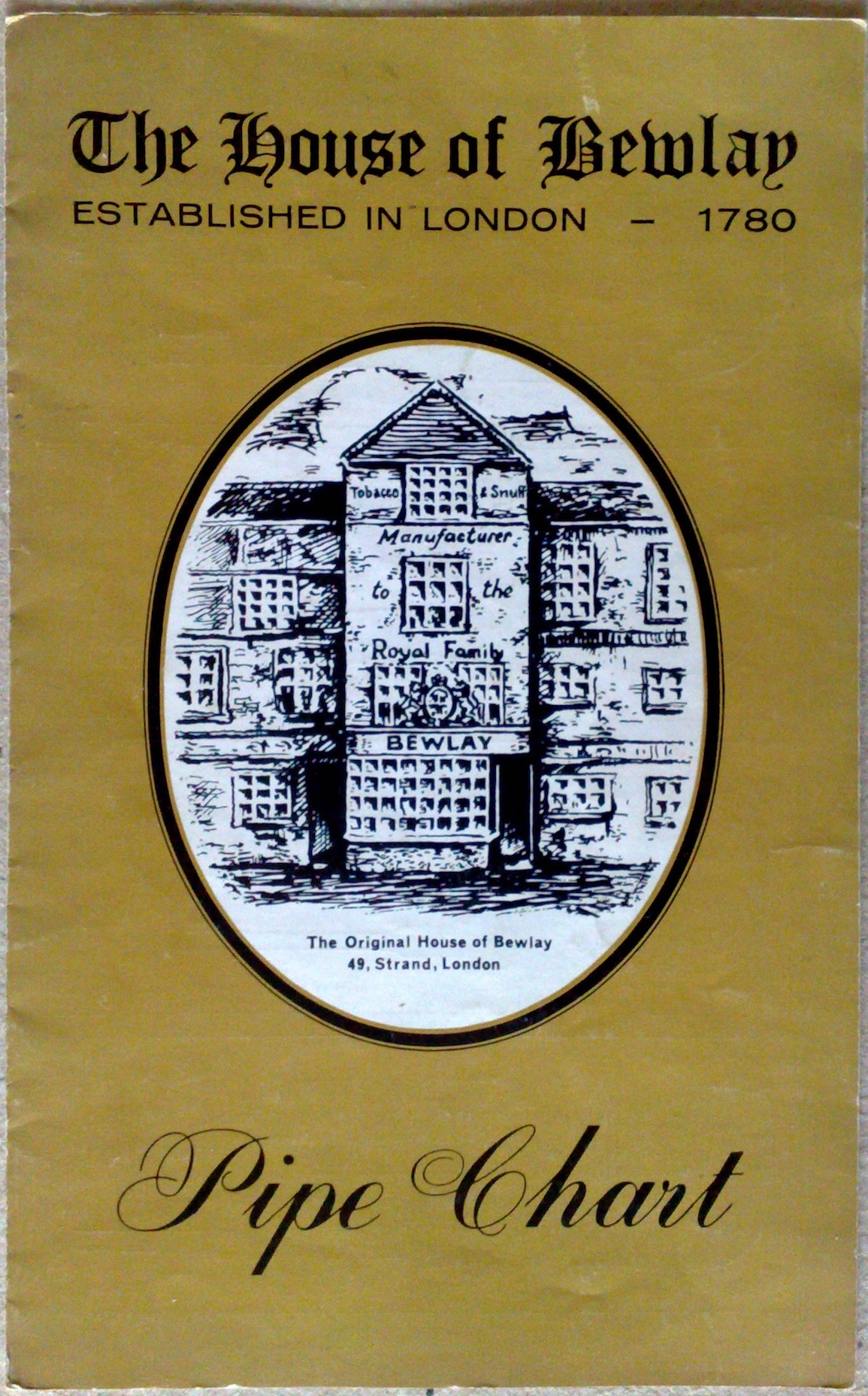
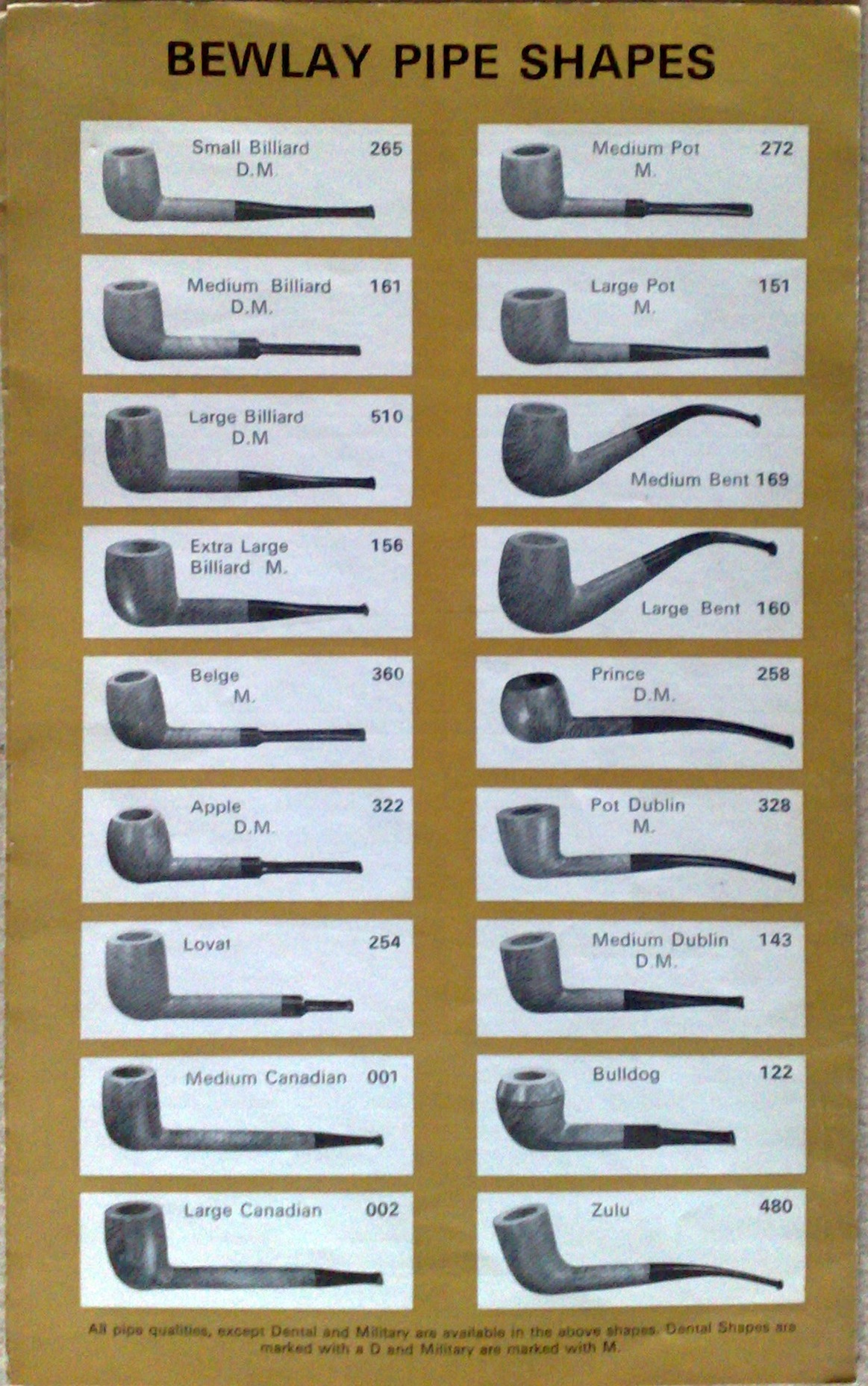
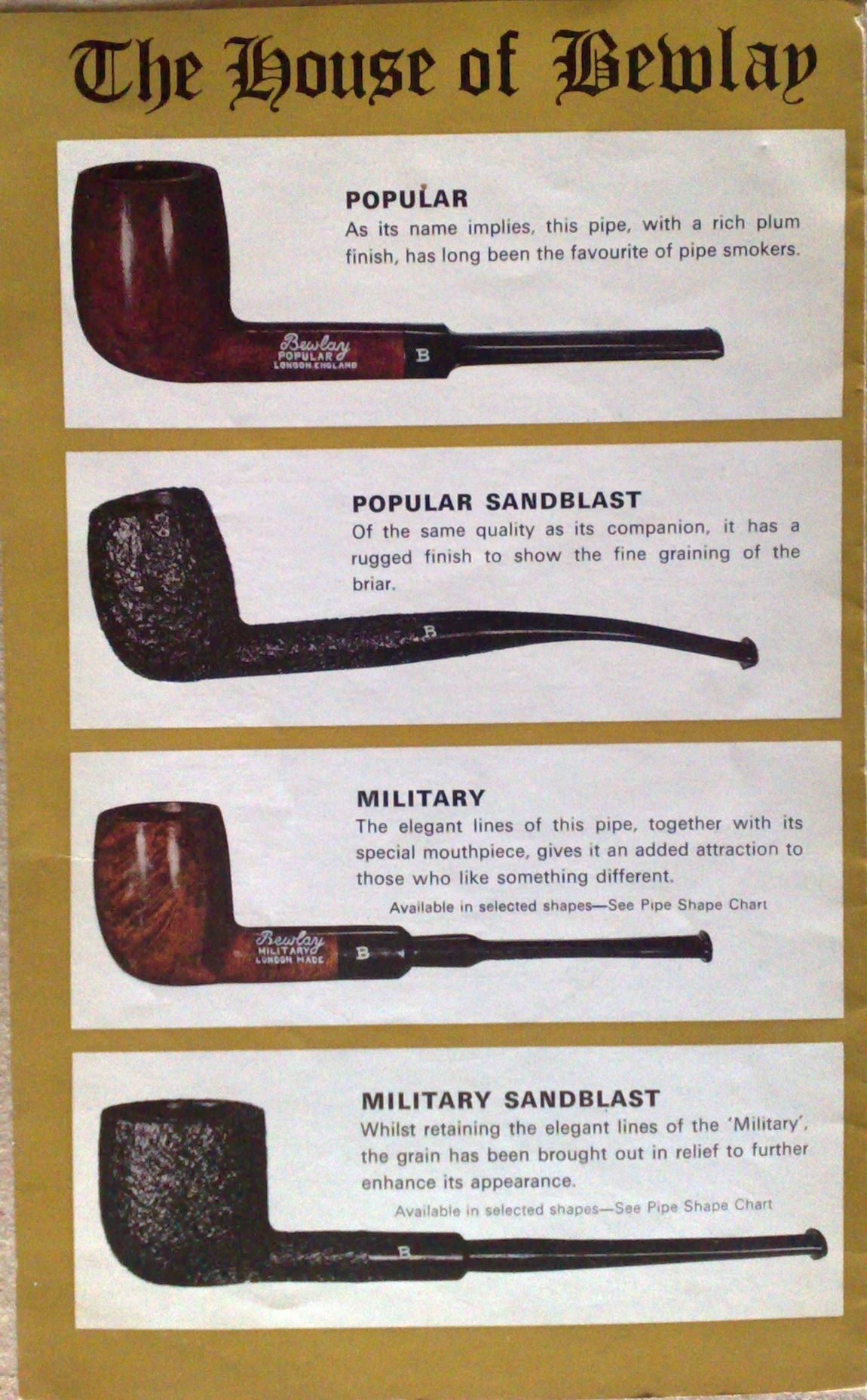
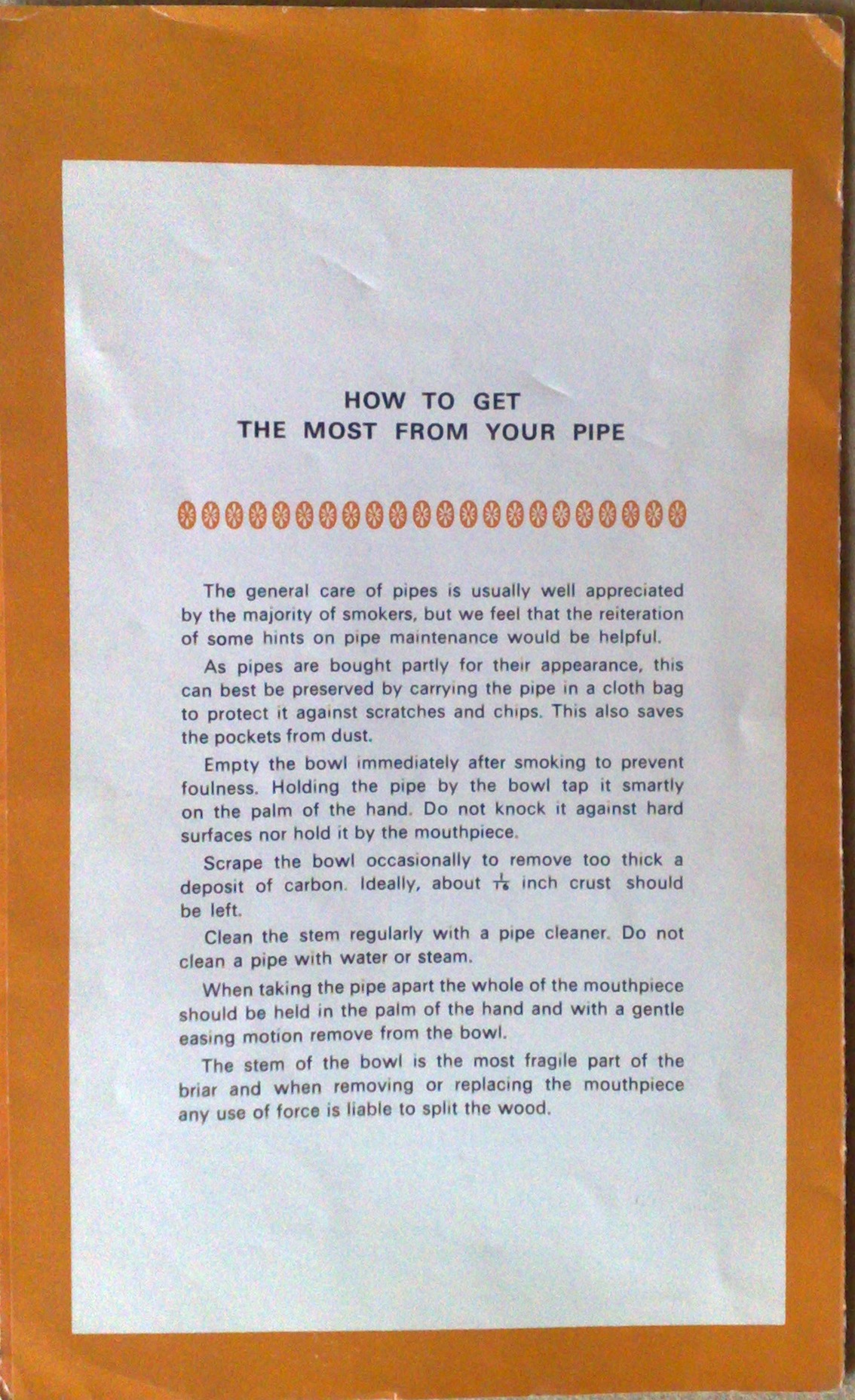
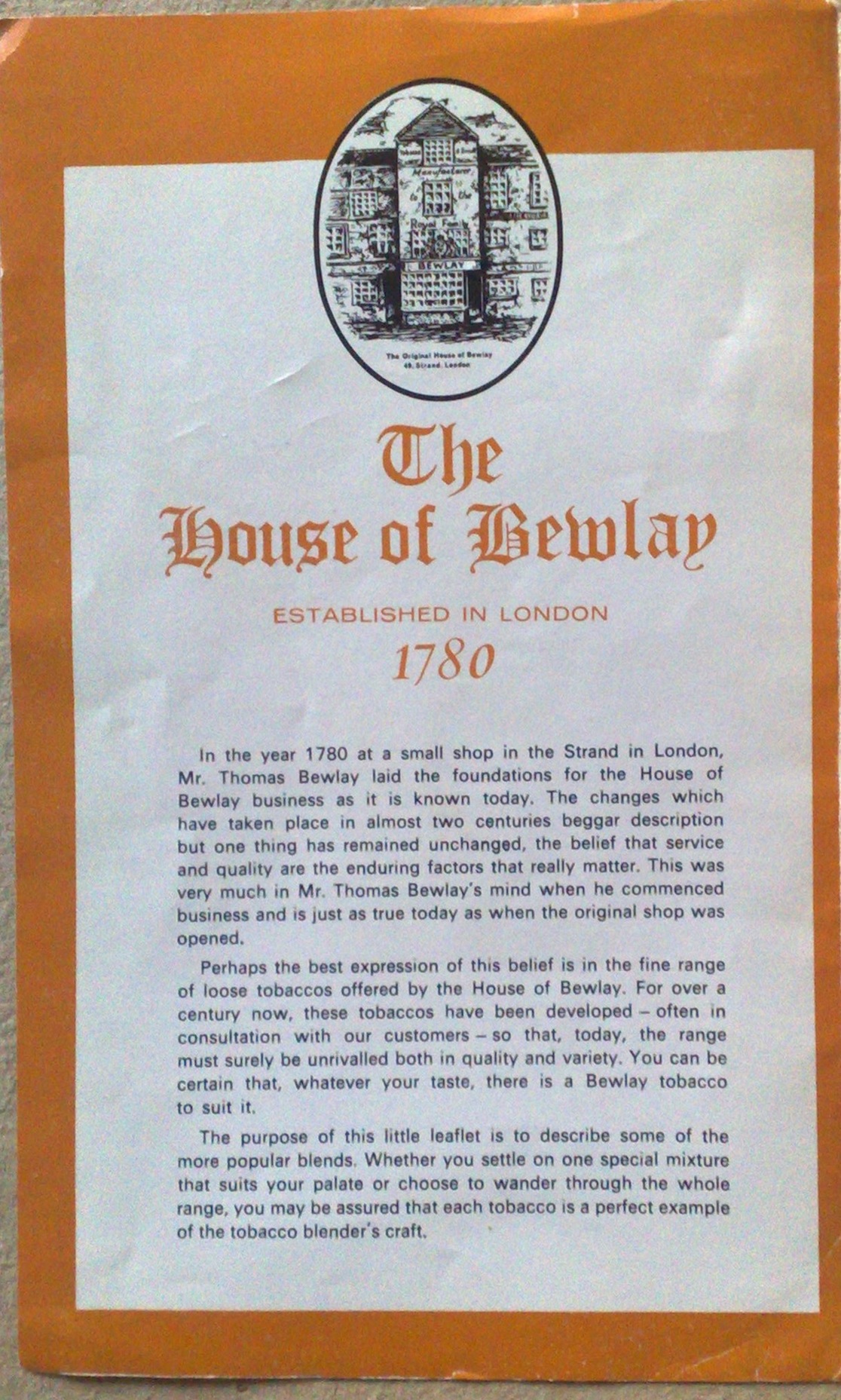
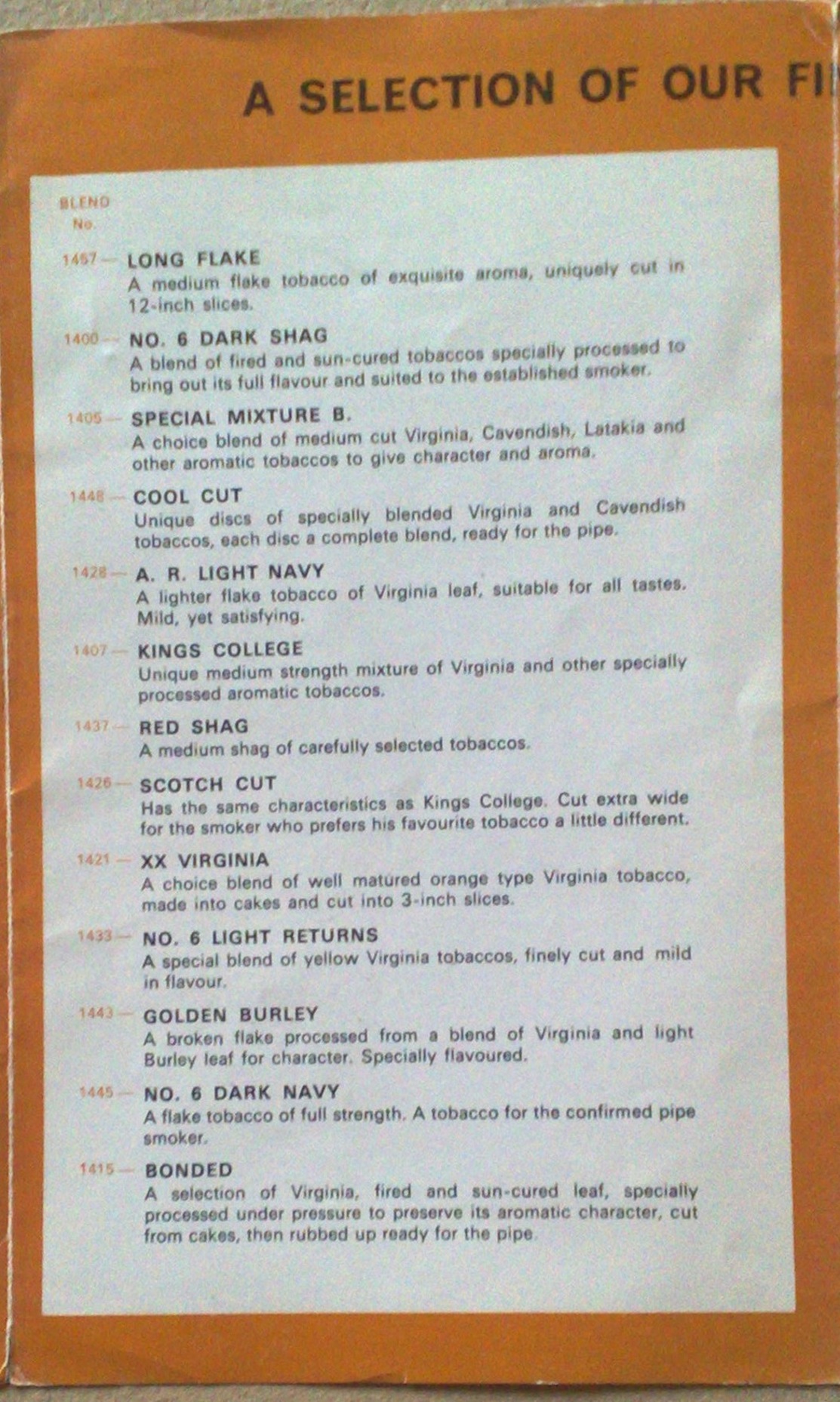
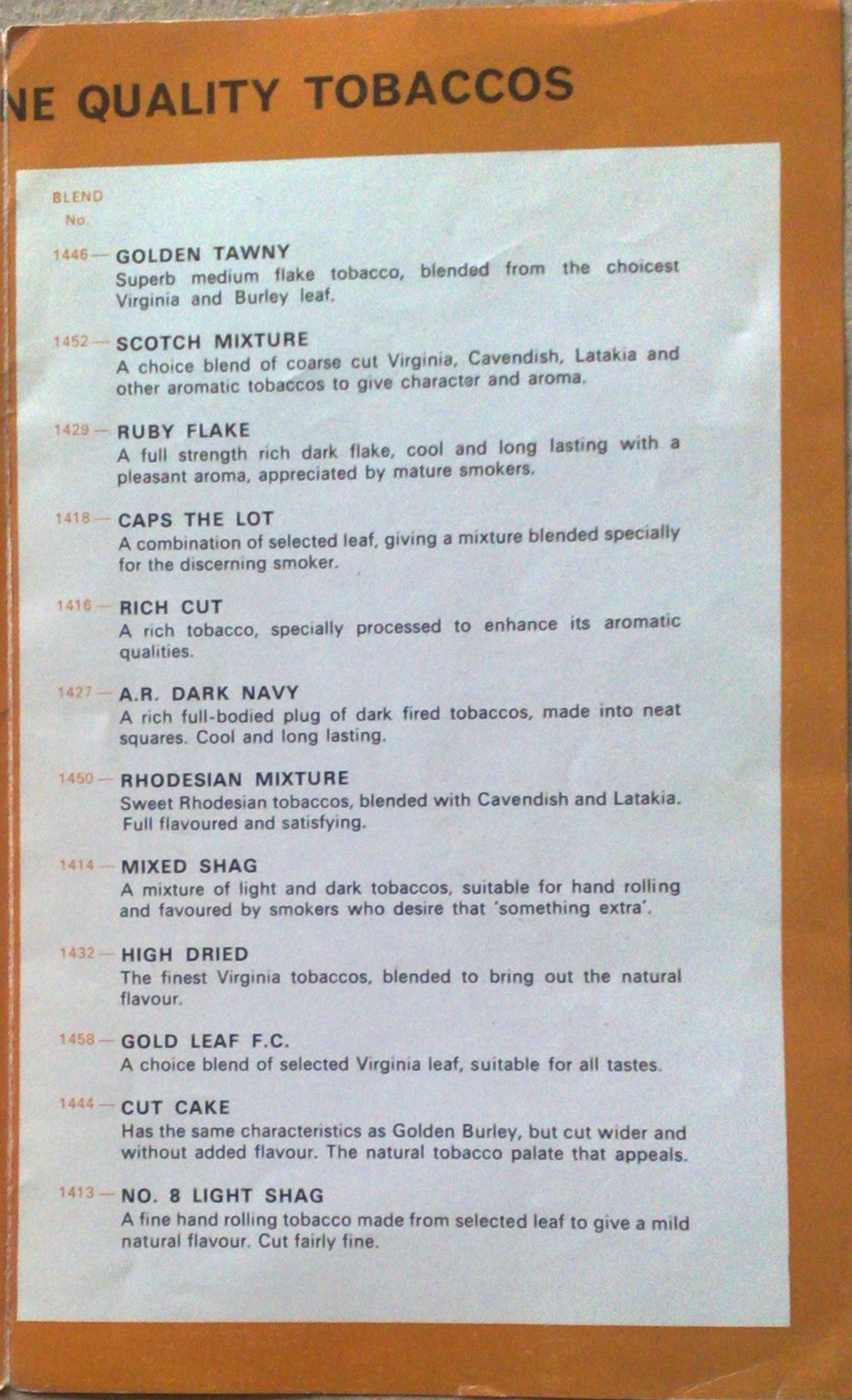
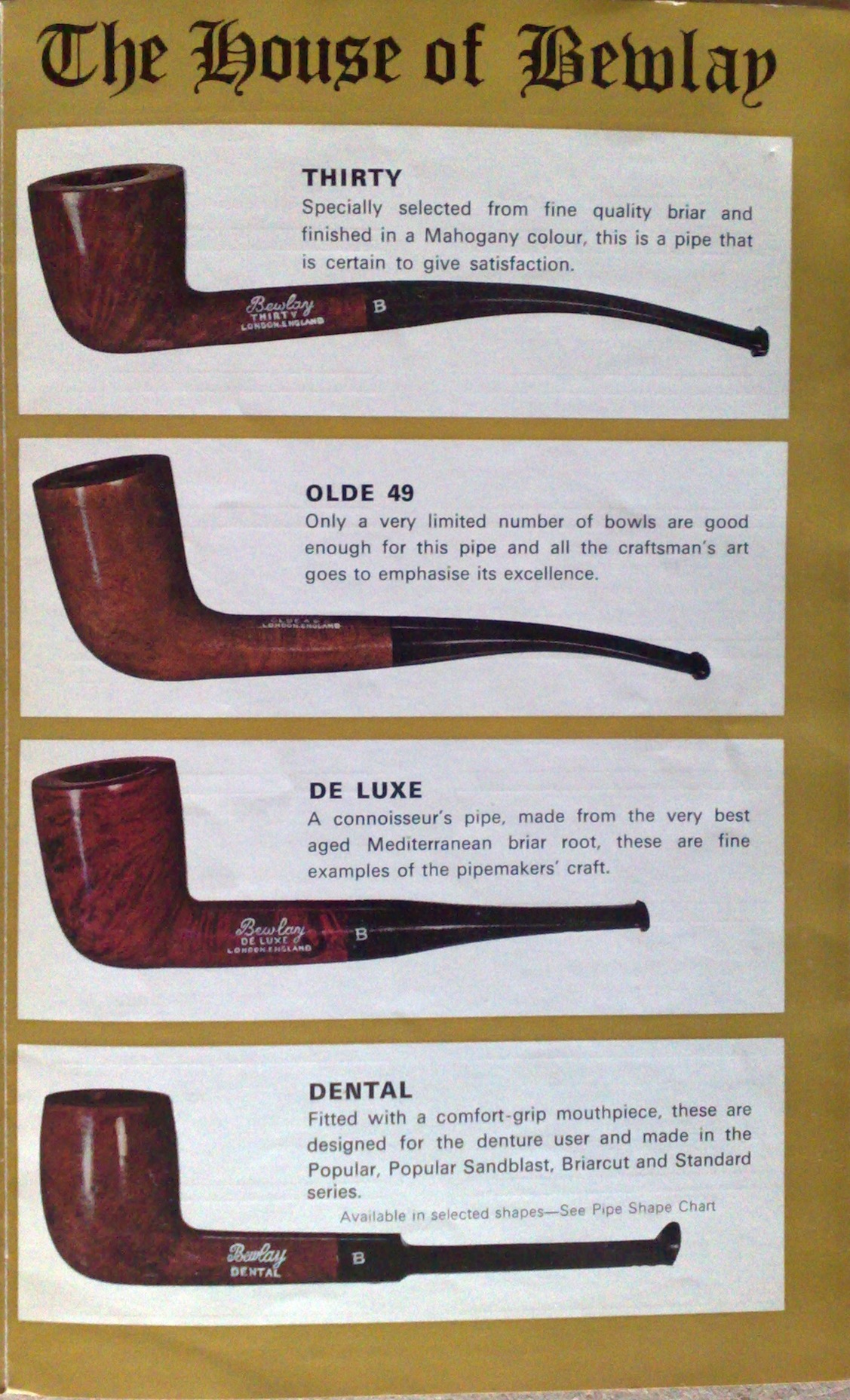
Jacek A. Rochacki, who has written several helpful pieces for the blog, emailed me with the attached photos of two older leaflets from the House of Bewlay. The first one presents their pipes and the second one their tobaccos. I am including the information here that Jacek sent in his email.

Let me turn our attention to the House of Bewlay.

Pipedia does not say much http://www.pipedia.org/wiki/Bewlay
“Bewlay House was a chain of English pipe stores whose pipes were made by Barling, Charatan, and Loewe, so the English considered the Bewlay pipes a quality pipe in its own right. The English brand of Bewlay & Co. Ltd. (formerly Salmon & Gluckstein Ltd.), was in business from the early 20th century until the 1950’s. The brand ended up being sold and taken over by Imperial Tobacco Co. The shop chain closed in the 1980’s but there seems to be one shop still in business on Carr Lane in the city of Hull.”

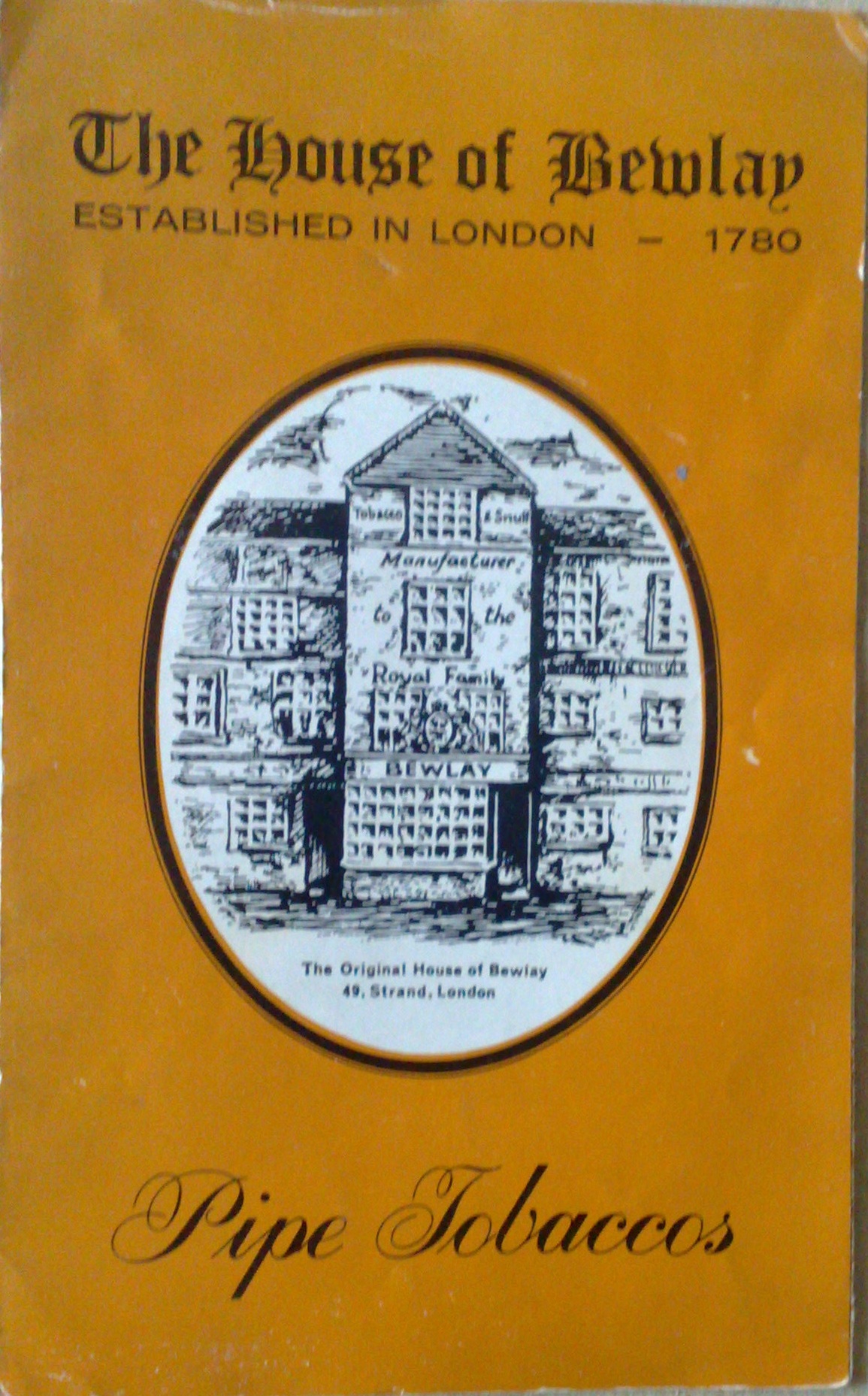
In 1969 I acquired in Copenhagen two Bewlay leaflets. The one on the Bewlay pipes dates establishing of the House of Bewlay in London to the year 1780. The other leaflet, also bearing date of establishing – 1780 – presents Bewlay’s offer of pipe tobaccos, and short history of the House of Bewlay.
There is not much on Bewlay in famous pipe markings repository “pipephil” http://www.pipephil.eu/logos/en/logo-b4.html#bewlay

And I cannot find any information in Pipepages. In December 2011 I contacted Chris Keene, and he answered me as follows:
“…Unfortunately, I am not currently adding any new images. It’s been almost a year since I’ve added anything as my last computer crashed, along with my web-building software. Between the necessity to acquire new software and new demands in my work, I find that I need to let the site sit “as is” for the indefinite future…”

Considering above I taken the liberty of attach pictures/photos of these two Bewlay leaflets and emailing them to you. As they are “heavy”, I attach the pictures of leaflet with pipes here, the tobacco leaflet I’ll send by next email. I do this under inspiration by what you have done already publishing unknown materials, completing in a way the Chris Keene’s pages.

Thank you Jacek for sending this information to me. I am always on the hunt for pipe and tobacco leaflets, brochures and books that help give historical data to a hobby that I have come to love. Whenever I find them I photograph them and post them here on rebornpipes. Your contribution will join the others here on the blog. The first leaflet is below – Bewlay’s Pipe Chart.

Bewlay Pipe Chart 1

Bewlay Pipe Chart 2

Bewlay Pipe Chart 3

Bewlay Pipe Chart 4

Bewlay Pipe Chart 5

Bewlay Pipe Chart 6

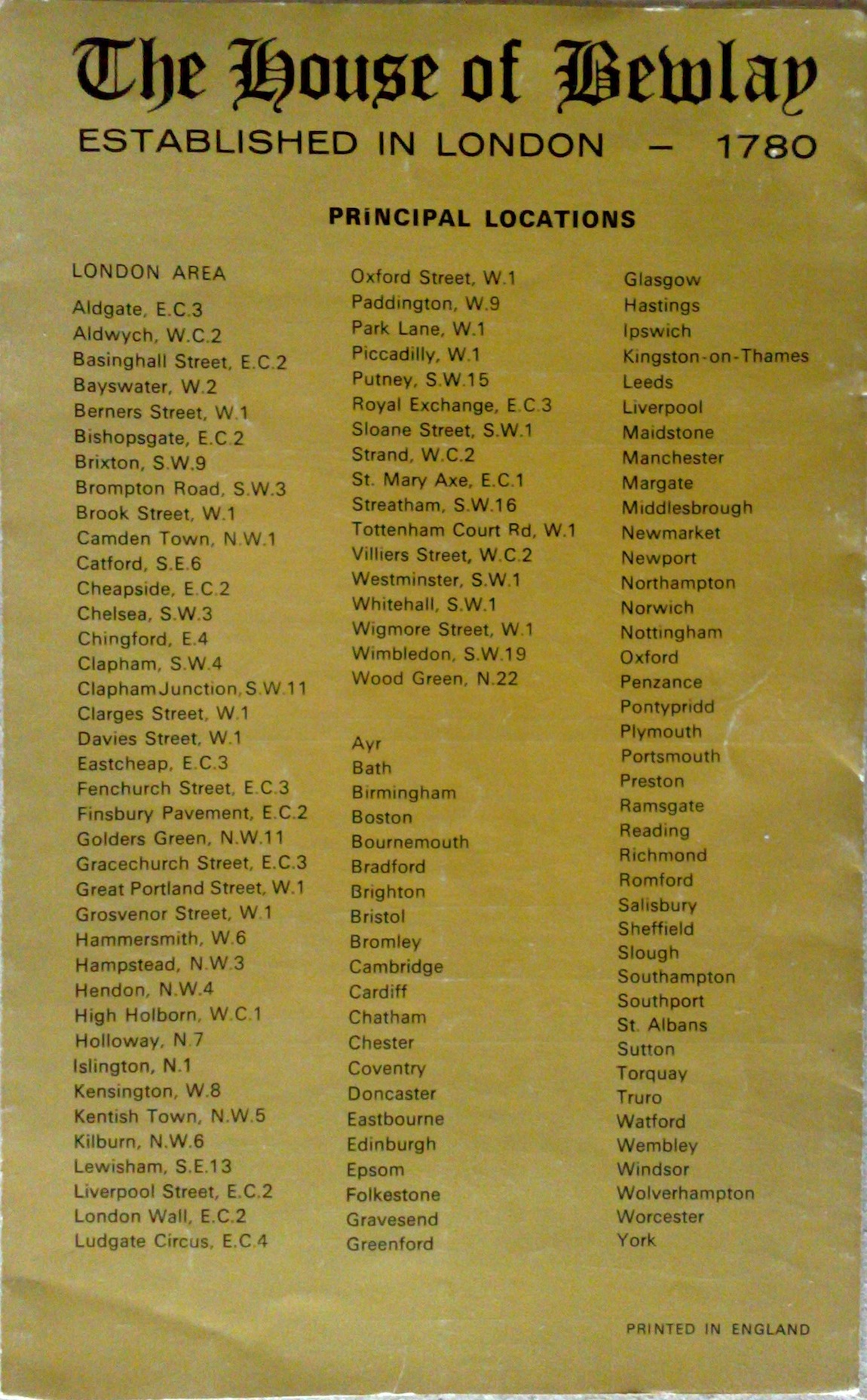
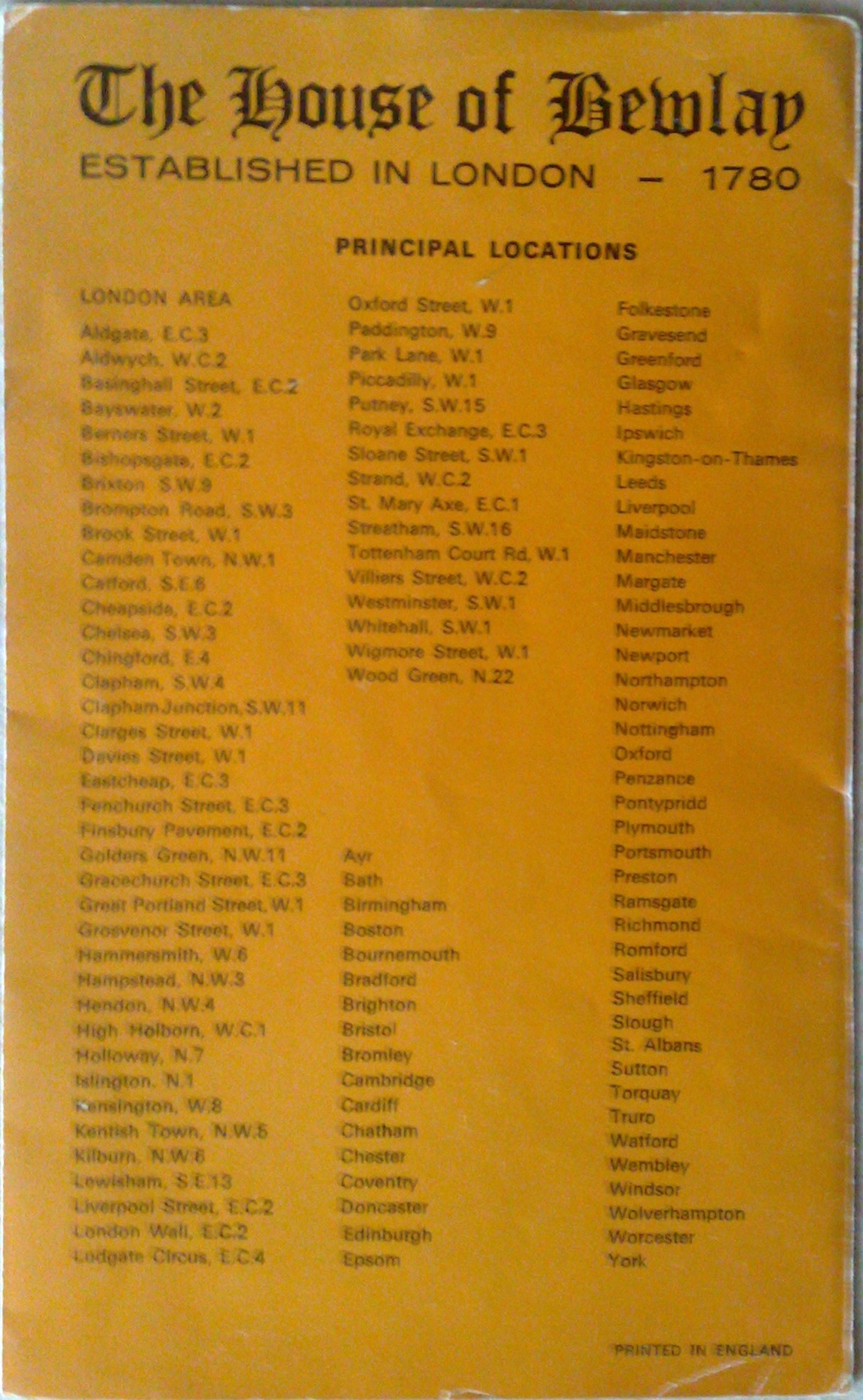
The leaflet below entitled Bewlay Pipe Tobaccos gives a list of the locations of the shops and also includes a brief history of the House of Bewlay.

Tobaccos Bewlay 1

Tobaccos Bewlay 2

Tobaccos Bewlay 3

Tobaccos Bewlay 4

Tobaccos Bewlay 5

Tobaccos Bewlay 6

An Old Kaufman Brothers & Bondy CPF Catalogue


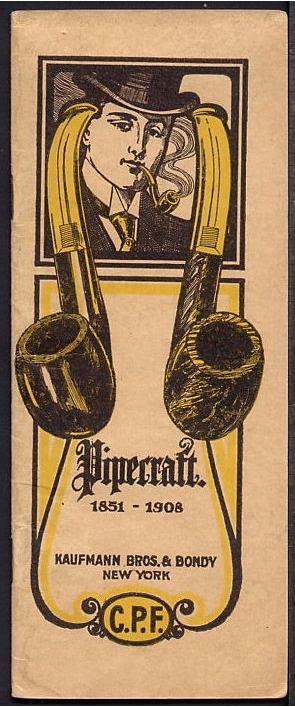
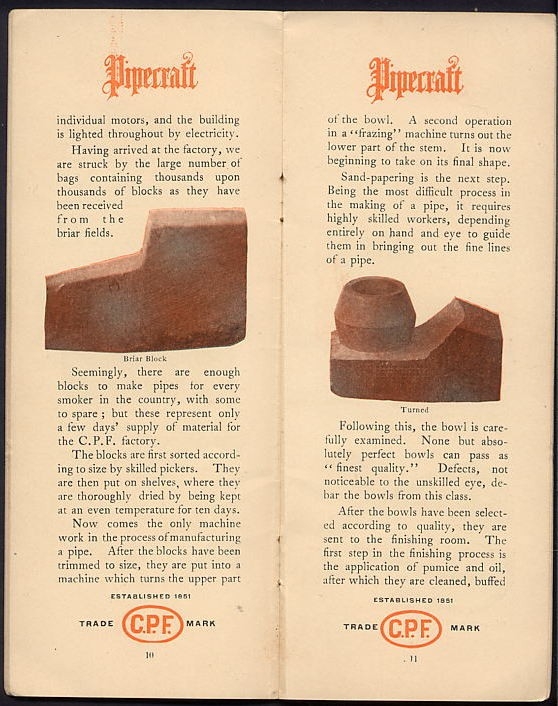
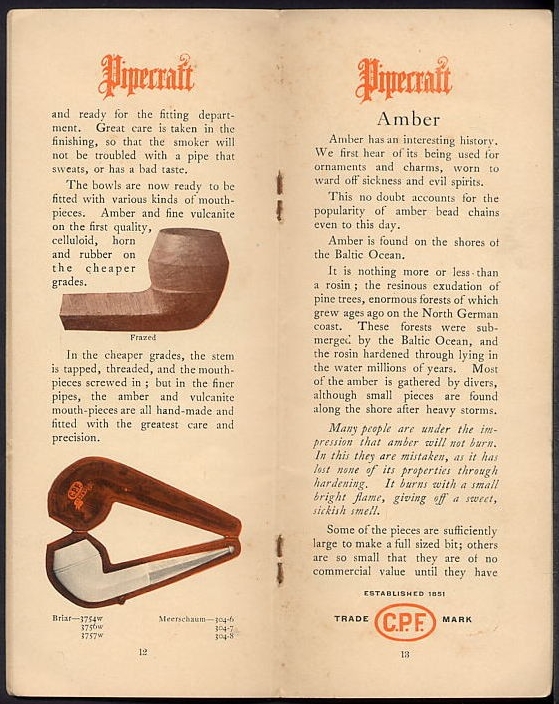
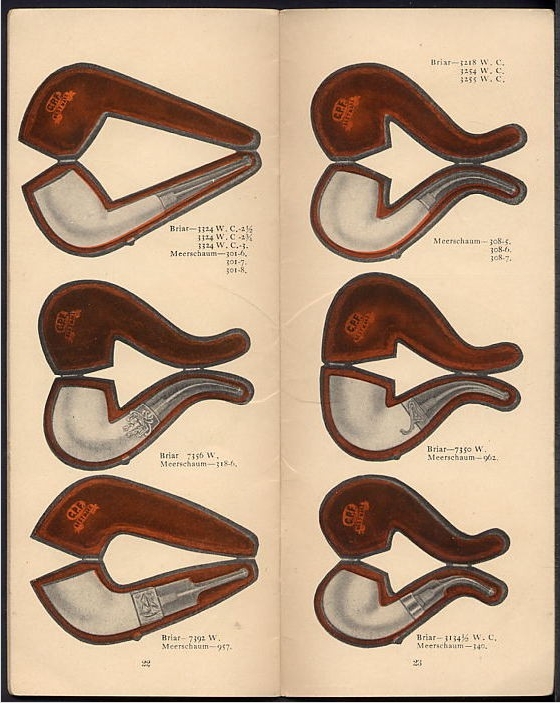
I am not sure where I came across this old Kaufmann-CPF (Colossus Pipe Factory) Catalogue but it is a great old piece of pipe history. It links the CPF brand to Kaufmann Brothers and Bondy, perhaps better recognized by the stamping on their pipes: KB&B. In an earlier piece on the blog I wrote that I had learned through my online research that by the mid 1890’s CPF was owned by Kaufman Brother & Bondy (KB&B). This catalogue further confirms the connection and adds information to the history and background of one of my favourite old brands. I love the old photos of the CPF pipes as many of them reflect shapes of some of the pipes in my own collection. The ornate bling that is added to the pipes not only dates them to an era that is far more refined than our own in many ways but also gives the CPF pipes a distinctive and recognizable look. The photos also provide a great hunt list for me as I am on the lookout for various CPF pipes.
Kaufmann CPF Catalogue

Kaufmann CPF Catalogue2

Kaufmann CPF Catalogue3

Kaufmann CPF Catalogue4

Kaufmann CPF Catalogue5

Kaufmann CPF Catalogue6

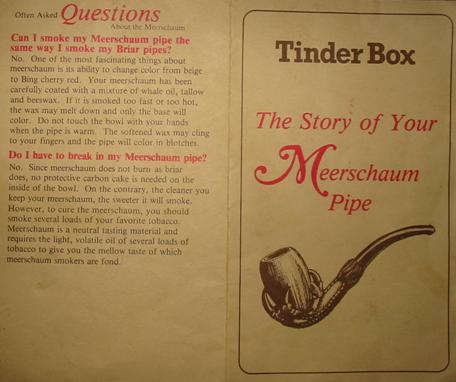
Tinderbox Meerschaum Booklet from 1984


Blog by Steve Laug

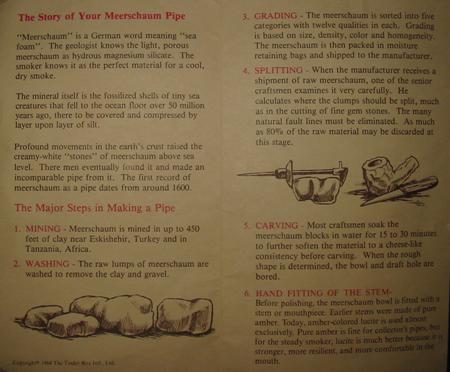
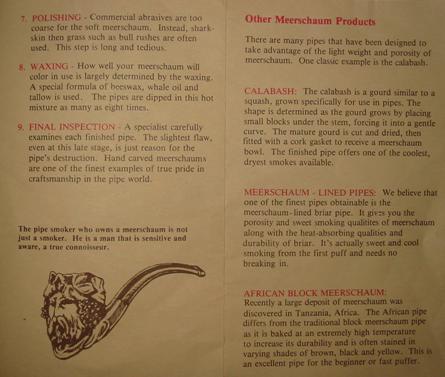
Years ago when I bought a meerschaum pipe from Tinderbox near Escondido, California I was given the following pamphlet to accompany the pipe. It is an interesting little piece of tobacciana. It covers such topics as:
The Story of your meerschaum pipe
The major steps in making a pipe
Other meerschaum products
Often asked questions about the Meerschaum
Points to remember
What types of tobacco are best for coloring a meerschaum?
How long will it take for my meerschaum to color?
Should I cover my meerschaum pipe with chamois to protect it?

I have photographed the pamphlet and included it below. I hope that you will enjoy reading it. I bought the pipe in the mid 80’s. There is a copyright on the bottom of one of the pages that dates it to 1984. I have no idea if Tinderbox still offers these documents to pipe purchases but this one is a delightful read.
meer1

Meer2

Meer3

meer4

Remembering My Trip to Frederick Tranter’s in Bath, England in 2002


Blog by Steve Laug

Back in 2002 my wife and I celebrated our 25th Wedding Anniversary and were gifted a trip to the United Kingdom. We traveled from Gatwick to Cambridge, York, up into Edinburgh, Oxford, Bath and then London. In each spot we stopped along the way to visit tobacco shops. I was pretty sure that many would disappear over the years and I was not sure when we would get back for another visit. One of my favourite shops was the Frederick Tranter shop in Bath. It was not a big shop but it was packed with pipes and tobacco. It smelled and looked like a proper tobacco shop.
564071_417394151716898_760009322_n

1375142_417394175050229_1208668151_n

1378086_417394141716899_1575275755_n
I decided that I would buy a new pipe from the shop to commemorate our anniversary and the trip. I picked out a little bulldog with a coral like rustication. It is stamped Fredk Tranter over Pipe Shop Bath over Centurion and also shape #28. I purchased some Cigarummer from the shop to smoke while I was there. It is a nice blend of Cavendish, Dark Virginia spiced with Cigar leaf and laced with Jamaica Rum. I went outdoors and sat down and smoked a bowl of the tobacco in my new pipe. That was the beginning of a new relationship with this pipe. I smoked the rest of the Cigarummer throughout the trip and when I returned home. The pipe delivered a good smoke that was made better with the memory of having picked it out personally from the shop.
IMG_5179

The interesting thing that I found when I bought the pipe was that it came with a printed guarantee that was folded and placed in the envelope that is pictured above. I have photographed that guarantee and included it below. The front side of the sheet contains a list of the various fine Tobaccos blended and sold exclusively by Frederick Tranter shops in Bath, Oxford and Cambridge.
IMG_5187

On the other side of the sheet are a few notes “…intended to assist you to obtain the maximum pleasure and long service from your new pipe and are drawn from the personal pipe smoking experience and accumulated trade knowledge of successive generations of Guild Tradesmen.” With those words the page goes on to describe how to Break in a new pipe, Special care for block meerschaum and meerschaum lined pipes, Common Faults in Smoking and finally the Conditions of Guarantee.

The Common Faults listed are unique to this document as I have not seen them listed in this way elsewhere. They are as follows:
Burning
Cracking
Cleaning

I love the words of the Guarantee so I quote them here:

“Smokers must bear in mind that briar root is wood, and of its very nature combustible and cannot be absolutely guaranteed against burning. Our guarantee covers the bowl only of pipes for ninety days against faulty materials or workmanship also against cracking or burning – always provided reasonable care has been taken. This guarantee covers only one replacement and does not cover bowls burst by over carbonizing, bowls worn thin by constant scraping, or pipes which split or snap at the junction of bowl and stem. Such breakages are usually due to accidental damage.

WARNING. The most vulnerable part of a pipe is the spigot (or ‘peg’) joining bowl and stem. Always take care when separating: never attempt to separate them while the pipe is hot, and never ‘knock’ a pipe out – be patient and enjoy it, it could save you a repair!

This guarantee is offered in addition to the Consumer’s Statutory Rights, which it in no way affects.”
The words of instruction are even present in the guarantee. The almost tongue in cheek choice of words is well done and quite clear as to the limitations of the guarantee. The page ends with the name of the pipe, who sold it and the date of the sale – in this case 5 May 2002.
IMG_5186

I continue to enjoy the pipe and it delivers a good smoke. It is well broken in and it is now dedicated to Virginia flakes. It is a good smoking flake pipe. I have not had to exercise the guarantee as the pipe is as good as new – only broken in and having a bit of tooth chatter. One day if I get back to Bath I will take the pipe with me and for old time sake pick up some more of the Cigarummer blend to run through it. If you are ever visiting in Bath why not stop by and visit the shop. Who knows, you might just find a pipe for the rack.