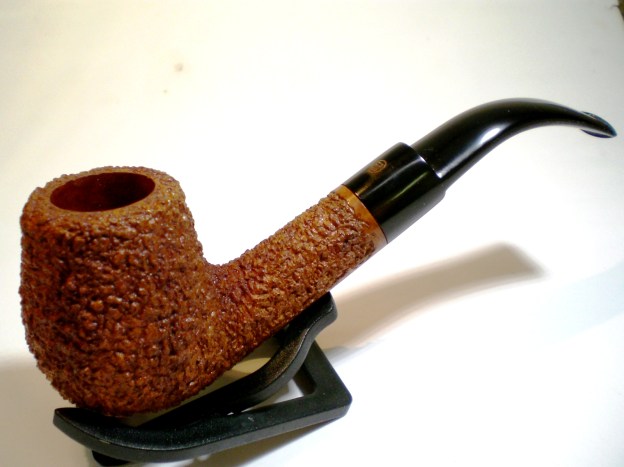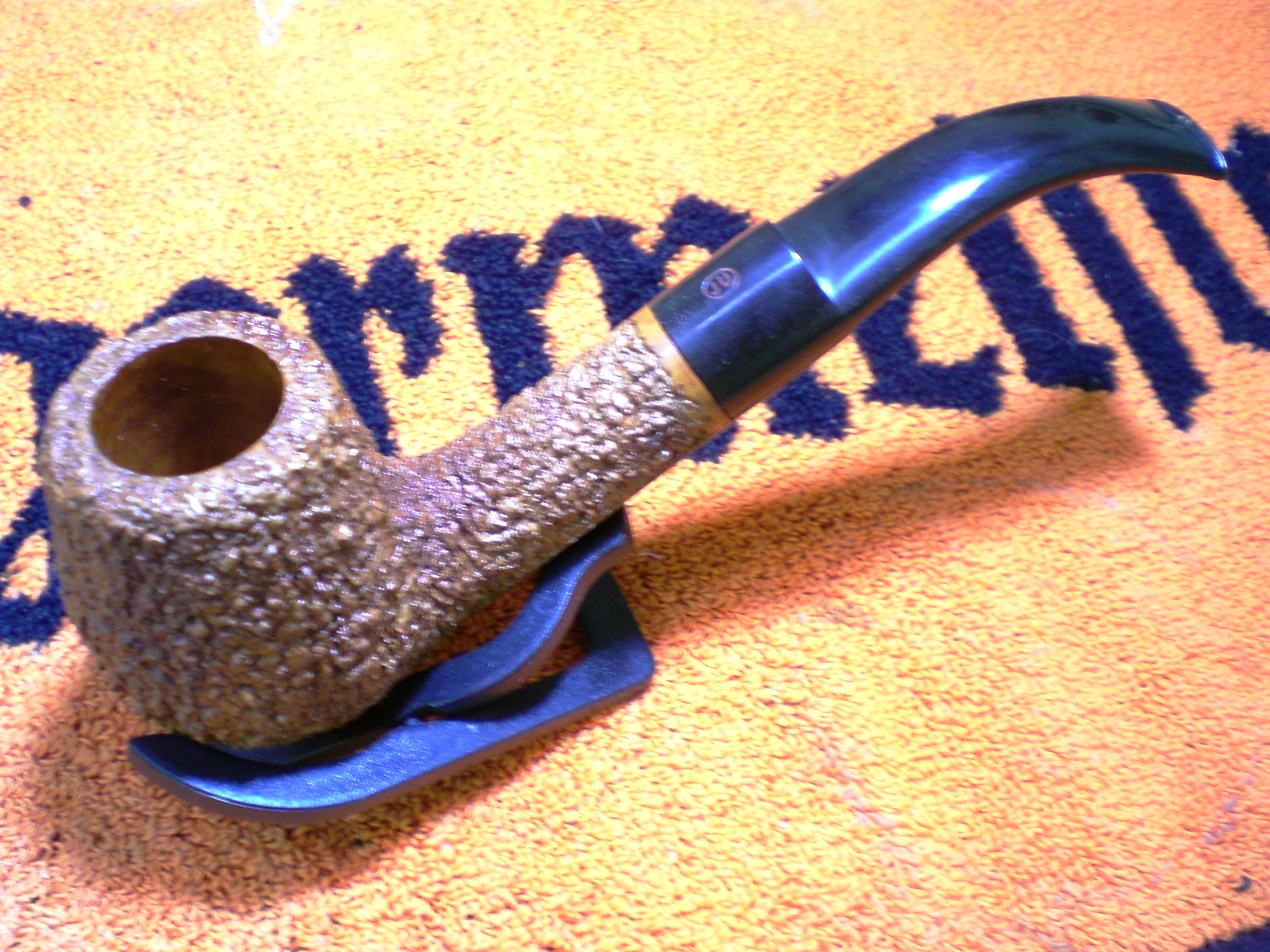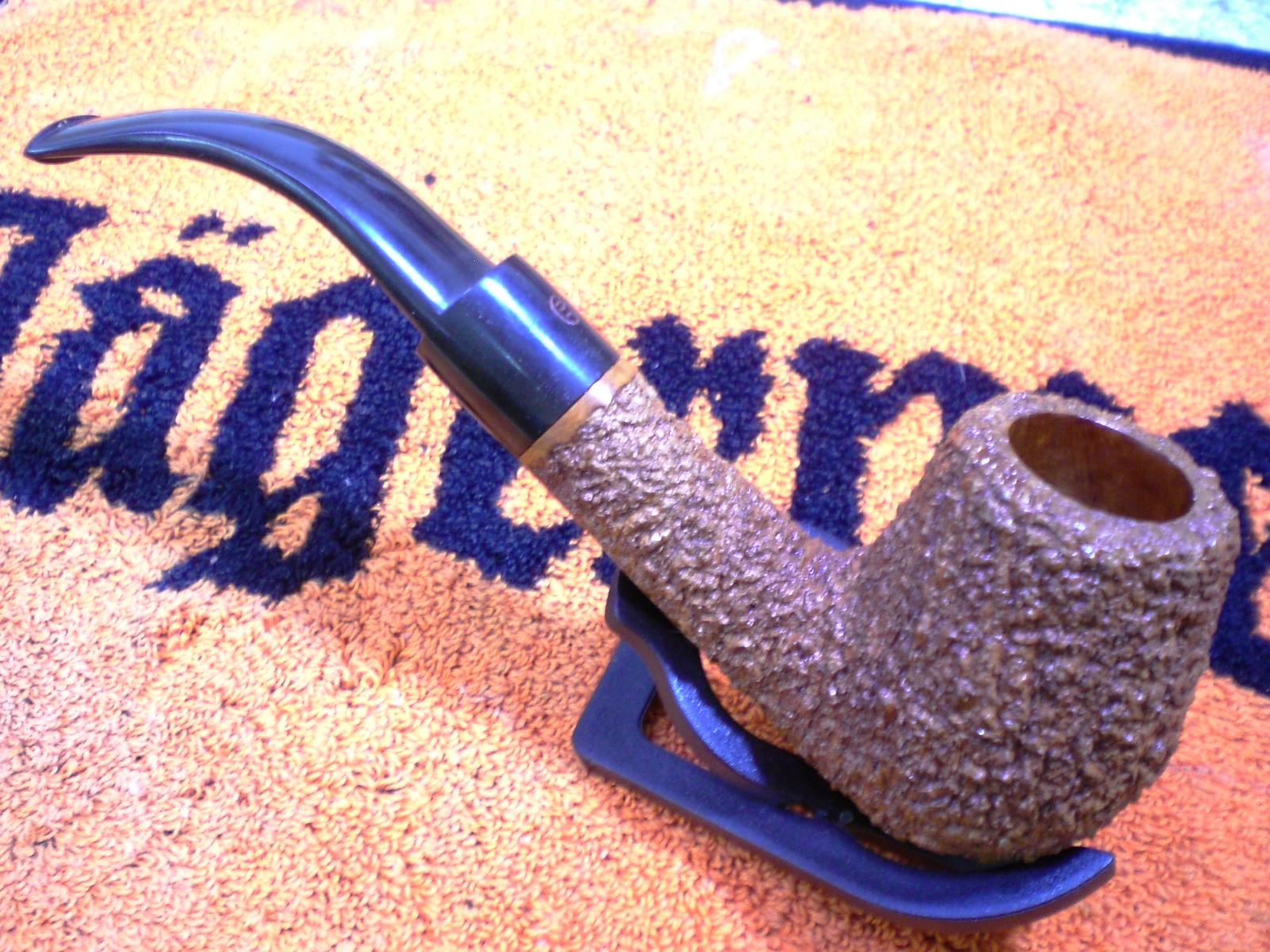
Author Archives: upshallfan

Unknown's avatar

About upshallfan

Moderator on the PipesMagazine forum since 2011. Guest contributor on the Reborn Pipes Blog by Steve Laug.

GBD 9438 Century Restored


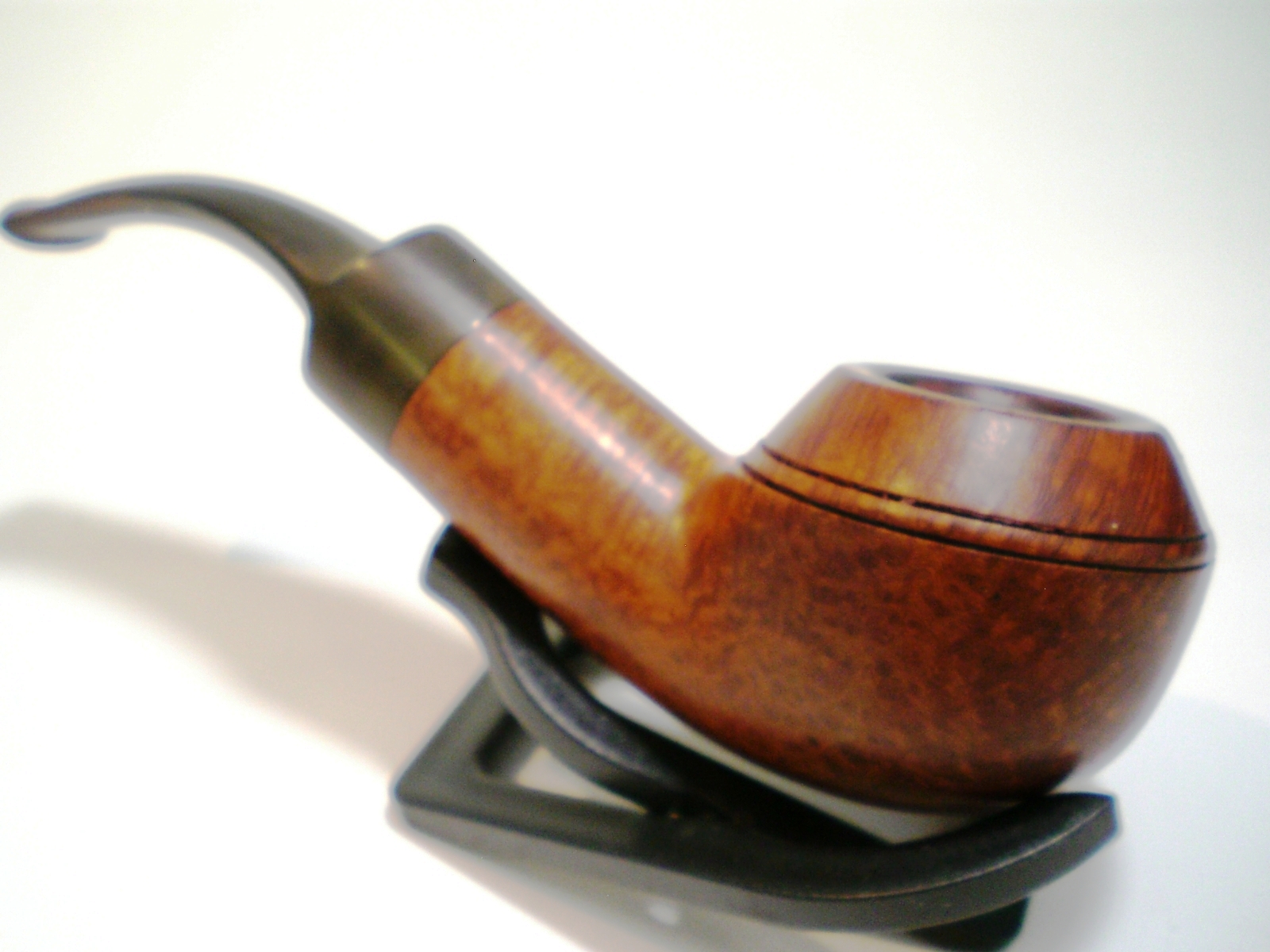
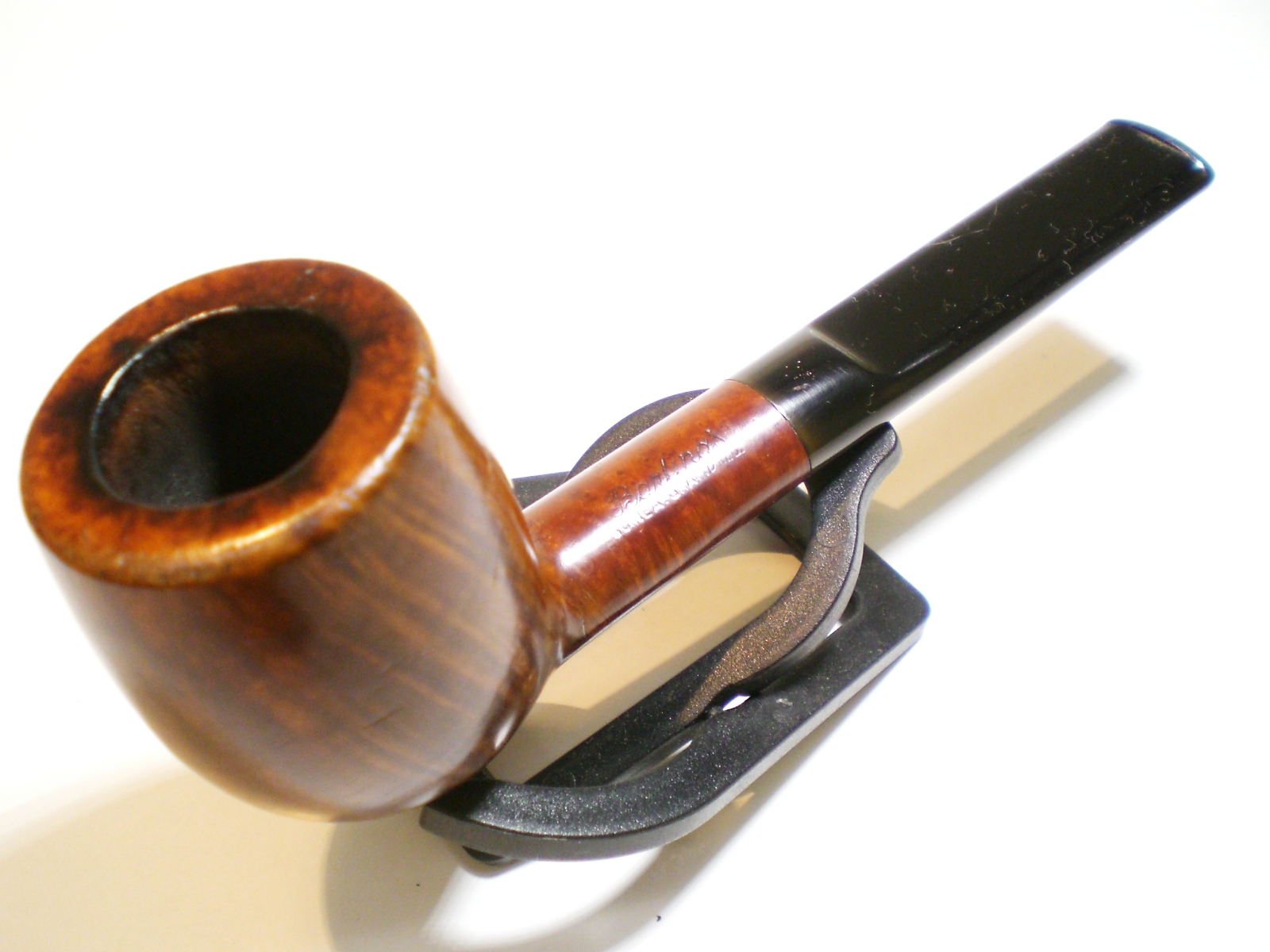
The iconic GBD 9438 saddle stem Rhodesian is one of my favorite shapes. I really wasn’t on the look out for an additional 9438, but this Century model was one I didn’t have and the asking price was too good to pass up.

According to Pipepedia, the Century model was released starting in 1950 and had “A golden finish created to celebrate over a century of manufacturing the finest briar pipes.” The finish is somewhat unique among my other GBD’s, so that description is apt.

The pipe was in pretty good shape. It had a little rim darkening, one dent on the bowl top and an oxidized stem. The rondell looked to be in good condition. There were two teeth indentions, one on each side of the stem.
GBD_9438_Century_Before (4)

GBD_9438_Century_Before

GBD_9438_Century_Before (1)

GBD_9438_Century_Before (2)

GBD_9438_Century_Before (3)

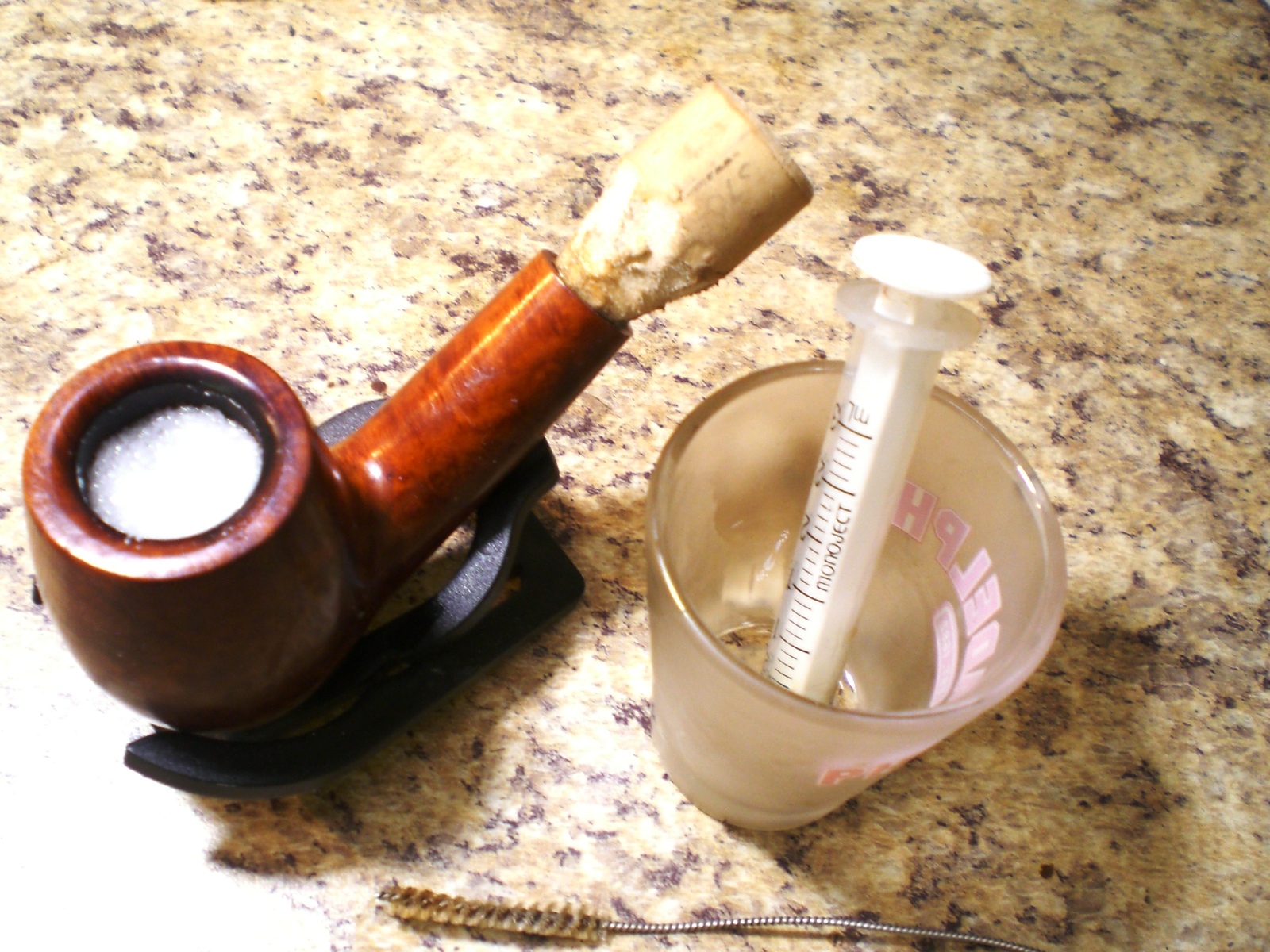
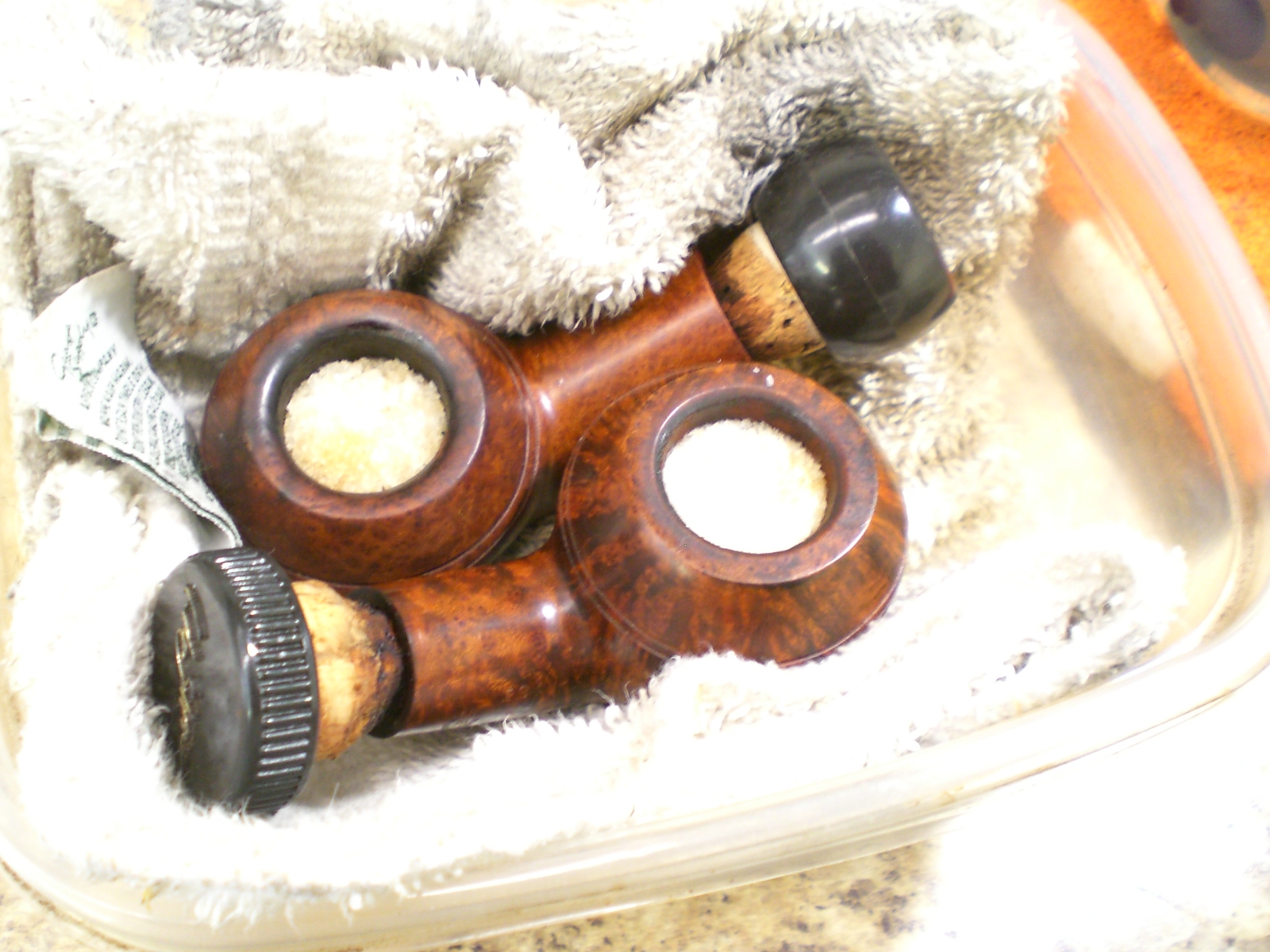
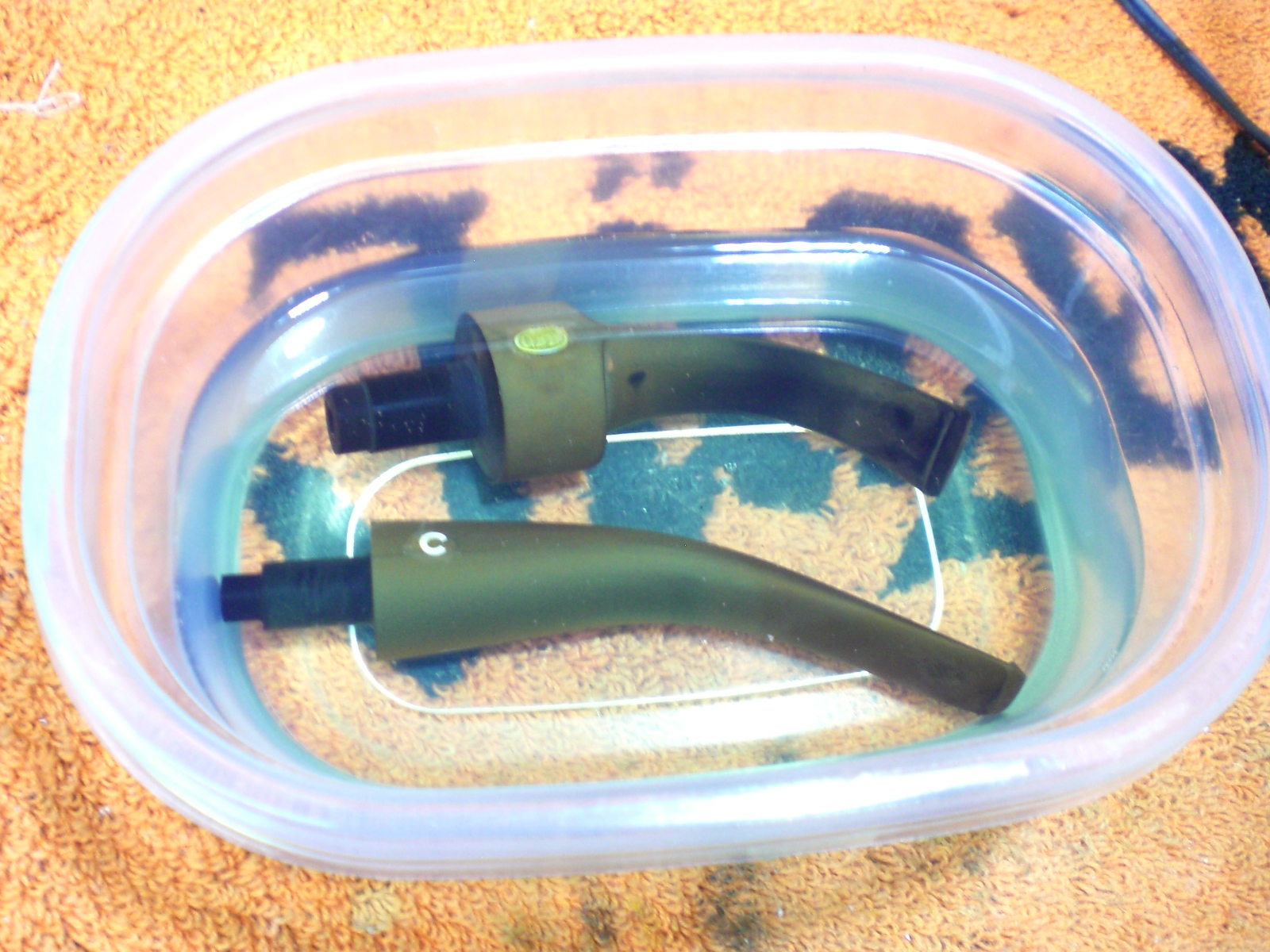
I reamed the bowl of the slight cake and soaked it with isopropyl alchohol and sea salt, sharing space with a Comoys Tradition I was also working to complete. The stem was soaked in a mild Oxyclean and water solution with a dab of grease over the rondell to protect it.
CIMG1104

CIMG1103

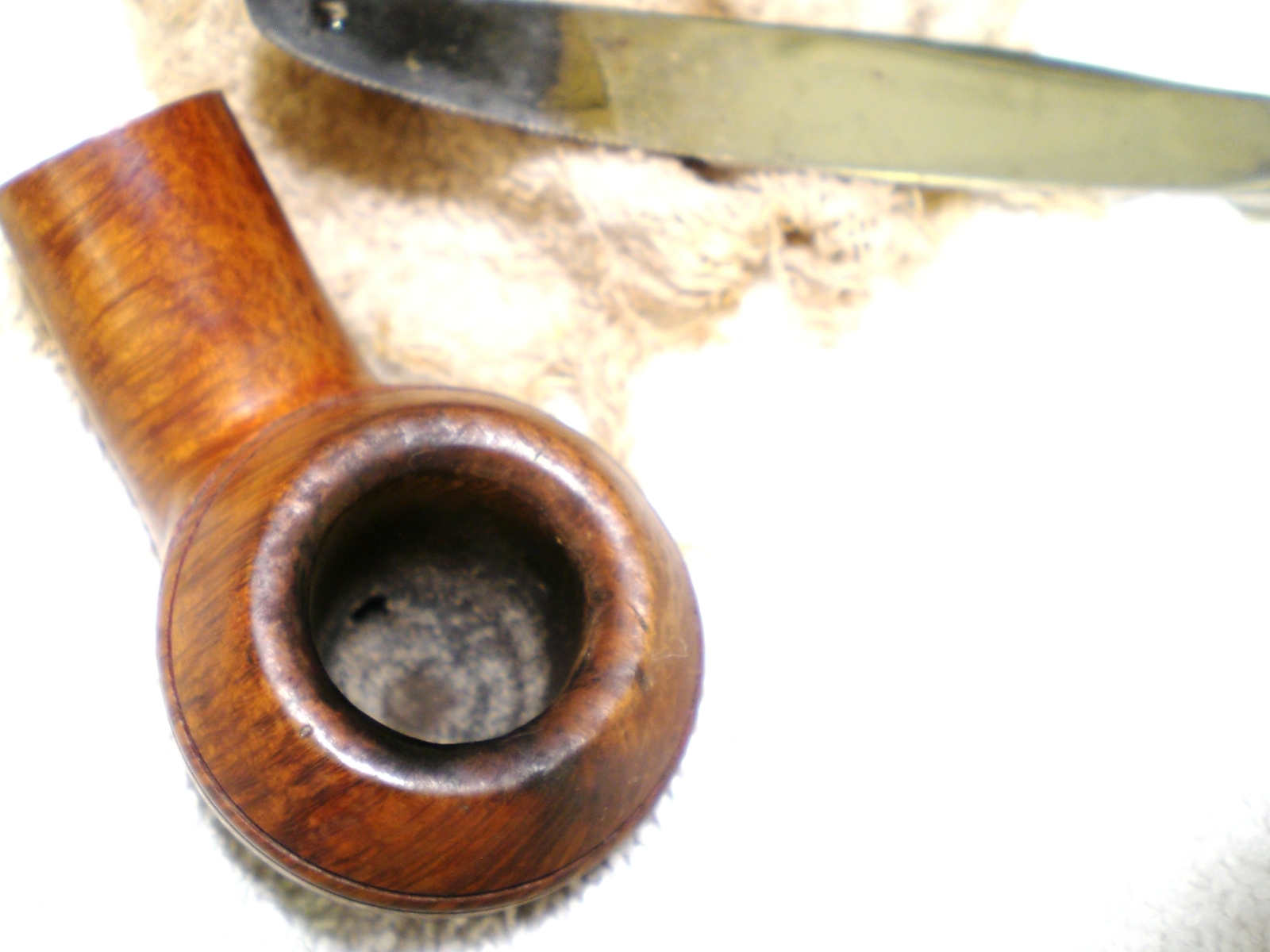
I worked on the bowl top dent, which was really a small crease. Using a heated table knife and a wet cloth, I was able to steam most of the dent out.
GBD_9438_Century_Work

Being careful around the weak nomenclature (but 100% legible with the naked eye), the bowl was buffed lightly with white diamond and then several coats of Carnuba wax. The rim darkening was some build-up and I was able to minimize it.

I used heat to lift the two teeth marks. The one on top was removed completely and the one below reduced to just a wave mark. I started removing the stem oxidation with 800 grit wet paper and then moved thru 1000, 1500 and 2000 grades. I used the 8000 and 12000 grade Micromesh papers before going to the buffing wheel. The stem was buffed lightly with White Diamond and then Meguiars Plastic Polish.

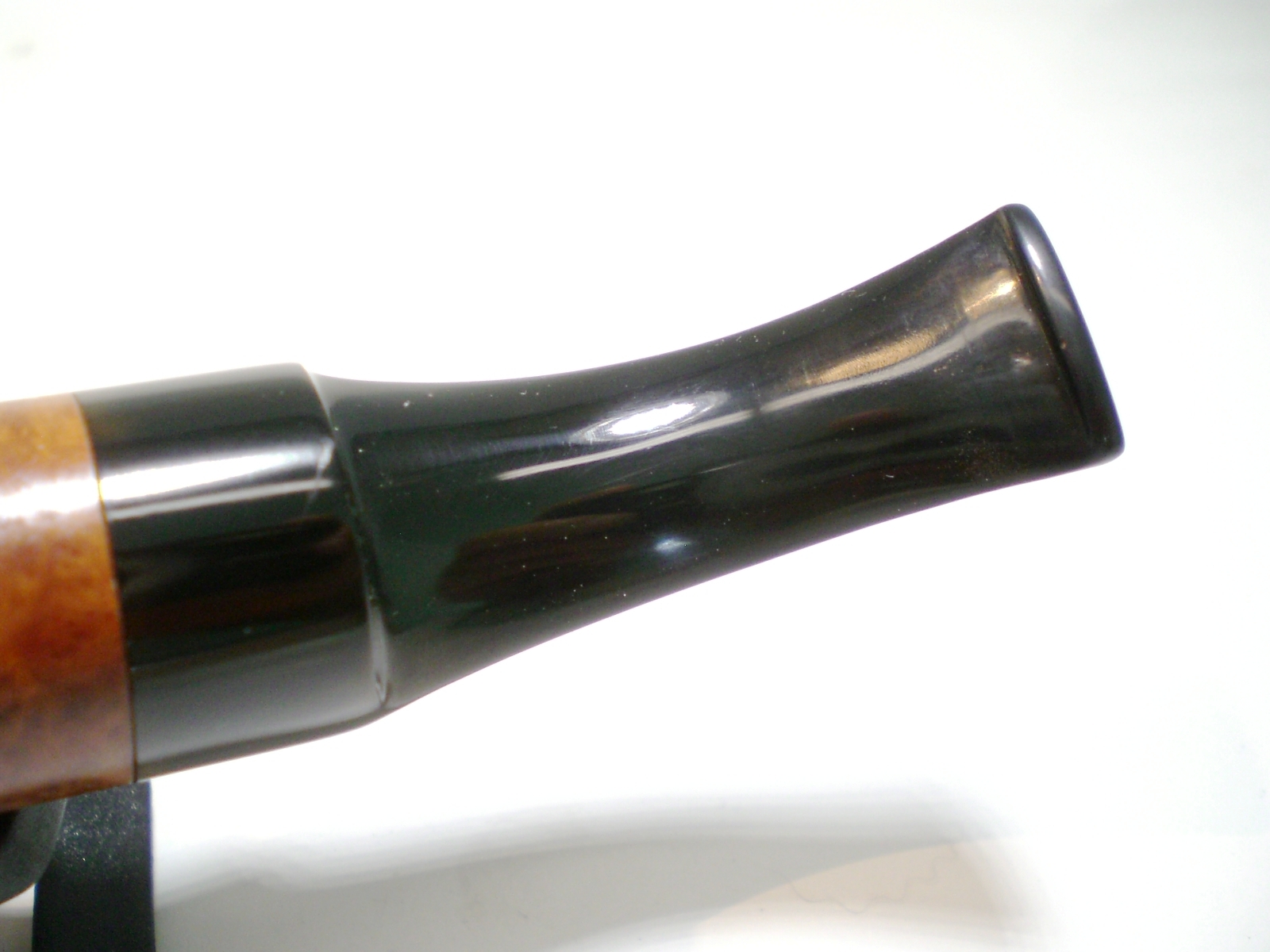
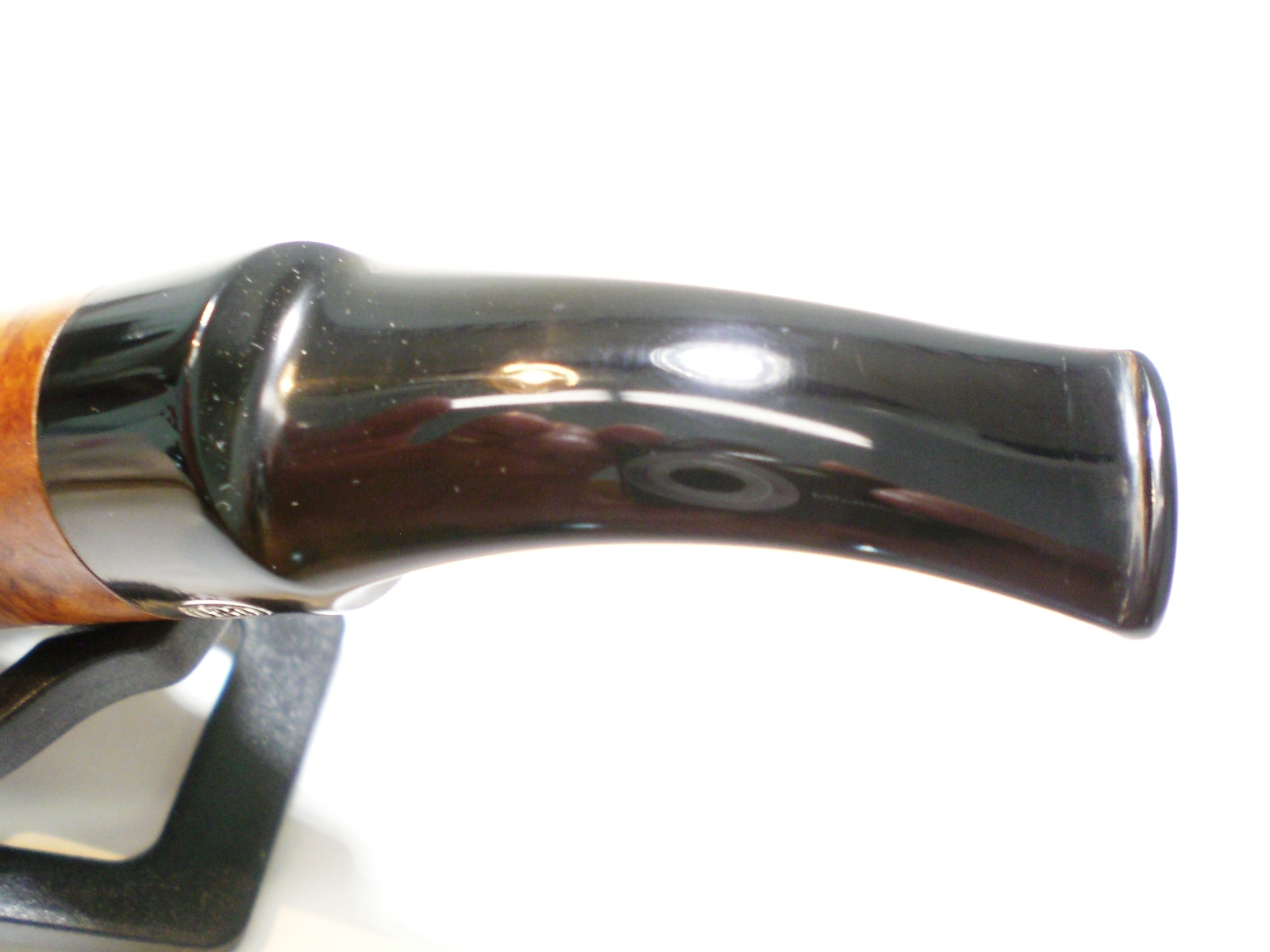
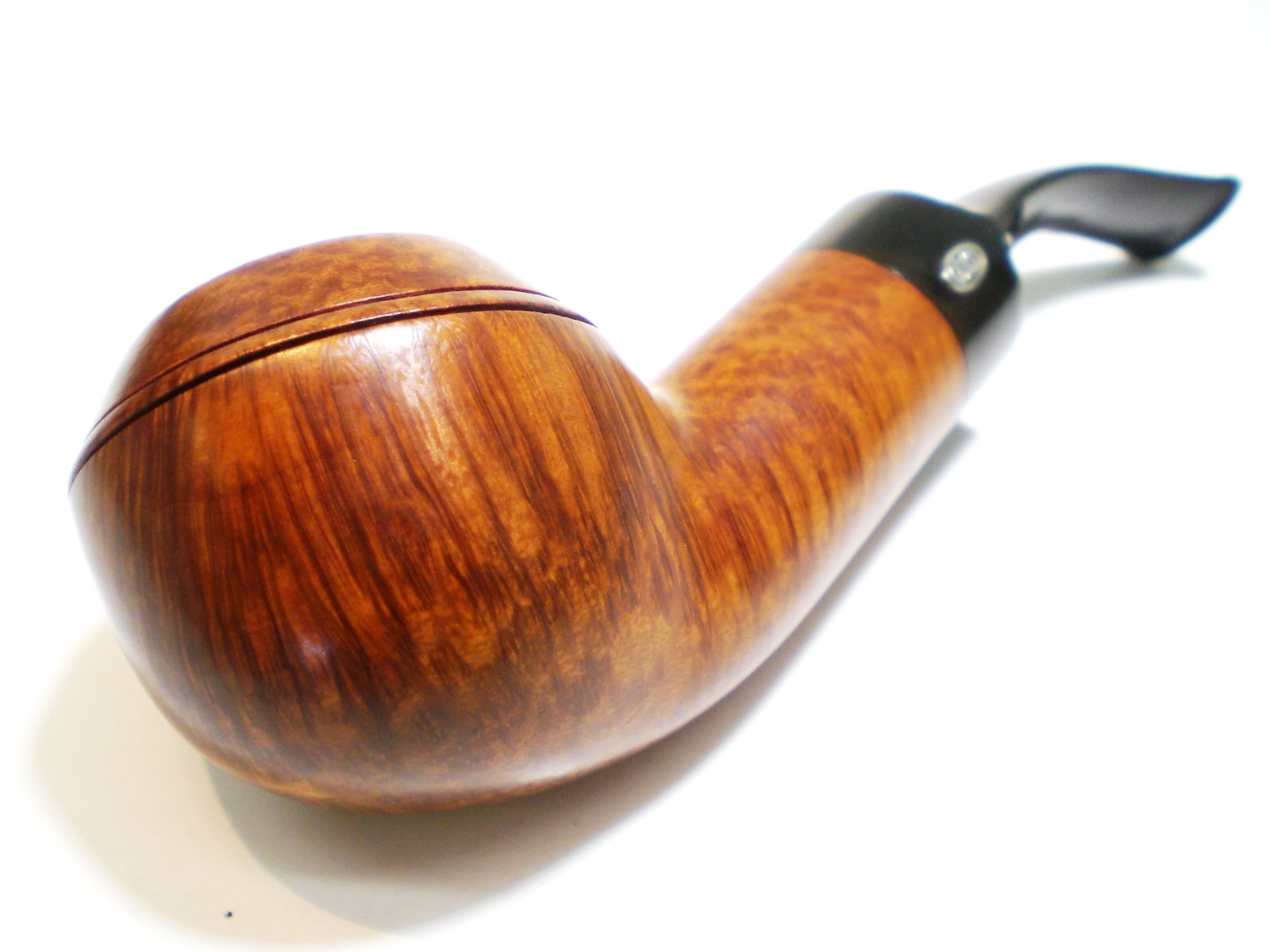
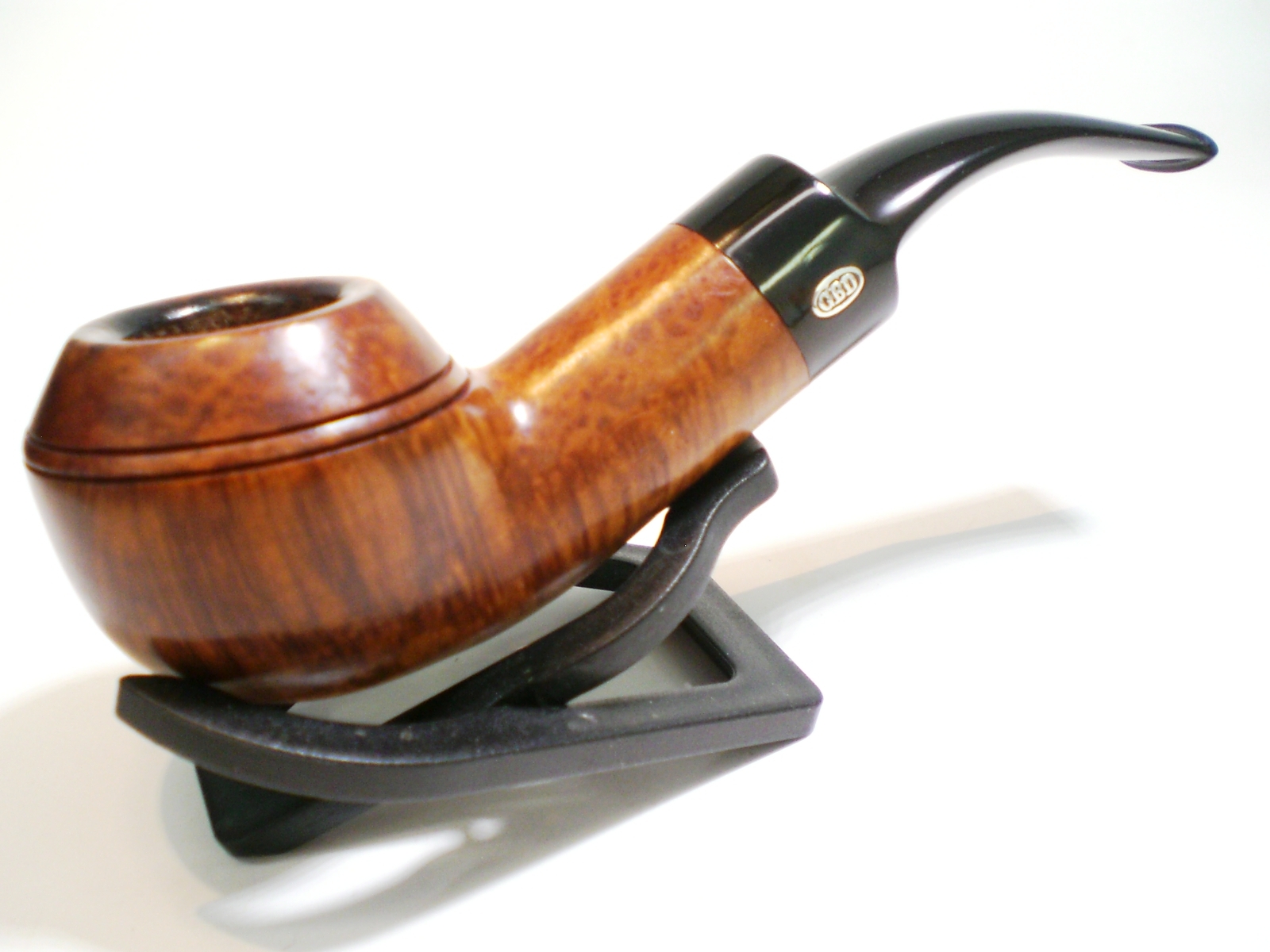
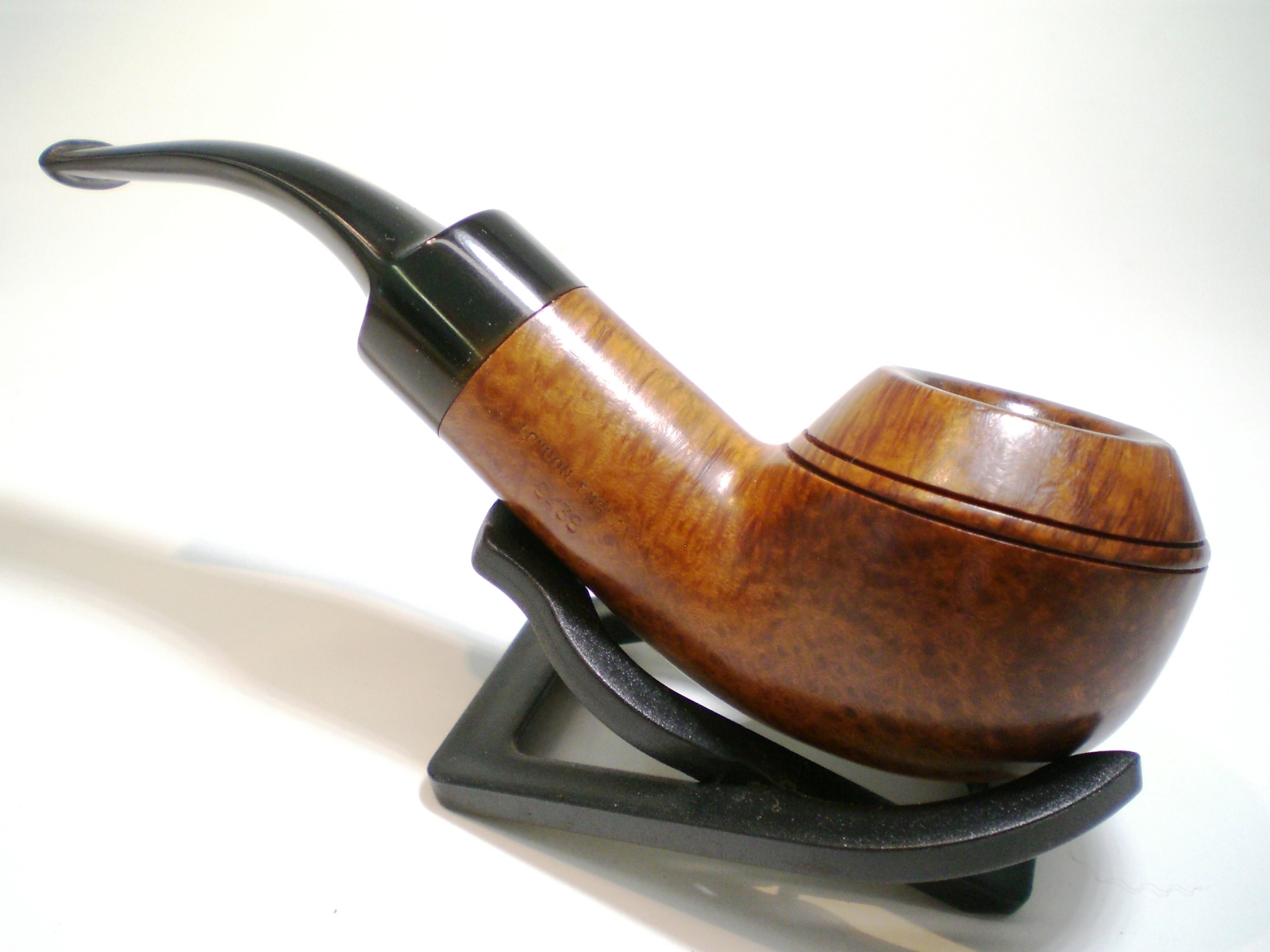
Below is the completed pipe, it will make a welcome to my rack of existing 9438 shapes. I thought this was number Seven, but it turns out that I have eight 9438’s in various finishes/grades. Factory made GBD pipes are now known for their grain, but this one has a nice little splash on the rondell side.
GBD_9438_Century_Gallery

GBD_9438_Century_Finished (2)

GBD_9438_Century_Finished (1)

GBD_9438_Century_Finished (3)

GBD_9438_Century_Finished (4)

GBD_9438_Century_Finished (6)

GBD_9438_Century_Finished (5)

Comoys 284 Tradition Restored


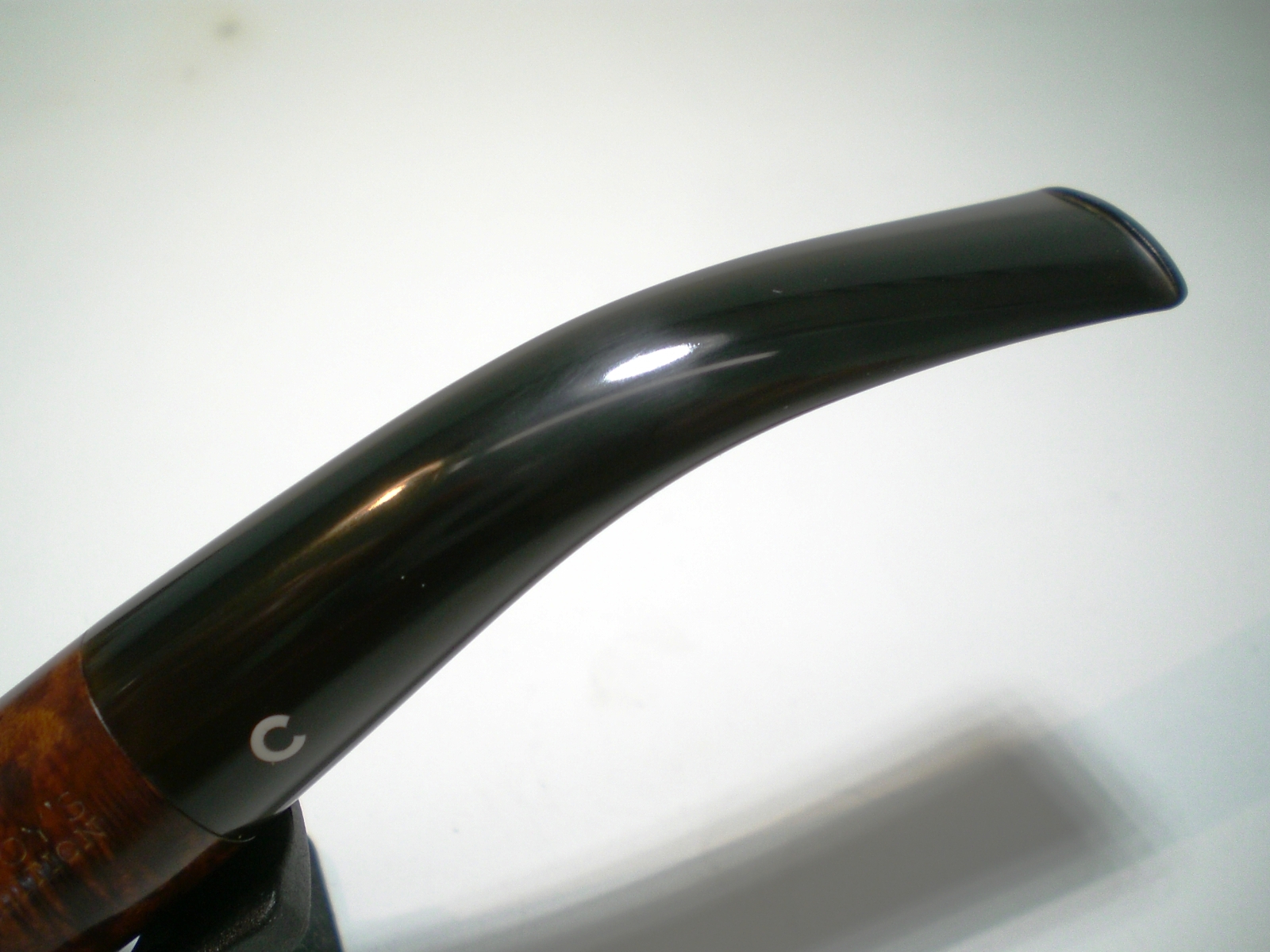
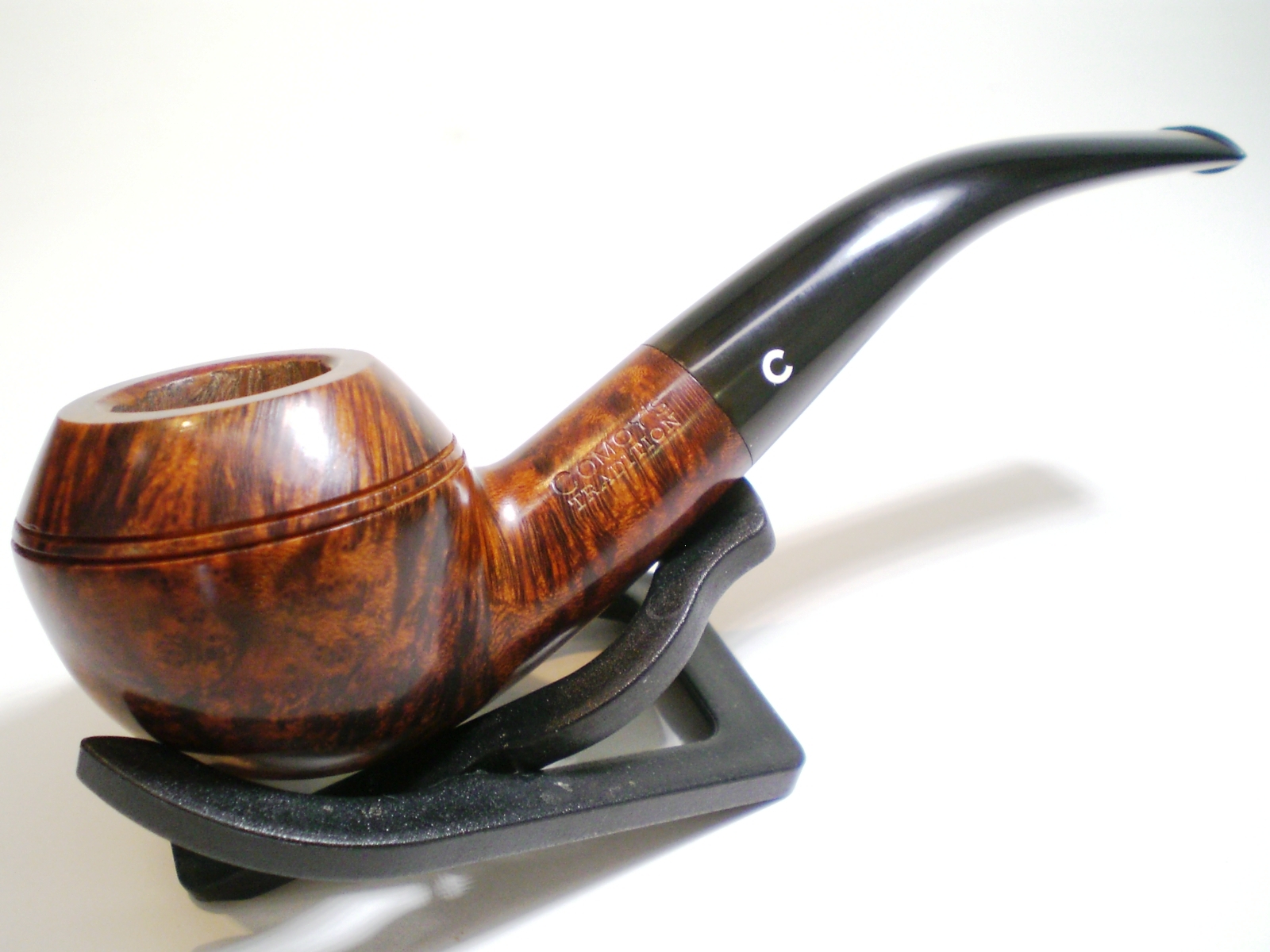
As a fan of the Rhodesian pipe shape, the Comoys Shape 284 is one of my favorites and in the top 5 of my “Holy Grail” list. Last week, this Tradition grade pipe showed up for auction. I made an offer to the buyer and surprised to find it accepted. As this is a hotly sought after shape on the market, I couldn’t believe my good fortune until I opened the package and held it in my hand.

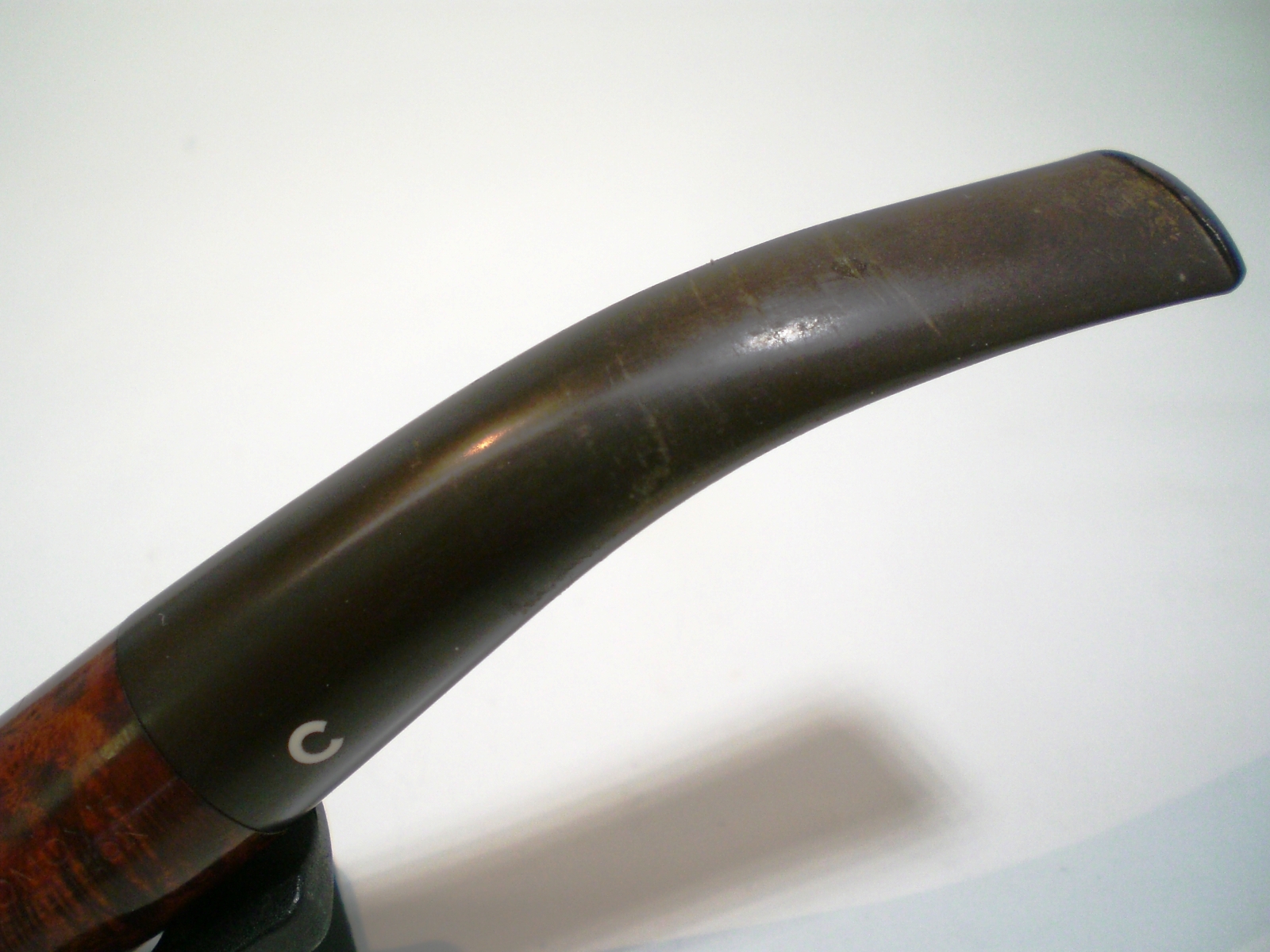
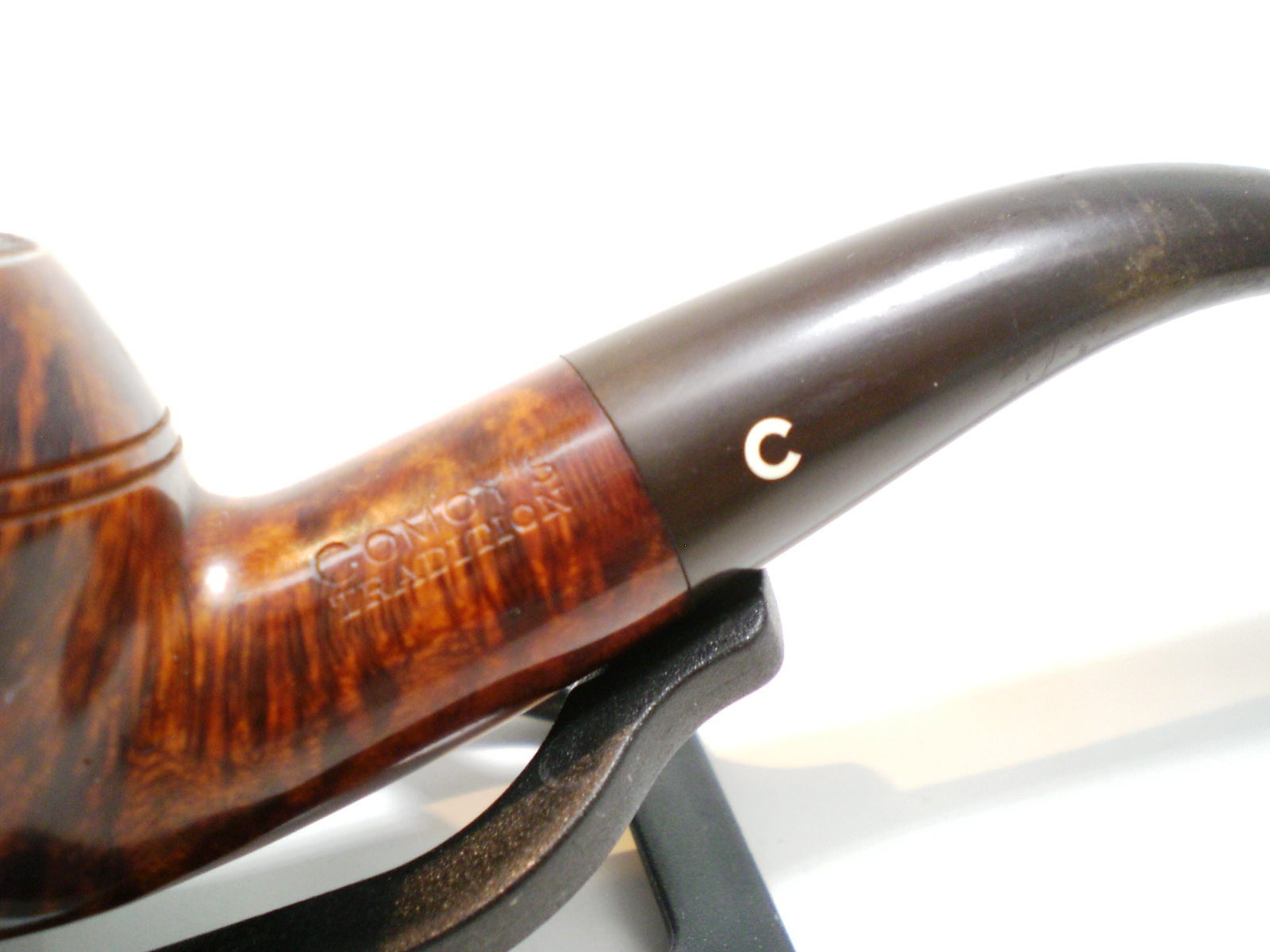
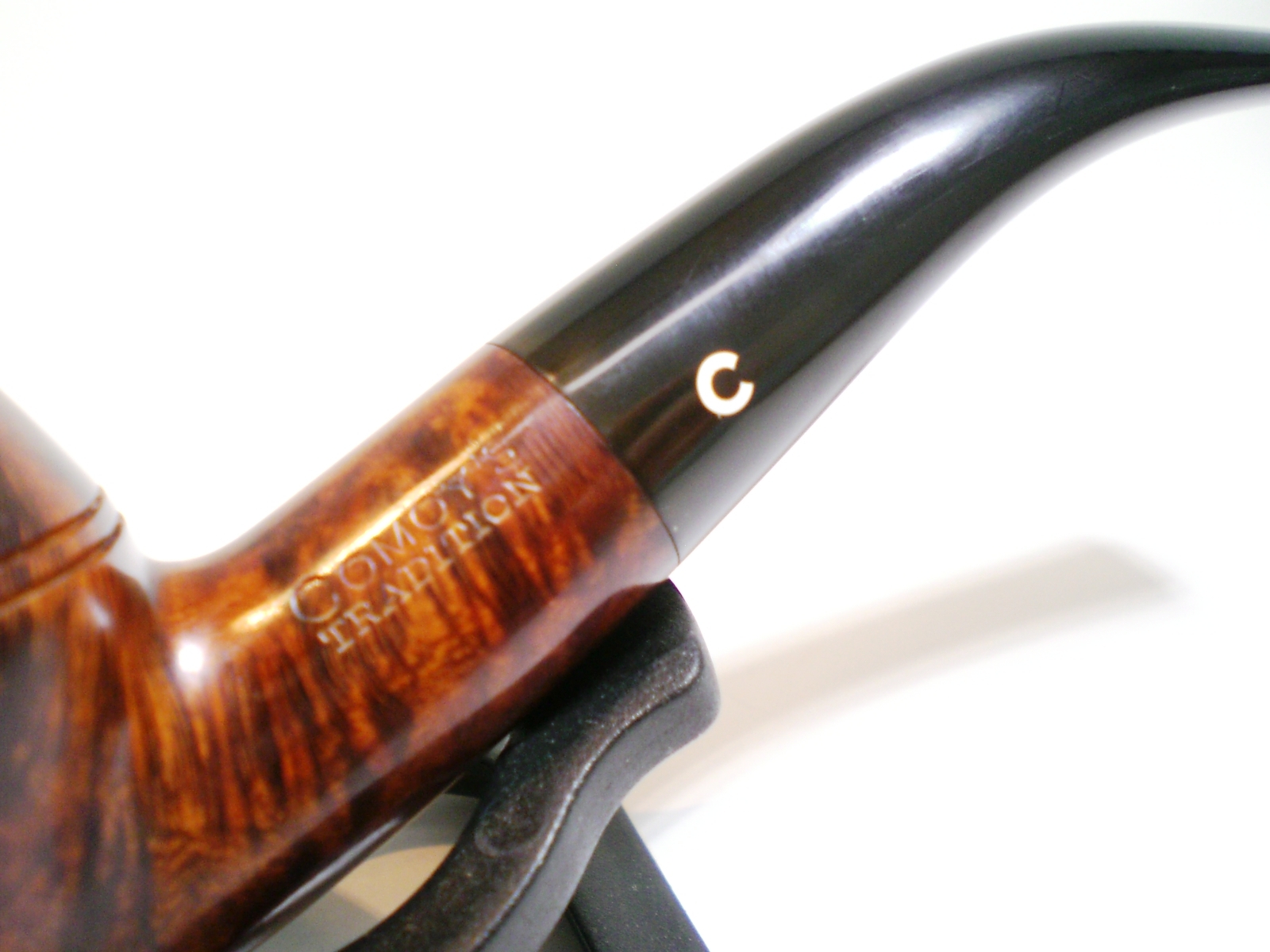
The pipe was in excellent condition, bowl and stem. There were only the slightest handling marks and the bowl top was not scorched. The stem, while oxidized only had two tiny teeth marks on the button. The three piece “C” logo was in perfect condition. I love working on Comoys stems, they just seem to shine more brilliantly than other British made vulcanite stems of that era.

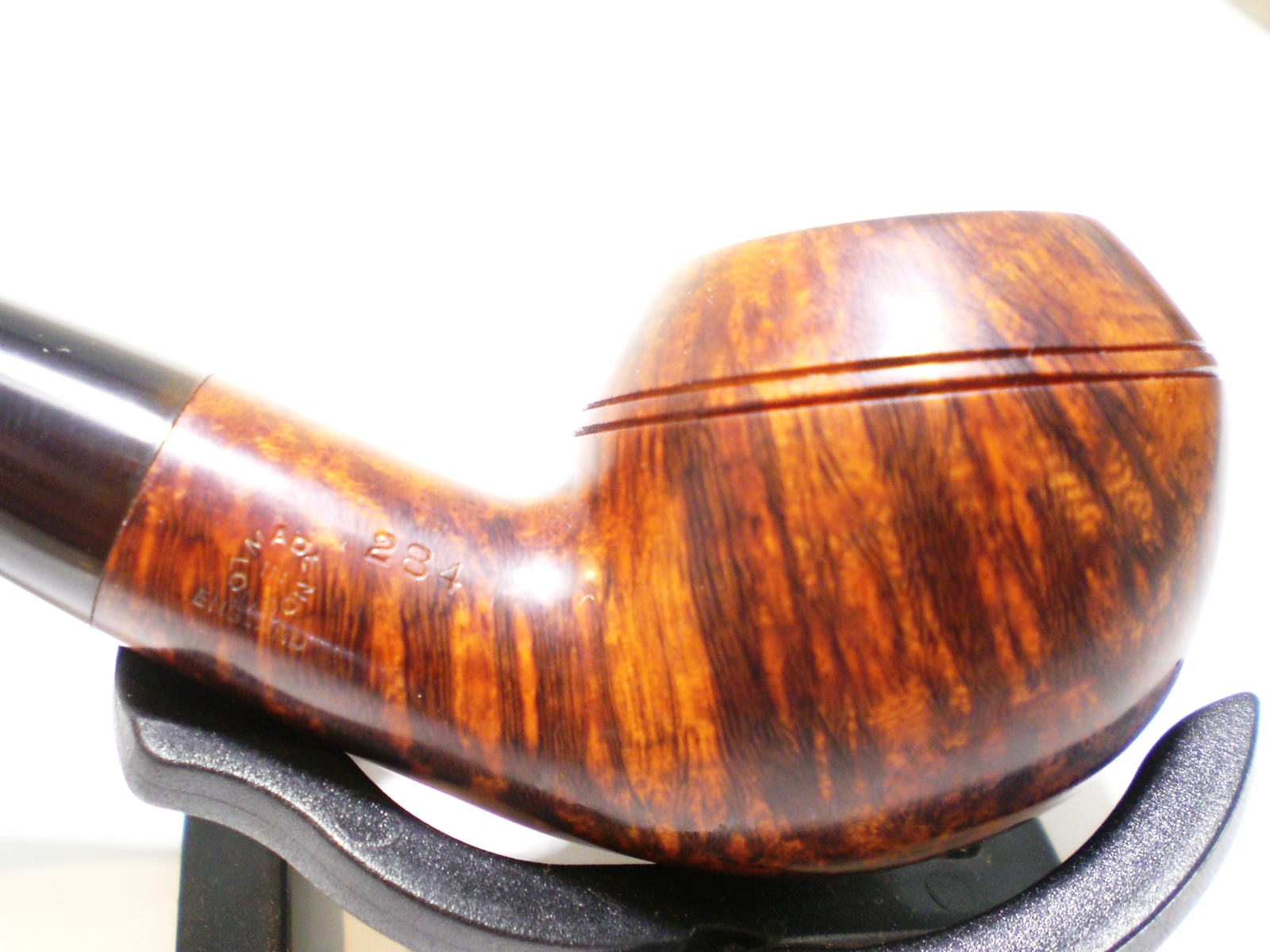
The stamping of “Comoy’s” with the slightly larger “C” and the apostrophe was started in the 1950’s and the round “Made In London” with England below was also used in that era. The pipe could have been made from the 1950’s to the end of the Cadogan era in 1982 (give or take!).

Comoys_284_Before

Comoys_284_Before (8)

Comoys_284_Before (4)

Comoys_284_Before (3)

I soaked the bowl in salt and Isopropyl alcohol. Here the pipe is shown along with another project, a GBD 9438 Century. I put a dab of grease on the stem logo and soaked the stem for several hours in a mild Oxyclean/water solution to loosen the oxidation.

CIMG1104

CIMG1103

The bowl only required a light buff with white diamond and then a few coats of Carnuba wax. The nomenclature is quite strong and I didn’t want to damage it.

I started removing the stem oxidation with 800 grit wet paper and then moved thru 1000, 1500 and 2000 grades. I used the 8000 and 12000 grade Micromesh papers before going to the buffing wheel. The stem was buffed lightly with White Diamond and then Meguiars Plastic Polish.

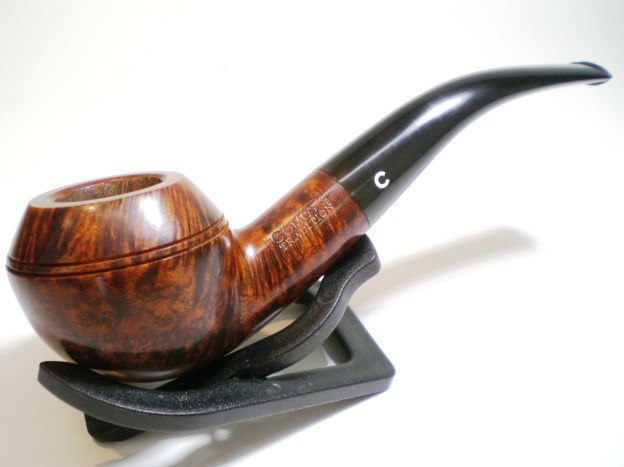
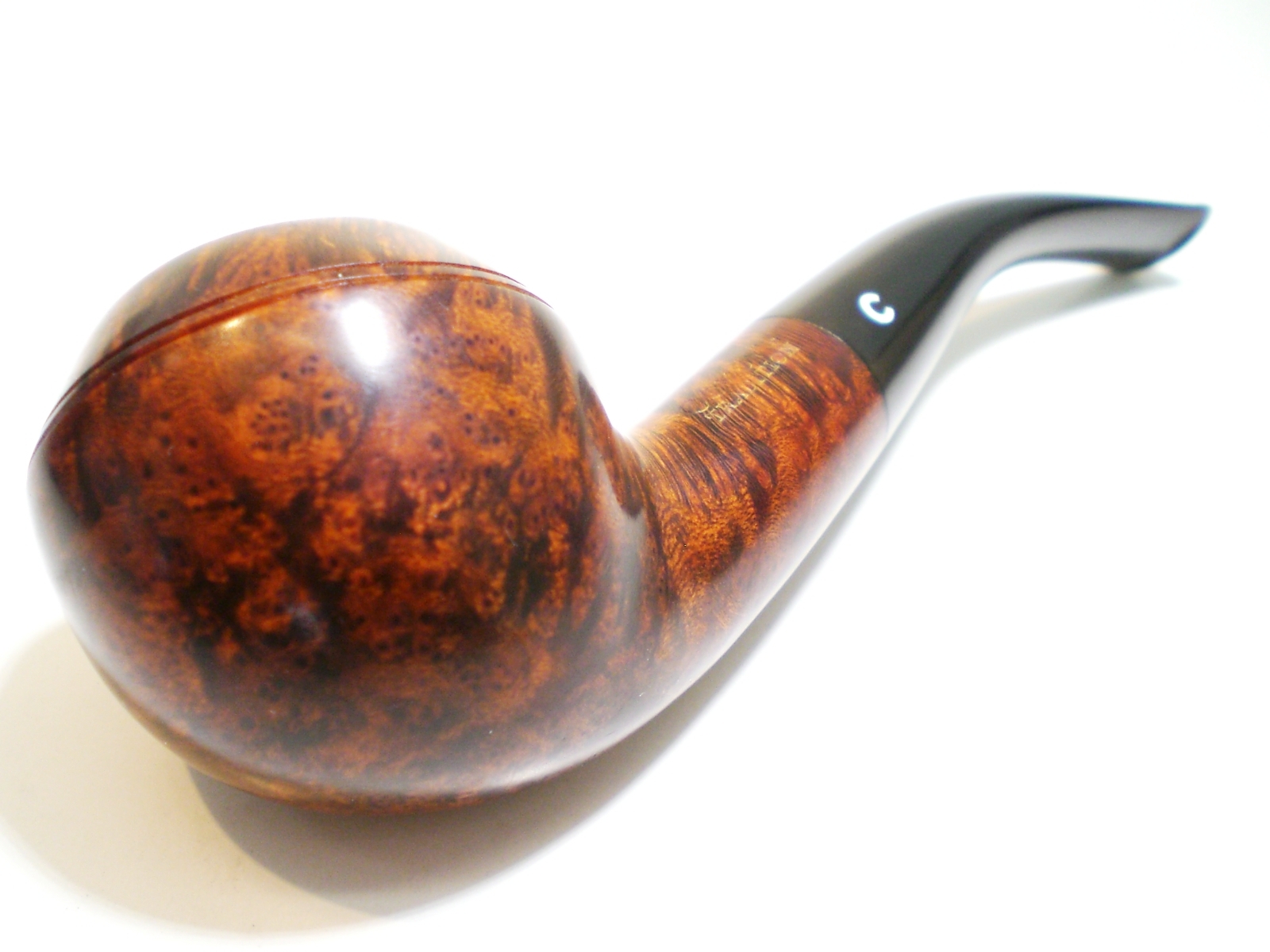
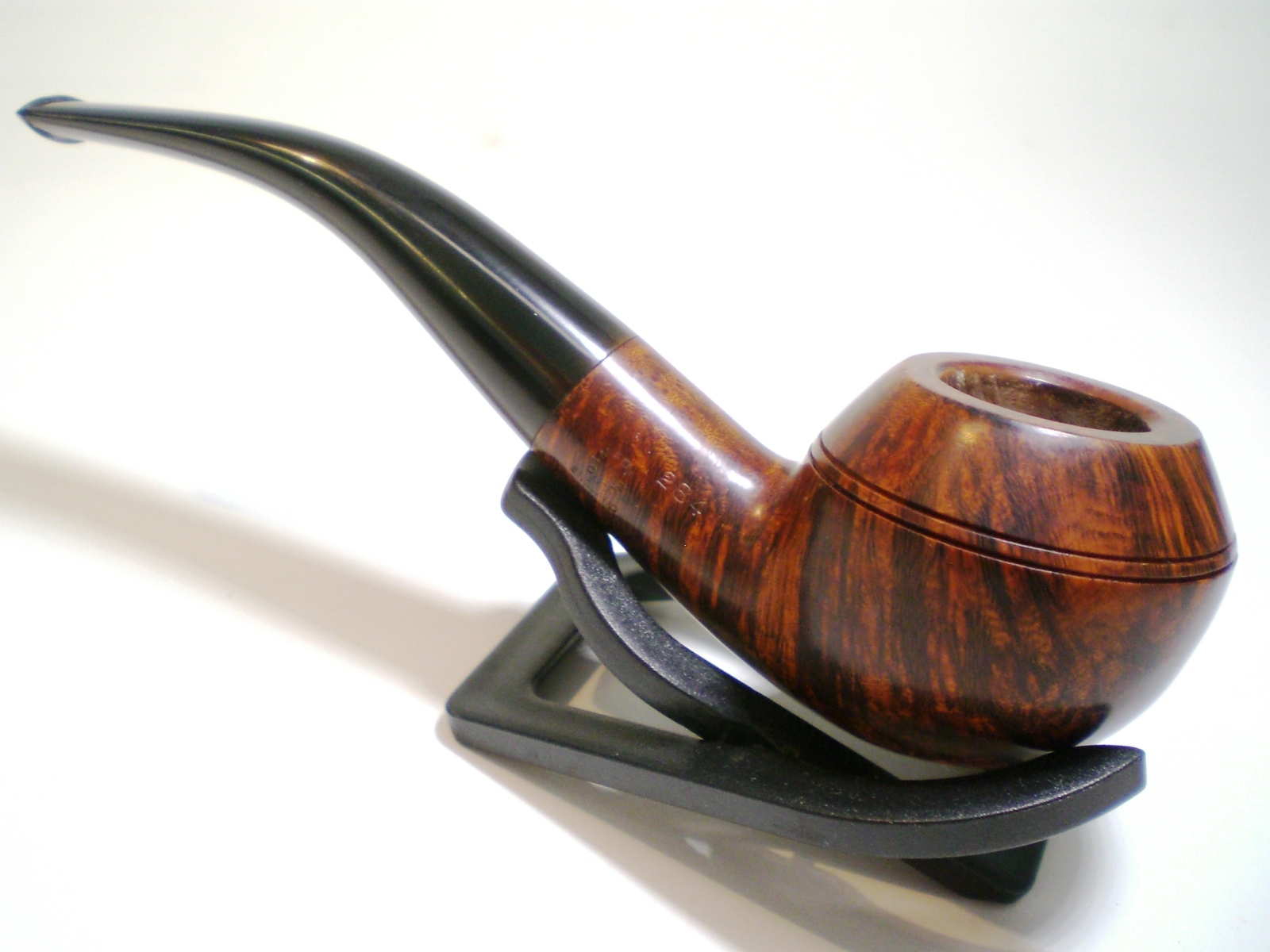
Below is the finished pipe. I’m thrilled to add this one to my collection of Rhodesian pipes and look forward to breaking it in later this evening.

Comoys_284_Gallery (6)

Comoys_284_Gallery (5)

Comoys_284_Gallery (4)

Comoys_284_Gallery (2)

Comoys_284_Gallery (1)

Comoys_284_Gallery

Comoys_284_Gallery (3)

Sasieni “Viscount Lascelles” XS Restoration


Blog by Al Jones

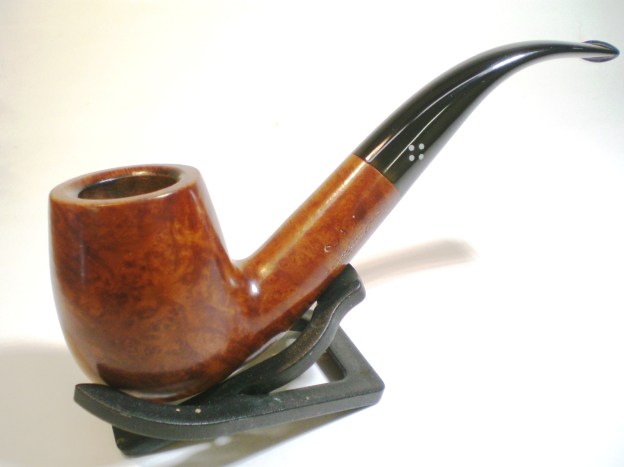
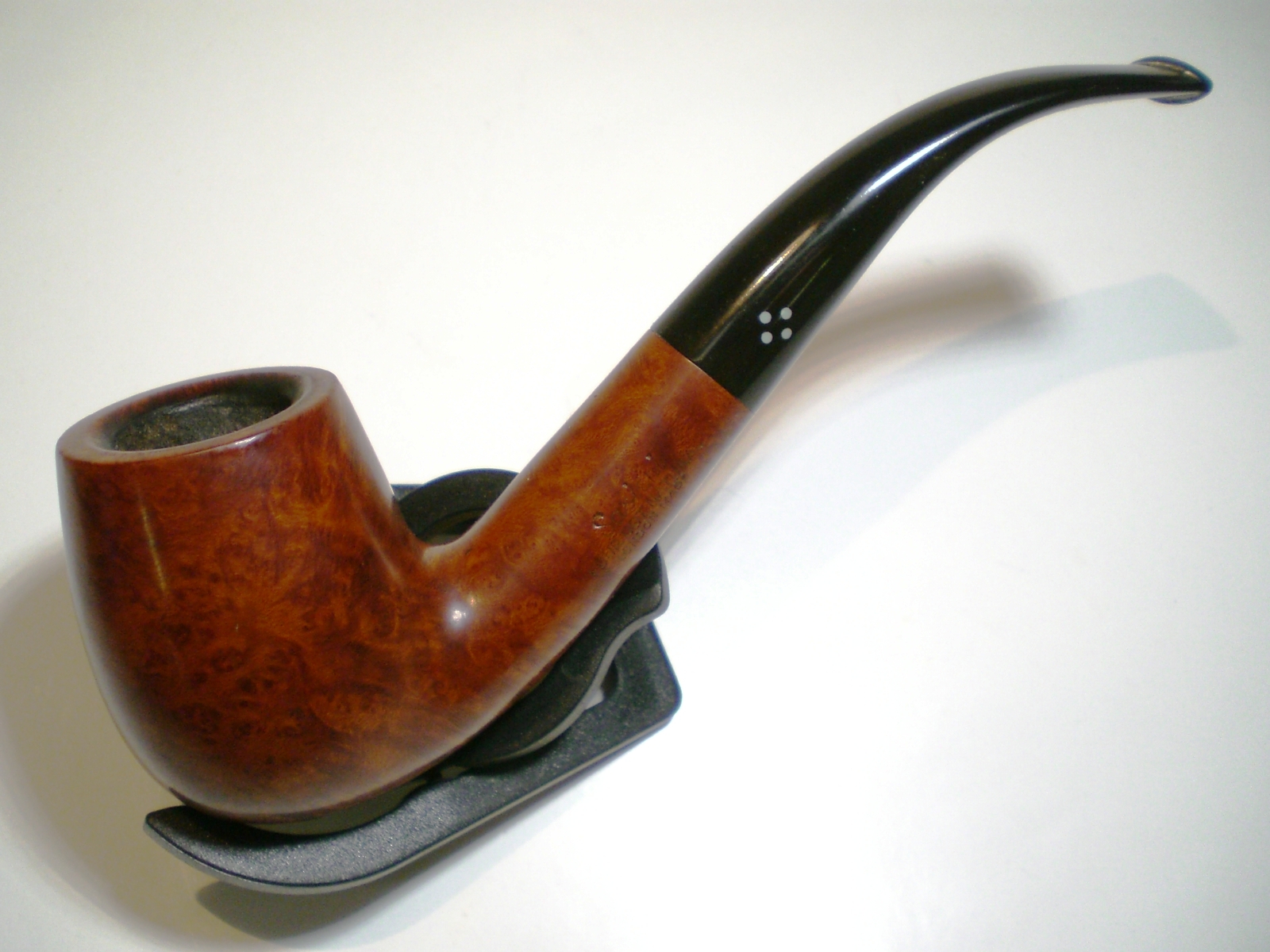
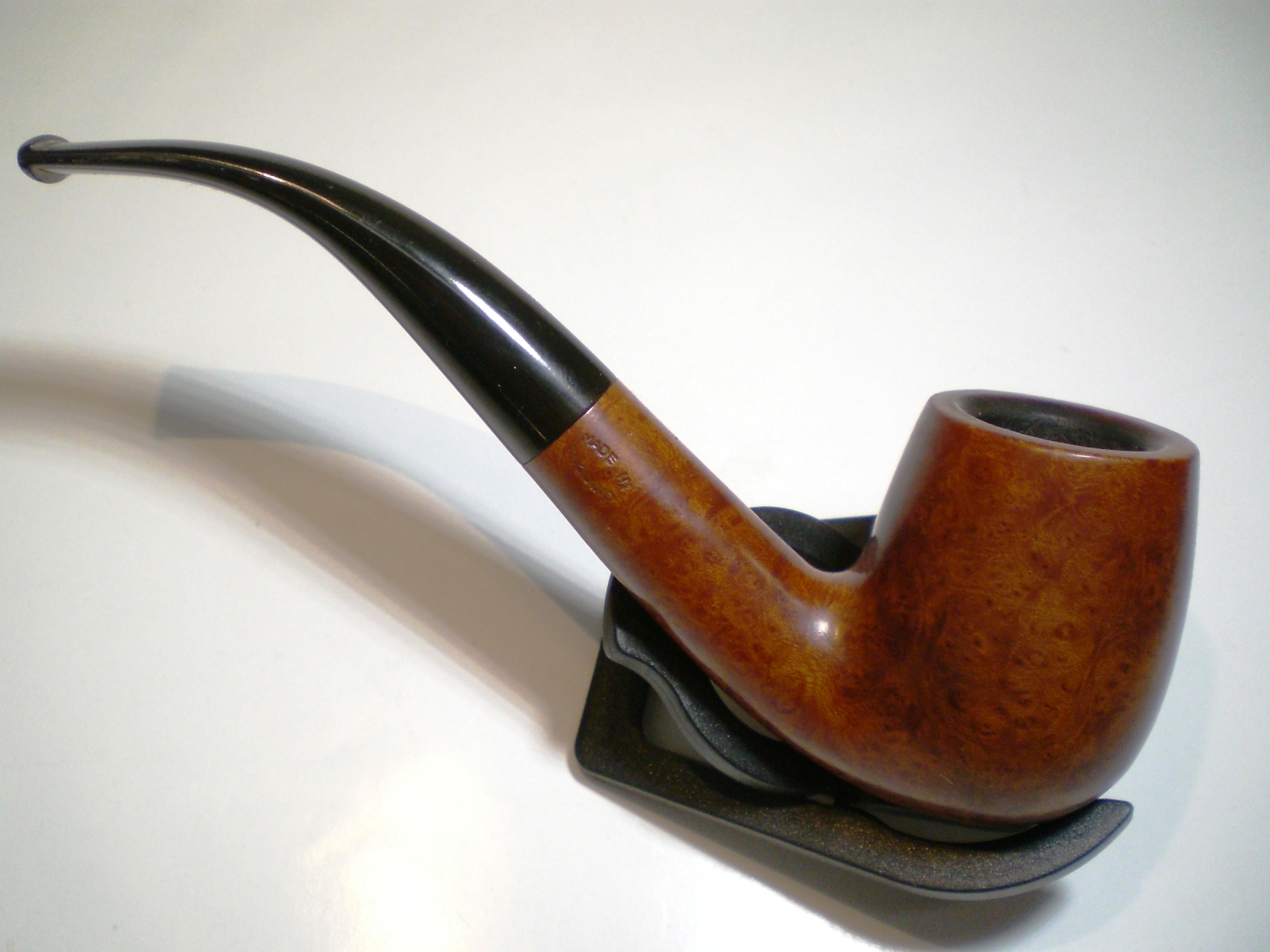
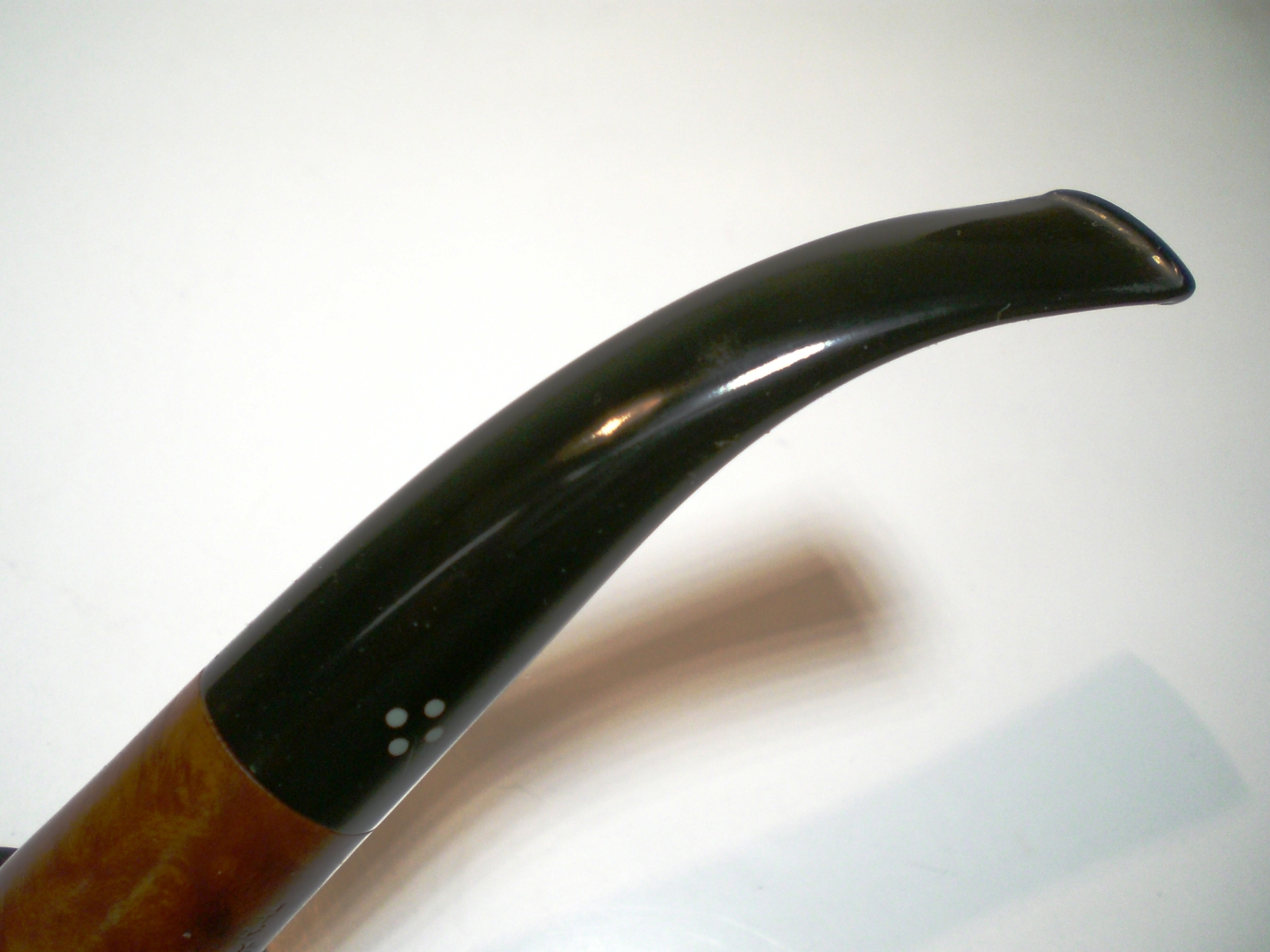
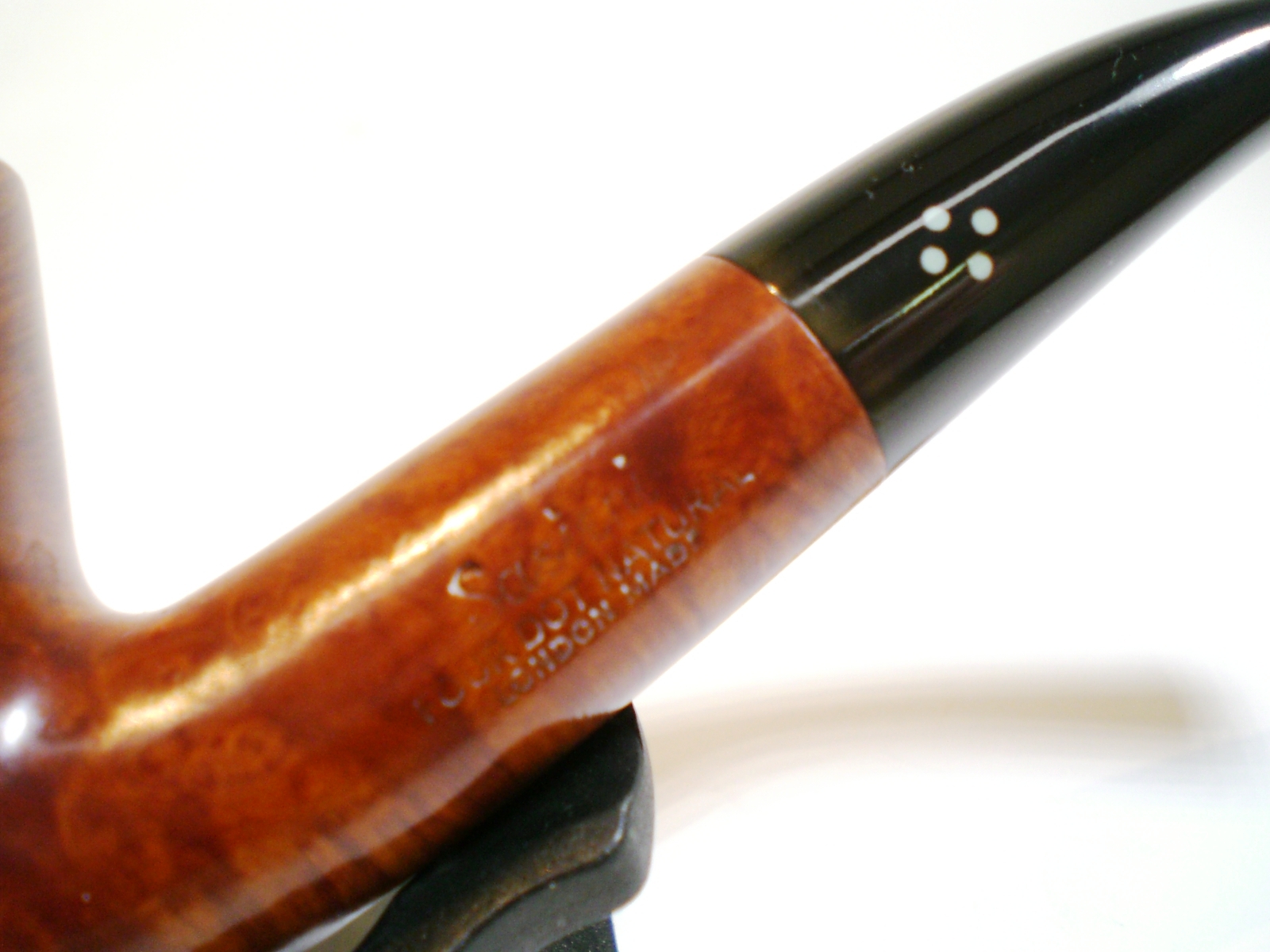
I picked up this Sasieni Four Dot Natural at the NYC show yesterday. It looked to be in very good condition, requiring only a mild clean-up. I knew from the “Four Dot” “London Made” stamping that it was made between 1946 and 1979. The pipe has the football shaped “Made In London” stamp on the other side and “XS”. Curiously, it was missing the name of a London town. At home, I could see some additional stamping and with a magnifying glass, I could read “Viscount Lascelles”. I googled that name and discovered that according to the Stephen Smith article, the Viscount Lascelles was the model name and a rare model.

http://murderofravens.org/my-sasieni-pipe-article/

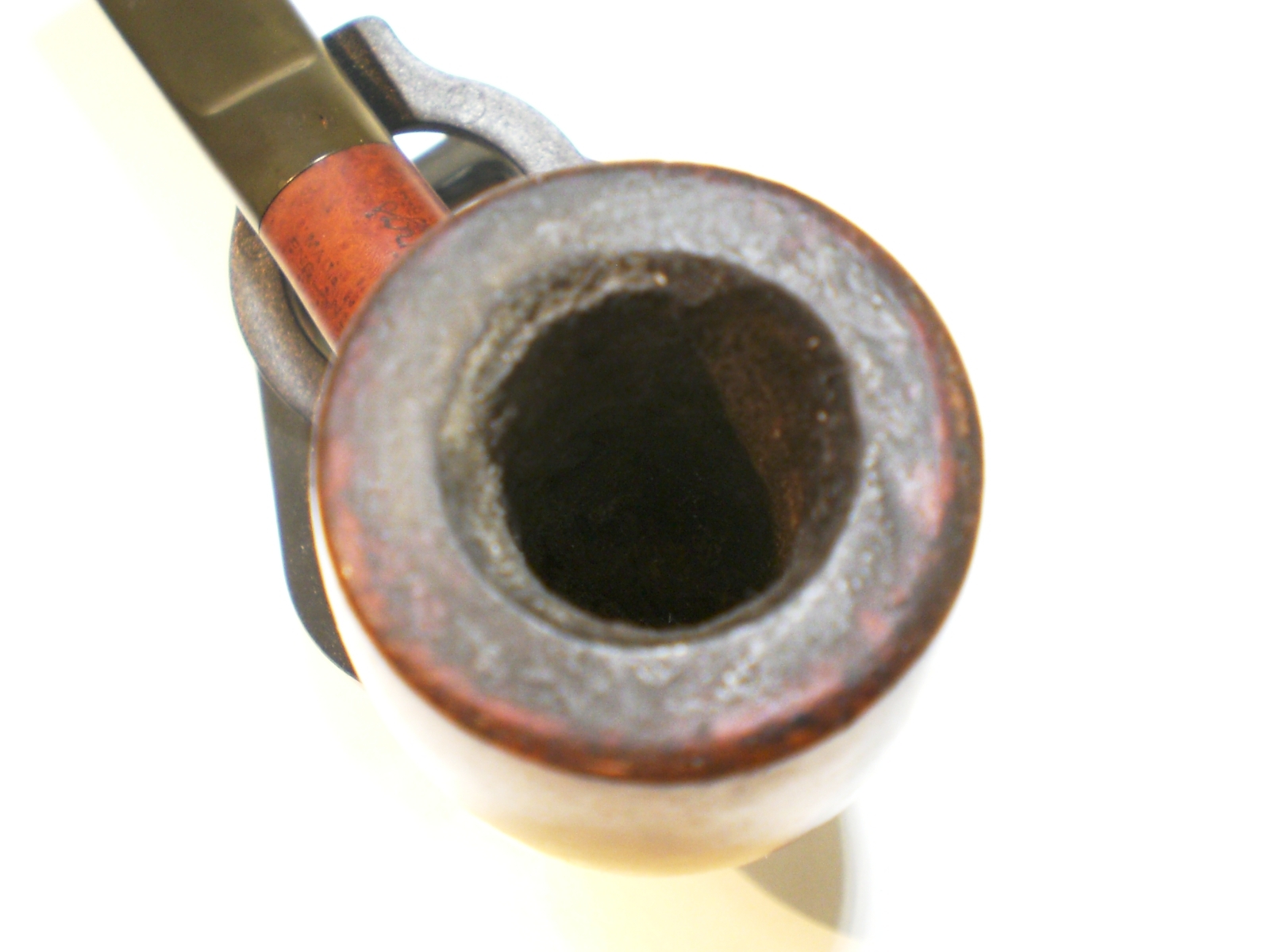
The bowl had some build-up on the top which I thought might be some scorching. The stem had the faintest of teeth marks and was in overall excellent shape and only lightly oxidized.

Sasieni_Four_Dot_XS_Before

Sasieni_Four_Dot_XS_Before (1)

Sasieni_Four_Dot_XS_Before (3)

Sasieni_Four_Dot_XS_Before (8)

Sasieni_Four_Dot_XS_Before (2)

I reamed the cake from the bowl and I could see despite the thick cake, the bowl was in very good condition. Most of the build-up on the bowl top rubbed off with some distilled water and a soft cloth. I soaked the bowl with some 91 proof alcohol and sea salt. The shank was cleaned with a bristle brush and alcohol.

Sasieni_Four_Dot_XS_Before (7)

The bowl didn’t need much else and was buffed lightly with White Diamond and then carnuba wax. I stayed away from the nomenclature to preserve it.

The stem was sanded with 1500 and 2000 grit paper, then 8000 and 12,000 grade micromesh sheets. I buffed it lightly with white diamond and then a plastic polish.

I hand waxed the briar with some Paragon wax.

Here is the finished pipe.

Sasieni_Four_Dot_XS_Finished

Sasieni_Four_Dot_XS_Finished (4)

Sasieni_Four_Dot_XS_Finished (7)

Sasieni_Four_Dot_XS_Finished (6)

Sasieni_Four_Dot_XS_Finished (5)

Sasieni_Four_Dot_XS_Finished (3)

Sasieni_Four_Dot_XS_Finished (1)

Barling’s Guinea Grain Restoration


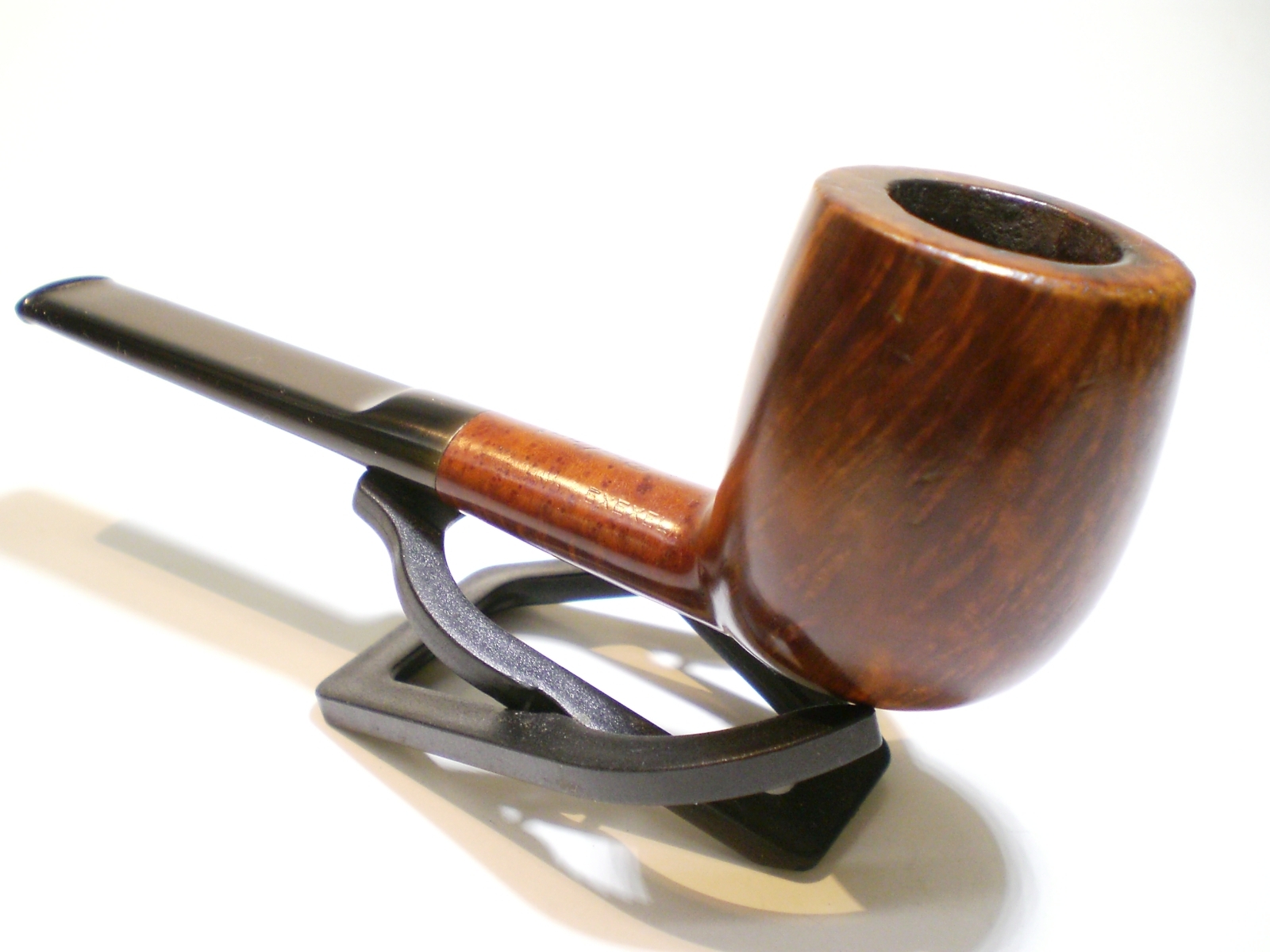
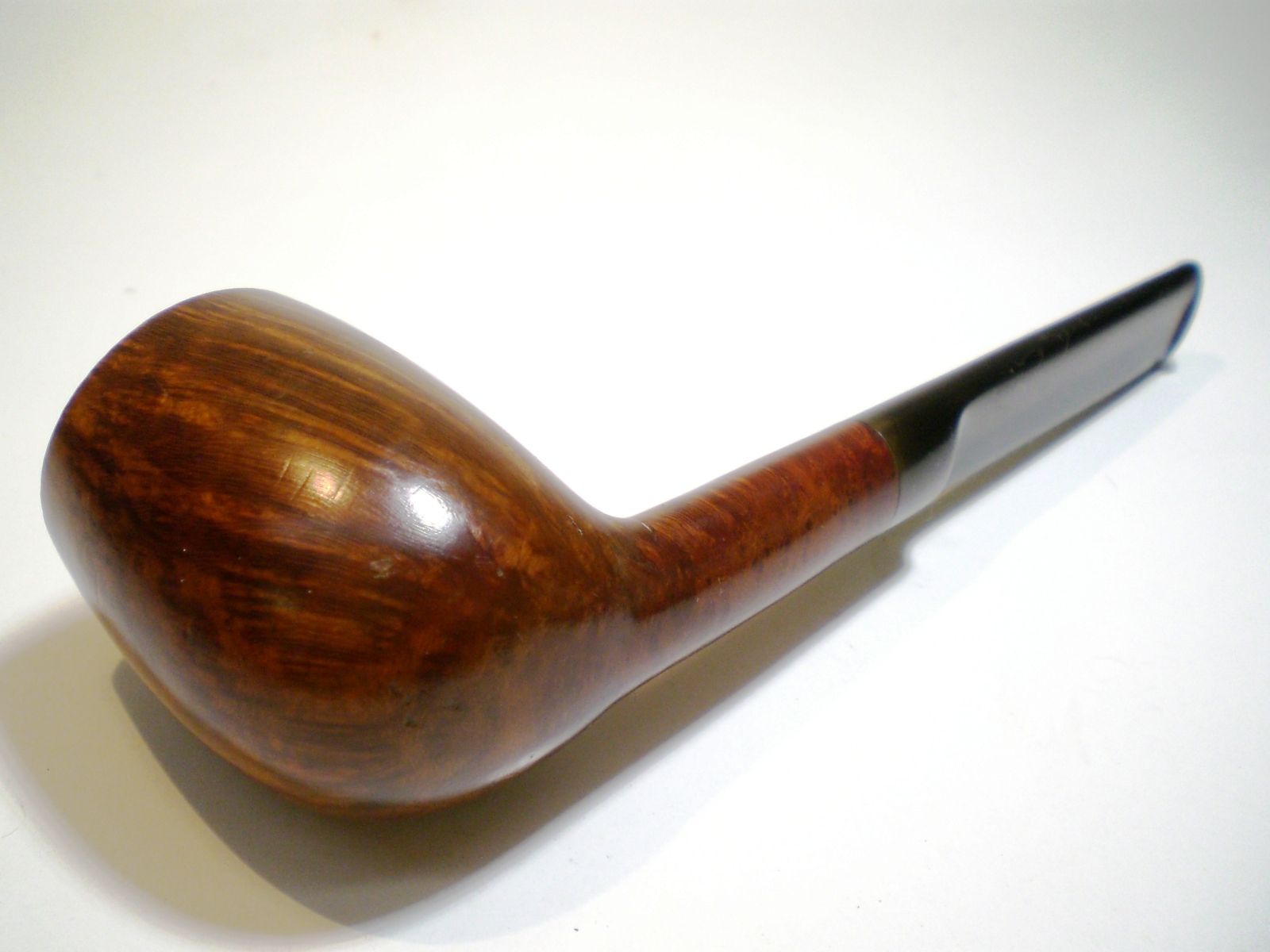
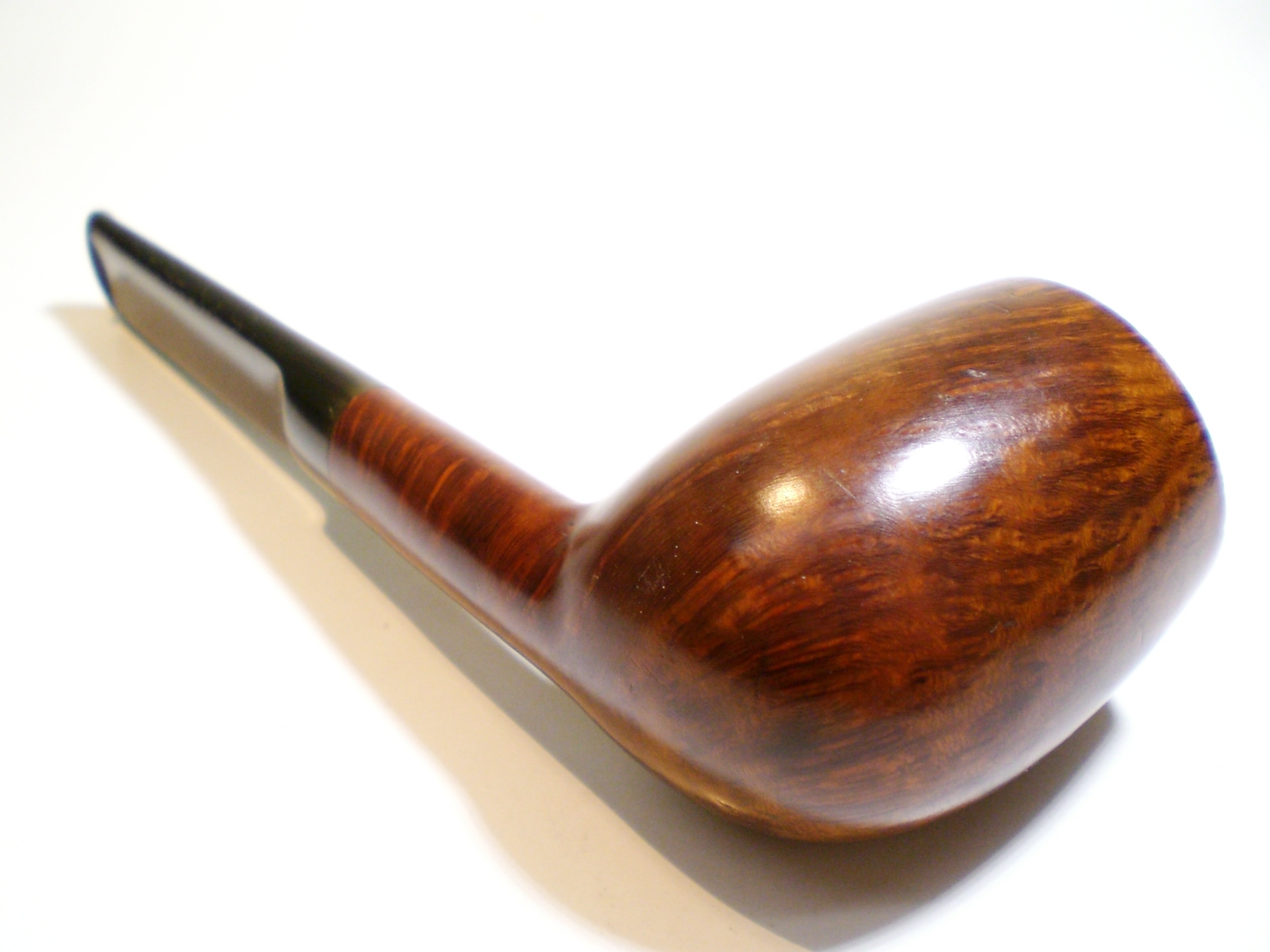
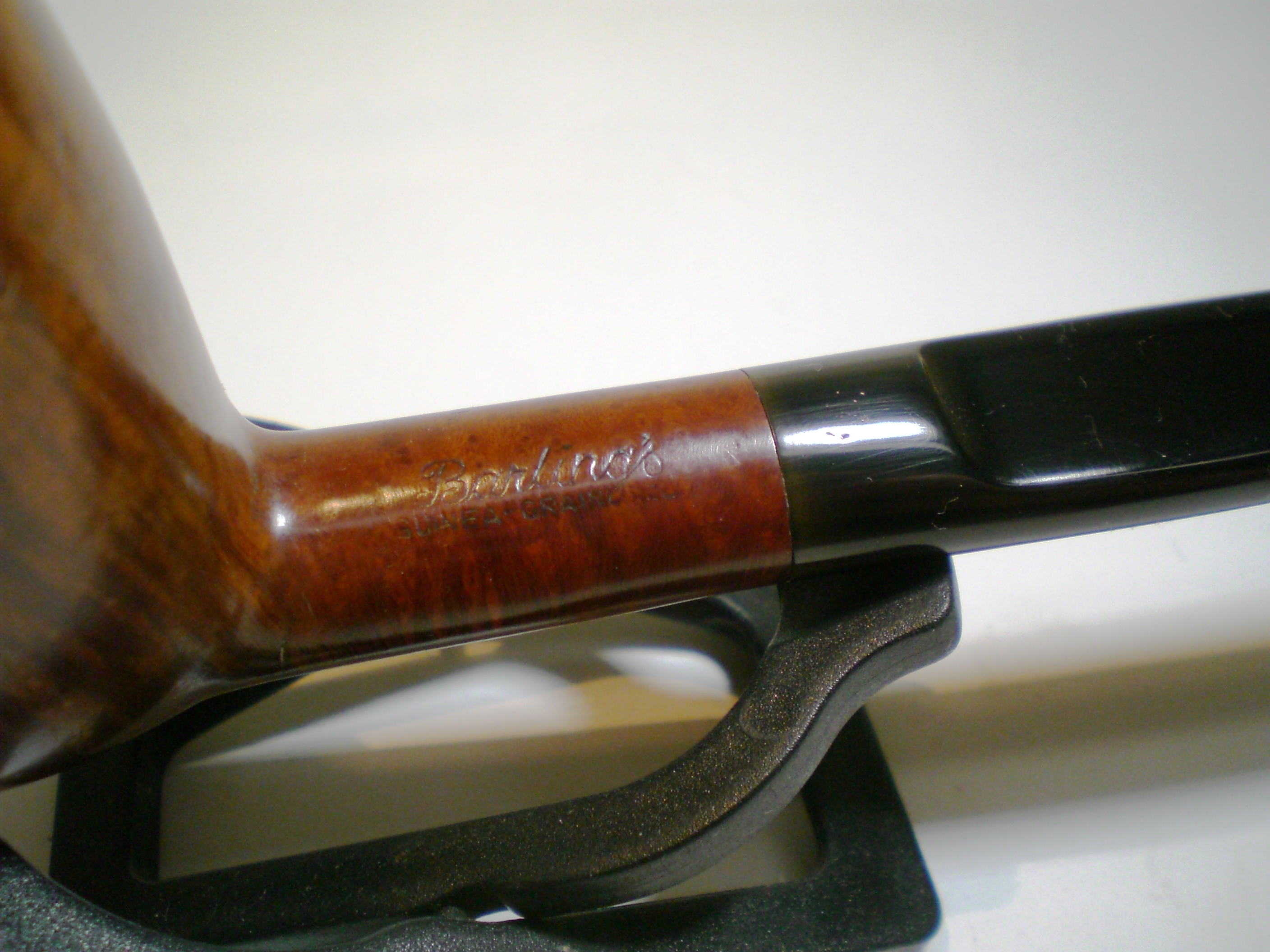
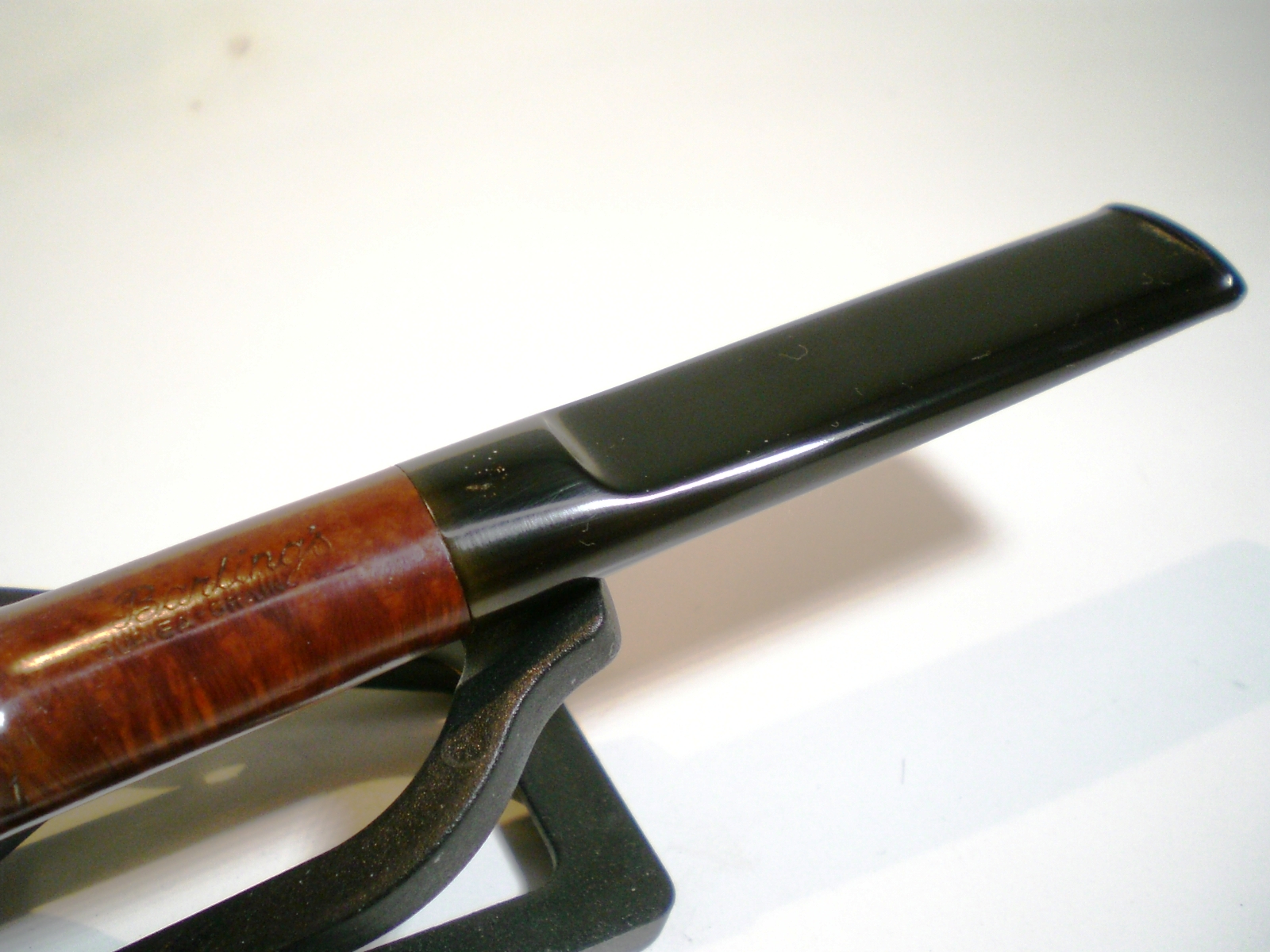
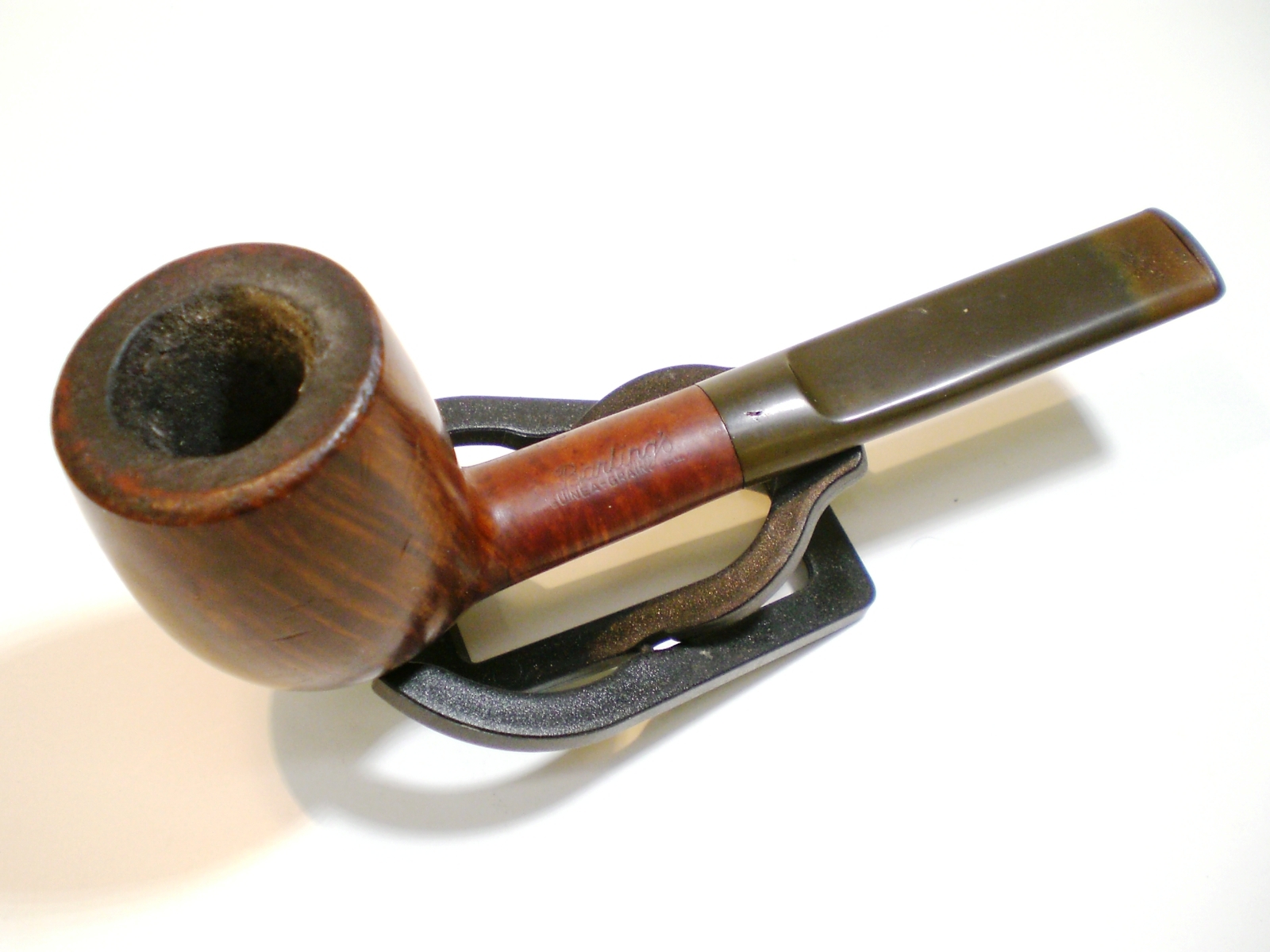
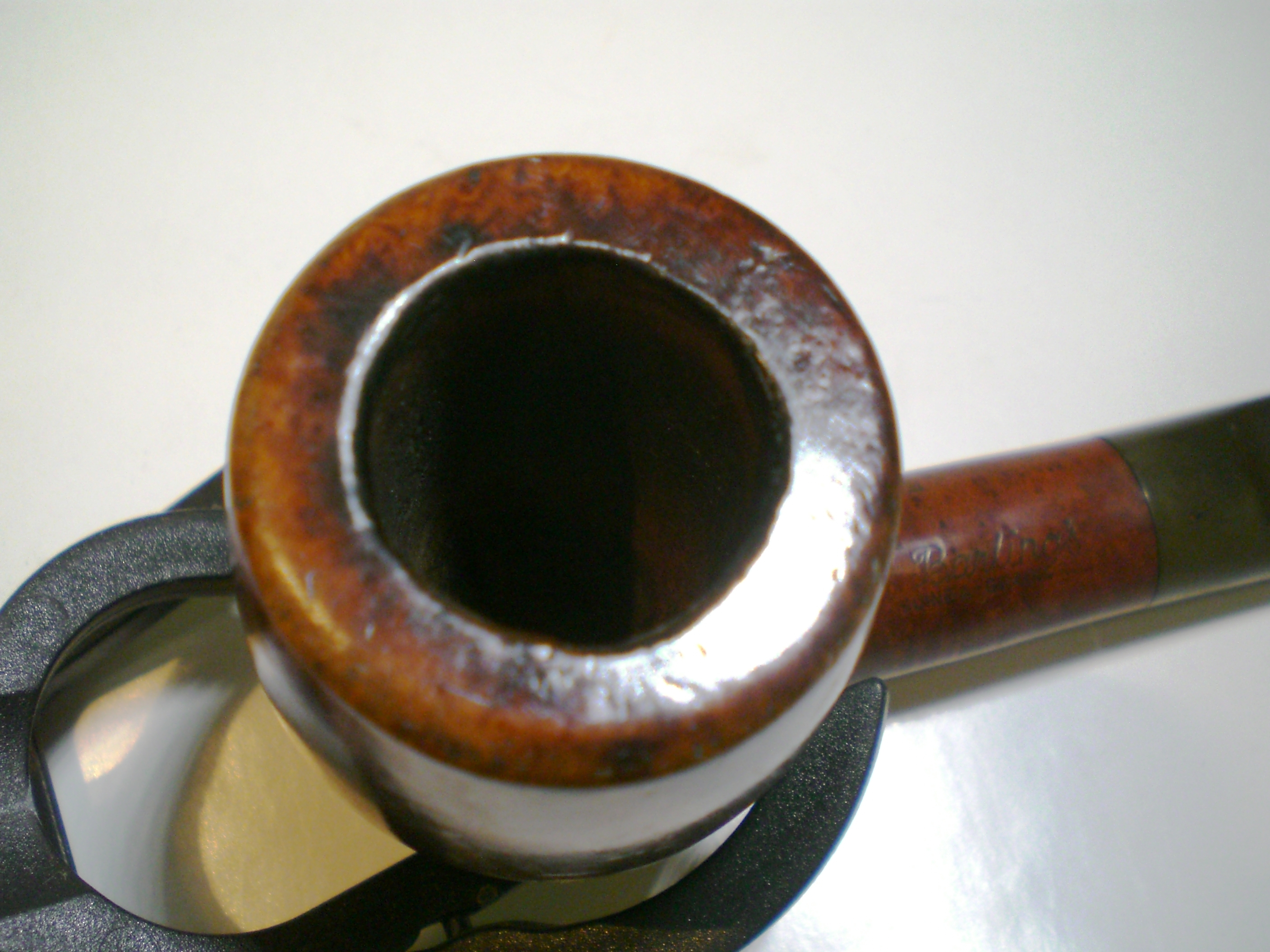
A member on the Pipe Smokers Forum recently acquired this Barling’s “Guinea Grain” pipe and I jumped at the opportunity to restore it for him. I don’t currently own a Barling’s pipe, but recent posts by brand authority, Jesse Silver, had piqued my interest. In conversation with Jesse about the pipe, he shared that “Guinea Grains are a higher grade designation and distinctive for several reasons. They’re the only Family Era pipes with a cursive “Barling’s” logo and they’re the only pipes that Barling also used oil in the curing process to bring out the contrast of the grain.” I enjoyed learning more about this fabled British pipe maker as much as working on it. I need to thank Jesse for his input and information. It is really wonderful to have such a brand authority available for comment. Since the pipe is stamped “Barling’s” in the possessive, Jesse dates the pipe to the 1940’s as a pre-Transition piece. The pipe is stamped EXEXEL, a size grade started in 1940. It also has a very faint “Reg” stamp and the letter “E”. Jesse tells me this is most likely the remnant of EB WB (Edward and William Barling), whose initials form the Barling sterling makers stamp and were used as part of the company nomenclature. Their initials were used on 1940’s era Guinea Grain pipes.

The pipe as I received it.

Barlings_Guinea_Before

Barlings_Guinea_Before (7)

Barlings_Guinea_Before (1)

Barlings_Guinea_Before (5)

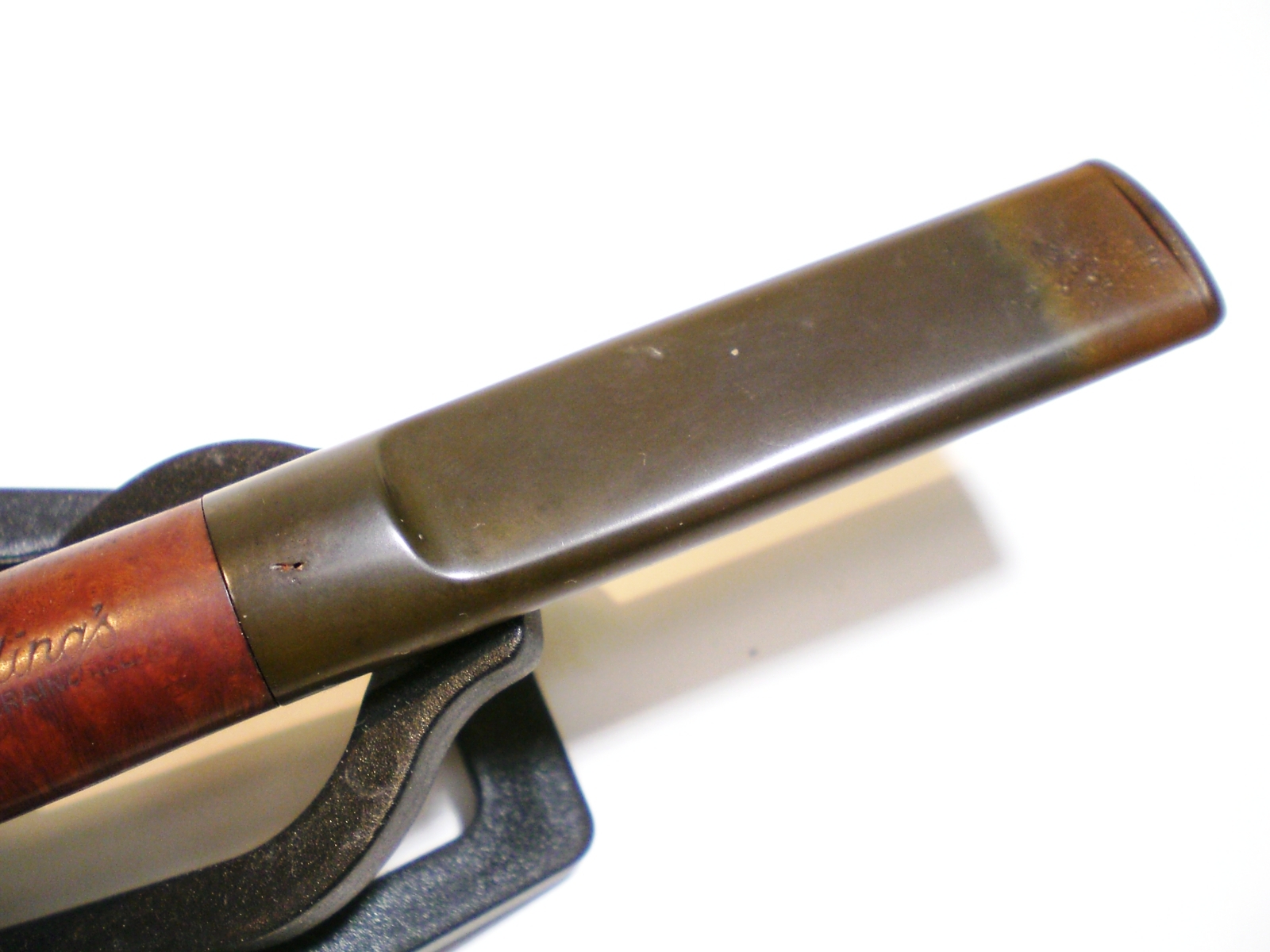
When the pipe arrived, it had heavy tar build-up on the bowl top and many dings and cuts in the briar. The stem was in relatively good condition with only surface teeth abrasions and no dents. Curiously, there was what appeared to be a pinhole near where the Barling’s Cross stem logo would be placed. There was no remnant left of the logo, even under magnification. At first, I thought the stem might be a replacement, but the button ends appears to have the distinctive ovalized and funneled button.

The bowl had a heavy caked which was reamed and then soaked with alcohol and sea salt. While the bowl was reamed a little out of round, the interior of the bowl was in relatively good condition. The bowl top had a number of scars and dings. I have been using Mike Gluklers method of soaking the tar covered bowl tops in just a millimeter or two of distilled water to soften the build-up. I removed it with a cotton cloth using the distilled water. There is some rim darkening, but I didn’t want to sand the rim and restain and think the patina fits the pipe

Barlings_Guinea_Progess (4)

Using a dinner knife heated by a propane torch and a wet cloth, I went to work on the numerous dents and cuts. Some lifted out completely, others were minimized. I wasn’t able to do much about the chatter around the bowl rim. I suspect the previous owner knocked ash out of the bowl. Staying away from the valuable nomenclature, the bowl and rim was buffed with white diamond and several coats of carnuba wax. I gave the nomenclature area a hand-wax with Halycon pipe wax.

I put a drop of black superglue on the hole in the briar. After it was dry, I sanded off the worst of the oxidation with some 800 grit wet paper. I then moved to 1500 and 2000 grades wet paper and finally 8000 and 12000 grades of micromesh. I used a slim knife blade to hold the paper into the button crease to remove that oxidation. Then the stem was buffed lightly with white diamond and finally a plastic polish. The Barling’s stem has a unique feel to it, unlike my similar era Comoys or Charatan stems. The button air hole shapiong shows a lot of care was shown making the stem. (and also makes me think it is an original Barling’s stem).

And finally, the finished pipe.

Barlings_Guinea_Grain_Finished-1

Barlings_Guinea_Grain_Finished-2

Barlings_Guinea_Grain_Finished-4

Barlings_Guinea_Grain_Finished-5

Barlings_Guinea_Grain_Finished-8

Barlings_Guinea_Grain_Finished-7

Barlings_Guinea_Grain_Finished-9

Barlings_Guinea_Grain_Finished-10

Comoys Stems – New Buttons


Blog by Al Jones

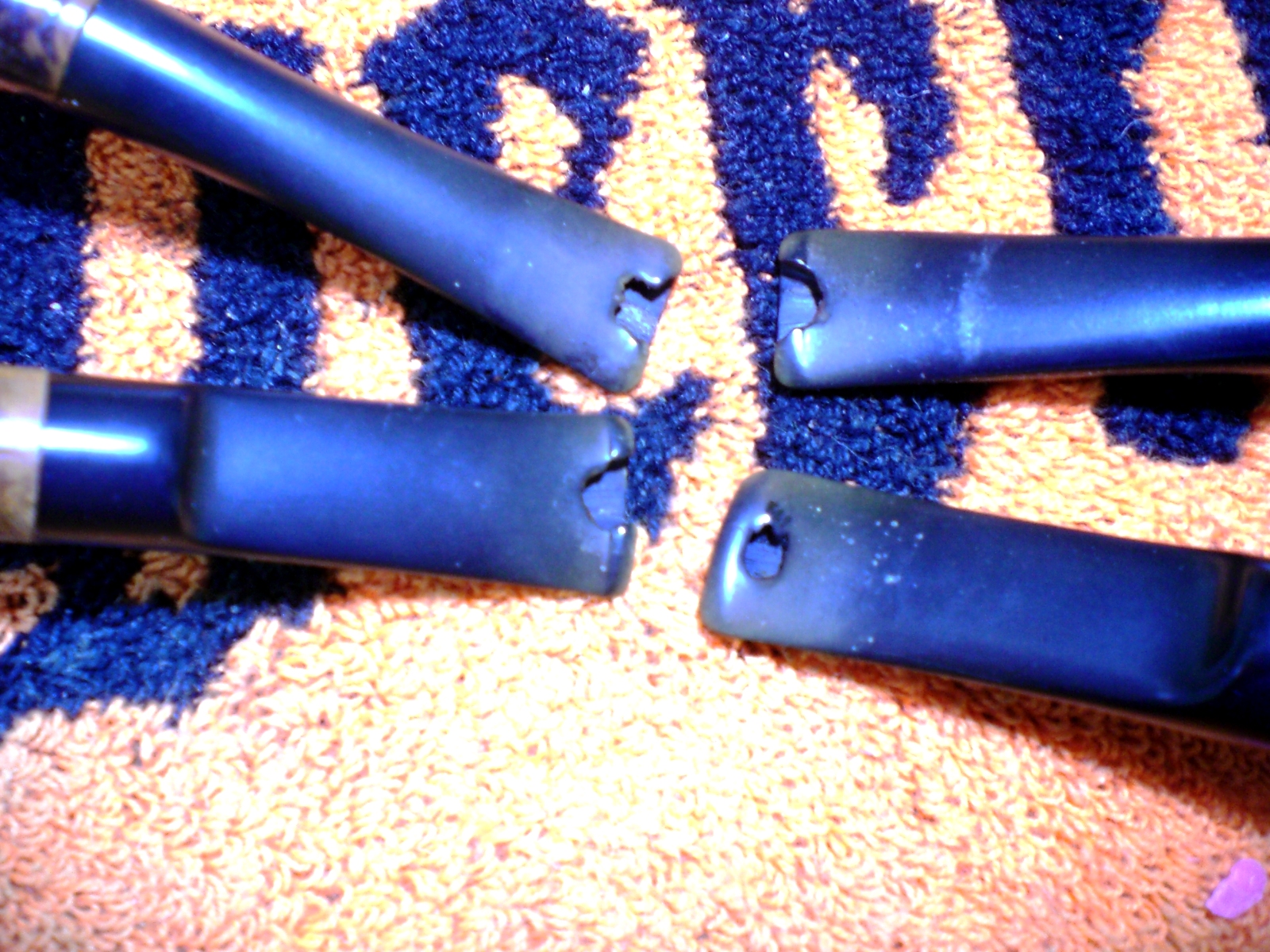
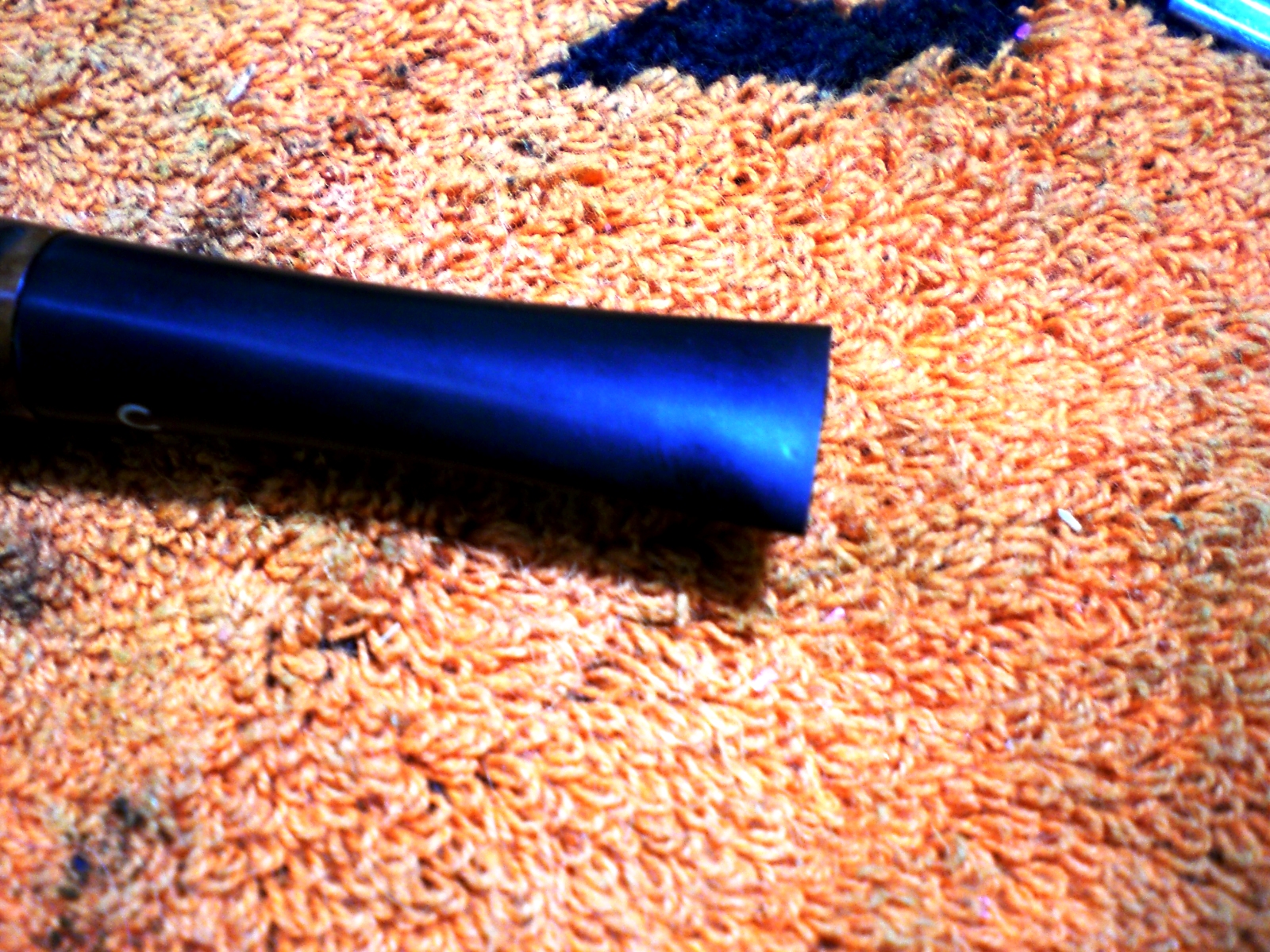
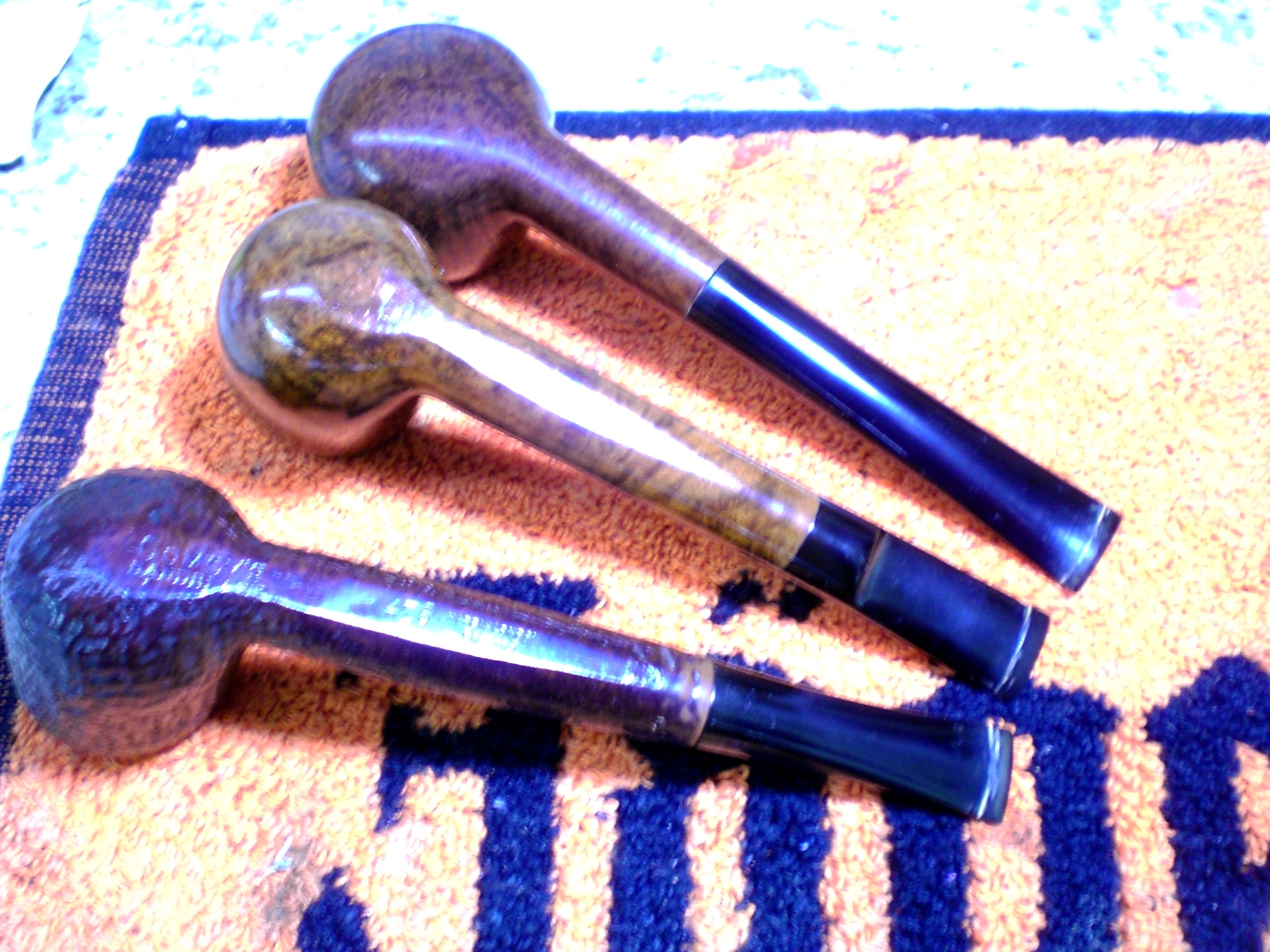
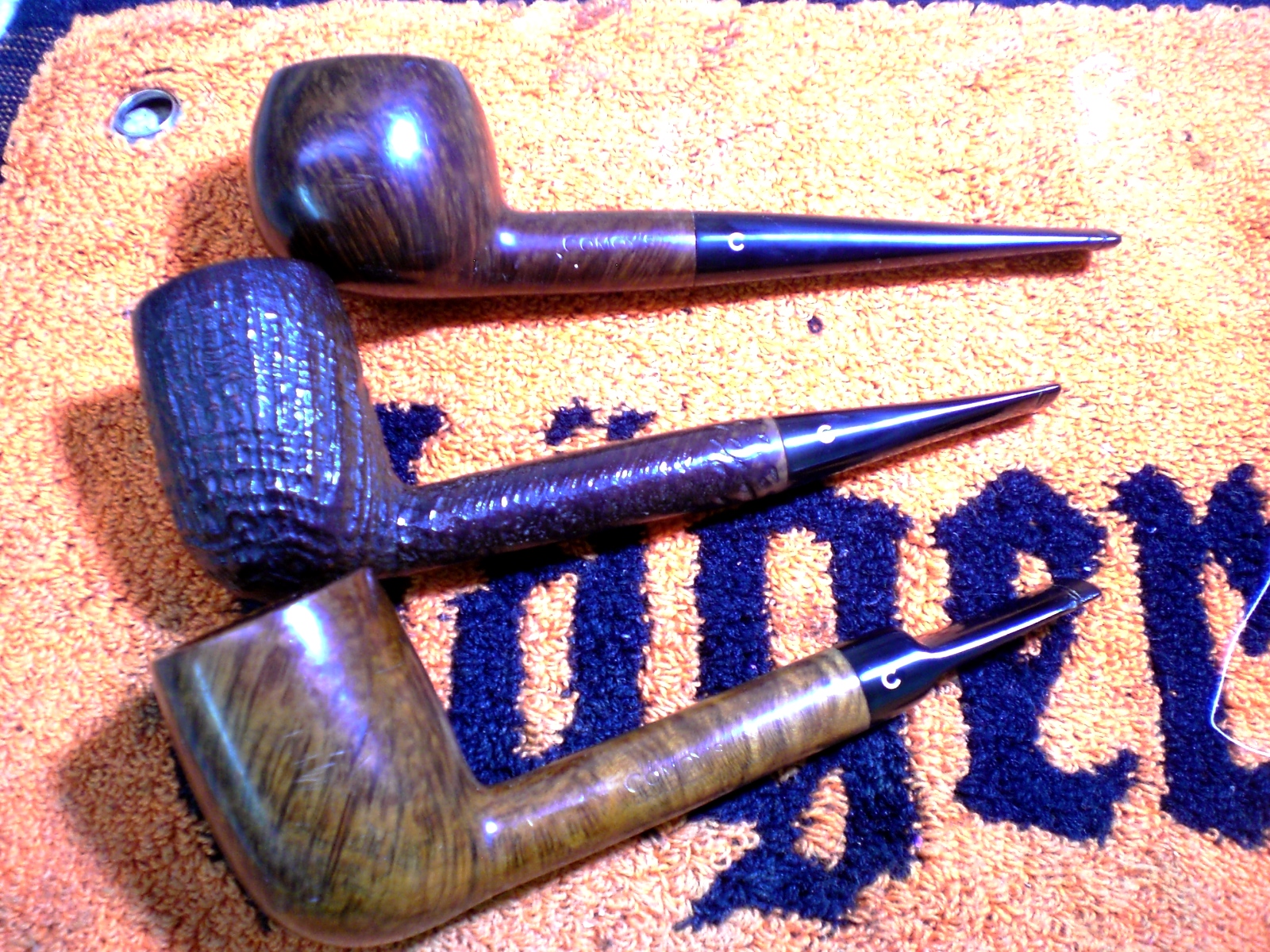
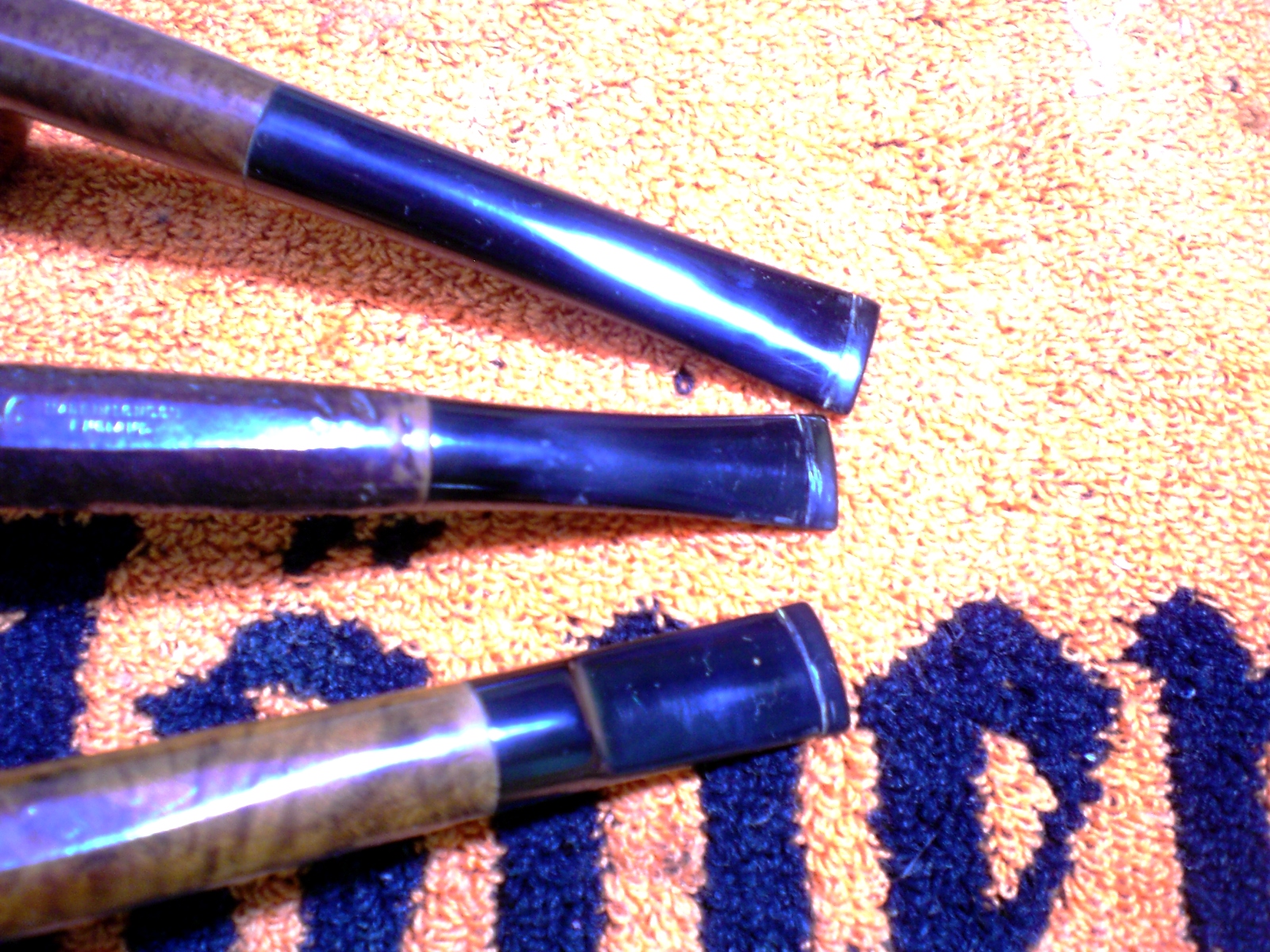
Walt, a member of the BrothersOfBriar pipe forum asked me if I could repair the stems on this quartet of Comoy’s pipes. One of the pipes is a Blue Riband. The stem damage was pretty severe and he wanted to save the original Comoy’s stems. All four have the 3 piece, drilled “C” logo of a pre-Cadogan era Comoy’s.

Beyond the holes, the stems were in remarkably good condition with only dull vulcanite.

Comoys_Buttons (1)

Comoys_Buttons

I didn’t think the Super-glue repair technique would hold up across those open areas, so I decided to cut off the damaged section and reshape a new button. I have a small, fine tooth “hobby saw” that I used to carefully cut off the broken button.

Comoys_Buttons- Cut & Cropped

Comoys_Buttons (2)

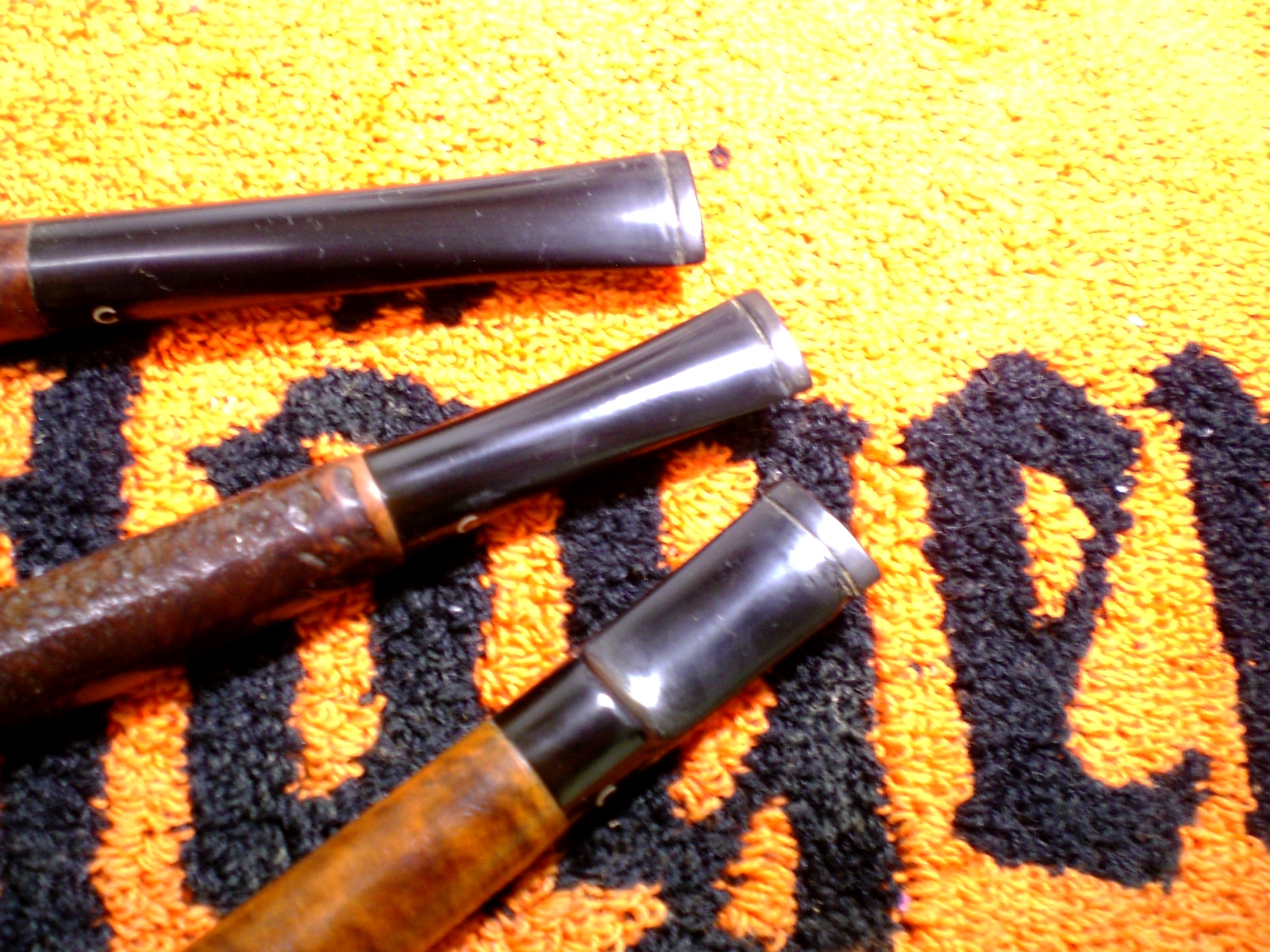
I used a small, round needle file to “funnel” the buttons for better air flow.

Cutting the new button creases was a nerve-racking job as the Comoy’s stems were so thin. I didn’t want to weaken the stem. Using a sharp knife, I made a slight cut across the stem, about 2 mm in width. I then used a small flat needle file to give the button some height, but was careful not to go too deep. I used some 800 grit paper to taper the stem towards the new button then smoothed out the file marks with 1500 and 2000 grit paper. I used the 2000 grit paper on the rest of the stem, to remove the mild oxidation. The entire stem was polished with 8000 and 12000 grit micromesh paper and then buffed with white diamond.

On the briar, I removed the top layer of tars build-up and gave the pipes a light buff with white diamond and then a few coats carnuba wax.

The new buttons required they have a slim profile, but I think they will hold up to many more years of use.

Comoys_Buttons (6)

Comoys_Buttons (7)

Comoys_Buttons (8)

Comoys_Buttons (9)

Walt graciously gave me one of the four pipes and I chose the Sandblast Canadian. Repairing that stem will be a future project.

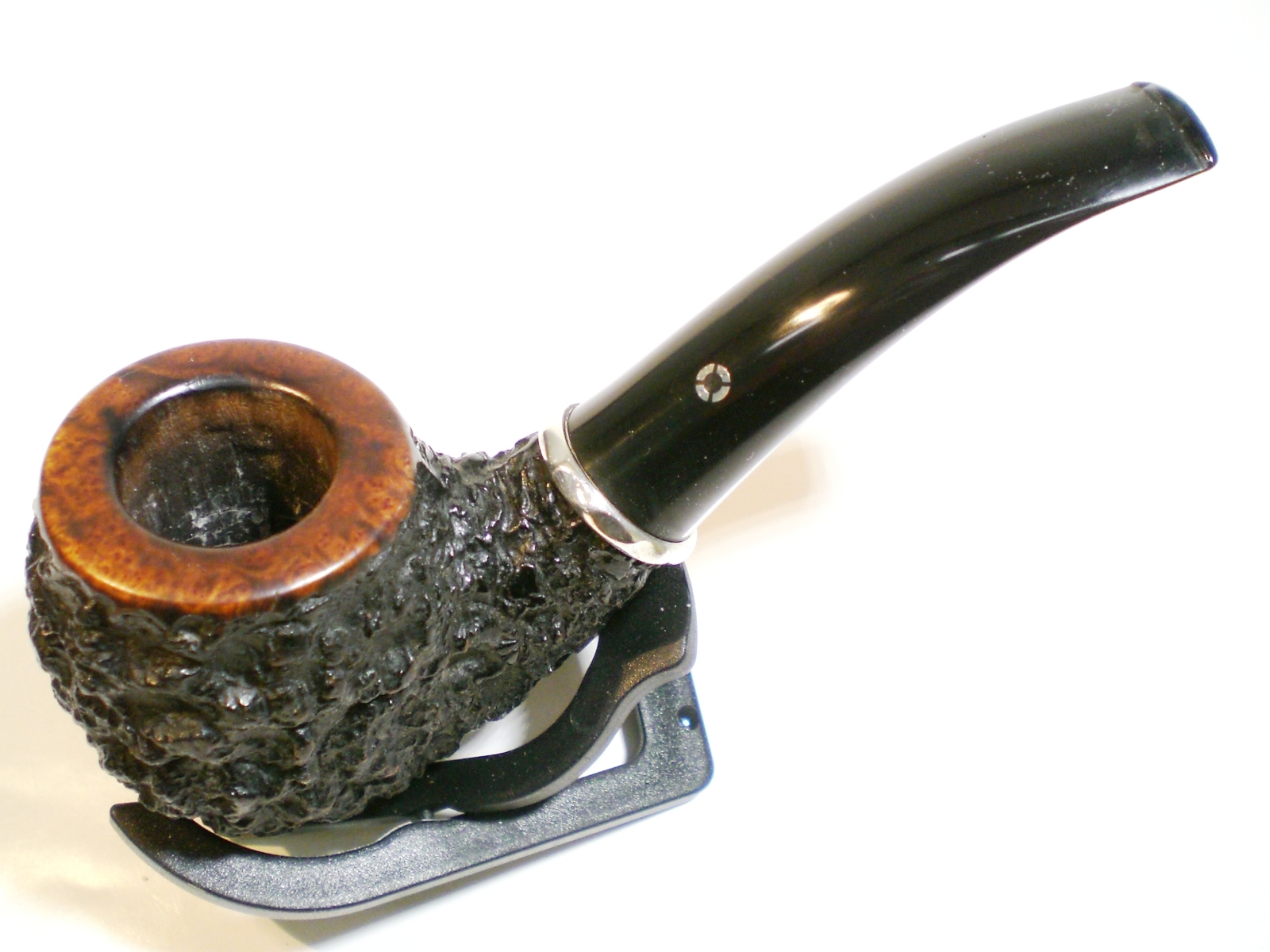
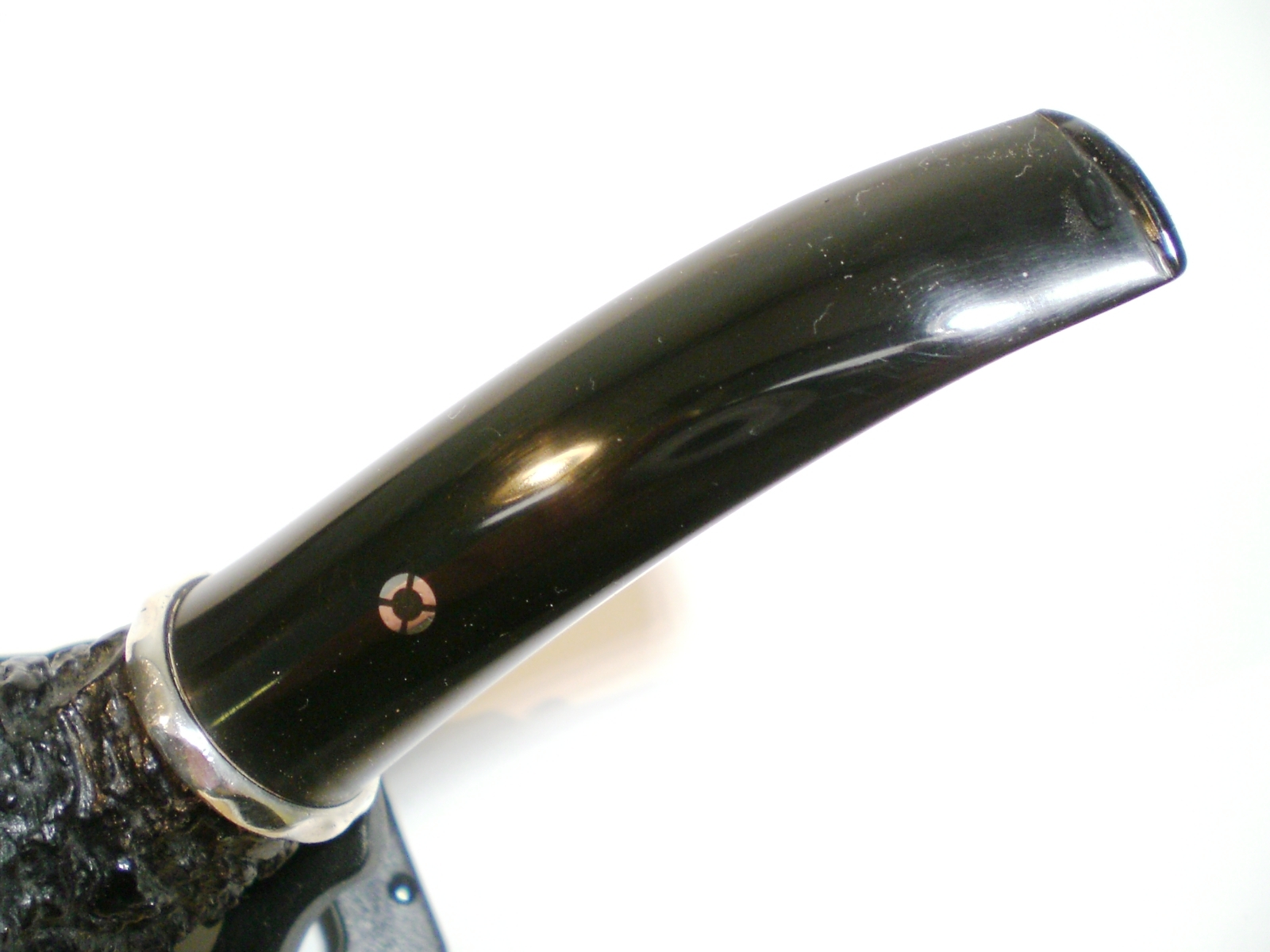
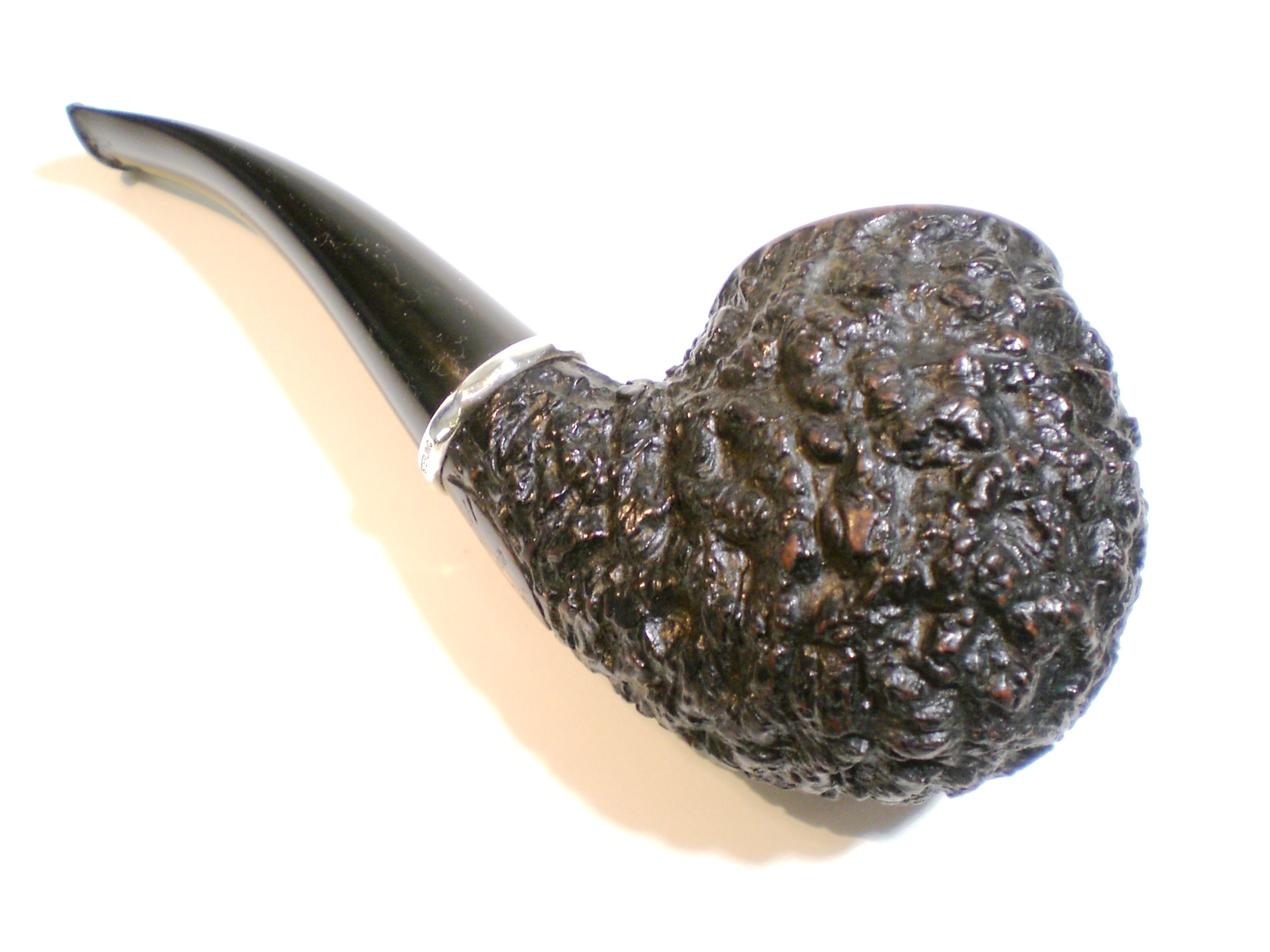
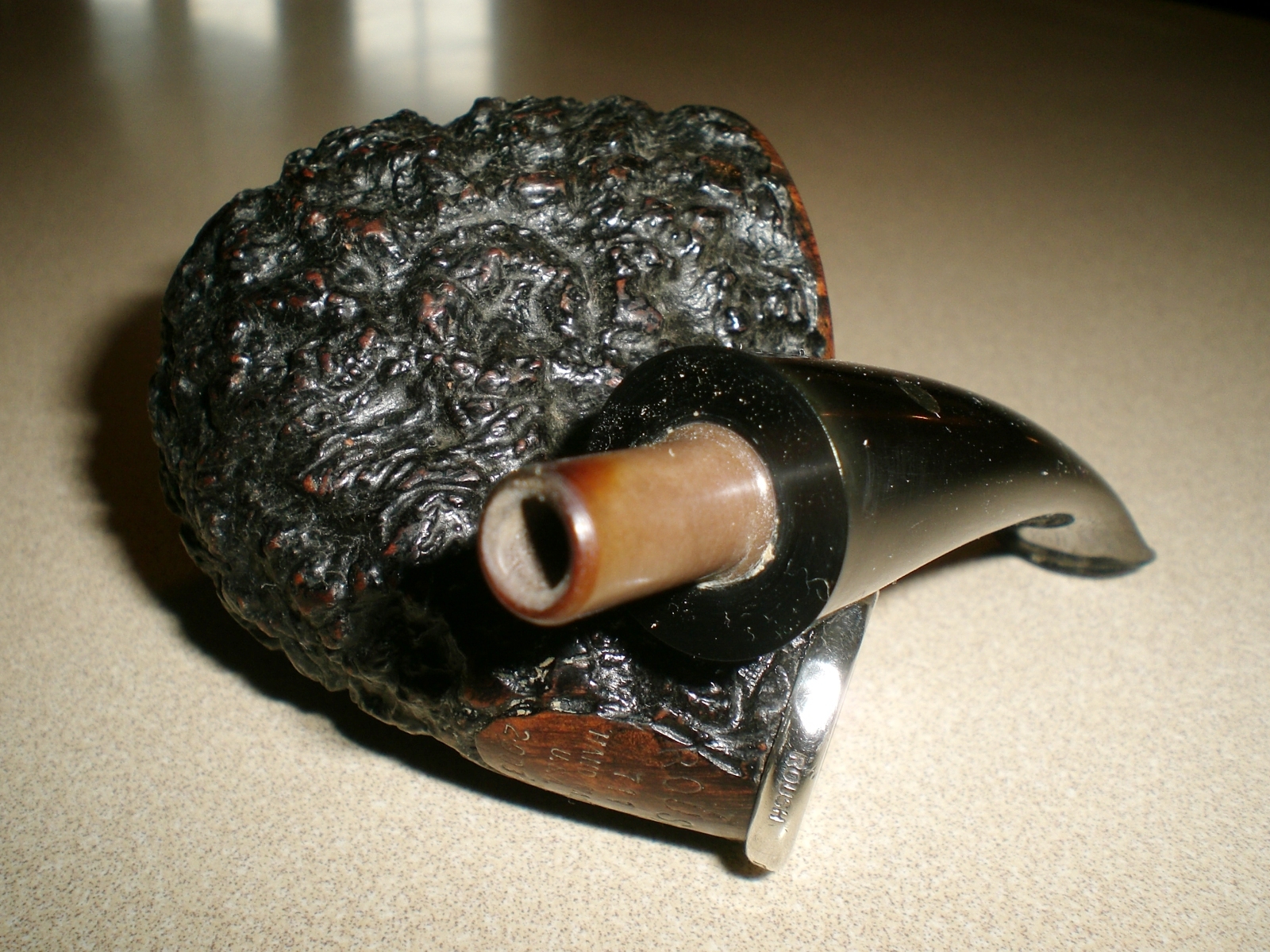
Restoring a Larry Roush Bent Billiard


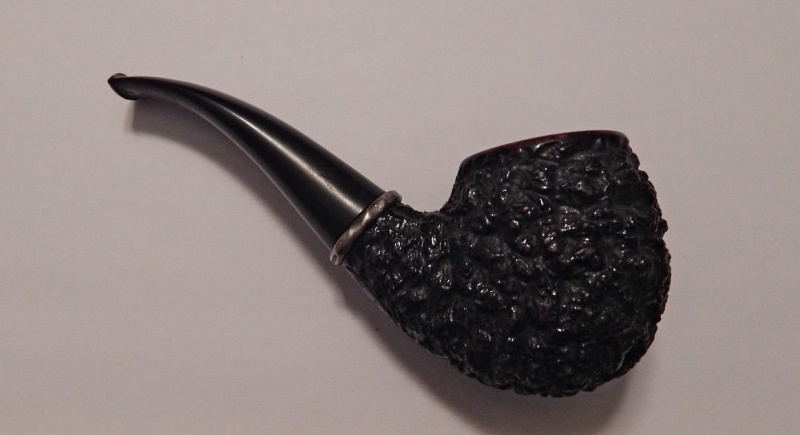
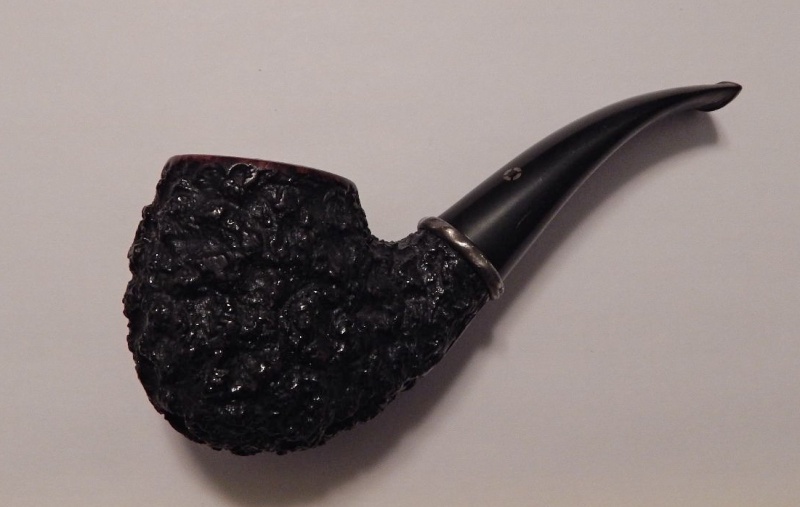
My friend Dave has a real knack for acquiring some very interesting pipes and occasionally they make their way to my workbench for cleaning. Dave posted this one on the Brothers of Briar forum and I was immediately drawn to it. In the sellers pictures, it looked in great shape, but when Dave had it in had there was some ghosting and it needed a general clean up – that was my good fortune!

At a casual glance, this Grade 7 Carved pipe didn’t impress me, but as I started to work on the various areas, the craftsmanship was really apparent. The pipe had a pretty heavy cake, the stem was bit faded and curiously it has a small dent on the side and a scratch on the other side. The stem had a small tooth indention on the top and bottom of the stem. These were very shallow and I knew they would be challenging to remove completely.
I managed to lose my “Before” photos, but the seller supplied these to Dave.

Larry_Roush_Before 2

Larry_Roush_Before 1

The good news for Dave was that someone really loved this pipe!

I reamed the heavy cake from the pipe and then used the retort, as Dave had mentioned it had heavy ghosting. To be completely sure the ghosting was removed, I also soaked the bowl with alcohol and sea salt. I was pretty confident that I had removed the ghosting, but only a smoke would determine my ultimate success. The more I handled the “carved” bowl, the more it grew on me.

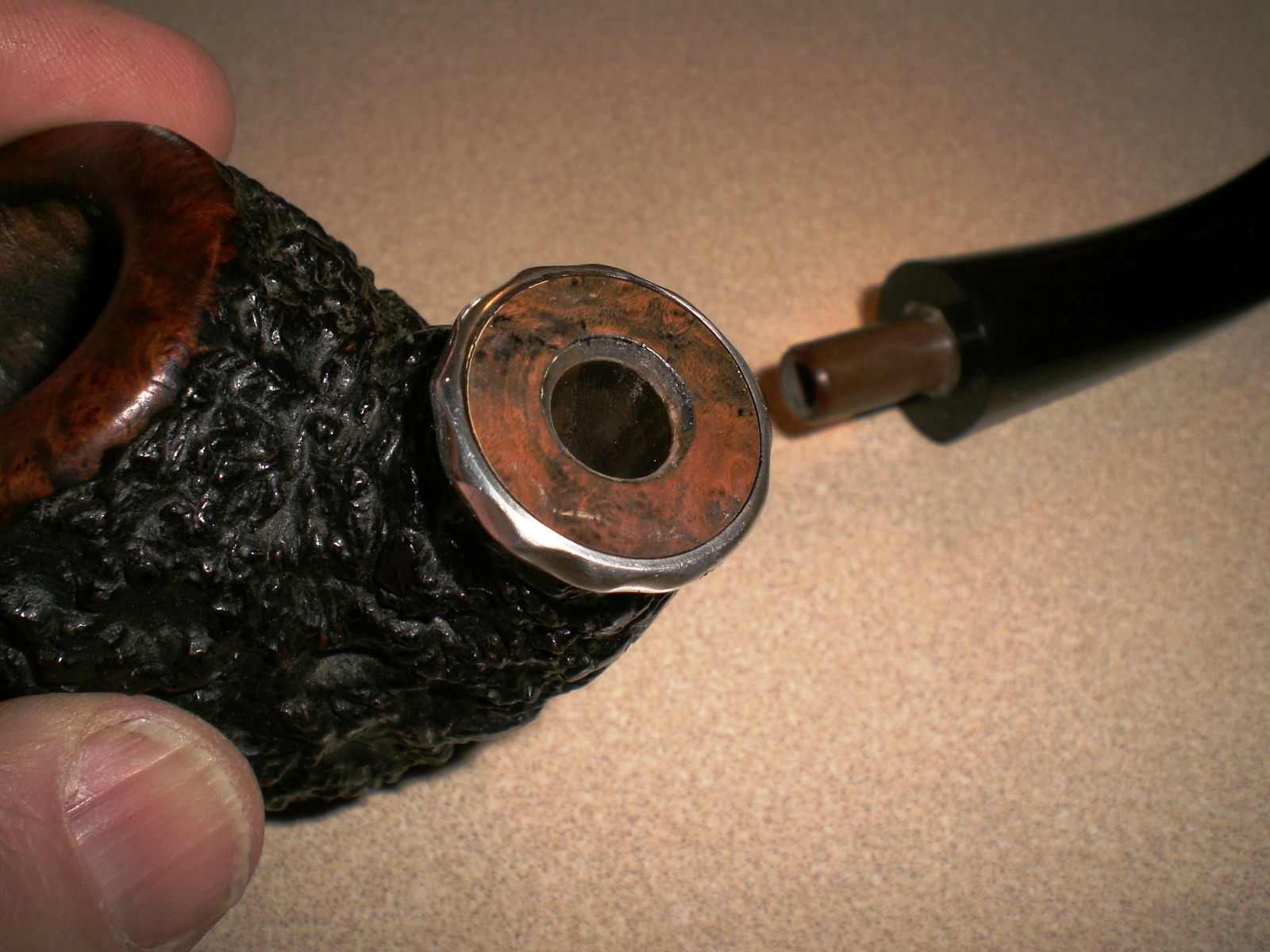
The pipe had a beautiful silver ring that was stamped “Roush” and “Sterling”. I love slim stem rings and think this is a lovely aspect to the pipe. The shank/stem junction was polished and even chamfered a bit. The pipe had what appeared to be a Delrin tenon which was nicely finished as well.

The small side dent and scratch on the vulcanite stem took some 800 grit wet paper to remove. The stem was then polished with 2000 grit paper and then 8000 and 12000 grit micromesh paper. I was able to diminish the two teeth dents, but not completely remove them. I tried to cover them with the black Stew-Mac Superglue, but they were to shallow for it to adhere well.

I polished the bowl top with some White Diamond and then several coats of Carnuba wax. I waxed the bowl by hand with some Halycon wax and an old tooth brush. I used some metal polish the brighten the sterling silver ring.

I sent the finished pipe back to Dave and he reports that I was successful in removing the ghosts. Larry Roush pipes command premium prices and after examining one quite closely, I came away very impressed with his work.

Roush_Dave_J (6)

Roush_Dave_J

Roush_Dave_J (1)

Roush_Dave_J (3)

Roush_Dave_J (4)

Roush_Dave_J (5)

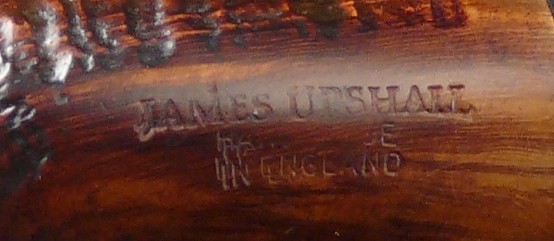
James Upshall Bark (Unsmoked) Restoration


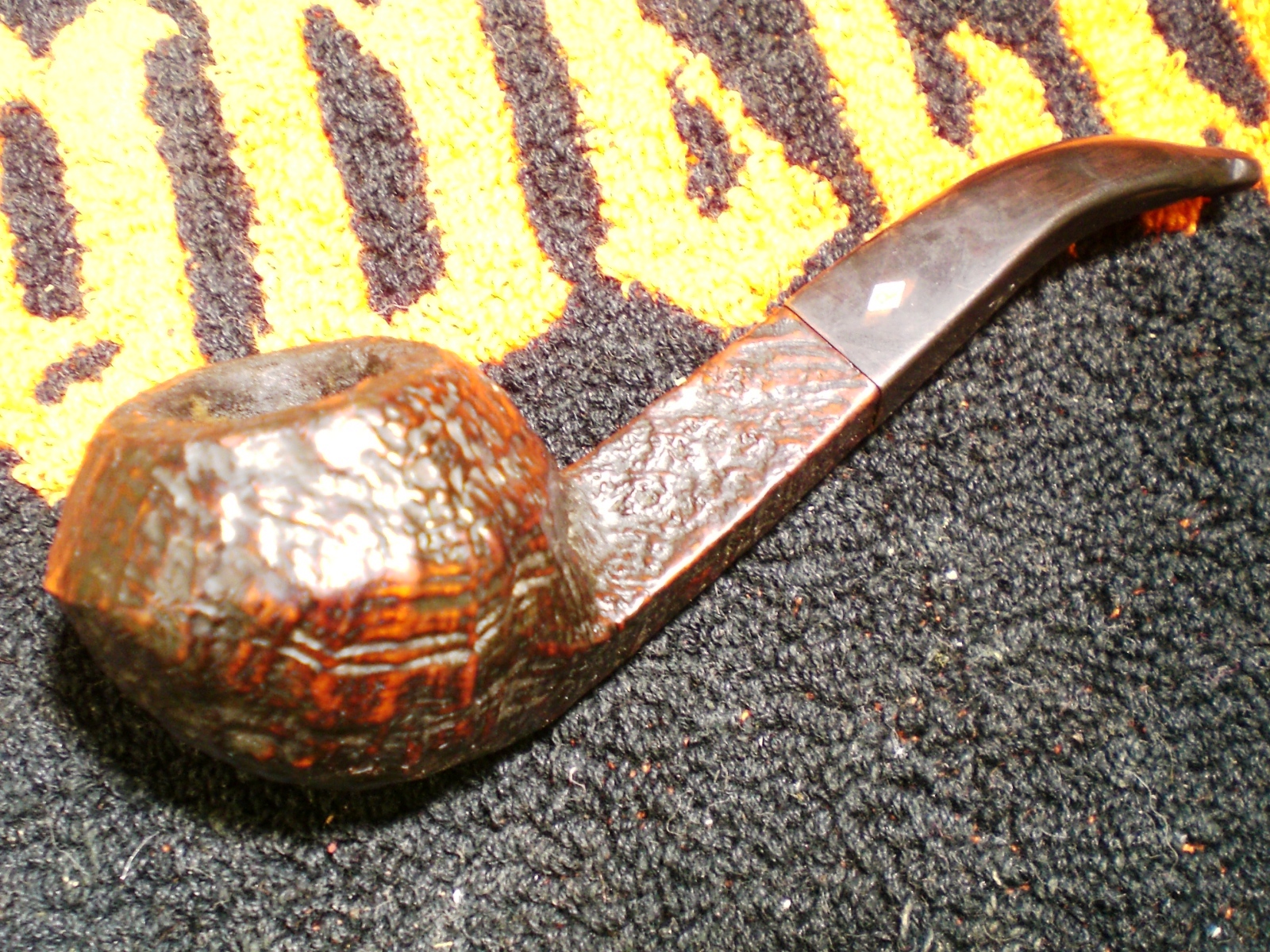
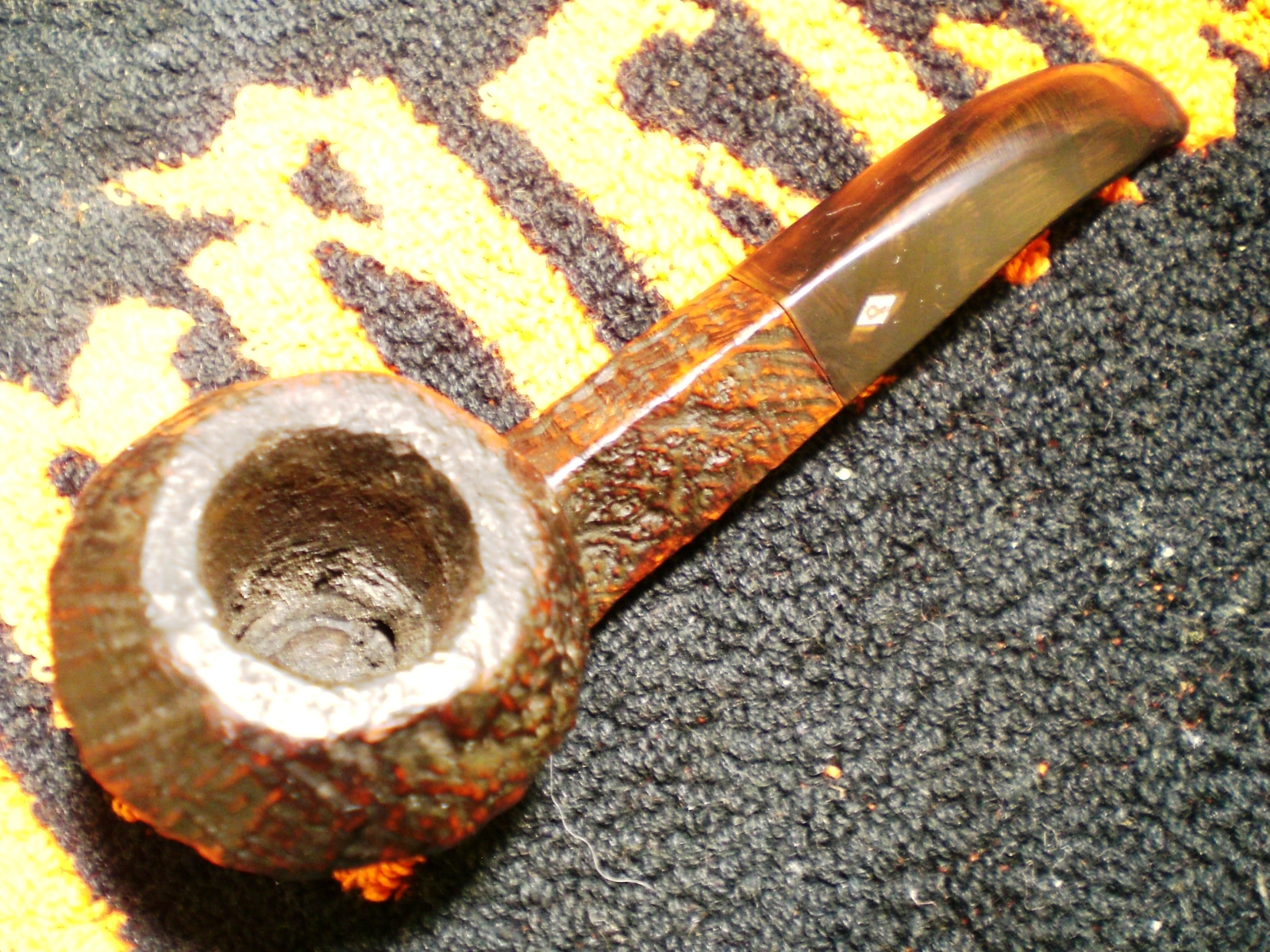
As my screen name for this blog implies, I’m a pretty big James Upshall fan. To this point, all of my Upshalls are smooth pipes of the various grades (P, S, B and ungraded). This pipe, my 8th Upshall, was advertised as “unsmoked”. The Ebay pictures were lousy, but the price was right and the seller took refunds, so I rolled the dice. I was pleasantly surprised with a beautiful Bark finish pipe and in perfect, unsmoked condition. Of course the stem was oxidized, which proved to be more stubborn than it appeared.

James_Upshall_Bark_Before (1)

James_Upshall_Bark_Before

James_Upshall_Bark_Before (3)

I didn’t want to soften or damage any of the stem edges on the saddle stem, so I started with a relatively fine, 2000 grit wet paper. I used a combination of popsicle stick and small, flat needle file to get the oxidation out of the creases. That took considerable effort, but I’m pleased with the results. I followed next with 8000 and 12000 grades of micromesh, also utilizing the sticks. Working around the small, stamped logo, was challenging. The stem was then buffed with white diamond and then plastic polish.

I worked in some Halycon II wax on the bowl, which was in mint condition. I used an old toothbrush to work the wax into the rough finish and then buffed it with a clean cloth.

I’m very excited to smoke this one, as it is my first unsmoked James Upshall. I’ve handled other Bark finish Upshalls in the past and some of the stem work was not to my liking. This one looks to have a good grade of vulacanite and has the feel I’m accustomed to on my polished Upshalls. The button is particularly appealing and has perfect mouth feel. I’m not a real clencher, so smaller profile buttons are to my liking. The Bark finish feels superb in my hand and it is a bit similar to the Sea Rock on my Castello. After the Rhodesian and Bulldog shapes, the classic Bent Billiard is next on my preferred shapes list.

I have several large Upshalls in my collection and I’m focusing on obtaining only smaller pipes now. Fortunately, this one isn’t too far out of my comfort zone at 60 grams. It is also about the same size as my Castello 4k pipe (also a bent billiard).

James_Upshall_Bark_Gallery (6)

James_Upshall_Bark_Gallery (1)

James_Upshall_Bark_Gallery (2)

James_Upshall_Bark_Gallery (3)

James_Upshall_Blasted - SAMPLE

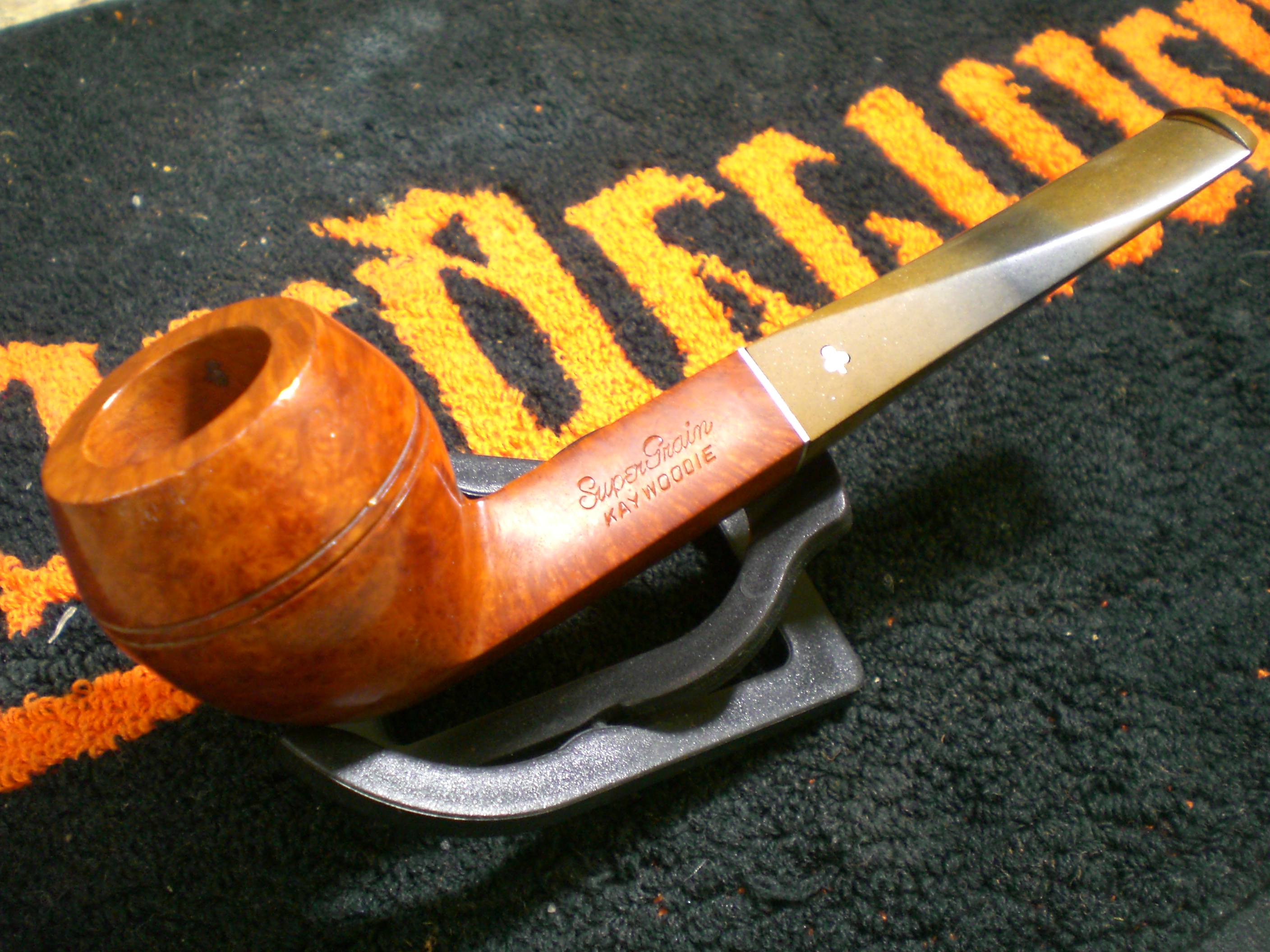
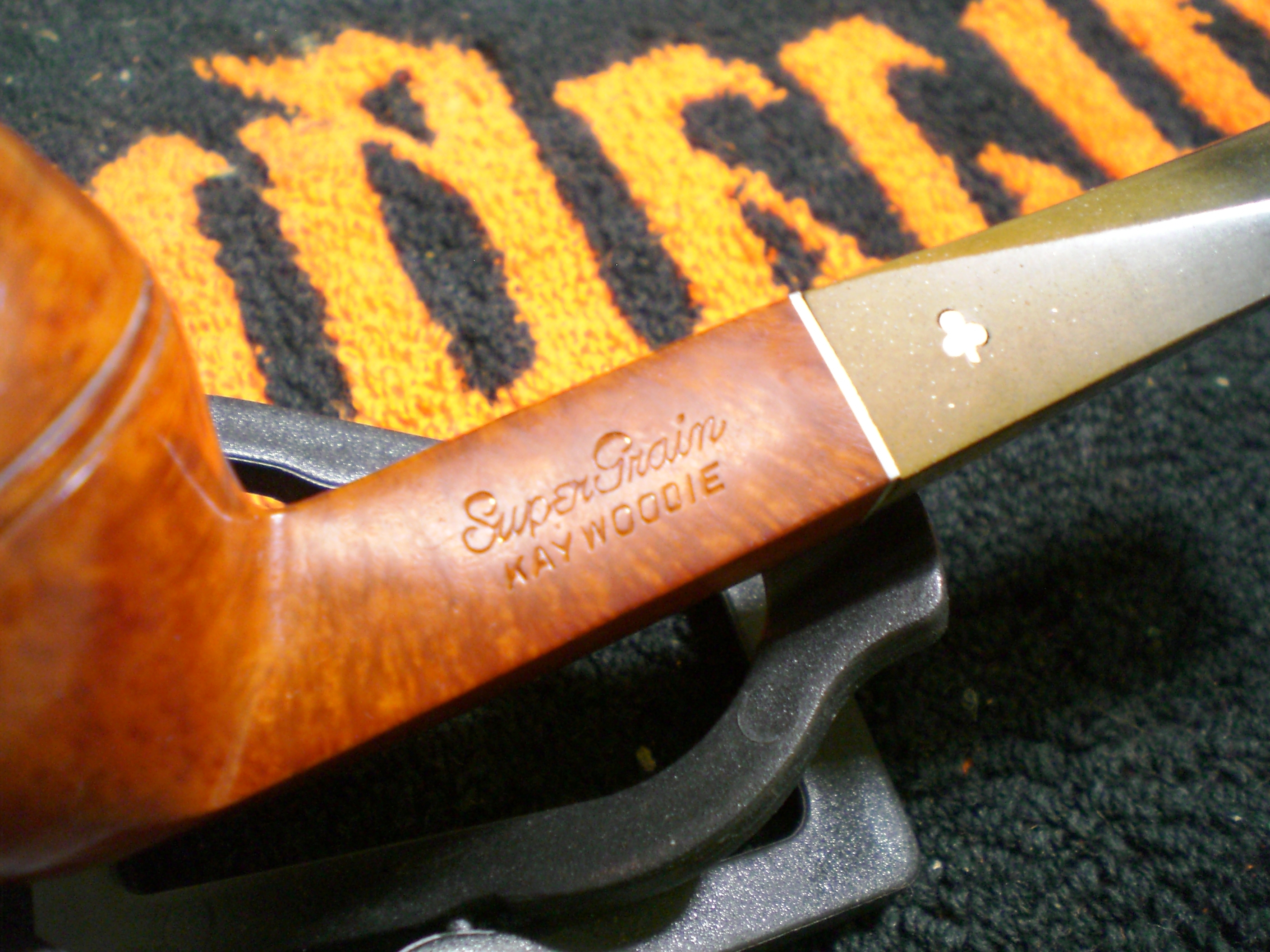
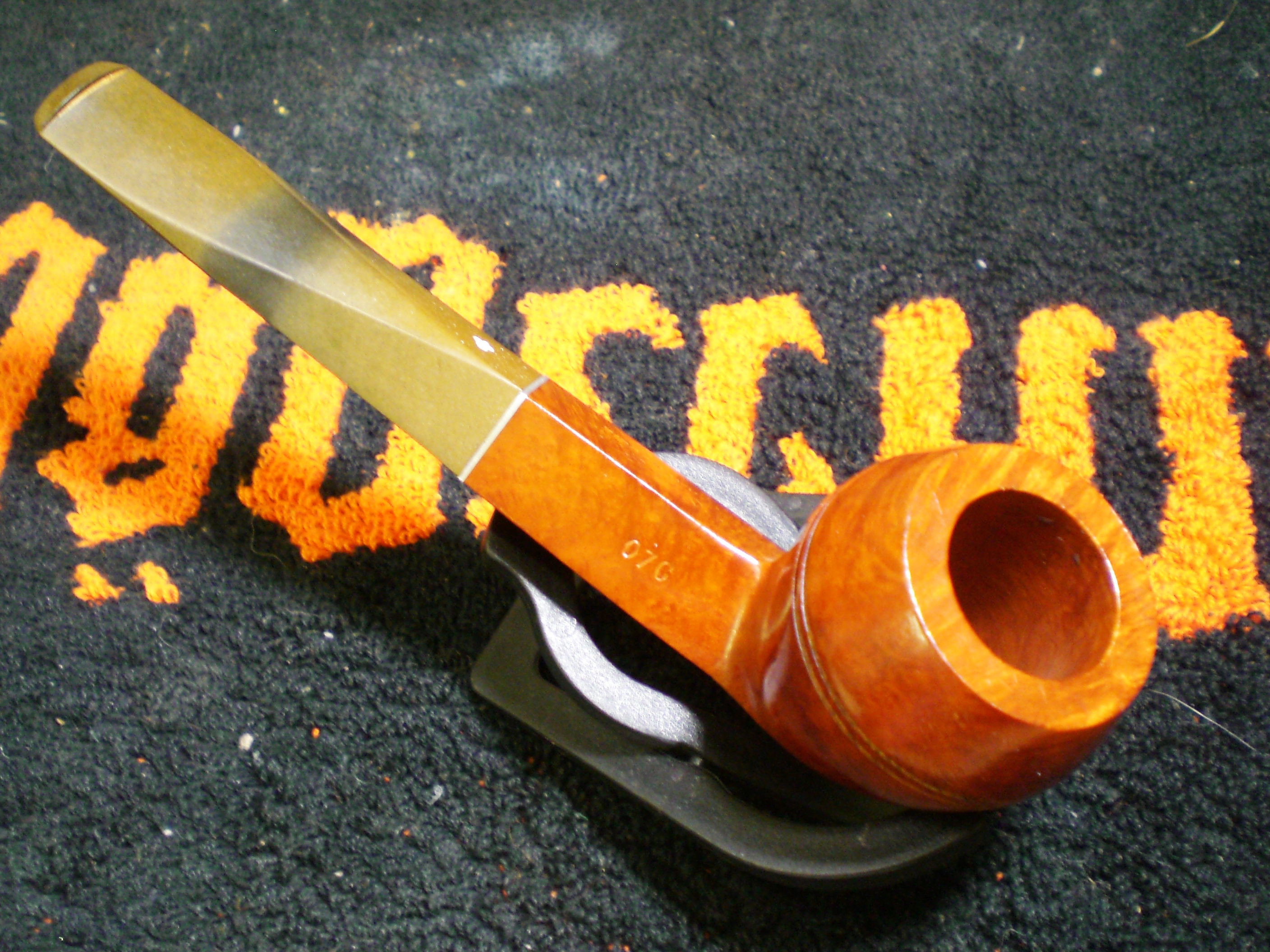
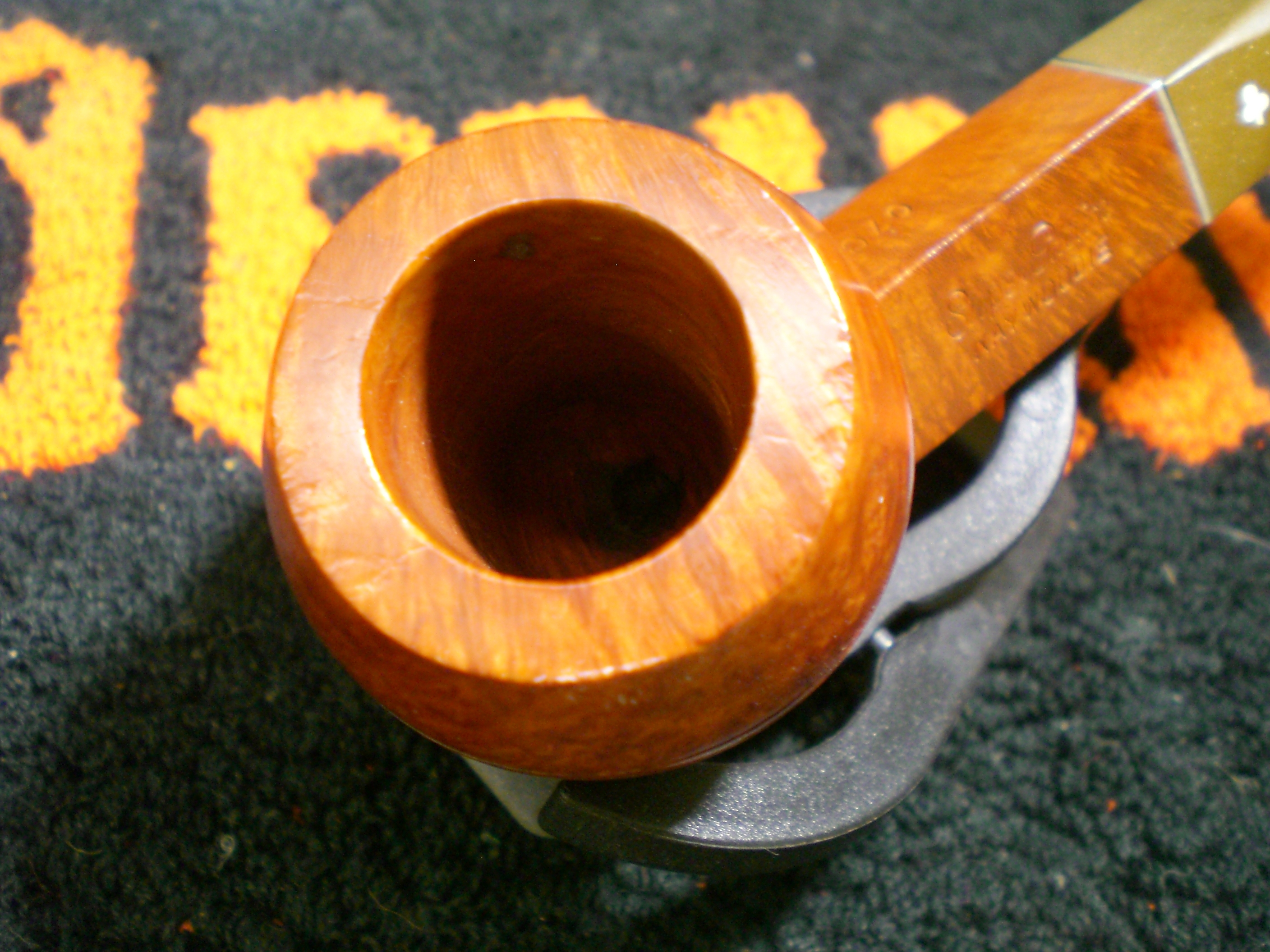
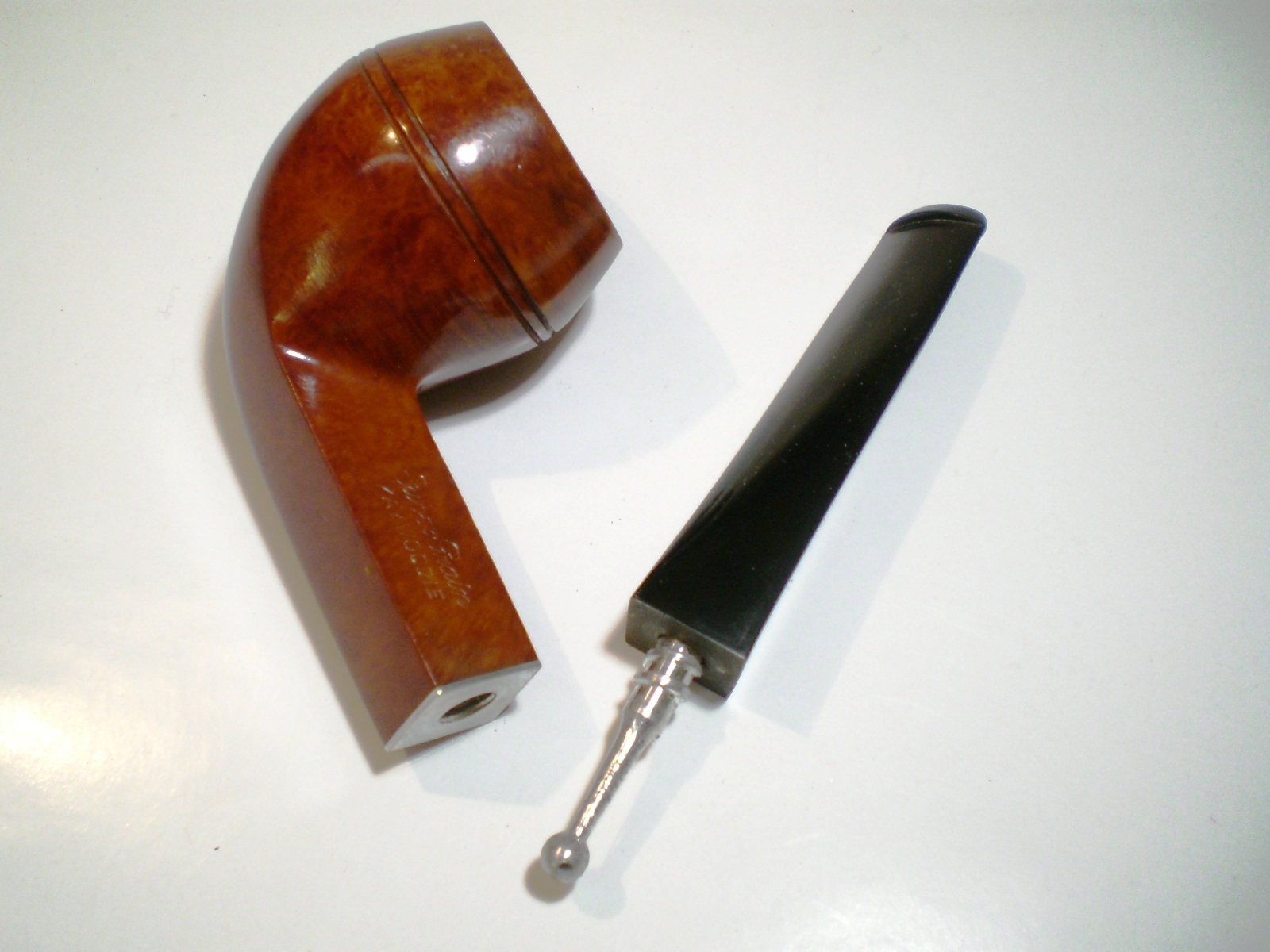
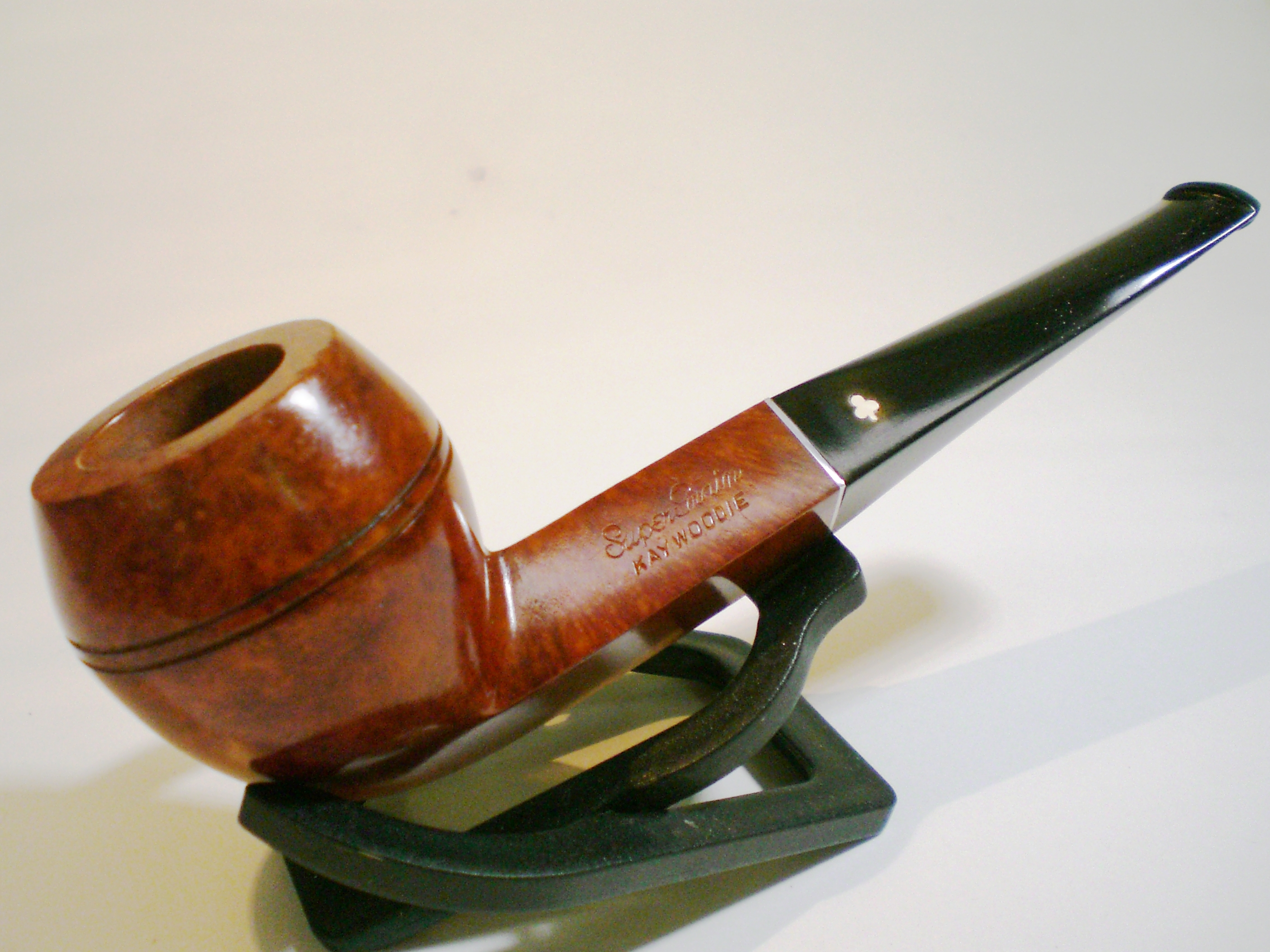
Kaywoodie Super Grain 07C Restored (Unsmoked)


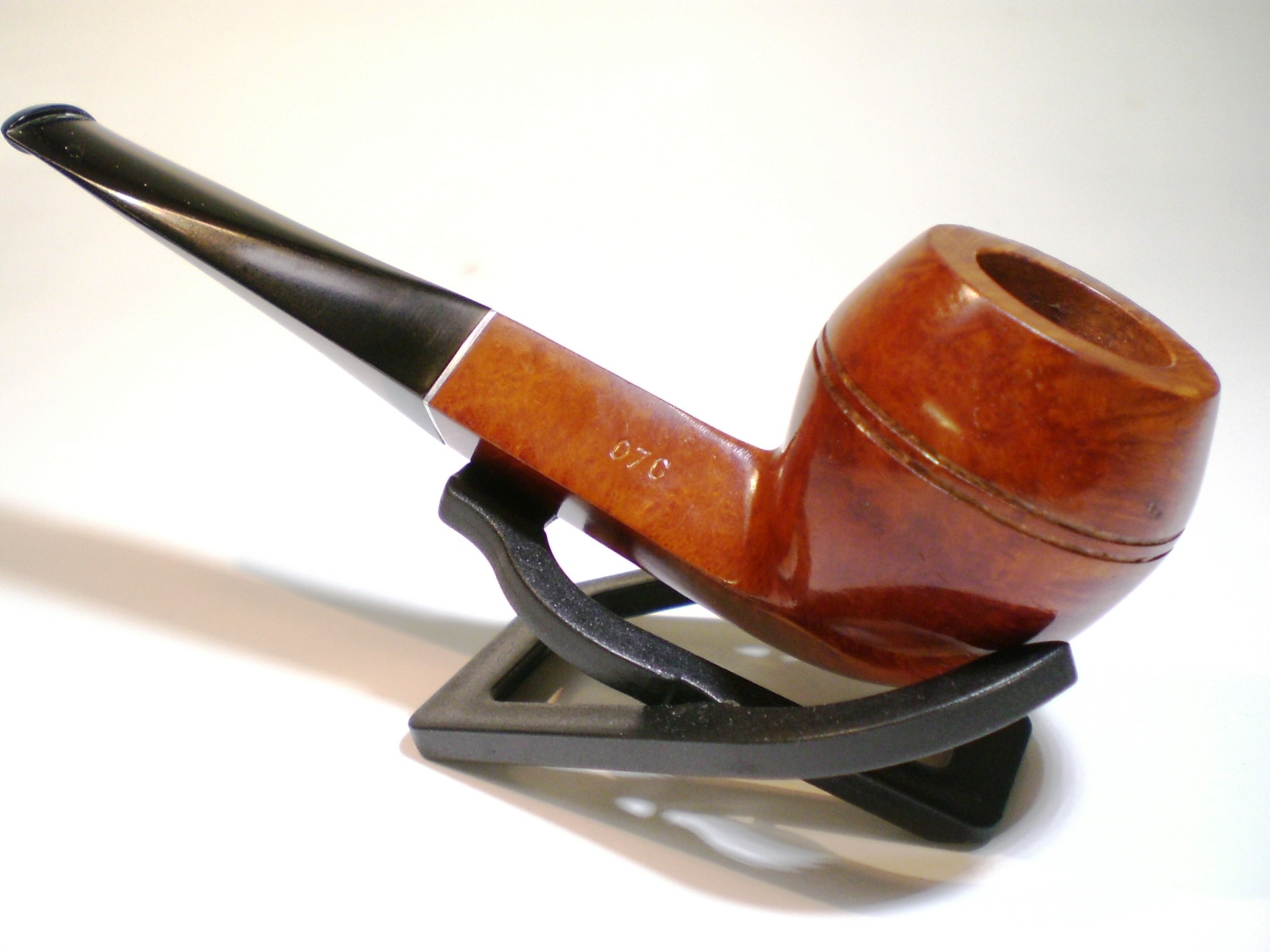
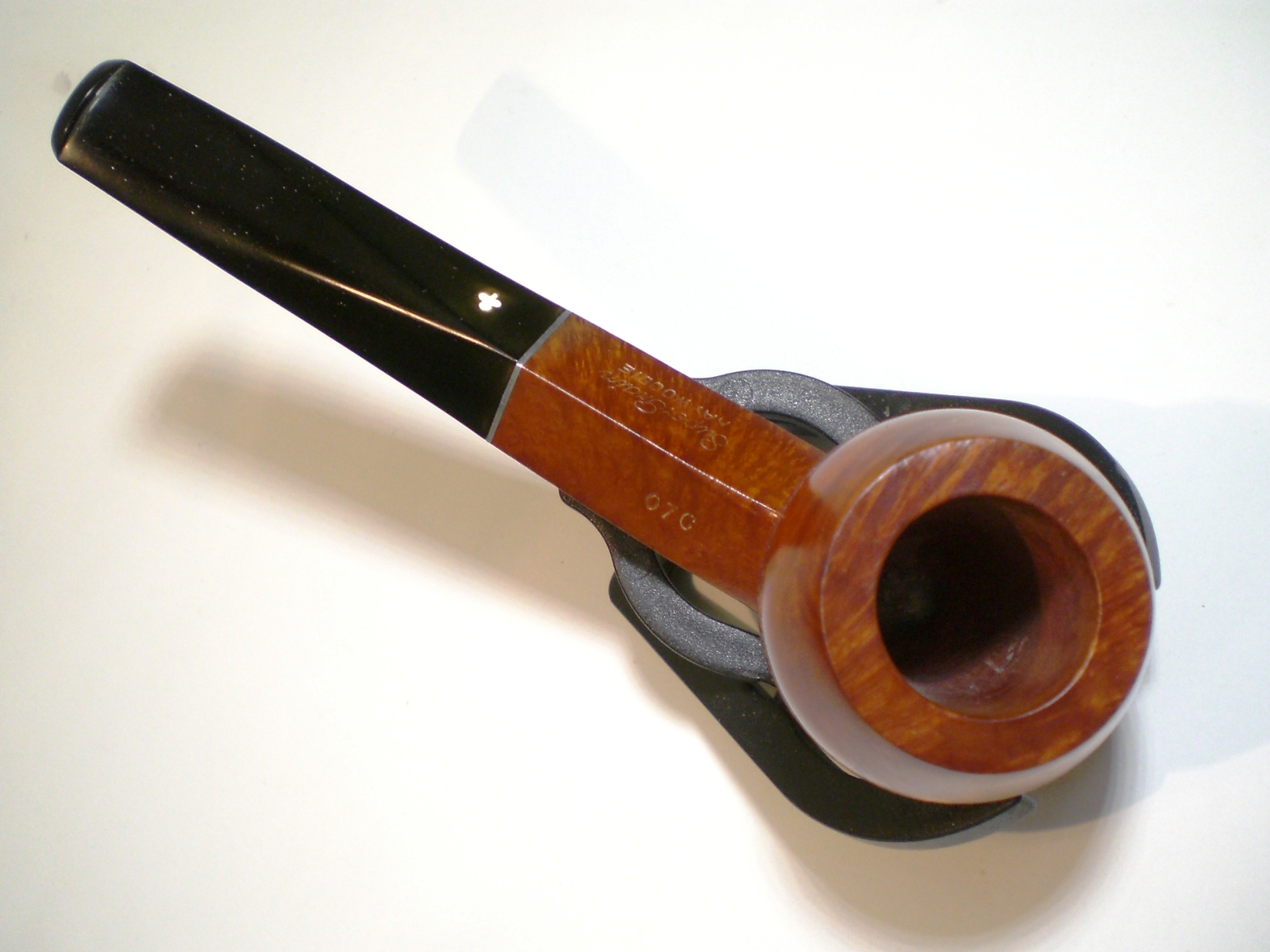
I found this unsmoked Kaywoodie Super Grain 07C on Ebay. It has a four-hole, “Drinkless” stamped stinger. That and the three digit shape number help identify the timer period when it was made. Hacker sais the 07C bulldog was made from 1947 and that style stinger was discontinued by Kaywoodie in 1954.

Kaywoodie_07C_Before (1)

Kaywoodie_07C_Before (3)

Kaywoodie_07C_Before (4)

The bowl top had some dings from handling or bouncing around someones drawer for 50 plus years.

Kaywoodie_07C_Before (6)

Using a propane torch, old butter knife, and a small piece of wet cloth, I was able to steam out all of the dents on the bowl top. I heat the knife tip until it is glowing orange, than place the wet cloth (folded over twice) on the dent, then press the hot tip into the cloth. This causes the damp cloth to steam, which usually makes the dents spring back nicely.

Kaywoodie_07C_Finished (11)

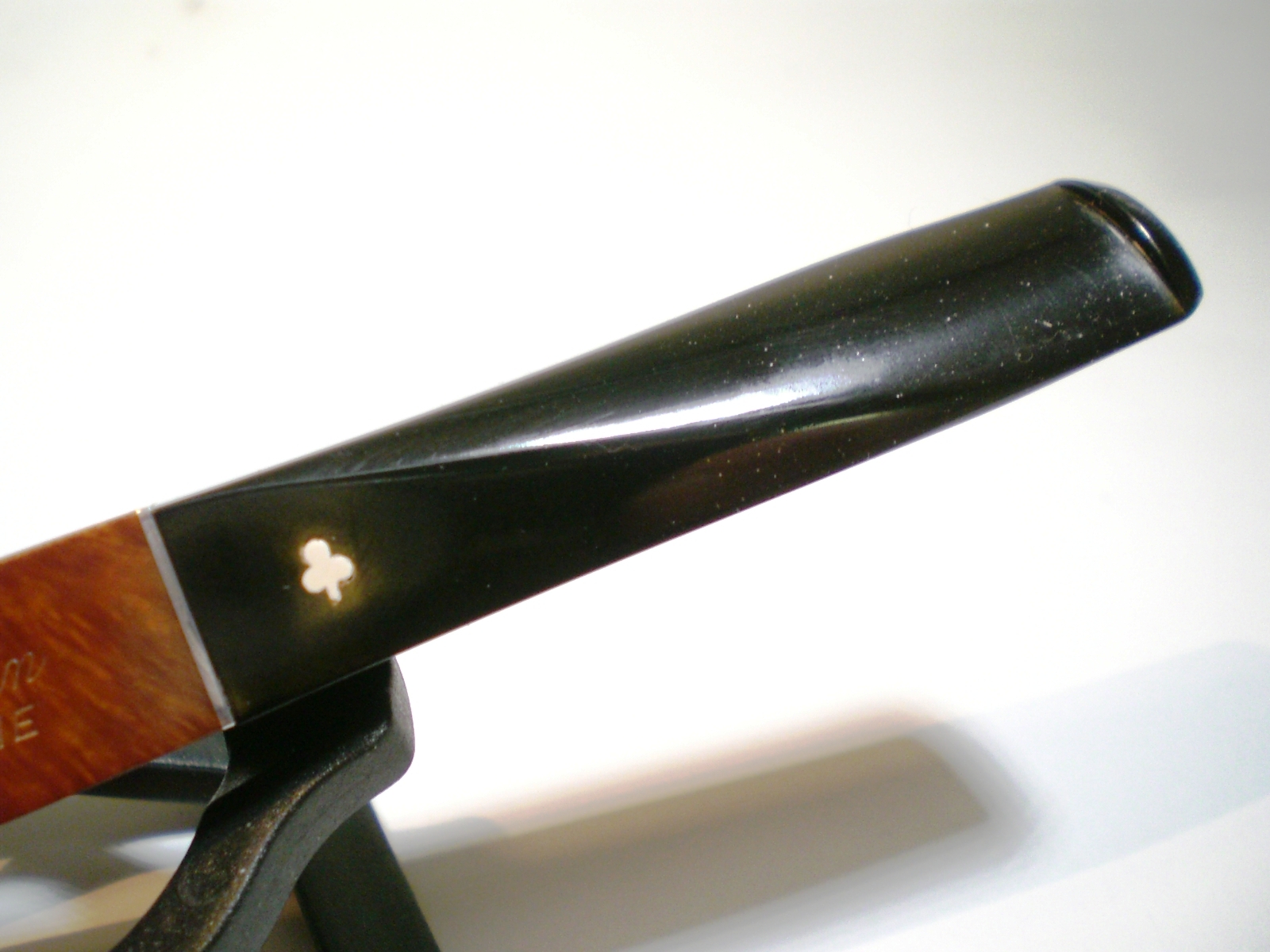
The stem was oxidized but mint. The “Drinkless” engraving on the four-hole stinger was also like new. I removed the oxidation with 800 grit paper. I use a Popsicle stick to maintain the angles on the bulldog stem. Working around the logo was a little tricky. Then, I finished the stem with 2000 grit paper, followed by the 8000 and 12000 grade micromesh sheets. I then lightly buffed the stem with white diamond rouge and an automotive plastic polish.

The briar only needed a light buff with white diamond and then a few coats of carnuba wax. The bowl has several visible fills. Removing the oxidation revealed some “freckles” in the vulcanite, which I’ve learned is not uncommon on Kaywoodie or Doctor Grabow stems of that era.

Kaywoodie_07C_Finished (2)

Kaywoodie_07C_Finished (5)

Kaywoodie_07C_Finished (7)

Kaywoodie_07C_Finished (8)

Kaywoodie_07C_Finished (10)

1938 Parker Bulldog Restored


Blog by Al Jones

One of my pipe buddies, Dave, sent me this 1938 Parker bulldog to restore. I had not yet worked on a Parker yet, but know they have a loyal following of collectors. Dave always seems to chose interesting pipes to send me and this one was no exception.
Dave had determined the pipe was made in 1938 but after looking over the Parker page in Pipepedia, I wasn’t sure. This pipe was stamped “Parker” and not the possesive “Parker’s”. Pipepedia says this about the stamping:

Prior to World War II, the possessive PARKER’S stamp was used. However, at least some pipes were stamped with the non-possessive as early as 1936.

I confirmed with a Parker collector that the singular “Parker” was indeed used before WWII. The pipe is stamped 15, which is added to 1925 (starting with 2), so the date of manufacture is indeed 1938.

The briar was a bit worn but some heavy tar build-up on the bowl top. The stem had some curious striations and the button looked odd.

Parker_109_Restore (3)

Parker_109_Restore

Parker_109_Restore (2)

I reamed the bowl and filled it with isopropyl alcohol and sea salt. After soaking for several hours, I cleaned the build-up off the bowl top, which was quite stubborn. Some of the stain on the bowl edge was lightened in this process, but the bowl top was relative undamaged by use. I used some Medium Brown stain to darken the lightened areas and it blended in quite well. I applied some carnuba wax with a loose cotton wheel, then a coat of Halycon wax by hand.

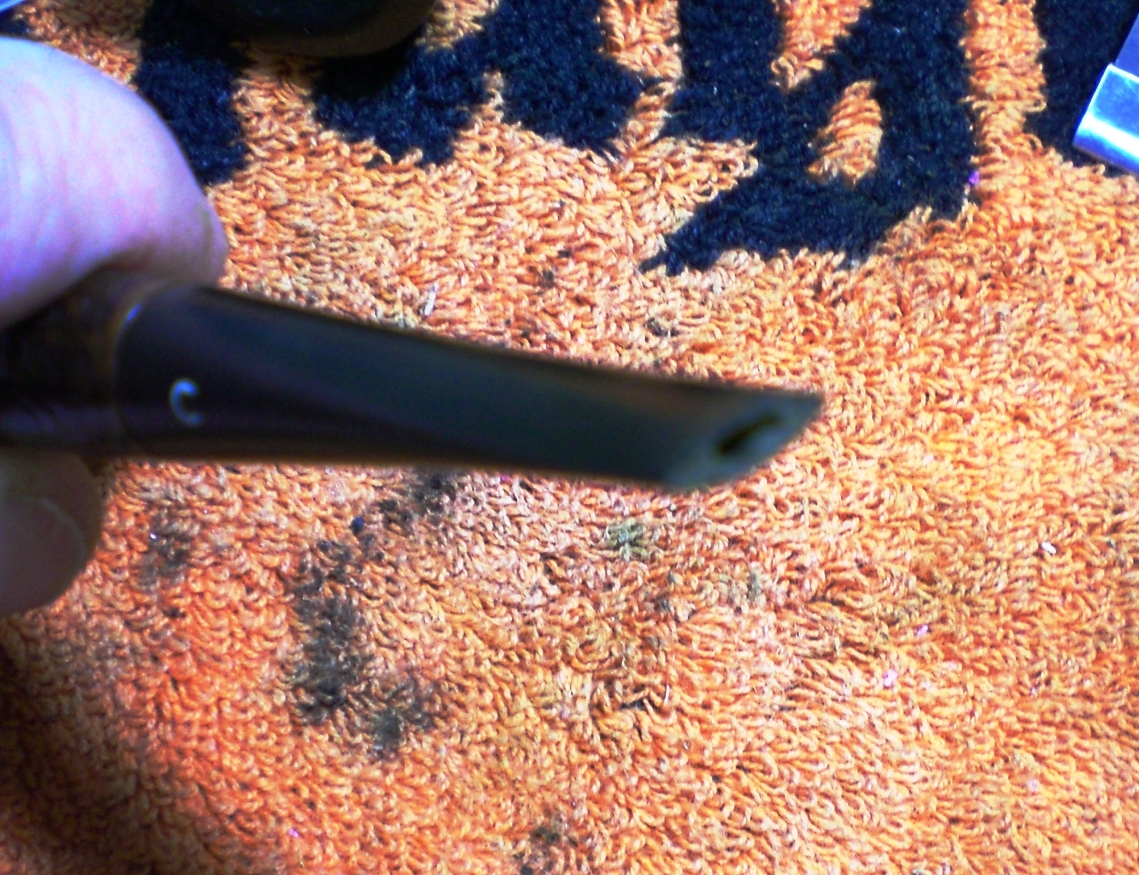
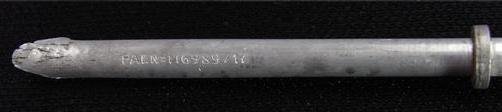
When working on the stem, I discovered someone had “colored” it black with a permanent marker or similar. Thankfully, they worked around the “P” stem logo. I used 600 and then 800 grit paper to remove the black and some of the rough marks and scrapes on the stem. The button looks very odd and has been carved a little. Perhaps it was damaged and someone cut out the damaged areas? Or, are older Parker buttons shaped this way? Surprisingly, I did not find much Parker information on the web. The pipe also appears to be drilled for a filter or possibly a Dunhill-like innertube? The stem has a Patent Number stamped on it: 116989/17

Parker_109_Restore (5)

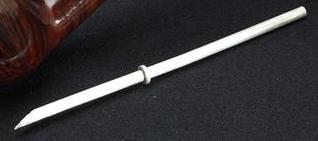
A member on the PipesMagazine.com forum, MisterLowerCase, posted this picture of a Parker innertube, which matches the Patent Number.

Parker_Innertube_Cropped2

Parker_Innertube_Cropped

After the wet sandpaper, I used 8,000 and then 12,000 grit paper to bring up the shine. The stem was then buffed lightly with white diamond.

Parker_109_Finished (4)

Parker_109_Finished (5)

Parker_109_Finished (6)

Parker_109_Finished (2)

Parker_109_Finished (3)

Fixed a Stem Gap on an Ashton


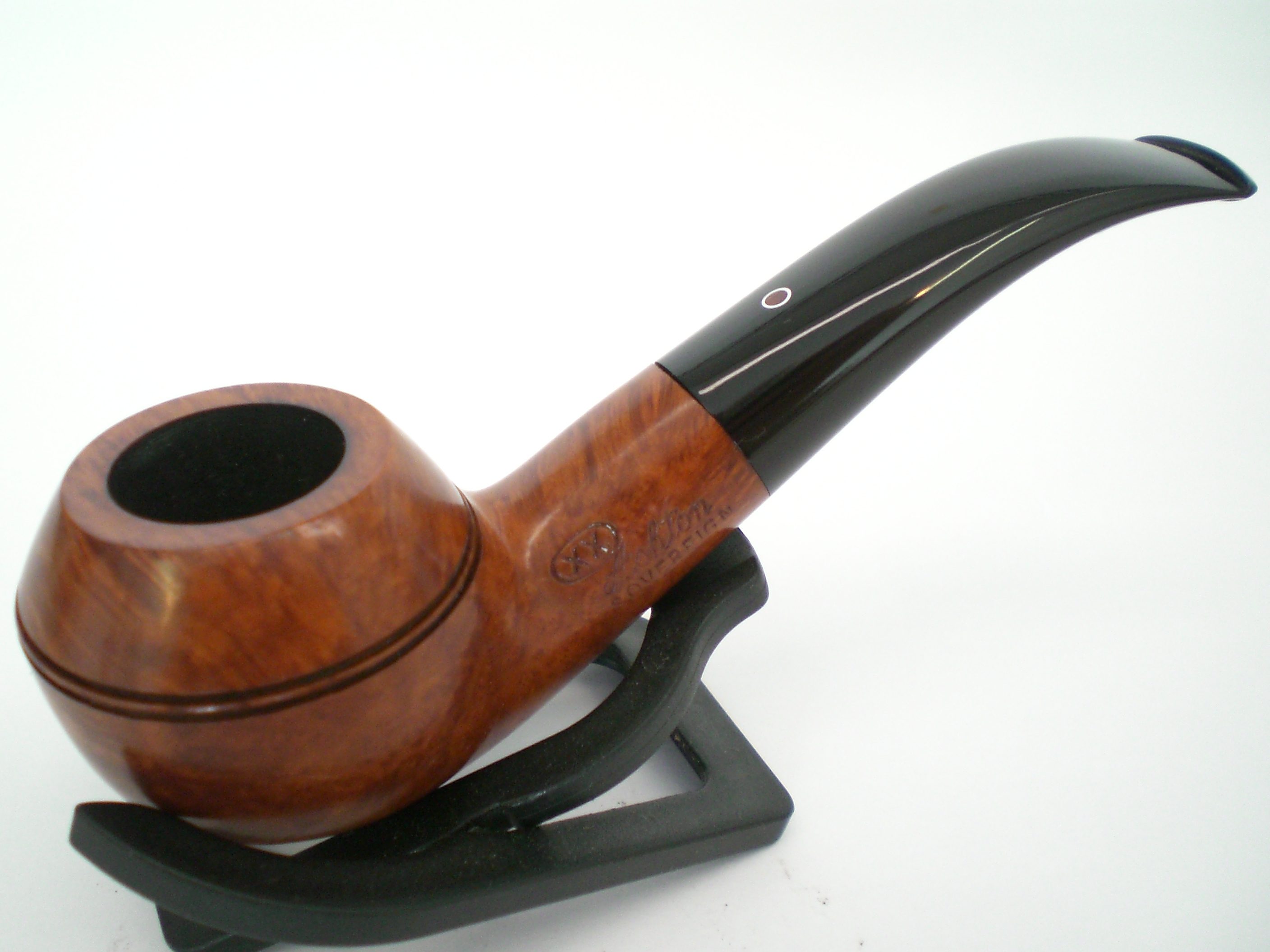
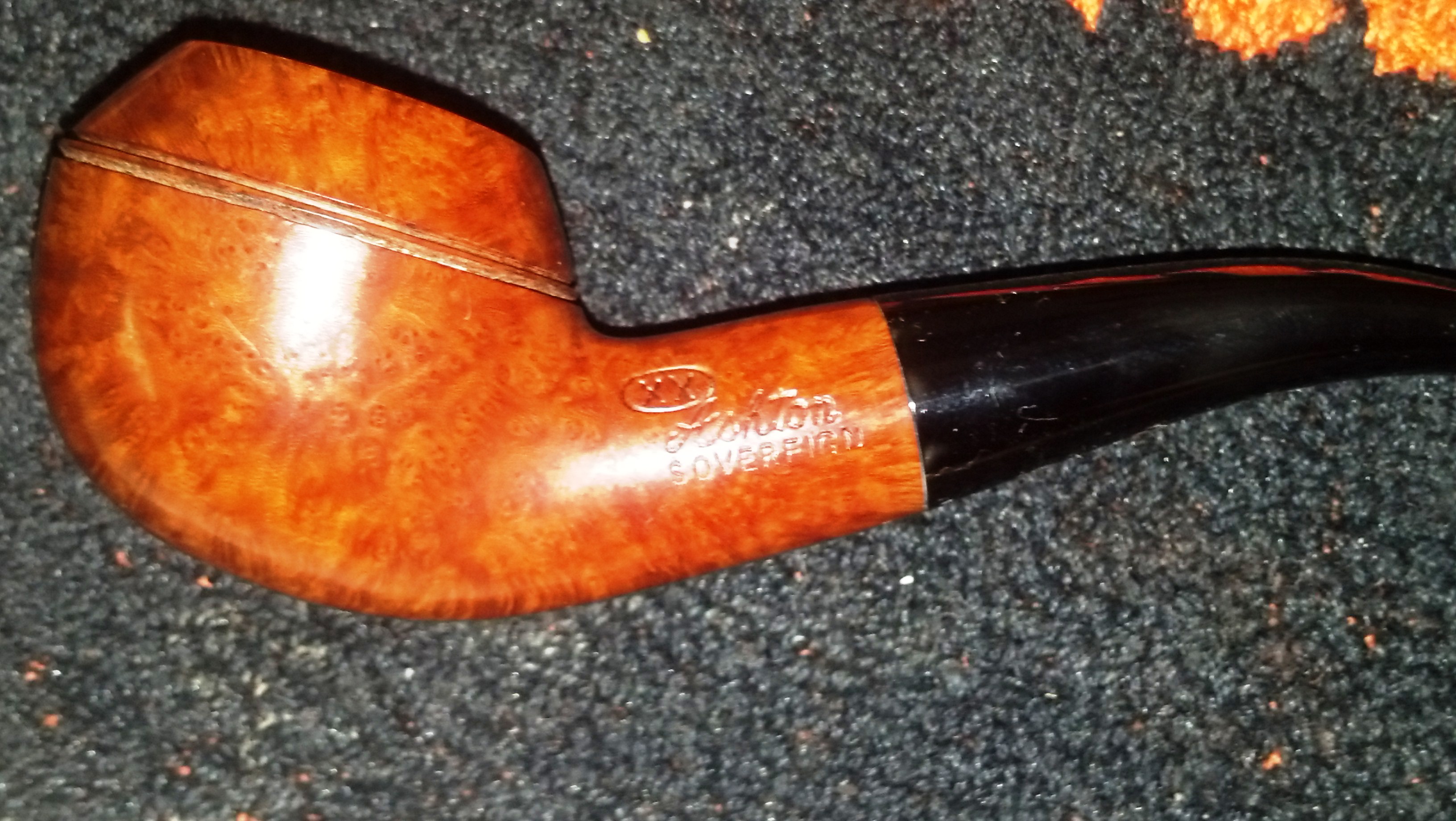
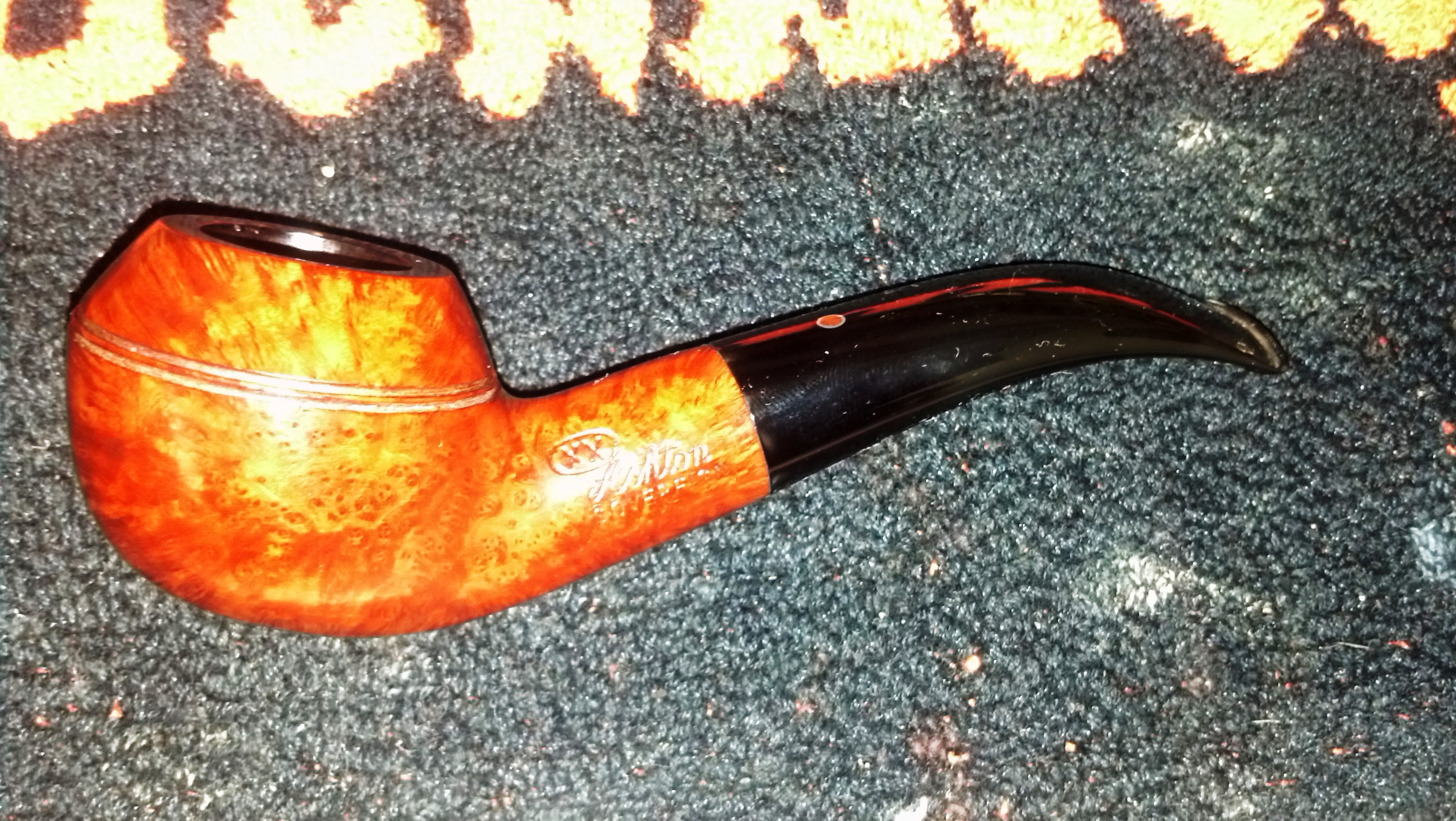
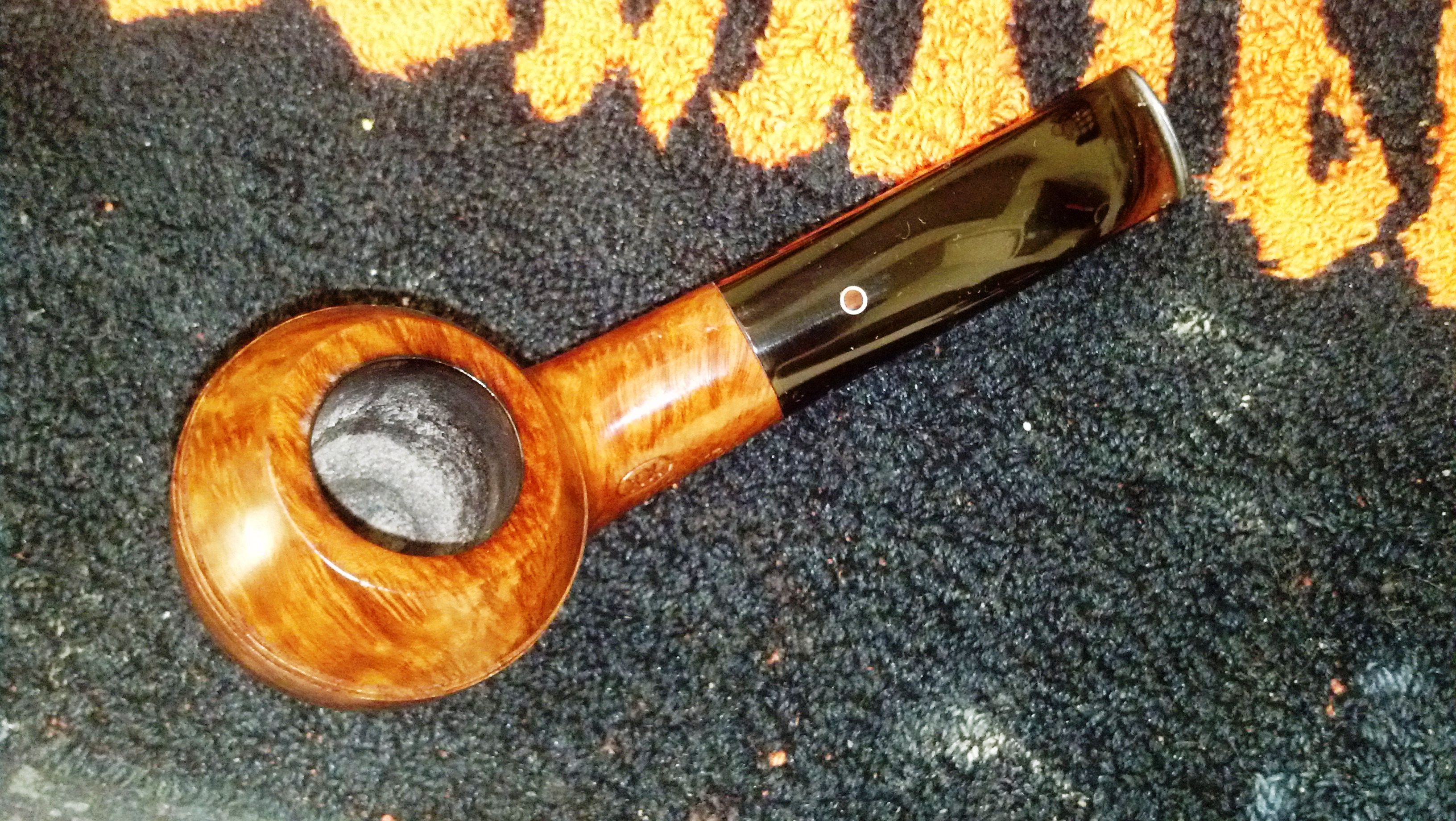
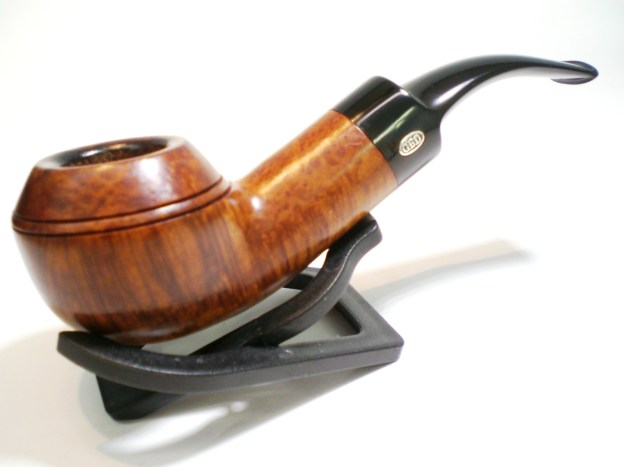
This Ashton Sovereign was purchased as an estate, and I’ve owned it for several years. The pipe smokes great and the size is perfect (XX). I’m not sure if the stem is acrylic or “Ashtonite” as Jimmy Craig seems to use both materials. The pipe had a fairly large gap at the top of the stem that has bothered me since I took it out of the shipping box and every time I smoke it. Here’s a shot of the pipe which shows the gap.

Ashton_Sovereign_Rhodesian_XX_2011_Gallery

This morning, I decided to try and re-angle the tenon to reduce the gap. I warmed some water in our Sunbeam “Hotshot” water heater. I dipped the tenon in the water, right to the edge of the stem and held it in for about 30 seconds. I inserted the stem into the shank and it went snugly up to the shank. This evening it appears my fix held.

I was surprised that the hot water made the stem very dull and at first I was worried that it might be permanent. I was able to buff that section of the stem (mounted to the pipe) with some White diamond rouge, which brought back the shine.

Ashto_Stem_Fix (2)

Ashto_Stem_Fix

Ashto_Stem_Fix (1)