Author Archives: rebornpipes

Had Some Time on My Hands Today So I Reworked One of My Own


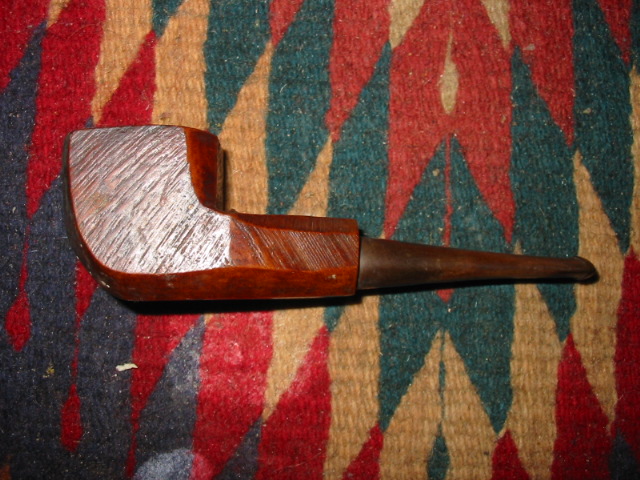
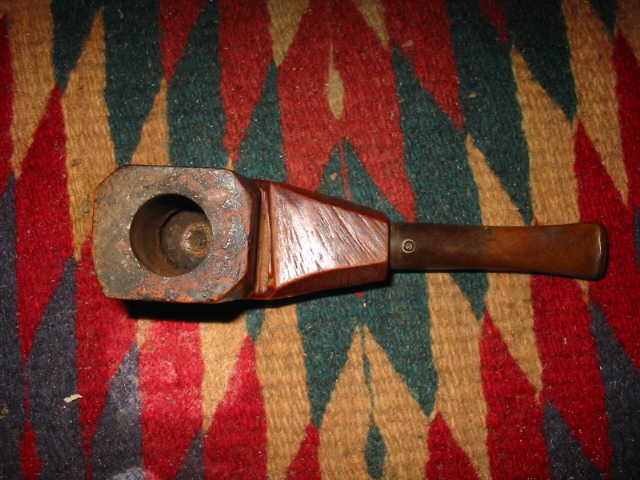
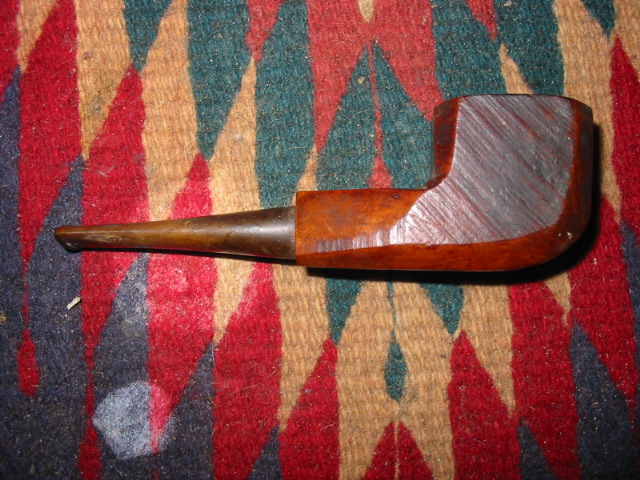
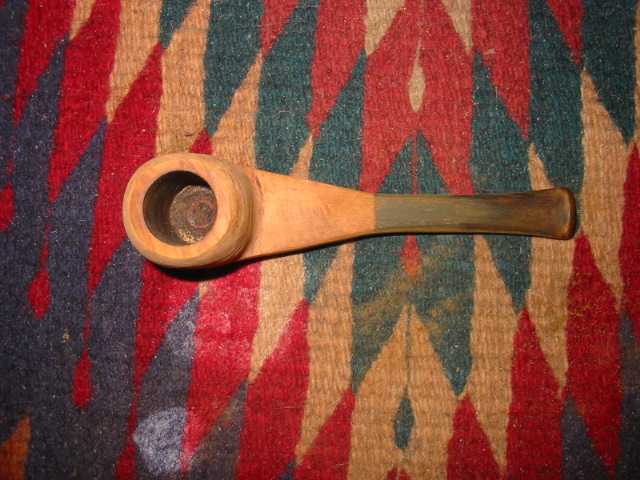
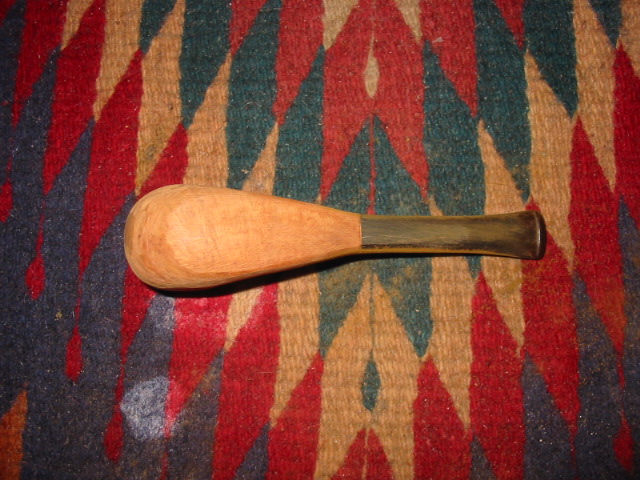
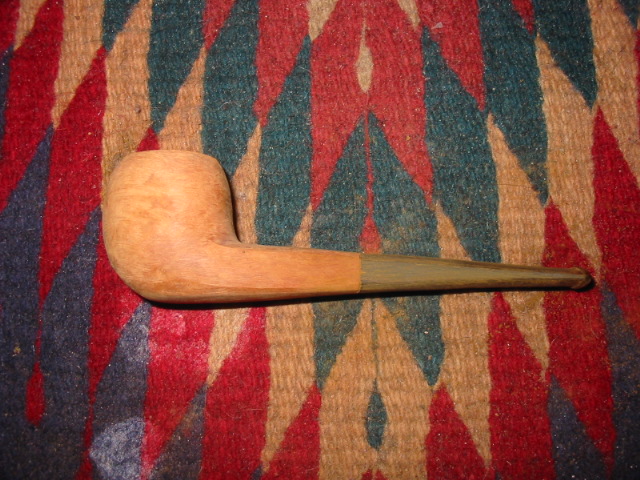
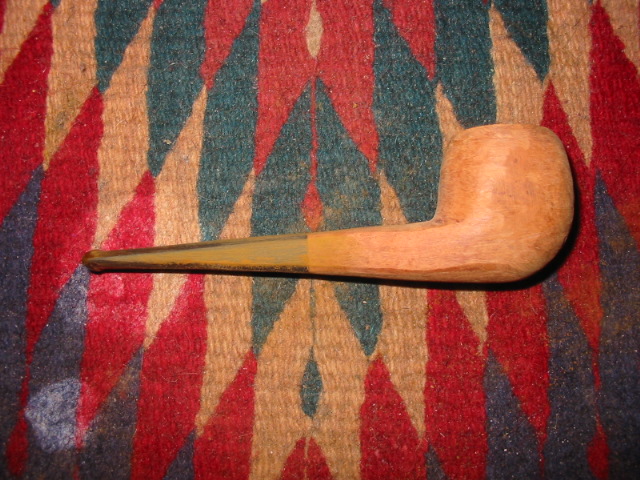
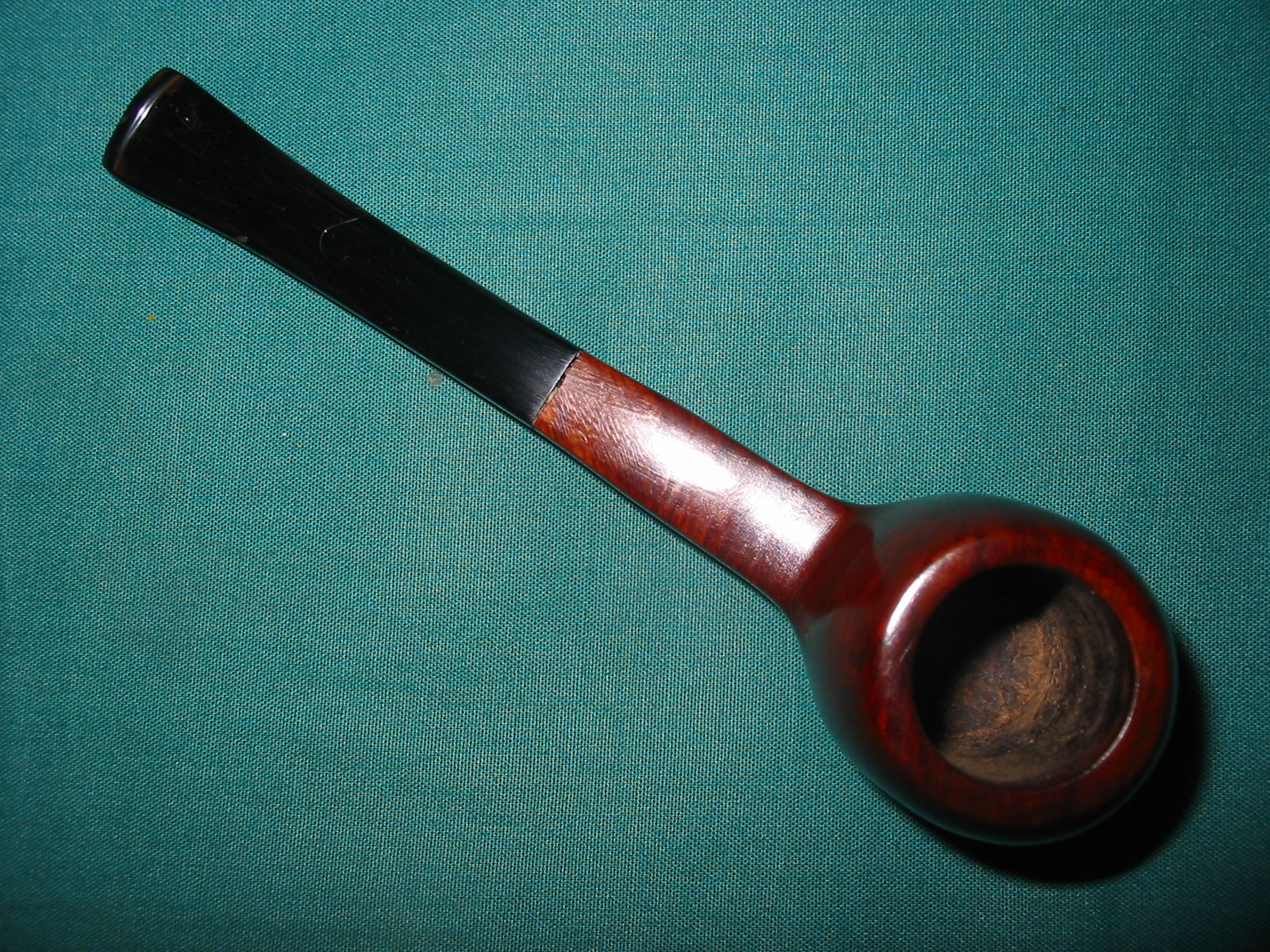
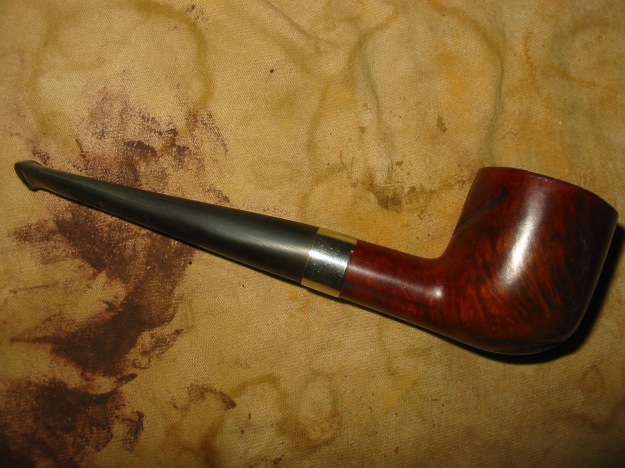
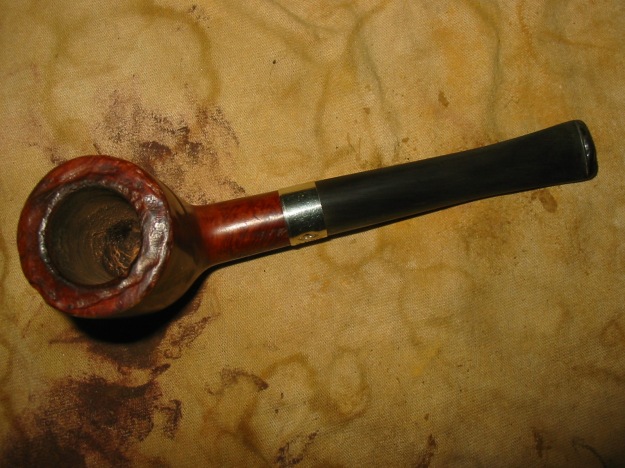
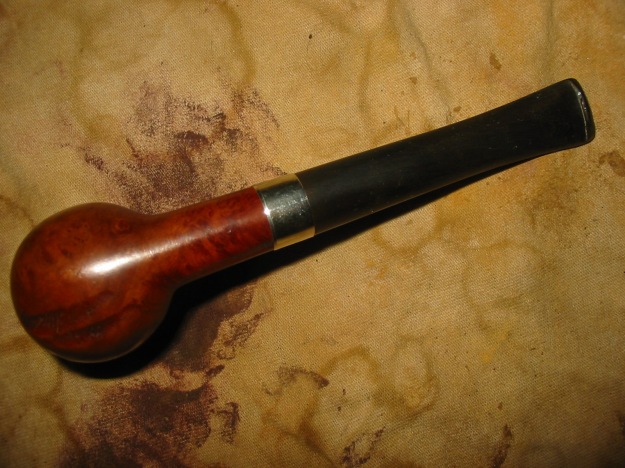
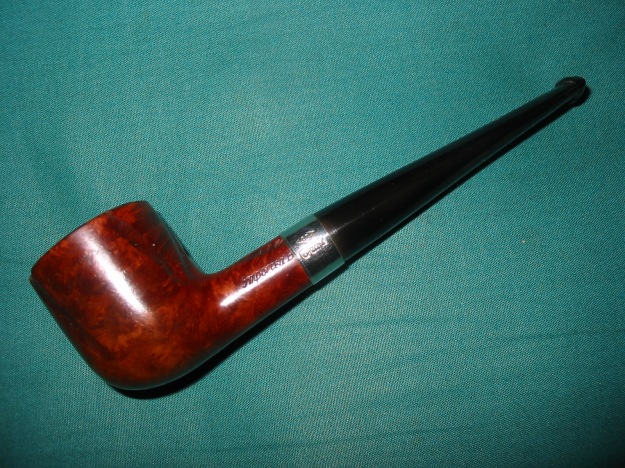
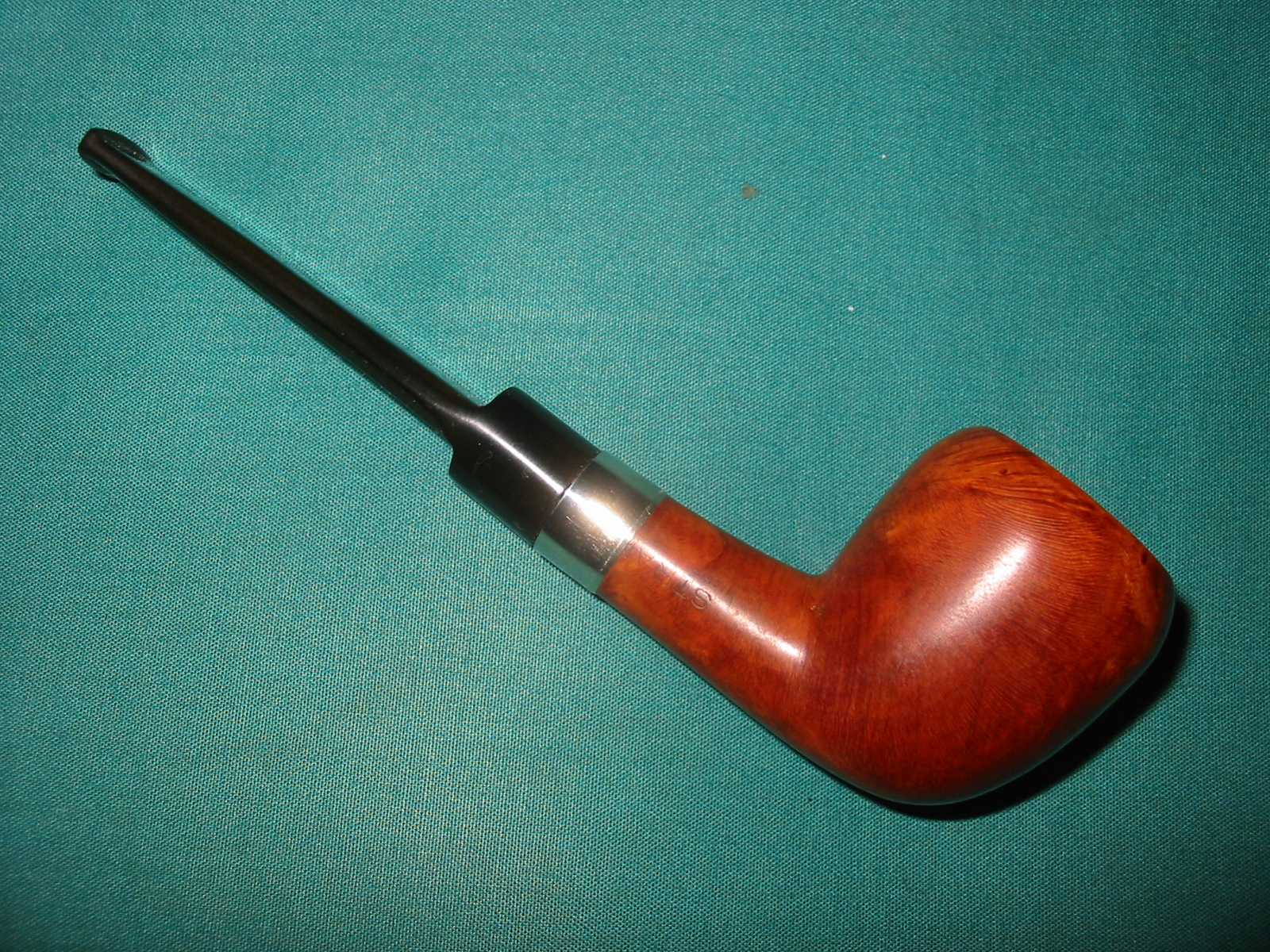
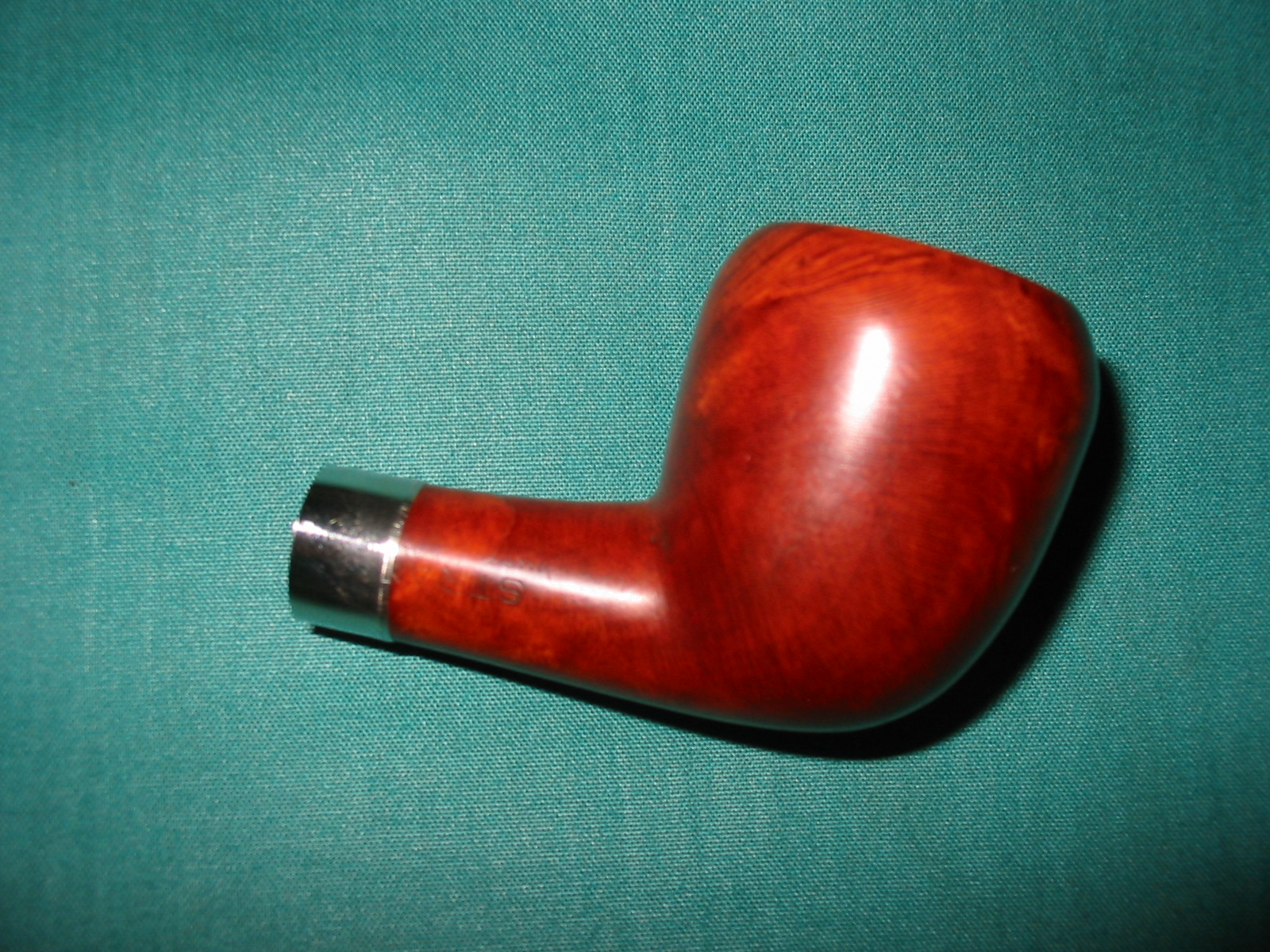
Probably a year or more ago, I picked up this pipe on EBay. It is stamped CAVEMAN over Singleton on the bottom of the bowl and shank. To me these old timers are ugly and never really look done. But they are smoked the way they are and often come with a good cake and a tooth marked stem. The stem bears an S in a circle as a logo. I keep an eye open for these pipes and try to snag them as they come up. I have found that they are easily finished and make a nice small group 2 sized smokers. The stems are usually a good fit and the briar is not too bad. I have reworked three of these Cavemen and all have become favourite smokers. When they arrive they are generally well smoked and thus already broken in so that part of my job is finished. All I have to do is to decide what shape I want the finished pipe to have and then reshape it meet my desires.

The first set of pictures below show the state of the pipe when it arrived in the post. I reamed the bowl and cleaned the shank and stem inside to make it a bit cleaner for me to work with. I generally sand the sides of the bowl and the top before I begin to get a feel for the grain on the pipe. Once it is sanded then I wet the briar with water to get a good look. From there I sketch a shape on the block and get my Dremel out with the sanding drum.

ImageImageImageImage

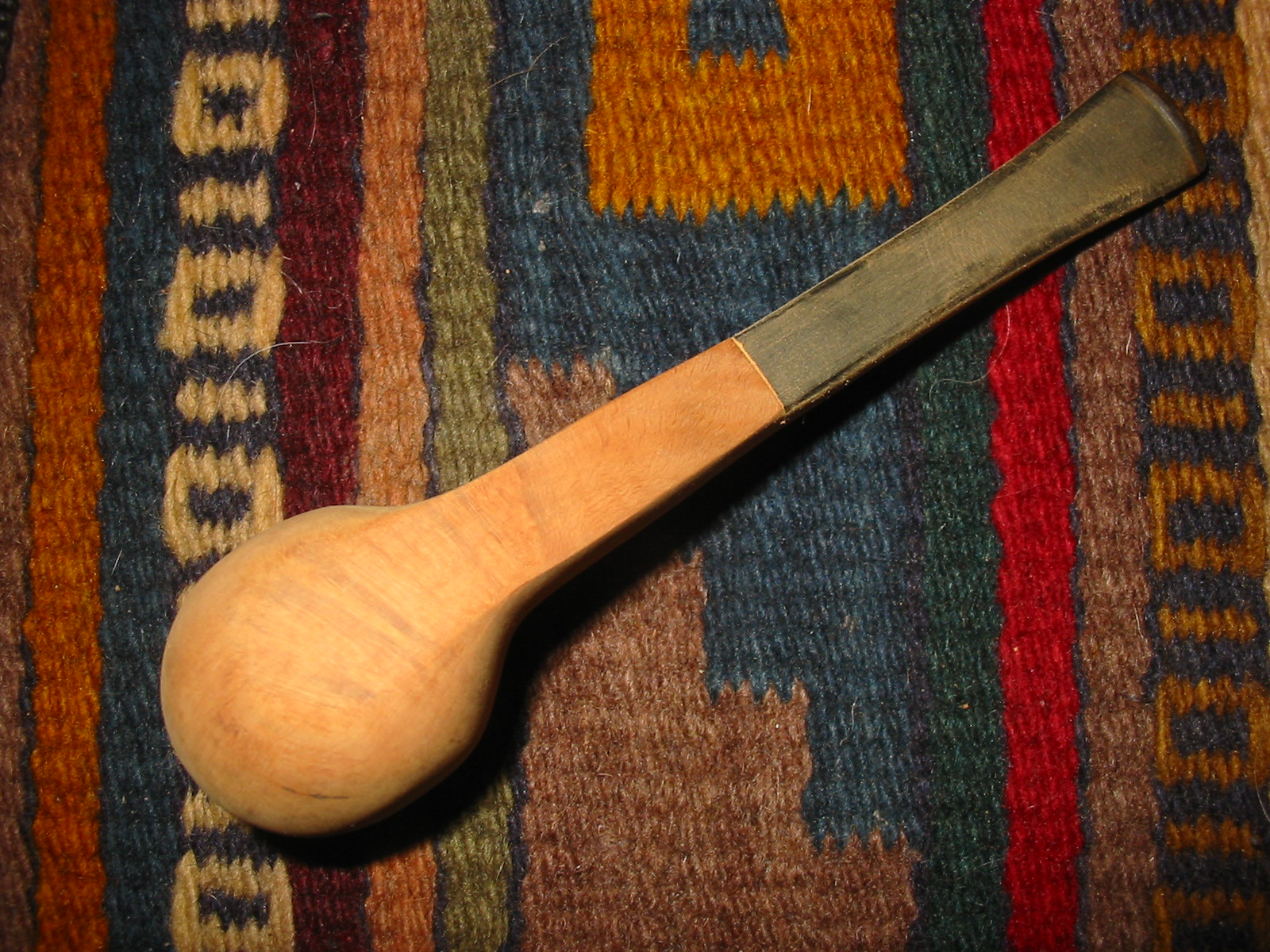
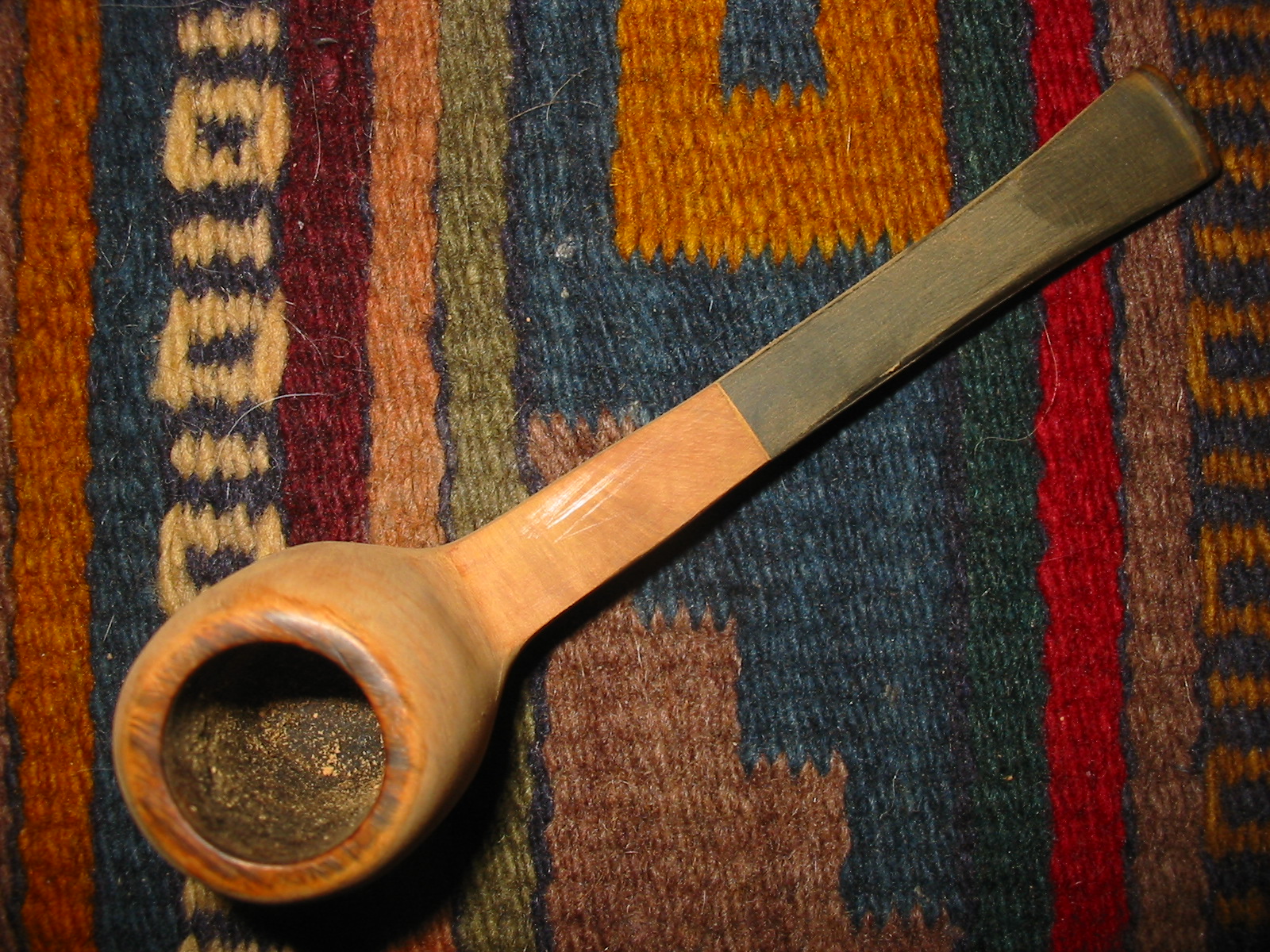
The next series of photos show the pipe after I have removed a large portion of the briar. I decided to play around with a wedge shape on this one initially. I had seen one on one of the pipe sites I frequent and wanted to give it a go. I knew that if I did not like it I could easily change the shape and try something new. But you can see the basic shape in the photos. The stem I flattened on the top and the bottom to fit the flatness of the wedge. I left the edges of the stem rounded and planned to do the same with the bowl.

ImageImageImageImage

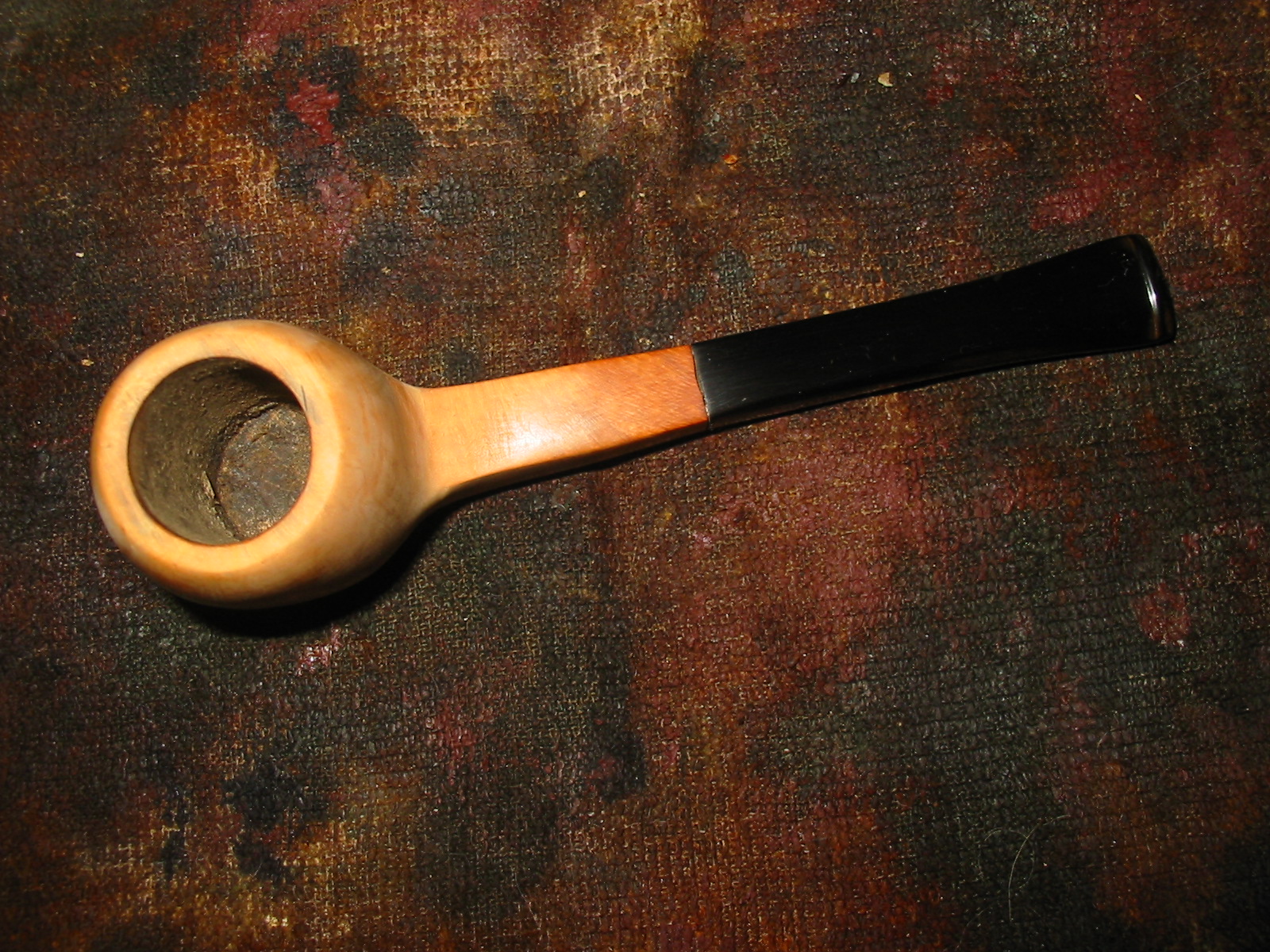
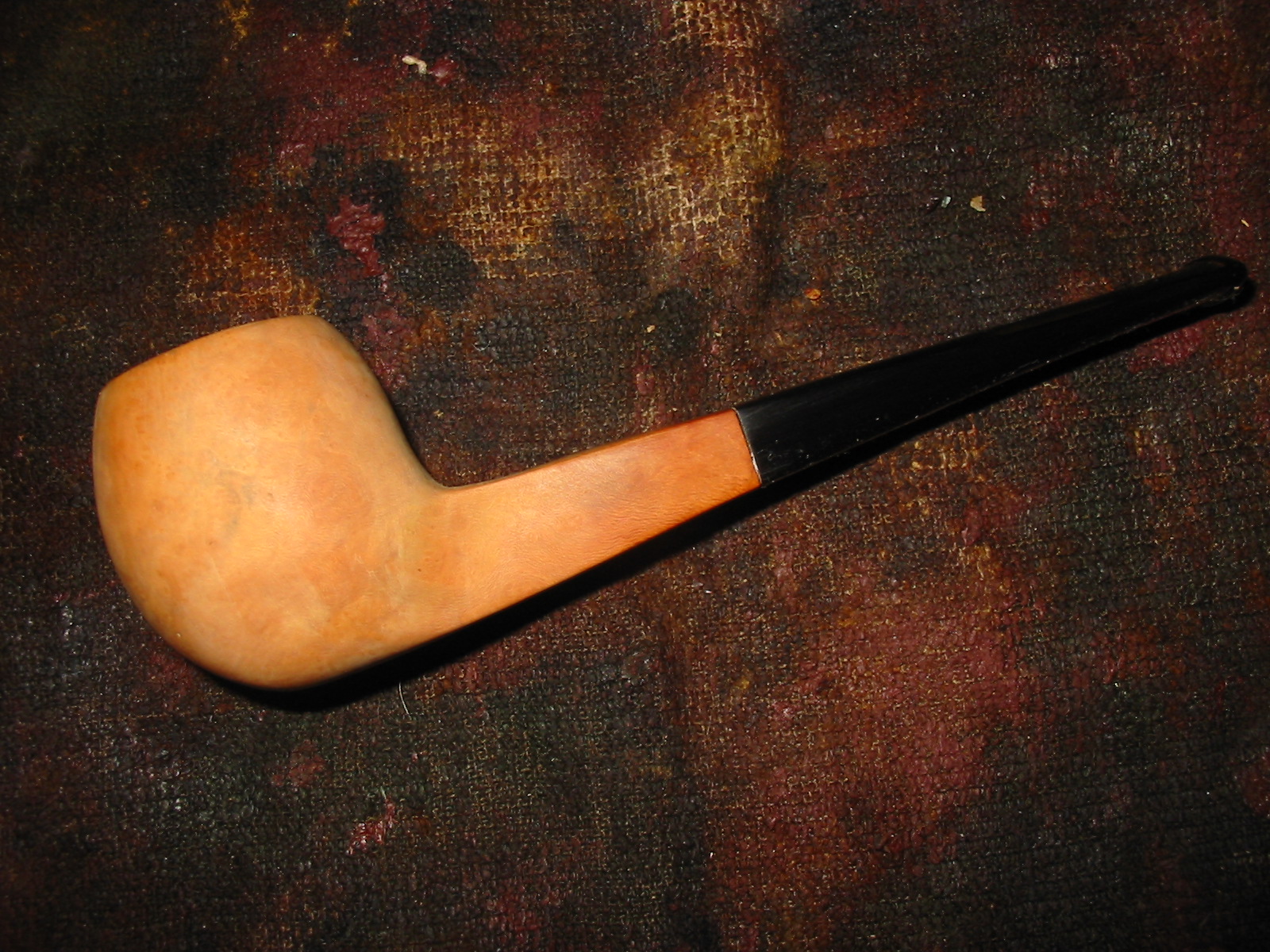
The next series of photos show the pipe after I have sanded it and readied it to be stained. The wood is smooth and the stem is polished smooth. I sanded it with medium grit Emery cloth and then 280 and 220 grit sandpaper to smooth out the sanding marks from the Dremel. Once it was smooth with those papers I moved on to sand it with 400 and 600 grit wet dry sandpaper and water. There was definitely a bit of grain present but it was fairly light so I would need to do a bit of contrast staining to get the grain to lift and be visible.

ImageImageImageImageImage

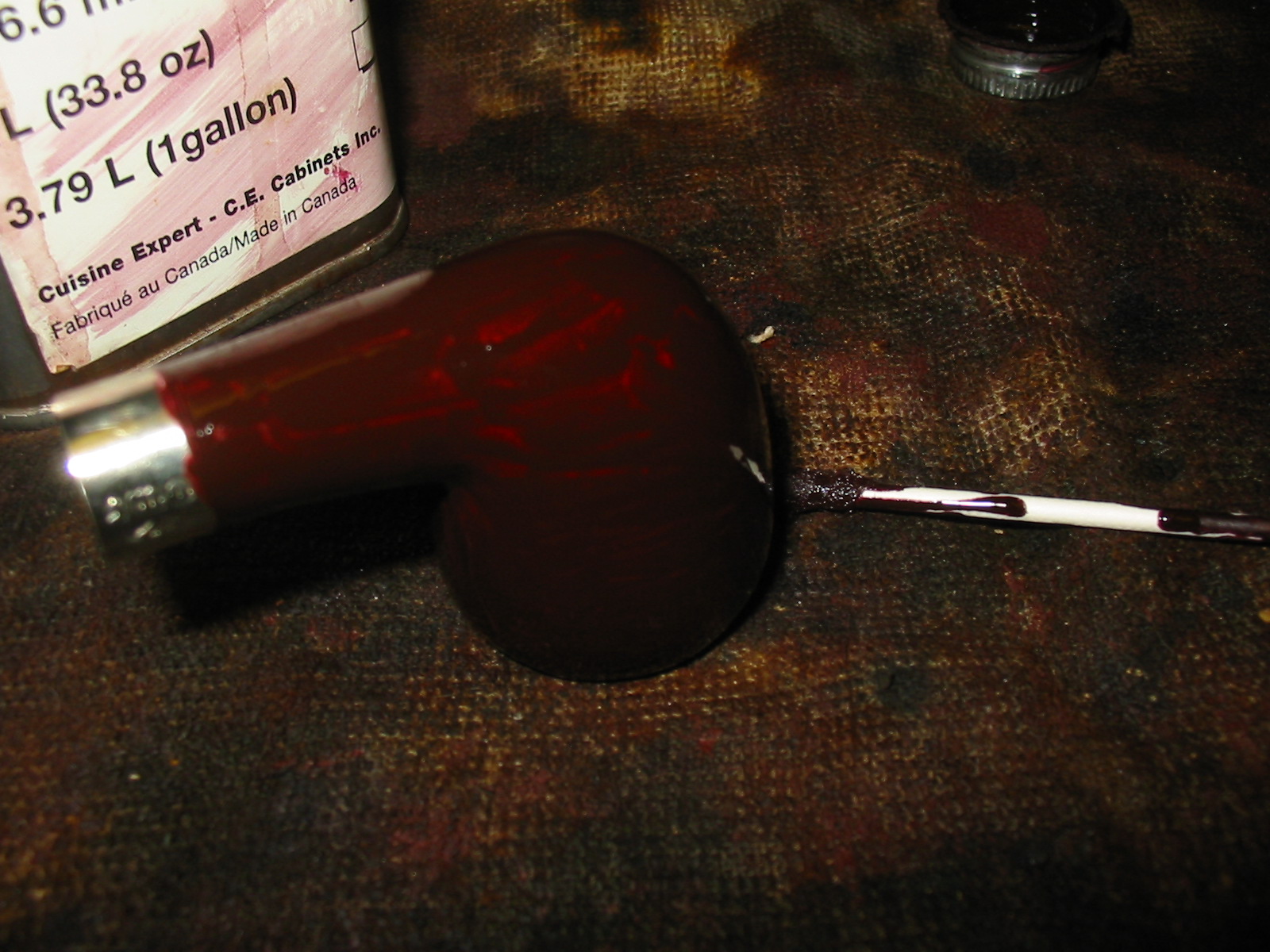
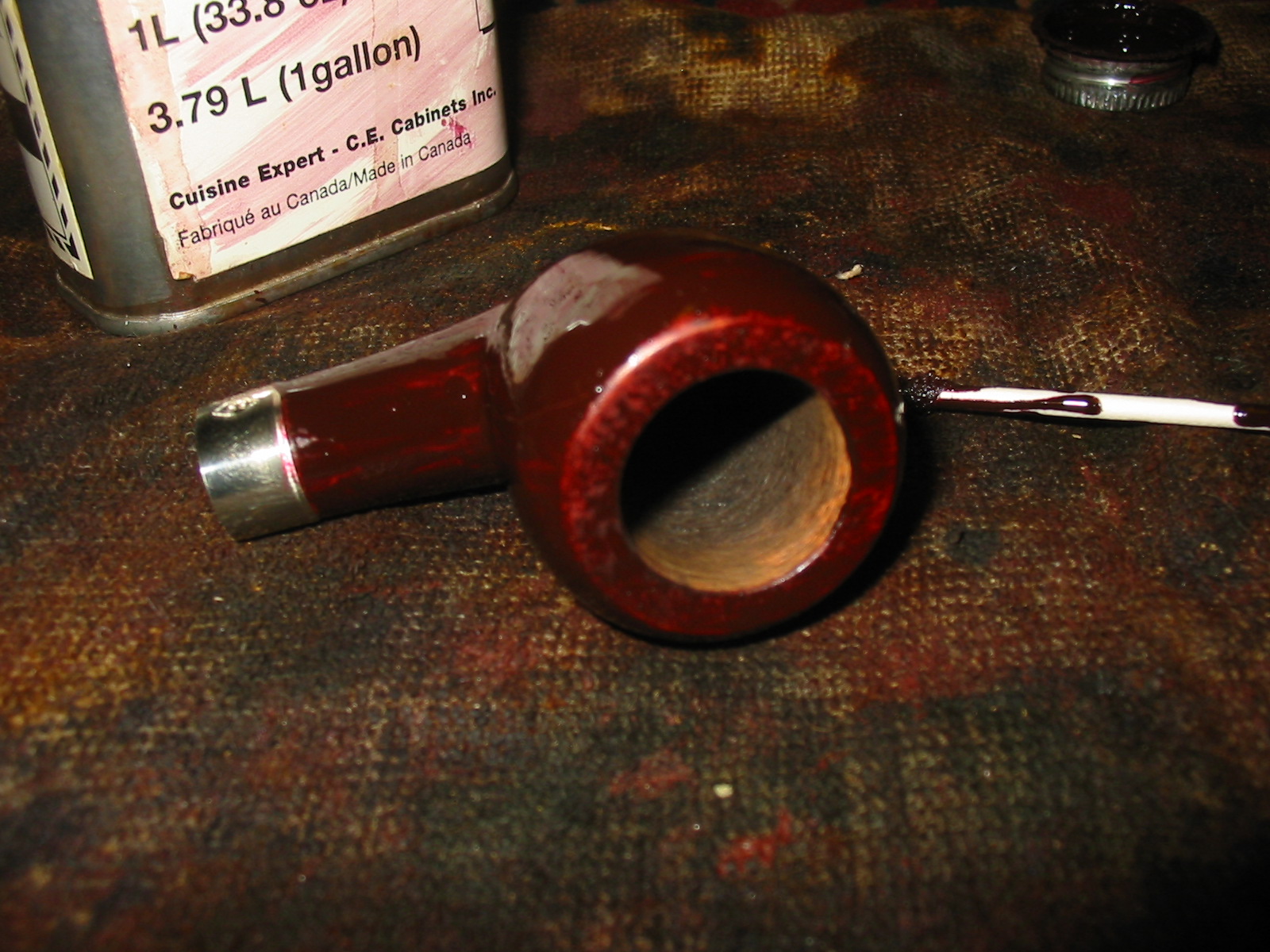
I decided to use some black aniline stain to make the grain patterns more visible. I stained it with the black, flamed it and restained it and flamed it again. I then took it to the buffer and buffed it with Tripoli to remove the excess stain and make the contrast visible. I had to sand the pipe a second time as well to remove more of the stain. I used the 600 grit wet dry sandpaper to do this. Once it was sanded I buffed it a second time with White Diamond to give it a shine. I gave it a top coat of medium brown stain diluted by 75% with Isopropyl alcohol. I wanted the brown to be basically a wash coat. I applied it with a dauber, flamed it, reapplied it and flamed it again. Then I buffed it with White Diamond. The series of photos below show the finished look of the newly carved and stained Caveman. It was a marked improvement in my opinion.

ImageImageImageImageImage

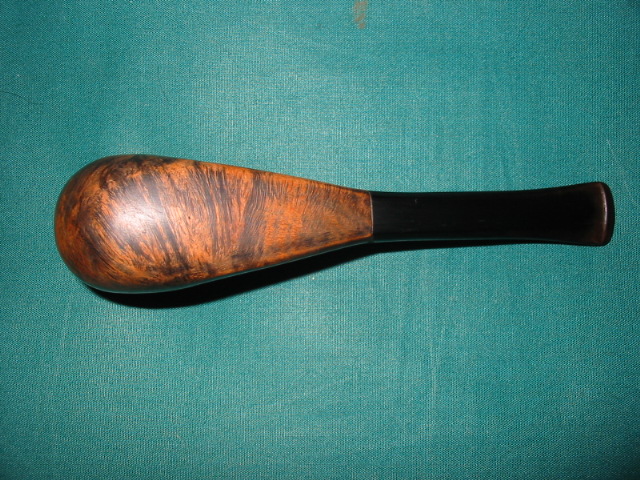
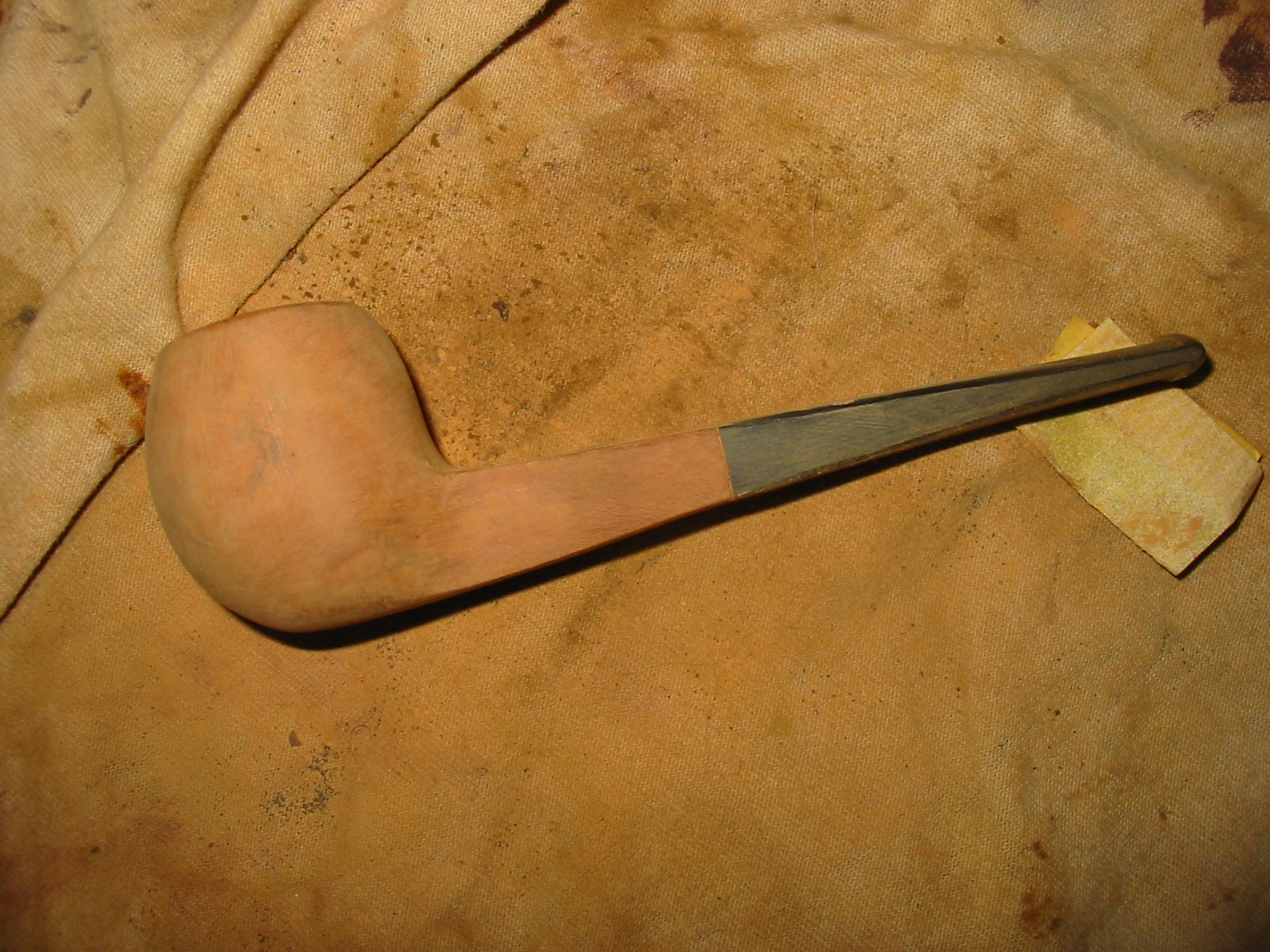
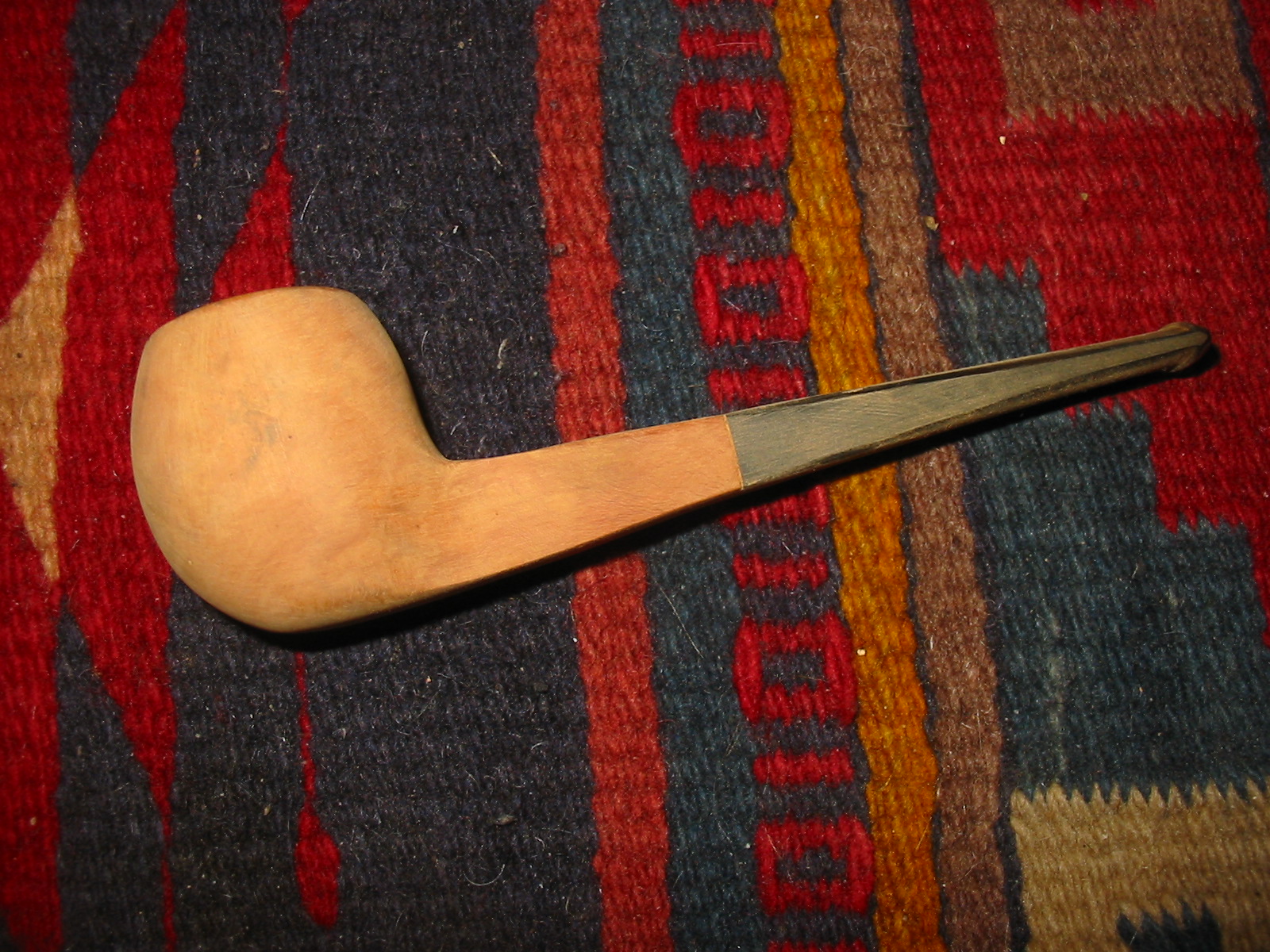
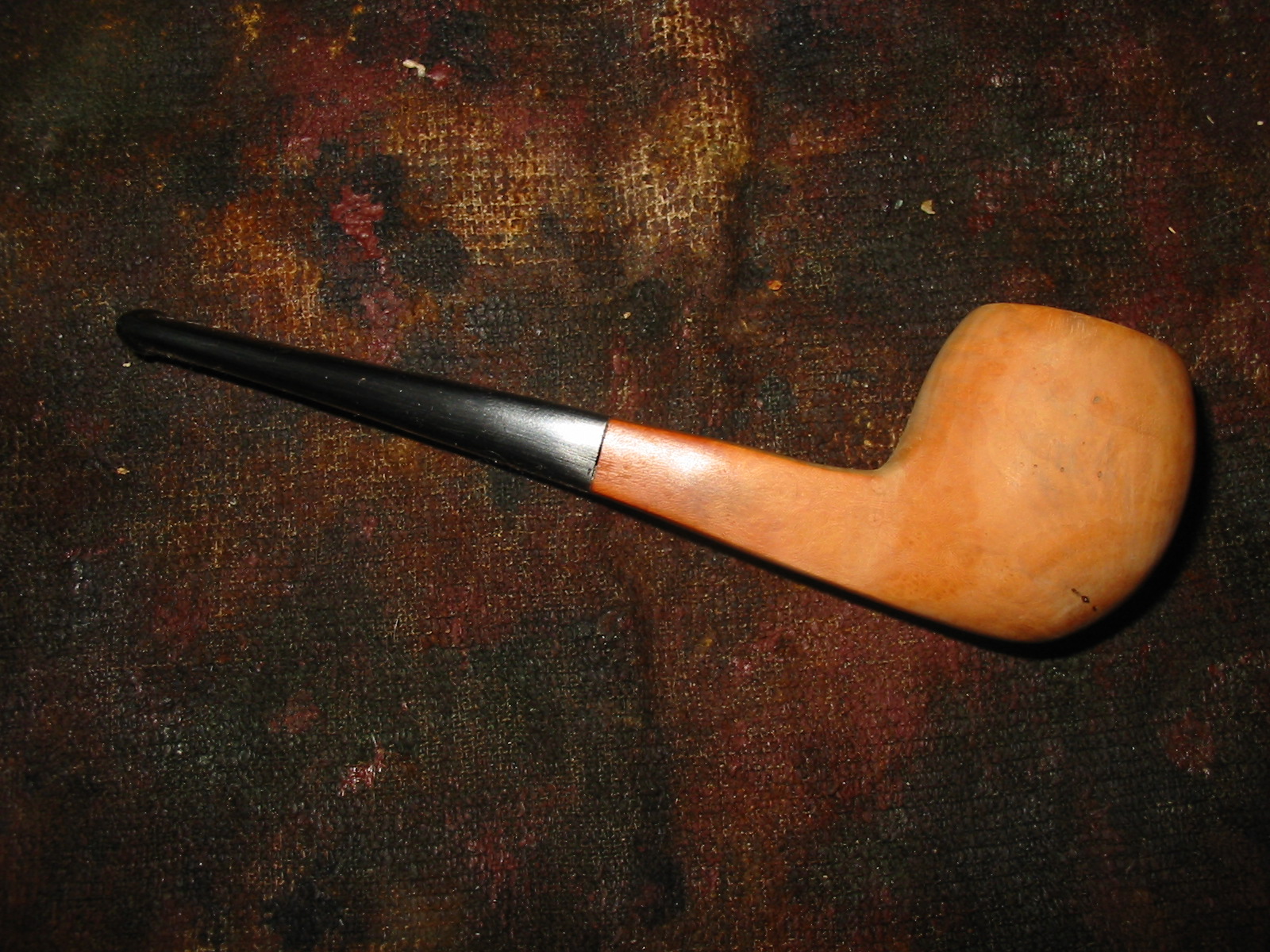
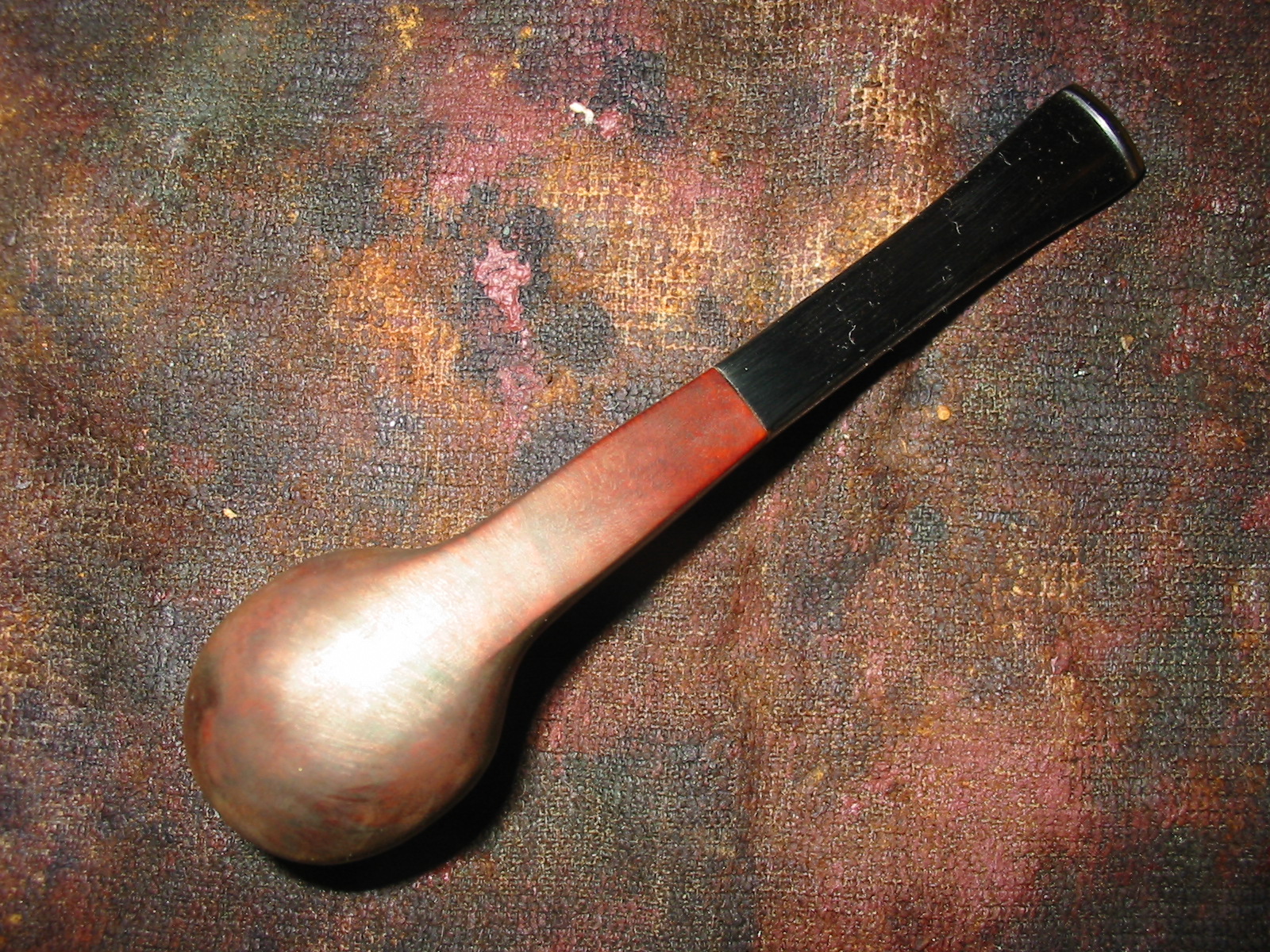
However, over the months though I smoked it quite a bit somehow the shape just did not do anything for me. I found that unless I intentionally took it out of the cupboard to smoke that I would never reach for it naturally. So today it was quiet around the house, I still have some time off until after New Years. The wife and daughters were doing banking and errands. I was home listening to the radio and cleaning my study. I finished that and decided I wanted to work on a pipe – either to refurbish one from my box or something else. I went to my cupboard and my eye fell on the little wedge shaped pipe. The time had come for me work it over and see what I could do with it. I got out my Dremel with the sanding drum and went to work on the pipe. I removed the sides of the wedge and squared the shank and the stem. I decided to make a tapered stem that continued the taper right up the shank to the bowl. It did not take too much time with the Dremel to get the shape close to what I was aiming for in my mind. The picture below shows the basic shape after the work with the Dremel. It still needed a lot of sanding to bring it to the final shape but you can see where I was heading with it.

Image

The next series of pictures shows the pipe after I have sanded it with some medium grit Emery cloth. I sanded it until the shape was clean and smooth and the flow of the taper was at the angle I wanted to have when I was done. As I sanded the bowl I came upon the small flaw in the briar that is visible on the bottom edge of the bowl in the first photo below. Once I had the bowl sanded to the shape and curve I wanted I scraped out the flaw and opened it with a dental pick and then filled with briar dust and super glue. I figured that since I had a lot of sanding and smoothing to do that the time for the fill was this point.

ImageImageImageImage

The next four photos show the pipe after I have sanded both the stem and the bowl with 1500-2400 grit micromesh sanding pads and water. I then used the Maguiar’s Scratch X 2.0 and rubbed it on and polished the stem. I wiped it off and then buffed the pipe and stem with White Diamond. I took it back to the work table and sanded it with the remaining 3200-12,000 grit micromesh sanding pads. The photos below show the pipe after the sanding.

ImageImageImageImage

I decided to stain the pipe with a medium brown aniline stain. I daubed the stain on, flamed it and then restained the bowl and shank a second time. I flamed it a second time and then took it to the buffer to remove any of the excess stain and give it a polish. I used Tripoli with a light touch and removed the stain. It was still pretty dark so I wiped the bowl down with an Isopropyl alcohol dampened cloth to lighten the finish and make the grain more visible. The next four photos show the pipe after the alcohol wipe.

ImageImageImageImage

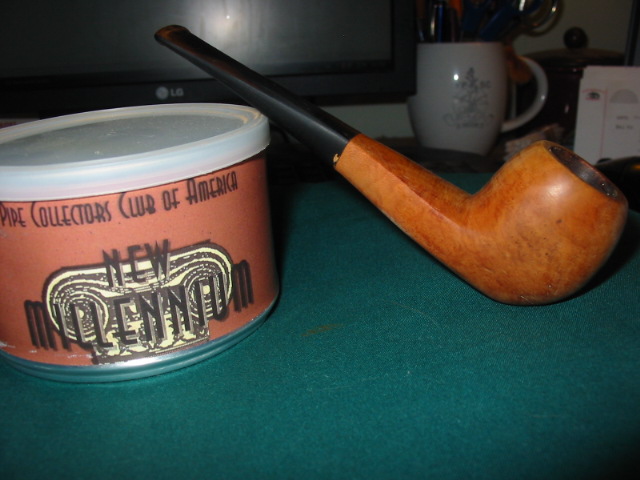
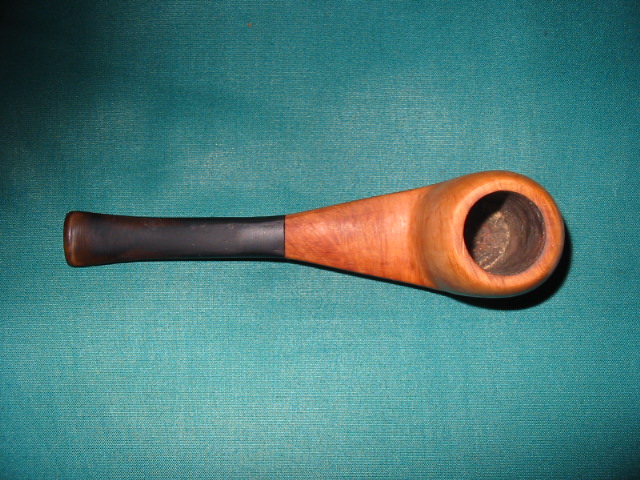
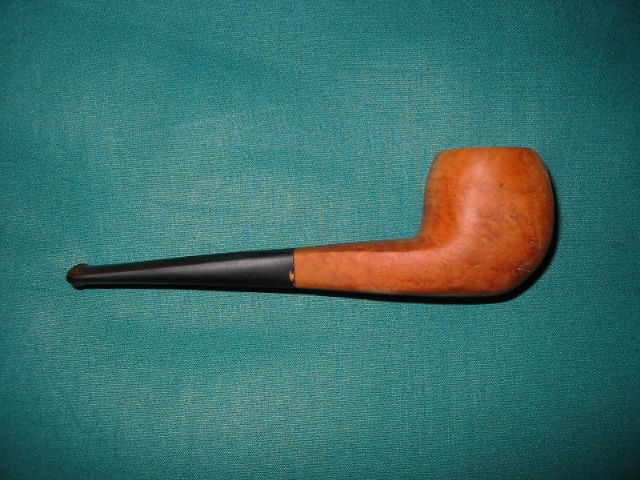
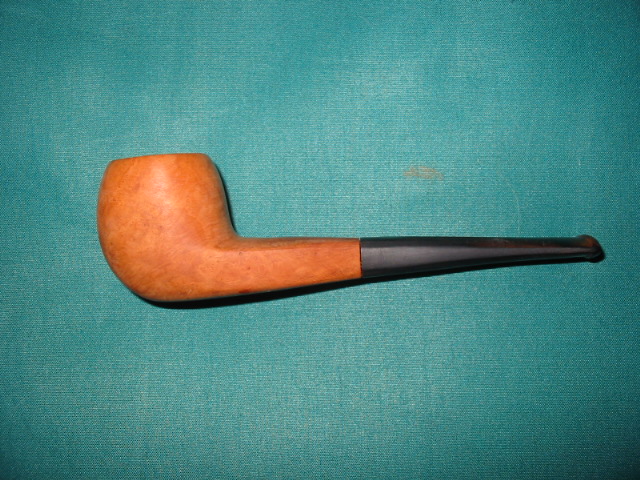
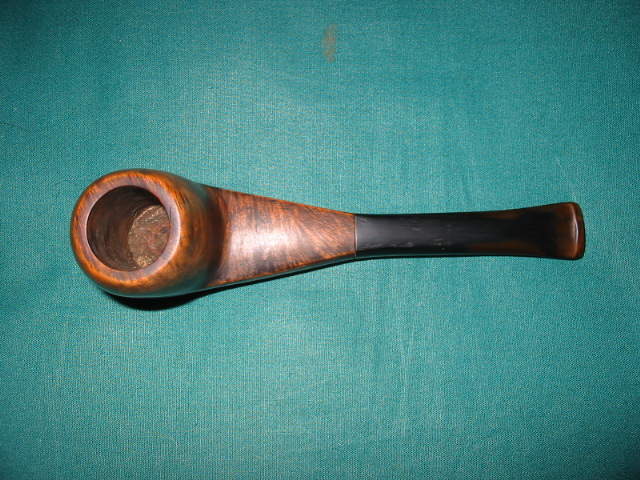
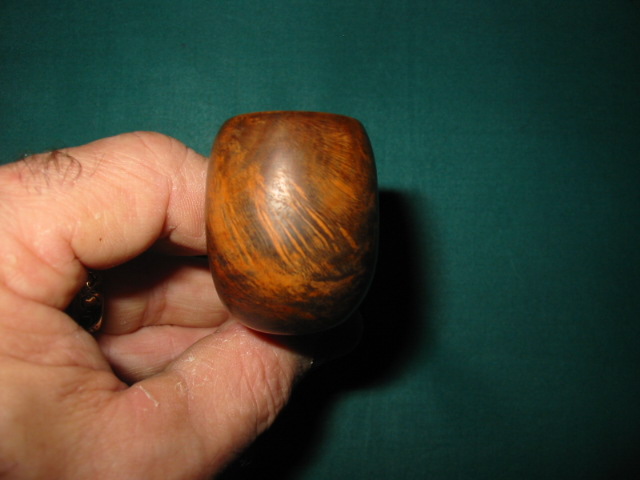
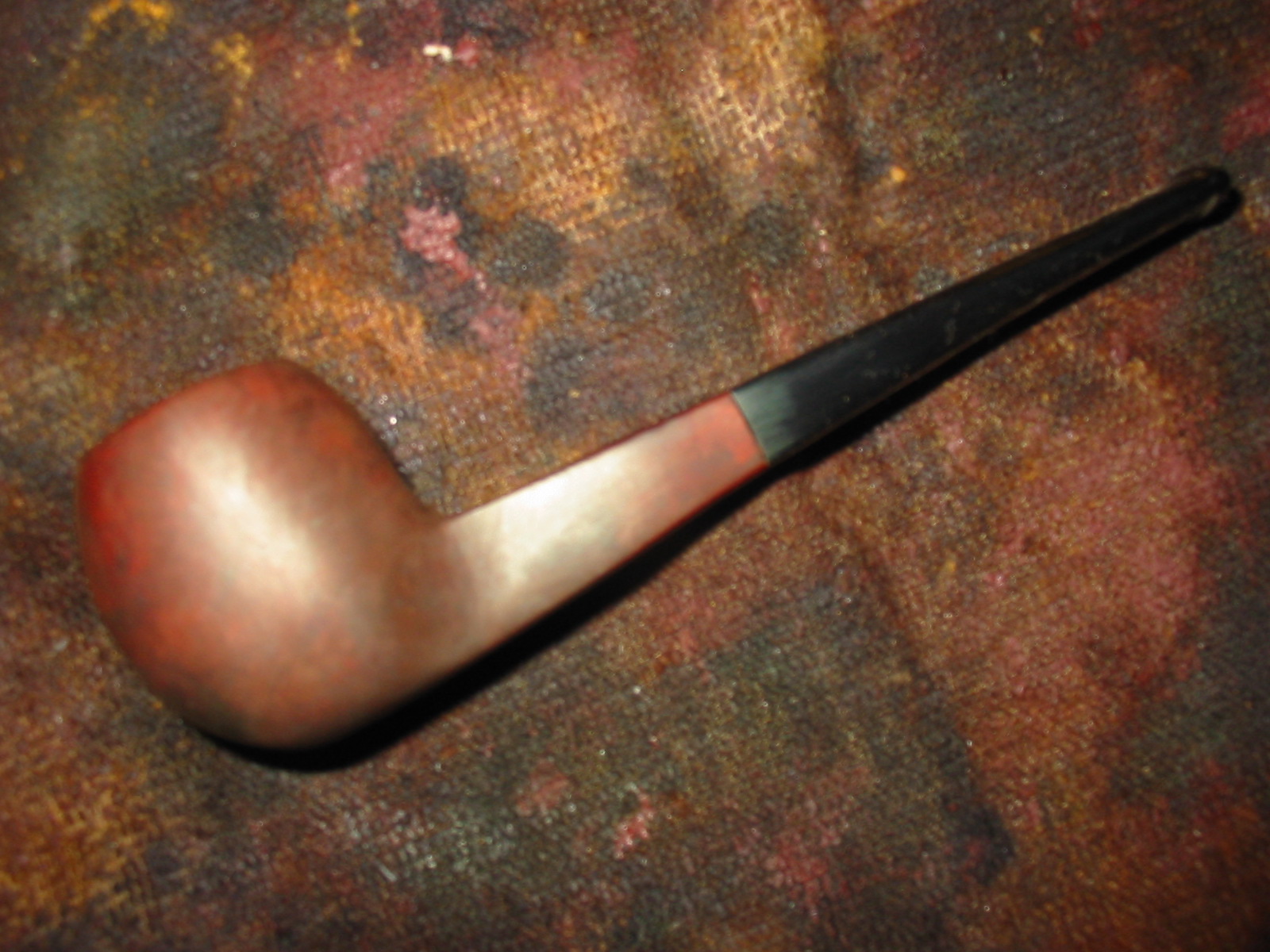
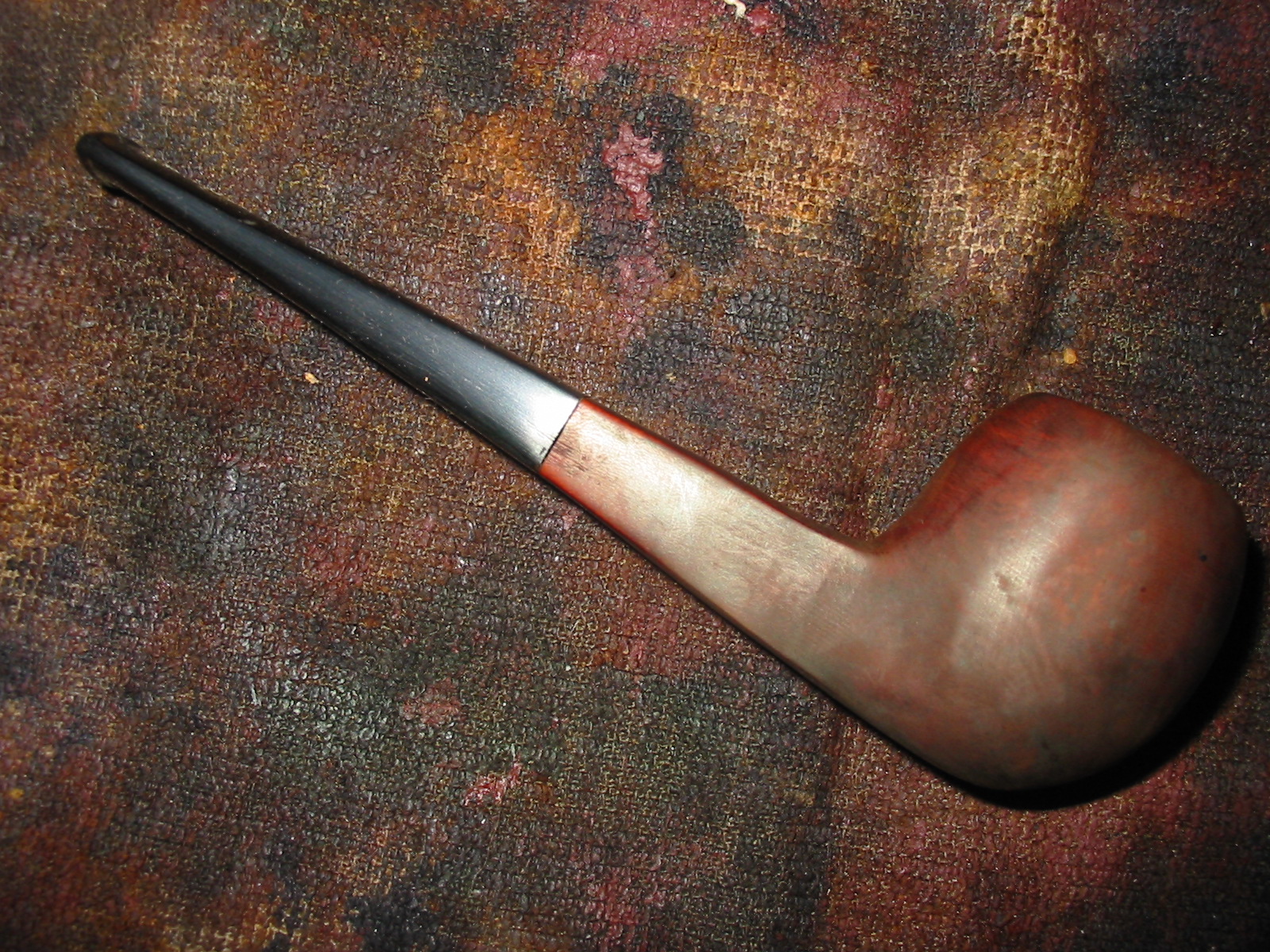
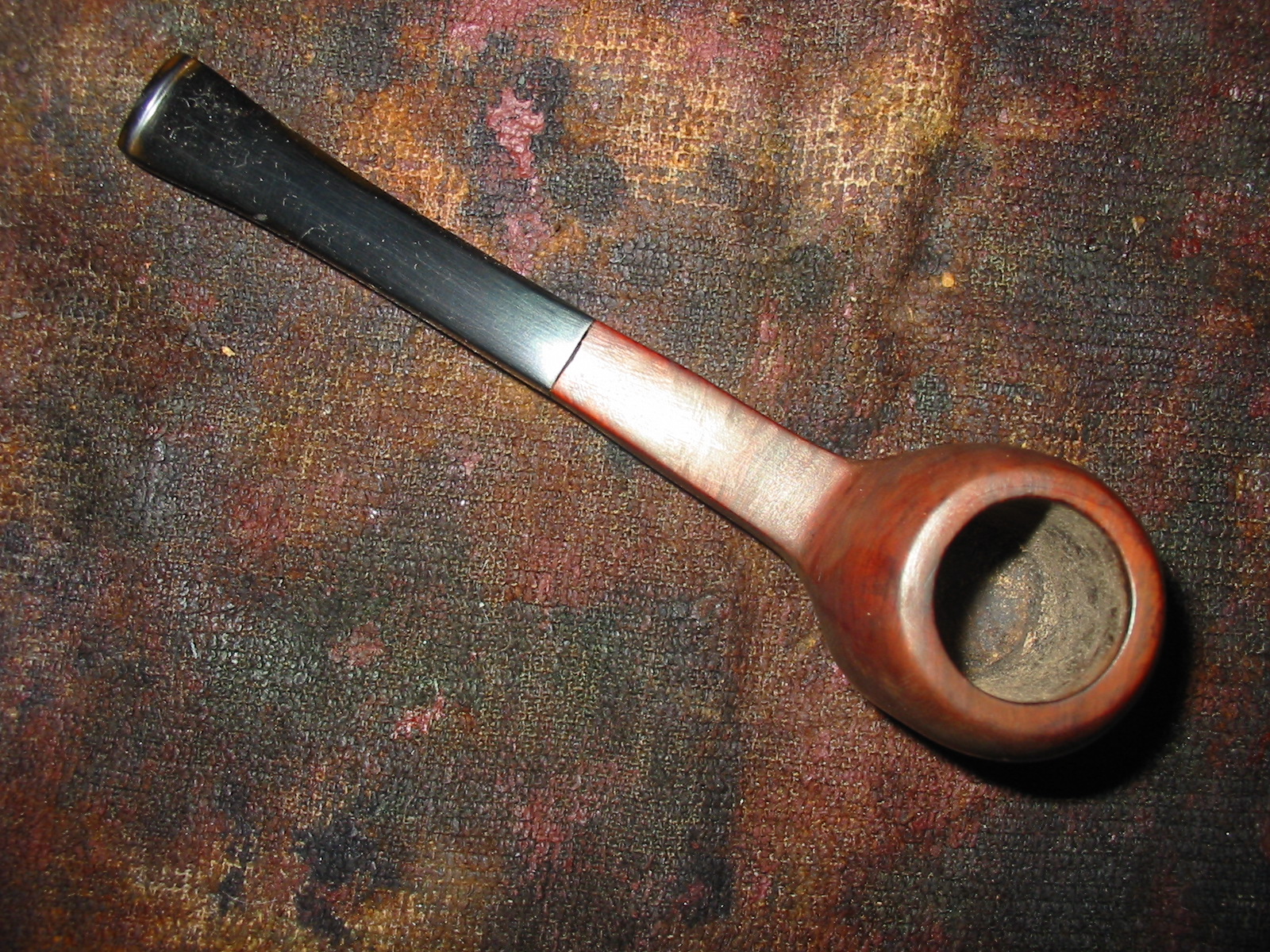
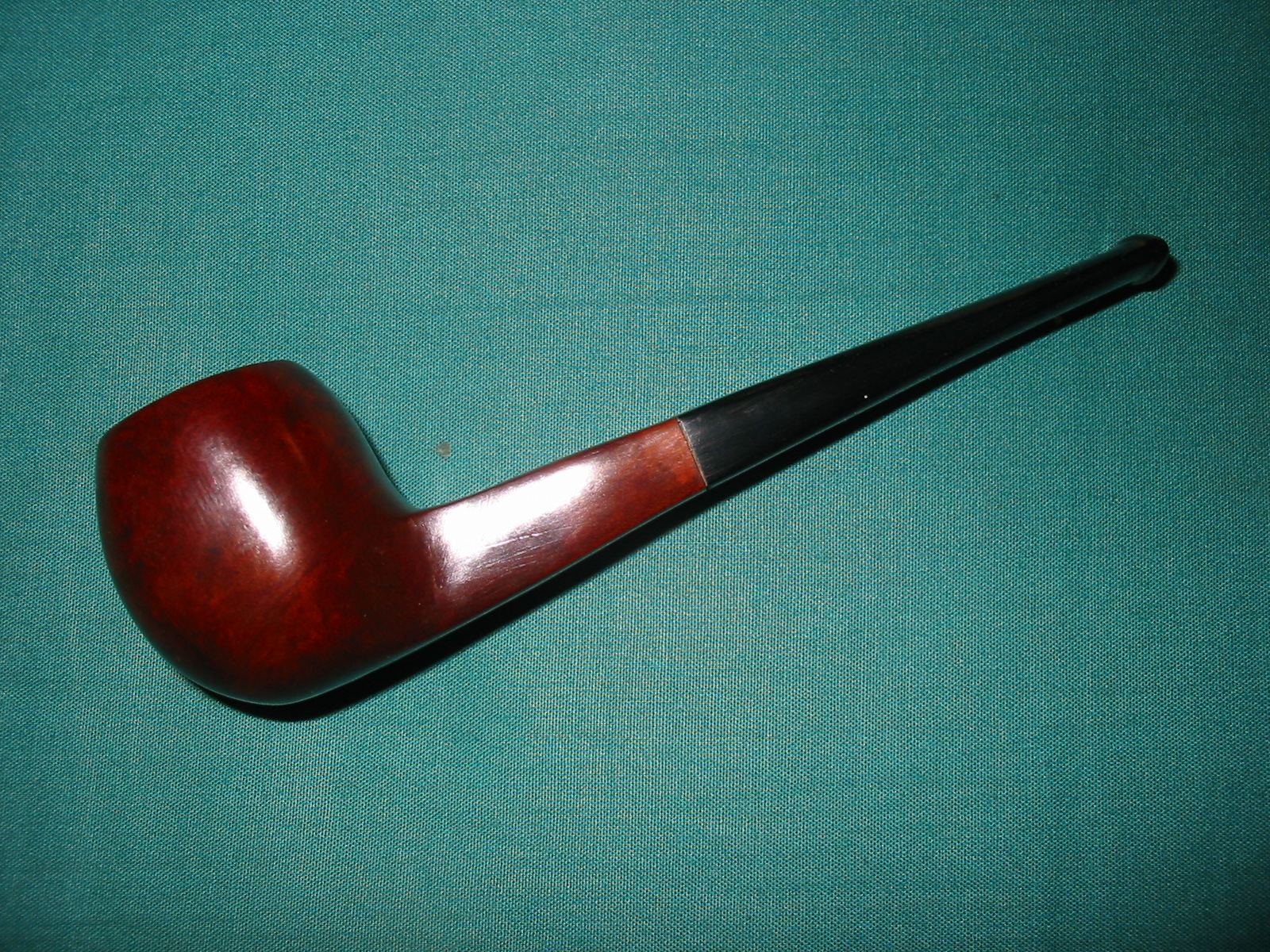
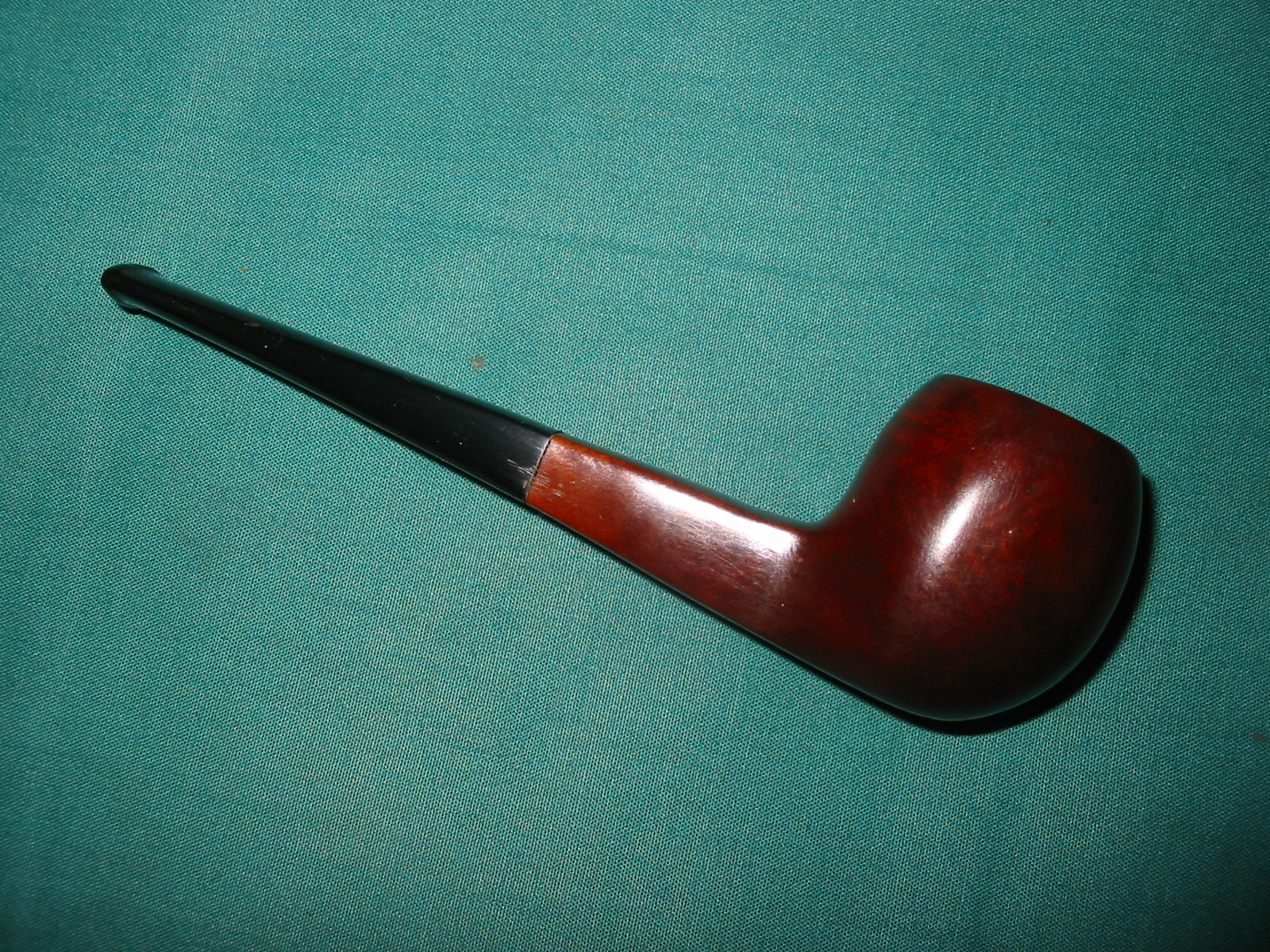
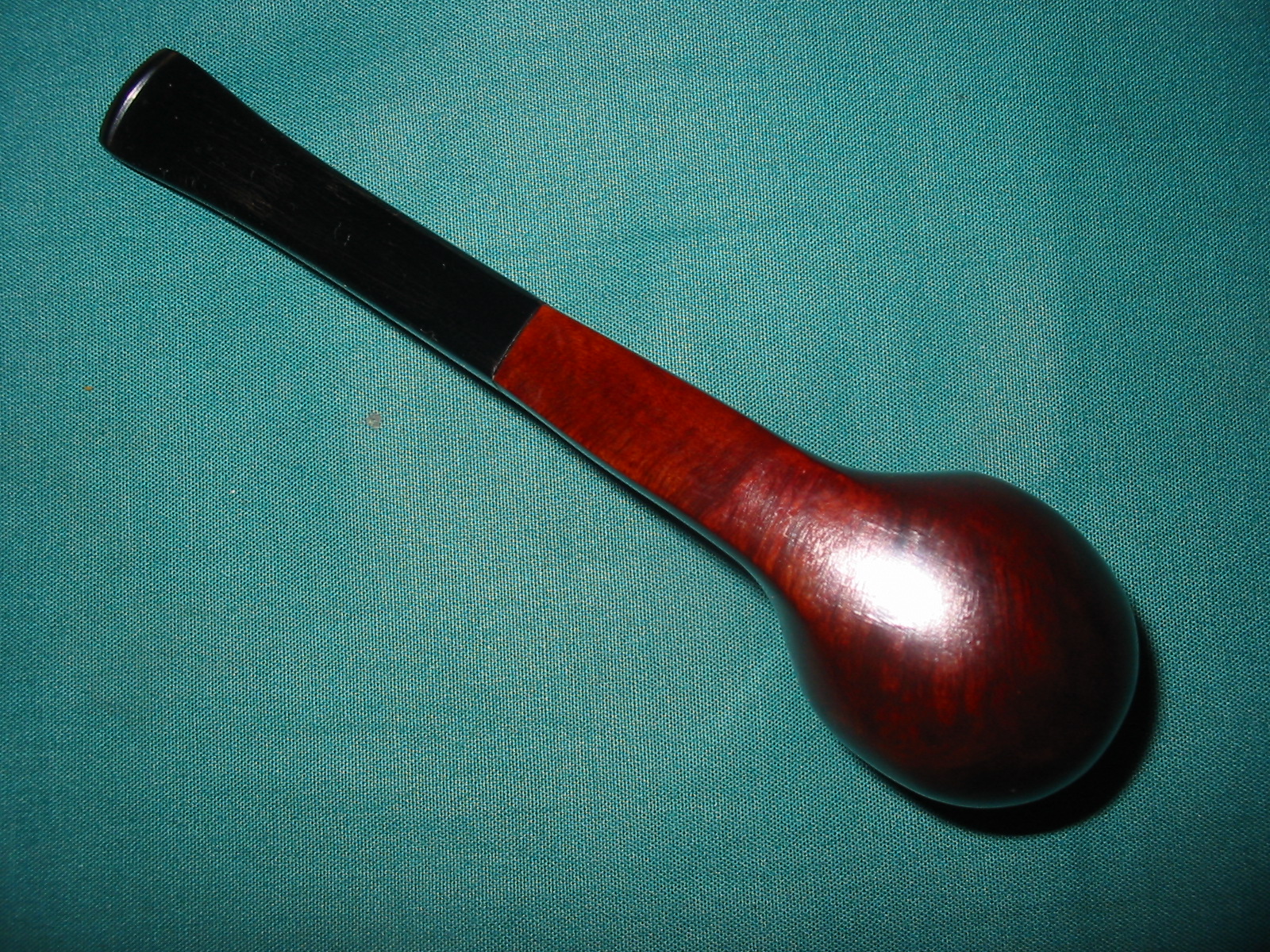
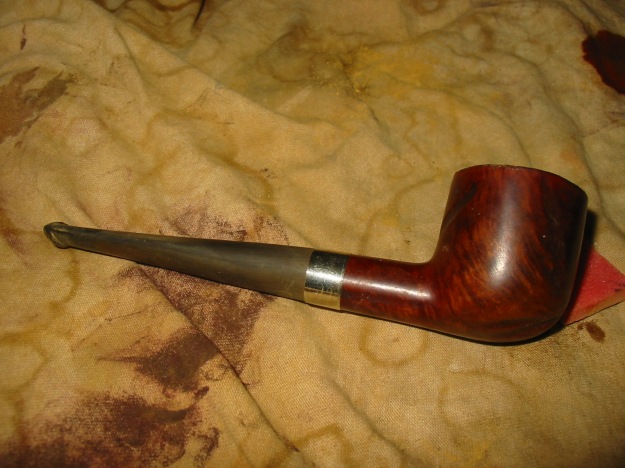
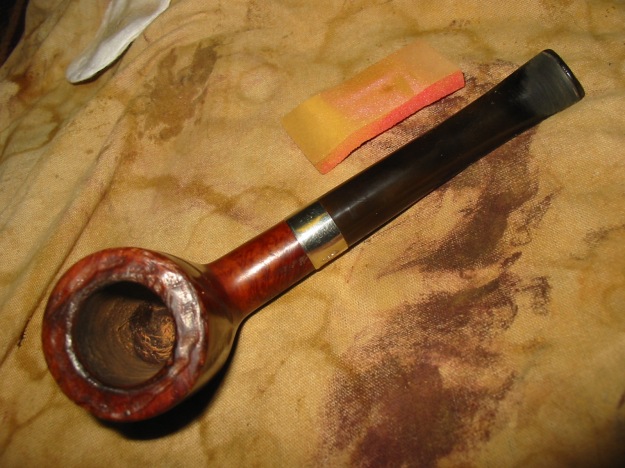
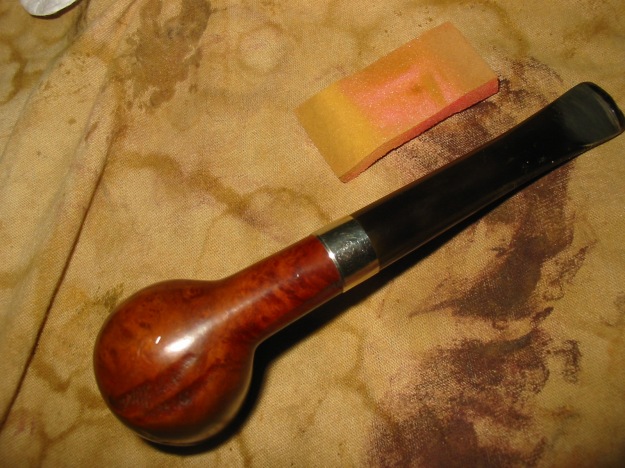
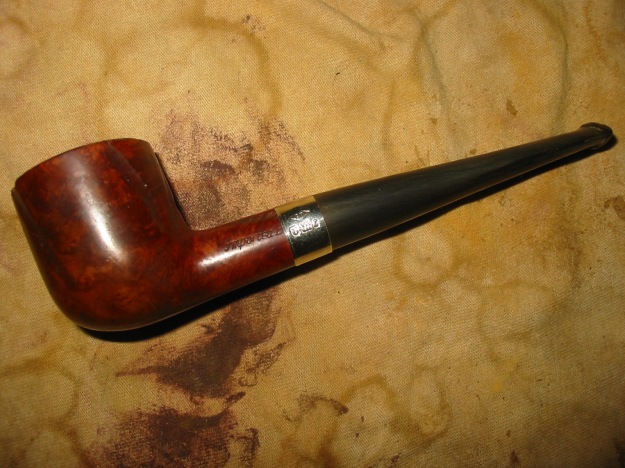
After the wiped down I took it back to the buffer and used White Diamond. The White Diamond polished the pipe and gave it the rich brownish red appearance that is visible in the next series of photos. The feel in the hand and the mouth are much better with this newly revised shape. The richness of the colour is appealing to my eye. It seems that when I carve a pipe I keep going back to it to revise the shape and stain. This one has come a long ways from the original Caveman pipe that was pictured in the first photos above. Whether it is done or not I am never sure… in fact as I look at the enlarged photos I still see a few areas that may need some more work as some of the scratches that are not visible in the light of the shop show up really well in the flash. Ah well. That is the joy of having the tools and a bit of time on my hands this holiday season.

ImageImageImageImage

Restemming a Custombilt Look Alike


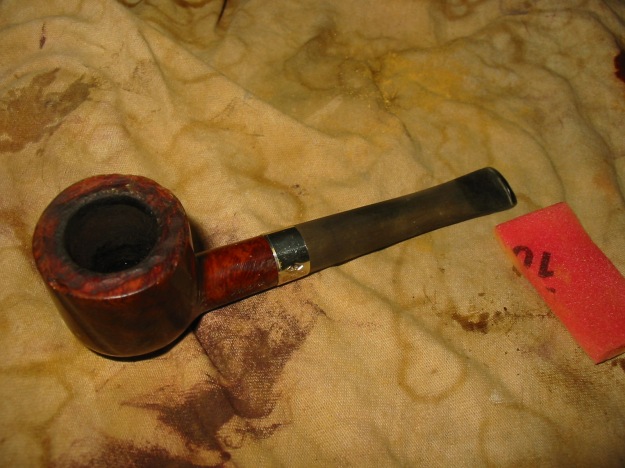
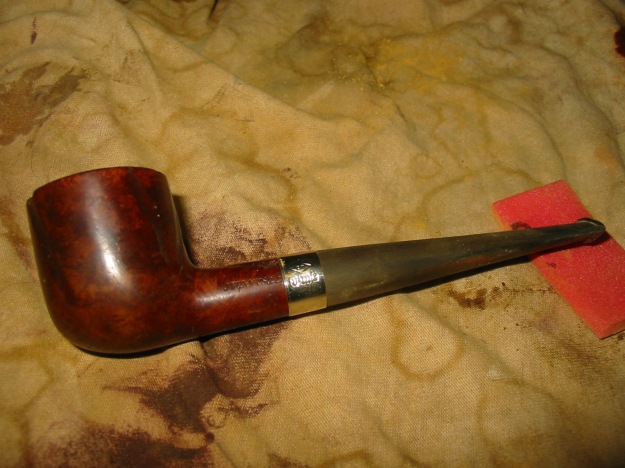
This morning I decided to restem an old Custombilt look alike pot that I had in my box of pipes for repair. I am getting down to only twenty or so pipes left so it is the pipes I have left until the end. Some of these I left because they had no charm to me and others because I just was not ready to work on them. This old no name pot was one of the ones that held no charm for me. The rim was pretty covered with grit and grime. The finish was not in too bad a shape. There was a small crack in the shank which would need to be banded and then the matter of matching a stem to the pipe hung in the air. This morning I went through my can of pipe stems and found an old cast off taper stem that was the right diameter to match the shank. The tenon would need to be sanded to fit the mortise. I set it aside and reamed the pipe and cleaned the shank before fitting the stem. I opened the crack in the shank a bit with some pressure from a dental pick and dripped some super glue into the crack and held it tight until it set. I then heated a nickel band and pressure fit it to the shank. I sanded the tenon by hand with 240 grit sandpaper until the fit was snug.

IMG_9311 IMG_9312 IMG_9313IMG_9314

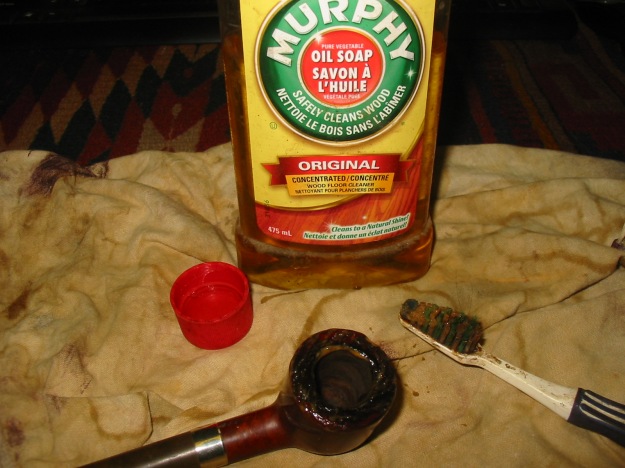
Once the stem was a good snug fit I went to work on the bowl. I cleaned the bowl with Murphy’s Oil Soap and a soft bristle tooth brush. I wanted to remove as much of the grim from the rim as possible and clean up the rustication on the rim surface without damaging the finish. I repeated the process by applying the soap, scrubbing and wiping it off with a cloth.

IMG_9315

When the rim was clean I wiped down the outside of the bowl with the Oil soap as well and removed the grime that remained on the surface. I then wiped the entire bowl down with some acetone on a cotton pad to even out the stain colouring. Once it was dry I took the pipe to the buffer and buffed the pipe and stem with Tripoli and White Diamond.

IMG_9316IMG_9317 IMG_9318

I sanded the stem with a sponge backed medium grit sandpaper. I find that this allows me to get into the crevices on the button and to follow the shape and taper of the stem well. At this point the two photos below show the stem after the buffing and sanding. I spent a bit of time working on some tooth marks along the edge of the button on both the top and the bottom of the stem. You can see the work that has been done near the button in the photos below.

IMG_9319 IMG_9320

I worked on the stem with the micromesh sanding pads using the 1500, 1800 and the 2400 grit with water to sand out the scratches and the remaining oxidation. At the conclusion of this process the stem was a nice matte black and the oxidation was basically history as can be seen in the photos below.

IMG_9321 IMG_9322 IMG_9323 IMG_9324

At this point in my stem rejuvenating process I rub the stem down with Maguiar’s Scratch X 2.0 a fine scratch and blemish remover intended for cleaning and polishing plastic headlight lenses. I rub it on by hand and then scrub it off with a cotton pad until the stem is clean. When I finish with the polish I move on to the next grits of micromesh 3200-12,000 grit and sand until the finish is a polished black with a depth to it. I dry sand with these grits of micromesh. Between the 4000 and 6000 grit pads I took it to the buffer and gave it a buff with White Diamond. I found that the oxidation at the shank end of the stem was still present after the buffing and would require some more work with the earlier grits of micromesh. I buffed that end with some Tripoli and then decided to try the Bic Lighter method to address the remaining oxidation. Once that was finished I sanded the stem with the higher grits of micromesh 4000-12,000 and then coated the stem with Obsidian Oil. I buffed the stem with White Diamond and then reinserted it in the pipe and gave the entire pipe a final buffing with multiple coats of carnauba wax. Here is the finished pipe.

IMG_9325 IMG_9326 IMG_9327 IMG_9328

Redeeming a Disaster – A Repair with a Happy Ending


On Christmas Eve I decided to start working on a little acorn shaped pipe bowl that I have had here for quite awhile. It sat in my repair box in wait for the right moment for me to take it to the work table. It needed a stem and the shank was set up for a metal screw in tenon. I did not have any metal threaded tenons that fit the shank well or I could have made a stem for the pipe and inserted the threaded tenon. The time was right and I wanted to try something a bit different on this one. It did not matter if it worked or not really as it was truly a disposable pipe. With that freedom in mind I decided to fit the bowl with a push tenon stem. To make that work involved removing the metal insert from the shank. I reamed the bowl and cleaned out the shank to get it ready for removing the insert. I tried to twist if out as I figured that it was screwed into the shank. No such luck. It was tight and I could not remove it after using heat or putting it into the freezer to cause it to contract and loosen. I made a decision at that moment that did not end well – at least in the short term.

I set up my cordless drill with a bit that would open up the shank. My thinking was that if I could not removed the insert I would drill it open and smooth so that it would take a regular push tenon with no problem. I started with a drill bit virtually the same size as the airway and then planned on moving up to larger drill bits as the work progressed. The initial drilling worked well and the threads were smoothed out. So far so good! I was pretty excited to watch the airway smoothing out and opening up. Then I changed the drill bit for the next size up and drilled it a second time. I progressed slowly holding the bowl in my hand as I drilled the shank. I have done this before and did expect any problems. You know the thinking right – it worked well in the past so I could expect it to work the same this time around. So with full confidence I worked away. Then disaster struck. A few moments after starting to drill with the slightly larger bit the shank literally shattered in my hand. I was left holding four pieces of broken briar in my hand. The bottom half of the shank remained intact but the upper half was in three pieces. The metal insert remained unmovable in the bottom portion of the shank.

I was a bit stunned and almost binned the broken briar. What had at first appeared to be a good idea was reduced to something that I was ready to throw away and write off as a learning experience. However, I stopped and looked at the pieces for awhile. I thought about cutting the shank off and adding a shank extension to do one of Piet’s Hot Rods. I weighed the pros and cons of that and still was not certain whether I wanted to go to that trouble for this pipe. I took the pieces and puzzled them together to see what the damage looked like when it was put back together. I examined it closely and could see that the break was at least very clean and the surface was not chipped or damaged. I used a dental pick to remove the metal insert from the shank. I decided to get out the super glue and put the pieces back together for a look. With all the pieces in place the pipe looked okay. I sanded off the excess glue from the shank and used some acetone to clean off the stain that was on the shank and bowl. It looked like there was some promise. I decided to strengthen the bond with a nickel band. I heated a nickel band with my heat gun and carefully pressure fit the band on the shank. The repaired pipe was going to be workable.

ImageImageImageImage

I sanded the bowl and the shank and wiped it down repeatedly with acetone. The idea was to remove all of the remaining lacquer finish and even out the stain. I wanted to get the bowl back to bare wood as much as possible before restaining. Once I had it clean I sanded it again with a fine grit sponge backed sanding pad. I continued to sand it with the micromesh sanding pads from 1500-12,000 grit to prepare it for staining.

I had an old saddle stem that would fit the shank dimensions in my box of scavenged stems. I turned the tenon to fit the newly cleaned shank and did the initial sanding to remove the oxidation on the stem. I used the same sponge back sanding pad I used on the bowl as it allows good access to the saddle areas of the stem. The photos below show the newly fit stem. I have quite a bit more work to do on the stem and bowl to bring the pipe to a finished condition but the promise is definitely there. In the second and third top view photo below you can see the repaired shank. I am pretty confident that it will be pretty well hidden by the staining.

ImageImageImage

Before restaining the bowl I decided to work on the stem and get it polished and smooth. I used the 1500 and 1800 micromesh pads to do the sanding and polishing before using the Maguiar’s polishing compound. I have started to use it after the first two or three micromesh sanding grits. I rub it on by hand and then scrub it with a soft cotton pads before wiping it off. I repeat this polishing process with the compound two times before proceeding to working through the remaining micromesh grits. I sanded the stem with 2400 and 3200 grit and took it to the buffer and used Tripoli to buff away the scratches and the oxidation that remained at this point in the process. I also buffed the bowl with the Tripoli. Once back to the work table I used 3600 and 4000 grit before giving the stem a rub down with Obsidian Oil. The four pictures below show the pipe as it looks at this point. The bowl is ready to stain and the stem is getting close to the finished look. There is still some oxidation around the saddle area that will need some more work.

ImageImageImageImage

I decided to use an oxblood coloured aniline stain on the pipe to try to minimize the visibility of the repair to the shank. I used a cotton swab to apply the stain, flamed it and then buffed it off with a soft cotton cloth before taking it to the buffer and buffing it with White Diamond. After buffing I waxed it with several coats of carnauba wax to give it a shine.

ImageImageImageImageImage

I also finished the polish on the stem using White Diamond on the buffer before finishing with the remaining three grits of micromesh pads – 6000, 8000 and 12,000. I gave it a final buff with White Diamond and then rubbed it down with some Obsidian Oil. I finished the stem with several coats of carnauba wax. The four photos below show the finished pipe. The repair to the stem is visible if you look closely but the redemption of this broken pipe is complete and it is ready to smoke.

ImageImageImageImage

An Old Manhattan Billiard with a Bakelite Stem


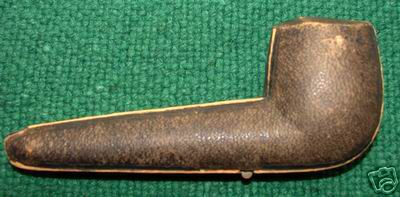
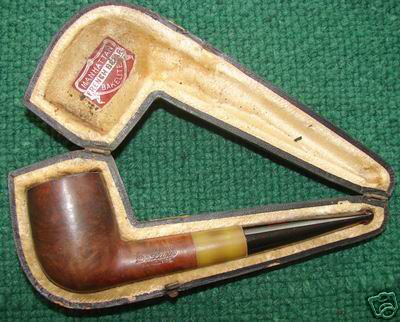
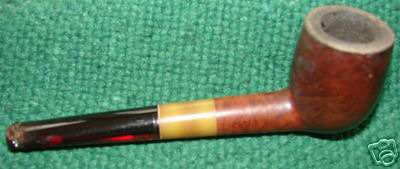
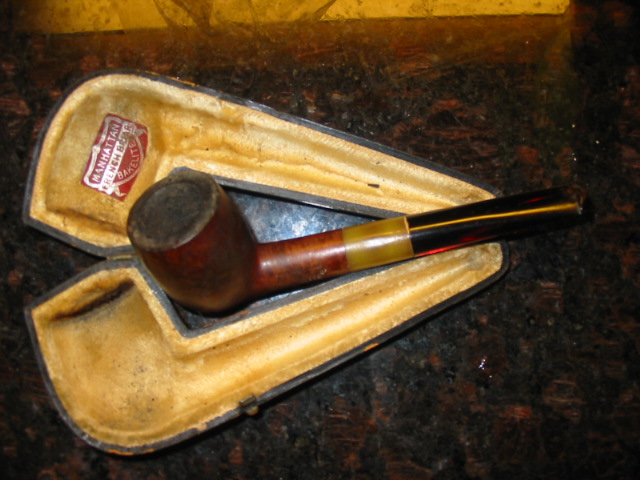
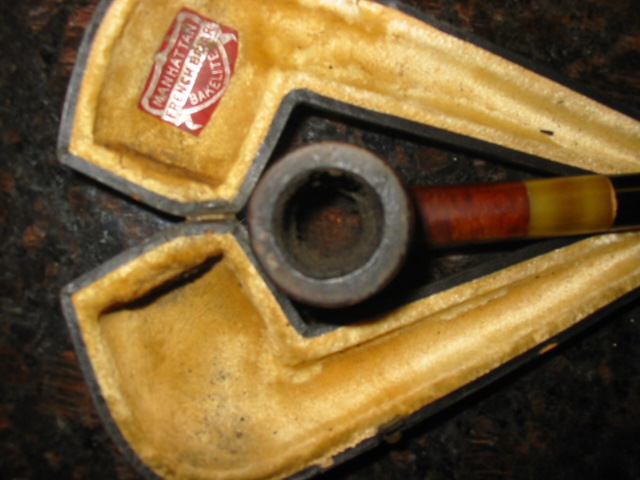
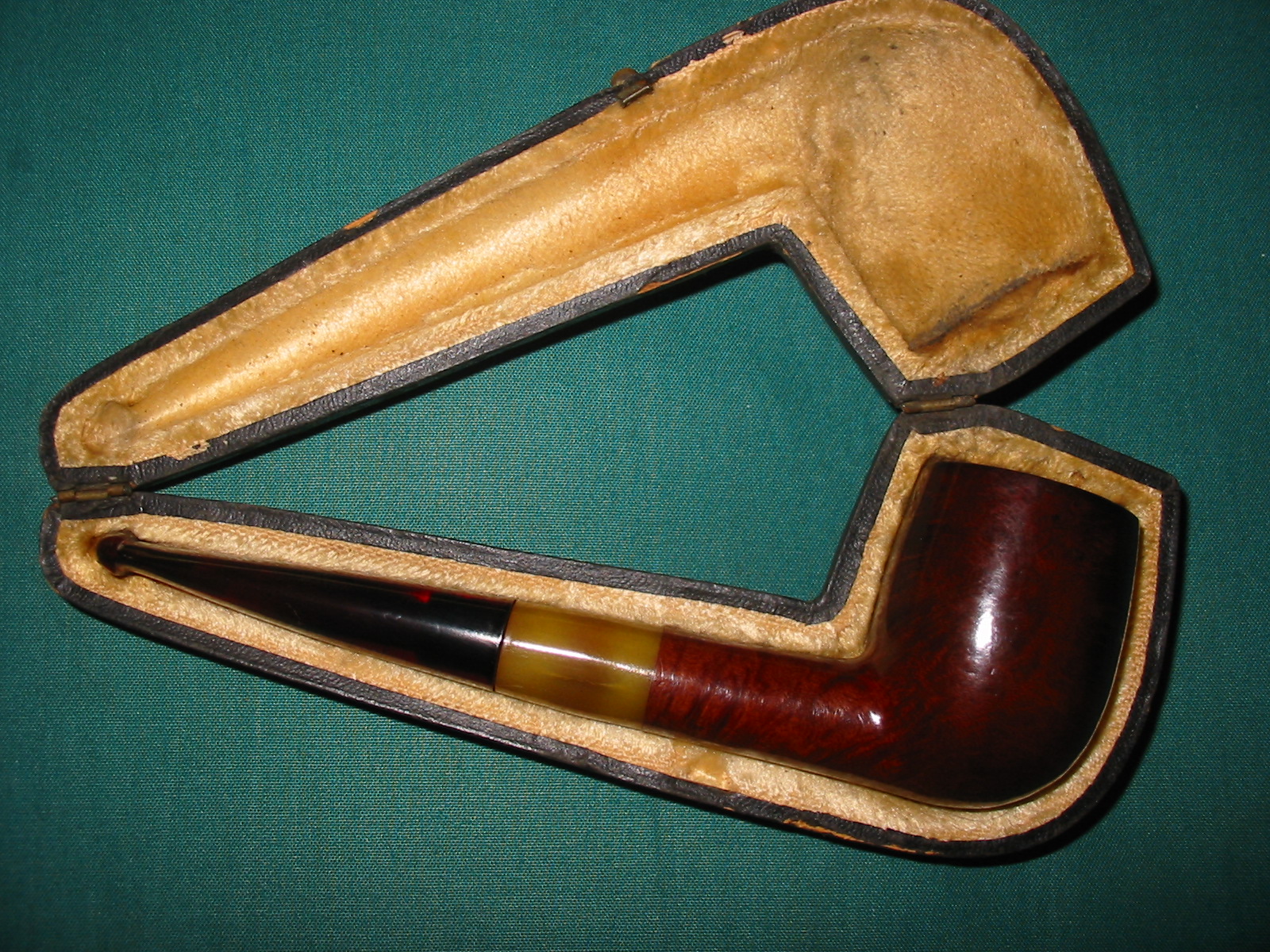
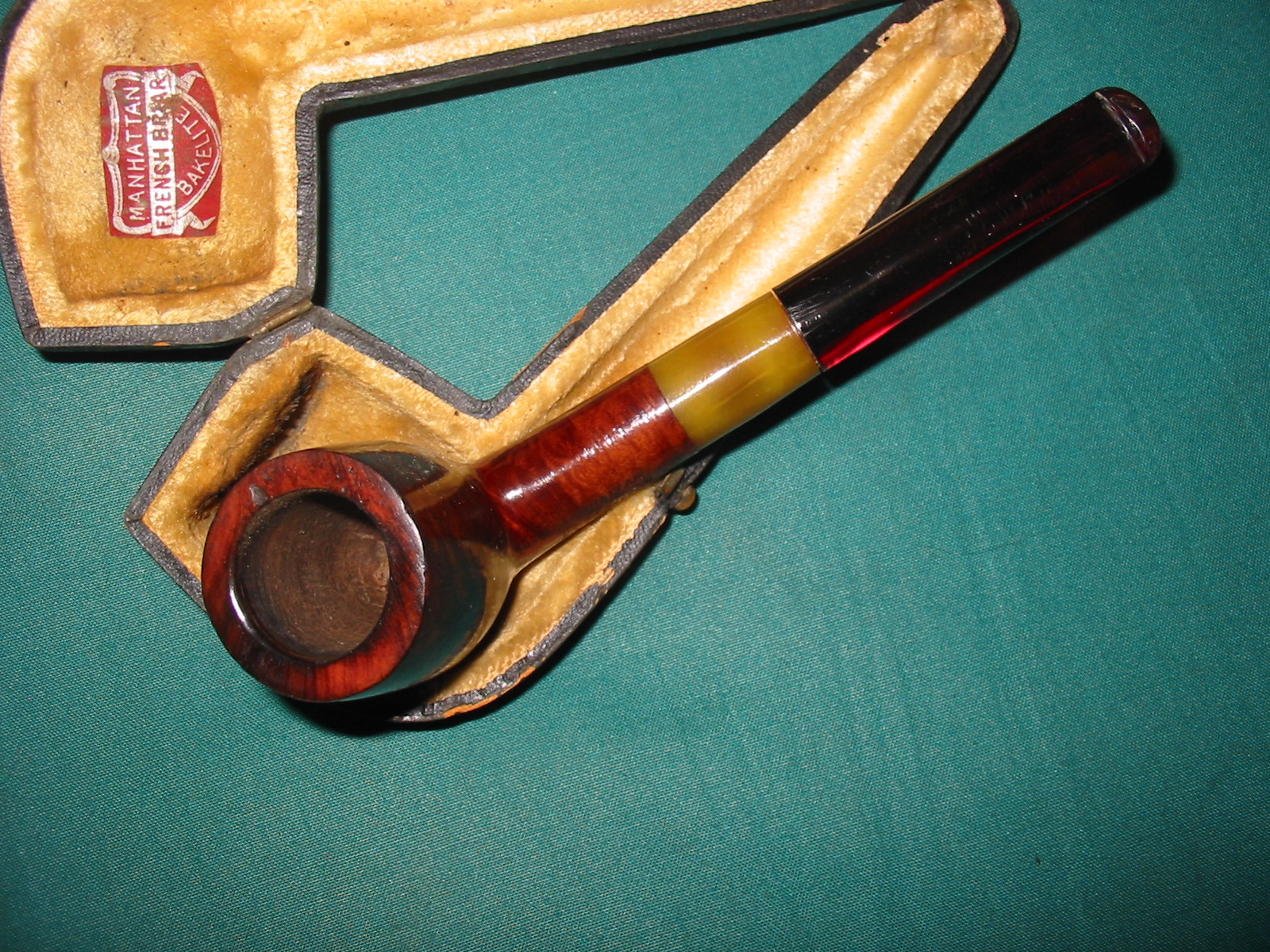
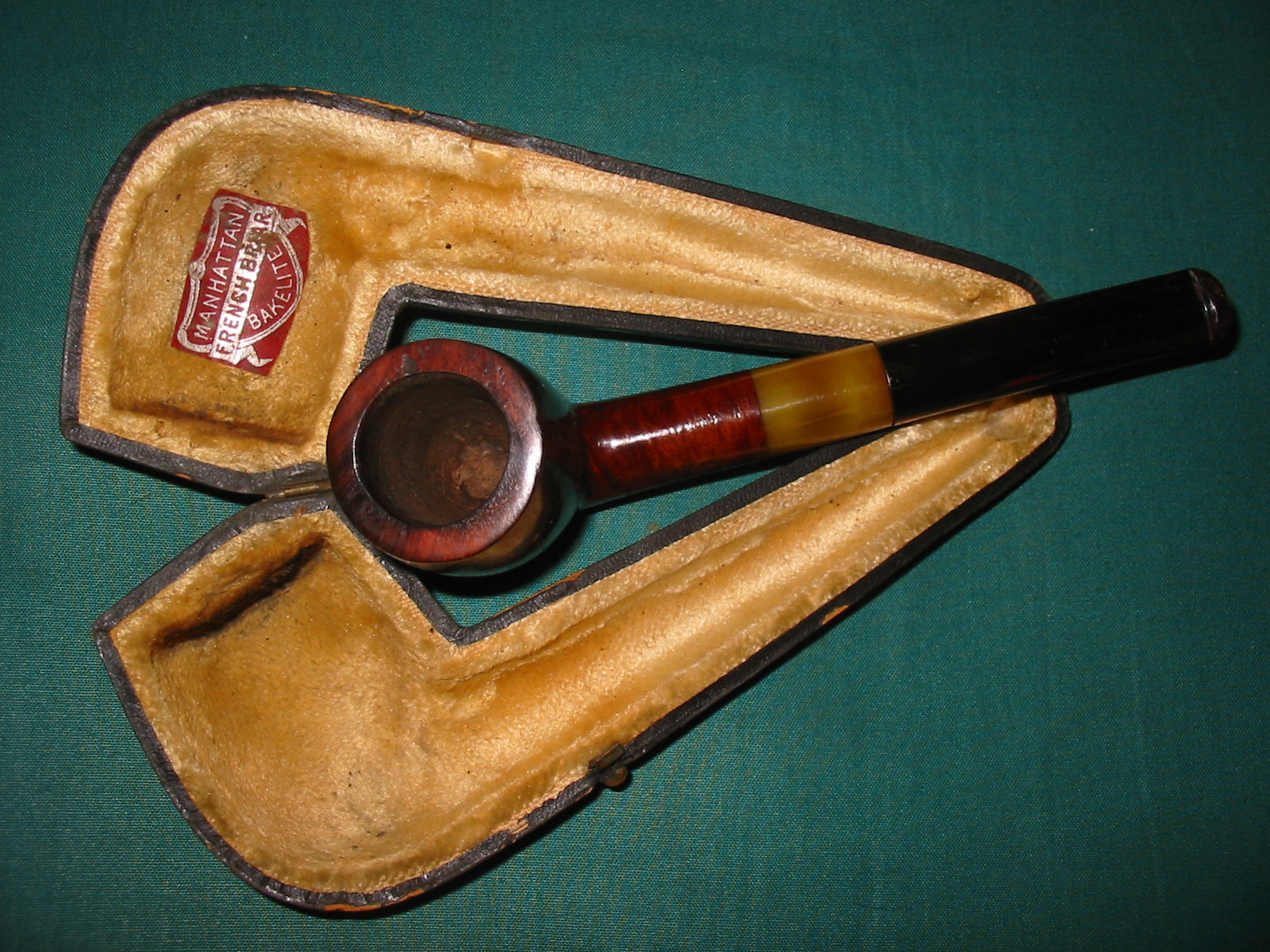
I picked up this old timer a while ago now and did a quick clean on it and put it away. Today I decided to take it out and finish it. The first tree pictures below are photos that were with the EBay auction. I liked the look of the pipe in those photos and decided to bid on it. From the EBay photos it appeared to be in pretty good shape. It appeared to be dirty and in need of a good cleaning. The stem was red Bakelite and the shank extension appeared to be yellow Bakelite. The rim looked dirty and tarred but pretty sound.

ImageImageImage

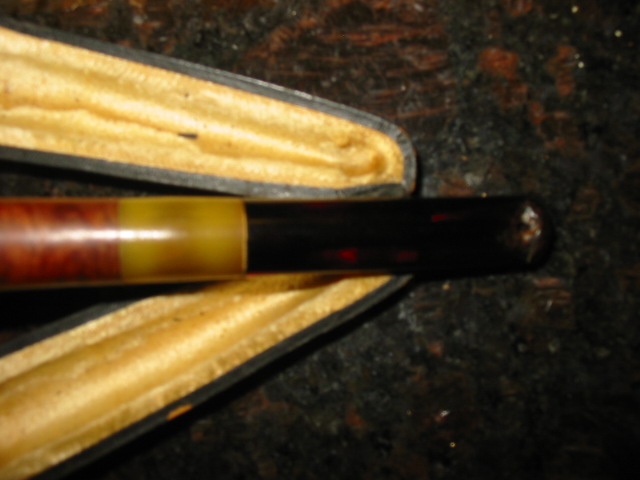
When it arrived it was in worse shape than the pictures showed. The rim was rough around the outer edge. The inner edge was also rough and out of round. The bowl was caked with a broken and chipped cake. The stem was over turned and had some significant bite marks in it on the top surface near the button. On the underside of the stem there was what appeared to be a repair to a bit through. It looked like an epoxy patch. The fill on the patch was overdone and the edge of the button was virtually gone. The top side bite marks were deeper than I expected and would need some work to raise them.

ImageImageImageImage

I reamed the bowl and cleaned the shank and bowl with pipe cleaners and Isopropyl alcohol. Once the pipe cleaners came out clean I was happy with it. The stem also needed a thorough cleaning. The tenon was a screw tenon and appeared to be metal as it was corroded and a little rusty. The previous owner or maybe the seller had put a paper washer on the stem before turning the stem on tightly. I think this was the solution to the overturned stem. I scraped the washer off of the shank and the stem and cleaned up the tenon with steel wool and alcohol. Once it was clean I worked on the button area on the underside of the stem. The epoxy repair was thick so I sanded it down and then recut the button edge with my flat needle file. I recut the top edge as well to clean it up and give it a new sharpness. I sanded the patch and the tooth marks until they were smooth and then used micromesh sanding pads from 1500-12,000 grit to sand the surface smooth. I also used the Maguiar’s scratch polish to polish out the scratches. Once that was finished I took it to the buffer and buffed it with White Diamond. To readjust the overturned tenon I heated the tenon and then turned it until it aligned. I also turned and turned it back until I had a good solid fit on the shank. Once the stem was aligned I gave it a coating of Obsidian Oil and set it aside for a little while and worked on the bowl rim.

The rim took a bit of work as there were quite a few deep marks in the surface of the rim and also a rough edge on the outside of the bowl all the way around. I steamed the dents to the surface and then topped the bowl on a flat board until the edge was smooth once again. I worked the inner edge of the bowl with sandpaper to minimize the out of round shape of the bowl and make it at least appear to be more round again. I then sanded the bowl rim with progressively higher grit sandpaper end with 400 and 600 grit wet dry. I finished sanding with micromesh sanding pads using all grits from 1500-12,000. There is one small fill that is visible on the top right edge of the rim that is the only fill I find in the pipe. I restained the pipe with an oxblood aniline stain and carefully applied it with a cotton swab as I did not want the stain to mark the shank extension. I did not flame it this time around as I did not want to risk any melting of the extension with the fire. Once it was dry I put the stem on and took it to the buffer to buff with White Diamond. I finished by buffing the entire pipe with carnauba wax until it shone. The finished pipe is pictured below.

I am not familiar with the Manhattan brand but am pretty sure that it is a US made pipe. It is older as it has the Bakelite stem with an orific button. Manhattan Pipe Company made pipes in the US and I would assume made this one. It is stamped only on the left side of the shank with the words MANHATTAN over DeLuxe (in script) over the word BAKELITE. The case has a tag in it that also reads MANHATTAN over French Briar over Bakelite in a shield style logo.

ImageImageImageImage

A View from the End of Stem


I don’t’ know about you, but sometimes when I have too much time on my hands my head can begin to reflect on things that I had not thought of before that moment. That happened recently and I can tell you that up to that moment the topic of this post is one that I had not given much thought before that time. I mean really – the shape of the end of the stems or the button. Yet the other day (I am on holidays right now for another week before the grind of a new year of work begins) I was at my desk in the study and I looked over to my pipe cabinet. To give you a bit of the geography of my study might help visualize the moment. My study is in the basement of my old Victorian Cottage. On the west wall just under the stairs is my desk. Behind me on the east wall are books. To the south are also books and to the North on both sides are books. But at the north end of the room is a pipe cabinet that houses my pipes and tampers. The picture below gives a bit of an idea of what I am speaking about.

Image

As I looked across the pipes in my collection I was struck by something I had not paid attention to before. Now understand that I often pick up my pipes either to smoke them or fondle them – if you are a pipe smoker you know what I mean. The thing that I saw was that among the pipes of my collection there were two distinct shapes to the end of the stems. For lack of a more definitive description I have chosen the descriptors convex and concave (curved out and curved in respectively as pictured below). Both types of stems are in my pipe collection – both the pipes I have refurbished to sell or give away and those that retain a more permanent position in my cupboard. The division seems to be equal betweeb both types of button curvature. Now mind you, there are variations on the theme. Some of the older, late 1800’s and early 1900’s orific button stems have a very pronounced convex shape. Think of the convex shape of a Peterson system type stem and you understand the concept of convex stems. Some of my Dunhill’s fishtail stems have a very pronounced concave button – almost an open “(“ shape. These are on the extreme ends of the spectrum but the rest of the pipes I have also fall into those two categories with different degrees of flattening to the curves.

Image

As I looked at them I wondered about the difference. Is the difference merely one of preference of the maker as they are machined? Is it the preference of the craftsman as he decides on the overall look of his finished piece? In other words is it a matter of aesthetics? What difference does the shape of the button make? Is it a comfort issue or is there something mechanical that led to the shape? I don’t think that I will ever know for sure but it is probably safe to assume that many of you either don’t care or have not thought about it. But here are my thoughts as I processed the difference.

The older pipes in my collection – those from the late 1800’s and early 1900’s – all seem to have convex stems like the one on the right. They have either a soft convex curve or a more pronounced curve. One thought that comes to my mind as I study them is that most have an orific (or round) opening in the button. In fact I don’t think it is a far stretch to say that all the pipes that have an orific opening have a convex shape. I don’t have any orific openings on pipes that have concave buttons. The logic of that seems to make sense. If the opening in the button is a round hole as opposed to a slot, it is pretty natural that it would be at the centre of the convex curve. To test this idea I looked at the newer pipe stems that I had that are convex and I found that as the orific opening disappeared and a more oval or football shaped slot takes the place the convex shape begins to flatten and in some cases becomes concave. Thus the survey of the pipes in my cupboard leads me to believe that the shape of the end of the button, at least at first, may be a function of the shape of the opening at the end of the button.

As I smoke each of them I have no particular opinion as to which is more comfortable in the mouth. This seems to be a more complex topic than just button shape. Both types of buttons can be very comfortable and deliver a great smoke or a lousy one. I wonder too if it is not something of an era issue. It seems that today the orific slot on the button has gone by the way of the dinosaur. The only manufacturer that I see still using a modified form of the style is Peterson. I do not know of any current pipemakers that use that style of button. The two shapes of button now seem much more a thing of form versus function.

Those are just a few of my thoughts from the end of the stem this morning. What are your thoughts? Some may think that this reflection is a waste of time but think it has a practical implication for the refurbisher. I fit quite a few replacement stems on older and newer stummels that I have. One of my goals is to make the stem as much as possible like the one that would have been on the pipe when it left the workshop or factory. I research the stem shapes on a particular brand and seek to match the shape of the button, the tenon and the slope of the stem to the original. For example when I restemmed several early 1900’s era BBB pipes that I in my collection I researched the BBB catalogues and did web searches to see what the stems looked like from the tenon to the button. I sought to duplicate what I found as much as I could. I know that to some this will seem like an unnecessary step in the process. Can’t you just put a new stem on the pipe and smoke it? Certainly I can do that but on these old gentlemen I aim to bring them back to their former glory even in terms of the stem style and shapes. Call it a quirk if you like, but it has become an integral part of the hobby of refurbishing to me.
Anyway enough on the topic. I am curious to read your thoughts. Post a reply and weigh in on the end of the stem. Post some examples if you have them in your collection.

A Chairleg Style Stem on a Clubhouse Apple by GBD


Blog by Steve Laug

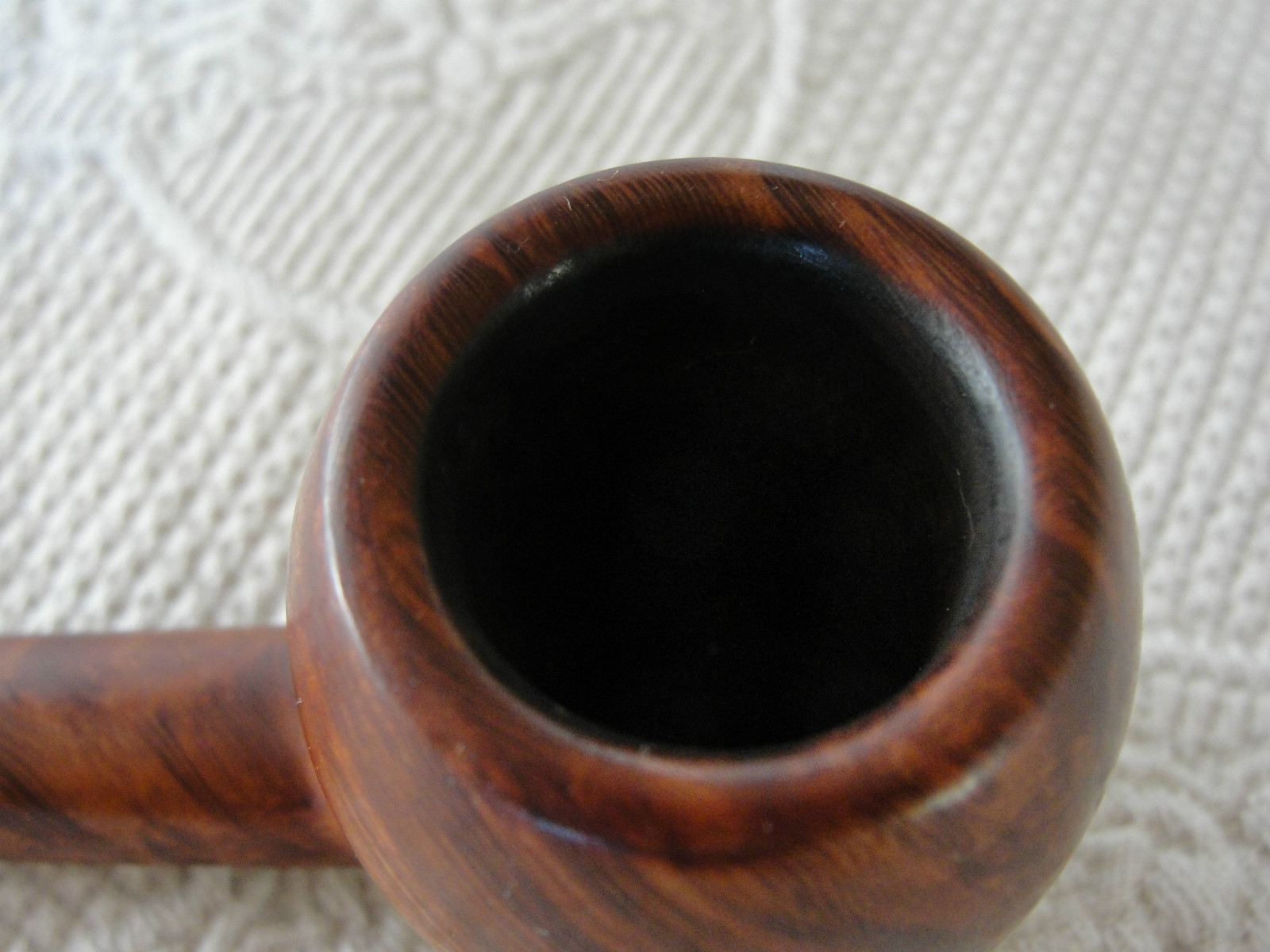
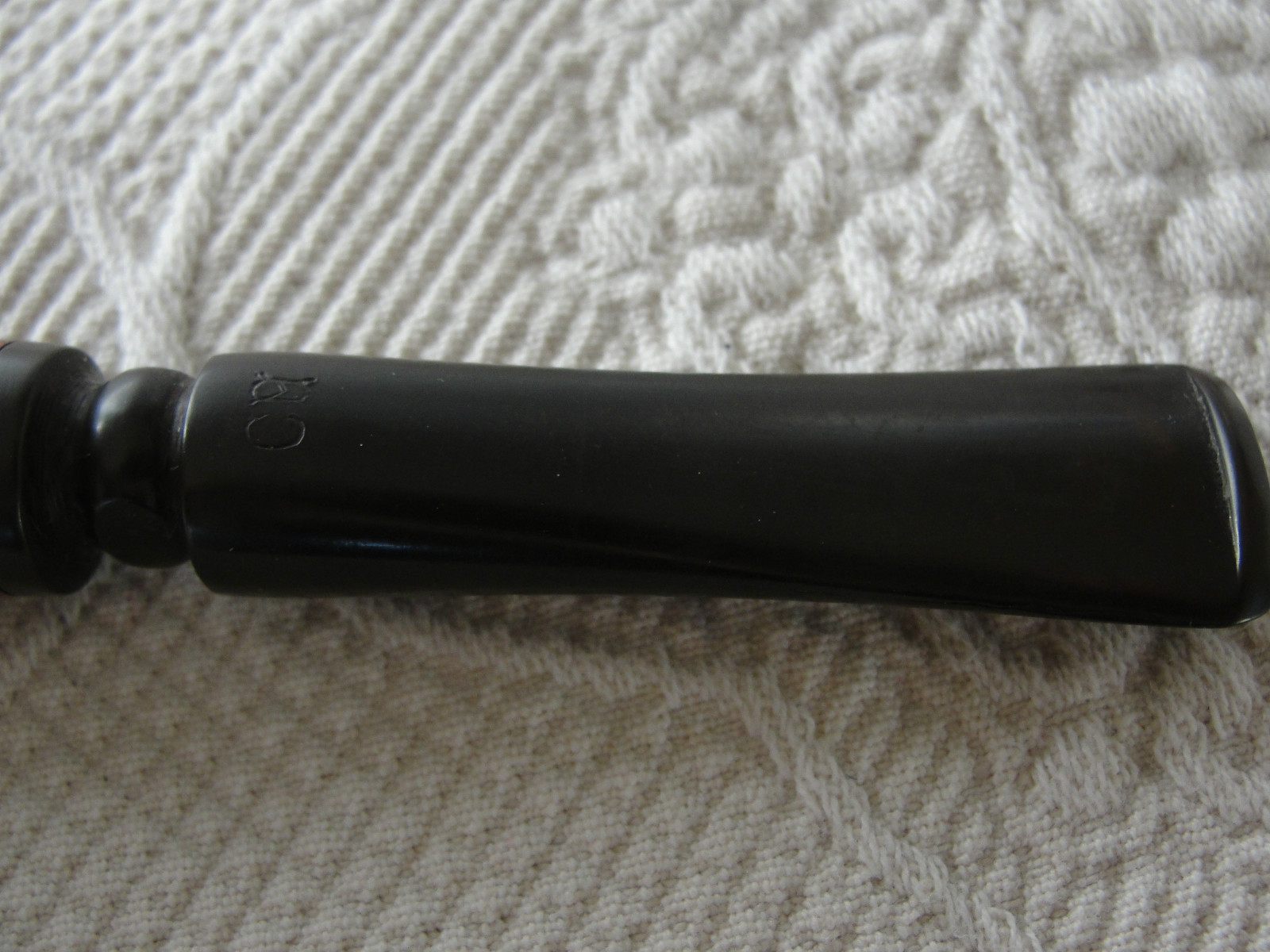
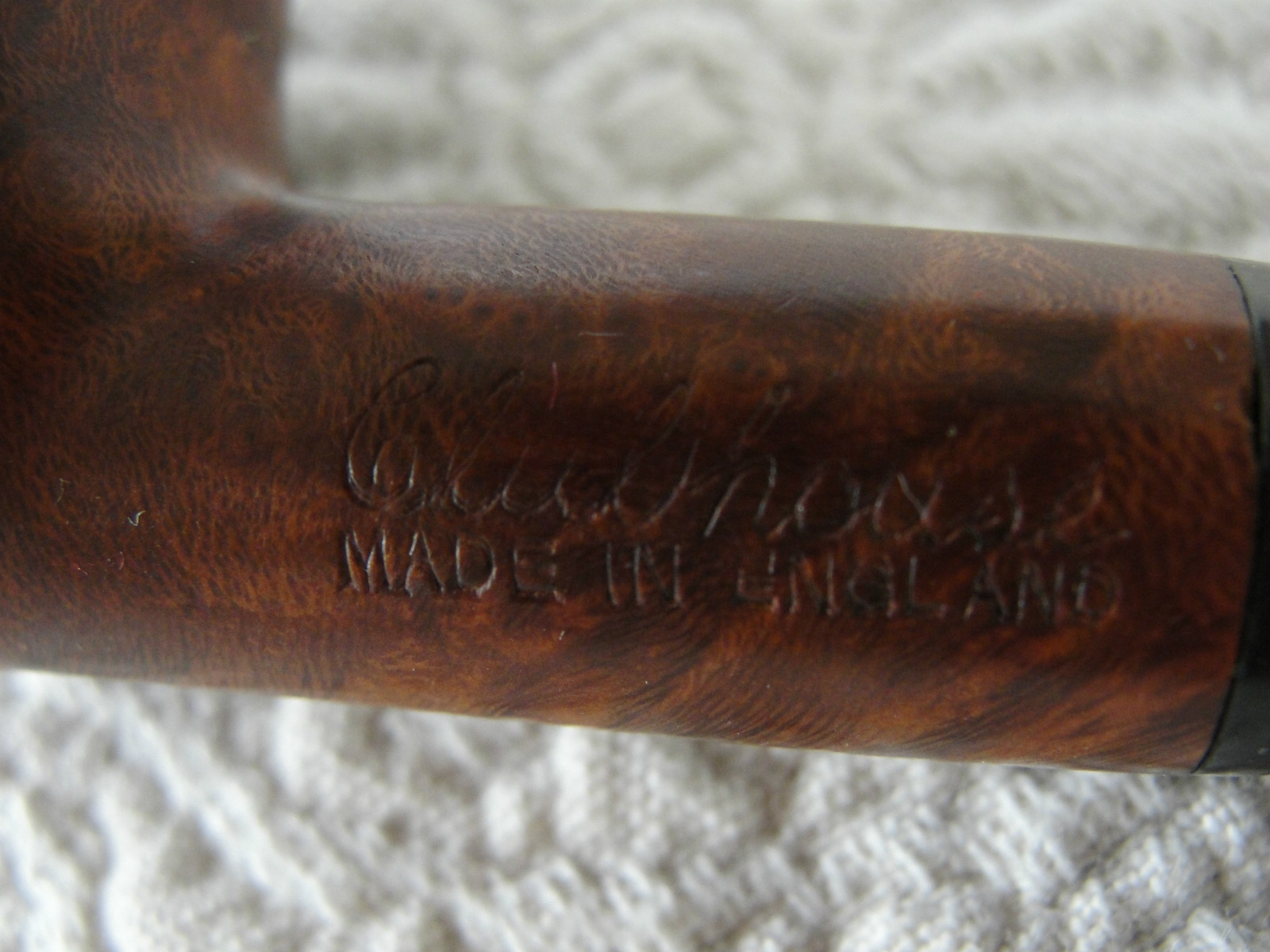
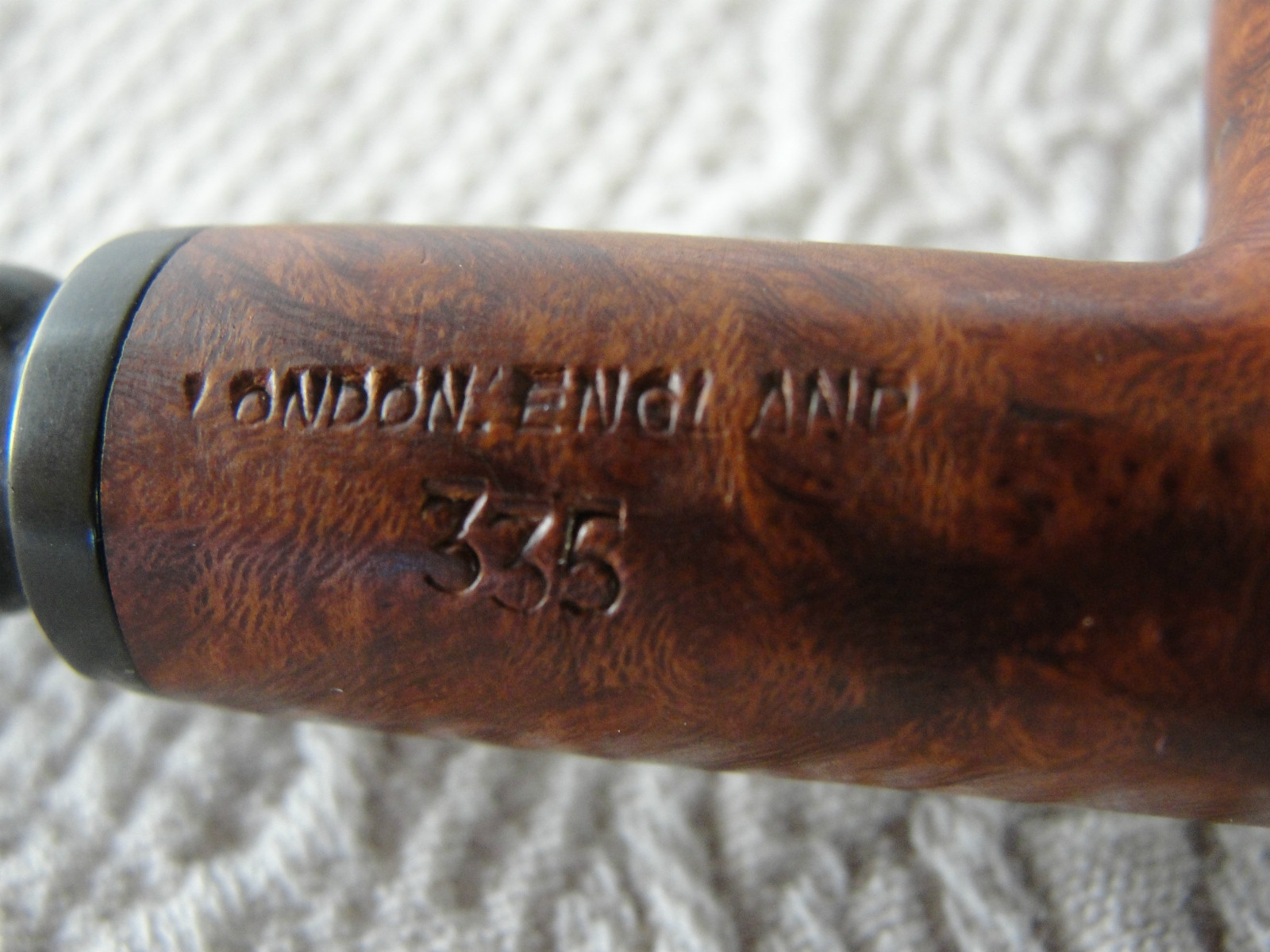
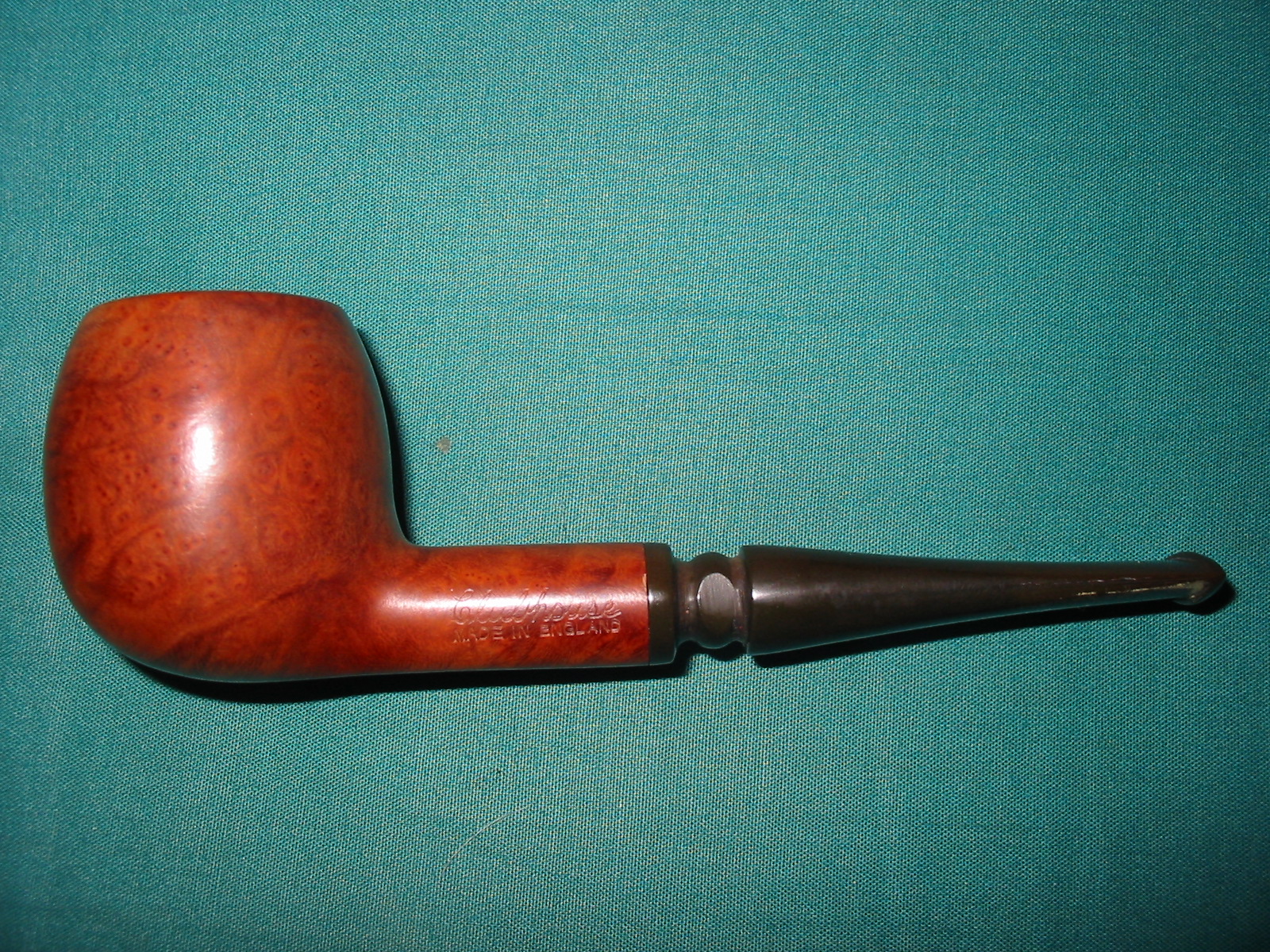
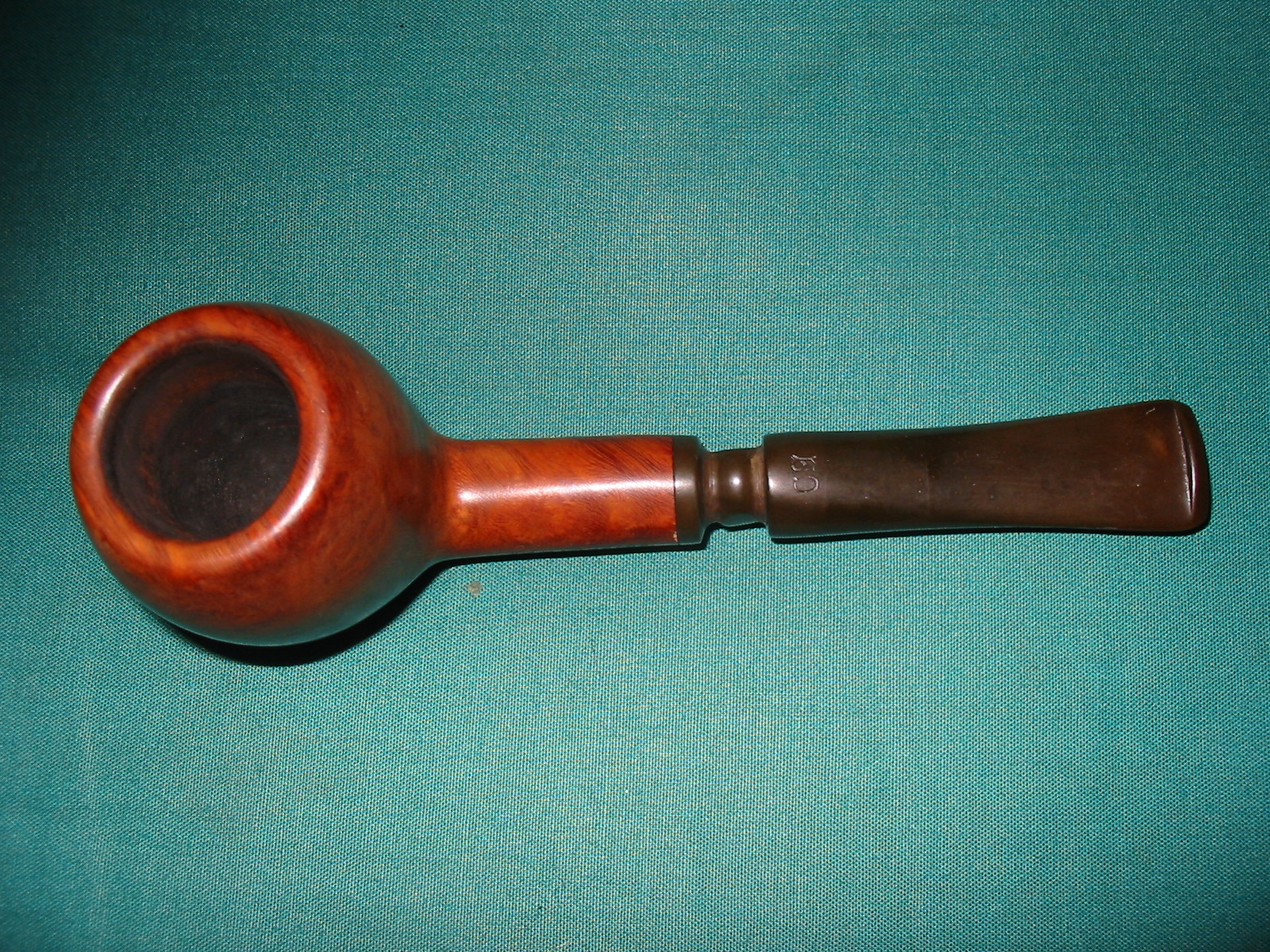
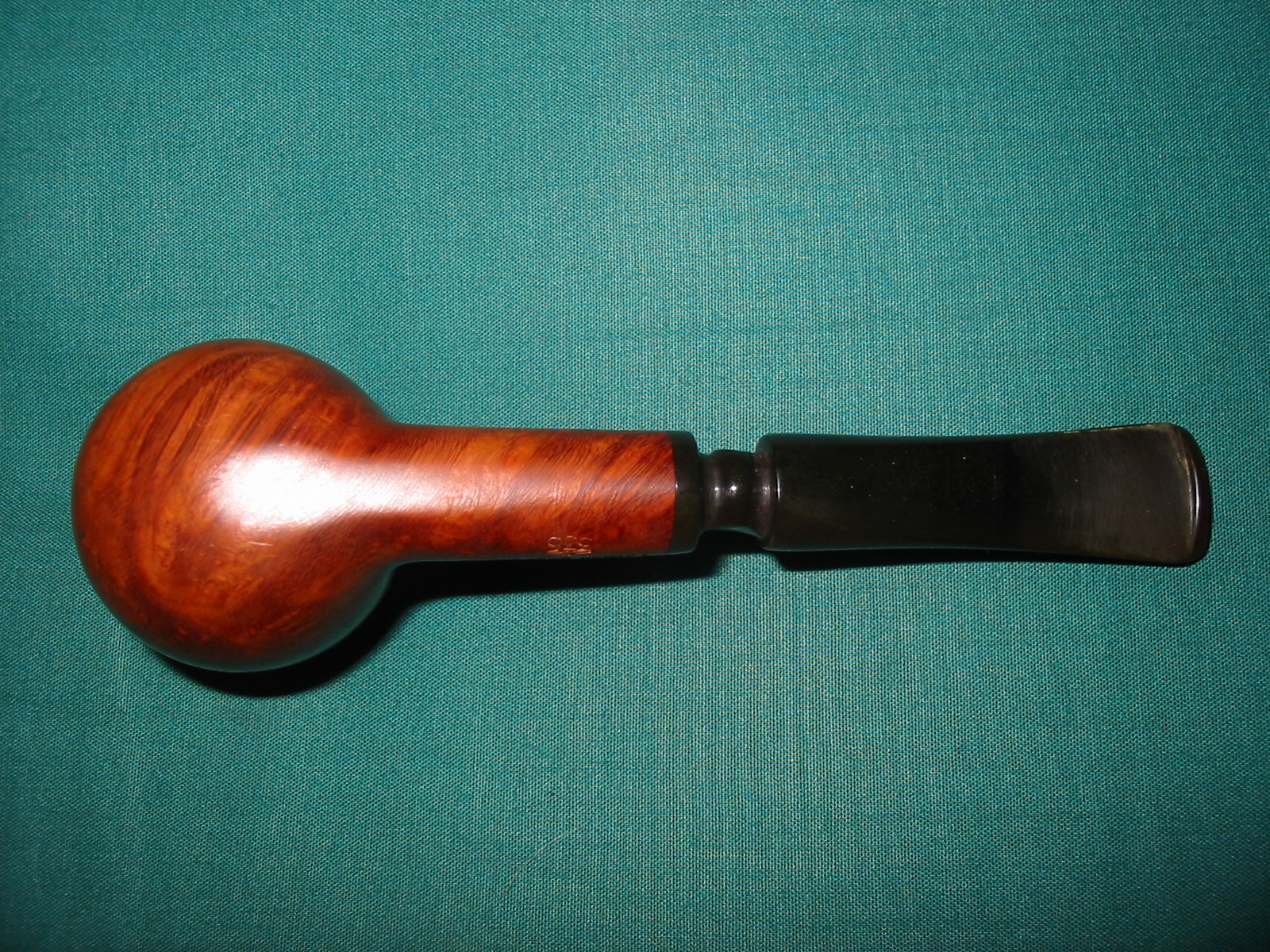
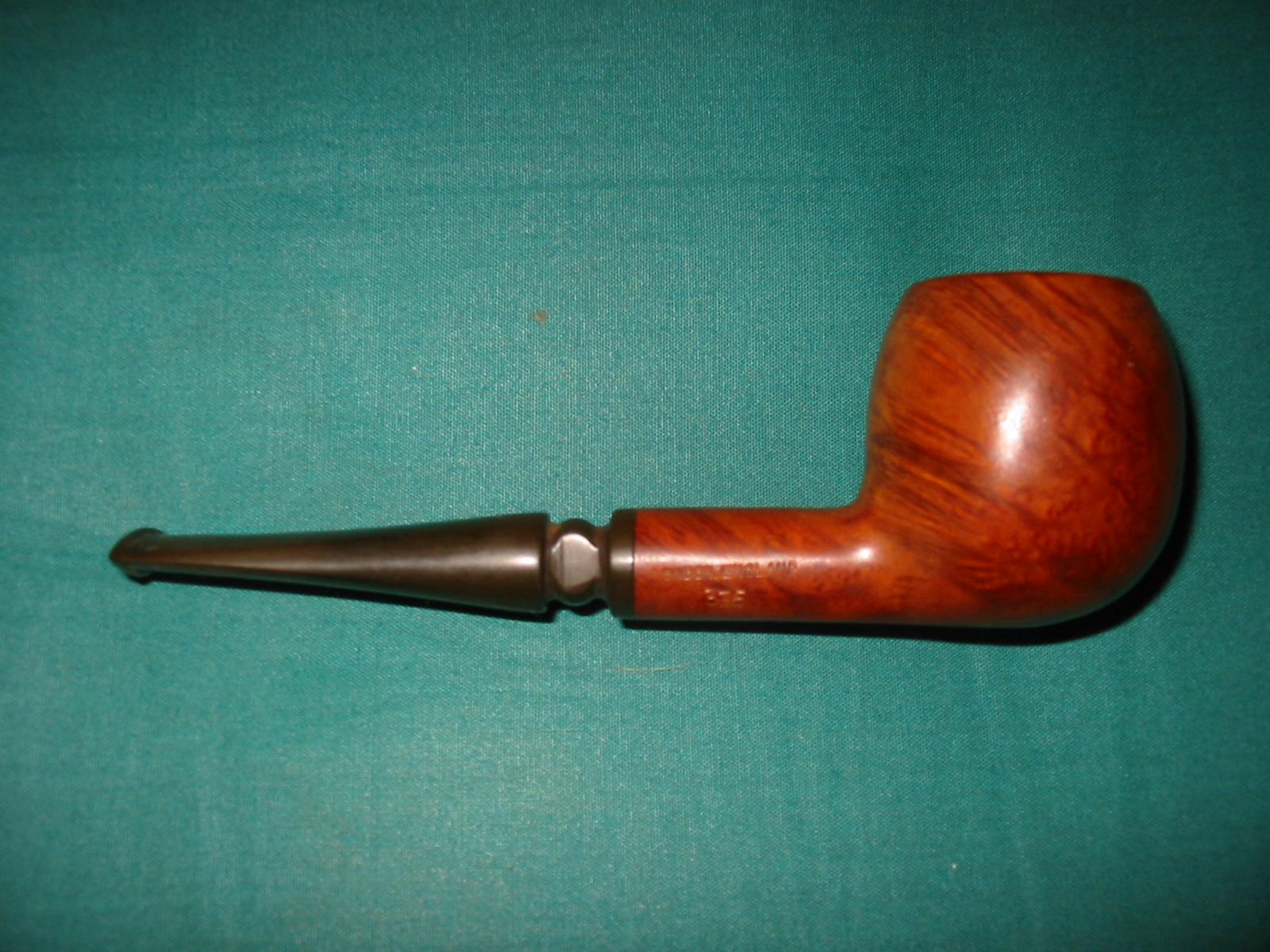
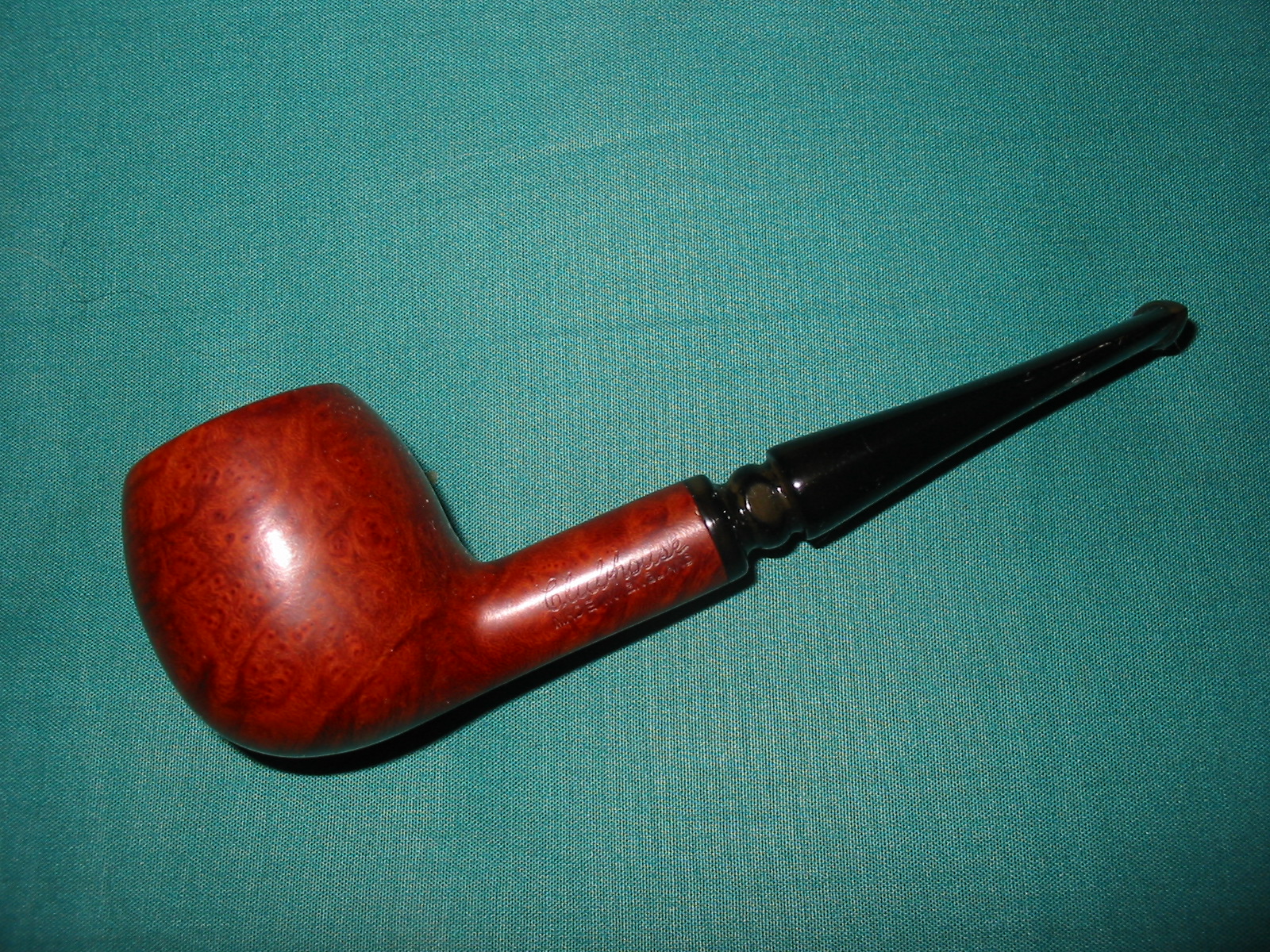
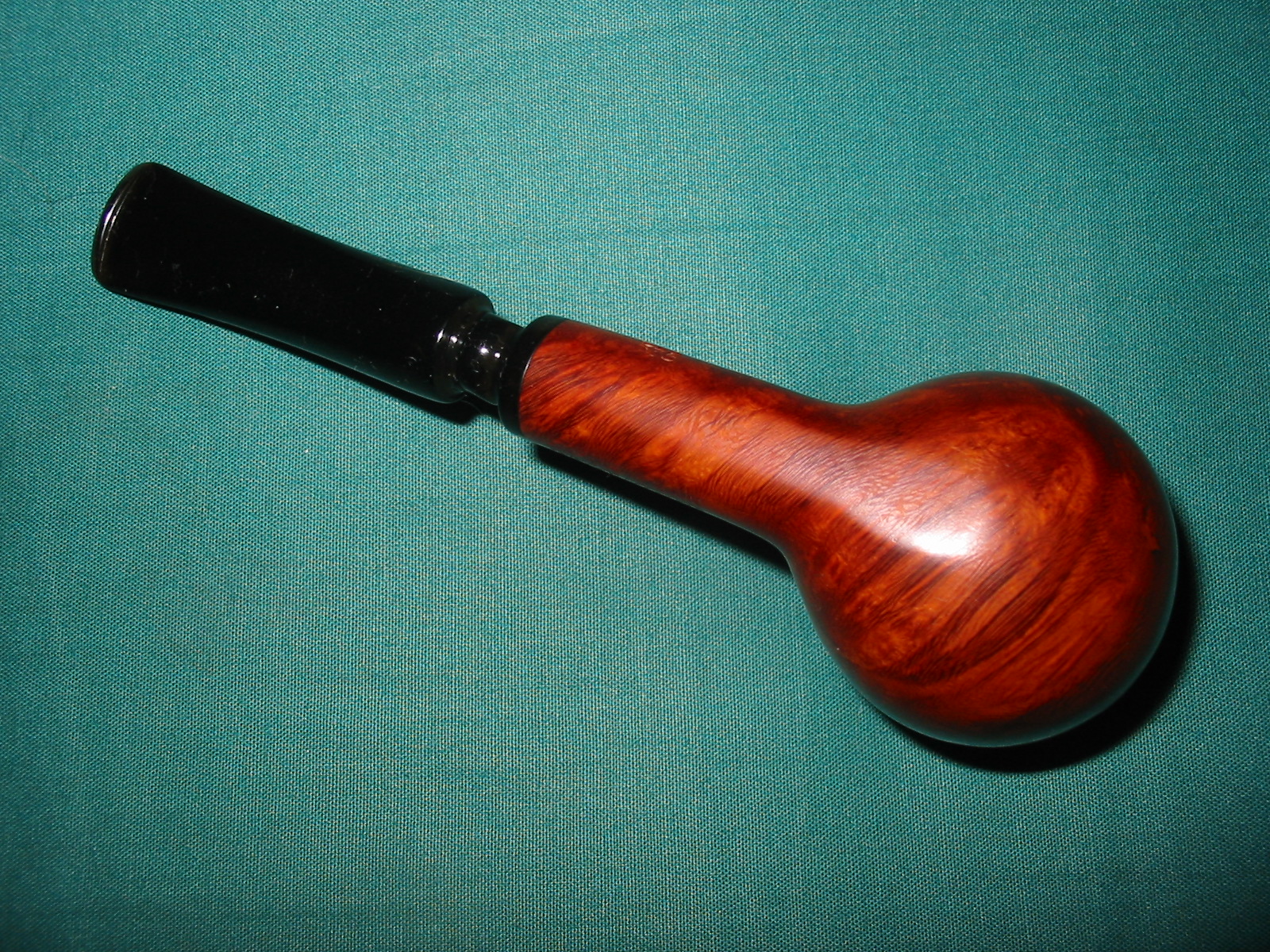
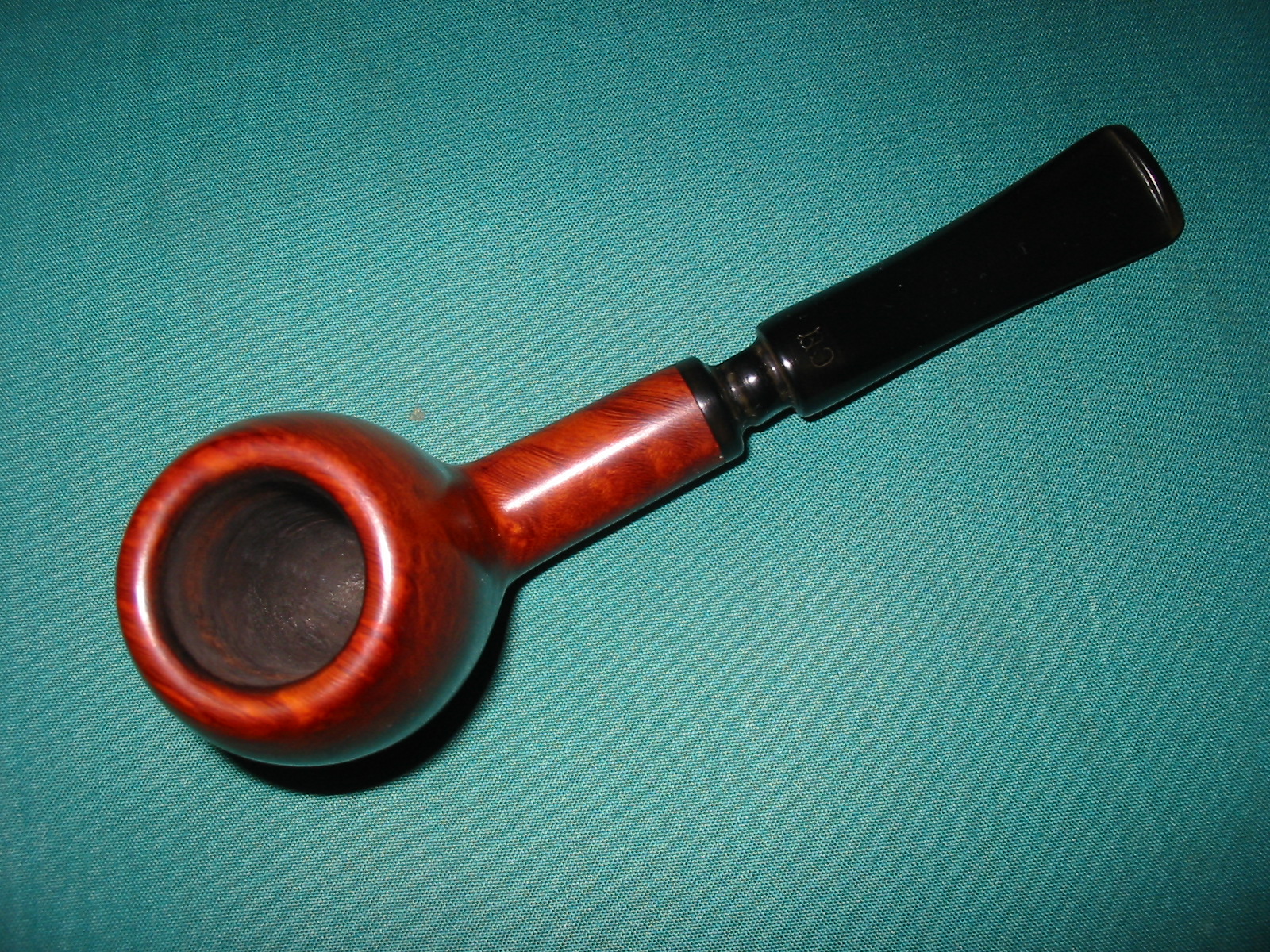
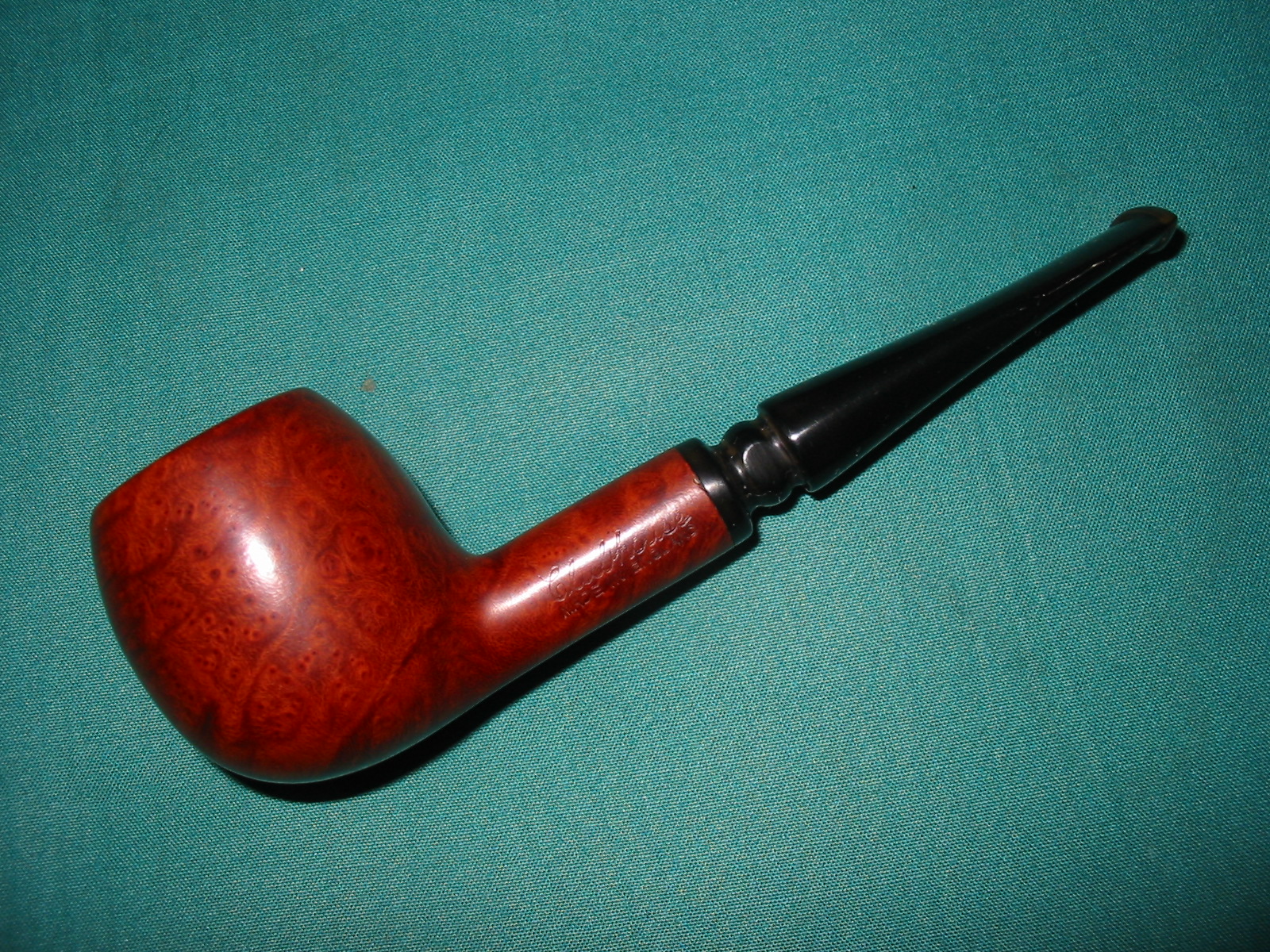
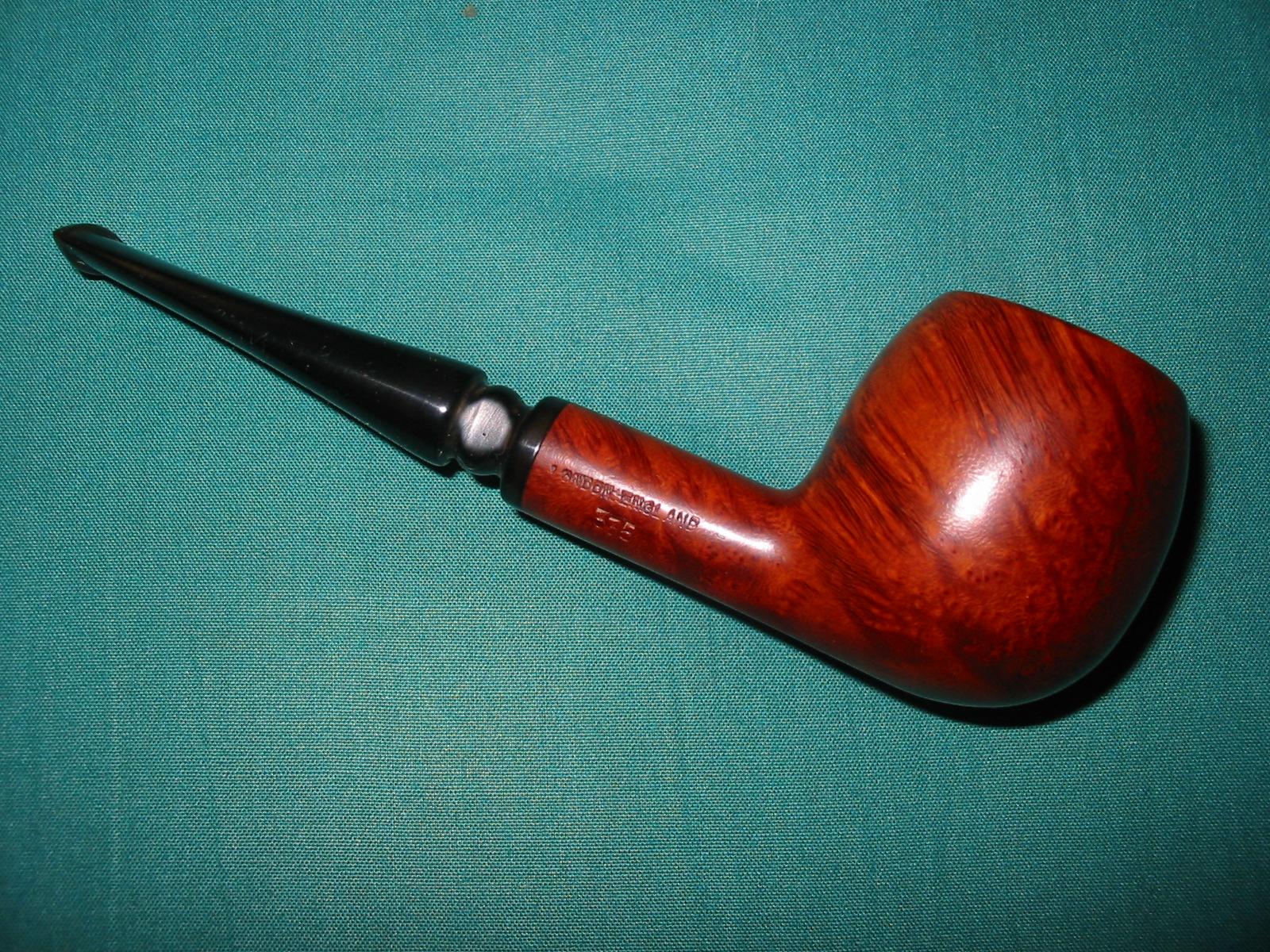
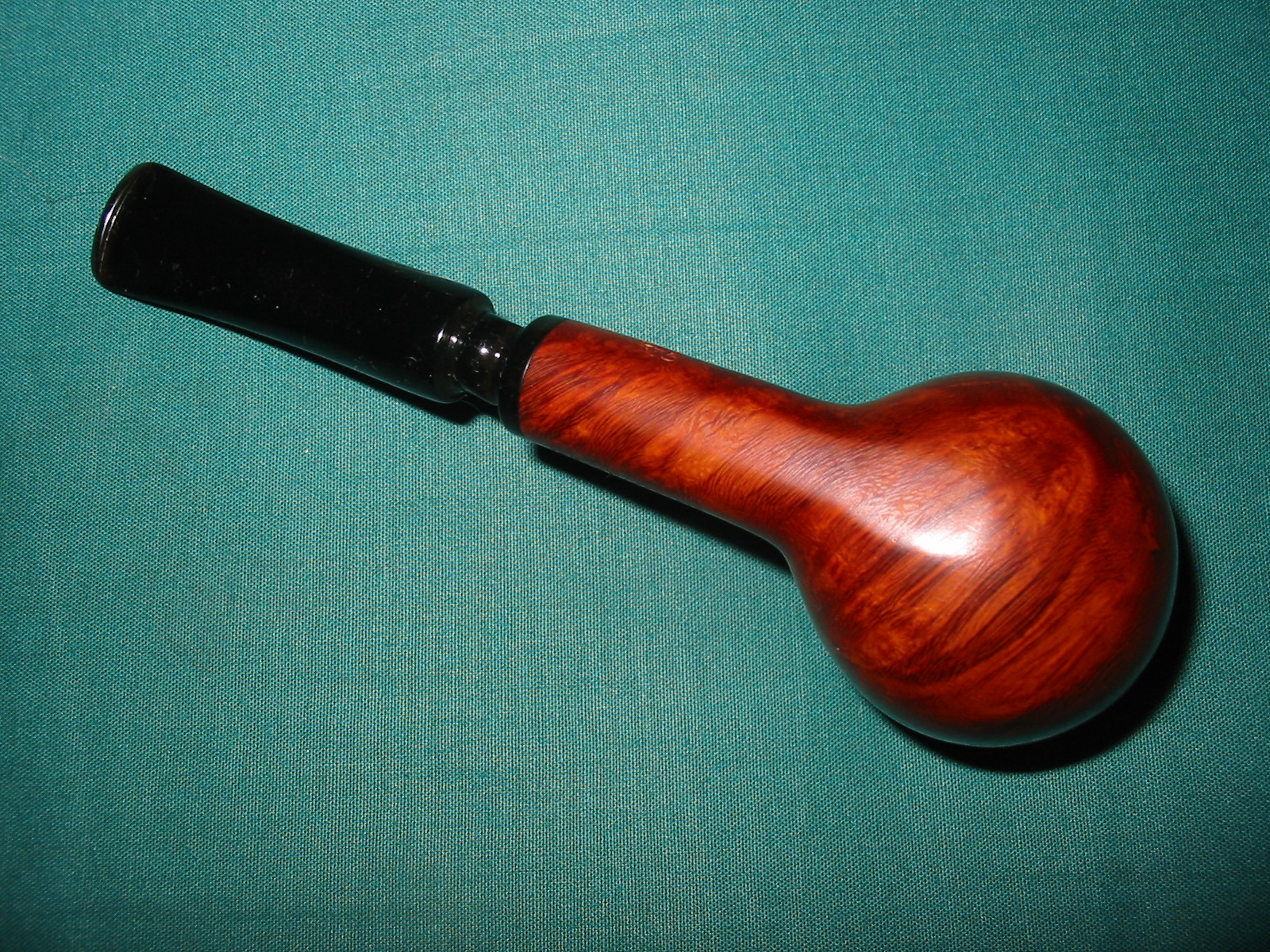
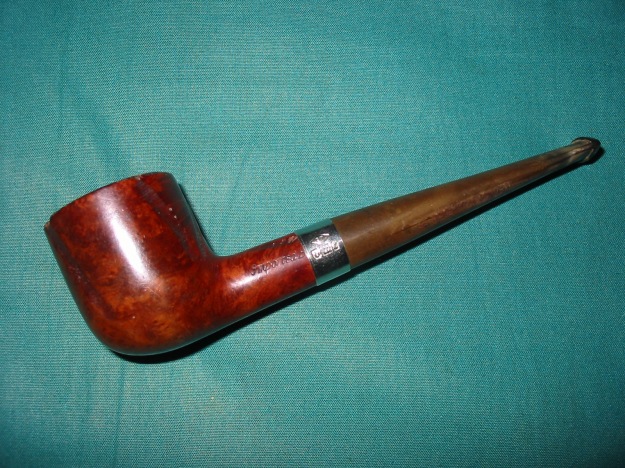
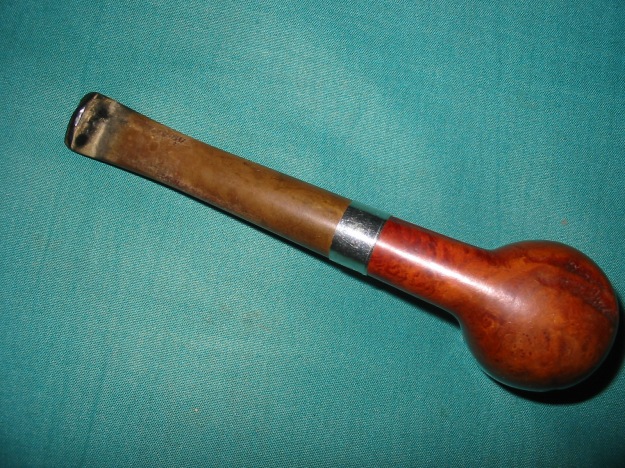
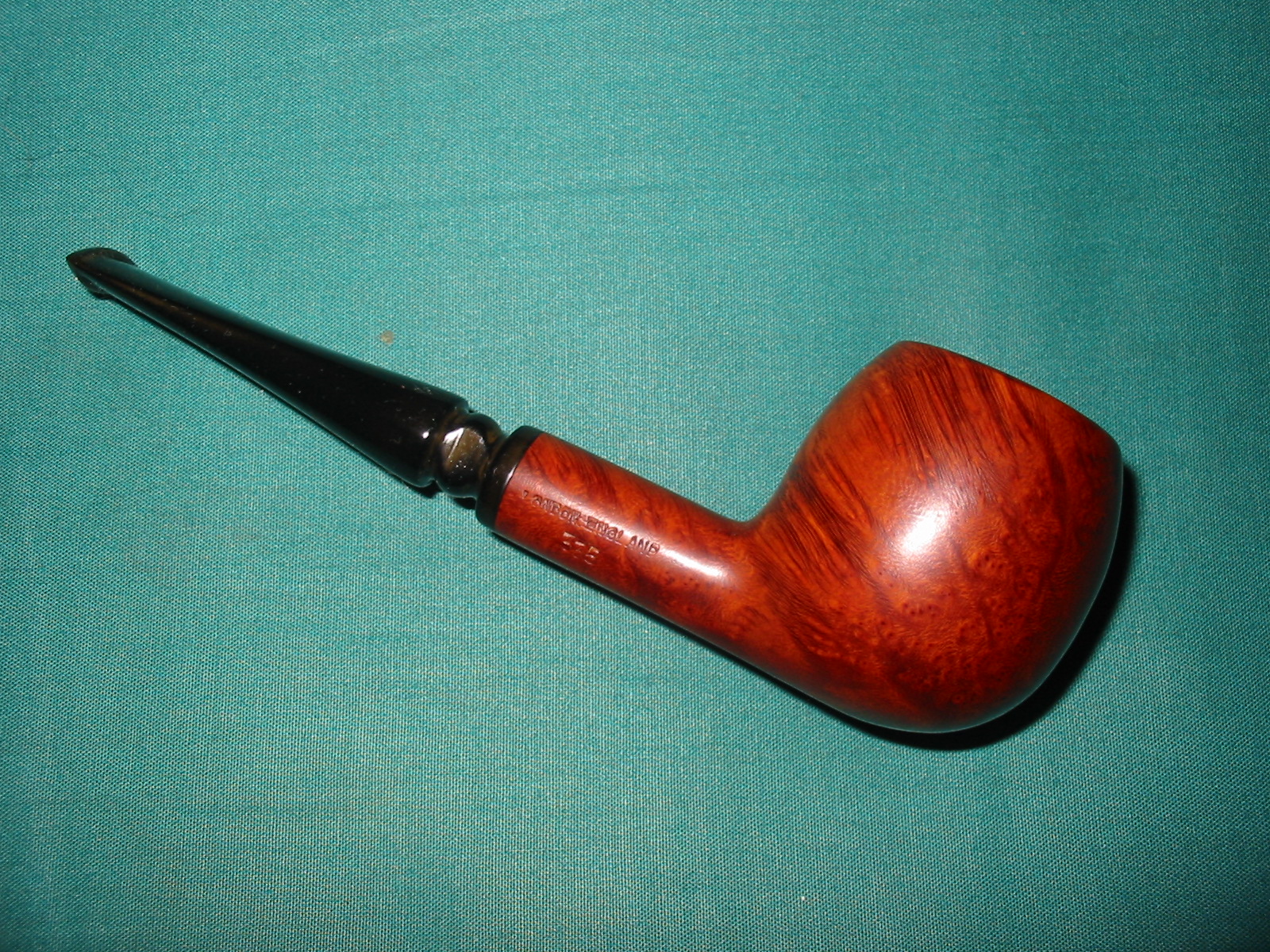
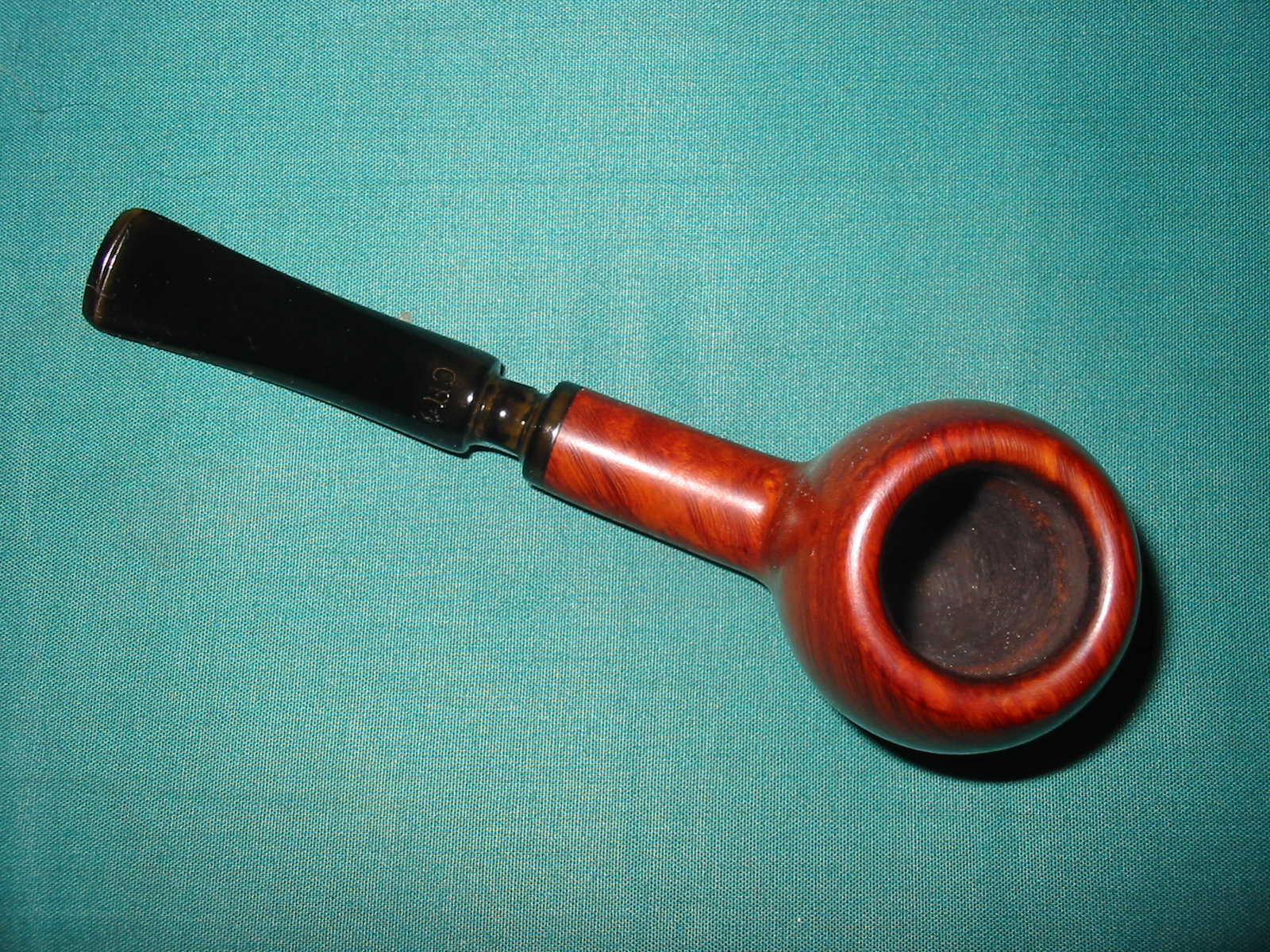
I was giving EBay my usual morning once over and came across this pipe. What interested me about it was that I have a pipe very similar to it but stamped Penthouse rather than Clubhouse. A bit of research showed that both were made by GBD and were a part of their chairleg stem pipes. Looking at them in comparison to other GBD chairleg pipes that I have I can see that these may have been a seconds line of their pipes (though I am not certain of that). The ball on the chairleg of both the Penthouse and the Clubhouse is not consistently the same size around the edges. It also had some finishing scratches that never were sanded out. I liked the look of this one from the photos so I went for it and won the auction. It is stamped Clubhouse over Made in England on the left side of the shank. On the right side it is stamped London England over 335. The pictures below were the ones posted by the seller. The pipe looked to be in excellent shape. The grain is quite nice. It looked like one that would not take a lot of work to get it in shape.

ImageImageImageImageImageImage

When the pipe arrived here in Canada the bowl was in great shape. The bowl only needed a light ream and clean. The shank was clean and the stem was clean inside. This would be an easy cleanup in terms of the briar. The stem was another story altogether. It was far more oxidized than the EBay pictures showed. The next four pictures show what the pipe looked like when I took it out of the box. These chairleg stems are a pain to clean up and get the oxidation out of all of the grooves. I knew that this one would prove to be a challenge.

Image

ImageImageImage

I lightly reamed the bowl and wiped it down with a soft cloth and oil soap. It cleaned up nicely. I coated it with some carnauba wax and then put it aside. I dropped the stem in a soak of Oxyclean to soften the oxidation. I would need all the help I could muster to get the oxidation off of this one. Once I took it out of the soak the stem needed to be sanded. I used medium grit sandpaper on a foam pad to allow me to get into the grooves and the sharp edges. Once I had the initial sanding down I wiped the stem down with a soft cotton cloth dampened with alcohol. I then continued the sanding process with 1500-2400 grit micromesh sanding pads. I finished with the pads and then scrubbed the stem with Maguiar’s Scratch polish. I gave it several repeated rub downs with the scratch polish and then progressed through the remaining micromesh pads from 3200-12,000 grits. The finished stem is pictured in the four pictures below. I rubbed the stem down with Obsidian Oil and let it sit. After it dried you can see the areas that still need to be worked over on the stem.

ImageImageImageImage

The stem top and bottom are clean and fresh. The underside of the chairleg portion of the stem is quite clean and free of oxidation. The sides and the top of the chairleg portion still need more work. I then sanded these once again with the sponge backed medium grit sandpaper. I worked through the grits of micromesh from 1500-12,000 again. I coated the stem with another coat of Obsidian Oil. Once it dried I rubbed it down and then buffed it with White Diamond. It was significantly better so I took it back to the work table and scrubbed it down with Maguiar’s another time. Each time I do this I can see how much oxidation come off by the brown on the cotton scrubbing pad. This time the pad was relatively white when I finished the polishing. I gave the whole pipe a buff with White Diamond for a final time and then coated it with several coats of carnauba wax. Here is the finished pipe.

ImageImageImageImage

A Bill Boyle Chubby Apple – A Review


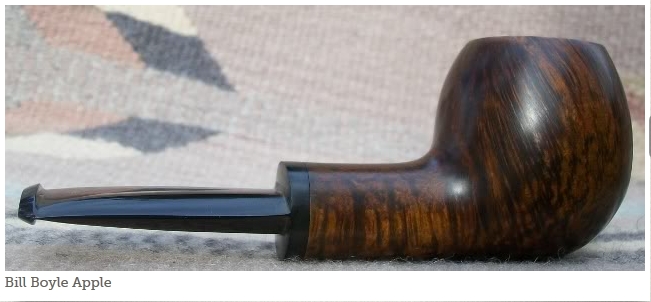
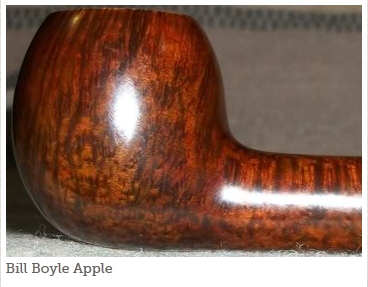
I have been smoking this Bill Boyle chubby apple that I picked up from him for quite a while now and thought it was time to write up a review. This is the second pipe that I have purchased from Bill and I have found both of them to be consistently good smokers. Bill moved from pipe refurbishing and cobbery (crafting handmade cob uniques) to pipe making a few years back and his craftsmanship is progressing quickly. The first pipe I bought from Bill several years back smoked incredibly well, as the internal mechanics were perfect. But it had a thick stem and button that I found uncomfortable. In this pipe he has progressed on the shaping of stems and buttons to the point that it is very comfortable. I think one of the things I appreciate about Bill is that he is always learning and improving.

The latest pipe I purchased from Bill was a Chubby Apple.

Image

The dimensions for this pipe are as follows:

Length: 5 inches

Height of the bowl:  1.75 inches

Size of the chamber:  .75 inch diameter and 1.5 inches in depth

Drilling through the shank:  5/32inches

Drilling in the stem:  5/32″ to tapered toward the button and funnelled at the button

Weight: 2.0 ounces

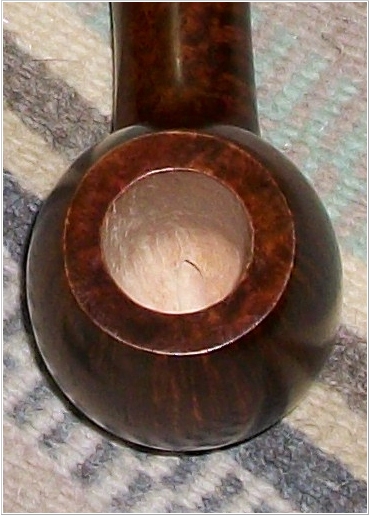
The mechanics of this pipe are well done – as are those of my previous Bill Boyle pipe. He has really mastered the drilling and internal design for his pipes. The bowl interior is clean and smooth when it arrived. He uses no bowl coating so the interior of the briar is visible. This one is a clean piece of briar with no surprises (at least on the surface). The airway is centered in the bottom of the bowl as it should be. There are no ragged edges or pieces left behind by the drill bit. The airway is smooth when examined with a light. It is smooth throughout the shank with no ragged edges. The transition from the airway to the mortise is also smooth and clean. The airway in the stem tapers toward the button and ends in a smooth funnel at the button. The button on Bill’s pipes used to be too thick for me and I would file them down to the size I like when they arrived. I mentioned that once to Bill and he made this button to exactly the specs that I spelled out over the phone. The slot in the airway is also smooth and clean with no ragged edges. It is also centred in the button – something that I used to take for granted but have learned to pay attention to on the pipes I buy and the ones I restem.

Image

The externals – shaping, finish, stem and feel of the pipe are excellent. I like the compactness of Bill’s apple shape. My other pipe is also an apple – ¼ bent. He did a great job cutting it to maximize the grain and highlight the beauty of the piece of briar. The feel in the hand is perfect for me as I find the apple shape a very comfortable shape to smoke. The finish is nicely done. His staining of the pipe is even and smooth with no fading or light spots on the pipe. The contrast of the undercoat with the brown finish coat makes a nice looking pipe. The stain on the undercoat makes the grain really stand out and the overcoat sets it off very nicely. There is one flaw in the bowl on the front of the pipe. It is visible but does not affect the smoking ability of the pipe (see the picture below). The flaw is not terribly deep but Bill chose to stop sanding so that he could maintain the shape that he had chosen for this pipe.
ImageImageImage

The saddle stem is hand cut German ebonite and is comfortable in the mouth. For me some of Bill’s earlier pipes had a more drastic slope on them and thus were not as comfortable in my mouth. I found them hard to hold in my jaw. The slope on this one is more gradual. The flat blade of the stem is cut well and is also a good thickness for the look of the chubby bowl and shank. Bill has tapered the edges to meet and create a midline on both sides of the stem. Nicely done! The finish on the stem is also very good. There are no file marks or scratches in the finish. It is a smooth finish and he has polished it a glassy shine. The fit of the saddle to the shank is also well done. There is no gap between the stem and the shank of the pipe. The thin saddle is a feature that I really like on this pipe – it gives is a unique look. The fit in the tenon is snug and smooth.

ImageImage

I have been smoking the pipe now for long enough to know that it is a smoking machine. It was not terribly hard to break in and after a few bowls the bowl had begun to form a thin cake. I smoke primarily Virginias and Virginia Perique tobaccos in this pipe and it delivers a clean full bodied taste each smoke. The draught on the pipe is quite effortless as it is an open drilling. The briar warms nicely in the hand but does not get hot. If you have not worked with Bill to have him make a pipe for you or have not picked one up on his website http://billboylepipes.weebly.com/ you should give them a try. If your experience is anything like mine you will not stop with one pipe.
You Are About To Experience – A Comoy’s Pamphlet


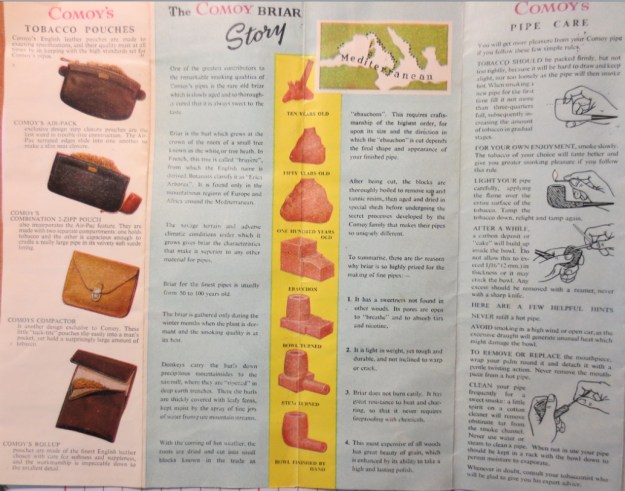
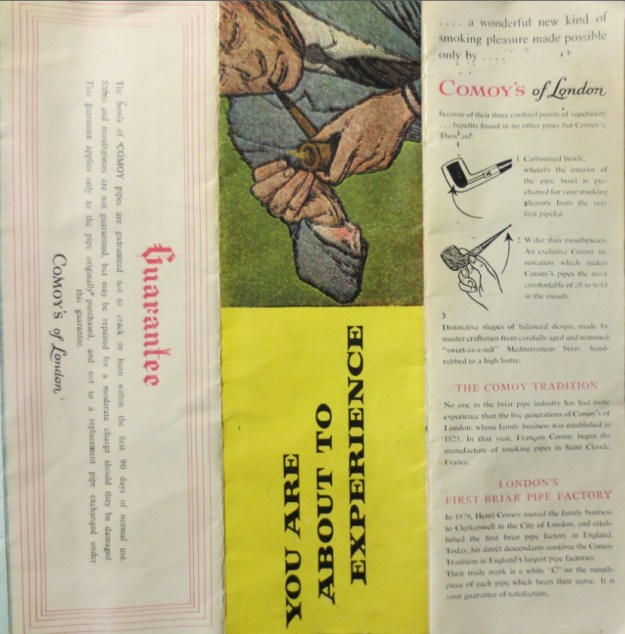
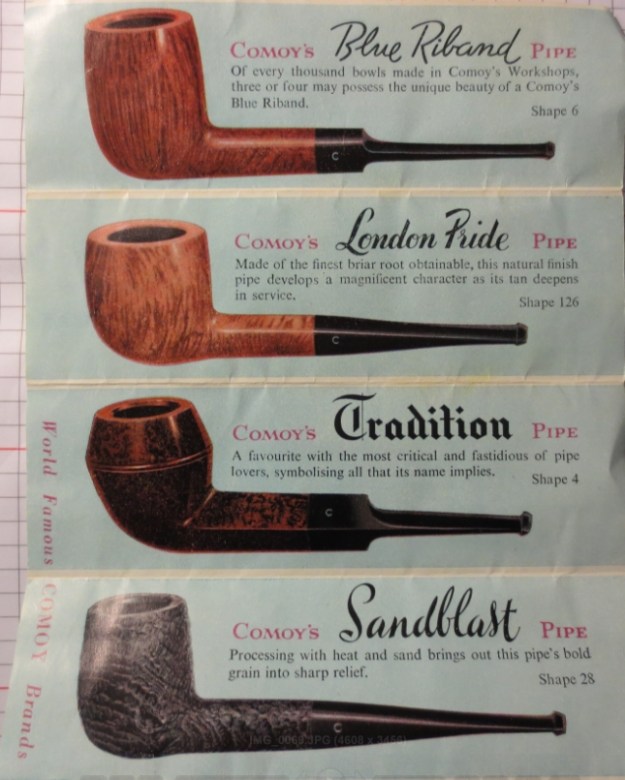
Another old pamphlet I picked up at an antique store with an old Brigham pipe I found. It had the previous Love That Pipe Booklet and this one in the box with the pipe. The Comoy’s pamphlet has a copy of the guarantee, the shape chart, a guide pipe lines within Comoy’s, the Comoy’s Briar Story, Comoy’s Pipe Care and some of the pouches that used to be available through Comoy’s. Hopefully these photos are clear enough for you to get the idea of the interesting content of the brochure.

Comoys Comoys4 Comoys3   Comoys2 Comoys1

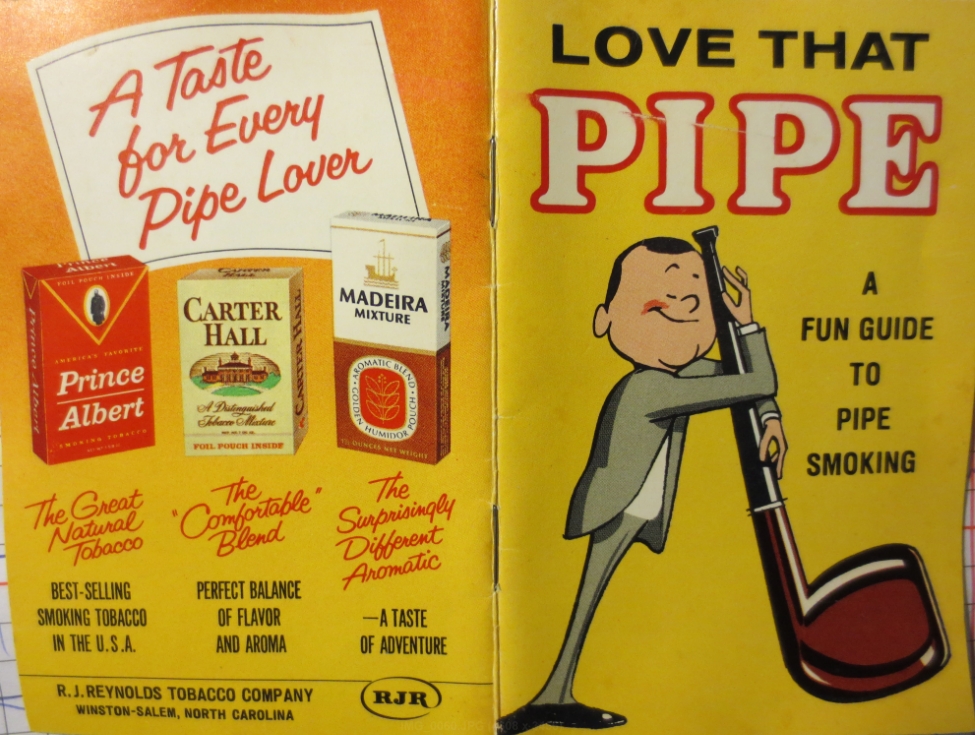
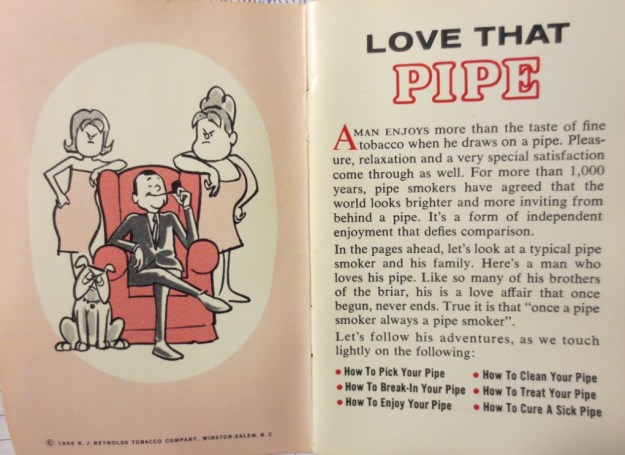
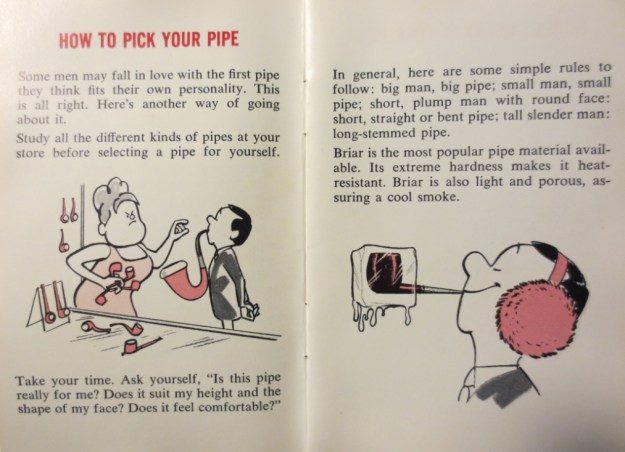
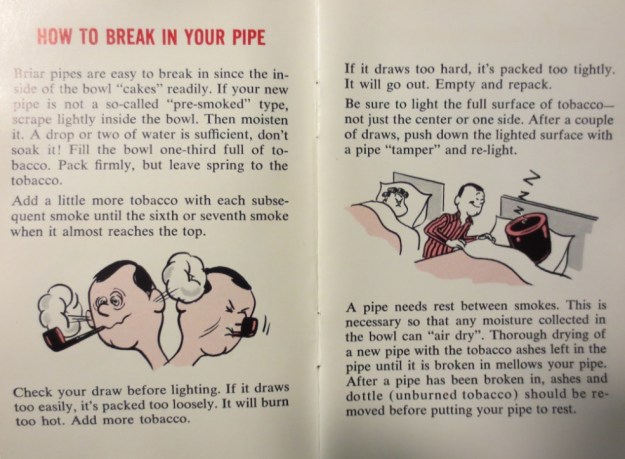
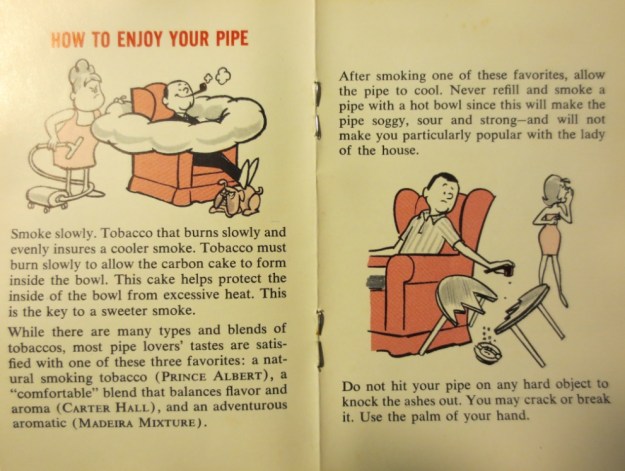
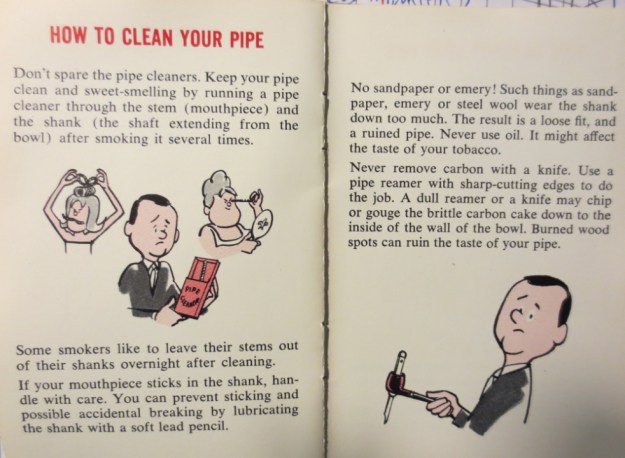
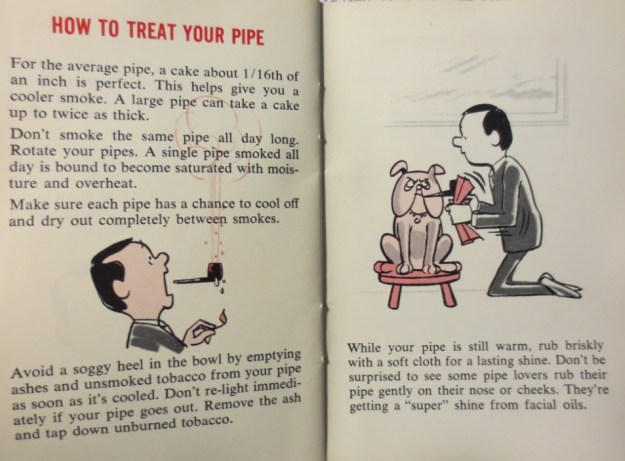
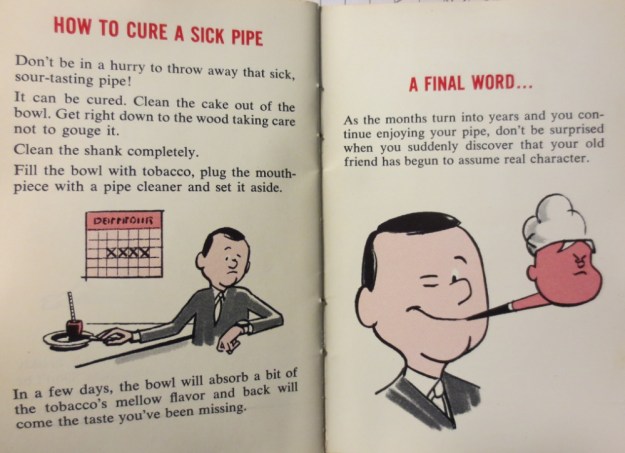
Love That Pipe – RJ Reynolds Tobacco Company


This little booklet “Love That Pipe” is subtitled A Fun Guide To Pipe Smoking. It is full of of helpful information for the long time pipe smoker and new comer to the hobby. It covers lots of topics from choosing a pipe to how to feed and care for it. Kind of an interesting blast from the past.
ImageLove2 Love3 Love4 Love5 Love6 Love7 Love8

1937 Patent Era Brigham Lovat


Blog by Steve Laug

I picked this little Lovat up in a trio of pipes from EBay. I refurbished the first two – the no name Sandblasted Poker and the Dr. Plumb Statesman already. I have written about them earlier on the blog. Today I worked on the Brigham Lovat. It is stamped Brigham over Can. Pat. 372982. The shape stamp in on the flattened bowl bottom and is stamped 199. The finish was pretty well worn off but there was some nice looking grain on the bowl and shank. The briar actually is flawless with no fills or sandpits. The rim was black and covered with what appeared to be a thin coat of hard tar. The stem was badly oxidized and the brass one dot logo was obscured. Once the stem was removed the Brigham patented filter system was a little hard to remove. The hard rock maple filter was clean but there was a white cobweb like substance in the bowl and in the shank and filter.

ImageImageImageImage

I did a patent search on the Canadian Patent site and found documentation filed with the number stamped on the pipe. I have copied that documentation in the following three pictures. The first picture is a drawing of the Brigham filter system signed by the designer Roy Brigham when it was filed. The next two pictures are the descriptive text of the patent. It is always fascinating to me to discover these pieces of history when I am working on a pipe. This old timer had a story to tell that is for sure. I am not sure when Brigham stopped stamping their pipes with the patent number but in the many that have crossed my desk I have not seen one with the numbers.

ImageImageImage

I put the bowl to soak in the Isopropyl alcohol bath with the other bowls while the stem soaked in an Oxyclean bath. Once I took the bowls out I wiped them down and went to work on them. The Brigham is the bowl at the top of the photo below. You can see the grain on it is actually quite beautiful.

Image

The bowl when dried off is pictured below is quite clean. It has no fills or sand flaws in the briar. It is going to stain nicely and be a great looking pipe when finished.ImageImage

In the picture above you can see the tars on the rim of the pipe. I dried it off and sanded the rim with a 1500 grit micromesh sanding pad to remove the tar build up on the rim. The next two photos below show the rim with the tars removed and the surface smooth. The beauty of this old pipe was that the rim was flawless. There were no dings or dents in it. The outer and inner rim edges were still quite sharp.

ImageImage

After sanding the rim I sanded the entire bowl of the pipe and also the first sanding on the stem. The picture below shows the sanded bowl. I used 1500-2400 grit micromesh sanding pads, carefully sanding around the Brigham Patent Stamping.

Image

When I finished sanding I wiped the bowl down with acetone on a cotton pad. I use nail polish remover which is a solution of acetone and that is readily available at our local dollar store. It works well to lift any remaining stain in the briar and clean the surface of any leftover debris from the sanding process. The grain is really standing out nicely in the three photos below and will make a great looking finished pipe. I also continued to sand the stem with a medium and a fine grit sanding pad to cut through the heavy oxidation.

ImageImageImage

After sanding with the sanding pads I moved on to wet sanding with 1500-2400 grit micromesh sanding pads. I have a cup of water at hand to dip the sanding pad into and then sand the stem to remove the oxidation. These first three grits of micromesh do a great job in removing the remaining oxidation on the stem. The water begins to turn a brownish yellow as I dip the sanding pad and squeeze out the grit from the sanding. The stem begins to come back to black by the 2400 grit pad.

ImageImage

At this point in the process I have started to use Meguiar’s Scratch X2.0 before going onto the higher grits of micromesh. I rub on the Mequiar’s with my finger and scrub it into the finish of the stem. Once it is applied I let it dry for a few moments and then scrub the stem with a cotton pad. The next three photos below show the stem after the rub down with the Mequiar’s and a hand buff with the cotton pad.

ImageImageImage

After polishing the stem I rub it down with Obsidian Pipe Stem Oil. I find that it penetrates the vulcanite and the remaining oxidation seems to lift to the surface. Once it is dry I continue to sand the stem with the micromesh sanding pads from 3200-12,000 grit.

ImageImage

After the stem really begins to shine I remove it from the shank and place a dental pick into the mortise to provide a handle for me when I am staining the pipe. This allows me control as I turn it over in my hands. I stained this pipe with Dark Brown aniline stain (Feibing’s Leather Dye). The first photo below shows the pipe ready to be stained and the second is with its first coat of stain. While it is still wet I flame it by lighting it with a match and setting the stain.The flame sets the alcohol in the stain on fire and burns it off.

ImageImage

Once it is flamed I rub down the bowl with a piece of cotton terry cloth. It removes the surface stain and leaves the stain set in the softer grain. The next series of photos show the pipe after it has been wiped down but not buffed.

ImageImageImageImageImage

Once I have wiped it down I take it to the buffer to remove any more of the stain and to give it a shine. With this particular pipe the stain obscured the grain a bit so I decided to wipe it down with the acetone to lighten the stain. I wiped it until I got the effect that I desired. I then buffed it repeatedly to get a shine.

ImageImageImage

The stain was still a little dark to me and I wanted a bit more contrast in the stain. I wiped the bowl a final time with Isopropyl and then buffed it a final time. I also buffed the stem. I scrubbed the metal tenon with 0000 steel wool to polish the oxidation on the aluminum. It shined as well. I inserted a new Brigham Hard Rock Maple filter and put the pipe back together. I gave the stem a final coat of Obsidian Oil and then when it had dried I gave the bowl and stem multiple coats of carnauba wax on my buffing wheel. I finished with a quick buff with a soft flannel buffing wheel. The finished pipe can be seen in the pictures below.

ImageImageImageImage