Guest Blog by Robert M. Boughton
Member, International Society of Codgers
Member, North American Society of Pipe Collectors
http://www.naspc.org
http://www.roadrunnerpipesnm.biz
http://about.me/boughtonrobert
Photos © the Author
 A pipe in the mouth makes it clear that there has been no mistake–you are undoubtedly a man.
— Alan Alexander Milne (1892-1956) – English author, playwright, poet essayist and storyteller best known for Winnie the Pooh – from “Smoking as a Fine Art,” in Not That It Matters, 1919, a collection of wide-ranging and manly essays
INTRODUCTION
I admit, my choice of the above quote was calculated, but not to raise the ire of any female smokers I indeed admire and whose attention I hope to draw to this forum and others, with the goal of opening a dialogue between the genders who share at least one common love. Of course, as with all well-meaning attempts at good natured humor mixed with more than a grain of satire, I should not be surprised if this one, in the spirit of political incorrectness, backfires in my face like a good ole boy’s sawed-off shotgun packed with too much rock salt.
But no, I think my message is clear. A.A. Milne was a good man and without doubt one of the most celebrated and creative writers of children’s stories of his time, albeit the product of the languid ease and floating, hypnotic comfort of his youth in the English countryside and predetermined defining crucible at Cambridge’s Exeter College at a time when his contemporaries were such traitors as Guy Burgess and Kim Philby to name but two. Yet Milne chose the right path, whatever unavoidable world-view of woman and their “rightful places” in the homes and gardens and still grander scheme of the universe. Milne escaped the abyss of prison, execution or exile to a dacha on the steppes of Mother Russia – outside of his day-to-day harrowing home life. All in all, notwithstanding the opening and somewhat tasteless quote, Milne turned out a bit alright.
So now, a few words about the earth-shattering day at the Stag Tobacconist in Albuquerque, New Mexico, US of A, deep in the Land of Enchantment. How â propos is that, I ask? Holy Shades of a Midsummer Night’s Dream, Batman! You see, I was sitting in my customary spot with a view of the entire room against the unlikely and therefore ever-present threat of imminent attack by unknown sinister forces, which seem to lurk in every corner of this wannabe city. The place continues to groan and grumble with unnatural growing pains.
I was sitting there in my comfortable cushioned chair in the smoker’s lounge, working on my laptop, when I overheard a woman who had come in looking for a “lady’s pipe.” I wasn’t eavesdropping, I just couldn’t help overhearing, along with the rest of the conversation, although my interest was piqued and my ears pricked. From her demeanor, I guessed it was her first visit to the shop. She was a rather large lady, dressed in a heavy long black coat. I knew right off that I had exactly what she was looking for at my apartment in an assortment of nice smaller pipes that nevertheless were not minis. I knew not to interfere with Chuck Richards, my friend and mentor, who had engaged the good woman
Scanning my mental knowledge of the shop’s inventory, I settled on a few of the no-name Italians and some mini carved meerschaums in the glass case below where Chuck and the lady stood at the end of the service counter, only a few yards from my curious ears and eyes. To my immense surprise, I watched Chuck (whose lips were pulled back in a look of distaste I recognized, whether or not the woman detected it) as he produced with appropriate care the open box of one of the meerschaums. The woman made a definite sound of pleasure that was stifled by Chuck’s masterful discourse on the pros and cons of meerschaum minis. He went on about the quality of the material and their ability to burn any type of tobacco without a lingering taste; their fragility and special precautions needed to use them, and in particular their construction with small push-in tenons that can be difficult to maneuver the vital cleaners through. He demonstrated and then explained how the cleaner would also be inserted into the shank after smoking but that he couldn’t handle the surface of the pipe because of its porous nature that absorbs skin oils and dirt, leading to serious damage.
Choking back a laugh, I thought I could not have discouraged a sale better if I had tried! I happen to know Chuck despises fancy, carved meerschaums for his own collection but would never hesitate to sell one to the right person. And so he moved on to several nice, shiny, natural finish no-names of medium length and bowl size. My excitement was growing. I decided if and only if Chuck proved unsuccessful in matching the female customer with a pipe – a wholly unlikely event – would I scurry out the door after her and offer the prospective customer my card and services.
But of course, Chuck sold her a very nice pipe, albeit twice the size of those I will show in this series. Thus was conceived the idea for this series, which, in my original plans, I envisioned, as usual, in a single blog. After a mere glimpse at the boggling research needed to undertake the endeavor, however, not to mention the difficulty of blogging seven restores in one space, I had the brainstorm of splitting the project into a series.
My friend on the Smokers Forums UK (http://www.smokersforums.co.uk/), who goes by the username “im2for1” there, is a Team Member at the Forums and owner of Ladies of the Briar for women only on Yahoo Groups and Friends of the Ladies of Briar of Facebook. She is also vice president of New Jersey Fellowship of Pipe Smokers on Yahoo and Facebook. With some careful, specific prodding, I hope to elicit some invaluable intelligence from Liz as this series progresses.
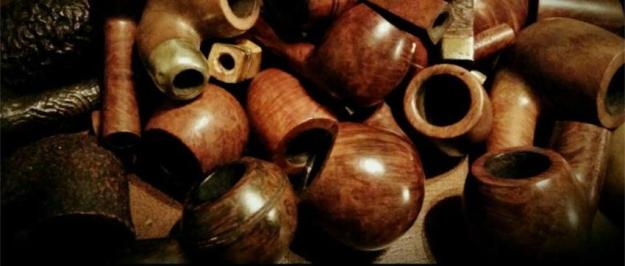
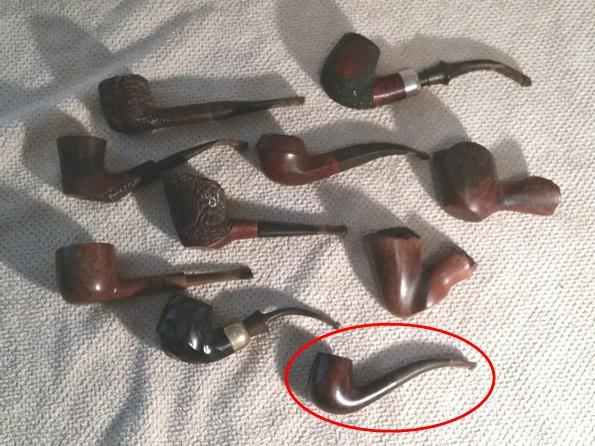
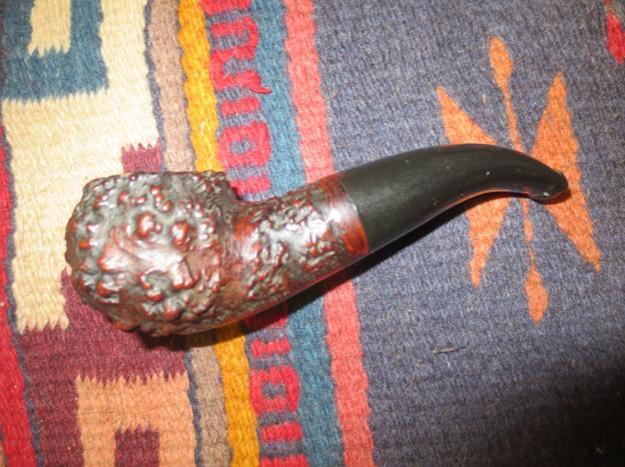
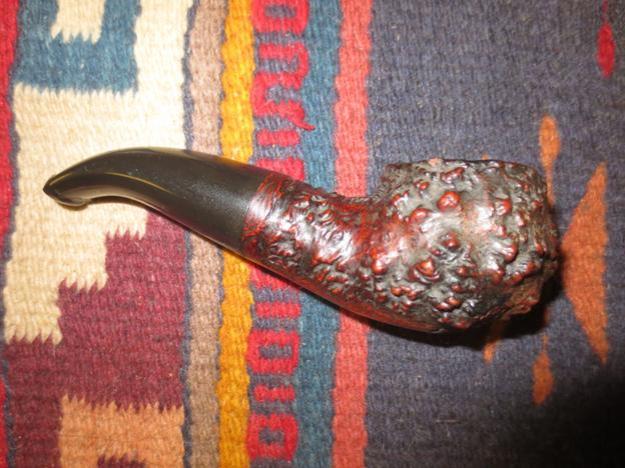
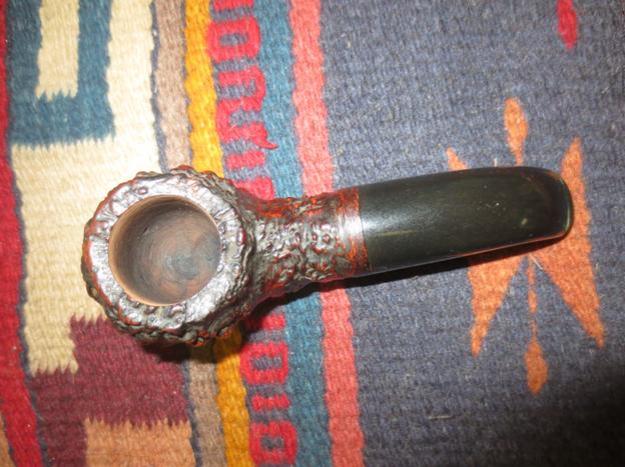
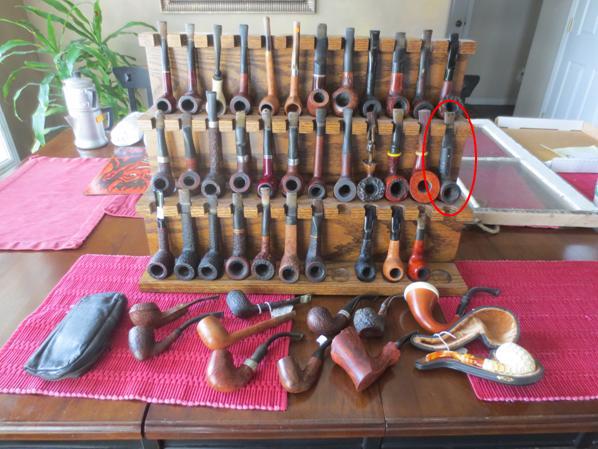
Here are some pictures of the seven pipes, which I relegated to a special pile on the big work desk in my office. I automatically segregated them for their unusual small sizes but had no idea that distinction would someday come in handy.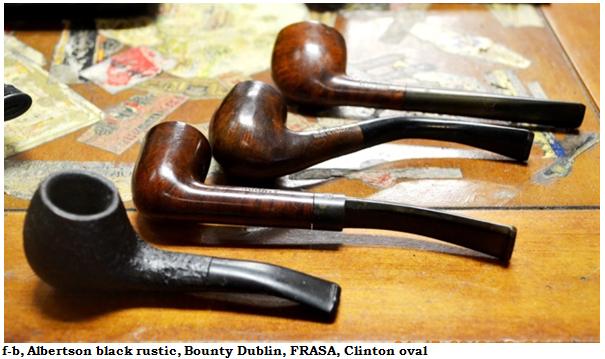
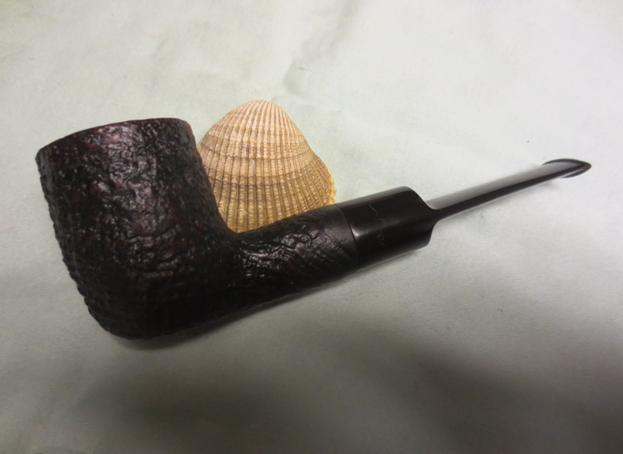
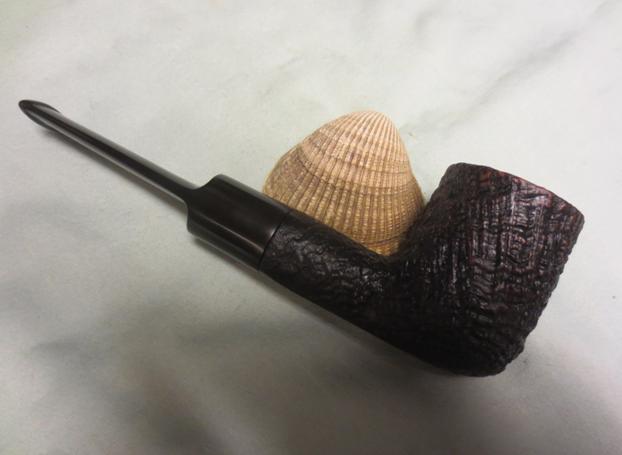
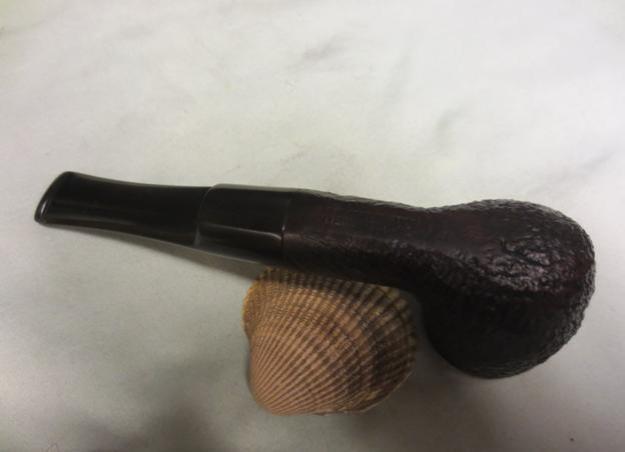
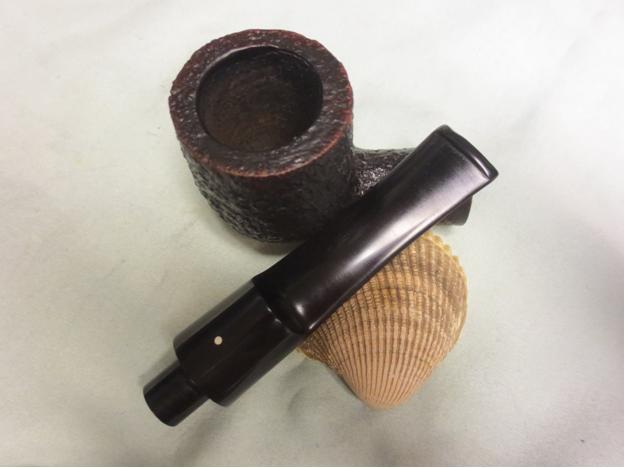
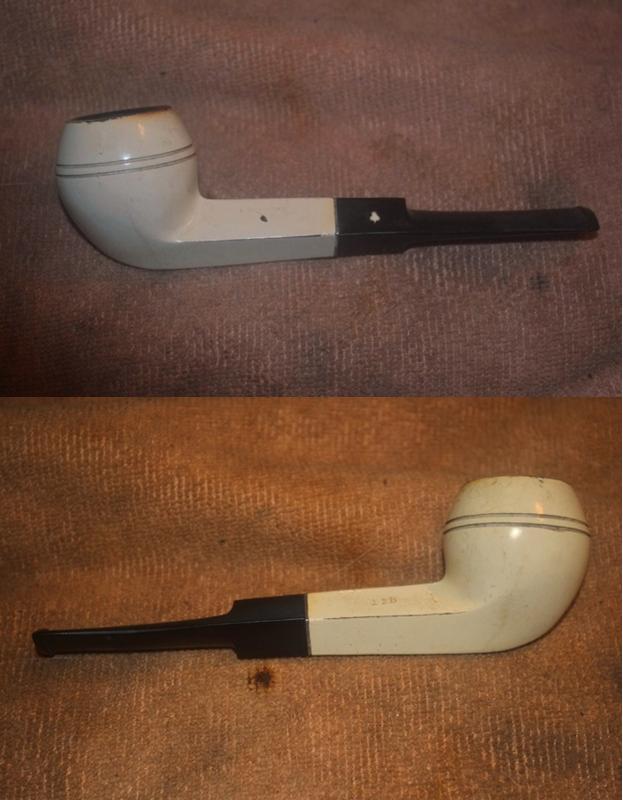
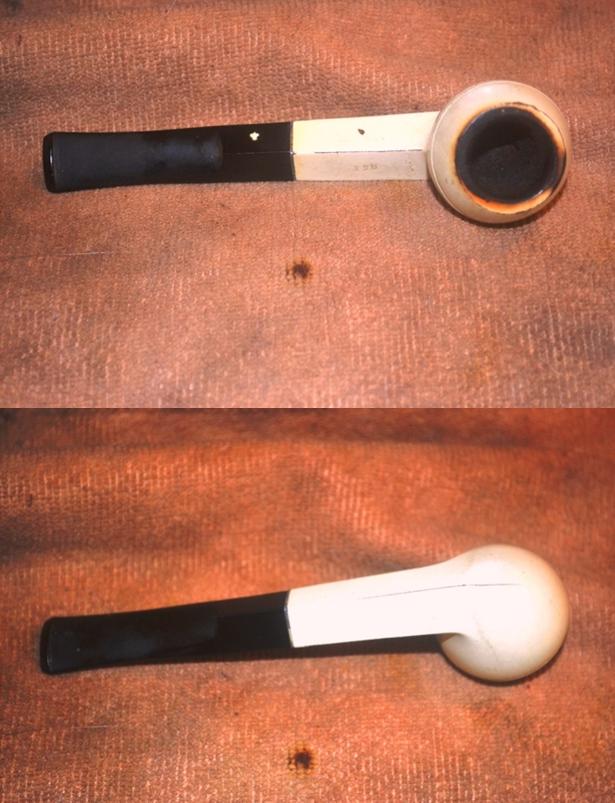
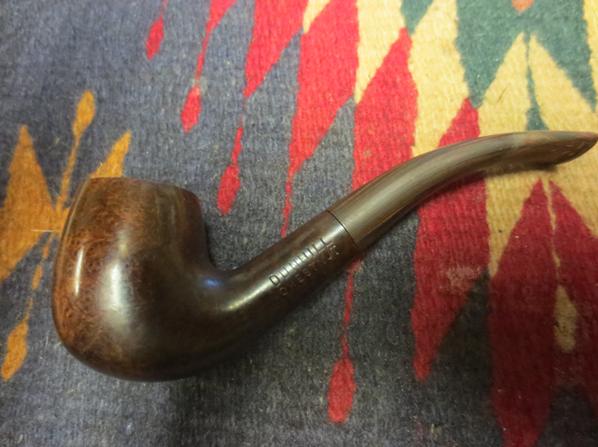
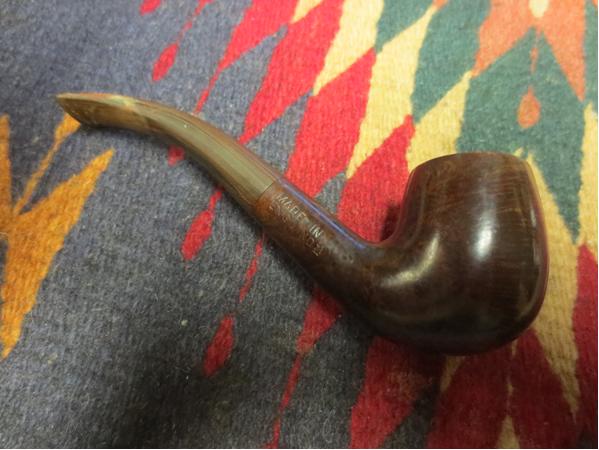
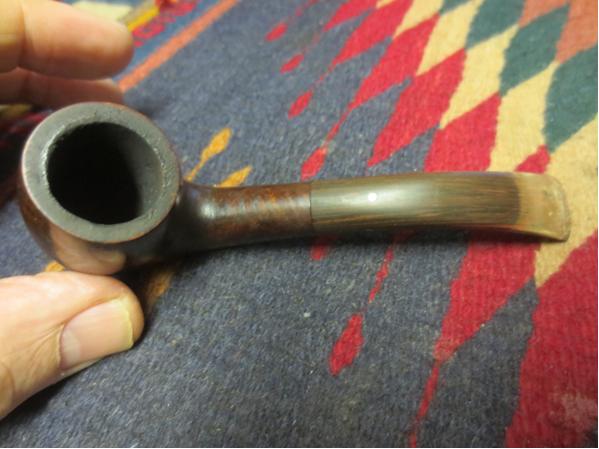
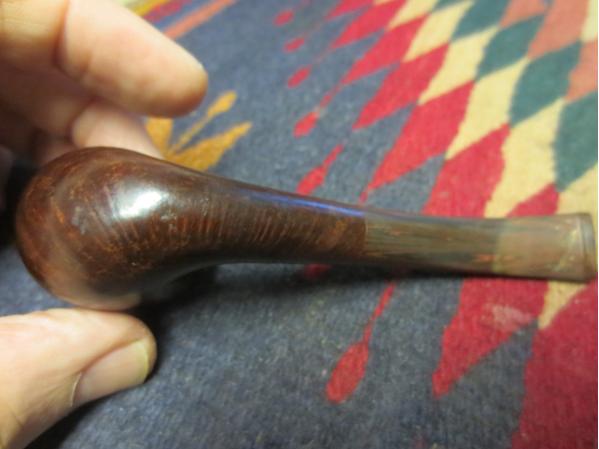
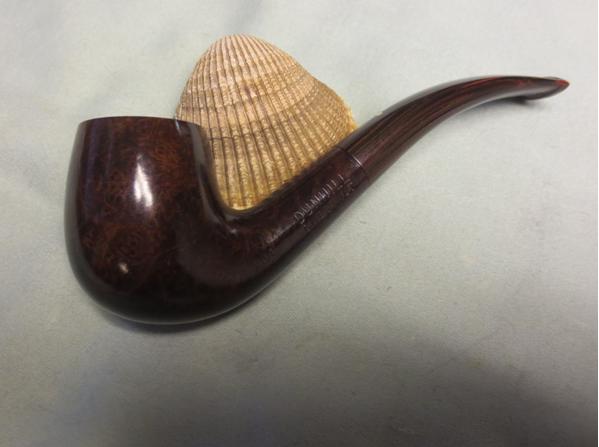
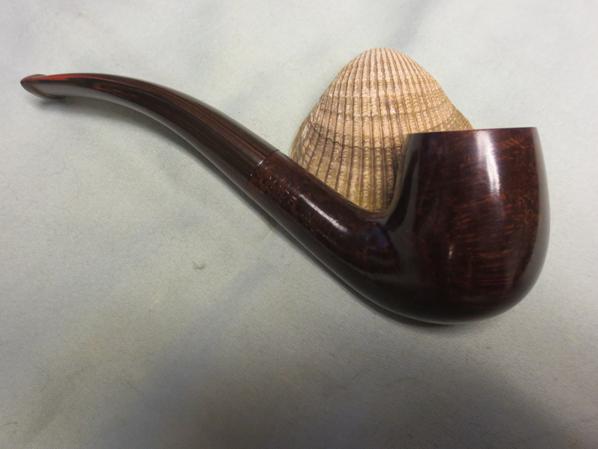
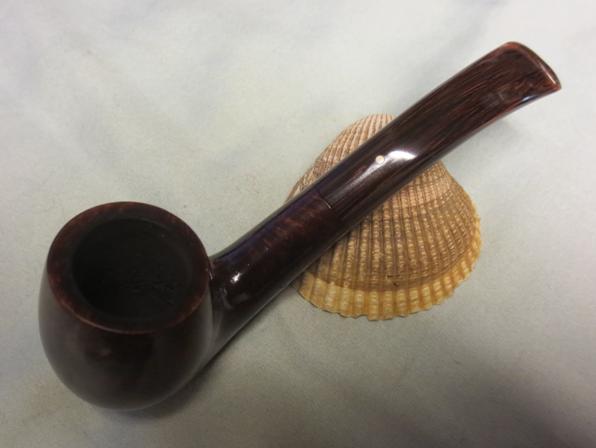
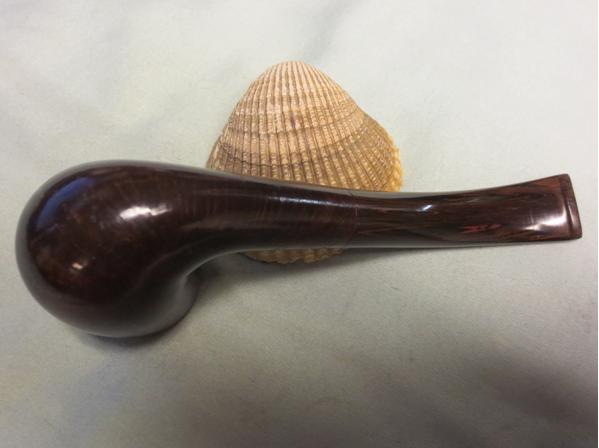
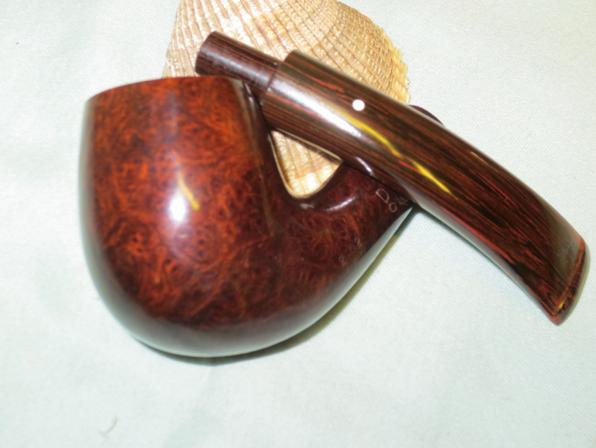
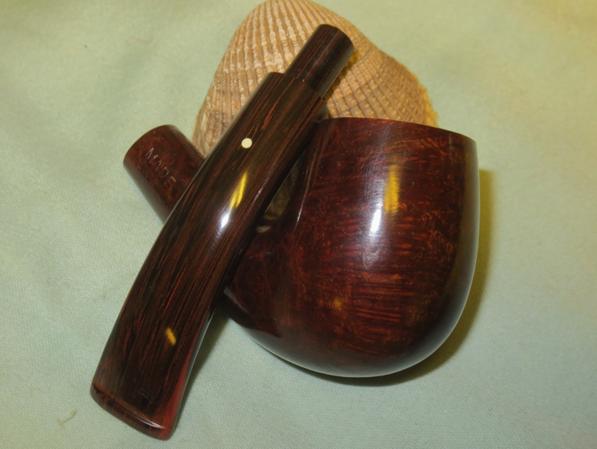
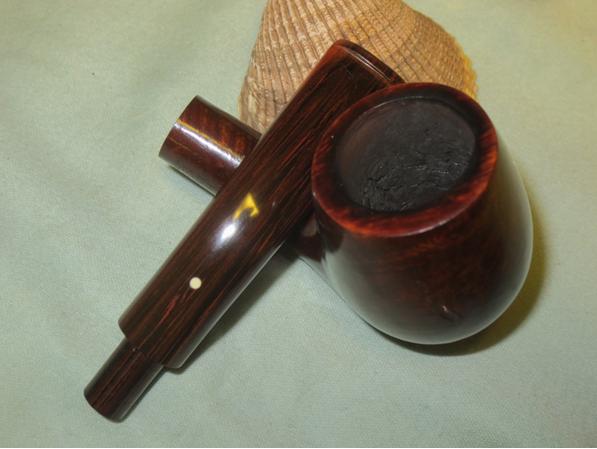
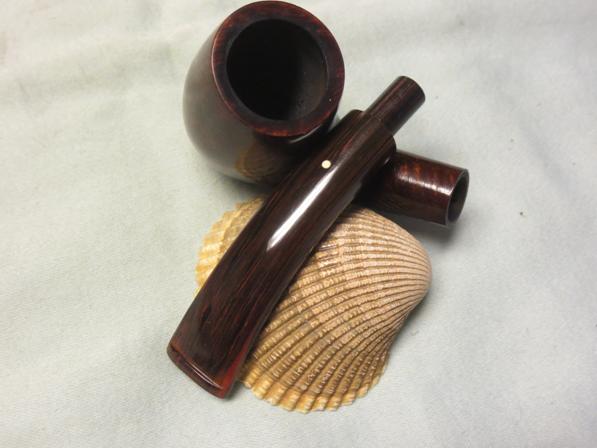
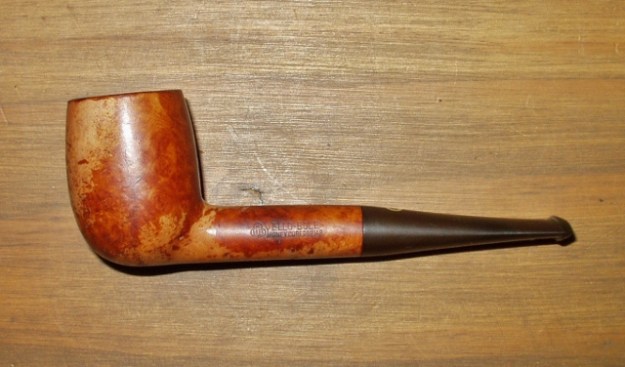
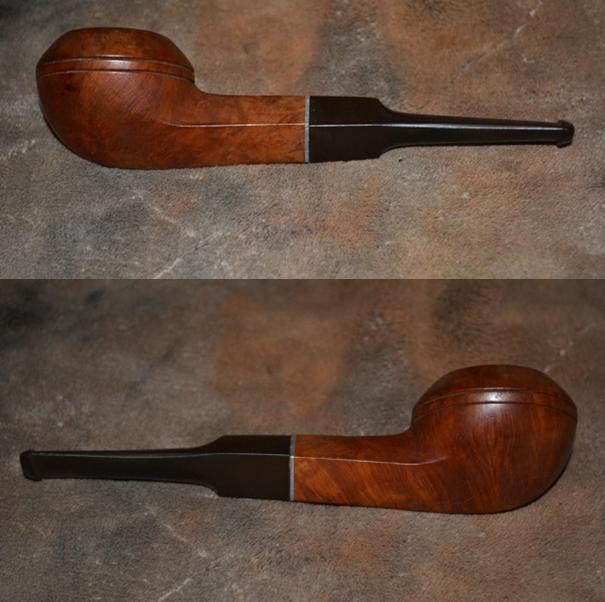
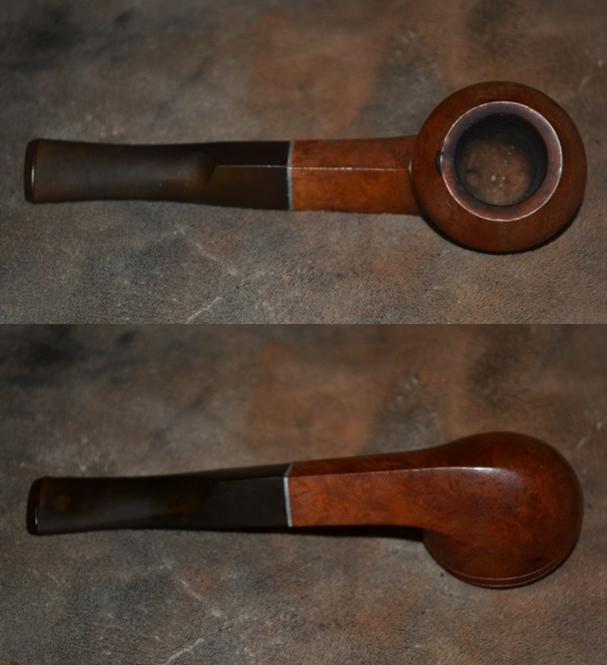
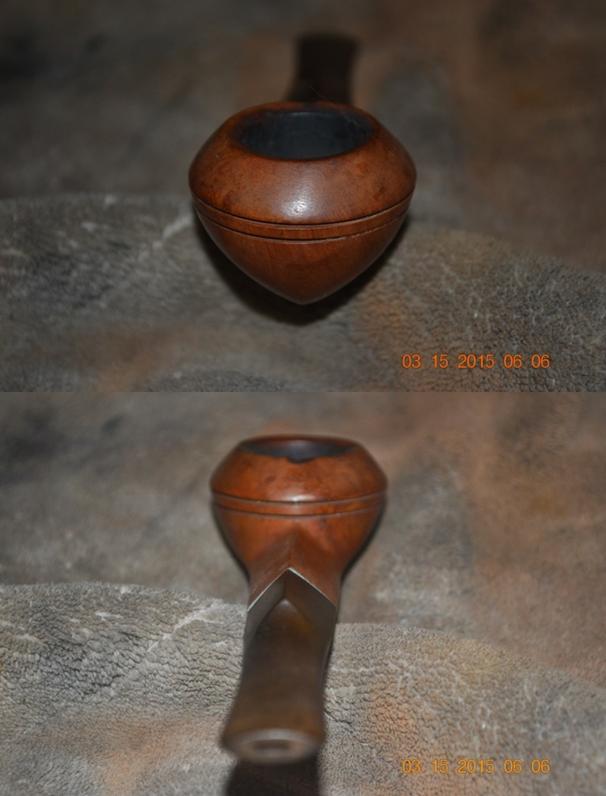
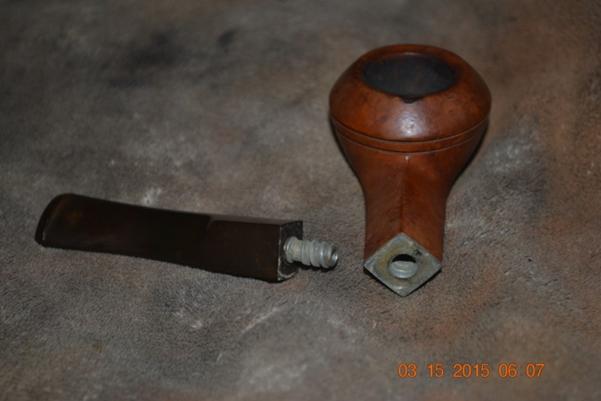
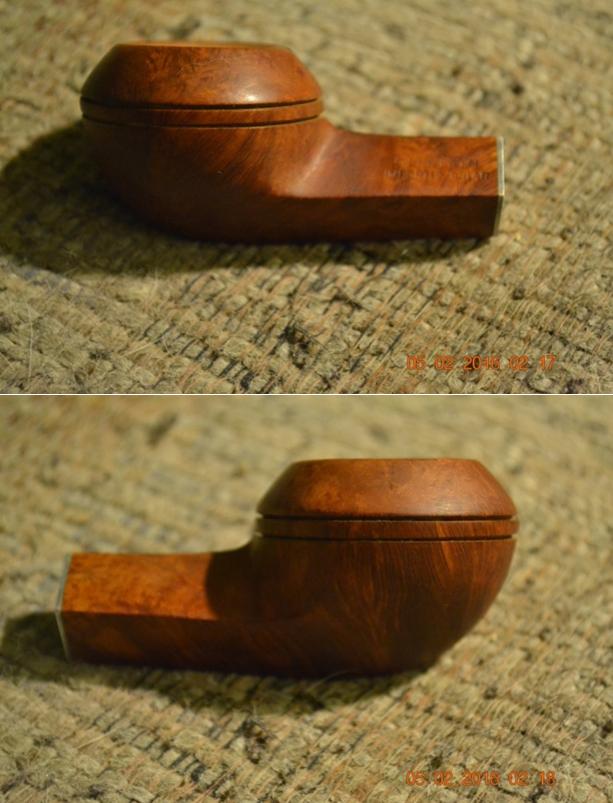
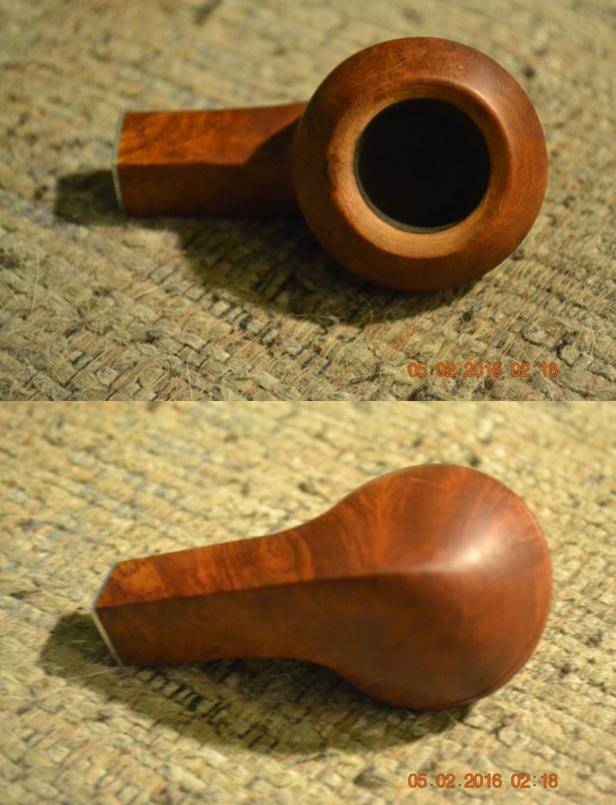
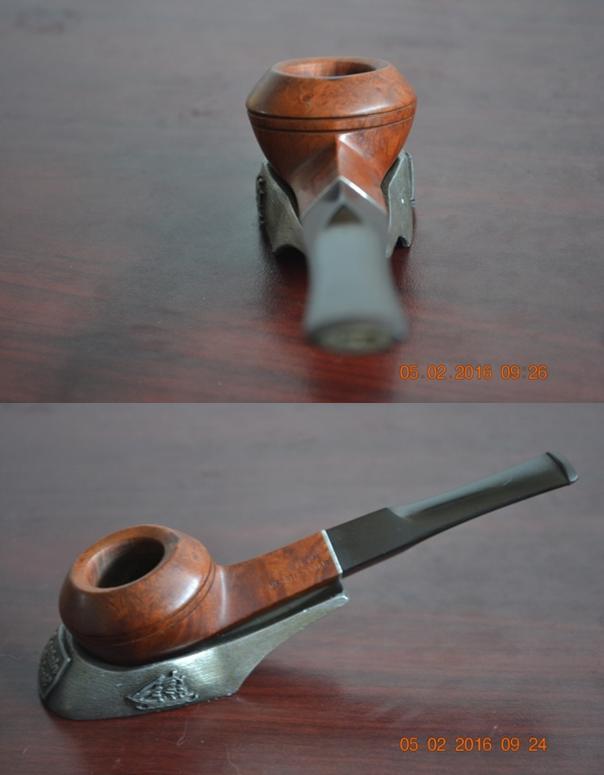
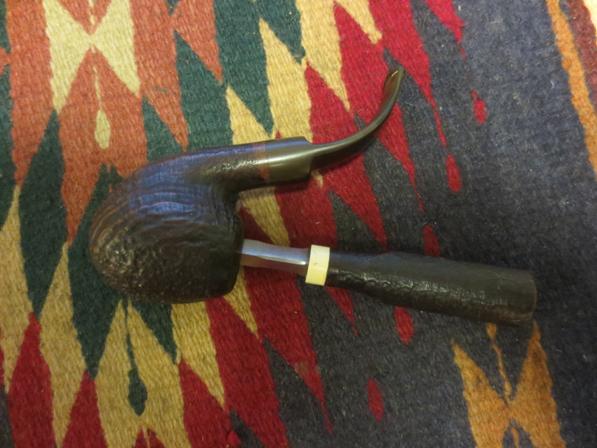
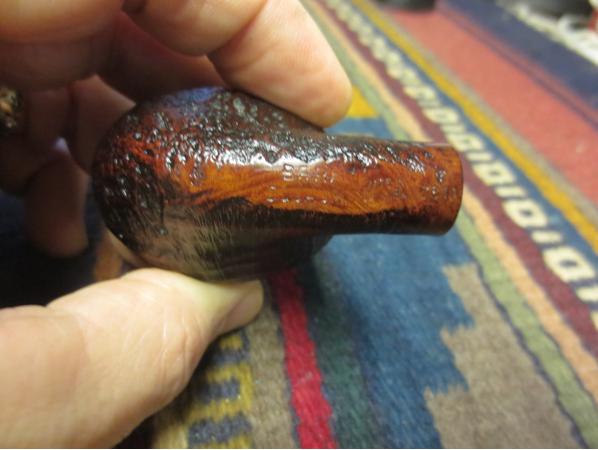
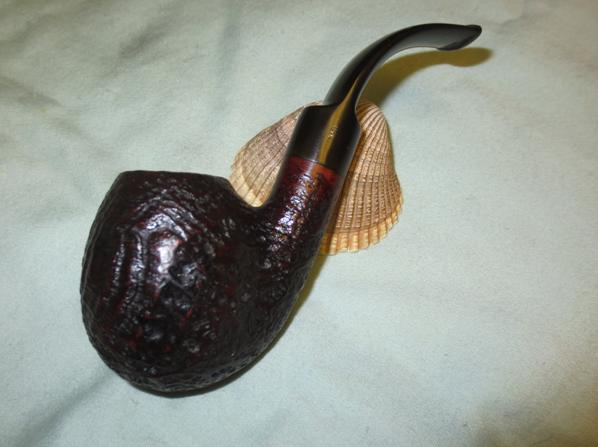
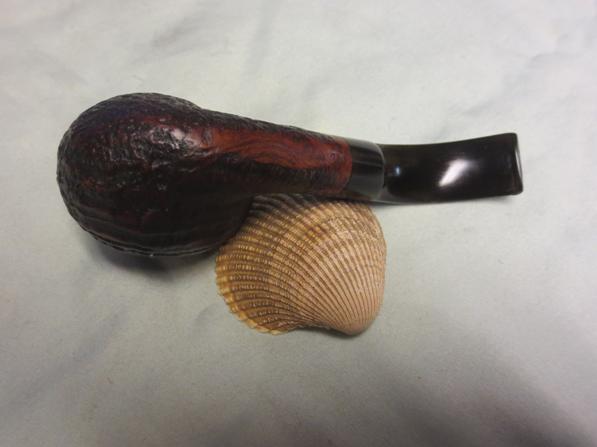
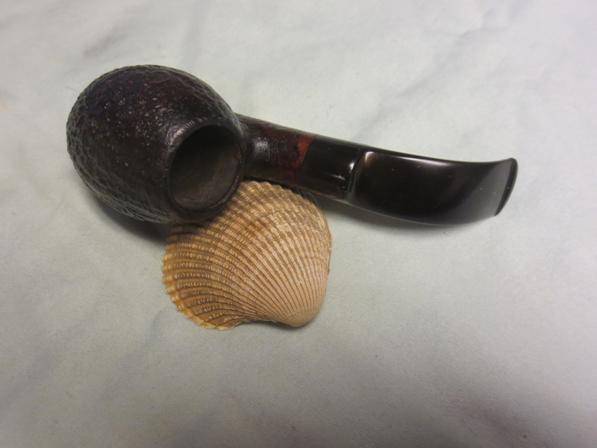
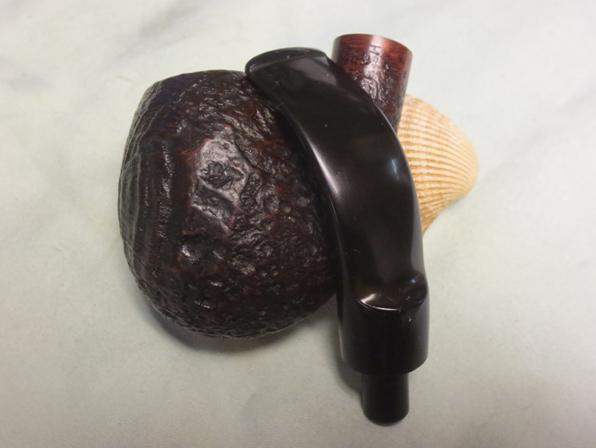
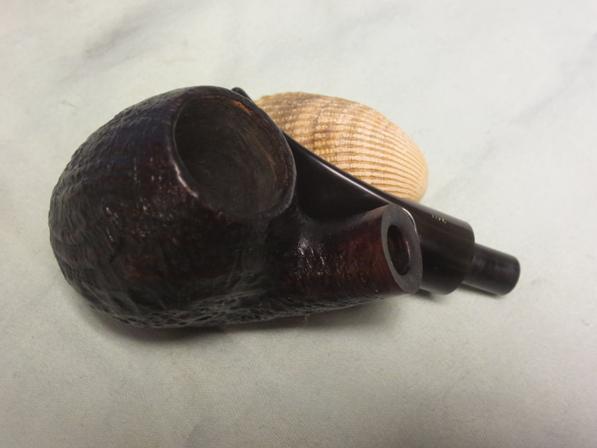
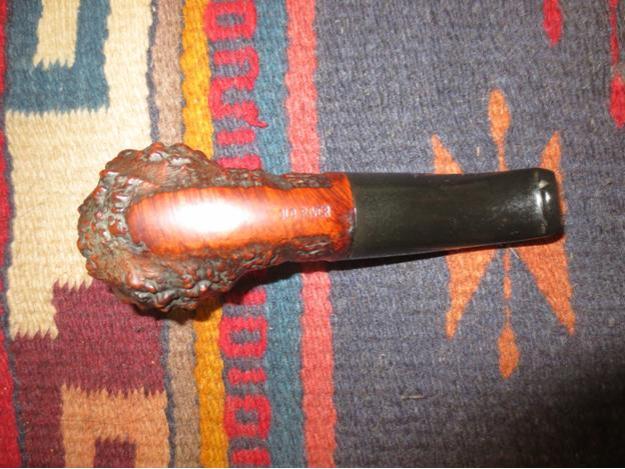
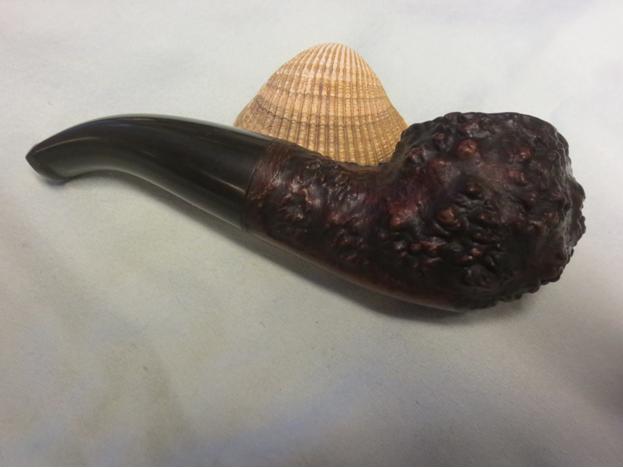
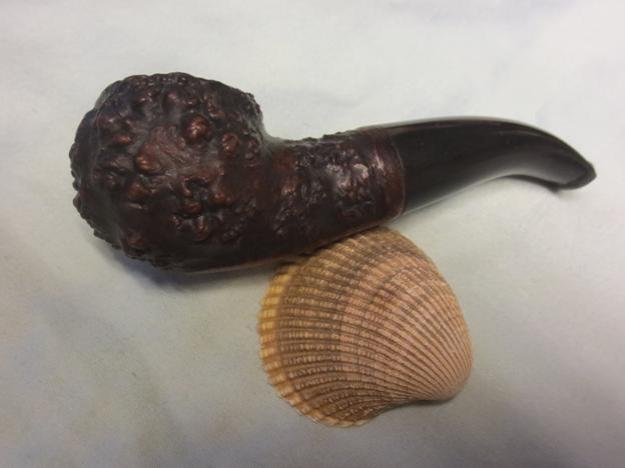
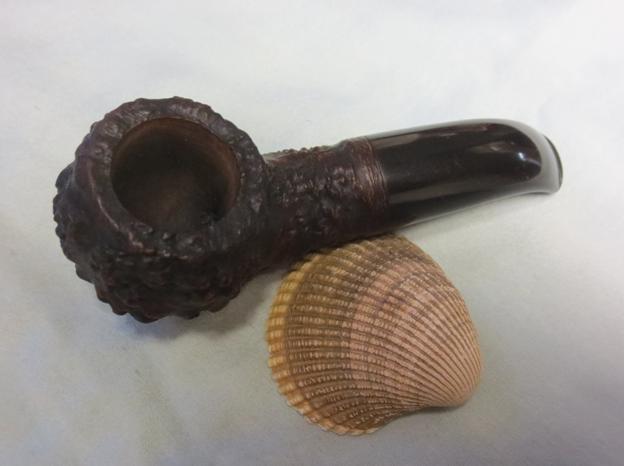
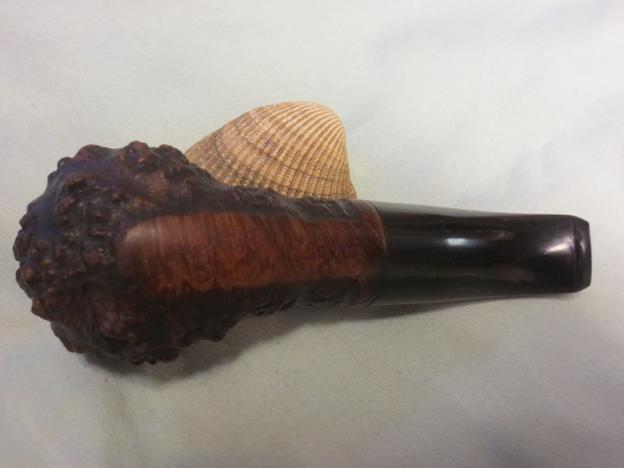
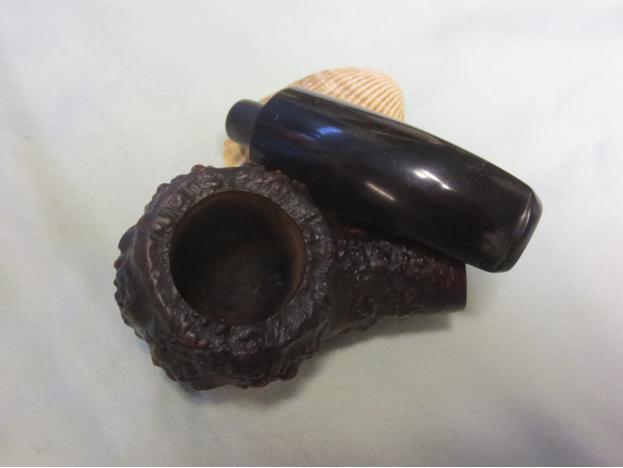
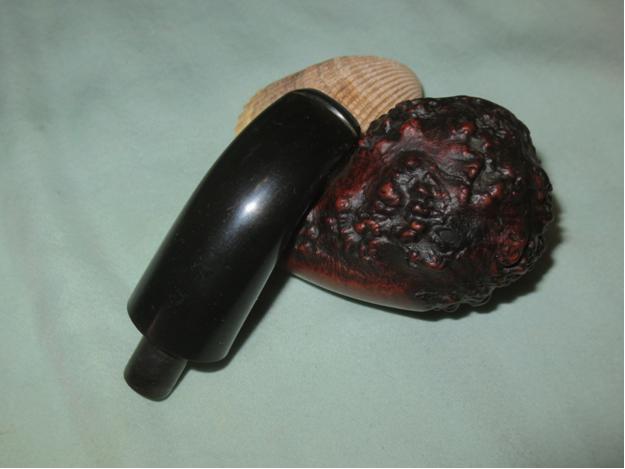
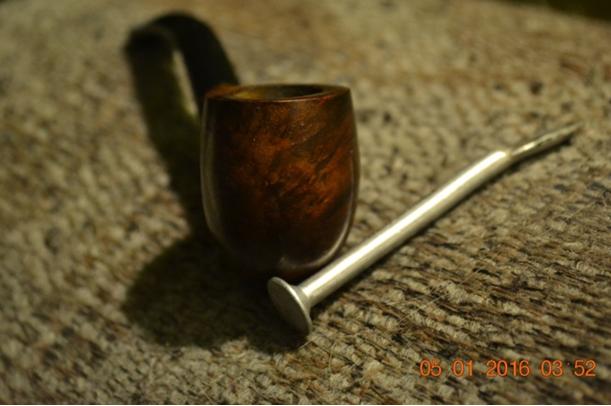
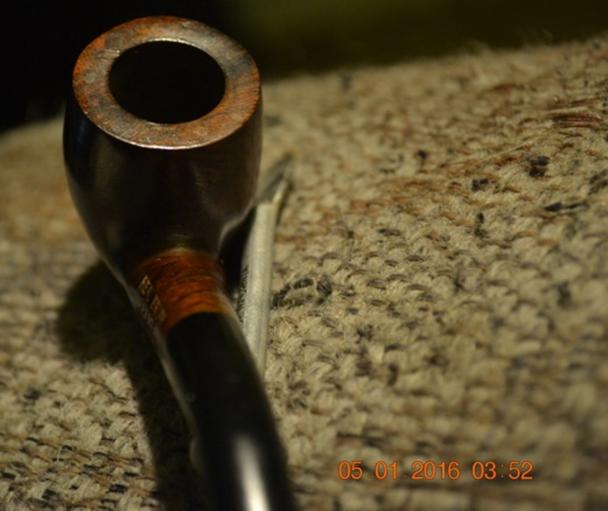
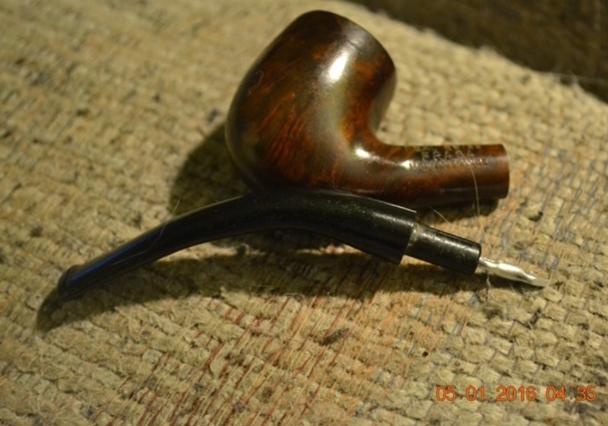
 Now, for a description of my first foray into a so-called Ladies Pipes, although it could be smoked without shame by a man (if I didn’t already sell it to one of my best customers, known to some readers here as Ashley and going back to my first real restore). This is a FRASA (from the brand mark on the shank), a French piece of work about which I can find no background.
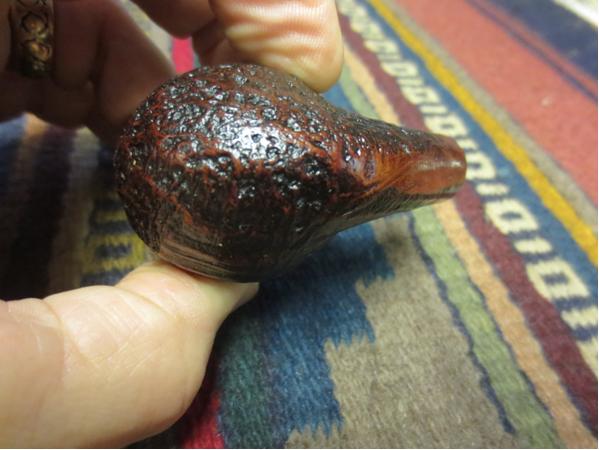
  I wonder if the larger capital letters indicate an acronym. It’s a lovely, little, delicately curved, natural, dark red briar billiard.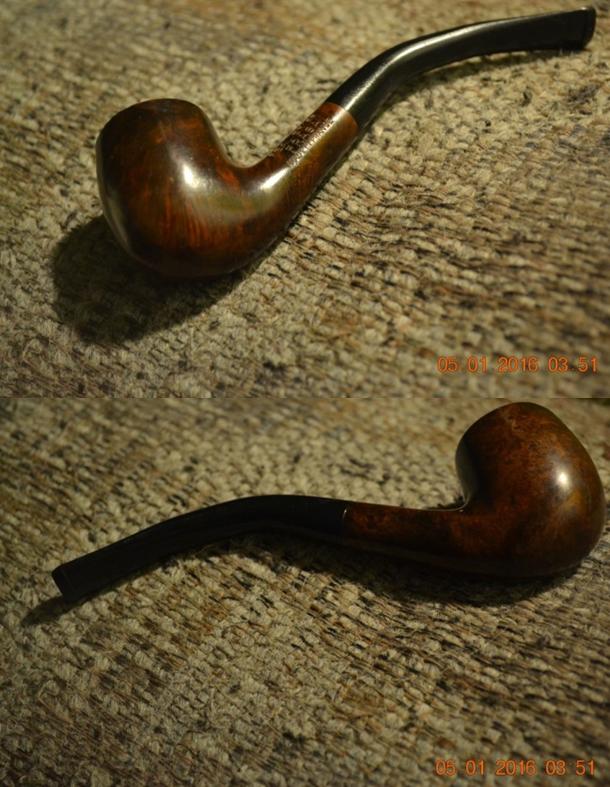

 RESTORATION
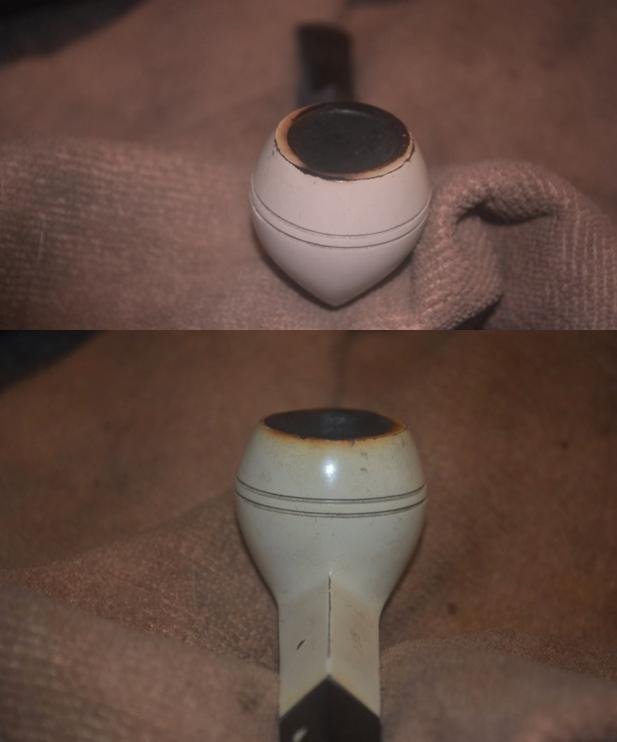
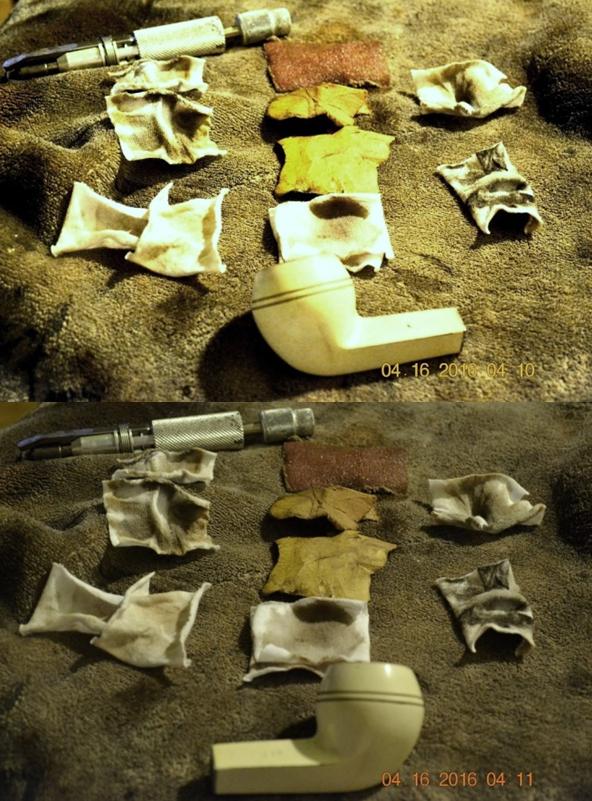
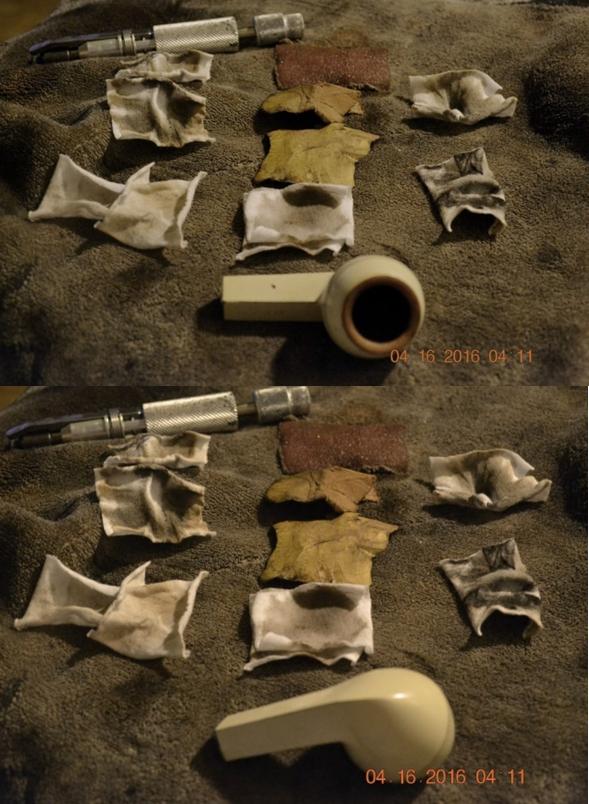
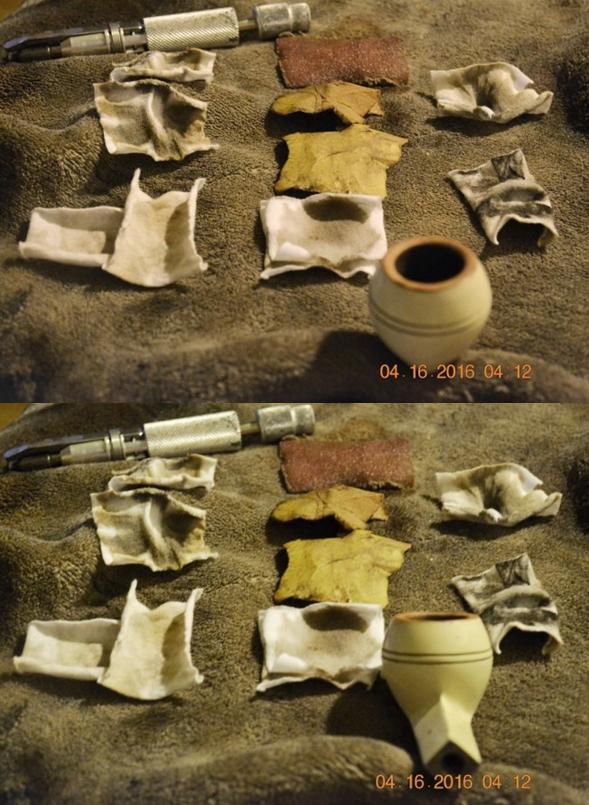
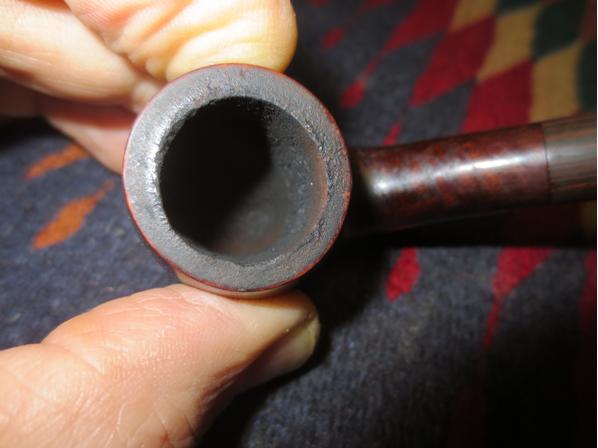
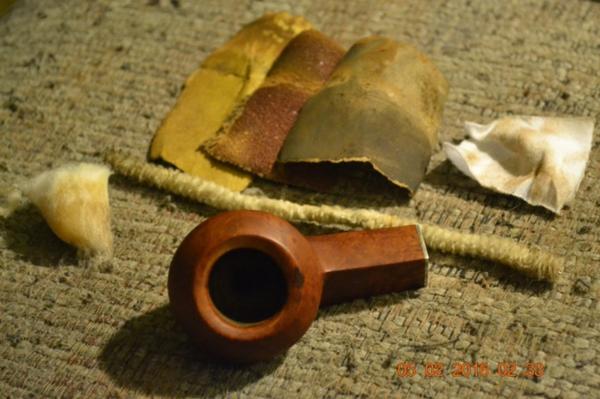
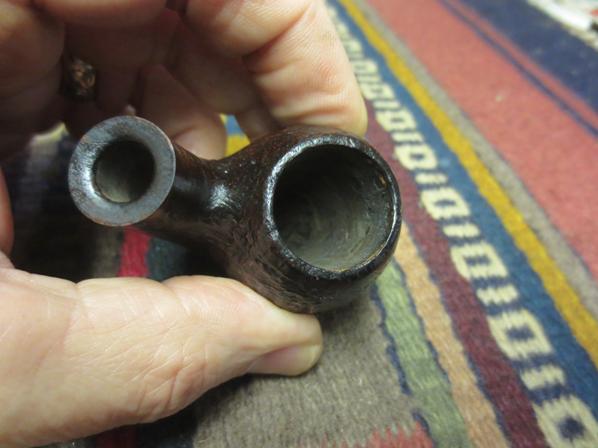
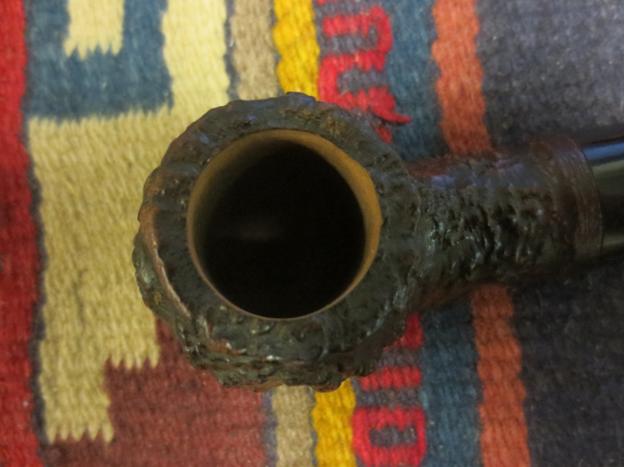
This was one of the cleanest pipes I’ve ever come across in a lot, but I’ve never seen one yet on which I couldn’t improve. I showed all of the pipes I’m restoring for these blogs to Ashley at one of our weekly pipe meetings a few weeks back, and I had a good idea which one she would like best. I’ve come to know her tastes, having sold her several pipes, not to mention one to her husband, Stephen. Her hand went straight for the FRASA and her eyes sparkled with P.A.D. I knew I had her. I pointed out the clean but slightly rough to the touch chamber, which took a flashlight to determine that it had indeed been lightly smoked. Then there were some minor blemishes on the bowl. I also said I’d like to lighten it up a bit, unless she liked it the way it was.
“Go for it!” she said.
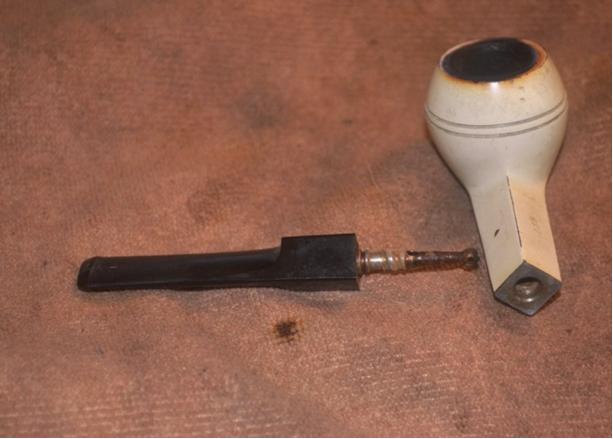
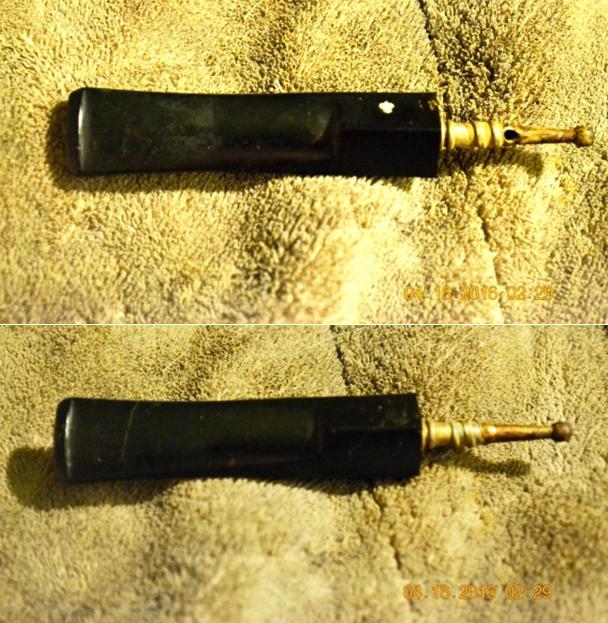
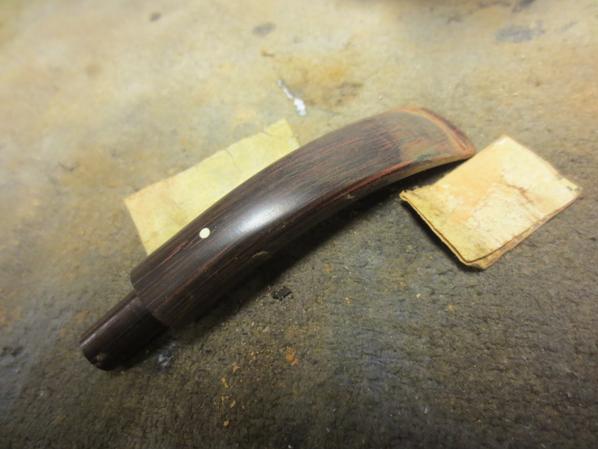
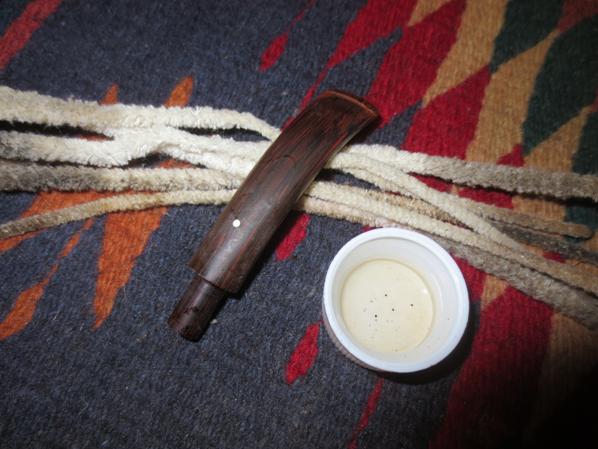
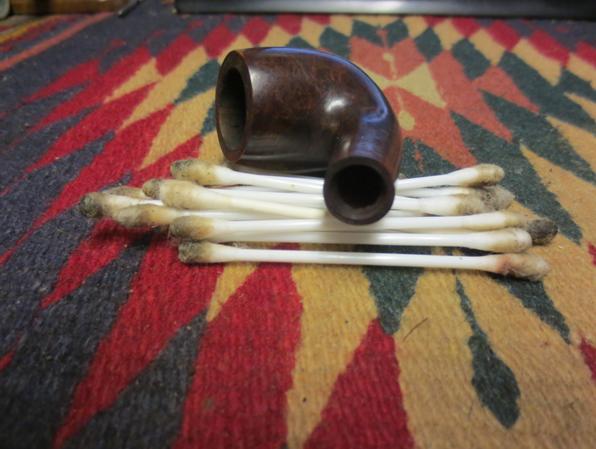
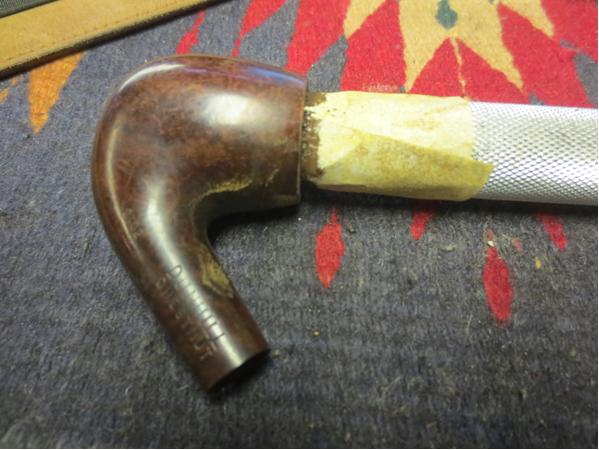
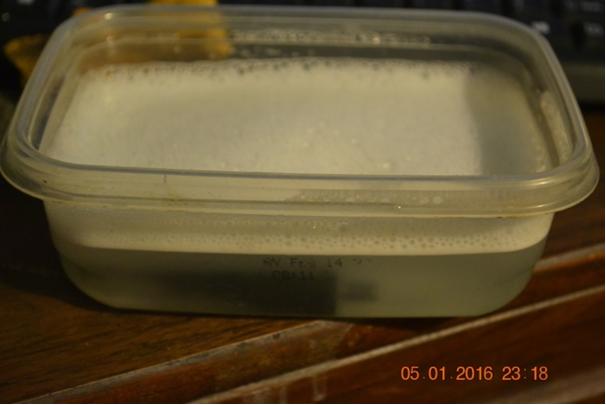
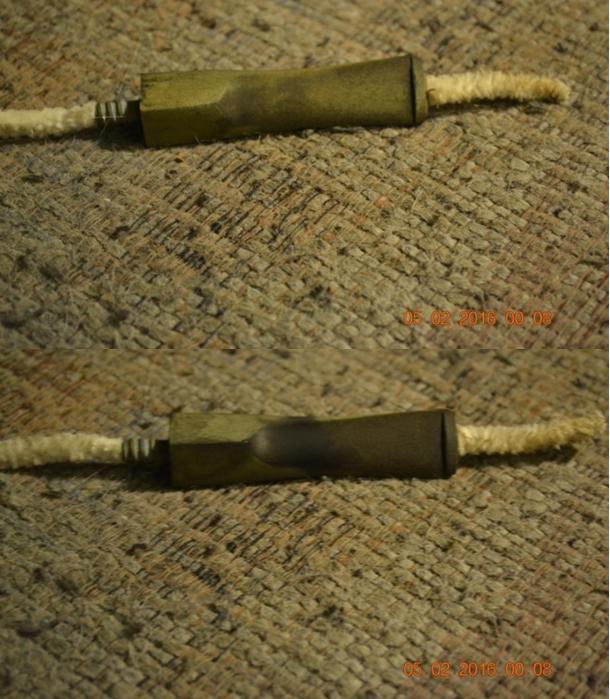
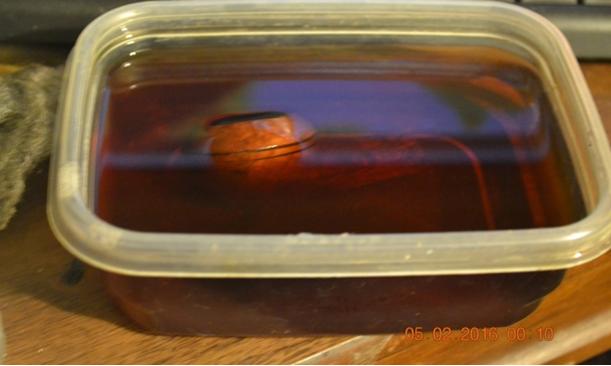
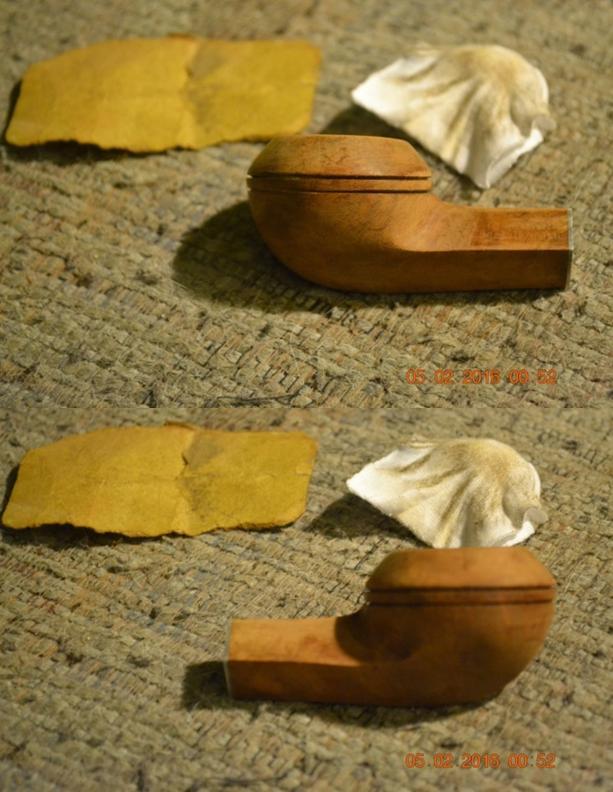
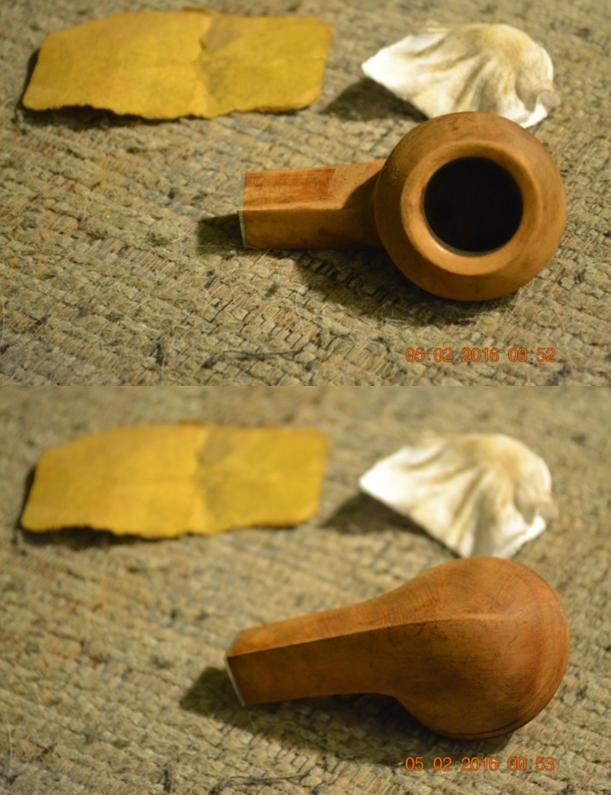
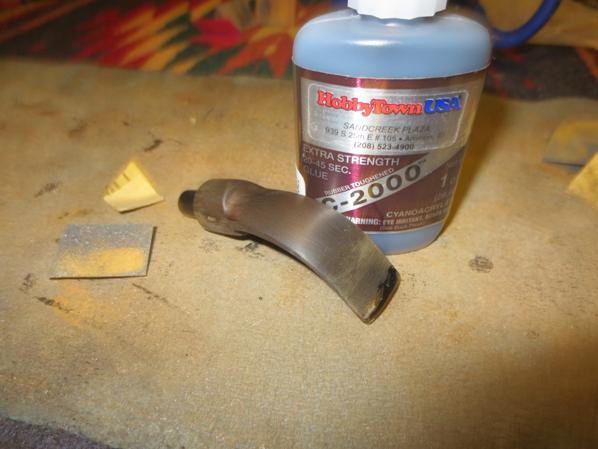
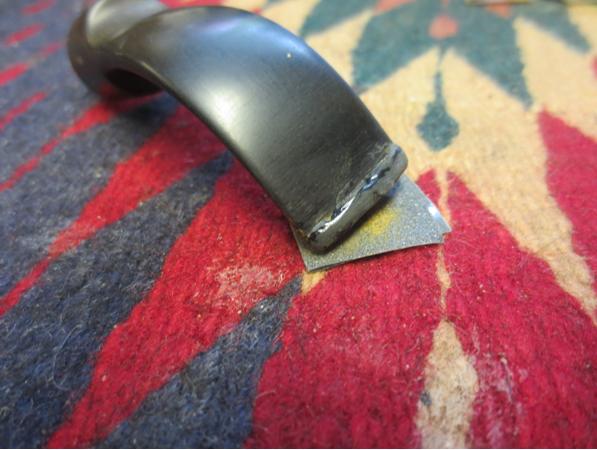
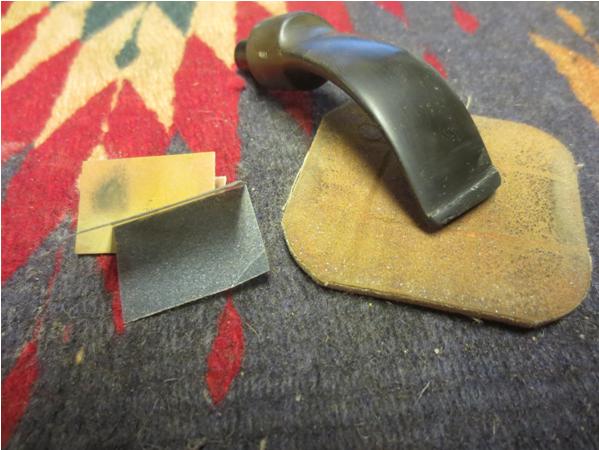
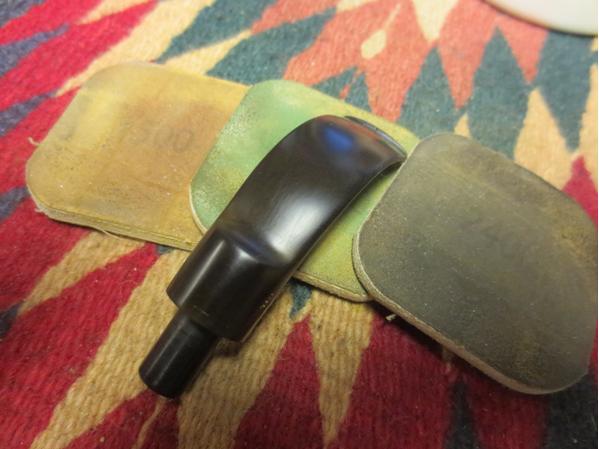
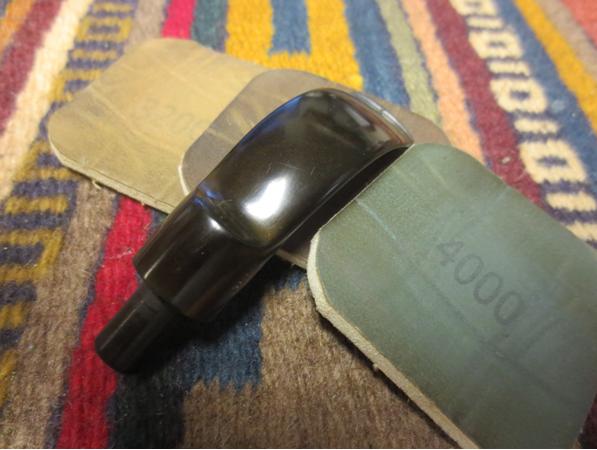
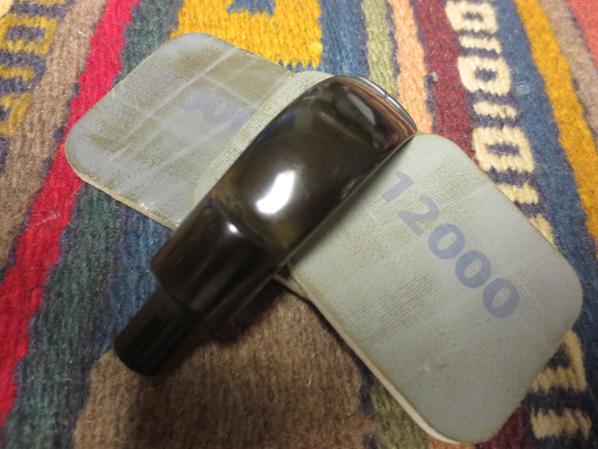
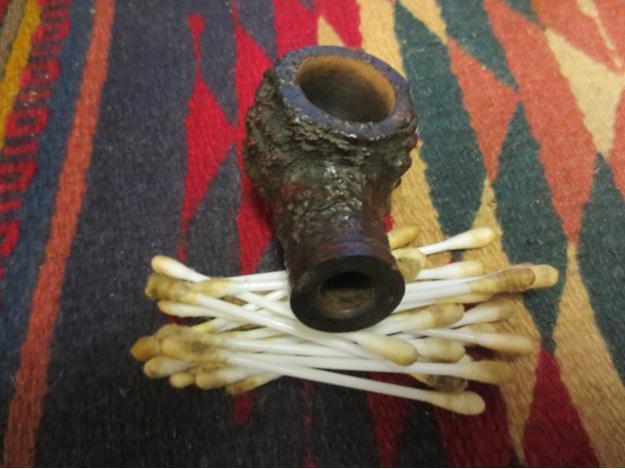
And so I tossed the bit in an OxiClean bath. Moving to the stummel, I wiped it down with purified water and soft cotton cloth gun cleaners before using 320-grit paper gently and evenly before micro-meshing from 1500-12000.
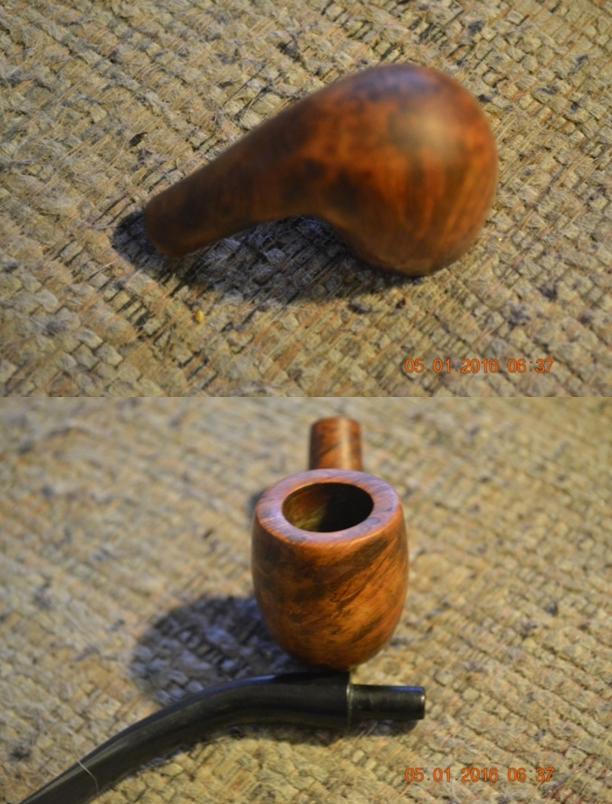
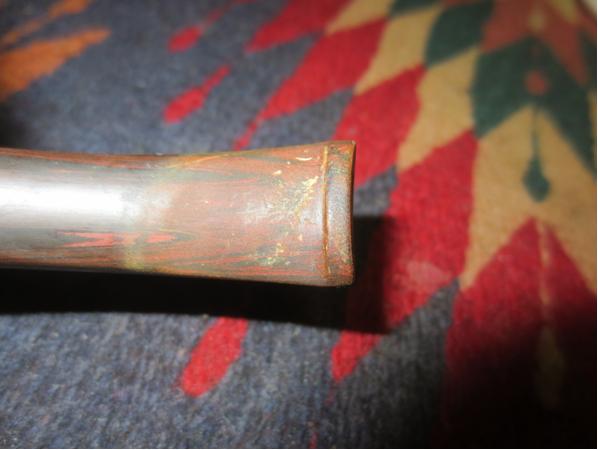
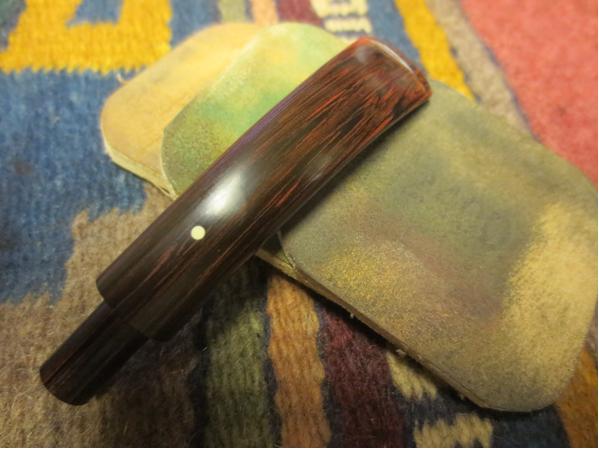
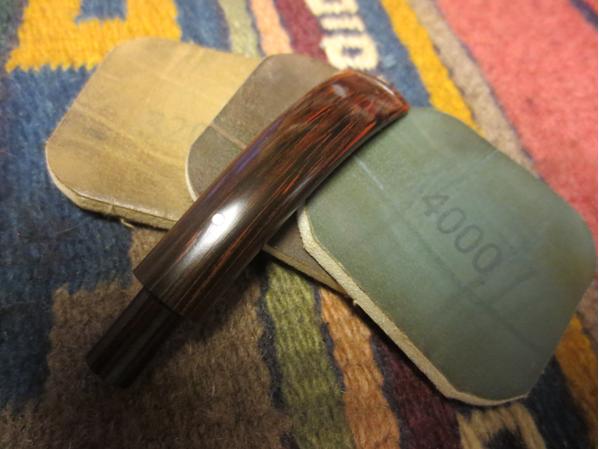
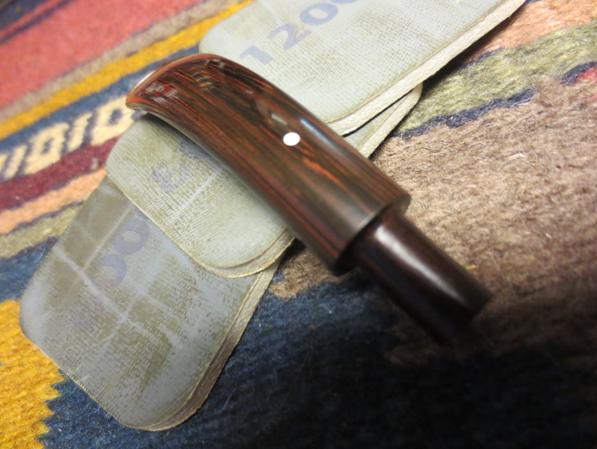
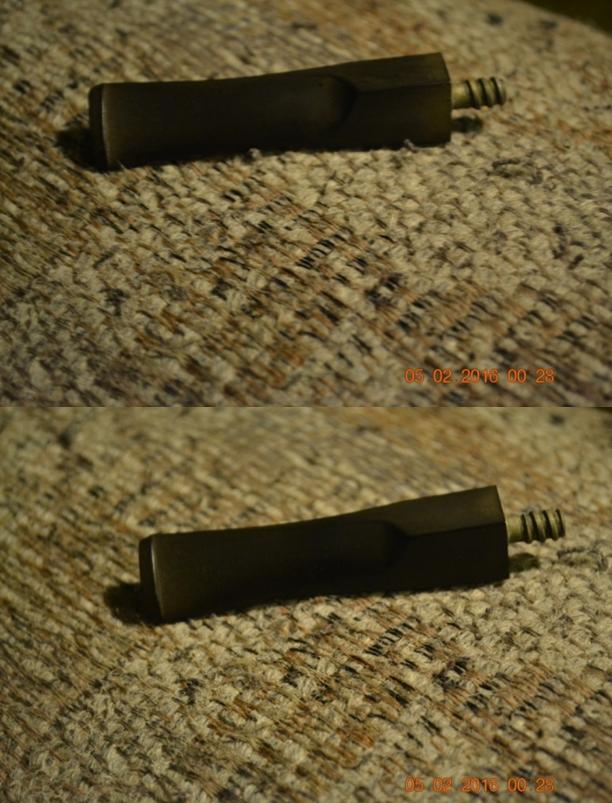
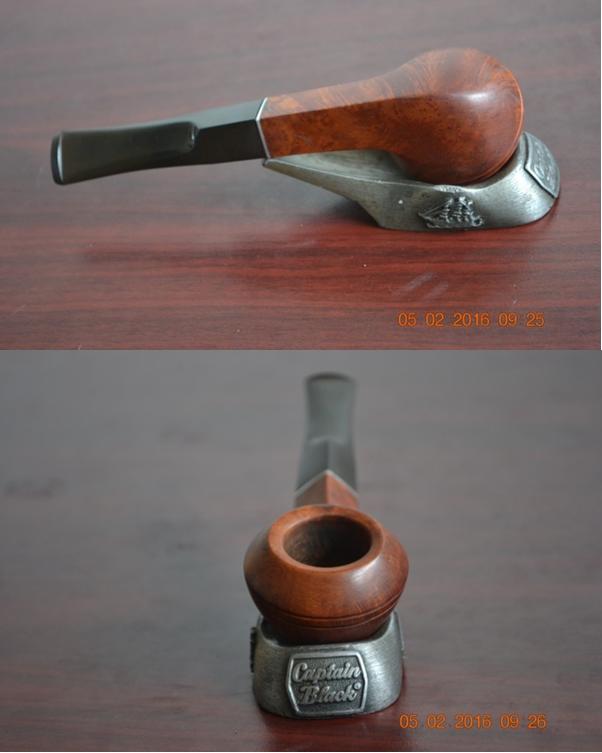
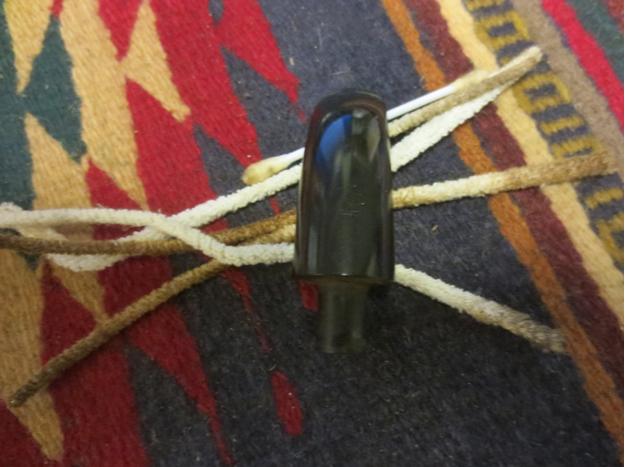
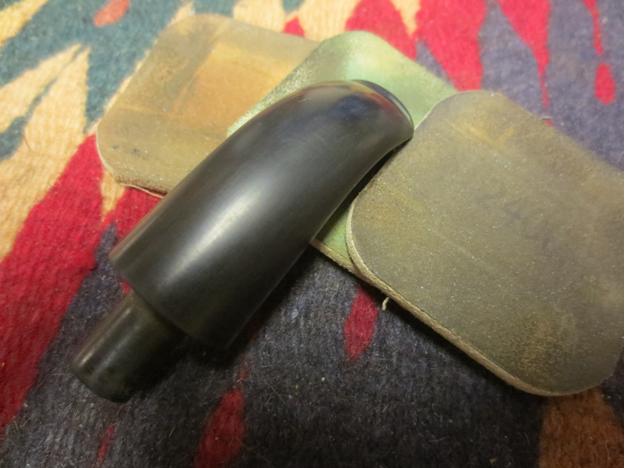
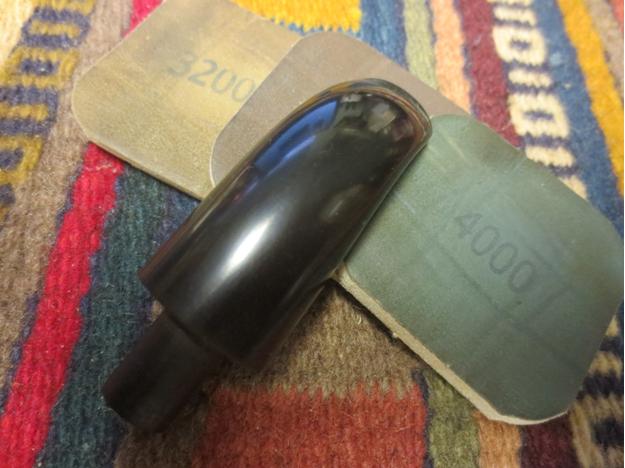
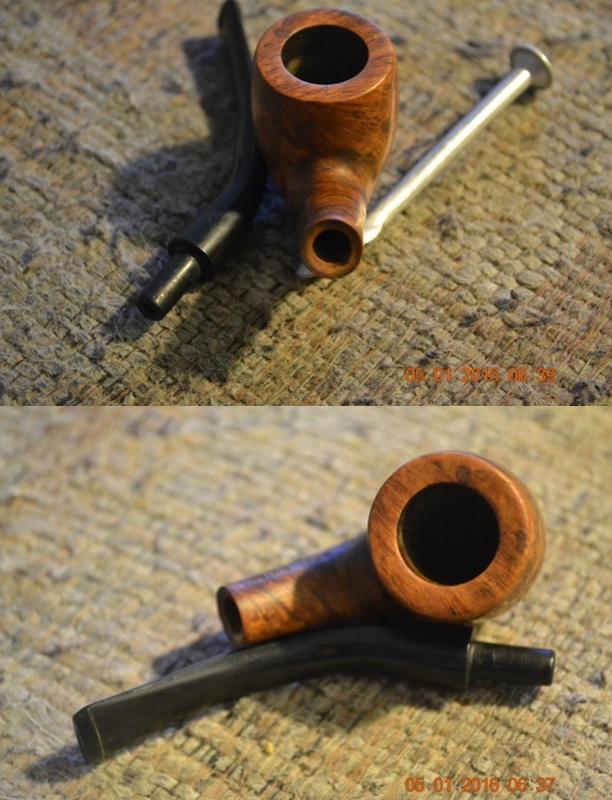 Removing the bit from the OxiClean and rinsing it, I wet micro-meshed it to a nice dark shine.
 I sanded the small chamber with 200- and 320-grit papers and retorted it just to be thorough, but I didn’t expect to find anything, and I didn’t. Now, that’s a clean pipe!
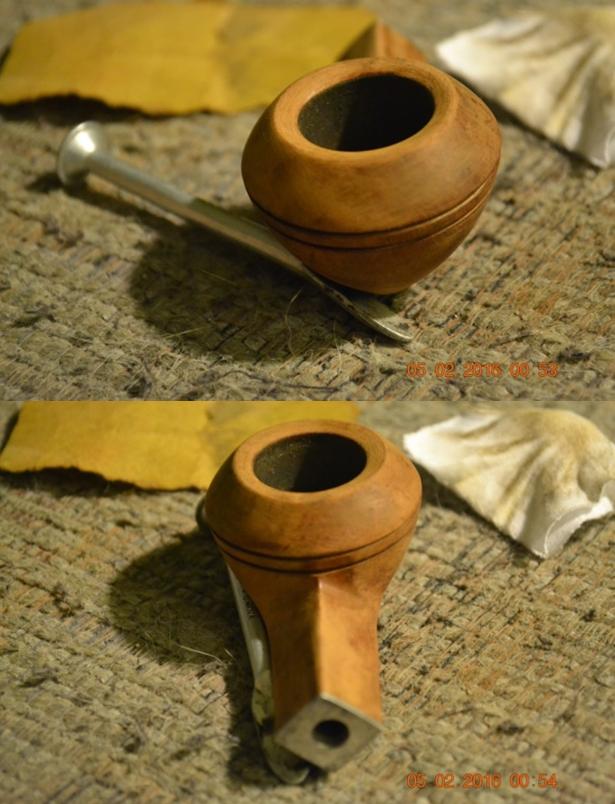
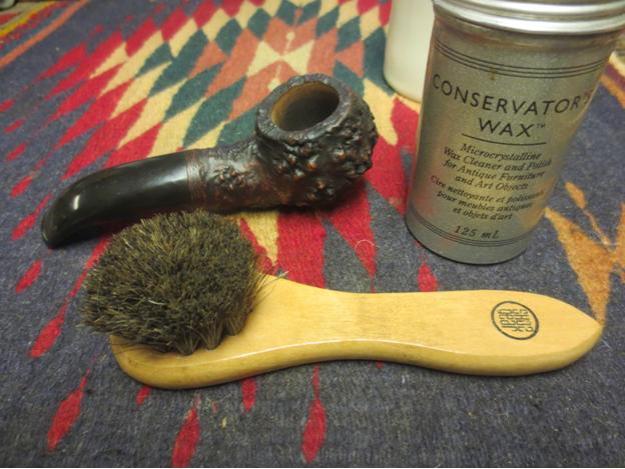
I finished by buffing the stummel with white Tripoli, White Diamond and carnauba, and the bit the red and white Tripoli, White Diamond and carnauba.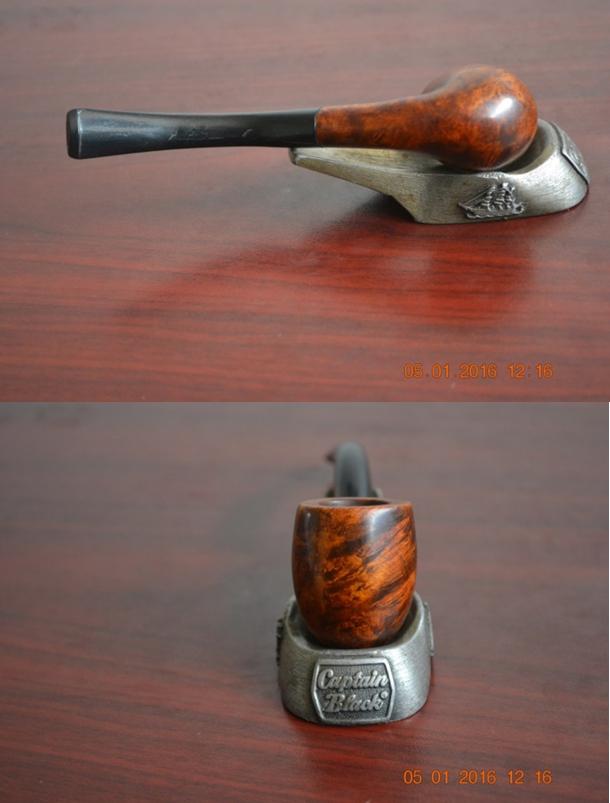
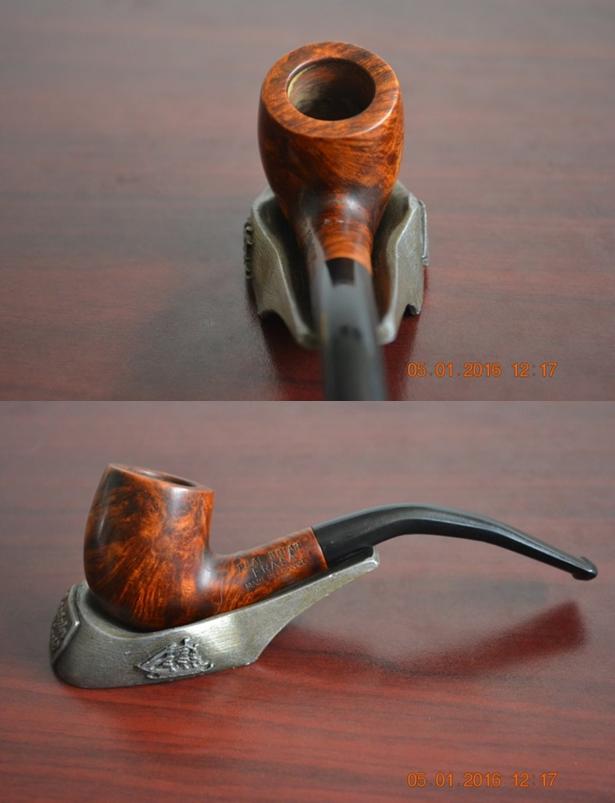 CONCLUSION
In the next installment, I plan on getting more to the meat and potatoes issues of relative numbers of women who partake of the magic instrument of divine contemplation – recognizing, of course, the futility of trying to get anywhere near exact numbers. I also hope to have feedback from Liz and others like her who are as active as any men in their smoking communities, with some insights into the kinds of pipes they actually enjoy, whether “ladylike” or more “manly.” Yes, sir (or ma’am), the times, they are a-changin‘.
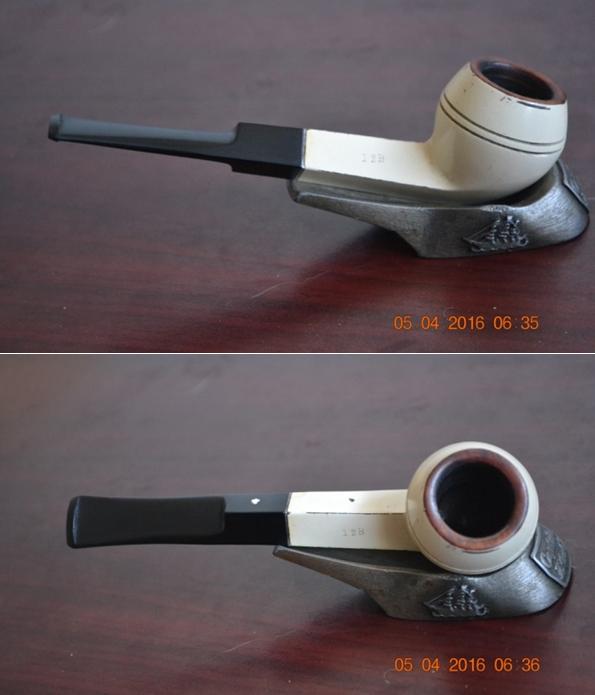
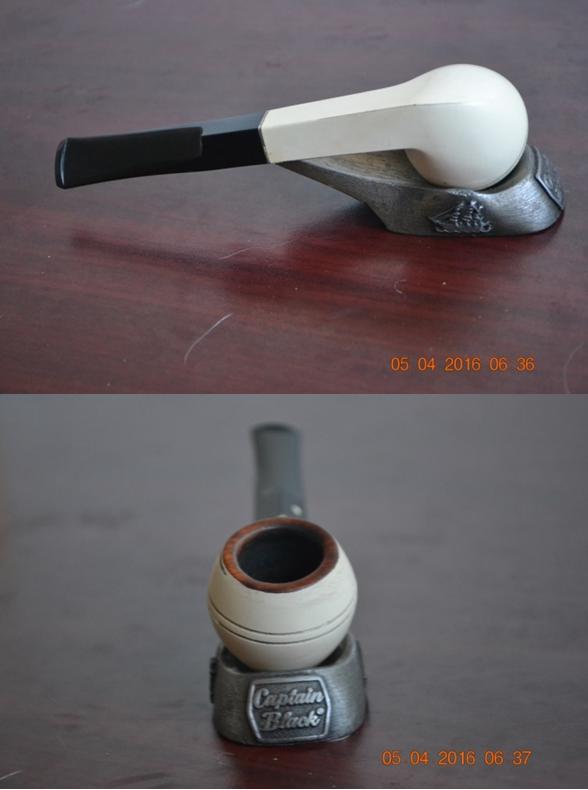
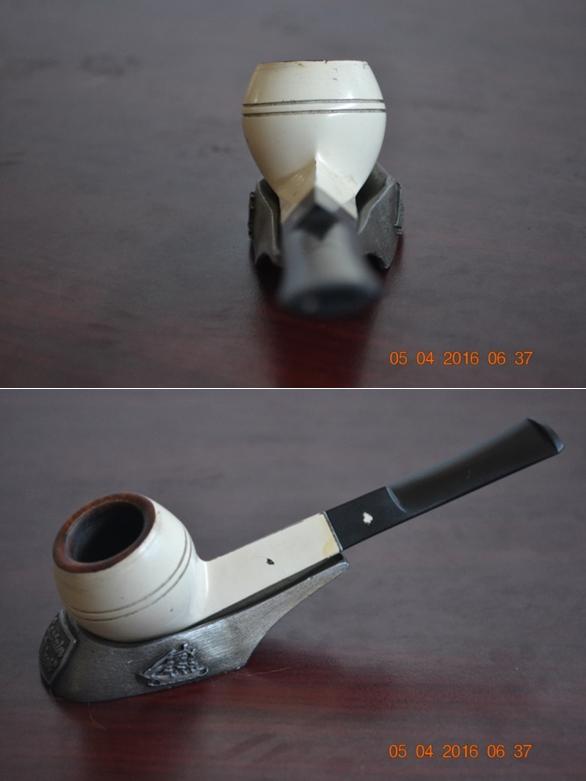
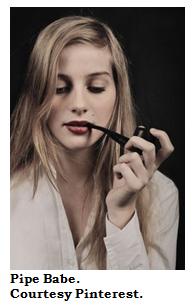
I’ll leave you with these parting shots of two lady smokers, one real and one – ahem – well, never mind.

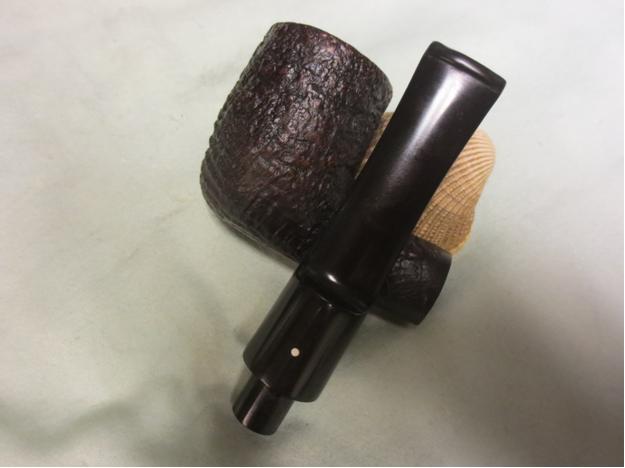
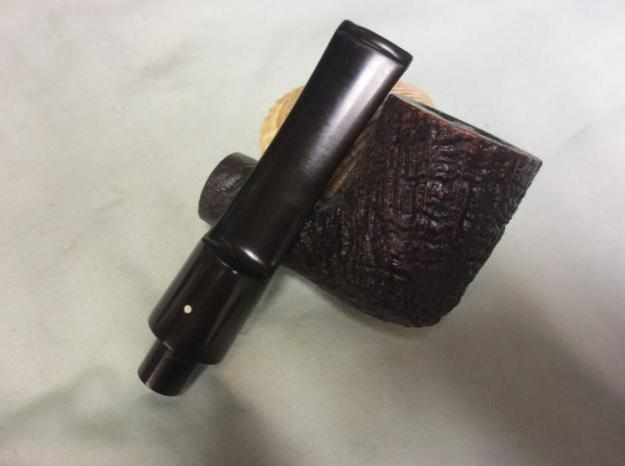
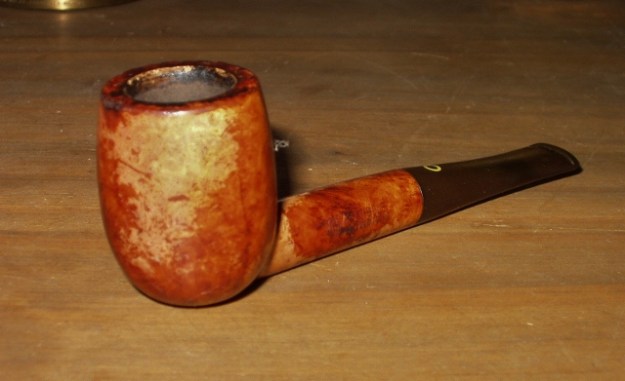
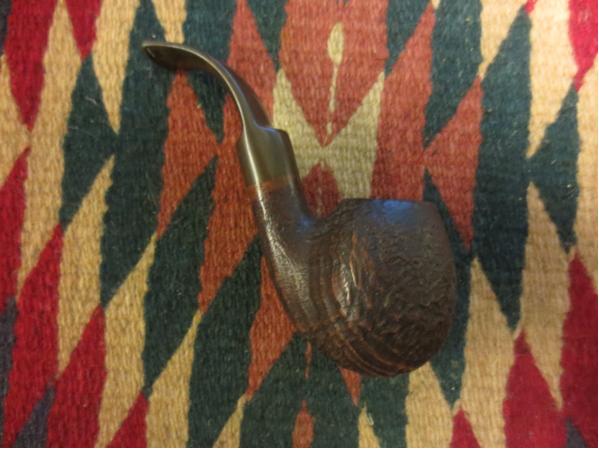
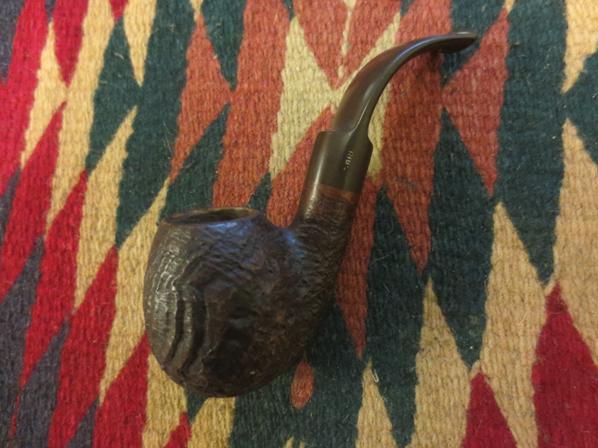
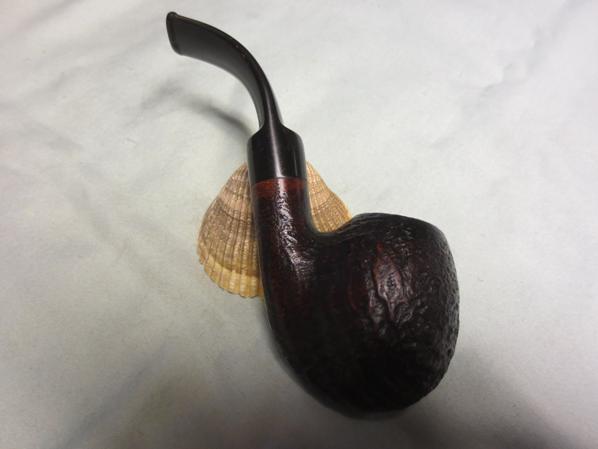
 I took some photos of the pipe once I got home to Canada and was going to work on it. You can see the beautiful grain in the blast and the state of the stem and finish in the photos.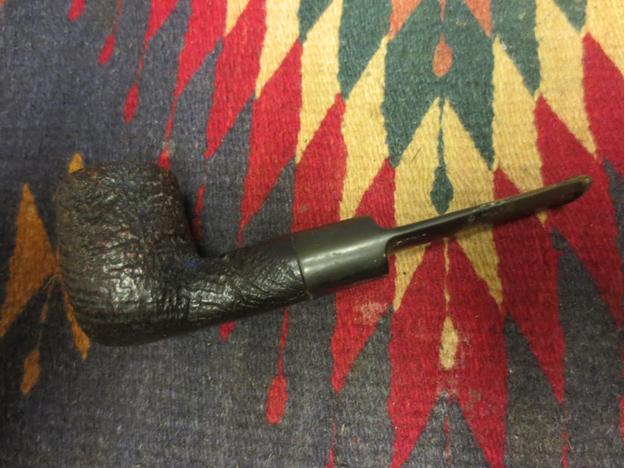
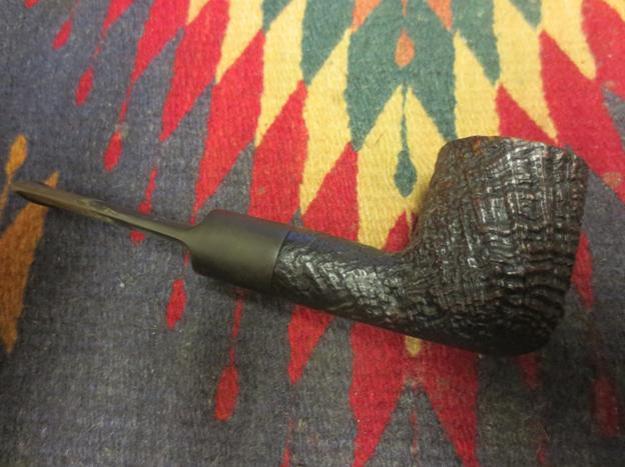
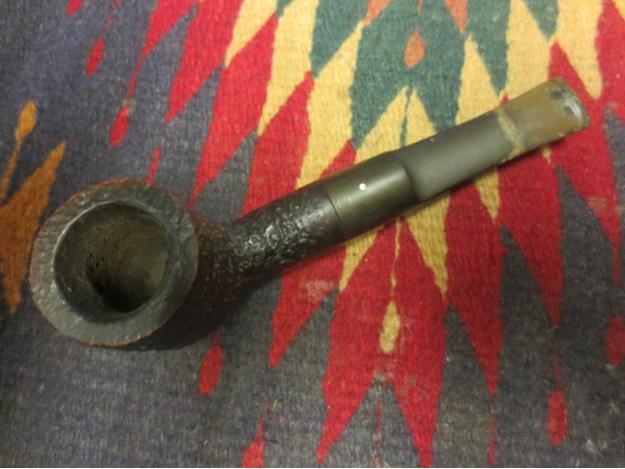
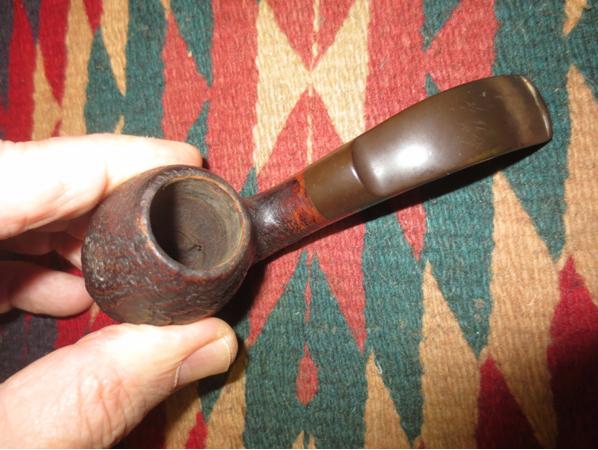
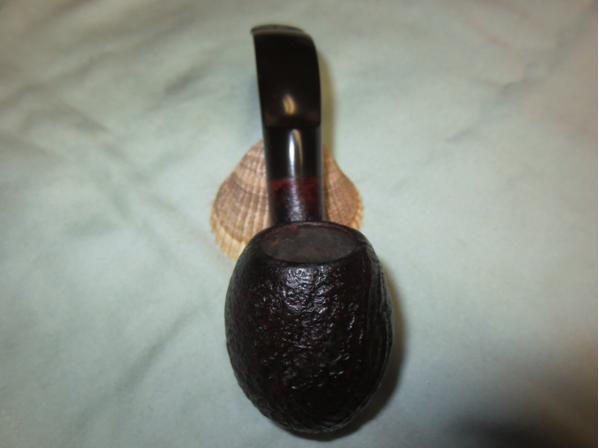
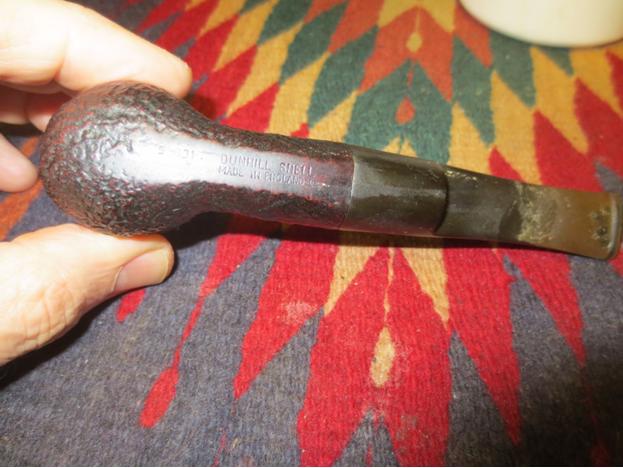 I took some close-up photos of the bottom of the shank to show the stamping and of the rim to show what the overflow looked like. Most of the blast on the rim was filled in with lava and the cake was uneven in the bowl.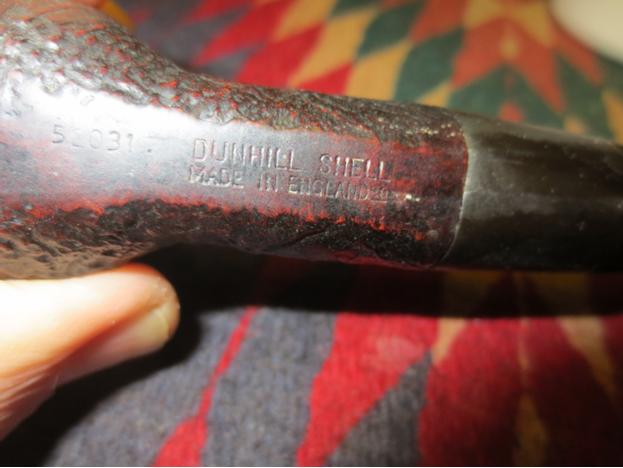
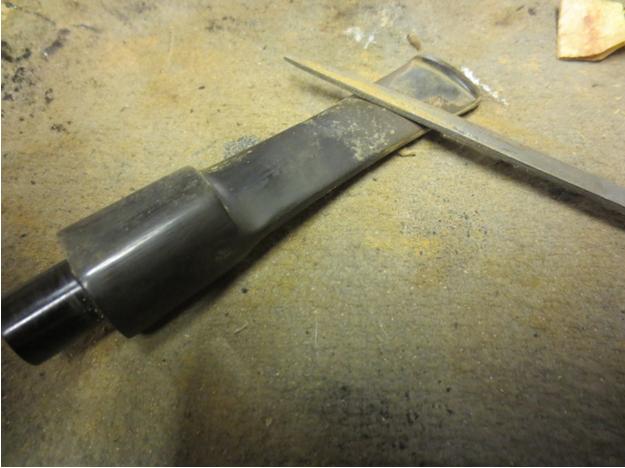
 I used a needle file to clean up and sharpen the edge of the button and to remove the tooth marks on the stem.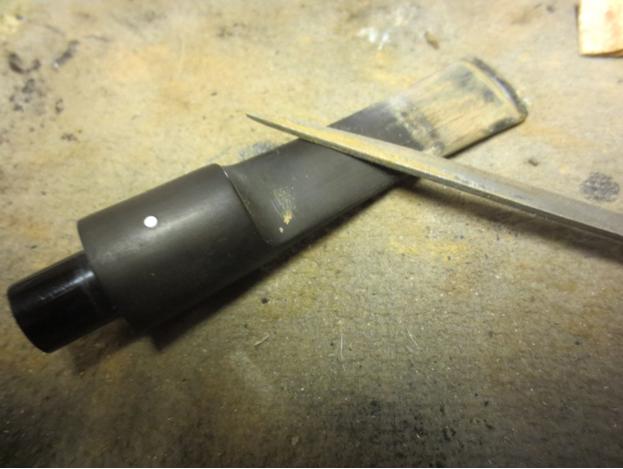
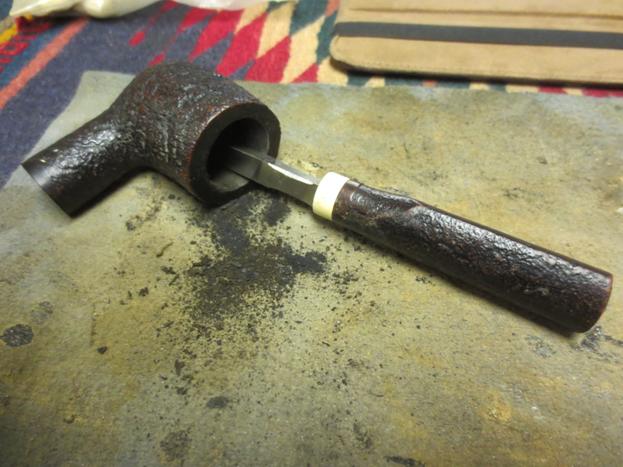
 I had field reamed the pipe in Idaho using a PipNet Reamer to remove the majority of the cake. When I worked on it in Vancouver I scraped out the bowl with the Savinelli Pipe Knife and took the remaining cake back to bare briar.
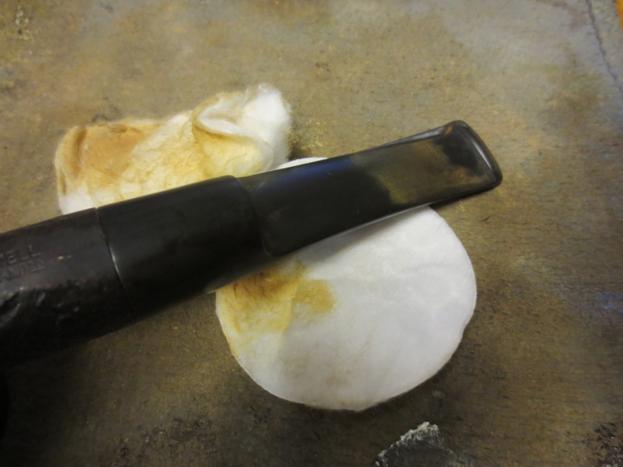
 To clean up the oxidation and calcification on the stem I used some Meguiar’s Scratch x2.0 and scrubbed the stem with cotton pads. It took the majority of the oxidation off and removed the calcification around the button.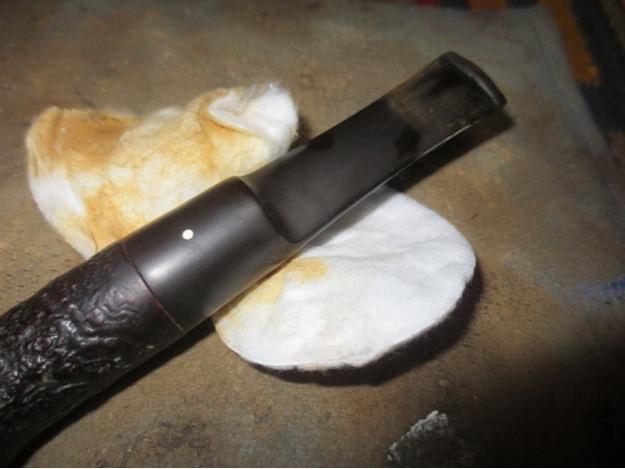
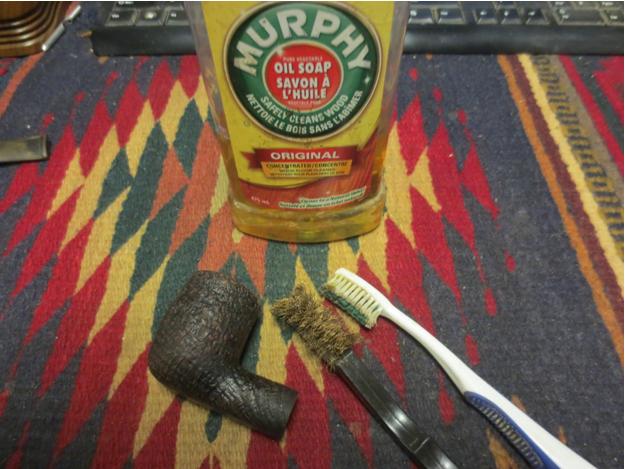
 I scrubbed the briar with Murphy’s Oil Soap and a tooth brush to clean out the grooves in the blast finish. I also used a brass bristle brush to scrub the rim surface and remove the lava. I had to use a dental pick to clean out the deeper grooves after the bristle brush.
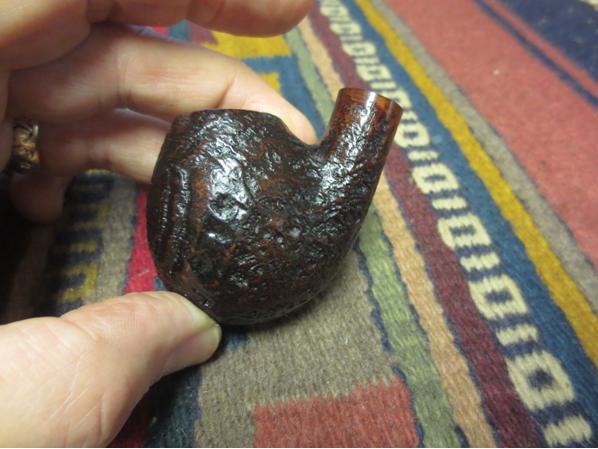
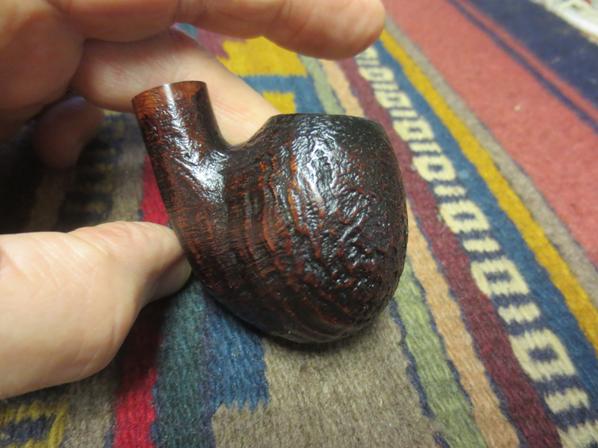
 I rinsed and dried off the bowl with a cotton towel. The dried and dull pipe is shown in the photos below. It is clean on the outside and the rim is “lava-less”.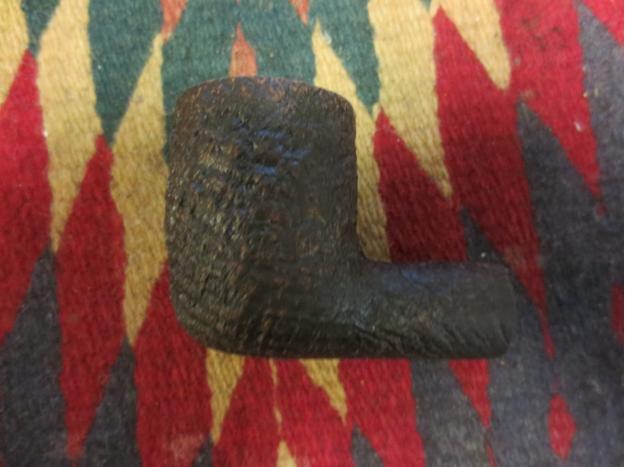
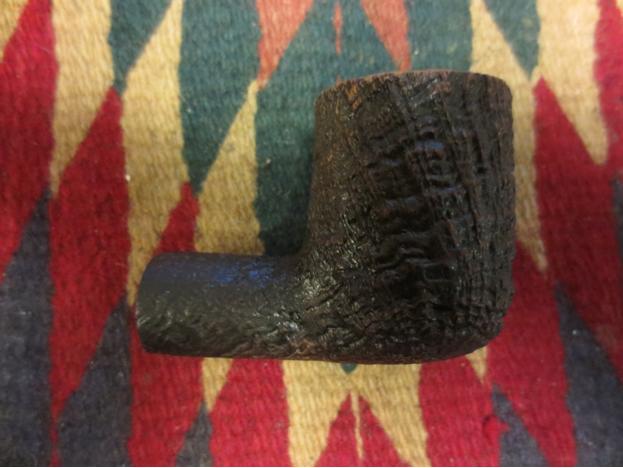
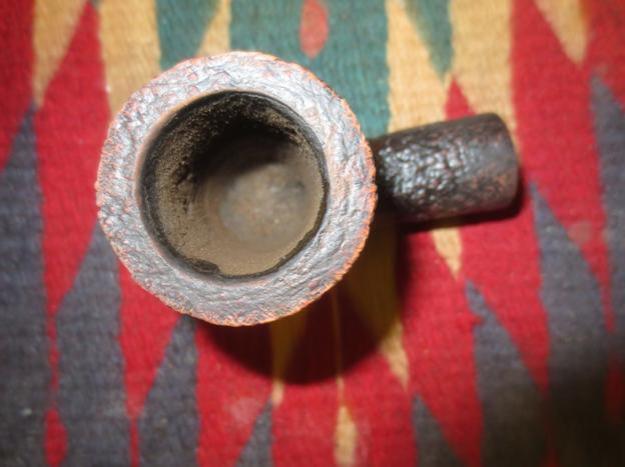
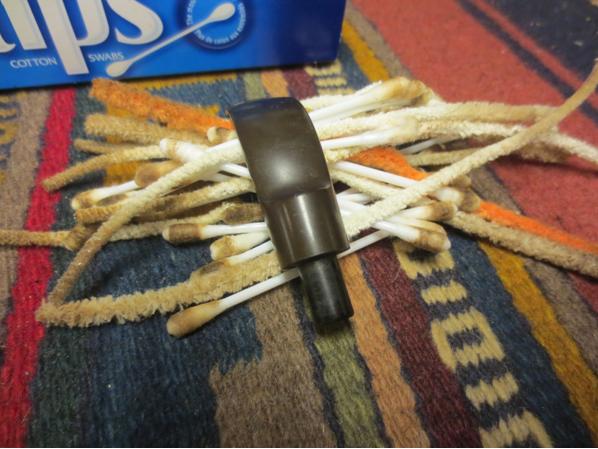
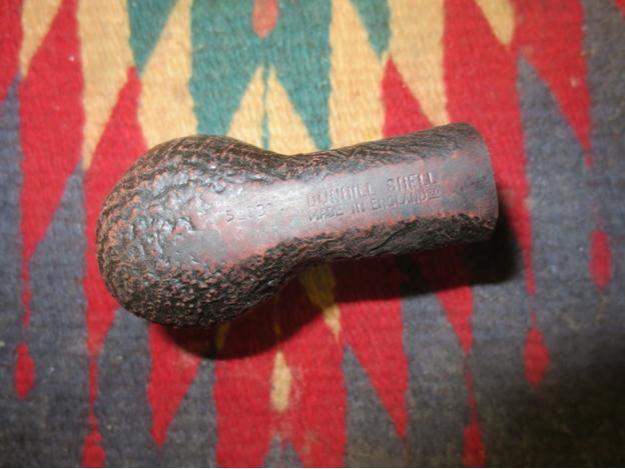 I used a dark brown stain pen to touch up the edges of the rim and blend it in with the rest of the bowl. I scrubbed the airway and mortise in the bowl and the airway and slot with alcohol, cotton swabs and pipe cleaners. I picked out the slot with a dental pick and ran pipe cleaners through the grooves to clean out the debris.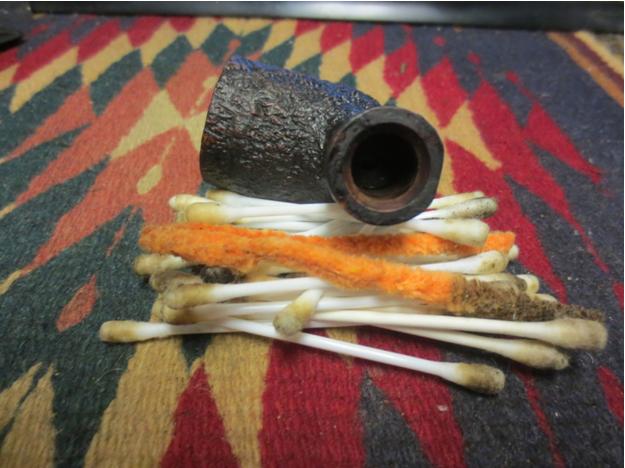
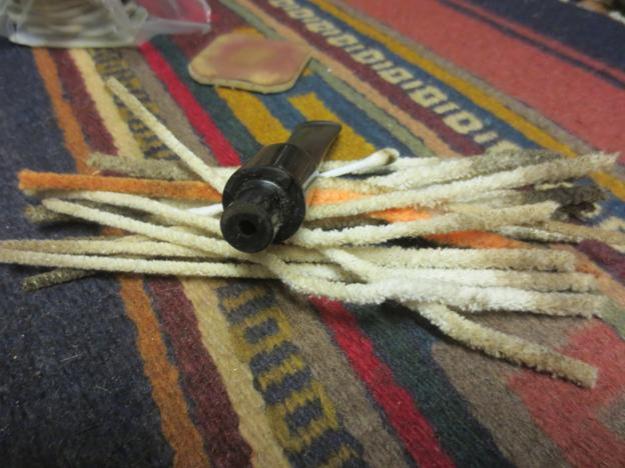 I wetsanded the stem with 1500-2400 grit micromesh sanding pads as is usual and then dry sanded with 3200-12000 grit pads. I rubbed the stem down with Obsidian Oil between each set of three pads. When I finished sanding I gave it a final coat of the oil and let it soak into the rubber.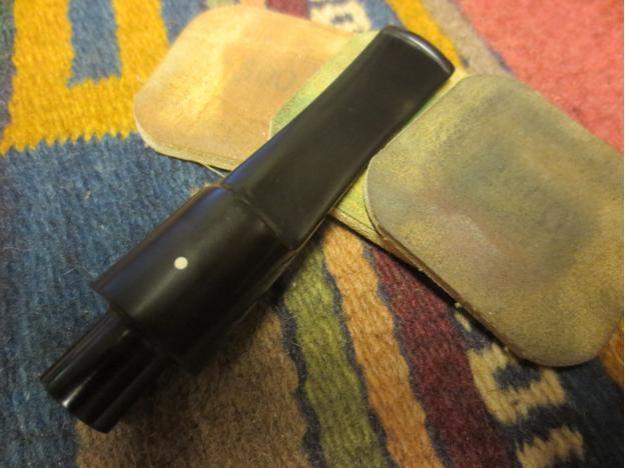
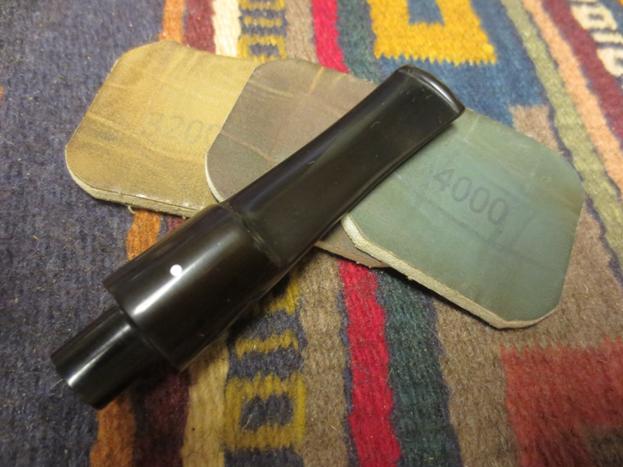
 I buffed the stem with Blue Diamond and then gave it multiple coats of carnauba wax. I hand applied some Conservator’s Wax to the bowl and then hand buffed it with a shoe brush. I finished buffing with a clean buffing pad and a microfibre cloth to raise the final shine on the bowl and stem. The finished pipe is shown in the photos below. If you are interested in this one it will be for sale on the blog soon. Contact me and it can be yours. Thanks for looking.