
by Kenneth Lieblich
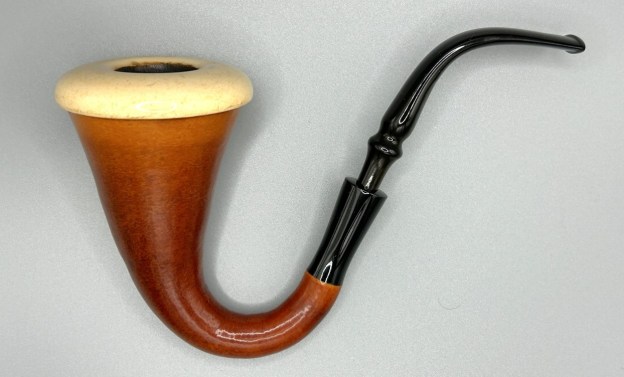
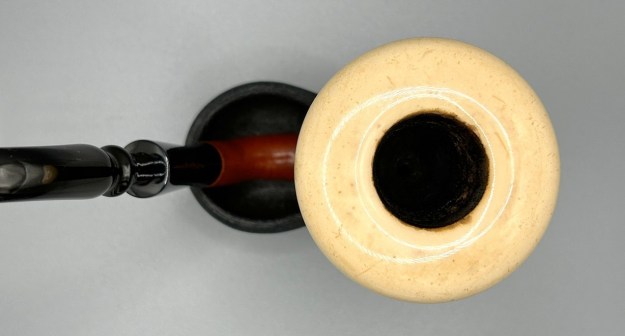
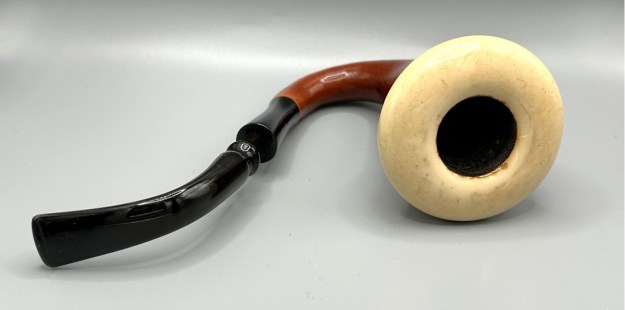
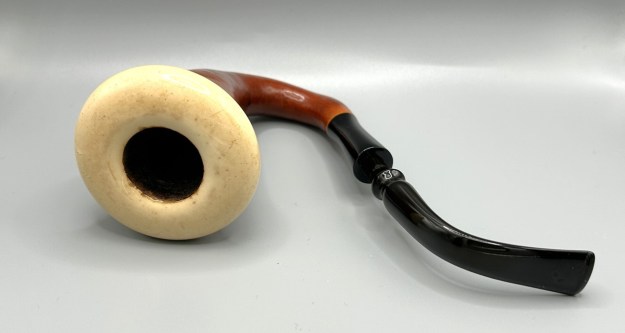
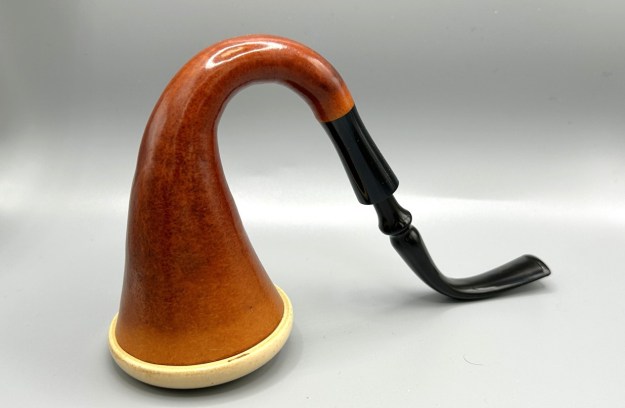
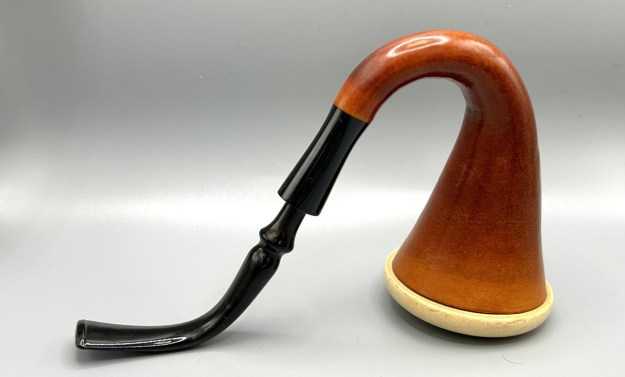
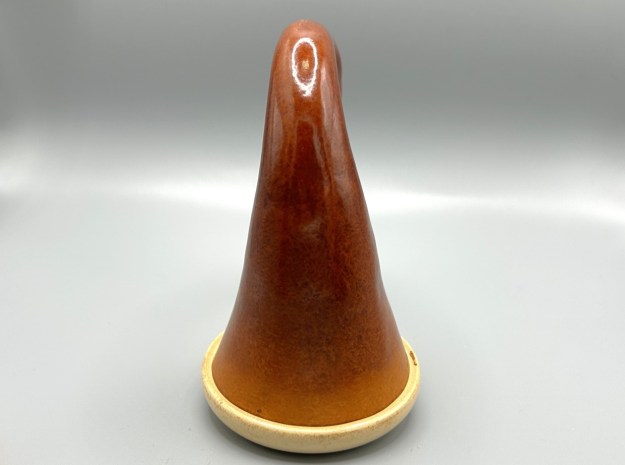
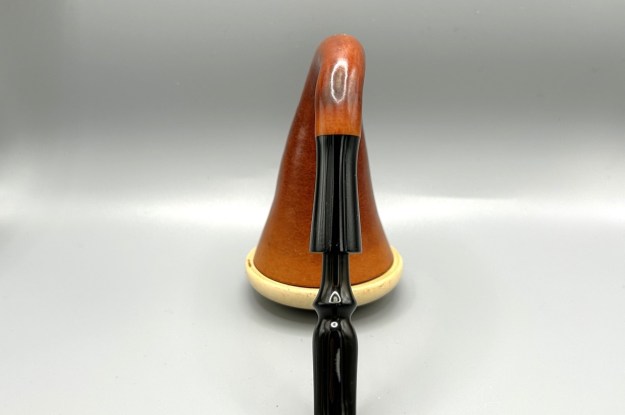
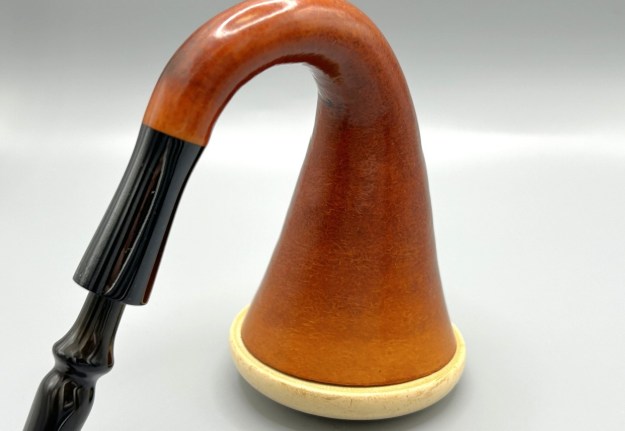
A friend of mine recently returned from a local gun show and, as it so happened, someone was selling a few pipes there too. So, my buddy found this very nice (and very dirty) gourd calabash and bought it for a good price. He asked if I could bring some ‘vim and vigour’ back to this old boy. No problem, I said. Happy to help. No markings at all on this pipe, but no matter.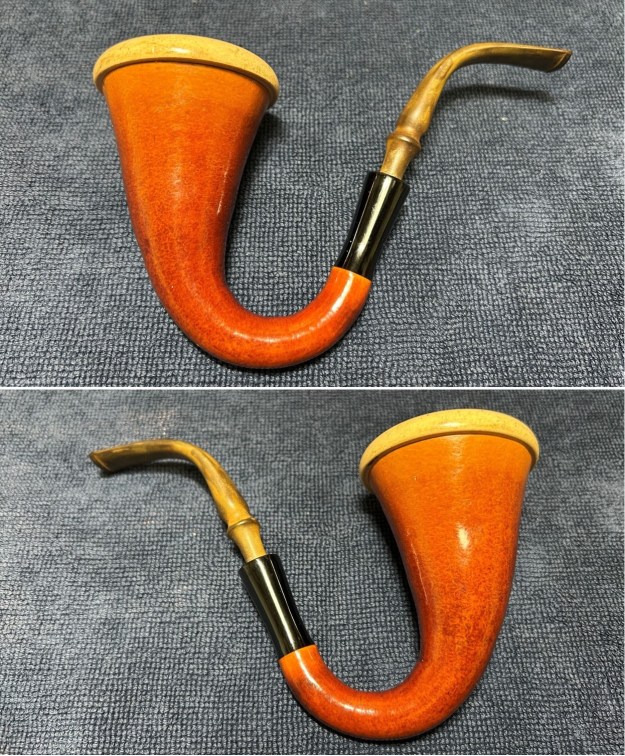
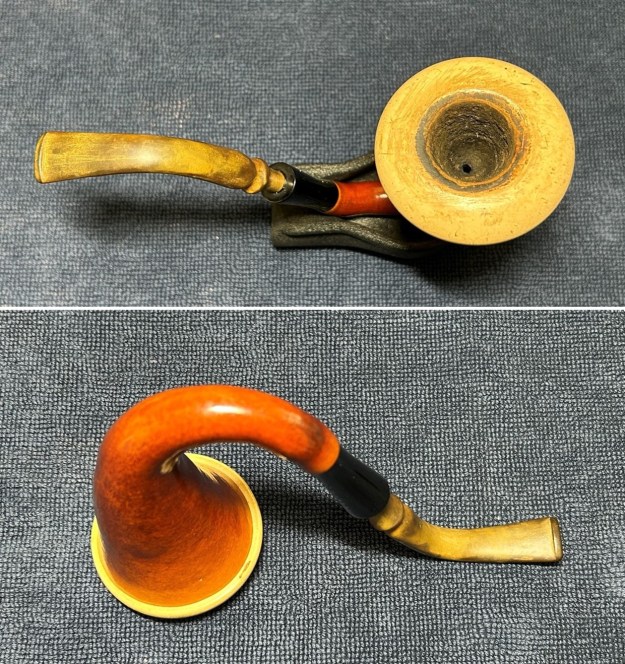 Let’s take a closer look at the condition of the pipe. The bowl is beautifully-shaped meerschaum. It has some minor signs of wear, but nothing serious. Similarly, the gourd is in lovely condition. No external wear to speak of and the cork gasket is in good shape. The gourd also has an acrylic shank extension in nice shape. However, the inside of the gourd was filthy beyond words! Finally, the vulcanite stem is also in good nick (as my English friends would say). It has some oxidation and some tooth marks, but nothing to worry about.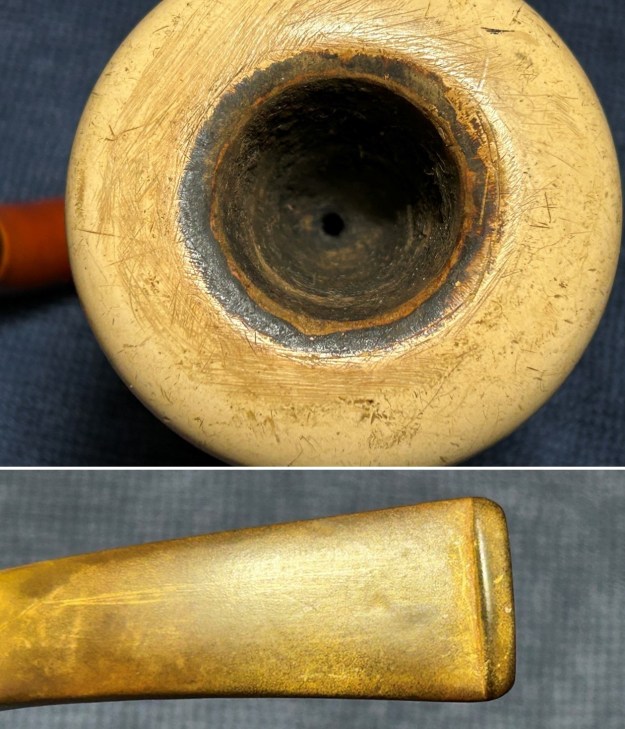
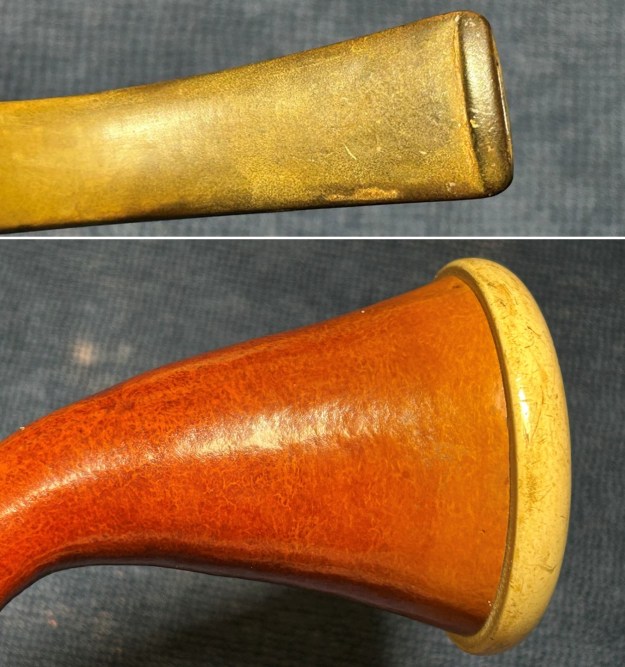
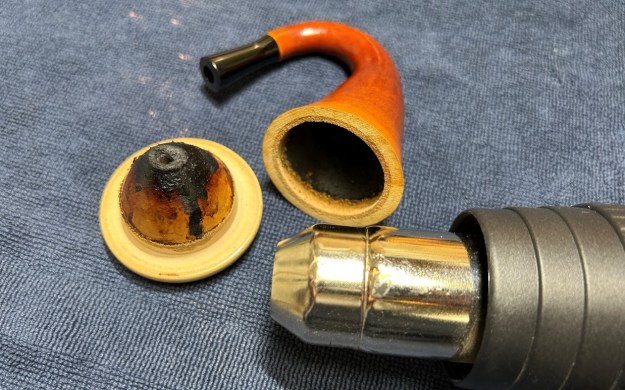
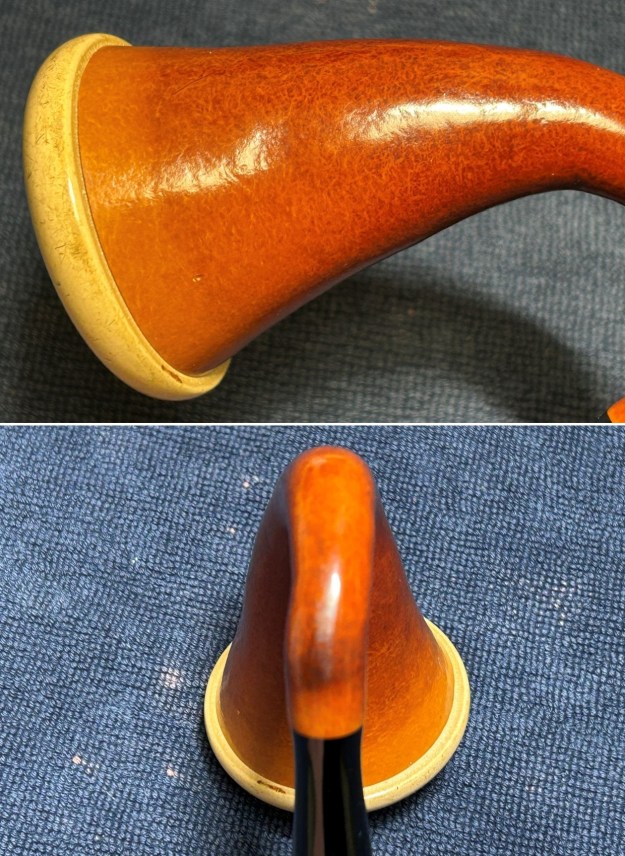 First things first. For the life of me, I could not remove the meerschaum bowl from the gourd. It was like concrete. I didn’t want to cause any damage, so I stopped and grabbed my heat gun. This softened some of the interior goo and – finally – allowed me to unscrew it.
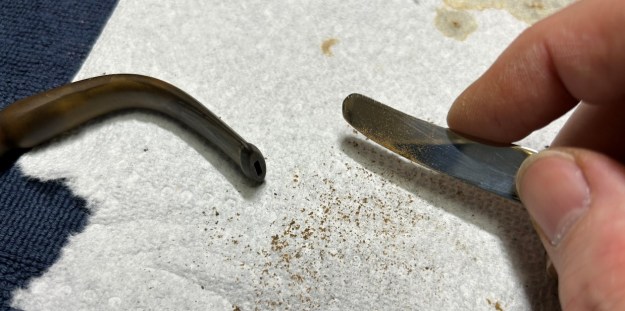
 The stem’s calcification was quite substantial. I used an old butter knife and gently scraped some of the thicker accretion off. Doing this now helps later in removing the oxidation.
  I used isopropyl alcohol on a few cotton rounds and wiped down the stem to provide an initial cleaning of filth before moving on to the next steps. The primary cleaning came next. I disinfected the inside of the stem with both pipe cleaners and cotton swabs dipped in lemon-infused 99% isopropyl alcohol. I scrubbed thoroughly to make sure the interior was very clean.
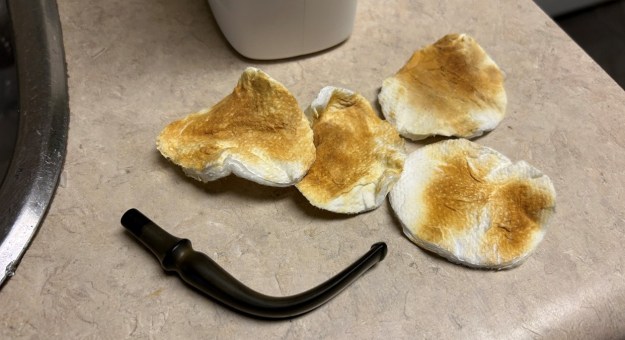
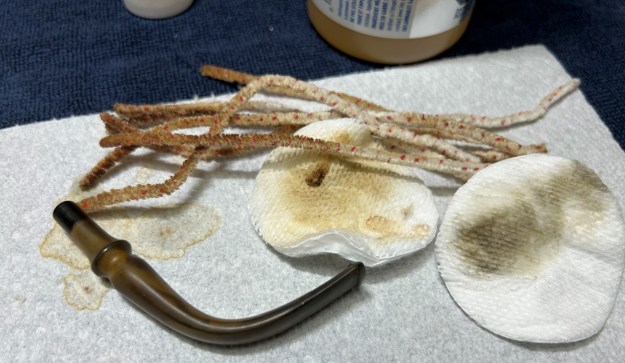 The goal of the next step is the removal (or minimization) of oxidation. Going to my sink, I used cream cleanser, cotton rounds, and a toothbrush, and scoured the stem to remove as much surface oxidation as possible. As the photos show, the result was a hideous, ochre-coloured mess – but better off the stem than on it.
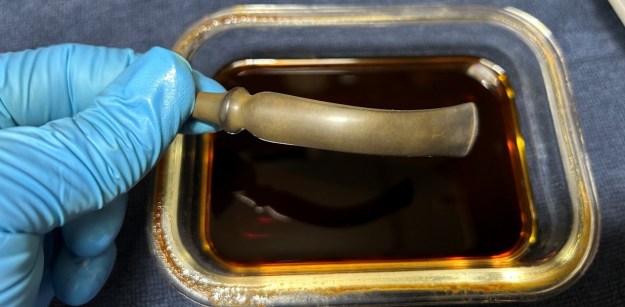
 Once the stem was reasonably clean, I soaked it overnight in some Briarville Stem Oxidation Remover. This solution works to draw oxidation in the stem to the surface of the vulcanite. This is a major aid and an important step in ensuring a clean stem. The following day, I drew out the stem from its bath and scrubbed the lingering fluid with a toothbrush.
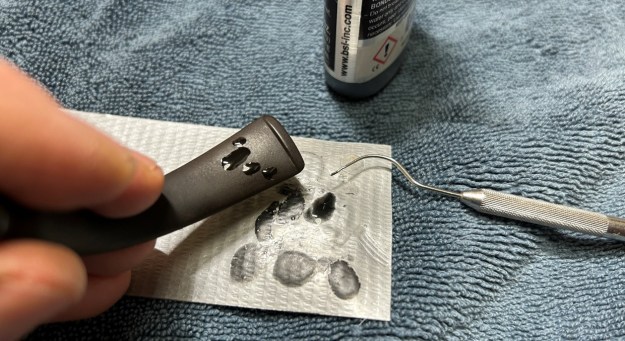
 As the stem was now clean and dry, I set about fixing the marks and dents in the vulcanite. This was done by filling those divots with black cyanoacrylate adhesive, impregnated with carbon and rubber. I left this to cure and moved on.
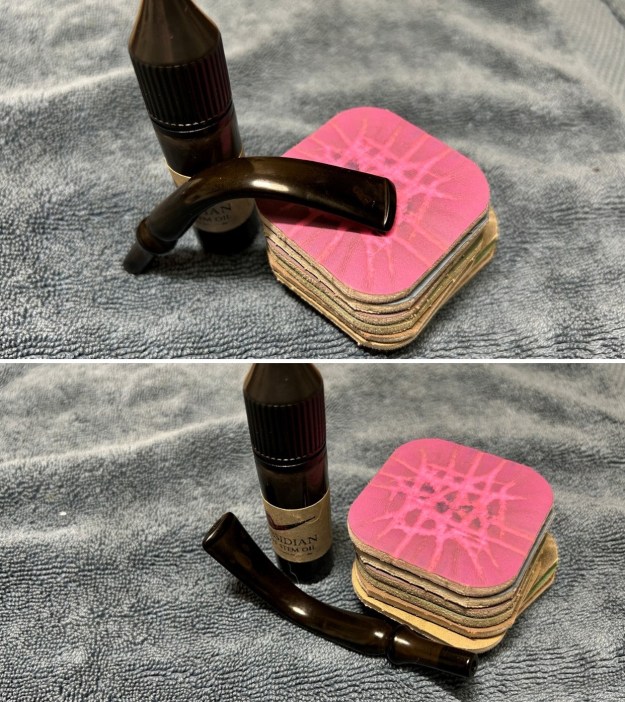
 The penultimate step for the stem is sanding. First, with my set of needle files, I reduced the bulk of the cyanoacrylate repairs. I removed the excess adhesive as near to the surface as possible, without cutting into the vulcanite. Following that, I used all nine of the micromesh sanding pads (1,500 through 12,000 grit) to sand out flaws, even out the vulcanite, and provide gentle polishing of the finished surface. I also applied pipe-stem oil while using the last five micromesh pads. There was a wonderful, deep black shine to the stem when I was done.
  As the stem was (nearly) complete, I moved on to the bowl. The inner side of it was caked with old tobacco filth, so I grabbed a piece of machine steel and gently scraped the lava away. The metal’s edge is sharp enough to remove what I need, but not so sharp that it damages the meerschaum.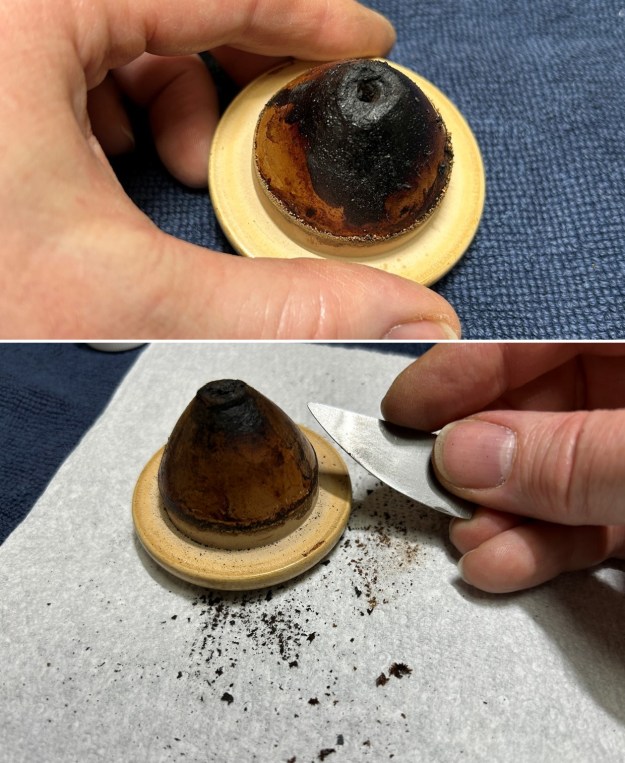
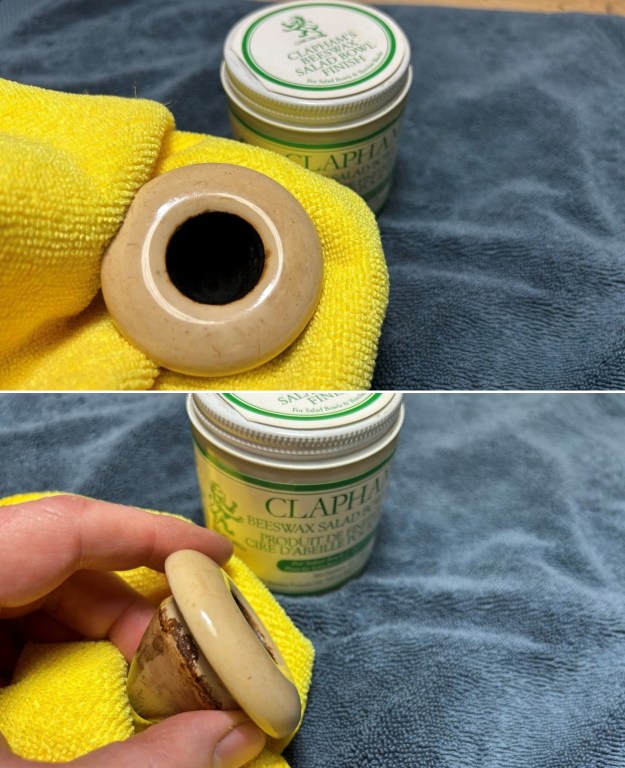
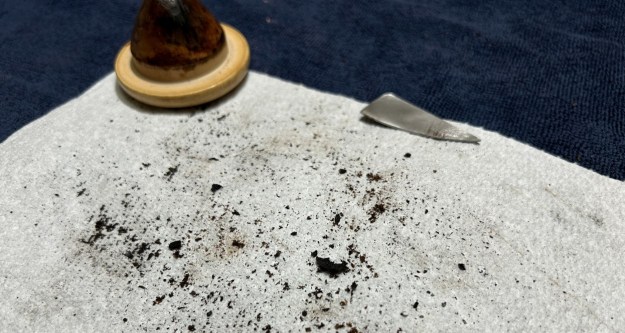 I then had to ream it out – that is to say, remove all the cake inside the bowl. This accomplished a couple of things. First (and most obviously), it cleaned the bowl and provided a refurbished chamber for future smoking. Second, when the old cake was removed, I could inspect the interior walls of the bowl and determine if there was damage or not. Meerschaum is too fragile for a proper reamer, so I used 220-grit sandpaper on the end of a wooden dowel to clean out the bowl and it turned out very well. One of the frustrations of cleaning meerschaum is that once smoked, the stains never go away. However, I did what I could and it definitely improved. I sanded down the entire piece of meerschaum with my micromesh pads. I also rubbed some Clapham’s Beeswax into the meerschaum. Then I let it sit for 20 minutes, buffed it with a microfiber cloth and then repeated the beeswax process. Worked like a charm!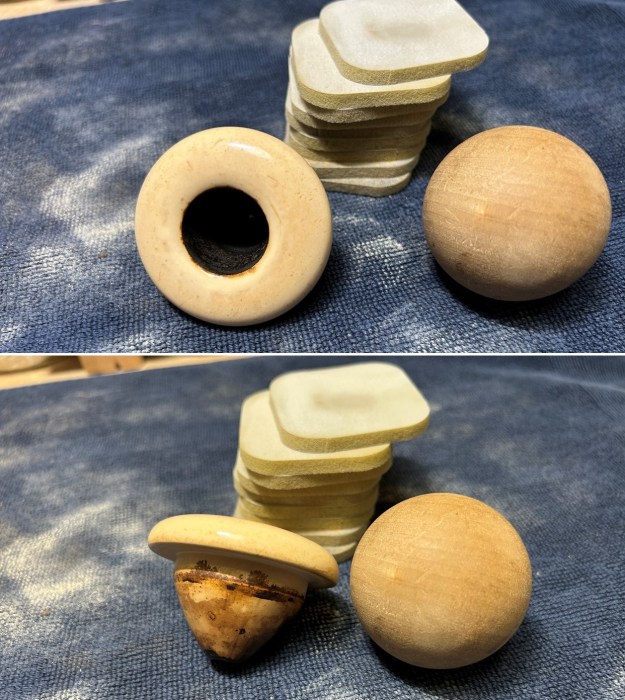
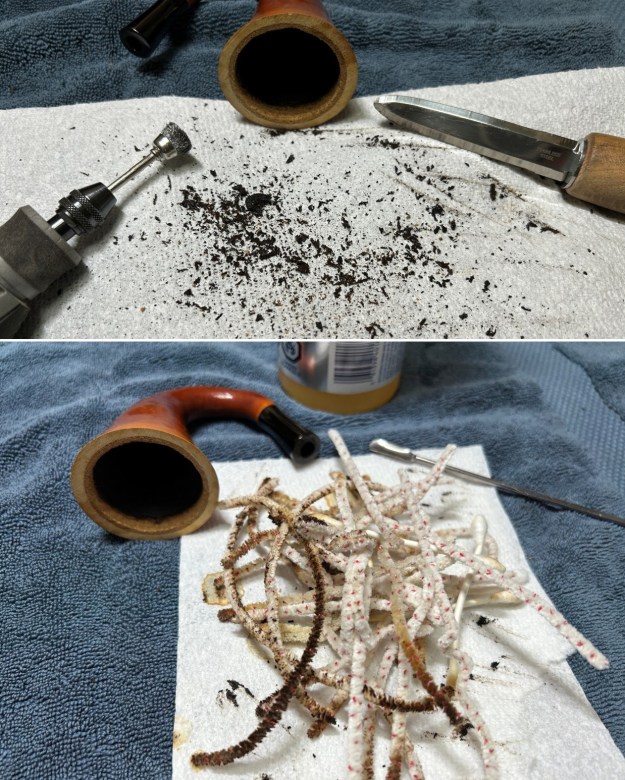
 Next, I had to do something about the incredible amount of filth inside the gourd. The photos don’t quite do it justice. This was no easy task, as the gourd is relatively thin and fragile. To use an oxymoronic term, I was aggressively delicate in my work. I used several items: pipe cleaners, a wire brush attached to my rotary tool, my pipe knife, and some dental and scraping tools. I had to use all of my experience and judgement here – I wanted to remove as much as possible, but not at the risk of any damage to the pipe. Fortunately, I managed to walk that fine line.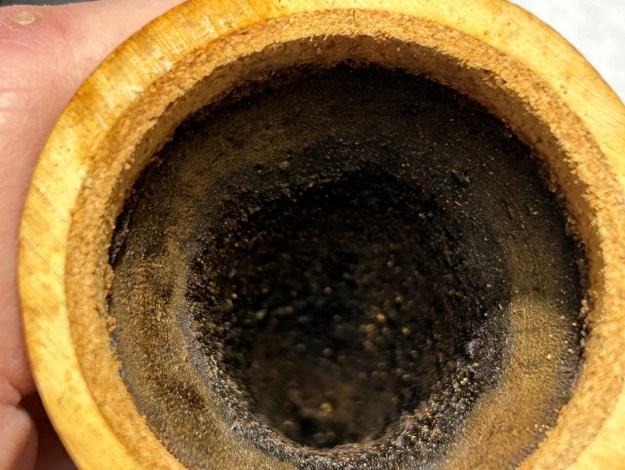
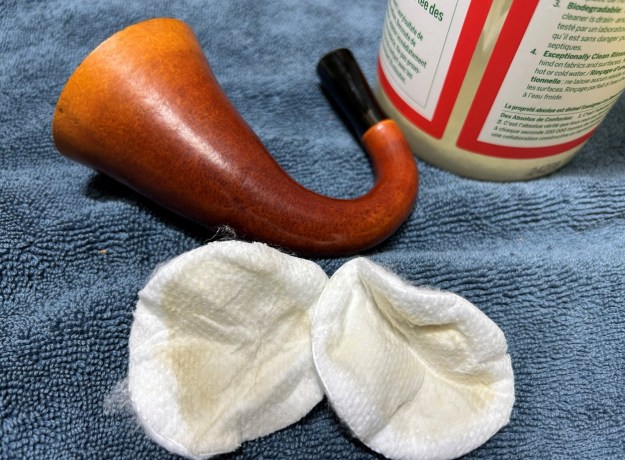
 I wiped down the outside of the gourd, using a solution of a pH-neutral detergent and some distilled water, with cotton rounds. I was pleased with the results.
 I sanded down the acrylic shank extension (but not the gourd) with only the finest of the micromesh pads. I also cleaned out the inside with cotton swabs and alcohol. It wasn’t very dirty. I then coated the gourd with LBE Before & After Restoration Balm and let it sit for 30 minutes. After that, I buffed it with the microfibre cloth.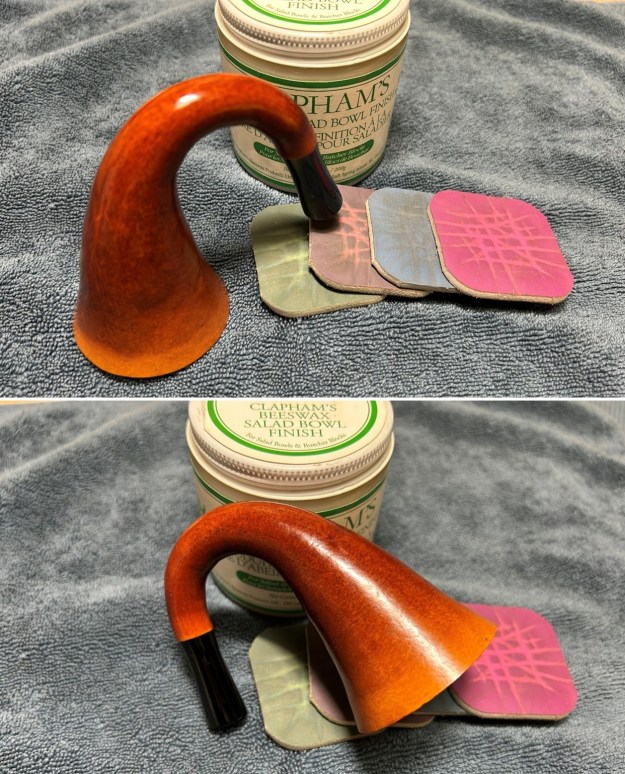
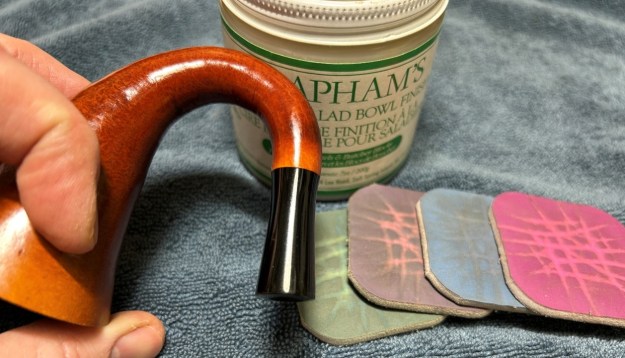 Finally, I applied some light lubricant to the cork gasket. Even though the gasket was in perfect shape, it’s a good idea to lubricate it in this way in order to maintain its elasticity. I set it aside to absorb and moved on.
Before I went off to the buffer, I gave the meer and the gourd another going over with Clapham’s beeswax rub. This really worked well. I only took the stem to the buffer, as meerschaum and gourds don’t tolerate those high speeds very well!
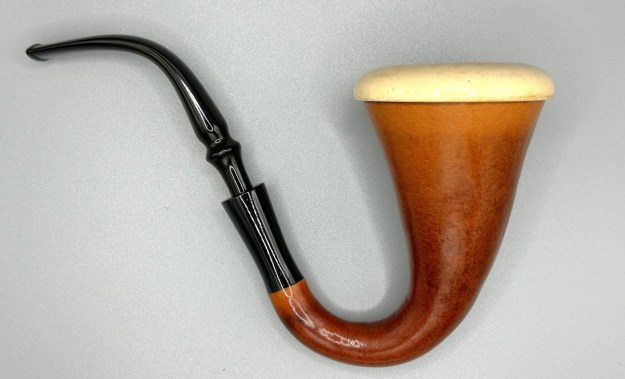
All done! This gourd calabash looks fantastic again and I am delighted with the results. I’m sure my friend will be too. Stupidly, I forgot to take measurements of the pipe before I returned it to him. However, I hope you enjoyed reading the story of this pipe’s restoration as much as I enjoyed restoring it. If you are interested in more of my work, please follow me here on Steve’s website or send me an email at kenneth@knightsofthepipe.com. Thank you very much for reading and, as always, I welcome and encourage your comments.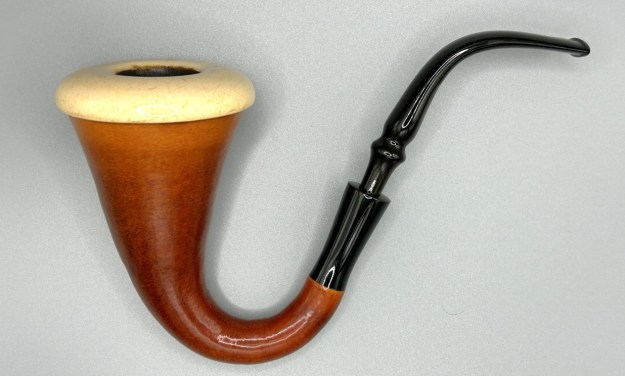
 rebornpipes