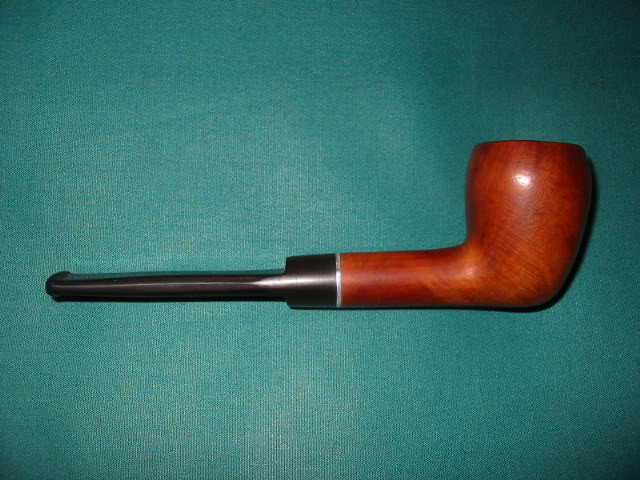
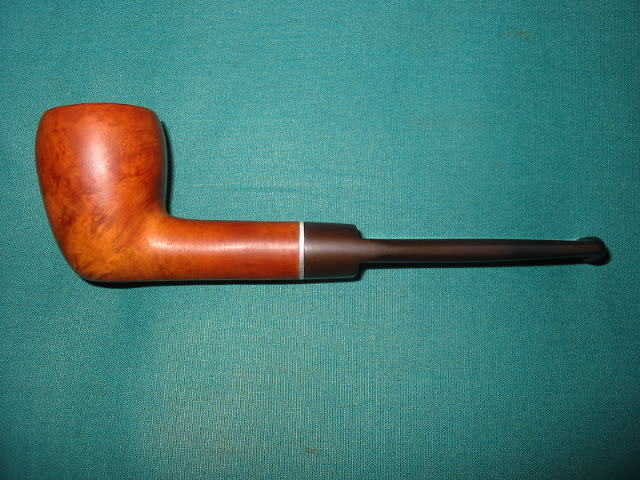
Monthly Archives: June 2012

Lifting Tooth Marks in an old Charatan Stem with a Heat Gun


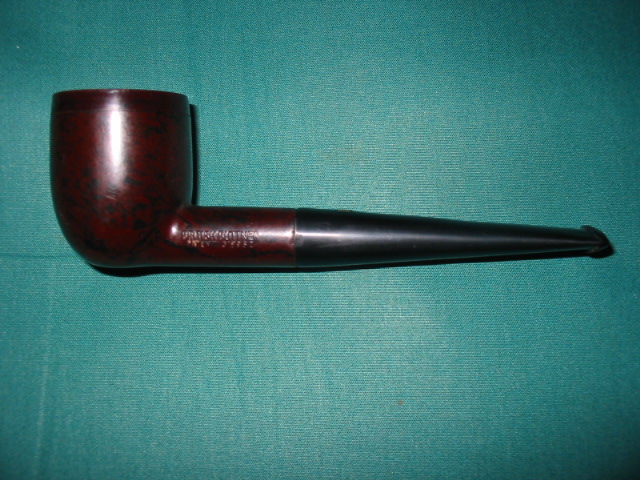
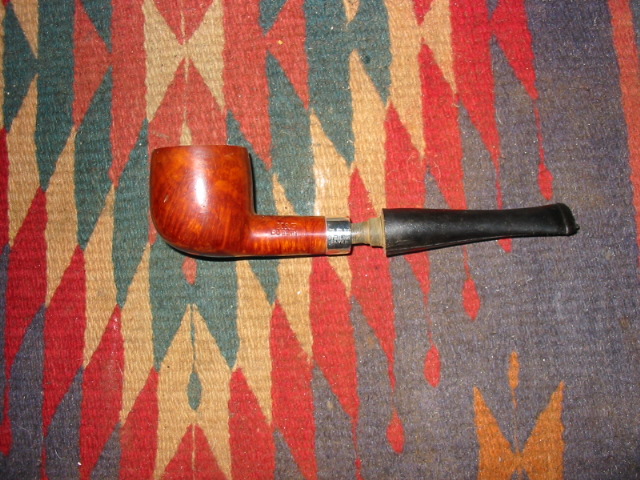
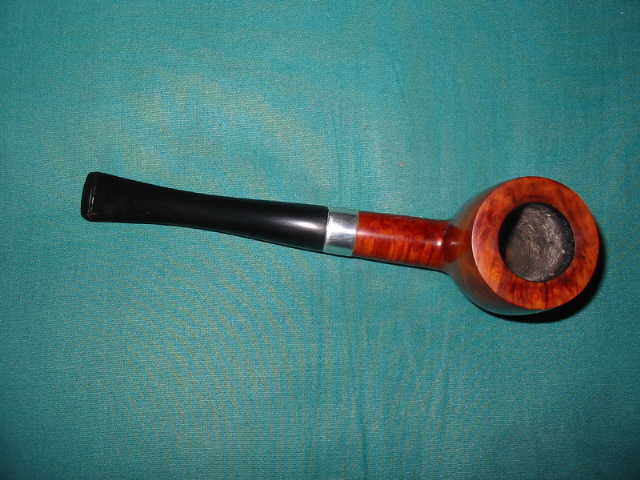
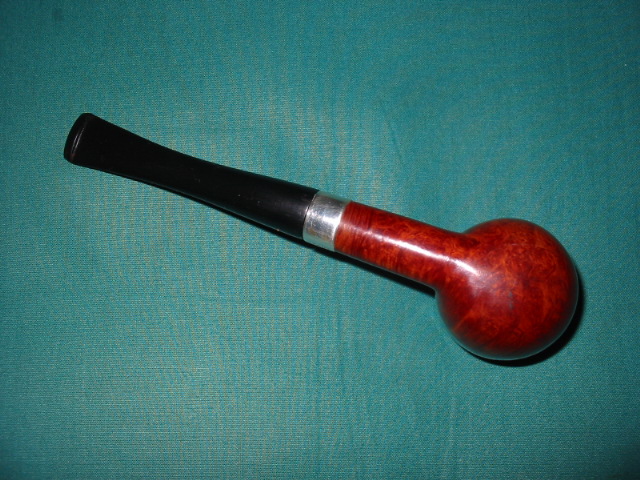
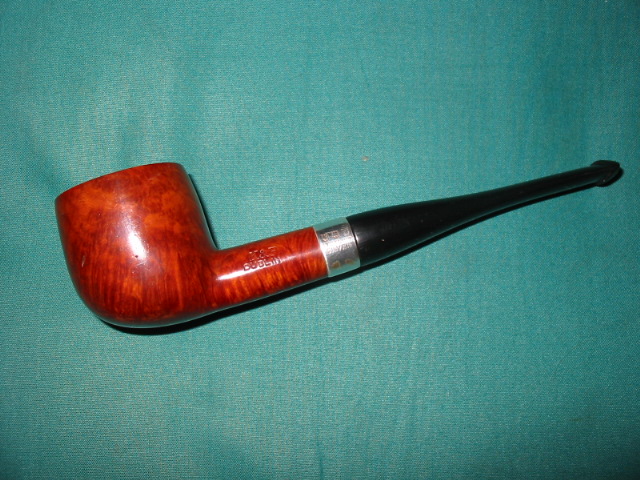
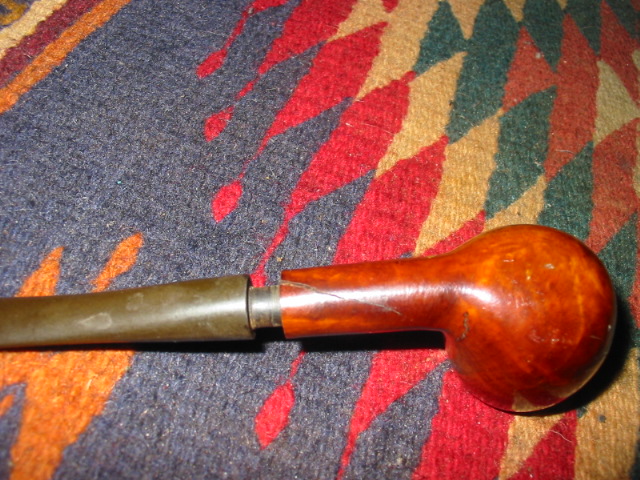
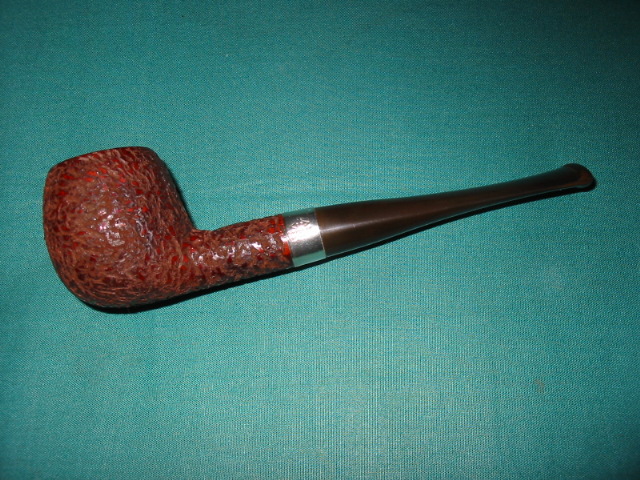
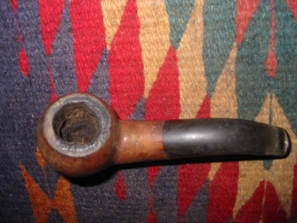
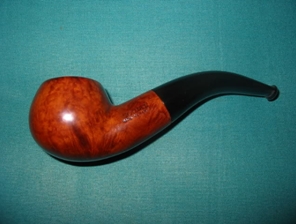
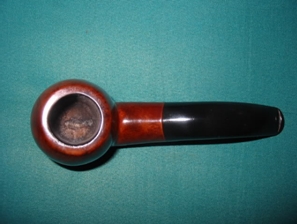
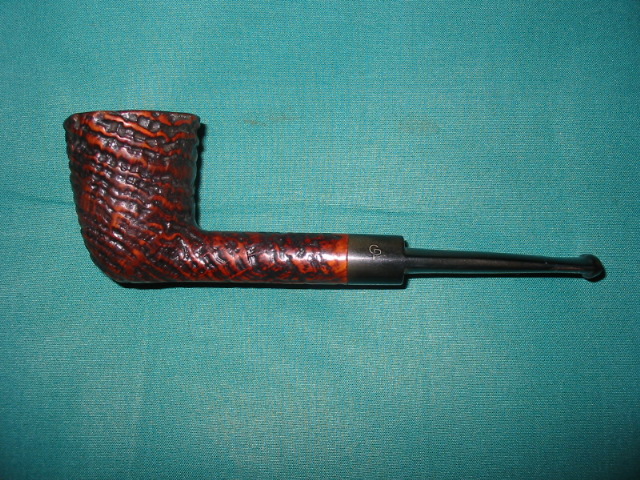
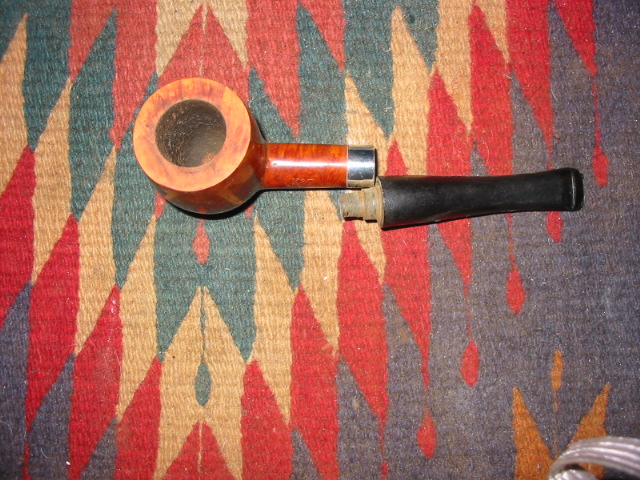
I picked up this old Charatan 33X Bell Dublin off of EBay in the 90’s and refurbished the bowl and rim and gave it a good polishing with some Halcyon 2 wax. I find that the wax works very well on sand blasted and rusticated surfaces. This one turned out to be a great smoking pipe.  The briar is extremely lightweight and has a nice deep blast to it. Charatan does this shape like no one else and it is a favourite of mine. I liked everything about this old pipe but… it had some incredibly deep tooth marks on the stem.
Image

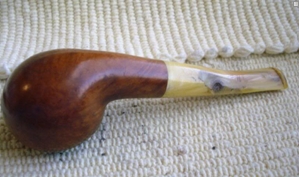
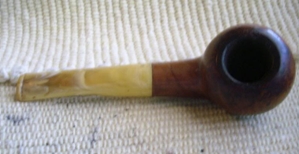
The two pictures below show the depth of the marks (Please forgive the poor quality of the photos, though they are a bit blurry they communicate the problem. Know that it was far worse than the pictures show). They arc across the stem just in front of the button and extend about a half inch into the stem. The top photo shows the top of the stem and the second photo the underside. I covered them for the longest time with a rubber softee but really did not like the feel of that in my mouth so I decided to experiment with lifting the tooth dents using my heat gun.
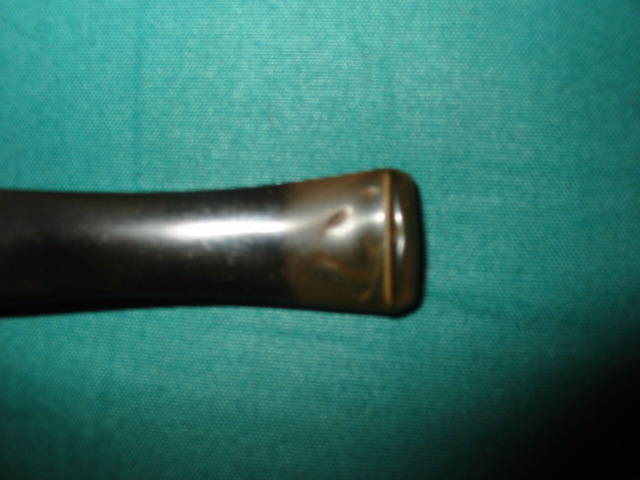
Image

Image

I scrubbed the tip to clean it of any slurry that had built up under the rubber softee tip. There seems to always be a white calcification under the rubber guard. I cleaned that up with my buffer and some sandpaper. The photos above show the stem after I had cleaned it and it was ready to be heated.  I have a heat gun that I can stand on its end pointing upward. It has a wire stand built into the handle that stabilizes the gun in this position (see the picture below). Having the gun positioned in this manner allows me to control and manipulate the stem with both hands over the heat. I set the heat gun on low heat as I have found that high setting can too easily burn the vulcanite. I learned that painful lesson on some precast stems that I was trying to bend. I had used the heat gun to bend my stems for quite some time but had not used it to lift the tooth marks from the stem until I used it on this stem.
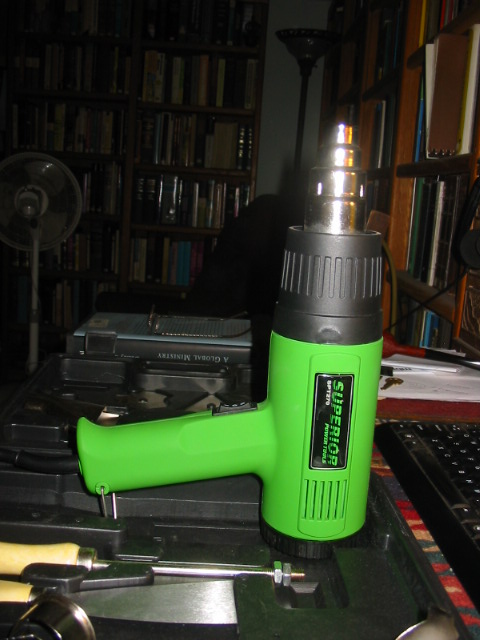
Image

The trick I have learned in the process is to keep the stem about 4-6 inches above top of the gun tip as it allows it to thoroughly heat the vulcanite but not burn it. I move the stem constantly back and forth across the heat. I kept the stem on the pipe this time and used the bowl as a handle. In this instance I worked to just keep the first inch of the stem from the button forward in the heat. I stopped frequently to check on the progress and see if there was any blistering on the stem. The blistering can easily happen and is a pain to deal with. It can be sanded out but it is a case of creating a problem while solving another one – kind of like how plumbing repairs always work out for me. It did not take long for the heat to do its magic. Vulcanite has memory so with the heat it returned to its original smoothness. I have found as long as the bite marks are not actually cuts but dents they will lift out with persistence and heat.

Once the surface was smooth again I took it off the heat and cooled it by dipping the tip in some running cool water to set the vulcanite in its new position. It is the same principle that is used in bending the stems. You heat and get it bent to the position you want and then dip in cold water to set it. I figured it would work the same in this instance and it did indeed work. I dried off the tip and then sanded the area with 400 and 600 grit wet dry sandpaper (with water on the stem as I sanded) and then moved through the grades of micromesh pads – 1500, 1800, 2400, 3200, 4000 and 6000 grit. By the 3200 grit micromesh pad I found that the stem was beginning to get a smooth and glossy finish. The final two grades of the pads really polish the stem and give it a glassy finish. To finish the work on the stem I took it for a final polish on the buffer with White Diamond polishing compound. It really shone when that was done.  The work was finished after I gave it a good coating of carnauba wax.

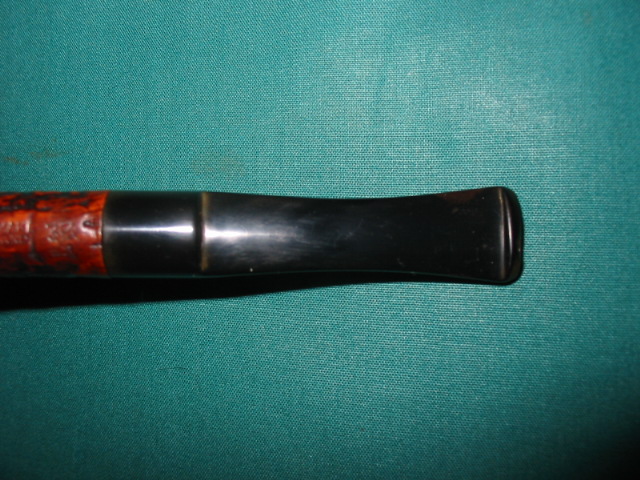
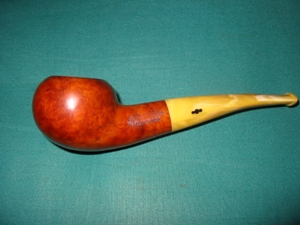
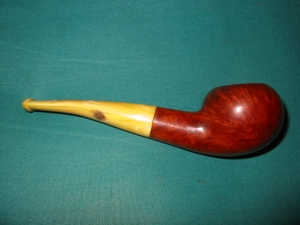
Here are some pictures of the top and the underside of the finished stem.
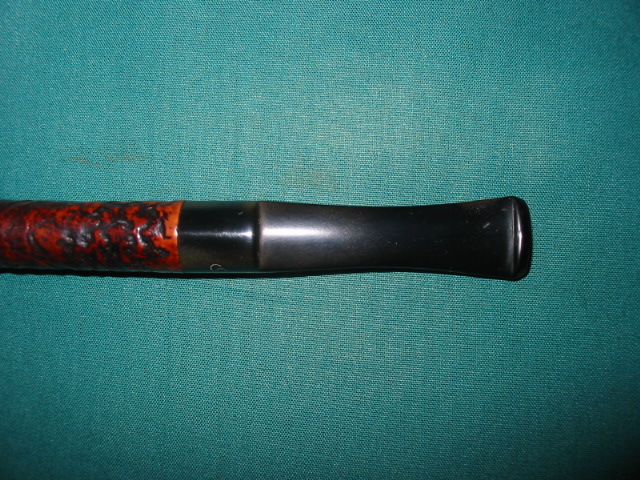
ImageImage

Restoring Horn Stems


Blog by Steve Laug

I have had the pleasure of working on over a half dozen horn stems on some old pipes I have purchased and been given. Each of them presented a different challenge in terms of restoration. Several had the normal tooth dents and chatter that come as a normal part of the stems of many old pipes while other stems had been gnawed to the point of changing the profile of the stem forever. Horn is significantly different to work with than vulcanite or Lucite stems. In many ways it is softer and more pliant than either of the other materials. When it is in good order the sheen is almost translucent and there is deep almost internal warmth to them. In this article I want to talk about the process of reworking horn stems and restoring them to their former glory.

The first issue with horn stems I had to learn to work on was the tooth dents and tooth chatter that often covers the last half inch or more of the stem just ahead of the button. When I first attacked this I did it with a bit of fear and trepidation as I had all kinds of concerns about the laminate of the horn separating or delaminating. However, through the help of several of the folks on Smokers Forums, an online pipe smoking community, many of my concerns were alleviated. Here are some pictures of this first issue with horn stems. I took pictures of the top/side profile and the bottom/side profile of this particular stem as it highlights the issue.

ImageImage

Looking closely at the stems above you will see the tooth marks along the button area of the stem. This area was rough to the touch and was dry and almost flakey feeling. I was concerned that the horn had softened from the breakdown of the outer coating and wondered if it could be brought back. They were shallow though so I went to work on them with multiple grits of sandpaper to smooth out the surface. I used 240 grit to smooth out the roughness and then worked my way through 400 and 600 grit wet dry sandpaper. The trick with the latter two was to wet them as I sanded the stem. Each progressively higher grit smoothed out the roughness until it was smooth to touch. The wetness of the sandpaper made the grit really bite into the surface of the horn. I then used micro-mesh pads beginning with 1500 grit followed by 1800, 2400, 3200, 4000 and 6000. By the time I got to the 3200 the scratches in the surface were virtually gone – even under a bright light. Again the trick is to work with a bowl of water near at hand to wet the pads as you sand the stem. When I finished with the 4000 and 6000 there was a good sheen to the stems.

At that point in the process I took them to my buffer to finish the work. I used White Diamond polishing compound on the buffing wheel to give it a deep gloss finish. Then I gave a polish with carnauba wax and buffed to a glassy finish.

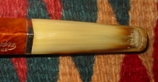
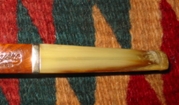
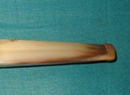
Here are some pictures of the finished stem minus the tooth chatter. The original issue had been addressed and the stem returned to its former beauty.

ImageImage

One quick note that I should mention is that horn will stink as you work it. Its smell has been likened to the smell of a tooth getting drilled by the dentist or burning hair. I found though, that as I worked with it I got used to it.

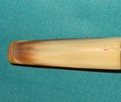
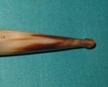
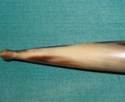
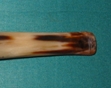
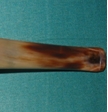
The second issue with horn stems that I had to learn to deal with was more serious. It involved deep tooth dents and a chewed stem. The stem pictured below was a real mess. The previous owner obviously gnawed it and clenched it so the horn was dented and chewed with the profile changed. The question for me was whether I would be able to raise the tooth dents and smooth the surface while reworking the profile of the old stem to make it look as much as possible like it did when it came out of production. Here are three pictures to give you a look at the stem in its state of disarray.
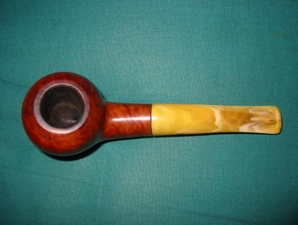
ImageImageImage

Looking closely at the stem pictured above you will see the depth of the tooth dents in the second and third picture and the serious loss of shape in the stem profile in the first picture. The profile shows the pinched look of the stem in front of the button and how thin the stem had been squeezed by chewing. My concern was whether there would be enough meat on the stem at that point to restore it without breaking through into the airway. The second and third pictures show the stem from the top and the bottom. In those two pictures you can see how deep the dents are in the surface of the stem. Also notice the virtual loss of the lip on the edge of the button. The stem appeared to be a loss.
From Chris Askwith, a talented young British pipe maker I learned a few tricks that I was anxious to try out on the stem (http://www.askwithpipes.com/). I had used the same tricks to lift dents out of the rims and sides of briar bowls so I was looking forward to seeing the process work as described by Chris. I steamed the dents and lifted the major depth of them by using a damp cloth laid on the surface of the dents and then heating a butter knife on the gas stove and applying the hot blade to the wet surface of the cloth on the stem. The gentle hiss and the presence of steam assured me that the steaming was working. You have to be careful as you work this process, checking repeatedly as you apply the knife and steam to make sure not to scorch or split the horn. Most of the deeper dents rose significantly and the more shallow ones came out completely.

I sanded the stem and cleaned up the chewed part starting with 240 grit sandpaper as I did with the stem above. I gradually worked my way through 400 and 600 grit wet dry sandpaper clean up and even out the surface. I worked on the profile and cleaned up the sharp edges of the button with a set of needle files to restore the right angles of the button and stem surface. There were still a few remaining spots on the stem where the tooth dents had cut the surface of the horn and would not lift with the steam. I addressed these by filling them with a few drops of clear super glue. The glue dried quickly and left a small bump in place of the dent. I sanded these with the sandpaper combo mentioned above until the surface was even and smooth. Once I had a clean and smooth surface to work with I then moved on to Micro-mesh pads beginning with 1500 grit followed by 1800, 2400, 3200, 4000 and 6000. By the time I got to the 3200 the scratches in the surface were virtually gone – even under a bright light. Again the trick was to work with a bowl of water near at hand to wet the pads as you sand the stem. When I finished with the 4000 and 6000 there was a good sheen to the stems. They were beginning to shine like glass.
I took the stem to my buffer and used White Diamond polishing compound to  buff the surface smooth and shiny. It was truly glassy in terms of look and feel. I finished the stem by applying a good coat of carnauba wax and buffing to polish the wax.

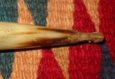
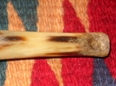
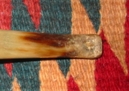
Here are some pictures of the finished stem minus the tooth dents and with a restored profile. Notice the restored profile of the stem in the first and second picture below. Notice the functional button and lip that has been restored. The third and the fourth picture show the top and bottom of the stem and show the way the super glue patch and the work with the steam and sandpaper restored the deep pits in the surface of the stem.
ImageImageImageImage

Because of the success I experienced with these two different issues with horn stems I have gone on to bid on others that need work. I have found those that only needed a buff and polish to restore them to their pristine condition and I have found others with similar problems to those shown above. The challenge of restoring them to the original beauty always is a draw to me. To smoke one of these old horn stem pipes is an experience that all pipemen should have. The work to restore them is worth the effort when you put the newly restored stem in your mouth for the first time. There is nothing quite like the feel of a “new” horn stem on your lips as you puff a favourite tobacco. And that is to say nothing of the good aged briar that is on the other end of the stem. Give restoring a horn stem a try. It is a pleasure! Won’t you join me for a bowl full in one of these old timers?
Steve Laug

June 8, 2012

Refurbed Piece of pipe smoking history – A Brittish Buttner Billiard


Blog by Steve Laug

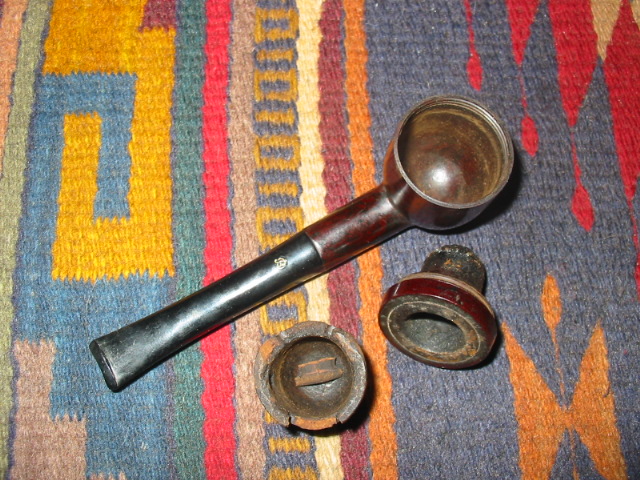
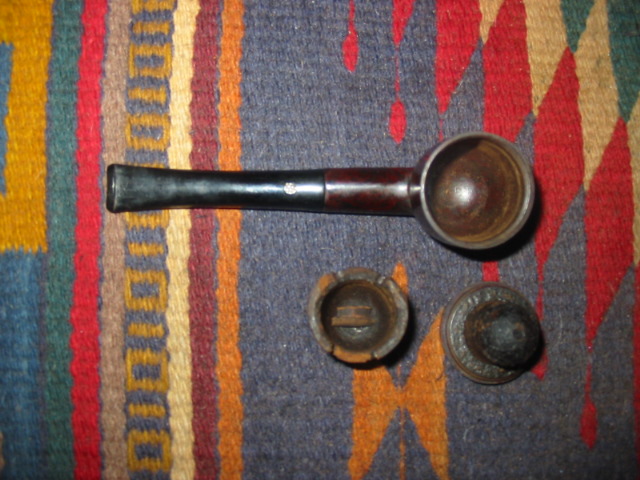
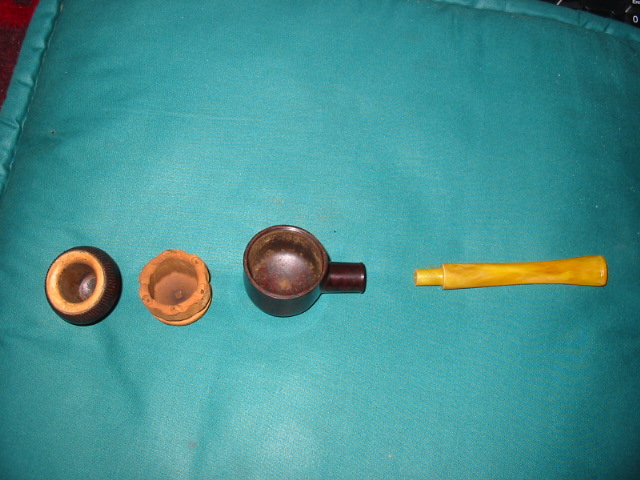
I picked this pipe up on Ebay awhile back solely for my historical interest in this kind of pipe. I am drawn to creative pipe manufacturers and the search for a drier and cooler smoke. It is that interest that attracted me to the gadgetry of the British Buttner pipes. This is the second one that I have purchased on Ebay. The first one is older (patent is earlier)and has a yellow Bakelite stem and is a pot in terms of shape. I have also collected a Bakelite canister that holds an extra clay insert bowl. I saw this one and added it to the collection. It looks like a briar billiard but is not. It is a Bakelite bowl and Vulcanite stem. The tenon is long and extends to the air hole in the bowl. There is a clay insert that sits in the bottom of the Bakelite bowl. This one has a few chips out of it but is still workable. The rim unscrews and holds clay bowl (much like a gourd calabash. It is mounted on the rim and screws into the bowl. I cleaned the inside of all three parts and cleaned the stem and shank. I have polished it with wax and since have smoked it several times. It is a very different smoke – very similar to a calabash smoke; very cool and dry.

Here are some pictures of it taken apart before cleaning:

ImageImage

Here it is cleaned and polished.

ImageImage

Here are some pictures of the older British Buttner


Refurbed Breezewood Acorn


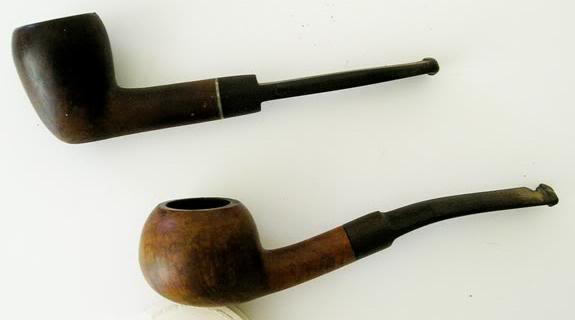
I picked this old timer up in the ebay purchase that included the Bertrams author. It was almost black it was so dirty. It is incredibly light weight. Once I got the grime off I could see a wee bit of the stamping left and it read Breezewood. I reamed and cleaned the inside. The stem is a screw mount like the old Kaywoodies. It has been clipped of stinger contraption but it is a good open draw. I cleaned the stem and used the micromesh sanding disks on it. The bowl was soaked in an alcohol bath to remove the finish and grime and then sanded with 220, 400, 600 sand paper and then micromesh 1800, 2400, and 4000 grit pads. Here are the before and after shots. Below the pictures I have posted a write up of the history of Breezewood pipes by the late Mike Leverette (a friend and historian of things pipe).

The pipe is pictured in the top photo below of the two pipes.

Image

Here is a series of photos of the refurbished pipe.

Image

ImageImageImage

Here are some informational ads on Breezewood pipes

ImageImage

I wanted to include this brief article by Mike Leverette as it gives background history that is not commonly known or available regarding these early alternatives to briar that came out during the war years.

“There were at least three pipe brands made from the Mountain Laurel; Trapwell, Breezewood and Custombilt. Trapwell pipes were made by D & P Pipe Works beginning on or before 1943. D & P Pipe Works, owned by D. P. Levitas (Ross 2005), began making pipes in 1938 (Wilczak and Colwell 1997) probably in New York City but relocated to Sparta, Alleghany County, North Carolina in 1943 (Sparta/Alleghany CoC 2006), in order to be closer to the huge population of Mountain Laurel in the area. Later, this company changed their name to Sparta Pipe Works and still later to Sparta Industries. I have one Trapwell World’s Best Briar pipe in my collection, a small billiard, and here again; it is a great little smoker. World’s Best Briar was their marketing ploy for Mountain Laurel. Trapwell’s ‘trap’ is a highly complicated condensing system when compared to most regular metal condensers. After the war, Trapwell pipes were made from regular briar wood, or “imported briar” until their demise.

According to a 1942 Life magazine advertisement, Breezewood pipes were made by The Breezewood Pipe Company, located at 630 Fifth Avenue, New York City, though Wilczak and Colwell state the Breezewood pipes were made by Kaufmann Brothers & Bondy (KB&B) beginning in 1941 (Wilczak and Colwell 1997). The Breezewood Pipe Company may have been a subsidiary of KB&B. To quote the 1942 Life magazine advertisement; “There, deep in the Great Smoky Mountains, they found it – found an uncharted virgin forest of burls, great old burls that had been growing there uncounted years. And from these old burls, pipes of astonishing lightness of weight are made – their name: Breezewood.”

At the present time, this is all I have been able to find on the history of Breezewood pipes. Here again, the one Breezewood pipe, a small billiard, I have in my collection is a great little smoker. I am not overly fond of metal condensers and this Breezewood pipe has a simple tube condenser similar to Dunhill’s “inner tube”.


KBB Yello-Bole Premier – Stem repair and refurbishing


Just received that old propeller KBB Yello Bole pipe that I picked up off ebay. The bowl is in better shape than the pictures on ebay showed it. The burned spot on the Bakelite stem on the right side bottom was actually very deep. I cleaned it with alcohol and a dental pick to take out the affected material. It was a sizeable dent. I then cleaned and dried it and used a clear epoxy to build it back up. I am sanding it now to make sure the transition is smooth but at least it is gone. The hole is filed and a bit dark but the stem has black/grey streaks in it anyway so it is functional. Here are the photos from ebay showing the before.

ImageImage

In examining the pipe it is clear that it is an old timer – propeller logo on the stem, bakelite stem, and the stamping. It is stamped KBB in a clover and Yello-Bole Honey Cured Premier over Imported Briar. Once I had repaired the stem with the epoxy as described above I scrubbed the top to remove the tars and grime. The shank and inside the stem was clogged with tars and took a lot of bristle cleaners and alcohol to get it to come out clear. The finished stem came out smooth and solid. It still shows some of the shape of the burn but the affected part was removed. The bowl was cleaned with oil soap and then hit with a quick coat of medium brown stain, polished and waxed. This time I did it all by hand without a buffer. I used the micromesh pads and I really love the way they work.

Along with the pictures above here are some shots that show the state of the bowl before cleaning.

ImageImage

Here are pictures of the finished pipe in all of its beauty.

ImageImageImage


Fitting a pipe with a new stem – photo essay


Blog by Steve Laug

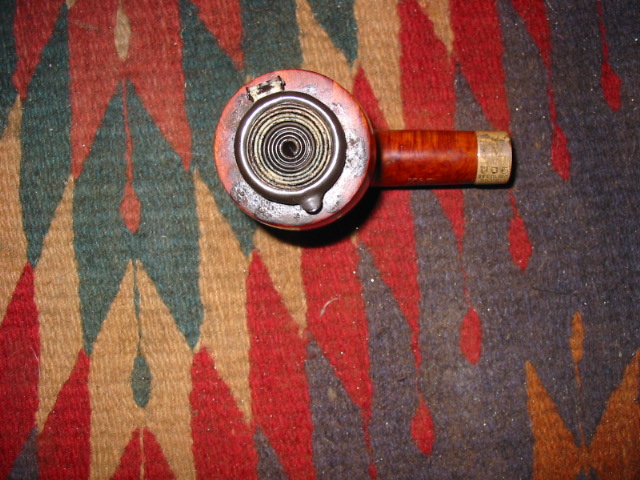
I picked up this pipe bowl – a Pete 207 – an early Peterson from the late 40s. It was in need of a stem. I have a couple of cans of stems that are precast blanks. They need to have the tenons turned to make them fit correctly.

ImageImage

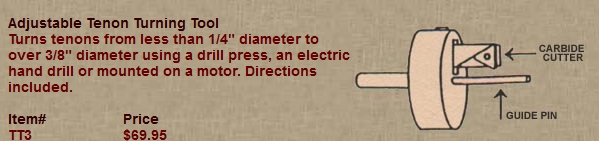
I have a PIMO tenon turning tool like the one pictured in the diagram below. I have to drill the stems to fit the guide pin as they are generally very small. Once that is done with a bit on my cordless drill I then put it on the tenon tool and adjust the carbide cutter to the diameter tenon I want to cut. I always start large and work my way down. I have found that trying to cut too much off at once causes the tenon to chip or break. So I start large and work my way down until it fits the mortise. I found this YouTube link that gives a video presentation of the process so I have included that as well for your information http://www.youtube.com/watch?v=drKxzteEEPk A quick look at the video will show you the process I use in turning the tenons. I generally turn the tenon until it is close to fitting and then finish the fit by hand. I have found it is better to proceed by hand from that point so as I don’t take off too much of the vulcanite and have a loose fit on the tenon. I will show that process from the point the tenon has been fit in this pictorial essay.

Image

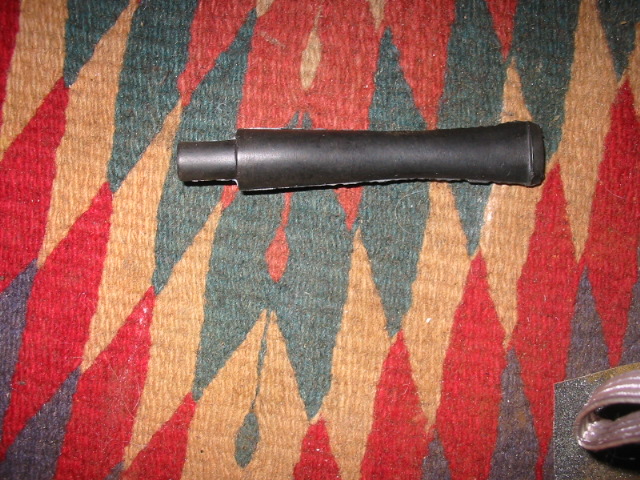
Below is a stem blank that I picked up online from Pipe Makers Emporium. I have several coffee cans full of different sizes of blanks. I sort through them to find one that is close to the outside diameter of the shank. I find that it is not too difficult to get the two to match with a lot of sanding and fine work.

ImageImage

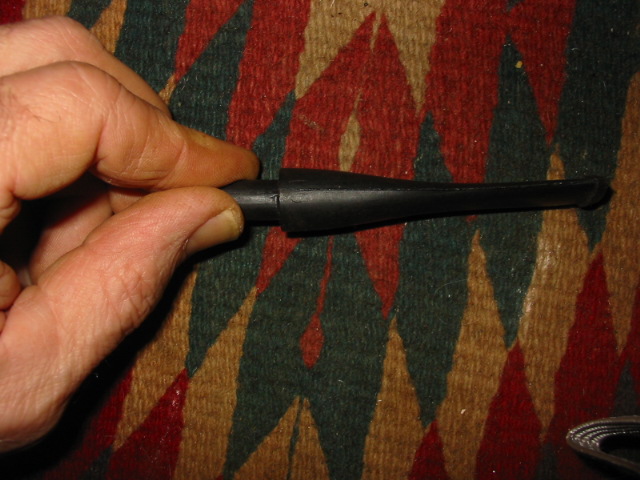
Below is a picture of the bowl prepped and ready for the new stem. I cleaned the top and polished the silver band as I want nothing in the way of a tight fit for the stem. You will also notice in the photo that the tenon is partially turned for a fit. I stopped at this point to show the process. The large portion still remaining on the tenon shows the first turn of the tool to take off the first portion of vulcanite. I keep the tool turning so that the carbide blade removes the face of the stem as well so that the seat will be straight and flush at the union of stem and shank. I find that when I do this at the beginning of the turn it give a good clean finish. The step down in the tenon shows the next portion removed. I have adjusted the tool to take off that portion. After this photo I finished turning the tenon.

ImageImage

The PIMO tenon tool took a bit of work for me to figure out the adjustments as I purchased the tool second hand without the instructions. The fellow I bought it from gave me some quick lessons on how to adjust it. He even threw in the hex keys!! So needless to say, I learned by trial and error how to adjust the cutting head and keep it straight for a straight cylinder cut on the tenon. Since then I have it has been pointed out to me that Kurt Huhn of Pipe Makers Forums has noted the tricks I learned the hard way.

ImageImage

I will try to capture the trick in my own words, combining what I have learned the hard way with Kurt’s recommendations. The first step in the process is to adjust the cutting head. Start by removing small portions at a time. To deep a cut makes the cutter wobble and give an uneven tenon. To adjust the cutting head insert the adjustment hex key (larger hex screw on the tool) and the lock key (smaller hex screw) into their set screws. Do not turn them, just insert them. Push in lightly on the adjusting key and pull up slightly. Loosen the lock key a quarter or half turn. While maintaining the up and in pressure on the adjusting key turn it in increments of a half turn (think half hour on a clock). With steady pressure on it by pulling it up, the arm with the carbide cutting head is not loose and wiggling as it is adjusted. If it is loose while adjusting it, you will get non-cylindrical tenons regardless of the number of turns from zero. Do not let go of the adjusting key, tighten the lock key while the pressure remains on the adjusting key. Pull the adjusting key straight out, being careful not to turn or press down on it. Trim the stem and repeat as you need to get a good tight fit on the tenon.

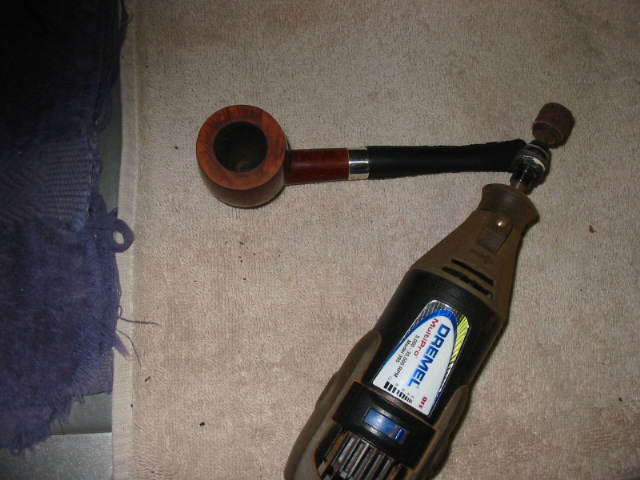
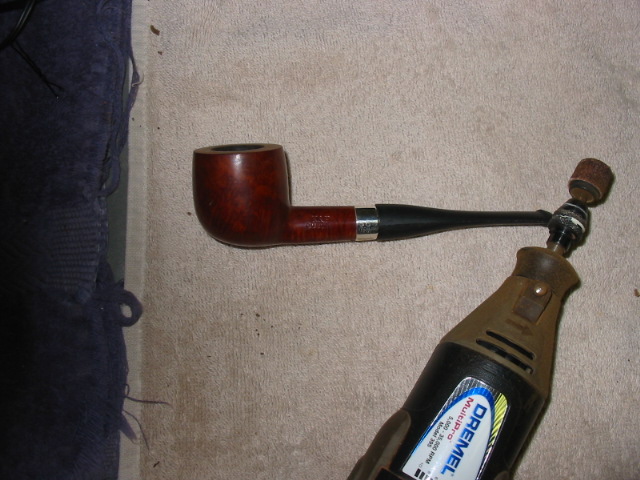
The next sequence of photos shows the tenon finished and the fit clean and tight. I hold it up to the light to make sure that there is no light showing between the stem and shank. Also note the Dremel with the sanding drum in the photo. I use that to bring the outside diameter of the stem to a close match to the shank. I run the Dremel at the middle speed to allow me more control of the tip as I take off material. If I run it too fast I find that it takes off too much. Too slow and it leaves a chunky beat up finish that takes a lot of sanding to smooth out. As can be seen from the photos there is not much material that needs to be removed for a smooth fit.

ImageImage

In the photos above I have used the Dremel and removed material to the point that the stem and the shank are almost level. I did it in stages with the stem on the shank and rotating the pipe to keep the perspective round and even. Once I got it to the stage above I move to my table and continue the rest of the work by hand. Sand paper in a variety of grades starting with 180 allows me to work the remainder of the material off and to get the scratches and grooves from the Dremel worked out of the stem.

Each of the next seven photos shows the progress of the stem toward the finished product with the different sand papers. Once I have removed the majority of scratches and grooves left by the Dremel with the 180 grit (pictures 1 &2) I move on to using 220 grit and 240 grit to take down more material. Care must be exercised to not scratch the band or the shank. The idea is to leave the shank exactly like it was without scratches or marks (pictures 3,4,5).
ImageImageImageImageImage

Pictures 6, 7 & 8 show the stem after using 1600 grit wet dry sandpaper. Each sanding step removes more material and evens the flow of the stem to shank. It also removes scratches and prepares the stem for the finish sanding.

ImageImageImage

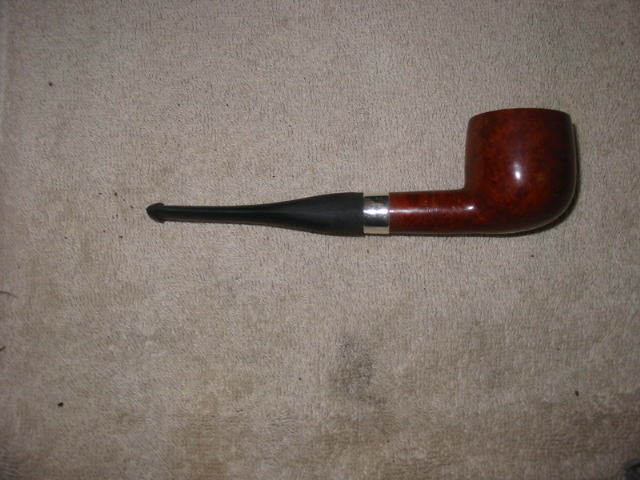
The last four pictures show the pipe after sanding with micromesh pads – 1800, 2400 and 4000 grit. Generally each of the pads progressively polishes the stem. Any places that still show scratches send the stem back to the 600 wet dry sanding or even further depending on the depth of the scratches. When the polish is clean and smooth I take the stems to my buffer and buff with white diamond that raises a deep reflective finish on the stems.

ImageImageImageImage

My Wife Says that I am a Scavenger…


Looking at the picture below, you might agree with her and think that I have lost whatever was left of what few brain cells that remain in my 57 year old head. My wife and daughters are likely convinced that this is closer to the truth than I care to admit.  I will even agree that while both you and they may be correct, you need to understand that I intentionally bid on and won this lot from EBay recently. While nobody else wanted the lot I did!

Image

I just received them in the mail today. They came well packaged and labelled. In fact they were better packed than virtually every other pipe I have ever received from EBay shippers. The box was a solid 2”x4”x8” and stuffed with paper packing materials. The stems and pipes were then bagged and wrapped in bubble wrap and stuffed in among the packing papers. It was as if the seller was trying to protect a rare treasure. I opened the box and cut the tape on the packaging to expose the pipes inside. Five of the six pipes had cracked bowls and the sixth had a cracked shank and stuck stem. The bag included 9 extra stems that were actually quite old and three of those were military bits for spigot style pipes. The five cracked pipes were admittedly firewood and beyond repair.  The sixth one, with the split shank, which was the cleanest of all, could be repaired with glue and a band. I set it aside for a rustication project. In examining the split bowls I noted that they all had the same problem – a huge amount of cake. I am talking about cake so thick that you can barely stand a pipe nail spoon end down in some of the bowls. The cake had erupted from the tops of the bowls and had exerted so much pressure that the bowls were split in multiple places, as you can see in the picture below. It is a shame really as two of them, the ones with the stems on in the picture below, are opera pipes with oval bowls.

Image

Now you might wonder why I would purchase this lot. It was not a surprise or a disappointment to me, after opening the box, because I had asked enough questions of the seller to know exactly what I was getting. I had been the sole bidder, no other competitors for the lot to drive the bid higher.  In the past, when no one else bid, it used to bother me because I asked myself what I was missing. You see I was not bidding on the pipes.  I could care less about these pieces of firewood that were beyond redemption. What I wanted in the lot were the older stems and I bid accordingly, and I ended up with 15 stems, once I took the pipes apart, added the stems from the lot and found an extra one in the box.  I could not have been happier because I prefer to use stems from a similar era to re-stem the older pipe bowls that I have. These stems provide me with a solid batch of stems and in the next few months they will have new bowls attached to them. The beauty of this lot is that none of the stems were chewed or gnawed, and only one has a very repairable tooth mark. In this sense the old stems were my real and intended acquisitions.

I am a scavenger of pipe parts. It only is a matter of perspective that enables one to see beyond burned out unsalvageable shells of pipes and identify the many salvageable parts they contain. There are always parts on the worst of them that I reuse – stems, bands, logos, etc. that can be scavenged and re-used.  I have a box of these parts that has come in handy more times than I can remember. But another good part of the lot is that once I clean up the older briar some of the shanks could provide the base for tampers and such. The rest may well go in the fire pit this summer but you never know. Part of my hunting through thrift shops, rummage sales, garage sales, and Craig’s List for pipes always includes the element of hunting for pipe parts. I have scavenged old broken KWs and Yello Boles and kept the stems to use on sister pipes. I have cleaned up chewed KW and GBD stems so that I could remove the logos and medallions and re-inserted them on new stems or stems missing the logos. Even these little parts are always removable and reusable. It only takes eyes to see the possibilities in old castoffs.

Only one final word… if you begin to pick up my scavenging ways make sure to leave some parts around for me. Also if you need someone to blame for your newly adopted bad habit I am more than willing to take the blame… for a small price – say a few stems and parts. That is it for now I am off to take apart those old pipes and strip them down.


Another Rustication – another finish with the new tool


Blog by Steve Laug

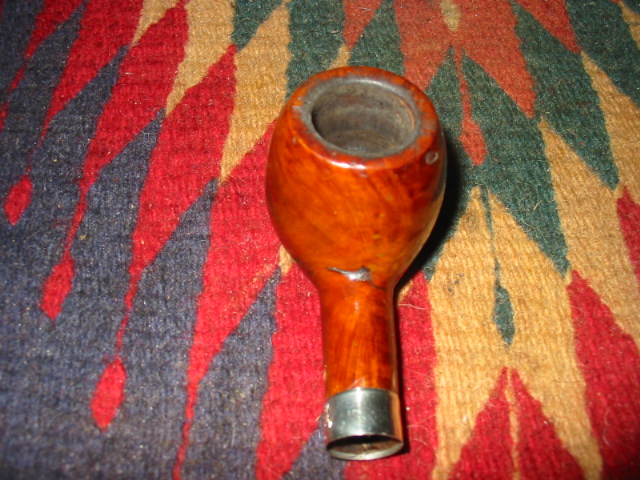
I have been looking through my box of pipes for refurbishing for a second one to rusticate with the new tool. I had several laid aside as potential candidates for this treatment but had not gotten around to doing it yet. Then this week I received a box of pipes and pipe parts from a purchase on EBay. In the box was this little apple shaped pipe. It had a large split in the shank that is visible in the photo below. The bowl was also extremely caked and needed to be reamed and cleaned. I always do that field dressing before I go to work on the deep clean and refinishing. Before I could do anything with the finish on this pipe I would need to repair the cracked shank. I cleaned the surface of the shank and used a dental pick to remove the grit that had built up in the crack. I wanted the surface to be clean so that the glue would adhere correctly and bind the two sides of the crack cleanly together. I then filled the split with superglue and squeezed the crack together with a pair of pliers. After the glue dried I banded the shank with a pressure fit nickel band. I reworked the tenon so that the stem fit correctly.

Image

When I had repaired the pipe I examined the bowl to see what choices I might have regarding refinishing. The shape is one of my favourites so I would have like to just do a clean and re-stain of the bowl. However, the closer I looked the more I realized that my only option, if I were to hide the fills and crack well, was a rustication. So my choice was made and I decided to rusticate it with the new tool I had crafted from the Philips screwdriver. I also decided to give it a bit of a different rusticated look than the previous one I have posted here. I wanted to see if the tool would give a bit of versatility in the rustication pattern that it created. With that mission in mind I attacked the bowl seen in the pictures below.

ImageImageImageImage

I wiped down the outside of the bowl with some acetone to clean off the grime and give me a fresh surface to work on. I spread out a cloth on my work table to collect wood chunks that came out in the rustication. I have found that it is easier to clean up after my work this way as I merely have to fold up the cloth and shake it out when I am finished. From the last time I used the tool I had learned that the handle was hard on the palm of my hand so I also wrapped it with a thick cotton cloth to act as a pad. This additional padding would add a cushion of comfort for me as I pressed and twisted the shaft into the briar of the bowl. The picture below shows the beginning of the process of rustication. I generally start with the side of the bowl while holding the bowl in my hand and pressing the shaft of the tool into the wood and twisting it and moving across the surface of the wood. I often move from the side of the bowl to the shank. In this case I did a portion of the bowl and then moved to the shank and did the rustication all the way around the shank and on the bottom of the bowl before moving on to finish the bowl.

Image

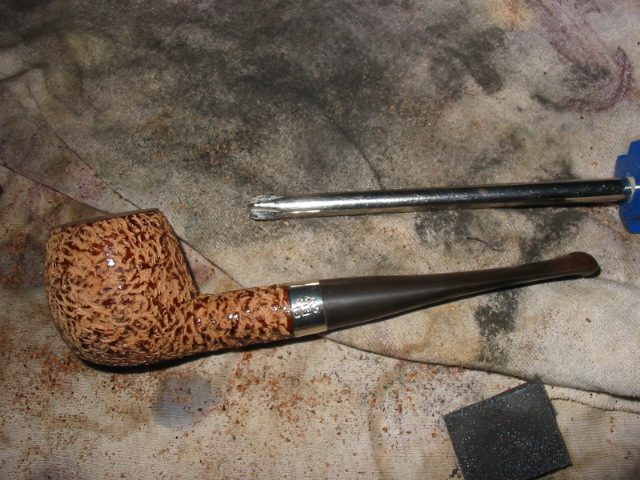
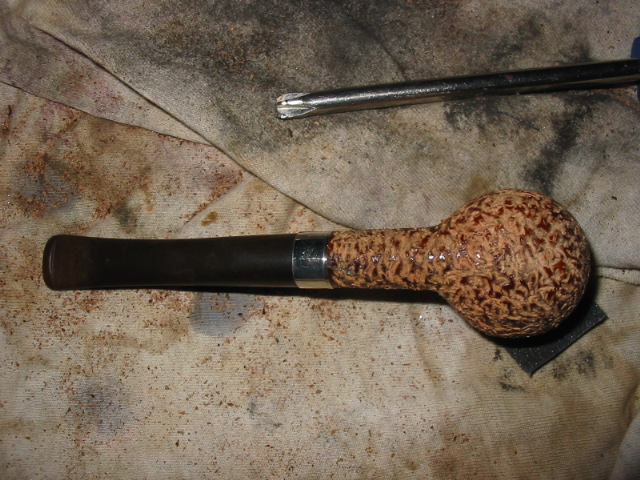
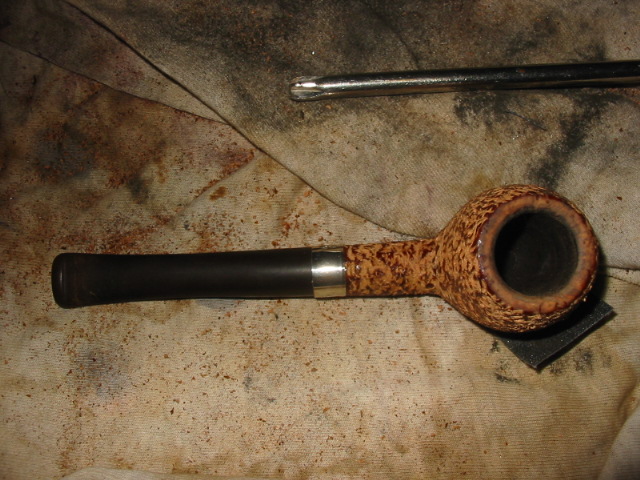
This rustication pattern is slightly different than the previous one. I was aiming to experiment with the versatility and it was working well in my opinion. I decided to go over the surface of the bowl only one time before checking and roughing up sections that needed further roughening. I wanted the finish to have a softer look on this bowl than the first one I did. I also wanted to leave some high spots that could be polished to give a contrast finish rather than a matte finish. I think the feature I like the most in the new tool is the ability to navigate the tip very close to the band without damaging it. It is very easy to control in tight spaces on the pipe. The four pictures below show the pipe after the rustication is completed. Above and to the right in each picture is the blade of the tool that I use in the process of rustication.

ImageImageImageImage

Once the rustication was completed I used some 240, 400, and 600 grit sandpaper to sand the top of the bowl and clean it of stain and dark spots. My goal for the rim was to be able to see the grain patterns once it was stained as it would serve as a contrast to the rough surface of the bowl.

The pipe was ready to be stained. I decided to use a dark brown stain on this one, knowing full well that when I gave it a buff it would lighten considerably. I applied the Fiebings stain with the dauber that came with it. I find that the wool ball on the end of the dauber is thick enough that it carries the stain into the nooks and crannies of the rusticated surface. When I stain a pipe bowl, I always start on the bottom of the bowl as the stain will run toward the top. I follow it up the sides with good coverage and finish with a coat on the rim of the pipe as the last thing. It seems to also help keep the stain on the outside of the bowl. I generally stain the shank once the bowl is completed.

When the entirety is stained I light it with a match to flame the stain. The flame burns off the alcohol with a blue flame that sets the stain more deeply in the briar and helps it dry it quickly. The fire is short-lived and there is no concern of setting your bowl on fire. Be sure however to remove the open jar of stain so that you do not inadvertently set that on fire. I then re-stained the pipe a second time following the same pattern, flamed and set it aside while I work on the oxidation on the stem. I let the stained bowl dry for two hours before taking it to the buffer and giving a light buff with Tripoli and White Diamond. I decided to buff this bowl instead of just leaving it rough like the previous one because I was trying to achieve a different look.

I finished the buffing by giving it a light buff with carnauba wax. I am happy with the finished pipe and the look that it has. It is very different from the previous pipe I rusticated with the tool and demonstrates the capacity of the tool to work different finishes.

The final four pictures below show the finished pipe.

ImageImageImageImage

Refurbed Social by Comoy’s


This afternoon late the postie delivered the Social pipe made by Comoy’s that I picked up off Ebay a few weeks ago. I took it apart and went to work. The bowl was pretty caked and broken up inside… cake falling off the walls. The The top was tarred. I reamed and cleaned it. Interestingly this is an old timer. It has the old orific button as I show in one of the before shots of the stem. It has some kind of reservoir between then end of the stepped tenon and the the airway into the bowl. It is below the airway and the tenon is drilled with the airway high to match up.

I put the bowl in an alcohol bath and cleaned it up. The mess came off really well. I then sanded the bowl with 600, 1800, 2400 and 4000 grit and then restained it with a medium brown stain. The Stem was soaking in Oxyclean and when I removed it I cleaned the grime off of it. It was a bit oxidized so that came off no problem. I then buffed the entirety with white diamond and then Carnuba. Here are the before shots:

ImageImageImageImage

You will note there are some pretty deep dents in the side of the bowl. These came out a bit but they remain as character marks. There were some on the underside of the shank as well. They too remain.

After refurbishing:

ImageImageImageImage

Father Tom – Spring Had Arrived


Springtime had officially arrived in Vancouver. The tulips were ready to burst, while the snow drops were up and the cherry trees were budding and beginning to bloom. Even the rhododendrons were full of buds, waiting for a bit more warmth before opening. It was time, thought Father Tom, to clean off the winter mess from the front porch and get it ready for the spring season and the pleasures of summer smoking outside, for a change.  For him this meant firing up a “work pipe” – one that did not require concern if it fell out of his mouth or was knocked out by an exuberant swing of the broom.  He opened the door to his shop, picked a pipe off the rack of work pipes he kept there.  He filled it with tobacco from the pouch in his shirt pocket, lit it with his Bic, tamped it down with his Czech pipe tool, and relit the pipe. Once done with this ritual, he got his broom and bucket and rags to clean off the porch.

He closed the door to the shop and walked back toward the front of the house and the porch while puffing away.  Moving the chairs, table and planters down to the lawn, he prepared the porch for a good sweeping, still puffing on his pipe.  He knocked down the cob webs and leaves that hung on the hooks for the planters. He swept the floor and the walls to get them ready to be scrubbed. He filled his bucket with hot soapy water and scrubbed down the walls of the porch which turned the water in the bucket a muddy black. He then washed them down with clean hot water, removing the soap scum. Again, he filled the bucket with more soapy water and scrubbed the deck of the porch. He washed down the porch railings and the steps down to the ground, pouring the soiled water on the flower beds below the porch, before refilling the bucket each time.  Once done, he contemplatively puffed on his pipe and discovered that he had to relight it, as the task of scrubbing had caused him to forget to puff. He had found that puffing on a pipe made most things go much more smoothly.

While the deck was drying he went to work on the hanging baskets in the yard. He readied them for the new flowers he had picked up earlier that morning. He emptied the soil from the baskets into his wheel barrow. Then he sat on his chair and mixed in the new soil with the old. Once he had a good blend mixed he filled the baskets with the soil and transplanted the flowers to his hanging baskets. He sat back and took a pull on his pipe and looked them over. They looked promising and would certainly fill out as the summer came on. He looked around at his little patch of Eden – his flower garden. Things were really growing quickly, soon he would need to add more soil and clean out some of the weeds and volunteers. He had planted largely perennials so that came up each year and only needed to be filled in and thinned out a bit. He enjoyed the serenity that came to him in his garden.

By the time the baskets were finished the porch was dry. He brought the baskets up to the porch and hung them on their hooks. He carried up his planter boxes and put them on the railings. Things were looking a lot brighter and more alive. It was time to set up his porch. He went to the basement and got out the straw mat that acted like a rug on the floor of the porch. He carried out the wicker set – a love seat, two high back arm chairs and a table to hold his pipes, tobacco, books and drinks. Once he had it set up he turned on a little music and sat back on love seat with his feet on the table to enjoy his favourite time of the year. He tapped out the remaining dottle in his pipe and reloaded it with some good Virginia – McClelland’s 5100 that had 10 years of age.   He savoured the scent of the tobacco as he loaded his pipe. He had done this for so long that he scarcely needed to look as he filled the bowl. He just sat and enjoyed the warm air, the smell of fresh soil and the flowers that that had begun to give off their fragrance. He put the jar of tobacco on the table in front of him and picked up his Bic lighter and tamper. He puffed on the pipe as he drew the flame into the bowl. The first light and the puff of blue smoke that rolled from the bowl told him it was a good light. He tamped it and relit it another time. Once he saw that it was burning well, then he leaned back to relax.

One of his favourite things to do as he quietly smoked his pipe was to quietly observe what was happening in his neighbourhood. He was sitting up above the street enough that he could watch unobtrusively as life went on around him. In his peripheral vision picked up a squirrel on the fence post busily washing it face and chattering away. In the birdbath on his left two sparrows took turns splashing in the fresh water he had put out. A female robin was in the cherry tree over the bath just waiting until, in her impatience, she chased the sparrows out the bath. In the oak tree overshadowing the porch a pair of crows were cawing and making a ruckus. It was a perfect morning. He was glad that he had started early and now could enjoy the time on the porch. On the sidewalk just outside his gate two little guys went rolling by on their bicycles with training wheels, laughing and racing each other. Behind them came a third boy, who by the looks of him was their brother, careening toward them on his scooter. He knocked the younger of the two boys off his bike. There was an expected uproar with loud crying and yelling. Within seconds their mom appeared from just beyond the hedge on the neighbour’s property. She came and picked up the fallen lad and brushed off the dirt, looked at the battle scars and wiped them off with her hankie. After a quick scolding of the older brother for his carelessness the foursome were off down the street as if nothing had happened.

Silence encircled the porch world once again. Out on the street, across the parking lot, the metro buses came and went, as trucks and cars hurried back and forth. The pleasant smell of jasmine incense wafted in on the breeze from the altars in front of shops owned by Vietnamese Buddhist shopkeepers. Two houses down a group of elderly Chinese women chattered back and forth. His world was truly a global village. He had read that in his neighbourhood alone there lived immigrants from 60 different countries. It was a good place to live and see the world without leaving his porch.

Laying his pipe down, he went inside to get a cup of tea to enjoy with his pipe. He fired up the tea kettle and filled a tea bag with some bulk Earl Grey tea. He put a wee bit of milk in his mug, put the tea bag in and poured the hot water over it to steep. When it was the way he liked it he returned to his seat on the porch. He picked up one of his books off the table and contentedly puffed his pipe while reading, with a pause to sip the Earl Grey.  He could not imagine a better way to enjoy his day off than this sublime repose.

When you want to find Father Tom early or late on a Spring or Summer day, check his porch first. Follow the smells of the tobacco smoke and listen to the music filtering over the garden and you will find him on his porch of tranquility.