
Blog by Steve Laug
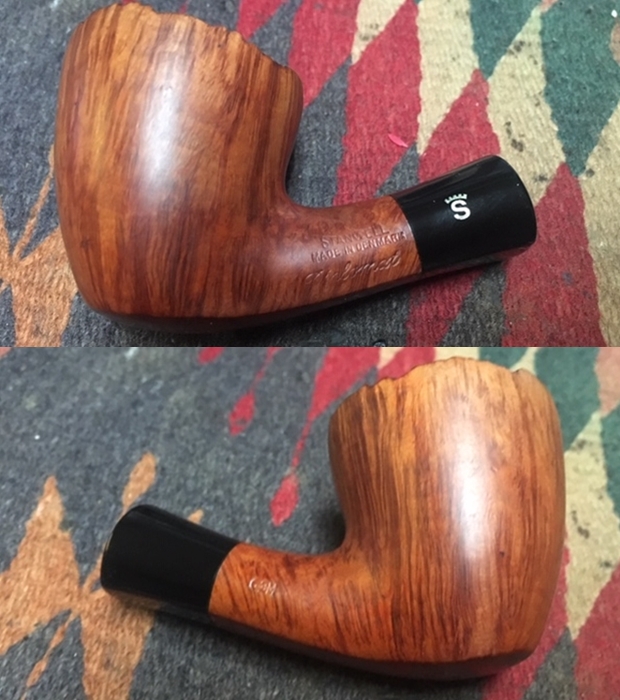
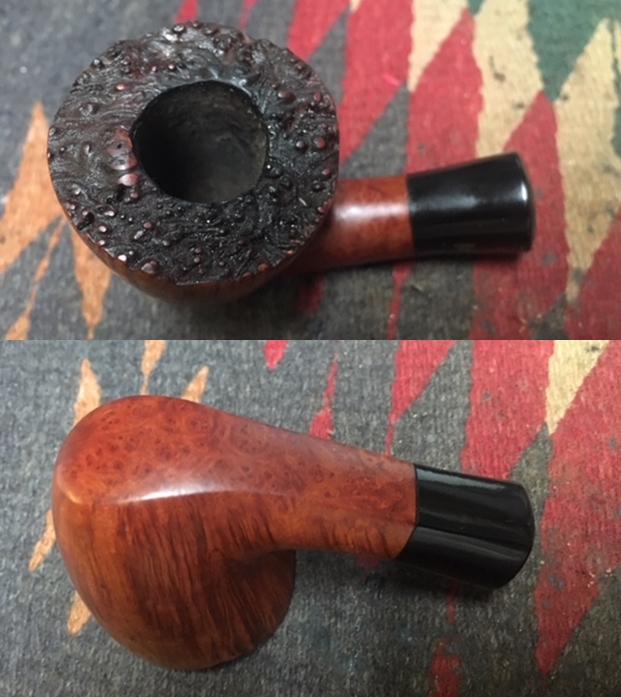
The next pipe is one that is another intriguing one to me for multiple reasons. Neither Jeff or I have any memory of finding it or trading for it. It has been in my box of pipes to work on for a very long time but I have no sense of when or where I got it. It had been reamed but not cleaned or sanitized. The stamping on it is readable. On the topside of the shank it reads Stanwell [over] Regd. No. 969-48 [over] Hand Made. On the underside of the shank it is stamped Selected Briar [over] the shape number 13 [over] Made in Denmark. The shape is quite unique and beautiful with great grain around the bowl sides. The shape 13 was a Sixten Ivarsson design called a Pear. The briar is very dirty and faded. The rim top and inner and outer edges are covered with darkening and tars. The vulcanite saddle stem was stamped with a Crown S logo on the topside and on the underside with the words Hand Cut. The stem was oxidized and has some tooth marks on the top and underside and on the button surface itself. I took photos of the pipe to show you what I saw.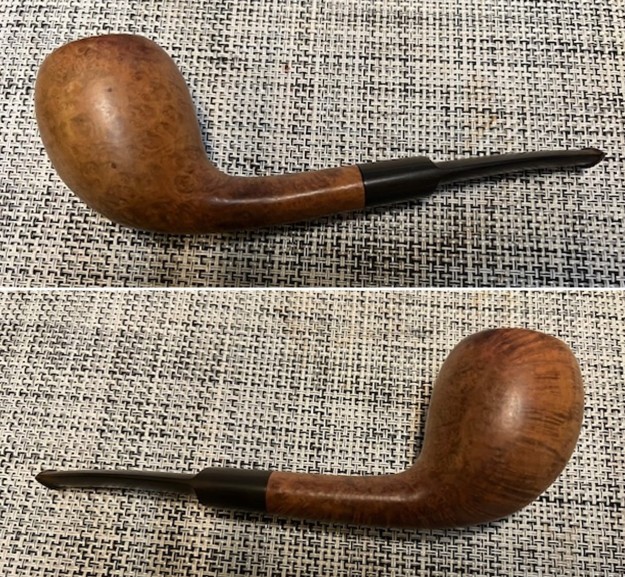
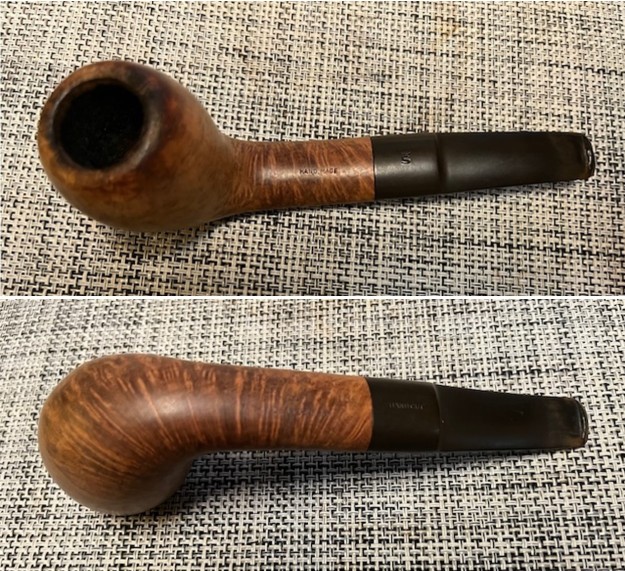 The bowl had been reamed recently but it had not been cleaned. The airway in the shank and stem were dirty with tars and oils. The mortise had tars and oils on the walls and the pipe smelled heavily of English tobacco. The vulcanite stem is also dirty on the inside as well as oxidized on both sides of the stem. There were tooth marks and chatter on both sides ahead of the button and on the button surface itself.
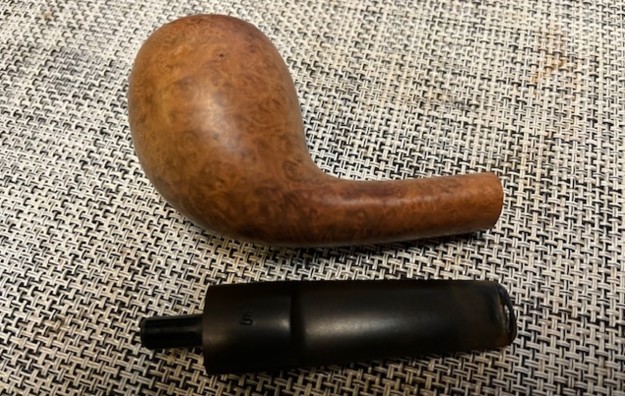
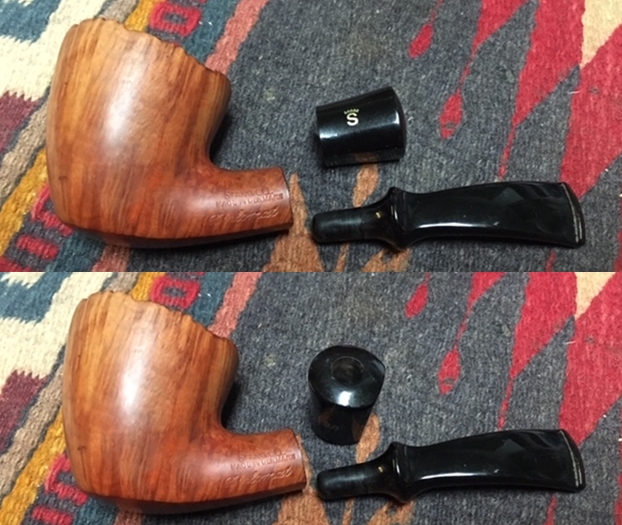
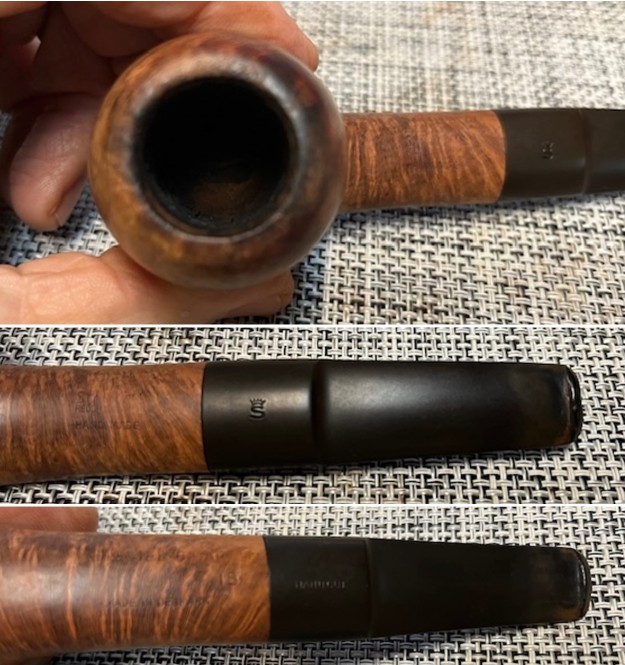 I took a photo of the stamping on the top and the underside of the shank. It was stamped as noted above and was clear and readable on both sides. I took the stem off the shank and took a photo of the parts.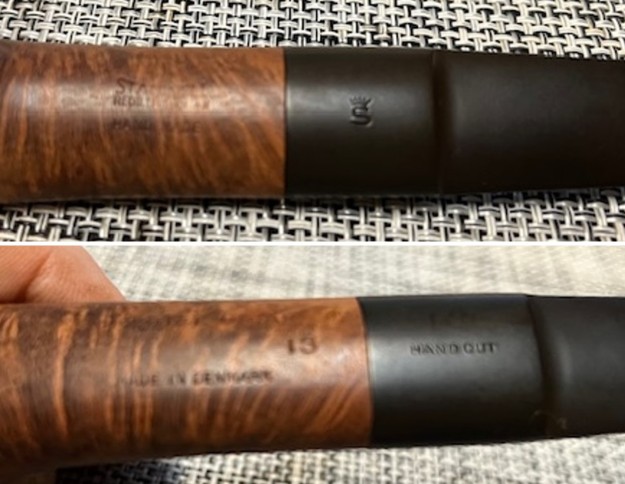
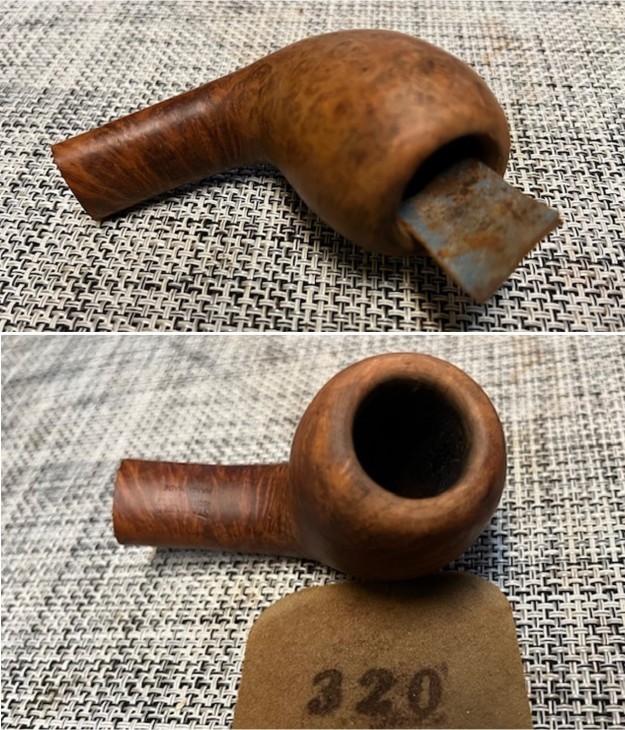
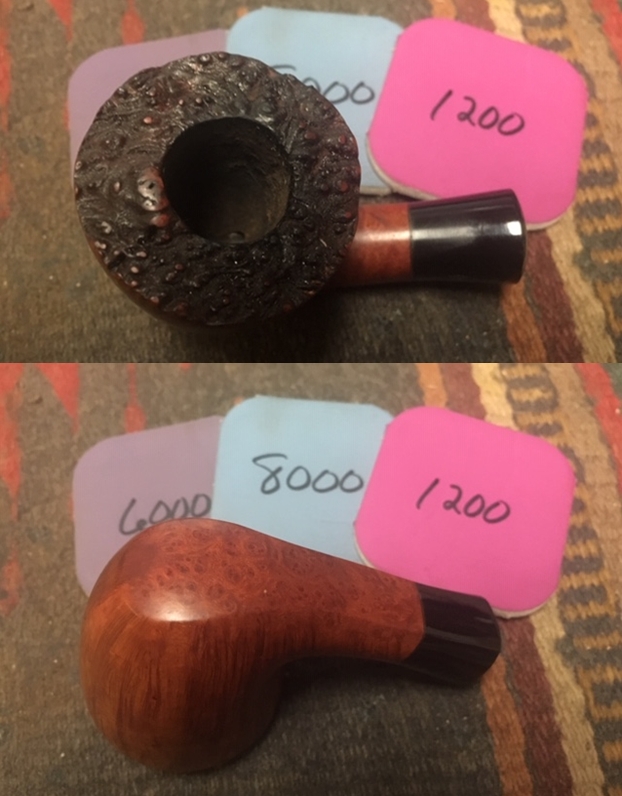
 At this point I started my cleanup on it. I worked over the top and the inner and outer edges of the bowl with a 320 grit sanding pad. I worked to remove the darkening and lava on the bowl surfaces. It was looking much better.
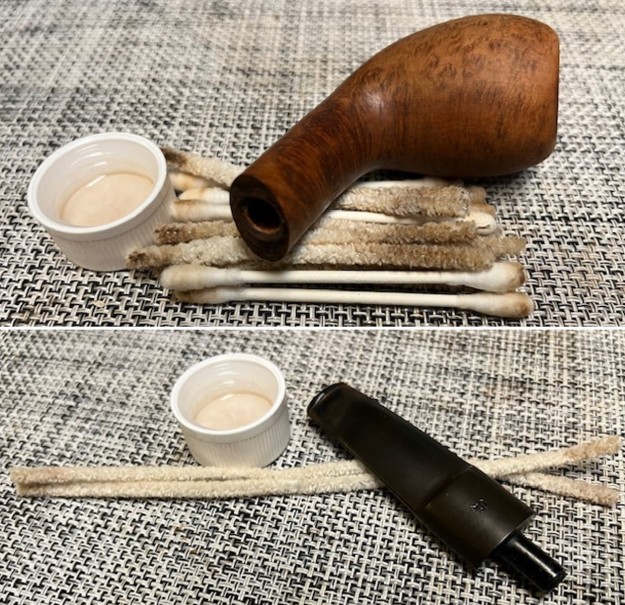
 I cleaned out the internals of the mortise and the airway in the shank and the stem with isopropyl alcohol, cotton swabs and pipe cleaners. I was able to remove the tars and oils and once finished the smell of the pipe was much cleaner.
 I polished the briar with micromesh sanding pads. I used 1500-12000 grit pads to dry sand the briar around the bowl and shank. I wiped it down after each sanding pad with a damp cloth. By the end the briar began to take on a real shine.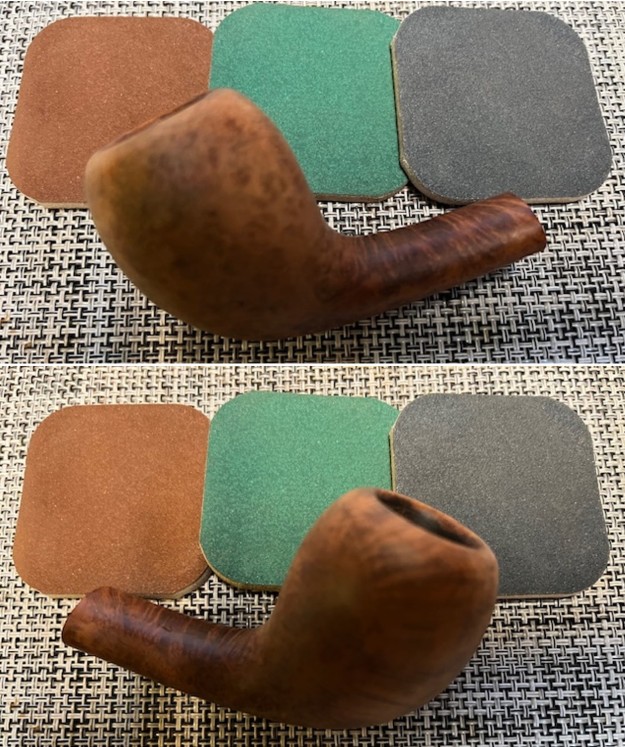
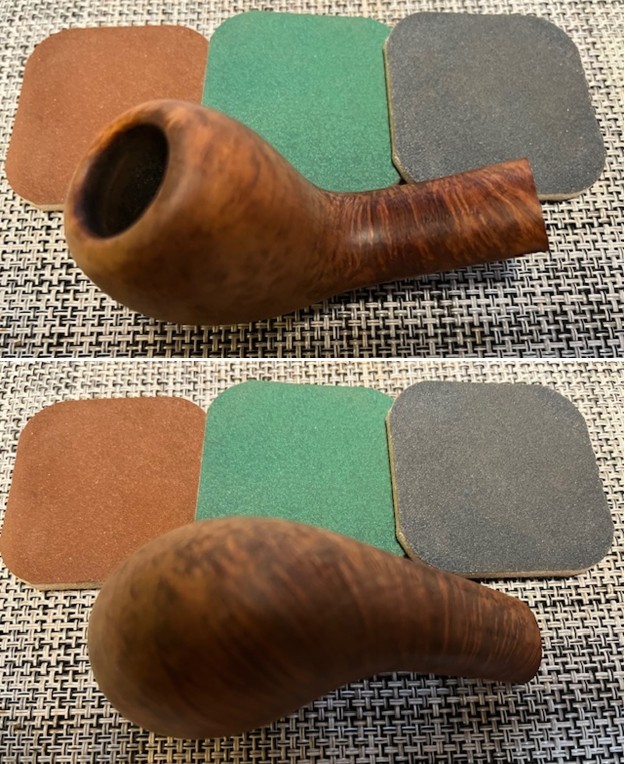
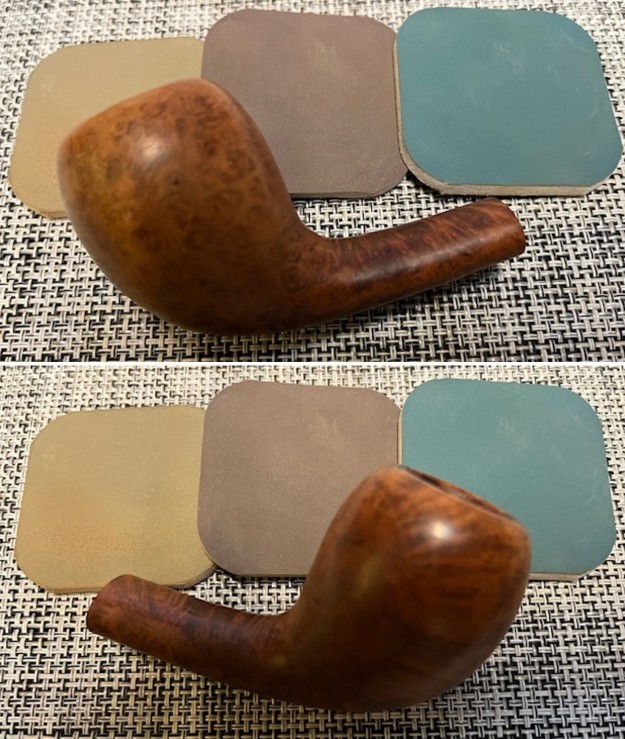
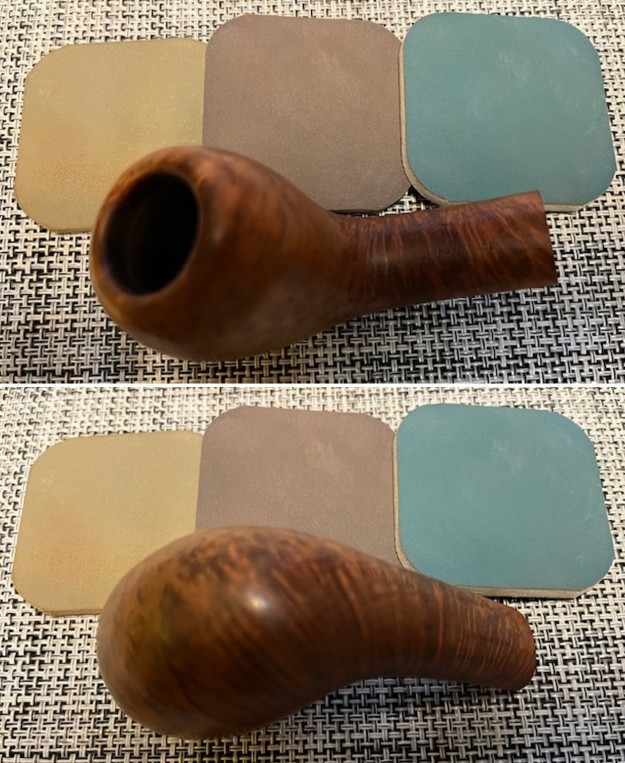
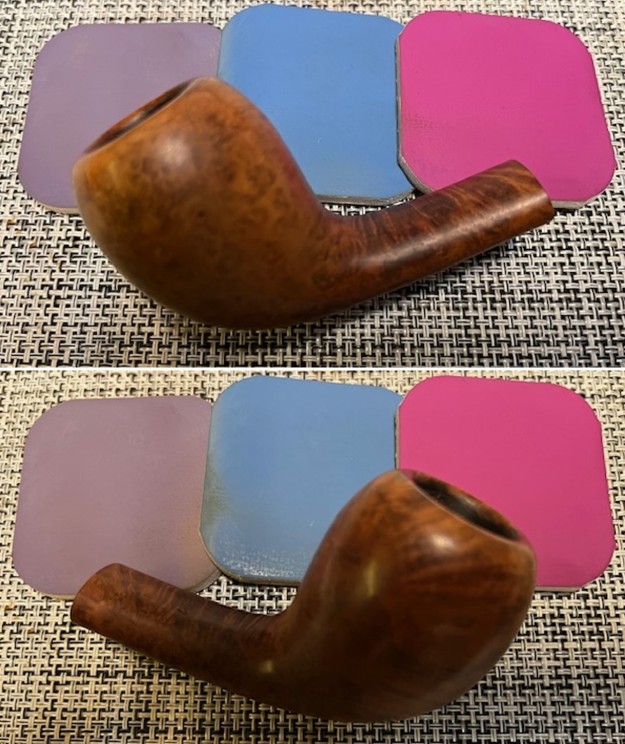
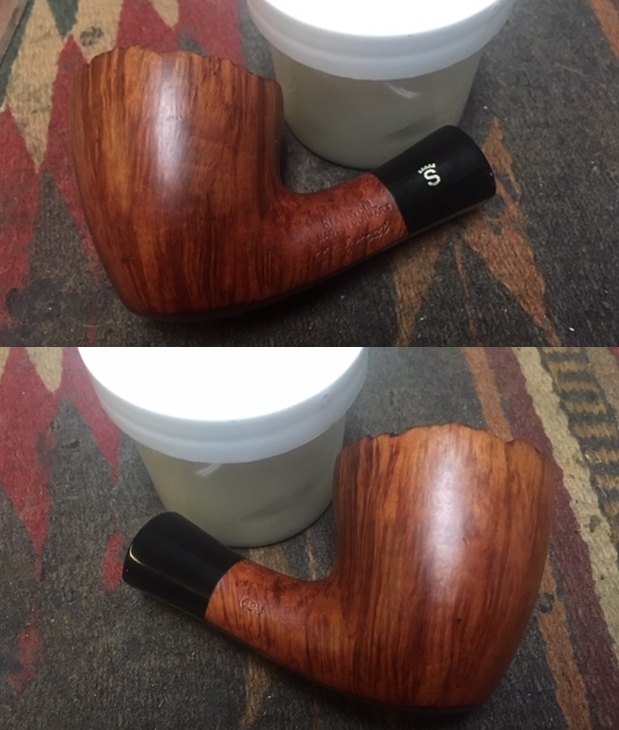
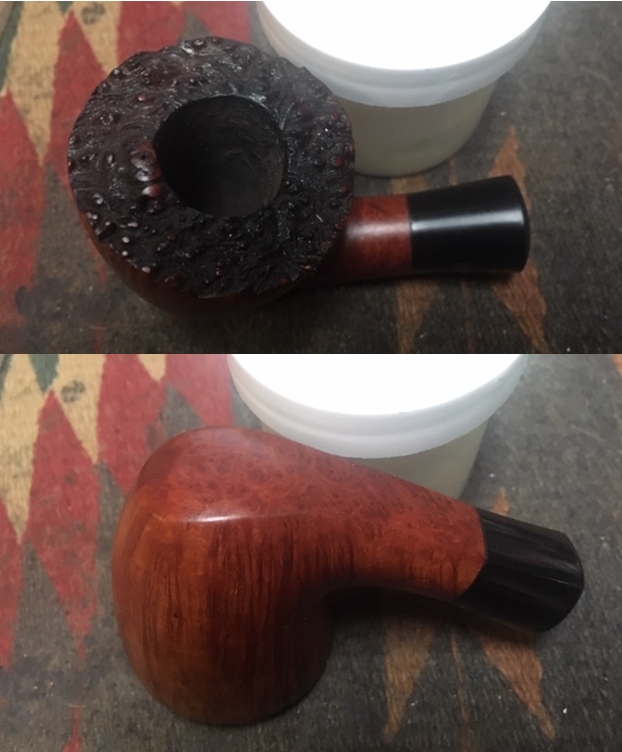
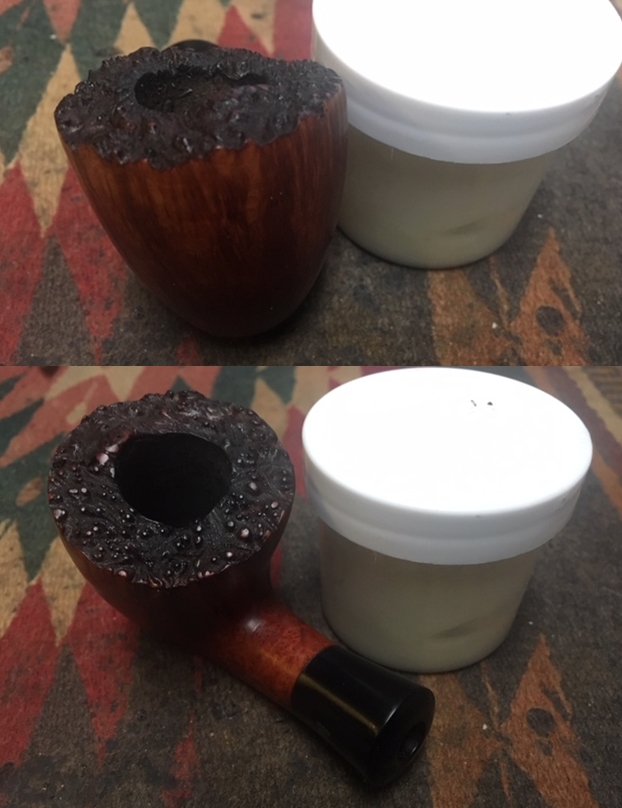
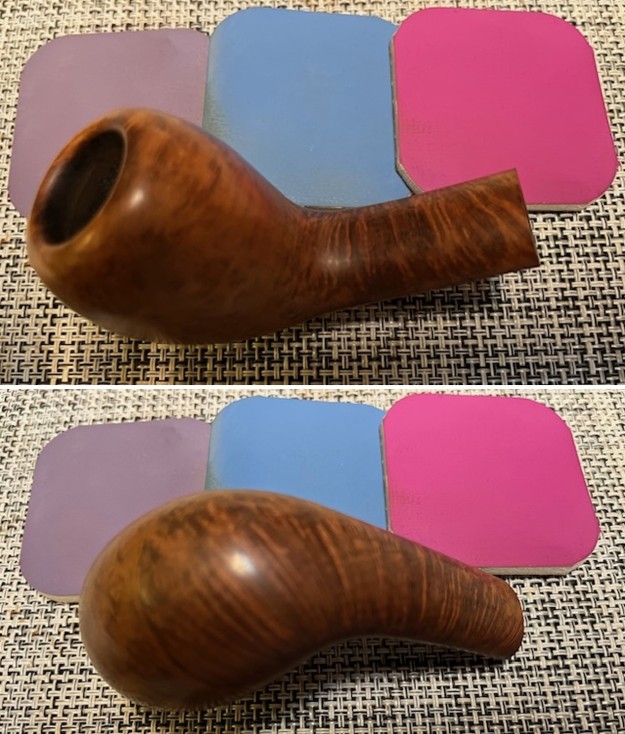 I rubbed the bowl down with Before & After Restoration Balm. I worked it into the surface of the briar with my fingertips and a horse hair shoe brush to clean, enliven and protect it. I let the balm sit for 15 minutes and then buffed with a cotton cloth to raise the shine. Mark Hoover’s Balm is a product that I have come to appreciate and one I use on every pipe I have been working on.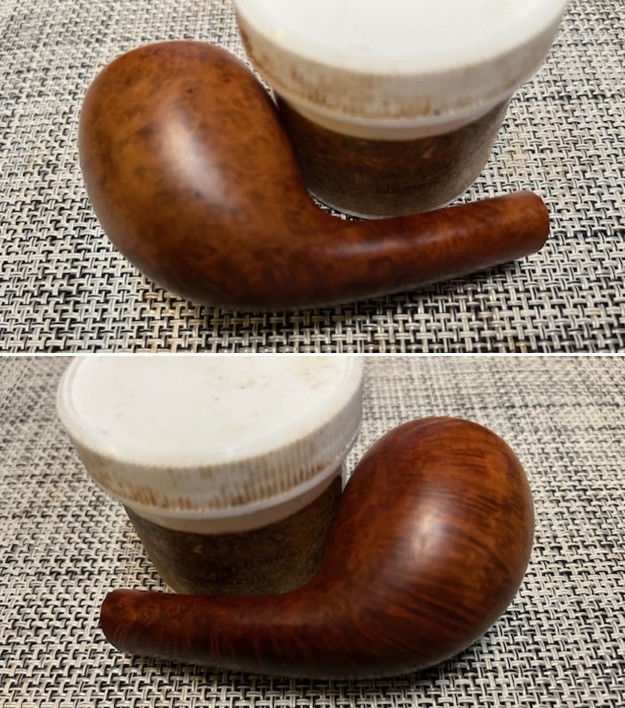
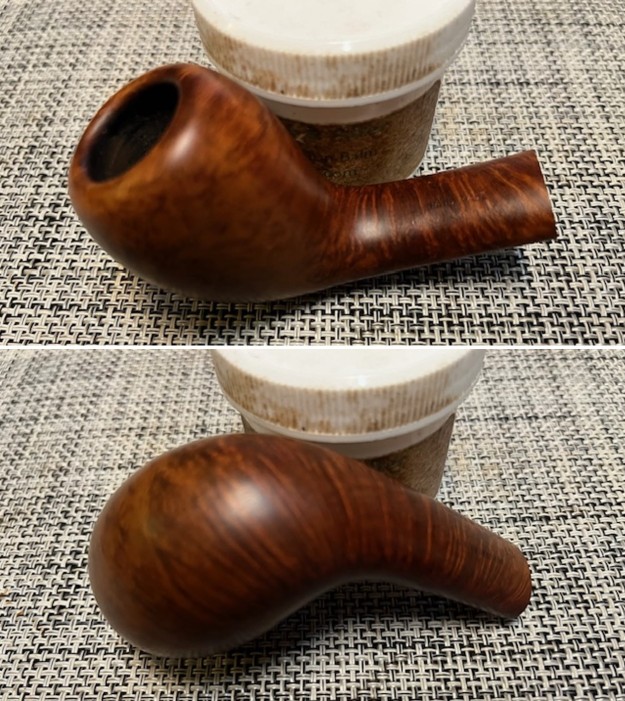
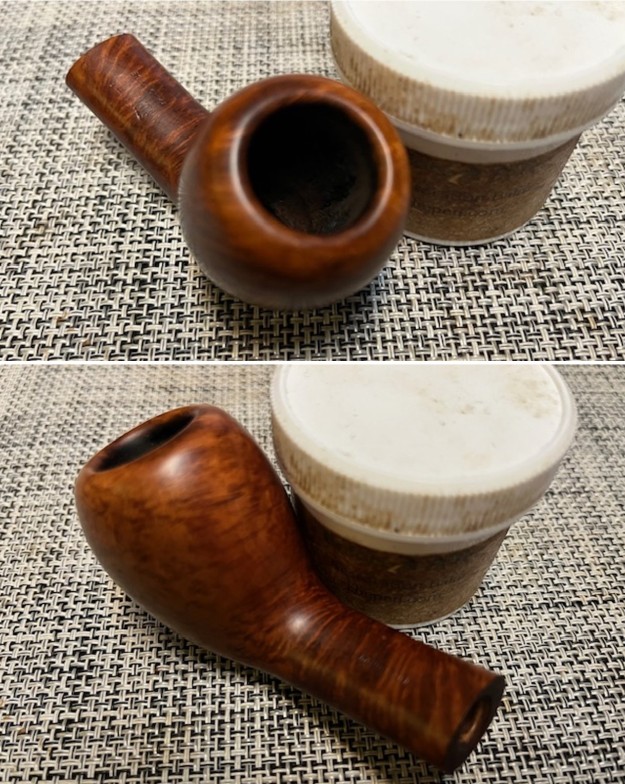 I set the bowl aside and turned my attention to the stem. I “painted” the tooth marks on both sides ahead of the button with the flame of the lighter. I was able to lift them significantly but there were still tooth marks left in the edge of the button and on the surface. I filled in the remaining marks with black CA glue. I set it aside to cure overnight.
 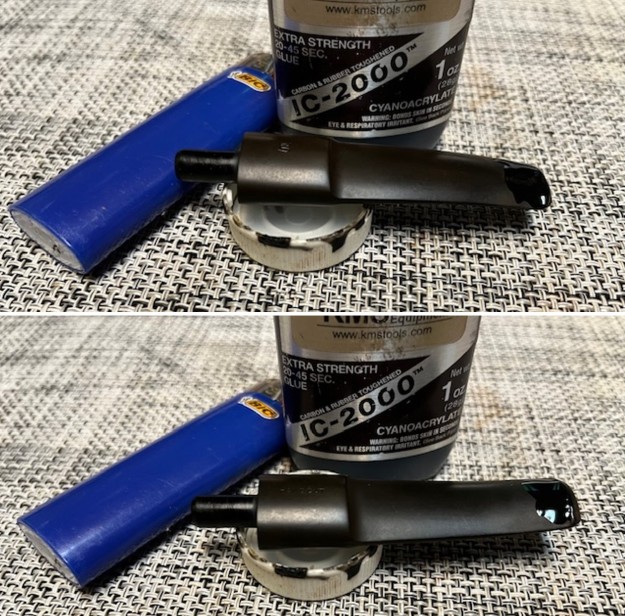 In the morning I used a small file to recut the edge of the button and to flatten the repairs on the surface of the stem. I smoothed out the repairs further with a folded piece of 220 grit sandpaper. It was starting to look better.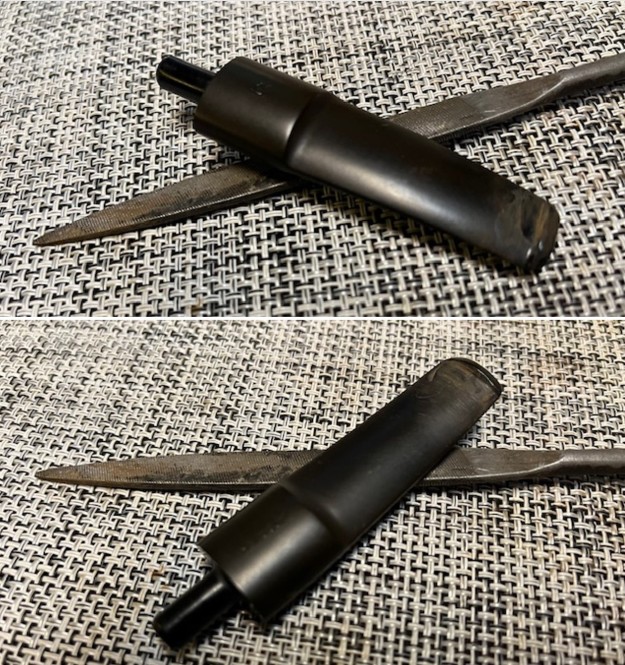
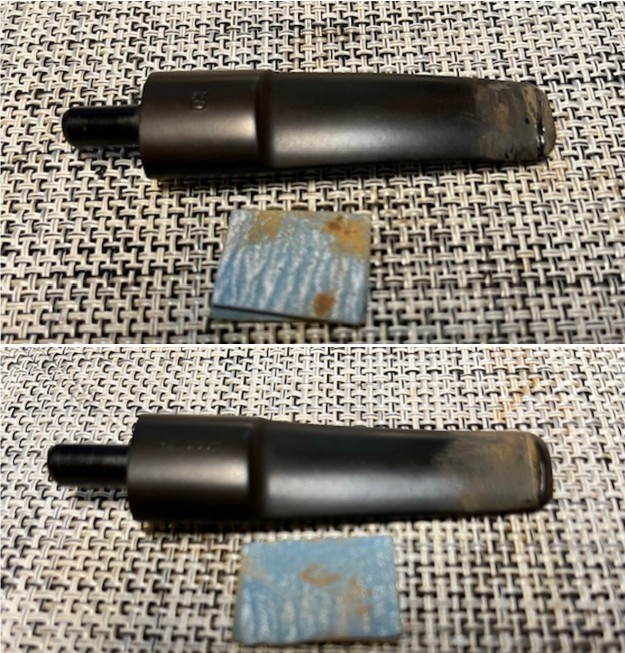 I paused in the polishing process to touch up the stamping in the vulcanite on the top and underside of the saddle portion of the stem. I used white acrylic fingernail polish to rewhiten the Crown S on the top and the Hand Cut on the underside. Once it hardened I sanded it with 320 grit sanding pads. I wiped it down with Obisidian Oil and set it aside.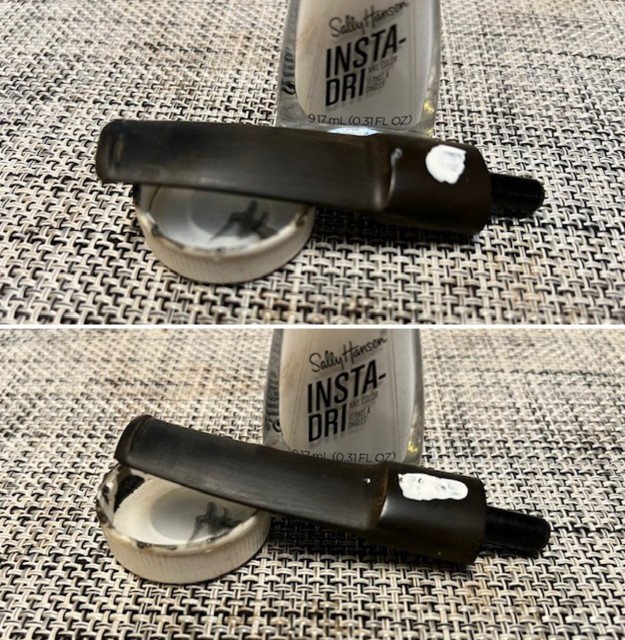
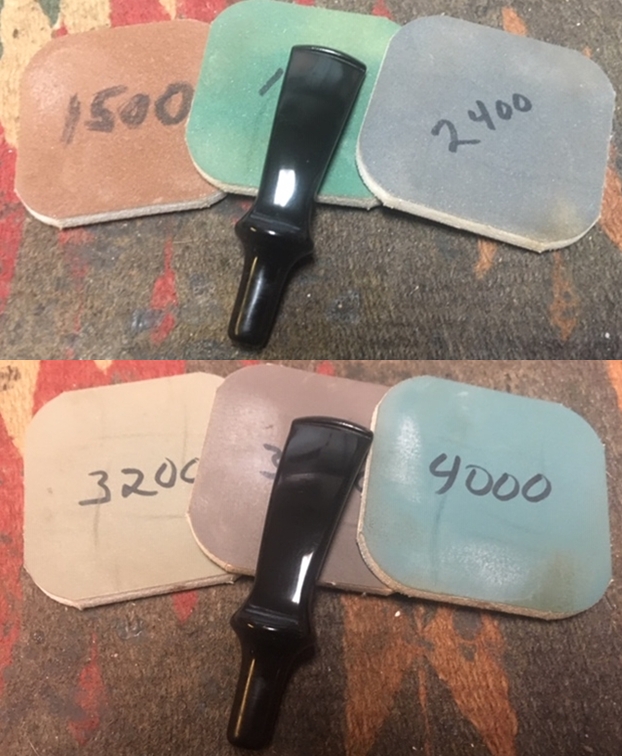
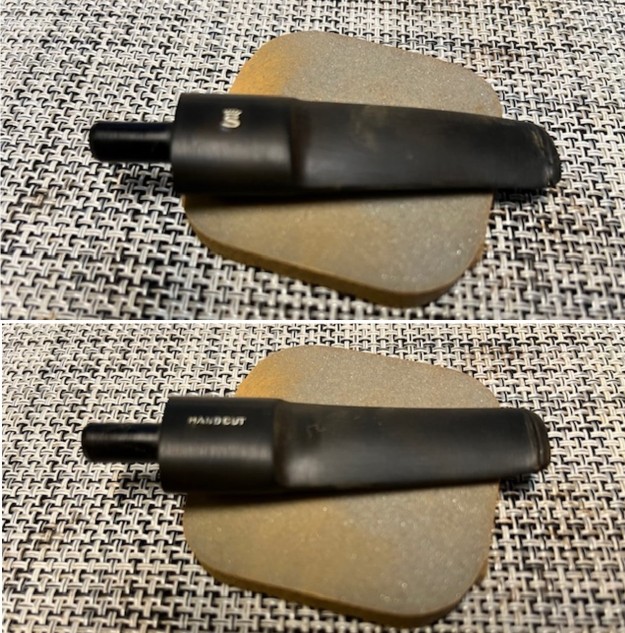 I used the sanding pads I purchased recently – 320-3500 grit regular pads to smooth out the finish and remove the light tooth and chatter marks in the stem. I wiped the stem down with Obsidian Oil to finish the preliminary work after the 3500 grit pad.
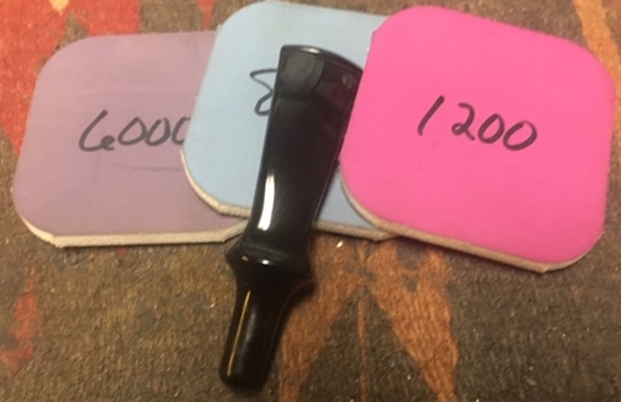
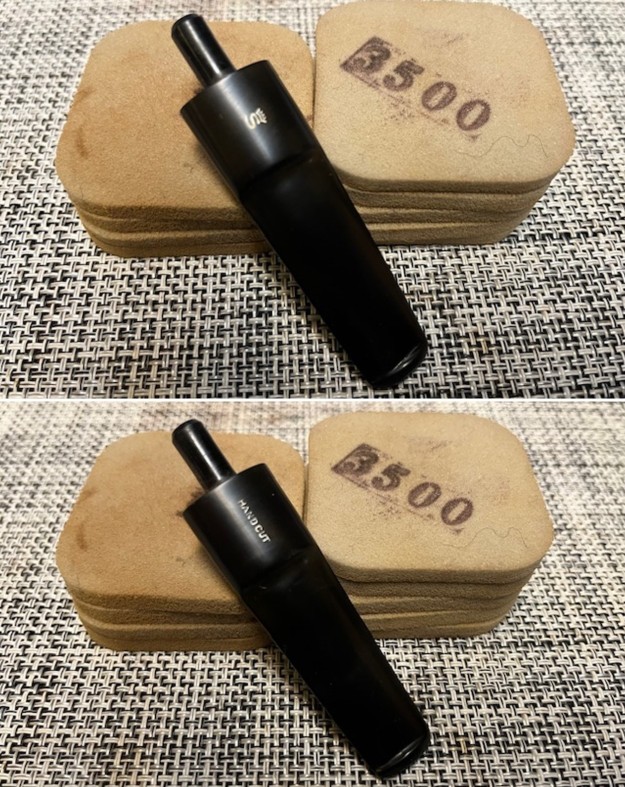 I polished the stem with micromesh sanding pads – dry sanding with 1500-12000 grit pads. I wiped the stem down after each sanding pad with Obsidian Oil.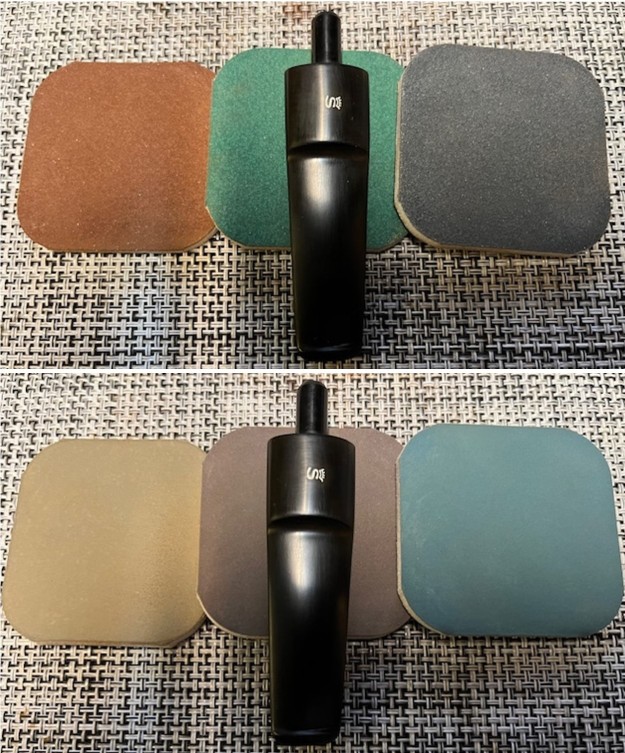
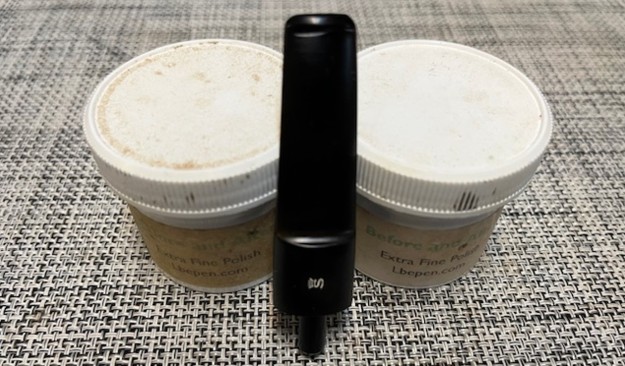
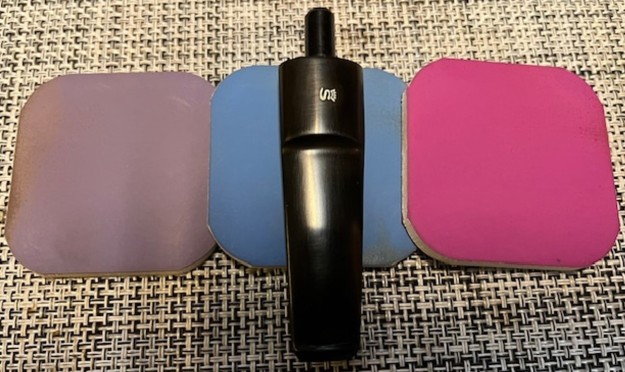 I finished polishing it with Before & After Pipe Stem Polish – both Fine and Extra Fine. Once I had finished the polishing I gave it final coat of oil and set it aside to dry.
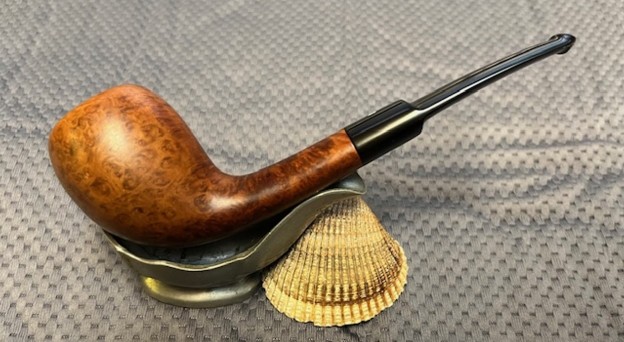
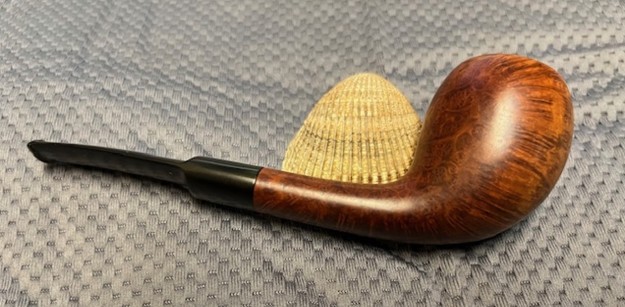
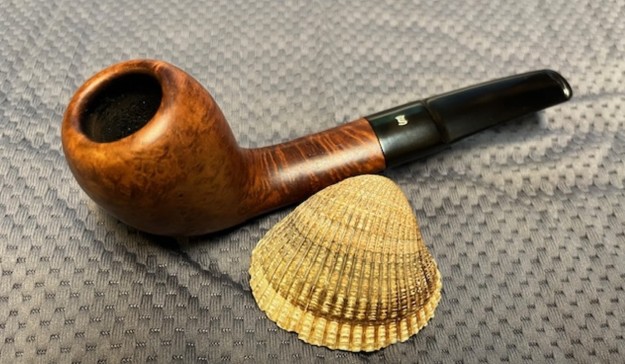
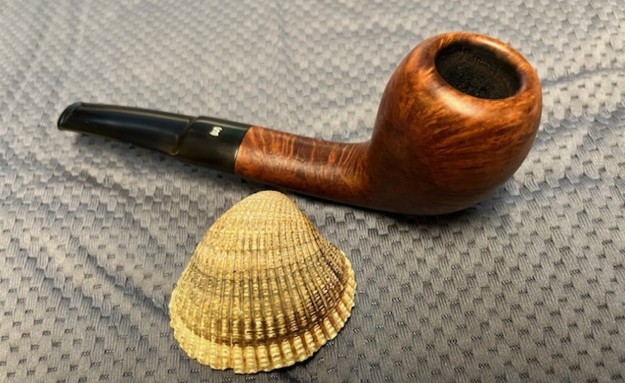
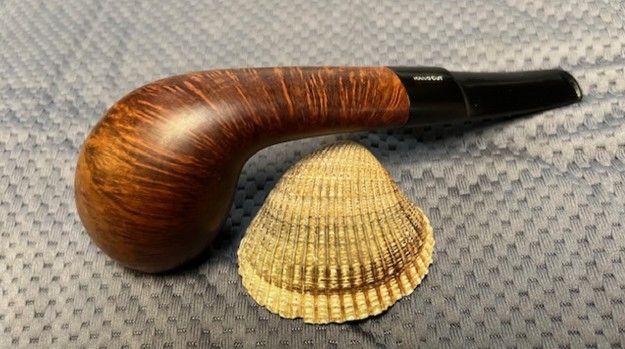
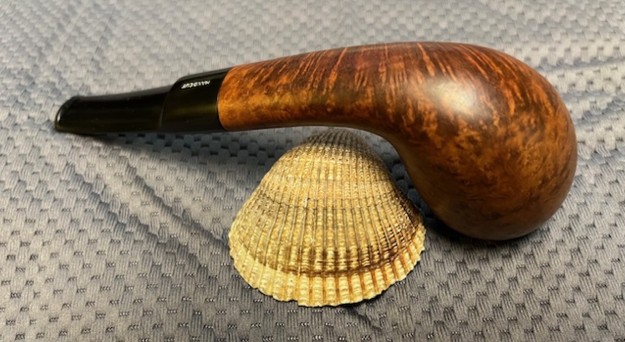
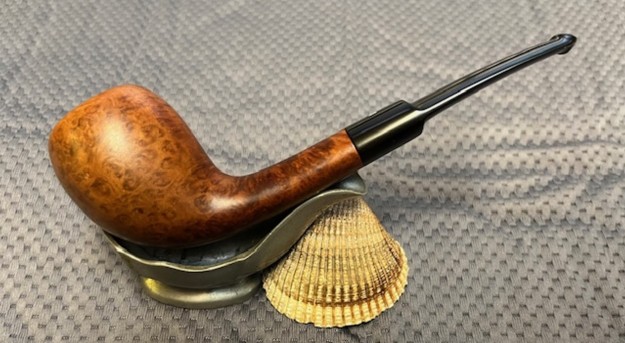
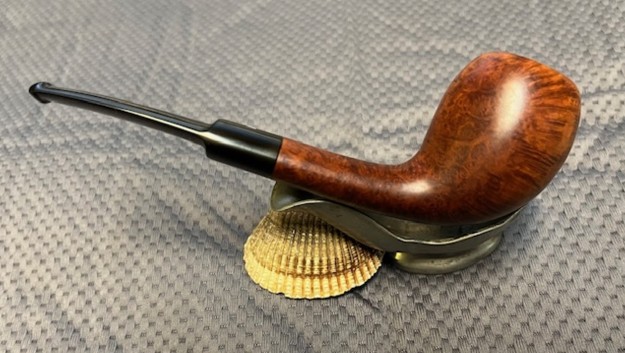
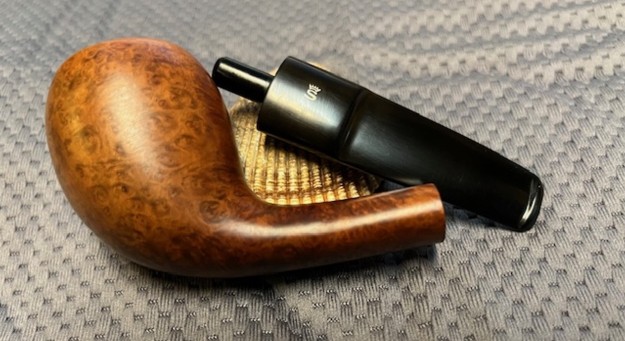
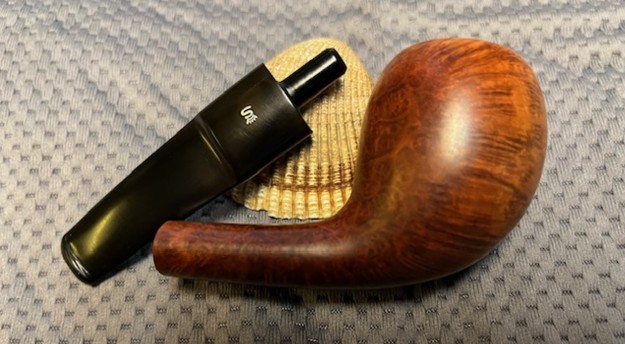
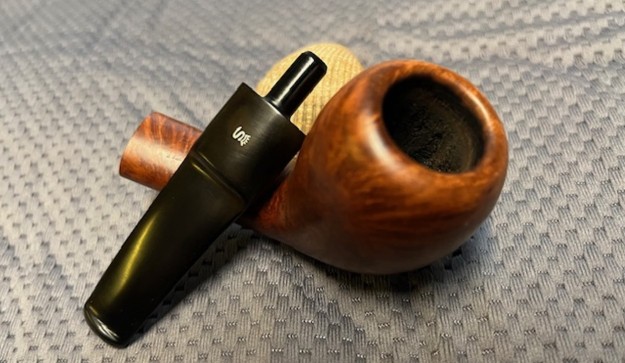
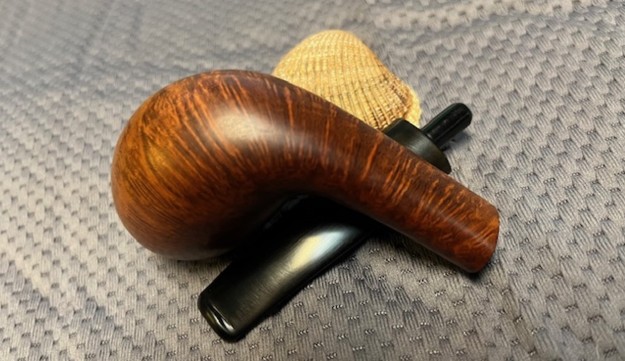
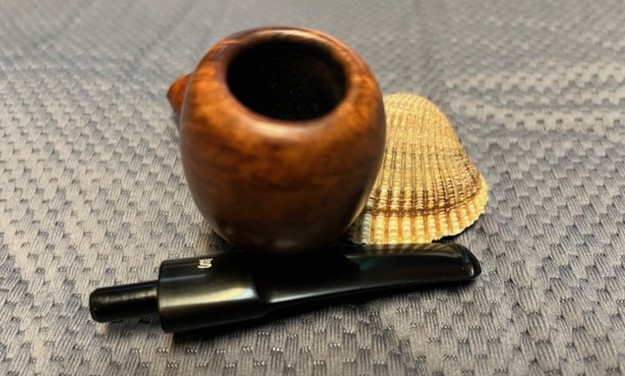
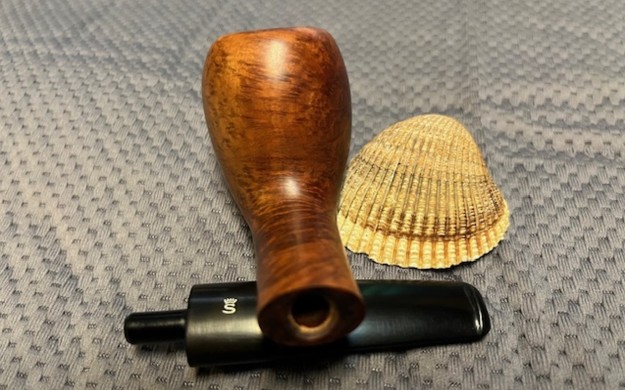
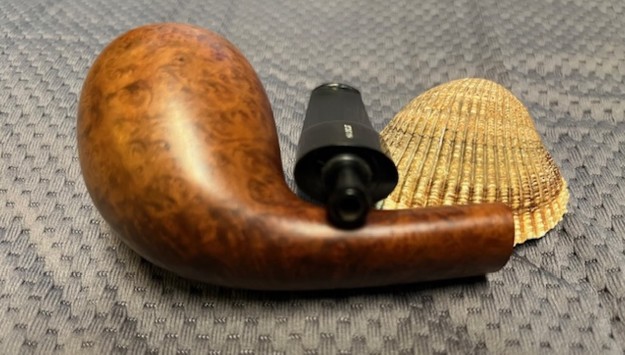
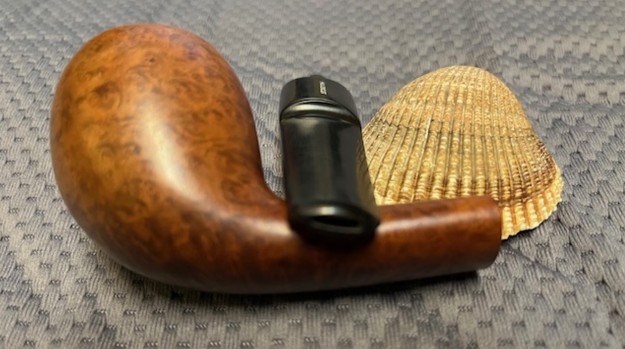
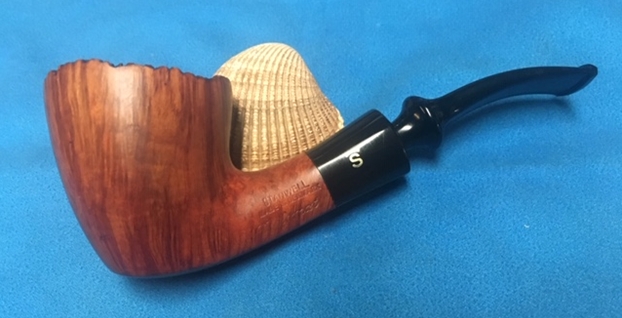
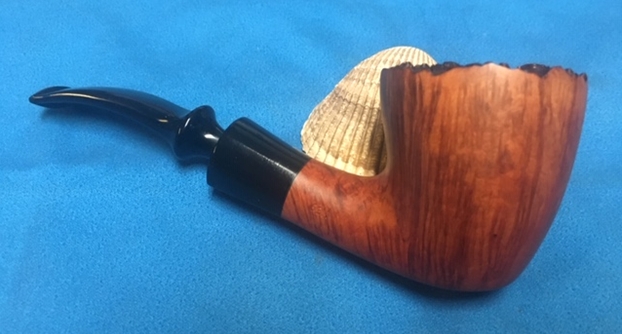
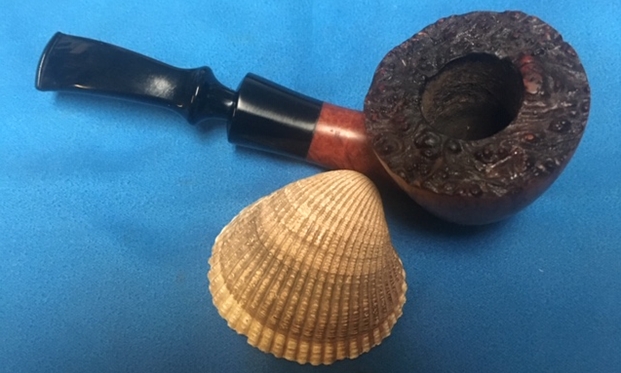
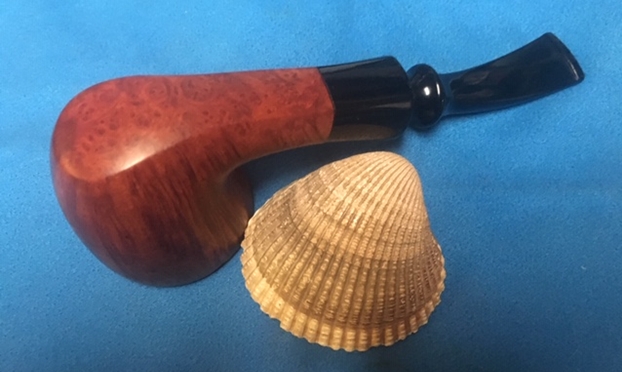
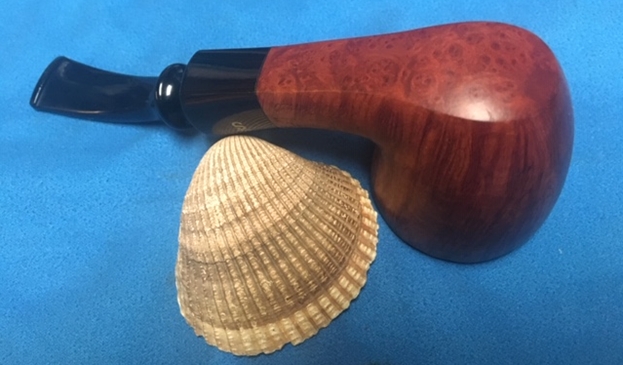
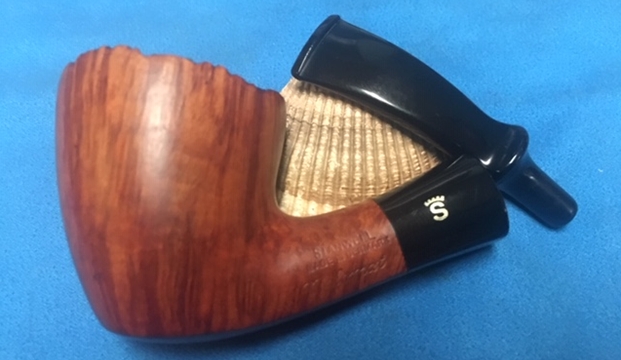
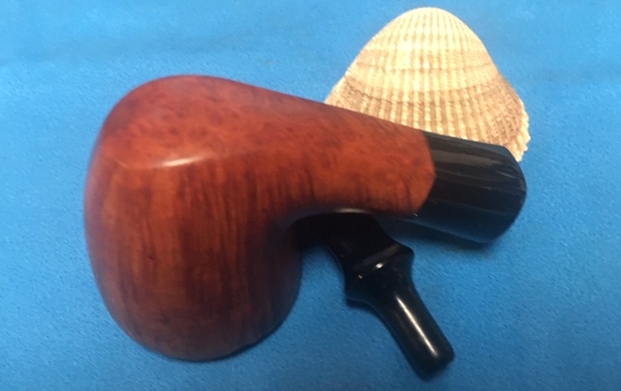
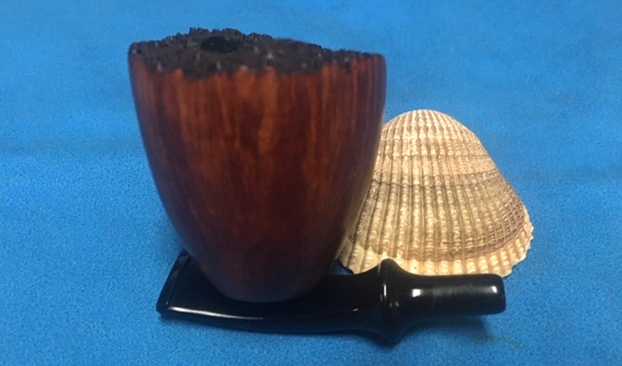
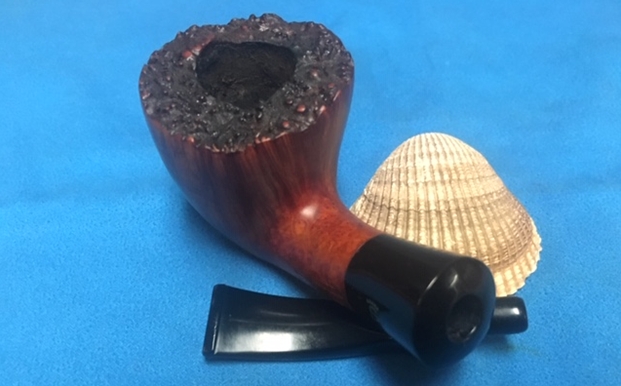
  As usual at this point in the restoration process I am excited to be on the homestretch. I look forward to the final look when it is put back together, polished and waxed. I put the Sixten Ivarsson design Stanwell Selected Briar Hand Made in Denmark 13 Pear with a Regd. No. back together and it is a beauty. I polished the bowl and stem with Blue Diamond to polish the briar and the vulcanite. I gave the bowl and the stem multiple coats of carnauba wax. I buffed the pipe with a clean buffing pad to raise the shine. I hand buffed it with a microfiber cloth to deepen the shine. The pipe polished up pretty nicely. The grain really pops with the wax and polish. The shiny black vulcanite stem is a beautiful contrast to the browns of the bowl. This Stanwell Select Briar 13 Pear was a great pipe to spruce up. It is a very comfortable pipe to hold in the hand. The finished pipe is shown in the photos below. The dimensions of the pipe are Length: 5 ½ inches, Height: 2 inches, Outside diameter of the bowl: 1 ¼ inches, Chamber diameter: ¾ of an inch. The weight of the pipe is 44 grams/1.59 ounces. I will be putting this pipe on the Danish Pipe Making Companies Section of the rebornpipes store. If you are interested in adding it to your collection let me know by email or message. Thanks for reading this blog and my reflections on the pipe while I worked on it. This is an interesting estate to bring back to life.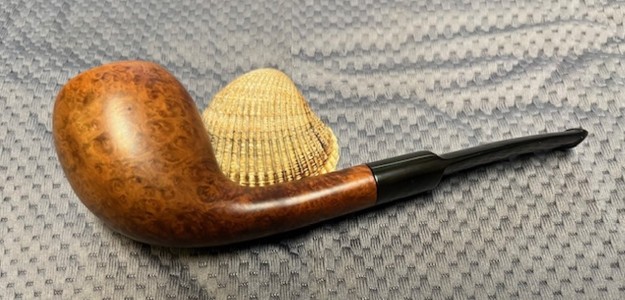




 rebornpipes