Tag Archives: replacing a snapped tenon

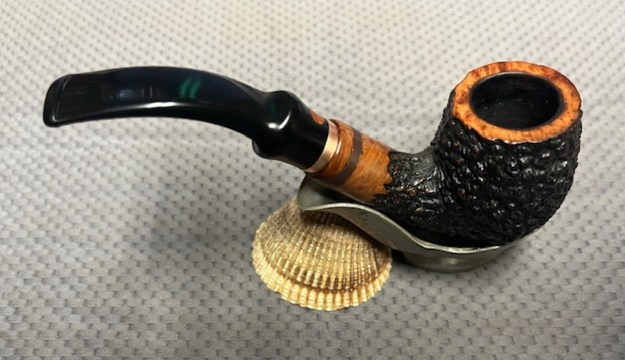
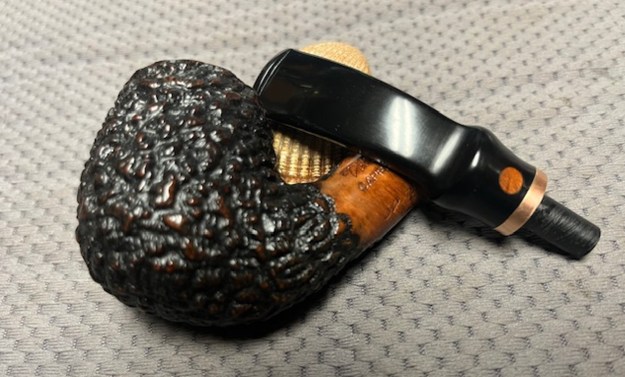
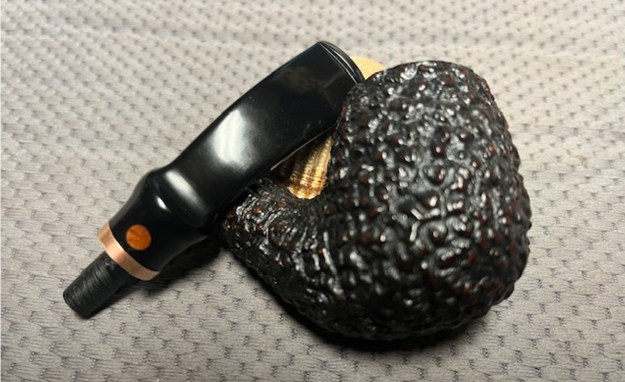
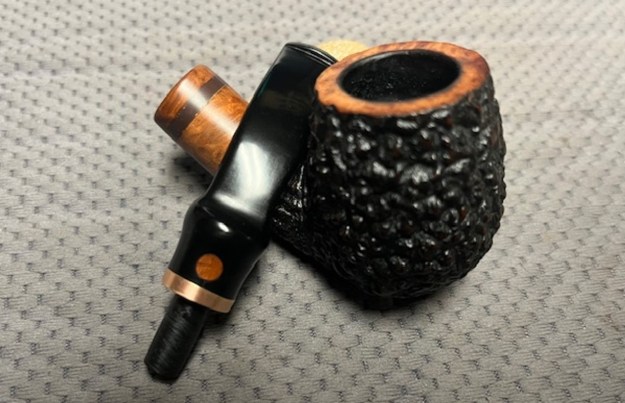
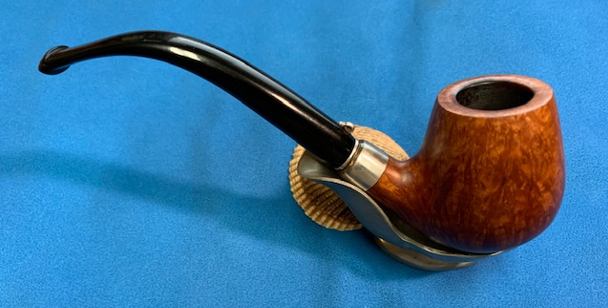
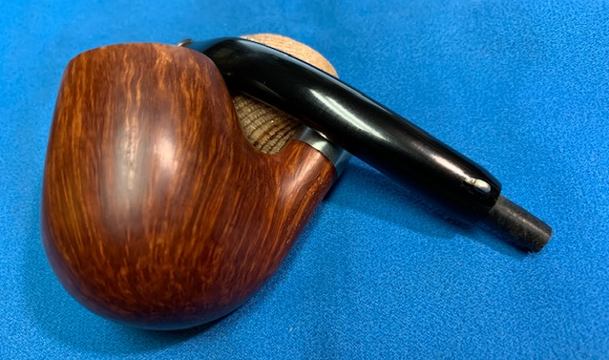
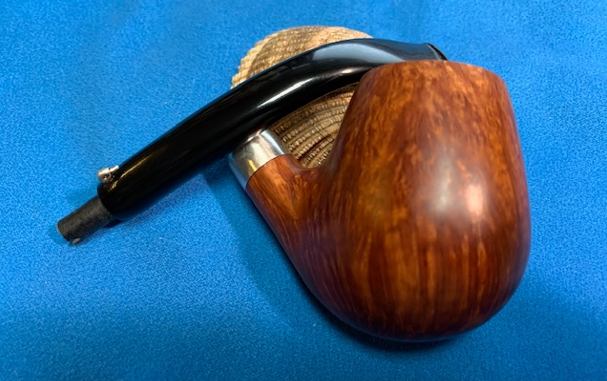
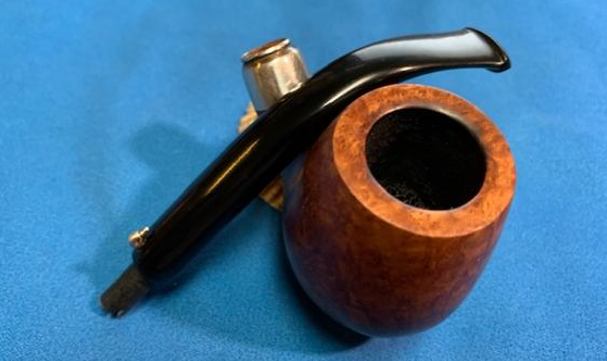
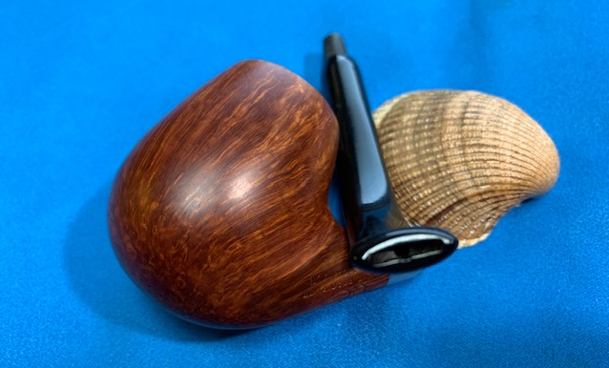
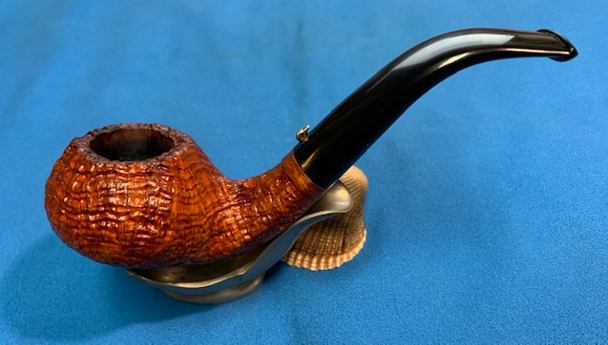
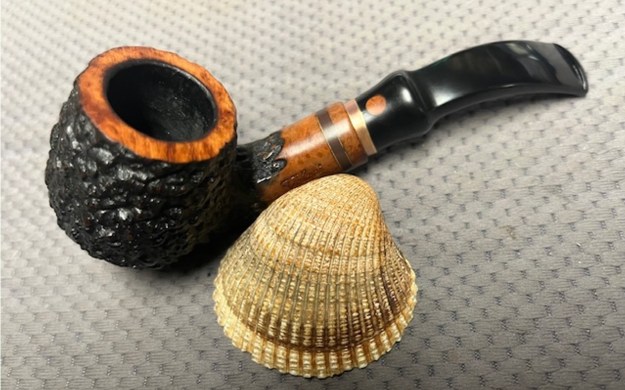
Replacing a Tenon and Repairing a Crack in a Saddle Stem on a Velani Caprice Bent Billiard


by Steve Laug

I received an email from a fellow pipeman, Larry about a pipe he had that had been knocked off the stand and the tenon had snapped. I have included his email below.

I have a Pipe stem that broke on a Velani Caprice, and I was wondering how much you would charge to replace the stem. The pipe was knocked off my stand and broke the stem from the pipe; I was able to get the part that broke out from the pipe. I would like your opinion and what you would charge. I could send you pictures as well. Thank you. – Larry

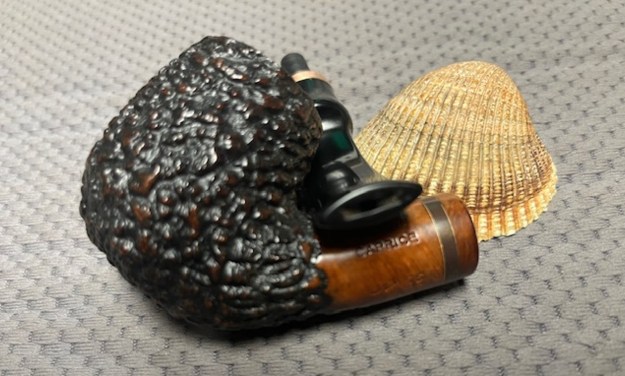
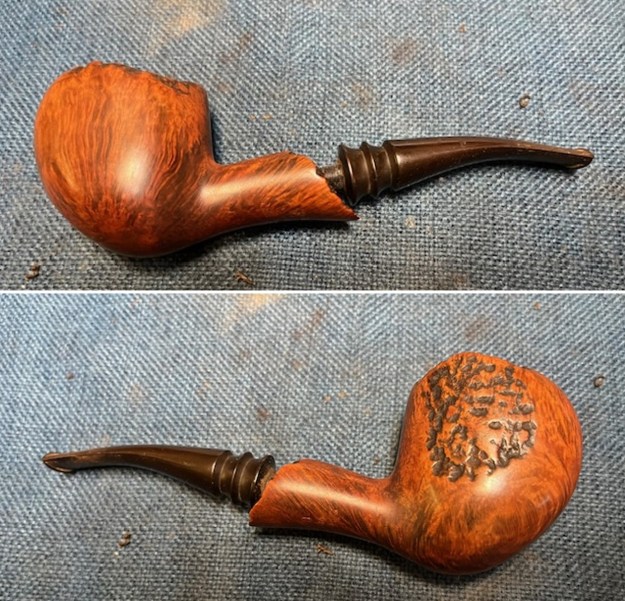
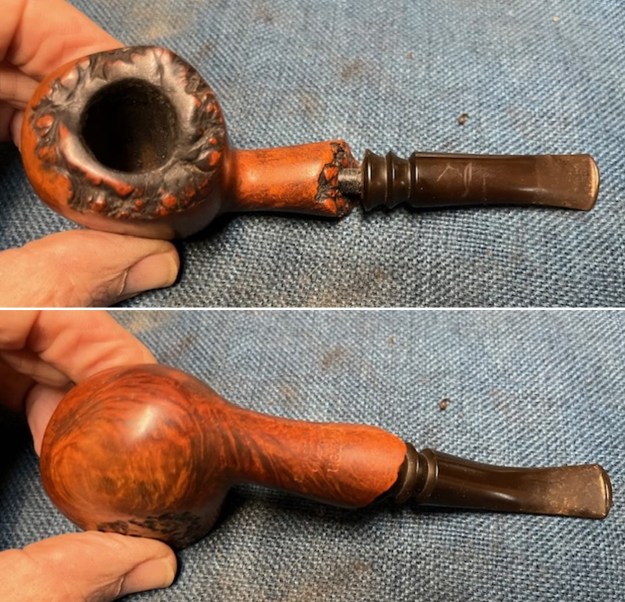
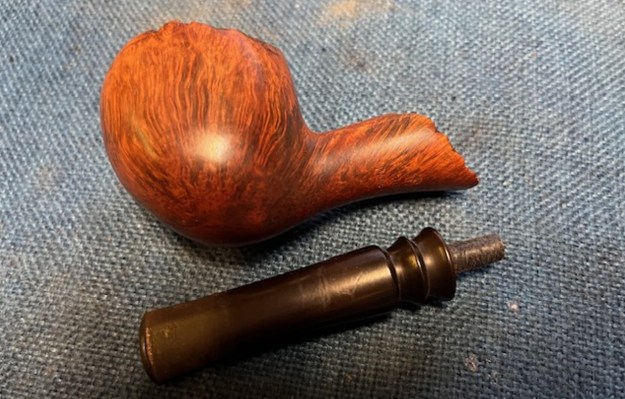
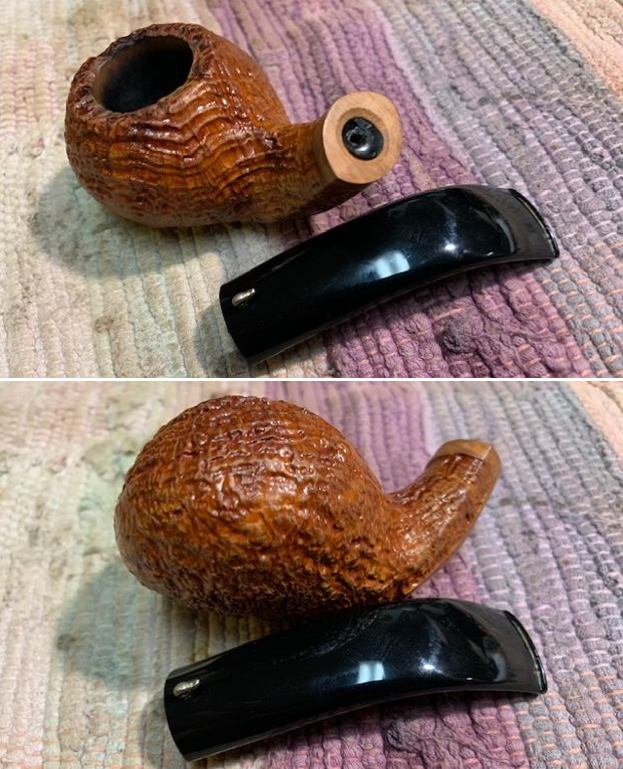
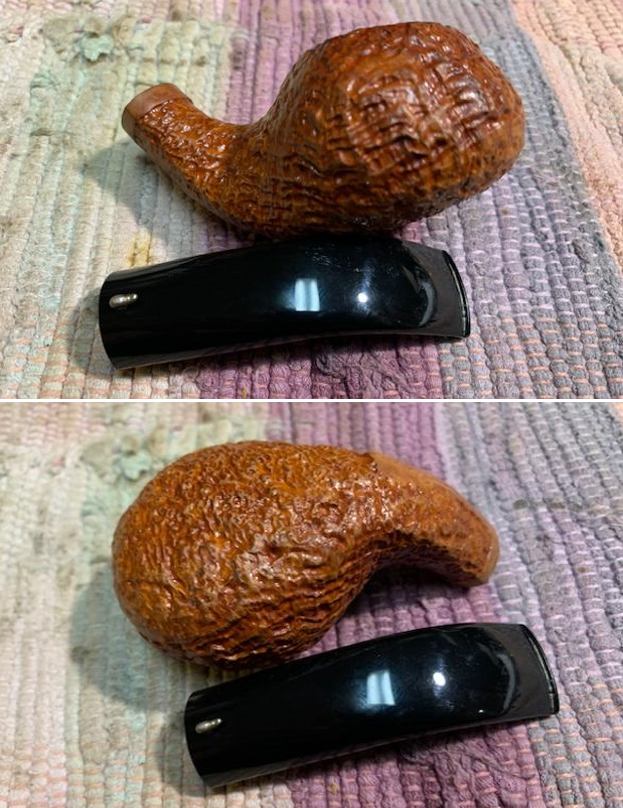
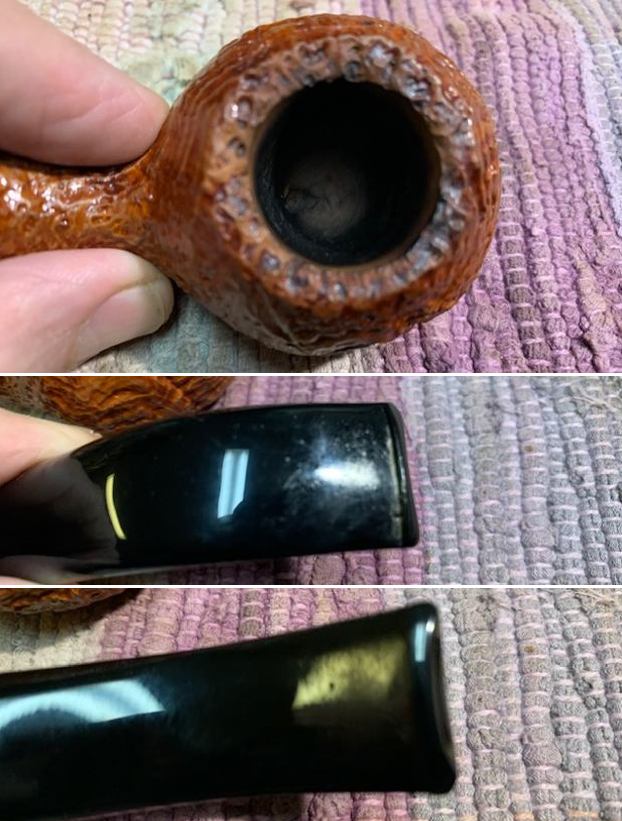
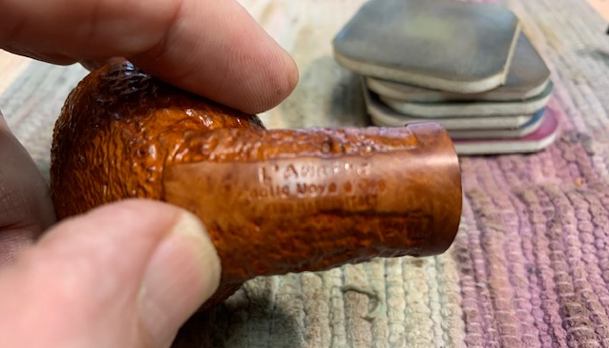
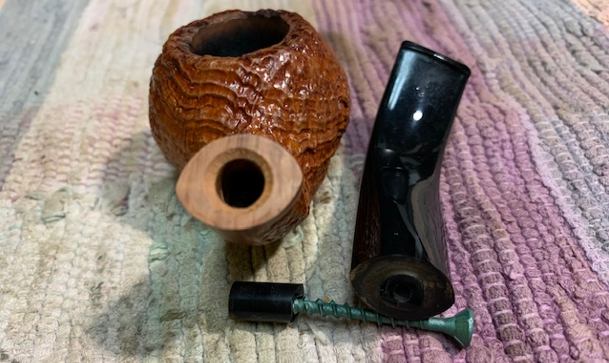
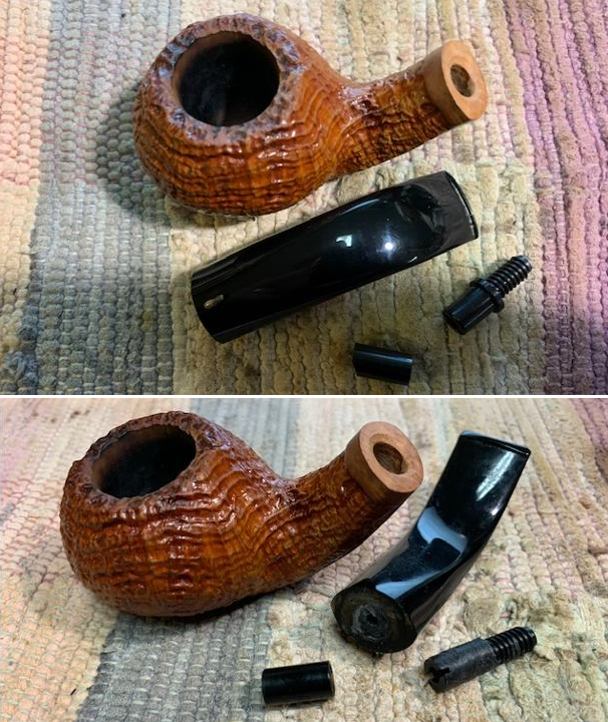
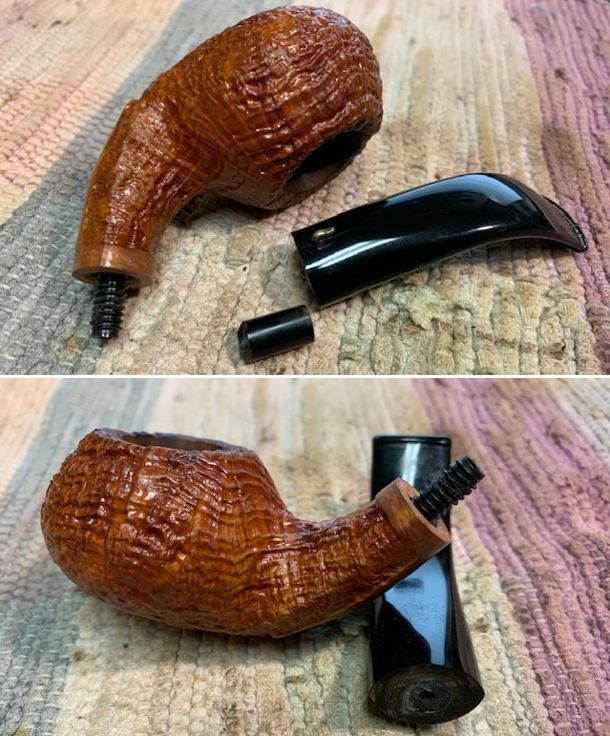
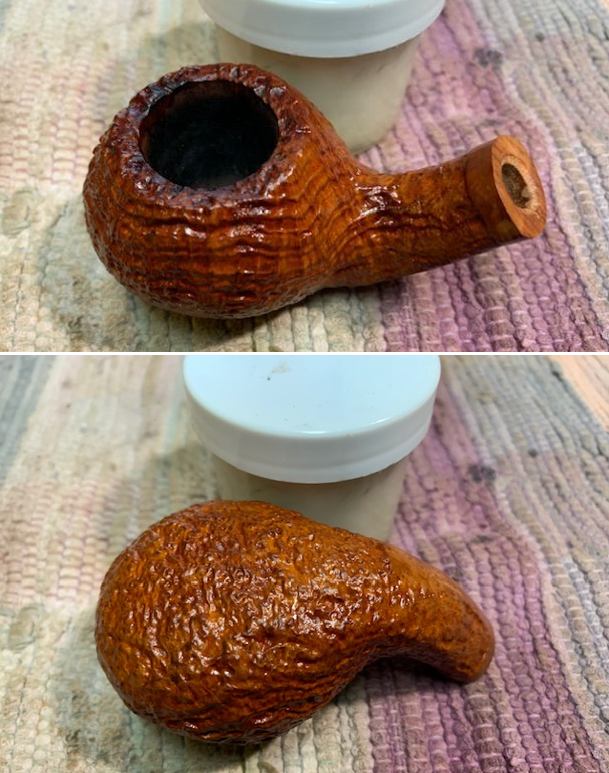
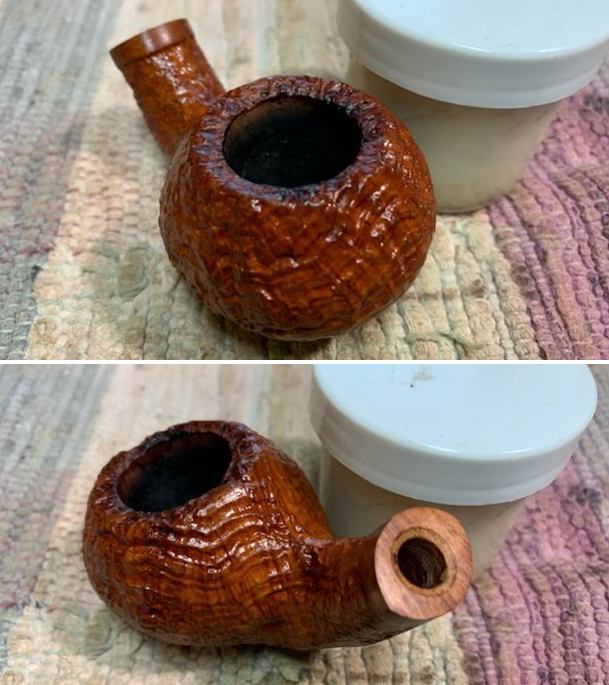
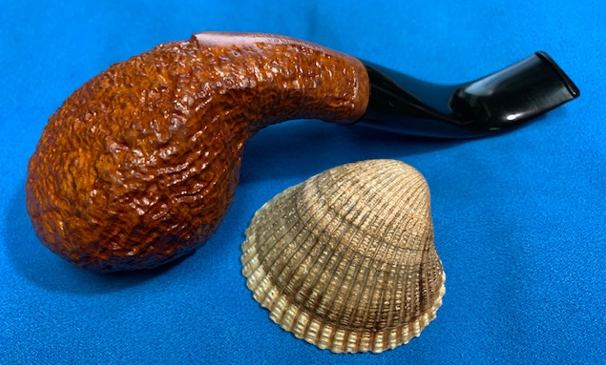
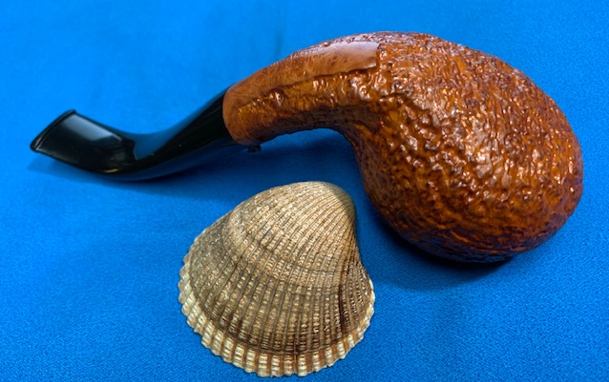
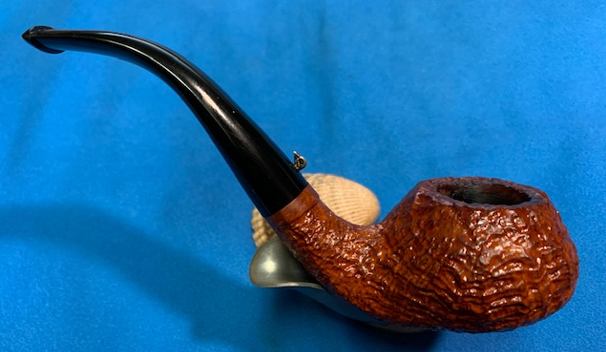
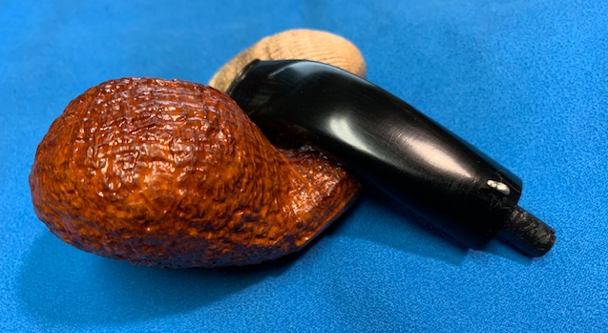
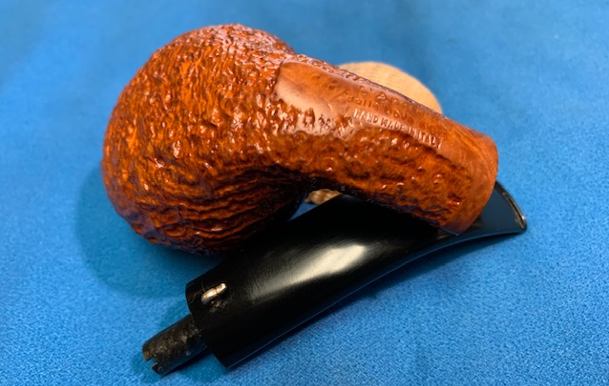
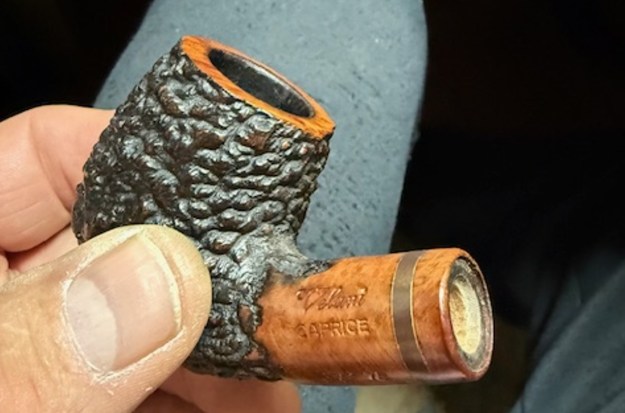
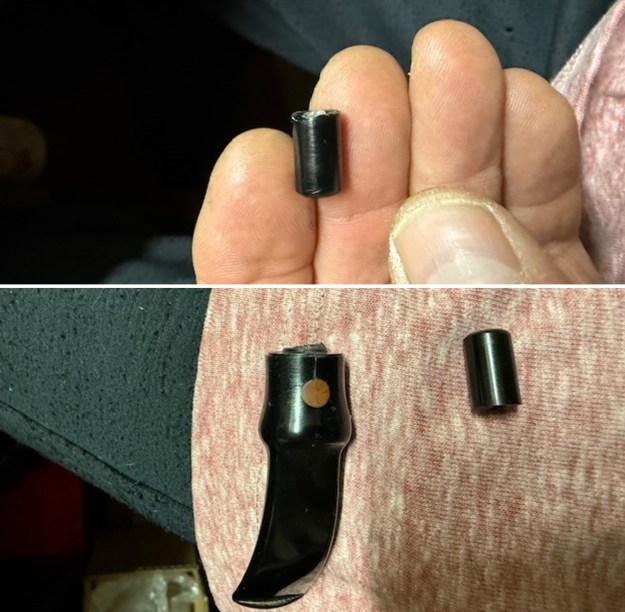
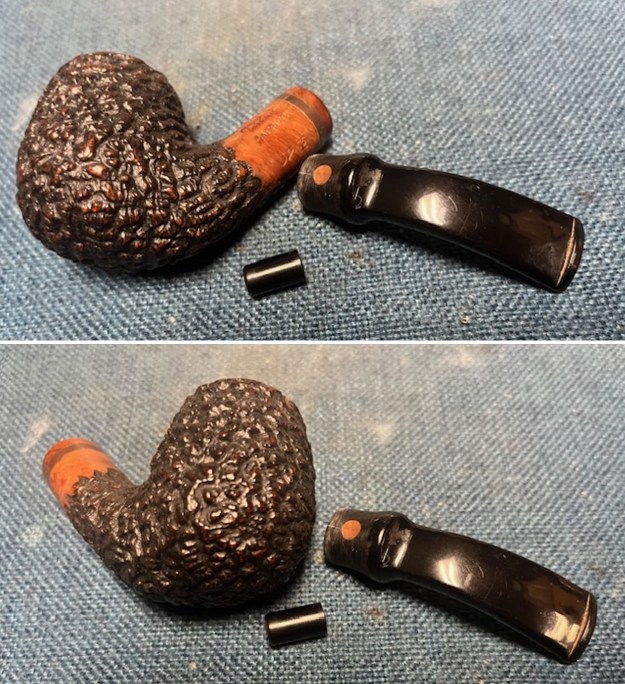
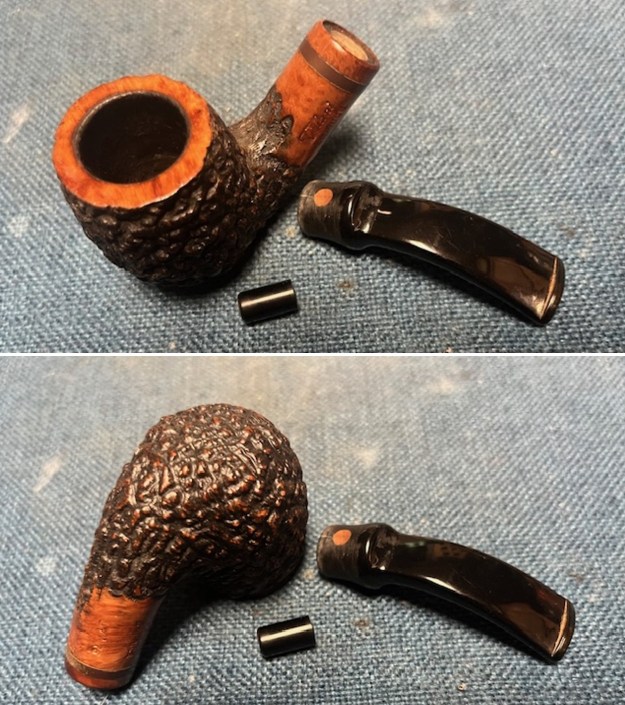
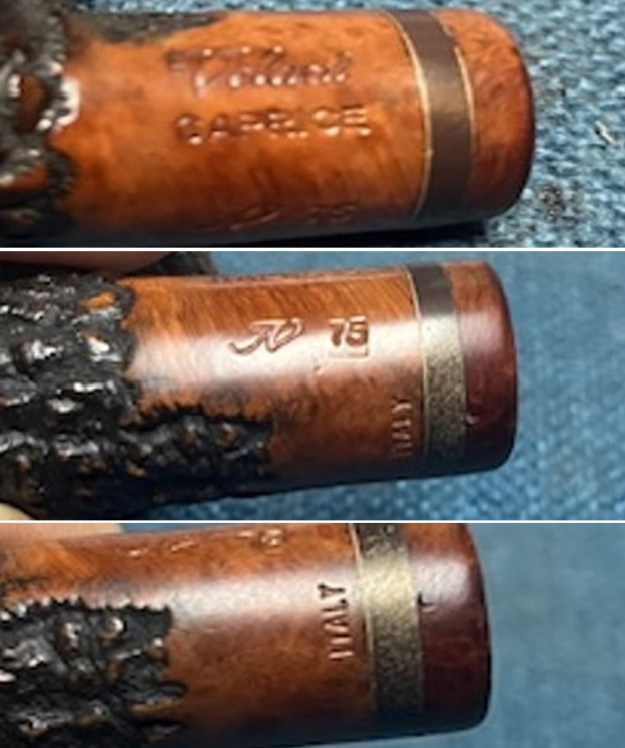
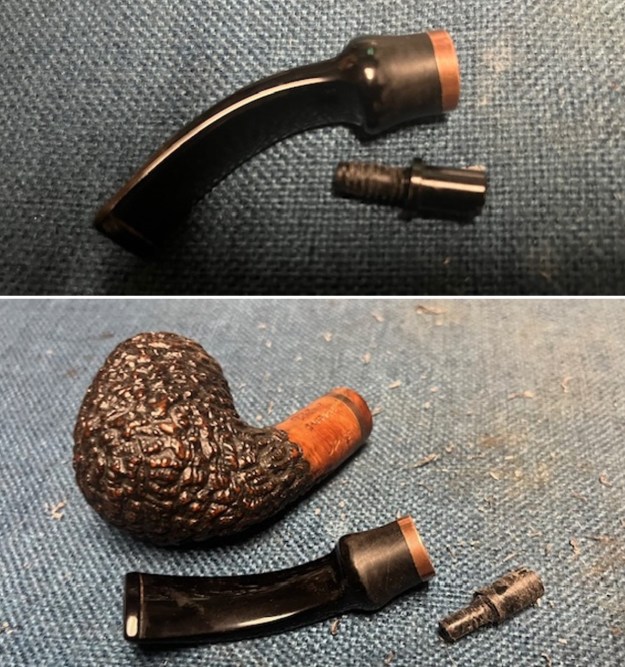
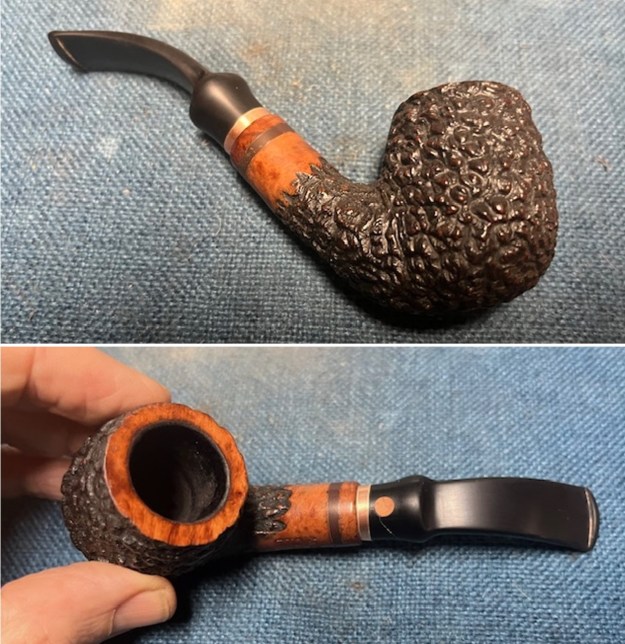
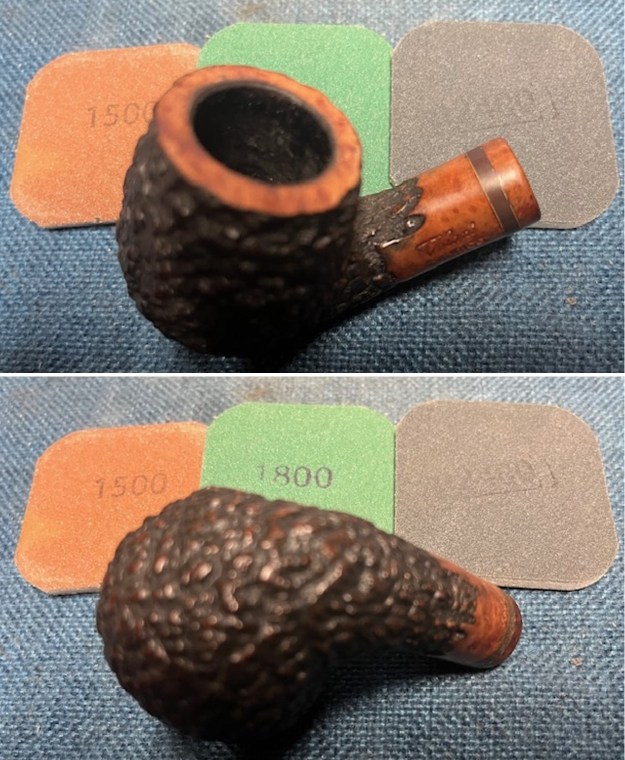
I wrote back with my normal questions about what had broken and if he was able to send me photos of the pipe so I could more thoroughly assess what had happened to the pipe. He sent me the following photos that clearly showed the damage. When the box arrived from Larry yesterday I opened it to see what I was dealing with. The pipe was stamped on the left side of the shank and read Velani [over] Caprice and AV 75 on the underside. It was also stamped Italy against the acrylic spacer in the shank end. The stamping was clear and readable. The heavily coral like rusticated finish was quite clean and the bowl inside was smooth and appeared to have been recently reamed. The rim top was smooth and it was quite clean. It was dusty but otherwise clean. The stem was wrapped along with the broken tenon in the box. The saddle portion of the stem had cracked off and Larry had glued it back together with epoxy. He had done a great job and the crack was solid. There were still some light crevices where the repair had been done that would need to be filled in. I set the pipe aside so that I could think about the repair. I took photos of the broken parts of the pipe and have included them below. I took photos of the stamping on the shank. It was clear and readable as noted above. I turned to Pipephil to refresh my memory of the brand understand a bit more about it before I started working on the stem (http://www.pipephil.eu/logos/en/logo-a3.html#aldovelani). I am including a screen capture below. From the side bar on Pipephil I was reminded that Aldo Velani is the fictional name for a sub-brand of Barontini that was mainly intended for export.
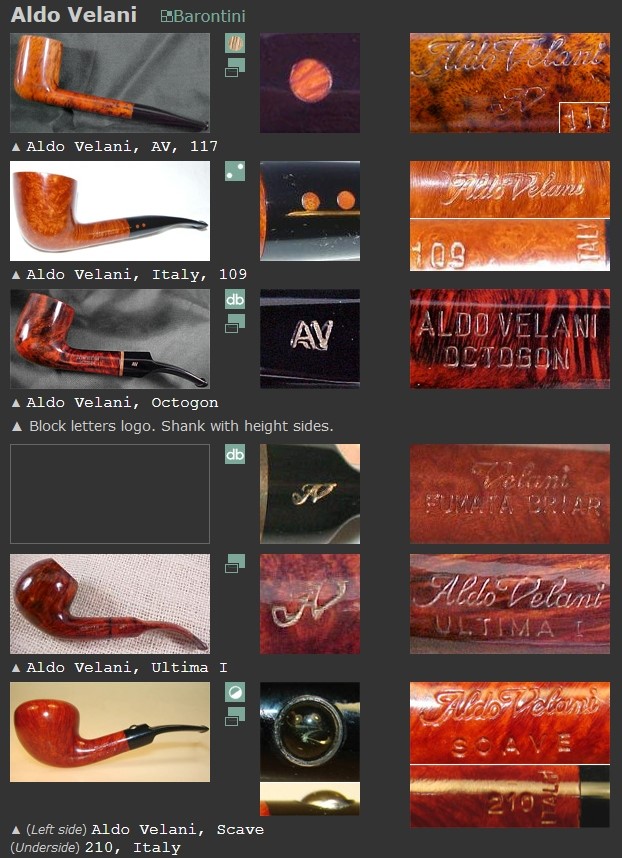
I turned to Pipedia to see if I could learn a bit more about the brand and the link took me to Cesare Barontini’s page (https://pipedia.org/wiki/Aldo_Velani). It also confirmed the information from the side bar above. Now it was time to work on the pipe.

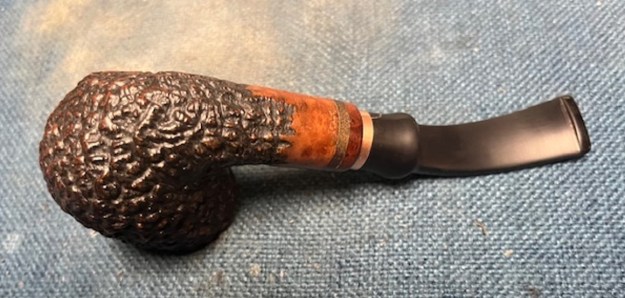
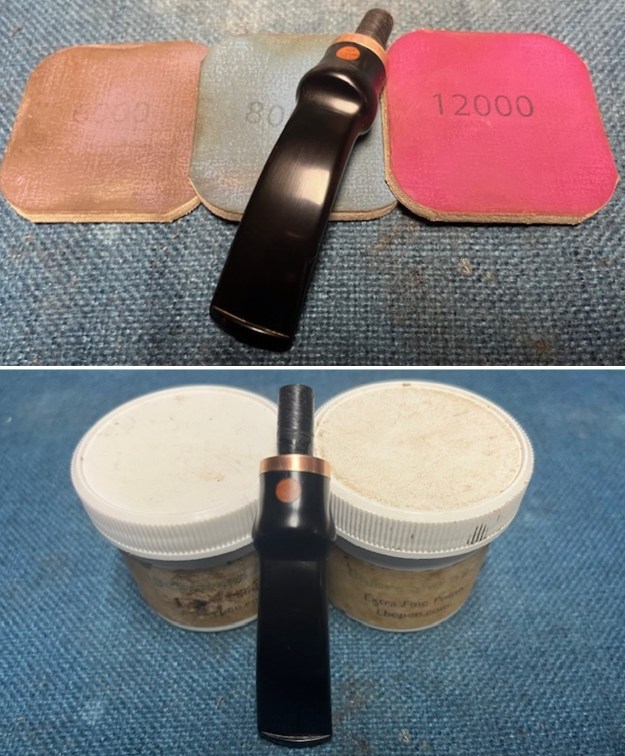
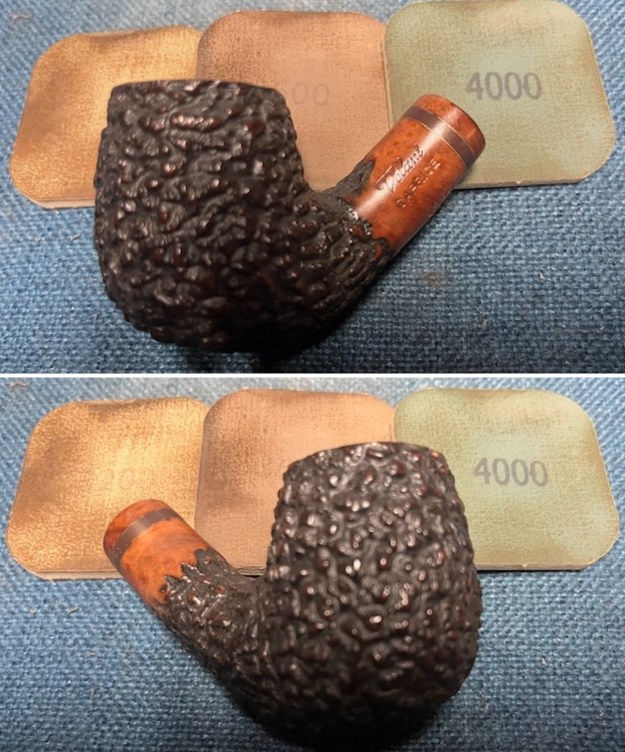
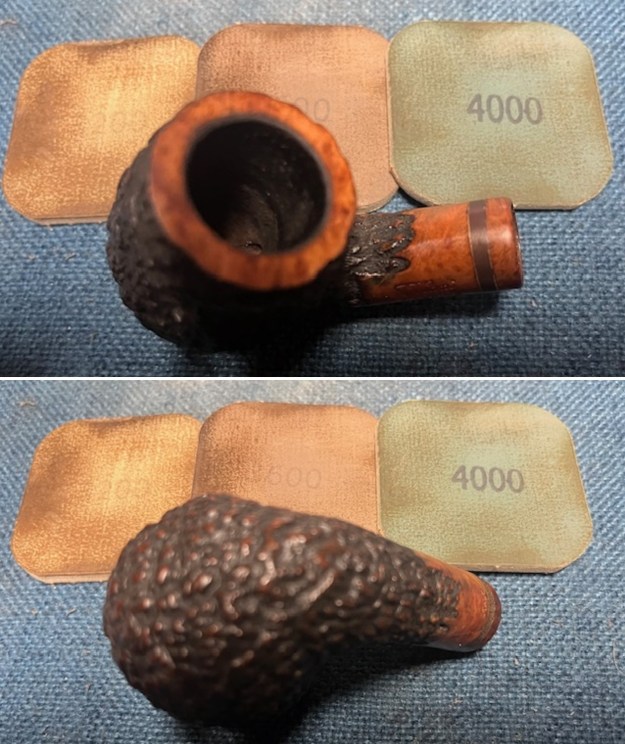
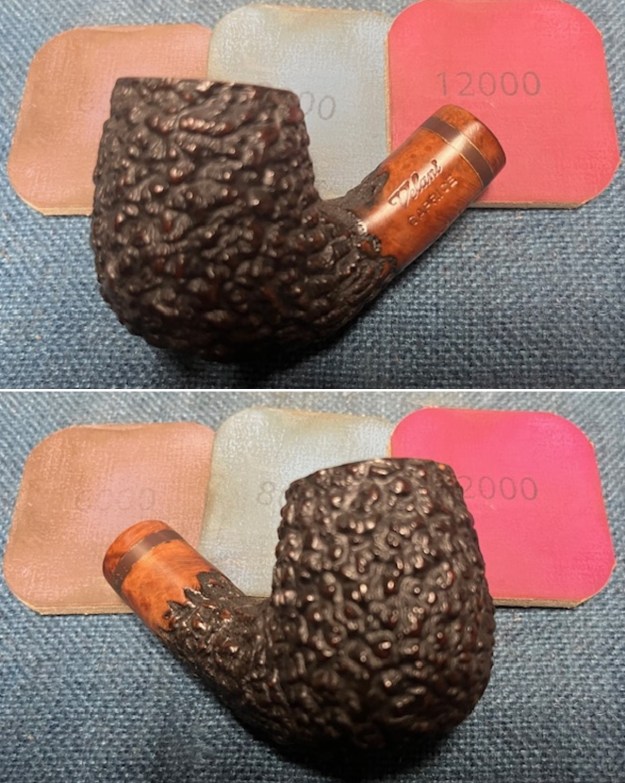
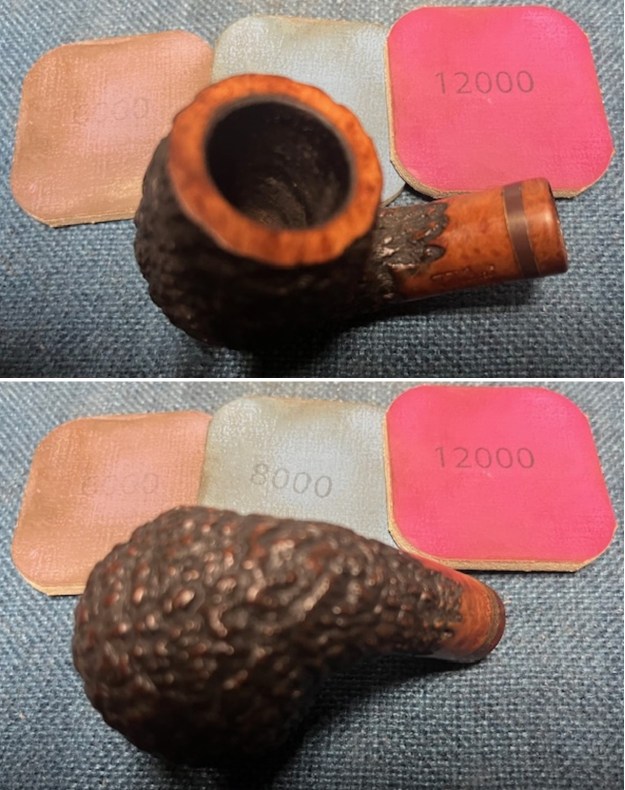
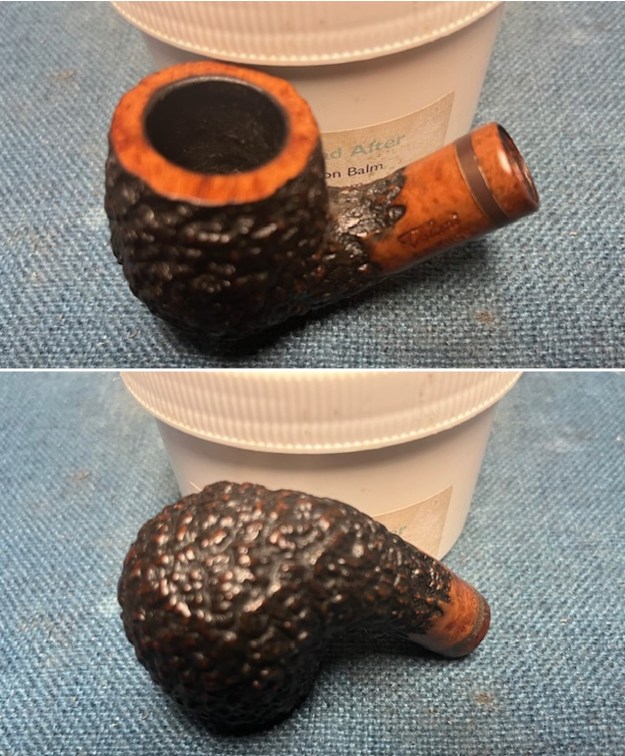
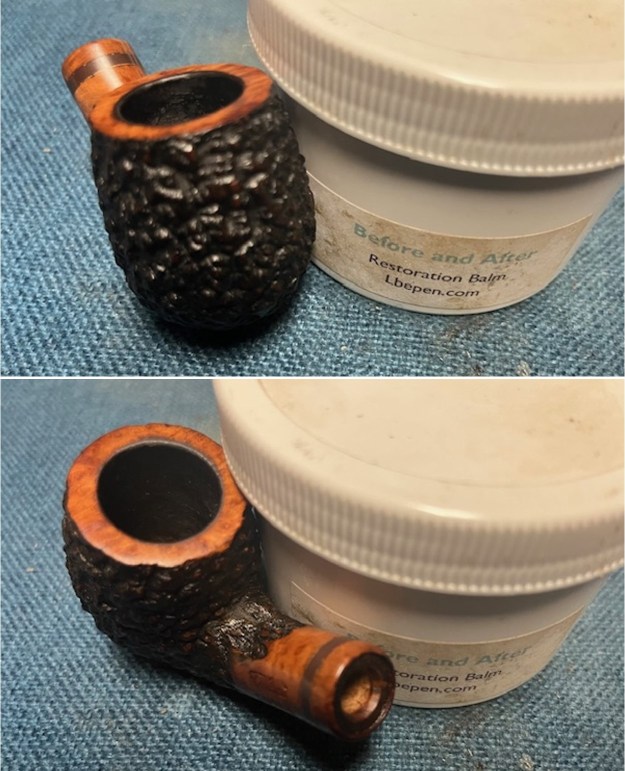
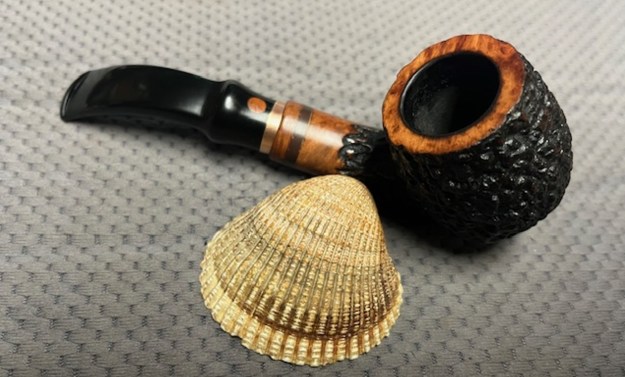
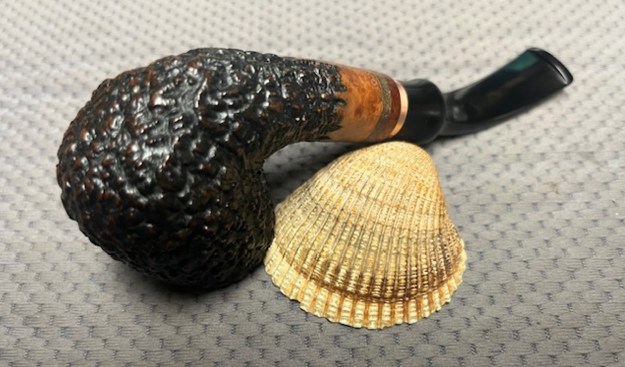
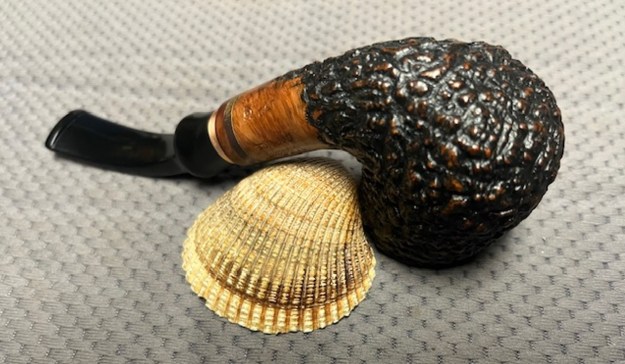
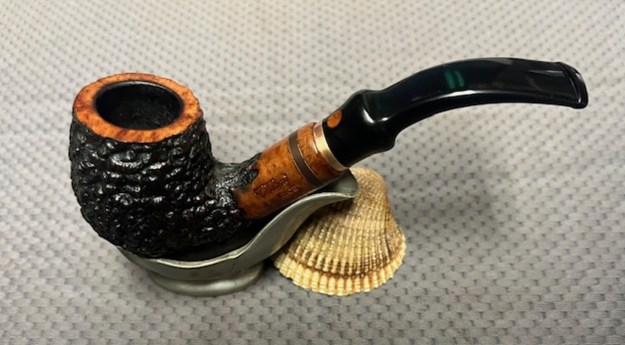
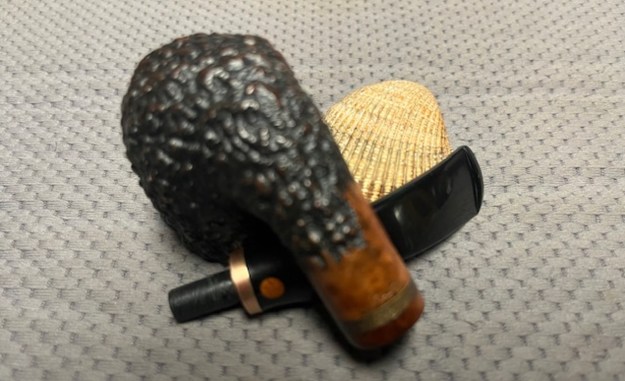
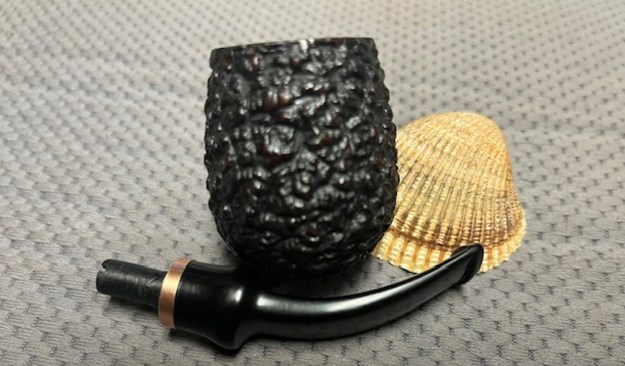
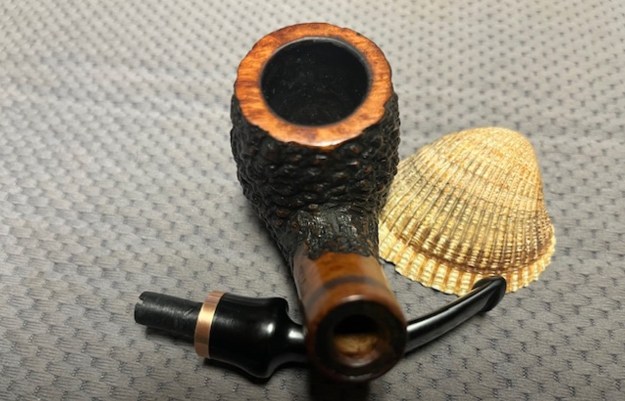
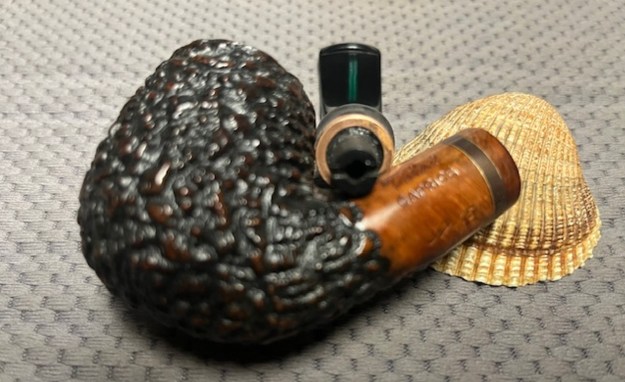
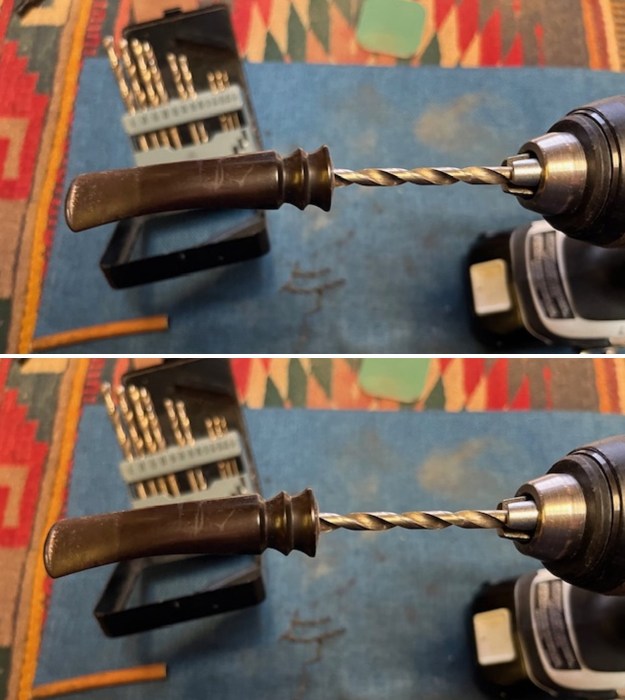
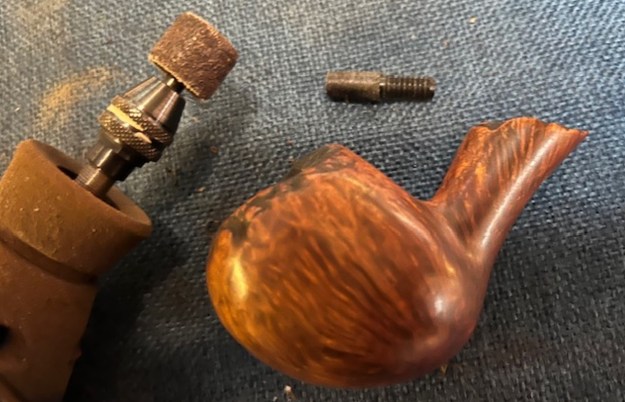
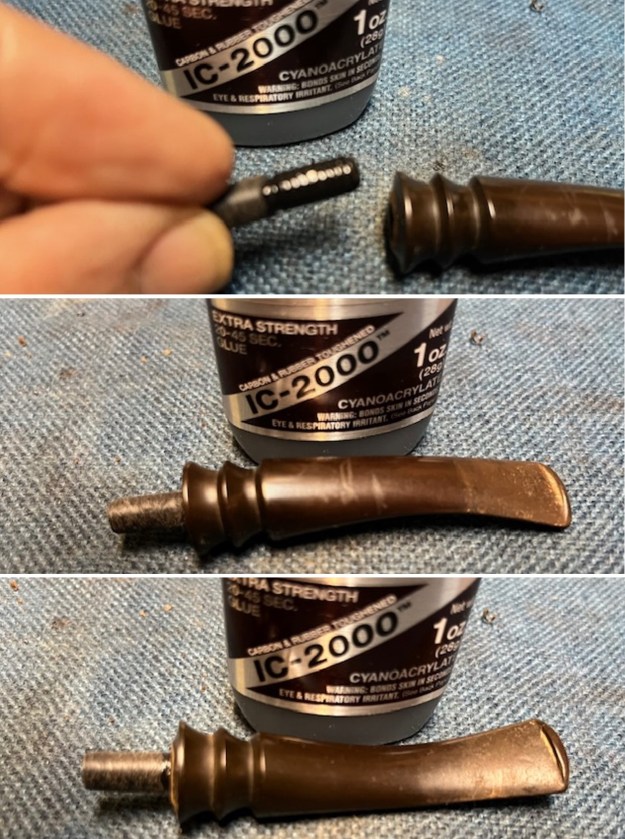
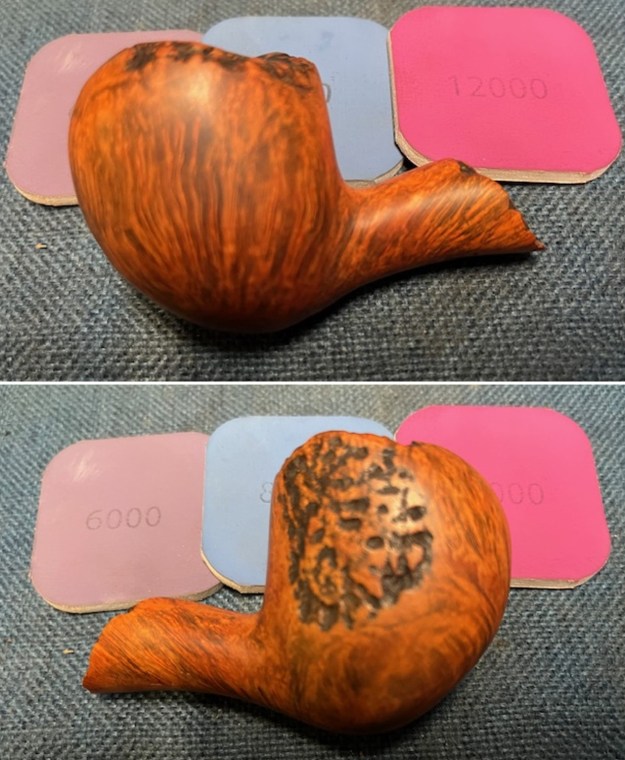
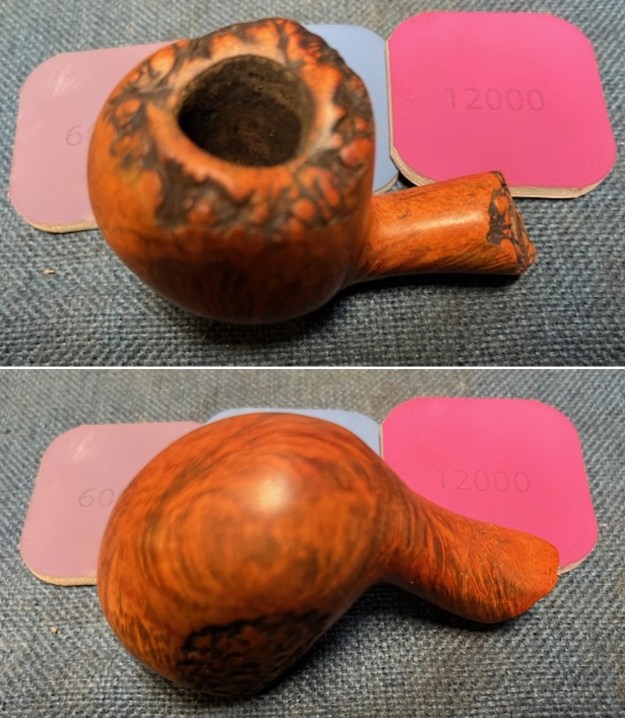
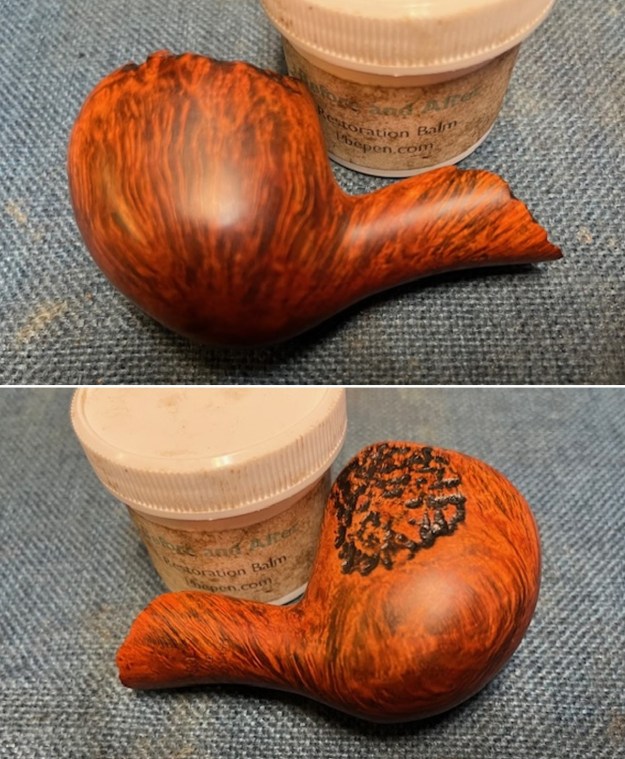
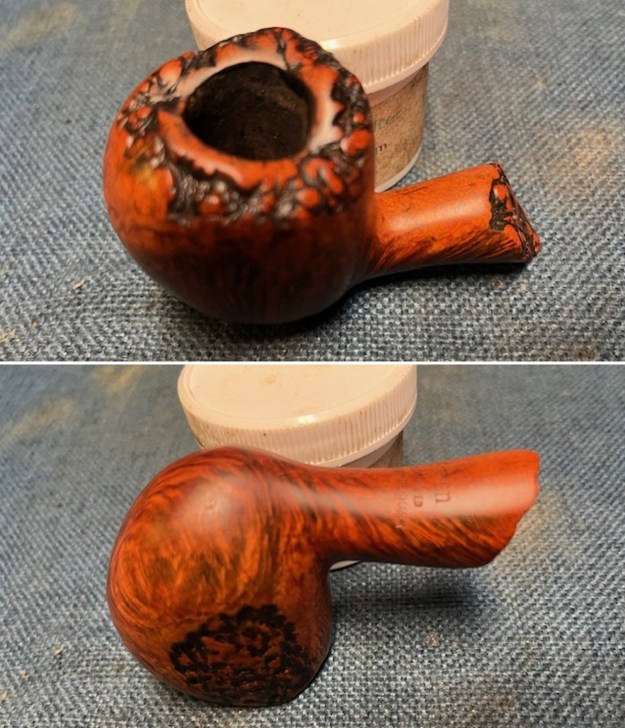
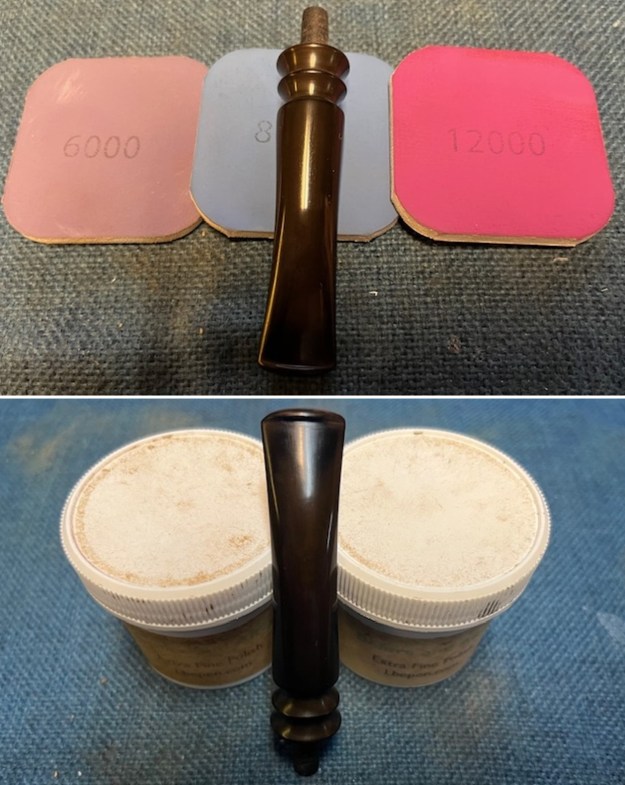
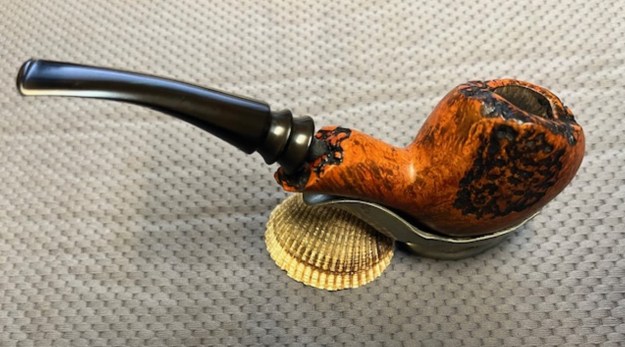
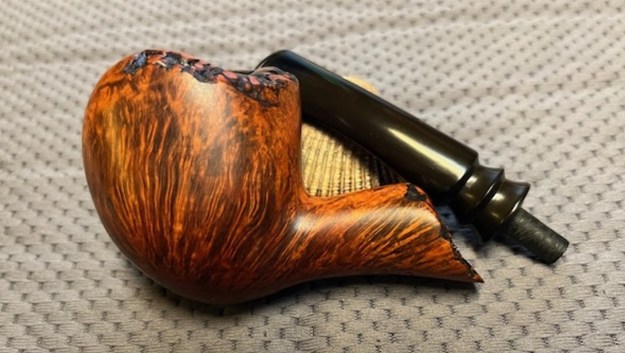
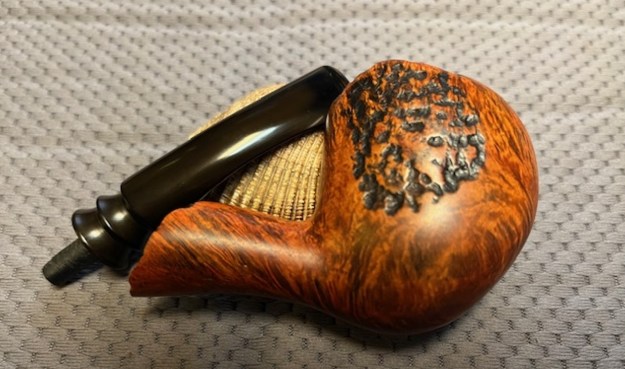
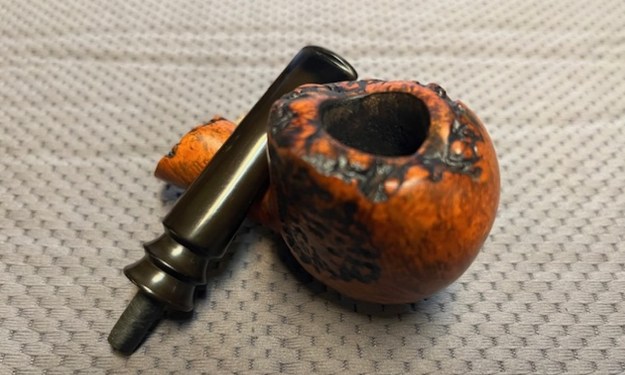
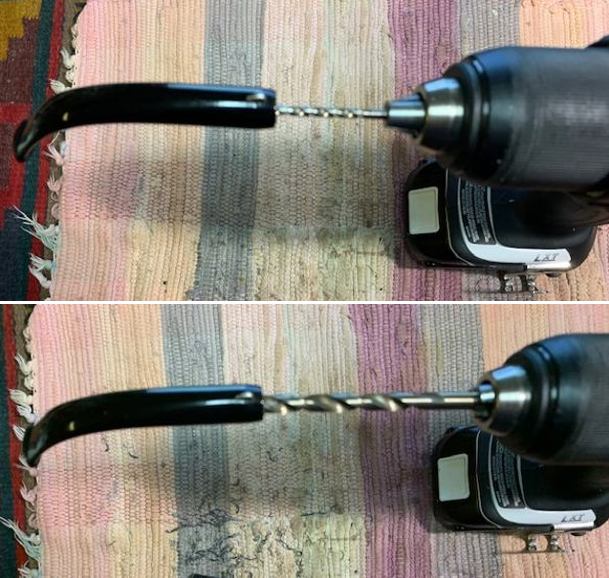
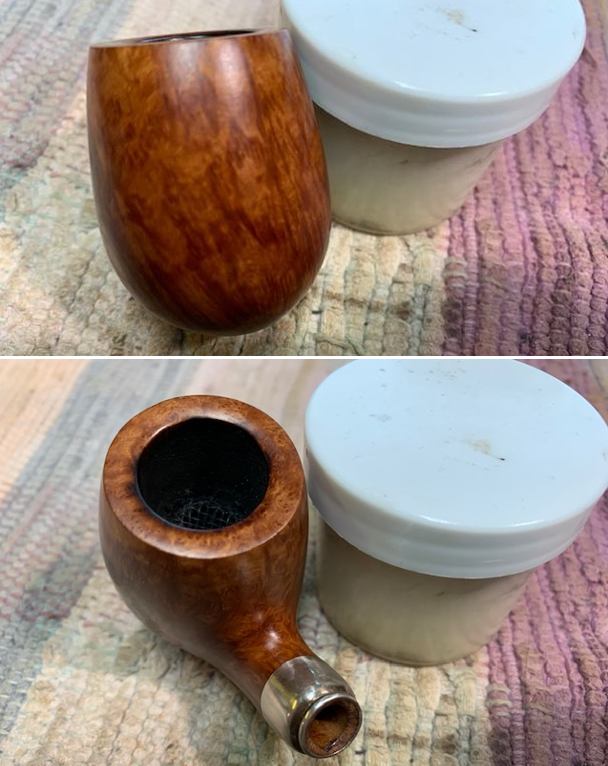
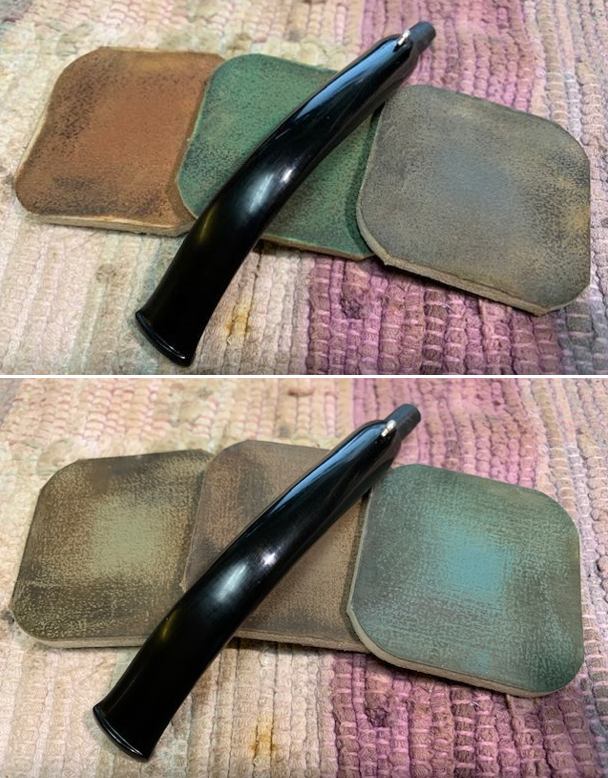
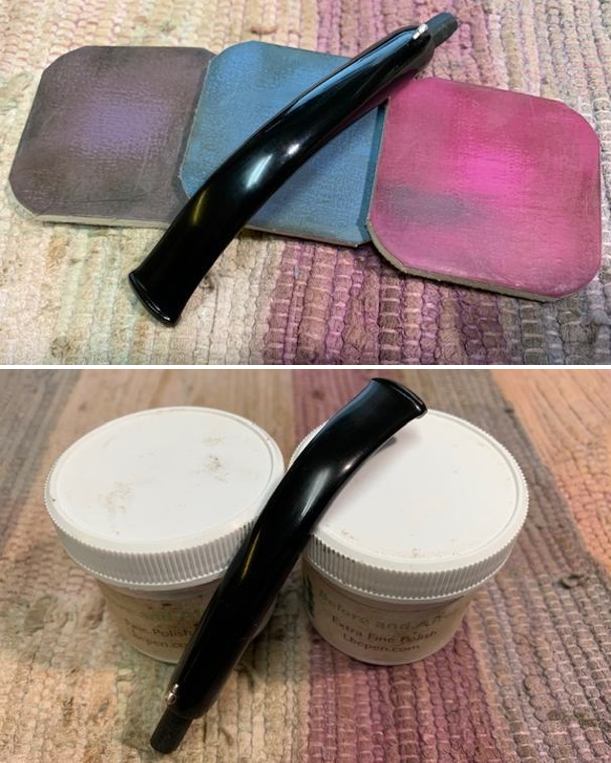
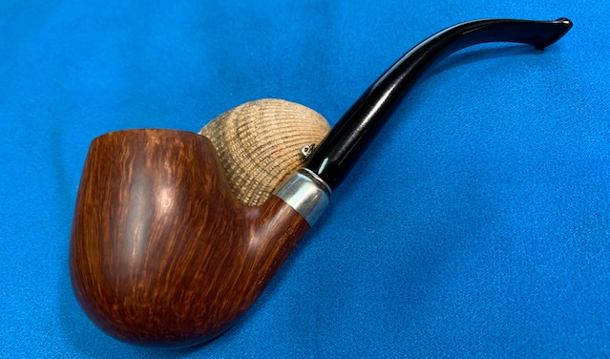
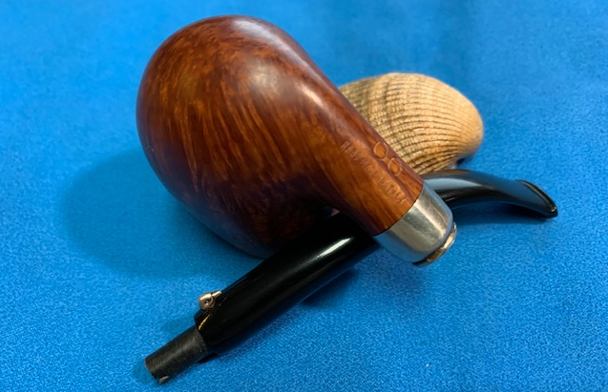
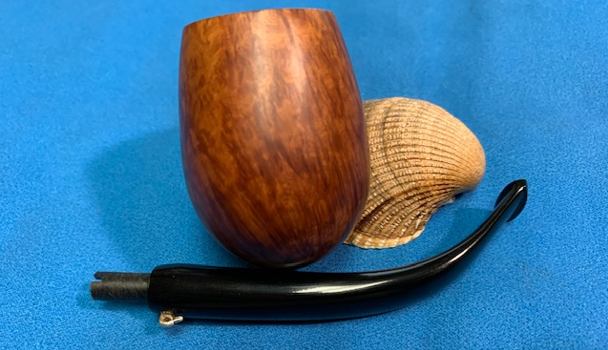
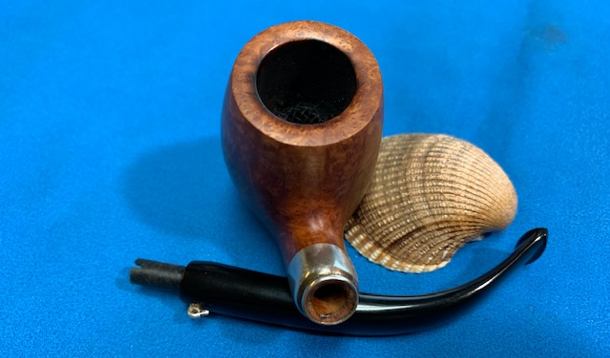
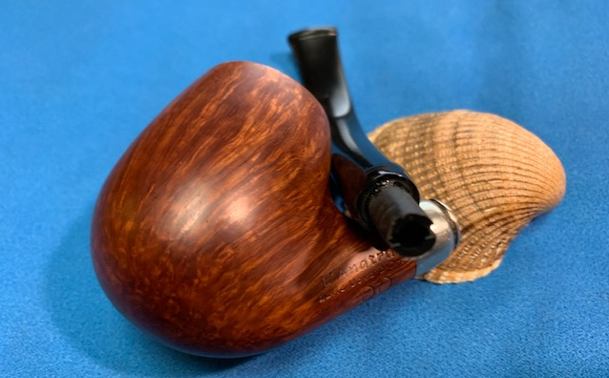
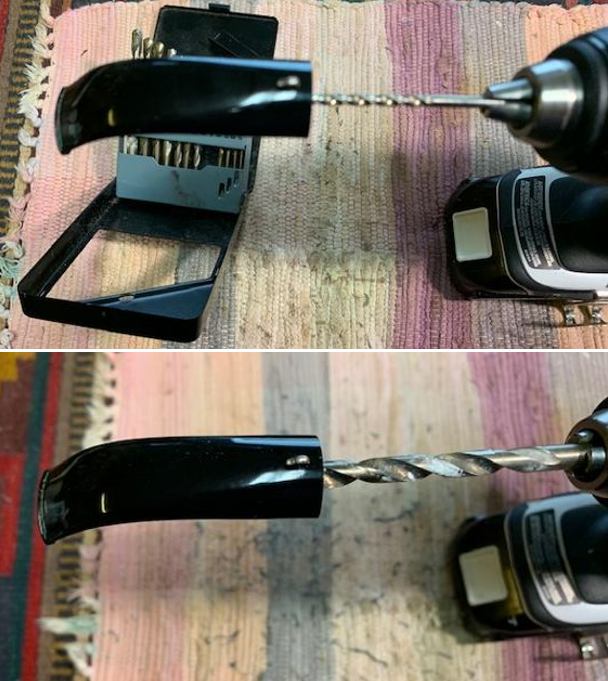
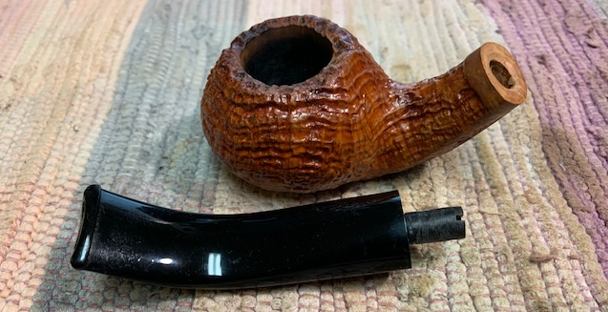
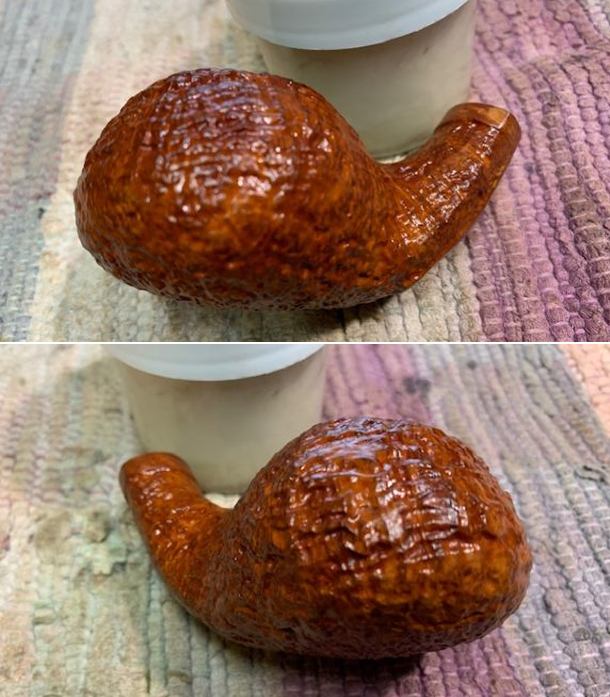
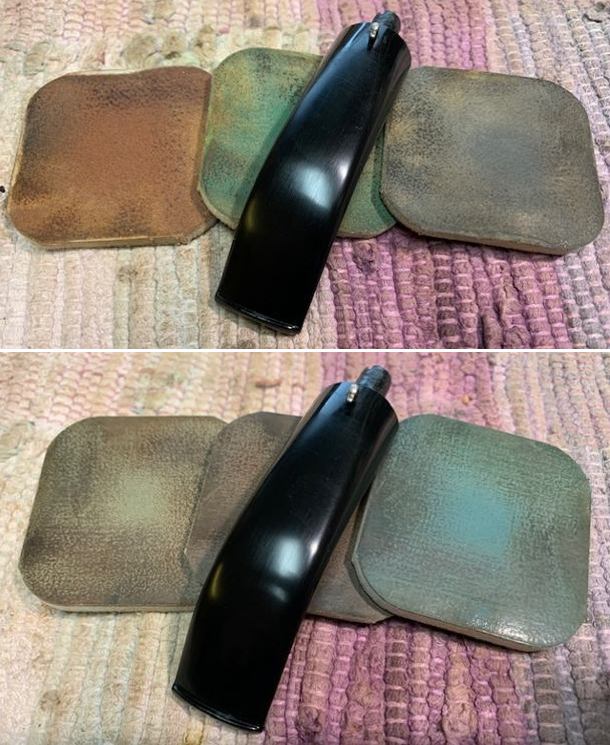
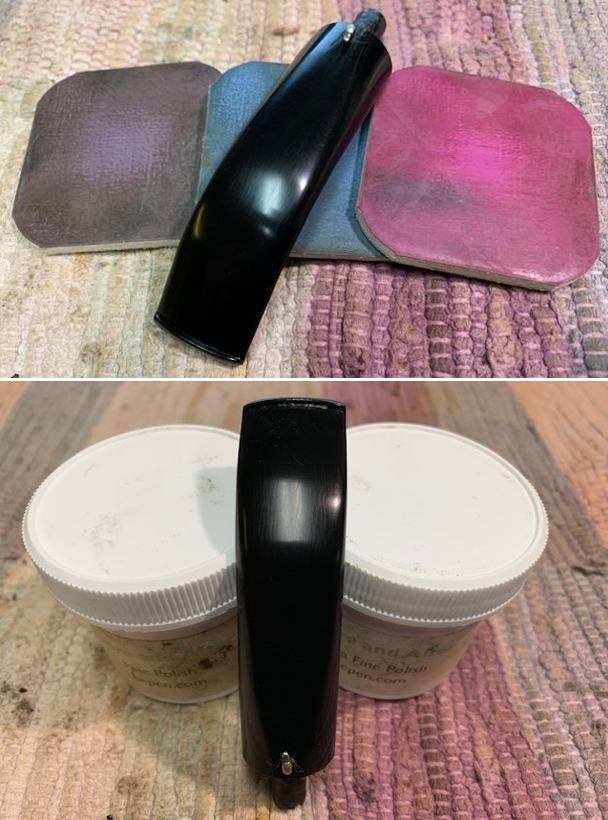
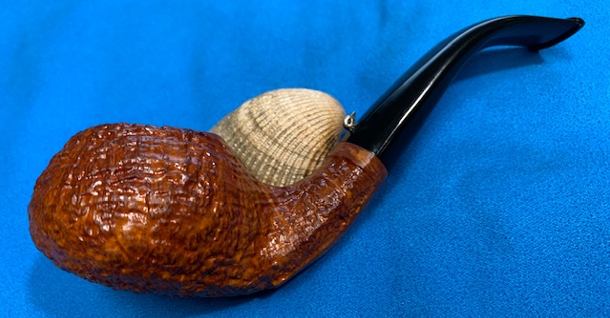
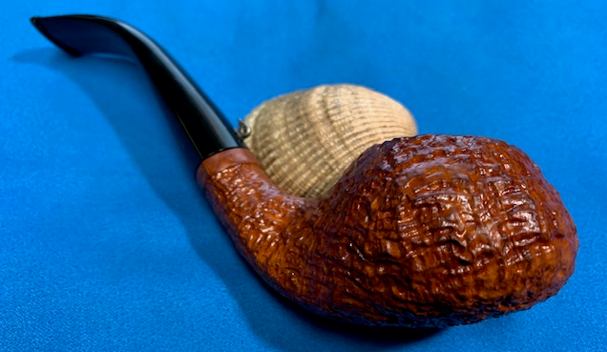
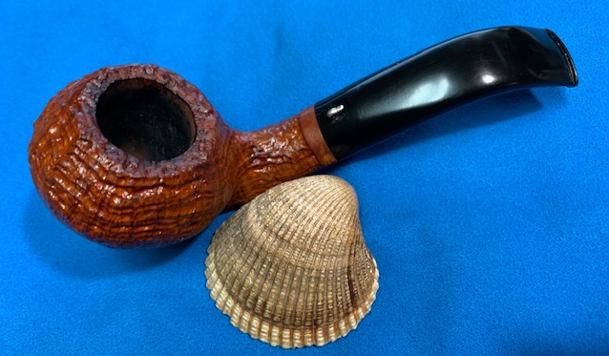
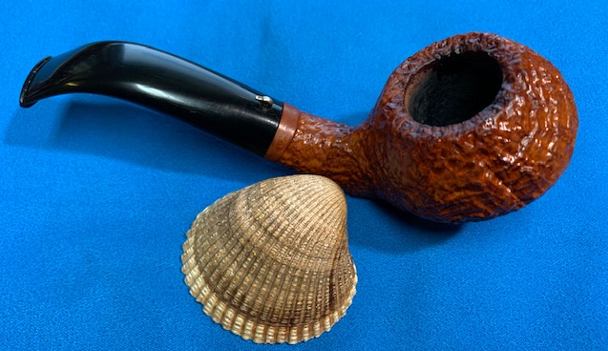
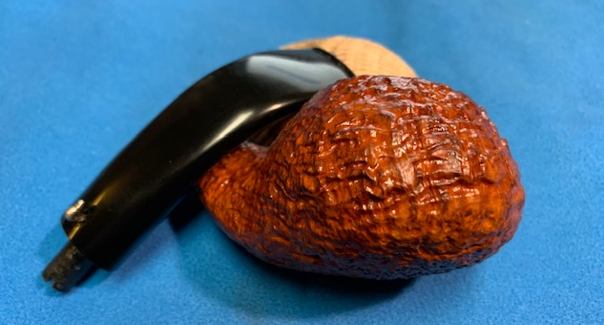
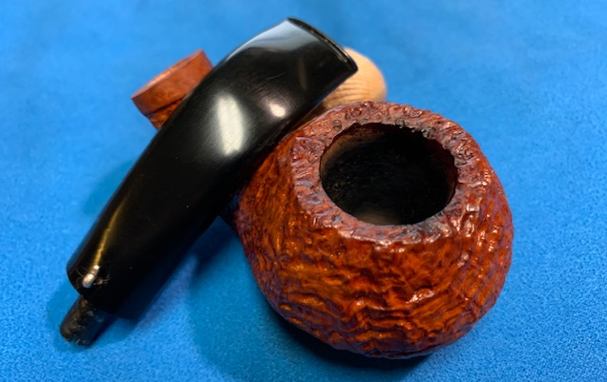
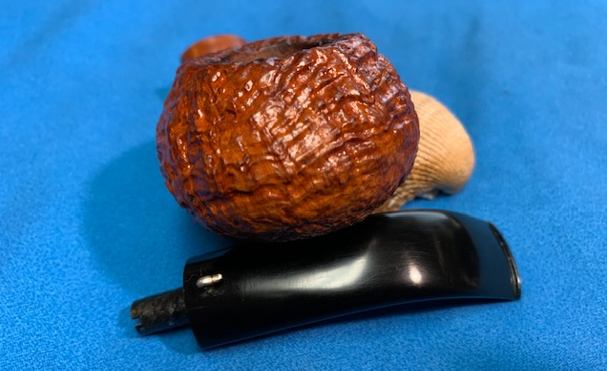
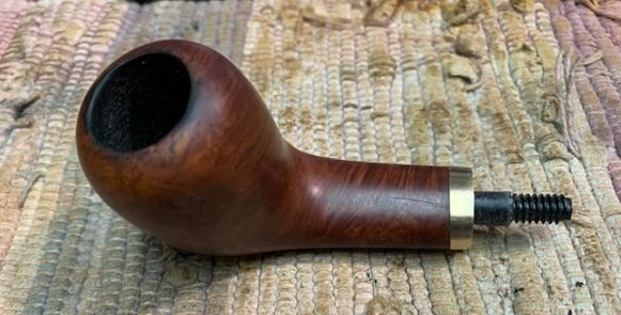
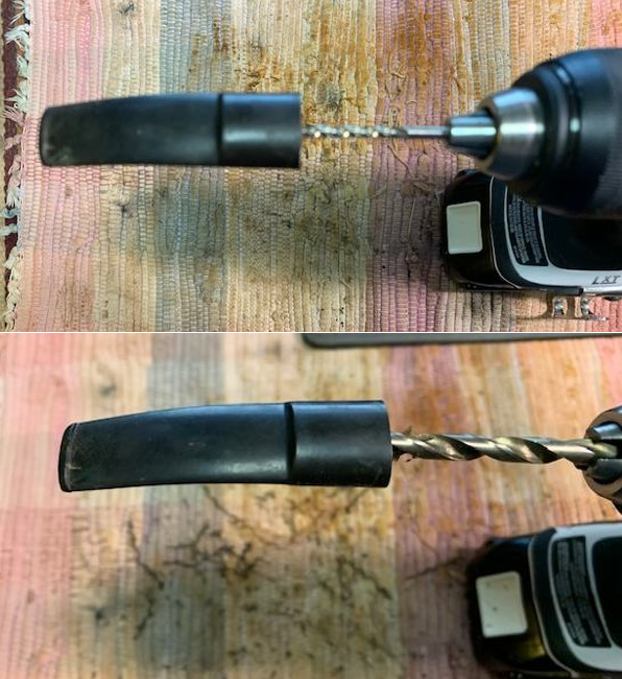
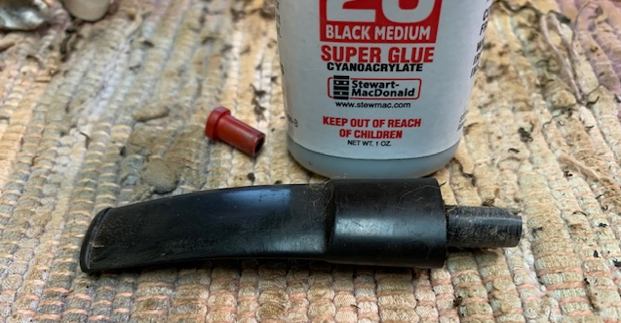
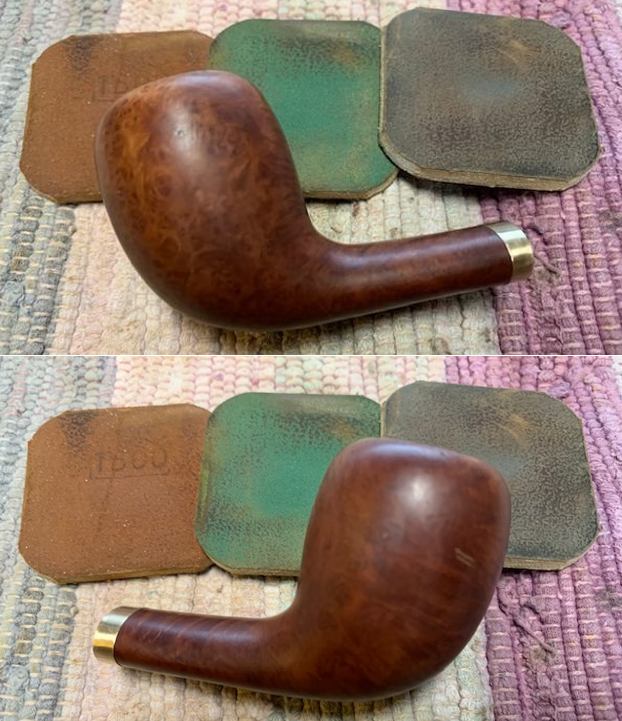
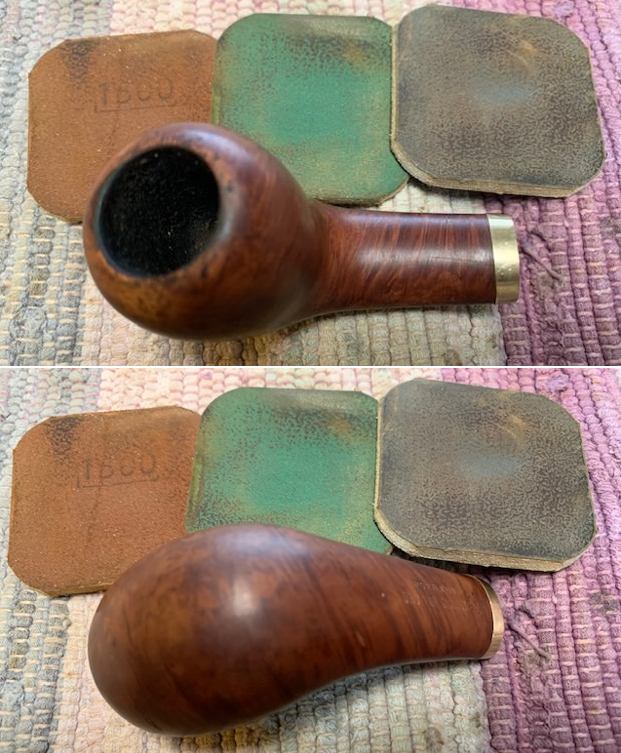
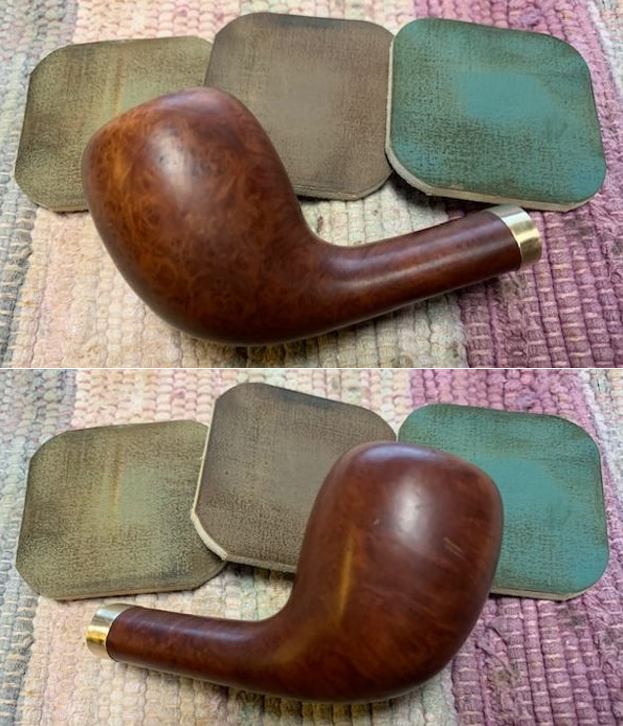
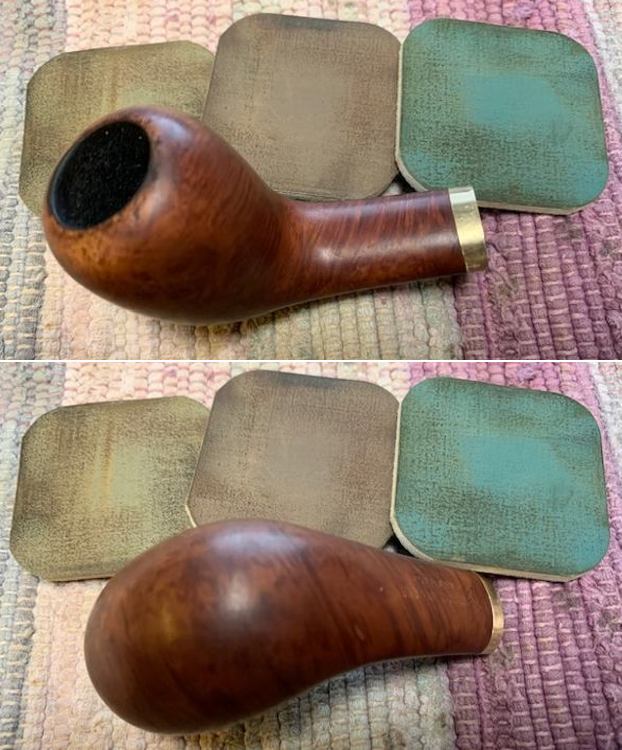
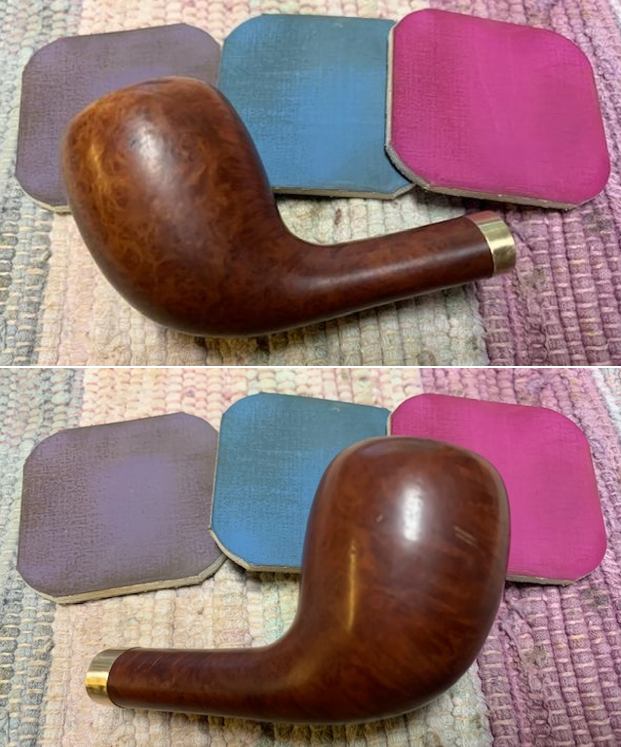
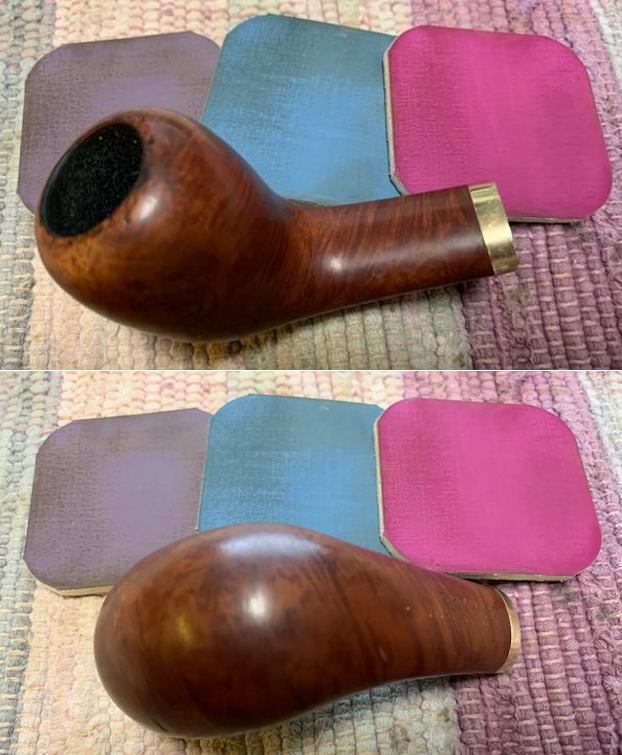
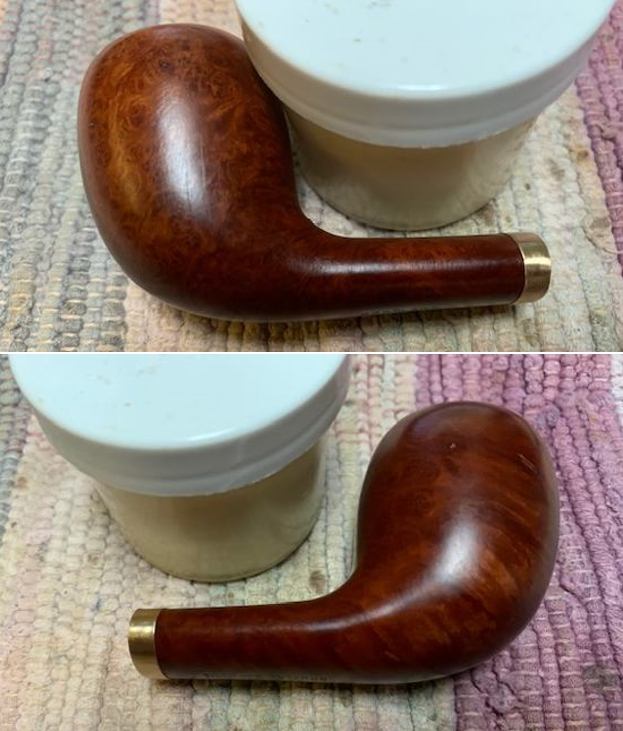
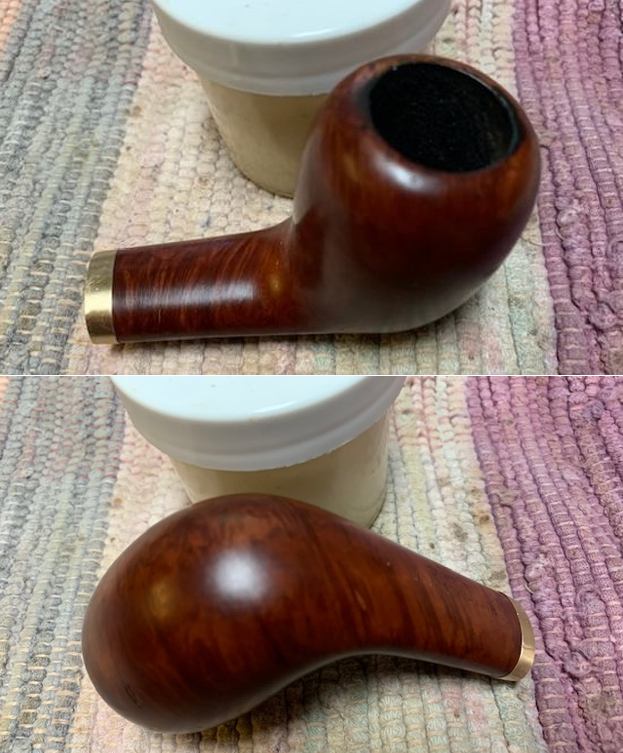
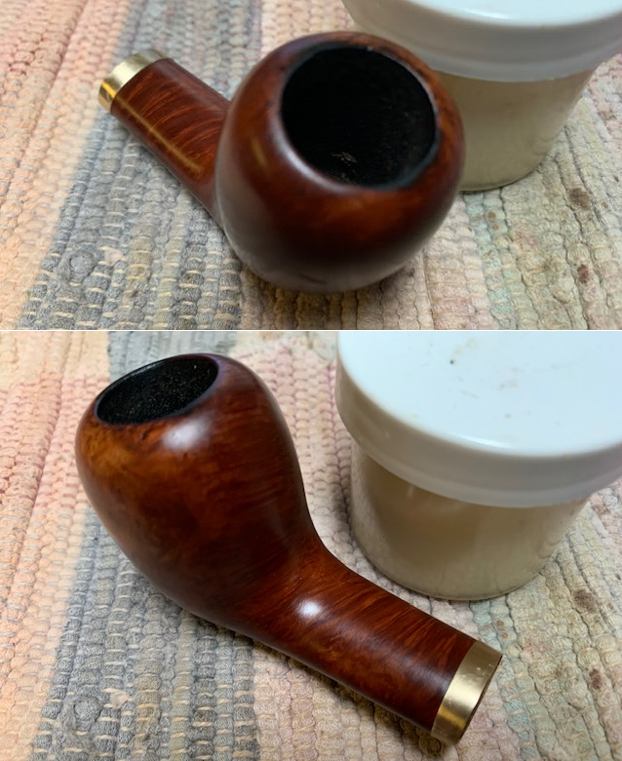
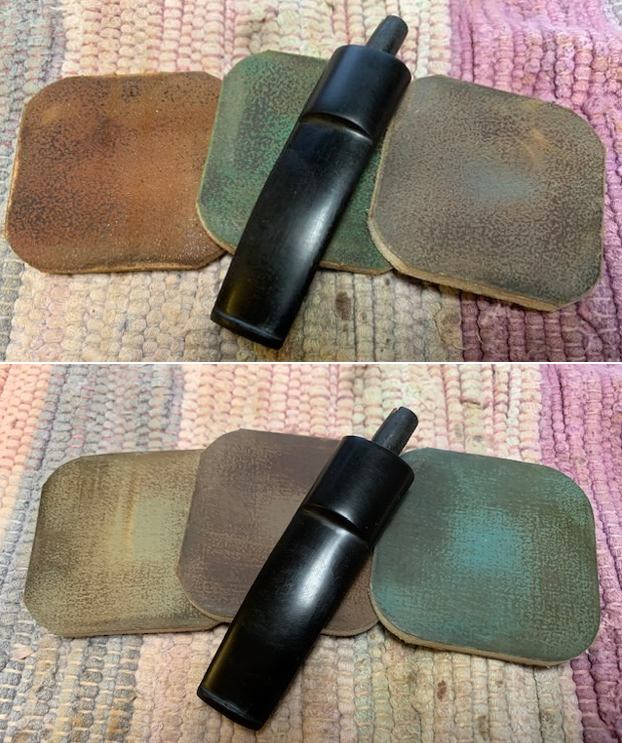
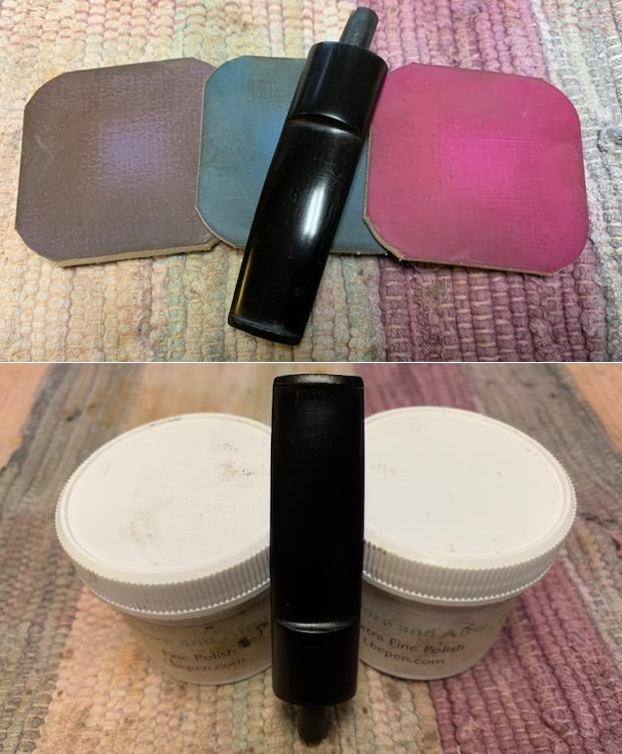
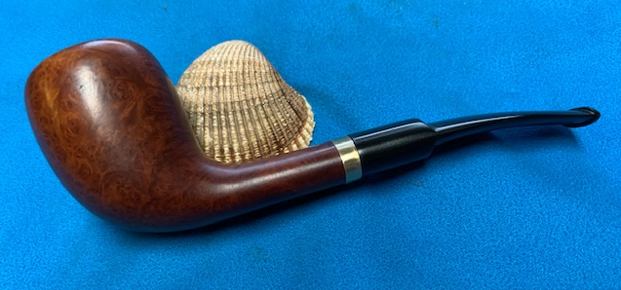
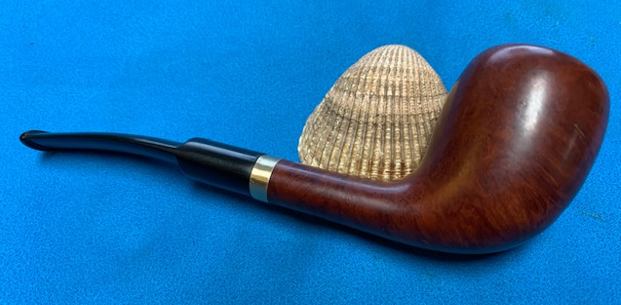
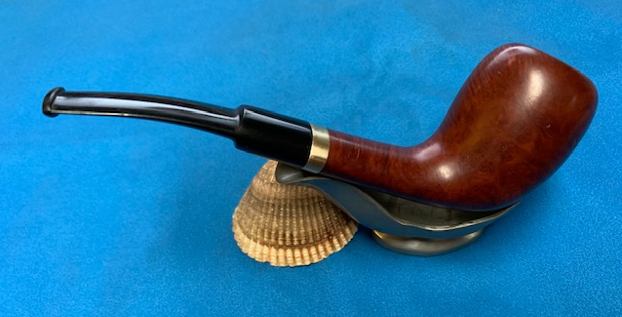
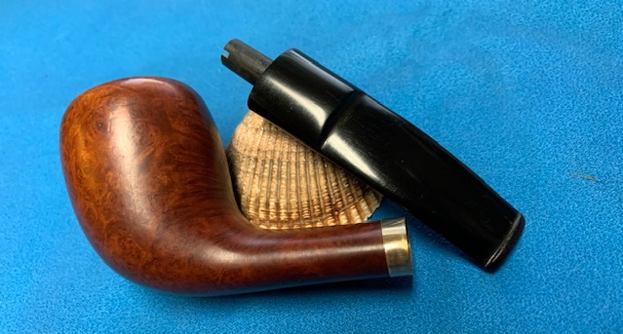
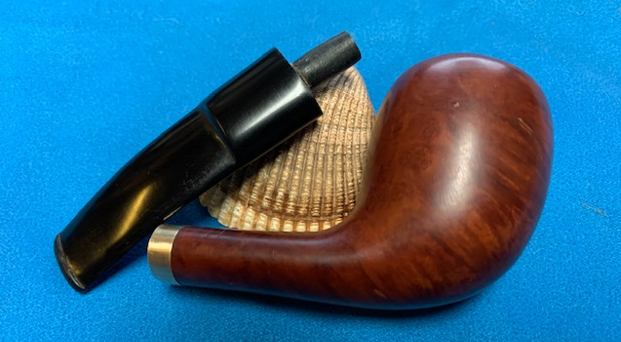
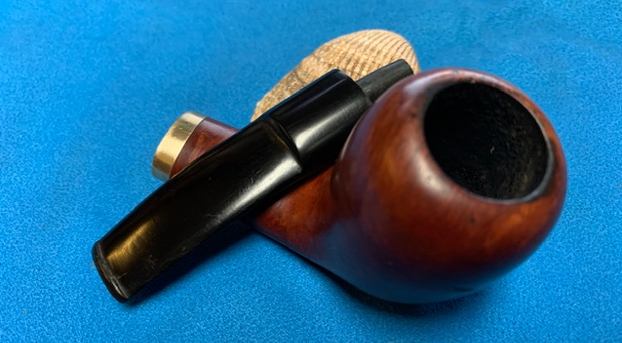
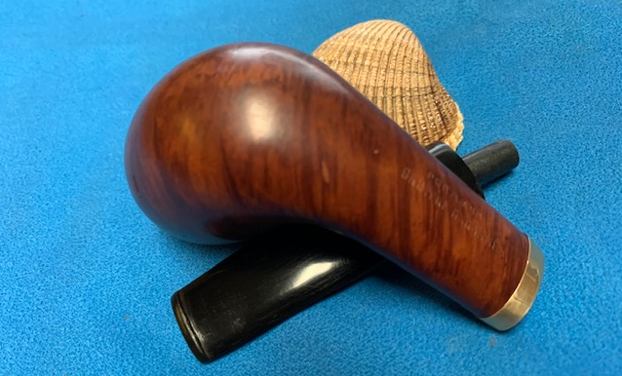
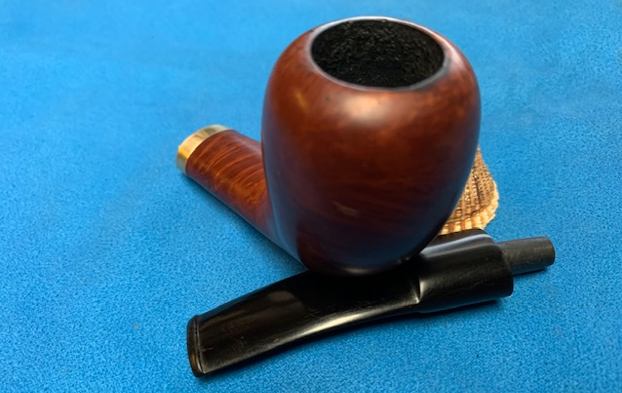
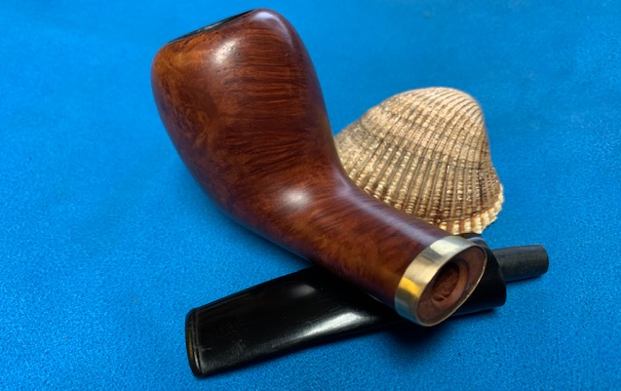
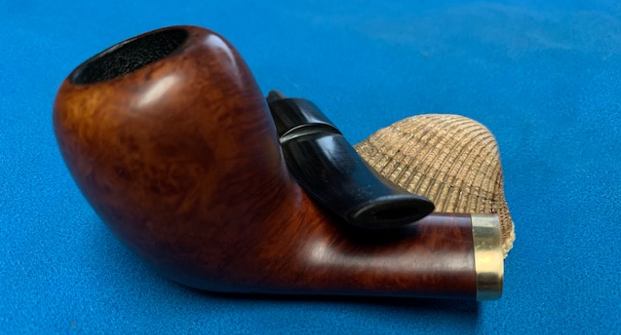
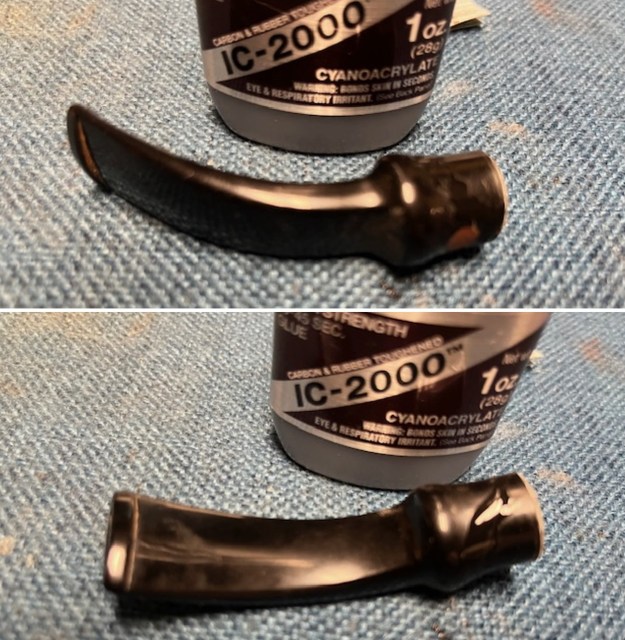
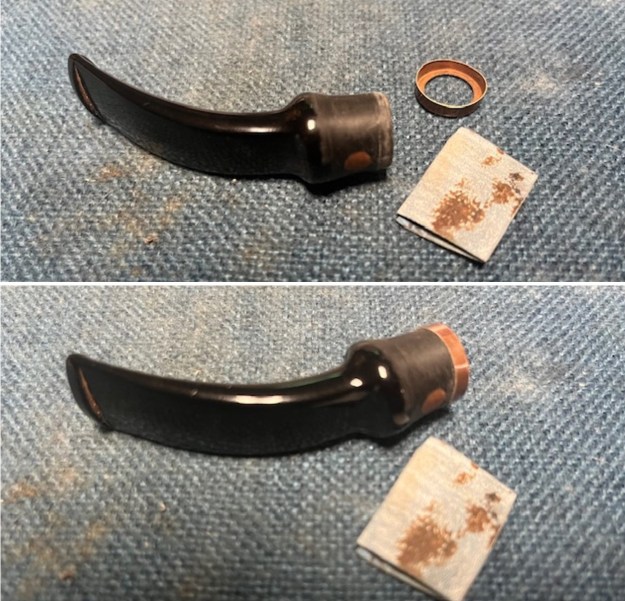
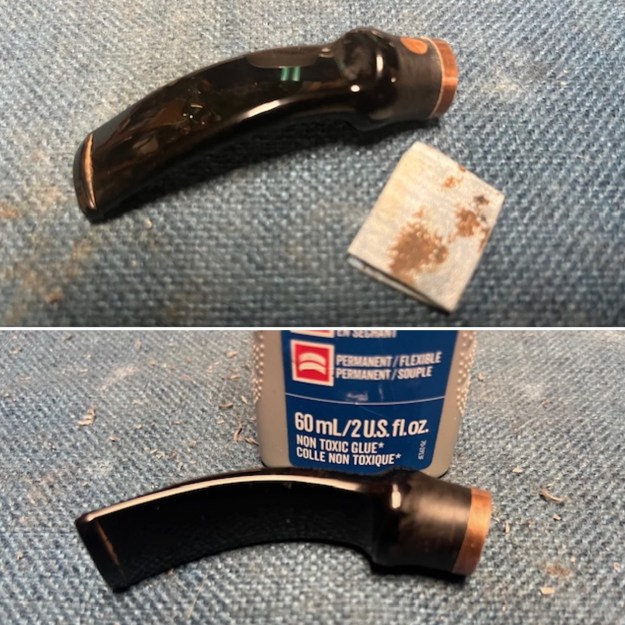
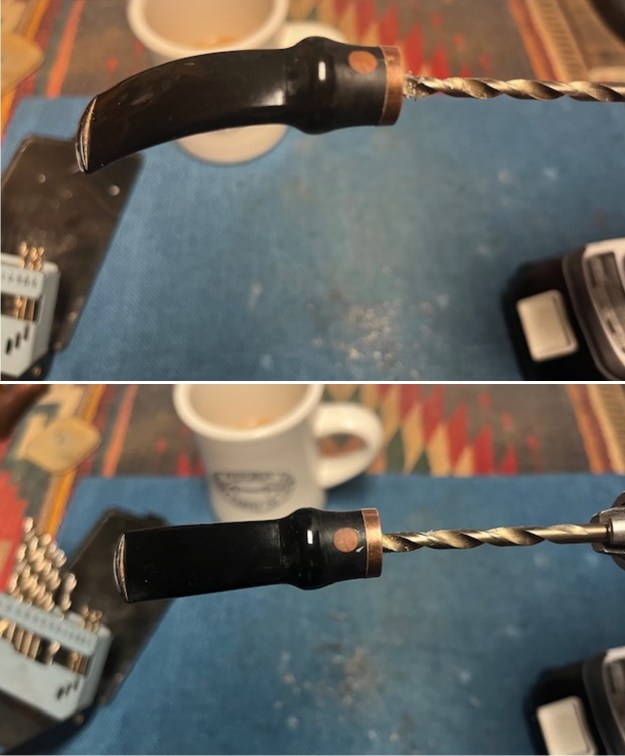
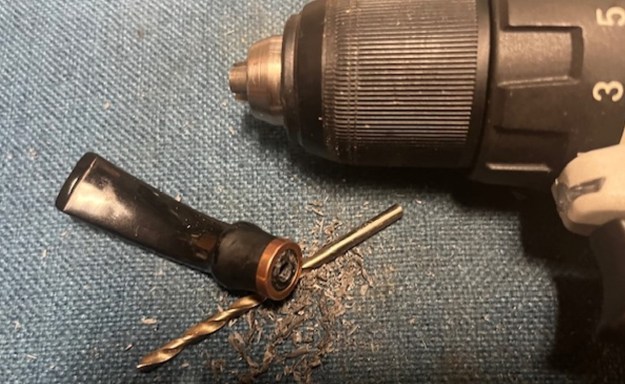
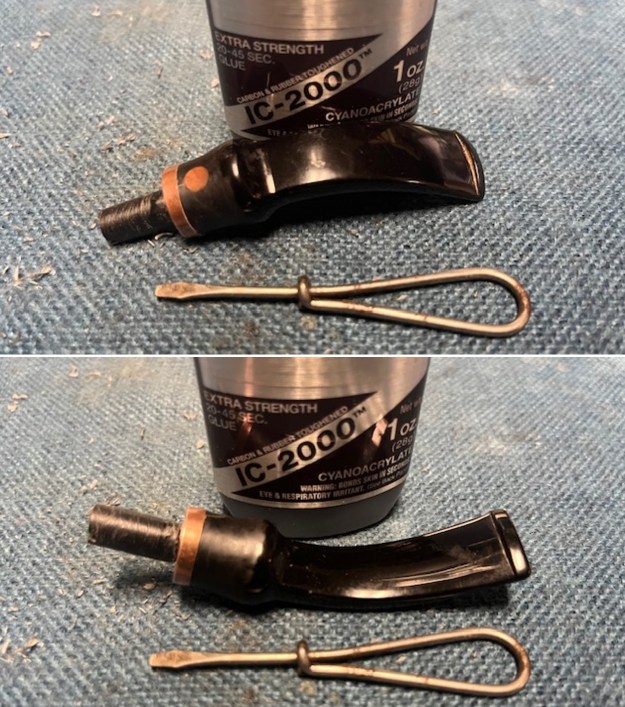
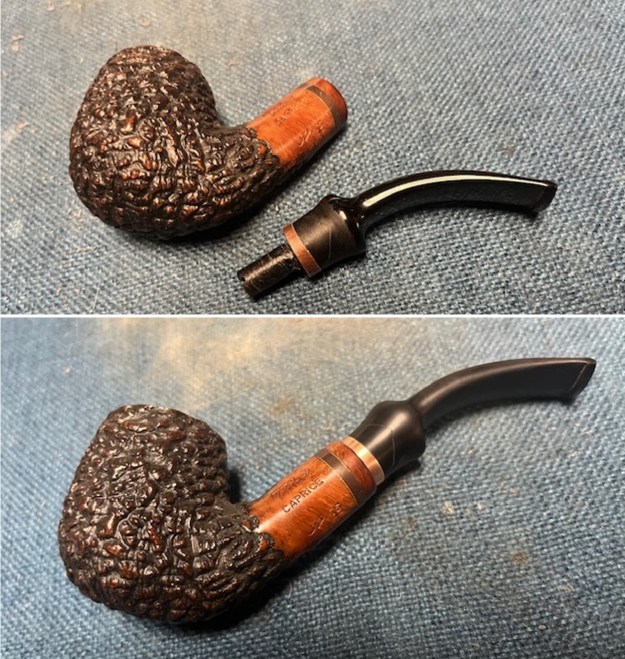
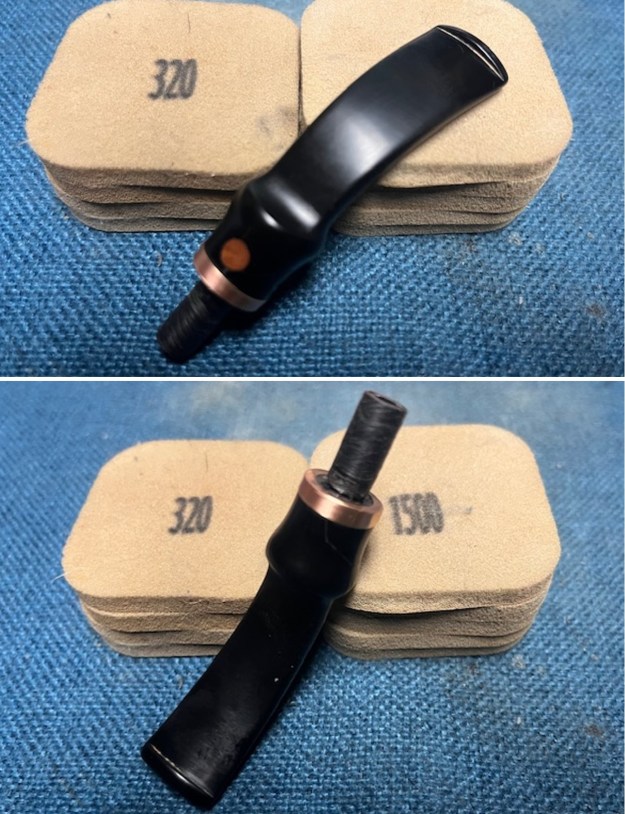
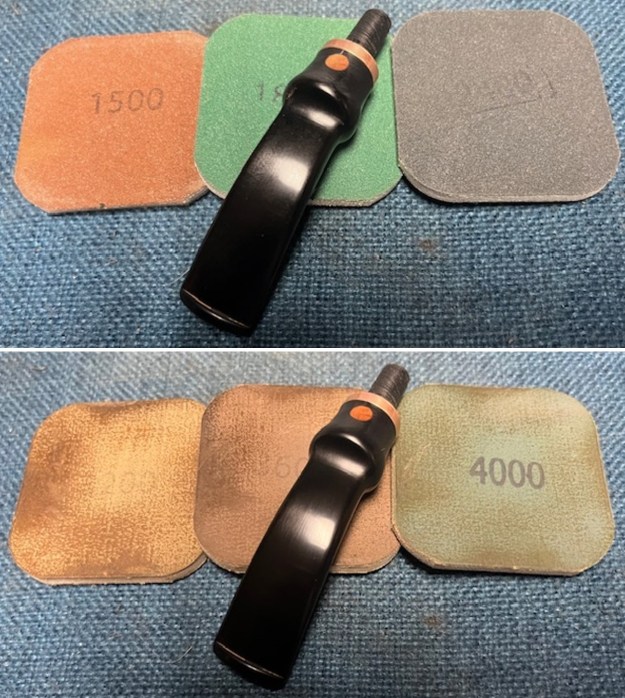
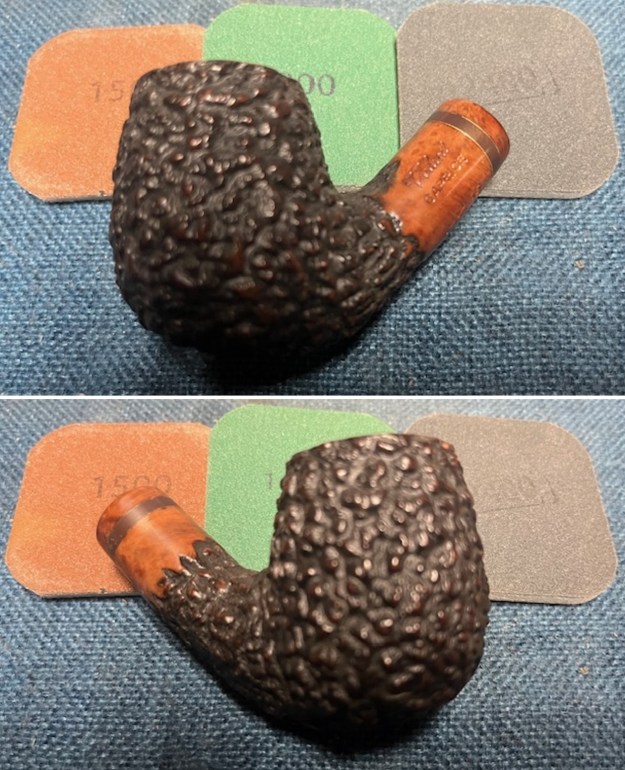
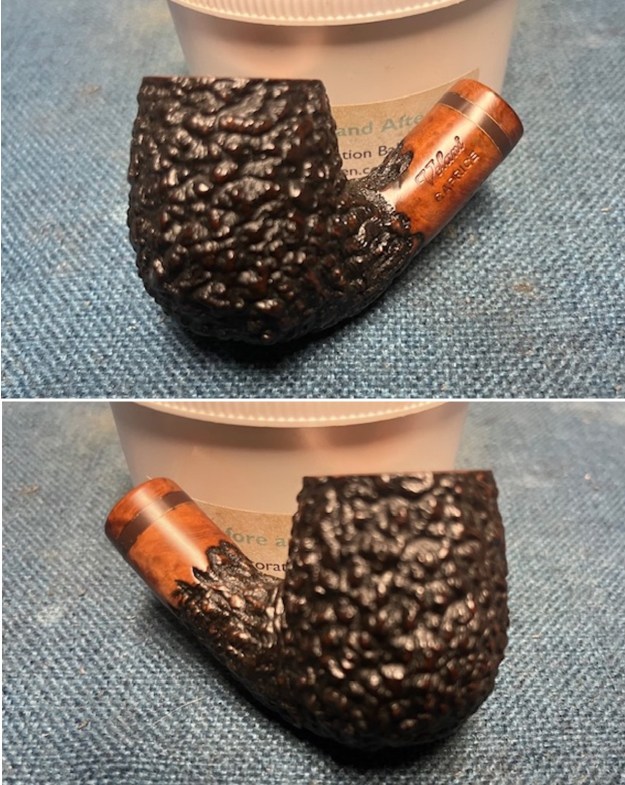
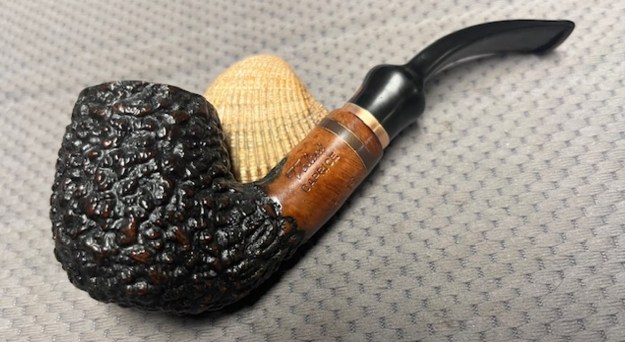
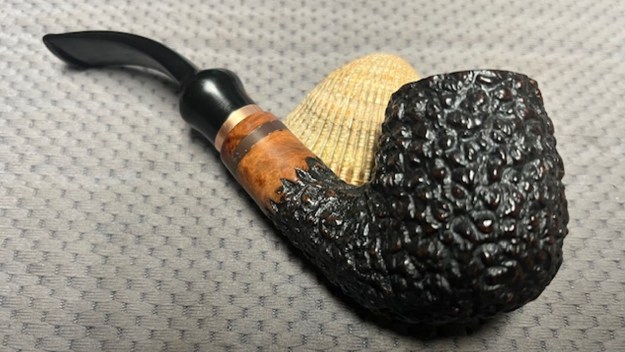
I began my work on the pipe by addressing the cracked portion of the saddle stem. I cleaned out the surface of the repairs that Larry had done and filled in the shallow grooves with black CA glue.  I sanded the repairs with 220 grit sandpaper to smooth them out. I sanded the end of the saddle and fitted it with a thin brass band. I thinned the depth of the band with a topping board to reduce the profile so that it would not cover the briar dot on the top of the saddle. It would function as an external band to hold the repairs tight while I drilled the airway for the new tenon. I coated the inside of the band with white glue and pressed it on the stem. Once the band was solid on the stem I drilled the airway open with two progressively larger drill bits on the cordless drill. I needed it open enough to hold the new tenon in place. It would also provide an internal tube that the stem was bound to. The repair that Larry had done, the band on the outside and the new tenon would provide a solid repair for the crack in the saddle portion of the stem. I went through my bag of tenons and found one that was the right fit for the shank. I used a tenon that was made for the Jobey link system. I removed the ridge around the tenon that was made for the Jobey stem and would inset. I used my Dremel to remove that ridge as it was not necessary for a regular tenon.I reworked a second tenon and once it was done I painted the threads on the tenon with black CA glue and inserted it in the opened airway on the stem. I set it aside to cure.I took a photo of the finished tenon and then once cured I inserted it in the shank and took more photos of the finished repair. I still need to polish the pipe to be finished but the fit was correct. I finished working on the stem by sanding it with 32-3500 grit 2×2 inch sanding pads to smooth out the repair and to remove the tooth chatter. The pipe stem was looking very good. I polished the stem with micromesh sanding pads – wet sanding with 1500-12000 grit pads and wiped down the stem with some Obsidian Oil after each sanding pad. I finished the polishing with some Before & After Stem Polish – both fine and extra fine. I gave it a final coat of Obsidian Oil and set the stem aside. I polished the smooth rim top and portions of the shank with 1500-12000 grit micromesh sanding pads. I wiped it down with a damp cloth after each pad to remove the debris. I worked over the inner edge of the rim at the same time. The smooth portions began to look very good. I rubbed the bowl and shank down with Before & After Restoration Balm. I worked it into the surface of the bowl sides and shank with my fingertips to clean, enliven and protect the briar. I let the balm sit for a little while and then buffed with a cotton cloth to raise the shine. The Balm did its magic and the grain stood out. This rusticated Velani Caprice 75 Bent Billiard with a fancy saddle stem is a great looking pipe now that it has been restored and the tenon and stem repaired. The briar around the bowl is clean and the rustication really came alive. The rich brown stains of the rustication took on a sense of depth with the polishing and waxing. The grain really popped. I put the acrylic stem back on the bowl and carefully buffed the pipe with Blue Diamond on the buffing wheel using a light touch on the briar. I gave the bowl and the stem multiple coats of carnauba wax on the buffing wheel. I buffed the pipe with a clean buffing pad to raise the shine. I hand buffed the pipe with a microfiber cloth to deepen the shine. The finished Velani Caprice Rusticated Bent Billiard is a beauty and feels in the hand and looks very good. Give the finished pipe a look in the photos below. The dimensions of the pipe are Length: 5 ½ inches, Height: 2 inches, Outside diameter of the bowl: 1 ¼ inches, Chamber diameter: ¾ of an inch. The weight of the pipe is 1.76 ounces/49 grams. Thanks for reading this blog and my reflections on the pipe while I worked on it. There are many more to come!
Replacing a tenon, restemming and restoring another Mixed Finish Soren Hand Carved Freehand


by Steve Laug

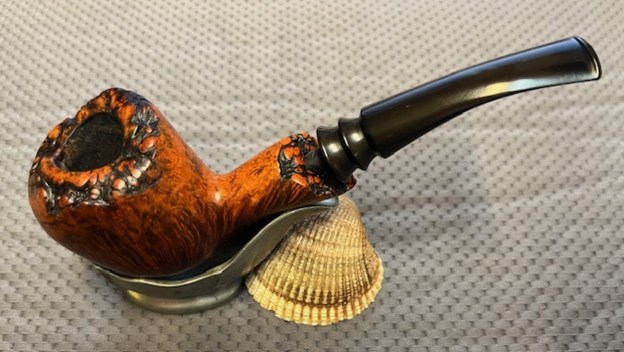
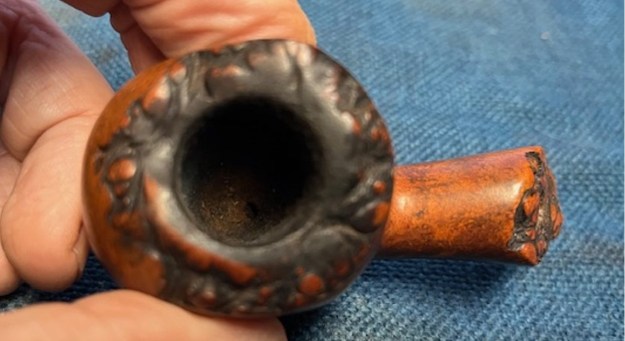
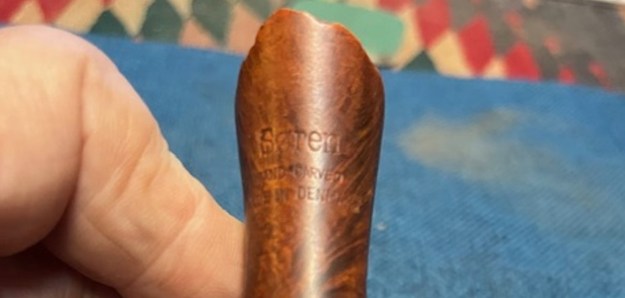
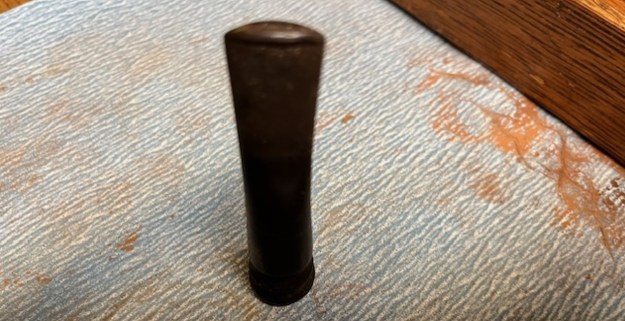
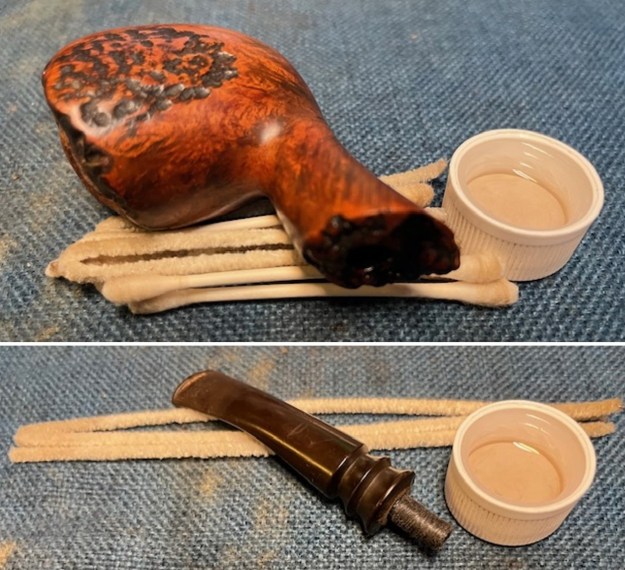
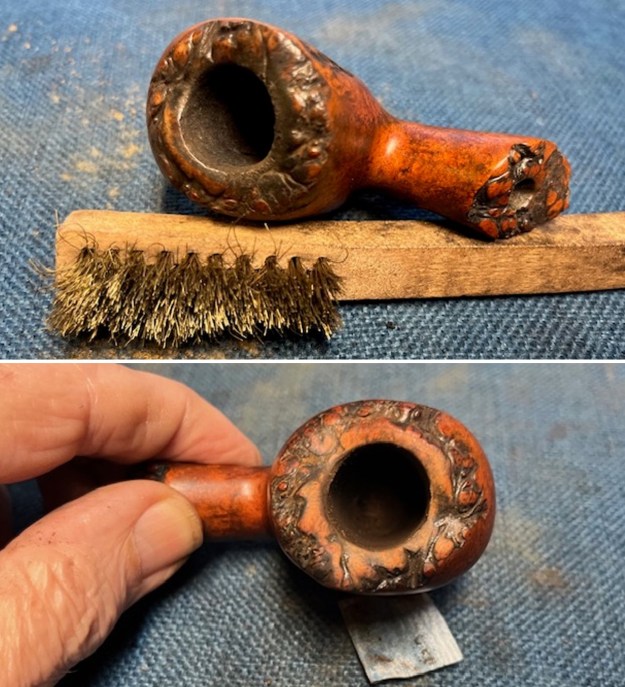
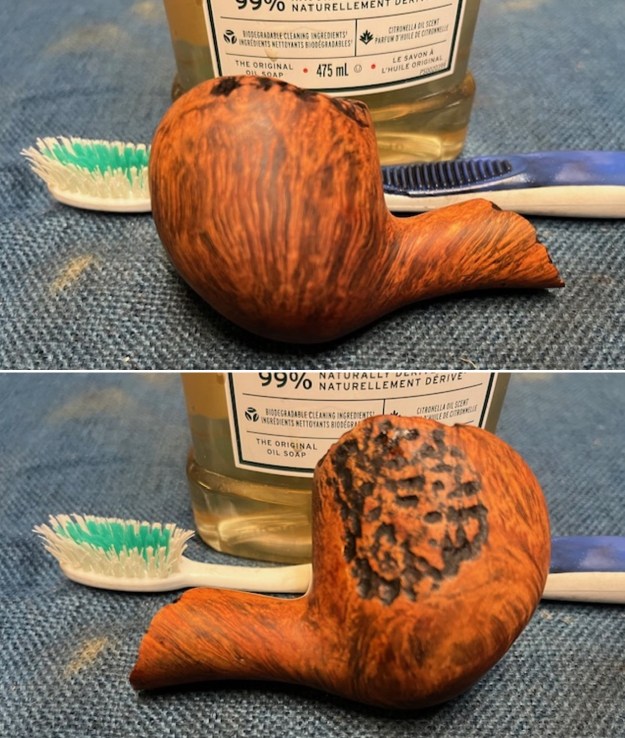
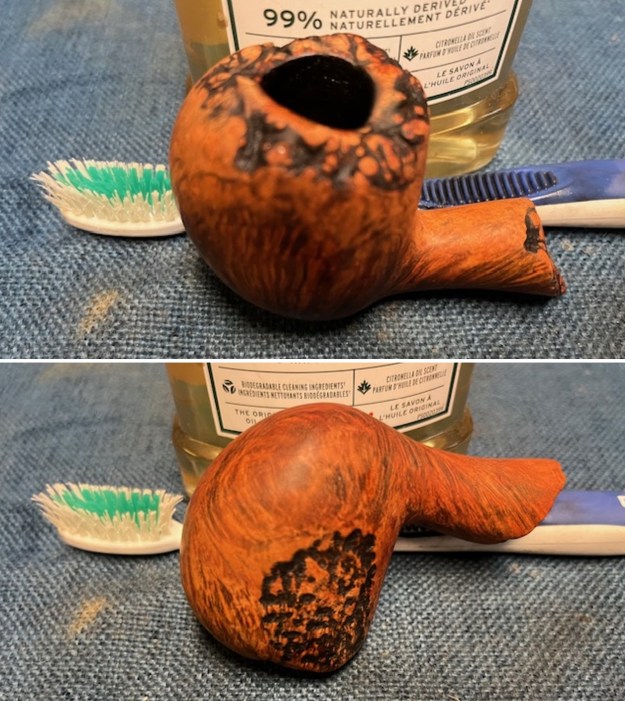
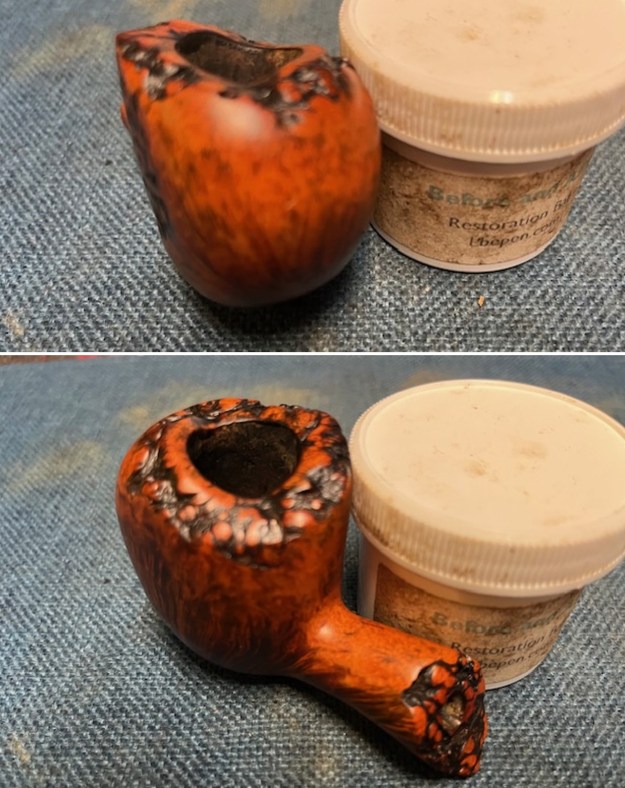
I am taking a break from the last two of the four pipes I am working on for Jack to clean up and match a stem with a nice freehand pipe that I have here in my box. It is another quick cleanup and restore and gives me a break from the heavier restoration work on Jack’s next pipe. This bowl has a mixed smooth and rusticated finish with a plateau rim top and shank end. The finish was a bit dull and lifeless. It showed promise under the grit and grime of the years. On the underside of the shank it was clearly stamped Soren [over] Hand-Carved [over] Made in Denmark. The bowl had a thin cake and some lava overflow on the smooth and plateau areas of the rim top. The bowl also had some dust and debris in rusticated patch on the right side of the bowl as well as in the crevices of the plateau on the shank end. I took some photos of the bowl before I started my work on it. I took a close up photo of the bowl to give an idea of what I had to work with. The bowl was very dirty and had a moderately thick cake. The smooth portions of the rim top have a lava coat the plateau portions are also almost filled in with lava. I also took a photo of the plateau on the shank end to show its condition – dirty but in good shape.I took a photo to try and capture the stamping on the underside of the shank. It is present and is readable in person far more than the photos show. It is stamped as noted above.I went through my cans of stems here and found a nice vulcanite fancy saddle stem that would fit quite well ONCE I REPLACED THE SNAPPED TENON. It was dirty and needed a thorough cleaning but I think it will look good.I have worked on quite a few Soren pipes over the years and turned to one of the blogs that I wrote  on another interesting Soren Freehand Sitter (https://rebornpipes.com/2020/02/26/this-interesting-soren-hand-carved-freehand-turned-out-to-be-more-work-than-expected/). I quote from that blog below.

I looked up the brand on Pipephil (http://www.pipephil.eu/logos/en/logo-s10.html) and found that the brand was carved by Søren Refbjerg Rasmussen. Pipes that he made for the European market were mostly stamped “Refbjerg” while those made for the US market were stamped “Soren”. Thus, I knew that one I was working on was imported into the US market.

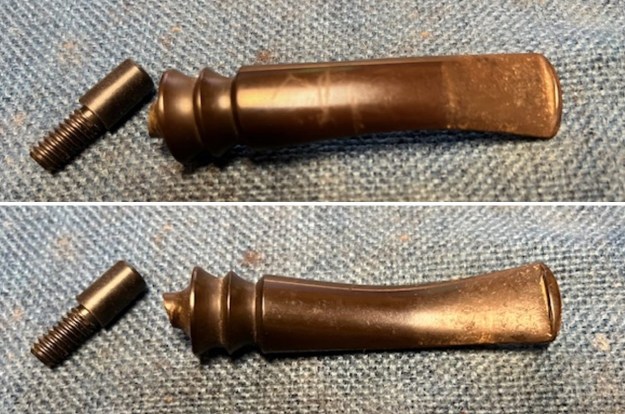
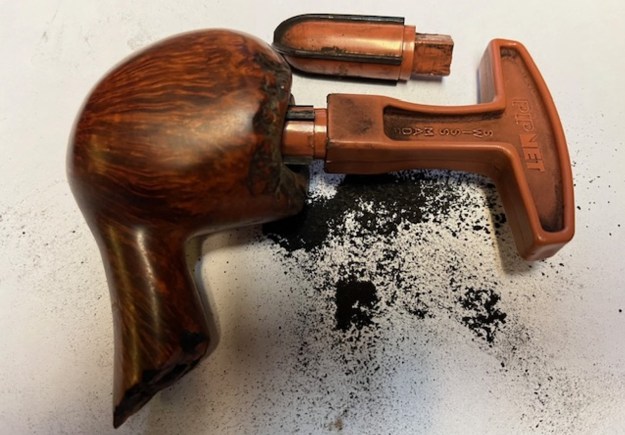
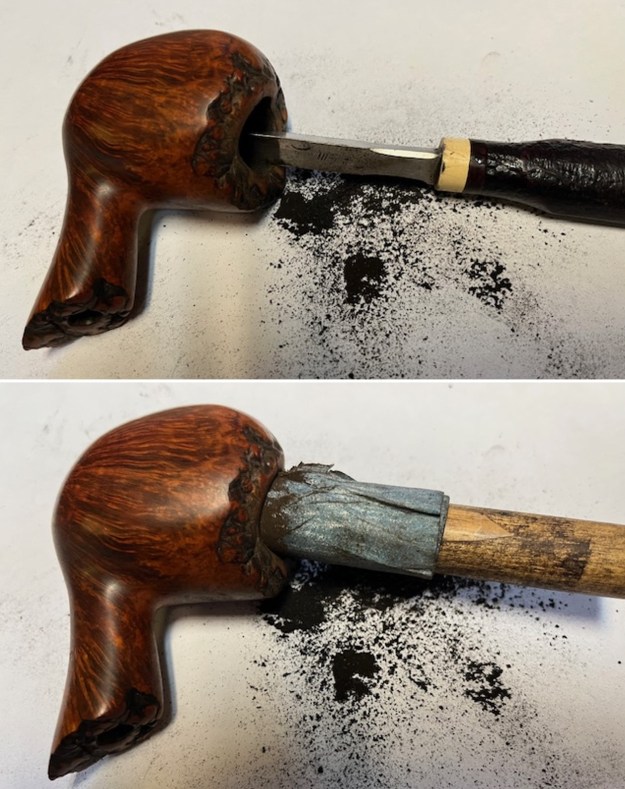
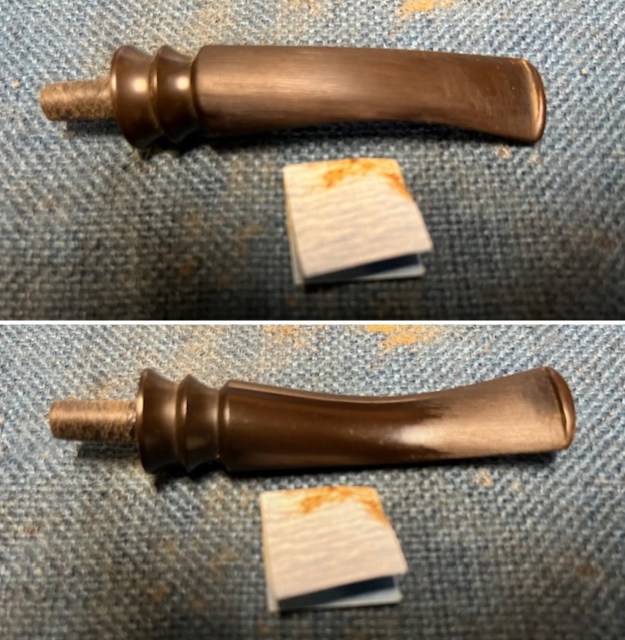
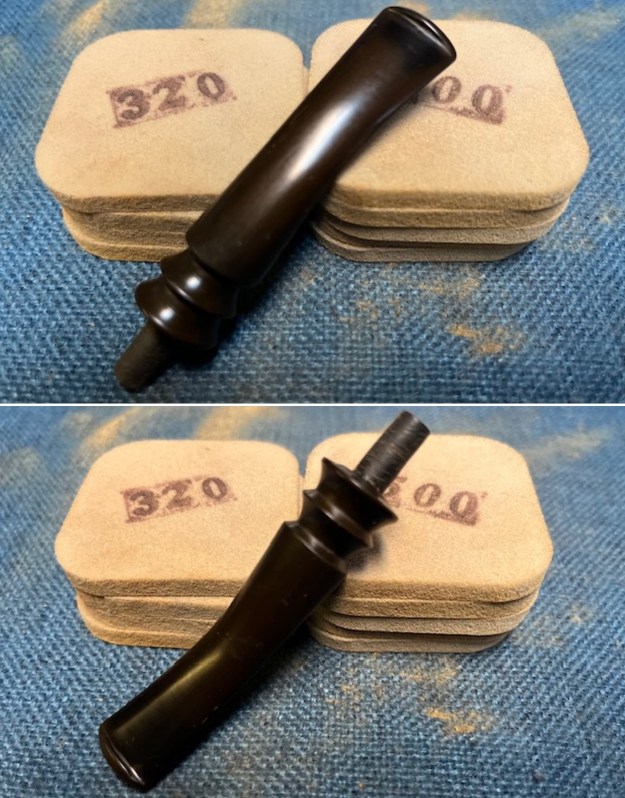
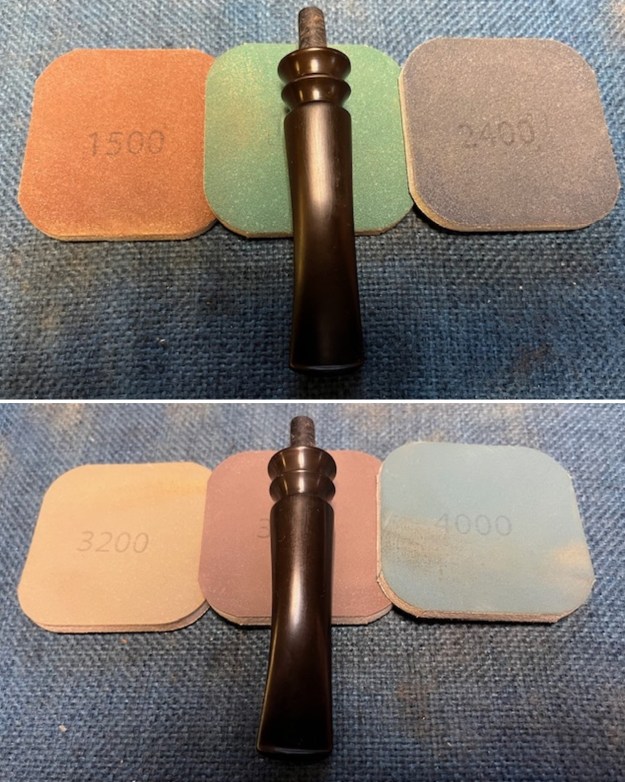
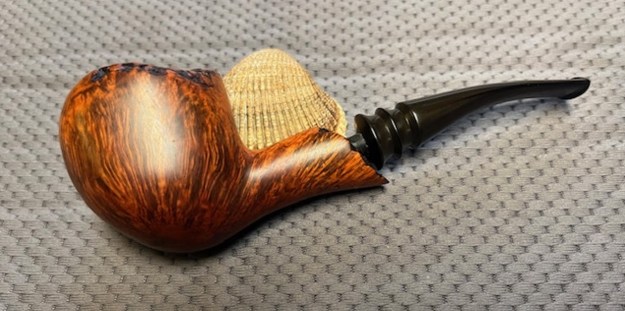
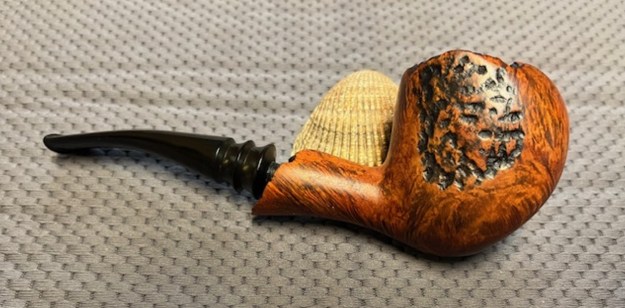
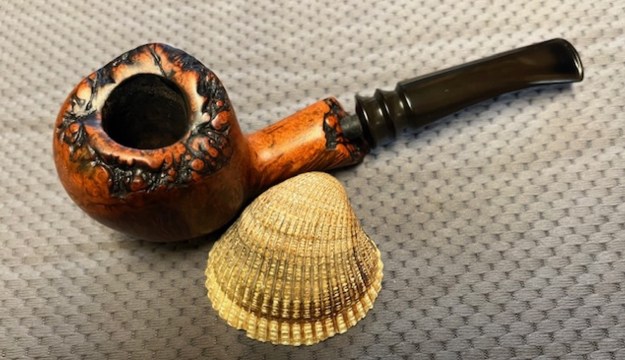
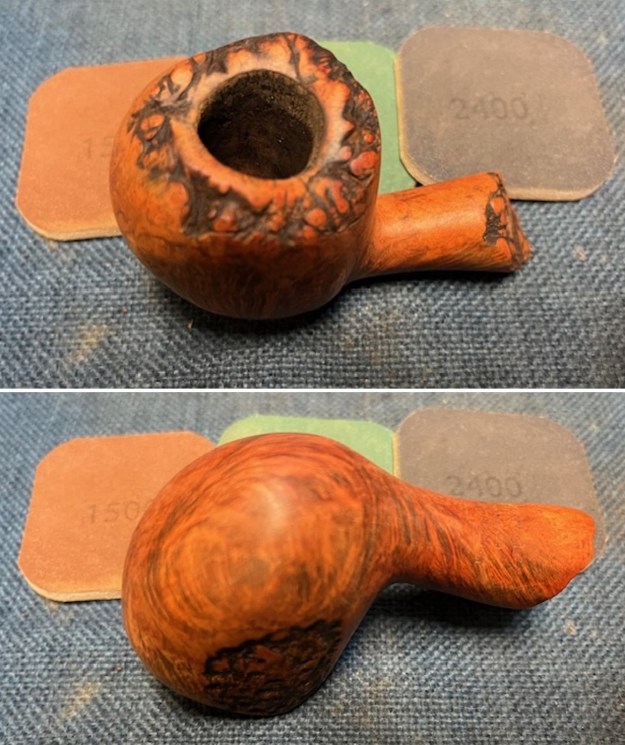
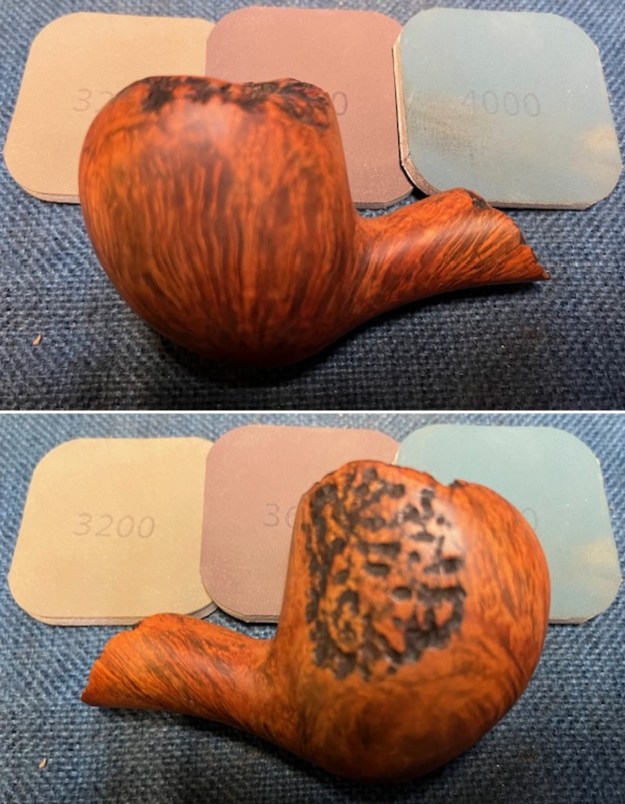
It was time to work on the pipe! I decided to start with refitting the new tenon to the stem I had chosen. Hmmm…I thought I was done with that for a while but this stem just worked with the bowl. I flattened the broken tenon remnants on the stem end with a Dremel and sanding drum and then further smoothed it out with a topping board and 220 grit sandpaper. I wanted a smooth surface for my drilling.I learned a helpful trick on the last batch of six tenon replacements. I use a small pen knife to give the airway in the stem end a slight chamfer to guide the drill bit into it and keep it straight. Once I did that I used a series of drill bits to open the airway to receive the threaded portion of the tenon. I choose to use threaded replacement tenons as they provide a rough serrated surface for the glue to bind to the drilled hole in the stem. It has worked well for me a for a long time.Once it fit well in the stem I needed to reduce the diameter of the portion that went in the shank mortise. I use a Dremel and sanding drum to work it until it fits well in the shank of the pipe. I took photos of the look of the tenon when it was finished and put it in the shank and put the stem on it and took photos. I think it will work very well! I checked the fit of the stem to the tenon, the tenon to the shank repeatedly and once it was proper I glued it in place with black CA glue.I set the stem aside to allow the glue to cure. While it dried I took a photo of the stem and the bowl together to give a sense of the look of the pipe and stem. Proportions and look just work together in my opinion. While the glue cured I turned my attention to the bowl. I reamed it with a PipNet Pipe Reamer using the 2nd and 3rd cutting heads to remove the cake. I cleaned up the remnants with a Savinelli Fitsall Pipe Knife. I finished the bowl by sanding the walls with a piece of 220 grit sandpaper wrapped around a piece of dowel. The bowl walls looked very good. I scrubbed out the internals with pipe cleaners (normal & bristle), cotton swabs and alcohol to remove the tars and oils in the shank between the mortise and the entrance of the airway into the bowl. It was quite dirty.I cleaned up the plateau areas on the rim top and shank end with a brass bristle wire brush. I worked on it until the groves were clean. I wiped it down with a damp cloth to remove all the debris. I sanded the smooth portions on the rim top with a folded piece of 200 grit sandpaper. It was looking better each step!I scrubbed the exterior of the bowl and shank with a tooth brush and undiluted Murphy’s Oil Soap. I worked it into the grain on the sides, the plateau on the rim top and shank end and the rusticated patch on the right side of the bowl with the tooth brush. I rinsed the soap and grime off with warm water and dried it off with a soft towel. I looked much better at this point. The grain really stands out. I sanded the smooth part of the bowl with 320-3500 grit sanding pads to start the polishing process. I wiped down the bowl with a damp cloth after each sanding pad. I followed that by polishing the smooth portions of the bowl sides with micromesh sanding pads – dry sanding with 1500-12000 grit sanding pads. I wiped the bowl down with a damp cloth after each pad. With the briar polished I rubbed the bowl and shank down with Before & After Restoration Balm. I worked it into the surface of the bowl sides and shank with my fingertips and into the plateau rim top, shank end and rustication with a horsehair shoe brush. The product works to clean, enliven and protect the briar. I let the Balm sit for 15 minutes and then buffed with a cotton cloth to raise the shine. While the Balm did its work, I worked on the “new stem”. I sanded the tooth chatter and marks on the stem surface with a folded piece of 220 grit sandpaper. It was starting to look better.I sanded the stem surface with 320-3500 grit sanding pads to further polish the stem. I wiped it down between sanding pads with a damp cloth. I polished the acrylic stem with micromesh sanding pads – 1500-12000 grit pads. I wiped it down with a damp cloth after each sanding pad. I used Before & After Pipe Polish – both Fine and Extra Fine to further polish the stem. This beautiful Soren Hand Carved Made In Denmark Freehand with a fancy, turned vulcanite saddle replacement stem is a great looking pipe now that it has been restored. I put the stem back on the bowl and carefully buffed the pipe with Blue Diamond on the buffing wheel using a light touch on the briar. I gave the bowl and the stem multiple coats of carnauba wax on the buffing wheel and followed that by buffing the entire pipe with a clean buffing pad. I hand buffed the pipe with a microfiber cloth to deepen the shine. The finished Soren Hand Carved Freehand fits nicely in the hand and feels great. Give the finished pipe a look in the photos below. The dimensions of the pipe are Length: 6 inches, Height: 2 inches, Outside diameter of the bowl: 1 ½ x 1 ¾ inches, Chamber diameter: ¾ of an inch. The weight of the pipe is 58 grams/2.12 ounces. If you are interested in adding this pipe to your collection send me a message or an email to slaug@uniserve.com. Thanks for walking through the restoration with me as I worked over another beautiful pipe. I will be putting it on the rebornpipes store in the Danish Pipe Makers Section shortly if you would like to add it to your collection. Thanks for your time.
Replacing a Broken Tenon on a L’Anatra dalle Uova d’ Oro 2 Egg Bent Egg


Blog by Steve Laug

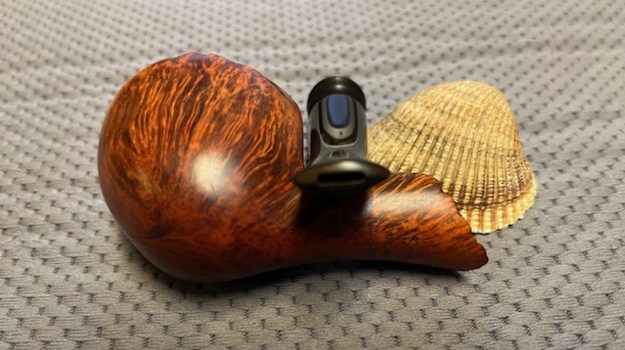
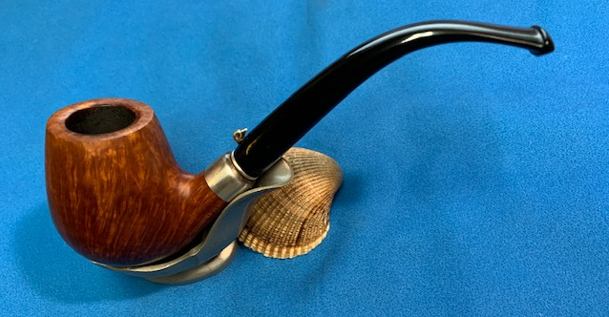
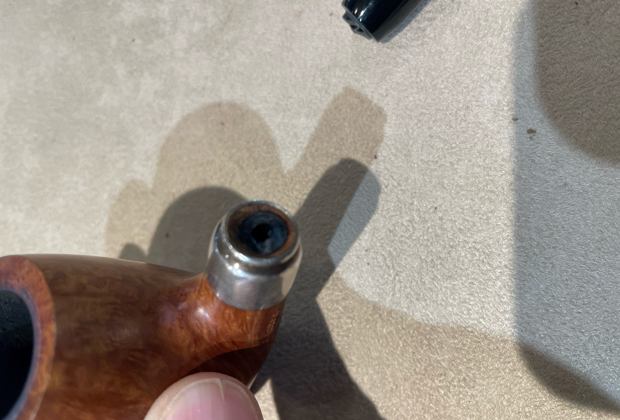
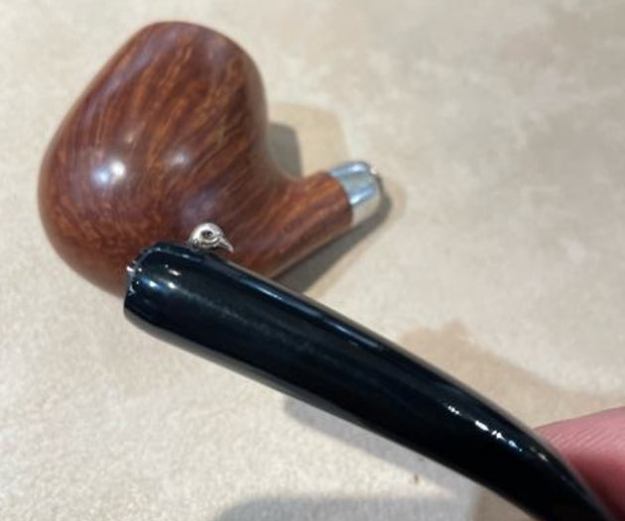
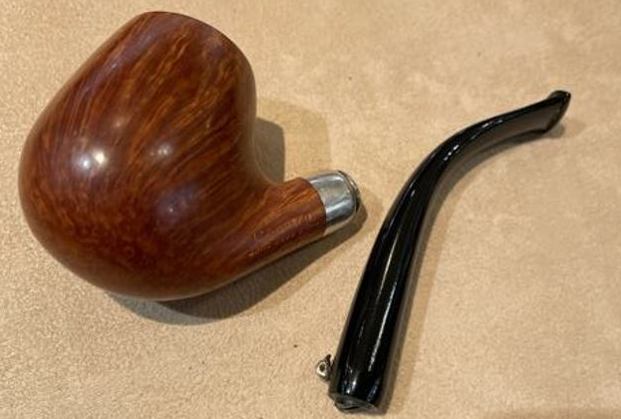
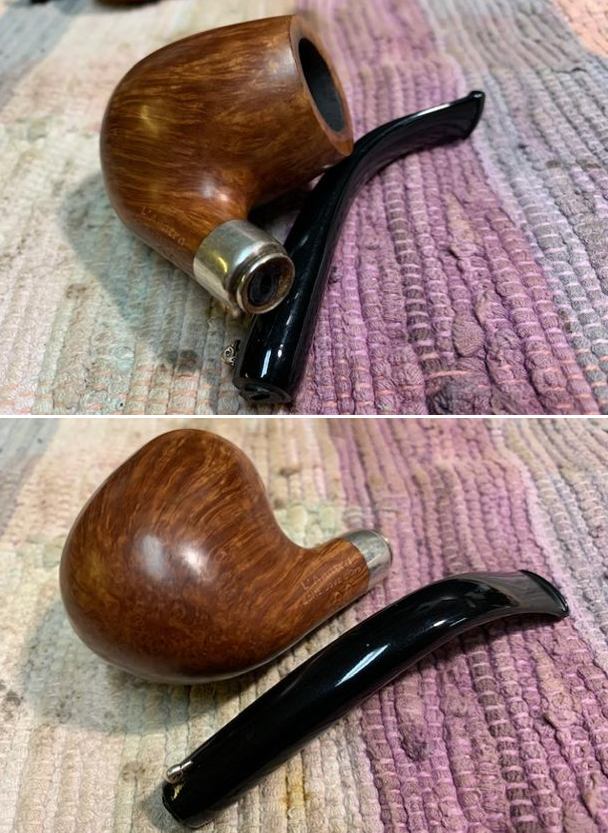
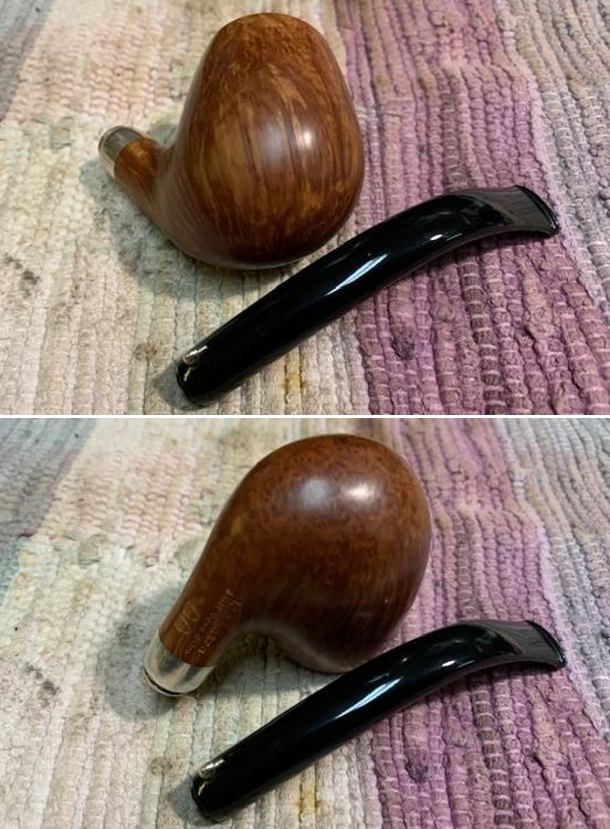
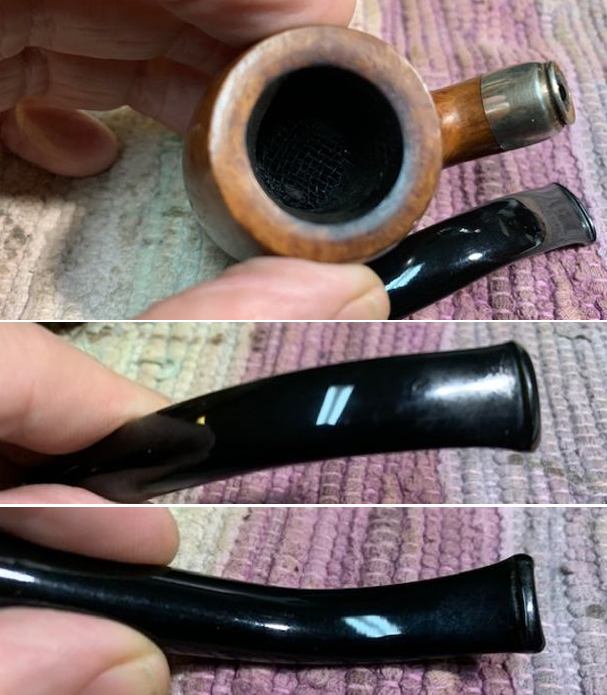
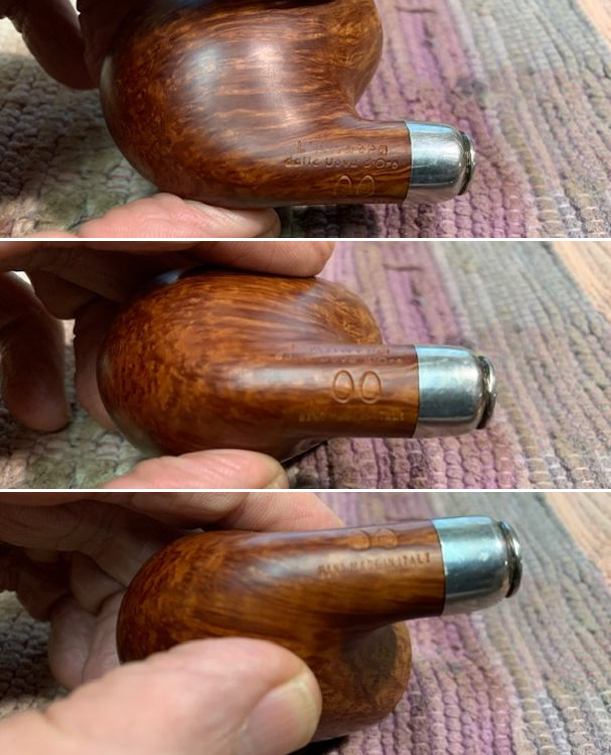
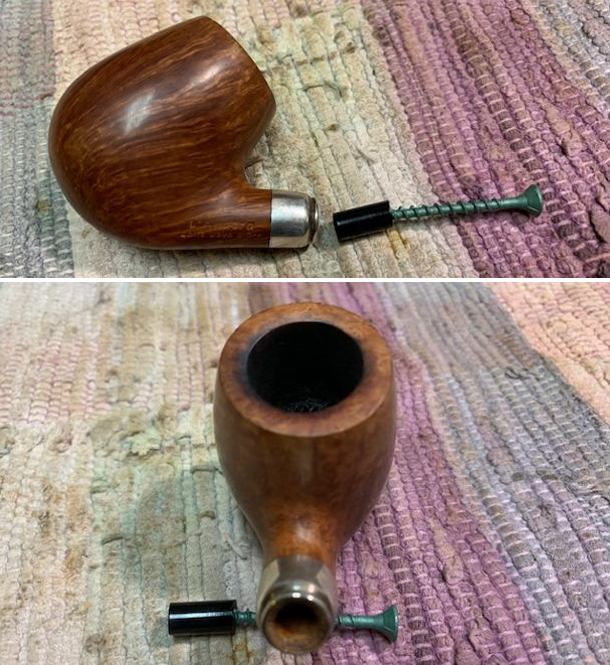
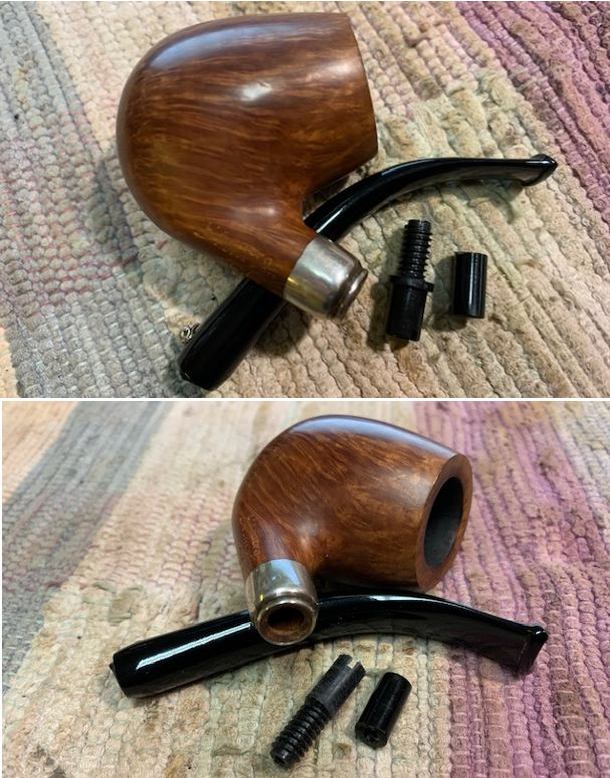
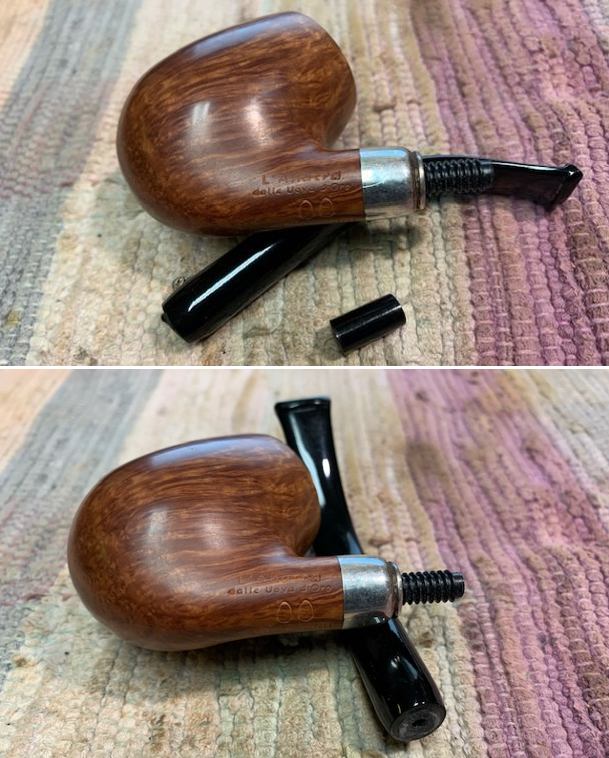
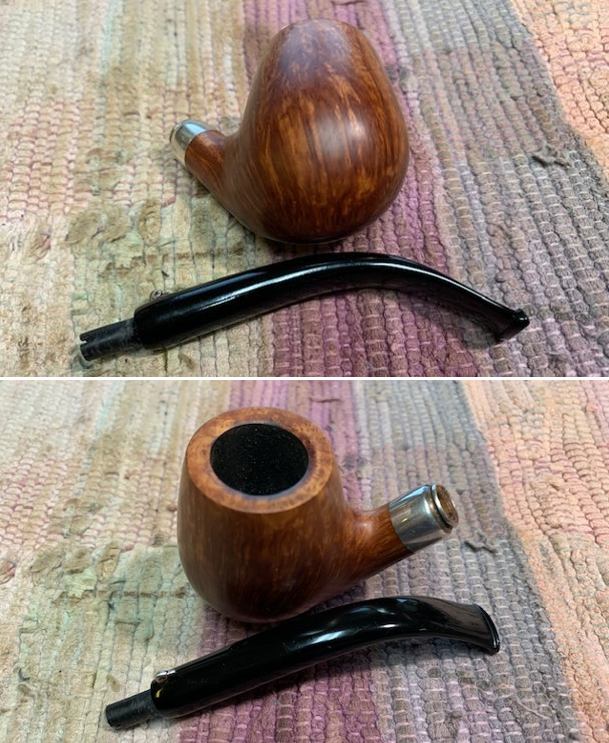
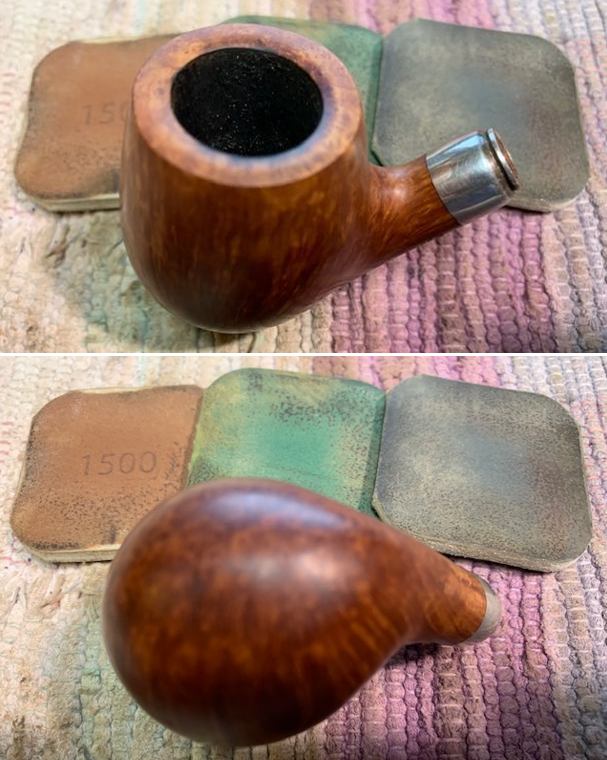
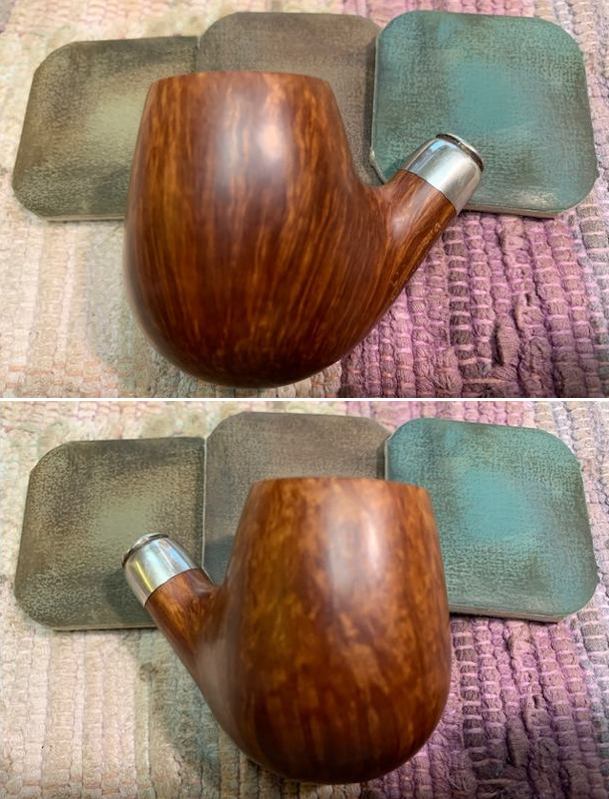
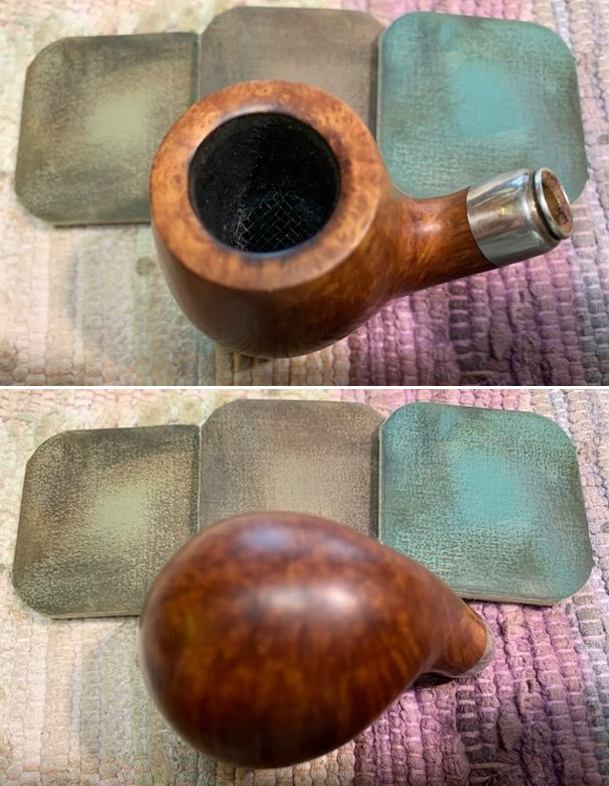
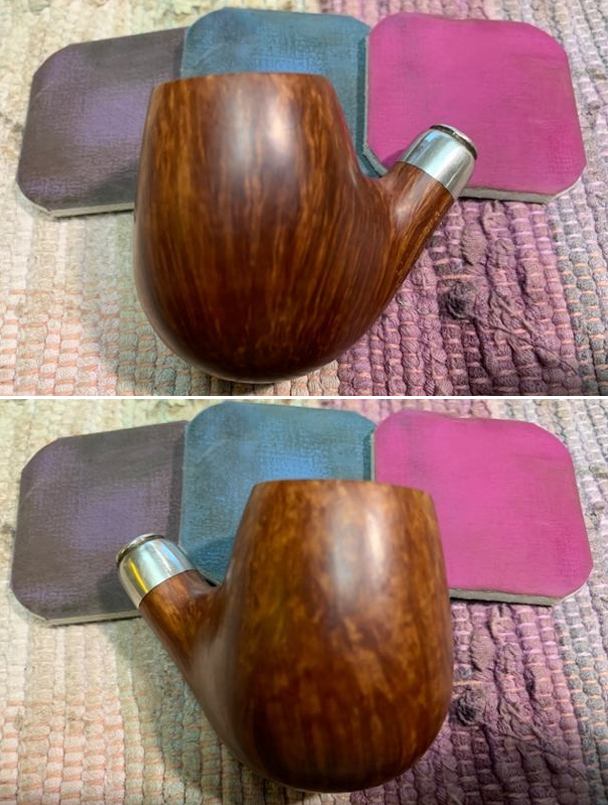
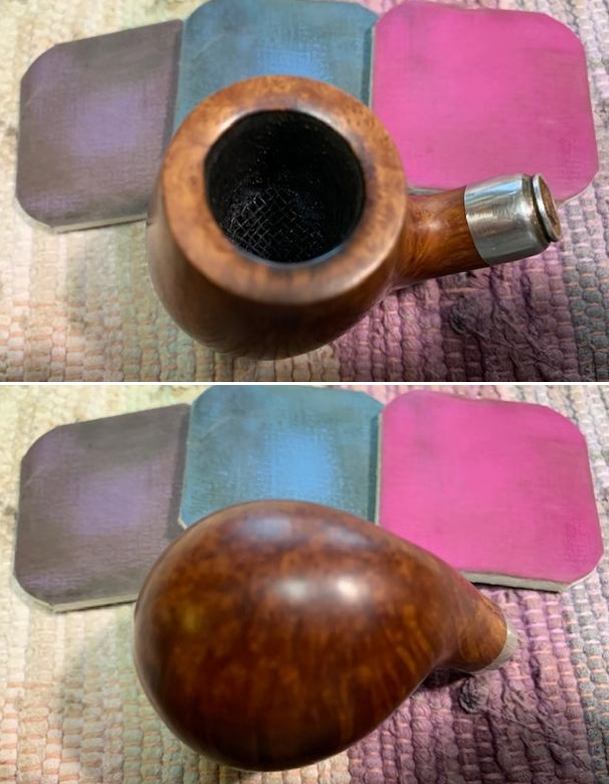
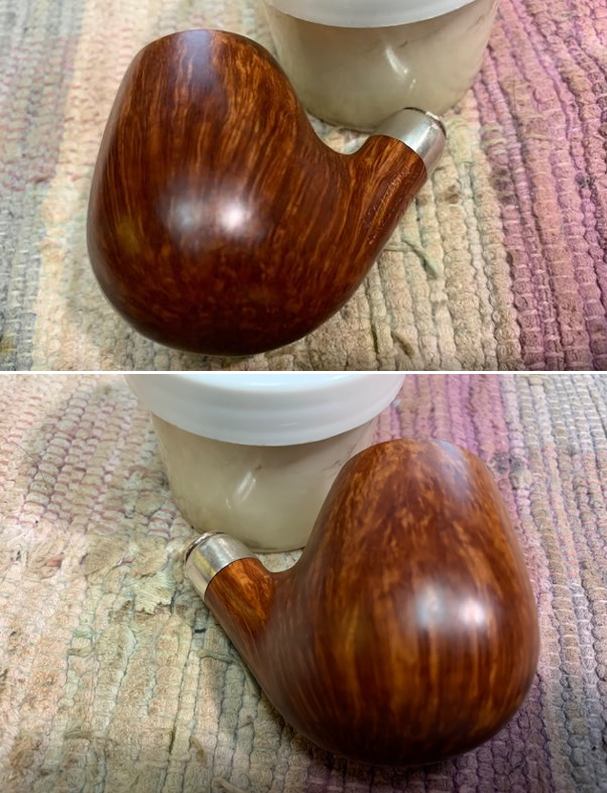
Last week I received a call from a local Vancouver realtor who had gotten my phone number from the pipe shop here. He had a pipe that he said needed a stem replacement and wanted to know if I could do that for him. I have learned to ask what he meant about needing a stem replacement. I had him send me photos of the pipe so I could see what it needed. It was a L’anatra bent egg shape with a silver ferrule. In the first photo you can see the tenon snapped off in the shank. I talked with the fellow a bit and we decided to do a tenon replacement. He was keen to keep the Duck head on the stem so this seemed the best solution for him. I told him to drop the pipe off at the house so I could work on it. I have included the photos that he sent me so you could see what I was going to deal with. With the oval shank L’Anatra tenon replaced I turned my attention to the original one that he had called me about. It too had the tenon snapped off in the shank. It was stamped on the left side of the shank and read L’Anatra [over] dalle Uova d’ Oro [over] 2 Eggs for the Grade of smooth pipe that it was. Underneath that it was stamped Hand Made in Italy. It had some beautiful grain around the bowl and shank. It was a little dirty with some debris and darkening on the beveled inner edge of the bowl. It had been smoked significantly more than the previous pipe. It had a screen in the bowl to help with what I assume was wet smoking but I did not know for sure. I left it in the bowl. It looked like he had dropped it as well but there were no dents in the finish. The stem was in good condition with some chatter on both side ahead of the button but nothing to deep. Once the tenon was replaced it would be a quick clean up and polish before I gave it back to him. I took some photos of the bowl and stem when I received it to show what a great looking pipe it was. I took photos of the rim top to show the condition of the bowl and the darkening on the back inner edge of the rim. I also took photos of the stem to show the tooth chatter on both sides at the button. I rotated the bowl and took photos of the stamping on the left and underside of the shank. It was clear and readable as noted above.I decided to start my work on the pipes by pulling the tenon on both pipes. That way I could proceed on them both from the same starting place. The broken tenon was firmly stuck in the shank so I put the bowl in the freezer while I had a coffee. When I finished the coffee I tried to pull the tenon again with the screw and it came out very easily. I went through my tenons and found a threaded one that would fit the shank with a few minor adjustments. I used a Dremel and sanding drum to remove the should ahead of the threads and to reduce the diameter slightly to fit the shank. I also used the Dremel and sanding drum to remove the fragments of the broken tenon on the stem face. I put the tenon in the shank and took some photos of the fit. It was looking very good. Now it was time to work on replacing the broken tenon. I drilled out the face of the stem with a cordless drill and a bit roughly the size of the airway in the stem. I find that this helps to center the drilling. I worked my way through drill bits up to 15/64s which is approximately the size of the threaded portion of the tenon.I flattened out the threads with the Dremel and sanding drum until the fit in the new opening on the stem was snug. I fit a pipe cleaner in the stem and then coated the threaded tenon end with black CA glue and turned it into the stem. I set it aside to let the glue harden. Once it had I removed the pipe cleaner and took some photos of the pipe with the stem. While the glue cured on the new tenon I turned my attention to the bowl. I polished the briar with micromesh sanding pads – dry sanding with 1500-12000 grit pads. I wiped the bowl down after each pad with a damp cloth. I worked over the darkening on the rim top at the same time. It looked much better. I worked some Before & After Restoration Balm into the surface of the briar with my fingertips to clean, enliven and protect the briar. I let the balm sit for 15 minutes and then buffed with a cotton cloth to raise the shine. The photos show the bowl at this point in the restoration process. I set the bowl aside and turned my attention to the stem. It was in such great condition that I polished it with micromesh sanding pads – wet sanding with 1500-12000 grit sanding pads. I wiped it down after each sanding pad with Obsidian Oil. I polished it with Before & After Pipe Stem Polish – both Fine and Extra Fine. I finished it with a final coat of Obsidian Oil. This L’Anatra dalle Uova d’ Oro 2 Egg Grade Bent Egg turned out to be a more beautiful pipe than I had expected once I had replaced the tenon. The finish on the briar is beautiful and the grain is quite stunning around the bowl and shank. I put the pipe back together and buffed it lightly with Blue Diamond on the buffing wheel. I gave the bowl and the acrylic stem multiple coats of carnauba wax. I buffed the pipe with a clean buffing pad to raise the shine and hand buffed it with a microfibre cloth to deepen the shine. It is fun to see what the polished bowl looks like with the polished black vulcanite stem. This classic looking L’Anatra dalle Uova d’ Oro Bent Egg feels great in my hand. It is light and well balanced. Have a look at it with the photos below. The dimensions are Length: 5 ½ inches, Height: 2 inches, Outside diameter of the bowl: 1 ¼ inches, Chamber diameter: ¾ of an inch. The weight of the pipe is 54 grams/1.90 oz. It is a beautiful pipe and another one that will be heading back to the Vancouver Realtor now that I have replaced a broken tenon on each of the pipes. Thanks for walking through the restoration with me as I worked over this pipe. Thanks to each of you who are reading this blog.

Replacing a Broken Tenon on a L’Anatra dalle Uova d’ Oro Sandblast Squashed Tomato


Blog by Steve Laug

Last week I received a call from a local Vancouver realtor who had gotten my phone number from the pipe shop here. He had a pipe that he said needed a stem replacement and wanted to know if I could do that for him. I have learned to ask what he meant about needing a stem replacement. I had him send me photos of the pipe so I could see what it needed. It was a L’Anatra bent egg shape with a silver ferrule. In the first photo you can see the tenon snapped off in the shank. I talked with the fellow a bit and we decided to do a tenon replacement. He was keen to keep the Duck head on the stem so this seemed the best solution for him. I told him to drop the pipe off at the house so I could work on it. I have included the photos that he sent me so you could see what I was going to deal with. The day that he was going to drop the pipe off he called and asked if he could put another pipe in the bag that had the same problem – a snapped tenon in the shank. I told him to go ahead and add it to the bag. When I came home from work the pipes were waiting for me. The second pipe was another L’Anatra. This one was a beautifully sandblasted bent squashed tomato shape with an oval shank. Like the first one the tenon was snapped off in the shank. It was stamped on the underside of the shank and read L’Anatra [over] dalle Uova d’ Oro [over] Hand Made in Italy. The blast was very well done – deep and rugged. The sandblast on the rim top had some debris and darkening but otherwise was clean. The bowl itself was clean and still had raw briar in the bottom half of the bowl. It looked like he had dropped it not too long after he acquired it. The stem was in good condition with some chatter on both side ahead of the button but nothing to deep. I decided to deal with this one first. Once the tenon was replaced it would be a quick clean up and polish before I gave it back to him. I took some photos of the bowl and stem when I received it to show what a great looking pipe it was. I took photos of the rim top to show the condition of the bowl and the darkening in the sandblast finish of the rim. I also took photos of the stem to show the tooth chatter on both sides at the button.I took a photo of the stamping on the underside of the shank. It was clear and readable as noted above.I decided to start my work on the pipes by pulling the tenon on both pipes. That way I could proceed on them both from the same starting place. I used a dry wall screw and twisted it into the airway. On this pipe a bit of wiggling and the tenon popped free of the shank. The other was a bit tougher but I will talk about it on the next blog.I went through my tenons and found a threaded one that would fit the shank with a few minor adjustments. I used a Dremel and sanding drum to remove the should ahead of the threads and to reduce the diameter slightly to fit the shank. I also used the Dremel and sanding drum to remove the fragments of the broken tenon on the stem face.I put the tenon in the shank and took some photos of the fit. It was looking very good.Now it was time to work on replacing the broken tenon. I drilled out the face of the stem with a a cordless drill and a bit roughly the size of the airway in the stem. I find that this helps to center the drilling. I worked my way through drill bits up to 15/64th which is approximately the size of the threaded portion of the tenon.I flattened out the threads with the Dremel and sanding drum until the fit in the new opening on the stem was snug. I fit a pipe cleaner in the stem and then coated the threaded tenon end with black CA glue and turned it into the stem. I set it aside to let the glue harden. Once it had I removed the pipe cleaner and took some photos of the pipe with the stem. While the glue cured on the new tenon I turned my attention to the bowl. I used a brass bristle wire brush to scrub off some of the darkening on the rim top. I worked some Before & After Restoration Balm into the surface of the briar with my fingertips and a horse hair shoe brush to clean, enliven and protect the briar. I let the balm sit for 15 minutes and then buffed with a cotton cloth to raise the shine. The photos show the bowl at this point in the restoration process. I set the bowl aside and turned my attention to the stem. It was in such great condition that I polished it with micromesh sanding pads – wet sanding with 1500-12000 grit sanding pads. I wiped it down after each sanding pad with Obsidian Oil. I polished it with Before & After Pipe Stem Polish – both Fine and Extra Fine. This L’Anatra dalle Uova d’ Oro Sandblast Squashed Tomato turned out to be a more beautiful pipe than I had expected once I had replaced the tenon. The sandblast finish on the briar is beautiful and the nooks and crannies of the blast really show the depth of the finish. I put the pipe back together and buffed it lightly with Blue Diamond on the buffing wheel. I gave the bowl multiple coats of Conservator’s Wax and the acrylic stem multiple coats of carnauba wax. I hand buffed the pipe with a clean buffing pad to raise the shine and hand buffed it with a microfibre cloth to deepen the shine. It is fun to see what the polished bowl looks like with the polished black vulcanite stem. This classic looking L’Anatra dalle Uova d’ Oro Squashed Tomato feels great in my hand. It is light and well balanced. Have a look at it with the photos below. The dimensions are Length: 6 inches, Height: 1 ½ inches, Outside diameter of the bowl: 1 ½ inches, Chamber diameter: 7/8 of an inch. The weight of the pipe is 63 grams/2.22 oz. It is a beautiful pipe and one that will be heading back to the Vancouver Realtor once I finish the tenon replacement on his second L’Anatra – an Egg. Thanks for walking through the restoration with me as I worked over this pipe. Thanks to each of you who are reading this blog.

Restoring and Repairing a Cracked Shank & Broken Tenon on a Portland oval shank 60 Egg


Blog by Steve Laug

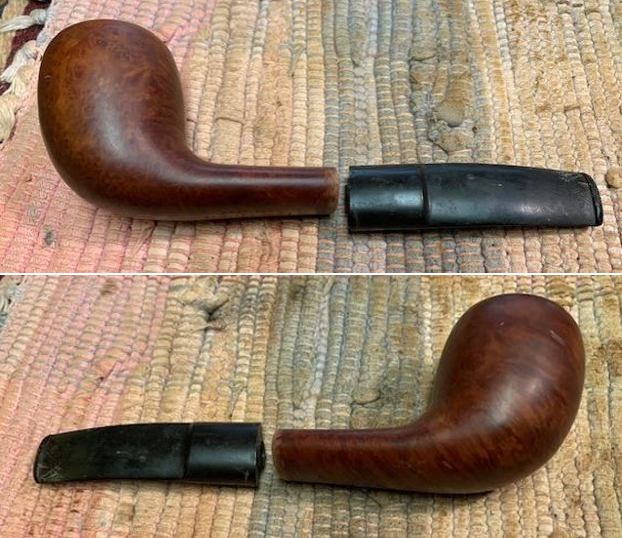
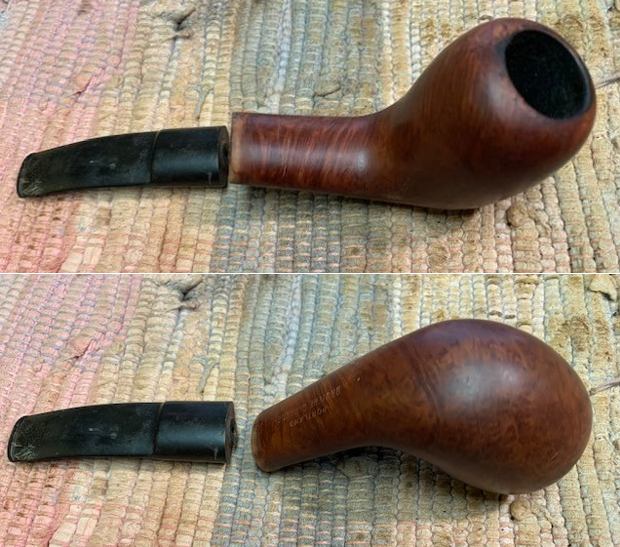
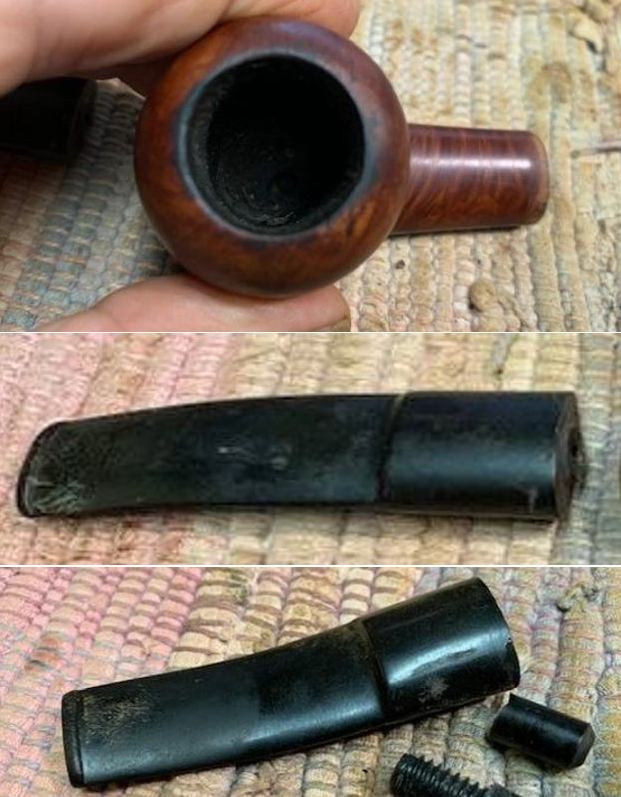
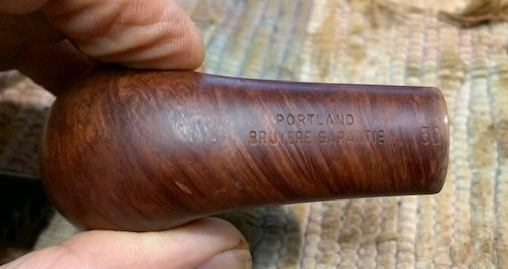
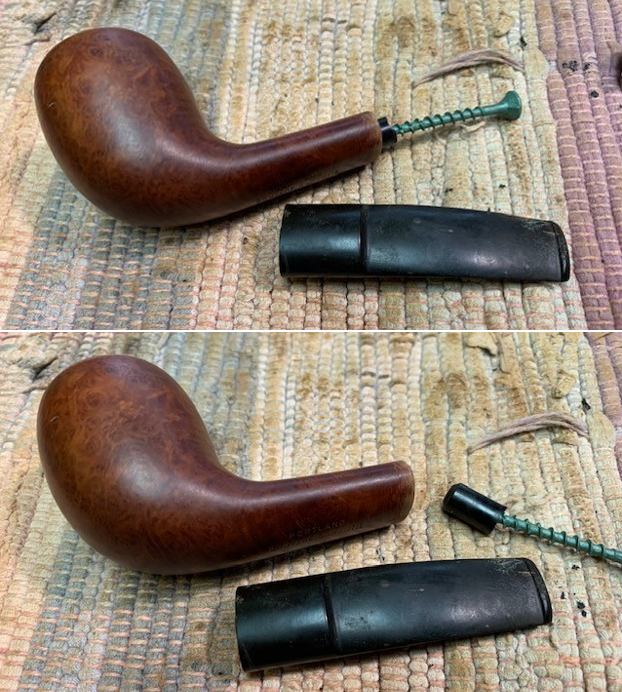
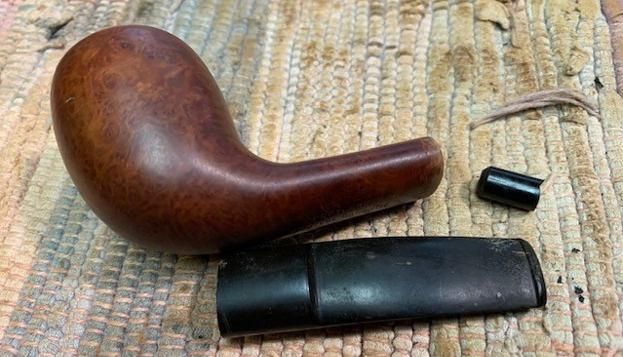
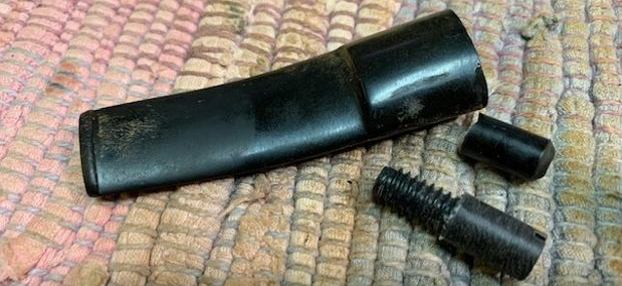
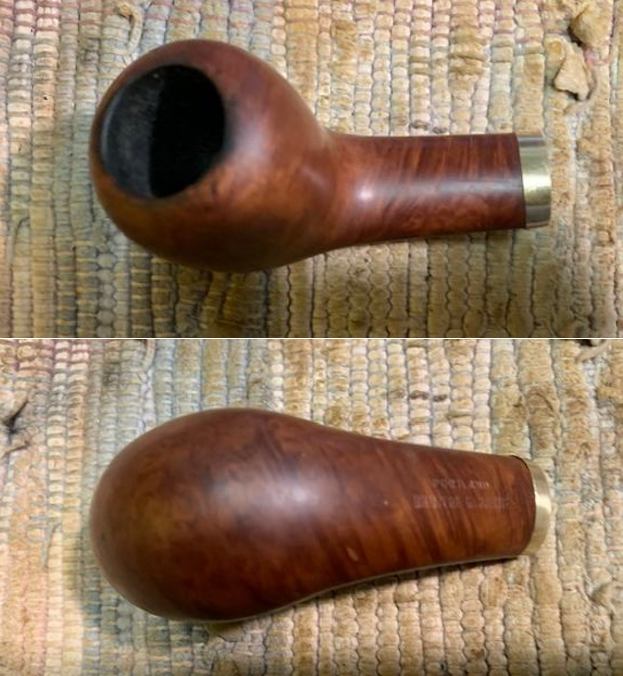
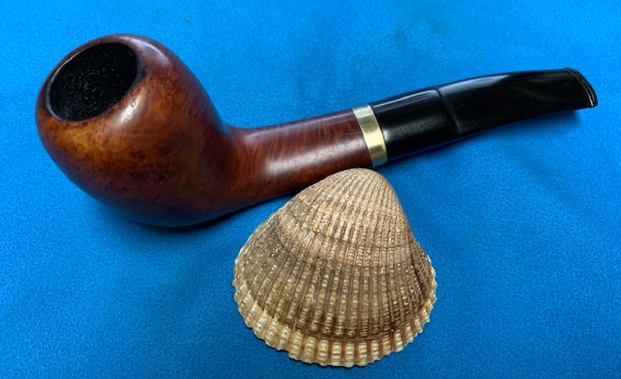
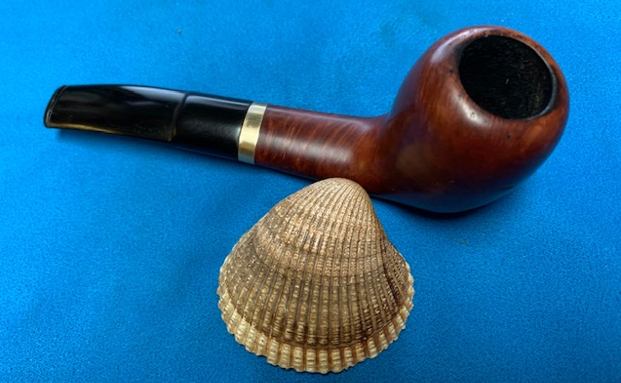
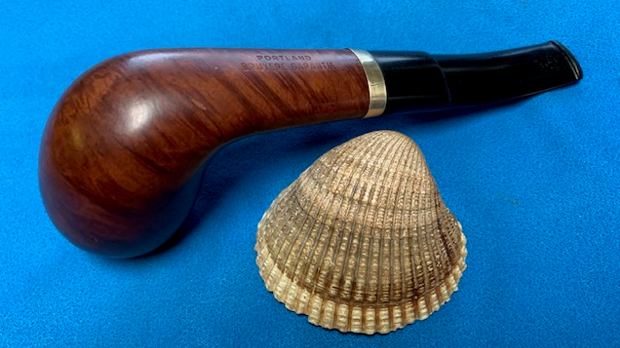
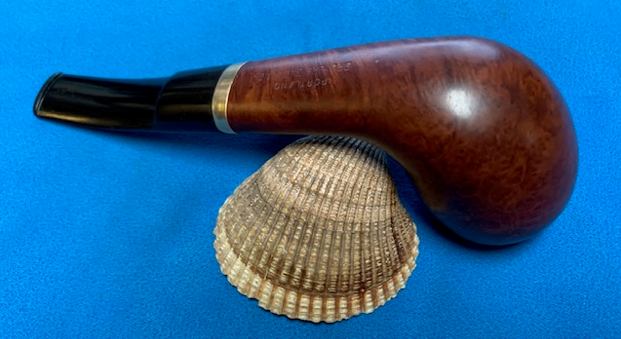
I am still doing some repairs for a local pipe shop and this one came from a referral from them. I have fixed several pipes for this particular pipeman in Vancouver including banding, restoring and fitting a new stem. He stopped by last weekend and dropped off a pipe to be reamed and cleaned and also this relatively new pipe that he had dropped. It is an interesting looking pipe with mix of nice grain around the bowl sides. It was stamped on the underside of the shank and read Portland [over] Bruyere Garantie followed by the shape number 60 near the shank/stem junction. He had only smoked it a couple of times before he dropped it. The stem snapped off leaving the tenon in the shank. When I looked it over there were also cracks on the top of the shank that happened at the same time. The stem was dirtier than the bowl but overall it was in good condition. I took some photos of the pipe before I started working on it. I took photos of the rim top and the stem surfaces to chronicle the condition. The rim had some darkening from his lighter toward the right front of the bowl and on the back side. There was not any cake in the bowl as it was still quite new. The stem was just dirty with light tooth marks on both sides near the button. The tenon had snapped off very close to the stem so it would be a simple process to add a new tenon.I took a photo of the stamping on the shank underside. It is clear and readable.I took a photo of the parallel cracks on the top of the shank. These were hairline but they were present and though you cannot see it they go to the end of the shank.I began my work on this pipe by pulling the broken tenon. I always use a coarse threaded screw and gently turn it into the airway in the broken tenon. I carefully wiggle it free. If it is tight a short 10 minutes in the freezer takes care of that. I went through my box of tenons and found a threaded one that was close to the diameter of the older broken tenon. It would need to be shaped but it would work.Before working on the stem I decided to put the band on the shank and repair the crack and protect it from going further. They are very fine cracks and I decided not to drill it as the hole would be bigger than the cracks. A tight fitting band would pull it together. I reduced the depth of the band with a topping board to make it thin and give a daintier look than the big clunky band. It is a thin brass band and it is pressure fit in place on the shank. I heated the band with a lighter and pressed it onto the shank. I like the look of the banded shank in the photos below.With the band fitted it was time to work on the tenon and the stem. I used my Dremel and sanding drum to make the tenon smaller in diameter to match the shank. I worked on it until the fit in the shank was snug but not tight.With that finished it was time to drill out the stem. I used the Dremel and sanding drum to flatten out the broken tenon end on the face of the stem. I started drilling with a bit slightly larger than the airway and finished with a bit that would allow the threaded tenon to fit the stem.I do not tap the drilled hole in the stem. Rather I flatten out the threads slightly as they provided the grip for the glue when I insert the tenon in the stem. I coated the threaded tenon end with black superglue which dries more slowly than the regular glue and allows me to make adjustments in the fit. I checked the fit in the shank and was pleased with it. I set the stem aside so the glue could cure.I turned my attention to polishing the bowl. I polished it with micromesh sanding pads – dry sanding it with 1500-12000 grit pads. I wiped the briar down with a damp cloth after each sanding pad. The pipe really began to take on a shine as I worked through the pads. I rubbed the briar down with some Before & After Restoration Balm. It works to protect, clean and enliven the briar. I rub it in with my finger tips and let it sit for 10 minutes. I buff it off with a cotton cloth to remove the excess and give the bowl a shine. I polished the stem and new tenon with micromesh sanding pads – 1500-12000 grit pads. I dry sanded with the pads and wiped the stem down with Obsidian Oil after each sanding pad. I finished the polishing with Before & After Pipe Stem Polish – both Fine and Extra Fine. I gave it a final rubdown with Obsidian Oil.I put the stem back on the bowl and polished the pipe with Blue Diamond on the buffing wheel to give it a shine. I gave it multiple coats of carnauba wax and buffed it with a clean buffing pad. I hand buffed it with a microfiber cloth to deepen the shine. I took some photos of the pipe before calling the pipeman to pick up his pipe. I am pleased with the look of the Portland Bruyere Garantie 60 Egg and the fit of the repair band and the stem to the shank. I think it will meet his expectations when he picks it up later today. Thanks for walking through the repair with me in this blog. Cheers.