
Blog by Steve Laug
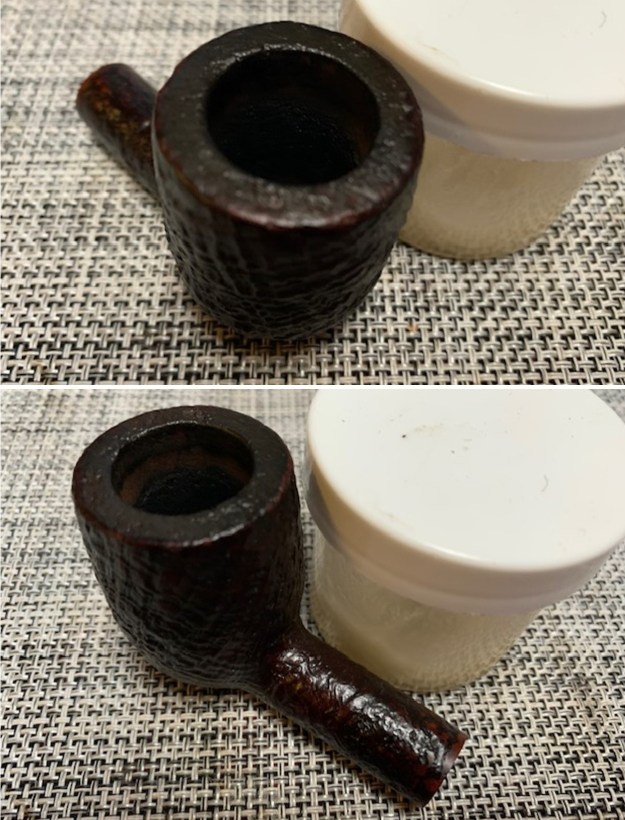
This next pipe is another that has been here for a very long time. I have no idea where I purchased it or whether it came to me in a trade for labour. I don’t remember. I have worked on quite a few of these Comoy’s made The Everyman Pipes over the years and find that they are well made and quite nice. The pipe is stamped on the underside and reads The [over] Everyman [over] London Pipe. That is followed by Made in London [over] England followed by the shape number 332. This particular pipe has a rugged and deep sandblast around the bowl and shank. It has been stained with a cordovan or dark brown stain. The bowl had been well reamed but there was some lava on the rim top blast. Internally it smelled quite clean with no residual aromatic smell in it. The stem was oxidized, calcified and had some tooth chatter and marks on the top and a chip out of underside in the stem and button. It was not large but it was very present. I took some photos of the pipe to give a sense of what I saw before I started my cleanup work. 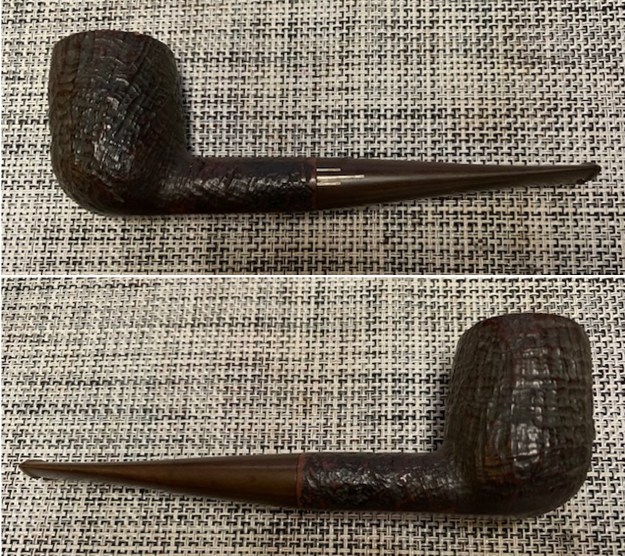
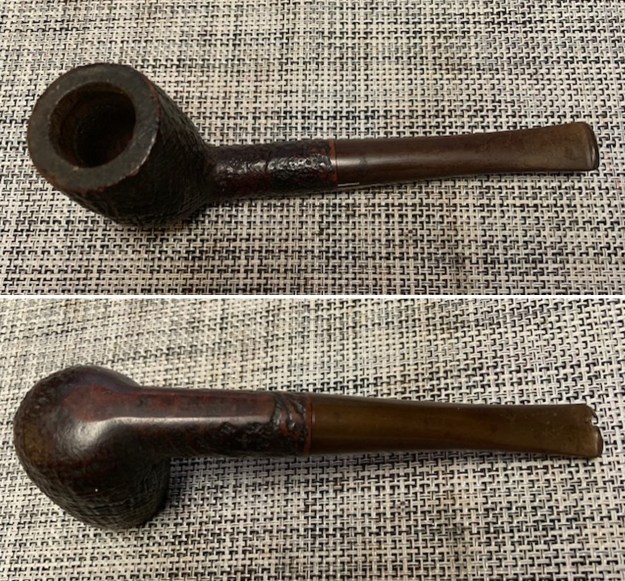 I took photos of the rim top and inner edge of the bowl to show the lava coat in the sandblast rim top and darkening on the inner edge of the bowl. The photos of the stem show the oxidation, calcification and the tooth marks and chatter on both sides ahead of the button. You can also see the chip out of the button on the underside of the stem.
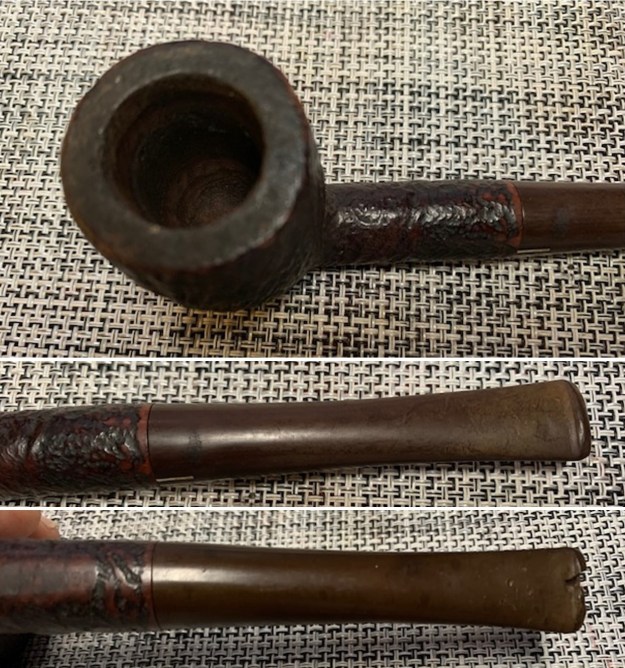 I took a photo of the stamping on the underside of the shank. It is faint but still readable as noted above. I took a photo of the three bars inserted on the left side of the stem. I also took a photo of the bowl and shank separated to show the condition of the pipe. It really is a great looking pipe.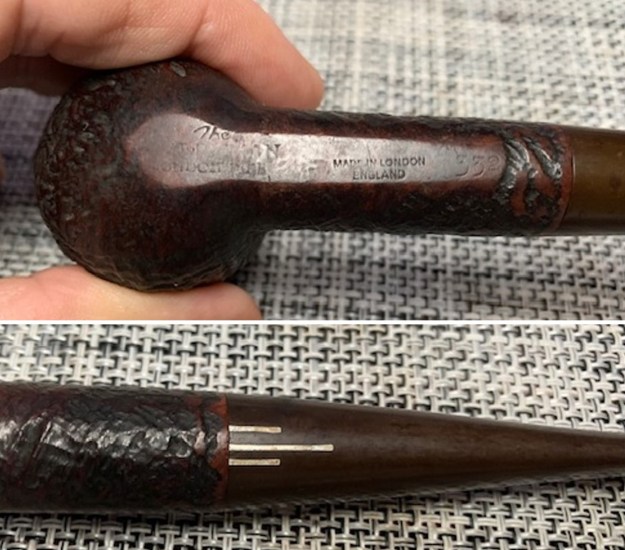
 Before starting my cleanup work on the pipe I turned my favourite go to sites on background of brands. The first is Pipephil’s site (http://www.pipephil.eu/logos/en/logo-e4.html). There I looked up The Everyman brand and confirmed what I remembered about it being made by Comoy’s.
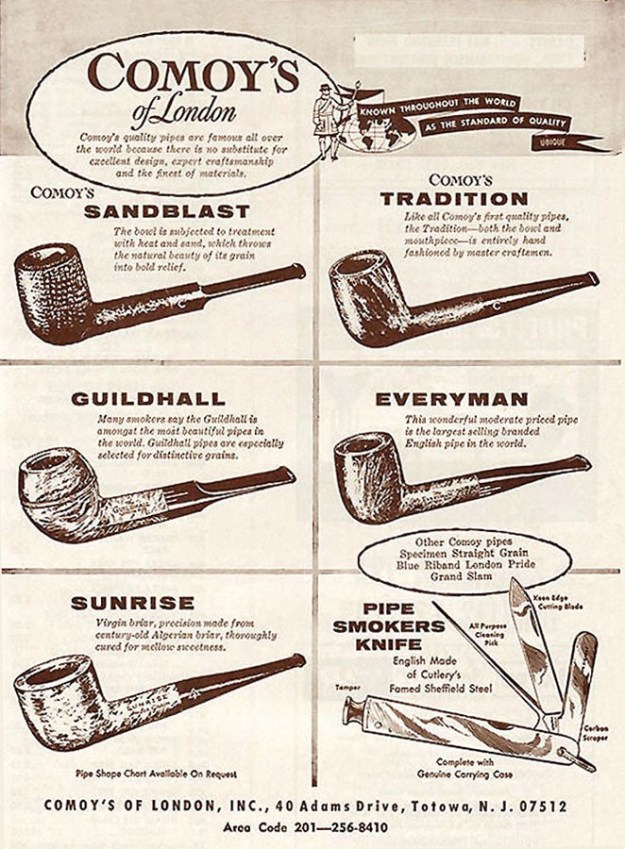
  From there I turned to Pipedia (https://pipedia.org/wiki/Comoy%27s). I went directly to the section on Comoy’s pipes. This advertisement on the various lines of Comoy’s of London pipes as present. I copied the graphic and have included it here.
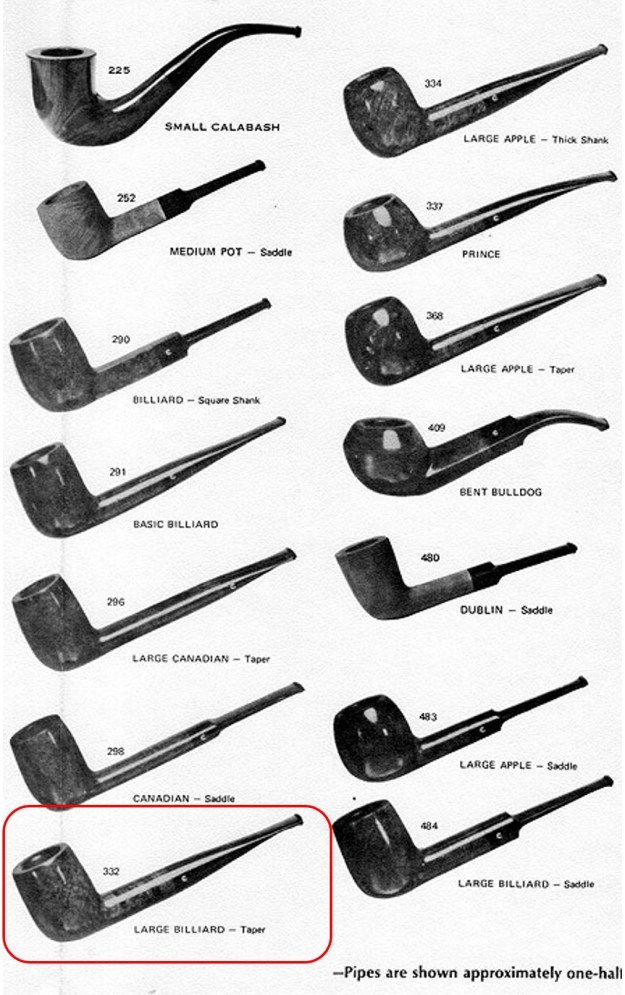
 There was also a shape chart that showed the 332 Large Billiard. I have drawn a red box around it for simplicity.
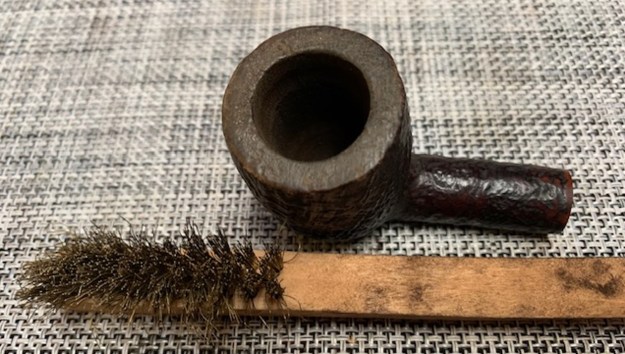
 With that done I started my restoration of the pipe. I worked on the lava build up on the rim top and the burn damage and darkening on the inner edge of the rim. I worked over the rim top with a brass bristle wire brush. I was able to clean up the debris that filled in the sandblast finish on the rim and remove the tars.
  I scrubbed the externals of the bowl and shank with undiluted Murphy’s Oil Soap and a tooth brush. I rinsed the soap and debris off the bowl with running water. I repeated the process until the rim top and the externals were very clean. It looked very good at this point.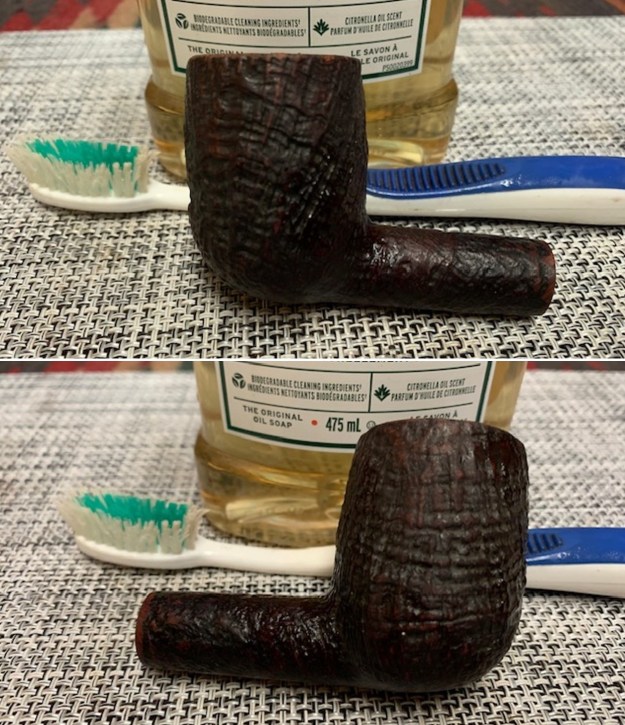
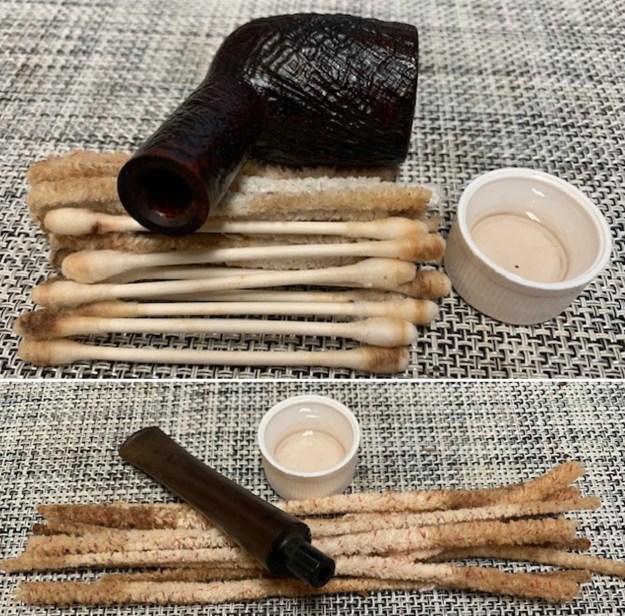
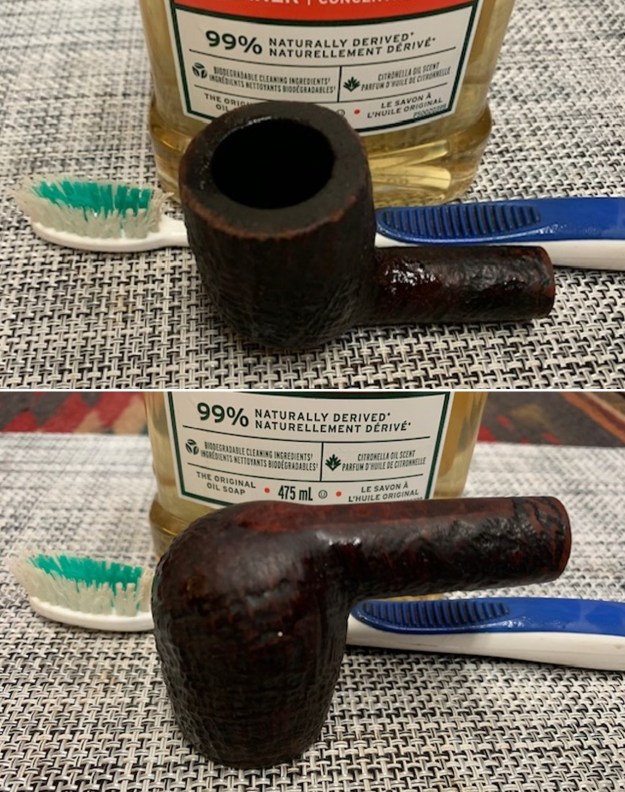 Somewhere along the journey the pipe had been reamed and the bowl was smooth. There was nothing to do in terms of reaming the bowl or sanding the bowl. The bowl itself was clean of cake or debris. Just to check on the cleaning of the rest of the pipe I turned to clean the mortise and the airway in the shank and stem. It was quite dirty and needed a thorough cleaning. I scrubbed the out with pipe cleaners, cotton swabs and Isopropyl 99% alcohol. Many pipe cleaners and much time passed and the draught was clean and open in both the stem and the shank.
  I worked some Before & After Restoration Balm into finish of the briar with my fingertips to clean, enliven and protect it. I let the balm sit for a little while and then buffed with a cotton cloth to raise the shine. The Restoration Balm really makes the grain stands out beautifully.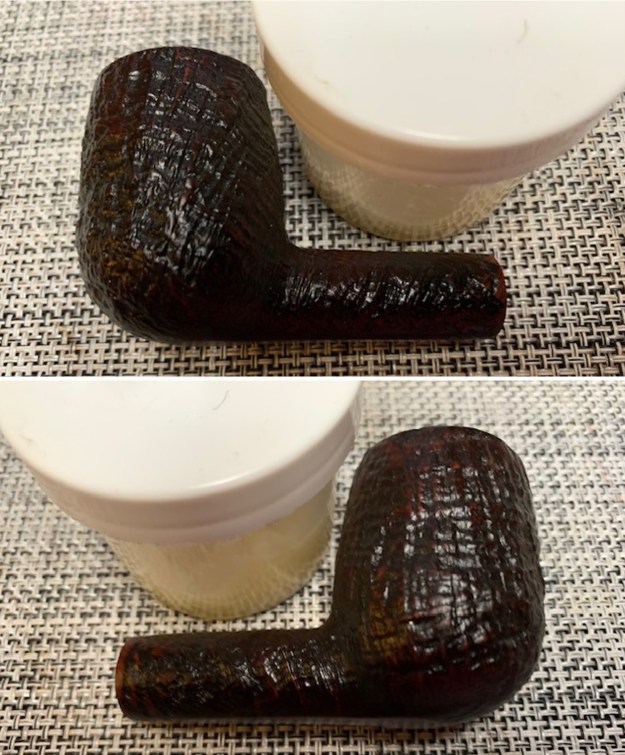

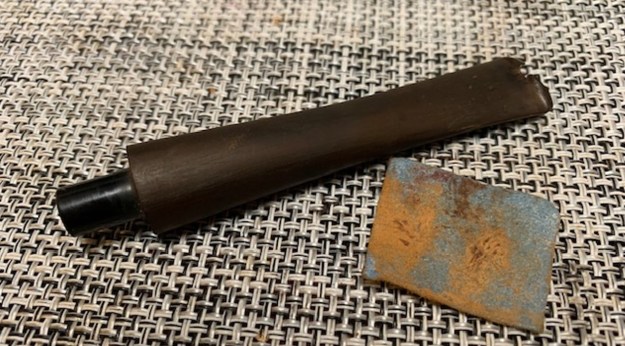
 I set the bowl aside and turned my attention to the stem. I cleaned up the oxidation on the stem surface around the button with 220 grit sandpaper to prepare for the repair to the button. I wanted a clean and non-oxidized surface to work with so that the glue would stick. I wiped it down with alcohol after each sanding until the surface was clean and has some slight roughening from the sanding.
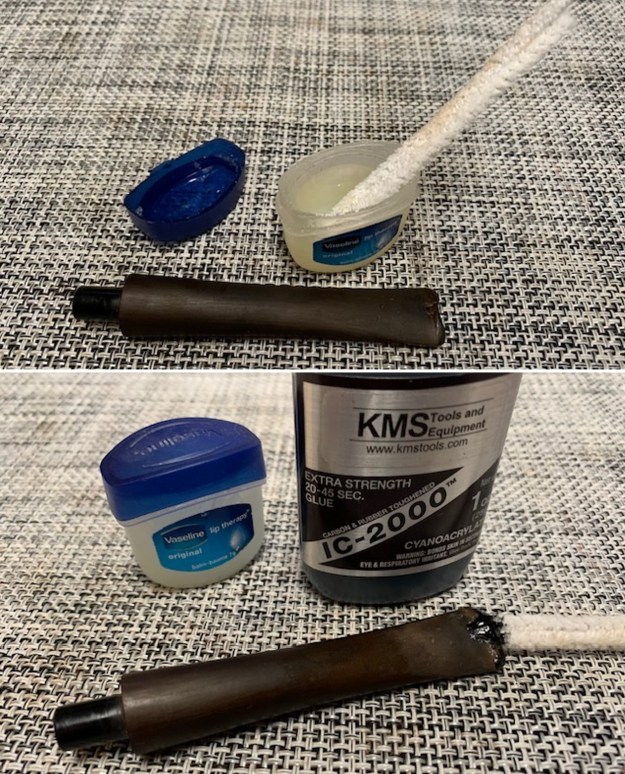
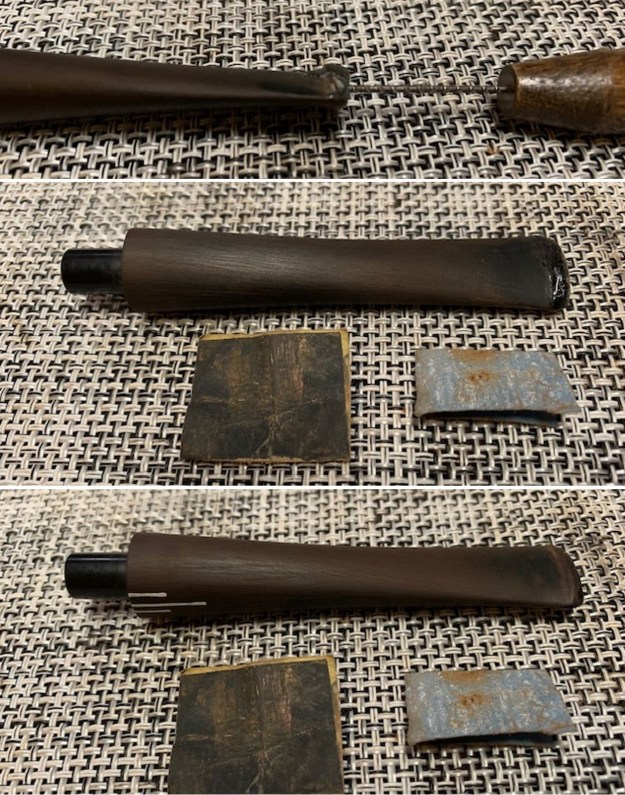
 I coated the end of a folded pipe cleaner with Vaseline and inserted it into the slot below chipped section. The Vaseline would prevent the black CA glue from sticking to it in the stem when I put it on the stem. I filled in the chipped area with KMS rubberized super glue and repeated the layers of glue until it was built up.
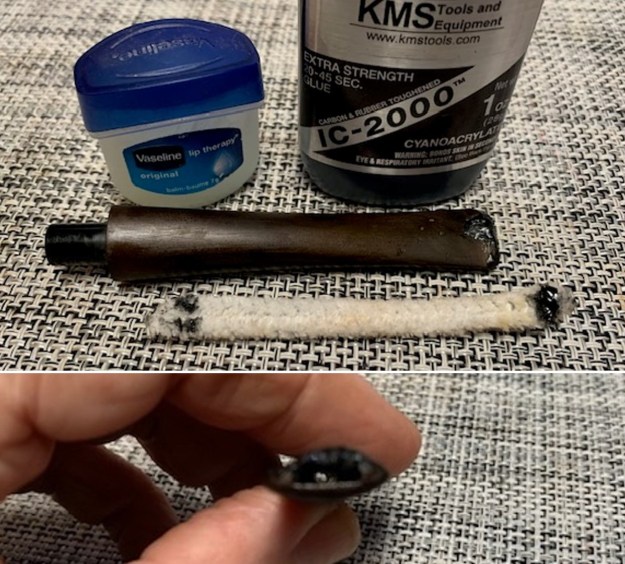
 I removed the pipe cleaner from the slot and set the stem aside to cure. I took a photo of the repair on the button and a photo from the slot end. I would need to build the slot up a bit but it was starting to look very good.
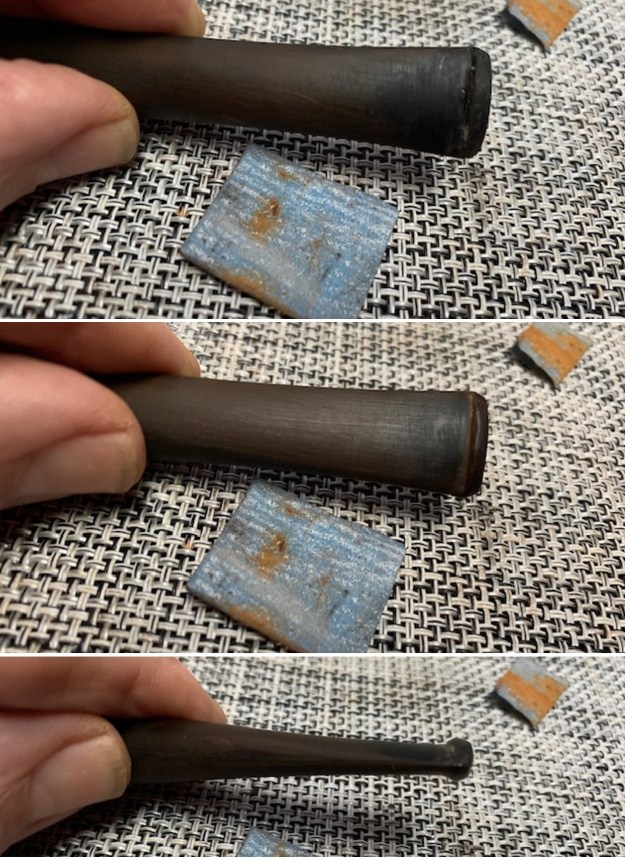
 Once the repairs cured on the underside of the stem I filed them flat and recut the button edge with a small file. I used a small slot cutting tool to smooth out the slot in the button. I sanded and reshaped the button with a folded piece of 220 sandpaper and also worked over the oxidation that remained on the stem. I started polishing the stem with 400 grit wet dry sandpaper.
 I took photos of the repaired stem after I had shaped it and it looked very good at this point. I need to polish it more but I like the looks of the repaired button and slot.
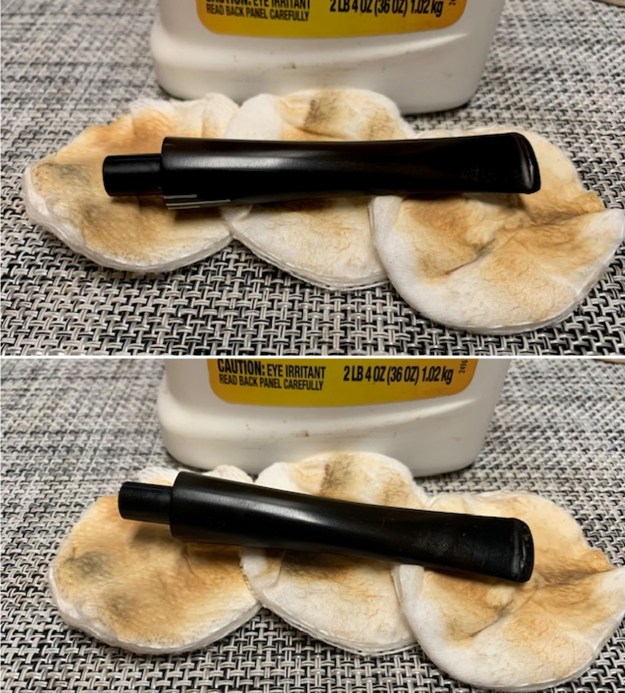
 I scrubbed the surface of the stem with Soft Scrub and cotton pads to remove the deep oxidation in the stem. It was a lot of oxidation but it came out with repeated scrubbing with the pads. It looked much better when finished.
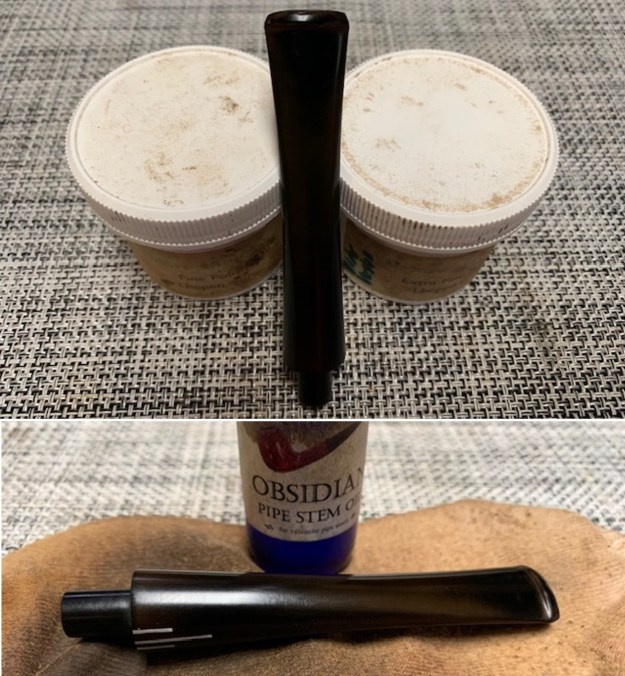
 I polished the stem with micromesh sanding pads – wet sanding with 1500-2400 grit pads and dry sanding with 3200-12000 grit pads. I wiped the stem down after each pad with Obsidian Oil.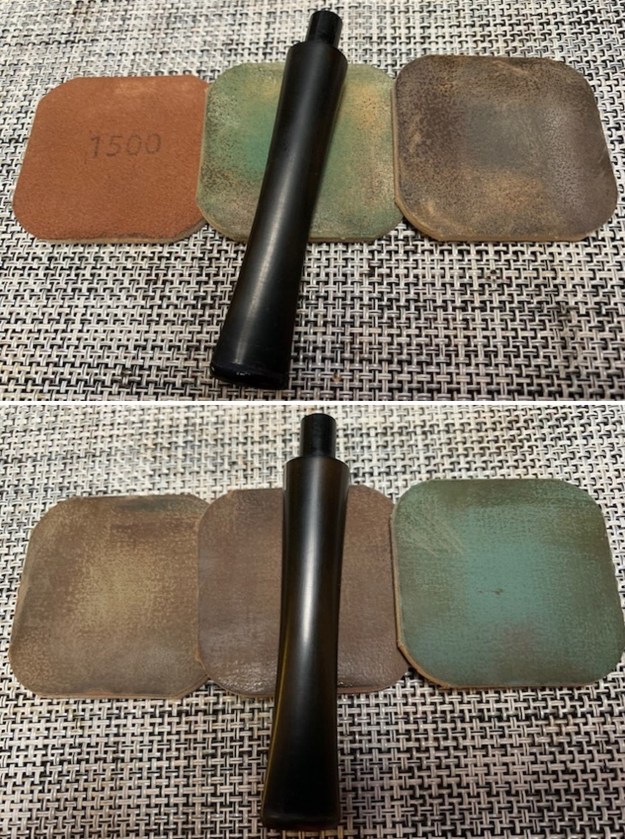
 I finished the hand polishing of the stem with Before & After Pipe Polish – both the Fine and Extra Fine polishes. I gave it a final coat of Obsidian oil and set it aside to dry.
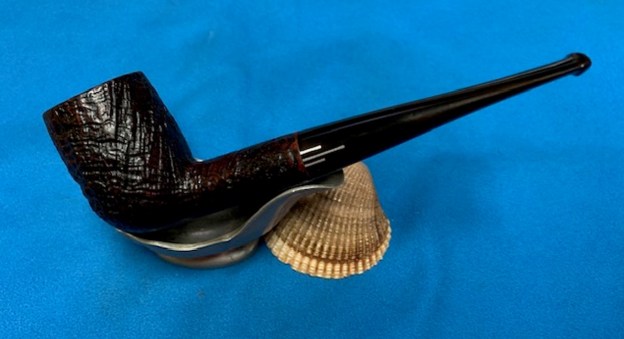
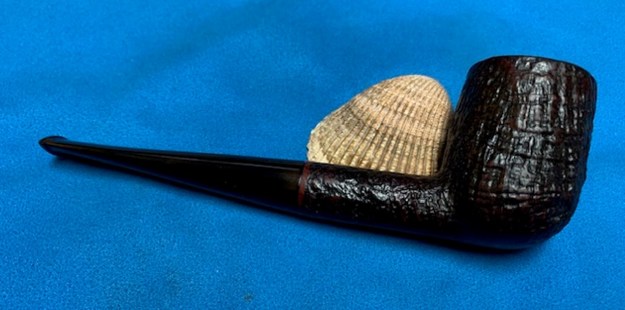
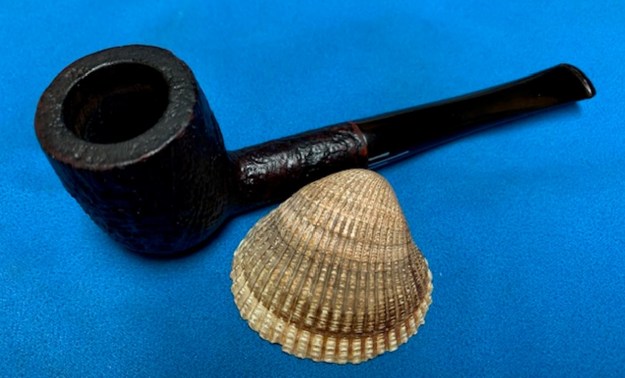
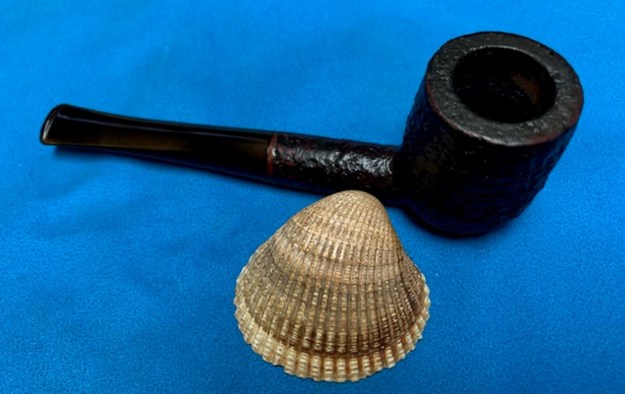
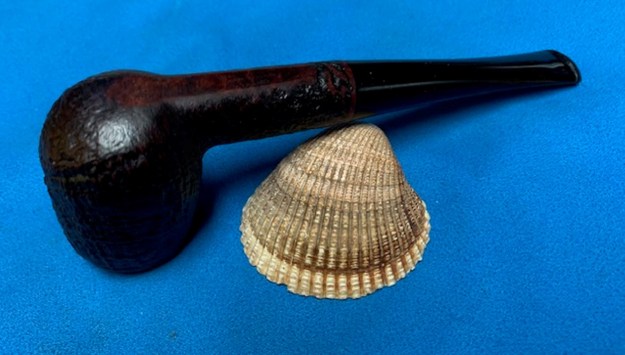
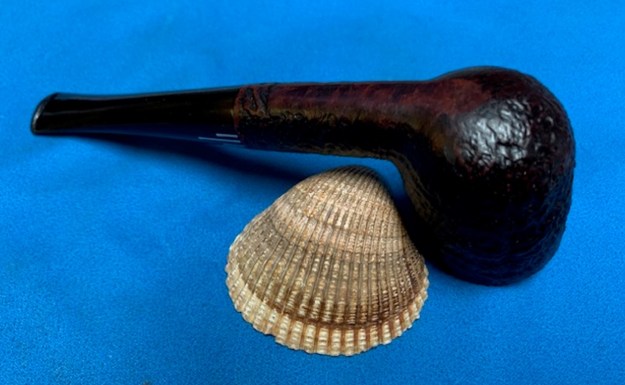
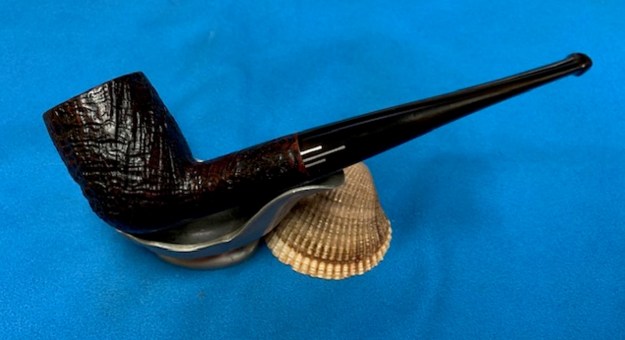
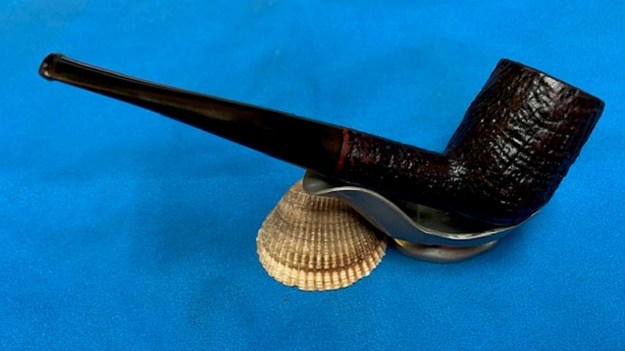
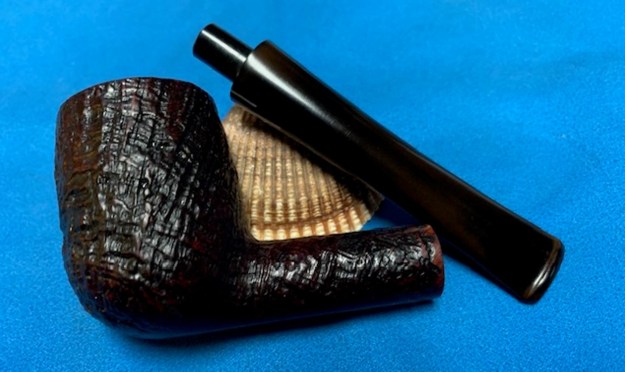
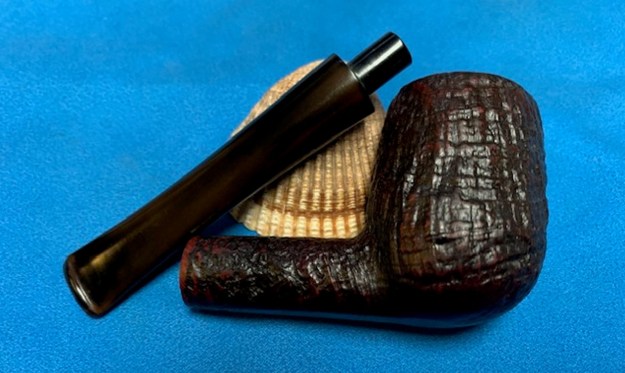
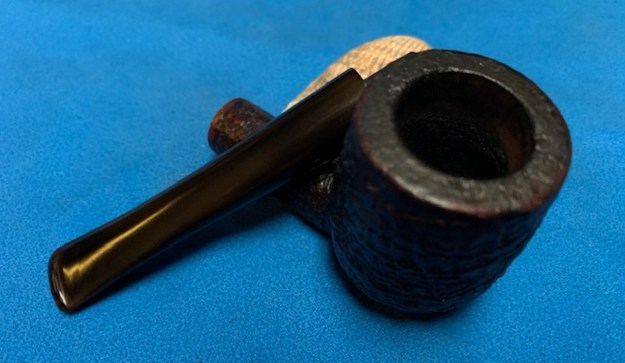
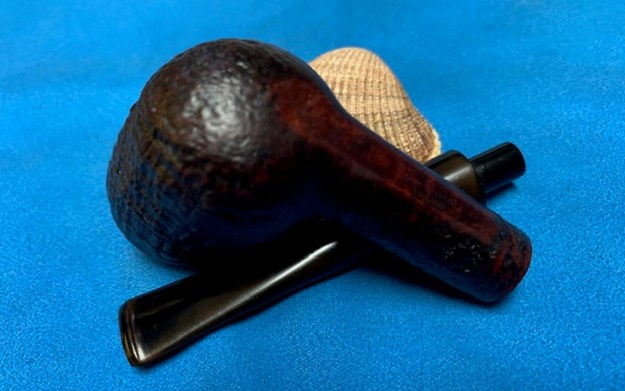
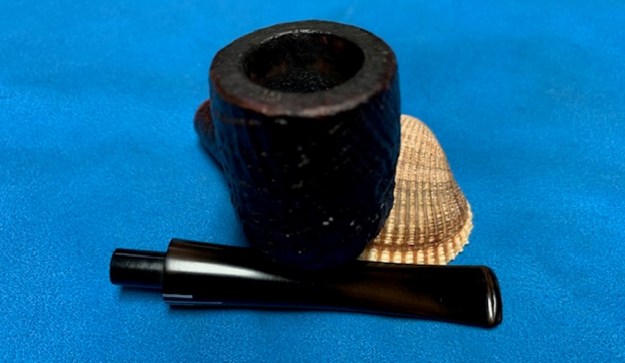
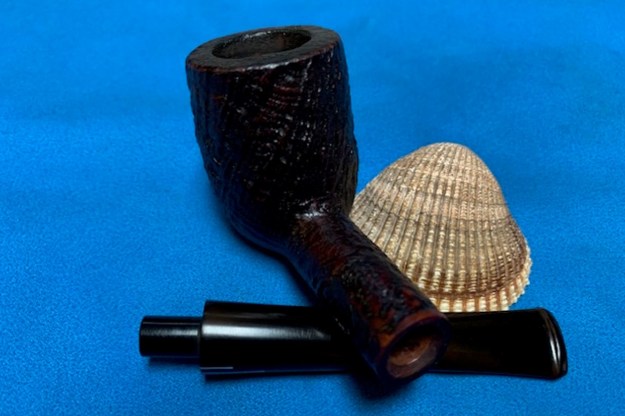
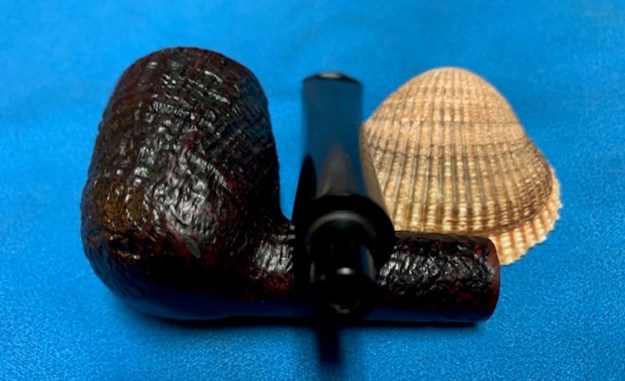
 The Everyman London Pipe 332 Sandblast Billiard was finished. I polished the bowl and stem with Blue Diamond to polish out the remaining small scratches. I used a very light touch so as not to damage the stamping on the shank. I gave the bowl multiple coats of Conservator’s Wax and the stem multiple coats of carnauba wax. I buffed the pipe with a clean buffing pad to raise the shine. I hand buffed it with a microfiber cloth to deepen the shine. The pipe polished up pretty nicely. The depths of the sandblast came alive with the buffing and works well with the polished black vulcanite saddle stem. Altogether this The Everyman London Pipe 332 Billiard pipe has a rich look. The finished pipe is shown in the photos below. The shape, finish and flow of the pipe and stem are very well done. The dimensions are Length: 5 ¾ inches, Height: 1 ¾ inches, Outside diameter of the bowl: 1 ¼ inches, Chamber diameter: ¾ of an inch. The weight of the pipe is 1.48 ounces/42 grams. I will be putting it on the rebornpipes store in the British Pipemakers Section soon. If you are interested in adding it to your collection let me. I have one of these and they are a cool dry smoke. Thanks for walking through the restoration of this fine old Comoy’s made pipe. It was a pleasure to work on.
As always, I encourage your questions and comments as you read the blog. Thanks to each of you who are reading this blog. Remember we are not pipe owners; we are pipe men and women who hold our pipes in trust until they pass on into the trust of those who follow us.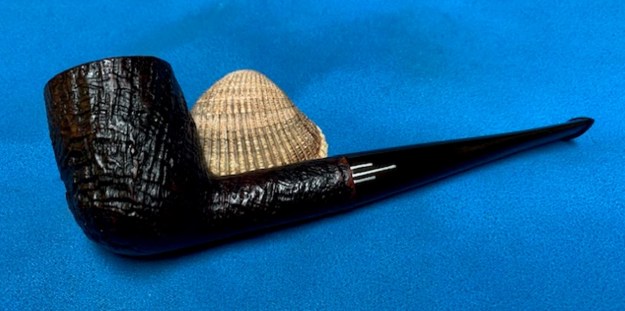

 rebornpipes